Mrs. Santayana: Magnets! What’s the Attraction?


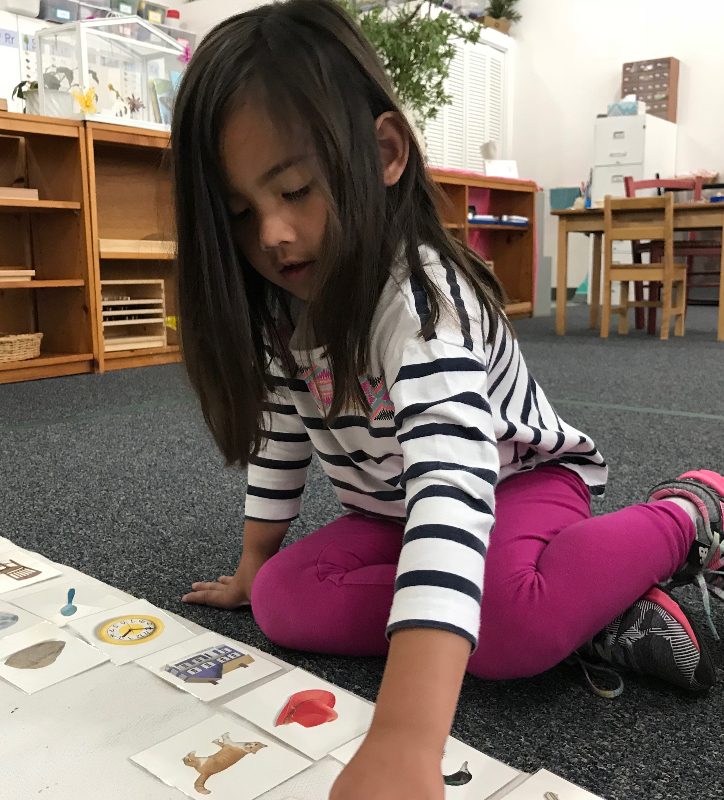
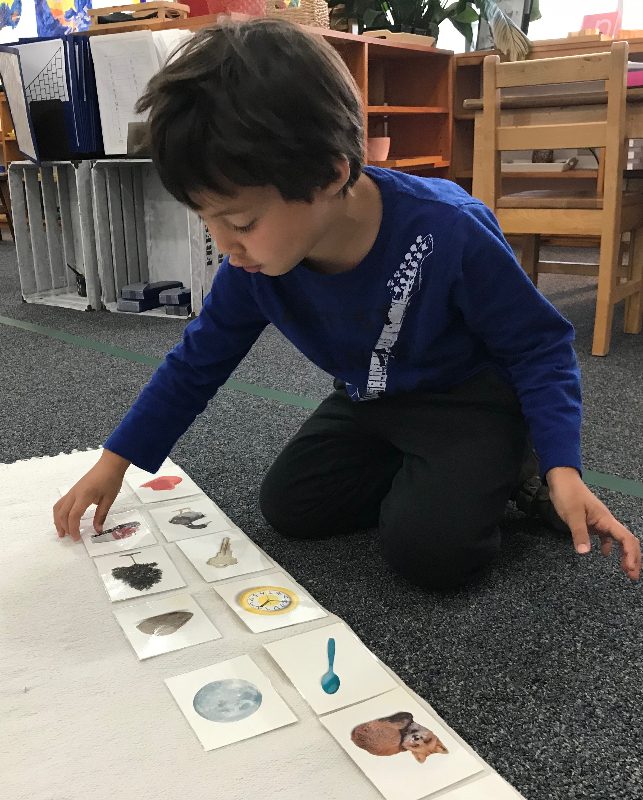
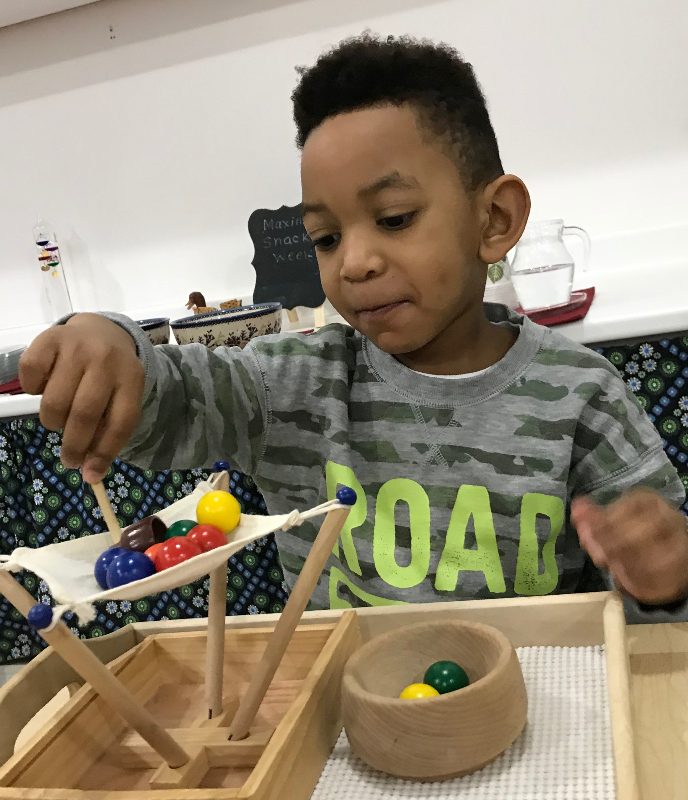
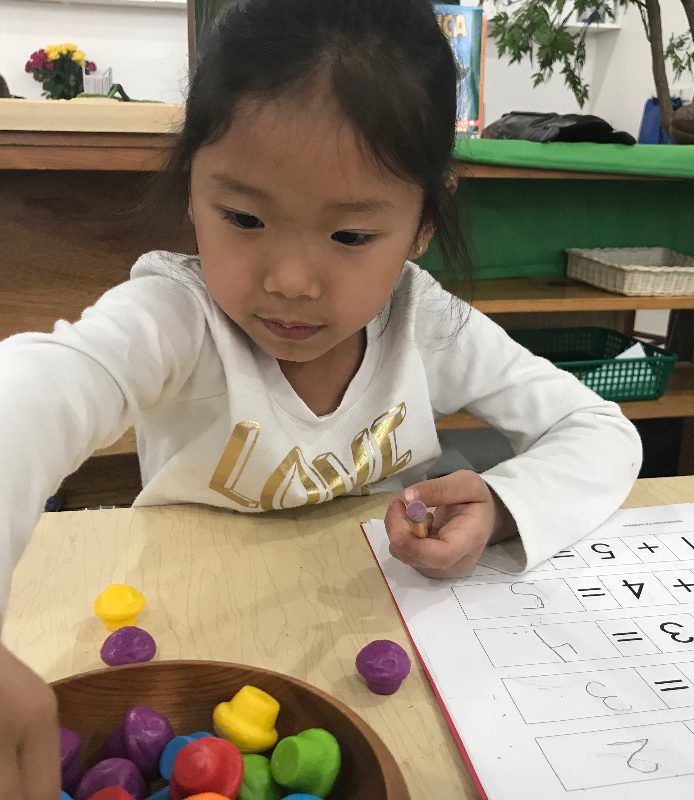
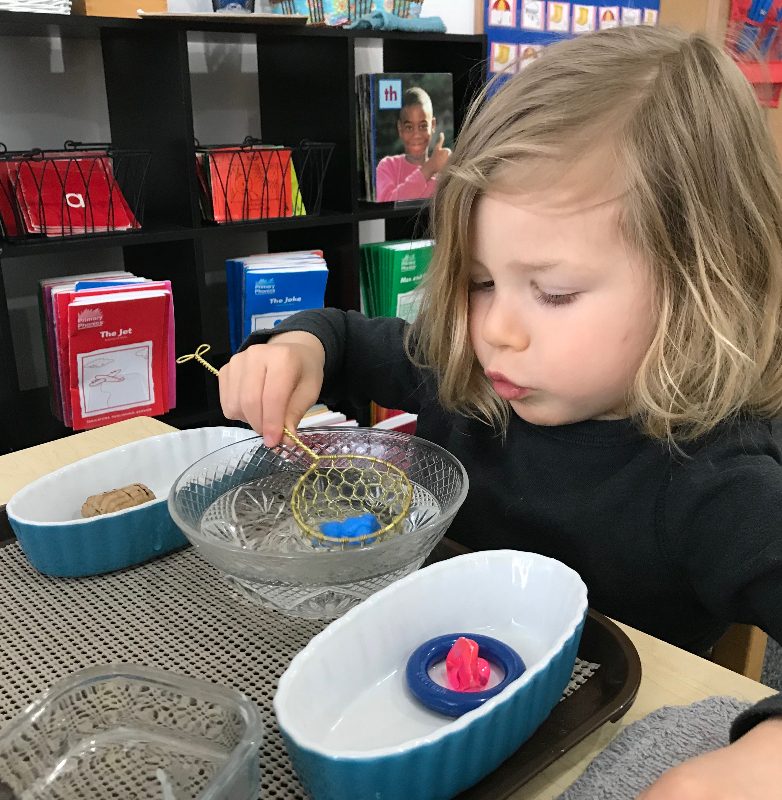
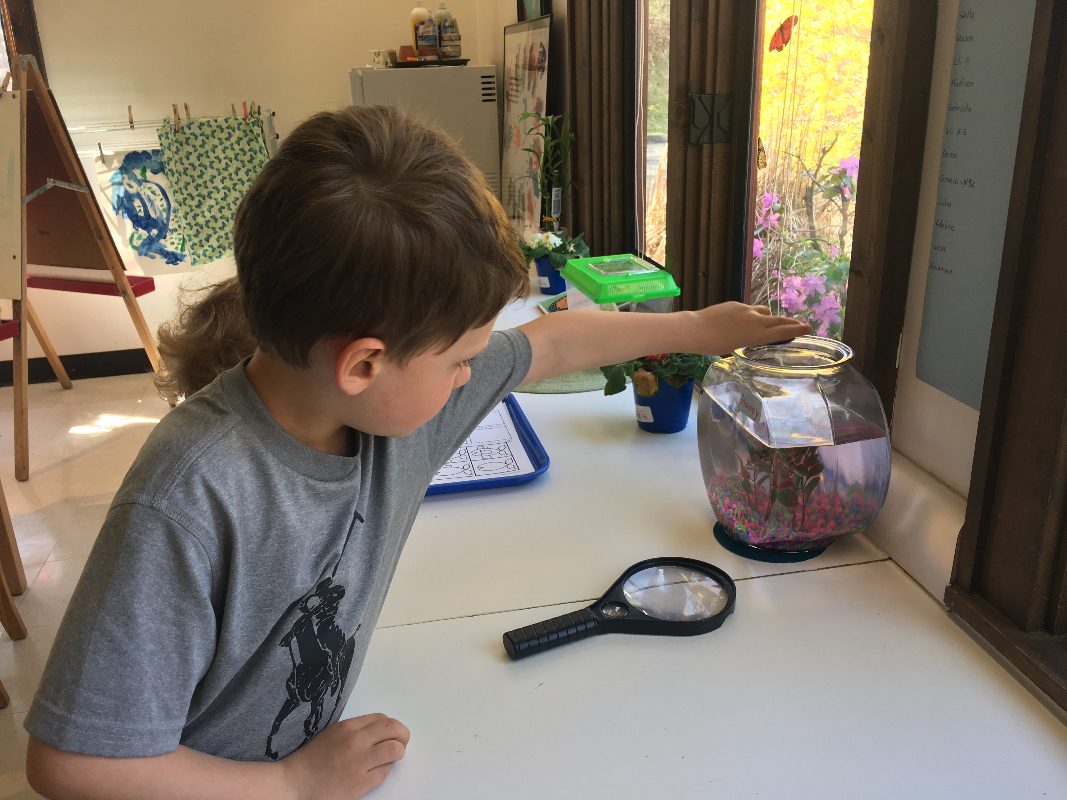
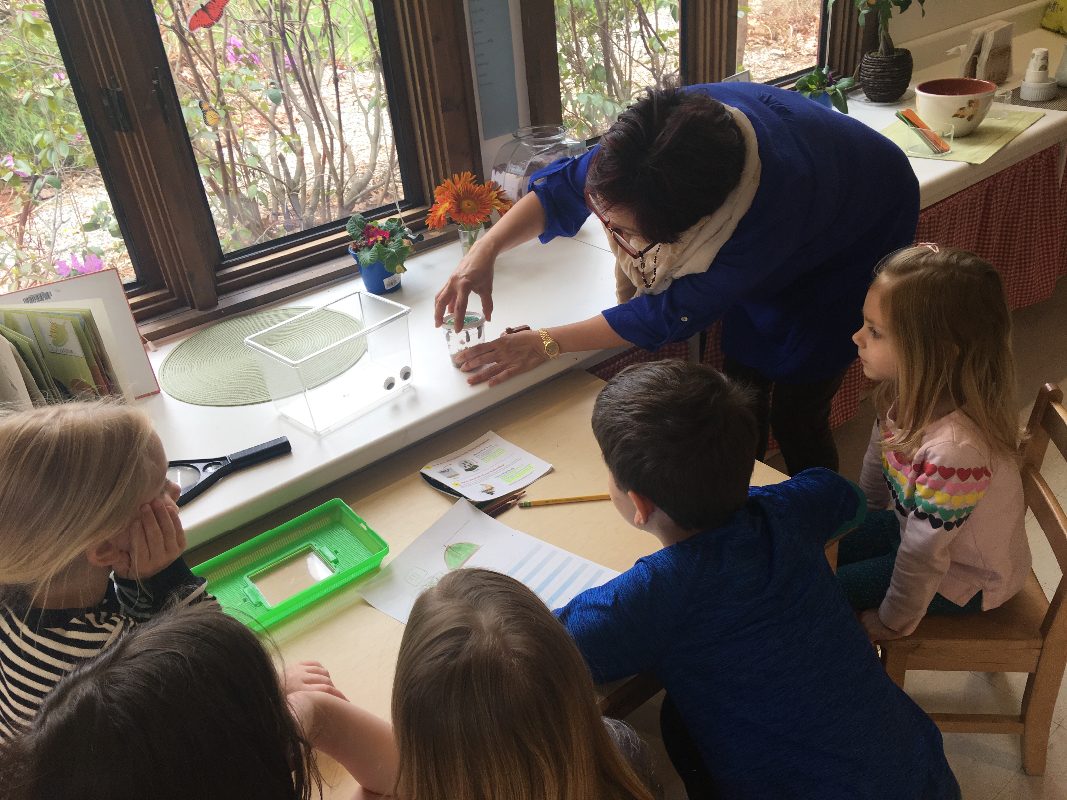
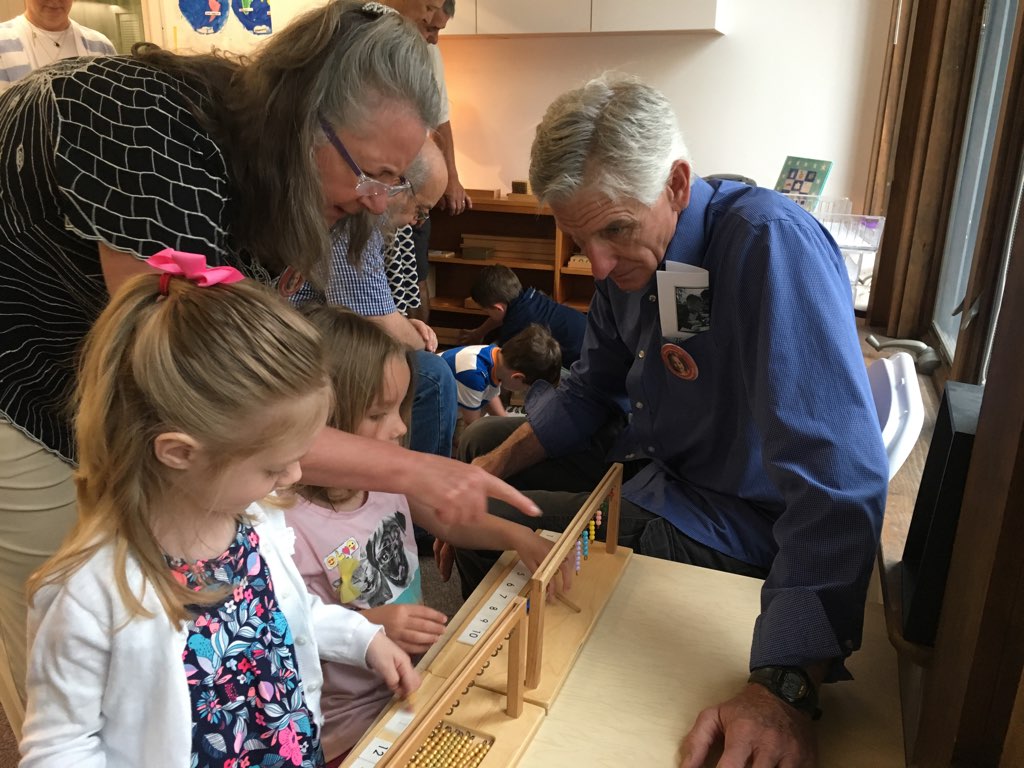
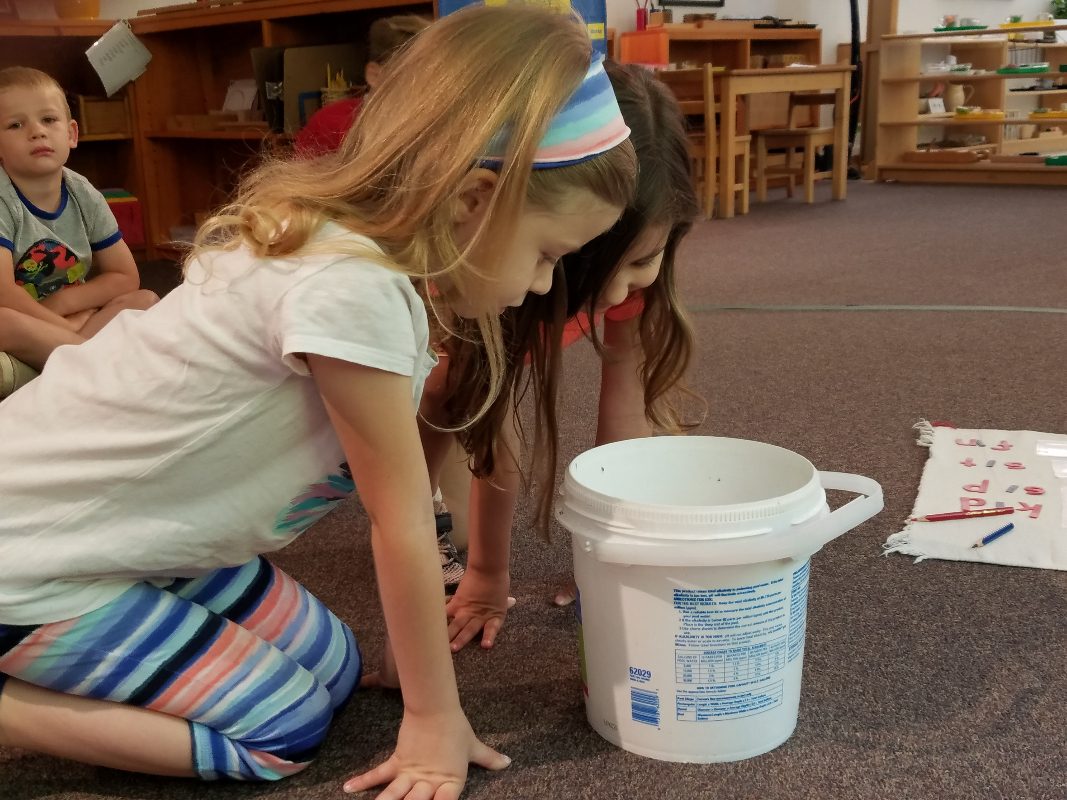
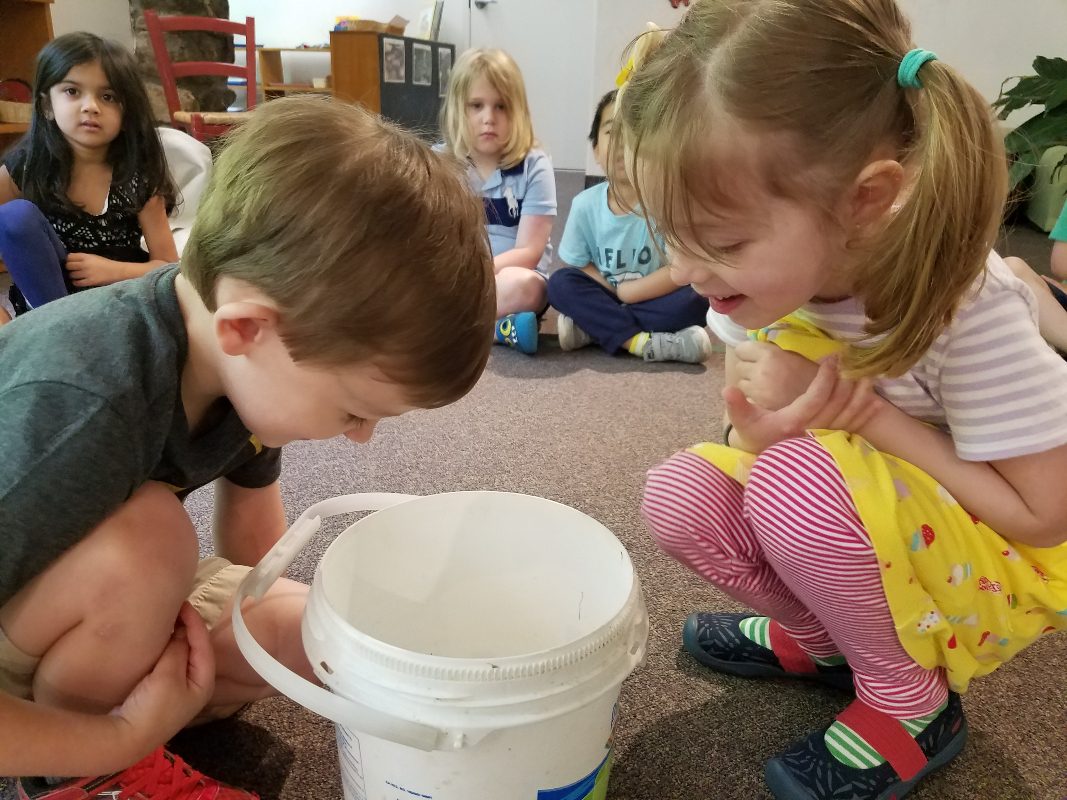
Children of all ages have a natural “attraction” to magnets. We challenged our students to be detectives when searching for things that are attracted to the magnet. The children were able to orally define the vocabulary words: magnet, attract, and repel.

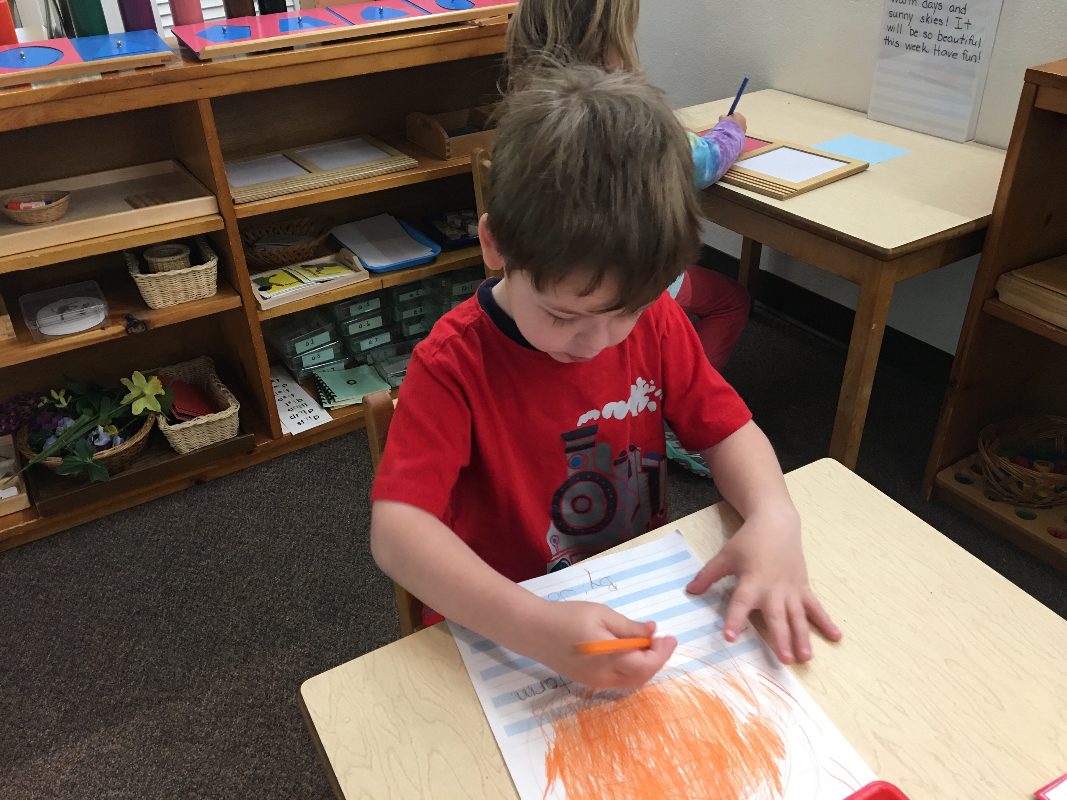
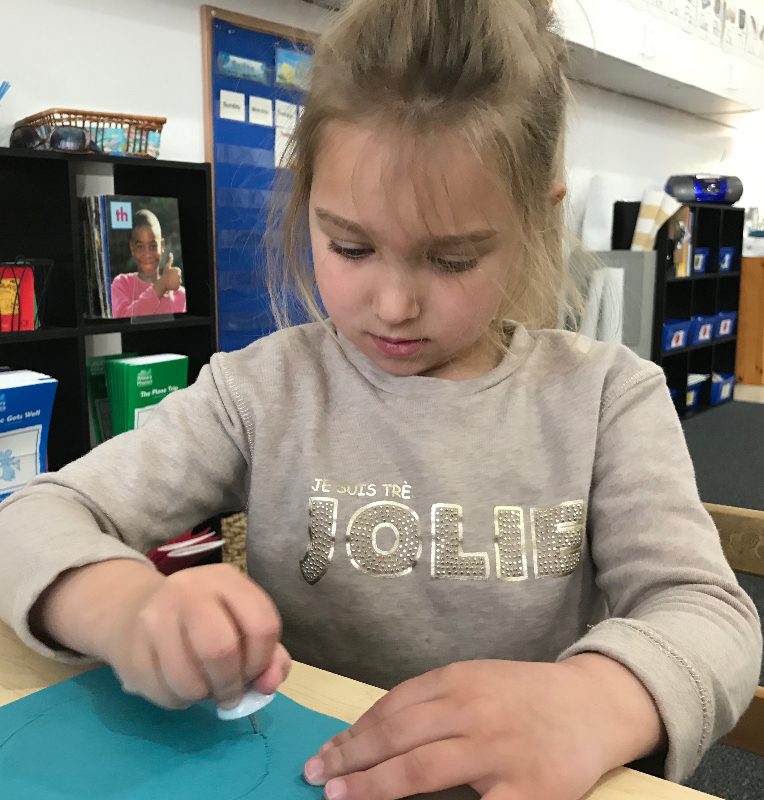
We have been so busy working in the classroom, finger painting for the auction, and experimenting with magnets, that we didn’t see the days fly by.

Montessori birthday walks were celebrated by Adeline and John. As always, the children loved to see the lighting of the candle to represent the sun. Thank you Samantha and Aaron for the delicious cupcakes! And thank you Laura and Michael for the yummy cupcakes too!

A special thanks to Lisa Jackson for all her help to make our auction pieces a success. We could not have done it without her.

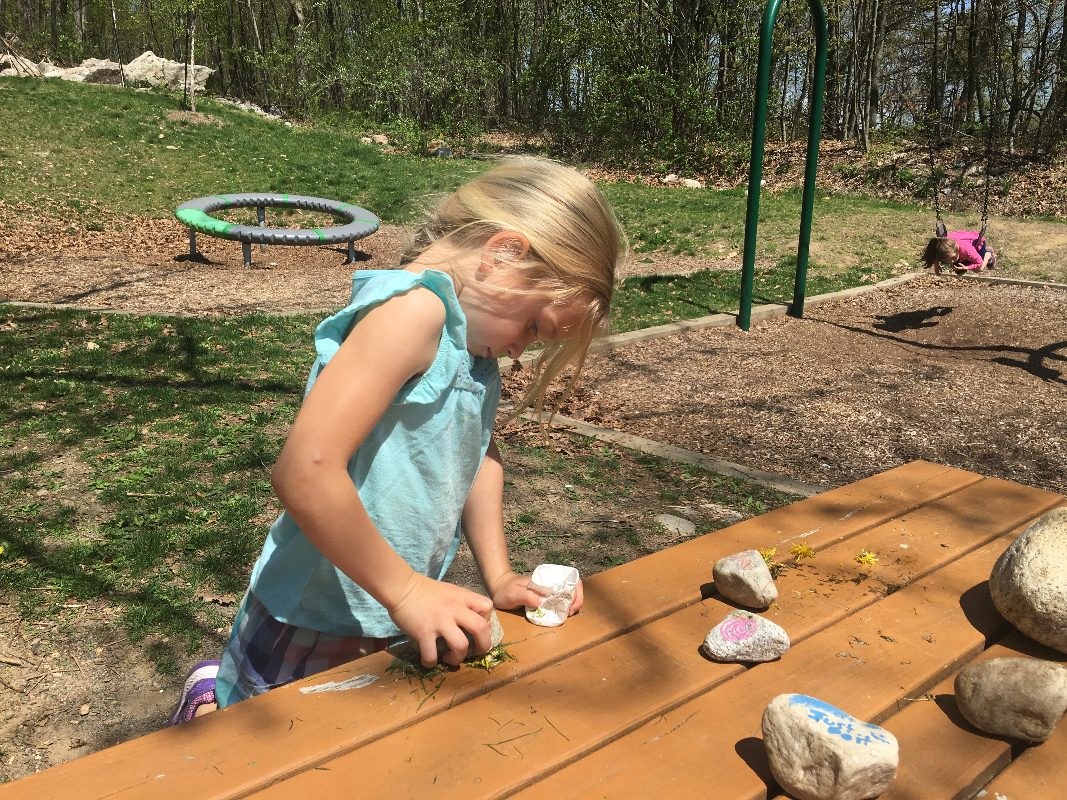
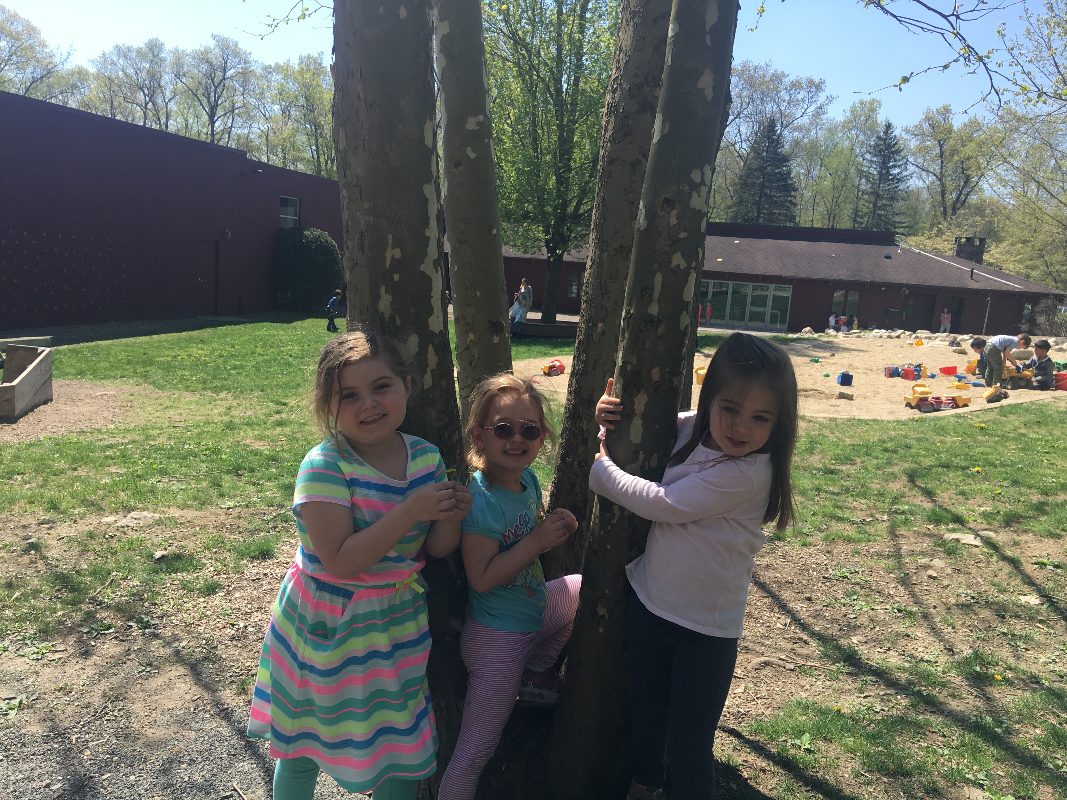
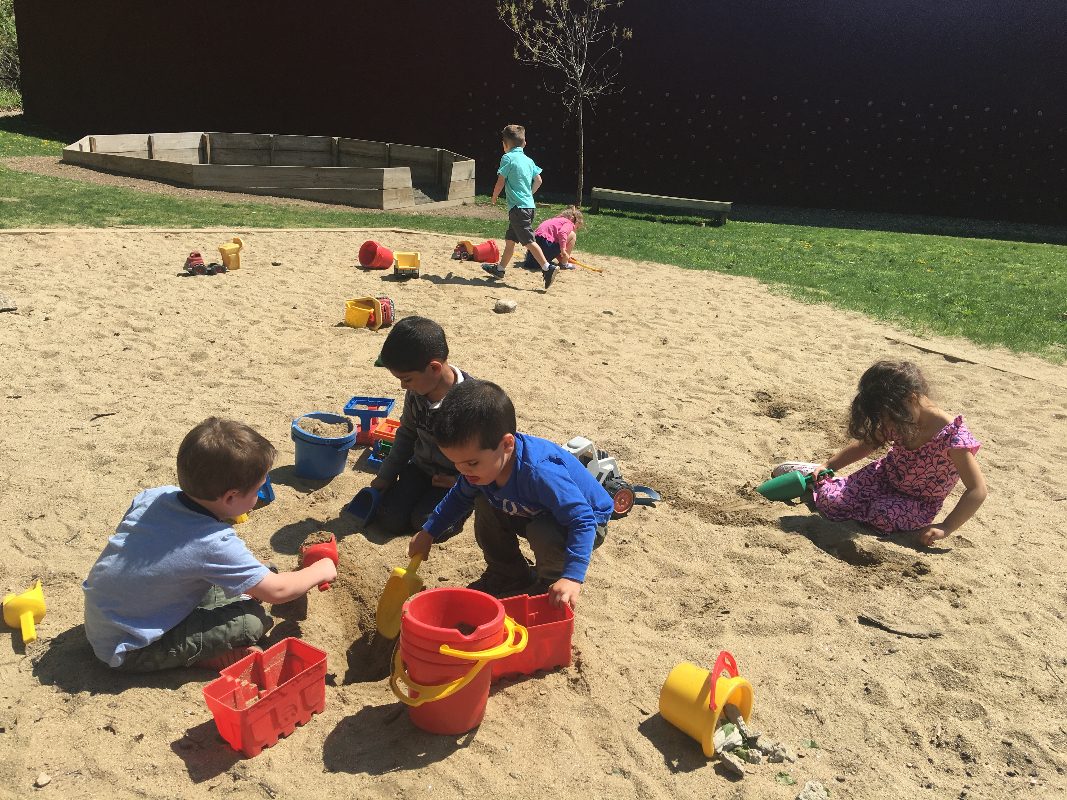
Since Spring will be here soon, the children are looking forward to beautiful sunny and warm days that lie ahead! I would like to remind everyone about extra clothes, spring coats, a change of sneakers or shoes, and indoor shoes as it tends to be muddy this time of year.

Happy Spring!


Mrs. Doyle’s Class: Moving Like Molecules!

We hope everyone had a peaceful and relaxing break! It’s great to be back in the classroom and see everyone’s happy faces and excitement to be with their friends.

We are beginning our science unit on States of Matter. Matter is all around us. Everything that you can touch, taste, smell and see is made of matter. There are three states of matter: solids, liquids, and gases.

We are learning that solids have a definite shape because these molecules are very close together and do not move very much. The shapes of solids do not change unless some type of force makes them change.   Liquid matter does not have its own shape. The tiny molecules in liquids are not as close together as solid molecules and they move around more. Liquids take the shape of the container they are in. Gas matter also does not have its own shape. The molecules in gas are far apart and they move around a lot. Gases spread out and fill up their container too.

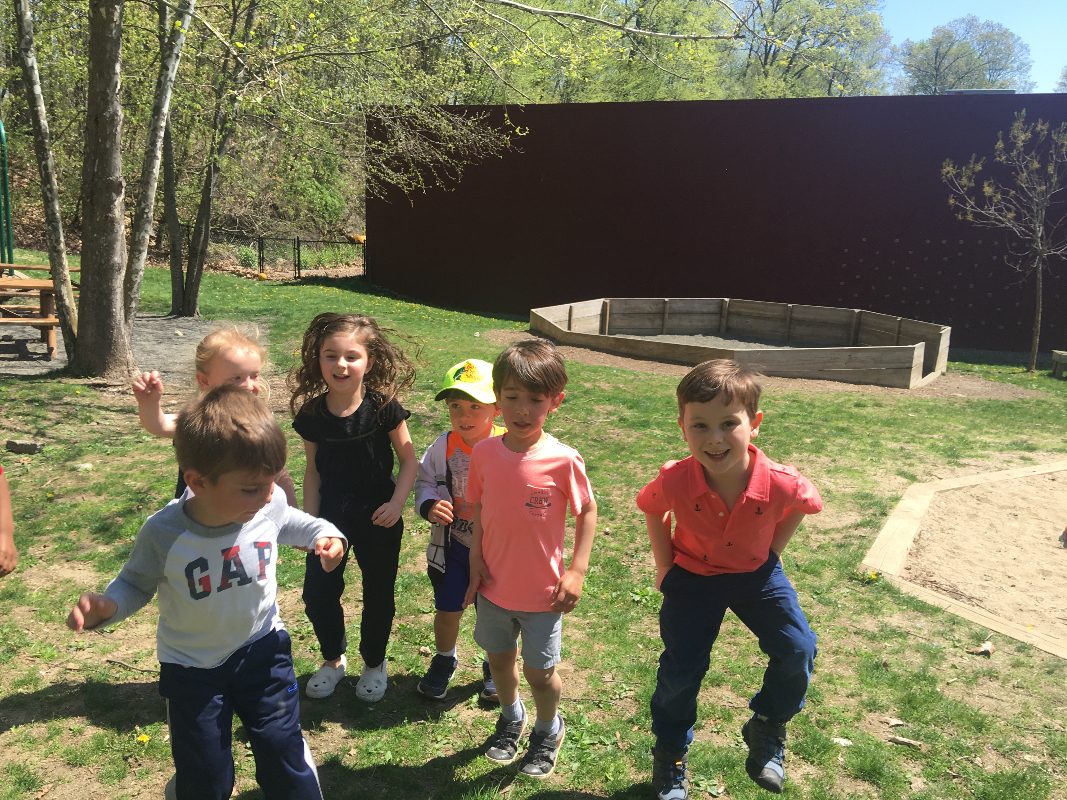
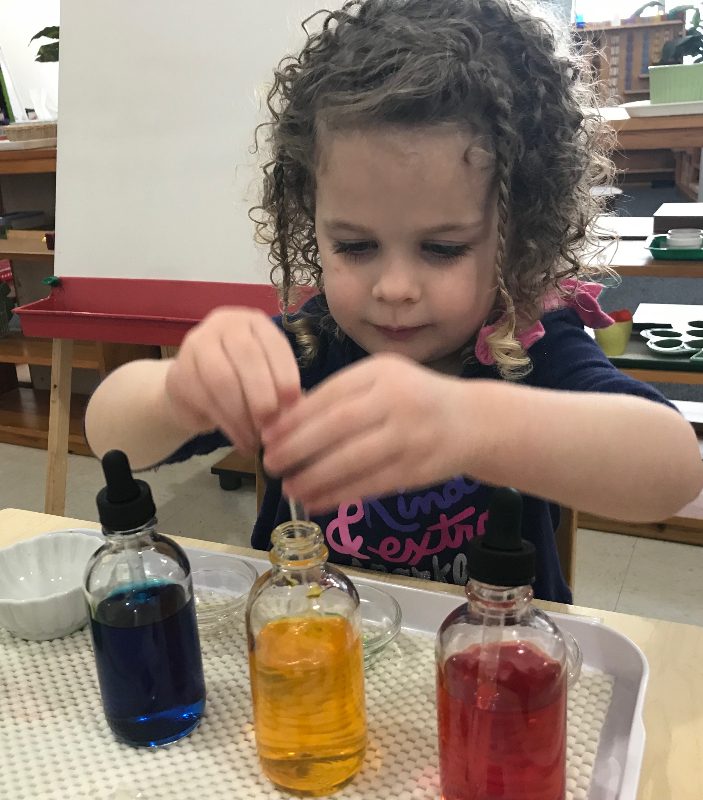
The children love taking part in experiments that help highlight the different properties of solids, liquids and gases. Ask them to show you how molecules in different states move!

Wishing everyone a wonderful week!

Michelle and Sonja


Mrs. Santayana: About India and Dr. Seuss’s Birthday Celebration

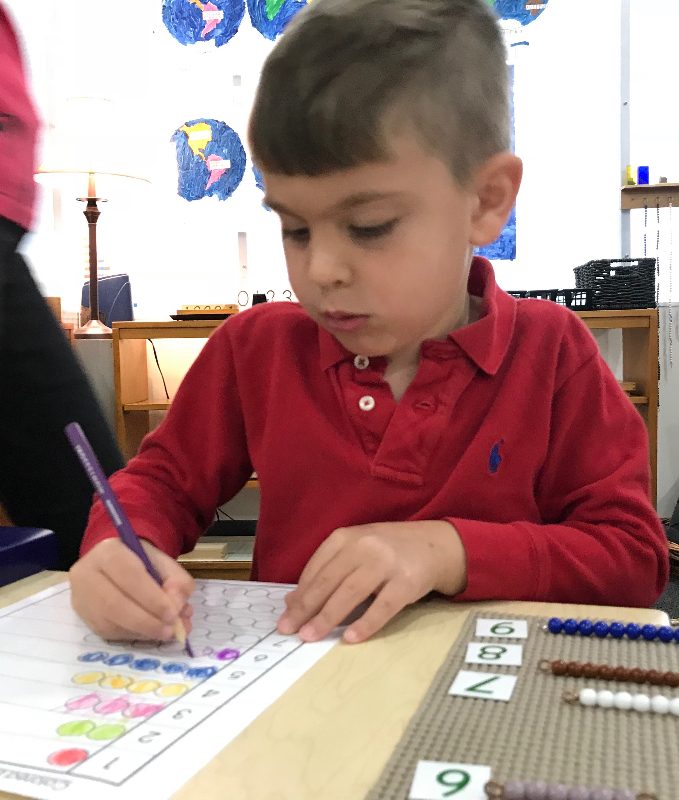
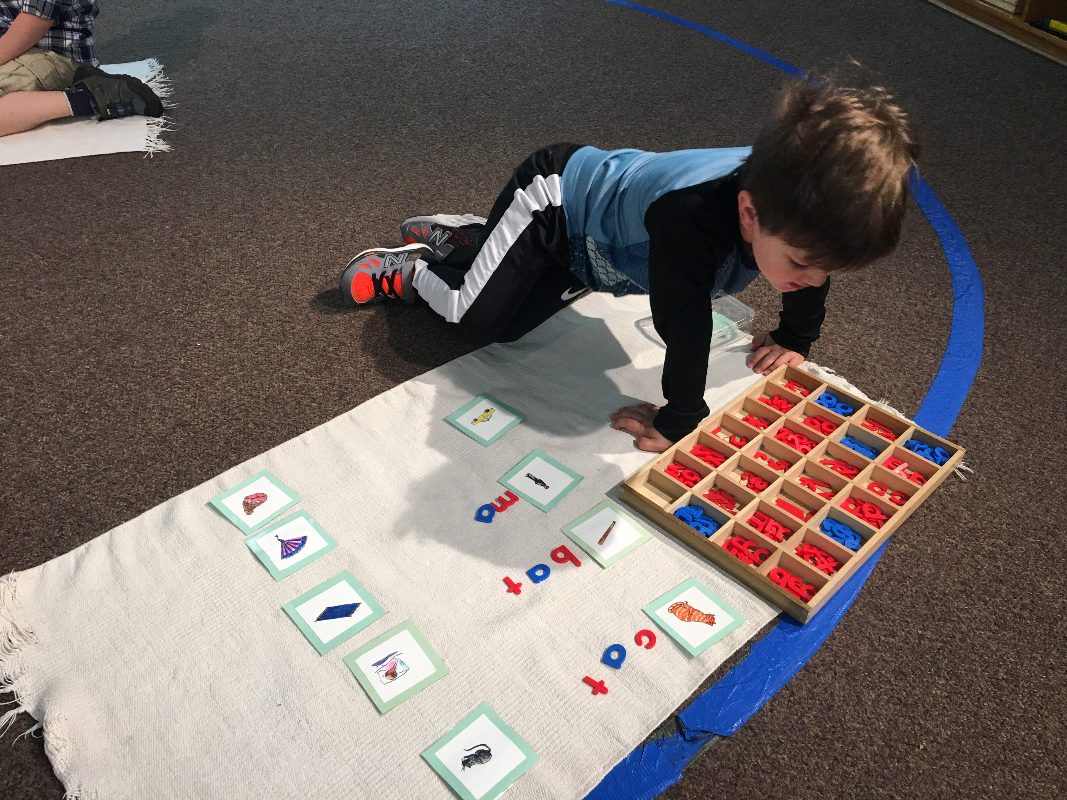
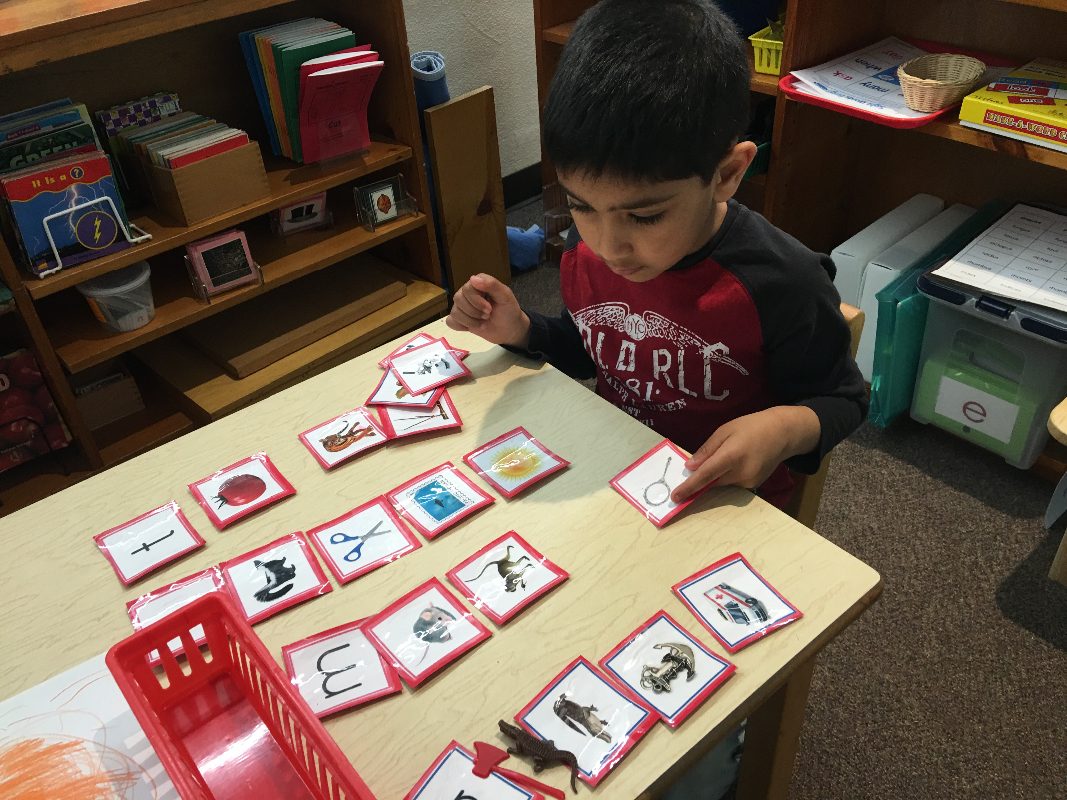
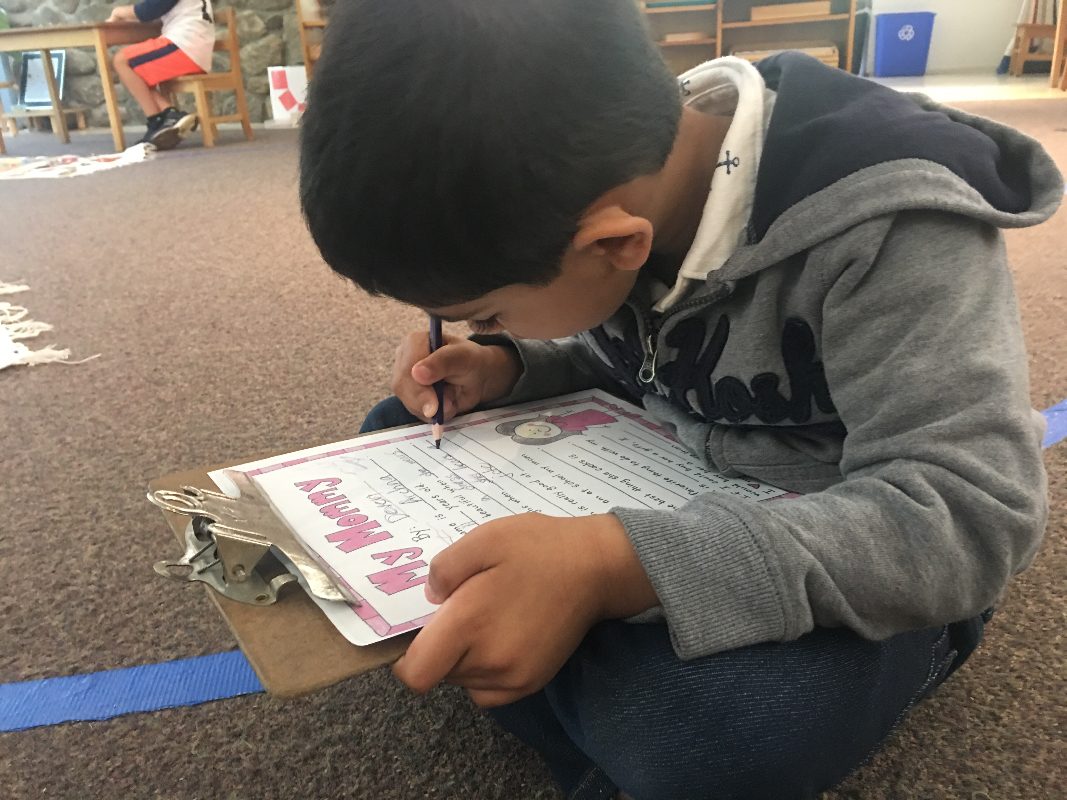
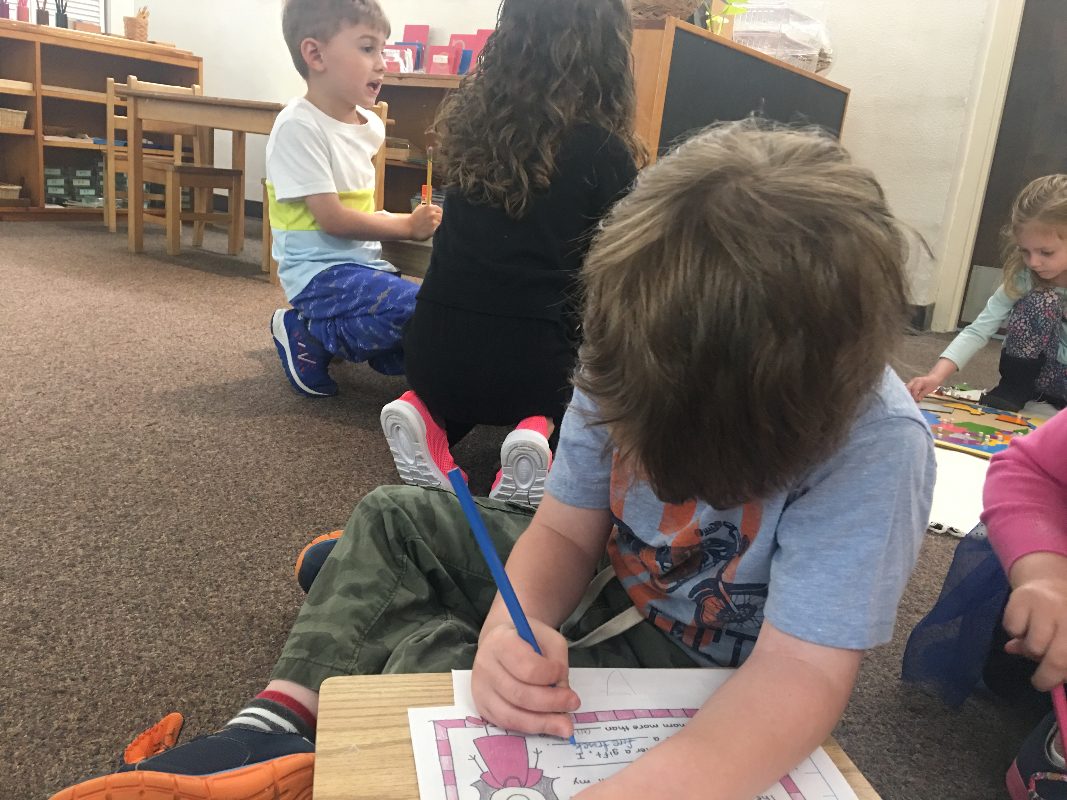
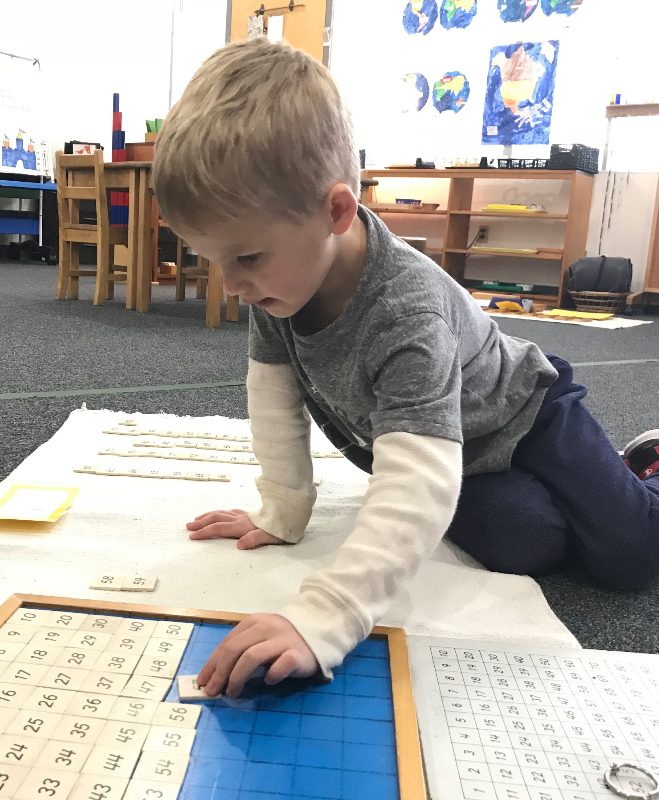
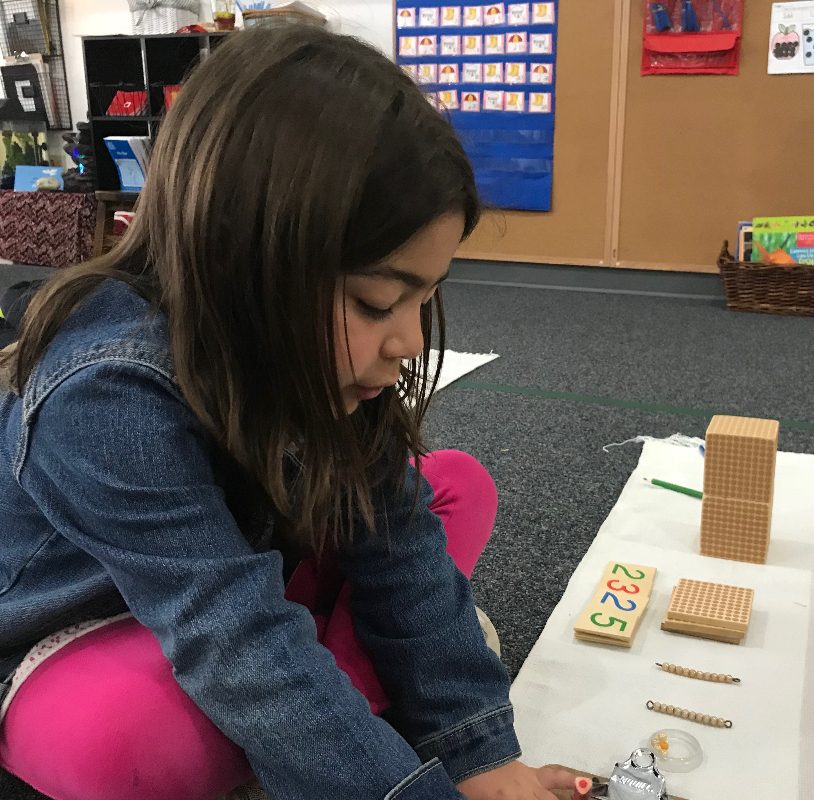
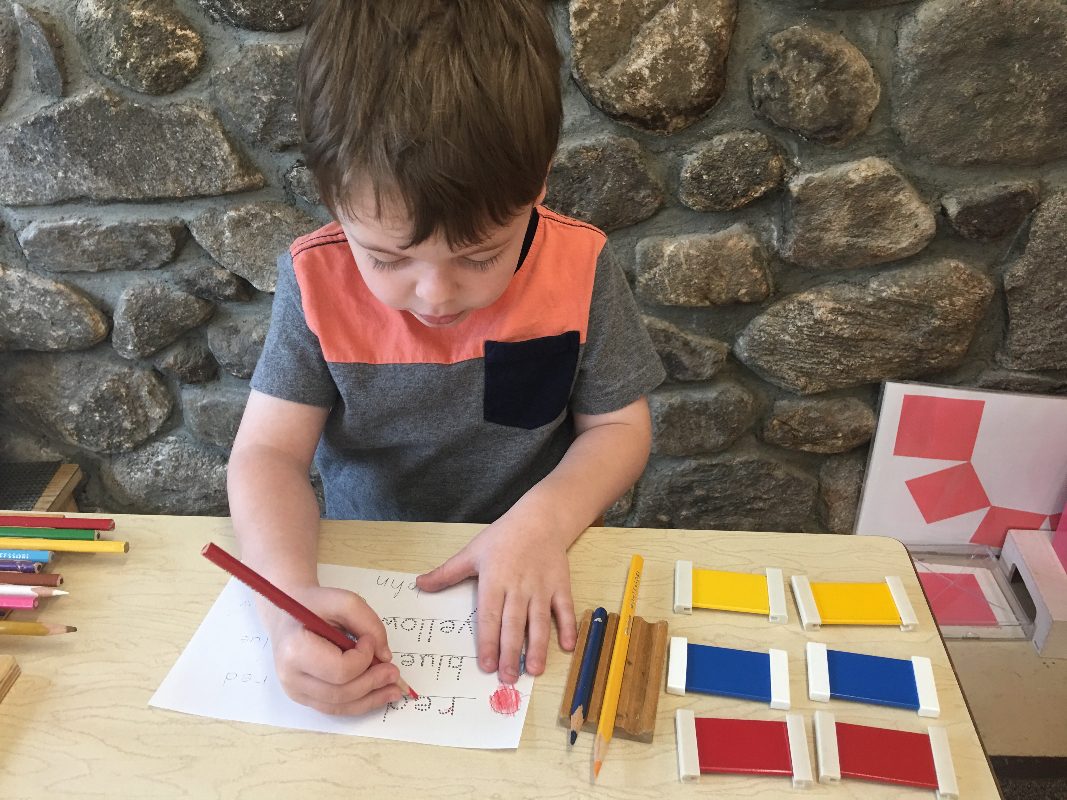
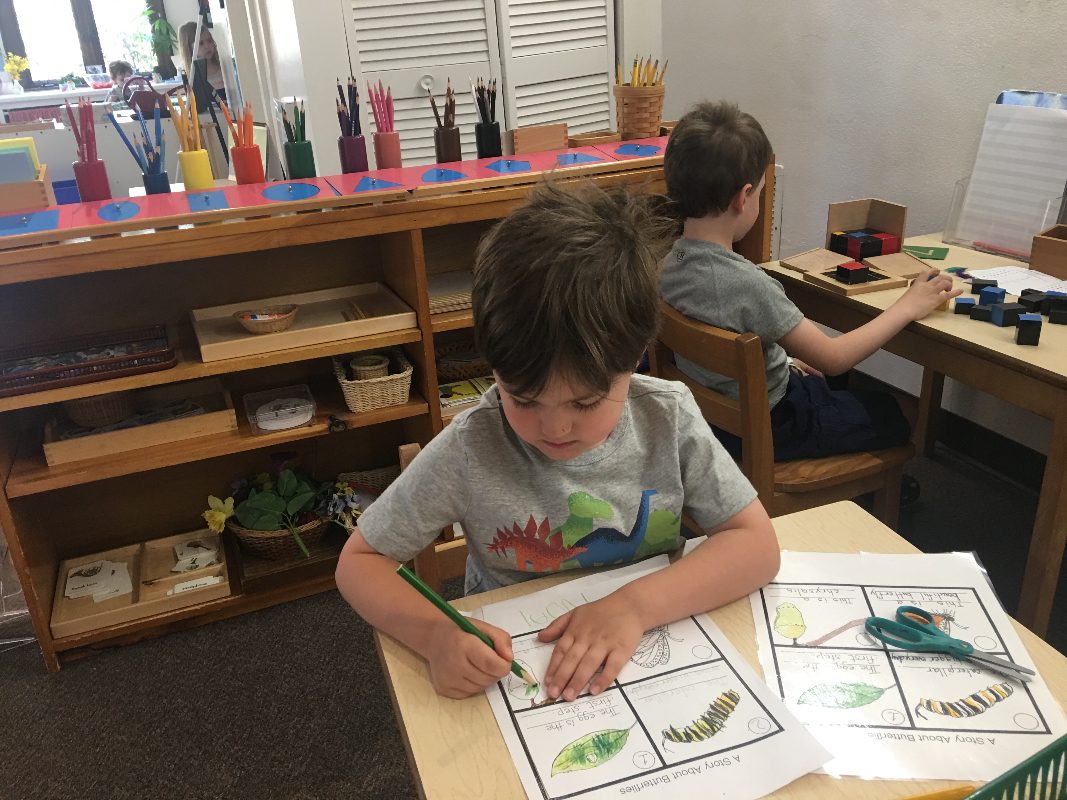
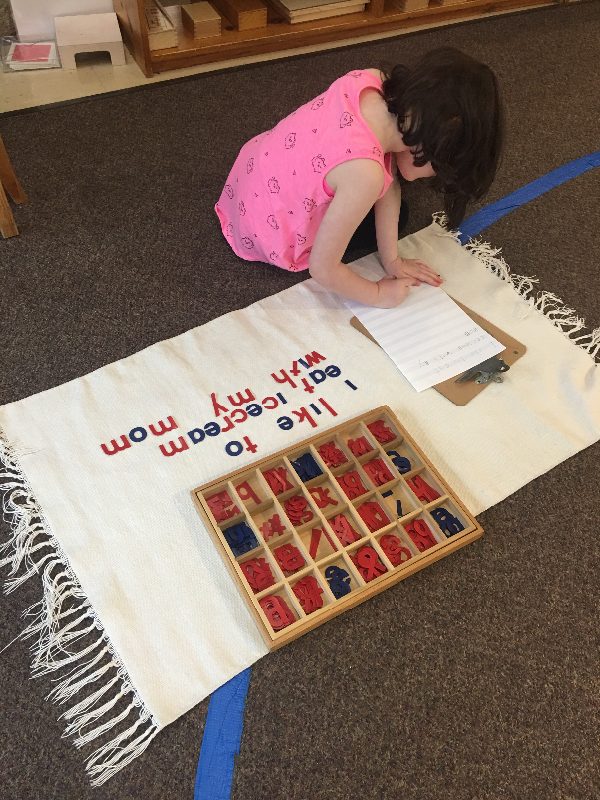
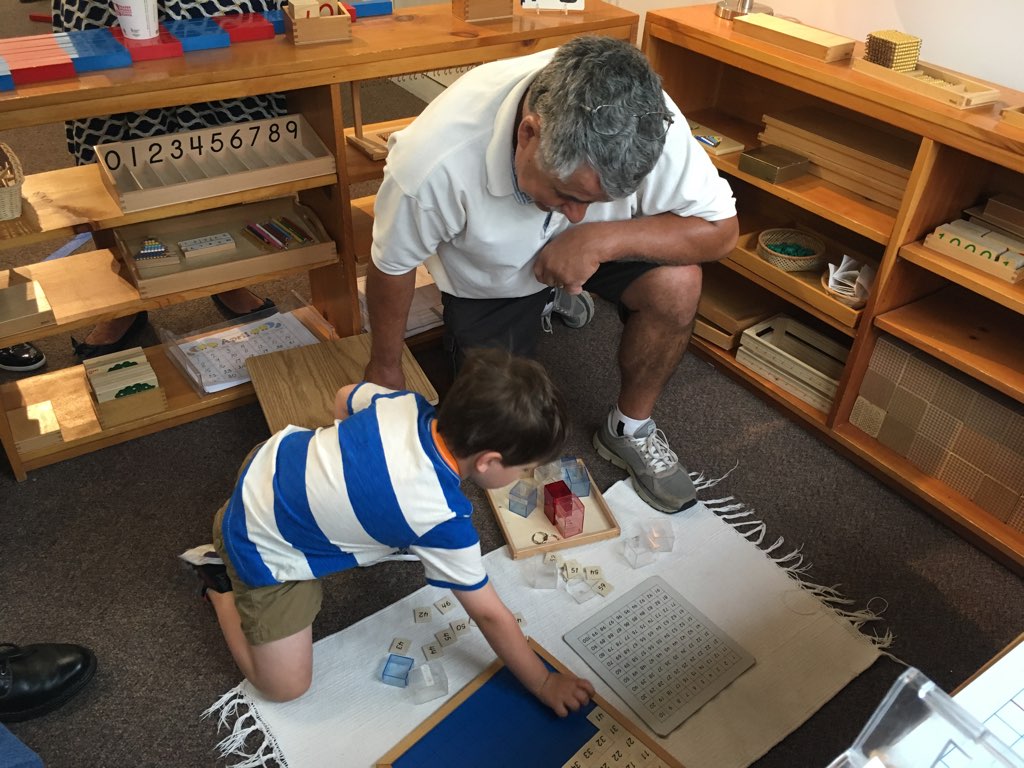
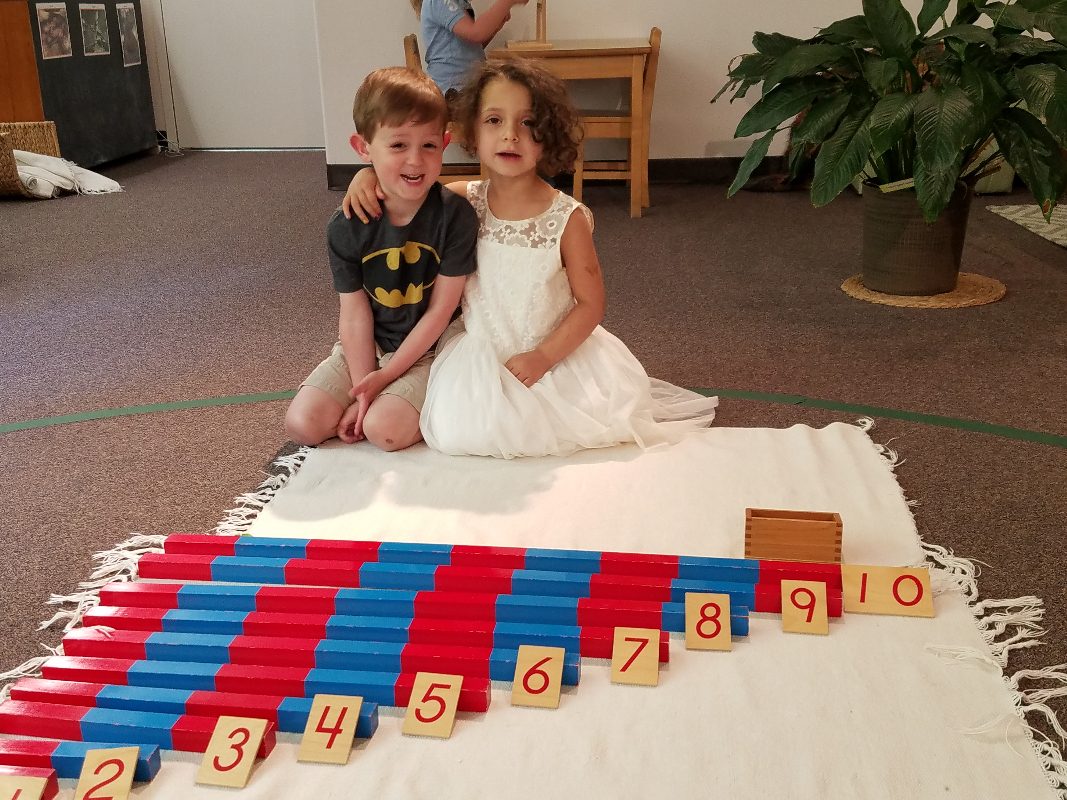
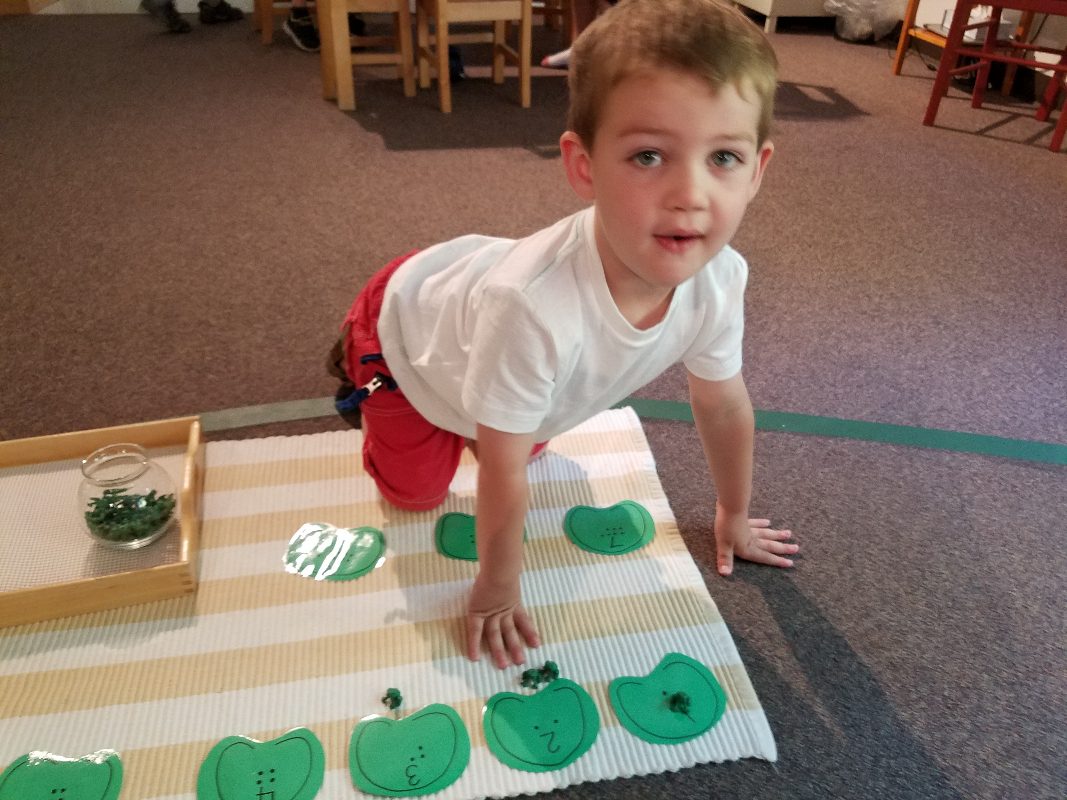
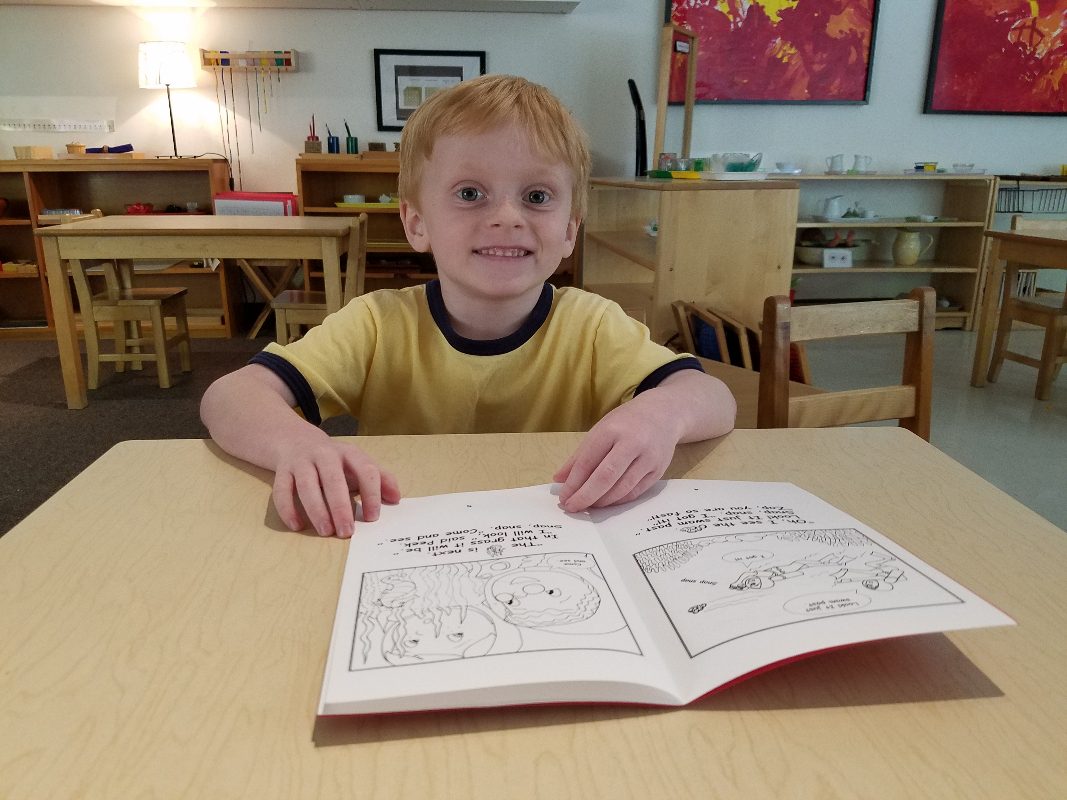
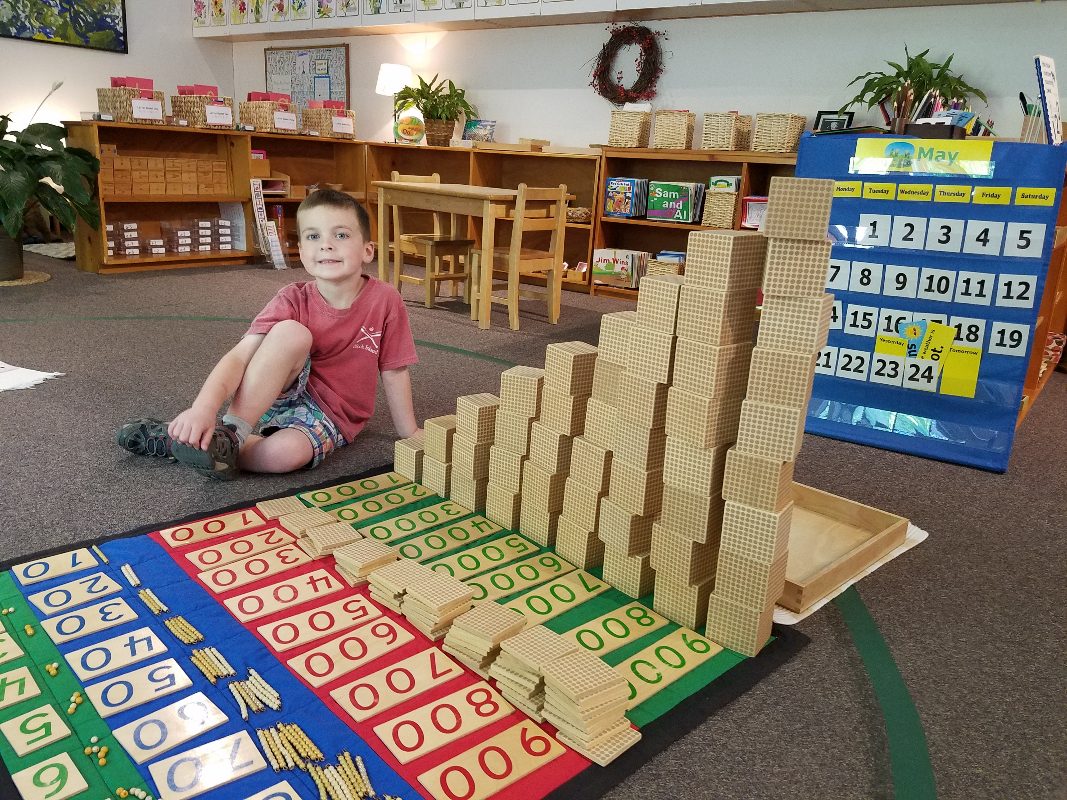
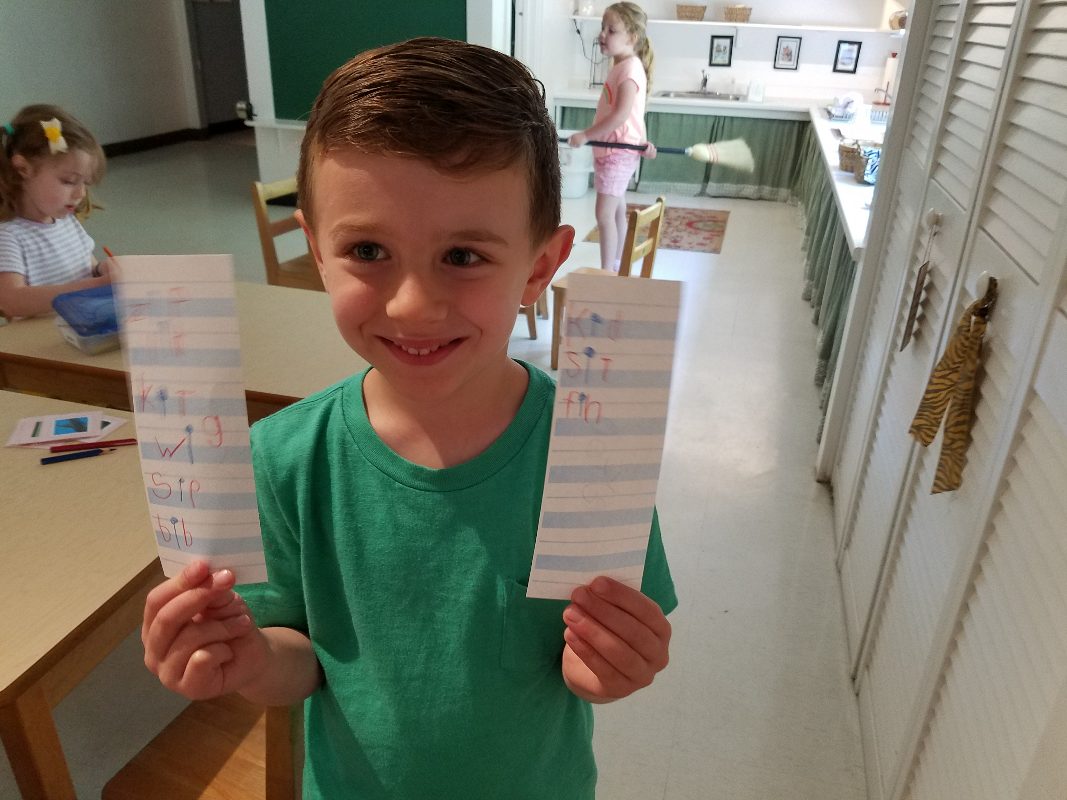
We continue our quest for writing and reading, as many of our friends are filling in their picture stories and reading books in the classroom; and our love of math, as we play the Memory Game, the Exchange Game, the 100 Board, and Number Composition.

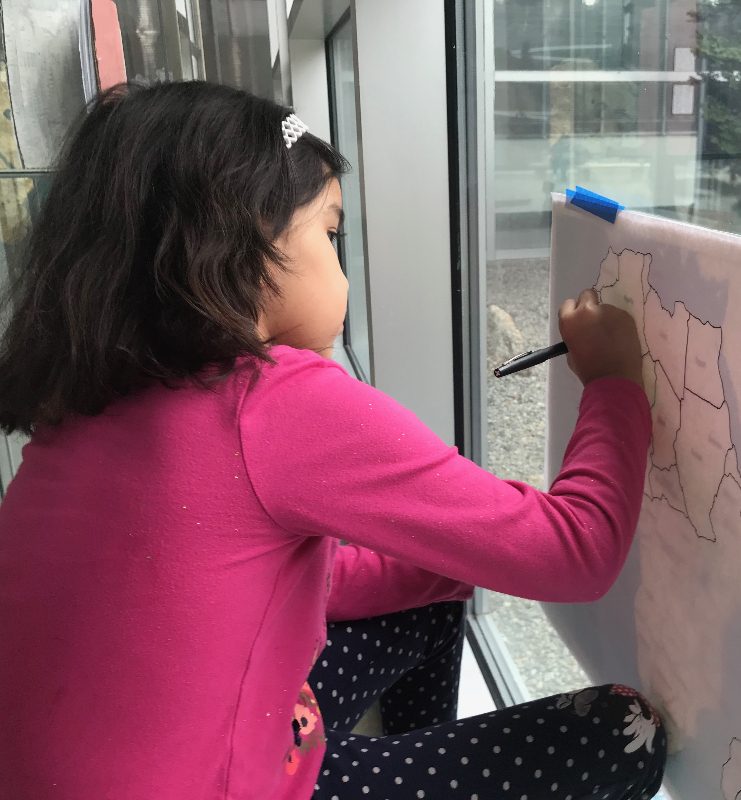
Thank you Mrs. Archna Johar (Deven’s mom) for a beautiful presentation of India. The children learned about the culture: the combination of language (the various dialects), religion, and social structure. We learned about the clothing, currency, and holidays. We were introduced to the alphabet, which is called Devanagari script. She explained about the tattoo tradition in India. Used as a sign of status, tattoos have been around in India since ancient times. Most of the children had the opportunity to get temporary tattoos from Mrs. Johar! She also introduced the Bindi. A bindi means “point, drop, or small particle.” A bindi is a colored dot or decoration worn on the center of the forehead. Bindi in Hinduism, Buddhism, and Jainism is associated with ajna chakra, and Bindu is known as the third eye chakra. Thank you for providing snack for the day as well!

Thank you Mrs. Lisa Jackson (Mason’s mom) for providing materials and helping the children create a Dr. Seuss Cat in the Hat project! Such a treat!

Thank you Mrs. Samantha McGoldrick (Adeline’s mom) for helping cook and serve Dr. Seuss green eggs and ham together with waffles, syrup, and orange juice. The children loved it!

Thank you to everyone who contributed and made our Dr. Seuss birthday celebration a success!

I would like to take this opportunity to thank the many parents for your kind and thoughtful words written on our super hero cards!


Mrs. Doyle’s Class: Today Is Your Day, Dr. Seuss!

We had a fun day celebrating Dr. Seuss’s birthday.  Schools and libraries across the nation enjoy taking part in a nationwide reading celebration called Read Across America.  This fun tradition is an exciting way to bring together children and books and is celebrated on Dr. Seuss’s birthday, March 2nd.

Here are few fun facts about Dr. Seuss:

  • Dr. Seuss’ real name was Theodor Seuss Geisel.
  • He has written and illustrated 44 children’s books.
  • The book Green Eggs and Ham is made up of 50  sight words. Dr. Seuss’s editor bet him that he could not write a book using fewer words than The Cat in the Hat which had 225 words. Clearly, Dr. Seuss won that bet!

Here at FWM the children enjoyed wearing their pajamas to school and bringing in a favorite stuffed animal. We read Green Eggs and Ham and then actually got to experience eating those two foods for snack. Of course, we ate our delicious green eggs and ham on our special placemats! It was so much fun to ask them what they thought of green eggs and ham before they ate and then afterwards!

“The more that you read. The more things you will know.  The more that you learn, the more places you’ll go.”   -Dr. Seuss


Mrs. Carroll’s Class: Try Them! Try Them! And You May.

Grab your green eggs and ham and get ready to play, because we are celebrating Dr. Seuss Day!

Each year, schools, libraries, and other organizations prepare for Dr. Seuss’s Birthday on March 2. Millions of teachers and students Read Across America with their friends, family, and peers as a celebration of one of our favorite children’s authors, Theodore Seuss Geisel, better known to the world as Dr. Seuss. It is a wonderful opportunity to celebrate Seuss’s birthday and advocate his goal of promoting and motivating reading.

Our Seusstastic celebration included wearing pajamas to school and bringing in prized stuffed animals to read to and snuggle with. We read several Dr. Seuss books including Green Eggs and Ham and then actually sampled the colorful treat for a snack. We do like them, Sam I Am. We will eat them once again!  Of course, we ate our delicious green eggs and ham on our special placemats!

There are many little ways to enlarge your child’s world. Love of books is the best of all.

-Jacqueline Kennedy Onassis

Until next week,

Cindy  & Samantha

Mrs. Carroll’s Class: No Matter How You Slice It!


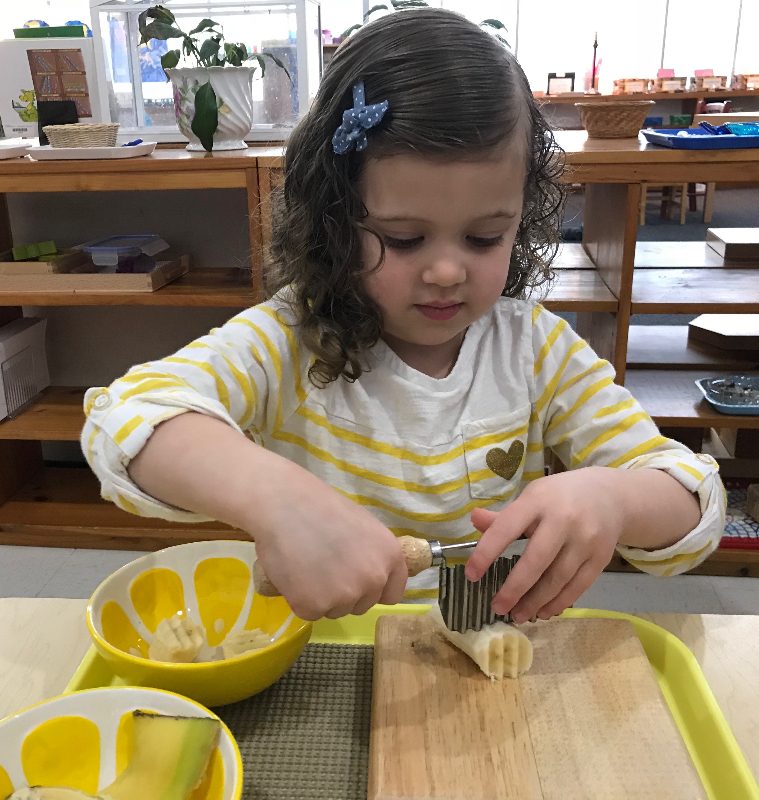
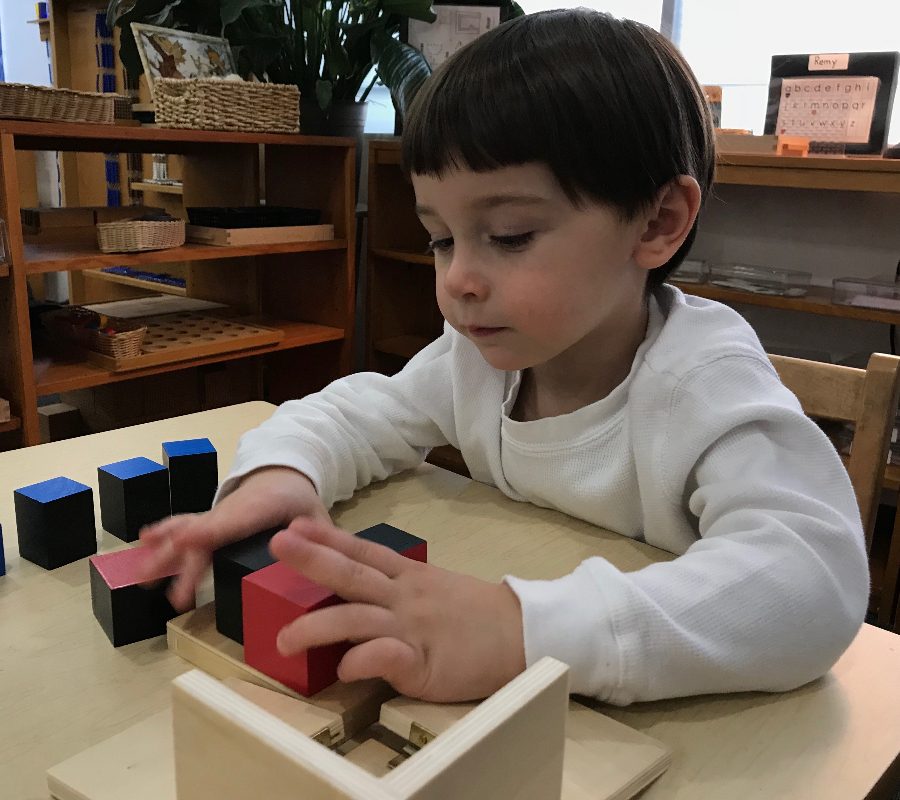
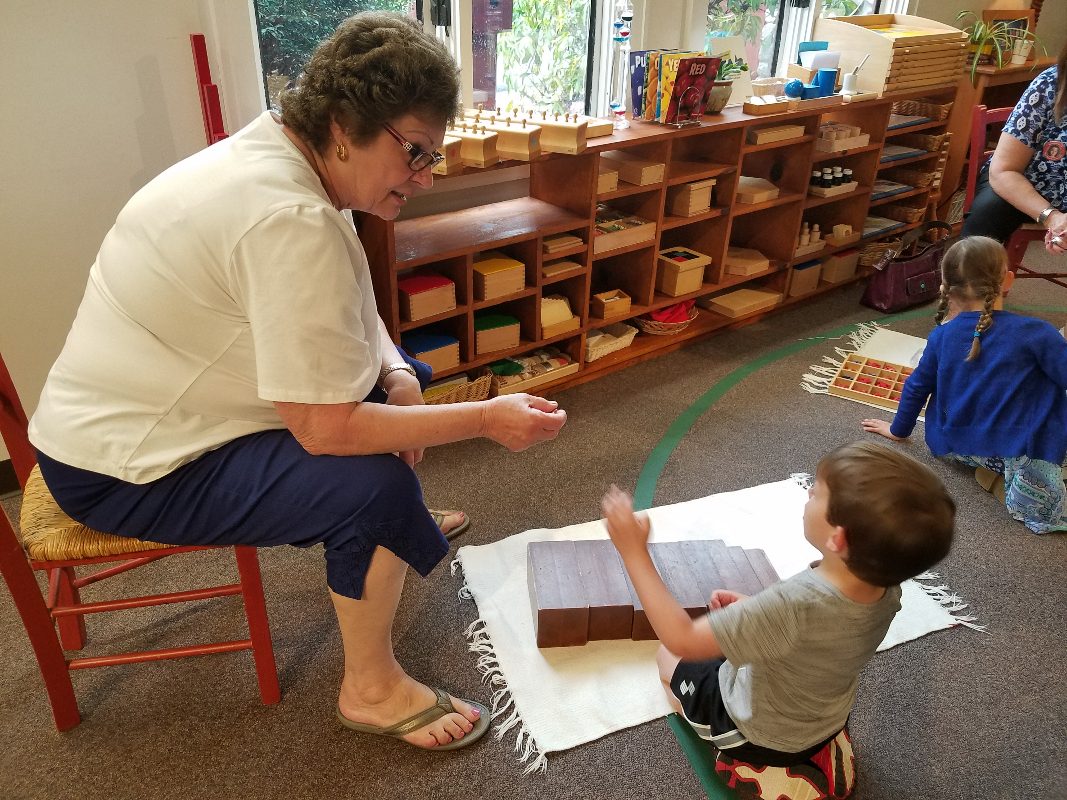
The children loved preparing and eating cucumber slices this week. Of course, serving the food to their friends was an important aspect and one which they enjoyed too. When children cook in a Montessori class they are participating in many developmental activities. Cooking exposes children to math, language, and science while helping develop concentration, motor skills, and delayed gratification.

March came in like a lion, and continues to roar! Please make sure your child comes to school prepared to enjoy outside activities. Boots, hats, mittens, and a warm winter coat will ensure their comfort.

Cindy & Samantha

Mrs. Doyle’s Class: What Exactly Is the Difference Between a Reptile and an Amphibian?
We are continuing our studies on the different classes of animals. So far, we have learned about mammals and reptiles. Currently, we are studying amphibians.

We are learning that:

  • The word amphibian means two-lives. This makes sense because amphibians spend part of part of their lives in the water and part of their lives on land. Most amphibians begin their life in water with gills and tails. As they grow, they develop lungs and legs for their life on land.
  • Amphibians are cold-blooded, which means that they are the same temperature as the air or water around them.
  • There are more than 4,000 different kinds of amphibians. Members of this animal class are frogs, toads, salamanders, and newts.
  • Most amphibians have thin, moist skin that helps them to breathe.
  • Amphibians have a backbone so they are vertebrates.
We have also been talking about the life cycle of a frog and what happens at each stage of development.

To answer the question, “What exactly is the difference between reptiles and amphibians?” you need to look at their skin. Reptiles have dry, scaly skin and amphibians have moist skin that can be smooth or rough. There are other differences between reptiles and amphibians but that is the biggest difference we learn about at this age.

Have a peaceful and relaxing break!

Michelle & Sonja


Lower Elementary – Moving Up Again and Poetry Sharing


Our second Moving-Up Day was a great success. We enjoyed having our kindergarten friends with us for almost the entire day. It was a nice glimpse into what next year’s class will be like. Such a great group of children! Our third-year students had a great day as well, visiting the Upper Elementary for the whole day. Some have shared that they wish they could have spent the entire week!

We have started sharing poetry with each other at our Friday morning meetings. We started with a book of winter poems called “A Snowflake Fell” and now we are reading Shel Silverstein’s “A Light in the Attic.” We take turns and each person gets a chance to read a poem to the class. We are enjoying reading poetry once a week.


Please read the following message about ticks.

With last week’s warm temperatures, ticks that were dormant have become active. Therefore, it is essential that parents begin checking their children for ticks at the end of the day. Please read the following important information from the Center for Disease Control and Prevention.

Check your clothing for ticks. Ticks may be carried into the house on clothing. Any ticks that are found should be removed. Tumble dry clothes in a dryer on high heat for 10 minutes to kill ticks on dry clothing after you come indoors. If the clothes are damp, additional time may be needed. If the clothes require washing first, hot water is recommended. Cold and medium temperature water will not kill ticks effectively.

Shower soon after being outdoors. Showering within two hours of coming indoors has been shown to reduce your risk of getting Lyme disease. Showering may help wash off unattached ticks and it is a good opportunity to do a tick check.

Check your body for ticks after being outdoors. Conduct a full body check upon return from potentially tick-infested areas, which even includes your back yard. Use a hand-held or full-length mirror to view all parts of your body. Check these parts of your body and your child’s body for ticks:

  • Under the arms
  • In and around the ears
  • Inside belly button
  • Back of the knees
  • In and around the hair
  • Between the legs
  • Around the waist