Mrs. Carroll’s Class: Spiders Are Not Insects!

Welcome back! We hope your break was relaxing, rejuvenating, and fun.

Insect Alert!

Flowers aren’t the only ones that come out of hiding during spring, after the cold of winter you’ll notice more insects start making their appearance. Curiosity towards these six legged friends hits a high note in April, and we take the cue to “follow the child” and their deep affection for insects. Over the next several weeks we will support your children’s curiosity, exploration, and understanding of insects through hands-on activities, songs, lessons, and outdoor exploration. The intent is to encourage their interest in the diversity, beauty, and joy of nature.
Is a spider an insect? The children know, ask them.
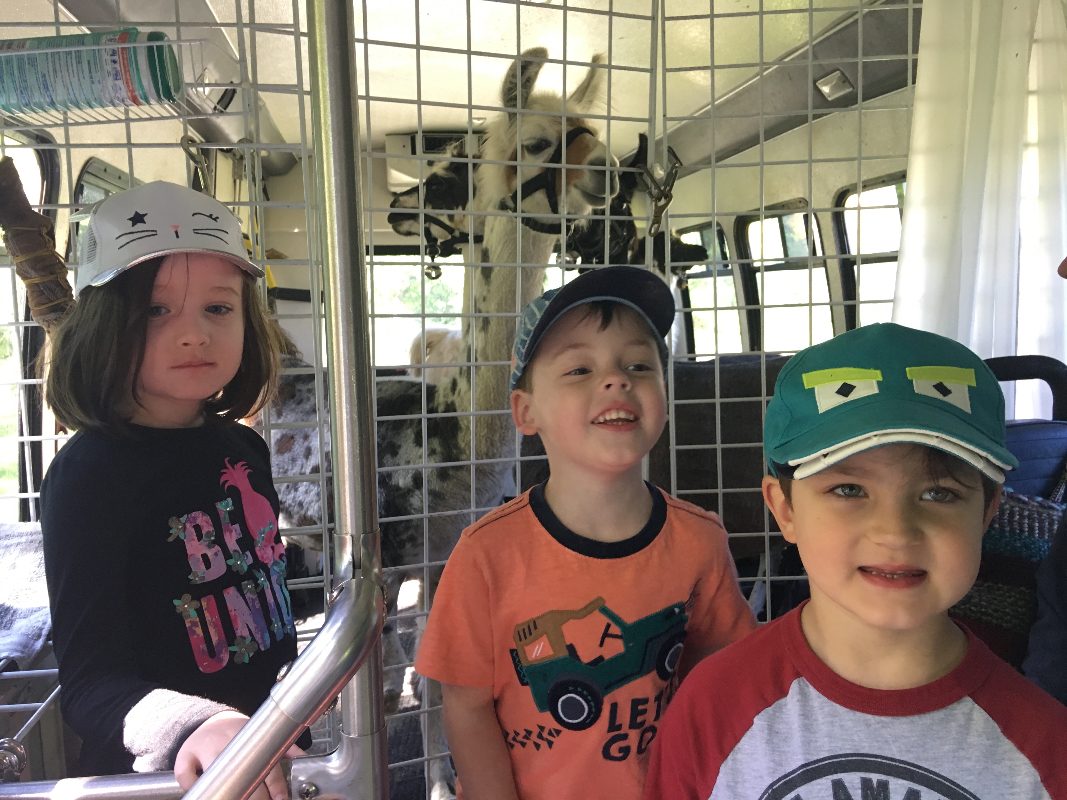
Have a warm and wonderful week!

Cindy & Samantha


Mrs. Santayana’s Class: Willkommen Zuruck!

Willkommen Zuruck means Welcome back! I hope everyone enjoyed their Spring break.

We will move on to the continent of Europe. We started the week with an educational presentation of Germany by Mr. Michael Wilhelm. Mr. Wilhelm came in wearing the traditional German knee length clothing called Lederhosen which means “leather trousers.” He talked and explained about the food (pretzels), clothing, and the lifestyle in Germany. He introduced us to some German language. We learned how to say ‘good morning’ which is ‘Guten Morgen’ and ‘good afternoon’ which is ‘Guten Tag.’ The children listened to the accordion music and loved it! They danced! Mr. Wilhelm gave each child the opportunity to touch the accordion and made a sound (music). Thank you very much Mr. Wilhelm for such a wonderful presentation!

It is no surprise that so many changes happen in harmony during the first weeks of Spring. Flowers bloom, insects emerge, leaves uncurl. Now is the best time for the children to learn about nature using their five senses. We started our topic of discussion about the sense of sight. Our eyes help us see. They are like cameras that take a picture and send the picture to our brain. Then our brain tells us what we are looking at.

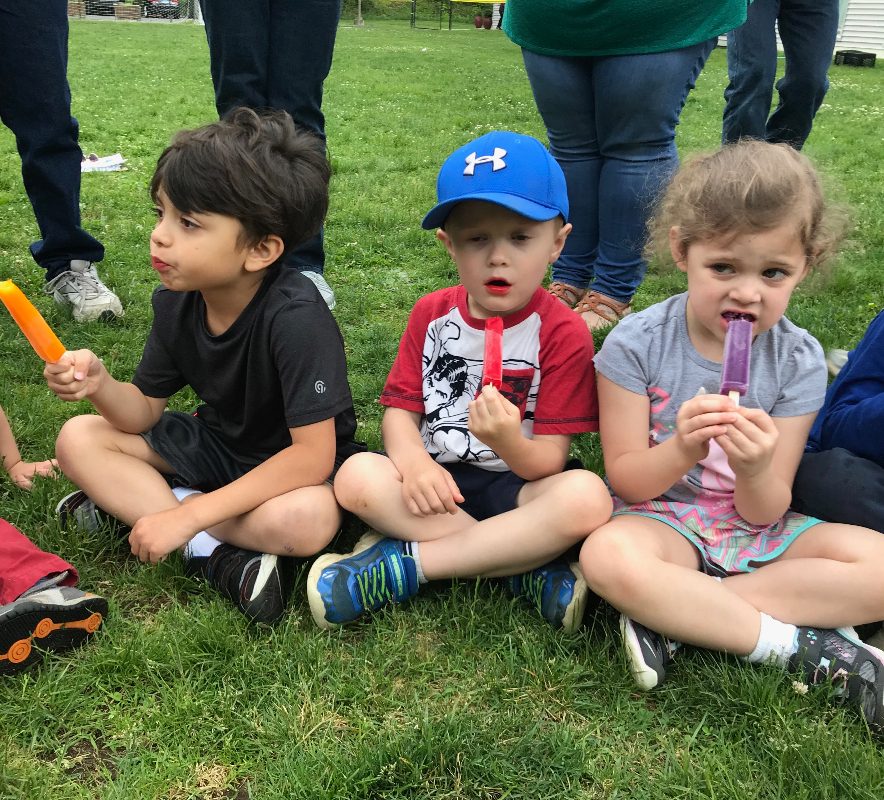
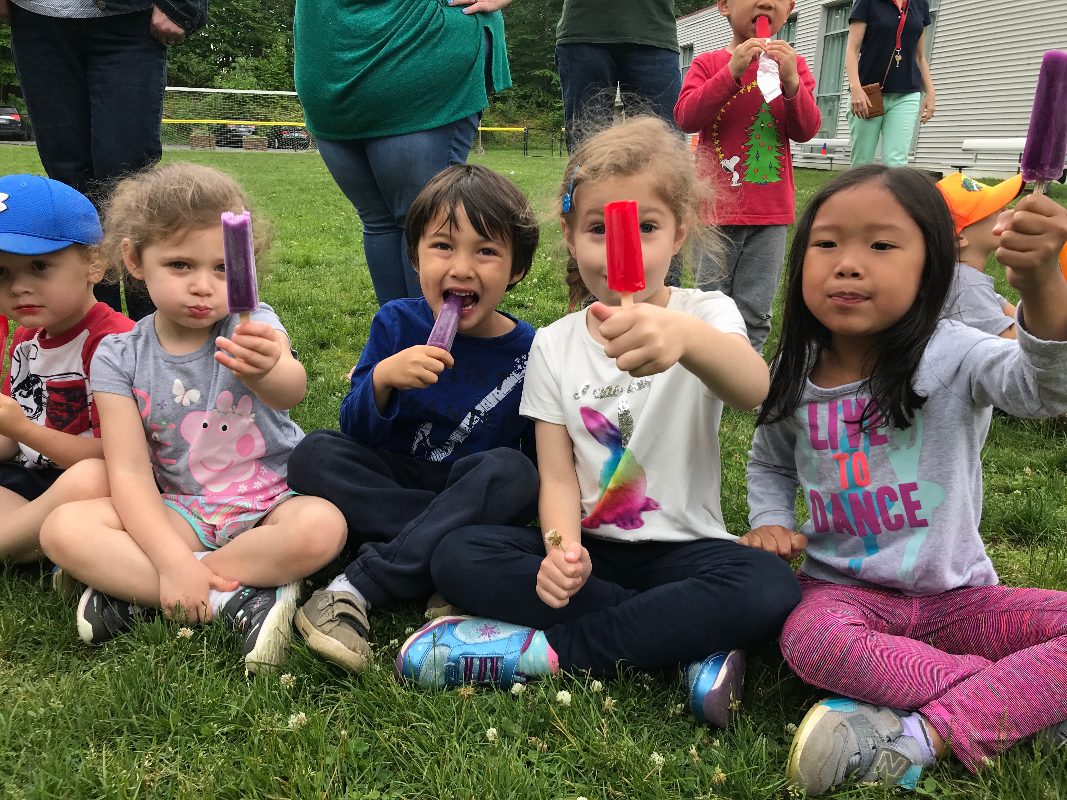
A celebration of life is a wonderful way to celebrate a birthday by honoring a child’s life and accomplishments. Birthday walks were celebrated by John and Alessandro. Thank you Stephanie, Rosanna and Martha for the delicious brownie cake and thank you Pam for the refreshing popsicles!


Mrs. Doyle’s Class: Becoming Entomologists!

We are hard at work becoming entomologists. Admittedly, some of us are more excited by this process than others!  An entomologist is a scientist who studies insects. We began our unit by reporting on what we already know about insects, what they are and what they can do.

This week as a class we discovered that insects are slimy, little, gross, soft, and hard. Insects can crawl, sting, bite, eat, fly, and jump. We learned that insects lay eggs, have antennae, a head, thorax and abdomen, eyes, and six legs. Insects are also cold blooded, have an exoskeleton, and many have wings. We found out why a spider is not an insect. Ask your child to see if he or she knows.

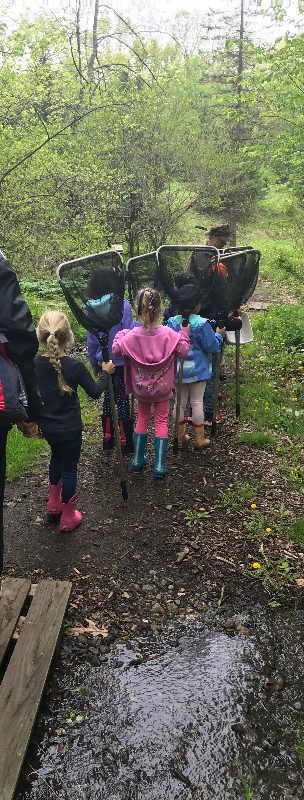
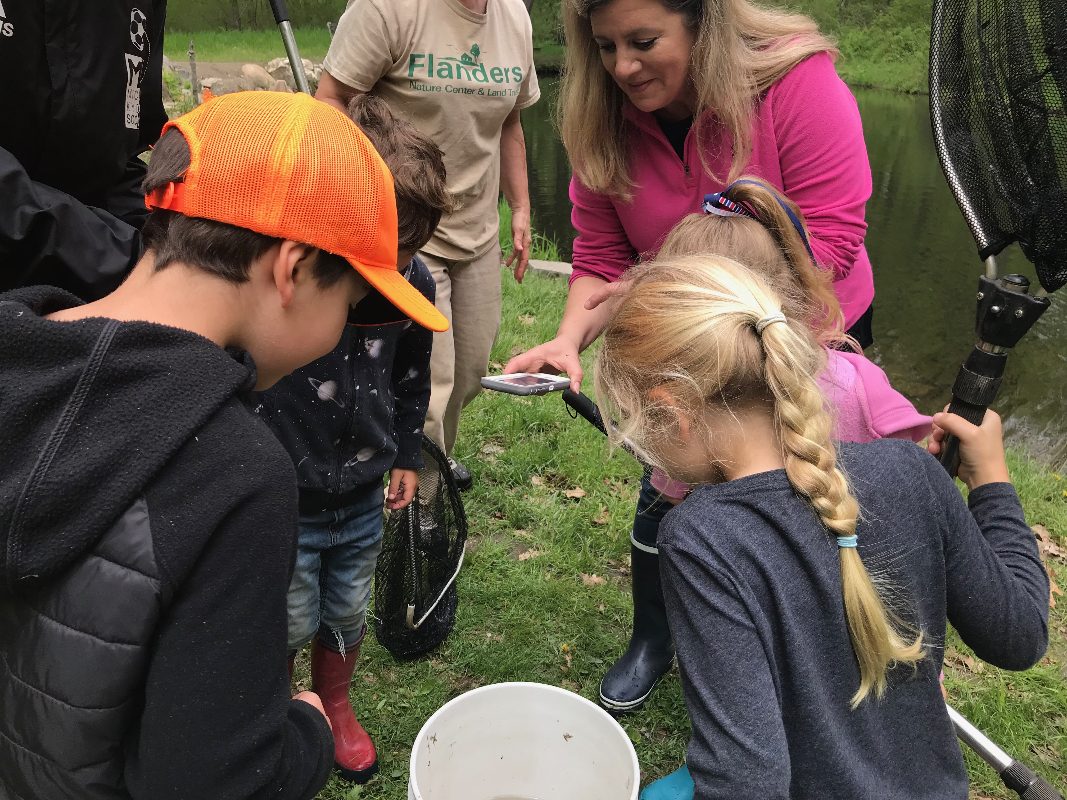
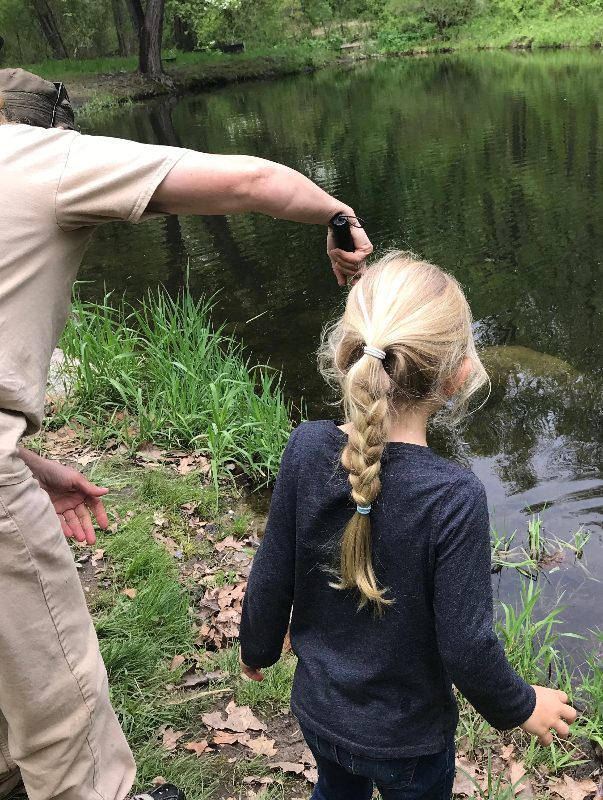
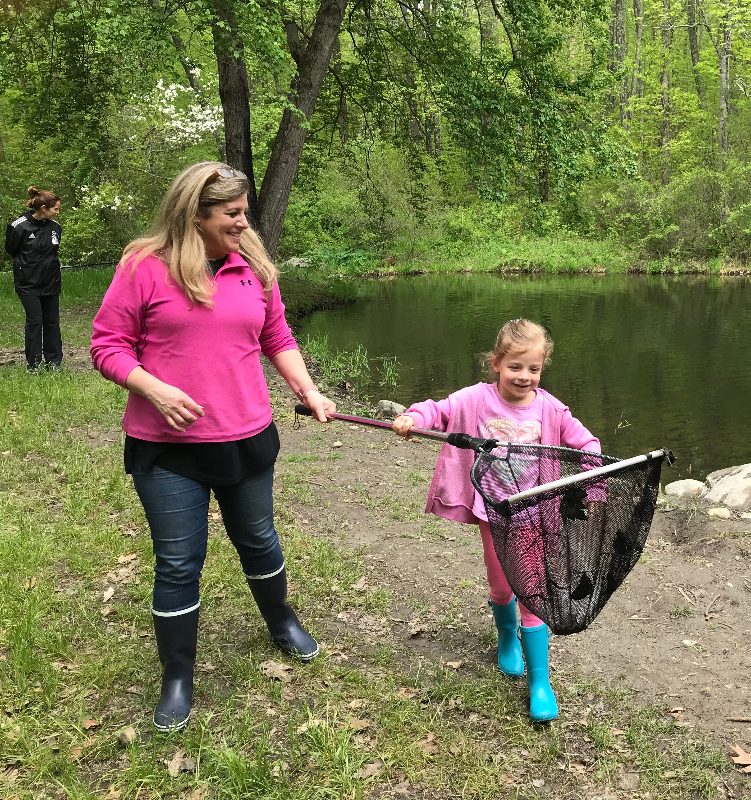
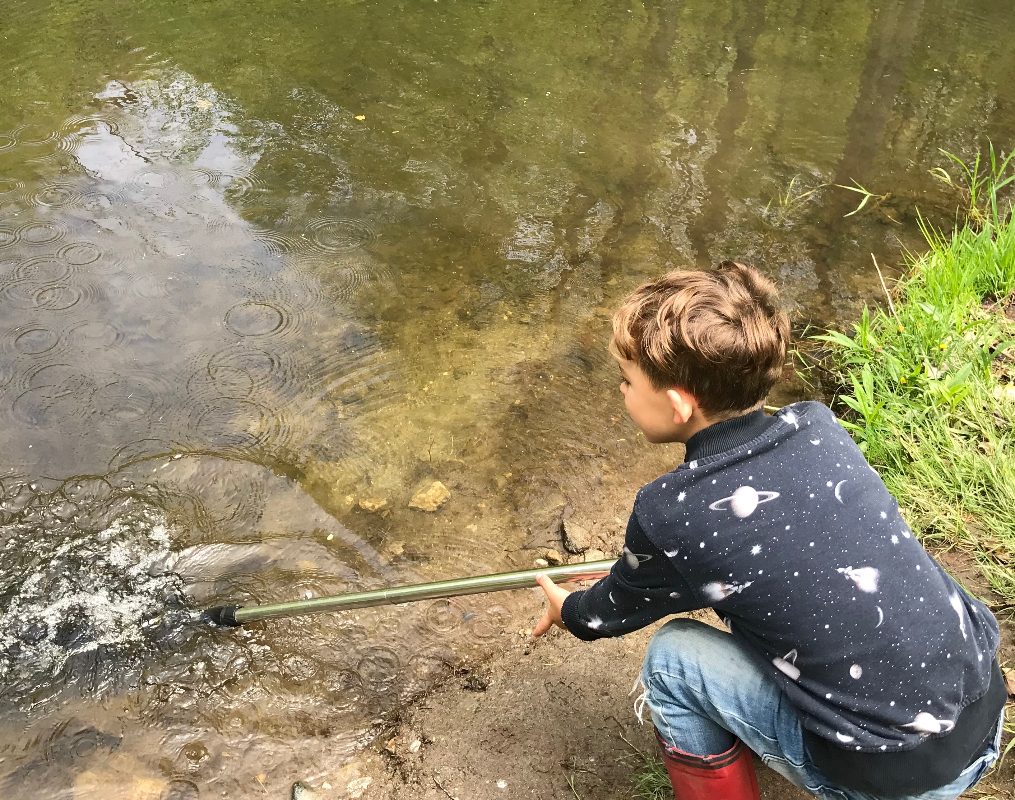
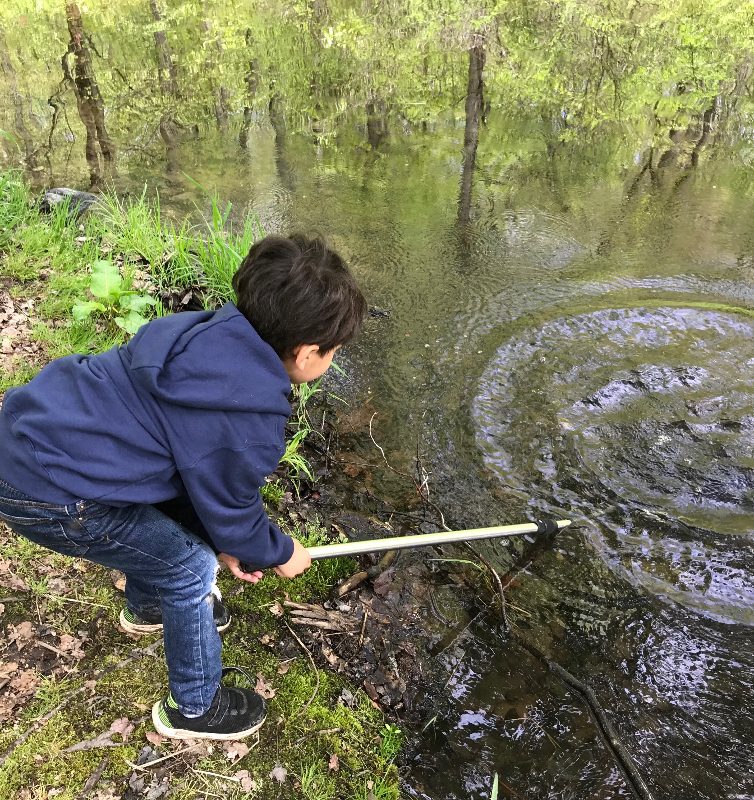
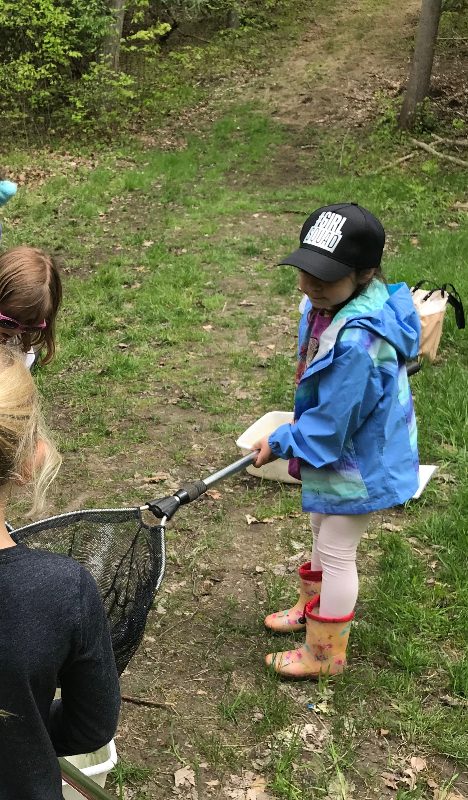
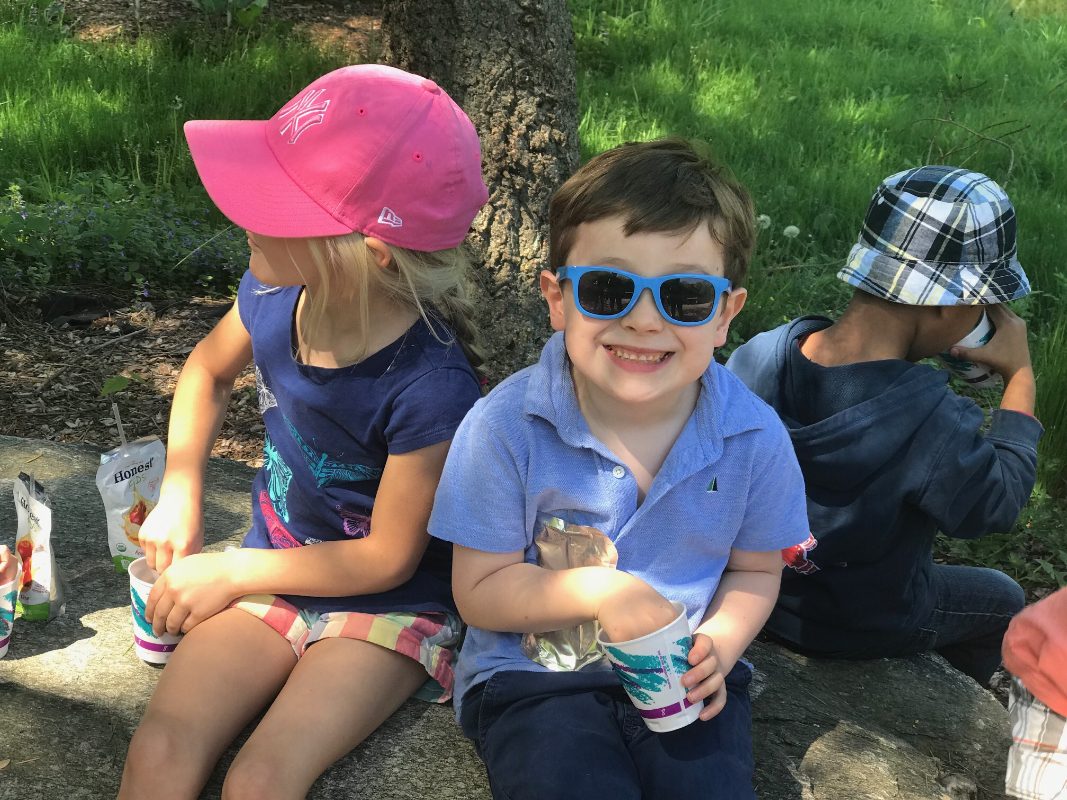
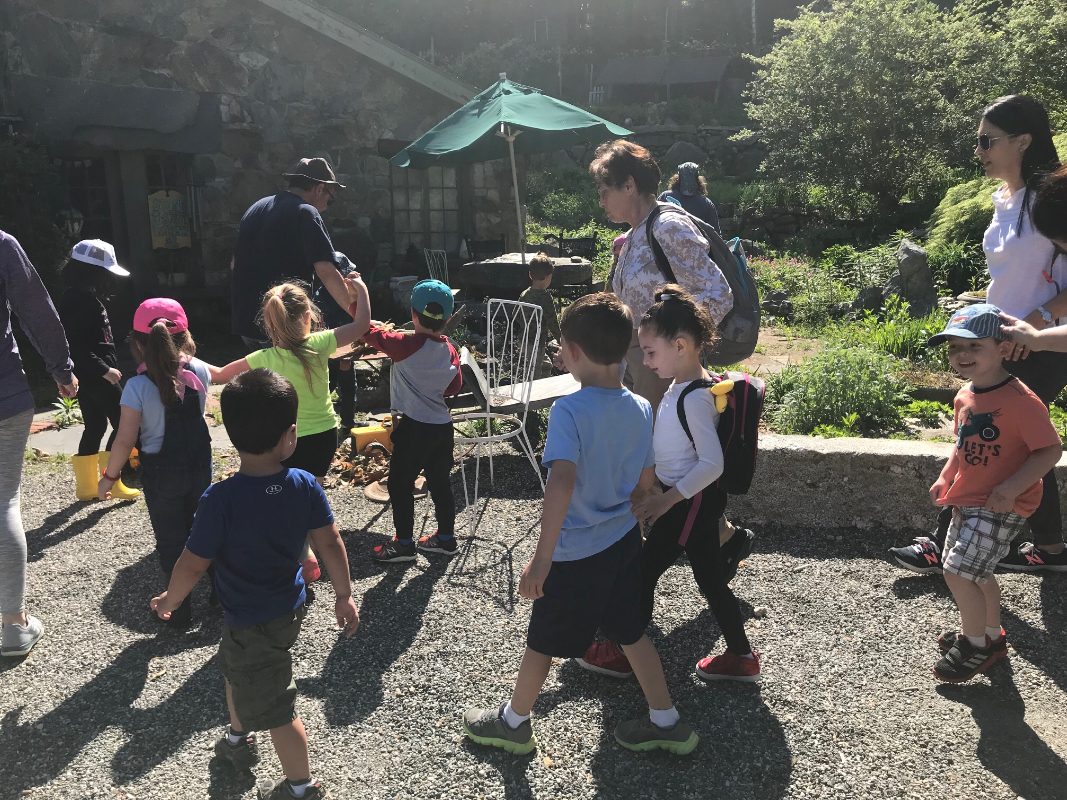
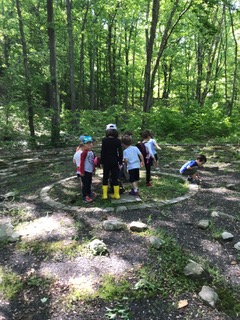
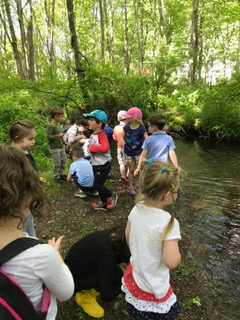
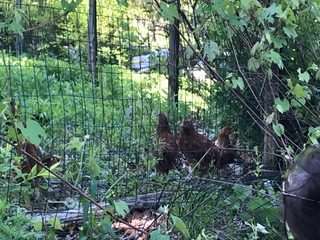
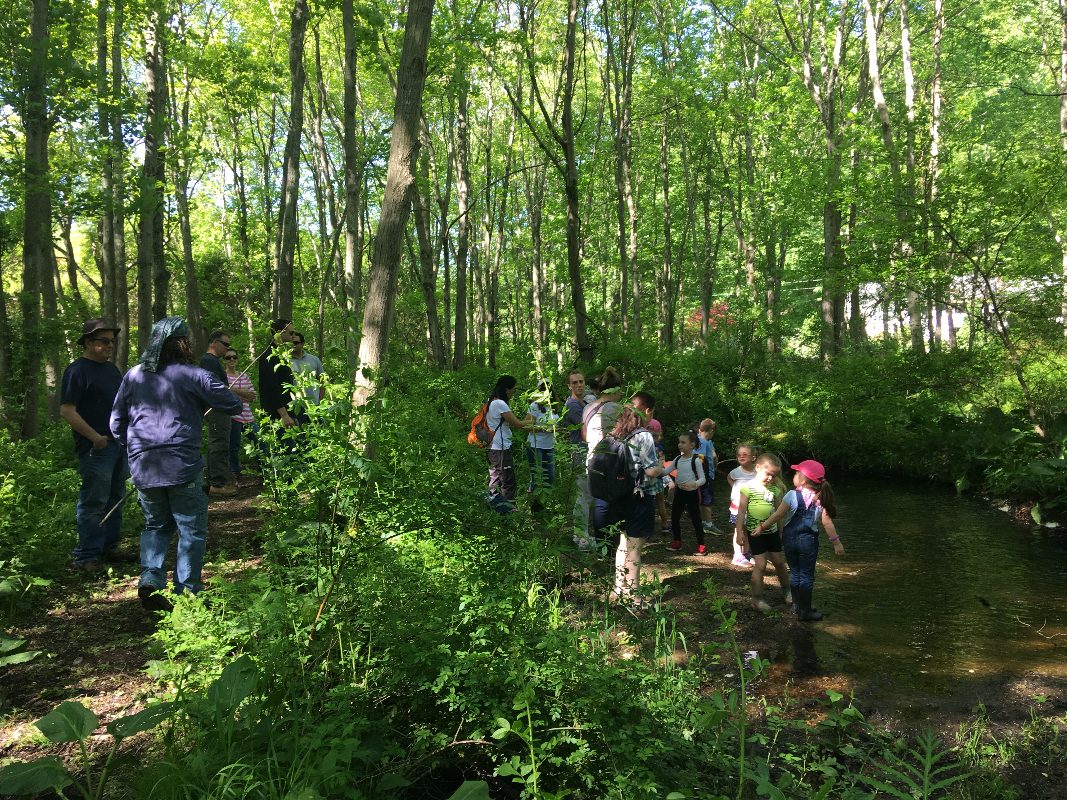
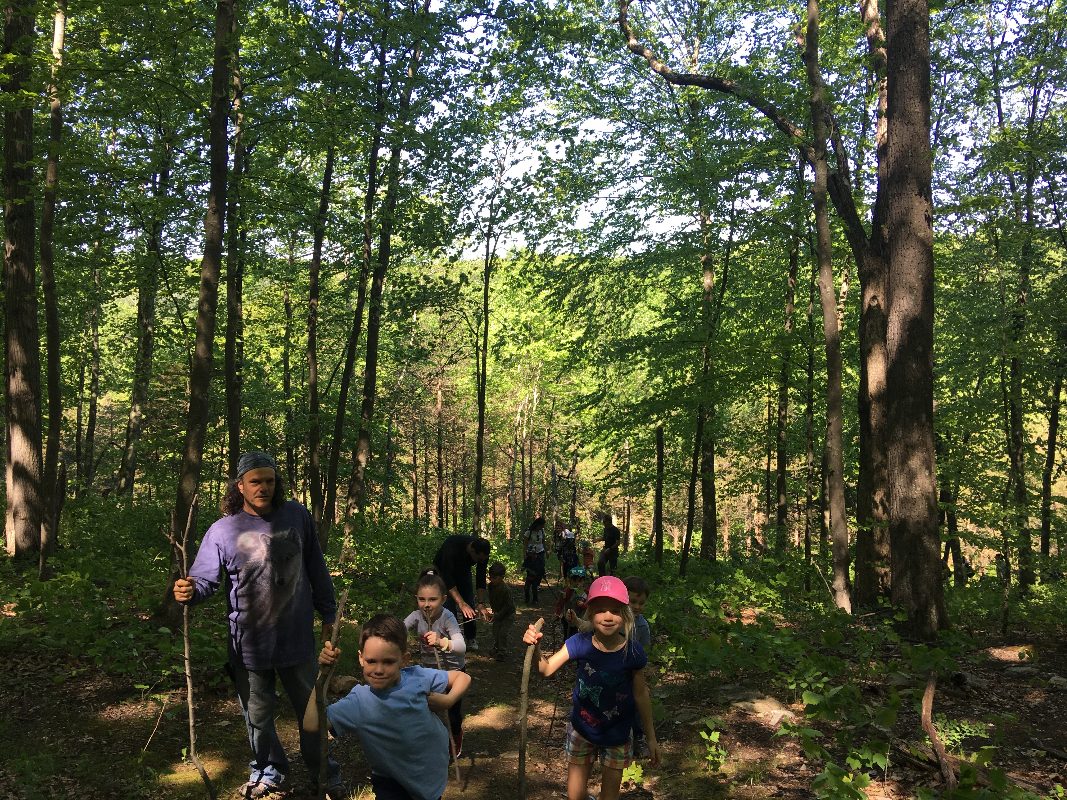
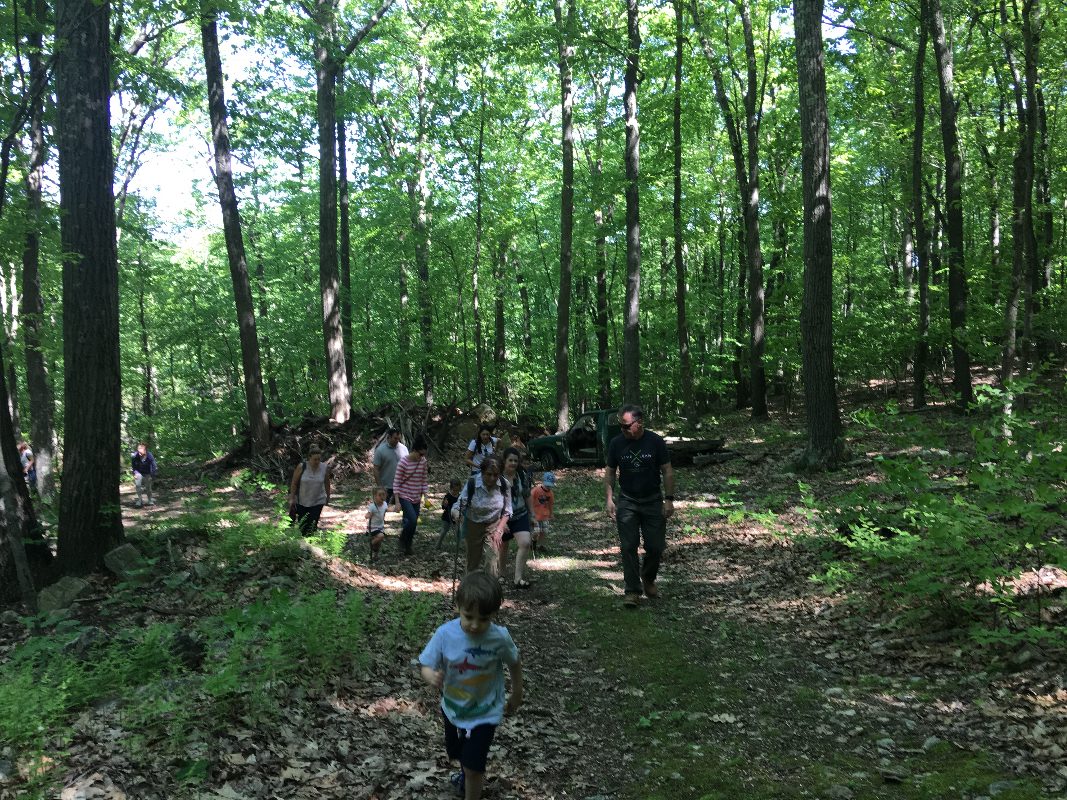
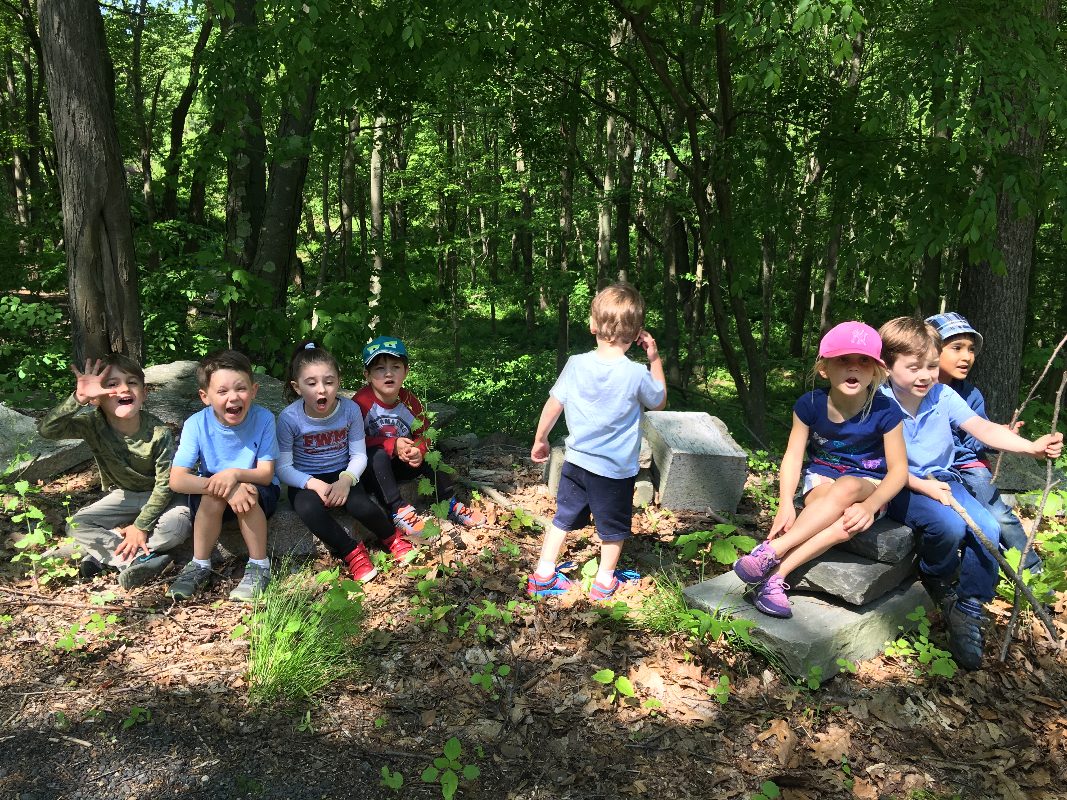
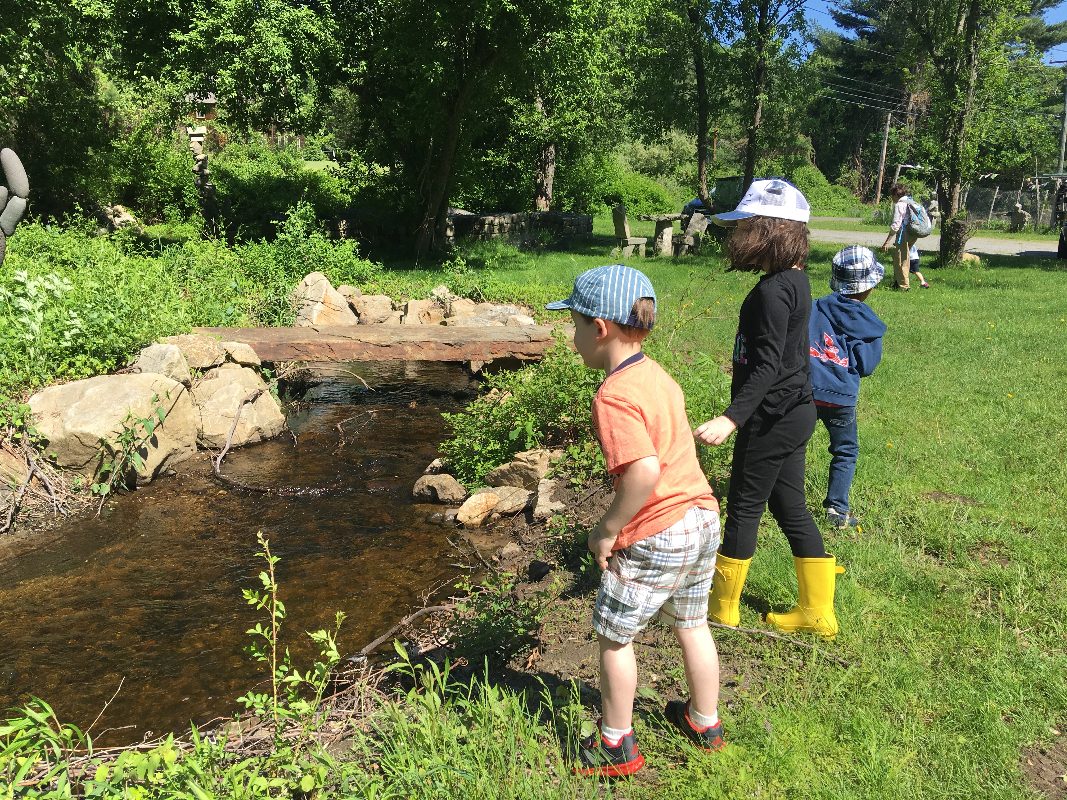
Spring is the perfect time to go for a nature walk and that’s exactly what we did. We took a quiet walk around the perimeter of the school and spent some time in the play yard trying to discover what insects we would be able to observe. We had no problem finding insects that were hidden under leaves and rocks, however, flying insects were not to be found. As a class we came to the determination that it was just too cold for them to be out. Sonja and I can relate!

Have a wonderful week!

Michelle & Sonja


Mrs. Carroll’s Class: Like A Butterfly.


“Like a butterfly, I am growing and changing and finding my true colors in life. I am finding my wings so I can fly and soon be on my way!” -Unknown

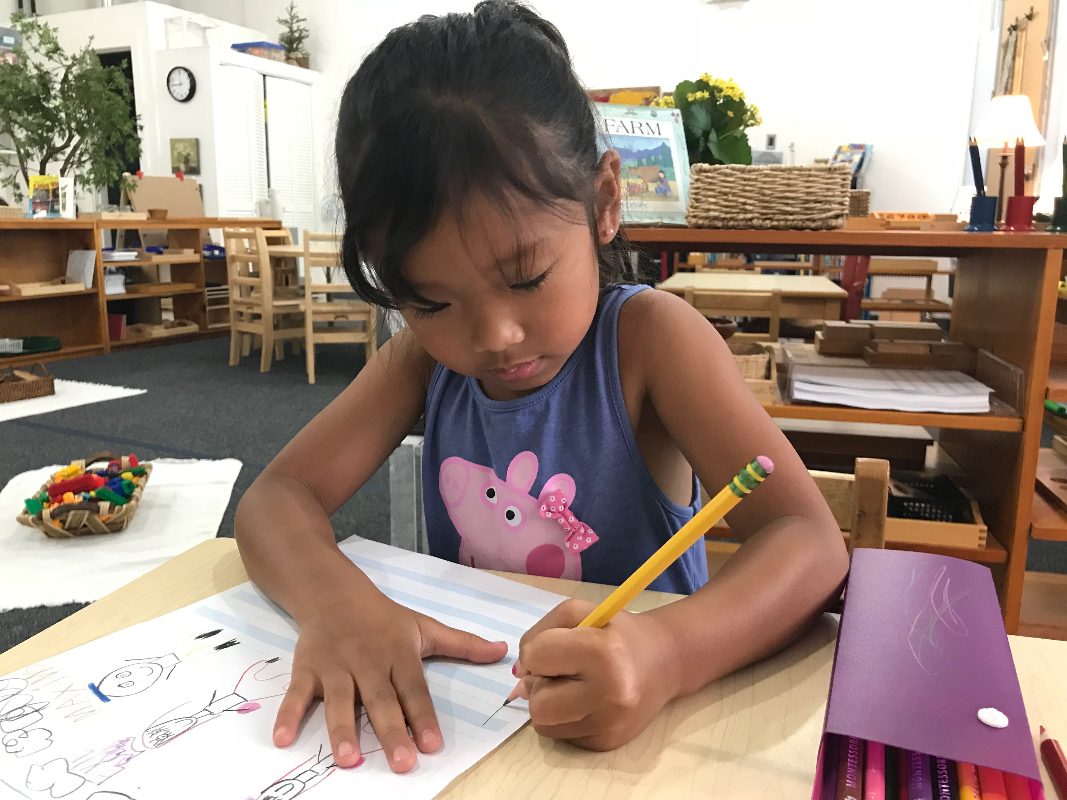
The children are enthralled by the arrival of our caterpillars and are anxious to observe the metamorphosis our butterflies will experience to become the graceful insects we love. From the egg to the caterpillar and the chrysalis to the adult, learning about the lifecycle of a butterfly is exciting. This week we have been busy. Your little entomologists have been learning about metamorphosis on a deeper level, fully involved in watching the process occur. We have entered our first journal entry into the class butterfly journal, recording changes as the children notice them in the habitat. We are learning the new vocabulary words life cycle, chrysalis, and metamorphosis, reading butterfly stories, using butterfly writing prompts, and singing butterfly songs. We will continue to watch and enjoy this amazing metamorphosis…both the butterflies’ and your children’s.

Have a wonderful week,

Cindy & Samantha


Mrs. Santayana: Earth Day, Every Day!

We depend on the Earth for the air we breathe, the food we eat, and the water we drink. The Earth supplies energy to heat and cool our homes, operate factories, and run automobiles. This is why caring for the Earth is so important.

A healthy Earth allows us to live longer and healthier lives. It provides us with beautiful things to see and fun things to do. Taking care of the Earth is everybody’s responsibility.

The children learned that recycling helps keep Earth clean. We can recycle cans, bottles, paper, and plastic. People can make new things from trash, then not as much trash is left on Earth. Plastic yogurt cups can be recycled into toothbrushes and worn out toothbrushes can be recycled to make special plastic such as benches.

As the children now know, “being green” means that you care about the environment and that you do what you can to help the Earth. Recycling paper and cans, reducing waste by helping pick up litter, carrying a lunch bag that can be used over and over, and protecting wildlife are all examples of “green” activities.


Mrs. Carroll’s Class: Kick Off Your Shoes!


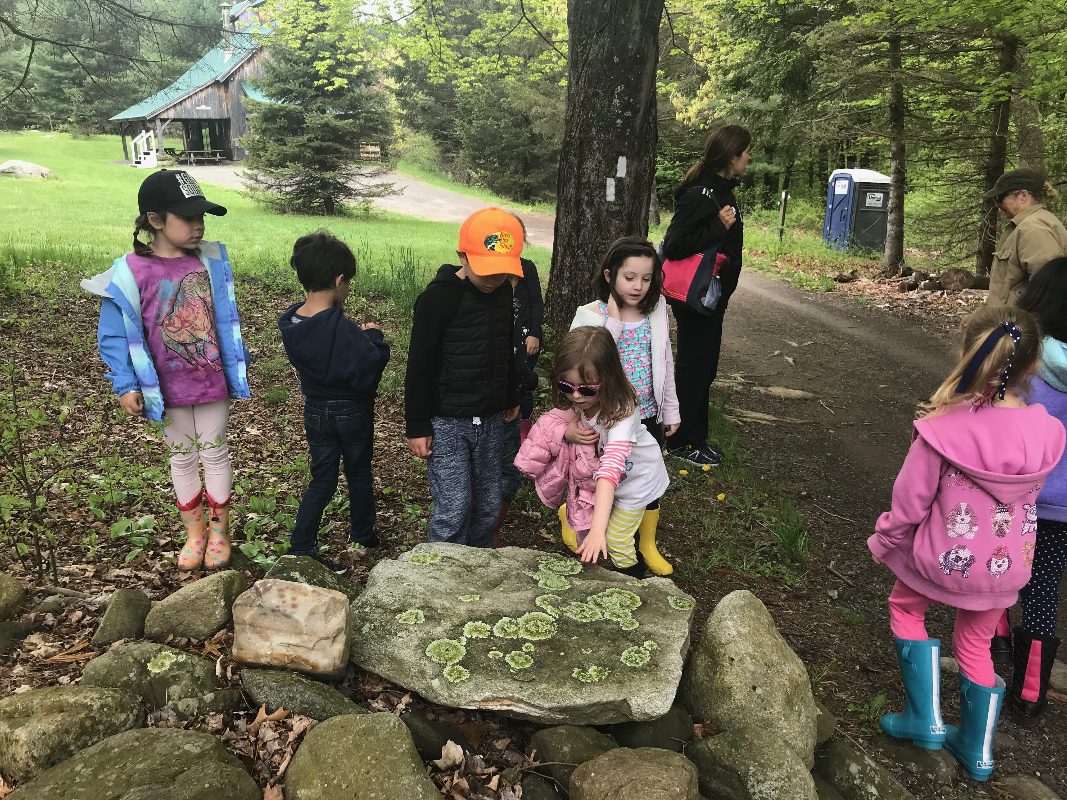
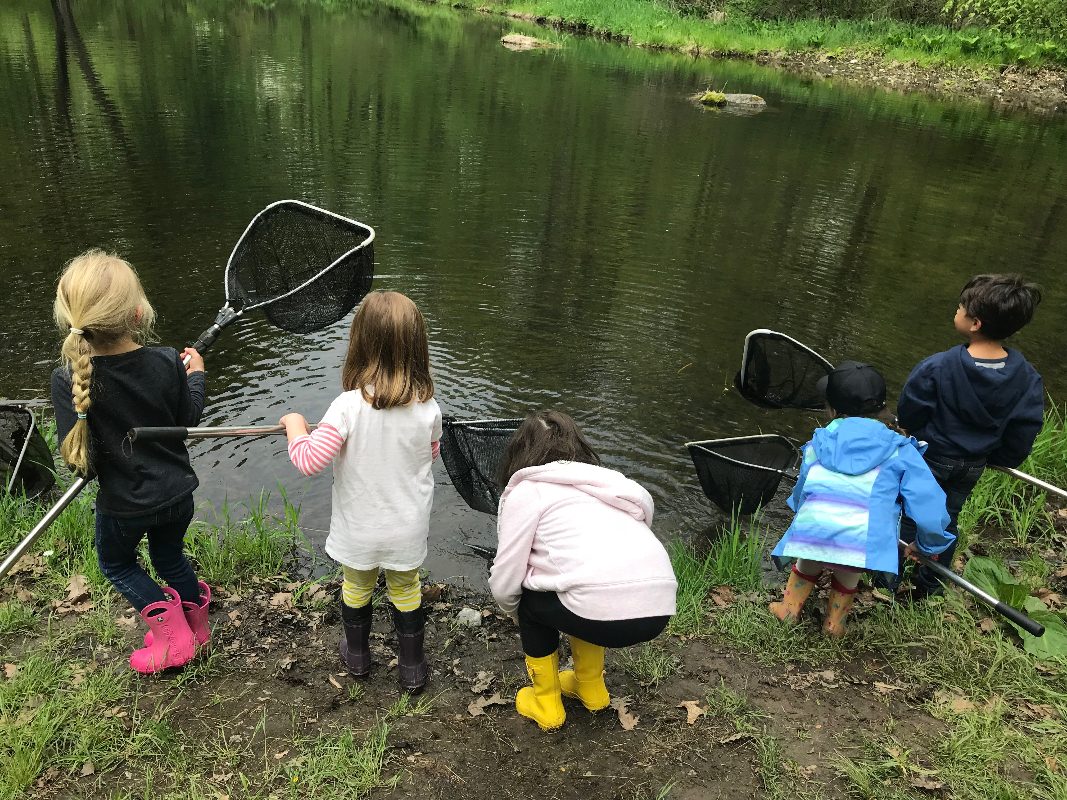
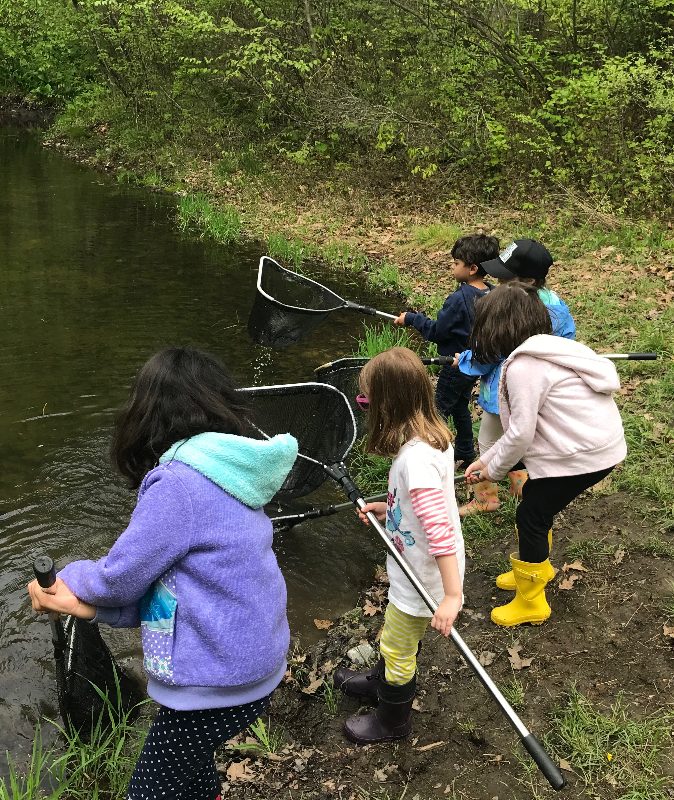
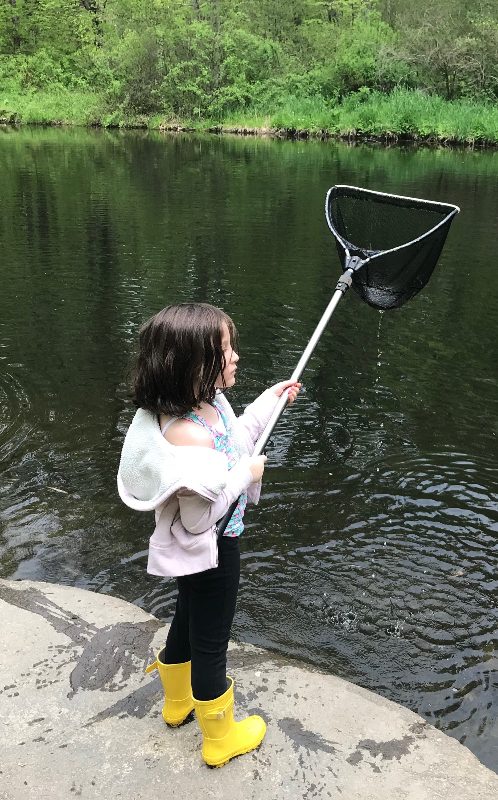
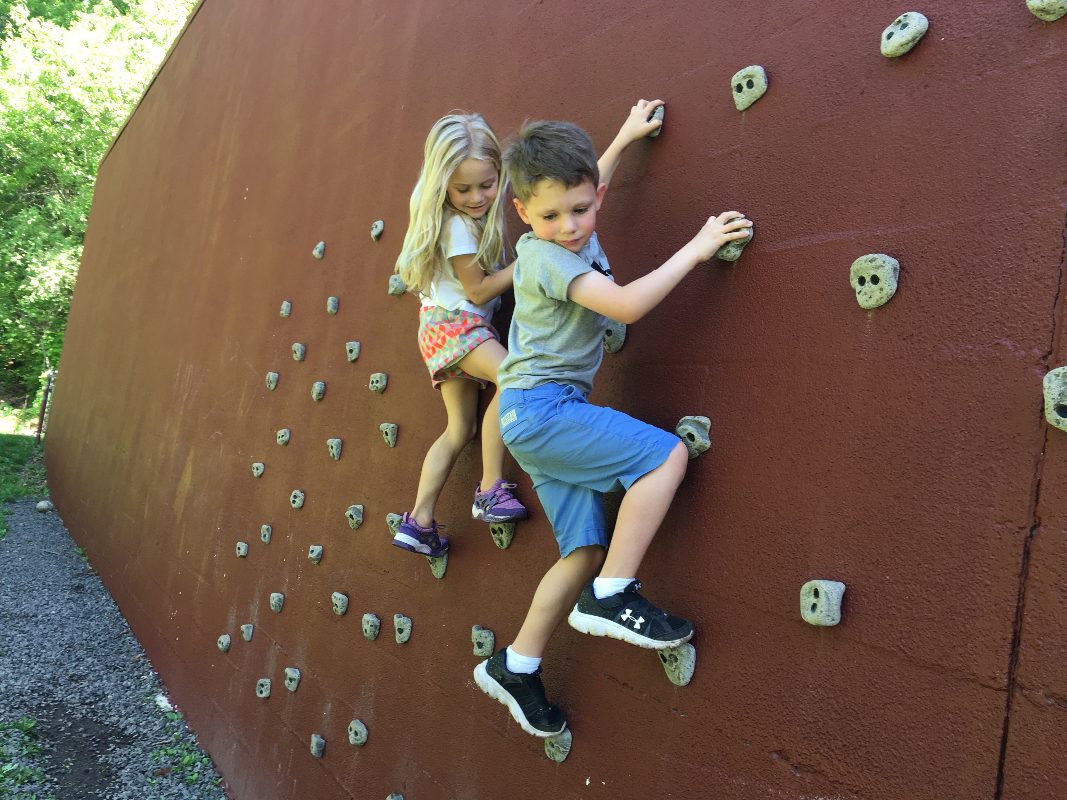
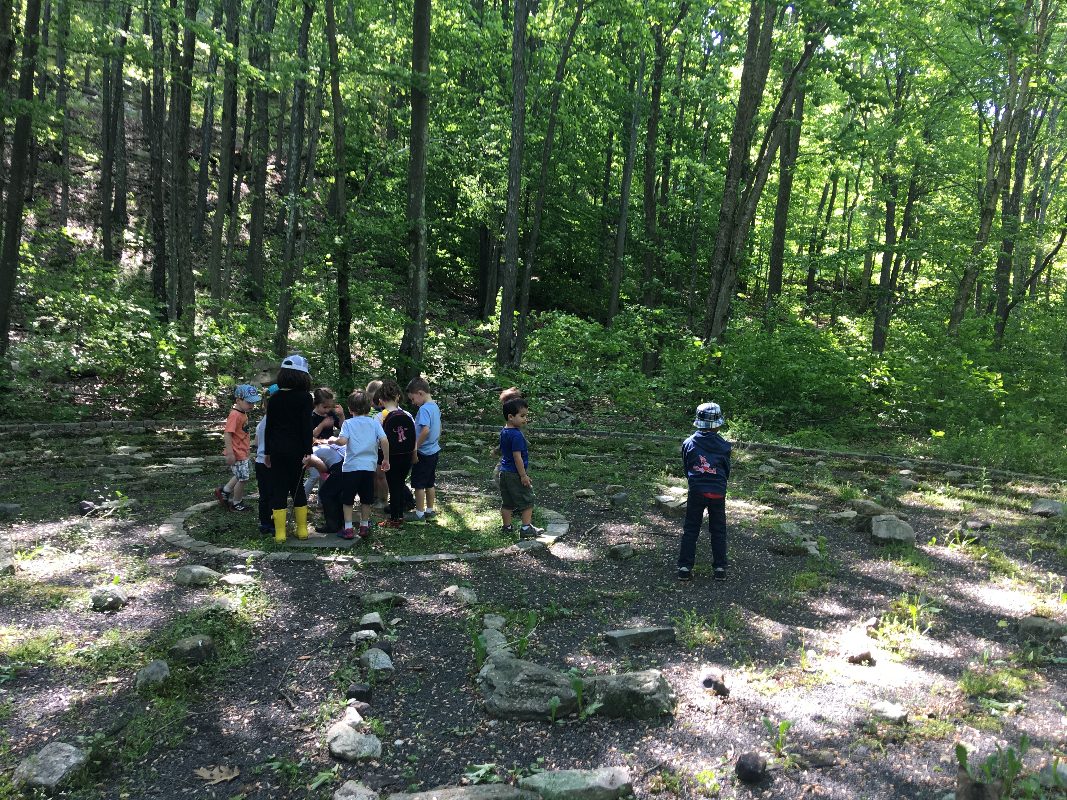
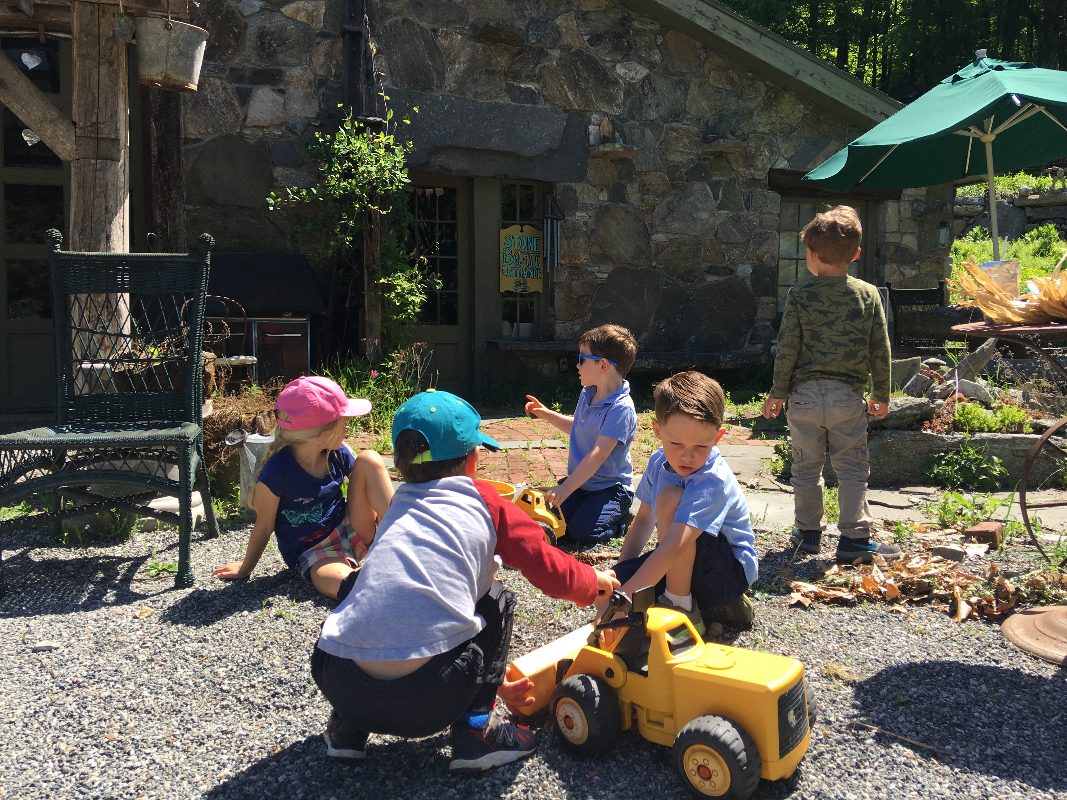
“Let the children be free; encourage them; let them run outside when it is raining; let them remove their shoes when they find a puddle of water; and when the grass of the meadows is wet with dew, let them run on it and trample it with their bare feet; let them rest peacefully when a tree invites them to sleep beneath its shade; let them shout and laugh when the sun wakes them.” Maria Montessori

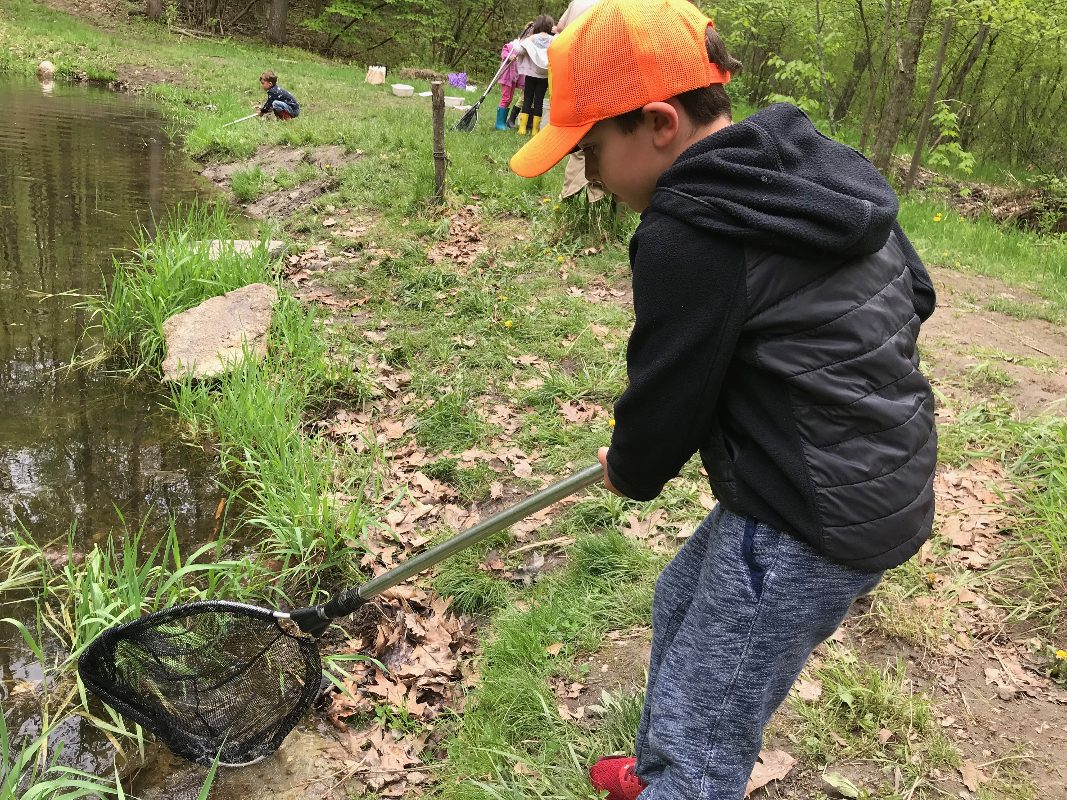
We are continuing our studies on insects and have spent time each day exploring a few of the ten million insect species.
Fun Facts Shared:
Only female mosquitos bite
Only male crickets chirp
Most insects hatch from eggs
Spiders are not insects
Bees are found on every continent except Antarctica.

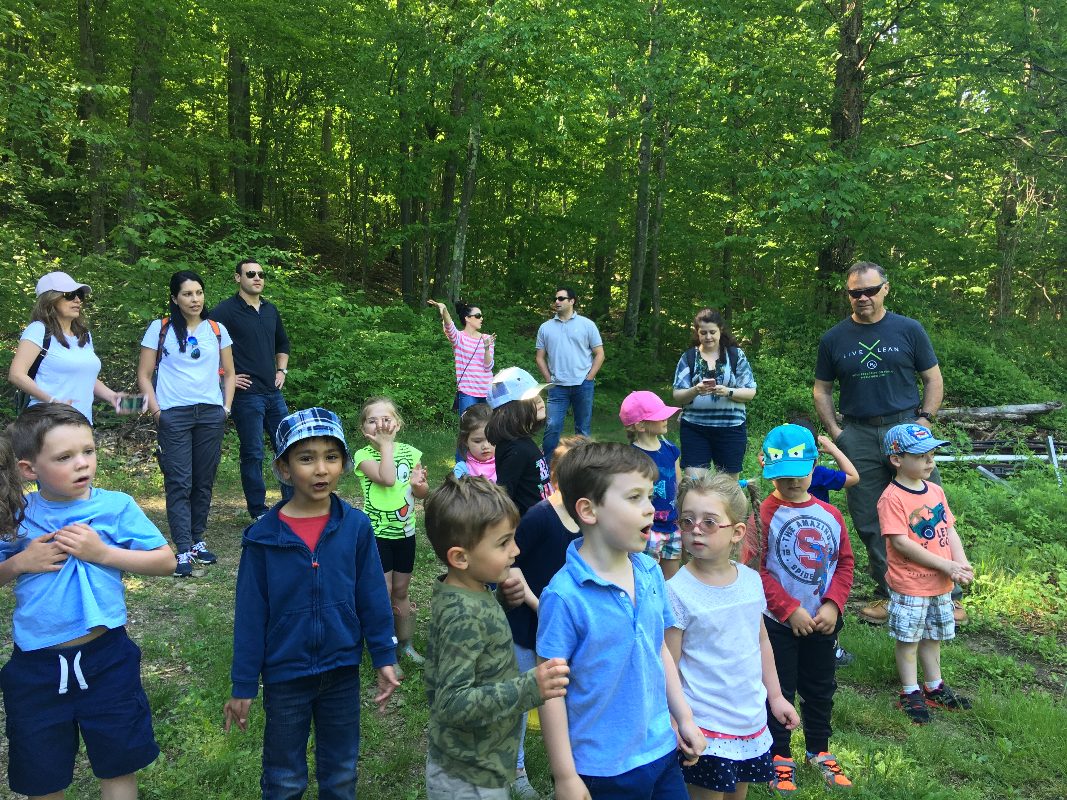
I encourage you to take some time this weekend to explore nature with your child.  Allow yourself to see things through your child’s eyes, and celebrate his or her pride in “teaching” you a thing or two about the characteristics of an insect.

Warmest thoughts,

Cindy & Samantha


Mrs. Doyle’s Class: Africa…It’s a Continent Not A Country

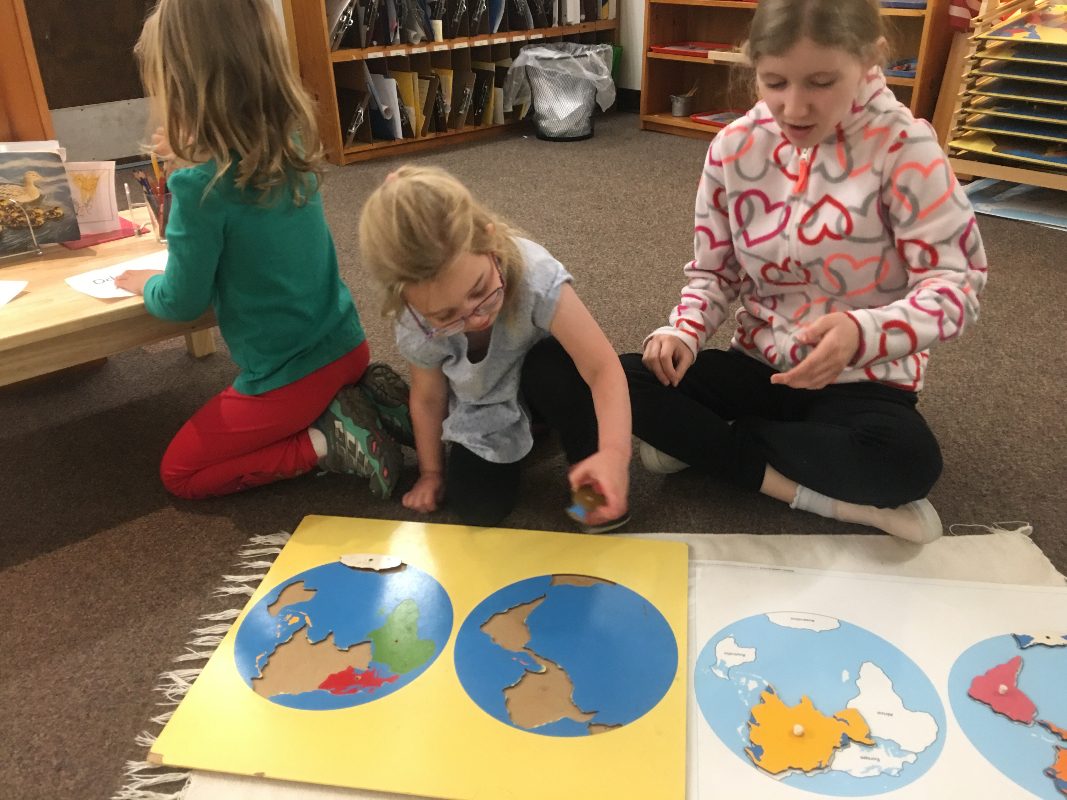
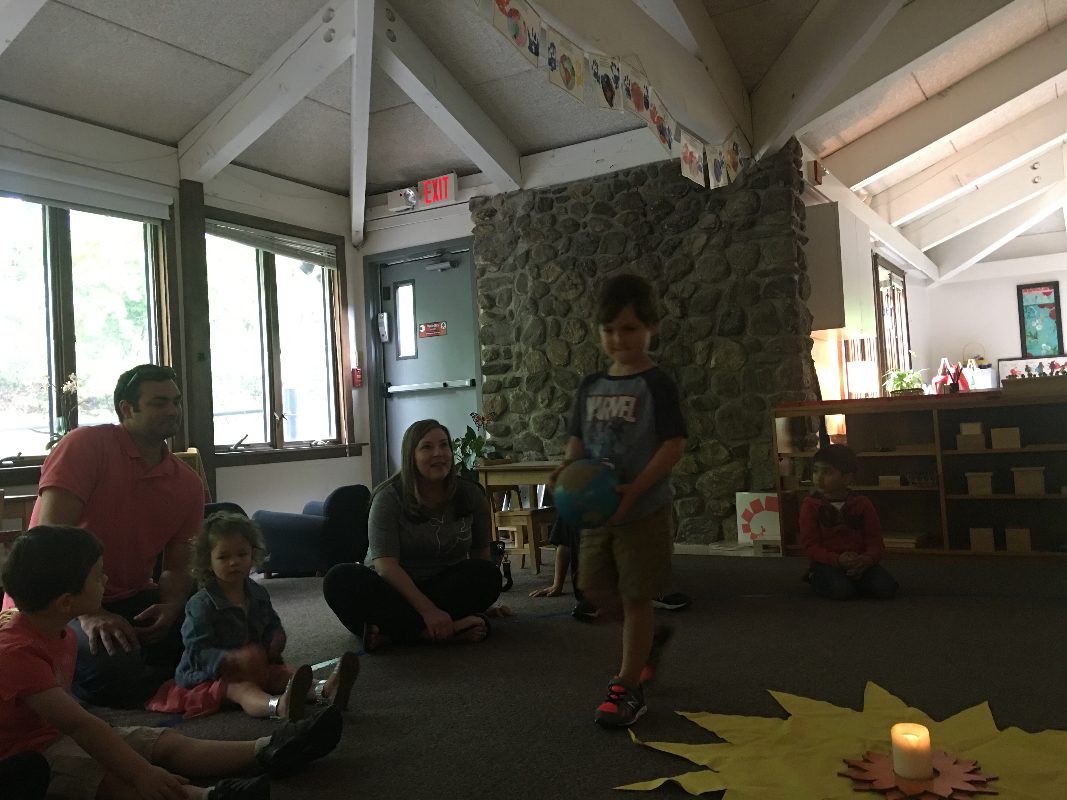
Each time we study a new continent, we first find it on the globe of the world, then we locate the continent on the world map, and finally, we study the individual continent using the specific continent maps. Currently, the children are learning about the continent of Africa. Over the course of the next few weeks, we will learn about the geography, culture, weather, animals, and people of Africa.

We are learning lots of fun and fascinating facts about the continent of Africa.

  • Africa is the second largest continent, with 54 countries.
  • The longest river in the world, the Nile, is located in Africa.
  • Over one thousand languages are spoken by the people in Africa.
  • The Sahara, the world’s largest desert is located here.
  • The highest mountain in Africa is Mount Kilimanjaro. It is so tall that glaciers can be found at its summit even though the mountain is near the equator.
  • Africa is the most centrally located continent in the world. Both the prime meridian and the equator cut across it.
  • The world’s tallest animal, the giraffe, and the largest land animal, the African elephant are found in Africa.

Wishing everyone a wonderful week!

Michelle & Sonja


Mrs. Santayana: My Five Senses


We all have something special that helps us learn about the world and know what is happening around us. Seeing, hearing, smelling, touching, and tasting are all senses. Our senses guide us in our everyday life. Our five senses can warn us of dangers.

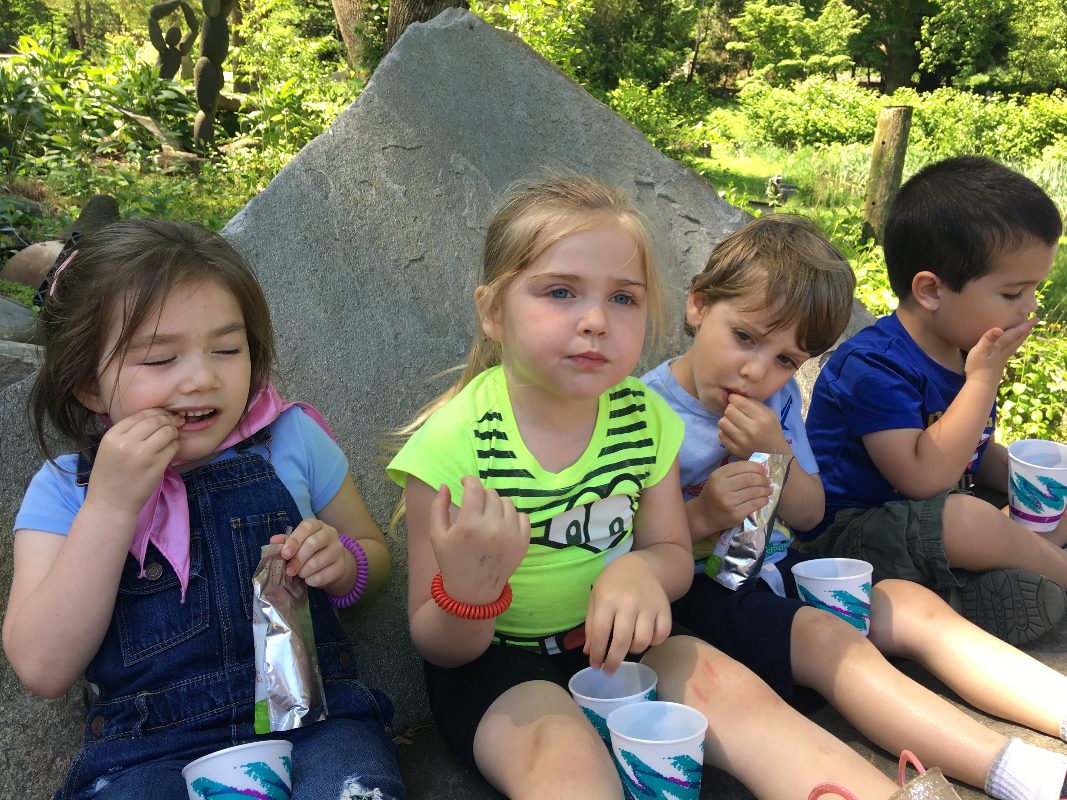
The children love our tasting tray of sweet grapes, sour lemons, bitter brussel sprouts, and salty pretzels. The favorites were salty and sweet. Everyone enjoyed it for snack! Digestive enzymes in saliva begin to dissolve food into base chemicals that are washed over the papillae and detected as tastes by the taste buds. Bitter foods are generally found unpleasant, while sour, salty, sweet, and savory tasting foods generally provide a pleasurable sensation.

Have you ever noticed that whenever you pop a bag of popcorn in the microwave, somehow the entire family knows and shows up to share the tasty treat? That’s because it’s a ‘multisensory’ snack, or a snack that incorporates all five senses. The children enjoyed the popcorn science experiment for all five senses. We encouraged the children to describe how they use each body part to learn about things. For example, eyes are for seeing and observing, ears are for listening, a nose is for smelling, etc. They then enjoyed the tasty snack! We talked about their observations and asked questions like, “If the popcorn smelled like garbage, would you still want to eat it?” and “If the popcorn felt slimy, would you still want to touch it?”