Butterflies and North America

It took 11 days for our Painted Lady Butterflies to emerge from their chrysalises. We kept them safe for up to 24 hours to let their wings dry. When they began to flutter their wings, we took them outside to the butterfly garden and released them back into nature. The children sang ´goodbye butterfly´ as they waited for the butterflies to fly. The children, with the radiant faces said a resounding and awesome “Awwww”  as the butterflies flew one at a time. After leaving the case, one butterfly flew up on the top of a flower and rested while its wings dried some more.

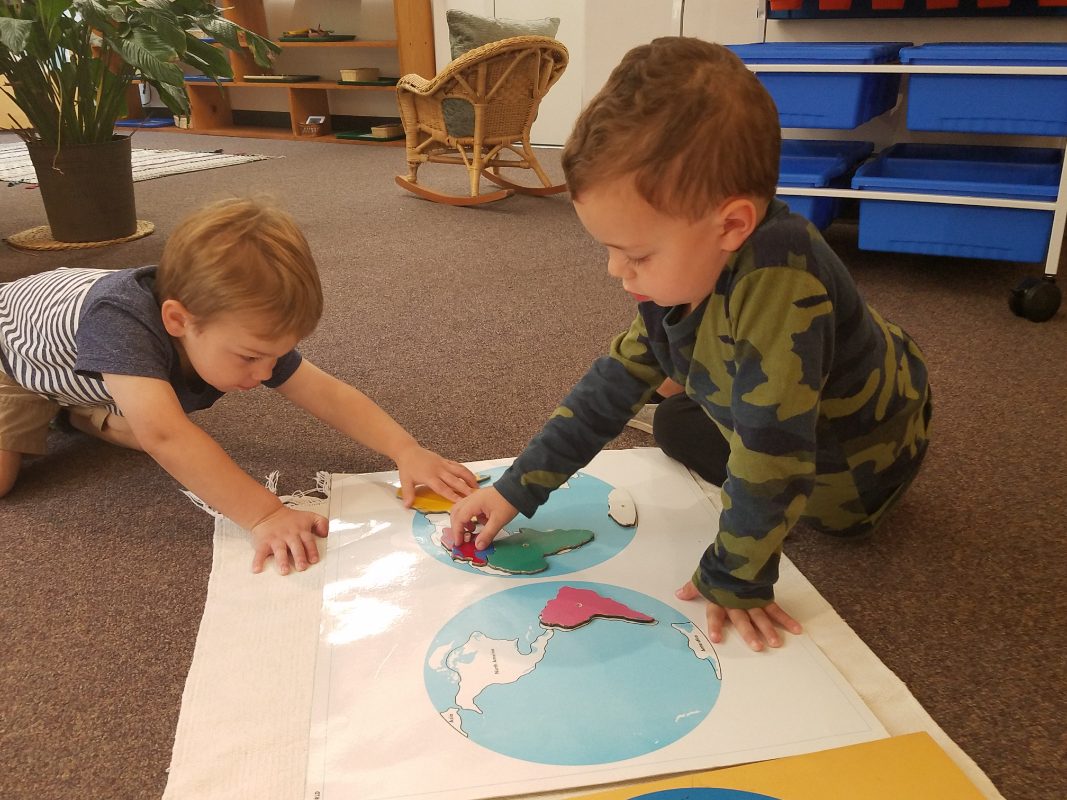
North America is one of the seven continents. It is the planet’s third largest continent. The children learned that North America’s highest point is Mt. McKinley in Alaska at 20,322 feet. North America’s lowest point is Death Valley in California at 282 feet below sea level. The 48 contiguous states and Washington D.C., are in central North America between Canada and Mexico. The two other states, Alaska and Hawaii are not. Alaska is in the northwestern part of North America and Hawaii is in the central Pacific Ocean.

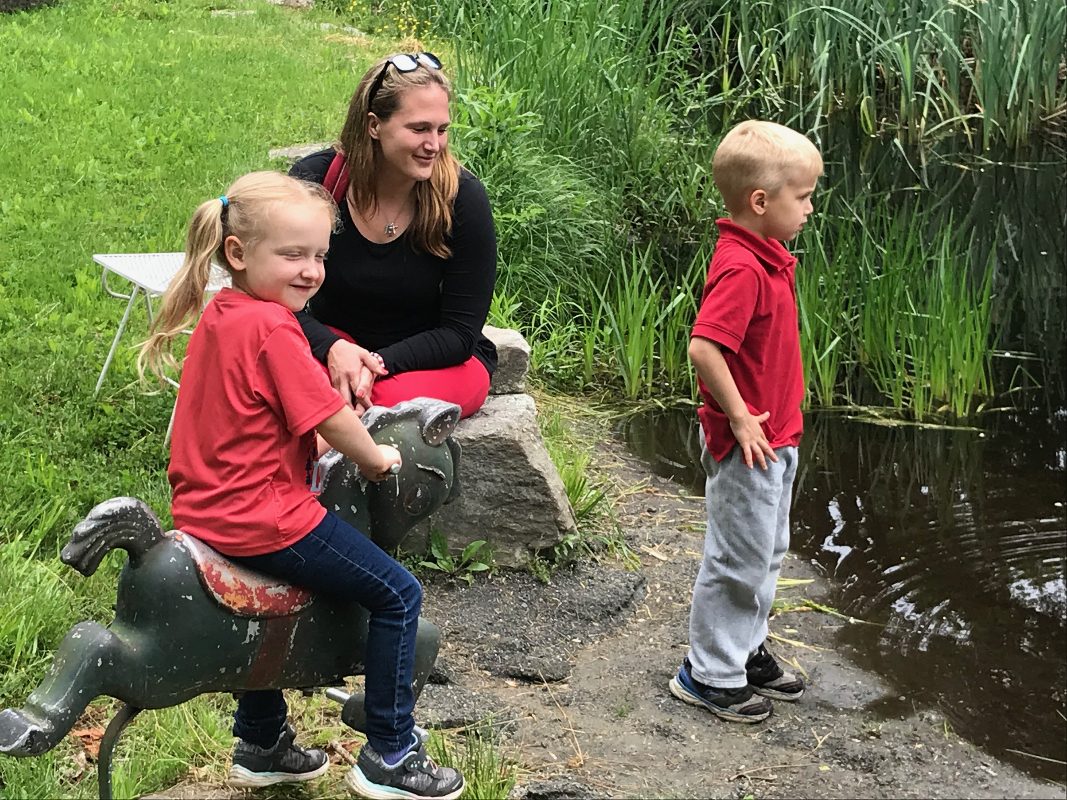
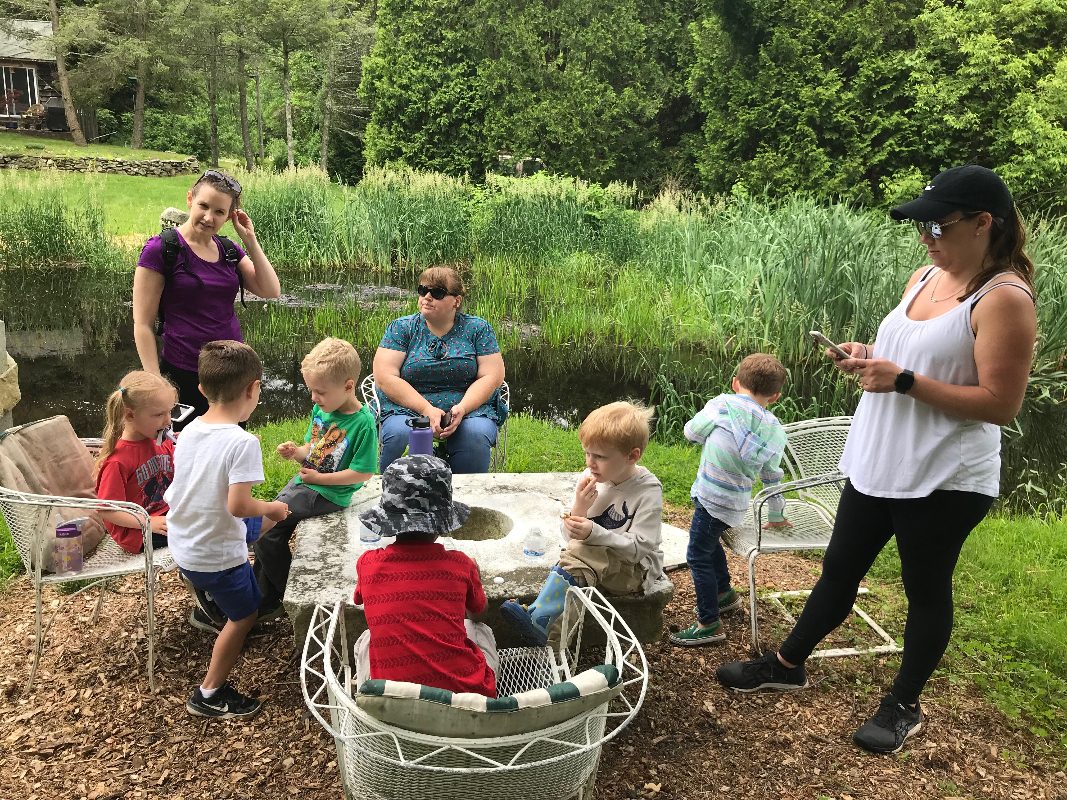
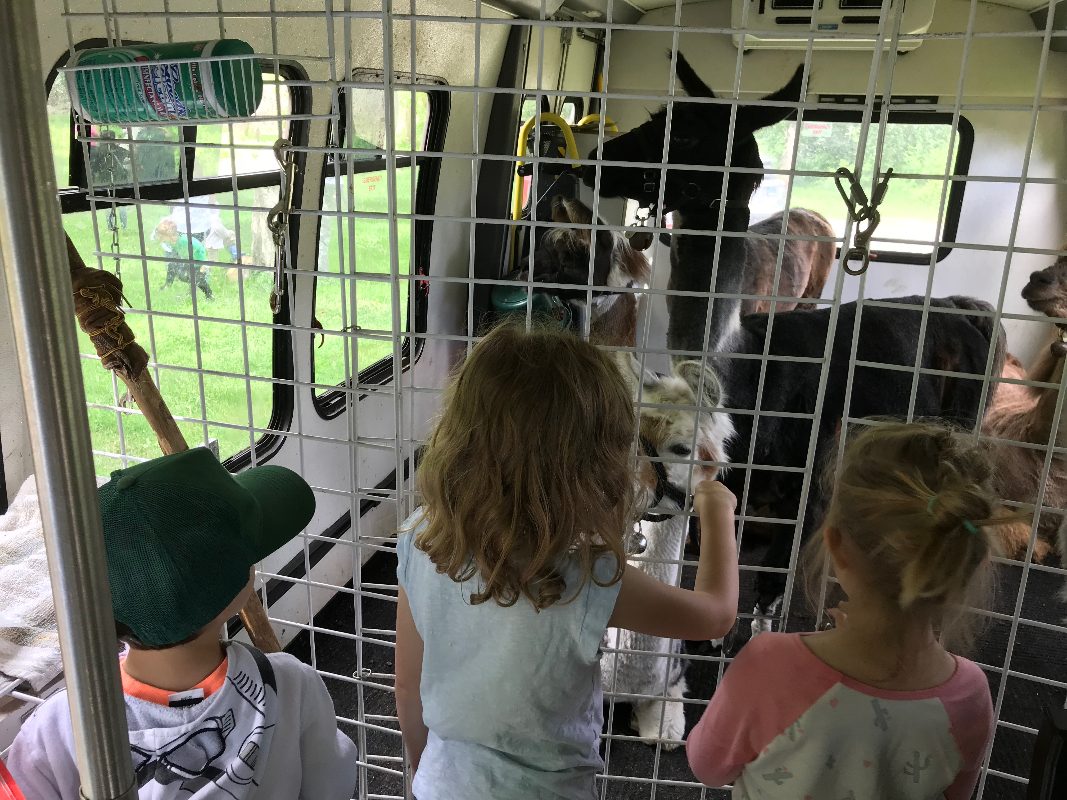
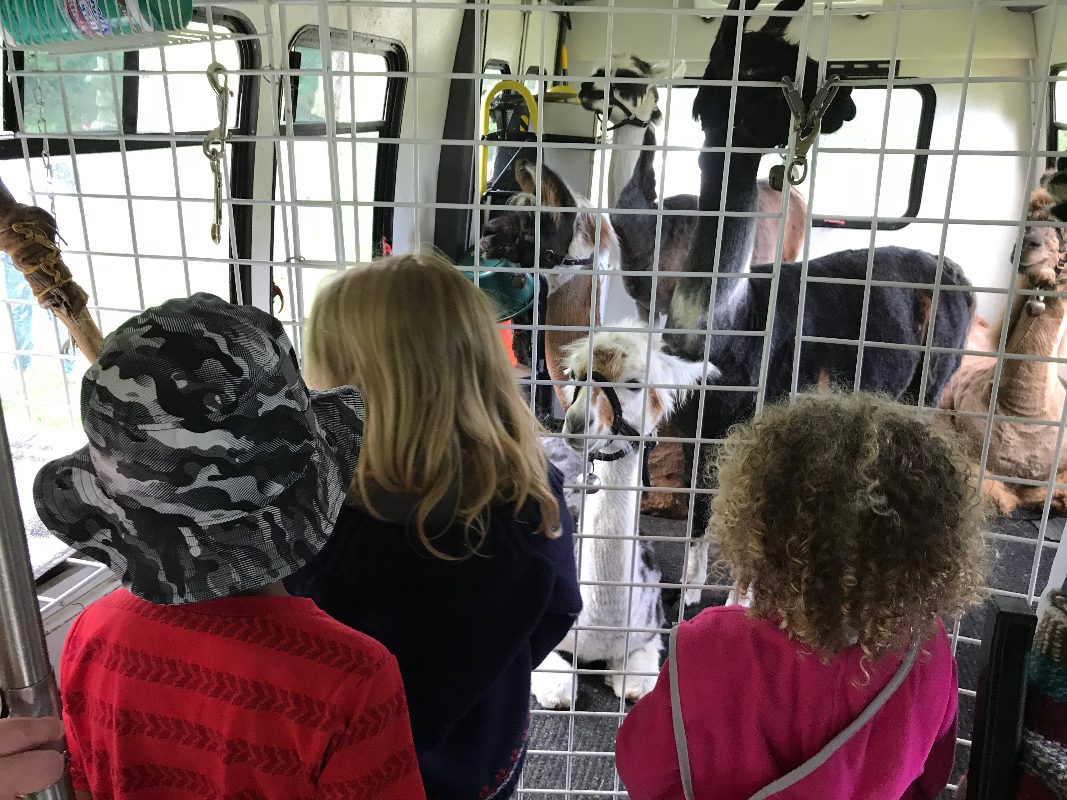
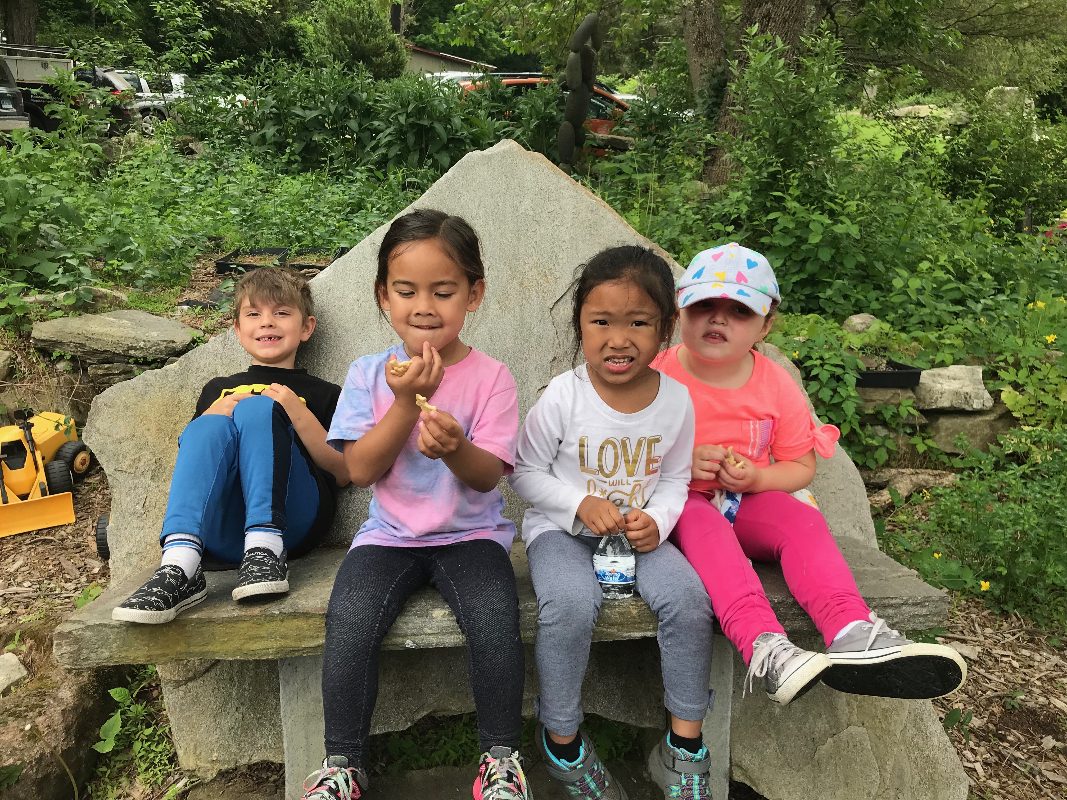
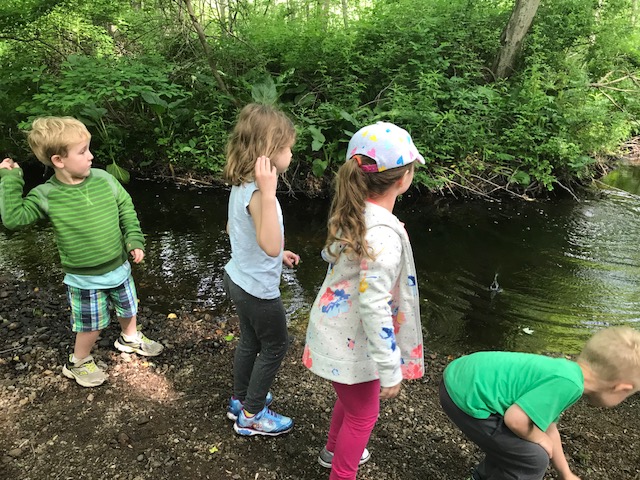
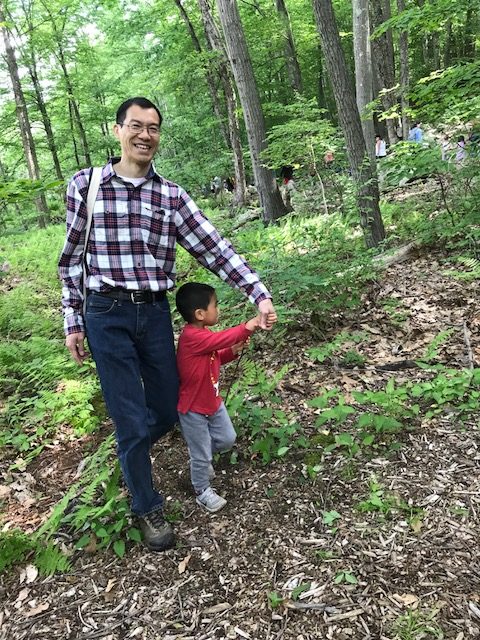
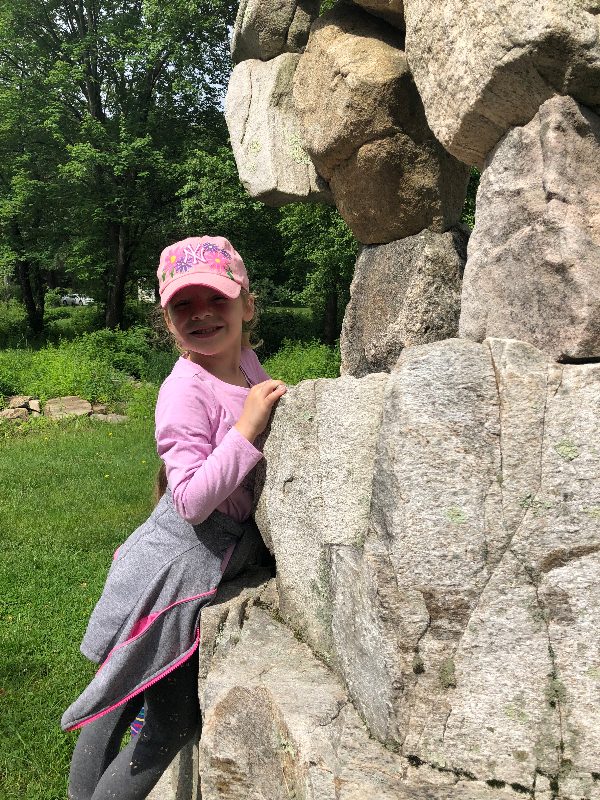
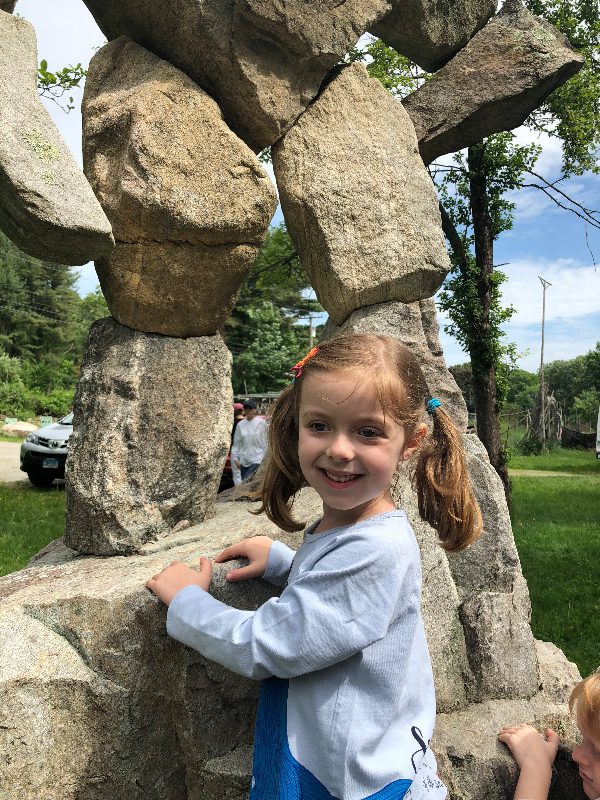
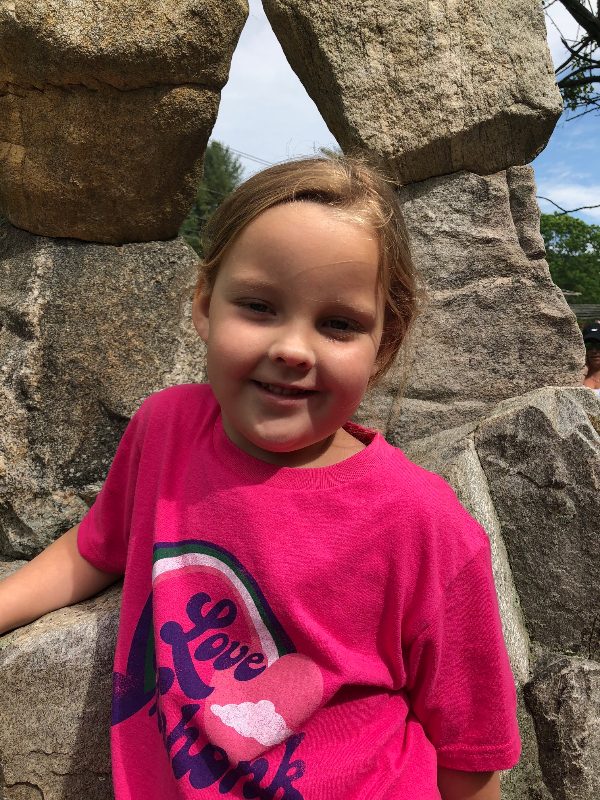
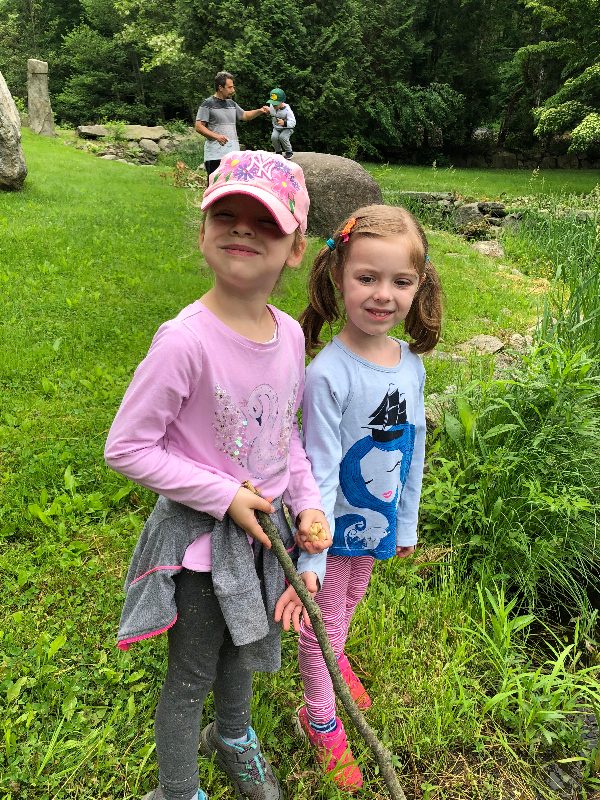
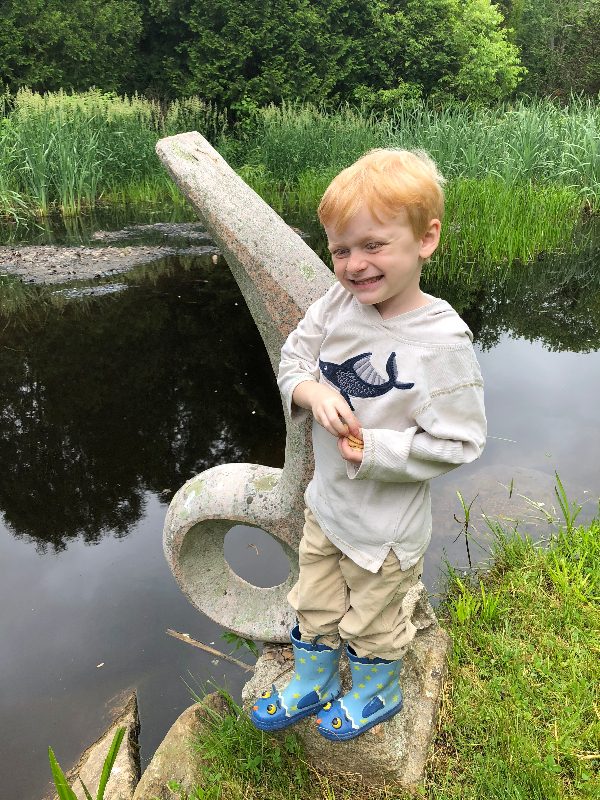
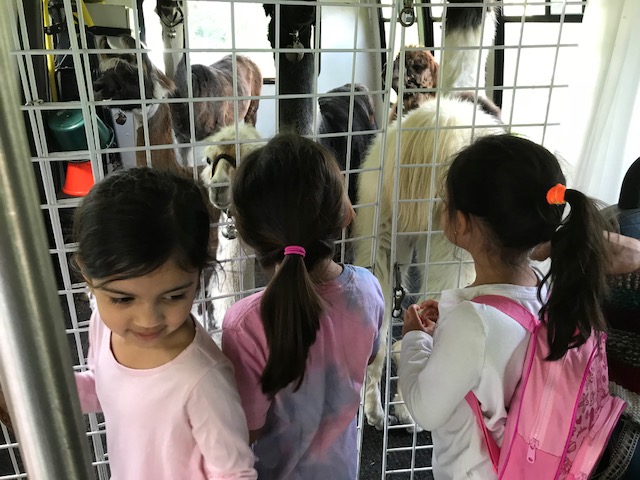
Our field trip to Sticks and Stones is scheduled on Thursday, May 24. More information will be coming.

Mrs. Doyle’s Class: Popcorn Science

This week we are beginning our study on the five senses.  What better way to teach this than to use popcorn? Popcorn is a multi-sensory snack as it incorporates all five of our senses. It might just be our most appetizing science unit yet! Did you ever notice that when you make popcorn, somehow the entire family knows about it and shows up to have some of this favorite treat?
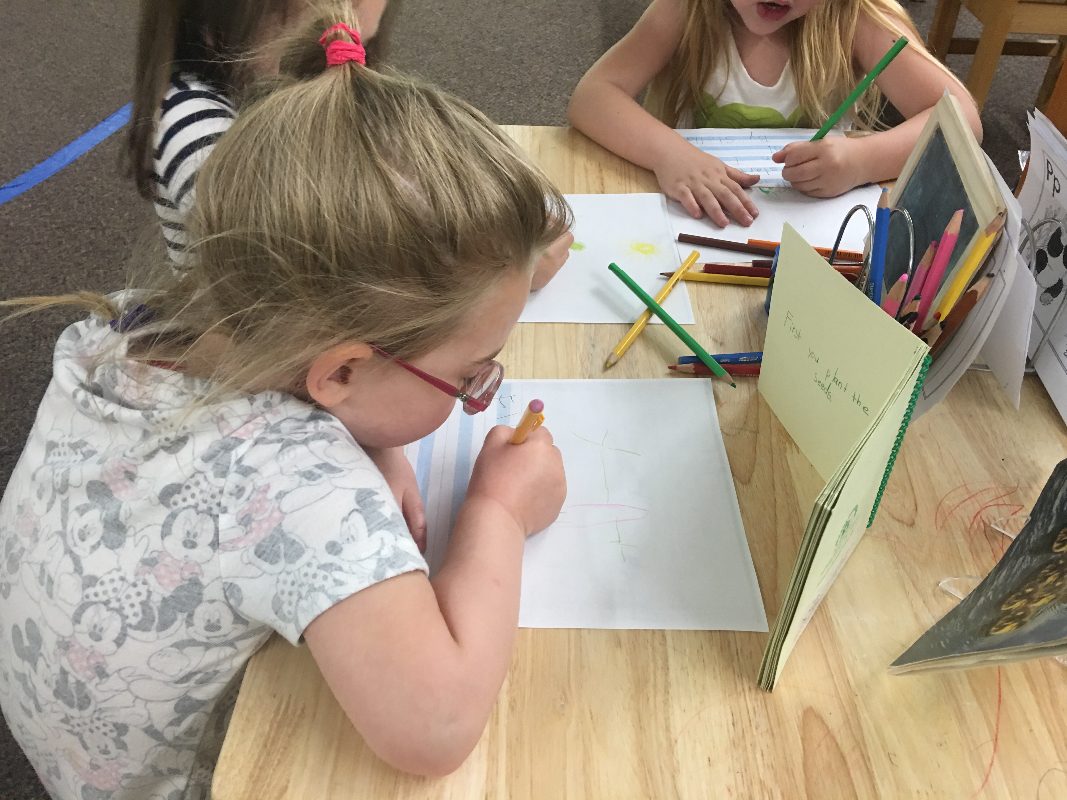
We begin by discussing what our five senses are and how we use different body parts to learn about things in our environment. For example, our noses are for smelling, ears are for listening, eyes are for seeing, hands are for touching, and our tongue is for tasting.

Next, we pass around the popcorn kernels to make observations of what they see, smell, and feel.  We record all of our observations as we are going along. Finally, we use an air popper to pop some popcorn.  Now we can include our observations about hearing and tasting as well.

As temperatures rise, it is important children remain hydrated.  Therefore, please have your child bring to school a filled water bottle with his or her name clearly written on the bottle or a label.  Thank you!

Wishing everyone a wonderful week!

Michelle & Sonja


Mrs. Carroll’s Class: I Love Mom!


I  love Mom! These are the sweetest words a mother can hear. This week your children have been working hard to prepare for Mom’s special day. We have written cards, created special tokens of  love, and shared with each other just how special all our moms are. I am sure you will enjoy the fruits of their labor.

Our discussions on insects continue. “Do insects have moms?” asked one of our younger friends after spending the morning working on a card for his mom. Yes, insects do in fact have moms. Their moms lay hundreds or thousands of eggs in a lifetime, but almost none will “hatch” them the way a chicken sits on eggs. Insects usually leave the eggs, though some take care to lay them on or near or inside food for when they hatch. After listening to my response, and digesting the fact that insects aren’t cared for by their mothers, my little friend shared how happy he was that he was not an insect. “If I was an insect, who would tuck me into bed at night and read me my book?” 

Thank you moms for all that you do, and a heartfelt thank you for sharing your little treasures with Samantha and I each day!

Enjoy your week.

Cindy & Samantha

Note: As temperatures rise, it is important children remain hydrated.  Therefore, please have your child bring to school a filled water bottle with his or her name clearly written on the bottle or a label.


Box of Triangles

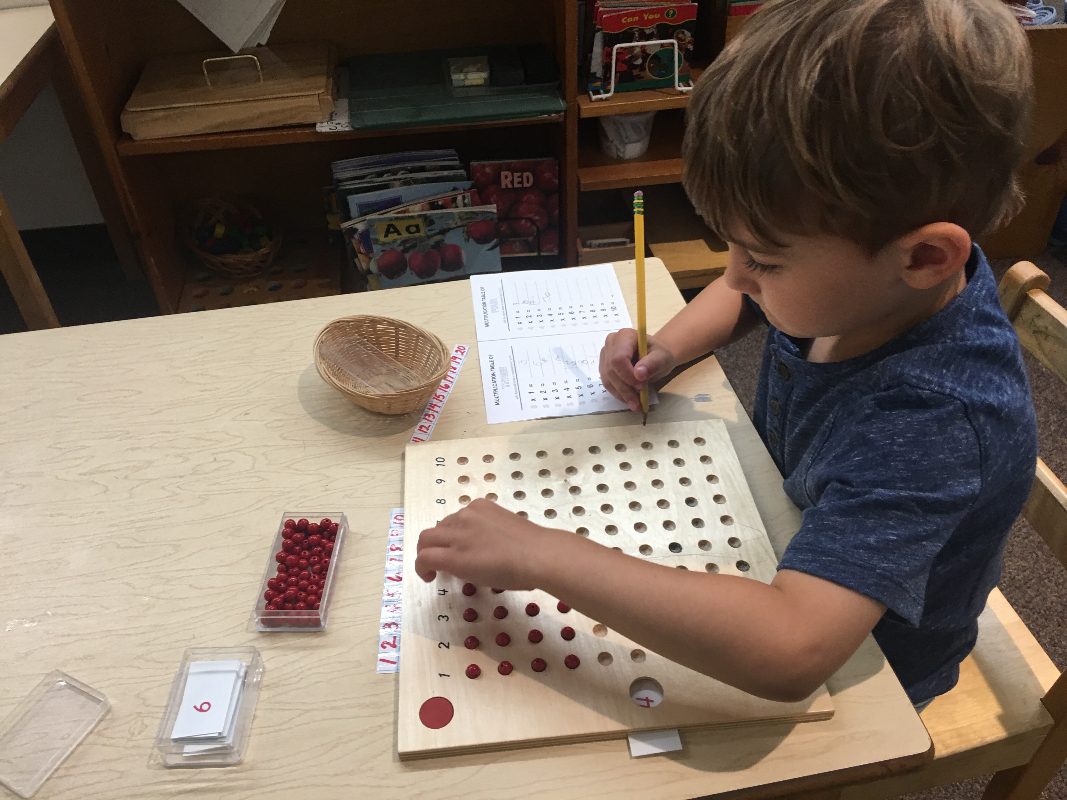
The wooden small hexagon box found in the Sensorial Area was presented to the children. This material consists of yellow, red, green, and gray equilateral triangles, and red isosceles triangles. This activity prepares the child for geometry. We slide the corresponding sides together to form a hexagon, rhombus, and trapezoid. This box of triangles can be a lot of fun because of the numbers of triangles you work with by taking them apart and arranging them in different ways. Some of the children created their own Constructive Triangles Extension by arranging the triangles to make a fish, a head of a robot, and a boat. The children compared the large hexagon box to the small hexagon box.

We are grateful to have Mr. Seth Feltman volunteer his time to help the children with the Motherś day project. Thank You!

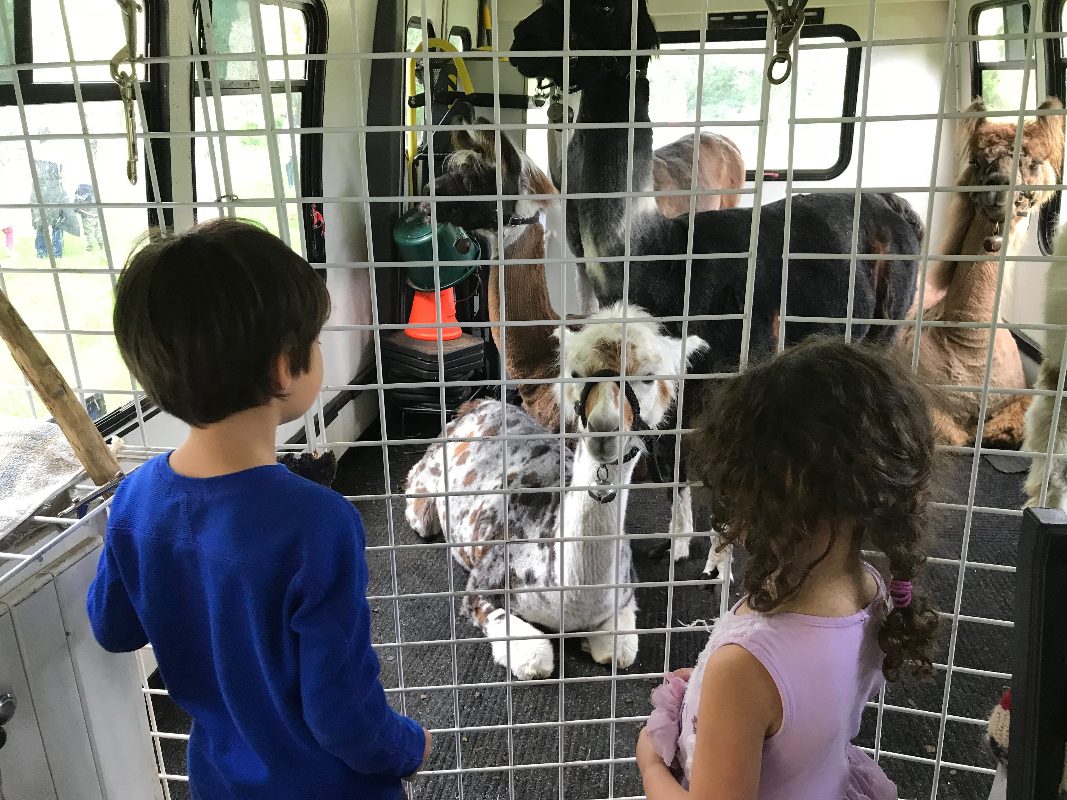
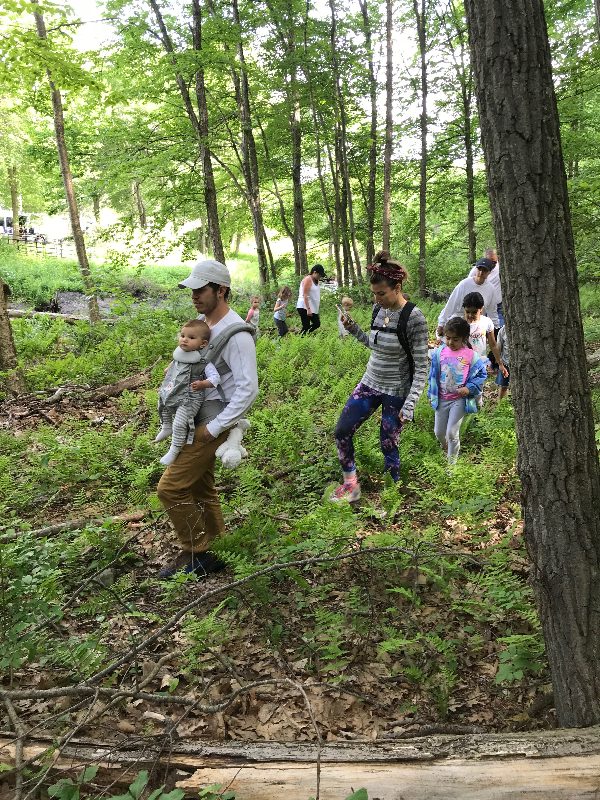
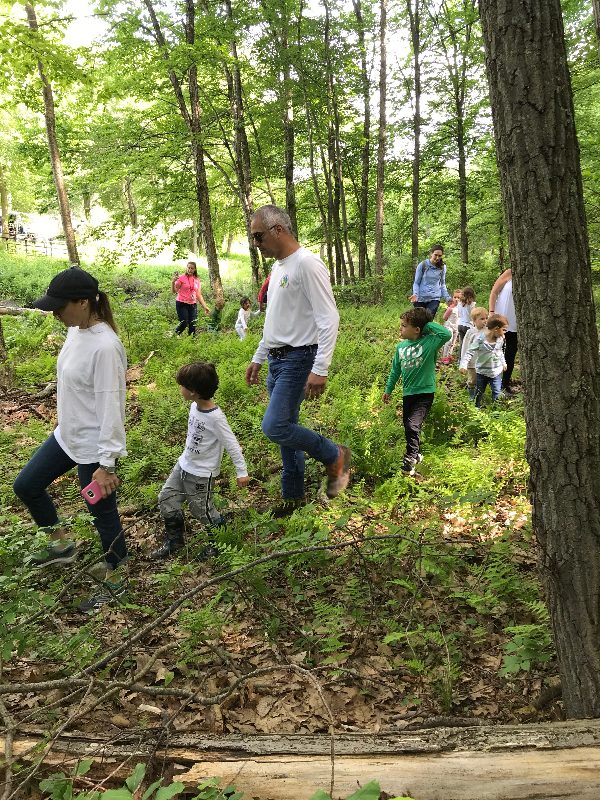
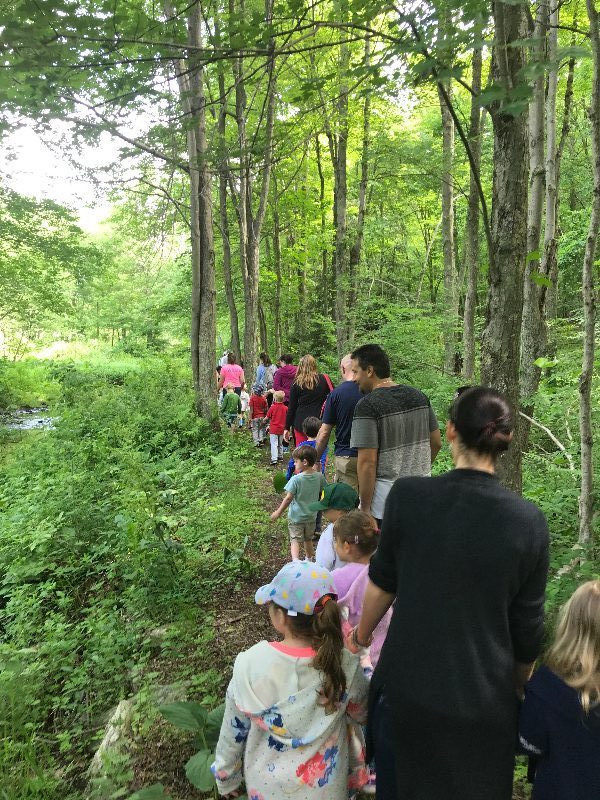
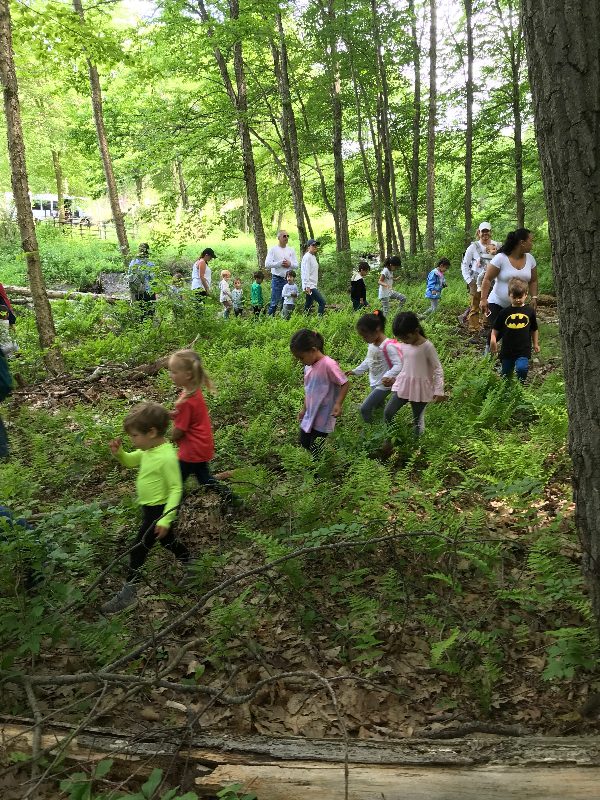
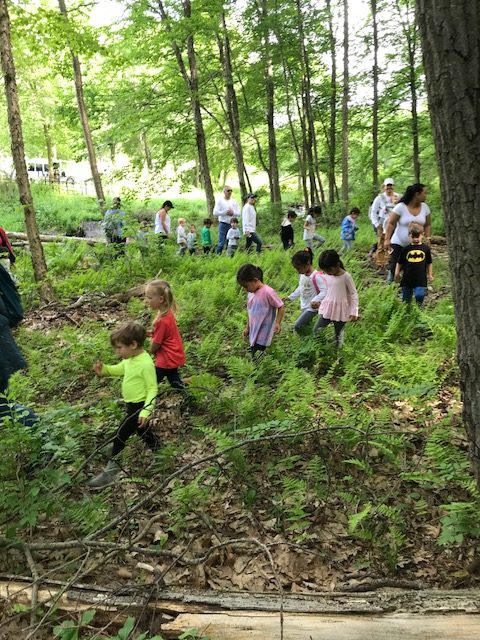
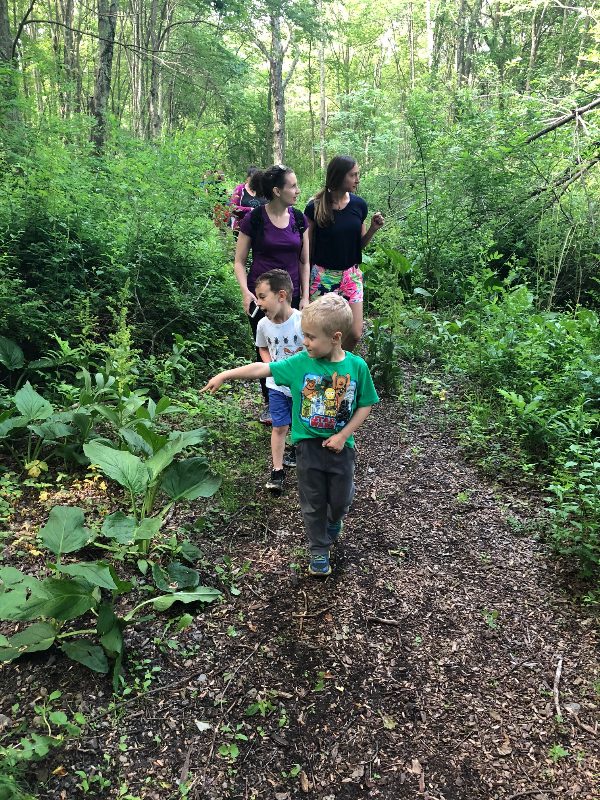
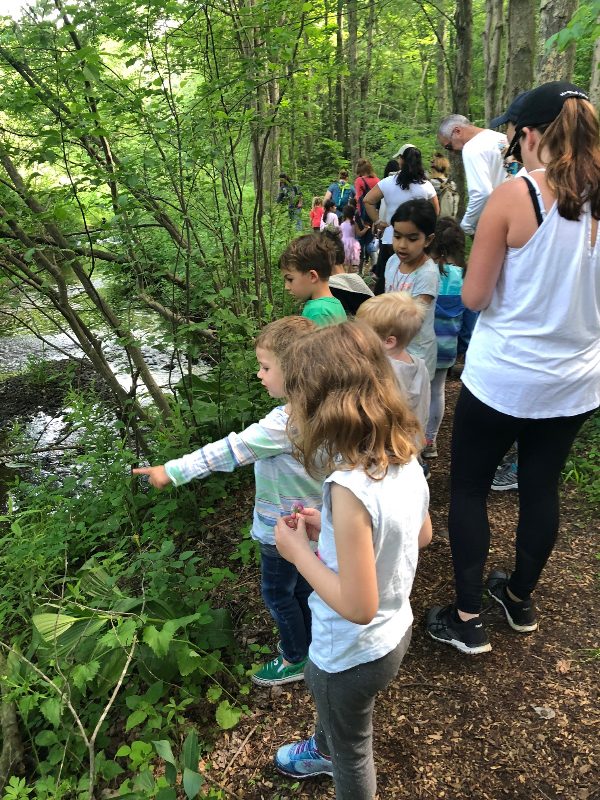
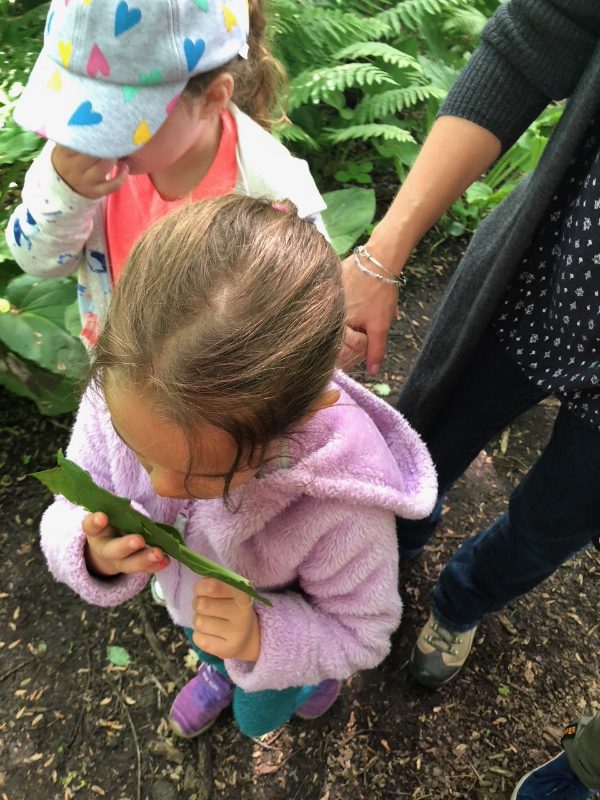
We will be taking a field trip to discover forest and farm at Sticks and Stones on Thursday, May 24. Please dress your child for a short hike through the woods.


Mrs. Carroll’s Class: And The Cycle Begins.


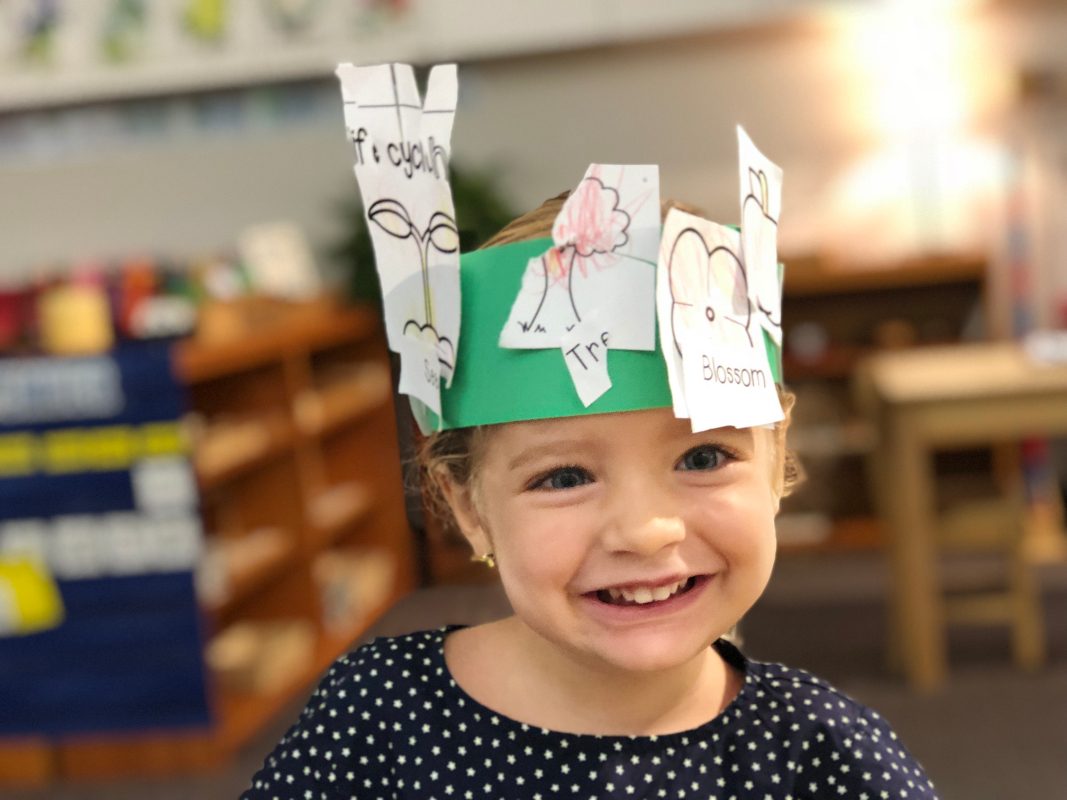
Warm weather and long days have finally returned and our class is in bloom with activity. We continue to observe and record the stages of our butterfly’s life cycle and wait with bated breath for the development of the chrysalis.

Our Kindergarten students are themselves preparing for a change. In five short weeks our oldest lower school friends will complete their third year with the lower school, and emerge into the Lower Elementary environment. This week our Kindergarten students welcomed Toddler students into our environment; and the cycle begins. Developing our Kindergarten students to become mentors is more than simply asking an older student to help a younger one. A true leader is mentored and shown the process of how to lead and help others. When we take the time to cultivate leaders in our Montessori environment, we see that this is another piece of our carefully prepared environment.

Grandparent & Special Friend Day is May 4th. We are excited to share your child’s joy of learning with a special person in their life. Our school wide concert will begin promptly at 8:50. Your child should be in class no later than 8:40 in order to prepare for the concert.


Mrs. Doyle’s Class: The Very Hungry And Fast Growing Caterpillars!

Continuing with our study of insects, we are thrilled to welcome five caterpillars to our classroom. It is so exciting to observe each step of the fascinating life cycle of the Painted Lady Butterfly.

Right now our caterpillars are busy eating,  spinning silk and growing bigger every day.    During this incredible period of growth, they will shed their exoskeletons four times and grow more than ten times their original size! When they have finished growing, the caterpillars will climb to the top of the cup. Once there, they will hang from the paper disk in a “j” shape under the lid. They will shed their exoskeletons one last time  before they pupate and form a chrysalis. 

Ask your children to update you on what is happening each day with our caterpillars.  The discussions taking place among the children about the caterpillars are amazing.

Each week, the Extended Day children will be welcoming toddlers into our classroom.  They truly enjoy showing them around the environment and giving age appropriate lessons. This is a wonderful time for the toddlers to become more comfortable and familiar with the three to six environment.

Wishing everyone a wonderful week!

Michelle & Sonja


Mrs. Santayana: Caterpillars, Butterflies and Metamorphosis, Oh My!

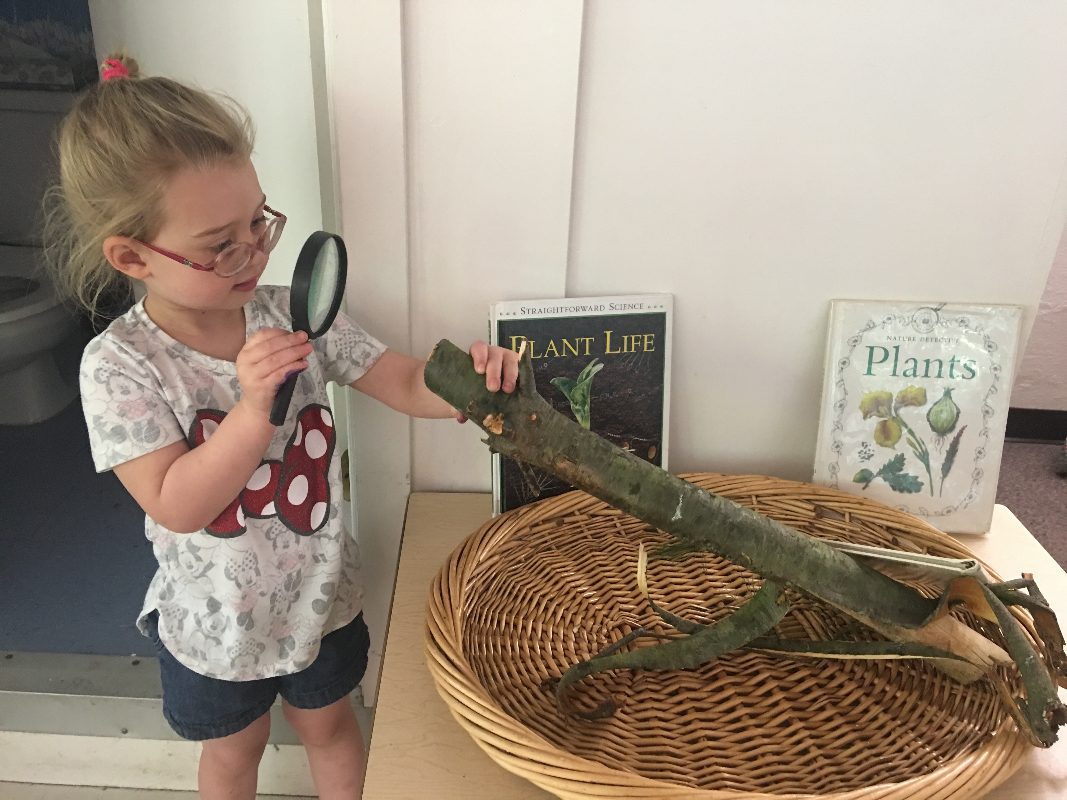
Our caterpillars are slowly entering their chrysalis stage this week. We cannot wait for the new butterflies to emerge. The children are waiting anxiously! They are observing the butterfly life cycle first hand. To observe the changes up close, the children uses a hand lens. They love working on the butterfly life cycle activities.

We would like to thank Adeline´s mom, Samantha McGoldrick for helping with Earth Day craft project. Please accept our heartfelt appreciation for volunteering your time and effort. Our school is a better place because of parent dedication.

This week, we introduced a new pet in our classroom to provide our students with an opportunity to interact with nature up close and personal and to help them be compassionate toward aquatic life. The children have suggested names for the betta fish and the majority voted for the name ¨Honey.¨ The children take turns to feed our new pet. Learning how to properly care for another creature is a huge life lesson. From developing and executing an appropriate feeding and tank cleaning schedule to planning socialization time, pets in our classroom can help us develop the rewarding feeling these responsibilities bring about.


Extended Day & First Years Volleyball!

The Extended Day and First year students participated and practiced skills associated with volleyball. Students were taught the forearm pass (bump), the set, and the underhand and overhand serve. Volleyball is a team sport that can be played indoors, on grass or at the beach. Playing volleyball many benefits.  Playing volleyball will strengthen the upper body, arms and shoulders as well as the muscles of the lower body. Our main focus during the unit was to improve hand-eye coordination and spatial awareness. The students learned and practiced with balloons, beach balls and soft volleyballs. Games that were played were, “Keep it Up,” “Four Square Volleyball,” and hitting the volleyballs over the net.