Ceramics Fun…Pinch Pot Tea Bowls with Extended Day!
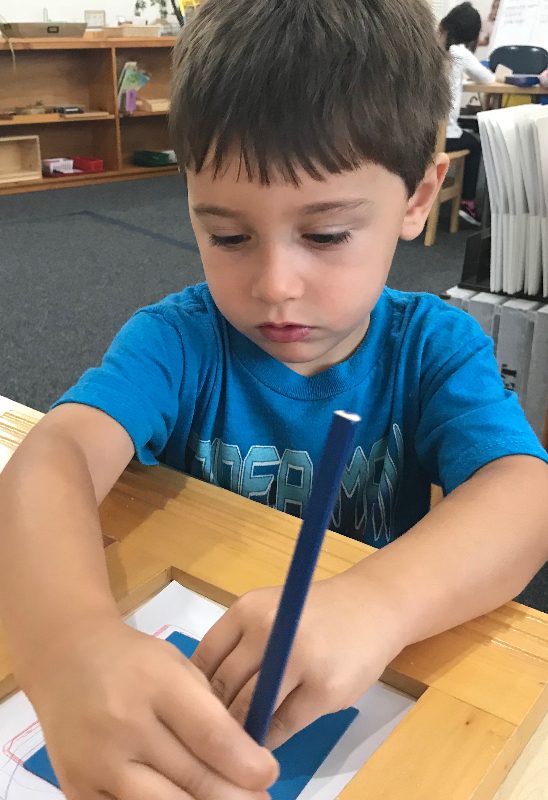
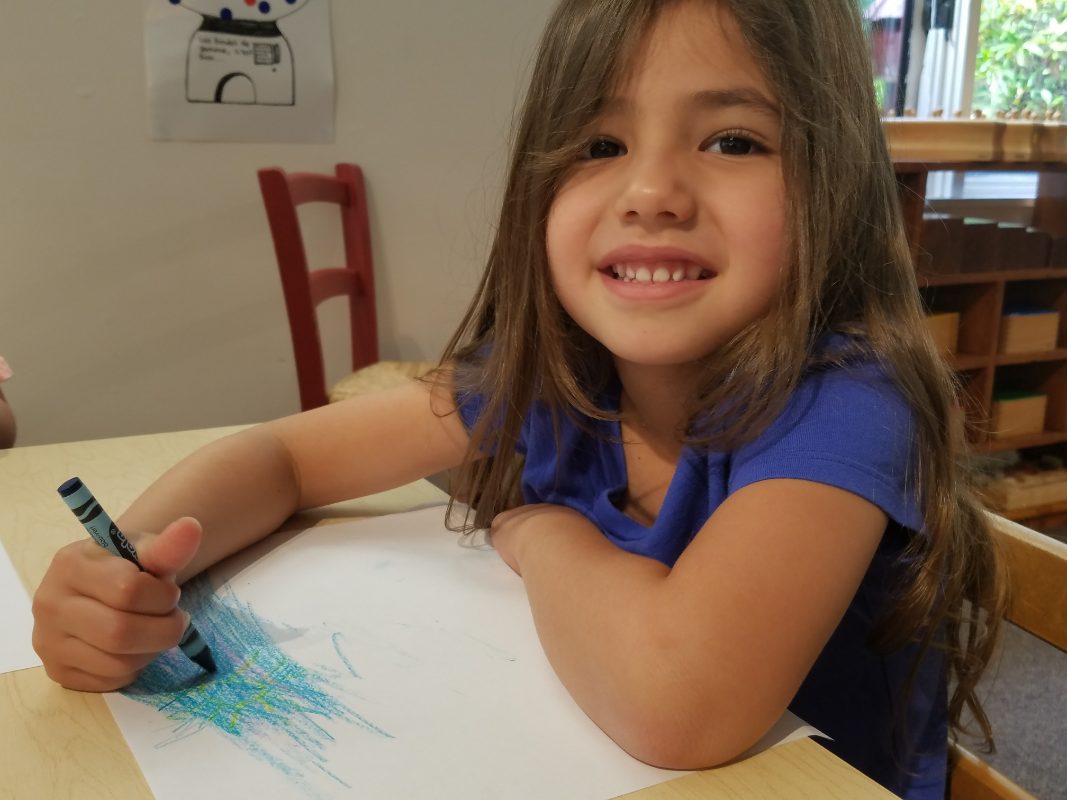
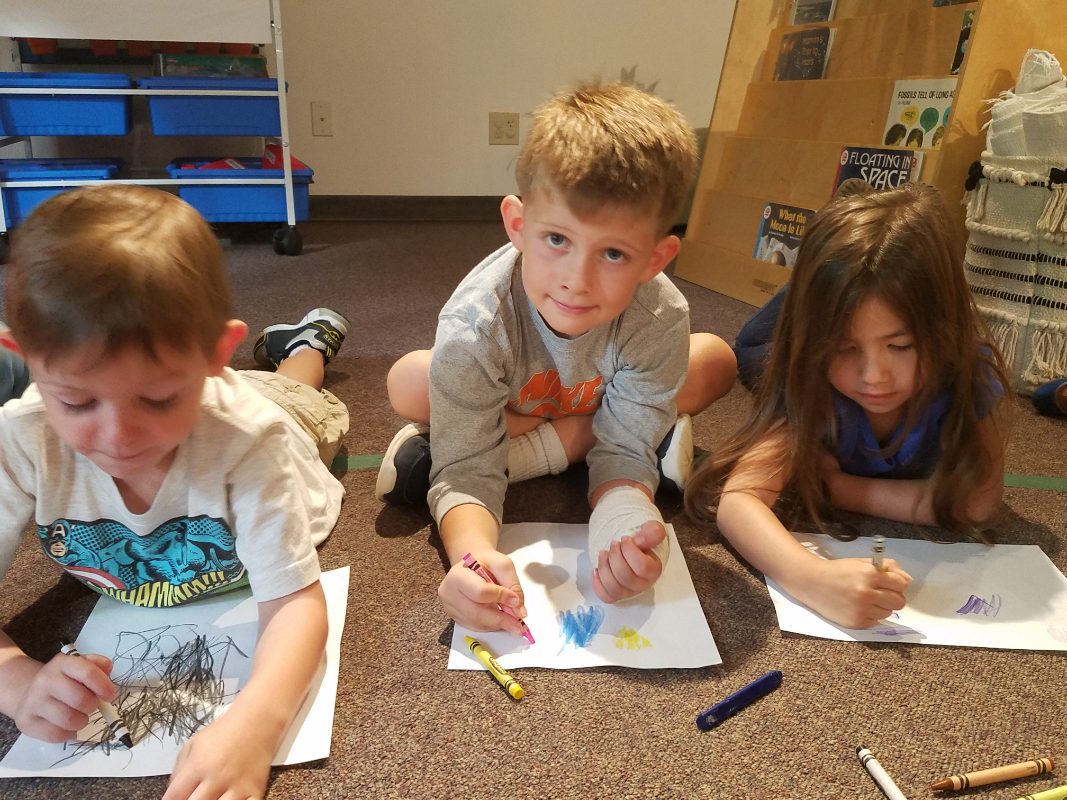
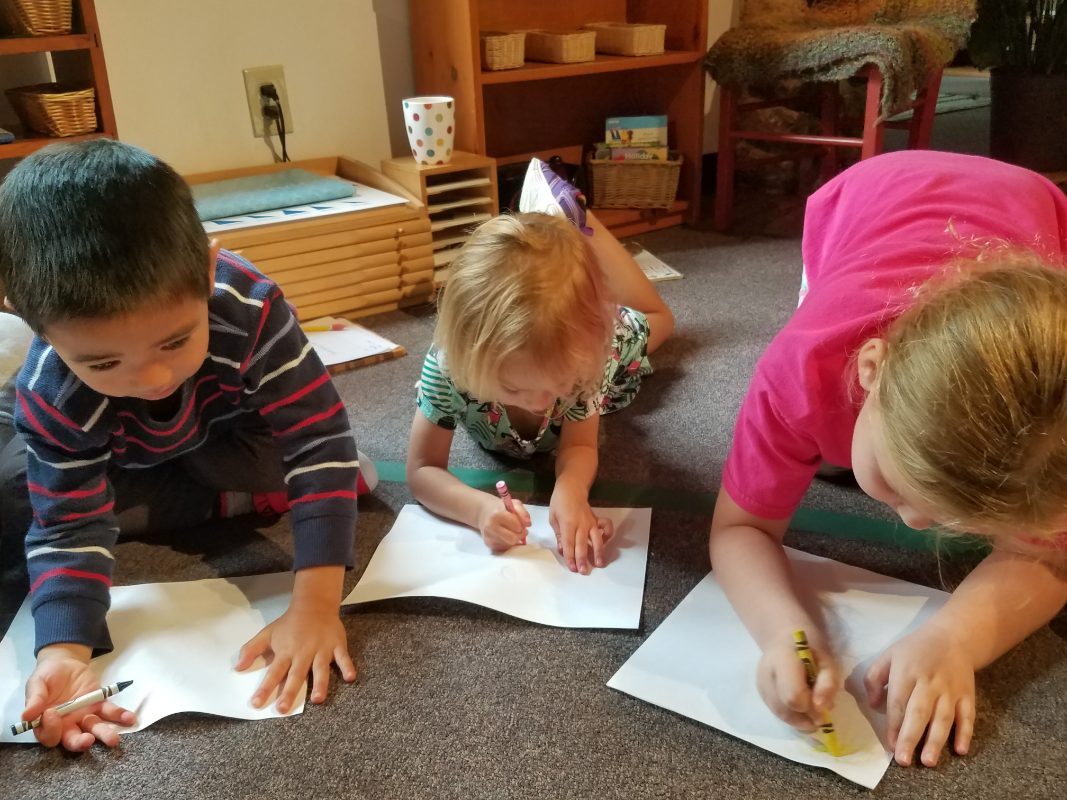
Extended day students had loads of fun exploring with clay. In the first class of this sequence students made pinch pots. Pinch pots are the oldest form of ceramics dated back thousands of years. Students created “Tea Bowls” which are a very old ceramic form from Asia. Students learned that clay comes from the earth and that it has to be baked, actually fired, in a really hot oven called a kiln. The kiln is heated to over a thousand degrees Fahrenheit. Before the tea bowl is fired it must be air dried for a few days until it’s “leather hard”

The next art class students got their tea bowls back from out of the kiln. The bowls had cooled down and were ready to glaze. Students glazed their bowls choosing one color for the inside and another for the outside. Then the bowls went back in the kiln to be fired.Everyone was really happy with their finished pieces. Now it’s time for tea…or lemonade..or milk….or whatever!


Mrs. Doyle’s French classroom!

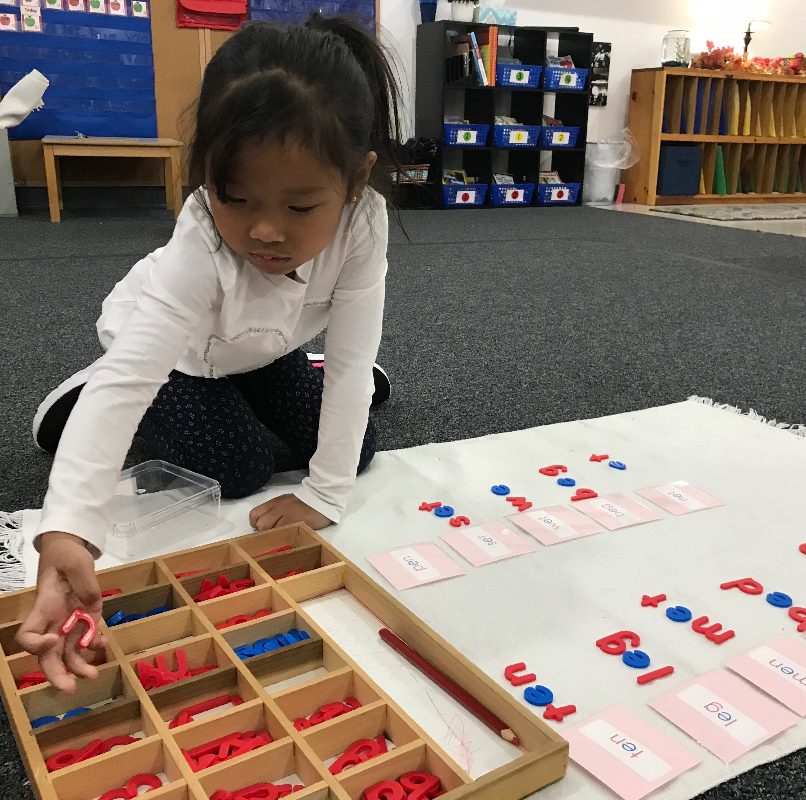
During the sensitive period for language, children are most interested in learning the names for everything around them. And as they expand their vocabulary, children are feeding their desire to learn and develop. The three and four year old children have fun pretending to be a silly animal from our French book about animals. They can become the rooster, the sheep, the cat or the dog. We learned all these names in French and made silly faces to see who was upset, smiling or angry. We also read a similar book about the sun, cloud and moon (le soleil, le nuage et la lune). We continue going fishing with “la canne à pêche” (the fishing pole) looking for all sorts of things such as a pair of scissors, some colored pencils, flashlights, apples and lemons.


Mrs. Doyle’s Class: Extended Day Fun at Flanders!

Last week, the Extended Day children spent some time at Flanders Nature Center in Woodbury.

We started by taking a scenic hayride around the Nature Center. This hayride was really an outdoor classroom where the children were asked to use their “eagle eyes” and help locate the nests of a Bobolink. The Bobolink is found in large grasslands and they arrive in Connecticut typically around the first week of May. These birds like to nest in the thick grass. Often, the male Bobolink will sit on the top of a clump of grass or nearby tree and sing. This is their way of defending their territory from other males. The Bobolink is quickly becoming an endangered bird in Connecticut since landowners not familiar with the nesting birds are cutting back their hay field early in the planting season. Farming the land inadvertently destroys the Bobolink’s habitat and puts it at risk from predators. Flanders is working hard to educate farm owners and the public.

Next, we gathered our nets and took a hike through the woods to the Botany Pond. The children then had the opportunity to catch and identify amphibians, reptiles and insects. We found 9 frogs, tadpoles and salamanders.  We observed turtles resting on a rock. Eventually we released everything we collected and headed back to the Sugar House for a snack.

Walking back, several children said it was the best field trip they ever had. Flanders is open to the public and we strongly encourage you to take advantage of this amazingly beautiful nature center.

More information can be found on their website www.flandersnaturecenter.org.

Wishing you a wonderful (and dry) week!

Michelle & Sonja


Mrs. Santayana’s Class: What Kind of Seeds are These?


The garden soil is finally warming up! It is the best time to plant most of the vegetable seeds and flowers. We have a variety of seeds for the children to match, look at, and feel. The seeds (lima beans) that the children planted in a clear jar with soaked paper towels have started growing! Seeds were soaked in water and became soft. The children gently rubbed the seed and removed the outer layer of the seed called the seed coat. They opened the seed and inside, they found the very start of a plant. It is very little now. Isn´t that amazing? Inside every seed is a tiny plant just waiting to grow. Caring for the plants in our classroom was introduced again. We continue watering and cleaning the leaves of plants.

Thank you Sarah and Dave for helping celebrate Noah’s birthday and sharing the delicious cupcakes!

Our field trip to Sticks and Stones exposed the students to the outdoors and created an awareness, excitement, and appreciation for local plants and animals. It was a hands-on nature walk learning experience that promoted a connection to nature. It fostered cooperation with others, language development, and creative play. The children saw a cat, then chickens, skunk cabbage, brook water, llamas, thorn vines, beaver habitat, and more. Thank you to all the parents who drove and helped which made our field trip a huge success! A big shout out to Lisa Jackson who coordinated the drivers and much more.


Mrs. Carroll’s Class: Awesome Amphibians

They’re slimy. They can be very loud or never make a sound. The colorful ones can be poisonous and stinky. What are they? Amphibians! We’ve enjoyed studying all we can about awesome amphibians over the last two weeks and have uncovered a lot of fun facts. Your children know these vertebrates begin life in the water, breathing through gills, but usually grow up and live on land using a pair of lungs to breath. They have moist skin through which they breathe. Amphibians are cold blooded. They are unable to regulate, or control, their own body temperature, amphibians use the sun’s heat to warm themselves up.

Our children have marvelous imaginations and a keen desire to explore nature. Like the butterflies, we are fortunate to  experience  the life cycle of a frog. Tadpoles arrived this week and we have begun to observe their changes each day and record them in our amphibian log. This hands on opportunity is a magical way to discover the beauty and wonder that nature provides.

Enjoy your week!

Cindy & Samantha


Lower School Parachute Fun!


This month the Lower School and Extended Day participated in parachute play. Parachute games encourage cooperative, non-competitive play and reinforce turn-taking and sharing. While most gross motor activities for young children develop muscles in the lower body more than the upper torso, parachutes strengthen primarily shoulder, arm and hand muscles. When children work together to make the parachute billow, they also refine perceptual motor skills and develop a sense of rhythm. Language activities are also be incorporated into most parachute games. Parachute games played were: “Merry Go Round,” “Cat & Mouse,” “Popcorn,” and “Running through the Tunnel.”


Mrs. Carroll’s Class: A Magical Experience


Releasing the Painted Lady Butterflies was such a magical experience to share with the children.  Some took little time to fly out of the Zen garden, while others allowed the children to hold them gently on their hands and explore nature.  Experiencing each of the four stages in a butterflies lifecycle has been so much fun!

We treasure our grandparents and special friends and were delighted to welcome them into our environment last week.  The children take such pride in showing off their space, leading lessons, and sharing all that they know.

Grady and Rex from Newtown Strong Therapy dogs visited our Extended Day Children this week.  Jane and Madison read them stories and stole hugs. Reading to the dogs is a unique, calming and comforting experience that everyone truly enjoys.

Have a magical week!

Cindy & Samantha


Mrs. Doyle’s Class: New Places, New Friends and New Life (Cycles)


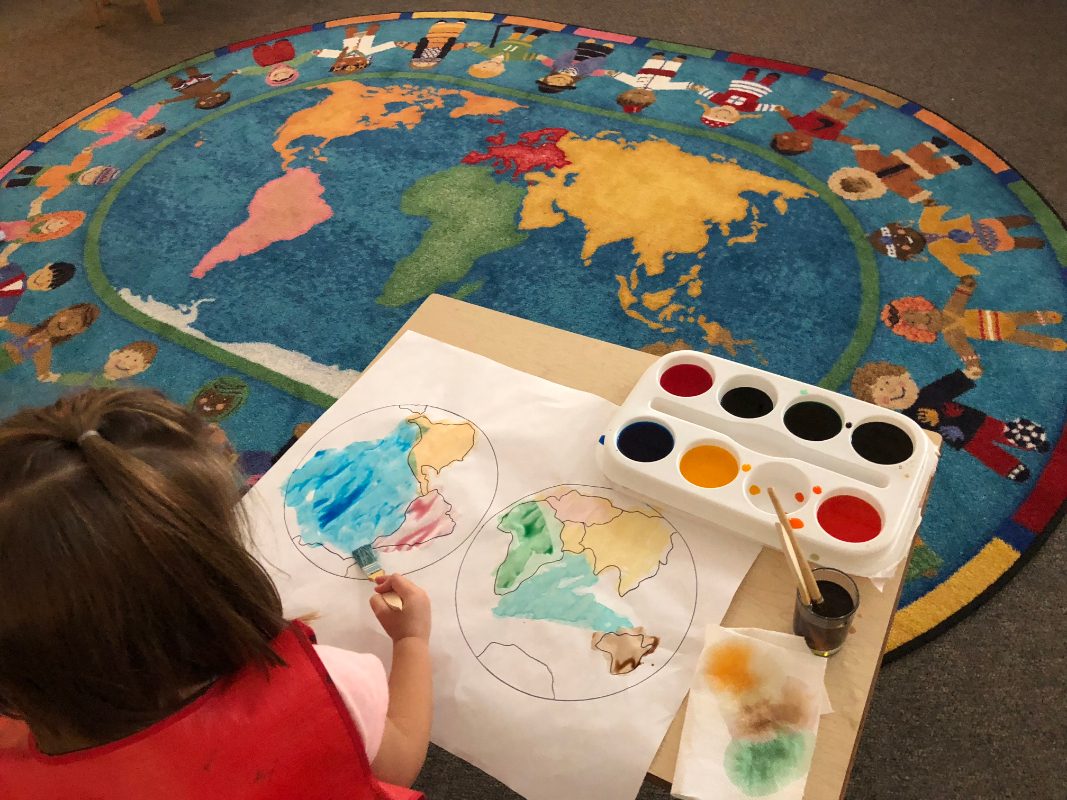
We are now studying the continent of South America in our classroom.  South America is pink on the Montessori map and a topic of great fascination for the children.    It is a beautiful region of our world with vibrant cultures, traditions and has a wide range of climates and terrains.

South America is the fourth largest continent in our world and is comprised of  twelve individual countries.  It is connected to North America by the Isthmus of Panama. An isthmus is one of the land forms we are currently studying.

The largest country in South America is Brazil and the major languages spoken  are Spanish and Portuguese.  Located in South America is the largest rainforest in the world, the Amazon Jungle. It also contains 40% of the world’s animals and plant species.

The Extended Day Children had the opportunity to meet  Grady and Rex from the Newtown Strong Therapy Dogs.  Each child then spent some time reading to their new friend!  Reading to the dogs is a unique, calming and comforting experience that everyone truly enjoys.

Our butterflies emerged this week.  We released them in the zen garden much to the delight of the children.

Have a wonderful week!

Michelle & Sonja