Mrs. Doyle’s Class: The Three-Period Lesson

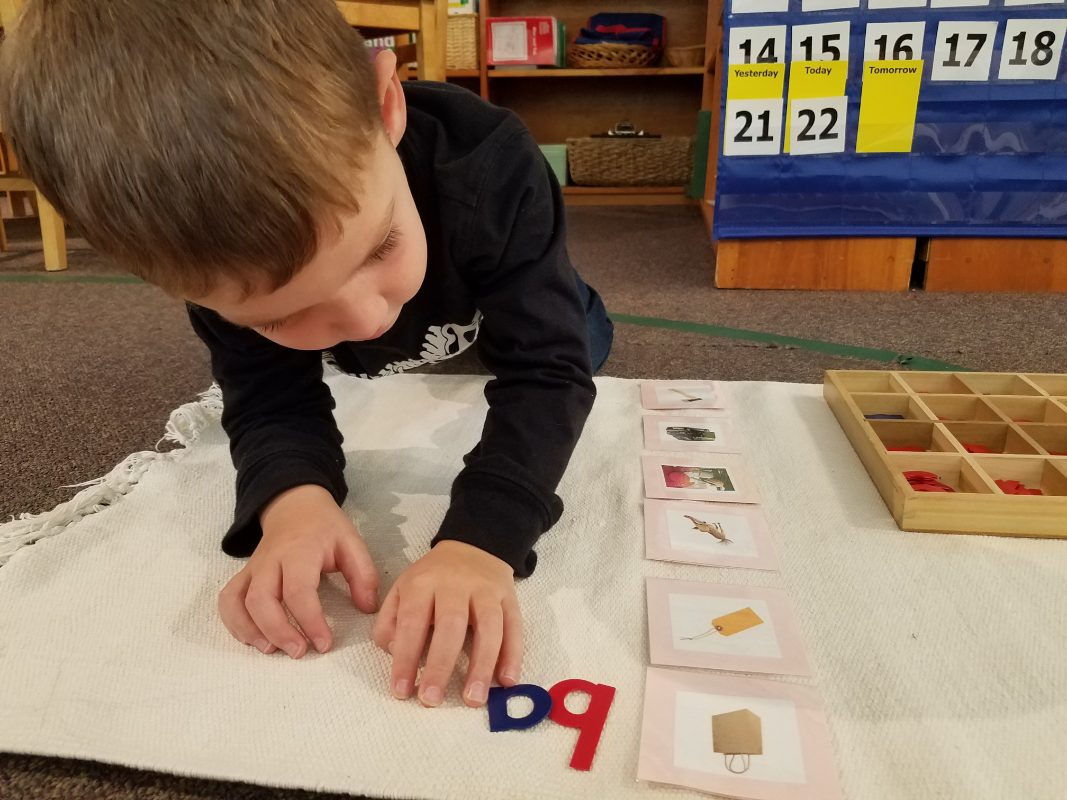
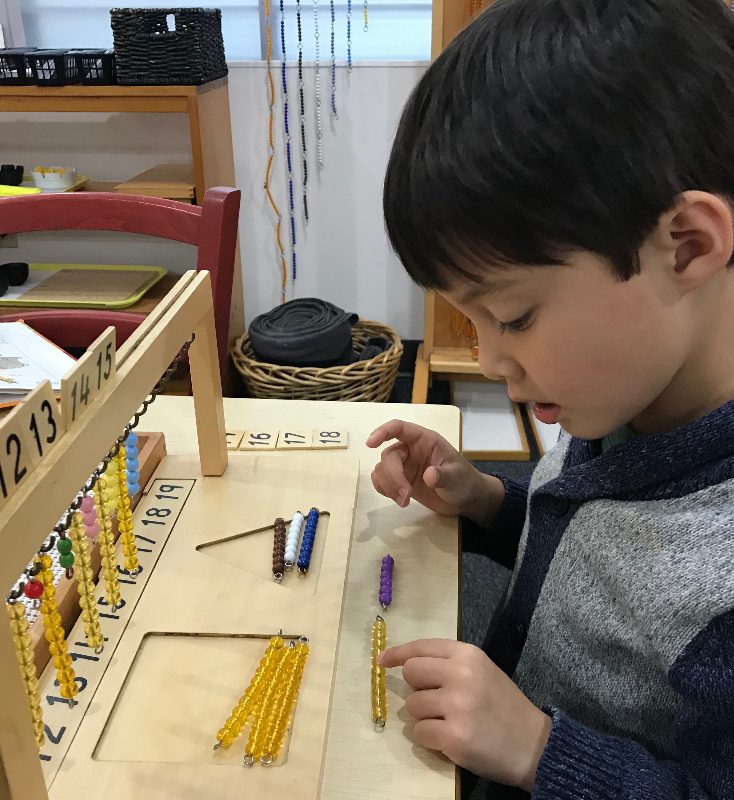
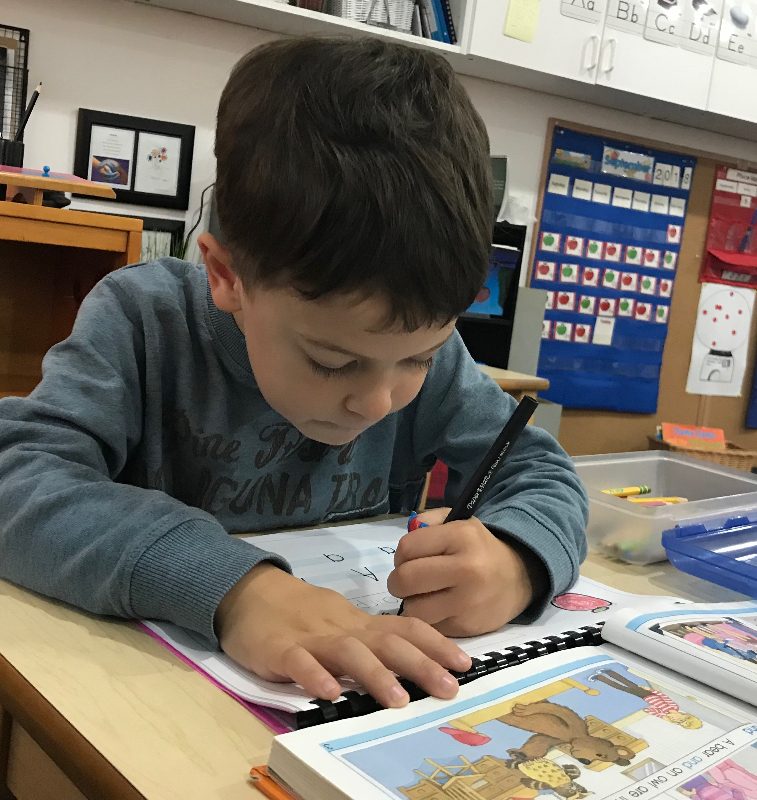
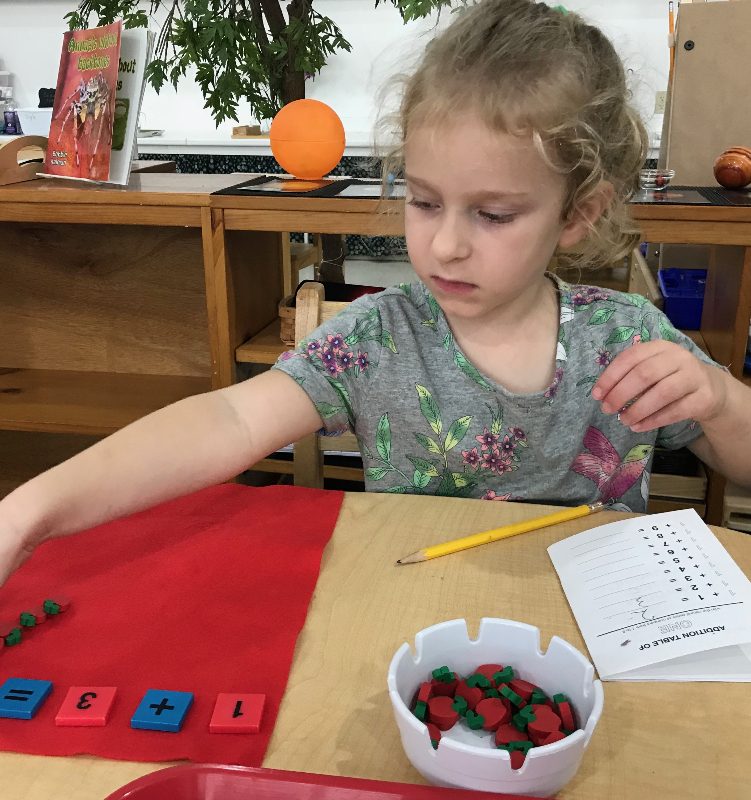
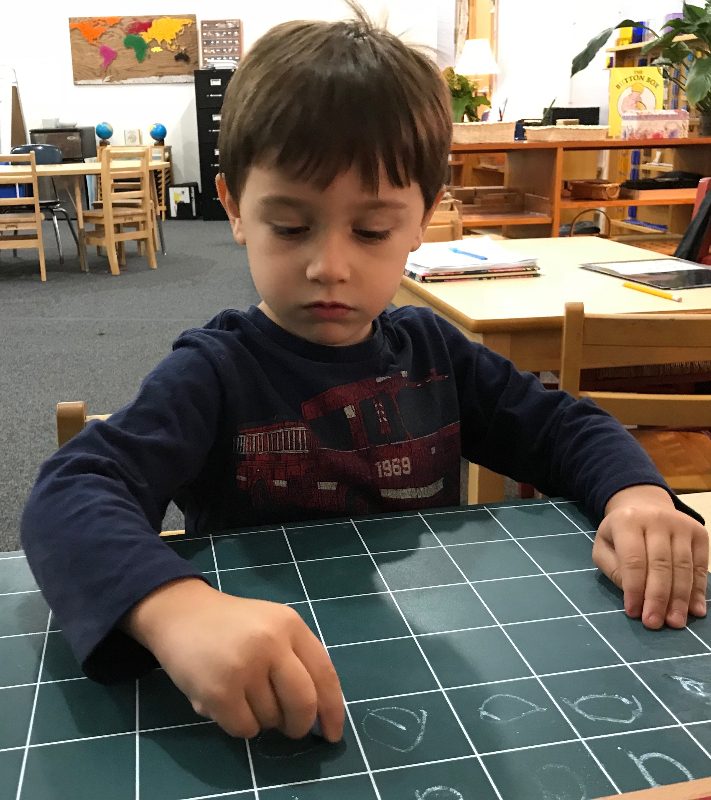
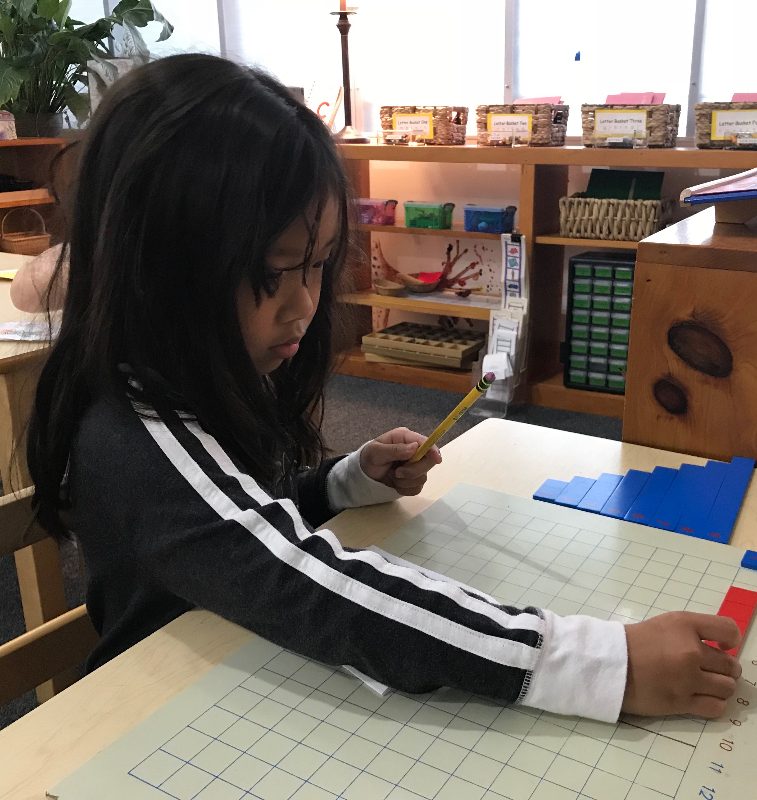
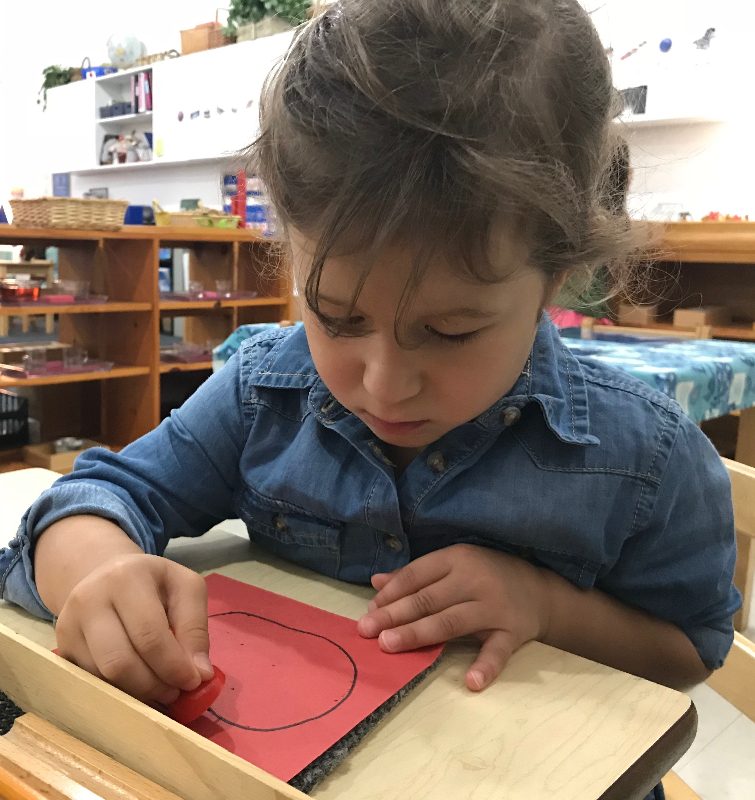
When we introduce new concepts or materials to the children, we often do so using a three-period lesson. This is an important tenet of Montessori education and it helps to move the child from basic understanding of a concept to  mastery.

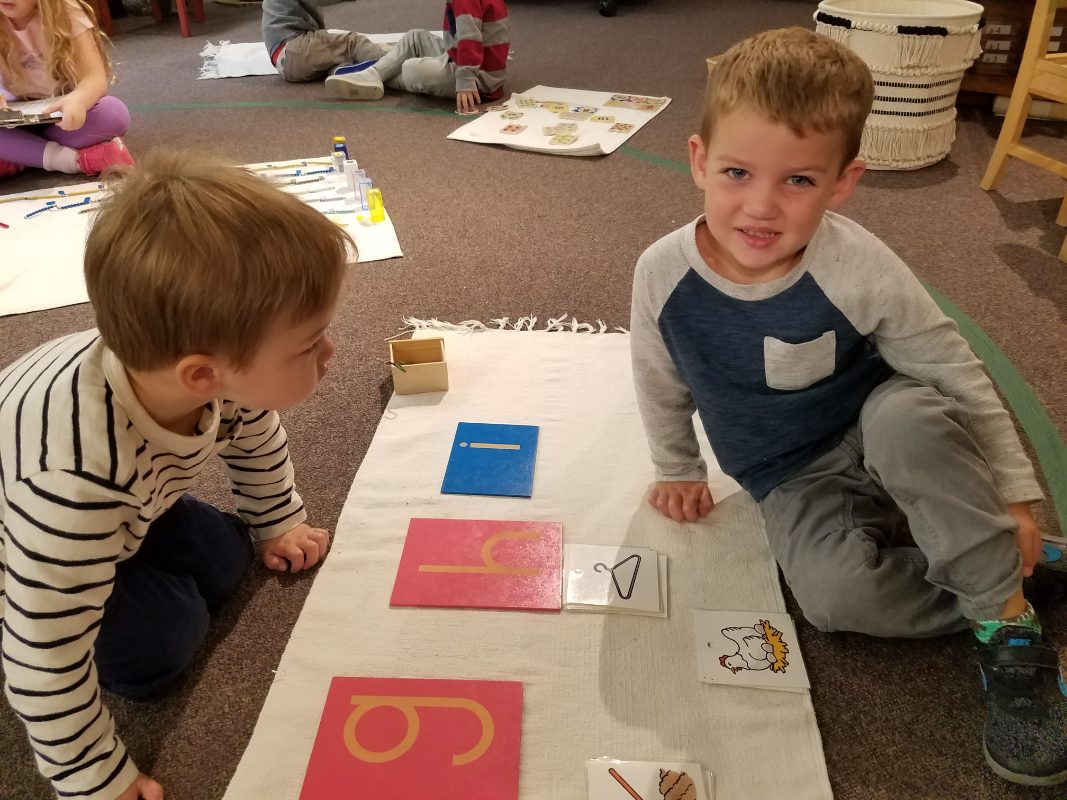
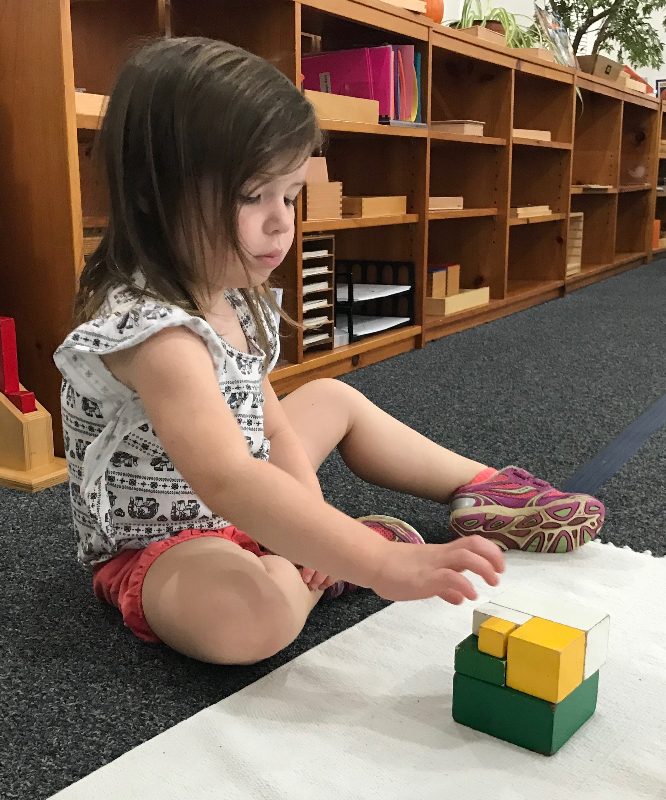
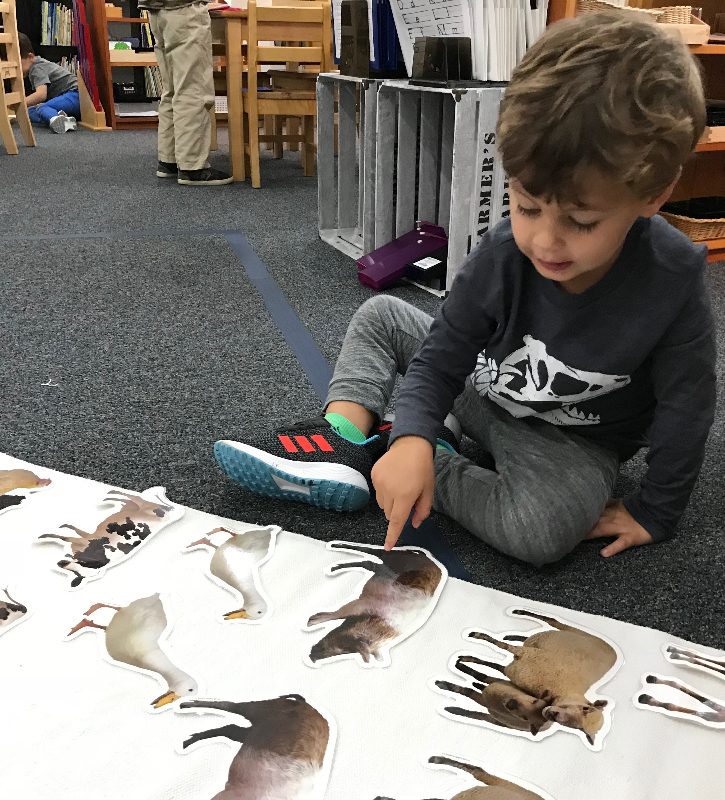
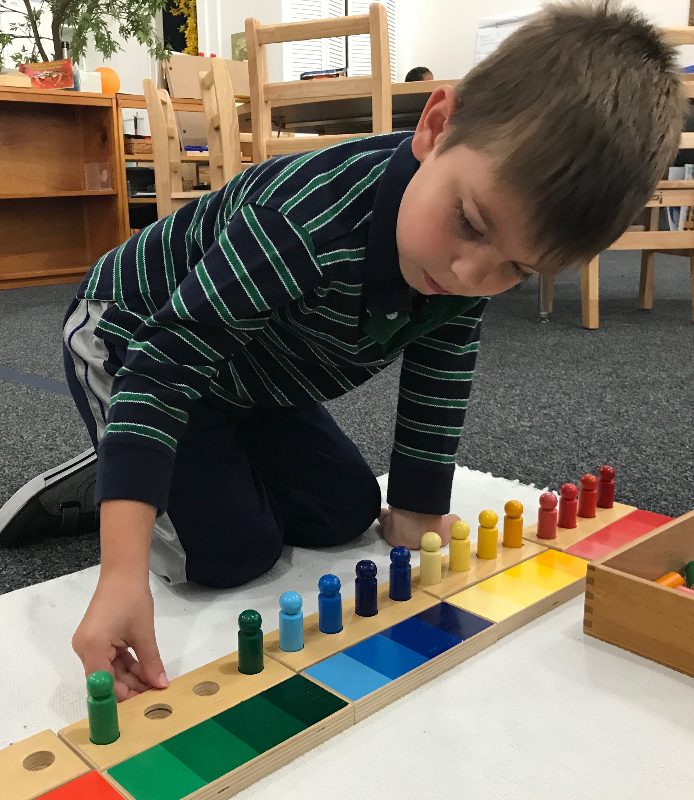
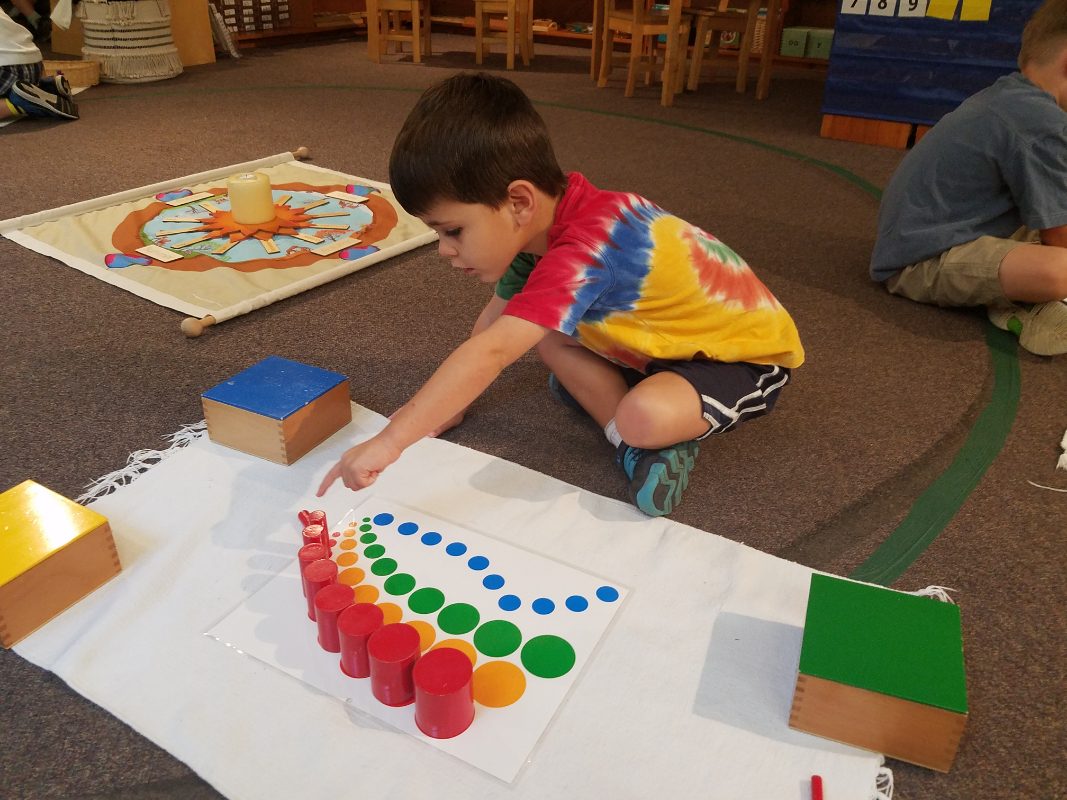
Period One is the introduction stage. In this stage we are isolating new vocabulary to the children. For example, if we are introducing the color tablets, we would say, “this is blue.”  Repeating that statement and allowing the child to manipulate the blue color tablet are crucial during this stage.

Period Two is all about association and recognition. It is often a separate lesson. We do not ask the children to remember the vocabulary or recall the concept.  We are simply reinforcing the concept taught in Period One. We use words such as “show me the blue tablet” or “can you place the blue tablet on your lap?”

Period Three is the recall stage and the first time we ask the child to remember the concept independently.  We ask them “what is this” when showing them the blue color tablet. We are careful not to begin Period Three until we know they are ready for success.

Every time a child masters a new concept it paves the way to move towards another one.

Have a wonderful week!

Mrs. Doyle & Mrs. Lyga


Mrs. Carroll’s Class: A Place To Call My Own


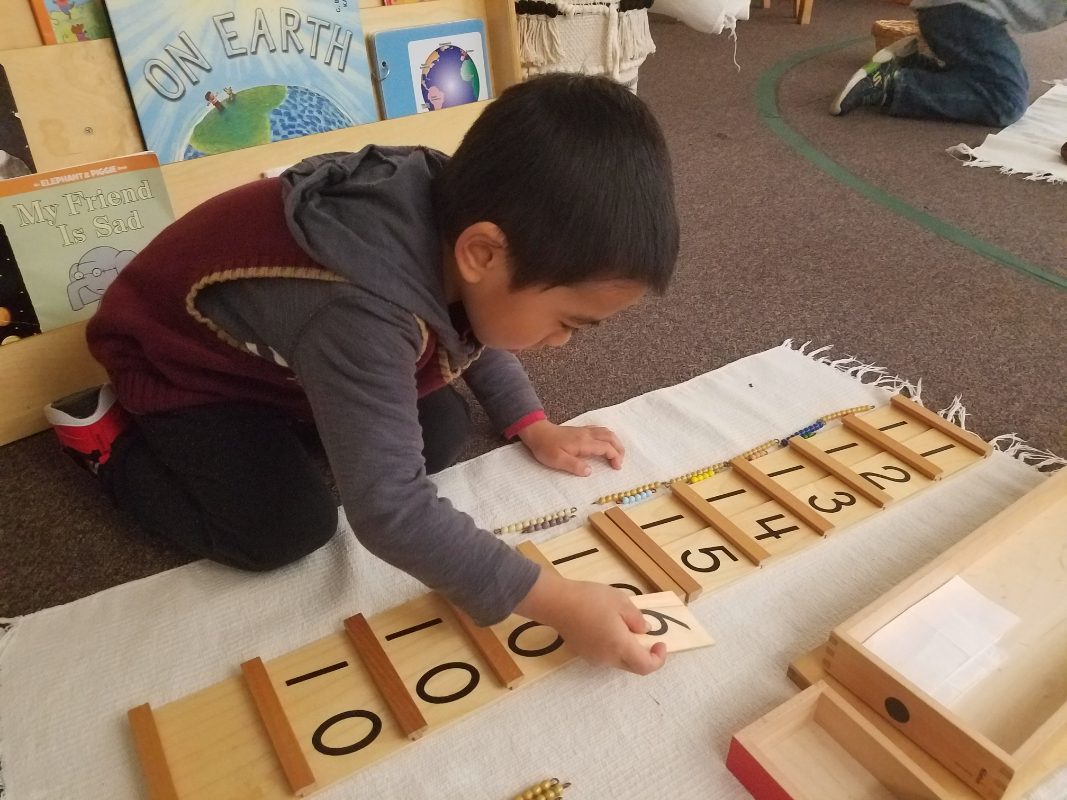
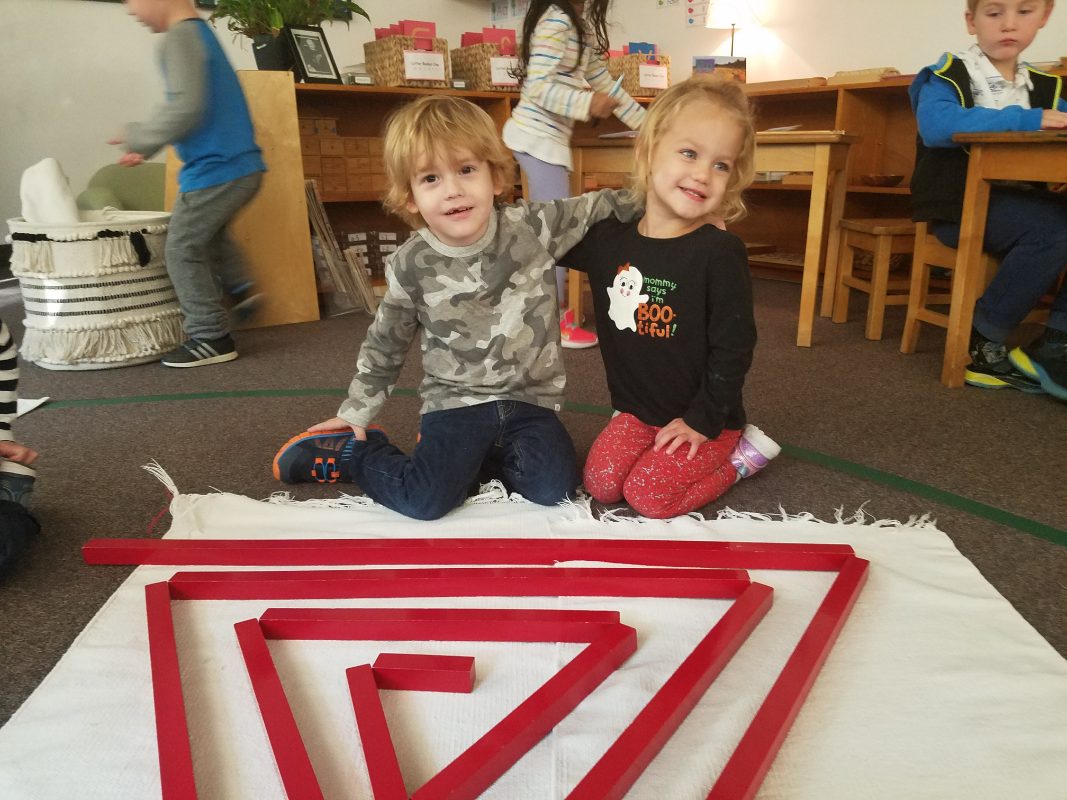
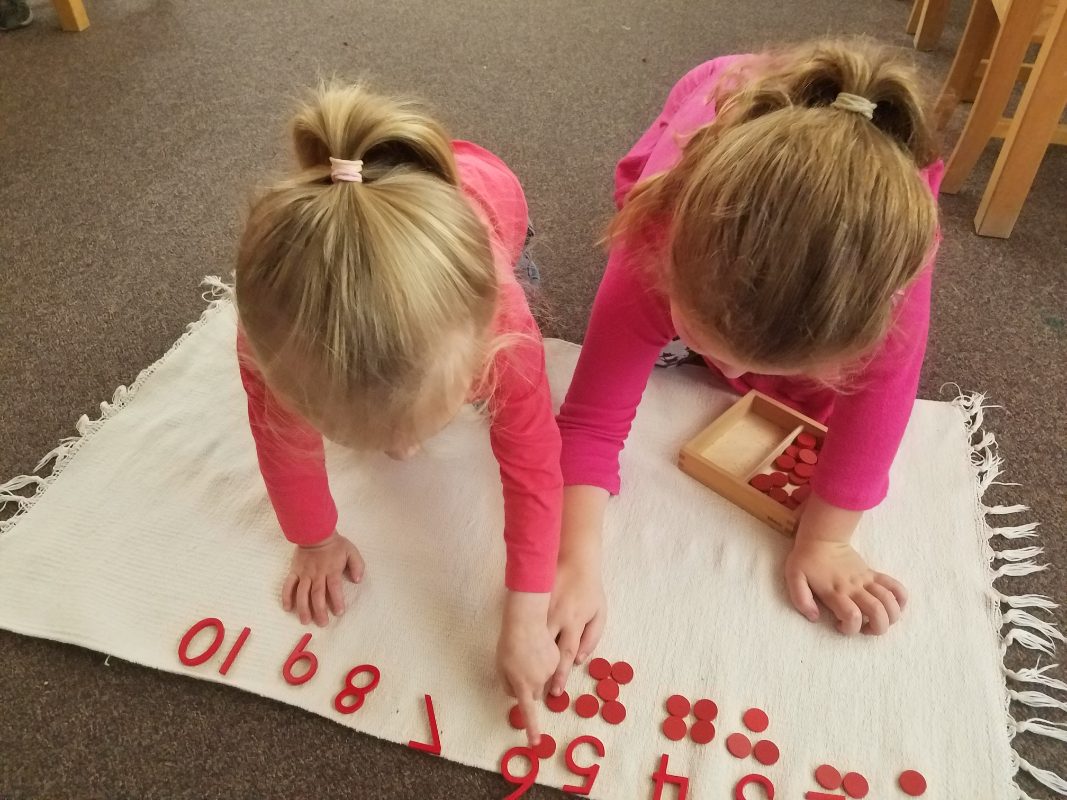
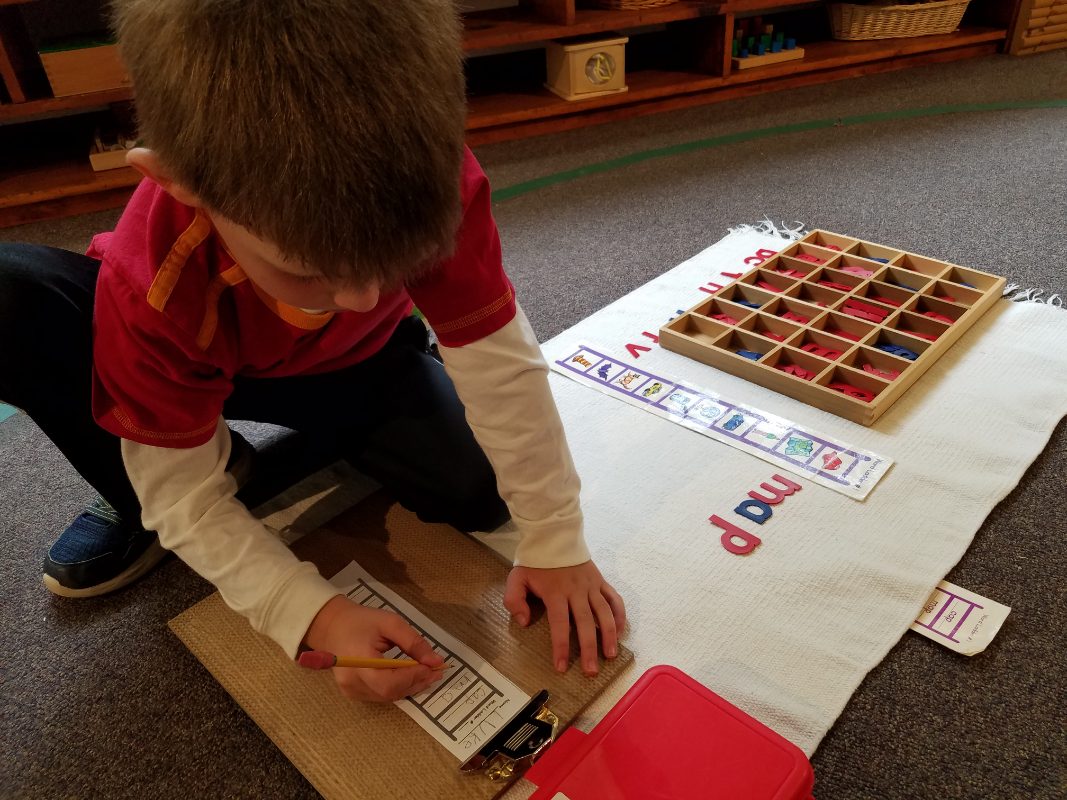
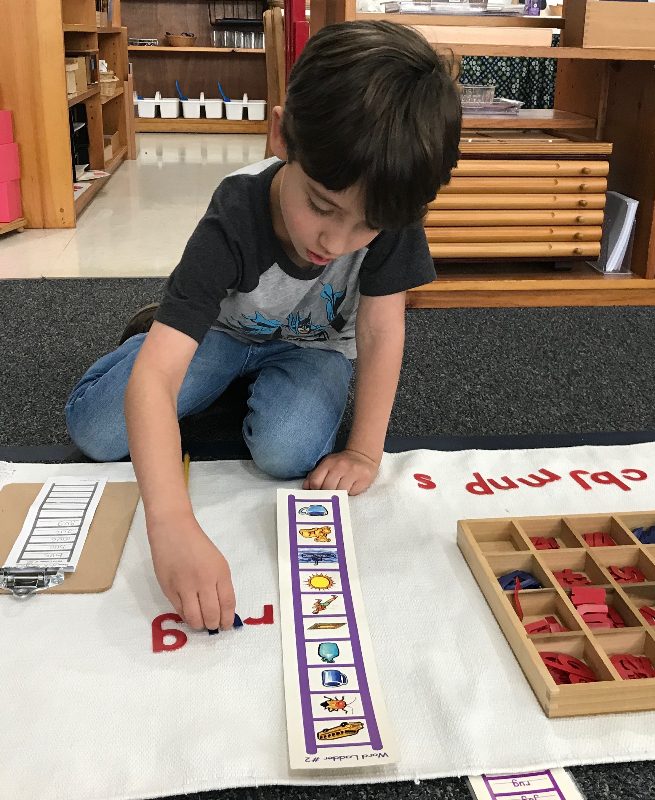
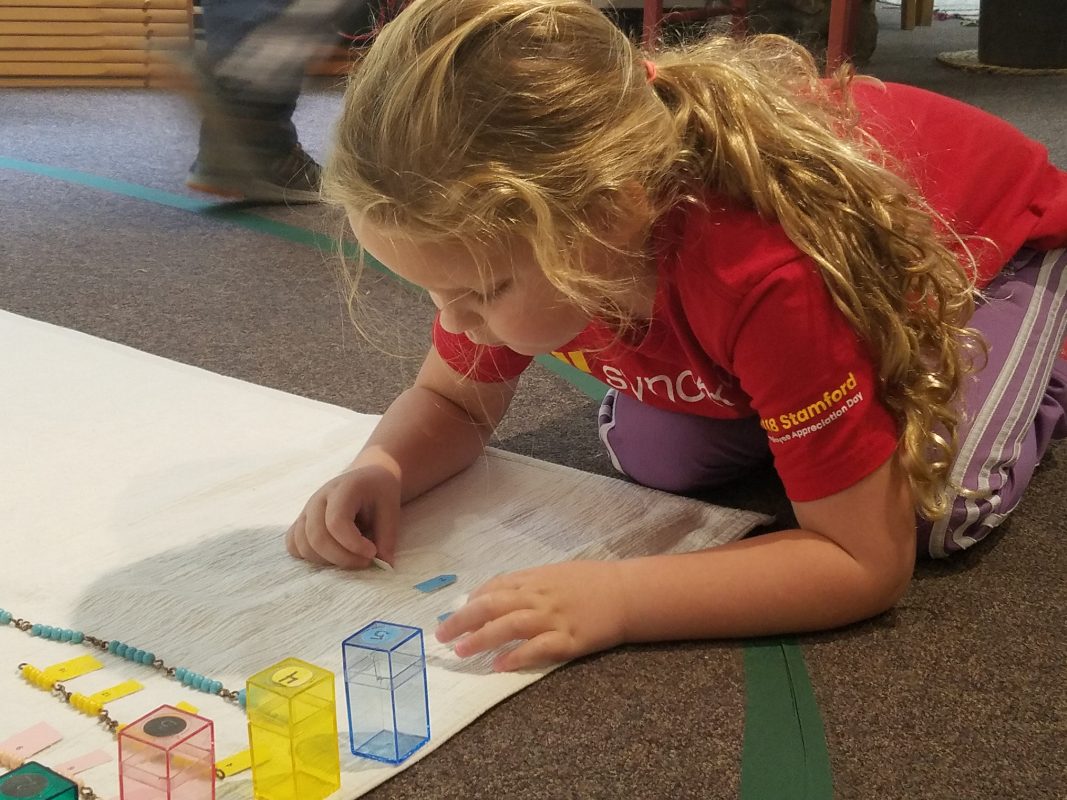
Retrieving a mat, picking it up carefully, finding the ideal space to work, and rolling it out provides an opportunity to practice gross motor skills and body consciousness. Everything that gets placed on the mat thereafter becomes the responsibility (and privilege) of the child working on that mat.

Montessori work mats delineate a work space as the child’s own and sets an intention to “work”.  Not only do the children know that their lesson is exclusive to them (unless they invite someone to join them on their mat), they also have the responsibility to put their materials away when they are finished before they roll up their mat, and signal the end of their work session.

Our floors have been a sea of rugs this short week!  Your children have skillfully maneuvered themselves throughout the environment, careful not to disturb a friend’s work.  We continue to be amazed at their growing control, and respect for friends and the environment.

Until next week,

Cindy & Sharlene


Ms. Kayser’s Class: Fossil Fun

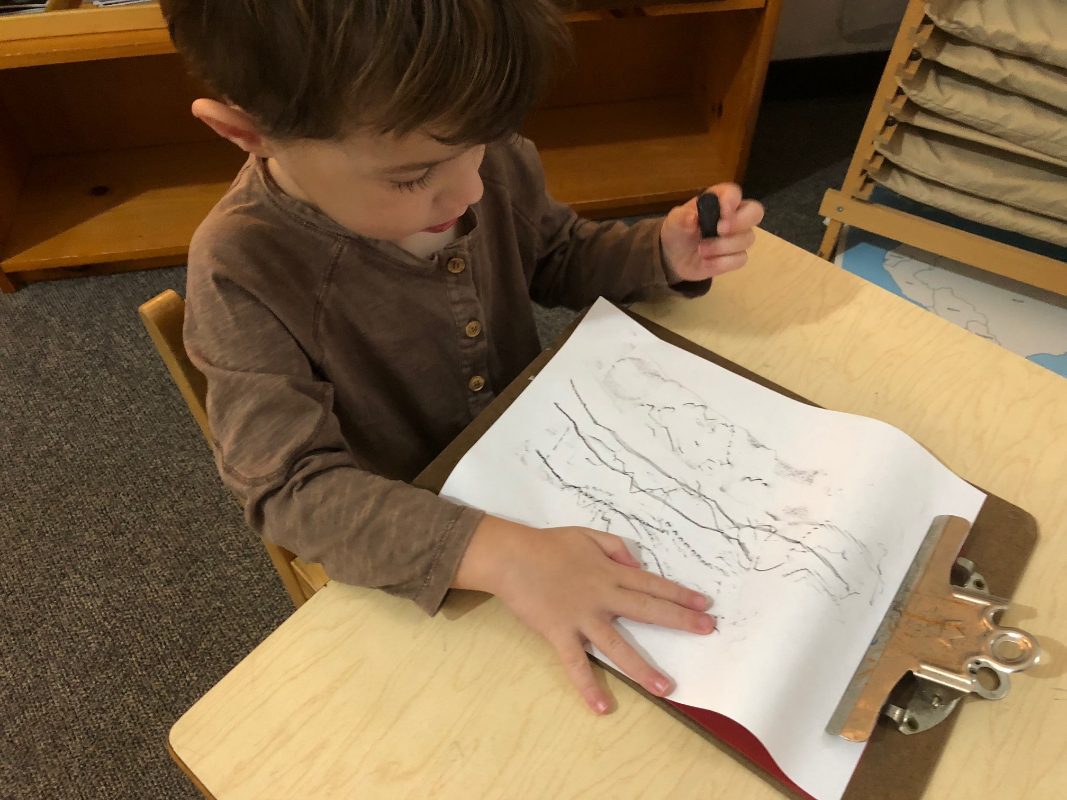
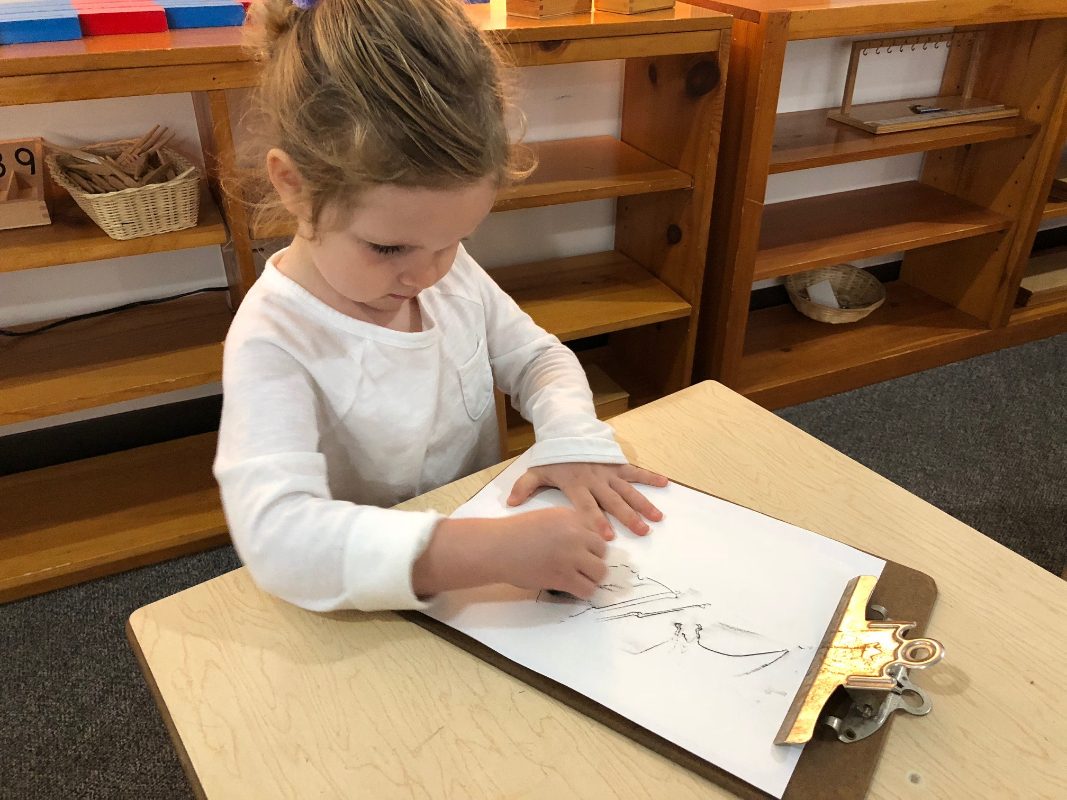
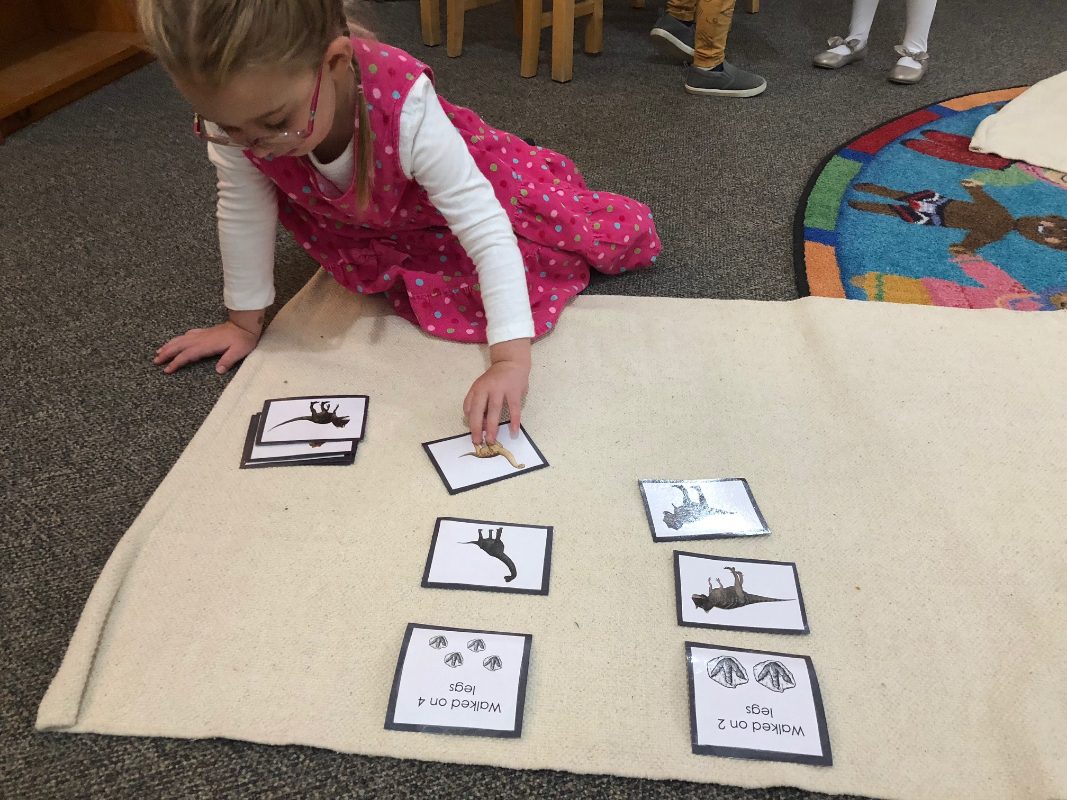
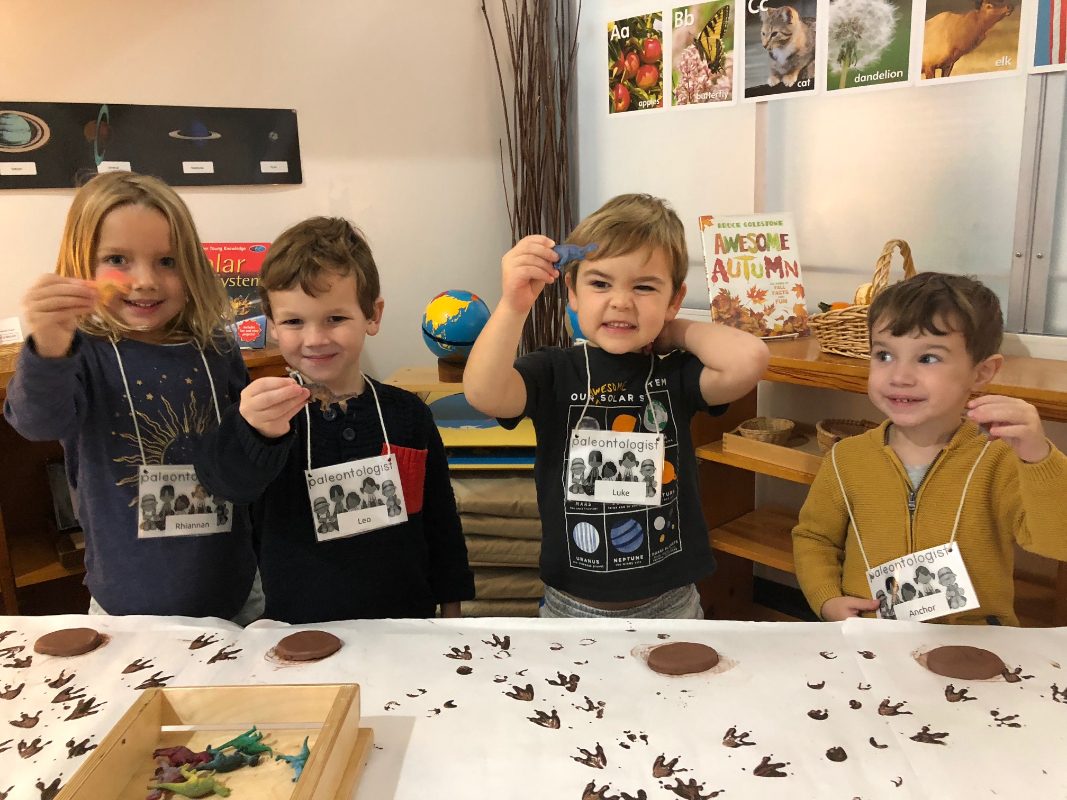
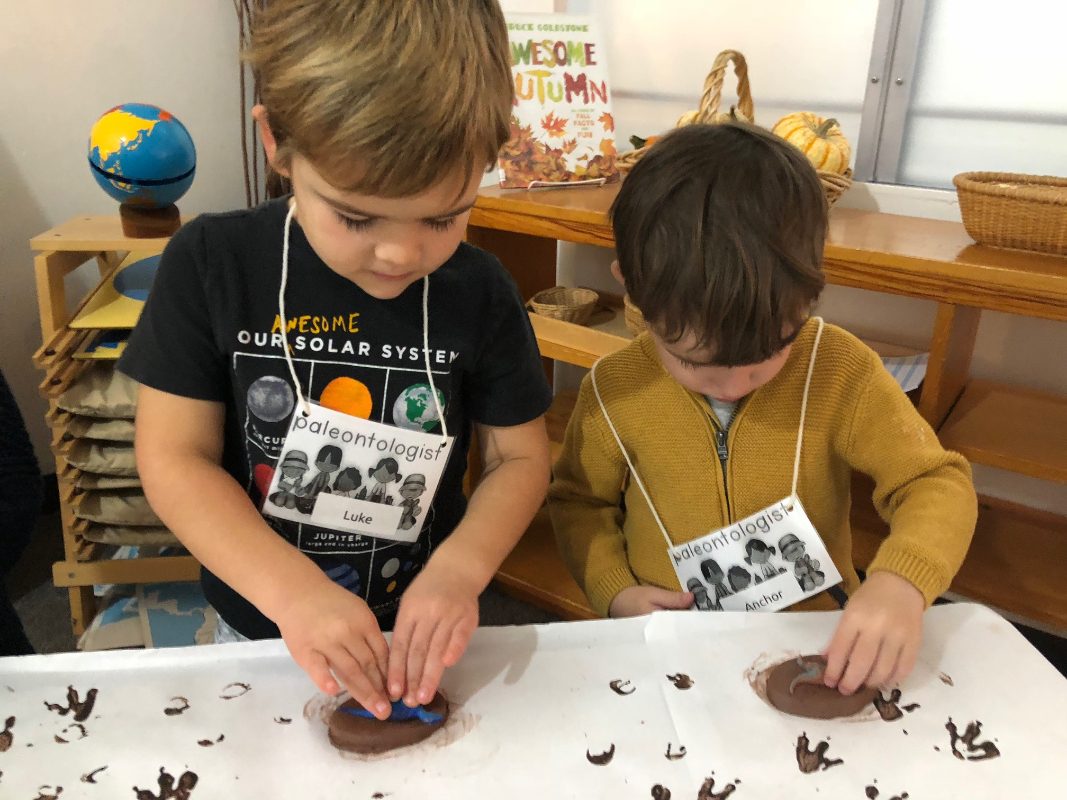
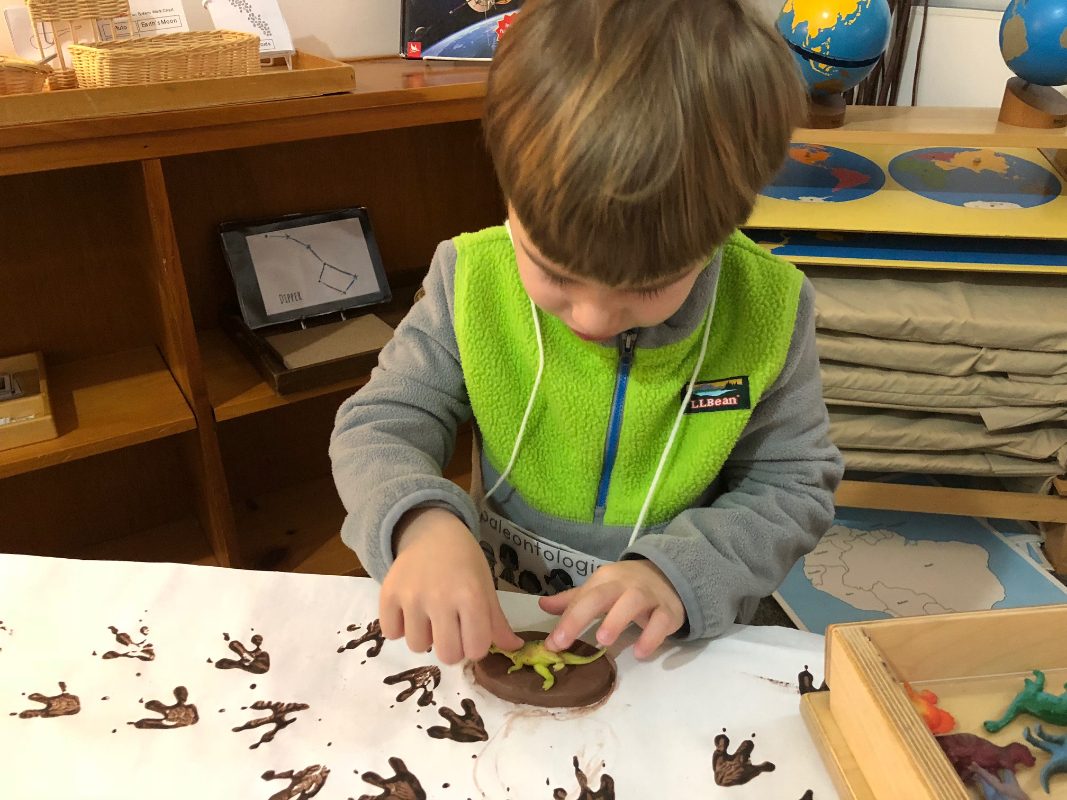
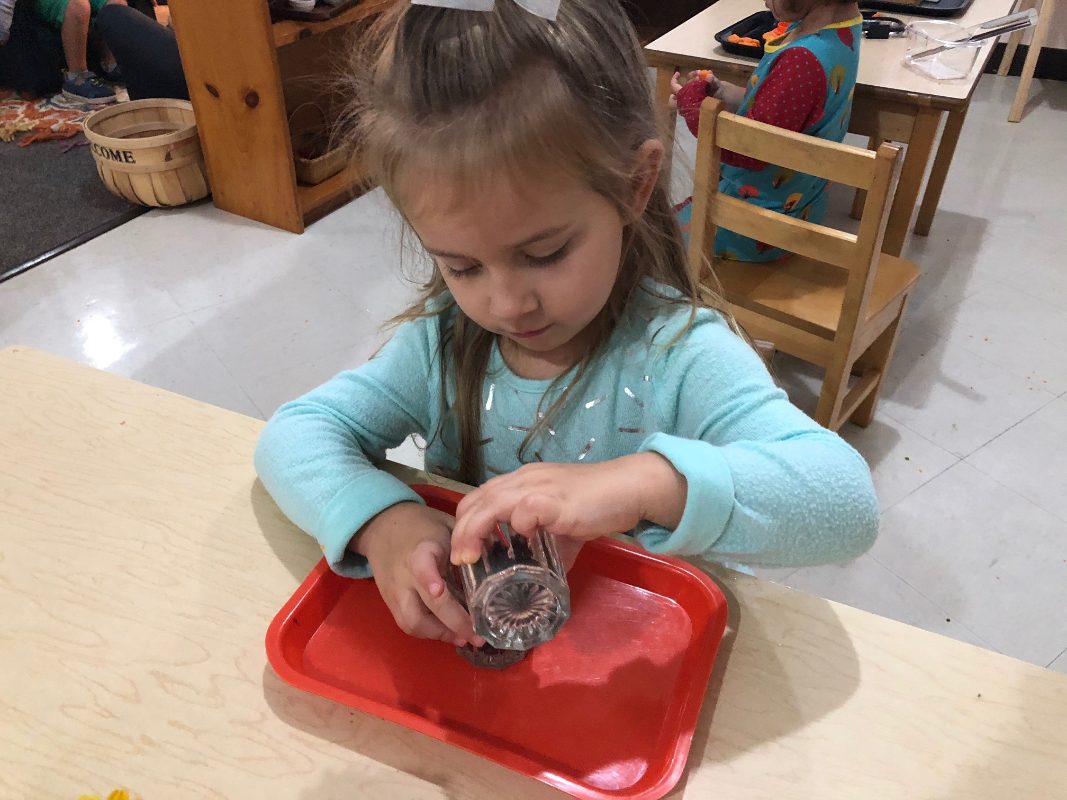
In our classroom, your children have been exploring the world around them by becoming biologists, astronauts, and now, paleontologists! For the past few weeks we have been immersed in the land of dinosaurs, learning all about what they looked like, where the lived, and what they ate. On our science shelf, the children have had an array of works that spark their creativity and curiosity about these giant reptiles from the past. They have been able to use crayons to make fossil rubbings, match dinosaurs with their fossils, and even sort dinosaurs according to if they walked on two feet or four feet.

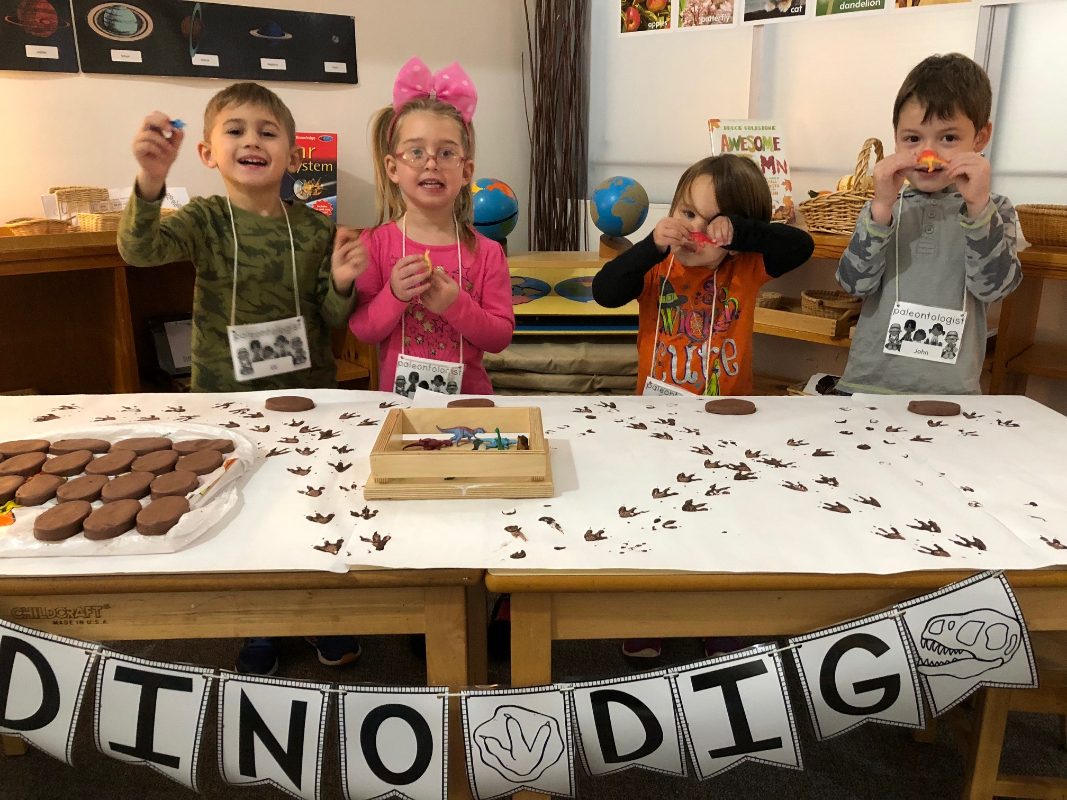
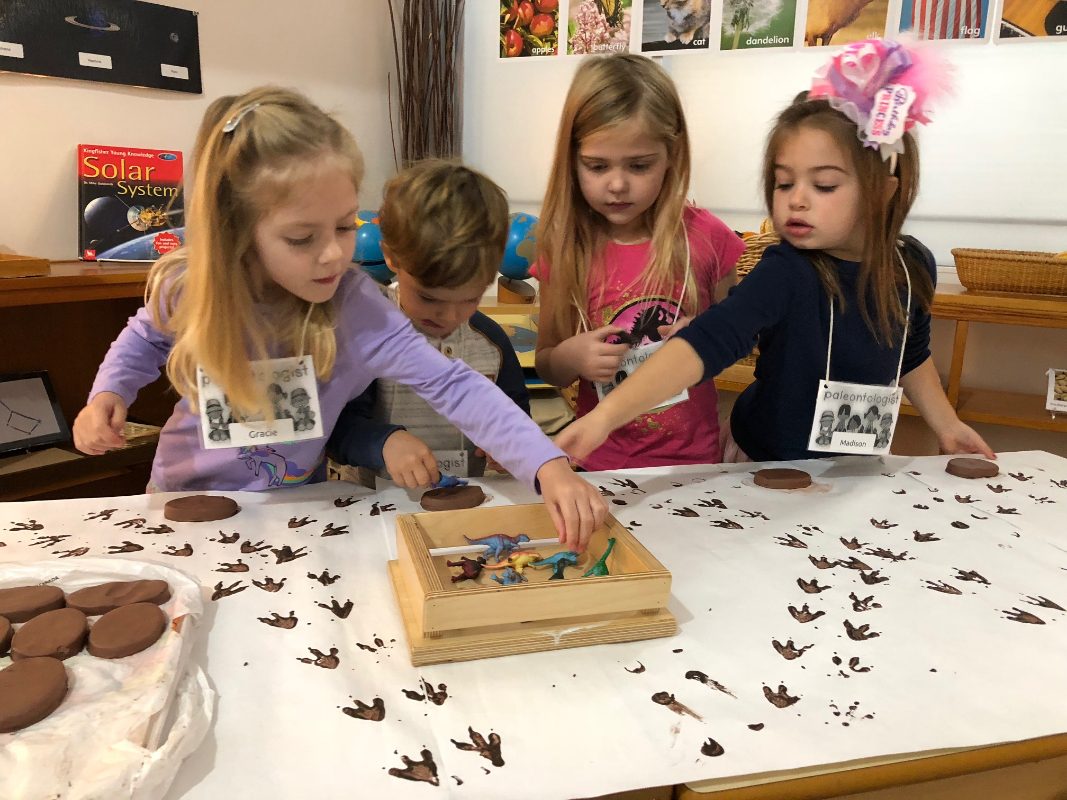
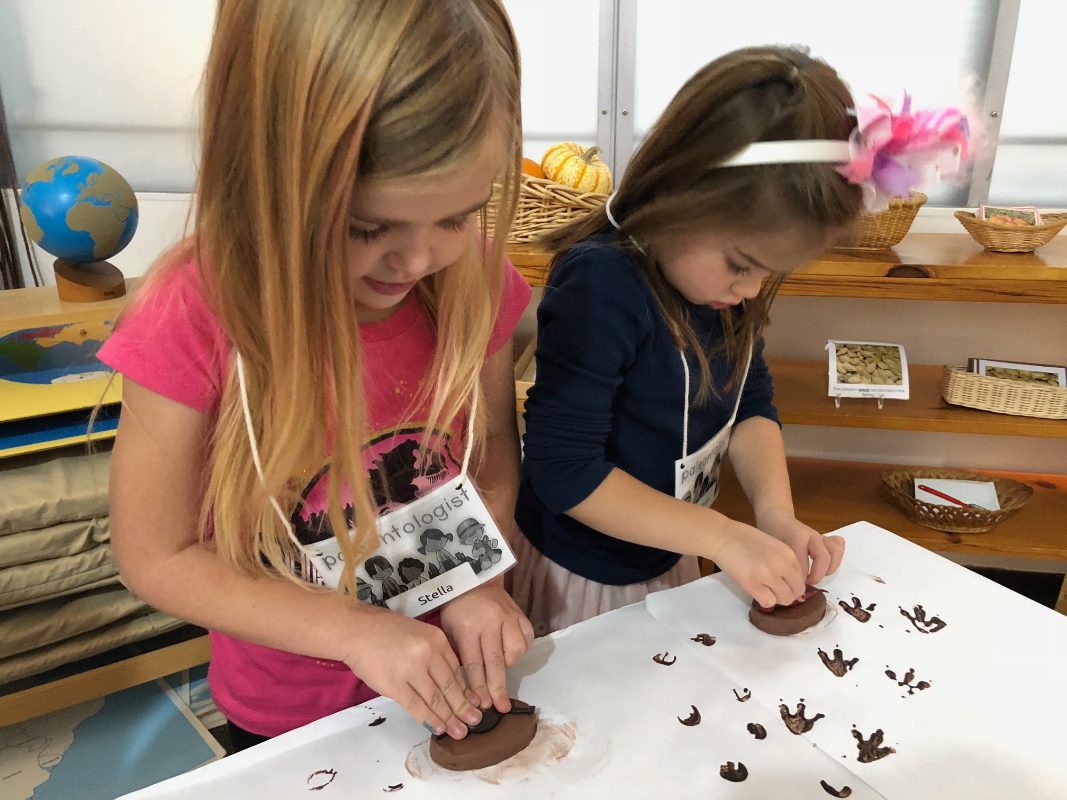
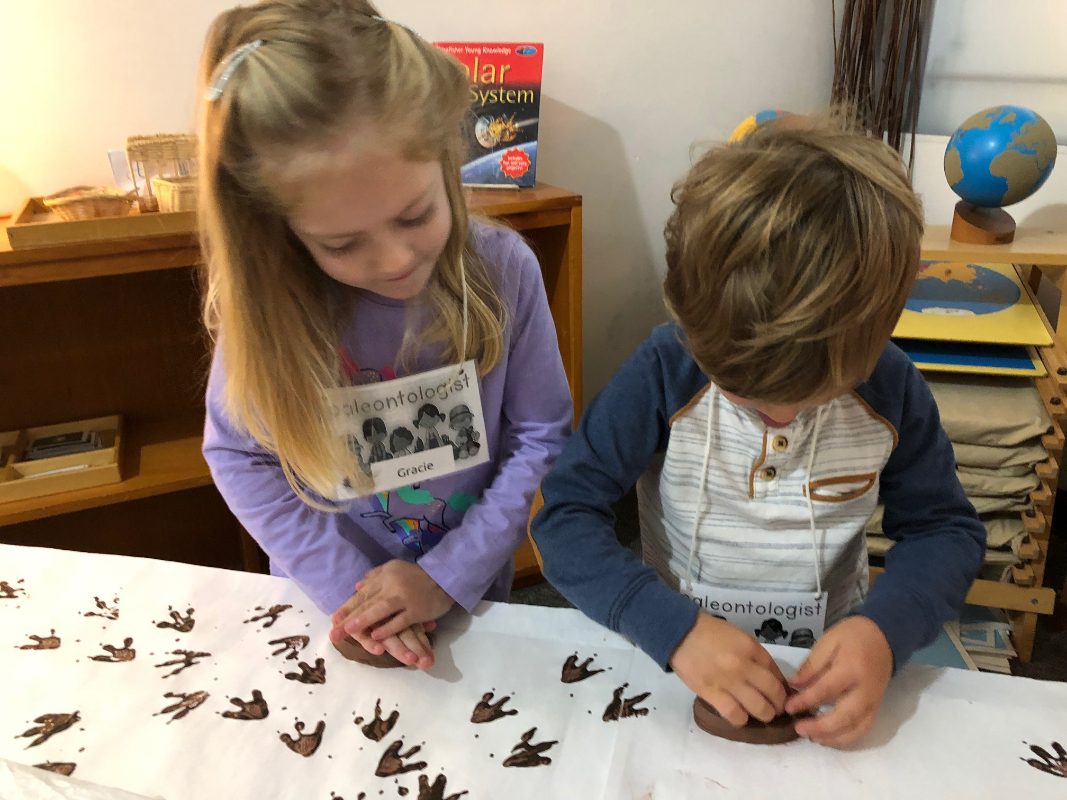
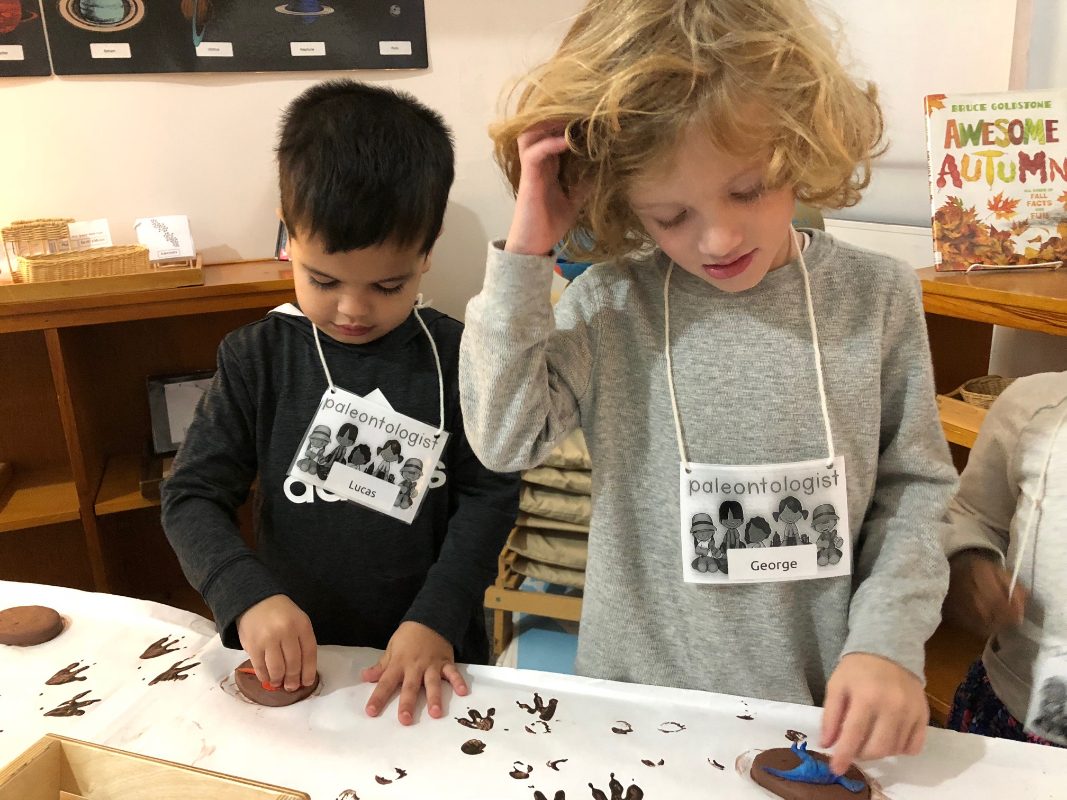
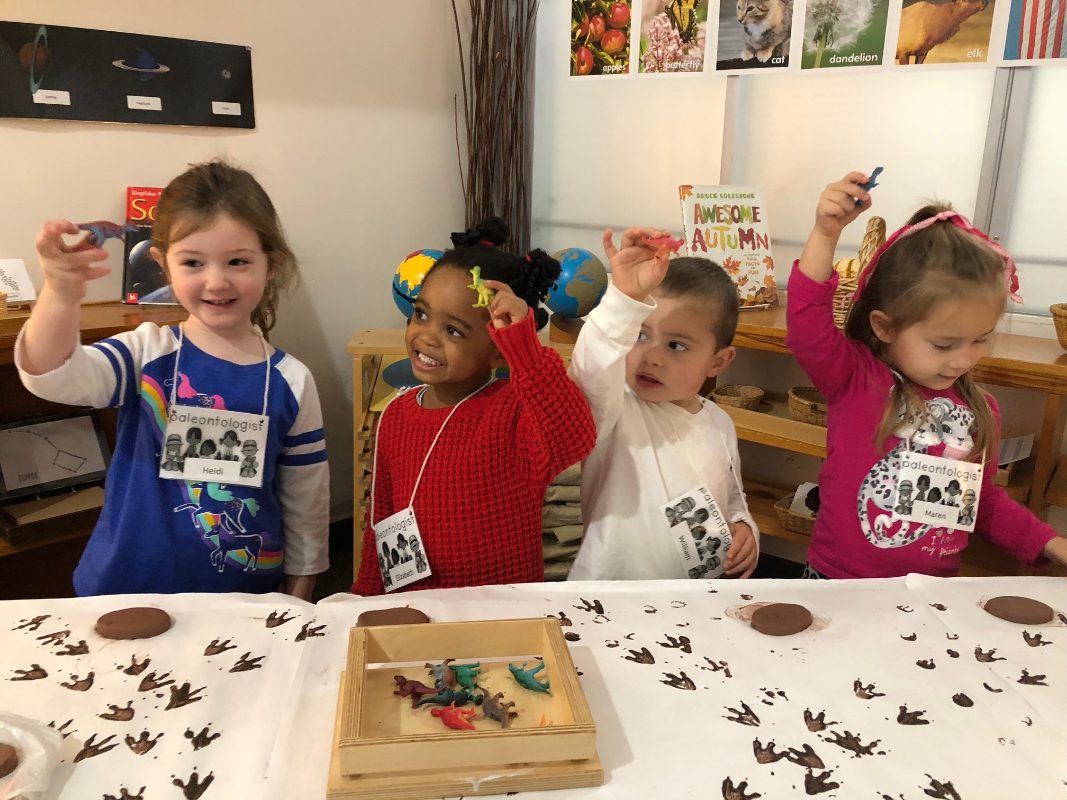
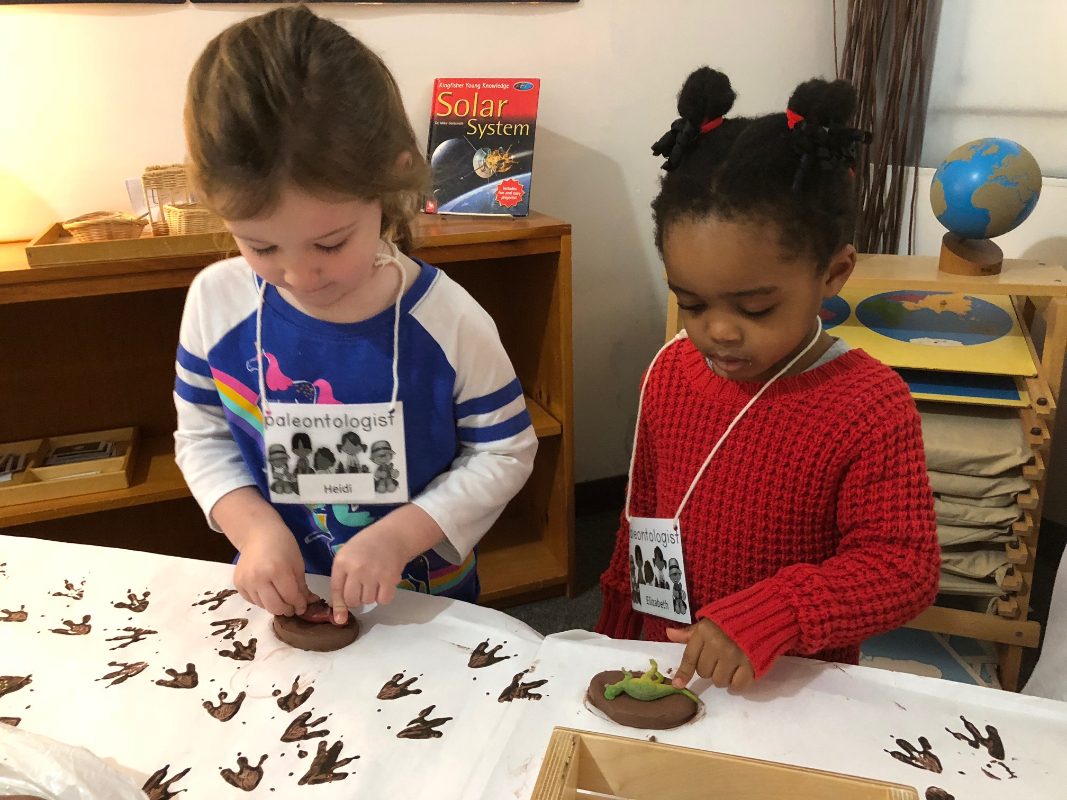
The highlight of our dinosaur unit was definitely our Dino Dig. Thanks to the help of our art teacher, Mrs. Reid, the children were able to create their very own dinosaur fossils! Equipped with a personalized paleontologist ID badges, the children chose a specific dinosaur they wanted to fossilize and pushed it into clay to create an imprint. Bringing science and art together in such a way has created a memorable experience for both the children and us!

In the next week or so, Mrs. Reid will fire these fossils in the kiln and return them to the children to keep forever! We can’t wait to see the finished products.

Ms. Kayser and Ms. Alli


Mrs. Doyle’s Class: Are You a Vertebrate or an Invertebrate?


So far this year, we have learned that all things in the world are either living or non-living.  Then, we classified living things as animals or plants.  Now we are ready to go one step further and begin our study of zoology.

The children learn that the study of animals is called zoology. All animals can be classified as vertebrates or invertebrates. Vertebrates have a backbone and invertebrates are animals that do not have a backbone. We help the children understand this concept by having them run their fingers along their spines to feel their backbone.

The majority of animals that we think about such as dogs, cats, birds, fish, alligators, and frogs are vertebrates.  However, there are actually more invertebrates living on our planet. More than 90% of all animals are invertebrates.   Vertebrates tend to be larger in size because their backbones allow them to have muscles and a strong body.  Invertebrates tend to be small, as no backbone means they can’t support a large body.

Learning about vertebrates and invertebrates is an important lesson.  With this knowledge, we are ready to begin classifying vertebrates into five different groups: mammals, amphibians, fish, birds and reptiles.

Have a wonderful week!

Mrs. Doyle & Mrs. Lyga

Mrs. Carroll’s Class: Savor The Season


A chill to the air, the first fire in the fireplace, the smell of pumpkin spice. It’s finally fall!

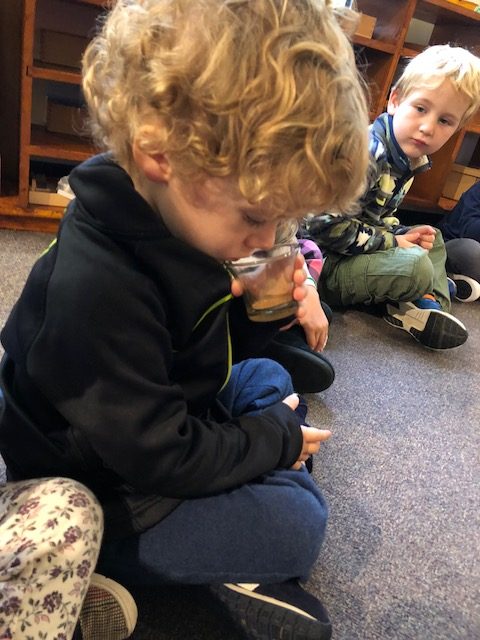
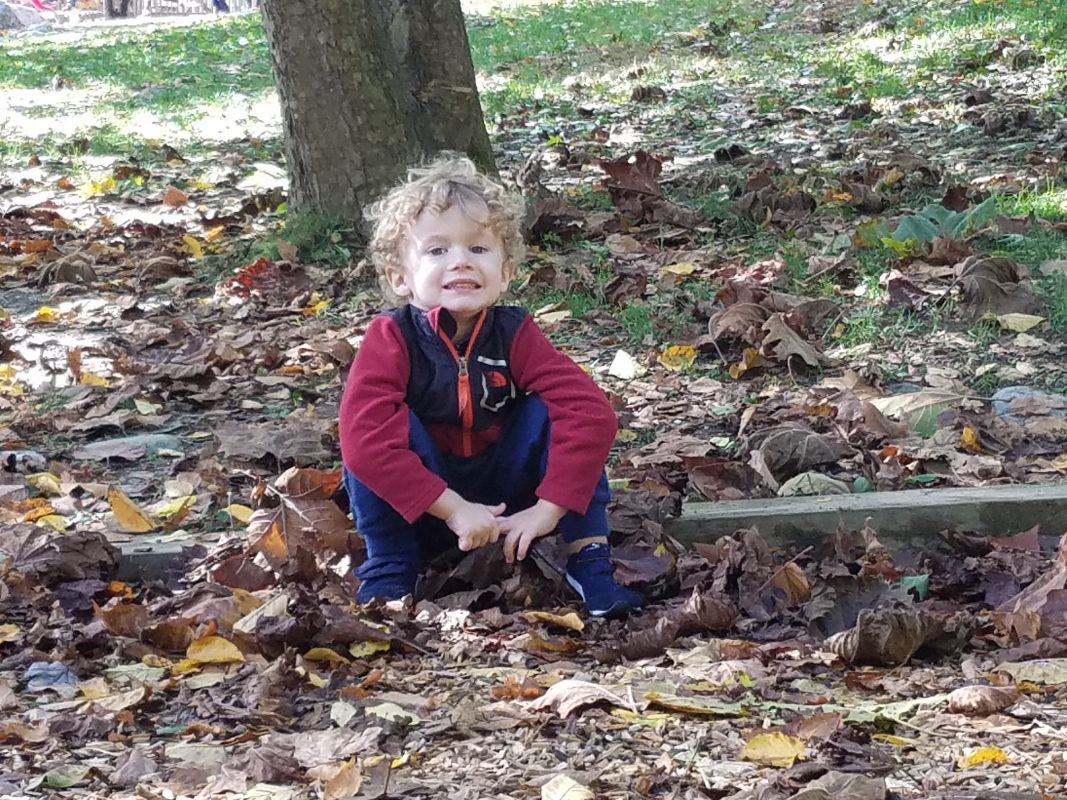
This week your children experienced autumn, not just as a date on the calendar, but as an opportunity to use our sense of smell to really savor the season. The smells of pumpkin, leaves, and spices brought smiles and evoked particular memories.
Maria Montessori believed there is a sensitive period for developing the senses. Although the senses are an integral part of our lives, children during the early years have the greatest potential to develop and retrieve them. It is precisely this idea that demonstrates the purpose of Sensorial materials in the Montessori classroom. The Sensorial materials are powerful tools, which allow children to become aware of their unconscious impressions and bring these impressions into conscious awareness. Additionally, they enable your children to create a basis of order in their mind, allowing for intelligent exploration of their environment.

Please remember to access myfwm.org and sign up for your Parent/Teacher Conference.  We look forward to sharing your child’s many accomplishments.


Ms. Kayser’s Class: Shoot for the Moon!

One of my favorite quotes written by Norman Vincent Peale is, “Shoot for the moon. Even if you miss, you’ll land among the stars.” The children in our classroom are so fearless in their own individual journeys. The risks they take and challenges they overcome are motivating to witness and it is such a pleasure to be there to help them gain the self-confidence they need to continue to flourish as remarkable human beings.

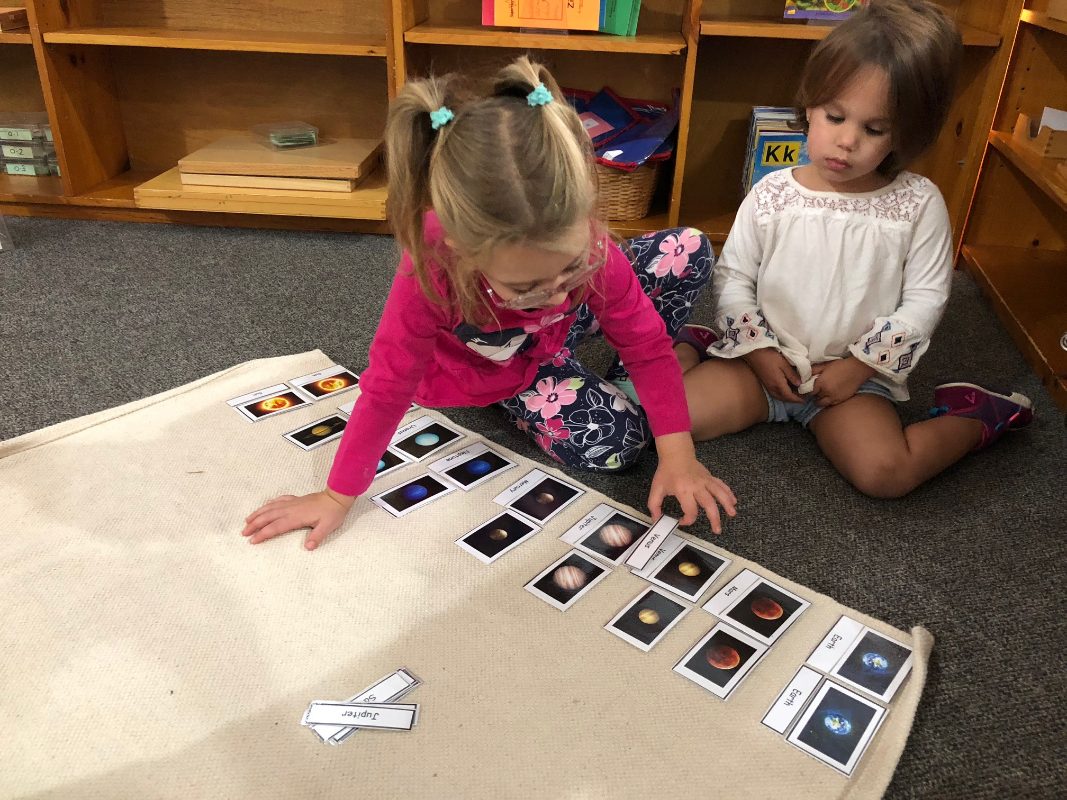
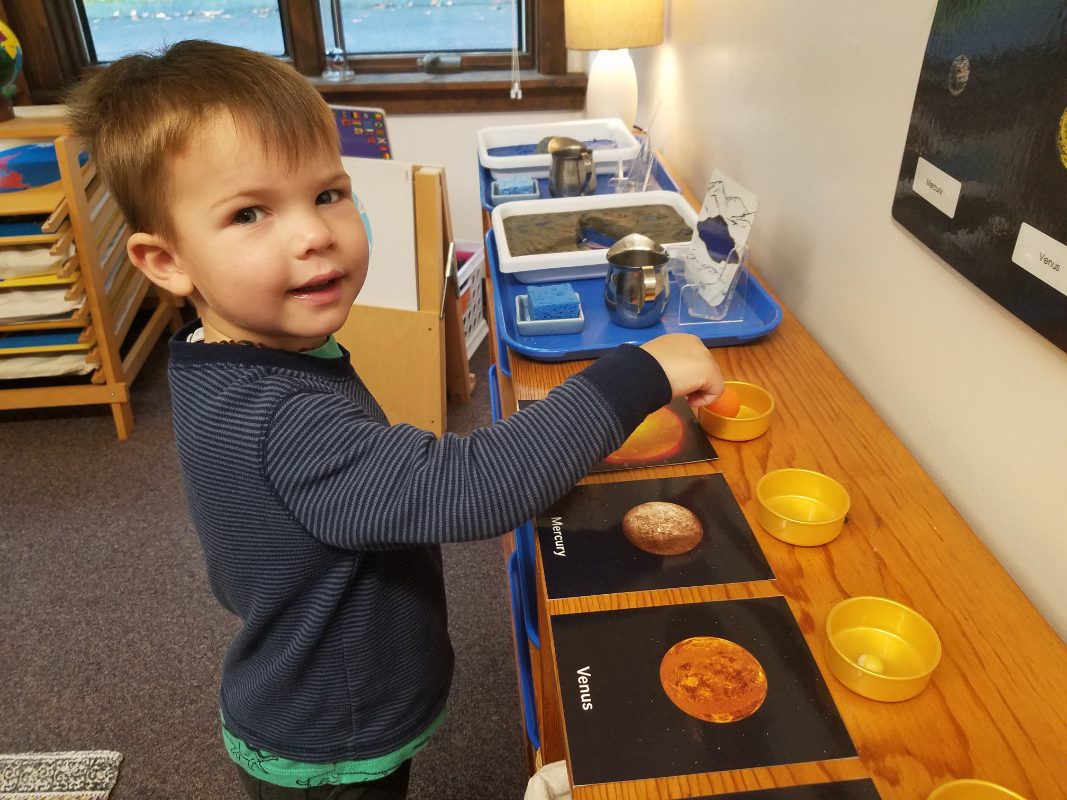
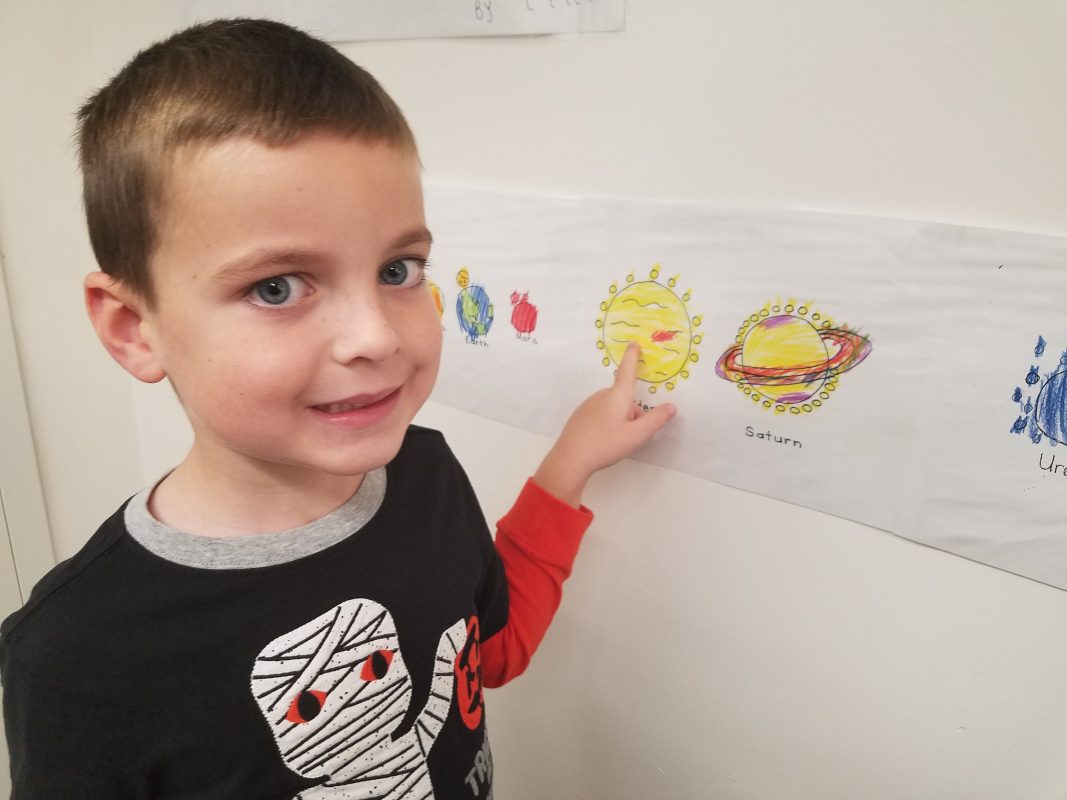
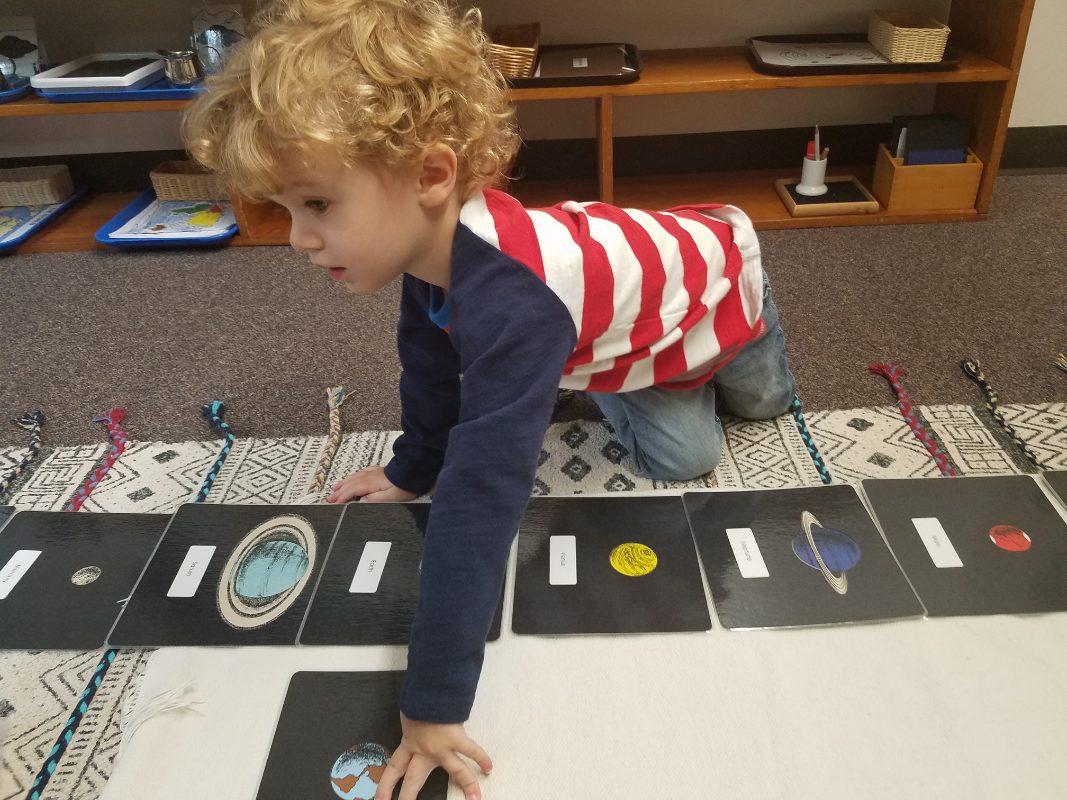
This week in our classroom, your children have truly landed among the stars with our new space themed geography unit! The children have spent many days learning a new song that helps them to remember the order of the planets. If you have not heard it yet, please ask them to share it with you because it is truly a fascinating sight to see and hear!

The children are so enthusiastic about space and the exploration of the each individual planet. Each morning we start our day with our planet song and learn about a new planet from our solar system. We have gotten to read about all the planets and have learned some amazing facts! One thing that the children are so curious about is the difference in days and years on the other planets compared to Earth. We use the children’s ages to help them to get a better understanding of how long years can be on other planets. For example, one year on Jupiter is 12 years on Earth! We said that our kindergartners will be 17 years old and almost out of high school by the time a year has passed on Jupiter! Wow!

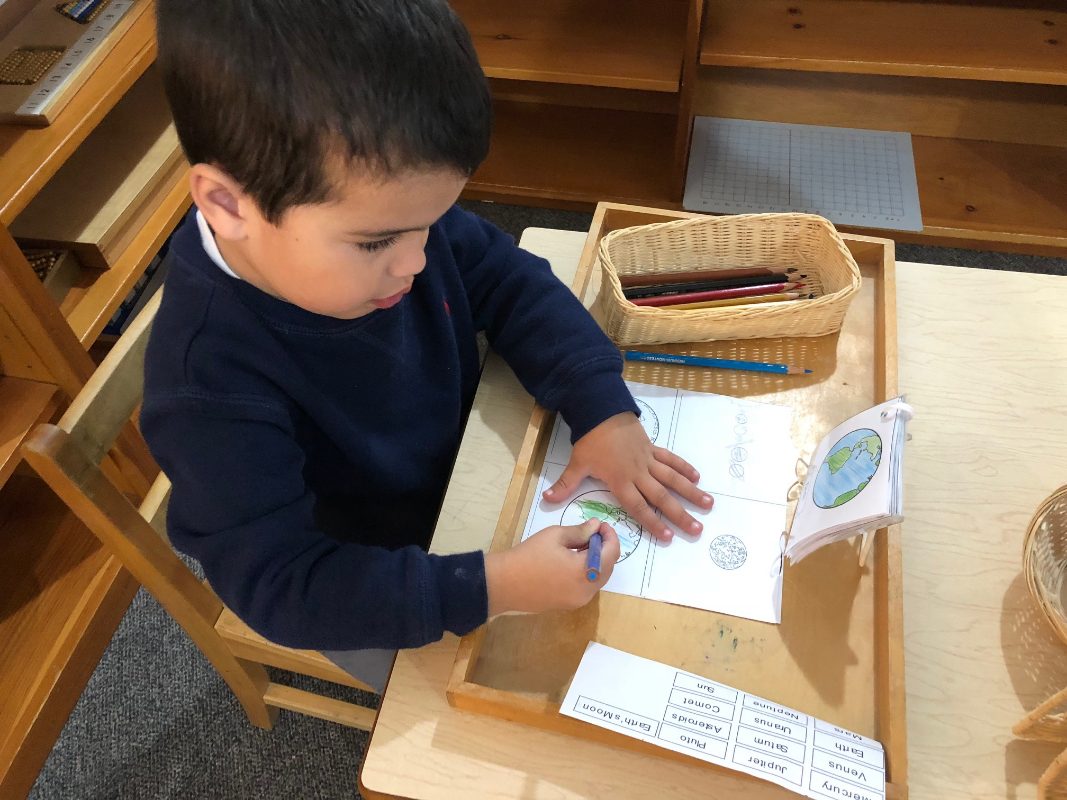
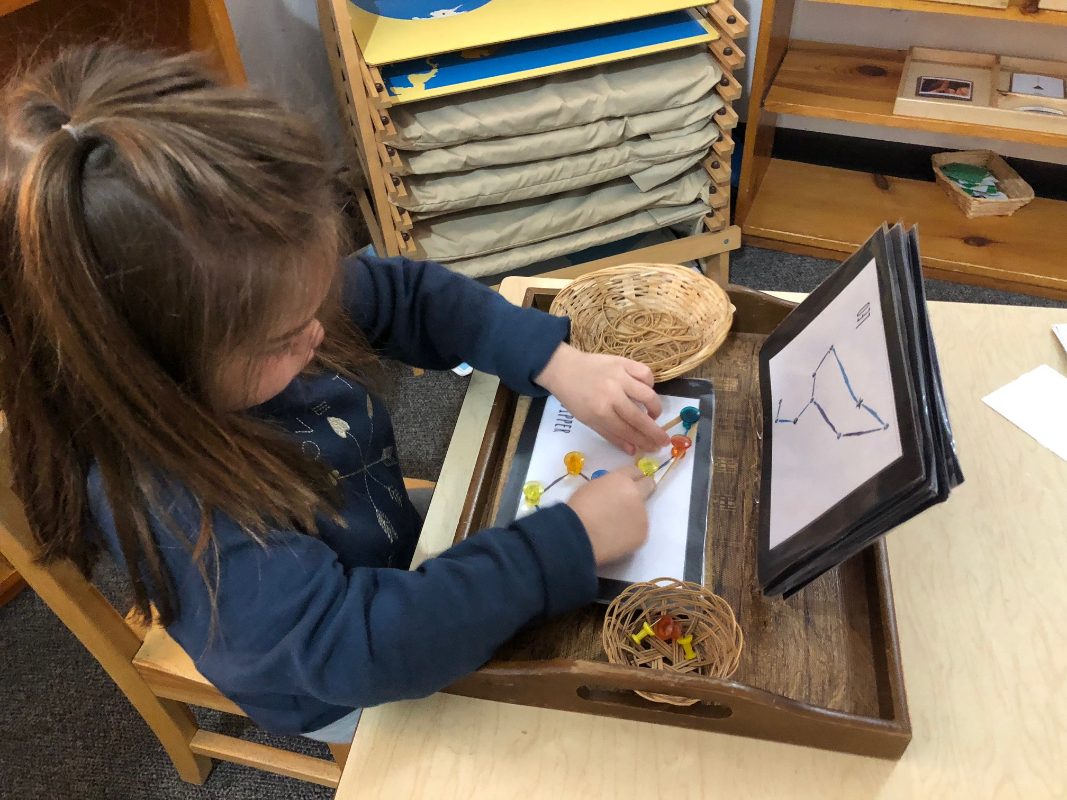
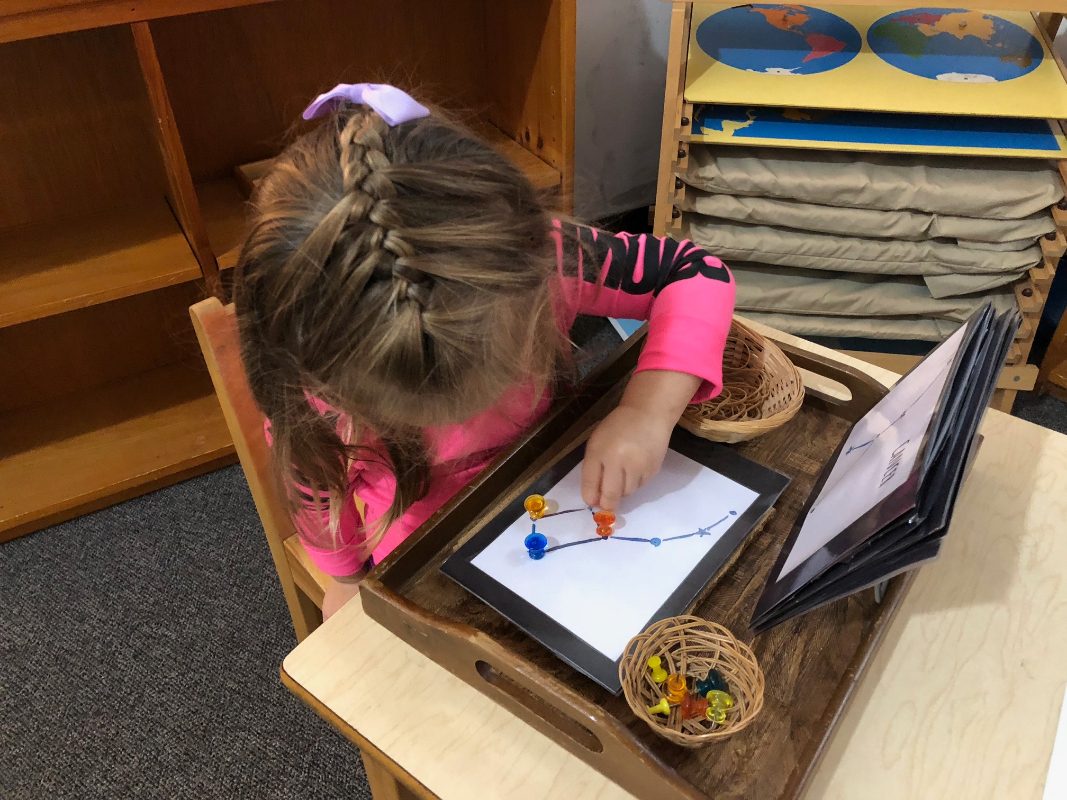
Along with our song and books, the children have new exciting works on our geography shelf that they use to explore the solar system more closely! They can make their own solar system books, and even replicate the constellations!

We hope your week was as “out of this world” as ours was!

Ms. Kayser and Ms. Alli


Mrs. Carroll’s Class: Star Struck!


“A vision of the universe begins with looking up at the stars.” -Maria Montessori.

This week’s lessons have been out of this world. We continue to explore the components of our solar system and enjoyed our study of stars.  But are we looking up, down, or out?  To help the children understand that the stars are all around planet Earth, Sharlene and I placed a small clay figure, lying on its back, on North America on the classroom globe. We shared that the figure represented a child in the class looking up at the stars. We then took a similar figure and placed it at the tip of South America. We shared that the figure was a child in South America and asked if he was looking down at the stars.   Many of your children immediately recognized that both children are looking out at the stars because stars are all around the planet Earth. Bravo!

The beauty of a constellation was also introduced. Examining the patterns of  groups of stars (Orion, Cassiopeia, Big and Little Dipper) help the children to recognize them on their own when they look at the sky on a starry night.

Take some time this week to star gaze!

Cindy & Sharlene


Ms. Kayser’s Class: Hello Fall!

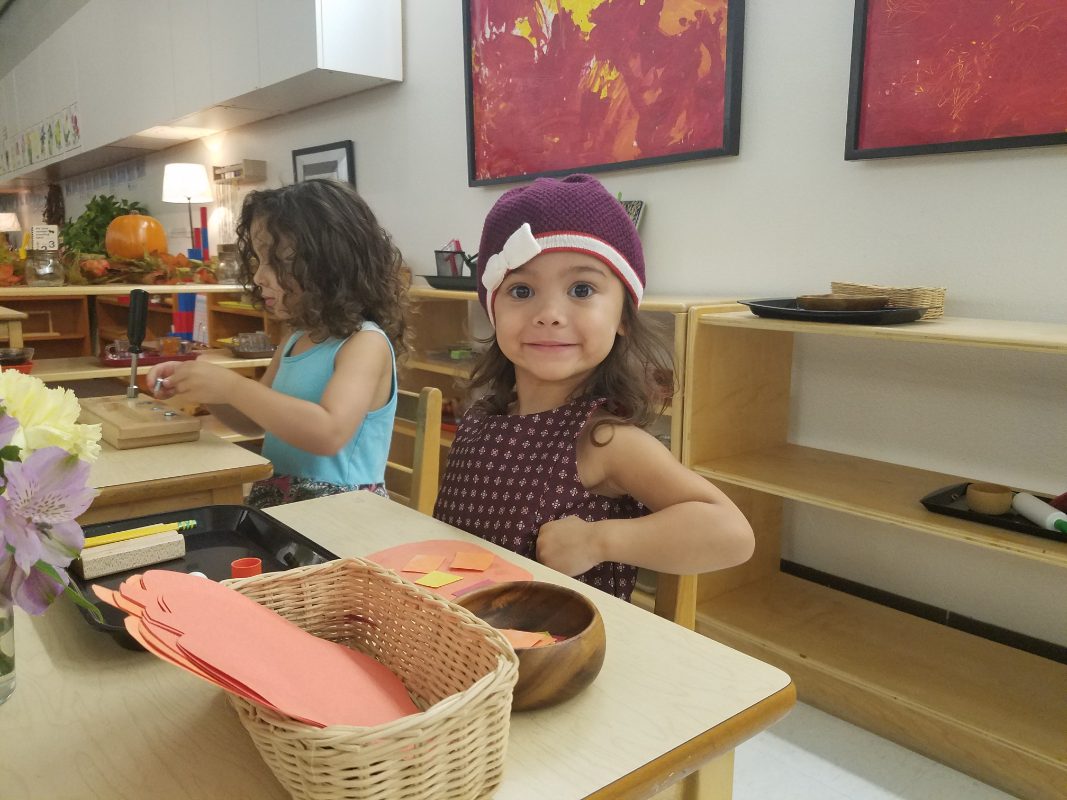
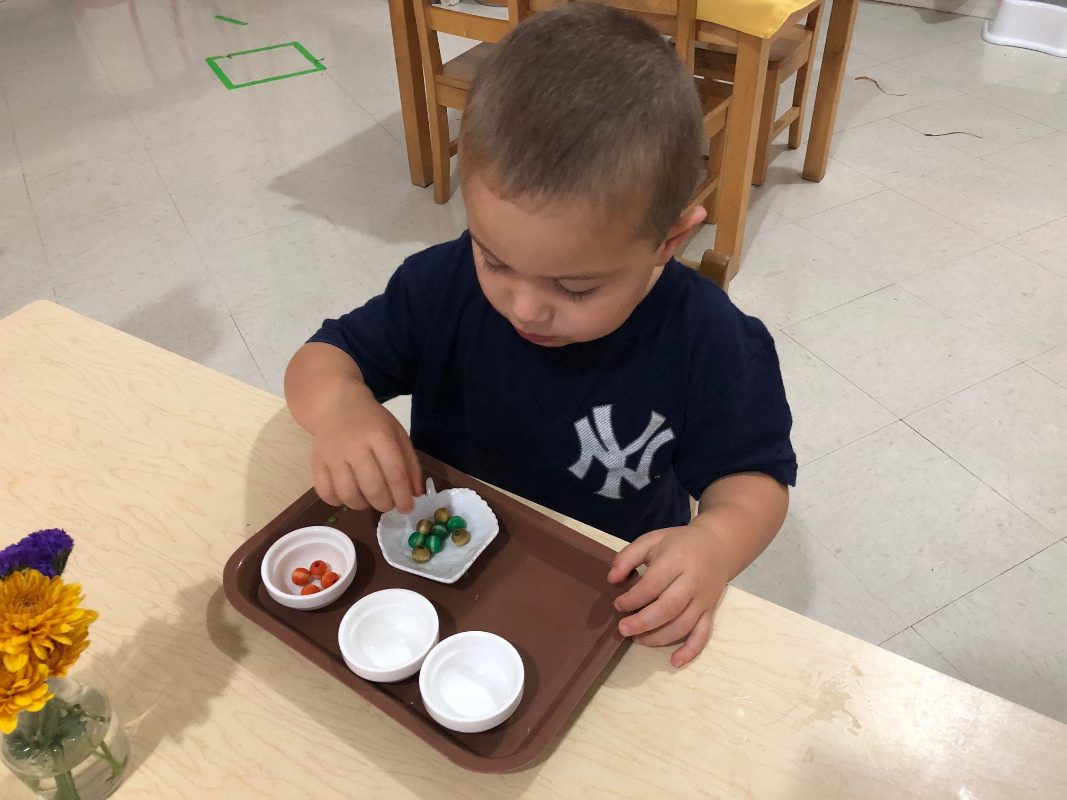
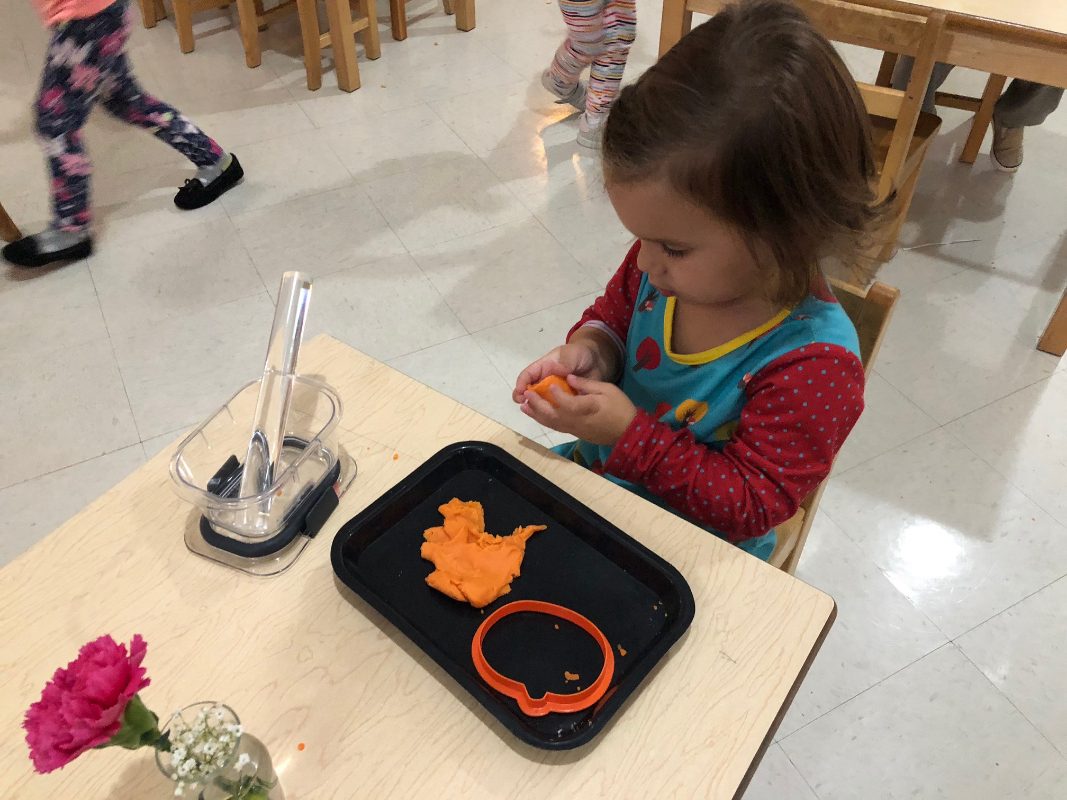
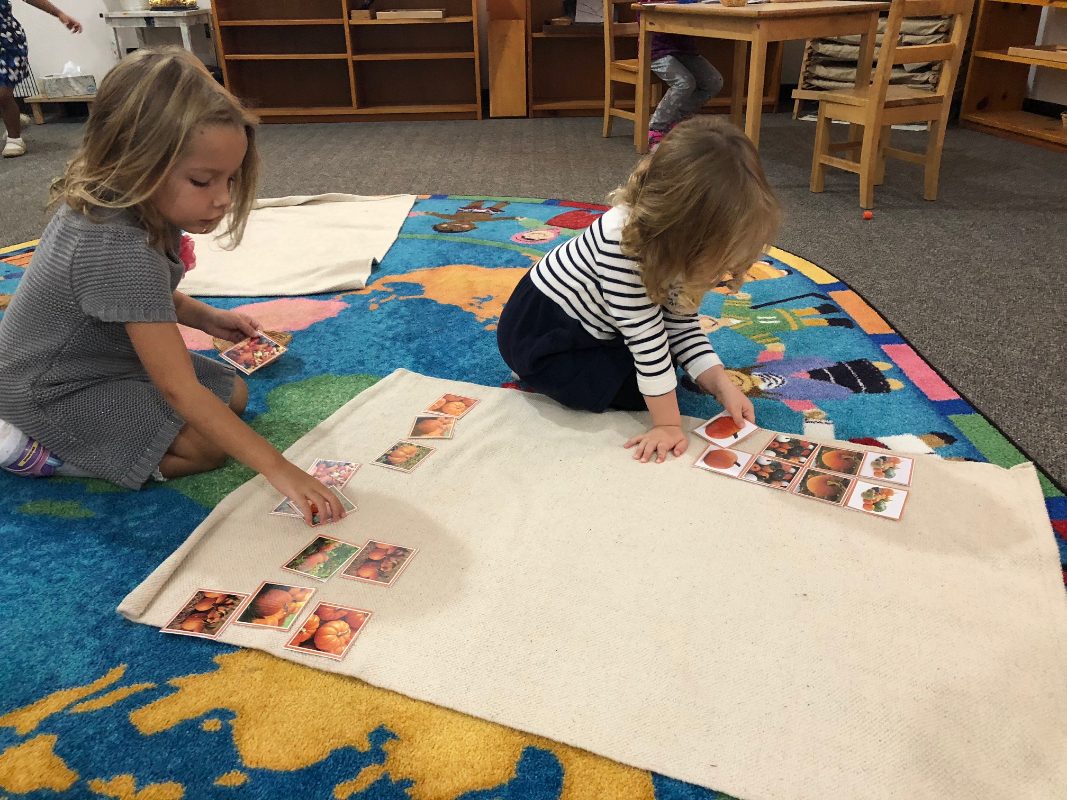
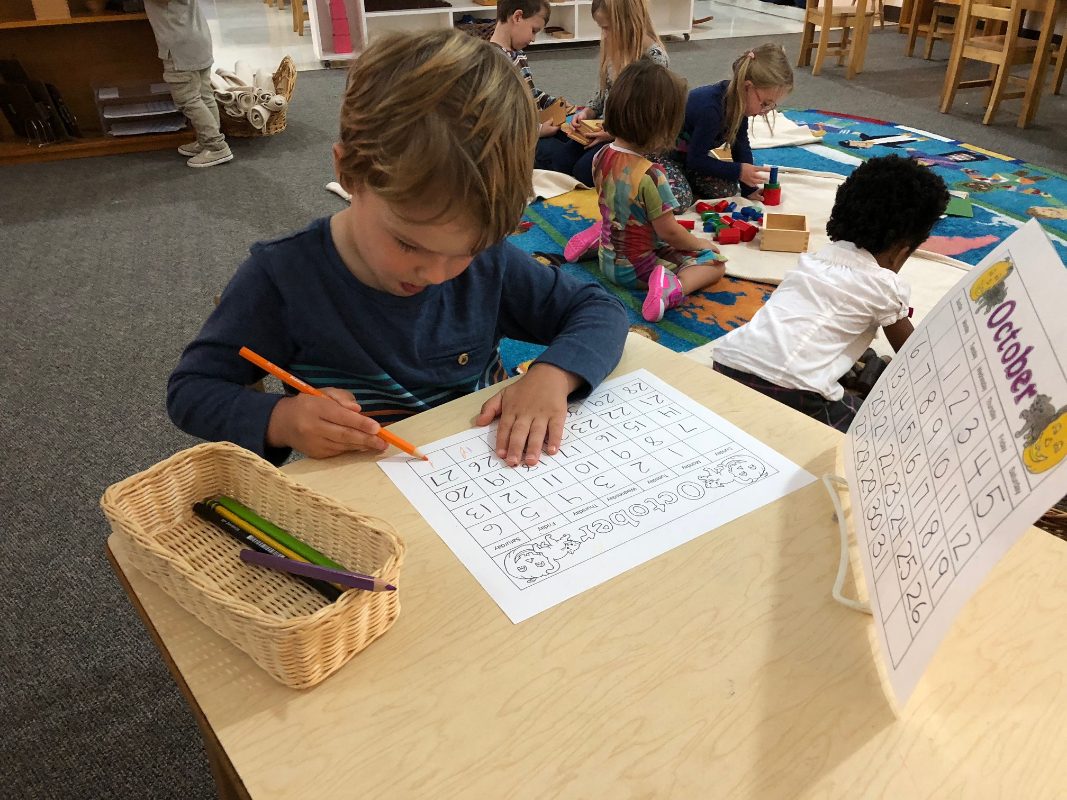
September is officially behind us and we are moving on into October! Last week was the first week that the children got to experience the new fall themed works on the shelves and their reactions were priceless! It is always such an exciting time for them when the room changes for the new month ahead. All the works they have been doing suddenly change and new works take their place. This change-over gives them new opportunities to work with the same lessons, but in a new way. The children’s curiosity is instantly sparked and they are instantly absorbed in the environment.

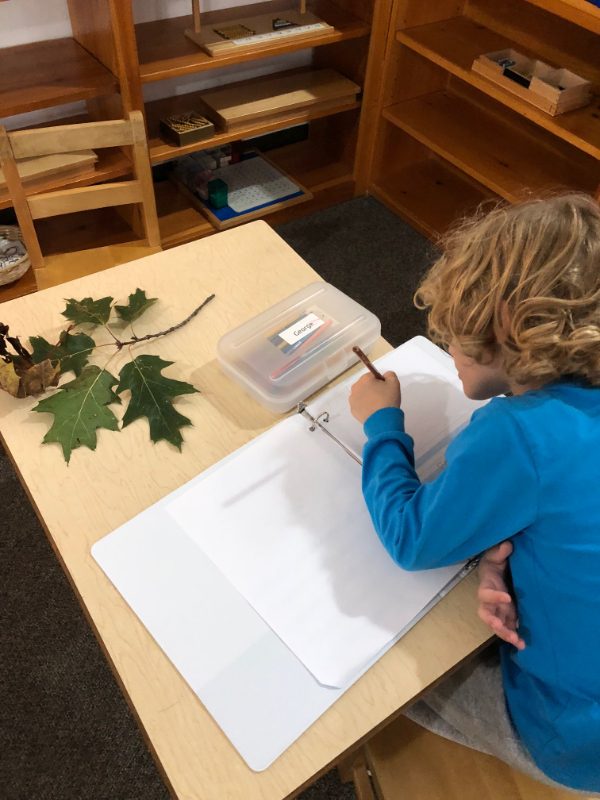
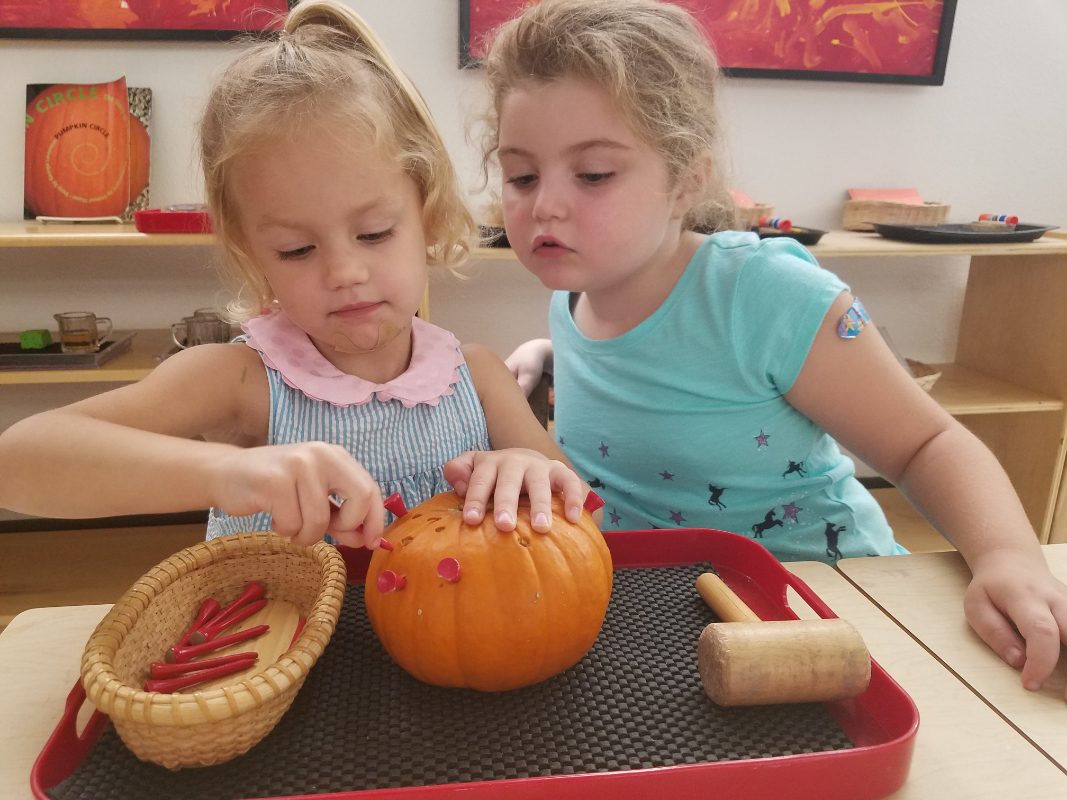
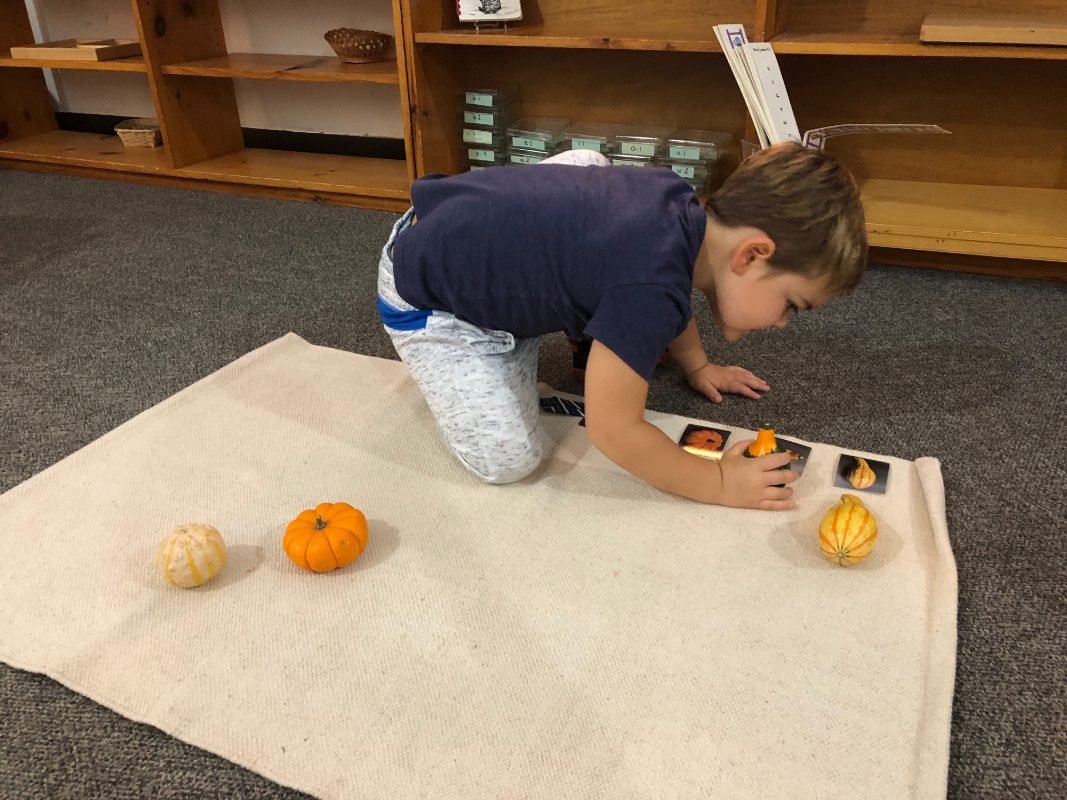
The children have thoroughly enjoyed working with our new language materials the most. These materials allow them to work with real pumpkins and gourds. The children get to explore these beautiful materials and learn for themselves that a pumpkin is not always round and orange!

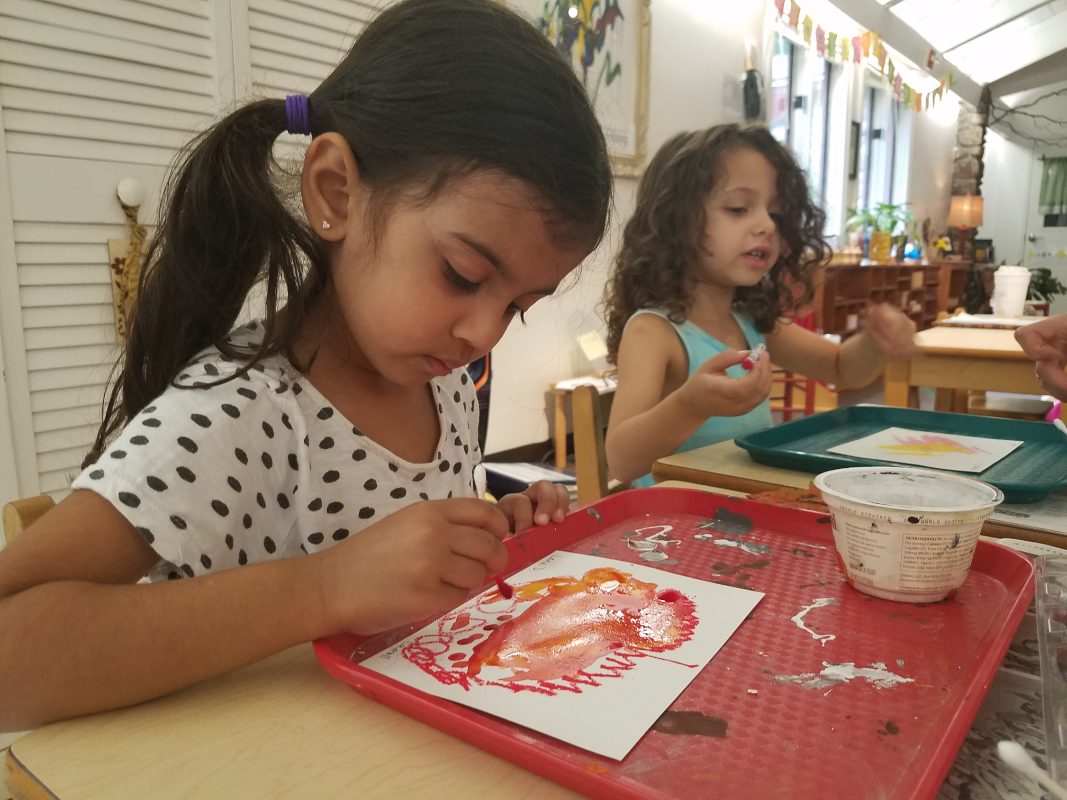
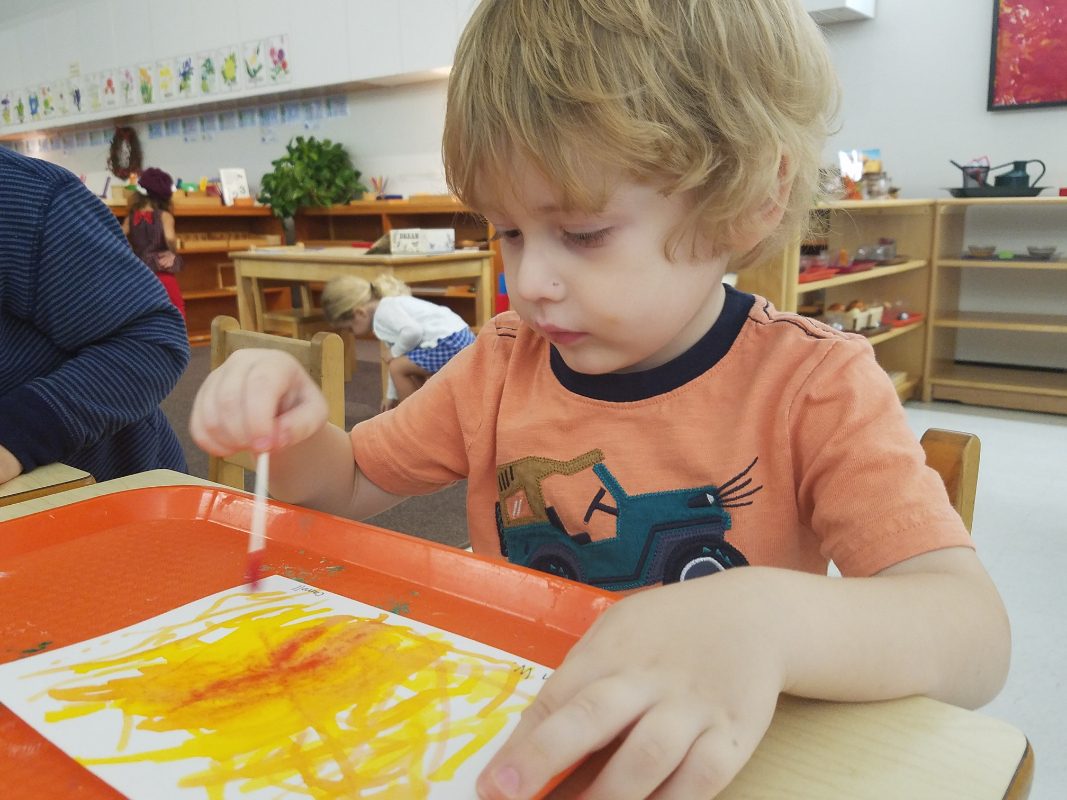
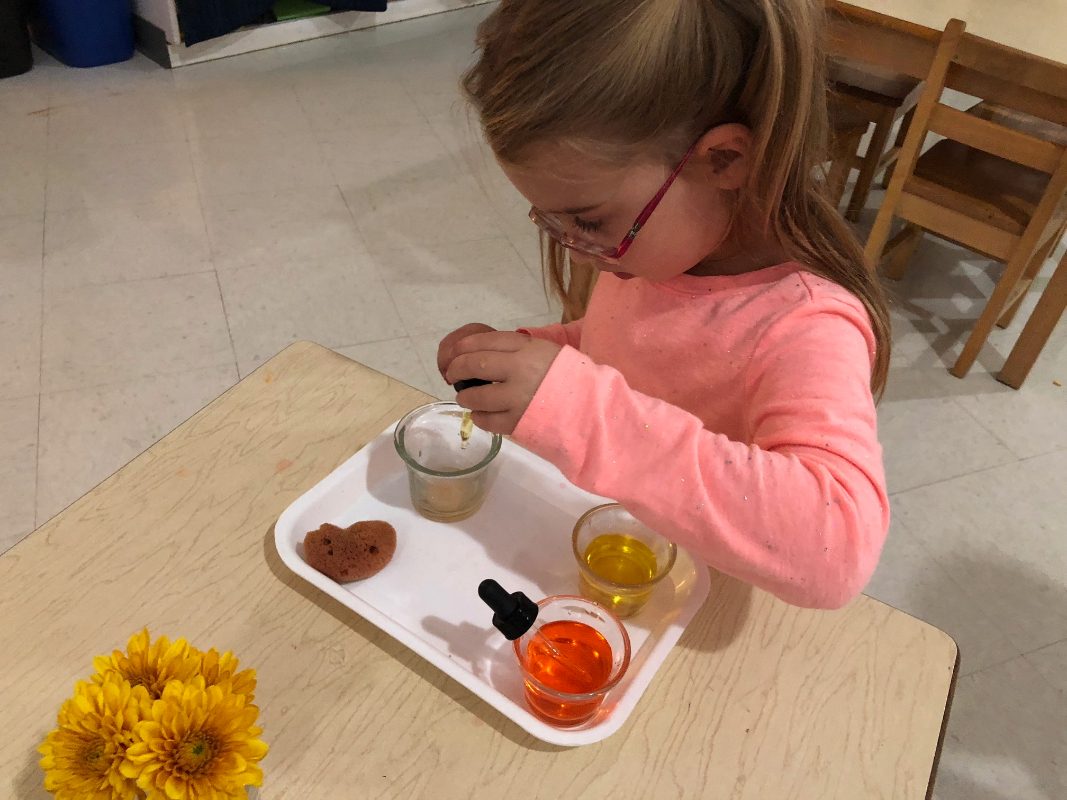
Another exciting experience that the children are enjoying is the new additions to the art shelf. We have introduced them to the color mixing work where they can see for themselves that yellow and red make orange! This experiment has transported over to our art easel as well. We have allowed the children to manipulate red and yellow paint to create unique orange paintings. Don’t be surprised if, in the next few weeks, these beautiful pieces of art start to fill your home.

We hope that the weeks ahead are filled with brightness and joy, as you and your family take advantage of all the special adventures that fall brings.

Ms. Kayser and Ms. Alli