Ms. Marissa: Weekly Update

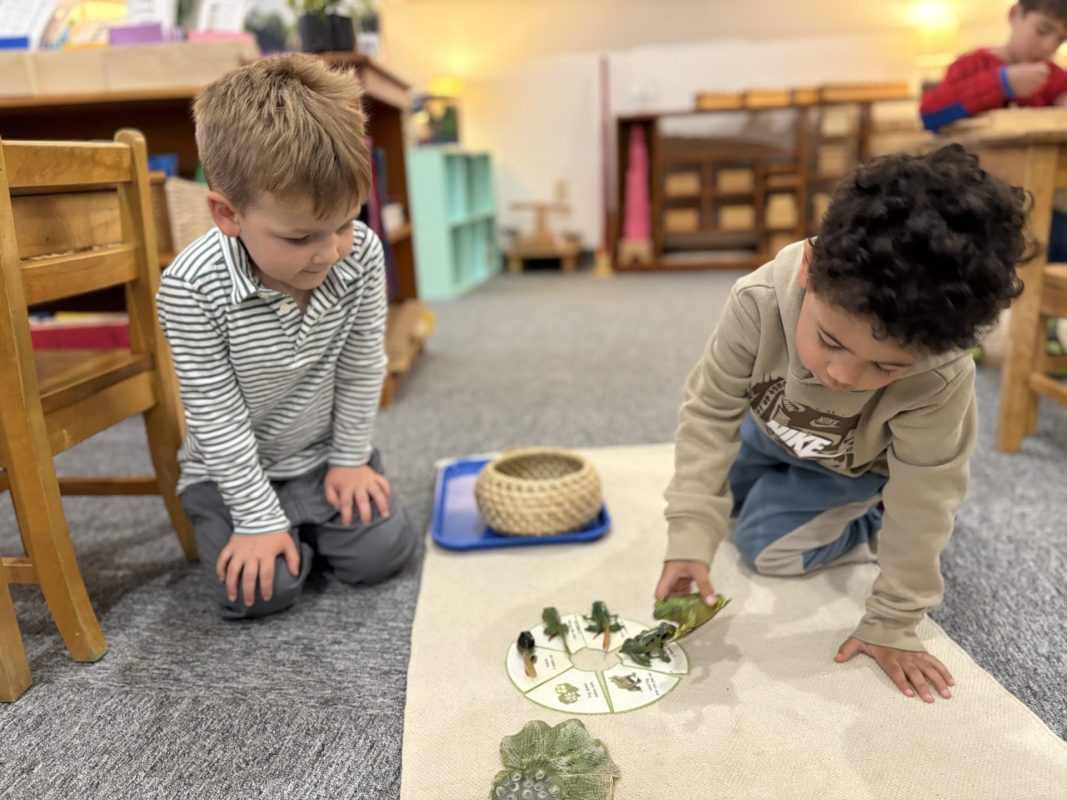
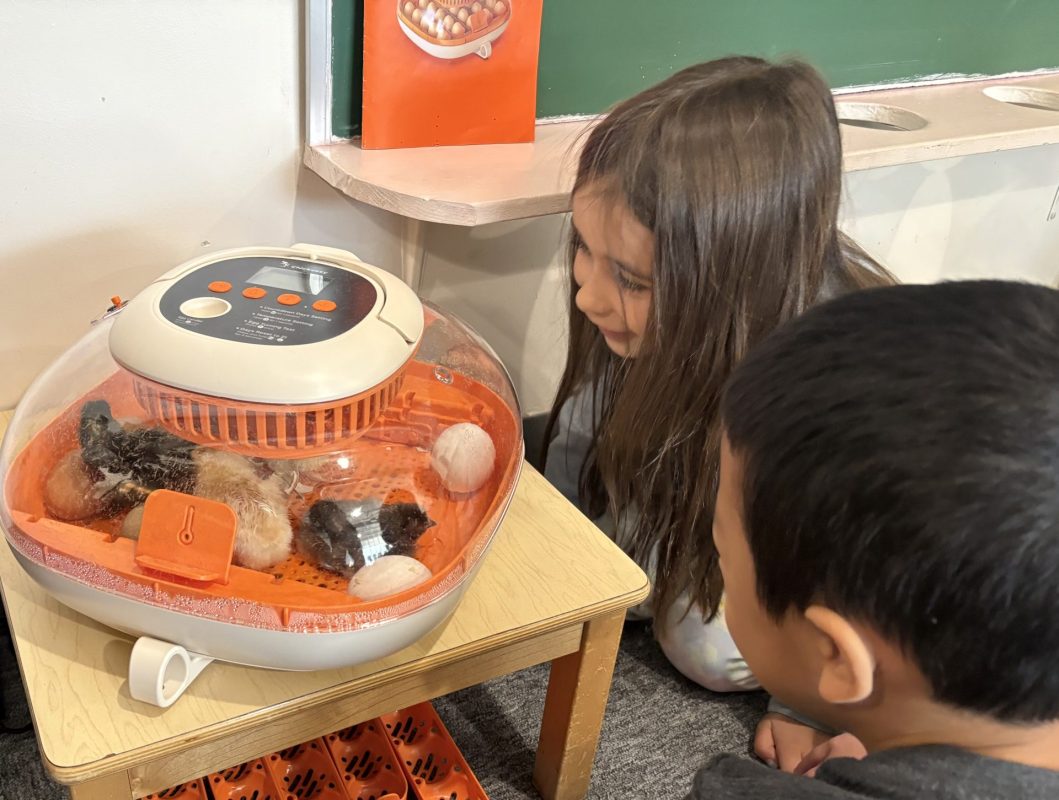
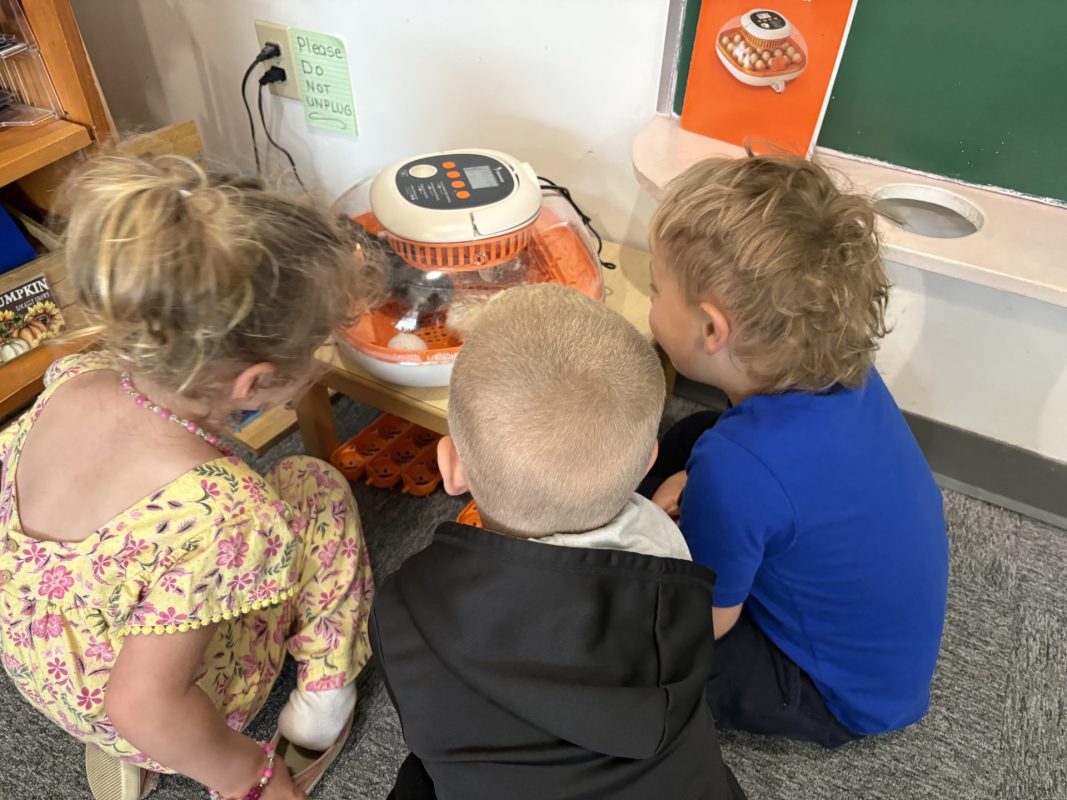
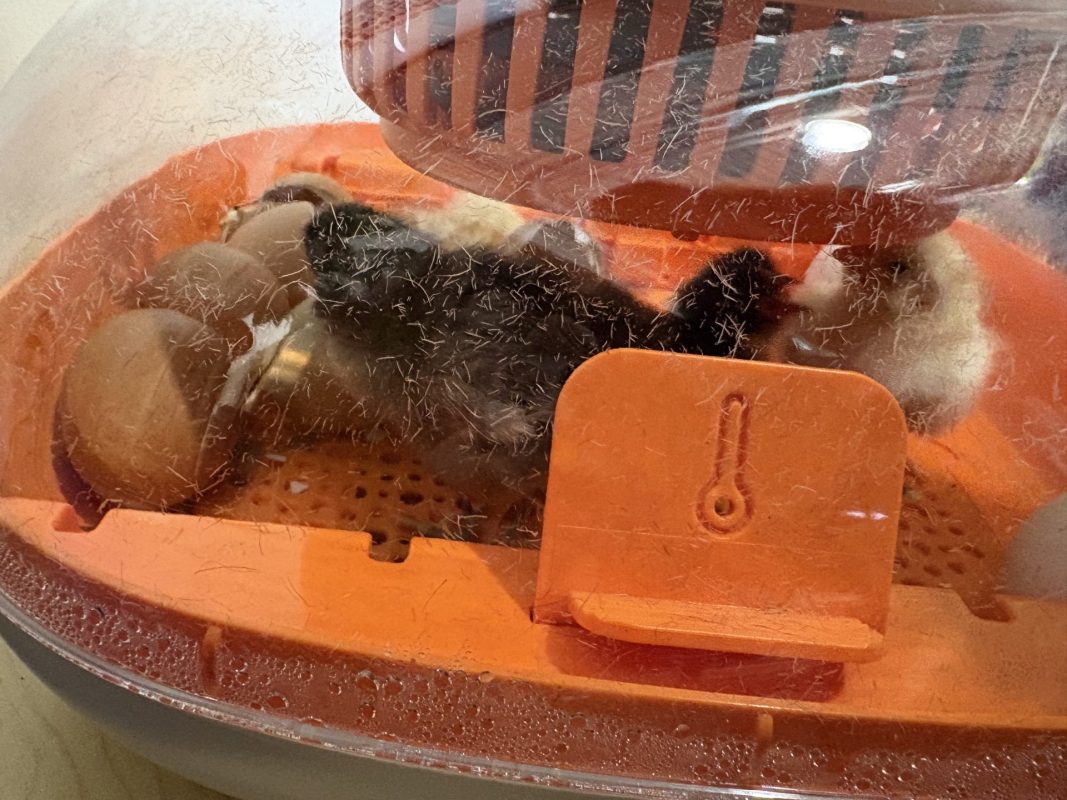
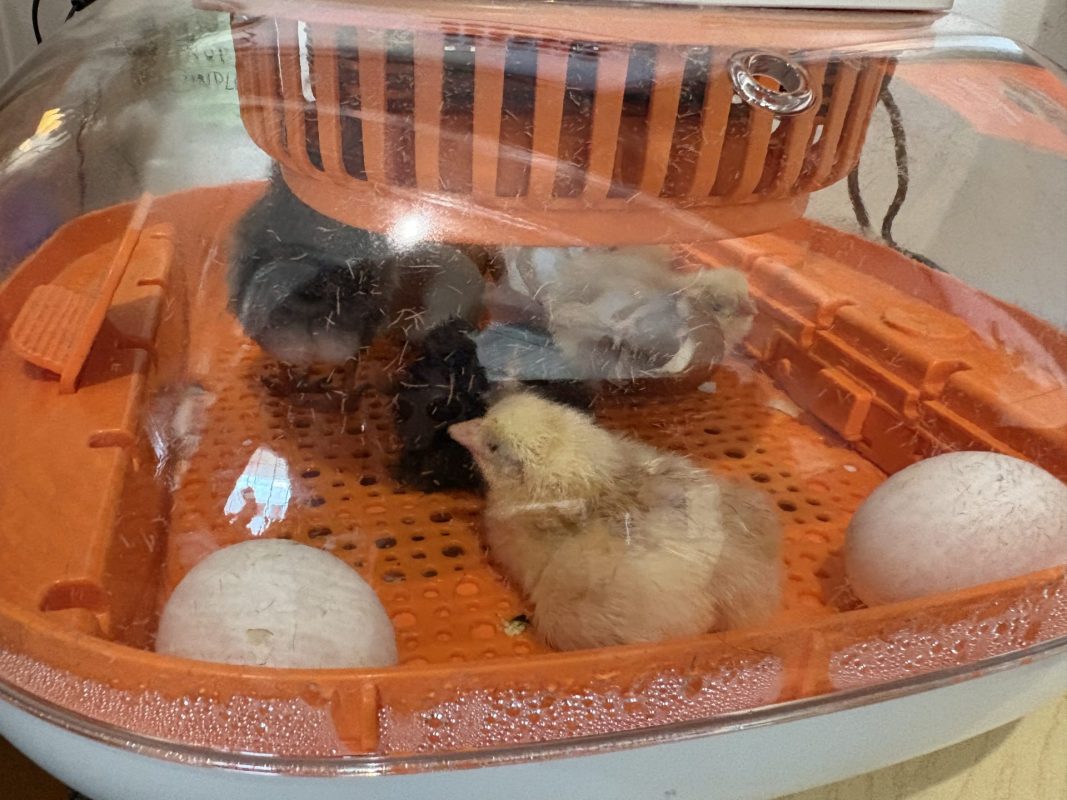
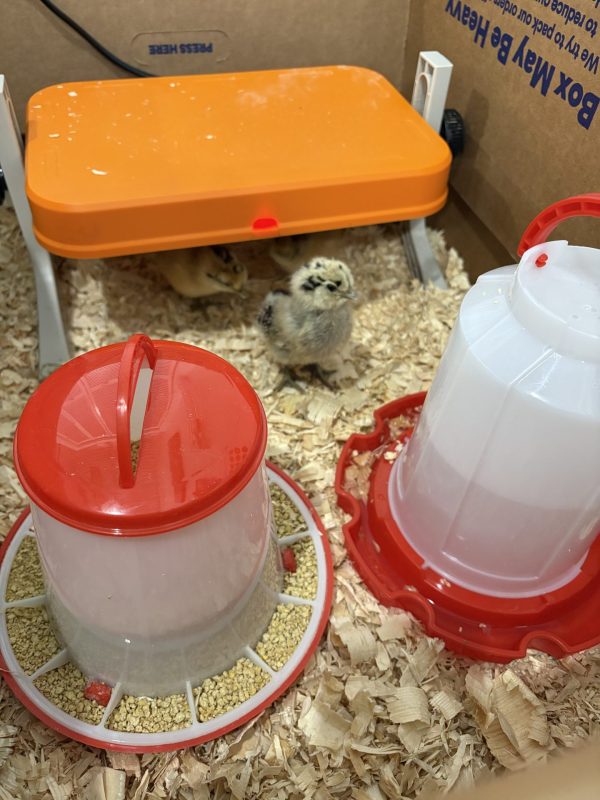
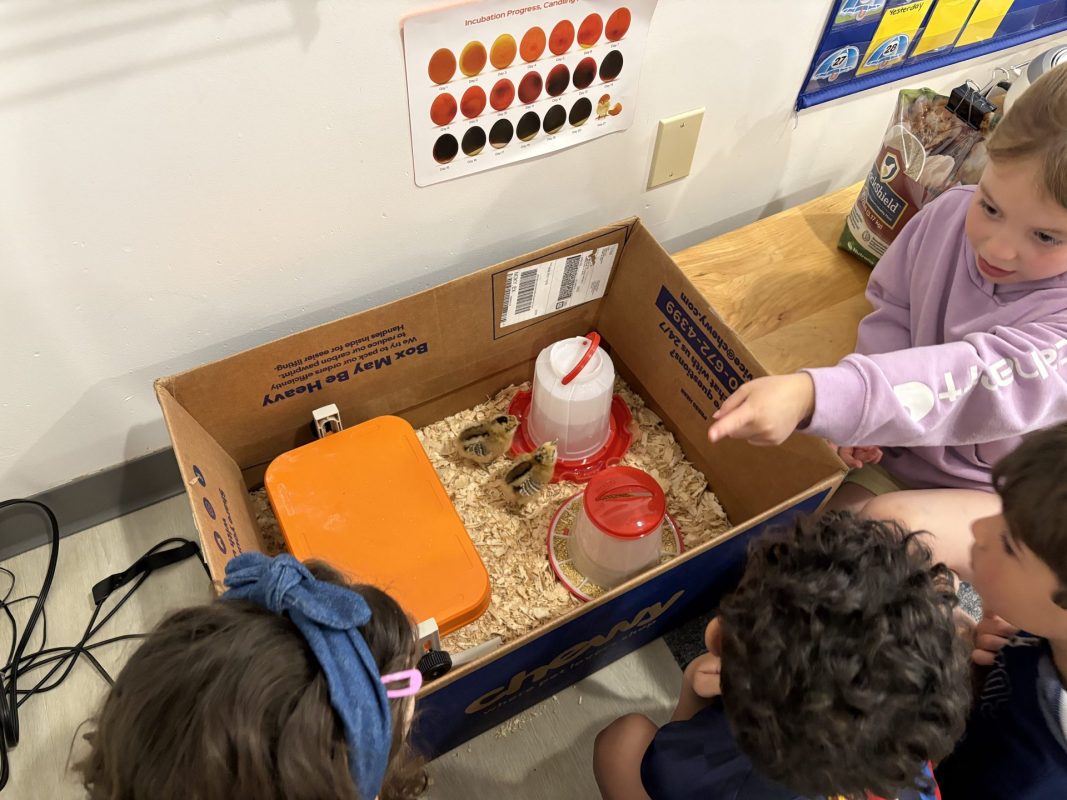
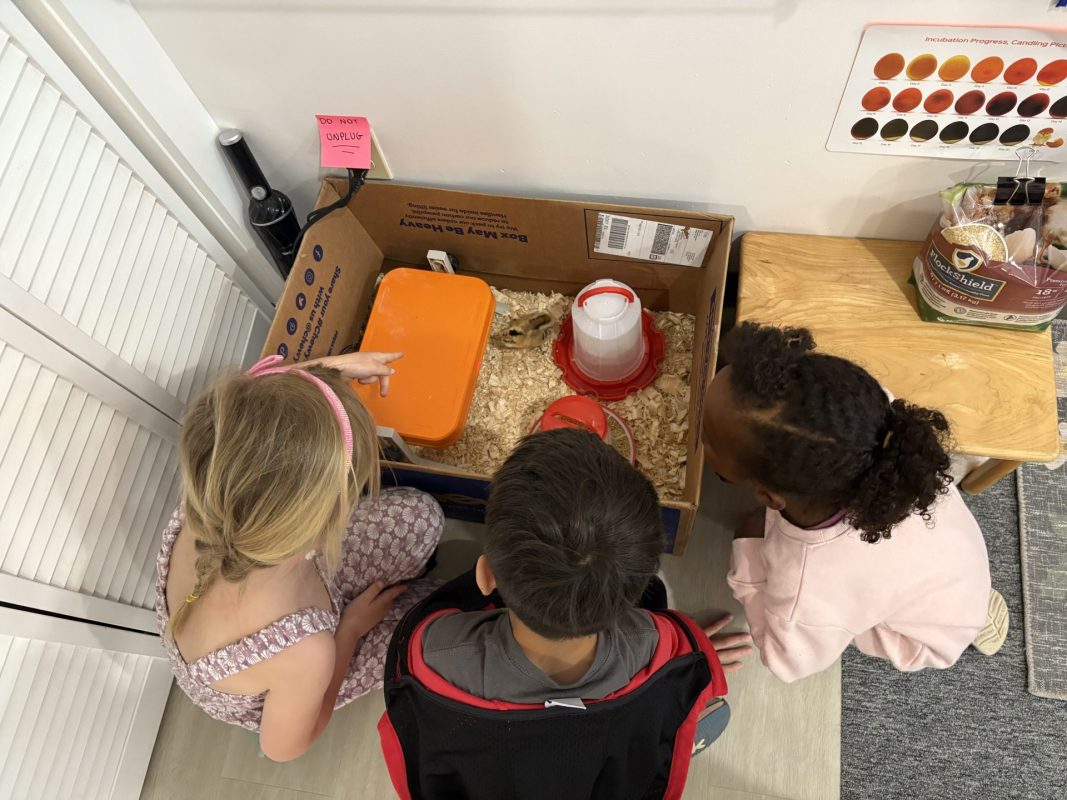
Something VERY exciting happened in our classroom this week! We have baby chick eggs incubating! In April, we study birds, so this observation fits right in with our new unit.

We get to see the eggs rotate in their warm and cozy incubator, and we have a countdown calendar. It should take about 21 days for the chicks to hatch, and each day, we see a new illustration of what is happening inside the eggs.

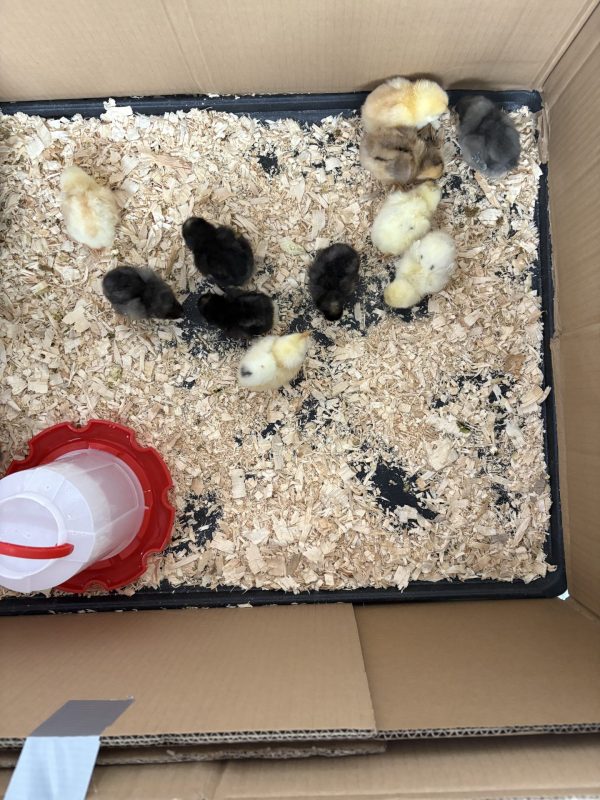
Once the baby chicks hatch, they will go back to the farm that they came from, located in Easton. We thank Mrs Sargeant for arranging the eggs for us!

When we can bring real-life experiences into our classroom to deepen our understanding of our lessons, it is Montessori in action! Ask your child about our eggs!


Mrs. Sargeant: A Peek at the Week

“So in the child, besides the vital impulse to create himself, and to become perfect, there must be yet another purpose, a duty to fulfill in harmony, something he has to do in the service of a united whole.” ~ Maria Montessori, The Absorbent Mind

Maria Montessori believed that children are the key to peace and empathy among humanity. This important belief is a foundation in our Montessori classrooms, beginning with practical life lessons and continuing throughout childhood and beyond. I’d like to share how a “simple” lesson can provide the mechanism from which children in the classroom learn, practice, and express their empathy and love for their community.

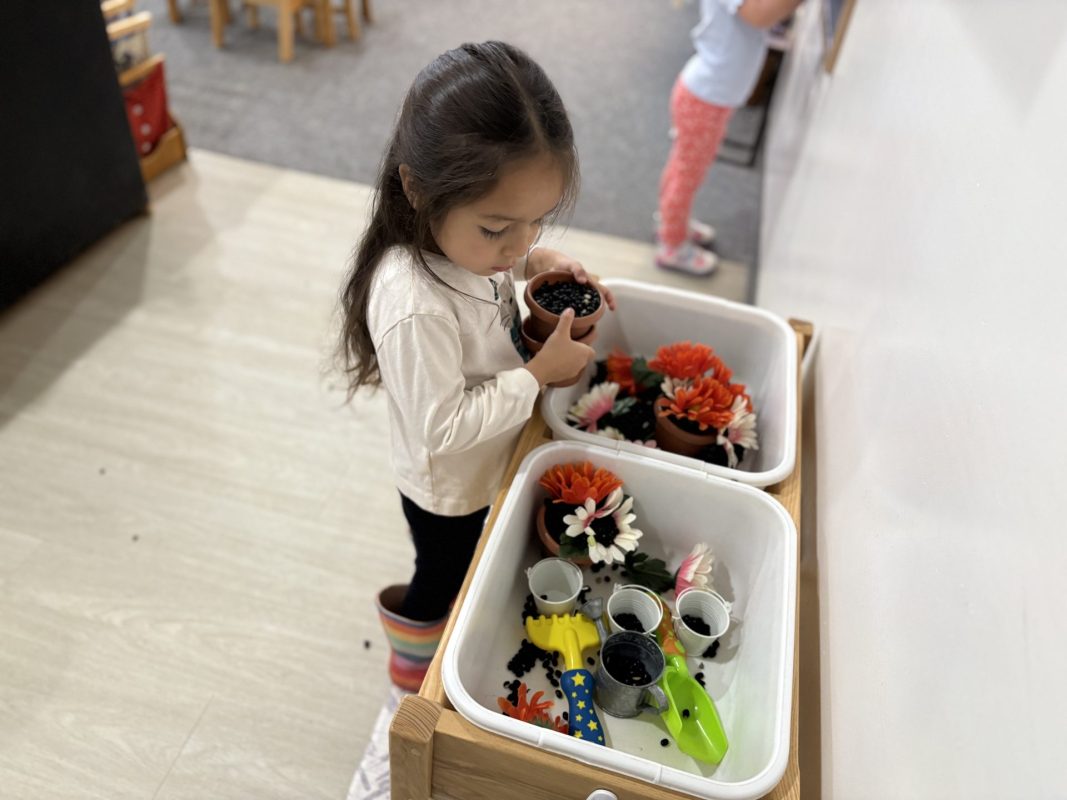
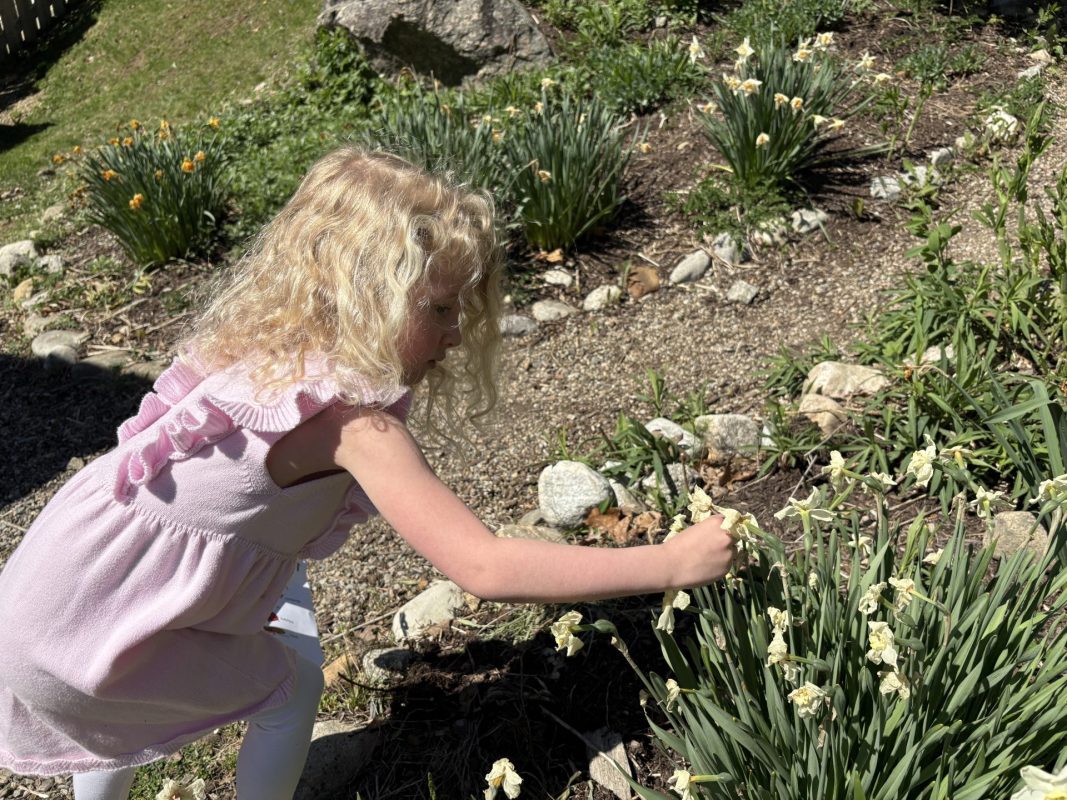
Flower arranging is a work in the Practical Life area of our classroom. It not only fosters fine motor skills and hand-eye coordination but also gives the children a sense of ownership of their environment.

“Flower arranging work has a more important indirect aim than simply admiring nature’s work of art. It is an opportunity for little hands to contribute to the beautification of the environment. It is a tender moment when a young heart lays down a symbol of friendship, love, and peace on a table for someone else to enjoy. It is a brief yet integral step outside of oneself and one’s own needs. -The CHILD Centered Blog

Flower arranging is only one of many classroom works and activities sowing the seeds of compassion and empathy in your children. Please remember that compassion in your home helps your children do the same.

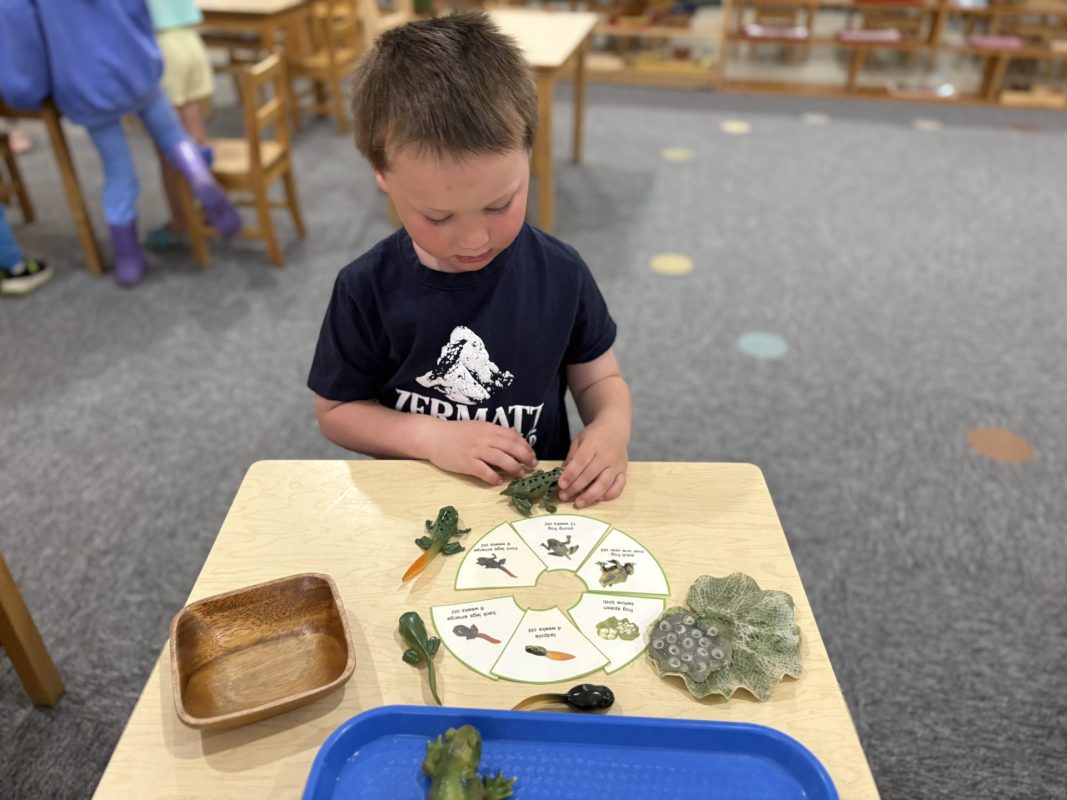
We are so excited to share that we are incubating eight chicken eggs in our classroom. Incubating the eggs provides an amazing learning opportunity for the children to learn not only about the responsibility of taking care of the eggs but also the life cycle of a chicken. The eggs should hatch in 21 days. Each day, we are learning about the development taking place inside the eggs.

I wish you a week filled with peace and love.

Christine & Hailey


Ms. Handibode: April Showers Bring May Flowers

“So in the child, besides the vital impulse to create himself, and to become perfect, there must be yet another purpose, a duty to fulfill in harmony, something he has to do in the service of a united whole.” ~ Maria Montessori, The Absorbent Mind

Maria Montessori believed that children are the key to peace and empathy among humanity. This important belief is a foundation in our Montessori classrooms, beginning with practical life lessons and continuing throughout childhood and beyond. I’d like to share how a “simple” lesson can provide the mechanism from which children in the classroom learn, practice, and express their empathy and love for their community.

Flower arranging is a work in the Practical Life area of our classroom. It not only fosters fine motor skills and hand-eye coordination but also gives the children a sense of ownership of their environment.

“Flower arranging work has a more important indirect aim than simply admiring nature’s work of art.  It is an opportunity for little hands to contribute to the beautification of the environment.  It is a tender moment when a young heart lays down a symbol of friendship, love and peace on a table for someone else to enjoy. It is a brief yet integral step outside of oneself and one’s own needs. -The CHILD Centered Blog

Flower arranging is only one of many classroom works and activities sowing the seeds of compassion and empathy in your children. Please remember that compassion in your home helps your children do the same.

We are so excited to share that we are incubating eight chicken eggs in our classroom. Incubating the eggs provides an amazing learning opportunity for the children to learn not only about the responsibility of taking care of the eggs but also the life cycle of a chick. The eggs should hatch in 21 days.  Each day, we are learning about the development taking place inside the eggs.

Wishing you a week filled with peace and love.

Michelle & Maria


Mrs. Lopes: A Look at Our Week


“So in the child, besides the vital impulse to create himself, and to become perfect, there must be yet another purpose, a duty to fulfill in harmony, something he has to do in the service of a united whole.” ~ Maria Montessori, The Absorbent Mind

Maria Montessori believed that children are the key to peace and empathy among humanity. This important belief is a foundation in our Montessori classrooms, beginning with practical life lessons and continuing throughout childhood and beyond. I’d like to share how a “simple” lesson can provide the mechanism from which children in the classroom learn, practice, and express their empathy and love for their community.

“Flower arranging work has a more important indirect aim than simply admiring nature’s work of art. It is an opportunity for little hands to contribute to the beautification of the environment. It is a tender moment when a young heart lays down a symbol of friendship, love, and peace on a table for someone else to enjoy. It is a brief yet integral step outside of oneself and one’s own needs. -The CHILD Centered Blog

Flower arranging is only one of many classroom works and activities sowing the seeds of compassion and empathy in your children. Please remember that compassion in your home helps your children do the same.

Have a peaceful week,

Amanda and Heather


Mrs. Sargeant: A Peek at the Week

Last week and this week, we celebrated some friends’ birthdays in class. We have four more friends to celebrate with this month! We love to have parents join our class as we celebrate your children. It is customary in our class for each family to bring some photos of the birthday child – typically one per year of life. It’s easiest for the children to view the photos if they’re displayed on a piece of posterboard or taped onto a piece of paper. We’d love it if you’d bring a snack to share with the class and a favorite book of your child’s for you to read to the class as they’re enjoying the special birthday snack. Be prepared to answer lots of questions about when your child was a baby. Their classmates are always curious to learn when their friends began walking, talking, jumping, etc. Thank you for taking the time to come in and share with us.
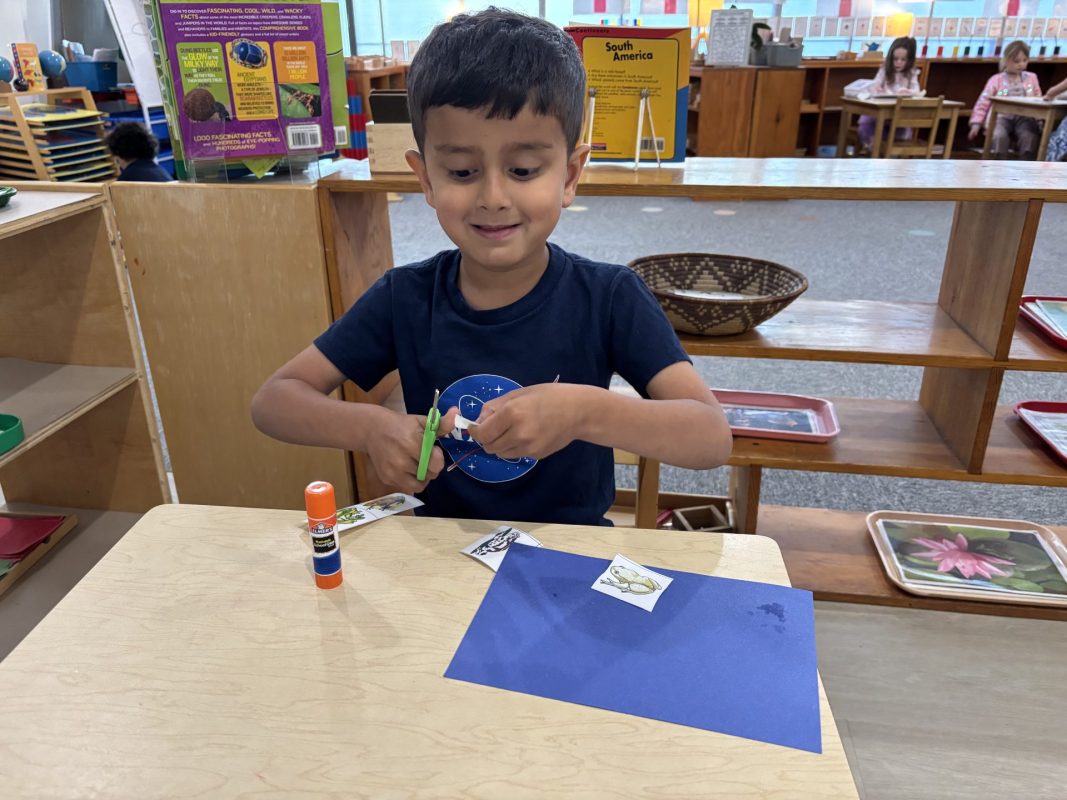
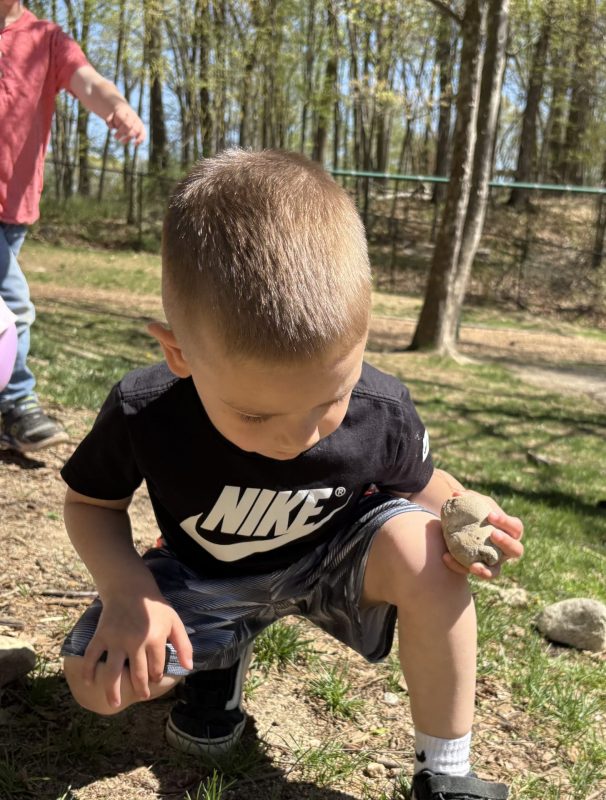
This week, we’ve been discussing different types of rocks and minerals. The children enjoyed using a magnifying glass to examine them. Orange juicing has also been a big hit- a huge thanks to Divya’s mom for purchasing the juicer for our class. Thank you to every one of you for supplying us with the food for practical life activities. The kindergarten students have been enthusiastically working on their animal research projects this week.
Looking forward to the week ahead!
Christine & Hailey

Ms. Marissa: Weekly Update

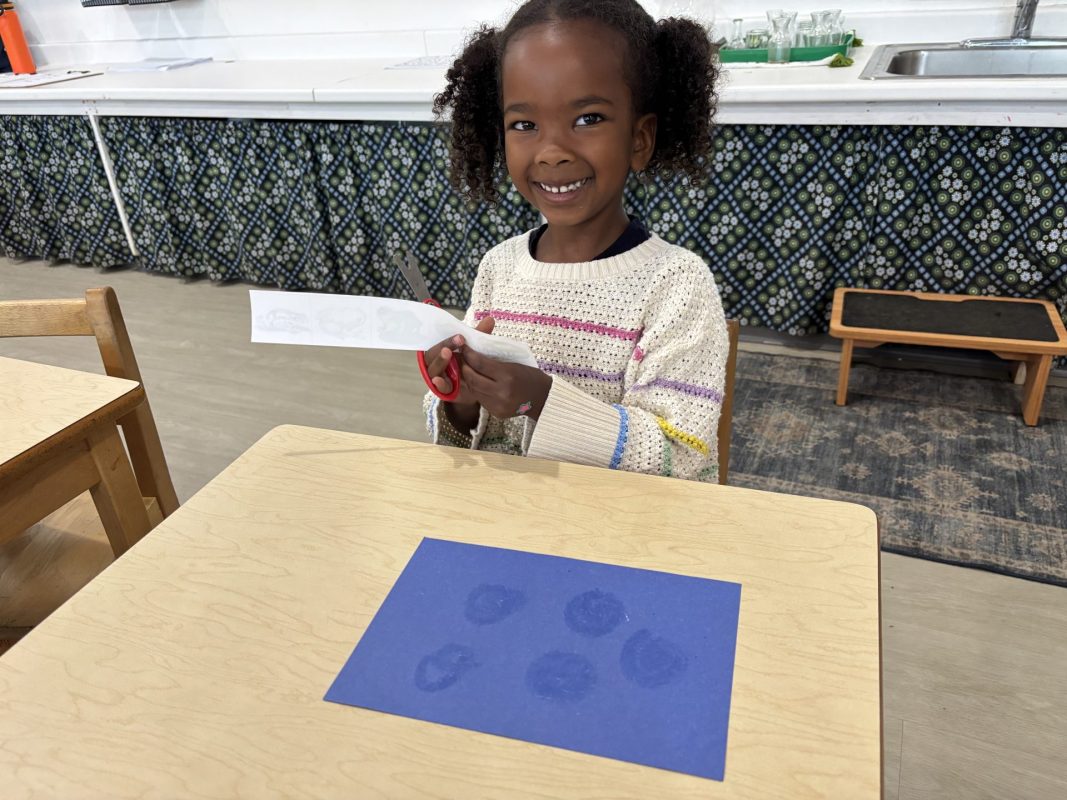
In a Montessori classroom, learning is often a hands-on experience that invites curiosity and fosters a sense of wonder. One of the most captivating subjects for young learners is the world of colors. A study of rainbows and the science of color mixing is an exciting way to engage children in discovering the beauty and magic of the world around them. Recently, our classroom embarked on an exploration of rainbows, primary colors, and the fascinating process of color mixing!

Once the students were familiar with the idea of a rainbow and the variety of colors it holds, we delved into the core concept of color theory—the primary colors: red, blue, and yellow. We used Montessori color materials like the color tablets to visually explore and differentiate between these hues. The tactile nature of the materials, paired with the children’s natural inclination to touch and explore, made this lesson particularly engaging.

Through sorting activities, students were able to identify and arrange primary colors, gaining an understanding that these colors cannot be created by mixing other colors. This revelation led to our next exciting step—color mixing!

With the foundational understanding of primary colors, it was time for the children to explore the art and science of mixing colors. The children were free to use red, yellow, and blue in any combination they wished to see what would happen. It’s been an exciting week!

Have a wonderful weekend,

Marissa & Sue


Mrs. Lopes: A Look at Our Week

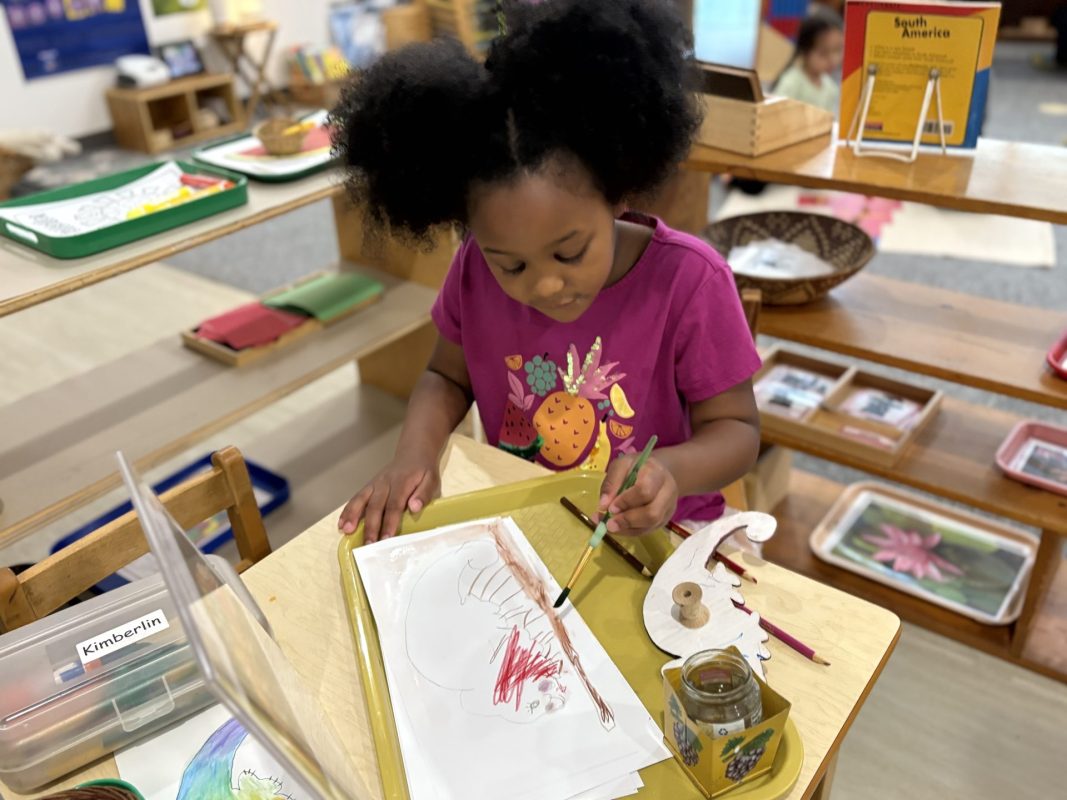
We are now studying the continent of South America in our classroom. South America is pink on the Montessori map and a topic of great fascination for the children. It is a beautiful region with vibrant cultures and traditions and a wide range of climates and terrains.

South America is the fourth largest continent in our world and comprises twelve individual countries. It is connected to North America by the Isthmus of Panama. An isthmus is one of the landforms we study. Brazil is the largest country in South America, and the major languages spoken are Spanish and Portuguese.

Located in South America, the largest rainforest in the world is the Amazon Jungle. So it makes sense that we start to explore the rainforest as well. The rainforest is an ecosystem with a dense tree canopy that lets very little light through. To be considered a rainforest, there must be more than 60 inches of rain each year. Rainforests also contain over 40% of the world’s animal and plant species. There are four layers in a rainforest; each layer receives different amounts of sun, rain, and wind and is home to various species.

Another exciting update–we are incubating chicks in our classroom!  A big thank you to Kate Neugold for organizing and donating the incubator and eggs.  We have been discussing the life cycle of a chick this week and the children have been fascinated with following the development of the eggs each day.

As the weather gets warmer, now is a great time to check the extra clothes in your child’s locker to see if they should be changed from winter clothes to spring/summer clothes.

Wishing you a week filled with peace and love!

Amanda & Hema


Ms. Handibode: Next Stop, South America


We are now studying the continent of South America in our classroom. South America is pink on the Montessori map and a topic of great fascination for the children. It is a beautiful region with vibrant cultures and traditions and a wide range of climates and terrains.

South America is the fourth largest continent in our world and comprises twelve individual countries. It is connected to North America by the Isthmus of Panama. An isthmus is one of the landforms we study. Brazil is the largest country in South America, and the major languages spoken are Spanish and Portuguese.

Located in South America,  is the Amazon jungle, the largest rainforest in the world. The rainforest is an ecosystem with a dense tree canopy that lets very little light through. To be considered a rainforest, there must be more than 60 inches of rain each year. Rainforests also contain over 40% of the world’s animal and plant species. There are four layers in a rainforest; each layer receives different amounts of sun, rain, and wind and is home to various species.

As the weather gets warmer, now is a great time to check the extra clothes in your child’s locker to see if they should be changed from winter clothes to spring/summer clothes.

Wishing you a week filled with peace and love!

Michelle & Maria