Ms. Marissa: Weekly Update

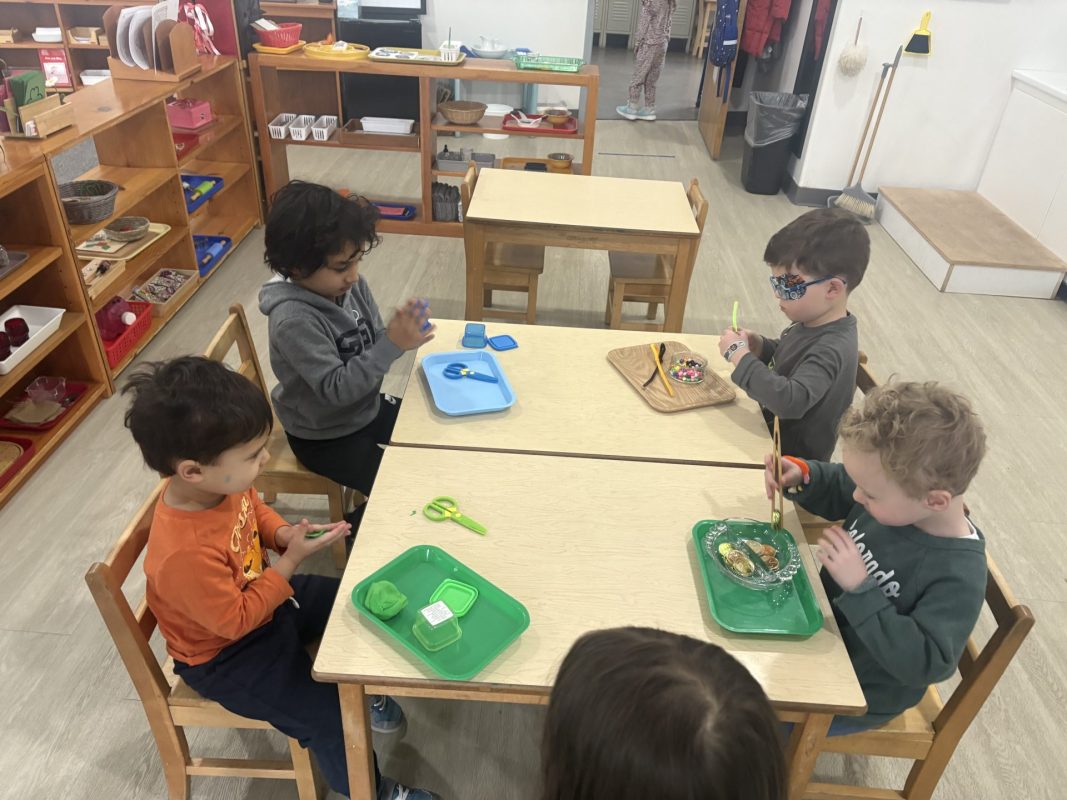
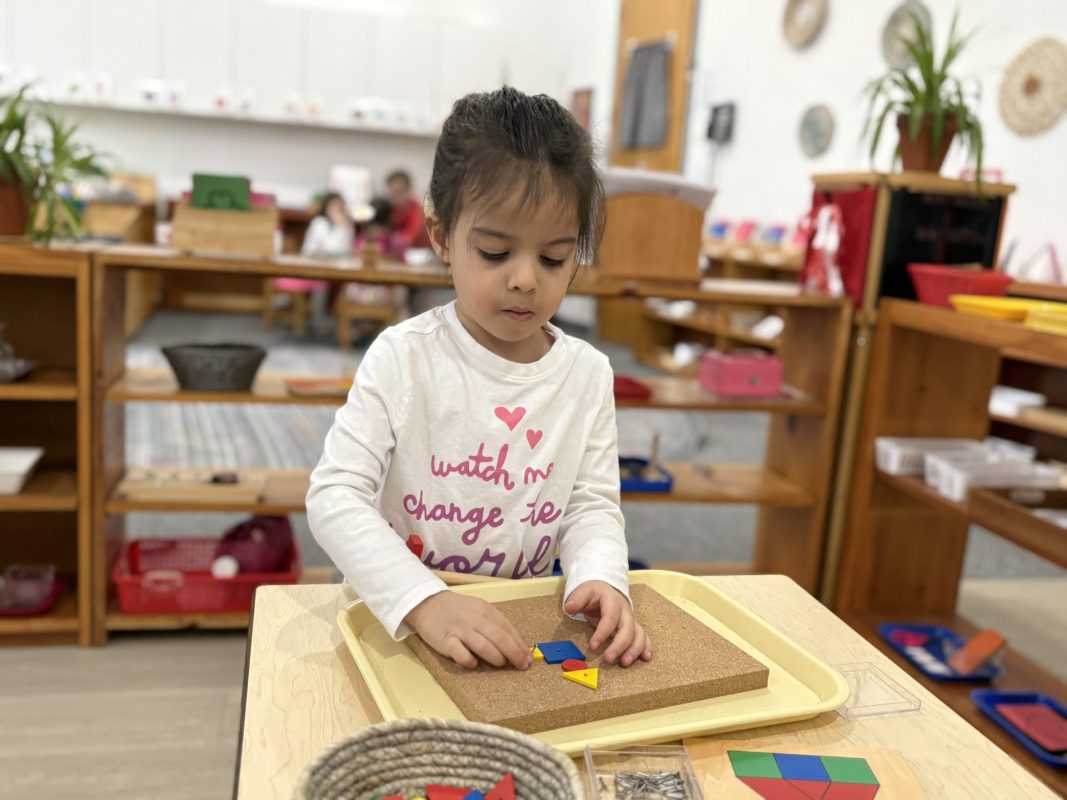
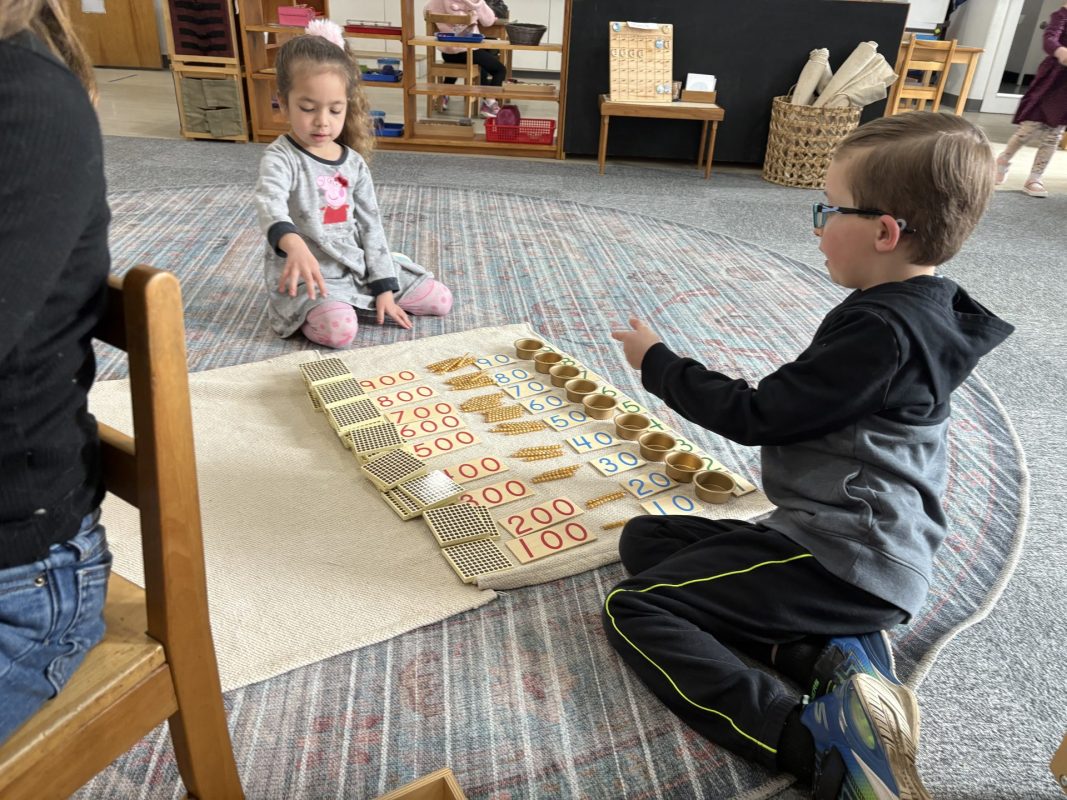
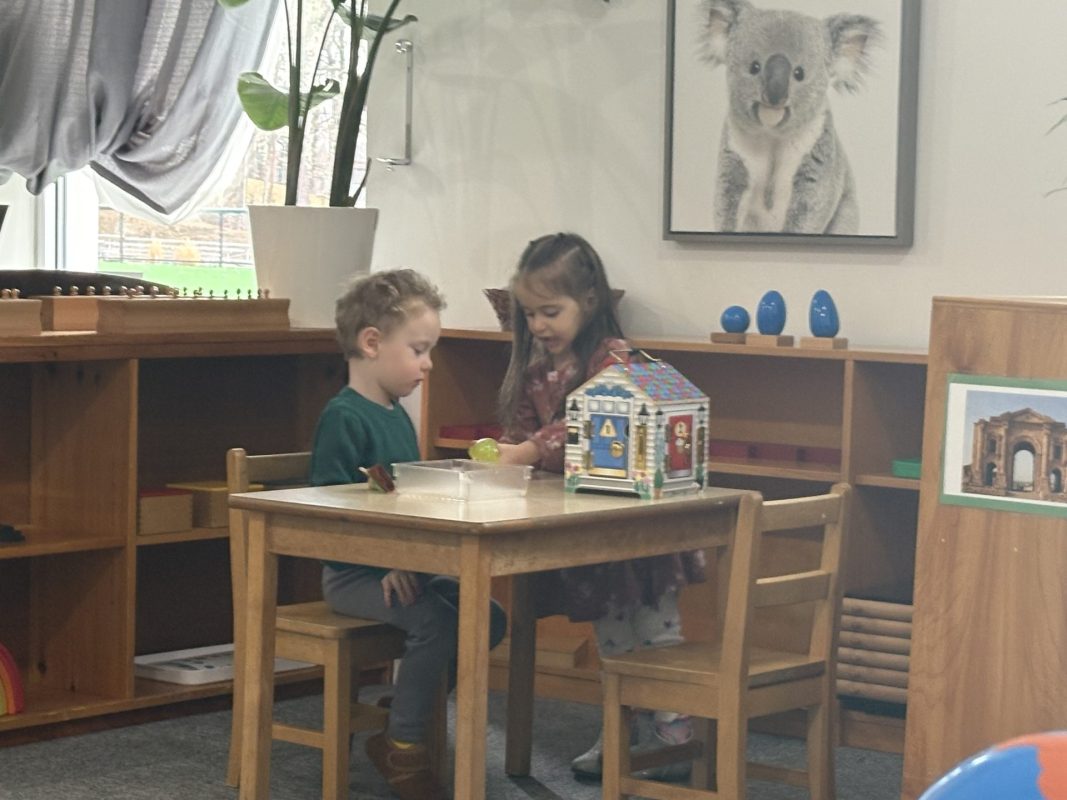
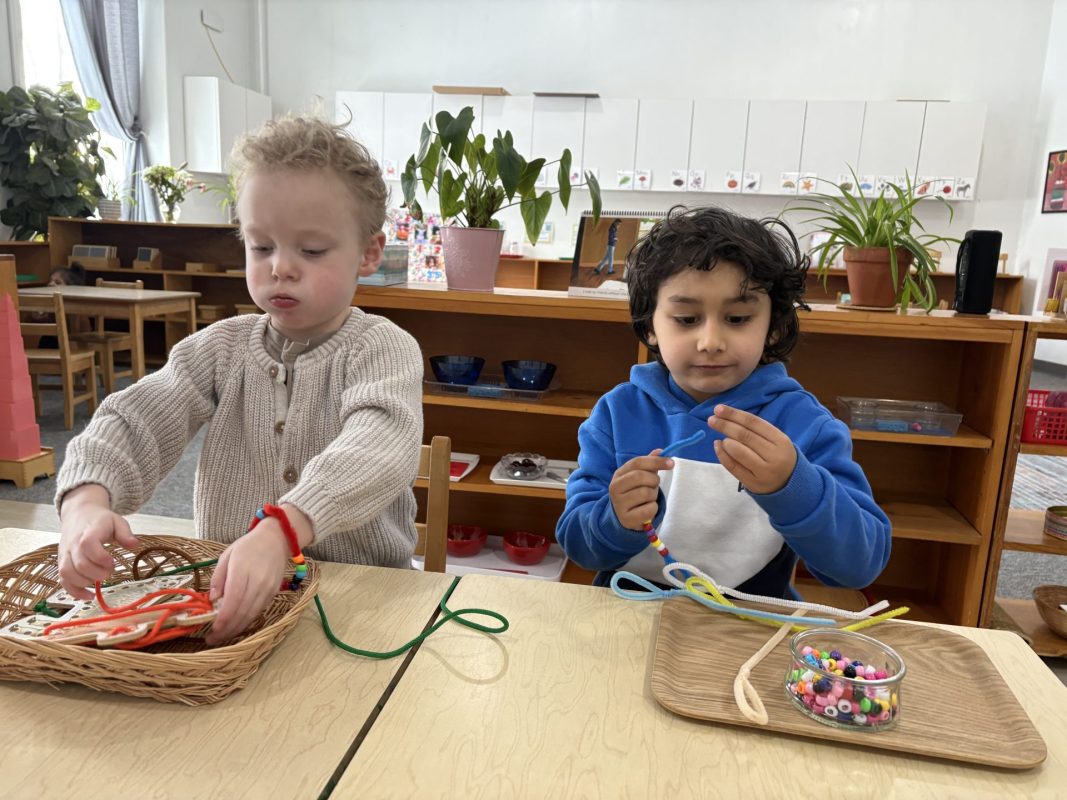
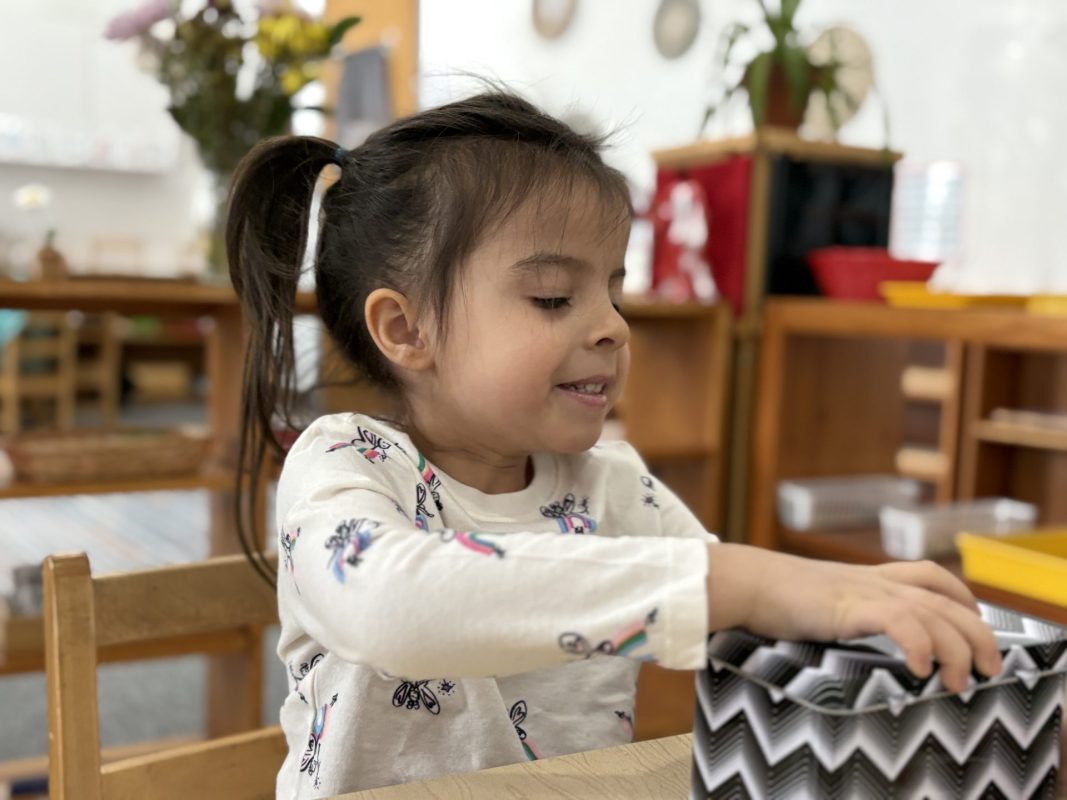
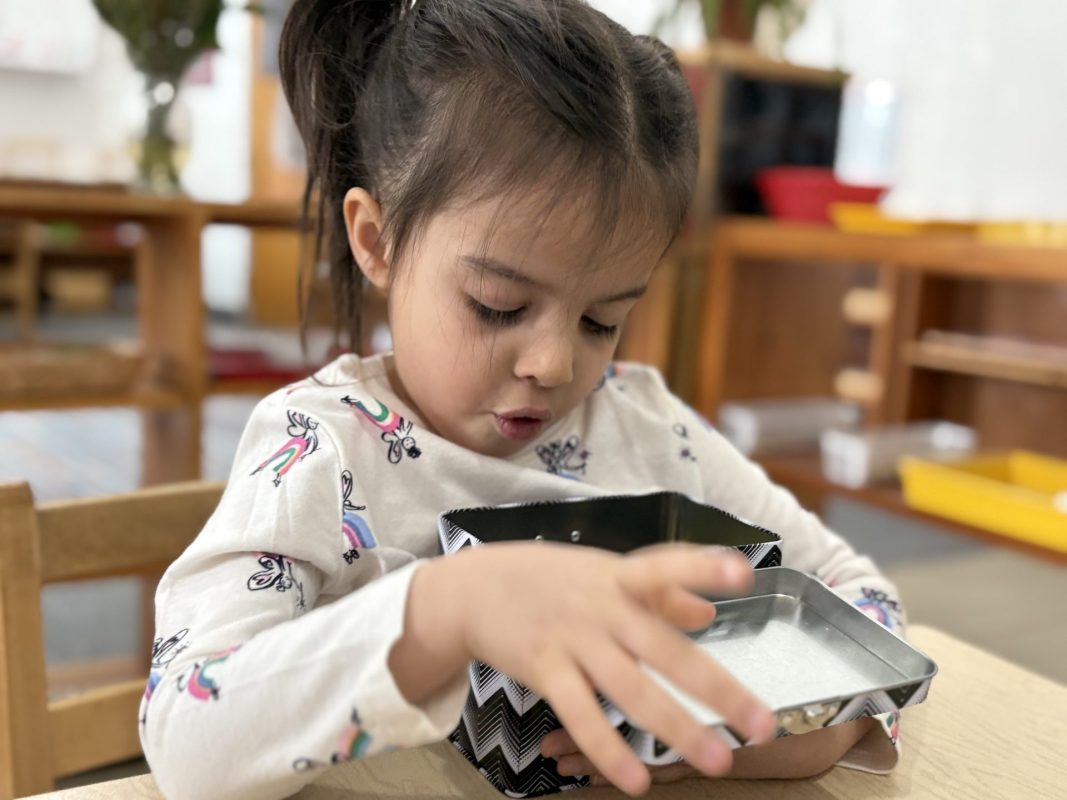
This week has been all about love and friendship! A huge part of our classroom learning is what we call “Grace and Courtesy.” We practice grace and courtesy with each other by using our kindest words (even if the message may be a difficult one), always respecting and listening to each person’s viewpoint, tucking in chairs, getting work ready for the next friend, and taking care of our classroom for the greater good of the community.

Valentine’s Day is the perfect time to highlight grace and courtesy. A holiday that is about love, family, and friendship helps us to reflect on the things we do on a daily basis that not only benefit ourselves but those around us.

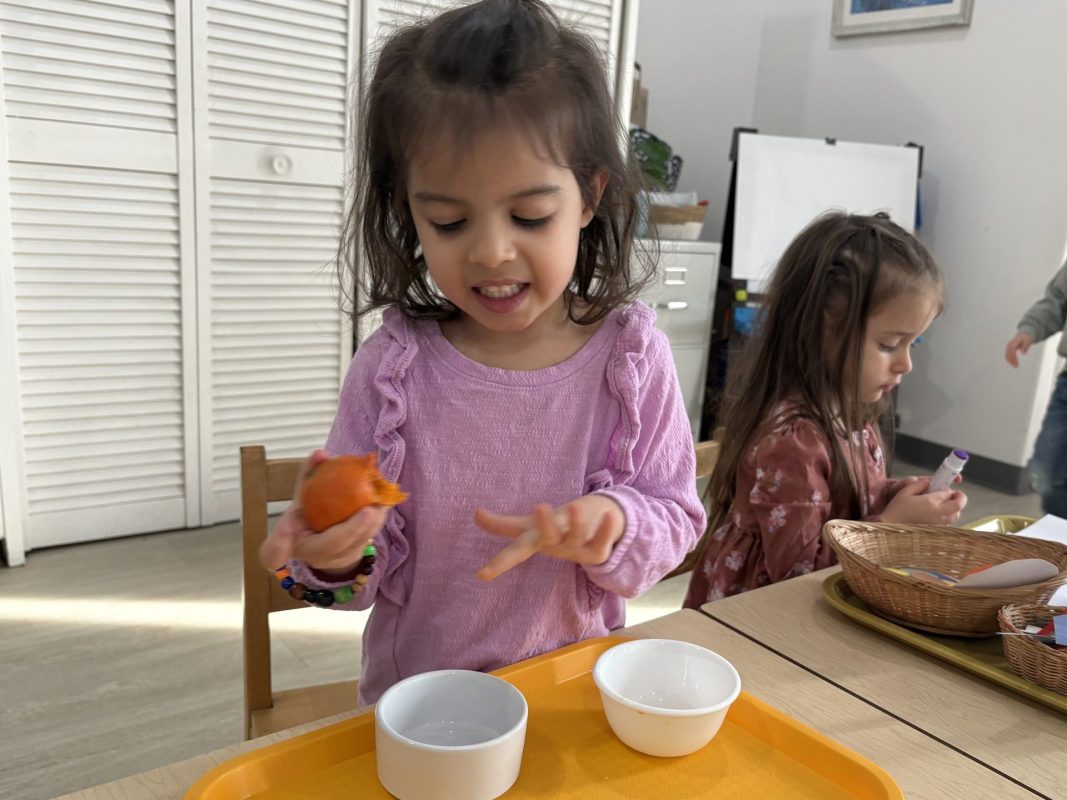
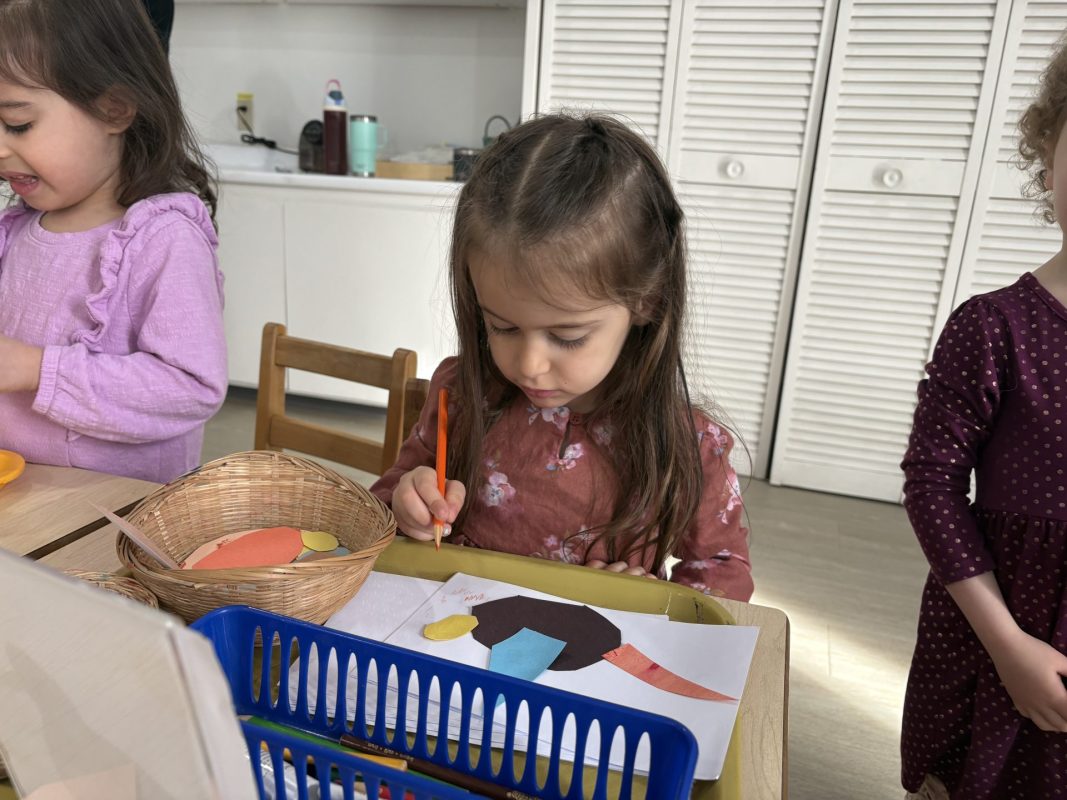
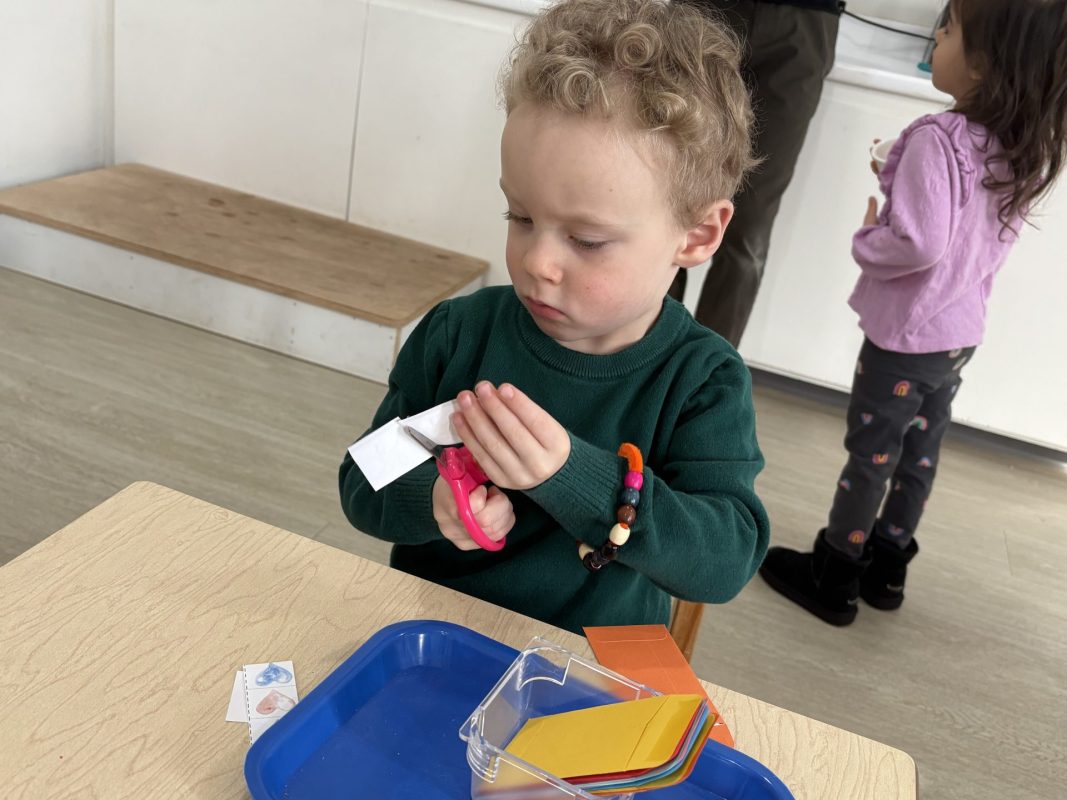
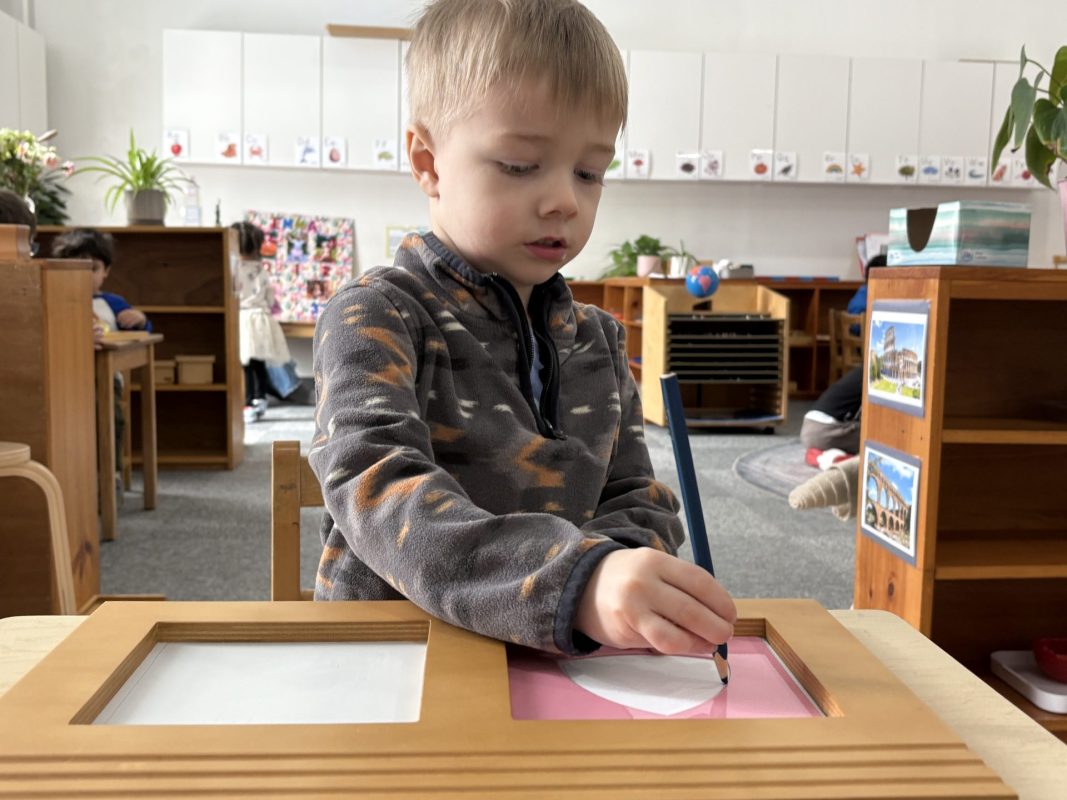
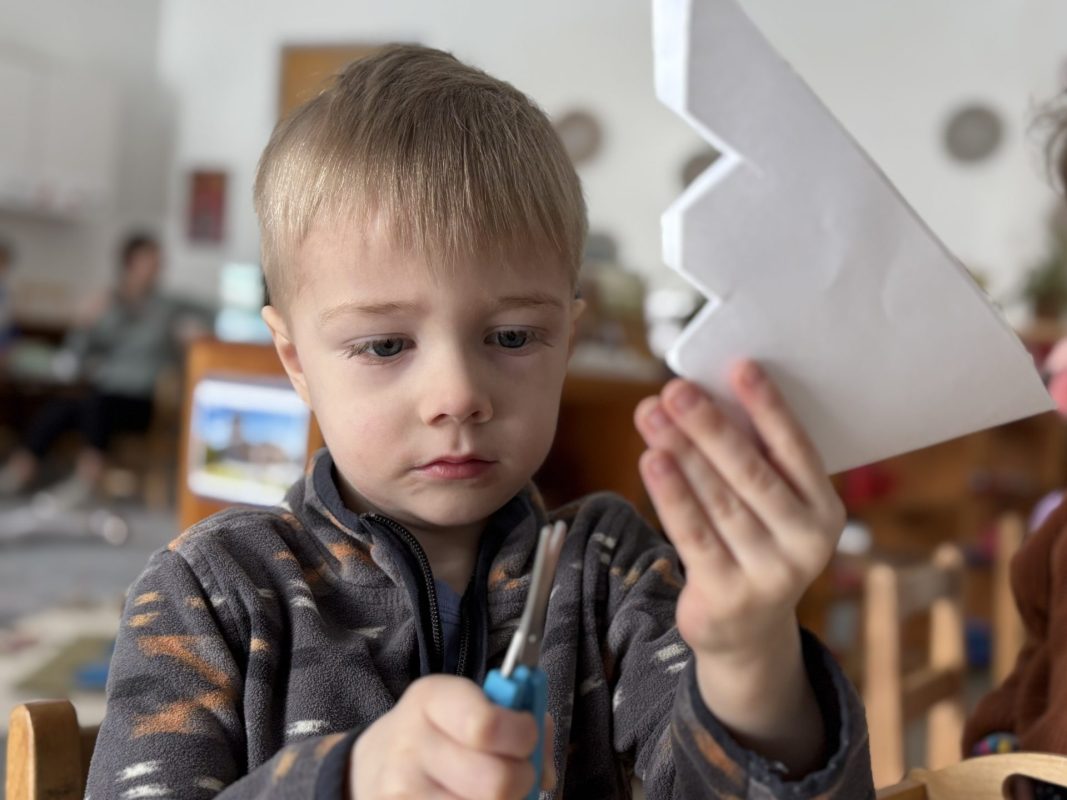
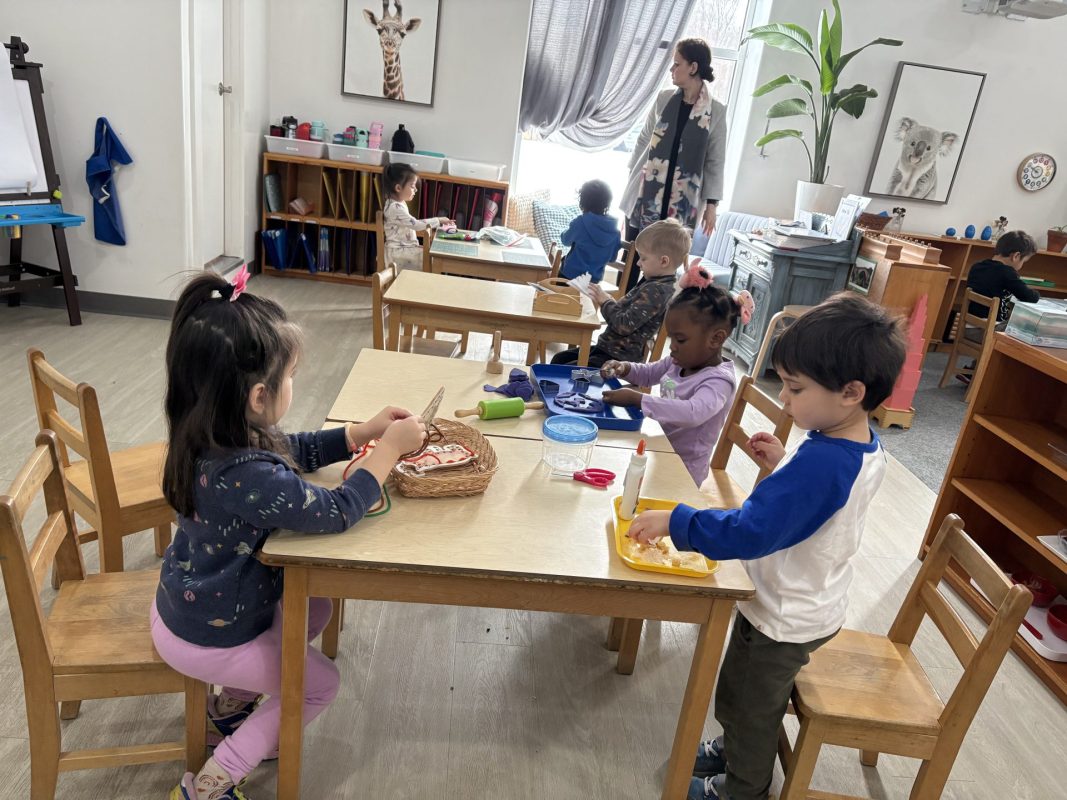
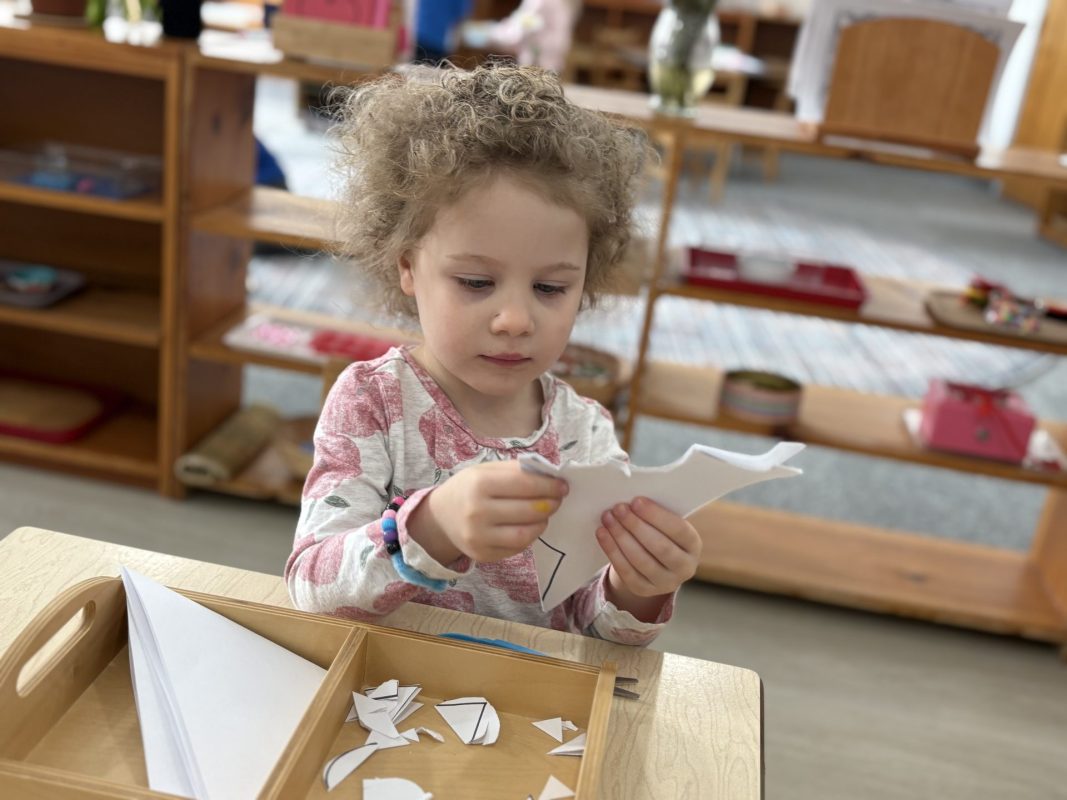
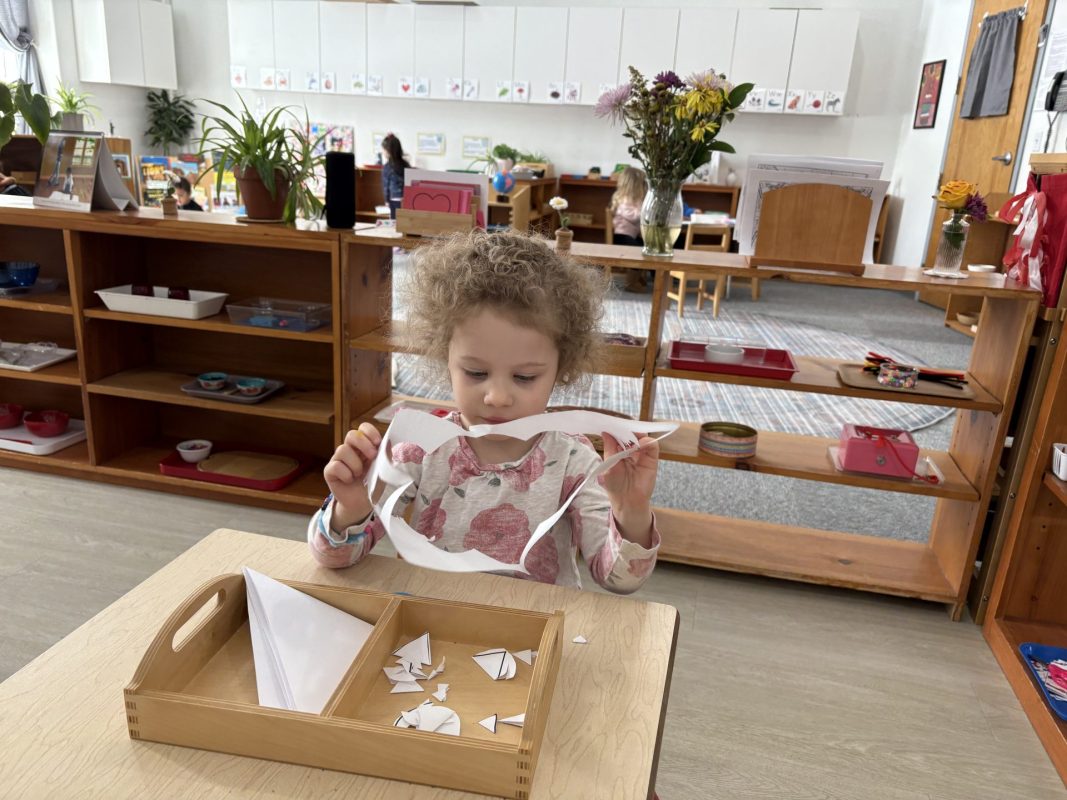
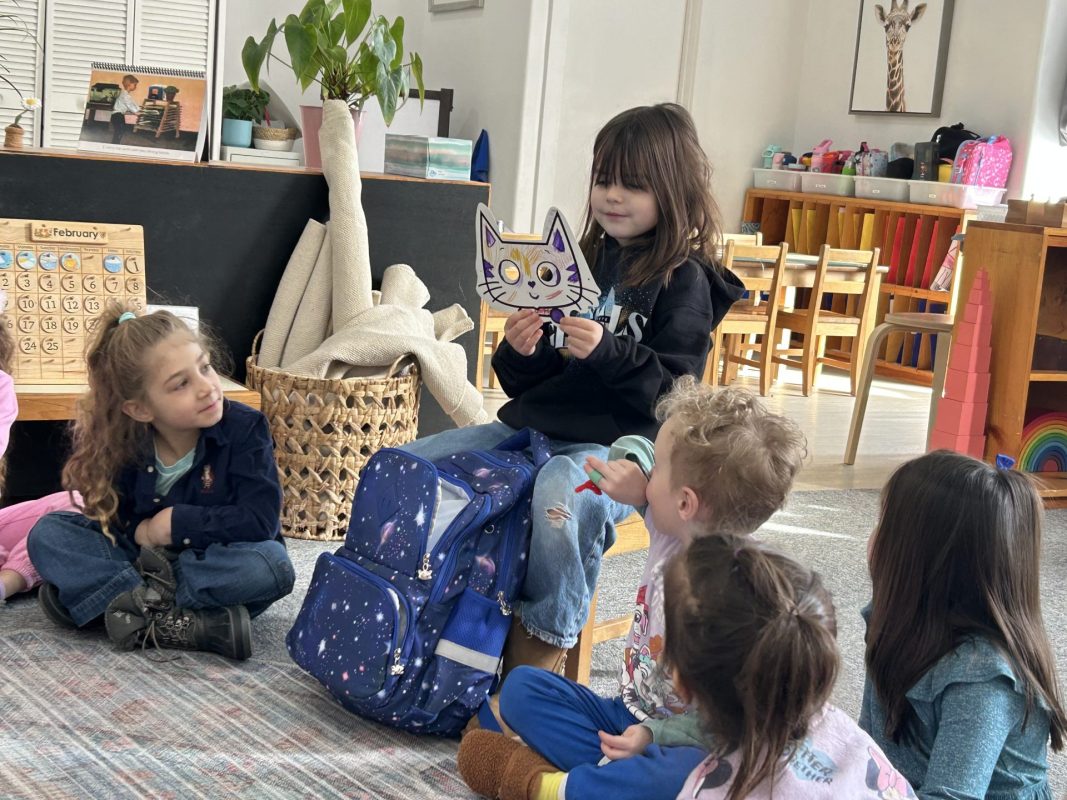
The children took great care in passing out their special Valentine’s Day cards and even used supplies in the classroom to make special cards for people at home.

We hope your holiday was as special as ours!

Marissa & Sue


Ms. Handibode’s Class: Animals in Winter

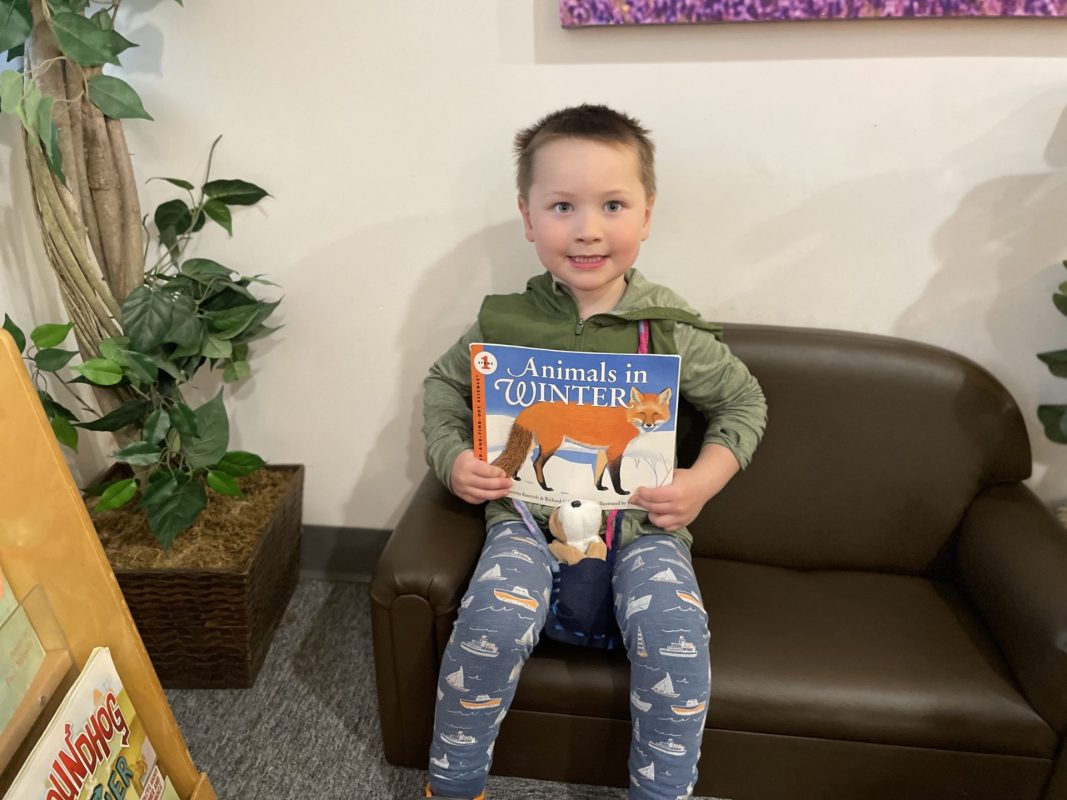
Over the course of the last few weeks, we have been learning that winter can be very harsh for animals. The weather and lack of food can make their survival difficult. To help ensure their survival, animals hibernate, migrate, or adapt to their surroundings.

Animals that hibernate for the winter go into a deep sleep. Their body’s temperature drops, their heartbeat and breathing slow down, and they use very little energy. We’ve learned which animals hibernate as well as where they hibernate. Places, where animals hibernate, can be above ground, such as a cave, nest, or den, or they can be below ground, such as a burrow, a hole, or deep down in the mud.  We explored which animals migrated or traveled to other places where the weather is warmer and they will be able to find food. We also examined why animals might migrate and where they may go. Animals that adapt, remain and stay active in their environment. They adapt to the changing weather, and their behavior and bodies may change too. We talked about what changes animals may make to ensure they will have enough food for the winter.

So, as the cold weather is becoming more frequent, how many of us are thinking about hibernating or migrating?

Wishing you a week filled with peace and love.

Michelle & Maria


Mrs. Sargeant: A Peek at the Week

A large part of our work with young children  is to lay the foundation for developing emotional intelligence—the ability to recognize, understand, manage, and express emotions. Cultivating emotional intelligence in children is crucial for their social and emotional well-being.

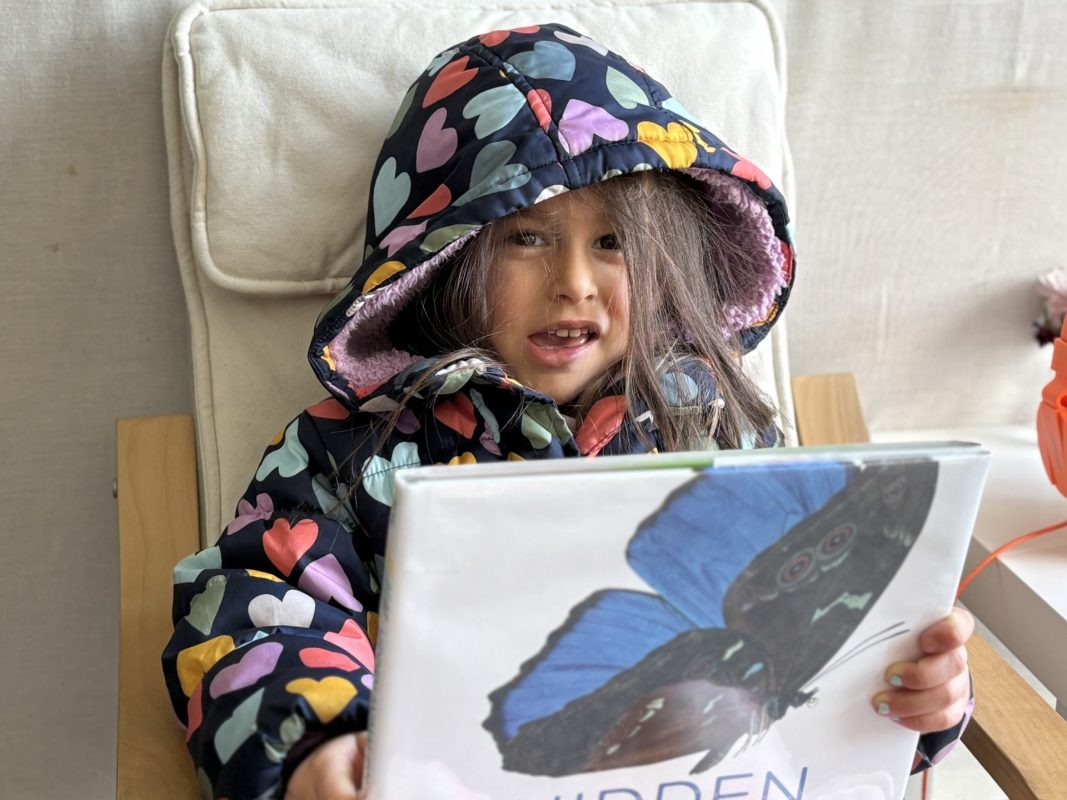
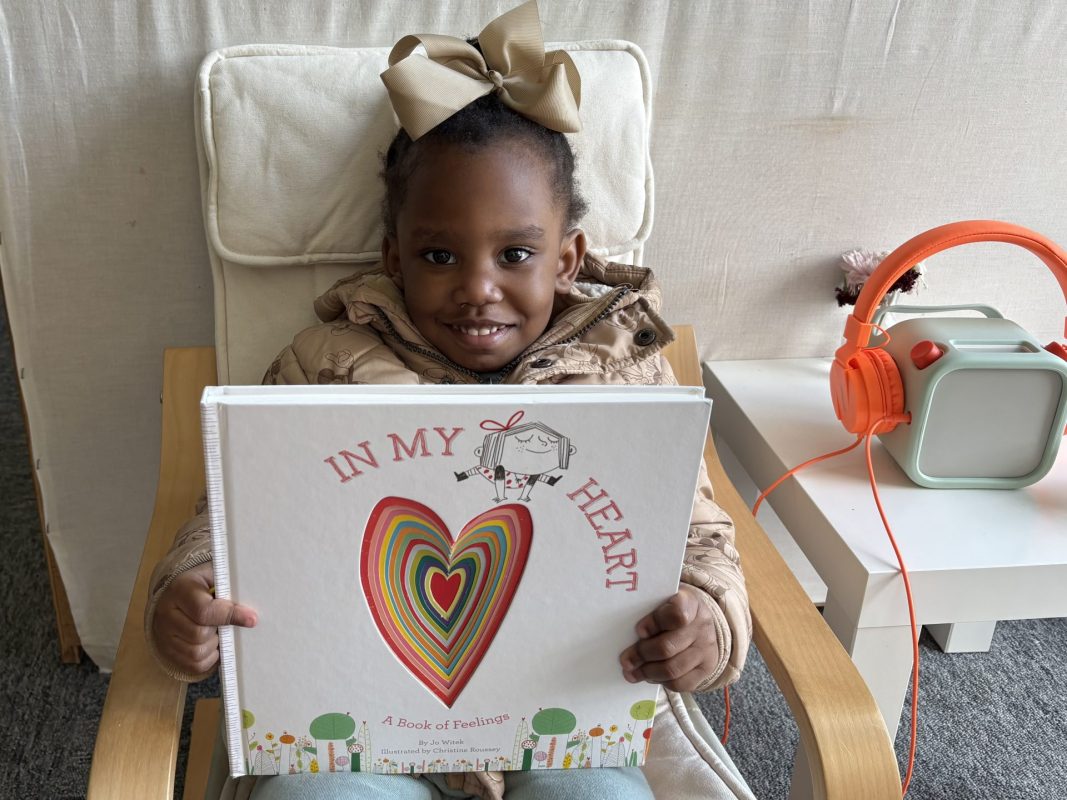
Teaching children to identify and name emotions is the first step in teaching children about their own emotions and the emotions of others. Being able to identify and name their feelings can help children to feel heard and understood. Introducing children to a diverse range of emotions through books, stories, and discussions will develop their emotional vocabulary. Since children often mimic the actions and attitudes of the adults around them, demonstrating healthy ways to express and manage emotions is crucial – such as taking deep breaths to calm down when feeling frustrated. One of our favorite books this month was In My Heart: A Book of Feelings by Jo Witek. We have read it numerous times, and it has inspired discussions about times when we’ve felt a variety of different emotions. The children especially enjoy hearing the anecdotes that I share with them about times when I have felt brave, happy, sad, etc. 

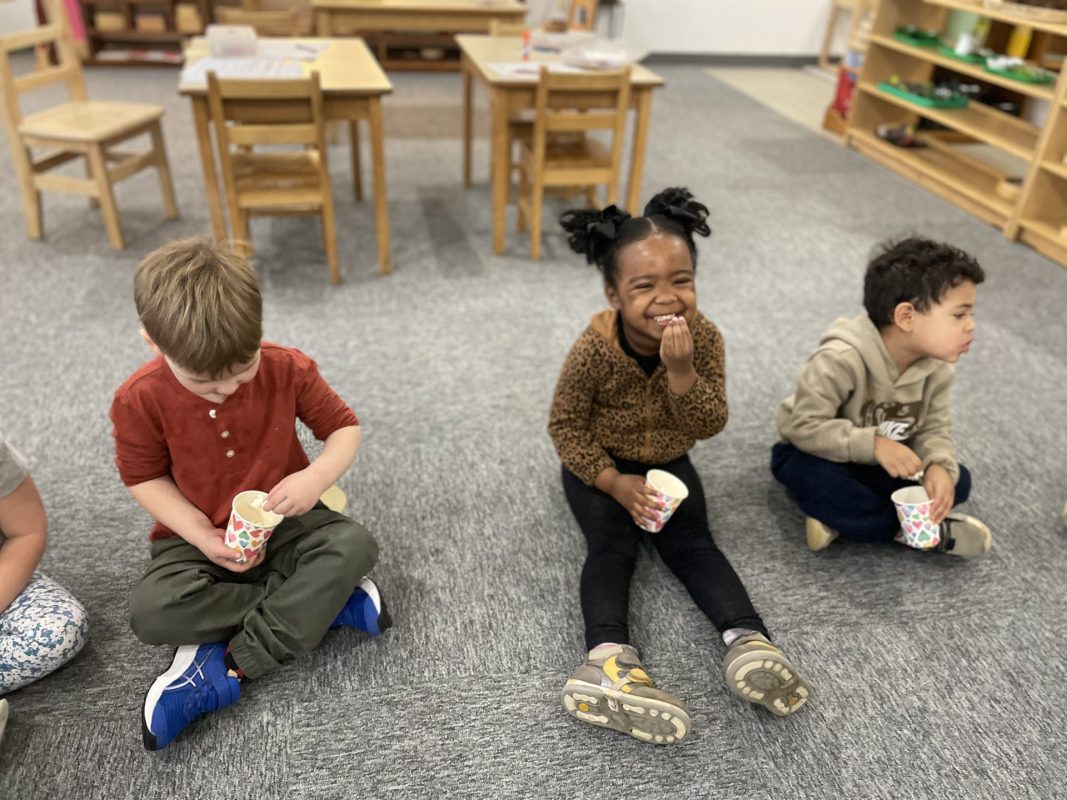
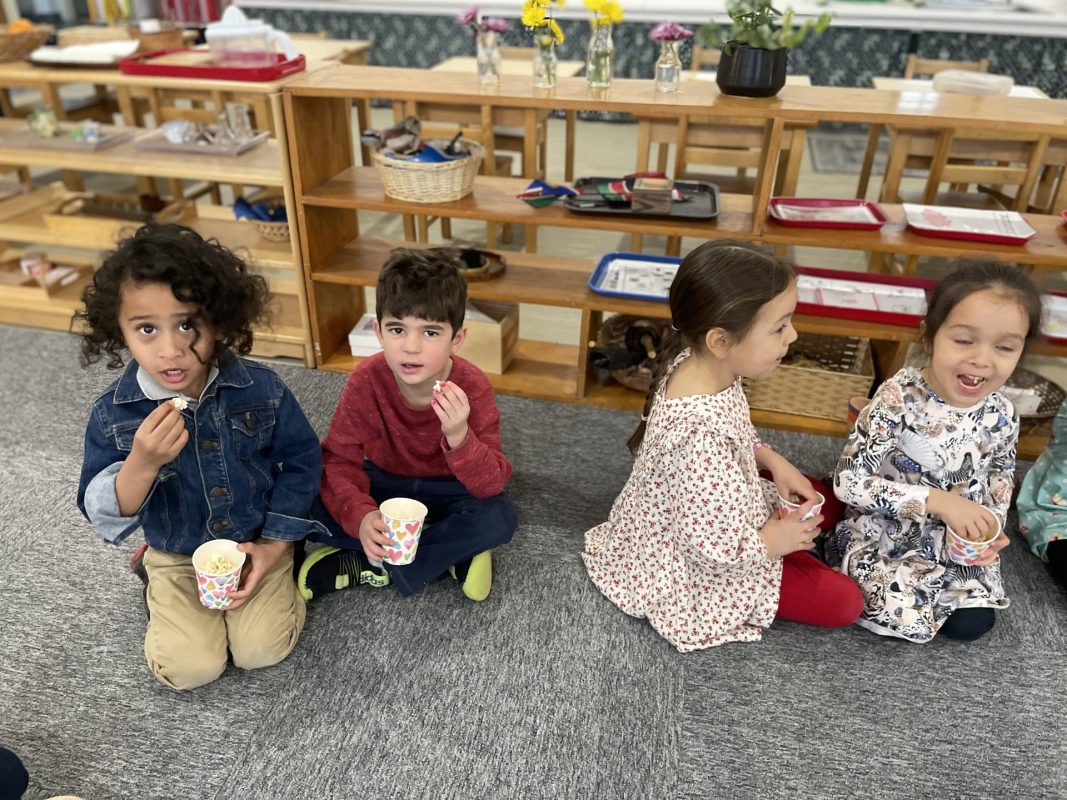
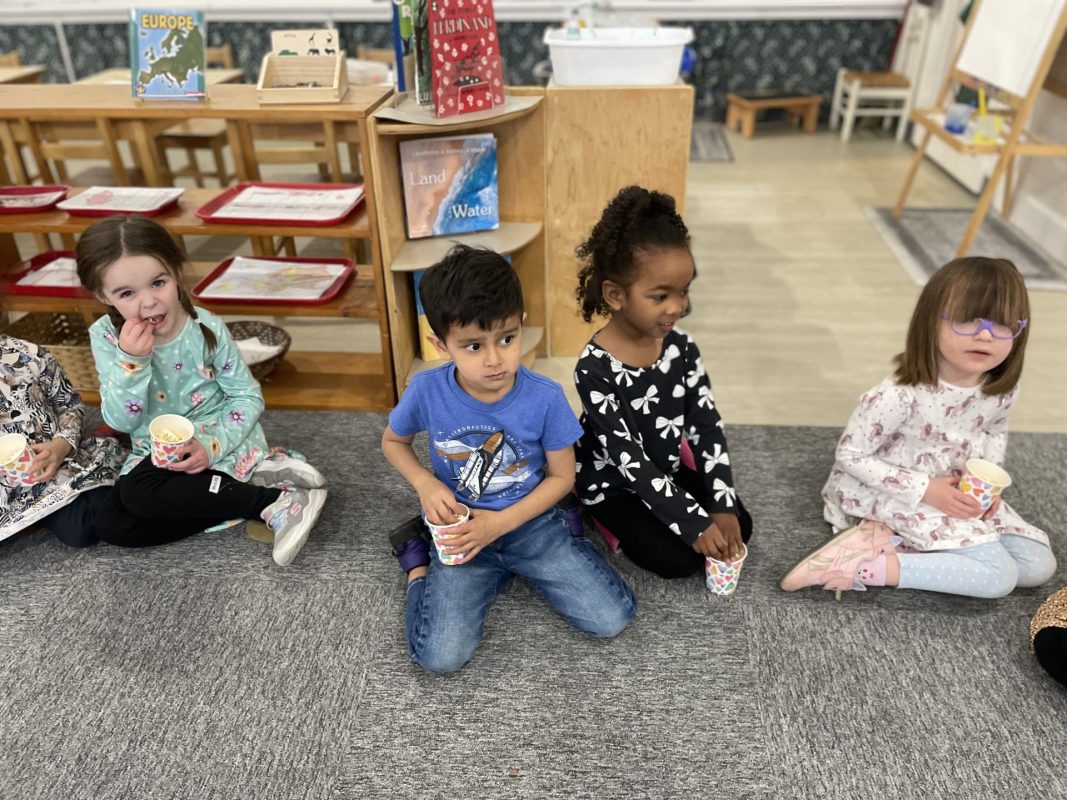
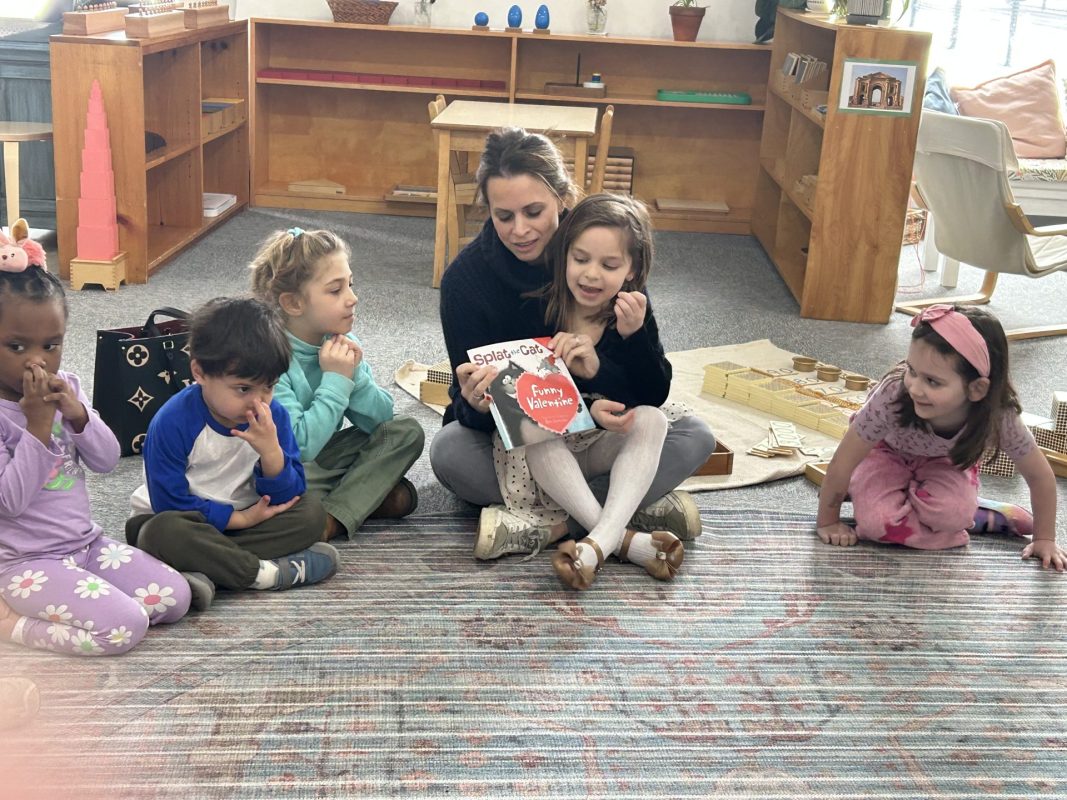
The children decorated their Valentine’s Day bags this week, and we’ve been reading Valentine’s books that celebrate friendship. They were so thrilled to exchange Valentines! We shared a group snack of berries and whipped cream, and marshmallow cereal treats. Thank you, parents for providing the snack and decorations for their bags!

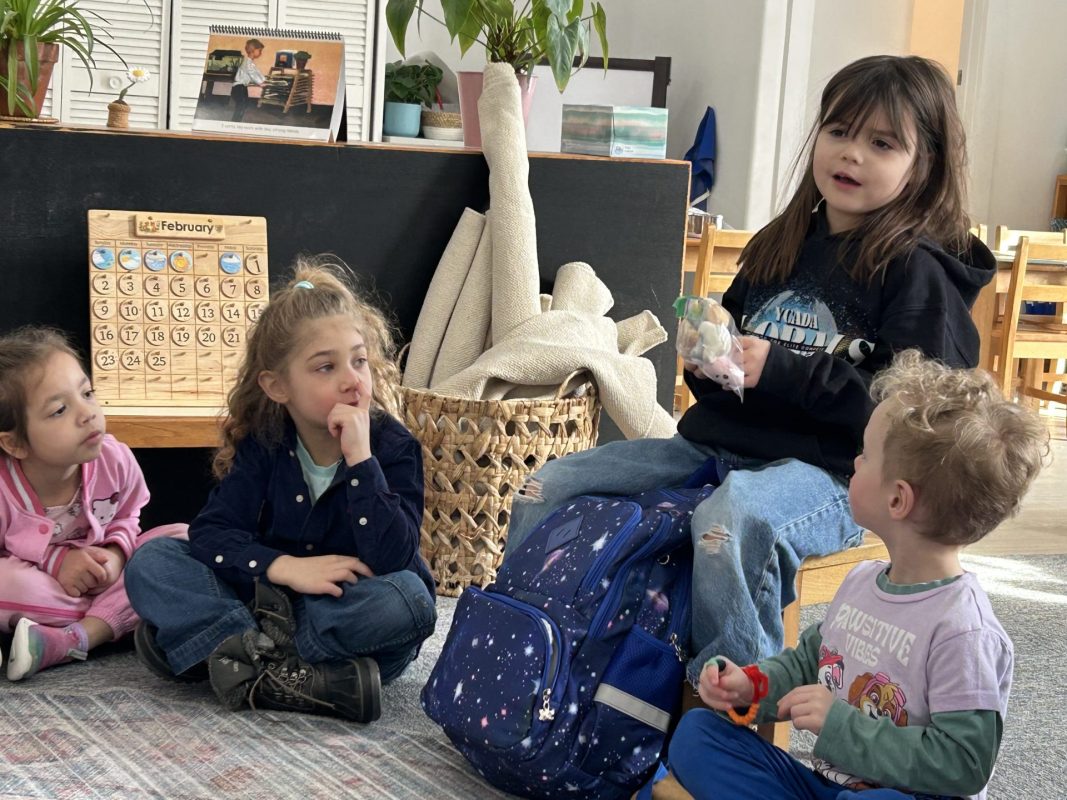
We also played the Compliment Game, where we pass around a heart and whoever is holding it when the music stops receives a compliment from a classmate. This teaches children how to politely give and receive a compliment. They love it!

We asked the children what love means. Their answers are sure to bring a smile to your face. (A few friends were either missing, or weren’t ready to share)

Aira- You can’t see love, but you can feel it inside your body.

Anaya- Love is giving my Mom and Dad and sister a picture with a heart.

Ava- Love is what you give to people and fill up their buckets and that means your heart makes other people feel happy.

Cameron- I love my family and I hug them.

Divya- Love is Mommy because she cares about me all the time.

Eliana- Love is giving kisses to Mommy and Daddy.

Eliot- Love is when I hug my Mommy after school and it feels like I’m never going to be afraid.

Ethan- Love means that your heart is happy!

Hayes- Love is all about loving people and giving hugs and sharing toys.

Ivy- I love you and my Mommy and my little singing rabbit that I’m saving for Easter.

Katie- Love is something that you feel, and it feels happy!

Luke- Love makes me feel happy.

Matteo- Love is a feeling and it fills up your bucket.

Olive- I love my friends and family and cute pets and all the flowers- especially roses, poppies, and sunflowers.

Olson- You can love on your Mom and on your Dad but you can’t see it!

Oscar- My Mom loves me and Valentine’s Day means love.

Otto- Mommy and Daddy got married because they love each other.

Rayna- I love Mommy and snow.

William- Love means giving hugs.

Wishing you all a lovely week,

Christine & Fatima


Mrs. Lopes: A Look at Our Week


A large part of our work with young children is to lay the foundation for developing emotional intelligence—the ability to recognize, understand, manage, and express emotions. Cultivating emotional intelligence in children is crucial for their social and emotional well-being.

Teaching children to identify and name emotions is the first step in teaching children about their own emotions and the emotions of others. Being able to identify and name their feelings can help children to feel heard and understood. Introducing children to a diverse range of emotions through books, stories, and discussions will develop their emotional vocabulary. Since children often mimic the actions and attitudes of the adults around them, demonstrating healthy ways to express and manage emotions is crucial – such as taking deep breaths to calm down when feeling frustrated. One of our favorite games in the classroom is the “Silence Game”.  This is a fun way to teach the children how to meditate and center ourselves when the classroom begins to get too noisy or boisterous.  During the Silence Game, we reinforce how much self control it takes to keep our bodies quiet and still, to “make silence”.  After playing the game, I encourage the children to share what they heard or noticed while being quiet and also notice how their body feels after taking the time to sit quietly.  This reinforces how we can sometimes miss a lot of what is going on around us if we don’t take the time to center ourselves.  

Wishing you a week filled with peace and love,

Amanda & Hema


Ms. Handibode: All You Need is Love!
We asked the children what love means. Their answers are sure to bring a smile to your face. In similar posts that we’ve done in the past, we always say the world would do well to listen to these children. It rings true with this post as well. We hope you enjoy their responses as much as we did!
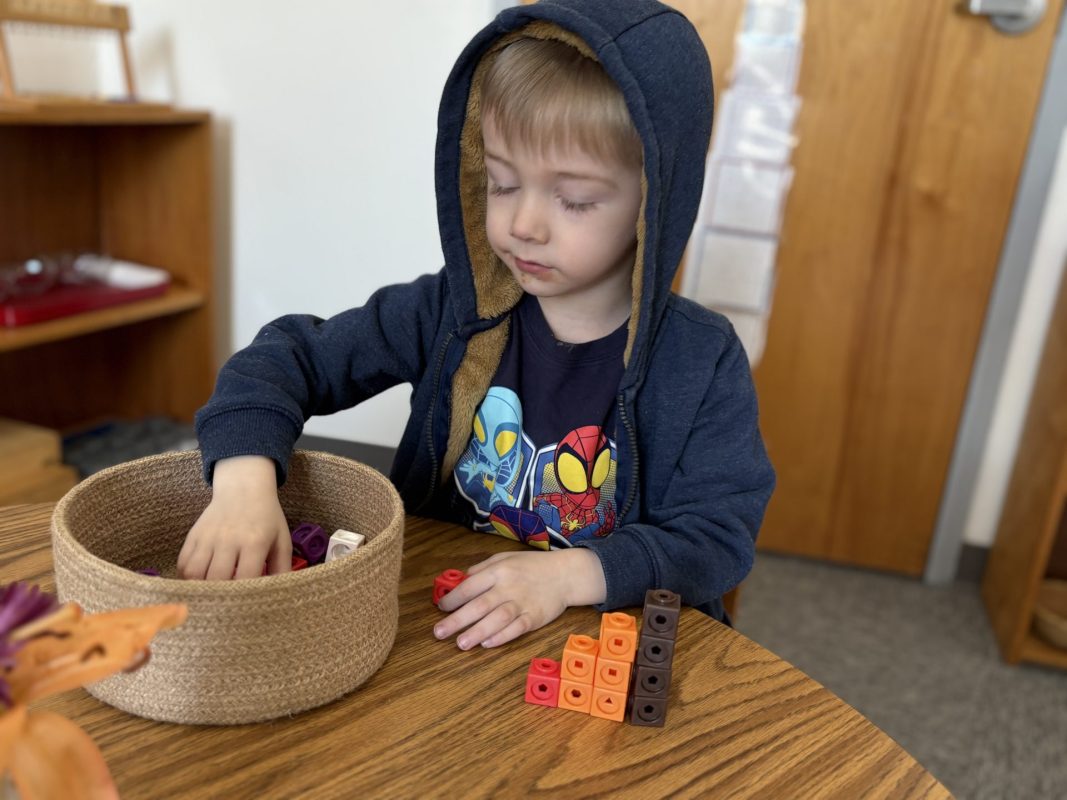
  • Arya–              Love is helping people when they need it.
  • Connor–        Love means lots of hearts and playing with people you like.
  • Ella–                Love is sharing my toys with my little sister.  I only share some of them with Mila though, not the really special ones.
  • Hadley–         Love is building princess castles with my Mommy and Daddy.
  • Hannah–       Love is playing robots with my brother Luke.
  • Harper–         Love is playing with other people even when they are upset or alone.
  • Jacob–            Love is helping Mommy do puzzles that have more than 100 pieces.
  • Jaxxon–          Love is when we give hugs.
  • Joseph–          Love is helping Mommy and Daddy take care of the house.
  • Maayan–        Love is building Legos with my Daddy. We build lots of different houses.
  • Melina–          Love is sharing toys with my cousin.
  • Morgan—        Love is giving someone lots and lots of hugs.
  • Oliver–           Love is giving my Mommy and Daddy lots of hugs.
  • Reagan—         Love is being kind to everyone and sharing things with other people, even my Teddy Bear and heart pillow.
  • Remi–             Love is playing race cars and Hot Wheels with my Mommy and Daddy.
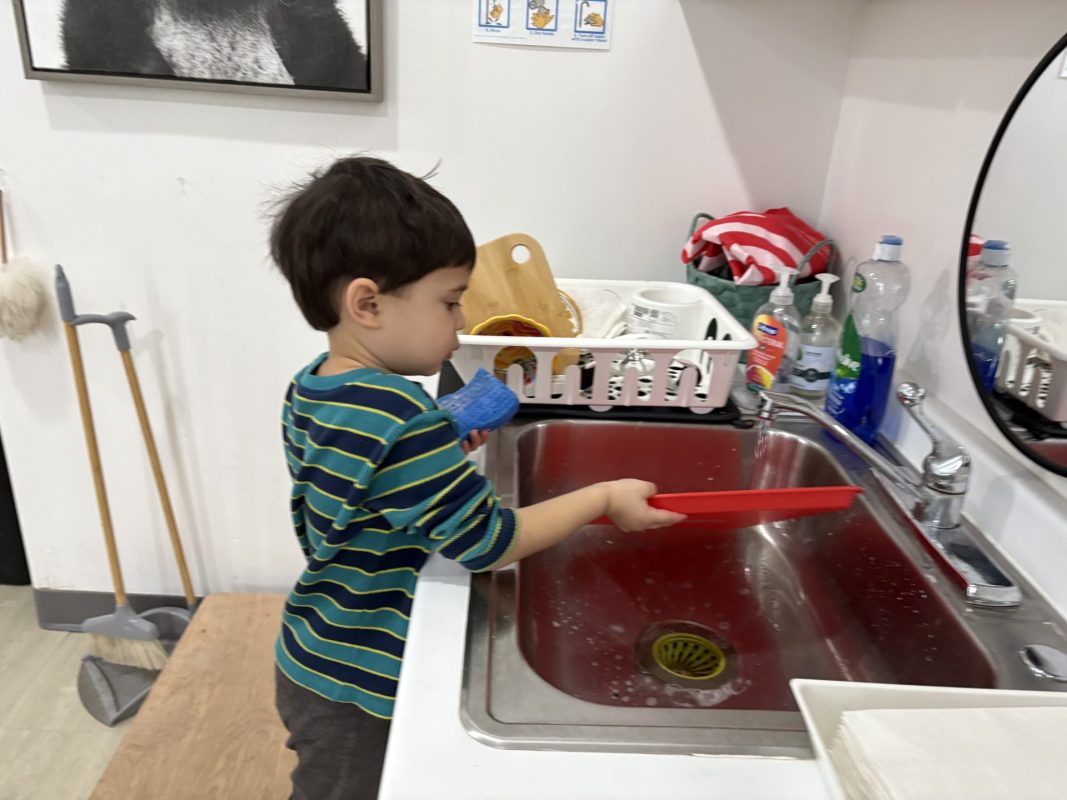
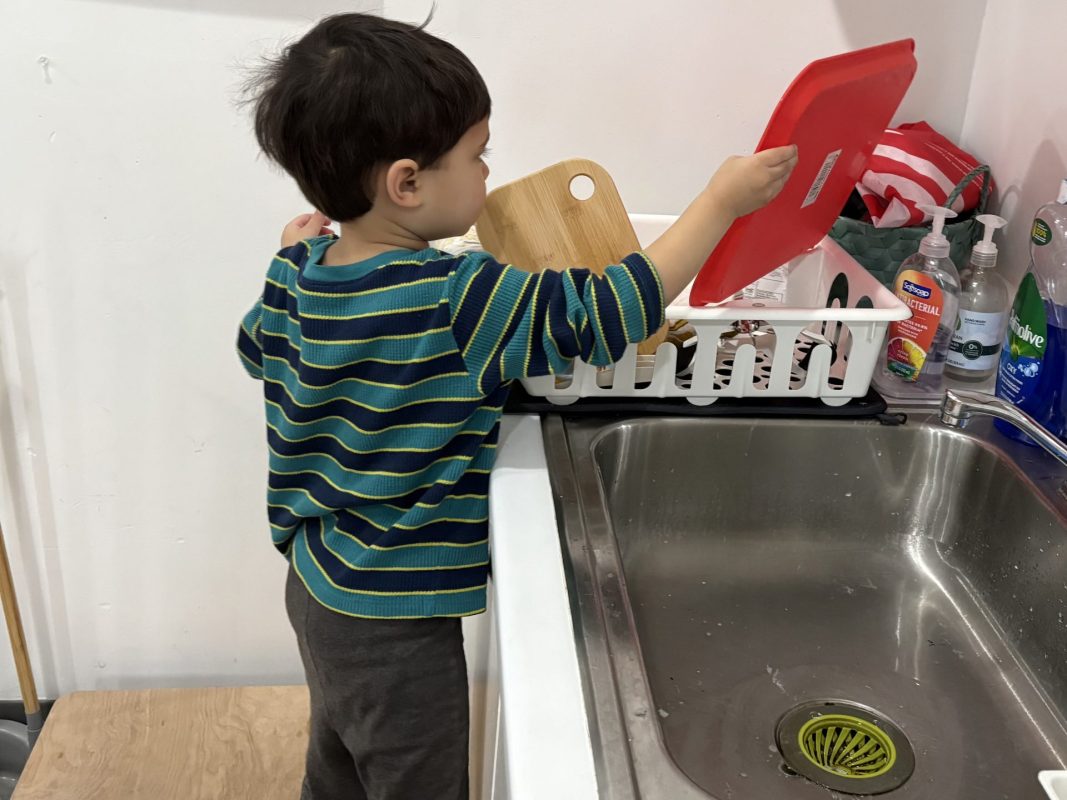
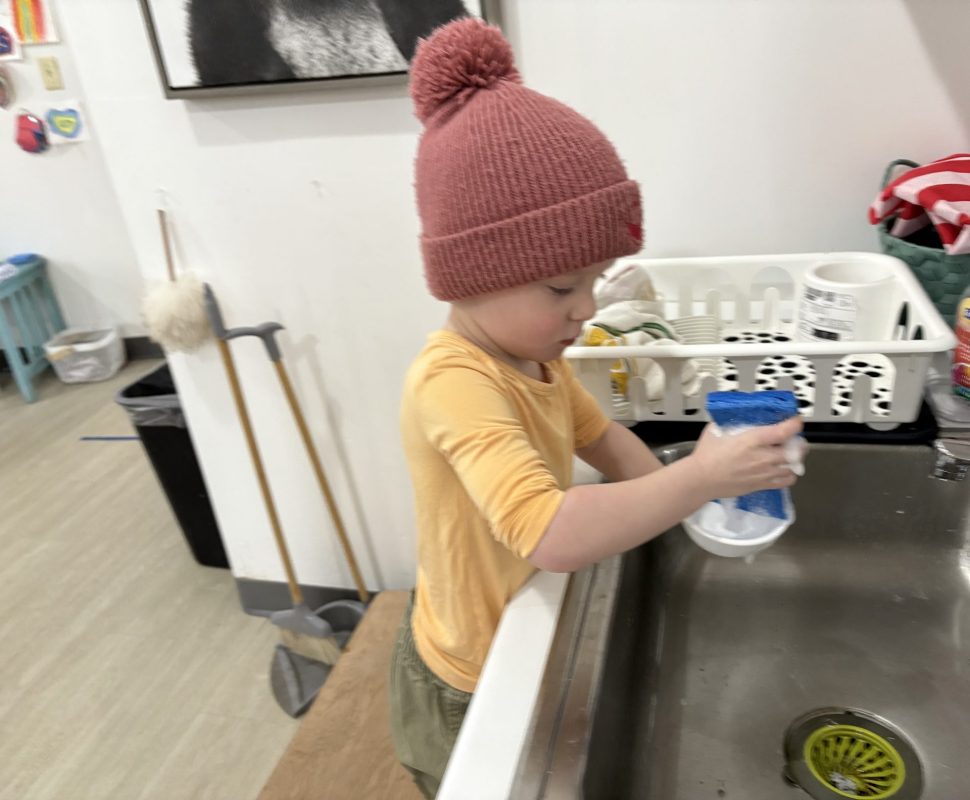
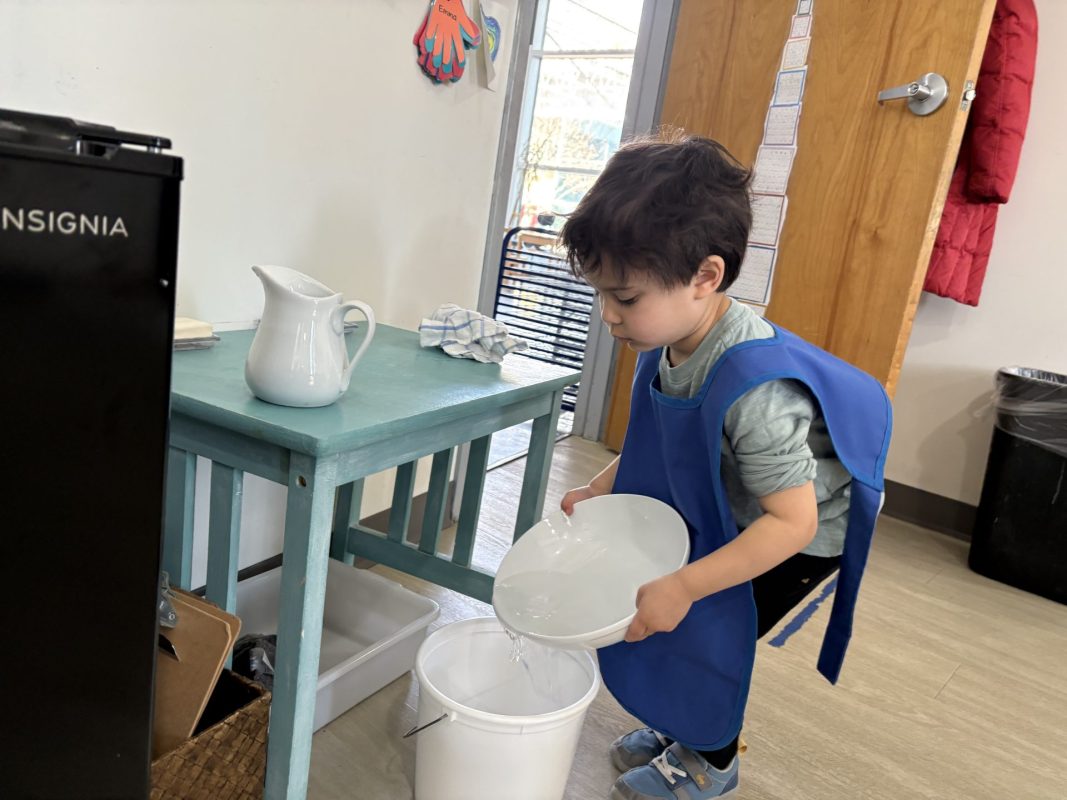
  • River–             Love is washing the dirty dishes.  I just have to remember to use cold water so I don’t burn myself with hot water.
  • Ryan–              Love is giving my Daddy hearts and my Mommy lots of hugs.
  • Tommy–         Love is letting my little brother follow me all around.
  • Wilder–          Love is something you show other people, and you share your toys.
  • Zaki–               Love is being with your friends.
  • Zion–              Love is teaching my little sister how to be kind to people and to respect Mommy and Daddy.

Wishing you a week filled with peace and love.

Michelle & Maria


Mrs. Lopes: A Look at Our Week

We asked the children what love means. Their answers are sure to bring a smile to your face. In similar posts that we’ve done in the past, we always say the world would do well to listen to these children. It rings true with this post as well.

  • Amelia– Love is playing with my friends Kimberlin and Elanour.
  • Arhan– Love is dinosaurs.
  • Arian– Love is kissing and hugging my Mom.
  • Ben– Love is riding my bike with Dad and Kian.
  • Brisa– Love is cooking with my Mom.
  • Brooke–Love is playing with my sister Taylor.
  • Casey– Love is Friday Fort Night with my brothers.
  • Declan–Love is hugging my Mommy and Daddy.
  • Elanour–Love is cupcakes and birthdays.         
  • Enzo– Love is when I play Legos with my Mom.
  • Evie– Love is “Daddy Night” and playing Daddy Dinosaur.
  • Fiona– Love is making my Mom a paper heart.
  • Helena– Love is giving Mom a big hug.       
  • Kaiah– Love is making a card for my sister when she is sick.       
  • Kimberlin– Love is snuggling with my Mama.
  • Love–Love is playing tag with my Mom.
  • Nicolas– Love is playing games with my sisters.
  • Olivia–Love is seeing my sister Vanessa.
  • Ryder–Love is kissing my Mom on the forehead and showing her pictures of rocket ships, houses, and pipes.
  • Sadie– Love is playing Barbies with my Mommy.
  • Scotlyn– Love is hugging my brother, River.
  • Zion– Love is playing ball with my brother and sister.              

Wishing you a week filled with peace and love.

Amanda & Hema


Ms. Marissa: Weekly Update

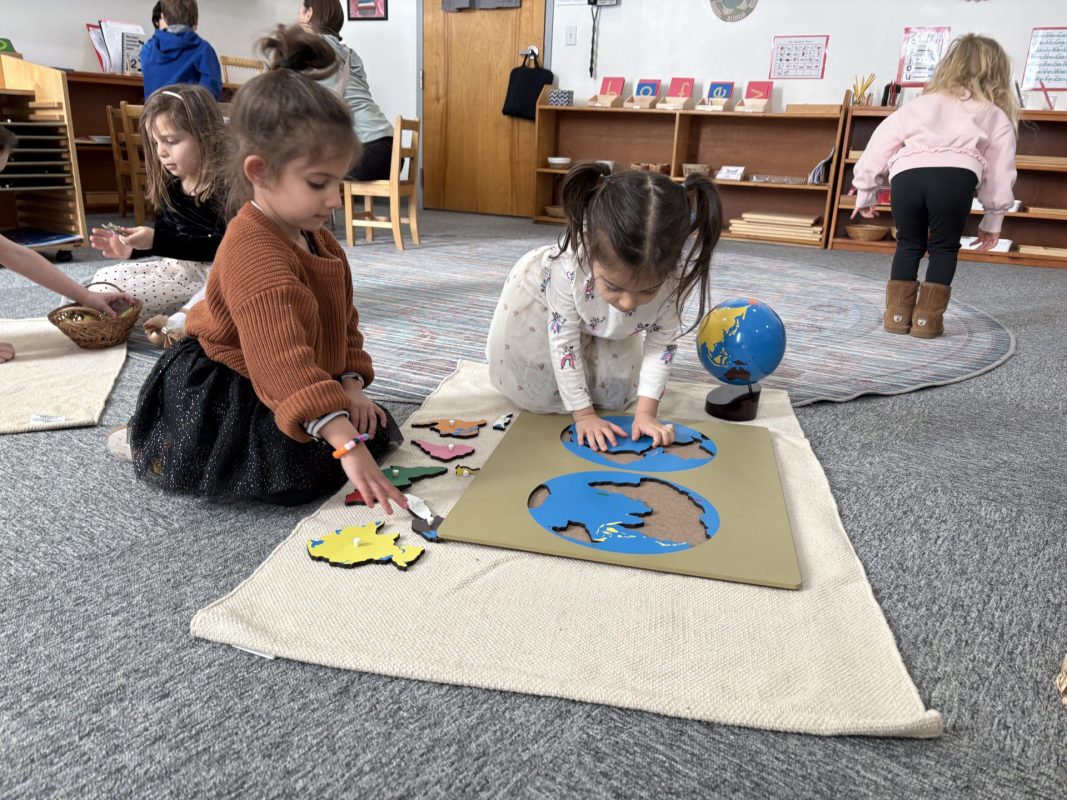
We have had a busy week filled with birthday celebrations, visitors, snow and mud, and lots of talk about Valentine’s Day. We have been hoping and wishing for Spring and have discussed some of the first signs of the lovely season – my favorite being the sighting of robins! We have been singing “Red Red Robin” – ask your child to sing it for you!
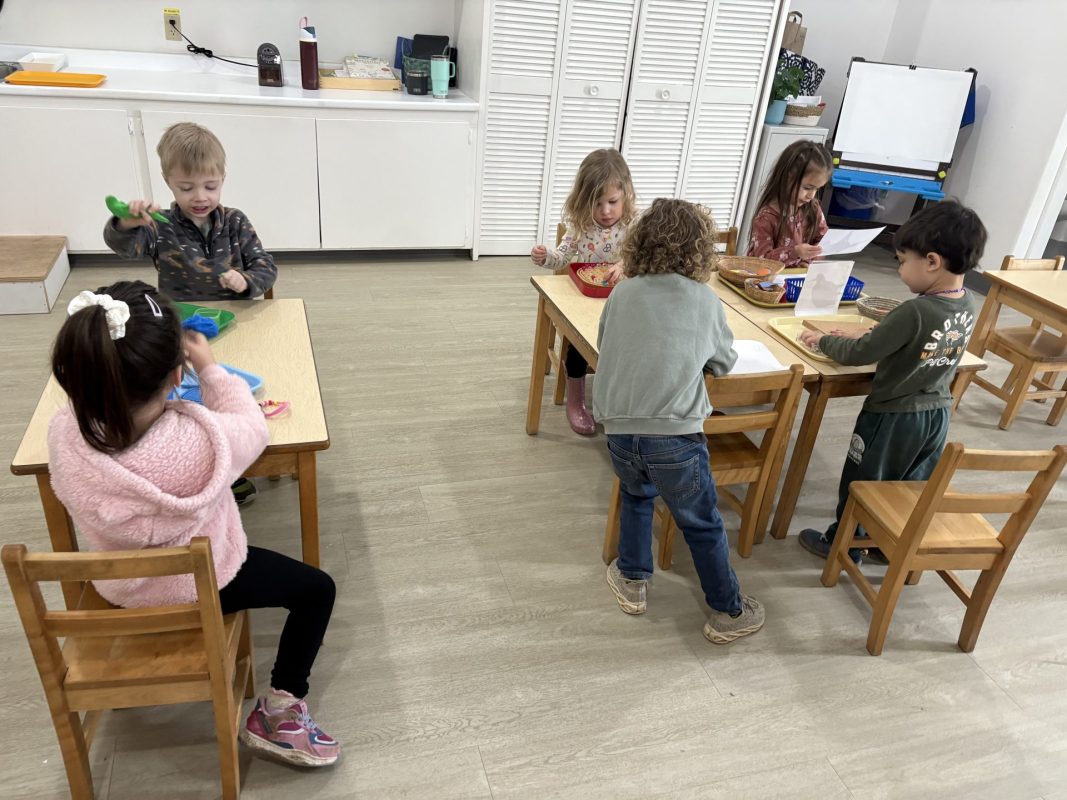
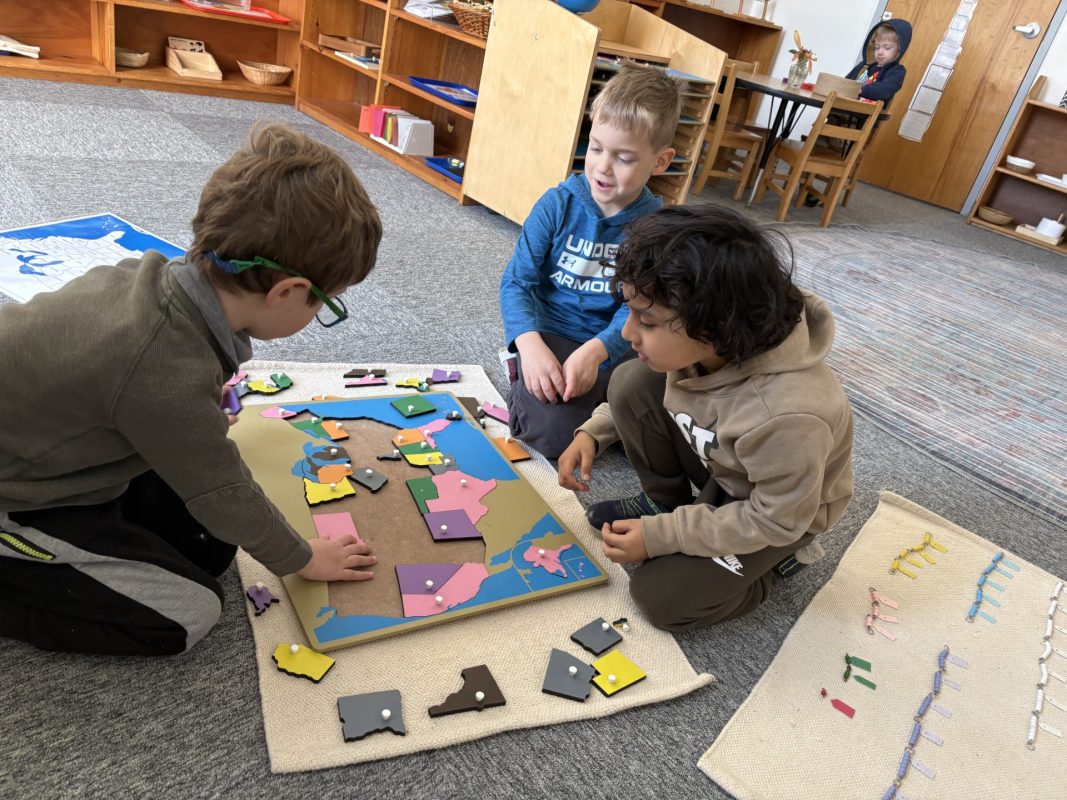
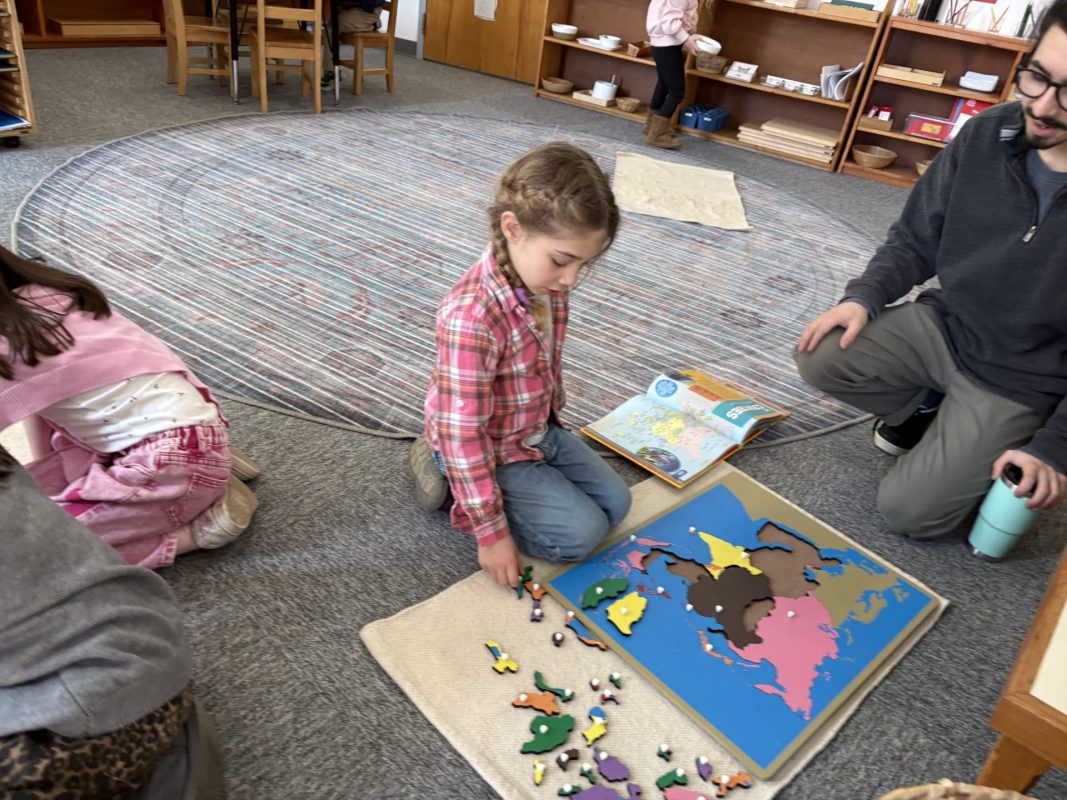
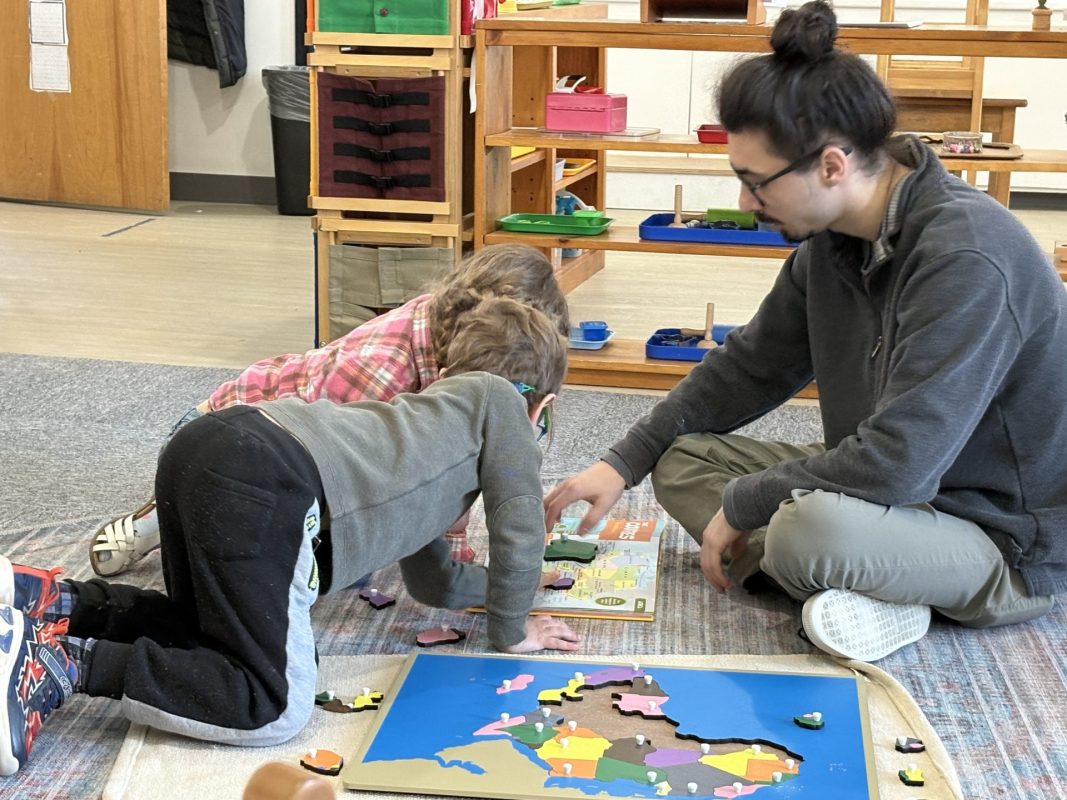
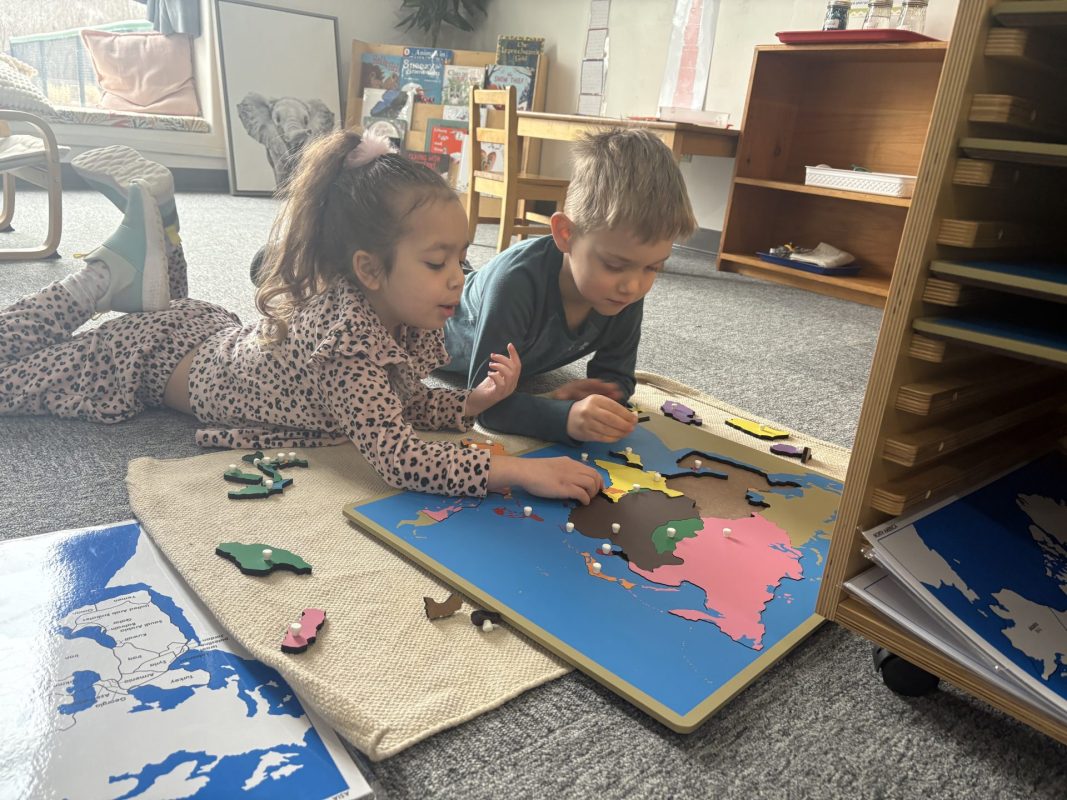
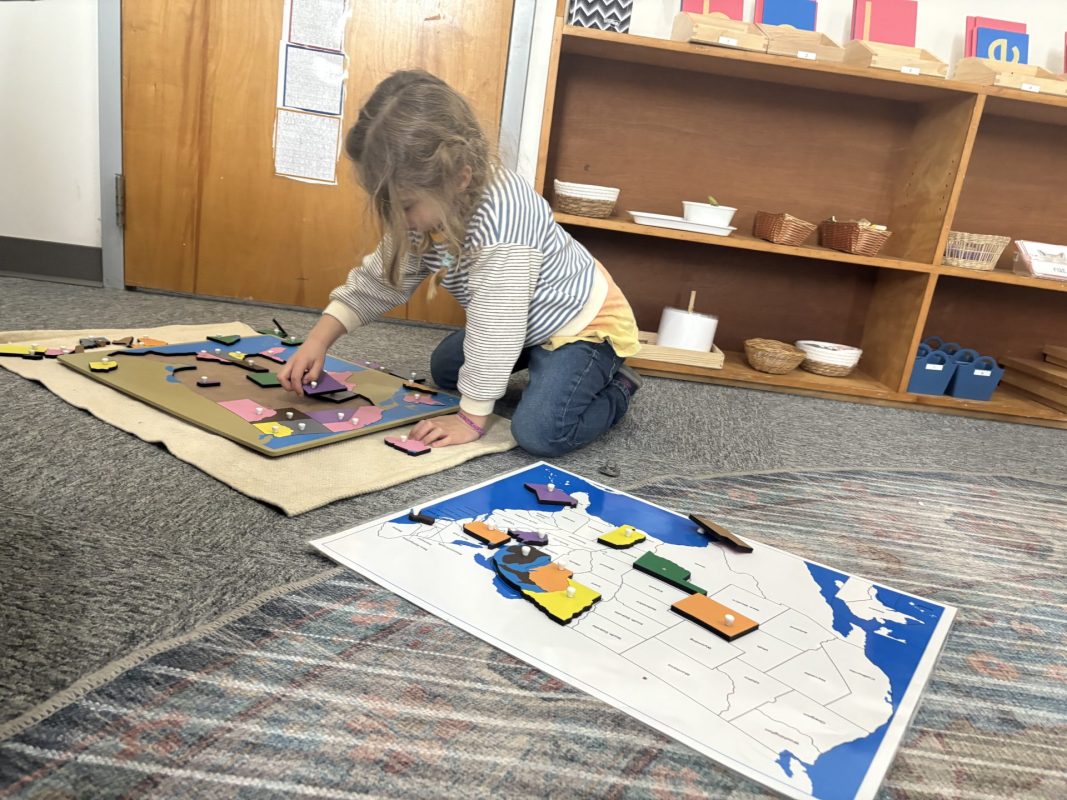
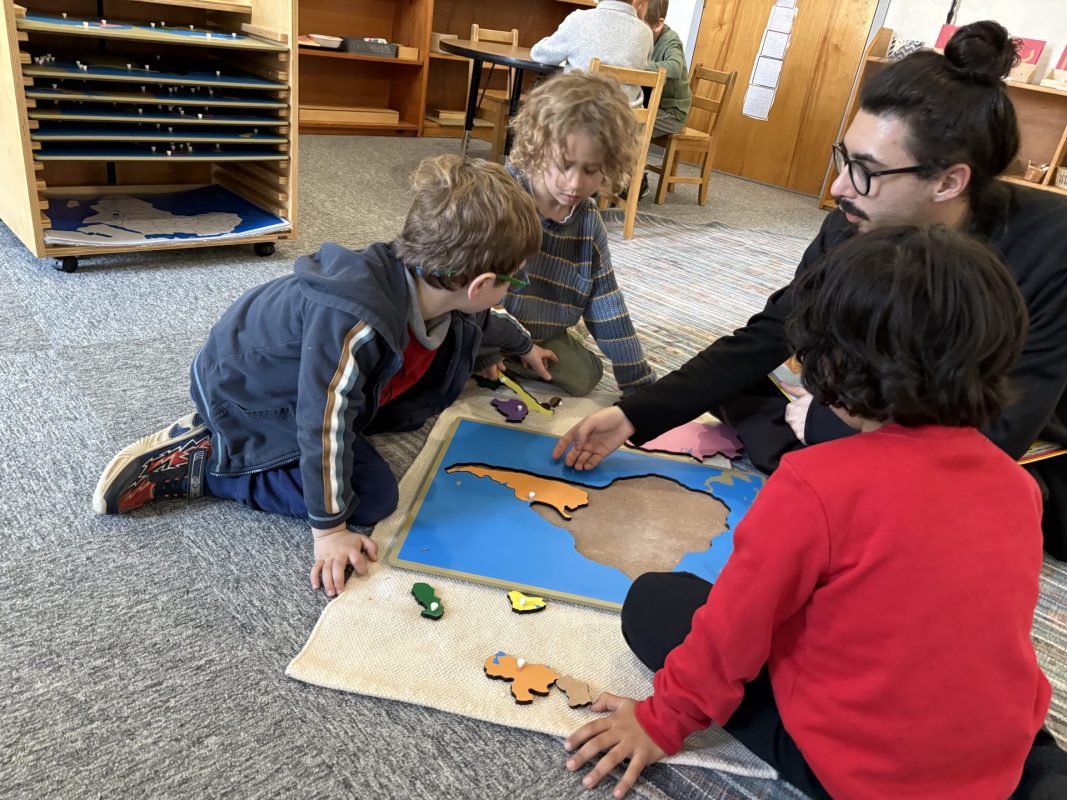
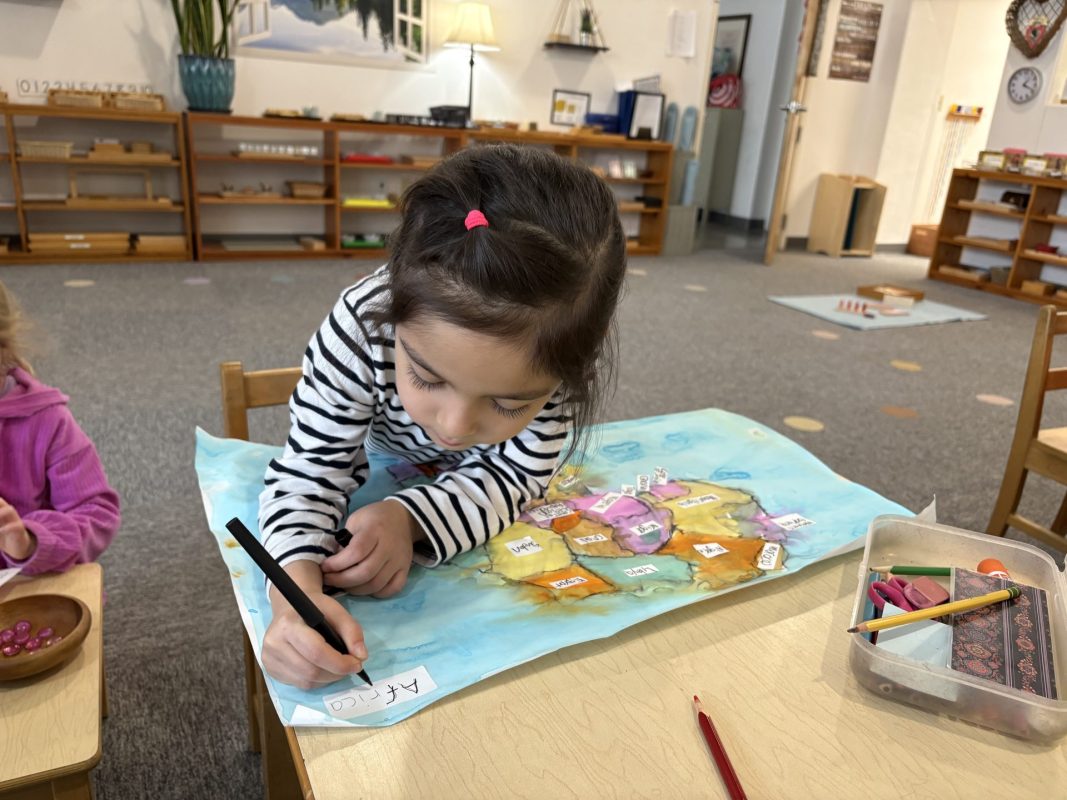
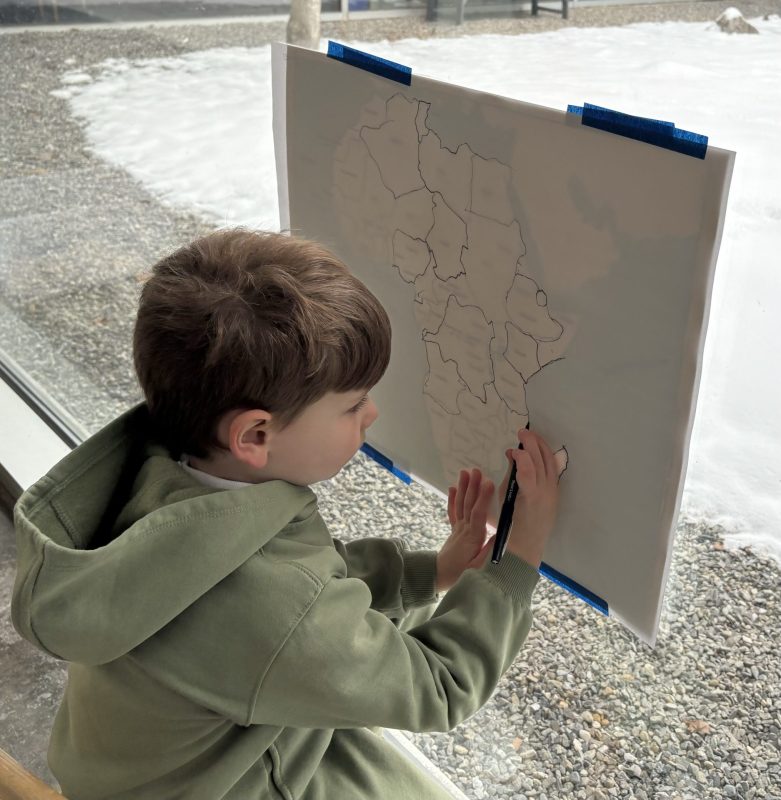
We have begun our study of Africa for the month of February. We were amazed and excited to hear that there is a Lake Victoria (the same name as one of our classmates!) in Africa.

Next week, we will begin decorating our Valentine’s Day bags in anticipation of the arrival of many cards. Please send in your child’s cards any day before Friday (we’ll celebrate on Thursday).

Have a wonderful weekend,

Marissa & Sue


Mrs. Sargeant: A Peek at the Week

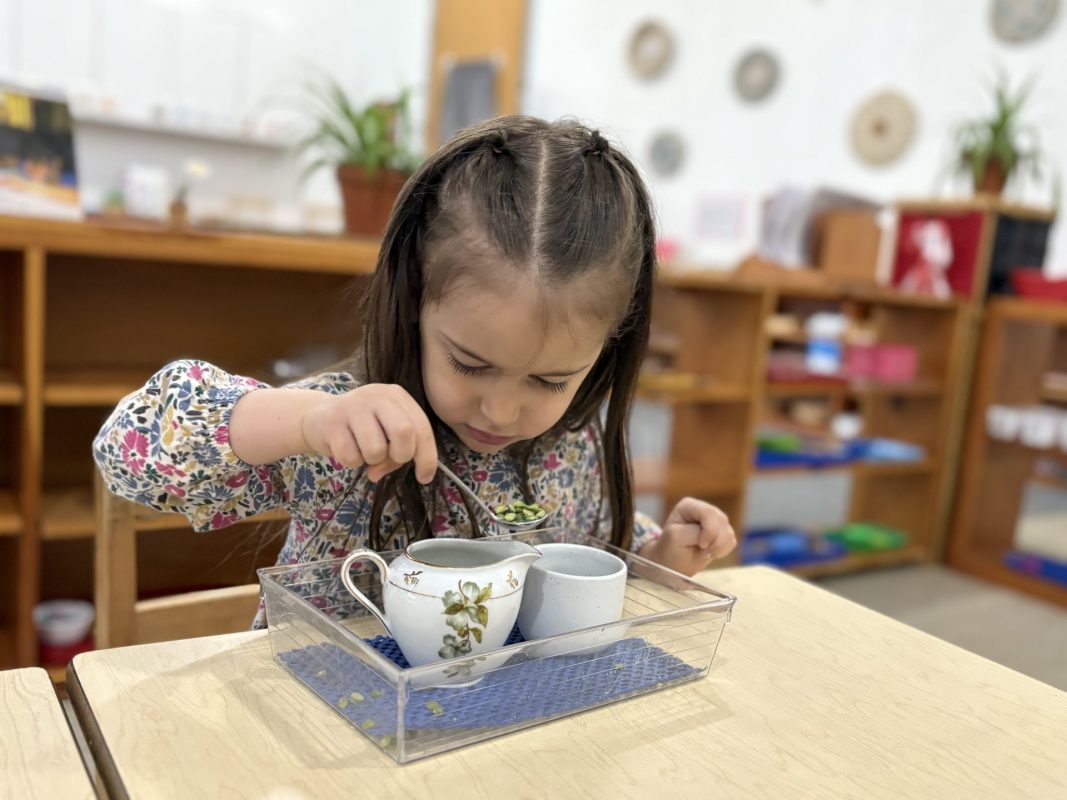
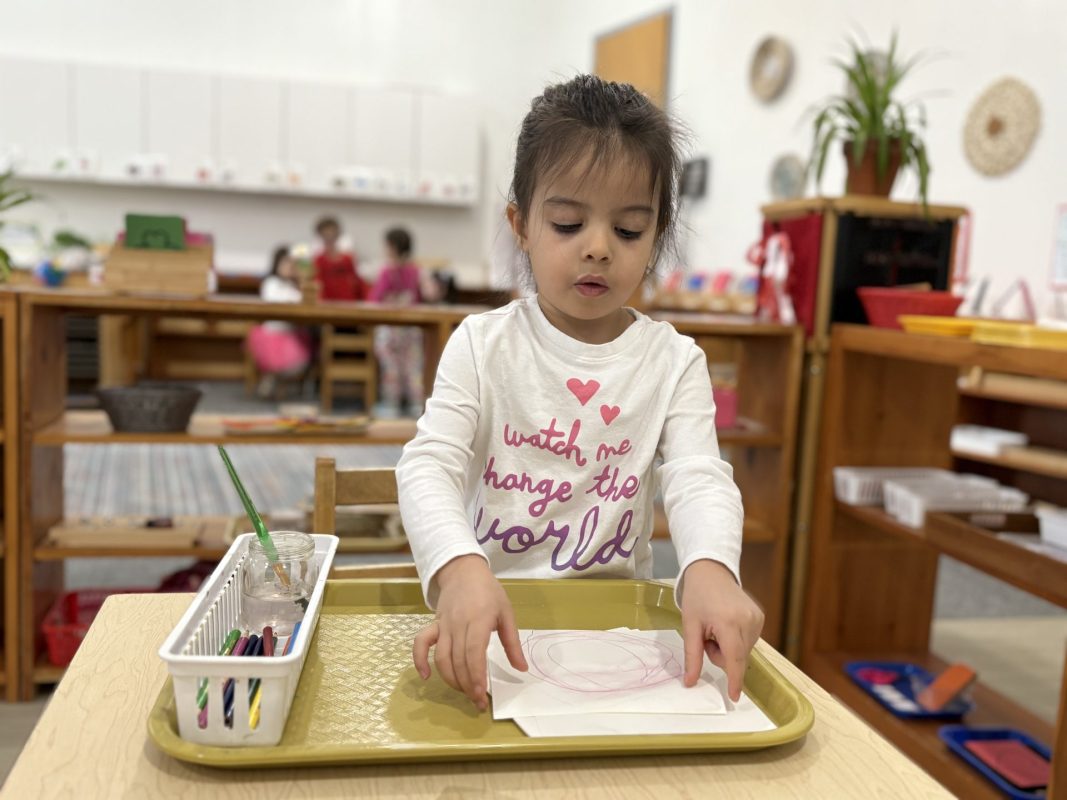
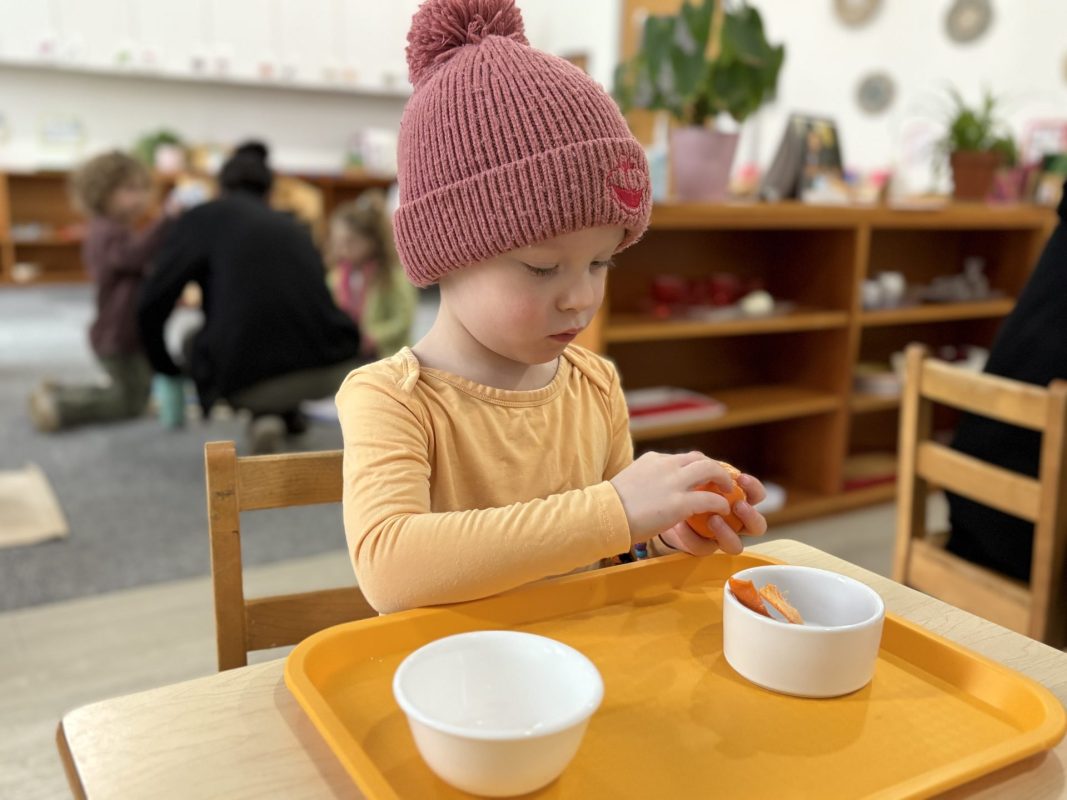
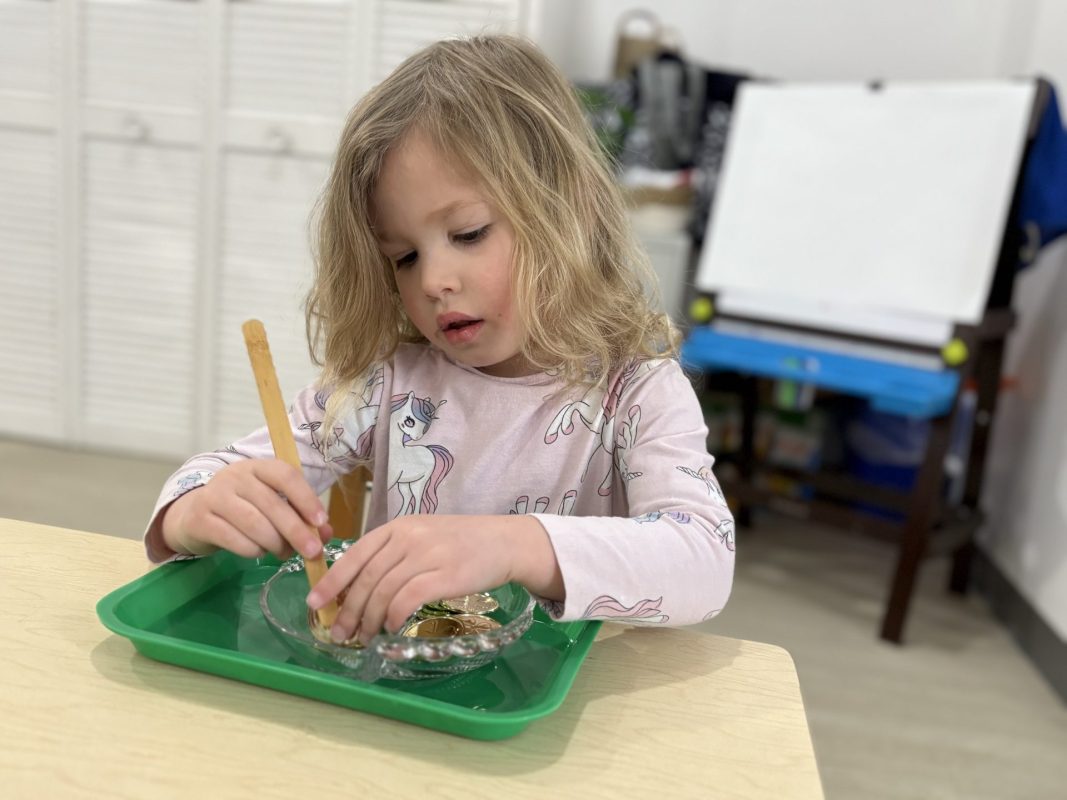
“Help me to do it myself” is the core of the Montessori classroom. Maria Montessori said that these words reveal the inner needs of the child.

Maria Montessori once recounted an incident where she had given a nose-blowing lesson in front of a group of children at the Casa de Bambini. She observed that the children were fascinated by the lesson and expressed gratitude by clapping and thanking her afterward. This experience led her to realize the significance of teaching self-care to children. Dr. Montessori recognized that children have a natural inclination to learn and practice self-care tasks. She understood these skills are essential for preserving a child’s dignity and building self-esteem.

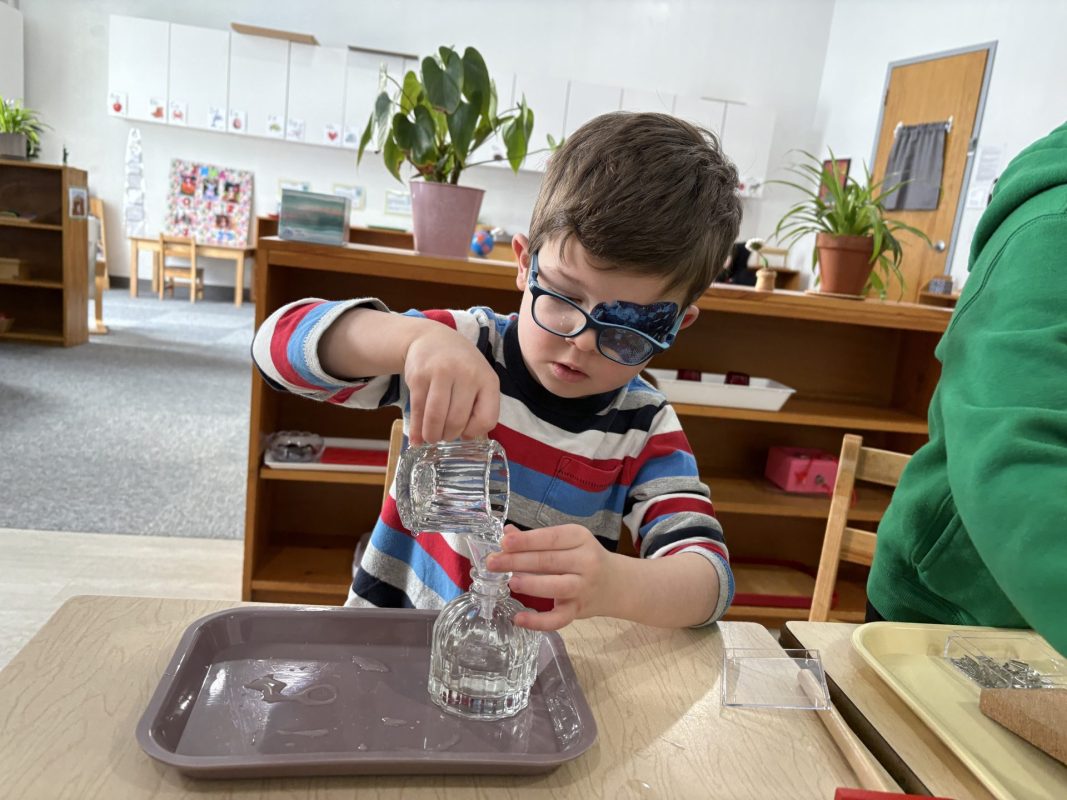
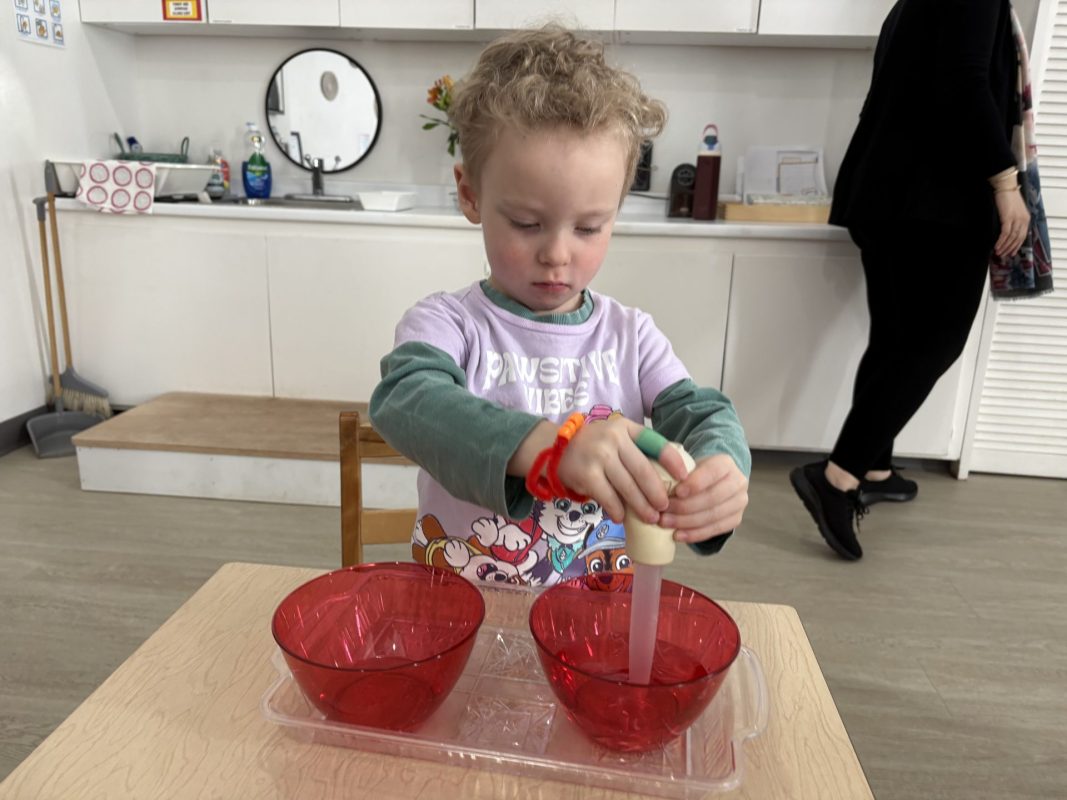
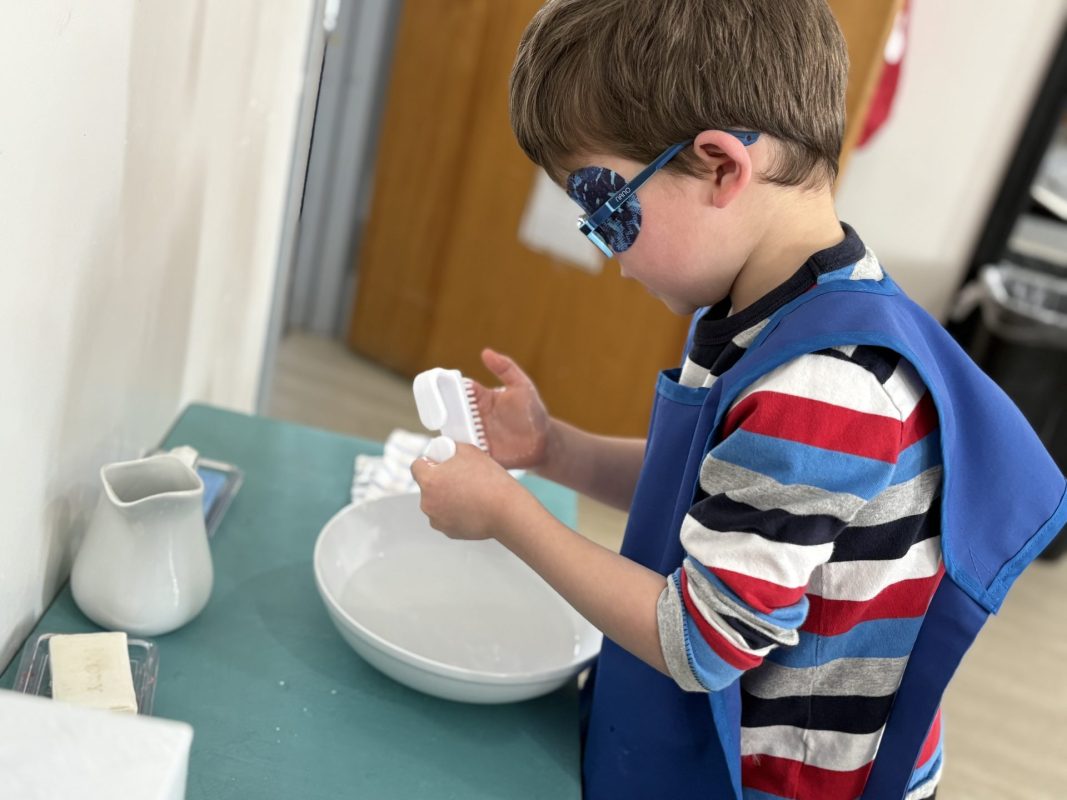
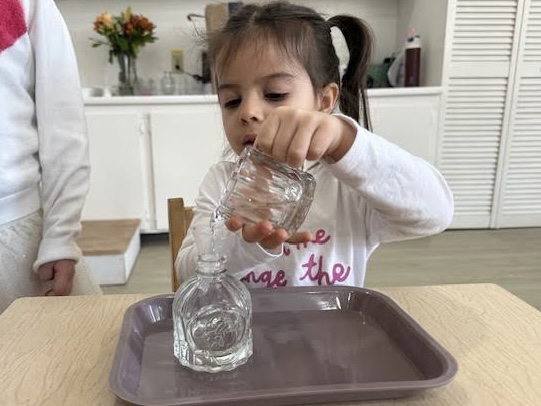
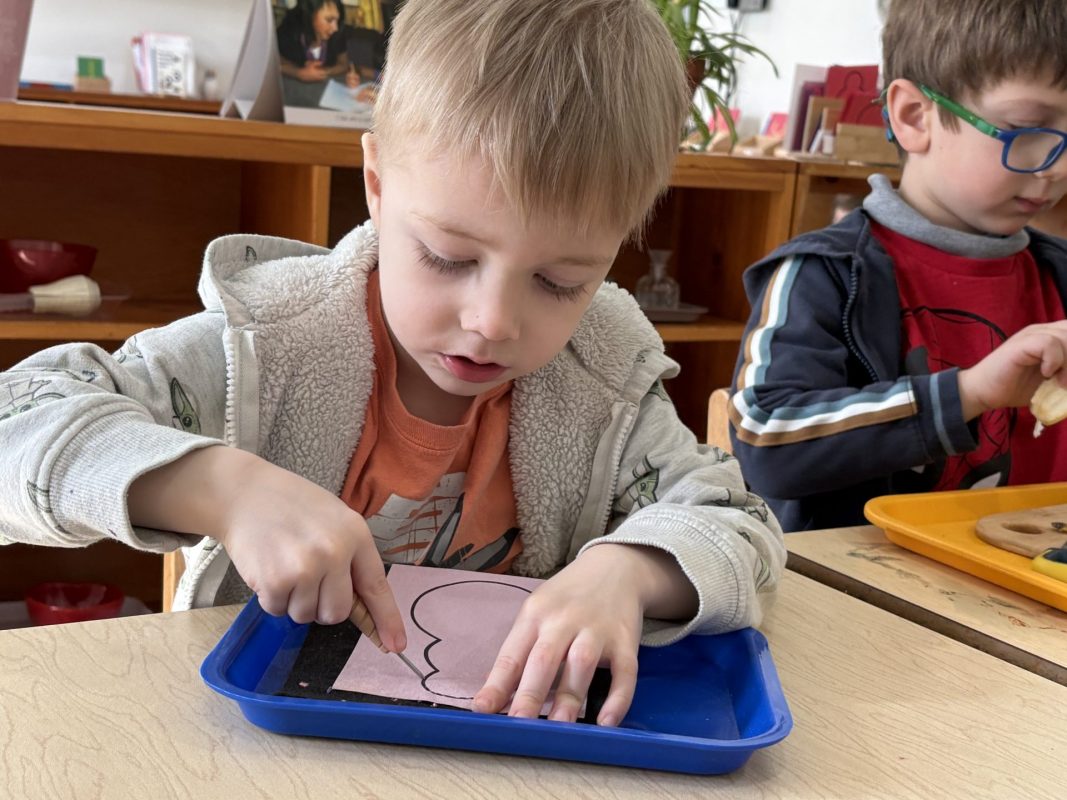
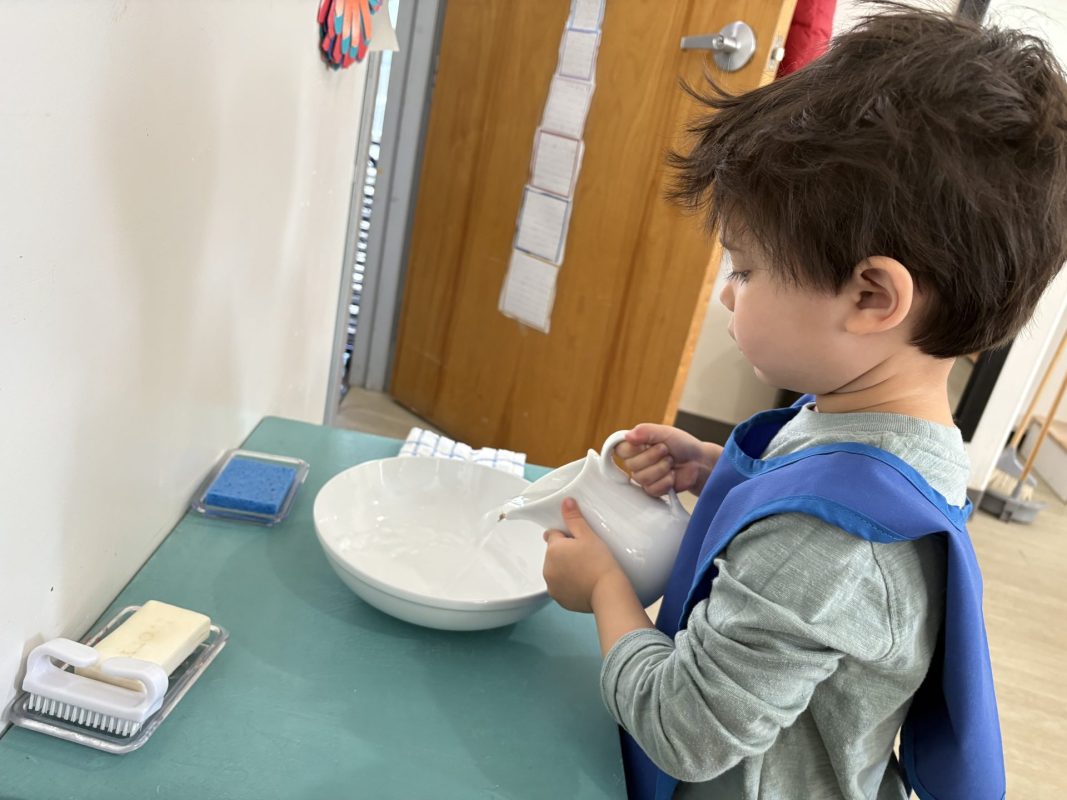
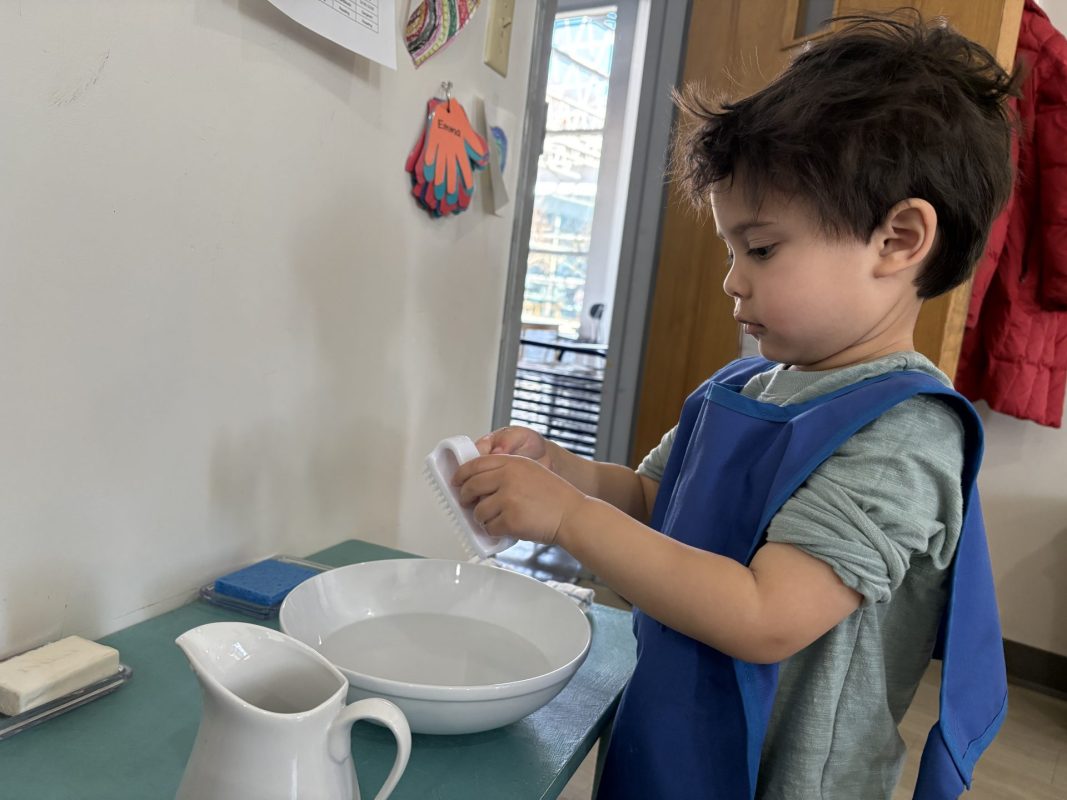
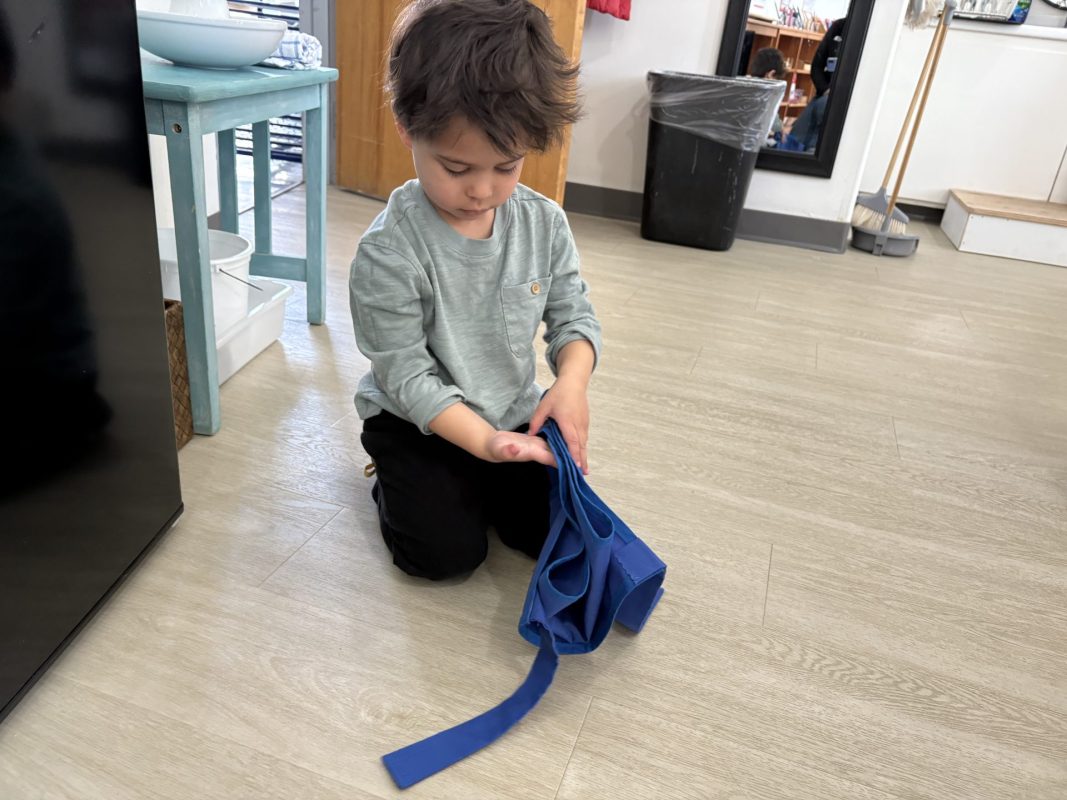
We encourage children to do things for themselves each day: hanging their backpacks, removing their shoes, washing their hands, opening their lunchboxes, and even wiping or blowing their noses. Of course, jumping in and doing these tasks for the children is easier and quicker. However, the time spent teaching the children to do something independently will not only build their self-confidence and concentration but will eventually save time and increase your family’s happiness!

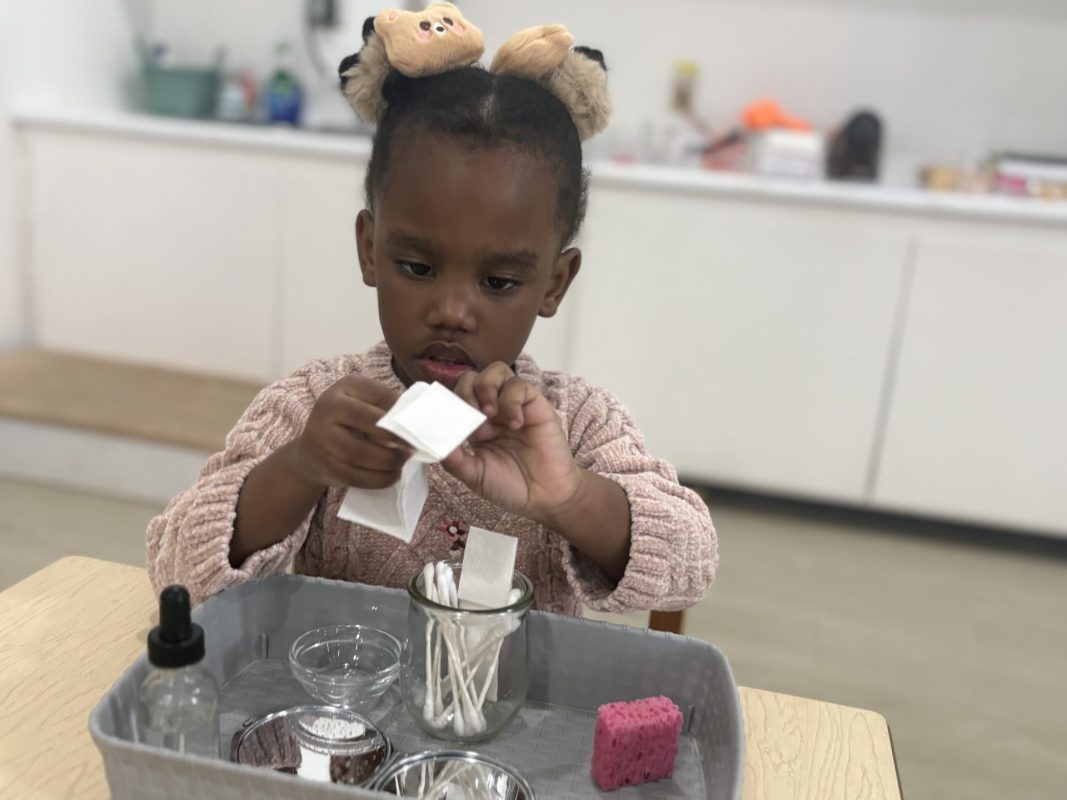
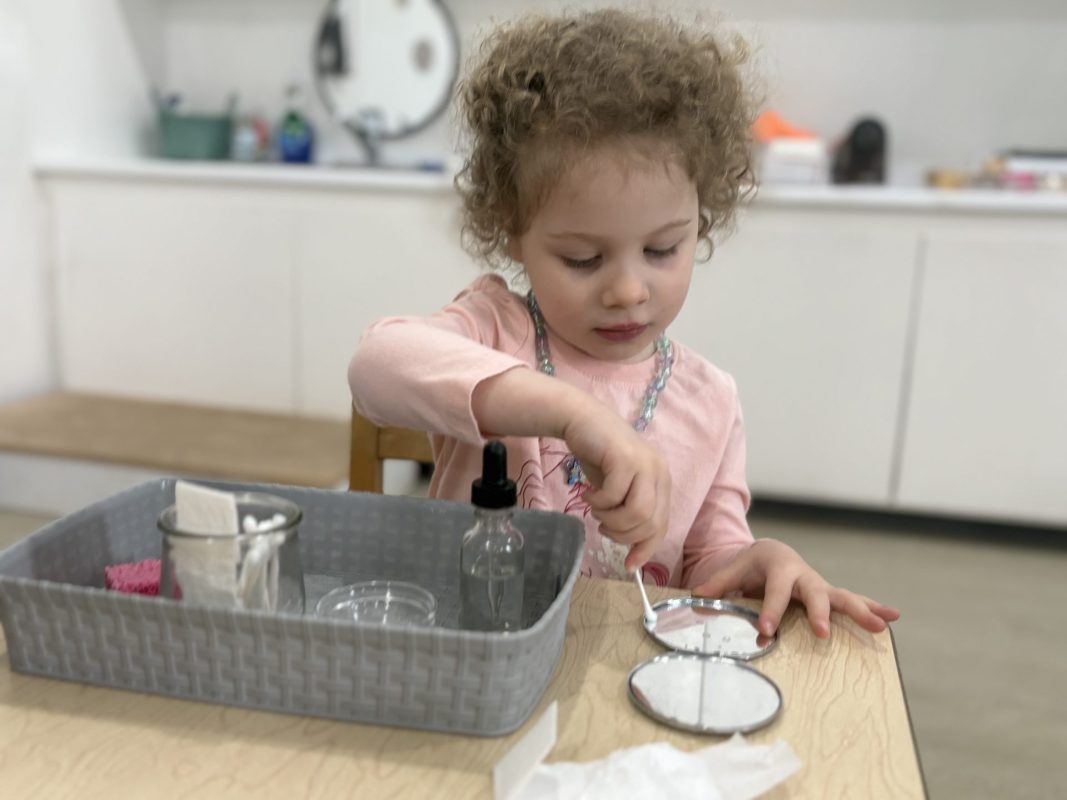
Since entering the season of colds and runny noses, we have been focused on showing the children how to use a tissue independently. If you’d like to encourage this at home, it is helpful to have an accessible tissue box and mirror. We have shown the children to pick one tissue from the box, look in the mirror, deliberately pinch their nostrils, and then pull it away. Next, they throw the tissue in the trash and wash their hands. 

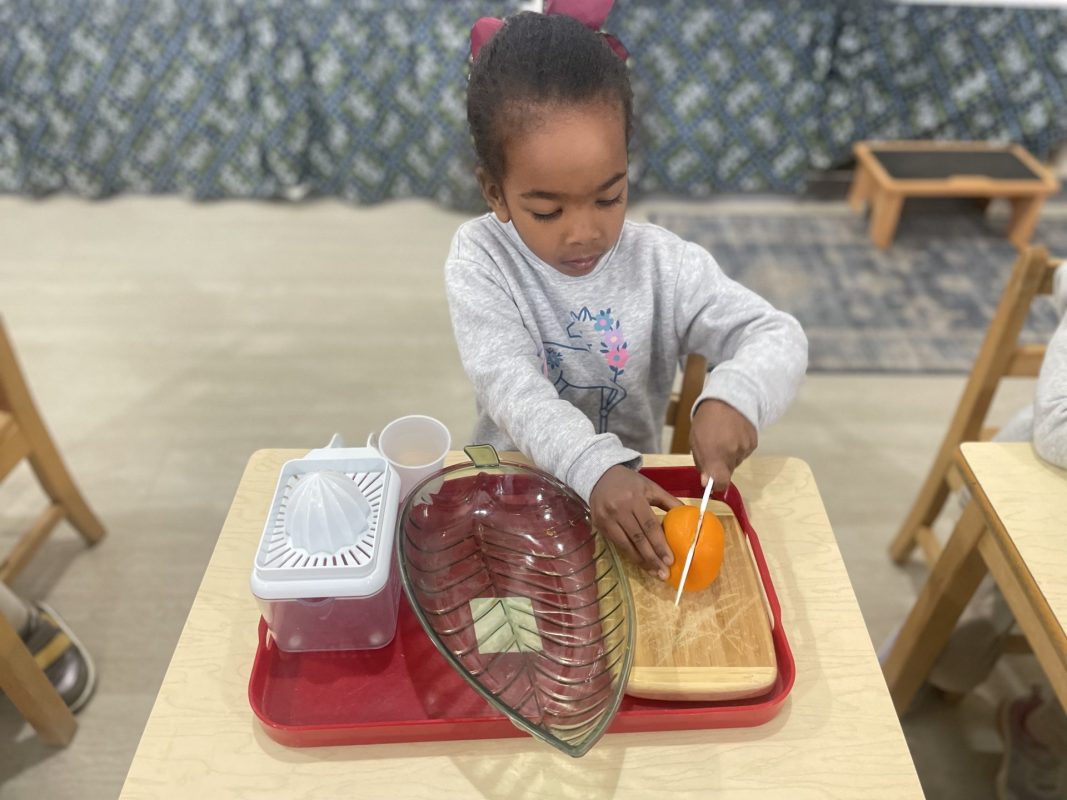
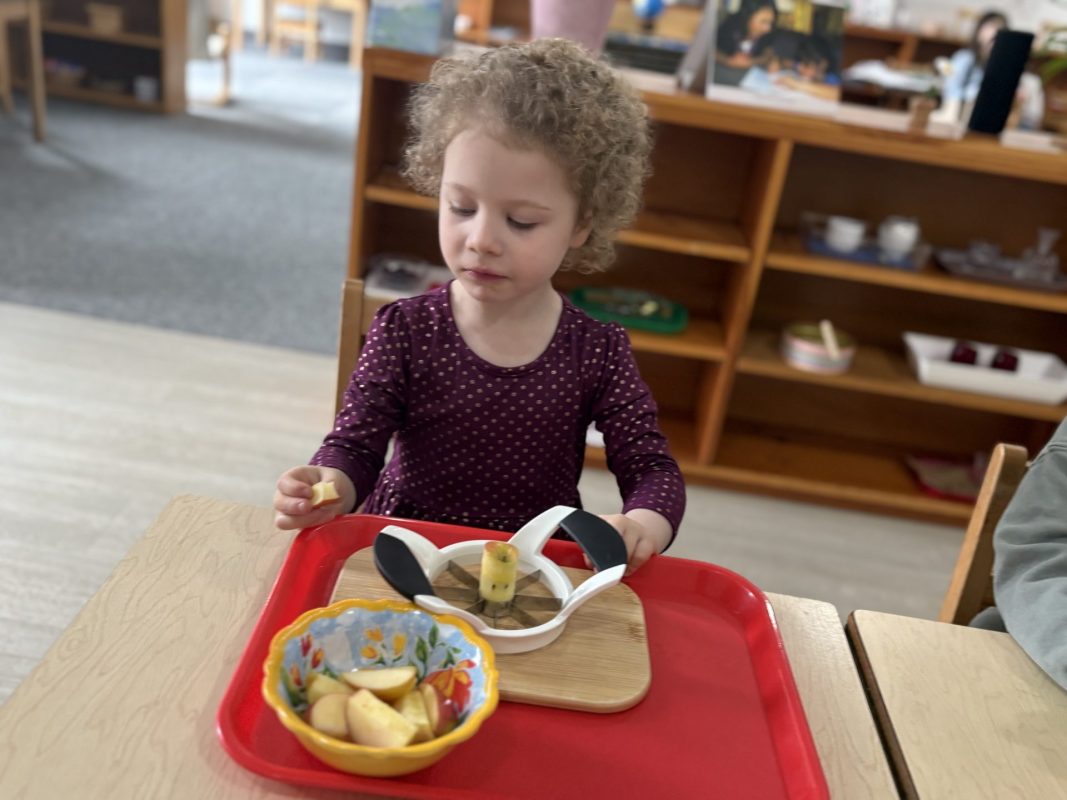
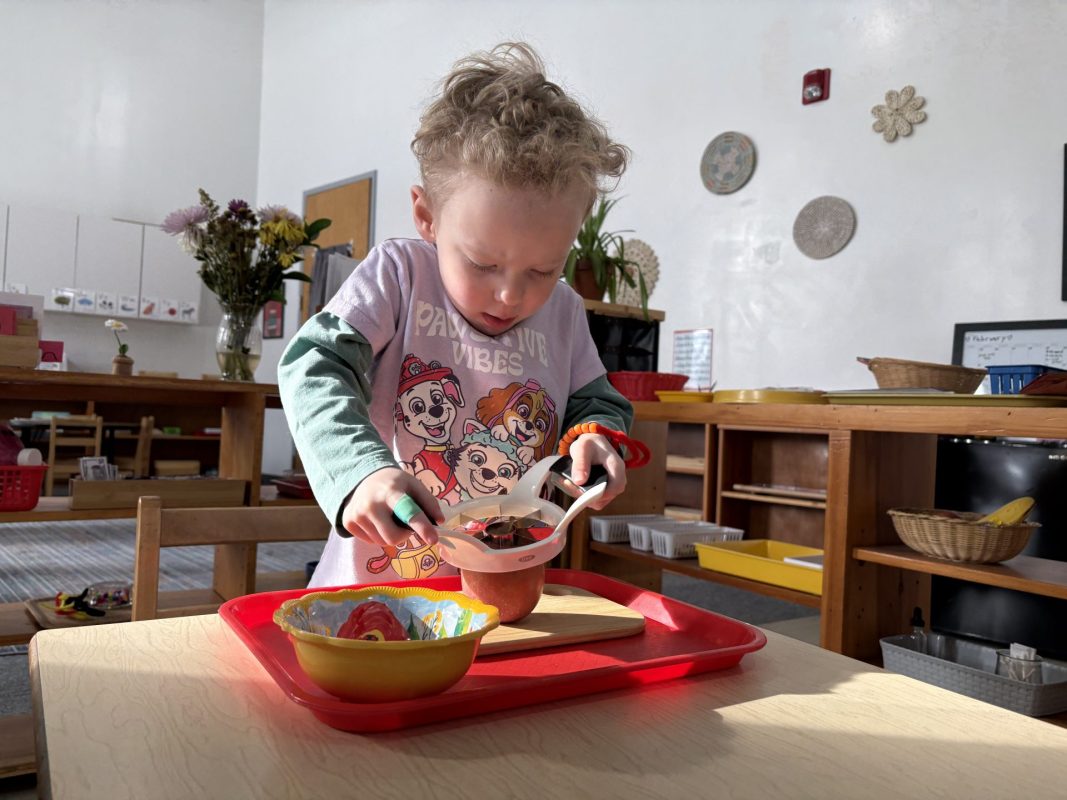
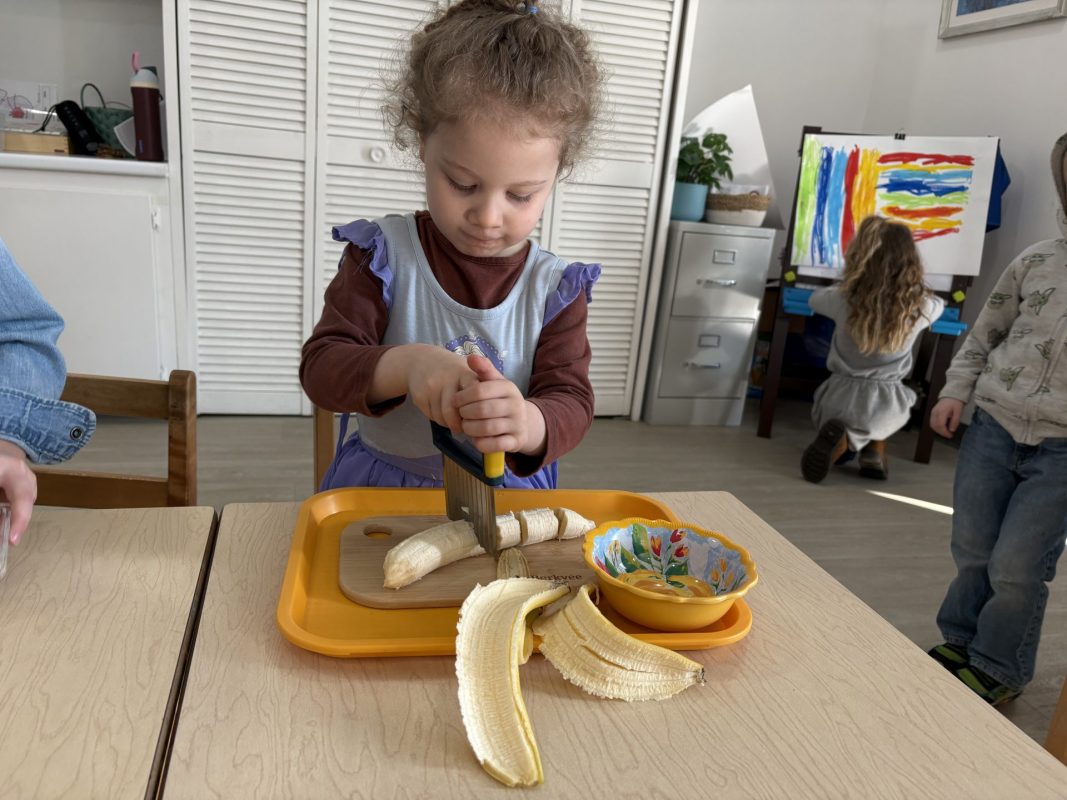
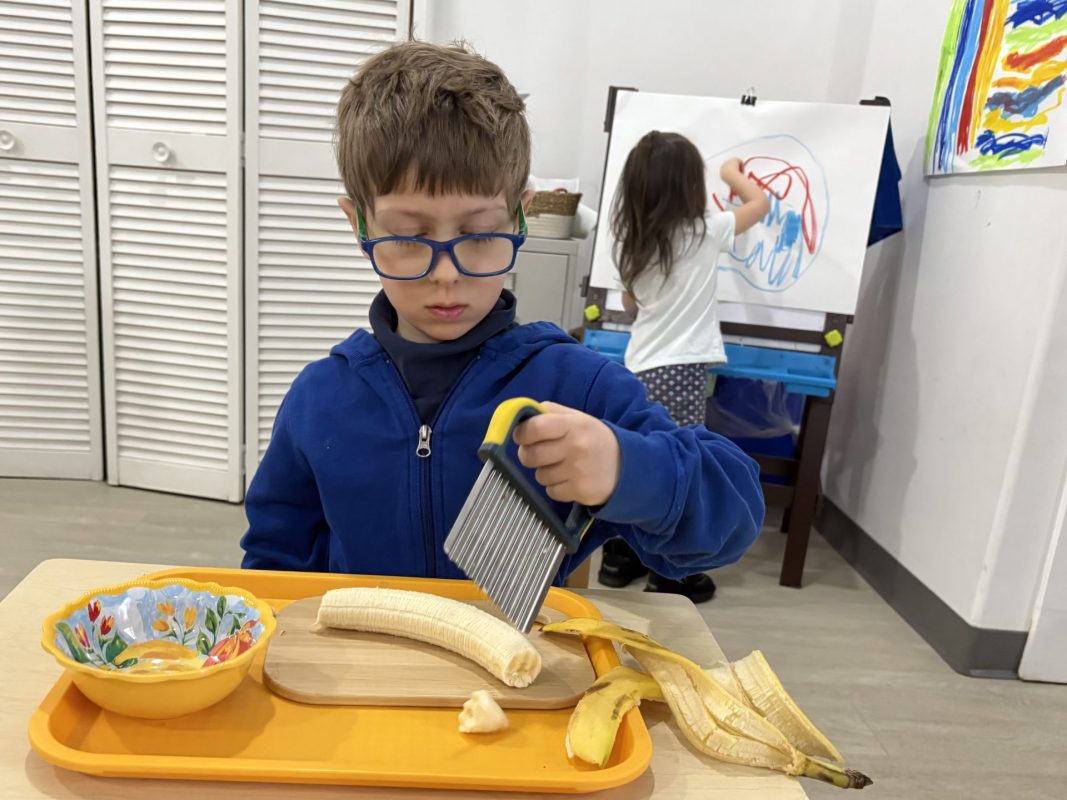
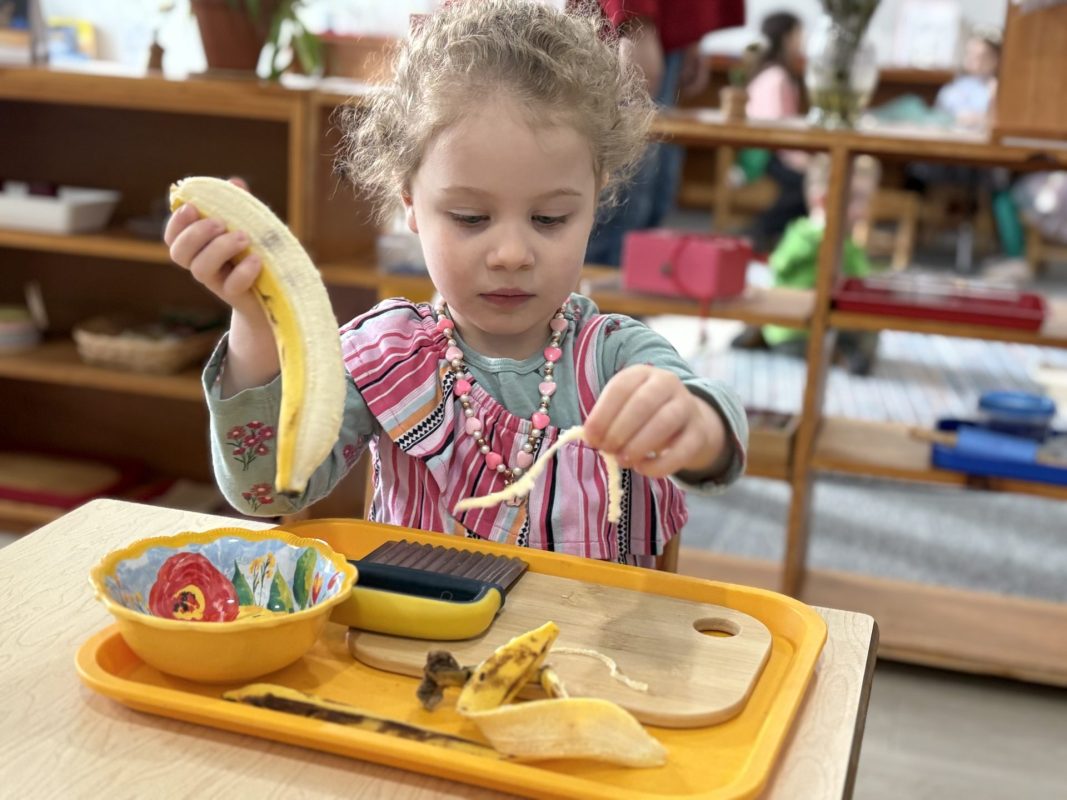
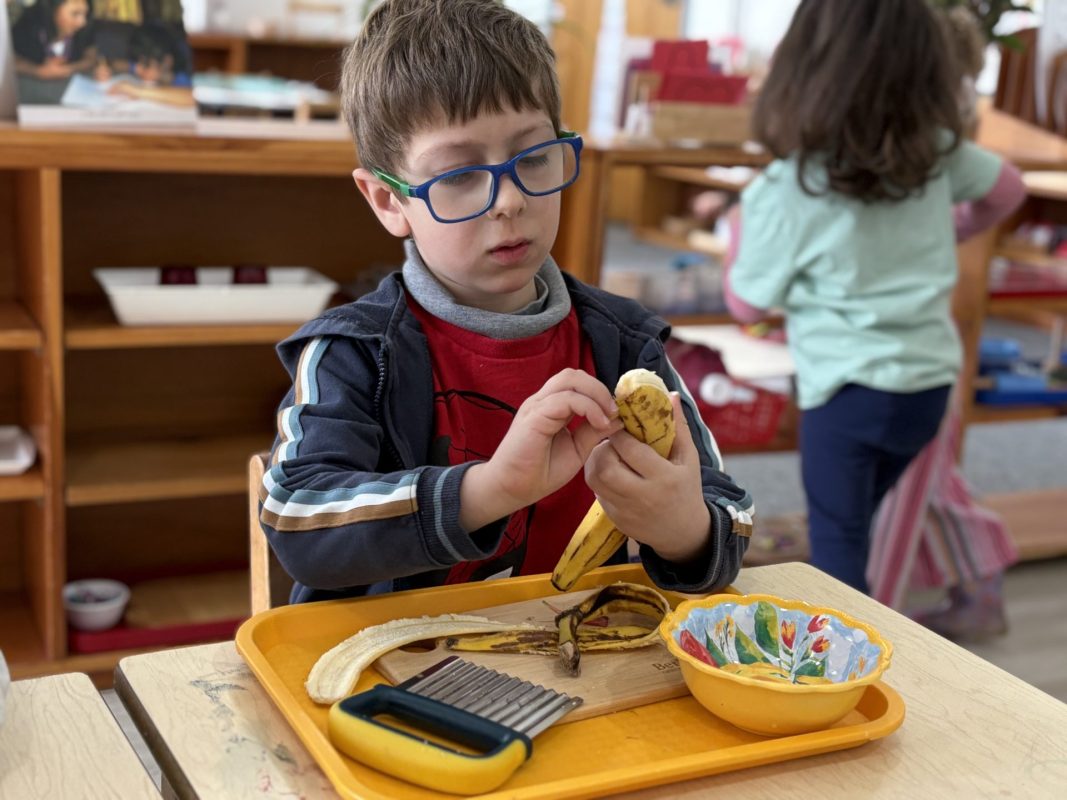
This week, we have introduced apple cutting. There are many steps involved in this practical life activity- from slicing the apple, offering the slices to classmates, cleaning and drying each of the materials at the sink, and finally returning the tray back to the shelf. The children are so capable and filled with pride upon completion of this activity.

Fostering independence in young children is a gradual process that evolves as they grow. It is essential to find a balance between providing support and allowing them to take on more responsibility as they become more capable. This approach helps them to develop the skills and confidence they need to become self-sufficient individuals.

This week, we finally had the chance to build a snowperson! We have been observing its transformation ever since bringing it indoors. The children were excited and amazed to see how much of the melted snow had evaporated after missing school yesterday due to the snow.

Best wishes for a fabulous week!

Christine & Fatima