Mrs. Sargeant: A Peek at the Week

You can find magic wherever you look. So sit back and relax, all you need is a book.  

—–Dr. Seuss

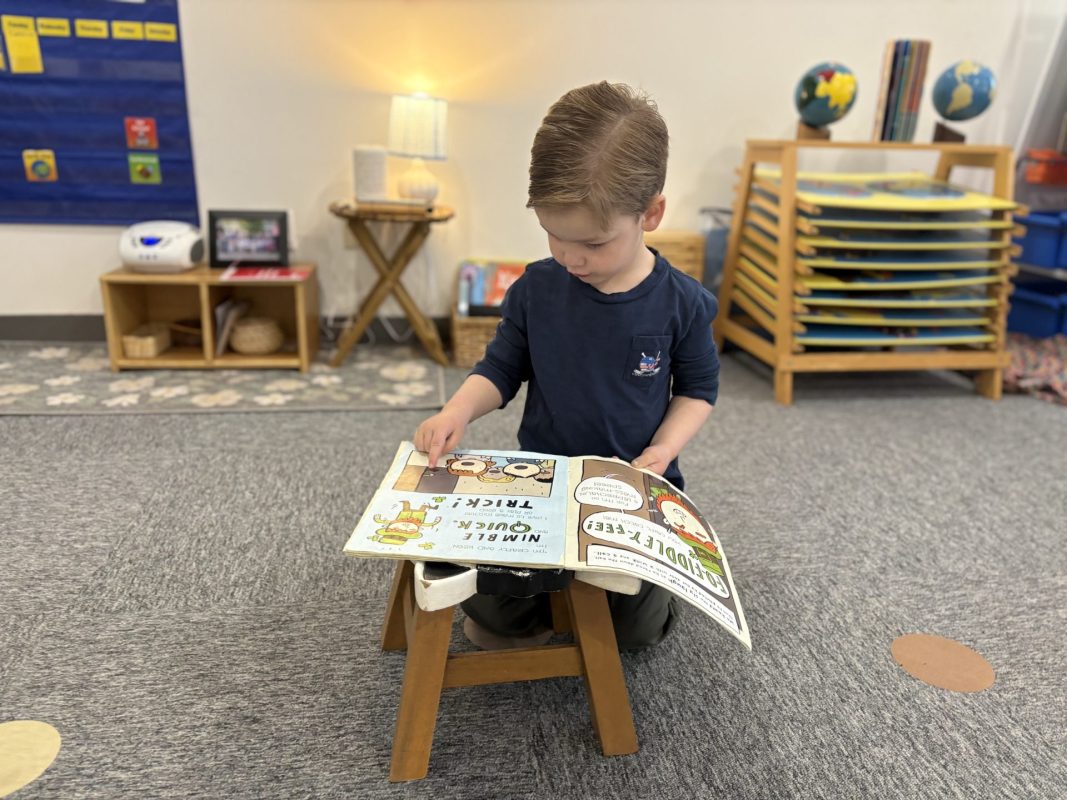
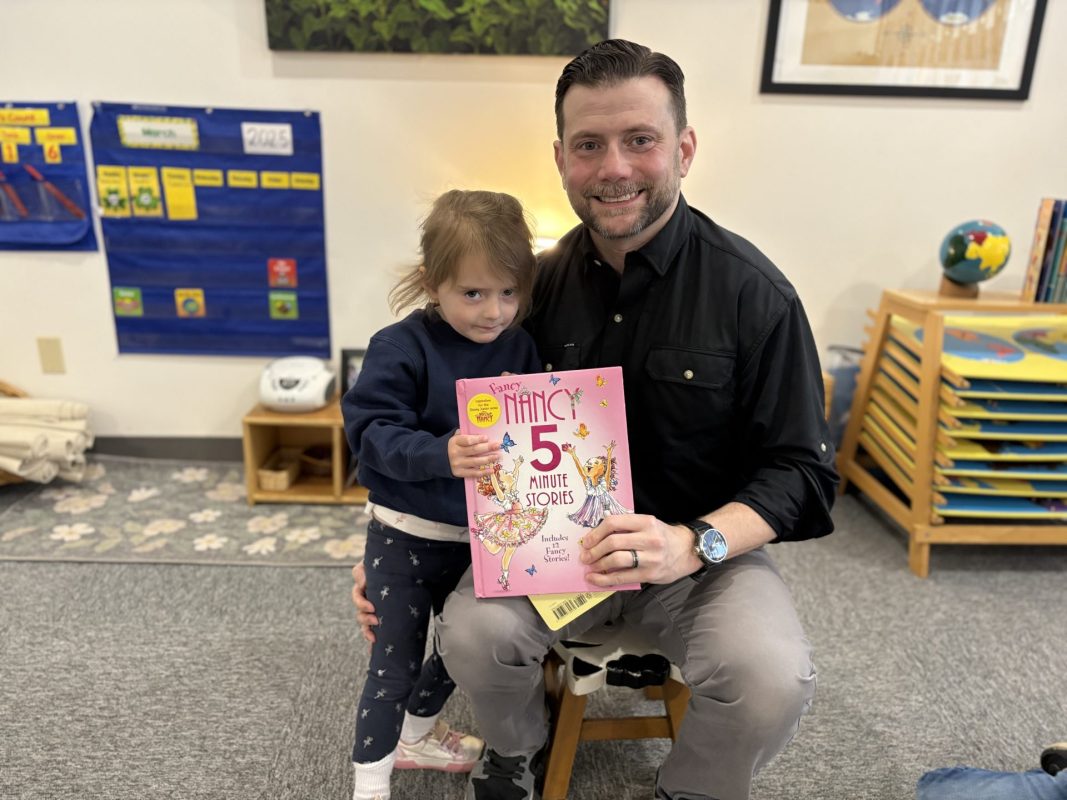
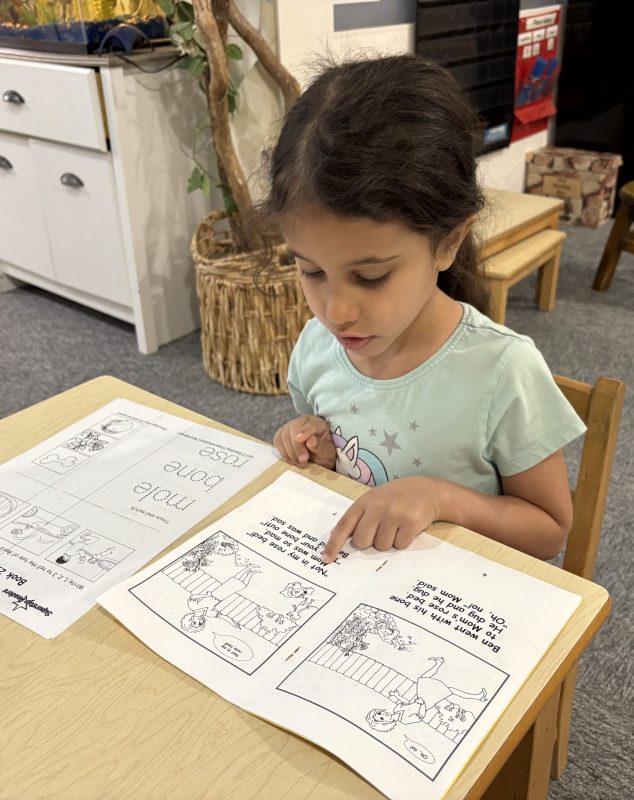
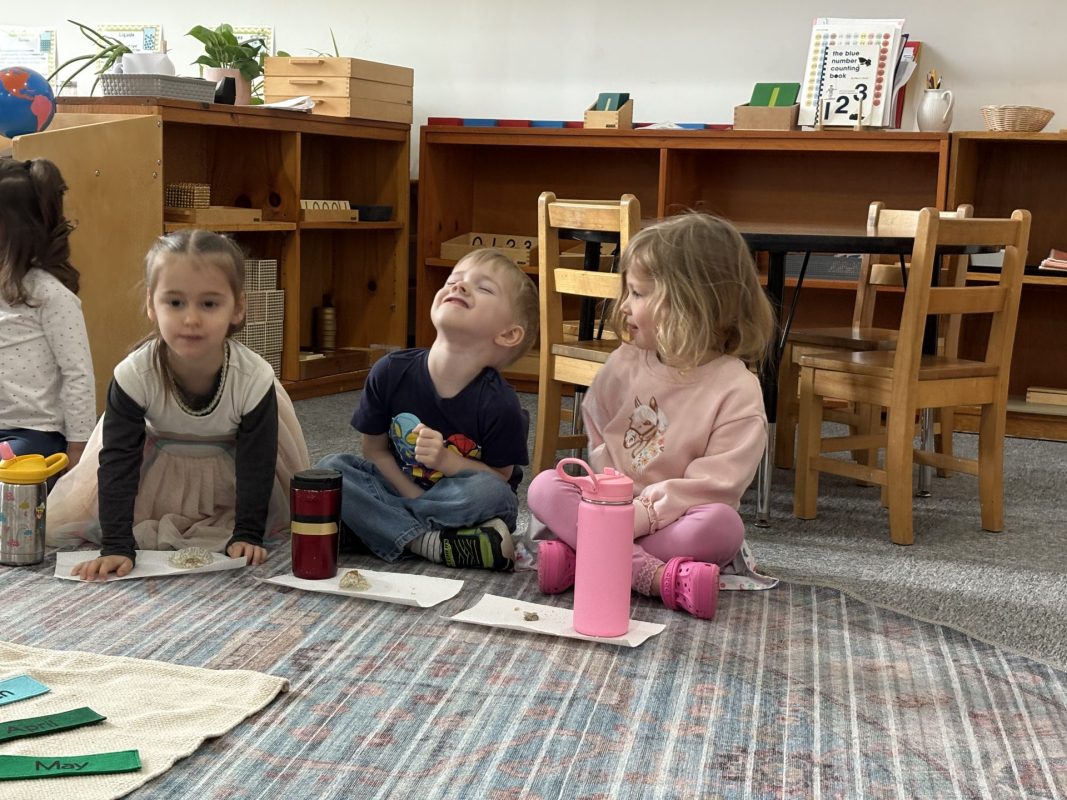
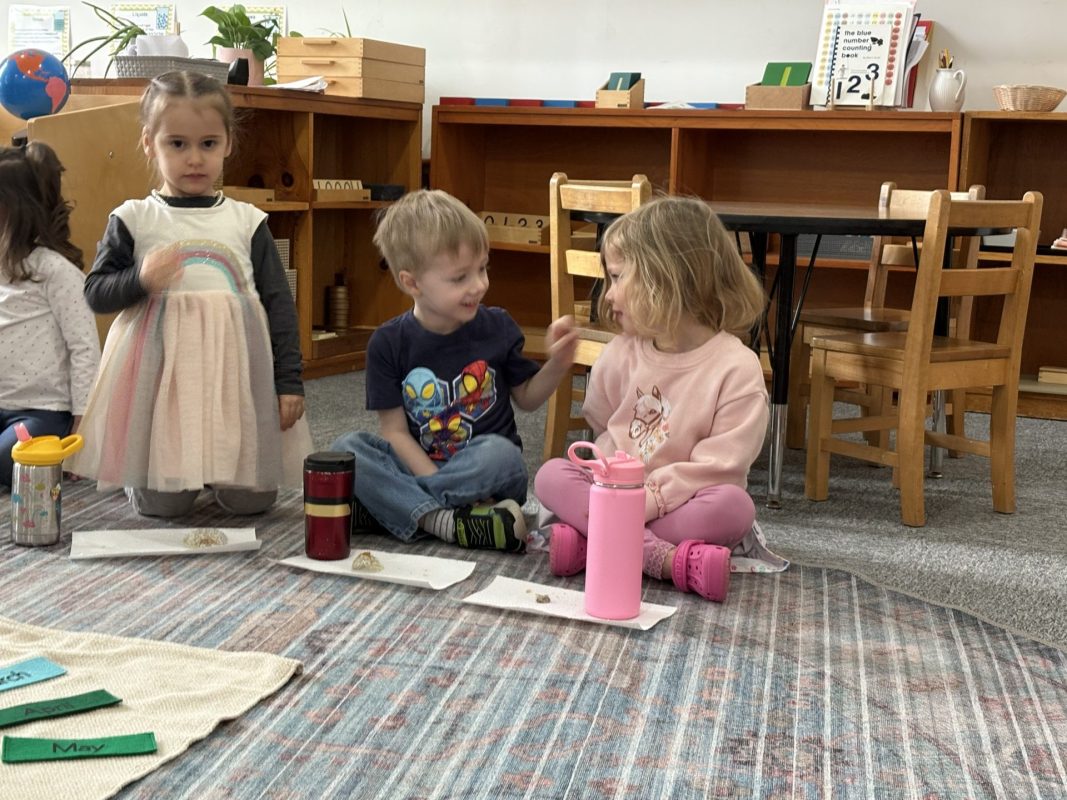
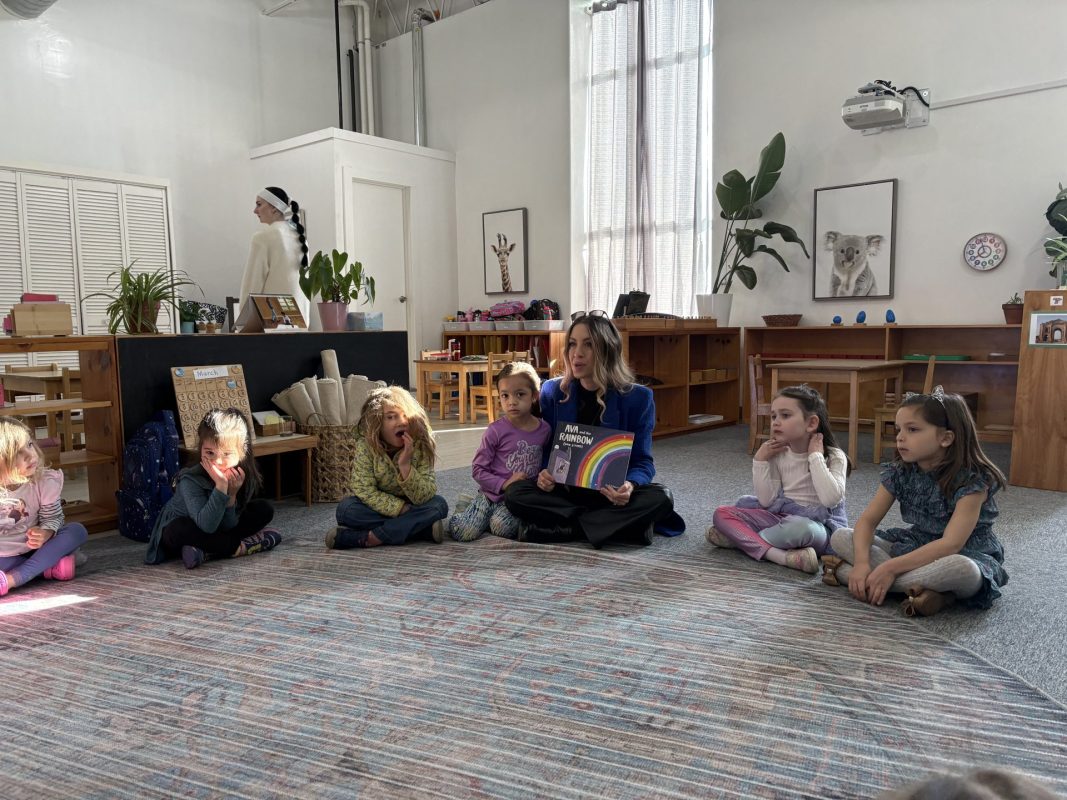
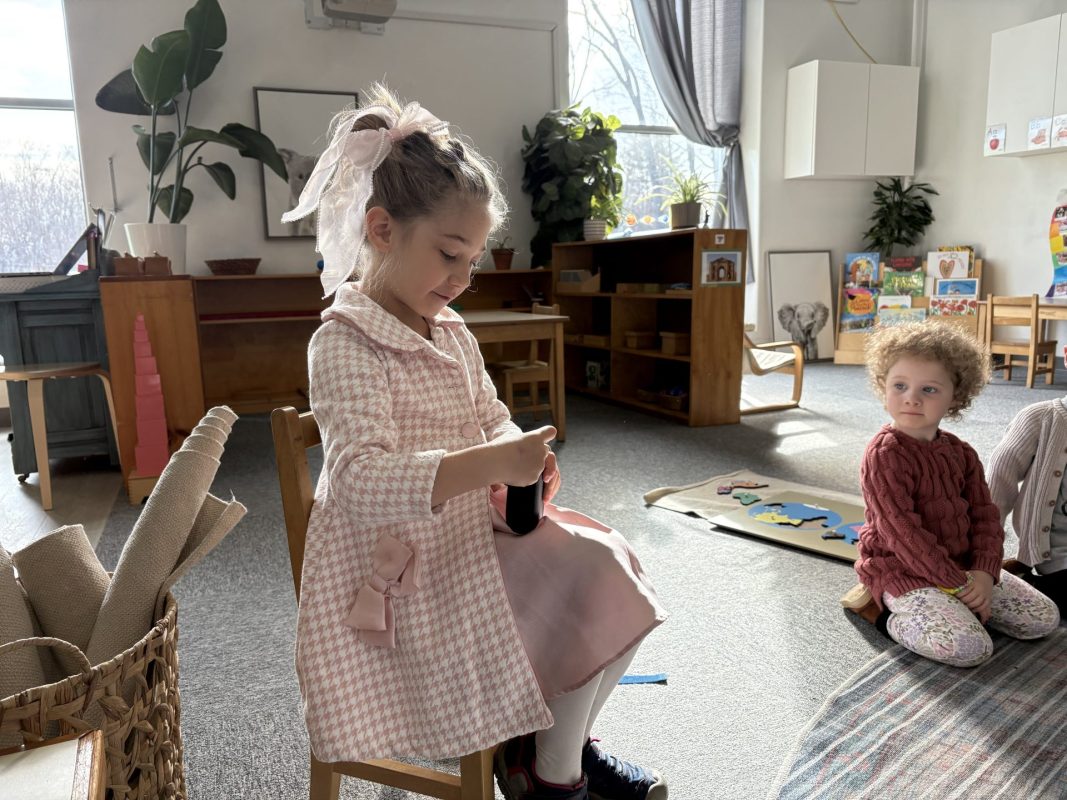
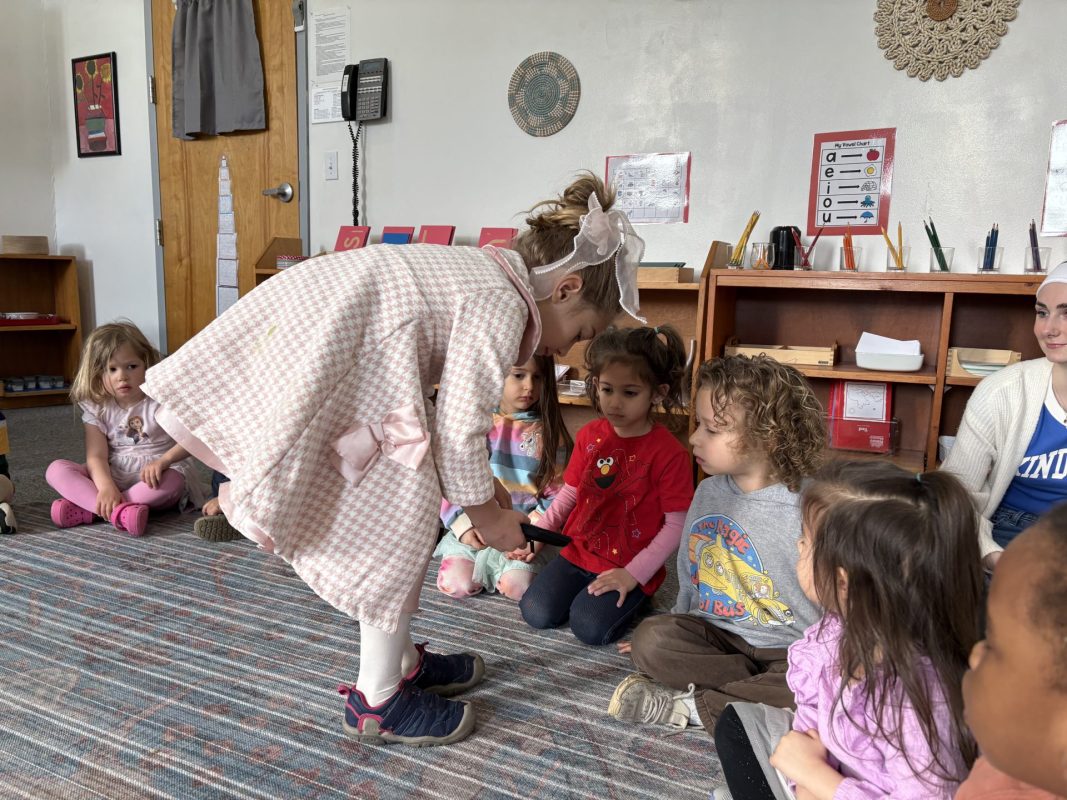
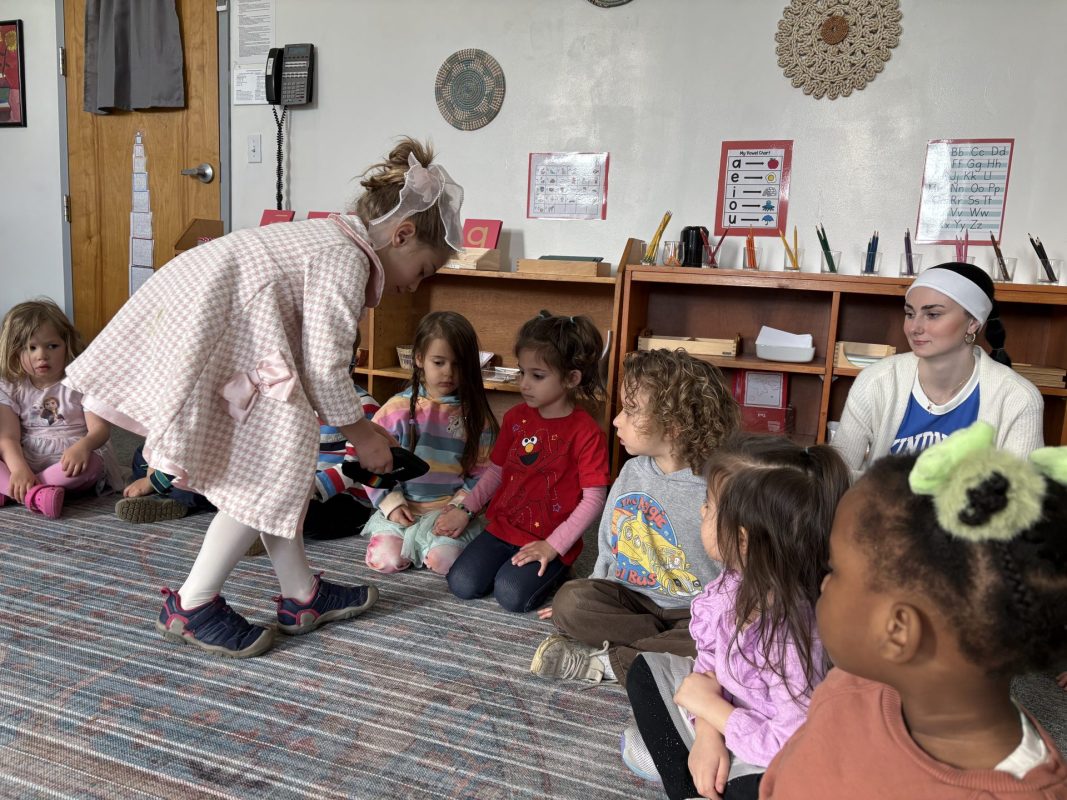
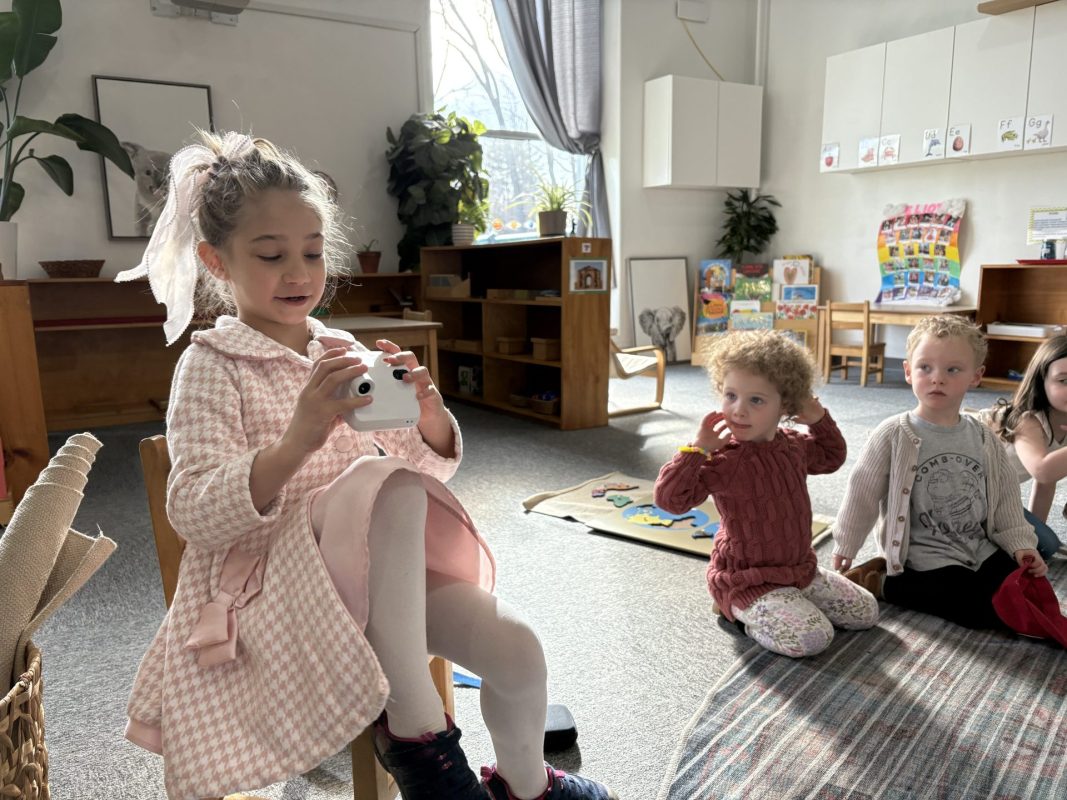
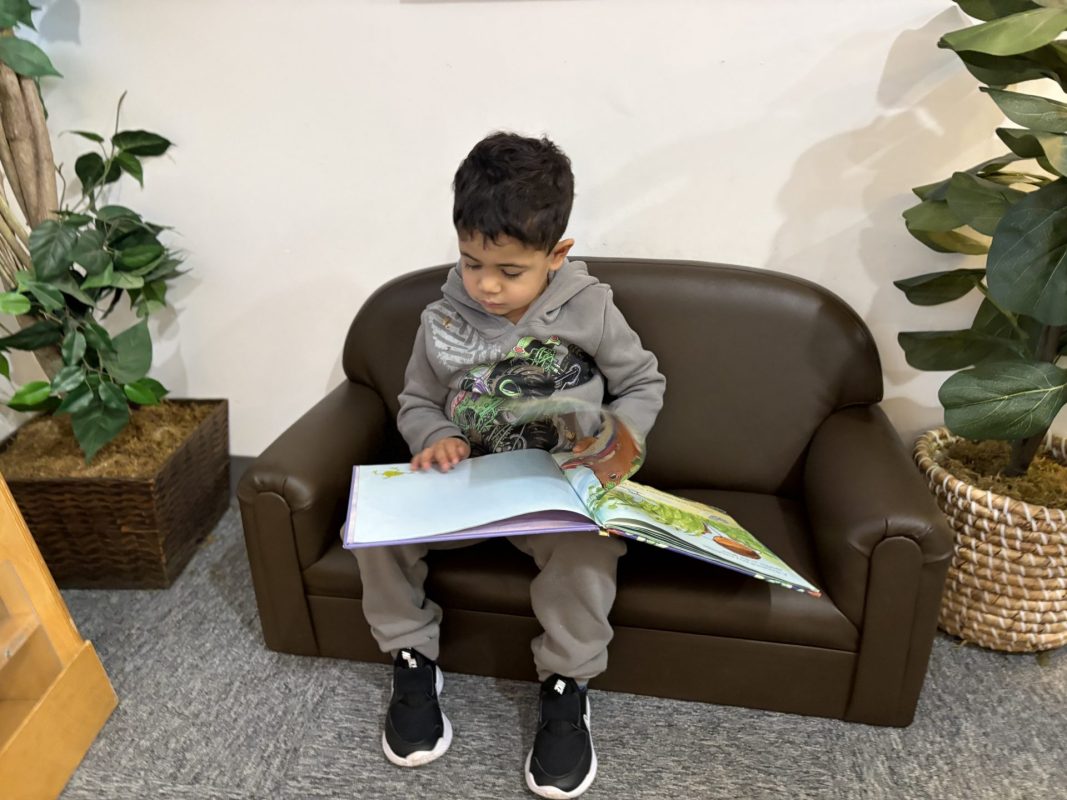
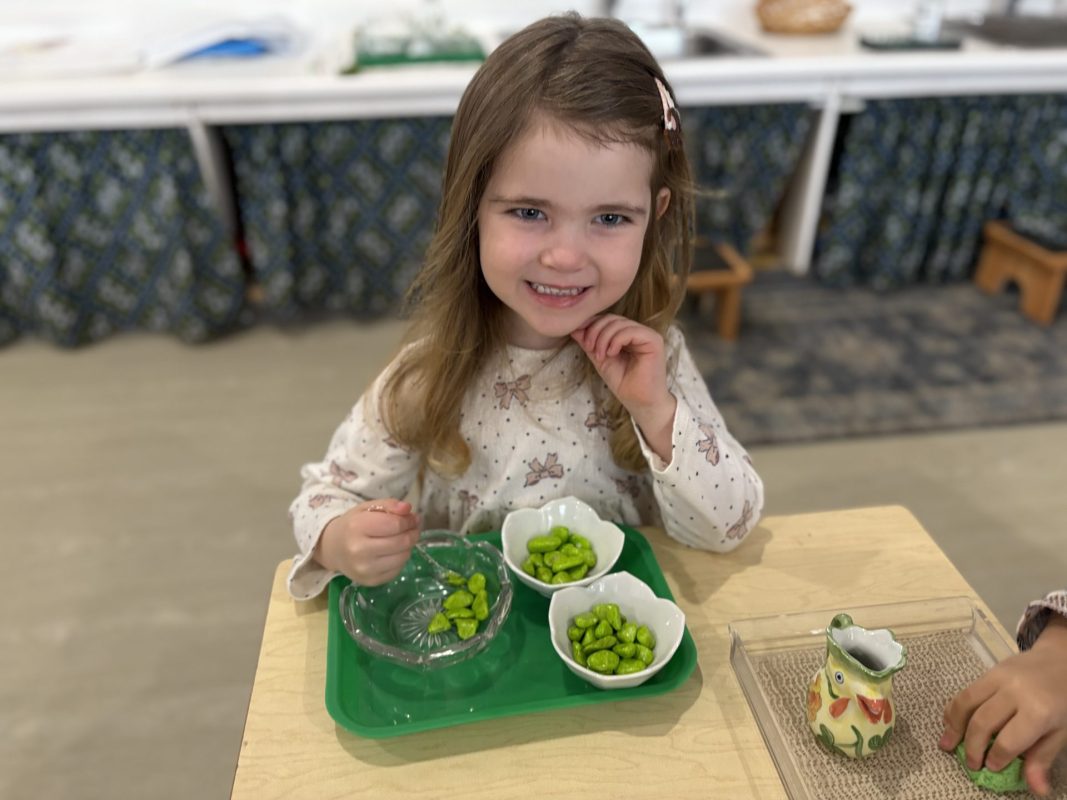
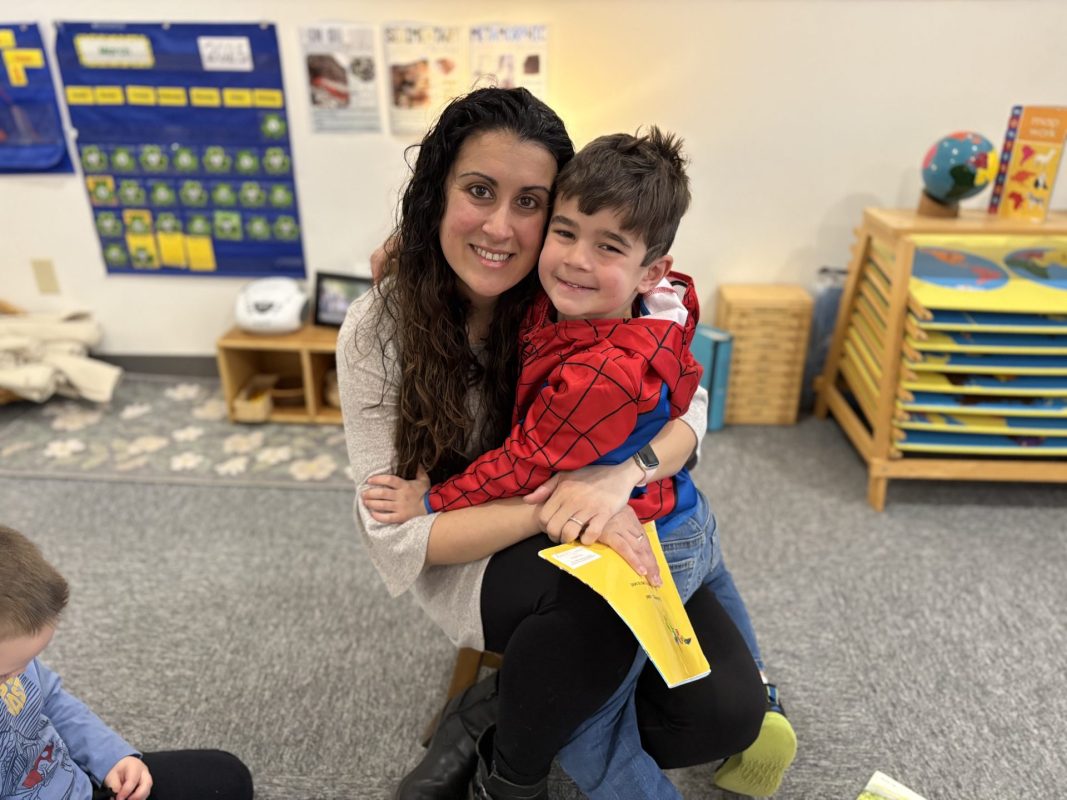
Read Across America is a national event celebrated on March 2nd, the birthday of Dr. Seuss. This initiative was created by the National Education Association and implemented to encourage a love of reading in children. At FWM, we also turn that day into Pajama Day, and the children bring their favorite book to share. We read Green Eggs and Ham, and the children were treated to their own green eggs and ham sandwiches! Once again, huge thanks to Eliot’s family for preparing the amazing snacks. The eggs were dyed green using spinach, and most of the children thoroughly enjoyed this fun snack.

An online article from nationaldaycalendar.com has some beautiful ideas on how to motivate children to read wherever they are.

  • Keep books everywhere you spend time. Put them in the car, in every room of the house, and tuck them in backpacks and purses. Make them easily accessible.
  • Visit the library often. Knowing how to use the library and learning the benefits of a library fosters a love of reading as well as genuine respect for the services libraries provide.
  • Get caught reading. Children imitate what they see the adults around them do. Whether they see you read a magazine, newspaper, or novel, let them know reading is the cool thing to do.
  • Read to your children. No matter their age, reading aloud strengthens their vocabulary and language skills. It also opens up opportunities for discussion.
  • Have your children read to you, too. You never know what you might learn!

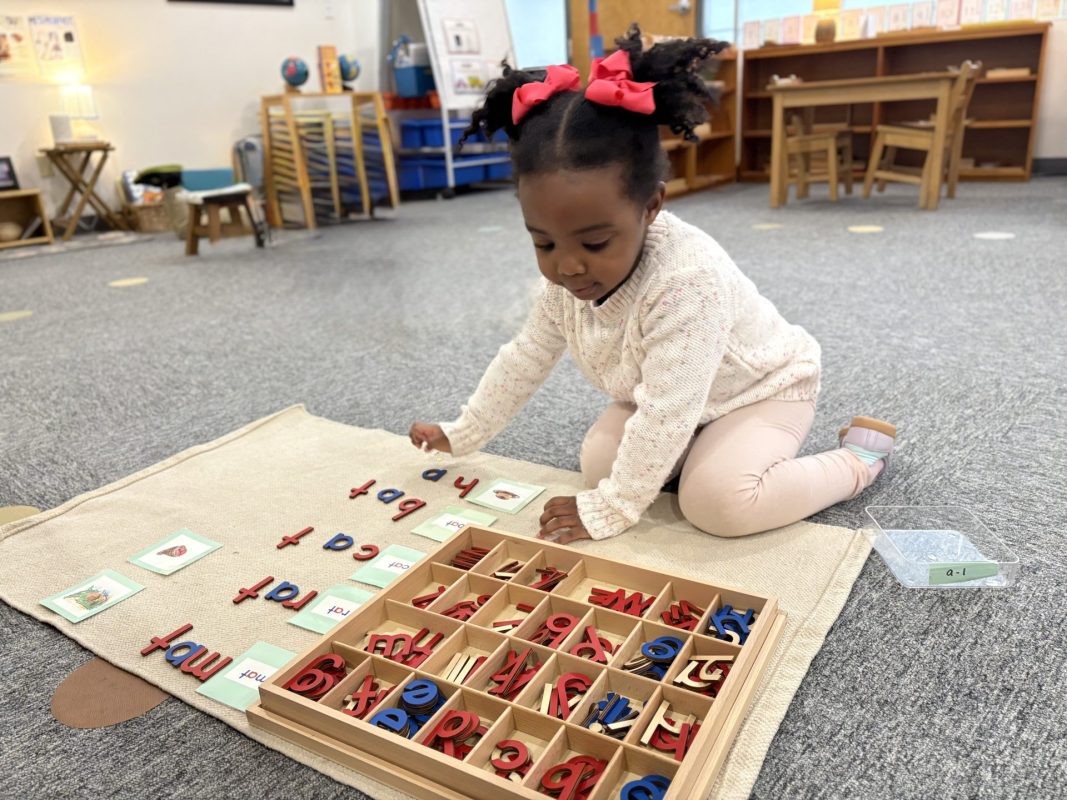
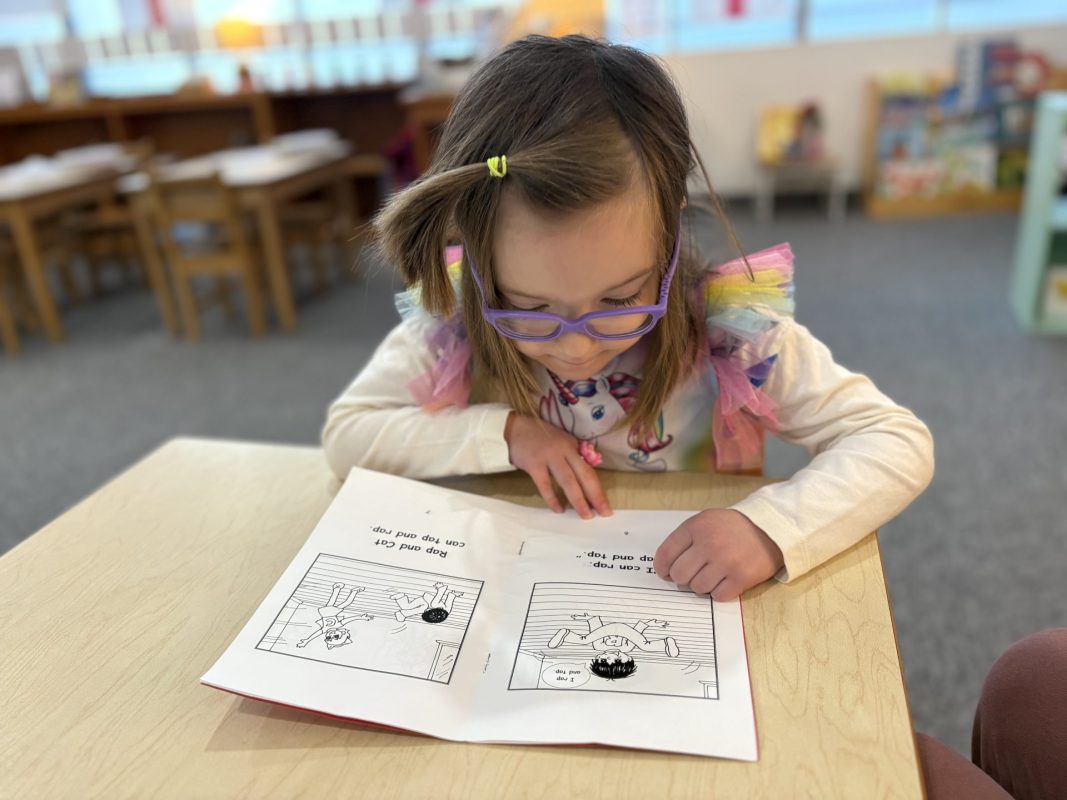
Reading is an integral part of each school day. We hope to pass on our passion for literature to your children.

Happy Reading!

Christine & Fatima


Ms. Marissa: Weekly Update

Read Across America is a national event celebrated on March 2nd, the birthday of Dr. Seuss. This initiative was created by the National Education Association and implemented to encourage a love of reading in children. At FWM, we also turn that day into Pajama Day, and the children bring their favorite book to share. We hope you enjoy the pictures.

An online article from nationaldaycalendar.com has some beautiful ideas on how to motivate children to read wherever they are.

  • Keep books everywhere you spend time. Put them in the car, in every room of the house, and tuck them in backpacks and purses. Make them easily accessible.
  • Visit the library often. Knowing how to use the library and learning the benefits of a library fosters a love of reading as well as genuine respect for the services libraries provide.
  • Get caught reading. Children imitate what they see the adults around them do. Whether they see you read a magazine, newspaper, or novel, let them know reading is the cool thing to do.
  • Read to your children. No matter their age, reading aloud strengthens their vocabulary and language skills. It also opens up opportunities for discussion.
  • Have your children read to you, too. You never know what you might learn!

Reading is an integral part of each school day. I hope that Ms. Sue and I can pass on our passion for literature to your children.

Happy Reading!

Marissa & Sue


Mrs. Lopes: A Look at Our Week


You can find magic wherever you look. So sit back and relax, all you need is a book.  

                                                                                                                                                                    —–Dr. Seuss

Read Across America is a national event celebrated on March 2nd, the birthday of Dr. Seuss. This initiative was created by the National Education Association and implemented to encourage a love of reading in children. At FWM, we also turn that day into Pajama Day, and the children bring their favorite book to share. This year we were lucky to have parents volunteer to do a “Cat in the Hat” mask with the children and make a “green eggs and ham” treat for us to enjoy.

An online article from nationaldaycalendar.com has some beautiful ideas on how to motivate children to read wherever they are.

  • Keep books everywhere you spend time. Put them in the car, in every room of the house, and tuck them in backpacks and purses. Make them easily accessible.
  • Visit the library often. Knowing how to use the library and learning the benefits of a library fosters a love of reading as well as genuine respect for the services libraries provide.
  • Get caught reading. Children imitate what they see the adults around them do. Whether they see you read a magazine, newspaper, or novel, let them know reading is the cool thing to do.
  • Read to your children. No matter their age, reading aloud strengthens their vocabulary and language skills. It also opens up opportunities for discussion.
  • Have your children read to you, too. You never know what you might learn!

Reading is an integral part of each school day. I hope that Ms. Hema and I can pass on our passion for literature to your children.

Happy Reading!

Amanda & Hema


Ms. Handibode: Oh, The Places You’ll Go!

You can find magic wherever you look. So sit back and relax, all you need is a book.  

                                                                                                                                                                    —–Dr. Seuss

Read Across America is a national event celebrated on March 2nd, the birthday of Dr. Seuss. This initiative was created by the National Education Association and implemented to encourage a love of reading in children. At FWM, we also turn that day into Pajama Day, and the children bring their favorite book to share. We hope you enjoy the pictures.

An online article from nationaldaycalendar.com has some beautiful ideas on how to motivate children to read wherever they are.

  • Keep books everywhere you spend time. Put them in the car, in every room of the house, and tuck them in backpacks and purses. Make them easily accessible.
  • Visit the library often. Knowing how to use the library and learning the benefits of a library fosters a love of reading as well as genuine respect for the services libraries provide.
  • Get caught reading. Children imitate what they see the adults around them do. Whether they see you read a magazine, newspaper, or novel, let them know reading is the cool thing to do.
  • Read to your children. No matter their age, reading aloud strengthens their vocabulary and language skills. It also opens up opportunities for discussion.
  • Have your children read to you, too. You never know what you might learn!

In our classroom, we call books treasures. Reading is an integral part of each school day. I hope that Miss Maria and I can pass on our passion for literature to your children.

Thank you to Maycie Ralbovsky for the amazing green eggs and ham and for Kim Raia for the fun craft the children did.  We are so grateful for all of the behind the scene time and effort that goes into allowing our classroom to run so beautifully.

Happy Reading!

Michelle & Maria


Ms. Marissa: Weekly Update

This Thursday was our 100th day of school! In the afternoon, we celebrated this momentous occasion with our Kindergarten crew.

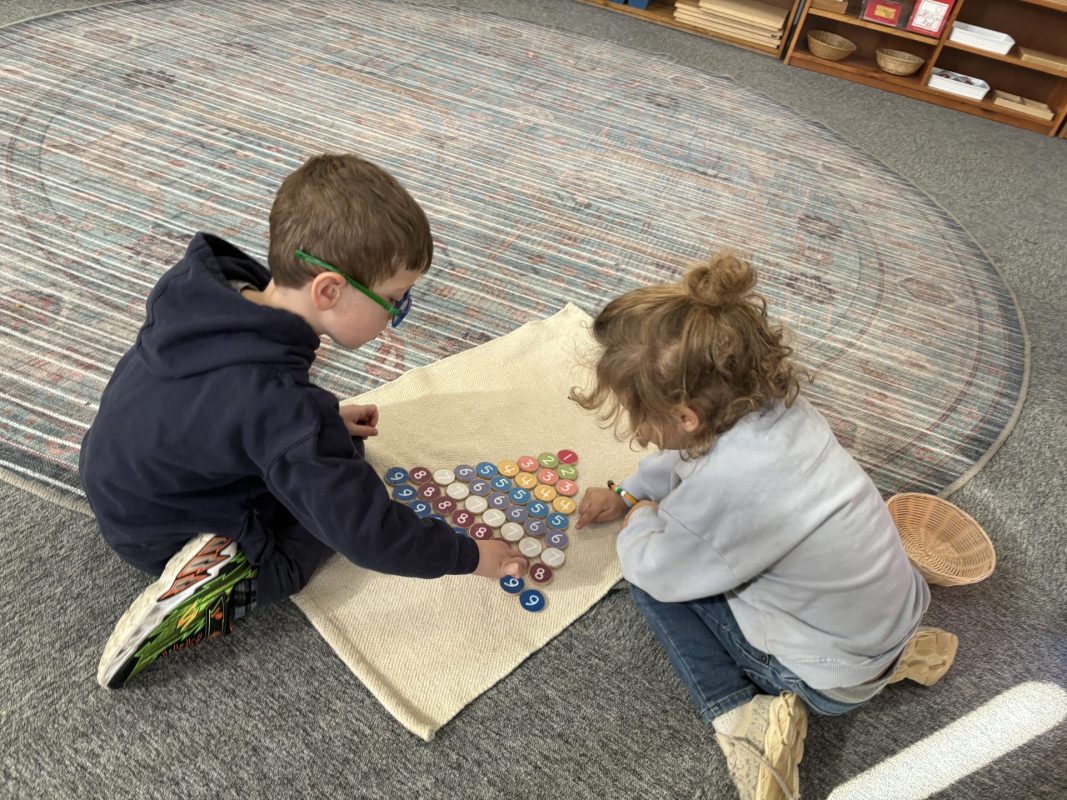
Students counted and brought in 100 items from home; we had a 100-item snack, played many games, and did crafts.

My favorite game is “Race to 100!” In it, children play side by side, rolling a die and continually adding a number to their last until they reach 100!

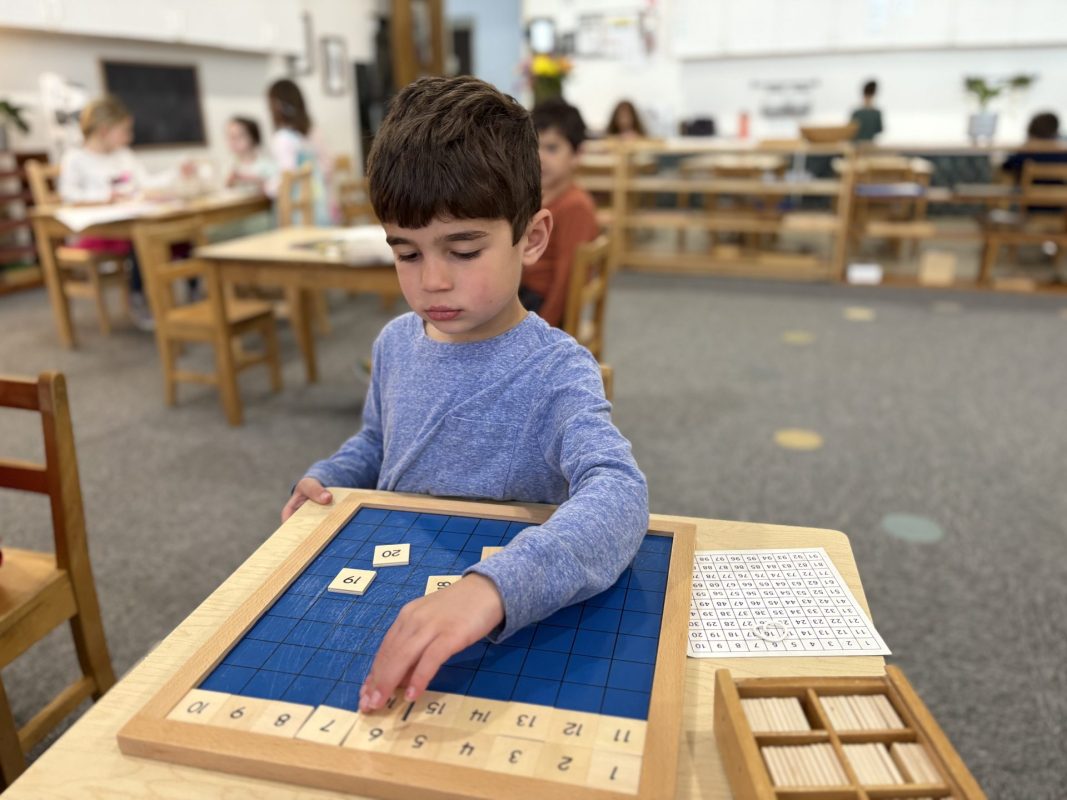
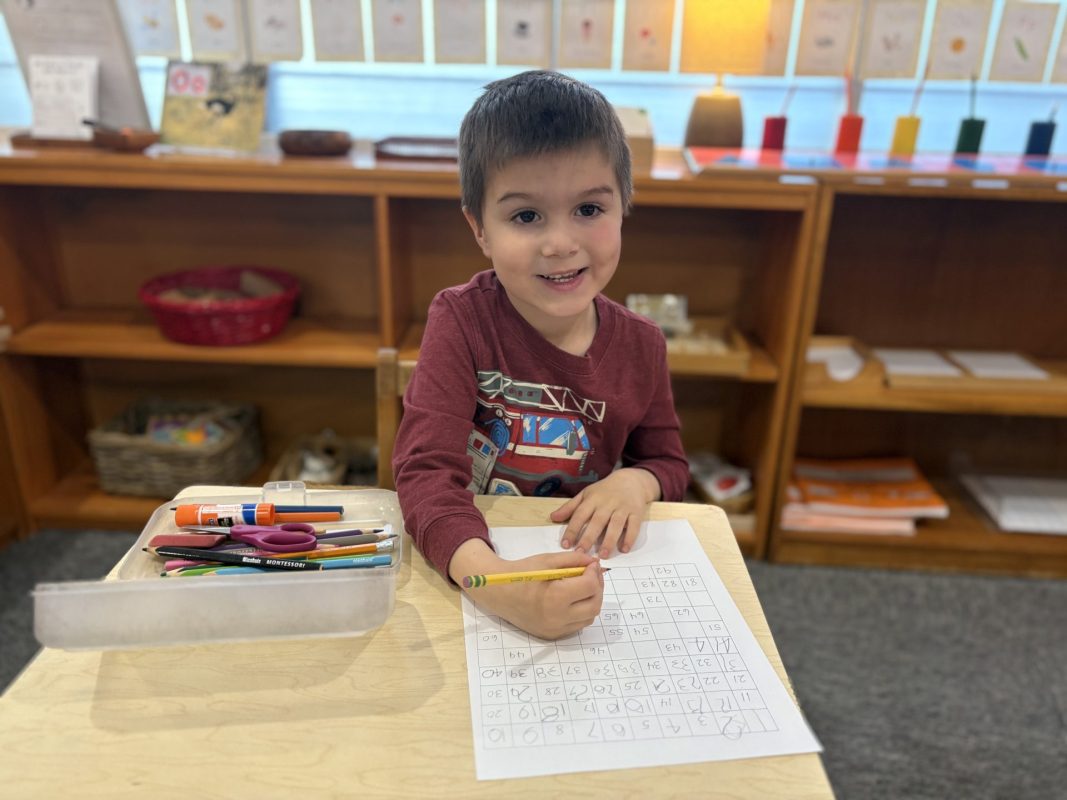
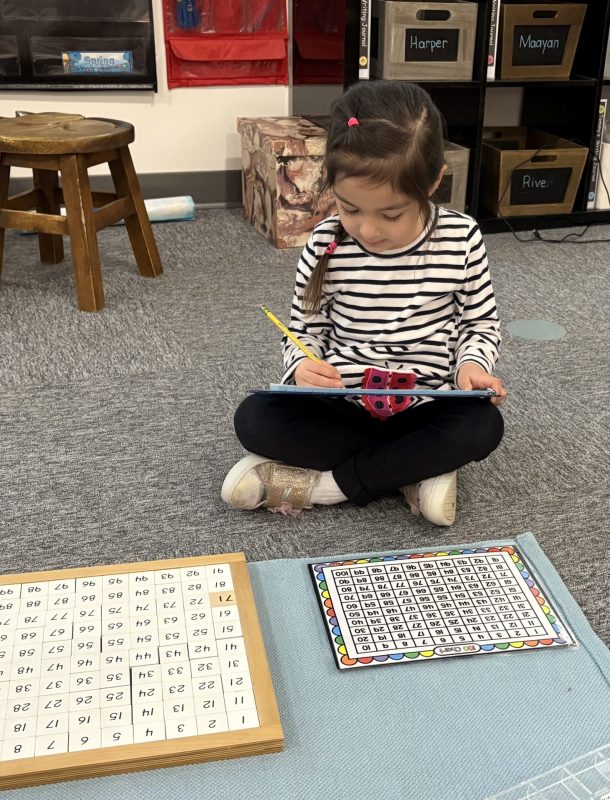
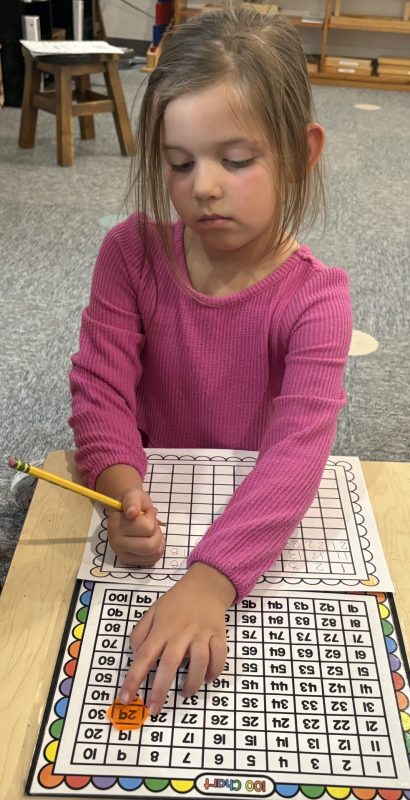
Kindergarteners are experts on our beloved 100 Board in the classroom, and this tradition is such a fun way to celebrate their hard work!


Mrs. Sargeant: A Peek at the Week

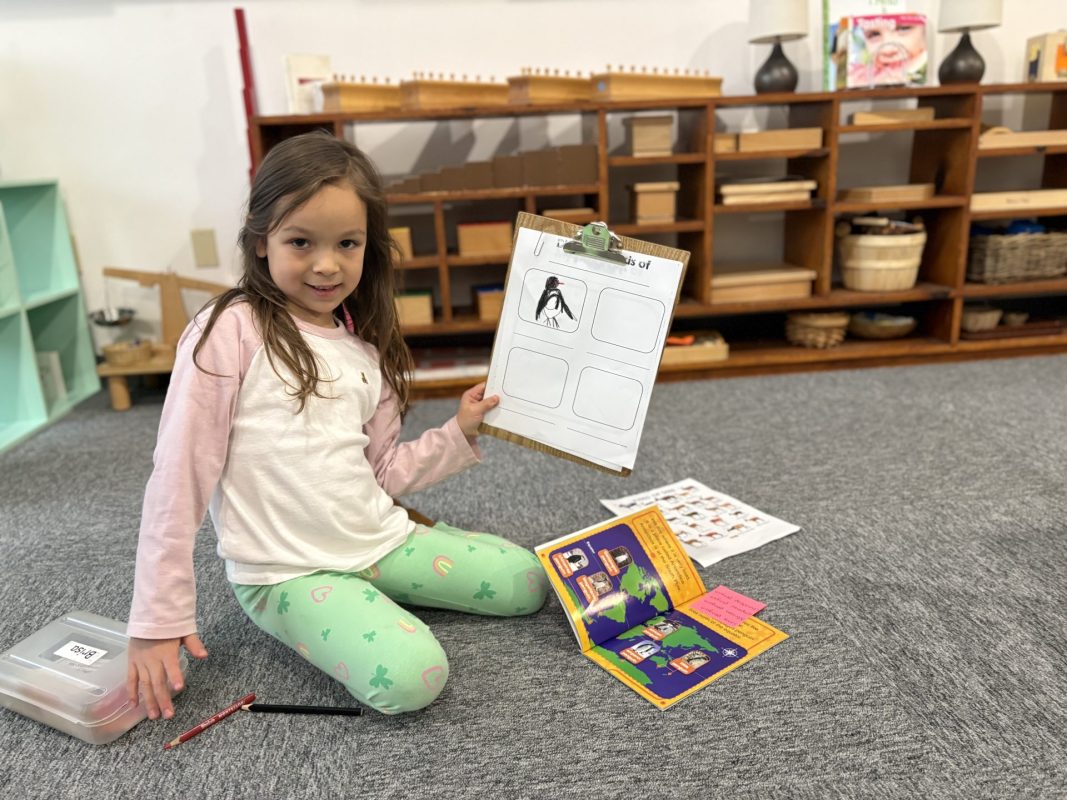
We have been discussing how harsh the winter can be for animals. The weather and lack of food can make their survival difficult. To help ensure their survival, animals hibernate, migrate, or adapt to their surroundings.

Animals that hibernate for the winter go into a deep sleep. Their body’s temperature drops, their heartbeat and breathing slow down, and they use very little energy. We’ve learned which animals hibernate as well as where they hibernate. Places where animals hibernate can be above ground, such as a cave, nest, or den, or they can be below ground, such as a burrow, a hole, or deep down in the mud. We explored which animals migrated or traveled to other places where the weather was warmer and where they would be able to find food. We also examined why animals might migrate and where they may go. Animals that adapt remain and stay active in their environment. They adapt to the changing weather, and their behavior and bodies may change, too. We talked about what changes animals may make to ensure they will have enough food for the winter.

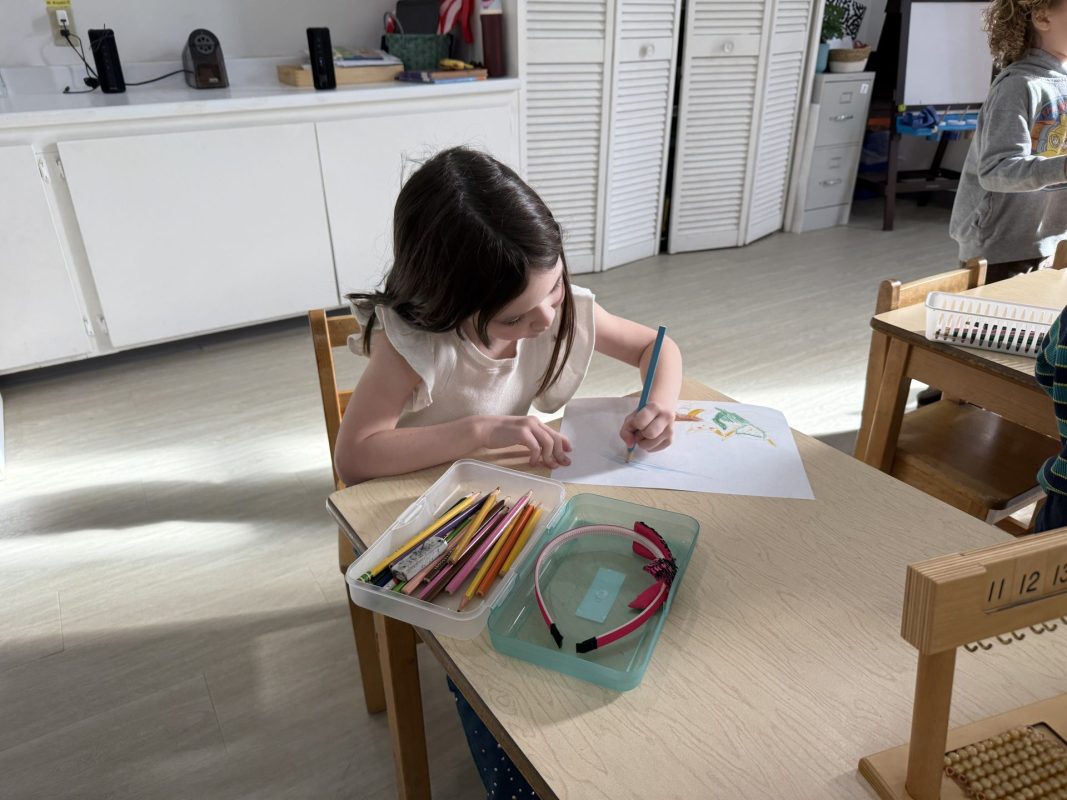
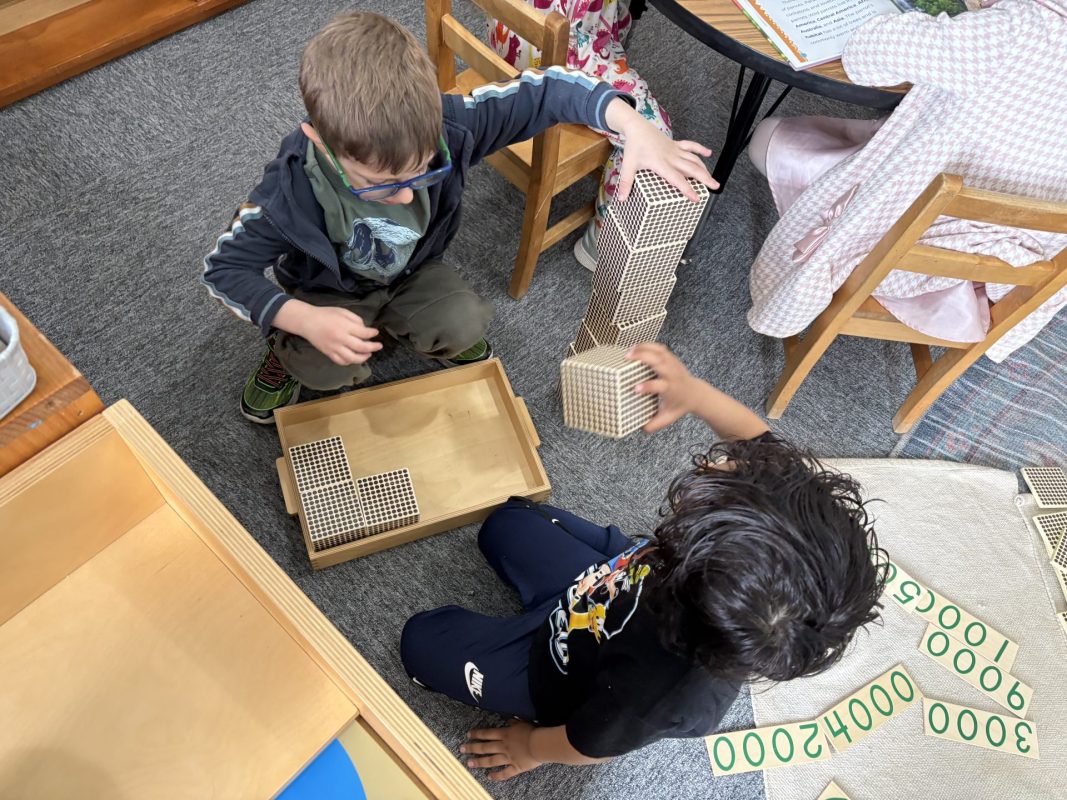
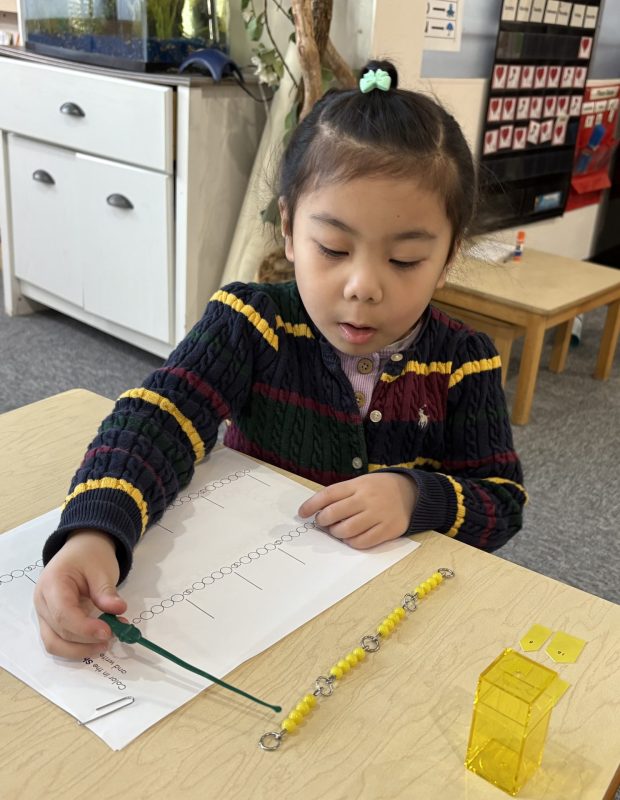
On Thursday, we celebrated the 100th day of school. From the very first day of school, the kindergarten children have been learning to count by 1s, 5s, and 10s to 100. They spent the afternoon going to different stations that revolved around 100. They drew pictures of what they would like when they were 100, what they would buy with $100, and what they wished they had a hundred of, made a 100 headband, and then played a game called Race to 100. They even did 100 exercises and learned how hard it was to sit quietly for 100 seconds. They also had 100 snacks! Many thanks to Eliot’s family for the amazing ”snackle boxes” and special 100th-day snacks!

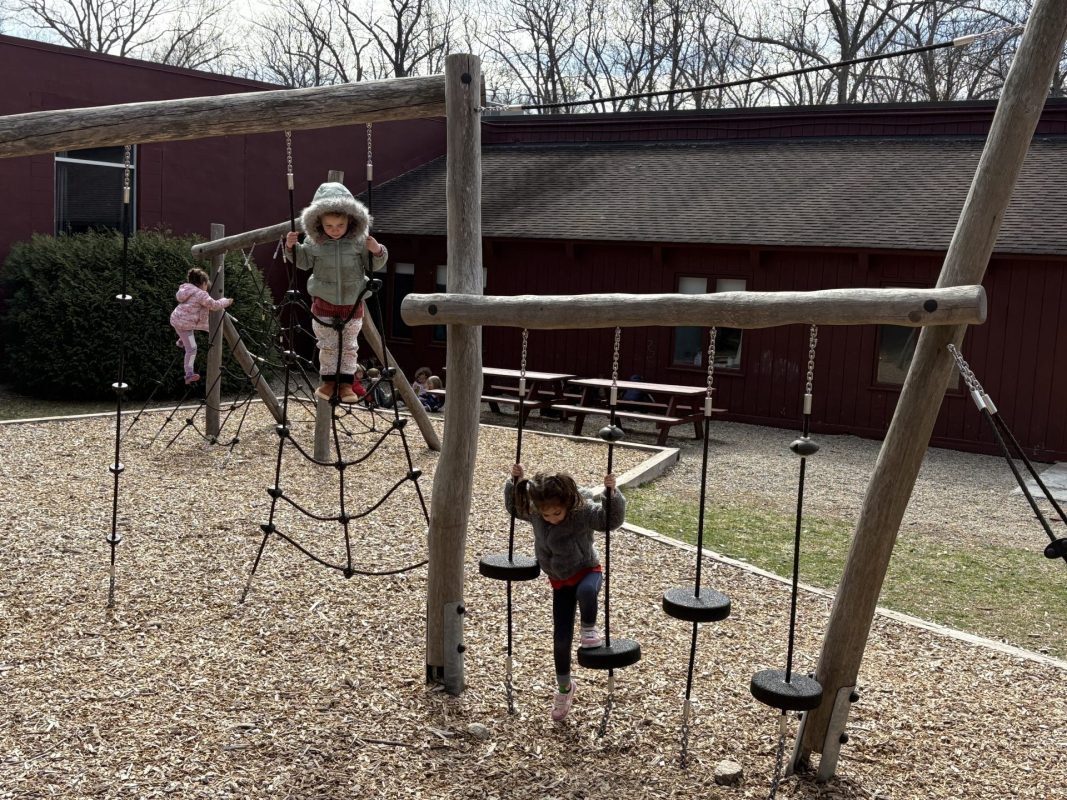
We’re hoping the ice and snow will melt over the weekend so we can get outdoors next week. Wishing you all a week filled with sunshine!

Christine & Fatima


Mrs. Lopes: A Look at the Week

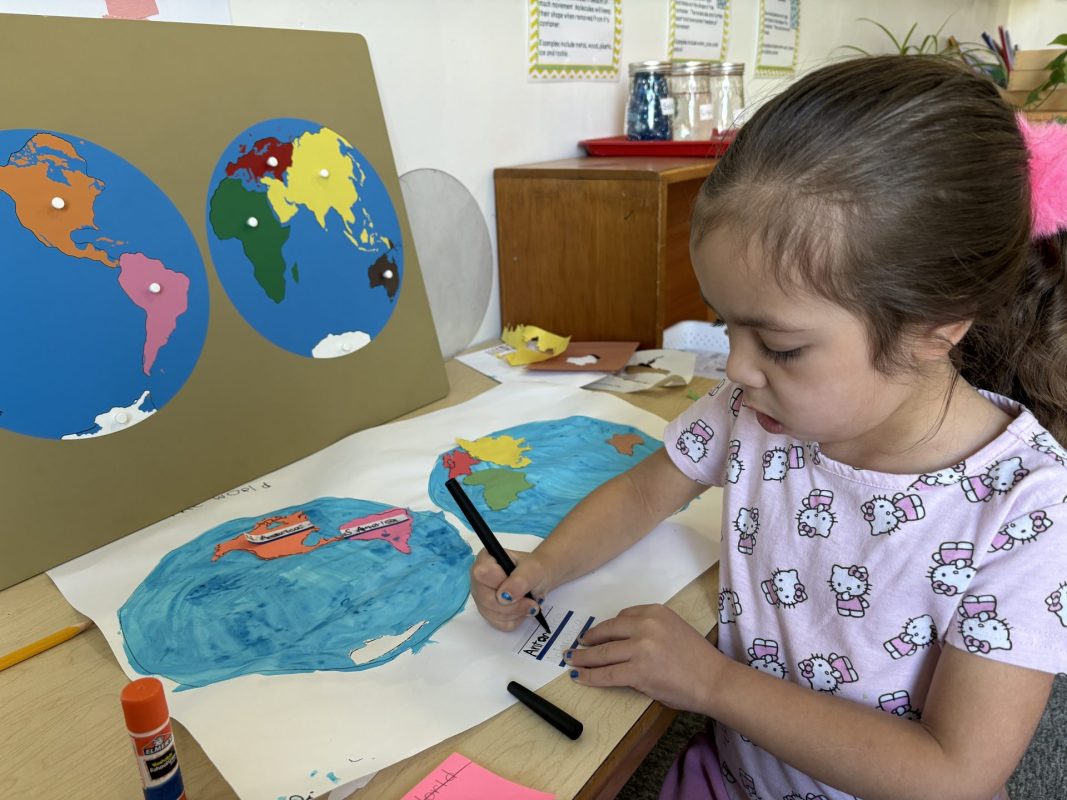
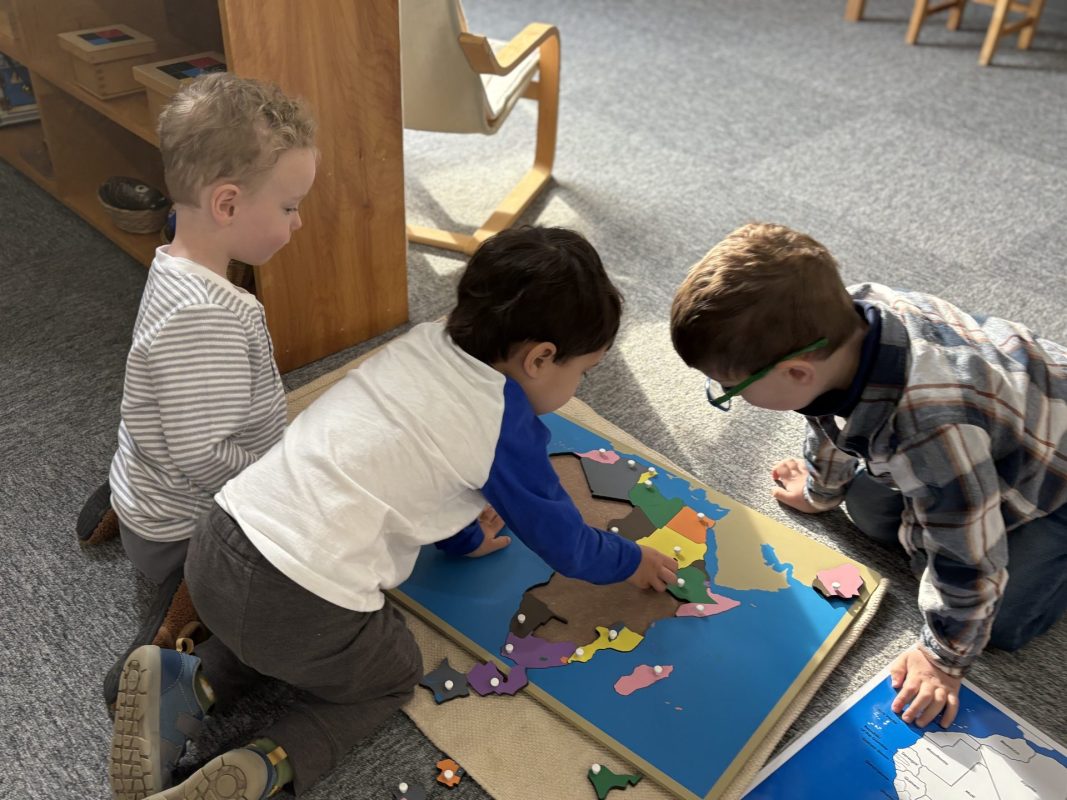
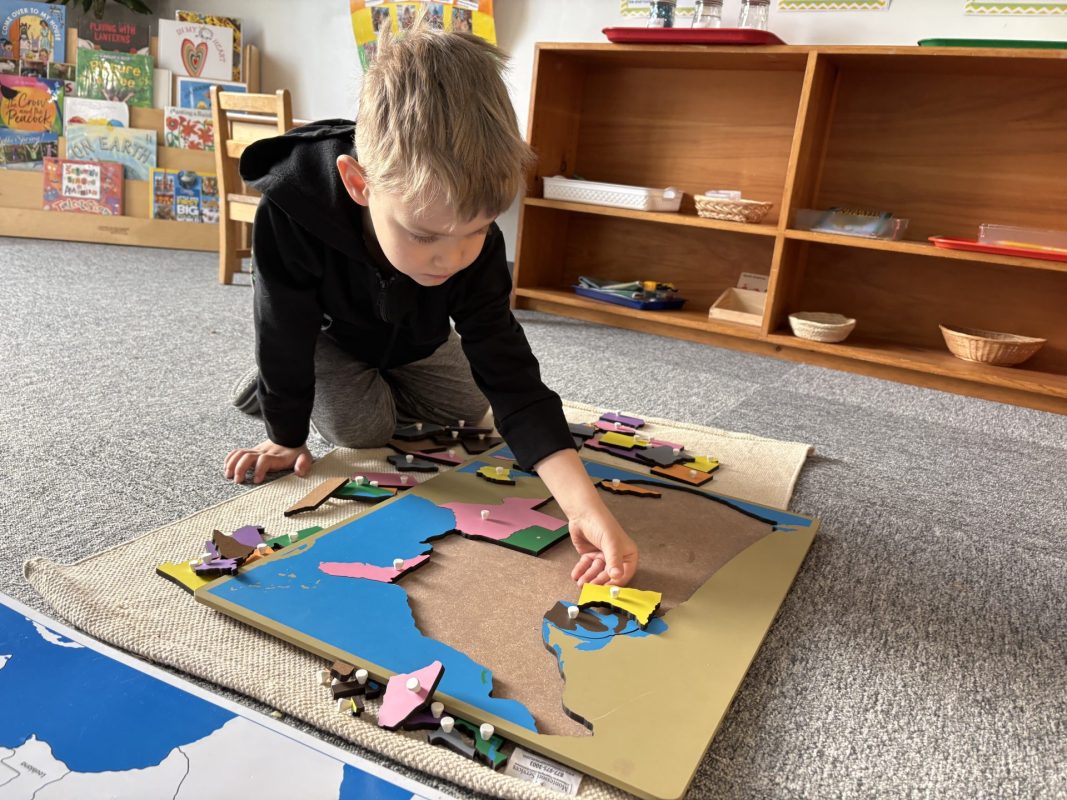
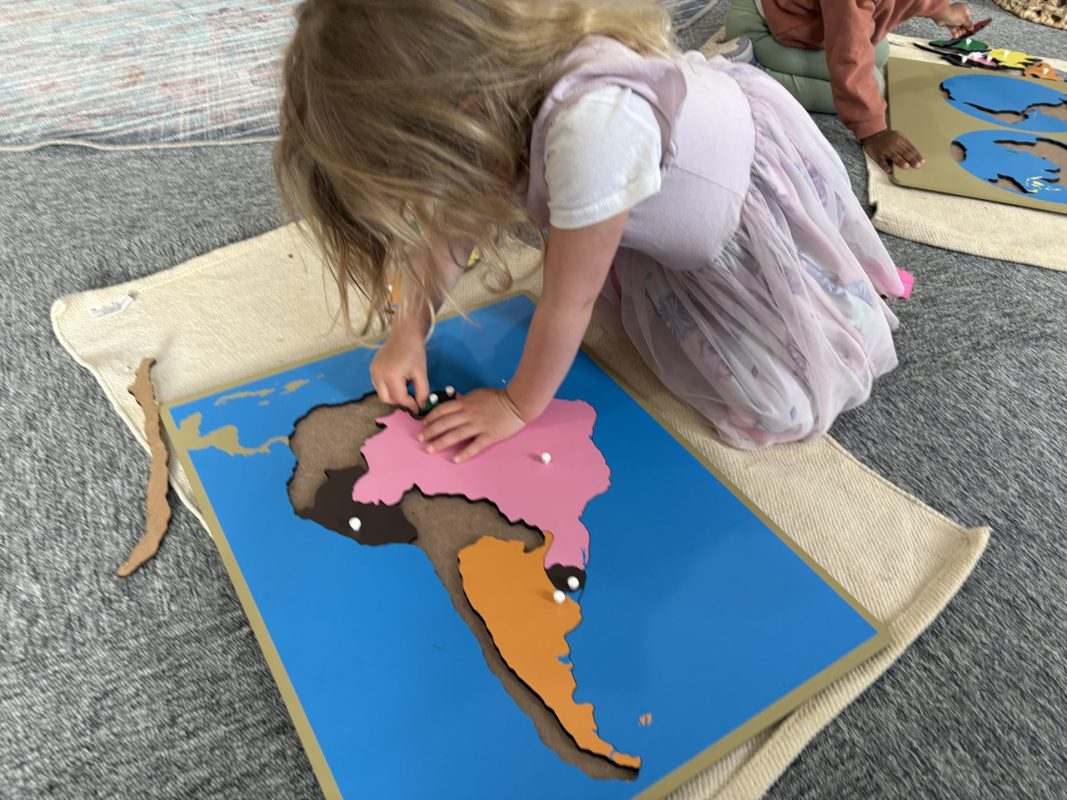
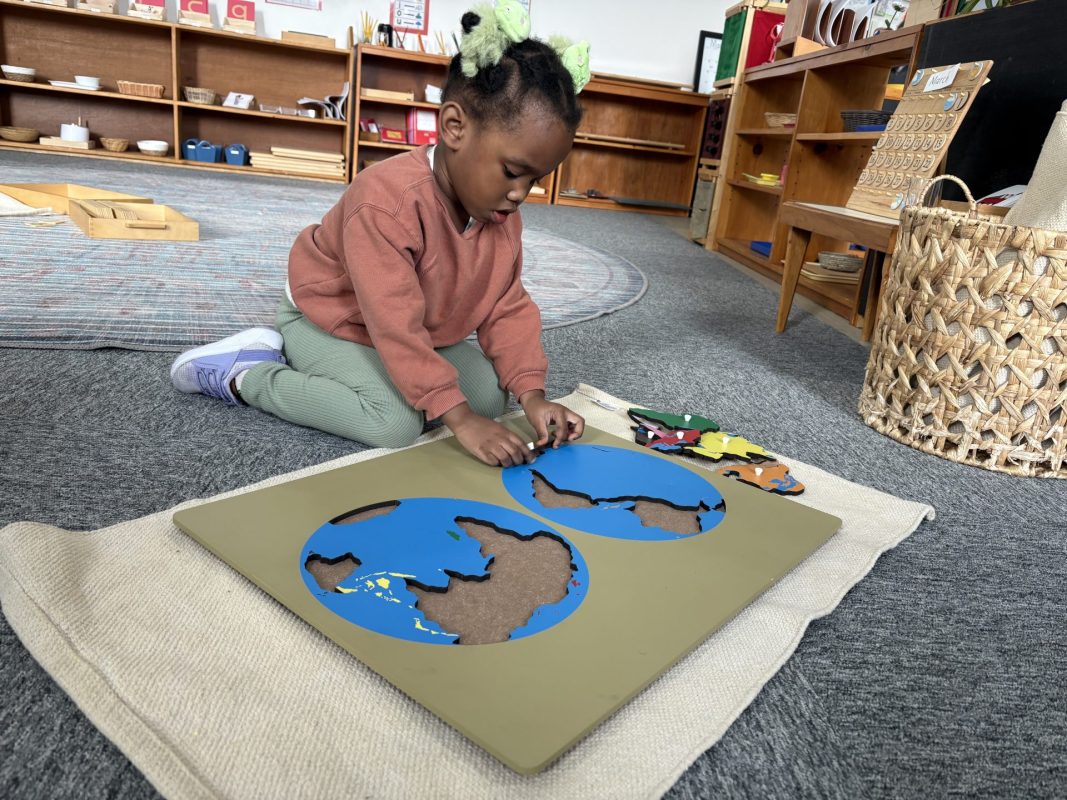
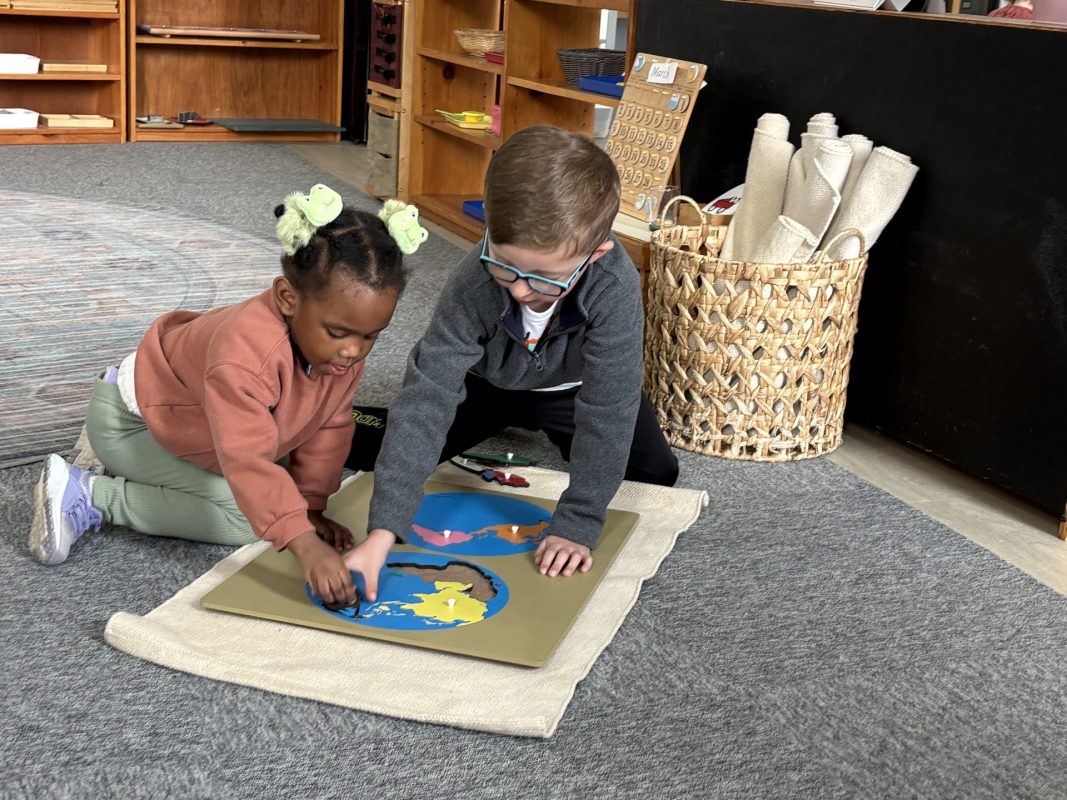
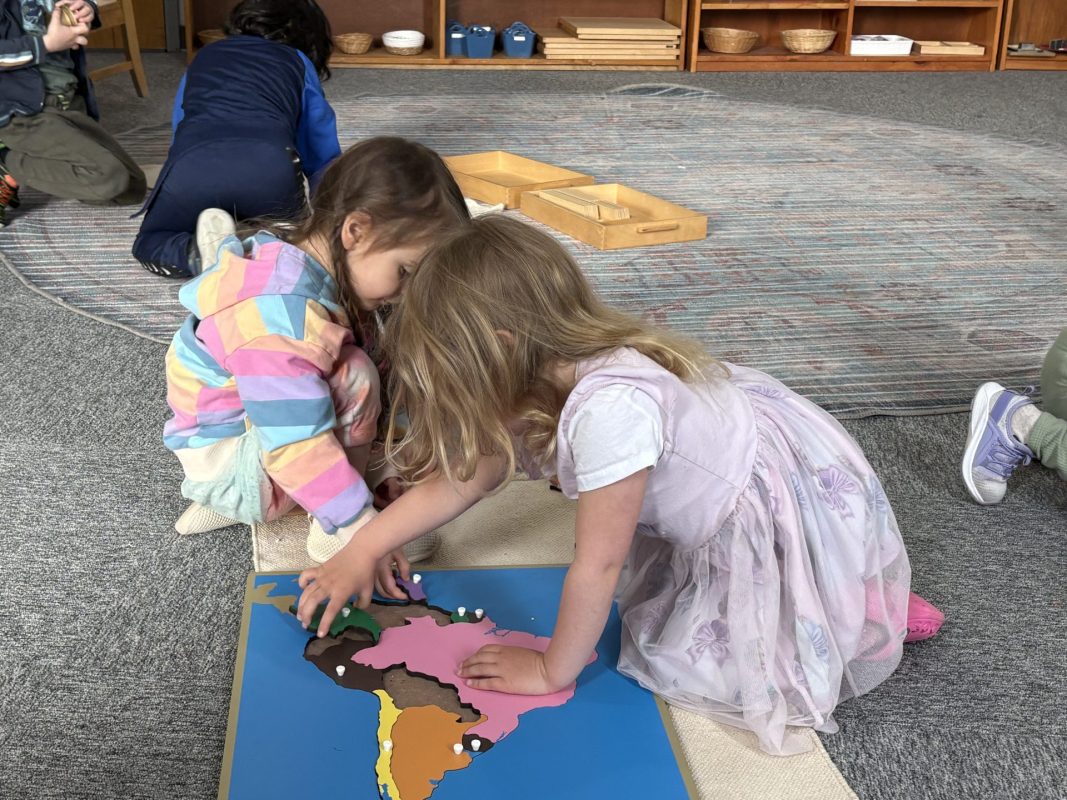
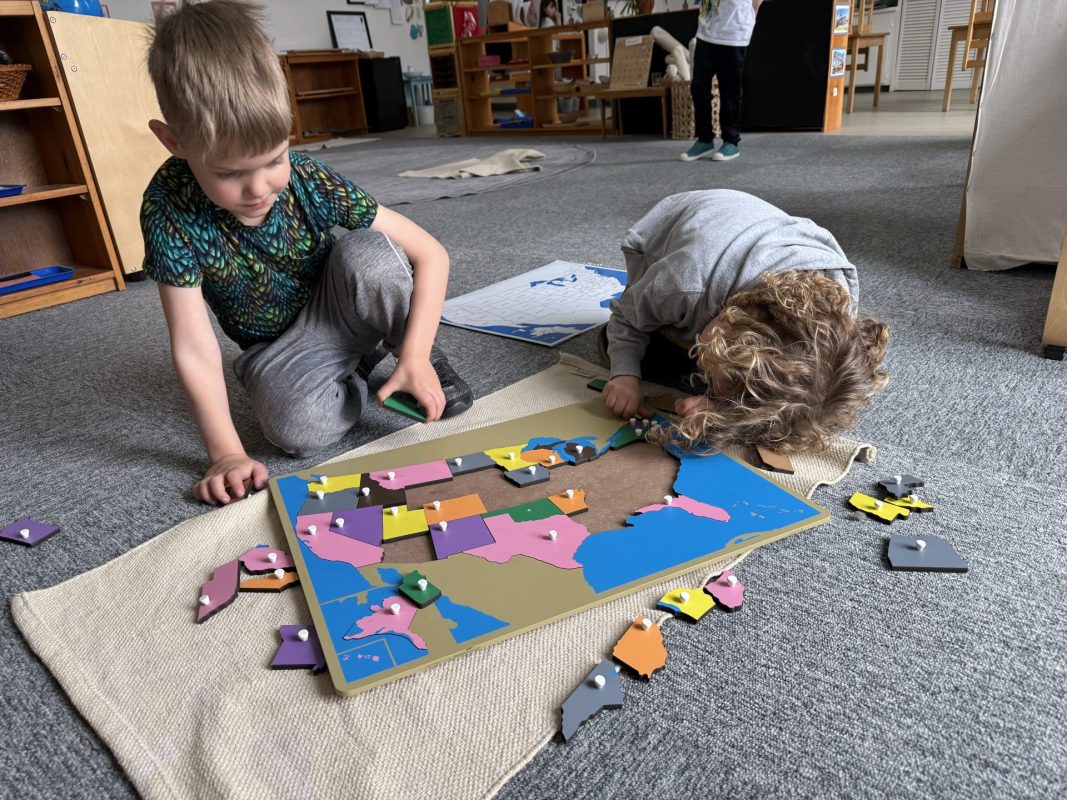
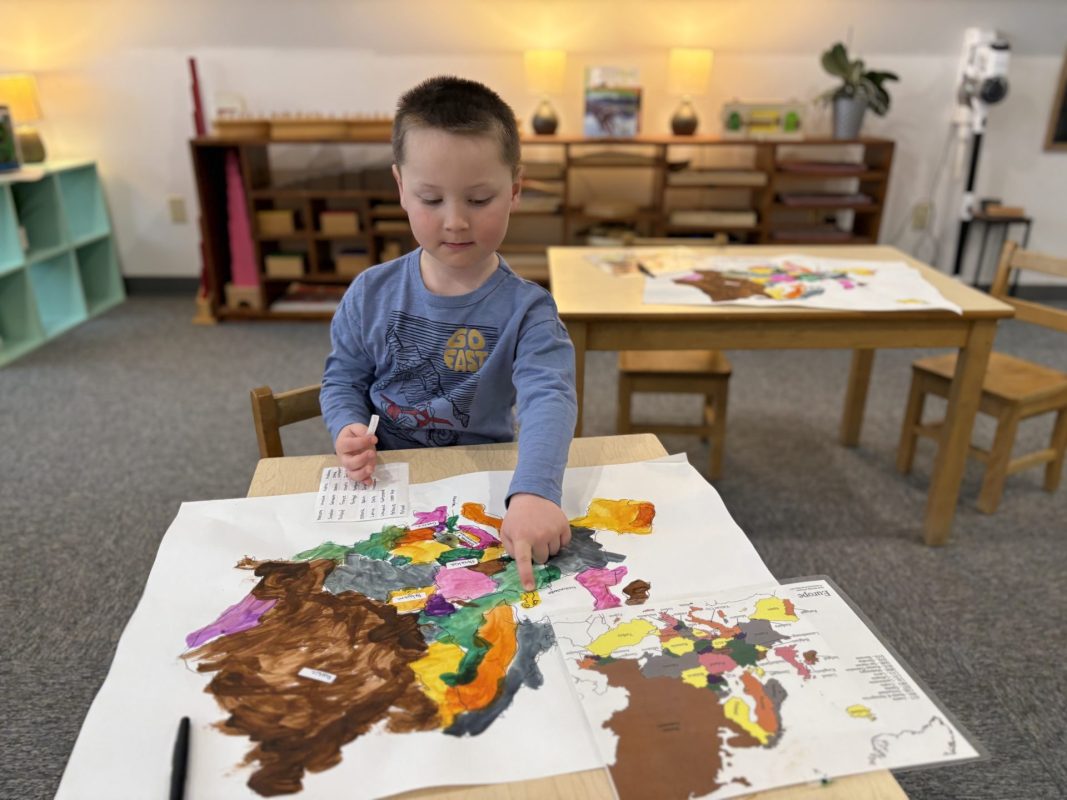
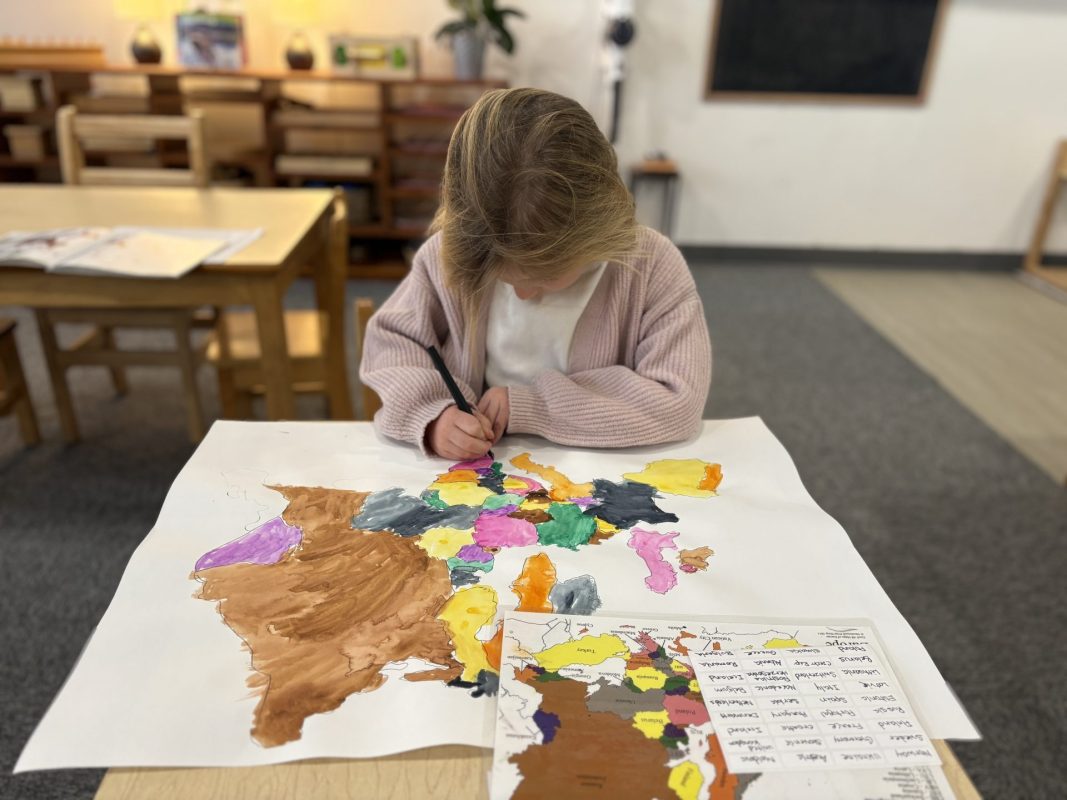
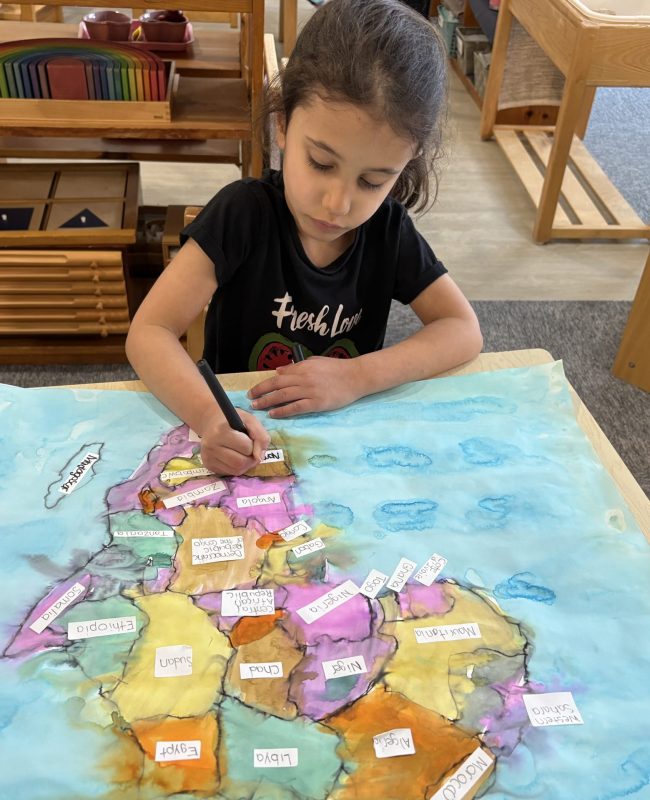
Each time we study a new continent, we first find it on the globe, then locate it on the world map, and lastly, we study the individual continent using the specific continent maps. Currently, the children are learning about the continent of Africa. We learn about its geography, culture, weather, animals, and people.

We are learning lots of fun and fascinating facts about the continent of Africa.

  • Africa is the second largest continent, with 54 countries.
  • The longest river in the world, the Nile, is in Africa.
  • Over one thousand languages are spoken by the people in Africa.
  • The Sahara, the world’s largest desert, is located here.
  • Mount Kilimanjaro is the highest mountain in Africa. It is so tall that glaciers can be found at its summit, even though the mountain is near the equator.
  • Africa is the most centrally located continent in the world—both the prime meridian and the equator cut across it.
  • The world’s tallest animal, the giraffe, and the largest land animal, the African elephant, are found in Africa.

This past Thursday, we celebrated the 100th day of school. From the very first day of school, the kindergarten children have been learning to count by 1s, 5s, and 10s to 100. They spent the afternoon going to different stations that revolved around 100. They drew pictures of what they would like when they were 100, what they would buy with $100, and what they wished they had a hundred of, made a 100 headband, and then played a game called Race to 100. They even did 100 exercises and learned how hard it was to sit quietly for 100 seconds. The highlight was bringing home a delicious 100th-day-of-school snack and eating 100 snacks from their “snackle” box. As always, thank you for all our parent volunteers’ behind-the-scenes help in making these memories possible.

Wishing you a week filled with peace and love.

Amanda & Hema


Ms. Handibode: All About Africa

Each time we study a new continent, we first find it on the globe, then locate it on the world map, and lastly, we study the individual continent using the specific continent maps. Currently, the children are learning about the continent of Africa. We learn about its geography, culture, weather, animals, and people.

We are learning lots of fun and fascinating facts about the continent of Africa.

  • Africa is the second largest continent, with 54 countries.
  • The longest river in the world, the Nile, is in Africa.
  • Over one thousand languages are spoken by the people in Africa.
  • The Sahara, the world’s largest desert, is located here.
  • Mount Kilimanjaro is the highest mountain in Africa. It is so tall that glaciers can be found at its summit, even though the mountain is near the equator.
  • Africa is the most centrally located continent in the world—both the prime meridian and the equator cut across it.
  • The world’s tallest animal, the giraffe, and the largest land animal, the African elephant, are found in Africa.

This past Thursday, we celebrated the 100th day of school. From the very first day of school, the kindergarten children have been learning to count by 1s, 5s, and 10s to 100. They spent the afternoon going to different stations that revolved around 100. They drew pictures of what they would like when they were 100, what they would buy with $100, and what they wished they had a hundred of, made a 100 headband, and then played a game called Race to 100. They even did 100 exercises and learned how hard it was to sit quietly for 100 seconds. The highlight was bringing home a delicious 100th-day-of-school snack and eating 100 snacks from their “snackle” box. As always, thank you for all our parent volunteers’ behind-the-scenes help in making these memories possible.

Wishing you a week filled with peace and love.