Ms. Handibode’s Happenings: Welcome To Our Pumpkin Patch!

Welcome to our pumpkin patch!  There are pumpkins everywhere in our class. Having pumpkins in the classroom provides many opportunities for the children to observe and introduce basic science and math concepts.

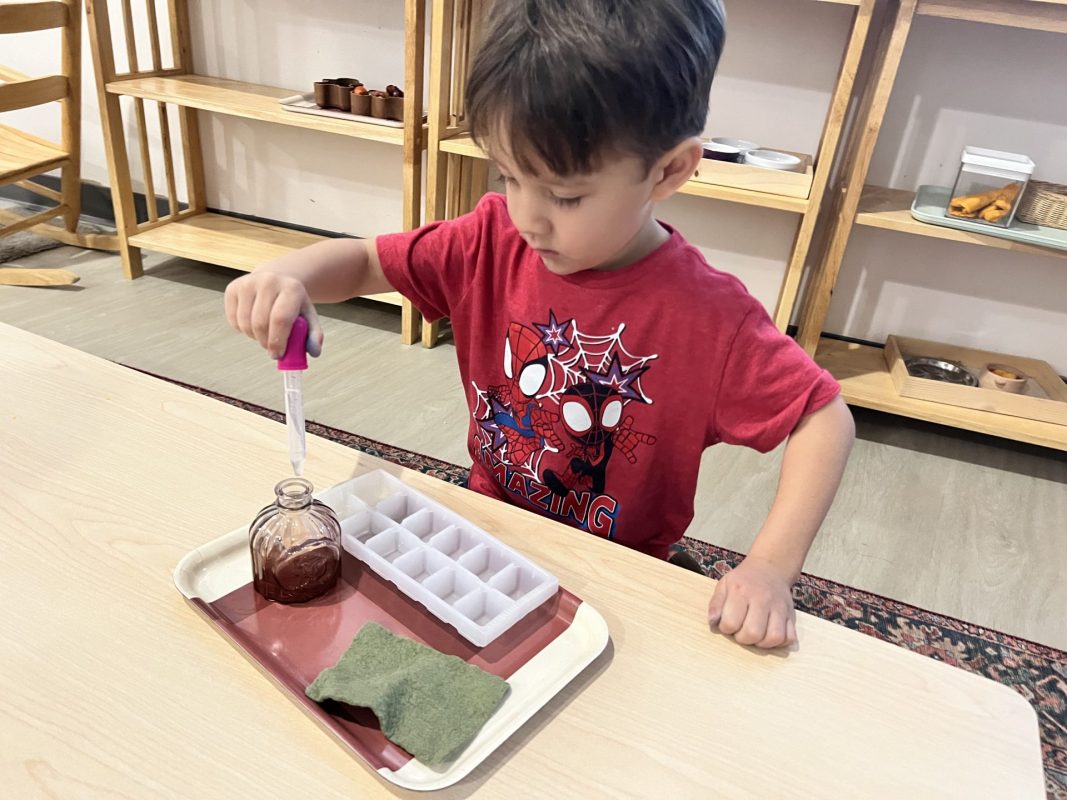
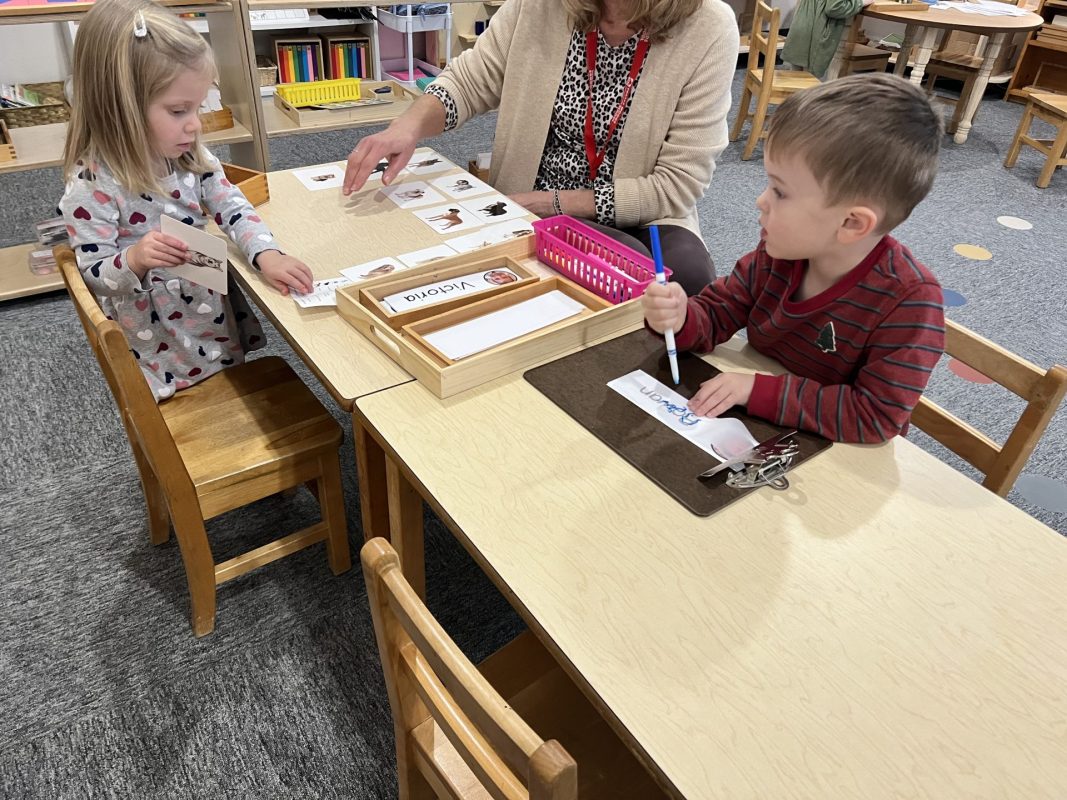
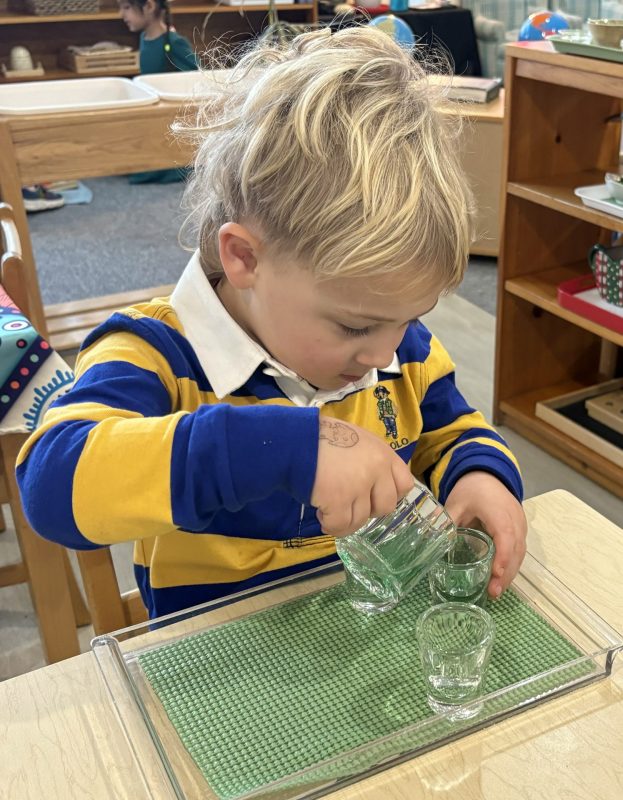
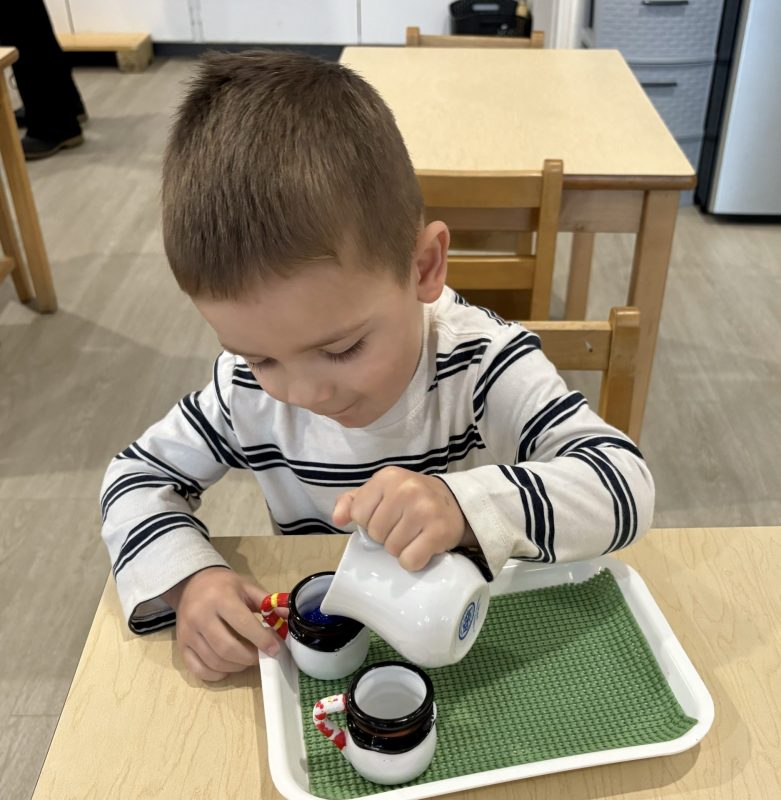
In Practical Life, we have pumpkin spooning, pumpkin pouring, pumpkin scrubbing, and pumpkin grasping. In Science, we learned about the parts of a pumpkin and the pumpkin’s life cycle. We compared pumpkins and categorized them as small, medium, and large. We are using our five senses to determine what pumpkins look, smell, feel, sound, and taste like.

Last week, we carved a pumpkin and then took part in our Harvest Celebration. Each child had the opportunity to visit our “pumpkin patch” and pick their own pumpkin, make a spooky craft, and have a fun snack.  Last but not least, meet Skelly, our veggie skeleton prepared by the kindergarten students.  It is always so wonderful to hear the children say they don’t like this vegetable or that one and then devour all of it!

All of this was possible because of parents helping behind the scenes.  A huge shout out to everyone for sharing their time and energy with us to provide these wonderful opportunities for the children.  It takes a lot of time, effort, and organization for all of this to be possible, and we are truly grateful and blessed.

Wishing you a week filled with peace and love.

Michelle & Maria


Mrs. Lopes: A Look at Our Week

Welcome to our pumpkin patch!  There are pumpkins everywhere in our class. Having pumpkins in the classroom provides many opportunities for the children to observe and introduce basic science and math concepts.

In Practical Life, we have pumpkin spooning, pumpkin pouring, pumpkin scrubbing, and pumpkin grasping. In Science, we learned about the parts of a pumpkin and the pumpkin’s life cycle. We compared pumpkins and categorized them as small, medium, and large. We are using our five senses to determine what pumpkins look, smell, feel, sound, and taste like.

Last week, we carved a pumpkin and then took part in our Harvest Celebration. Each child had the opportunity to visit our “pumpkin patch” and pick their own pumpkin, make a spooky craft, and have a fun snack.  Last but not least, meet Skelly, our veggie skeleton prepared by the kindergarten students.  It is always so wonderful to hear the children say they don’t like this vegetable or that one and then devour all of it!

All of this was possible because of parents helping behind the scenes.  A huge shout out to everyone for sharing their time and energy with us to provide these wonderful opportunities for the children.  It takes a lot of time, effort, and organization for all of this to be possible, and we are truly grateful and blessed.

This week we started our unit on the Solar System.  The students are excited to learn facts about each of the planets and the unique characteristics each planet has.

Wishing you a week filled with peace and love.

Amanda & Hema


Ms. Marissa: Weekly Update!

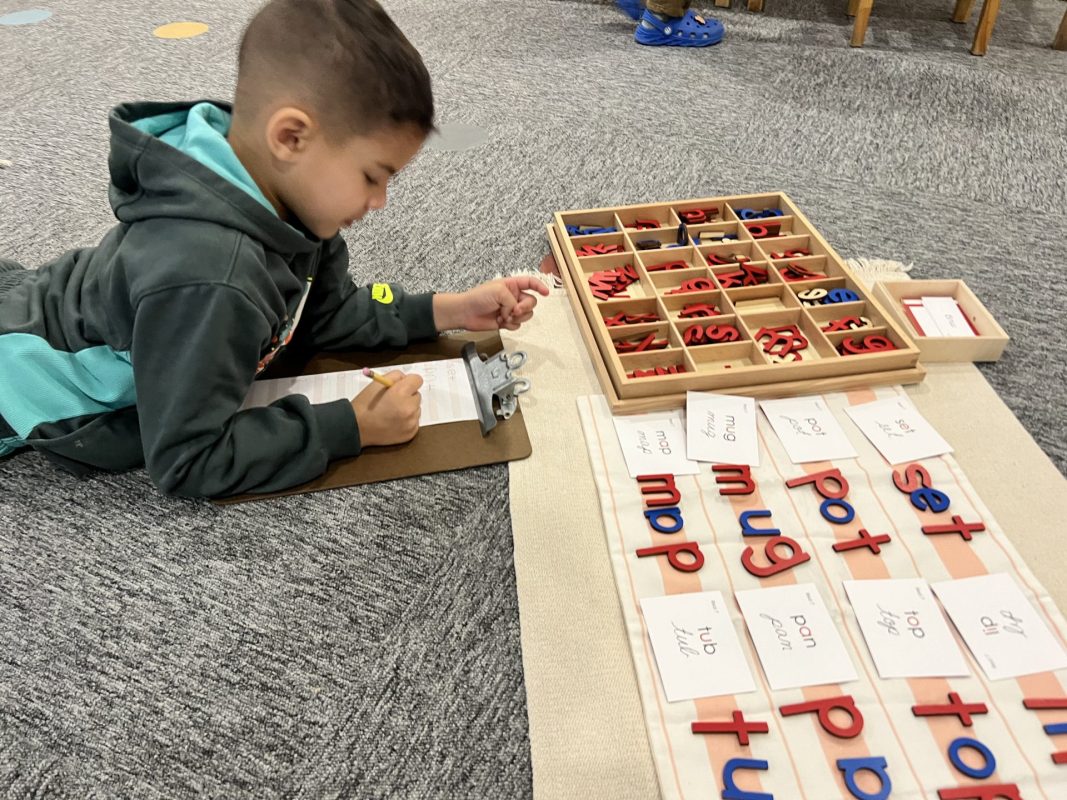
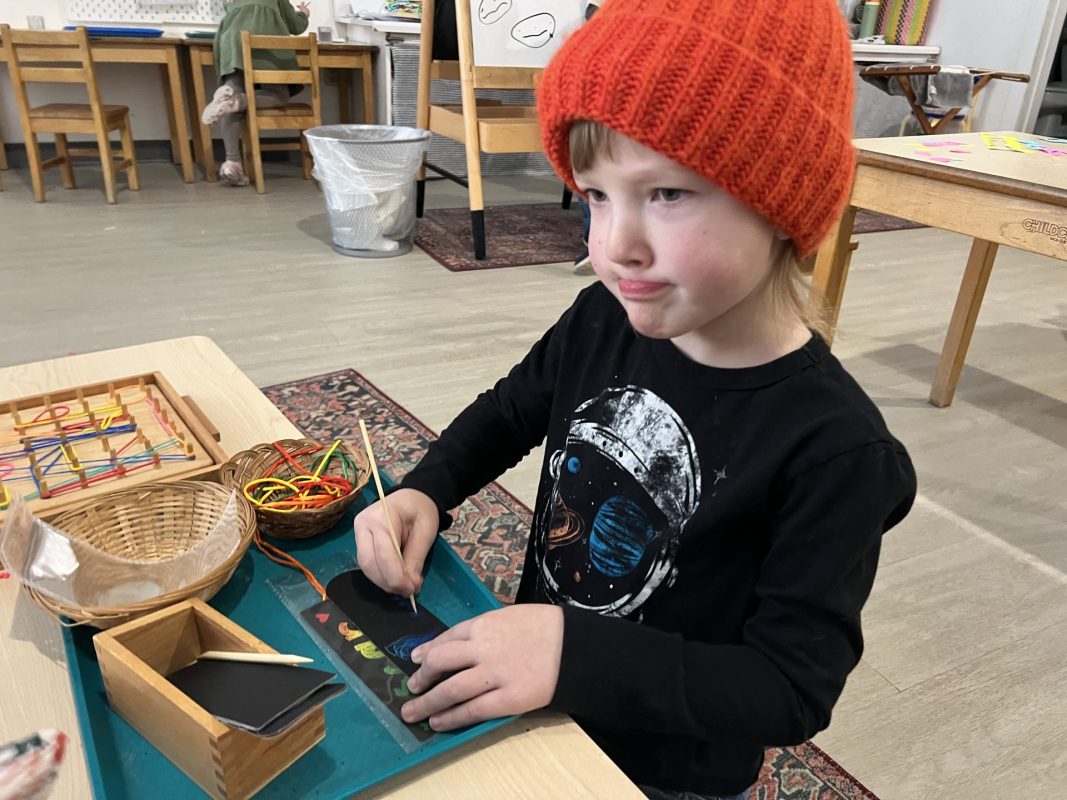
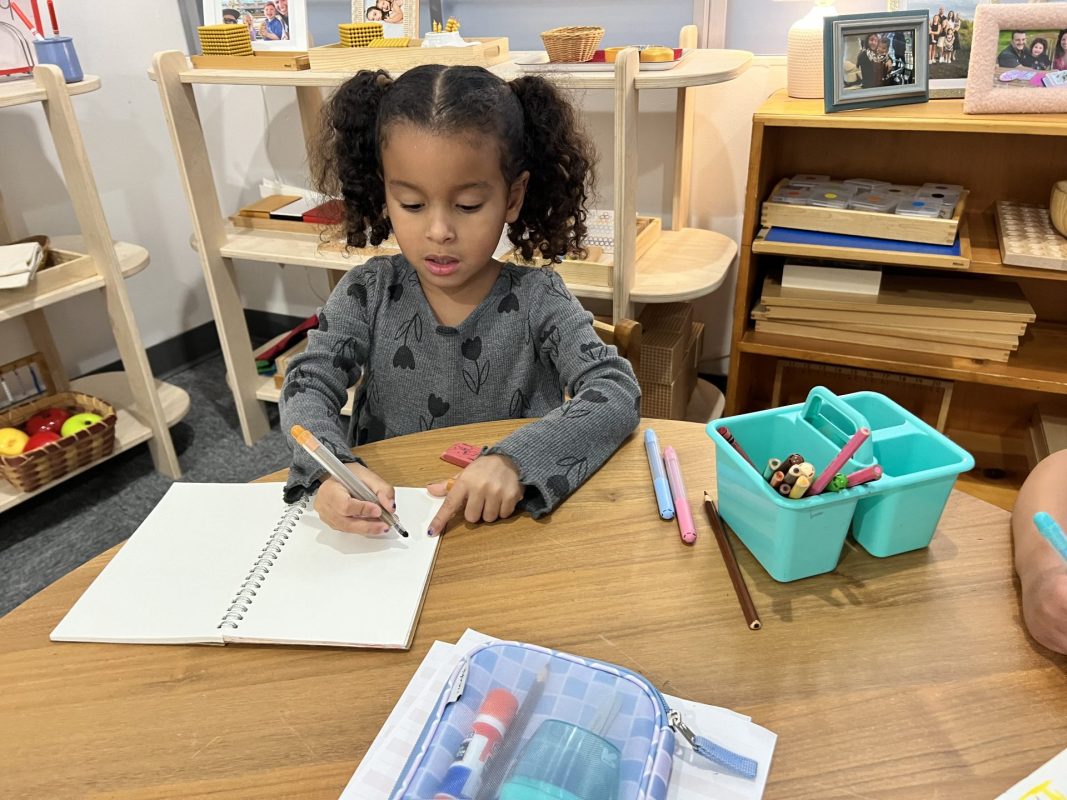
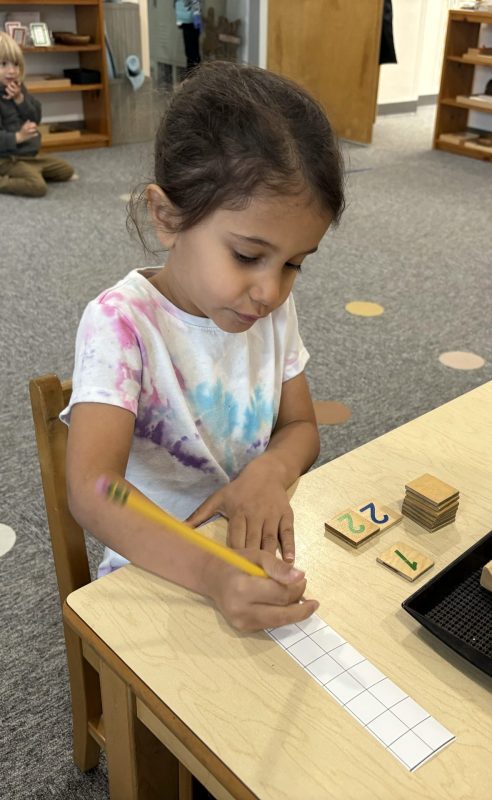
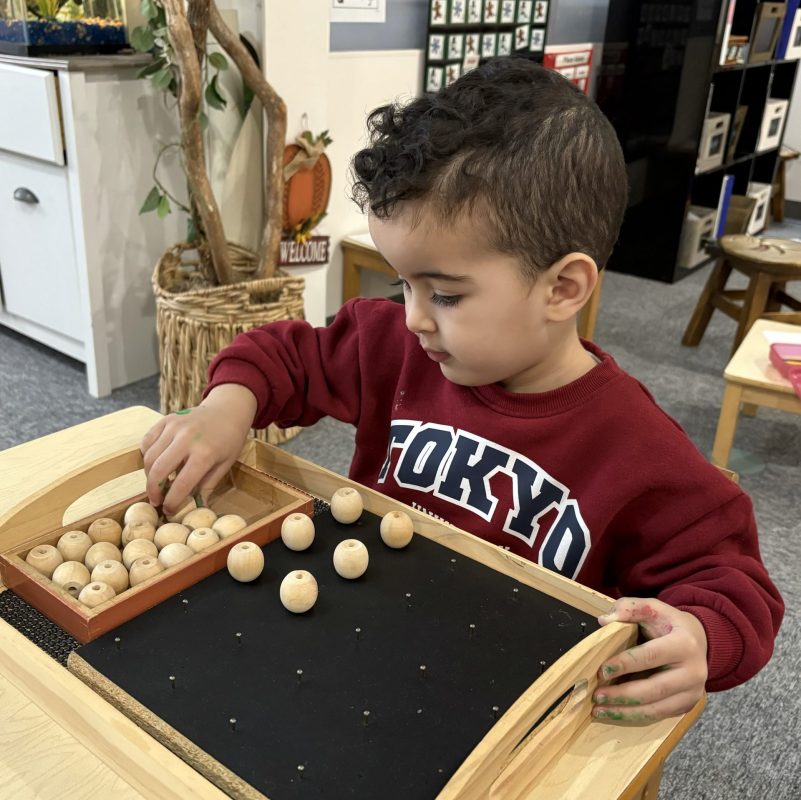
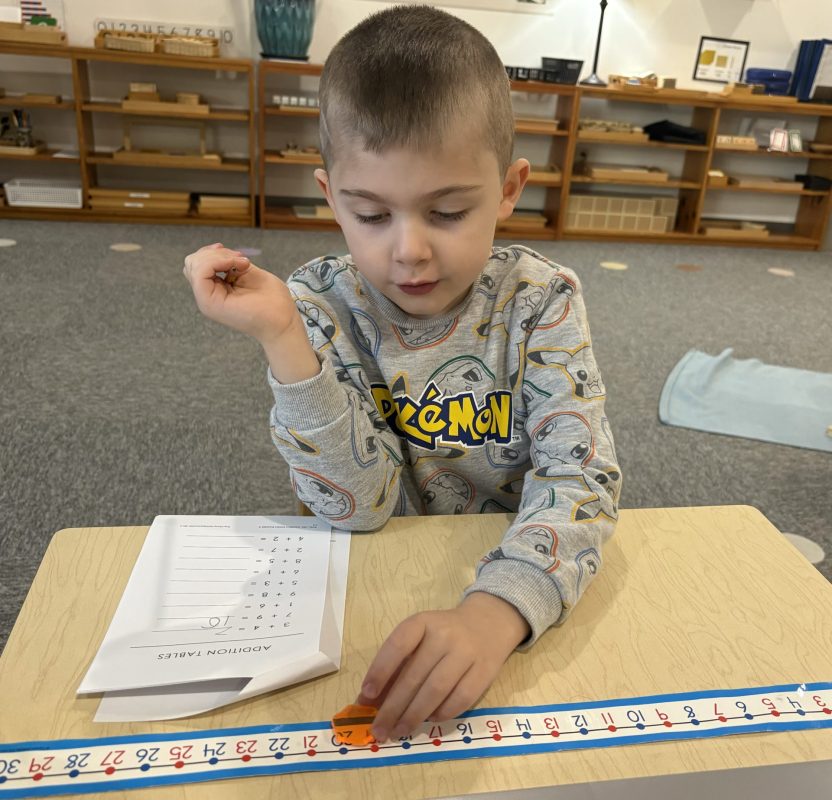
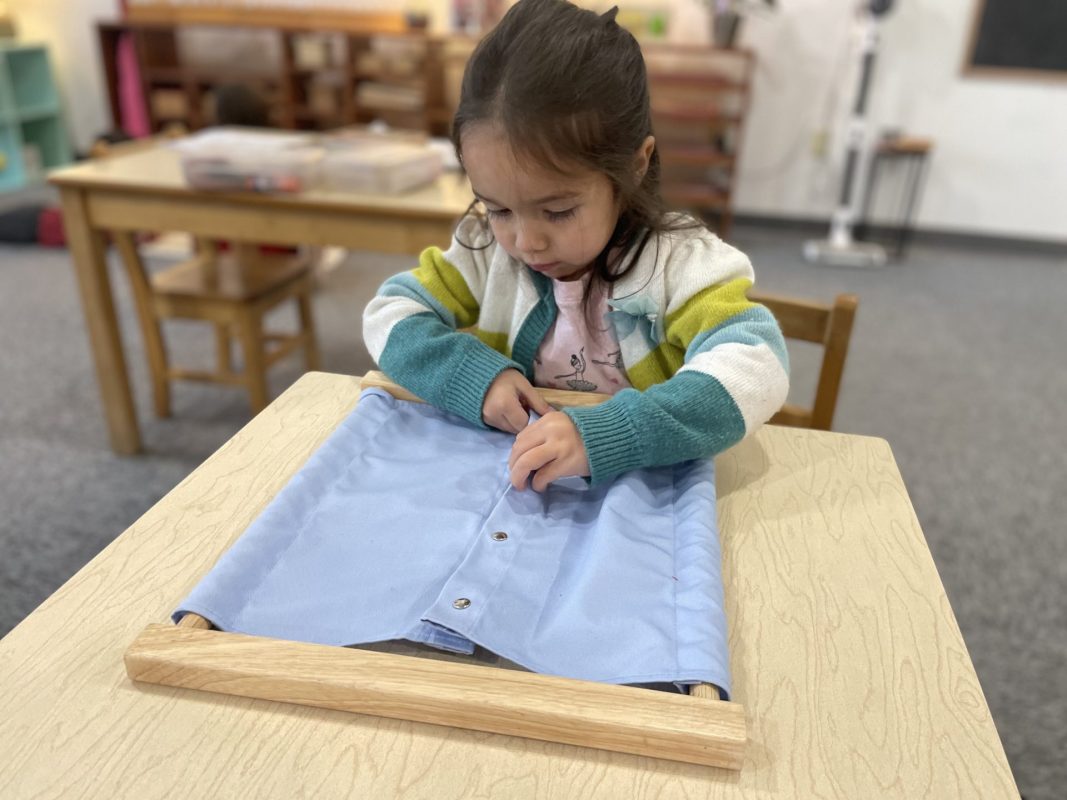
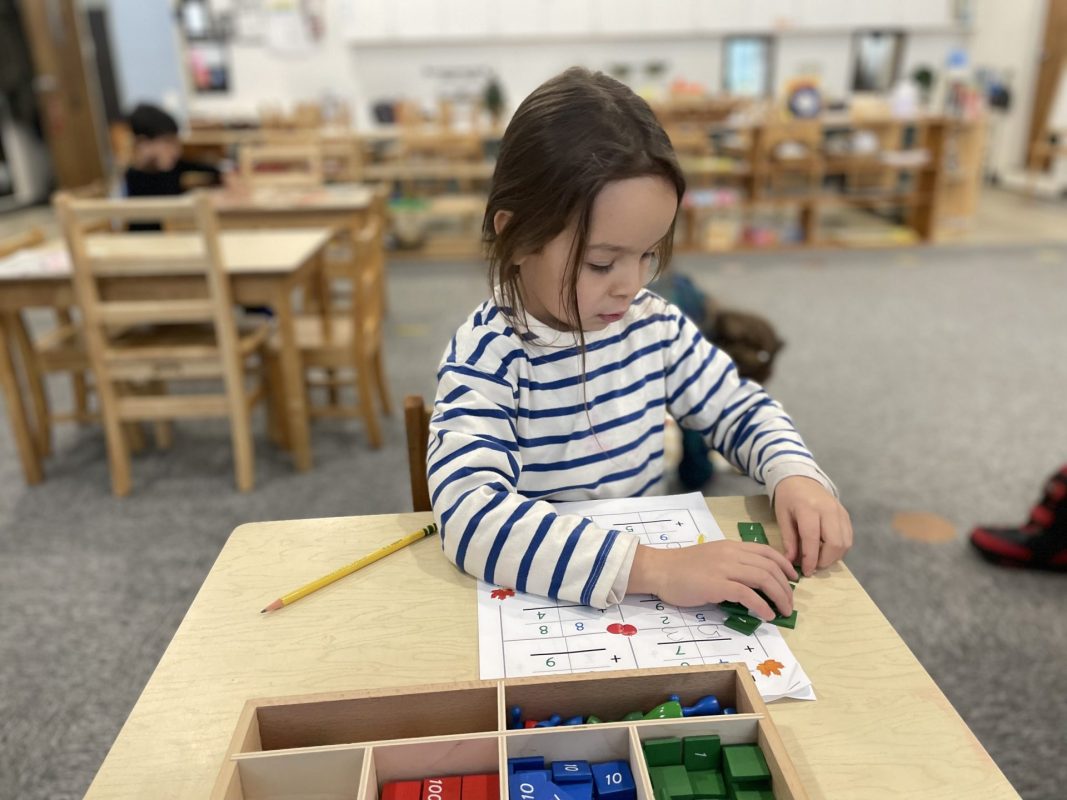
This week we explored many different sewing and handwork activities! The simplest activity in our sewing sequence is stringing large beads on a cord. From there, they get increasingly more difficult – stringing small beads on a pipe cleaner, cutting yarn, threading a needle, tying a knot, embroidering on burlap, sewing a button, and so on!

The children have been excited to get new lessons on as much as they are capable of. In the beginning, sewing is done side by side with a teacher, but as skills slowly emerge, the teacher starts to pull away little by little. We never let the inability to thread a needle or tie a knot get in the way of the joy of sewing – those skills will come! In the meantime, we practice, practice, practice.

Sewing works so beautifully in the classroom because it exercises four very important skills: concentration, coordination, independence, and order.


Mrs. Sargeant: A Peek at the Week

The children were thrilled to return this week to kick off a brand-new month. Every day upon arrival, the children come inside to see who the “Helping Hand” is for the day. The “Helping Hand” is the child who will ring the chime to let the class know that it is time to “clean up their work and join us at the Circle.” This helper is also responsible for the calendar, and they are the “line leader” for the day.  

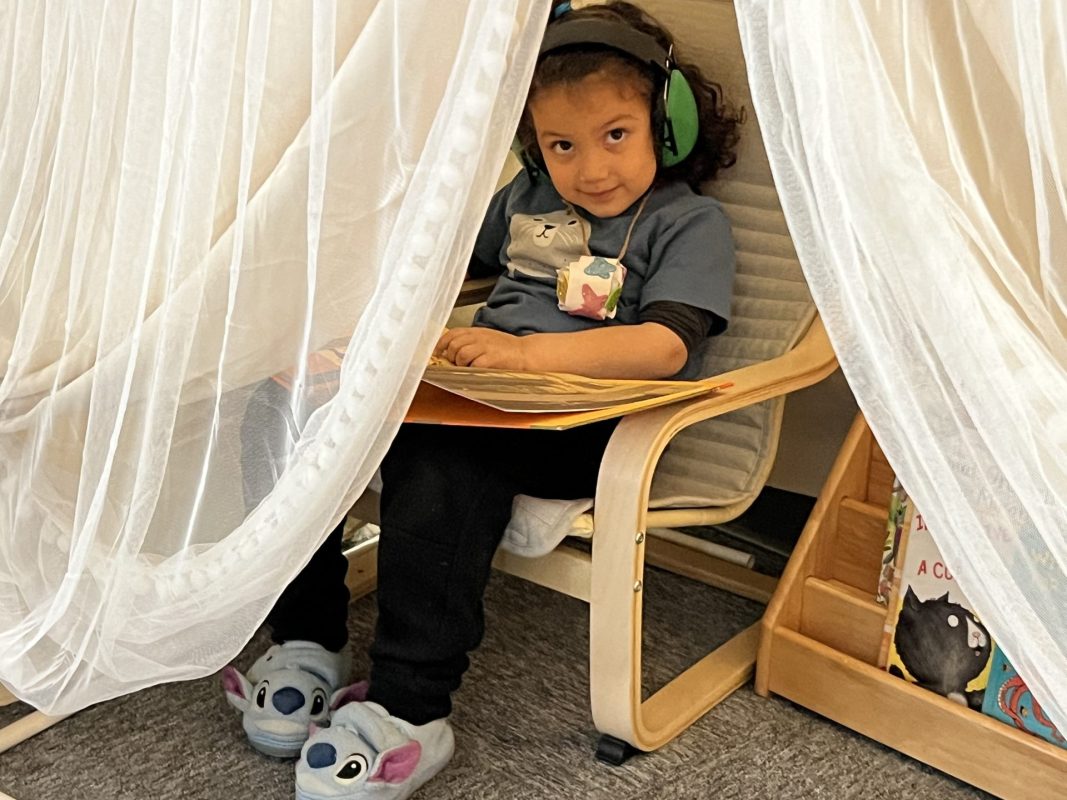
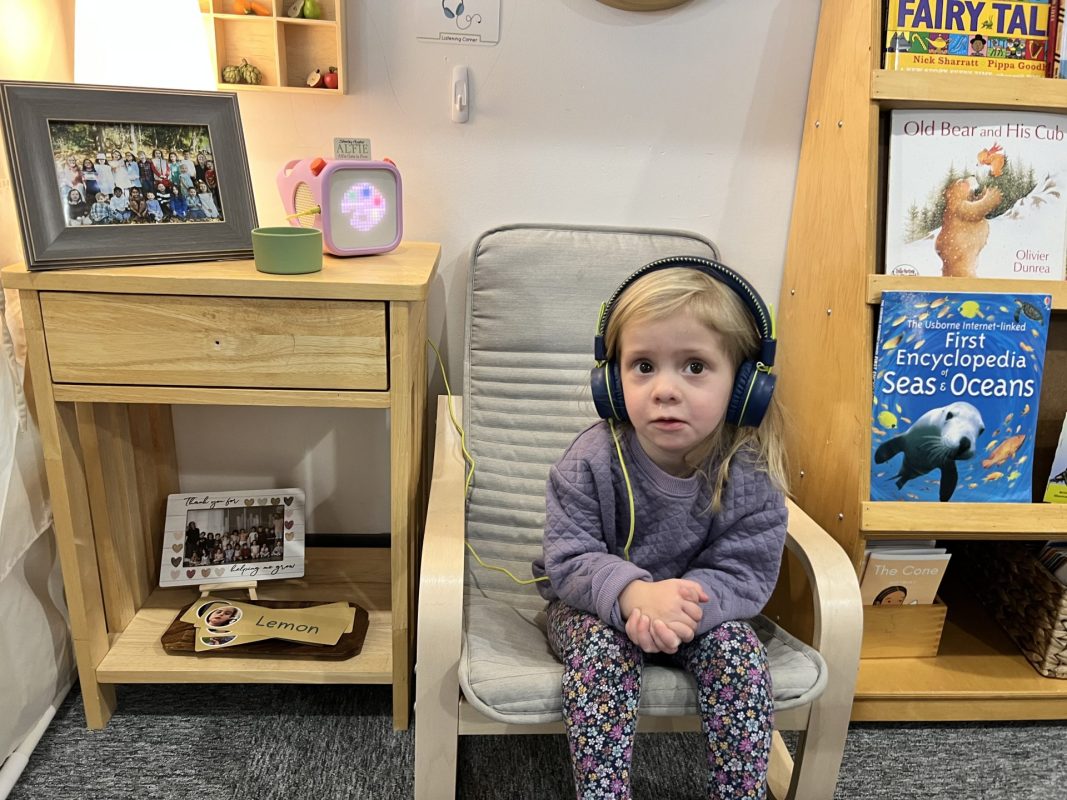
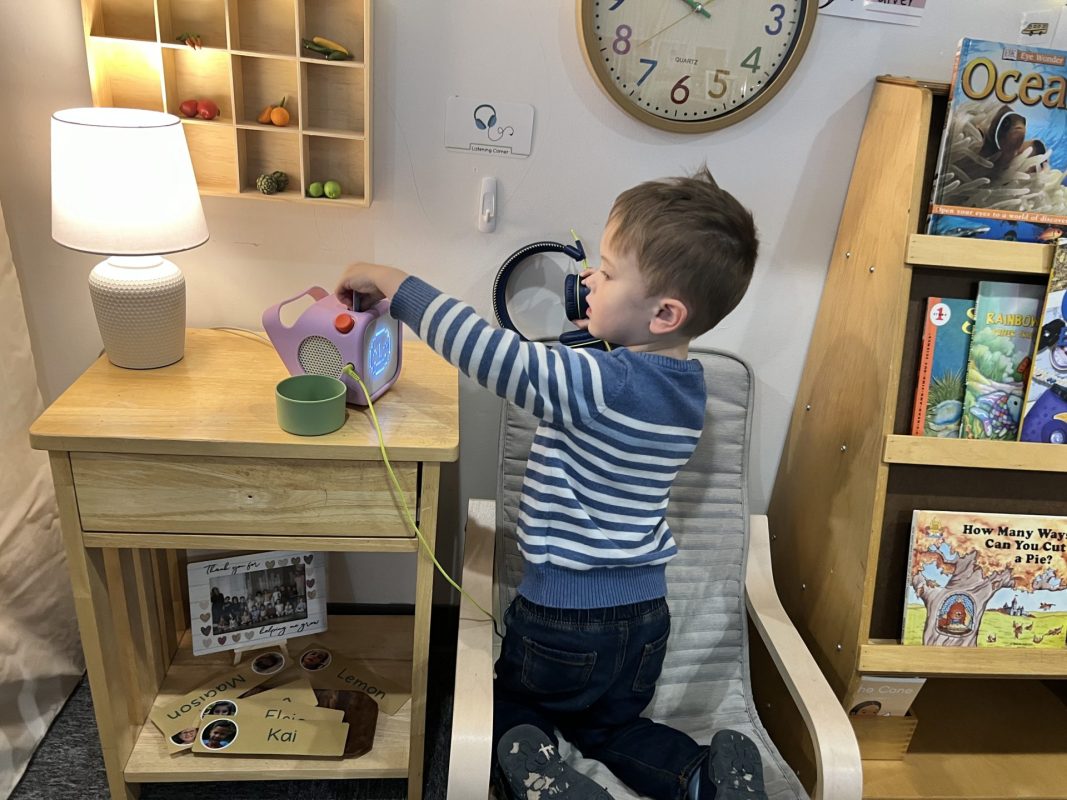
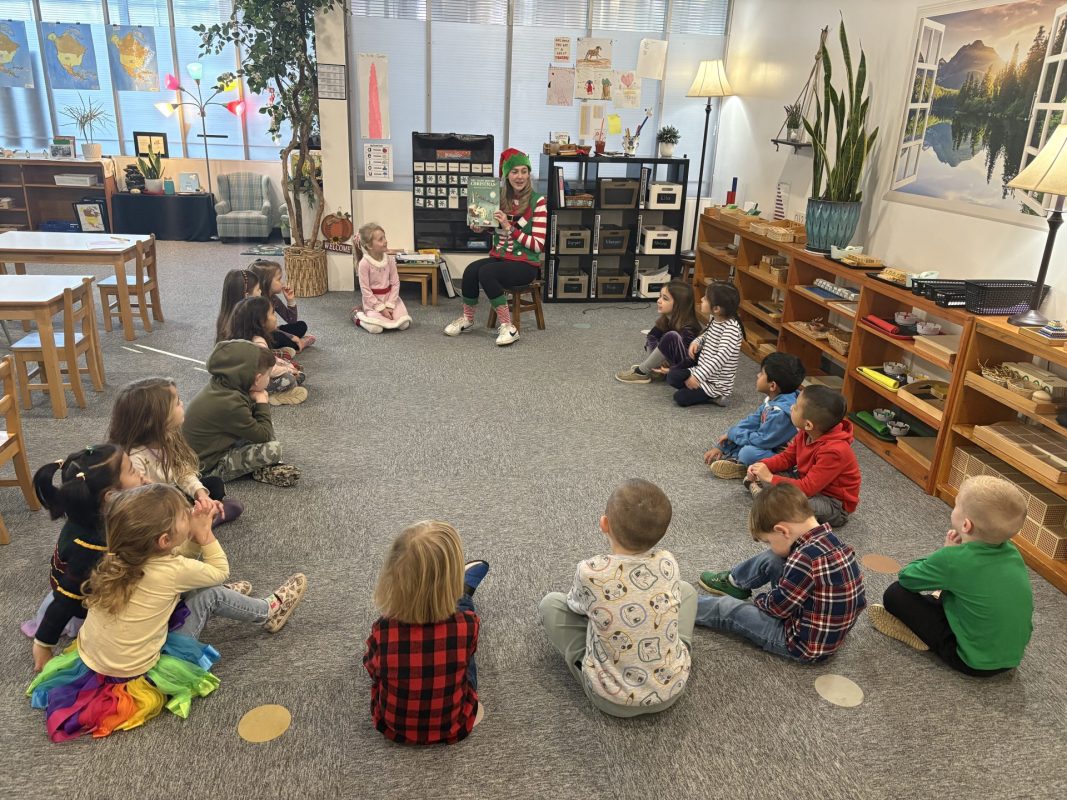
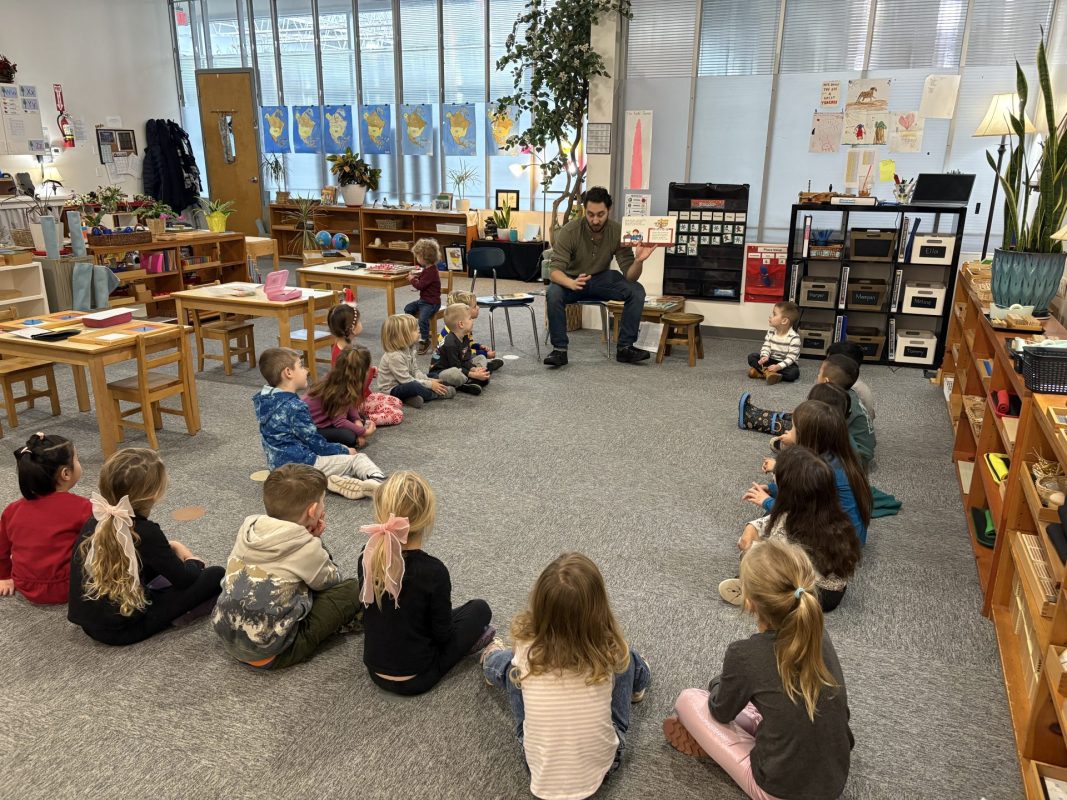
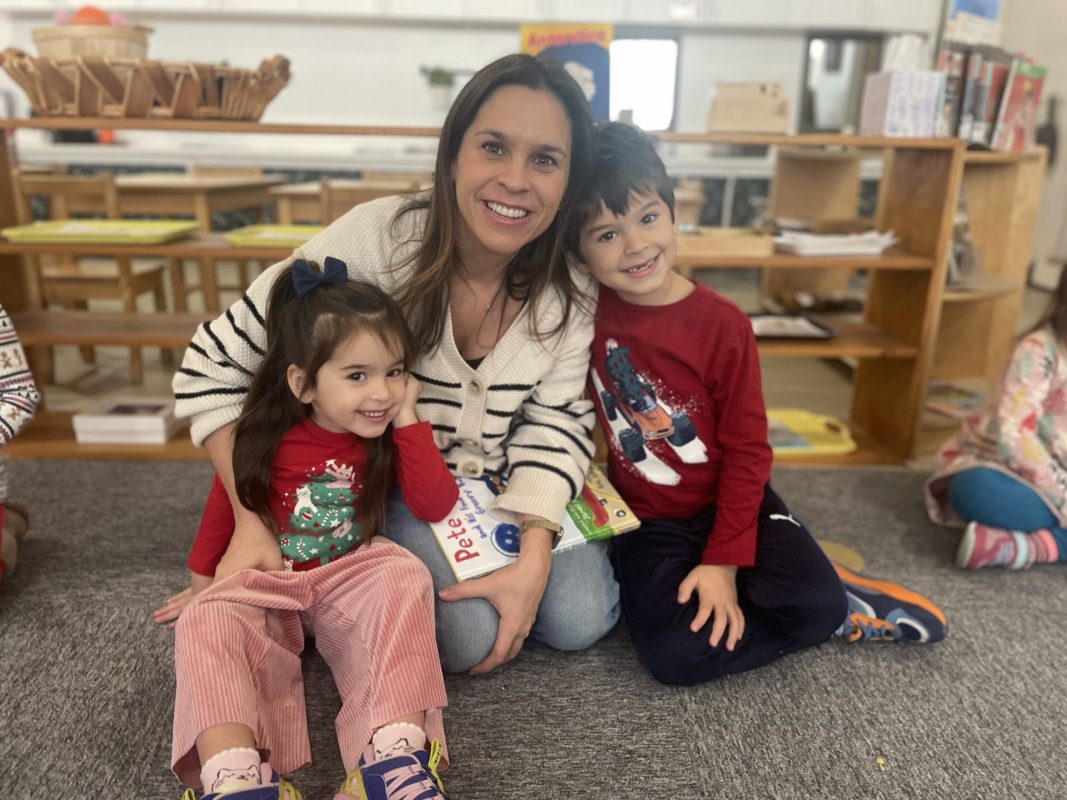
This week, Emma’s mom joined us to read The Gruffalo, captivating everyone. Plus, Katie’s mom recorded a reading of Never Let a Dinosaur Scribble, which the children have loved listening to on the Yoto player.

We’ve spoken a lot about Hawaii, inspired by a friend’s beautiful Sharing Bag photos of his family trip there. 

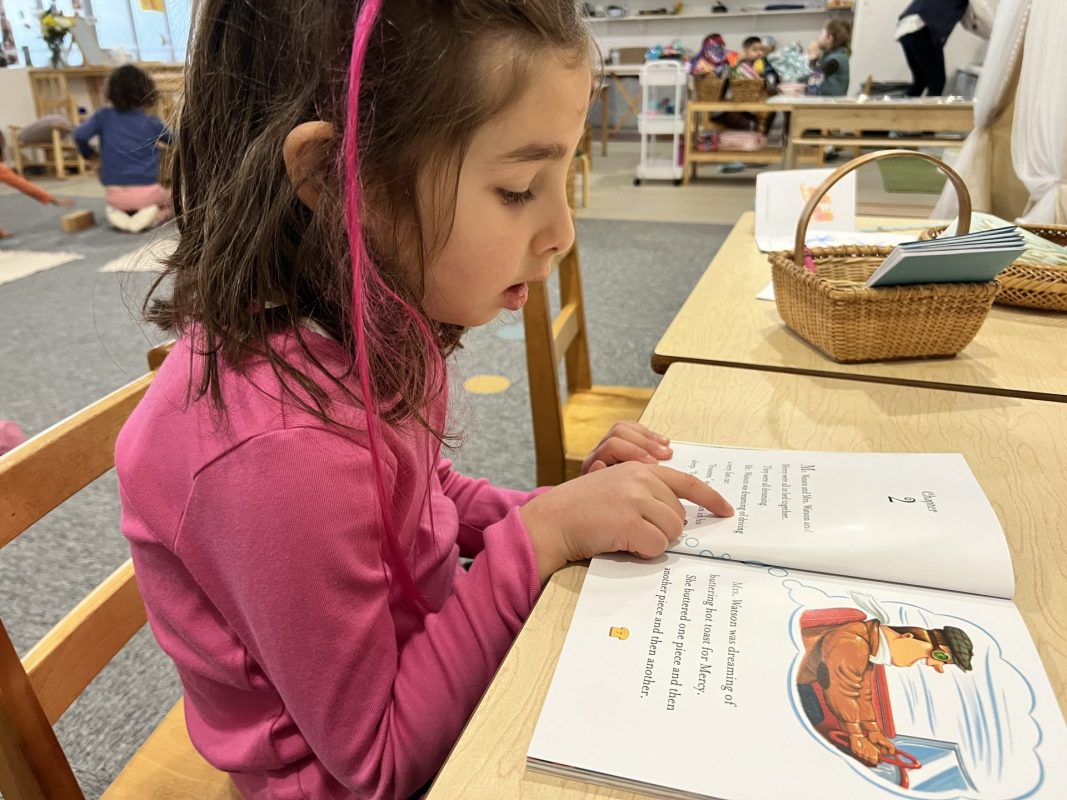
In the afternoon, we’ve been reading Kate DiCamillo’s Mercy Watson series. This week, we started book number 6. I have never seen a group of children more excited to gather each day, so eager to find out what will happen next!

The kindergarten students each sewed their own finger puppets, of which they were all so proud. 

We’ve been making the most of the unseasonably warm weather, making it a point to get outdoors as soon as possible. The children love to hunt for acorns and leaves. This week, a group of us was surprised and excited to get a peek at a low-flying red-tailed hawk!

I’ll include a link to a song that has been a favorite all month: Stephanie Leavell’s Bitty Bat –  I’m sure the children would love to share it with you at home!

Looking forward to the week ahead, Christine & Fatima


Ms. Handibode’s Happenings

What the hand does, the mind remembers. —Maria Montessori

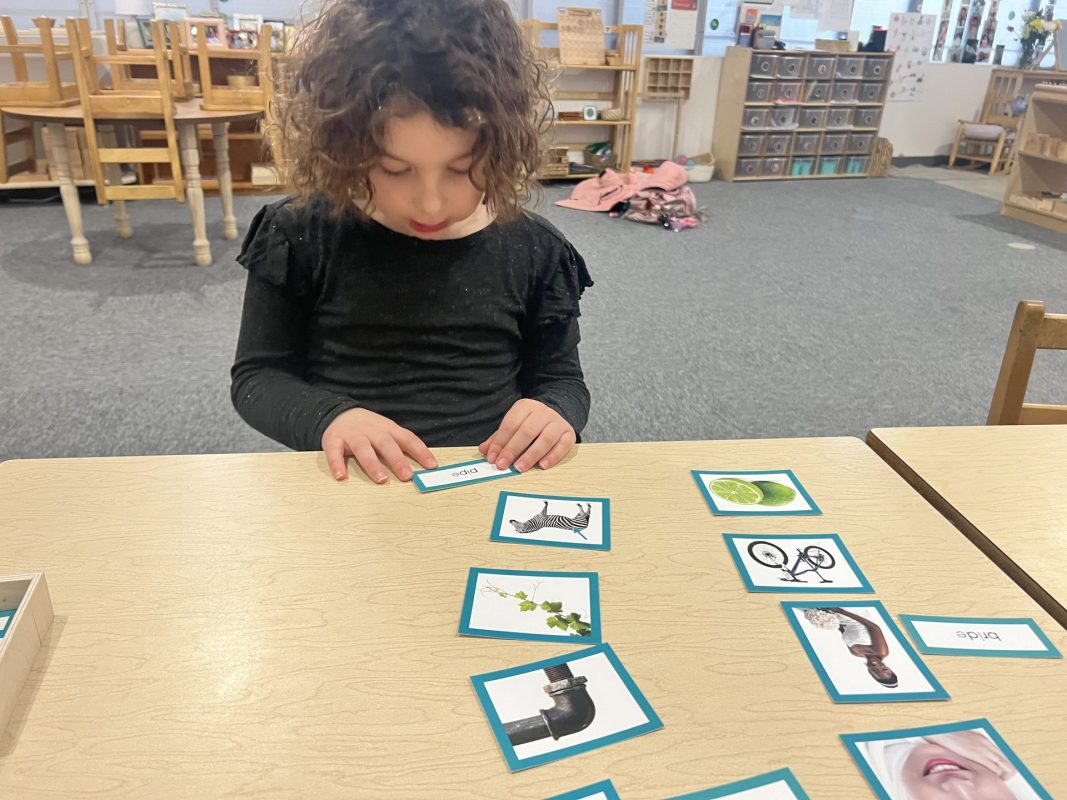
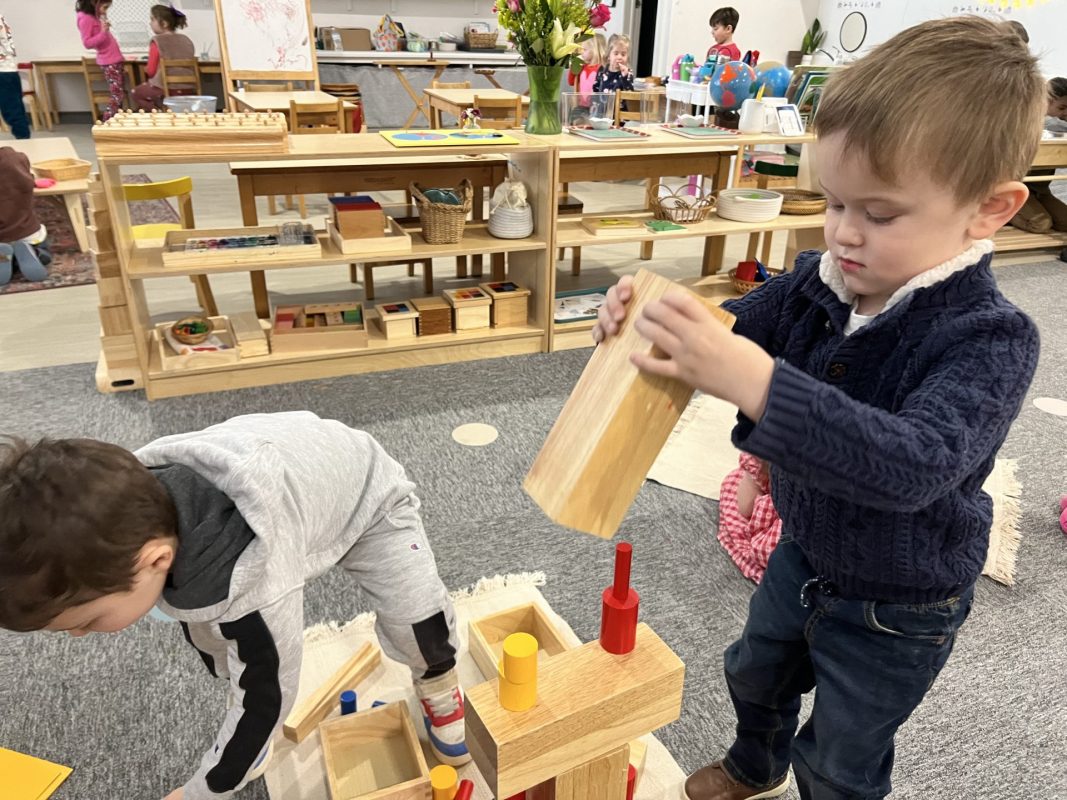
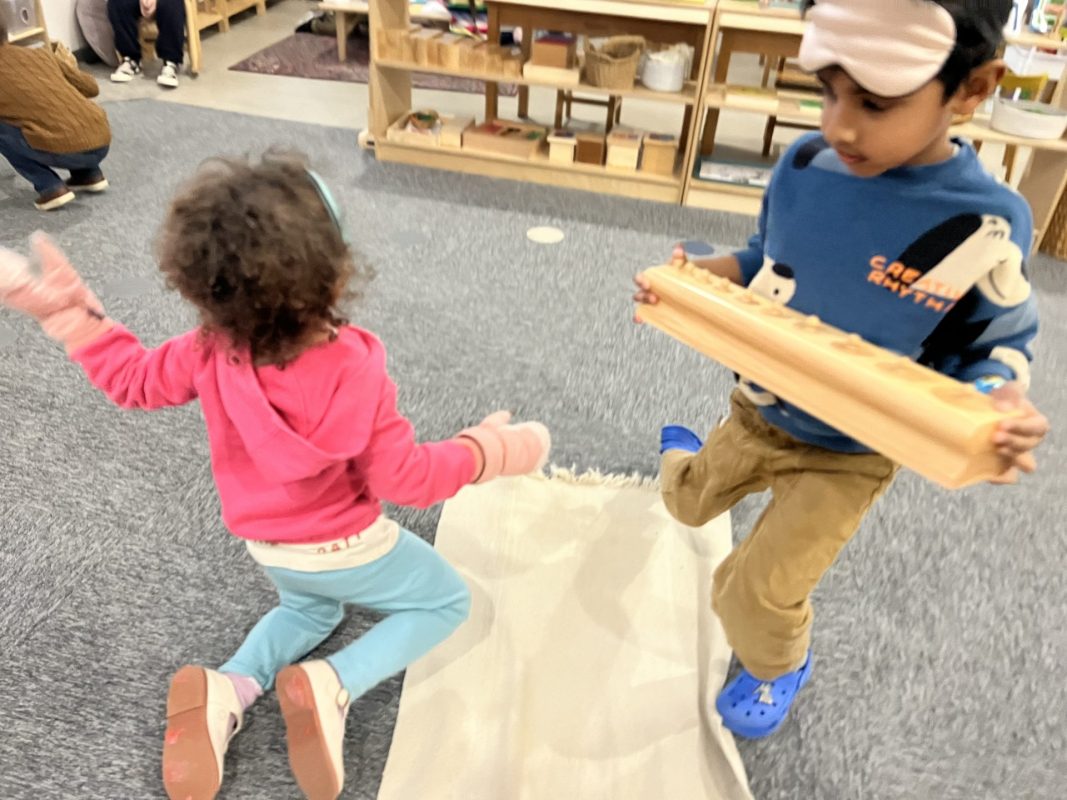
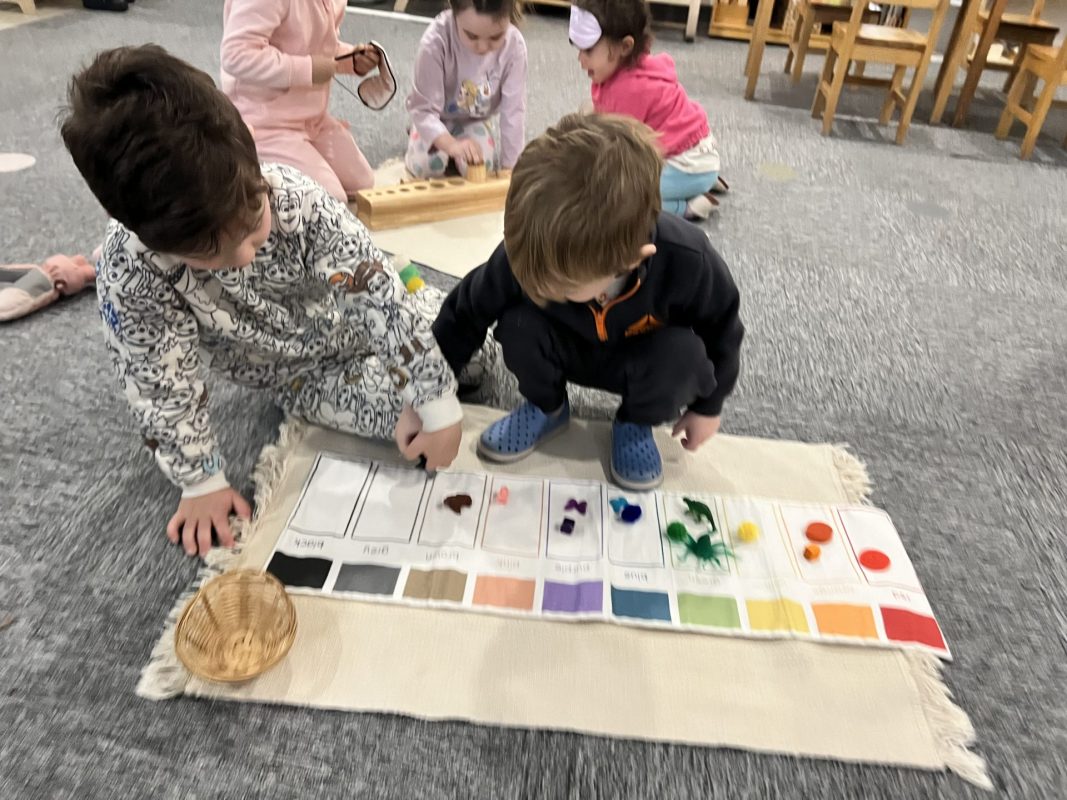
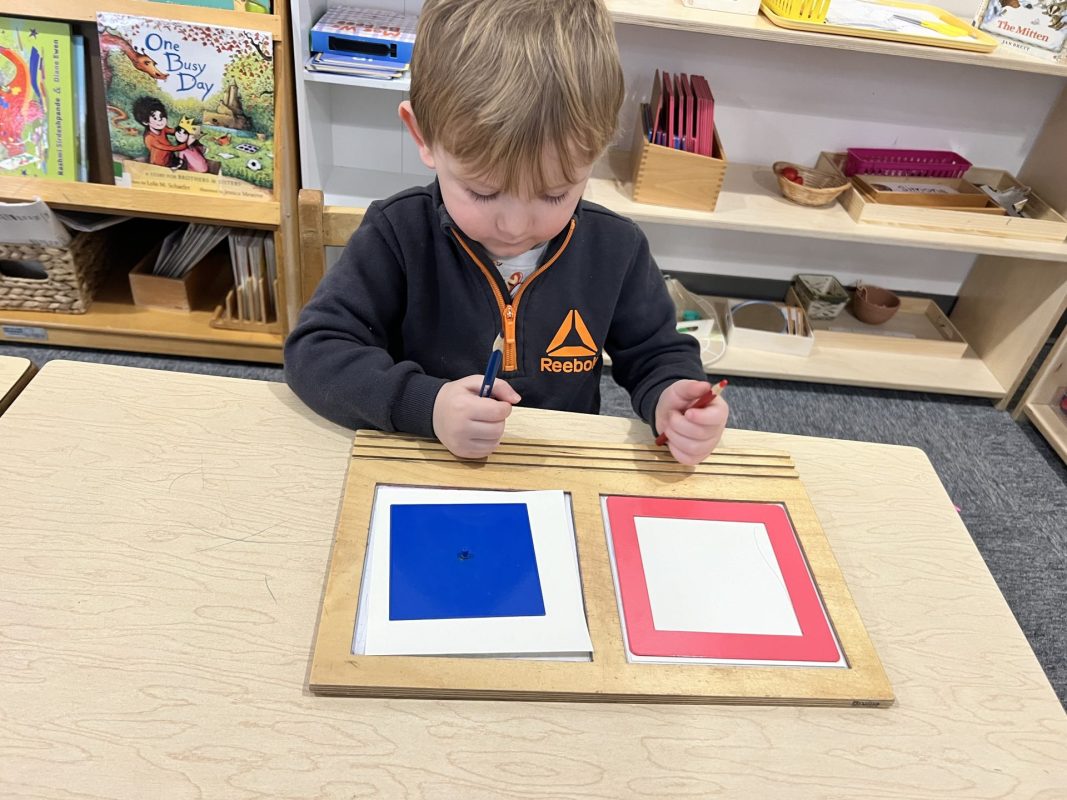
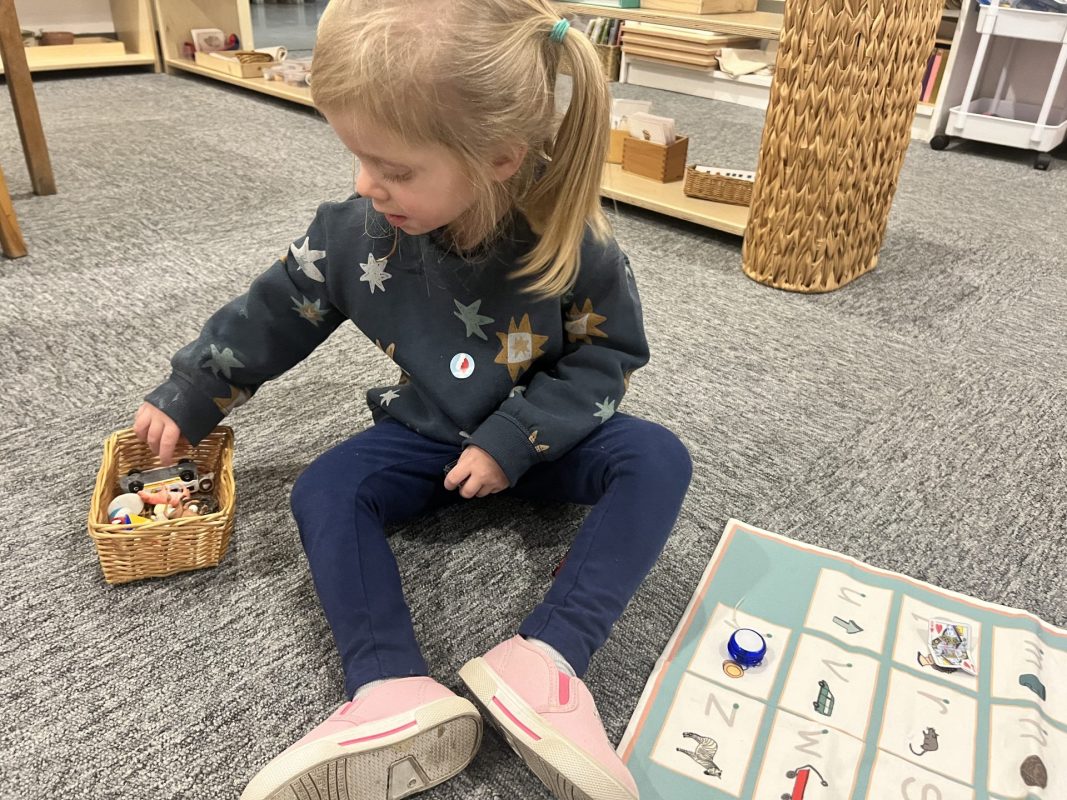
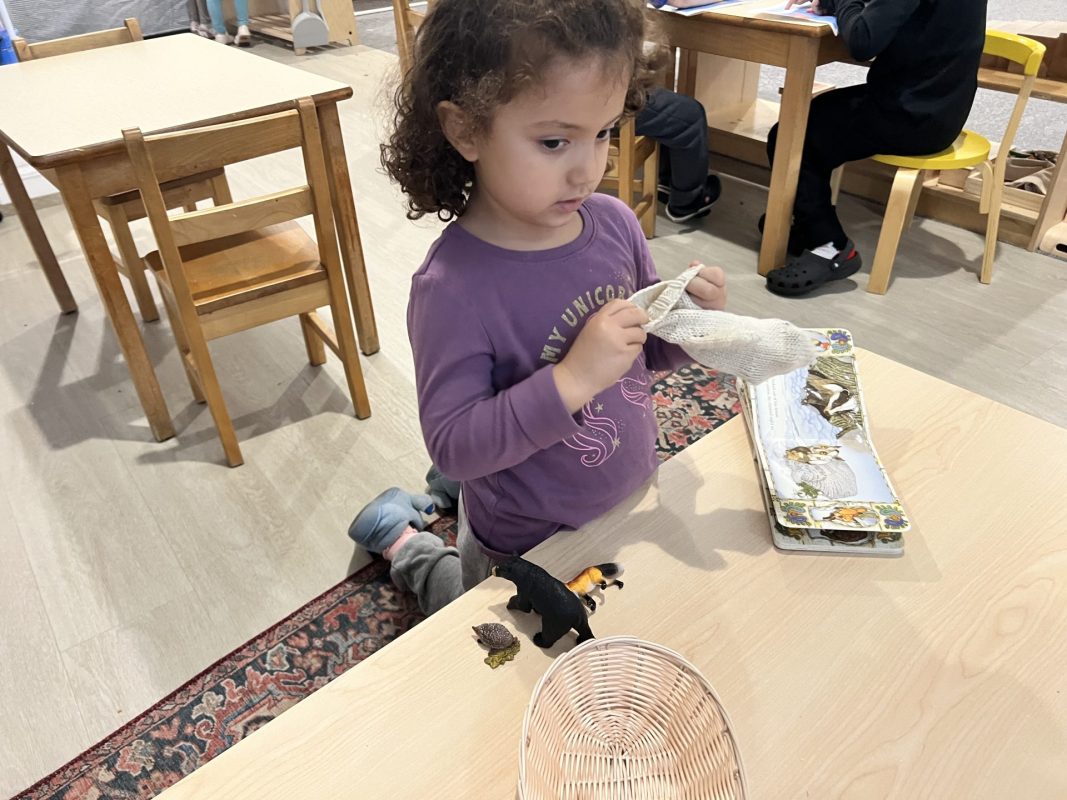
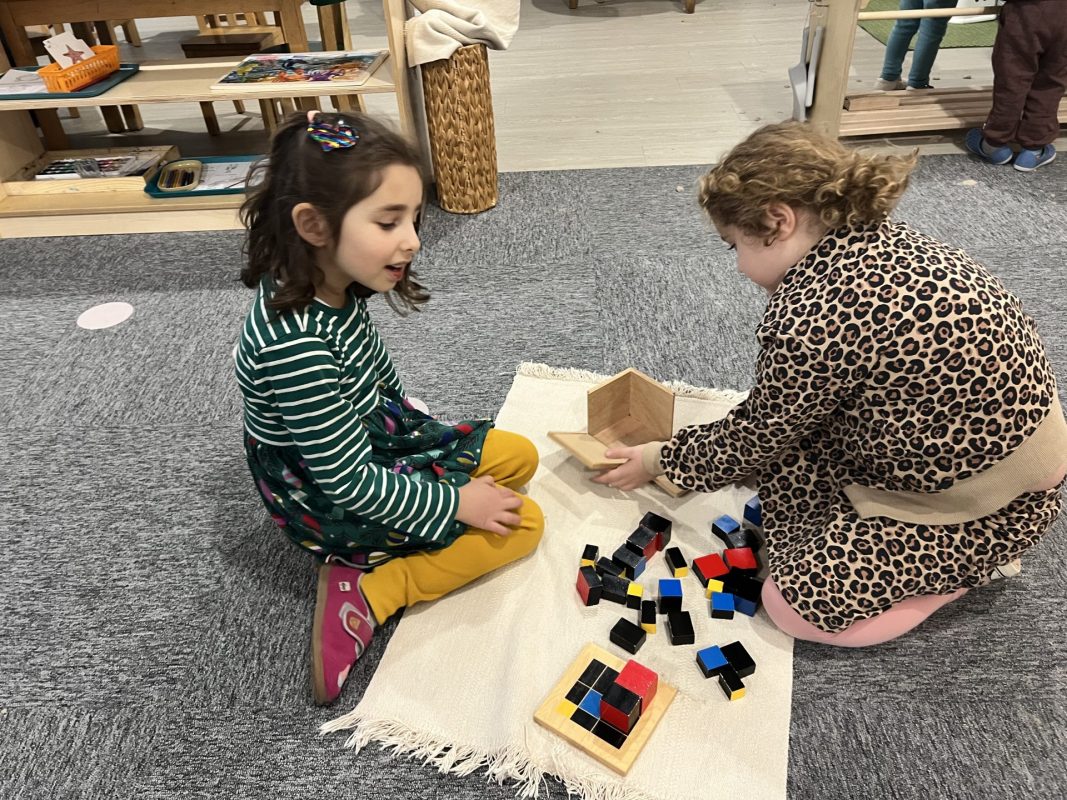
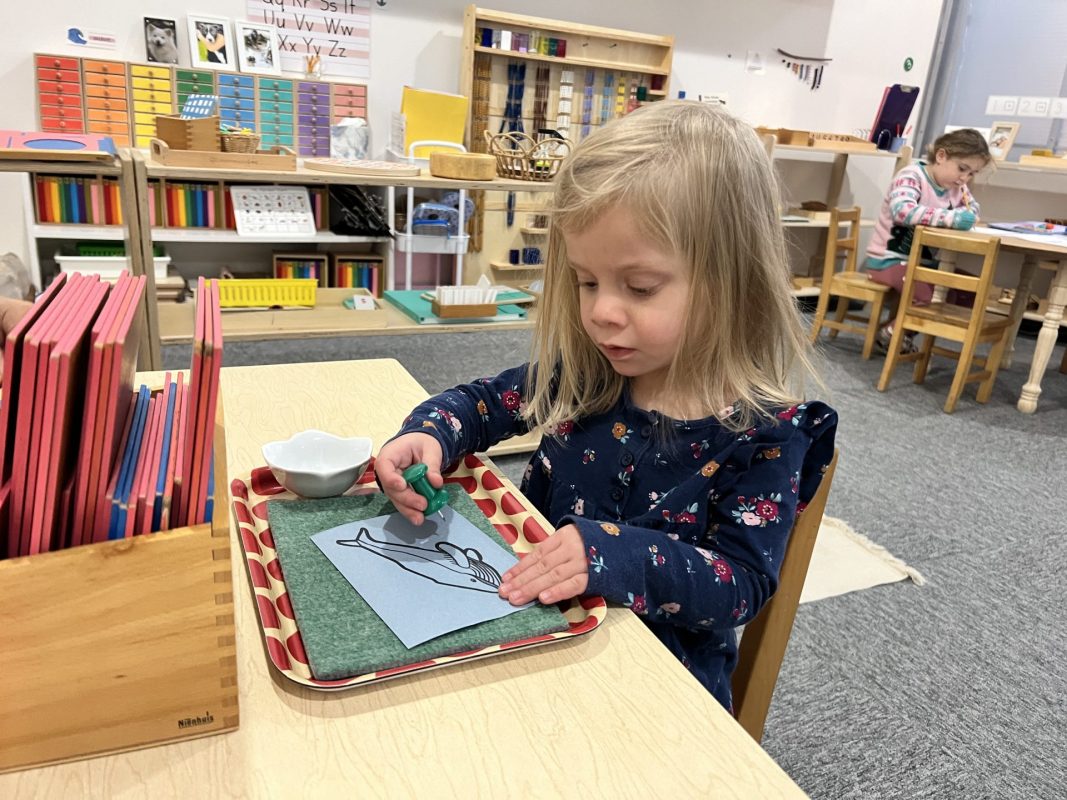
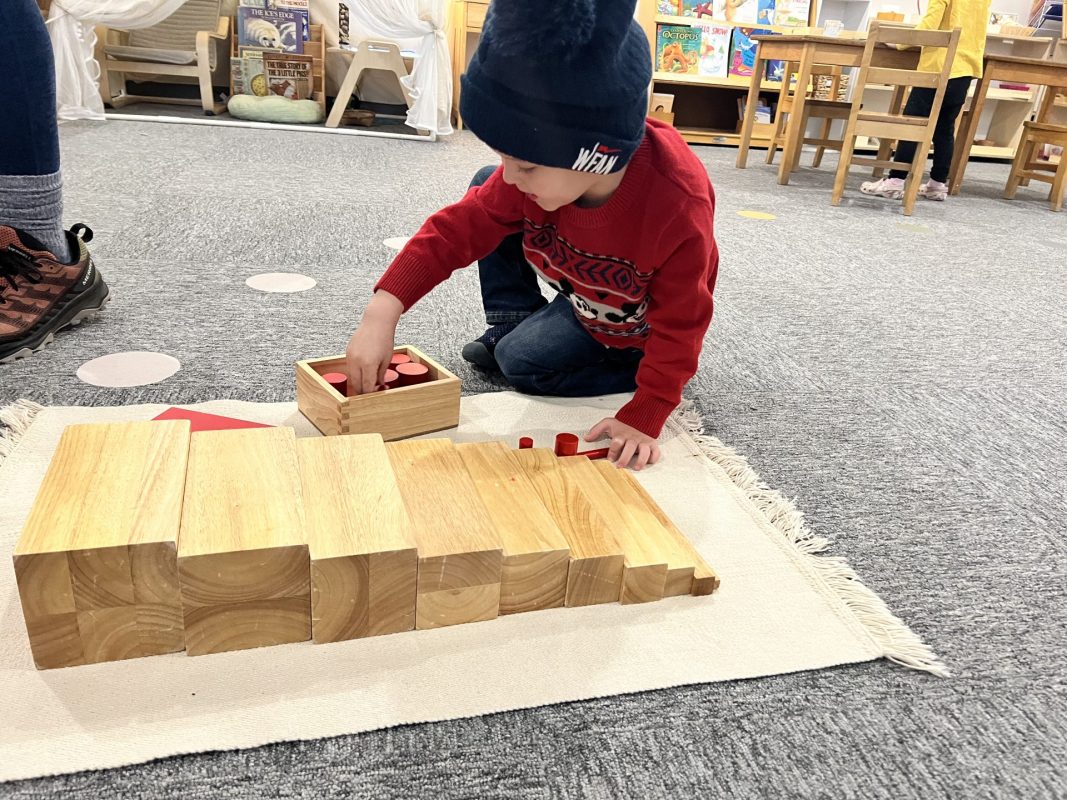
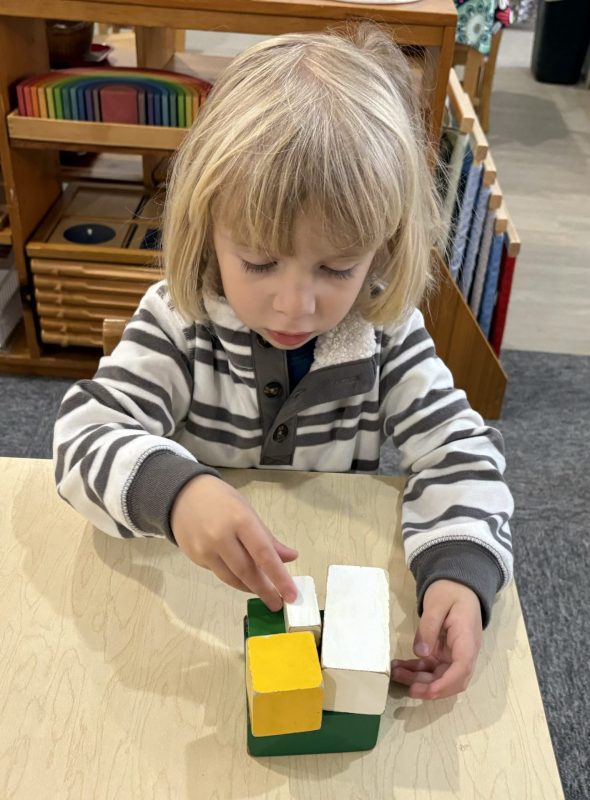
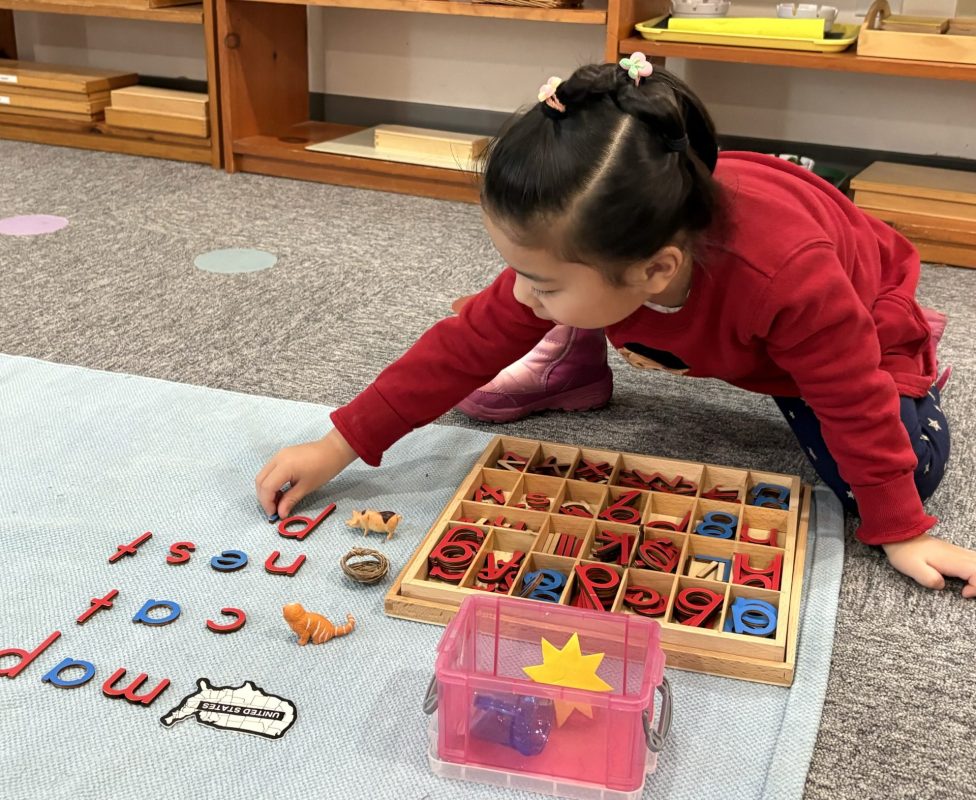
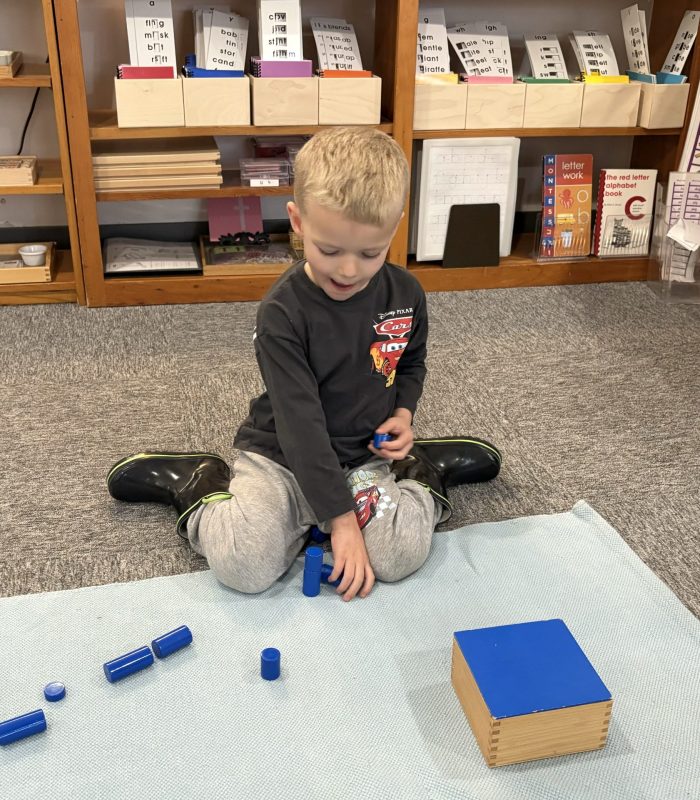
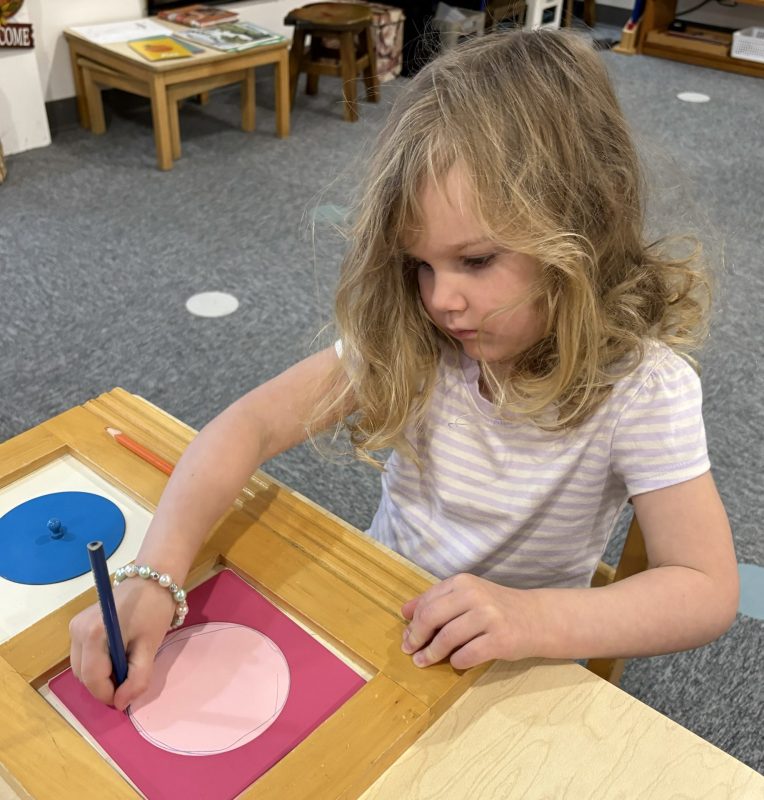
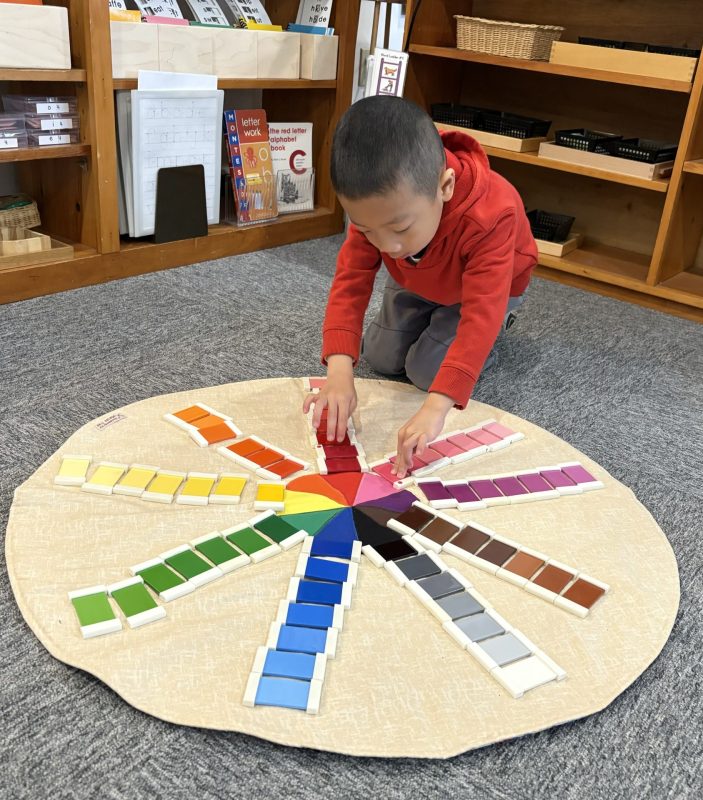
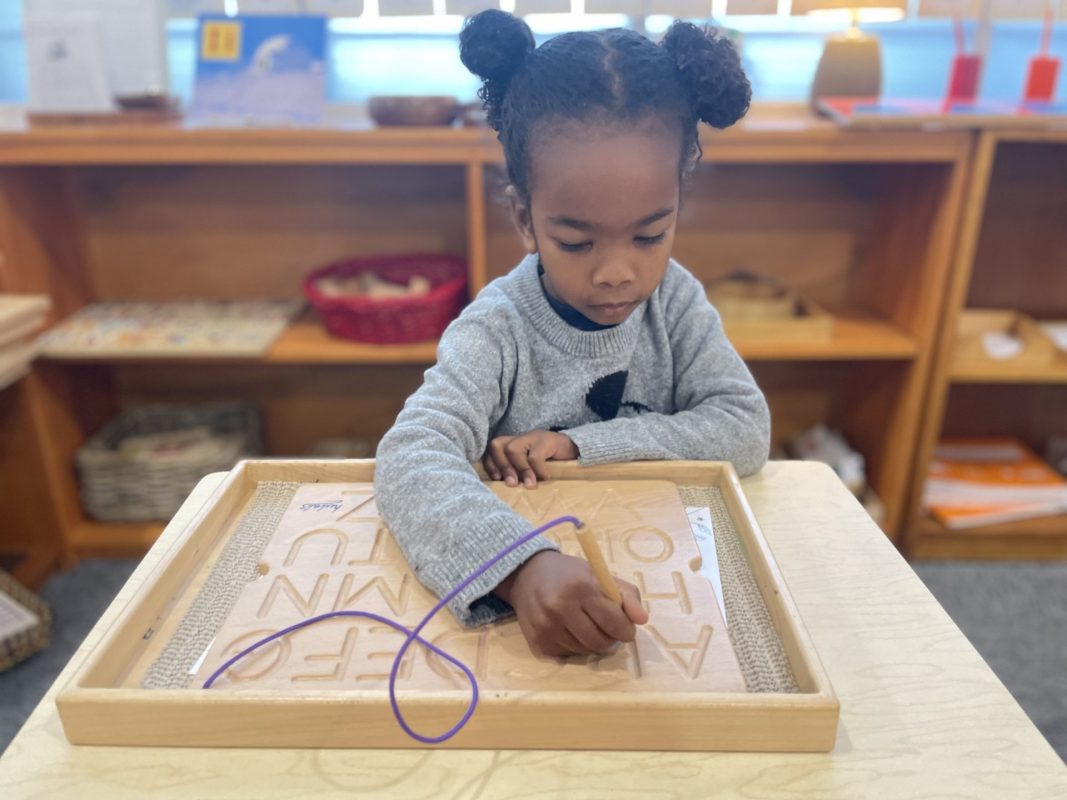
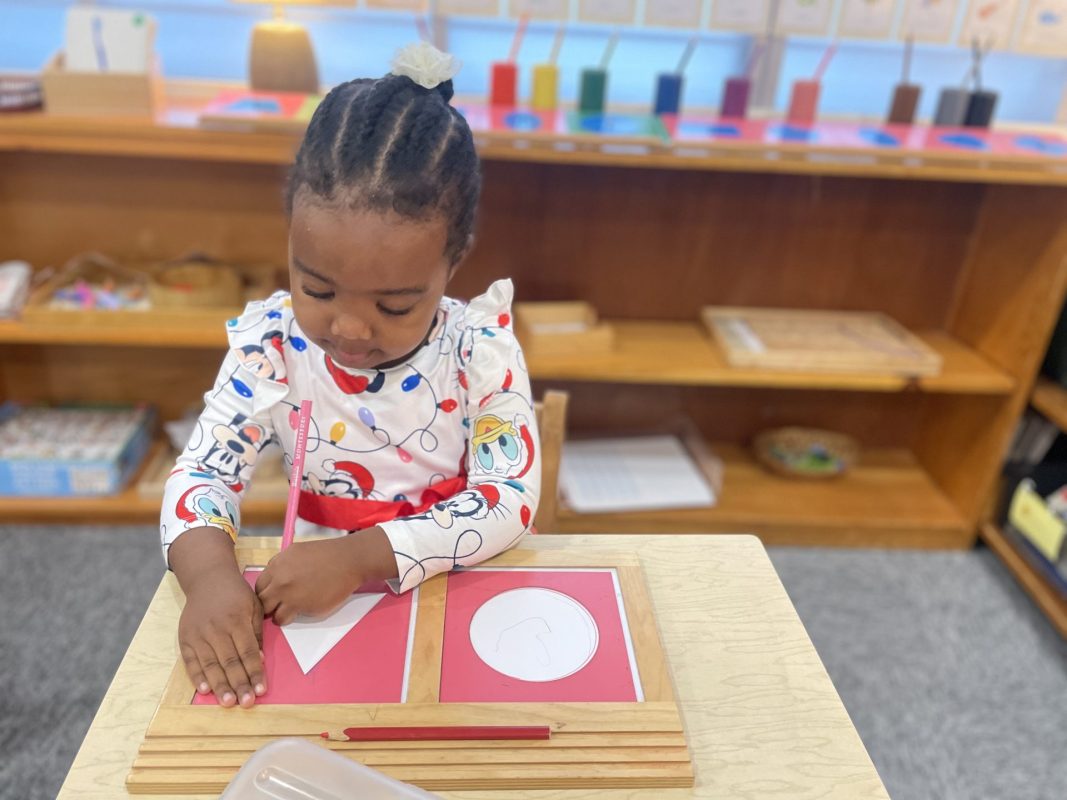
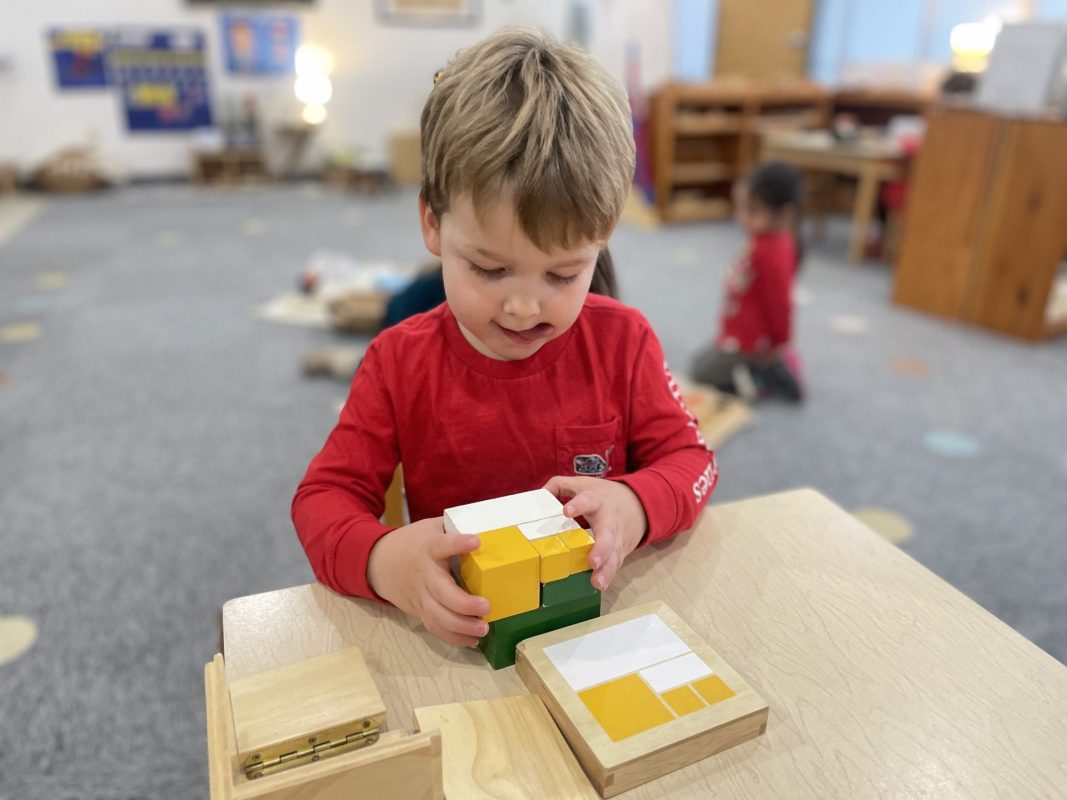
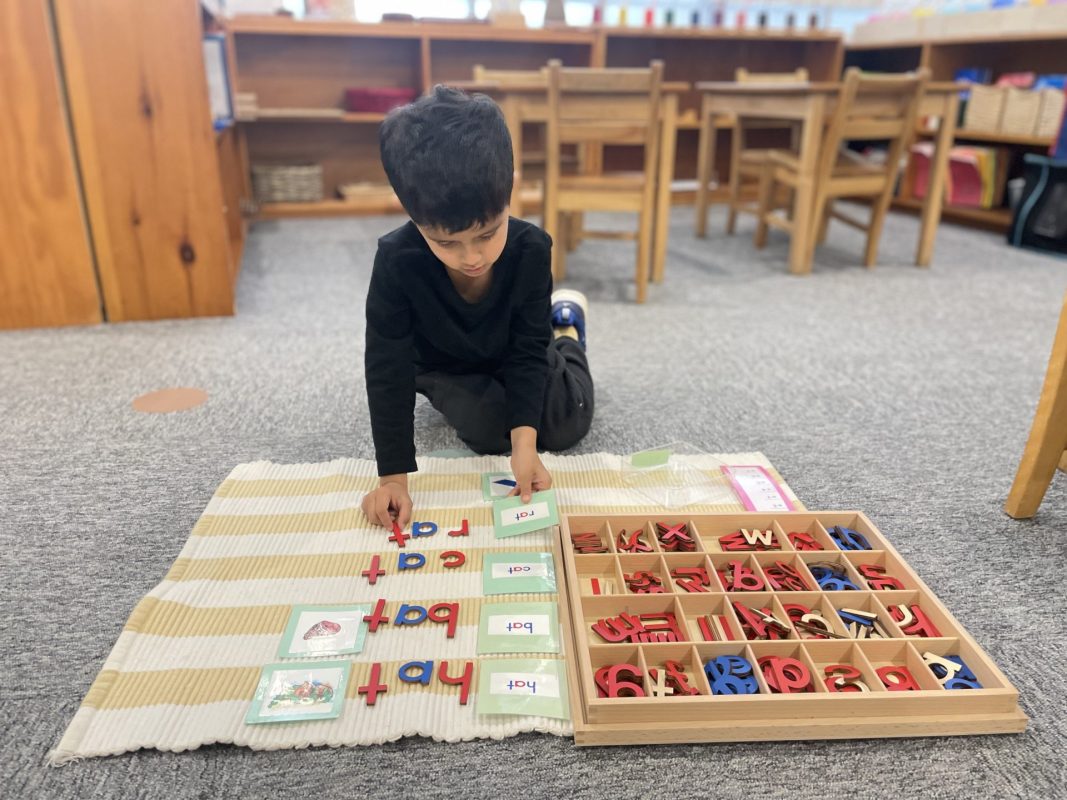
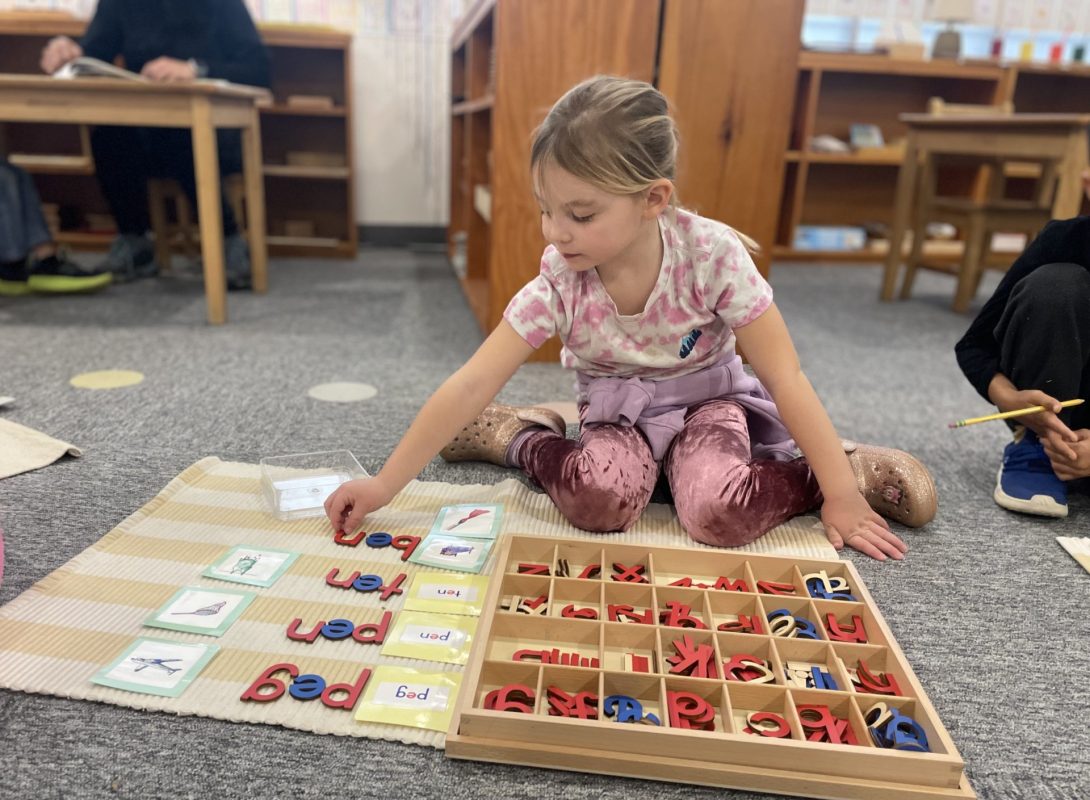
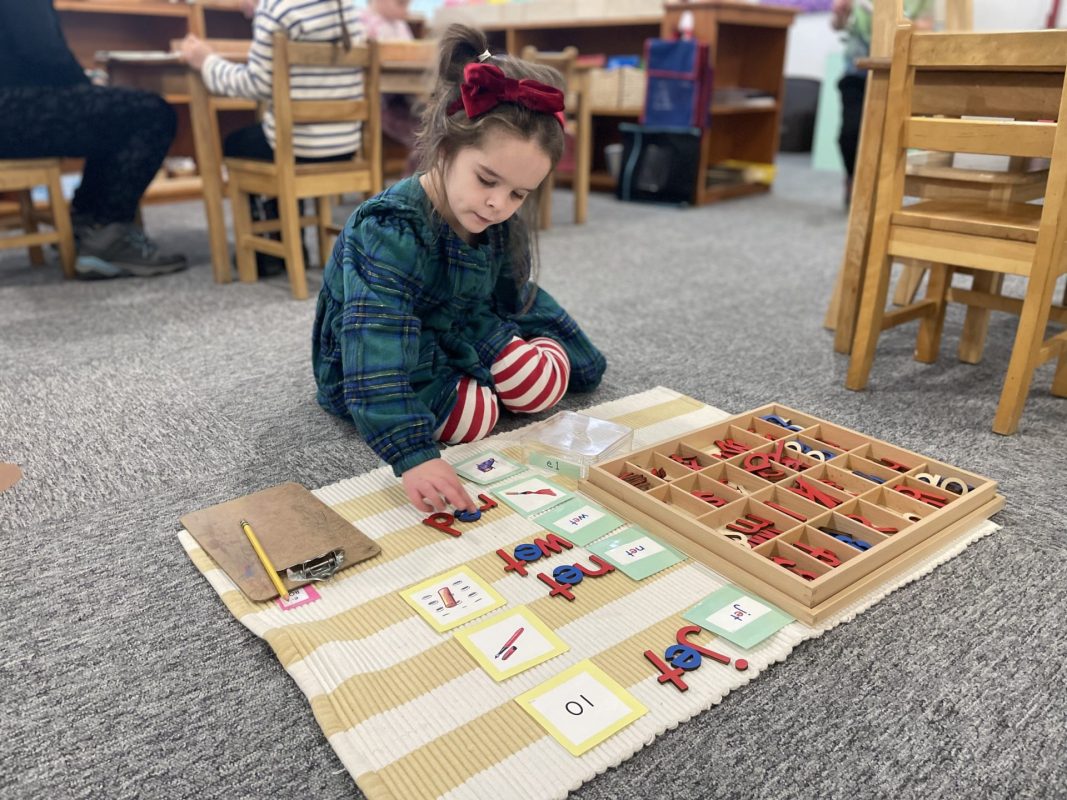
Every Montessori classroom has a Sensorial area, and it is filled with materials that help the child study their environment through their five senses. Maria Montessori believed that sensorial experiences begin at birth for every child, and by refining these skills, they begin to understand their surroundings. The sensorial materials allow the child to acquire concise information and classify things around them. They use their senses not only to create their own experiences and knowledge but also to help them figure out different impressions each sense receives. The child is, therefore, a natural “sensorial explorer.”

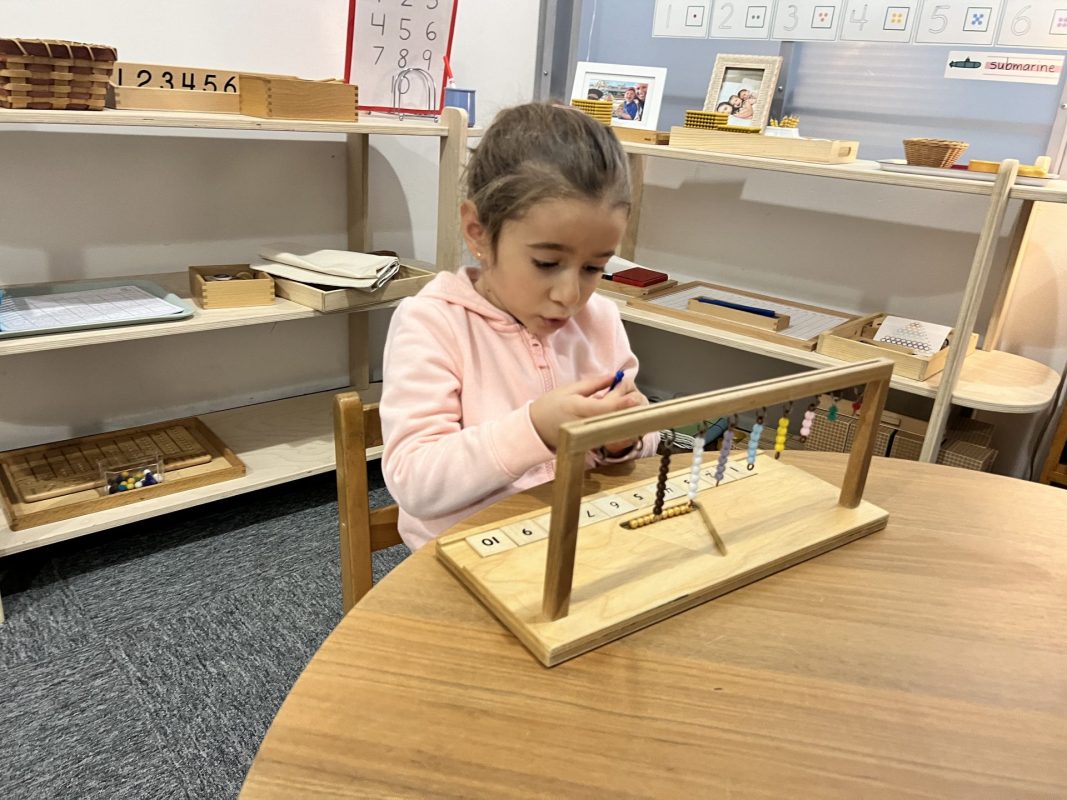
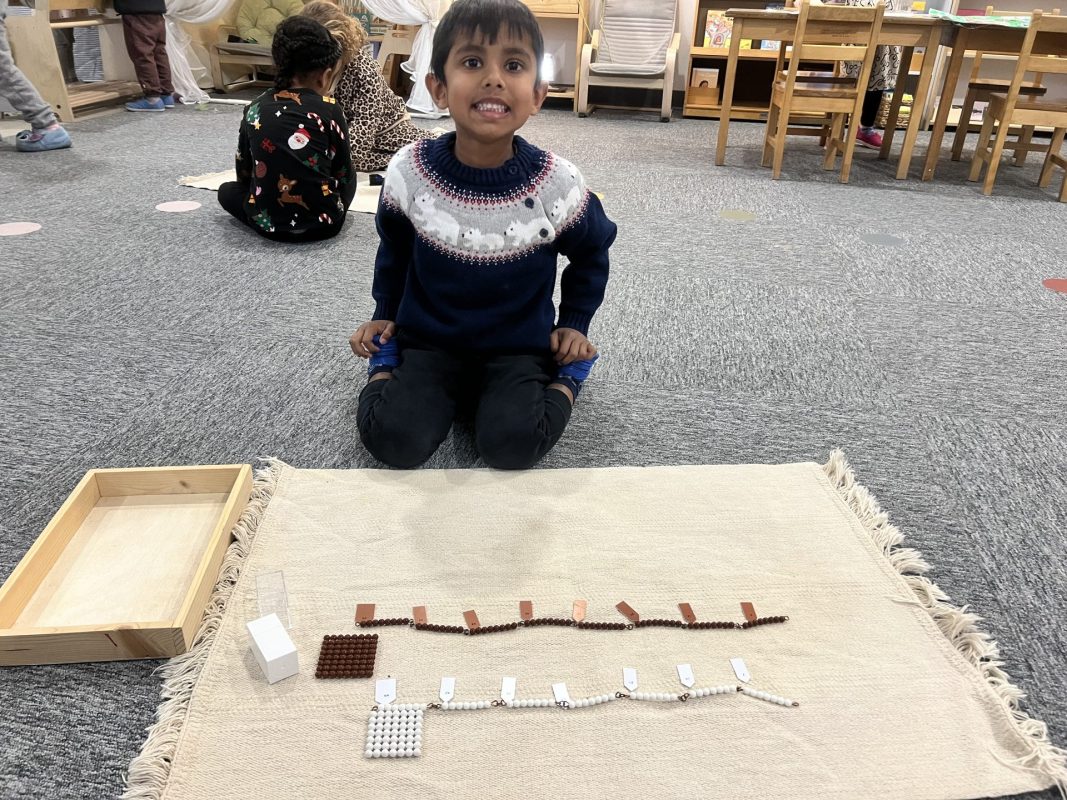
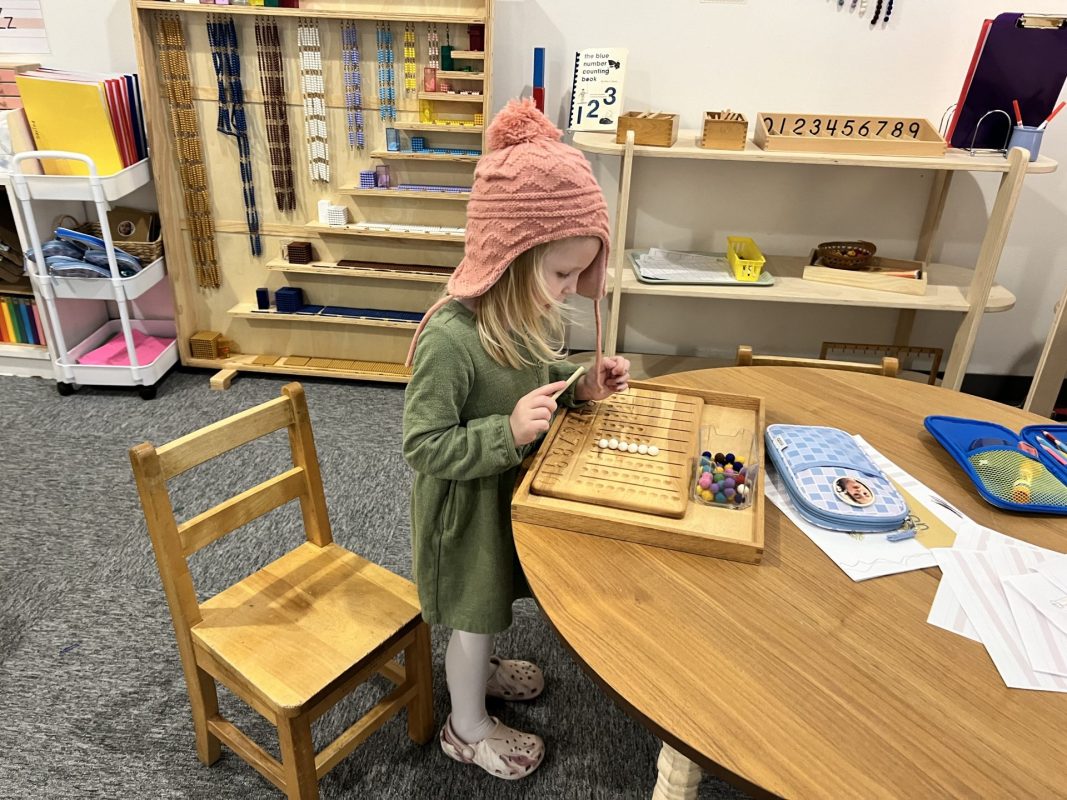
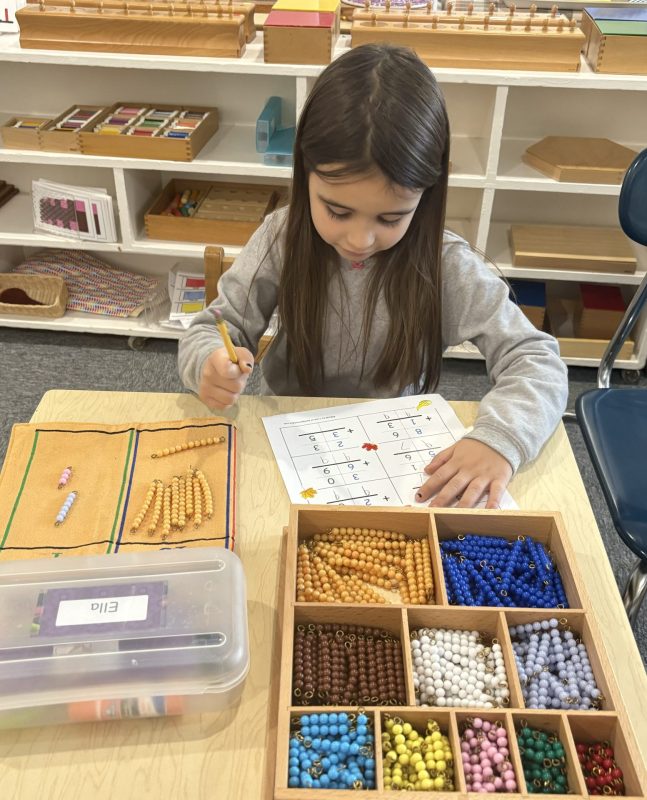
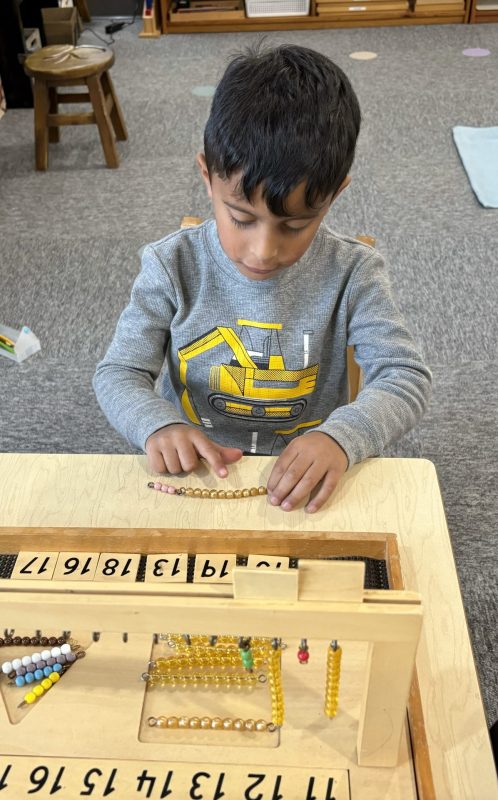
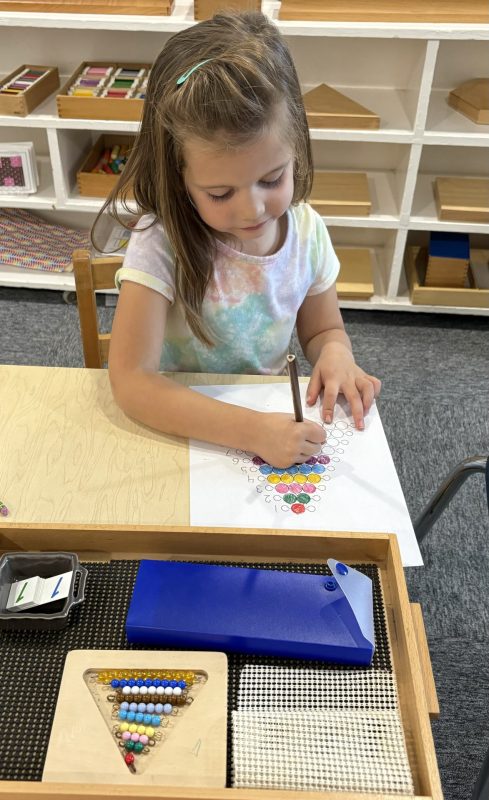
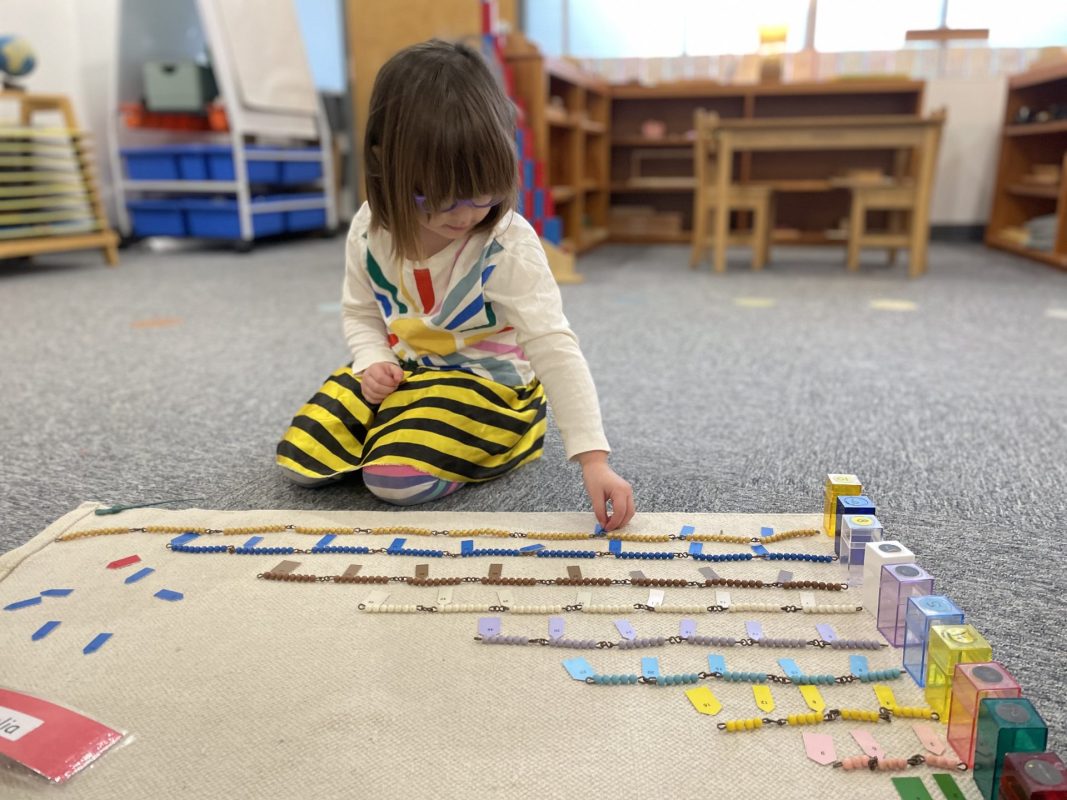
Each material in this area has a built-in control of error so that after an initial lesson, little teacher direction is needed. This control of error helps a child determine what needs to happen to complete the lesson successfully. The children can distinguish, categorize, and relate new information to what they already know. Each sensorial material isolates one specific quality, such as color, weight, shape, texture, size, sound, or smell. These materials emphasize this particular quality by eliminating or minimizing other differences. Many of the sensorial materials are also the basis of future mathematical concepts the children will learn.

We had our first guest reader last week.  Kate, Hannah’s mom, read us the charming book The Circus Ship. The children truly enjoyed this, and we look forward to all the different readers and books we will have over the course of the year.

Wishing you a week filled with peace and love.

Michelle & Maria


Mrs. Sargeant: A Peek at the Week

What the hand does, the mind remembers. —Maria Montessori

Every Montessori classroom has a Sensorial area, and it is filled with materials that help the child study their environment through their five senses. Maria Montessori believed that sensorial experiences begin at birth for every child, and by refining these skills, they begin to understand their surroundings. The sensorial materials allow the child to acquire concise information and classify things around them. They use their senses not only to create their own experiences and knowledge but also to help them figure out different impressions each sense receives. The child is, therefore, a natural “sensorial explorer.”

Each material in this area has a built-in control of error so that after an initial lesson, little teacher direction is needed. This control of error helps a child determine what needs to happen to complete the lesson successfully. The children can distinguish, categorize, and relate new information to what they already know. Each sensorial material isolates one specific quality, such as color, weight, shape, texture, size, sound, or smell. These materials emphasize this particular quality by eliminating or minimizing other differences. Many of the sensorial materials are also the basis of future mathematical concepts the children will learn.

Heartfelt thanks to all the parents who helped in some way this week. The children have loved having our Guest Readers join us on Mondays. They have also been enjoying our new Yoto player and listening to Hayes’ Mom read The Little Engine That Could.

Emma’s Mom brought pumpkins and a huge variety of shapes for the children to choose from, along with mallets for them to use to hammer the shapes into the pumpkins. Many of the children took turns helping us to scoop the pulp and seeds. We enjoyed our fun jack-o-lanterns all week!

The kindergarten students went on a field trip to New Pond Farm in Redding, where they learned about chickens, wool, goats, and cows. They even had the opportunity to brush a cow, meet a calf, and practice milking a “cow”.  Later in the week, they worked together to prepare vegetables and made a “veggie skeleton”.

The whole class enjoyed visiting the playground to choose their very own pumpkins – and wow, did they also love the amazing, festive snack that Eliot’s family created for snack on Halloween. Thank you all for making it a fun week for our class.

Wishing you all a peaceful week, Christine & Fatima


Ms. Marissa: Weekly Update!

It has been a very busy week in our classroom! This week, we celebrated all things fall and Halloween with a Jack O’Lantern carving, a pick-your-own-pumpkin “farm,” apple cider and apple cookies, and a Halloween Parade!

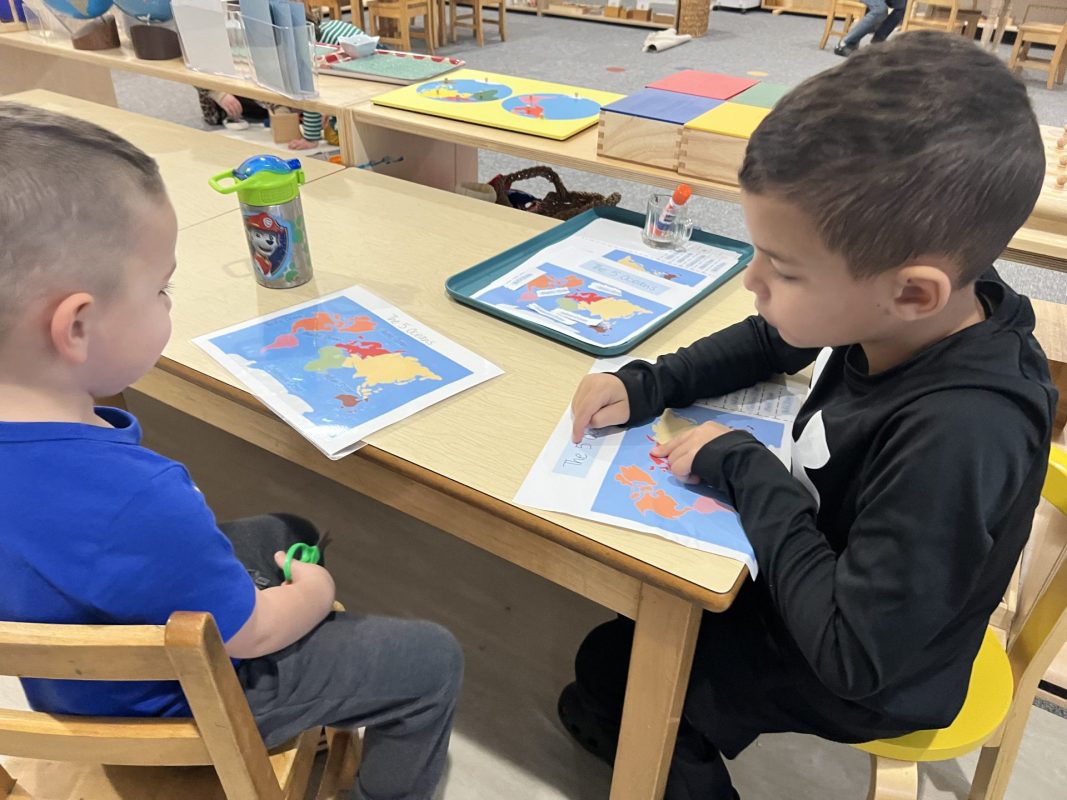
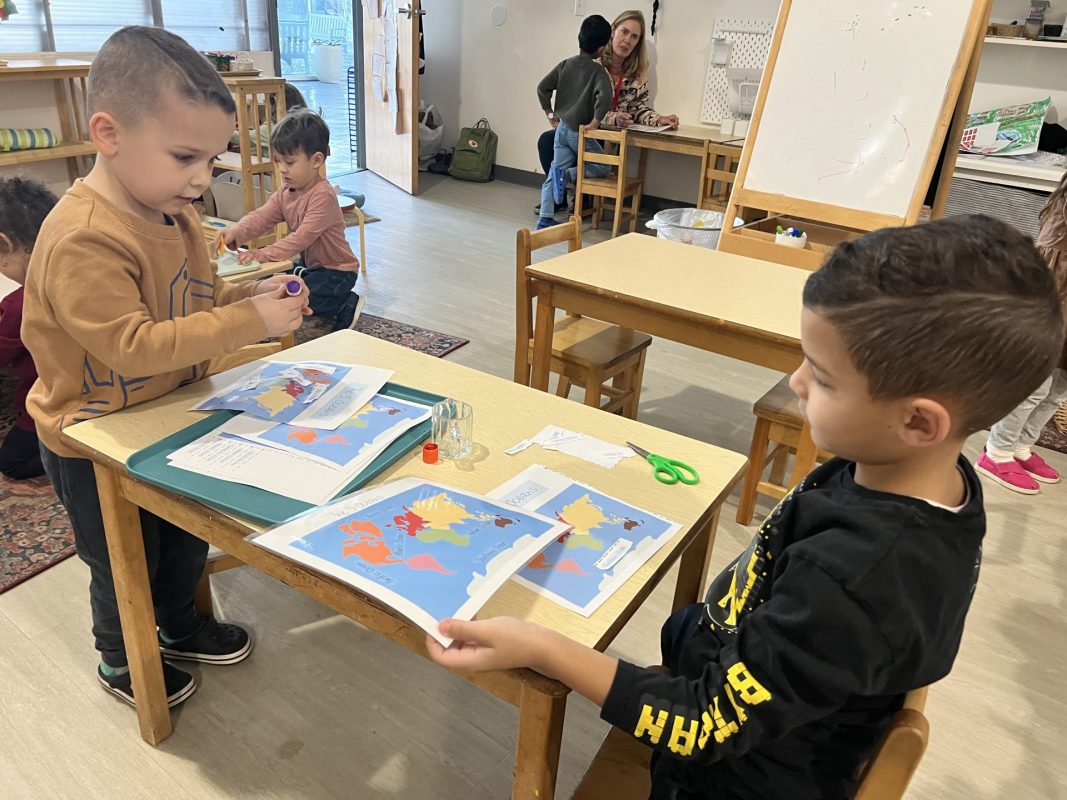
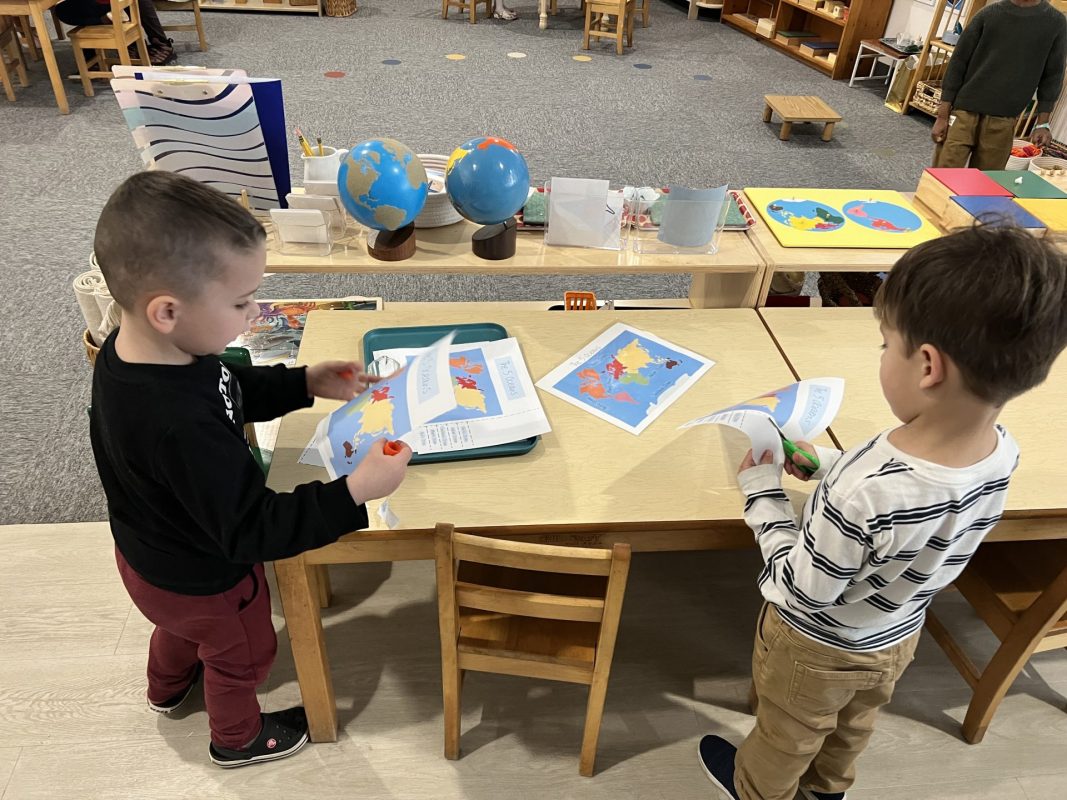
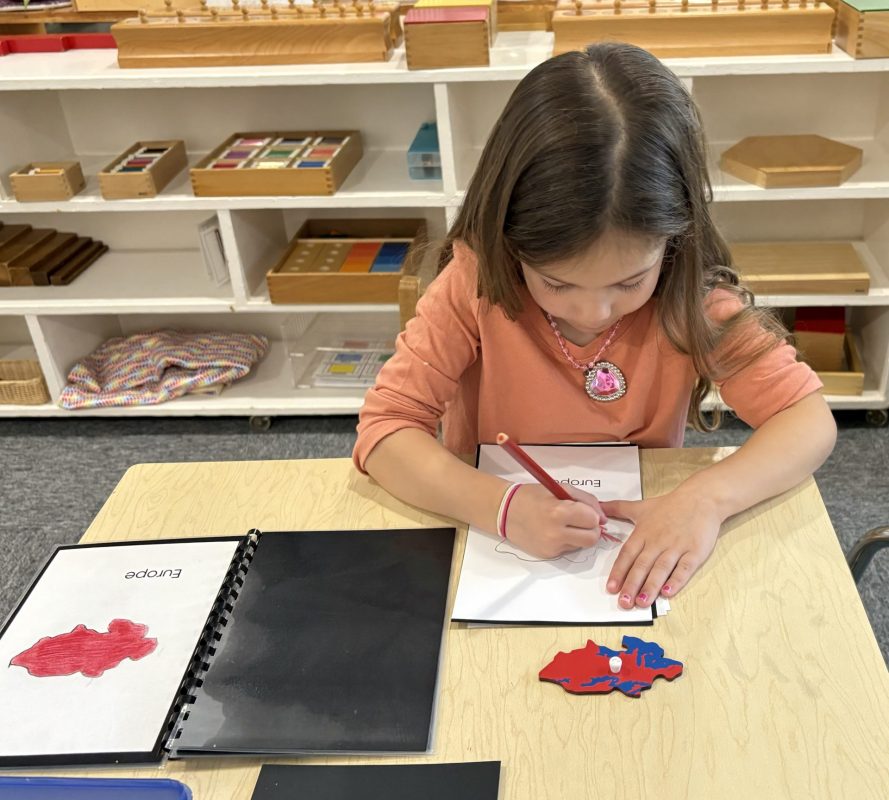
In our classroom, we have started our journey through South America. We are learning about rainforests, mountains, cities, and plains. One of our student’s families has roots in Colombia and will be giving us a very special presentation on the country! We are so lucky to be able to share special parts of our families.

Last week, the Kindergarteners took a field trip to New Pond Farm, where we learned all about how sheep supply us with wool, how to clean and card it, and how it eventually turns into fiber to make clothing. We took those lessons and translated them right to our Practical Life shelf work with finger knitting, loom knitting, and LOTS of sewing up for this month! We will be reading Pell’s New Suit and Charlie Needs a New Cloak which are both lovely examples of all the work that goes into making things that we wear.

Have a lovely weekend!

Marissa & Sue


Mrs. Lopes: A Look at Our Week


What the hand does, the mind remembers
. —
Maria Montessori

Every Montessori classroom has a Sensorial area, and it is filled with materials that help the child study their environment through their five senses. Maria Montessori believed that sensorial experiences begin at birth for every child, and by refining these skills, they begin to understand their surroundings. The sensorial materials allow the child to acquire concise information and classify things around them. They use their senses not only to create their own experiences and knowledge but also to help them figure out different impressions each sense receives. The child is, therefore, a natural “sensorial explorer.”

Each material in this area has a built-in control of error so that after an initial lesson, little teacher direction is needed. This control of error helps a child determine what needs to happen to complete the lesson successfully. The children can distinguish, categorize, and relate new information to what they already know. Each sensorial material isolates one specific quality, such as color, weight, shape, texture, size, sound, or smell. These materials emphasize this particular quality by eliminating or minimizing other differences. Many of the sensorial materials are also the basis of future mathematical concepts the children will learn.

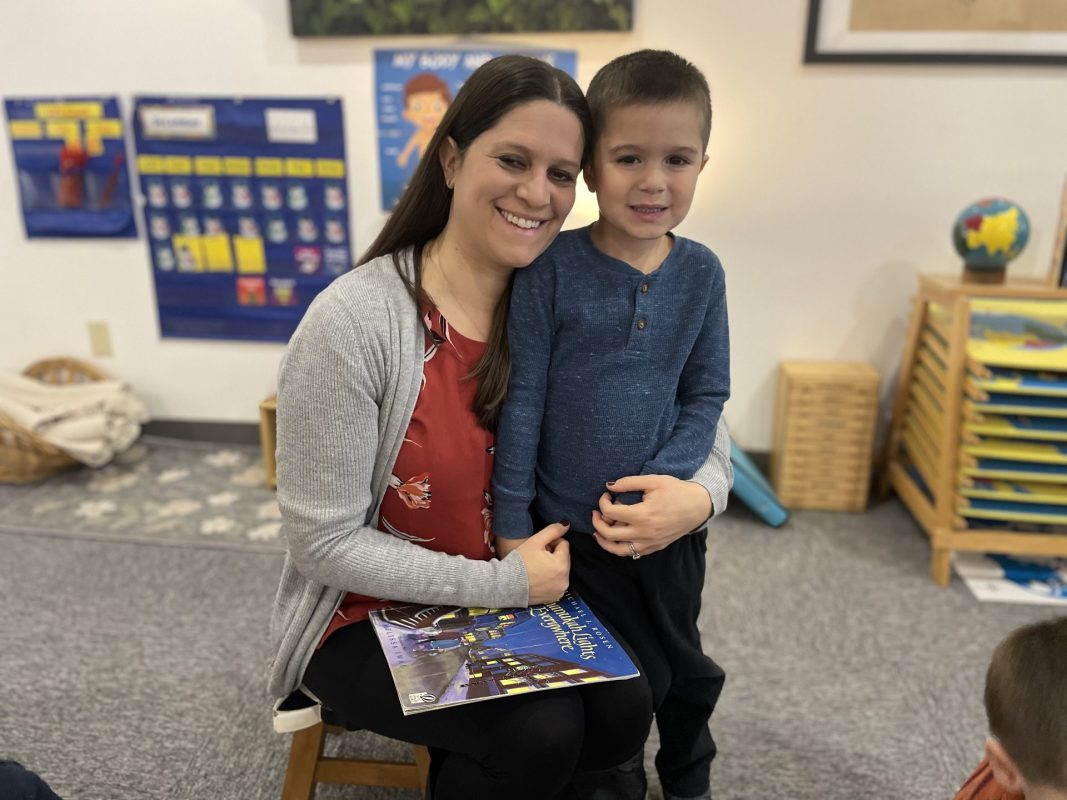
We have had an exciting two weeks.  The children have thoroughly enjoyed having a “Mystery Reader” each week.  Thank you to Devin Wallace and Anna Dugbartey for volunteering to be our mystery readers last week and this week.  The kindergarten children took a field trip to New Pond Farm in Redding on Monday.  They learned about how yarn is made, visited the barn where they brushed a cow, saw a baby calf, and tried milking a “cow.”  We ended our trip with a nice long hike around the farm.  On Tuesday, Guilianna Wallace helped the children carve a pumpkin.  The children decided which face they wanted to carve on the pumpkin, helped to scoop out the seeds, had the opportunity to feel the pulp and seeds, and then we turned out the lights and lit up our scary pumpkin!

Wishing you a week filled with peace and love.

Amanda & Hema