Mrs. Sargeant: A Peek at the Week

When a child works, he does not do so to attain some further goal.  His objective in working is the work itself. Maria Montessori
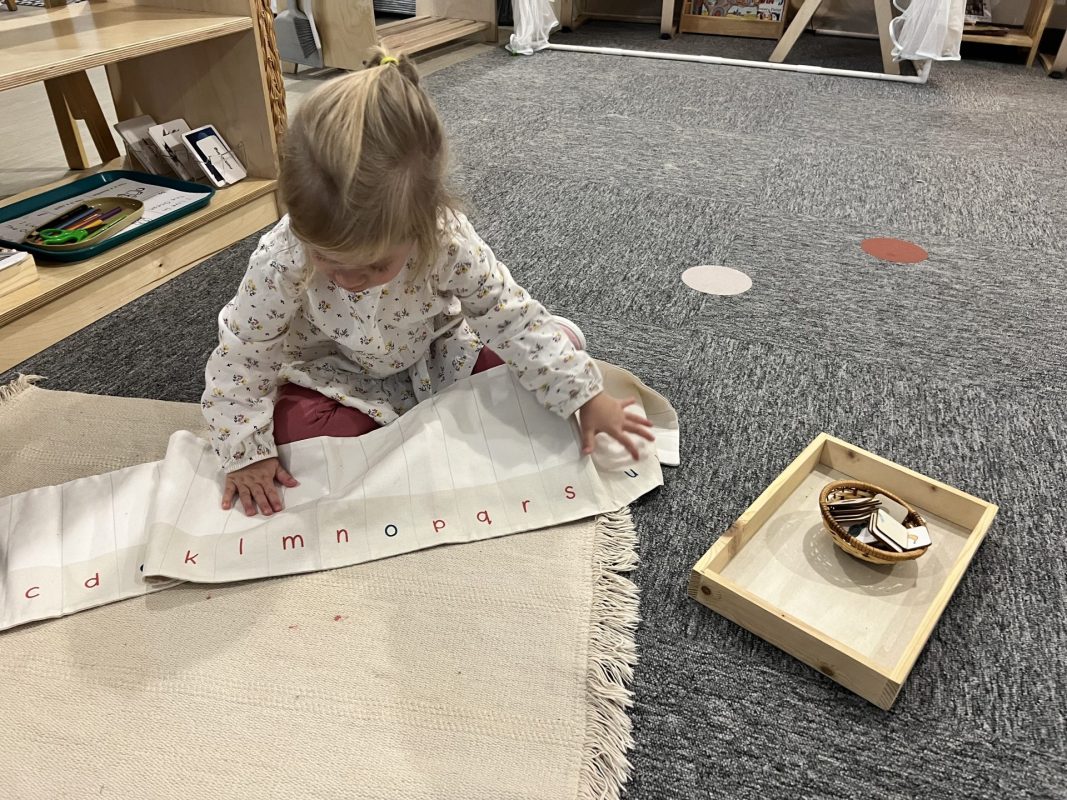
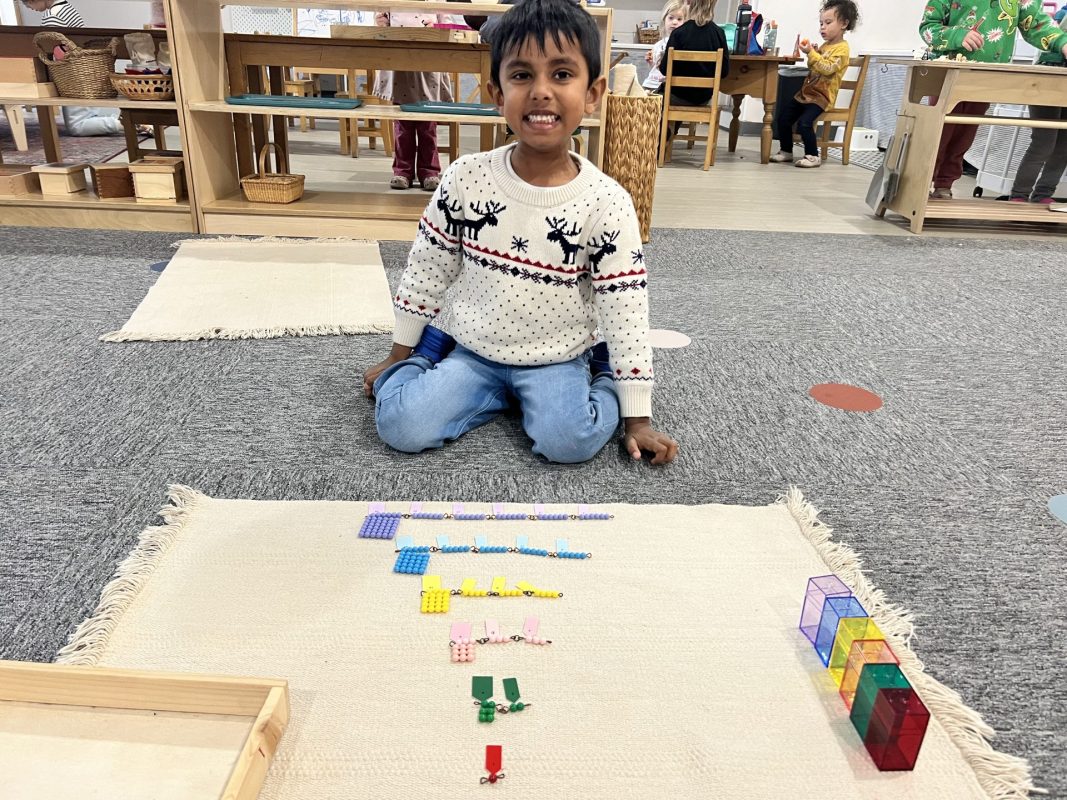
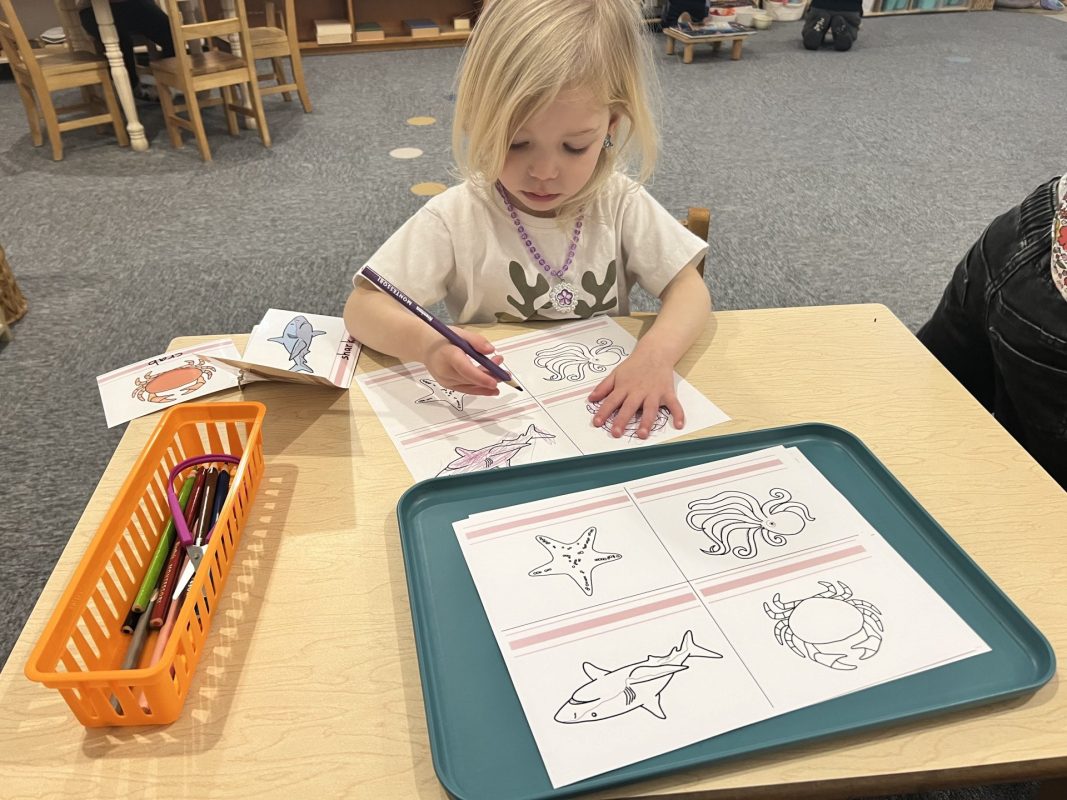
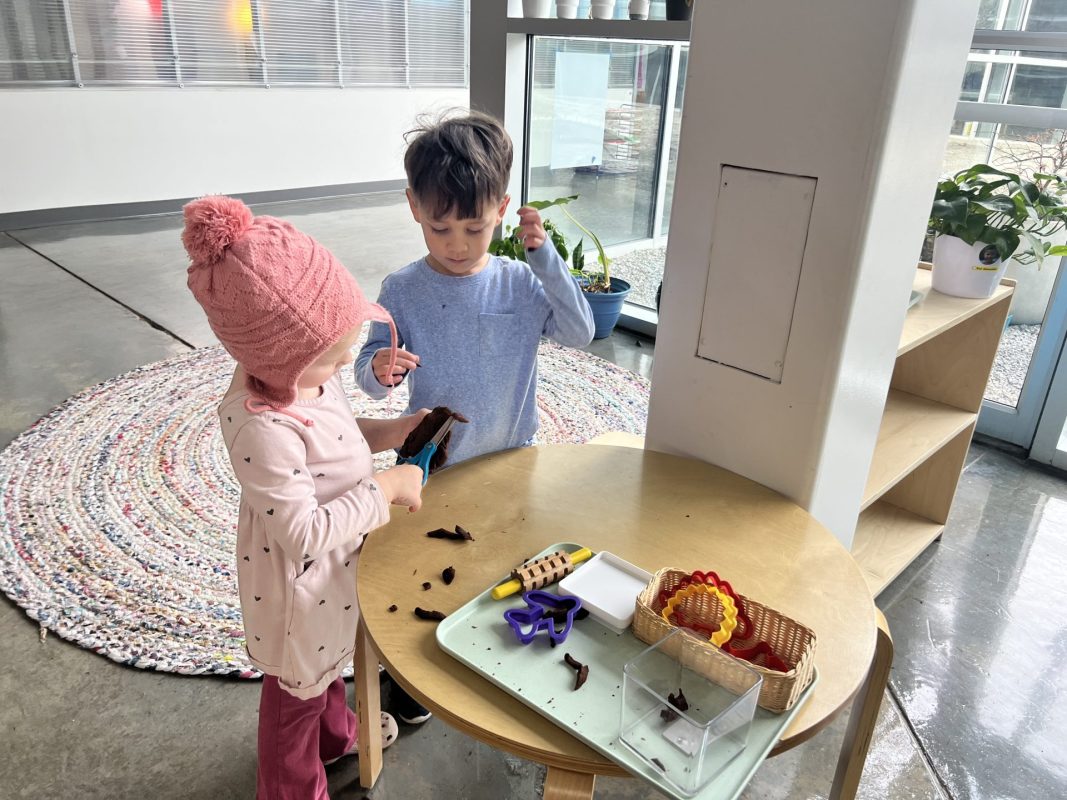
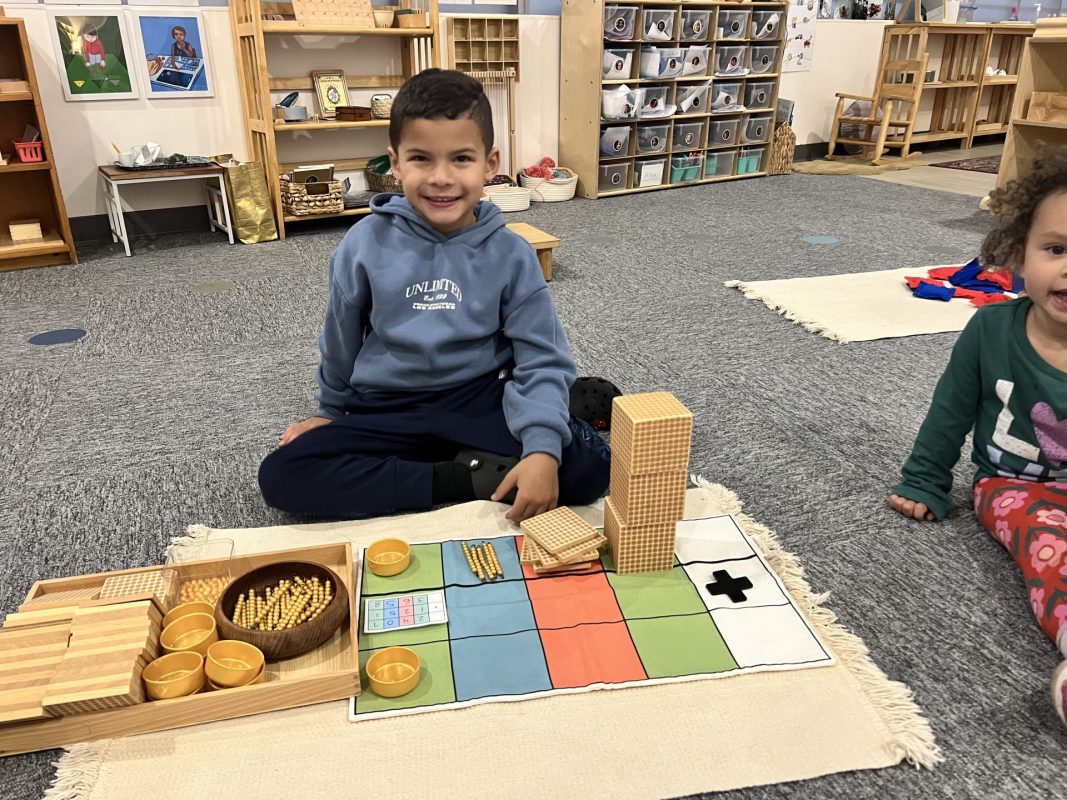
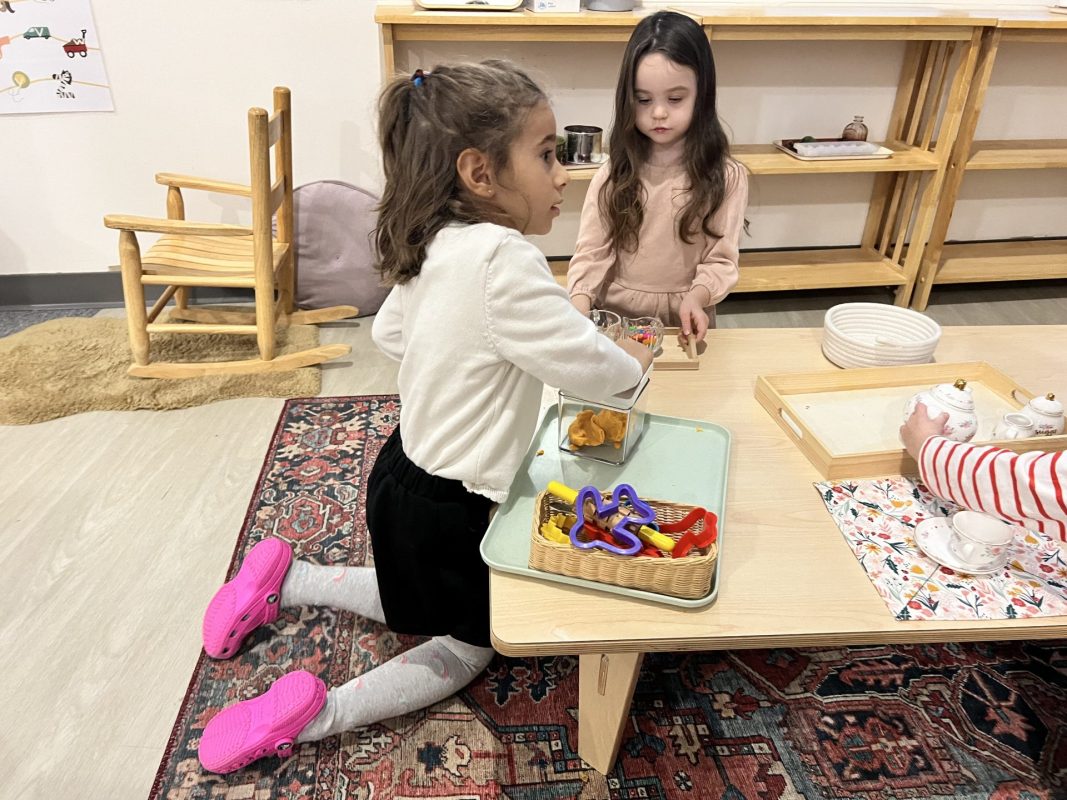
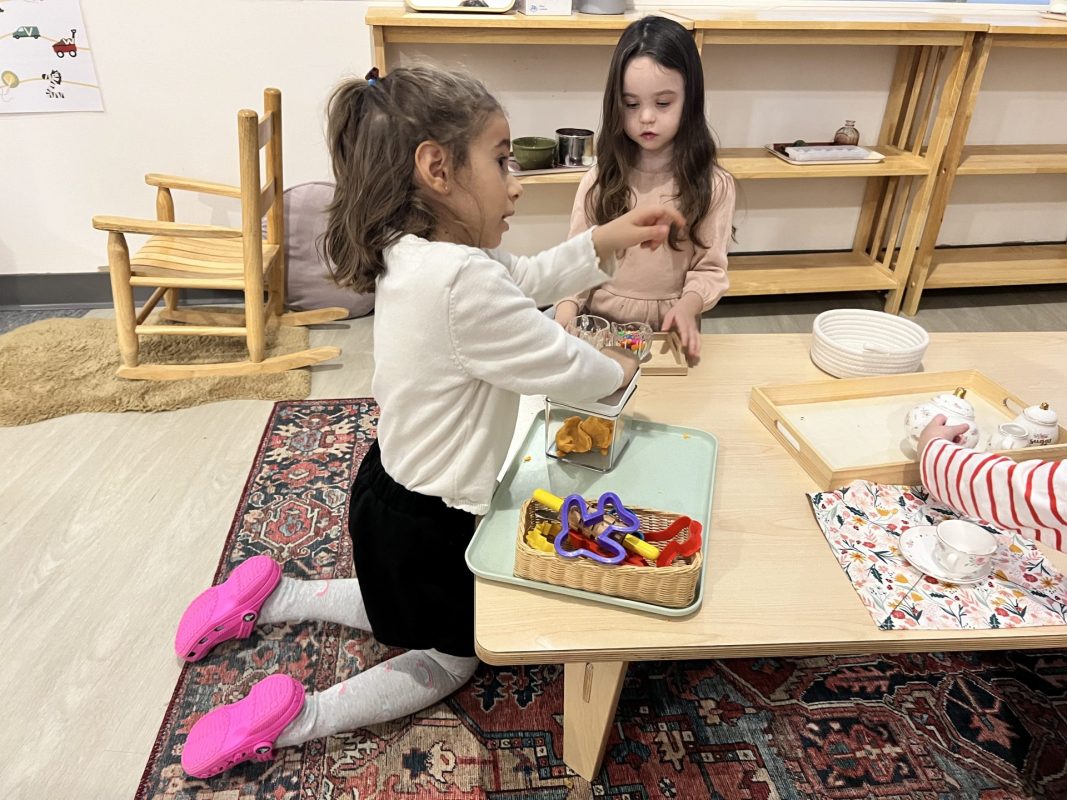
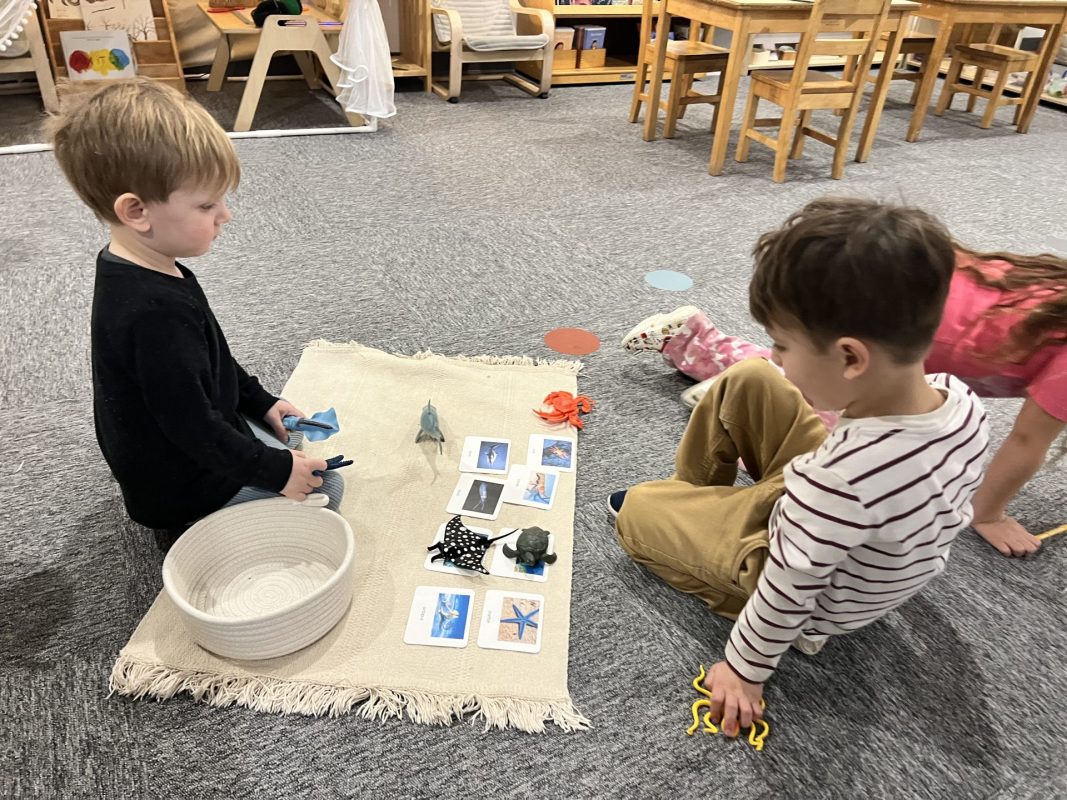
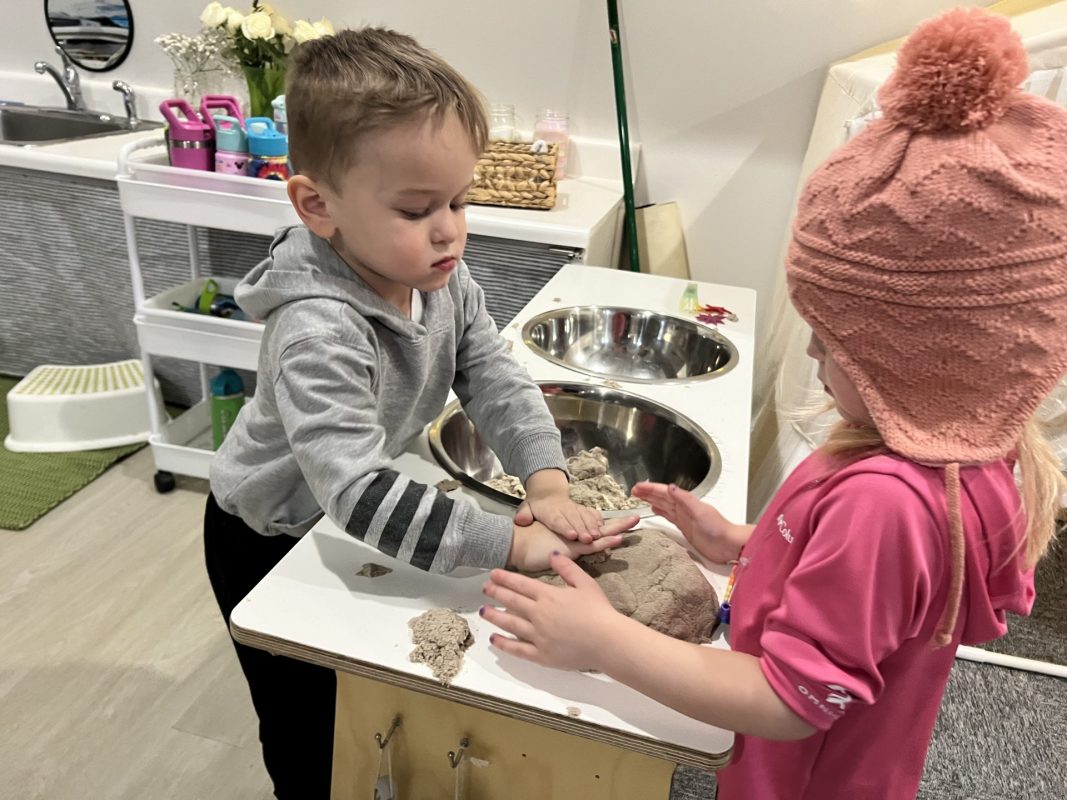
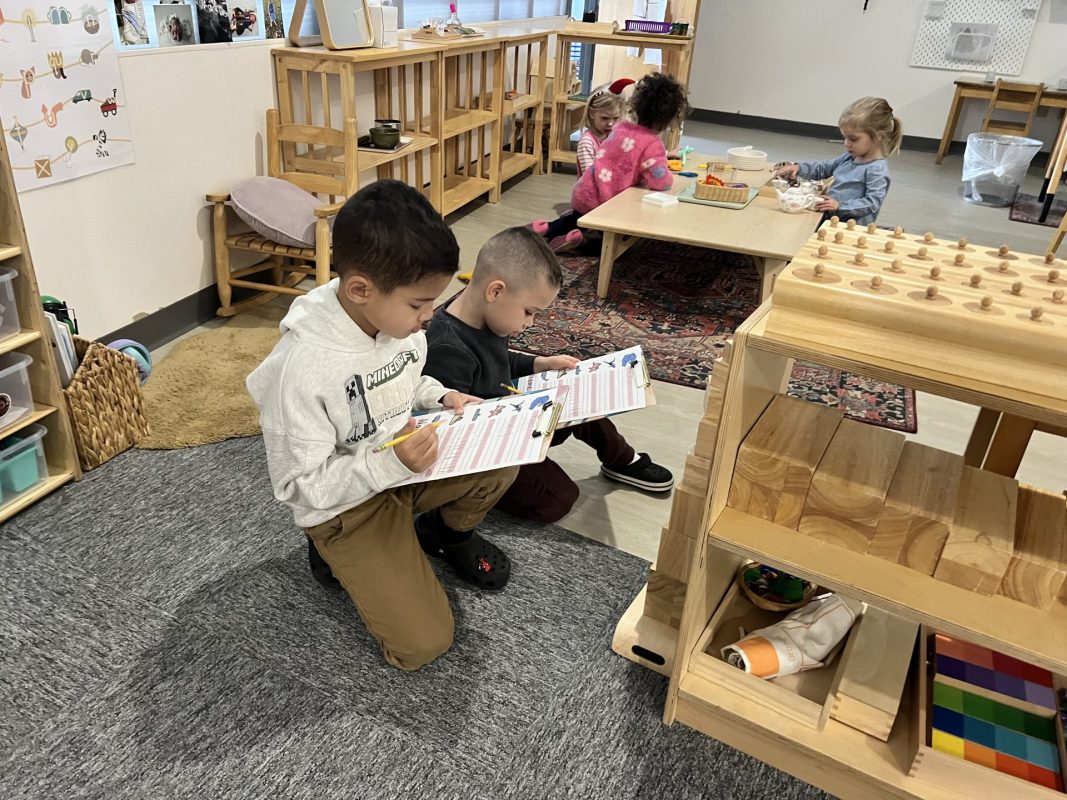
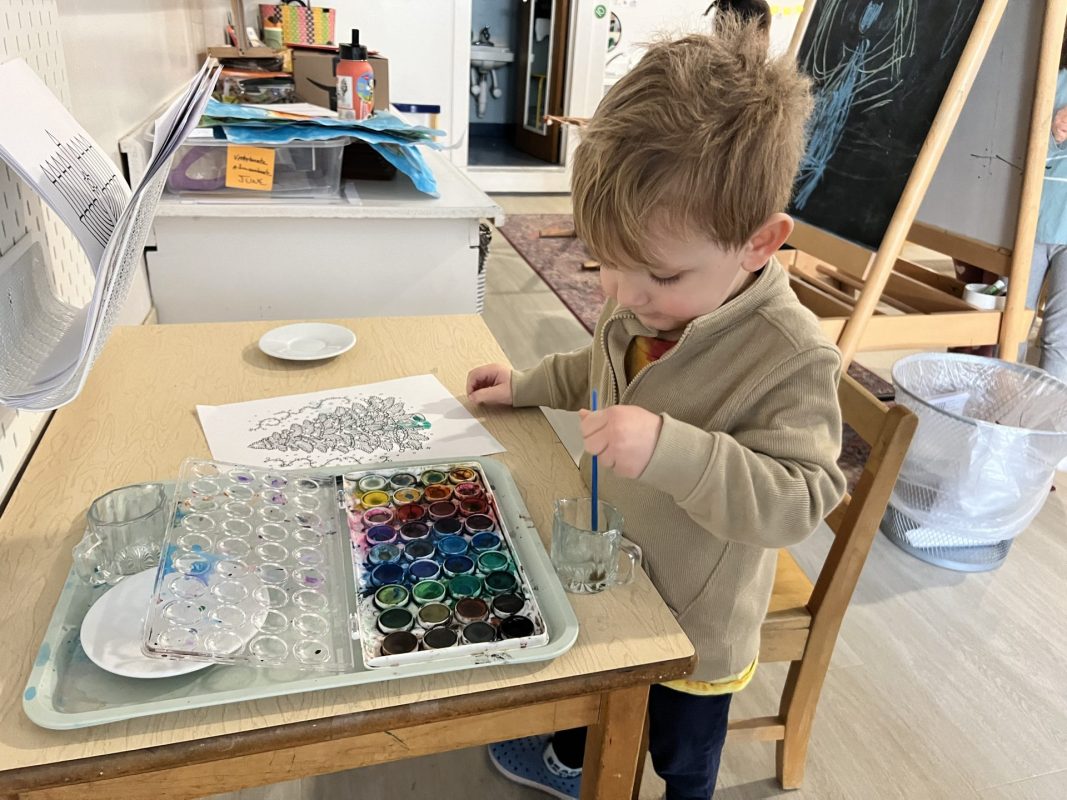
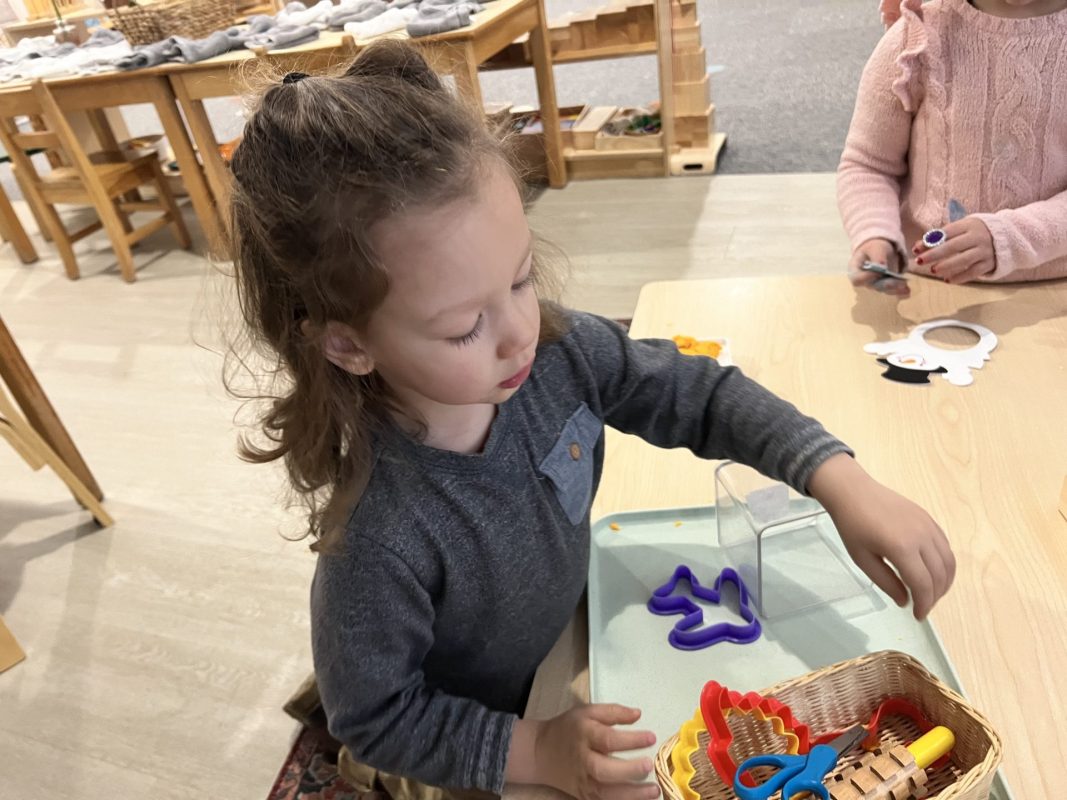
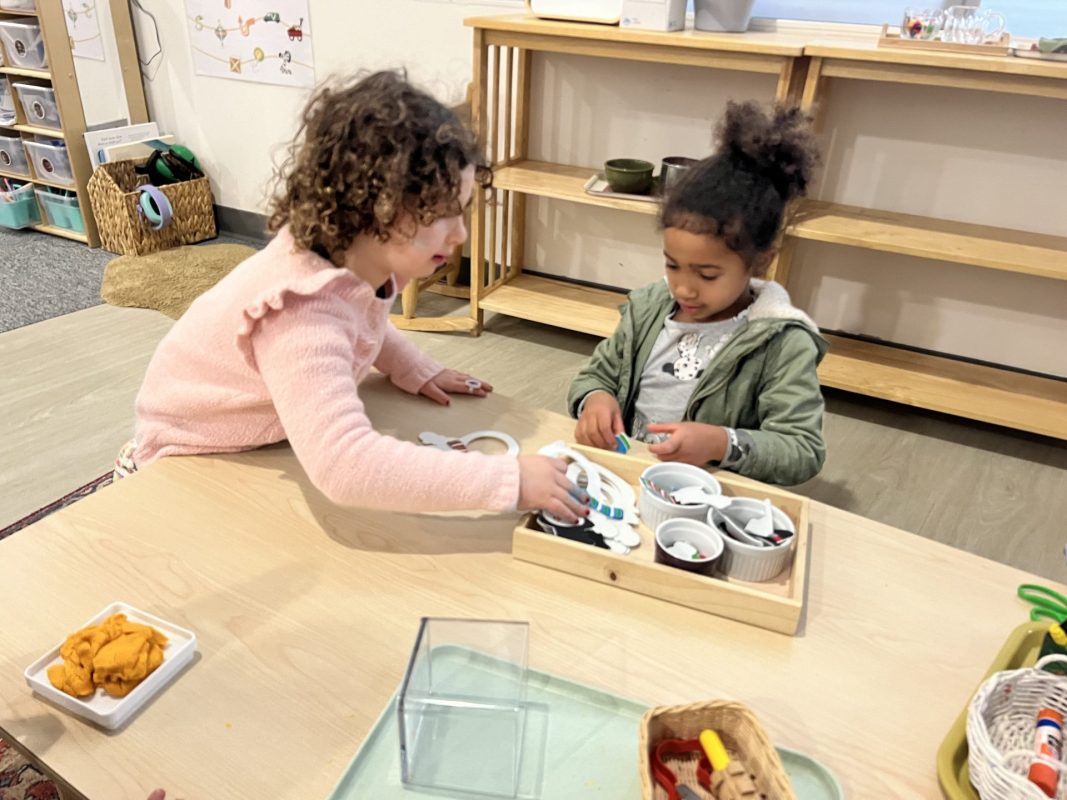
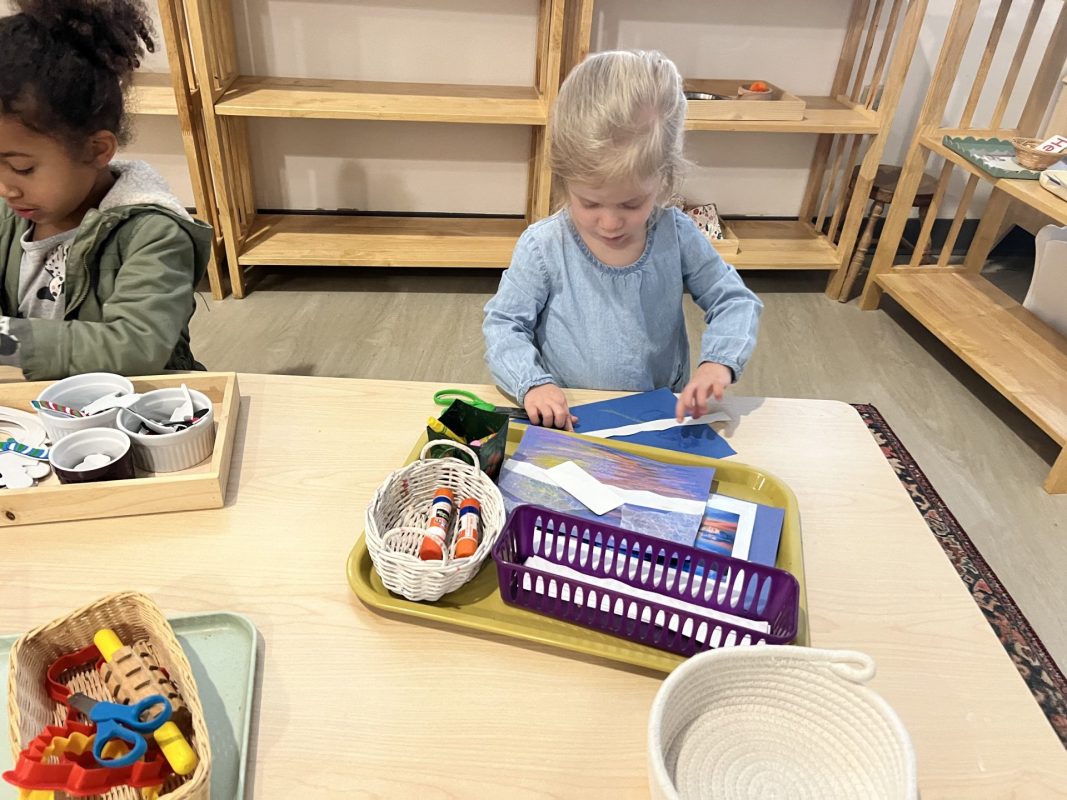
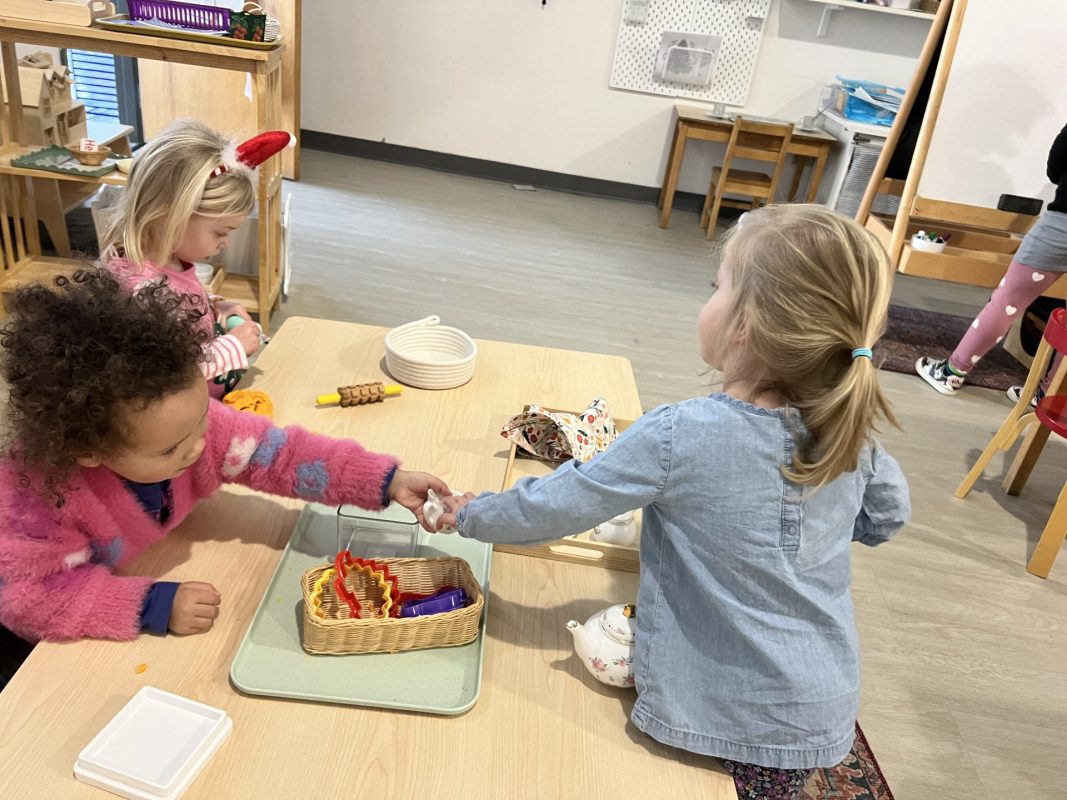
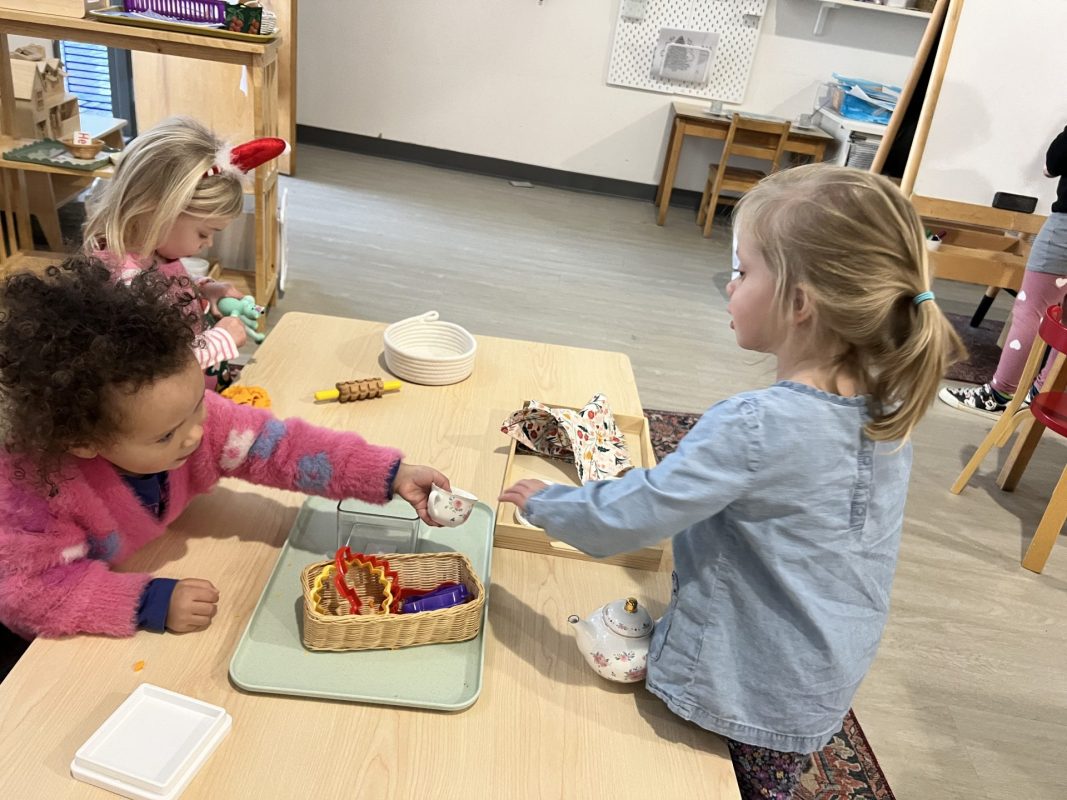
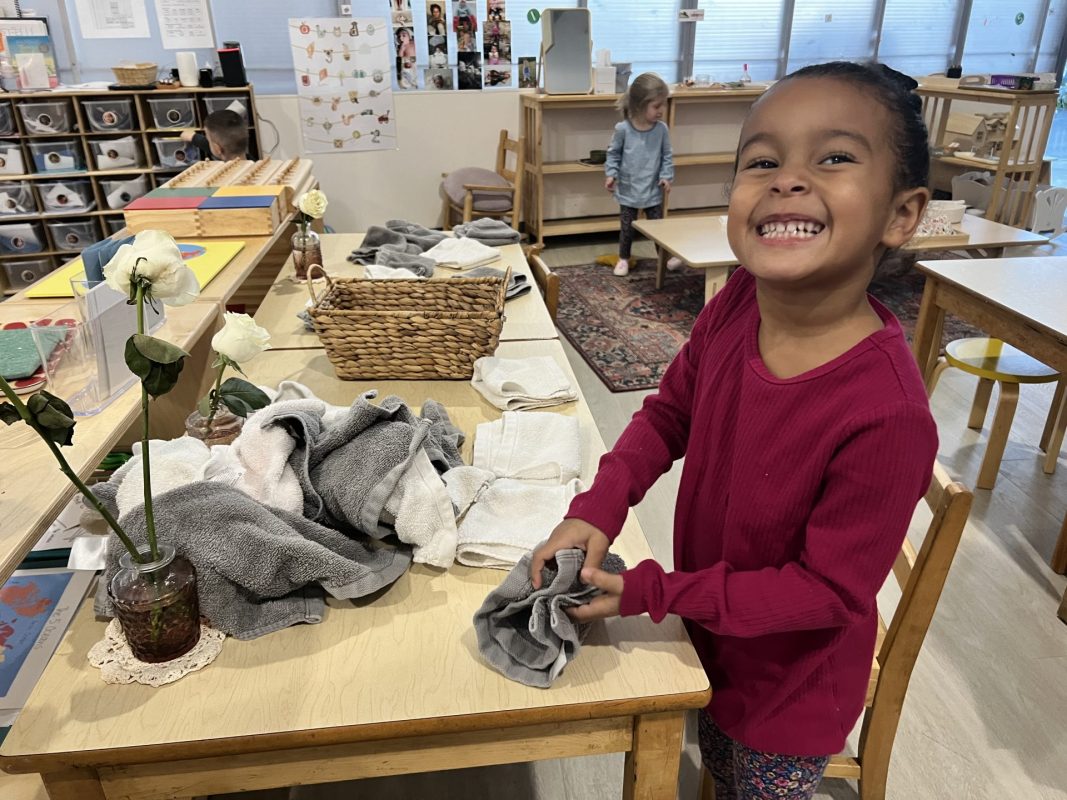
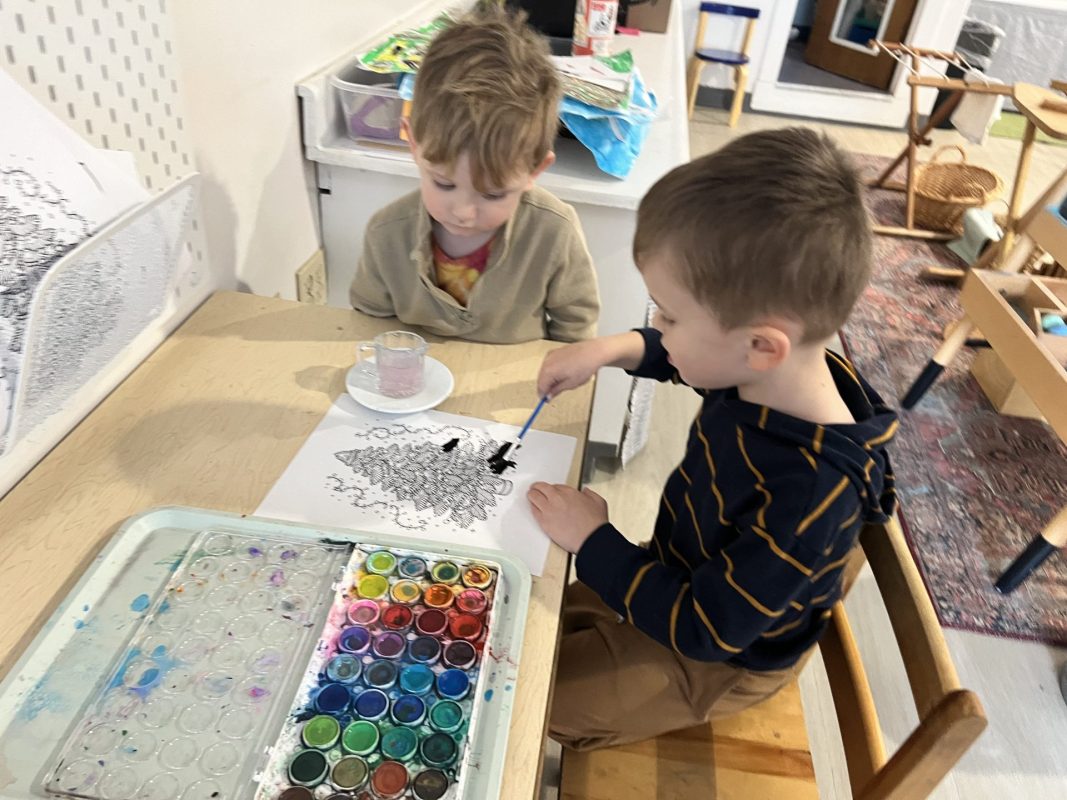
One of Maria Montessori’s most noted quotes is, “Play is the child’s work.”  We’re sure you have heard your child talk about their work at school by now. Dr. Montessori preferred the word work rather than the word play to describe the learning process children are constantly undergoing. Work conveys the amount of effort that children put into their physical, social, emotional, and academic growth. As adults, we have a very different definition of work.
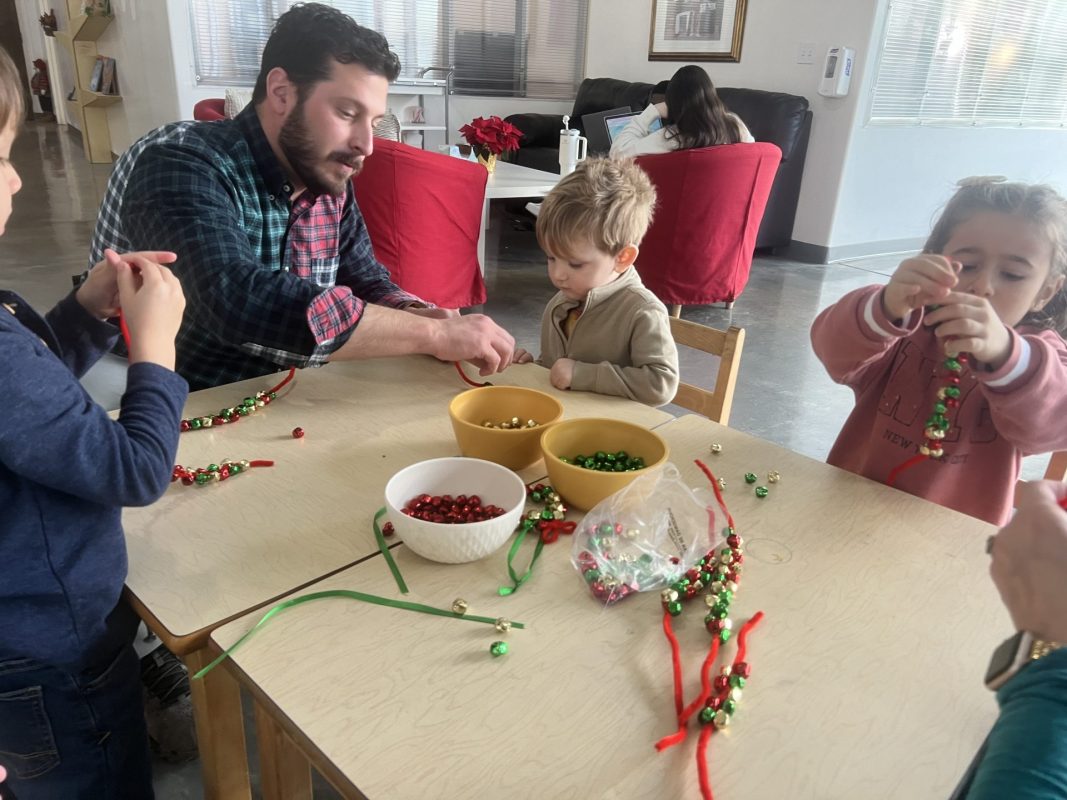
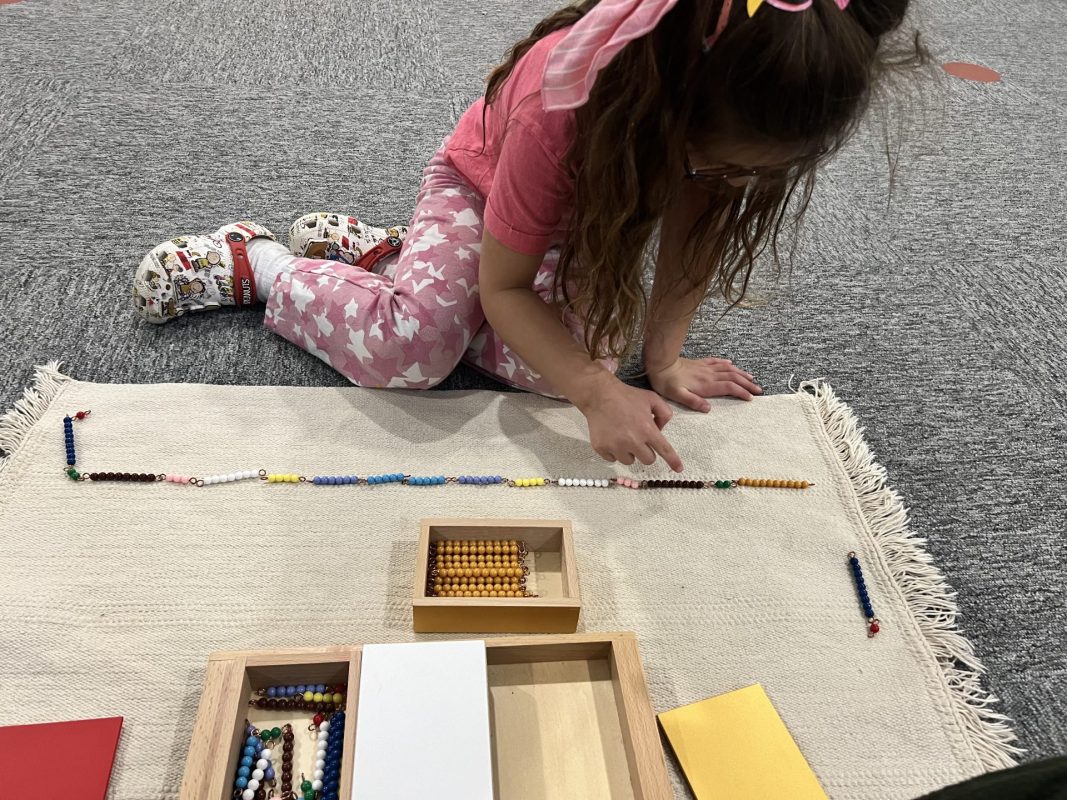
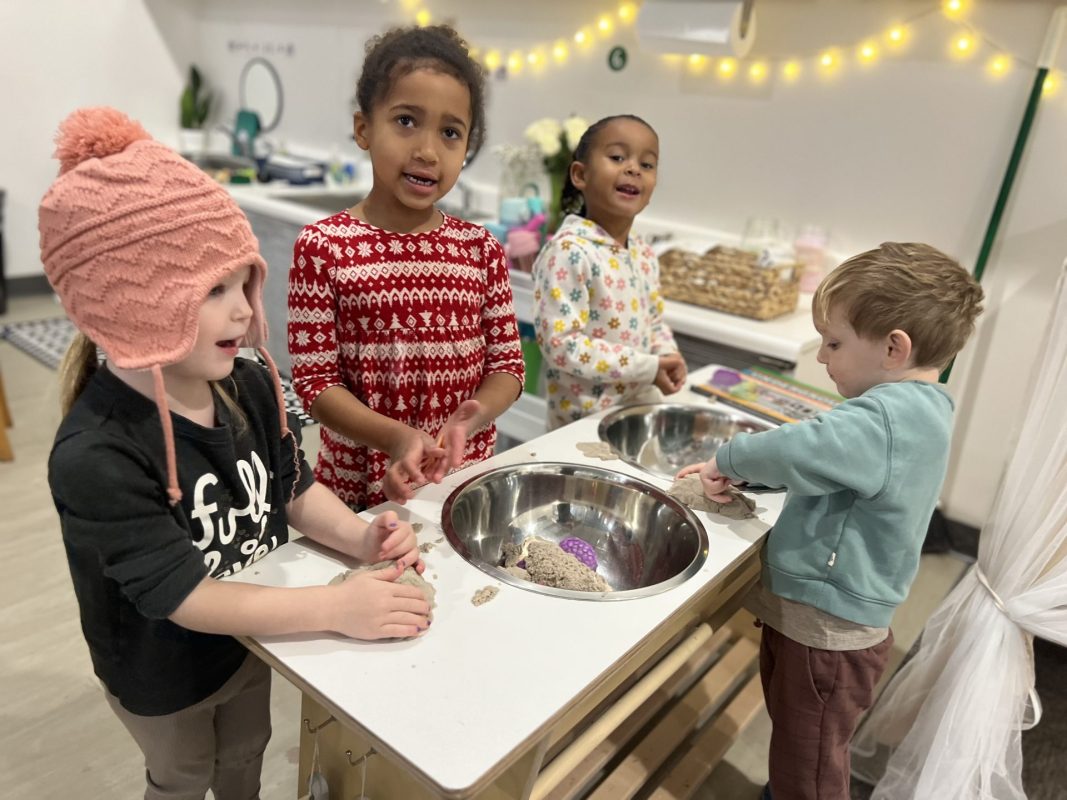
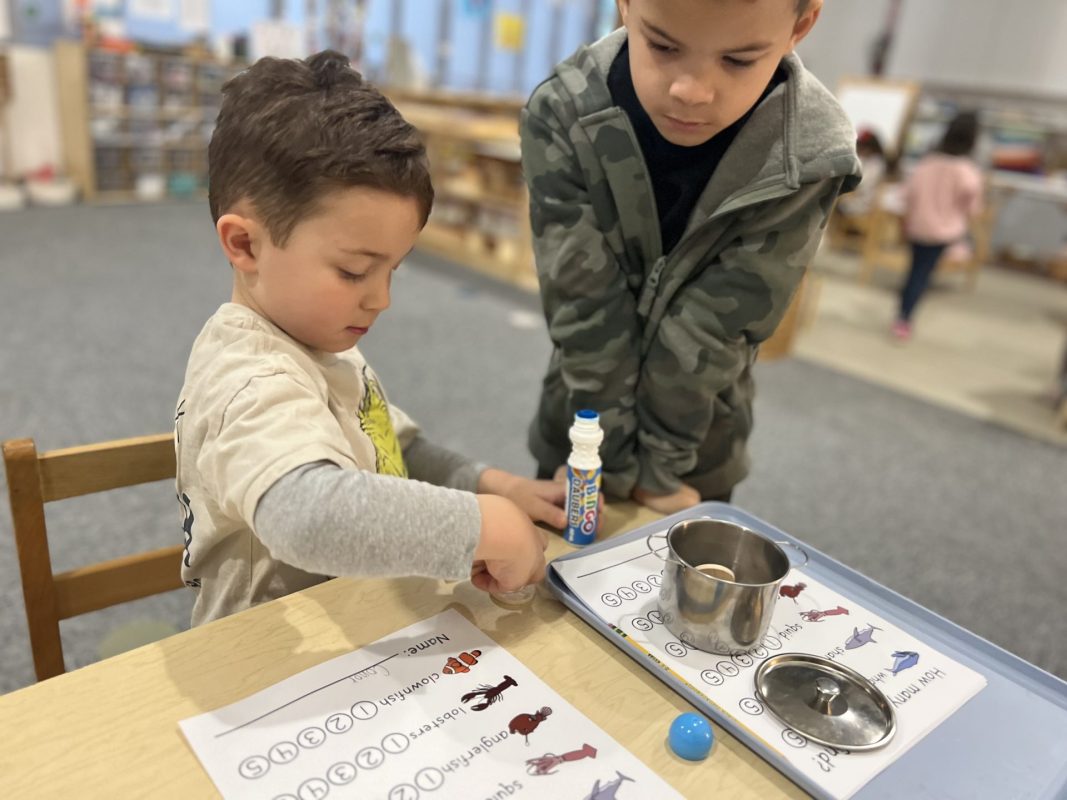
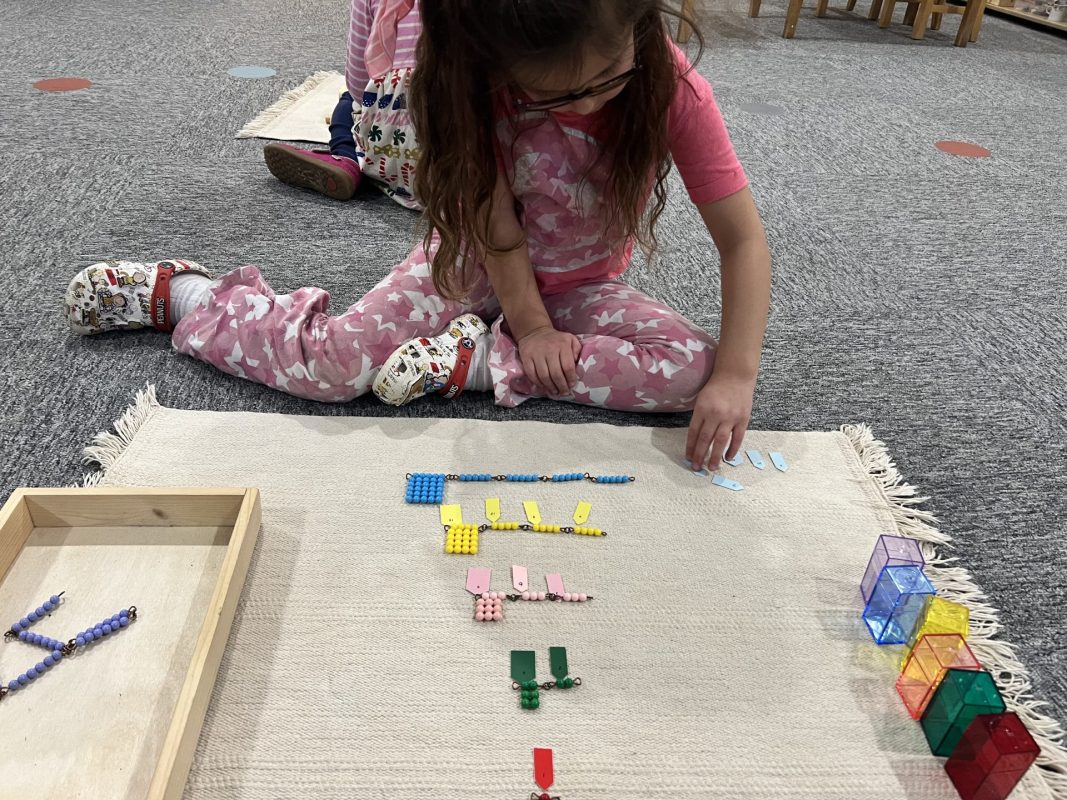
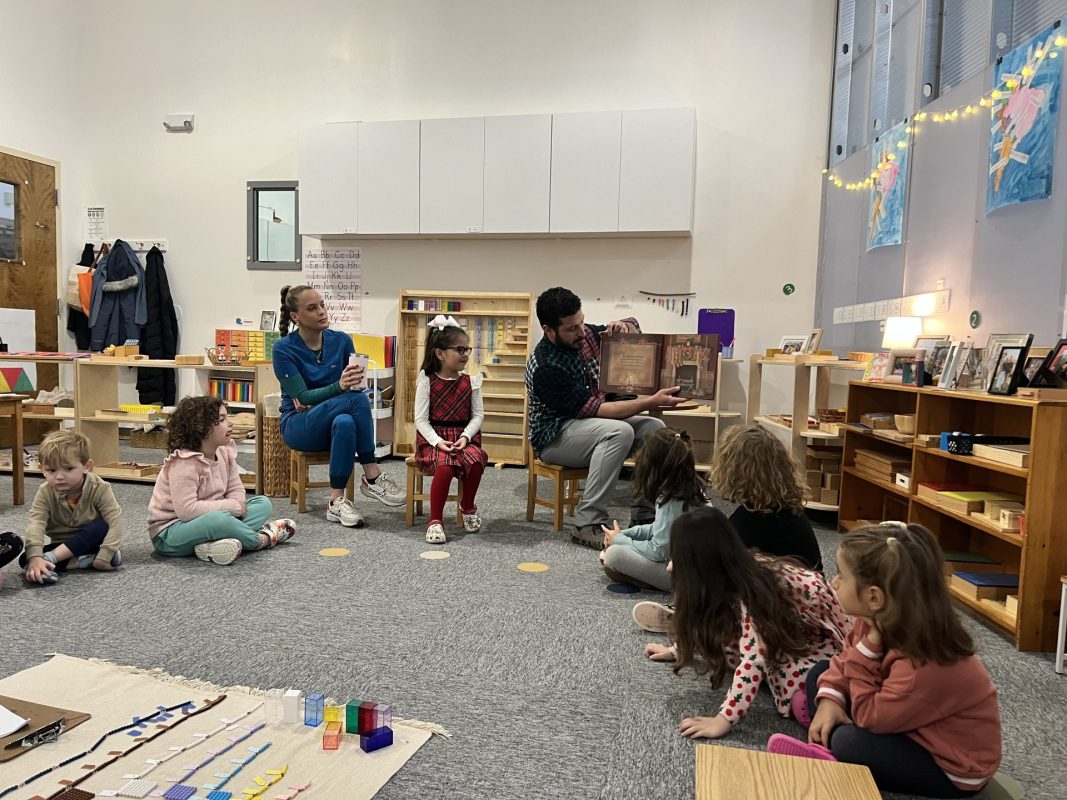
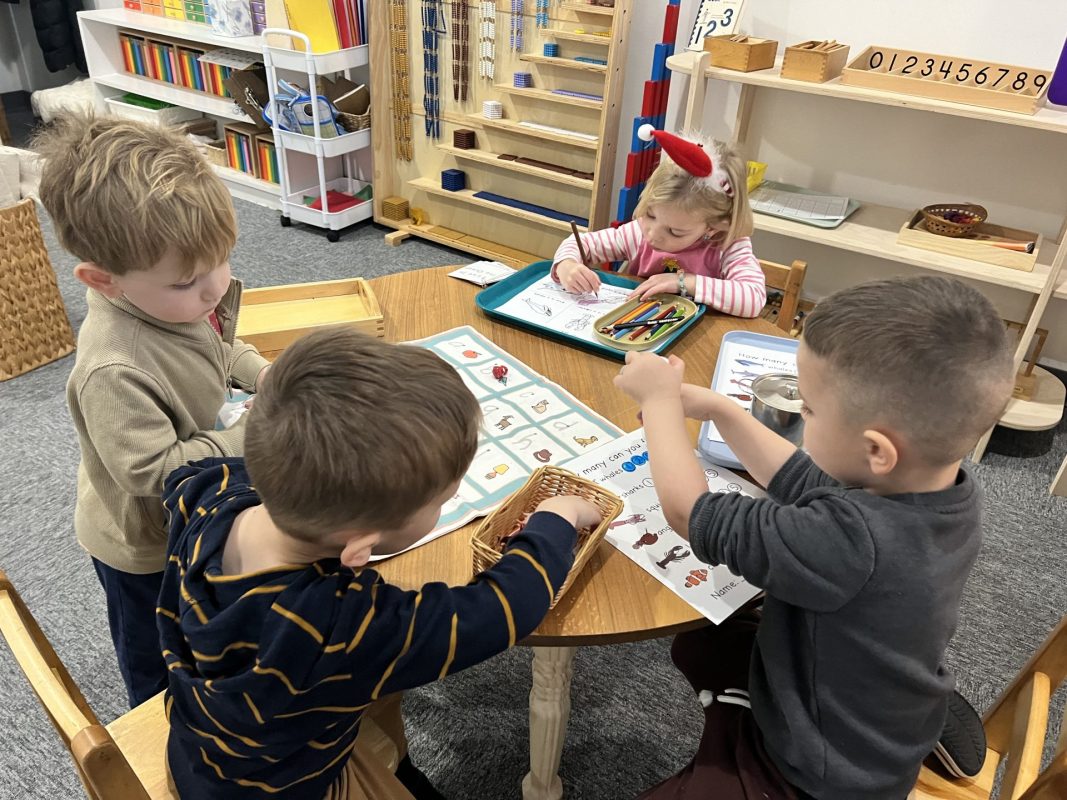
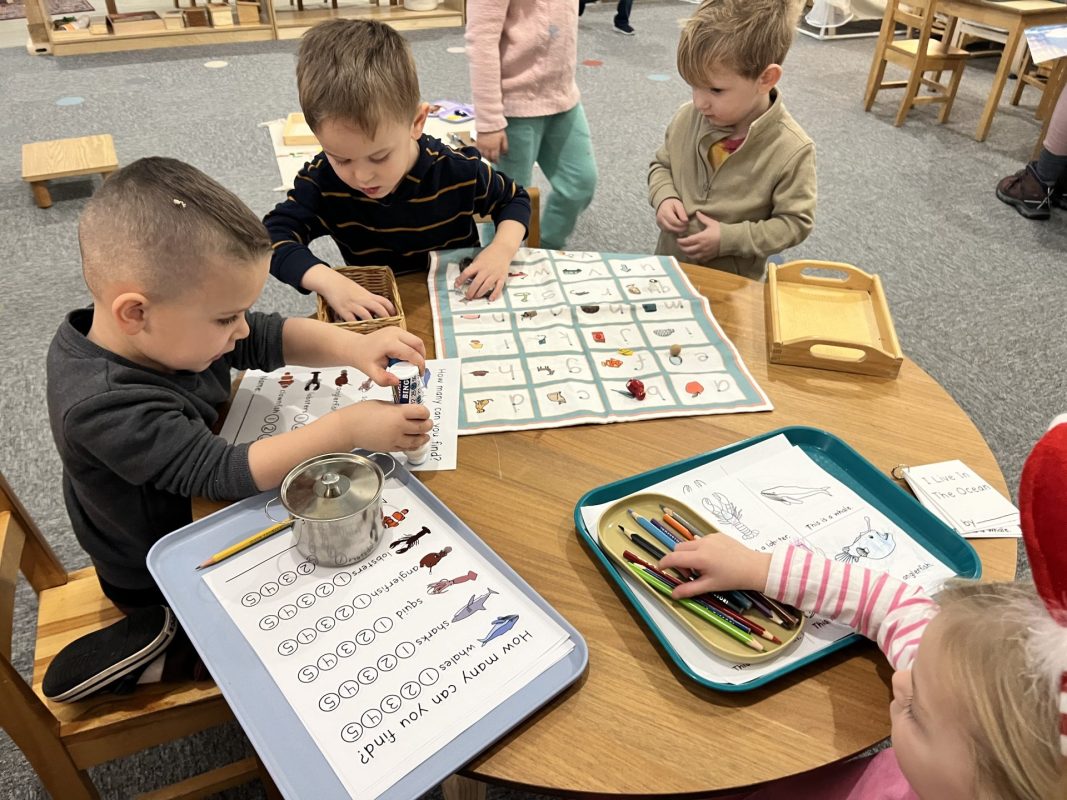
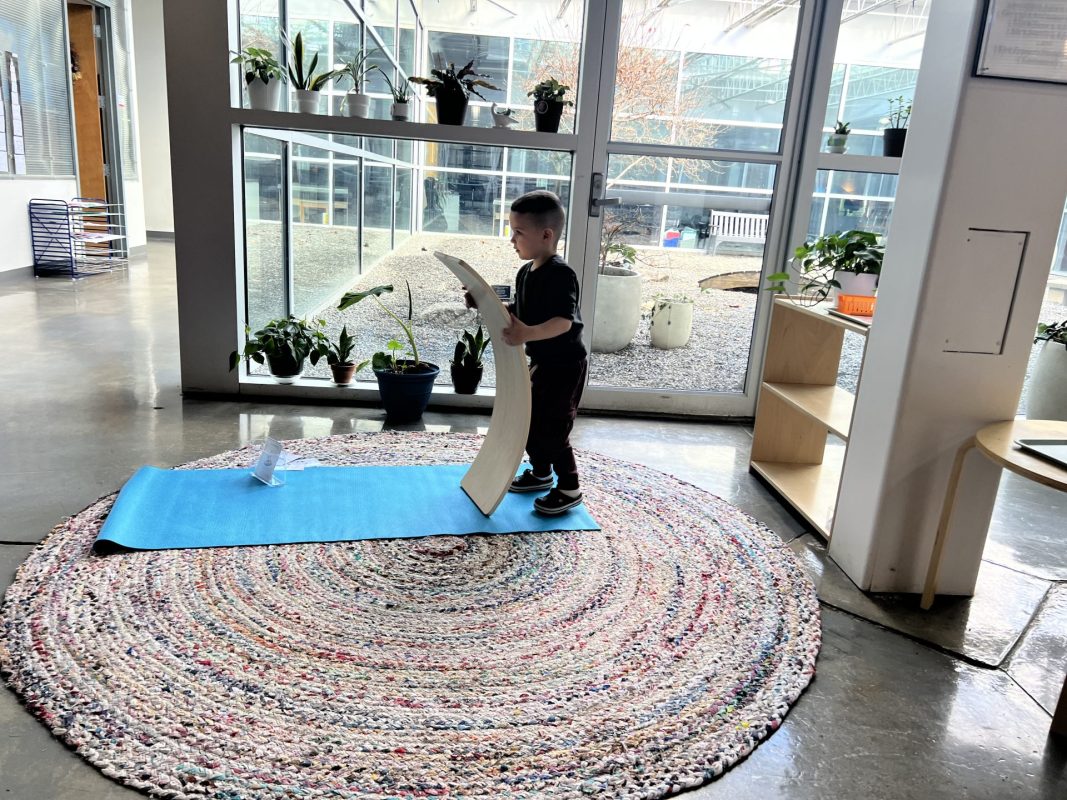
Children are driven by a strong, unconscious internal growth process to seek out experiences that will meet their needs. Our role as Montessori teachers is to provide a well-prepared environment that encourages children to be independent and learn at their own pace. The children are free to choose their work and to use it repeatedly. So, while they are ‘working’, each child also builds independence, coordination, self-discipline, and concentration.

The children were thrilled to work as a team to make applesauce together. We discussed our five senses, and noticed how the applesauce’s delicious aroma filled our classroom. We were all very surprised to realize that the skin from one apple was even longer (taller) than some of our classmates!

Enjoy the beautiful fall weather, Christine & Fatima


Mrs. Lopes: A Look at Our Week

When a child works, he does not do so to attain some further goal.  His objective in working is the work itself. Maria Montessori

One of Maria Montessori’s most noted quotes is, “Play is the child’s work.”  We’re sure you have heard your child talk about their work at school by now. Dr. Montessori preferred the word work rather than the wordplay to describe the learning process children are constantly undergoing. Work conveys the amount of effort that children put into their physical, social, emotional, and academic growth. As adults, we have a very different definition of work.

Children are driven by a strong, unconscious internal growth process to seek out experiences that will meet their needs. Our role as Montessori teachers is to provide a well-prepared environment that encourages children to be independent and learn at their own pace. The children are free to choose their work and to use it repeatedly. So, while they are ‘working’, each child also builds independence, coordination, self-discipline, and concentration.

This week we began our unit on dinosaurs.  I am always amazed at how much some of the children already know about dinosaurs.  We discussed what we already knew about dinosaurs and then made a list of things we were curious about or would like to learn about dinosaurs.  The children have been engaging with all the new dinosaur lessons on our culture shelf.

Enjoy your work!

Amanda & Hema


Ms. Marissa: The Mystery Word

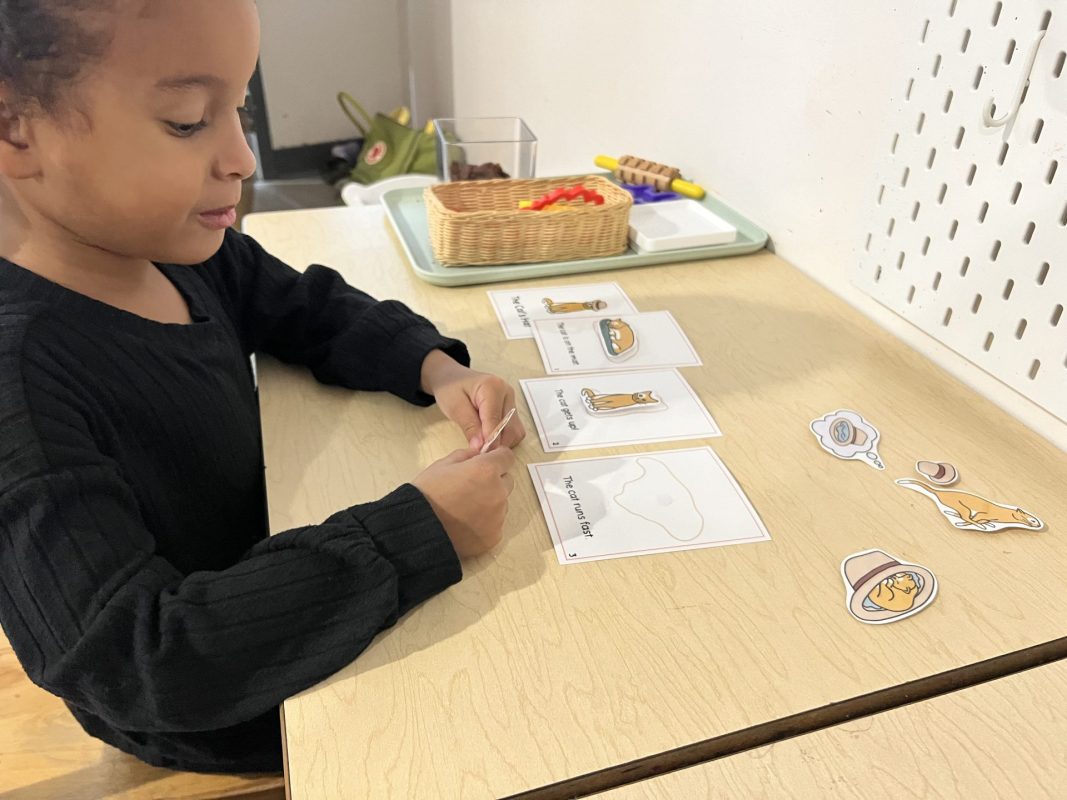
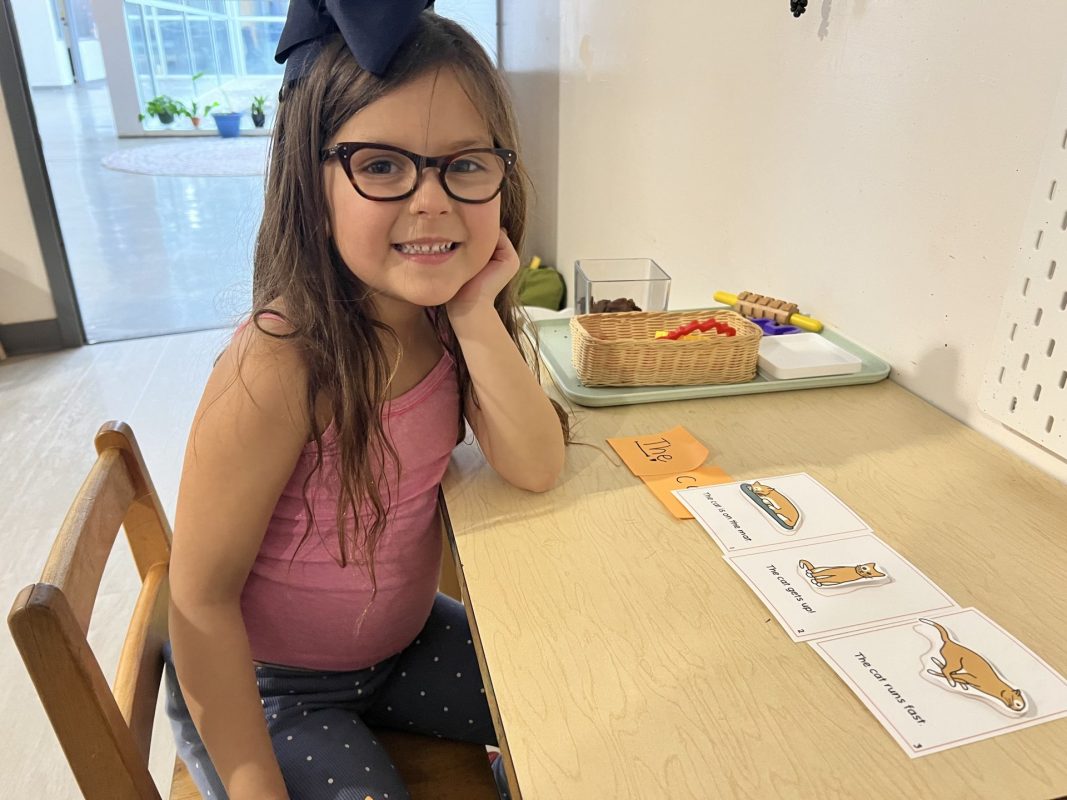
The Mystery Word has been a very popular work this week! This activity has a designated spot in our classroom, and it consists of a small box with an object inside, a pencil, small strips of paper, and another box that is empty.  Every day, the object inside the box gets changed. We try to stick to simple CVC (consonant-vowel-consonant) words like cat, rat, top, hat, rug, etc. A student opens the box to see what the mystery word of the day is. It was “hat” the other day, for example. The child would find each sound that they could in the word (/h/ /a/ /t/) and write it down along with their name on the piece of paper. They then put the paper in the empty box which lives on my shelf. Everyone loves to see what is hiding inside the box each morning!

Our youngest children aren’t quite ready for this work, BUT it is a wonderful opportunity for our first-year students to connect with Kindergarteners who can help them participate in this activity. It also sets them up for the learning that is about to come!

This activity highlights a core component of becoming a reader—phonemic awareness. We spend a lot of time as a class working on listening and finding sounds (not letter names) in words. We clap them out, tap them out, use objects to signify them, and just exercise this skill in many different ways! Phonemic Awareness (breaking down words into sounds) PLUS Phonics (sound-symbol association) equals reading. This is why we start laying the foundation so early!

Below is a quick demo of The Mystery Word!


Mrs. Lopes: A Look at Our Week

When we introduce new concepts or materials to the children, we often do so using a three-period lesson. This is an important tenet of Montessori education and it helps to move the child from basic understanding of a concept to mastery.

Period One is the introduction stage. In this stage we are isolating new vocabulary to the children. For example, if we are introducing the color tablets, we say, “This is blue.”  Repeating that statement and allowing the child to manipulate the blue color tablet are crucial during this stage.

Period Two is all about association and recognition. It is often a separate lesson. We do not ask the children to remember the vocabulary or recall the concept.  We are simply reinforcing the concept taught in Period One. We use words such as “Show me the blue tablet” or “Can you place the blue tablet on your lap?”

Period Three is the recall stage and the first time we ask the child to remember the concept independently. We ask them, “What is this?” when showing them the blue color tablet. We are careful not to begin Period Three until we know they are ready for success.

Every time a child masters a new concept, it builds the foundation for the next lesson or concept to be taught.

This week, we finished up our unit on apples.  All of the children thoroughly enjoyed trying five different types of apples.  It was interesting to see their preferences, and we were surprised that Granny Smith was the class favorite!  We also practiced some food prep while peeling and slicing apples for our homemade applesauce.  Thank you to everyone who donated apples!

Wishing you a week filled with peace and love!

Amanda & Hema


Mrs. Sargeant: A Peek at the Week

When we introduce new concepts or materials to the children, we often do so using a three-period lesson. This is an important tenet of Montessori education, and it helps to move the child from basic understanding of a concept to mastery.

Period One is the introduction stage. In this stage we are isolating new vocabulary to the children. For example, if we are introducing the color tablets, we say, “This is blue.”  Repeating that statement and allowing the child to manipulate the blue color tablet are crucial during this stage.

Period Two is all about association and recognition. It is often a separate lesson. We do not ask the children to remember the vocabulary or recall the concept.  We are simply reinforcing the concept taught in Period One. We use words such as “Show me the blue tablet” or “Can you place the blue tablet on your lap?”

Period Three is the recall stage and the first time we ask the child to remember the concept independently. We ask them, “What is this?” when showing them the blue color tablet. We are careful not to begin Period Three until we know they are ready for success.

Every time a child masters a new concept, it builds the foundation for the next lesson or concept to be taught.

We have been talking, reading, and singing about apples. This week, we tasted and compared three varieties of apples: Macoun (red), golden delicious (yellow), and granny smith (green). We tallied the votes for favorites, and the Macoun apple was the most popular choice! I wonder which was your child’s favorite. Thank you all for supplying the apples!

Wishing your families a peaceful week, Christine & Fatima


Ms. Marissa: What is Oceania?

We had another very busy and productive week! We celebrated two birthdays, got our pictures taken, and continued to explore all the activities in our classroom.

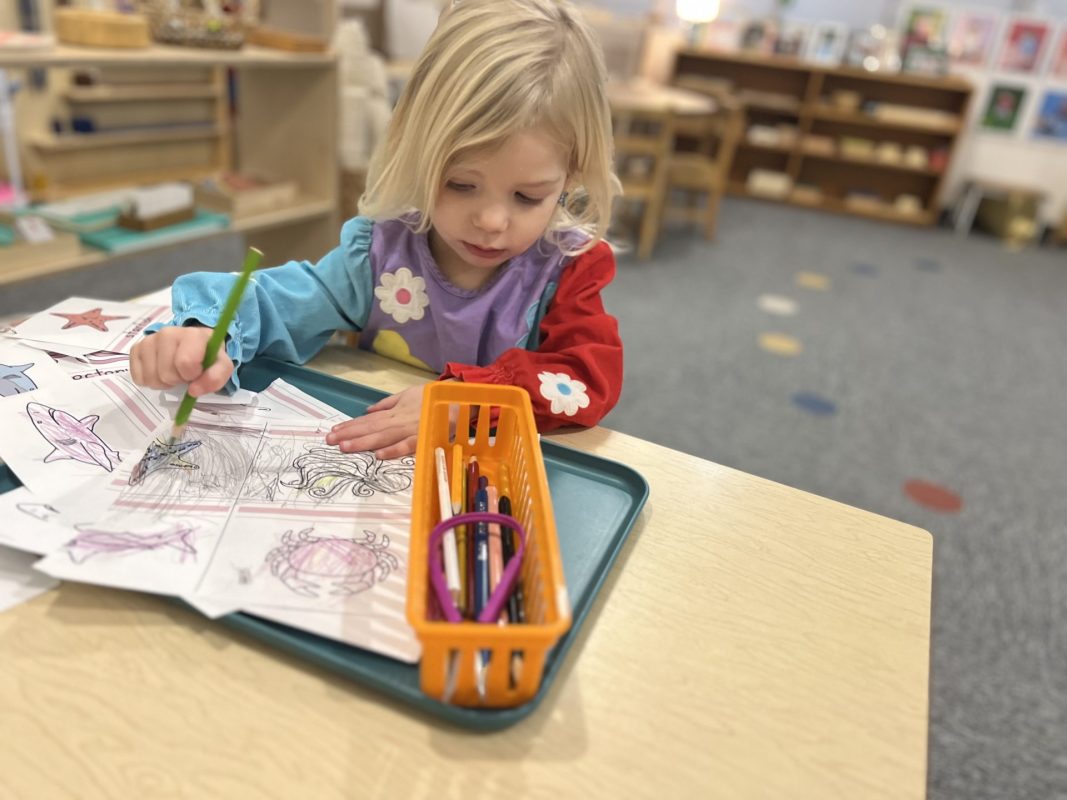
Children have been sorting land, air, and water vehicles, looking at our globe that shows where the oceans and continents are by using smooth and rough materials to represent each, making Jack O’Lantern Metal Inset drawings, re-enacting our favorite October story, Room on the Broom, and getting our school pictures taken!
As we explore land and water on Earth, we talk more and more about each continent. In our classroom, the continents are color-coded so children can easily learn their general shapes and names. North America is orange, South America is pink, Africa is green, Asia is yellow, Europe is red, Antarctica is white, and Oceania is brown. We also have a very catchy song that we sing often!
Did you know Australia’s large land mass, including the thousands of surrounding islands and New Zealand, is referred to as Oceania? That is why we’ve included Oceania in our continent song.
North America,
South America,
Africa, Asia, Euroooope.
Don’t forget Antarctica,
Don’t forget Oceaniaaa.
North America,
South America,
Africa, Asia, Eurooooope!
Have a wonderful weekend!
Marissa & Sue

Ms. Handibode’s: Do You Know The Continents?


The Montessori approach to teaching Geography is unique and comprises two components: physical geography and political geography, also known as Culture. From the beginning of the school year, we weave Geography lessons and terminology into our day as we learn about our physical world. The Geography materials are always fascinating to the children and are a springboard for wonderful discussions.

Early in our school year, we categorized the planet Earth into air, land, and water.  We then sorted what we would find in each of these different components of our world.  Next, we introduced the geometric solid known as a sphere to the children and compared it to the shape of the globe.  We start with a sandpaper globe that helps to distinguish land and water.  The colored globe comes next, and we begin to teach the continent names.  We make a sphere out of play dough and cut it in half to help them visualize the concept of a hemisphere.  Simultaneously, the children are learning about landforms that introduce the concept of lake, island, bay, cape, peninsula, gulf, isthmus, strait, archipelago, and a system of lakes.  These sensory experiences help the children learn about their physical world.

After learning the continent names, we introduce the puzzle maps for each continent, starting with North America in November. We learn that there are many countries in North America.  The older children will trace and paint each of the puzzle maps. We will learn about the animals, people, and climate often associated with each of the continents.  Our goal is to encourage the children to appreciate the beauty and wonder found in the similarities and differences around the world. In our classroom, we have a cultural shelf with artifacts from each continent.

Last week, we introduced the song “Do You Know The Continents,” and we often hear the children singing it quietly to themselves as they work. Below are the words if you would like to sing along with your child.

Do you know the continents, the continents, the continents?
Do you know the continents in our world?
There’s North America, South America, Africa, Asia, Europe,
Don’t forget Australia. What about Antarctica?
Yes, I know the continents, the continents, the continents.
Yes, I know the continents in our world.

Wishing all of you a week filled with peace and love!

Michelle & Maria