Mrs. Sargeant: Sparkling Windows and New Wings

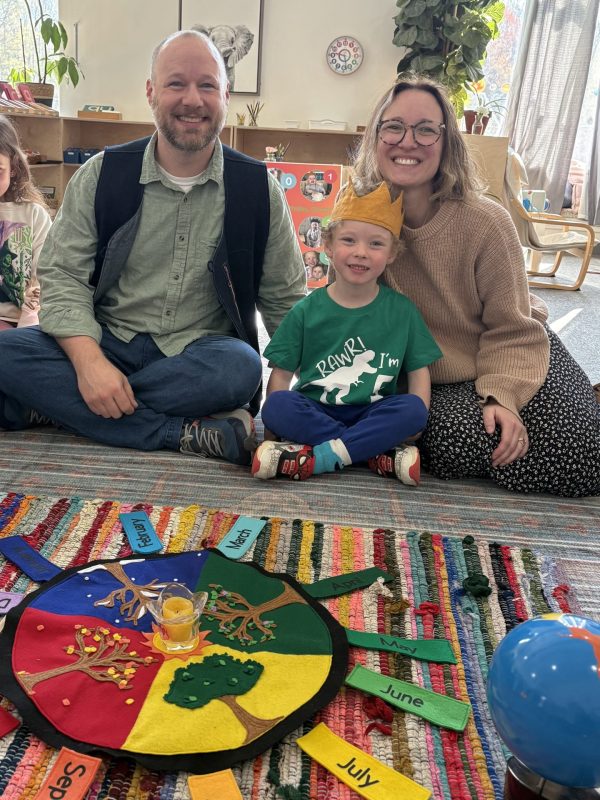
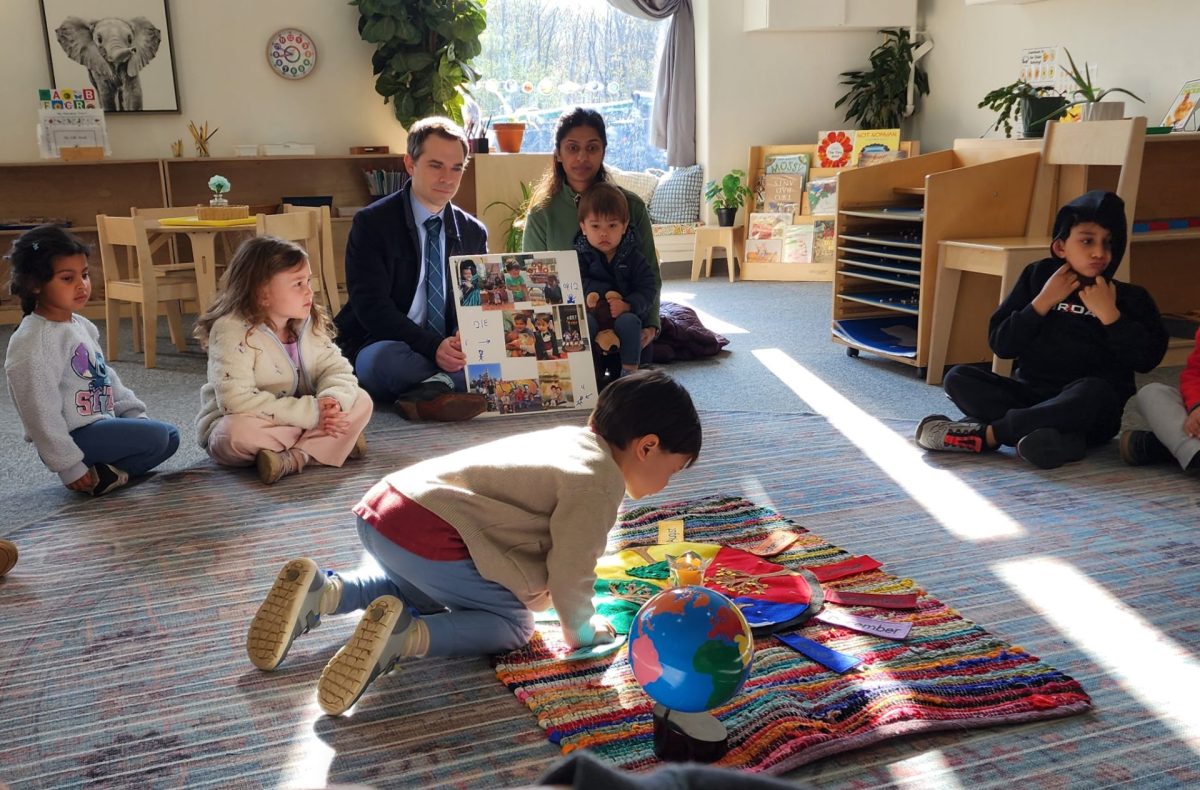
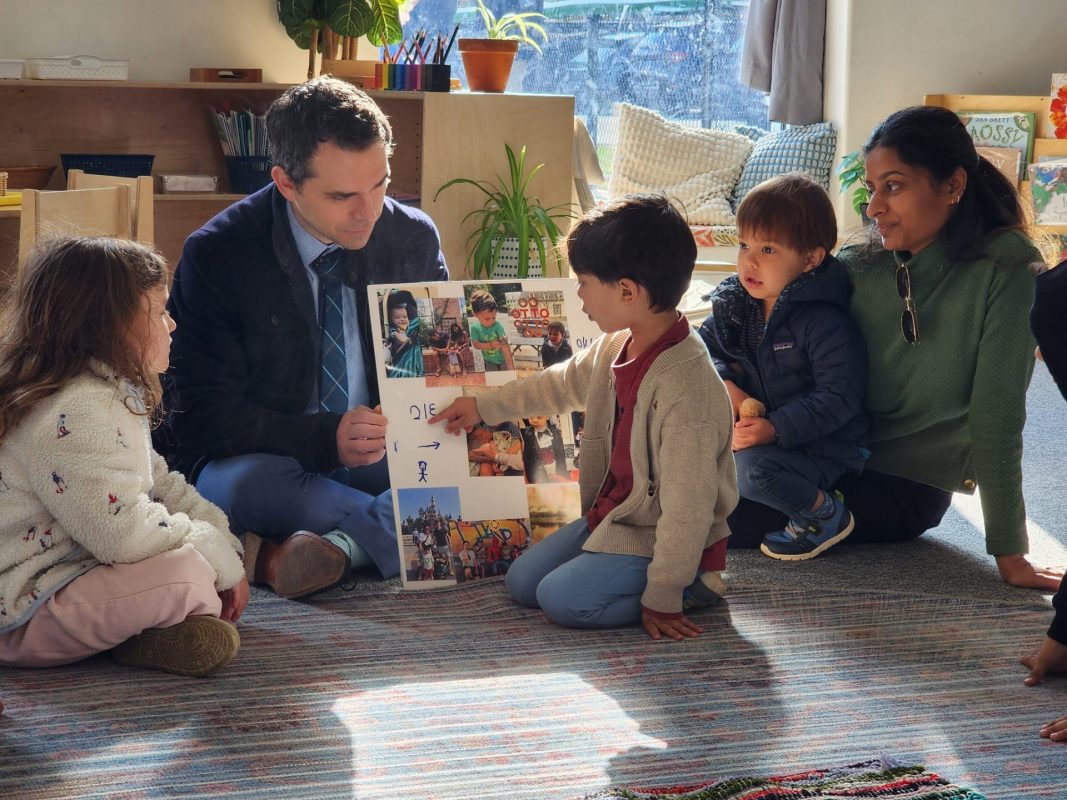
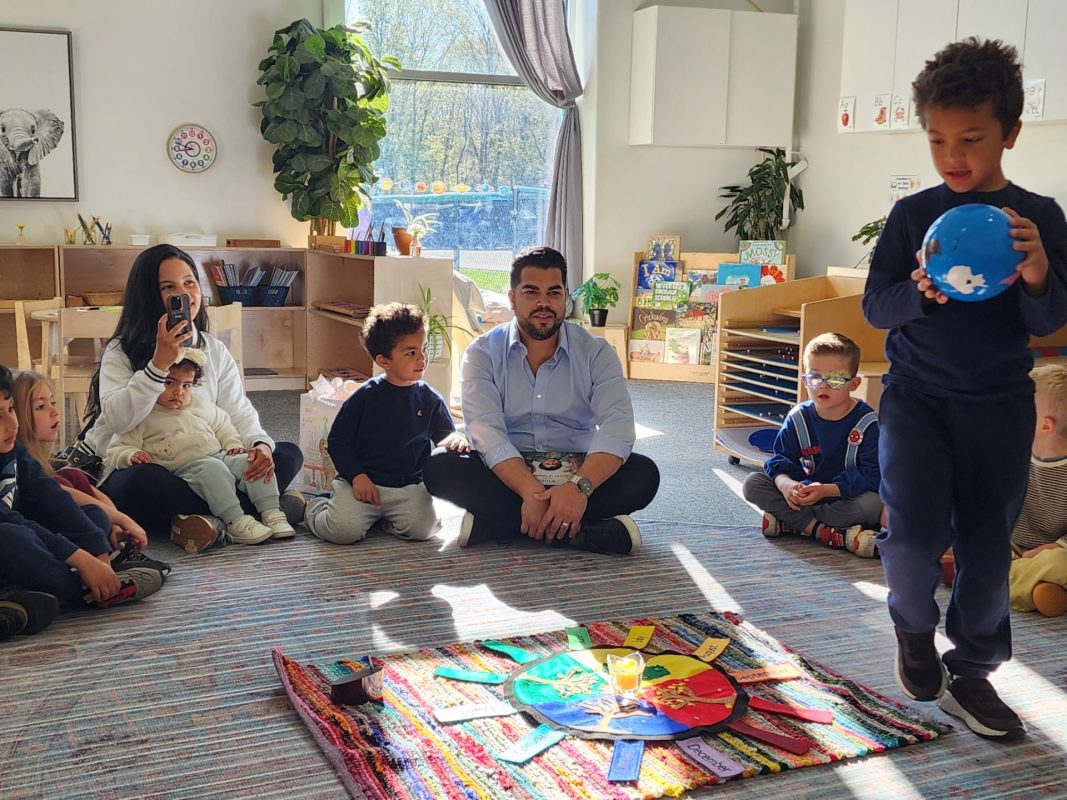
Last week, we were so proud to share our classroom with grandparents and special visitors.

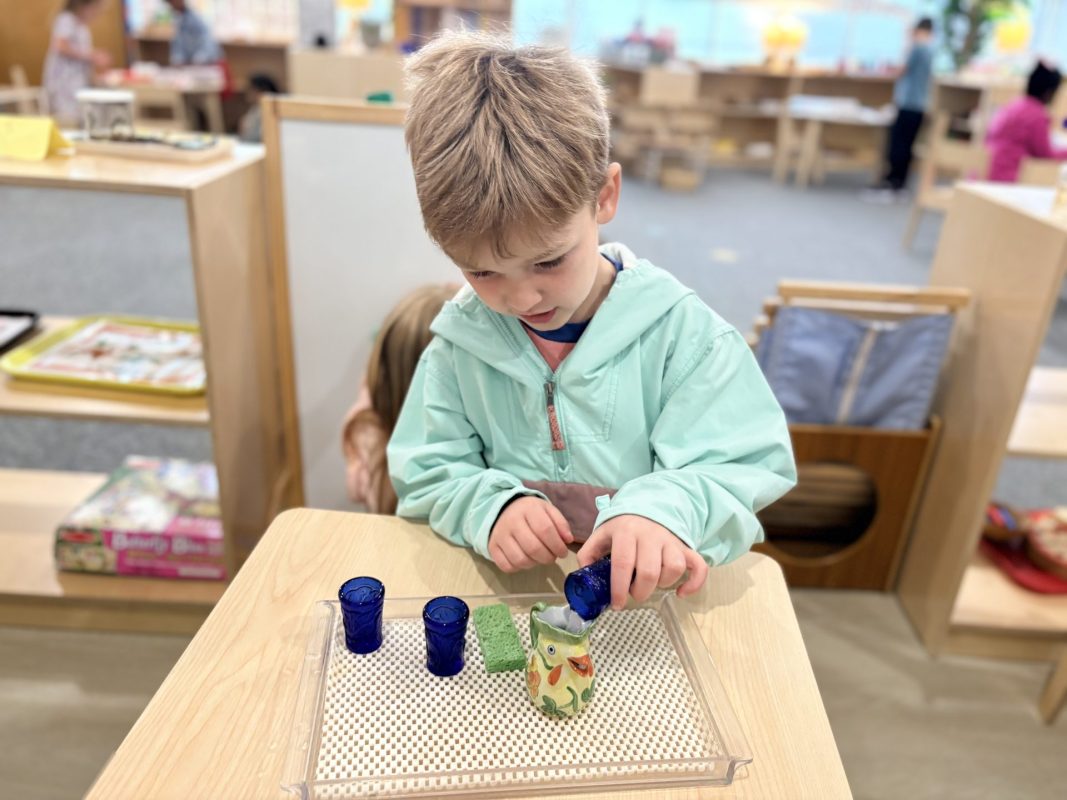
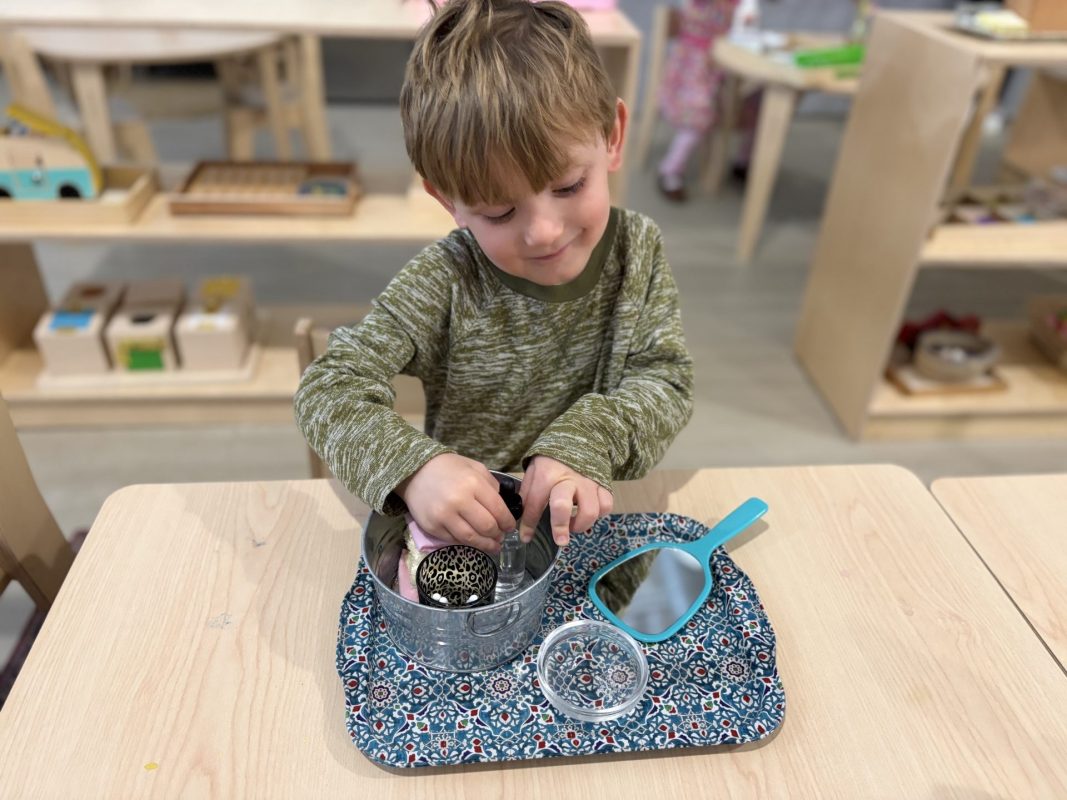
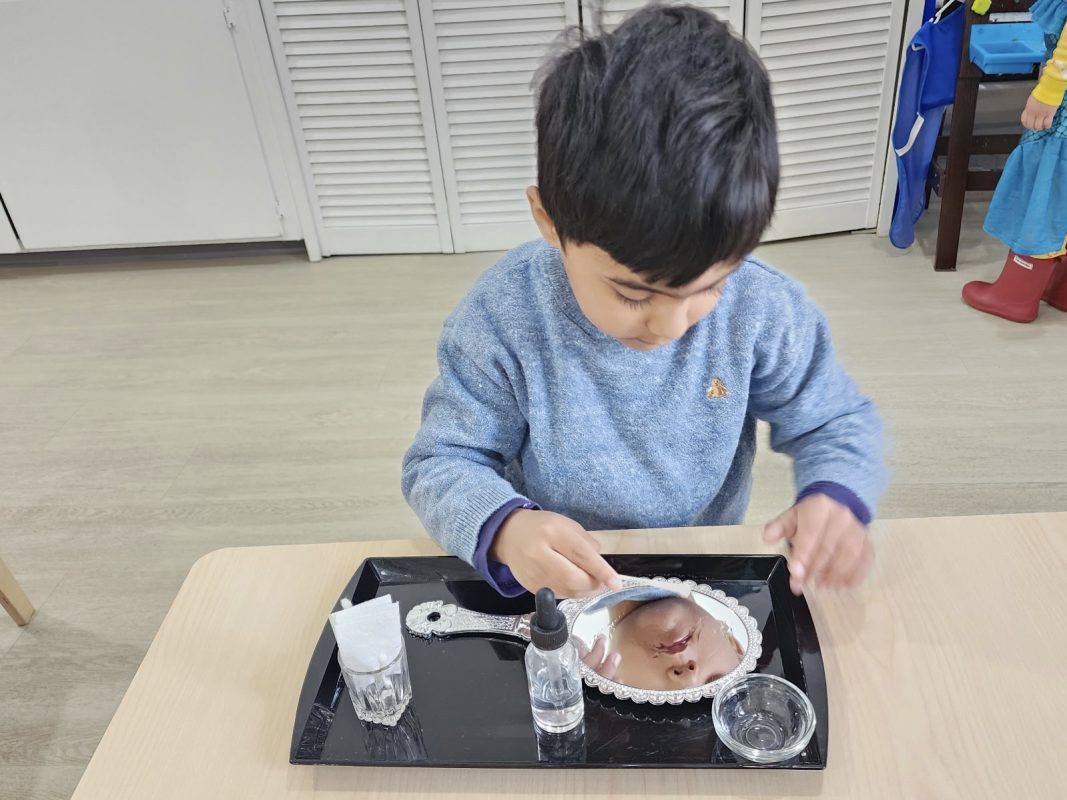
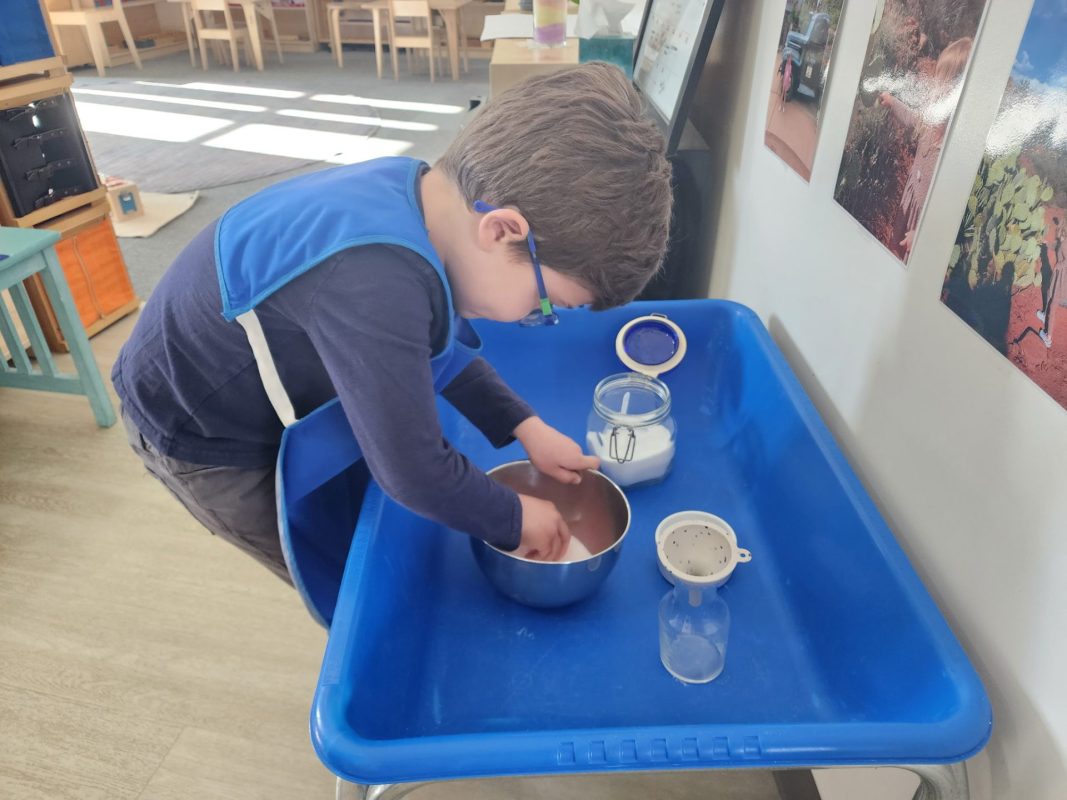
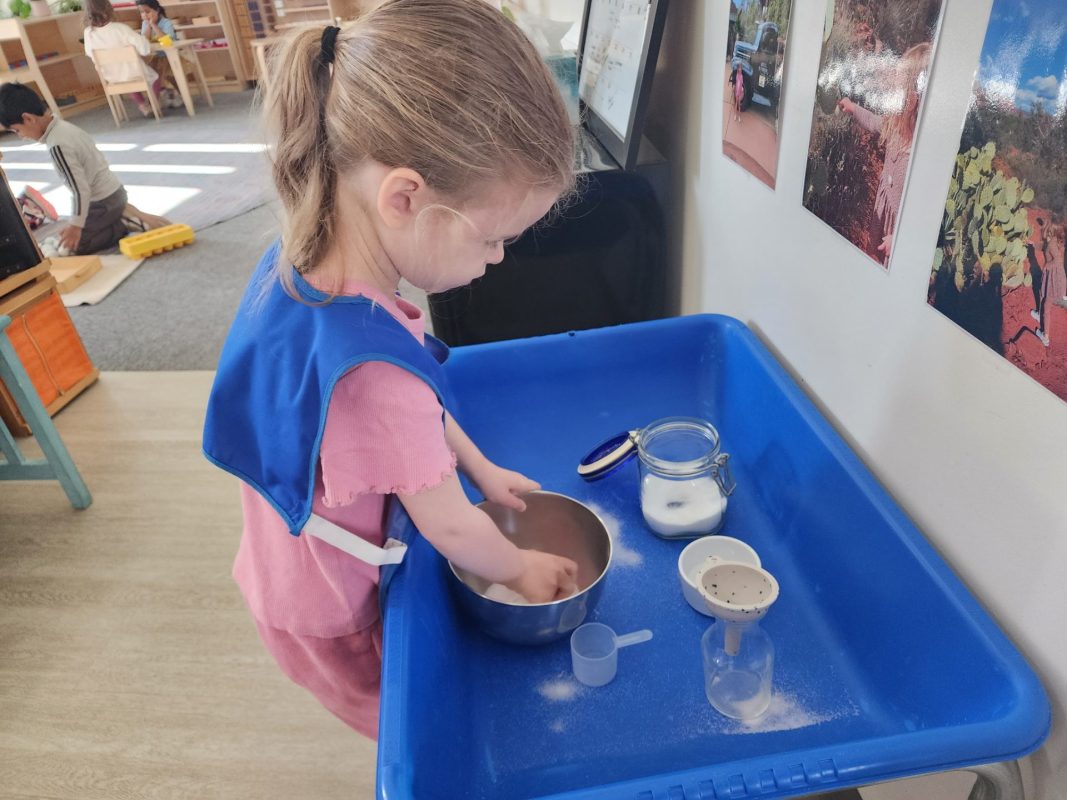
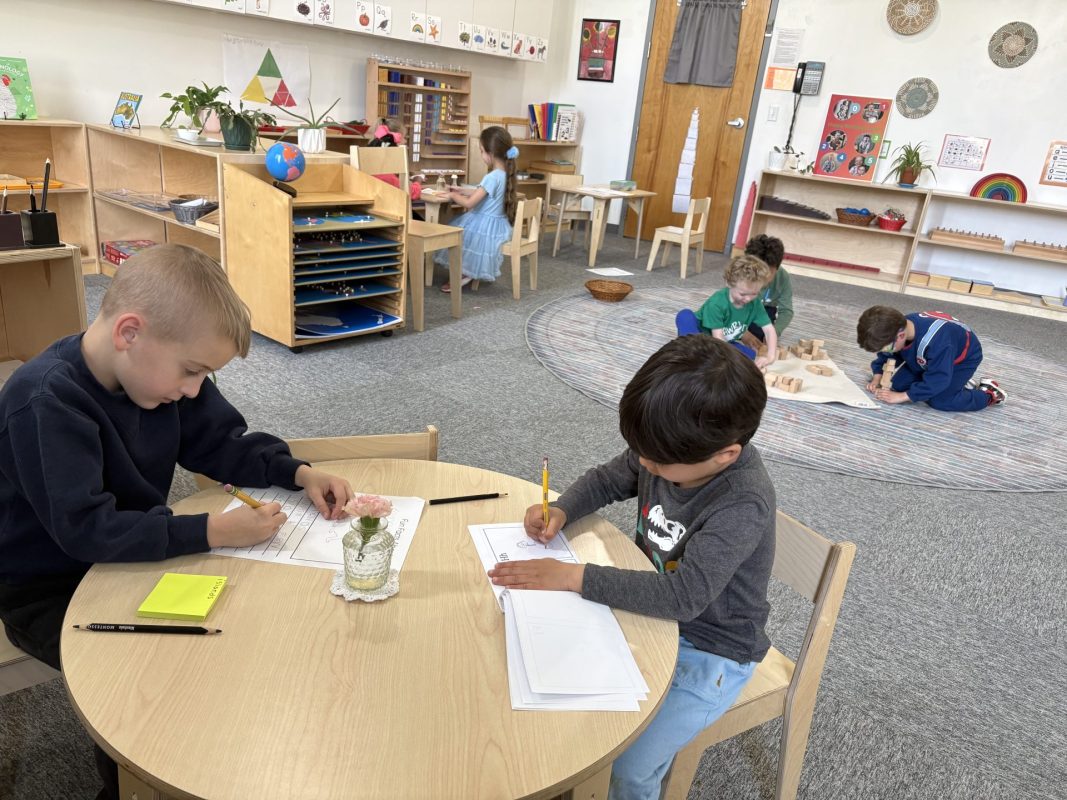
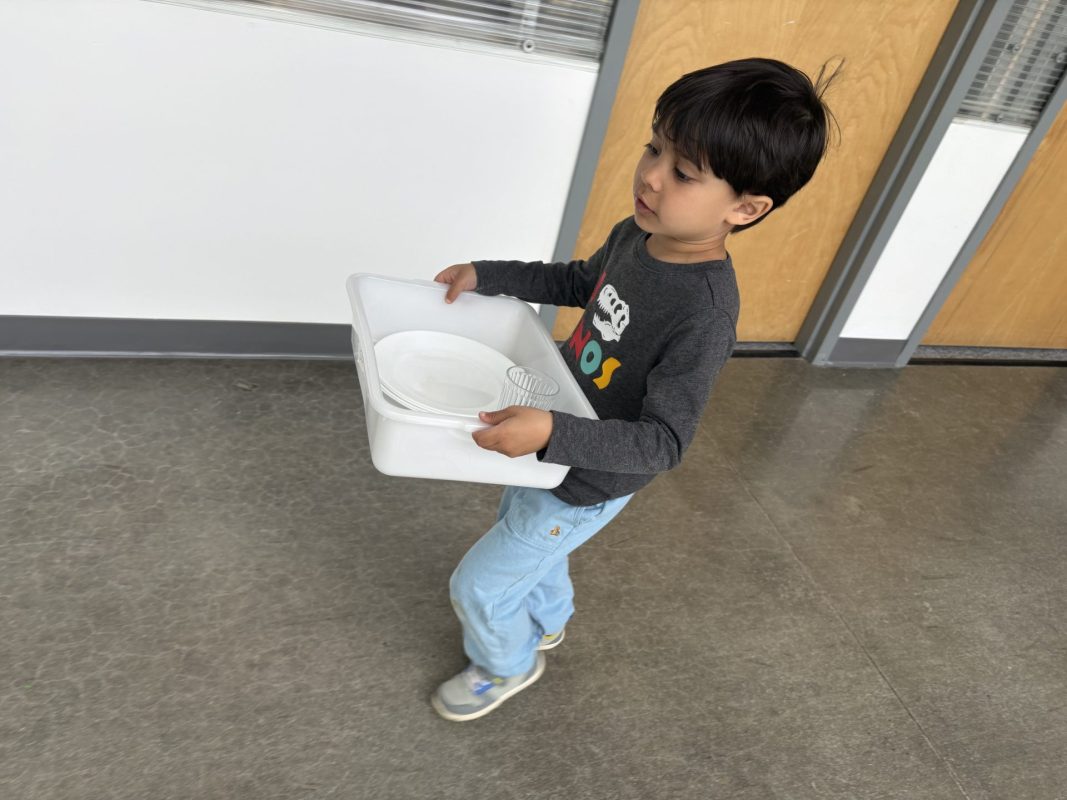
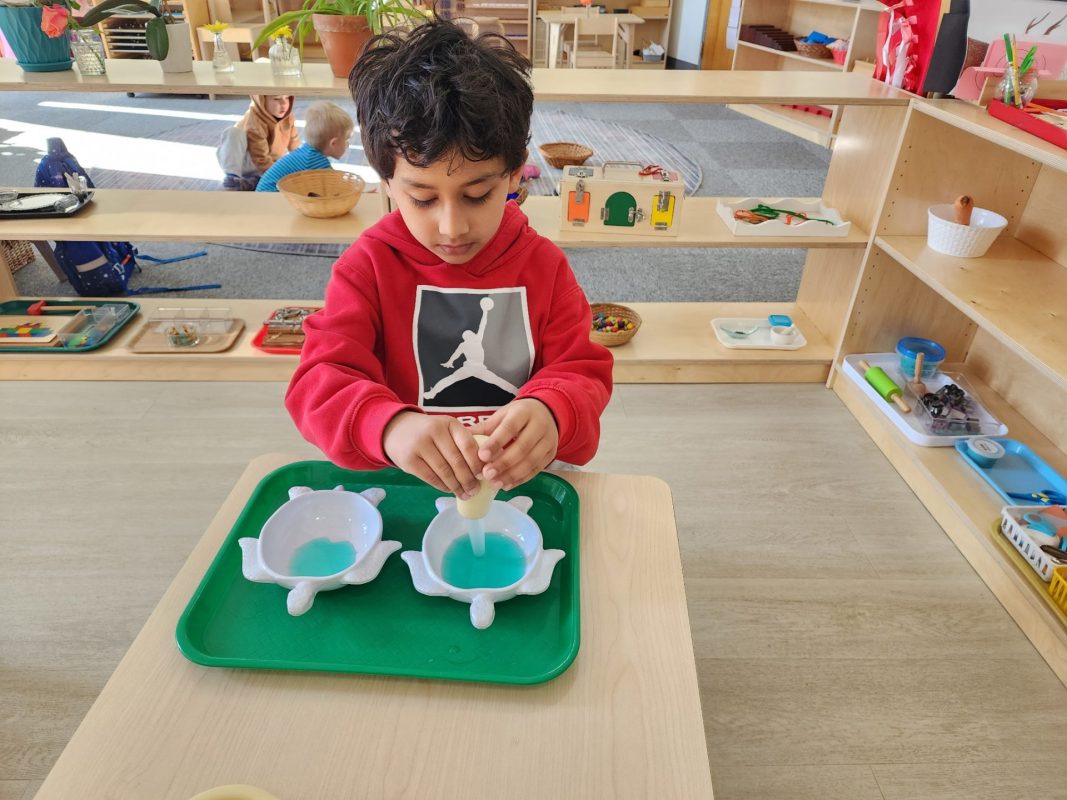
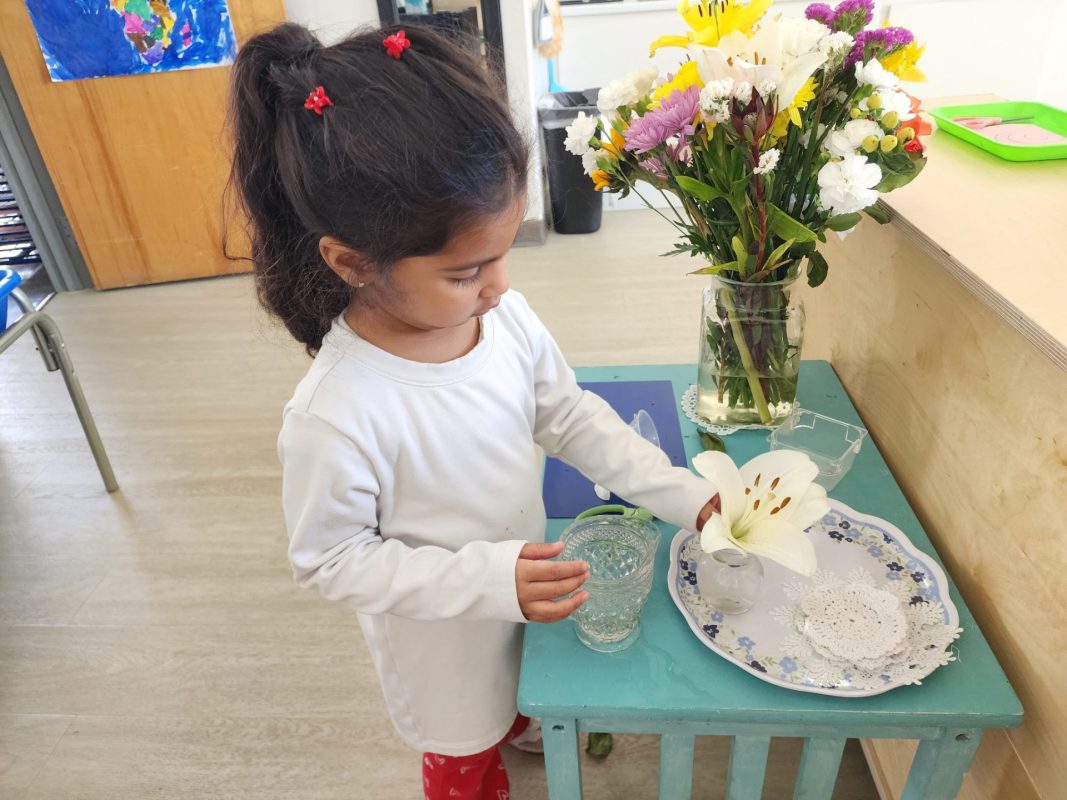
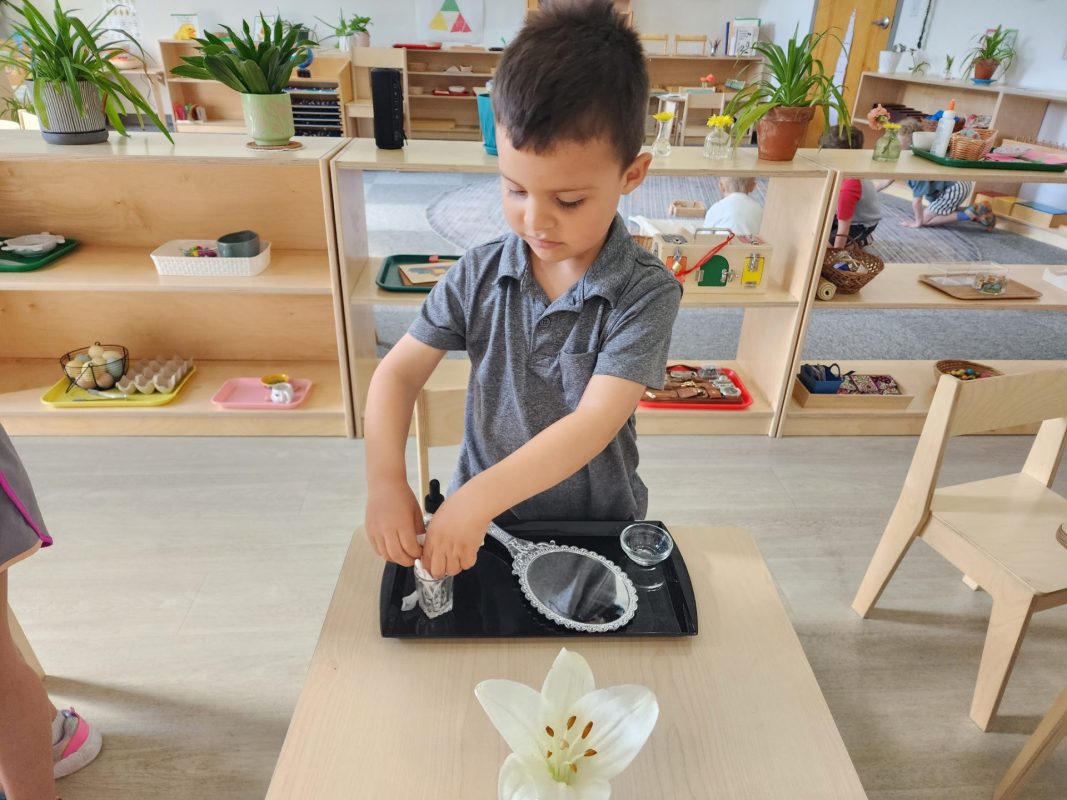
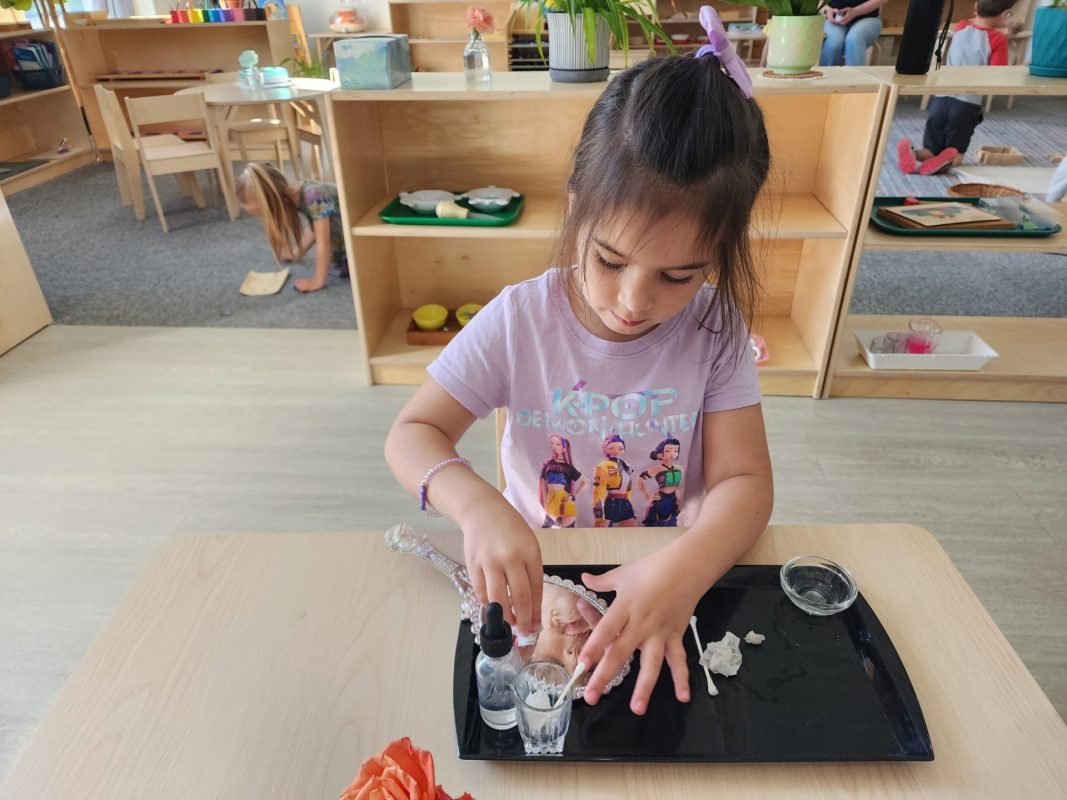
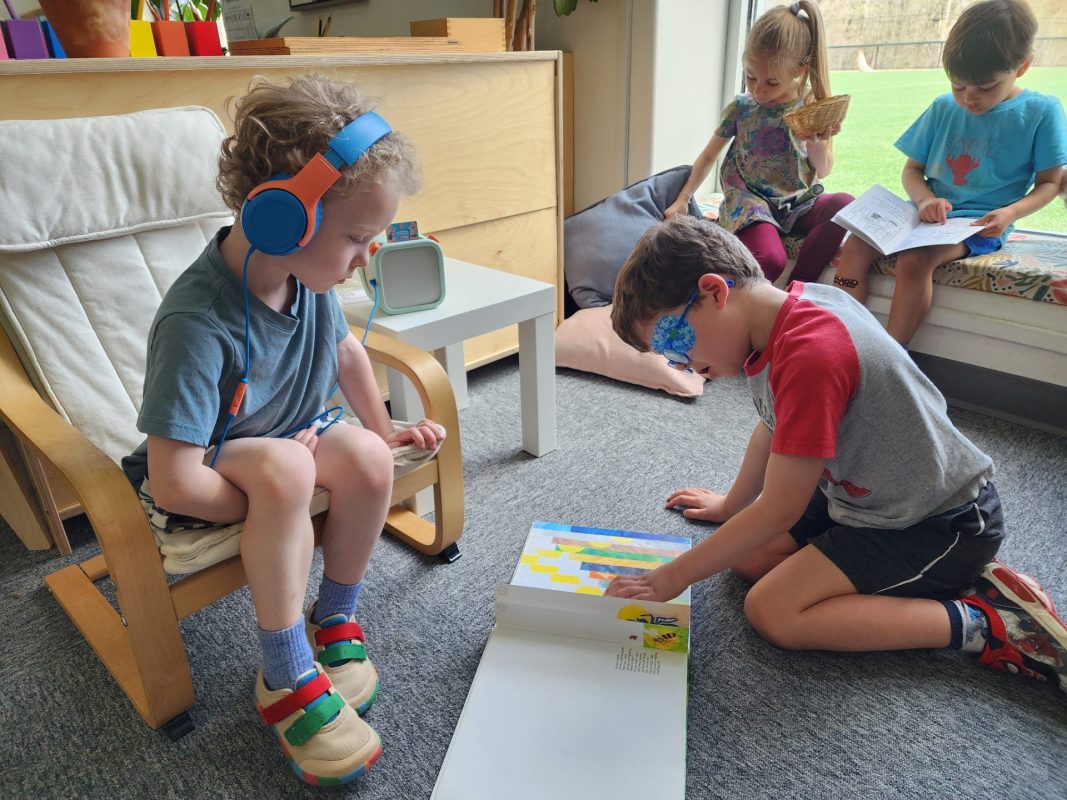
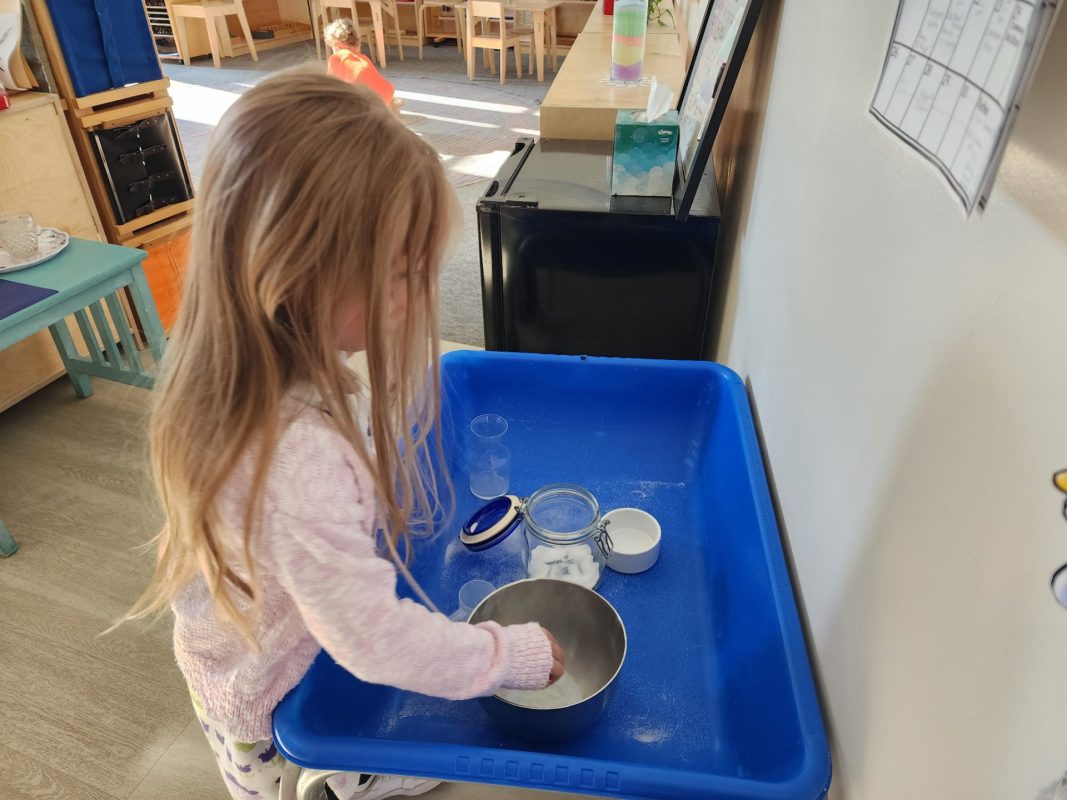
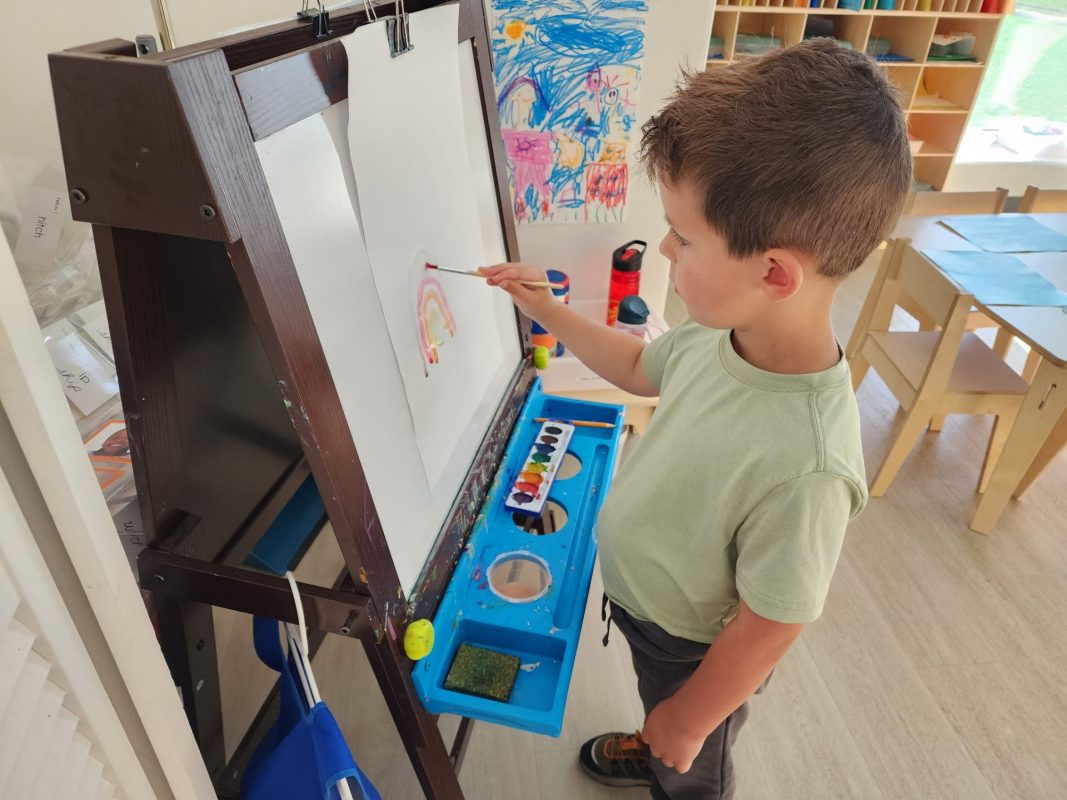
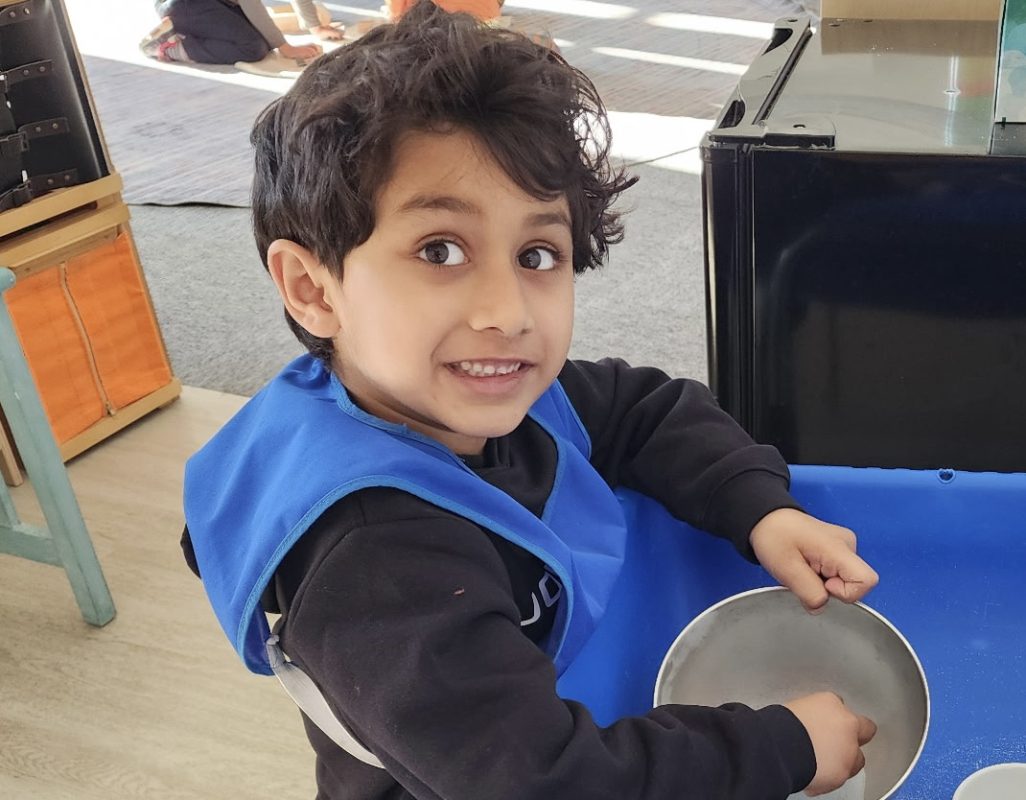
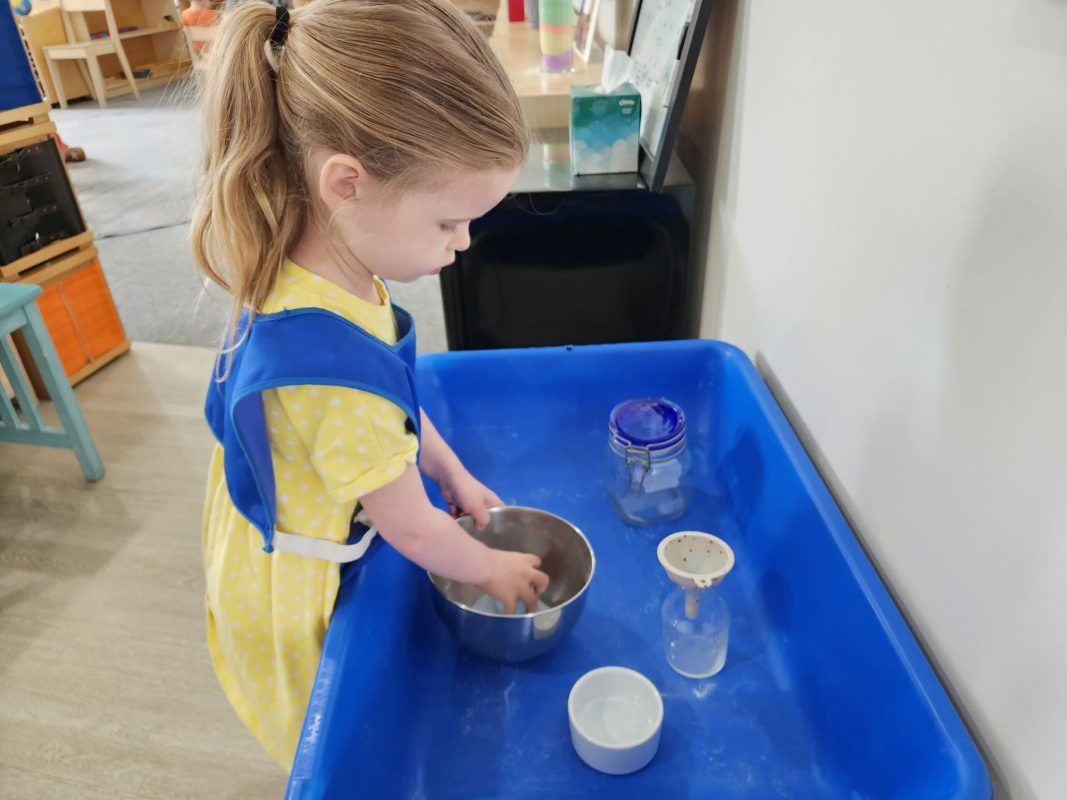
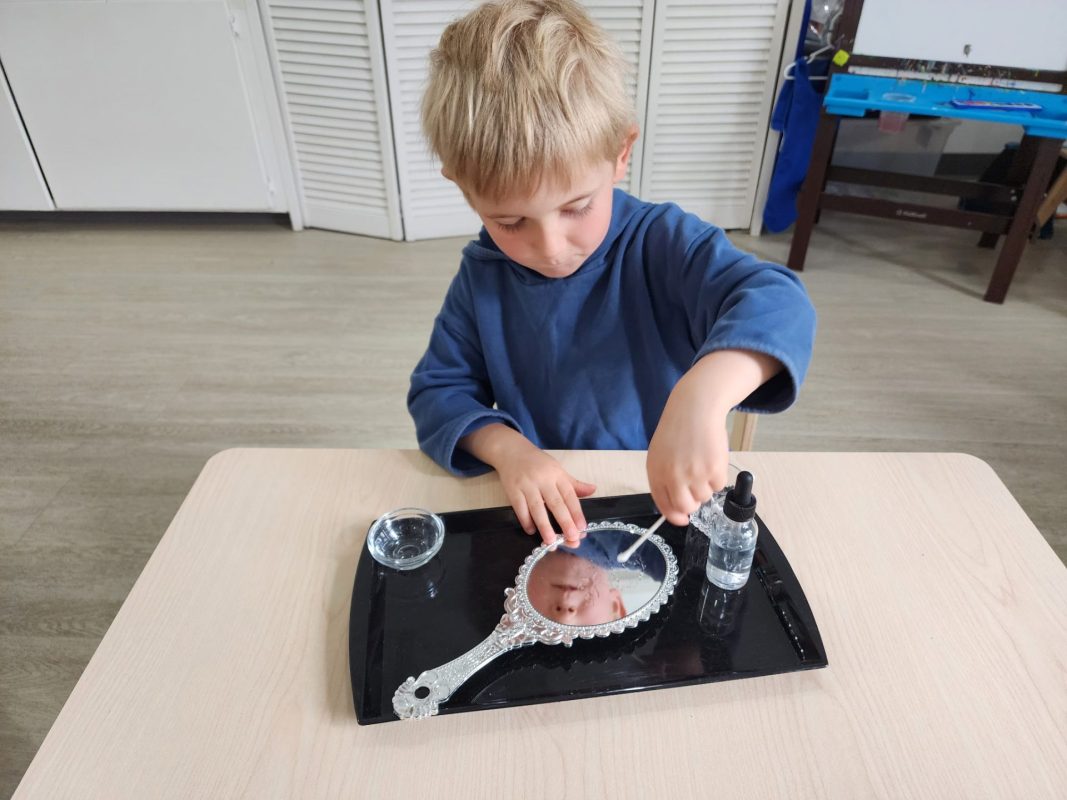
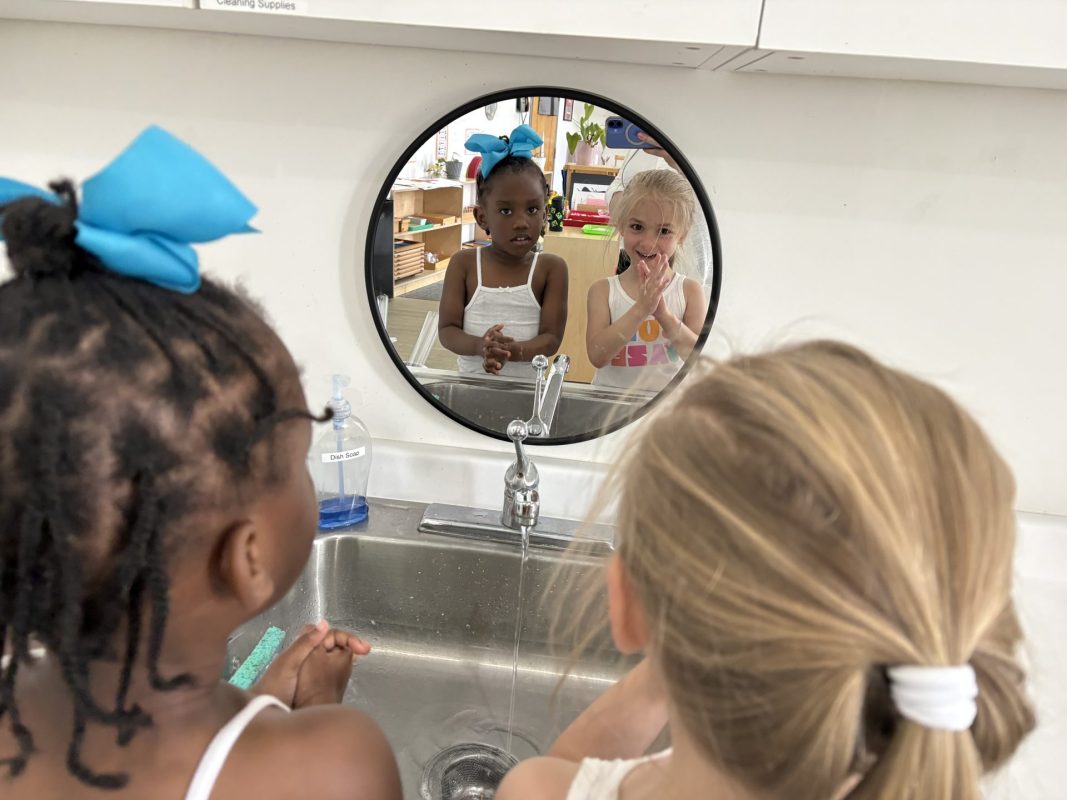
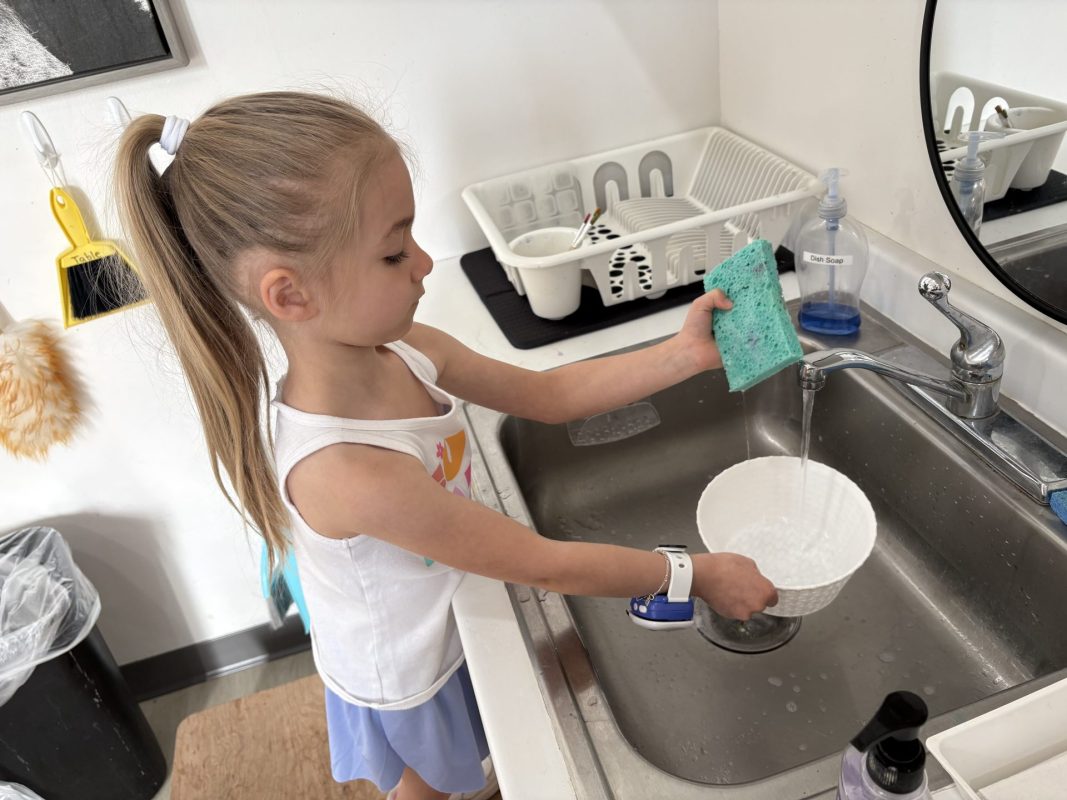
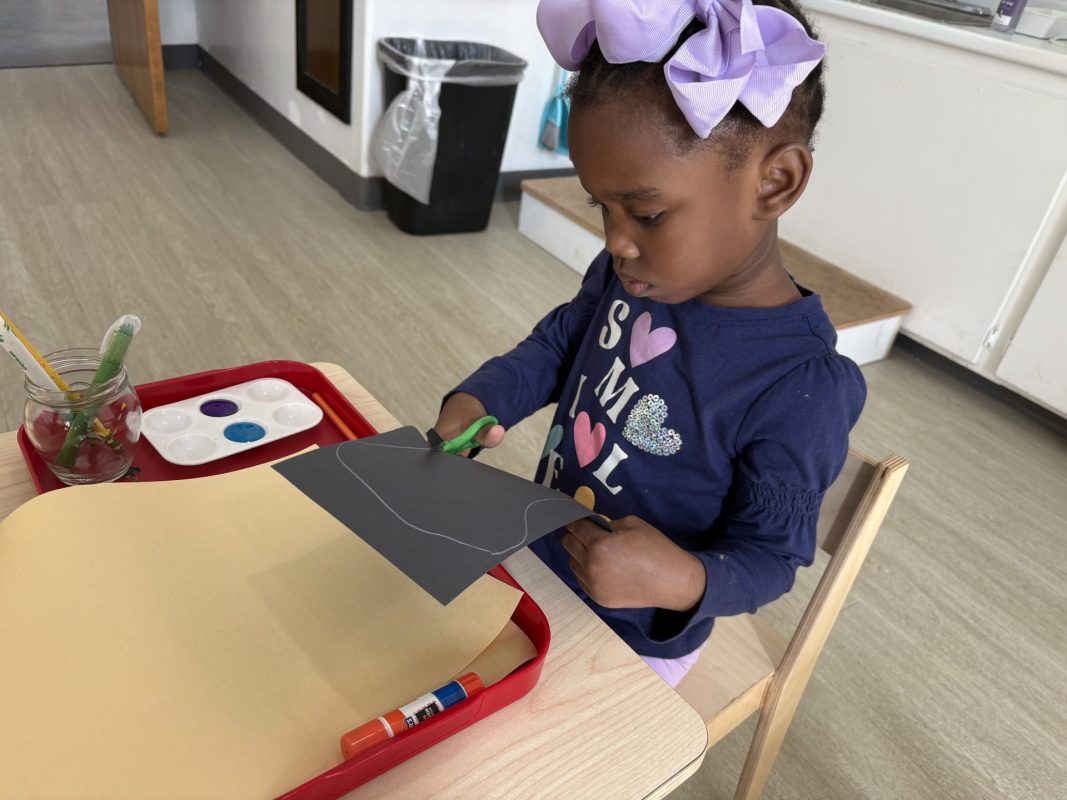
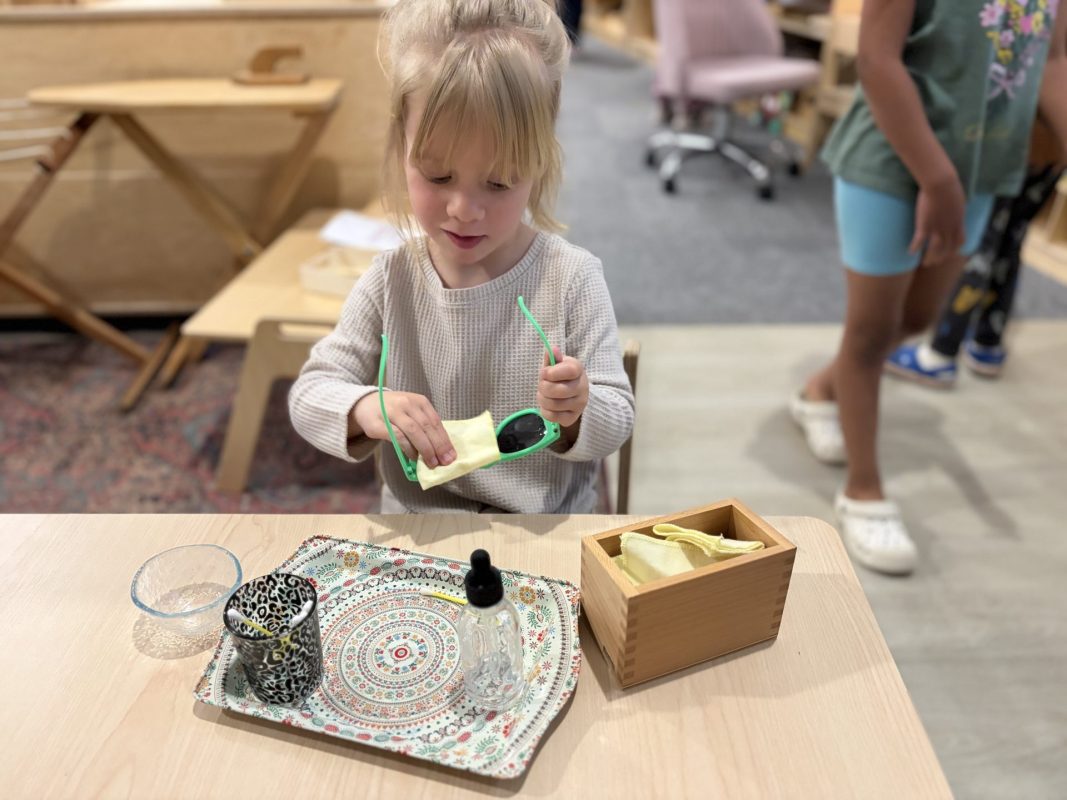
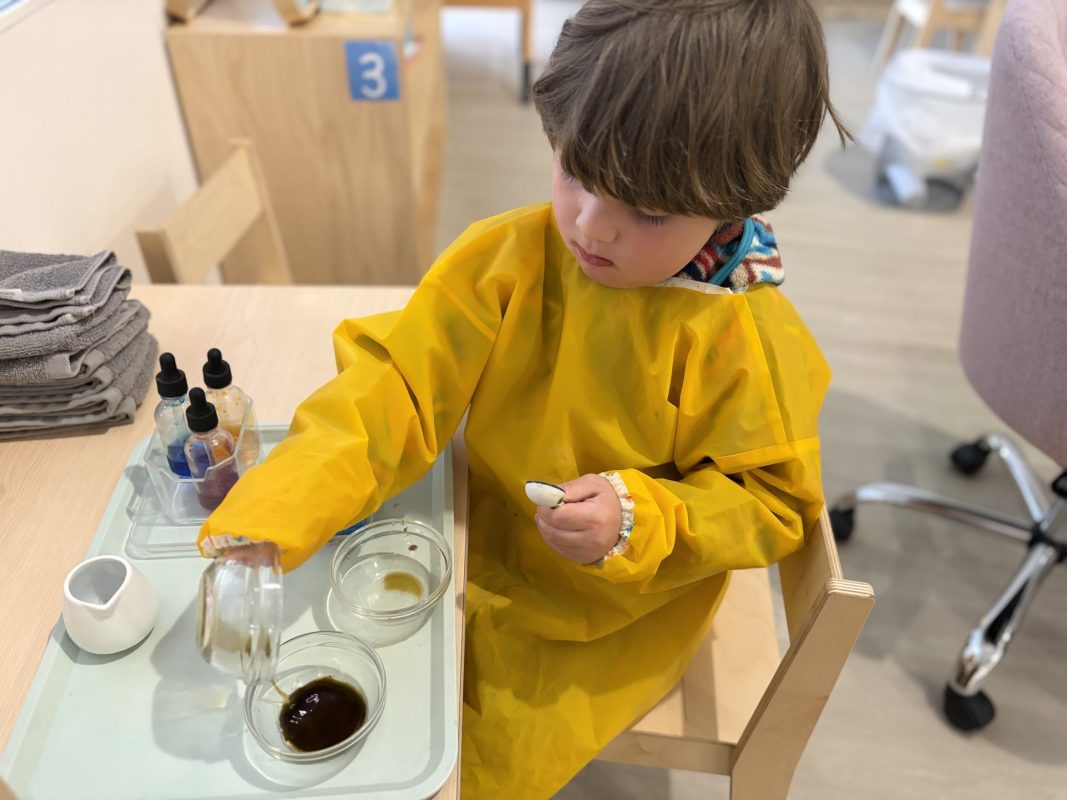
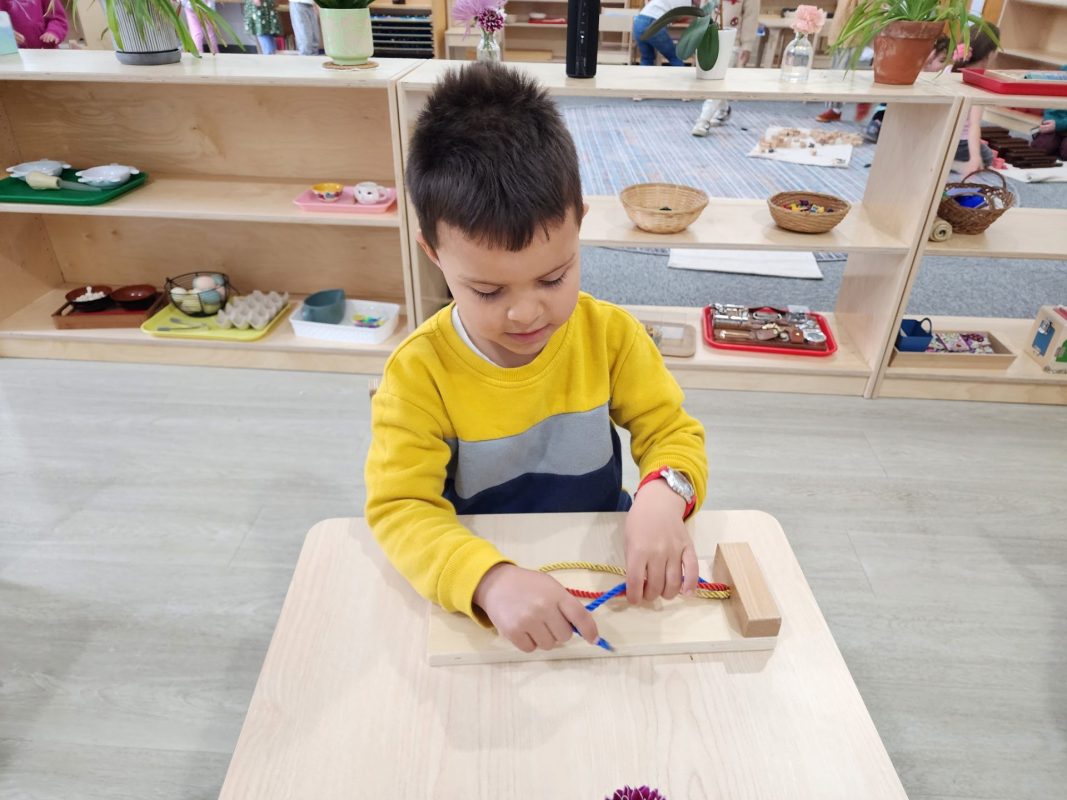
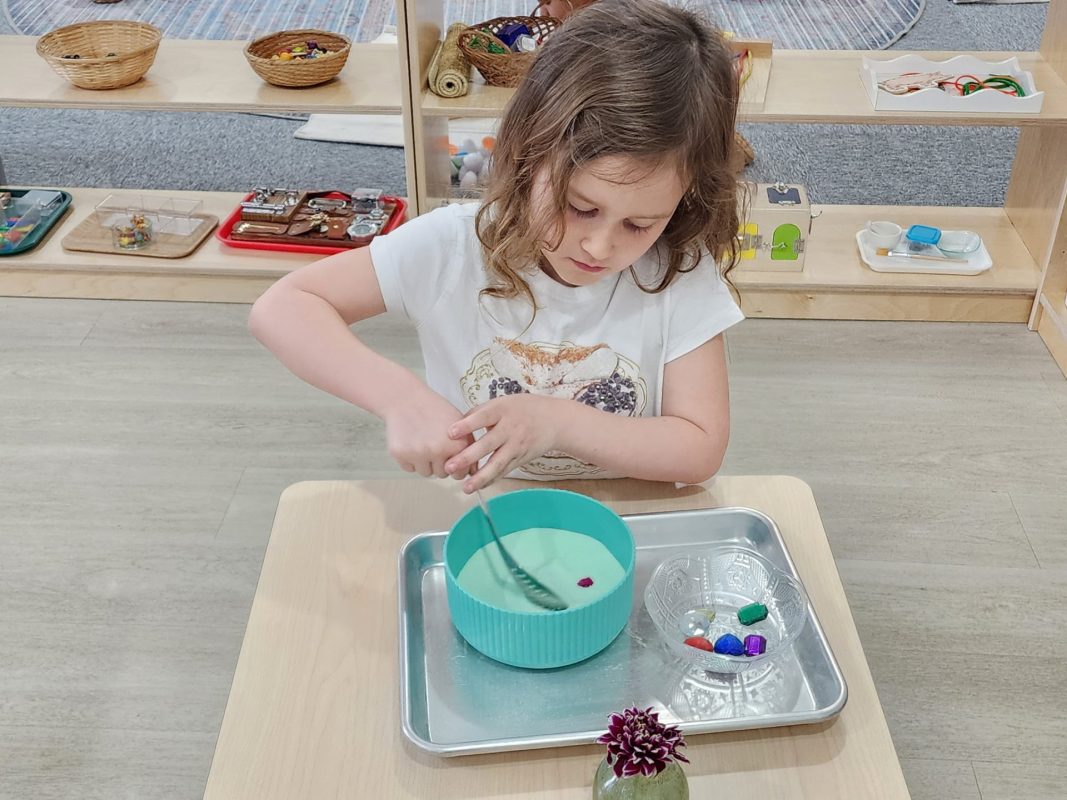
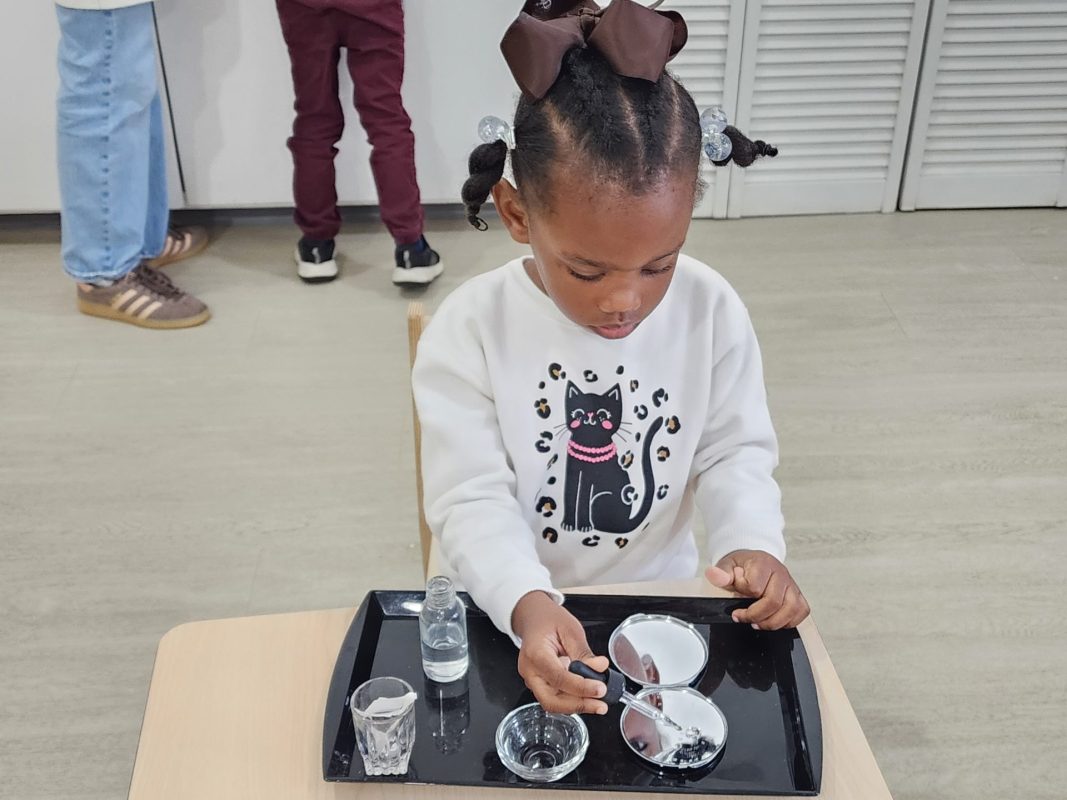
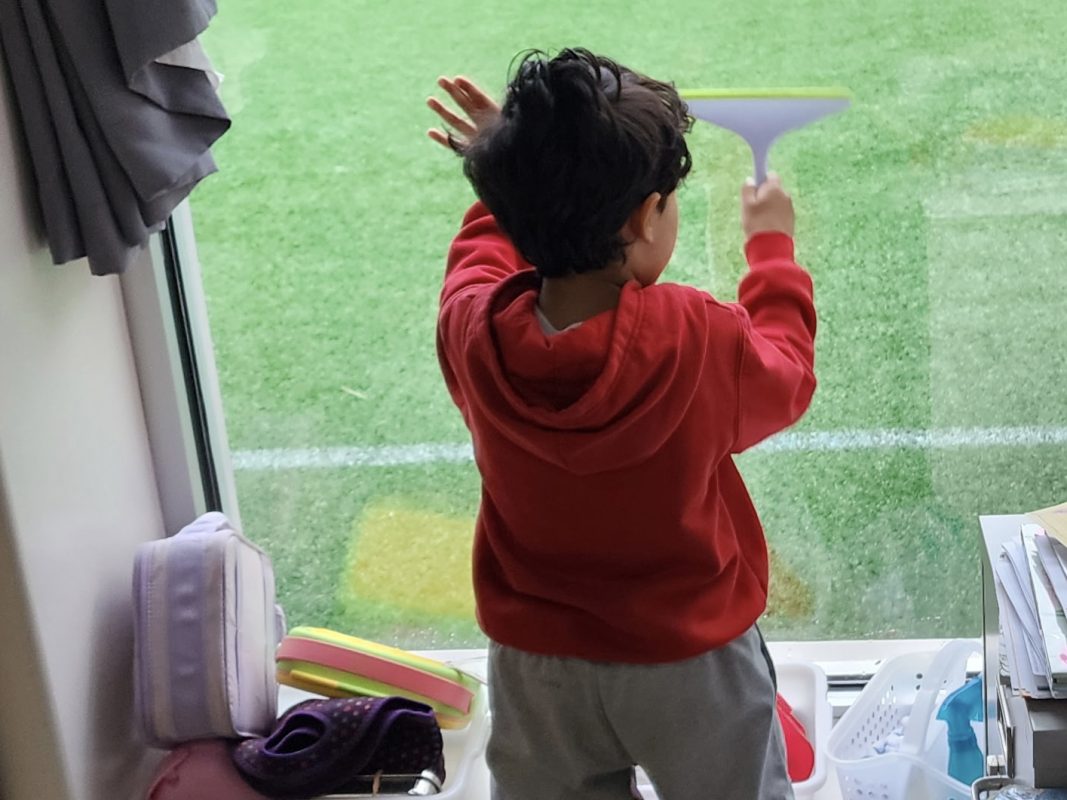
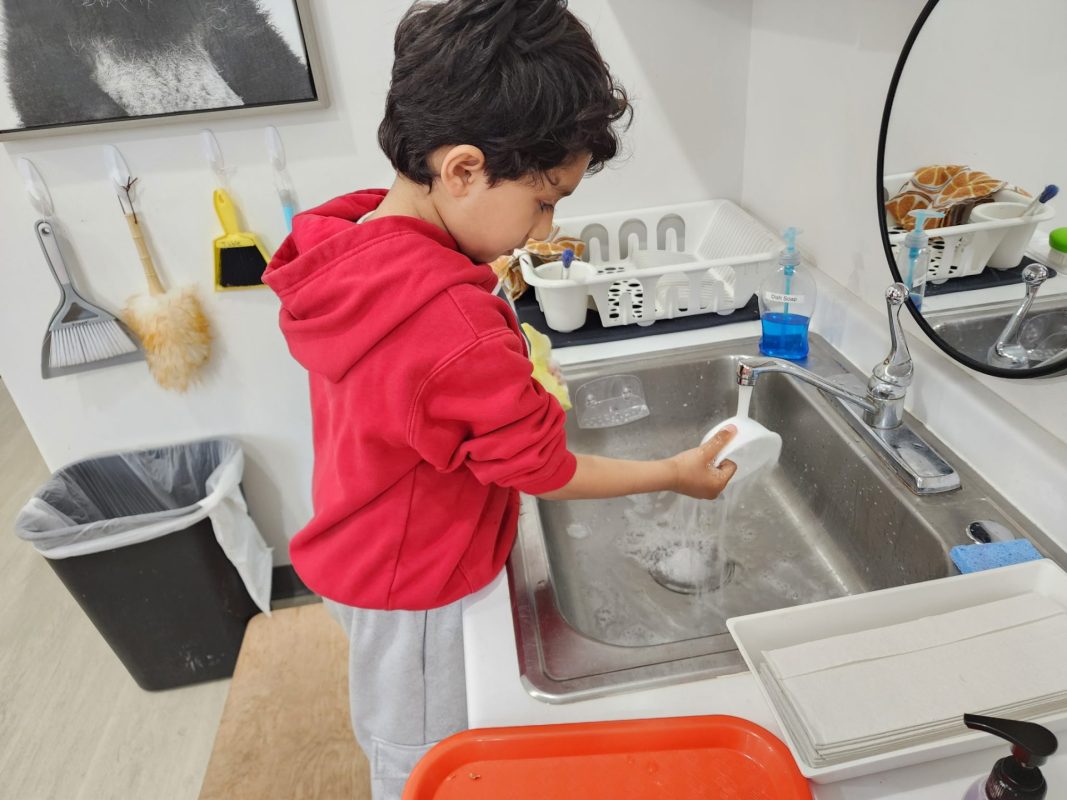
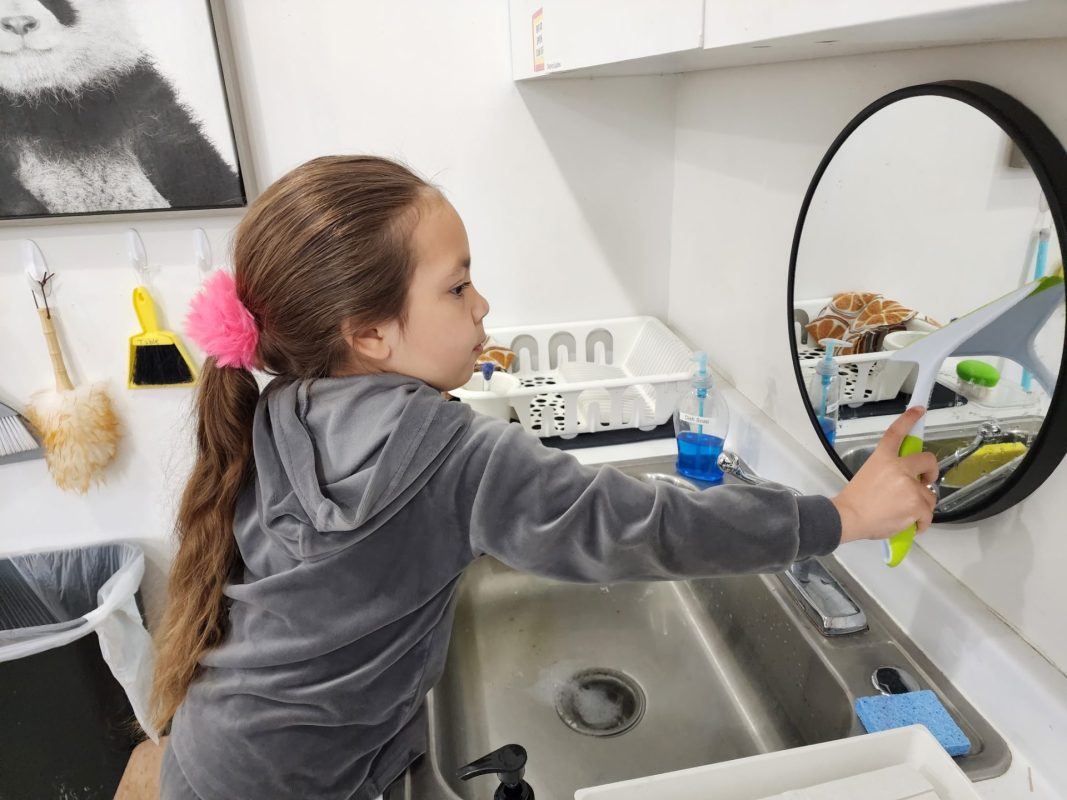
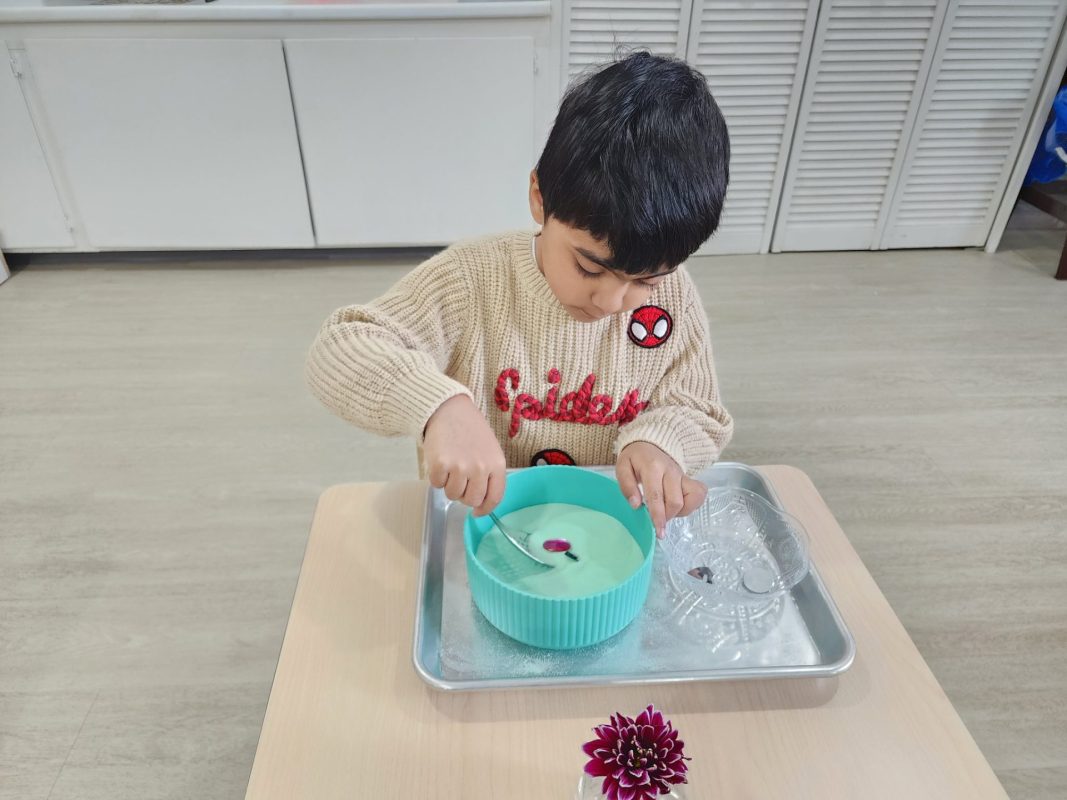
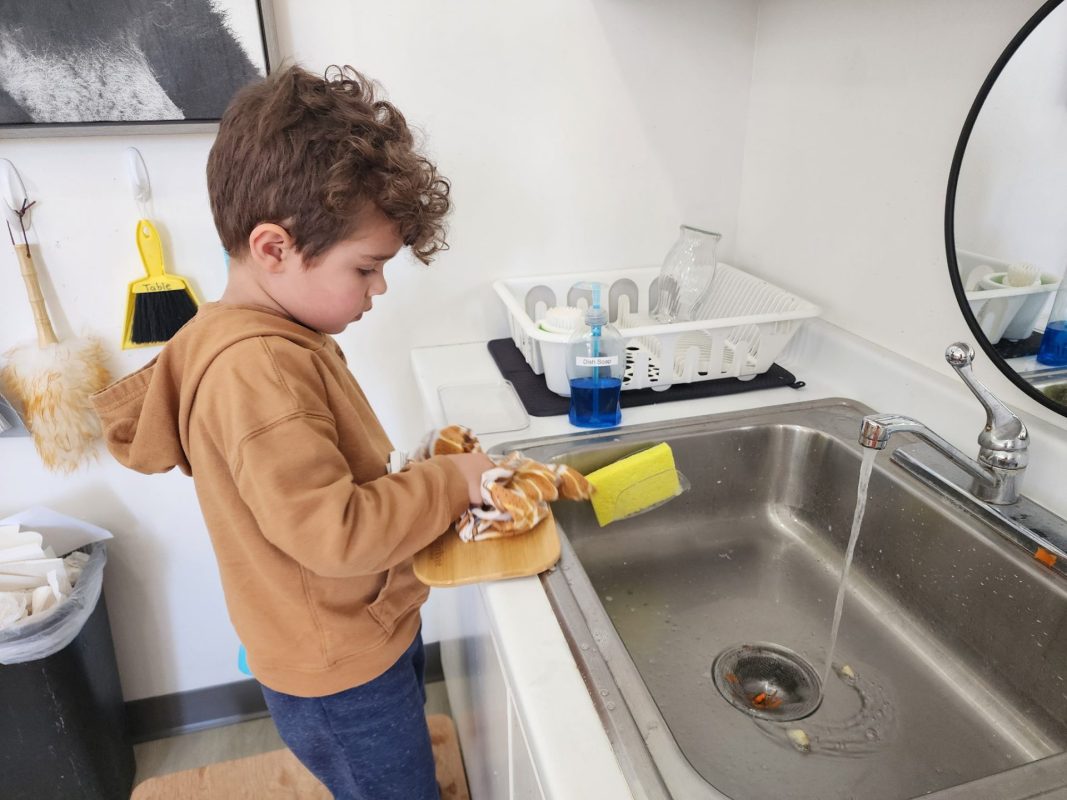
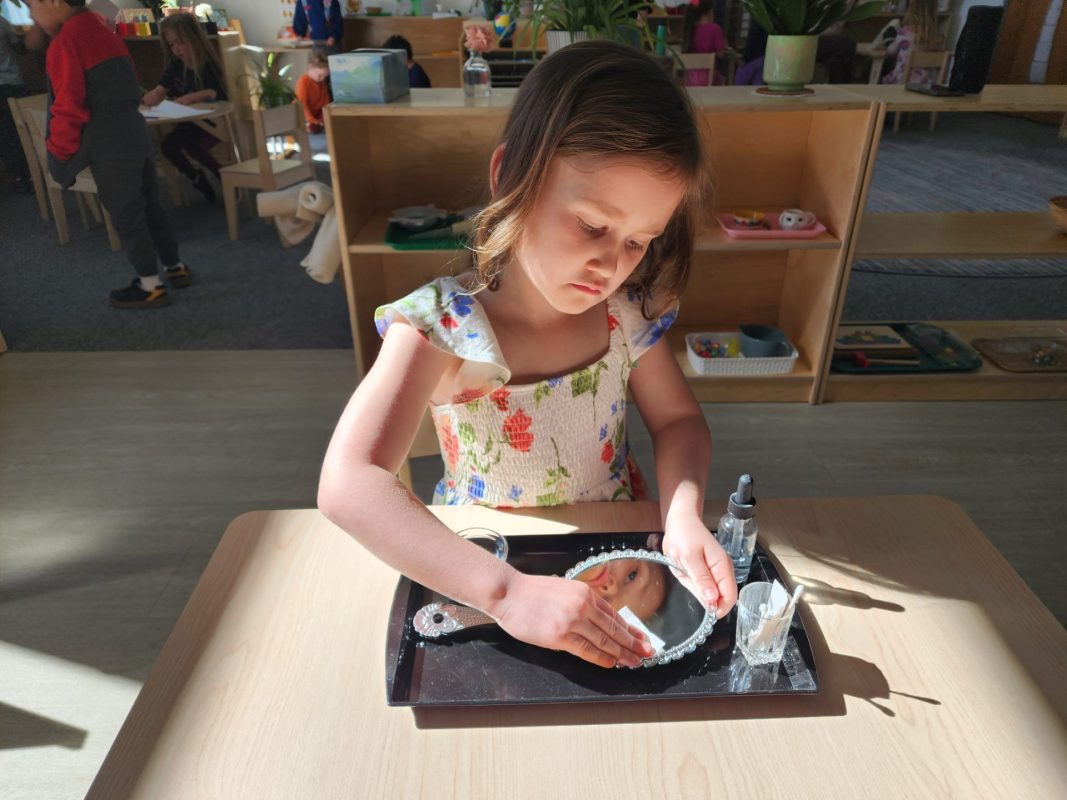
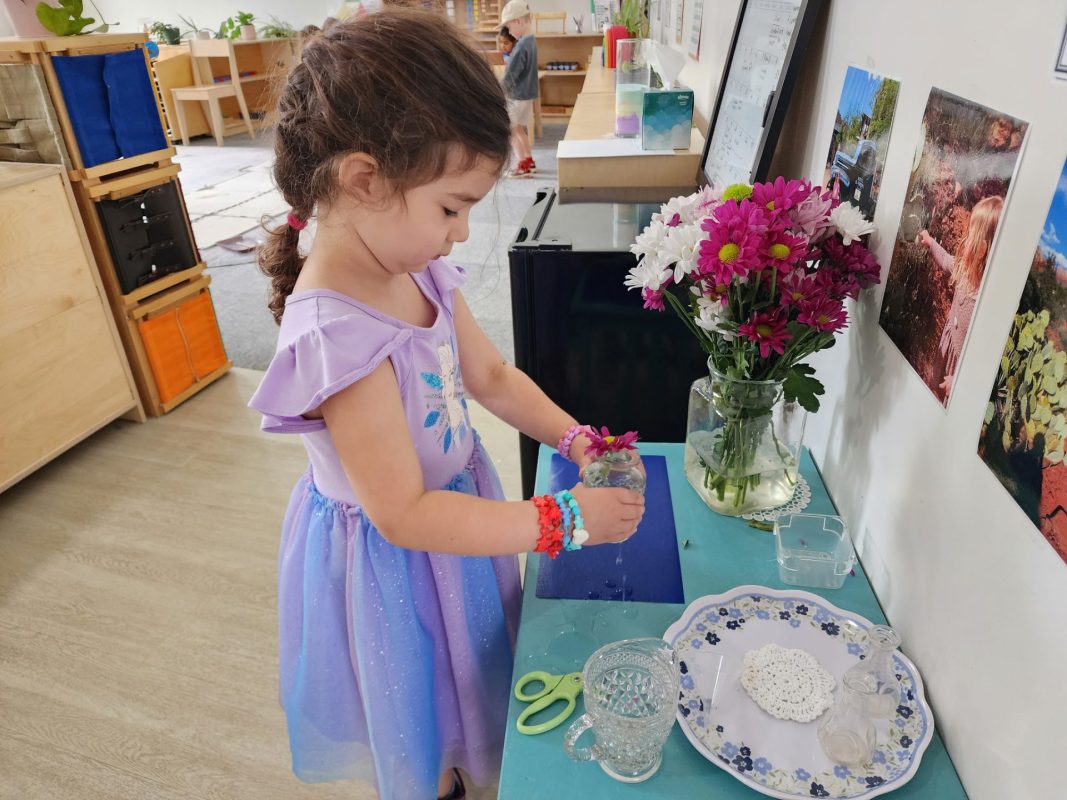
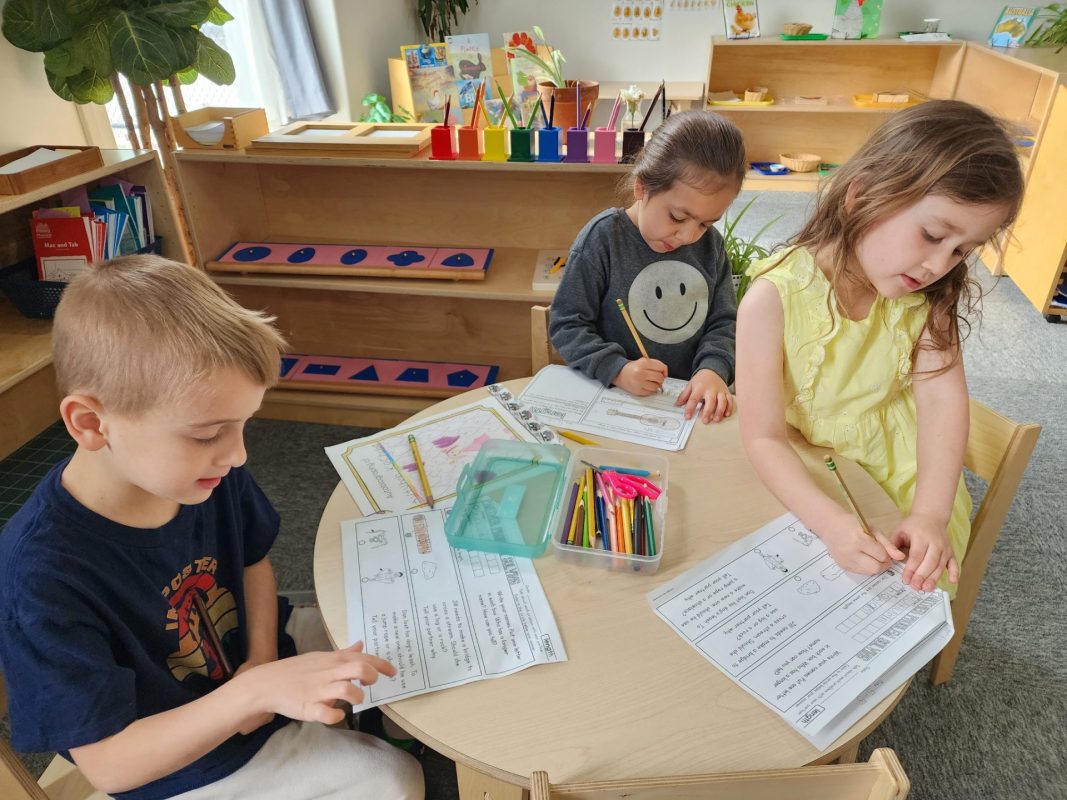
Back in the classroom, window washing has become one of the most popular Practical Life works this week. It may seem like a simple cleaning task, but it is so much more than that. Window washing supports independence and responsibility, builds coordination and fine motor skills, demands concentration and careful sequencing, and offers the deep sensory satisfaction of a job done well. When a child surveys a streak-free window that they cleaned themselves, that quiet pride is the Montessori approach at its heart.

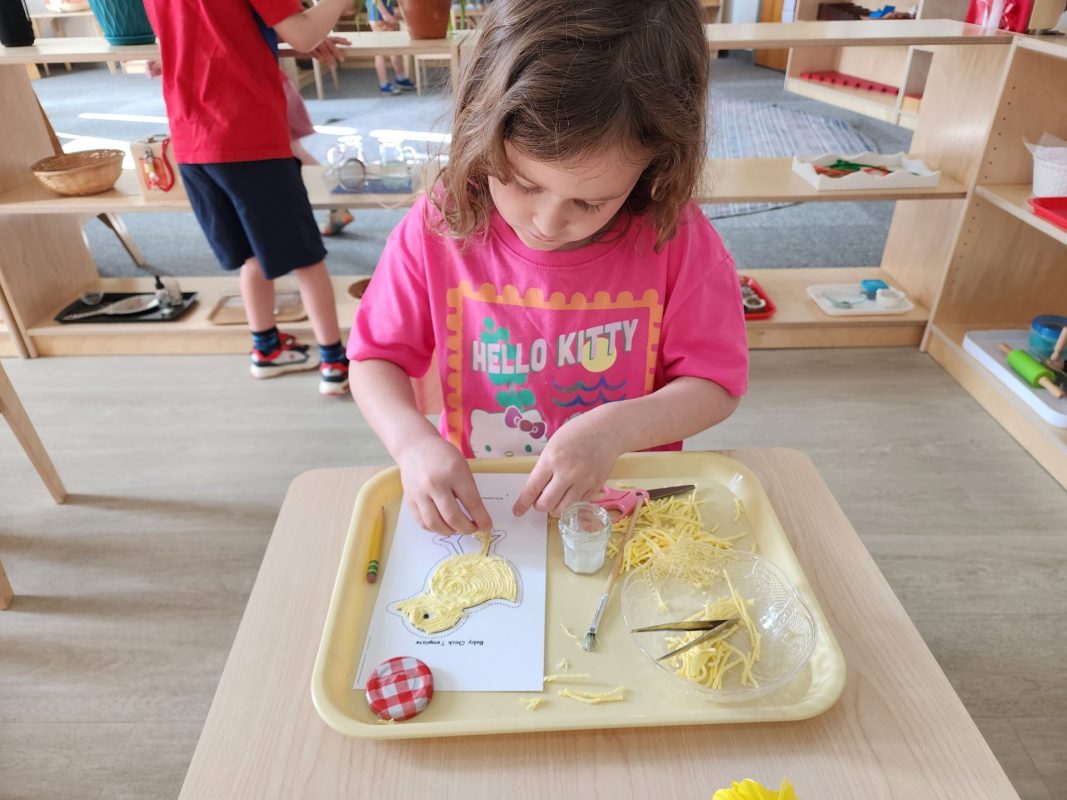
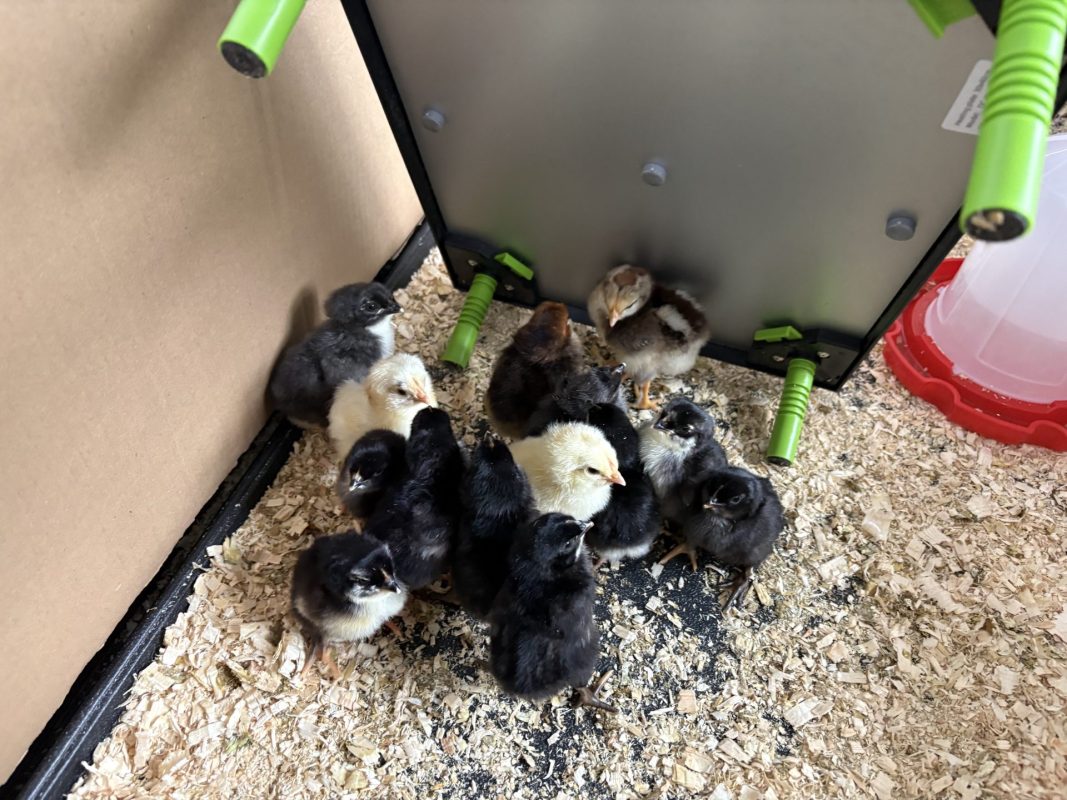
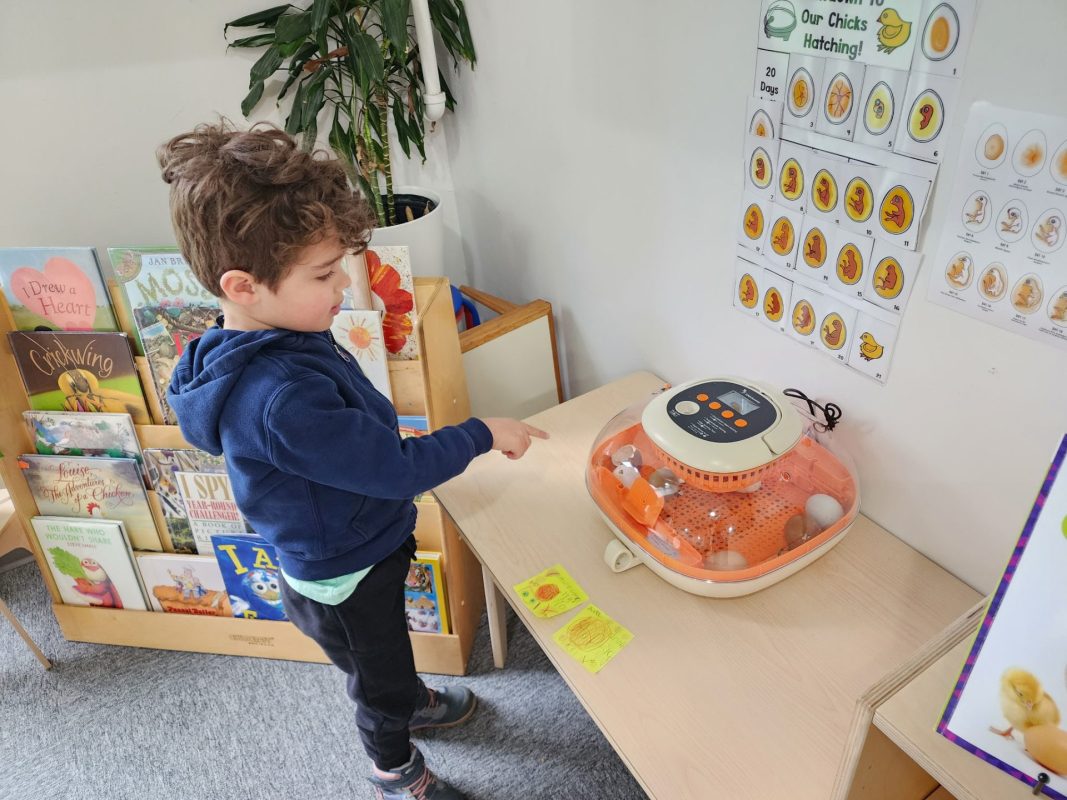
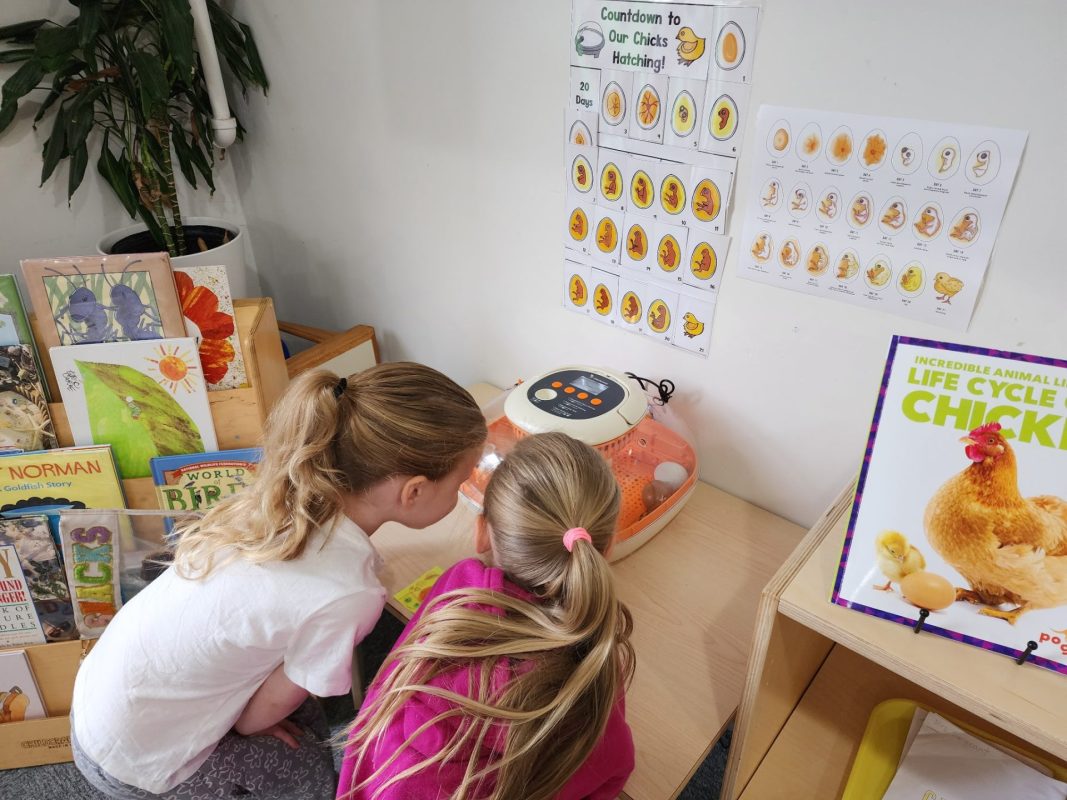
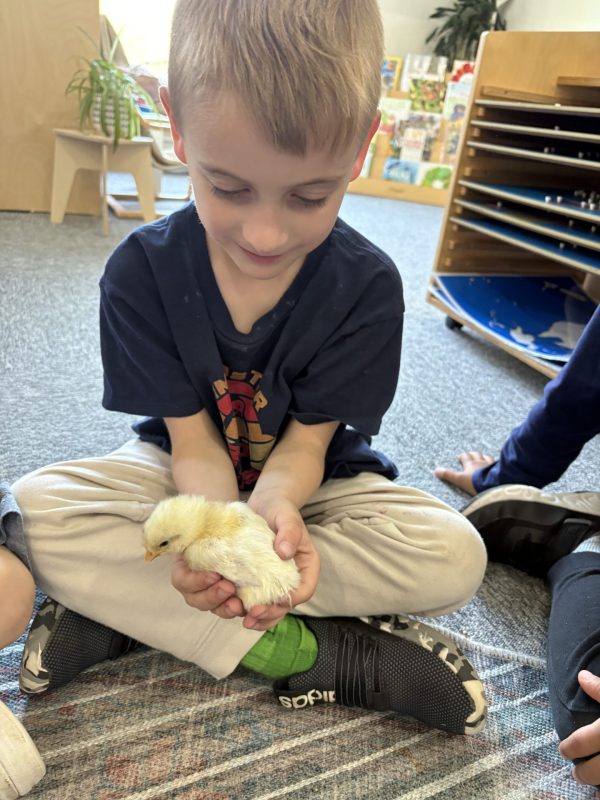
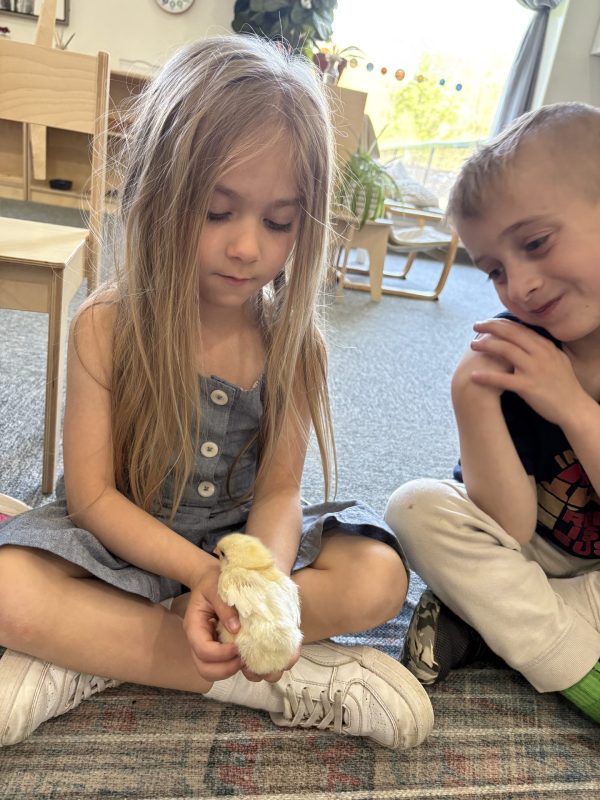
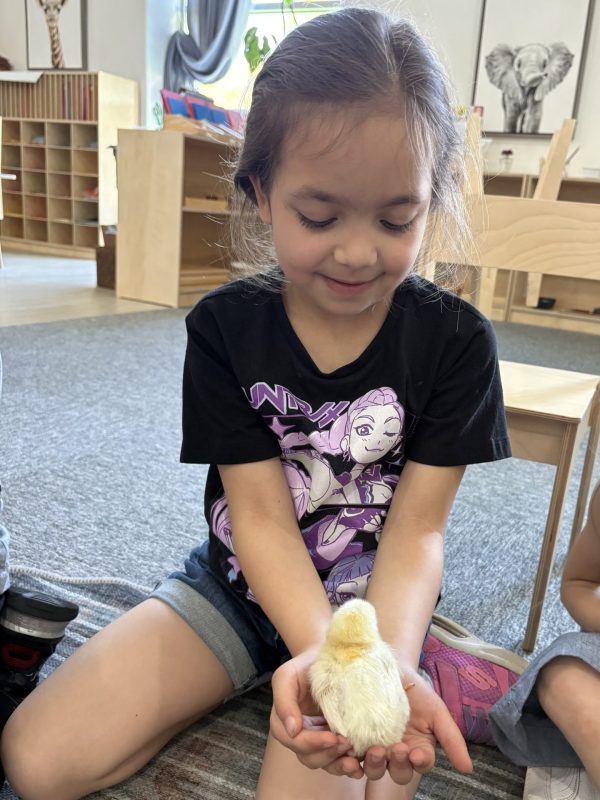
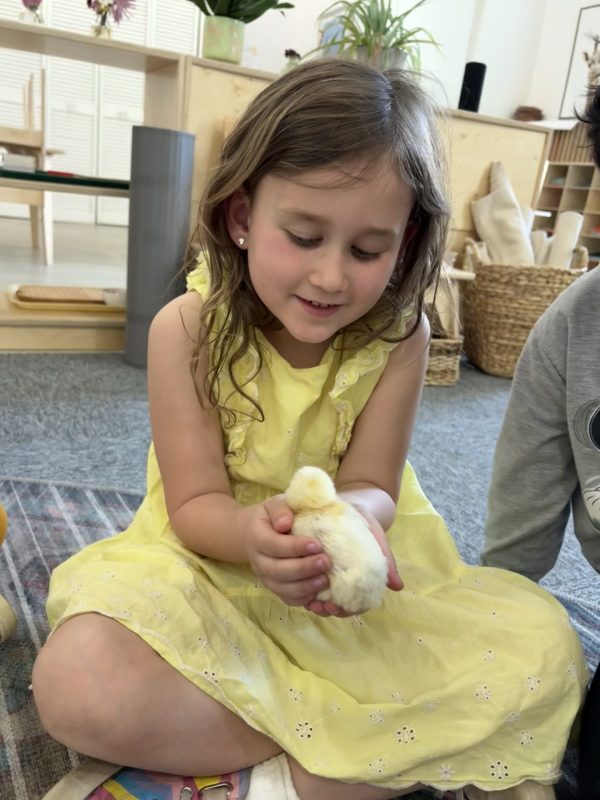
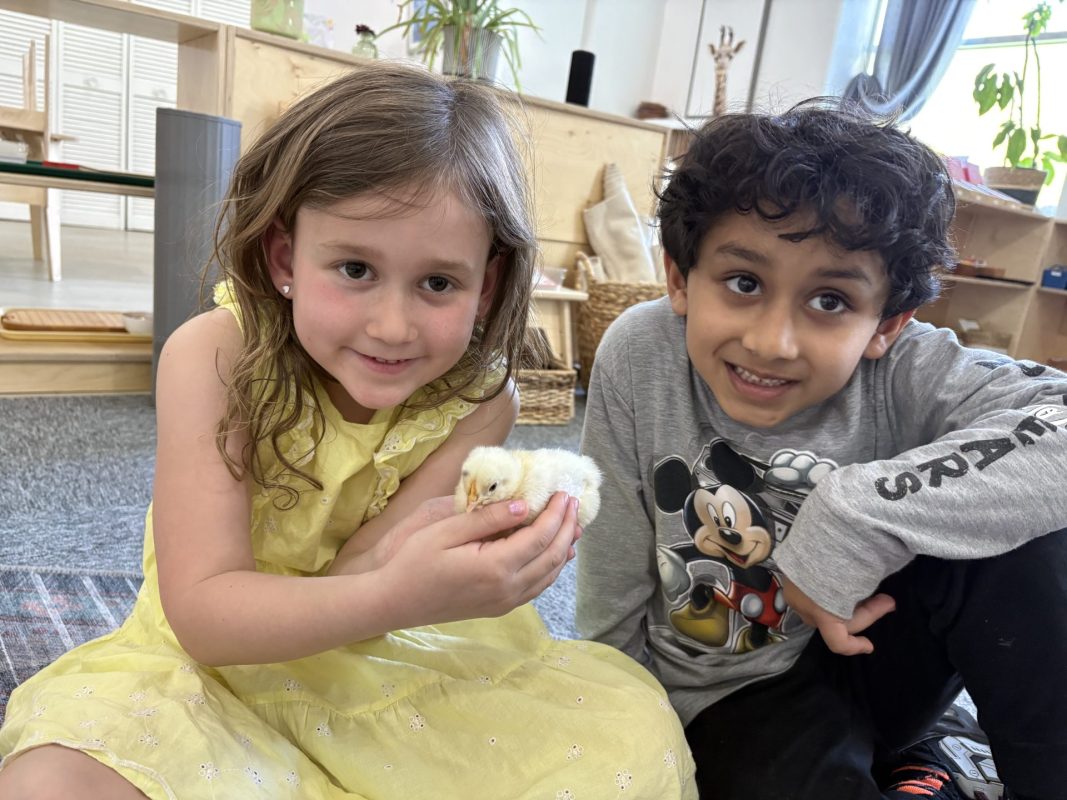
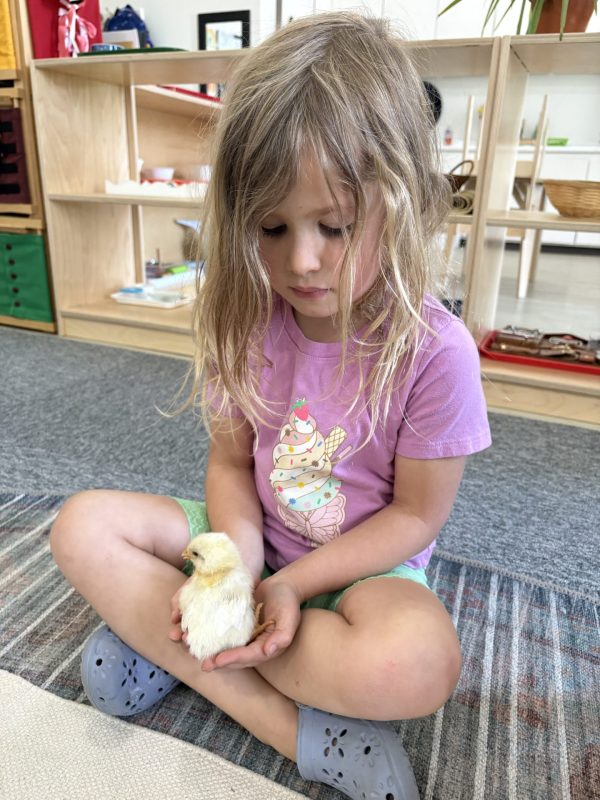
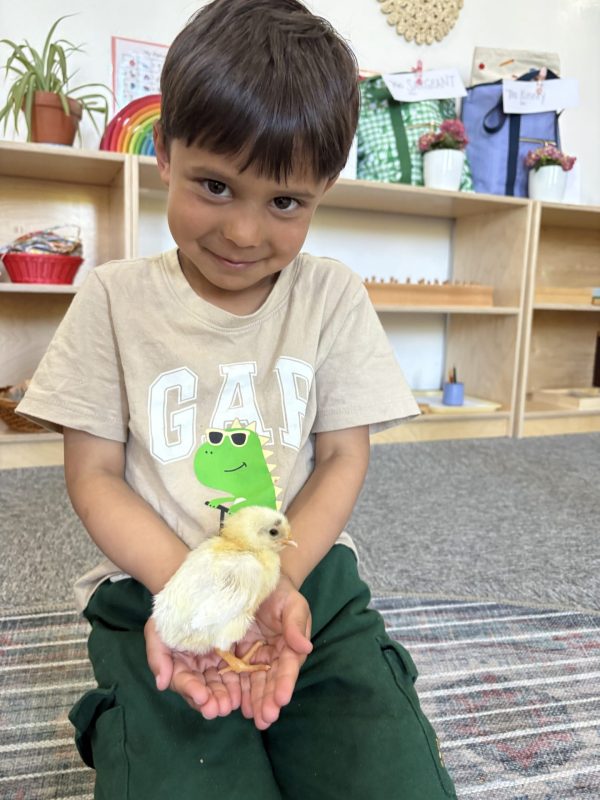
Our insect study is well underway, and the caterpillars have been a source of daily wonder. We said a bittersweet goodbye to our chicks this week. If you would like to visit them or pick up some eggs and other goodies — Palmieri Farm is the place to go.

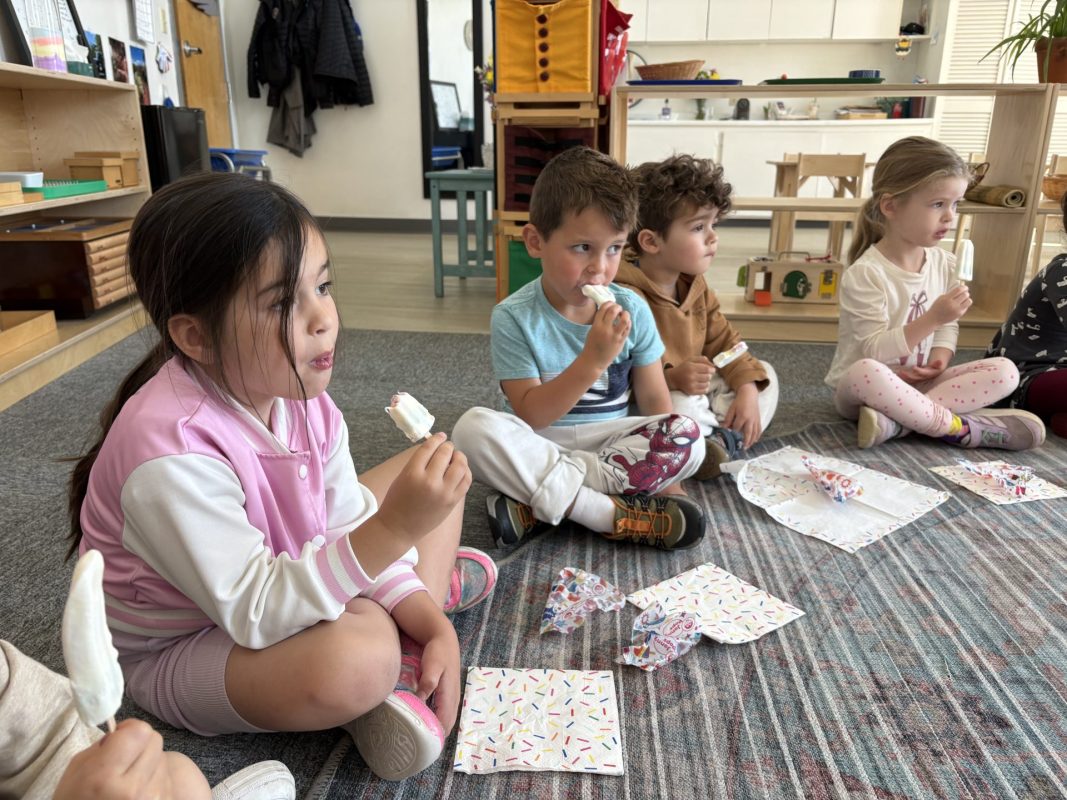
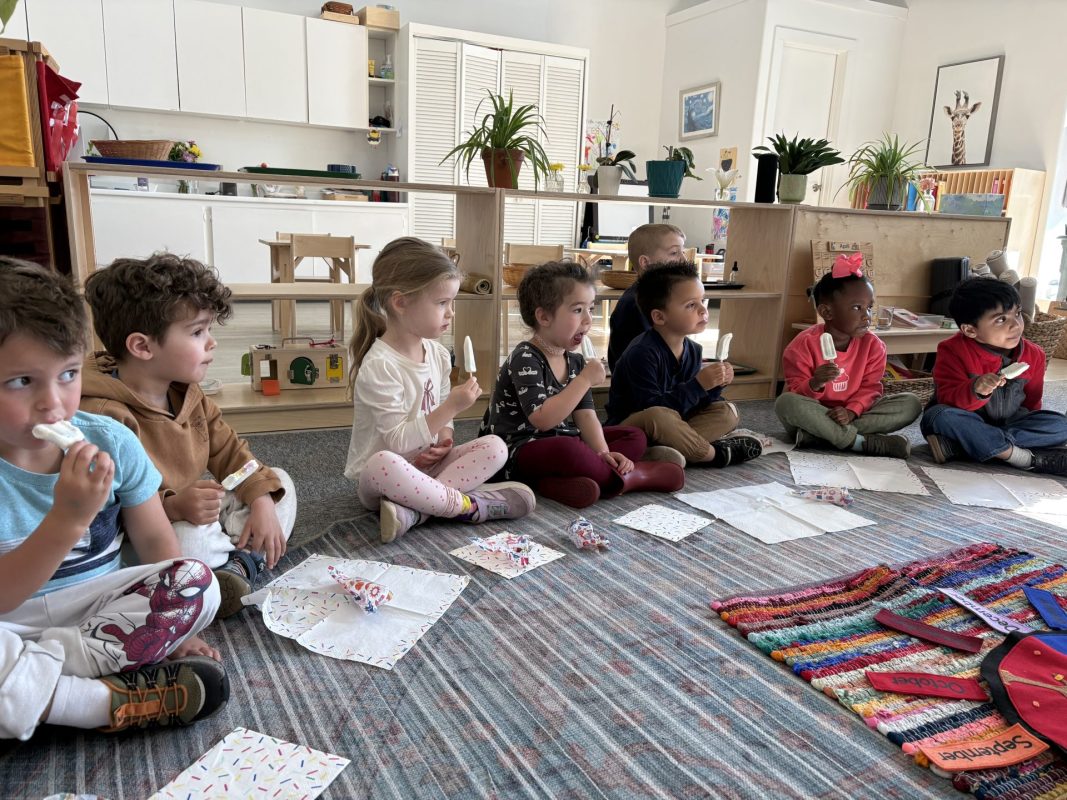
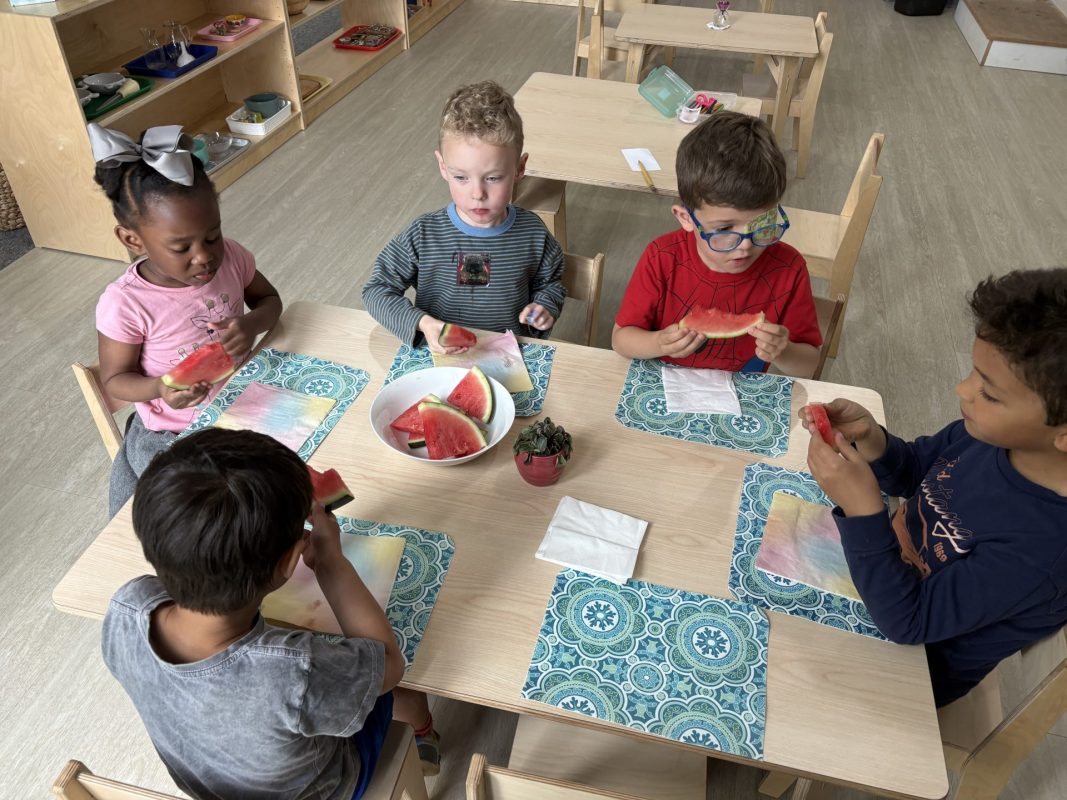
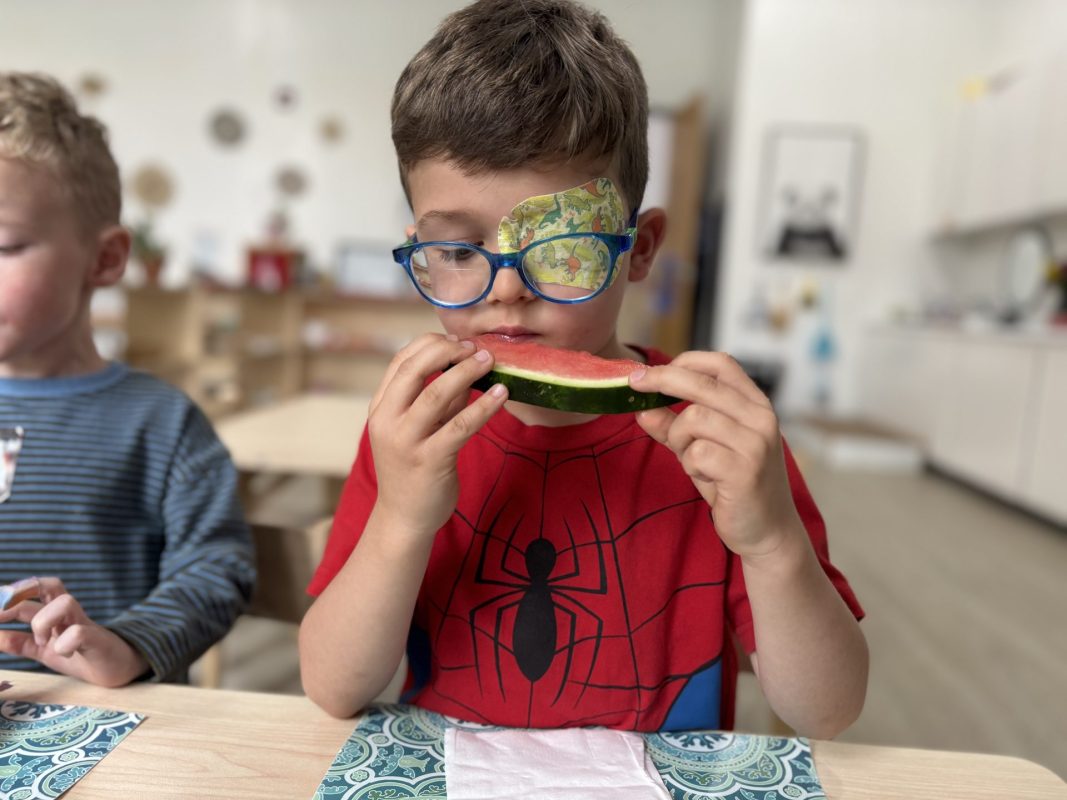
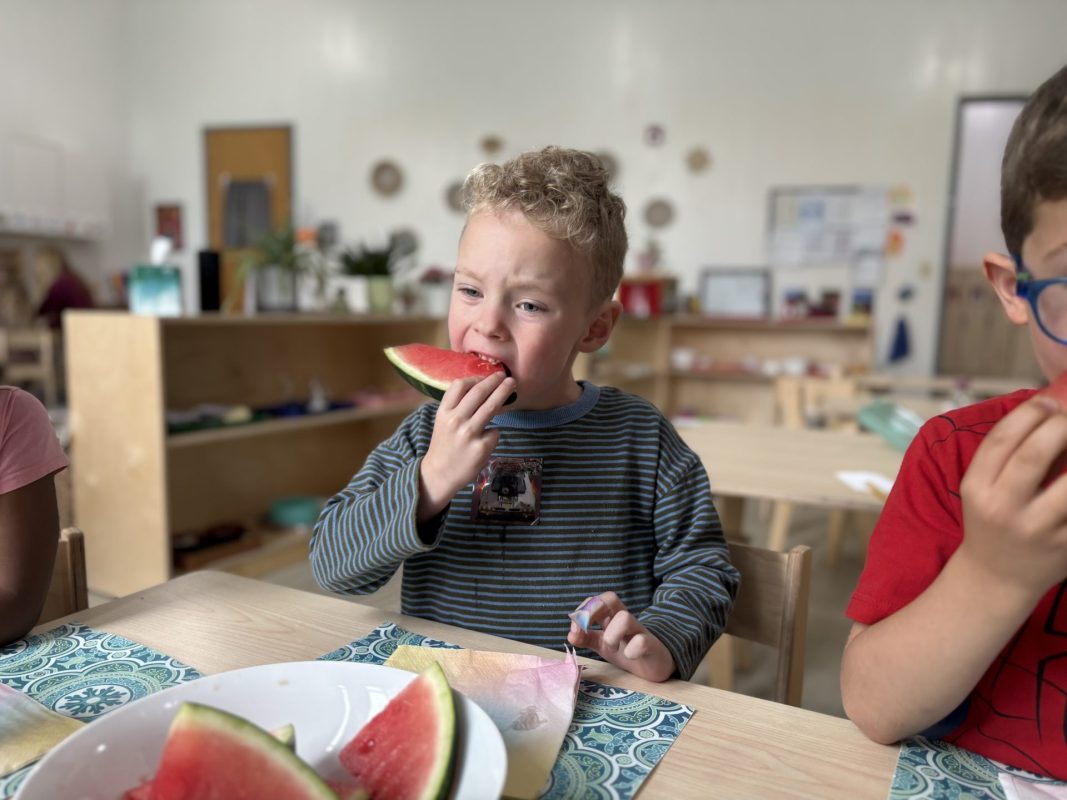
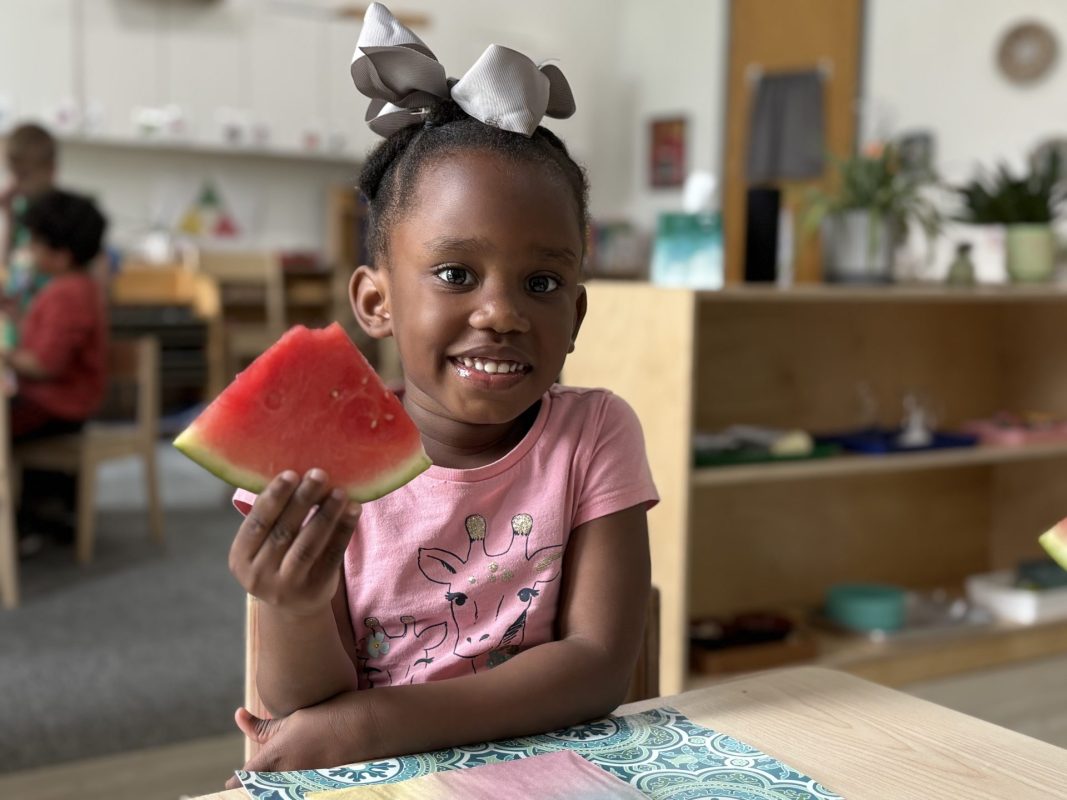
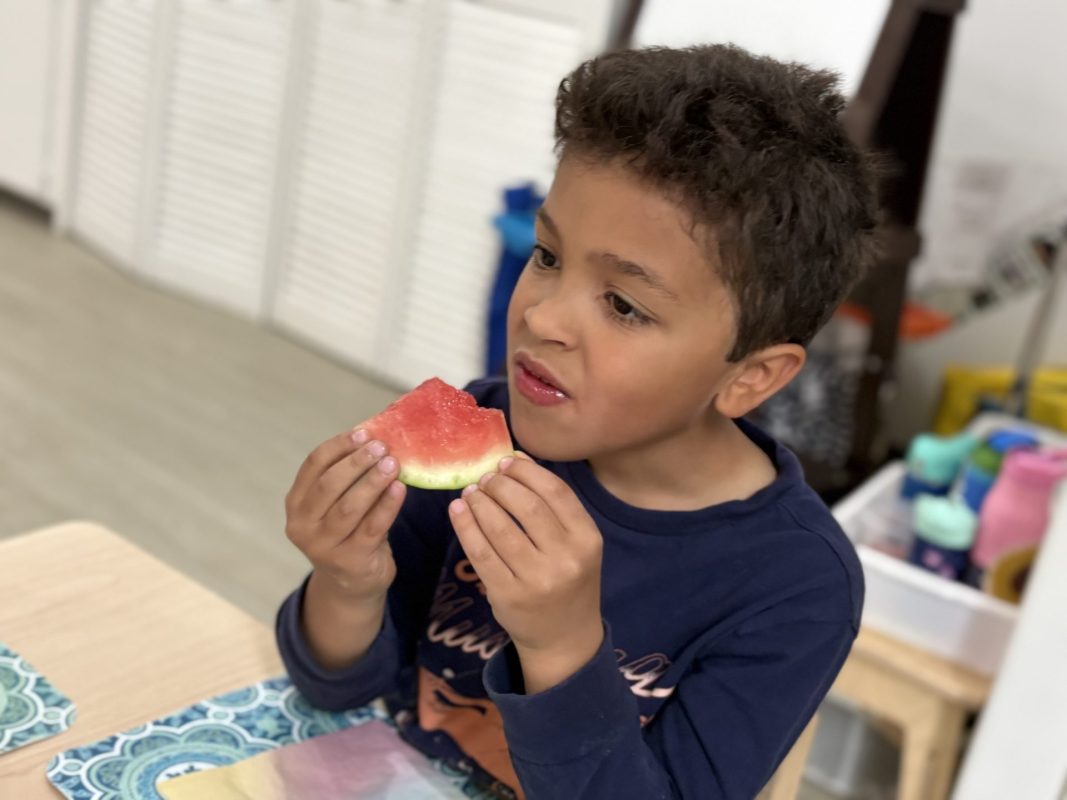
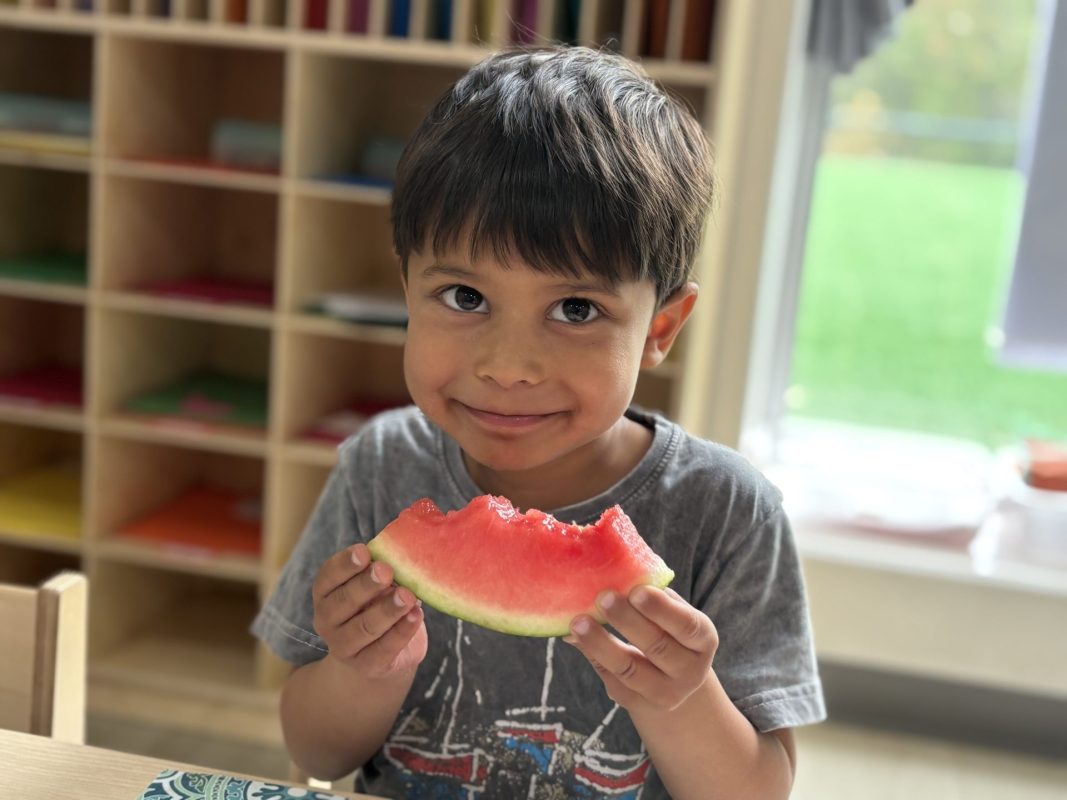
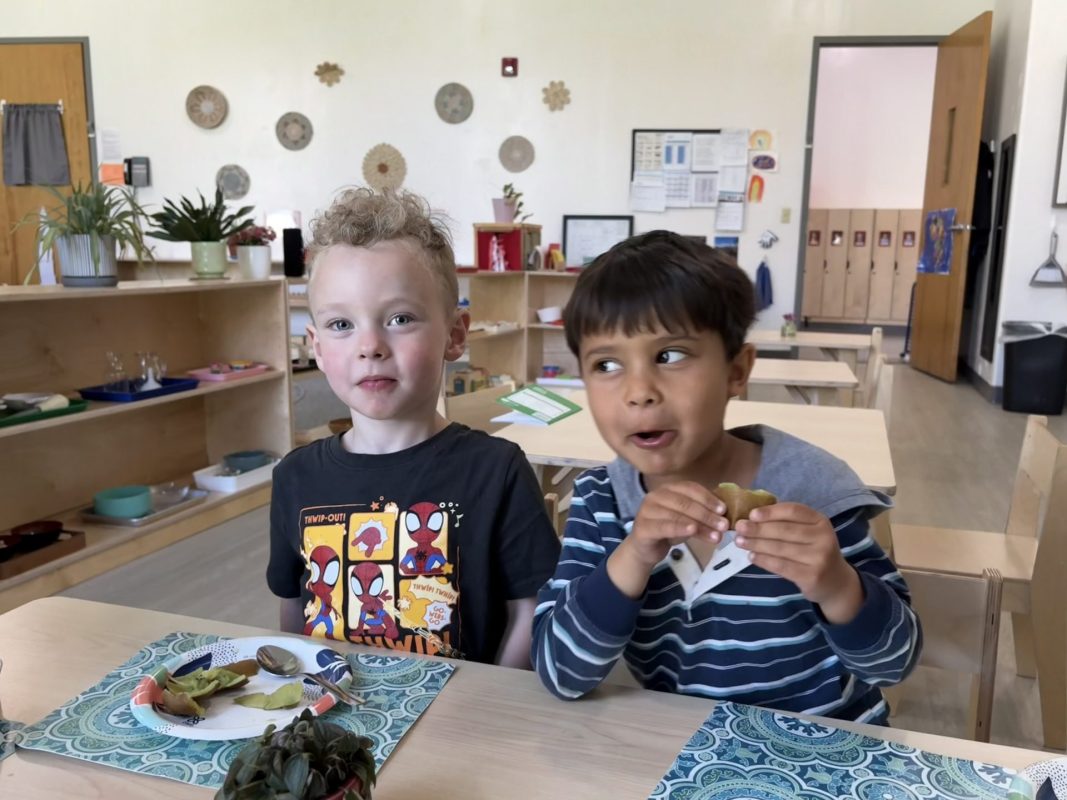
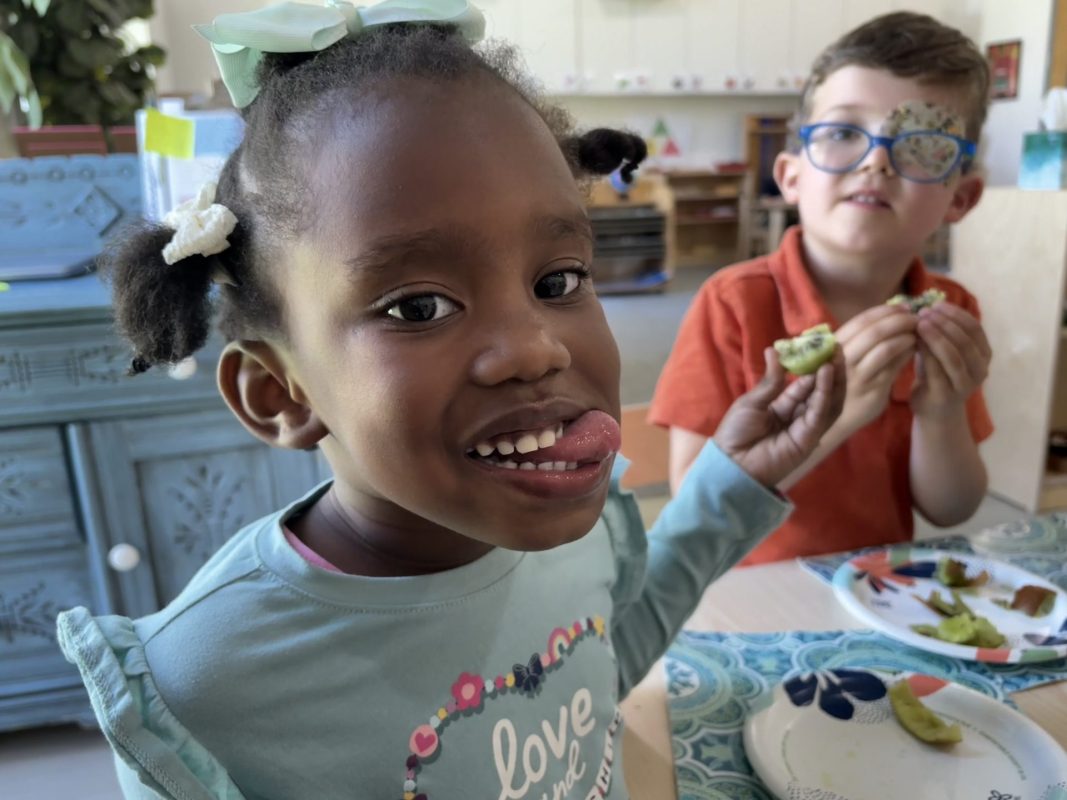
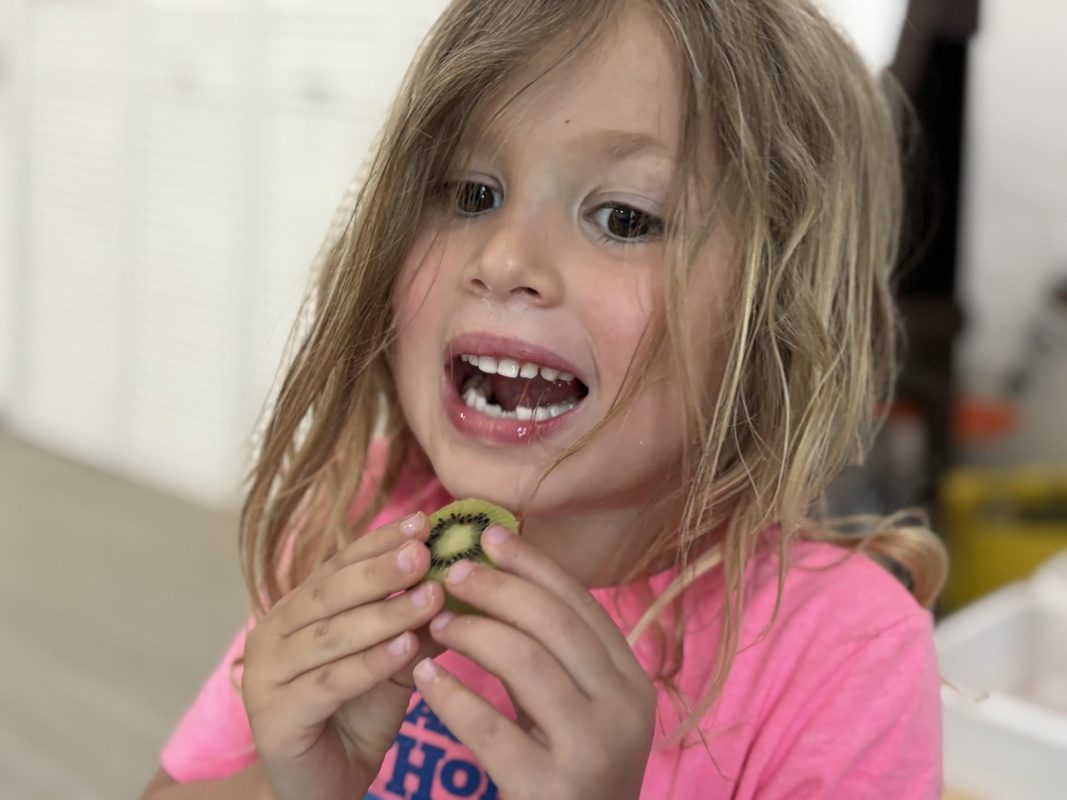
The week also brought a sweet treat: watermelon and kiwi were shared in the classroom, and many of the children tried both with great enthusiasm.

We are deeply grateful for the heartfelt cards, gifts, and delicious treats that made Teacher Appreciation Week so special. Thank you, sincerely, for your generosity and kindness.

Extending Learning at Home

  • Invite your child to wash a low window or mirror at home — give them a spray bottle with water and a cloth, and watch their focus and pride in action.
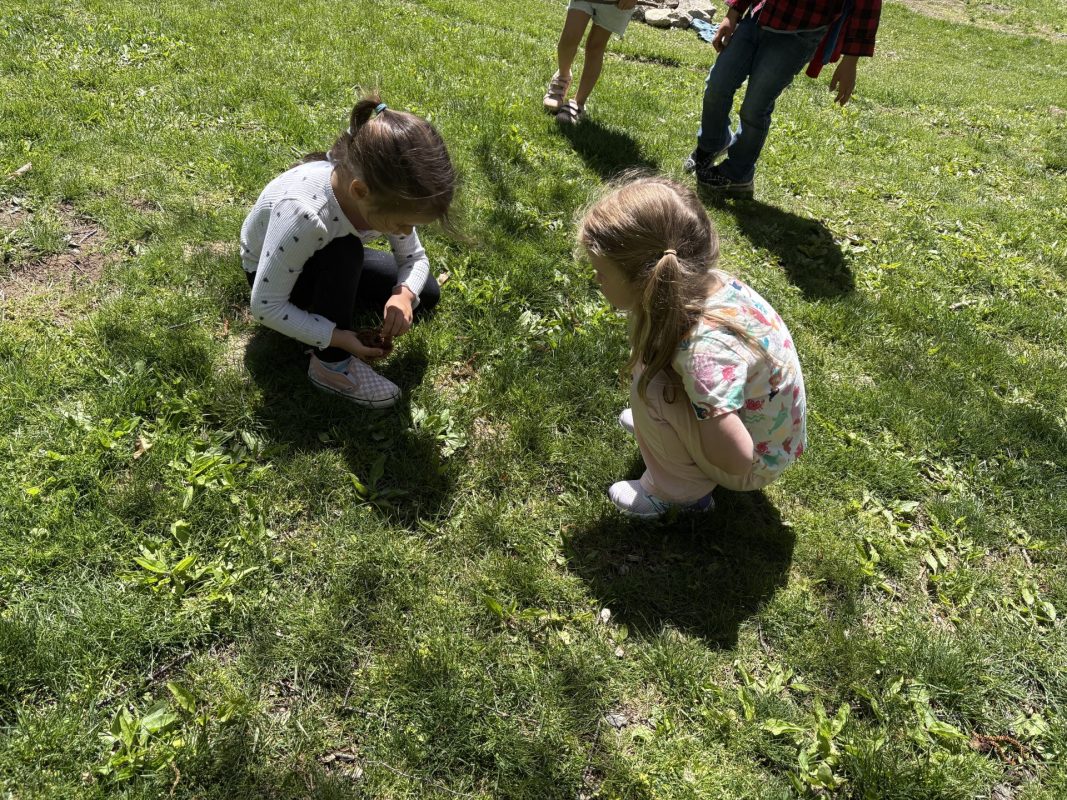
  • Look for insects together on a walk or in your backyard. Ask your child to describe what they notice about each creature’s body, movement, or habitat.
  • If you visit Palmieri Farm, let your child lead the way — they may have more to share about life cycles than you expect!

UPCOMING EVENTS & ANNOUNCEMENTS

This Week

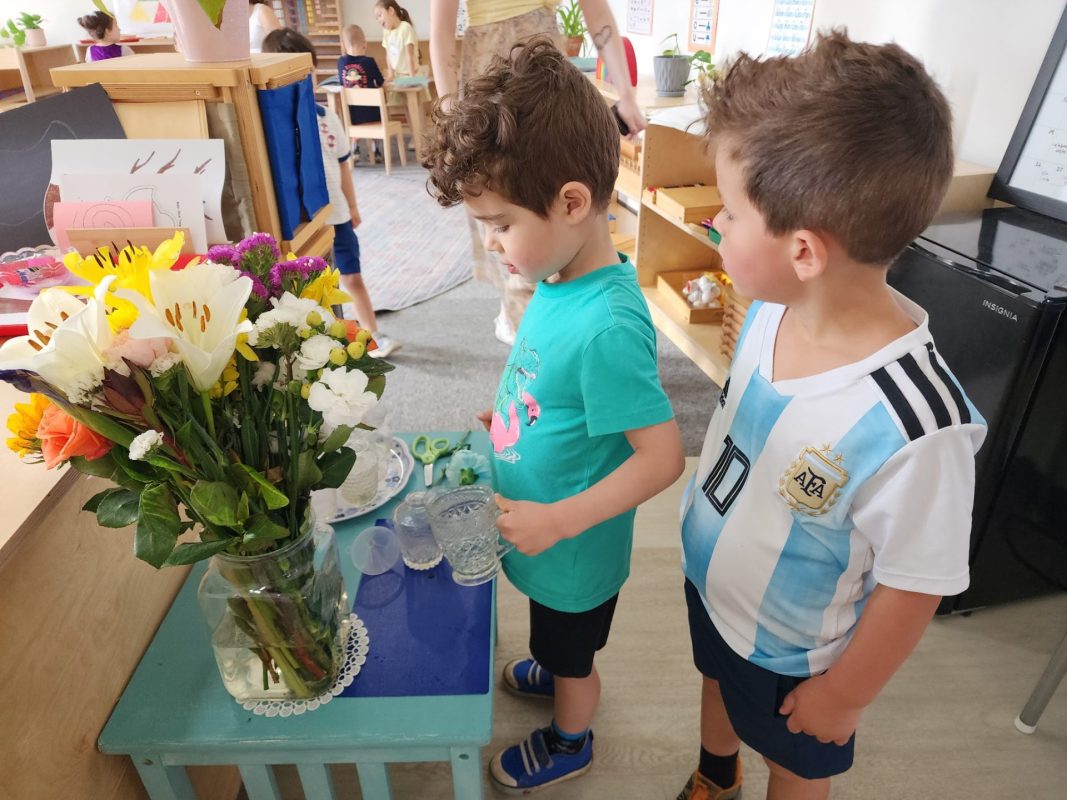
  • Monday, May 11 — Eliana: Flowers, Food, and Sharing Bag
  • Tuesday, May 12 — Jeannine: Recess Volunteer
  • Wednesday, May 13 — Lacy: Guest Reader

Looking Ahead

  • Tuesday, May 19 — Flanders Farm Kindergarten Field Trip. All children need a parent driver and chaperone — please respond to the earlier email regarding this.
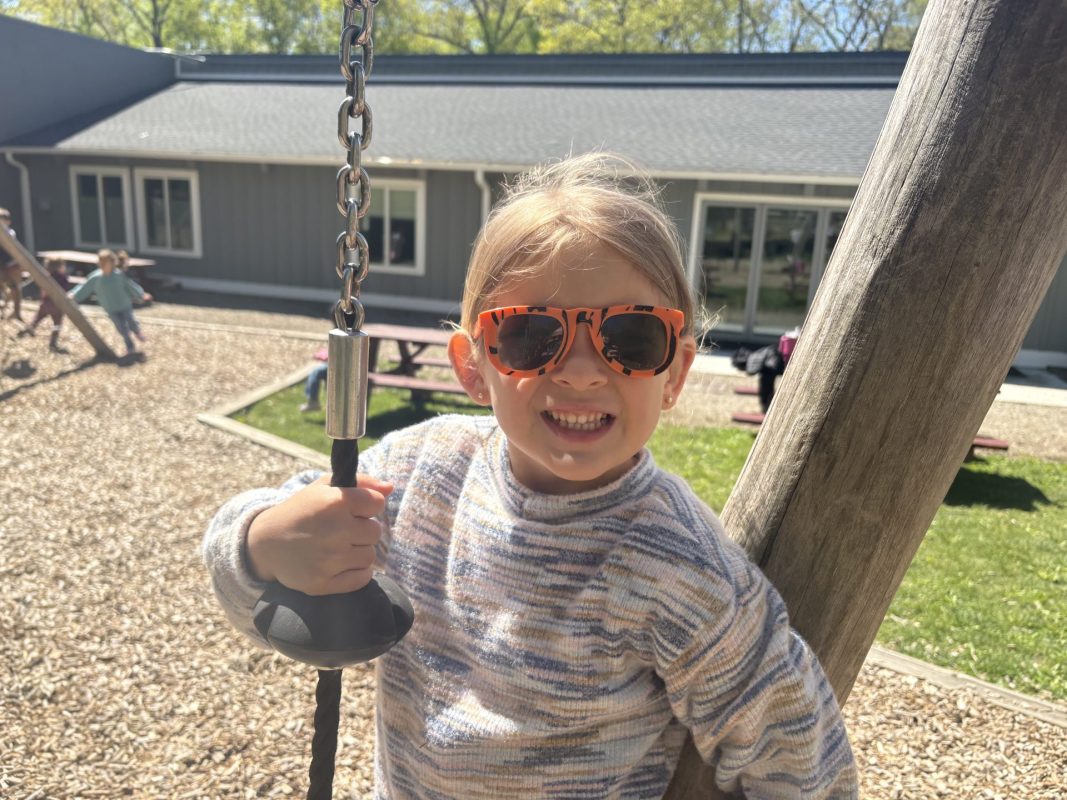
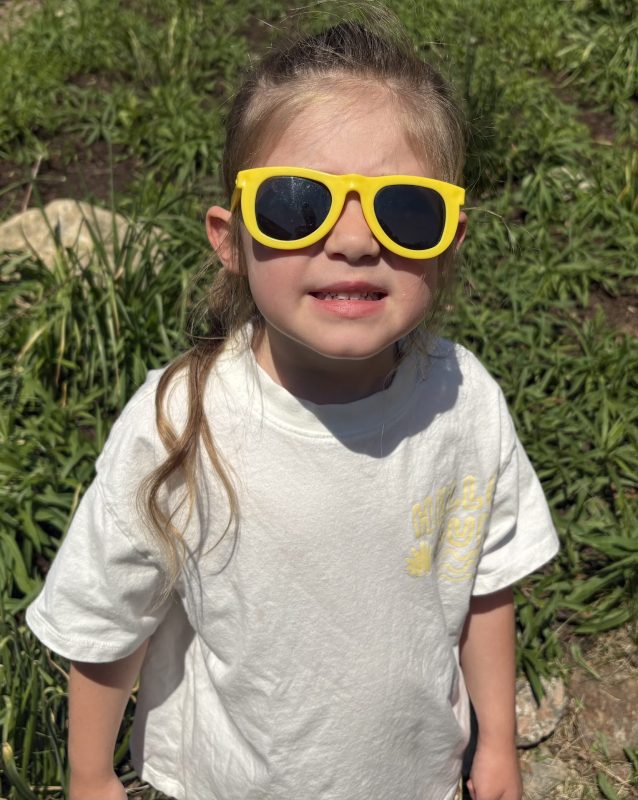
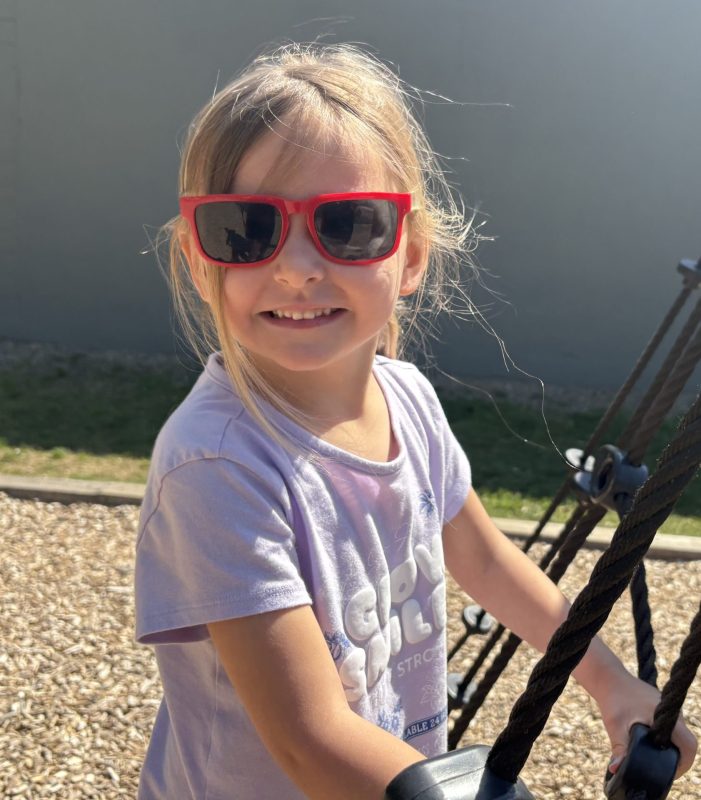
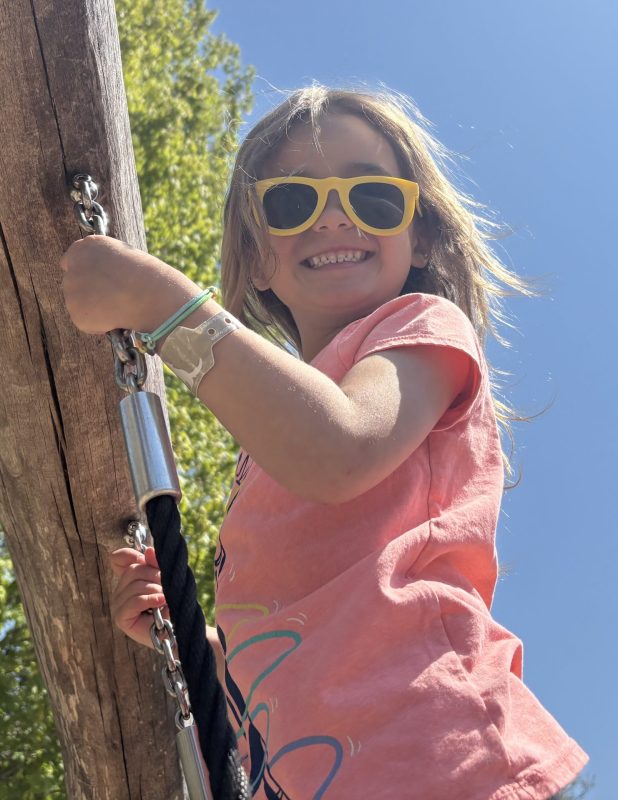
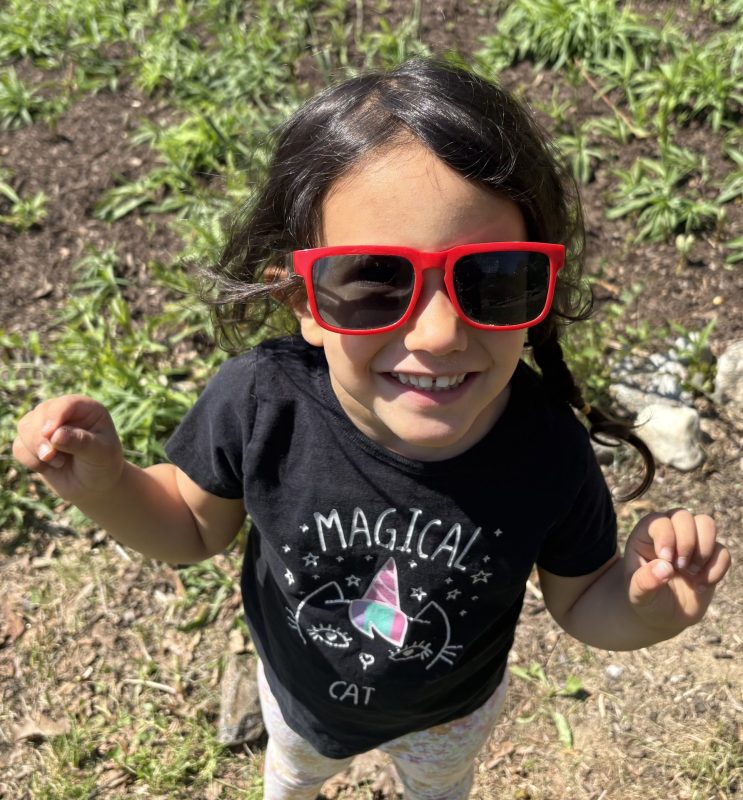
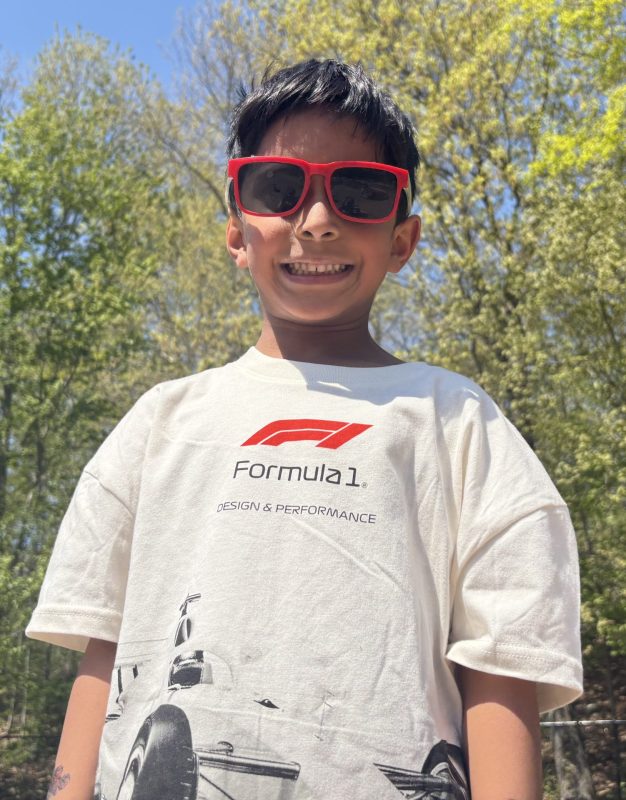
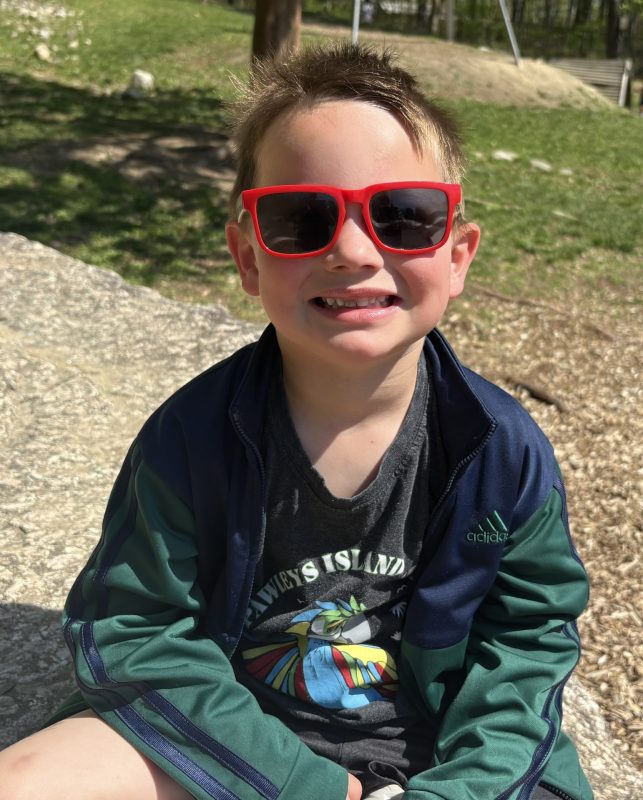
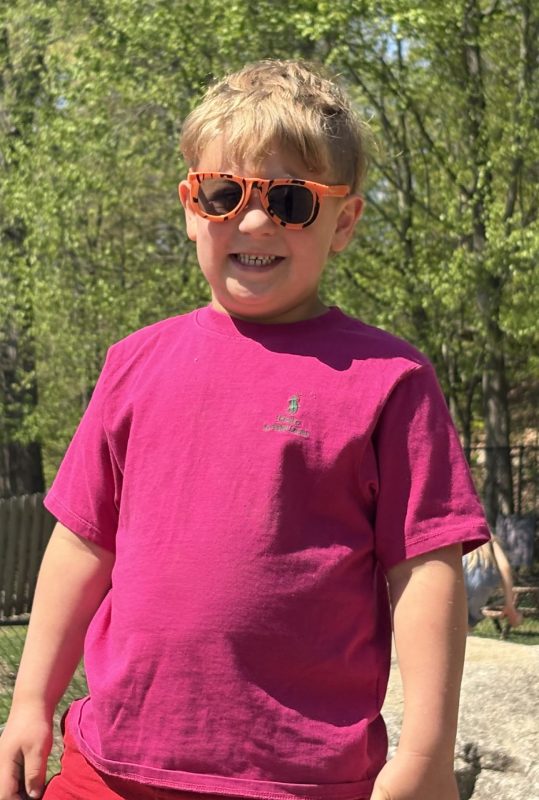
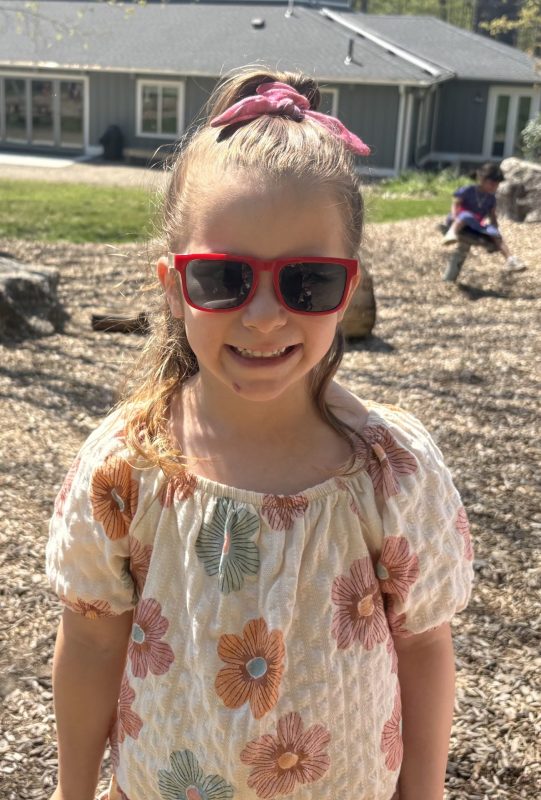
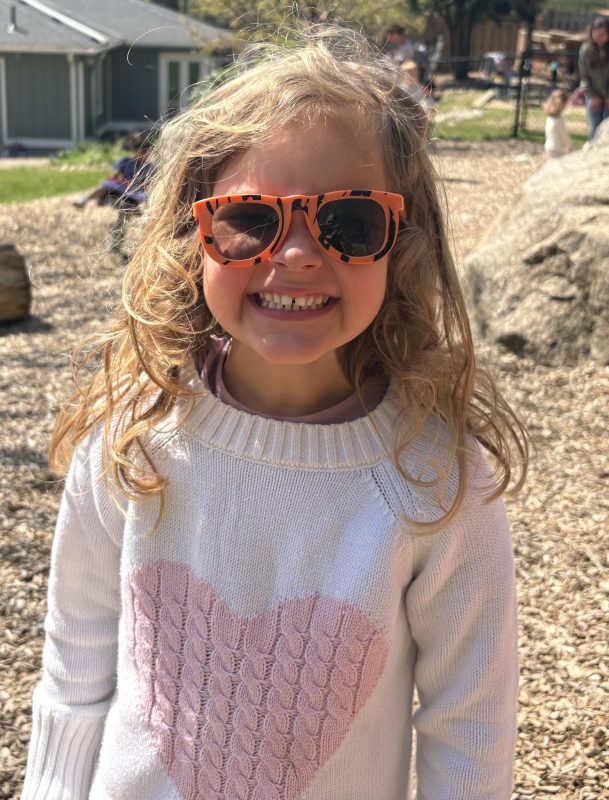
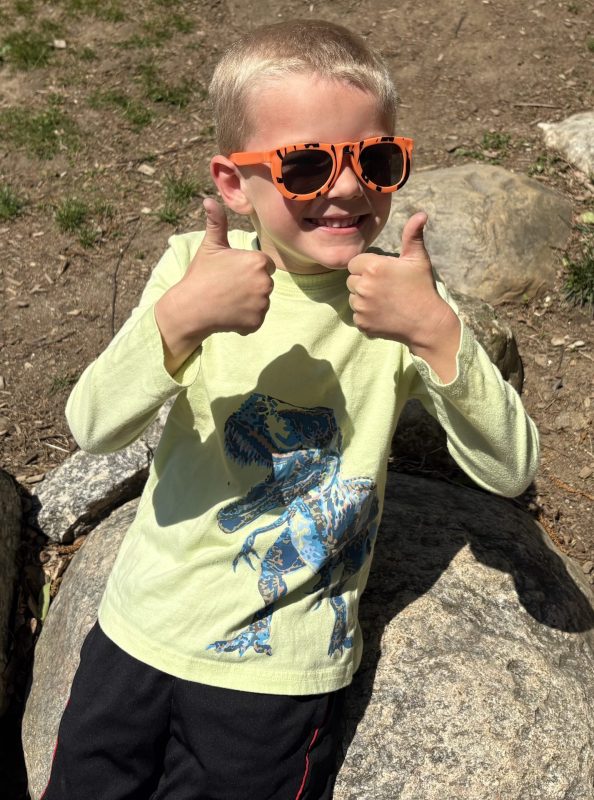
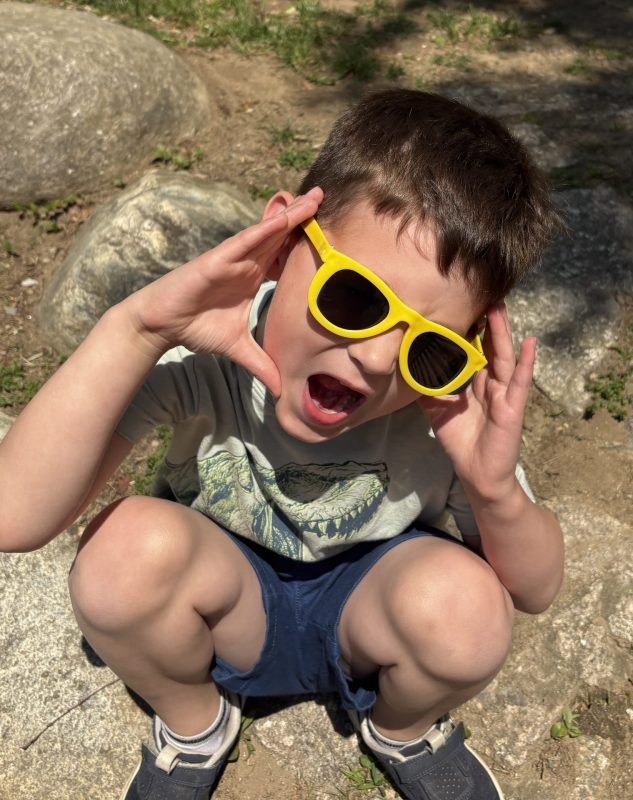
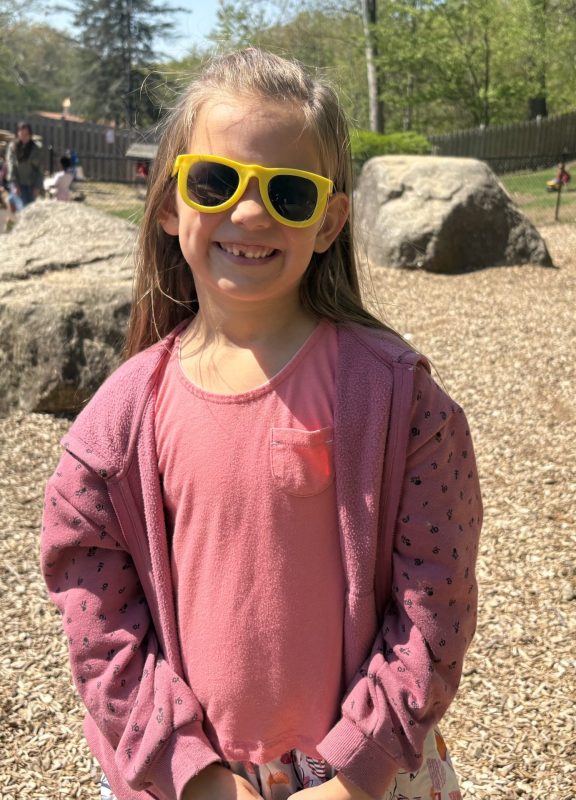
Ms. Handibode: The Future is So Bright You Have to Wear Shades


Last week brought a bittersweet milestone: our chicks have left Fraser Woods and are on their way to a farm. But the life cycle study is far from over! We welcomed five caterpillars into the classroom, and the children have been watching them with the same intense fascination they brought to the eggs and chicks. In just a short time, the caterpillars have grown noticeably, and the anticipation of witnessing metamorphosis is palpable every morning.
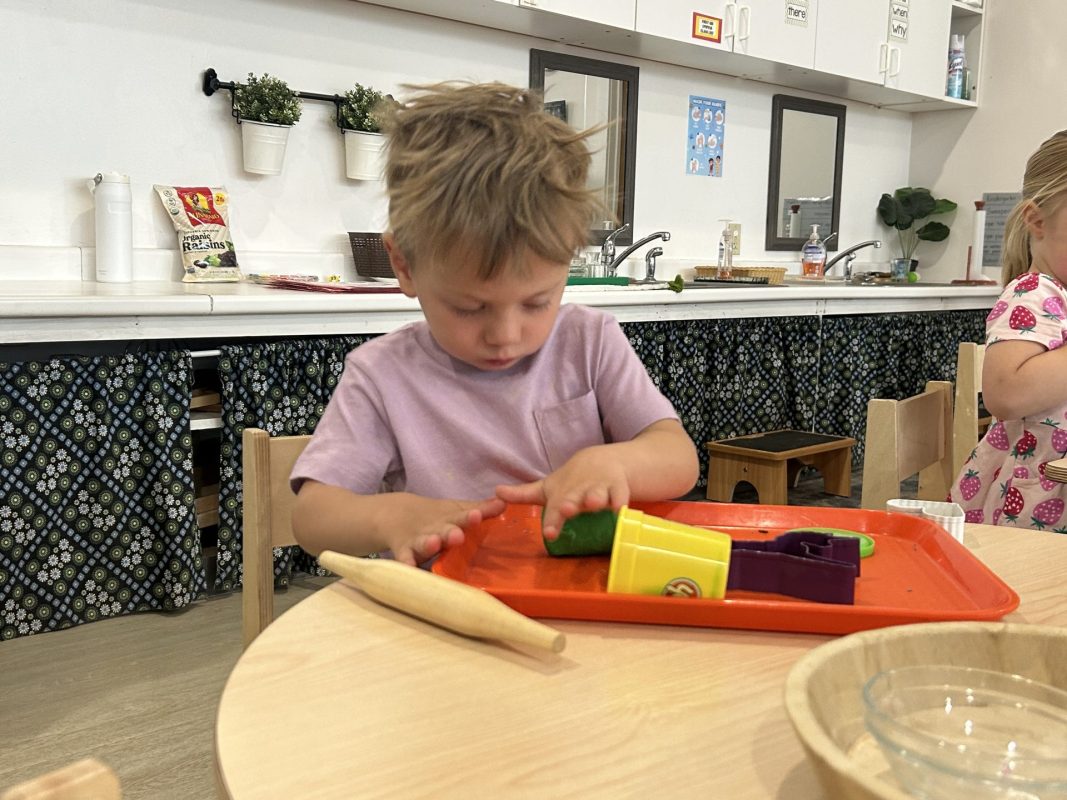
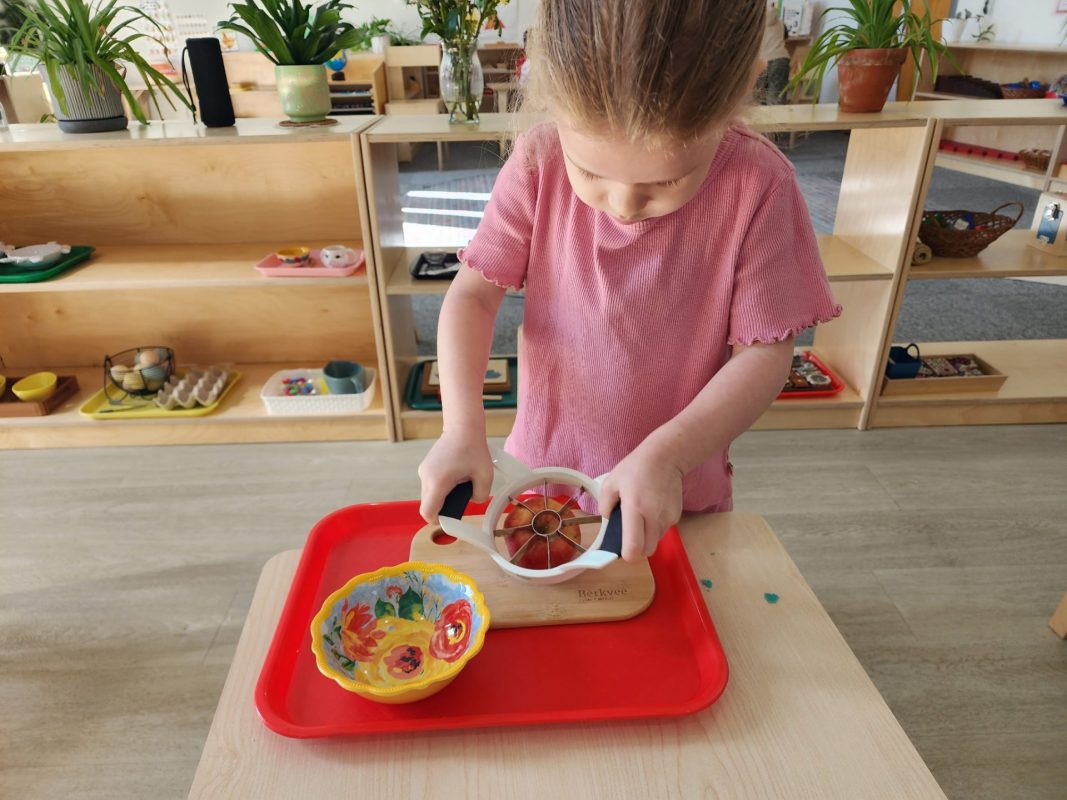
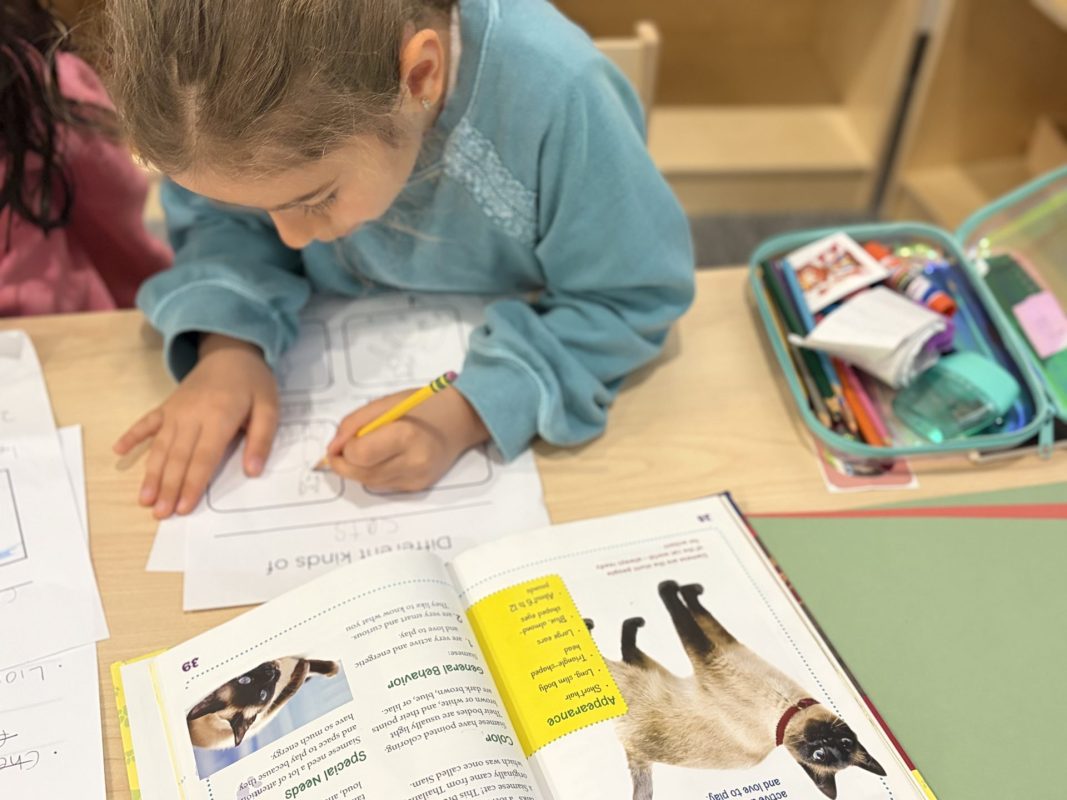
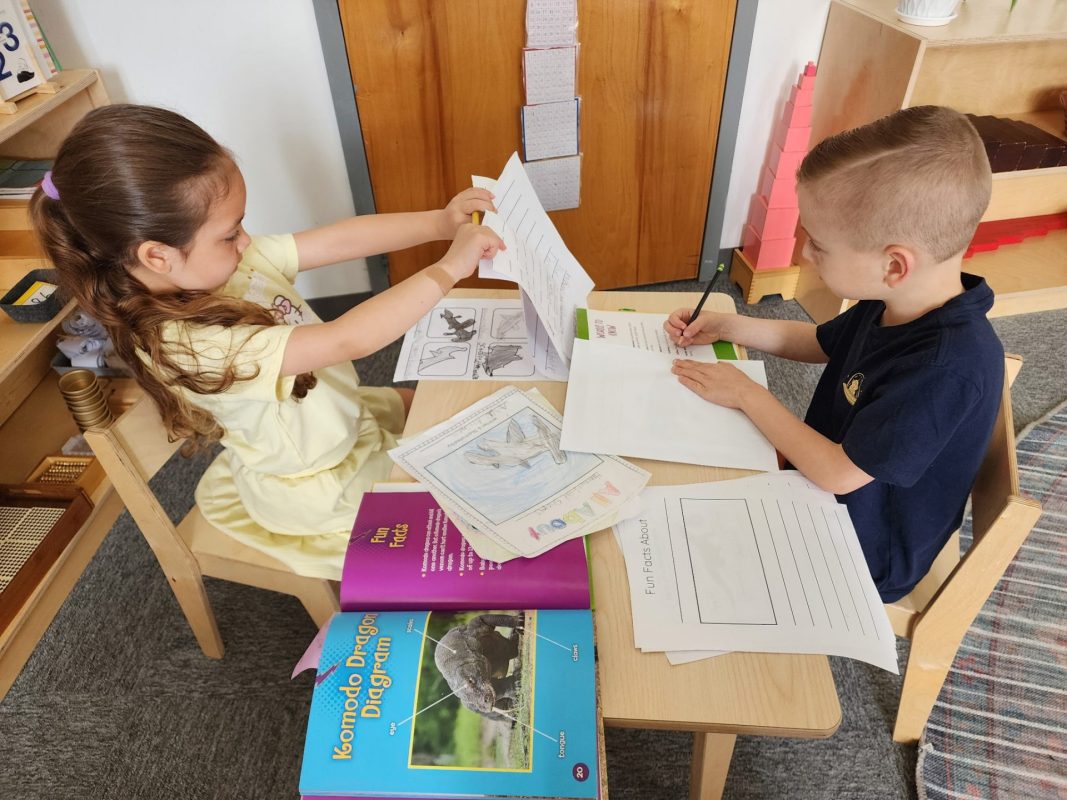
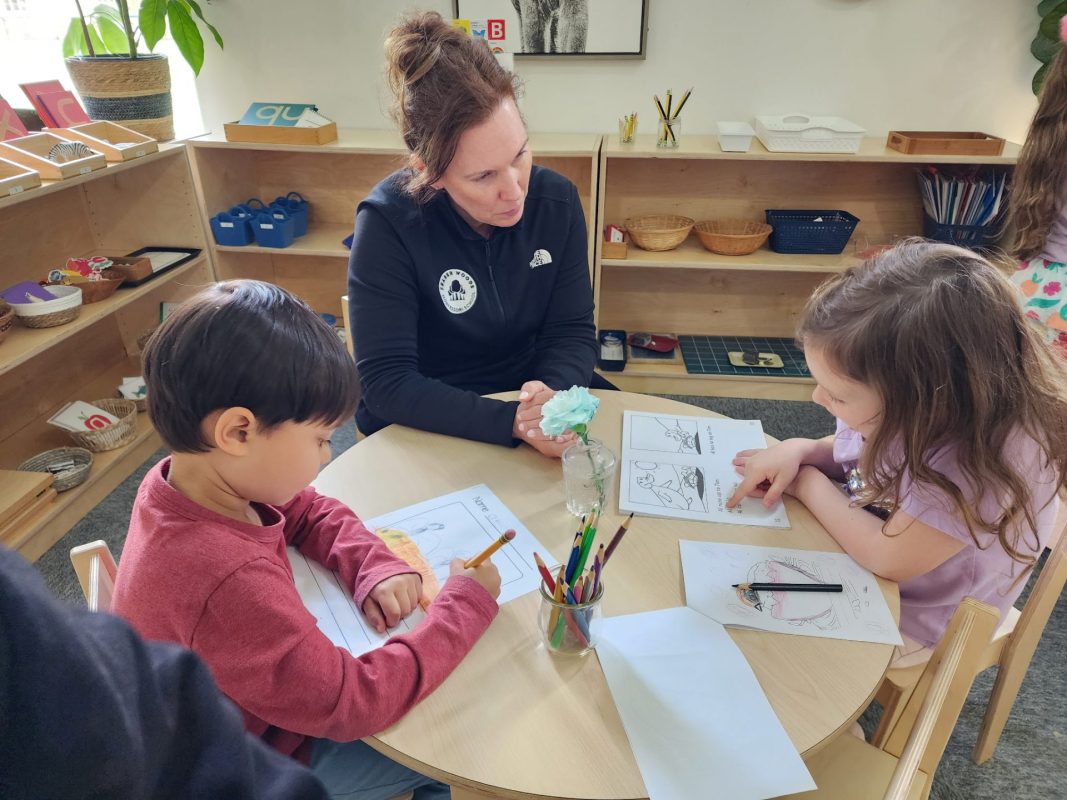
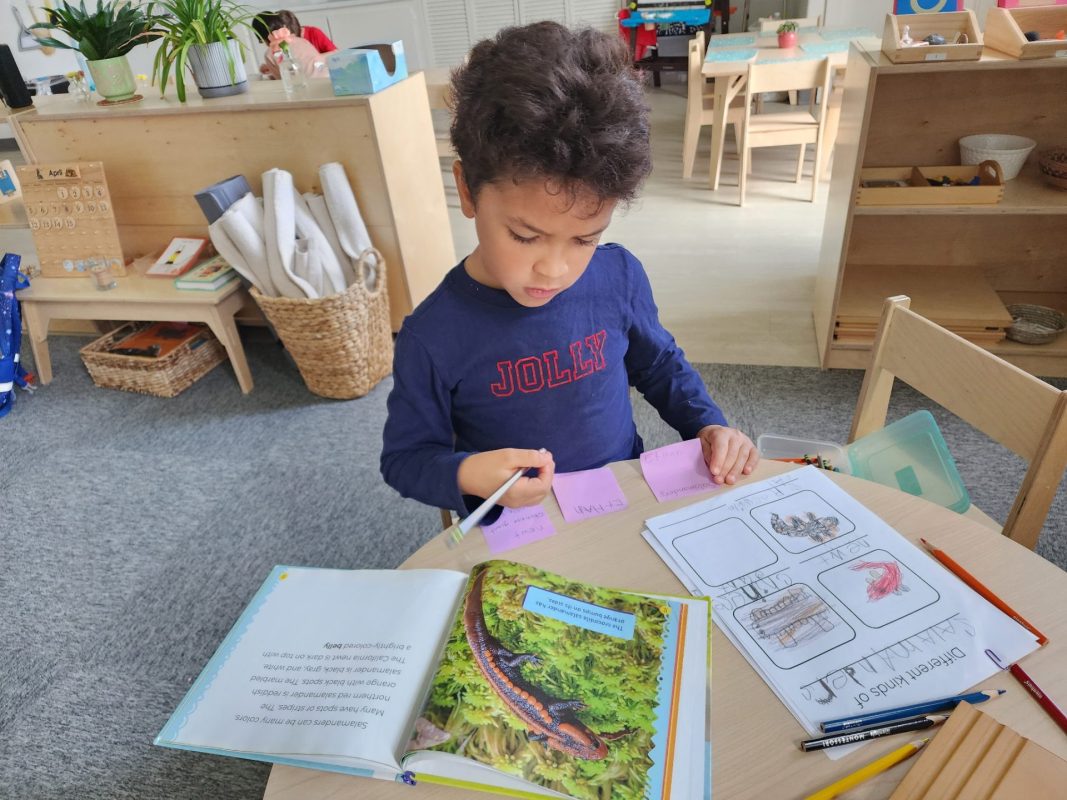
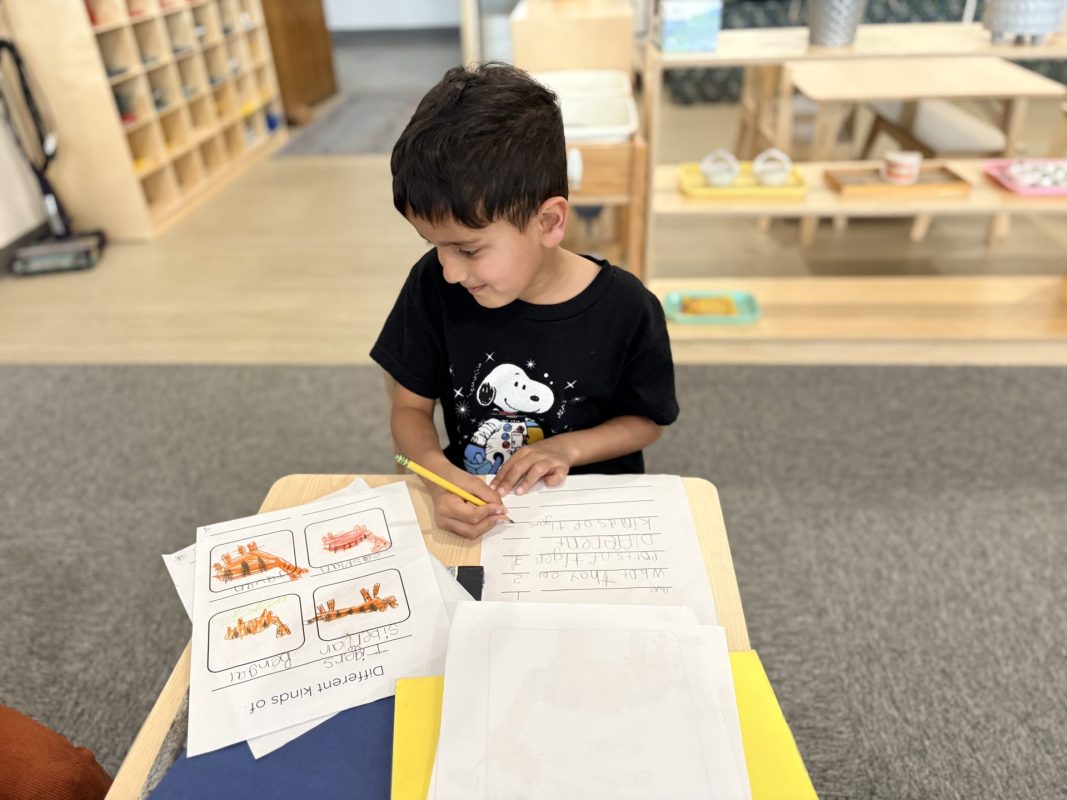
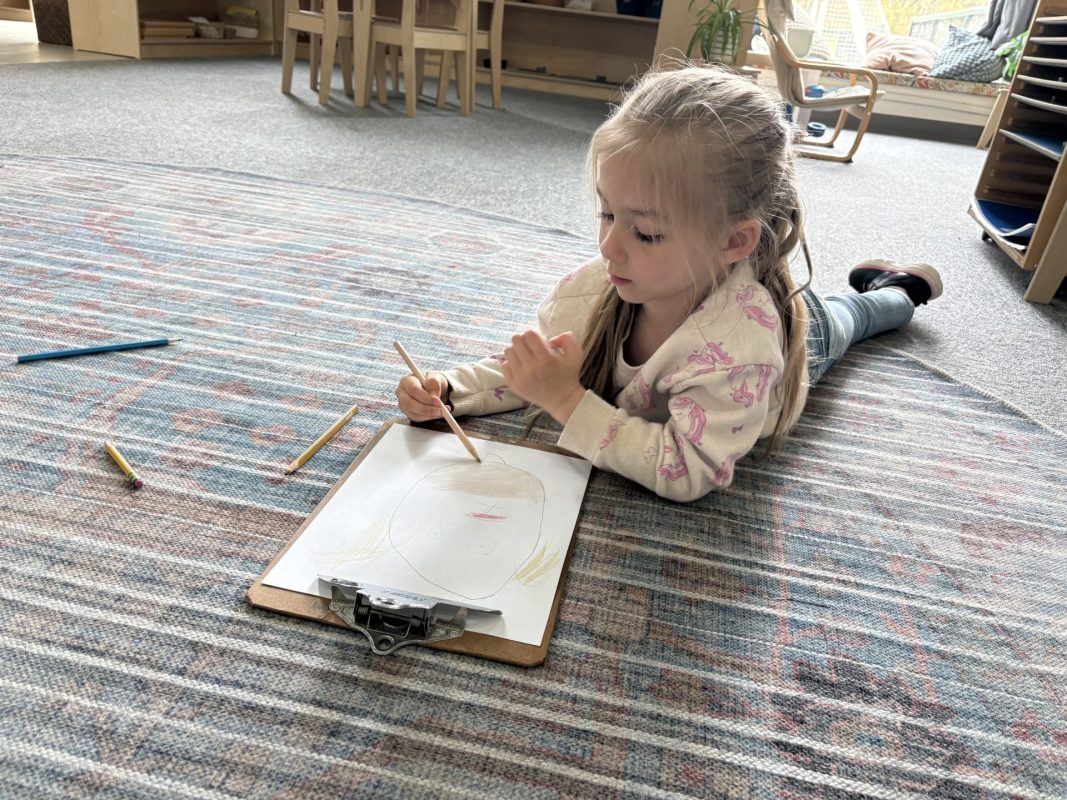
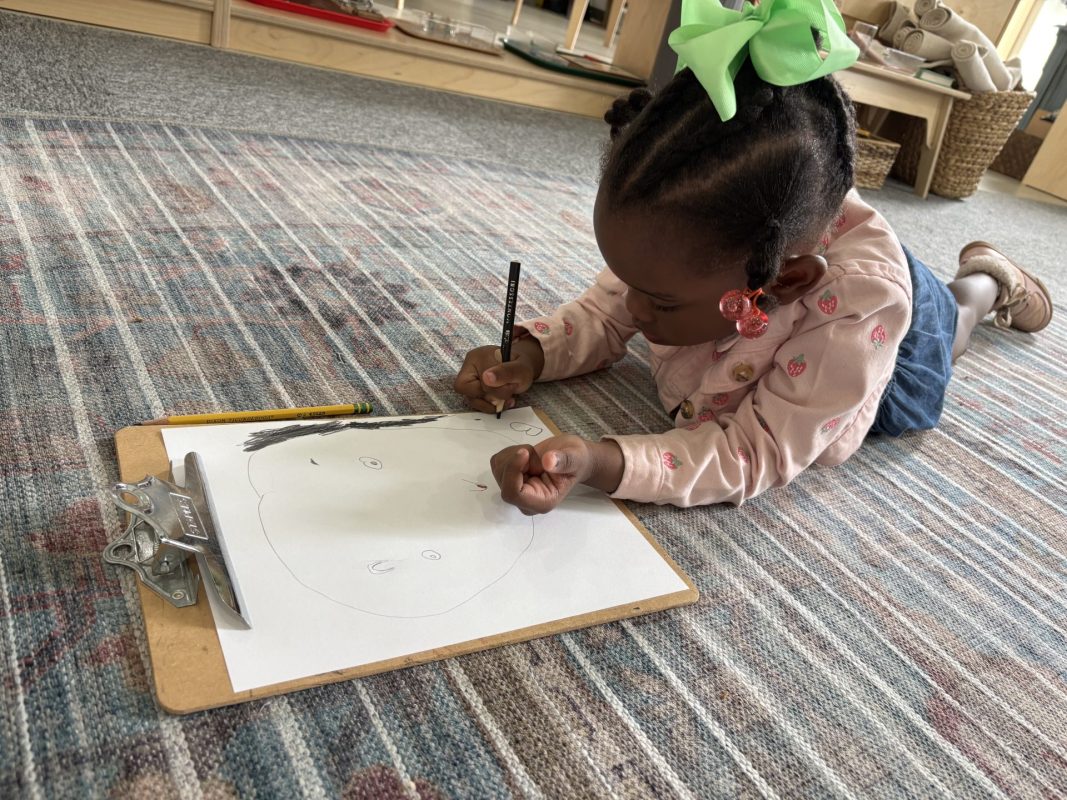
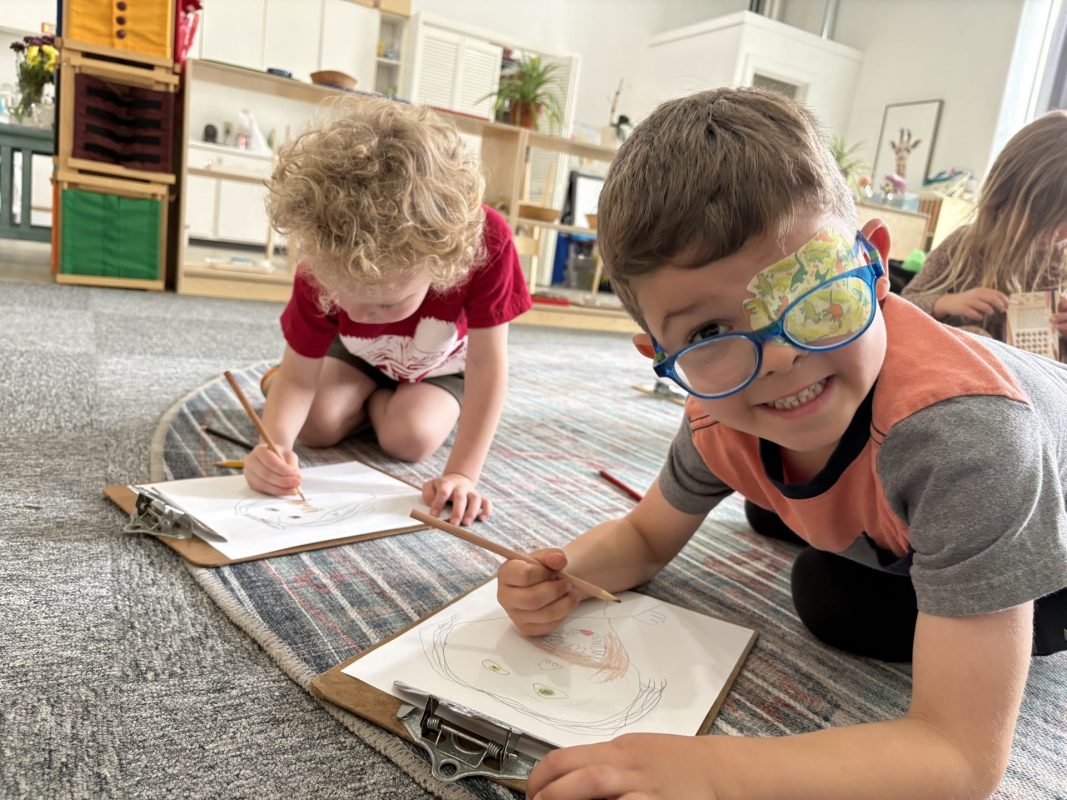
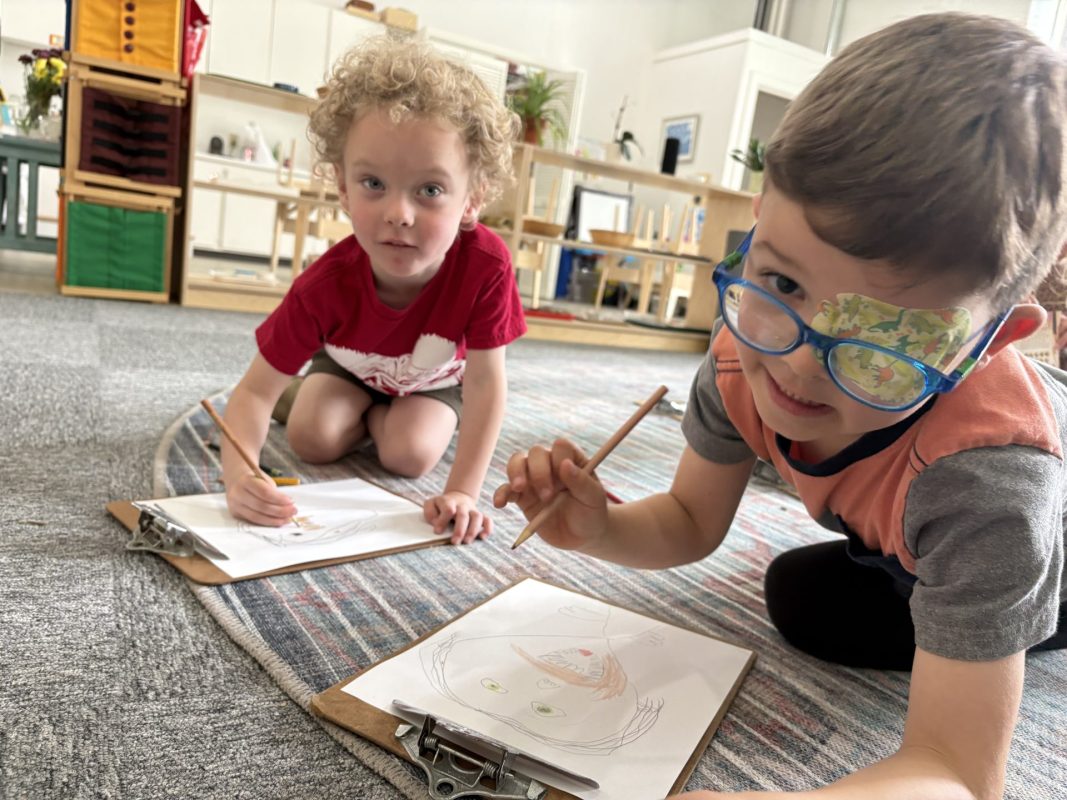
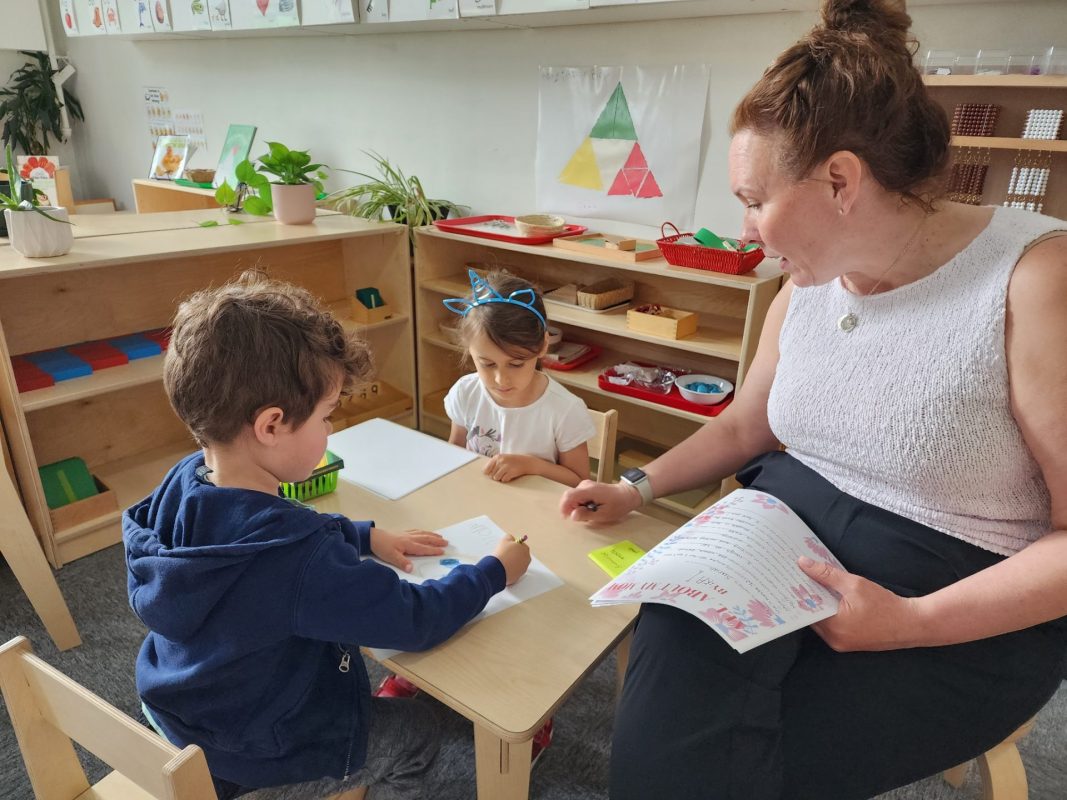
May always carries a particular kind of magic in the classroom. It is the month when we look back at how far each child has come since August and also look forward to what remains. Learning at this stage is deeply cumulative — every skill builds on what came before. Nowhere is this more apparent than in the kindergarten animal research project, which has been underway for several weeks. This project draws on reading, writing, geography, science, and mathematics all at once, which is exactly why it lives at the end of the year.

As part of the project, each kindergartner was asked what they hope to be when they grow up — for the “About the Author” section of their books. Word spread quickly, and soon the whole class wanted in on the interview. Their answers speak for themselves:

  • Adeline: An artist who makes the most beautiful art that can be framed.
  • Brooks: A UPS driver who delivers packages to houses and stores.
  • Charlie D.: A builder who builds really tall castles.
  • Charley W.: An eye doctor because she likes to check people’s eyes and make sure they are working.
  • Connor: A scientist who makes potions.
  • Eloise: A ballerina who dances everywhere and a mom who has six children.
  • Hannah: An artist who draws hearts, stars, rainbows, and unicorns.
  • Jasper: A police officer who catches robbers.
  • Johnny: A movie maker who makes movies about dinosaurs or robots.
  • Layla: A make-up artist who makes people look beautiful for their weddings.
  • Melia: A dancer who likes to dance to Peppa Pig music.
  • Mila: An artist who makes tie-dye shirts for people.
  • Morgan: A construction worker who builds houses, schools, and bridges.
  • Nitzan: A basket maker who sells them to people who need to put stuff in them.
  • Olivia: A mommy who makes breakfast and dinner for everyone.
  • Remi: A construction worker who builds houses made out of plastic Legos.
  • Veda: A teacher who teaches little children how to read.
  • Wilder: A scientist who studies moonstones or an astronaut who travels to space.
  • Zaki: A doctor who helps people who are sick.
  • Zion: A prophet of God.

We are so proud of each one of them — and we have no doubt this group will do all of it and more.

Finally, “thank you” feels like far too small a phrase for the kindness shown during Teacher Appreciation Week. We felt the love every single day and are truly grateful for the relationships we have built with each child and with all of you.

UPCOMING EVENTS & ANNOUNCEMENTS

This Week

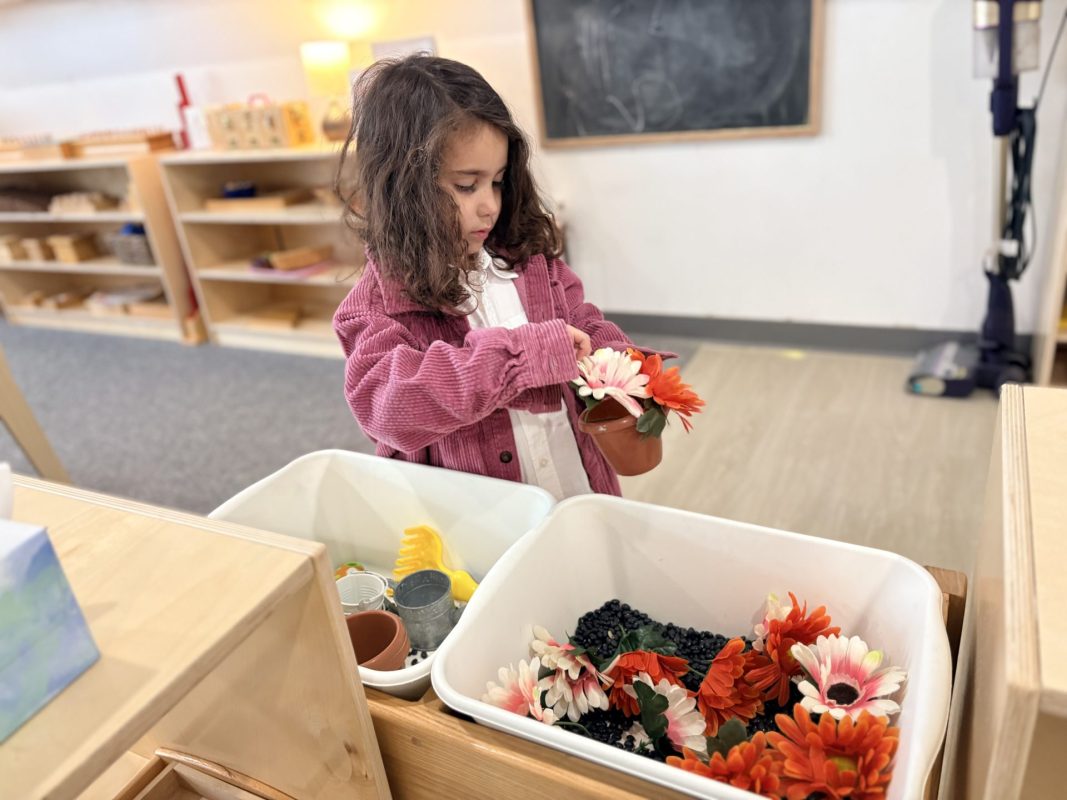
  • Monday, May 11 — Sharing Box and Flowers: Mila M.
  • Tuesday, May 12 — Playground Volunteer: Casey W.
  • Wednesday, May 13 — Guest Reader: Nick L.
  • Friday, May 15 — Birthday Celebration: Mila M.

Next Week

  • Monday, May 18 — Sharing Box and Flowers: Adeline G.
  • Tuesday, May 19 — Playground Volunteer: Dhanishry N.
  • Tuesday, May 19 — Kindergarten Field Trip to Flanders Nature Center
  • Thursday, May 21 — Birthday Celebration: Hannah B.

Mrs. Lopes: Exploring South America


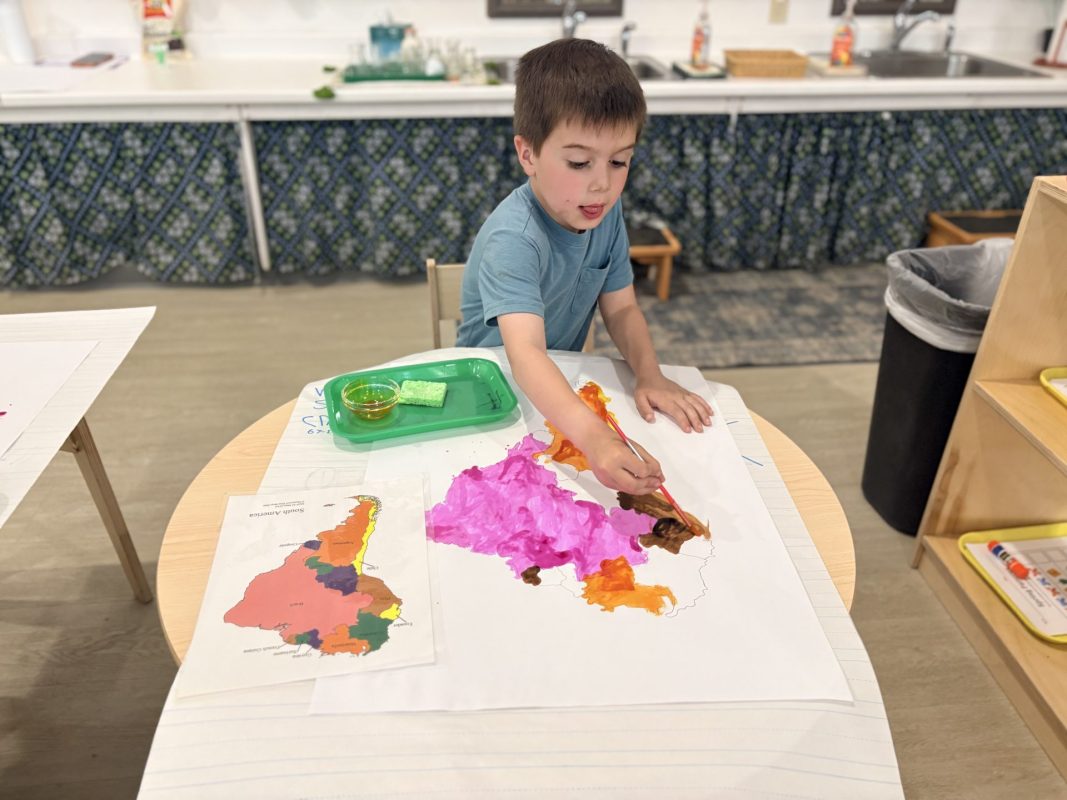
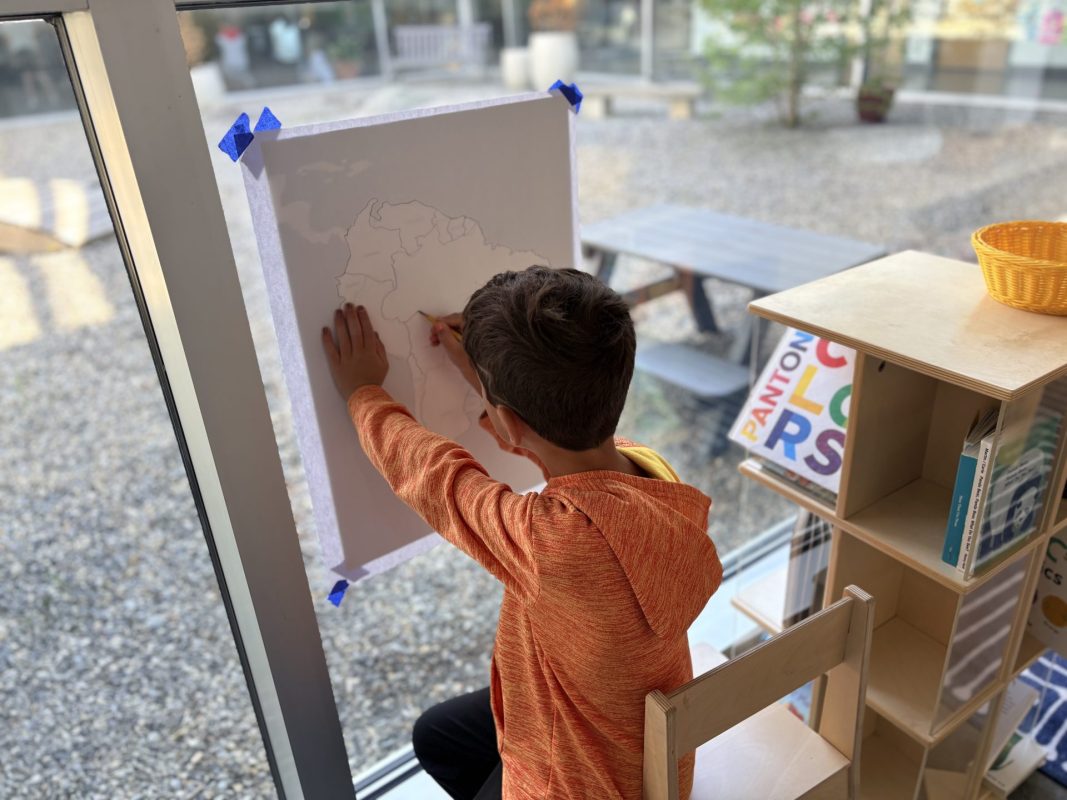
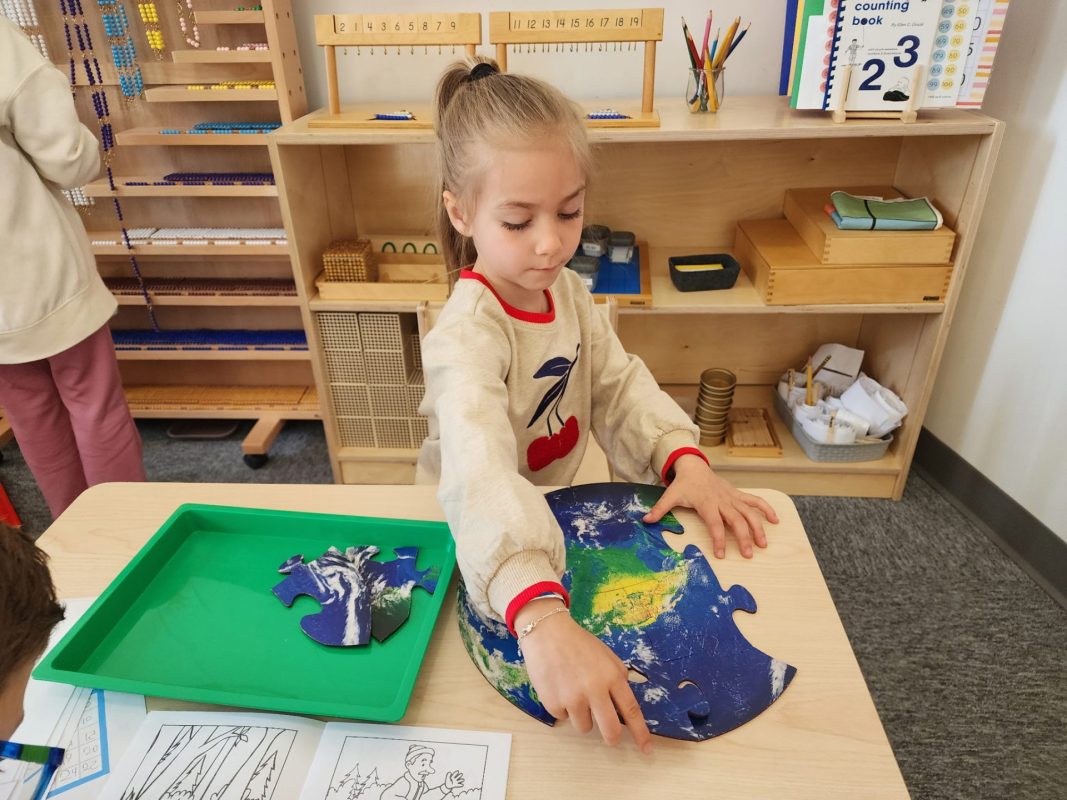
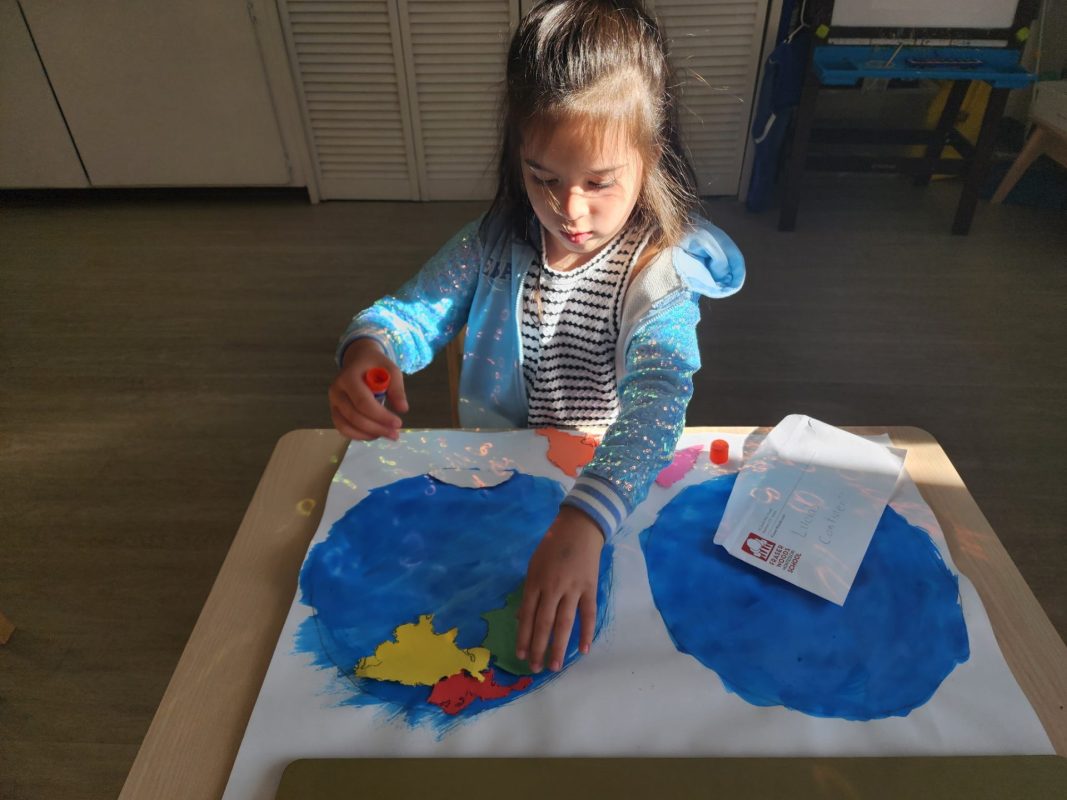
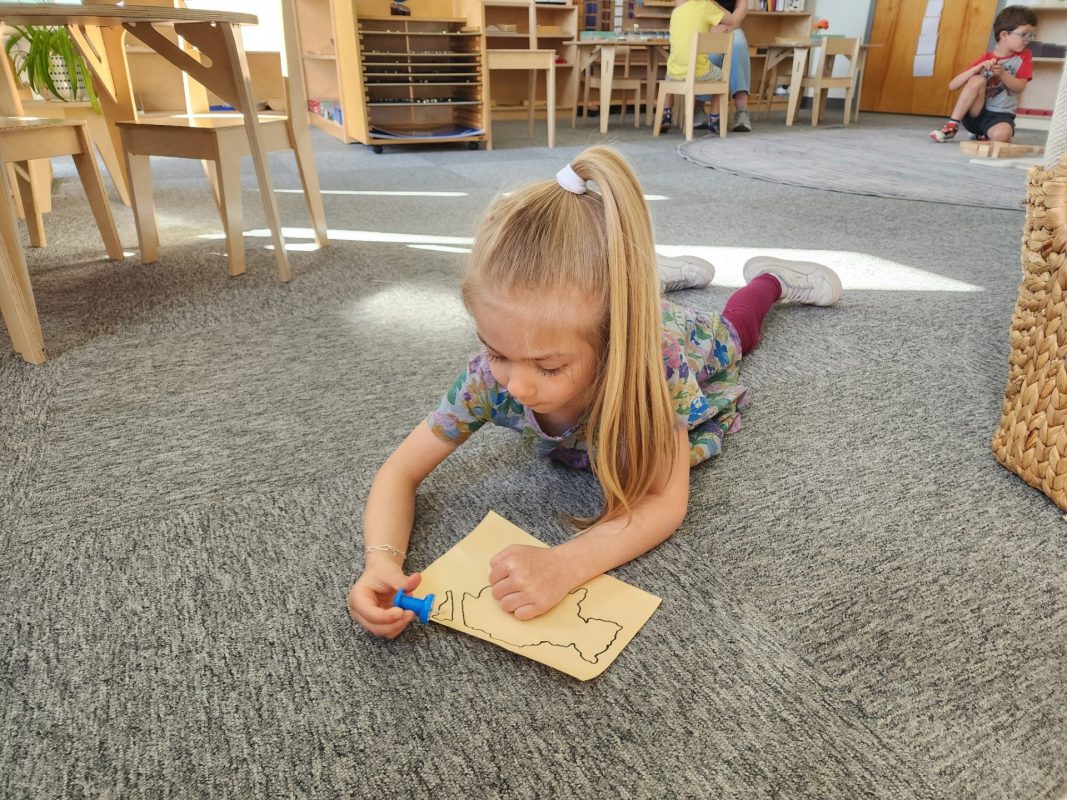
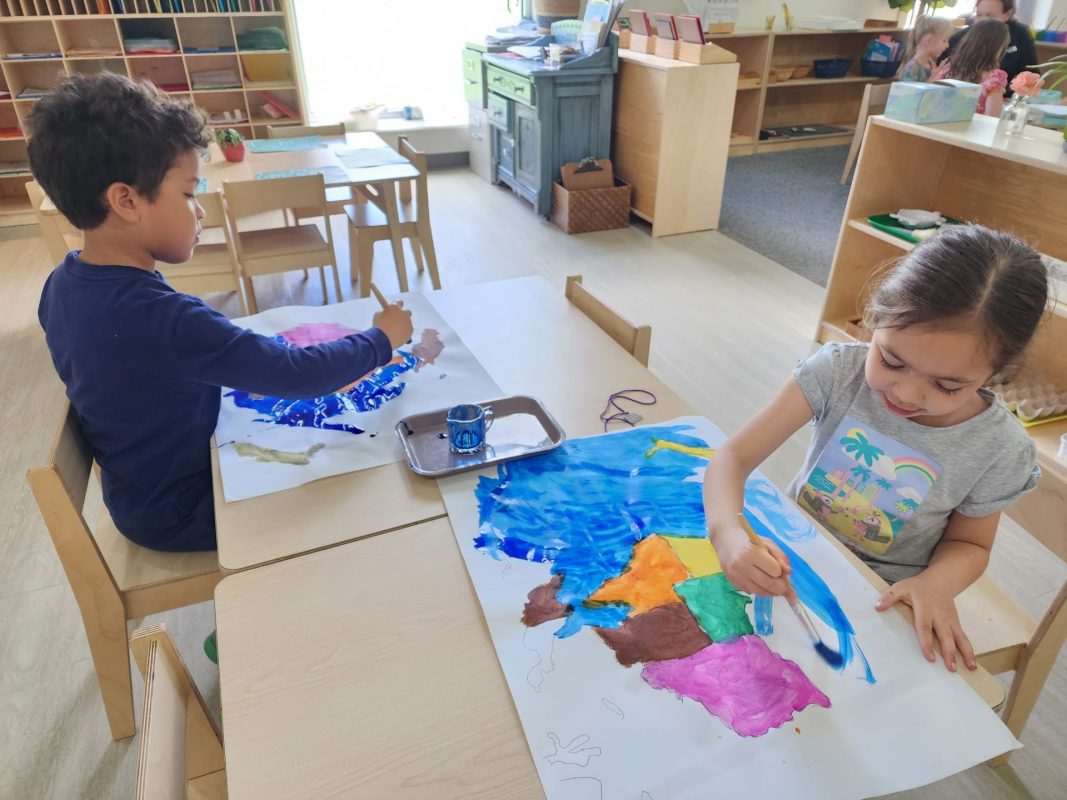
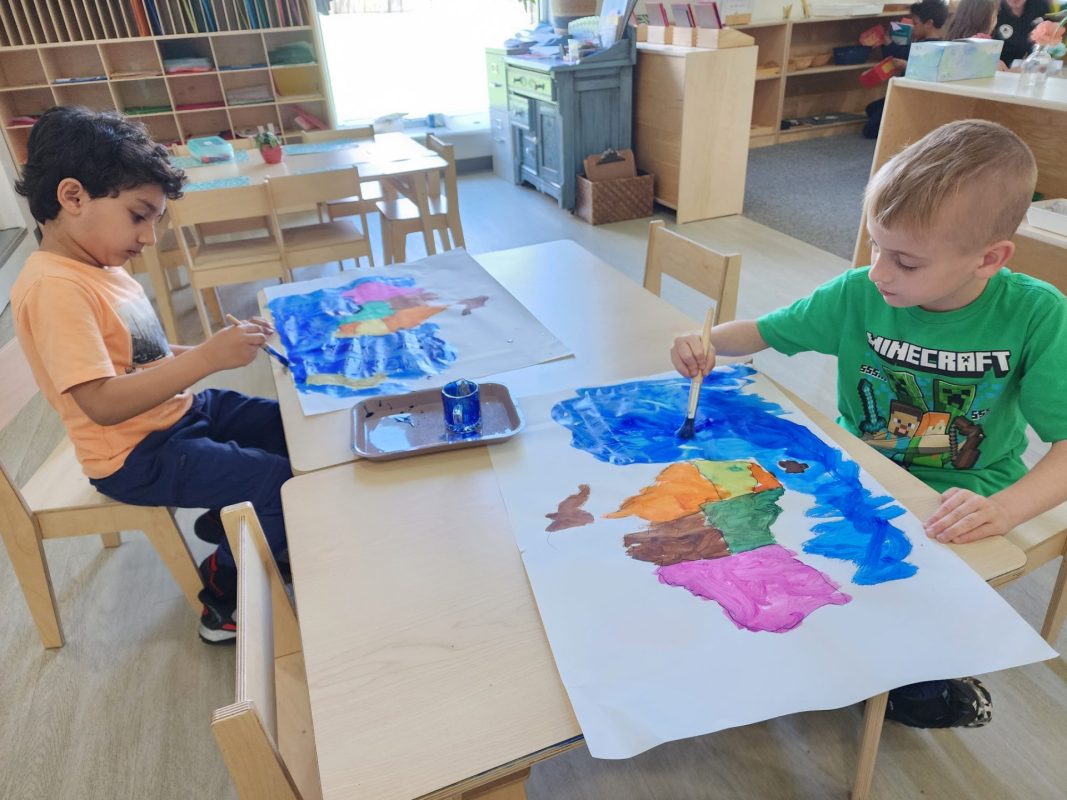
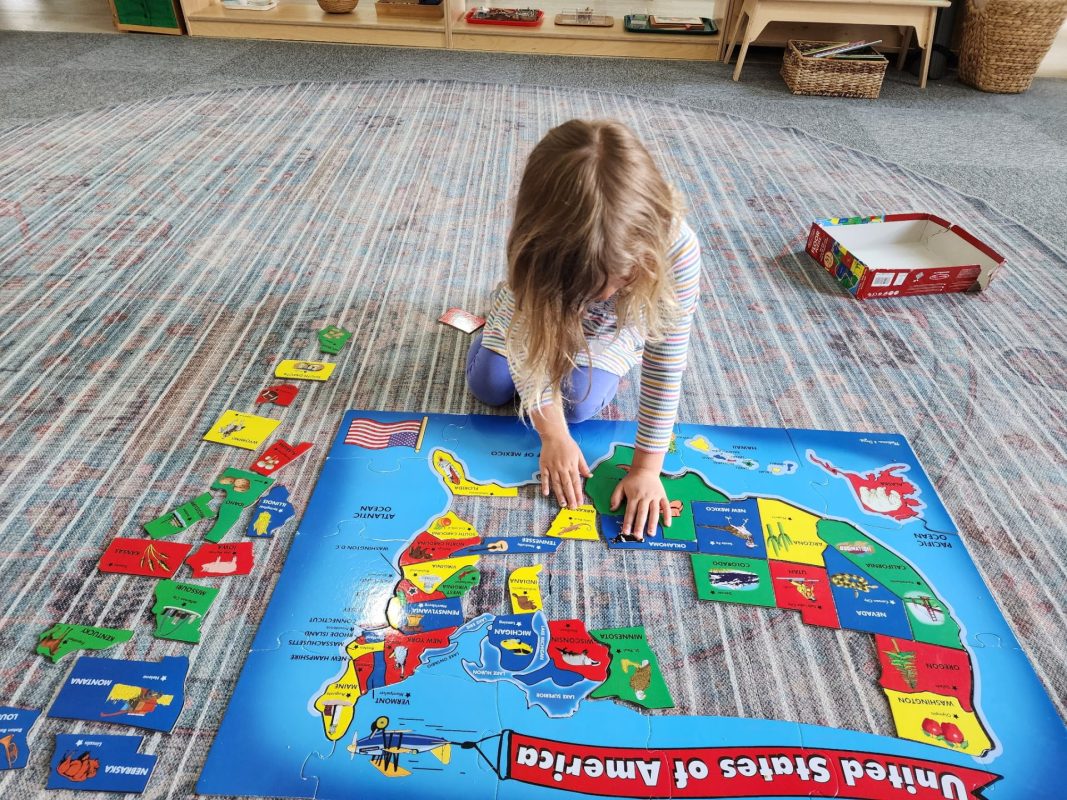
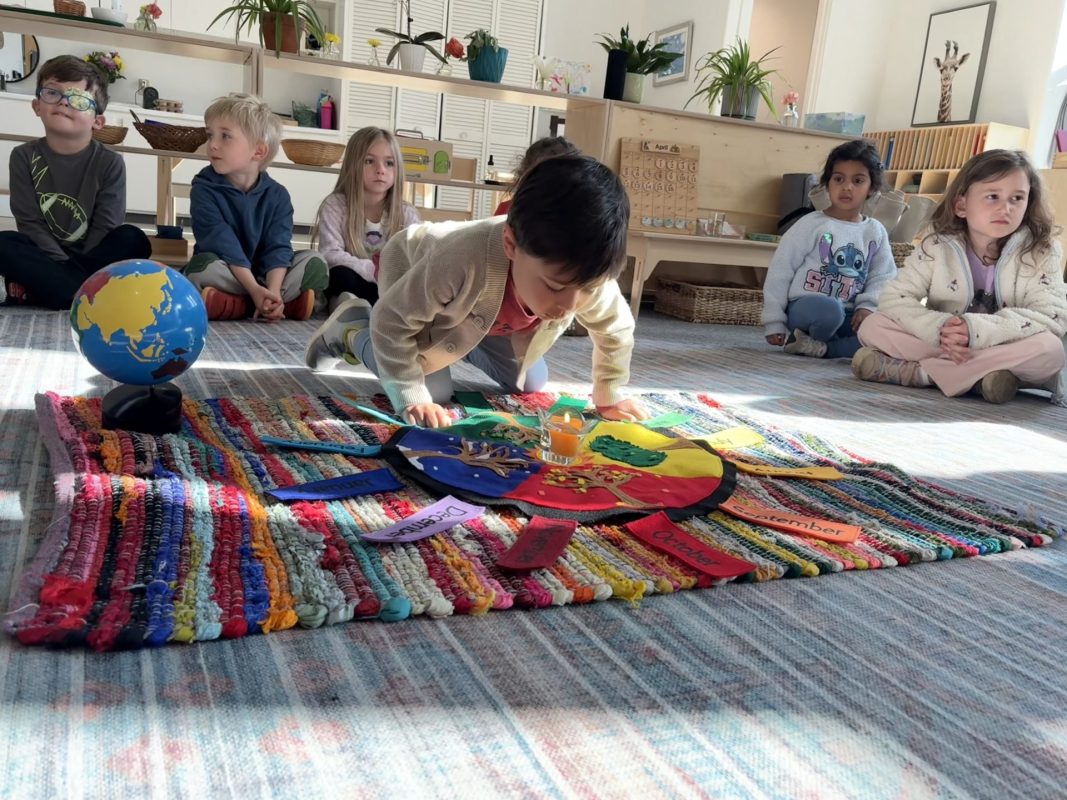
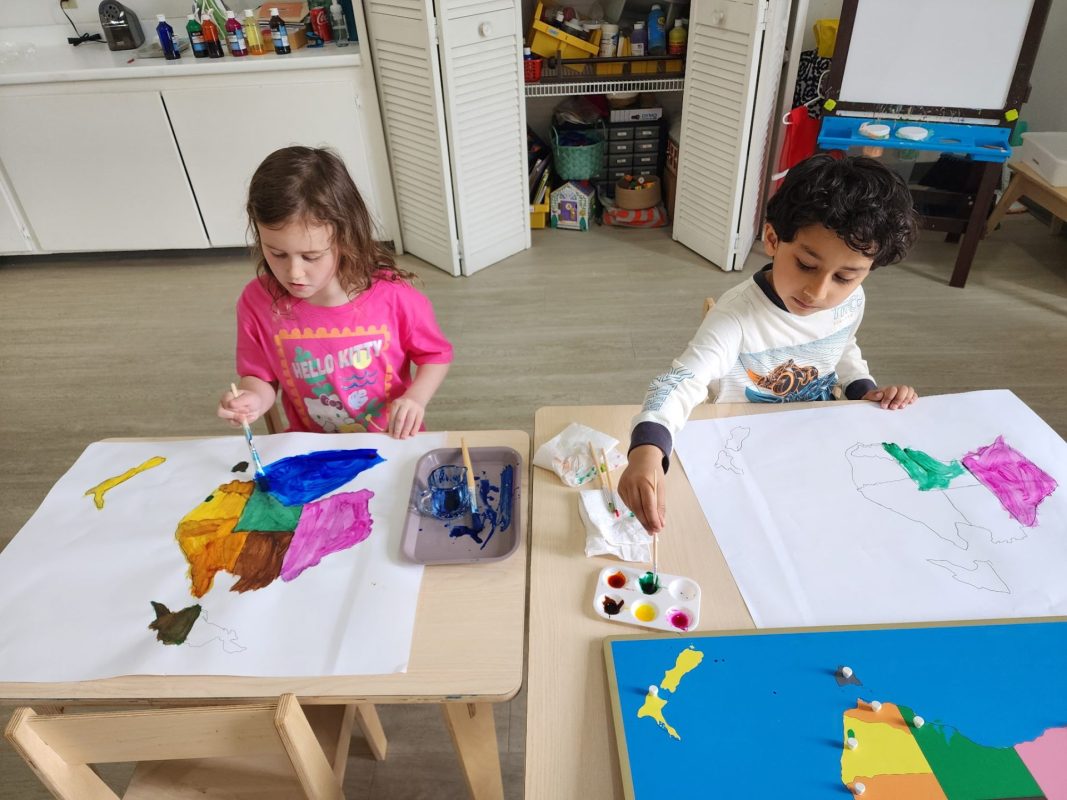
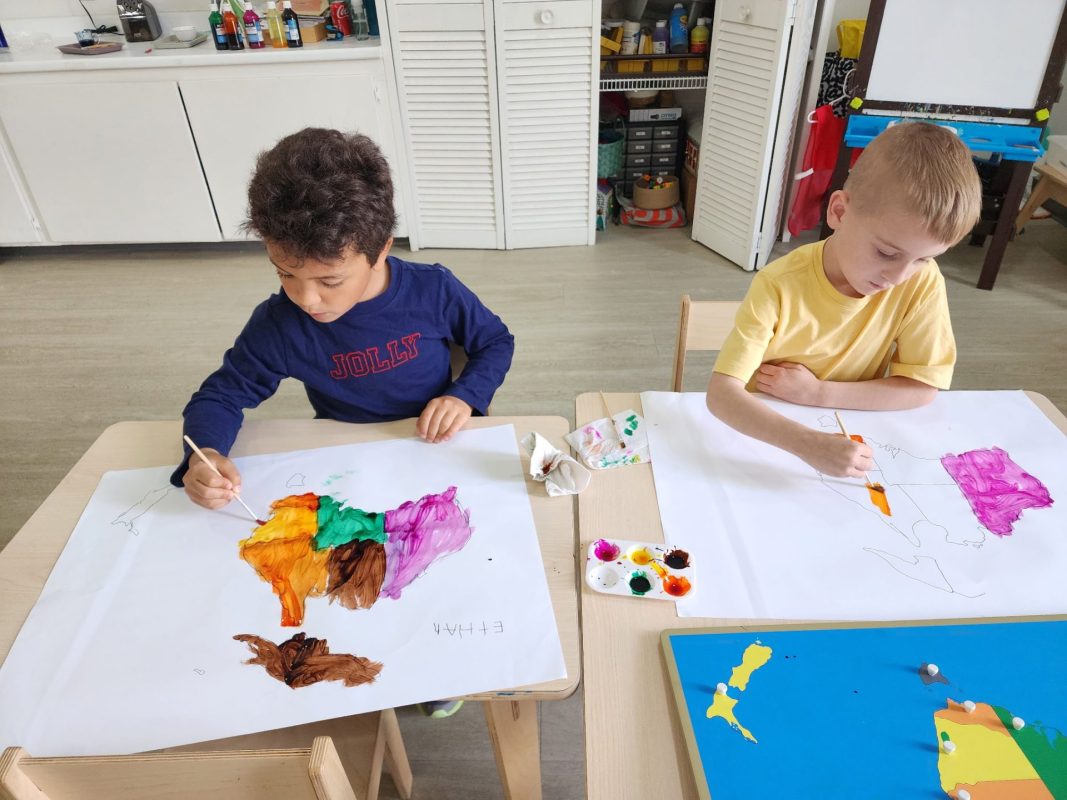
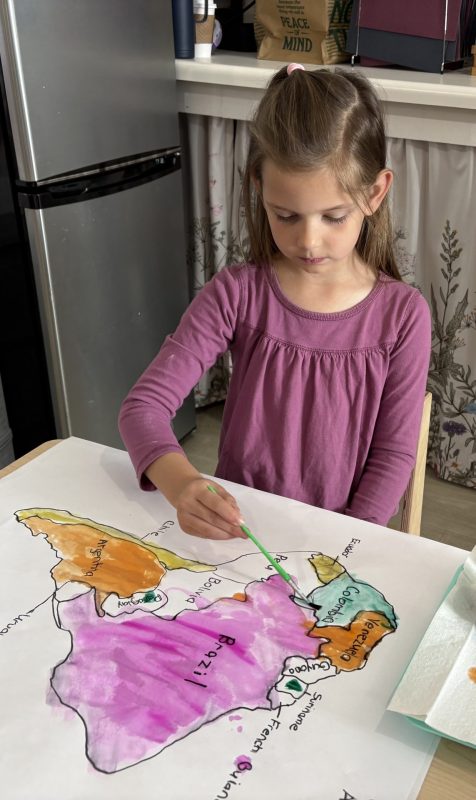
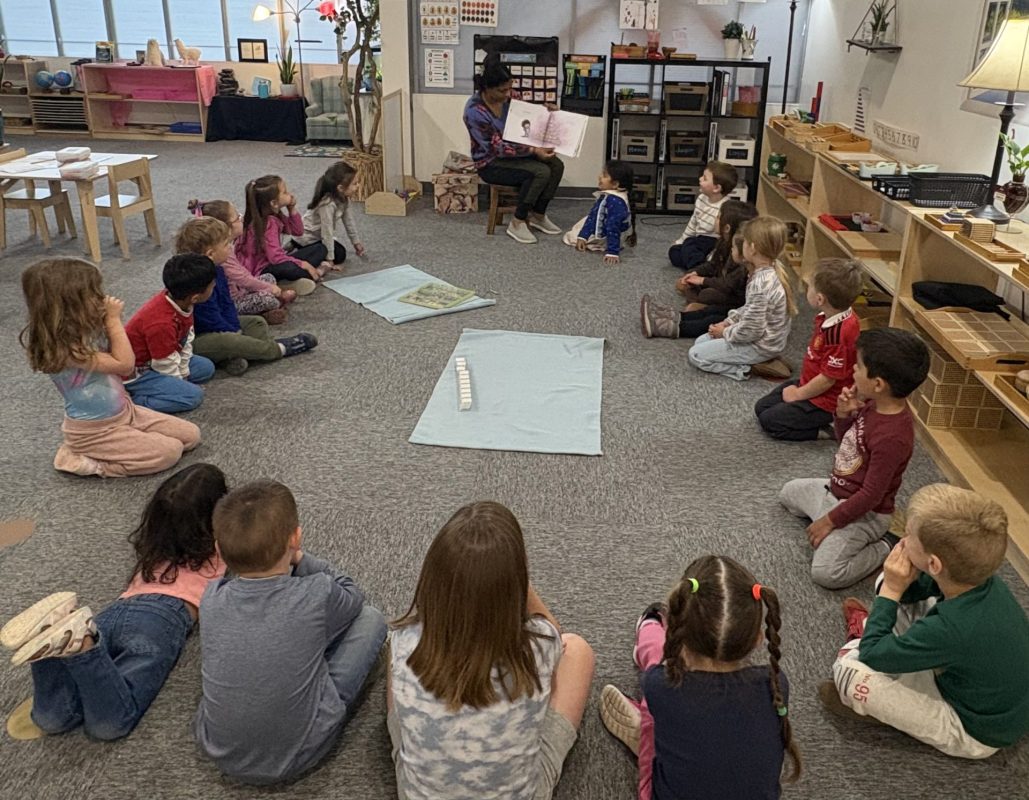
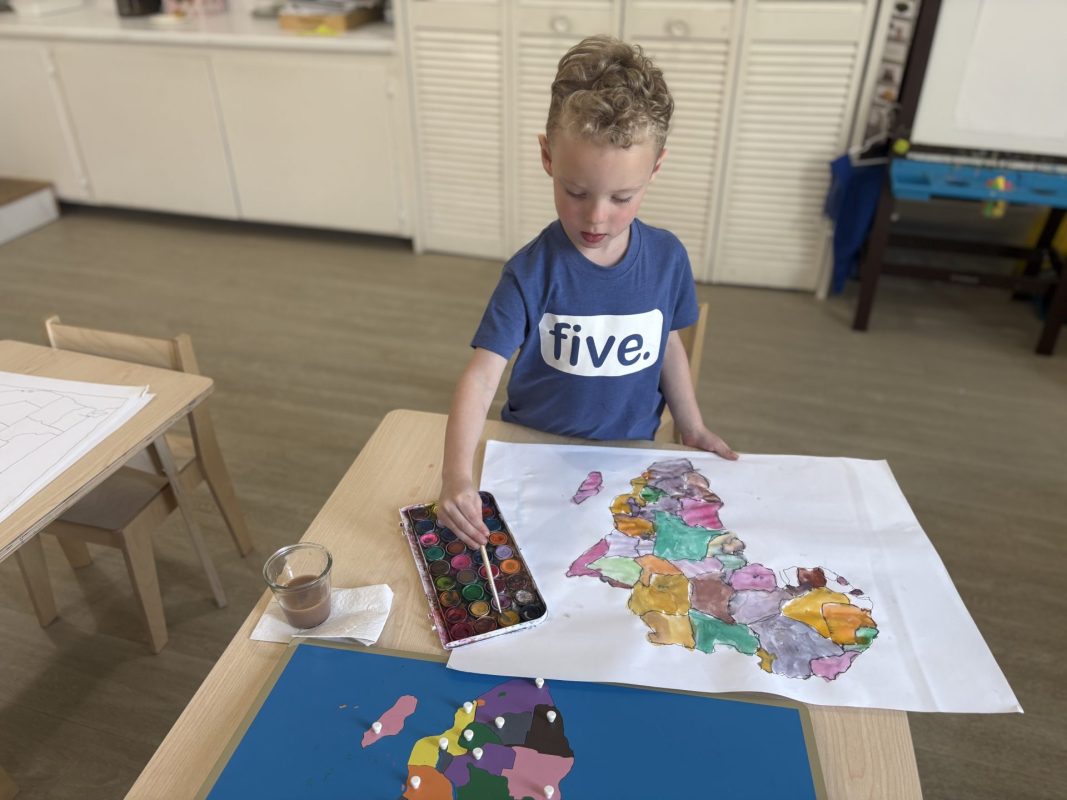
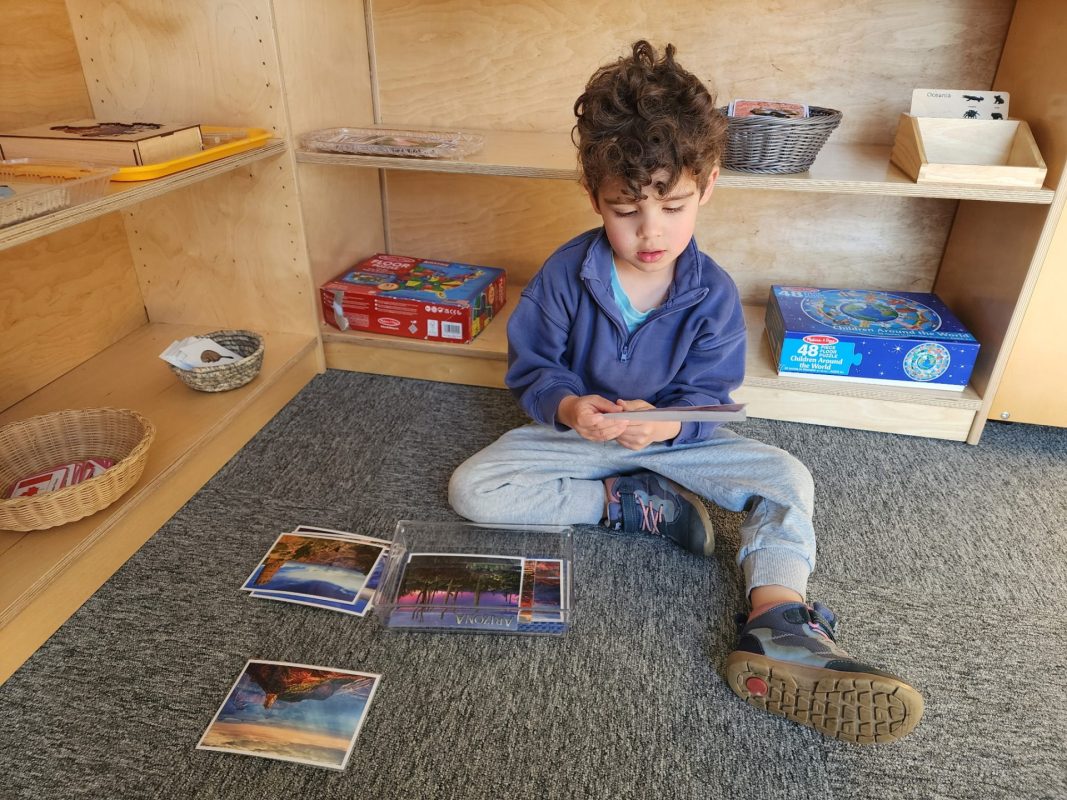
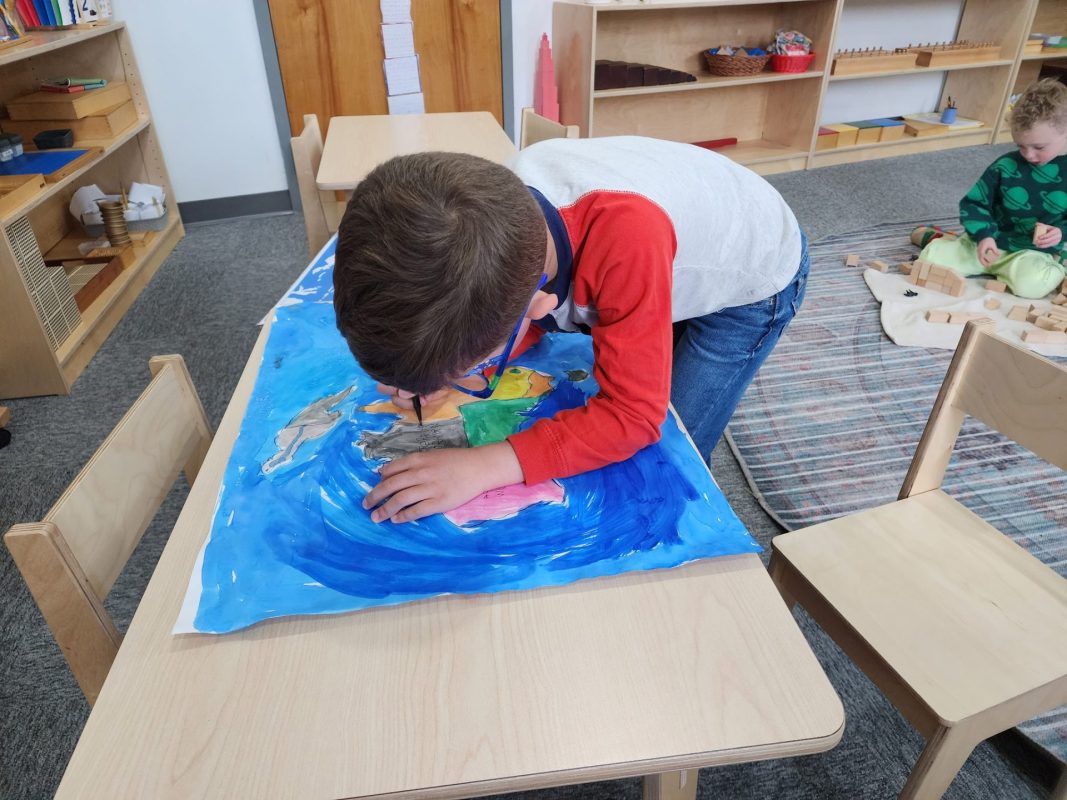
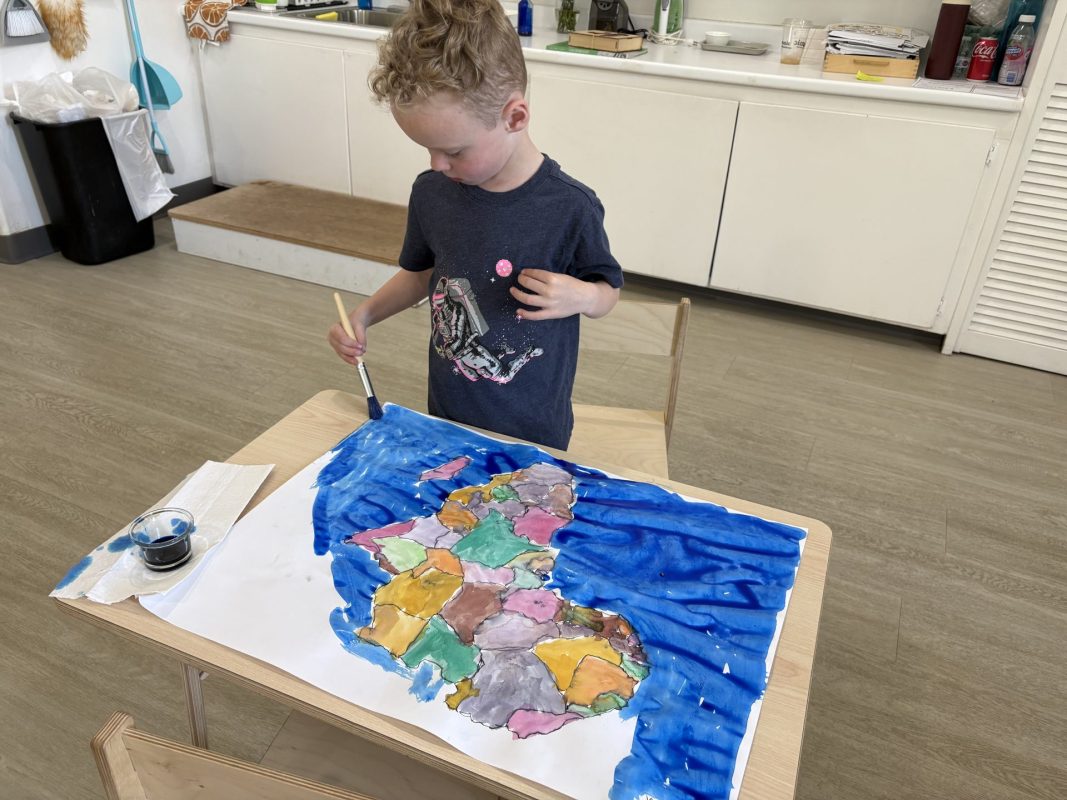
Last week, we embarked on a journey to a new continent! Our unit on South America began with the children gathering around the map to locate this vast and vibrant landmass. From there, we explored the animals that call South America home and dove into the layers of the rain forest, from the forest floor all the way up to the emergent canopy.

Geography studies like this one connect beautifully to the children’s natural sense of wonder about the wider world. Discovering that jaguars, toucans, and poison dart frogs all share the same forest—just at different heights—sparked rich conversations and plenty of enthusiastic questions. The rain forest, with its layered complexity, offers a wonderful entry point into ecological thinking at the primary level.

A Friendly Reminder

As the weather continues to warm, please remember to swap out your child’s spare change of clothing in their cubby. Summer-weight layers will serve them much better as we head into the warmer weeks ahead—and, as always, comfortable clothes that can handle some outdoor exploration are best.

Extending Learning at Home

  • Pull up a map or globe together and find South America. Ask your child to point out where the rainforest is and share what they know about it.
  • Look up photos or a short video of rainforest layers — the forest floor, understory, canopy, and emergent layer — and see if your child can name the animals found at each level.
  • Visit your local library for picture books about South American animals or the Amazon rainforest. Your child may surprise you with how much they already know!

Ms. Marissa: Weekly Update

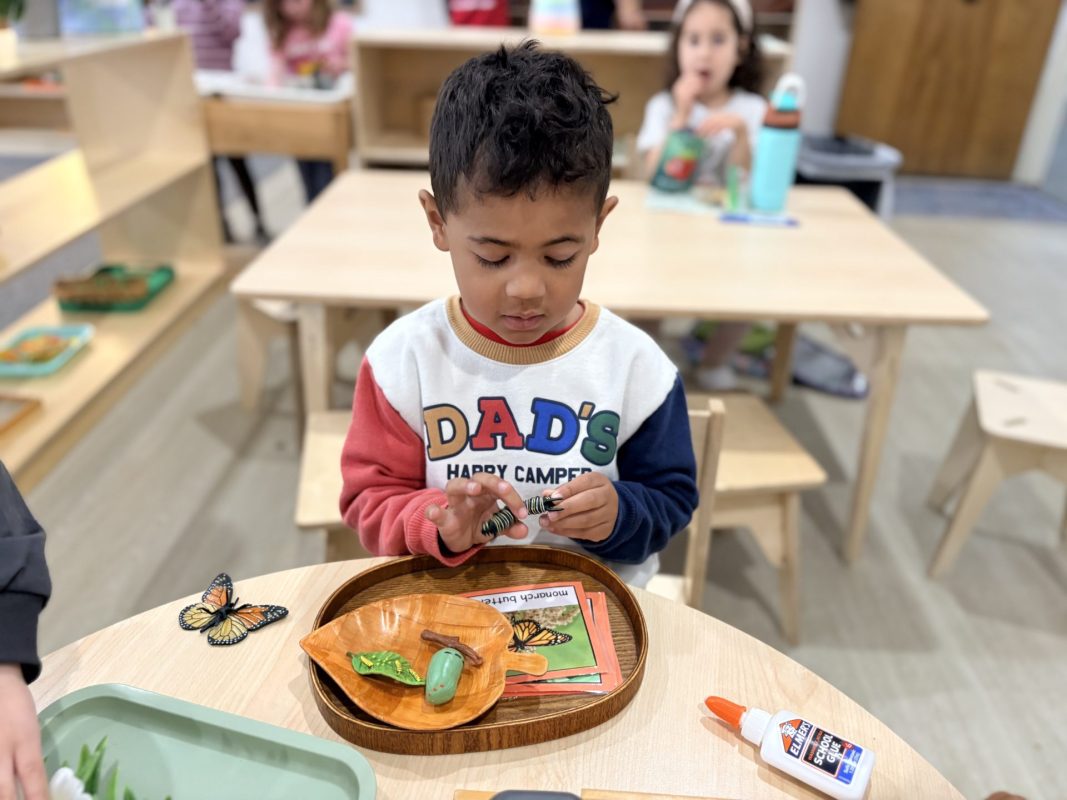
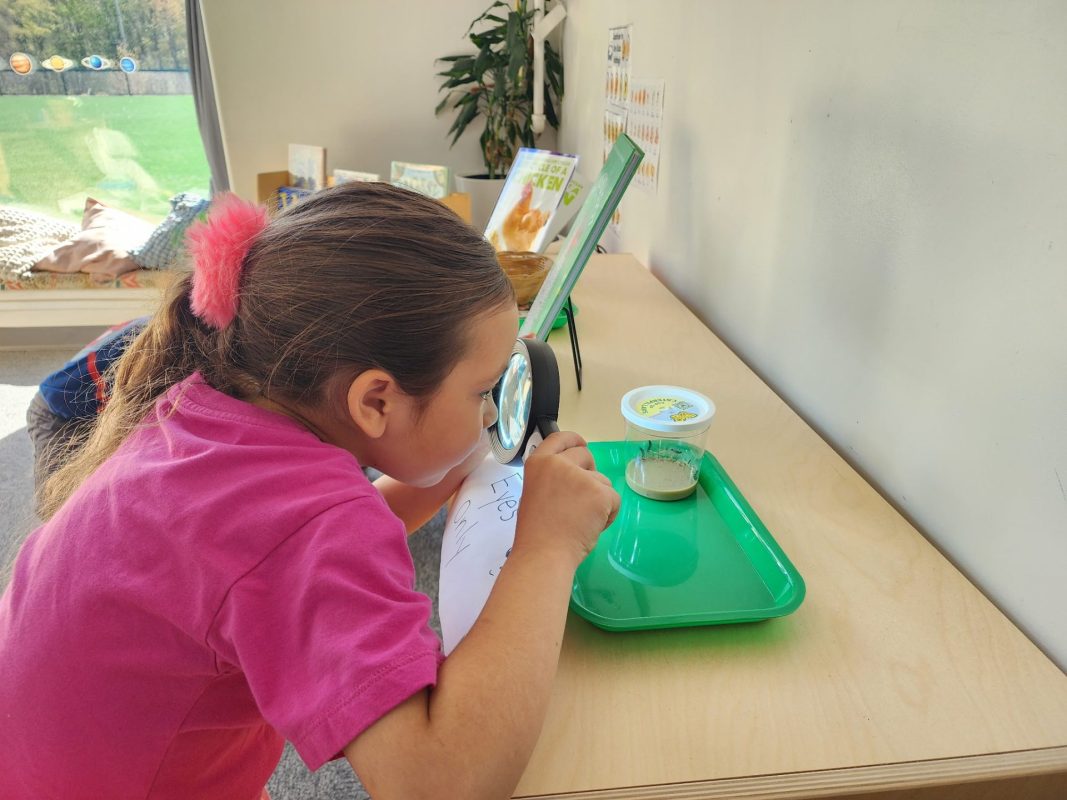
This week, the children have been very excited to watch our caterpillars continue their transformation into butterflies. Each day, they check on them, make observations, and talk about the changes they notice. It has been a great hands-on way for the children to learn about life cycles and practice patience while waiting for the butterflies to emerge.

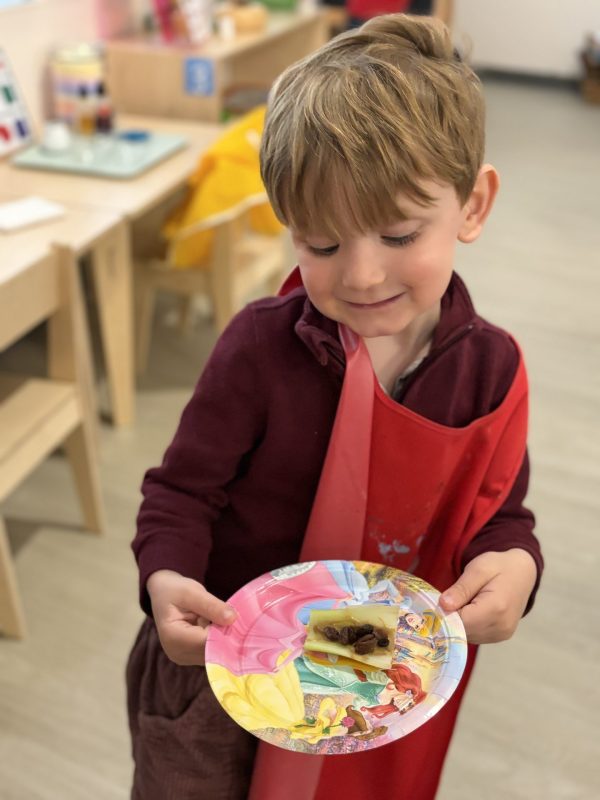
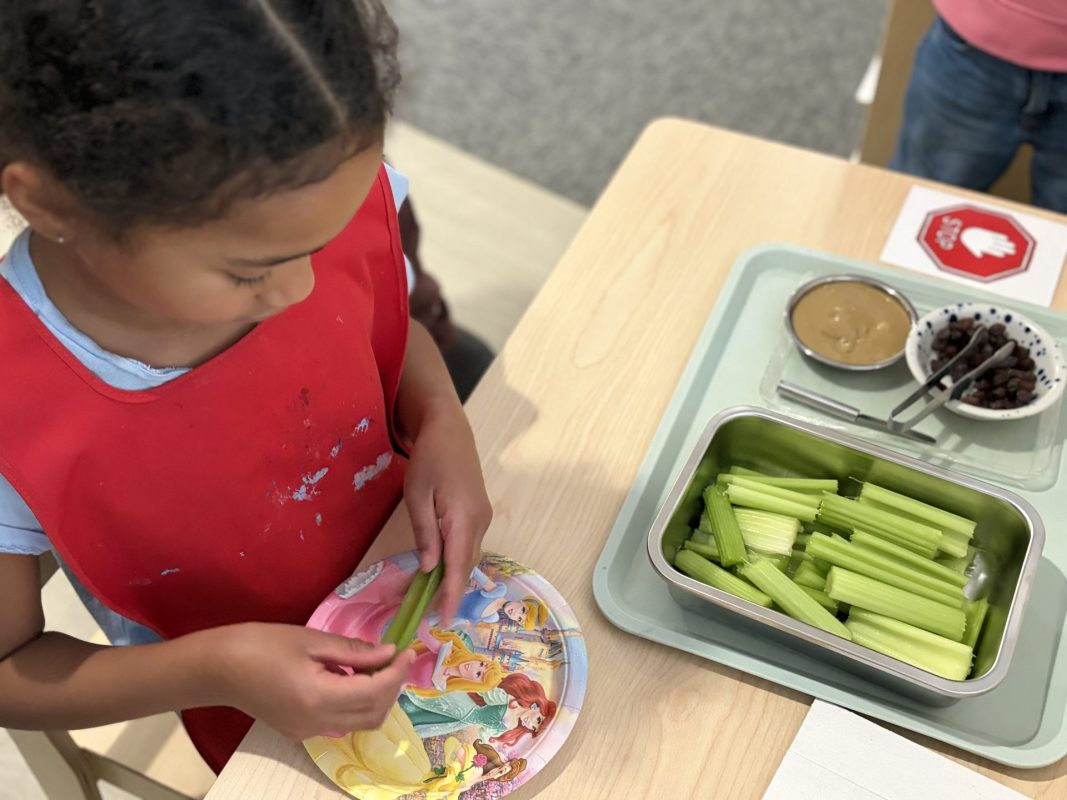
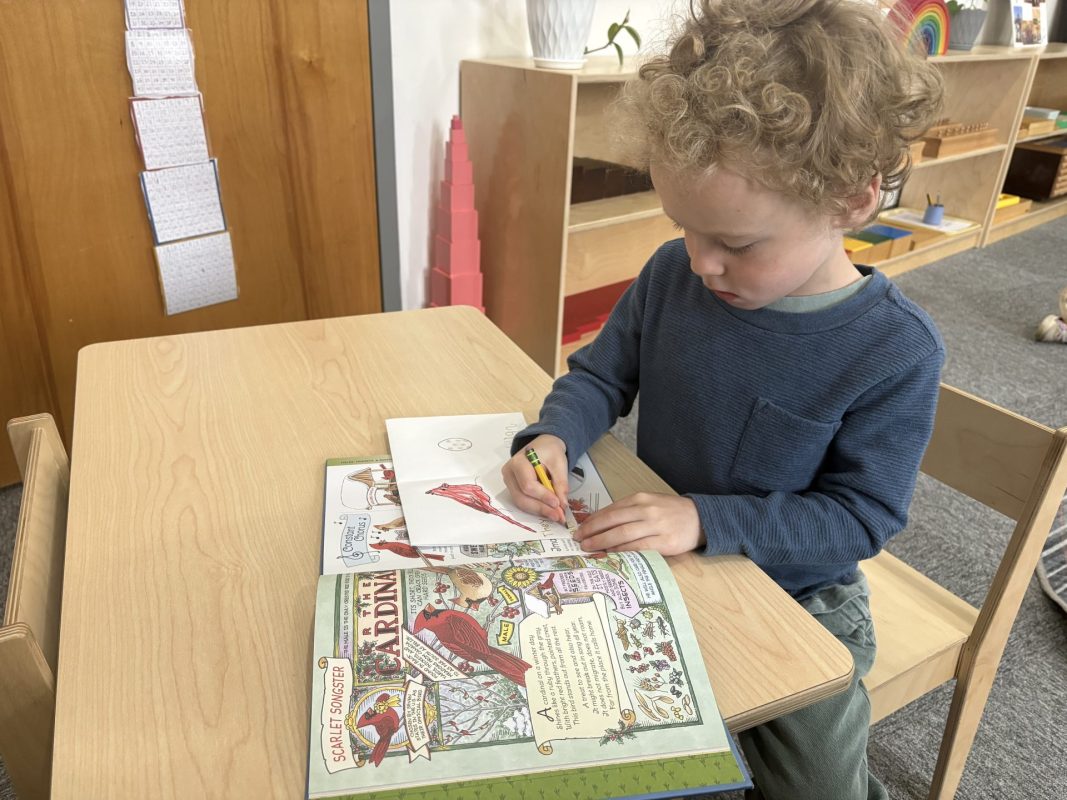
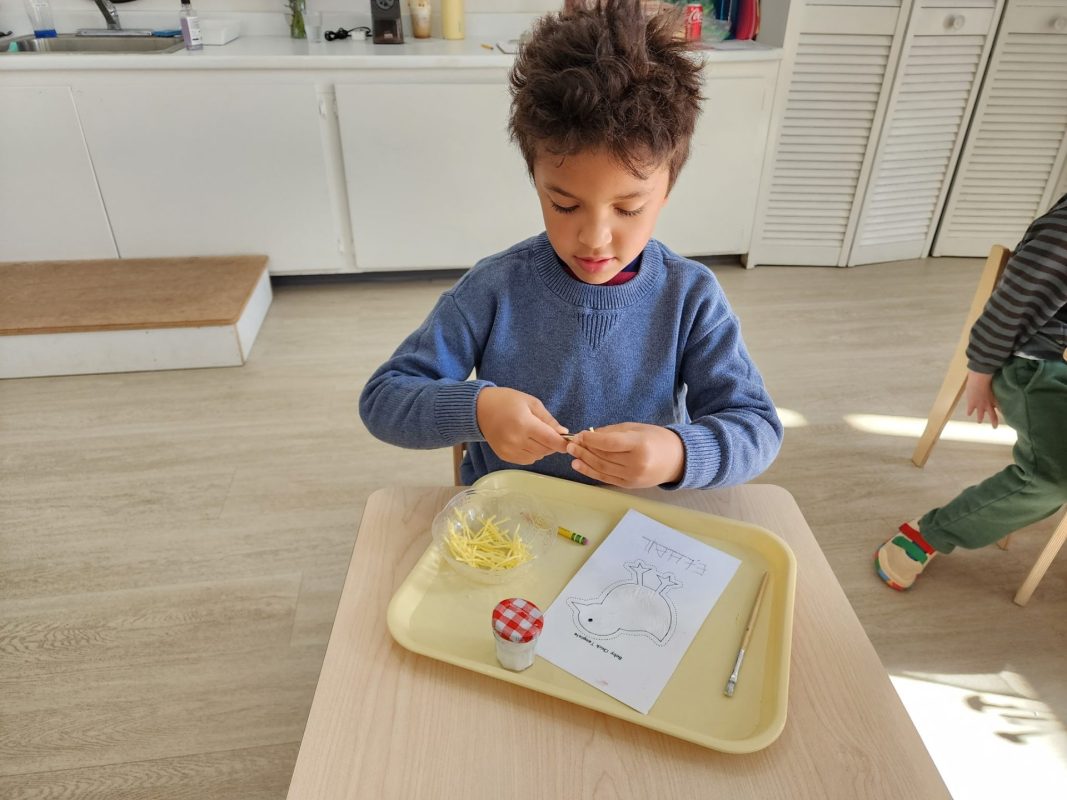
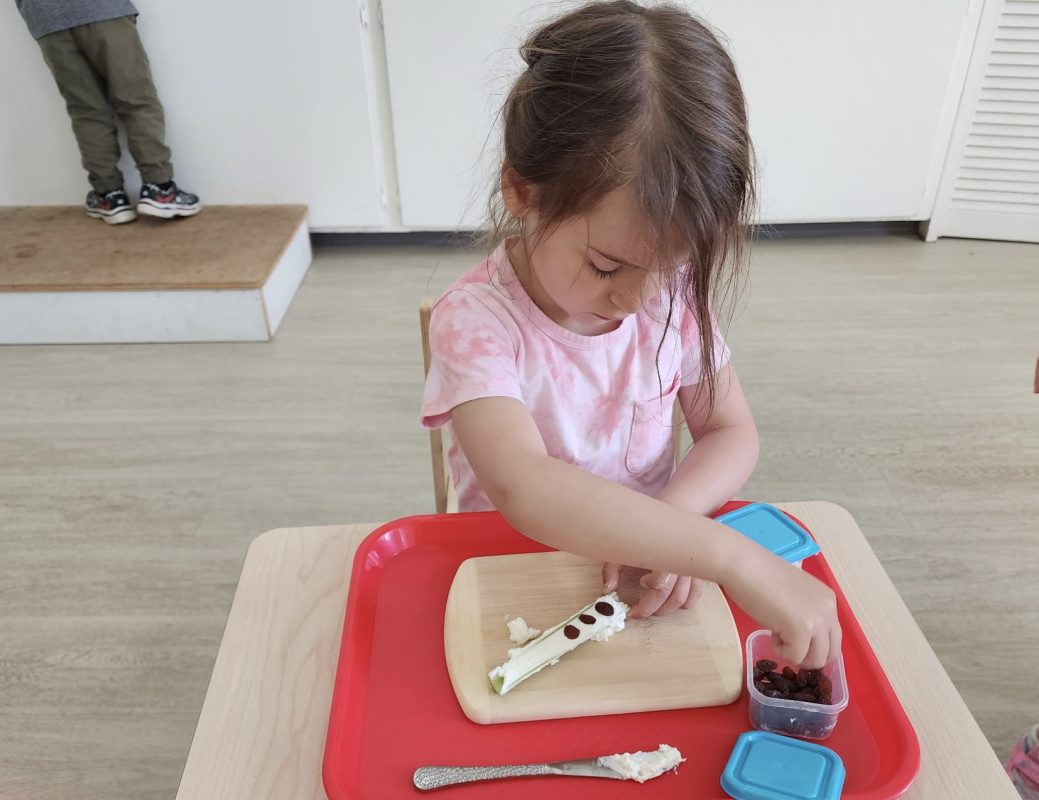
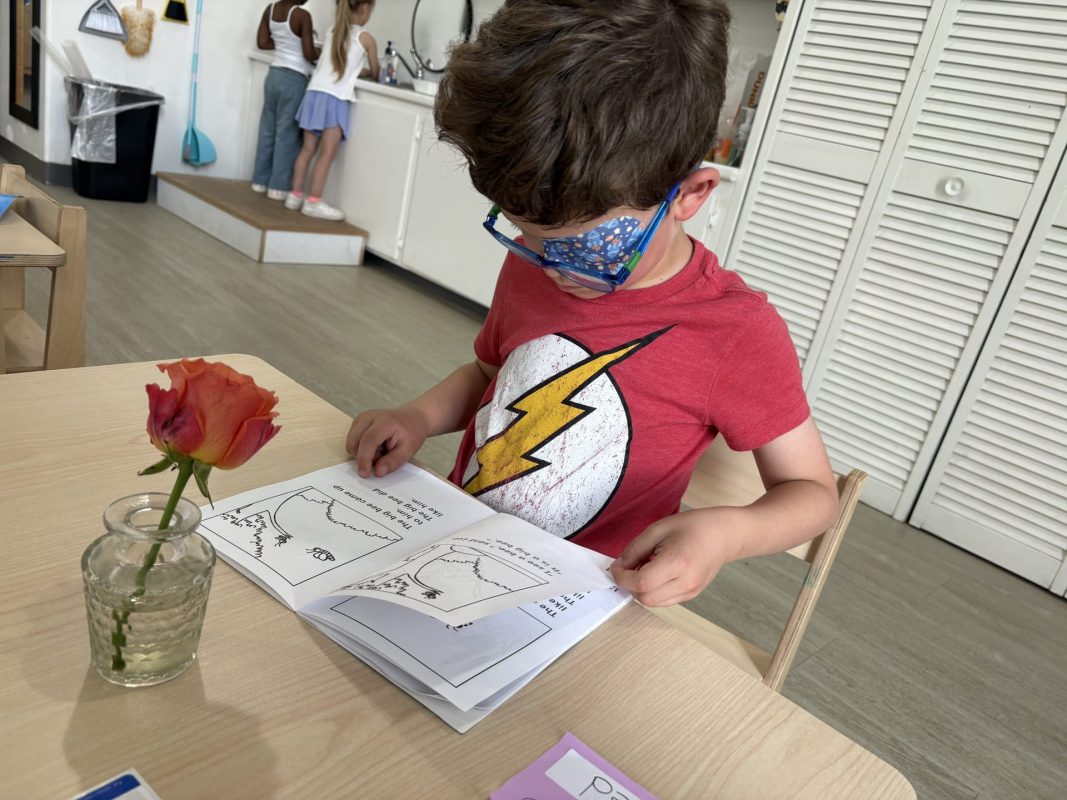
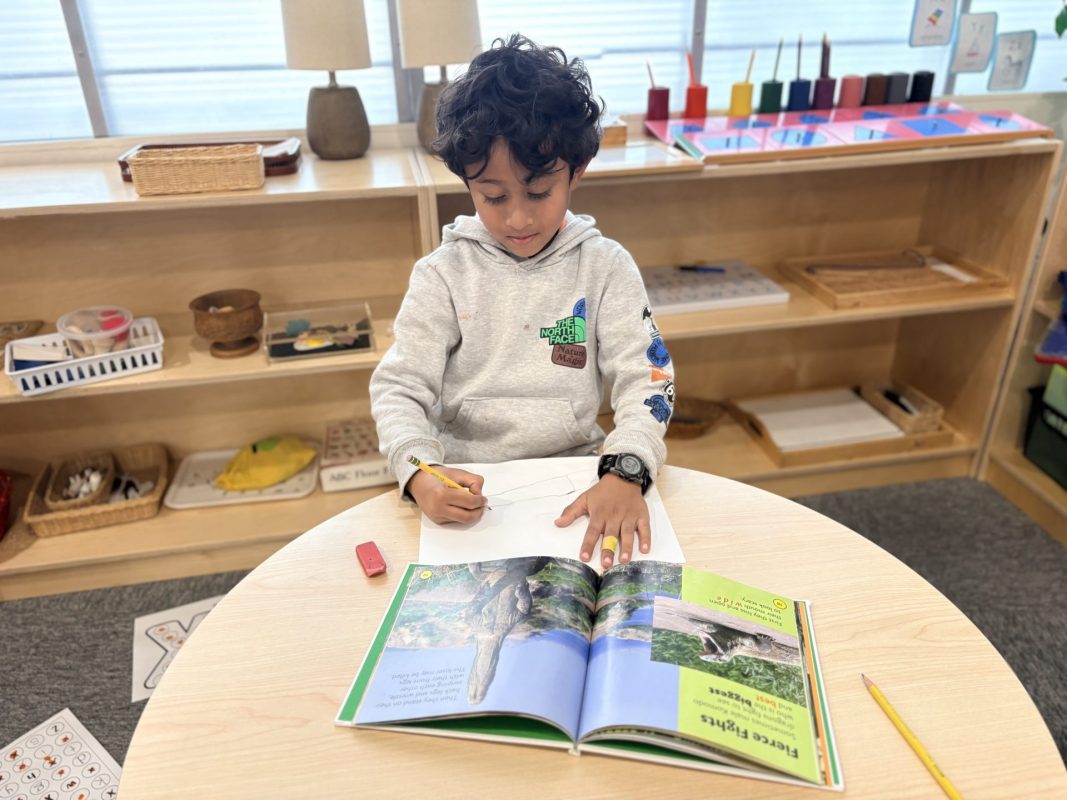
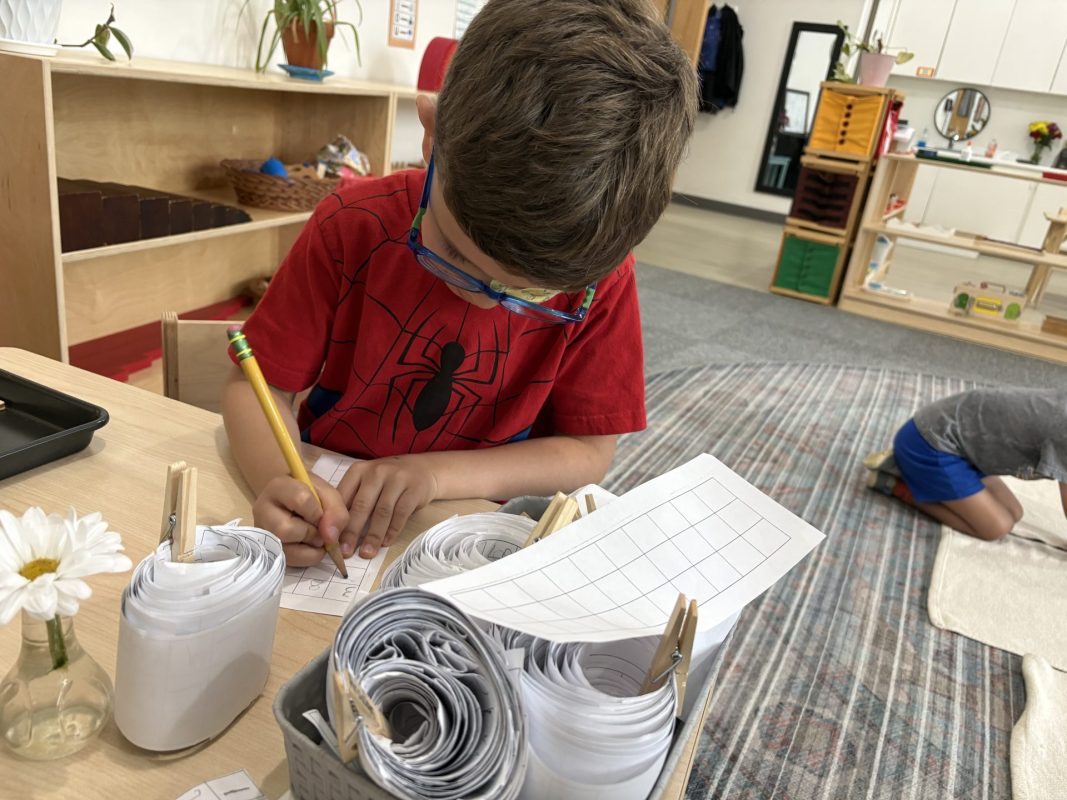
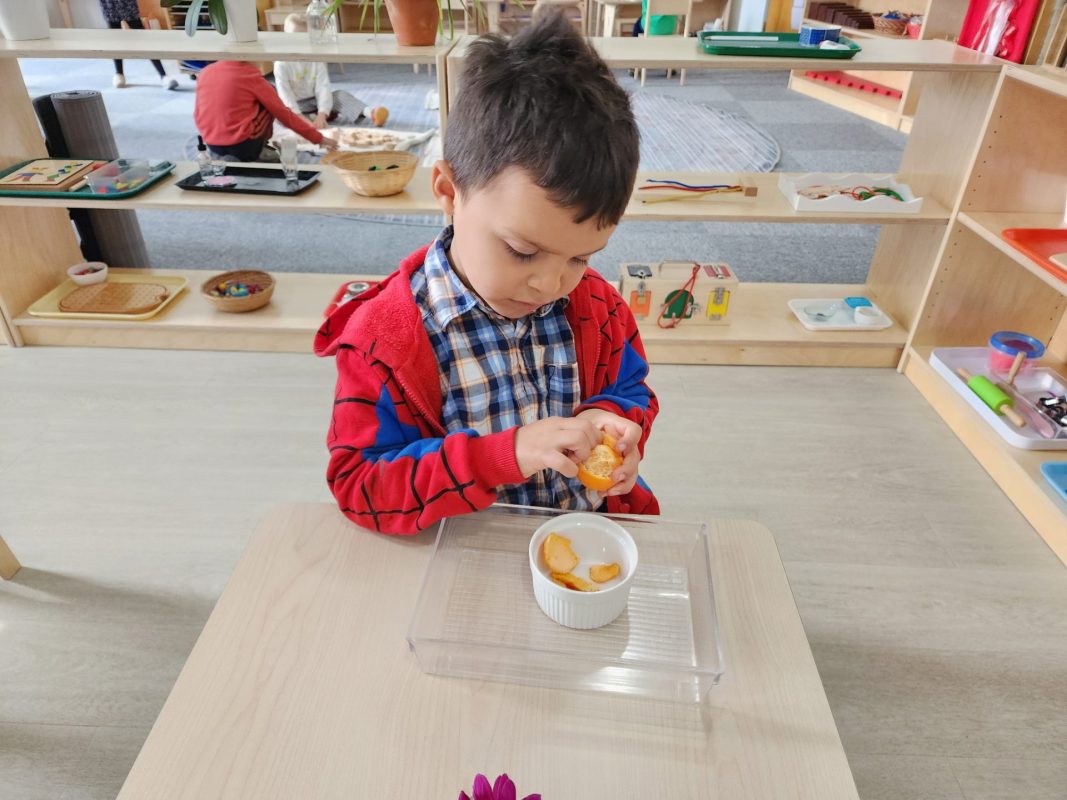
We also introduced a new food prep activity: ants-on-a-log with sunflower butter. The children had fun spreading the sunflower butter, adding raisins, and trying a new snack. It was a big hit in the classroom. Our kindergarteners are also finishing up their animal research books and are very proud of their hard work. They have enjoyed learning facts about their animals and putting together their final pages and illustrations.


Mrs. Sargeant: Chicks, Caterpillars, and the Cycle of Life

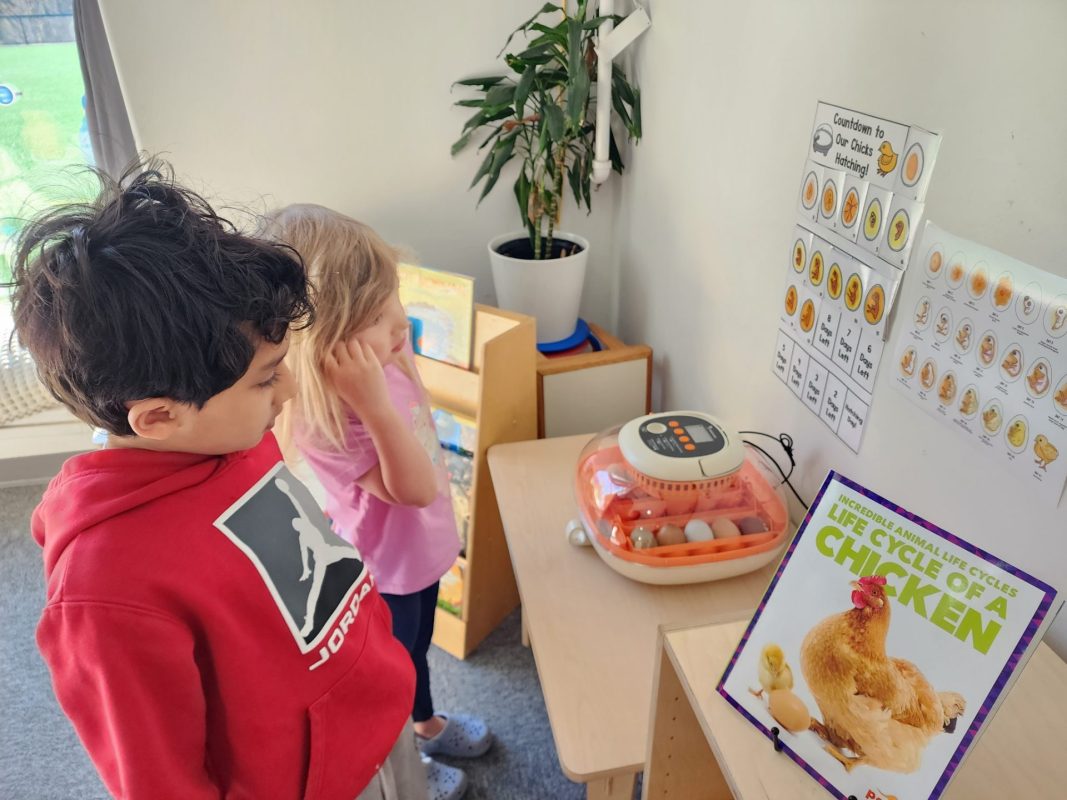
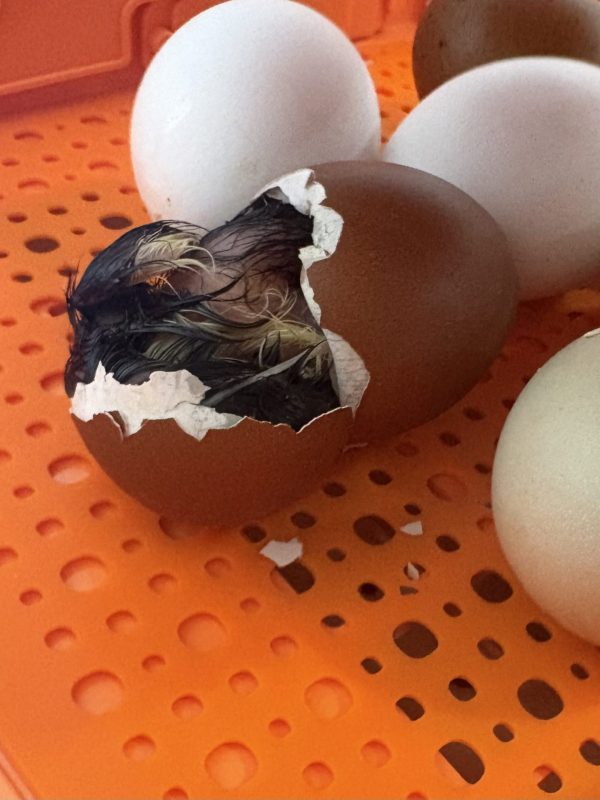
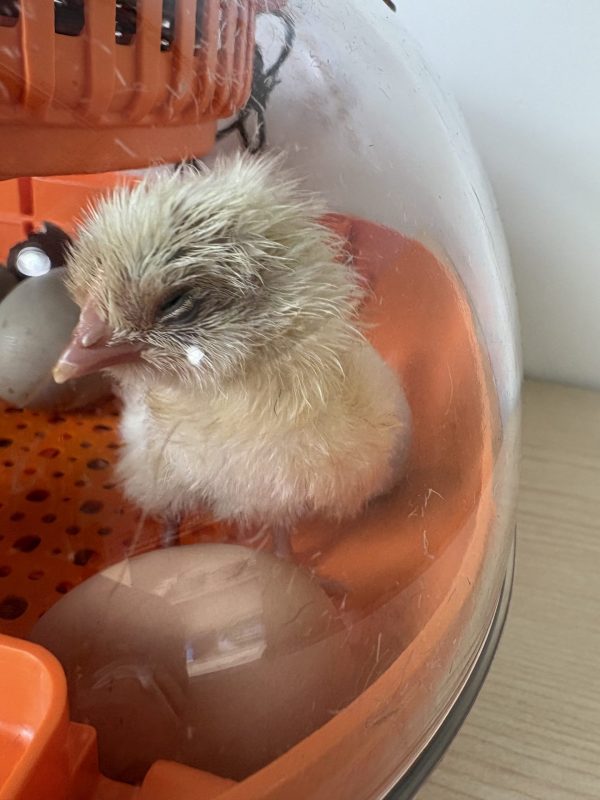
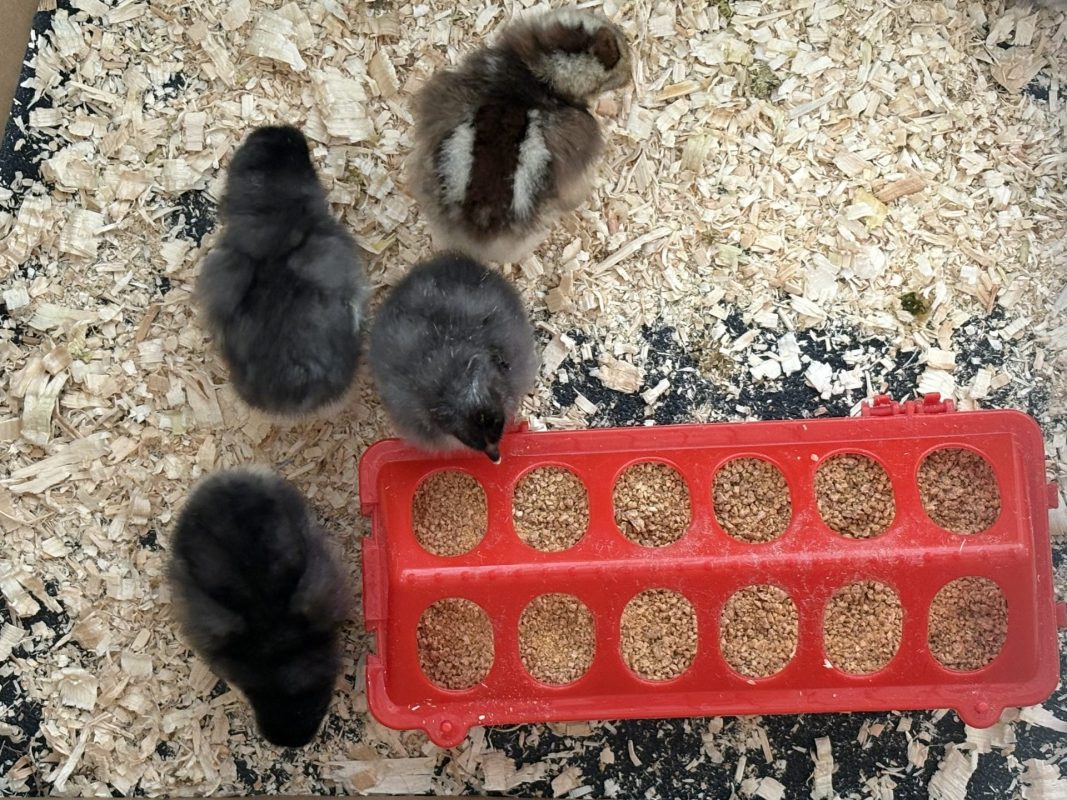
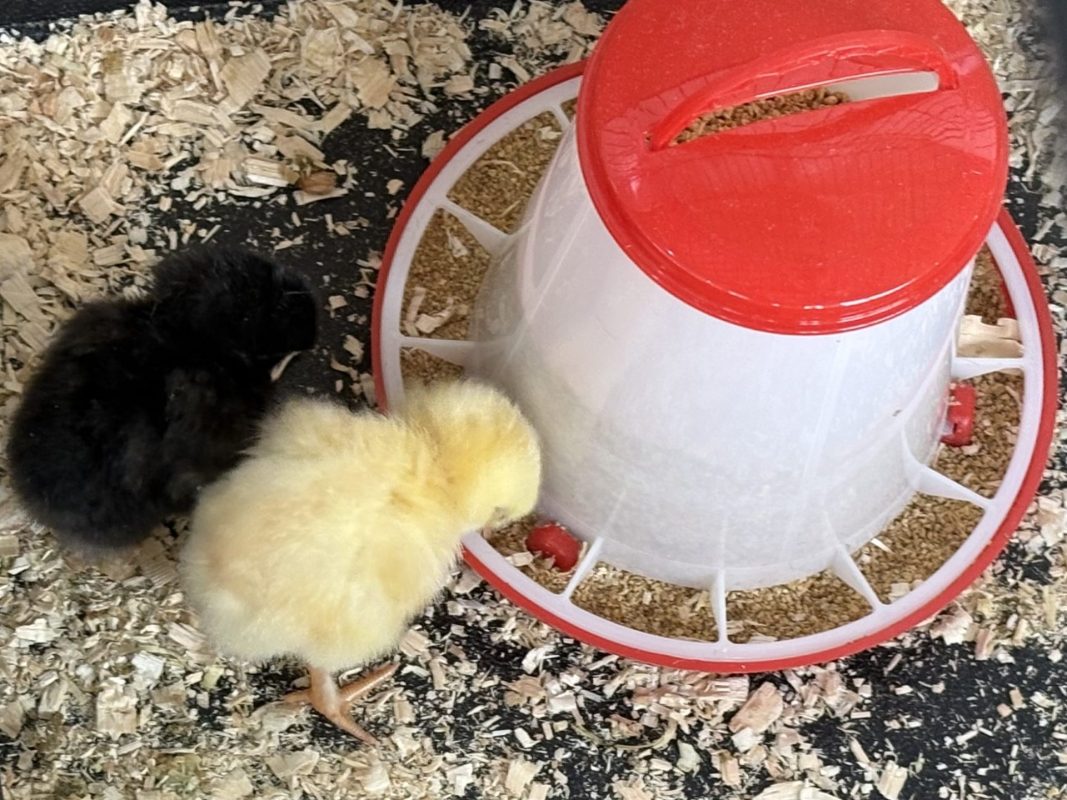
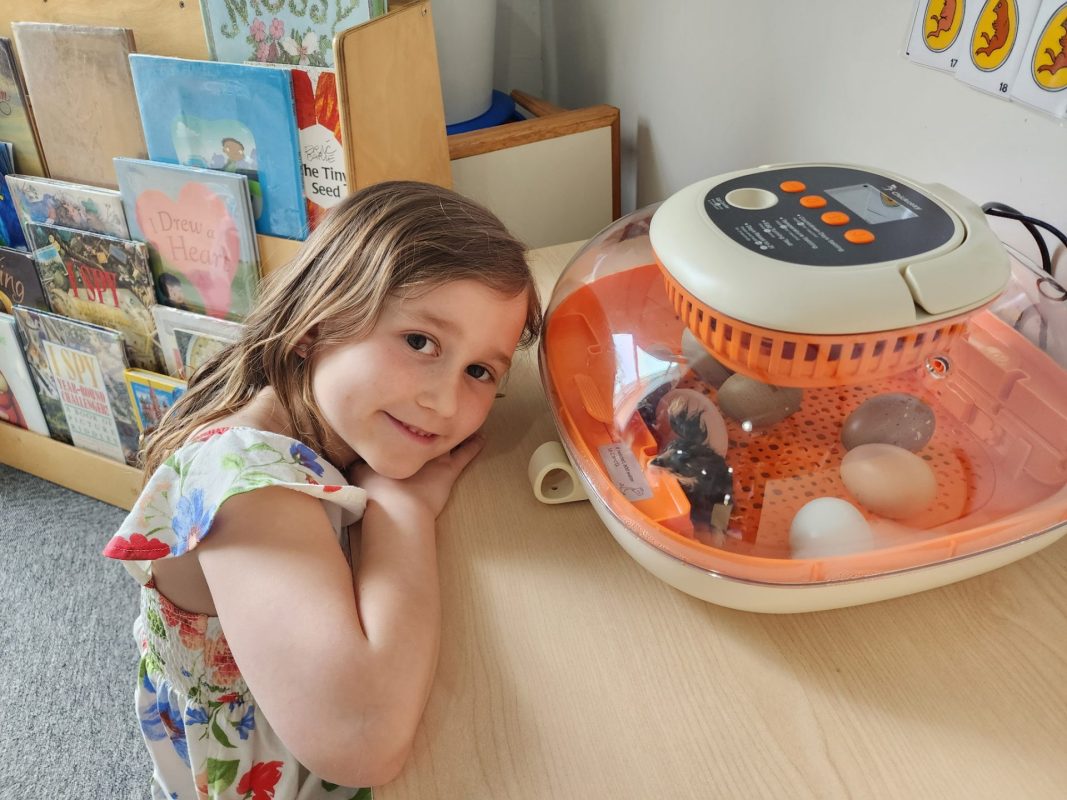
Having an incubator in the classroom has been such an exciting and meaningful experience—watching the chicks hatch has been amazing, and it’s taught the kids so much about patience, responsibility, and the cycle of life. There’s nothing quite like seeing that moment when a chick finally breaks through its shell. Soon they’ll be heading back to Palmieri Farm, where we originally got the eggs, which makes the whole experience feel full circle. As if that wasn’t enough, we’ve also just received caterpillars to observe, and everyone is really looking forward to watching them grow and transform next.

Invite your child to look for signs of life cycles in your own backyard or neighborhood. Watch for butterflies, caterpillars, birds building nests, or seeds sprouting. Ask your child to tell you what they know about how a caterpillar becomes a butterfly — you may be amazed at what they can explain!

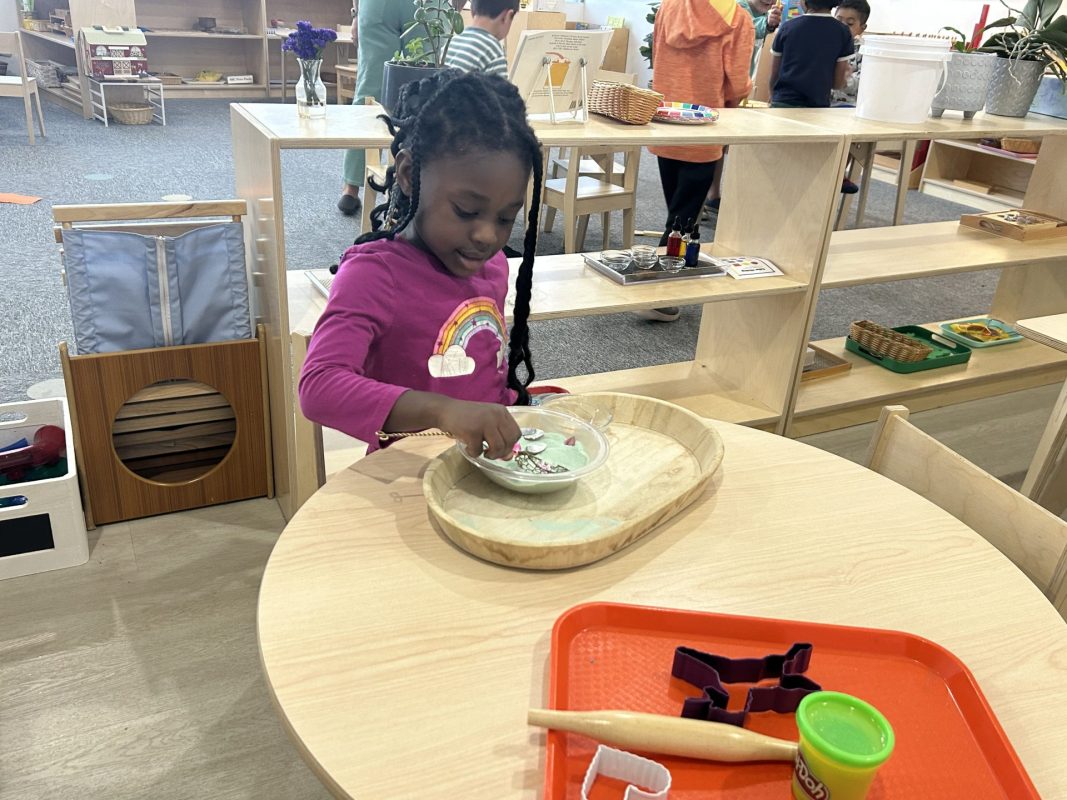
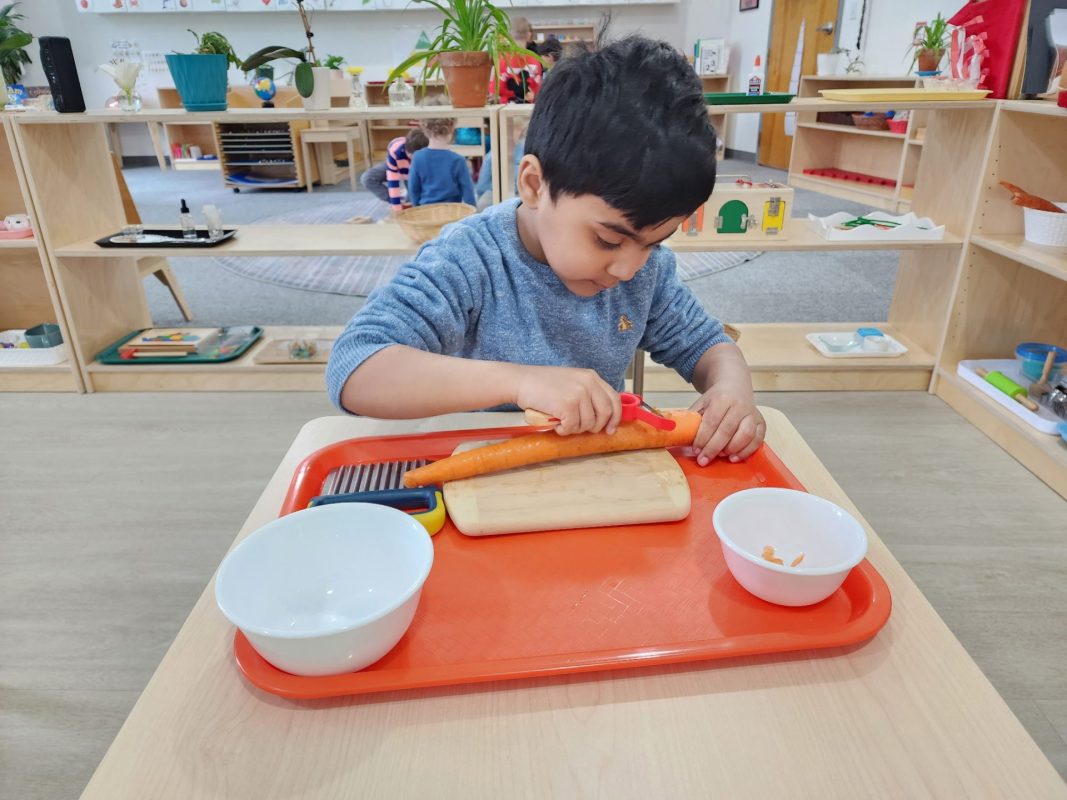
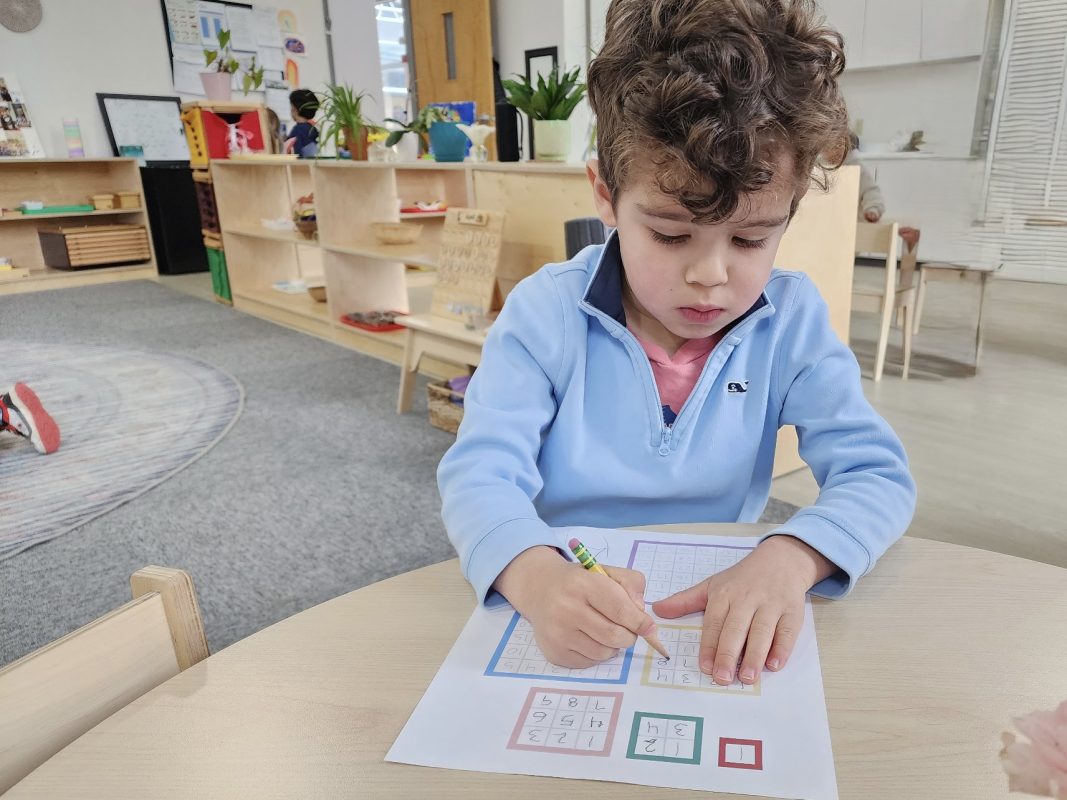
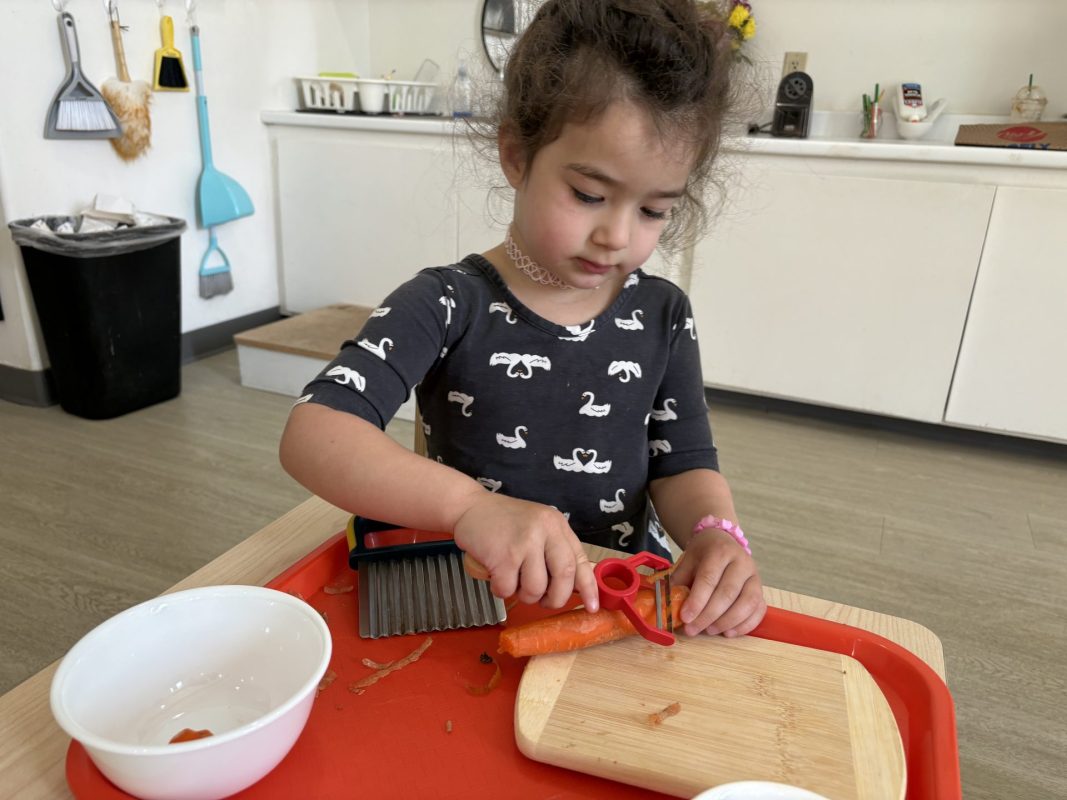
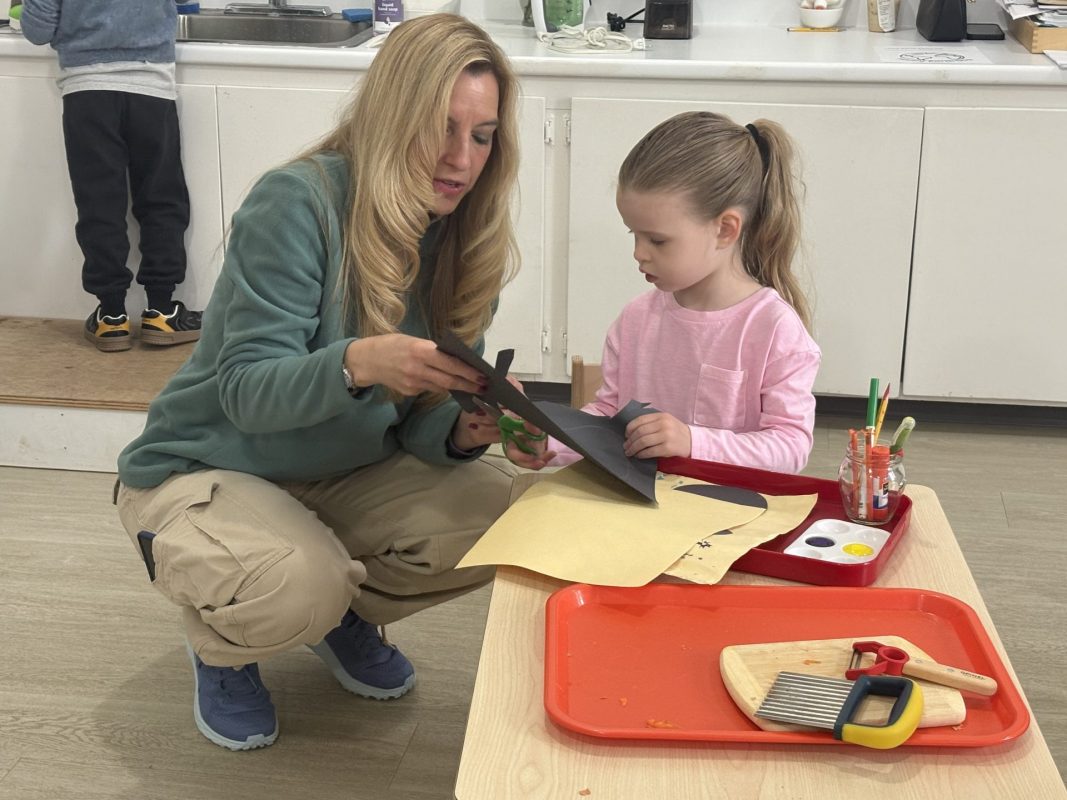
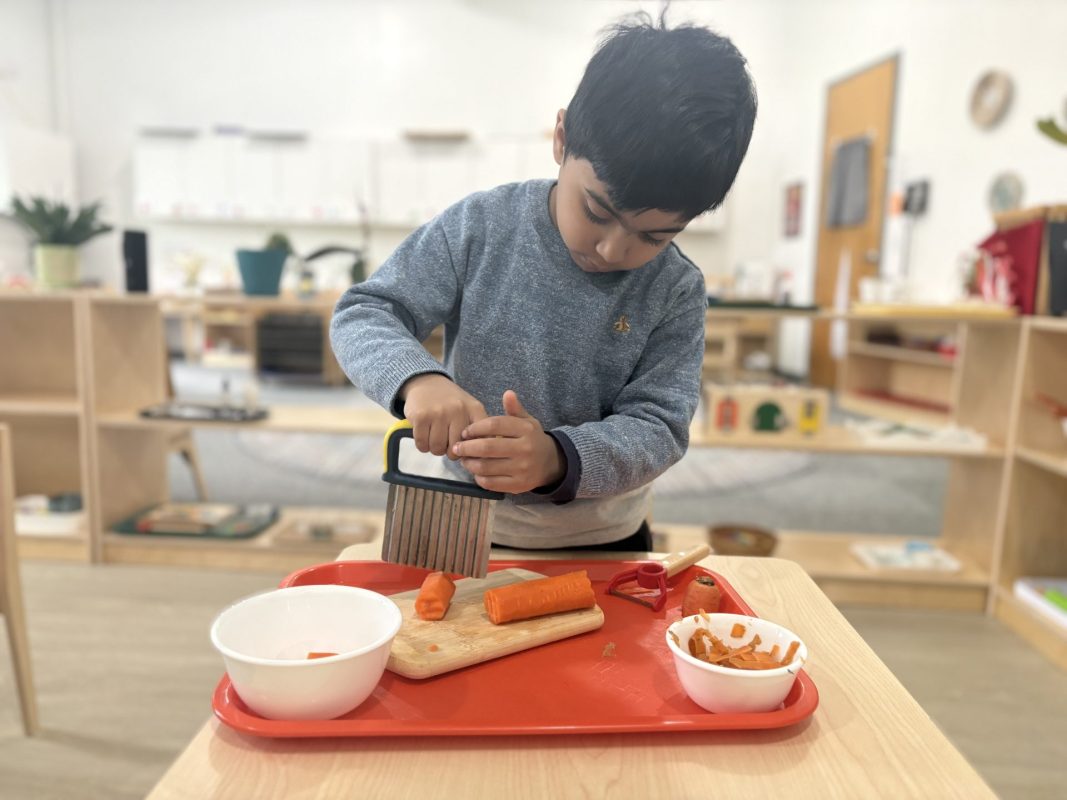
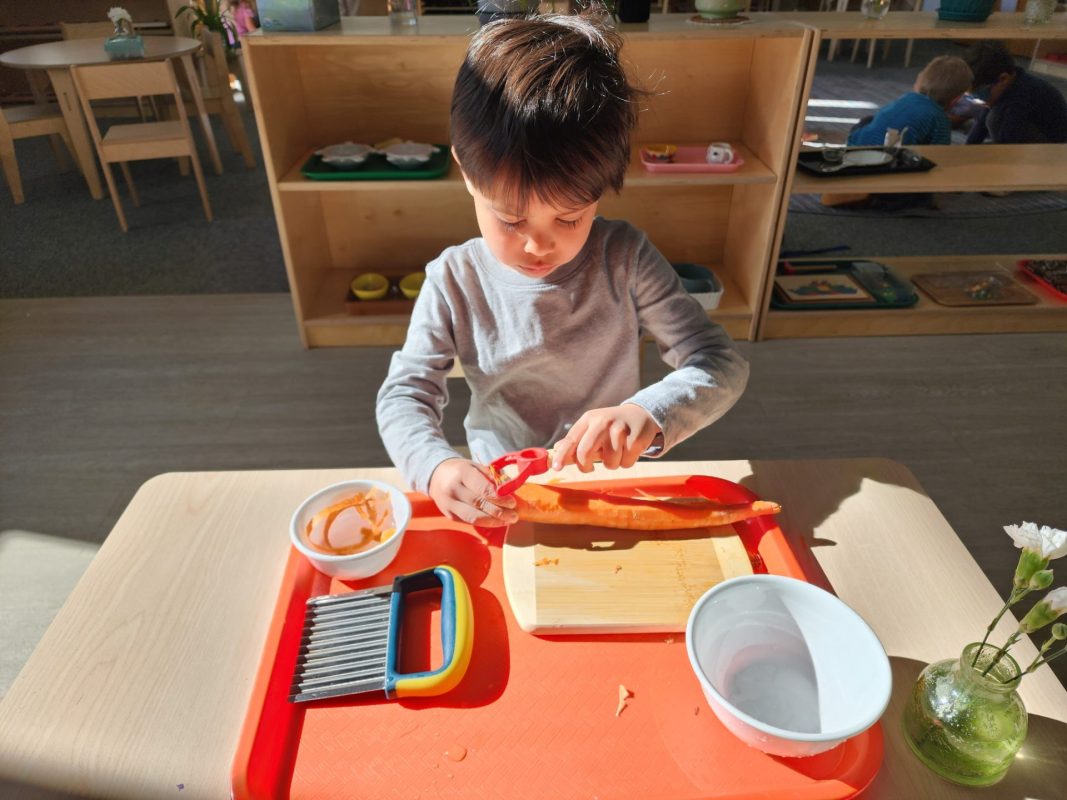
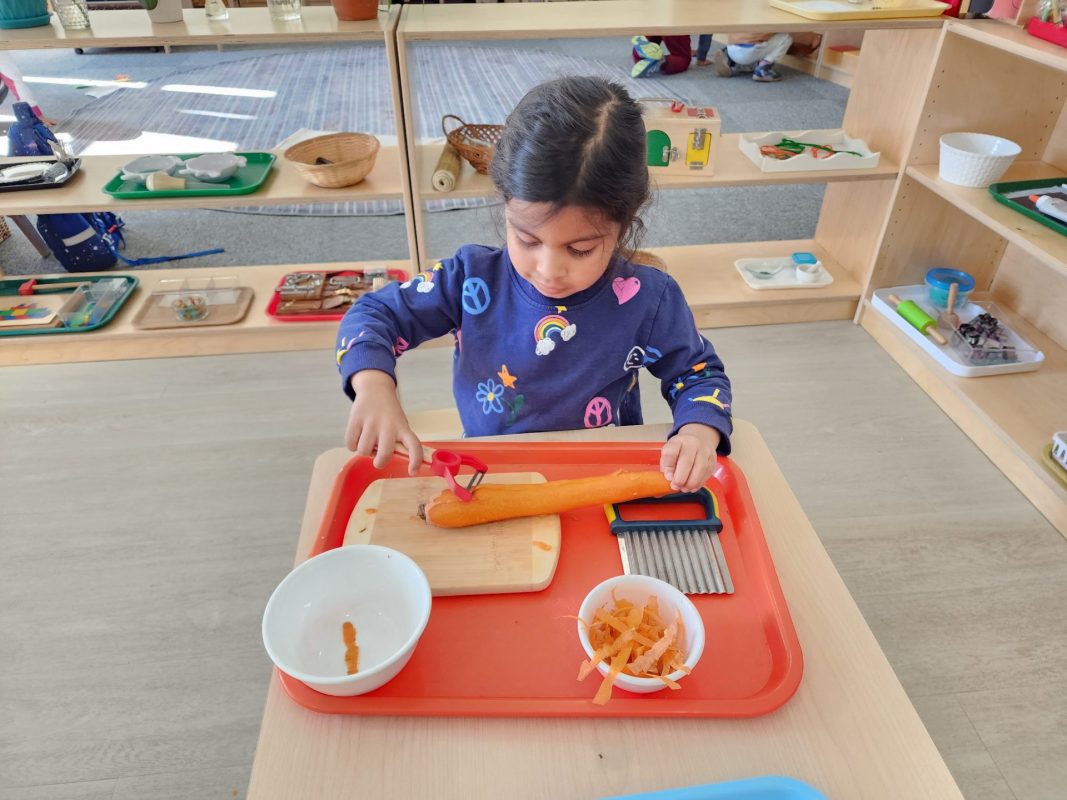
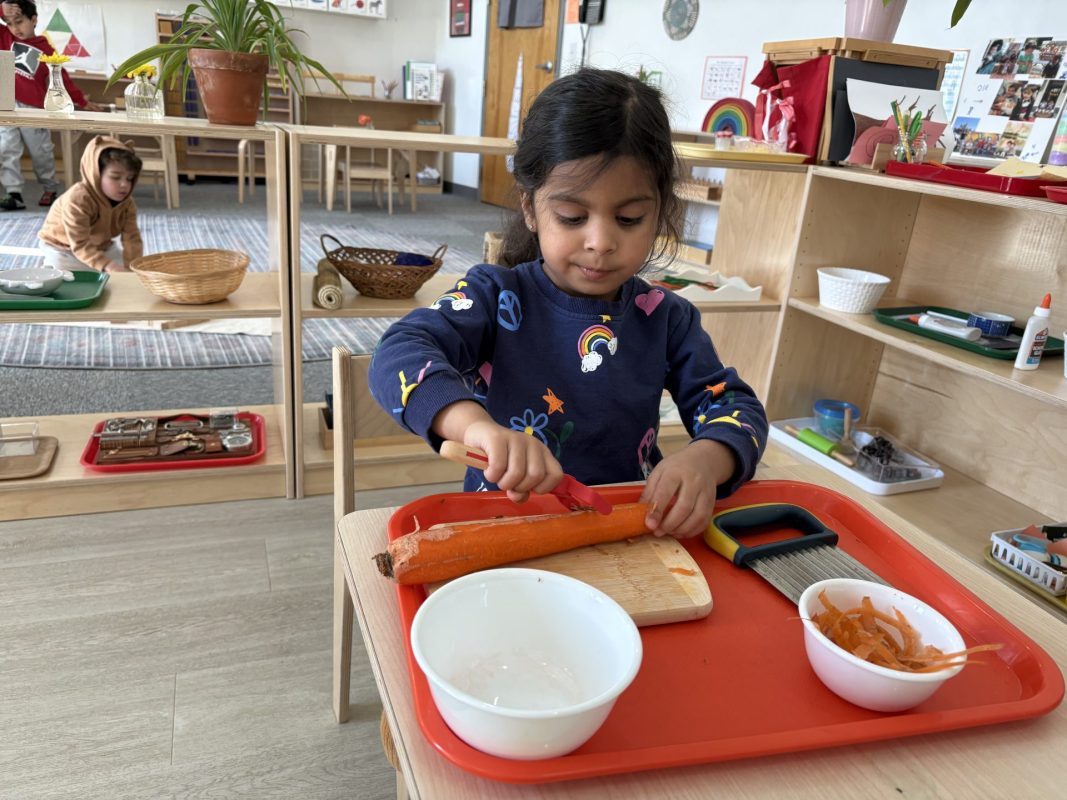
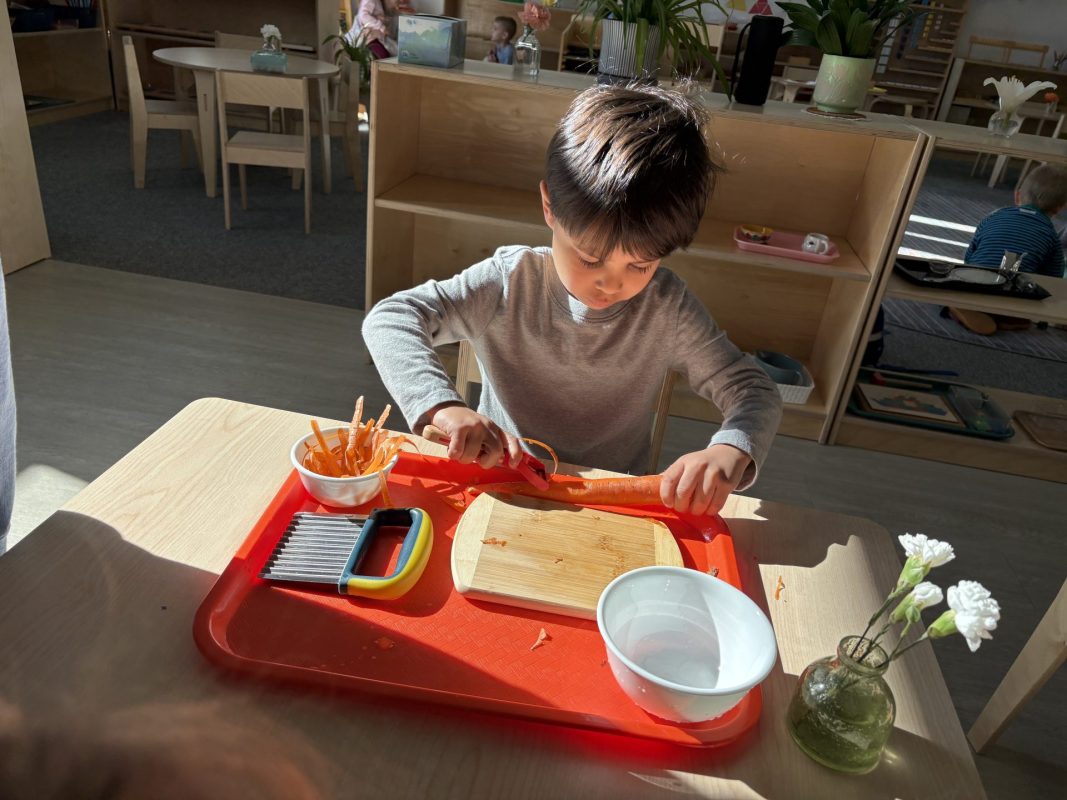
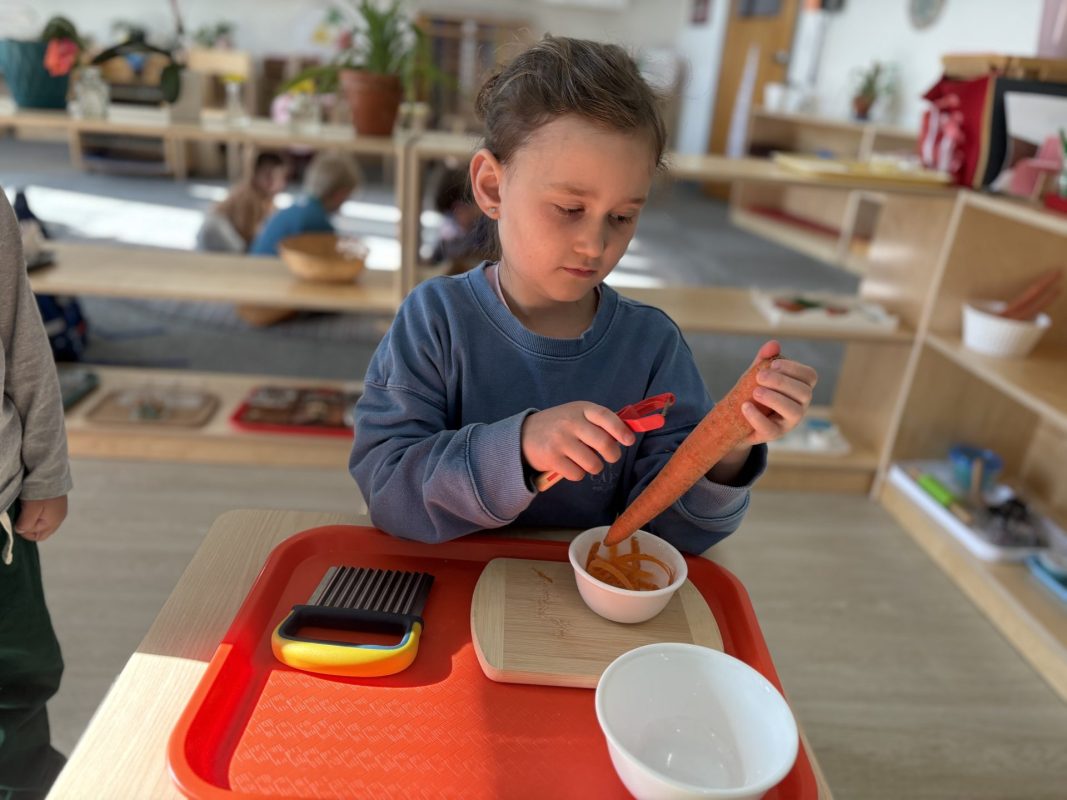
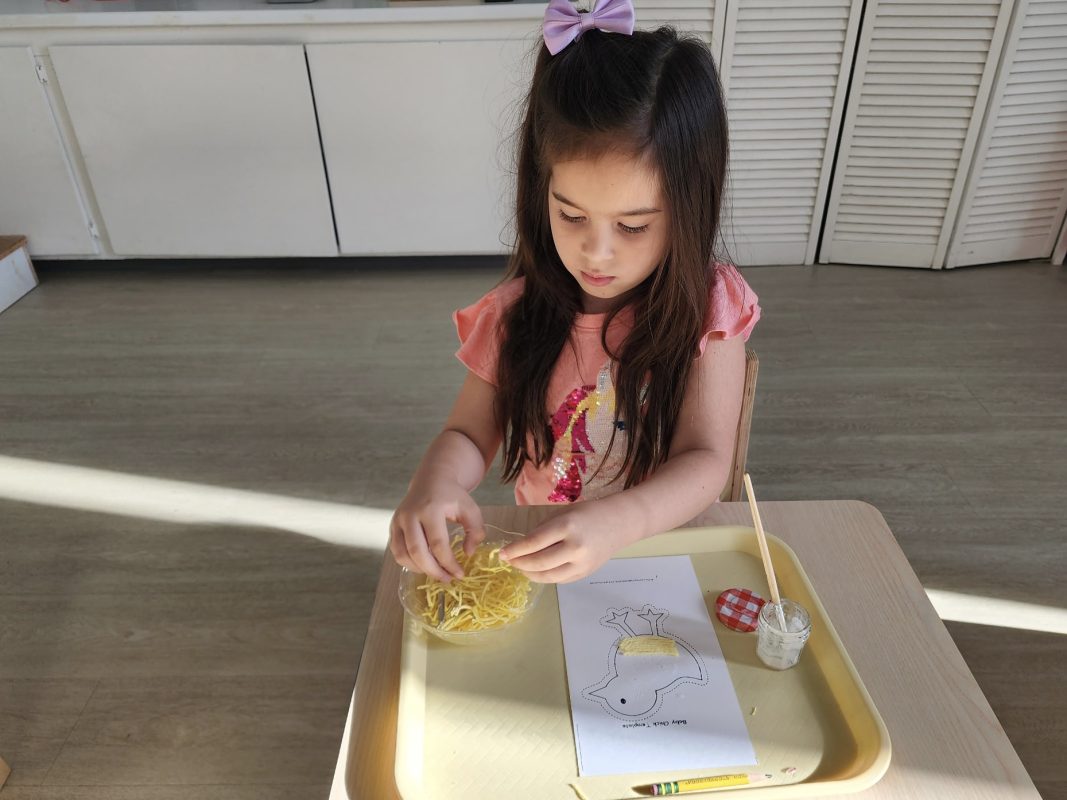
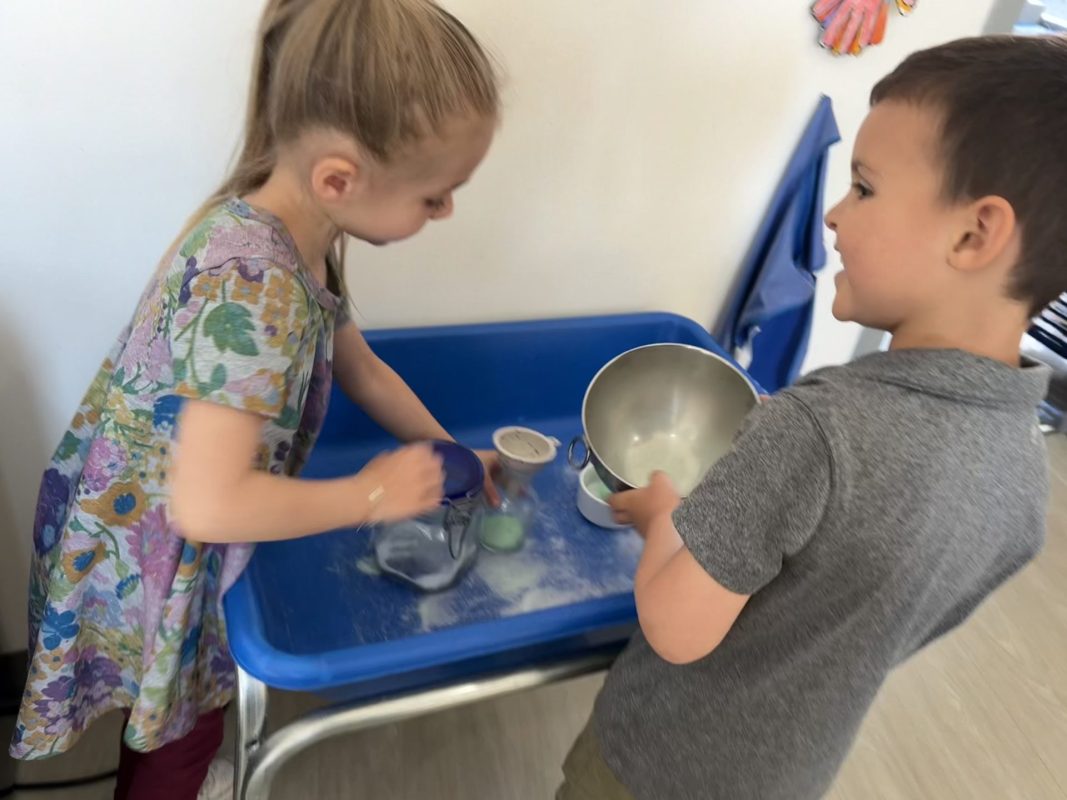
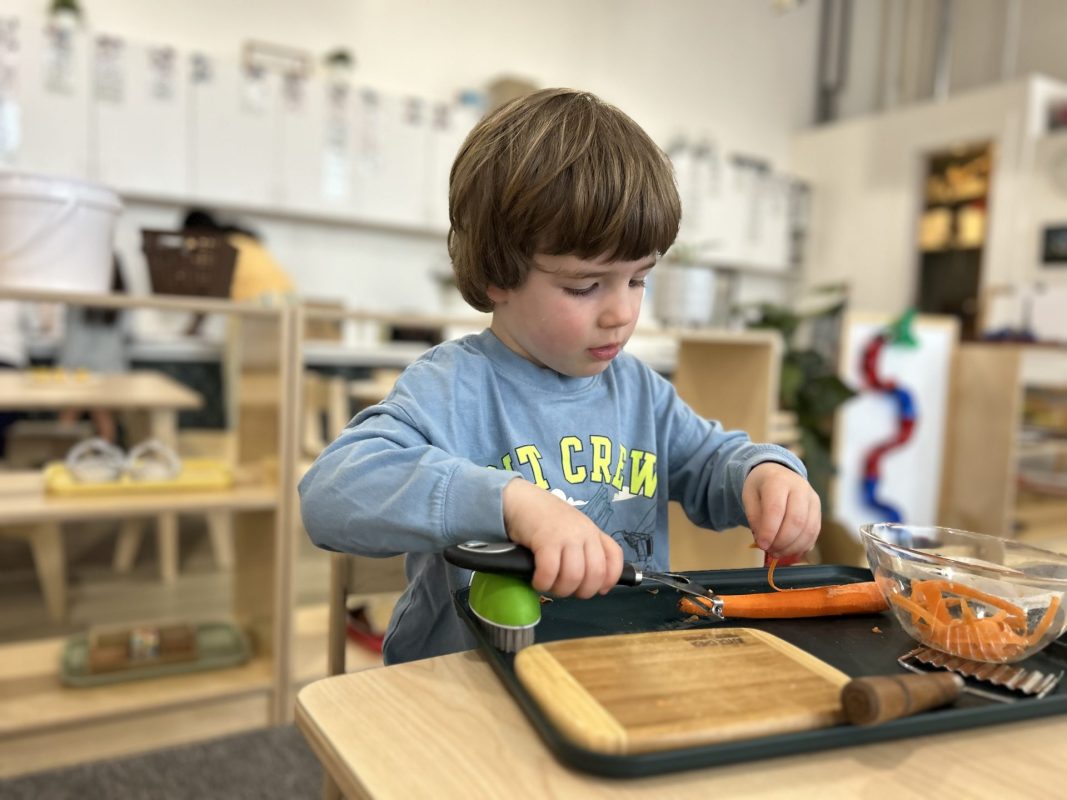
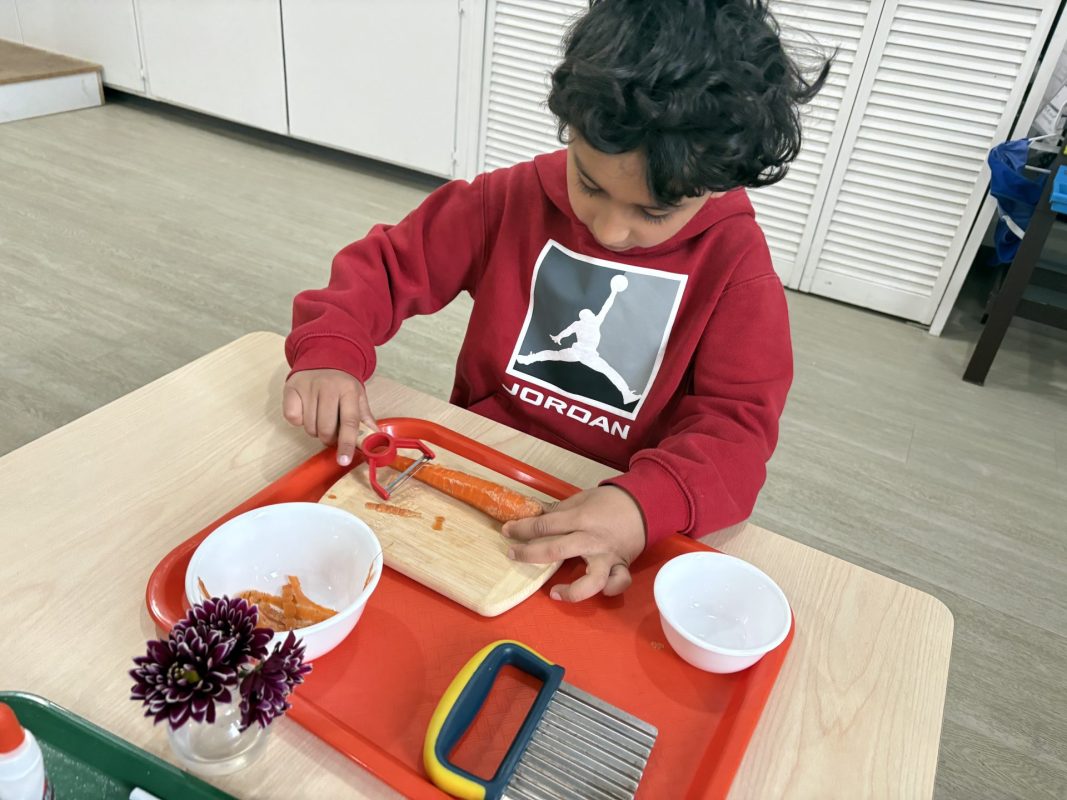
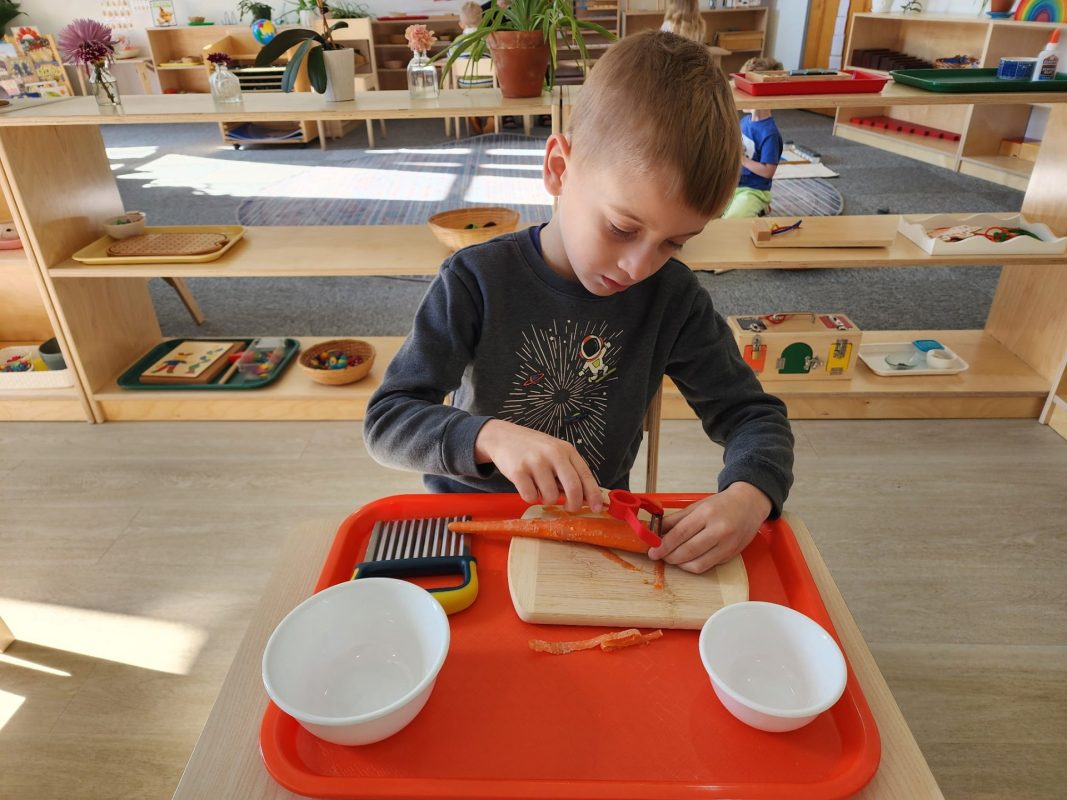
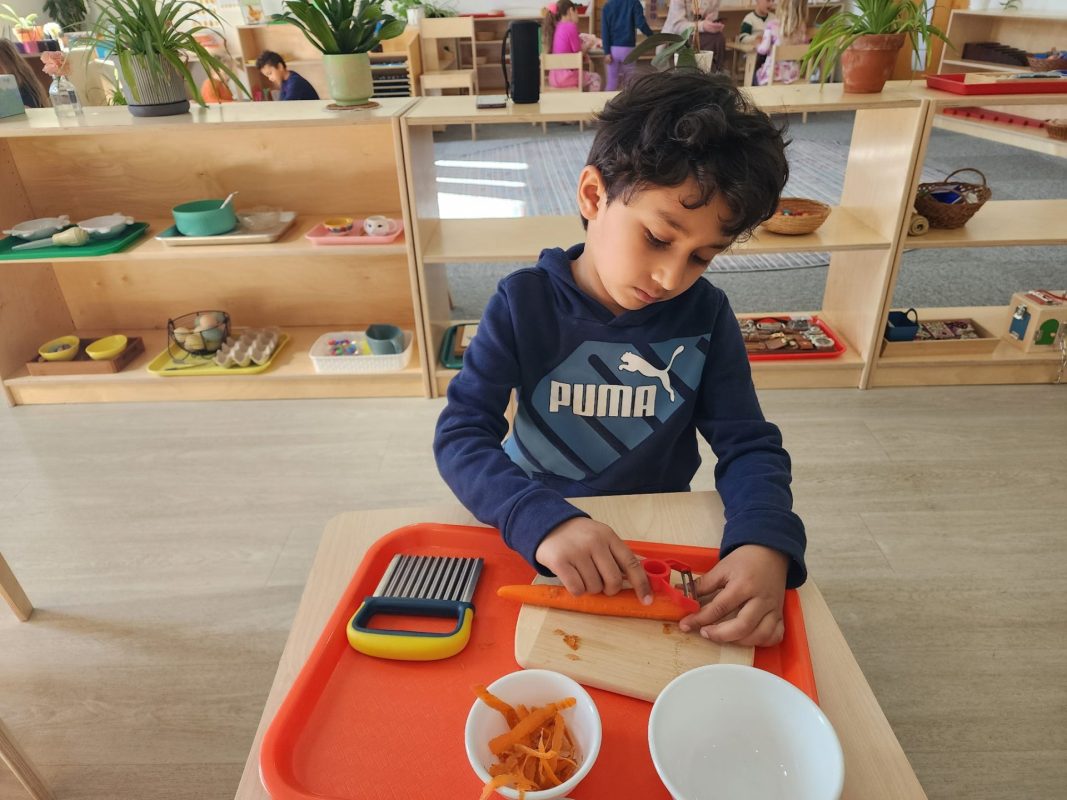
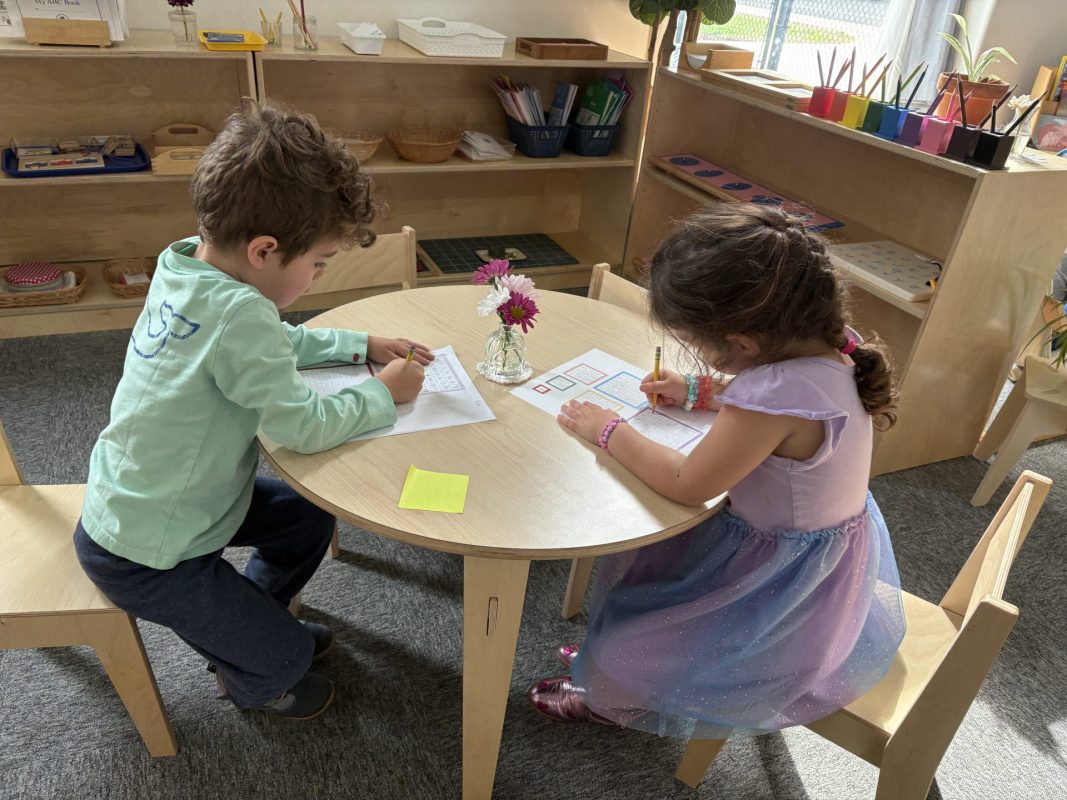
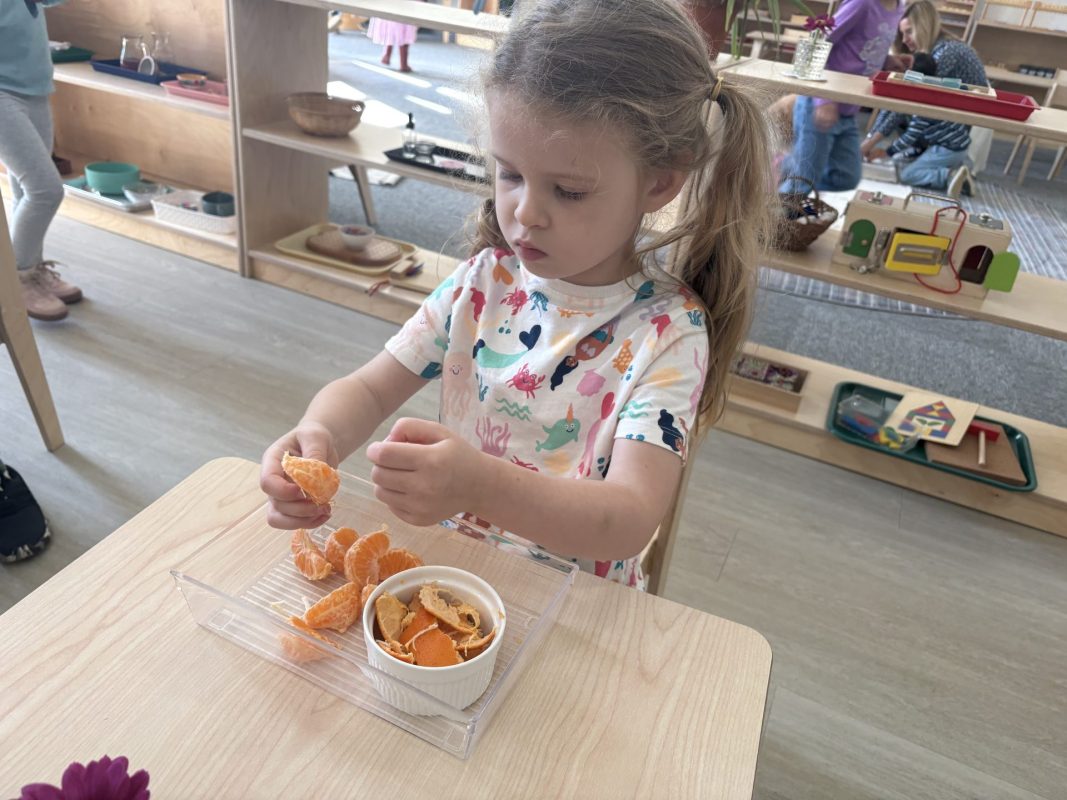
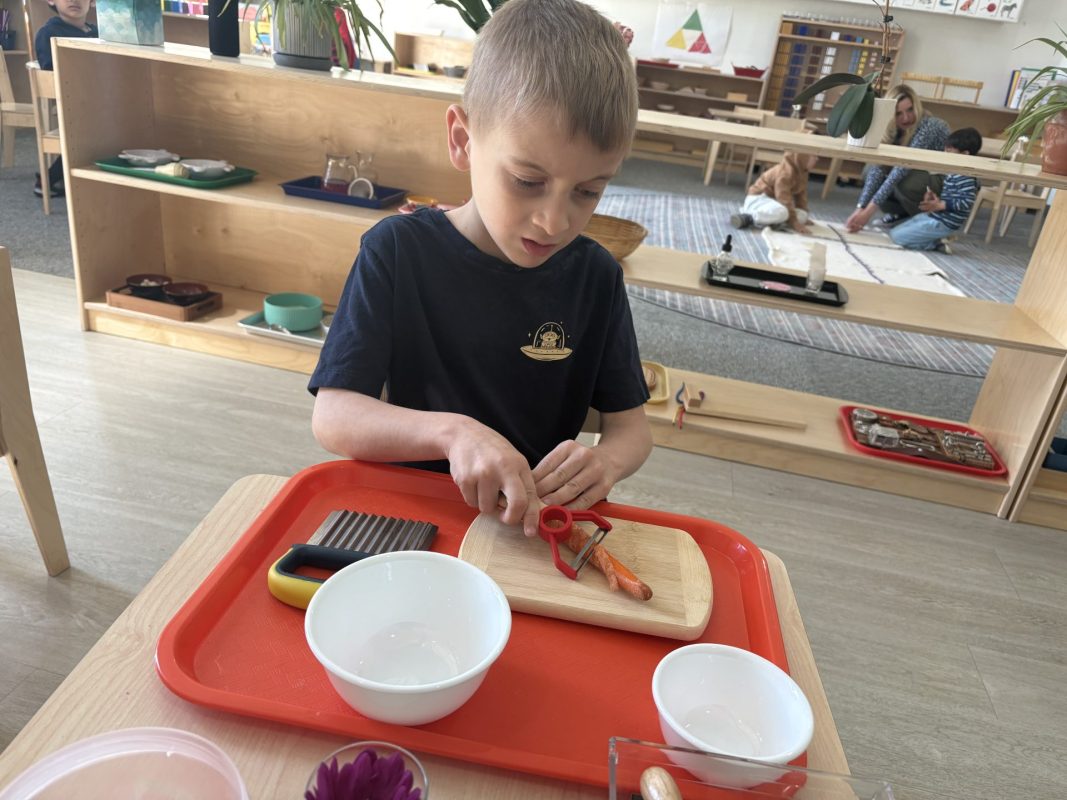
Our practical life work this week centered on carrot peeling and chopping — a purposeful, hands-on activity that builds fine motor skills, focus, and independence while connecting children to real food preparation.

UPCOMING EVENTS & ANNOUNCEMENTS

This Week

  • Monday, May 4 — Corbett Flowers, Food & Sharing Bag
  • Tuesday, May 5 — Lacy Playground

Looking Ahead

  • Monday, May 19 — Kindergarten Field Trip to Flanders

Mrs. Lopes: Chicks and Caterpillars


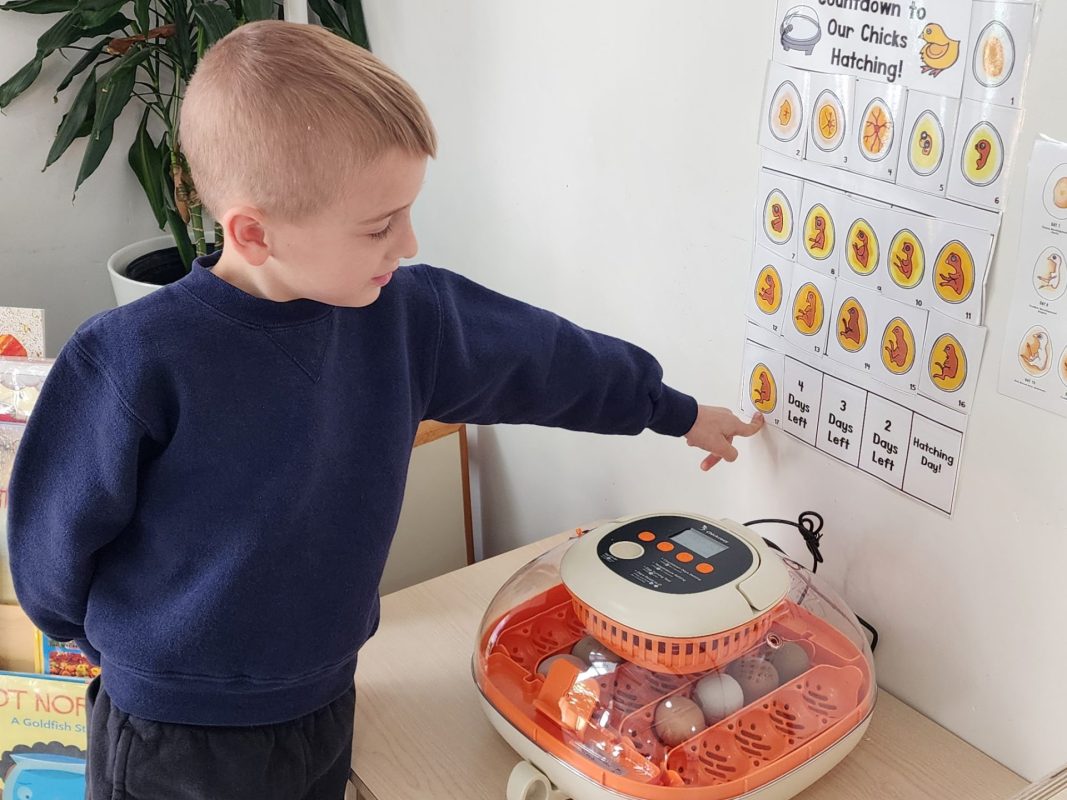
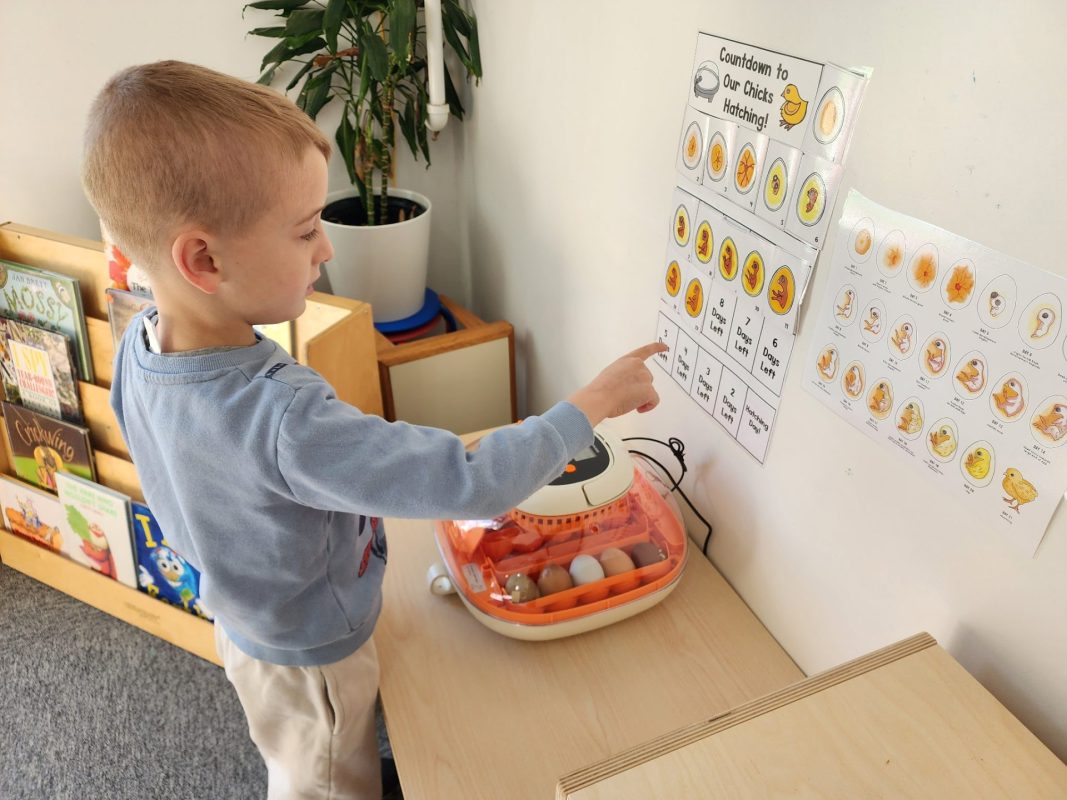
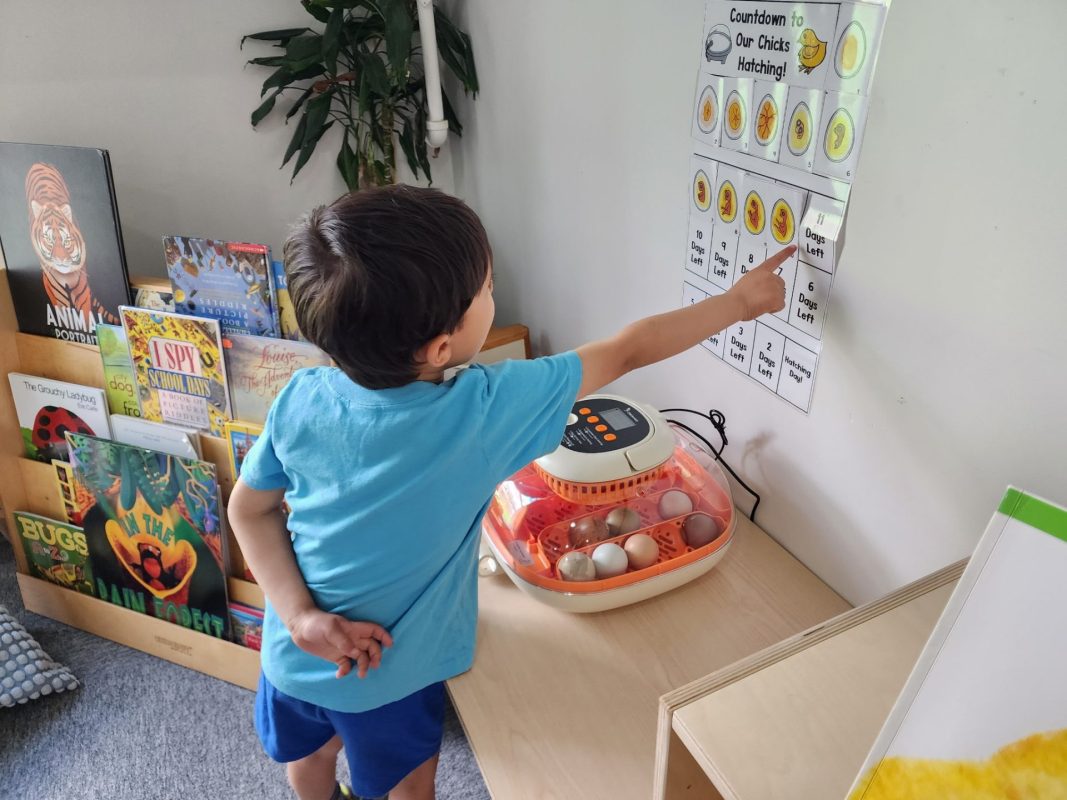
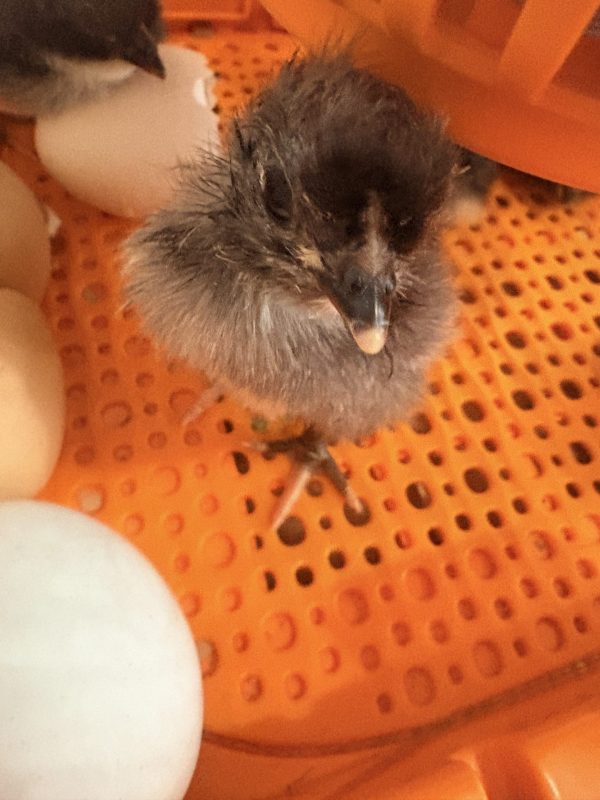
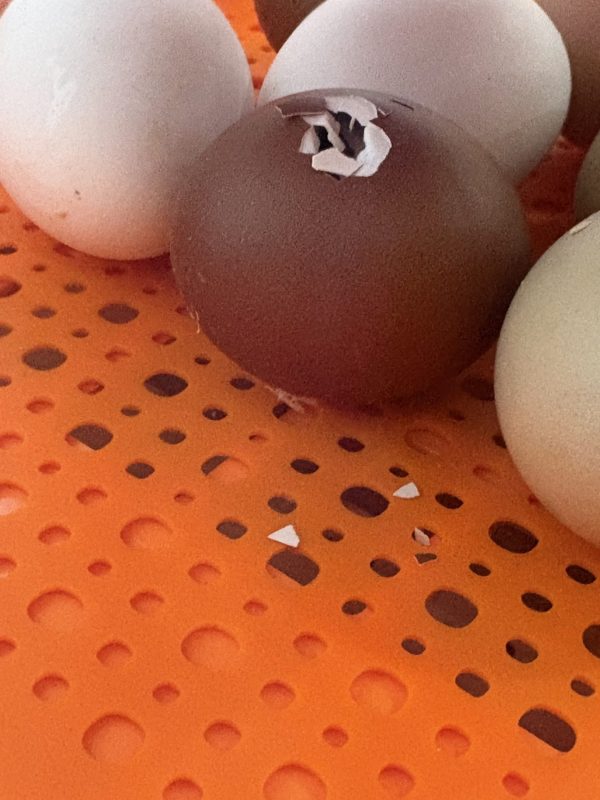
Last week brought one of the most anticipated moments of the school year — five baby chicks hatched in our classroom! For three weeks, the children had been following the development of the eggs day by day, and when the chicks finally emerged, the joy was unmistakable. This experience brought our unit on the life cycle of a chicken to a meaningful and memorable close, weaving together observation, patience, and a deep respect for the natural world.

As that chapter concluded, a new one began immediately. Five caterpillars arrived in our classroom this week, launching our next study: the life cycle of a butterfly. The children are already watching carefully, eager to witness the next great transformation.

Talk with your child about what they’ve learned about life cycles. Ask them to explain the stages of a chicken’s life or predict what will happen to the caterpillars. Look for signs of transformation in nature together — a cocoon on a branch, a seedling pushing through soil — and encourage your child to make observations the way a scientist would.


Ms. Handibode: Young Entomologists at Work

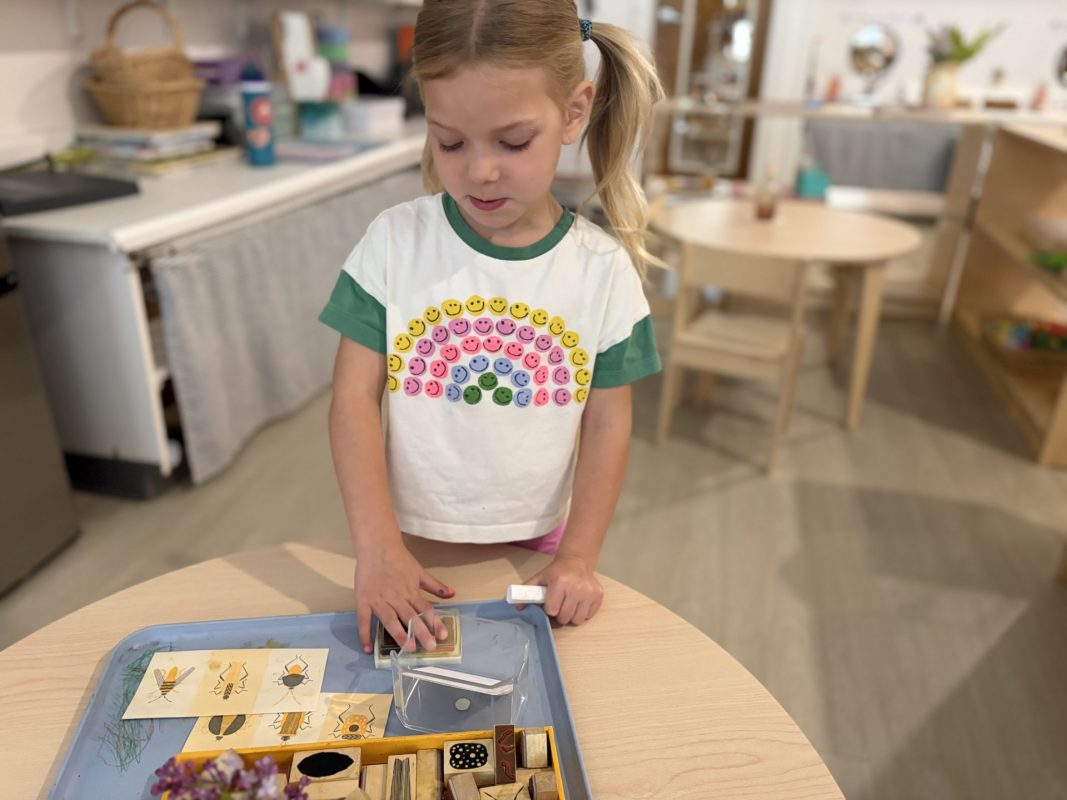
Last week, our classroom became a hub of scientific inquiry as the children dove into one of their favorite topics: entomology, the study of insects. We began by gathering everything the children already knew — and they had plenty to say. Insects are slimy, little, soft, hard, and sometimes gross. They can crawl, sting, bite, fly, walk upside down, and jump. From there, we built on that foundation, learning that insects lay eggs, have antennae, and share three main body parts: a head, thorax, and abdomen. They also have six legs, an exoskeleton, are cold-blooded, and many have wings.

One of the week’s highlights was discovering why a spider is not an insect — ask your child, they may just know the answer!

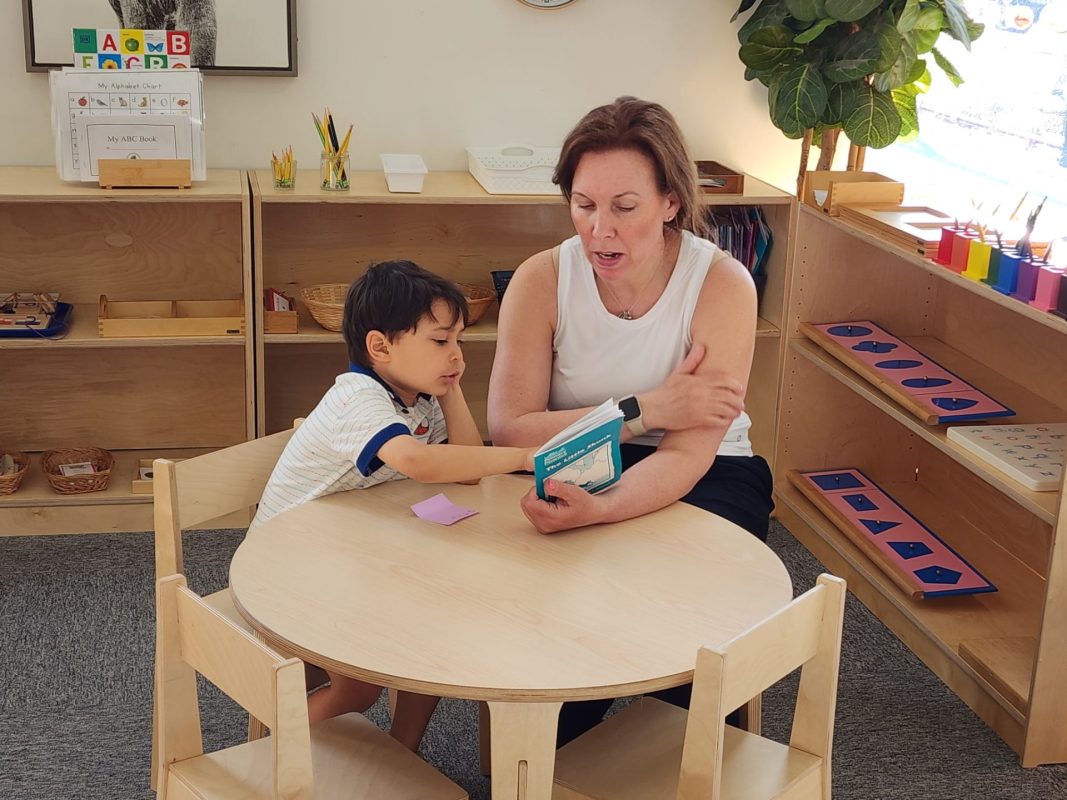
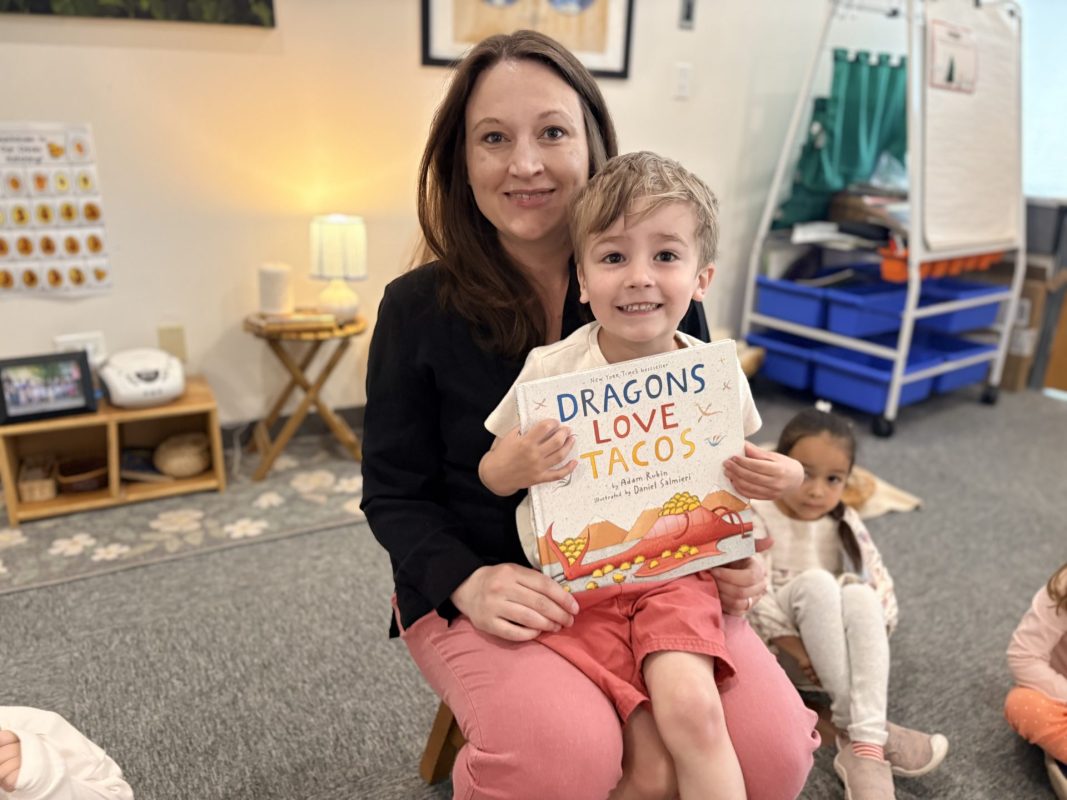
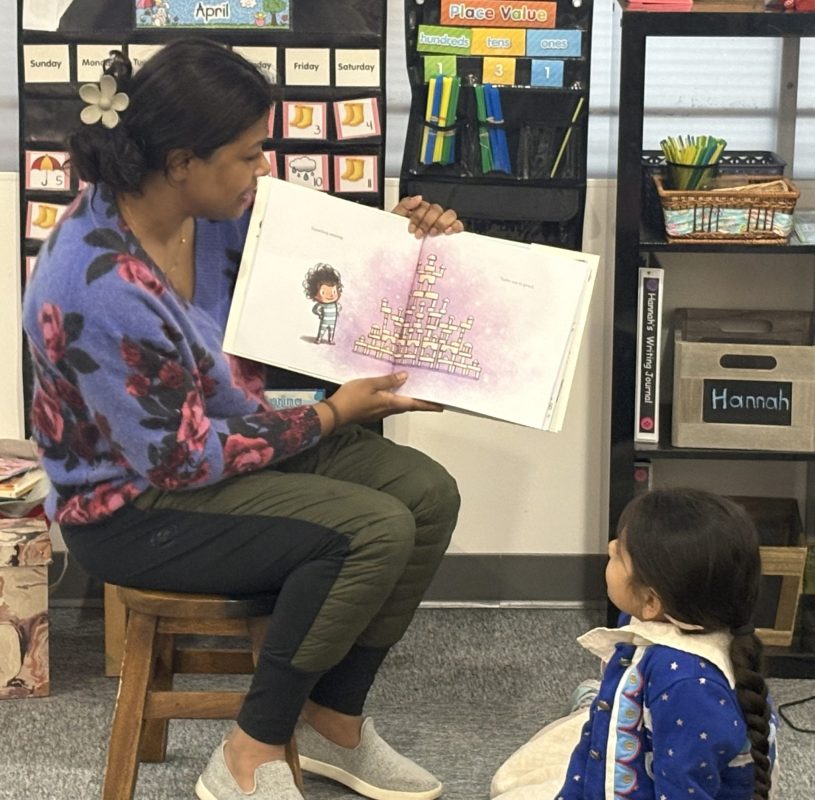
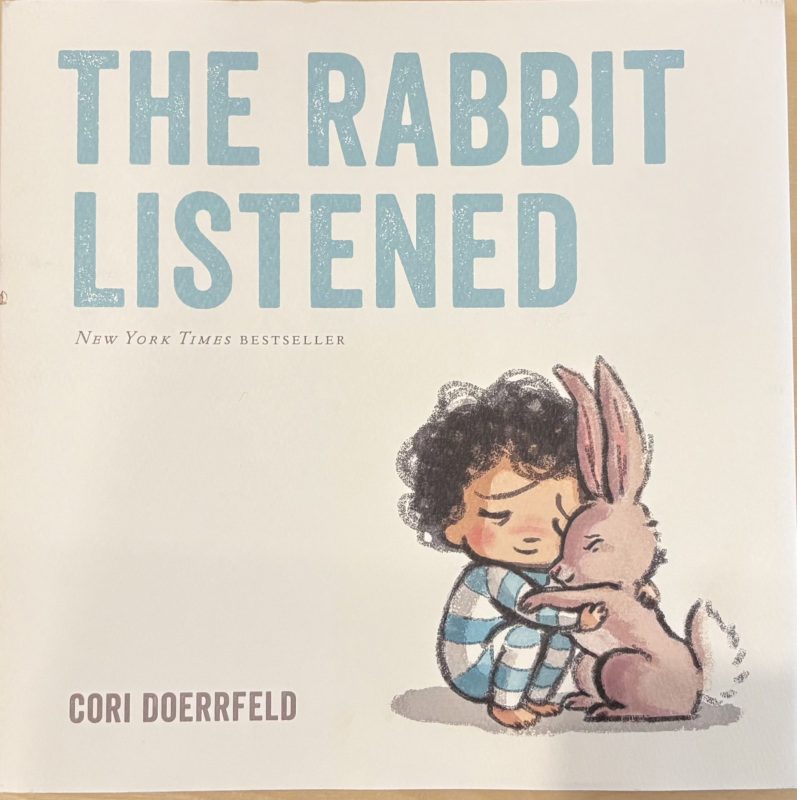
We were also delighted to welcome Veda’s mom as our guest reader, who shared the wonderful book The Rabbit Listened — a beautiful story that sparked warm conversation about empathy and community.

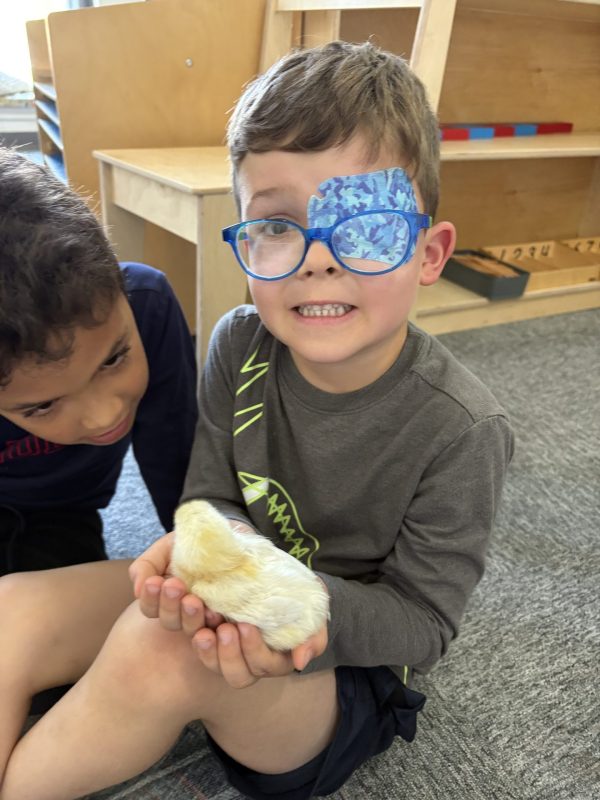
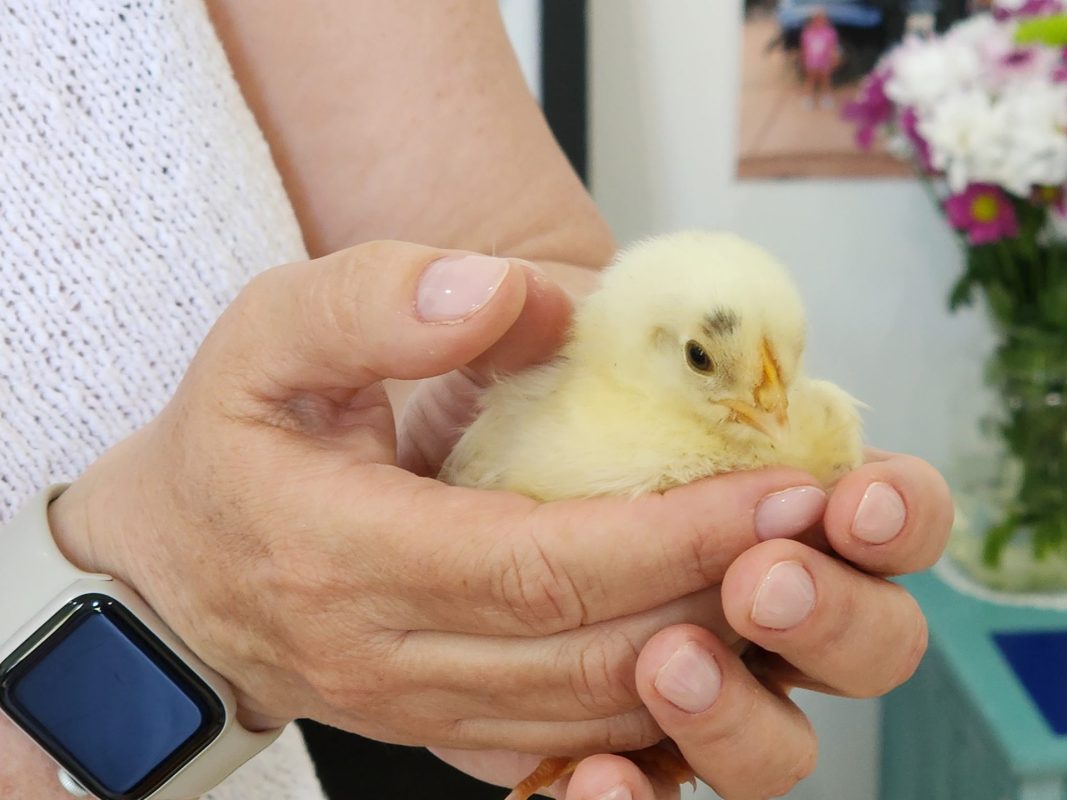
And then there were the chicks. Five baby chicks hatched in our classroom this week, and they have already been named: Rosie, Sunny, Biddy, Pumpkin, and Blueberry. The joy in the room when they arrived was truly something special.

Go on an insect hunt in your backyard or at a local park. Encourage your child to look closely at what they find and try to identify the three main body parts. Can they tell if it’s truly an insect — or something else? A magnifying glass makes this even more fun!


UPCOMING EVENTS & ANNOUNCEMENTS

This Week

  • Monday, May 4 — Sharing Box and Flowers: Adeline G.
  • Tuesday, May 5 — Playground Volunteer: Megan H.
  • Wednesday, May 6 — Guest Reader: Casey W.
  • Thursday, May 7 — Birthday Celebration: Adeline G.

Next Week

  • Monday, May 11 — Sharing Box and Flowers: Mila M.
  • Tuesday, May 12 — Playground Volunteer: Casey W.
  • Wednesday, May 13 — Guest Reader: Nick L.
  • Friday, May 15 — Birthday Celebration: Mila M.

Ms. Marissa: Weekly Update


Spring has brought a lot of excitement into our classroom lately. We’ve been watching our baby chicks hatch, and it’s been such a cool experience for the kids. They’ve been checking on the eggs throughout the day, noticing the small cracks, and listening for those first little peeps. Once the chicks started hatching, there was a lot of quiet focus as everyone gathered around to watch. Now we’re helping care for them and learning what they need to stay safe and healthy.

At the same time, we’ve also welcomed caterpillars into the classroom so the children can observe another life cycle up close. They’ve already started noticing how much the caterpillars eat and how quickly they grow. Having both the chicks and caterpillars in the room has been a great way to talk about how living things grow and change in different ways. It’s been a simple, hands-on way for the kids to learn by watching, asking questions, and being part of the process.