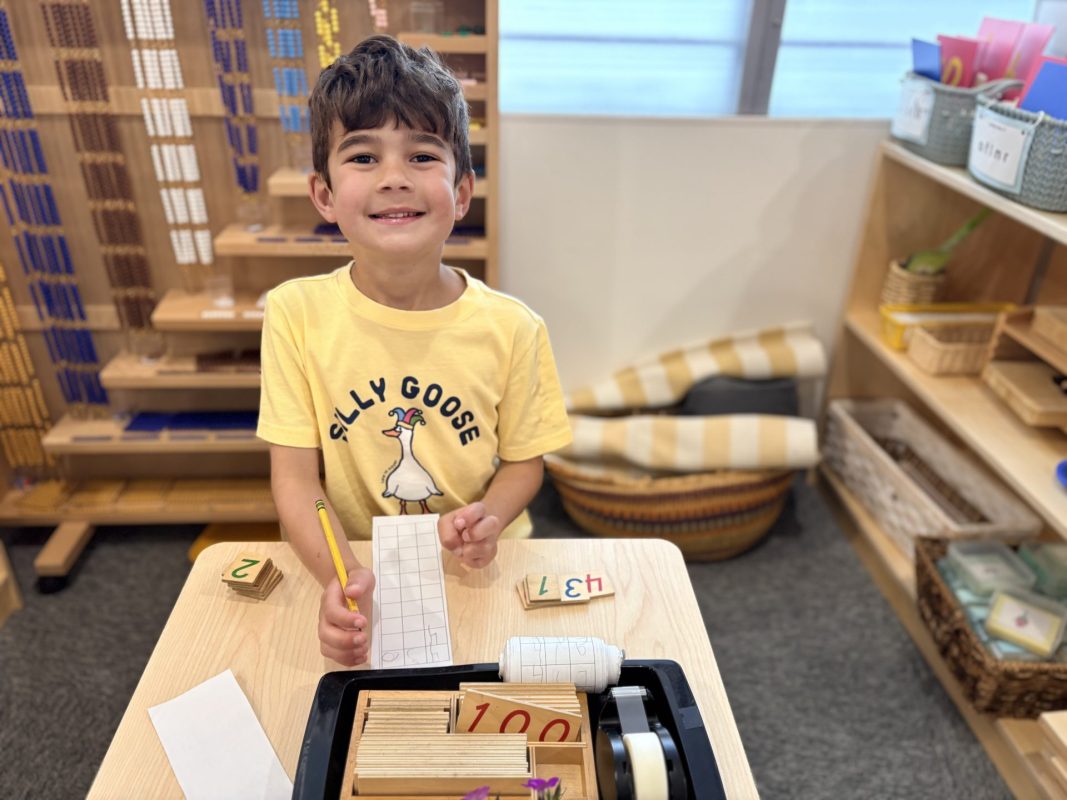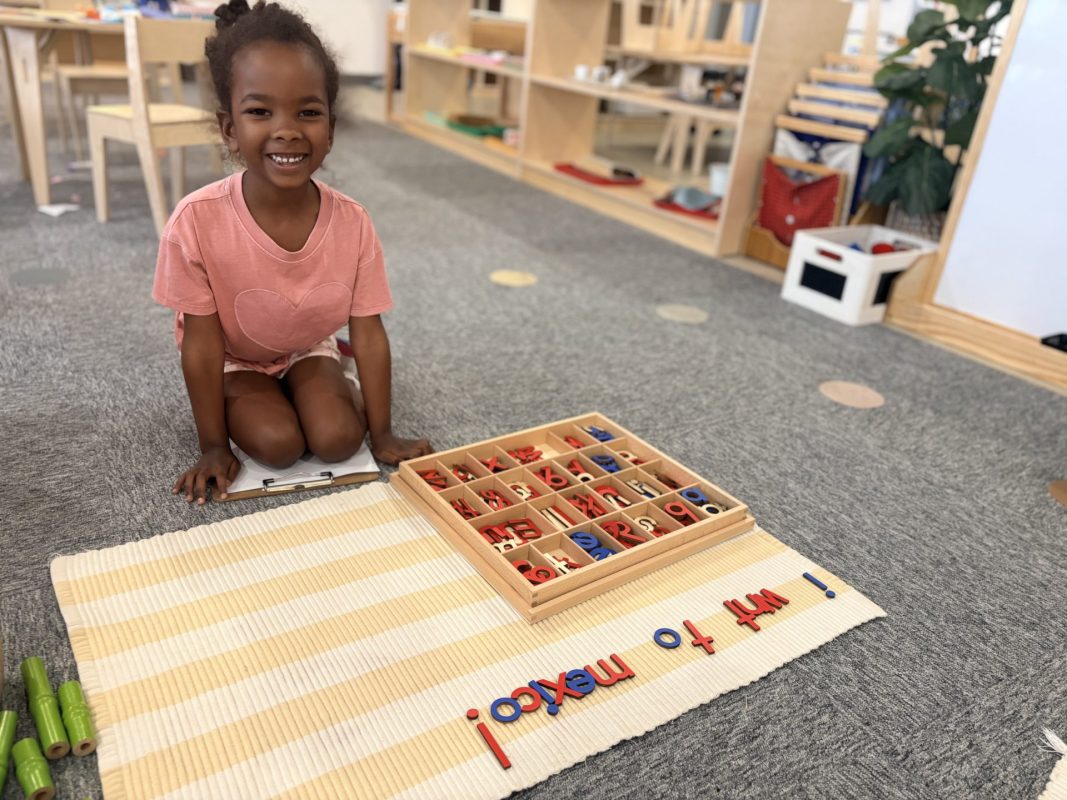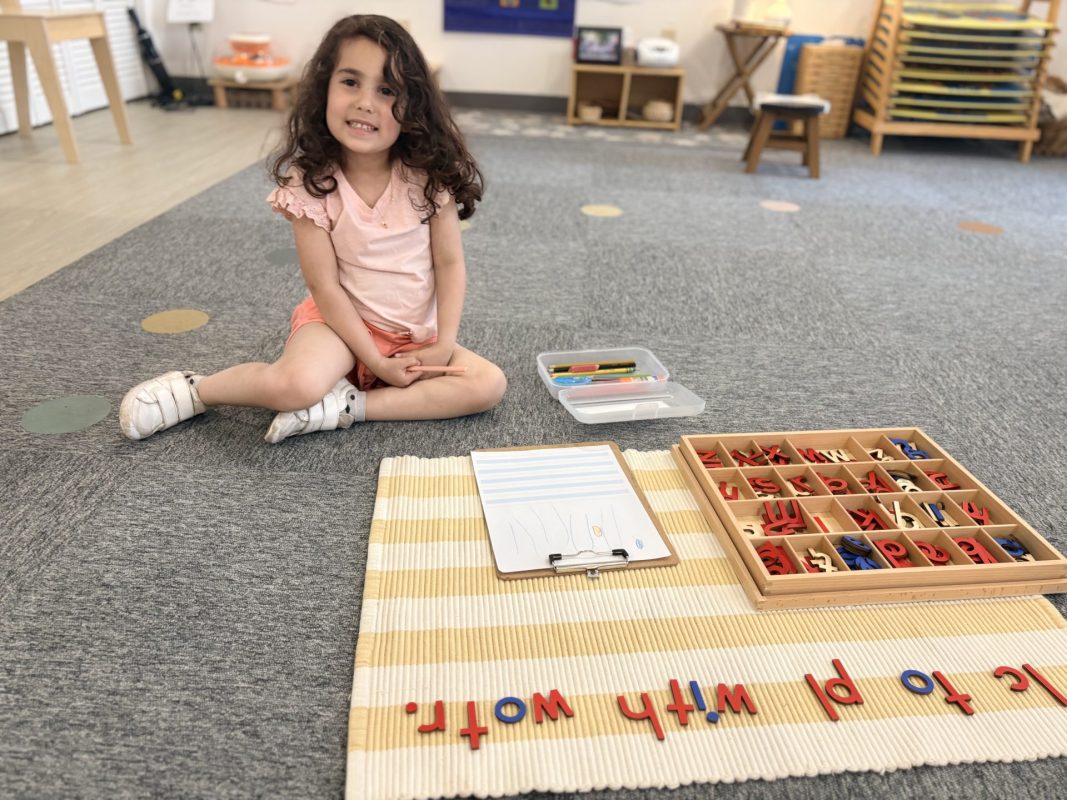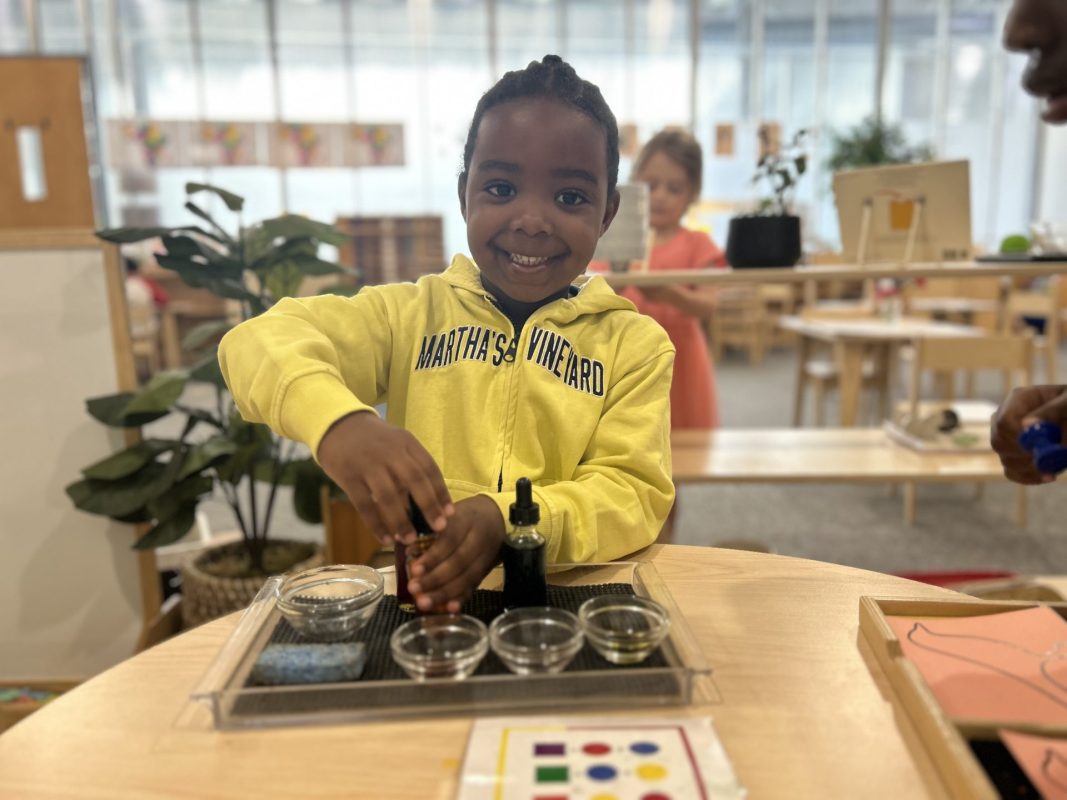
Ms. Handibode: Help Me Do It Alone

Building Independence, One Small Step at a Time

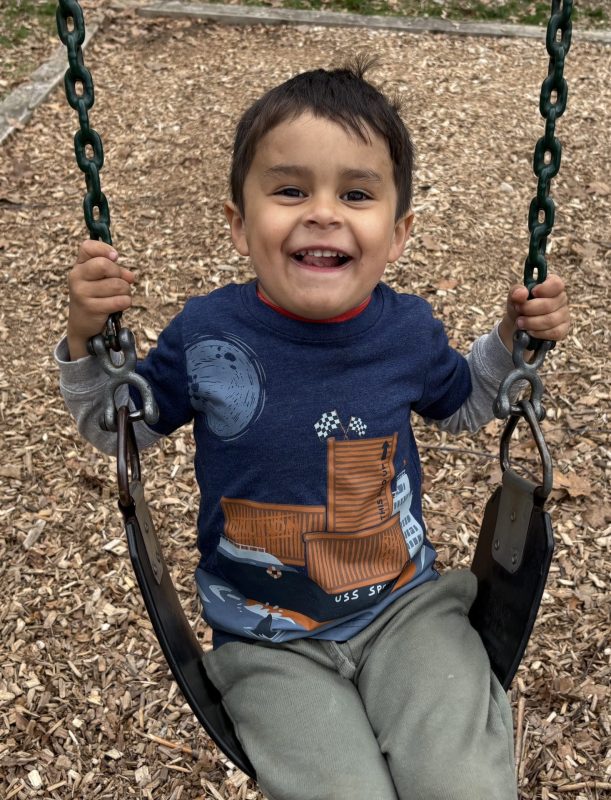
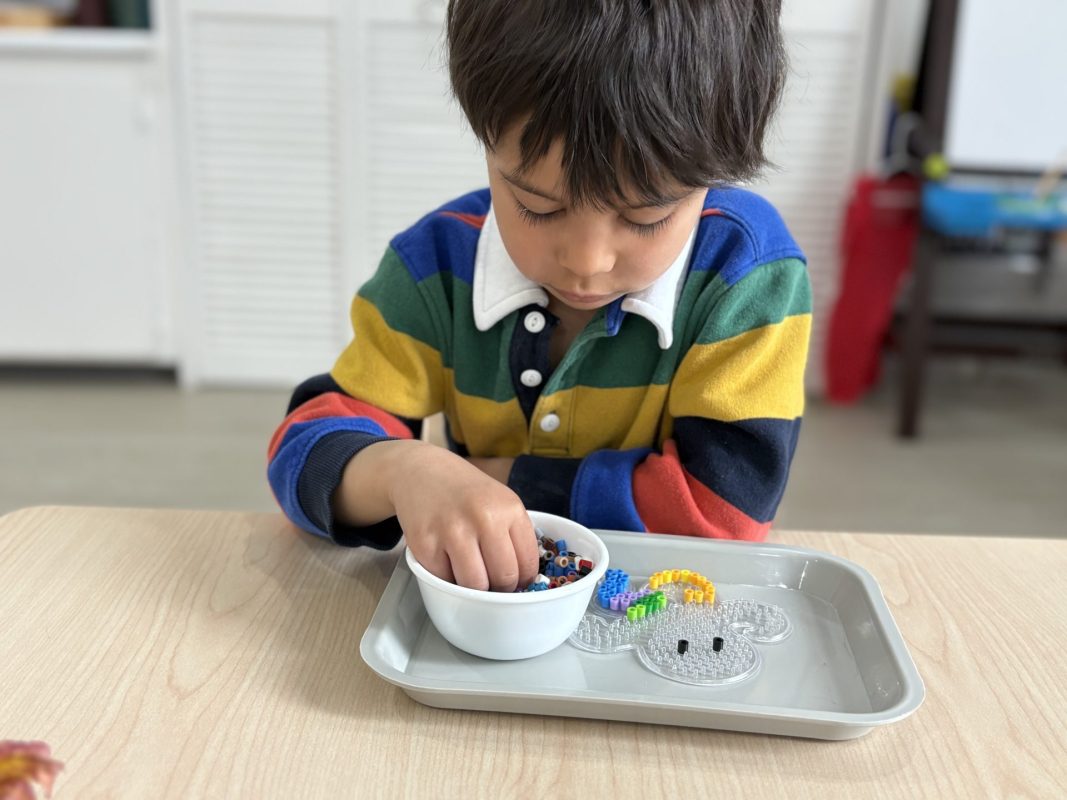
“These very children reveal to us the most vital need of their development, saying: ‘Help me to do it alone!'” — Maria Montessori

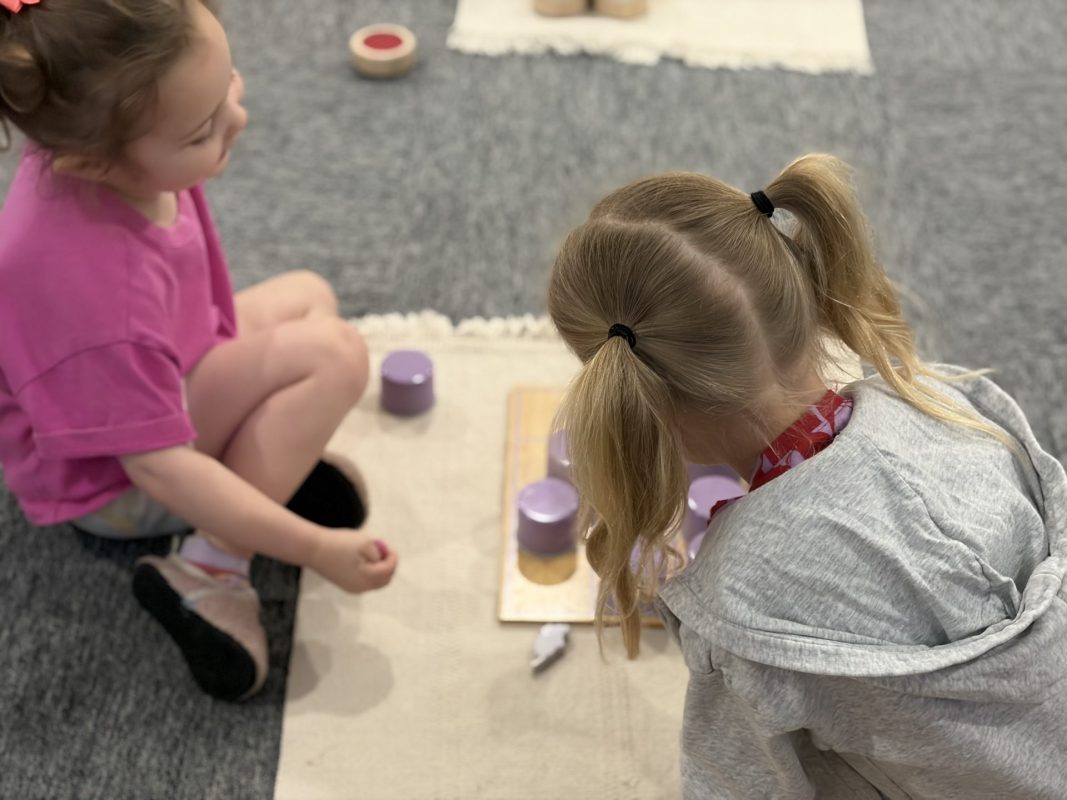
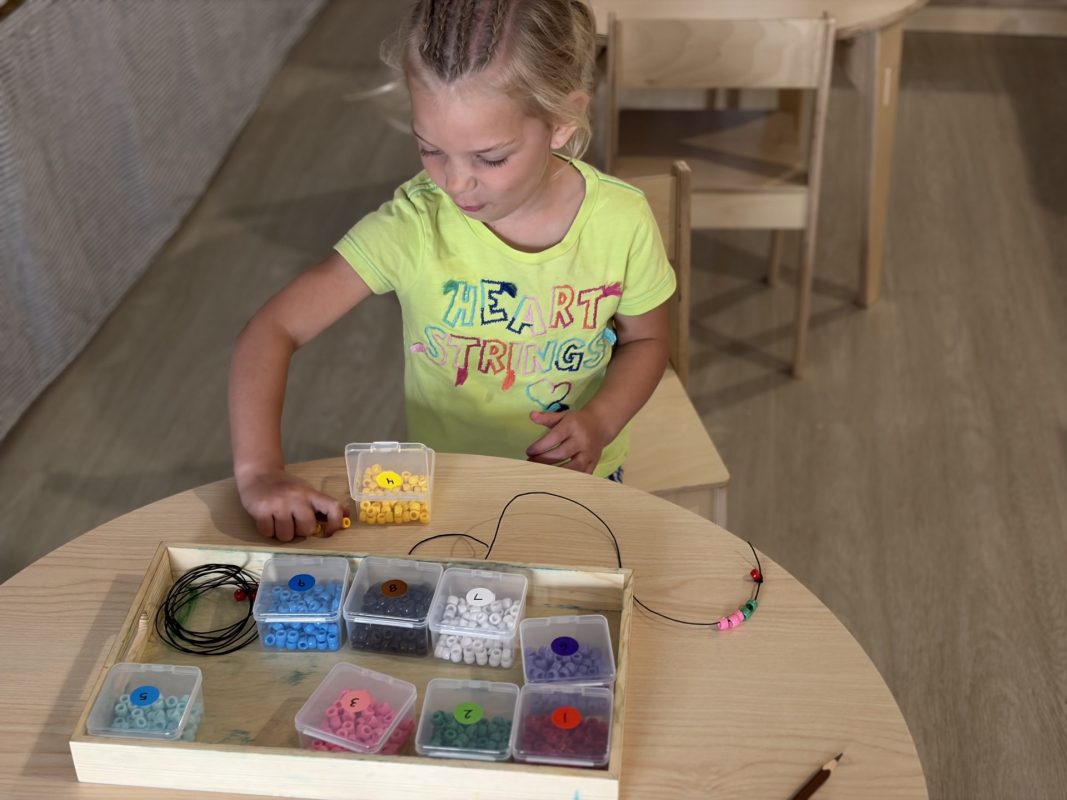
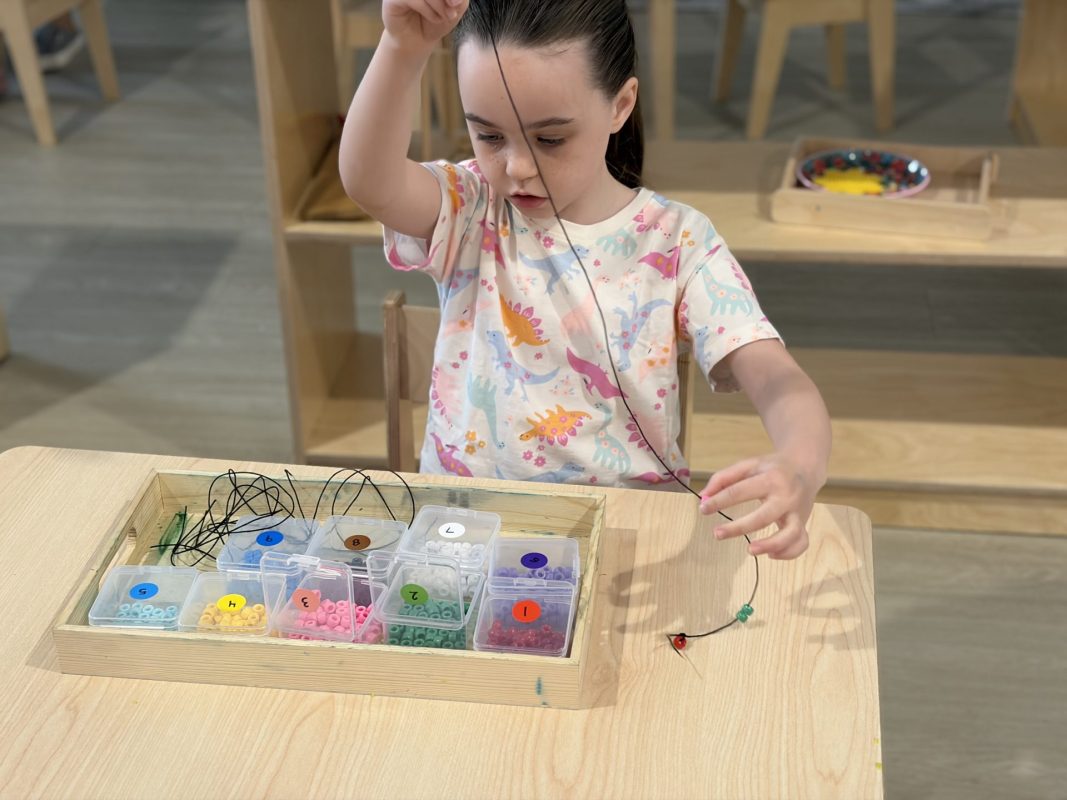
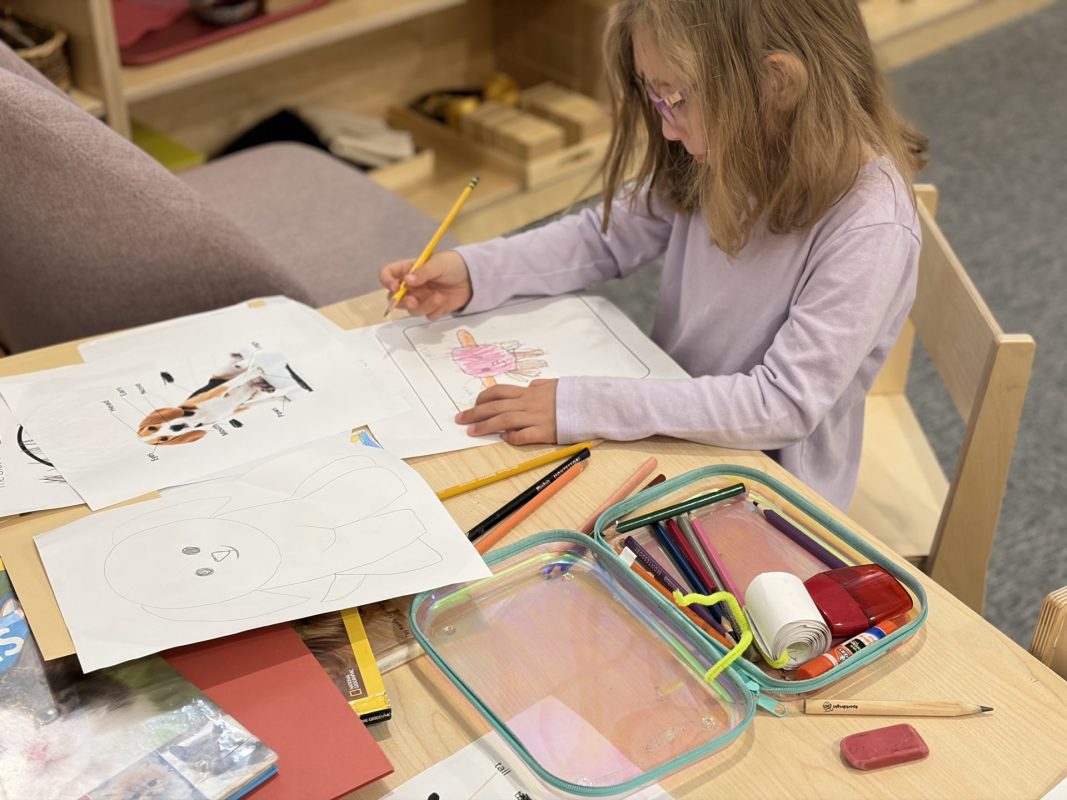
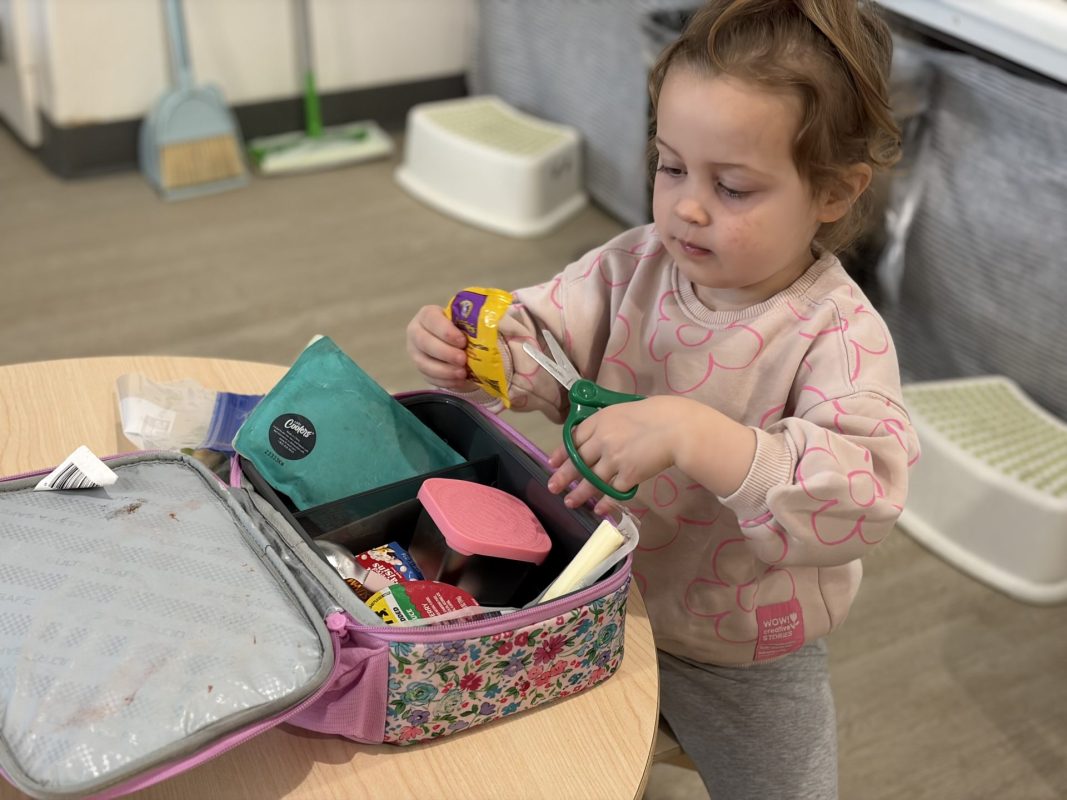
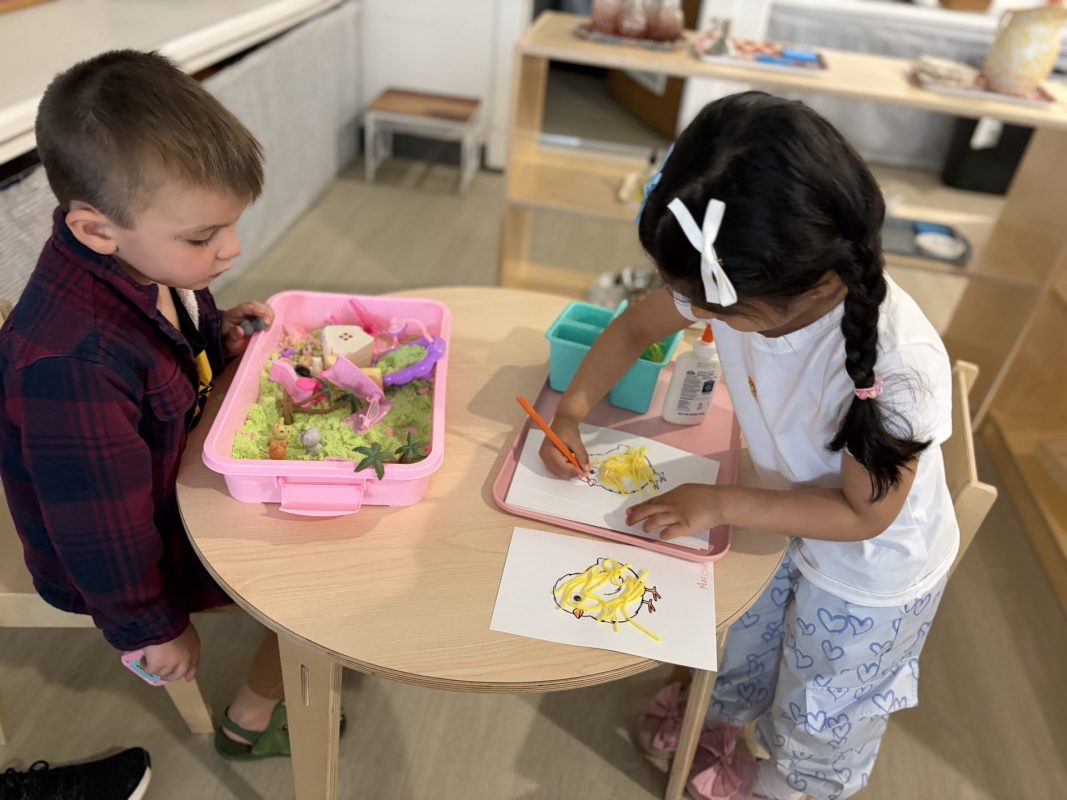
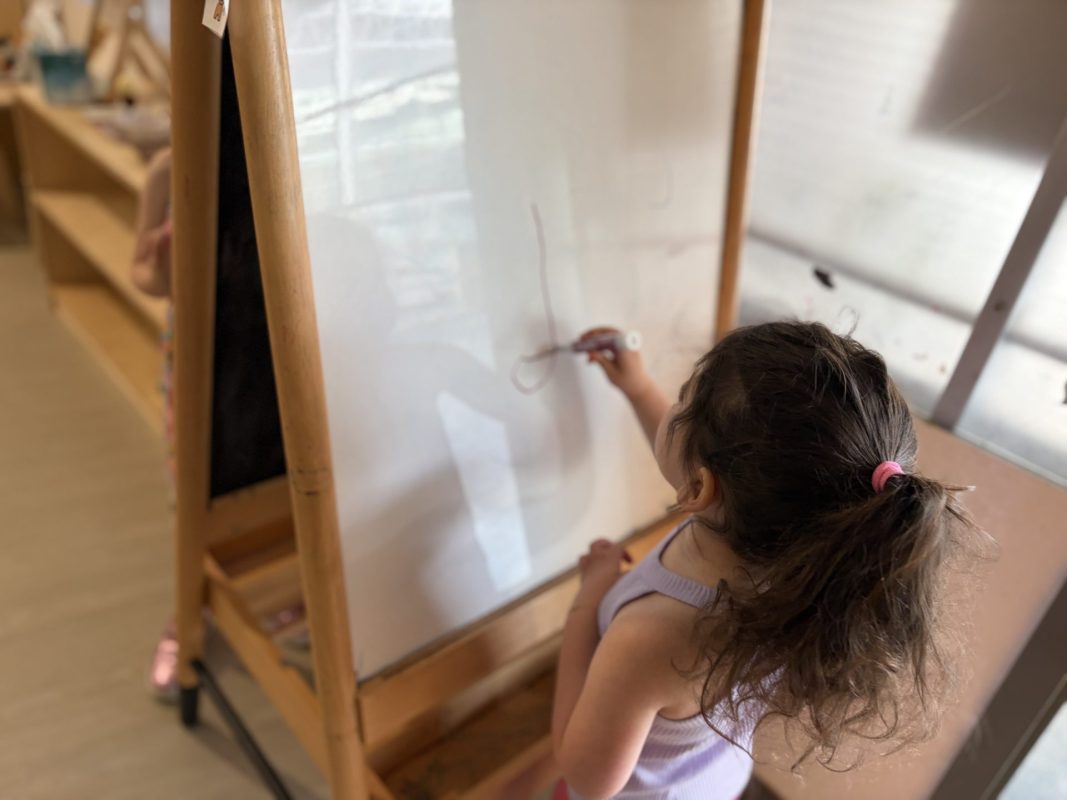
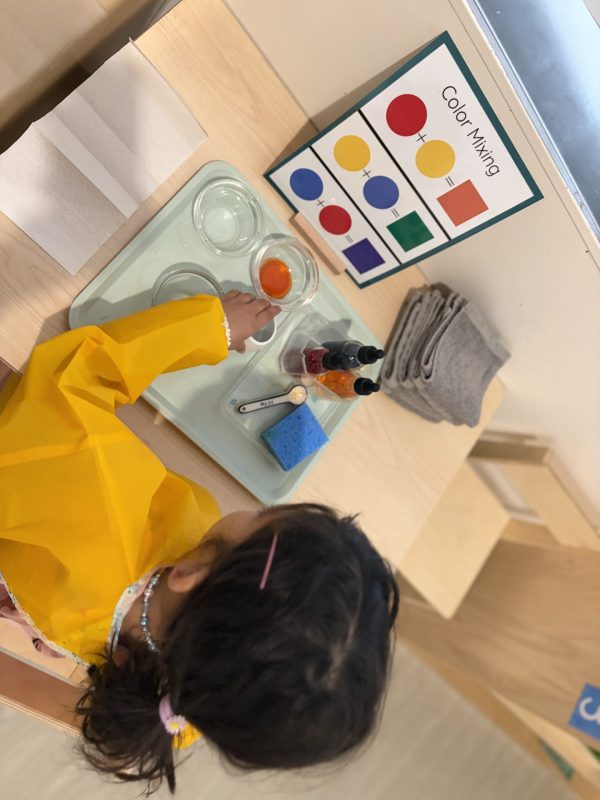
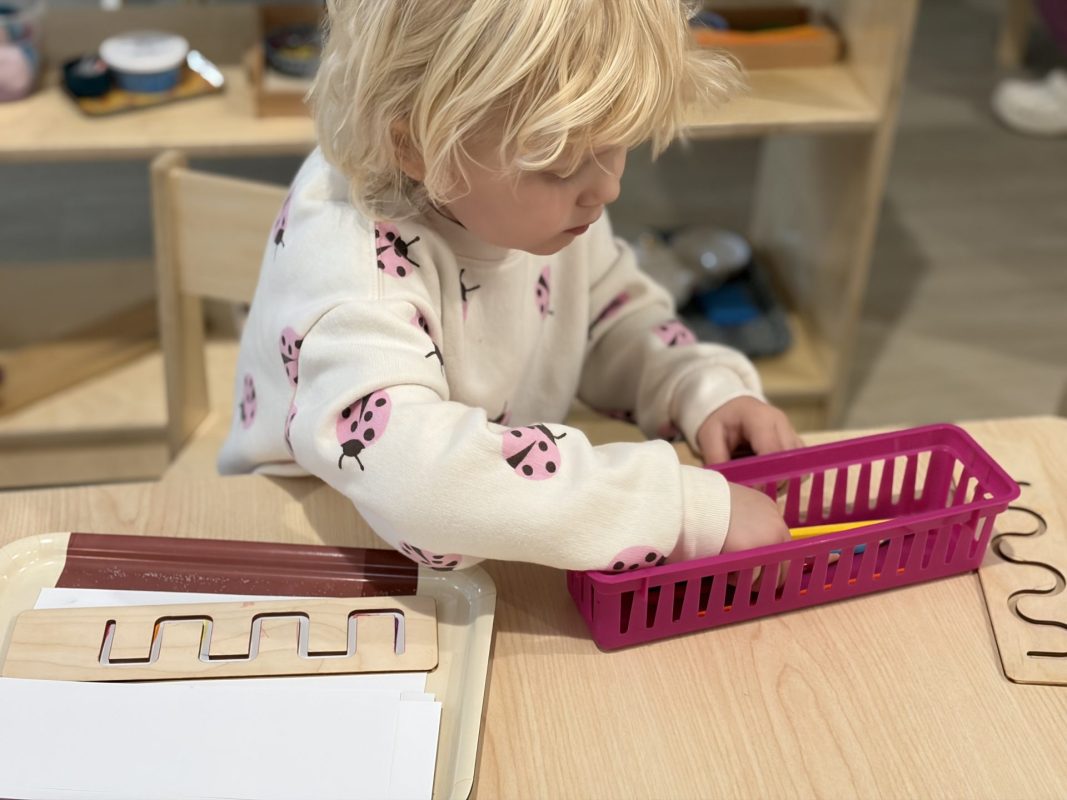
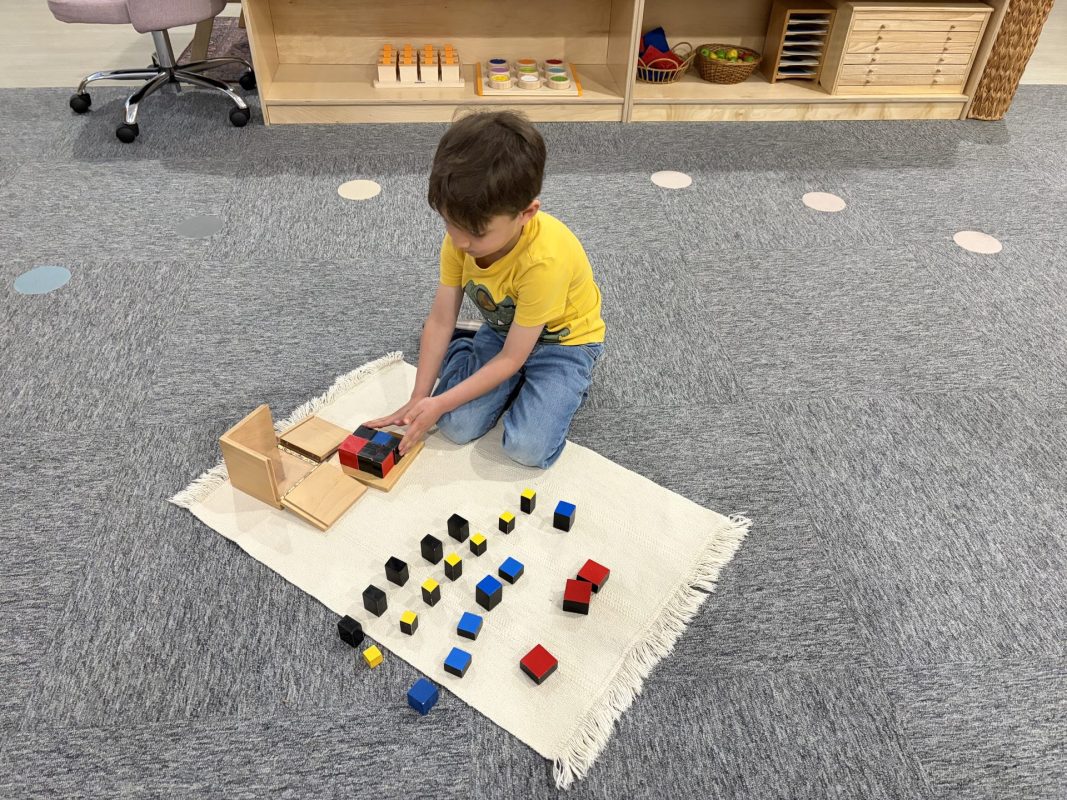
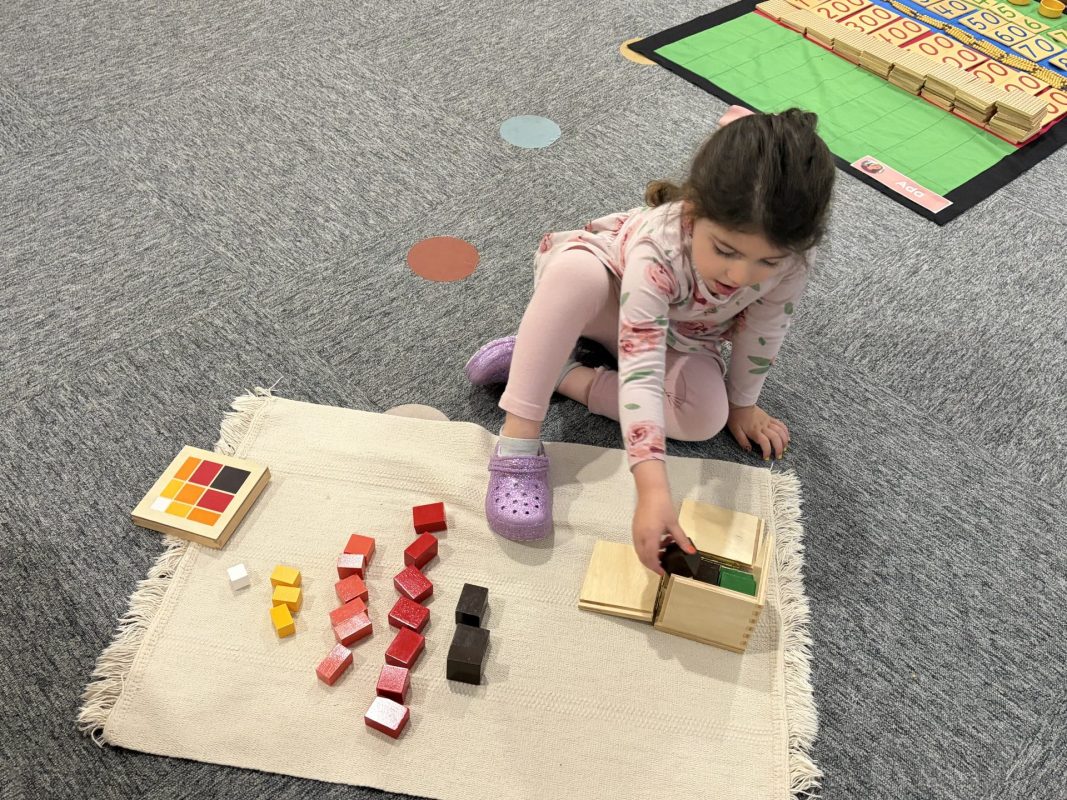
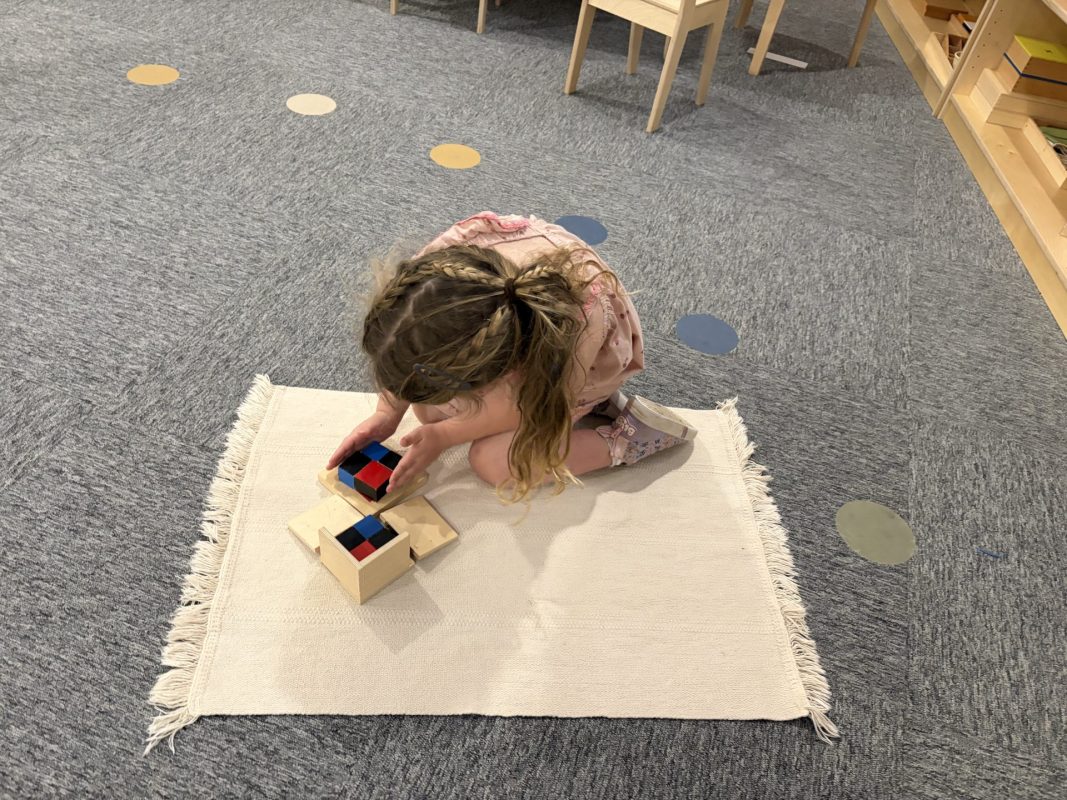
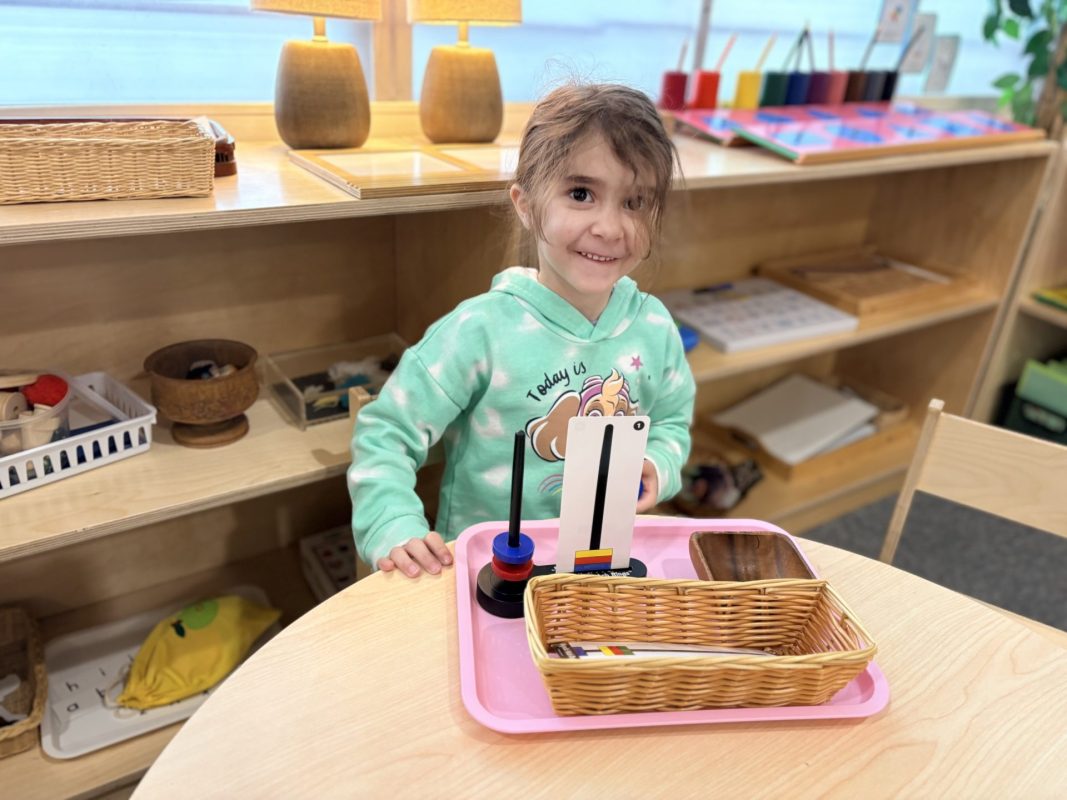
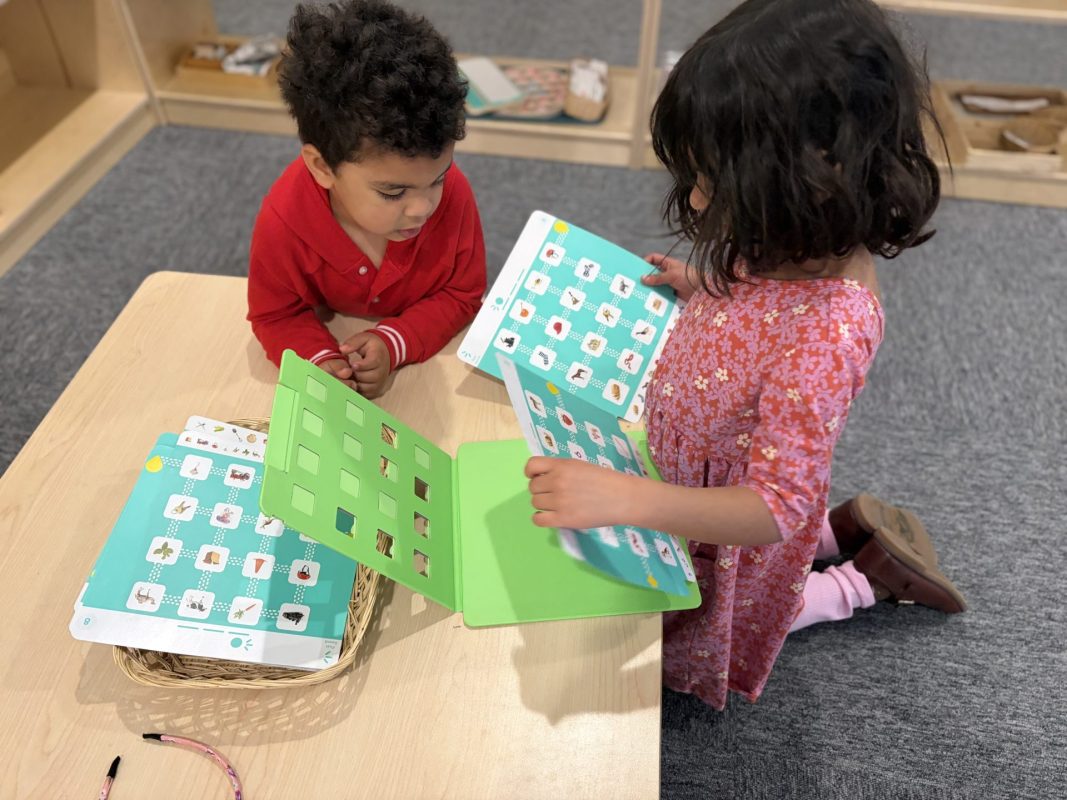
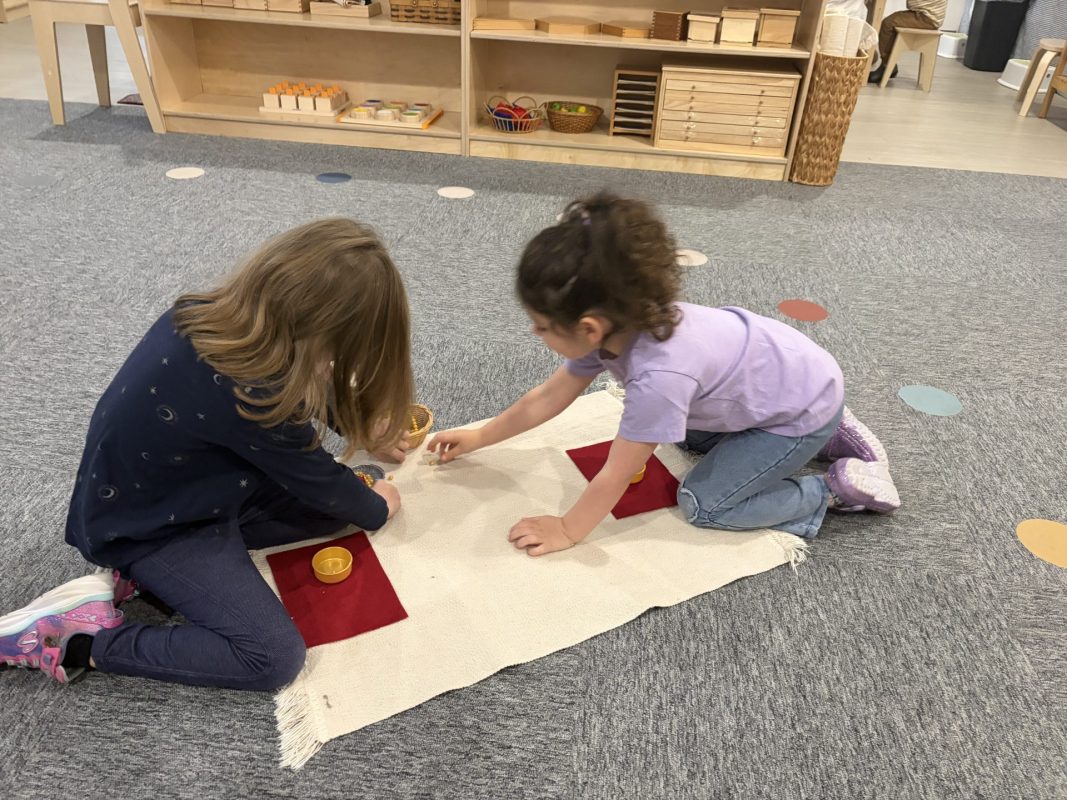
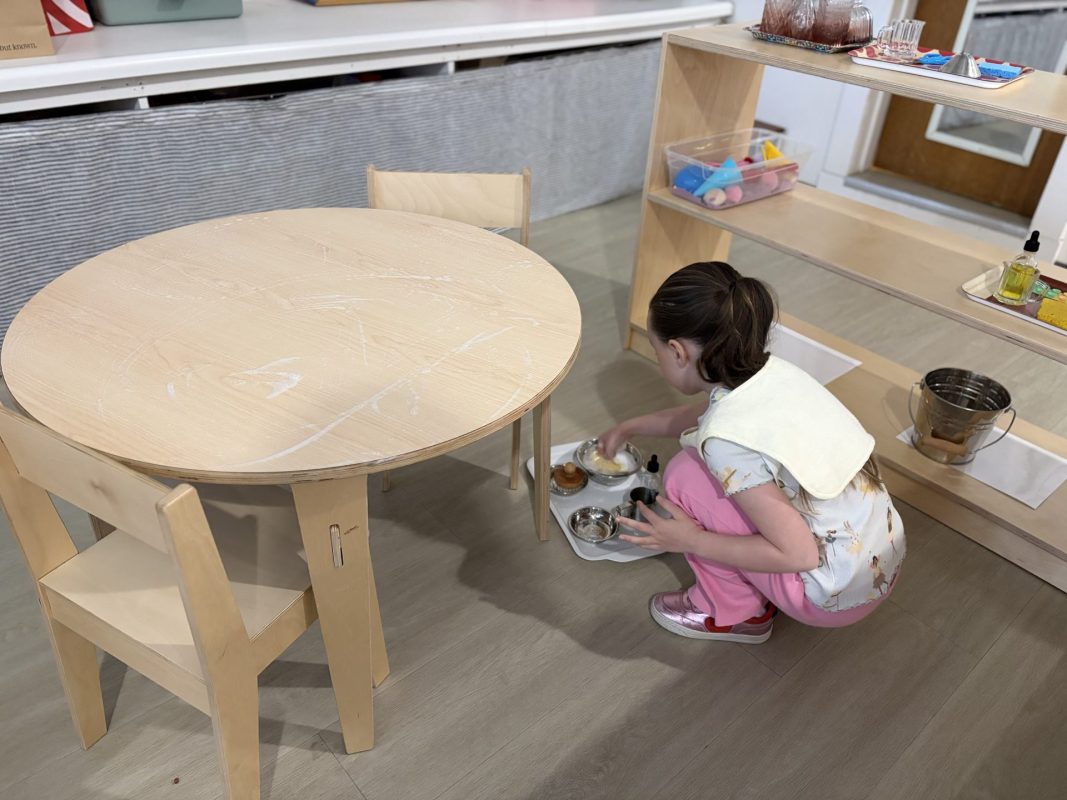
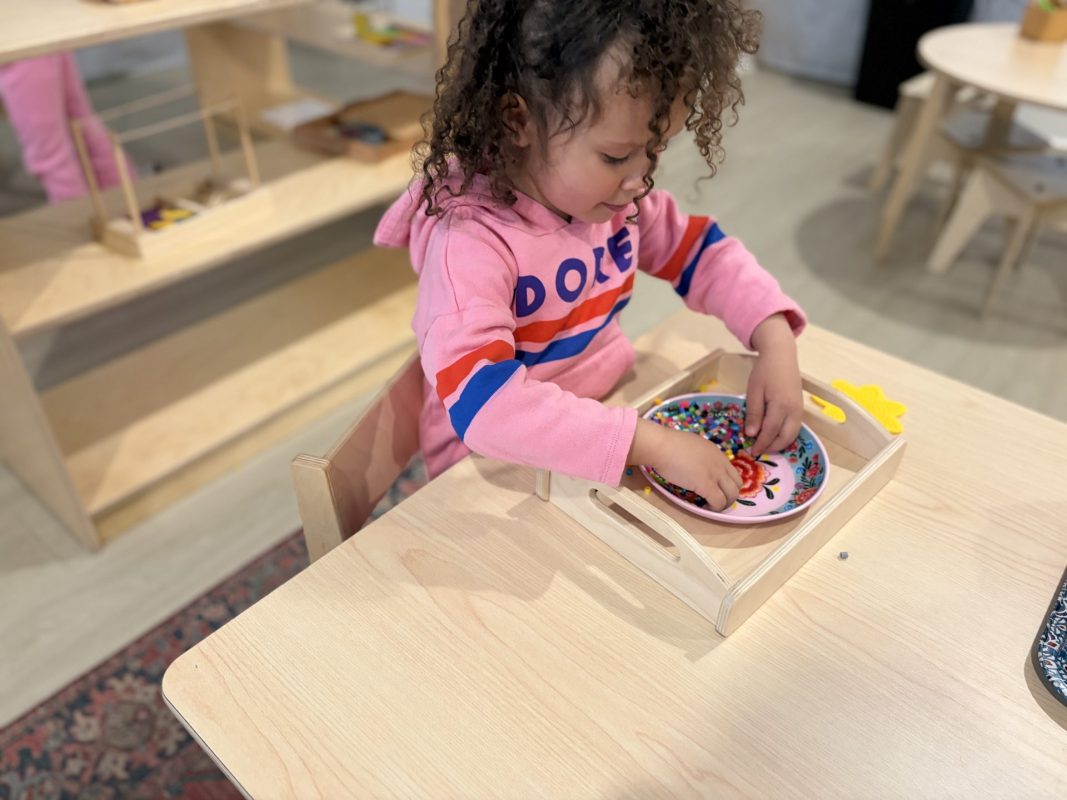
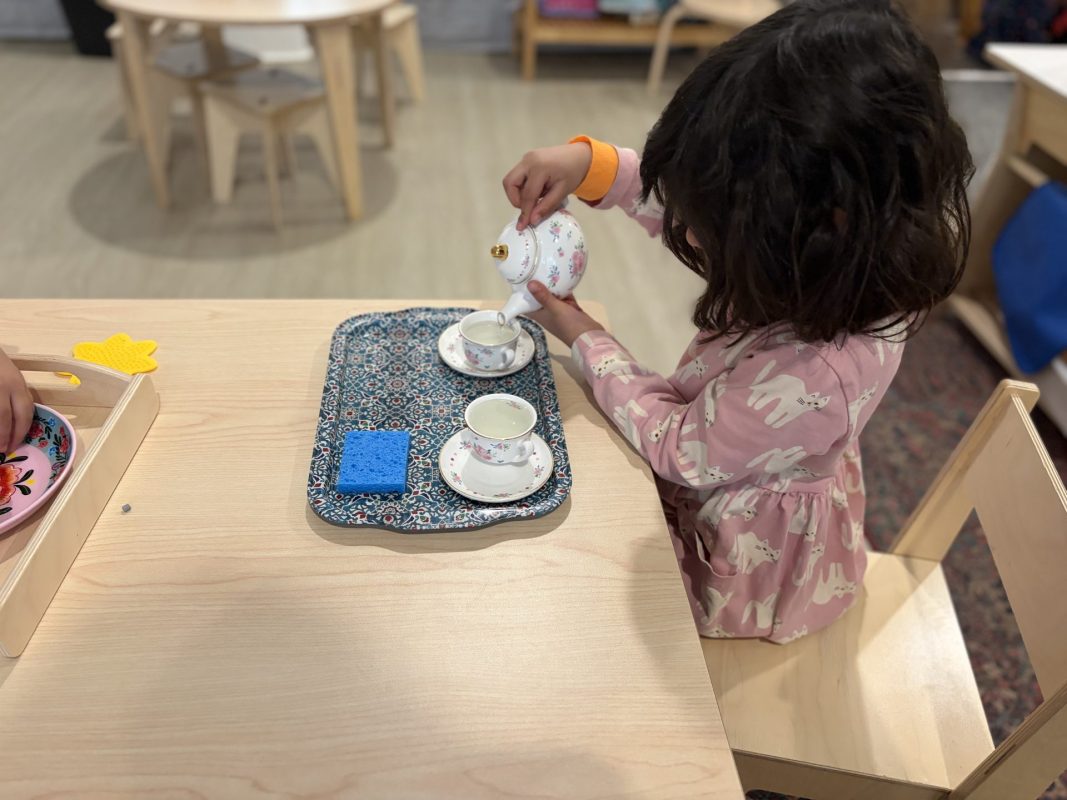
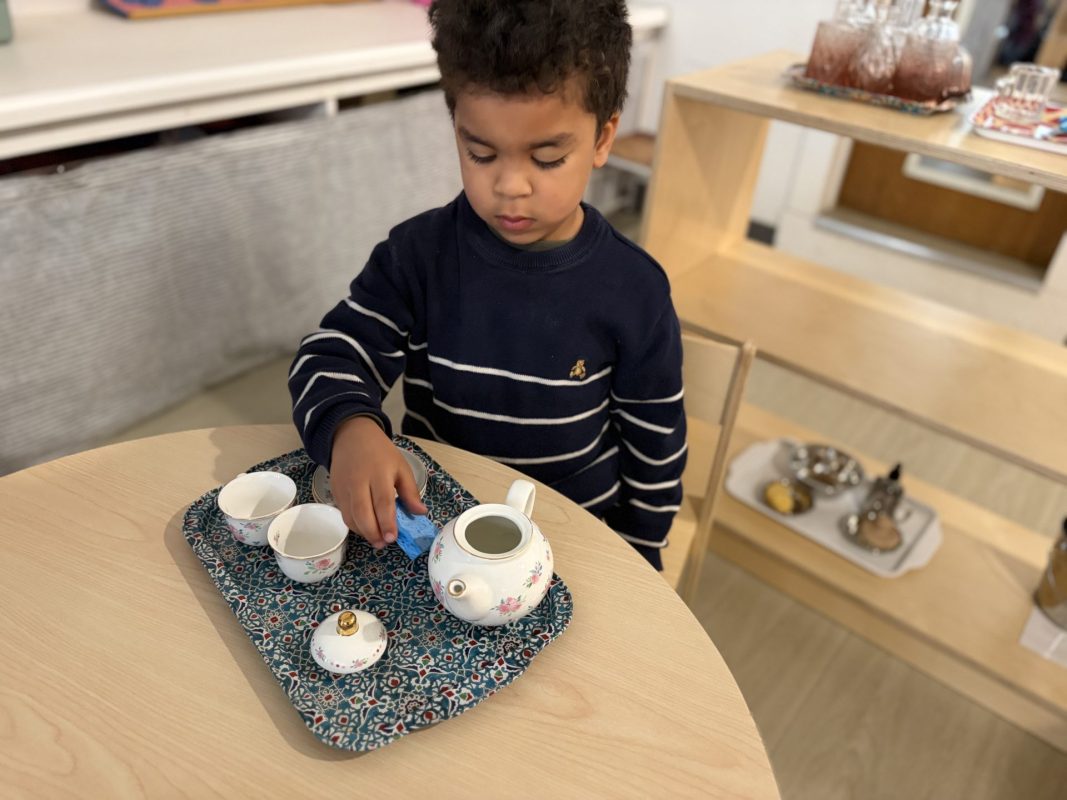
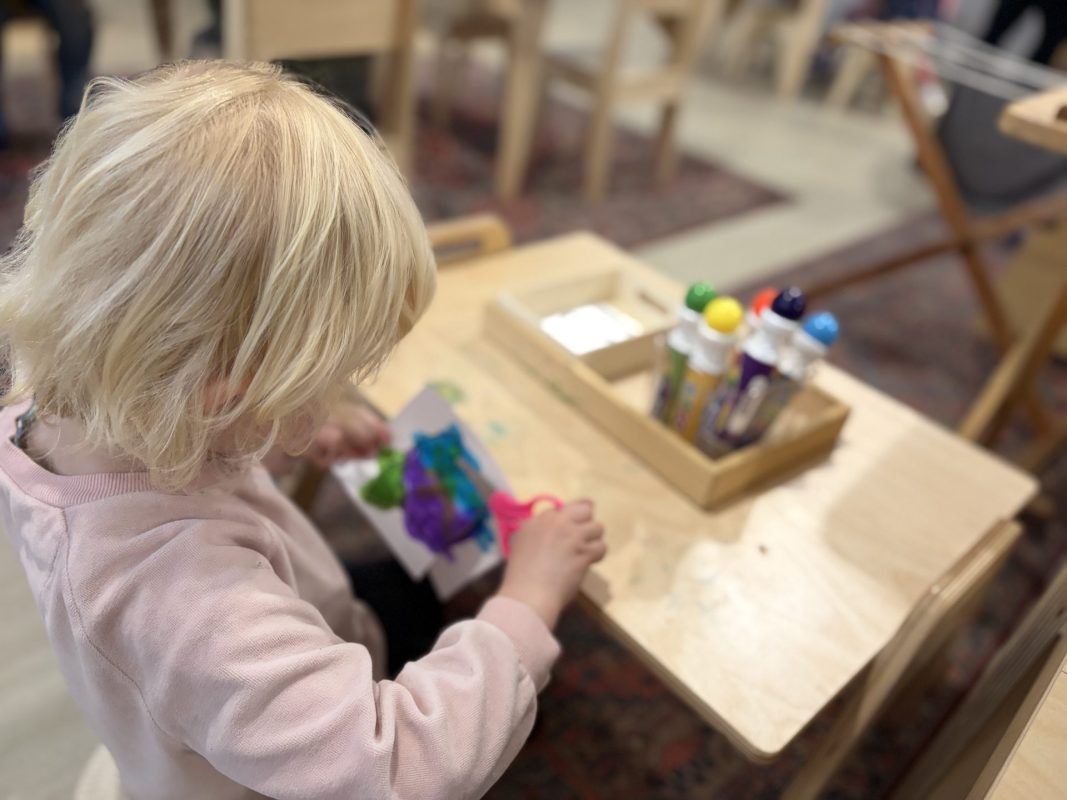
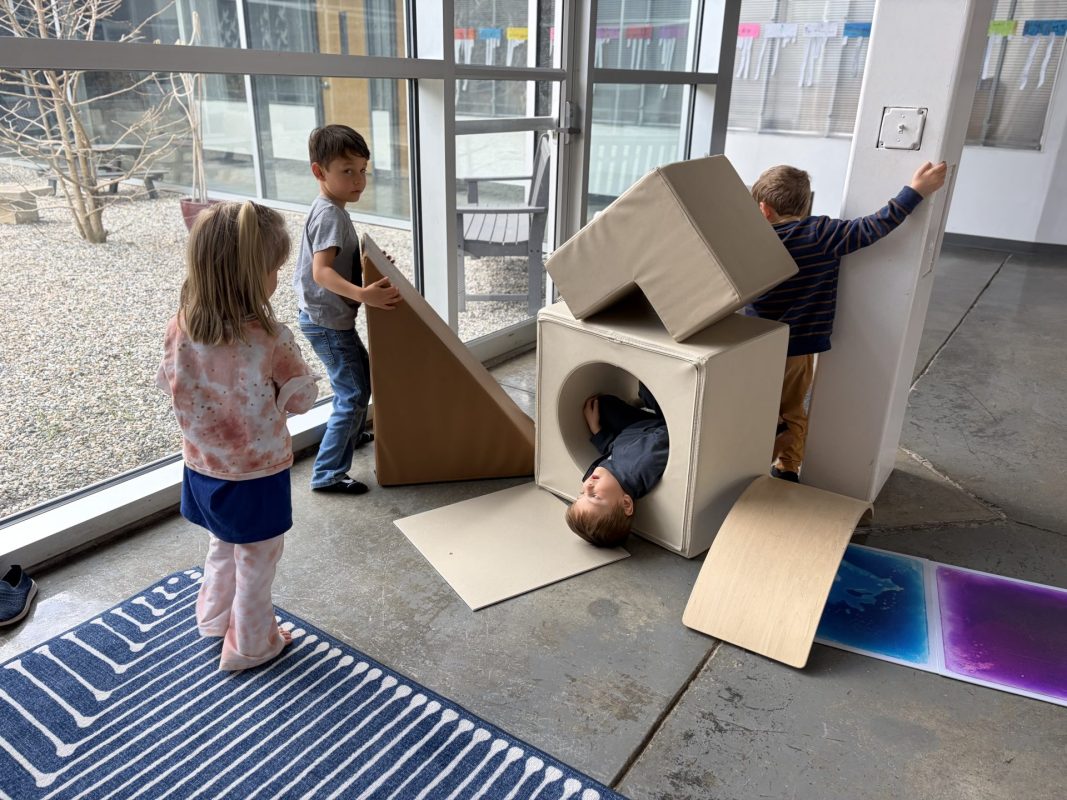
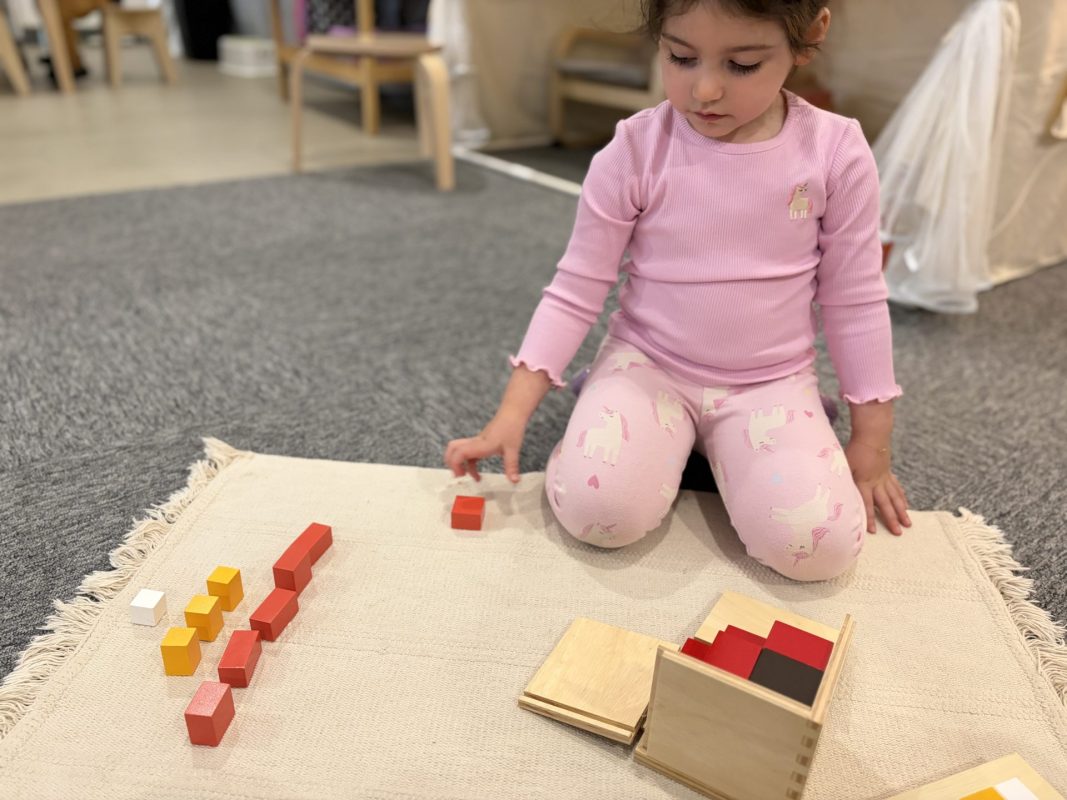
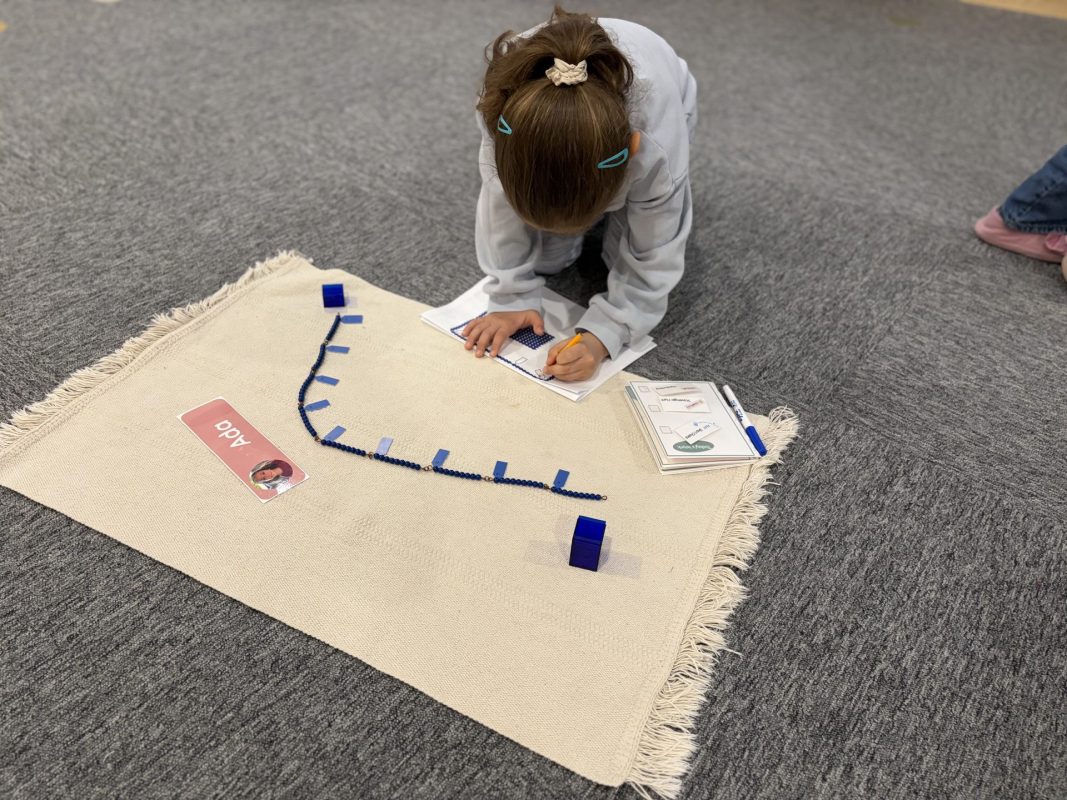
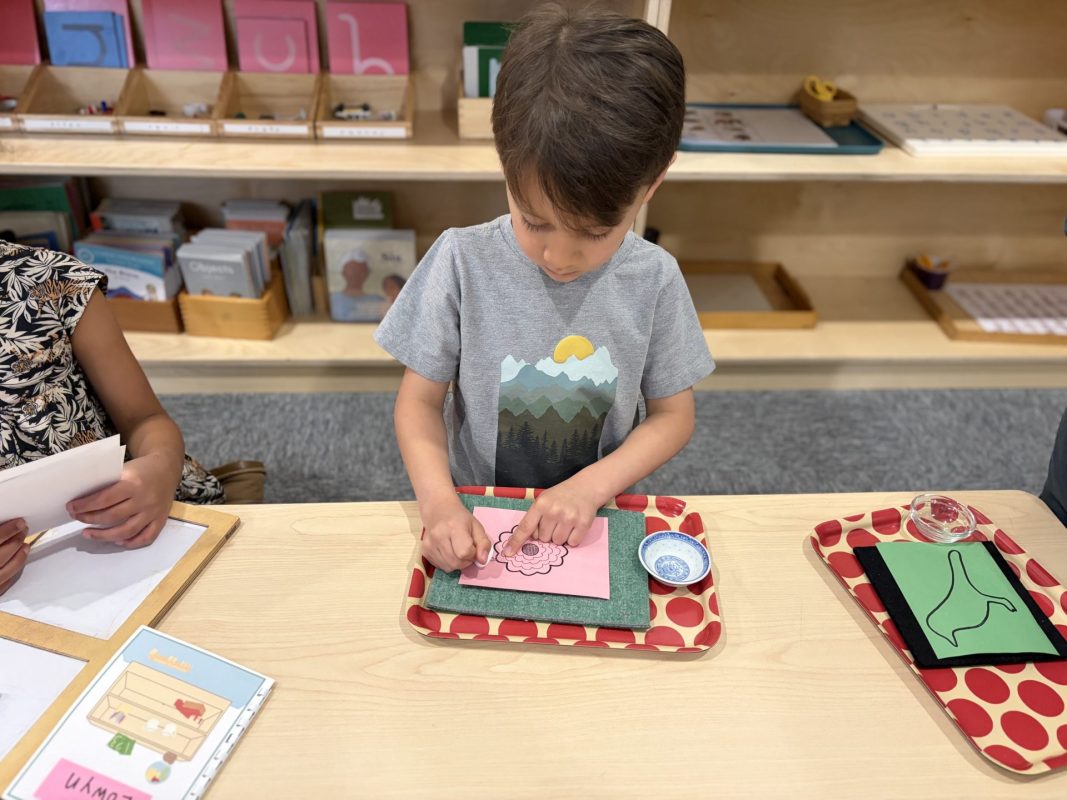
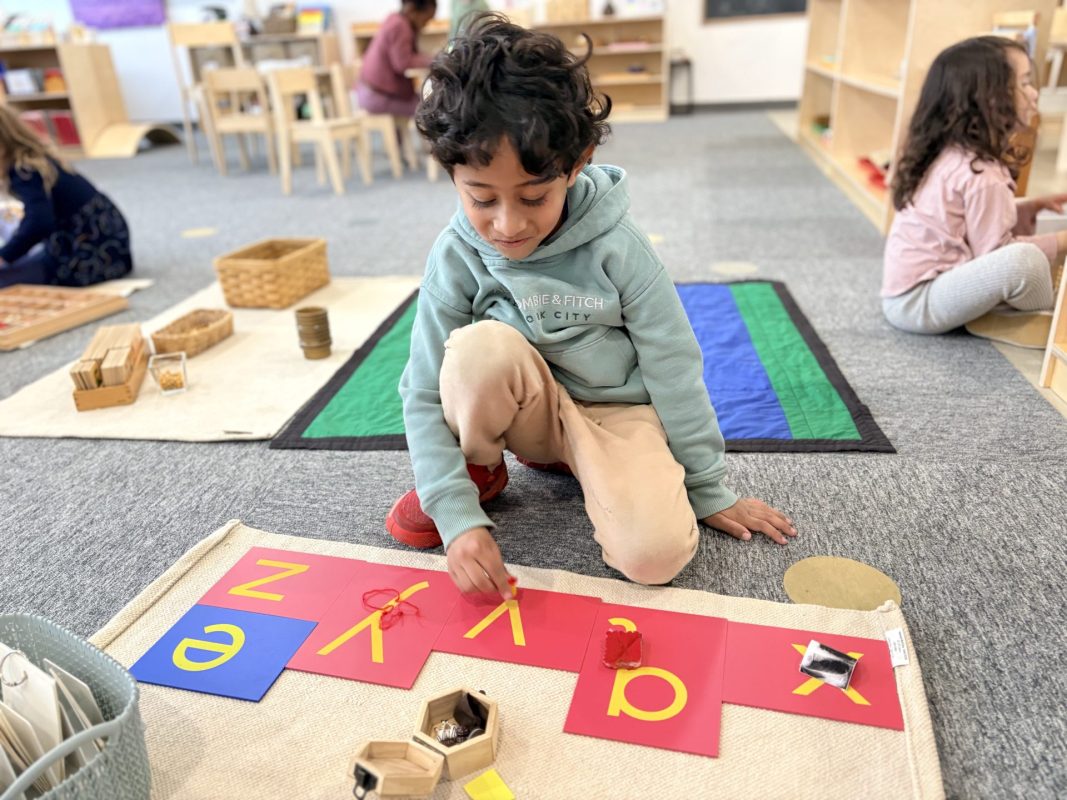
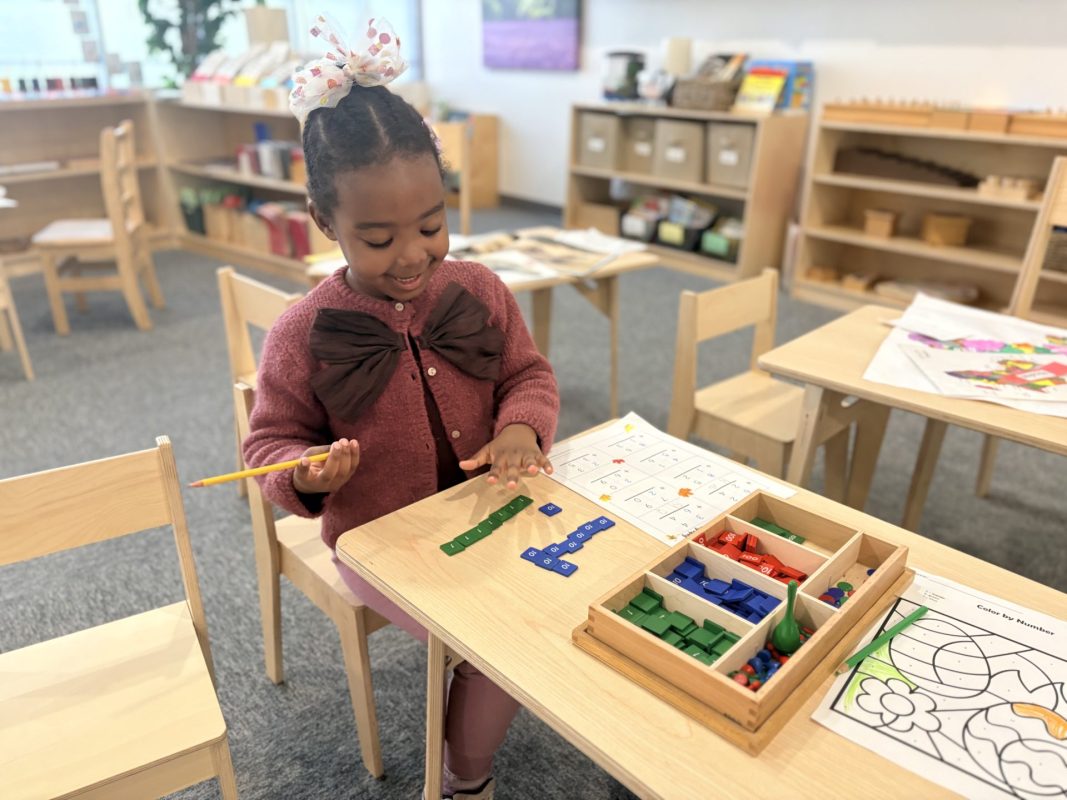
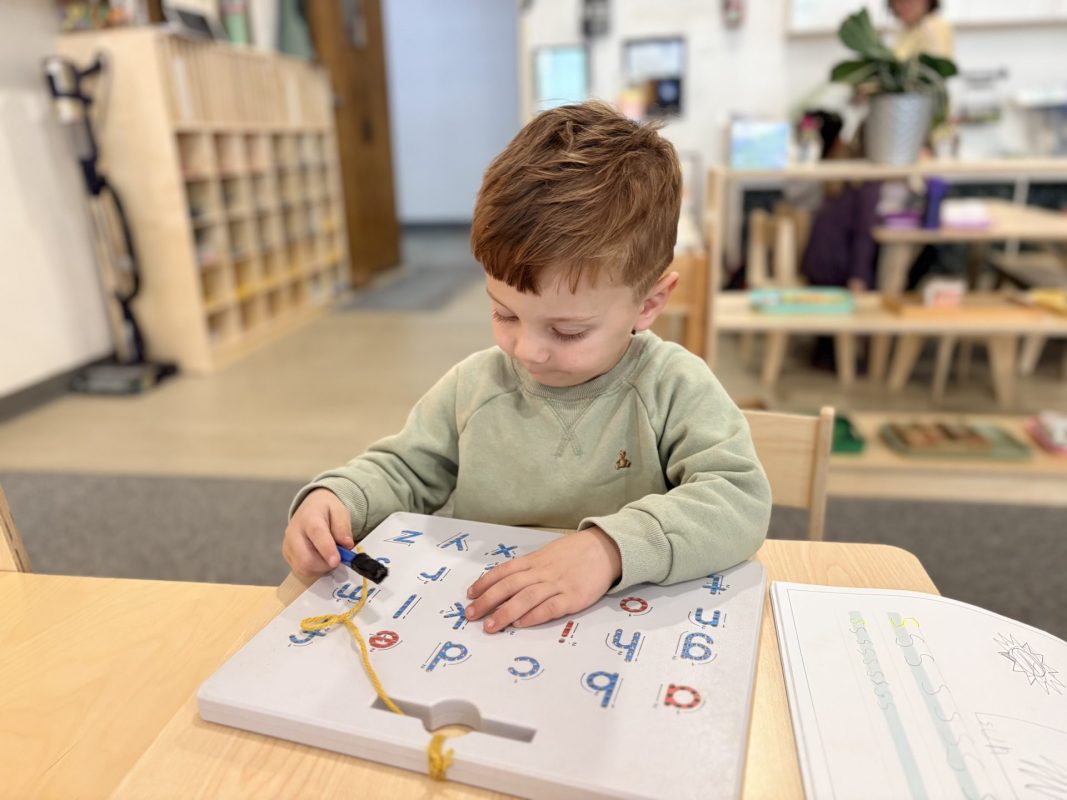
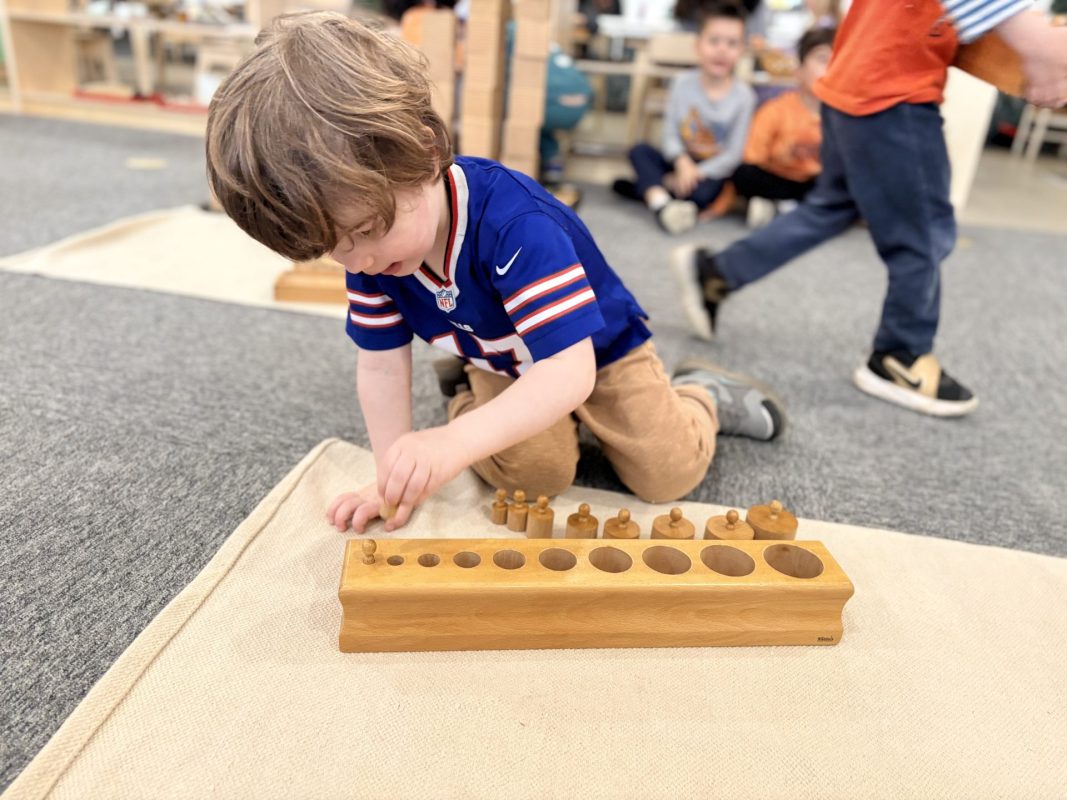
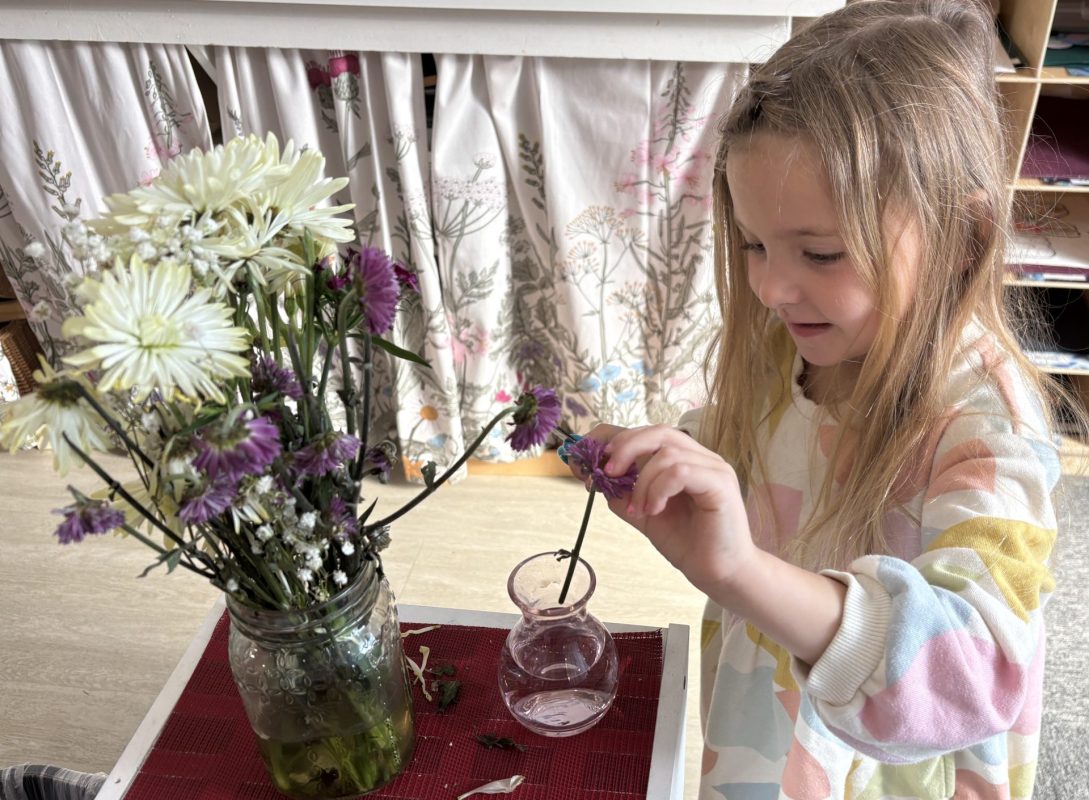
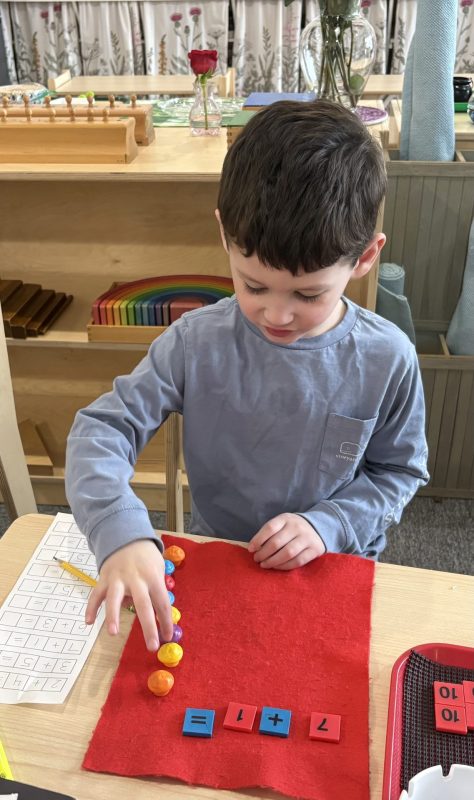
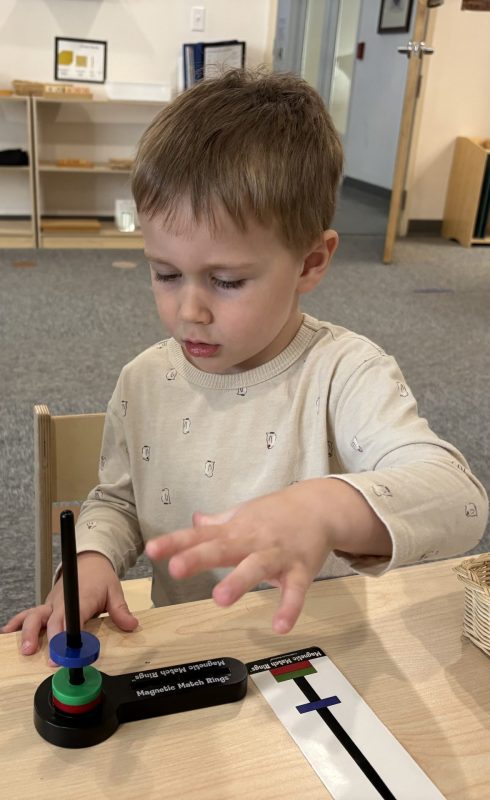
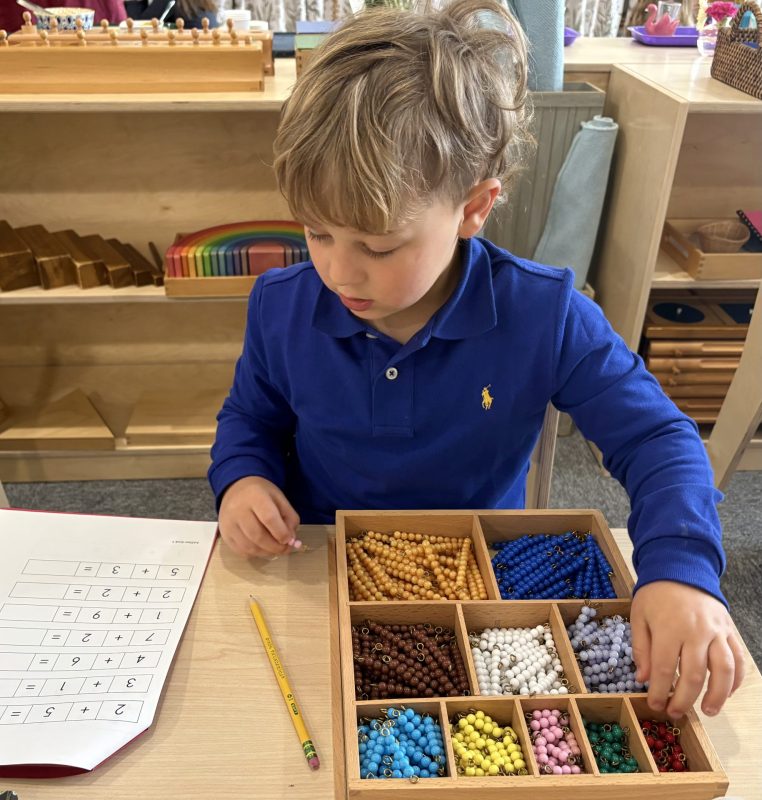
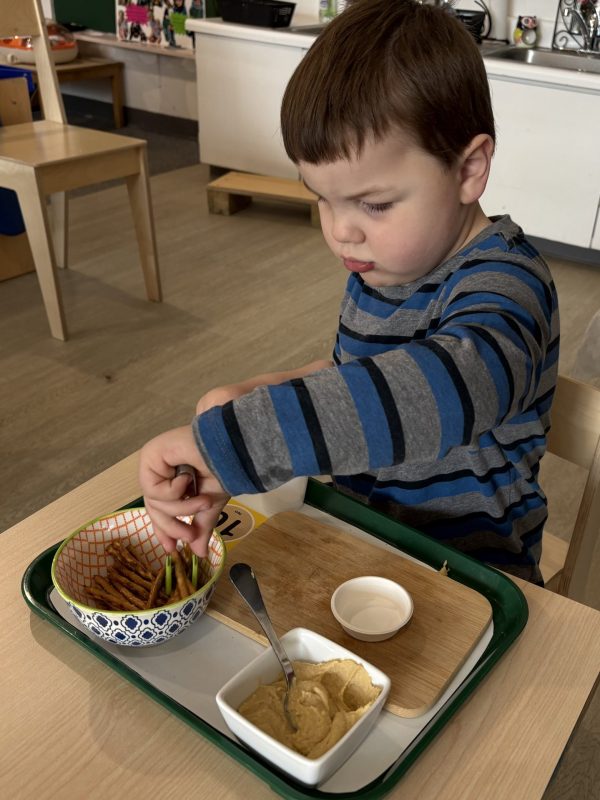
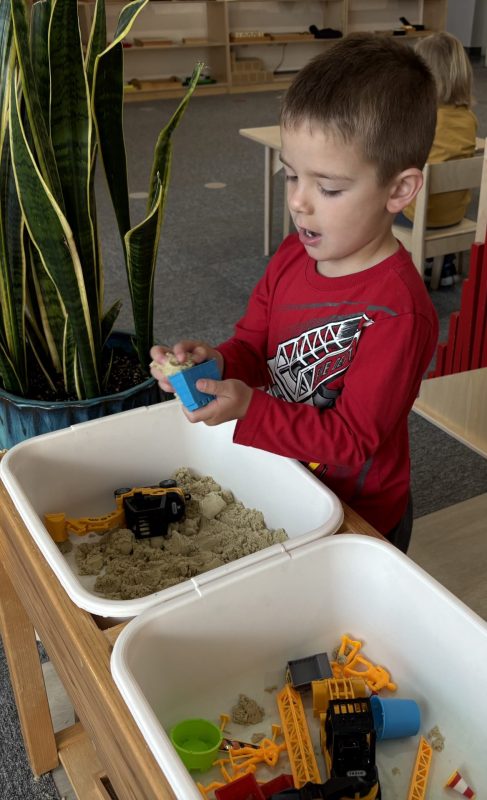
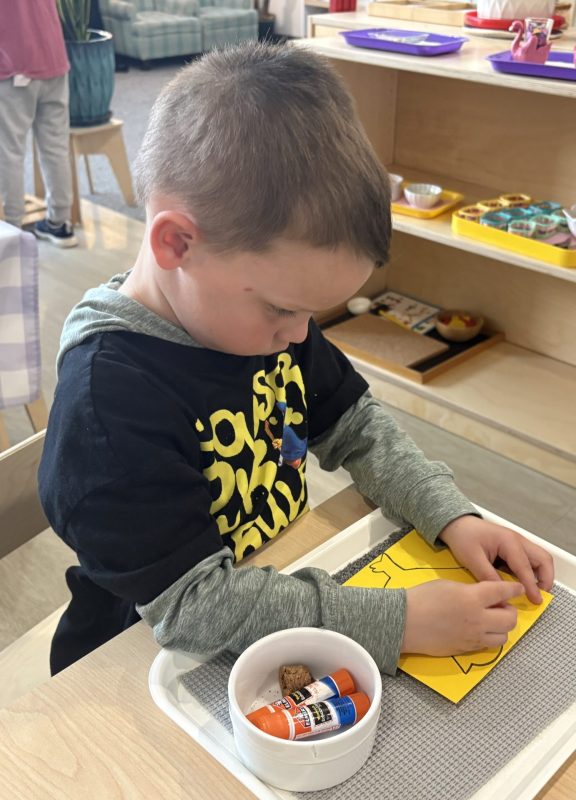
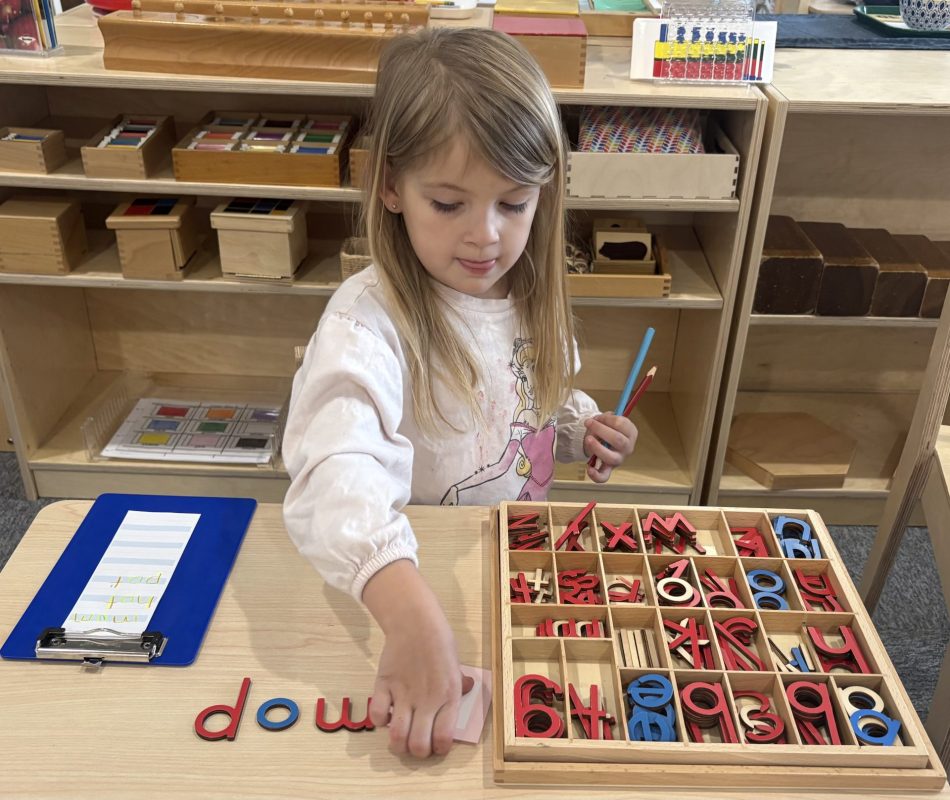
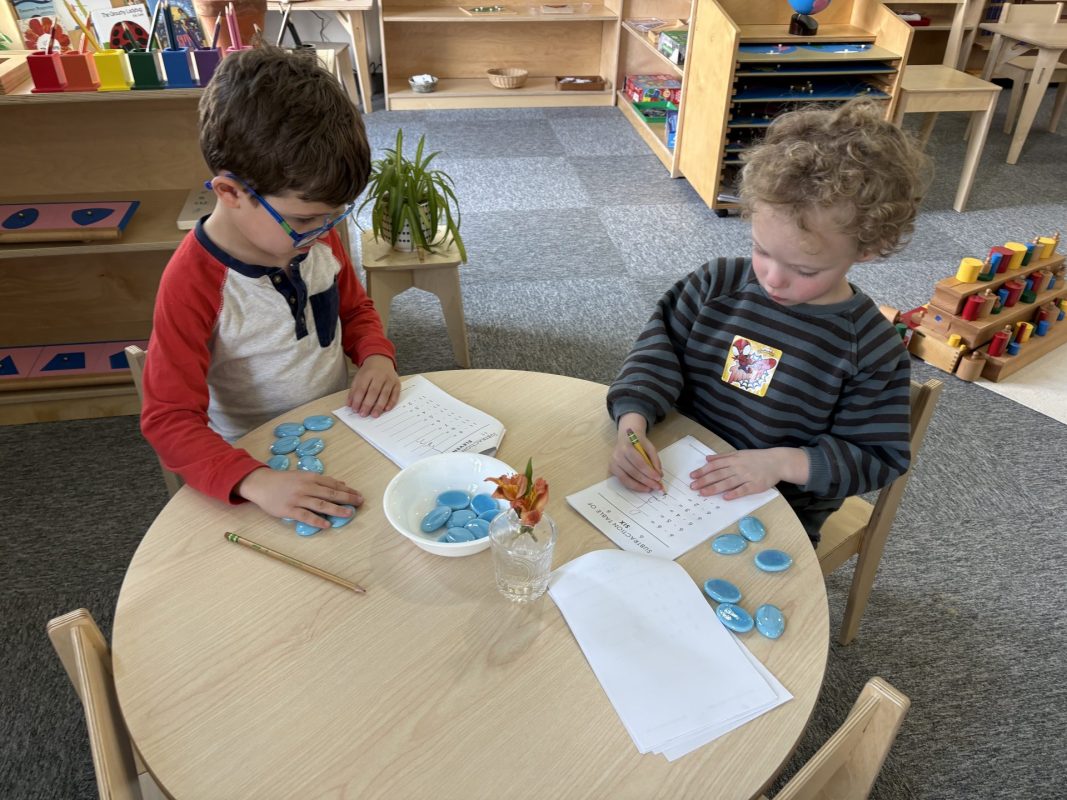
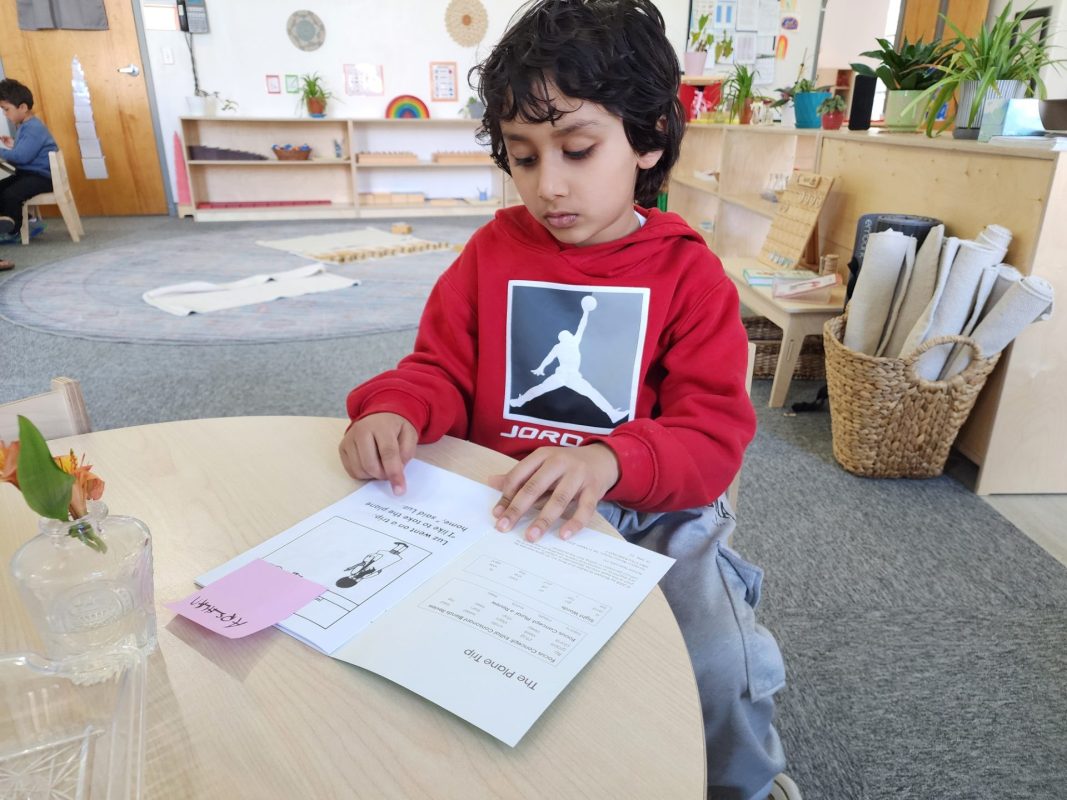
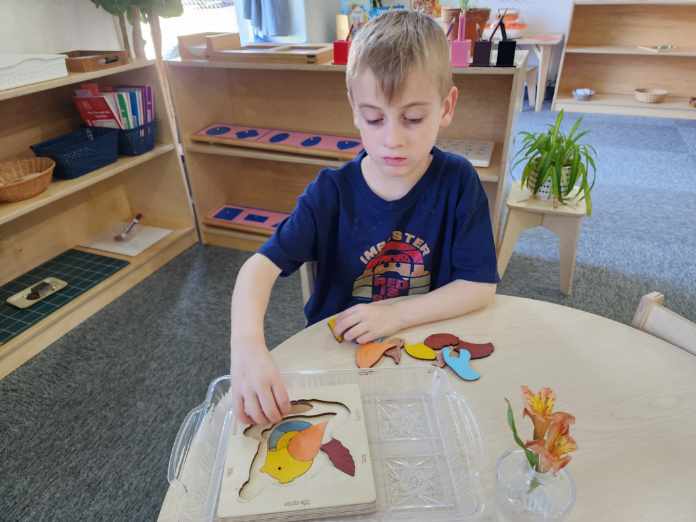
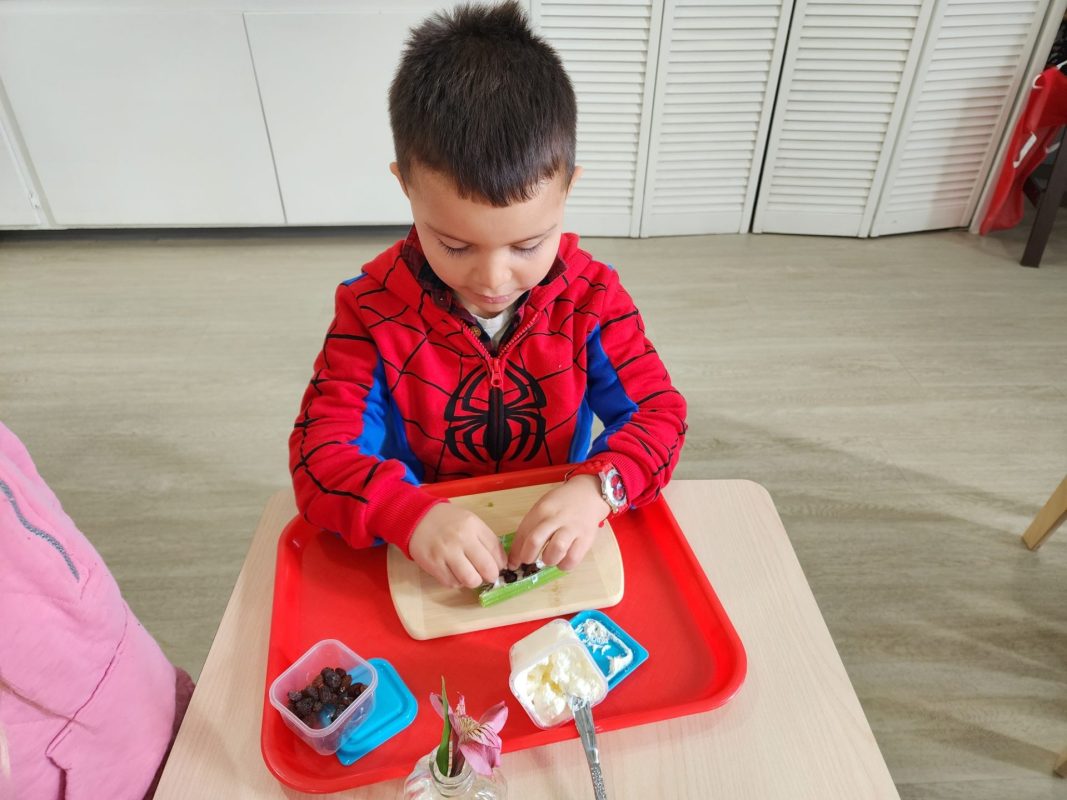
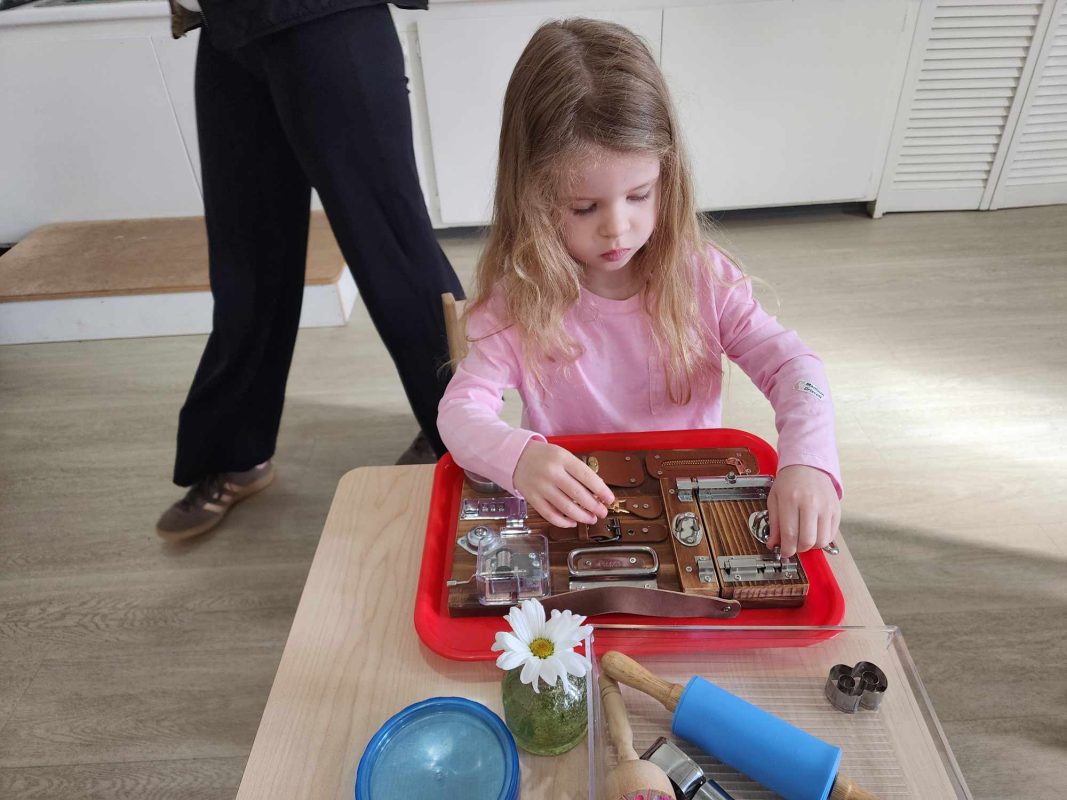
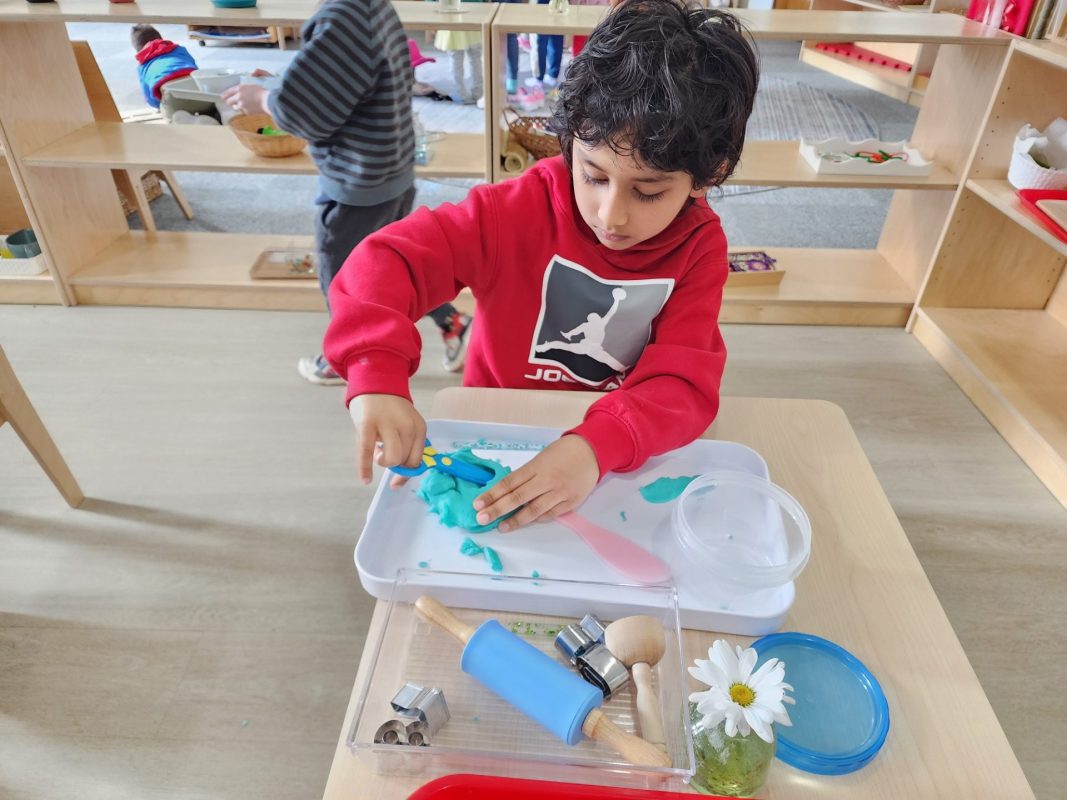
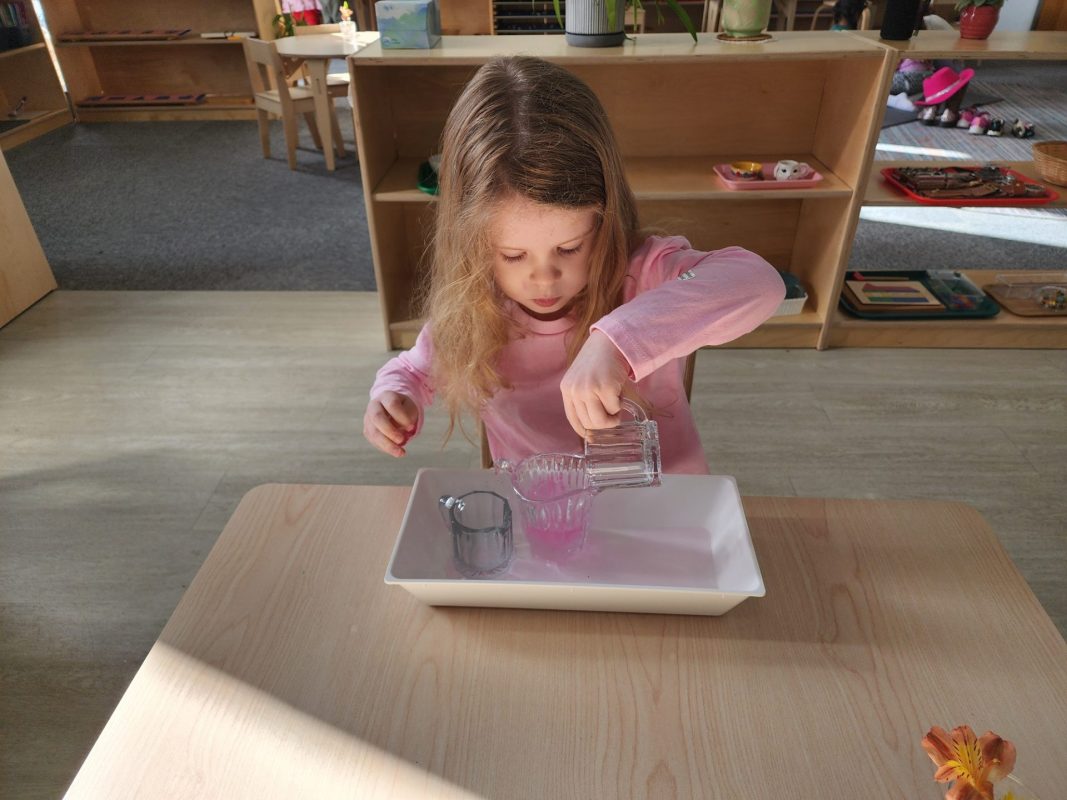
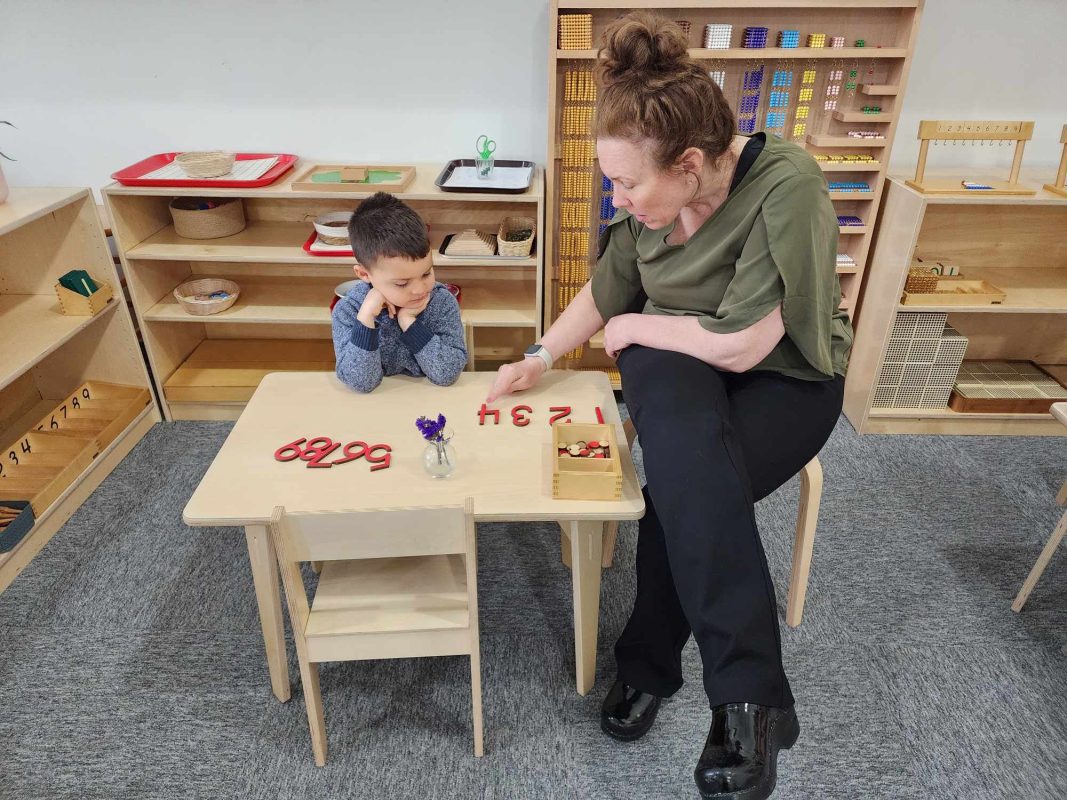
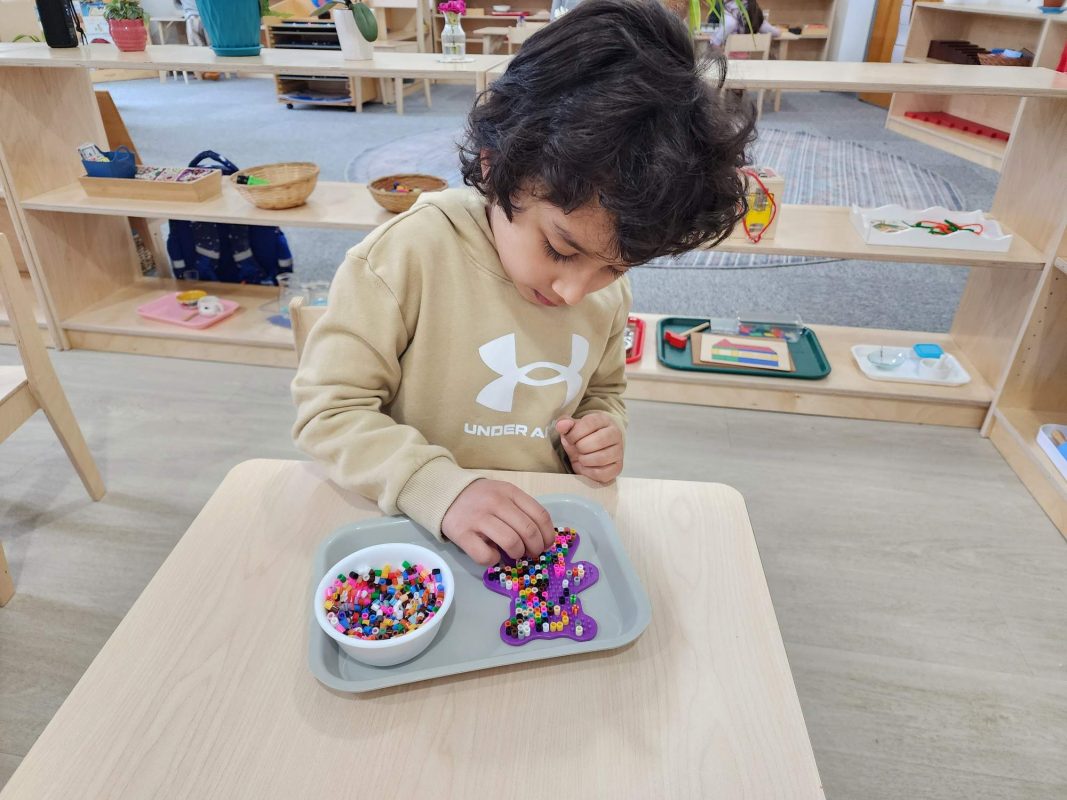
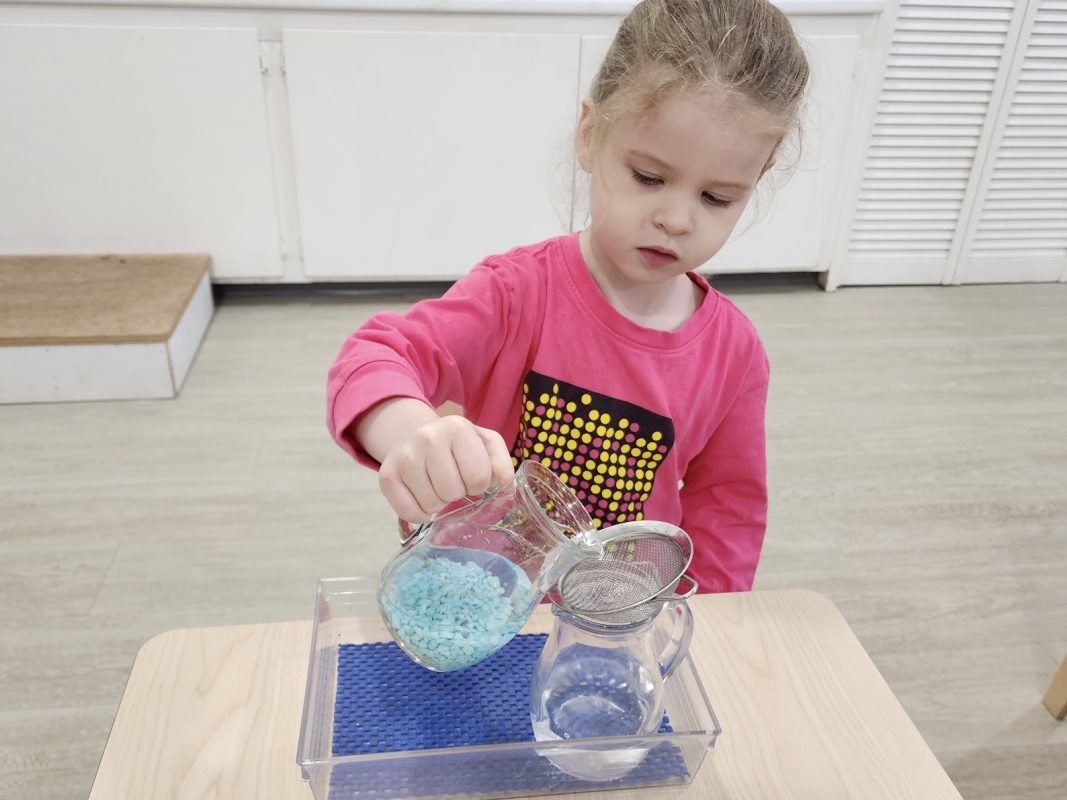
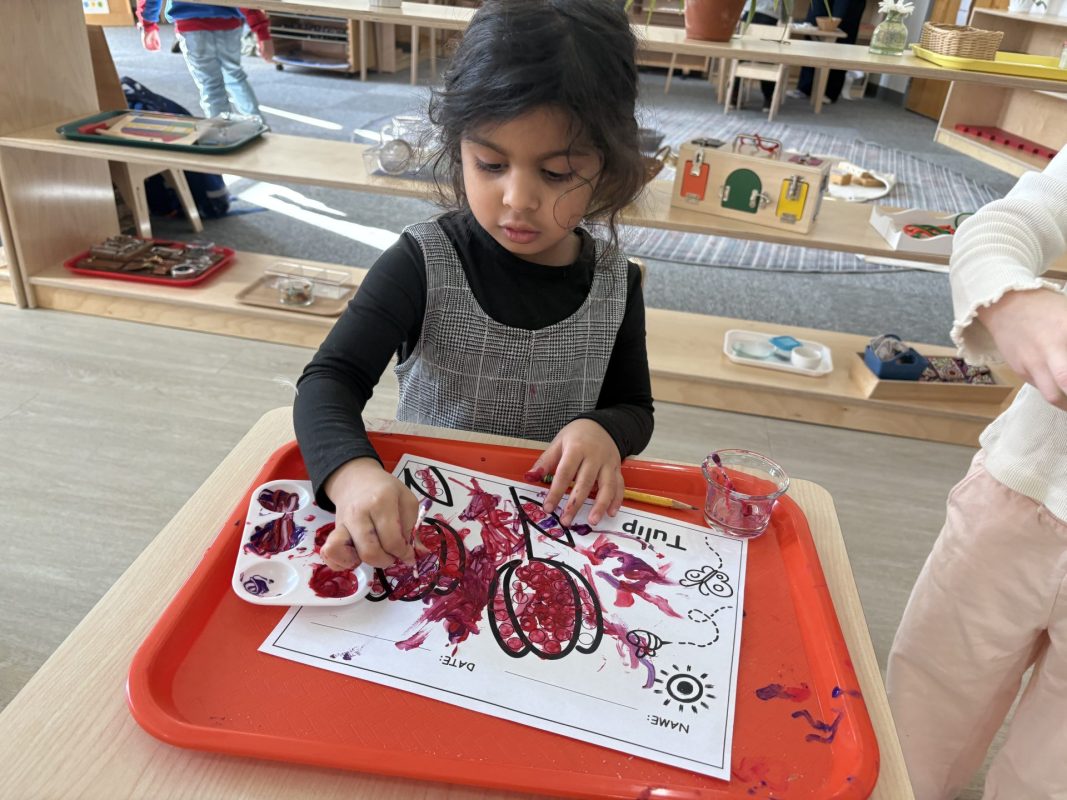
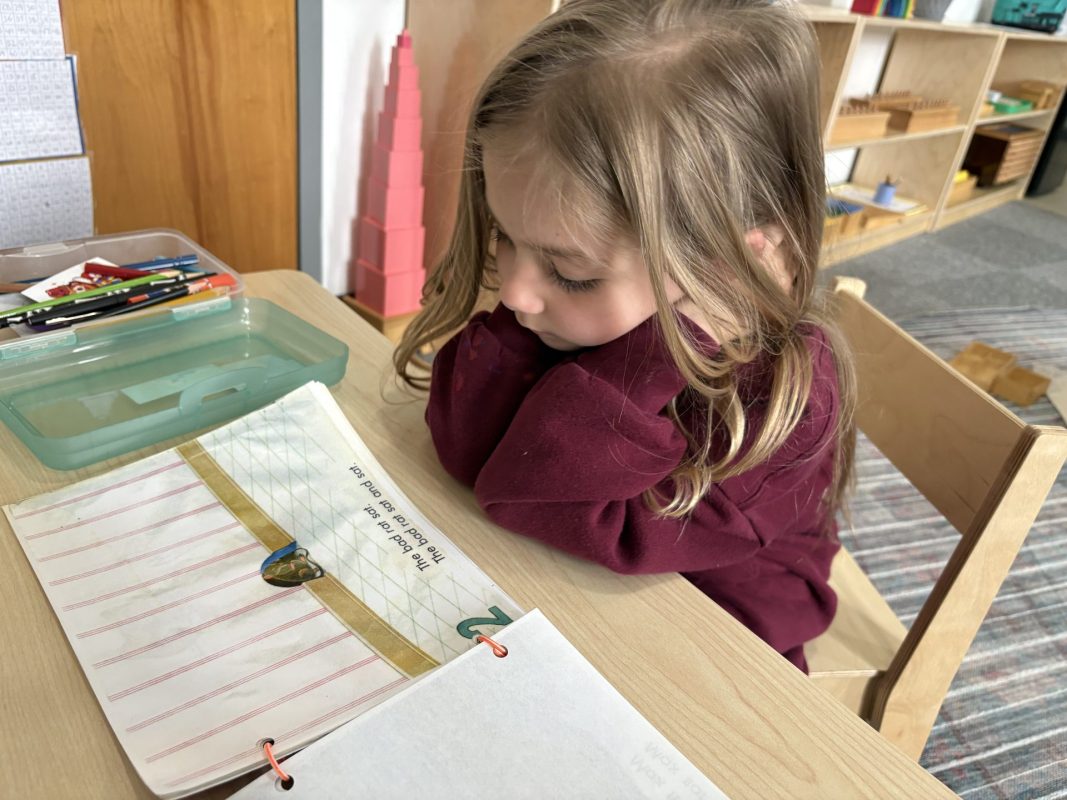
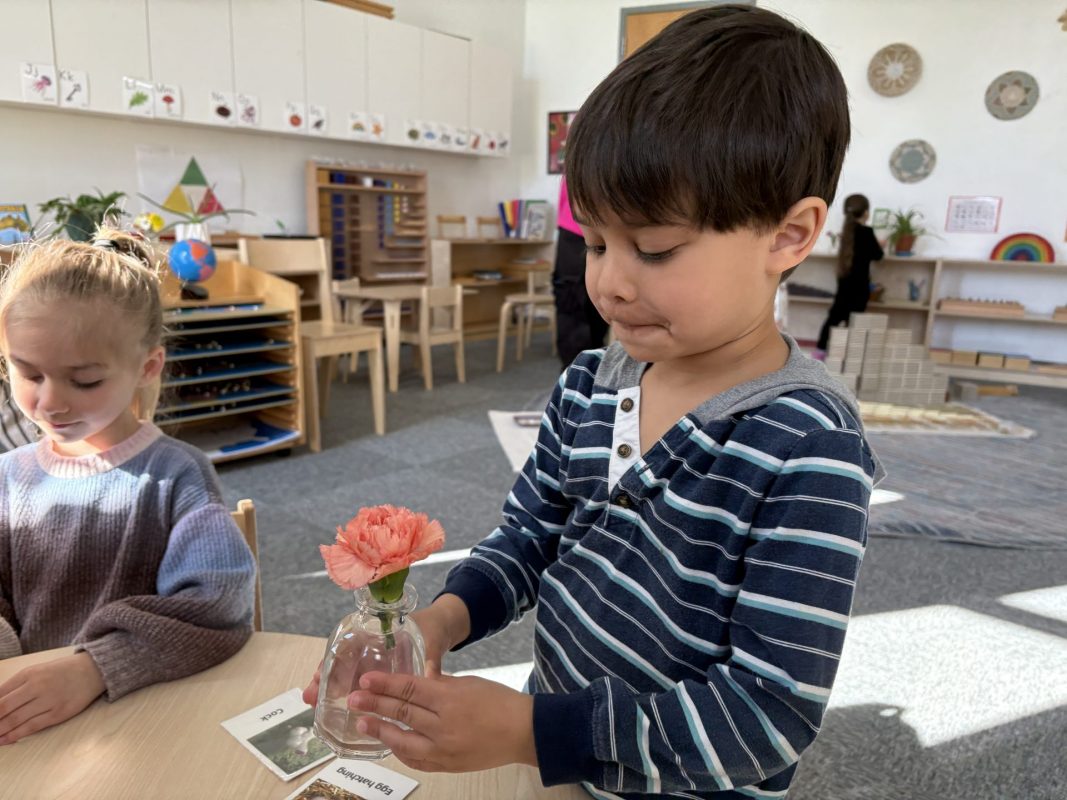
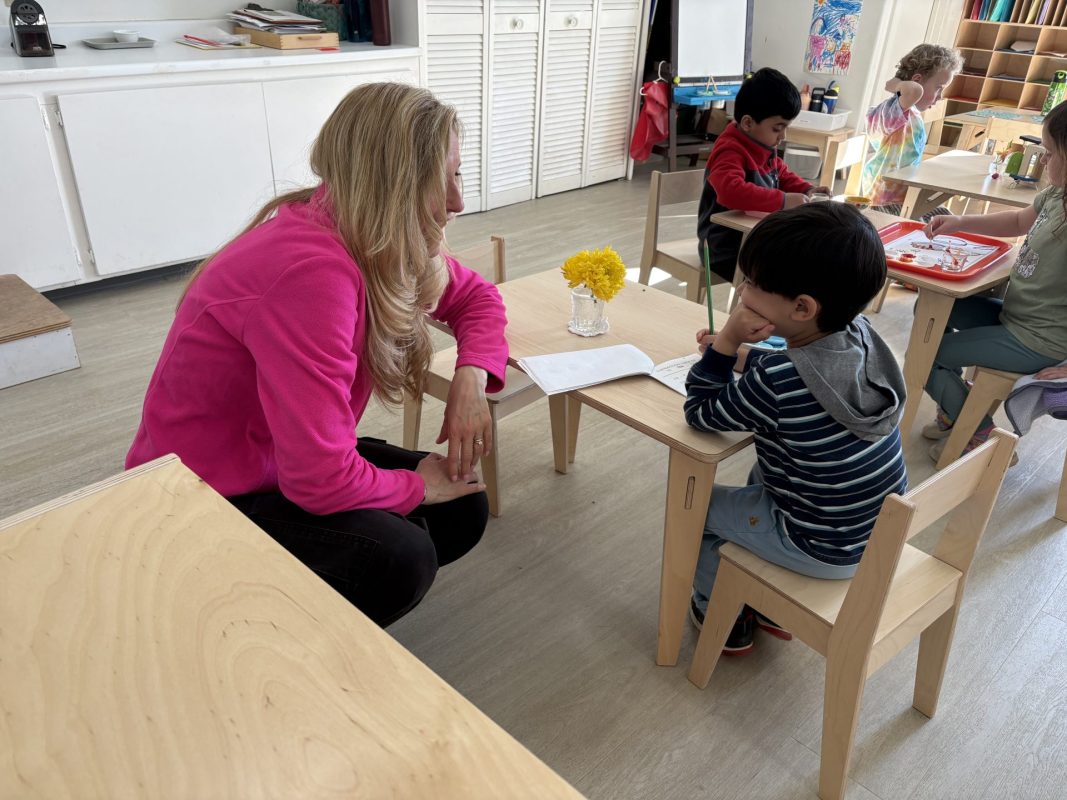
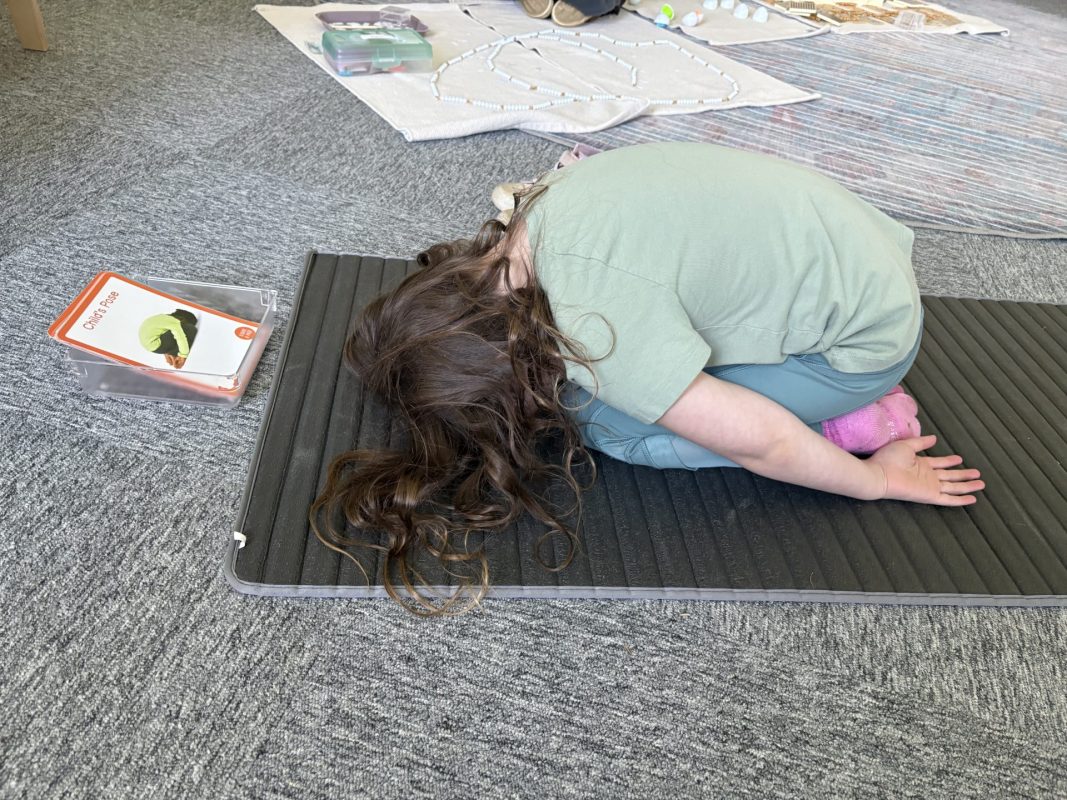
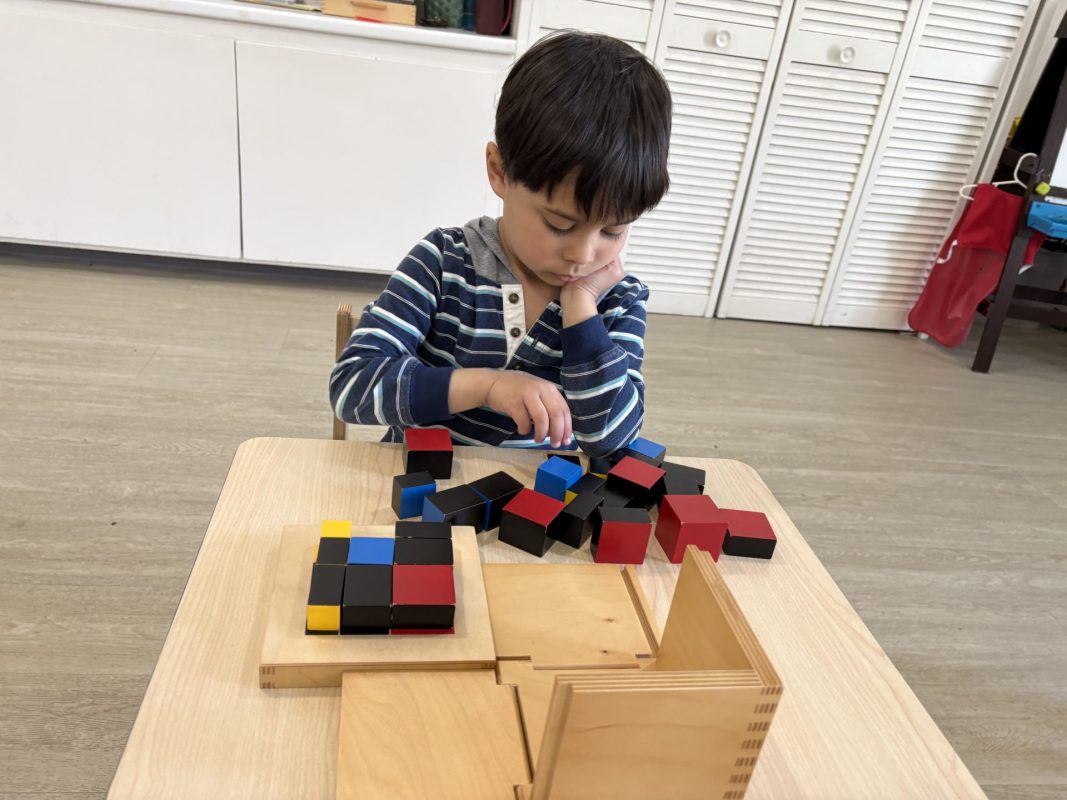
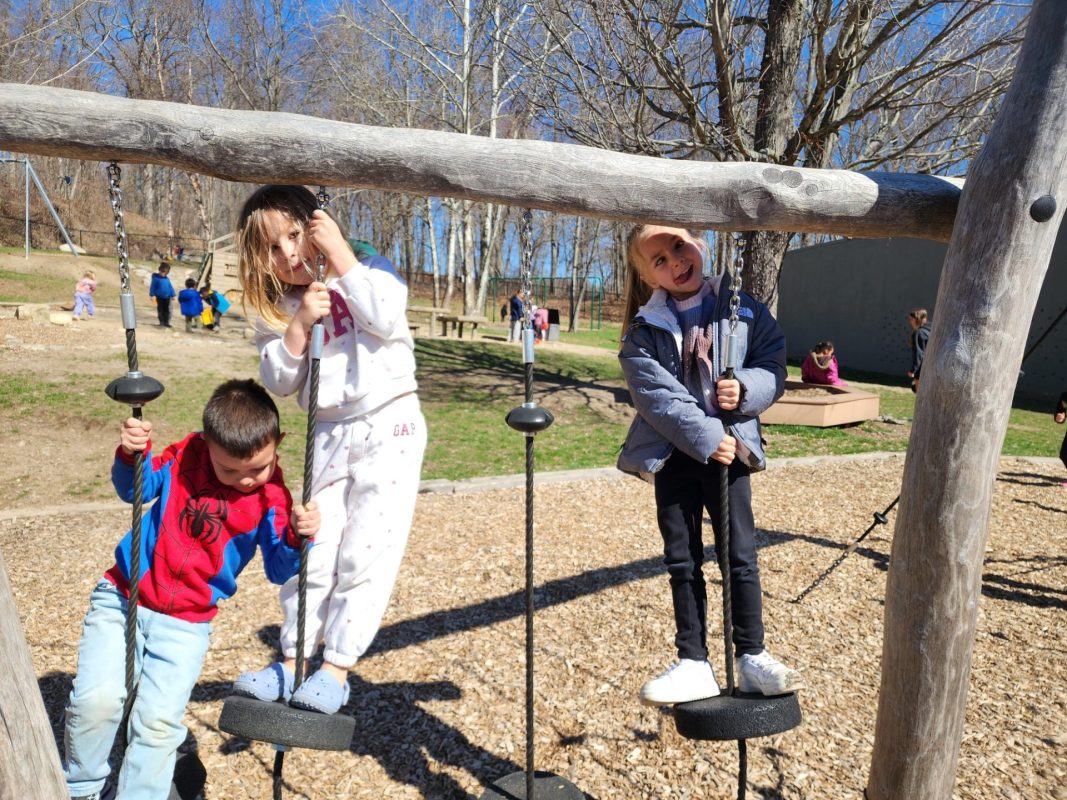
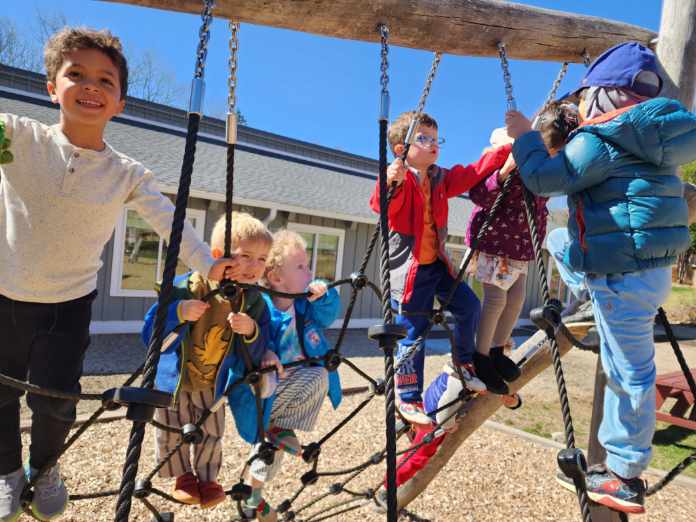
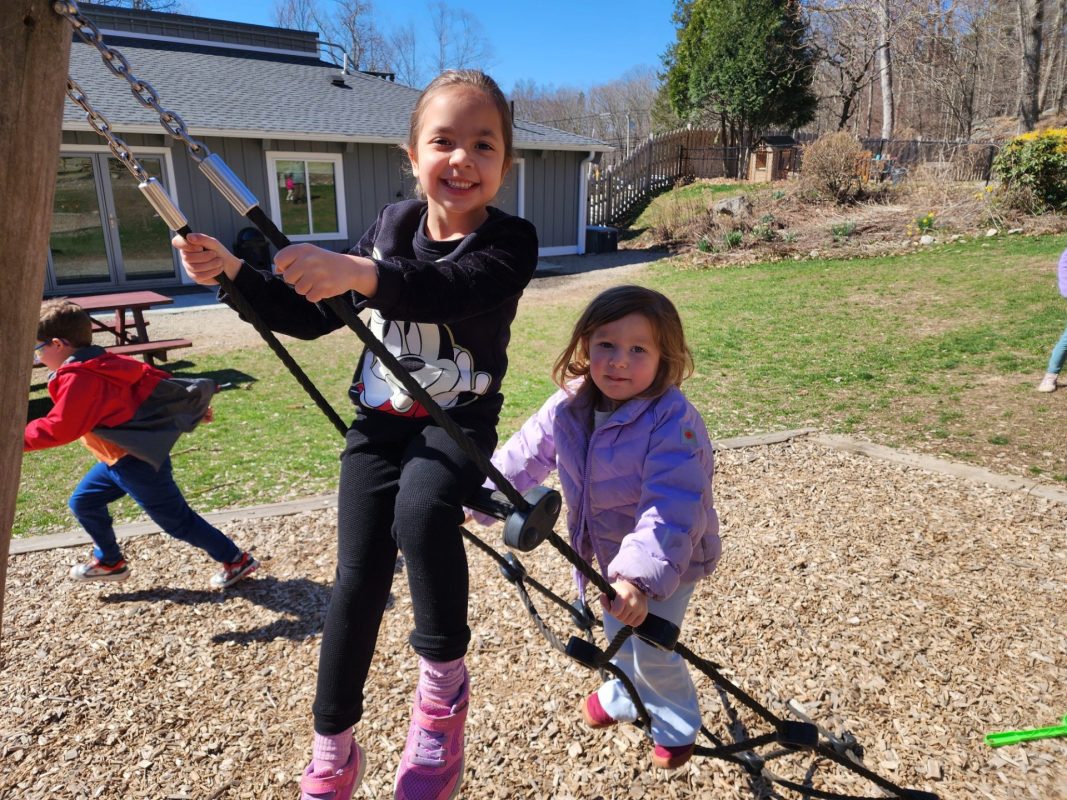
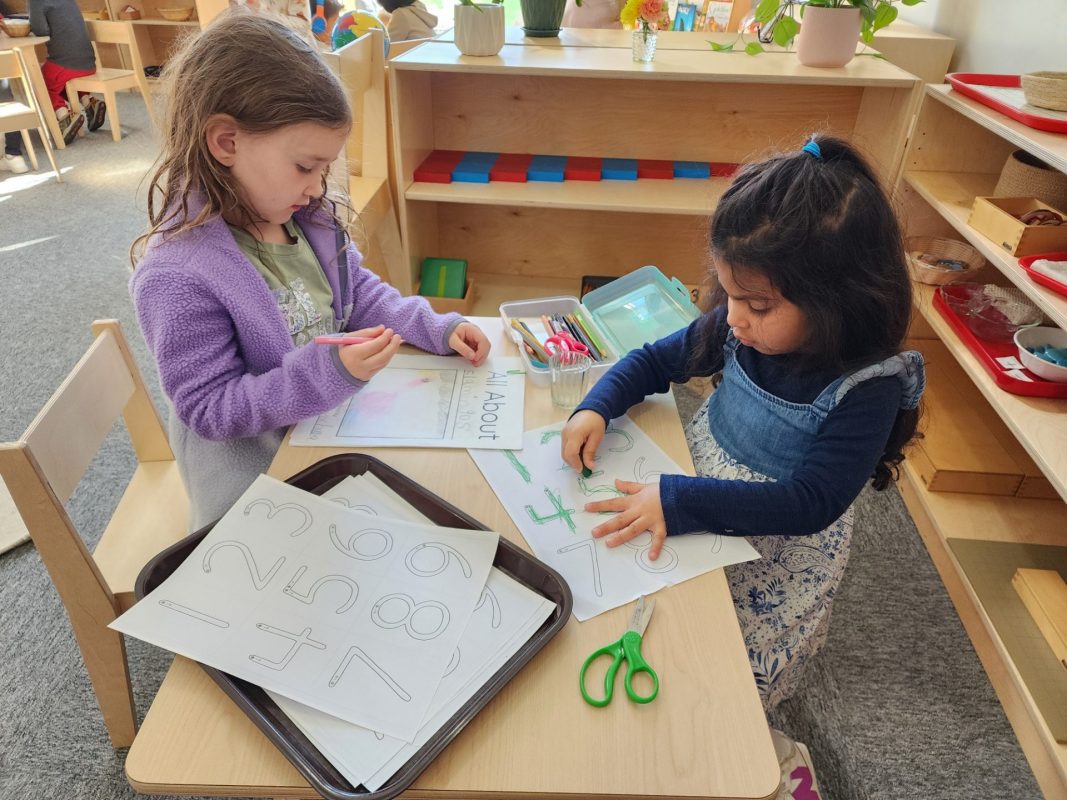
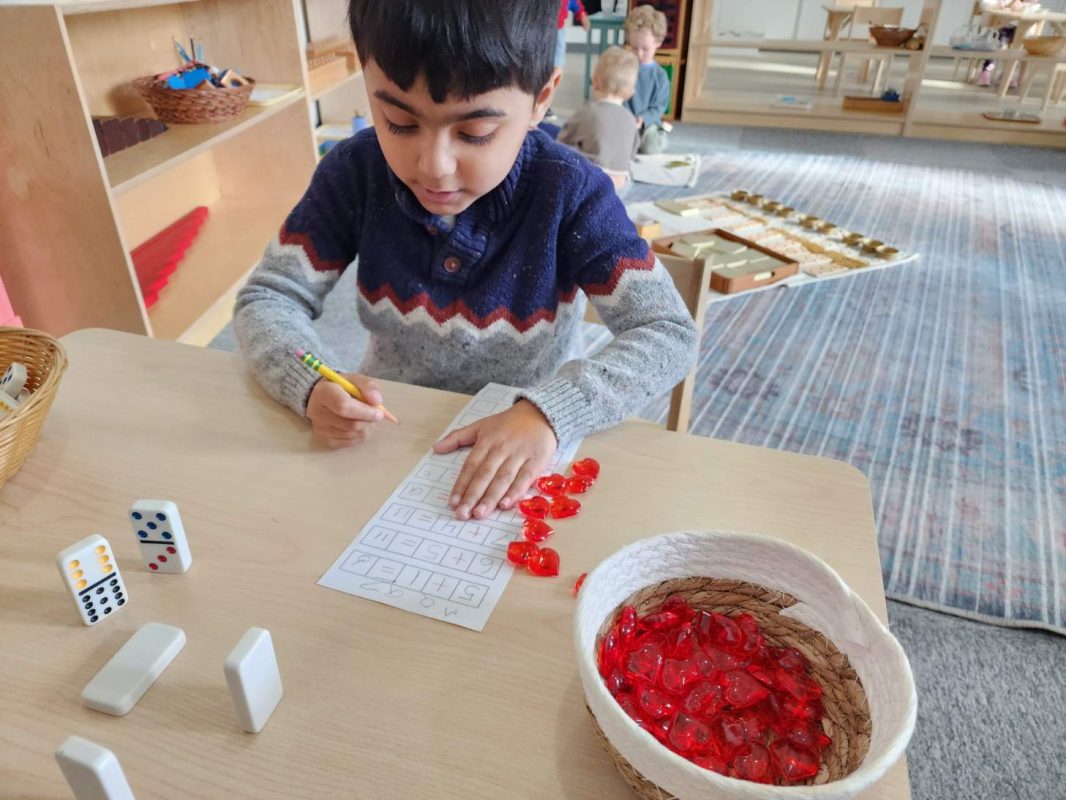
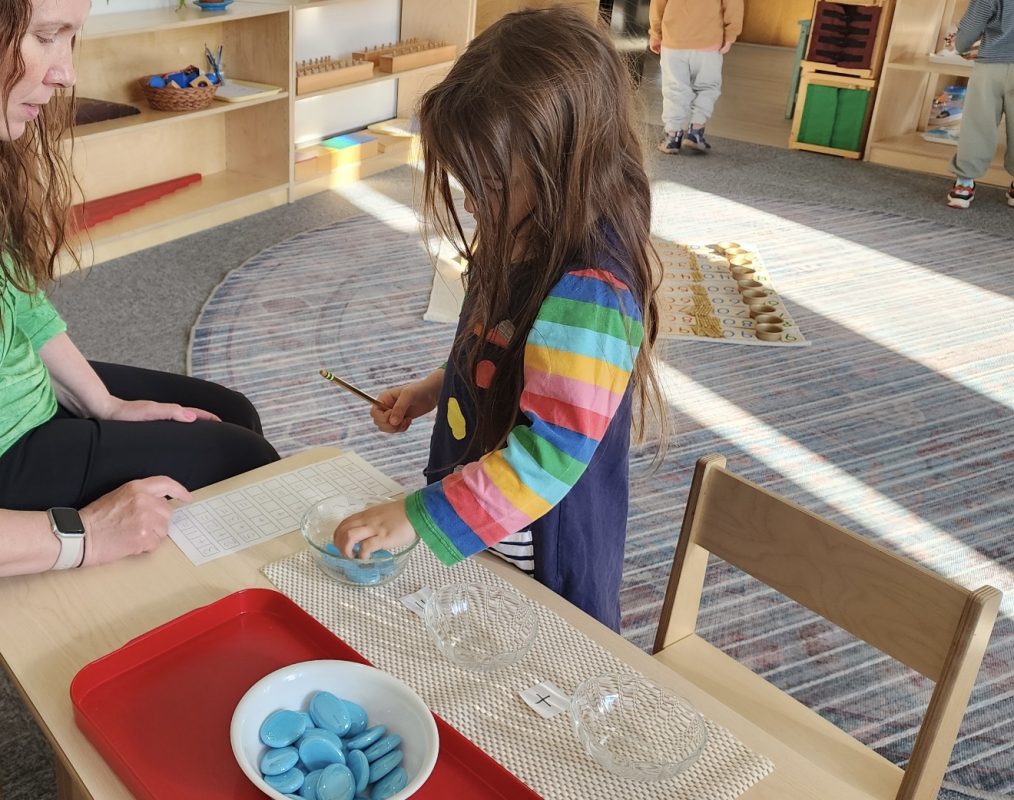
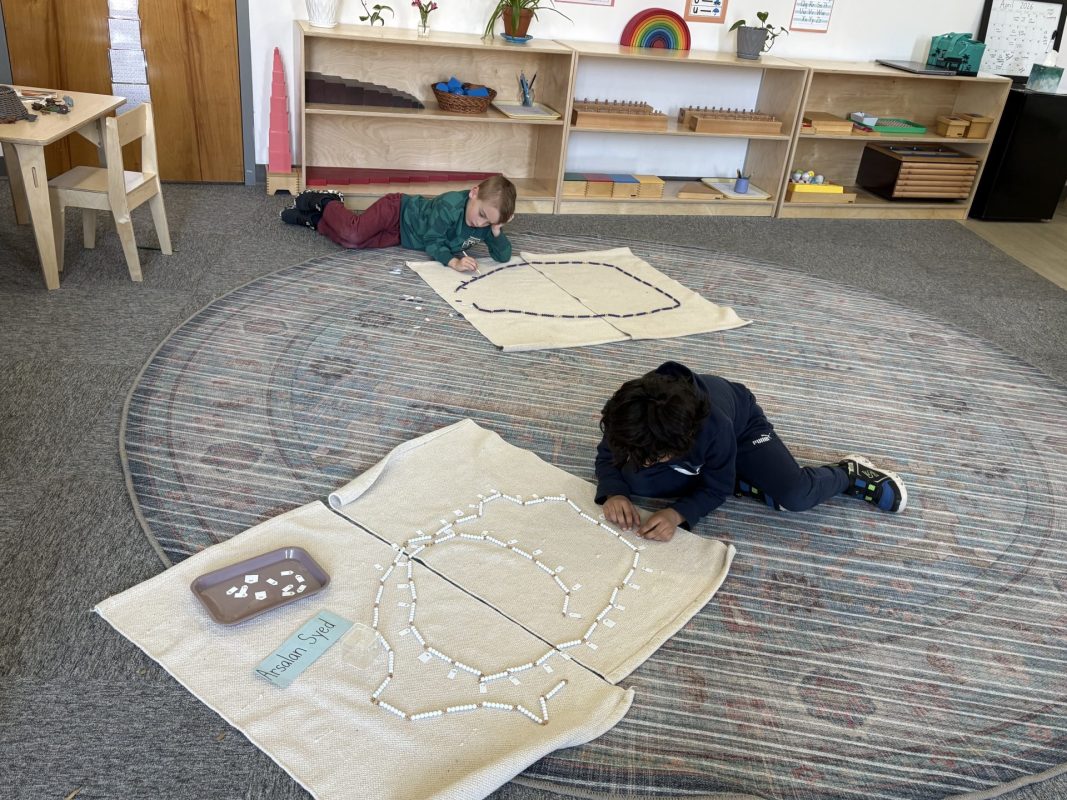
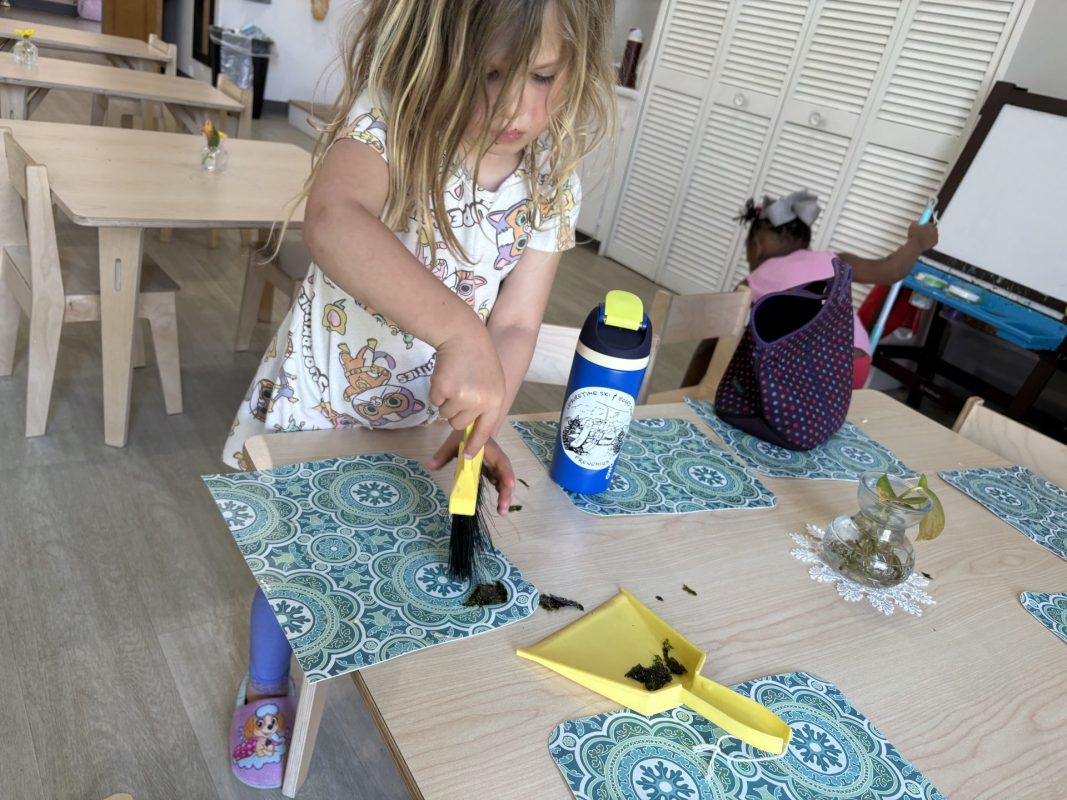
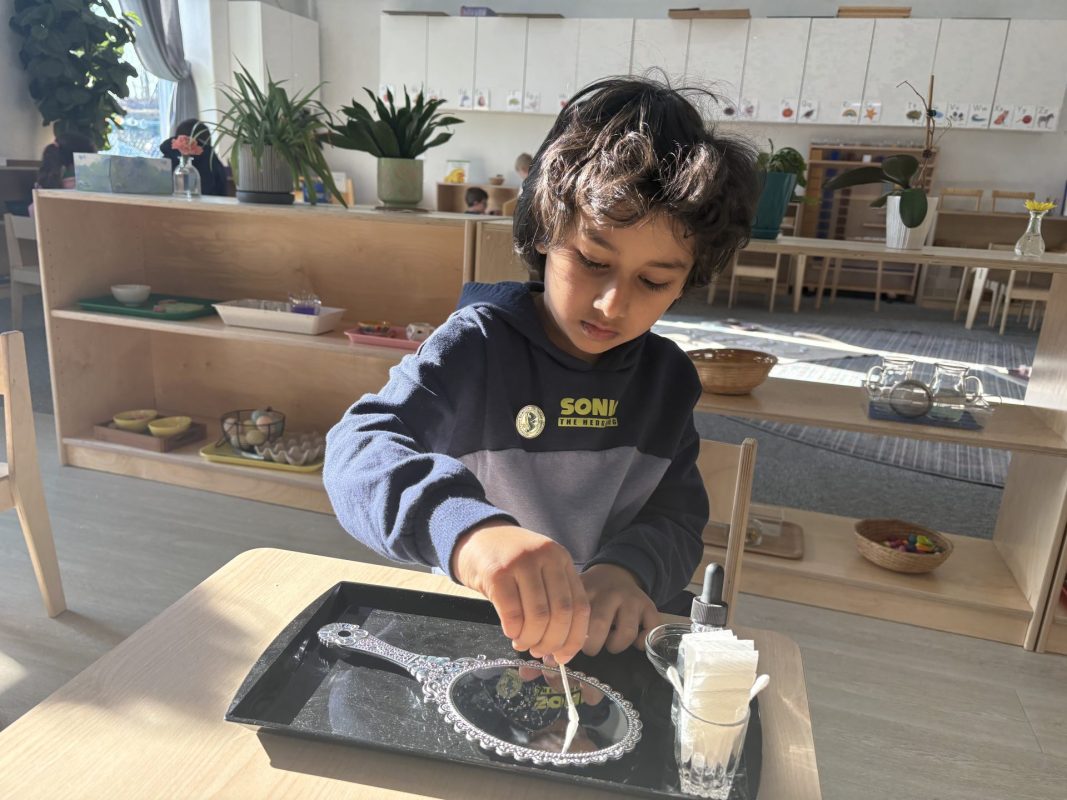
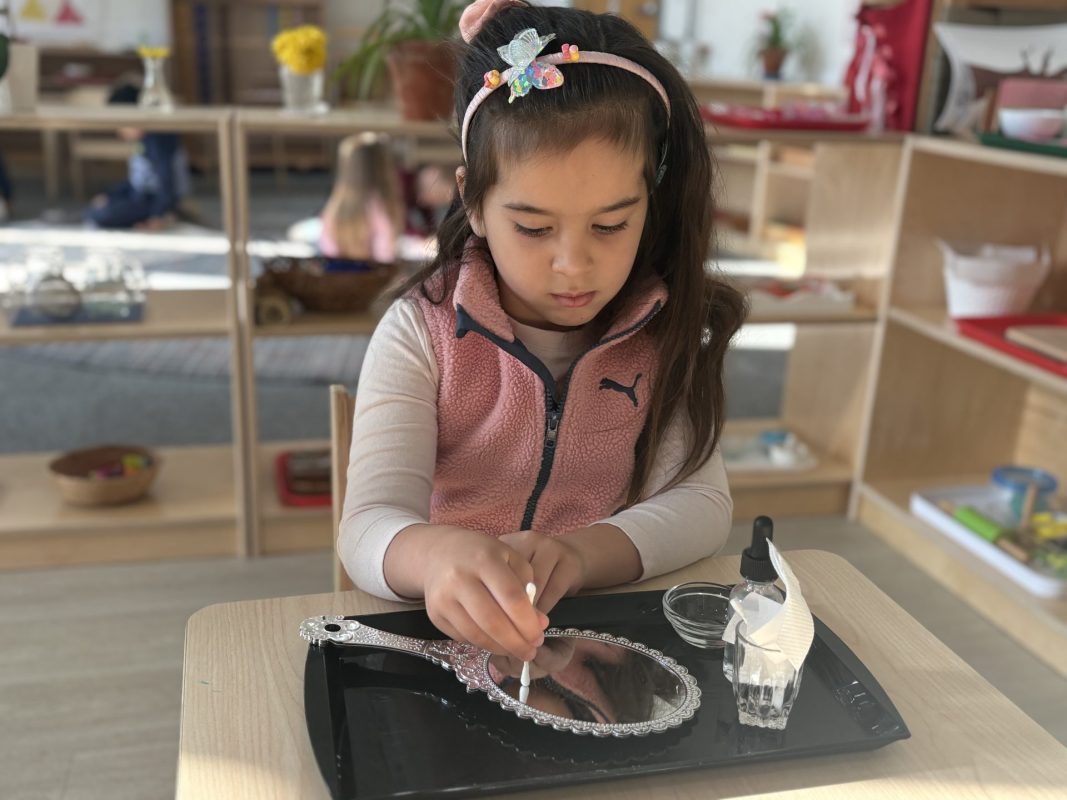
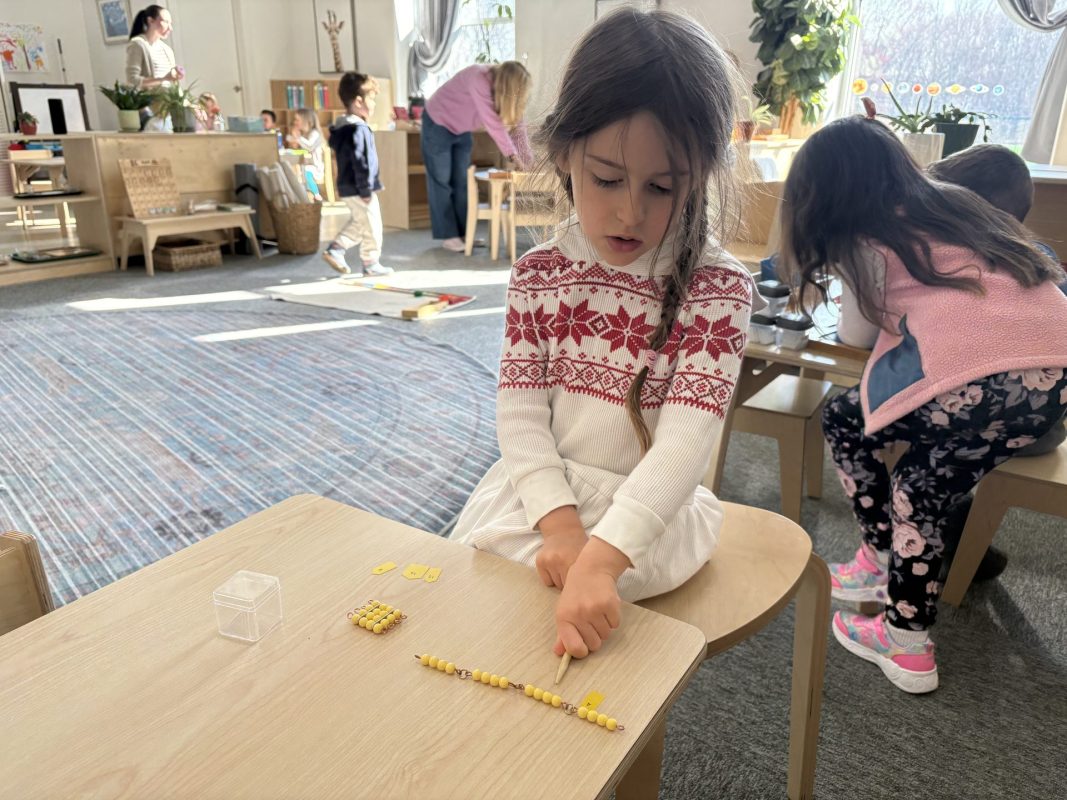
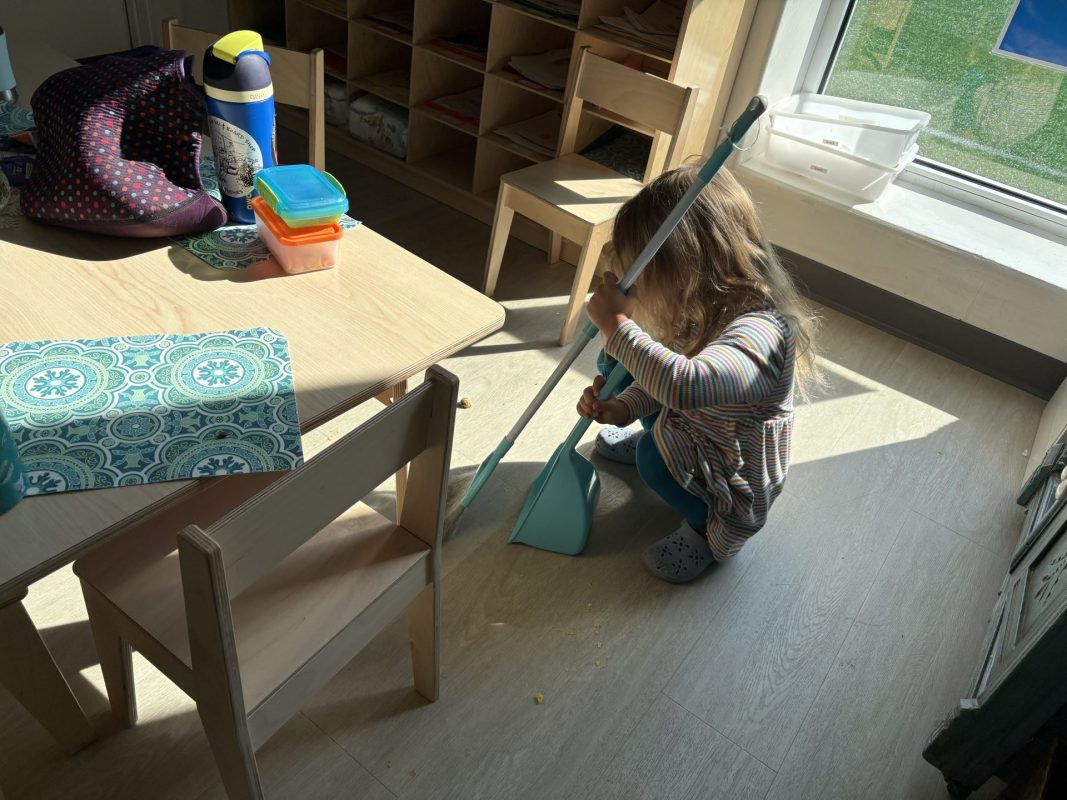
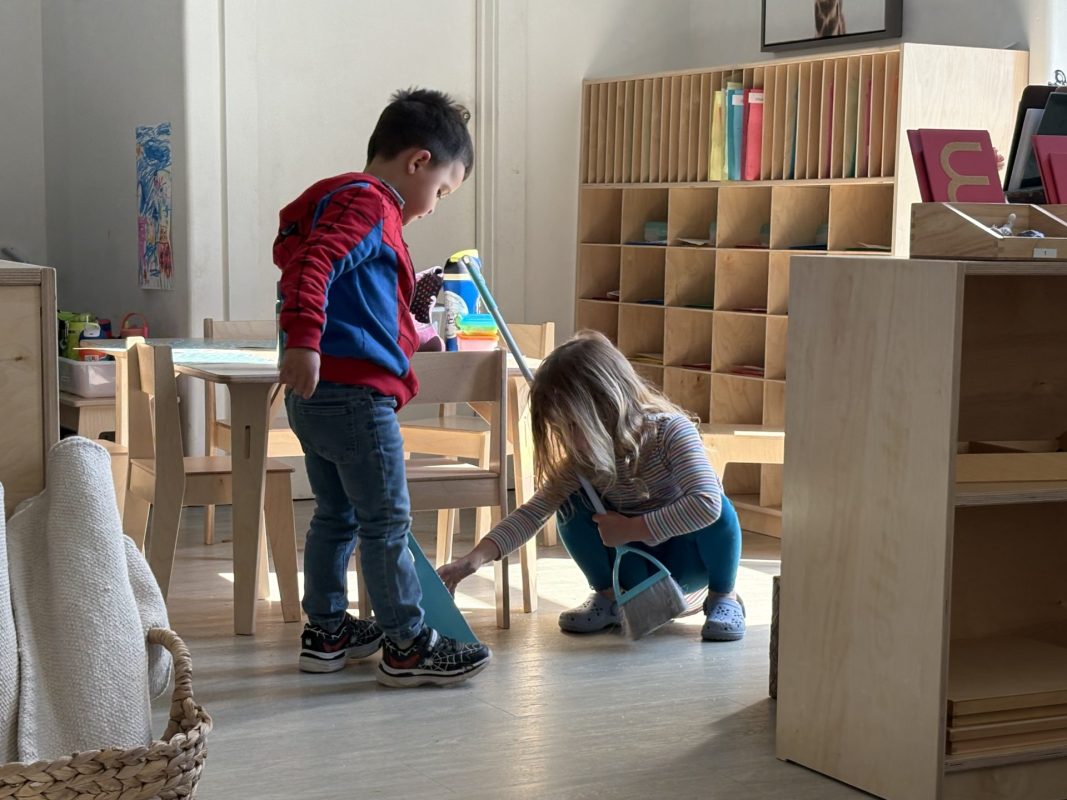
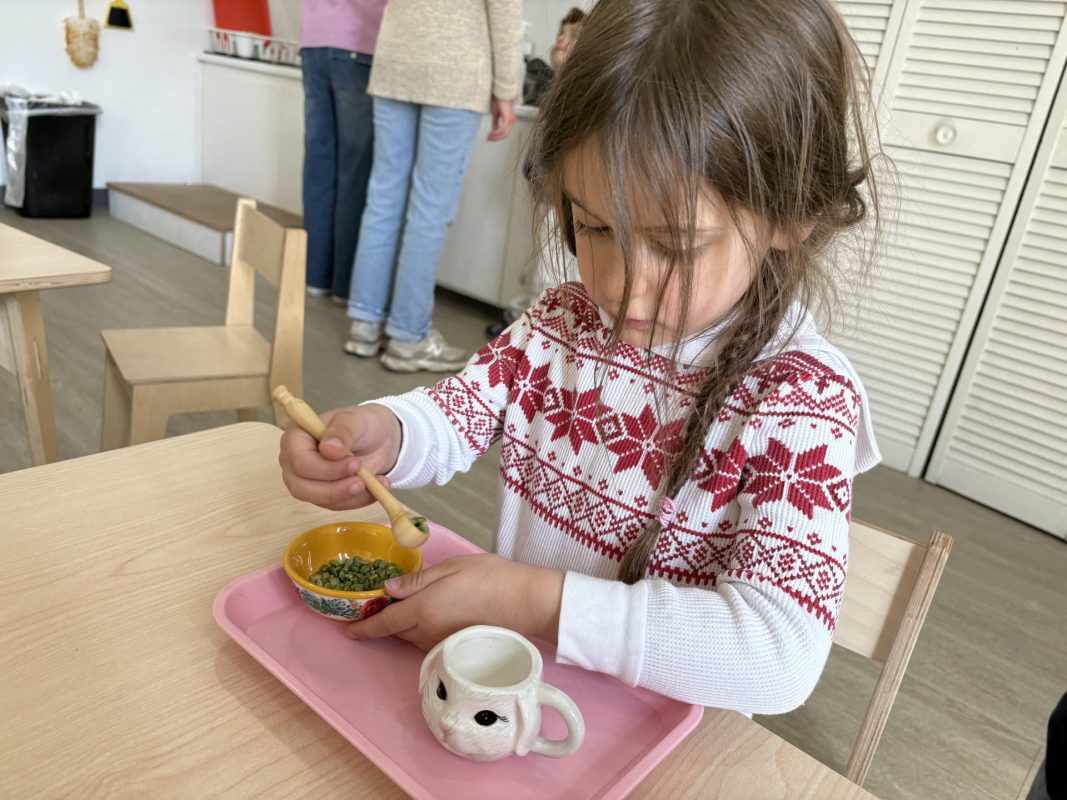
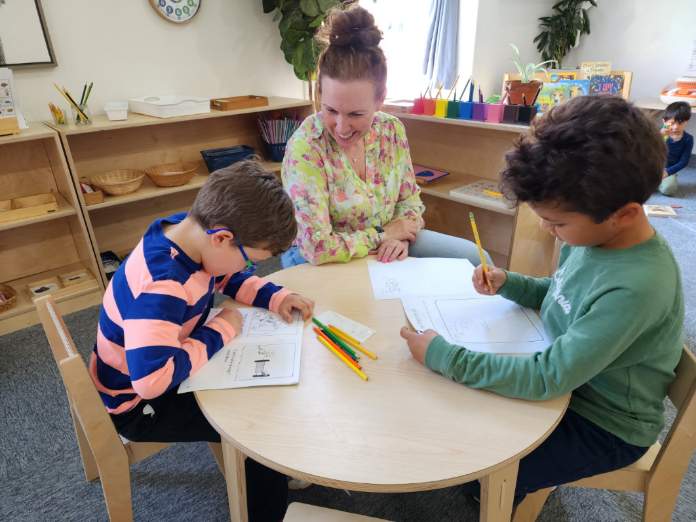
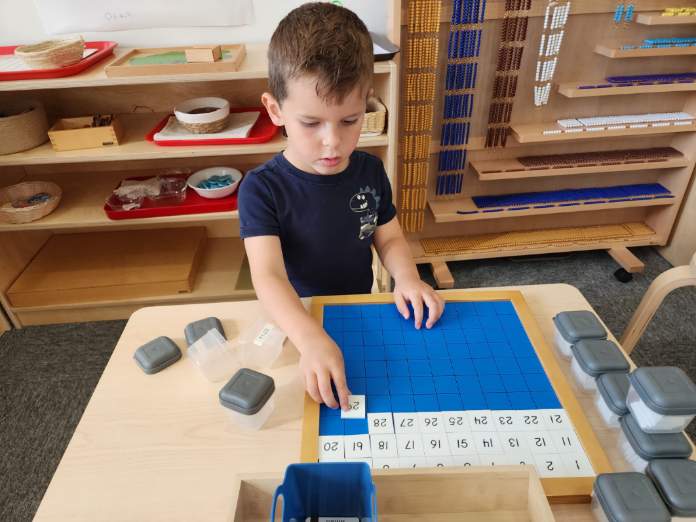
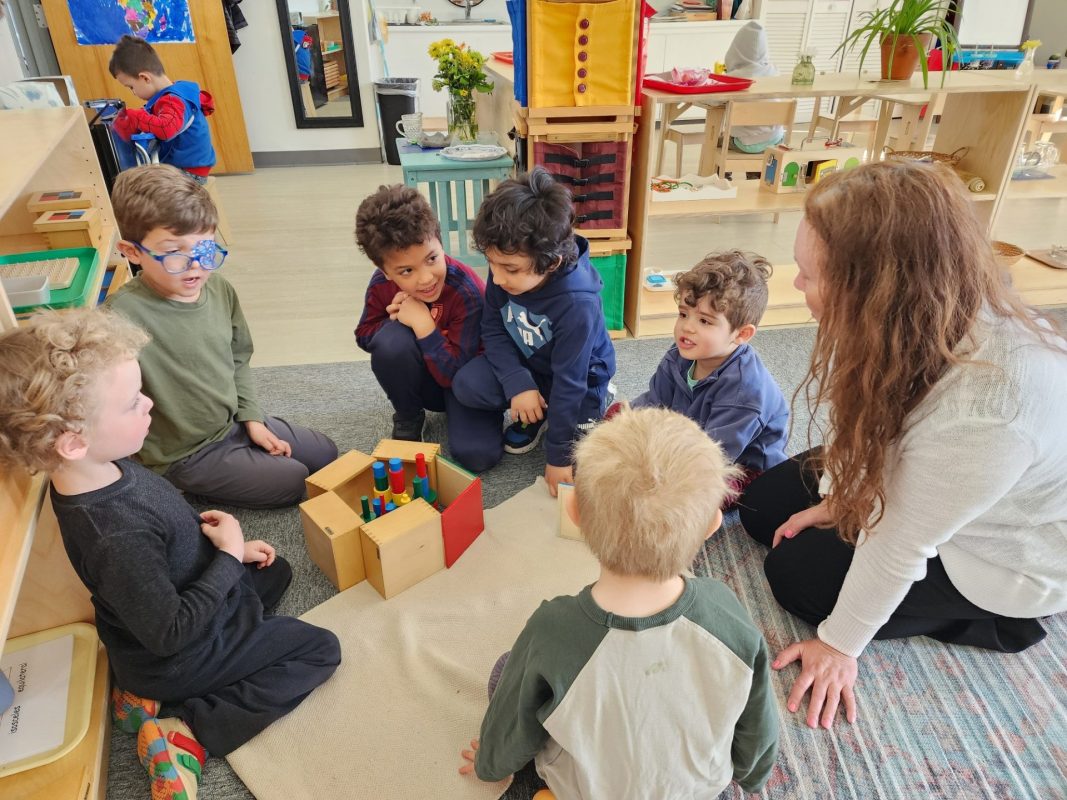
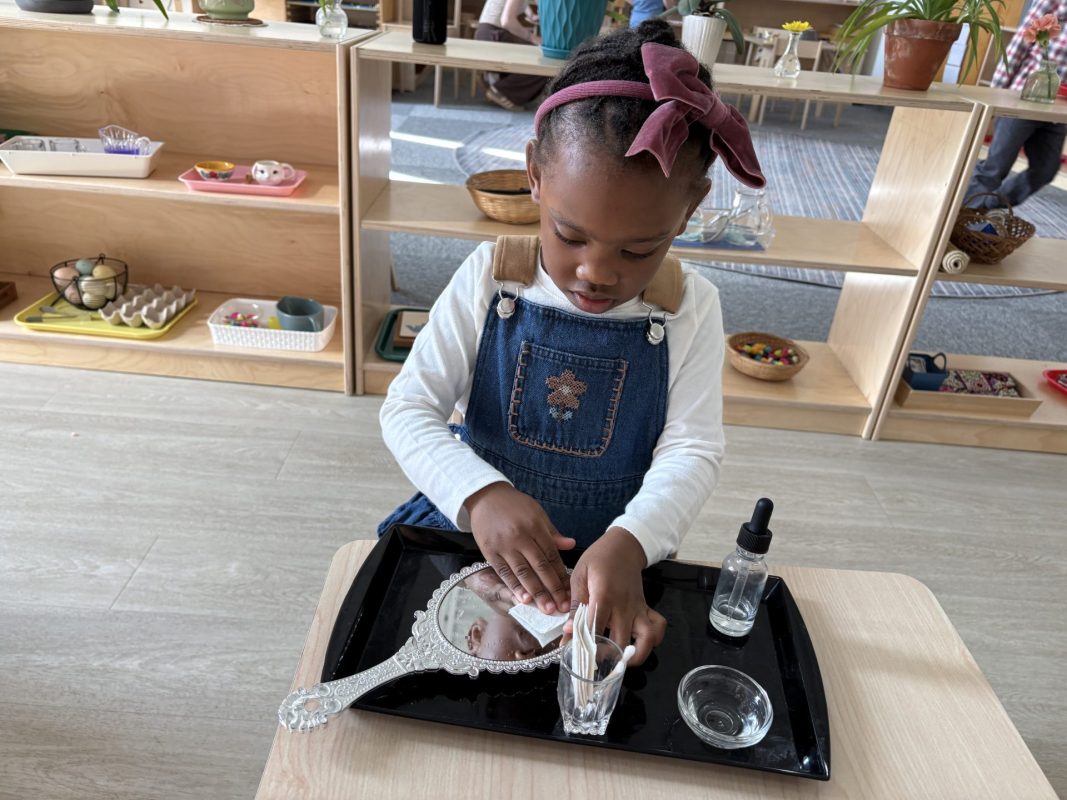
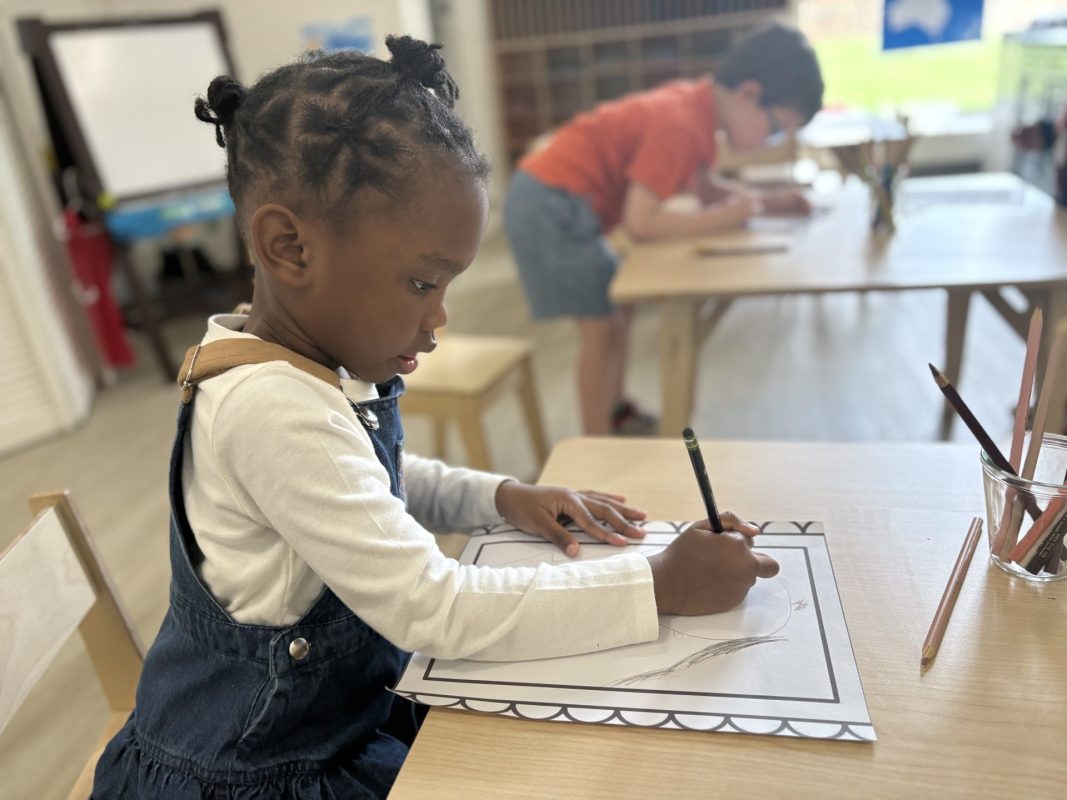
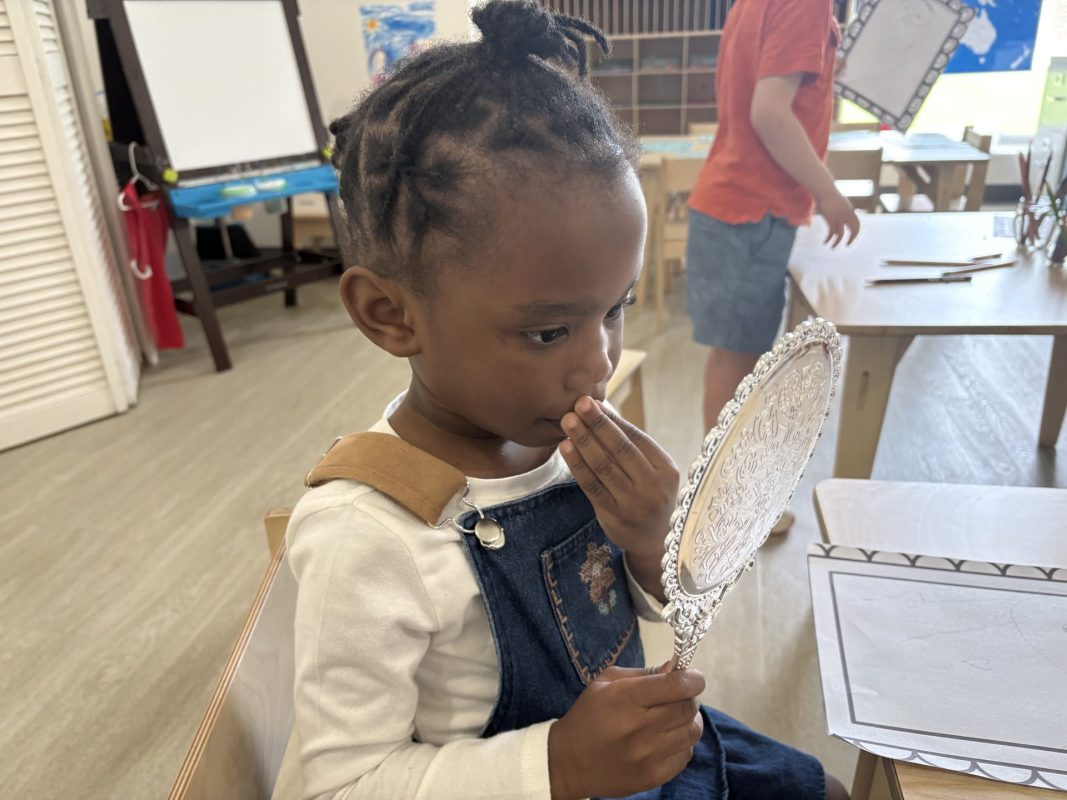
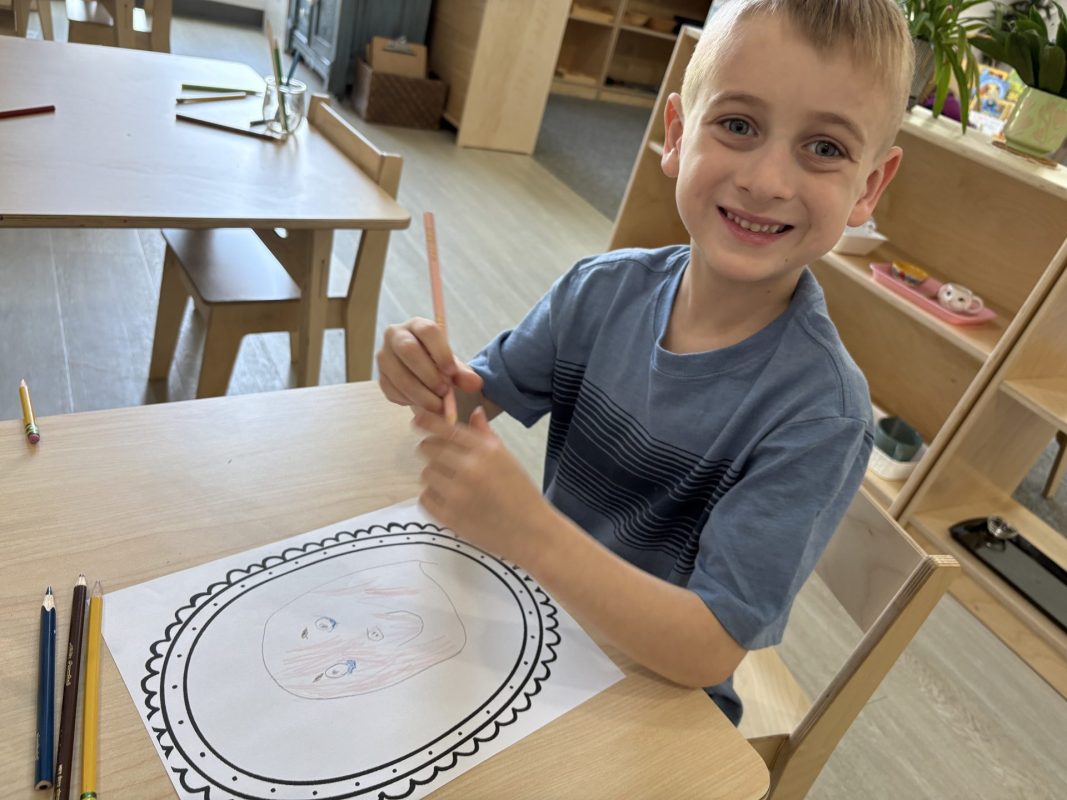
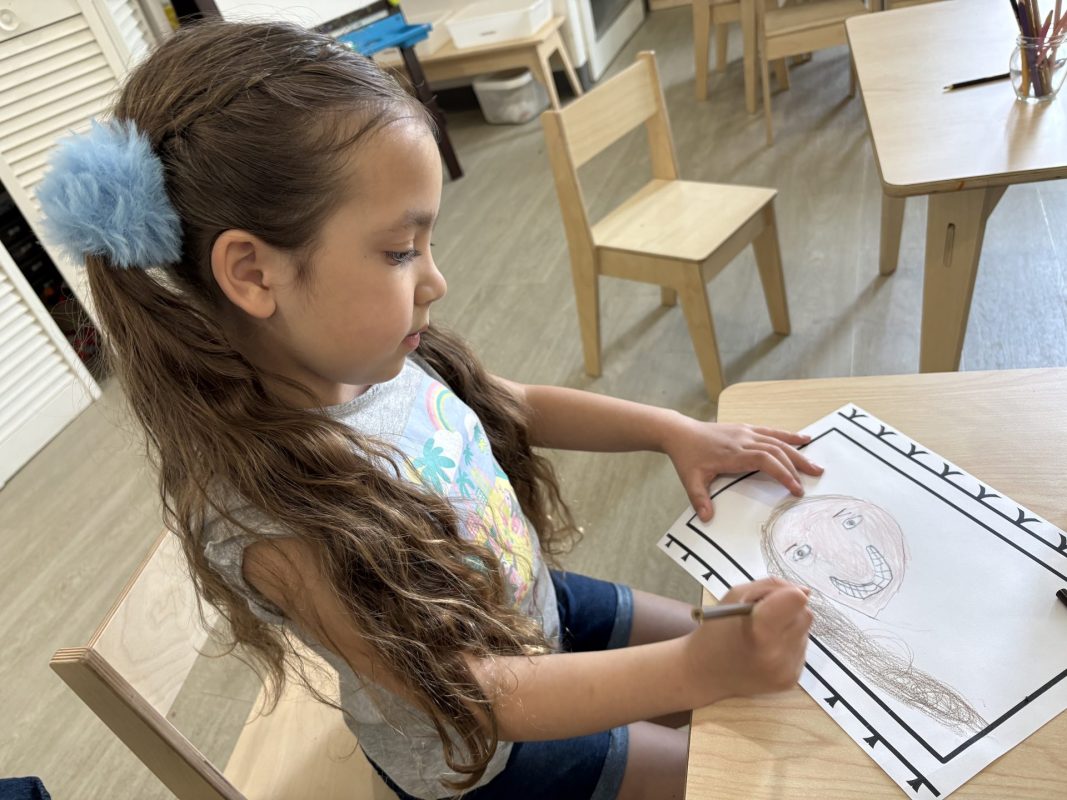
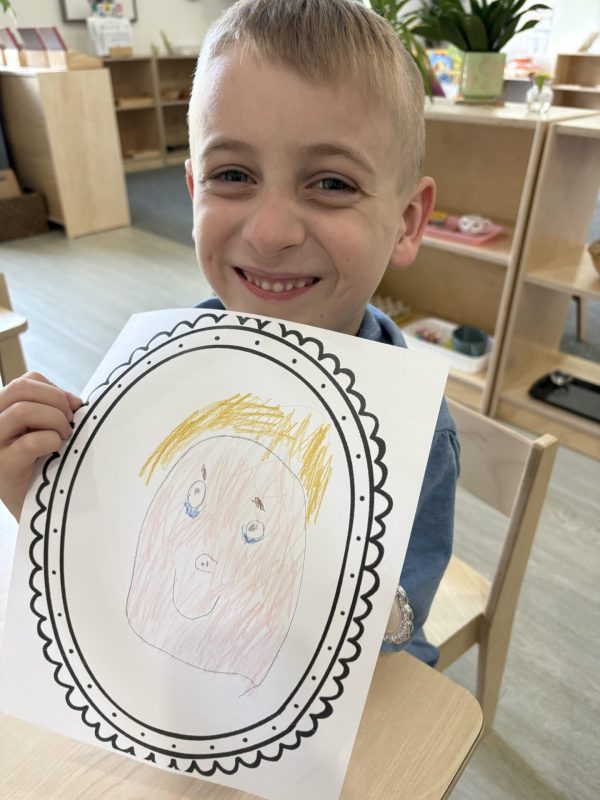
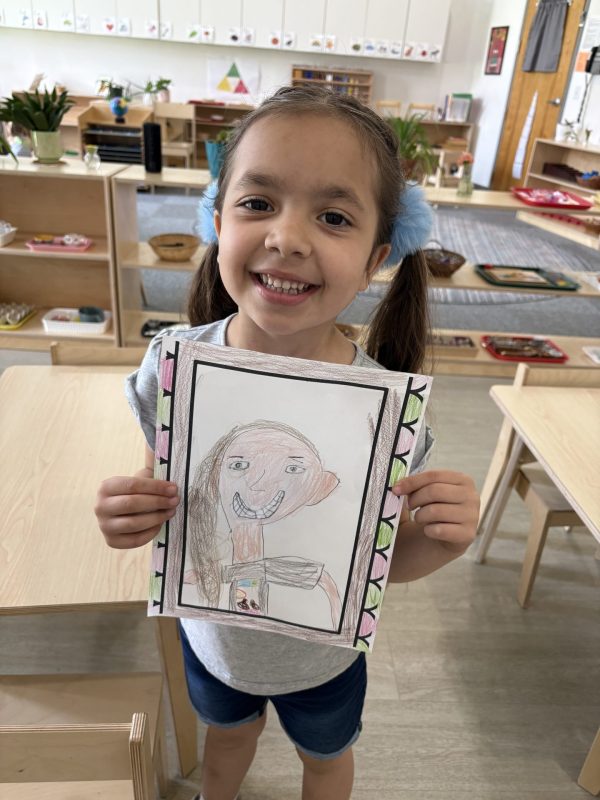
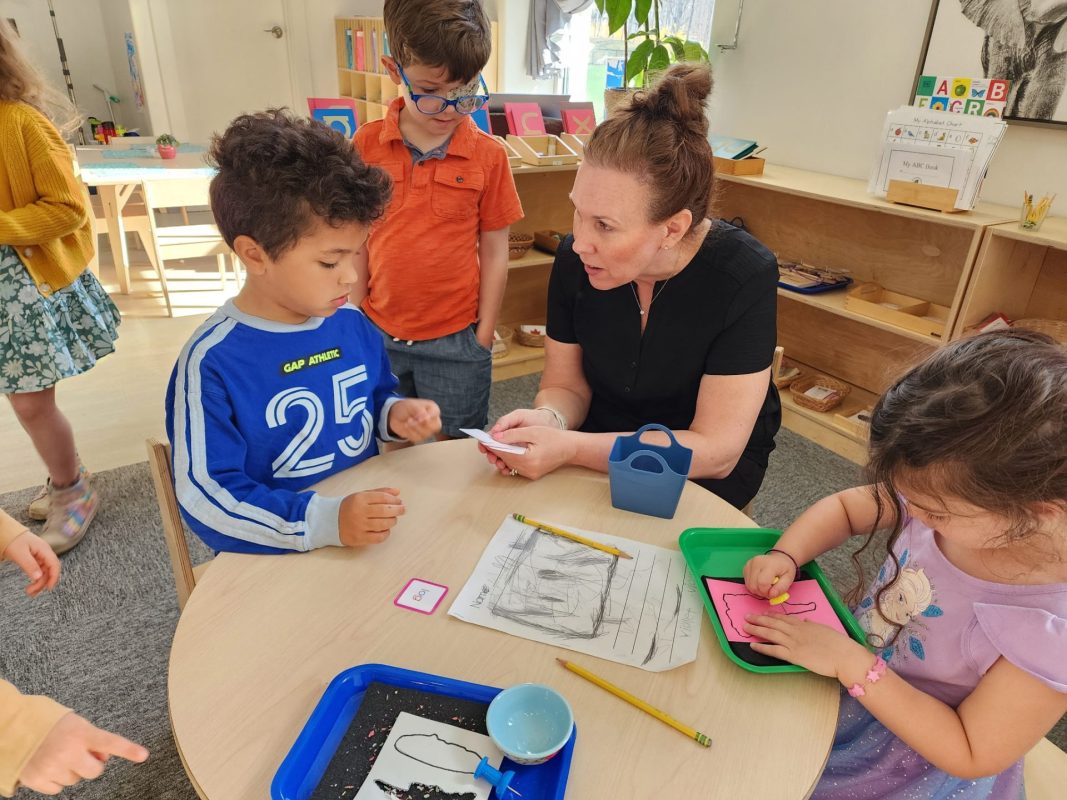
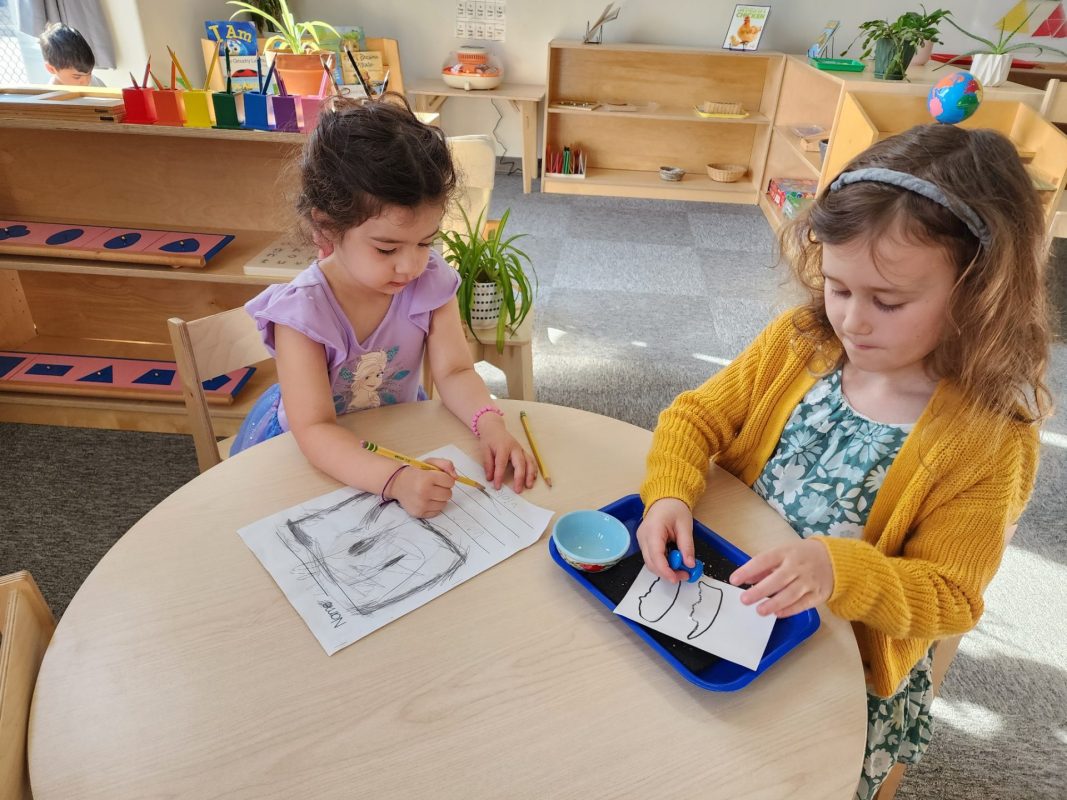
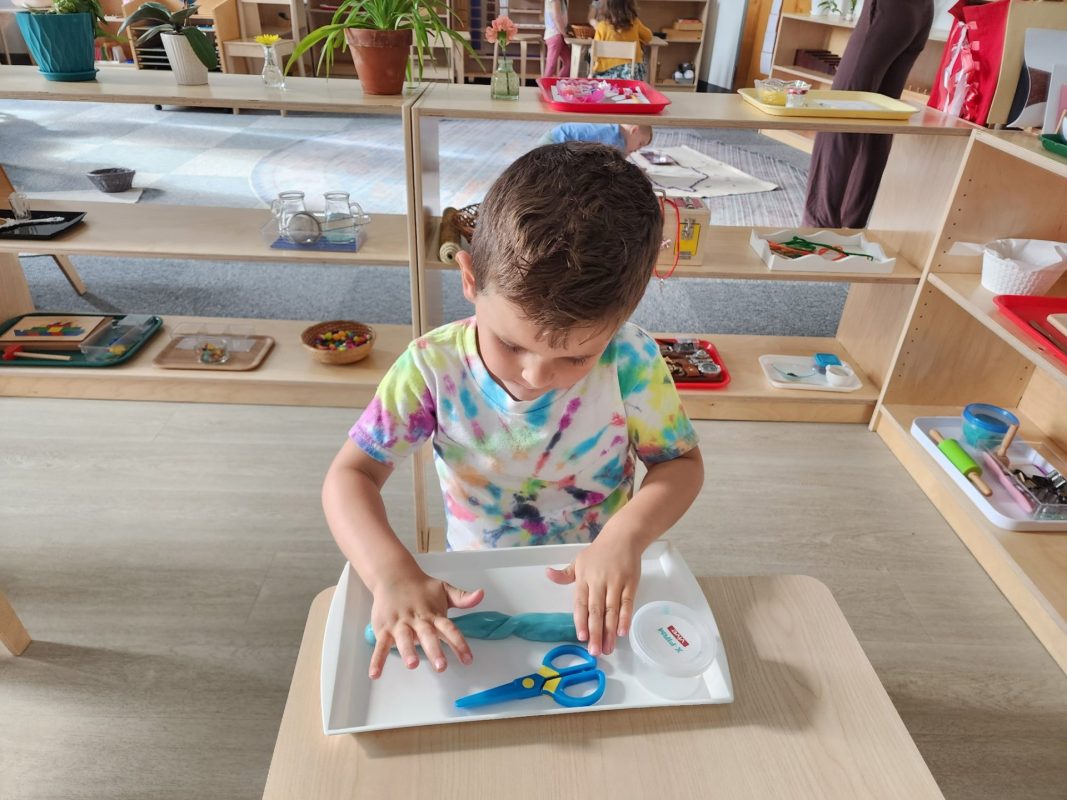
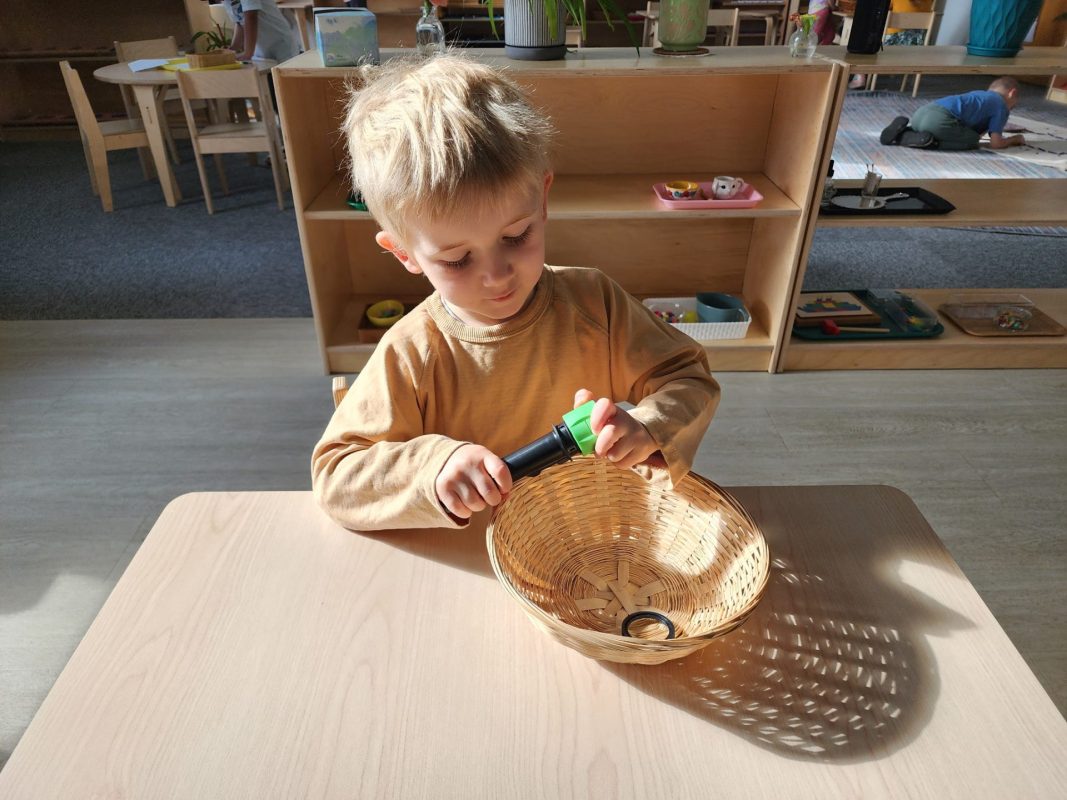
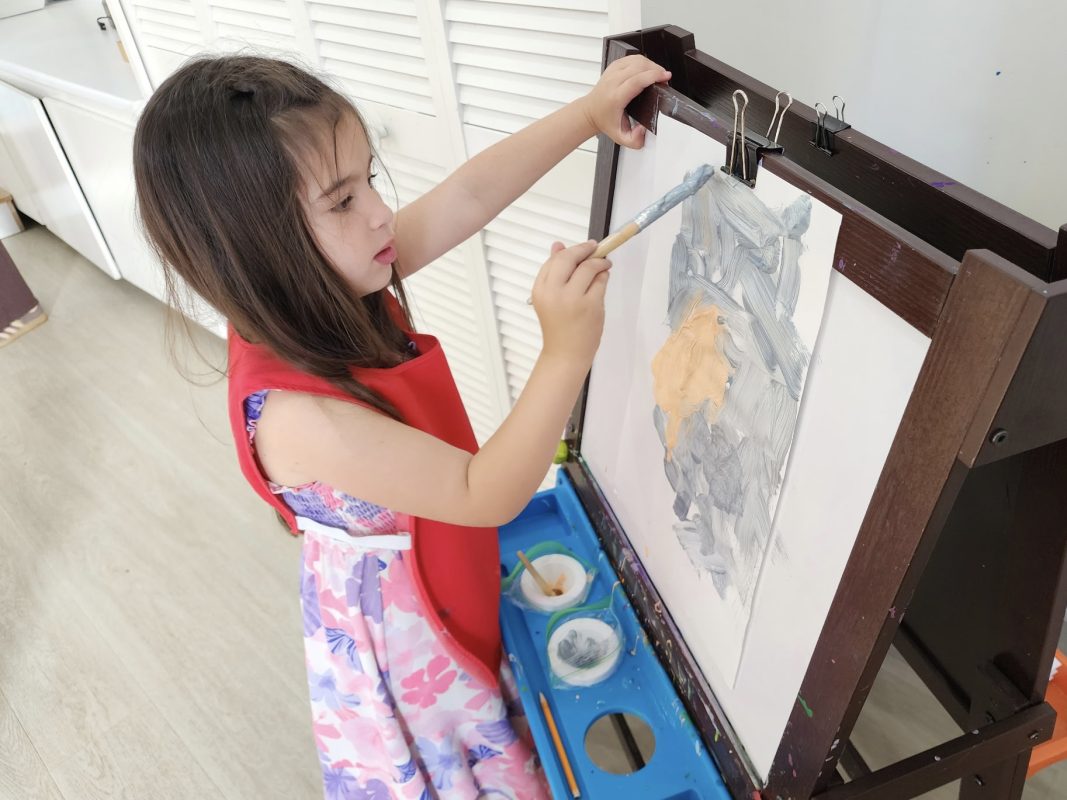
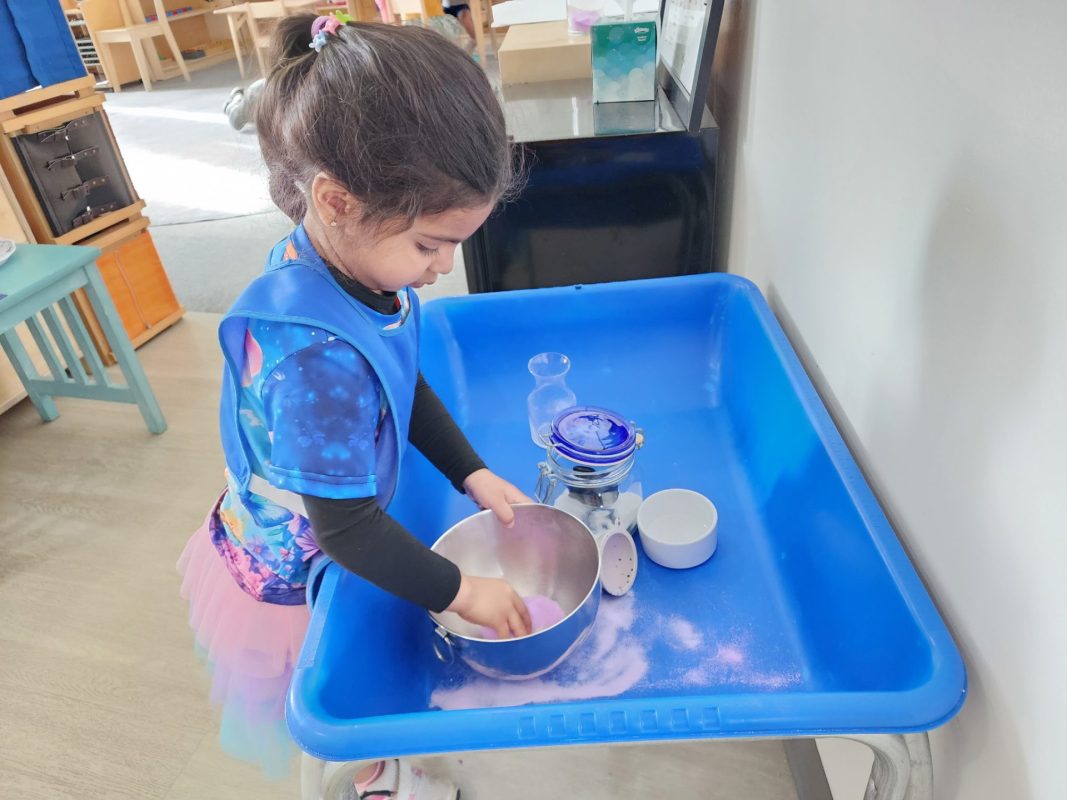
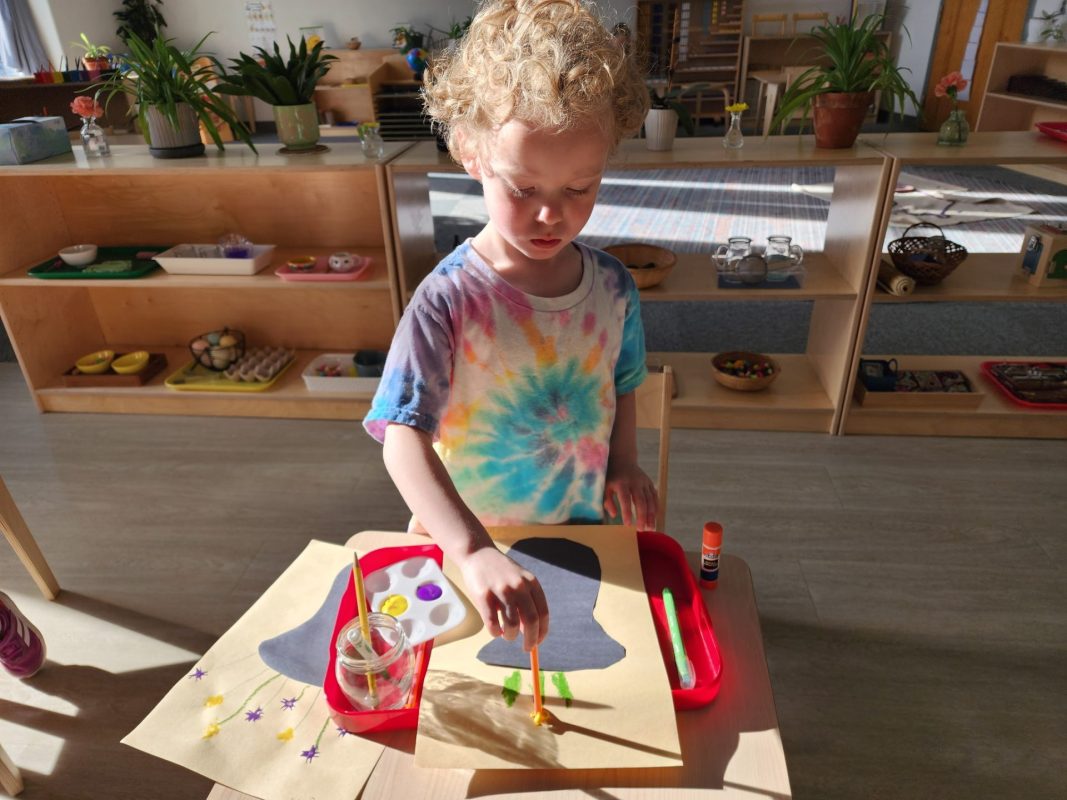
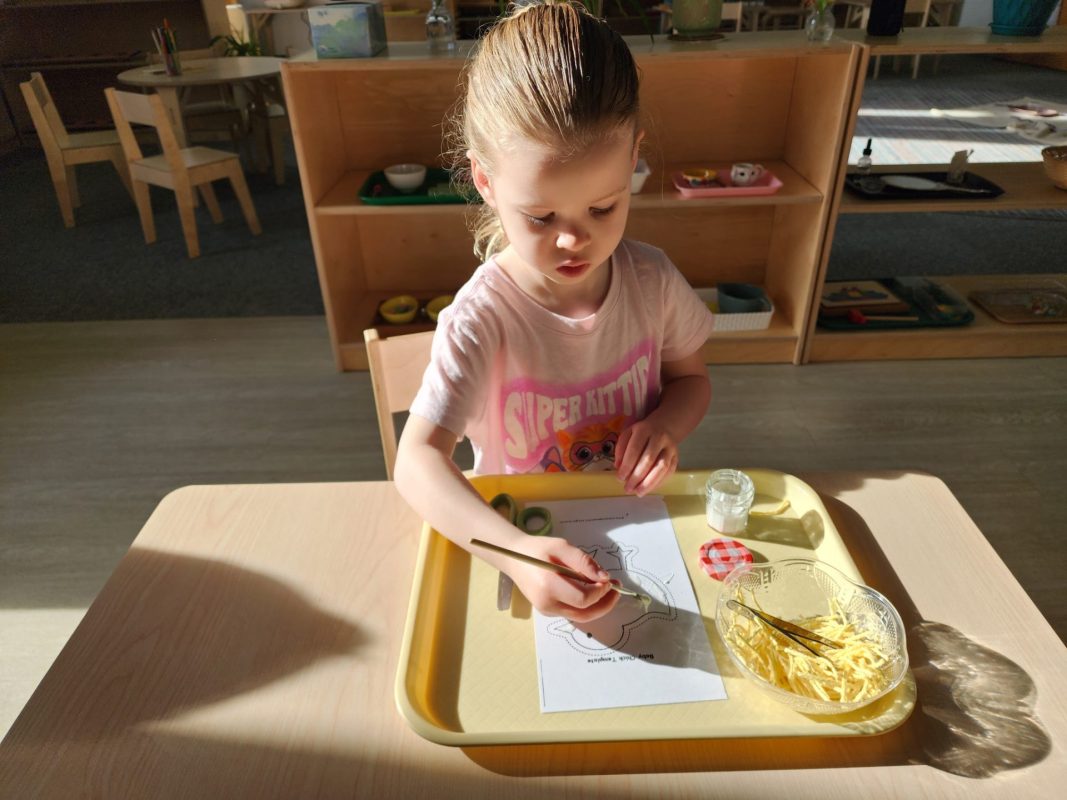
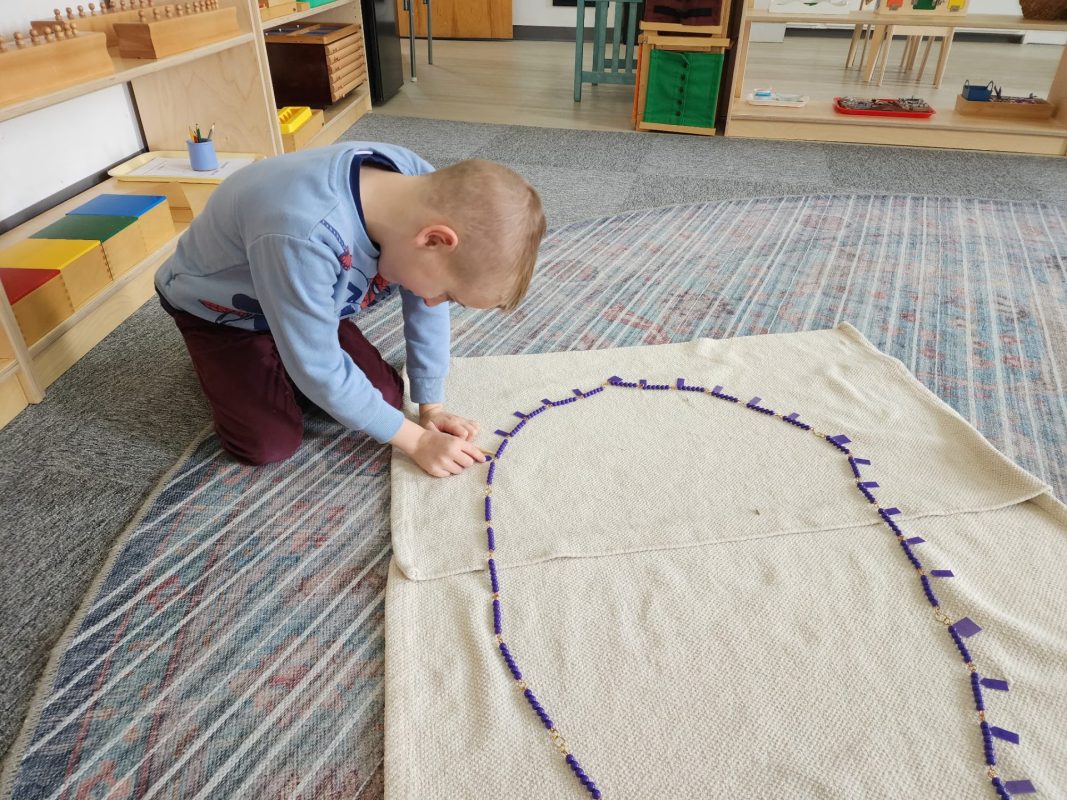
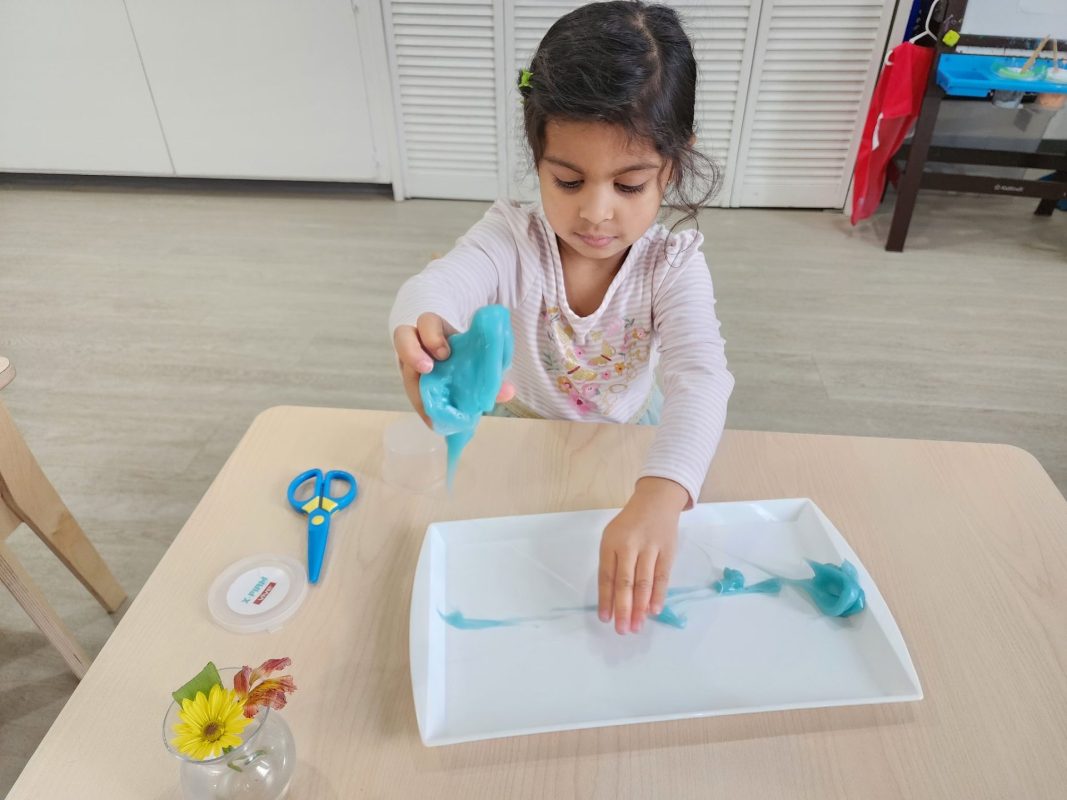
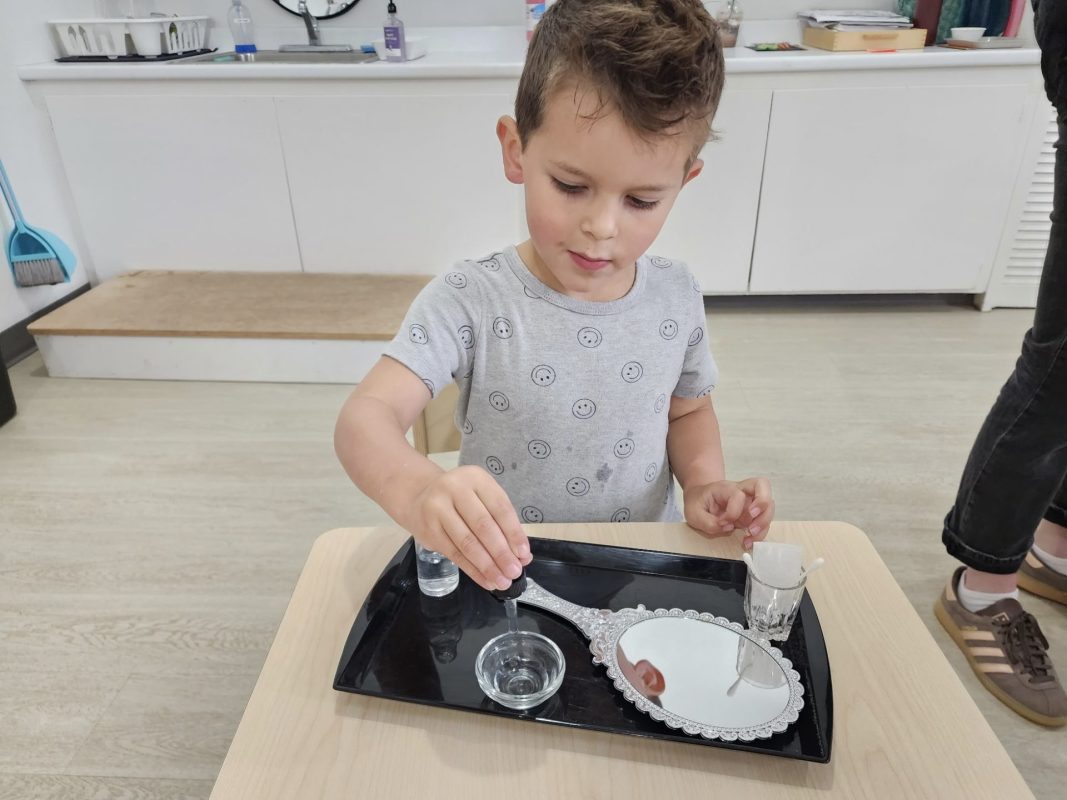
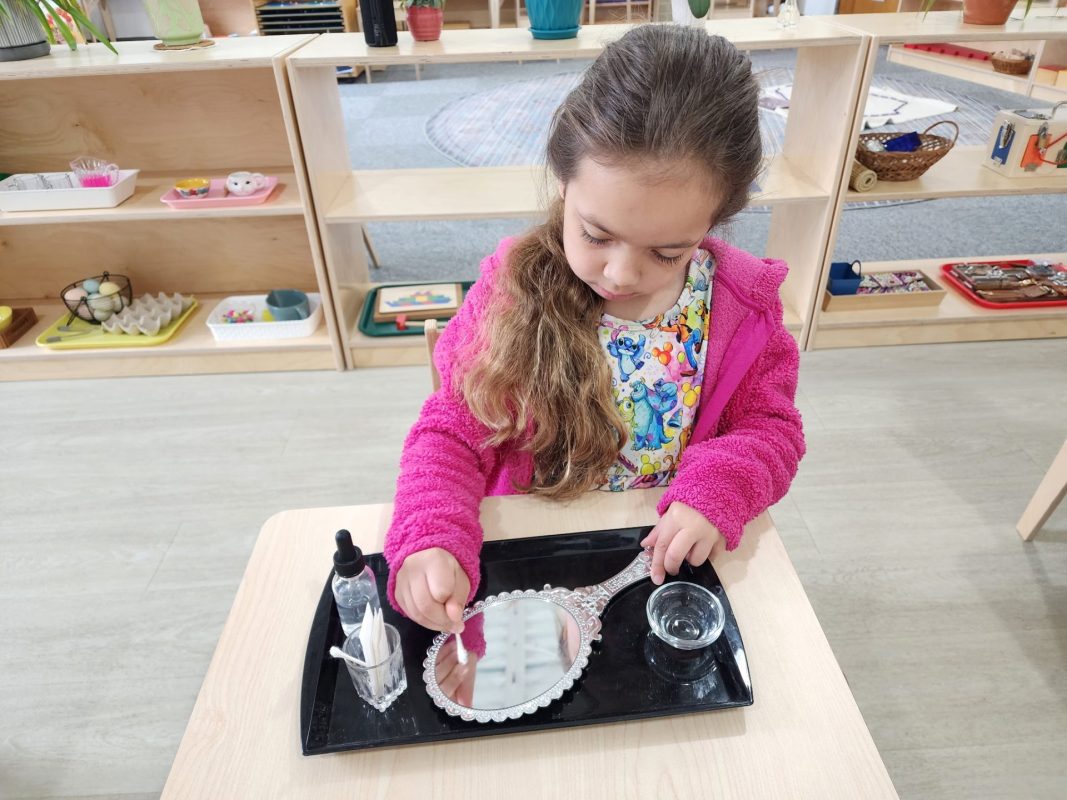
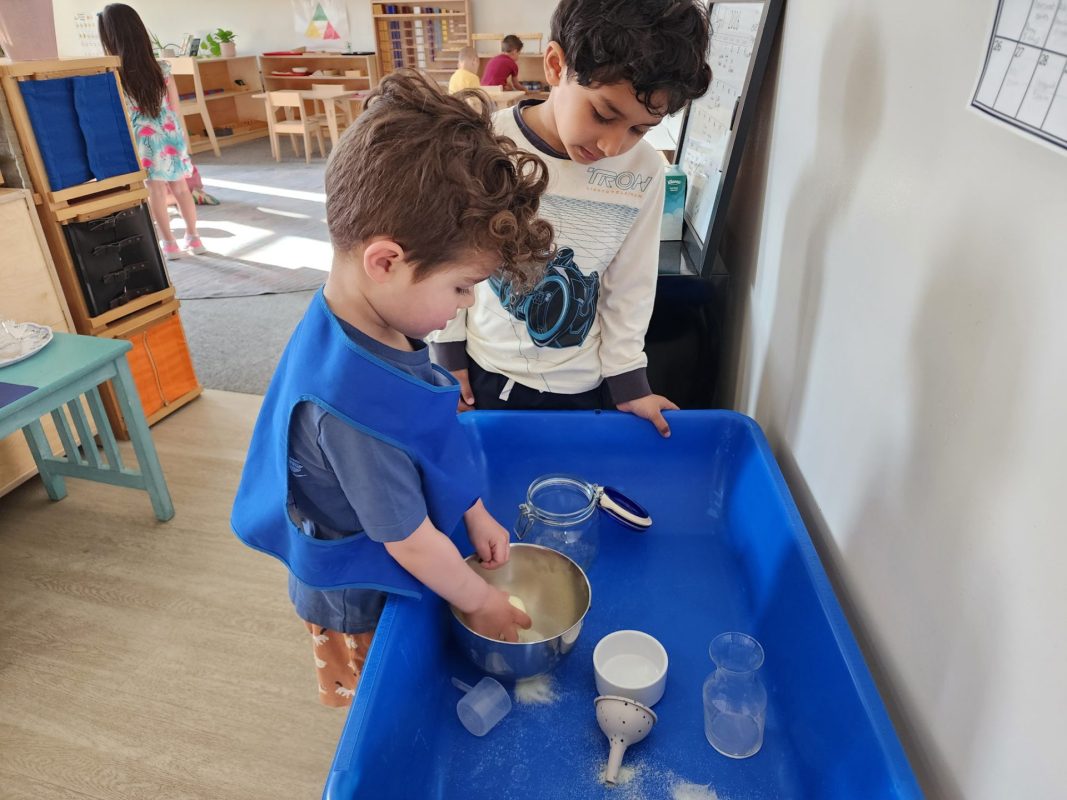
Last week, our classroom focus turned to one of the most foundational principles of Montessori education: independence. In our hurried world, it is often easier and quicker to step in and help — to zip the coat, tie the shoes, pour the drink. Dr. Montessori understood, however, that this instinct, however loving, works against a child’s deepest developmental need.

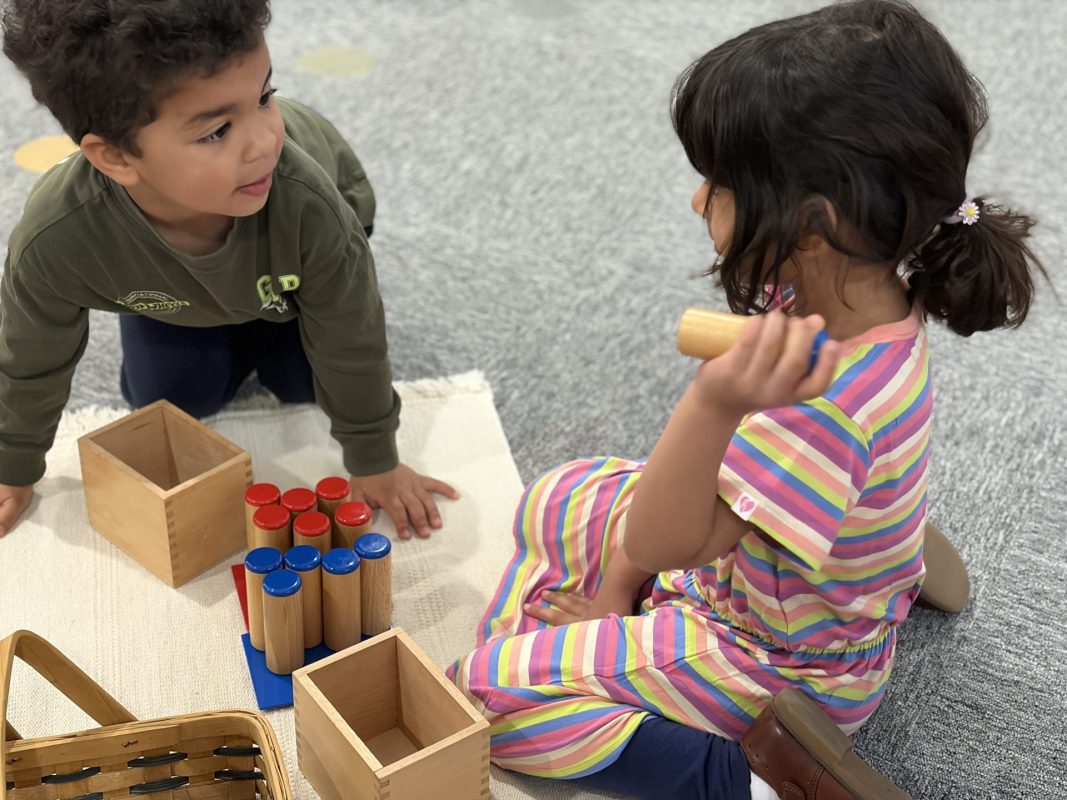
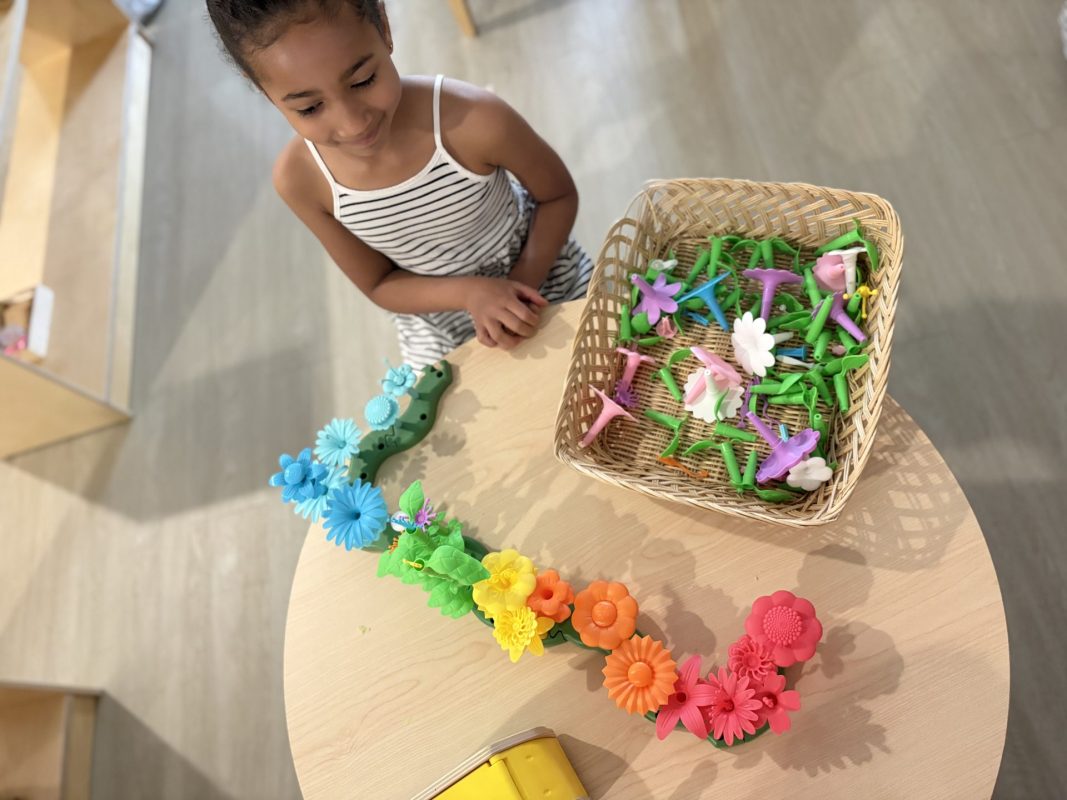
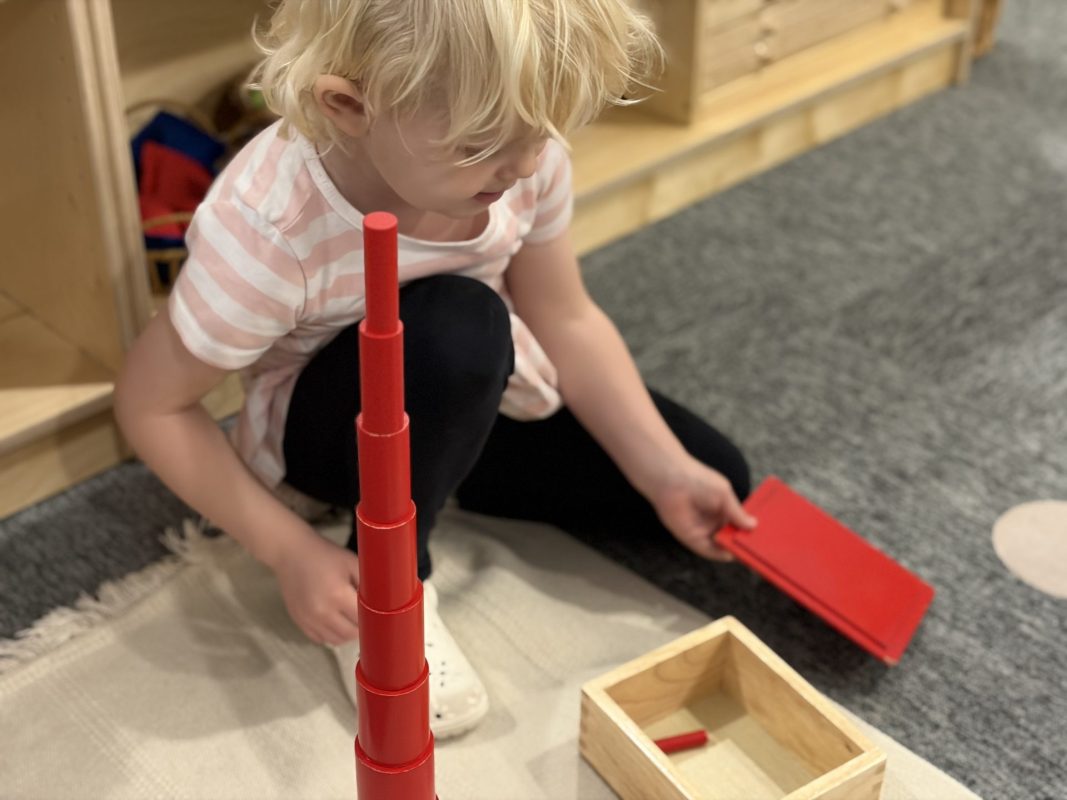
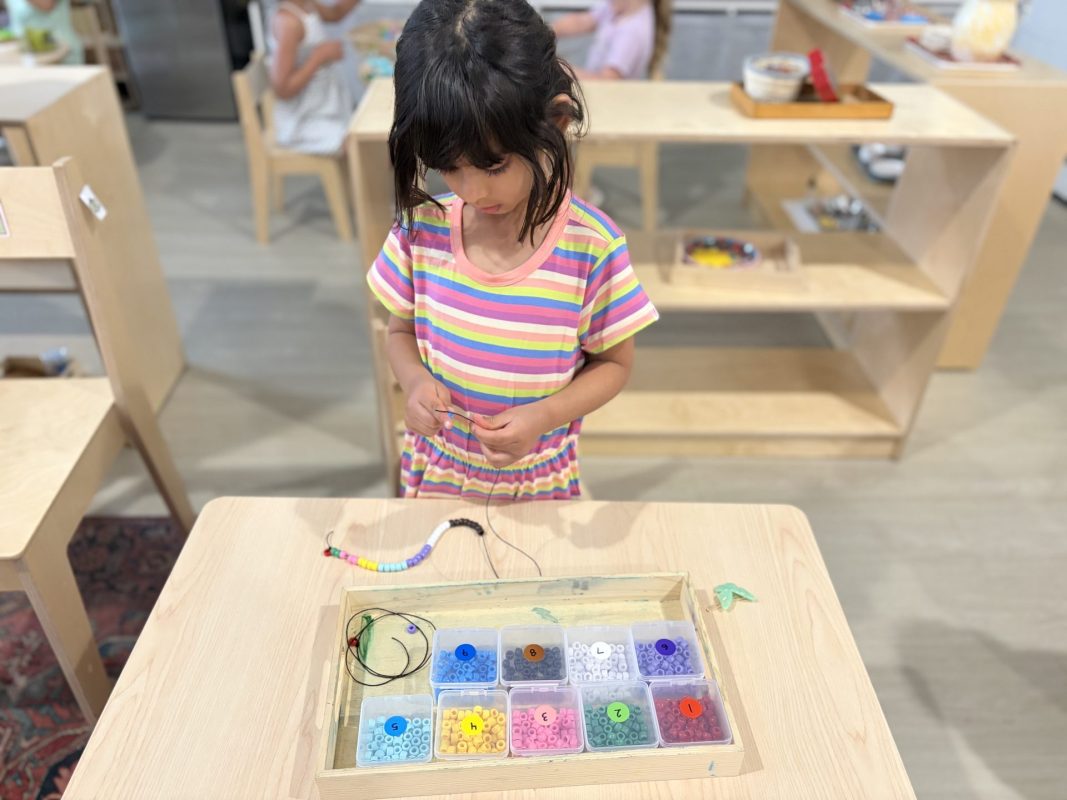
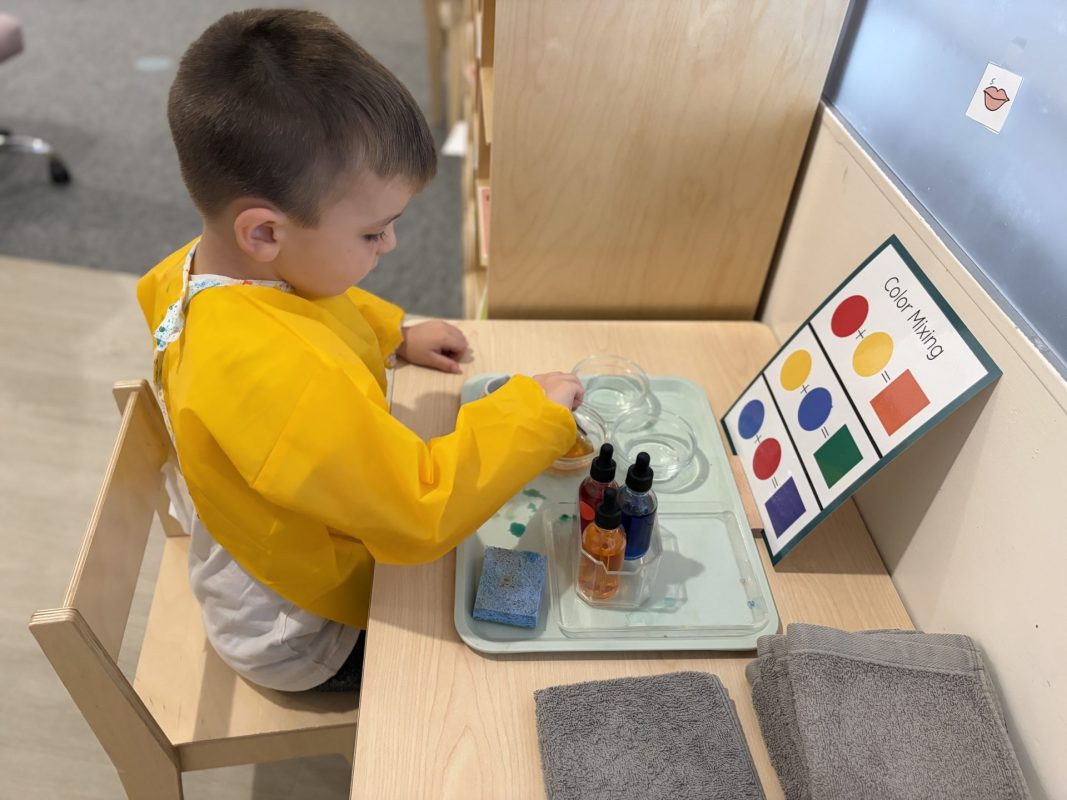
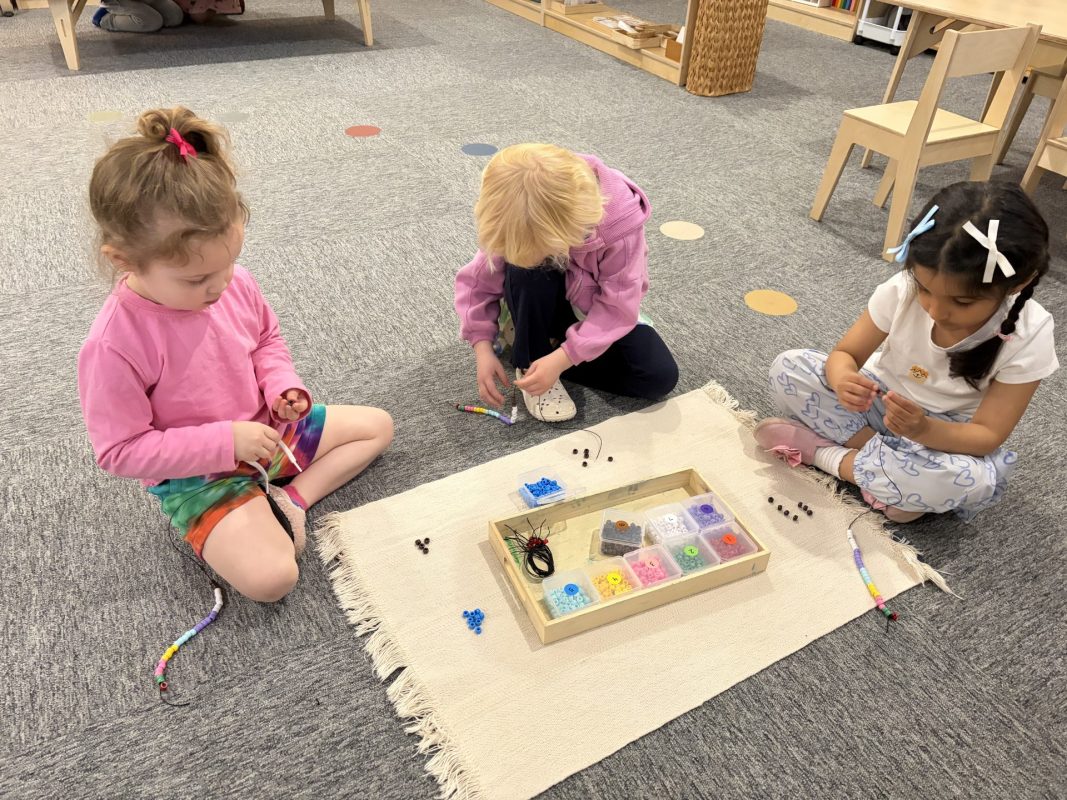
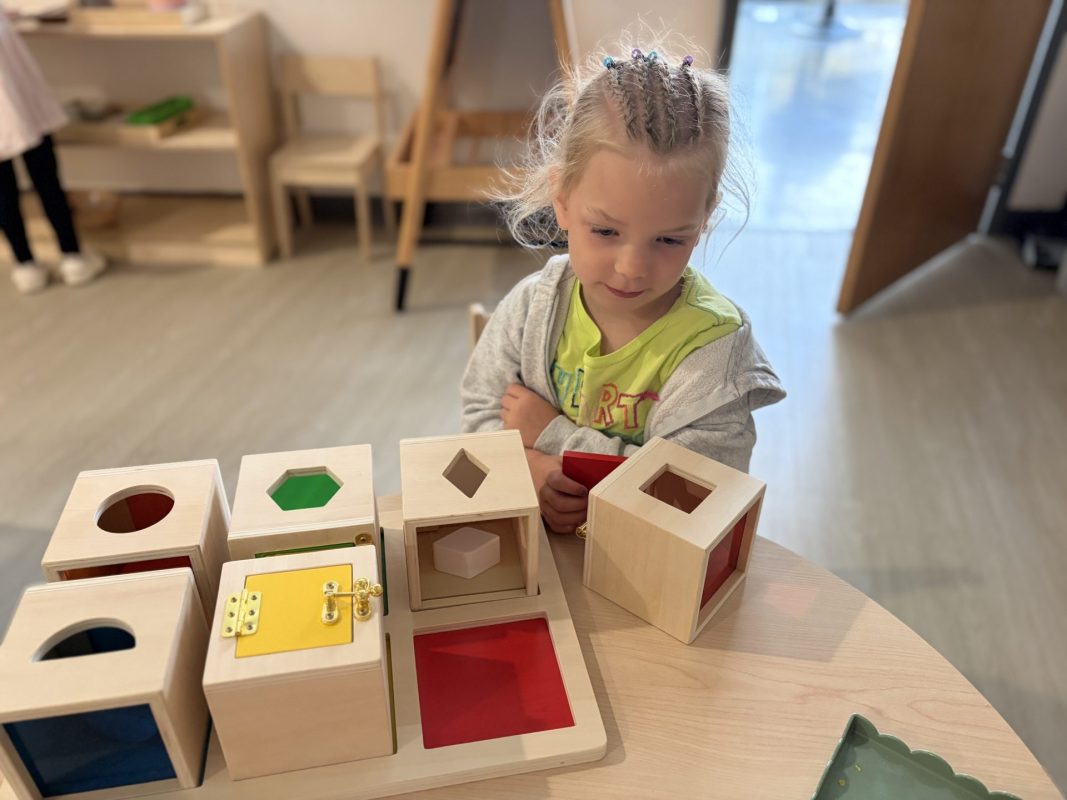
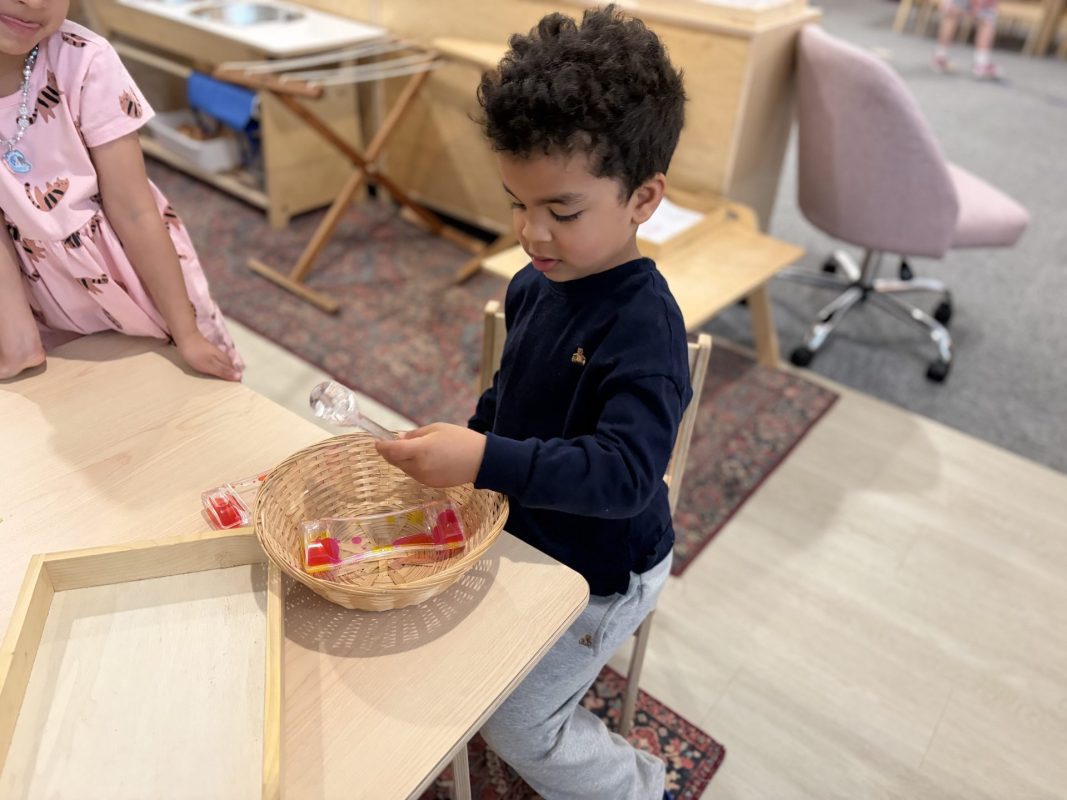
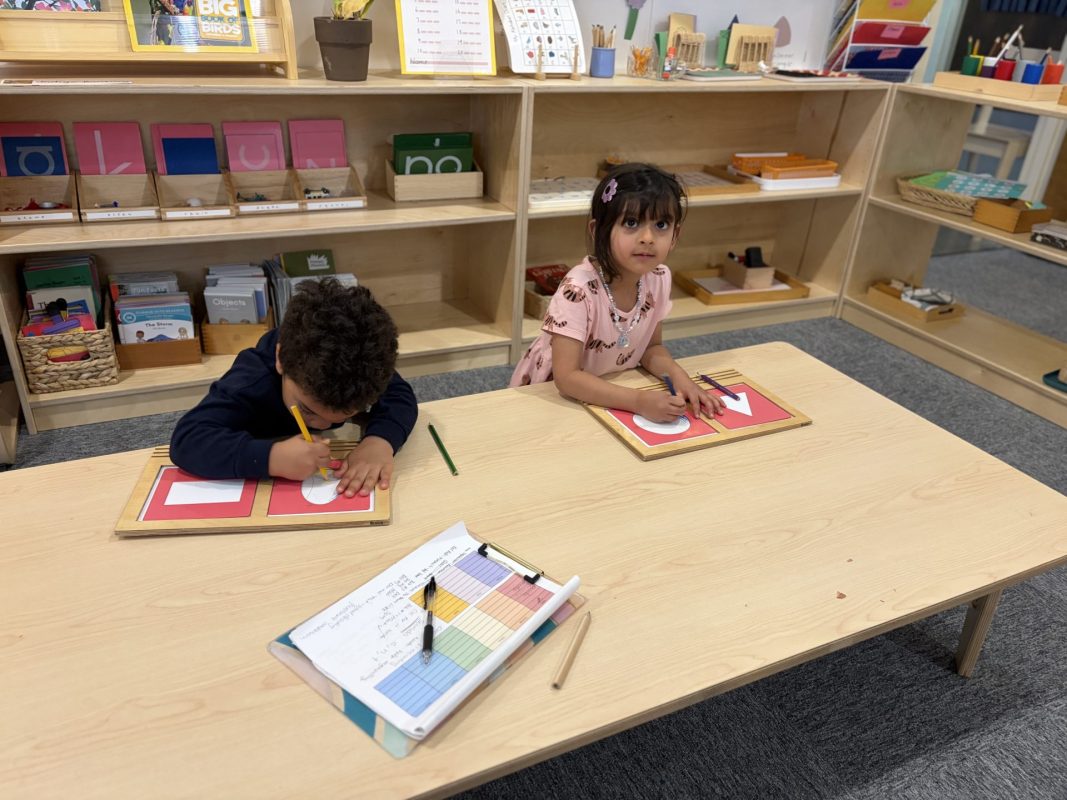
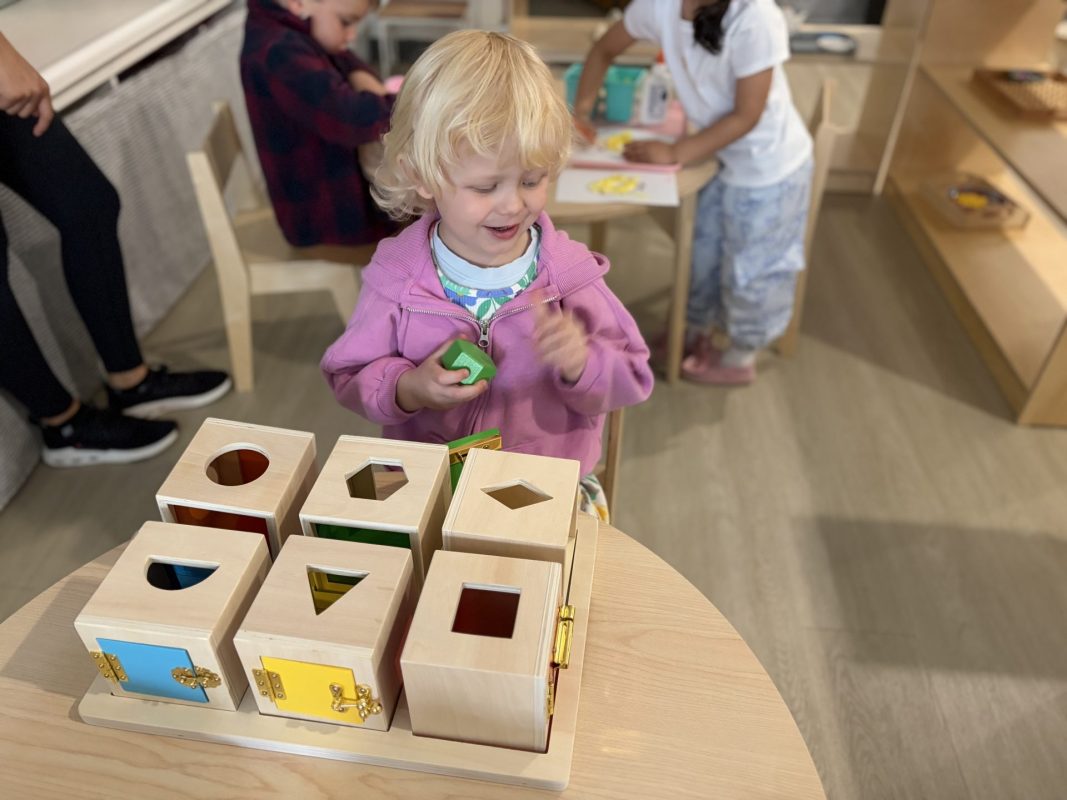
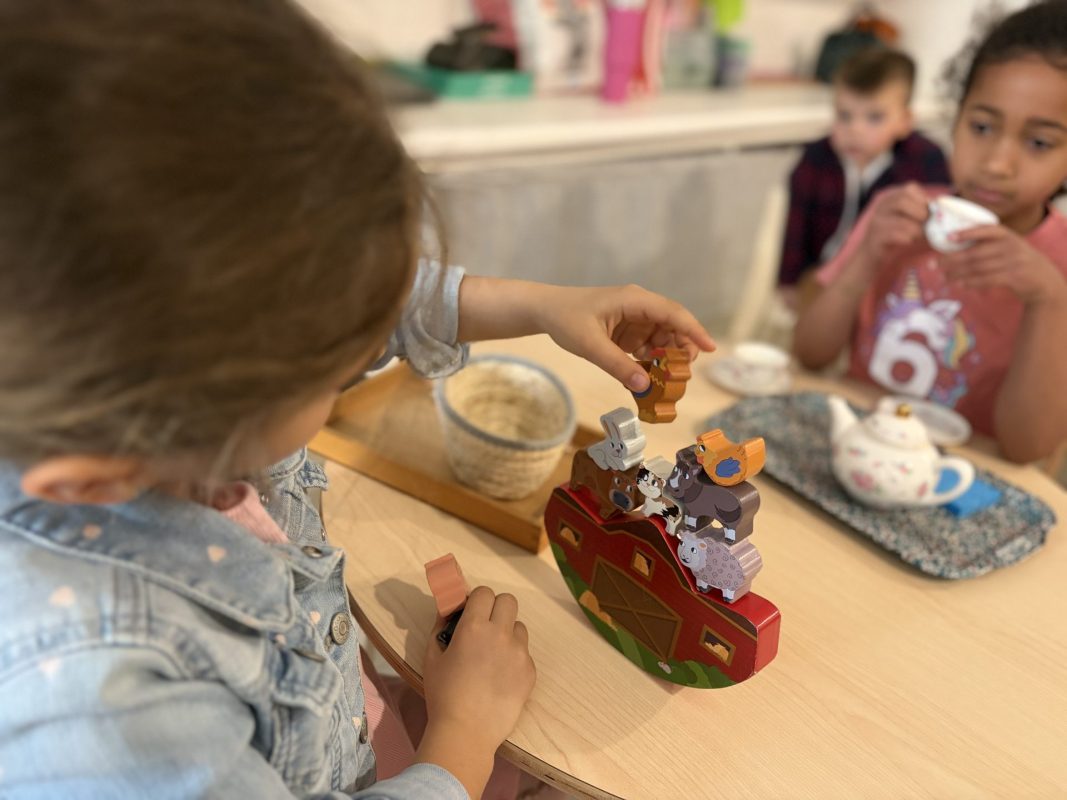
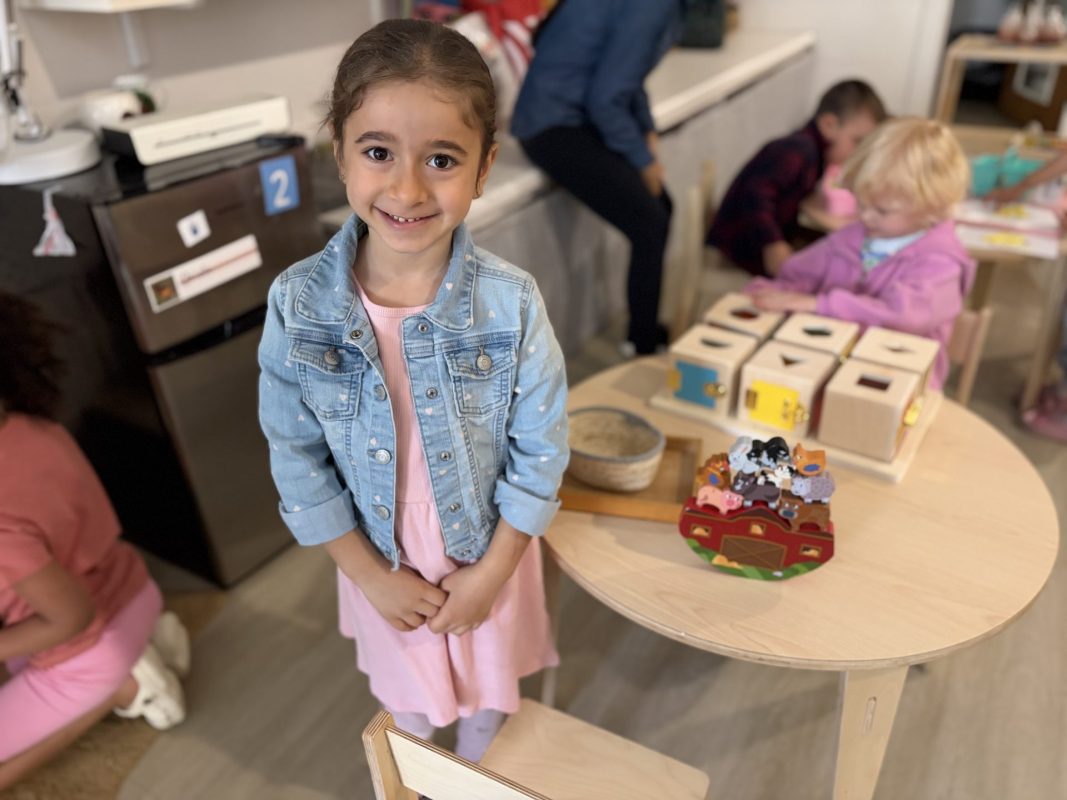
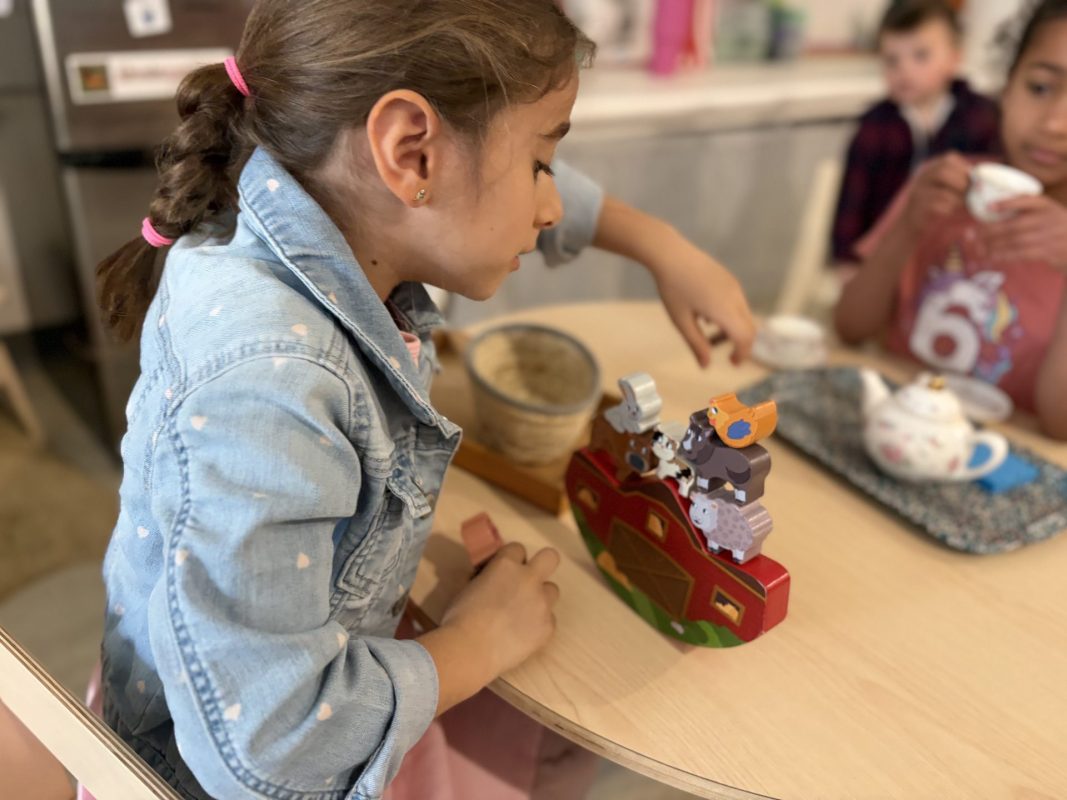
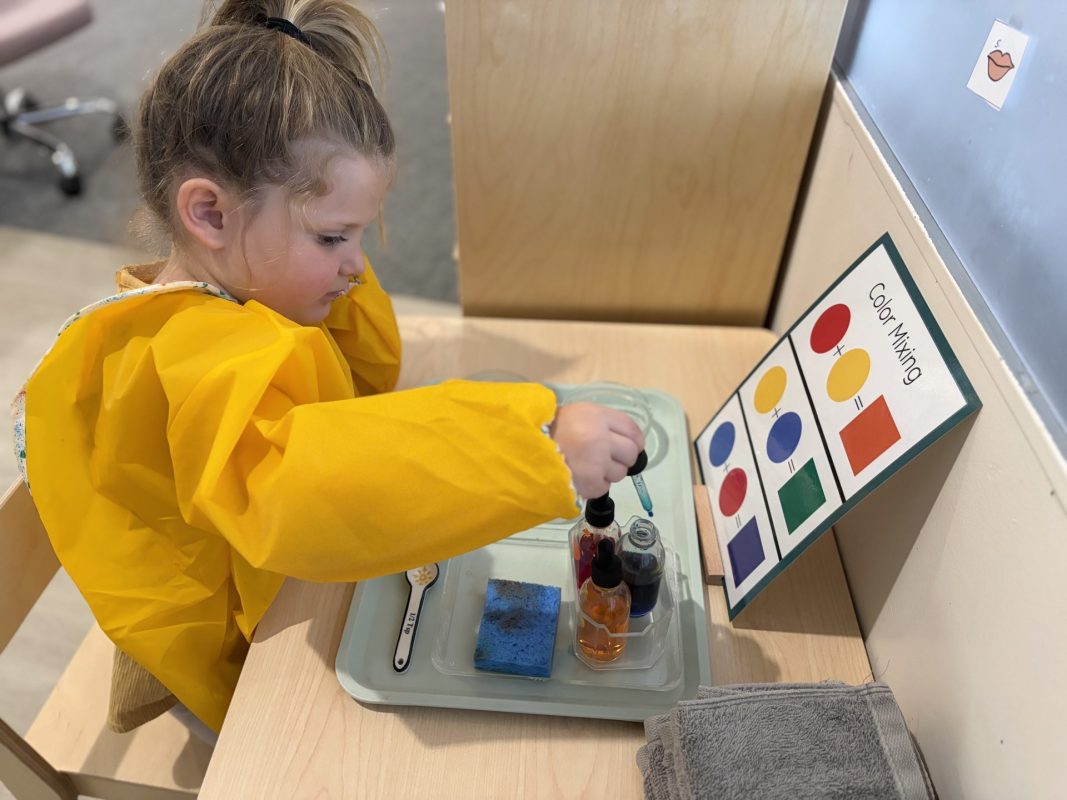
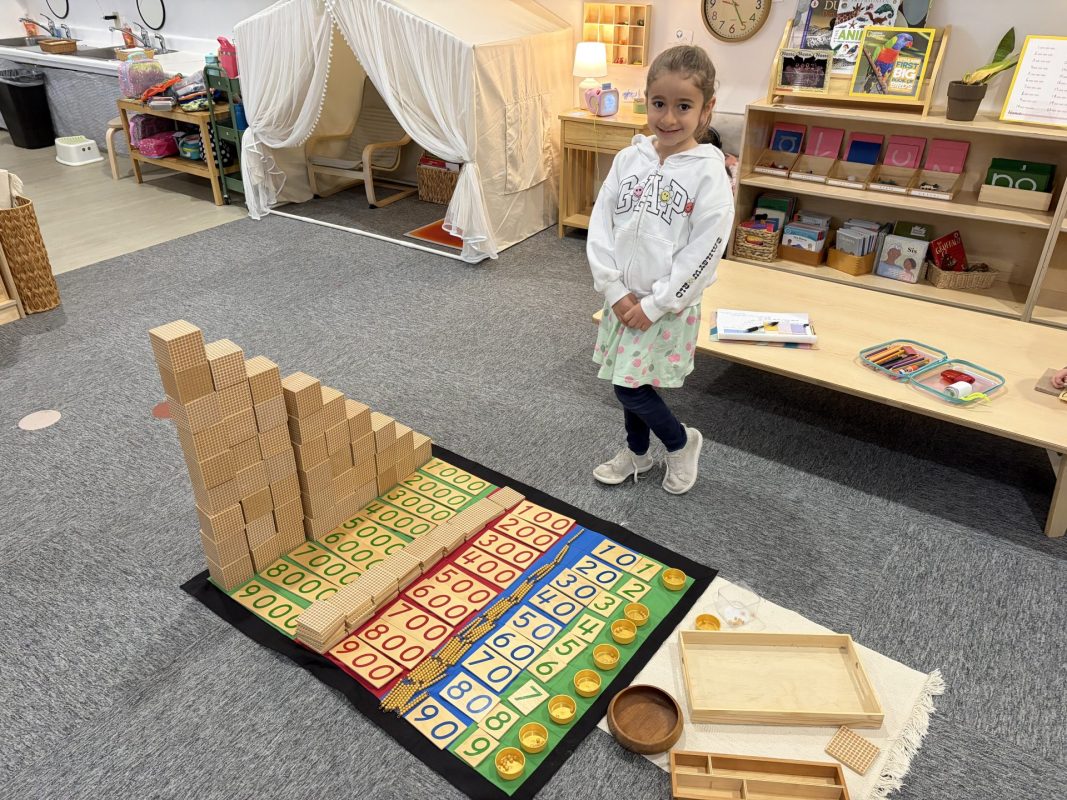
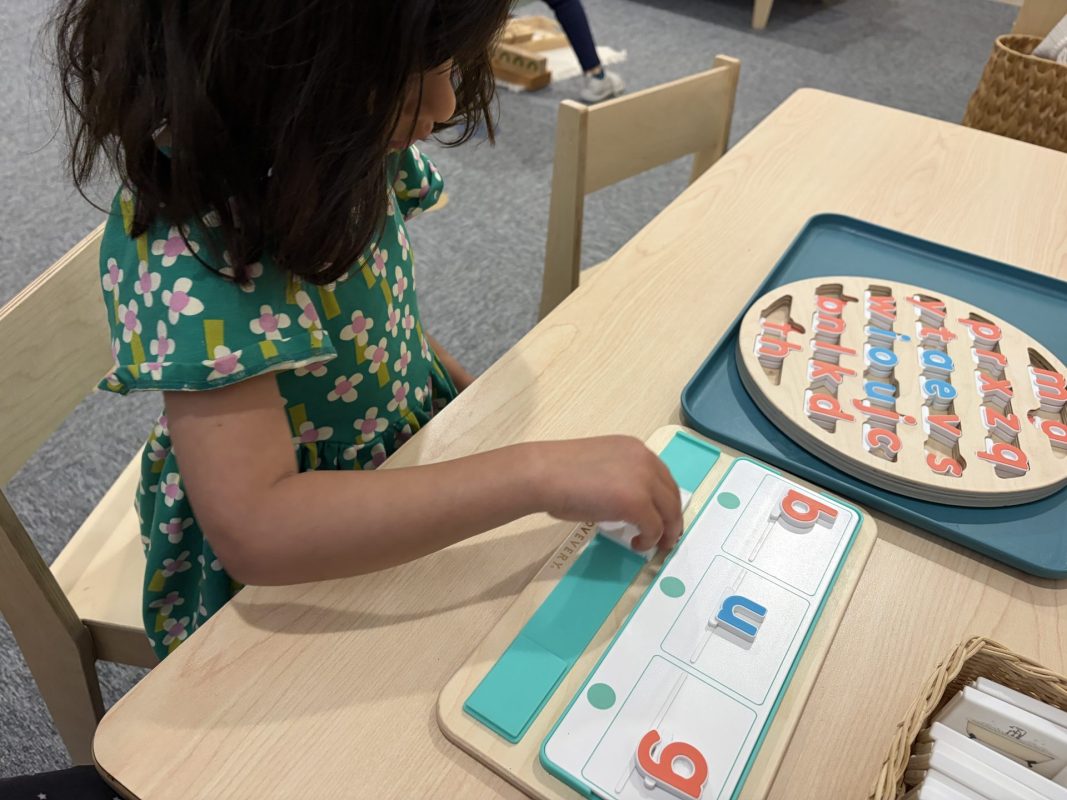
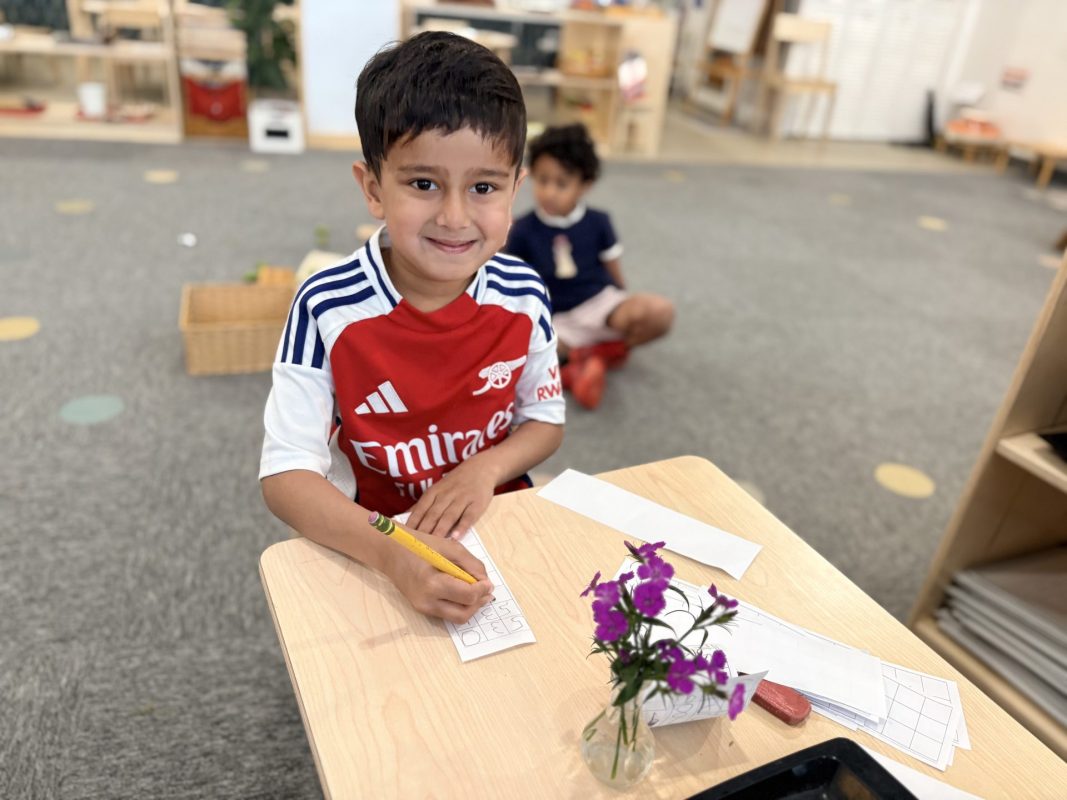
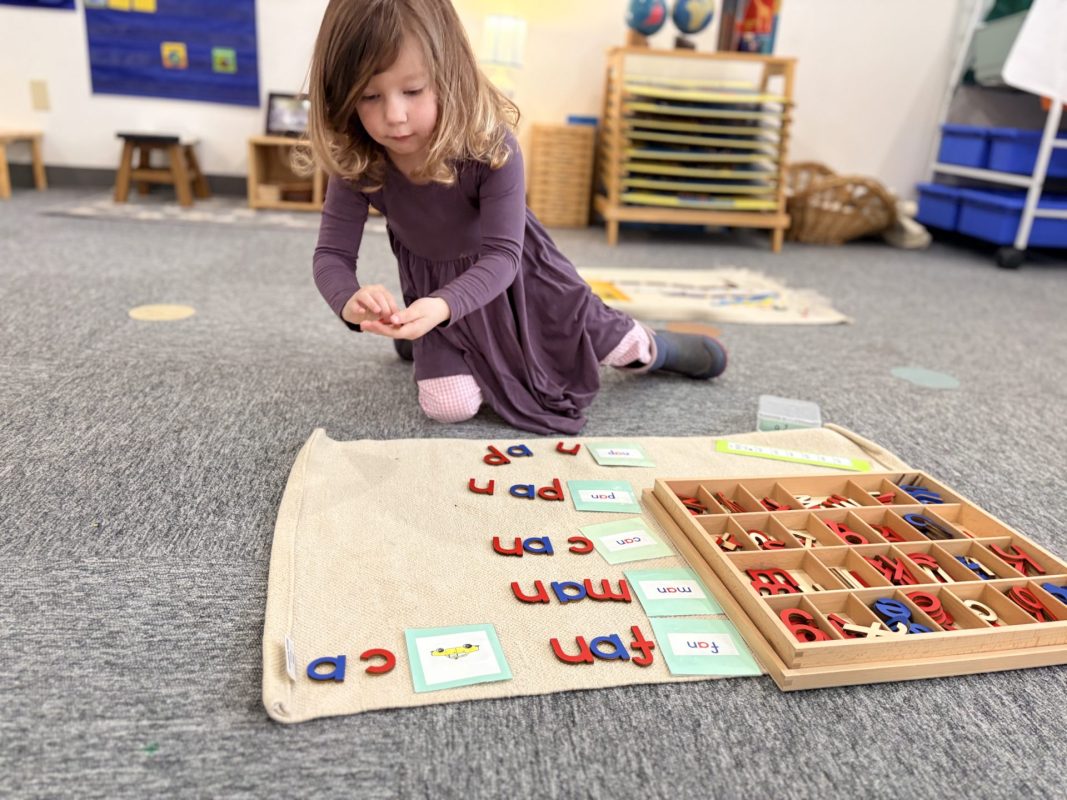
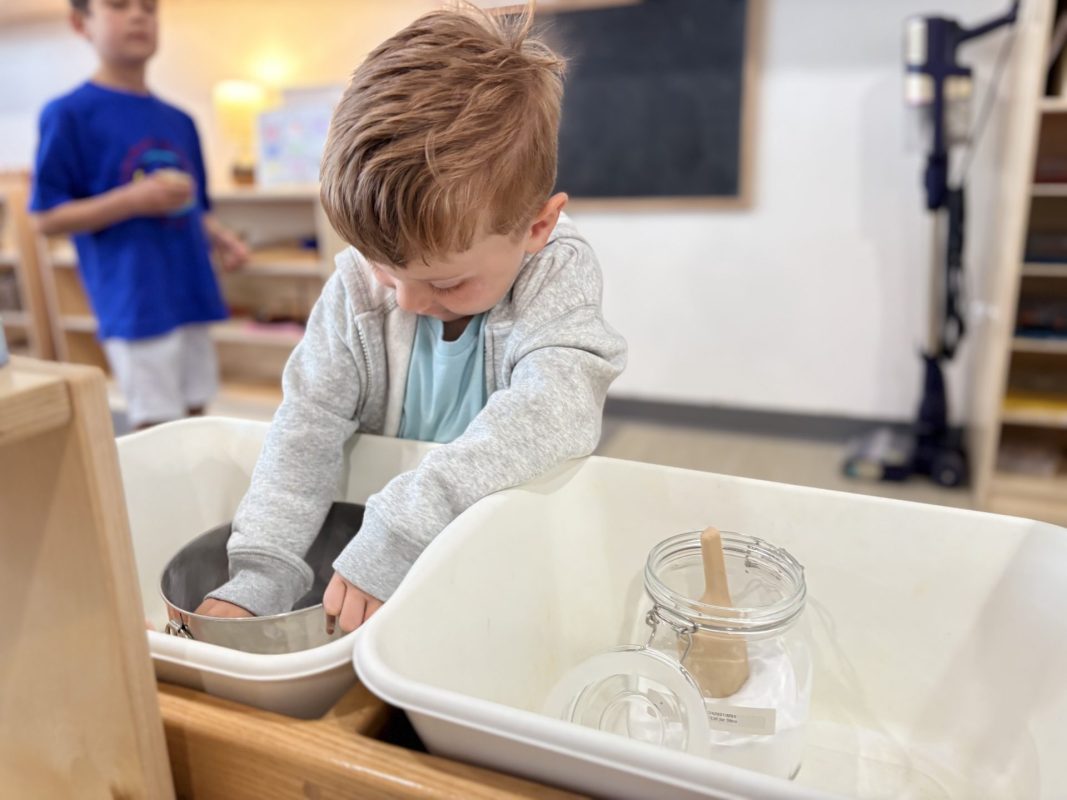
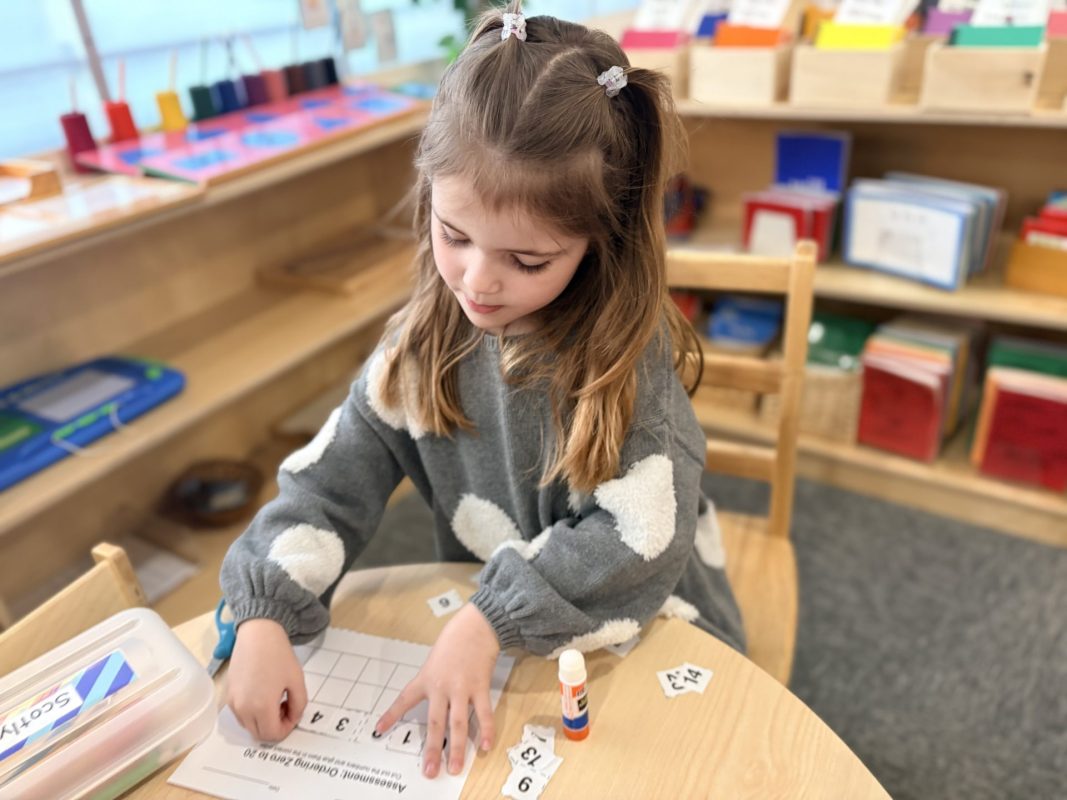
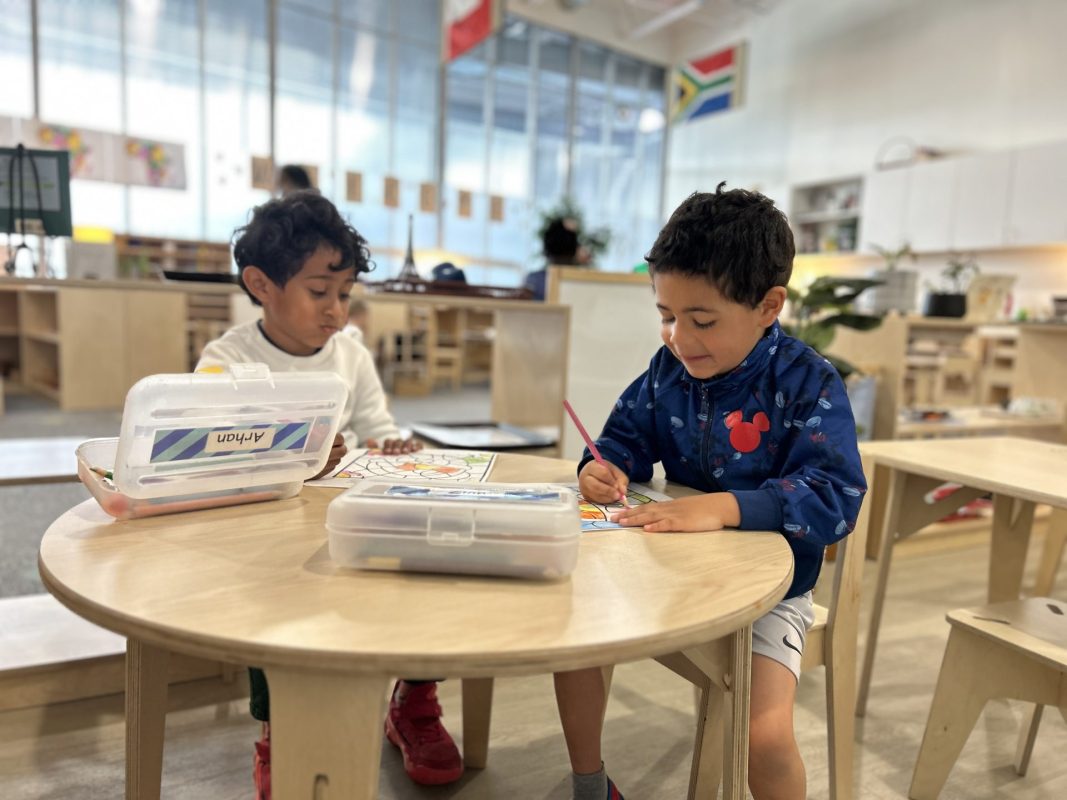
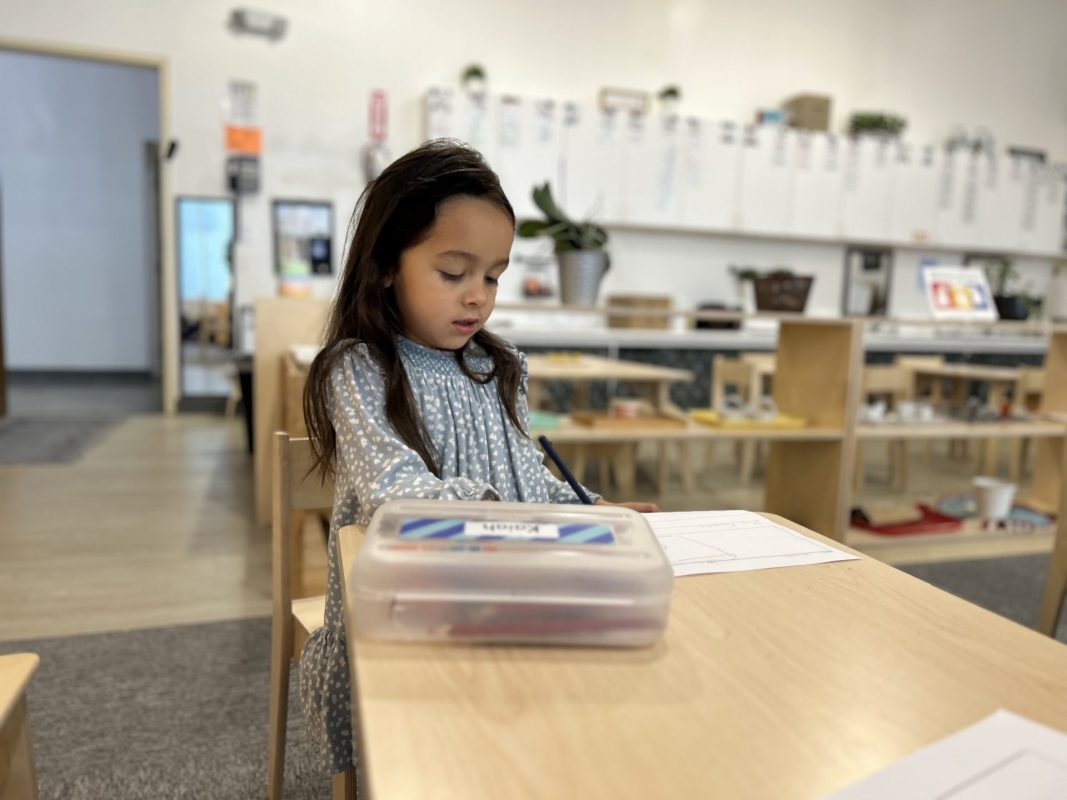
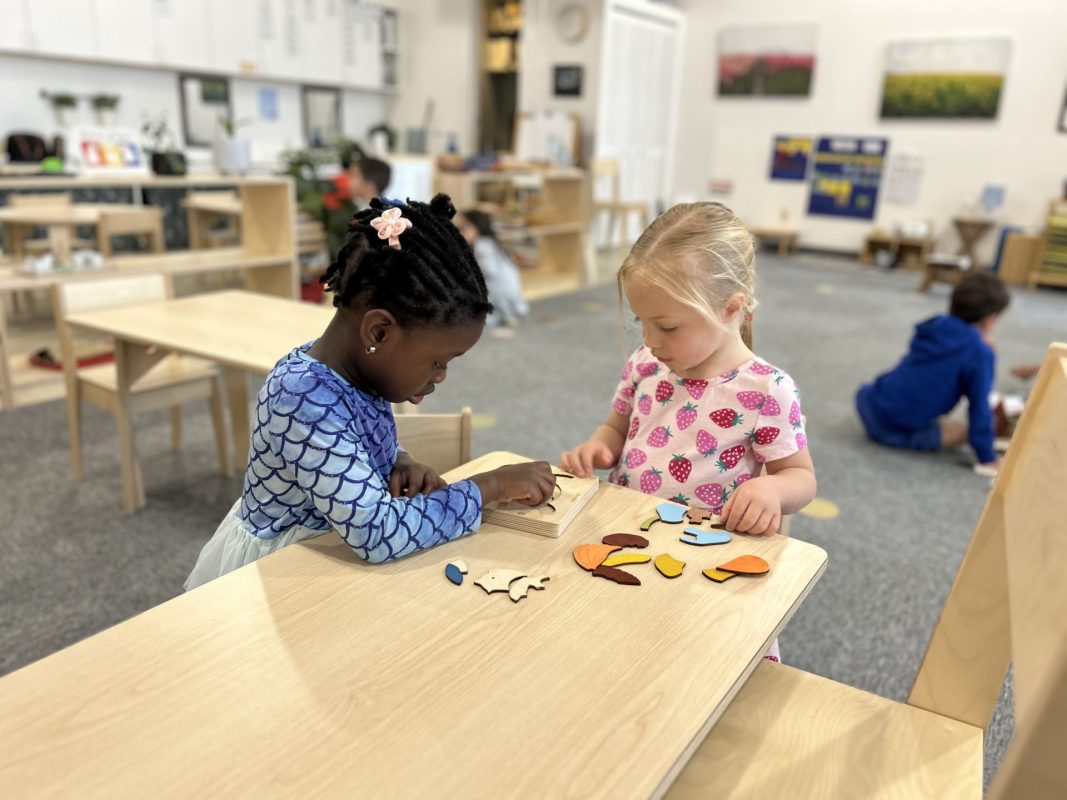
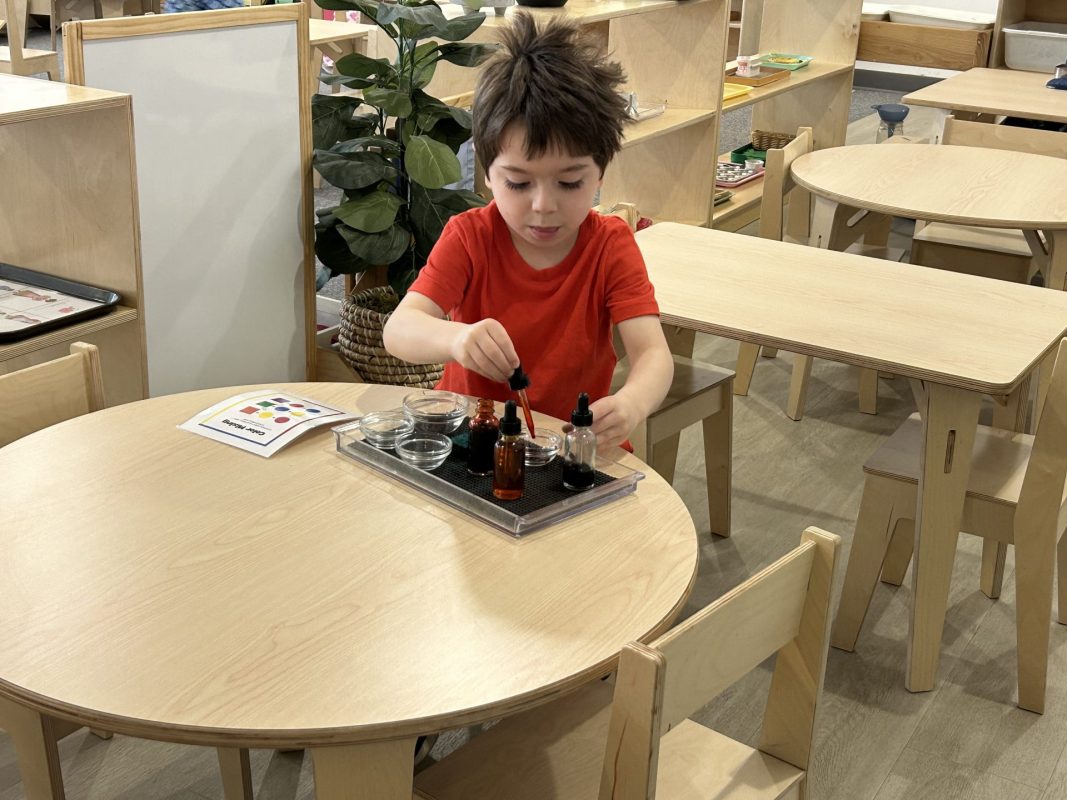
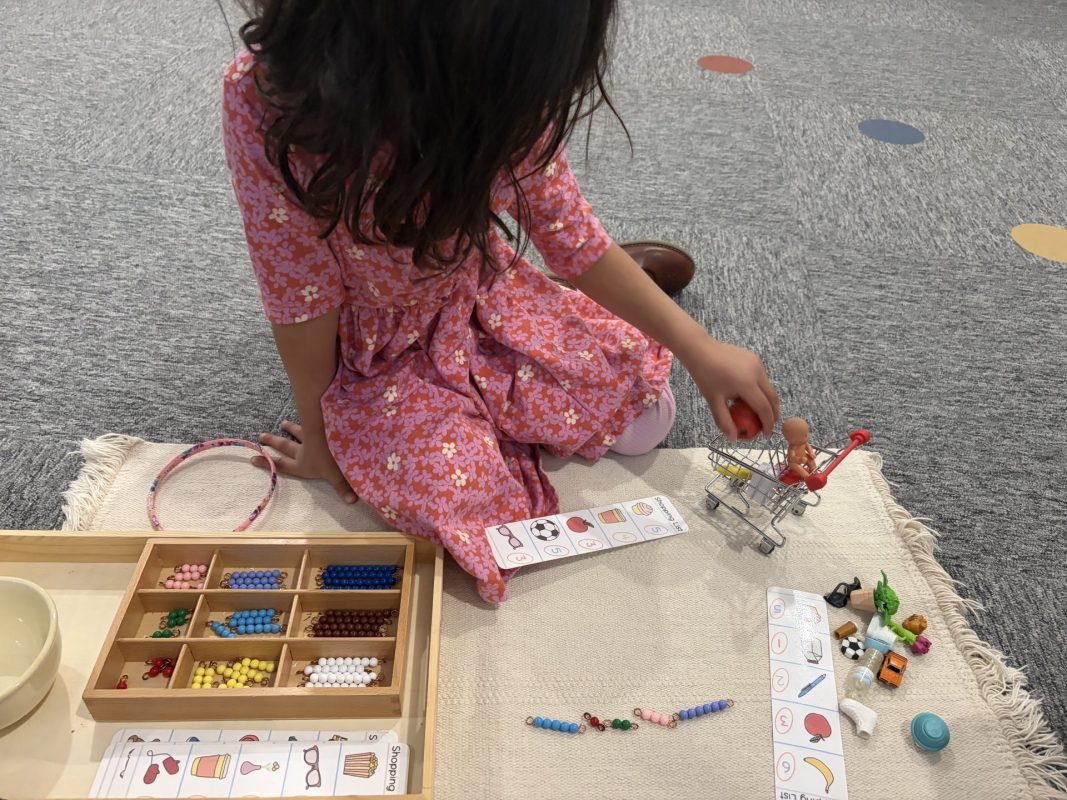
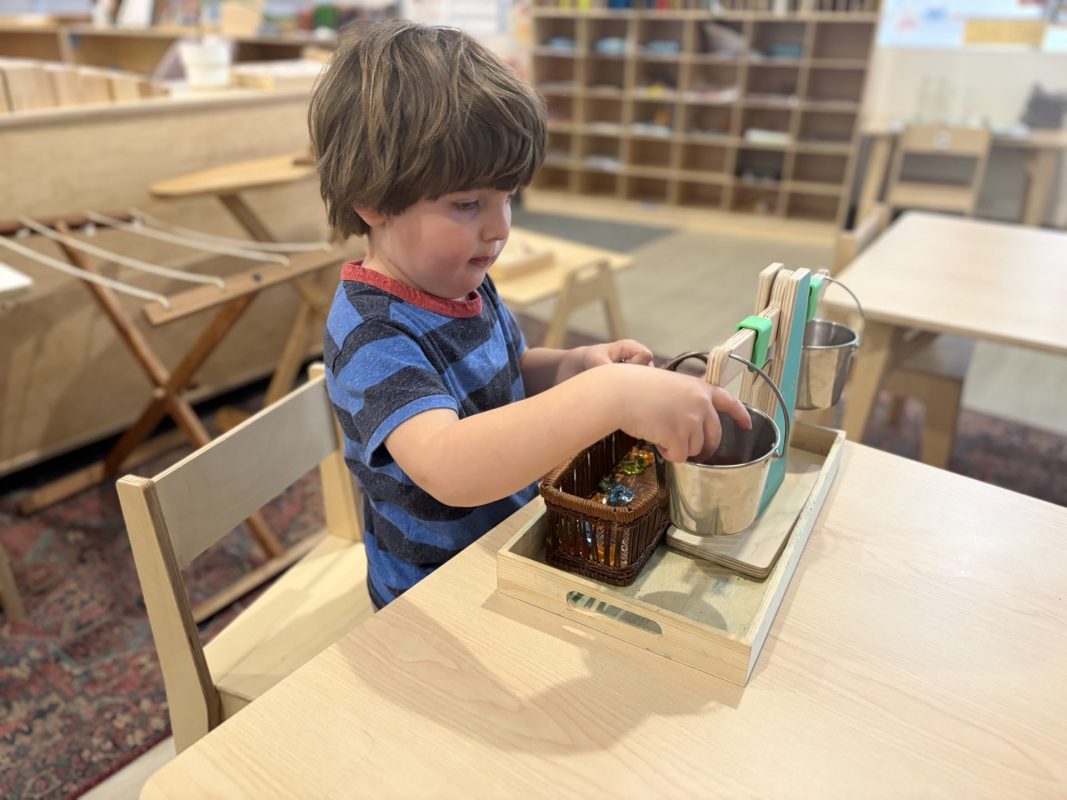
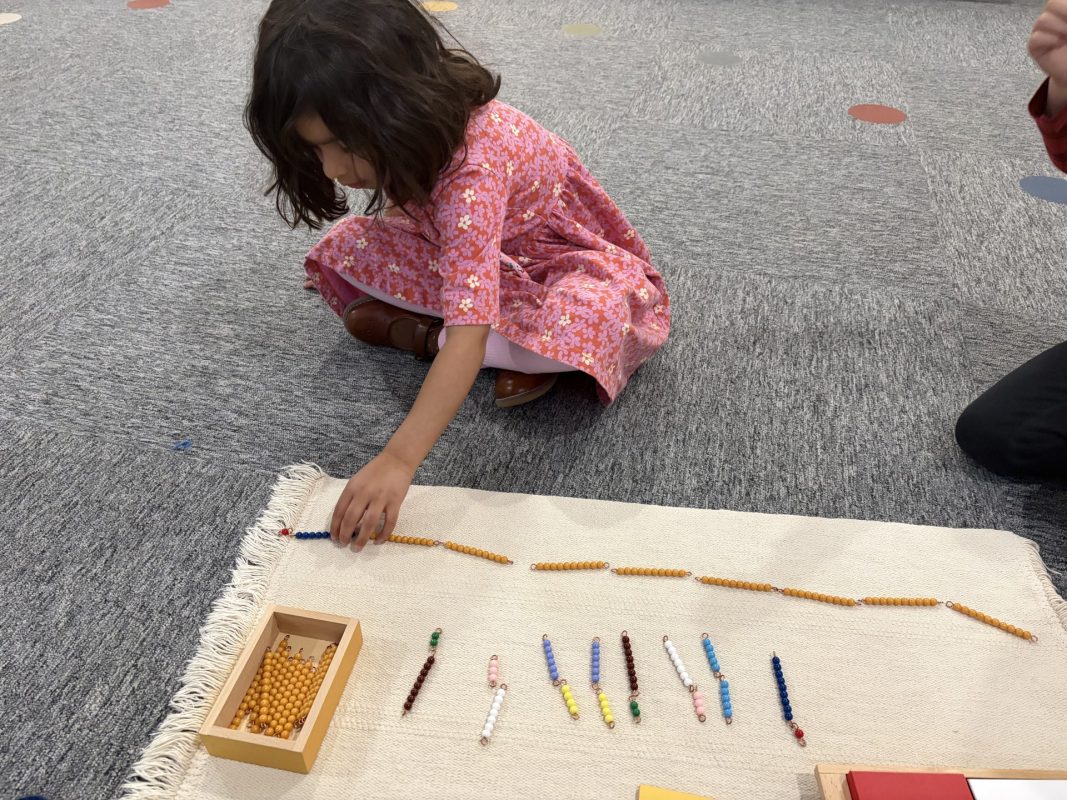
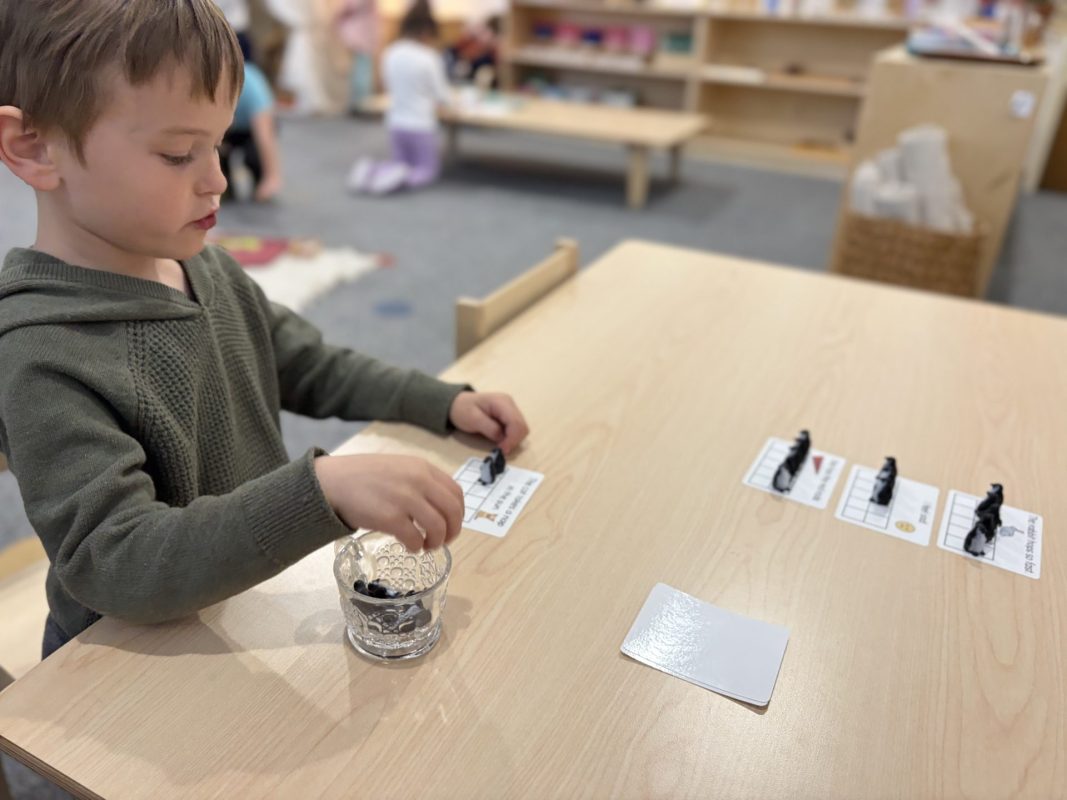
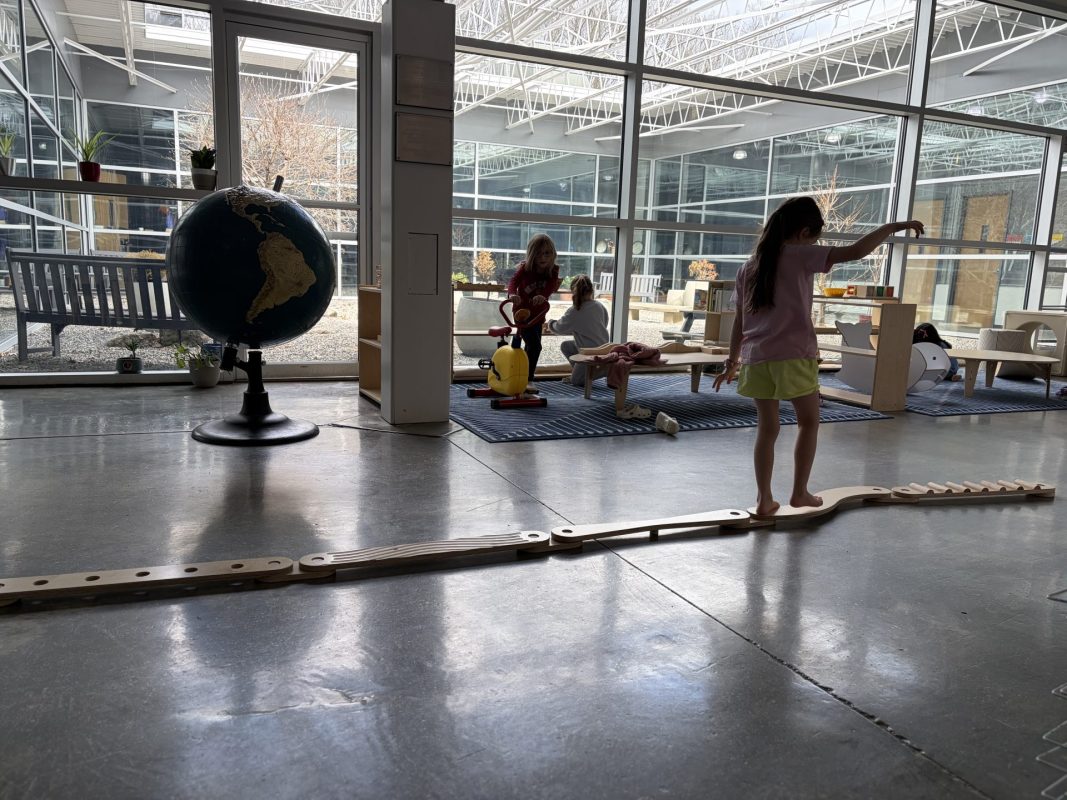
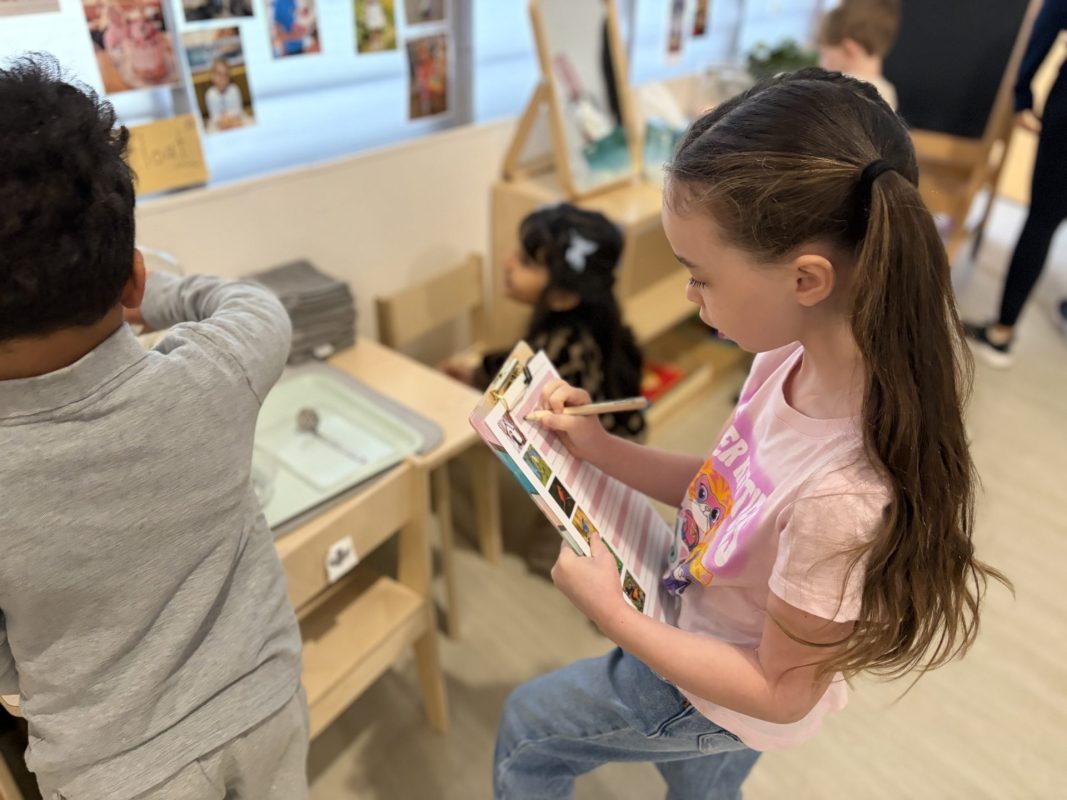
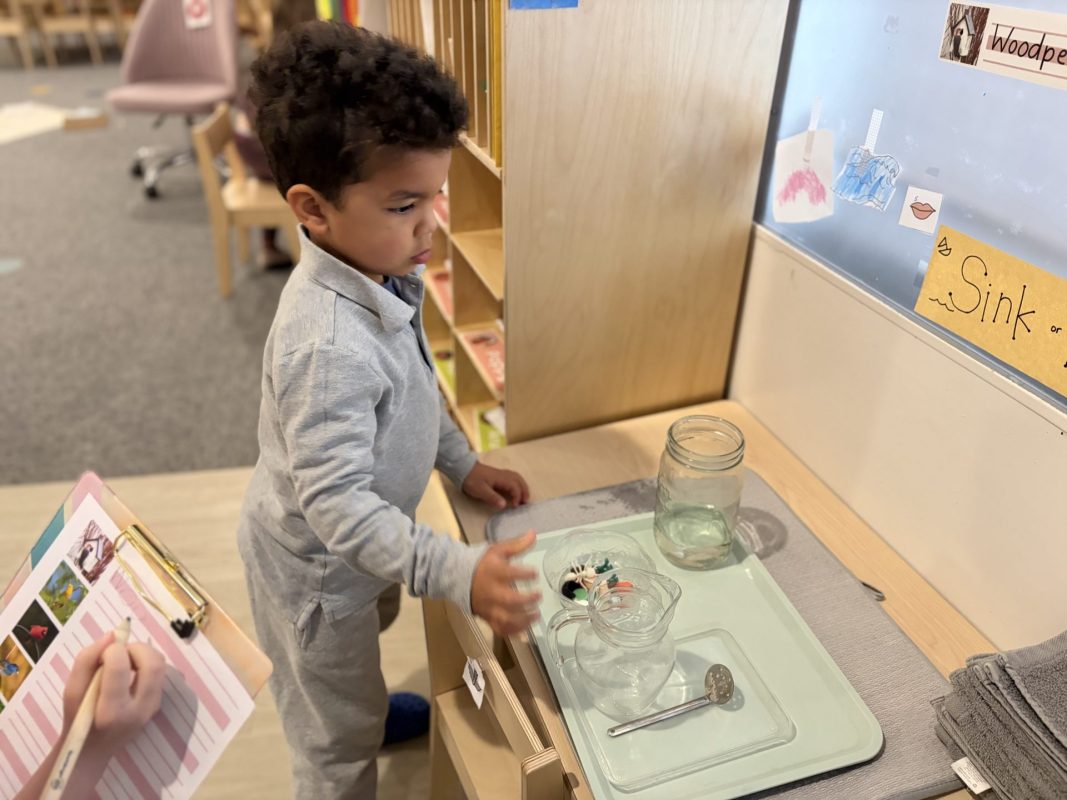
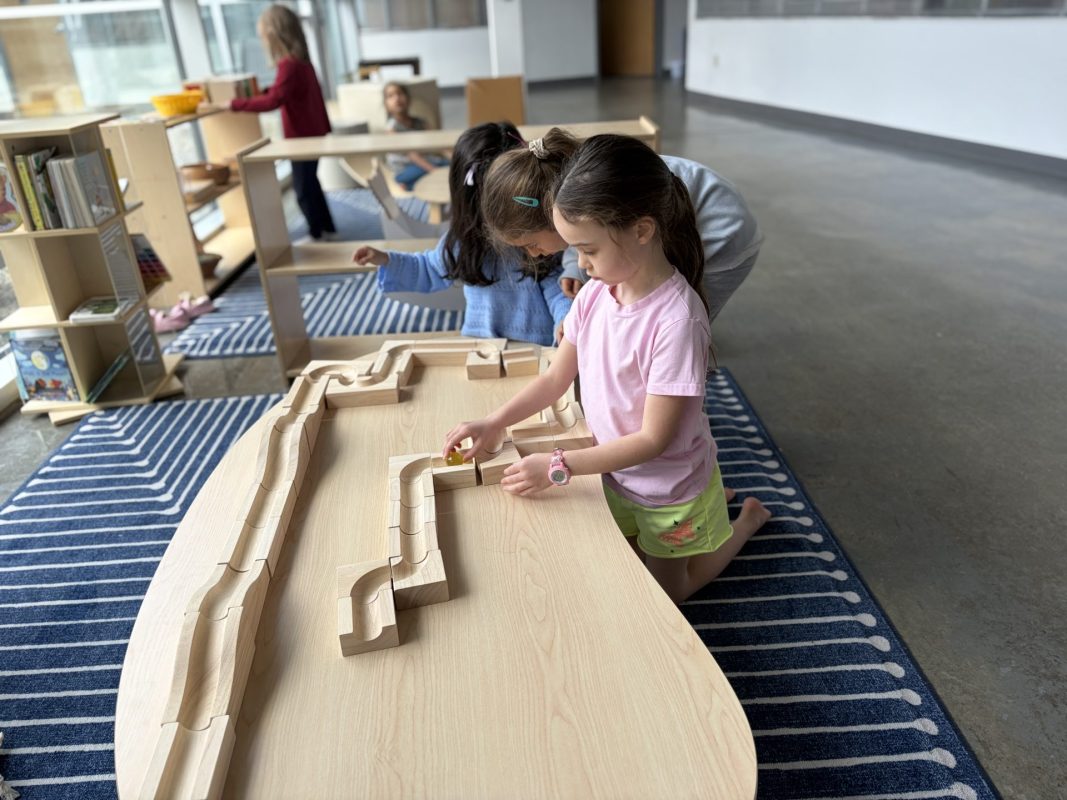
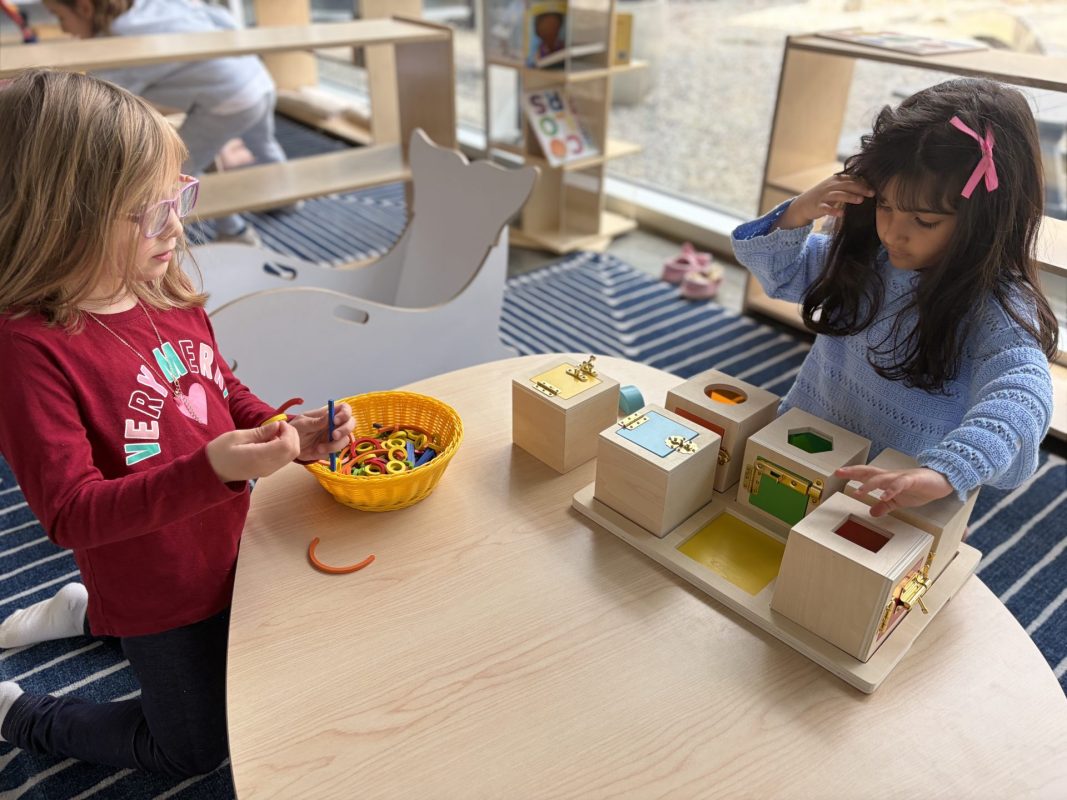
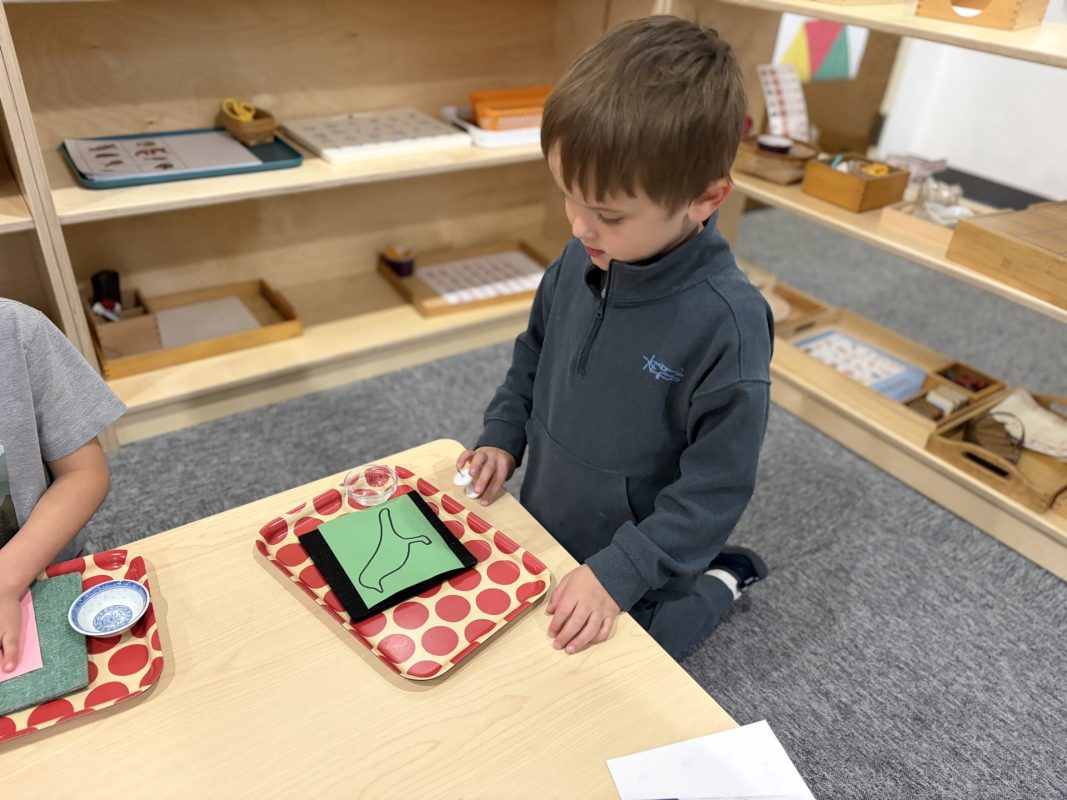
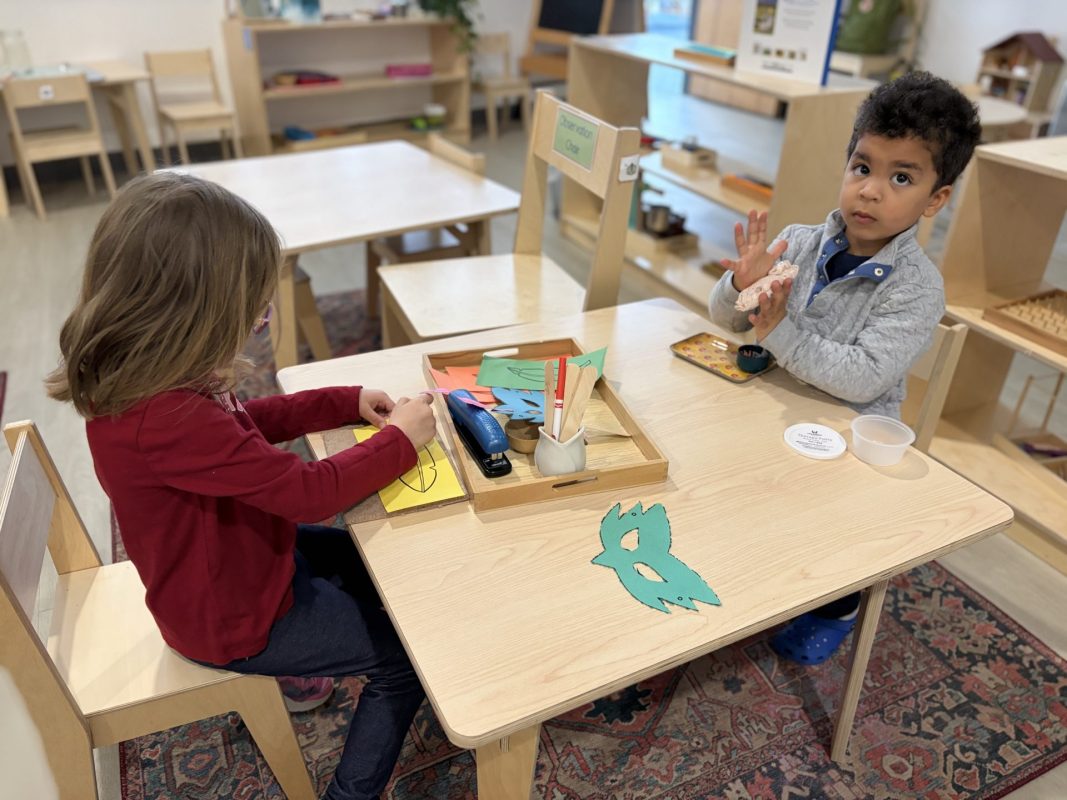
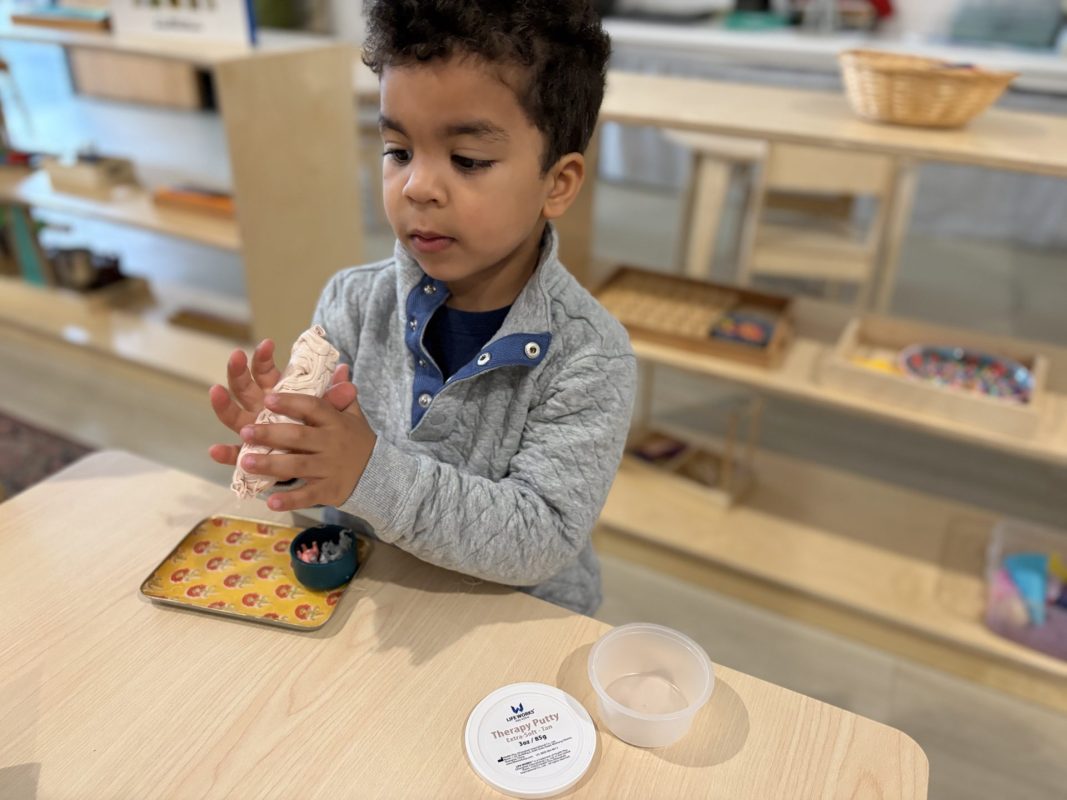
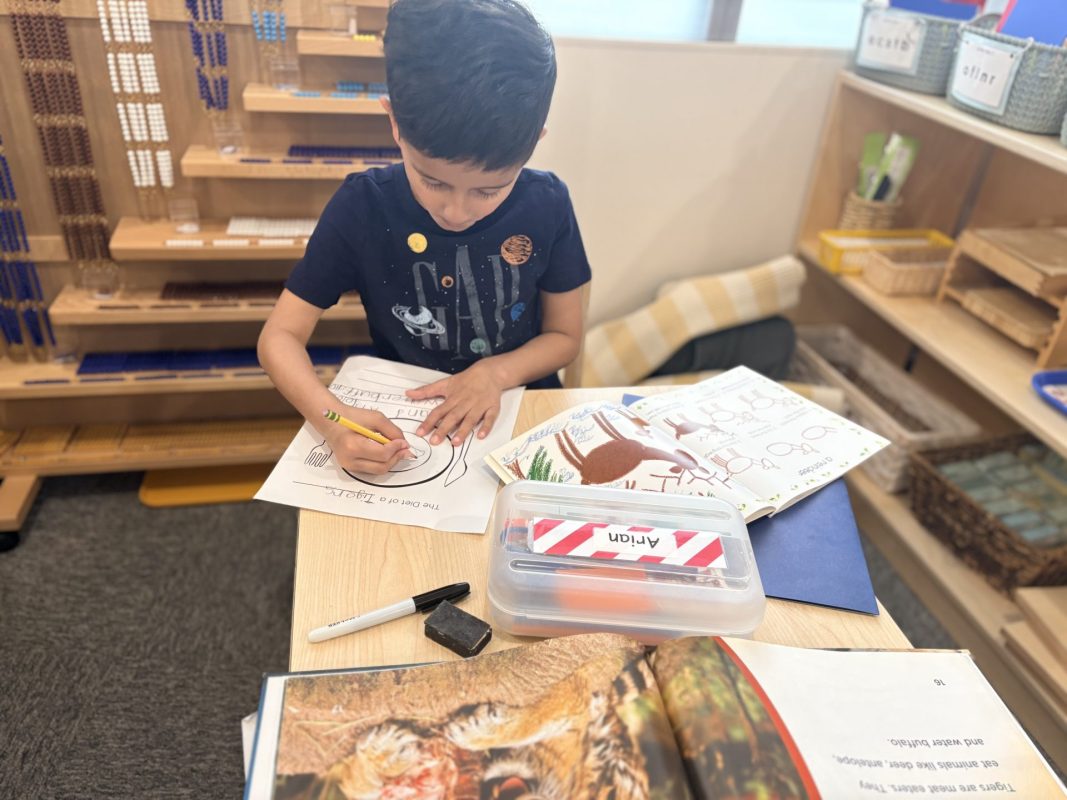
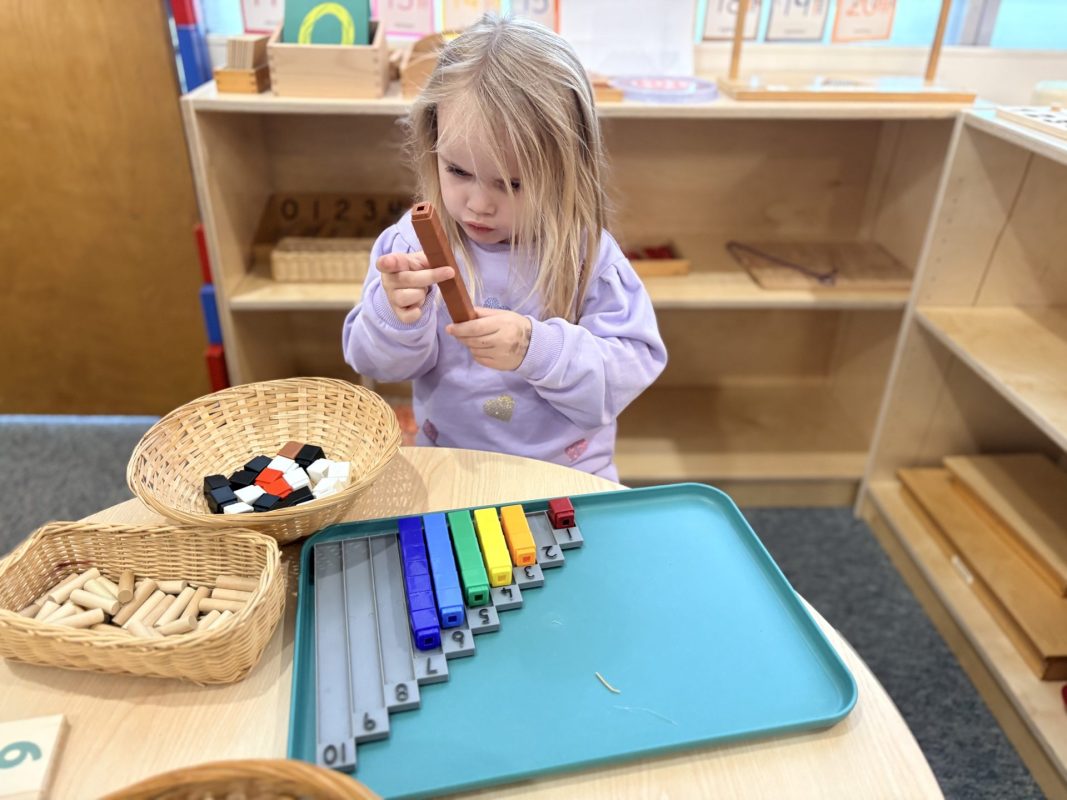
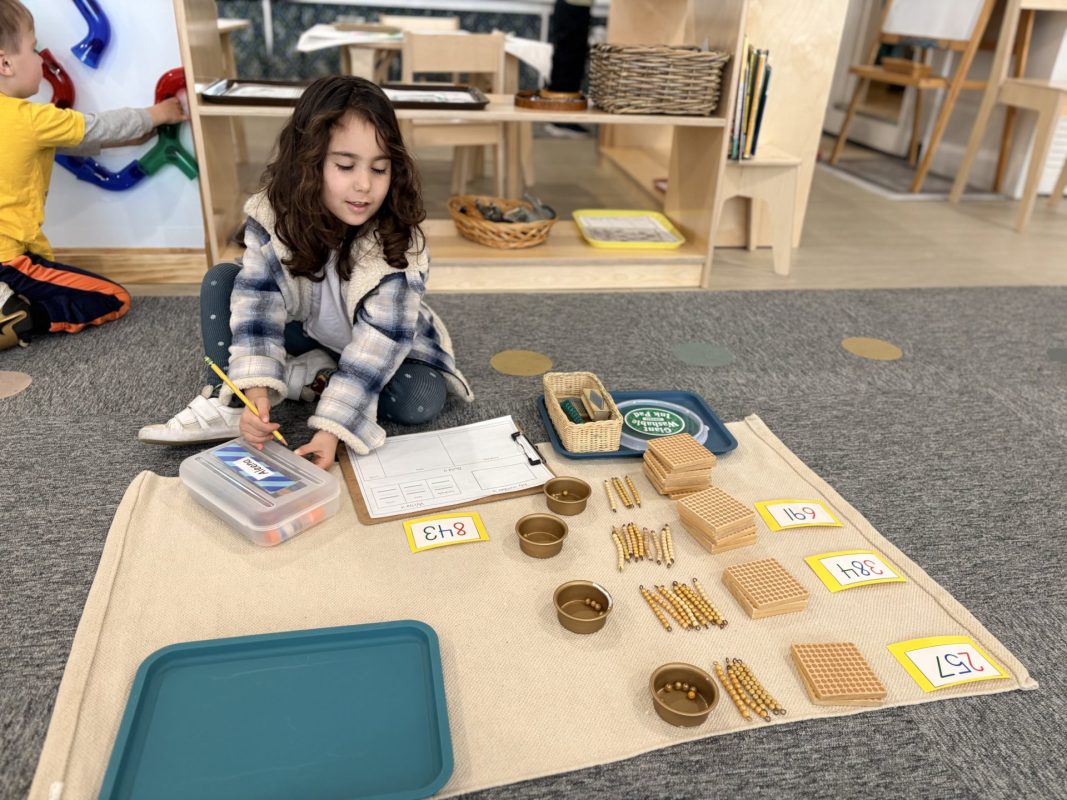
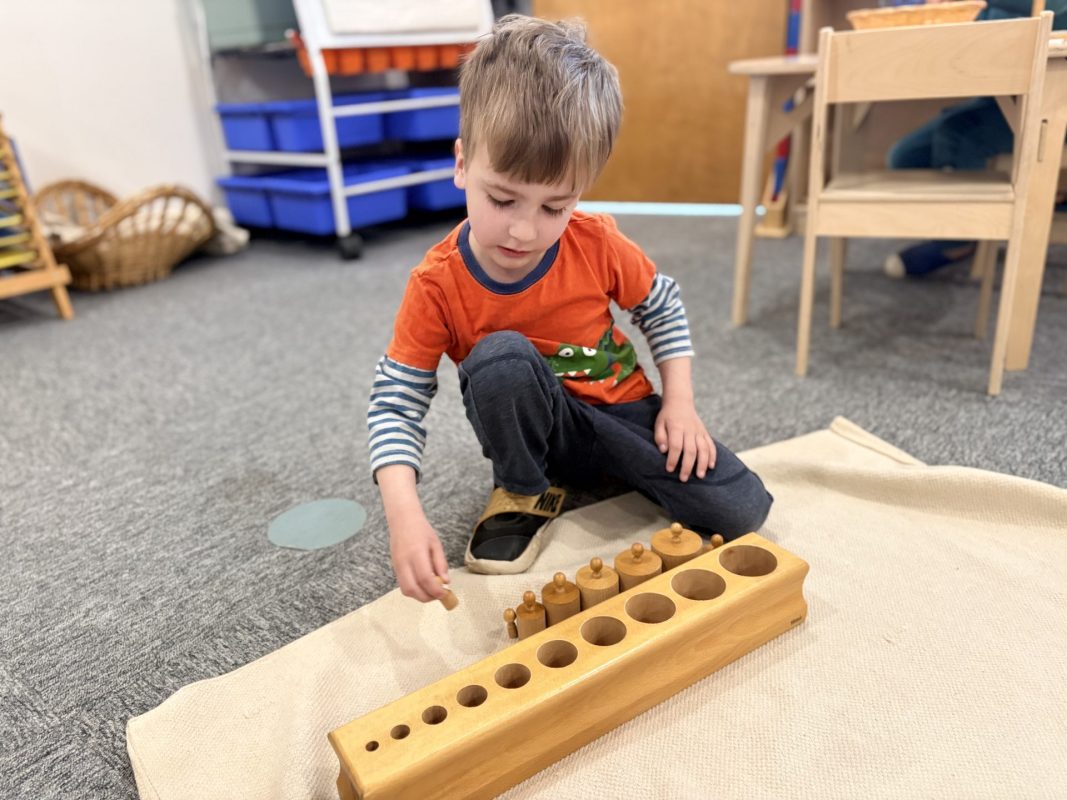
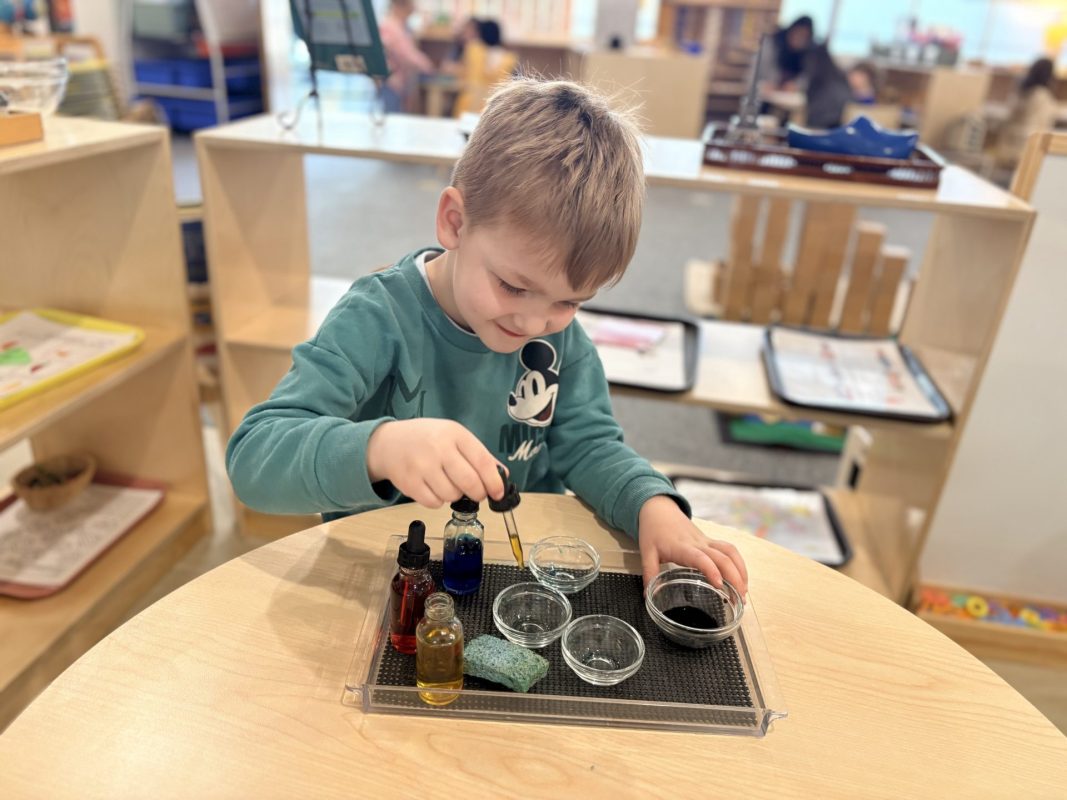
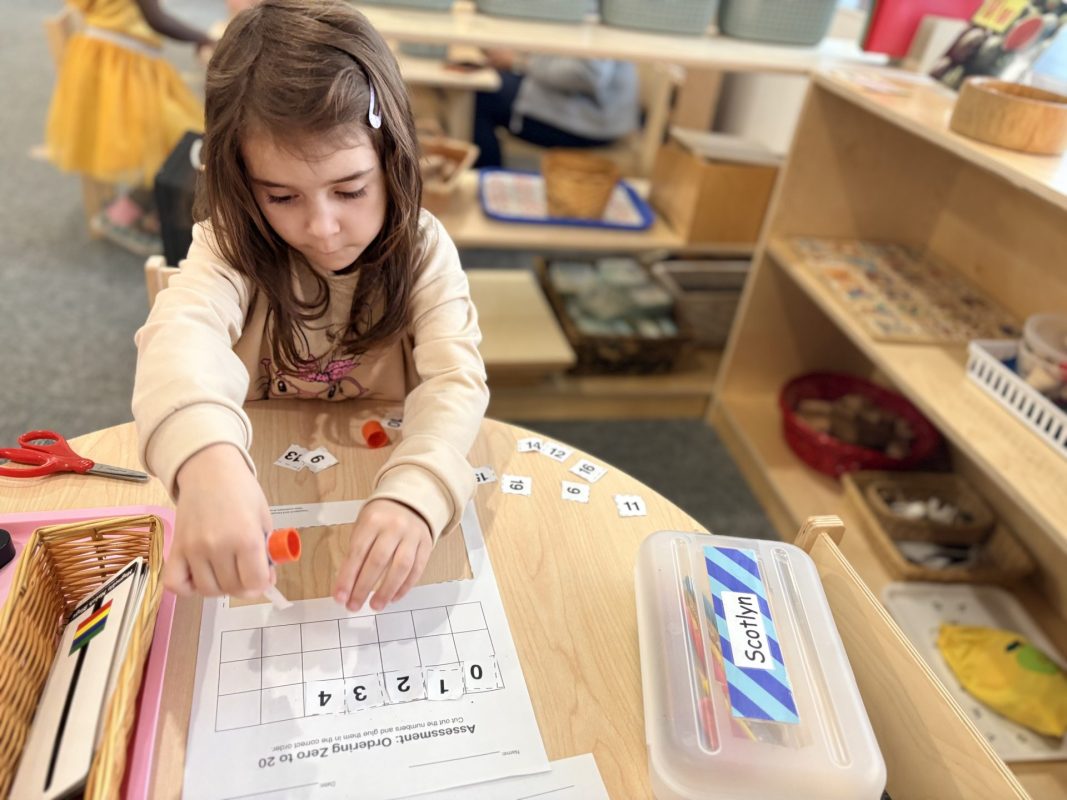
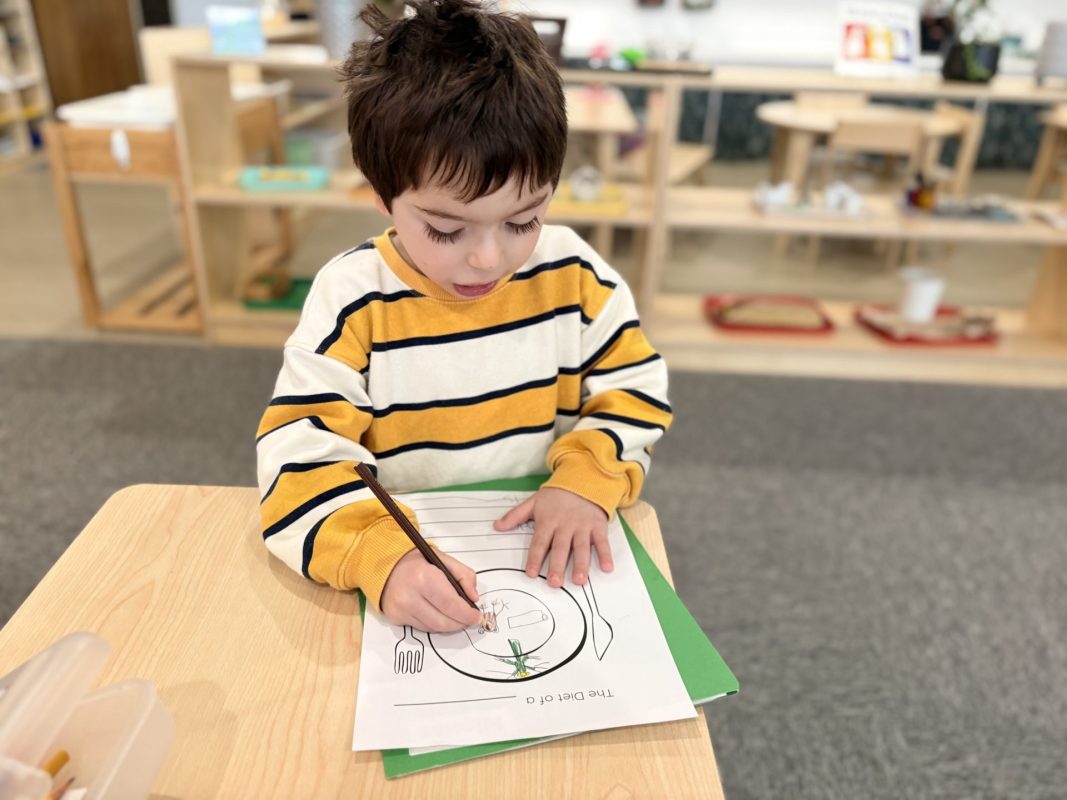
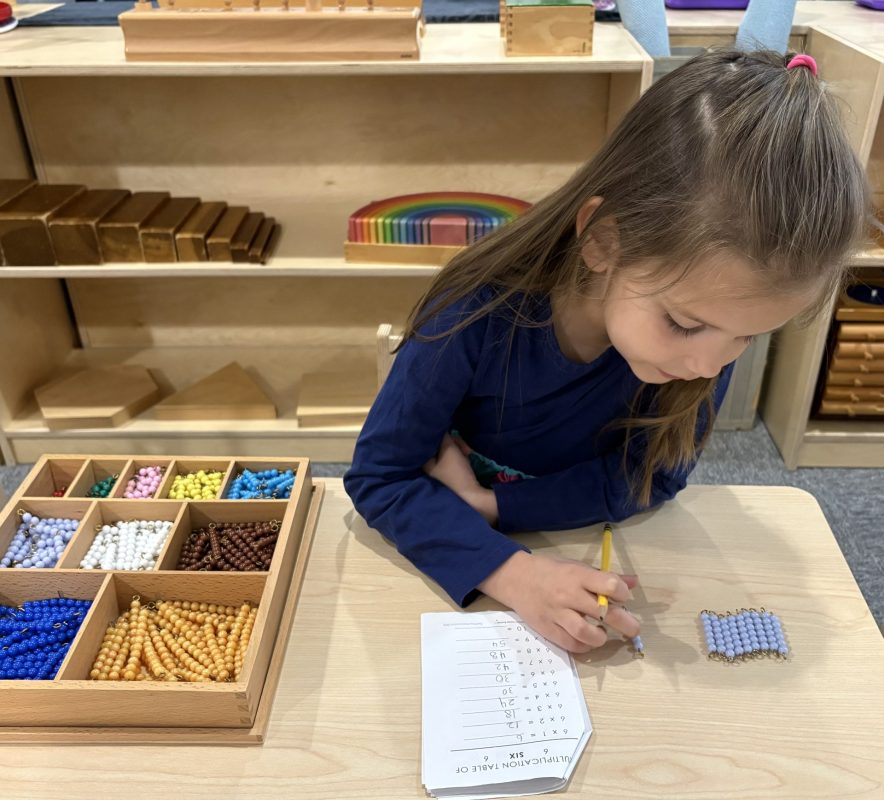
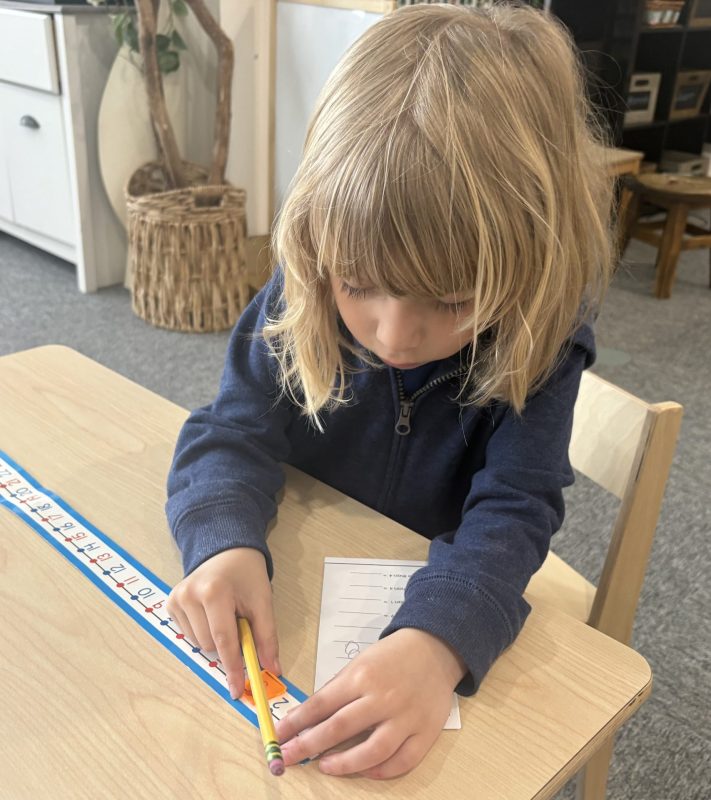
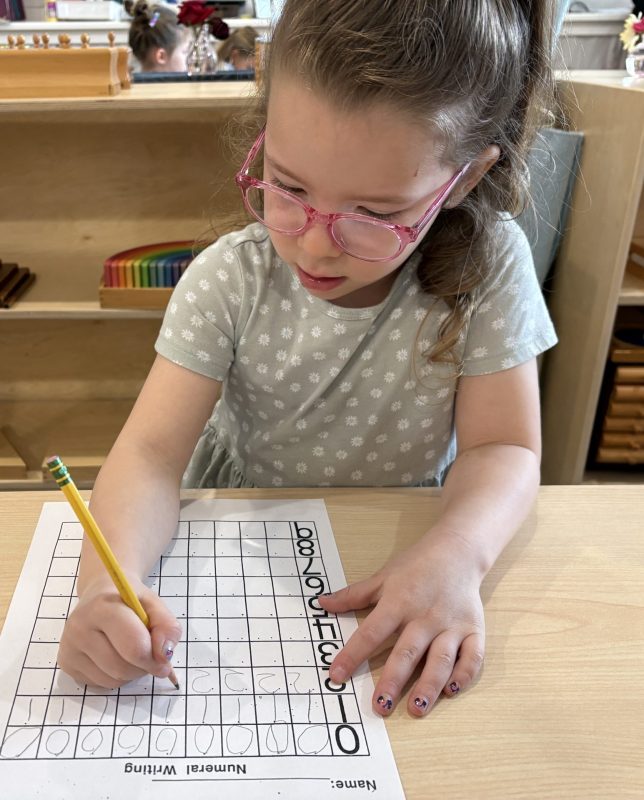
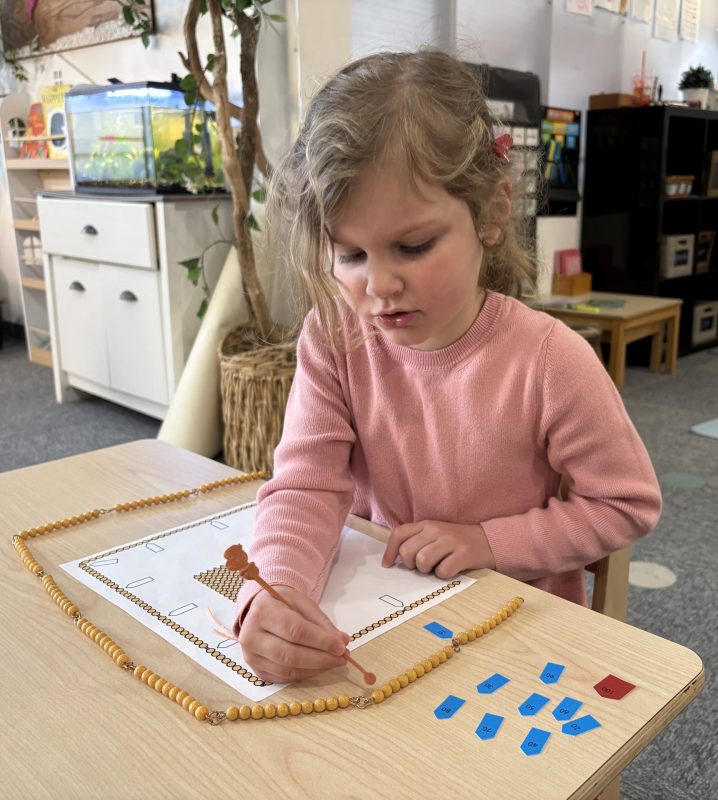
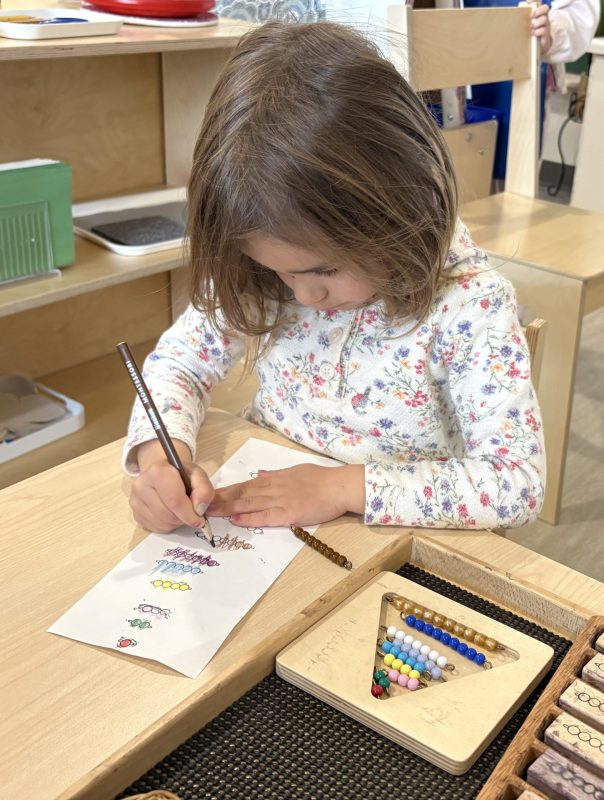
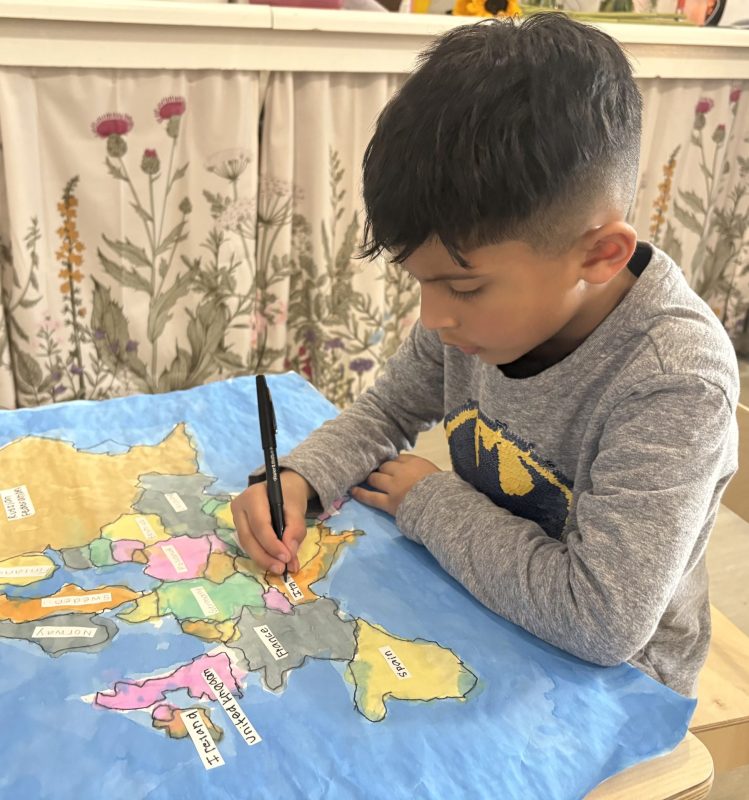
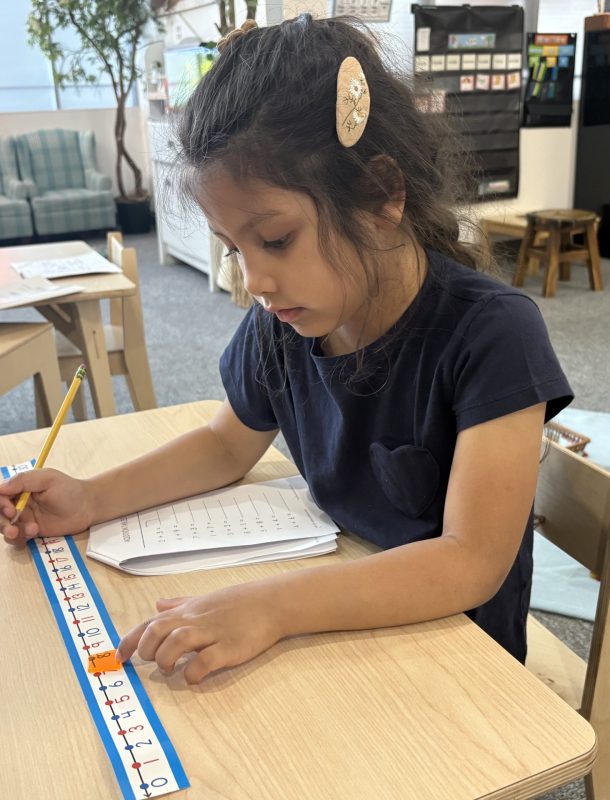
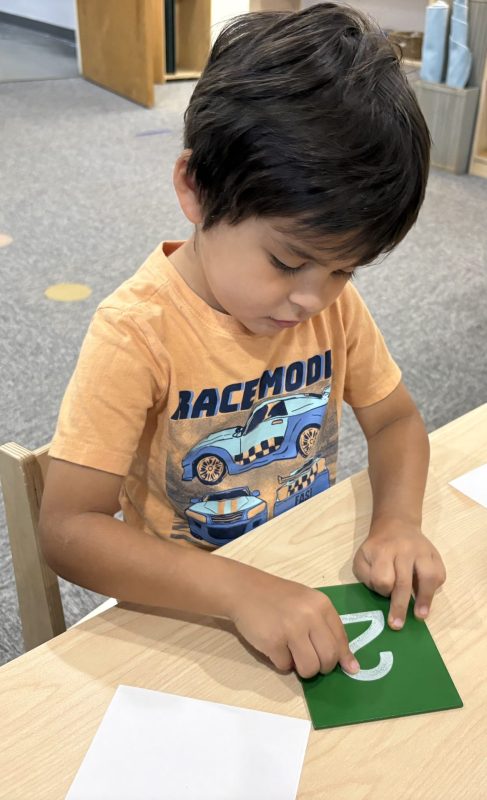
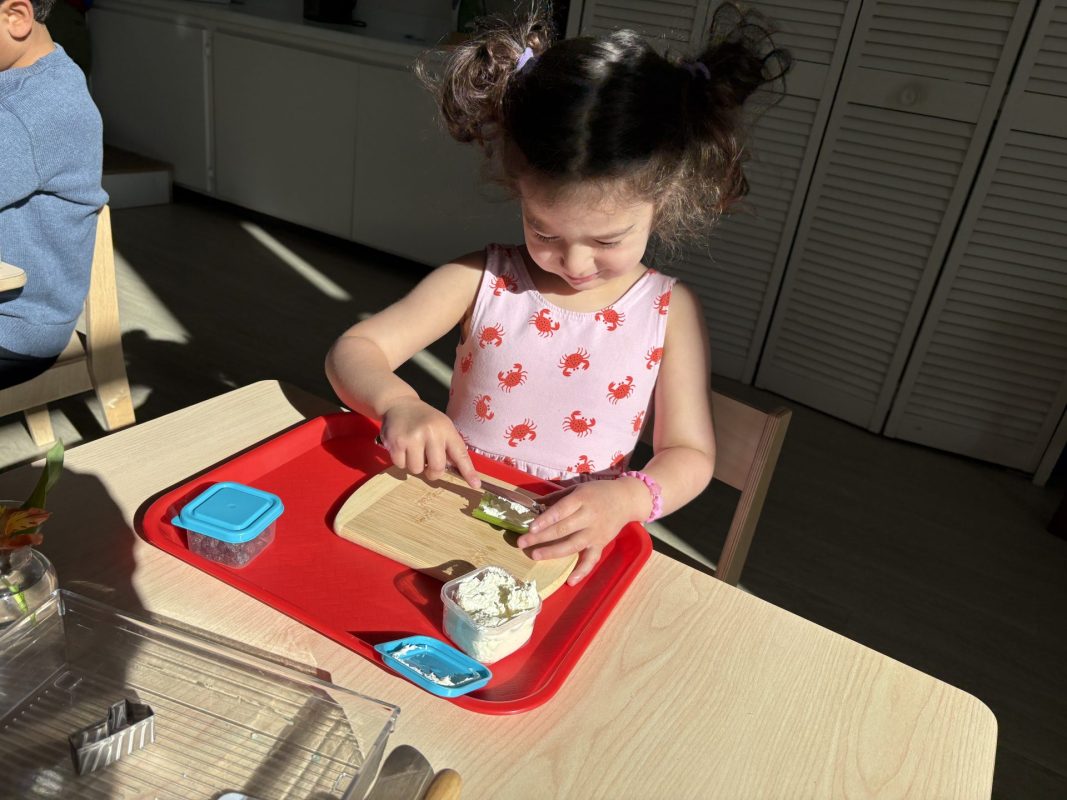
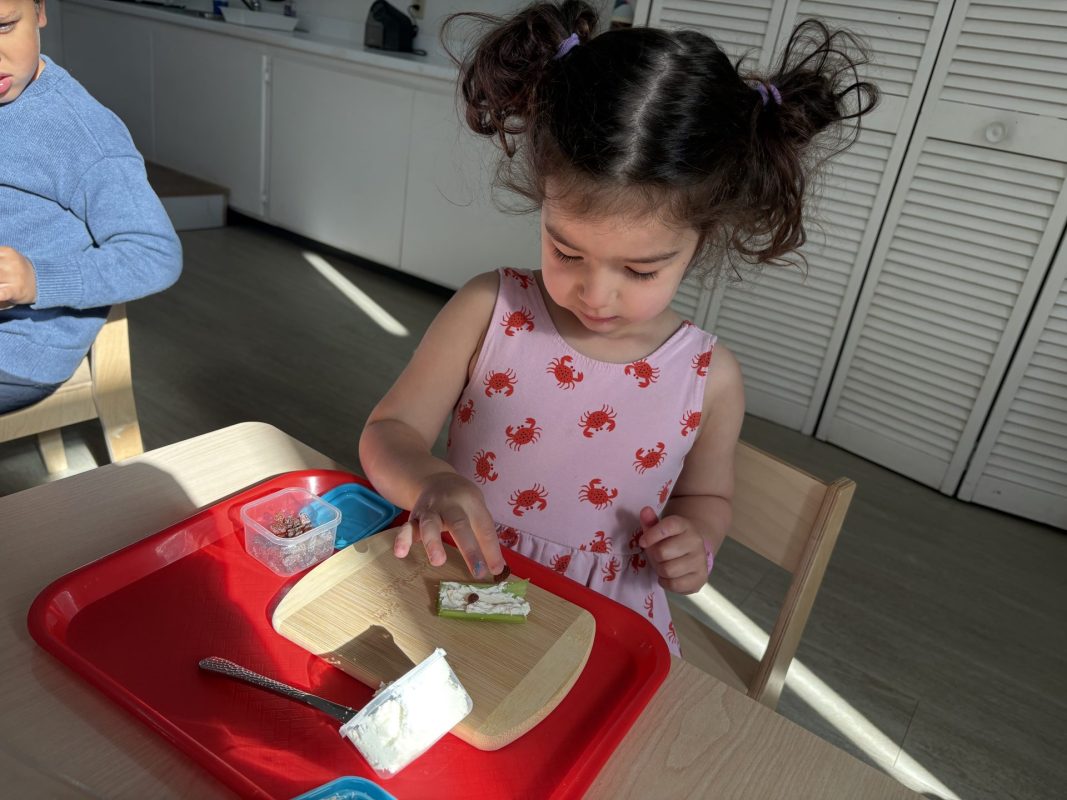
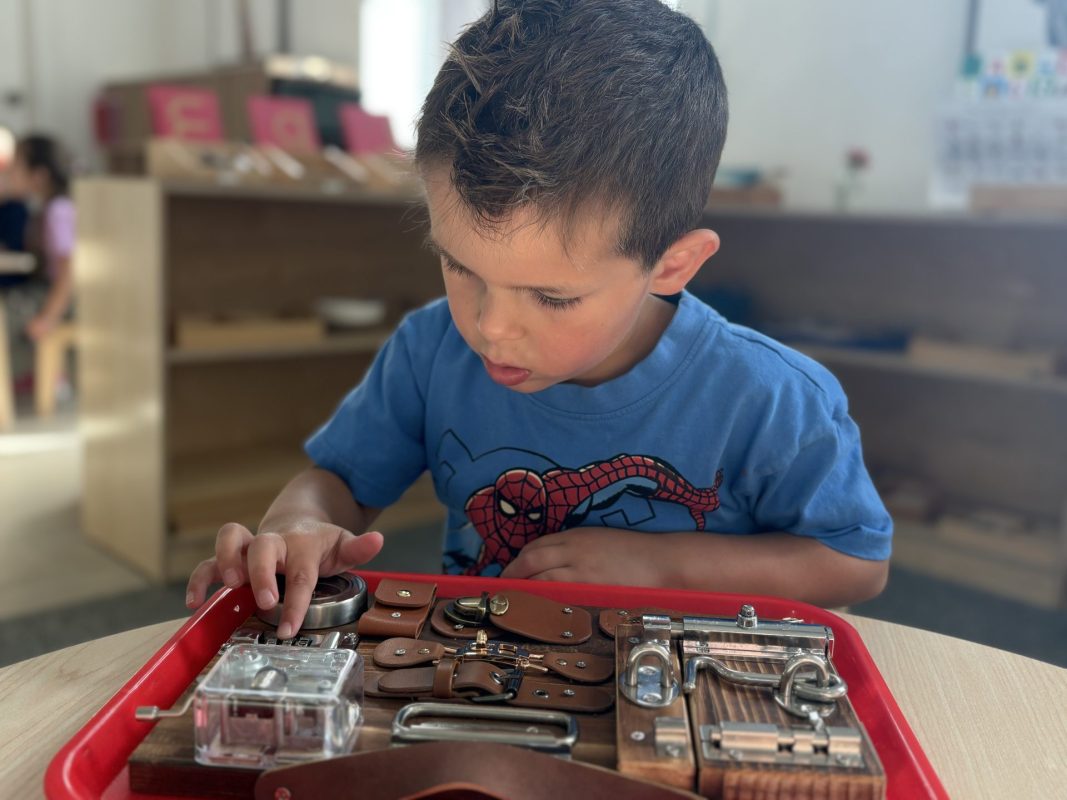
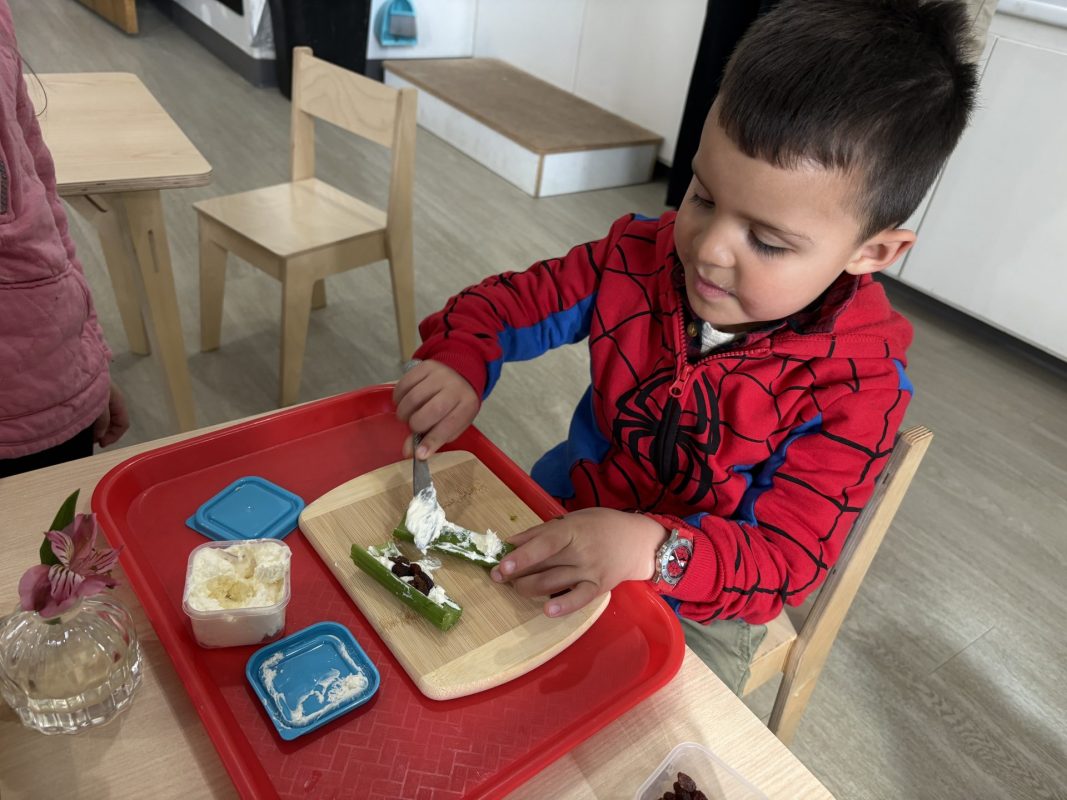
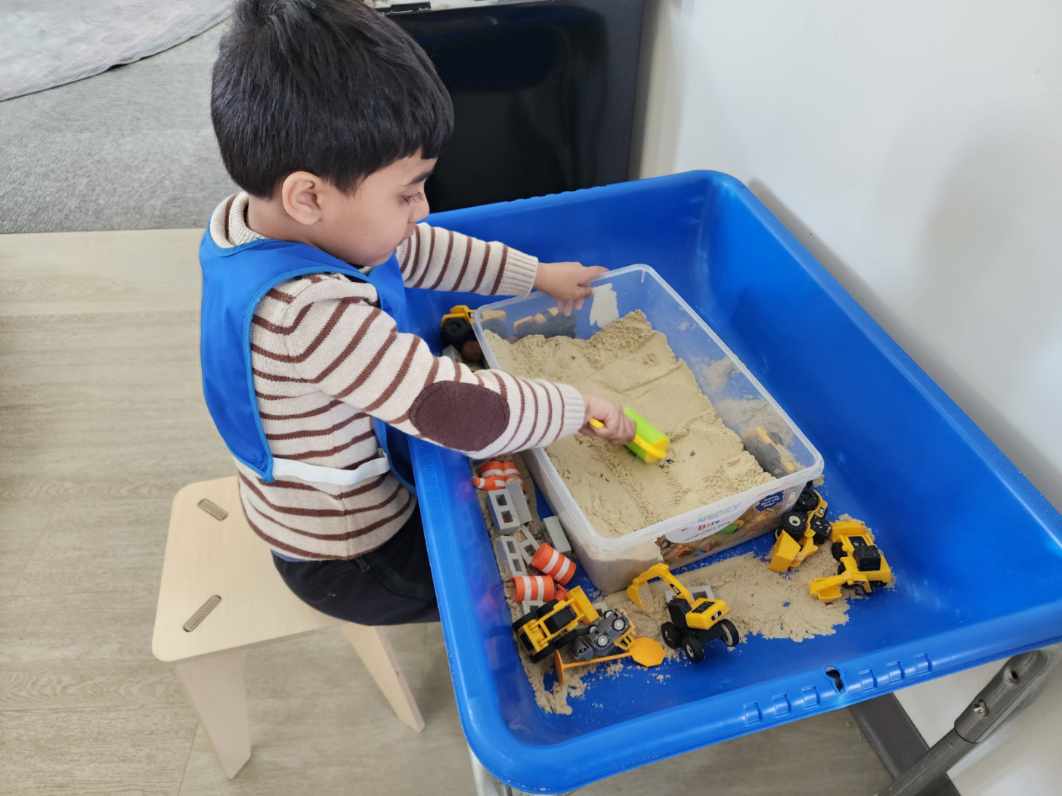
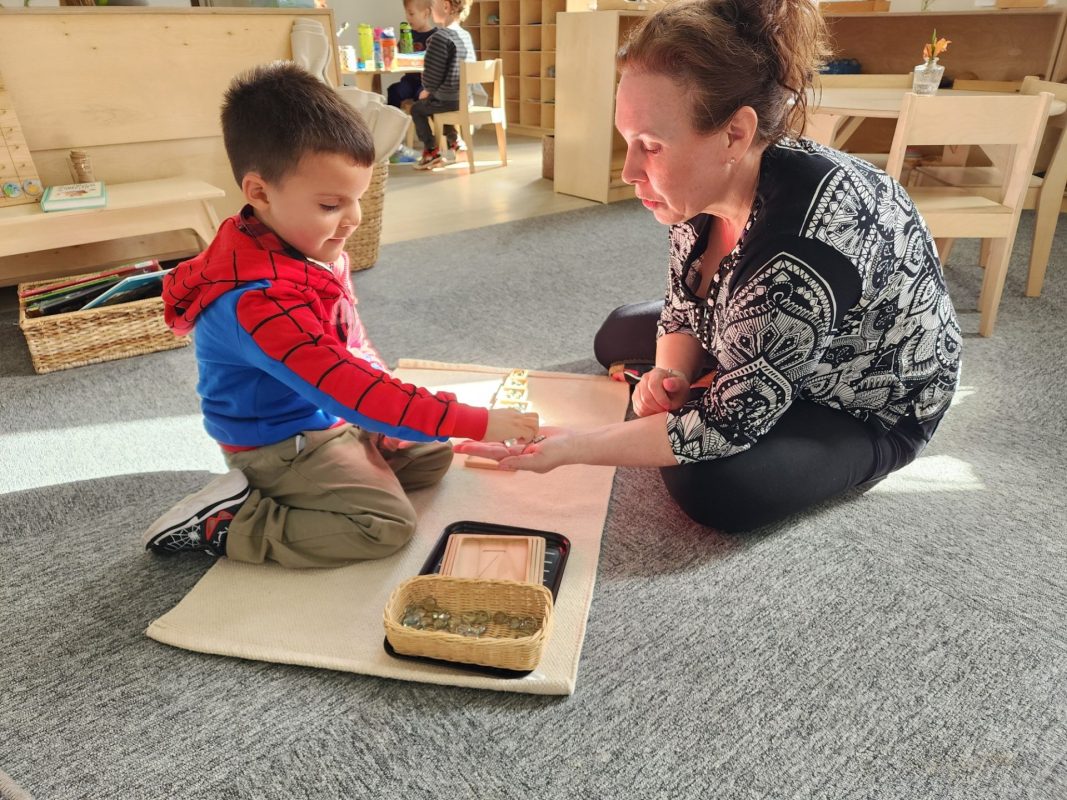
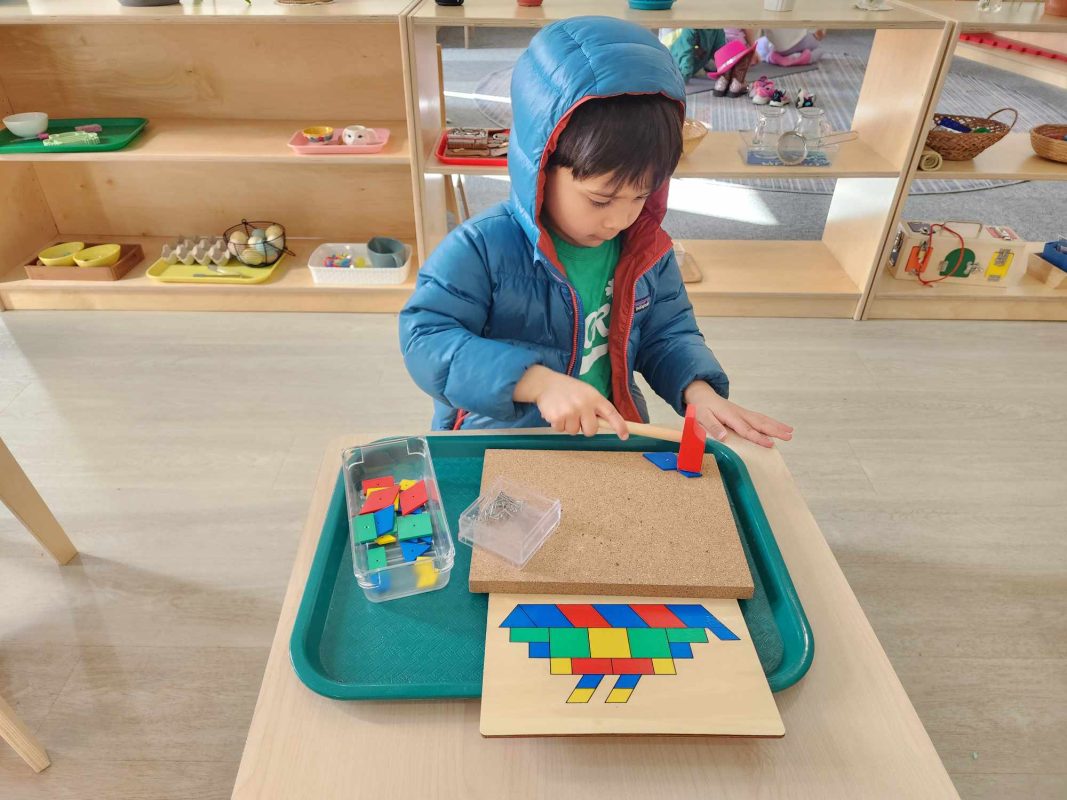
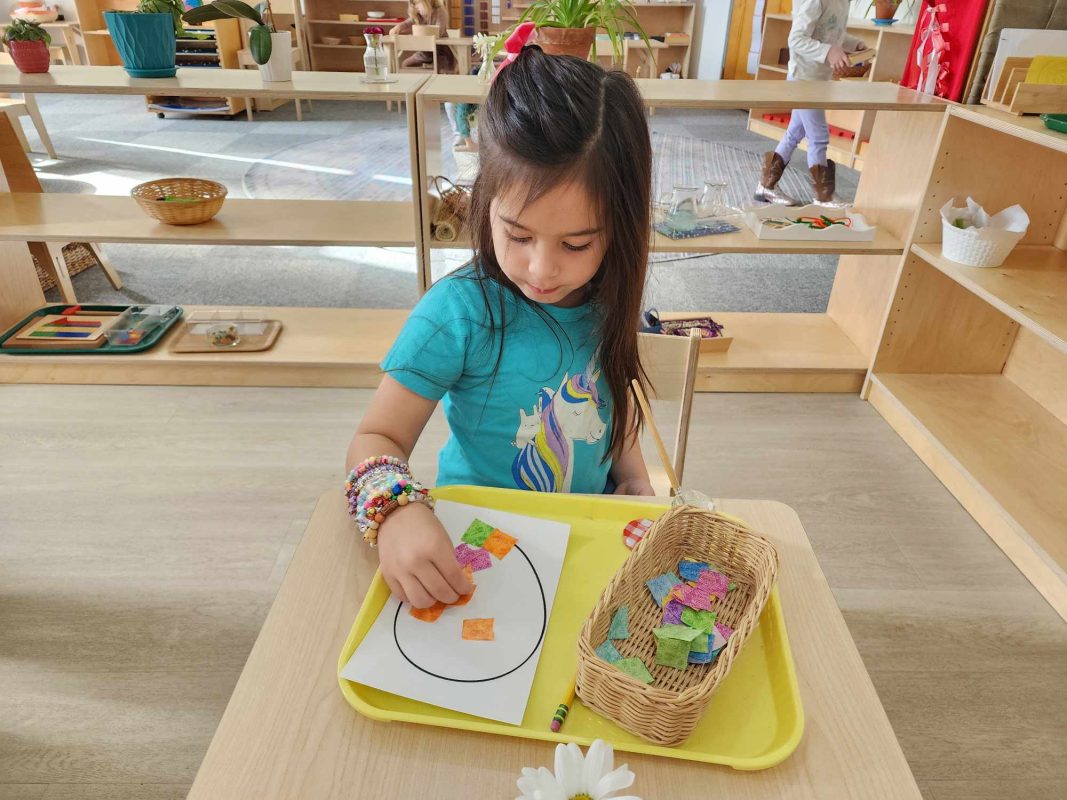
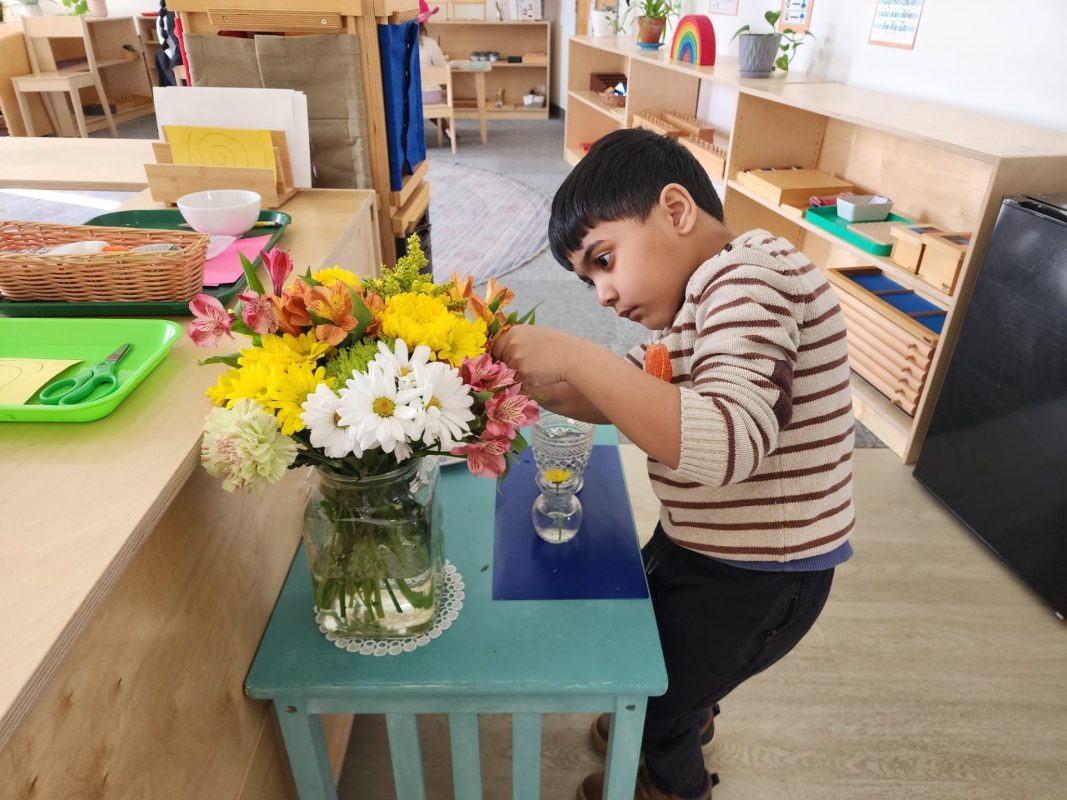
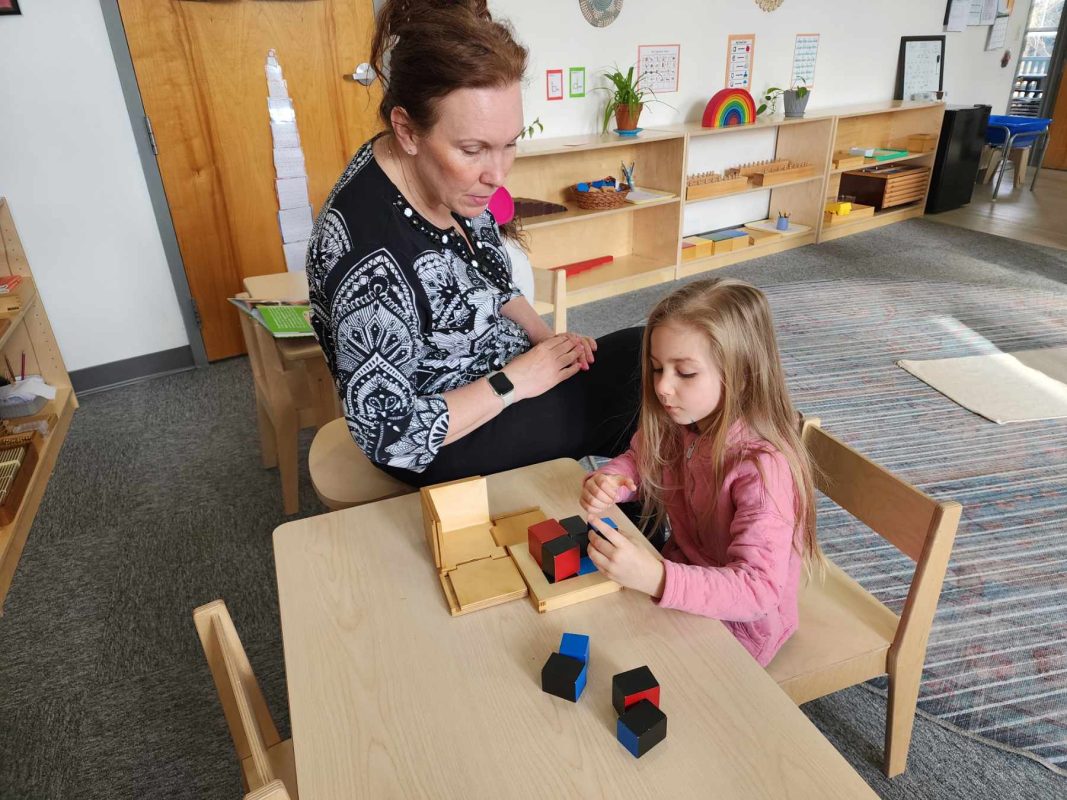
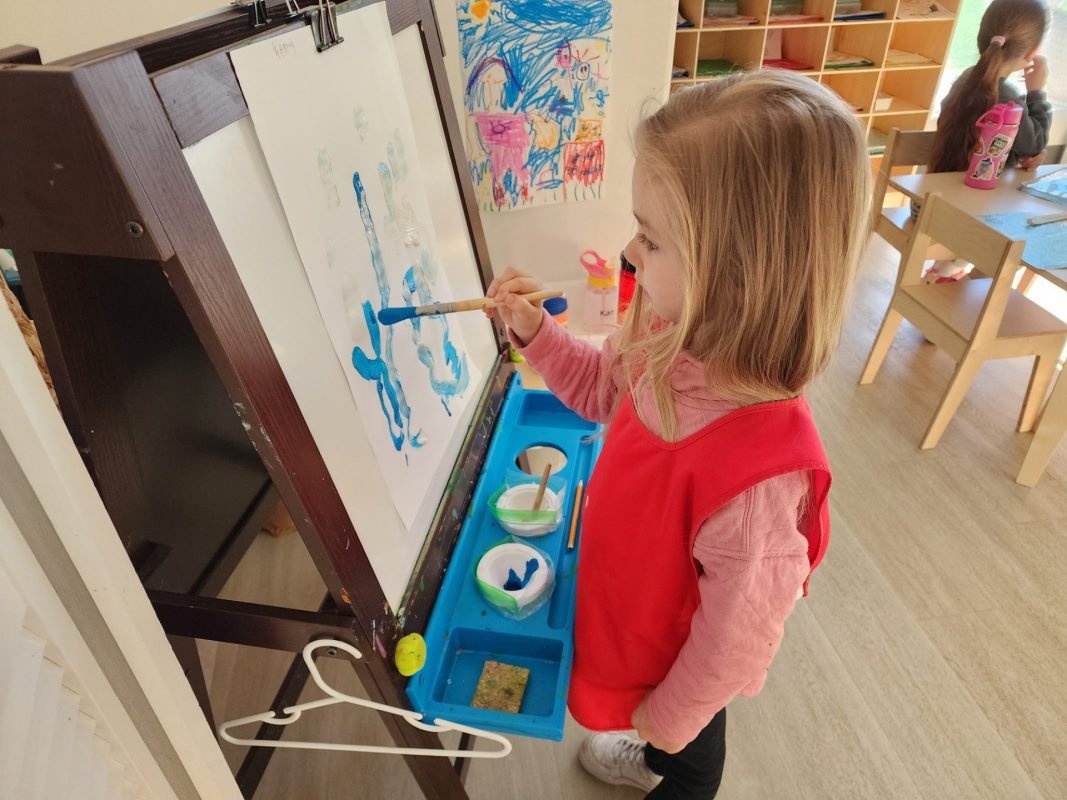
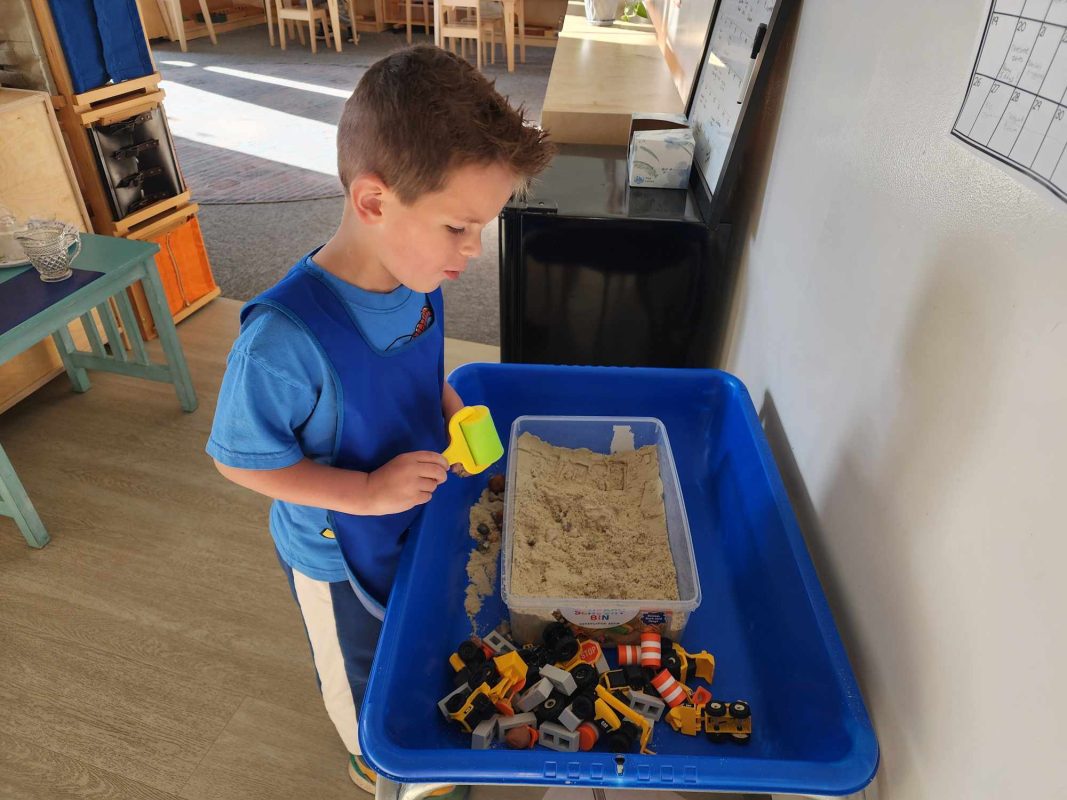
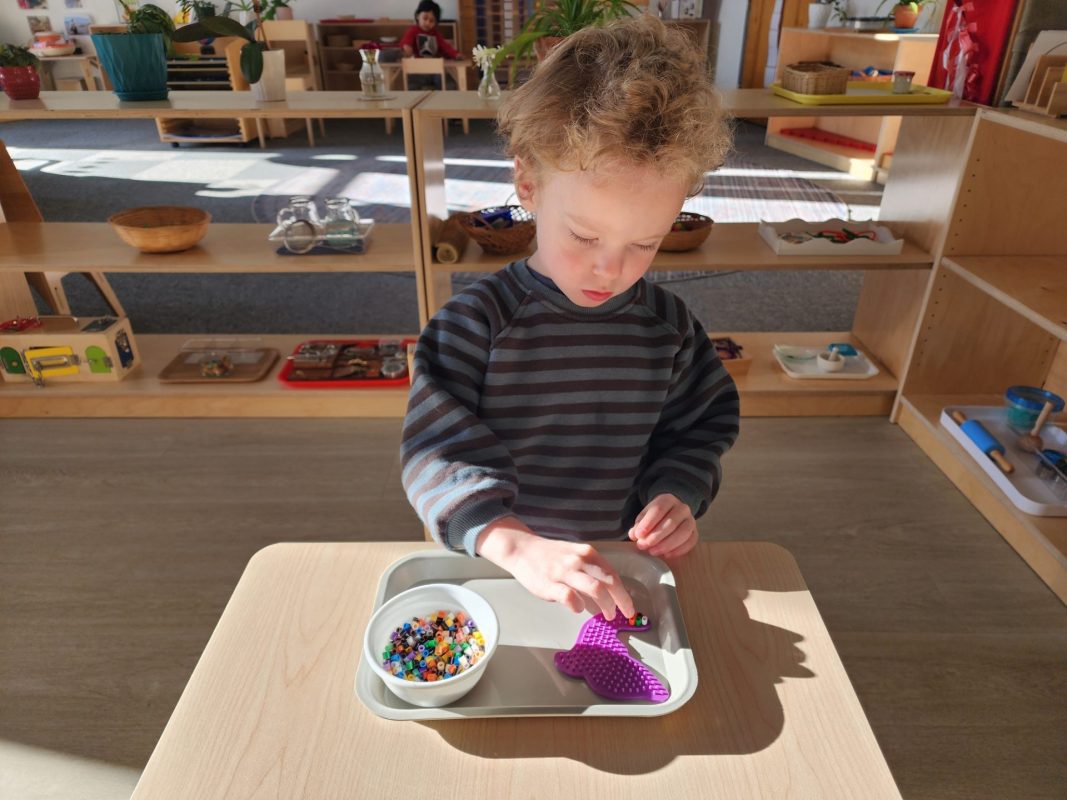
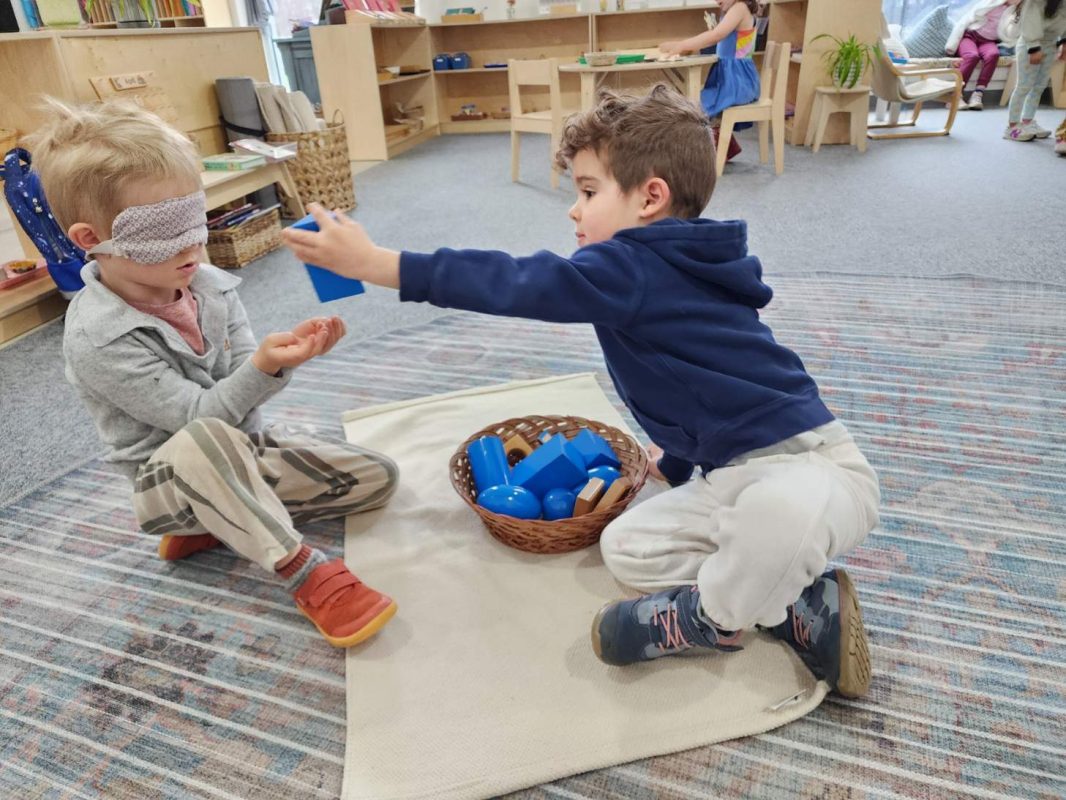
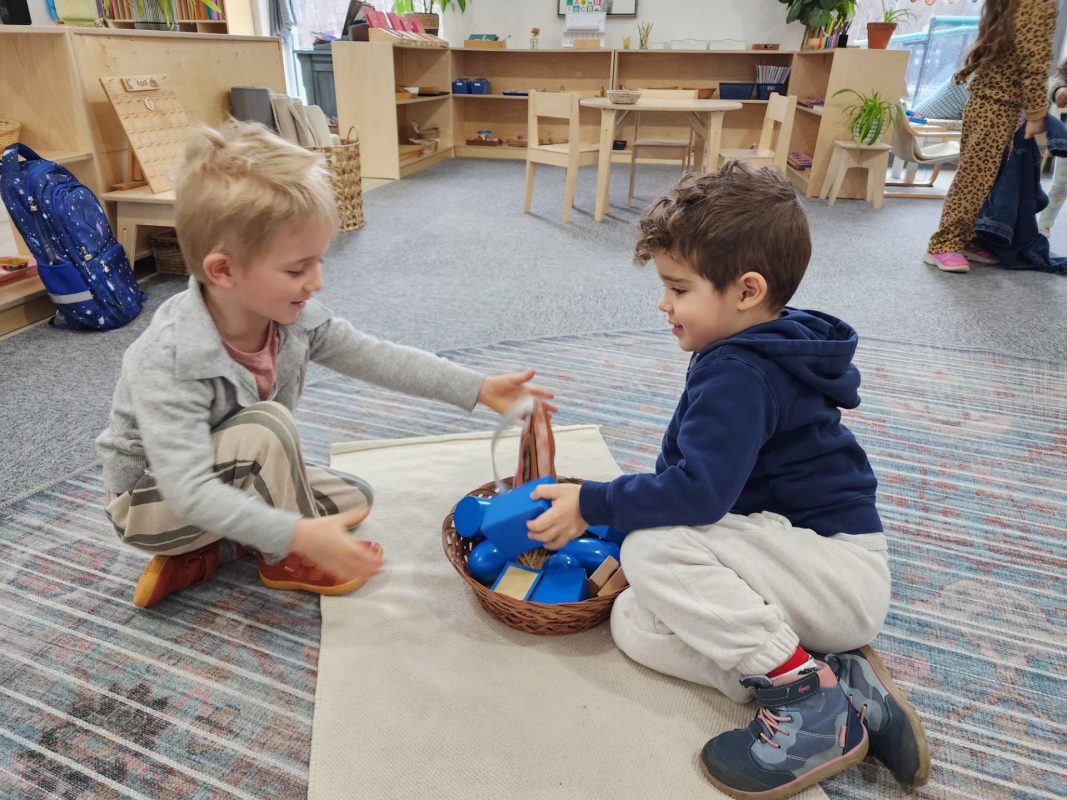
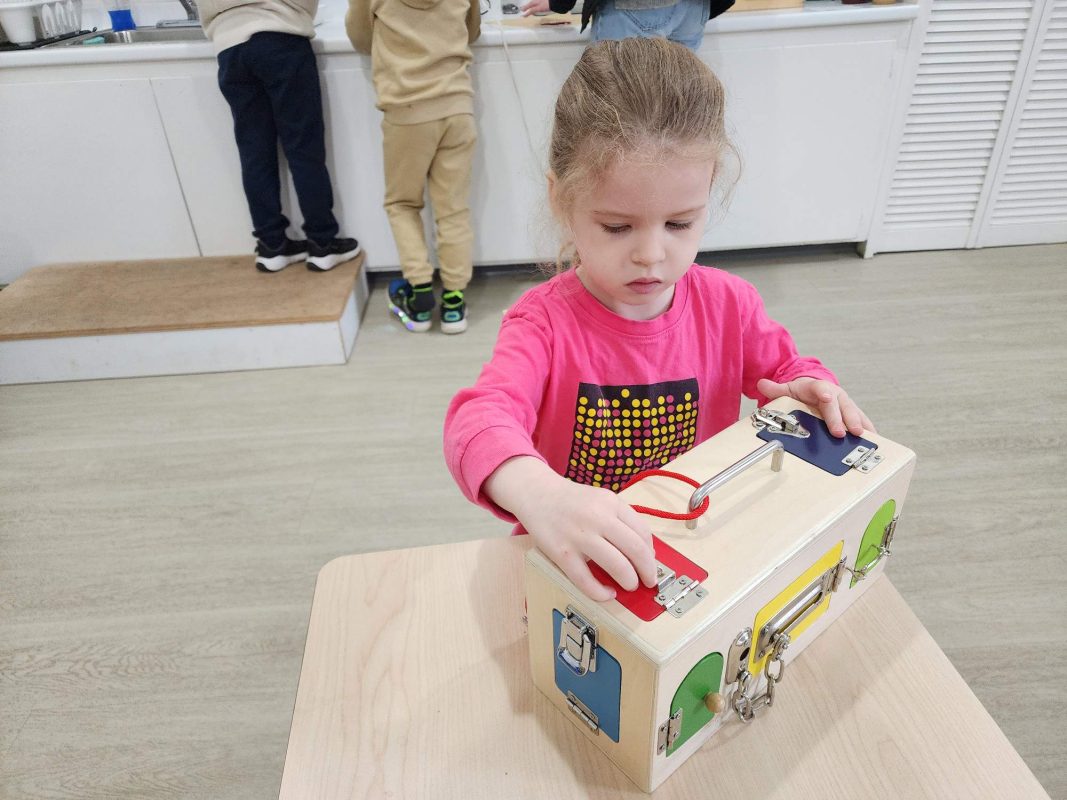
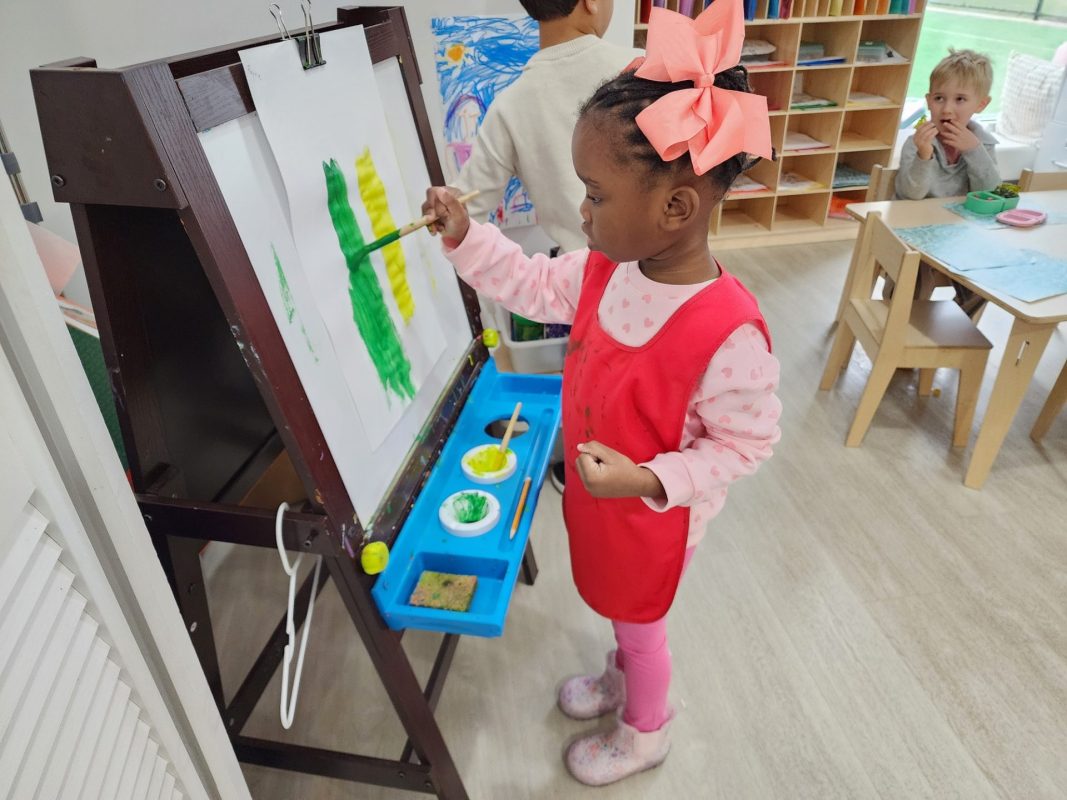
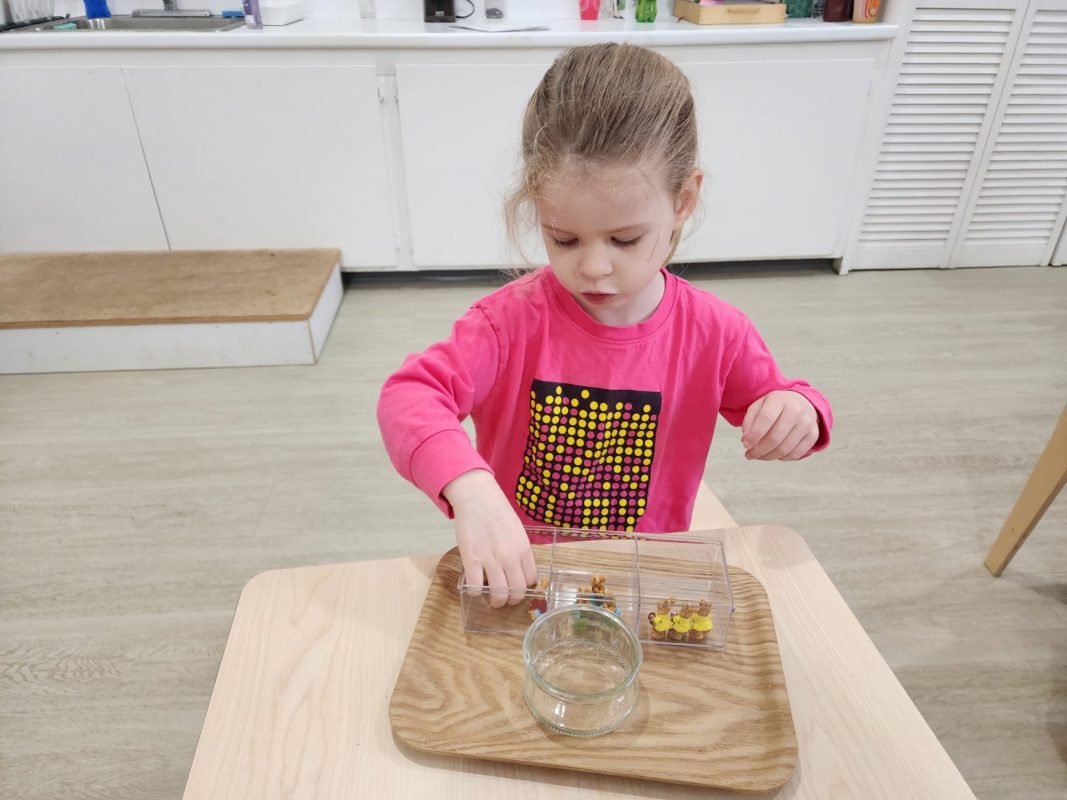
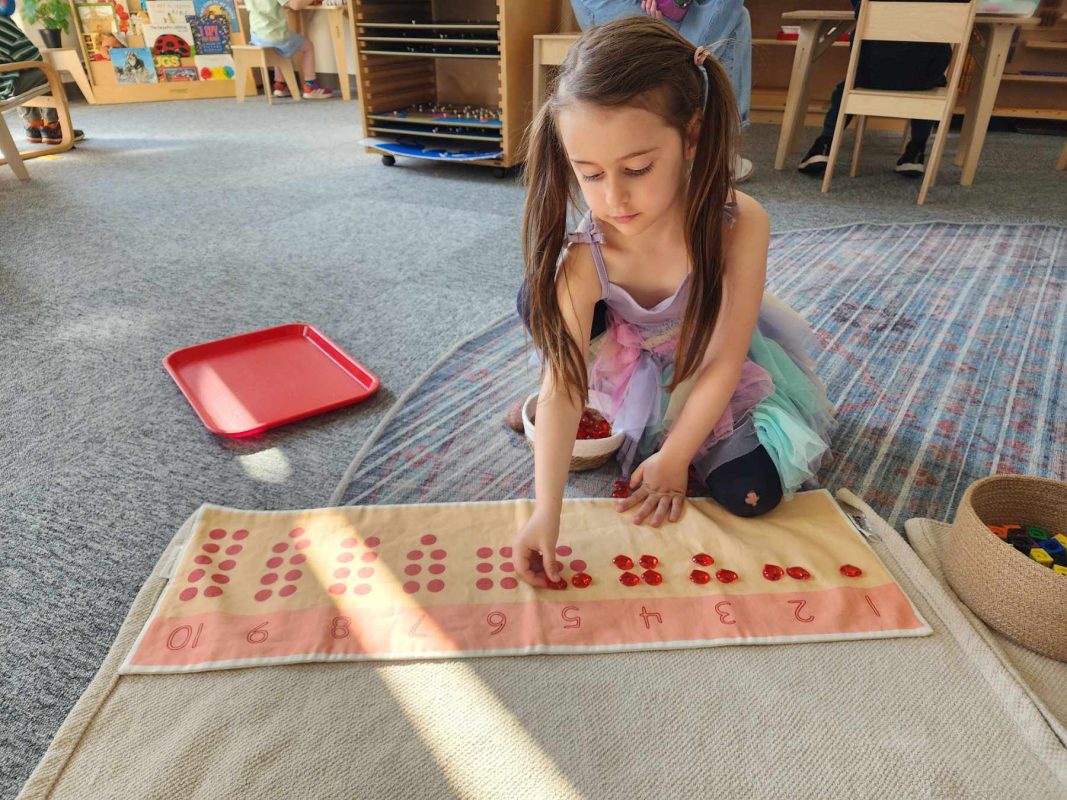
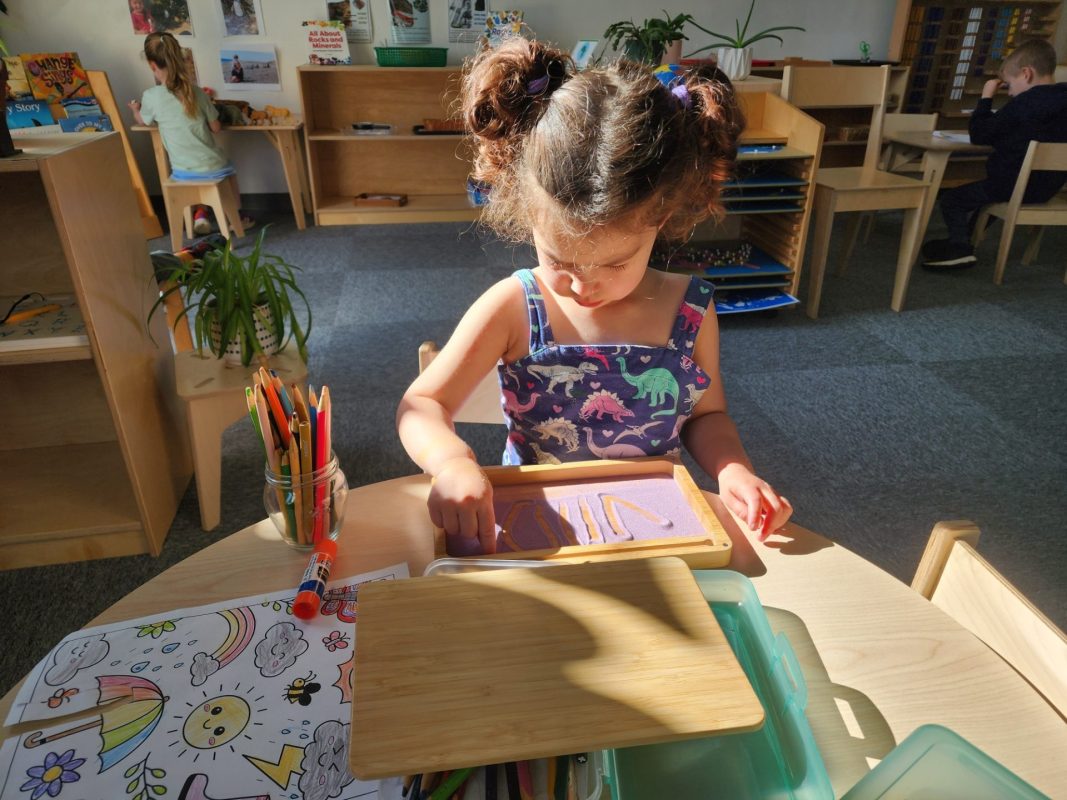
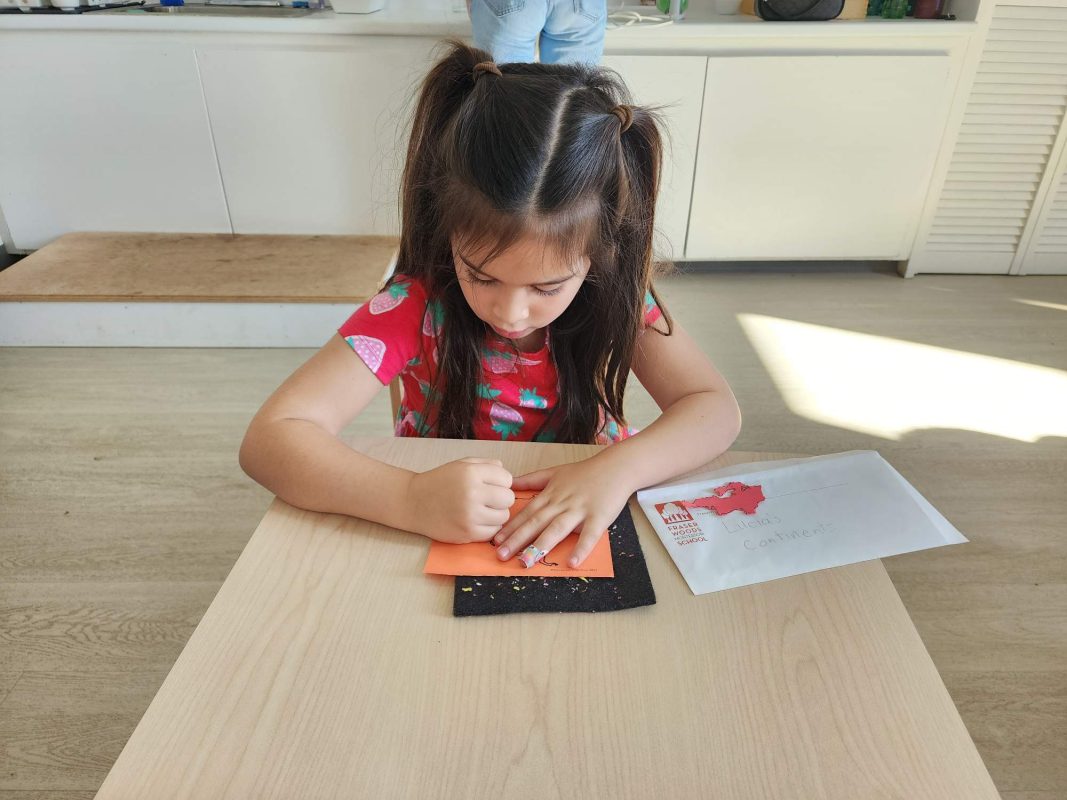
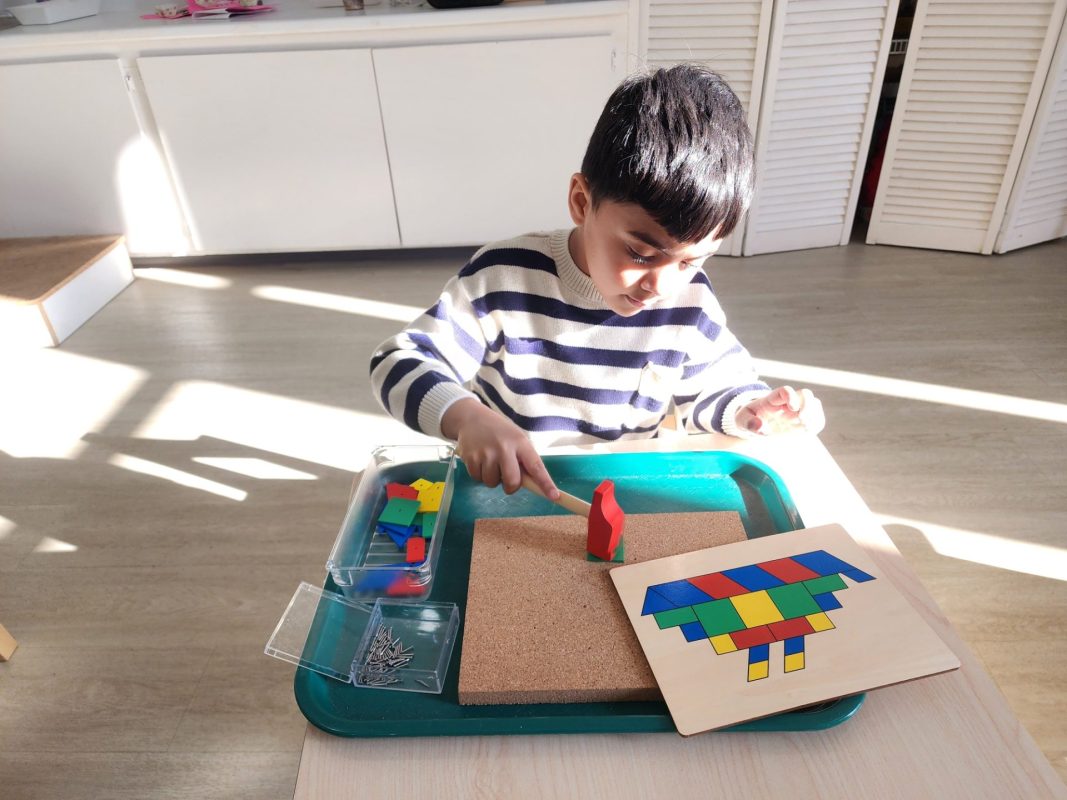
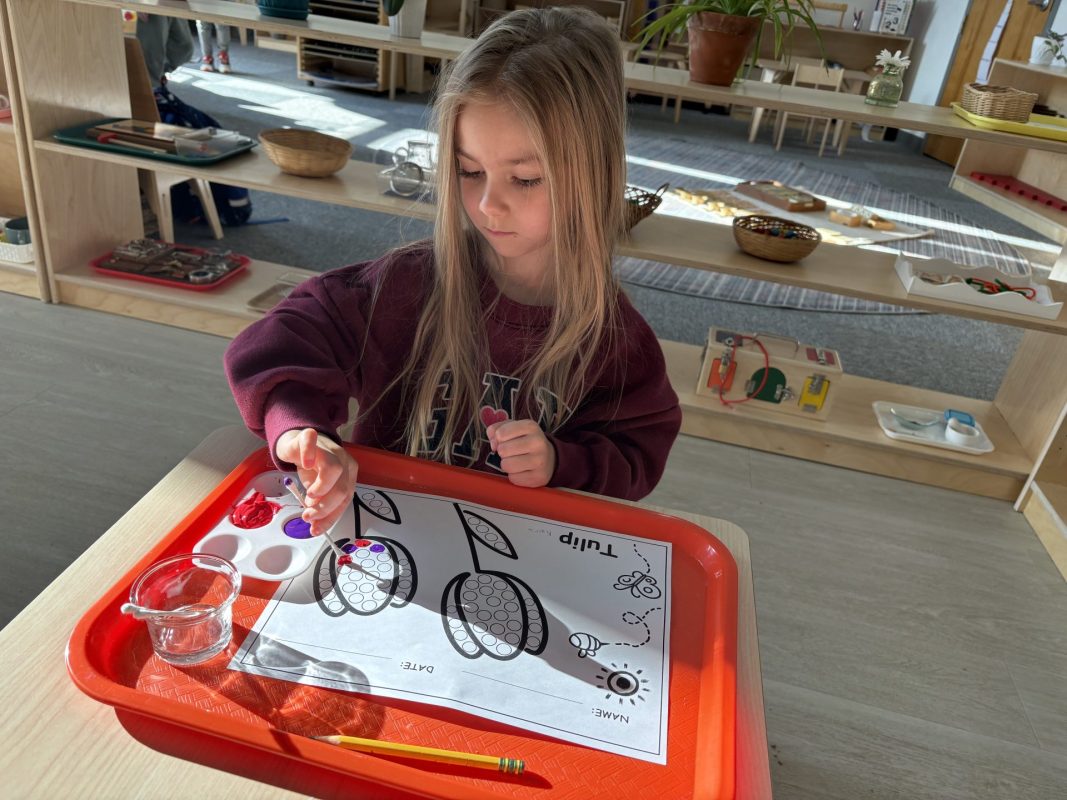
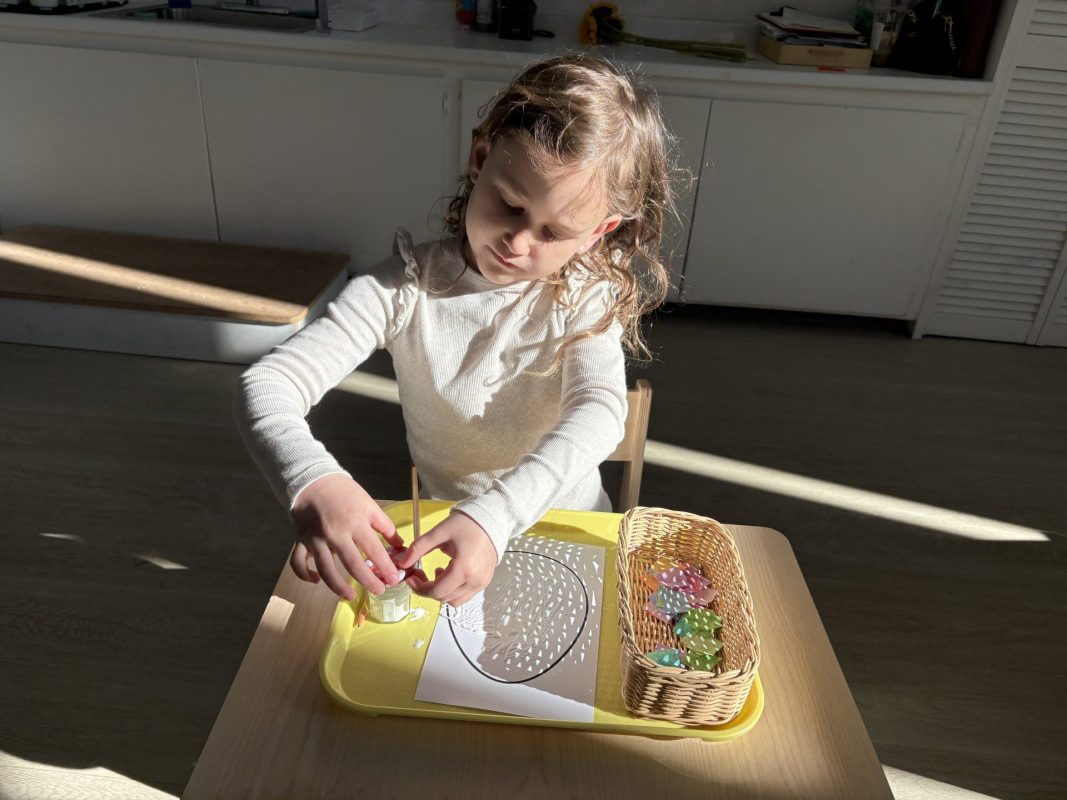
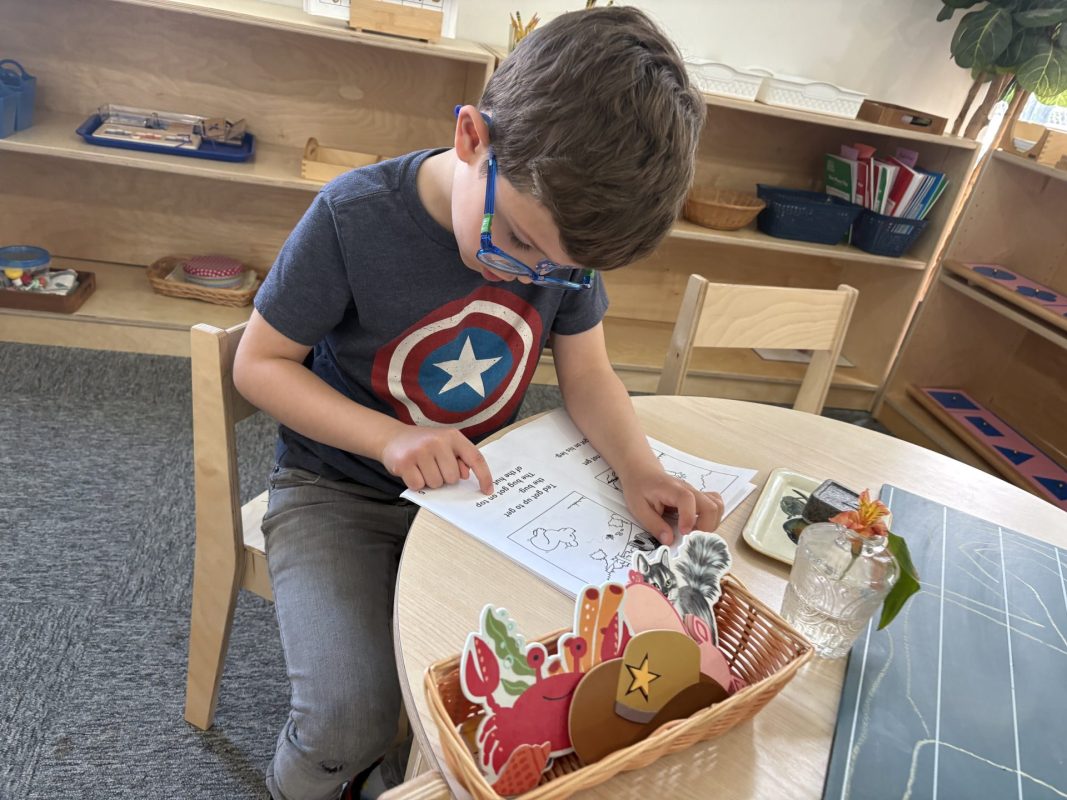
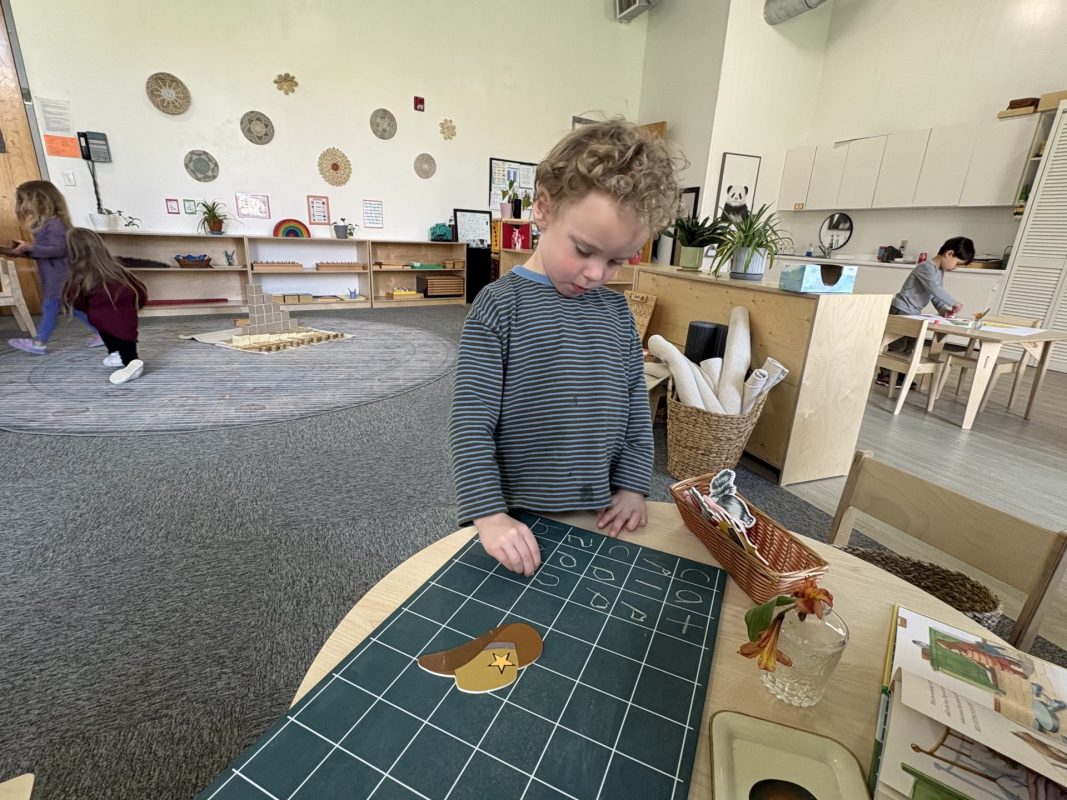
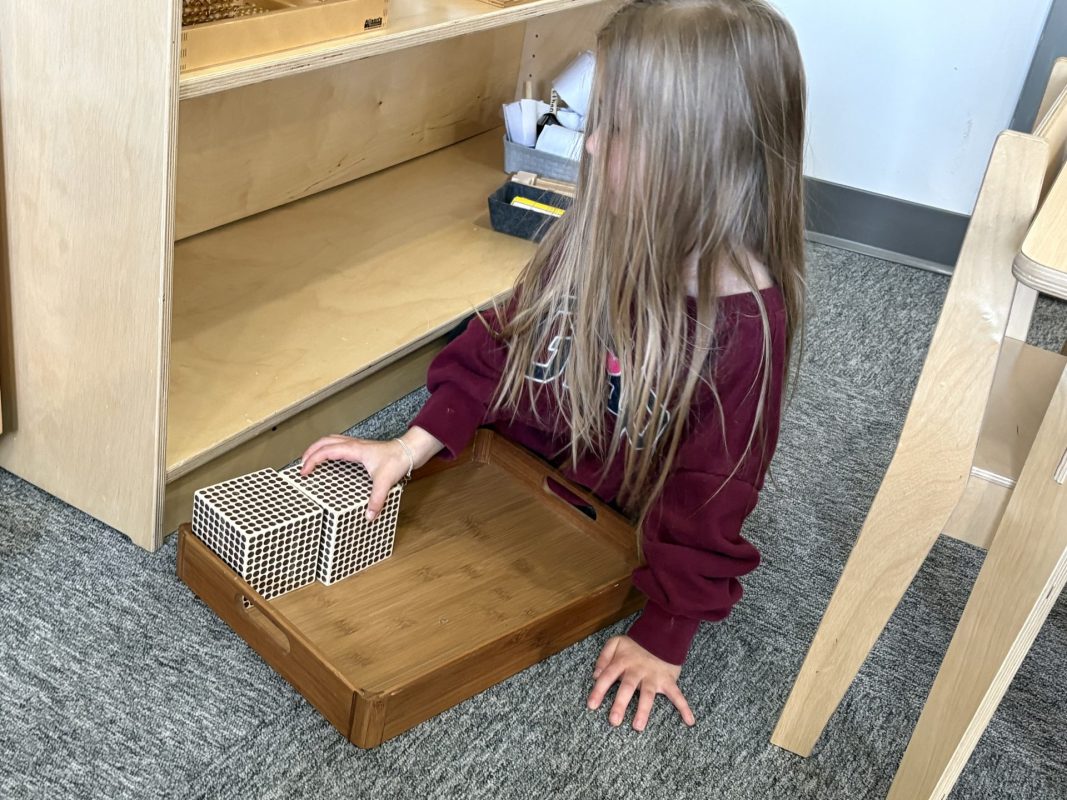
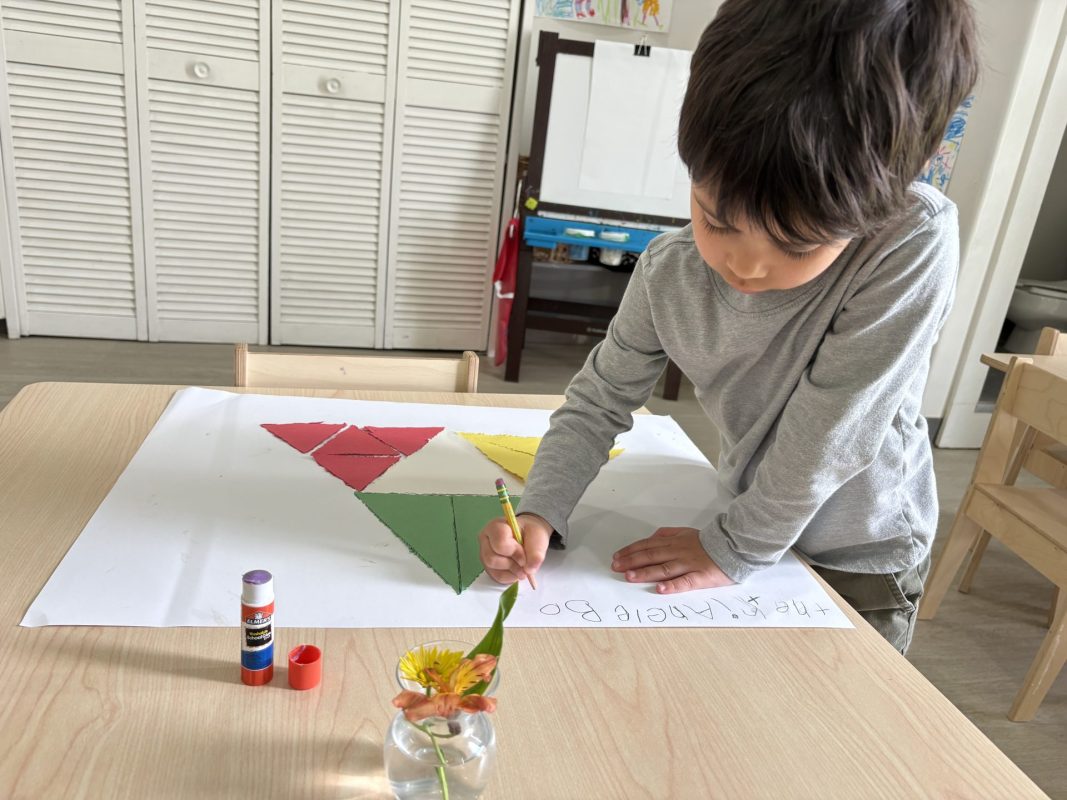
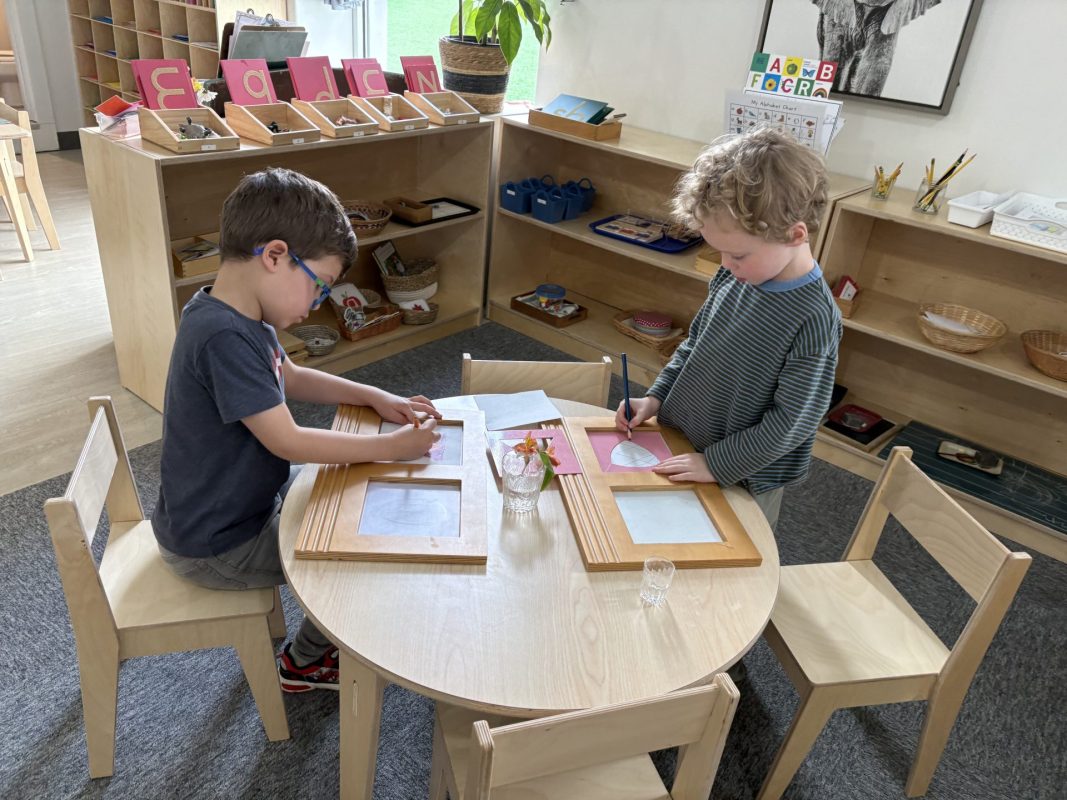
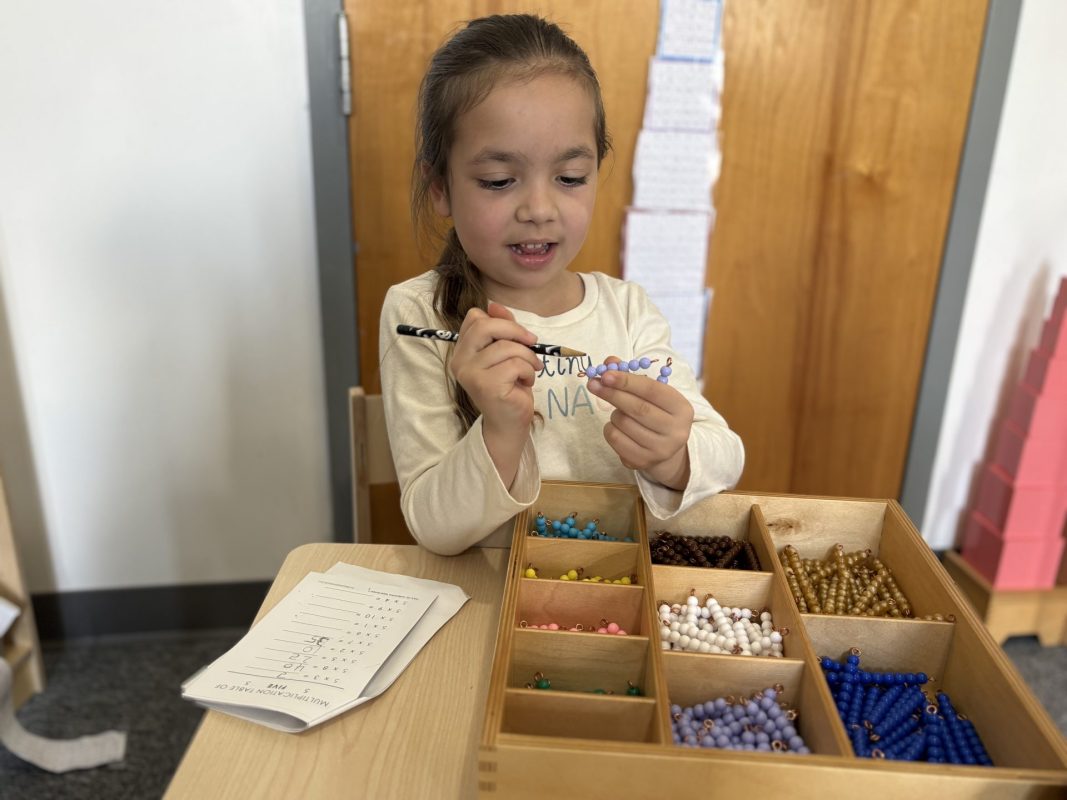
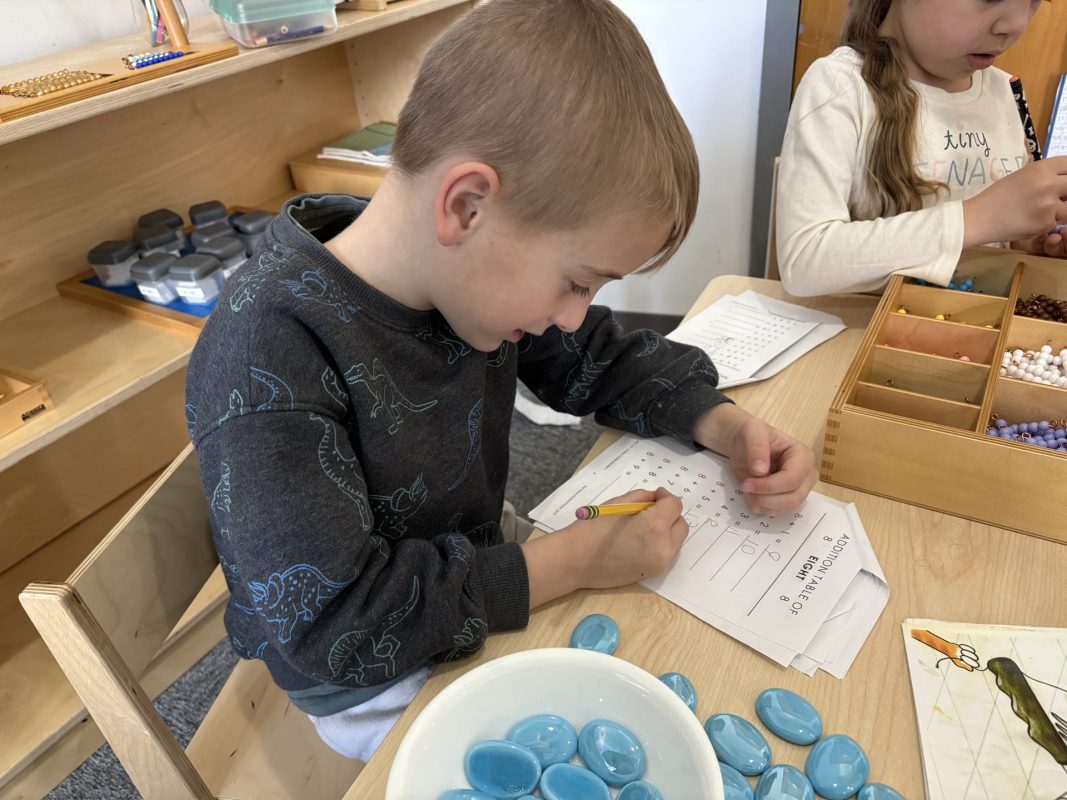
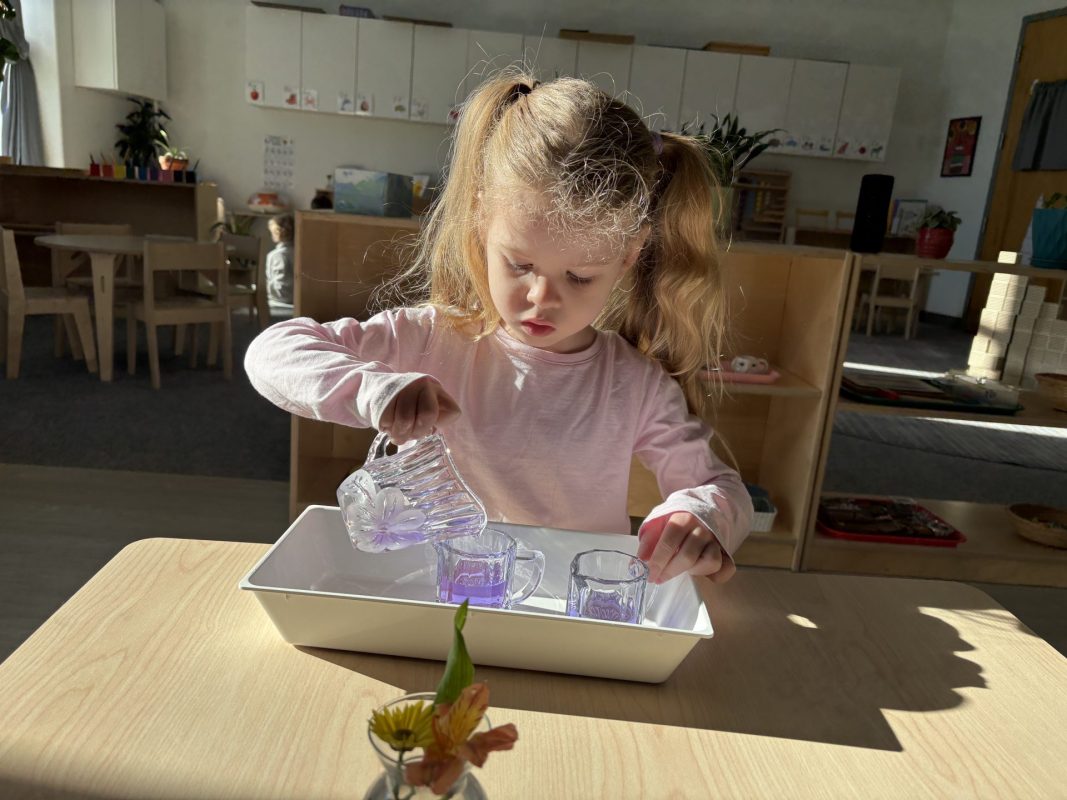
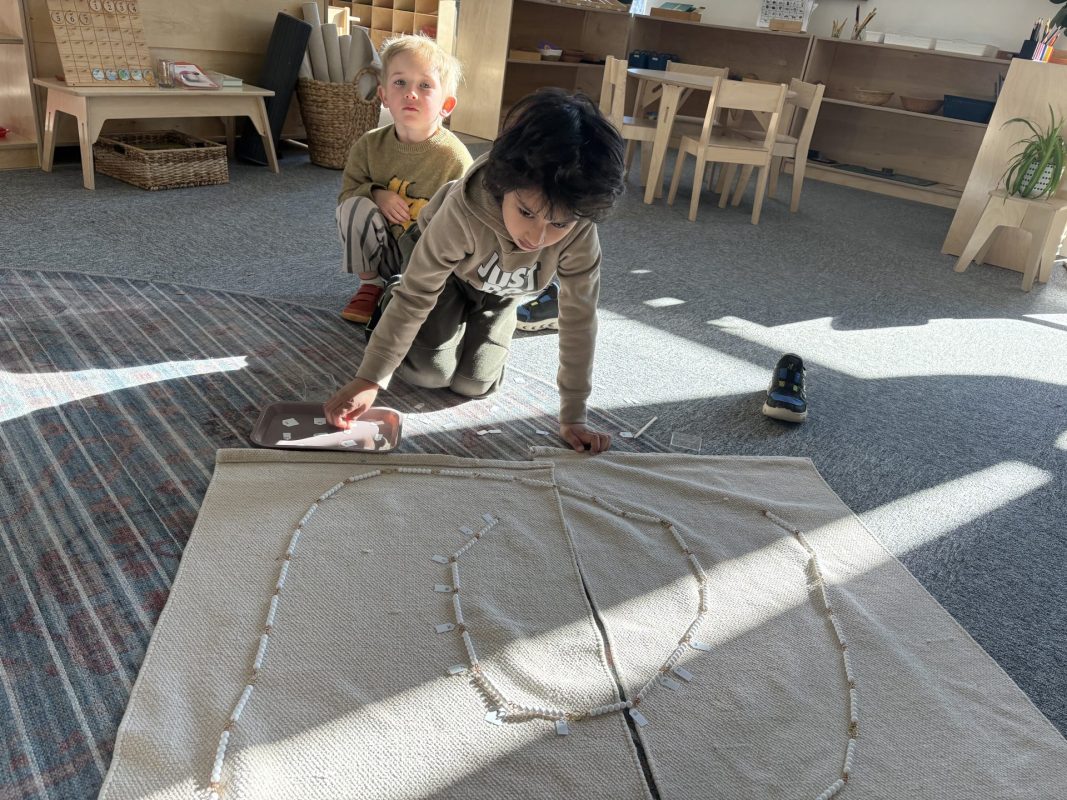
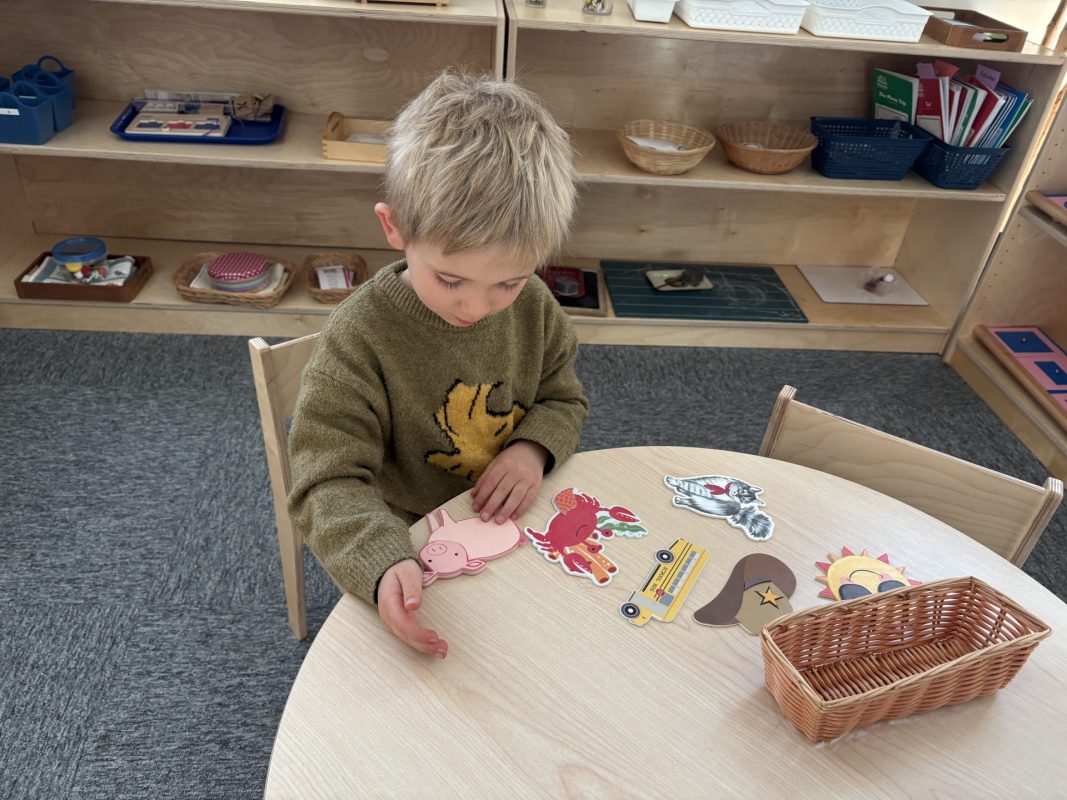
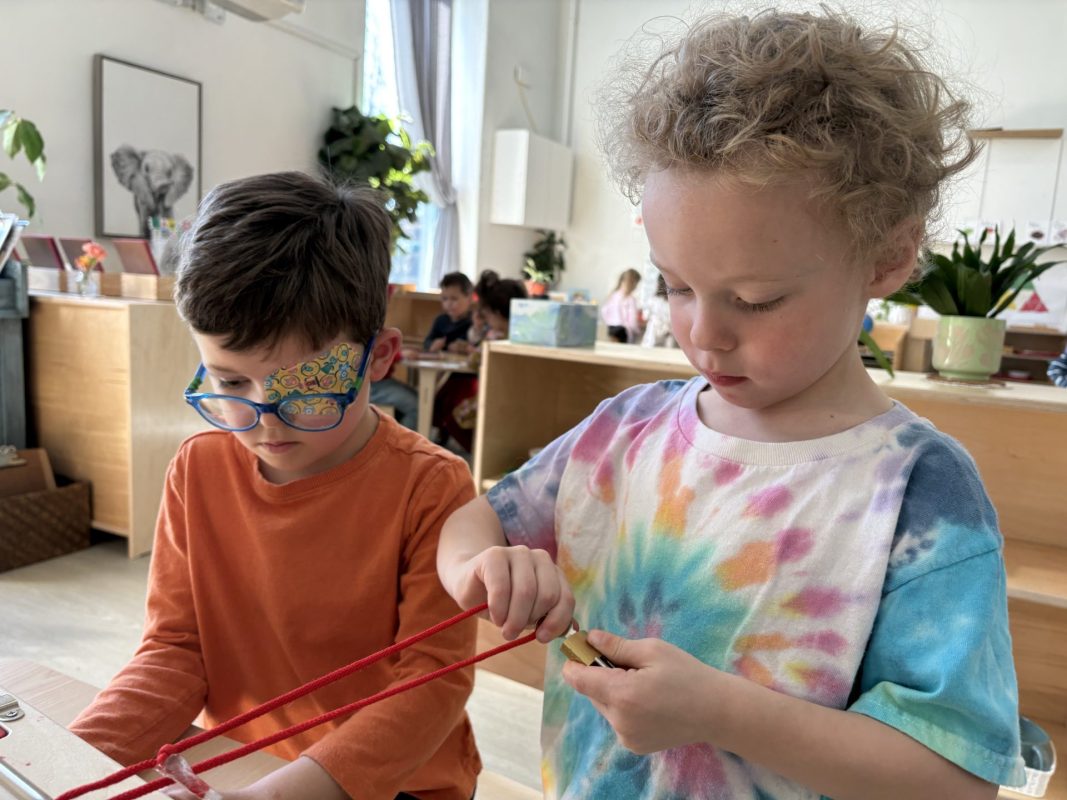
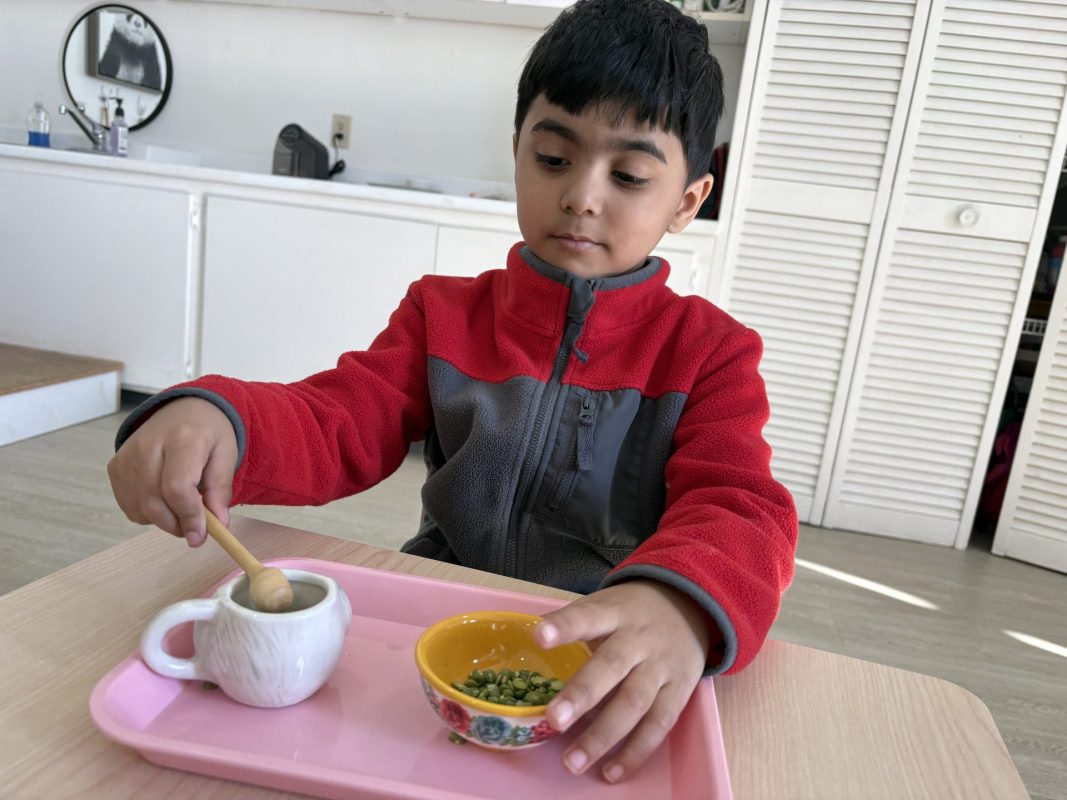
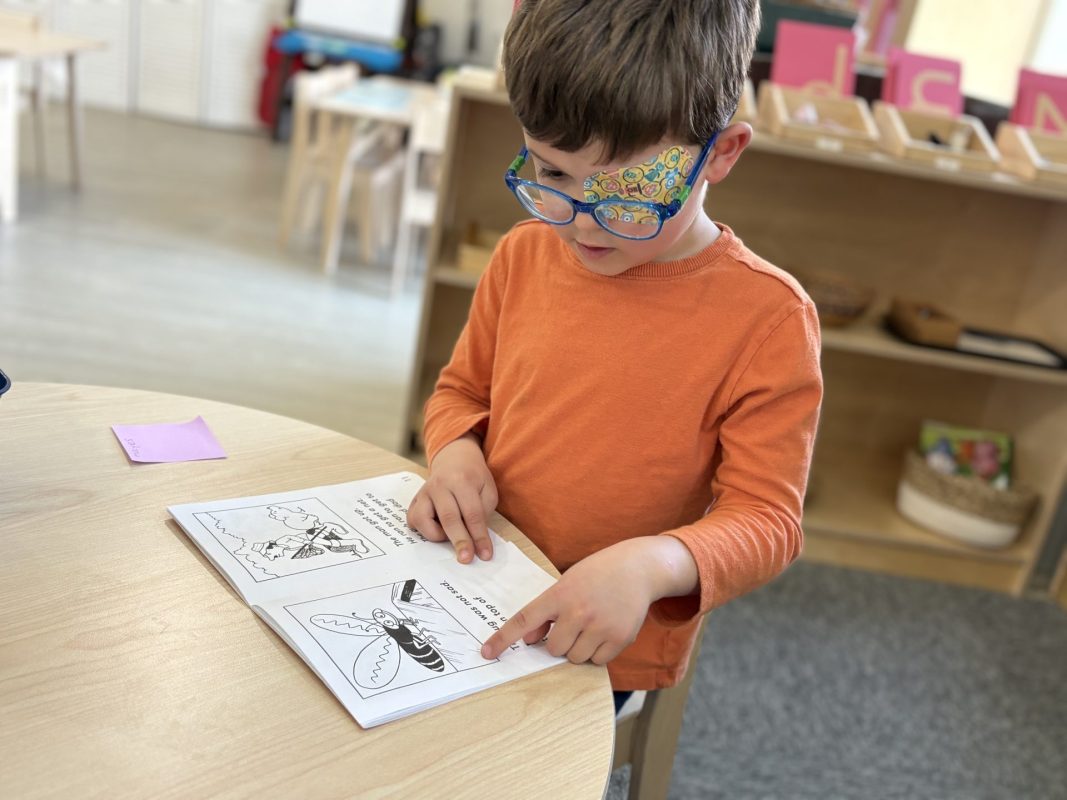
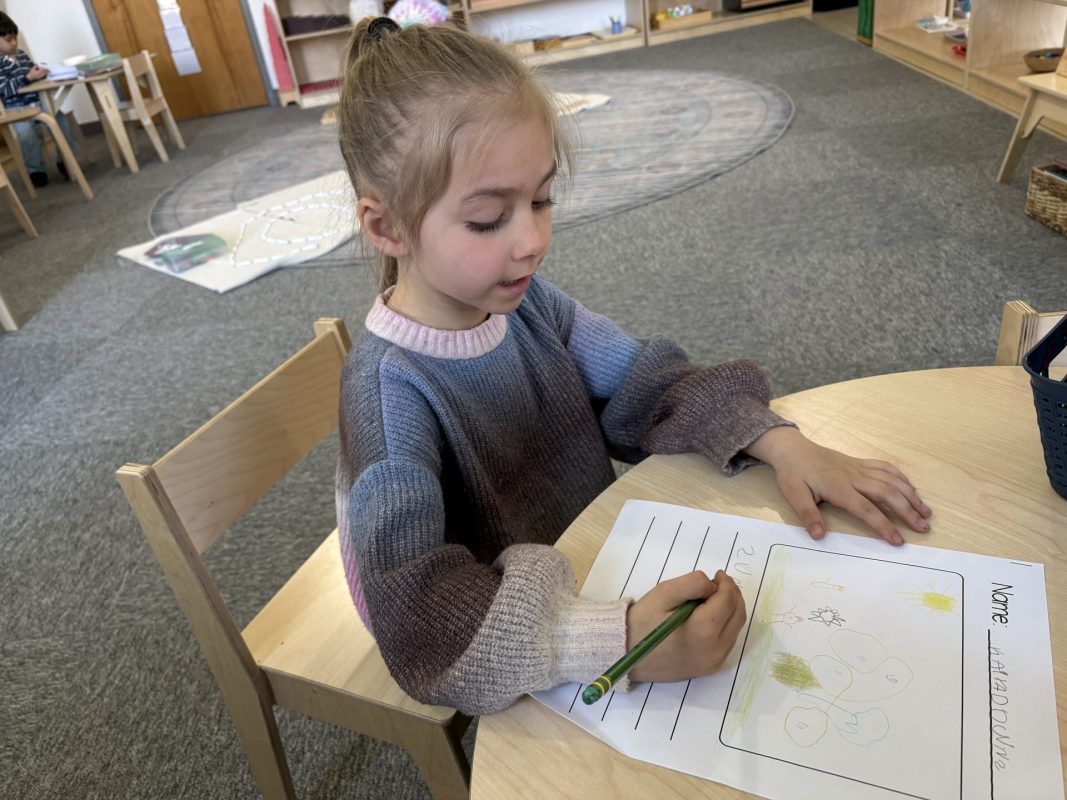
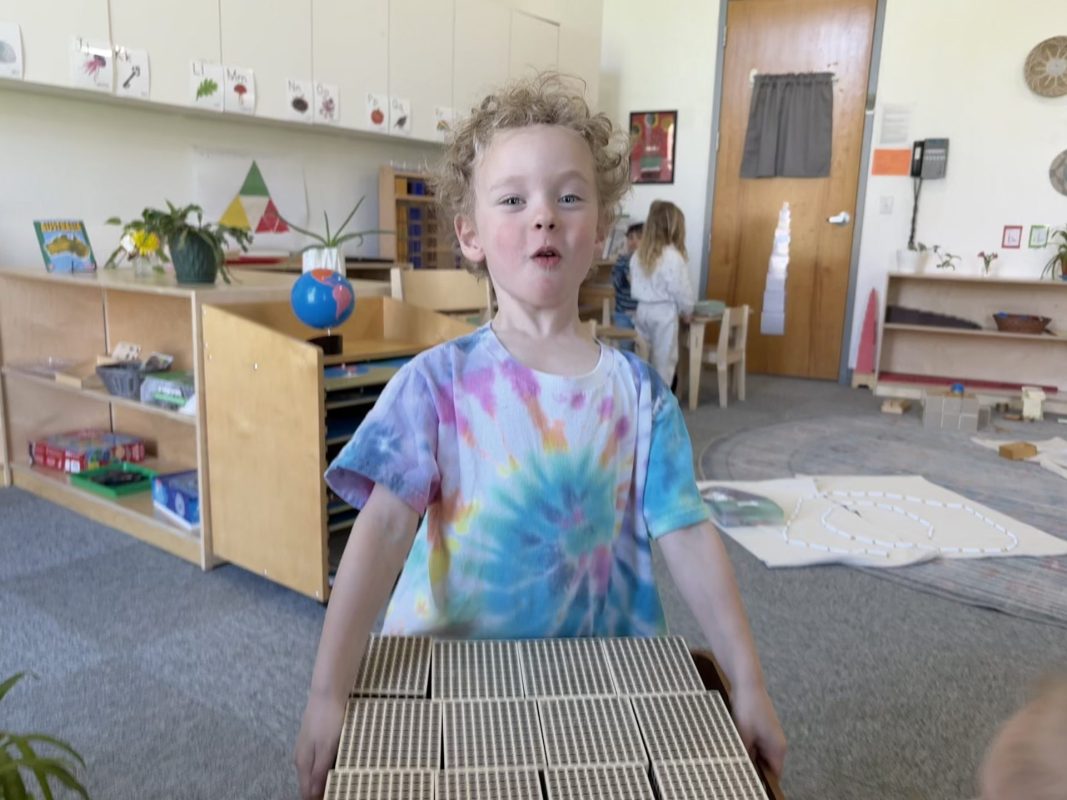
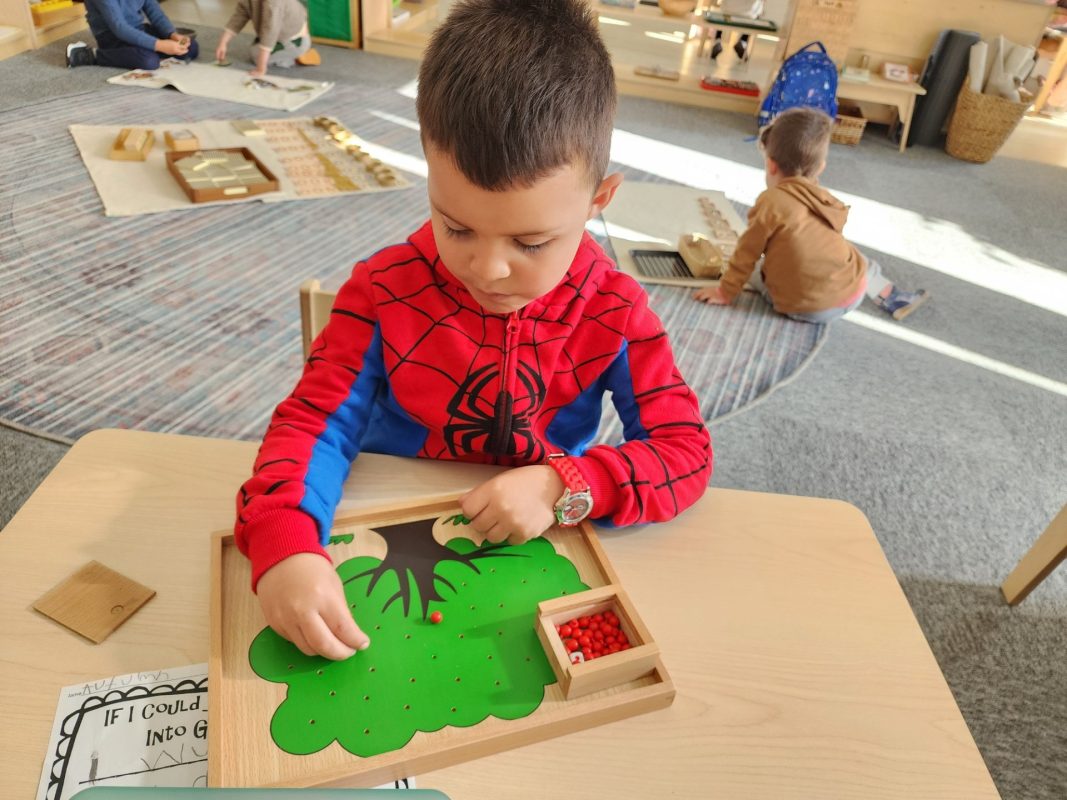
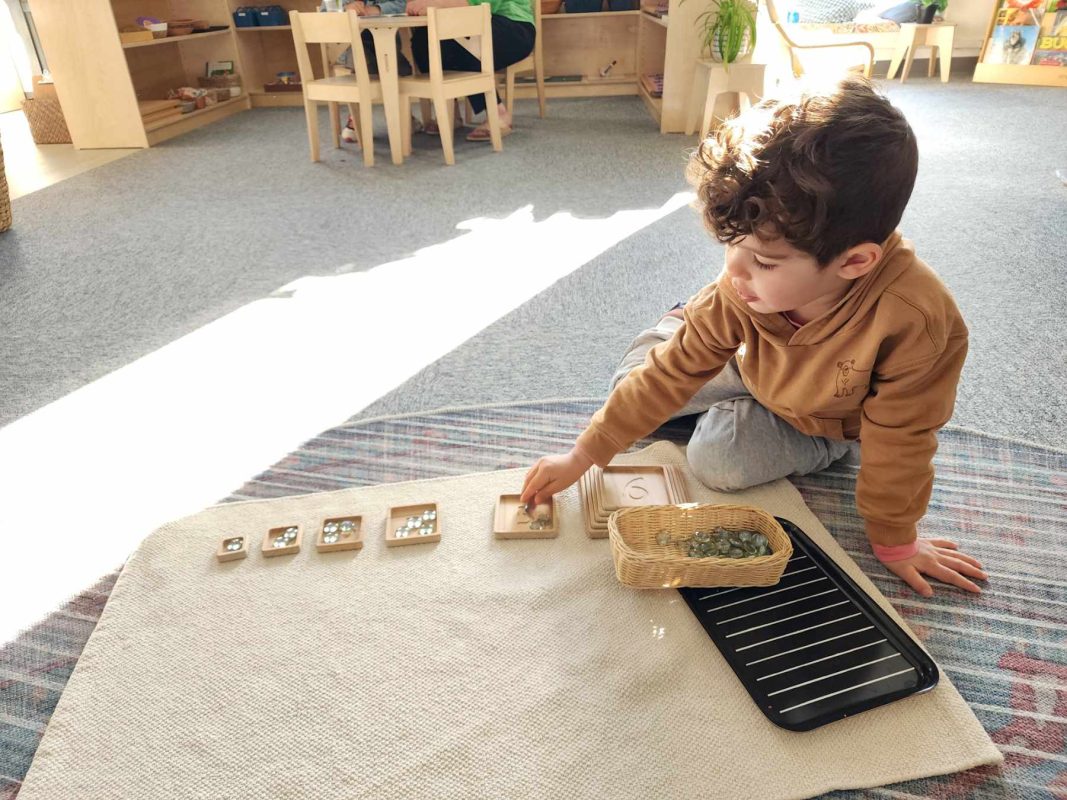
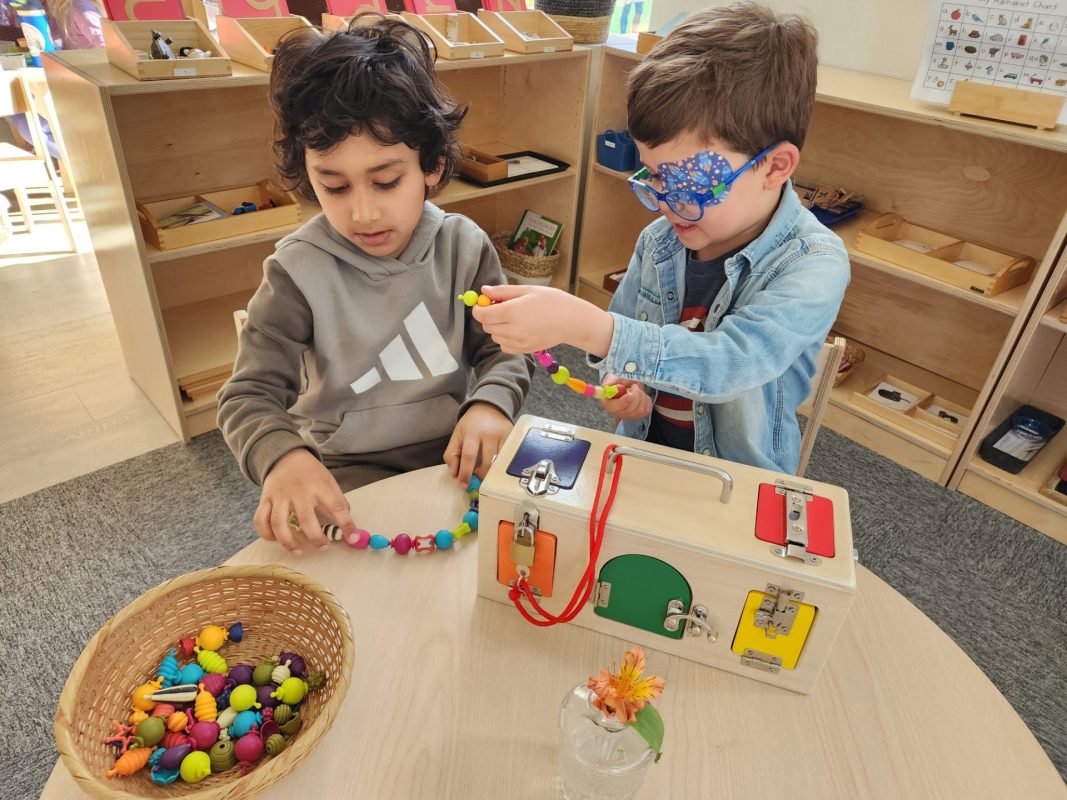
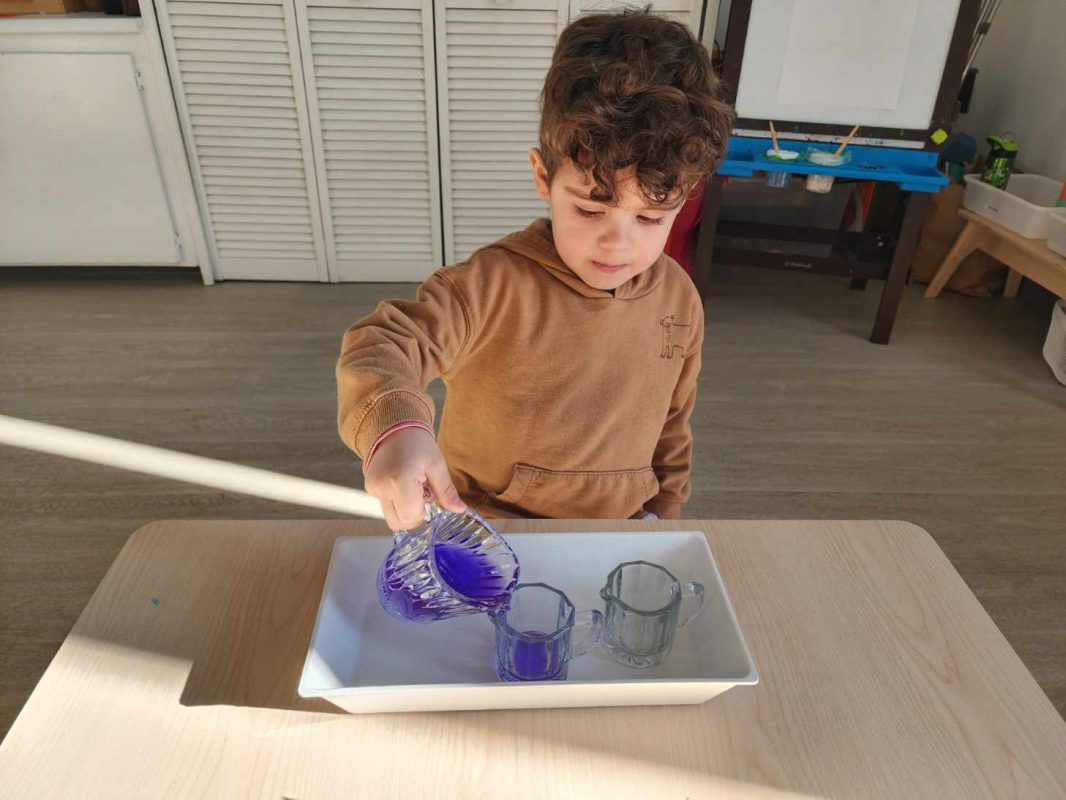
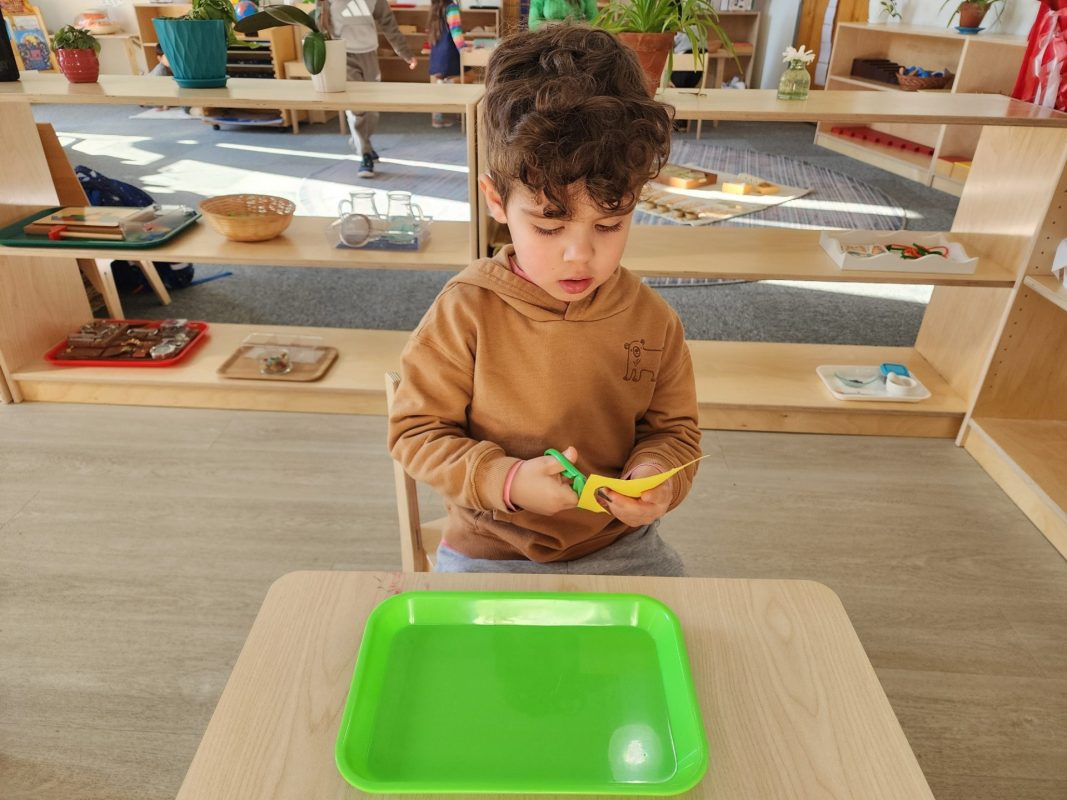
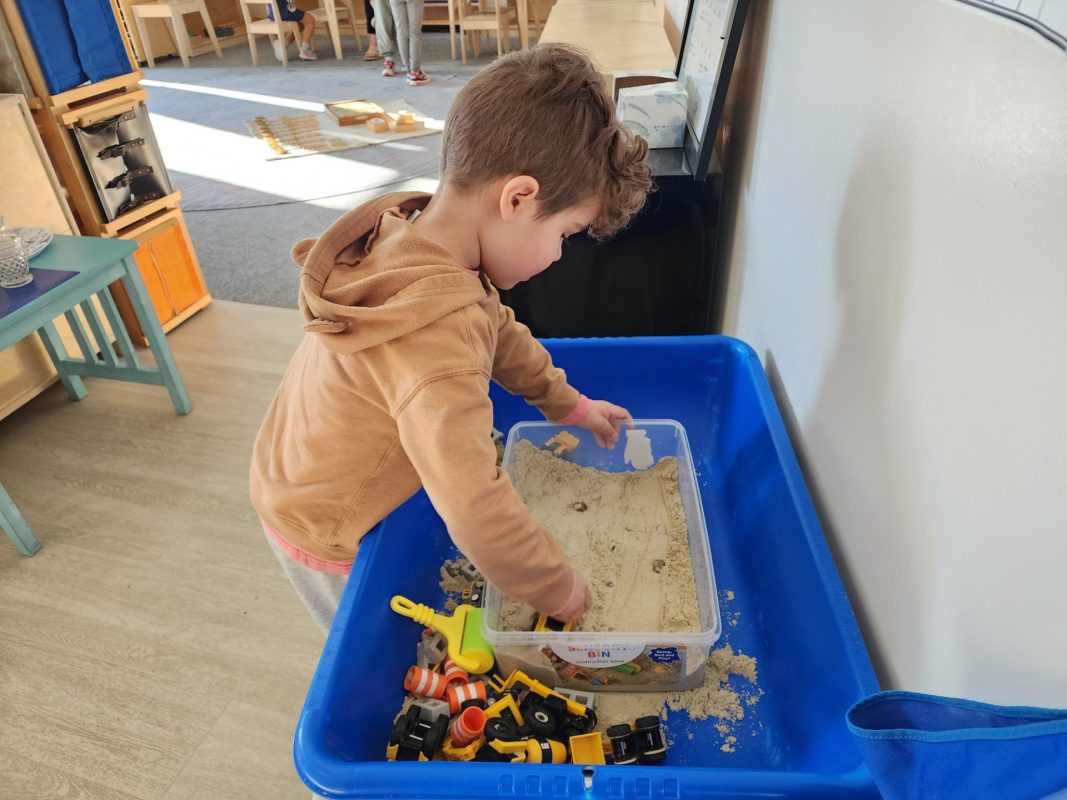
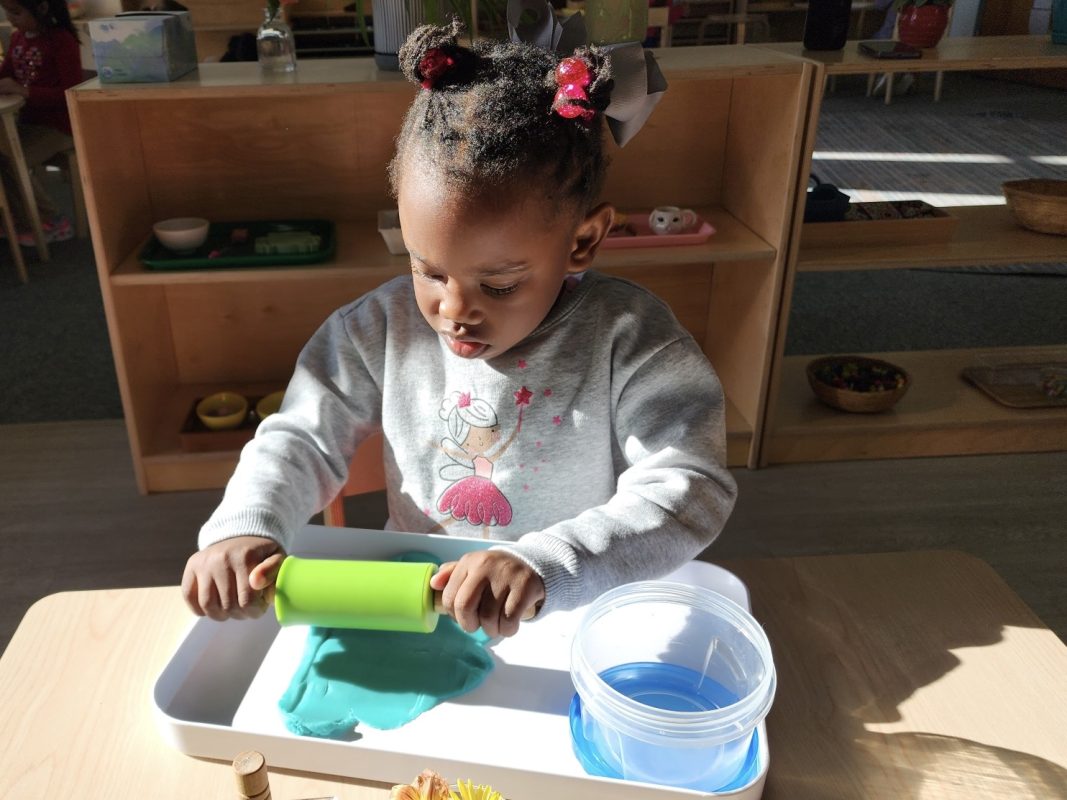
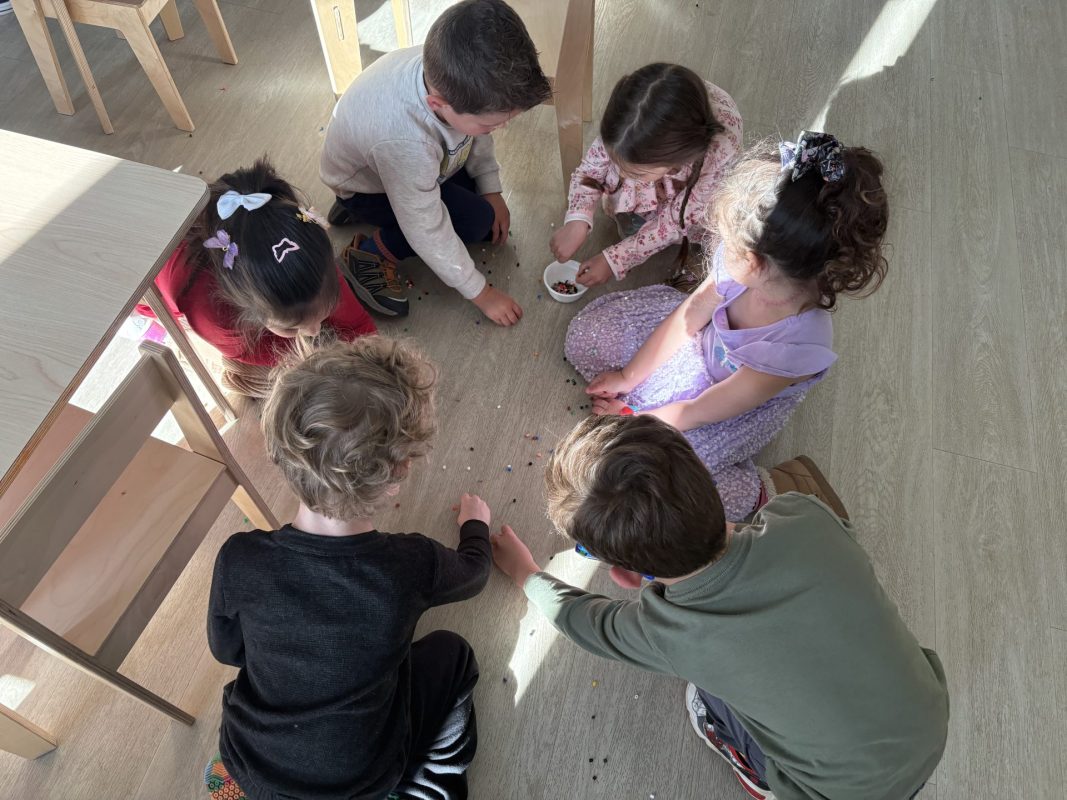
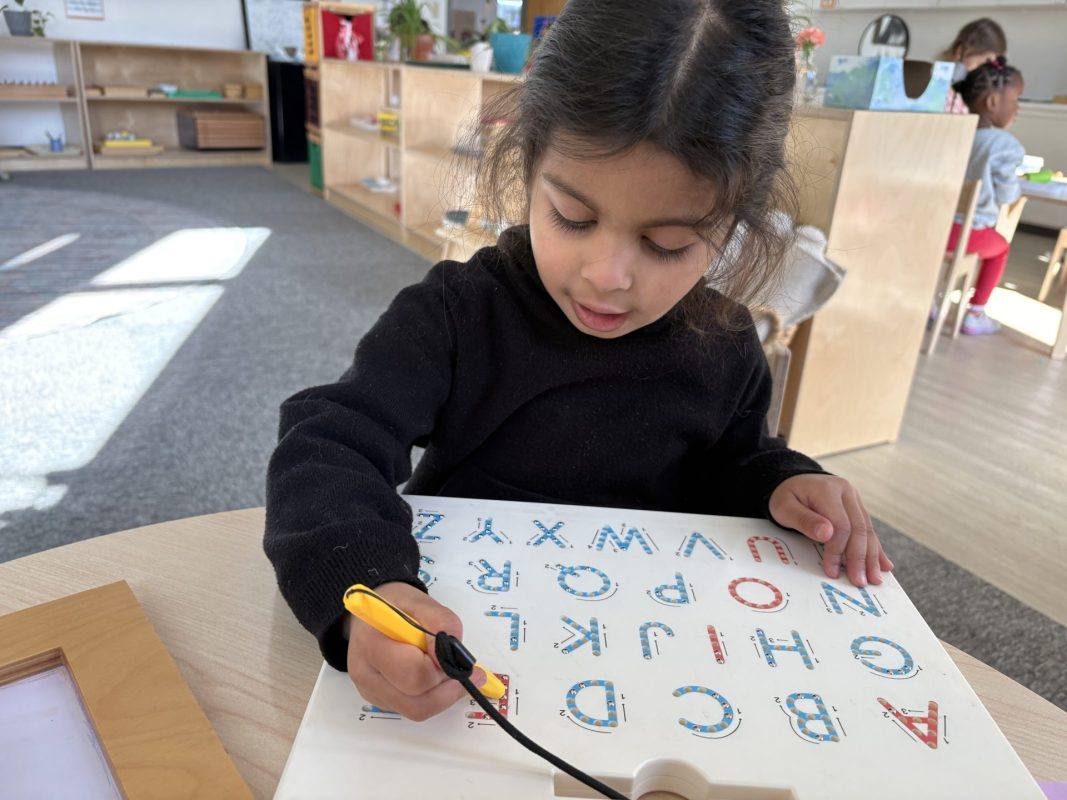
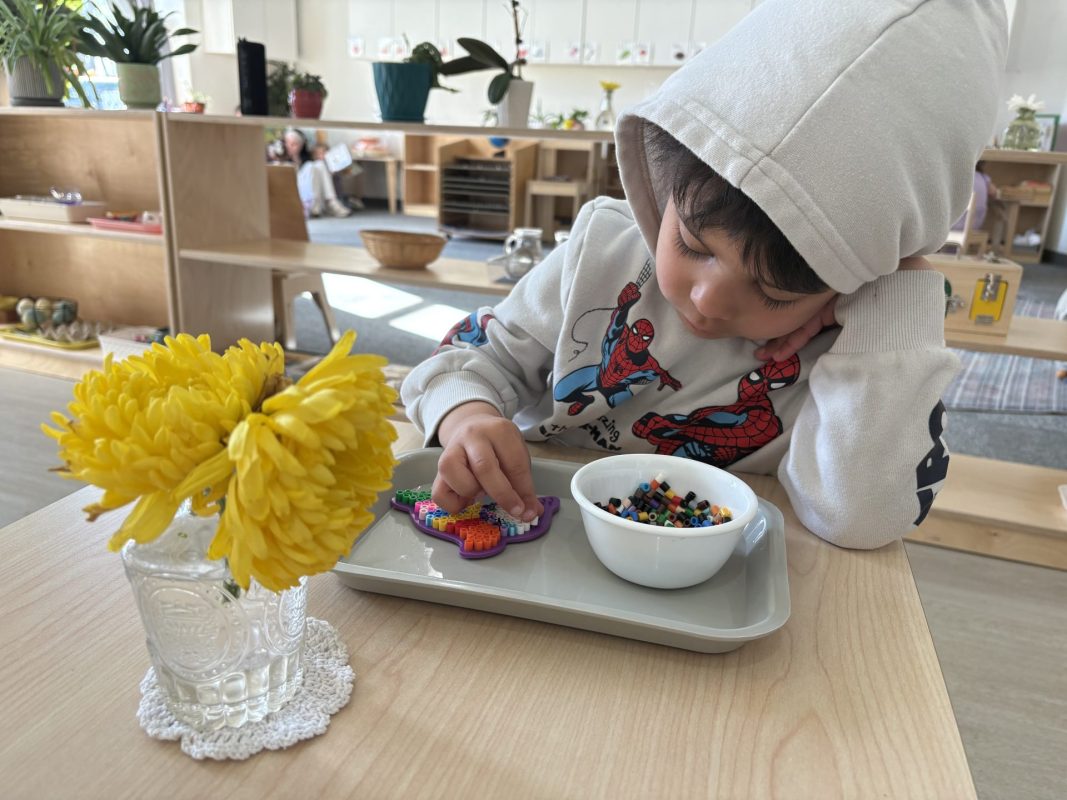
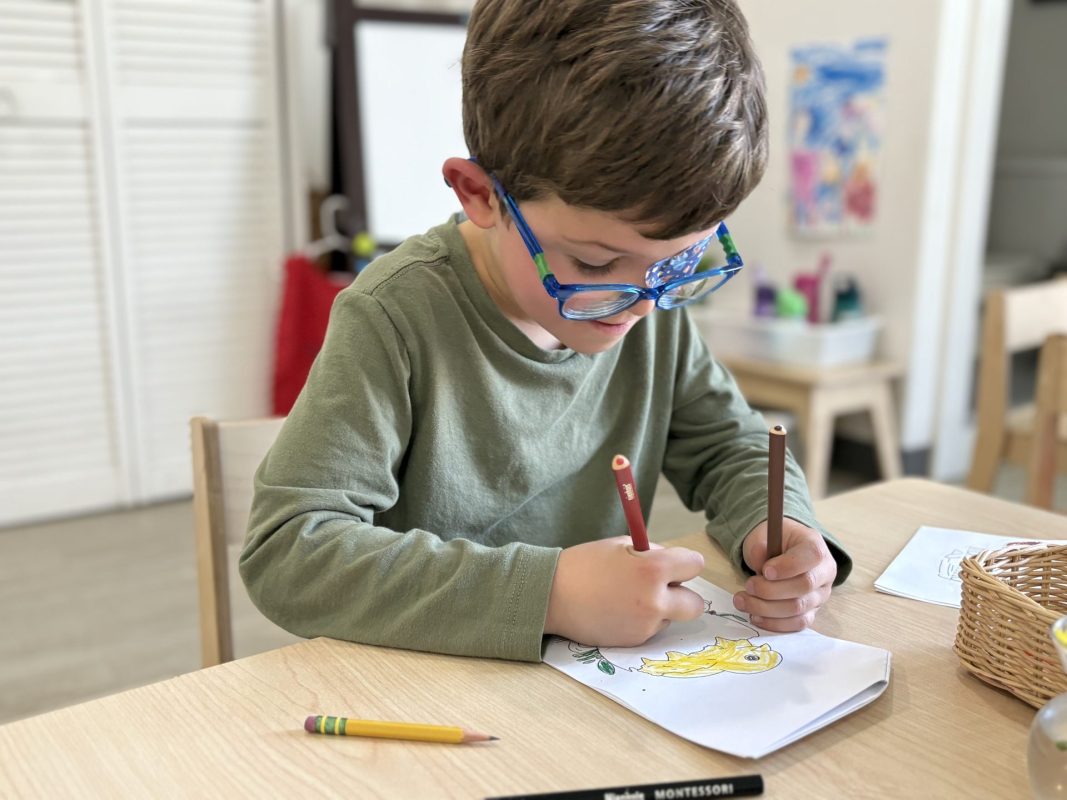
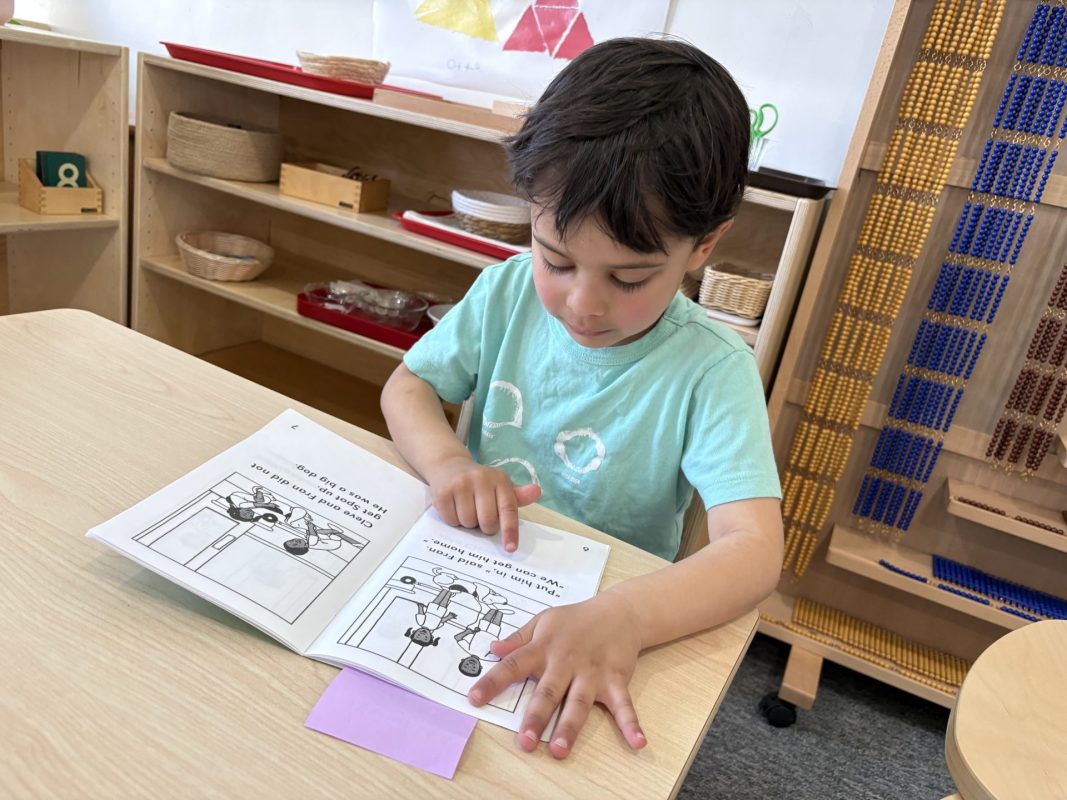
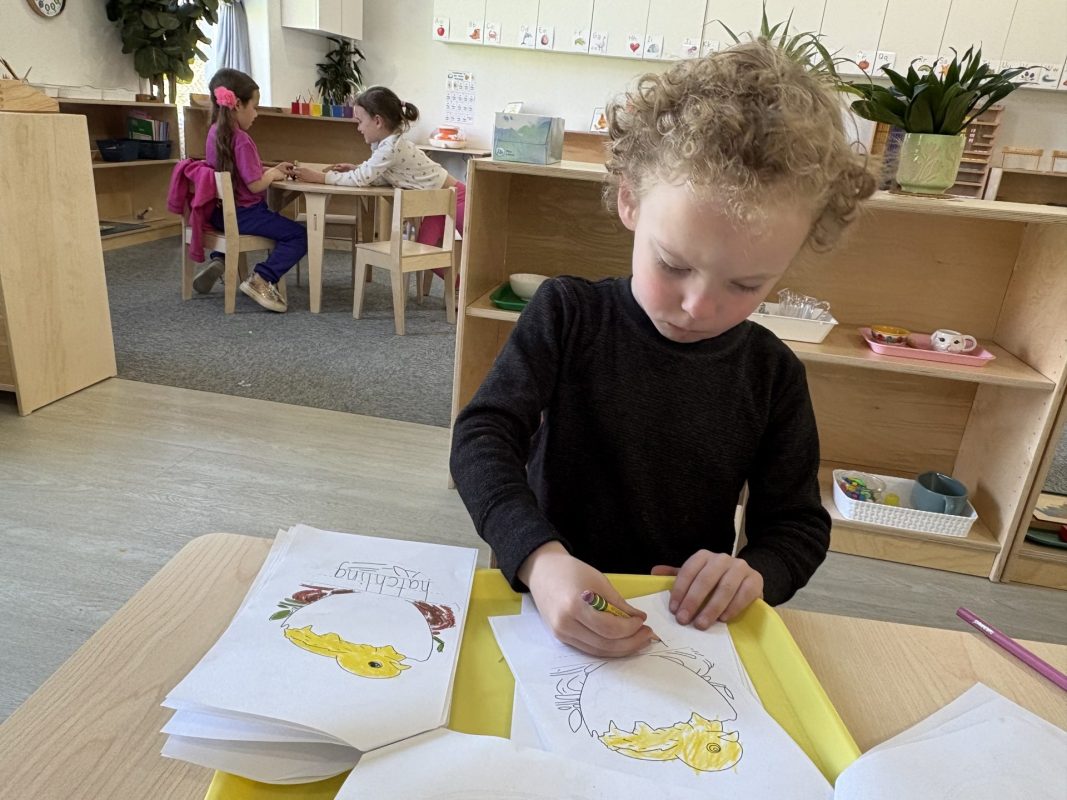
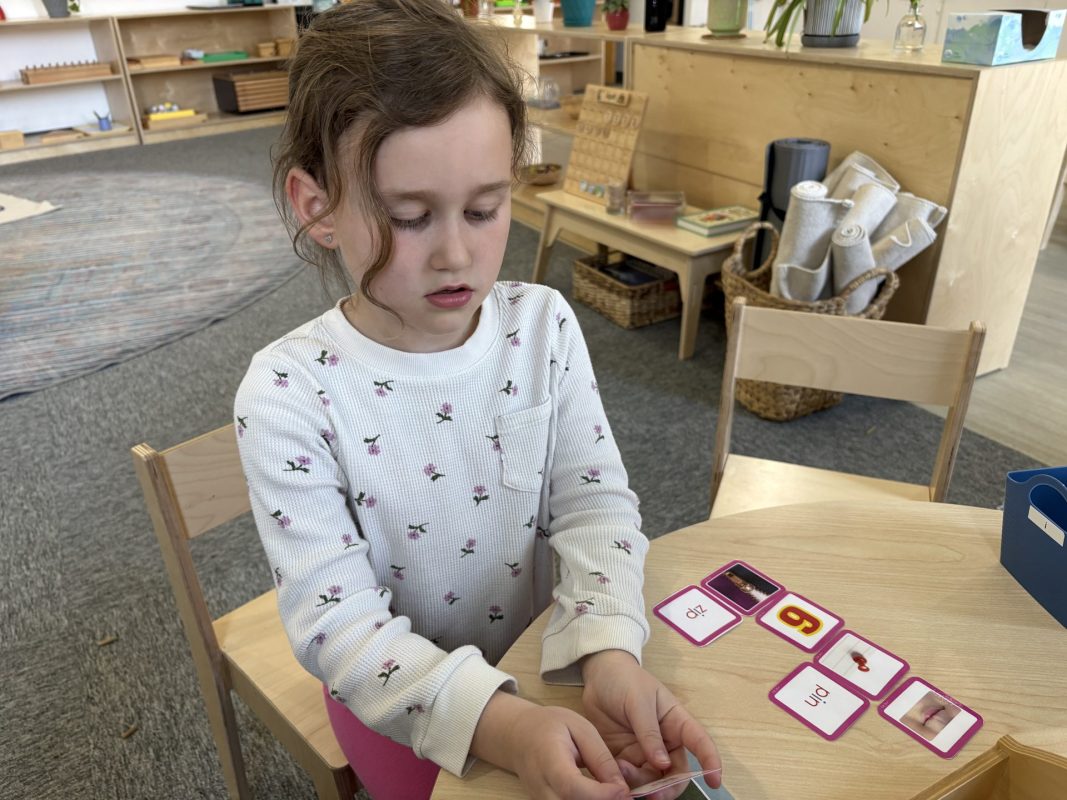
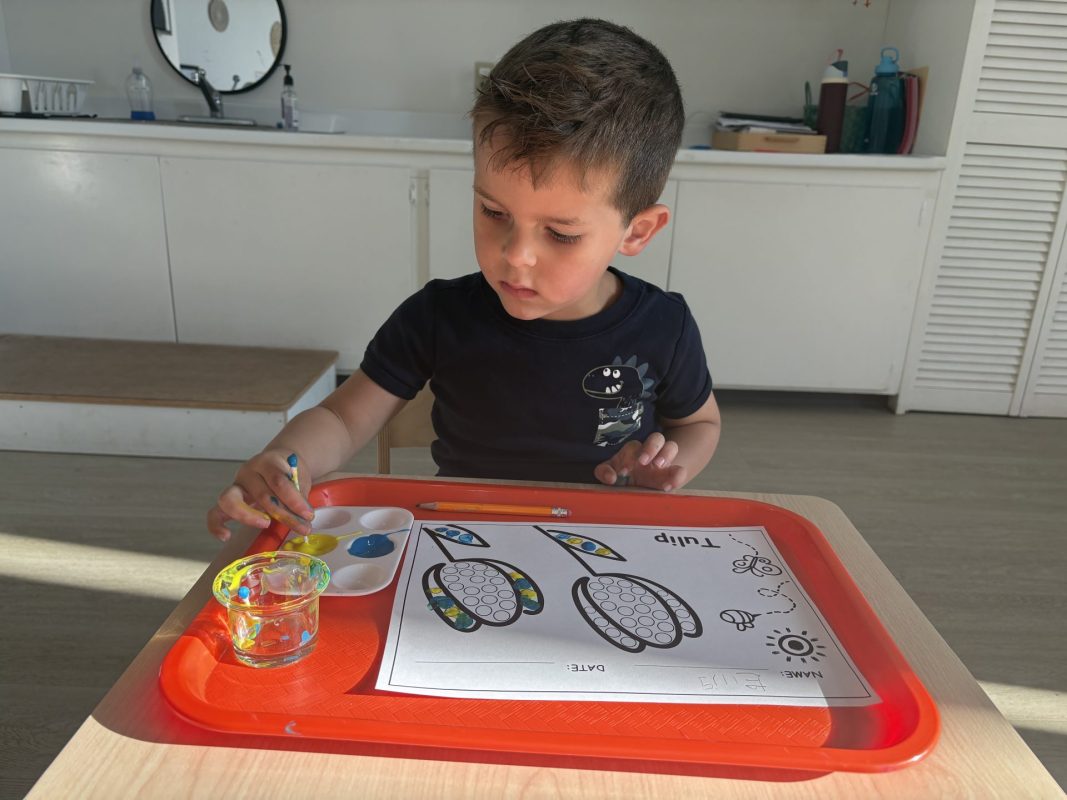
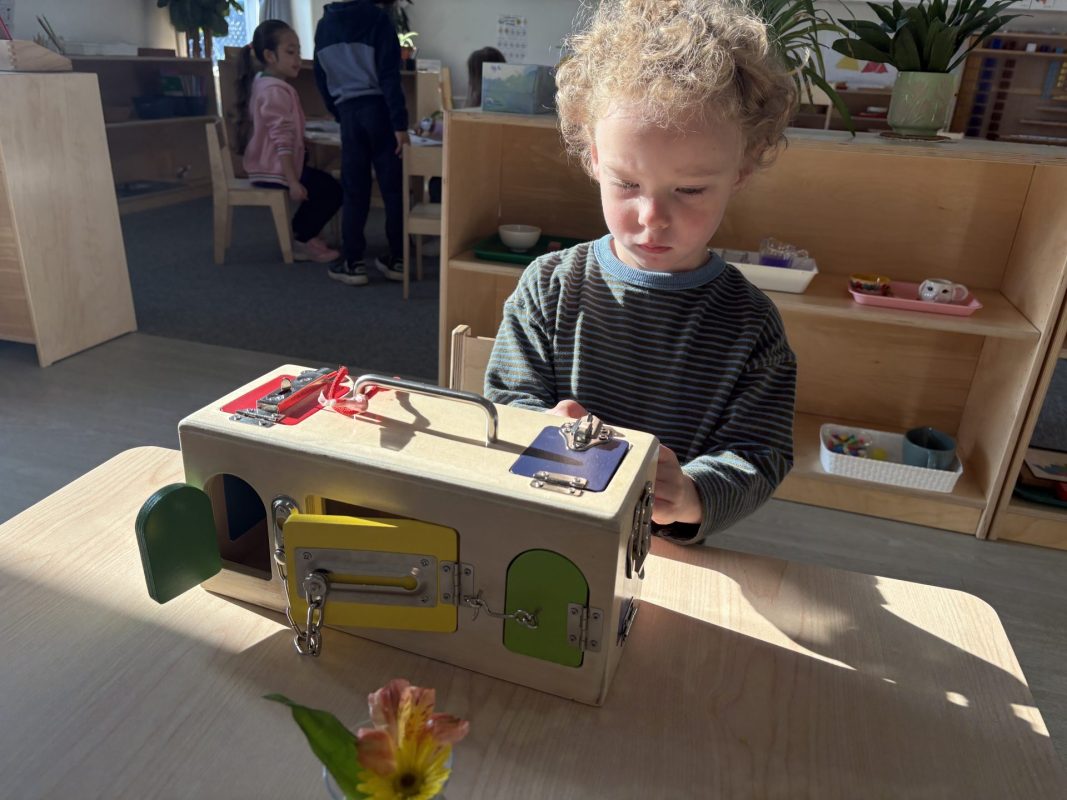
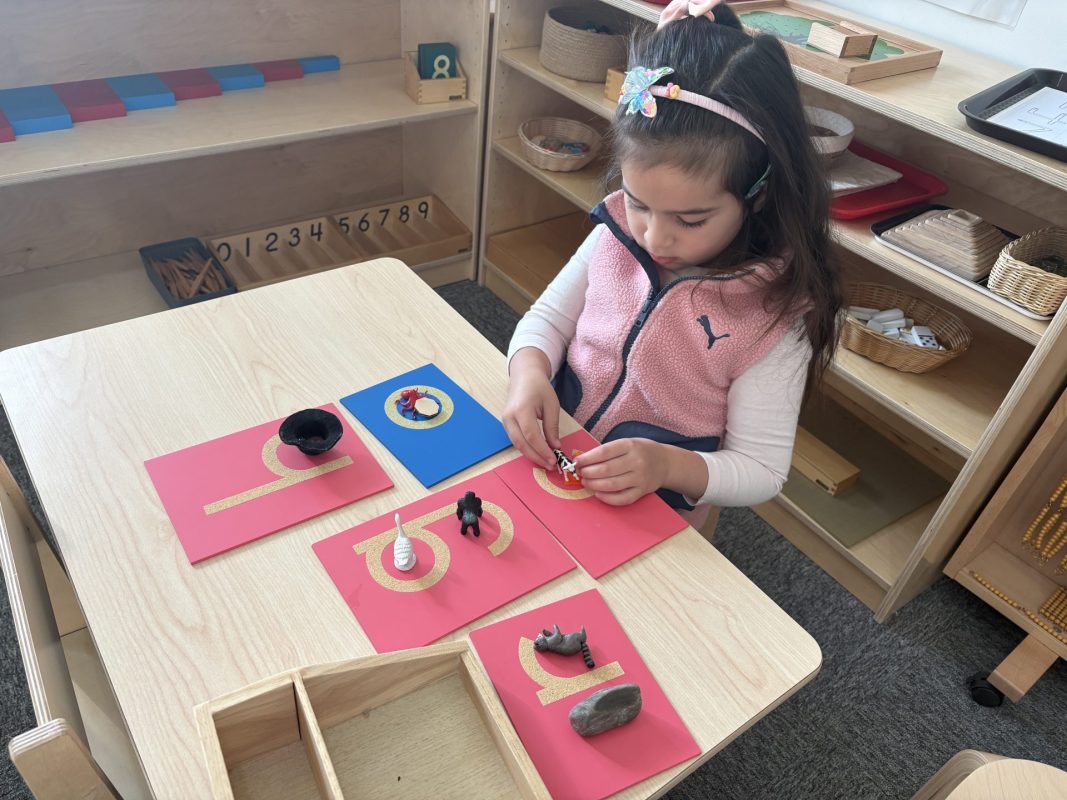
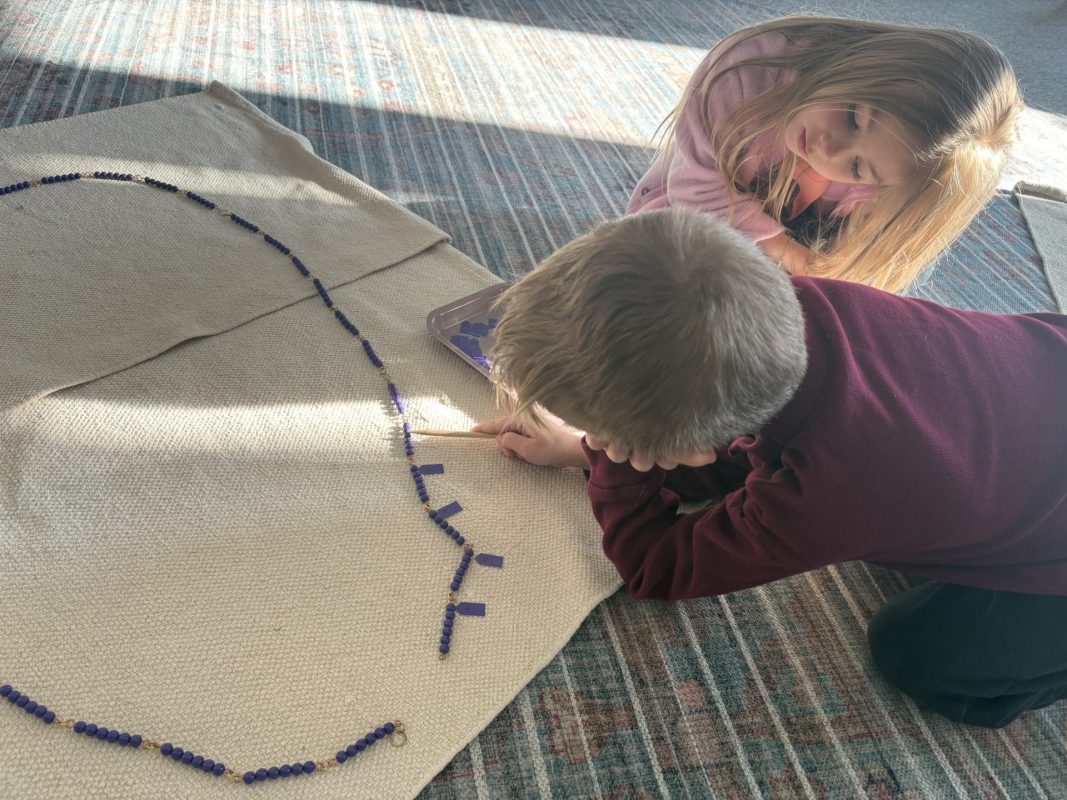
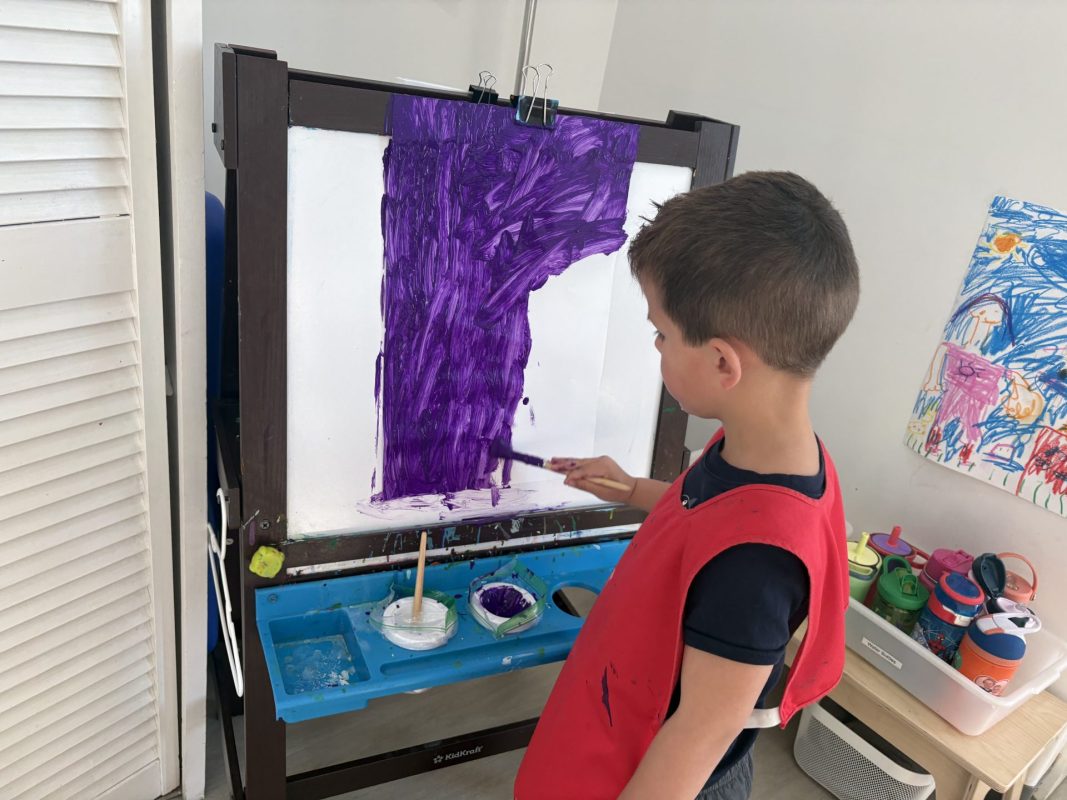
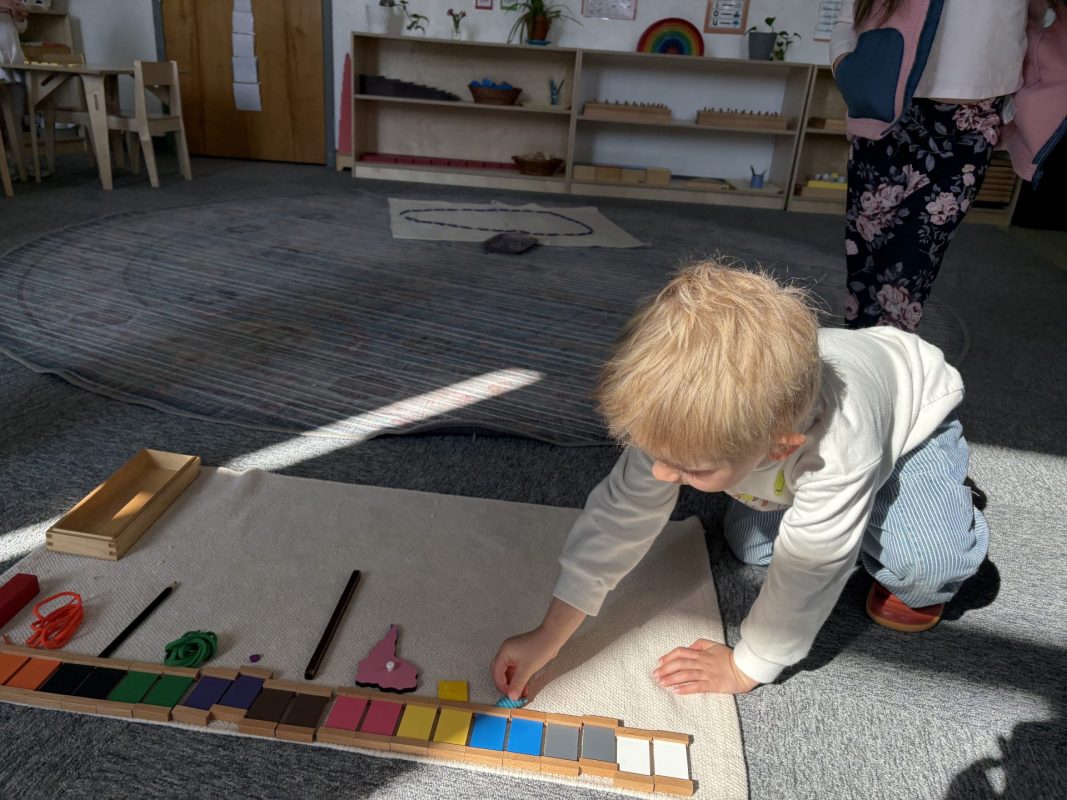
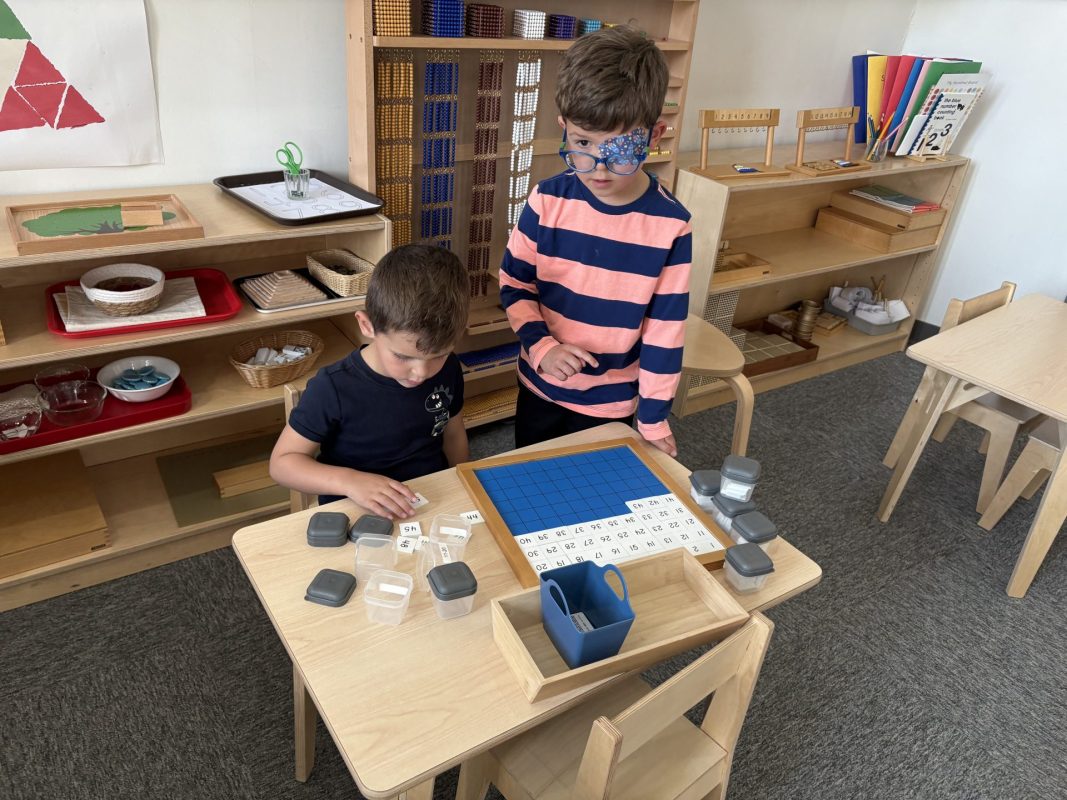
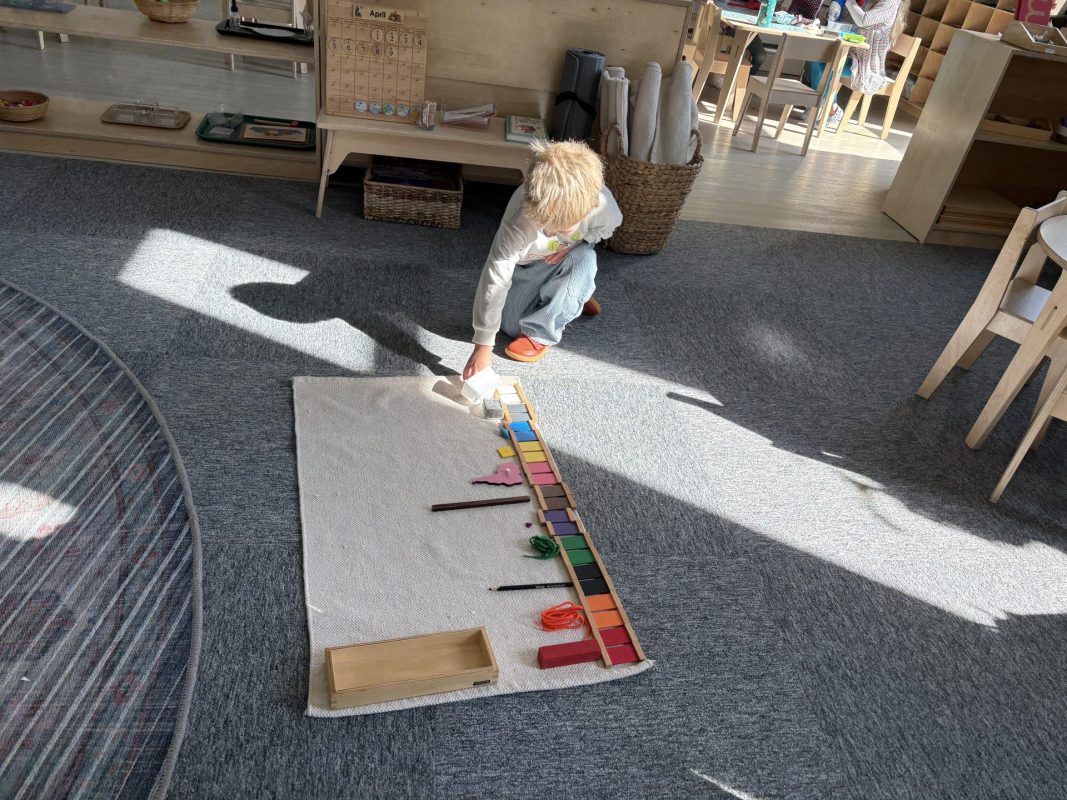
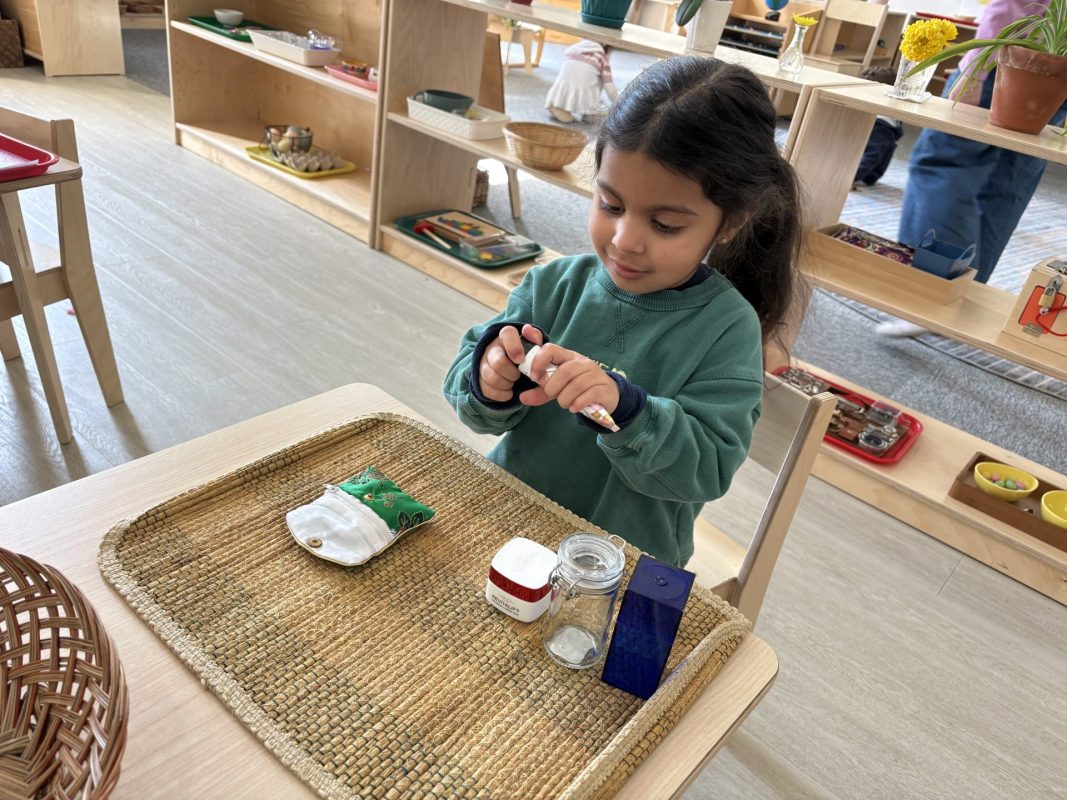
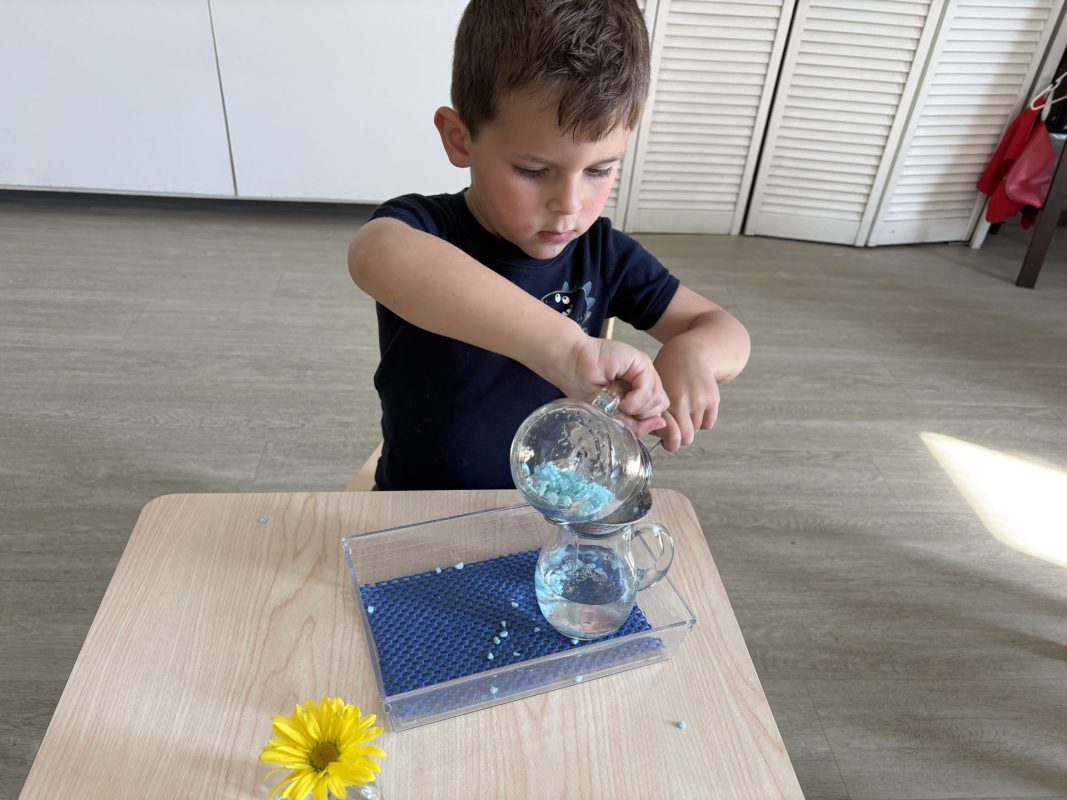
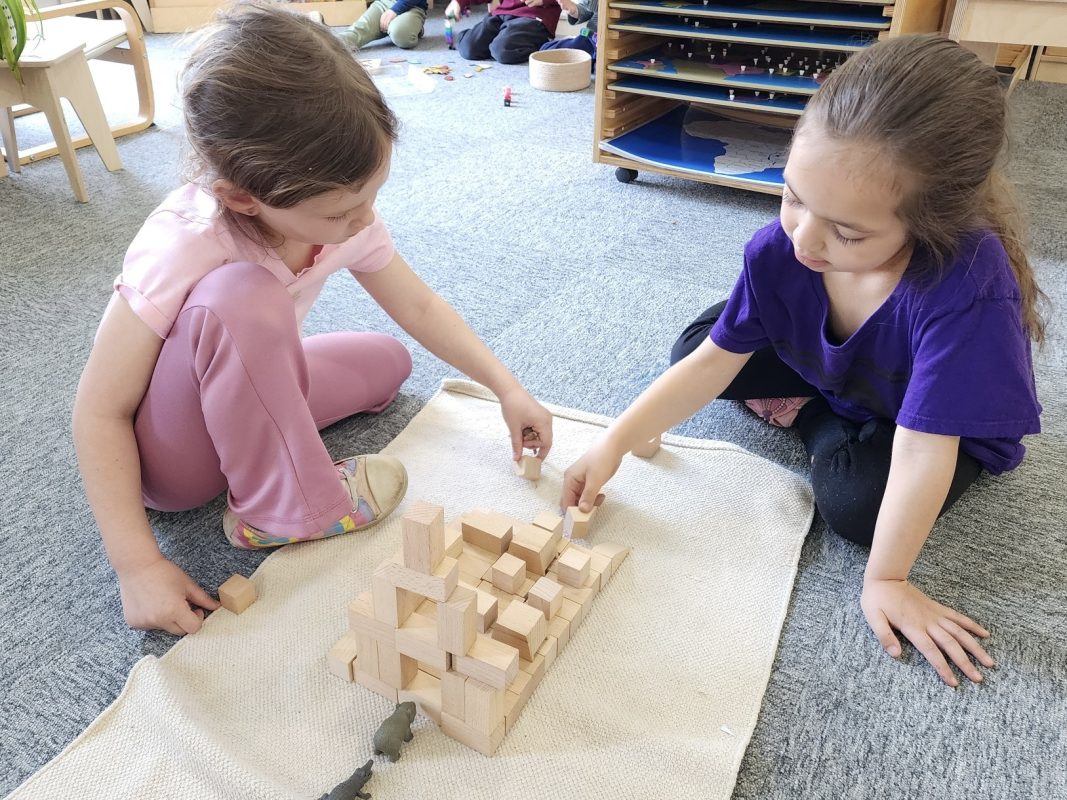
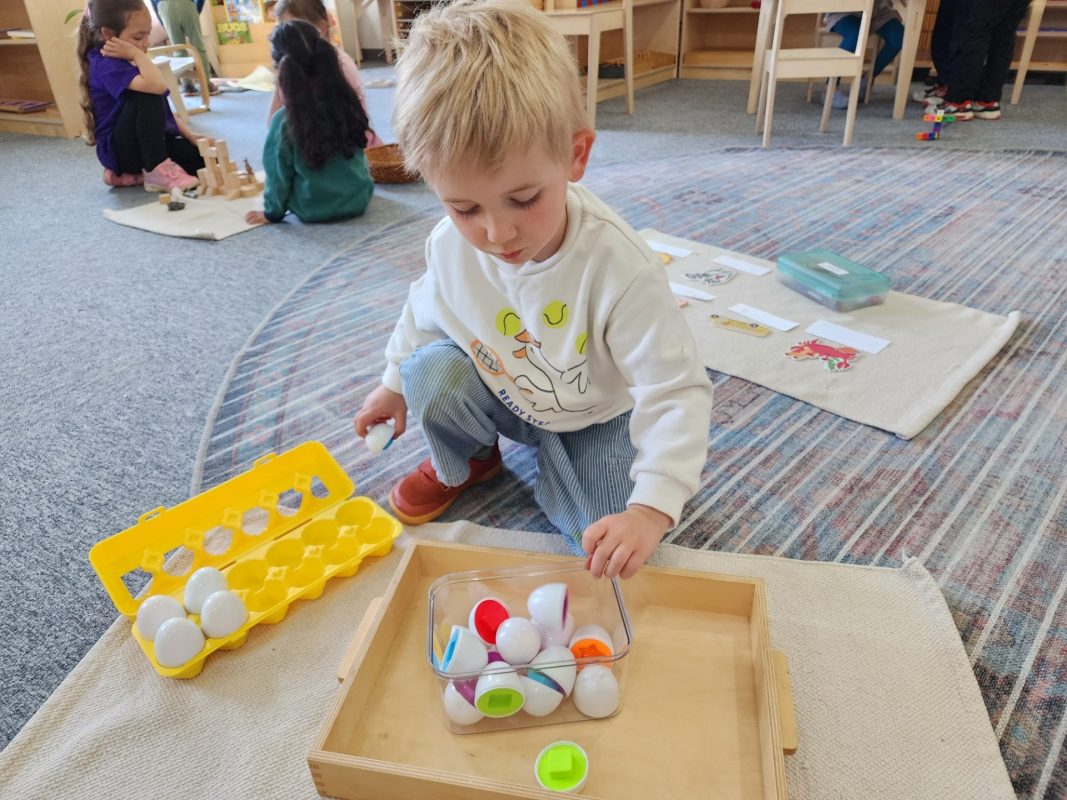
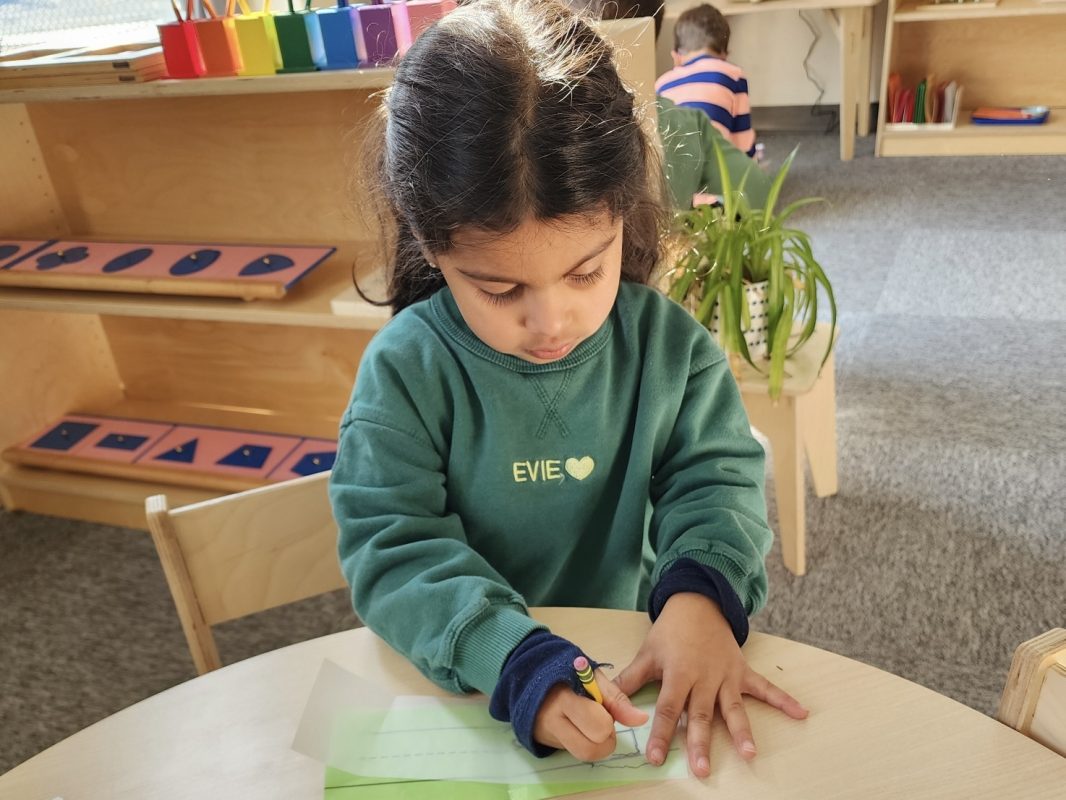
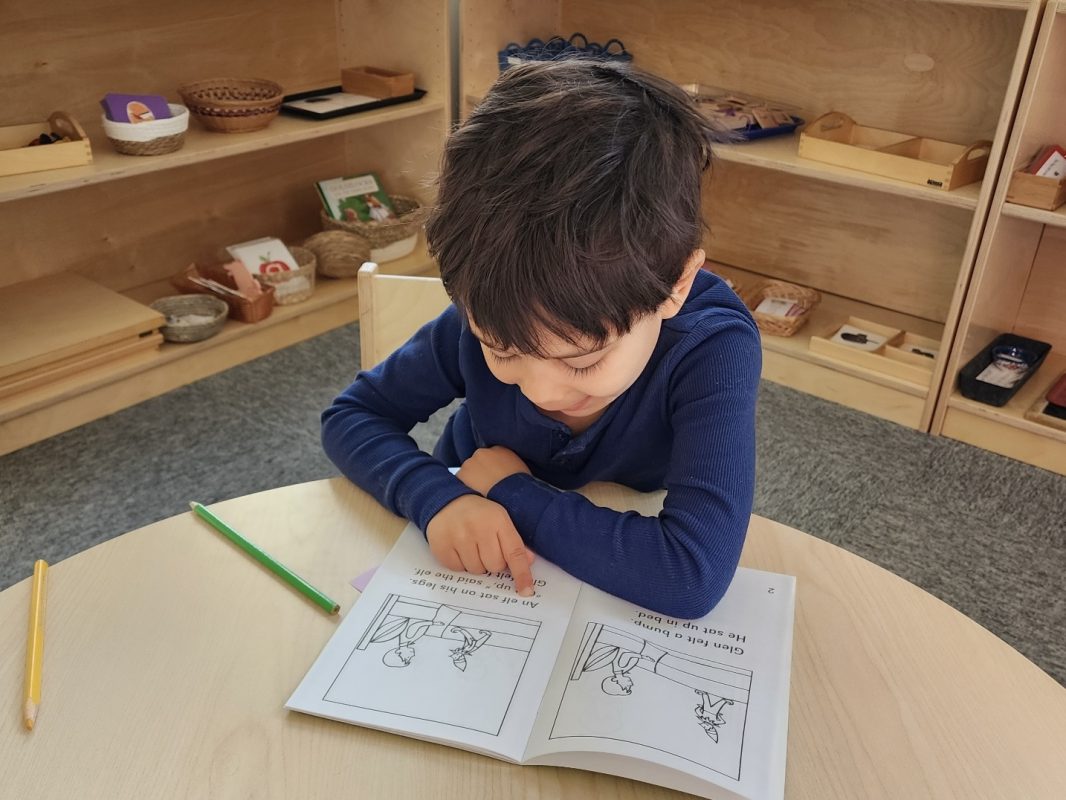
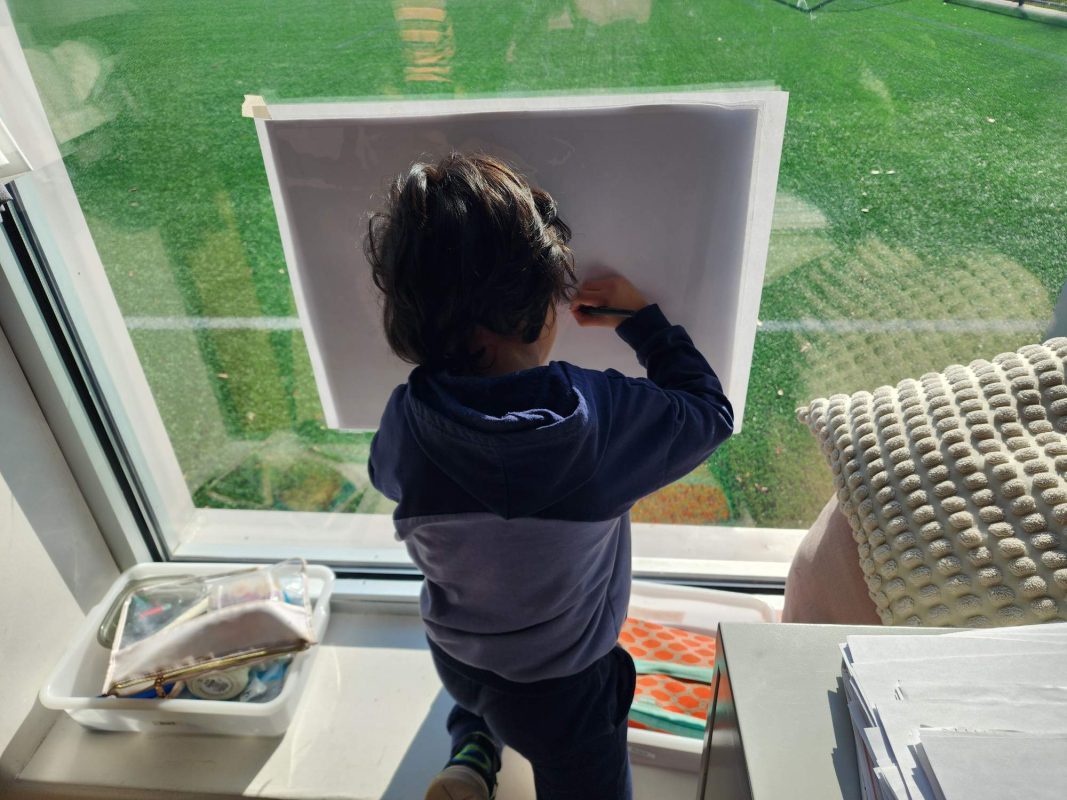
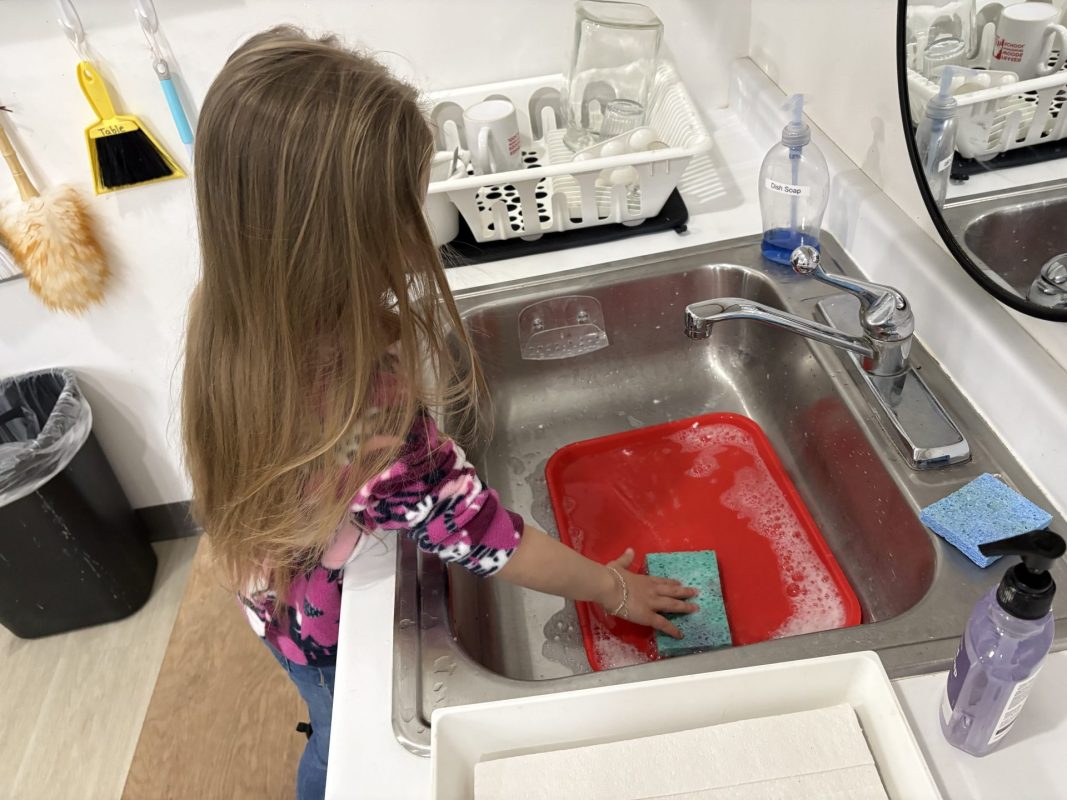
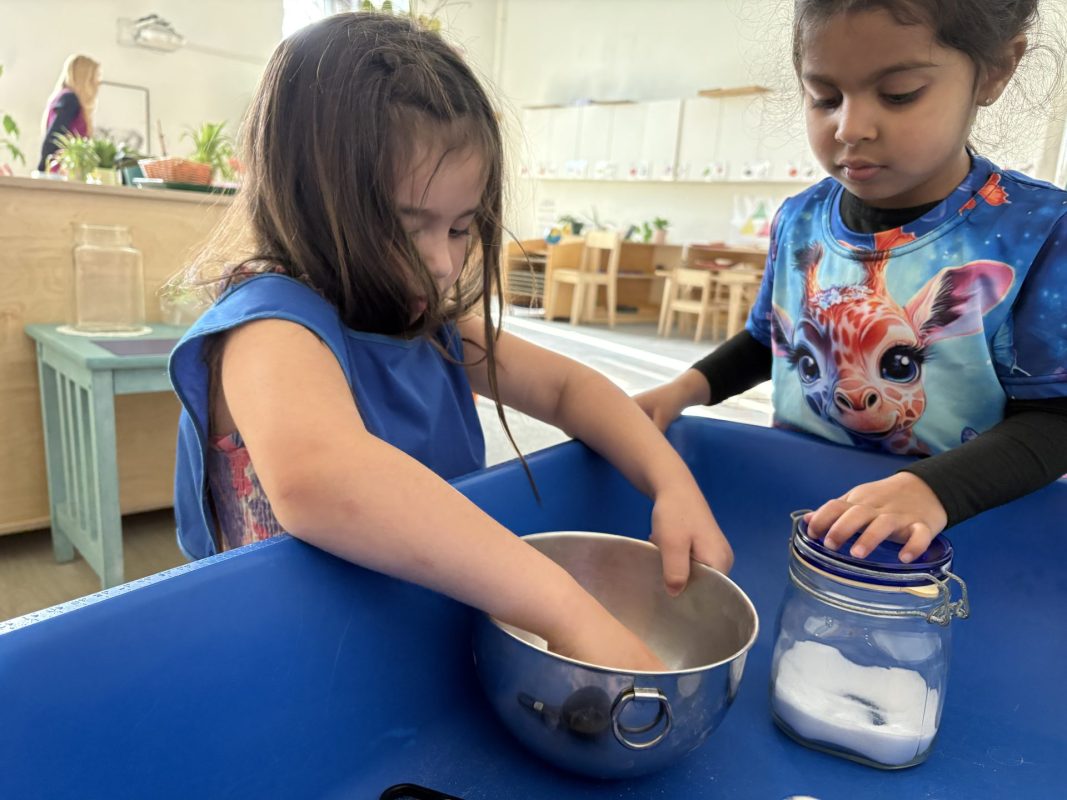
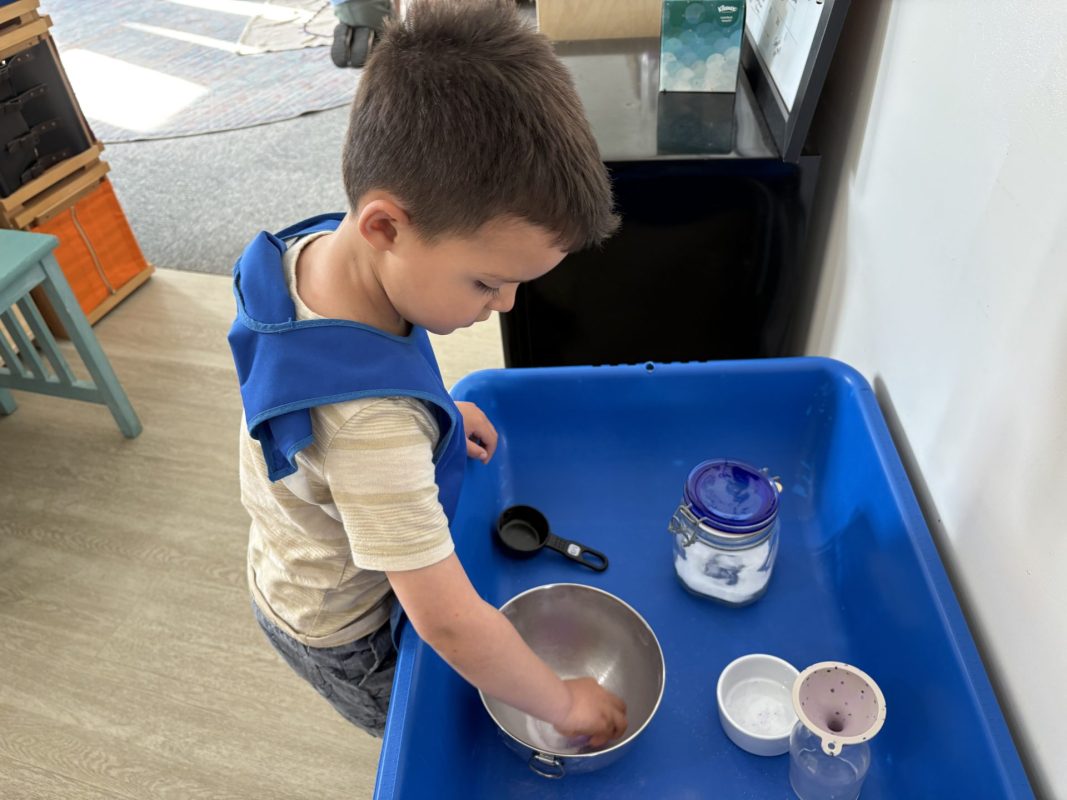
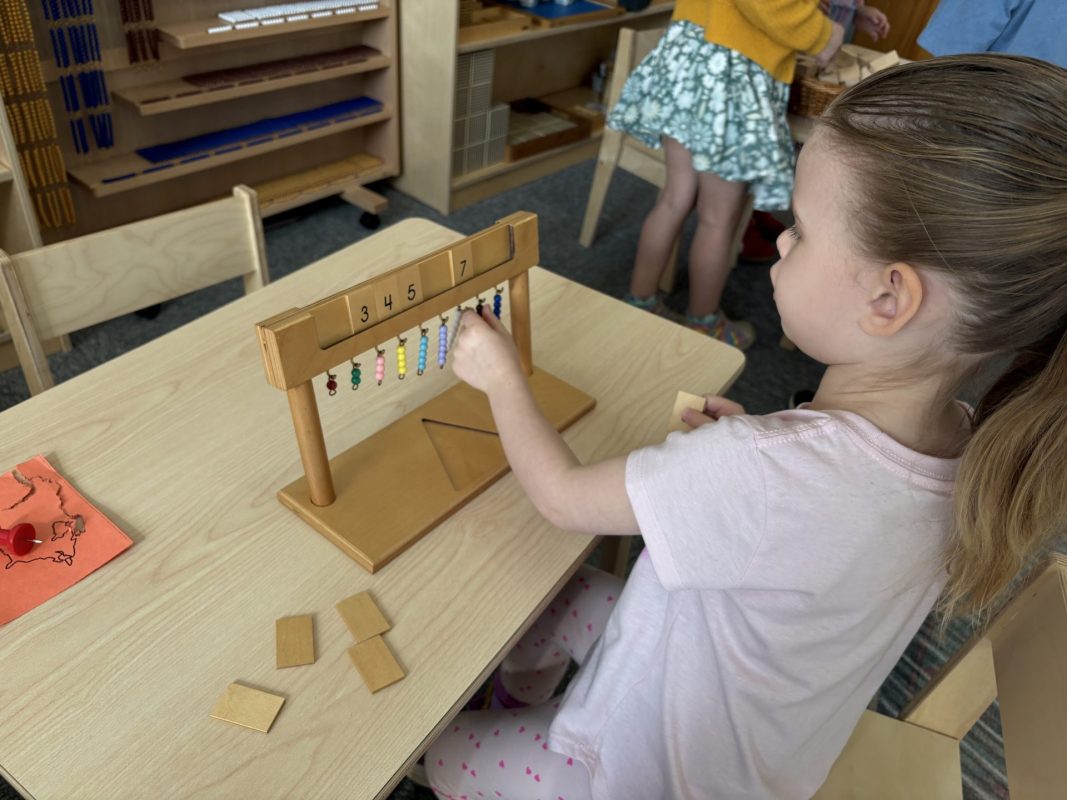
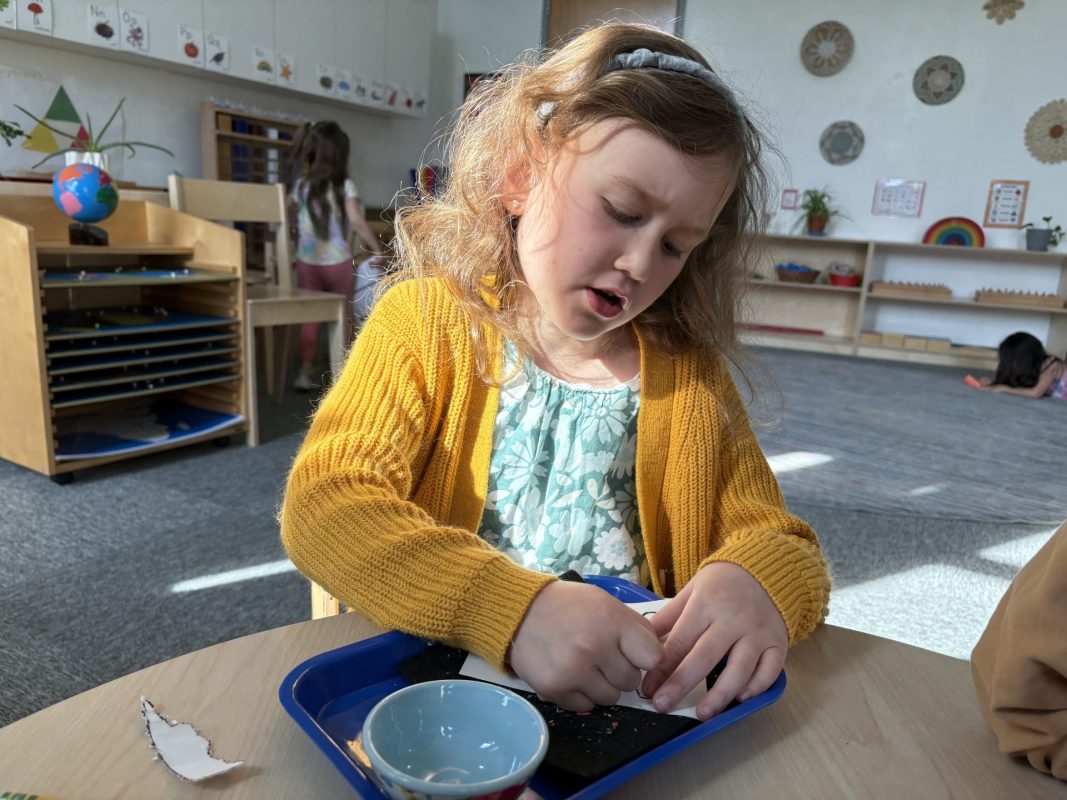
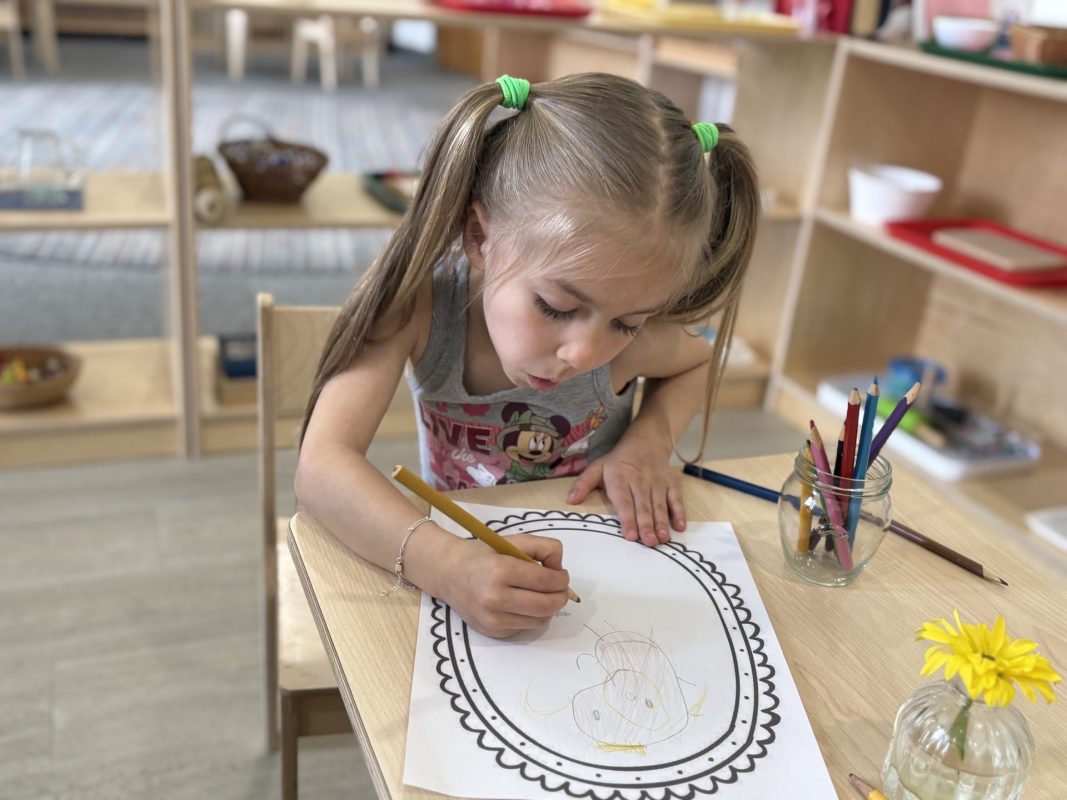
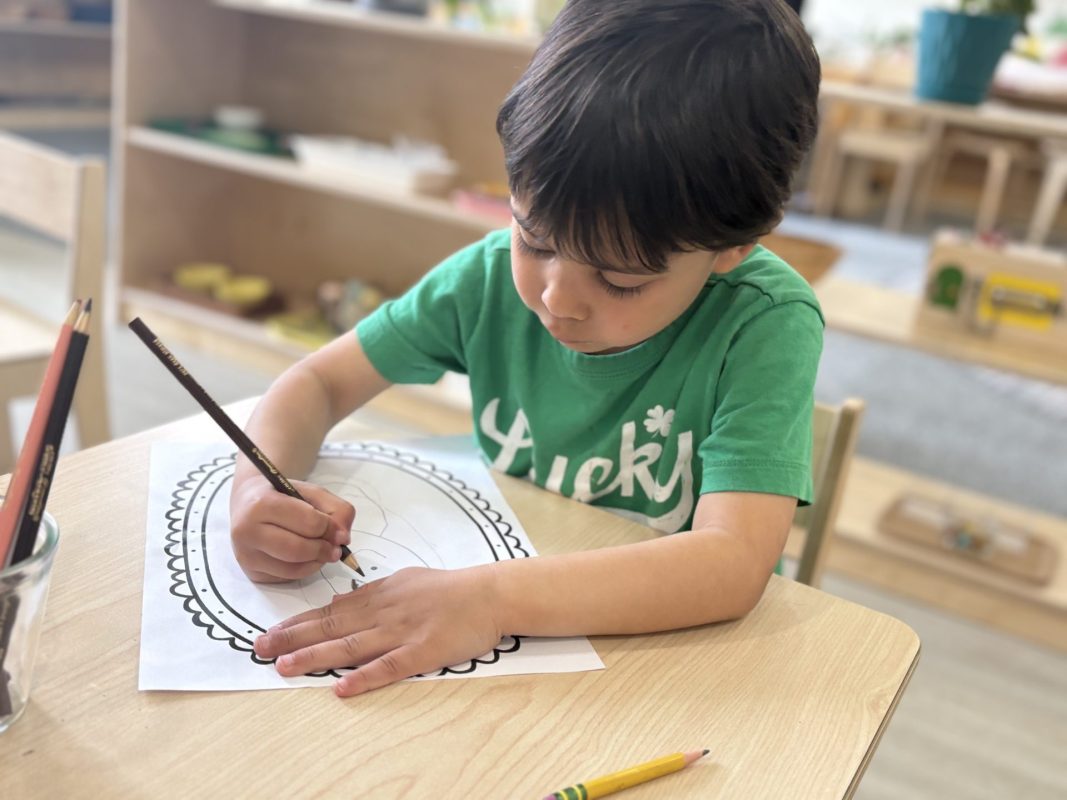
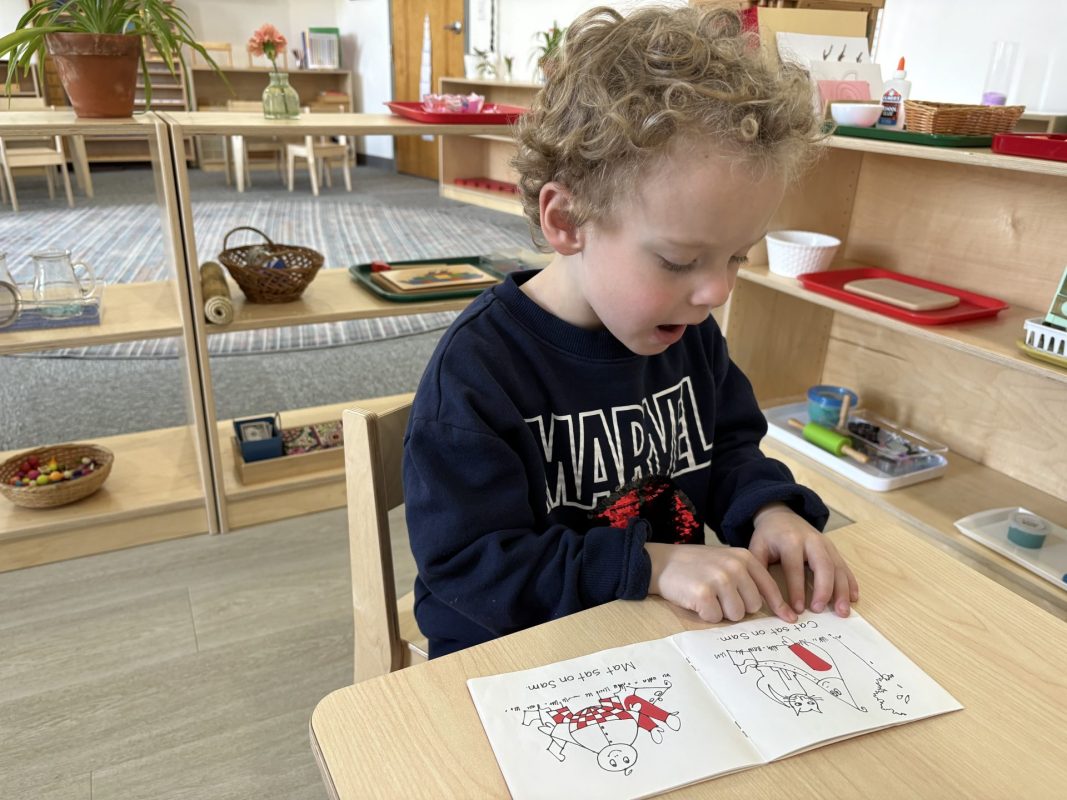
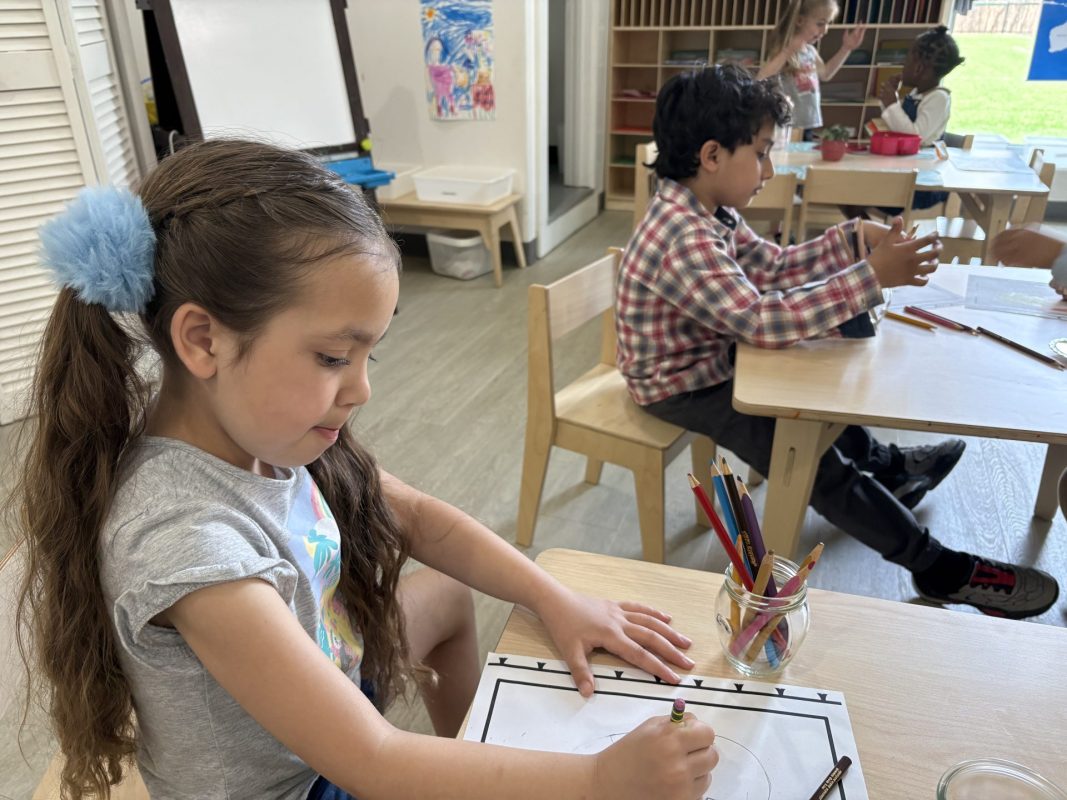
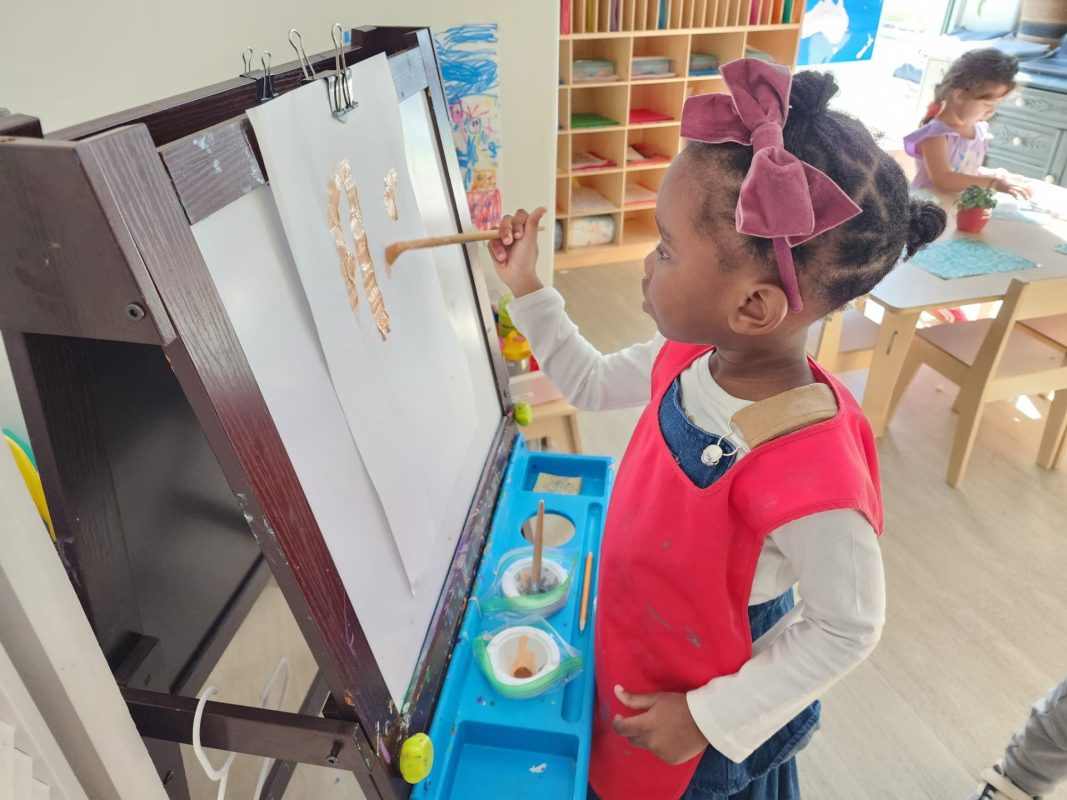
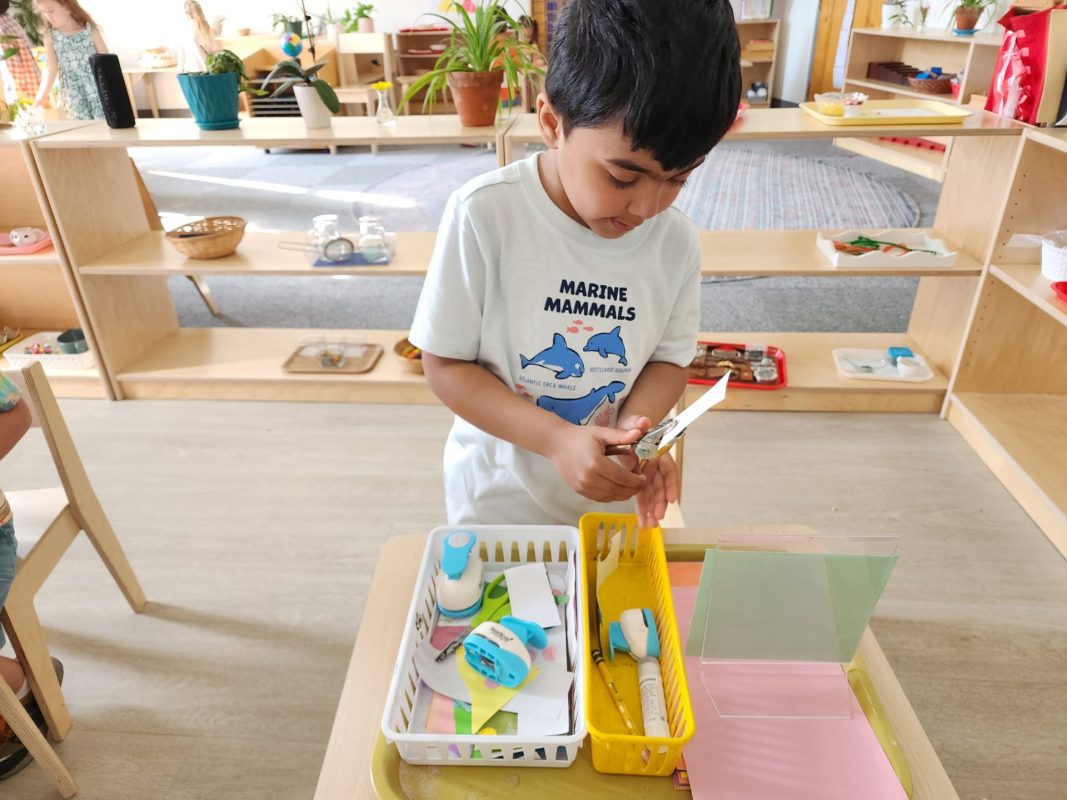
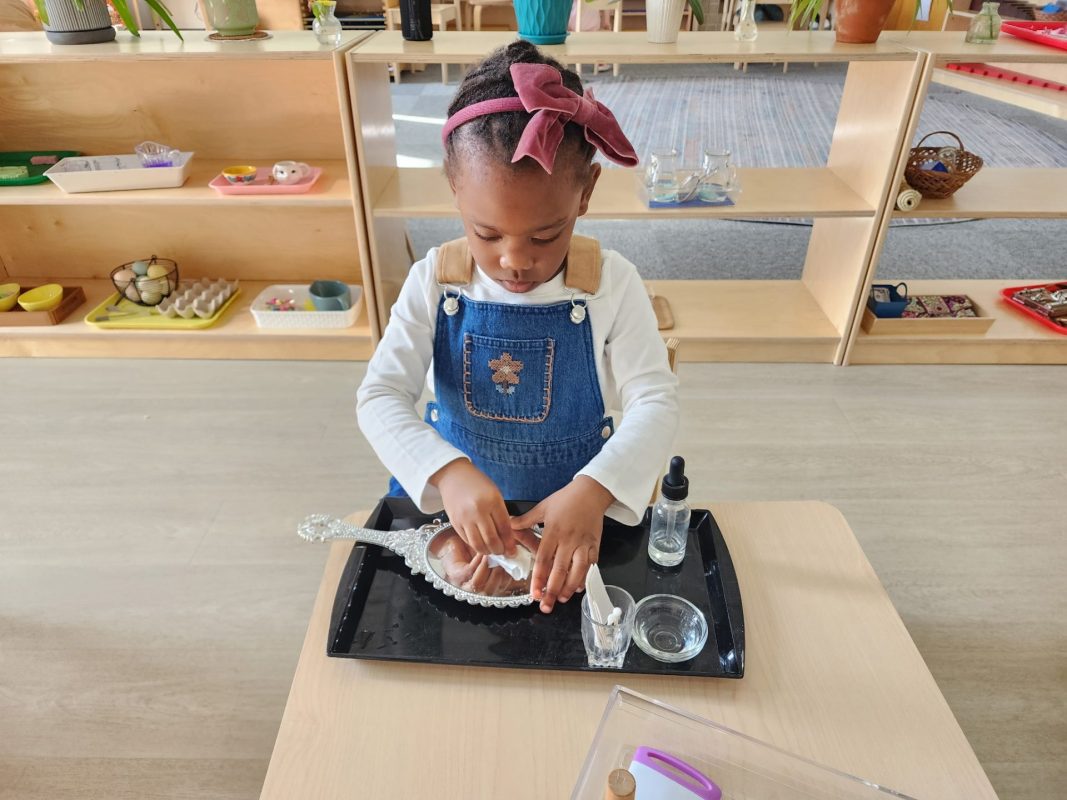
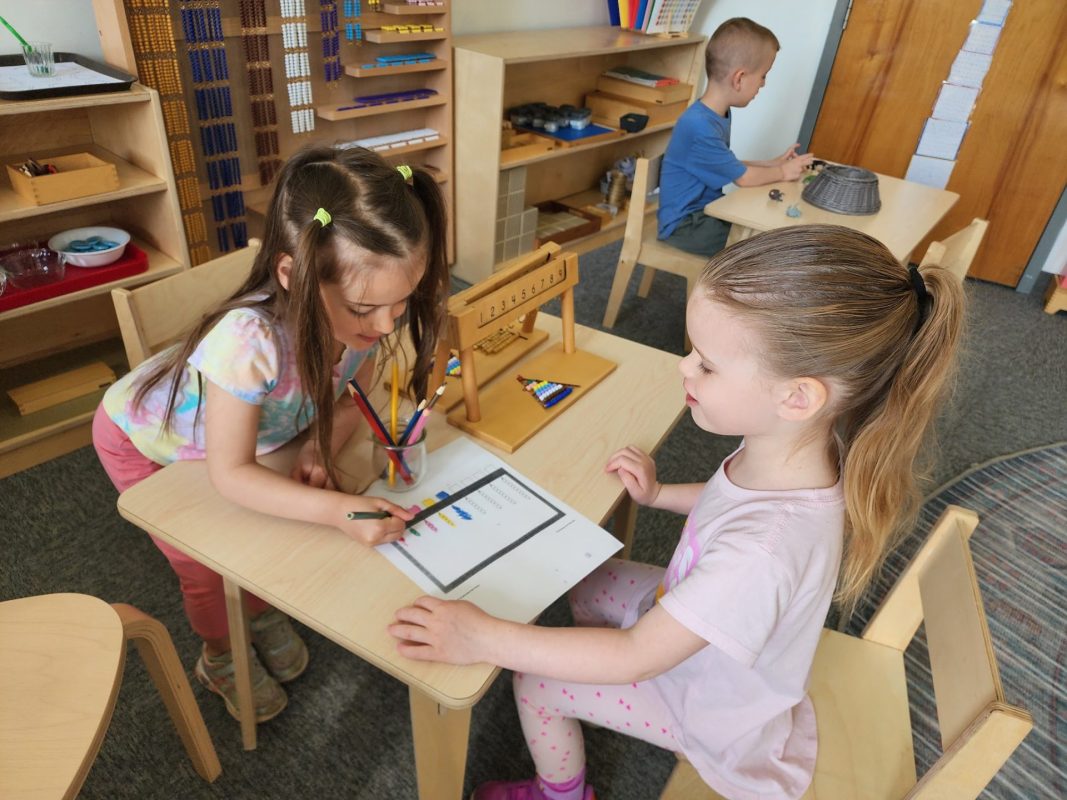
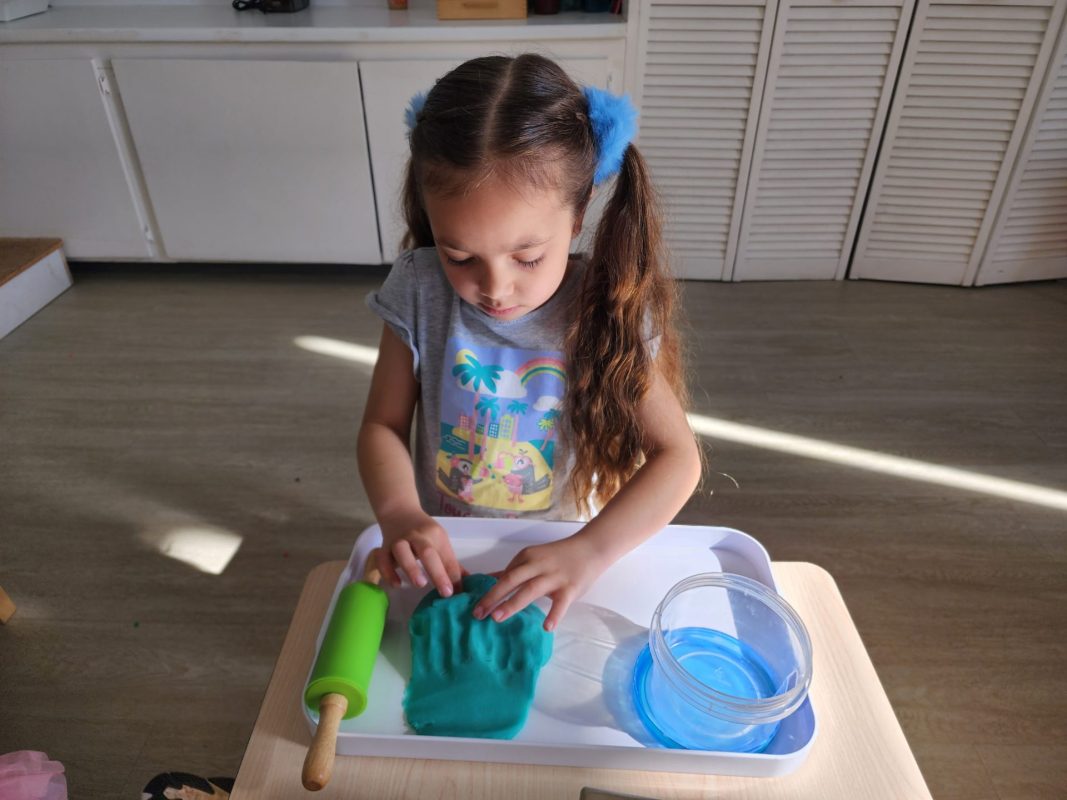
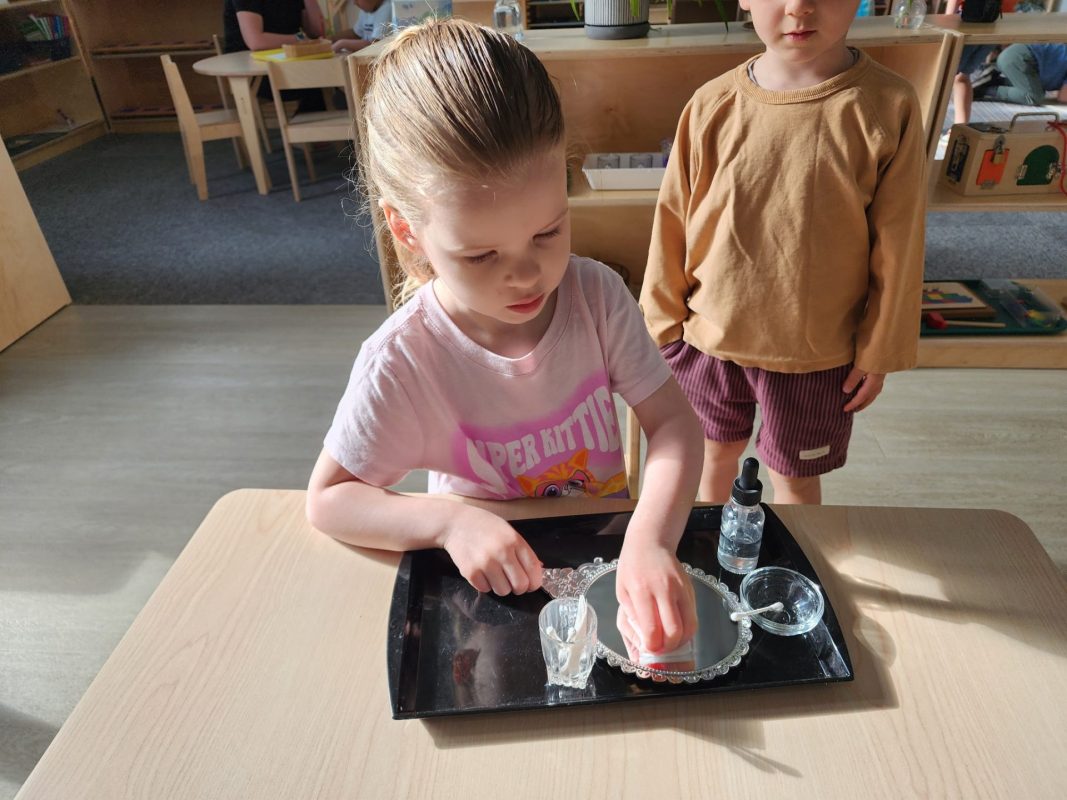
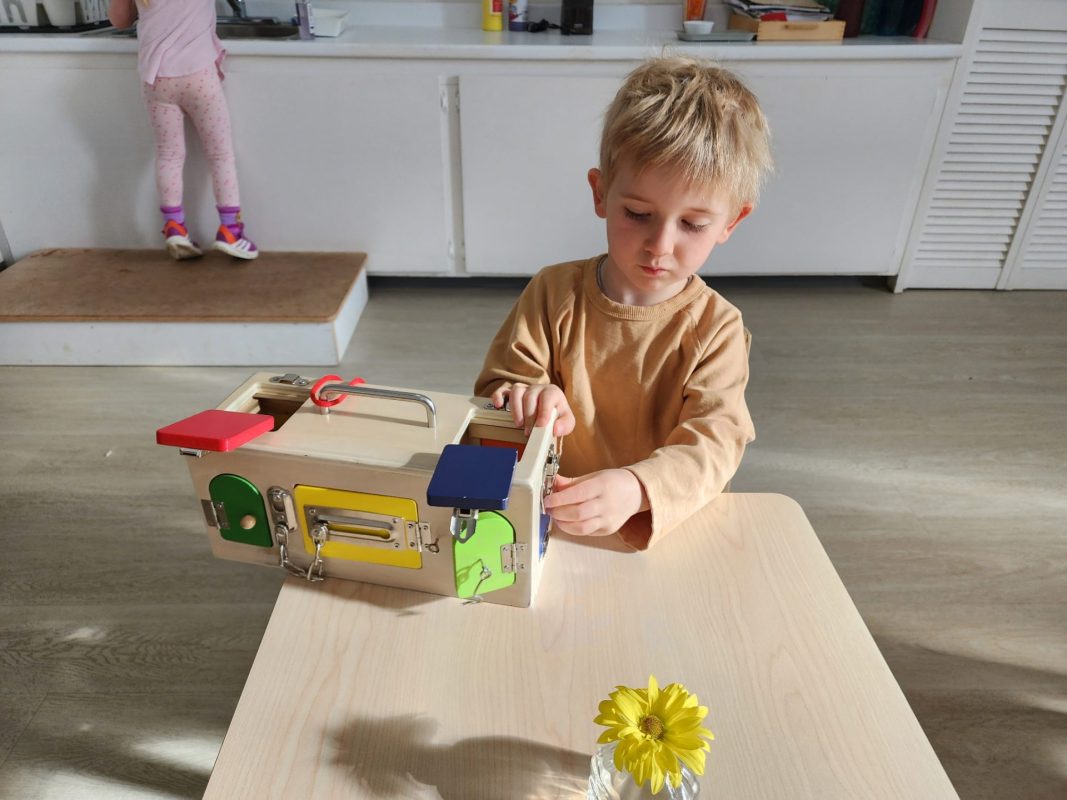
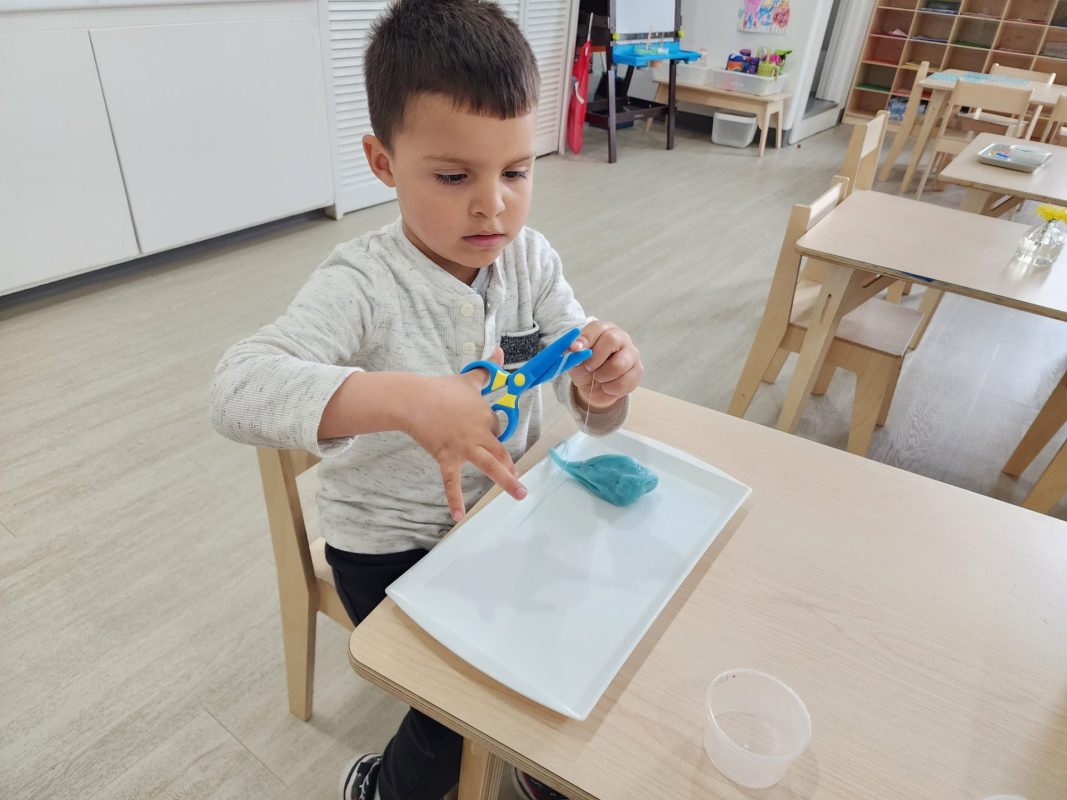
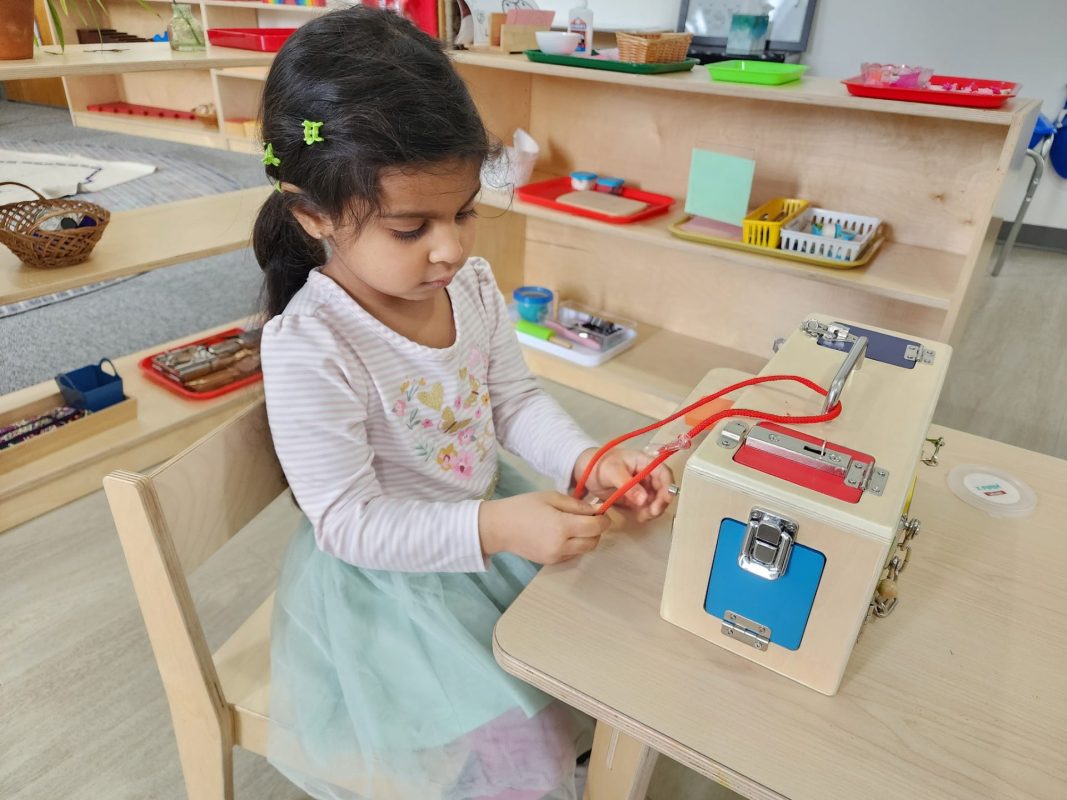
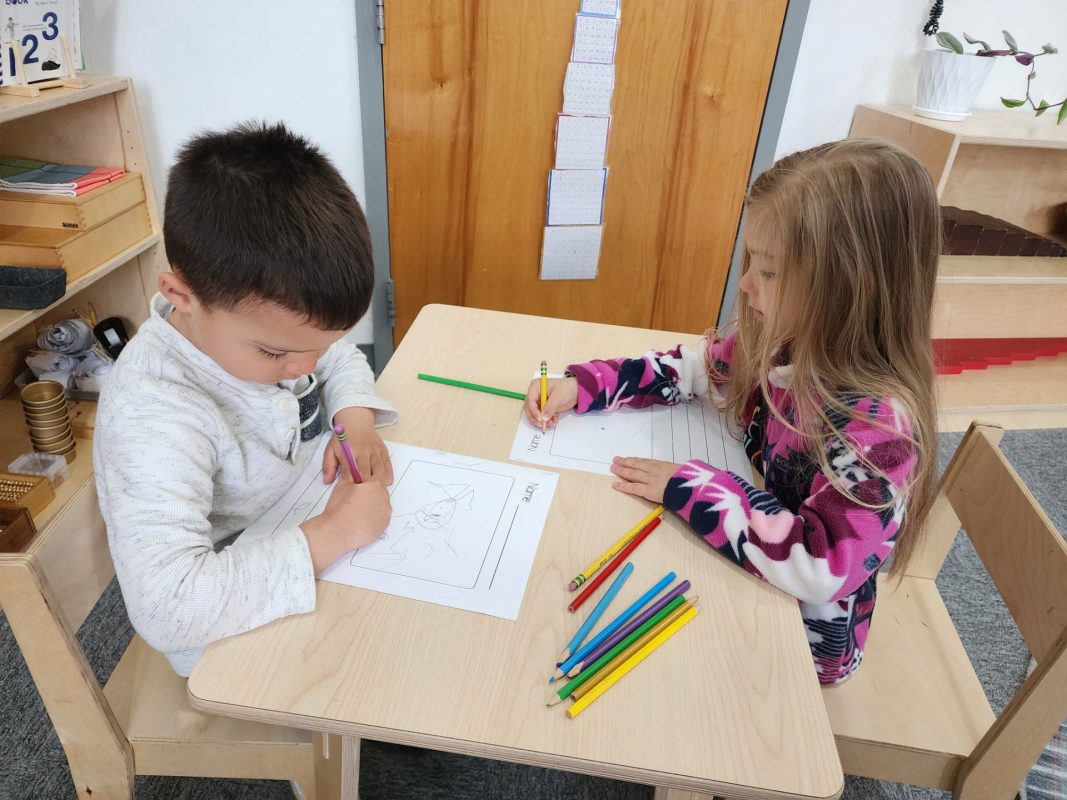
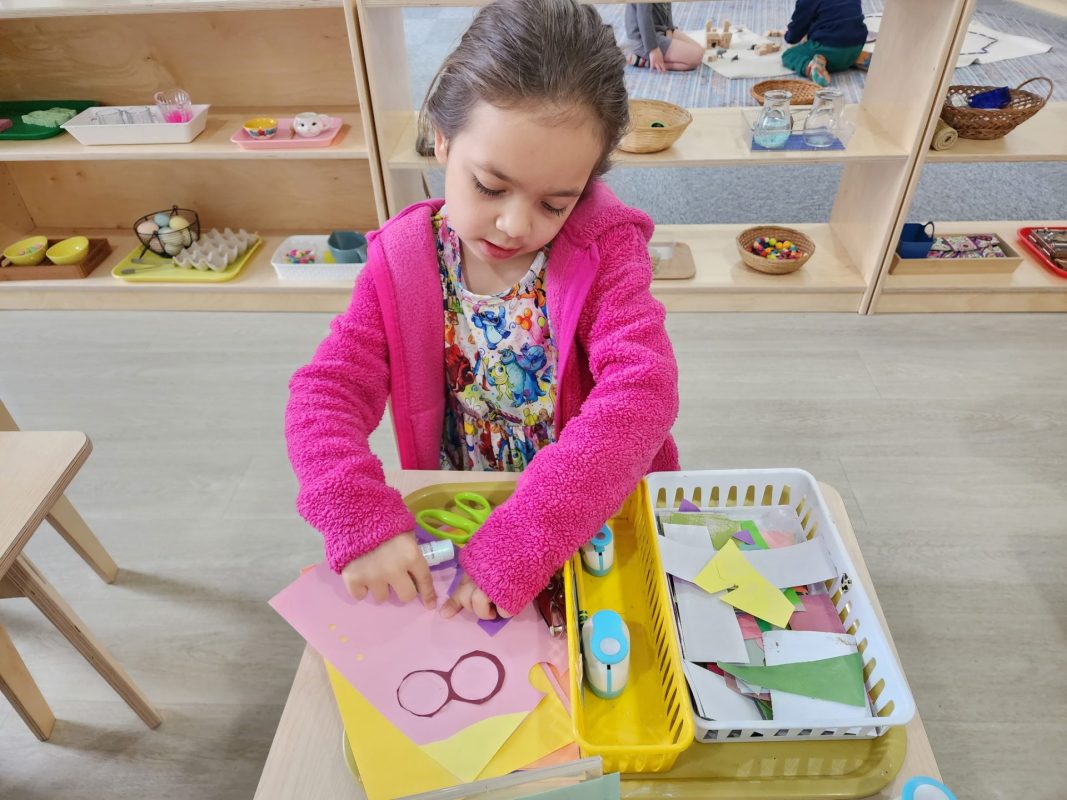
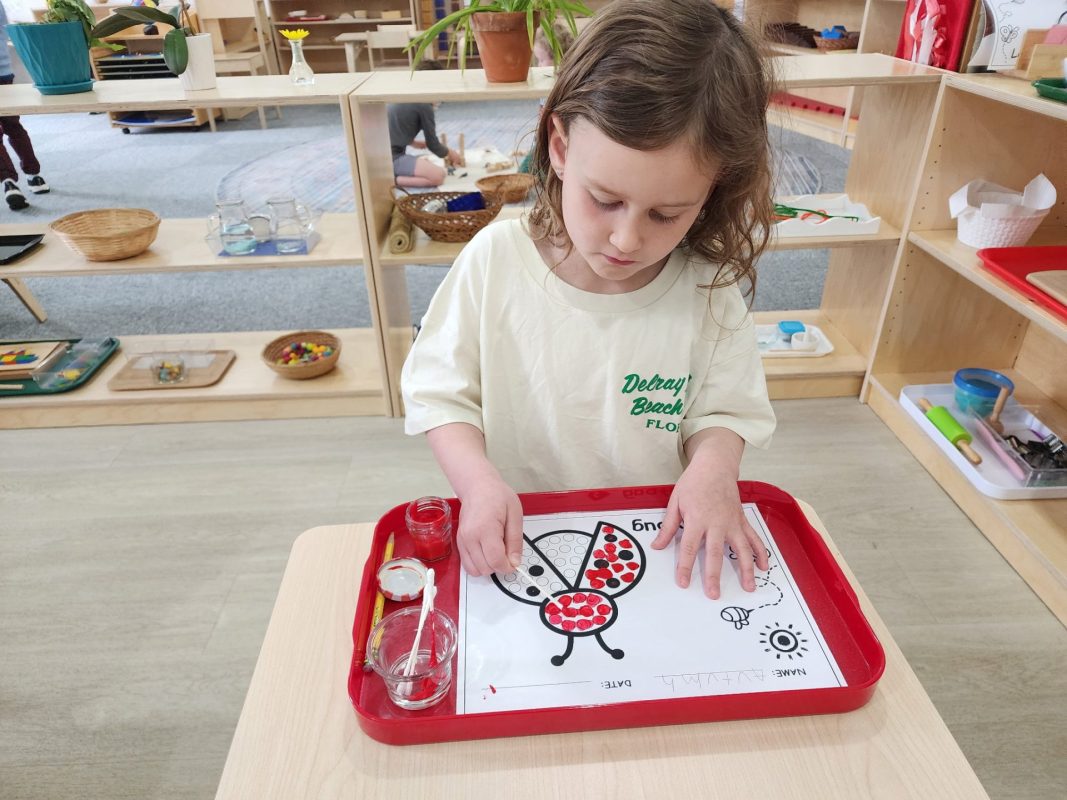
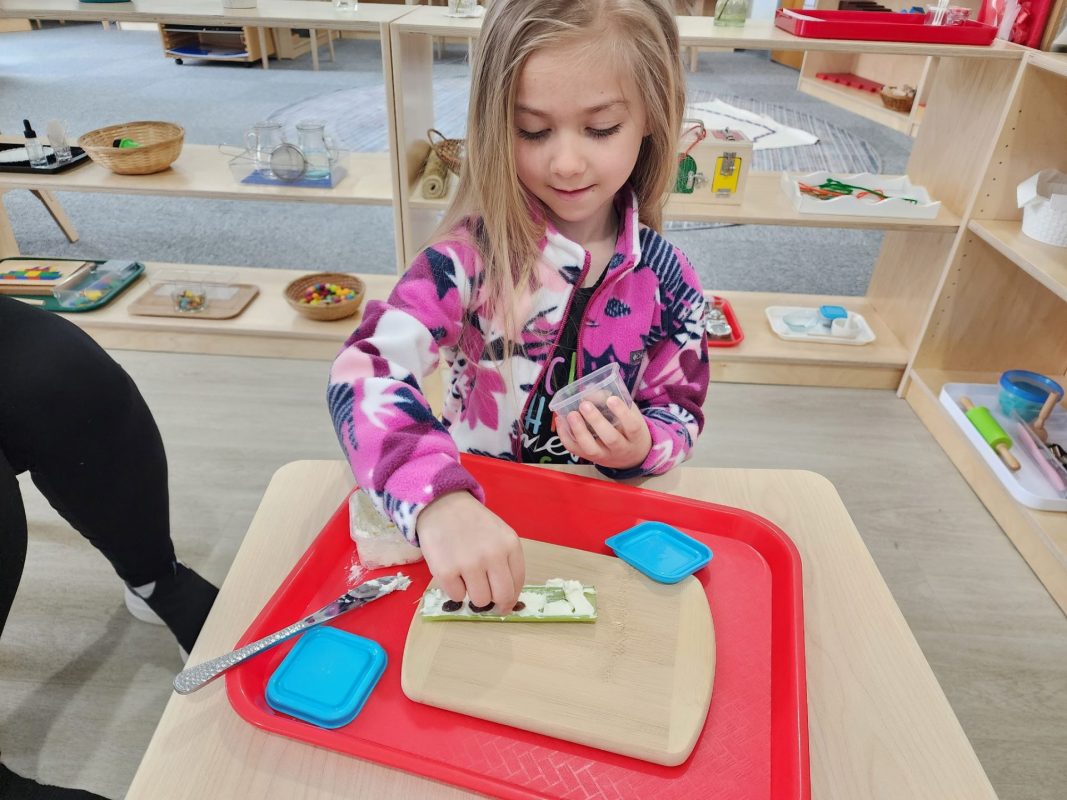
Independence isn’t just a practical skill — it is the engine behind intellectual and physical growth. Our classrooms are intentionally designed to offer children “real work” that allows them to meet this need every day. When a child says “I can’t do it” before even trying, we gently encourage them to try three times before asking for help. More often than not, they succeed before that third attempt is even finished.

If you find your child struggling with something at home — putting on shoes, setting the table, carrying their own bag — try taking a small step back. That moment of patient waiting is a powerful gift. The pride on a child’s face when they do it themselves is worth every extra minute.

We are also sending home everyone’s snow gear this week — fingers crossed we won’t need it again until next year! This is also a wonderful time to check that the spare set of clothes in your child’s locker is still a good fit for the spring season. If your family has outgrown any winter items (coats, boots, snow pants), we would be grateful for any donations.

Extending Learning at Home

Look for moments in your daily routine where your child can practice independence — getting dressed, unpacking their own bag, helping prepare a simple snack, or watering a plant. Resist the urge to step in right away. Offer encouragement, give plenty of time, and celebrate the effort as much as the outcome.


UPCOMING EVENTS & ANNOUNCEMENTS

This Week

  • Monday, March 30
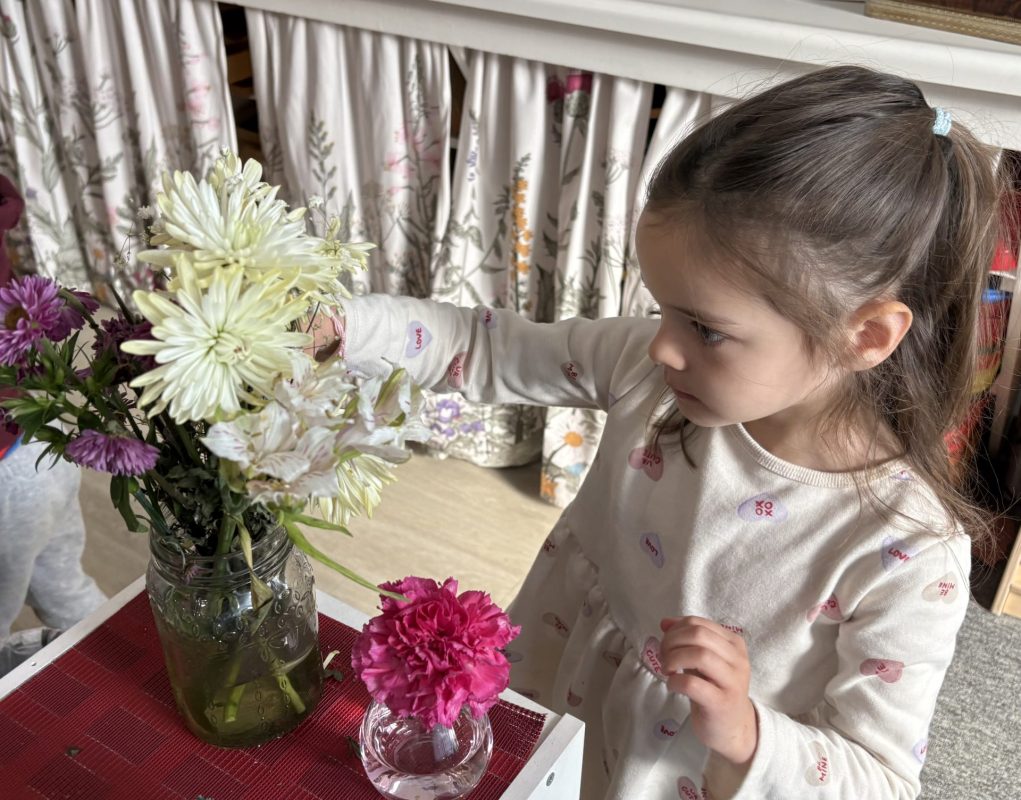
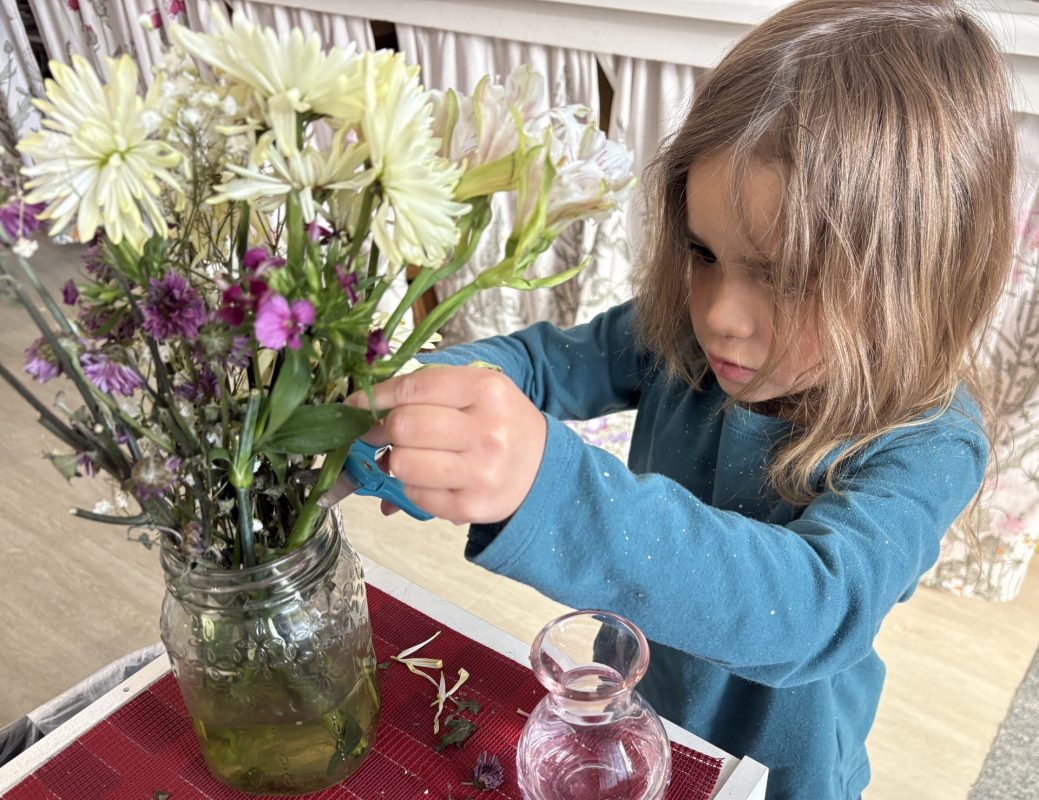
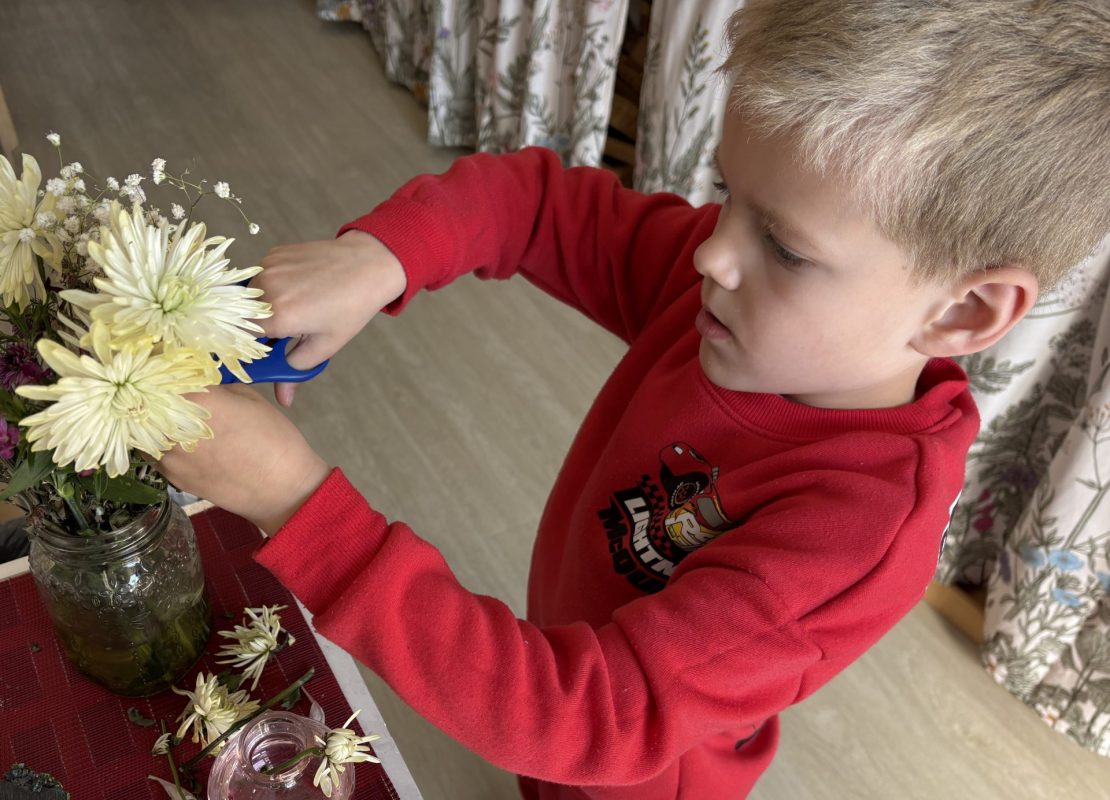
    ⋅ Sharing Box and Flowers; Birthday Celebration, Eloise C
  • Tuesday, March 31
    ⋅ Birthday Celebration, Wilder B.
  • Friday, April 3
    ⋅ No School | Good Friday

Next Week

  • Monday, April 6
    ⋅ Sharing Box and Flowers; Birthday Celebration, Connor H.
  • Wednesday, April 8
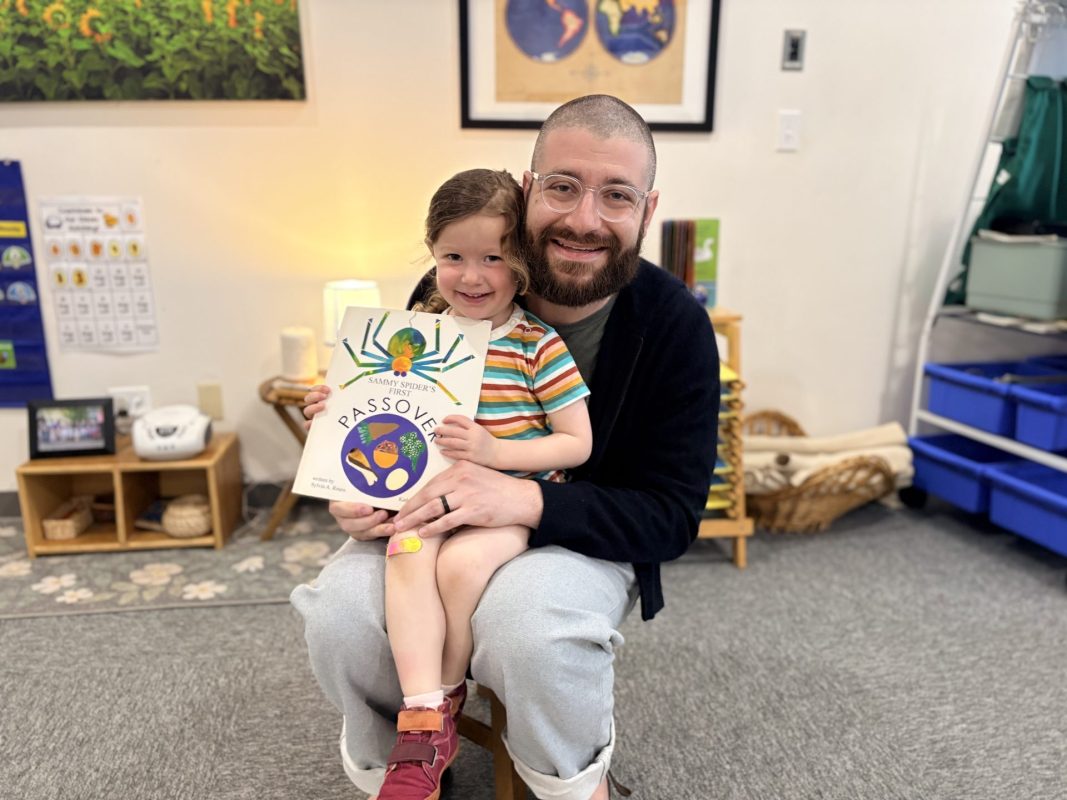
    ⋅ Guest Reader, Leigh B.

Mrs. Lopes: Discovering Africa

Exploring the World Through Maps, Stories, and Wonder

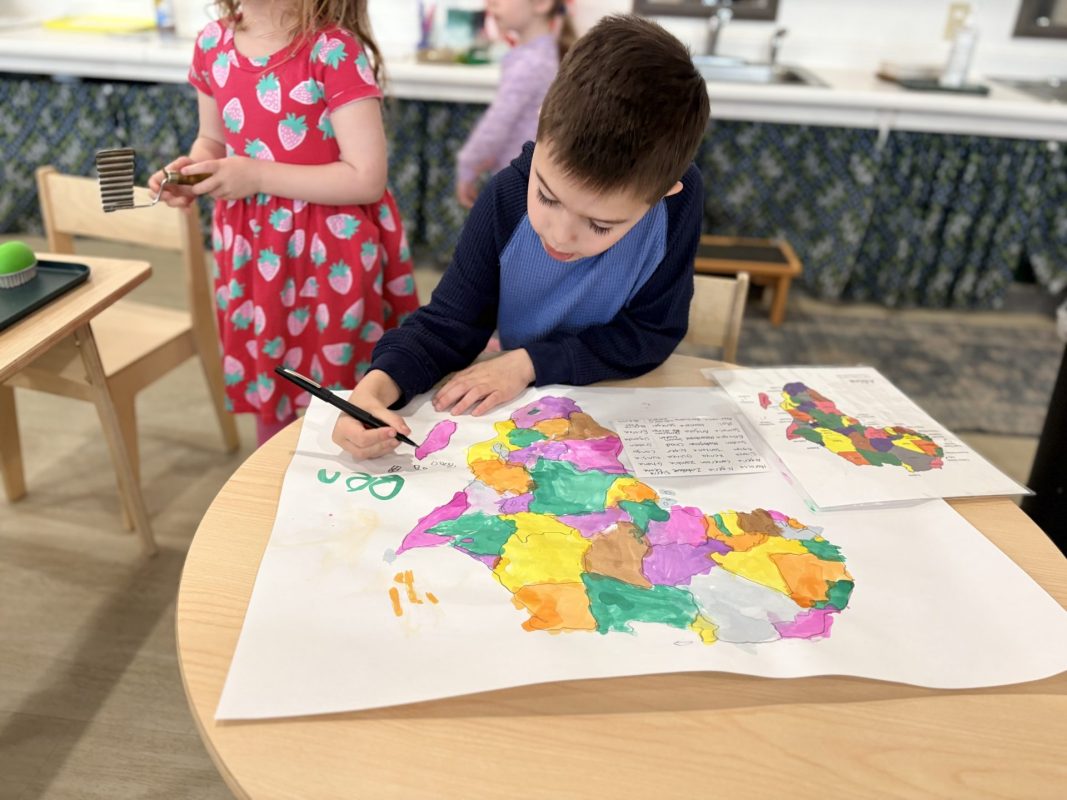
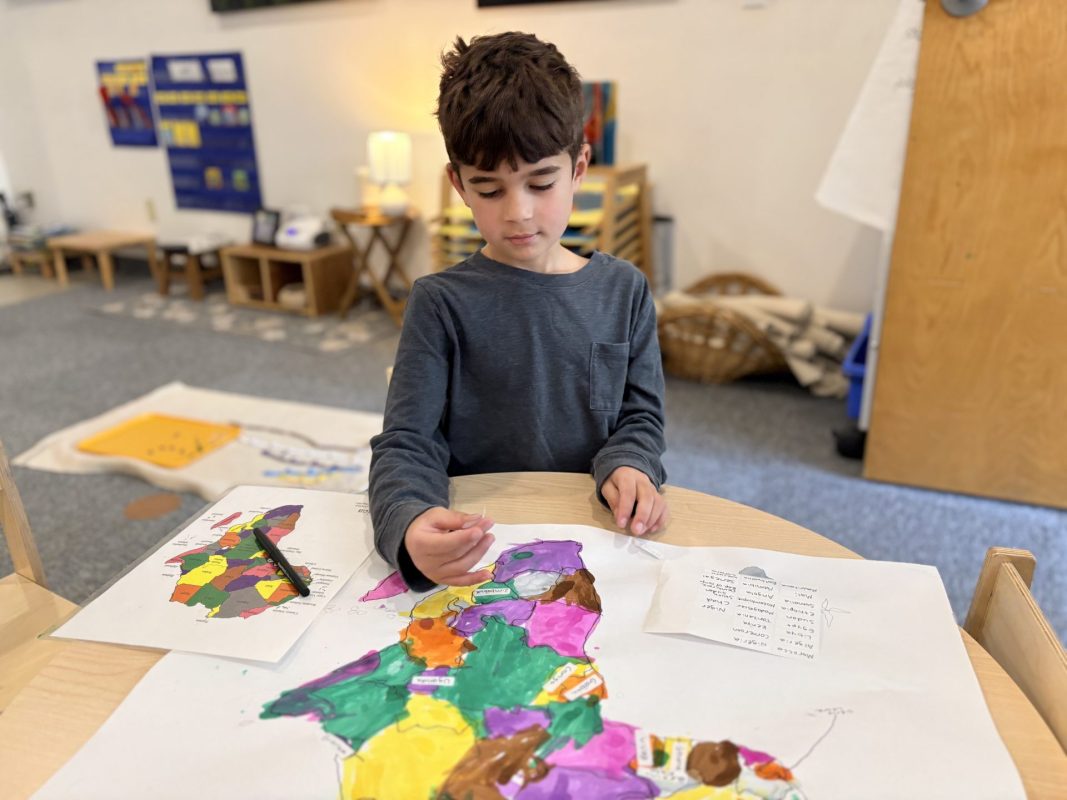
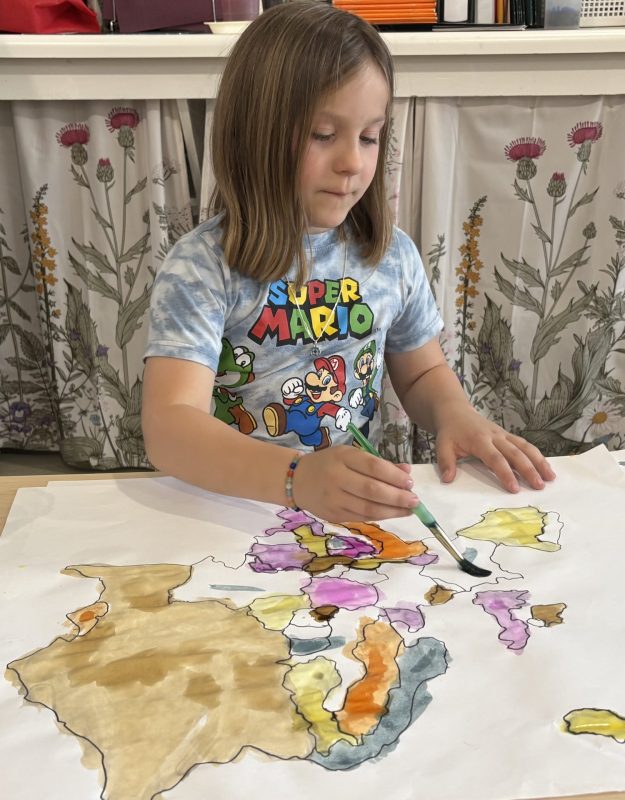
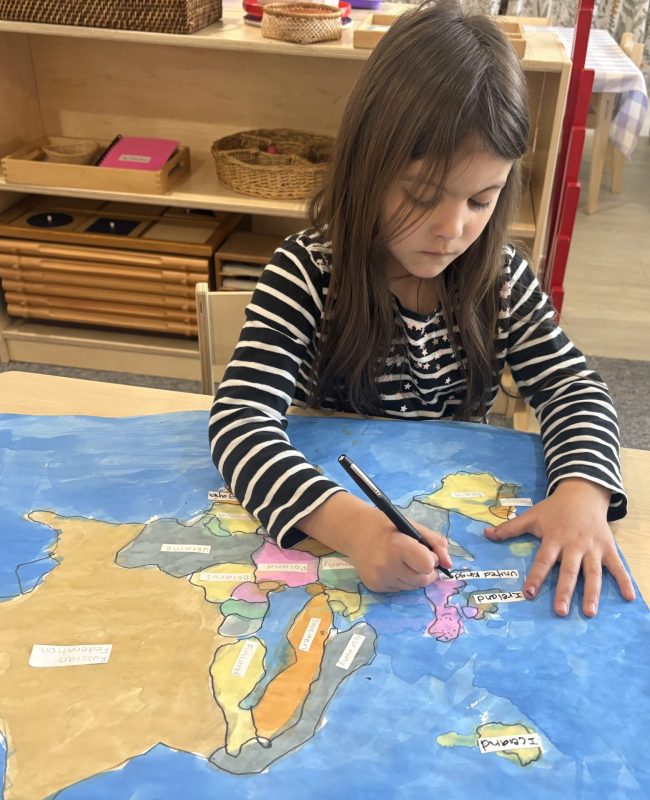
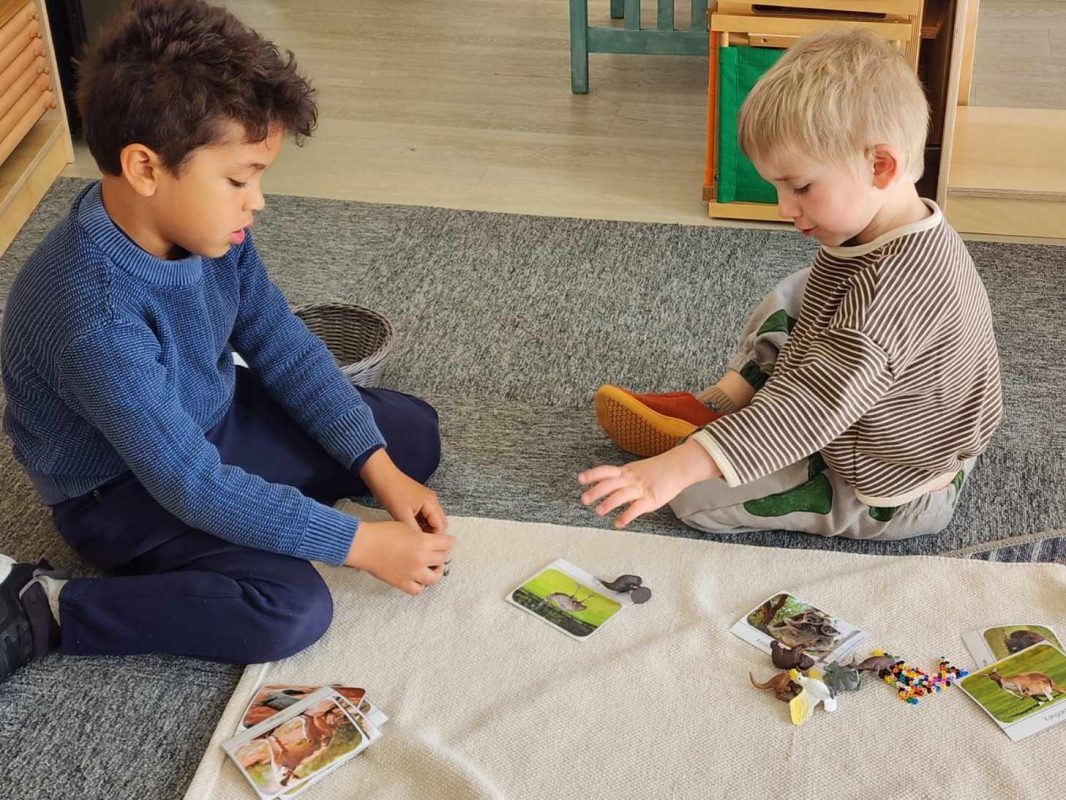
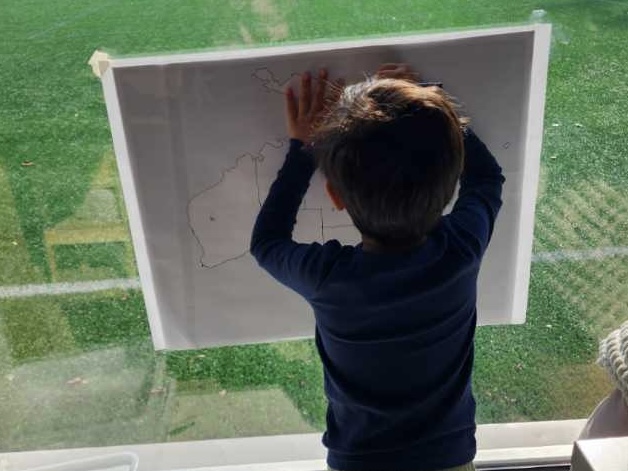
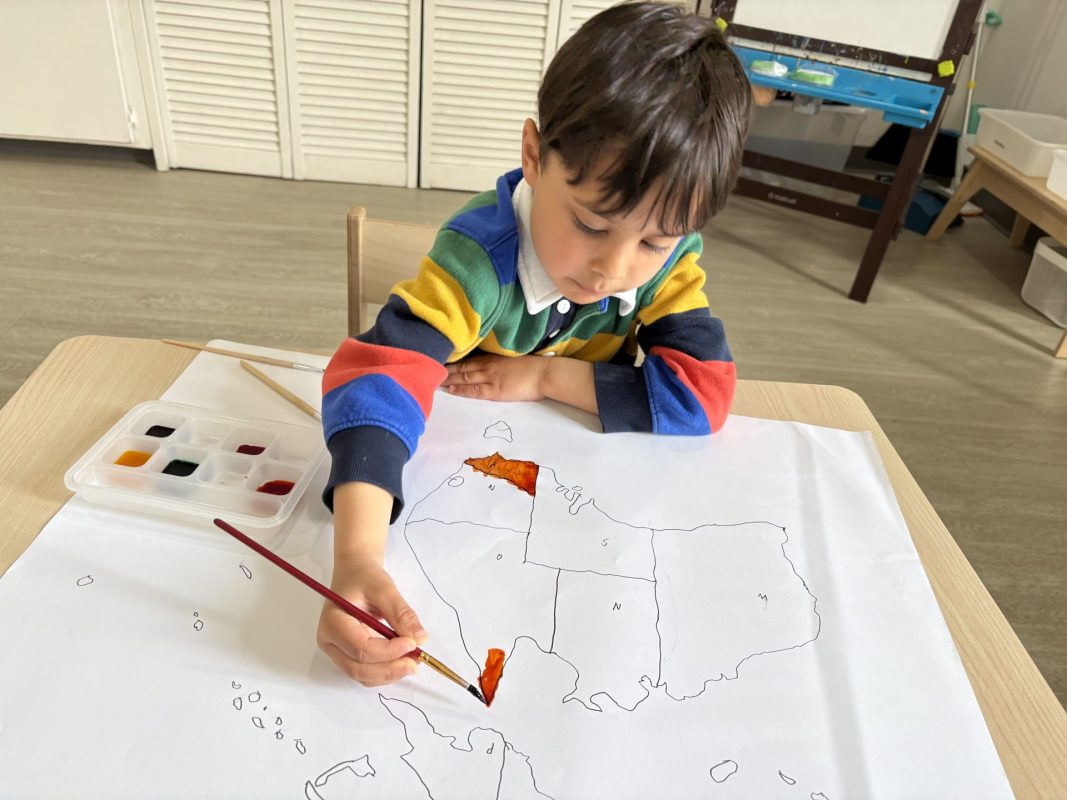
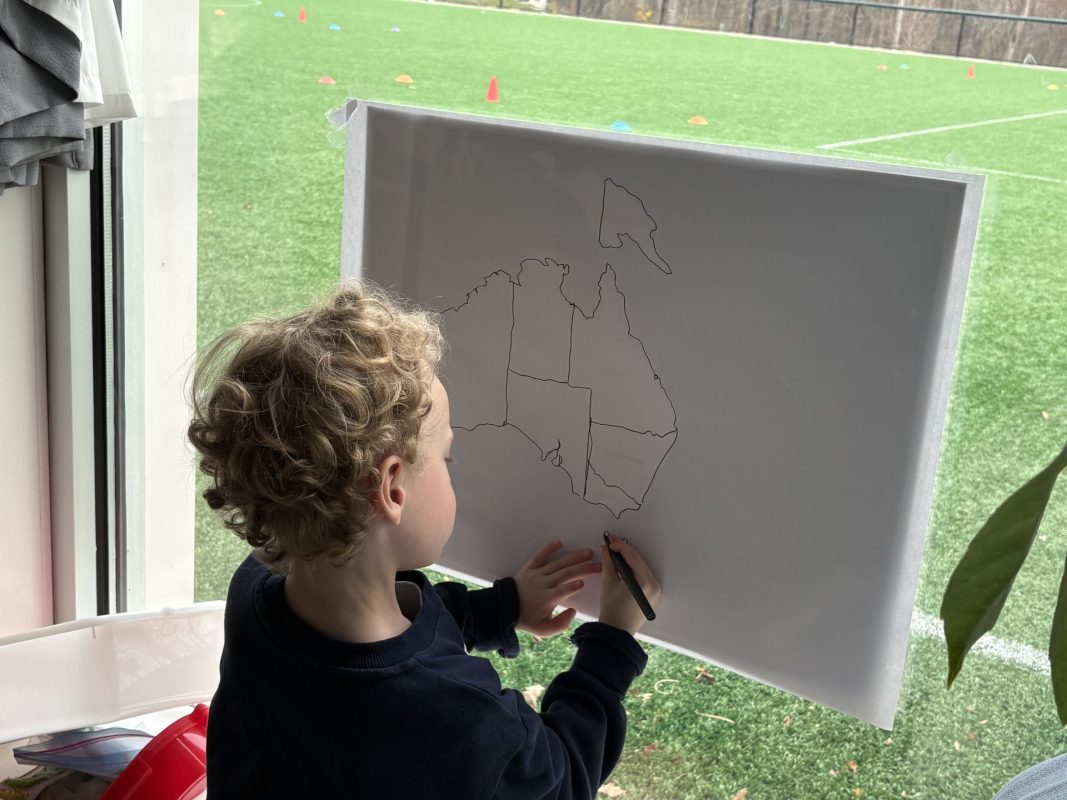
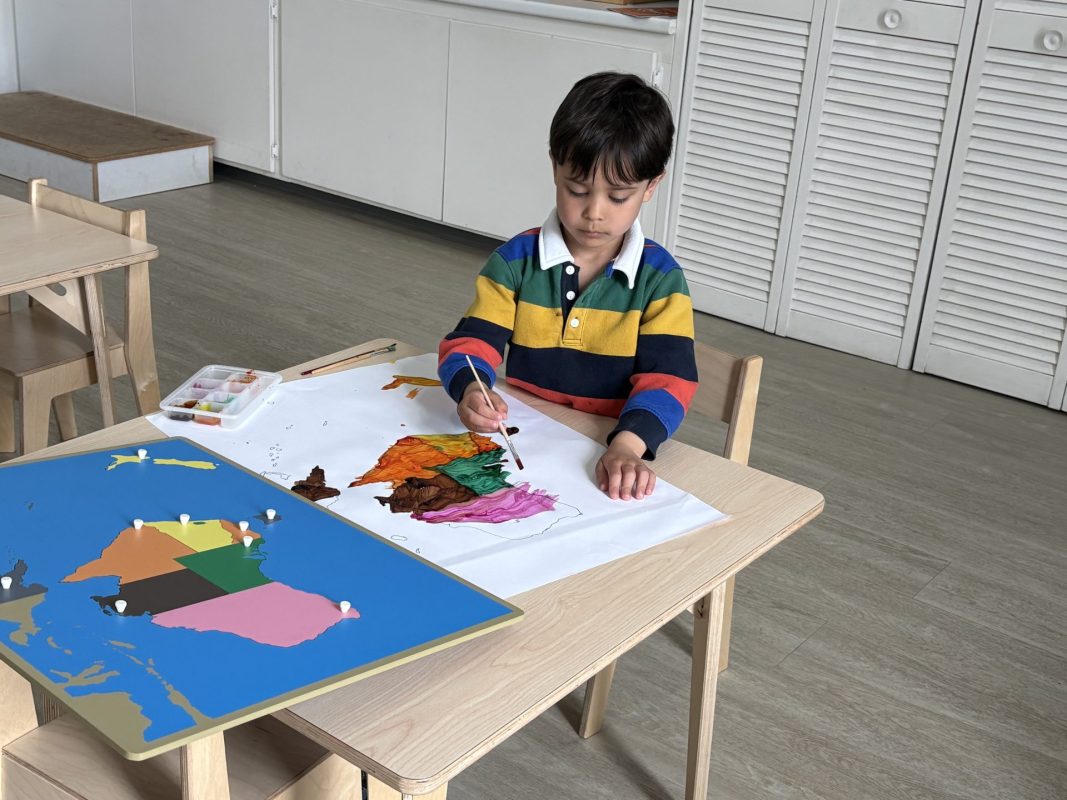
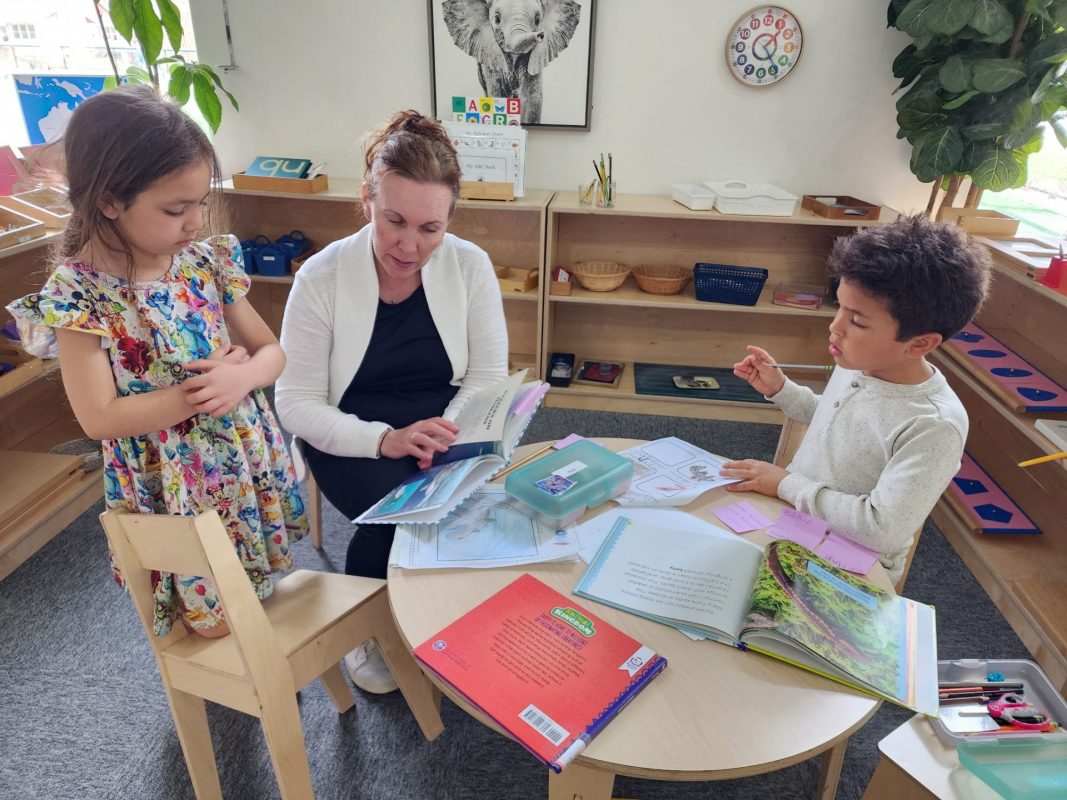
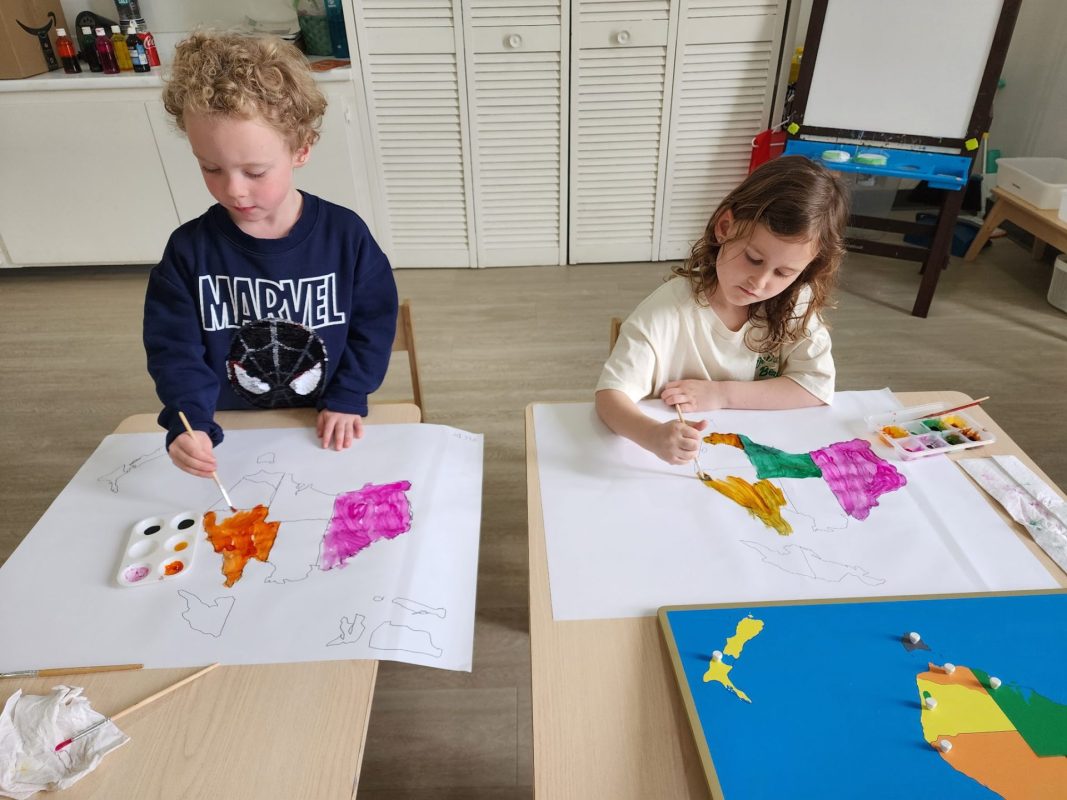
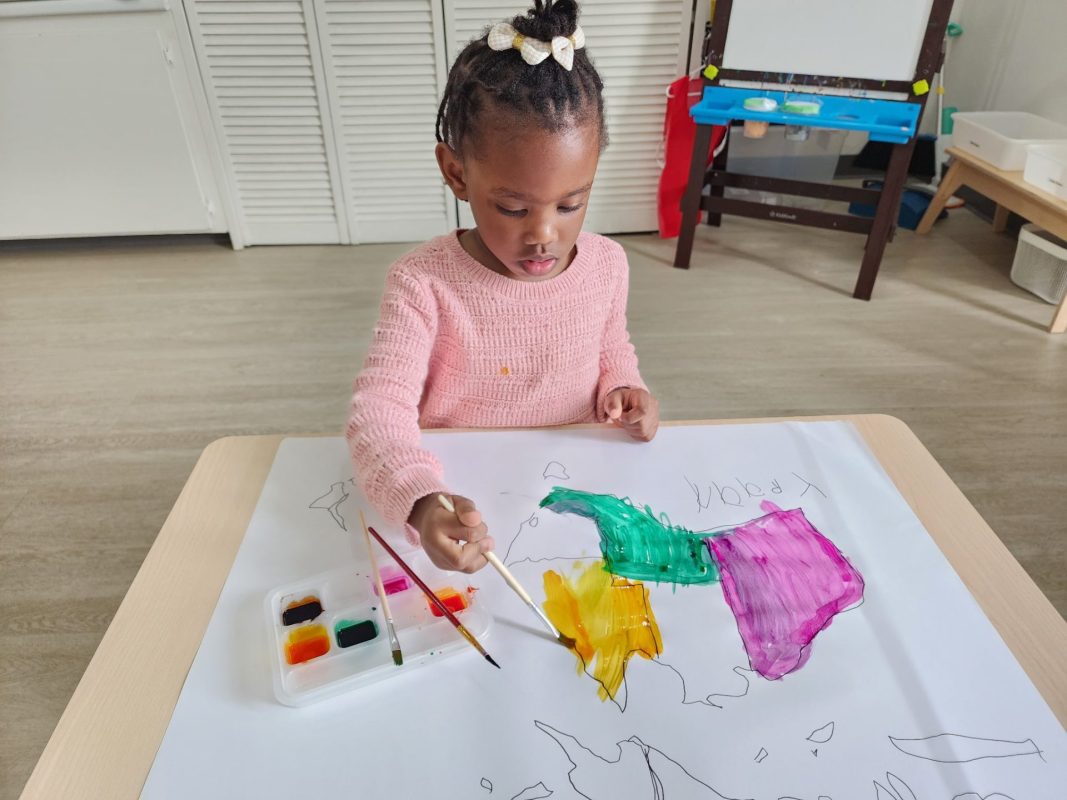
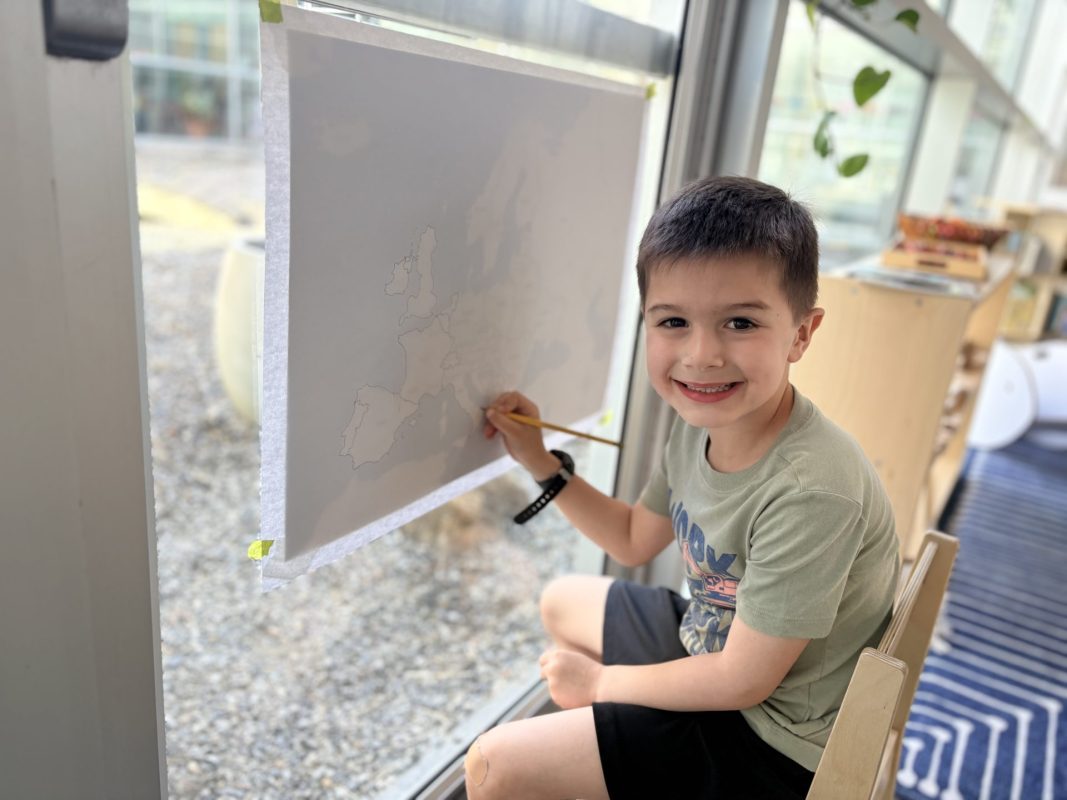
Last week, the classroom came alive with the sights, sounds, and stories of Africa. We began our continent study by locating Africa on the puzzle map, tracing its shape, and discussing where it sits in relation to the other continents. From there, we explored its remarkable diversity — the animals that roam its vast landscapes, its varied topography, its rich cultures, and its iconic landmarks.

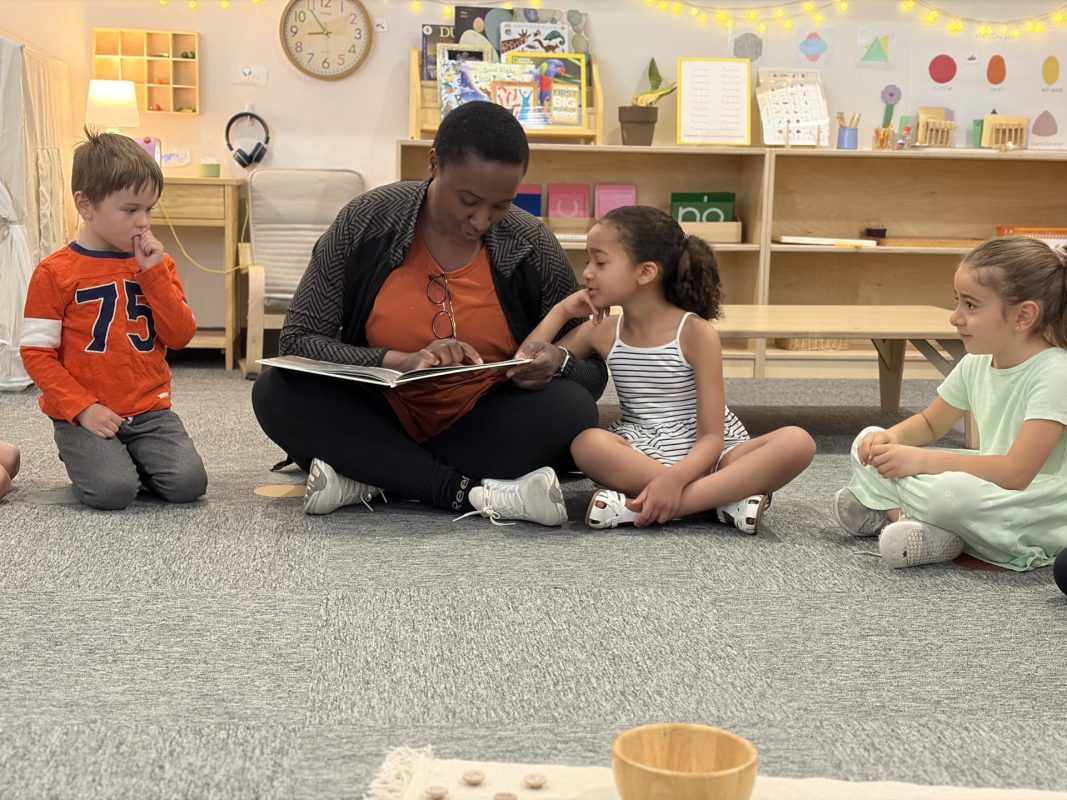
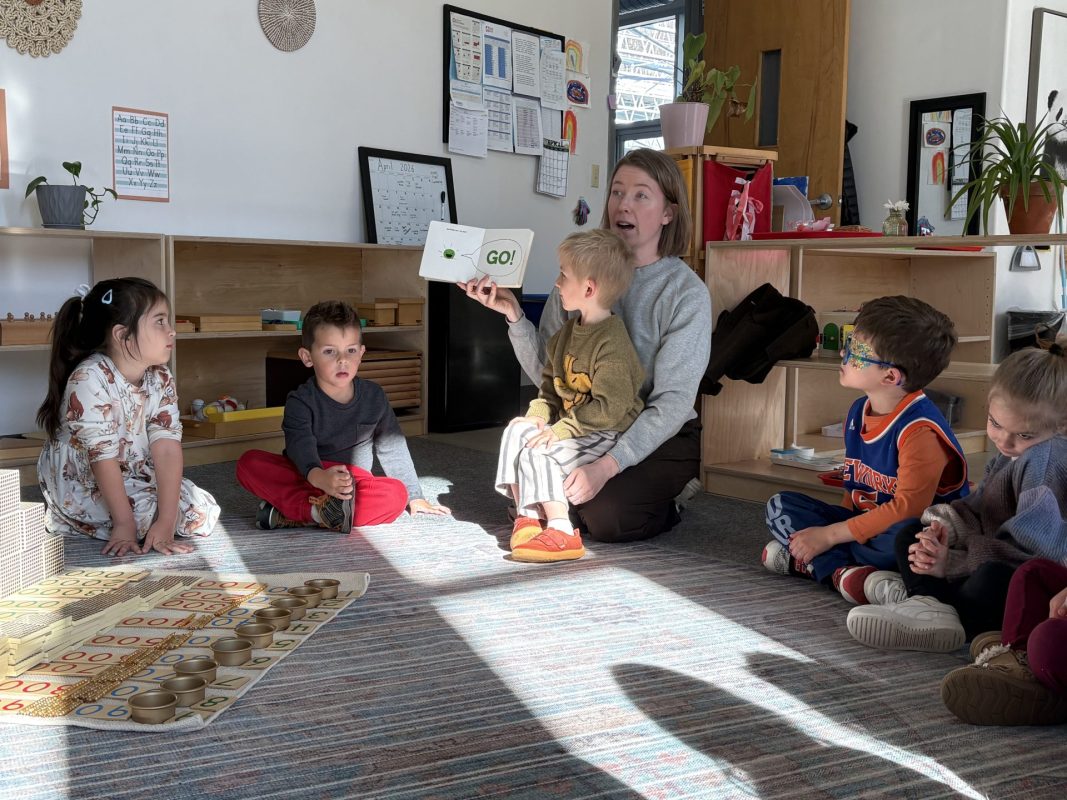
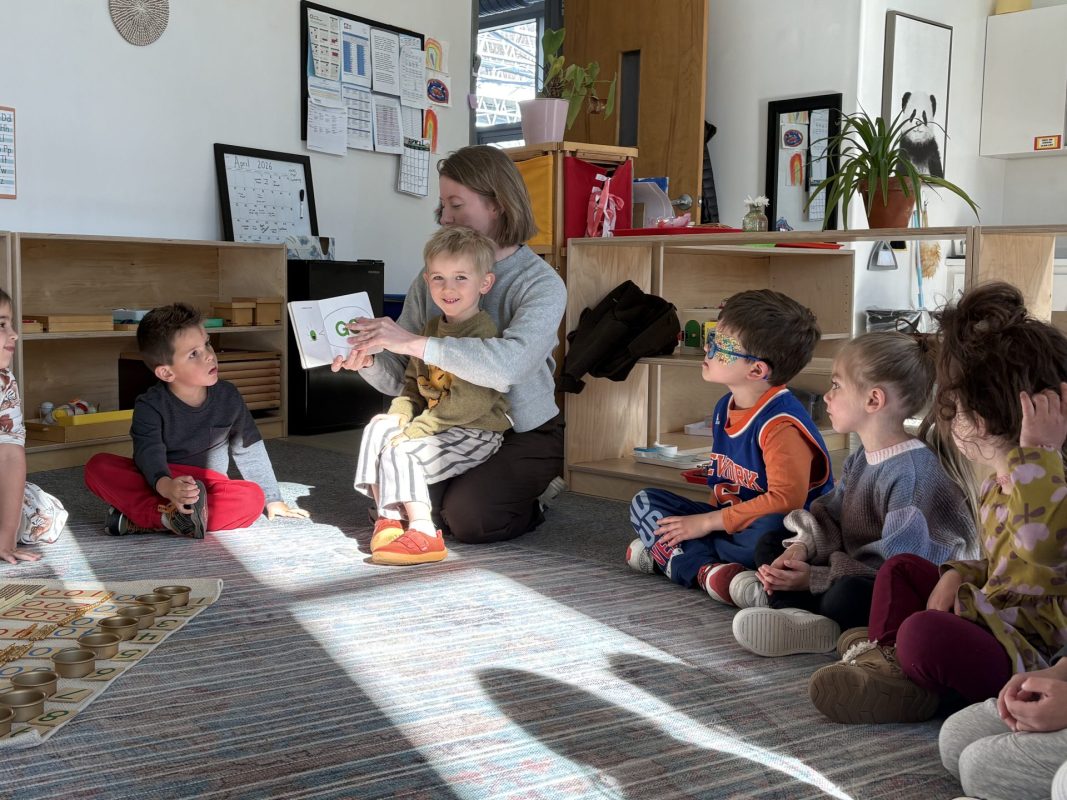
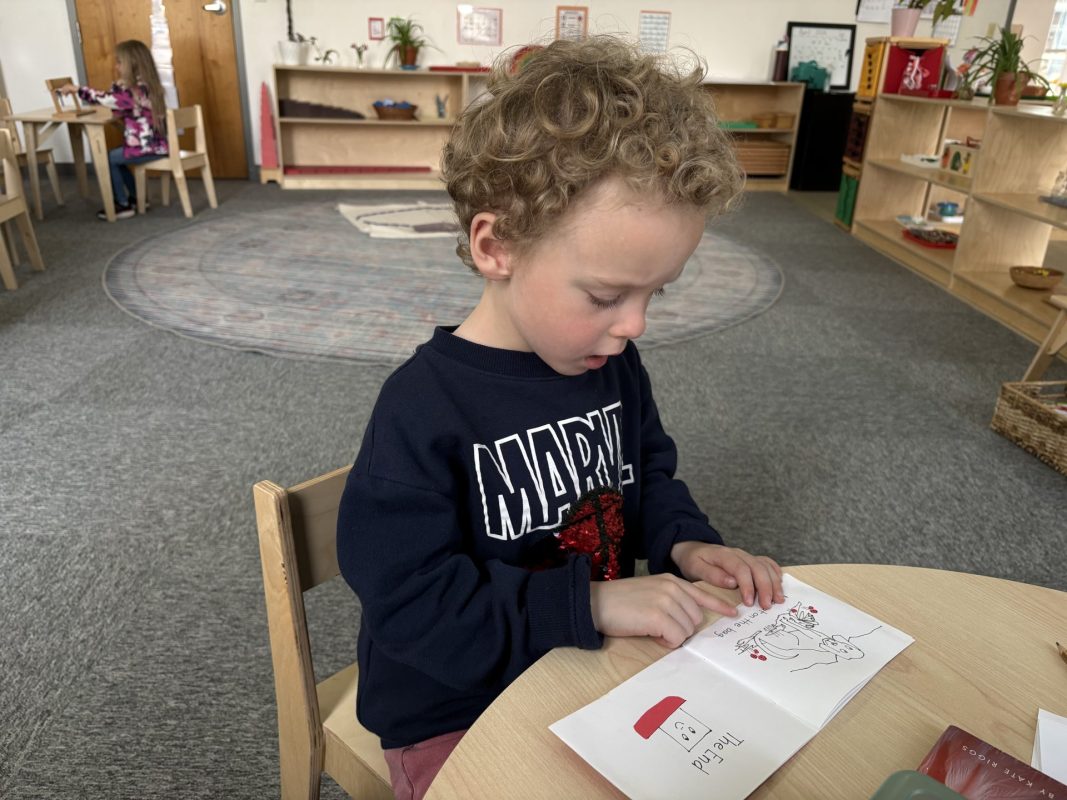
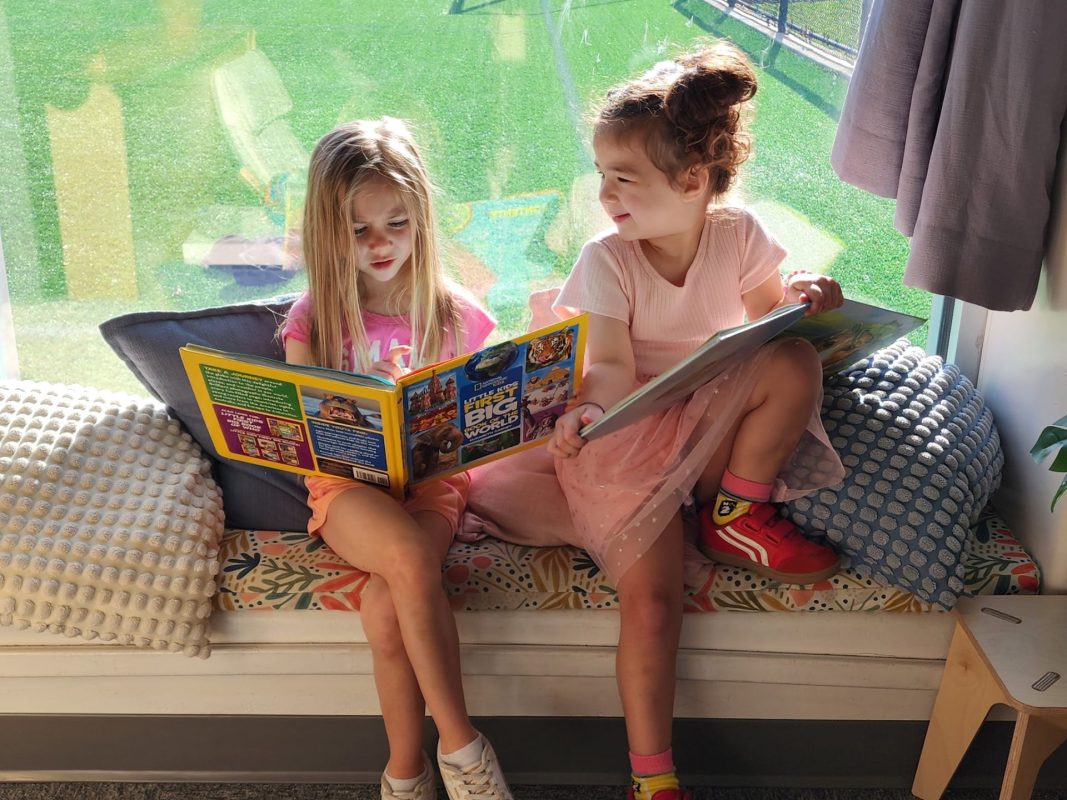
Picture books played a central role in bringing Africa to life. Through stories set across the continent, the children connected geography with narrative in a meaningful way — a beautiful example of how language, culture, and sensorial learning weave together in the Montessori environment.

This is just the beginning of our African adventure!

UPCOMING EVENTS & ANNOUNCEMENTS

This Week

  • Monday, March 30
    • Ryder’s Birthday Walk
  • Tuesday, March 31
    • Helena’s Birthday Walk
  • Wednesday, April 1
    • Guest Reader: Katie R.
  • Friday, April 3
    • No School | Good Friday

Ms. Marissa: Rainbows, Robins, and Ramadan

Welcoming Spring Through Science, Song, and Cultural Celebration

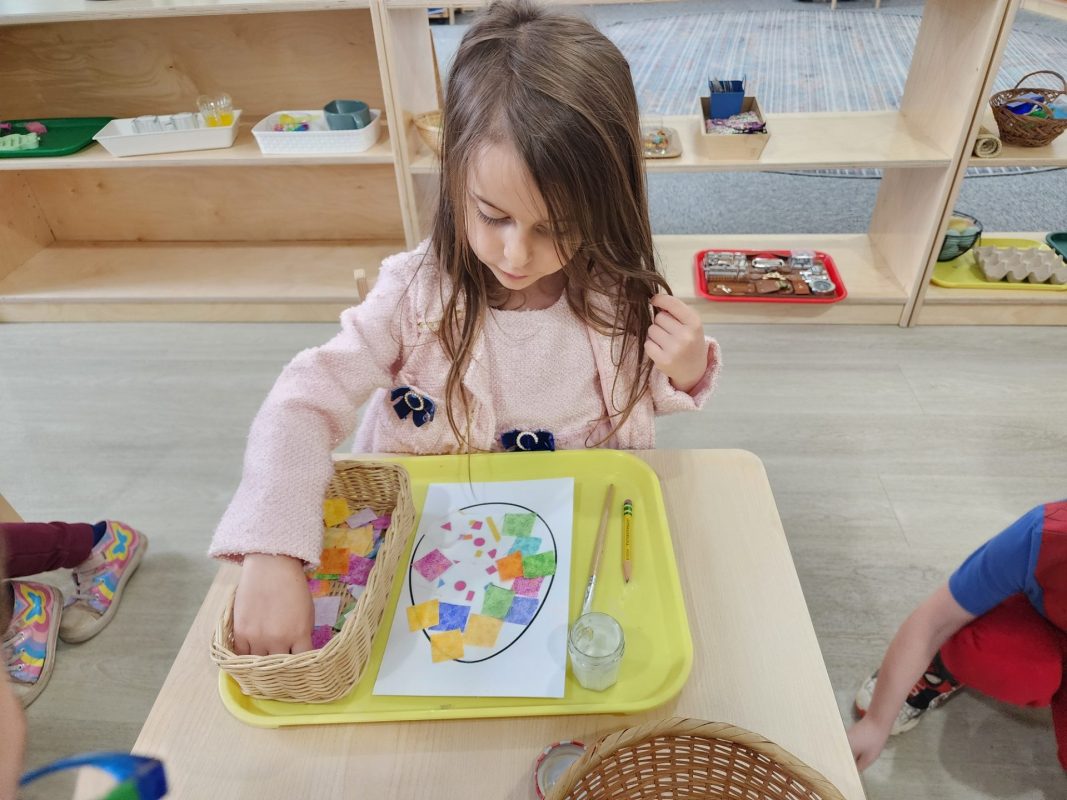
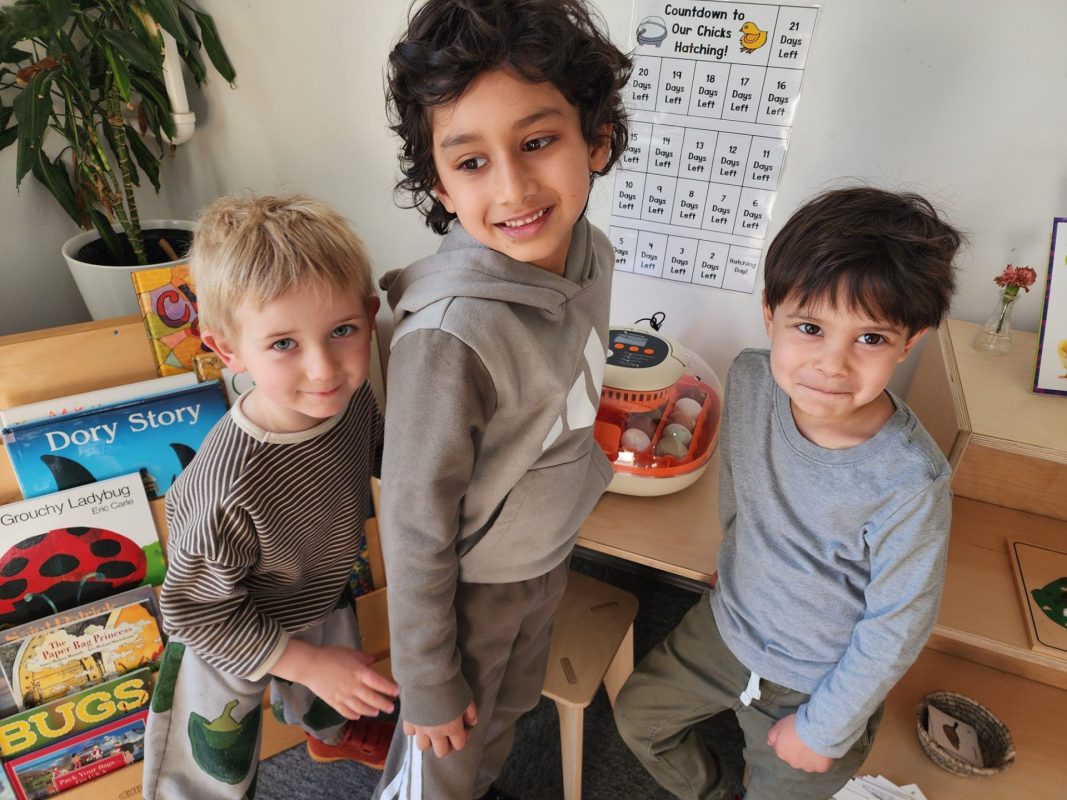
Last week, our classroom was buzzing with curiosity about the world around us — both near and far. We continued our study of rainbows and the water cycle, and the children have been eagerly tracking whether the old saying holds true: Does March really come in like a lion and go out like a lamb? We have been watching closely!

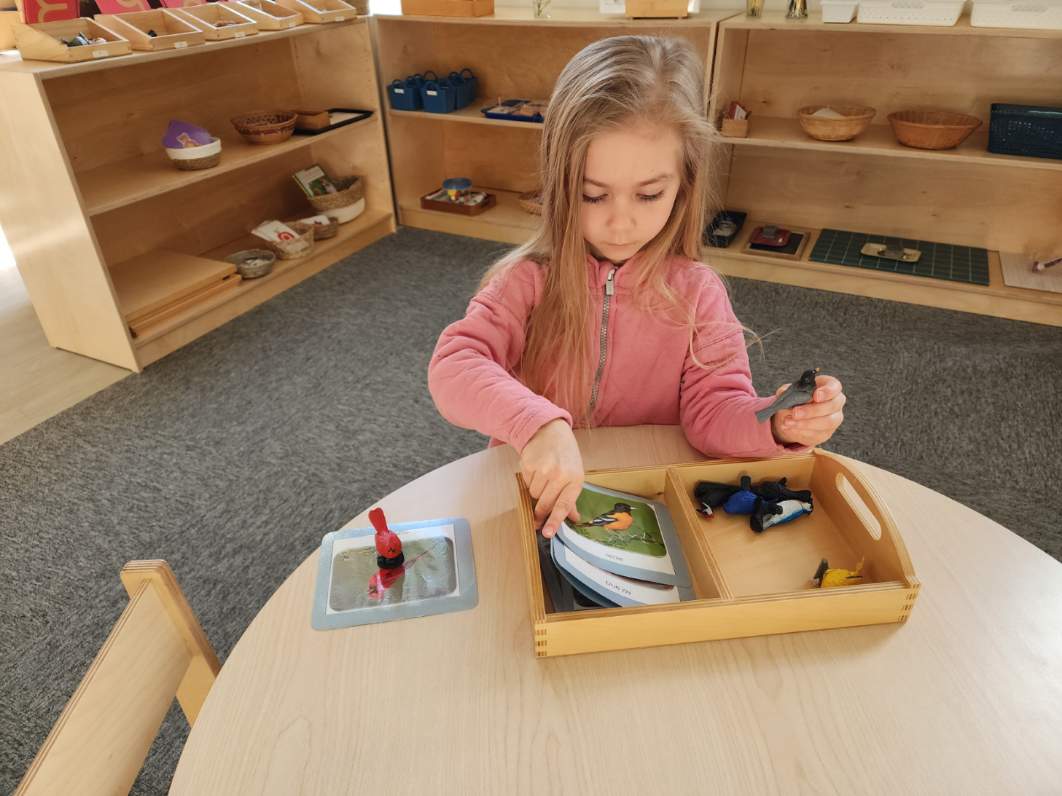
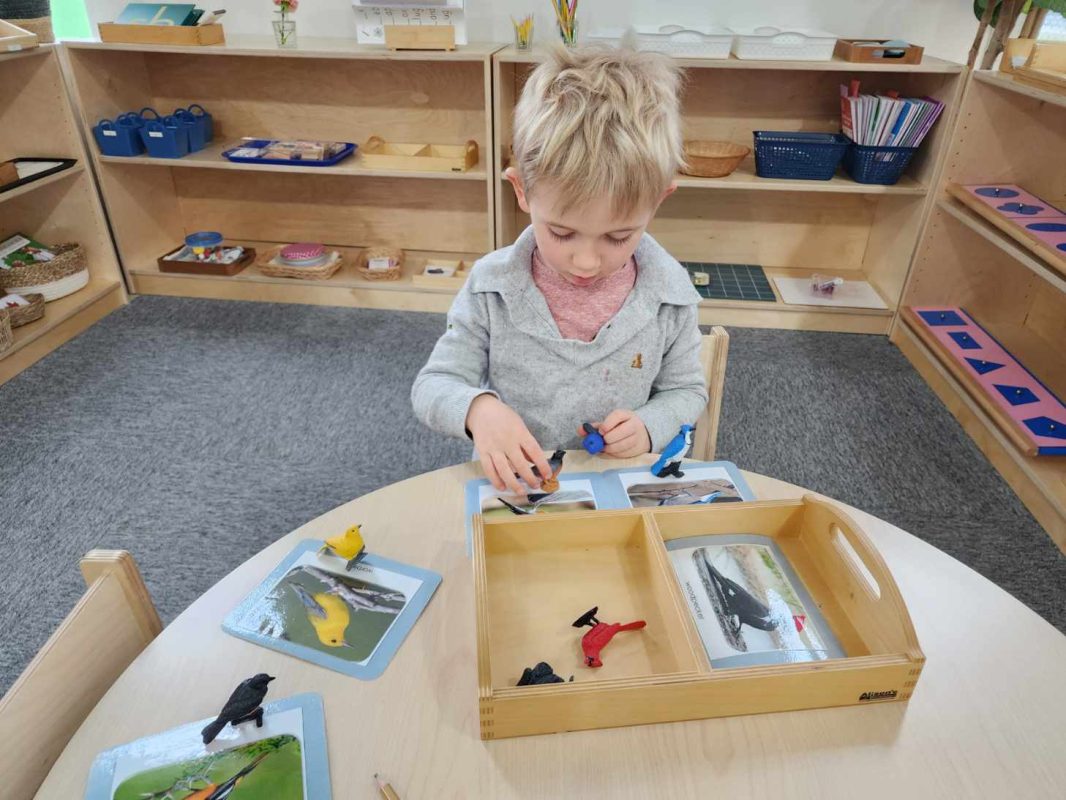
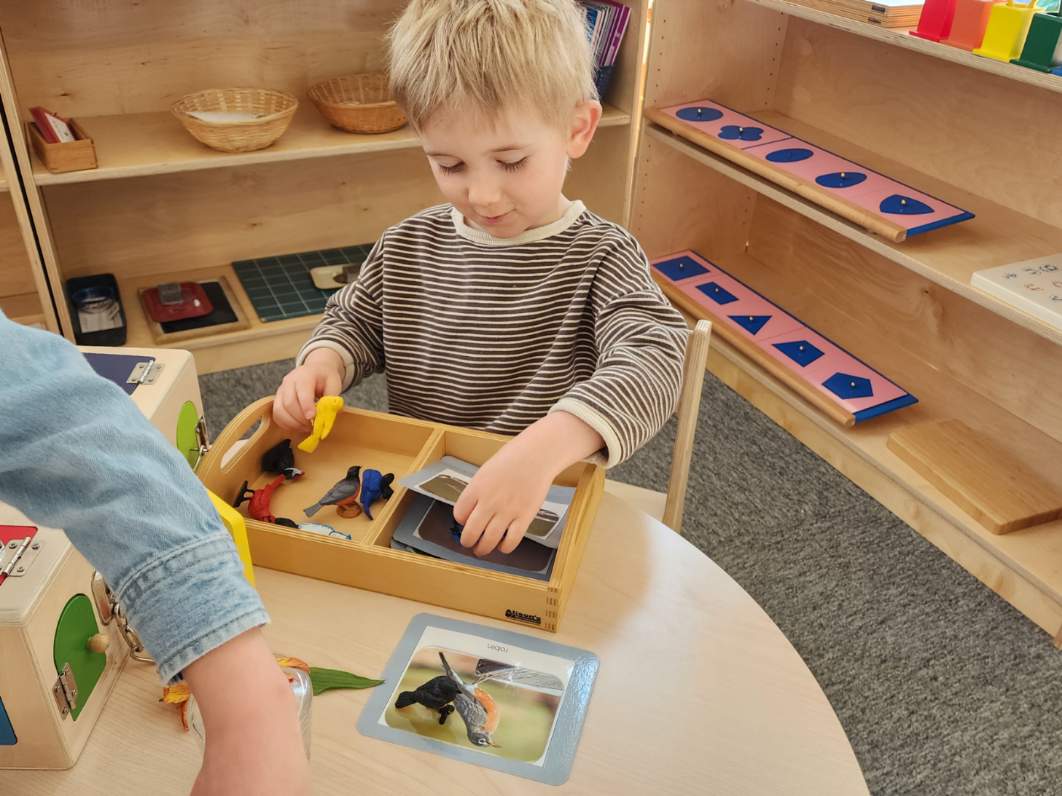
The beautiful weather has brought some wonderful observations about the early signs of spring. One of the most exciting? The return of the robin! We have been singing “The Red Red Robin” together and keeping our eyes peeled for those bright orange-red chests out on the campus.

One of the most memorable moments of the week was a special lesson on Ramadan and Eid al-Fitr, generously shared by Norah’s mom. We lit lanterns to represent the meal eaten at sundown — a beautiful, hands-on way to bring this meaningful cultural celebration into our classroom. Lessons like this one remind us that learning about the world’s traditions fosters empathy, curiosity, and a deep respect for one another — core to Fraser Woods’ mission of cultivating compassion.

Extending Learning at Home

Keep the conversation going at home! Ask your child what signs of spring they have spotted, and see if March did indeed go out like a lamb. Look for robins together on your next walk, or try singing “The Red Red Robin.” If your family celebrates any cultural traditions or holidays, we would love for you to share them with our classroom community.

UPCOMING EVENTS & ANNOUNCEMENTS

This Week

  • Friday, April 3
    ⋅ No School | Good Friday

Mrs. Sargeant: Penguins, Crayons, and Big Research

A Week Full of Special Visitors, Shared Discoveries, and Kindergarten Curiosity

Last week, the classroom was full of energy as the children settled back in, reconnected with one another, and dove straight into purposeful work across every area of the room.

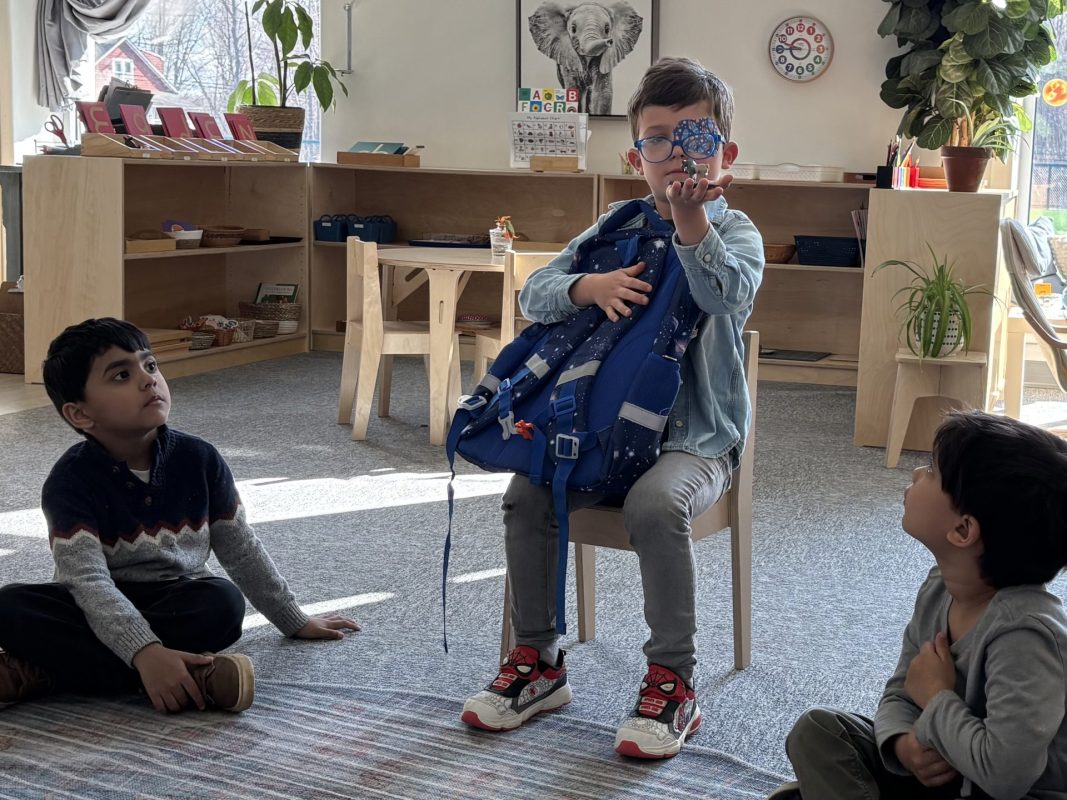
One of the week’s most memorable moments came from Lucia and her brother Enzo, who brought in penguin feathers collected all the way from Argentina. They shared remarkable facts with their classmates — including the astonishing detail that penguins drink ocean water and then sneeze out the salt! The class was completely captivated, and the photos they brought in made the lesson feel wonderfully real.

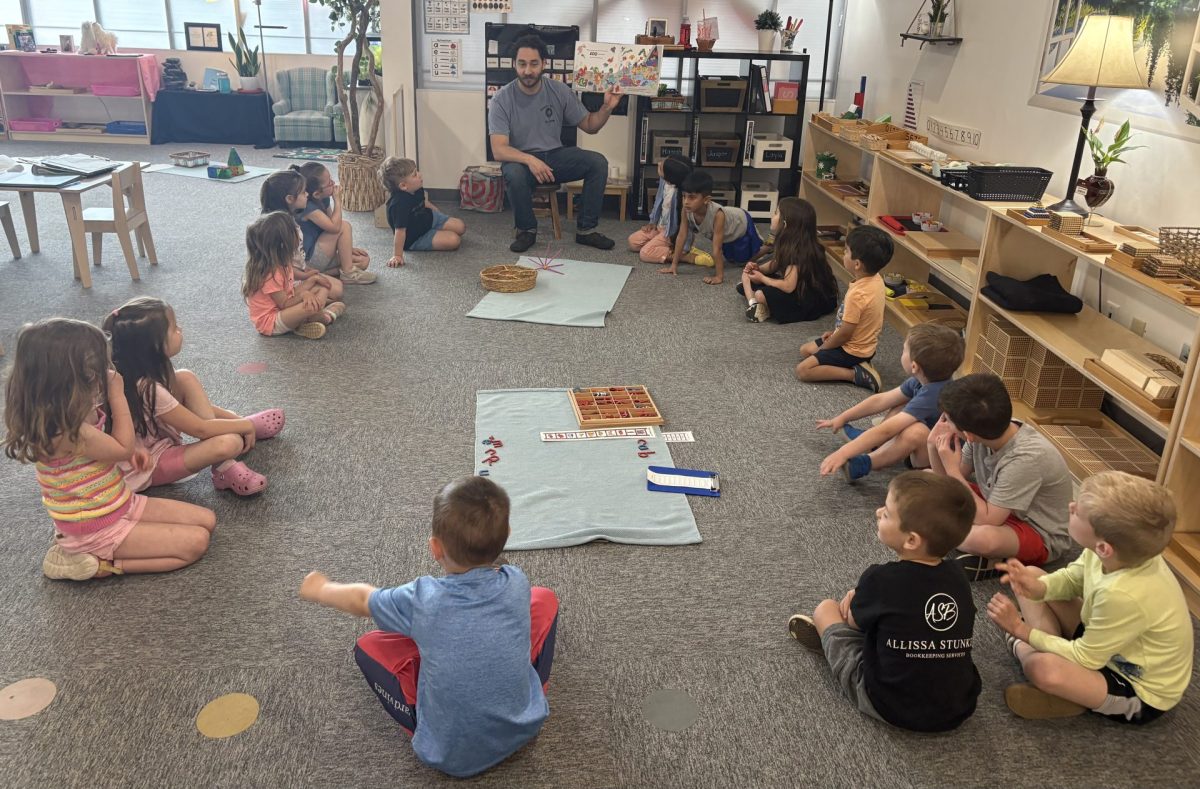
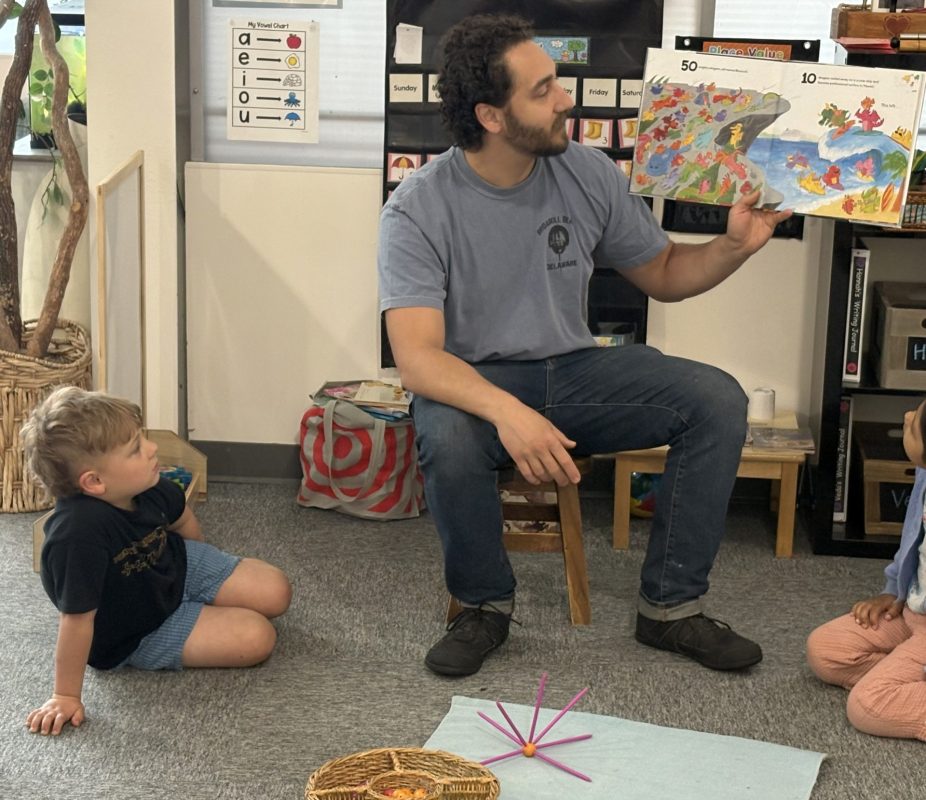
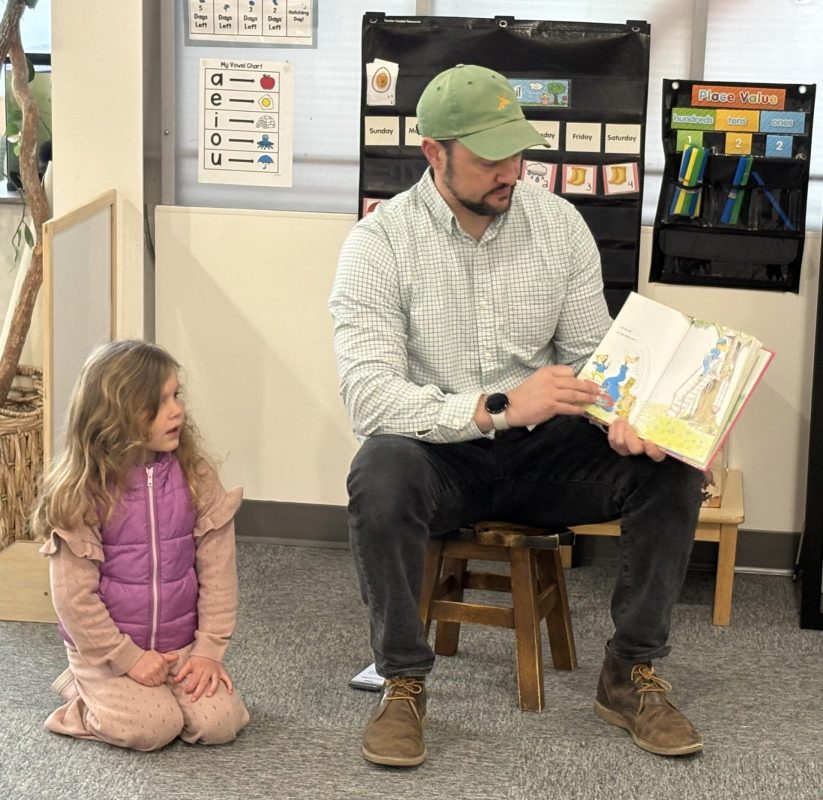
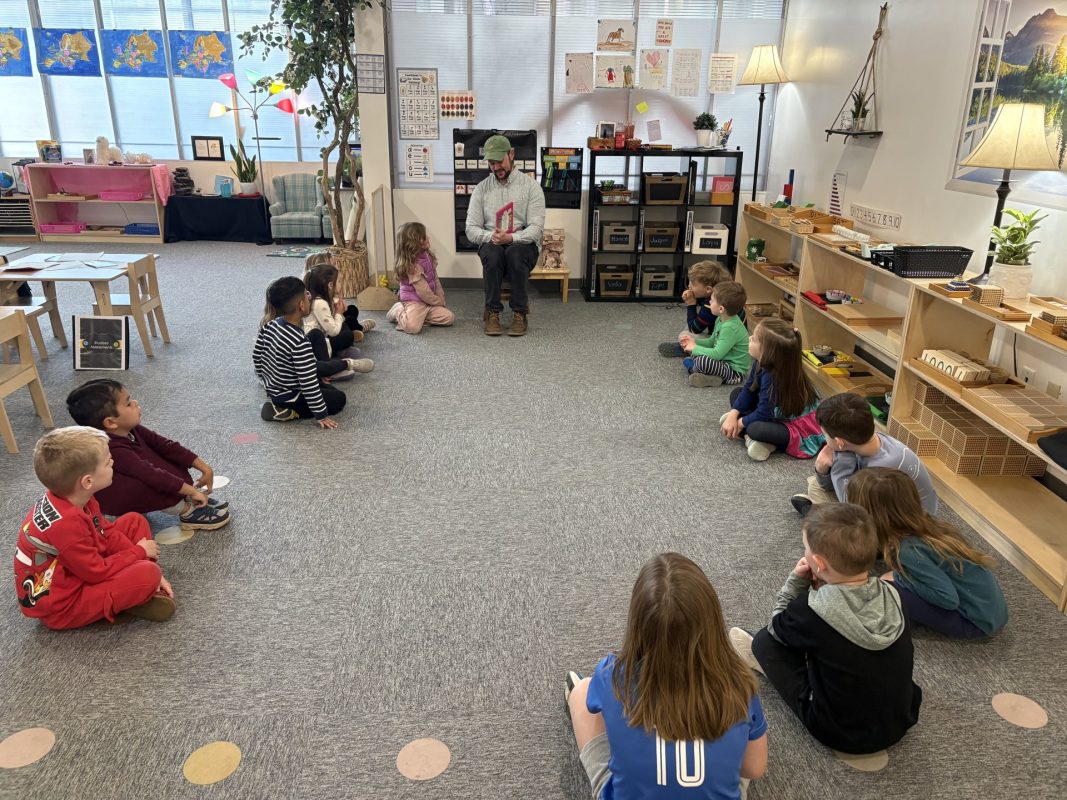
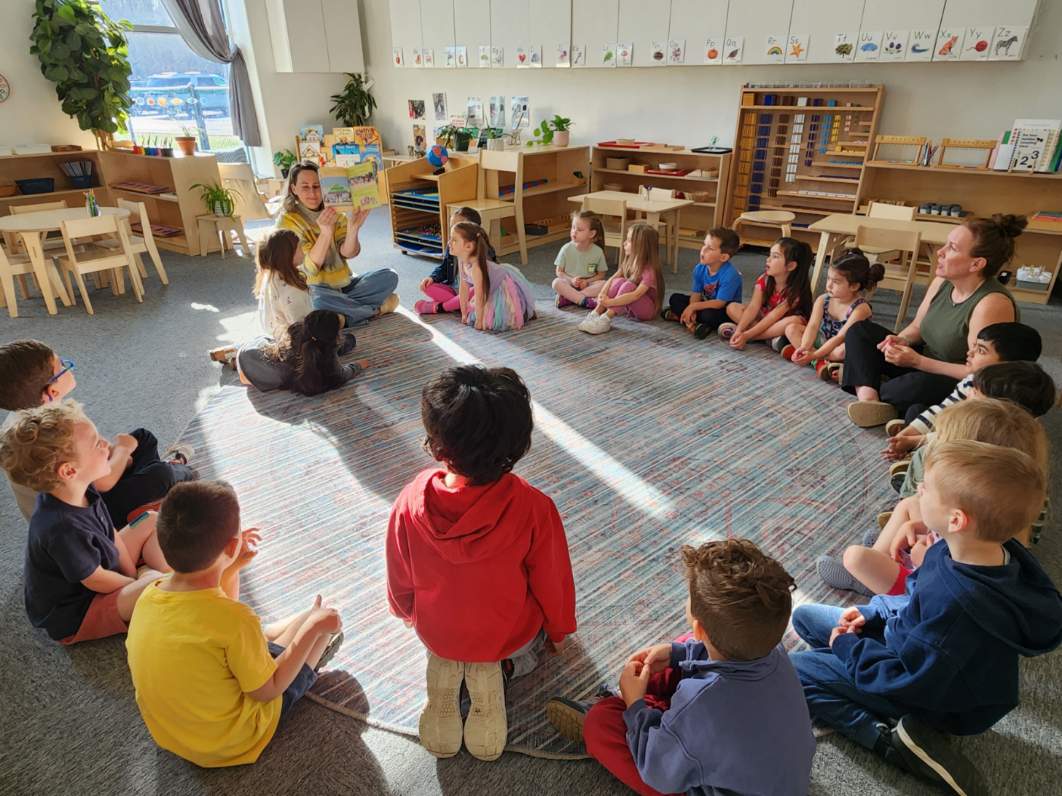
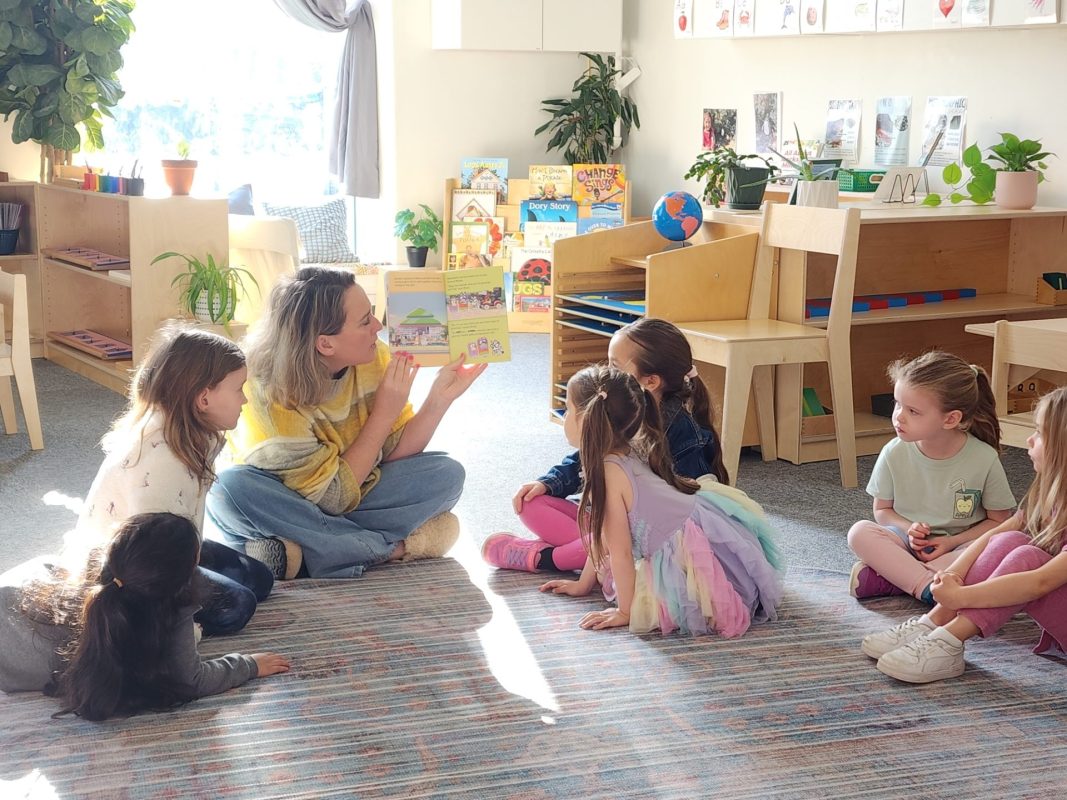
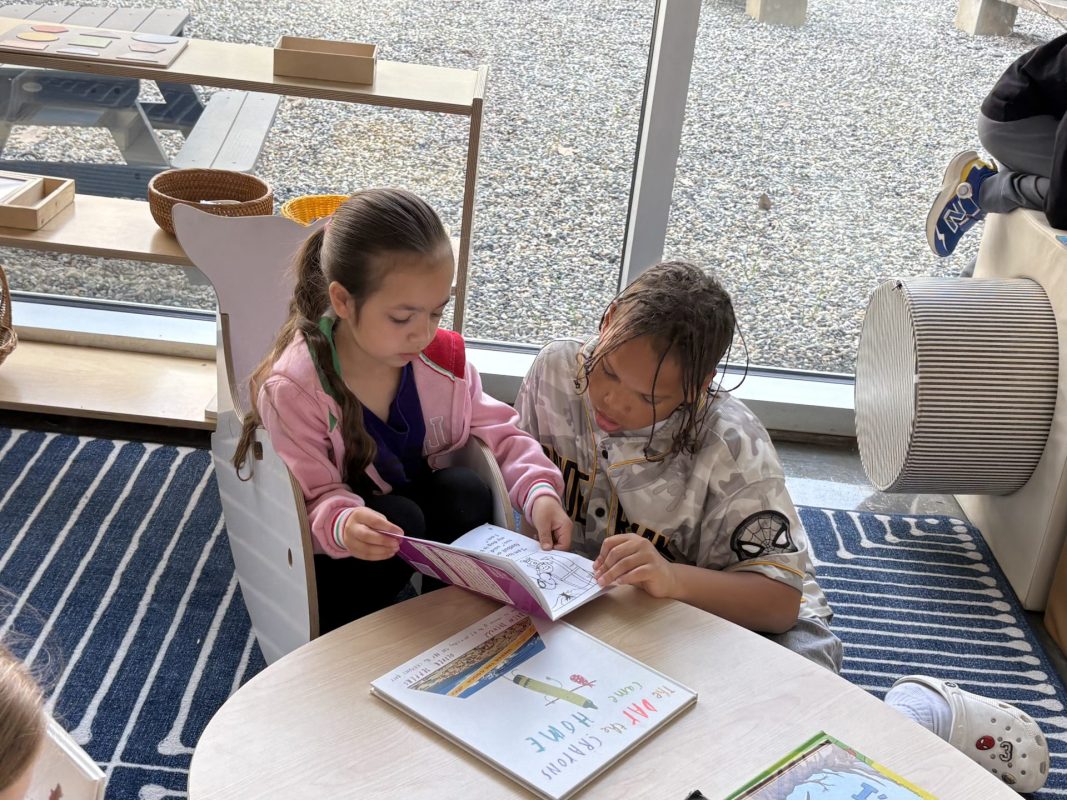
Our guest reader this week was Ava’s mom, who arrived dressed as a crayon to read The Day the Crayons Came Home — and brought handmade postcards addressed to our class. It was a truly special visit that the children are still talking about.

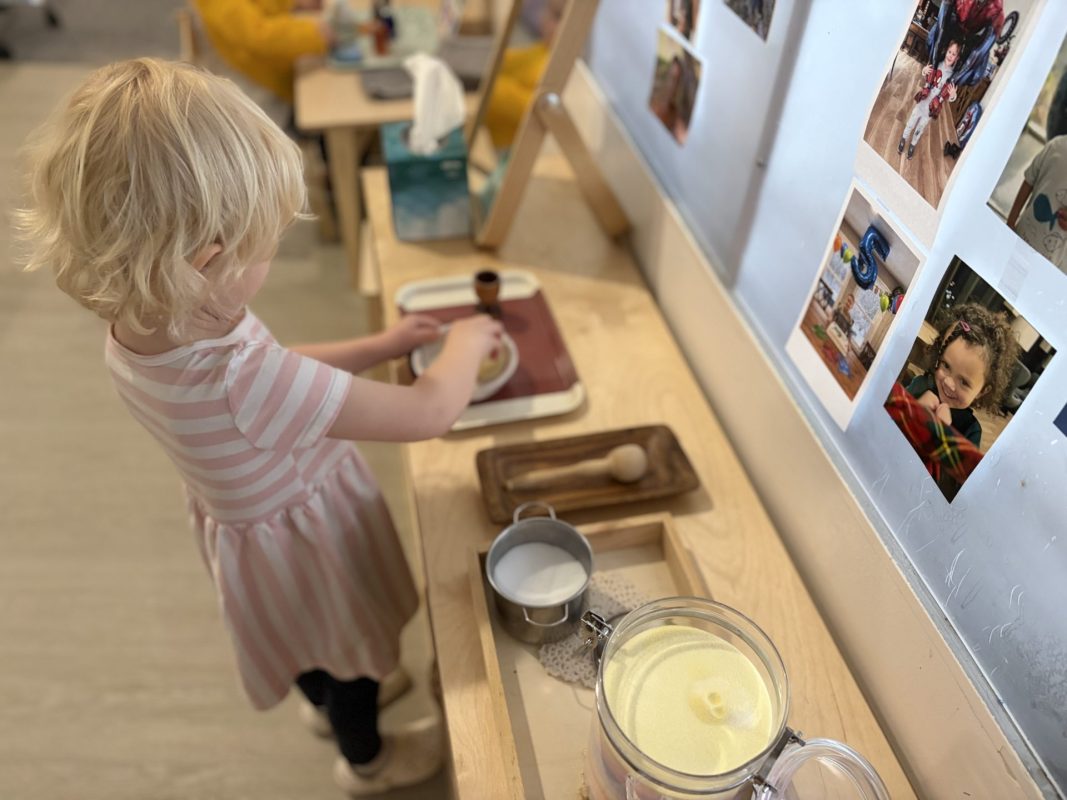
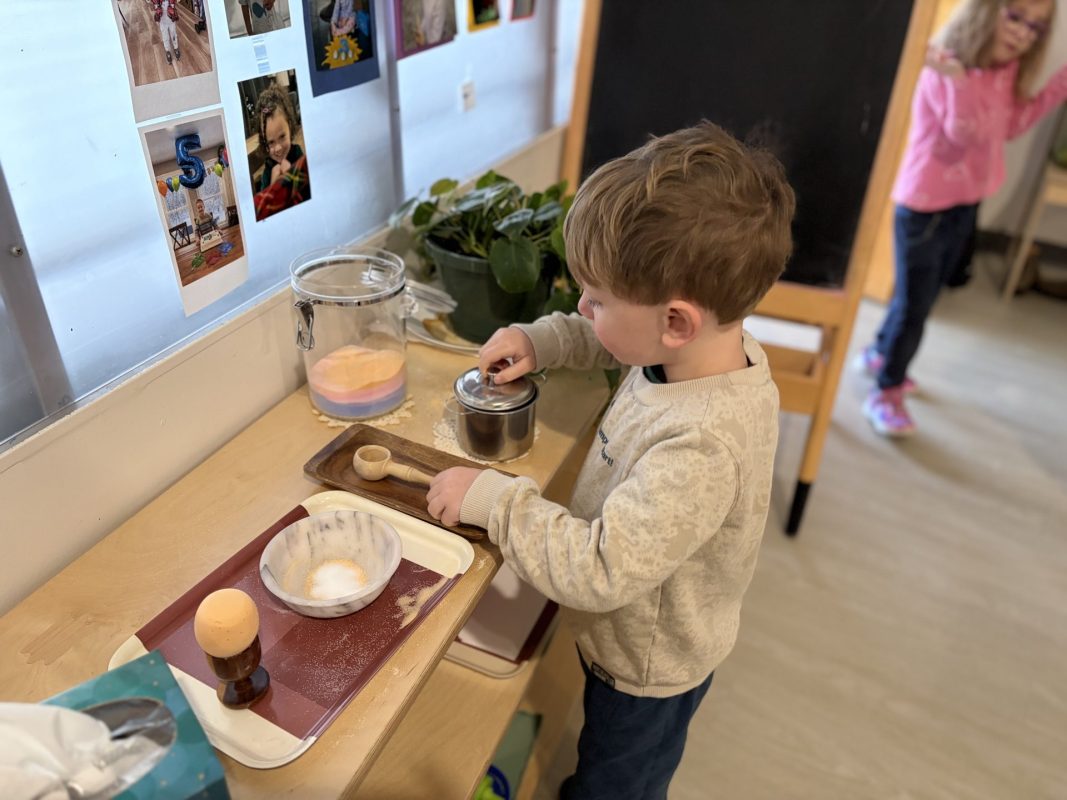
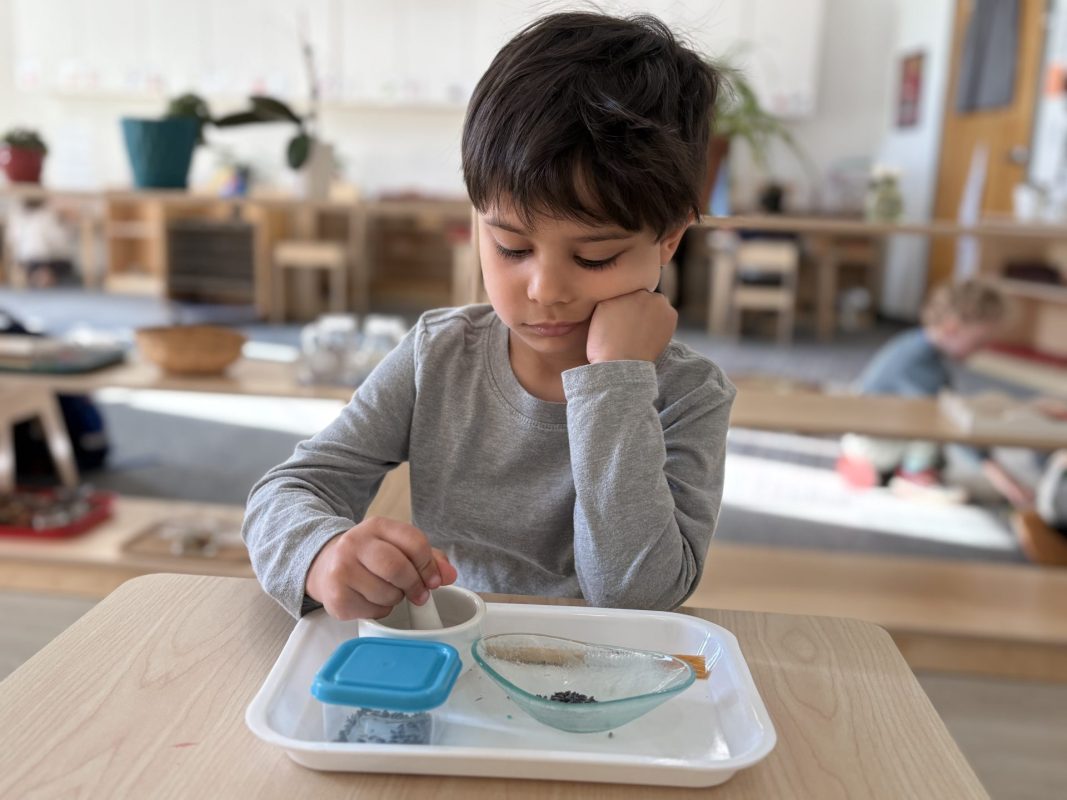
In the practical life area, we introduced the mortar and pestle this week by crushing cloves and exploring the wonderful aroma together. This work builds hand strength, concentration, and sensory awareness all at once. If your family has something at home that would be fun for the children to grind or crush — spices, dried herbs, or similar — please feel free to send it in!

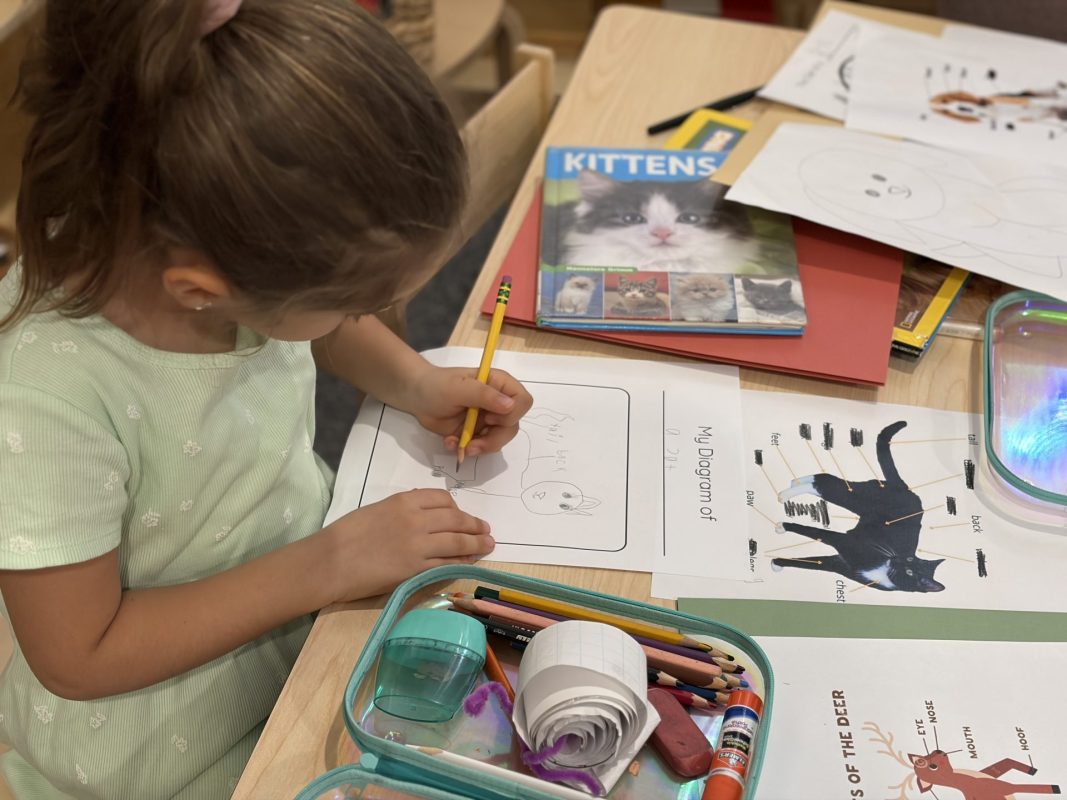
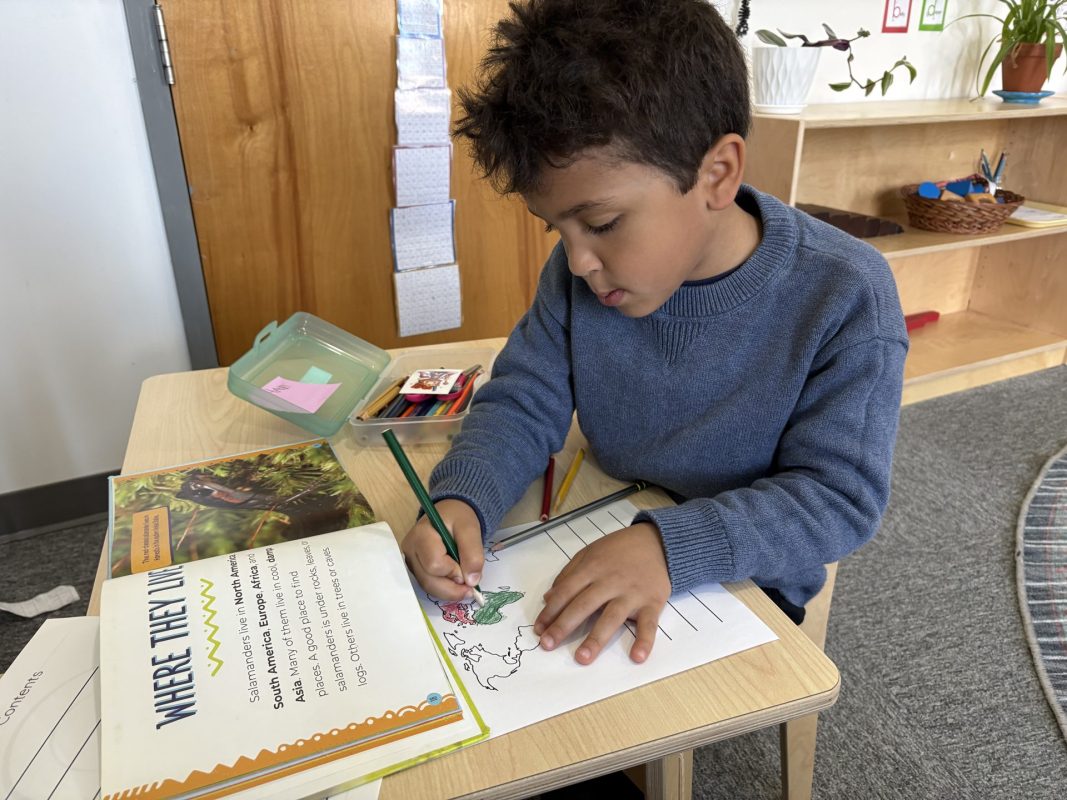
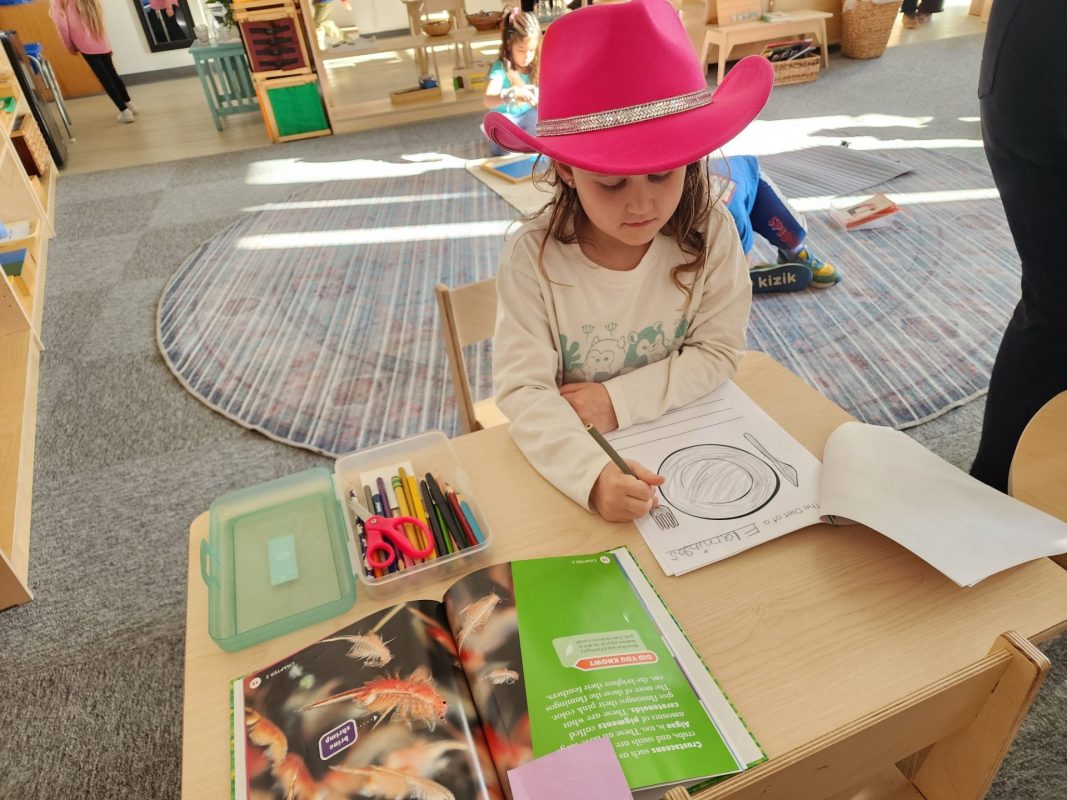
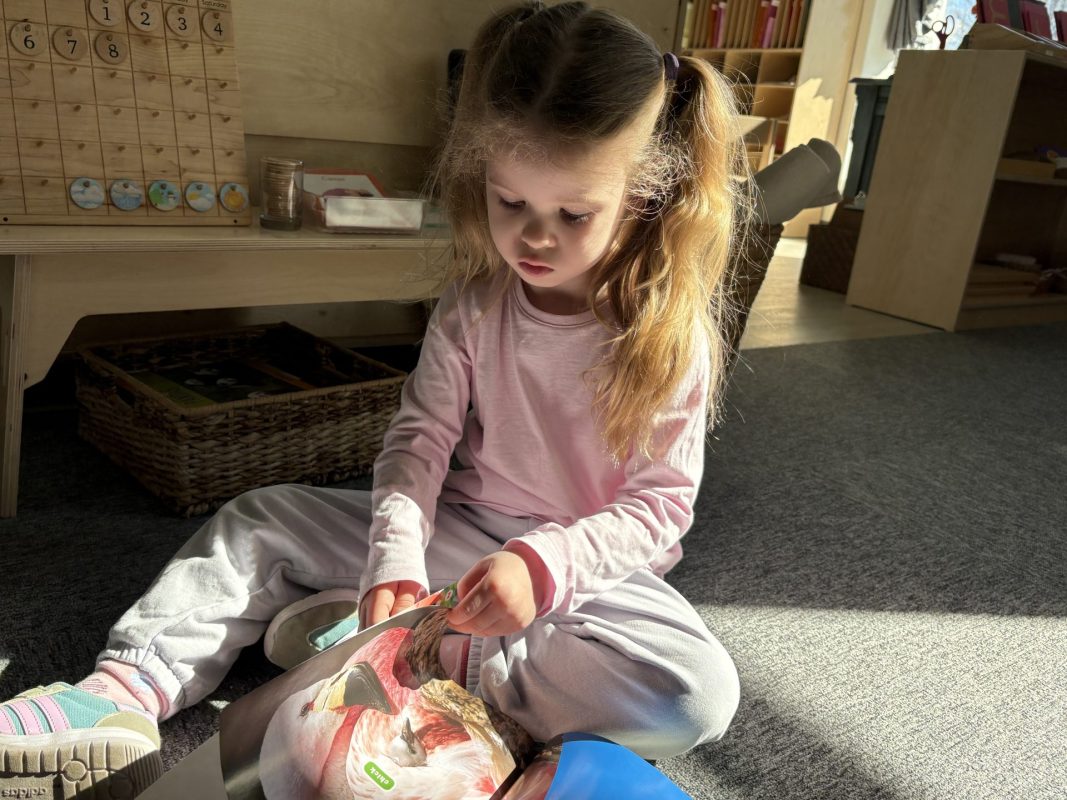
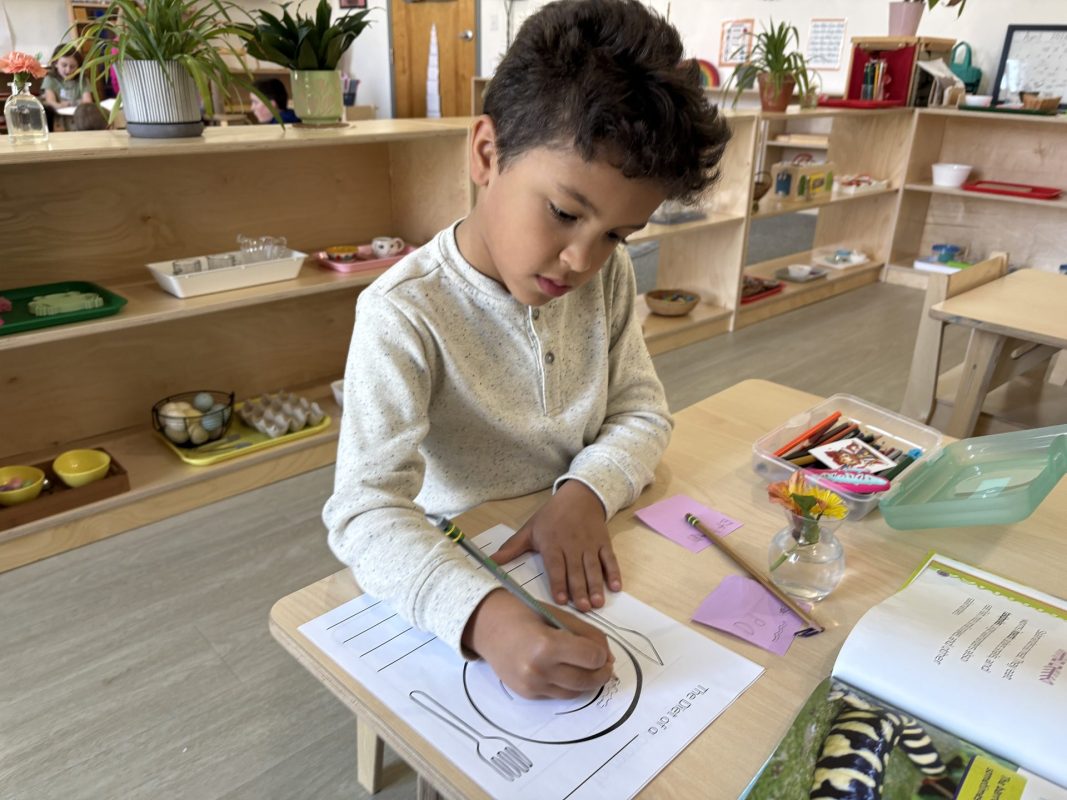
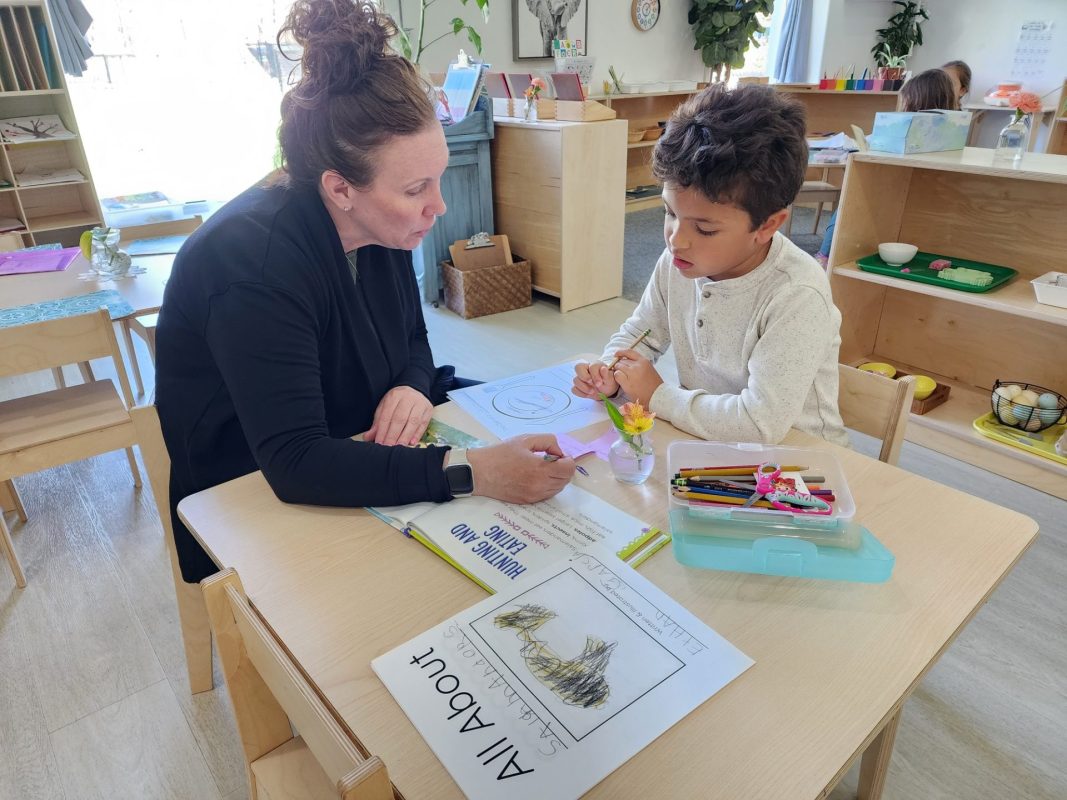
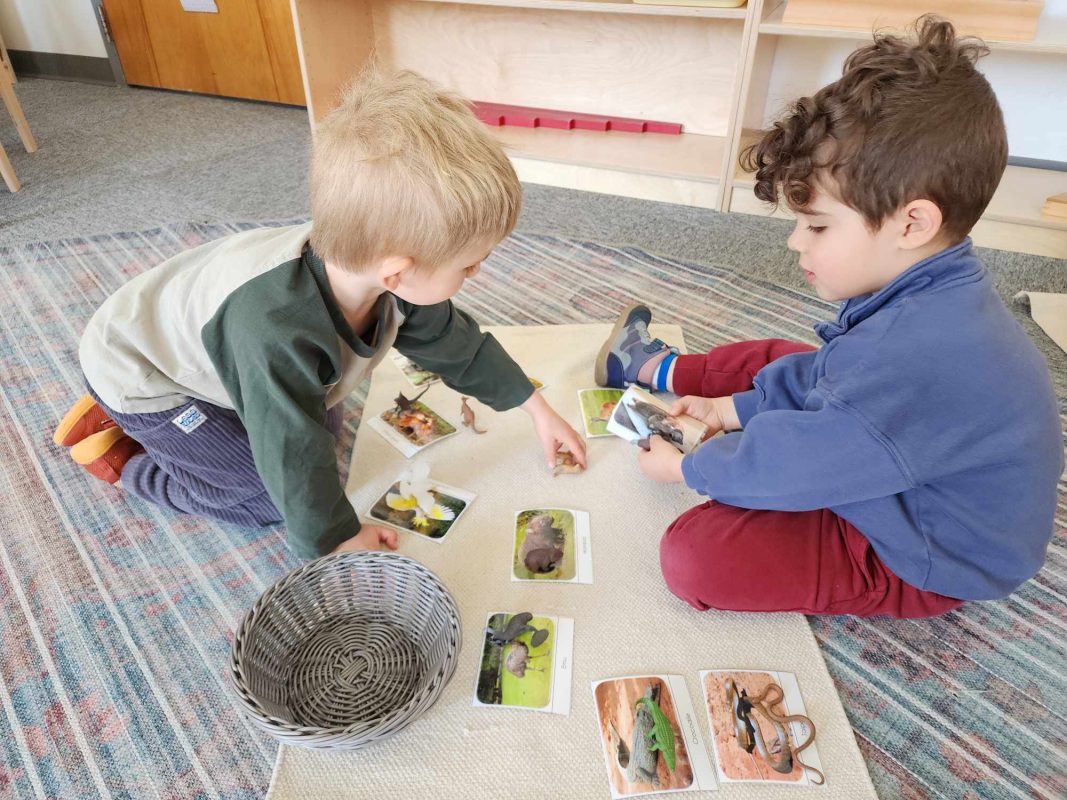
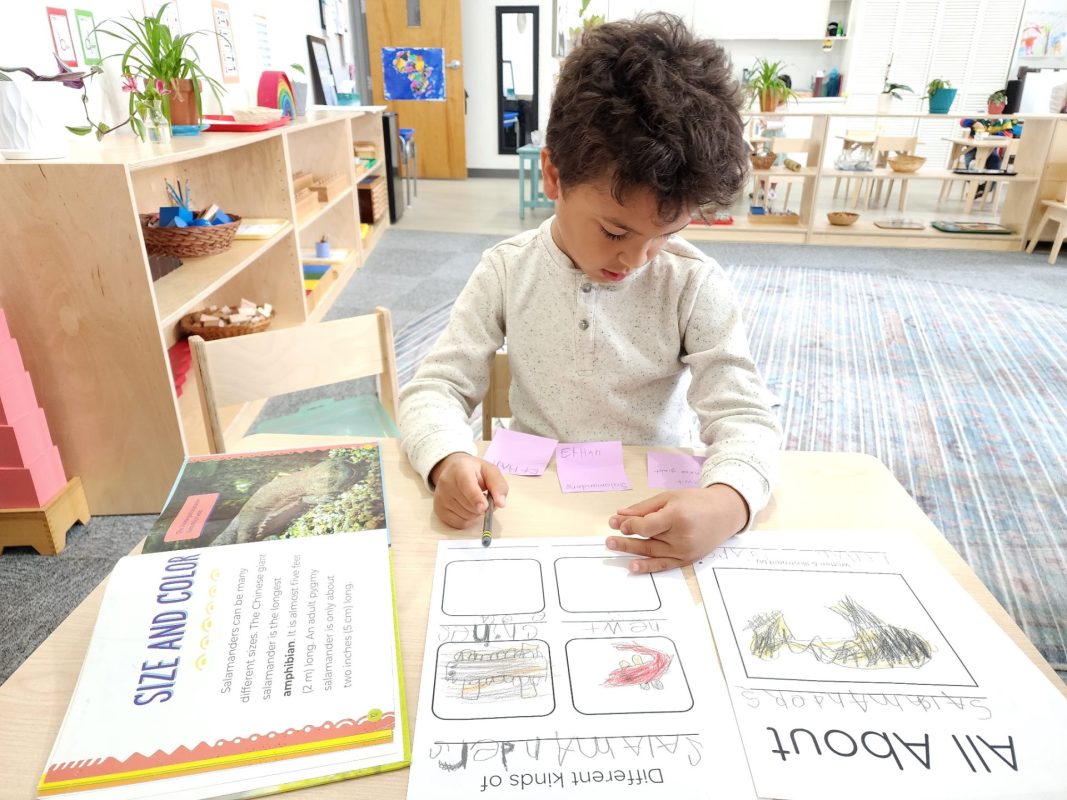
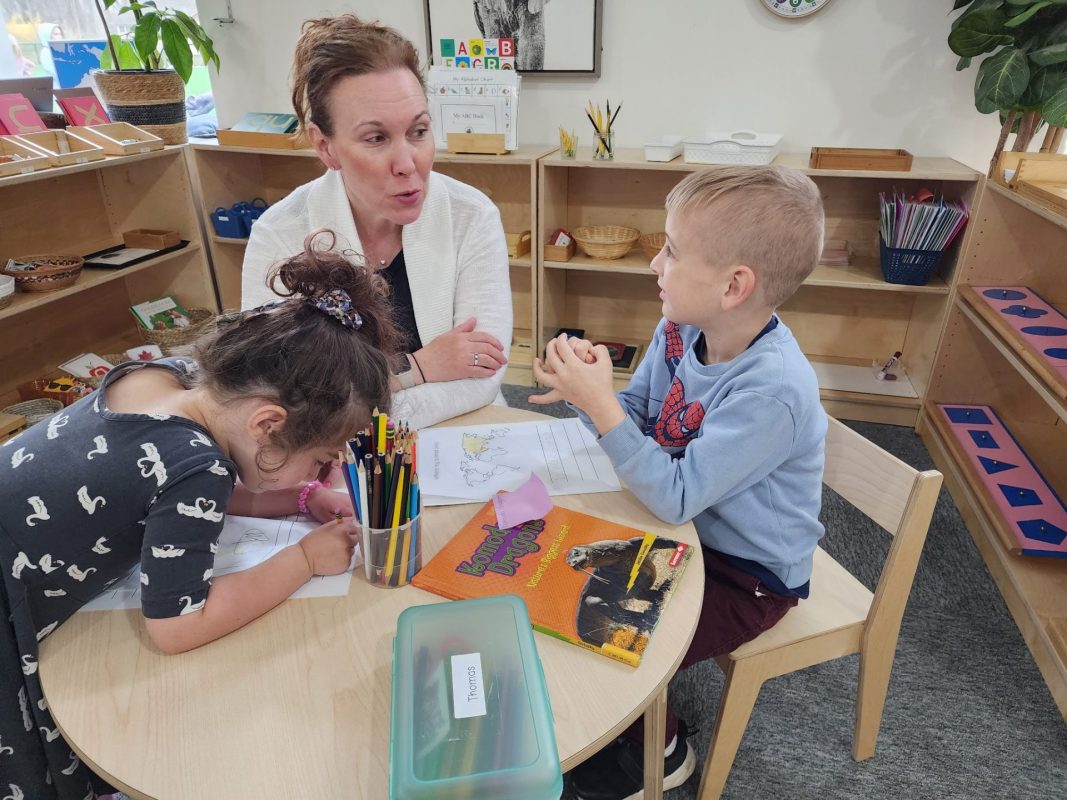
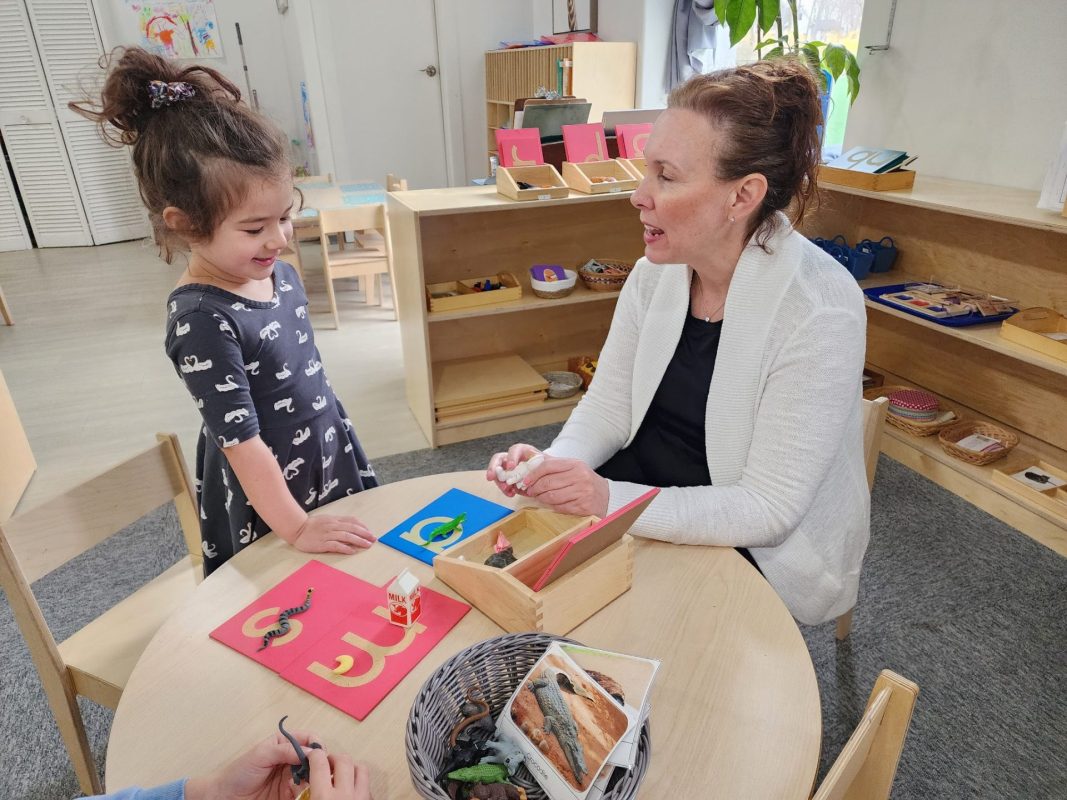
Finally, our kindergarten students have chosen the animals they will be researching for their individual projects. Flamingos, pandas, komodo dragons, salamanders, and hammerhead sharks — we cannot wait to see where their curiosity takes them!

Extending Learning at Home

Try setting up a simple grinding or crushing activity at home — dried herbs, peppercorns, or even crackers in a zip-lock bag work wonderfully. Talk with your child about what they noticed: the smell, the texture, and how the material changed. If your kindergartener has chosen their research animal, encourage them to share what they already know — and wonder together about what they might discover.

UPCOMING EVENTS & ANNOUNCEMENTS

This Week

  • Monday, March 30
    ⋅ Flowers & Food. Sharpe Family
  • Wednesday, April 1
    ⋅ Guest Reader: Kochuba
  • Friday, April 3
    ⋅ No School | Good Friday

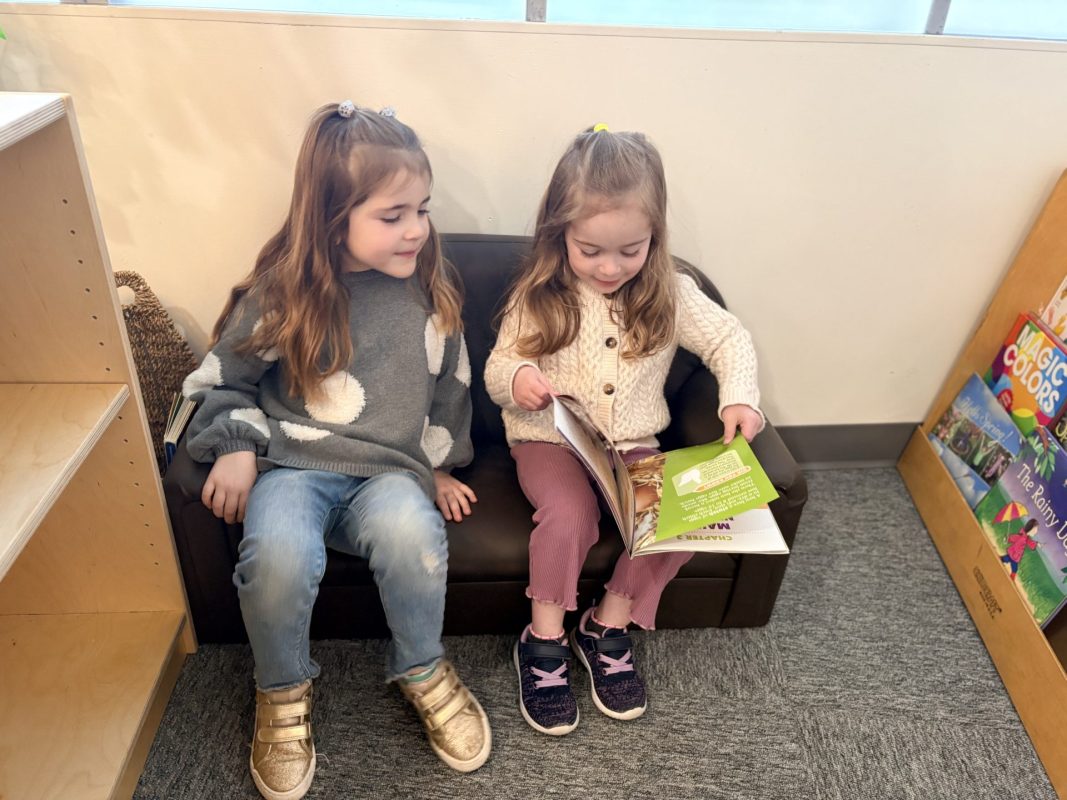
Ms. Handibode: A Week of Stories, Pajamas, and the Magic of Books

“You can find magic wherever you look. So sit back and relax, all you need is a book.”
— Dr. Seuss

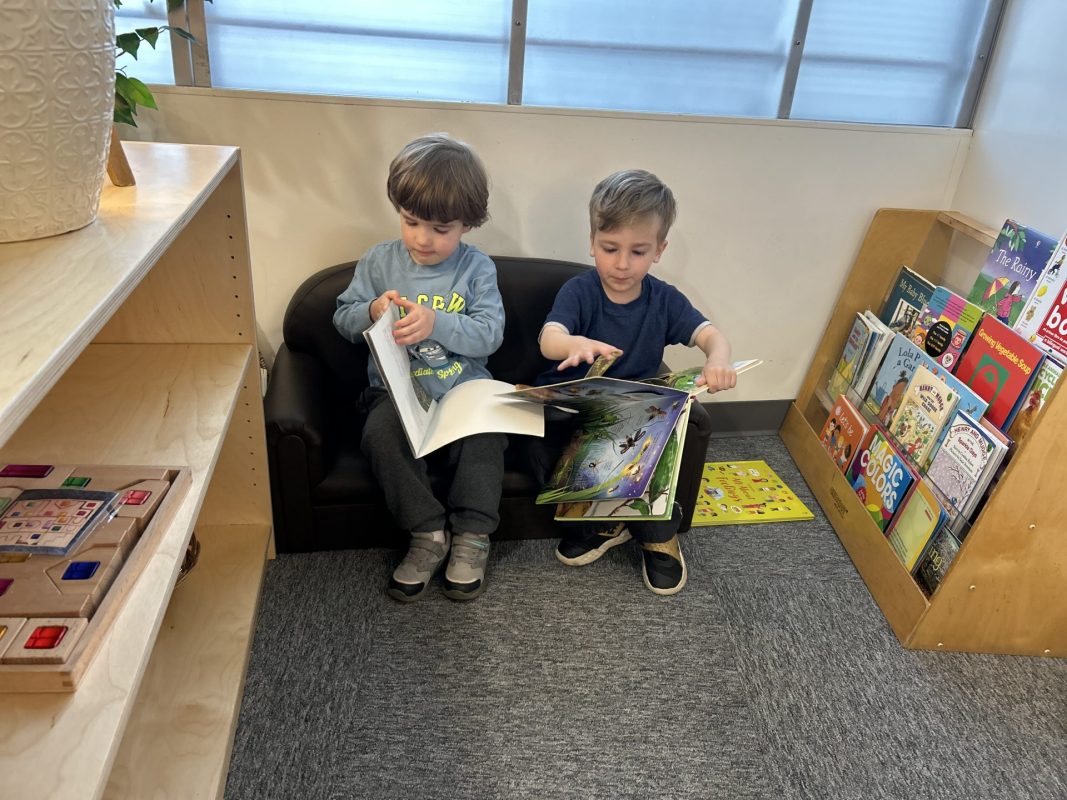
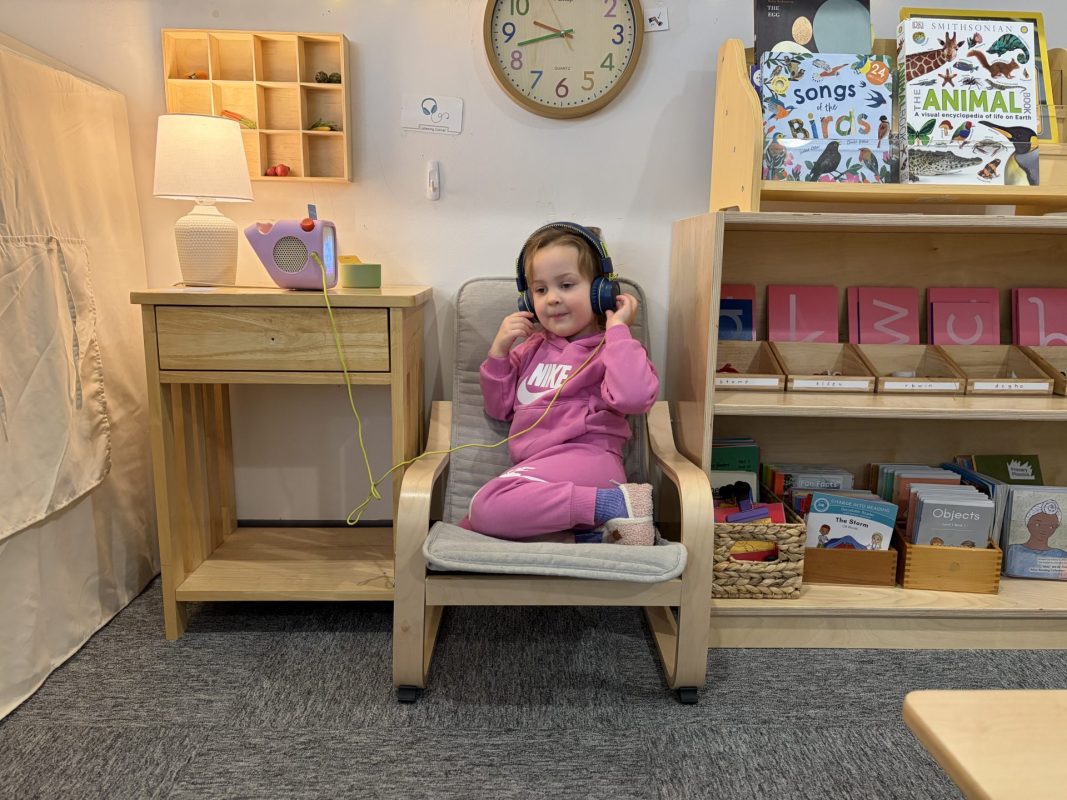
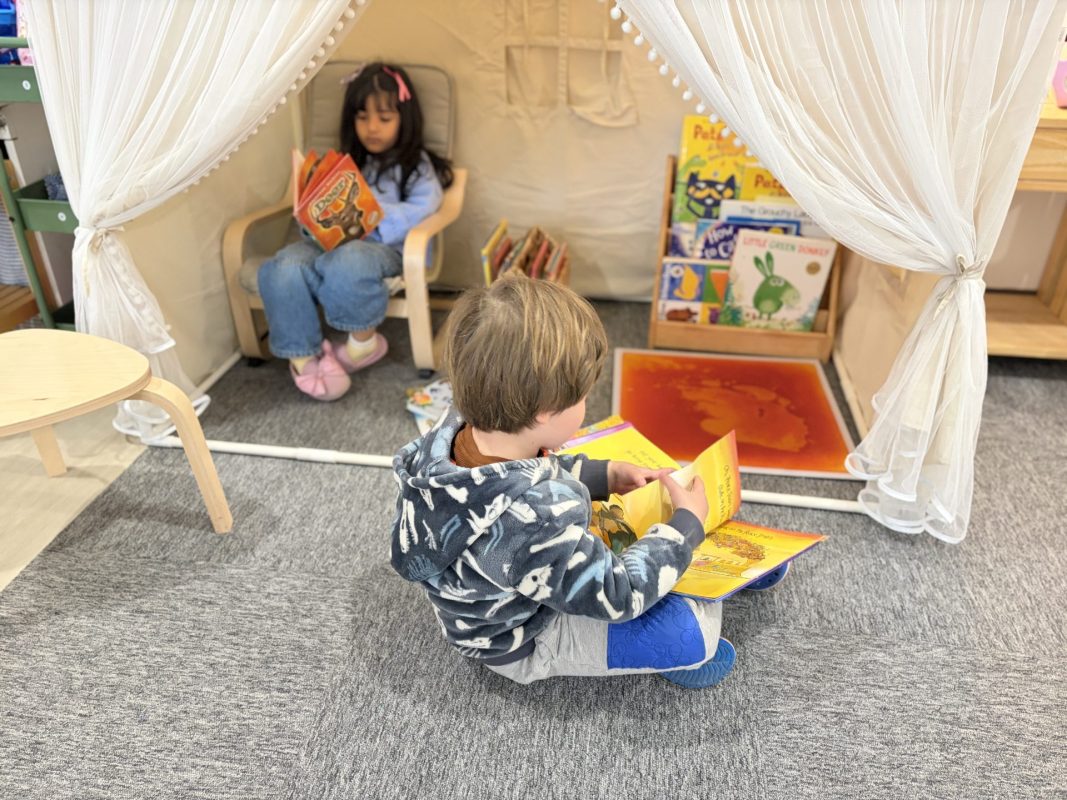
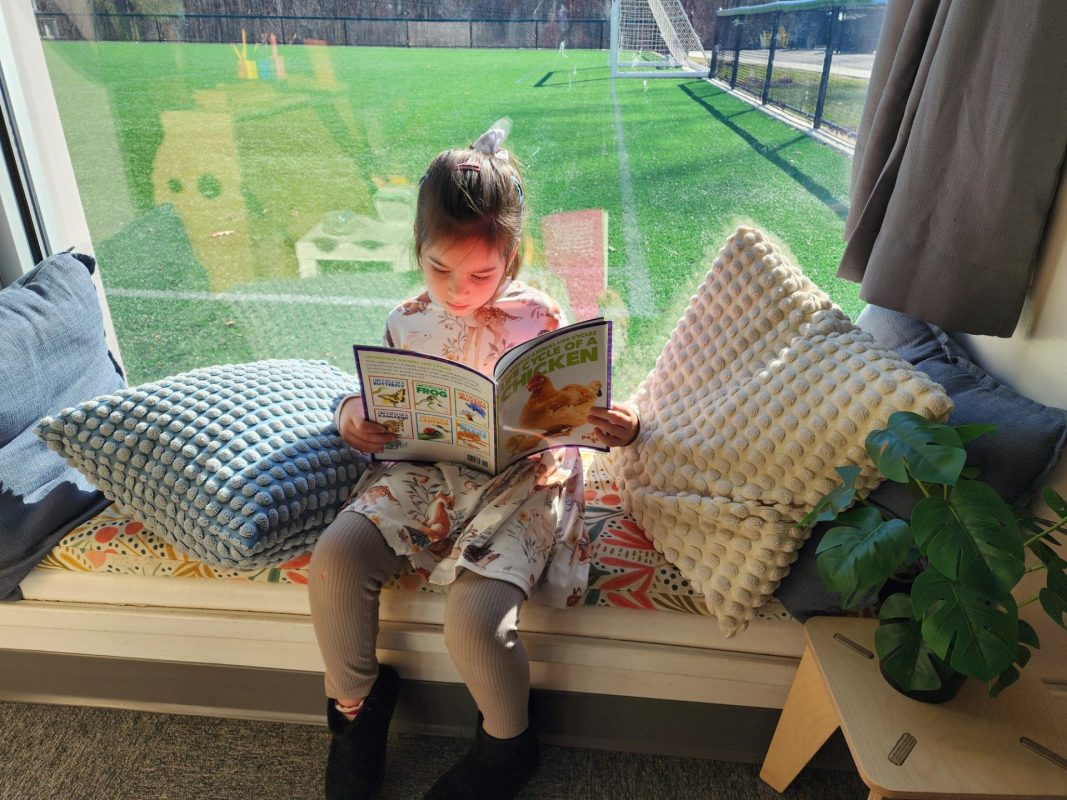
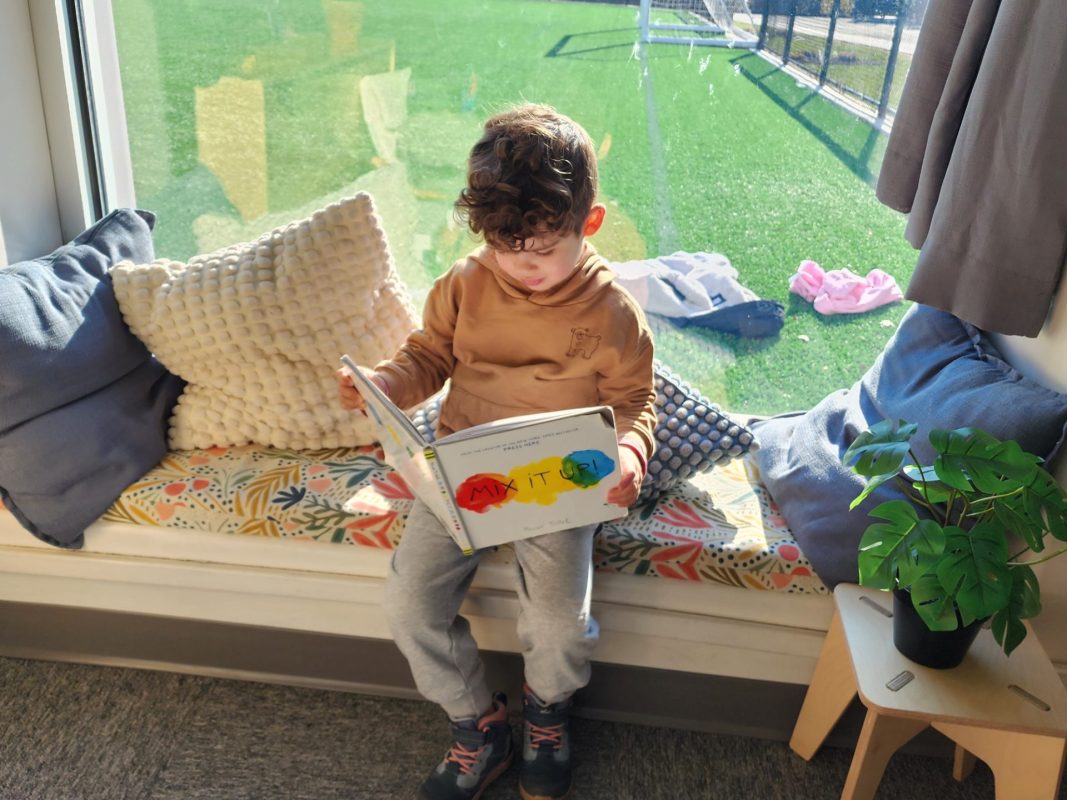
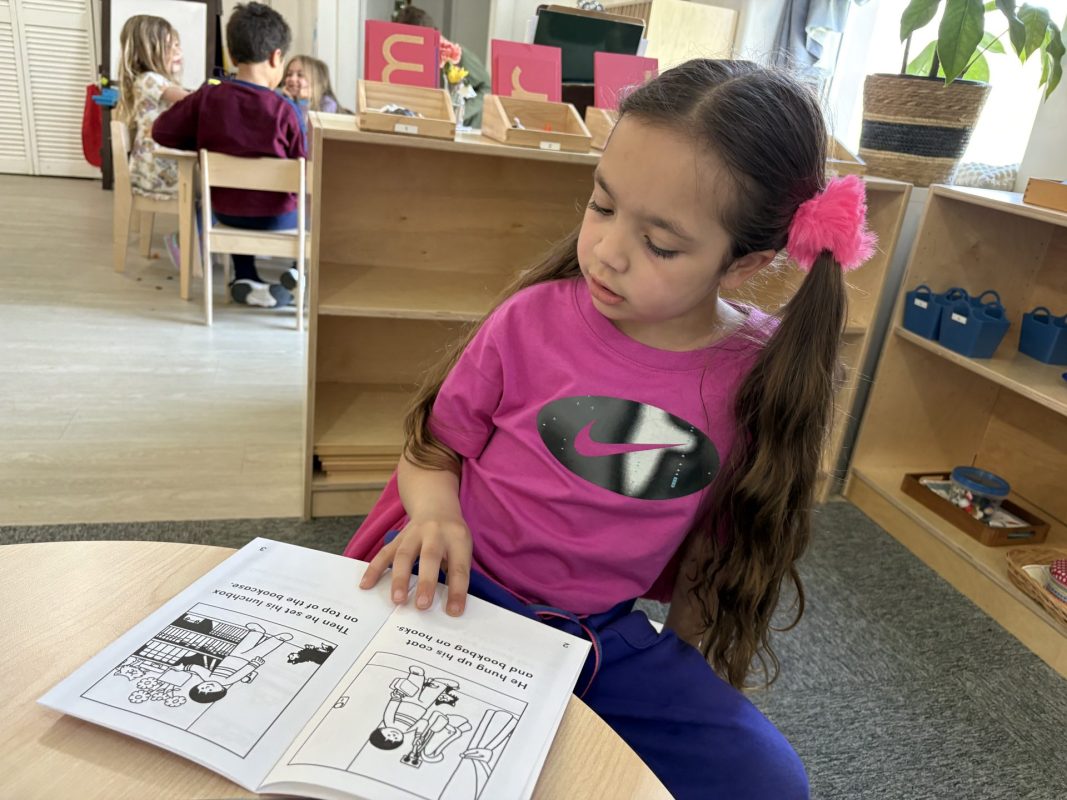
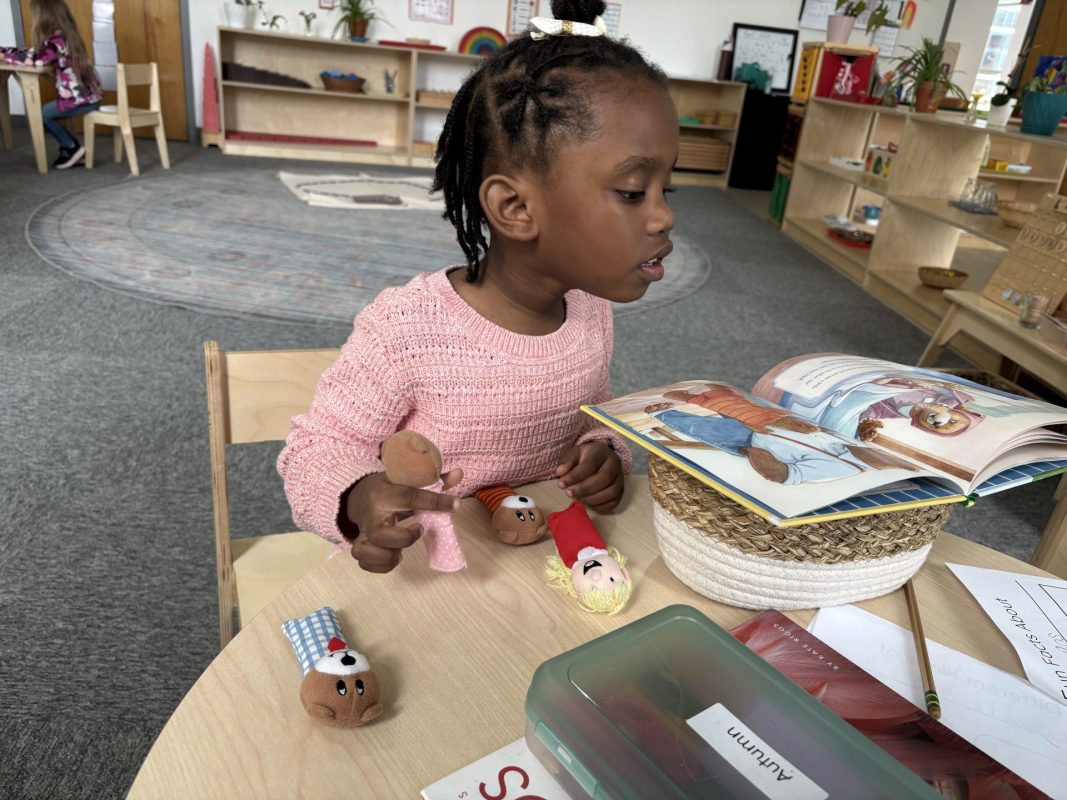
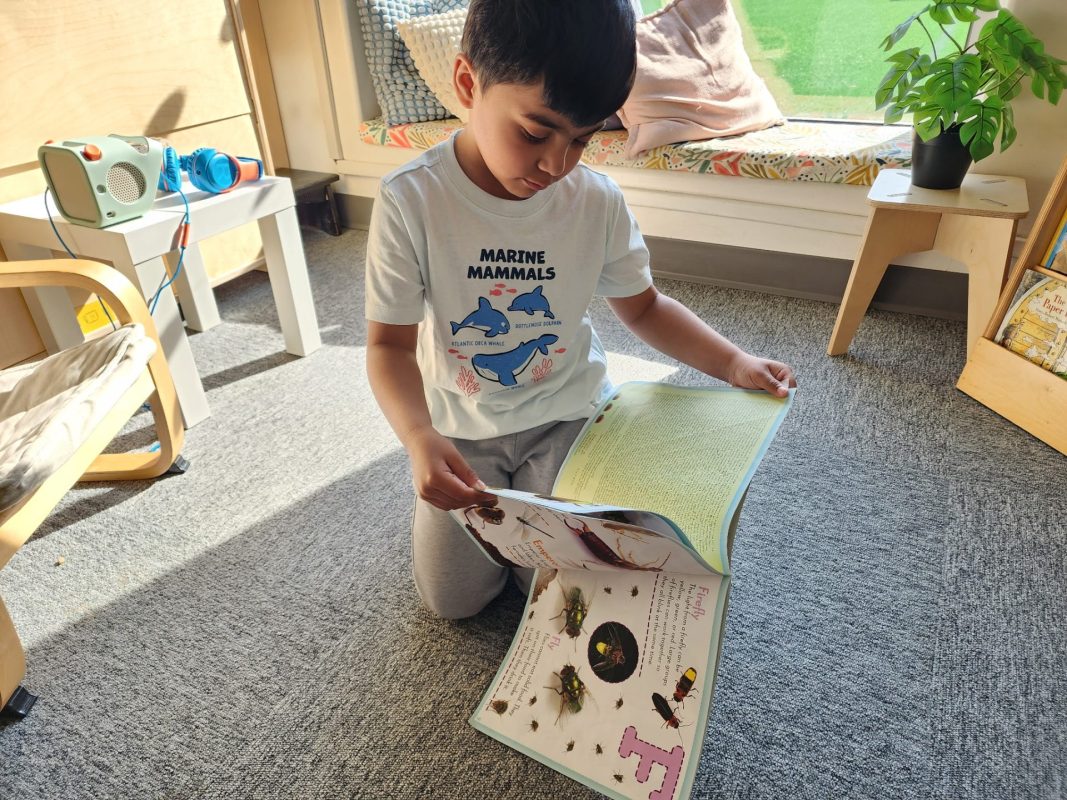
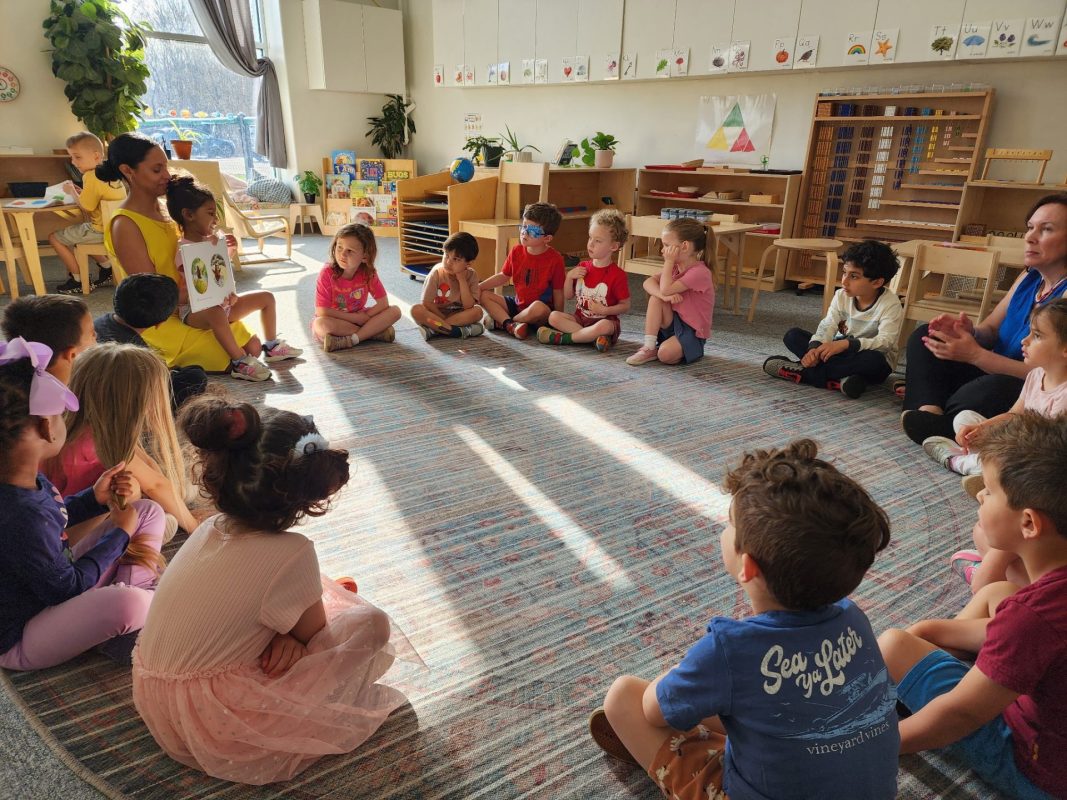
Last week, we celebrated Read Across America, a national initiative launched by the National Education Association to encourage a lifelong love of reading in children. Observed on March 2nd, it is one of our favorite days of the year. At Fraser Woods Montessori, we mark the occasion with Pajama Day, and the children bring their favorite books from home to share with the class. The room was cozy, cheerful, and full of stories.

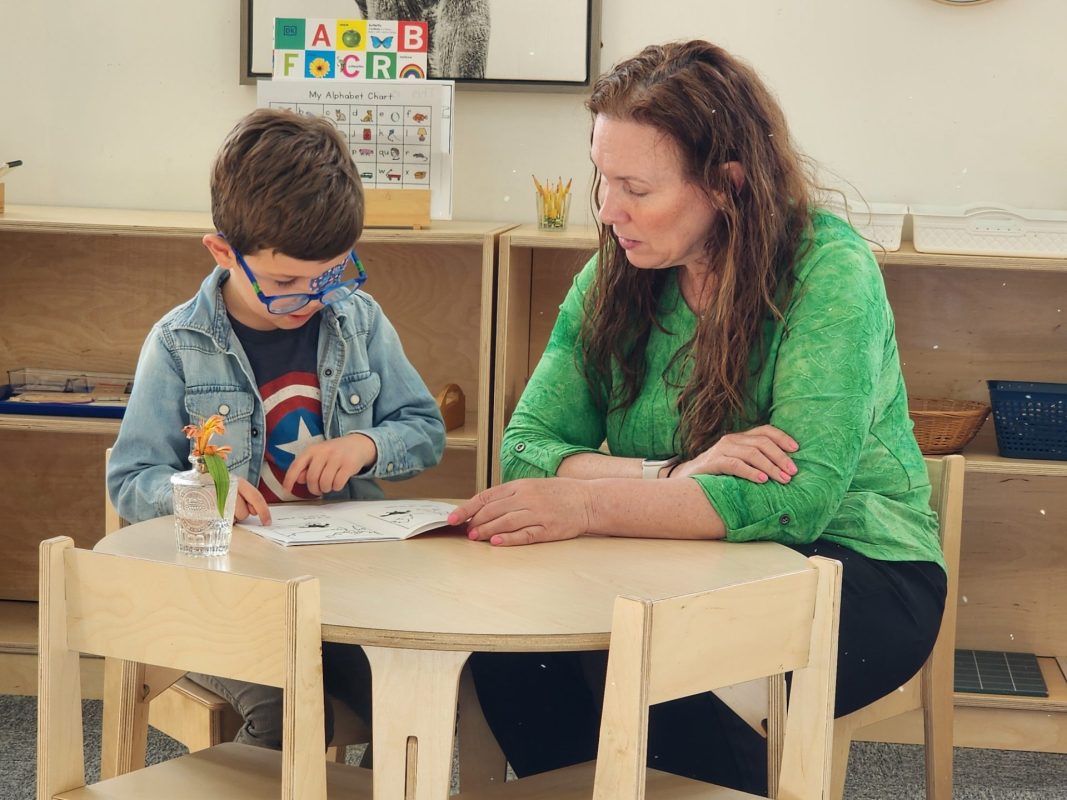
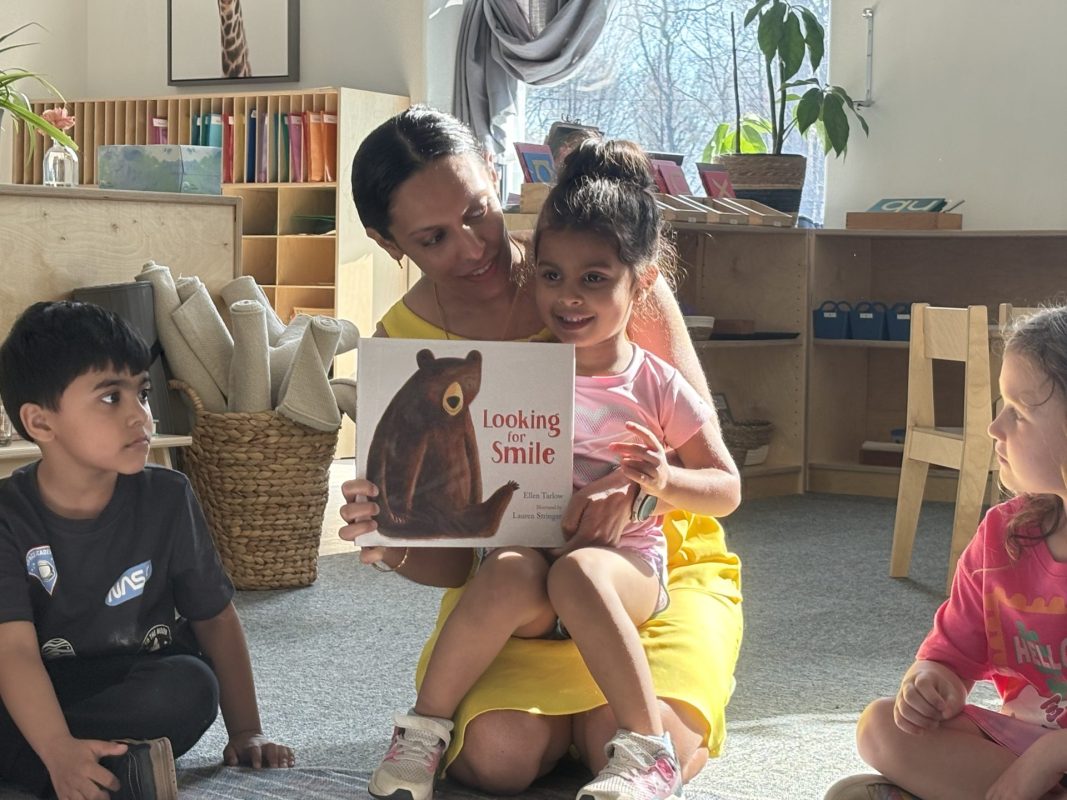
In our classroom, we call books treasures, and reading is woven into the fabric of every school day. This week was a beautiful reminder of why. We were treated to a special guest reader: Hanna’s mom, Kate, who sang her way through the delightful book ZooZical! — a book we highly recommend sharing at home. We are also deeply grateful to Maycie R.’s family for the incredible green eggs and ham and the One Fish, Two Fish, Red Fish, Blue Fish parfaits. The care and effort that went into those treats did not go unnoticed.

Extending Learning at Home

Here are some simple, meaningful ways to nurture a love of reading at home:

  • Keep books everywhere. In the car, in every room, tucked into backpacks and bags. The more accessible books are, the more children reach for them.
  • Visit the library often. Getting a library card and learning to ask a librarian for help are empowering experiences for young readers.
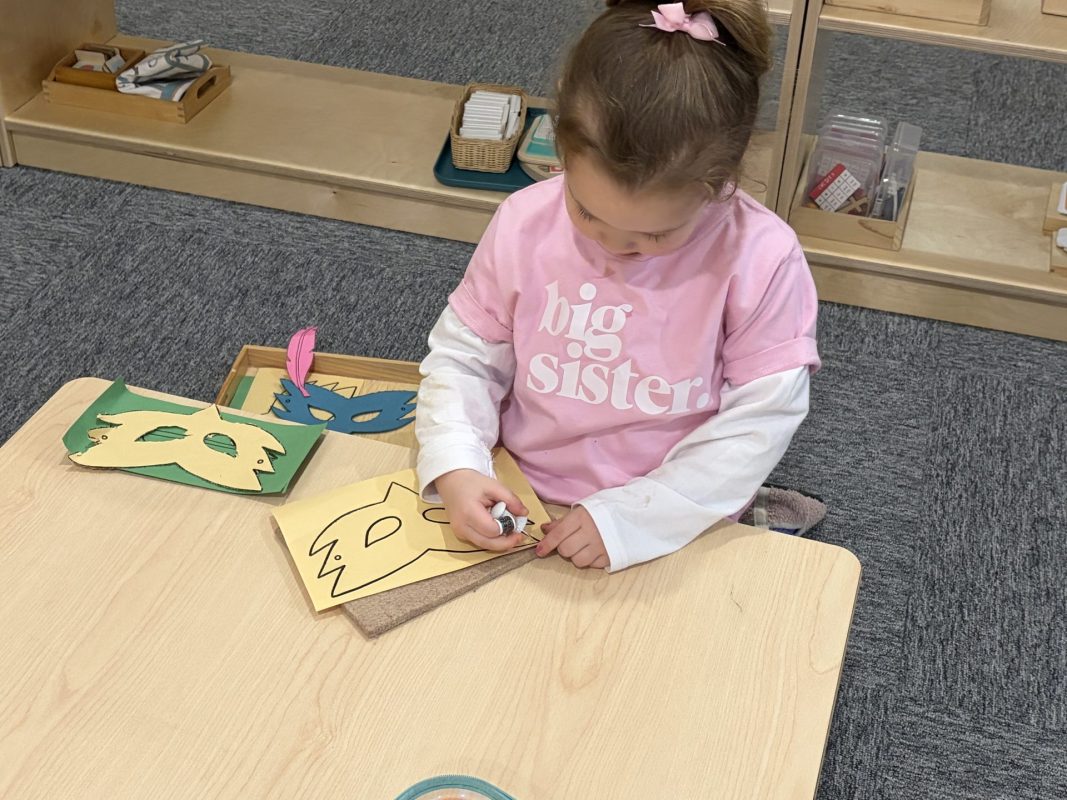
  • Get caught reading. Children imitate the adults around them. Let them see you reading — a magazine, a novel, anything — and reading becomes the cool thing to do.
  • Read aloud to your child. No matter their age, reading aloud builds vocabulary, language skills, and opens the door to rich conversations.
  • Let your child read to you, too. You never know what you might learn!

For more on the tremendous benefits of reading with your child, visit childmind.org.

Wishing everyone a very peaceful break. Happy reading!


Mrs. Lopes: The Earth Beneath Our Feet

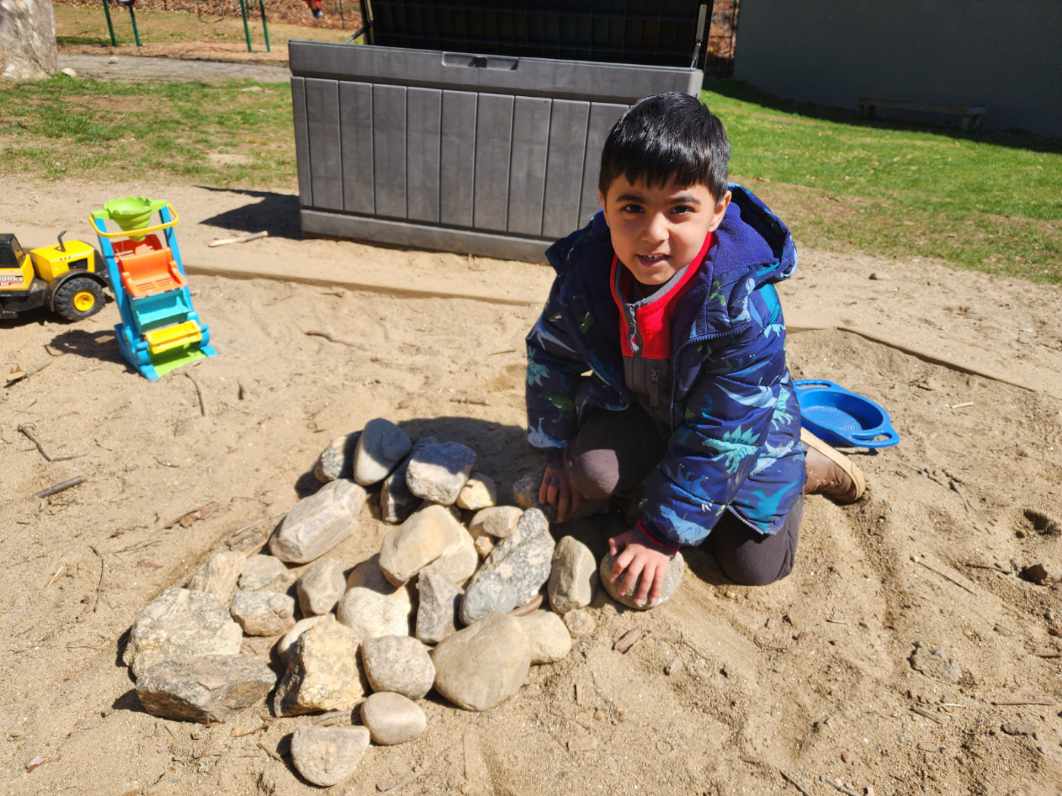
Last week, the classroom was buzzing with curiosity as we launched our study of rocks and minerals. We began by exploring a fascinating truth: no matter where you live in the world, you are standing on rock. Rocks cover the entire Earth, and most of them are millions and millions of years old.

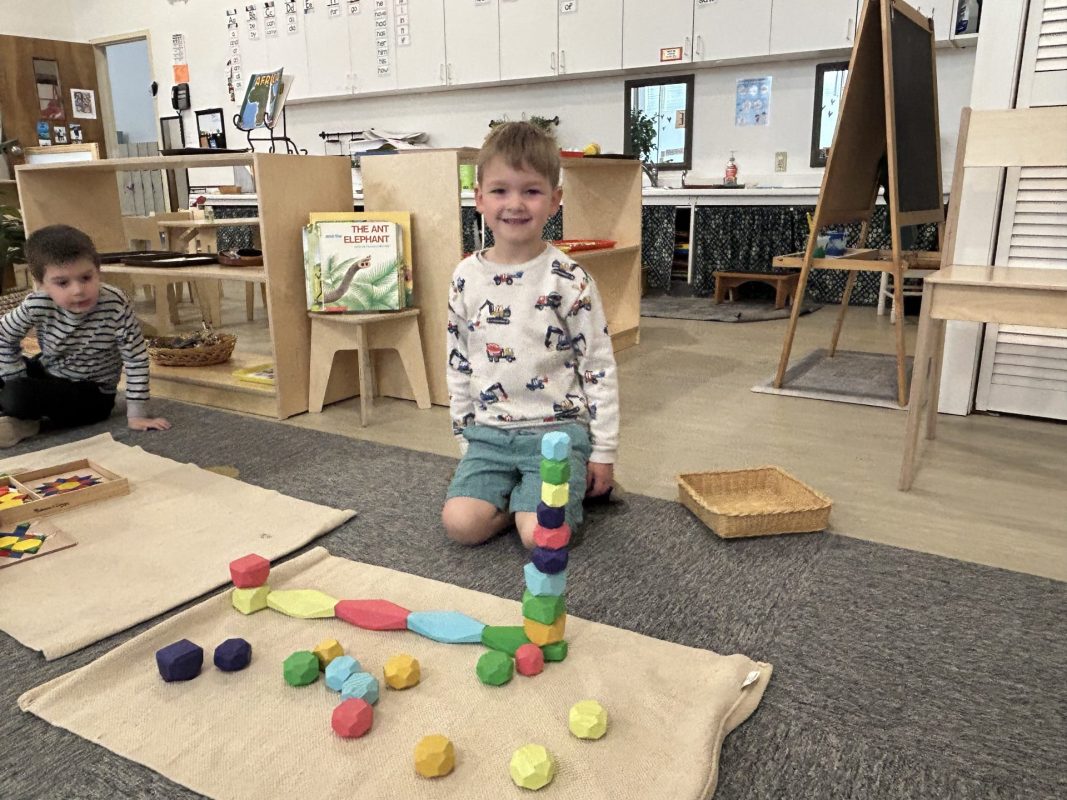
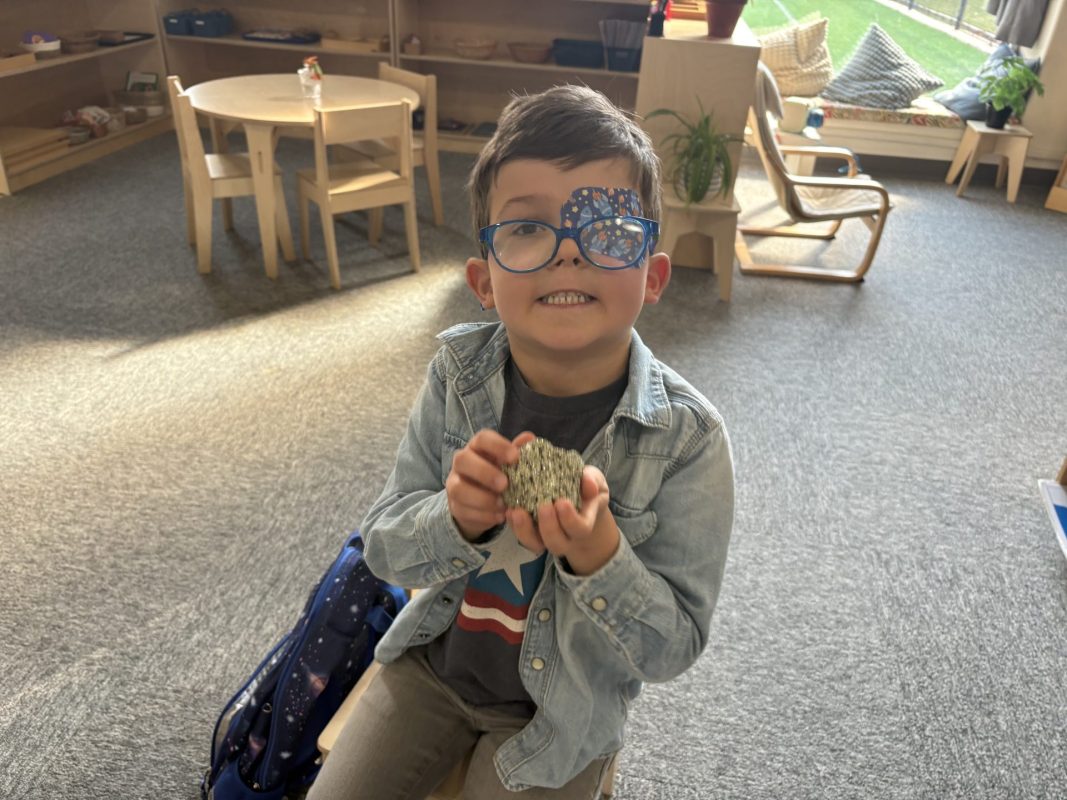
The children were introduced to the three types of rocks — igneous, sedimentary, and metamorphic — and discussed the unique properties that distinguish each one. We examined real specimens from each category, giving the children the opportunity to hold history in their hands. A new shelf work featuring a magnifying glass and a collection of small rocks and gems was an immediate hit. The children were completely absorbed, studying the texture, color, and structure of each sample with careful, scientific eyes.

Extending Learning at Home

Rocks are everywhere — on sidewalks, in gardens, along stream beds. Invite your child on a neighborhood rock hunt and ask them to describe what they notice: Is it smooth or rough? Shiny or dull? Heavy or light? You can also sort your findings by color or texture, just as we do with materials in the classroom. For an added layer of fun, visit your local library and look for a field guide to rocks and minerals together.


Mrs. Sargeant: Tacos, Taekwondo, and a Very Exciting Tooth

“You can find magic wherever you look. So sit back and relax, all you need is a book.”
— Dr. Seuss

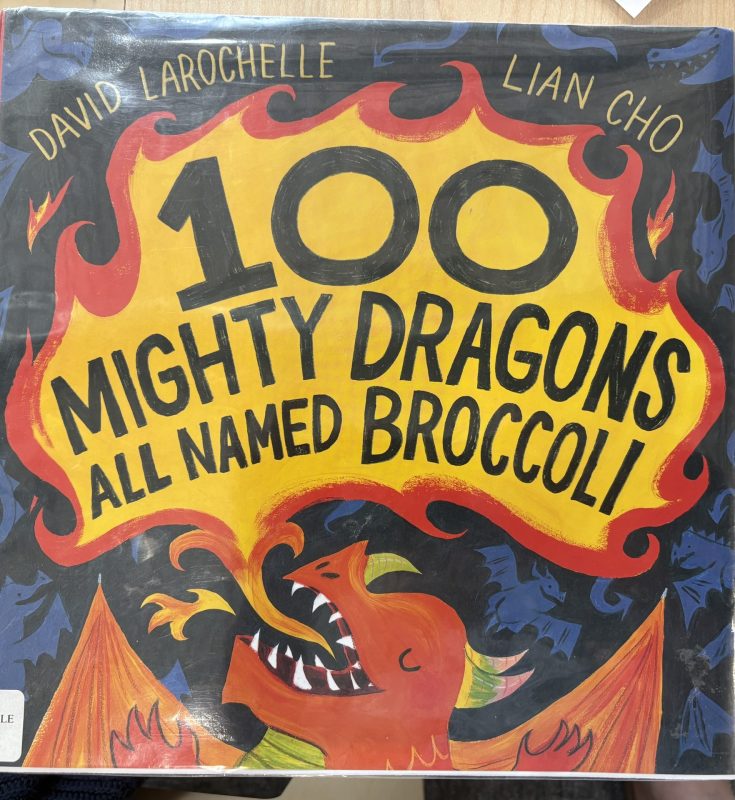
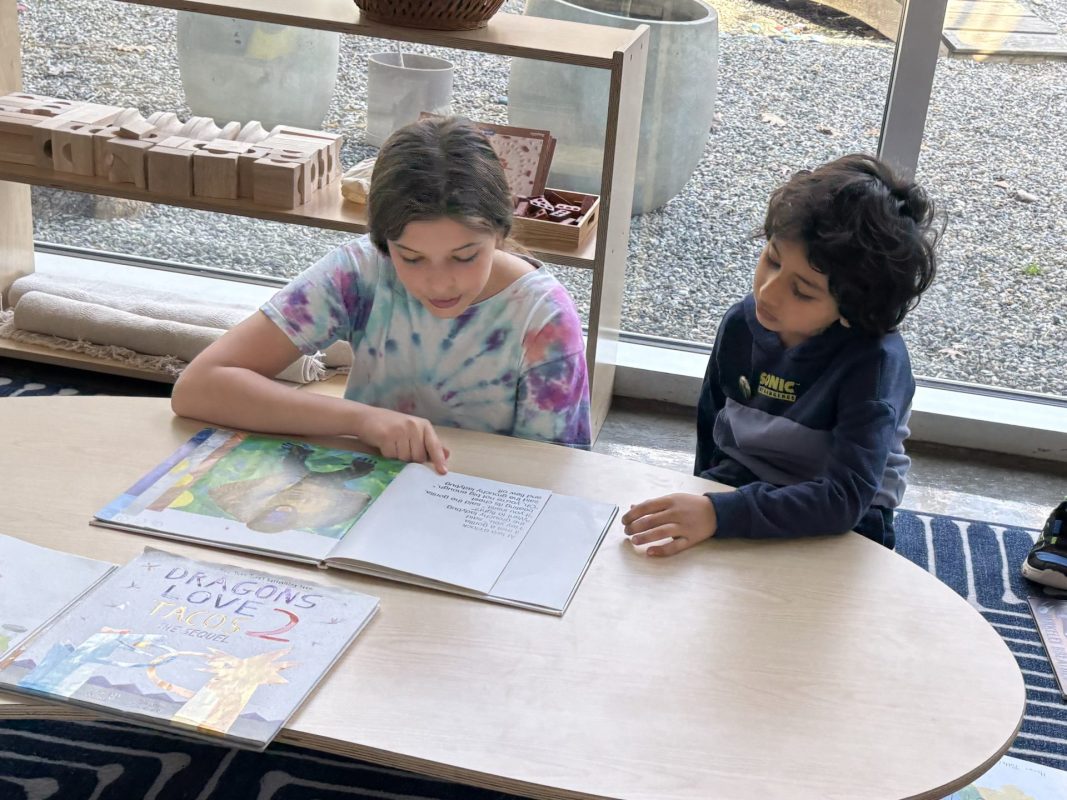
Last week brought Read Across America to our classroom, and with it, one of the most joyful days of the year. On March 2nd, the children arrived in their pajamas, arms full of their favorite books. They loved sharing their picks with one another, and there was genuine curiosity about which titles their friends had chosen. We read Dragons Love Tacos by Adam Rubin together, and true to the spirit of the story, Gabriel’s family treated the class to their very own tacos and sour cream. It was a special snack that we are so grateful for.

On Thursday, we attended a Taekwondo demonstration that had the children completely captivated from start to finish. And as if the week weren’t exciting enough, one of our friends lost her very first tooth during afternoon circle — right in the middle of our latest Magic Treehouse book! The whole class erupted with excitement. It was one of those unrepeatable classroom moments.

Reading is an integral part of each school day, and we hope to pass on our passion for books to your children. An article from nationaldaycalendar.com offers some wonderful ideas for motivating young readers wherever they are:

  • Keep books everywhere. In the car, in every room, tucked in backpacks and purses. Accessibility makes all the difference.
  • Visit the library often. Encourage your child to use their own voice to ask a librarian for help finding books on a topic they love — a wonderful confidence builder.
  • Get caught reading. Children imitate the adults around them. Whether it’s a magazine, newspaper, or novel, let them see that reading is something grown-ups do and enjoy.
  • Read to your children. No matter their age, reading aloud strengthens vocabulary and language skills and opens up meaningful conversation.
  • Let your children read to you, too. You might just be surprised!

Extending Learning at Home

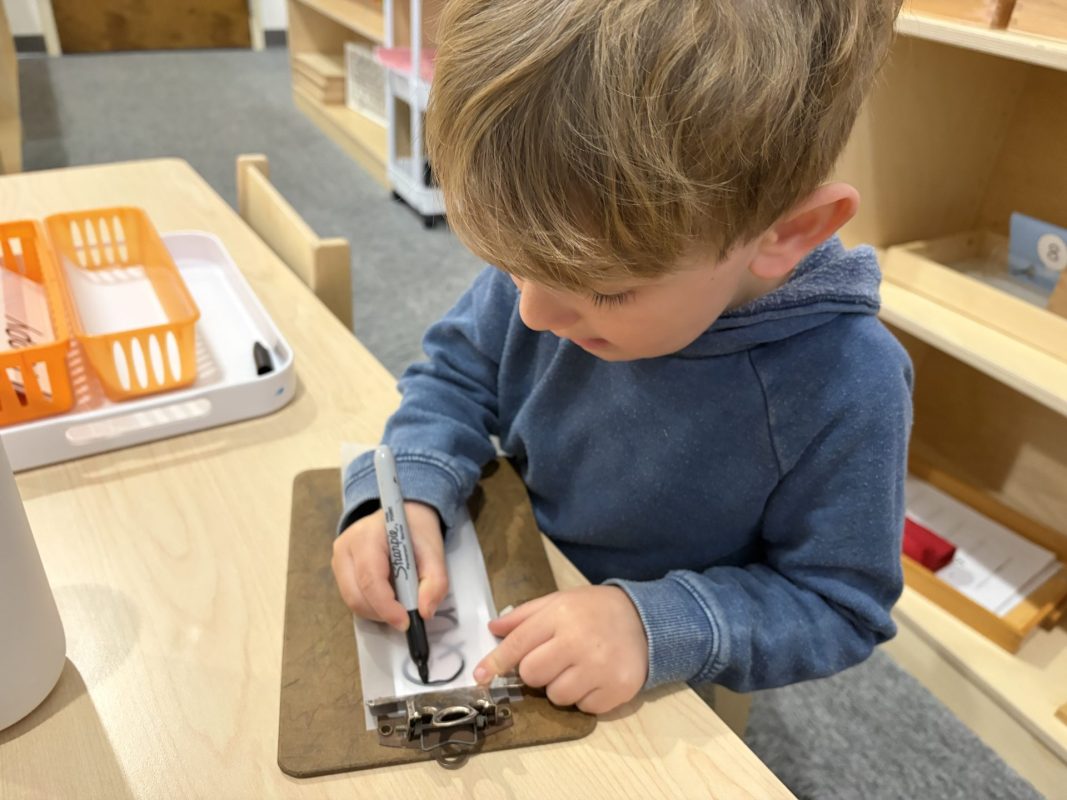
Consider taking your child to the local library to get their very own library card. Encourage them to walk up to a librarian and ask — in their own words — for help finding a book on a topic they’re curious about. This small act of advocacy builds confidence, independence, and a lifelong relationship with one of the best resources in any community.

Ms. Marissa: Rainbows, Rain, and the Water Cycle

Last week, the classroom was filled with wonder as we began our study of rainbows and the water cycle. The children were amazed to discover that light itself splits into seven colors — and that rainbows are waiting to be found in the rain, in mist, after a storm, and even in the spray of a garden hose!

We also explored the water cycle, learning how water moves in a continuous circular journey — from evaporation to condensation to precipitation and back again. This cyclical concept resonated beautifully with the children’s natural sense of pattern and order.
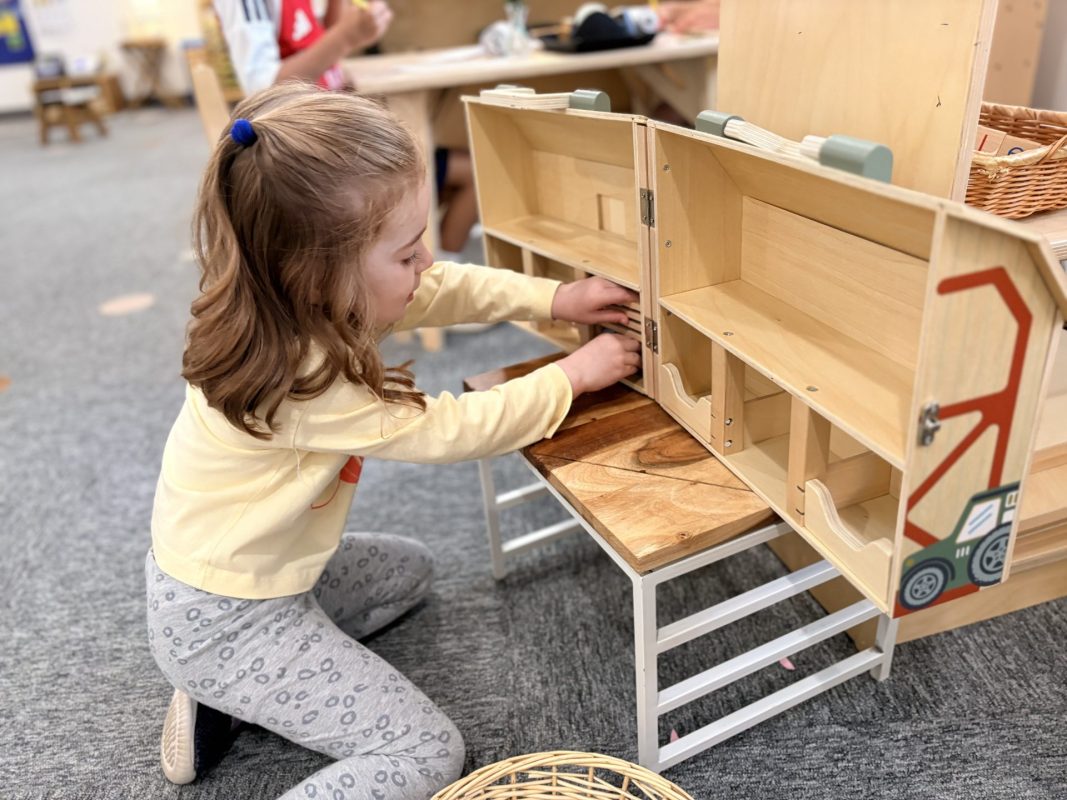
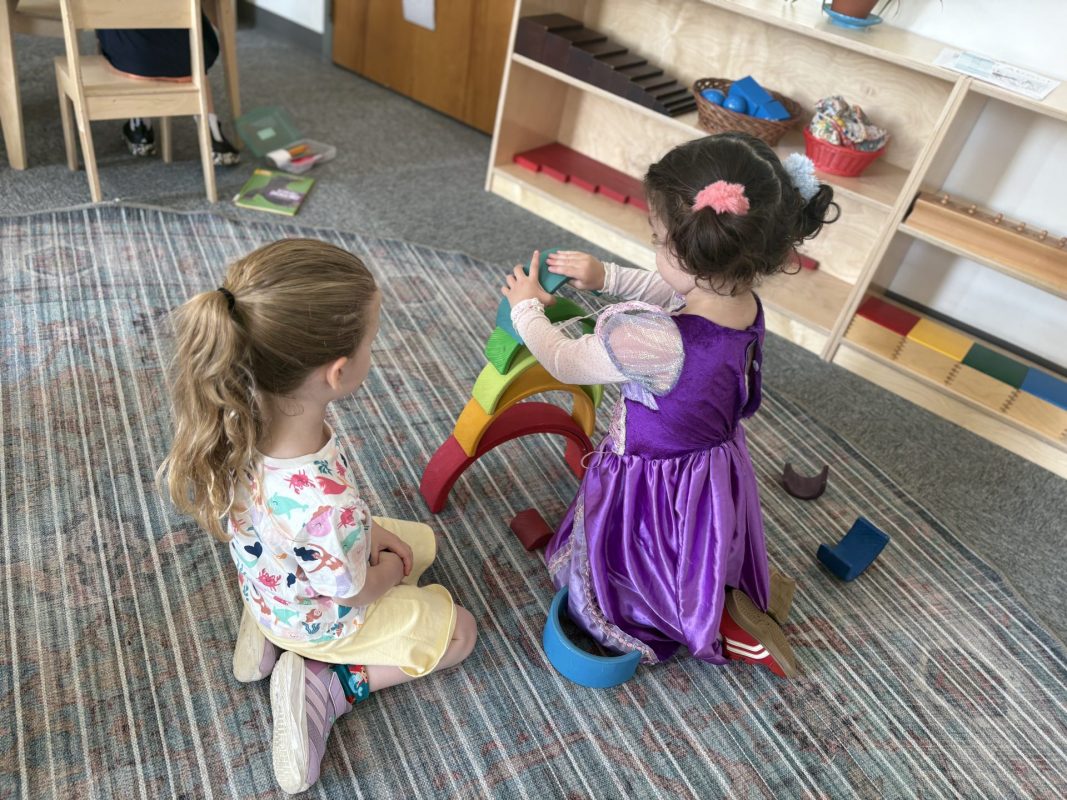
Several new materials were added to our rainbow and water cycle shelf to support this study. Non-fiction books help children build vocabulary and deepen their understanding of these natural phenomena. Open-ended play activities — including rainbow blocks, rainbow art, and cut-and-paste projects — invite the children to revisit and internalize the colors of the rainbow in creative ways. A highlight has been the water cycle wheel: children color, cut, and assemble their own turning wheel that shows each stage of the cycle in motion. It is a wonderful blend of fine motor work, science, and artistic expression.
Extending Learning at Home

The next time it rains, invite your child to look for a rainbow and name the seven colors in order: red, orange, yellow, green, blue, indigo, and violet. On a sunny day, try holding a garden hose at an angle in the sunlight — you may just make your own rainbow! You can also fill a clear glass with water and place it near a sunny window to observe how light passes through and casts colors on the wall.