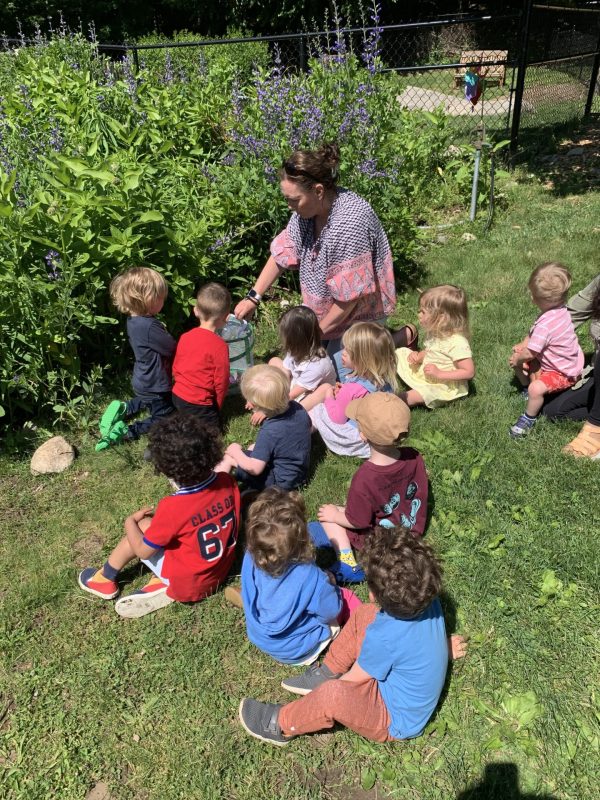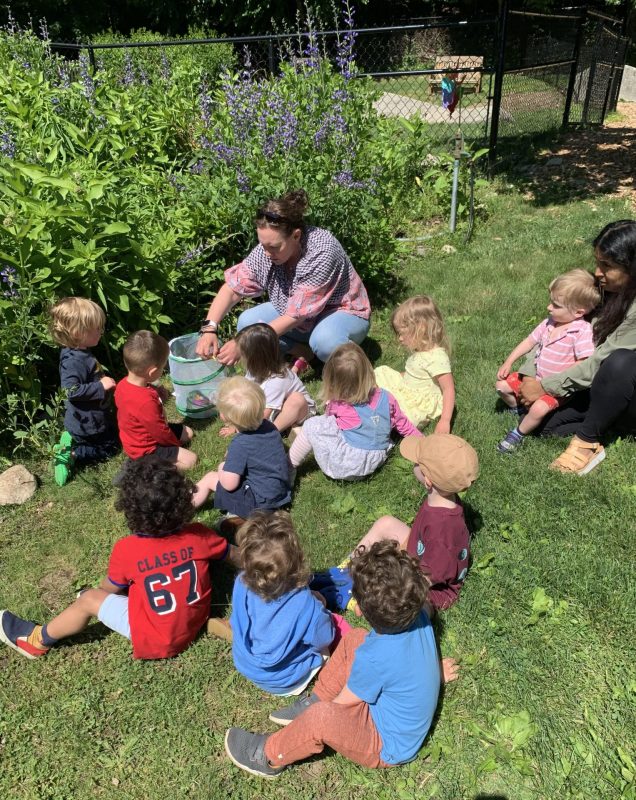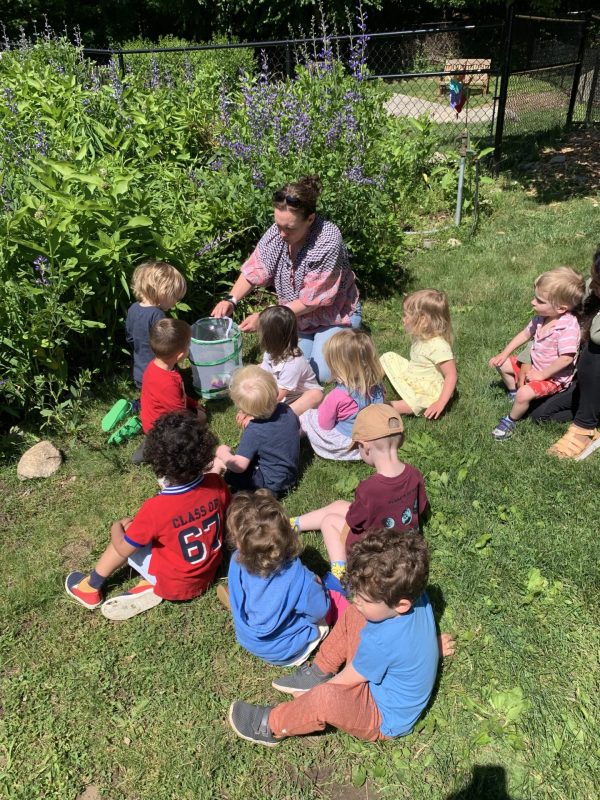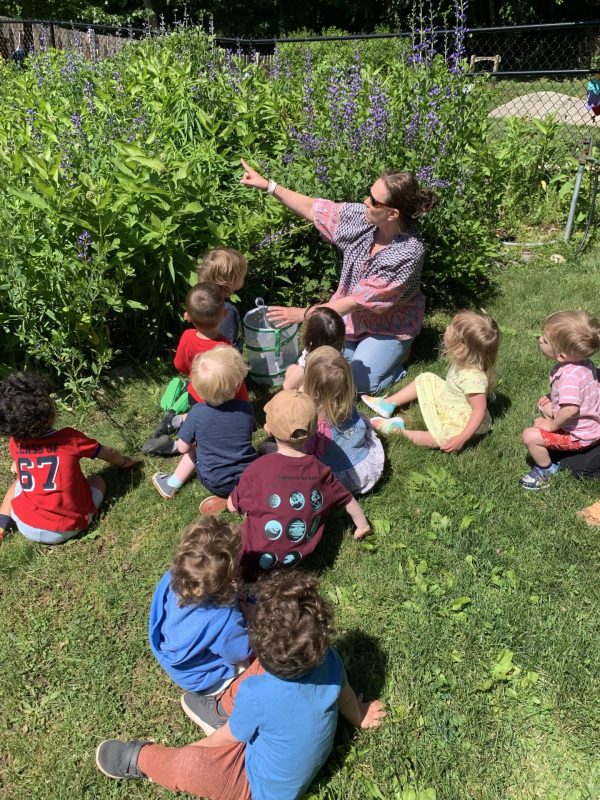
Ms. Marissa: Head, Thorax, Abdomen, Abdomen!

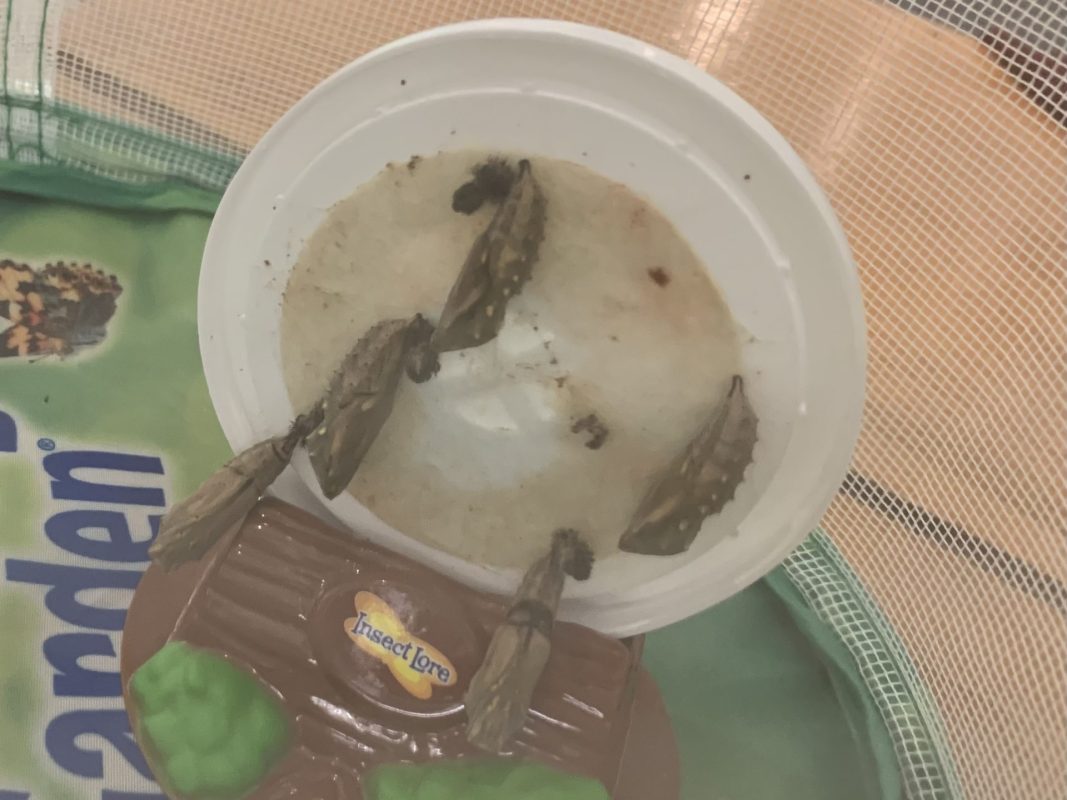
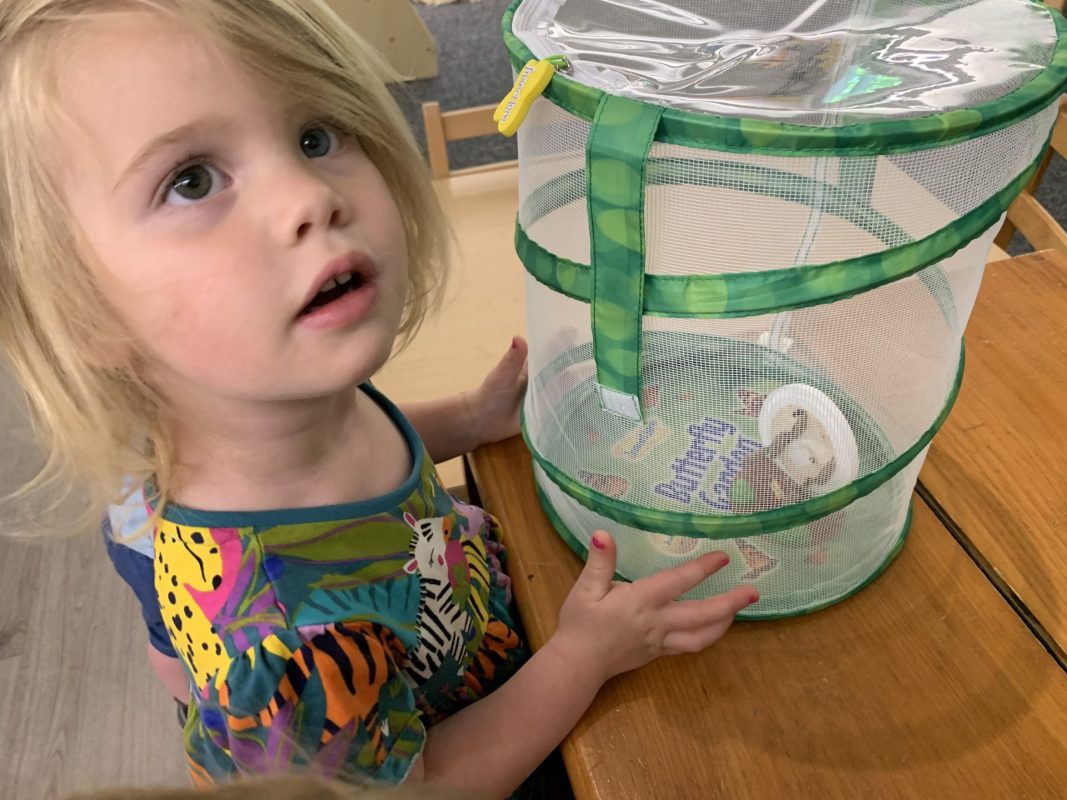
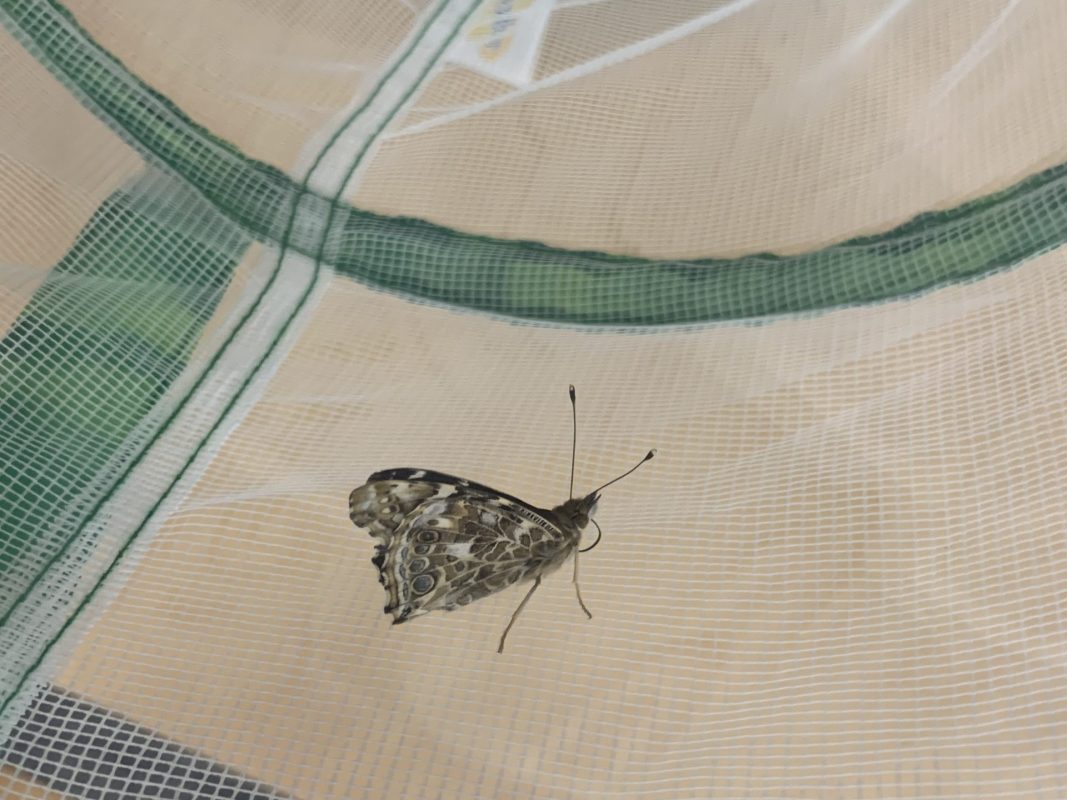
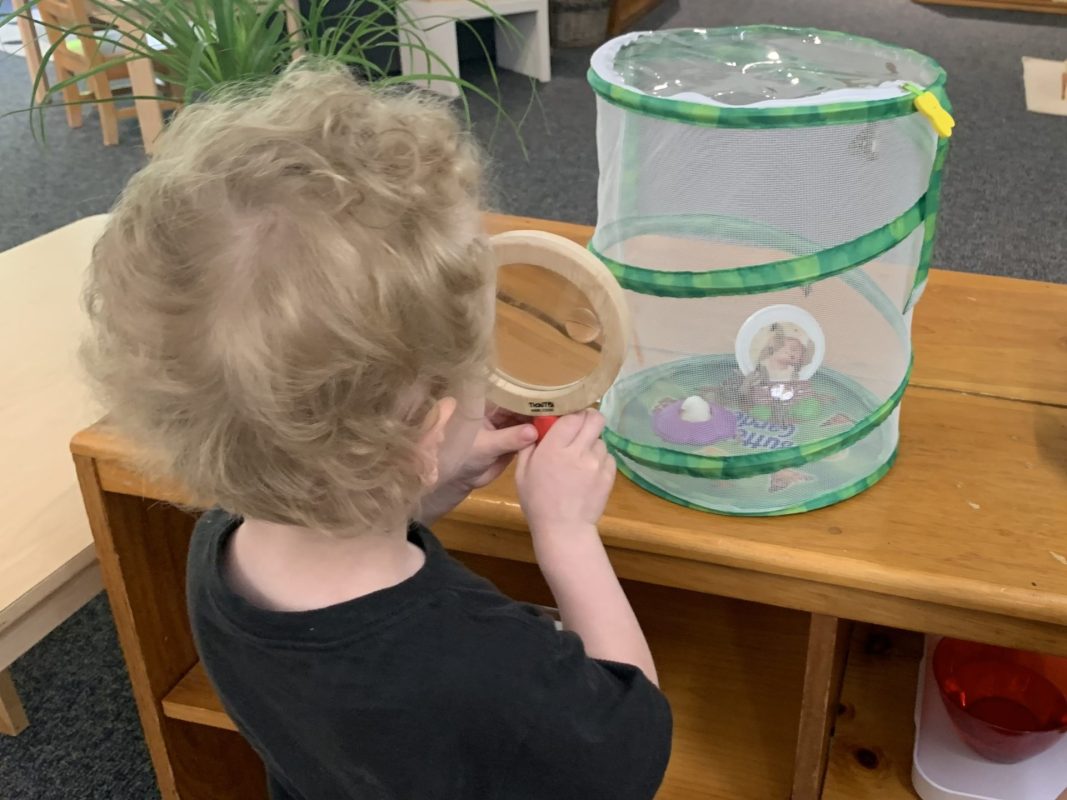
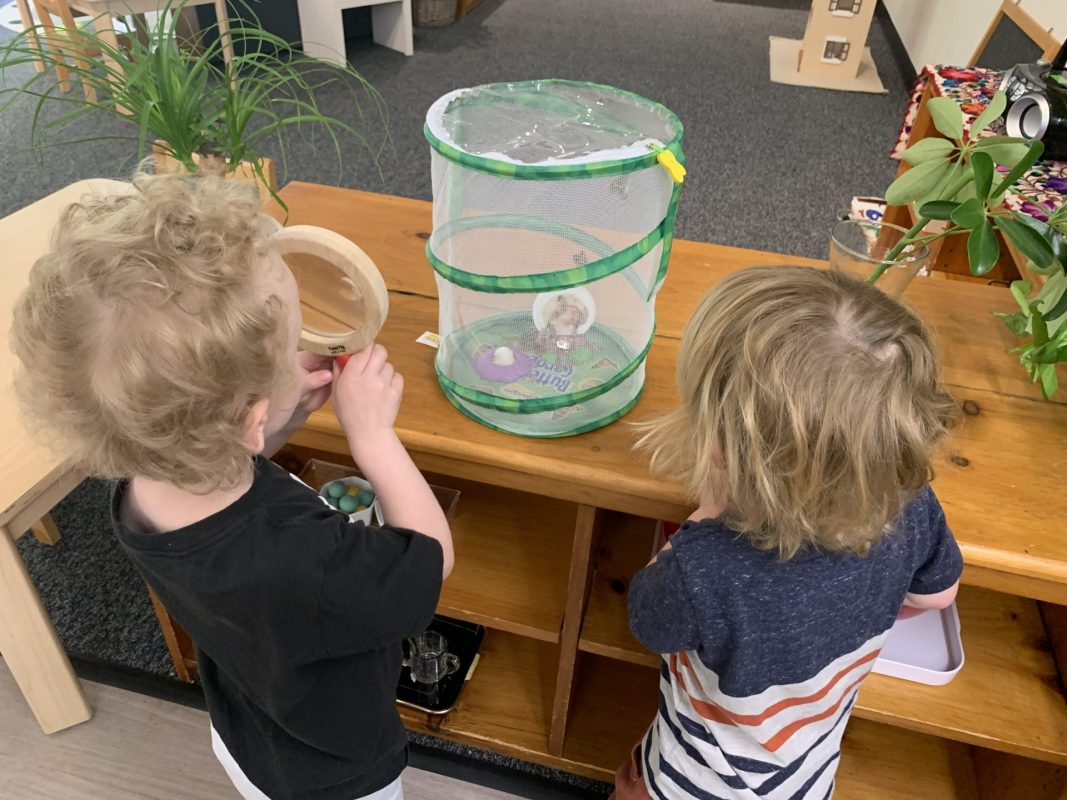
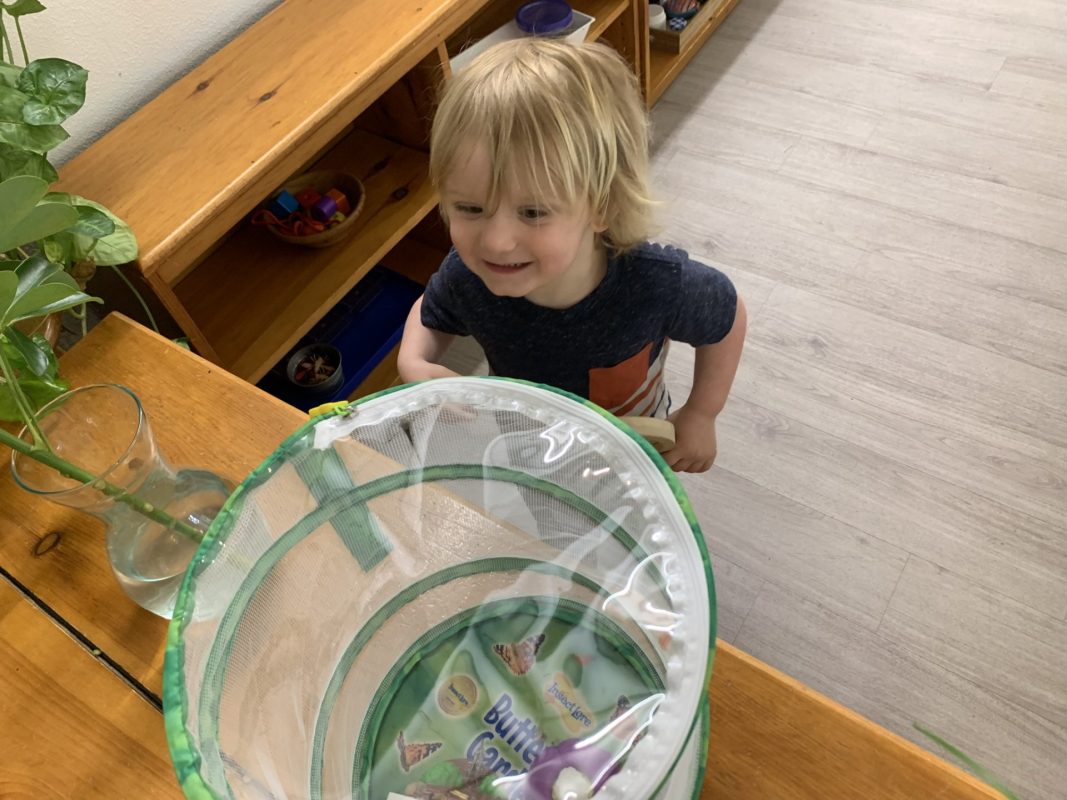
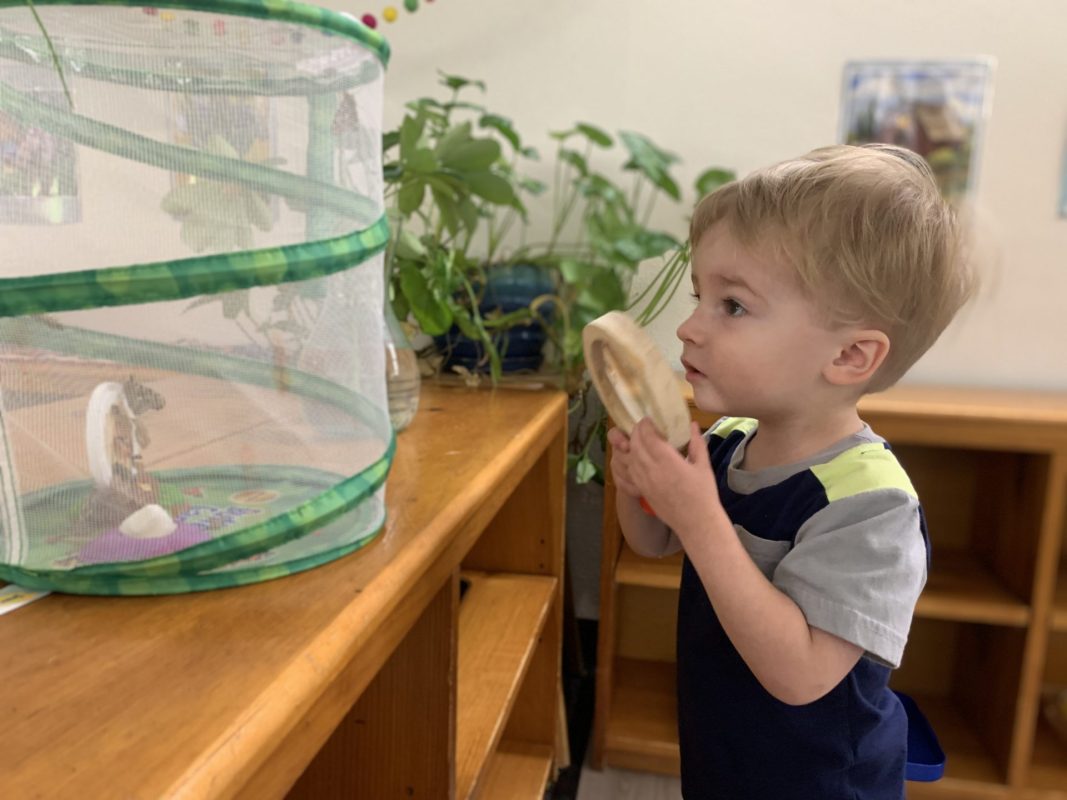
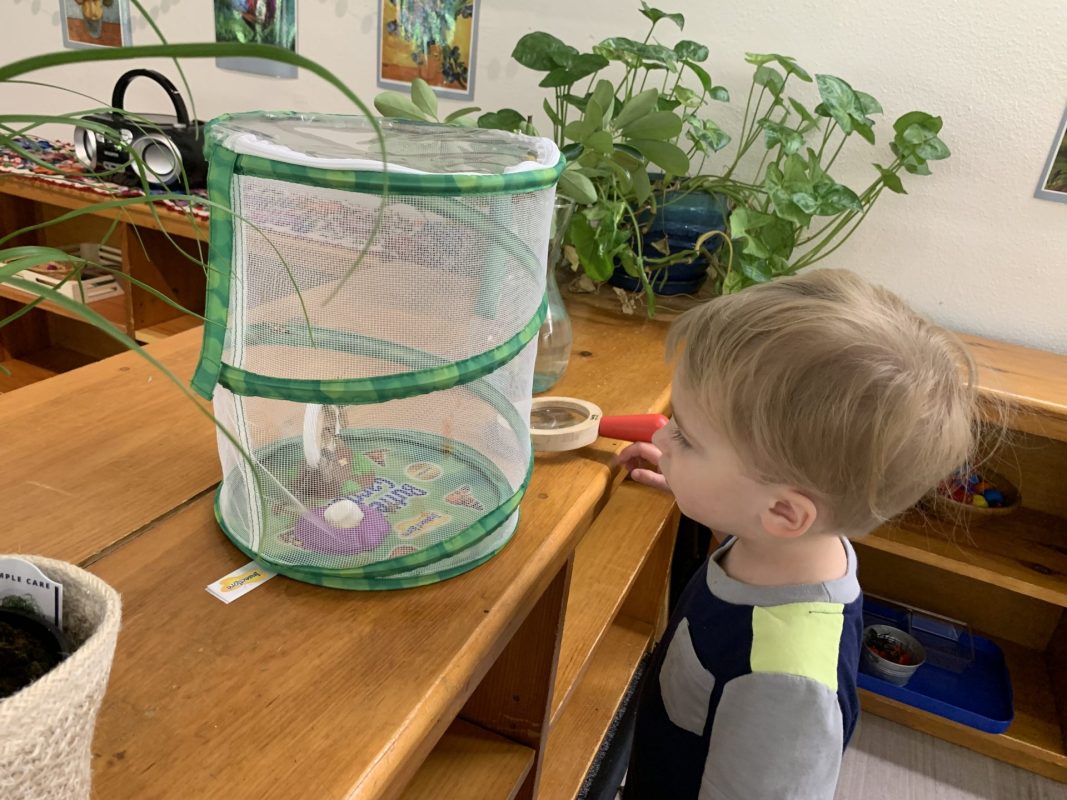
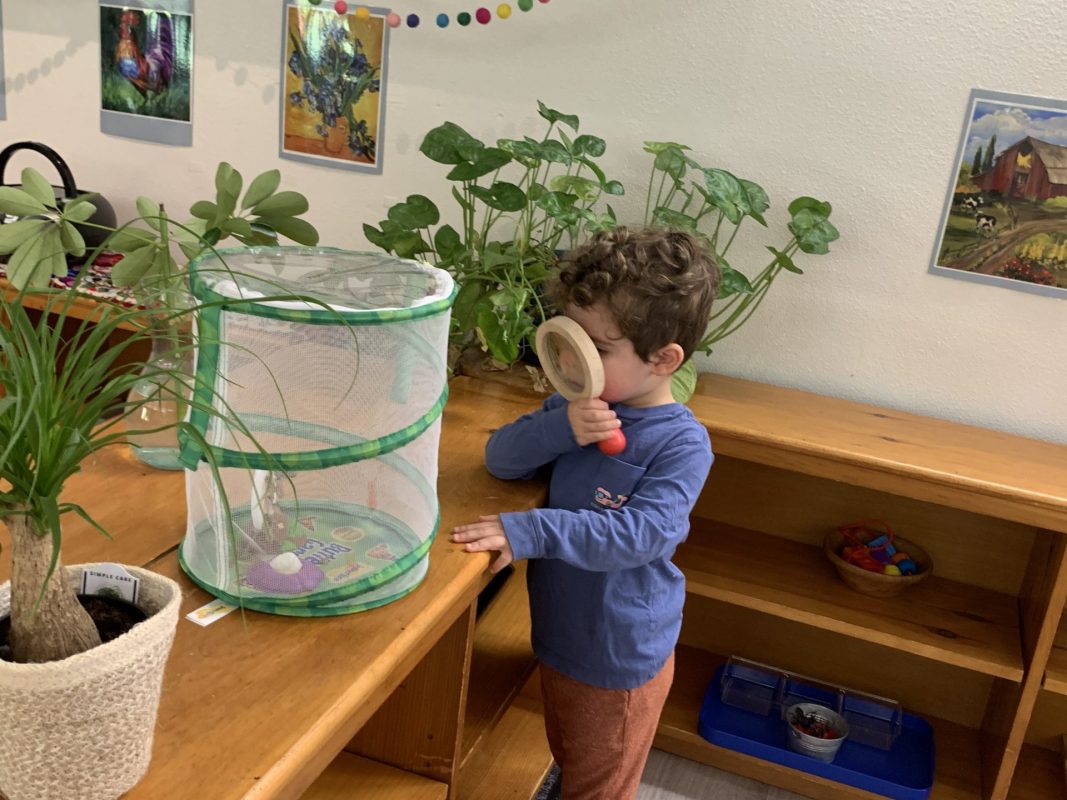
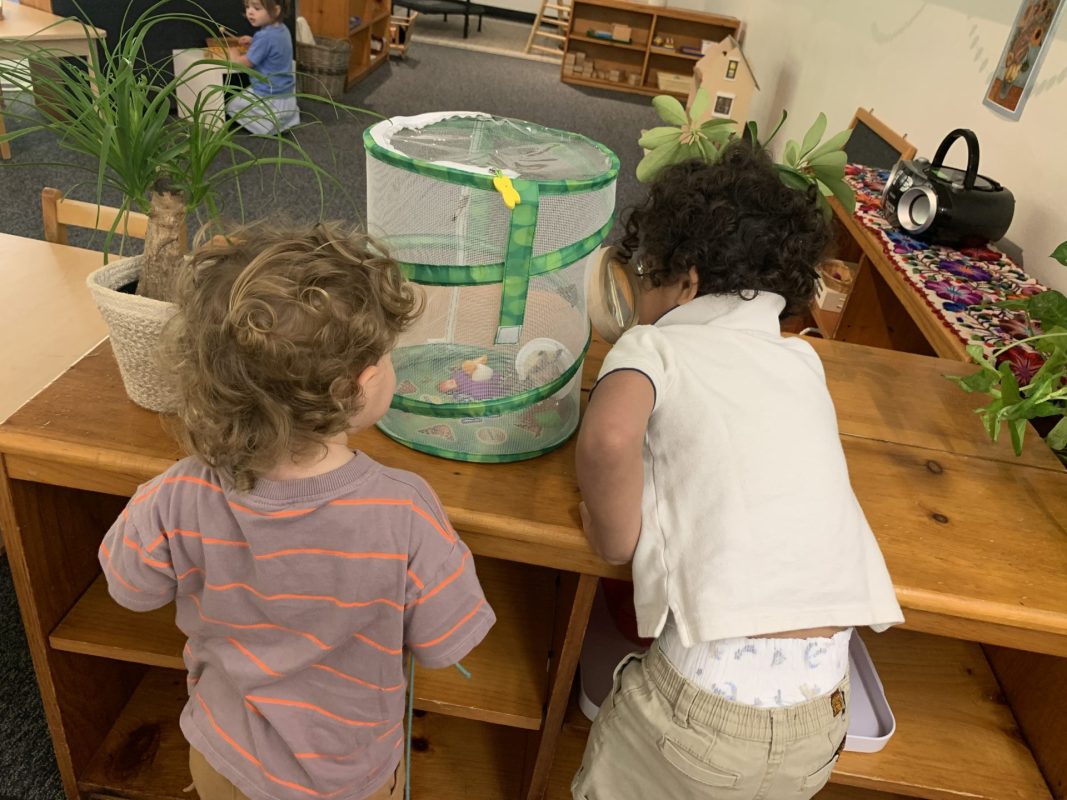
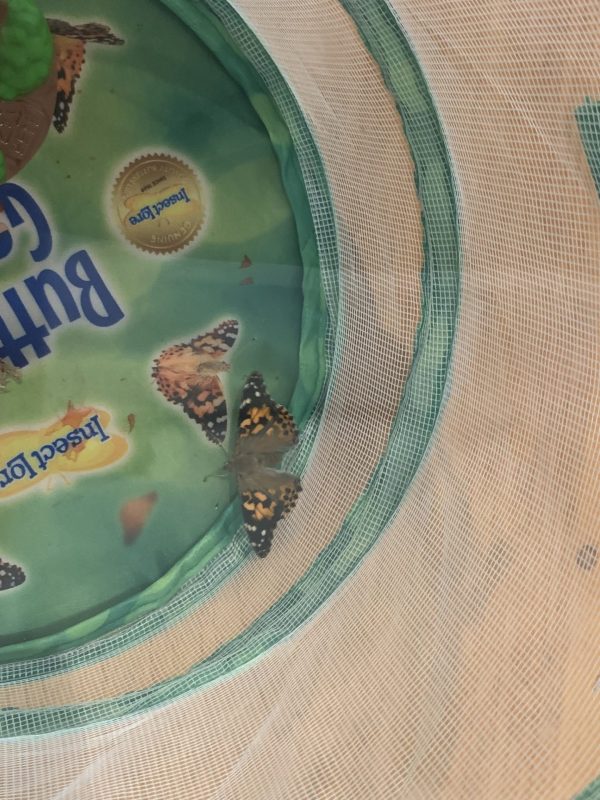
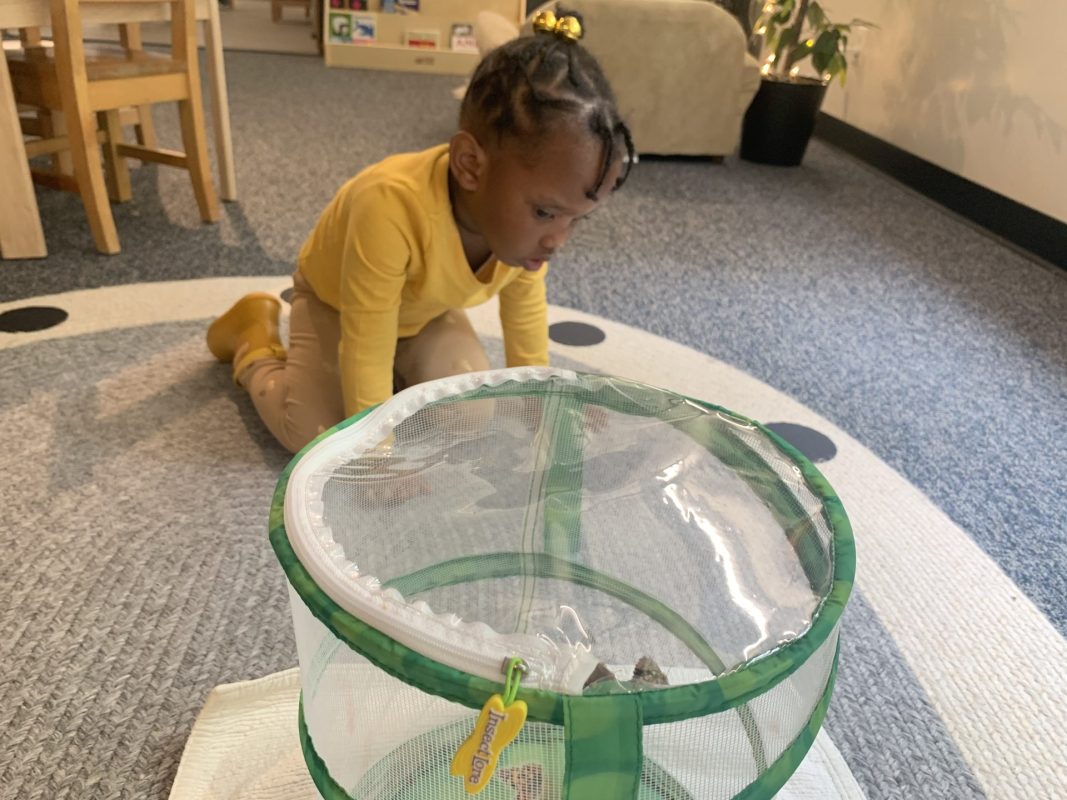
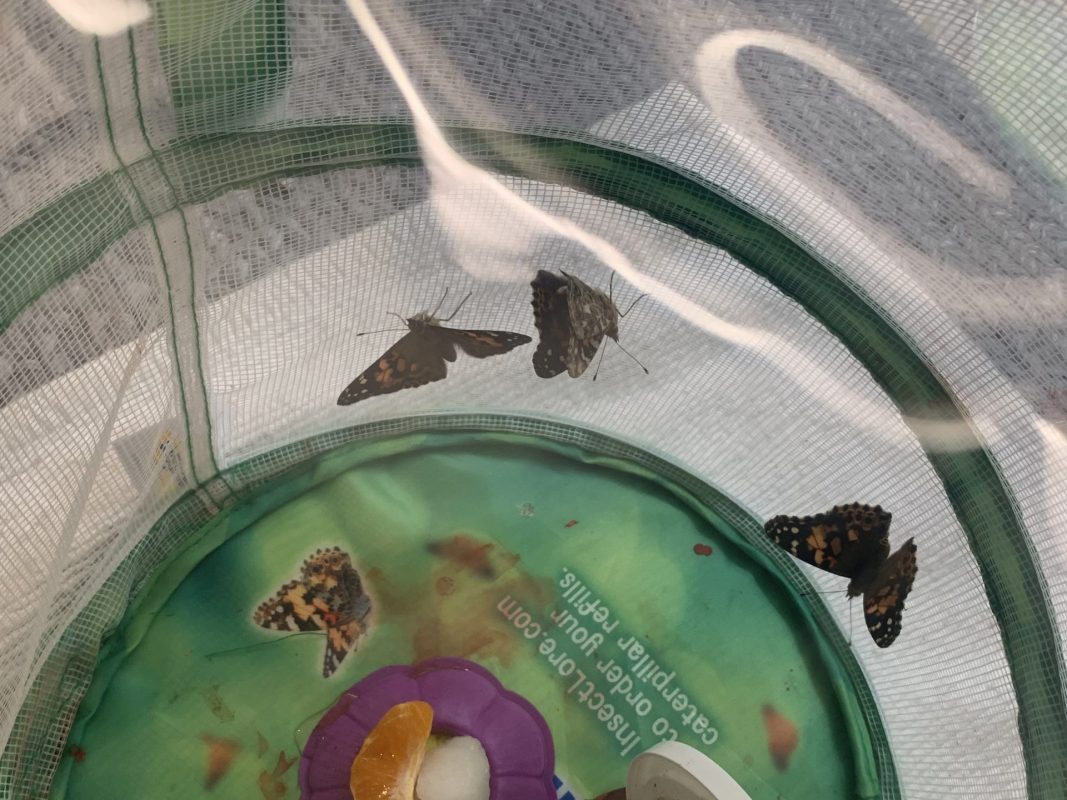
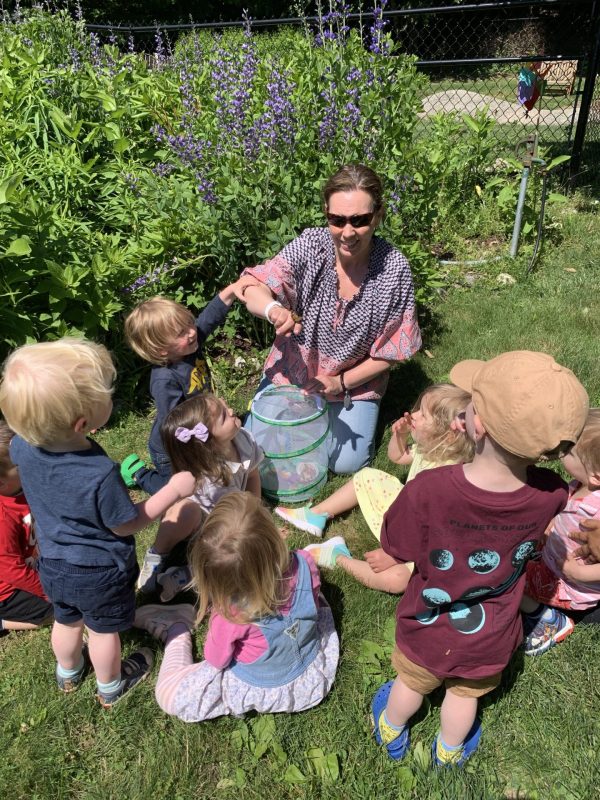
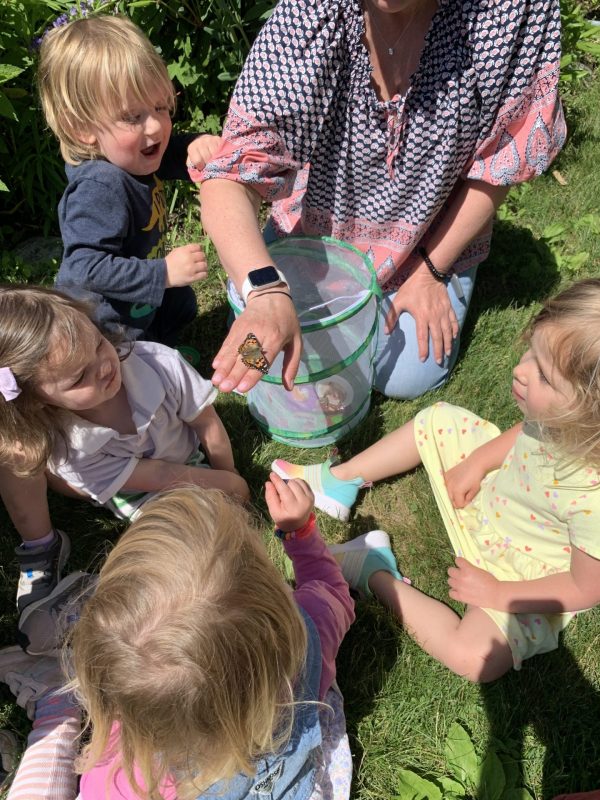
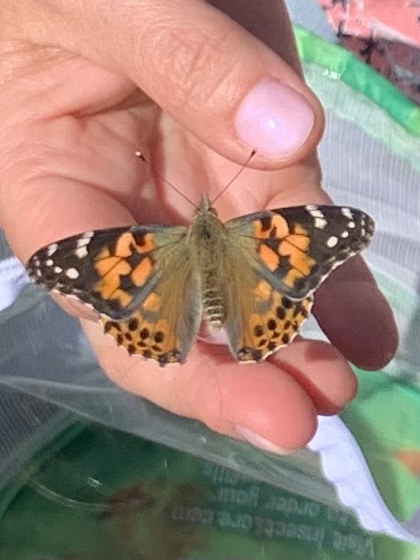
We are closing our Bird study and beginning our study of butterflies and honey bees! To kick off this next month, we welcomed five tiny caterpillars to our classroom. It is so exciting to observe each step of the fascinating life cycle of the painted lady butterfly. Right now, our caterpillars are busy eating, spinning silk, and growing bigger every day. During this incredible period of growth, they will shed their exoskeletons four times and grow more than ten times their original size! When they have finished growing, the caterpillars will climb to the top of the cup. Once there, they will hang from the paper disk in a “j” shape under the lid. Finally, they will shed their exoskeletons one last time before they pupate and form a chrysalis.

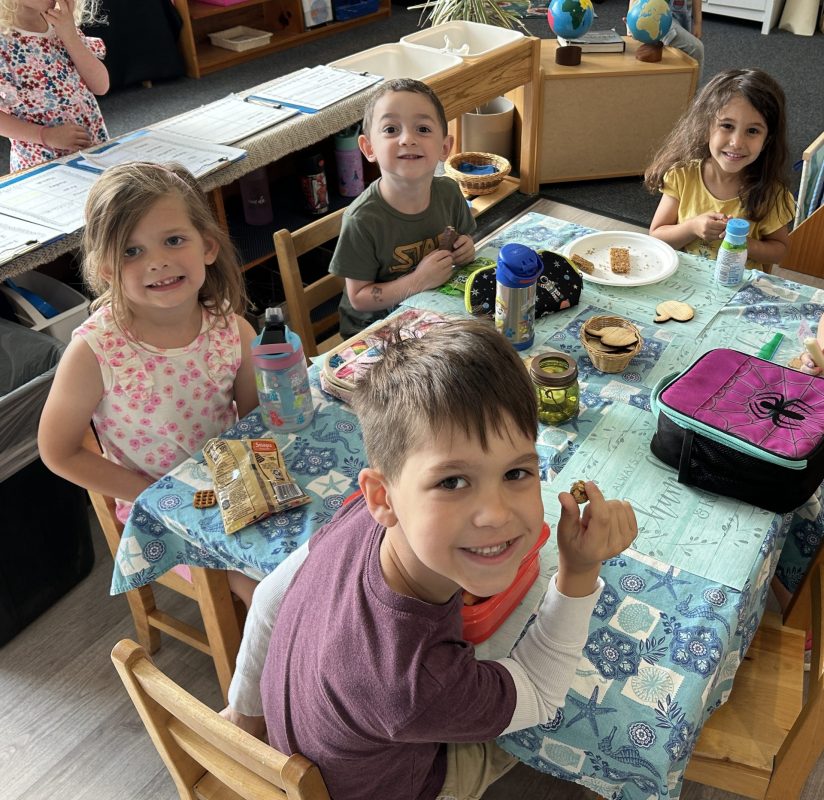
On Wednesday, a classmate shared the wonderful traditions of celebrating the New Year in Sri Lanka during the month of April. He showed us his special outfit, shared homemade Sri Lankan snacks, and gave each child a keychain representing Sri Lanka. Thank you so much to his family for sharing a little piece of their culture with us!

Wishing you a week filled with peace and love!

Marissa & Sue


Mrs. Sargeant: A Peek at the Week

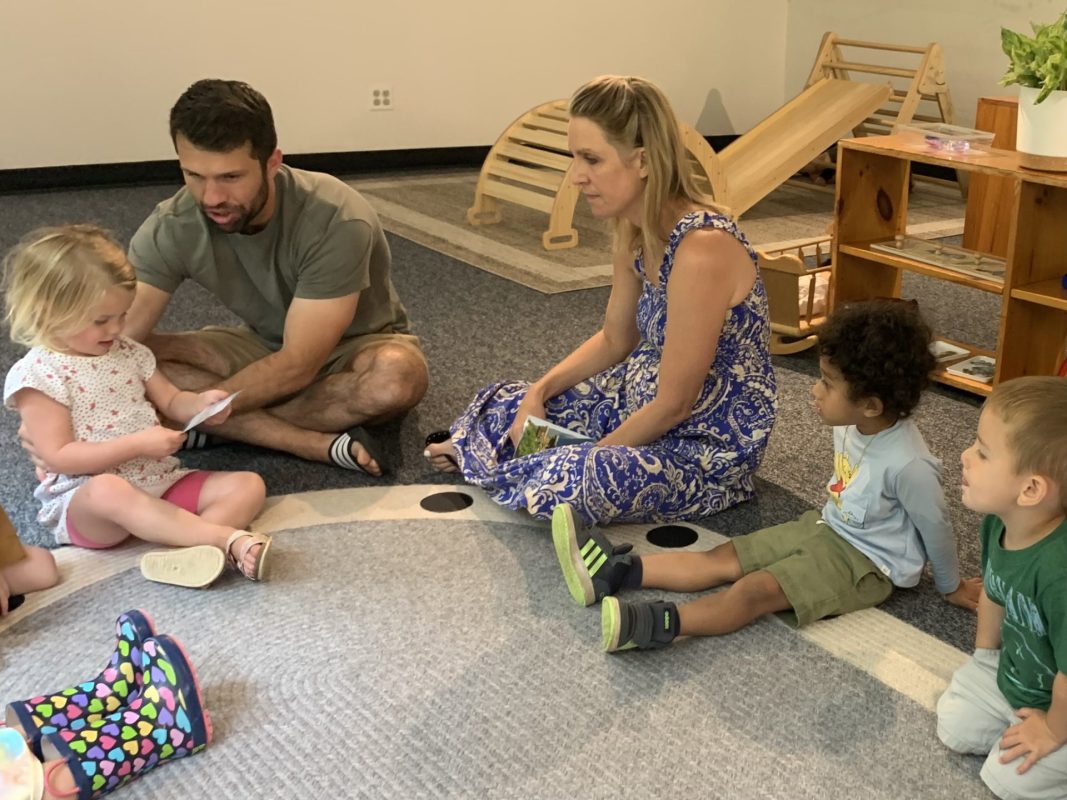
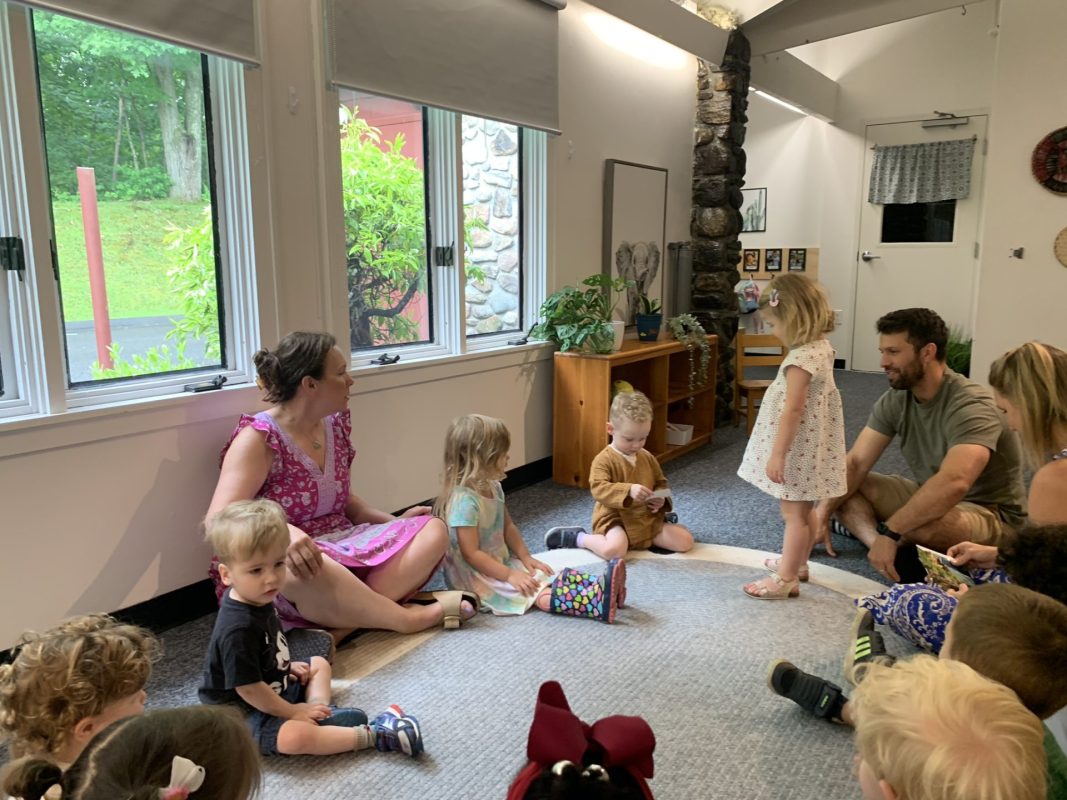
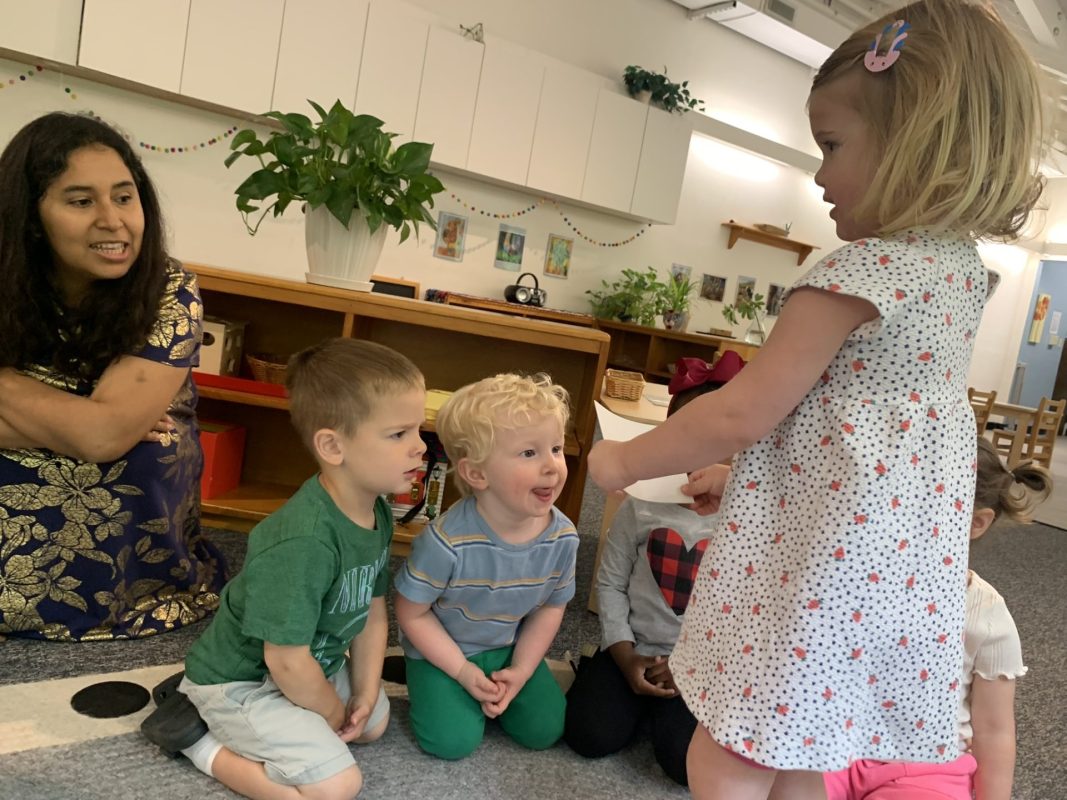
The highlight of the week was Grandparents and Special Friends Day. We saw true joy on the children’s faces as they showed their loved ones around the classroom. Thank you all for coming and taking an interest and spending some special time with your beloved toddlers. 

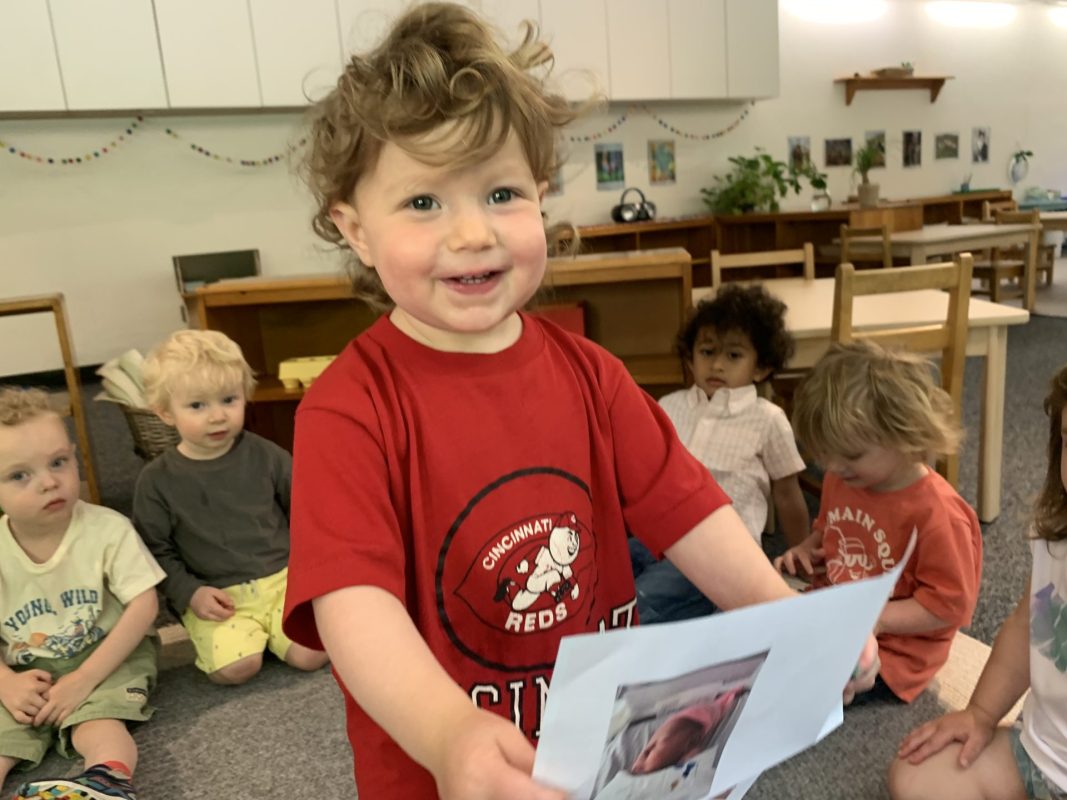
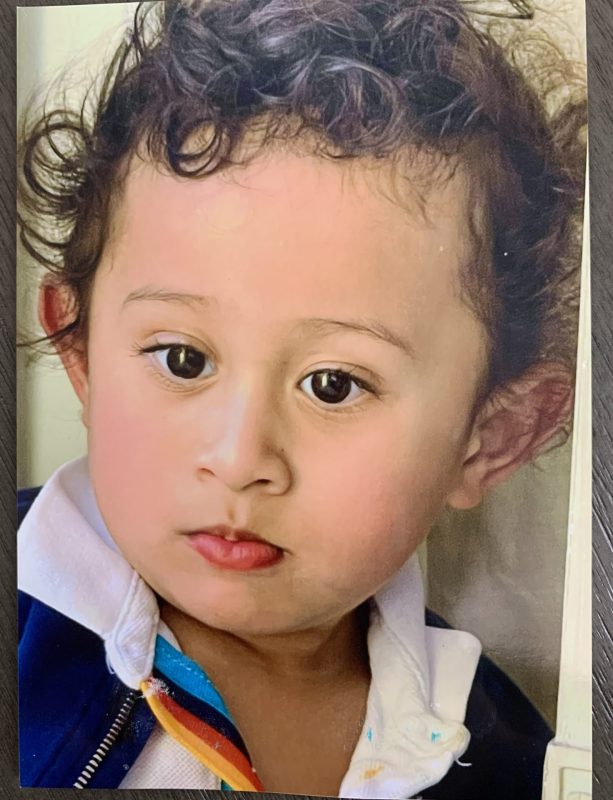
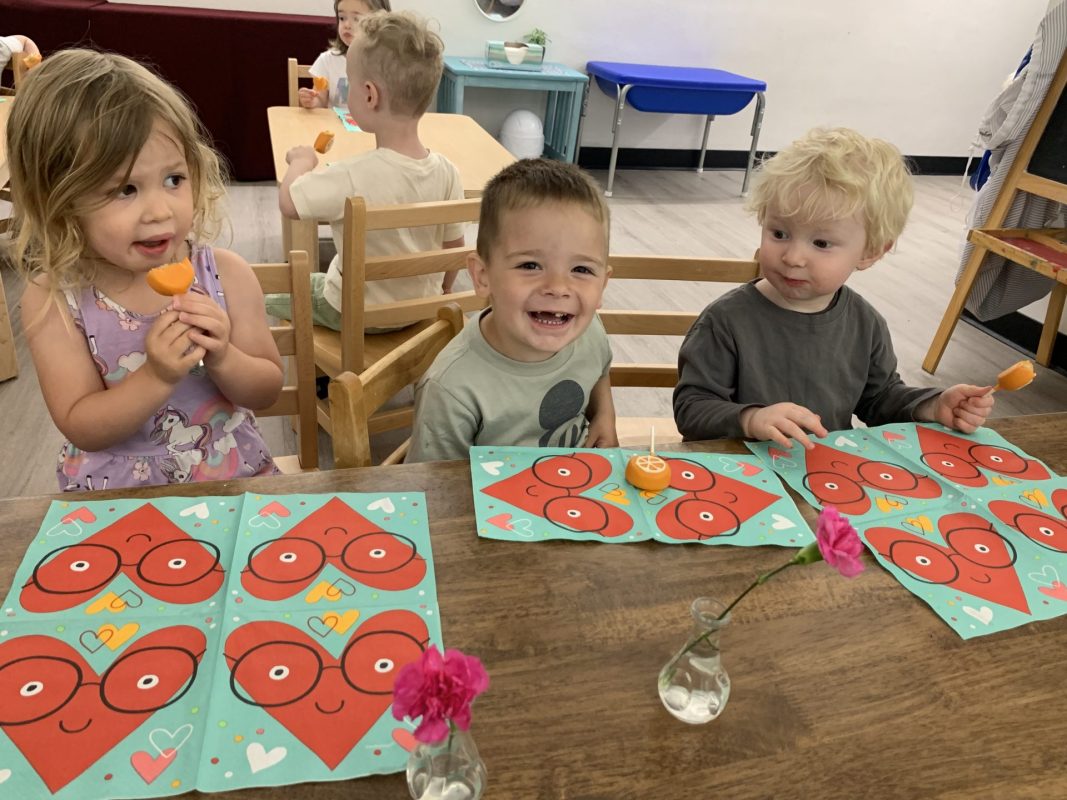
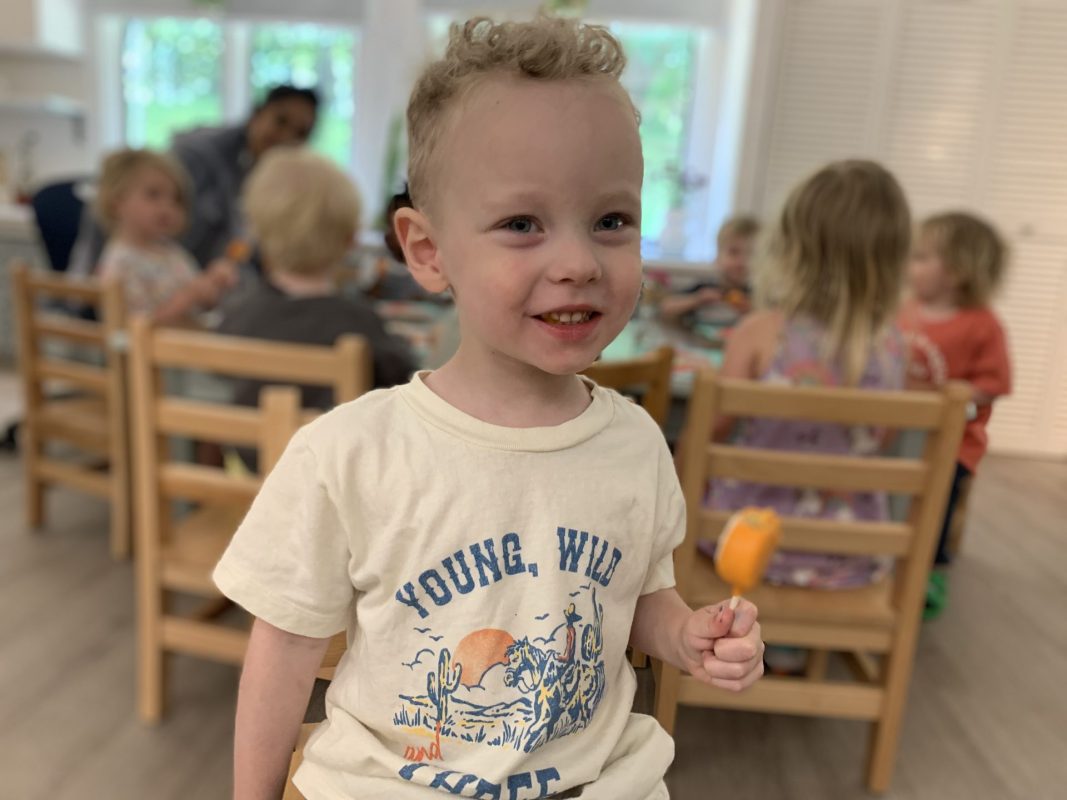
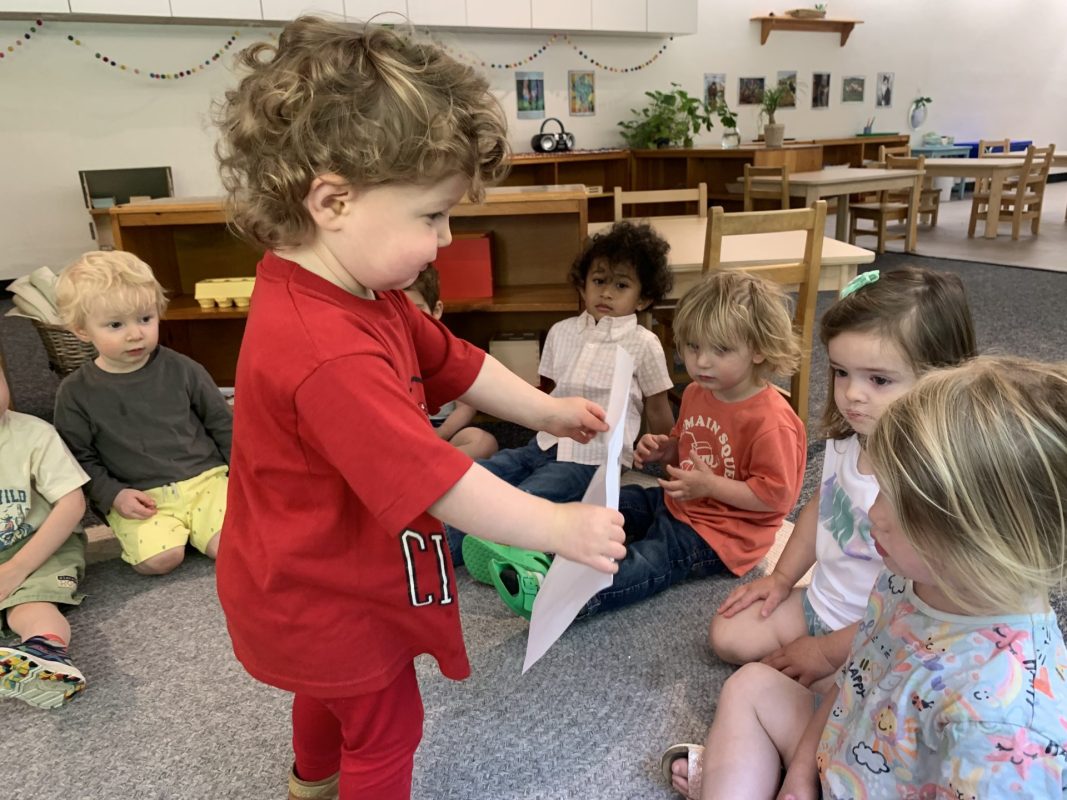
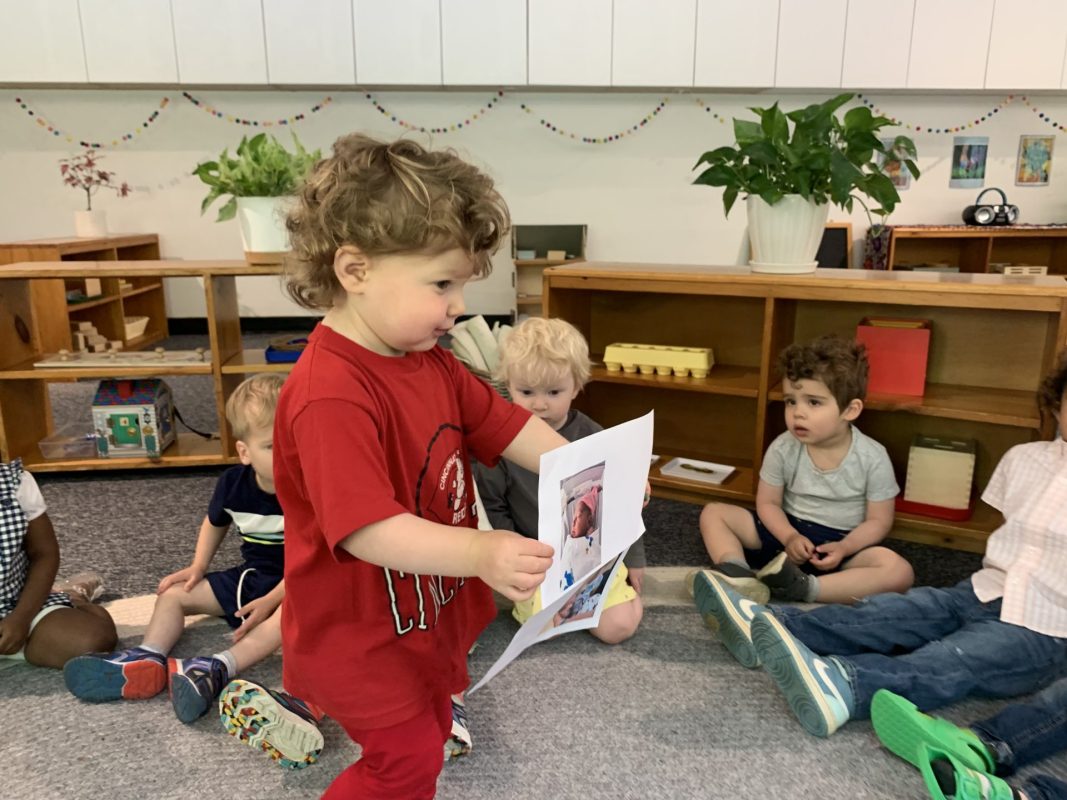
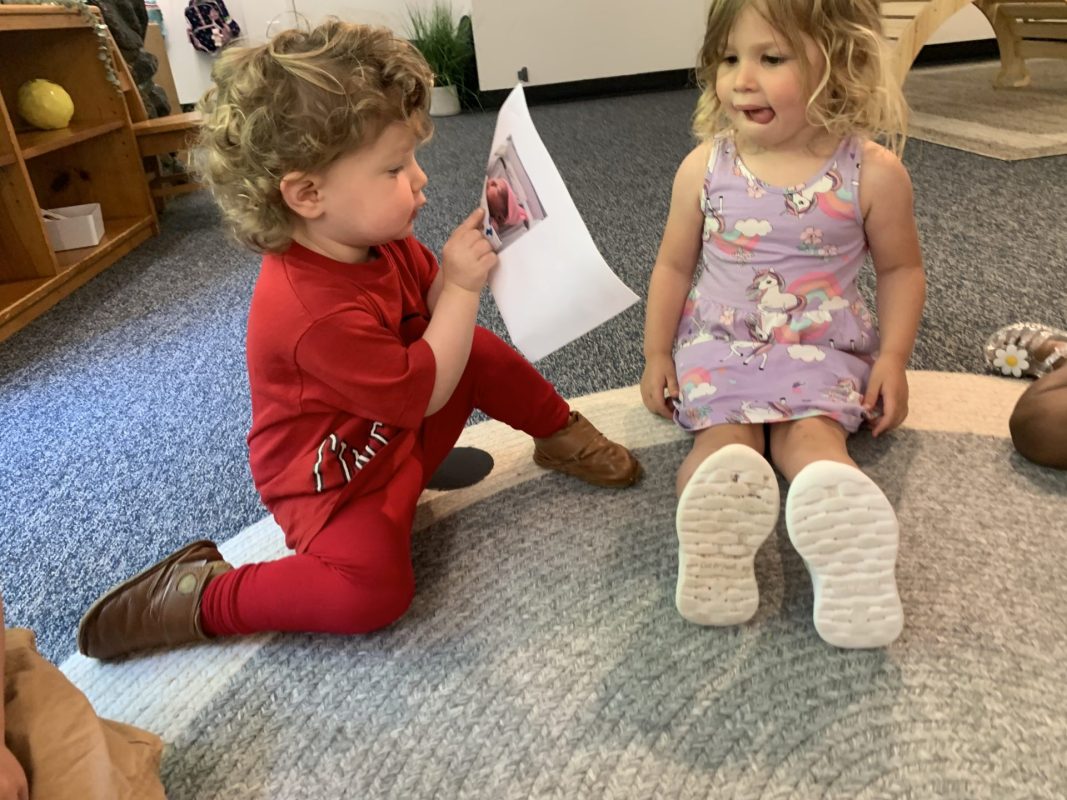
We also celebrated a friend’s birthday this week. This birthday was a little different, as he was the first to turn three years old! We enjoyed doughnut holes as we listened to Happy Birthday by the Ting Tings and read a book about a dinosaur who played baseball. The children’s favorite part of celebrating their friends’ birthdays is to look at their baby photos. It is truly heartwarming to see them take such an interest.

In celebration of Earth Day this week,  we delved into discussions about our precious planet and the importance of taking care of it. We emphasized the significance of properly disposing of trash in either the garbage or recycling bins. The children had the opportunity to paint Earth using blue and green paint, which represented water and land. 

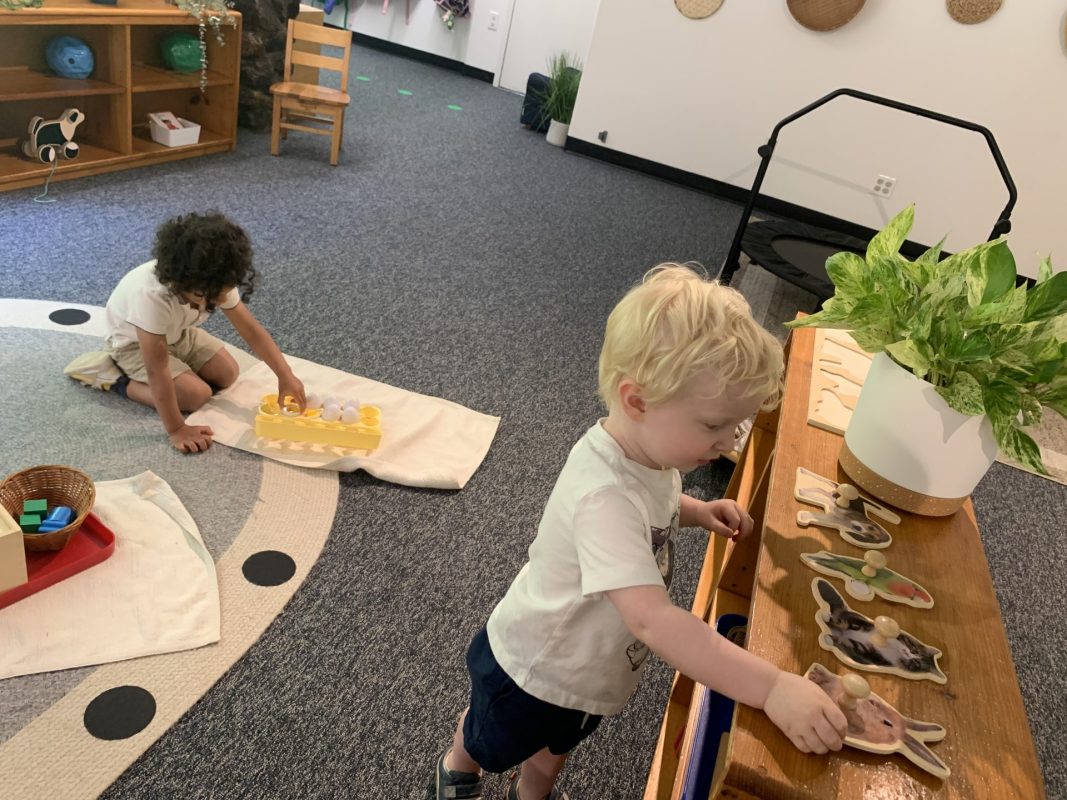
We’ve been exploring fascinating African wildlife, including zebras, giraffes, hippopotamuses, rhinoceroses, elephants, and more. Our learning journey has involved reading books, visual matching activities, puzzles, and, of course, vocabulary enrichment. 

We tasted both black and green olives this week. A handful of the children could not get enough of the green ones; a few seemed to like the black, and another group did not appear to be fond of either type. There are hundreds of different types of olives, so we encouraged the children to try others at home. We discussed olive oil, as the connection was brought up by one of the children. 

Enjoy the weekend! Christine & Lizette


Mrs. Doyle: Head, Thorax, Abdomen, Abdomen!

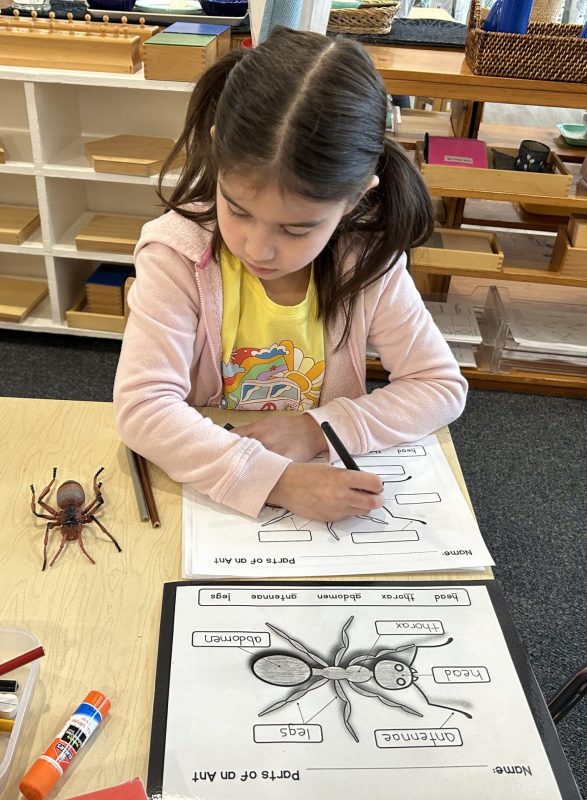
We are hard at work becoming entomologists. This is always a favorite unit of study for the children. An entomologist is a scientist who studies insects. We began our unit by discussing what we already know about insects, what they are, and what they can do. We discovered that insects are slimy, little, gross, soft, and hard. Insects can crawl, sting, bite, eat, fly, walk upside down, and jump. We learned that insects lay eggs and have antennae and three main body parts: a head, thorax and abdomen, eyes, and six legs. Insects are also cold-blooded, have an exoskeleton, and many have wings. Finally, we found out why a spider is not an insect. Ask your child to see if they know why.

We also welcomed five tiny caterpillars to our classroom. It is so exciting to observe each step of the fascinating life cycle of the painted lady butterfly. Right now, our caterpillars are busy eating, spinning silk, and growing bigger every day. During this incredible period of growth, they will shed their exoskeletons four times and grow more than ten times their original size! When they have finished growing, the caterpillars will climb to the top of the cup. Once there, they will hang from the paper disk in a “j” shape under the lid. Finally, they will shed their exoskeletons one last time before they pupate and form a chrysalis.

Wishing you a week filled with peace and love!

Michelle & Maria


Ms Marissa: Not So Fast!

“Help me to do it myself.”

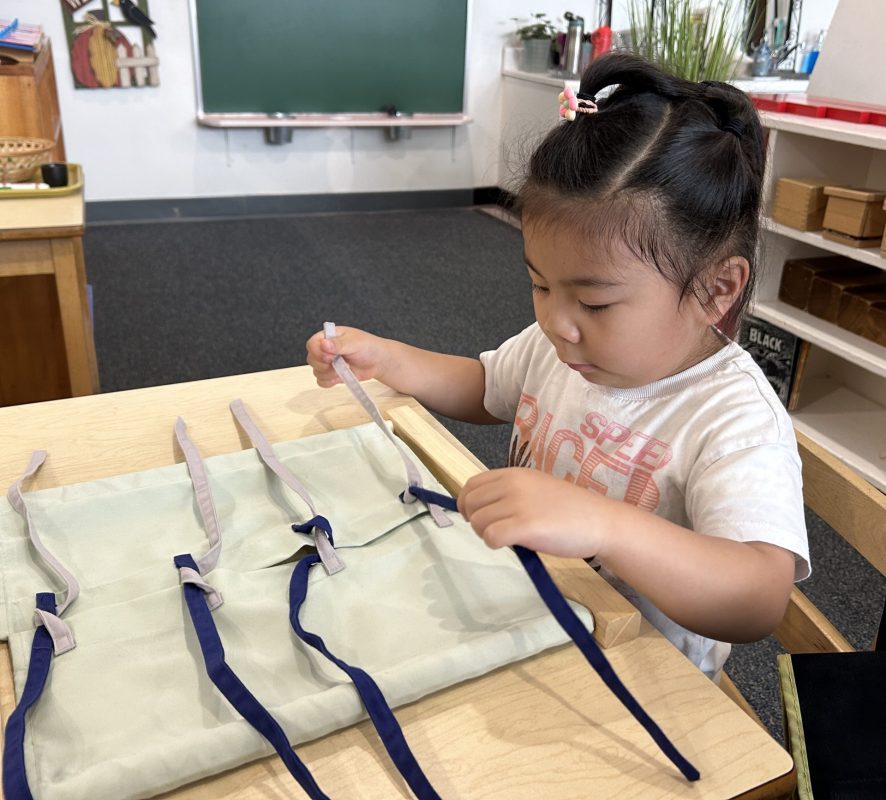
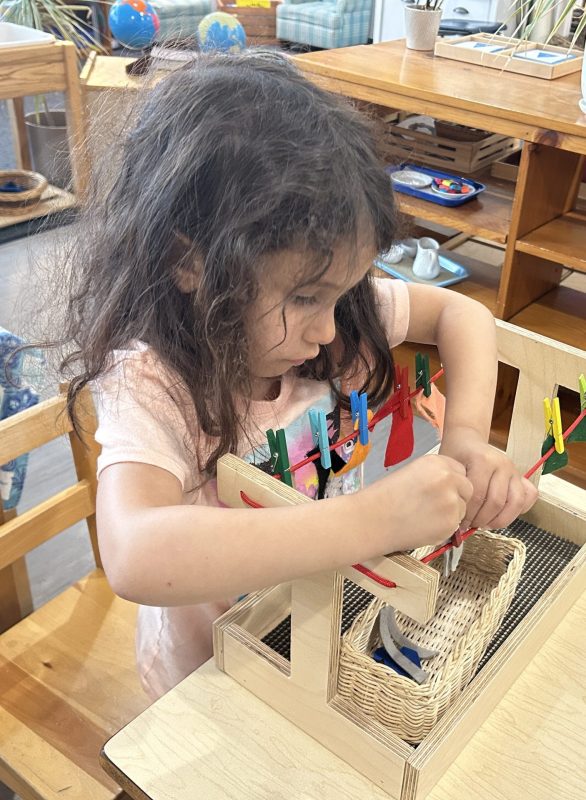
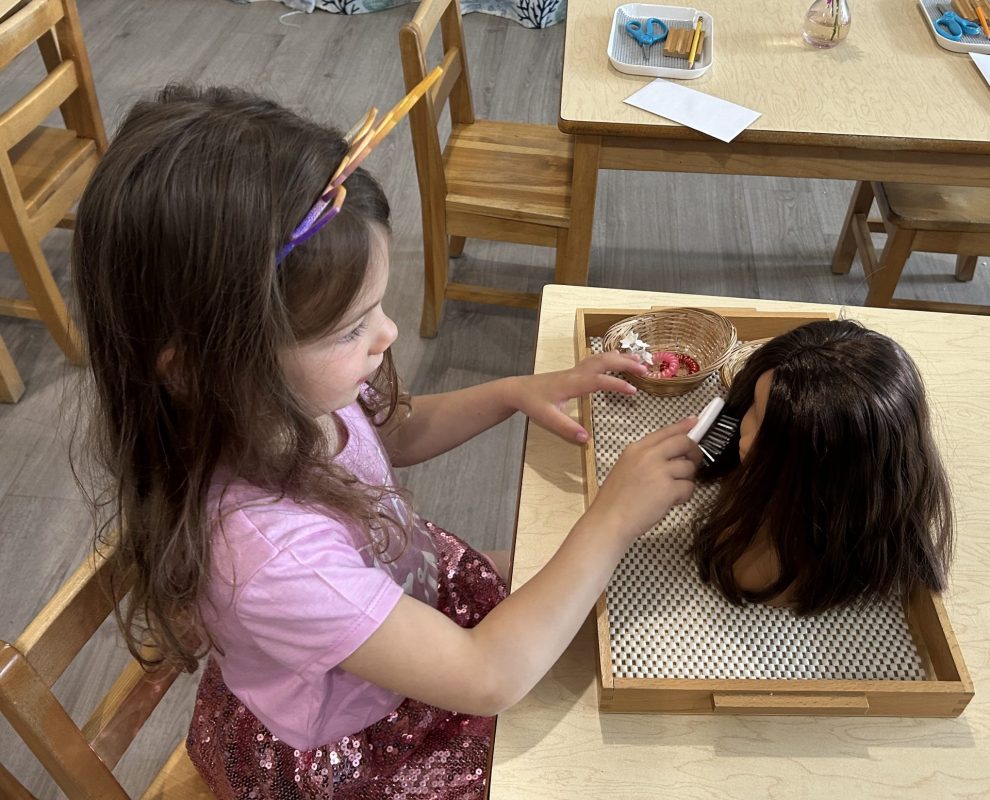
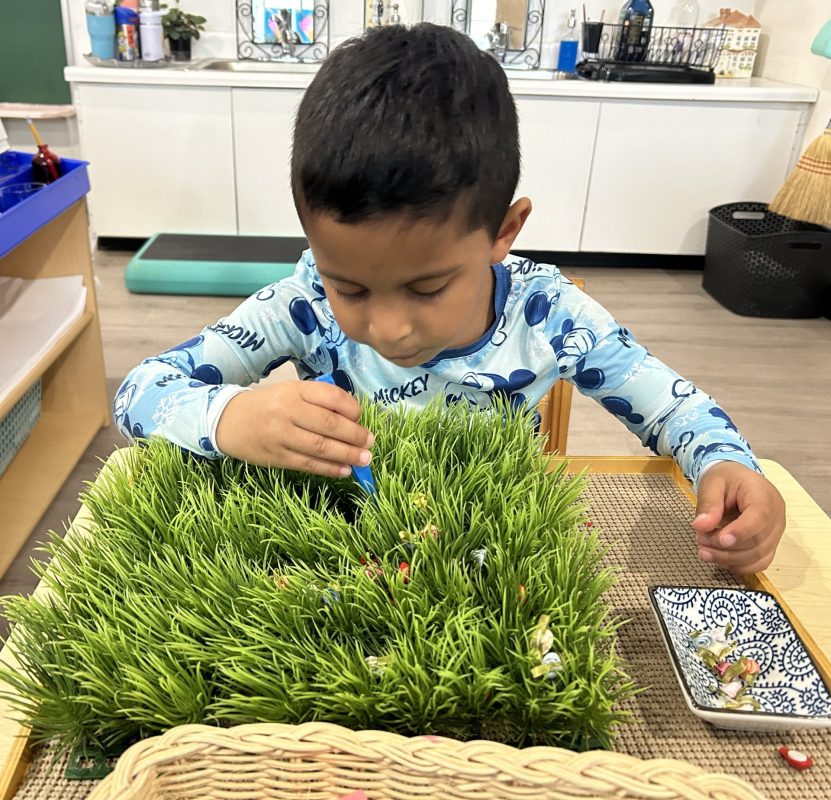
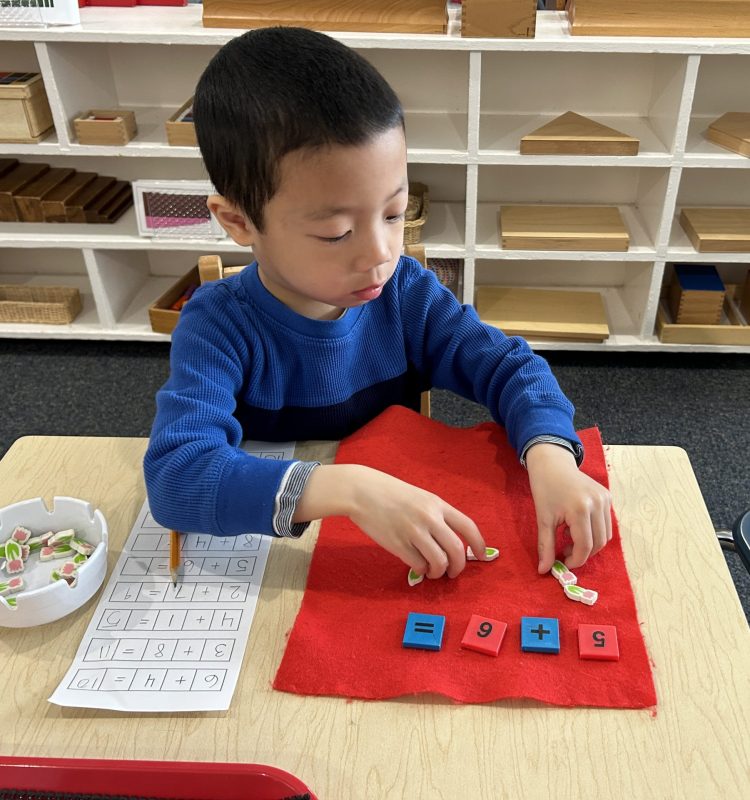
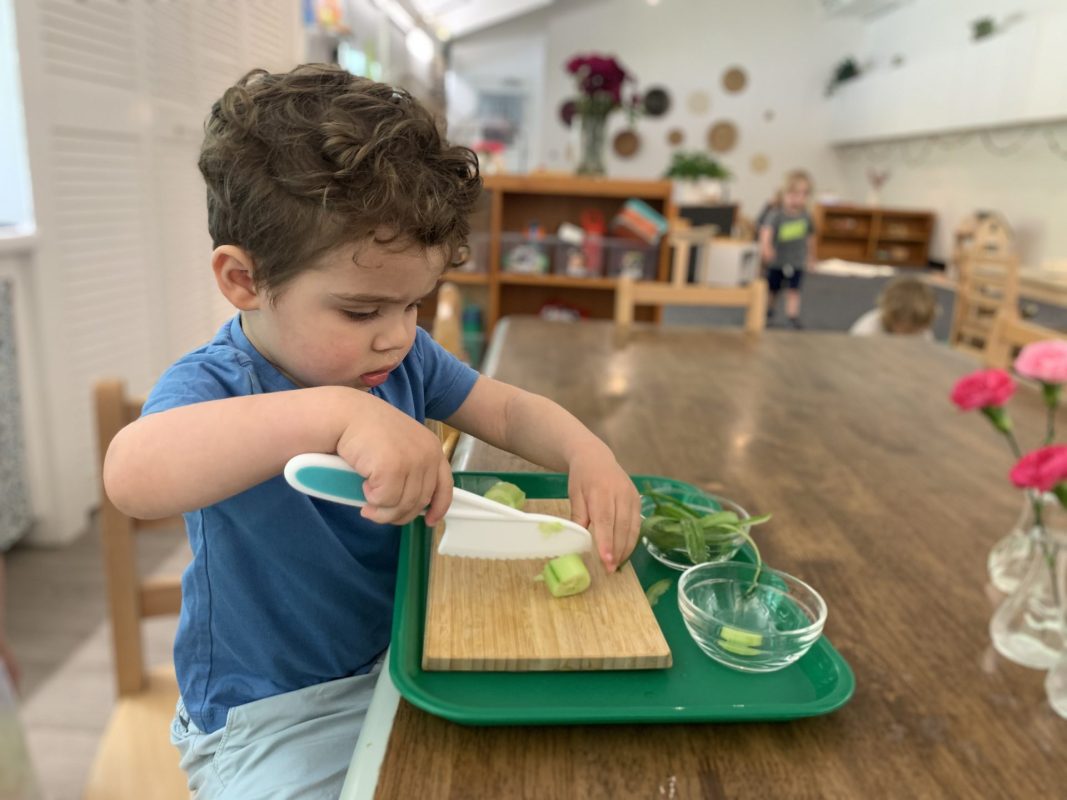
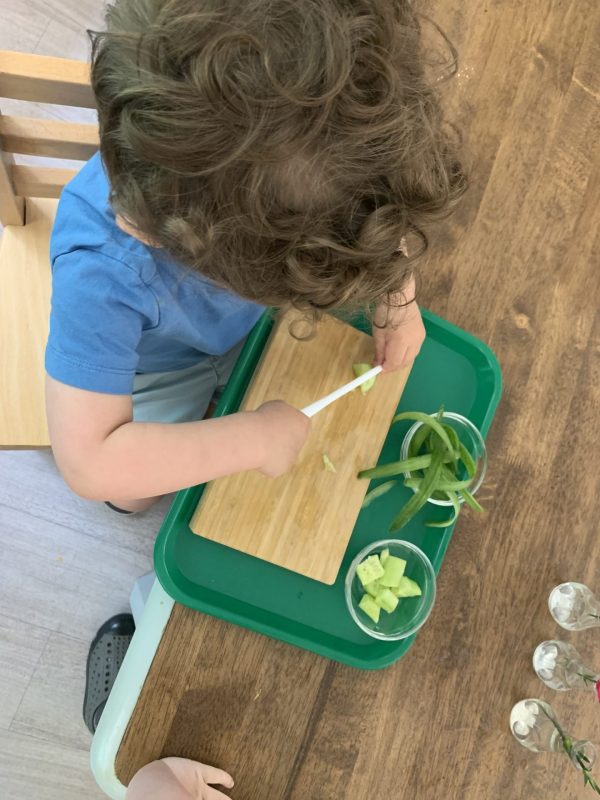
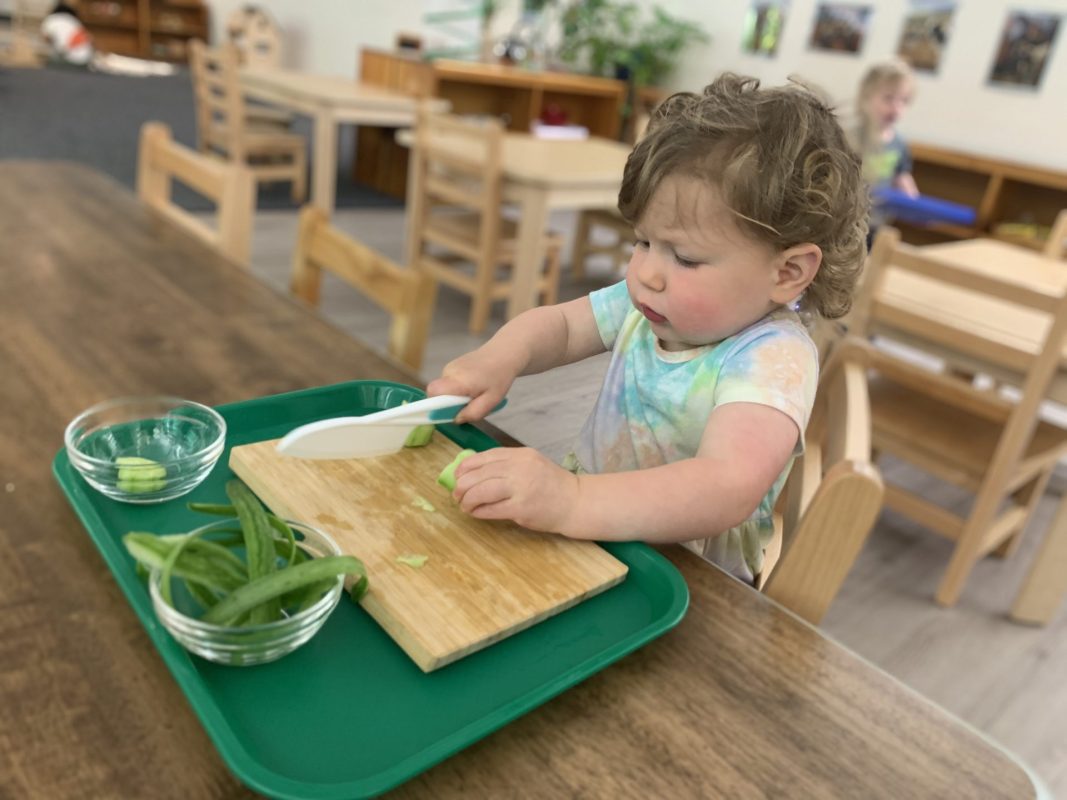
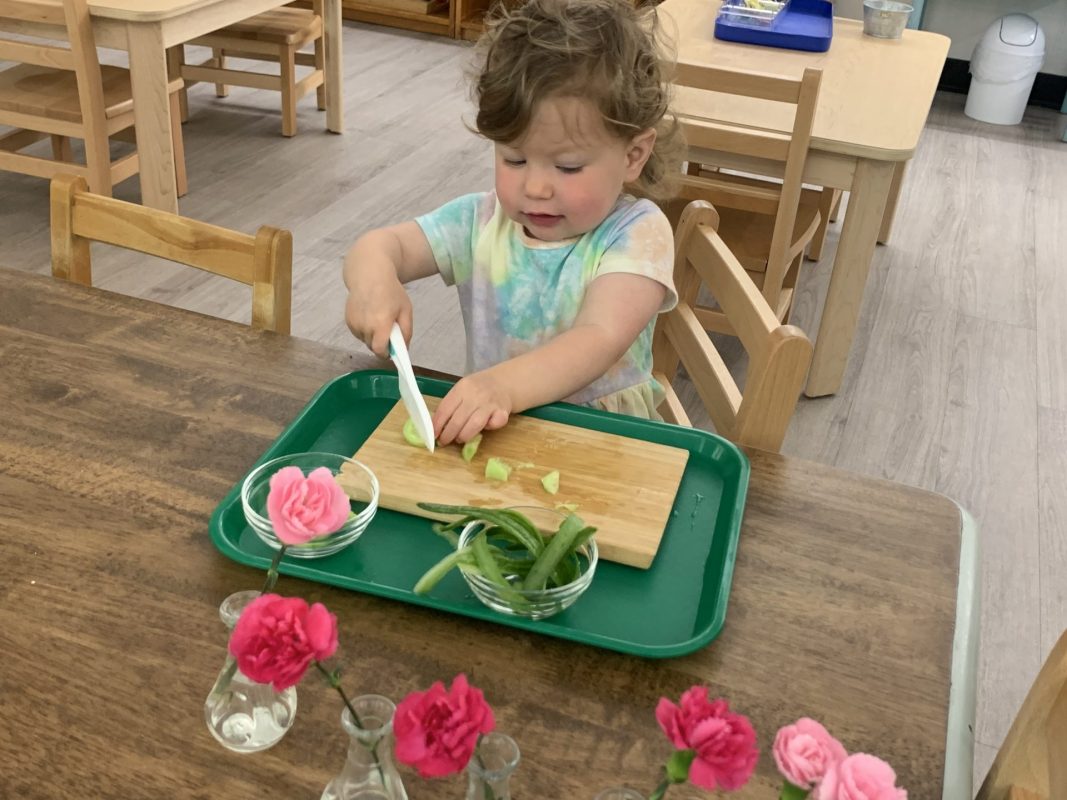
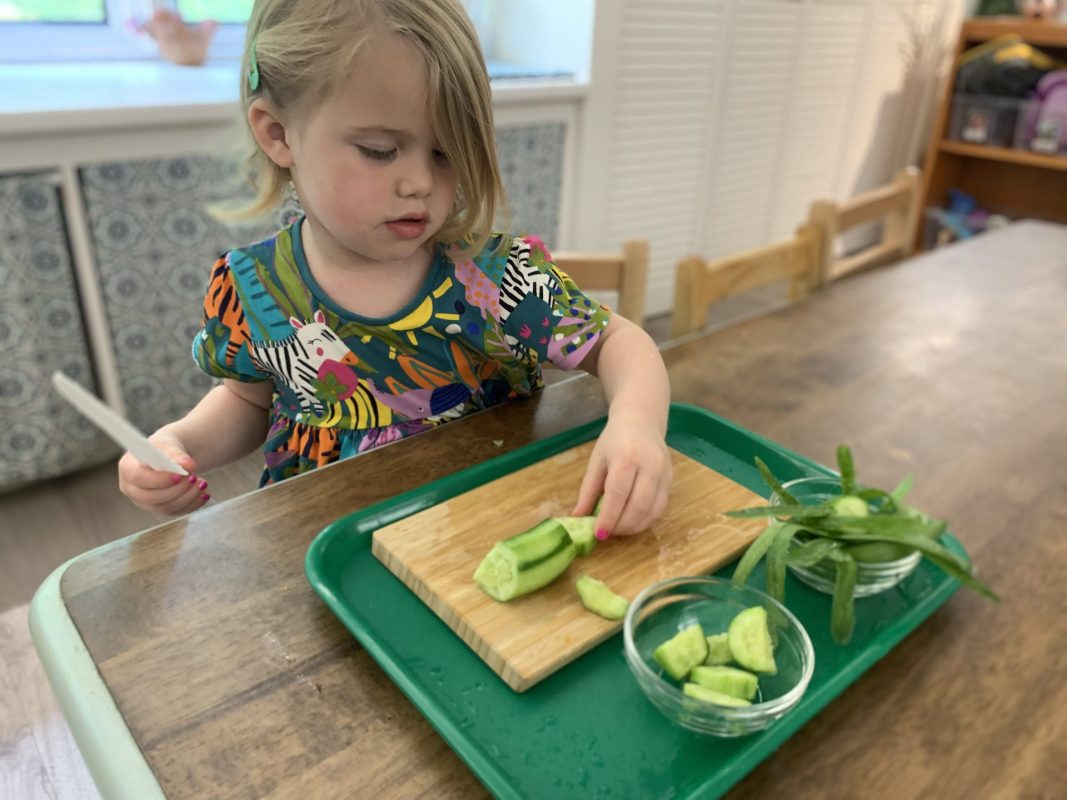
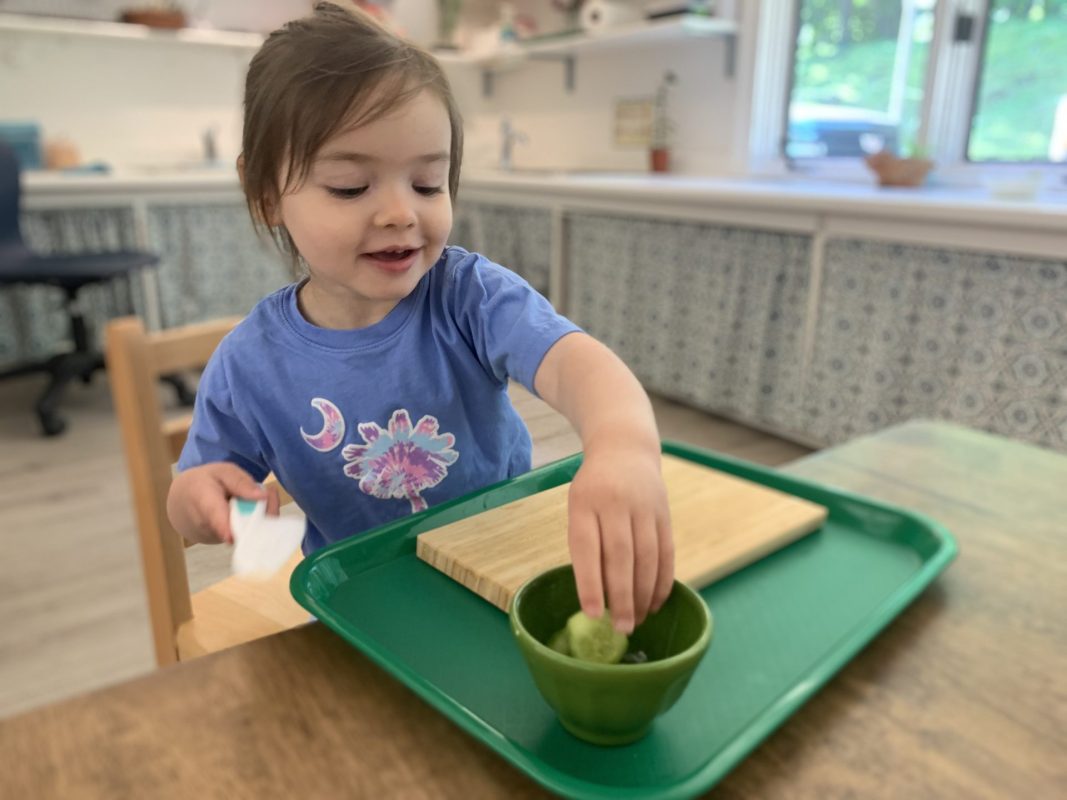
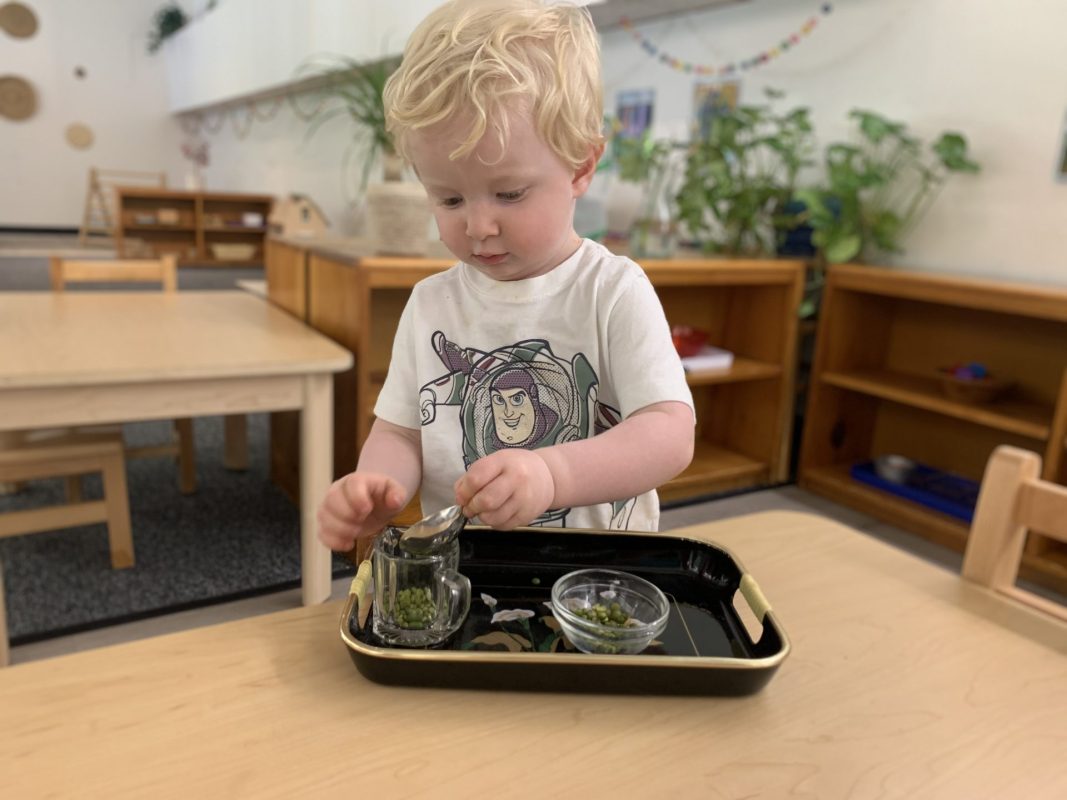
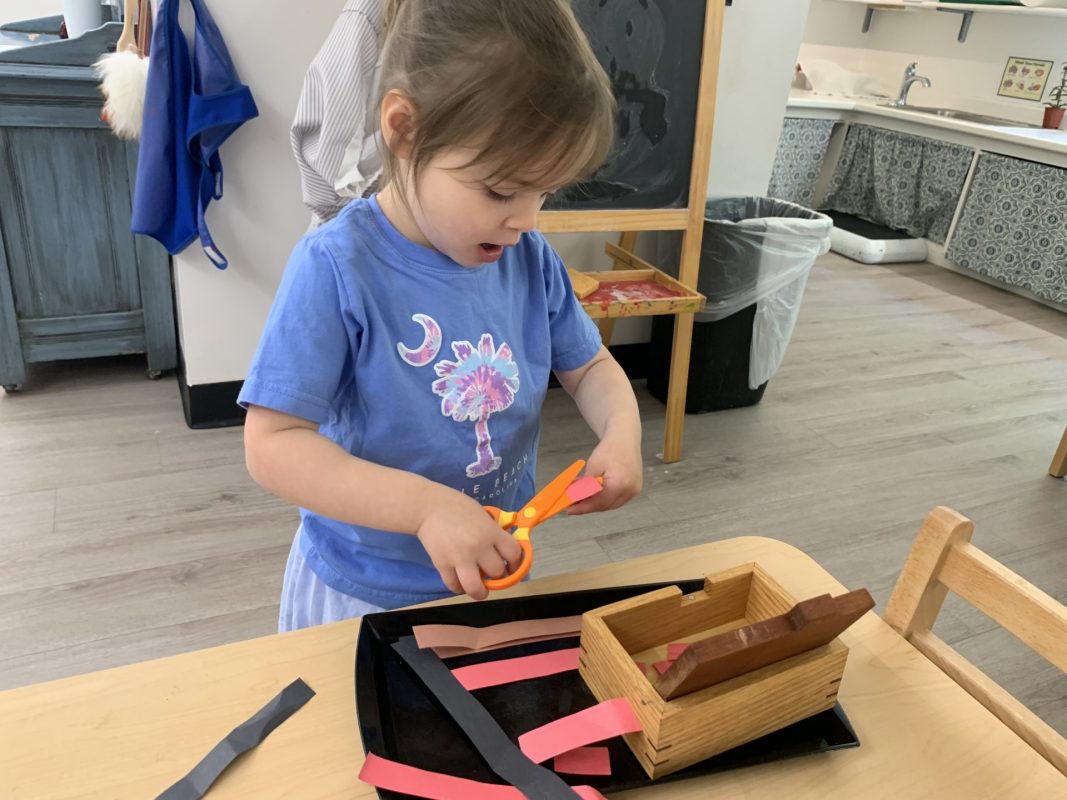
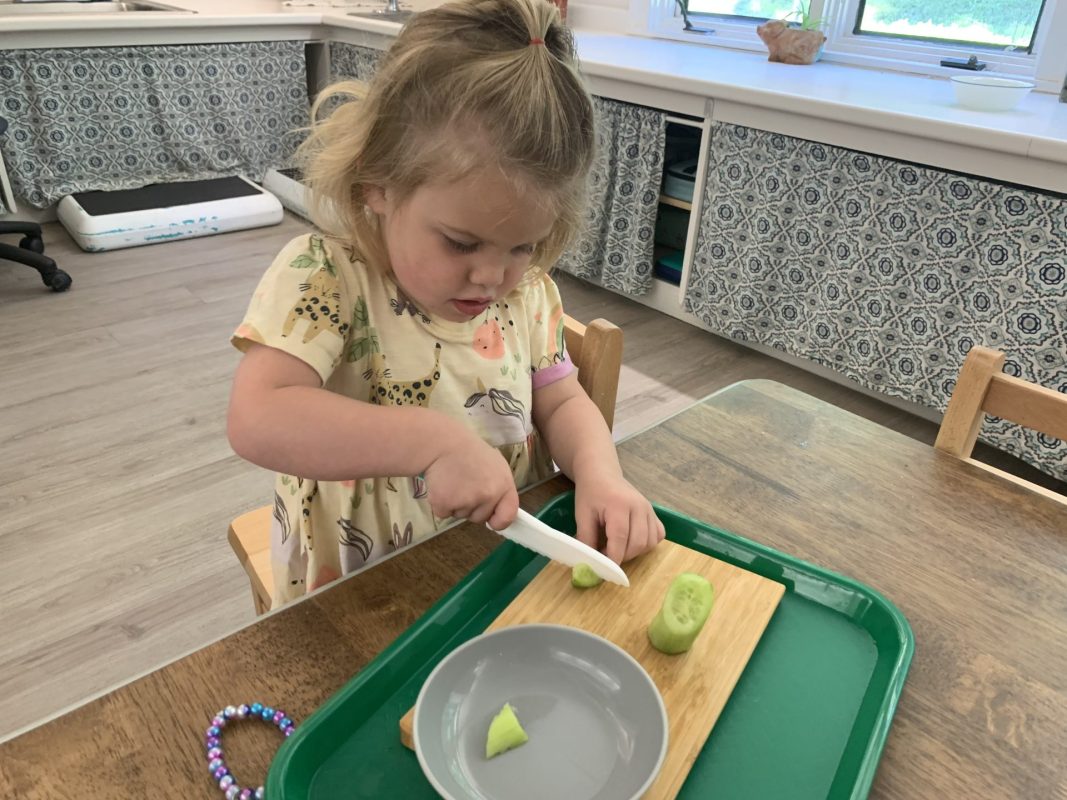
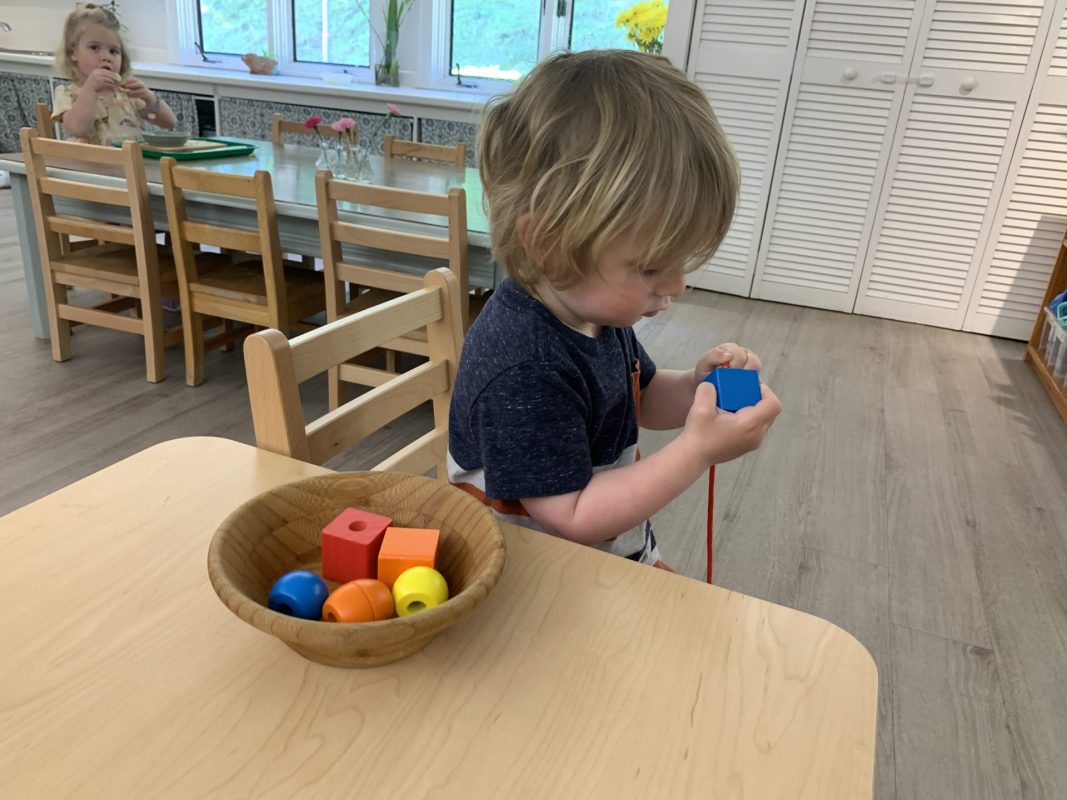
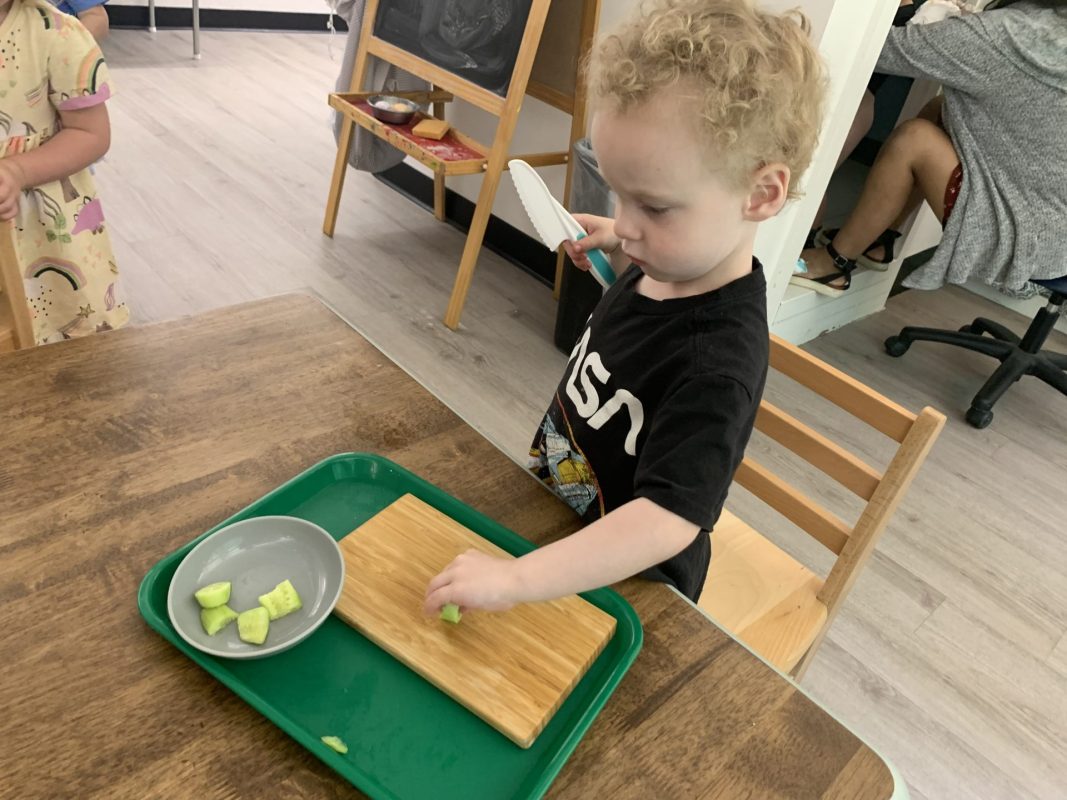
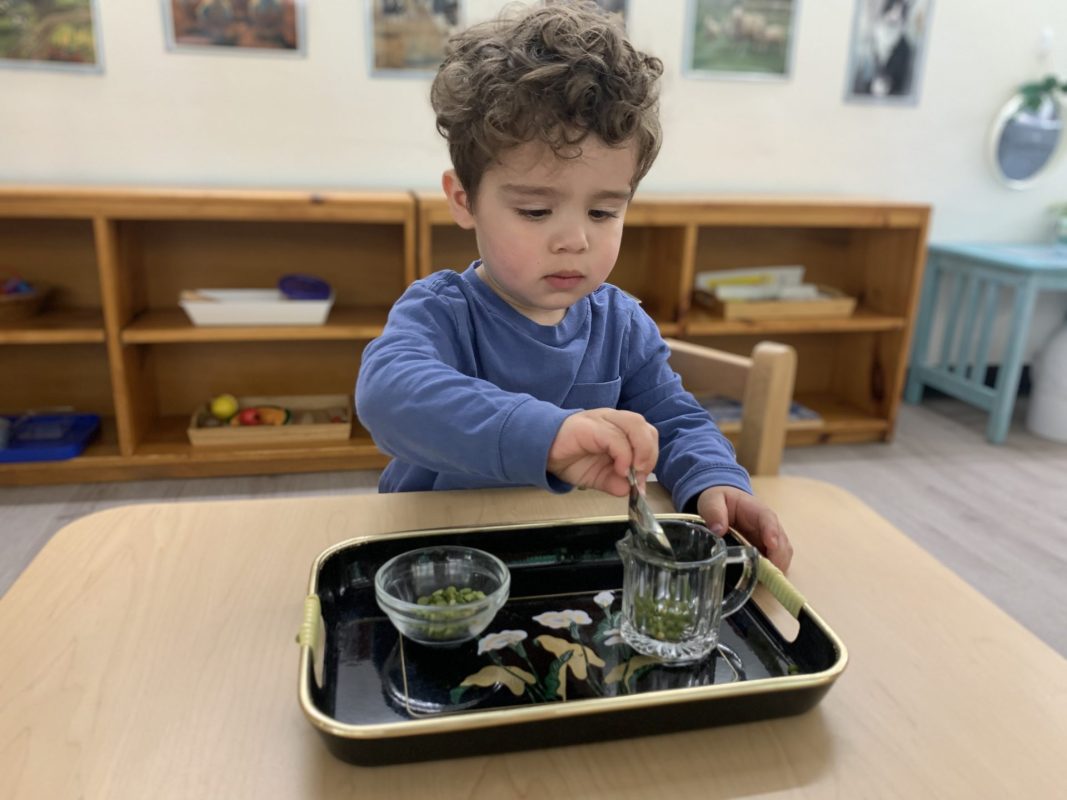
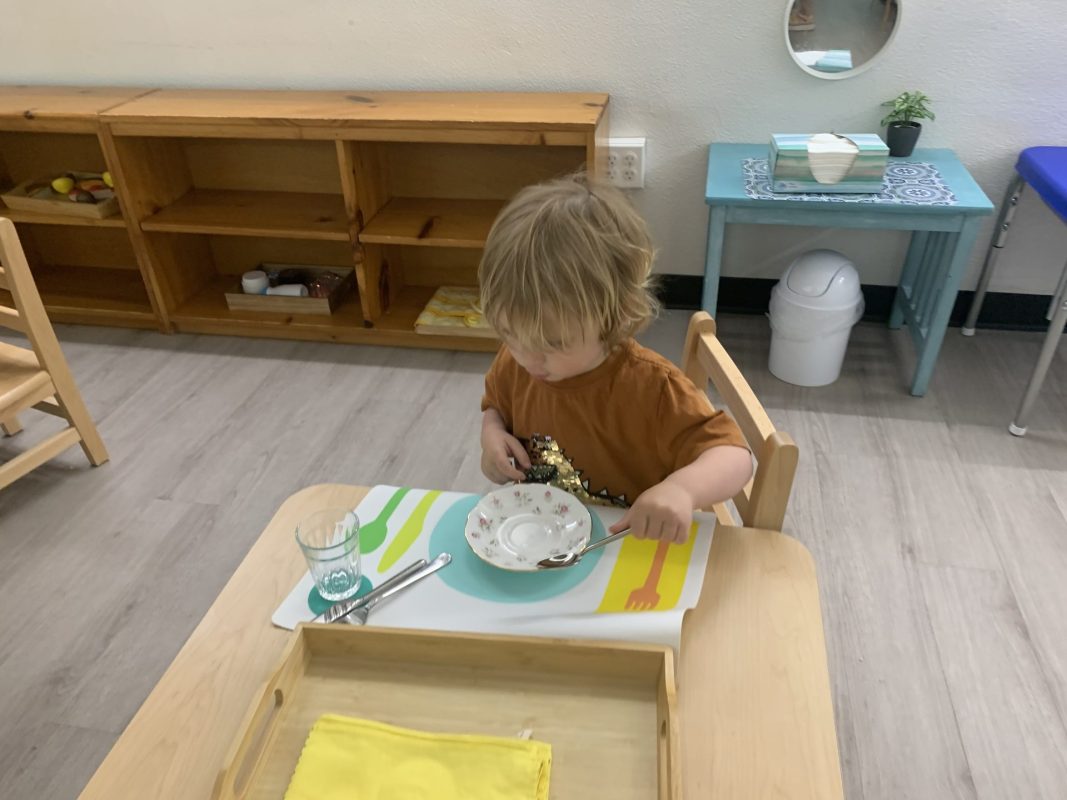
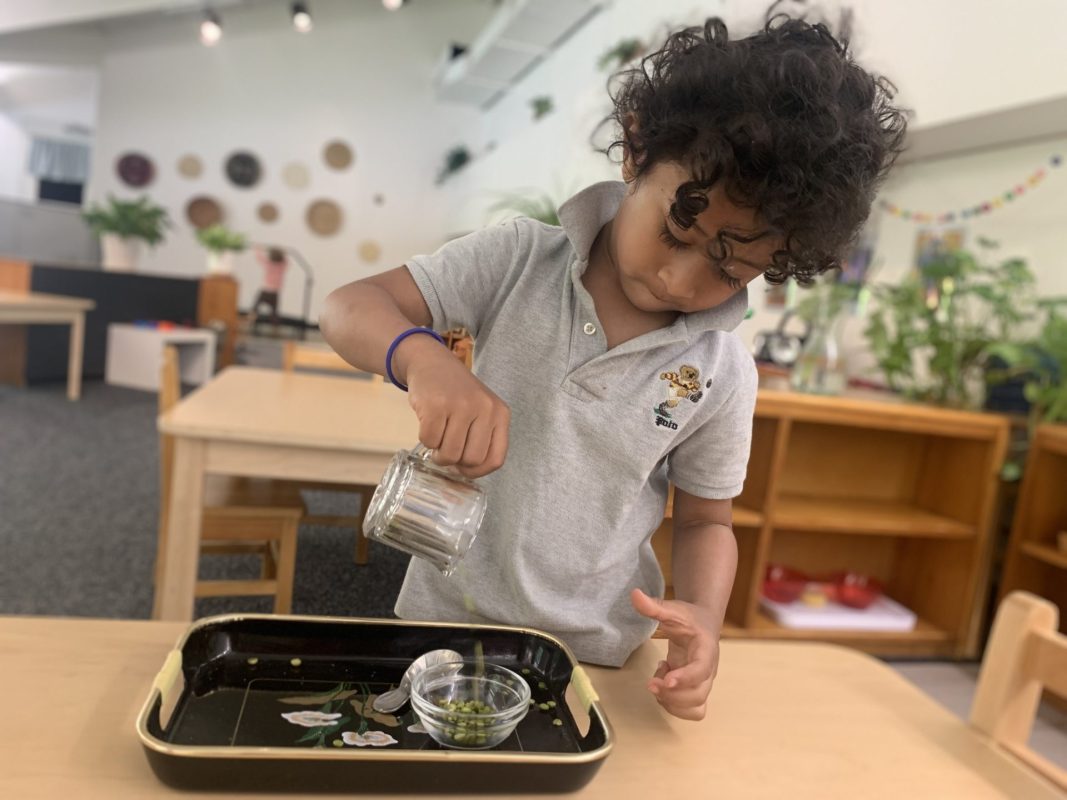
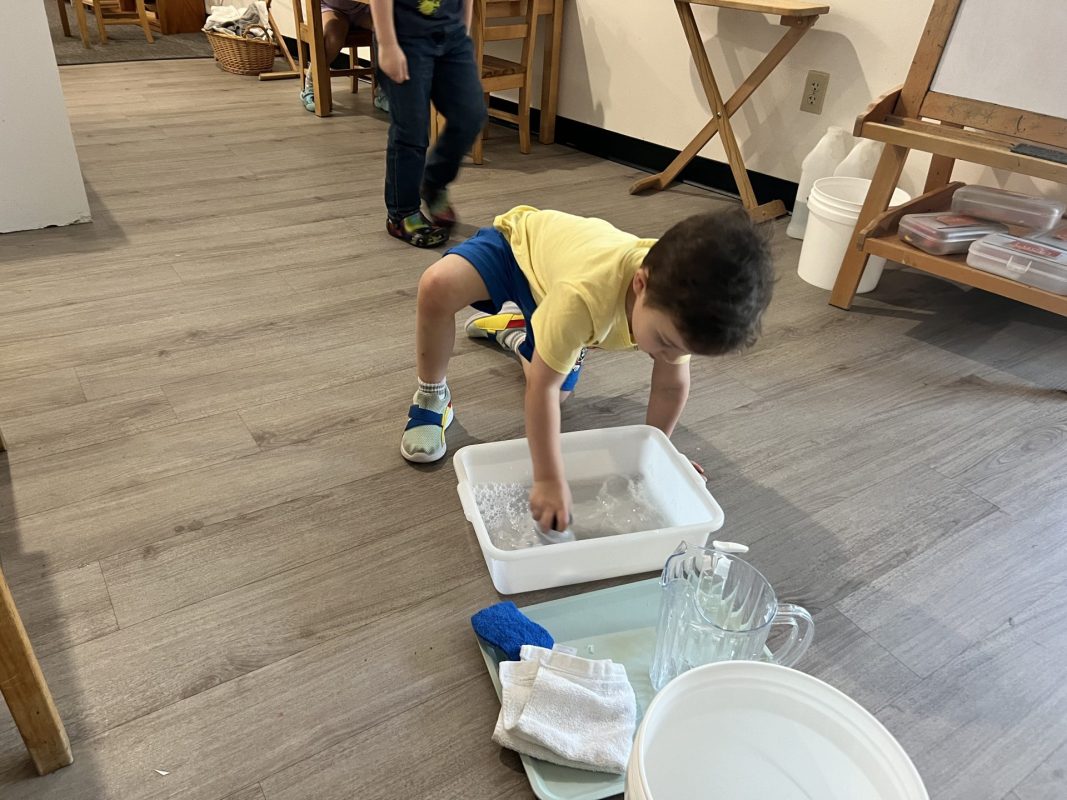
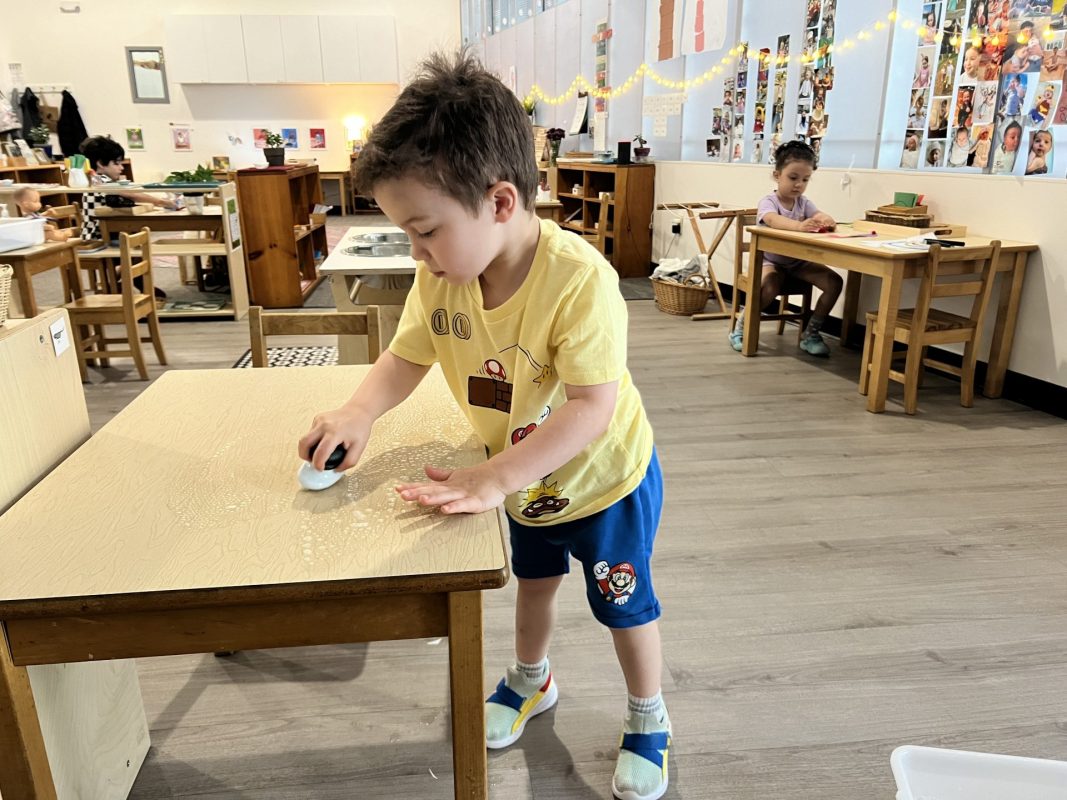
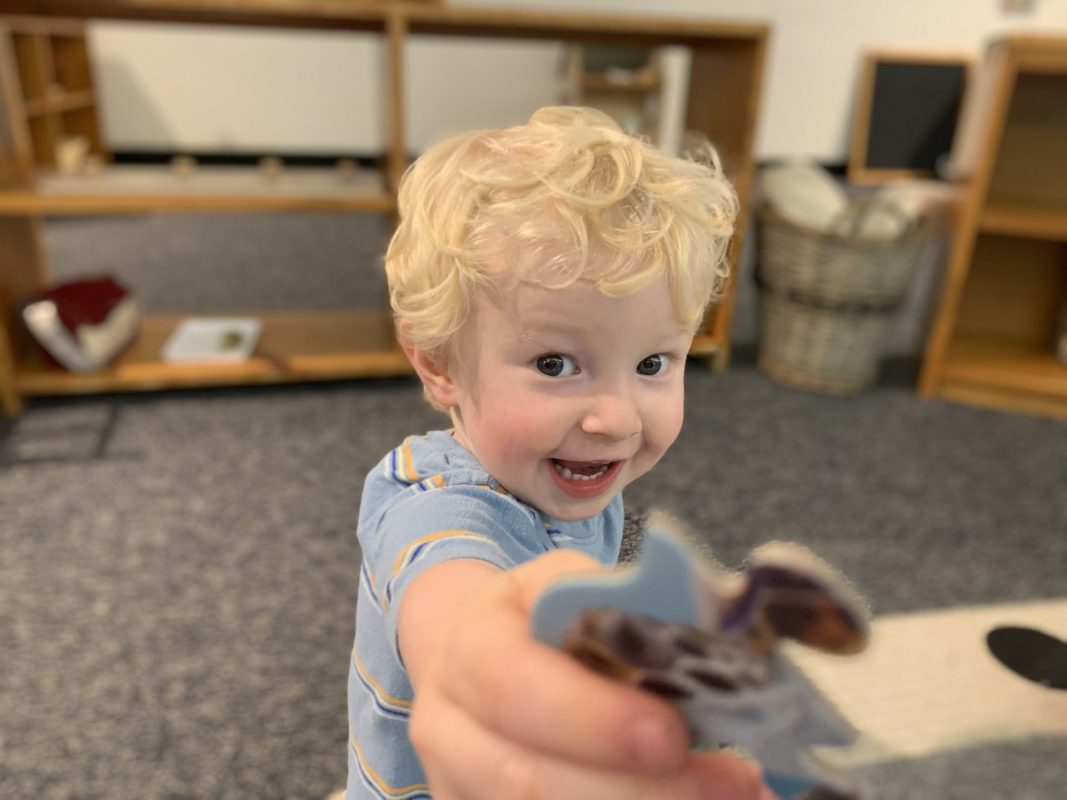
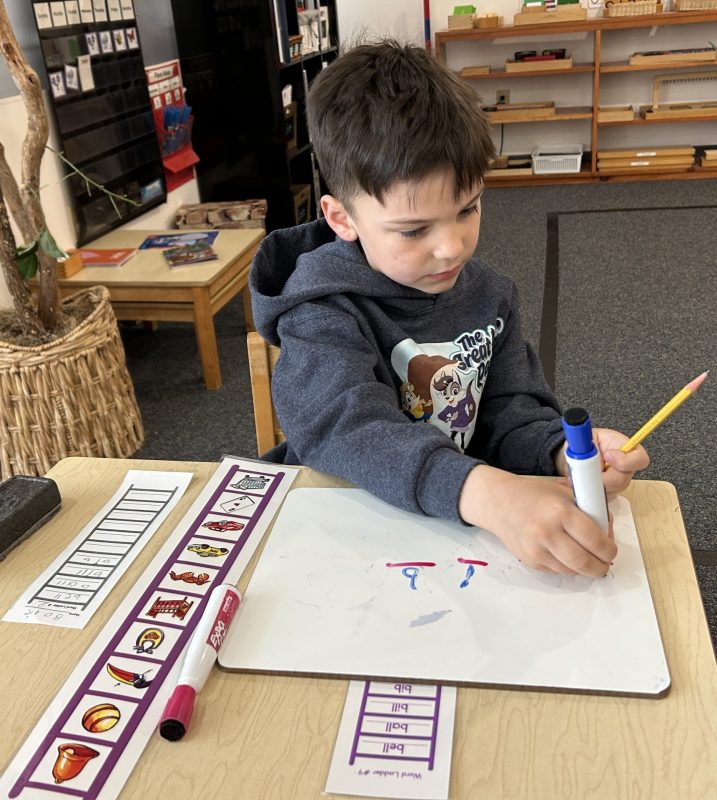
In our hurried world filled with timelines and schedules, it is often so much easier and quicker for a parent to help their child put on a pair of shoes, rather than encourage the child and patiently wait for them to put on their own shoes.  Doctor Maria Montessori recognized that children possess an innate need for independence. She also understood that this independence and the child’s desire to: “Help me to do it myself” was the key driver behind their intellectual and physical development.

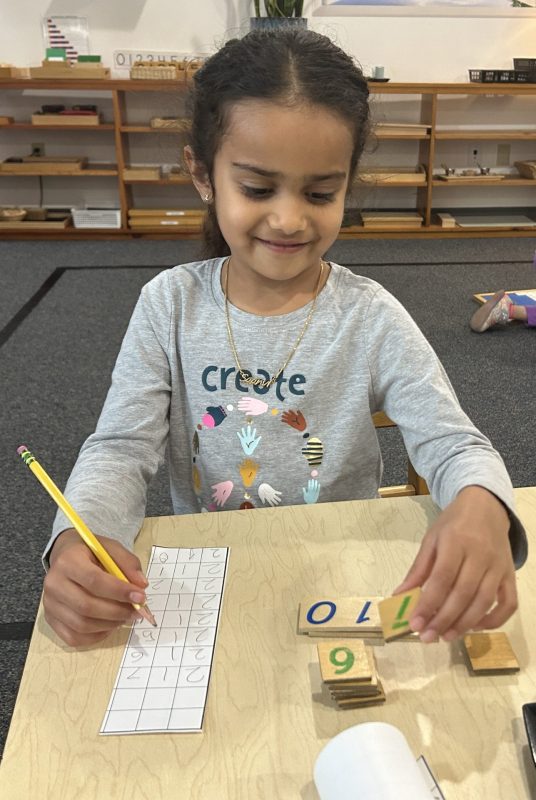
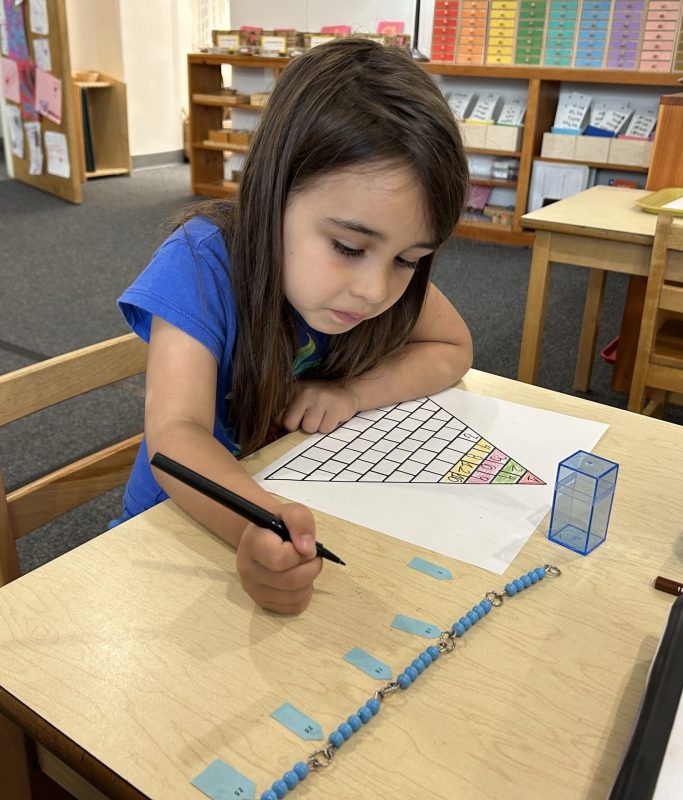
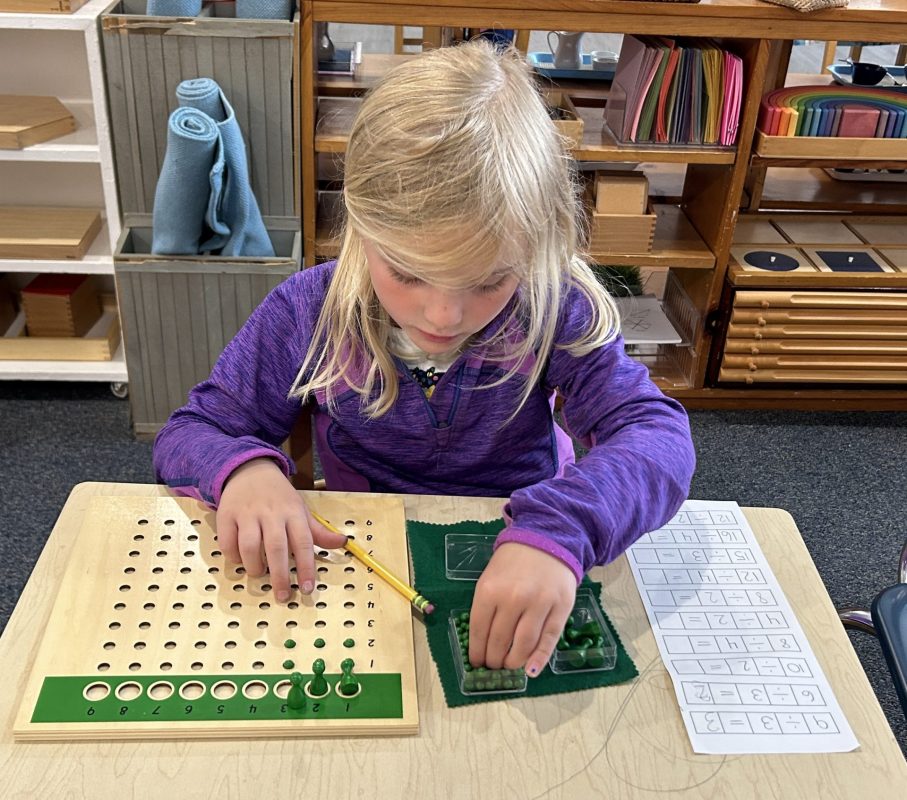
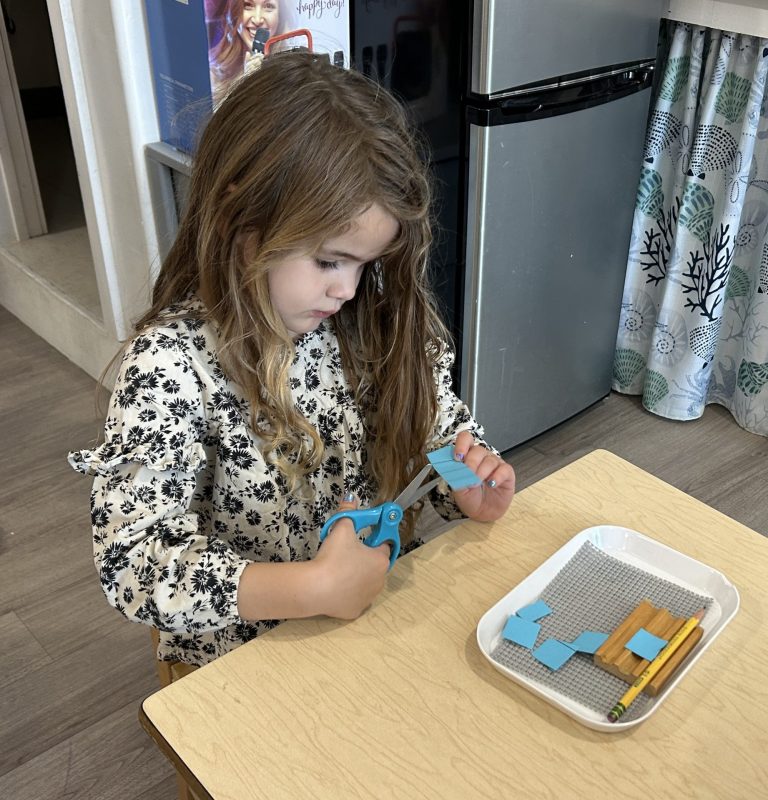
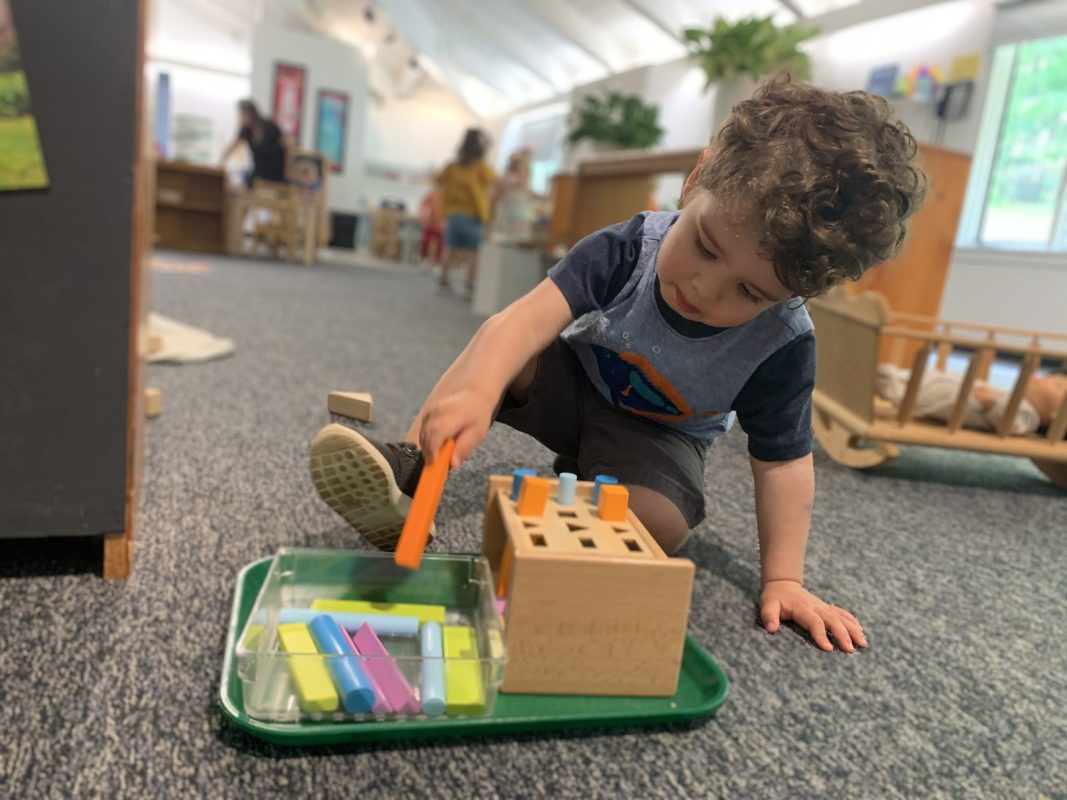
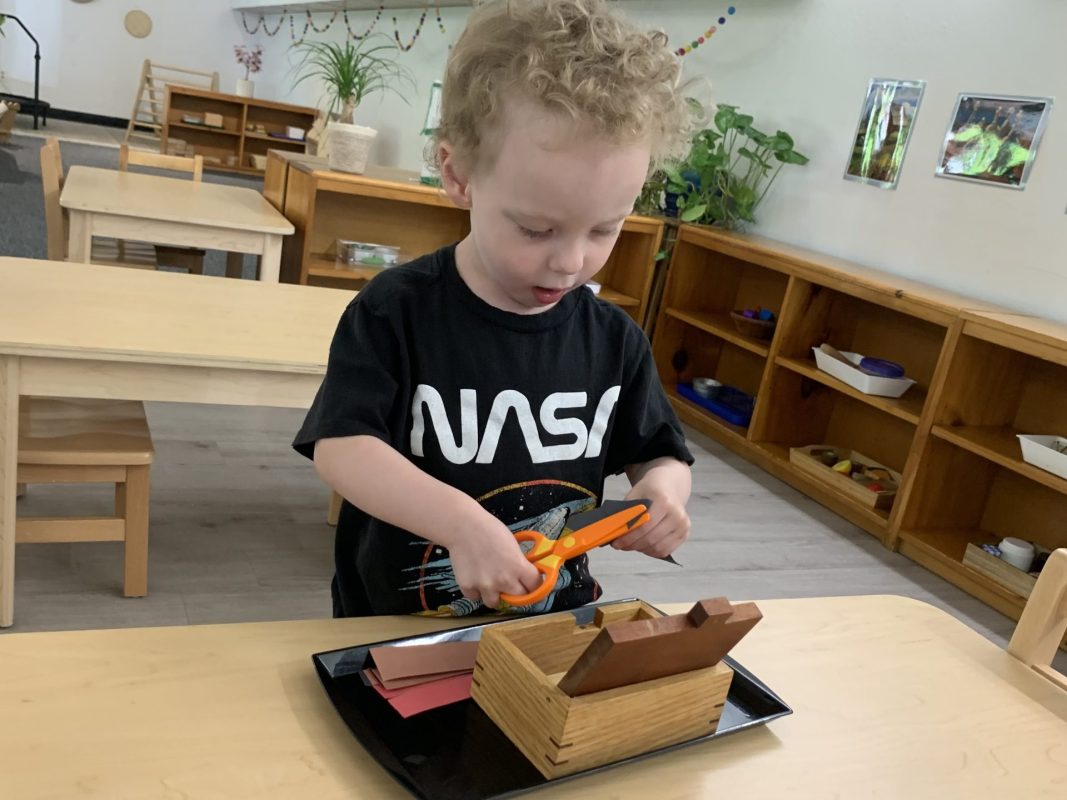
According to Montessori theory, the child’s journey towards independence begins from the moment they are born, and progresses as children learn to become fully functioning, empowered individuals in our world.  Our classrooms are designed to allow the children to experience “real work” and to fulfill their need for independence. It is common for some children to immediately say “can you help me” or “I can’t do it” before even trying.  We ask the children to try something three times before seeking out help from a teacher.  Quite often, before that third try is up, they have found success. So, if you see your child is struggling or taking a long time to do something, take a step back and create the opportunity for them to independently be successful.

Wishing you a wonderful week ahead,

Marissa & Sue


Mrs. Lopes: Not So Fast!


“Help me to do it myself.”

In our hurried world filled with timelines and schedules, it is often so much easier and quicker for a parent to help their child put on a pair of shoes, rather than encourage the child and patiently wait for them to put on their own shoes.  Doctor Maria Montessori recognized that children possess an innate need for independence. She also understood that this independence and the child’s desire to: “Help me to do it myself” was the key driver behind their intellectual and physical development.

According to Montessori theory, the child’s journey towards independence begins from the moment they are born, and progresses as children learn to become fully functioning, empowered individuals in our world.  Our classrooms are designed to allow the children to experience “real work” and to fulfill their need for independence. It is common for some children to immediately say “can you help me” or “I can’t do it” before even trying.  We ask the children to try something three times before seeking out help from a teacher.  Quite often, before that third try is up, they have found success. So, if you see your child is struggling or taking a long time to do something, take a step back and create the opportunity for them to independently be successful.

Wishing you a wonderful week ahead,

Amanda & Hema

Mrs. Doyle: Not So Fast!


“Help me to do it myself.”

In our hurried world filled with timelines and schedules, it is often so much easier and quicker for a parent to help their child put on a pair of shoes, rather than encourage the child and patiently wait for them to put on their own shoes.  Doctor Maria Montessori recognized that children possess an innate need for independence. She also understood that this independence and the child’s desire to: “Help me to do it myself” was the key driver behind their intellectual and physical development.
According to Montessori theory, the child’s journey towards independence begins from the moment they are born, and progresses as children learn to become fully functioning, empowered individuals in our world.  Our classrooms are designed to allow the children to experience “real work” and to fulfill their need for independence. It is common for some children to immediately say “can you help me” or “I can’t do it” before even trying.  We ask the children to try something three times before seeking out help from a teacher.  Quite often, before that third try is up, they have found success. So, if you see your child is struggling or taking a long time to do something, take a step back and create the opportunity for them to independently be successful.

Wishing you a wonderful week ahead,

Michelle & Maria


Mrs. Sargeant: A Peek at the Week


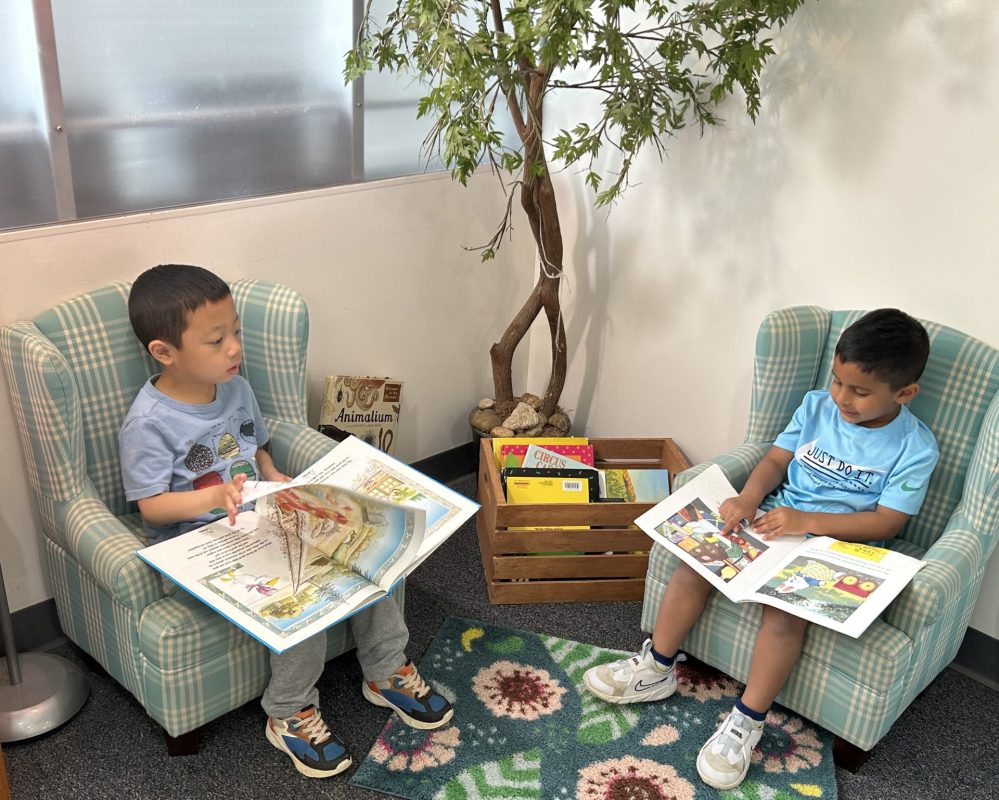
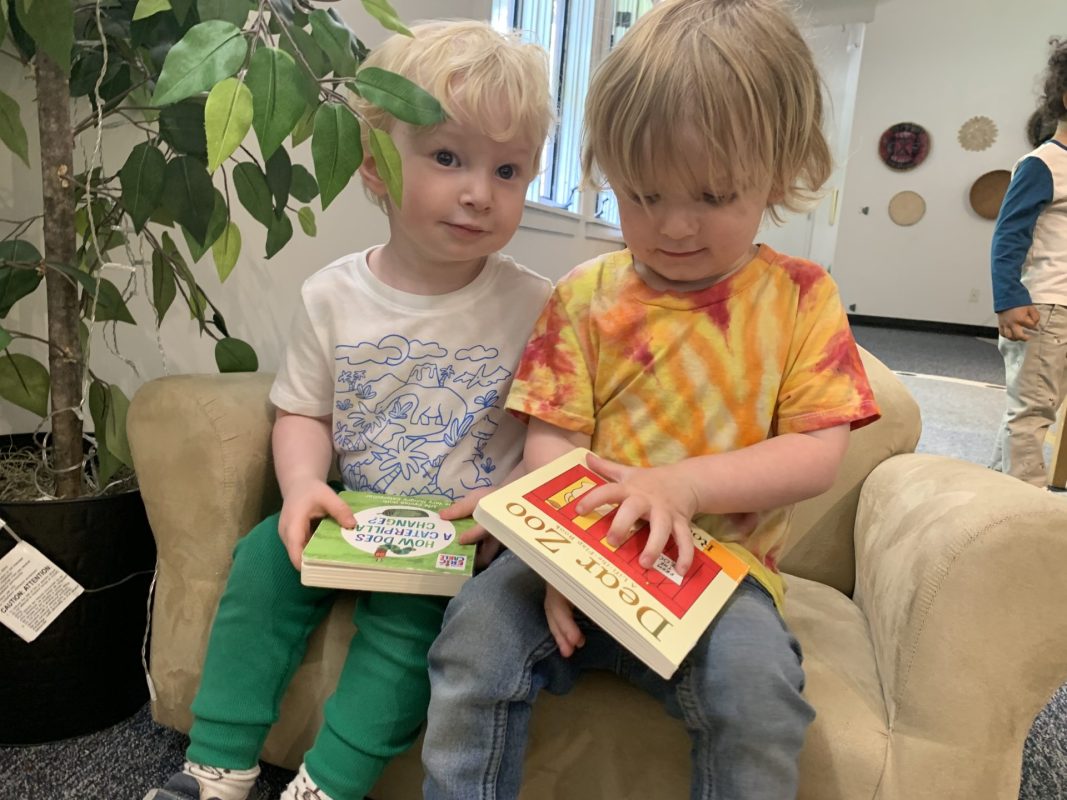
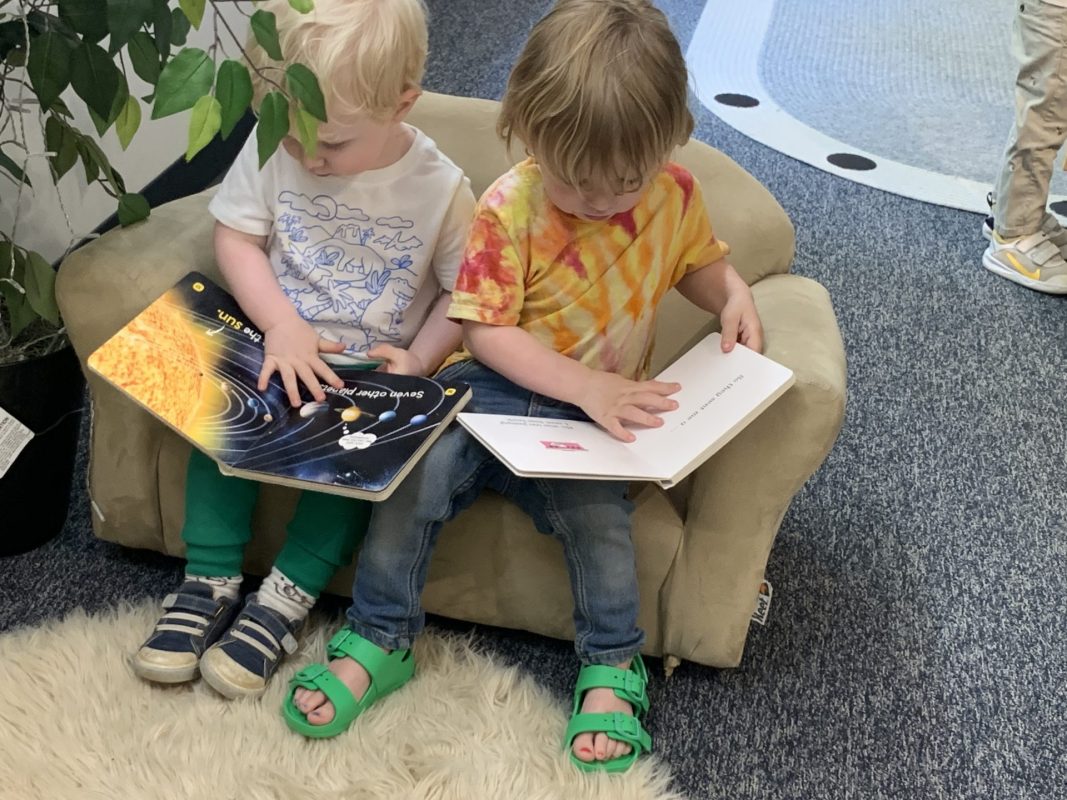
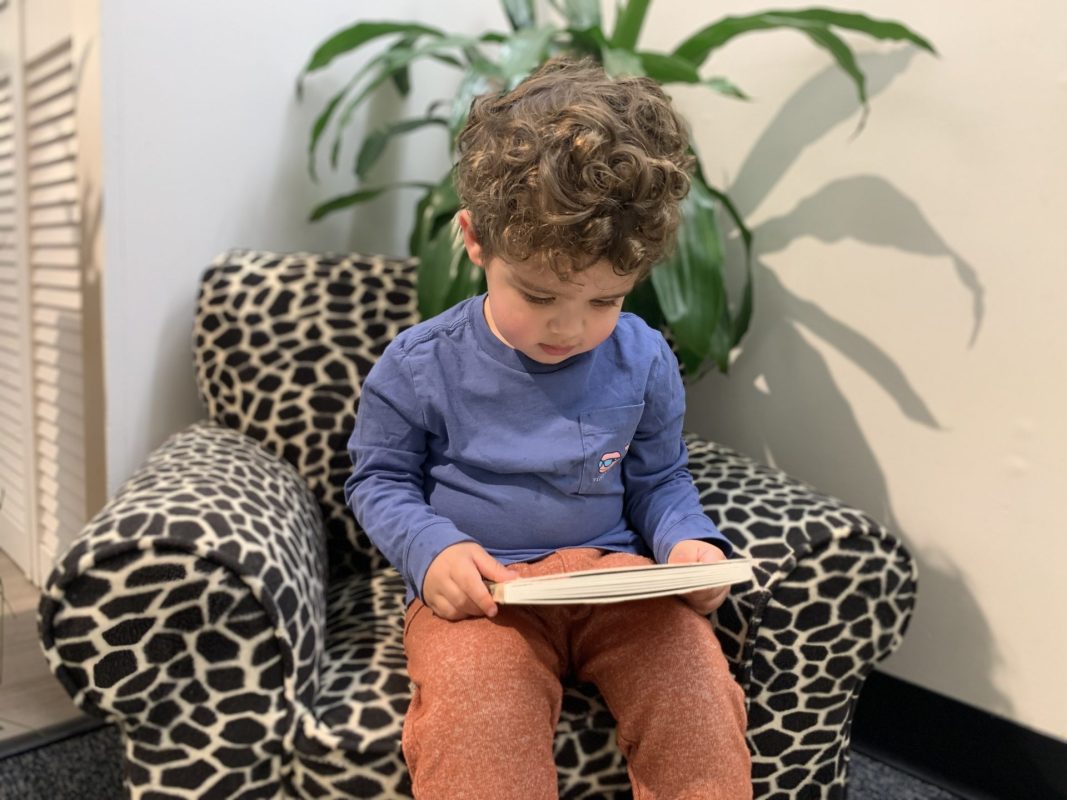
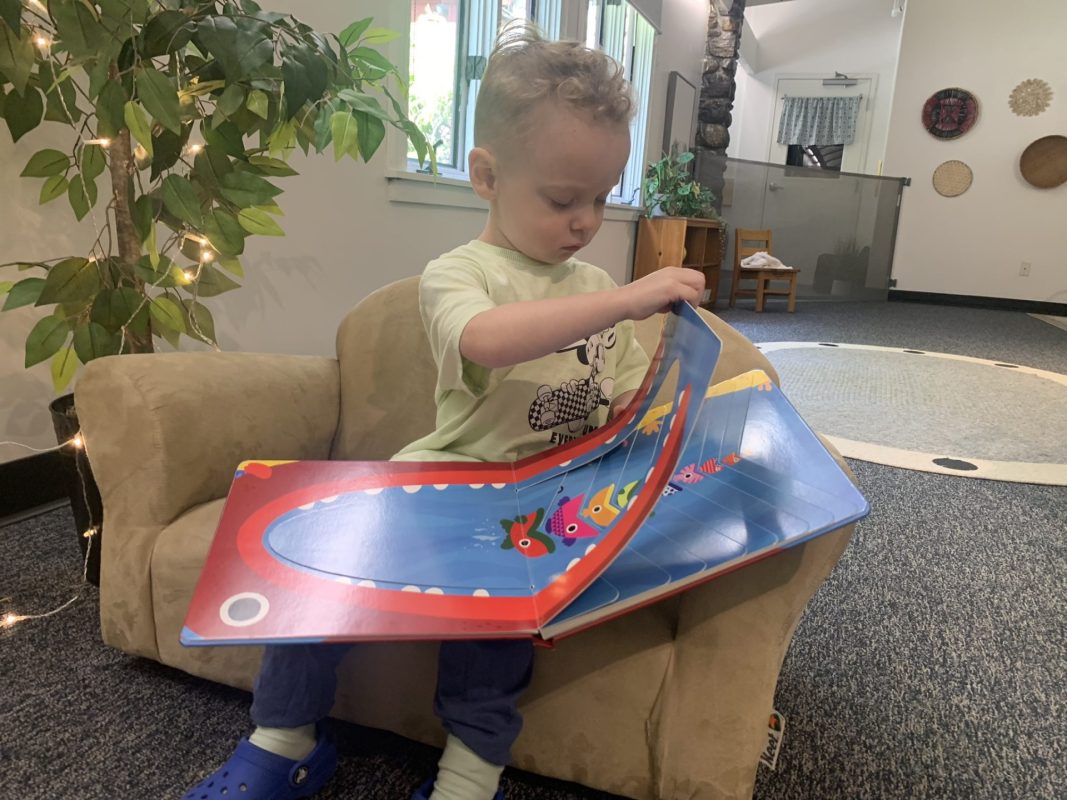
This week, many of our discussions revolved around instilling a deep respect for books. We have placed a few regular books onto the bookshelf, (as opposed to board books) and have discussed the importance of caring for them tenderly. As always, we’d love it if this could be reinforced at home. 

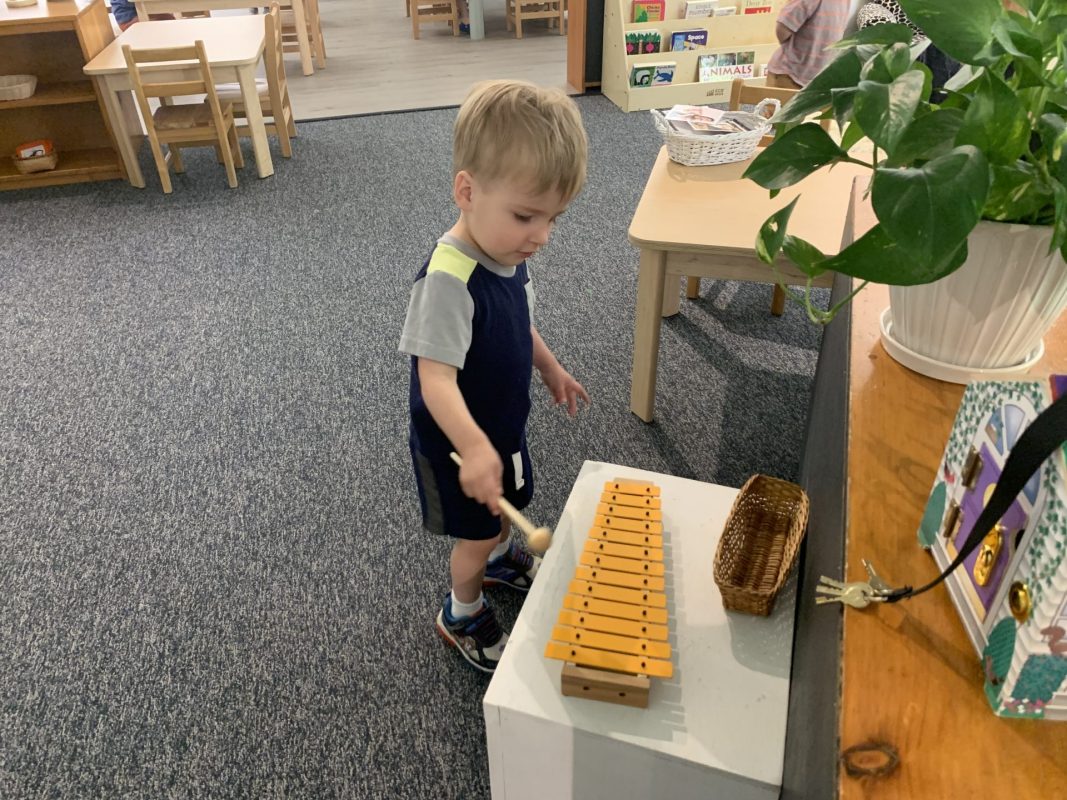
In addition to books, your children love music! As soon as we finish singing one song, their symphony of “more, more, more” begins. I will attach one of their recent favorites, called These Are My Glasses, by Laurie Berkner. The children love to open and close their imaginary book.

Additionally, we’ve delved into the world of yoga, exploring various poses together, fostering mindfulness and relaxation.

The children explored the versatility of chickpeas, also known as garbanzo beans. They eagerly embraced the experience, delighting in the chance to spread hummus onto pita bread. 

We all enjoyed the rejuvenating spring weather this week on the playground. We took a walk and found buds growing on trees, as we discussed the change of seasons. 

We are looking forward to the week ahead! Christine & Lizette


Mrs. Doyle: Next Stop, South America!


We are now studying the continent of South America in our classroom. South America is pink on the Montessori map and a topic of great fascination for the children. It is a beautiful region with vibrant cultures and traditions and a wide range of climates and terrains.

South America is the fourth largest continent in our world and comprises twelve individual countries. It is connected to North America by the Isthmus of Panama. An isthmus is one of the landforms we study. Brazil is the largest country in South America, and the major languages spoken are Spanish and Portuguese.

Located in South America, the largest rainforest in the world is the Amazon Jungle. So it makes sense that we start to explore the rainforest as well. The rainforest is an ecosystem with a dense tree canopy that lets very little light through. To be considered a rainforest, there must be more than 60 inches of rain each year. Rainforests also contain over 40% of the world’s animal and plant species. There are four layers in a rainforest; each layer receives different amounts of sun, rain, and wind and is home to various species.

As the weather gets warmer, now is a great time to check the extra clothes in your child’s locker to see if they should be changed from winter clothes to spring/summer clothes.

Please click here to access the Sign Up Genius so that you may choose your conference time.  We look forward to sharing your child’s wonderful accomplishments with you.

A message from Middle School: Order your 8th-grade-designed 2024 FWM sweatshirt ASAP! Orders close on April 27! Click here to order.

Wishing you a week filled with peace and love!

Michelle & Maria