Mrs. Lopes: Next Stop, South America!

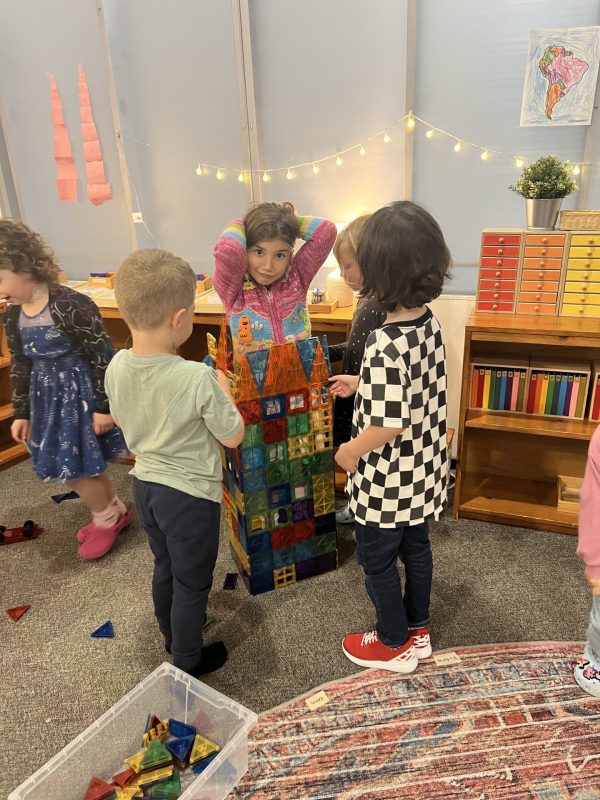
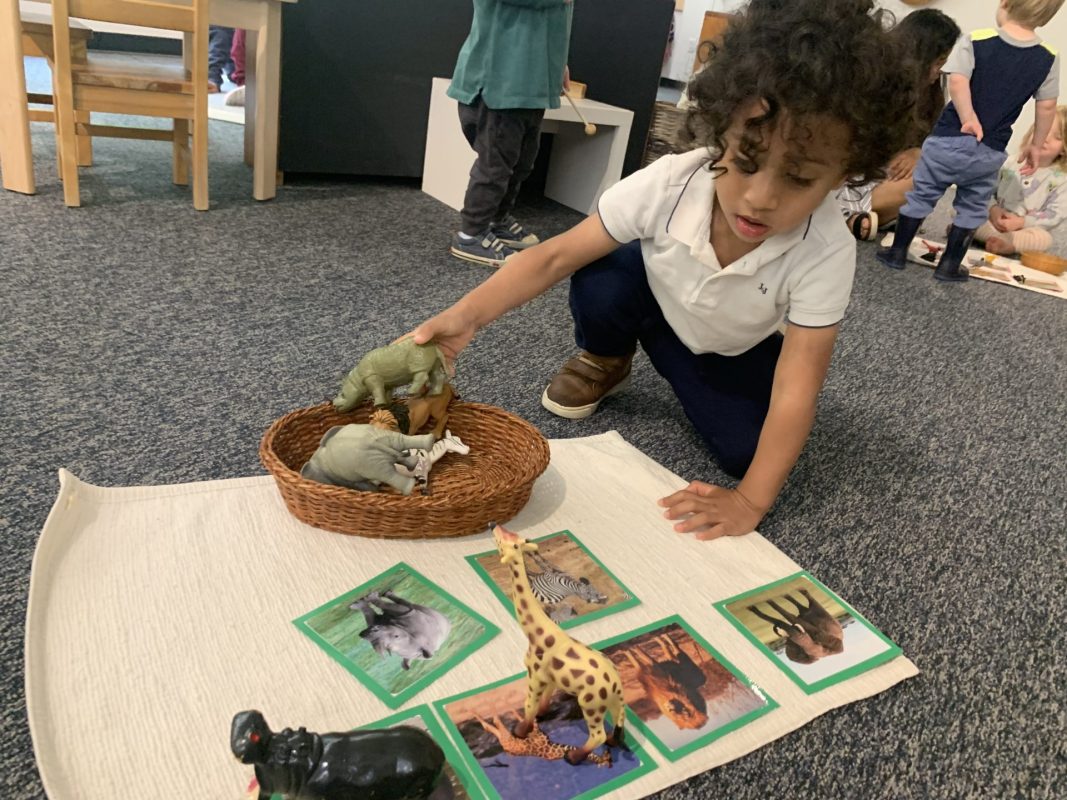
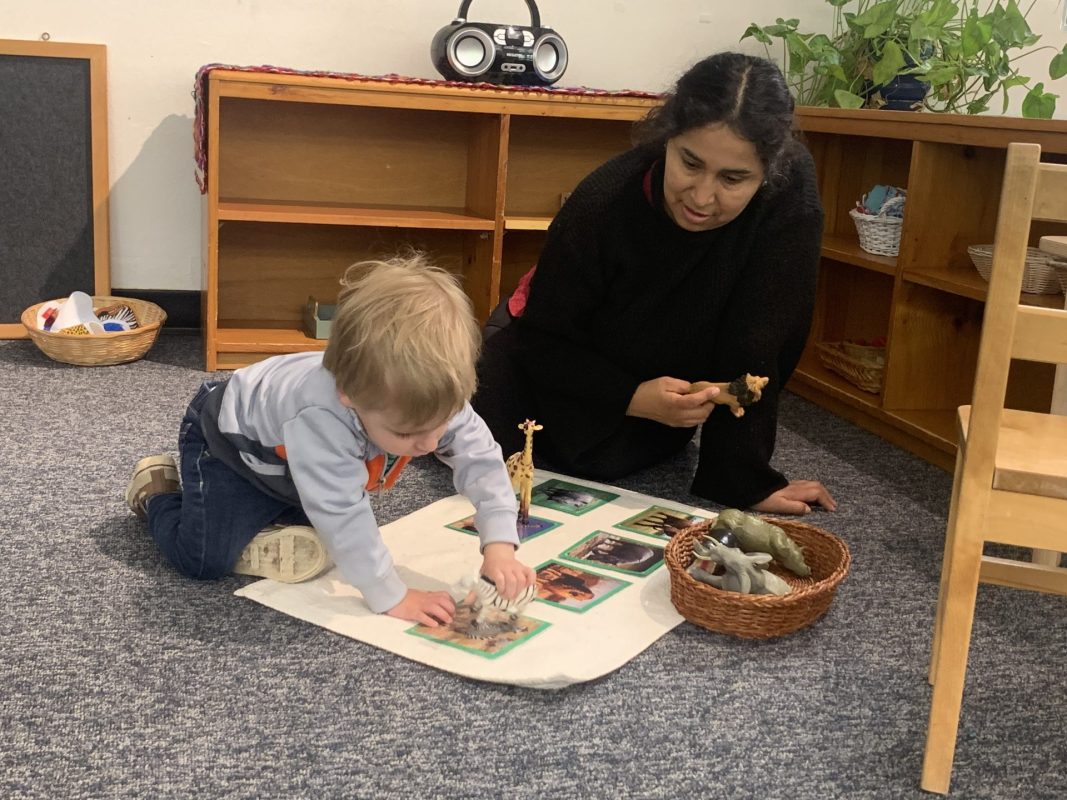
We are now studying the continent of South America in our classroom. South America is pink on the Montessori map and a topic of great fascination for the children. It is a beautiful region with vibrant cultures and traditions and a wide range of climates and terrains.

South America is the fourth largest continent in our world and comprises twelve individual countries. It is connected to North America by the Isthmus of Panama. An isthmus is one of the landforms we study. Brazil is the largest country in South America, and the major languages spoken are Spanish and Portuguese.

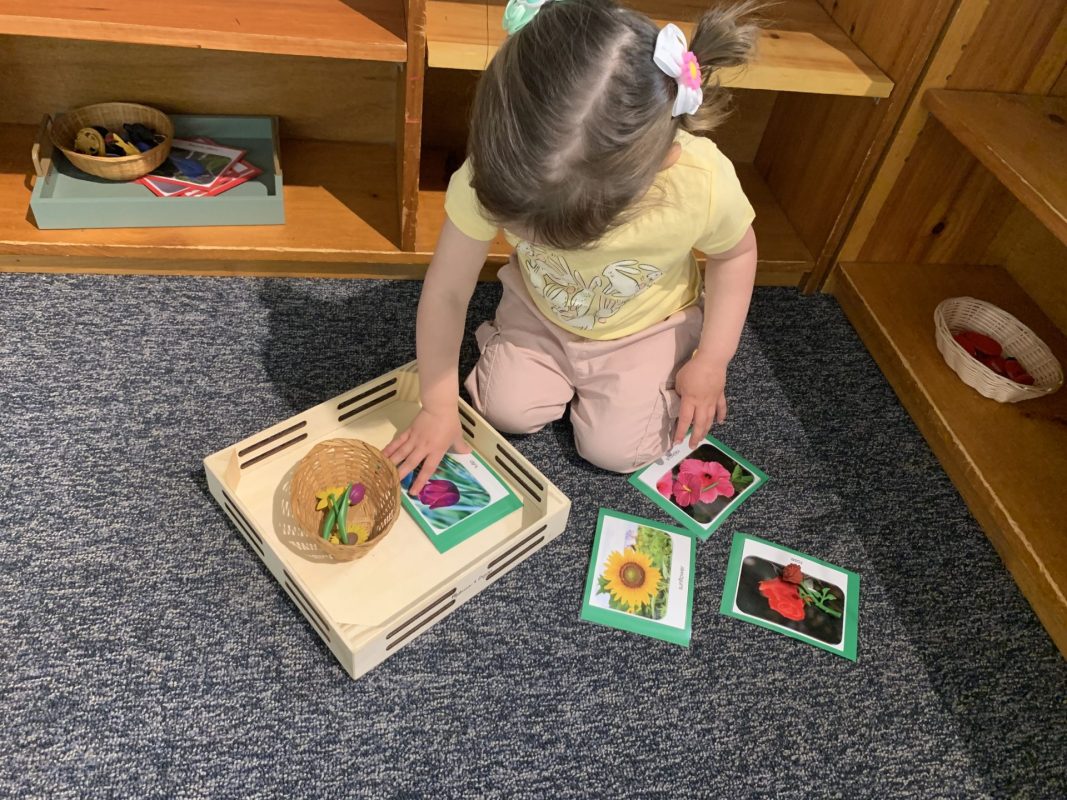
Located in South America, the largest rainforest in the world is the Amazon Jungle. So it makes sense that we start to explore the rainforest as well. The rainforest is an ecosystem with a dense tree canopy that lets very little light through. To be considered a rainforest, there must be more than 60 inches of rain each year. Rainforests also contain over 40% of the world’s animal and plant species. There are four layers in a rainforest; each layer receives different amounts of sun, rain, and wind and is home to various species.

As the weather gets warmer, now is a great time to check the extra clothes in your child’s locker to see if they should be changed from winter clothes to spring/summer clothes.

Please click here to access the Sign Up Genius so that you may choose your conference time.  We look forward to sharing your child’s wonderful accomplishments with you.

Don’t forget, the last day you can purchase tickets for the FWM Annual Gala and Auction is Monday, April 22nd.  I will be going, and I’m looking forward to seeing all of you there.  Click here to buy your tickets now!

A message from Middle School: Order your 8th-grade-designed 2024 FWM sweatshirt ASAP! Orders close on April 27! Click here to order.

Wishing you a week filled with peace and love!

Amanda & Hema


Ms. Marissa: Repeat, Repeat, Repeat

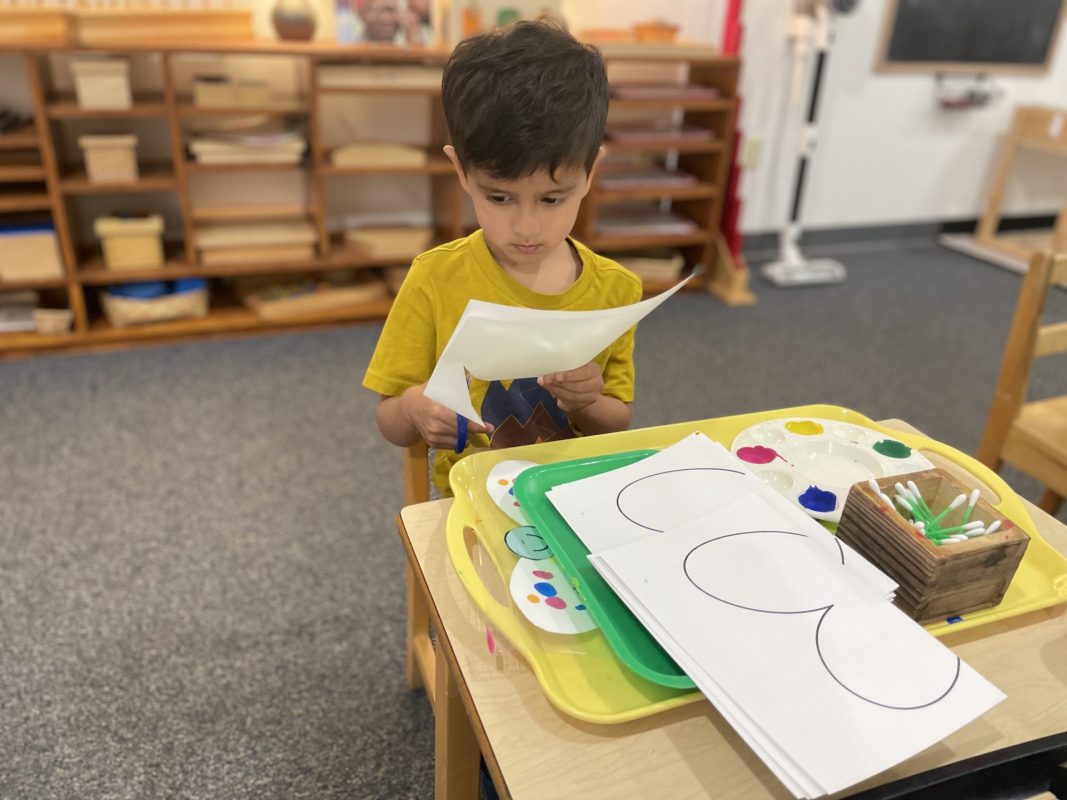
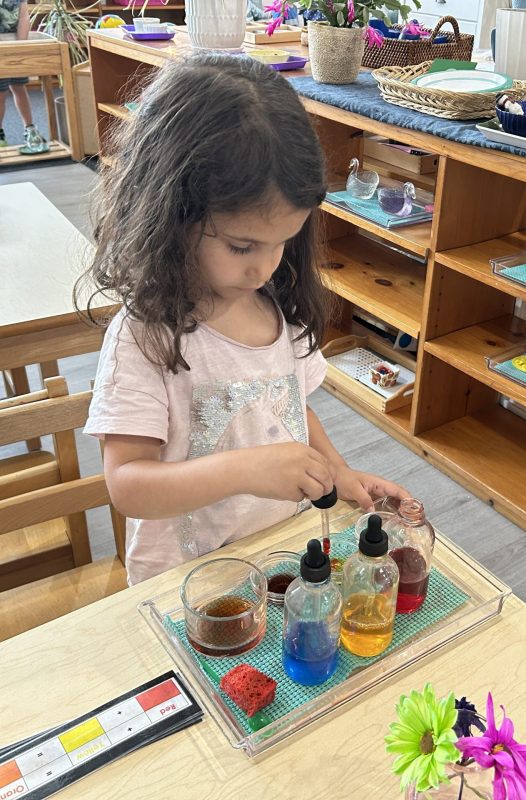
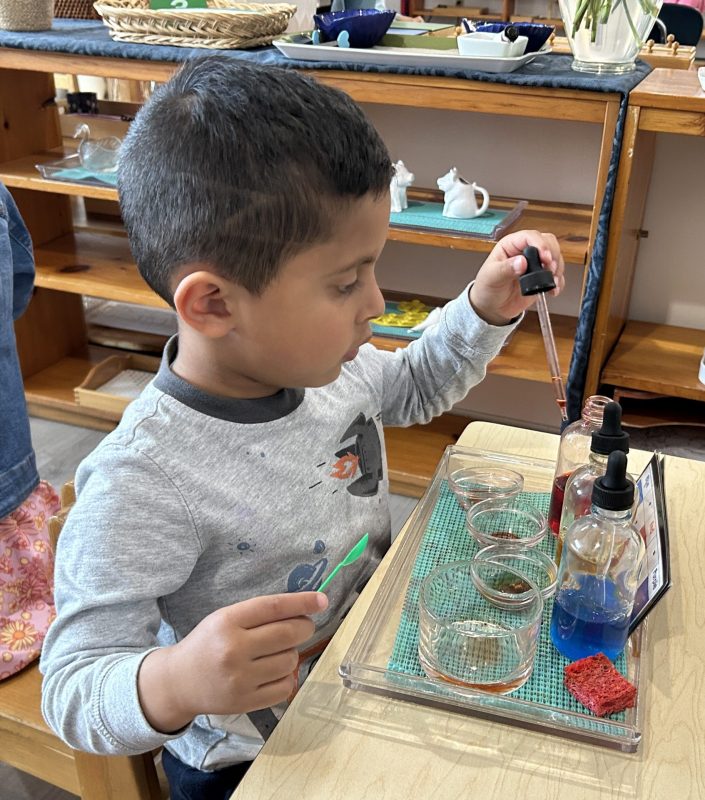
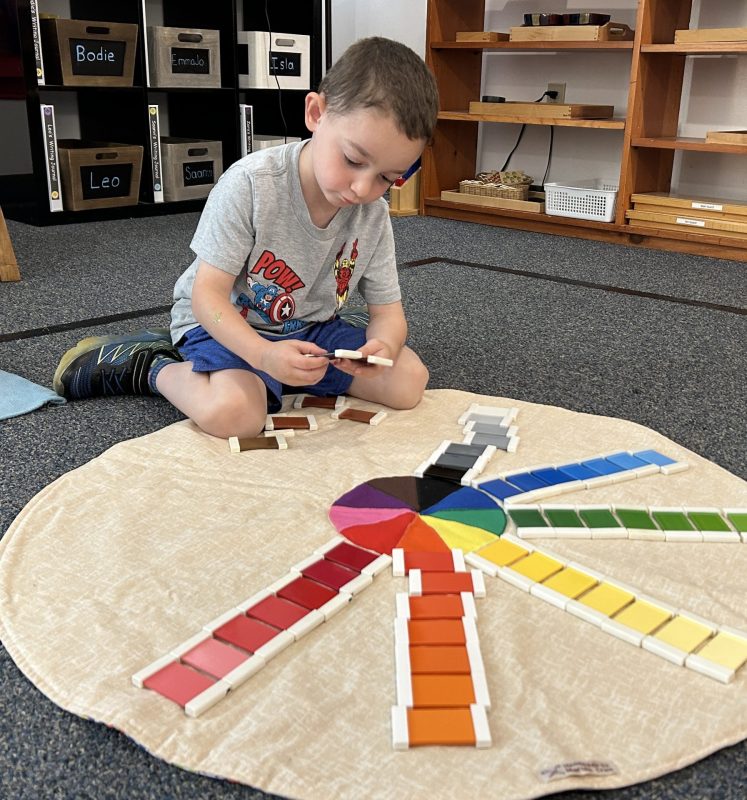
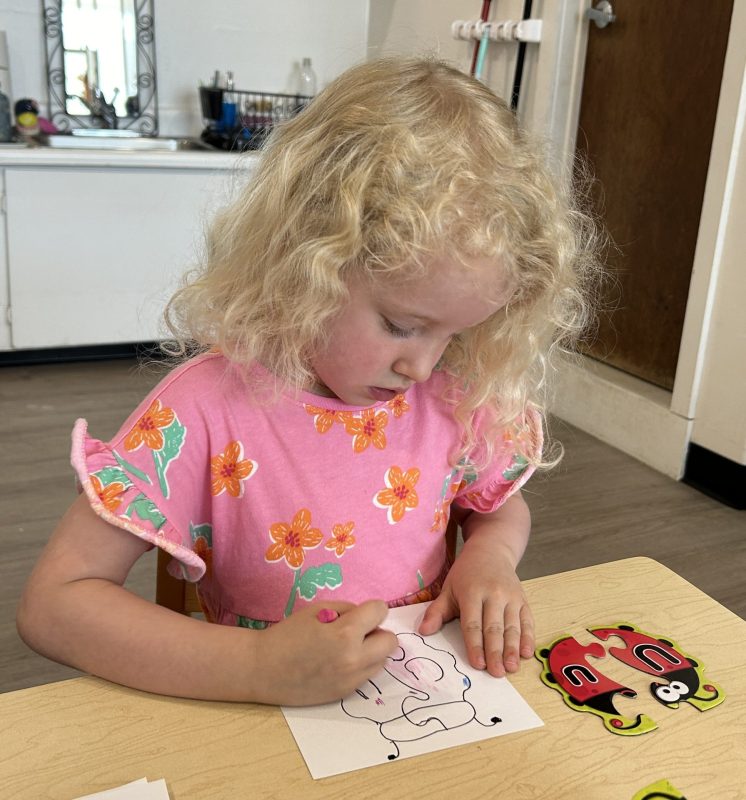
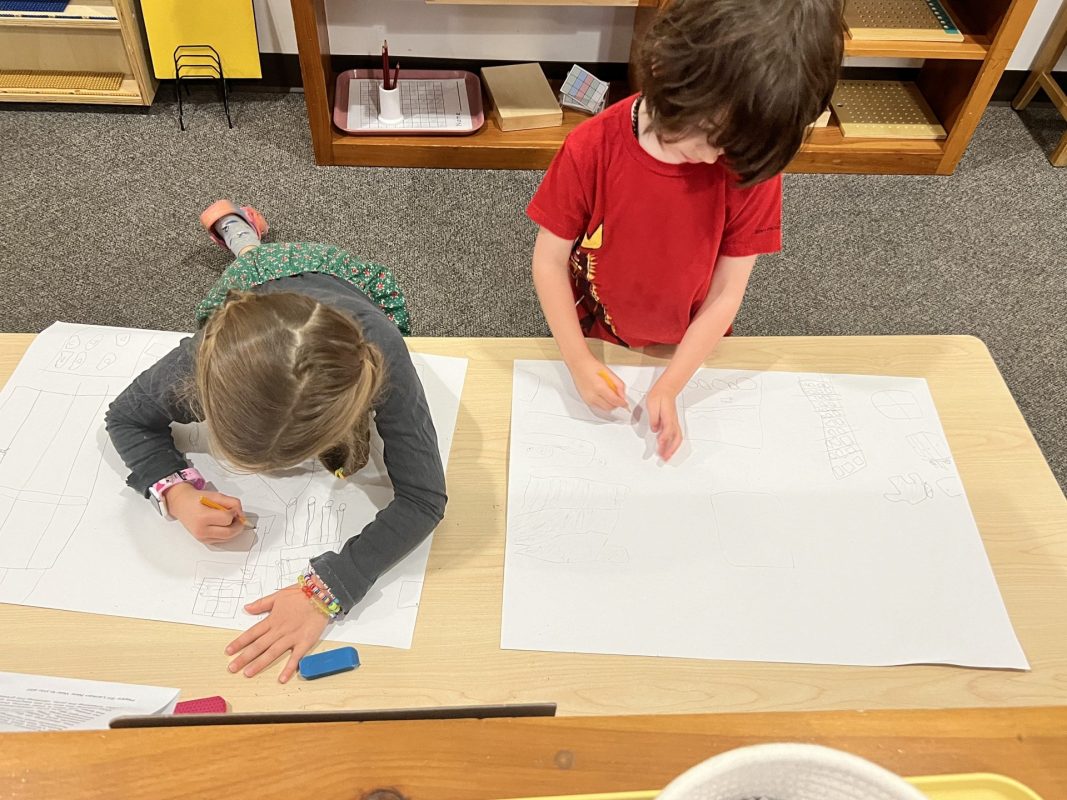
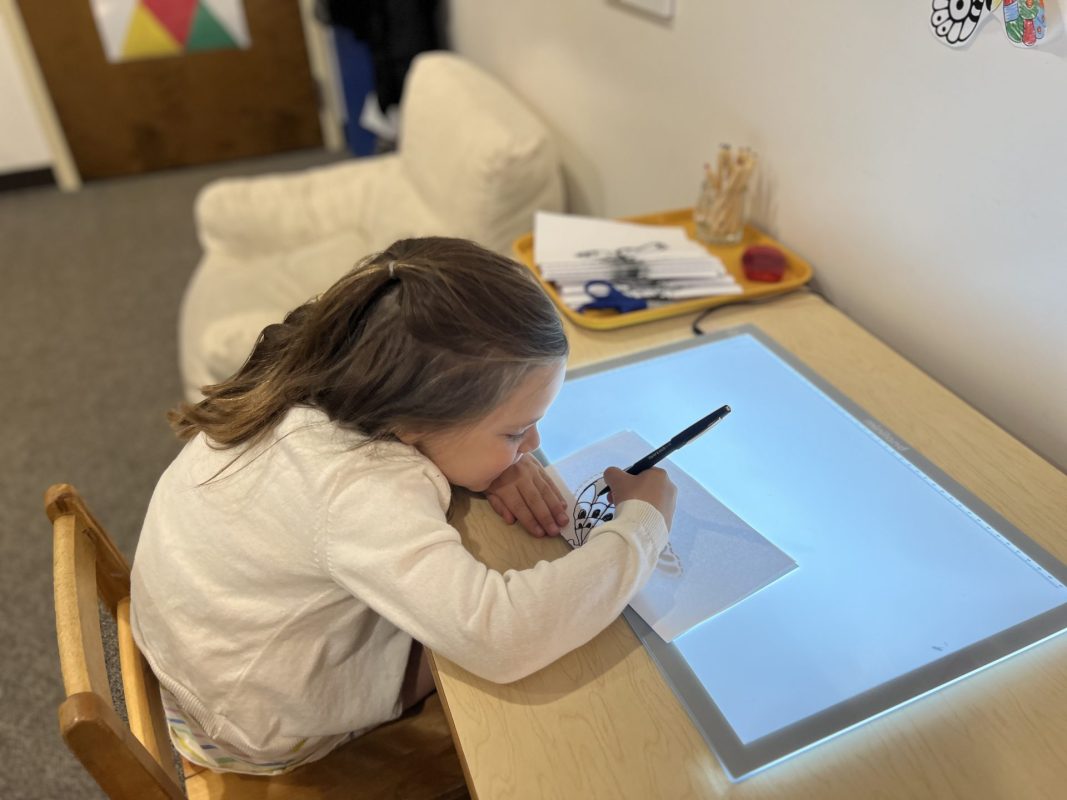
In the Montessori classroom, we put a lot of emphasis on repetition. For example, a few weeks ago, we began our in-depth color-mixing journey. We learned how different amounts of reds, blues, and yellows would result in a variation of new colors. It was an extremely popular activity; I couldn’t keep it on the shelf! But, the children repeated and repeated and soon mastered that version of color mixing. Moving on to this month, we are studying birds. We always incorporate art into our work, especially science – the perfect way to continue color mixing but in a more creative way. Children were given drawings of feathers with “prompts” of which colors to use. Children can use these colors separately or mix them together to see what they create. It has been a popular project, and I have loved seeing children move from the mechanical practice of color mixing to the artistic practice!

Our Fraser Woods Auction is coming up on April 27th! I am attending as both a teacher and a parent and would LOVE to see you all there as well. It is a great way to show up to support our wonderful school AND have a fun time! The children in our class have worked so hard on our class project in honor of the event! April 22nd is the last day to purchase tickets, and you can do that HERE.

A message from Middle School: Order your 8th-grade-designed 2024 FWM sweatshirt ASAP! Orders close on April 27! Click here to order.

See the video below for a demonstration of our most recent color mixing!


Mrs. Sargeant: A Peek at the Week

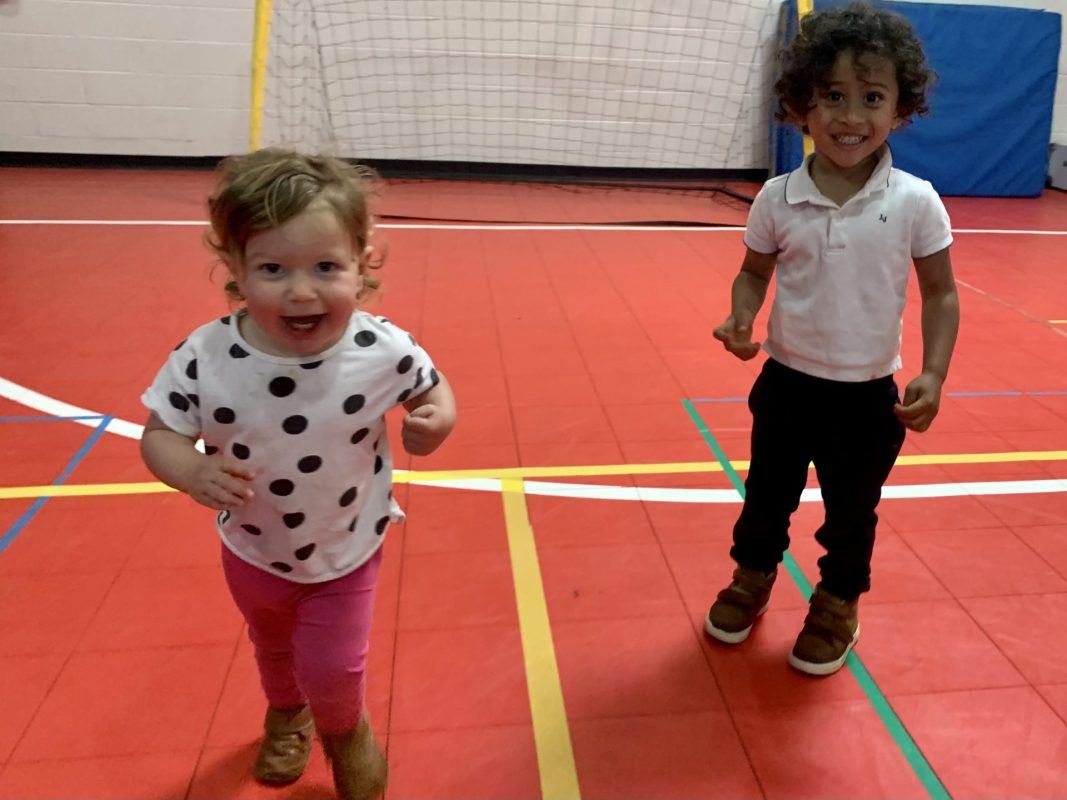
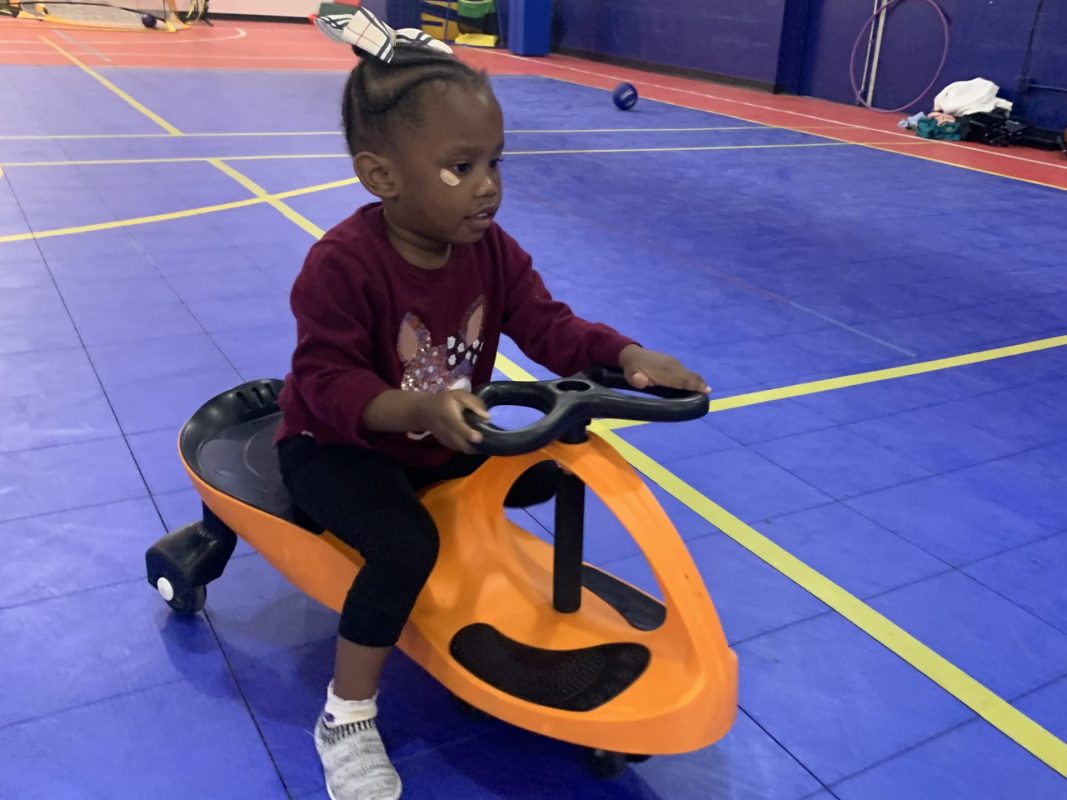
We made the most of the rainy days this week. We played in the gym, in addition to a few rainy walks outdoors. We were inspired by one of our favorite books, We’re Going on a Bear Hunt, to sing our song as we walked and were delighted to stumble upon the bear on the front lawn! How exciting! On the warm days, we were all thrilled to be outside on the playground without any coats!

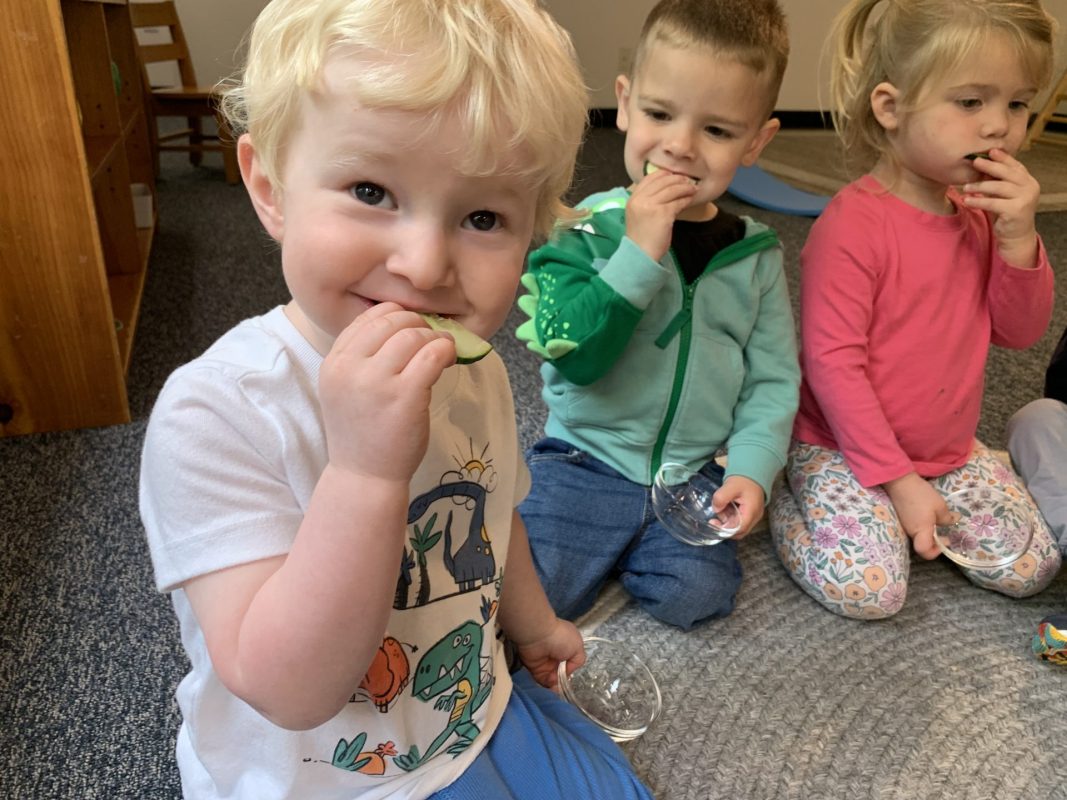
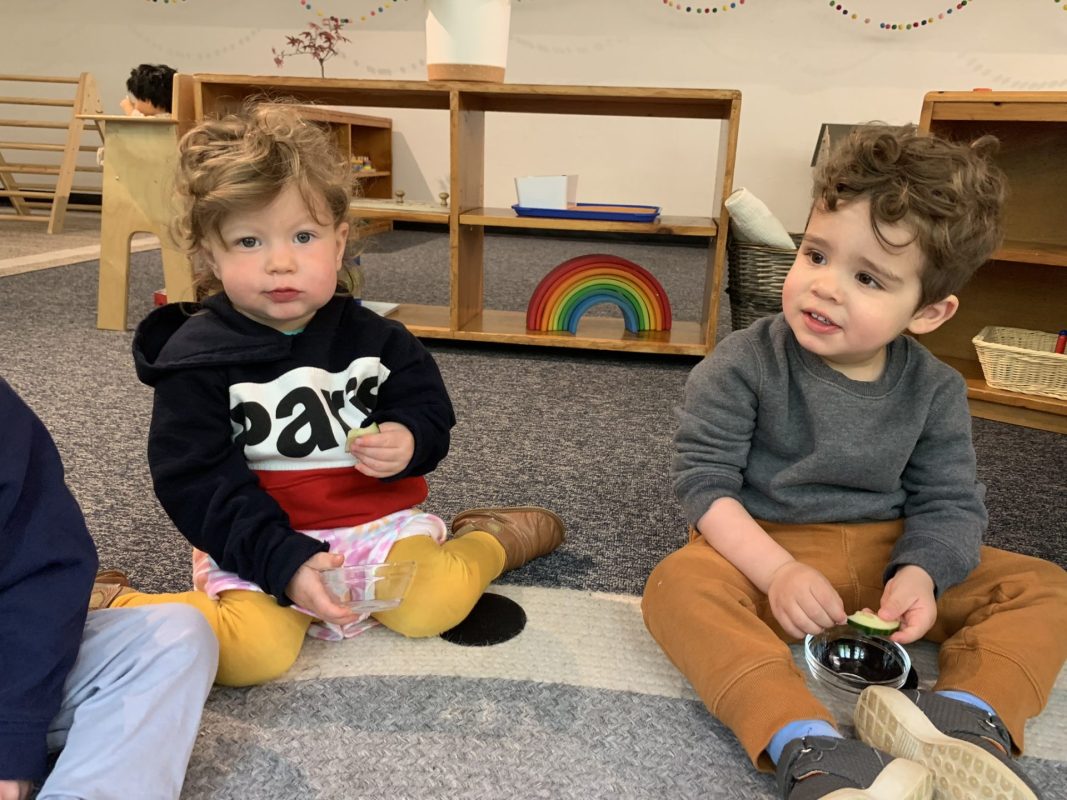
We tried black beans this week, and almost all the children loved them. We looked at pictures of them in pods and sprouting. 

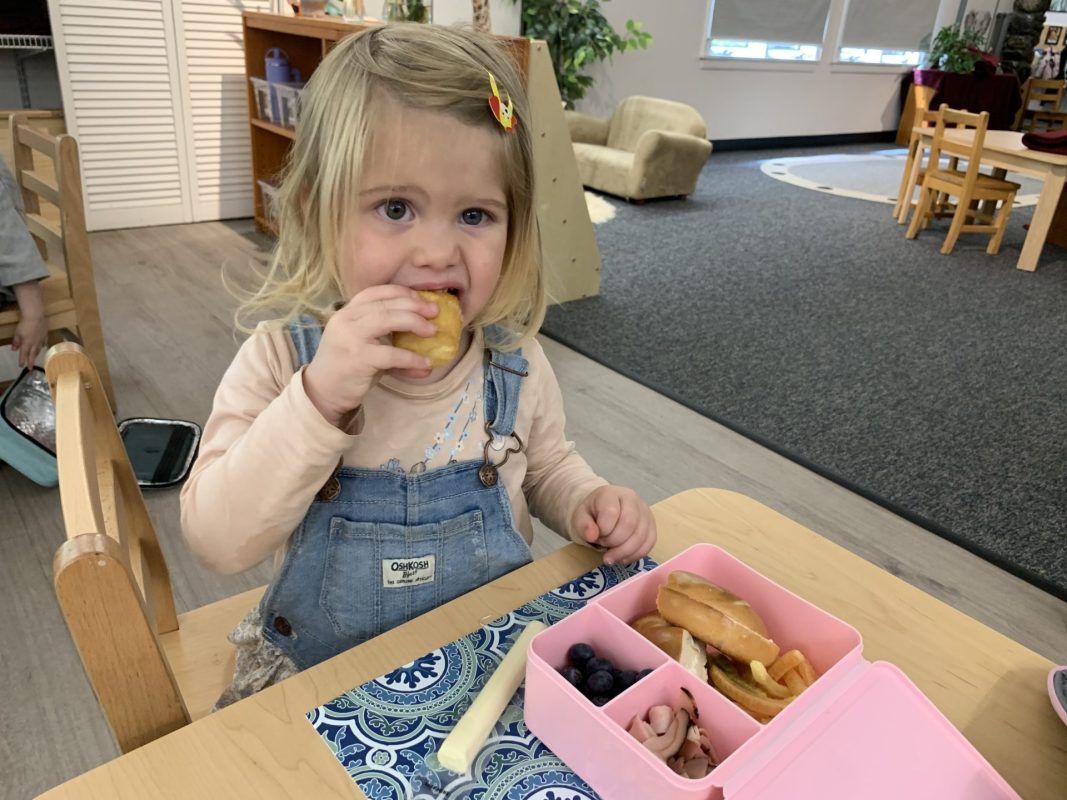
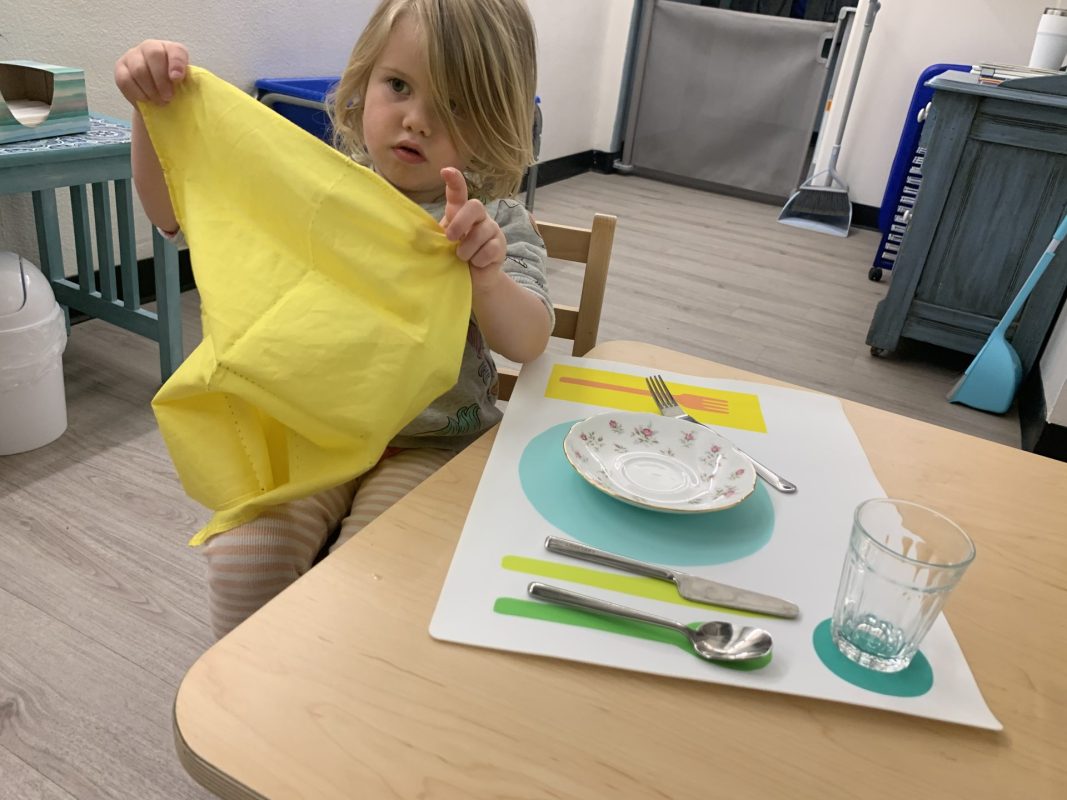
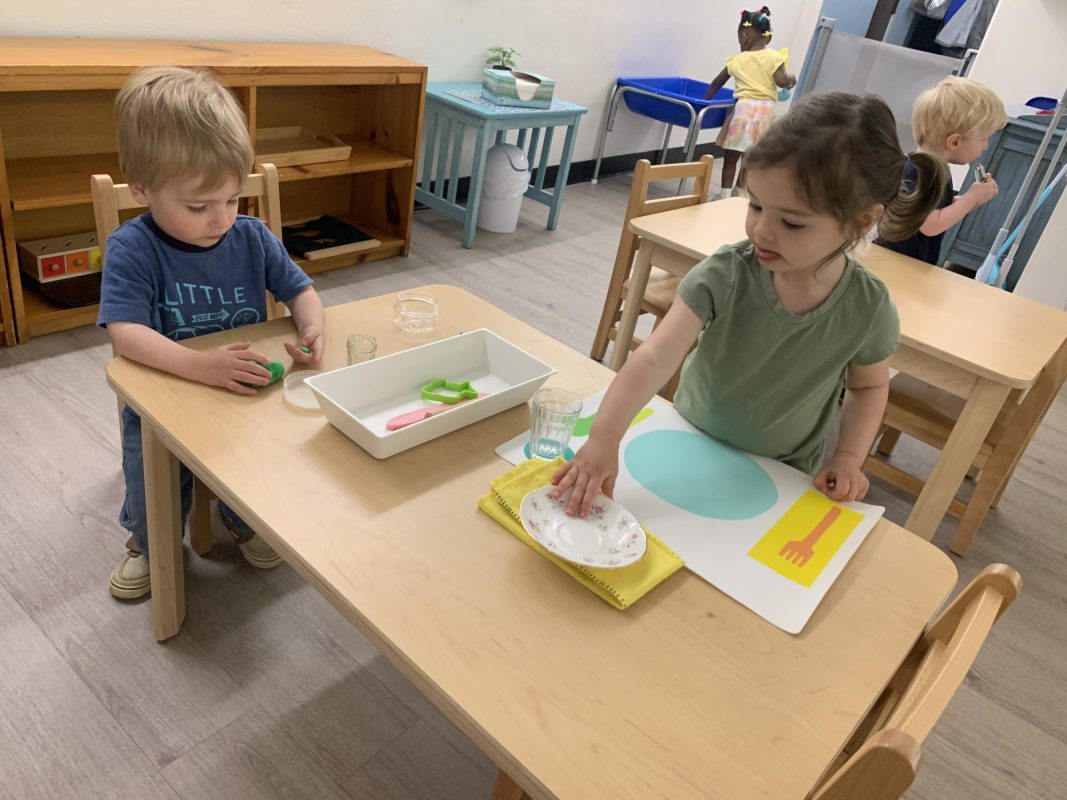
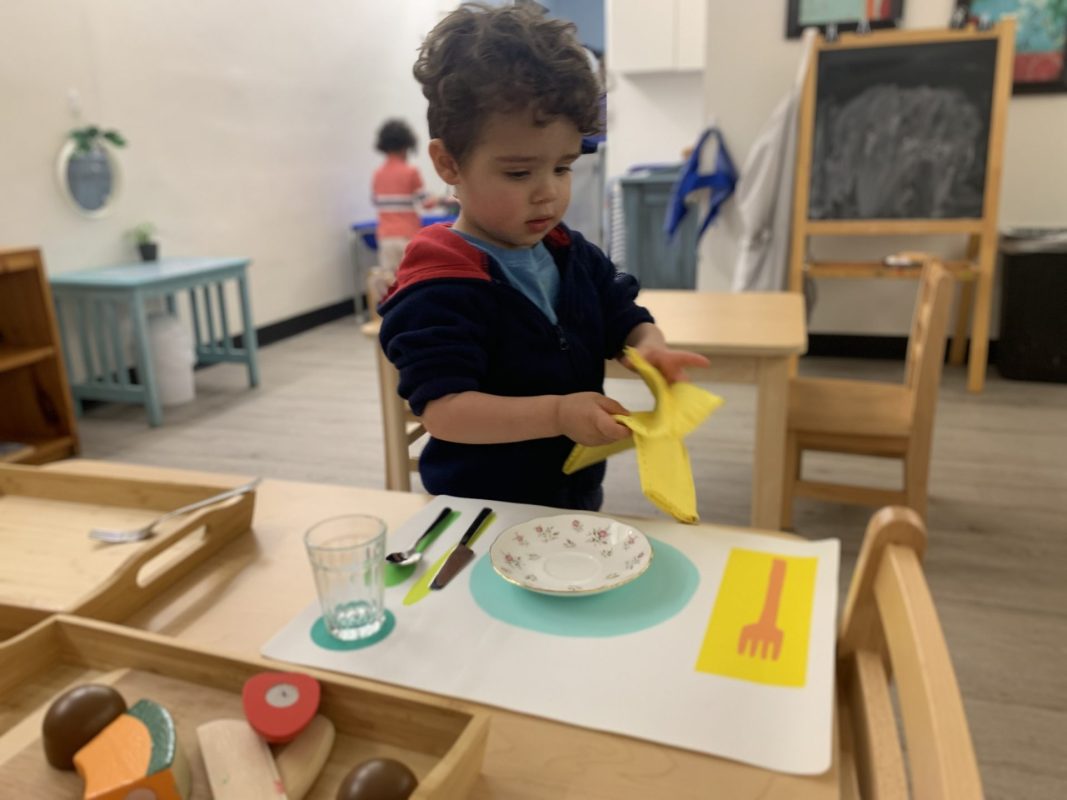
Grace and courtesy are fundamental parts of the Montessori curriculum. In short, this means teaching children to be respectful, kind, and empathetic; it is all about helping them understand how to be polite. Table manners are a grace and courtesy lesson that we have the opportunity to work on daily. 

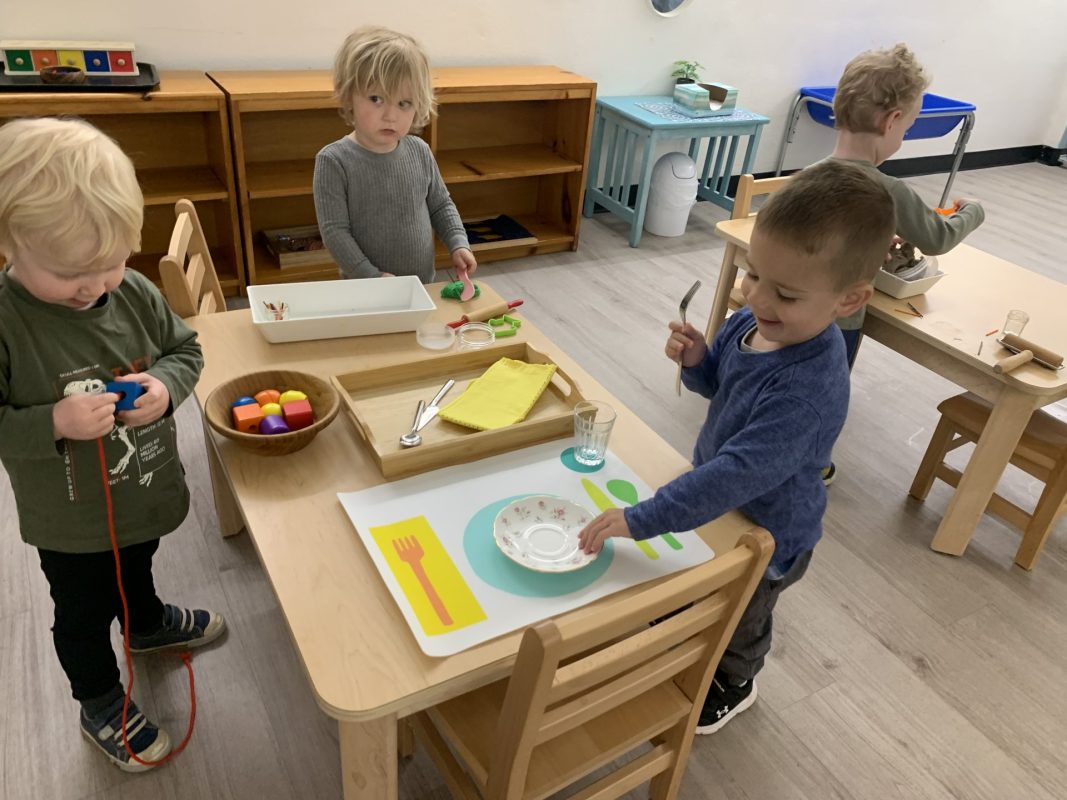
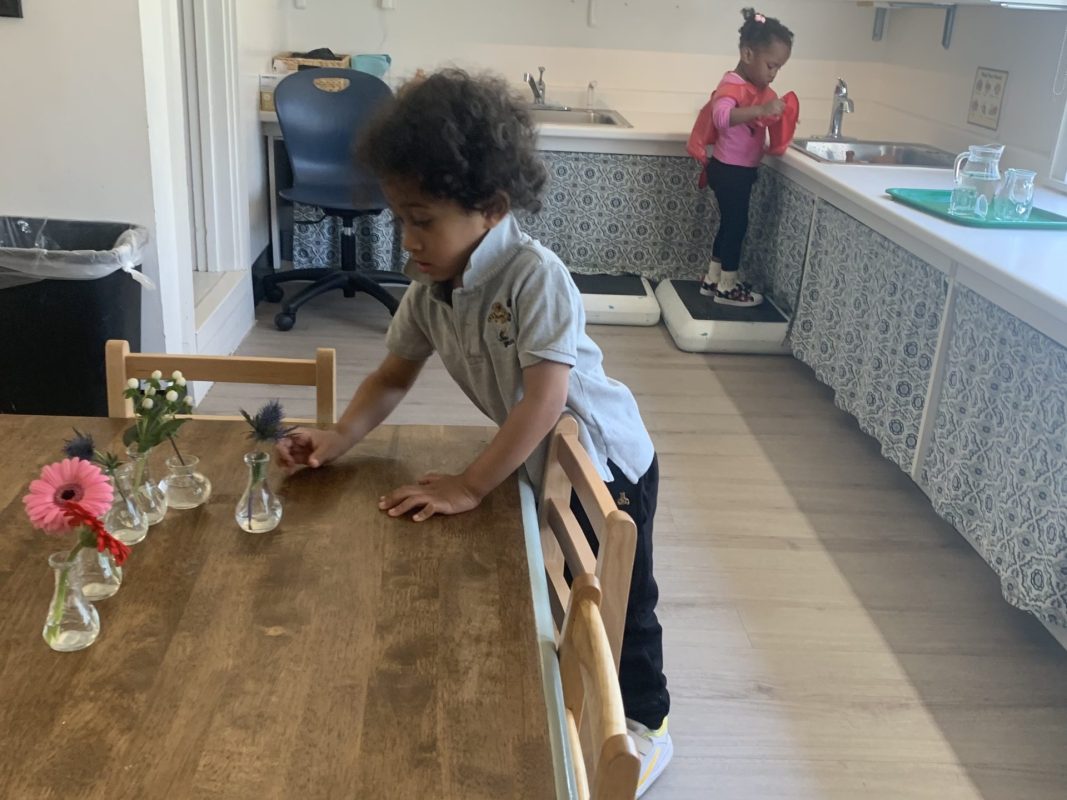
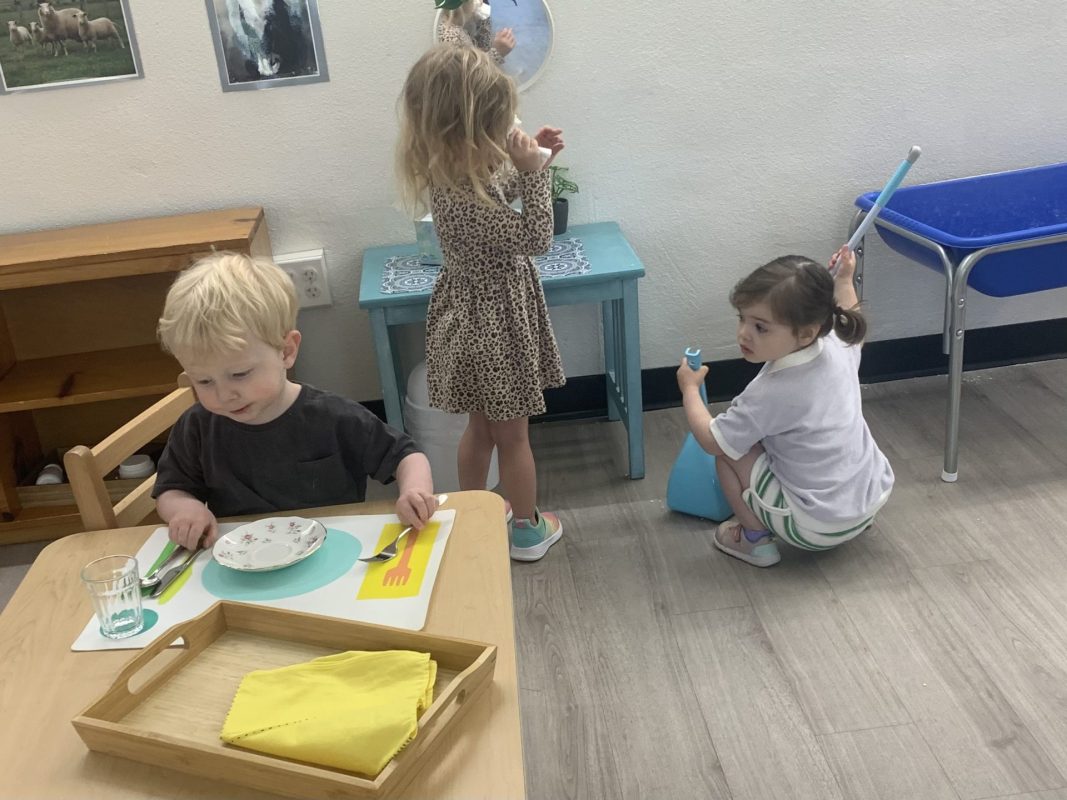
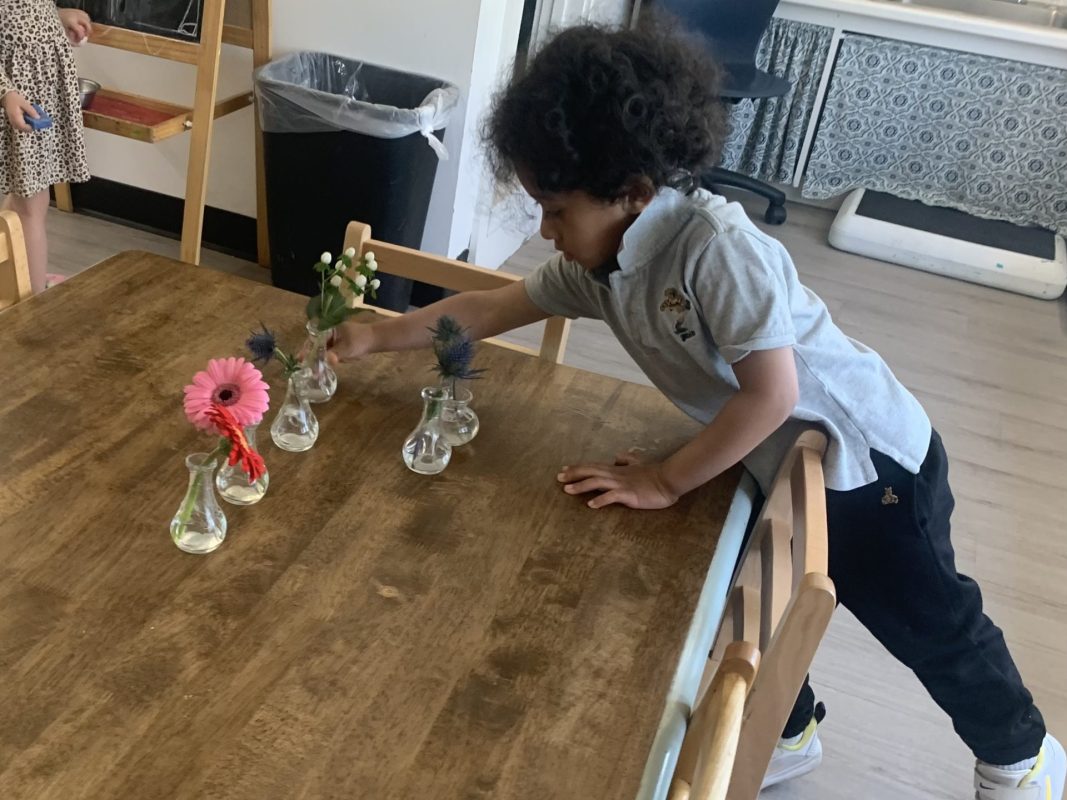
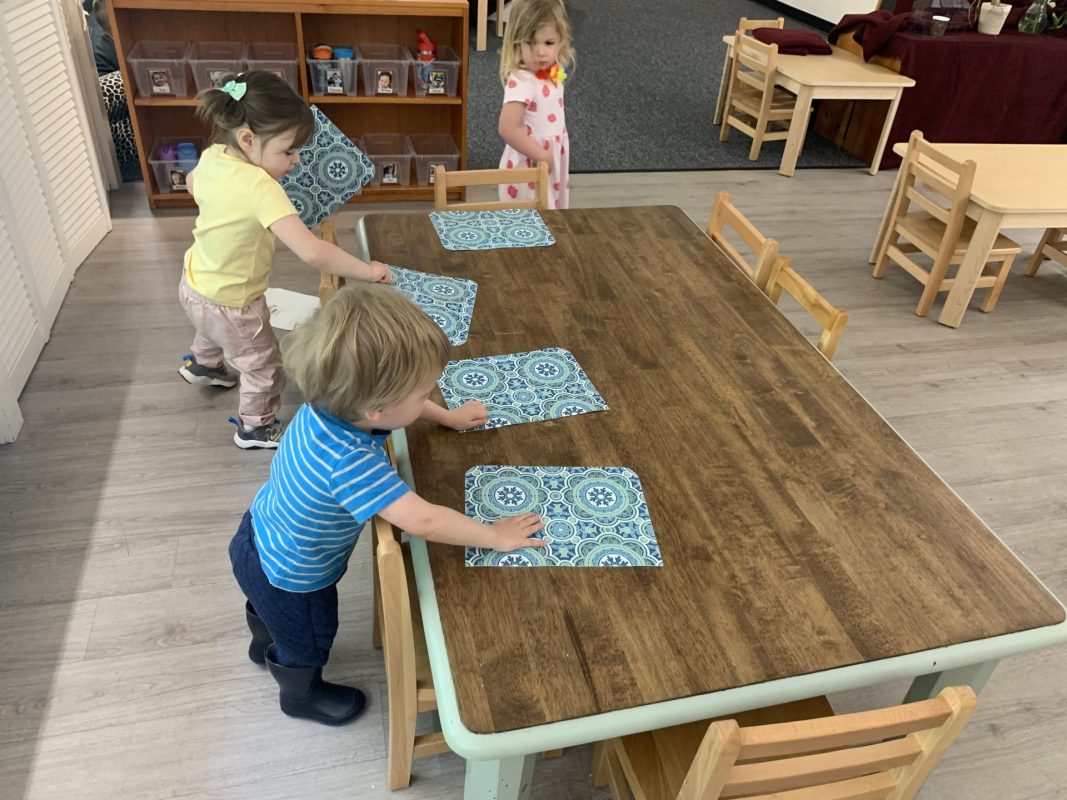
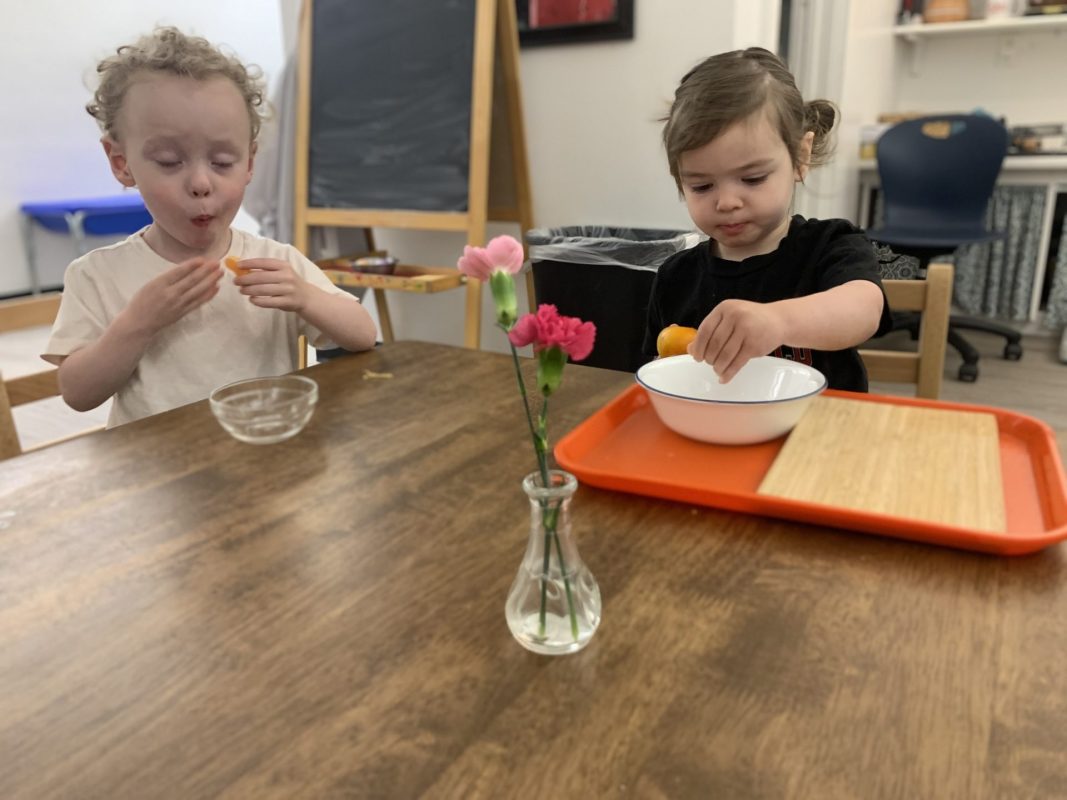
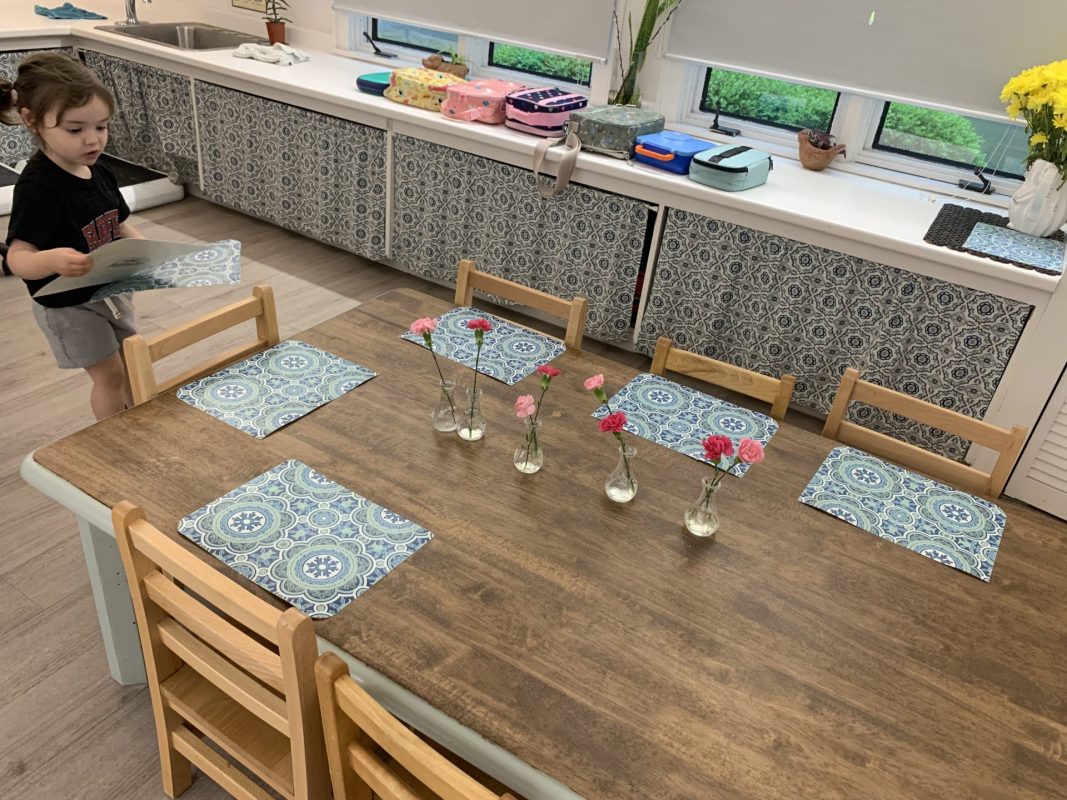
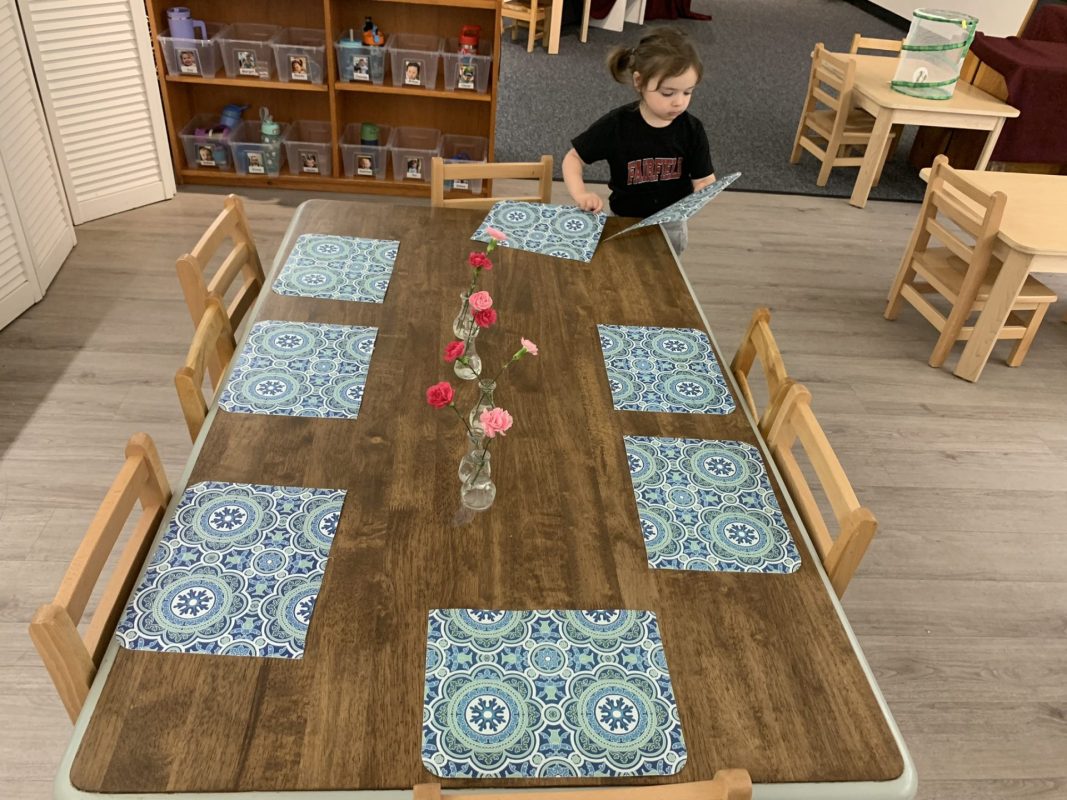
Modeling appropriate table manners is key. We only eat food at the table. We model how to use utensils, chew with mouths closed, and how to ask for more food. We use placemats at lunchtime, set the table with either flowers or candles (flameless at school!), and play peaceful music. Mealtime is also a wonderful time for vocabulary enrichment. There are many adjectives to use in describing their food and beverages! 

Here are some ideas to keep in mind to encourage proper table manners at home:

-Prepare the environment: Set up a child-sized table and chair where your toddler can comfortably sit and reach their plate and utensils. Ensure that everything they need, such as napkins and water, is accessible to them.

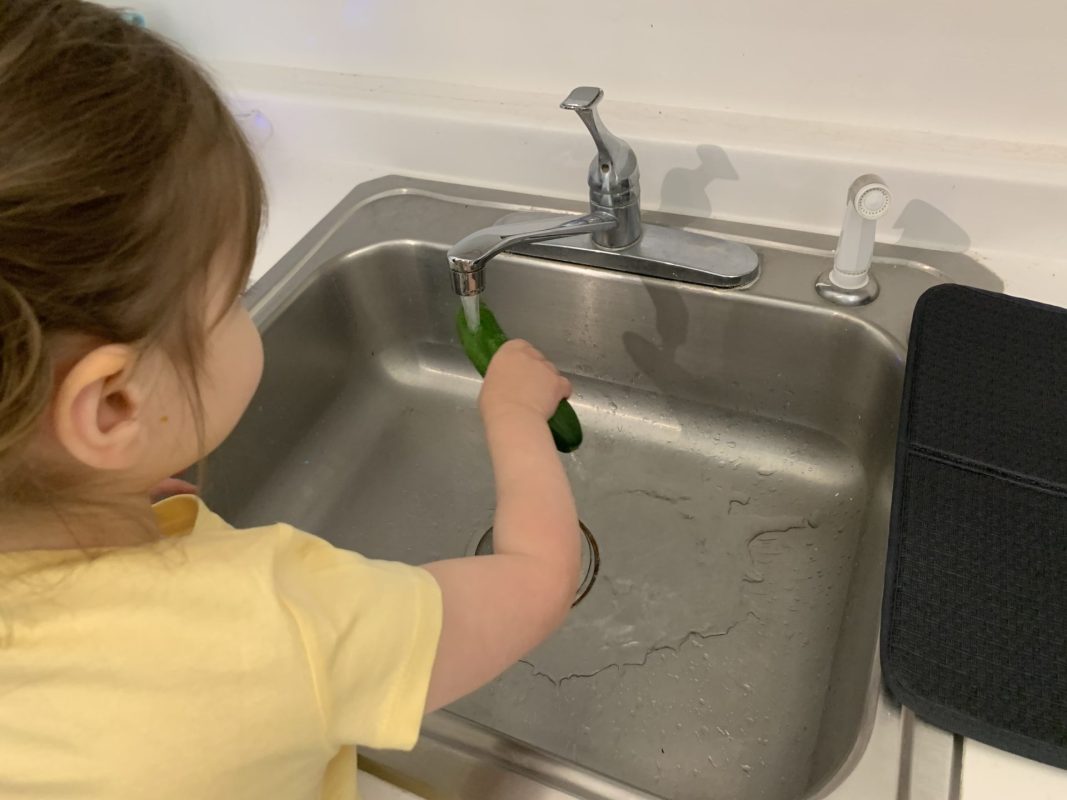
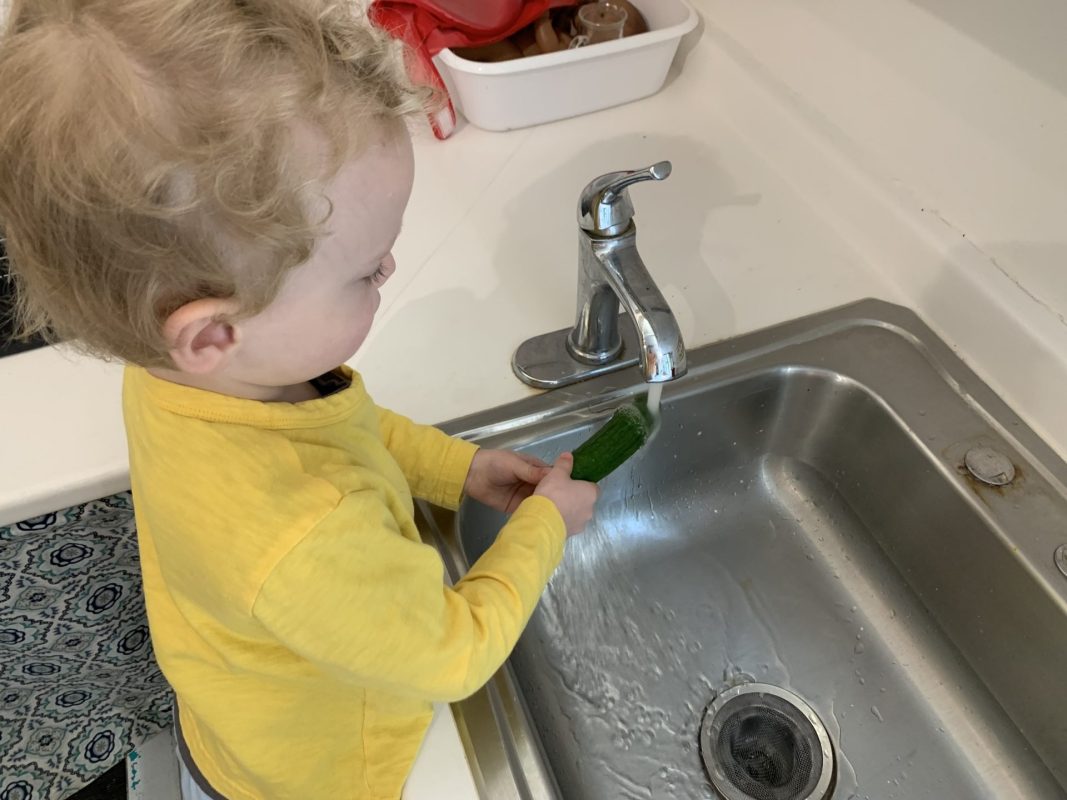
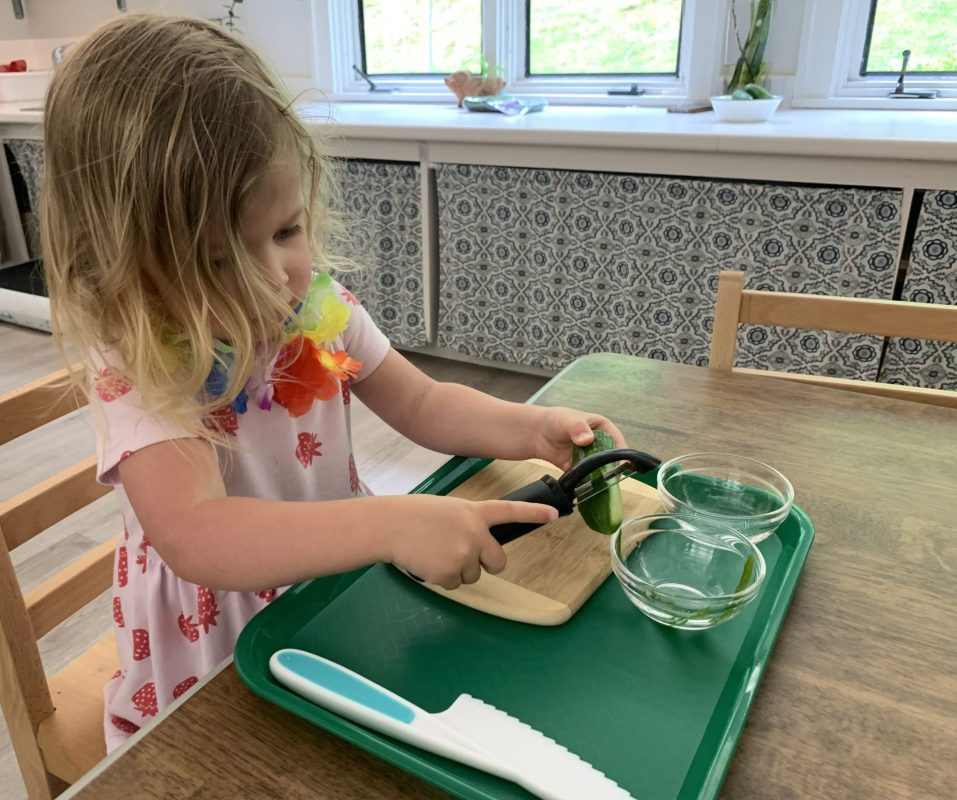
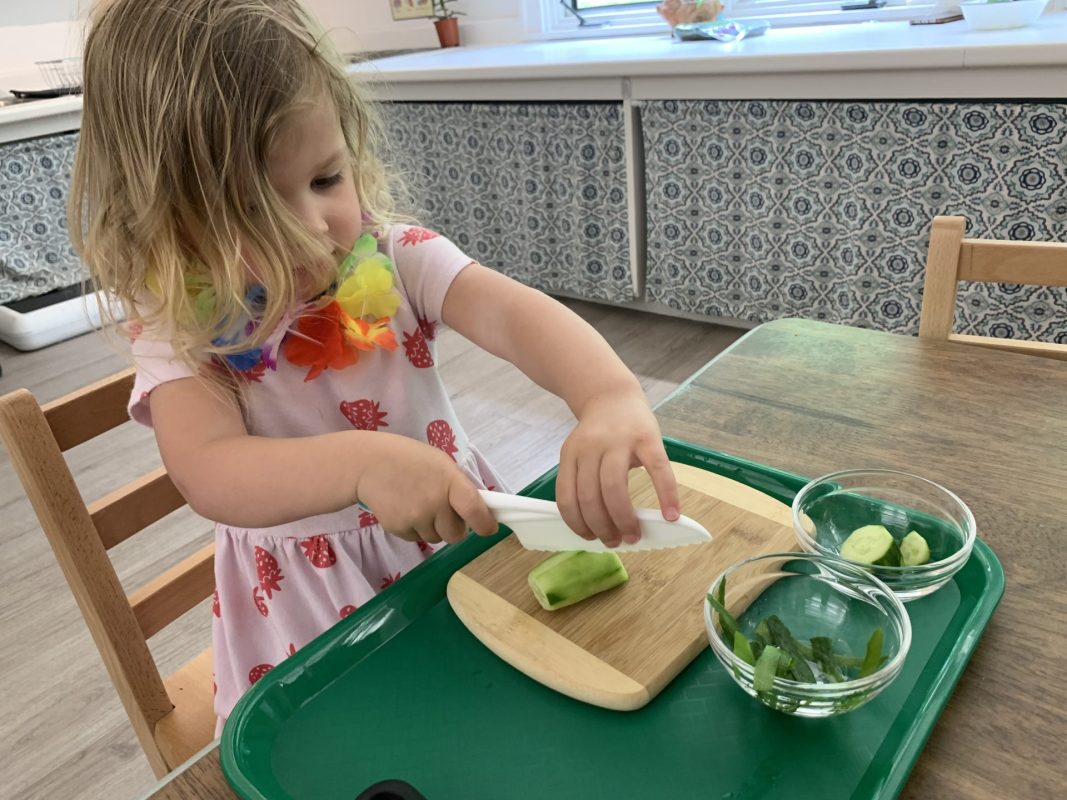
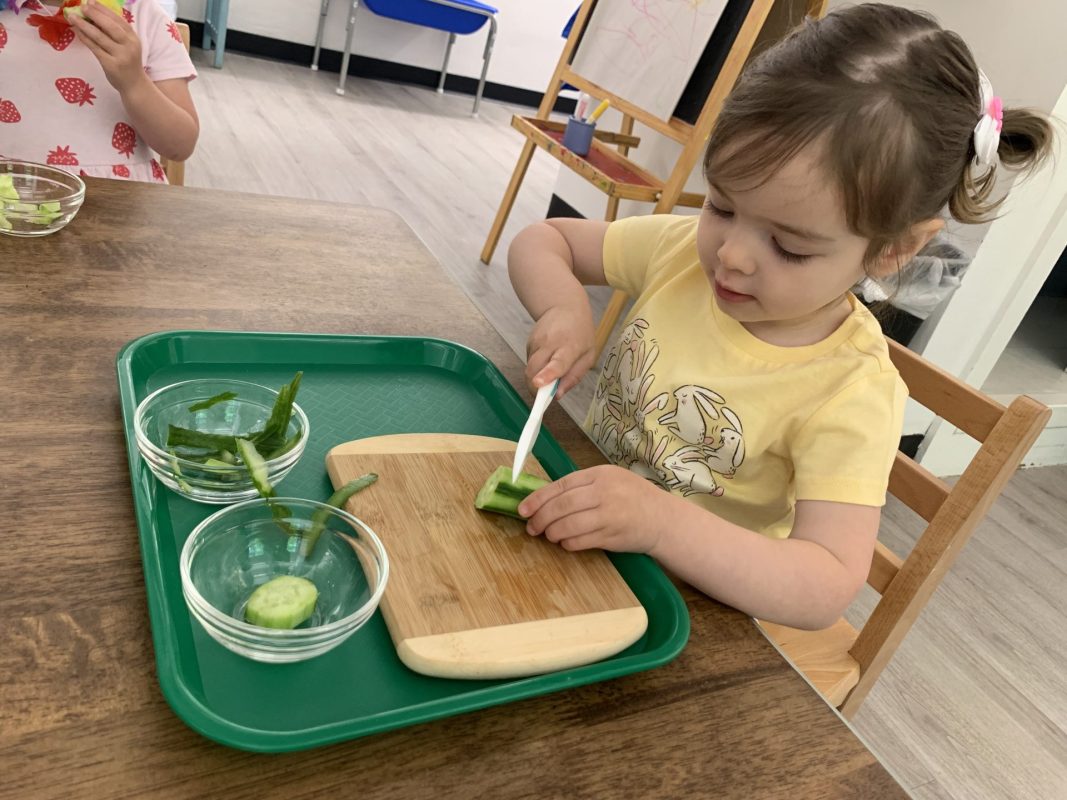
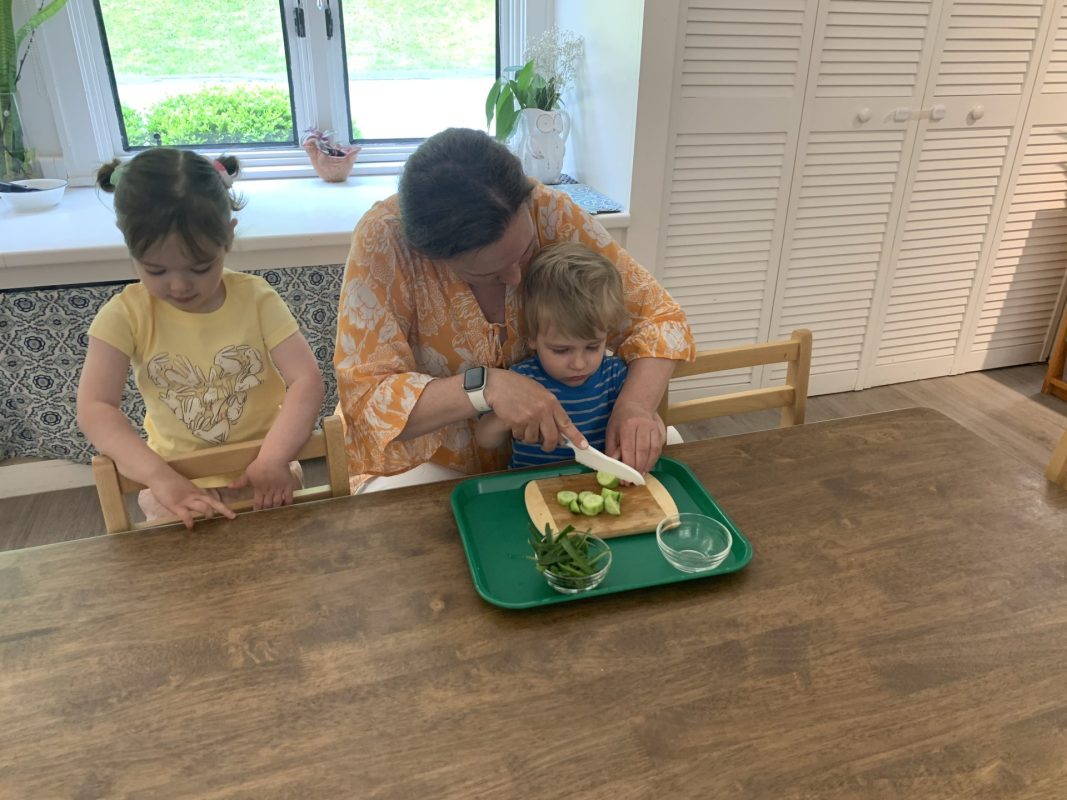
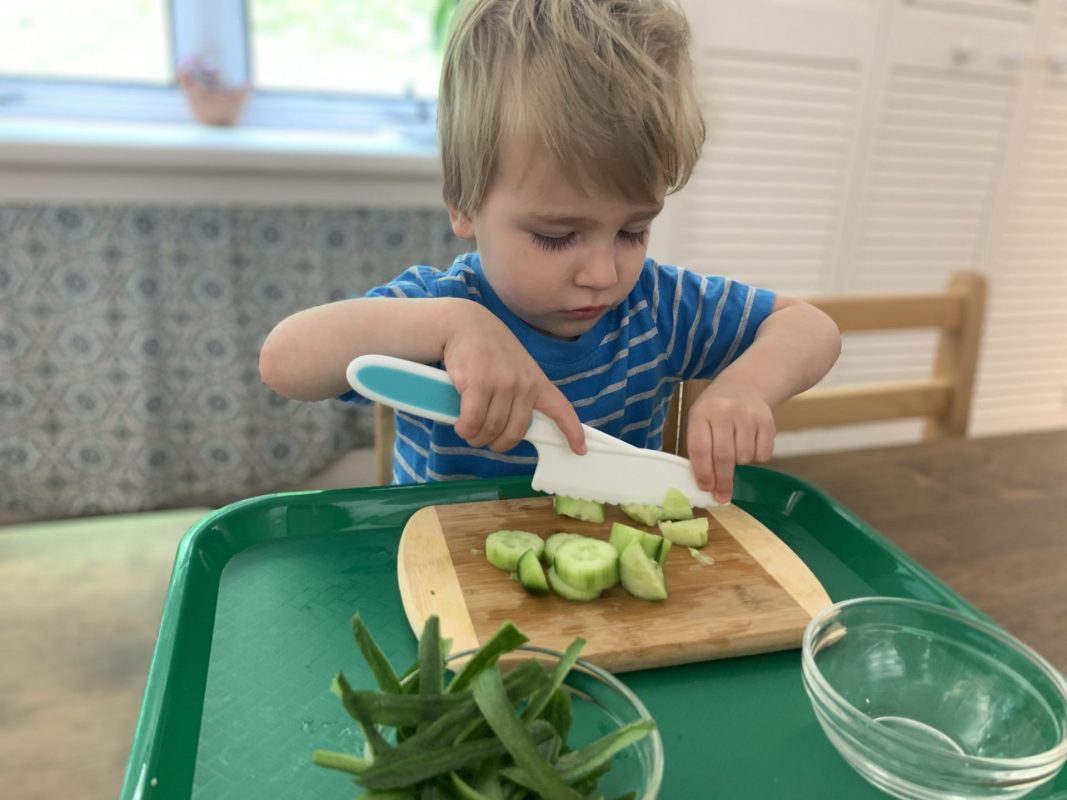
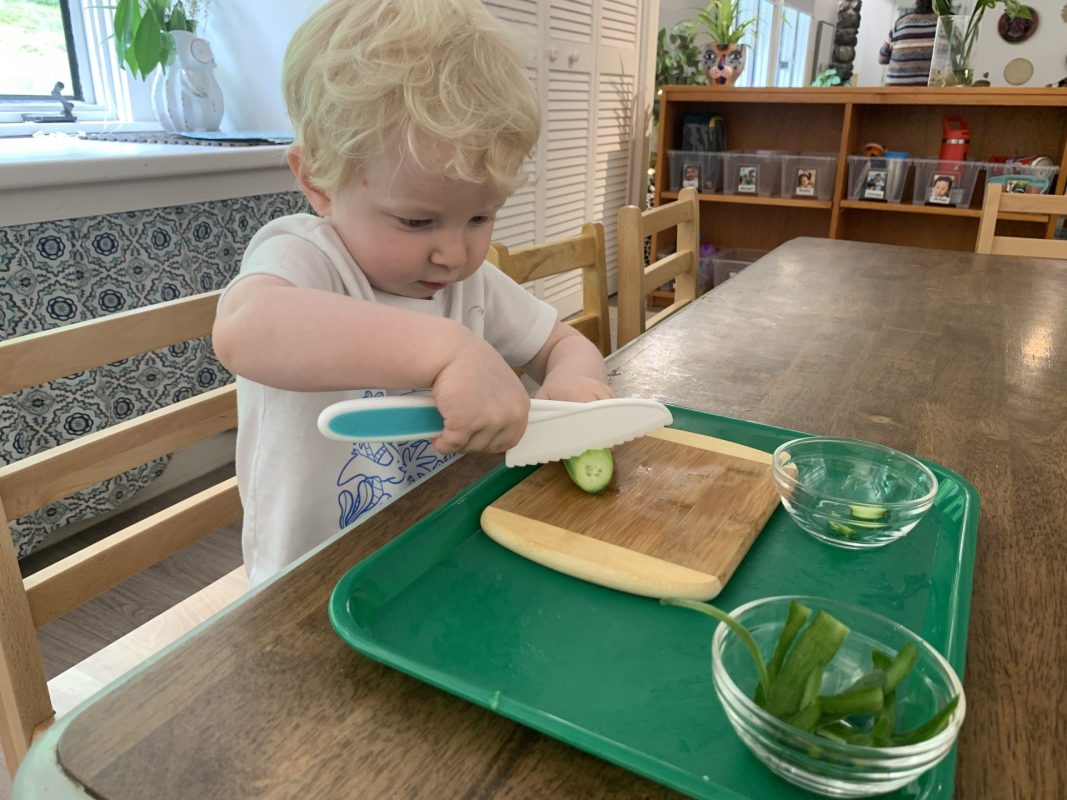
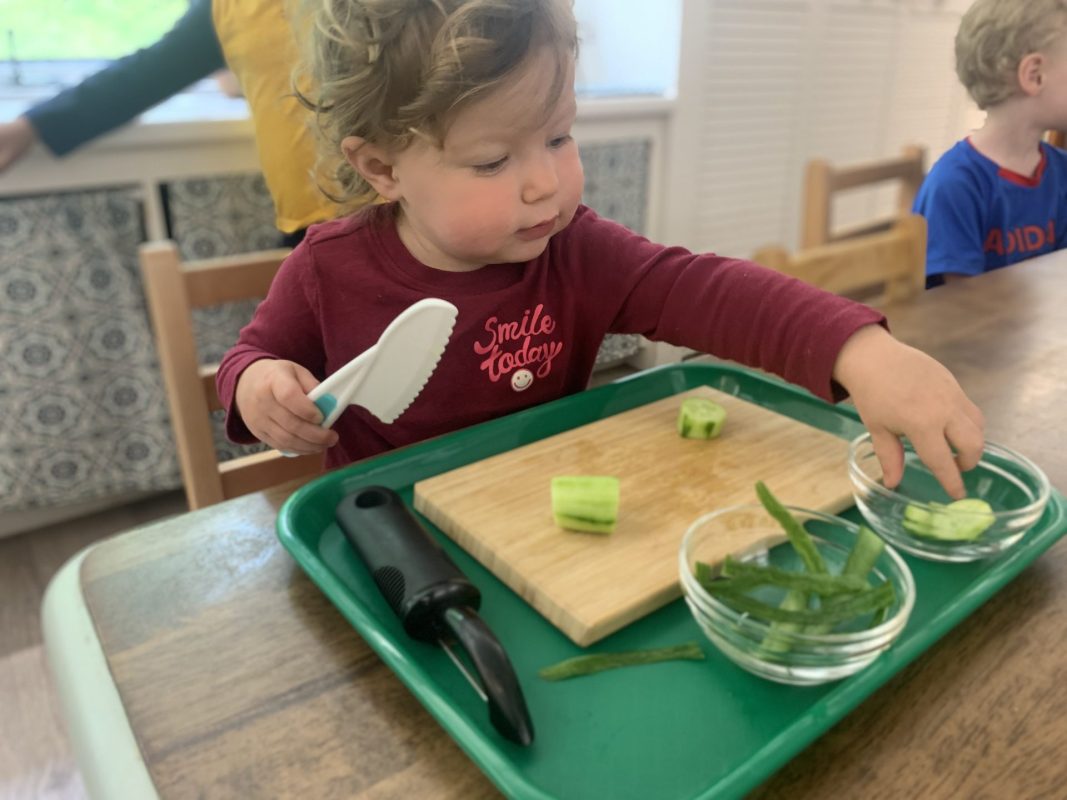
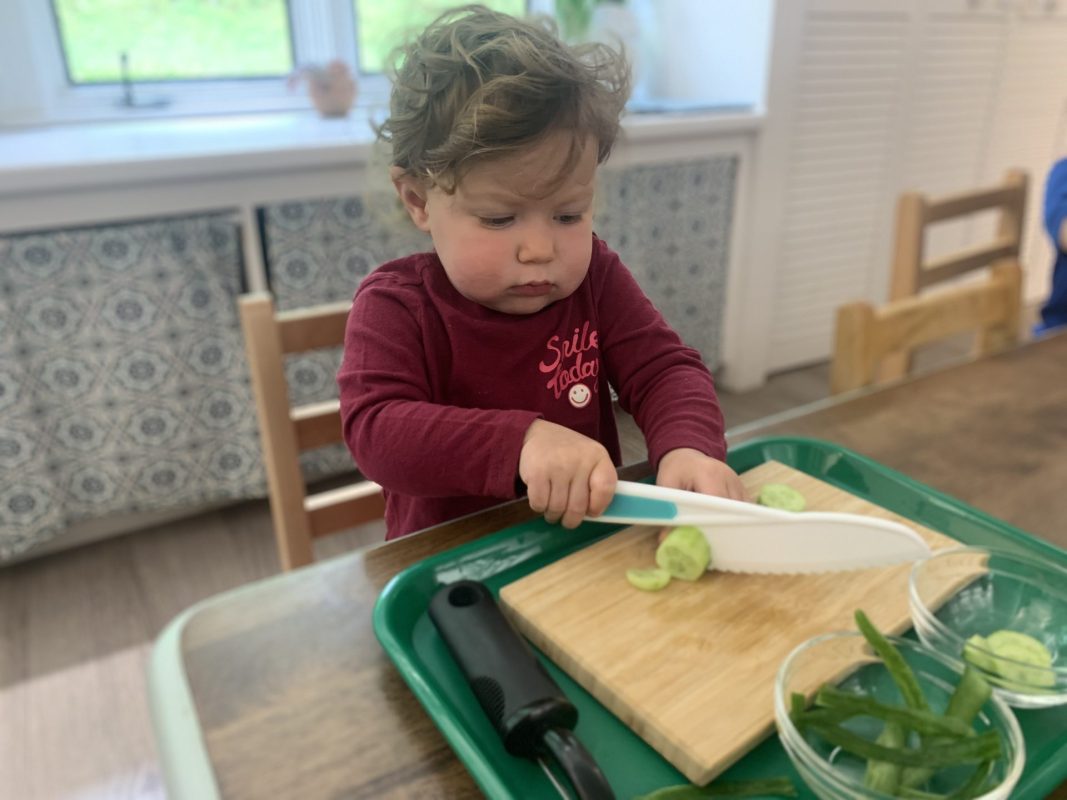
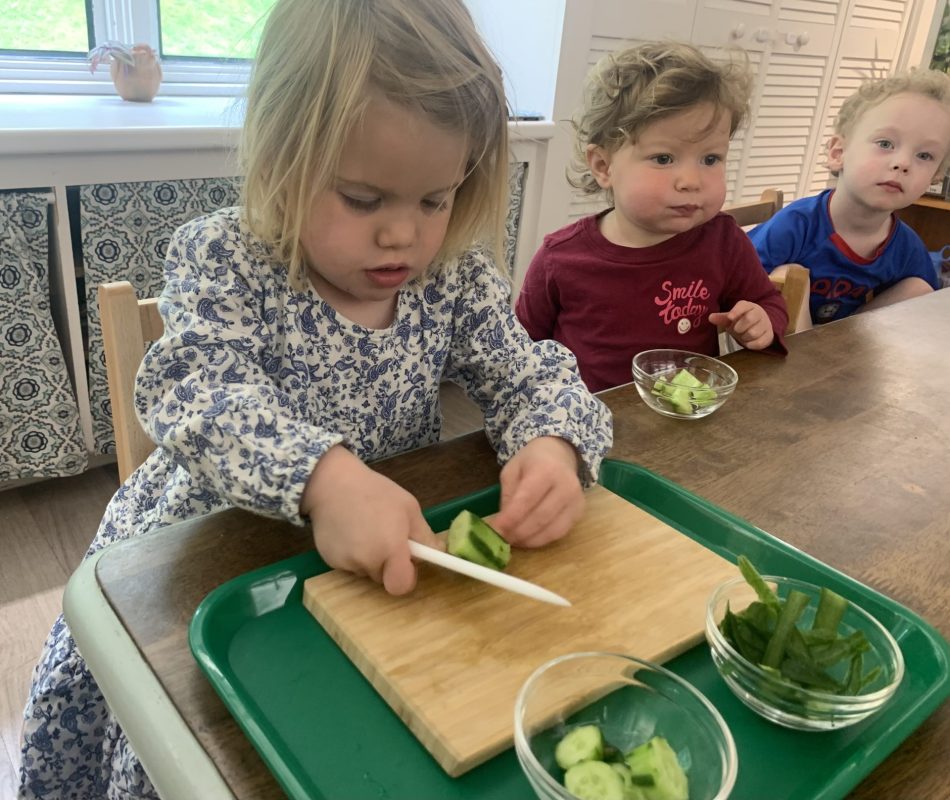
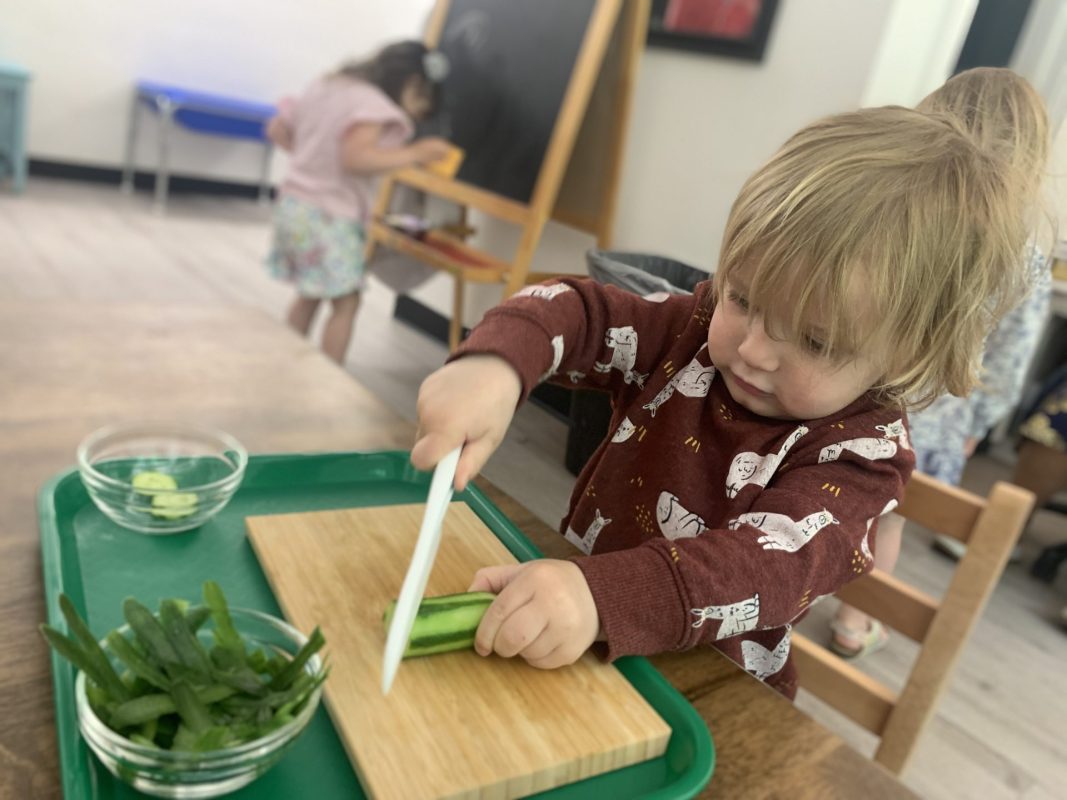
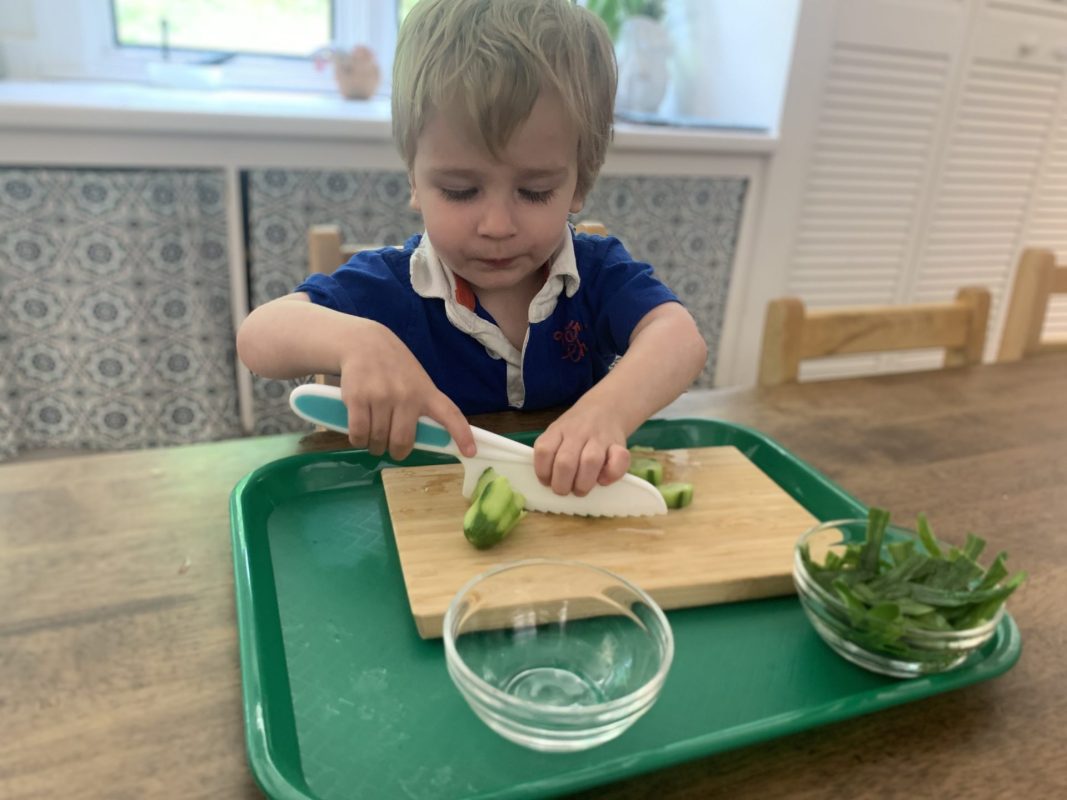
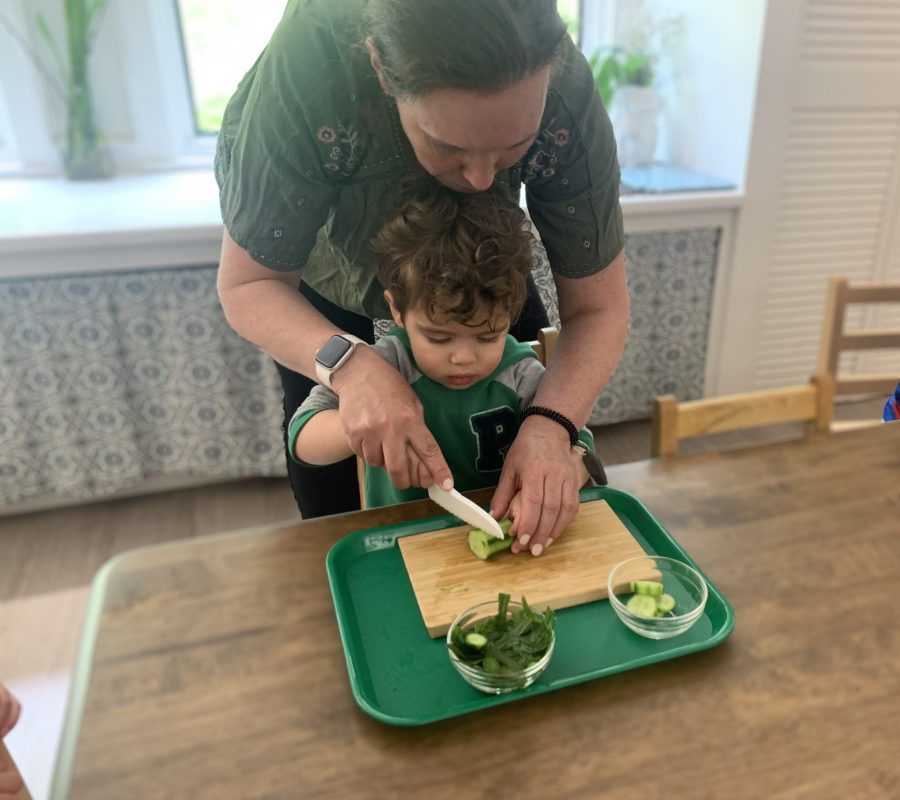
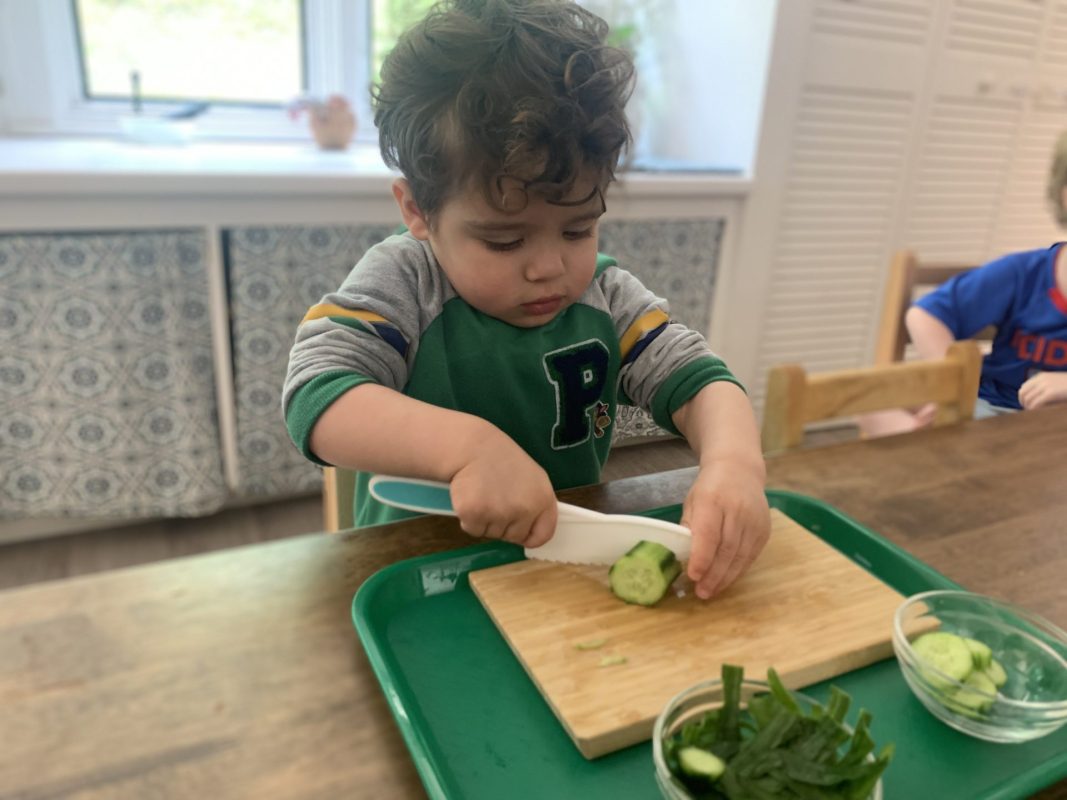
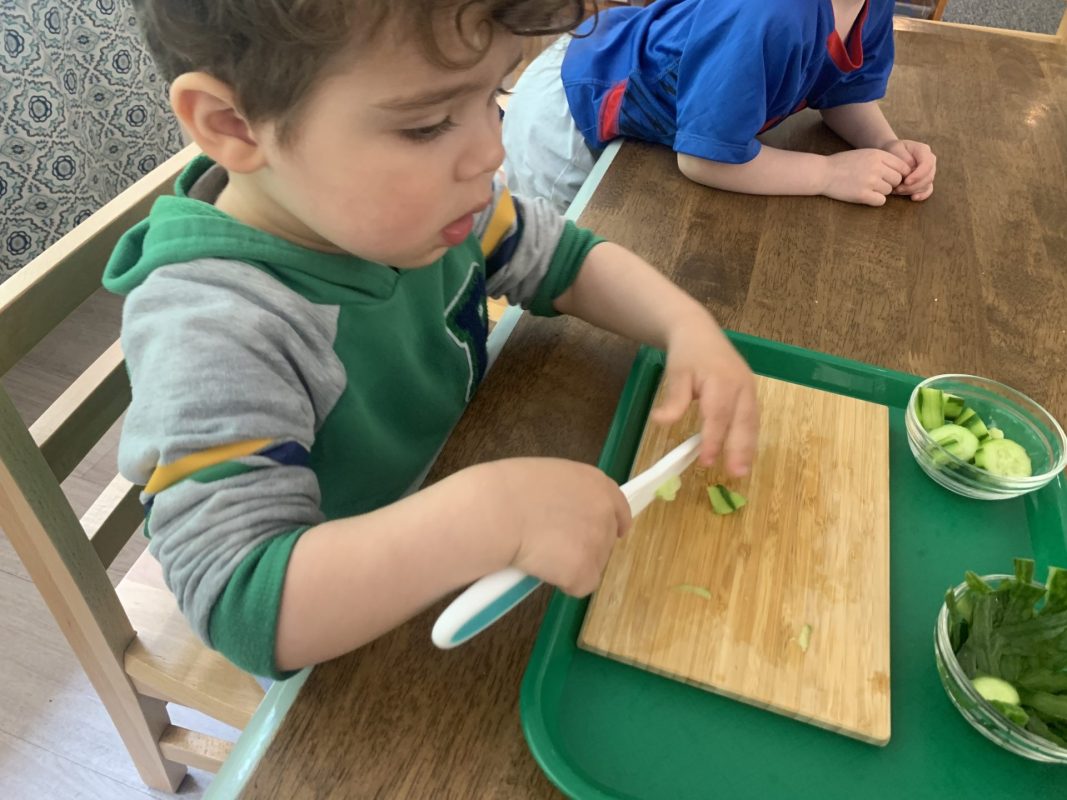
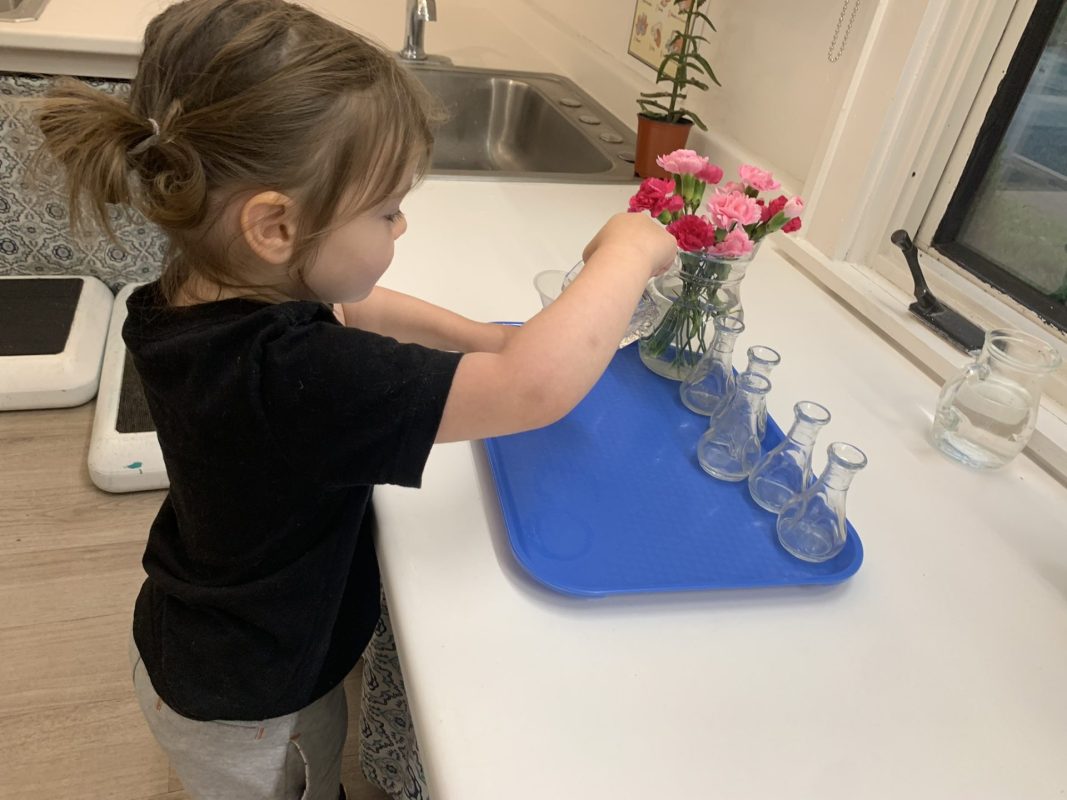
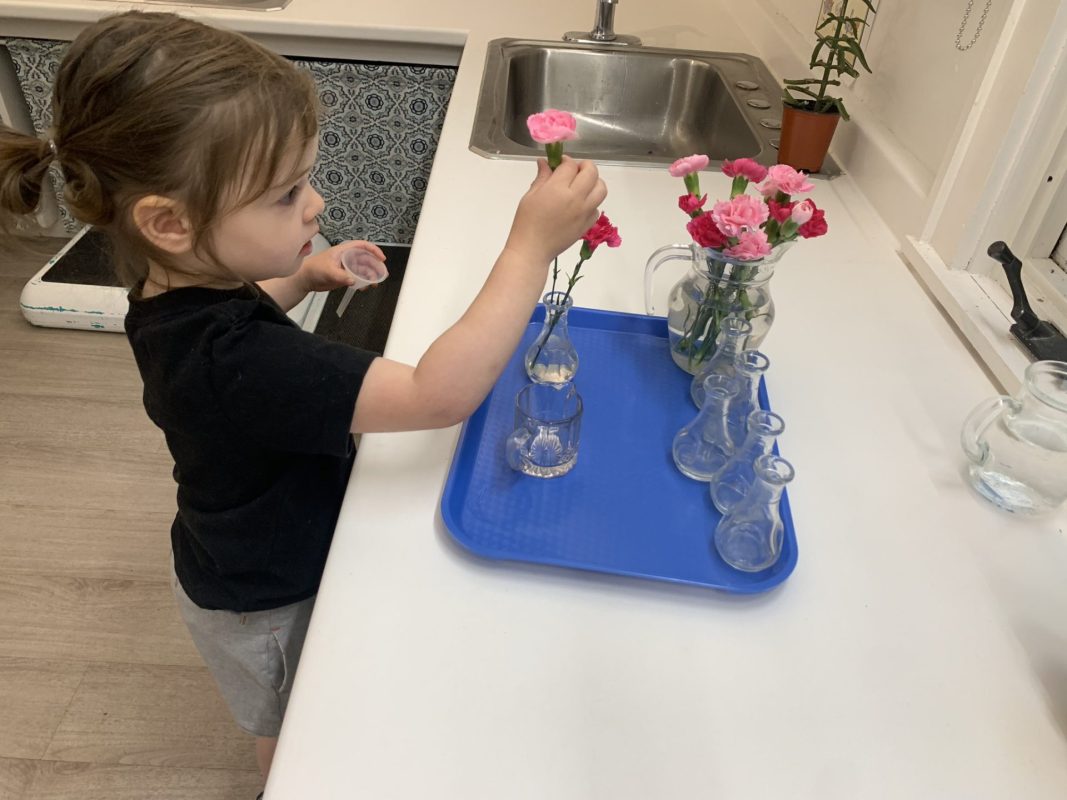
-Involve them in meal preparation: Encourage your toddler to participate in meal preparation activities appropriate for their age, like washing fruits and vegetables or setting the table. This instills a sense of ownership and respect for the mealtime process.

-Teach basic etiquette: Use simple language to explain basic table manners, such as saying “please” and “thank you” and using napkins.

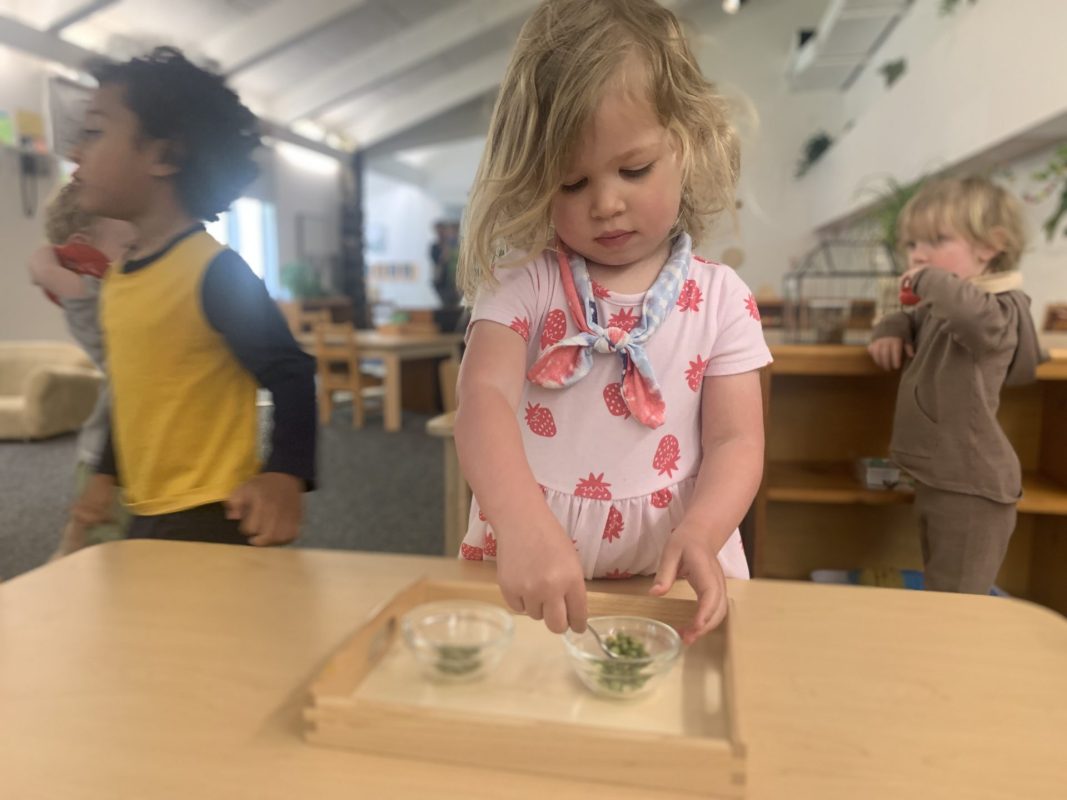
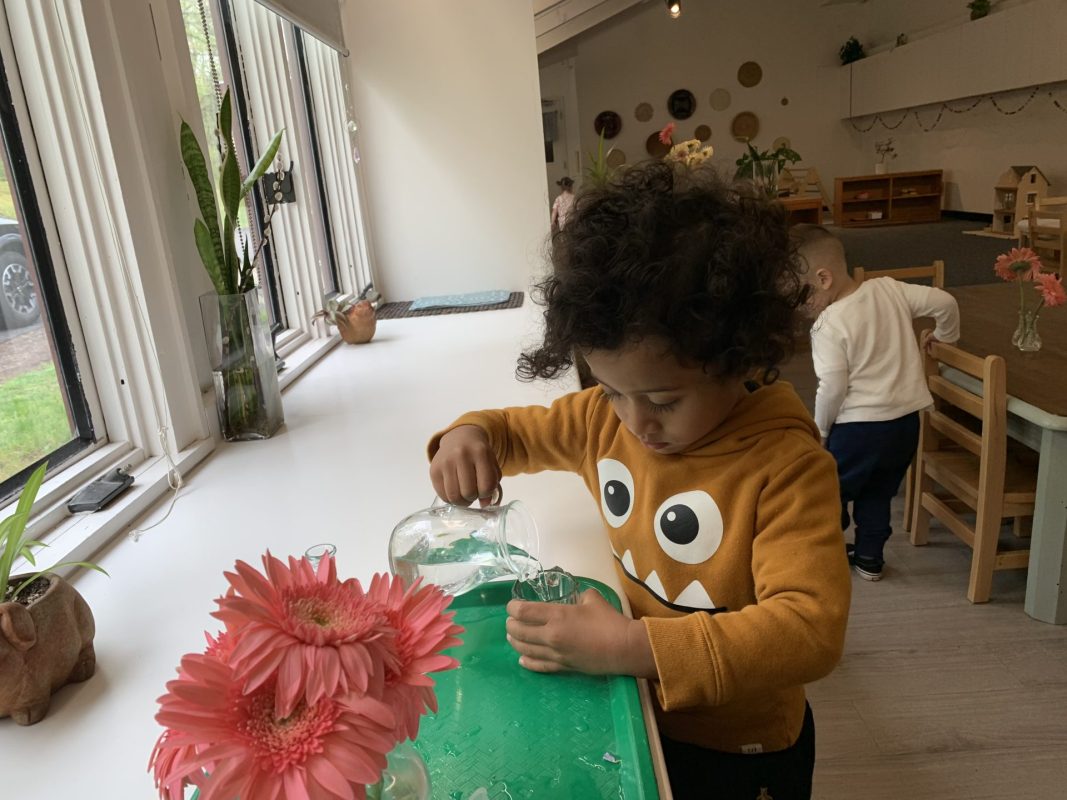
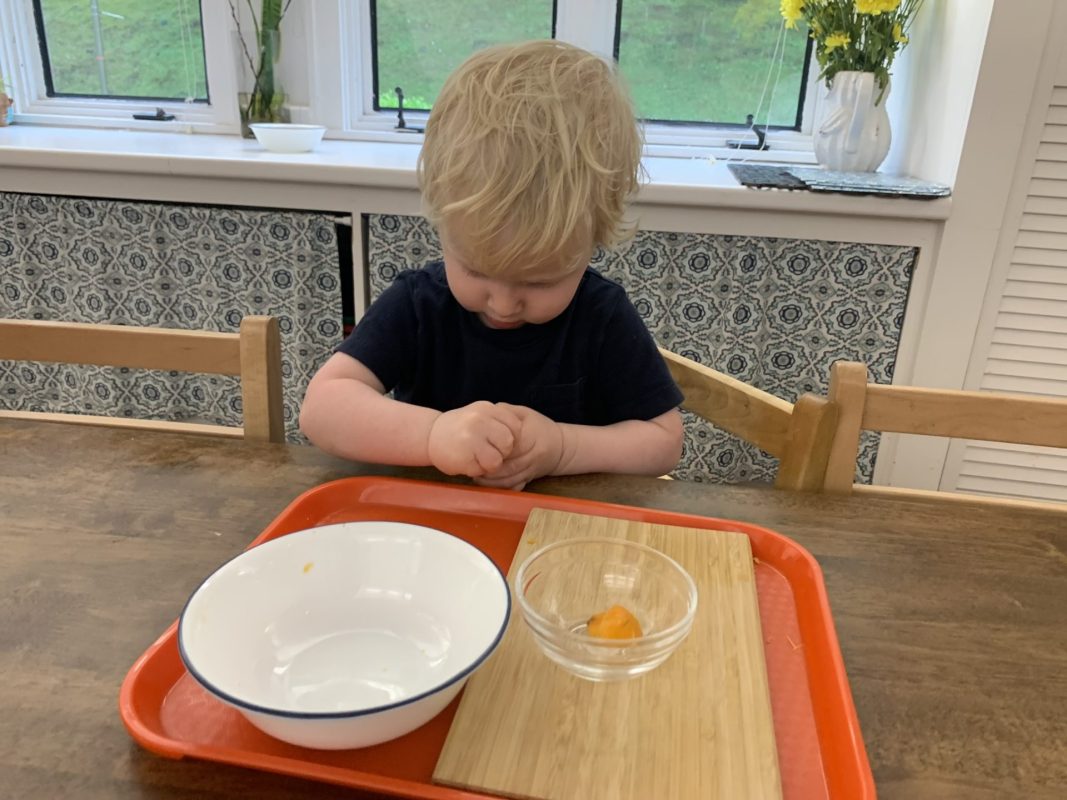
-Encourage self-serving: Provide small pitchers or bowls of food and allow your toddler to serve themselves. This promotes independence and develops fine motor skills.

-Maintain a positive atmosphere: Mealtime should be a pleasant experience, so create a calm and inviting atmosphere free from distractions like electronic devices. Engage in conversation and enjoy the opportunity to connect with your toddler.

See you all next week! Christine & Lizette 
PS. Don’t forget to purchase your tickets to the gala! We hope everyone can make it. The last day to get your tickets is April 22nd. Purchase tickets here.

A message from Middle School: Order your 8th-grade-designed 2024 FWM sweatshirt ASAP! Orders close on April 27! Click here to order.


Ms. Marissa: Backyard Bird Watching

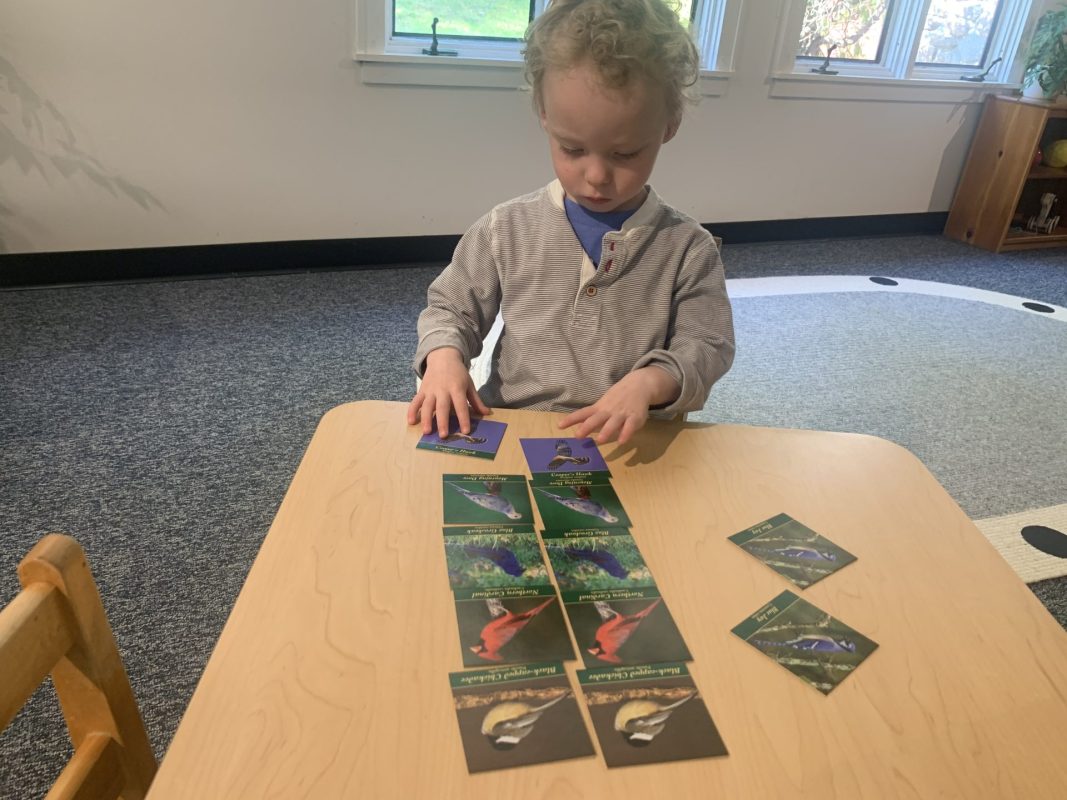
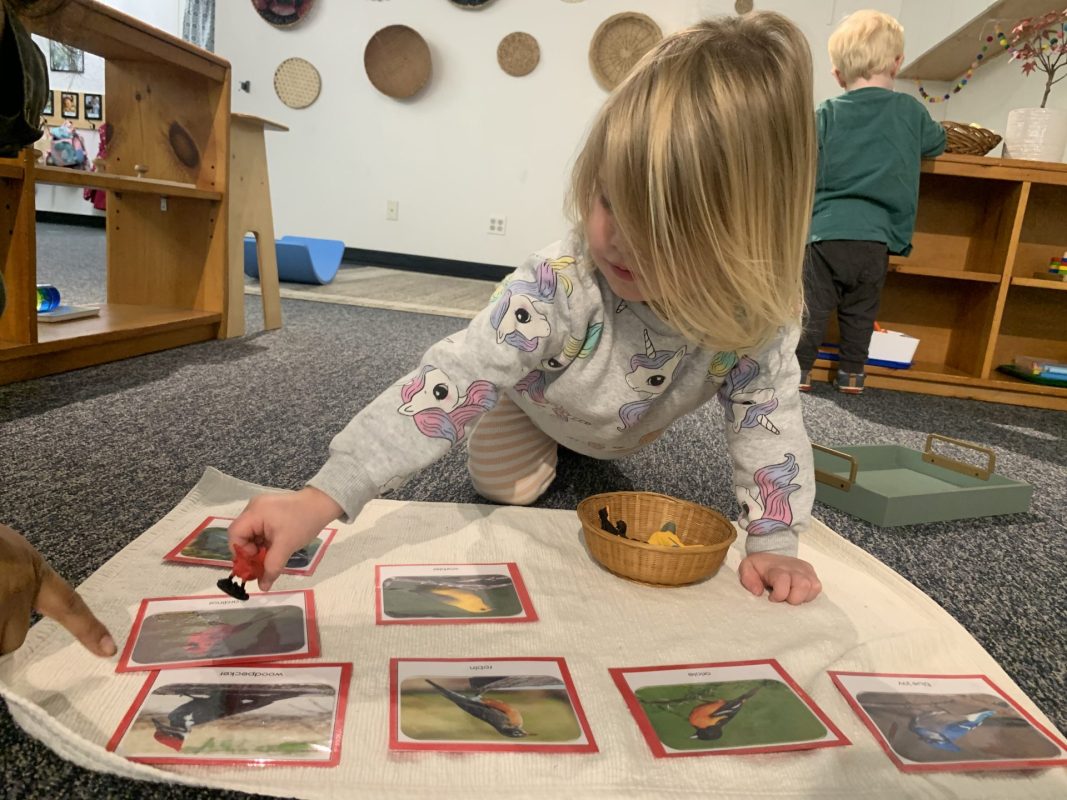
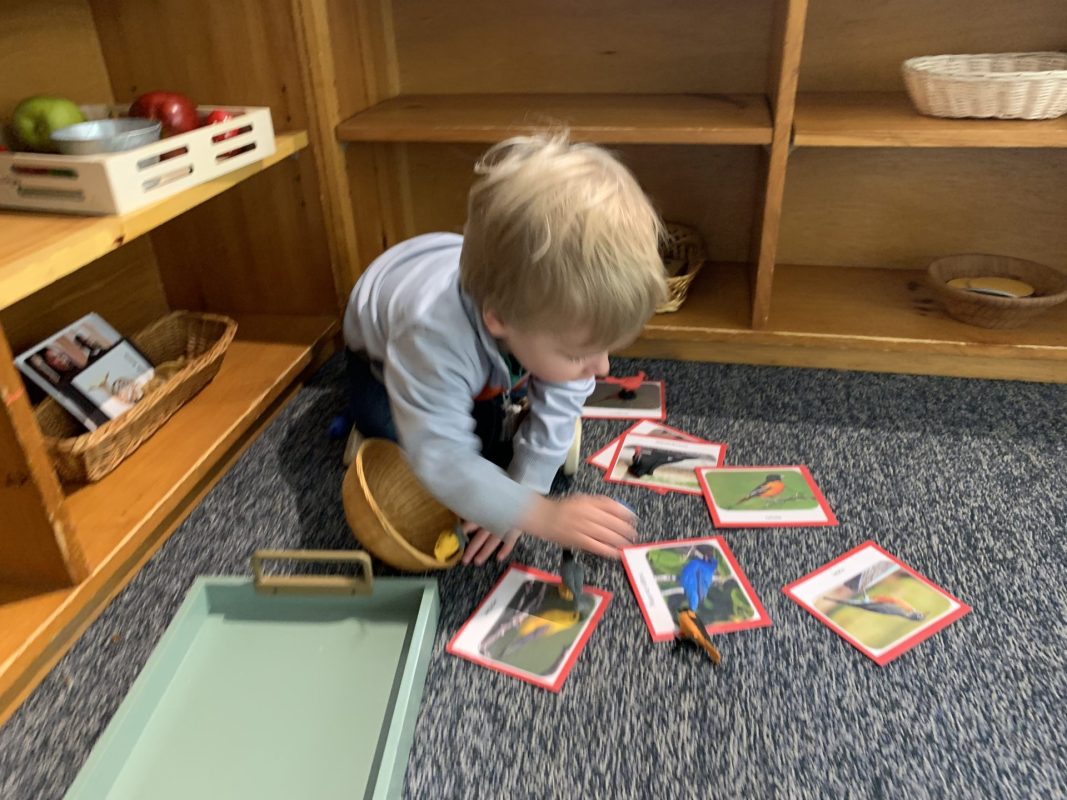
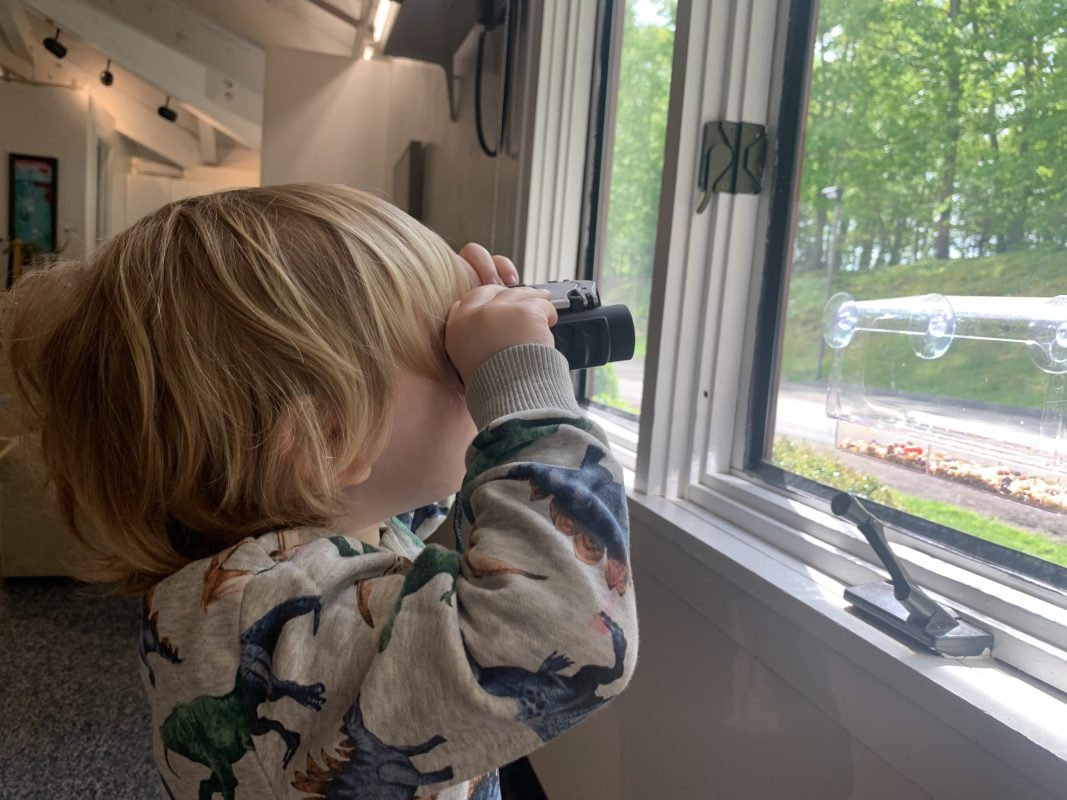
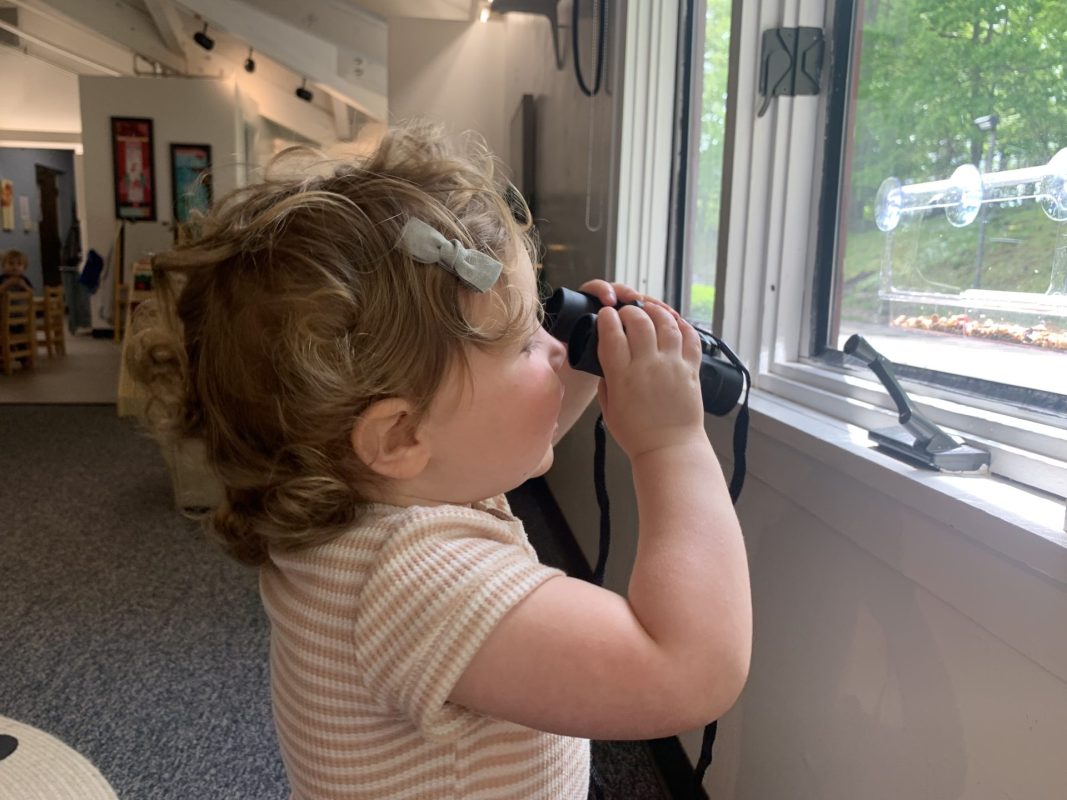
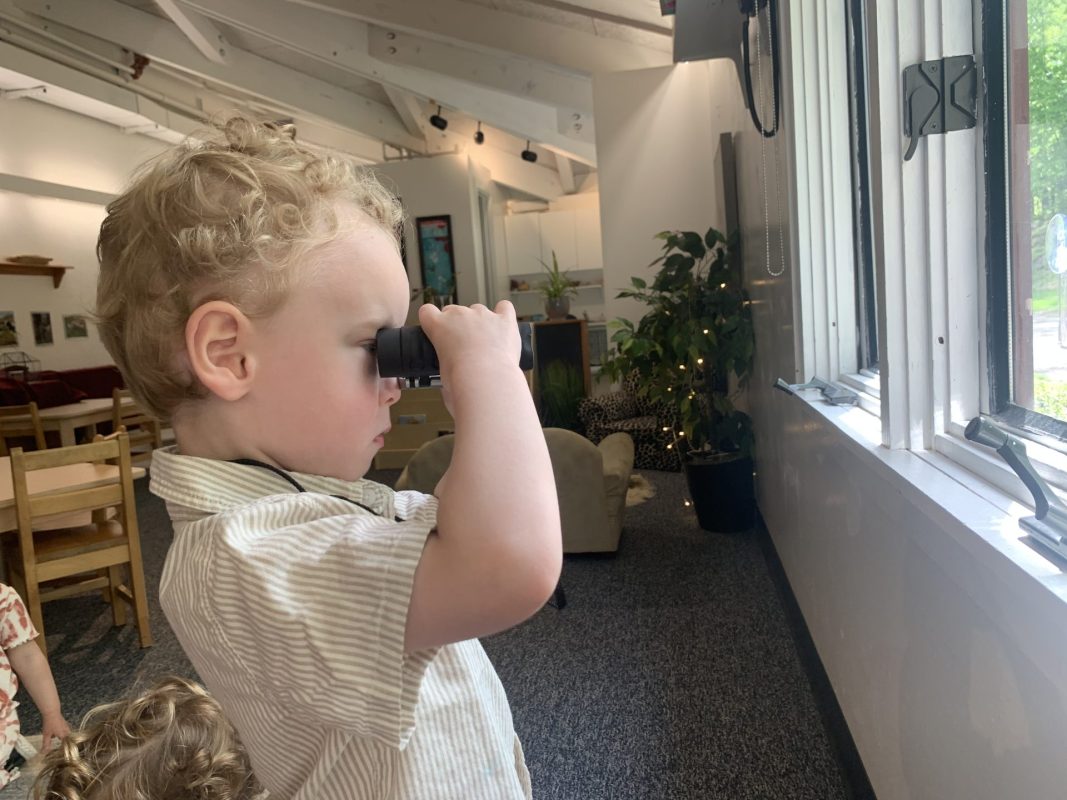
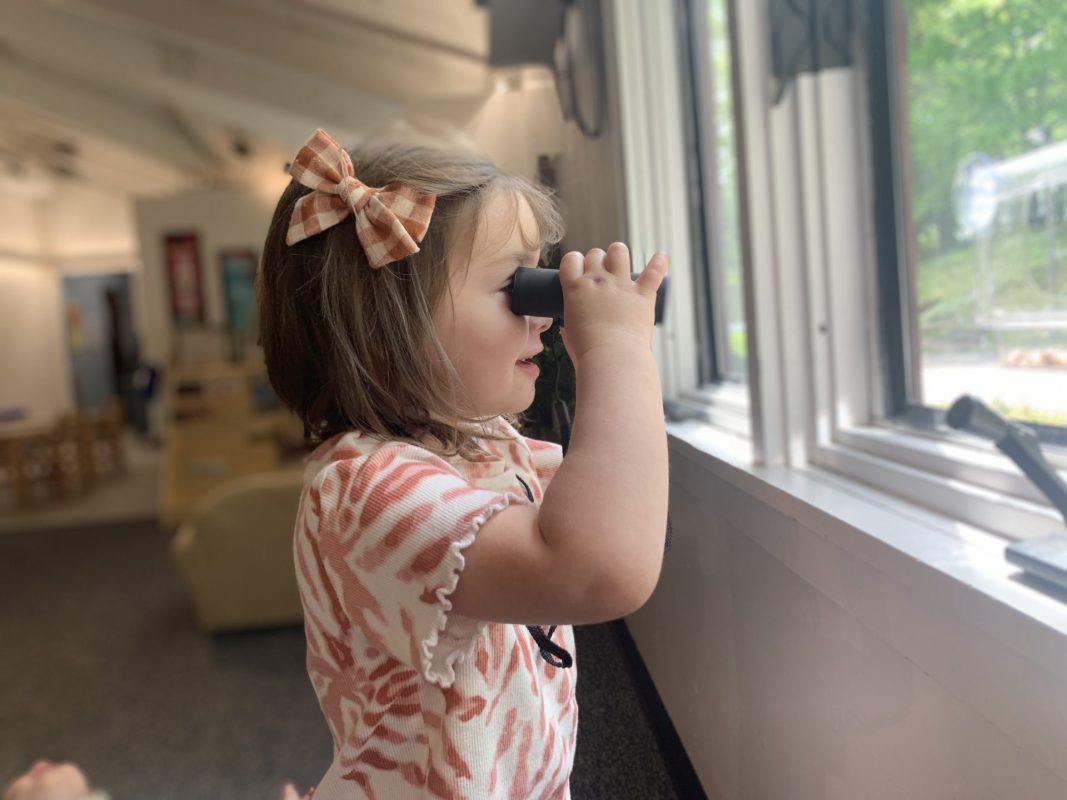
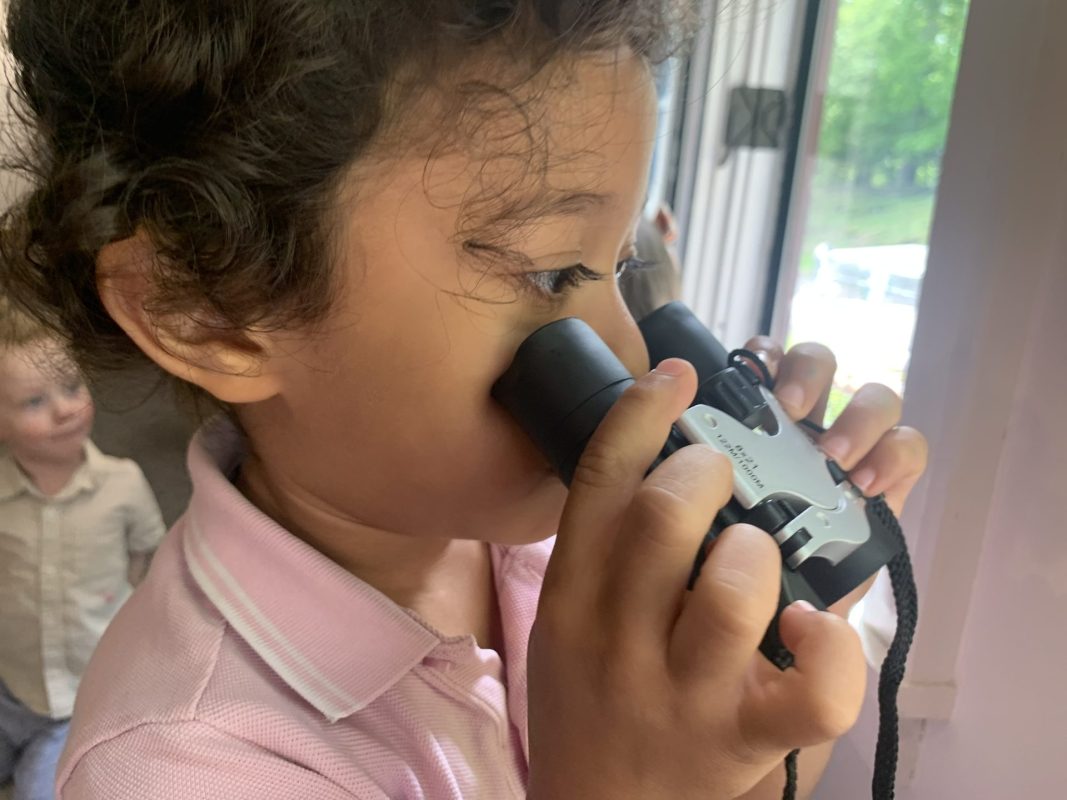
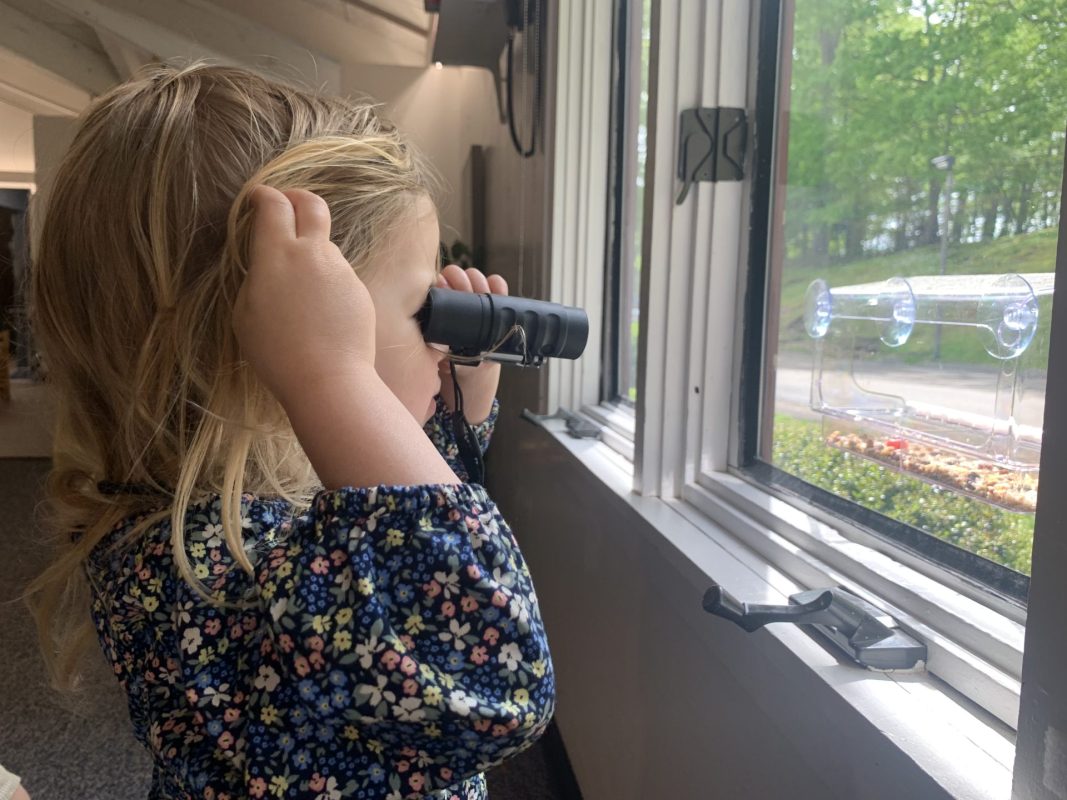
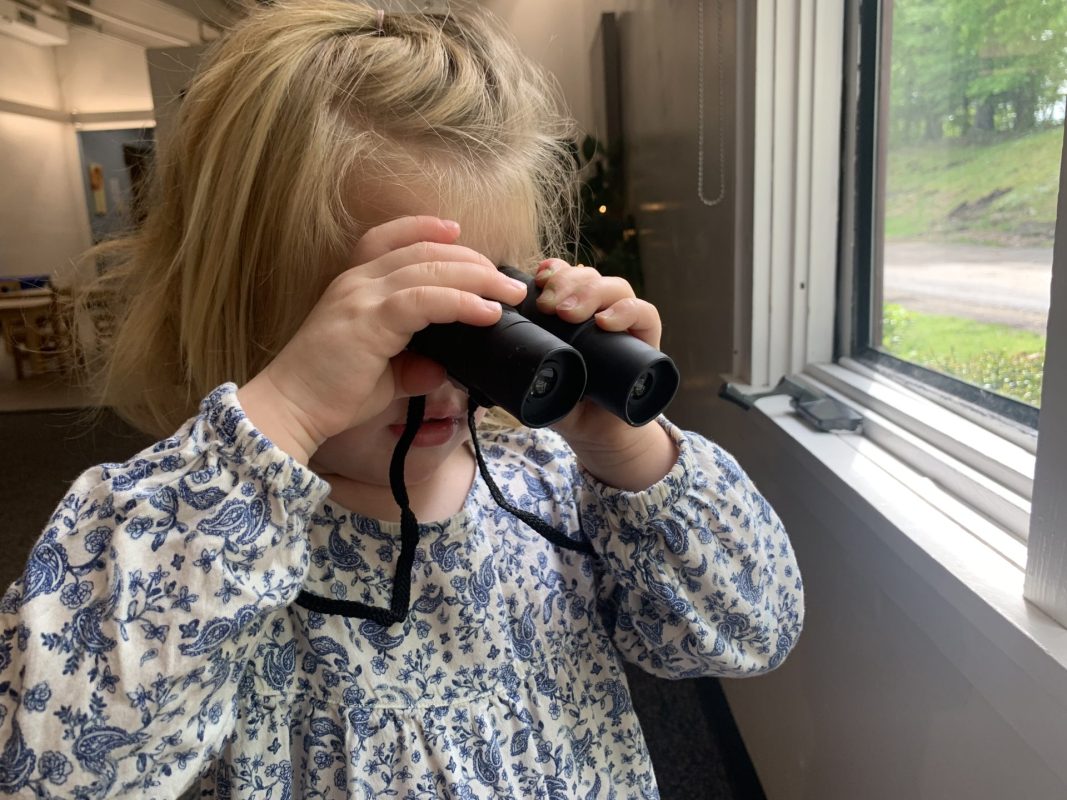
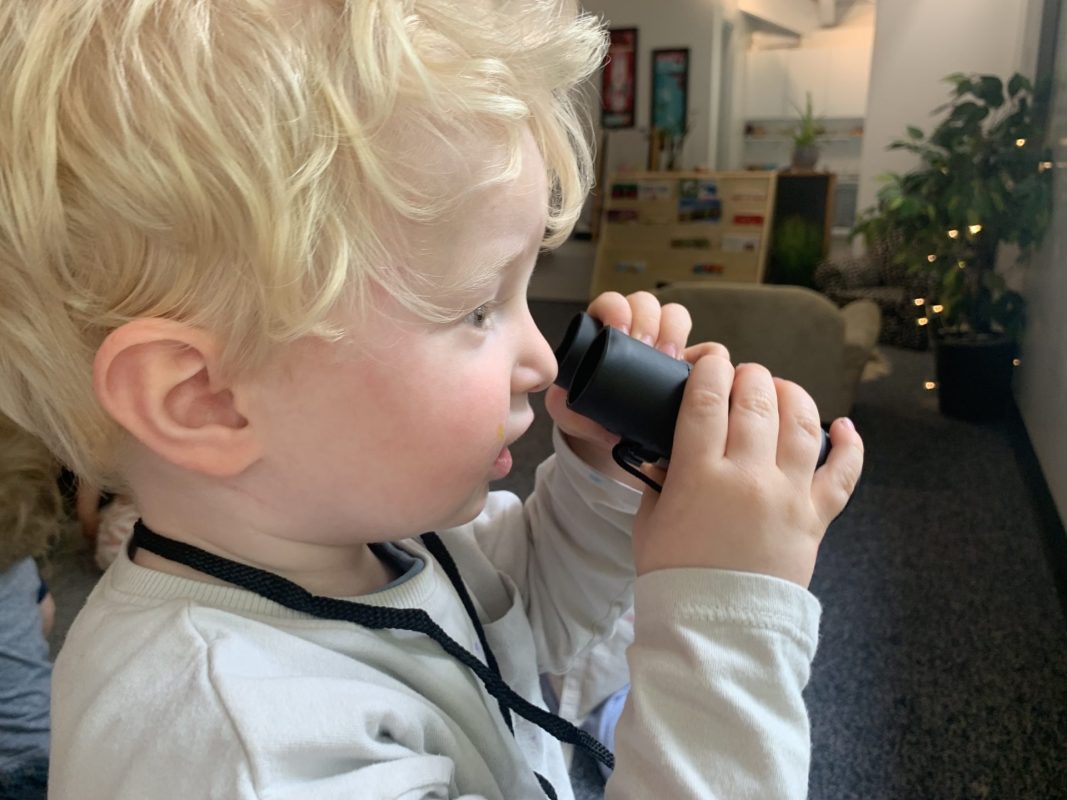
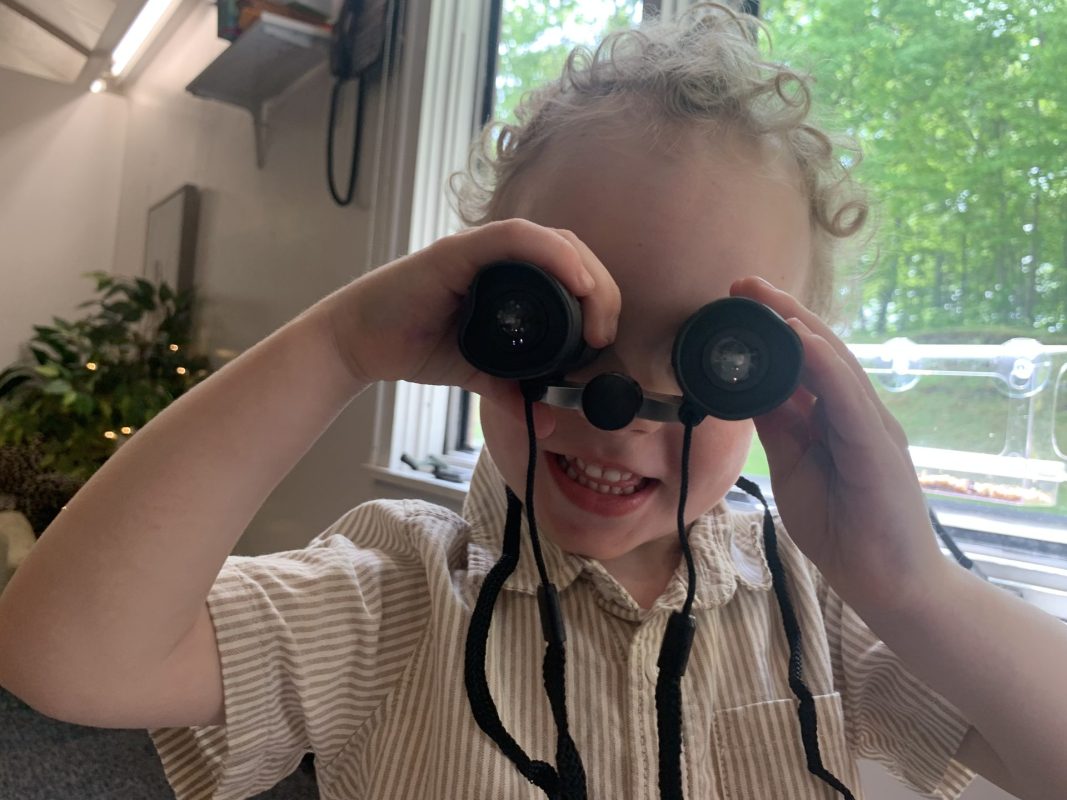
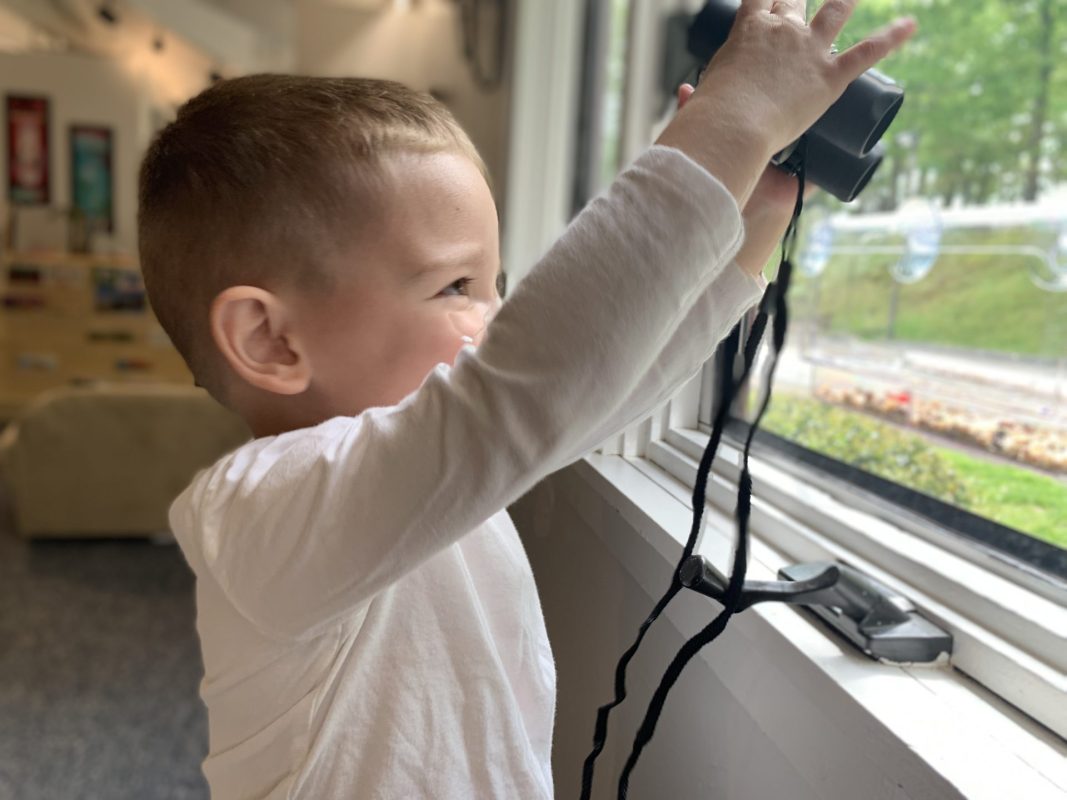
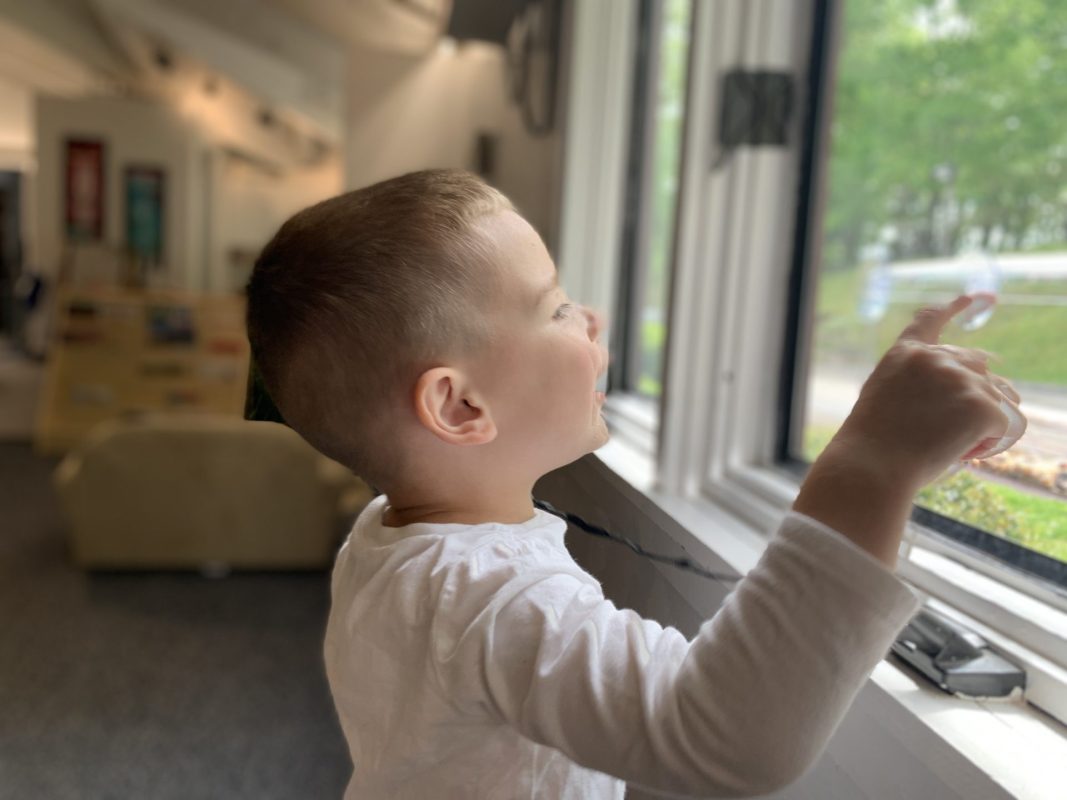
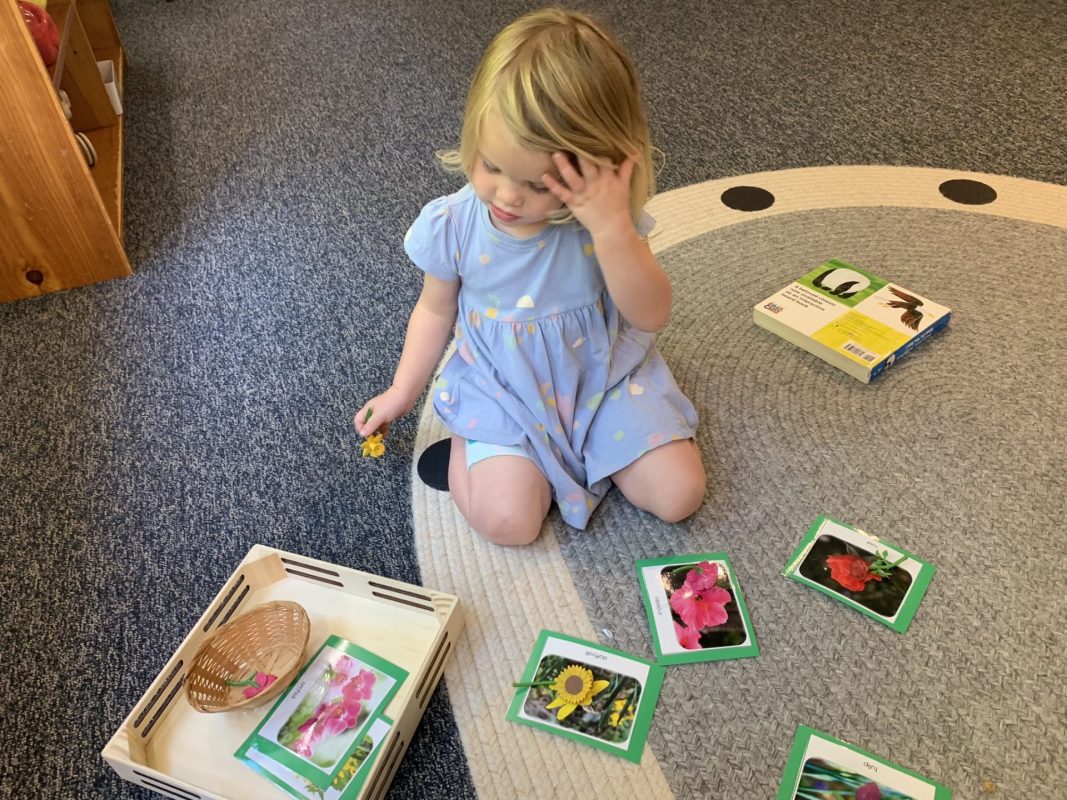
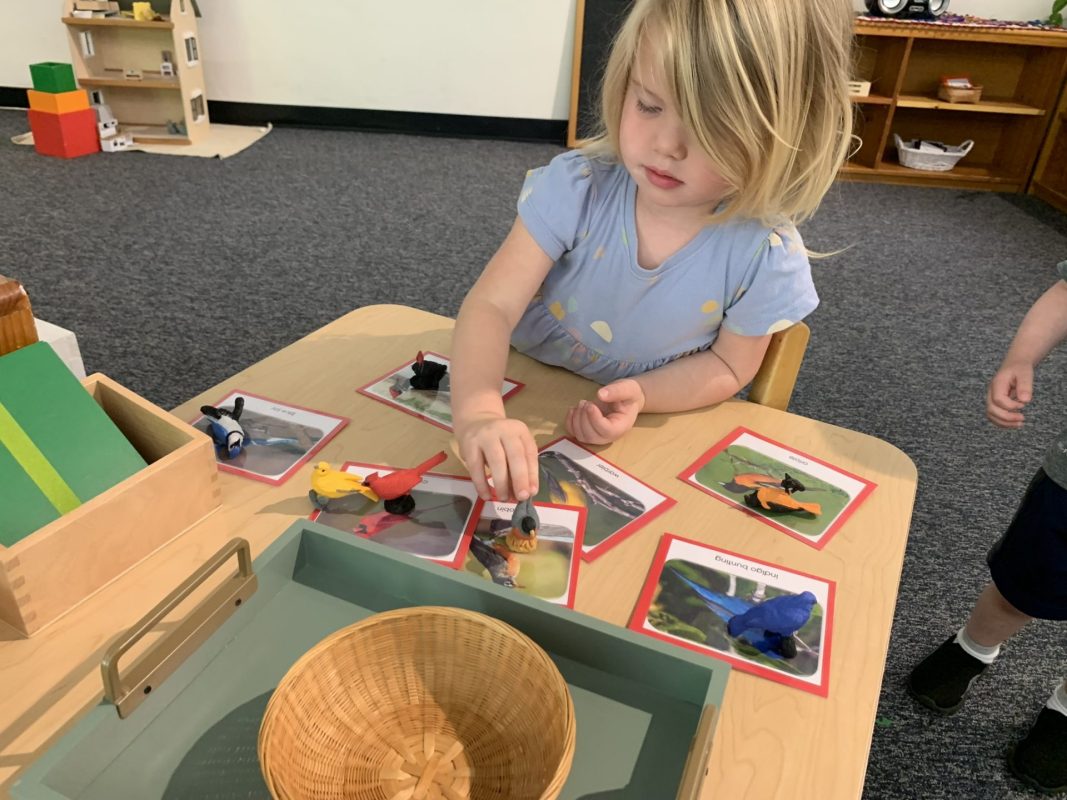
Our April study is one of my favorites of the entire year! We are studying everything about birds. We are learning about many birds we may see in our own backyards, like Blue Jays, American Robins, Goldfinches, Crows, and Black-Capped Chickadees. We look at photos of birds, learn their names, and even get to listen to their beautiful songs! In one of our Sunshine Spots, children can look at an interactive book and hear bird calls from many different backyard birds.

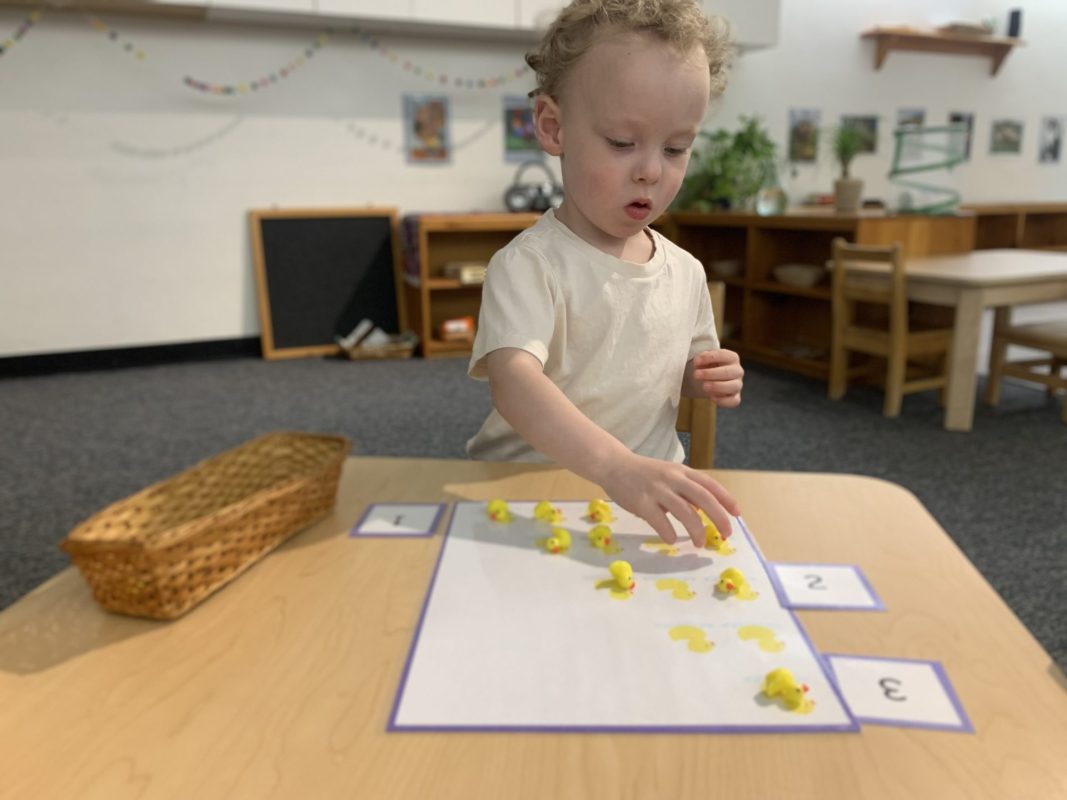
We incorporate birds into our math work by counting birds and making feather booklets where we write numbers. Children have been tracing hummingbirds and Stellars Jay and painting them with beautiful watercolors. There is even a pretend bird’s nest where a mama bird is caring for her four eggs!

Our Parent/Teacher Conferences are coming up on Friday, April 12th and 19th. Please look out for the Sign Ups on Monday!

The children have really been enjoying singing songs about birds. Ask your child to sing Two Little Black Birds or Red Red Robin.

Our absolute favorite is Jennie Jenkins. You and your child can sing along!


Mrs. Sargeant: A Peek at the Week

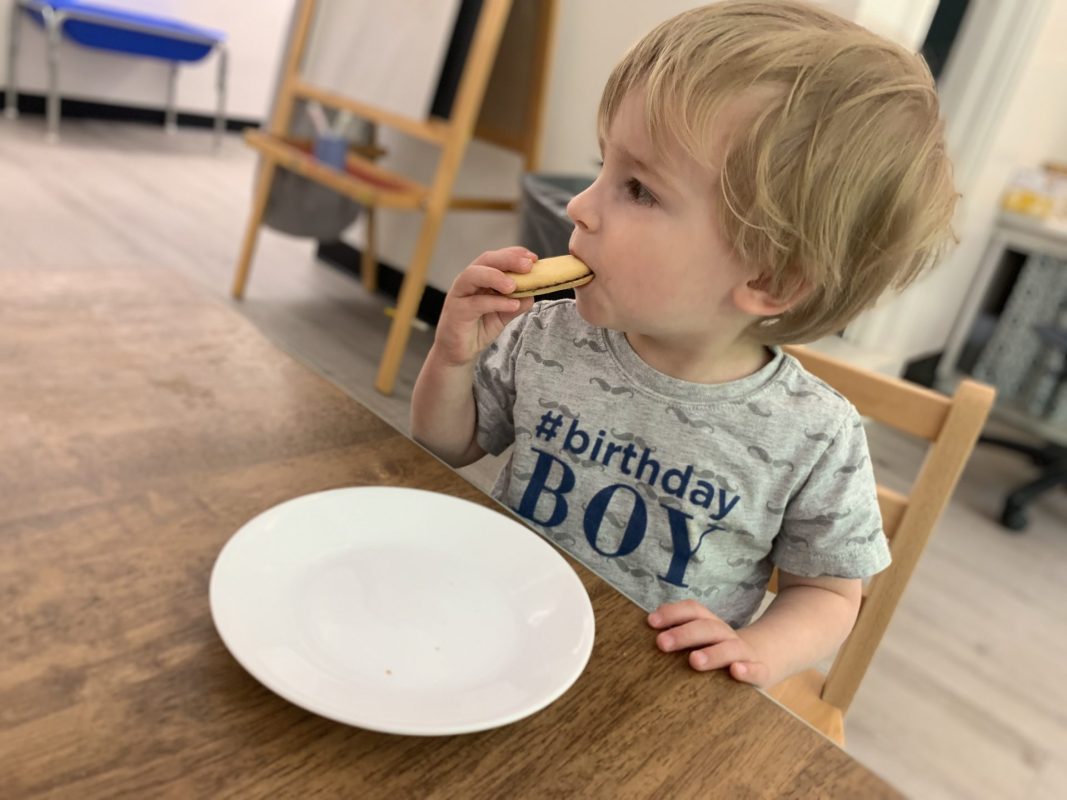
We celebrated another birthday this week! This time we shared a special snack of delicious chocolate chip cookies and read one of the birthday girl’s favorite books, Little Blue Truck’s Springtime,  which the children have continued to enjoy all week long. It was a lovely celebration for our sweet friend. 

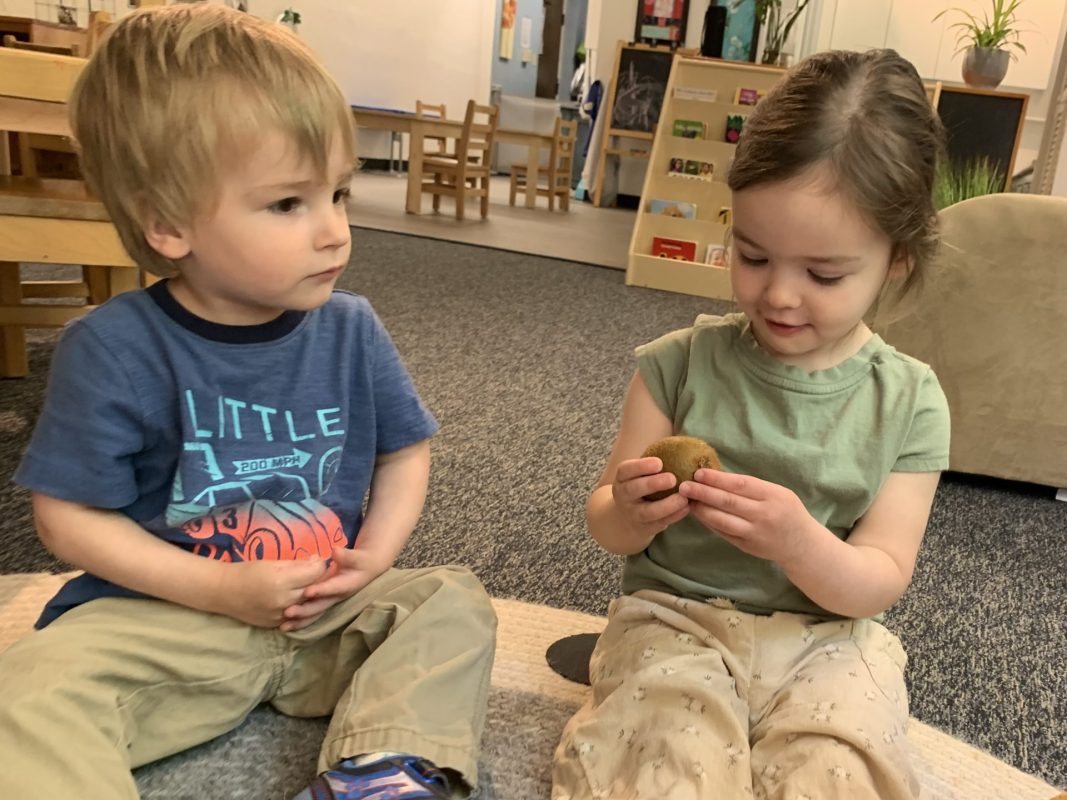
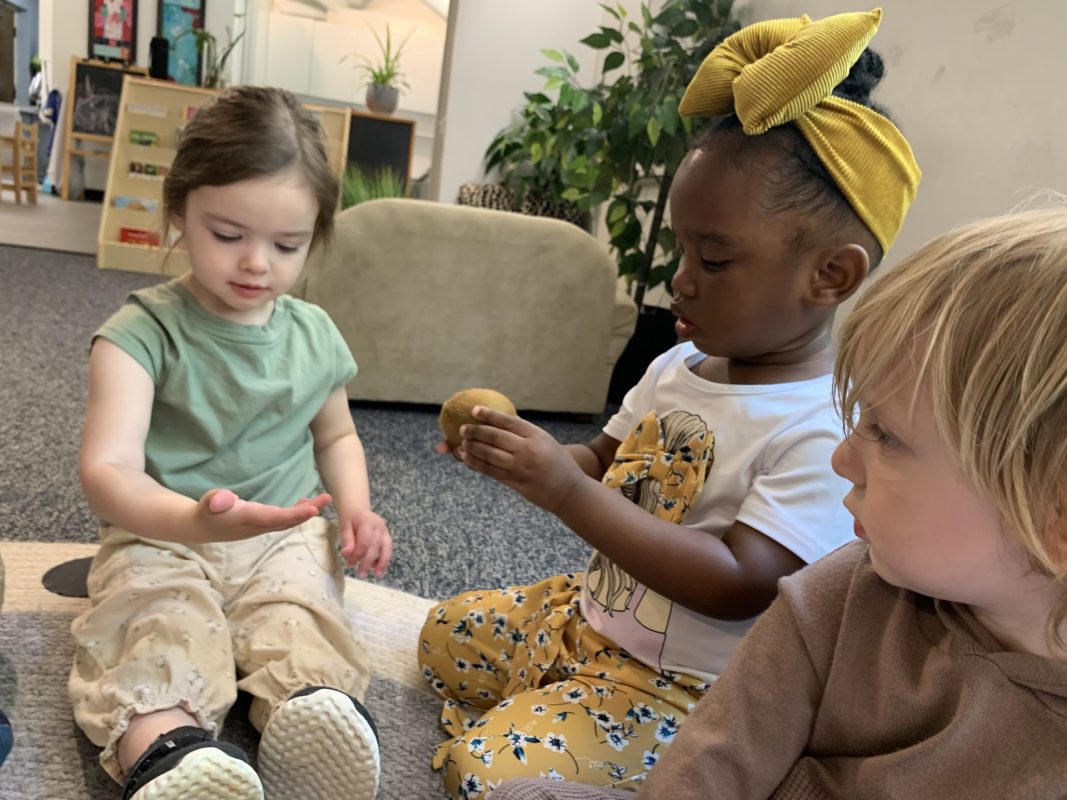
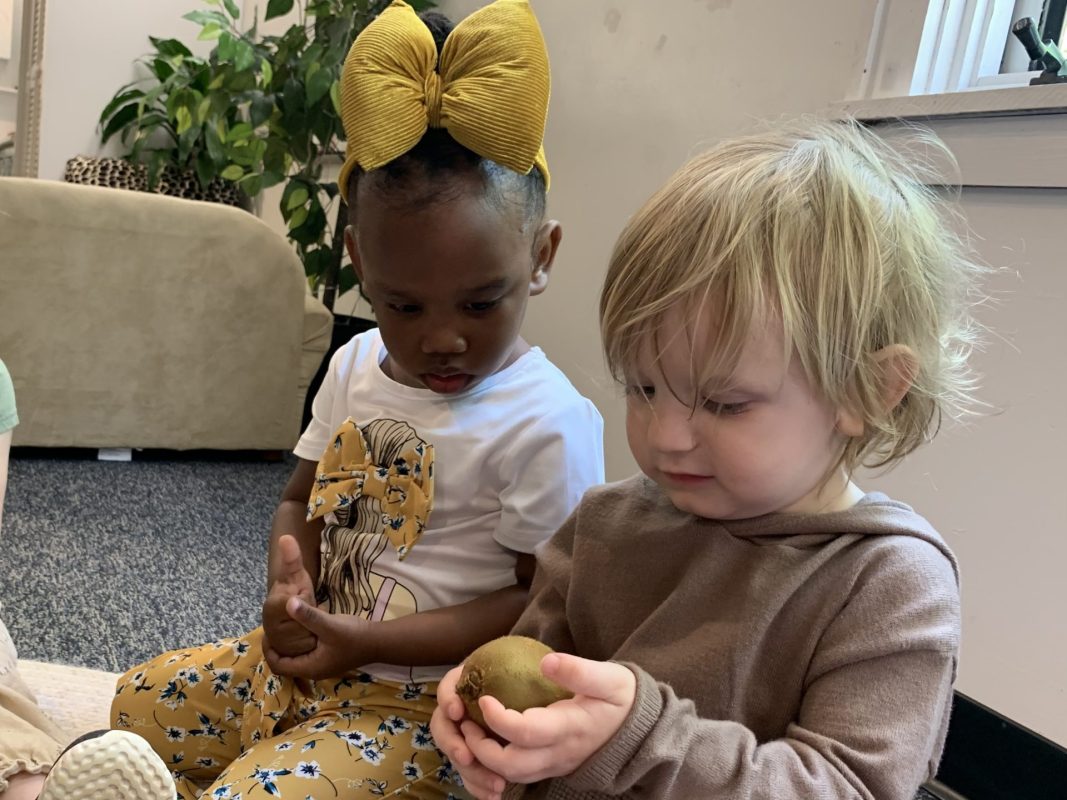
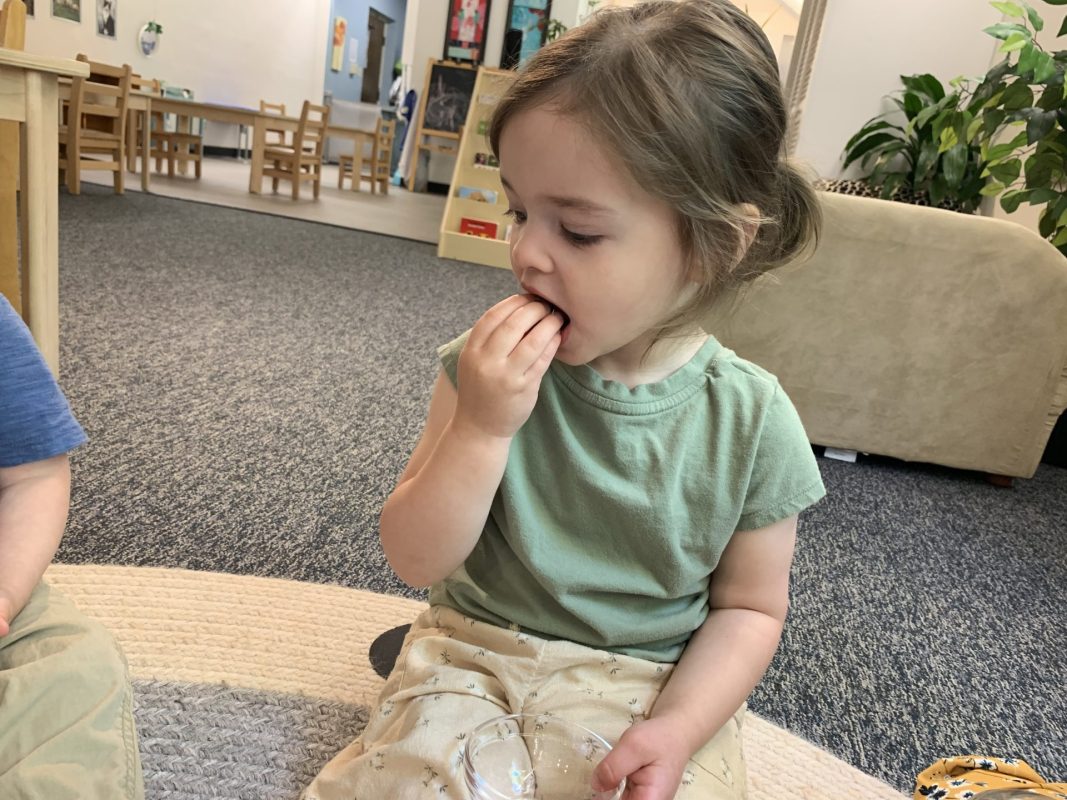
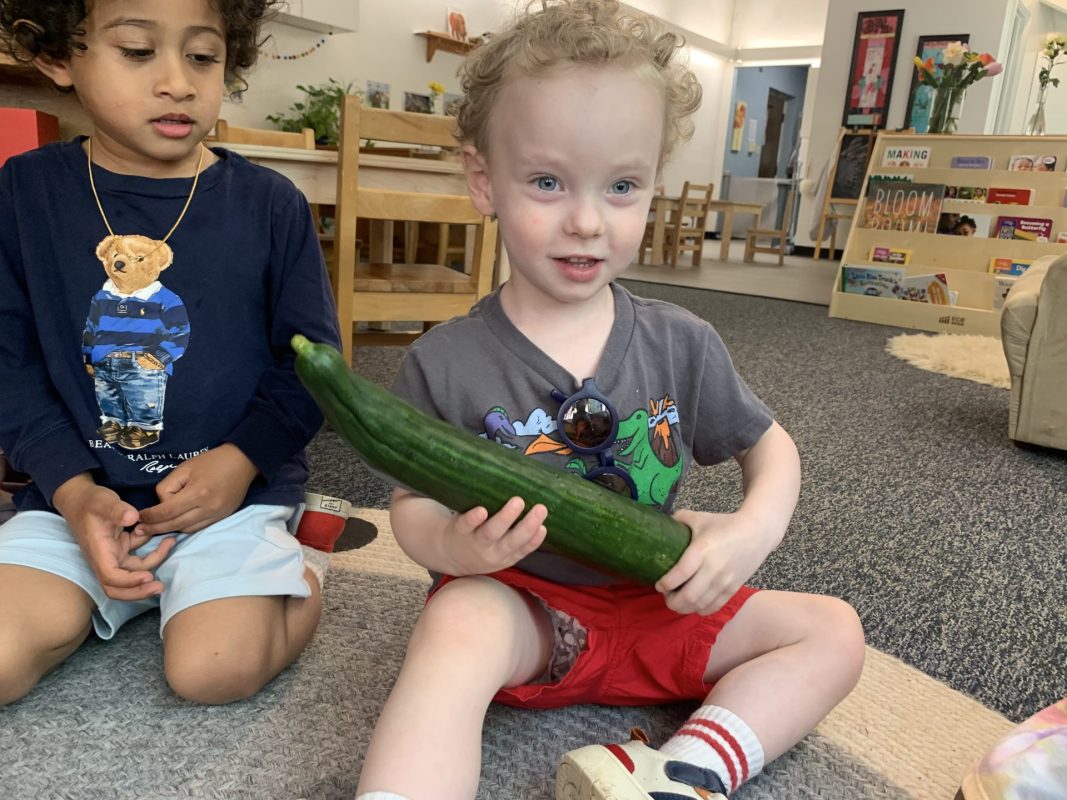
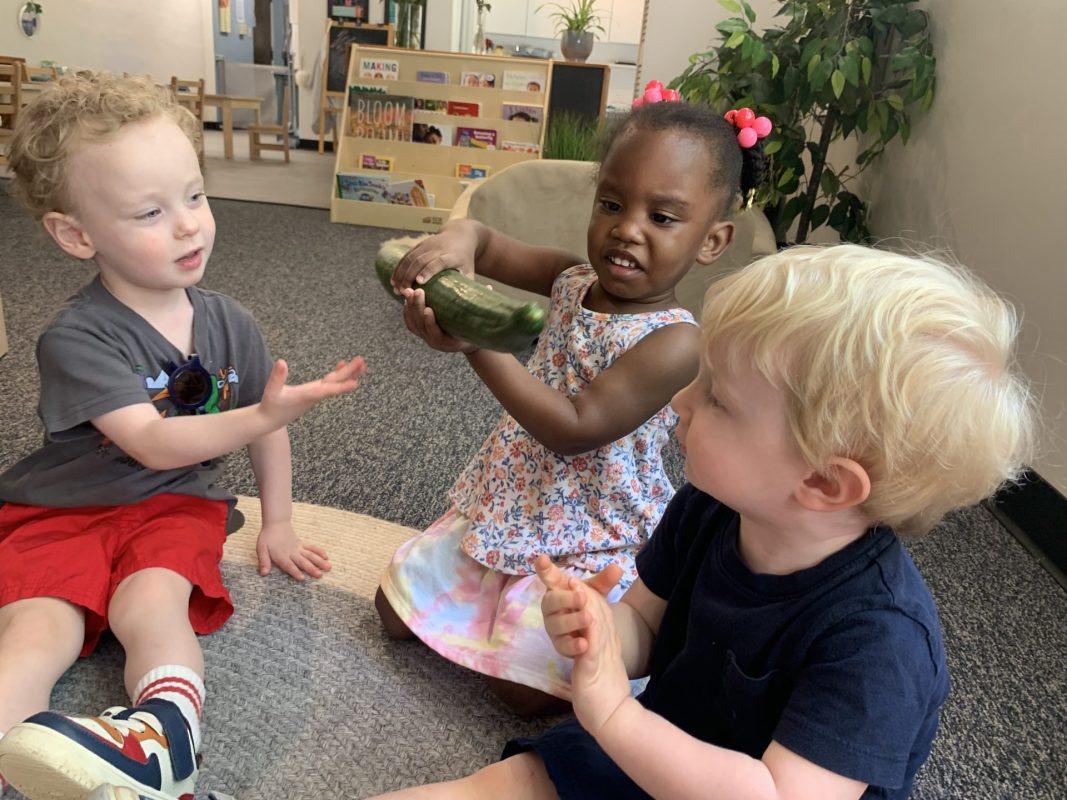
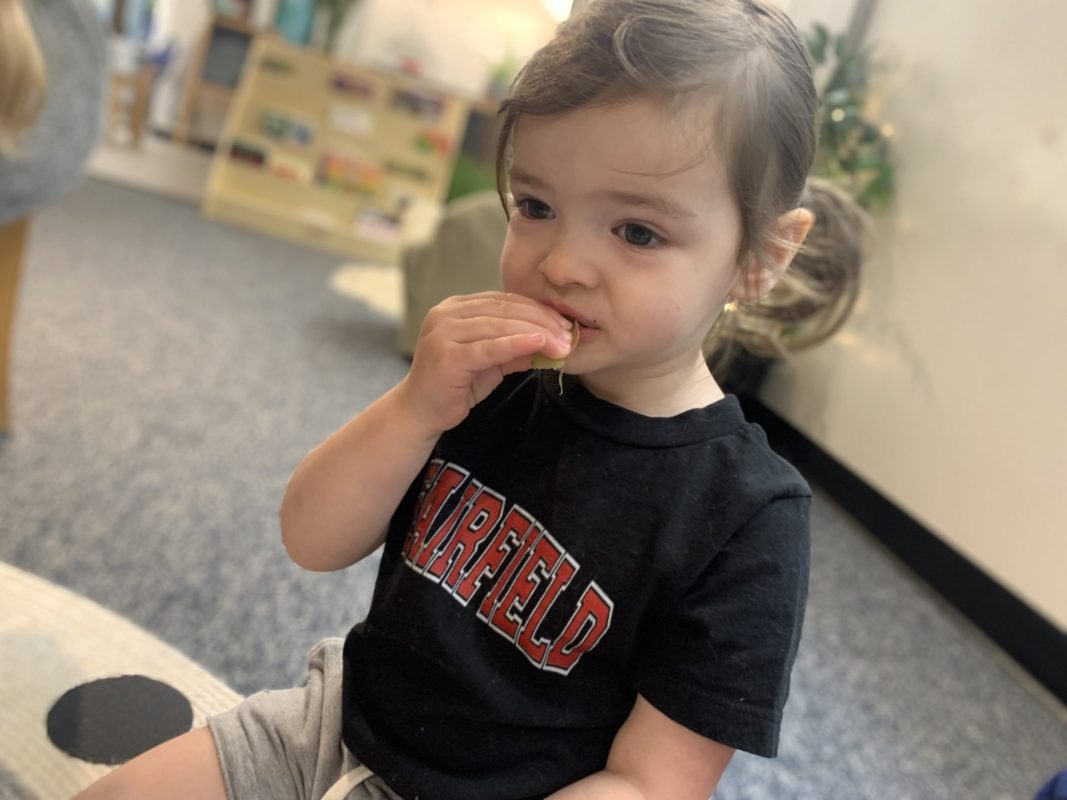
Food tasting was a huge hit this week. We tried golden berries. Golden berries belong to the nightshade family and are native to Chile and Peru. They are closely related to the tomatillo with a sweet, tropical taste somewhat reminiscent of pineapple and mango. I was trying this fruit for the first time along with many of the children, which was exciting. Such an interesting fruit with an impressive nutrient profile!

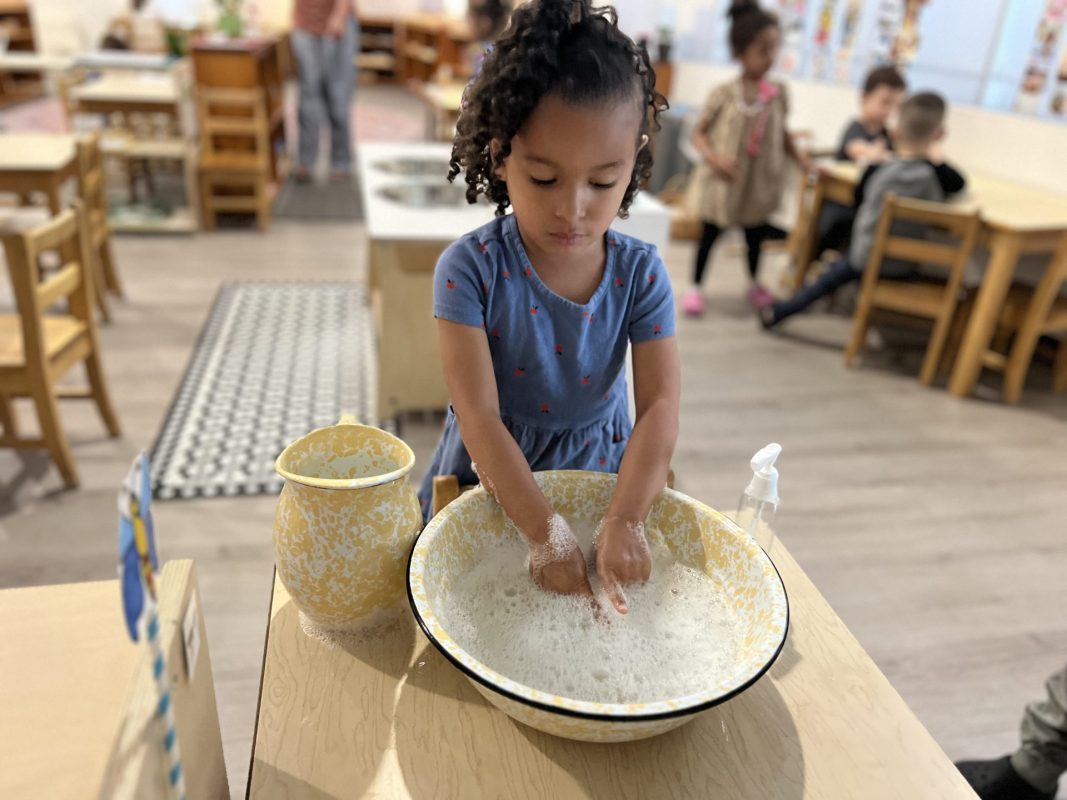
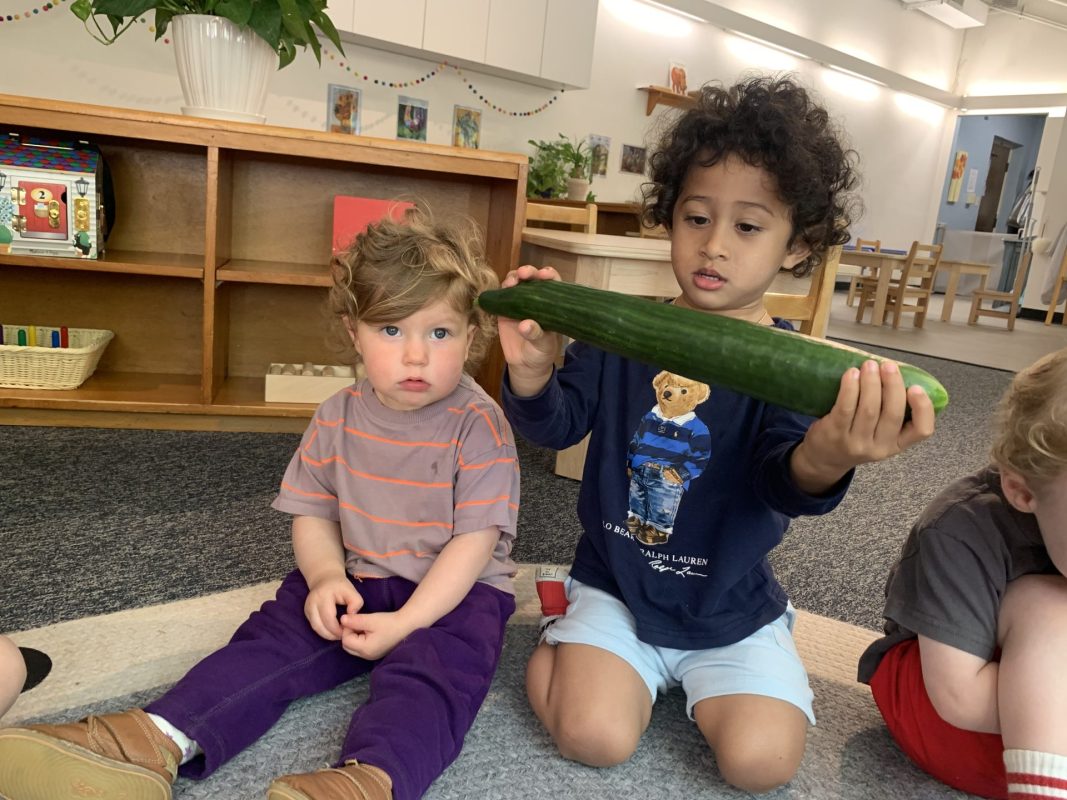
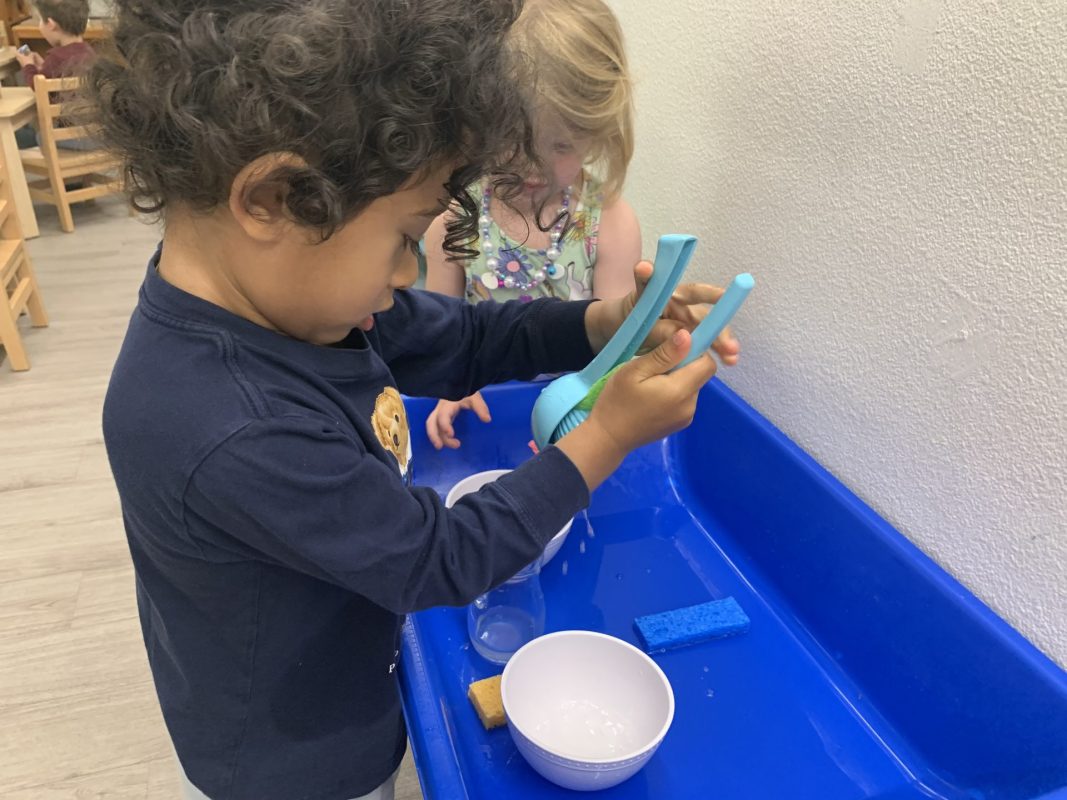
We continue to encourage the children to “catch” their cough with their elbow. We’d love your help to encourage this at home as well. We also walk each child through the steps of washing their hands at the sink. First, they roll up their sleeves (most need help with this). Then, they place one hand under the soap pump, and the other hand pushes the pump. We tell them that their hands will share the soap, and we show them how to rub their palms together and look for the bubbles, then show them how to rub the tops of each hand. As we show them how to rinse, we mention that we are cleaning some of the germs off our hands. Then, we show them how to use a towel to dry each hand. 

Wishing you all a happy weekend! 

Christine & Lizette


Mrs. Doyle: Five Fun Senses

First the education of the senses, then the education of the intellectMaria Montessori

Maria Montessori believed there is a sensitive period for a child’s development of their senses. Although the senses are an integral part of our lives, children have the greatest potential to develop and retrieve them during their early years. It is precisely this idea that demonstrates the purpose of Sensorial materials in the Montessori classroom. The Sensorial materials are powerful tools that allow children to become aware of their unconscious impressions and bring these impressions into conscious awareness. Additionally, they enable your children to create a basis of order in their minds, allowing for the intelligent exploration of their environment.
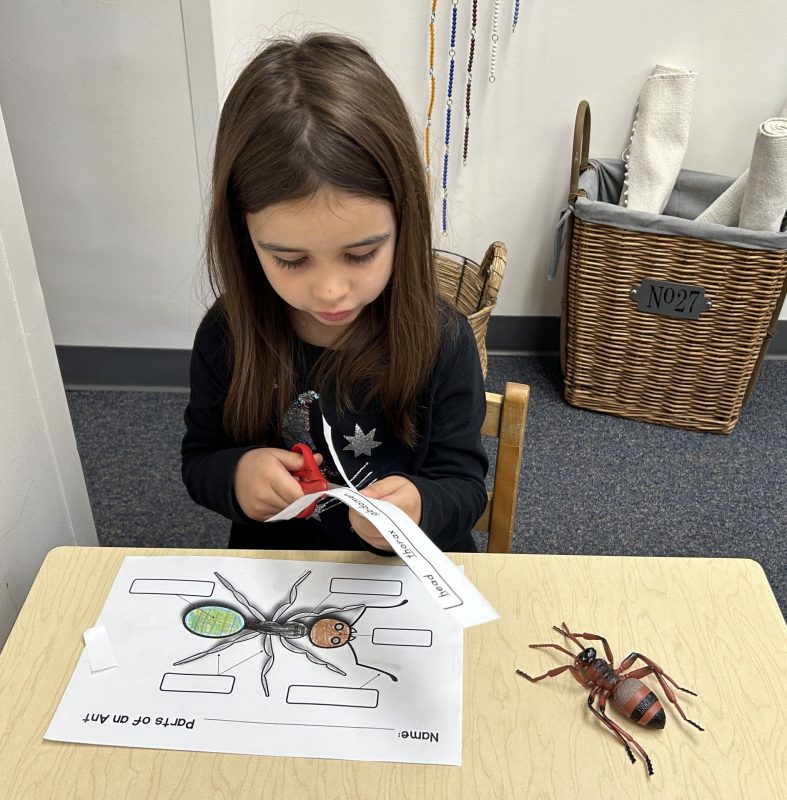
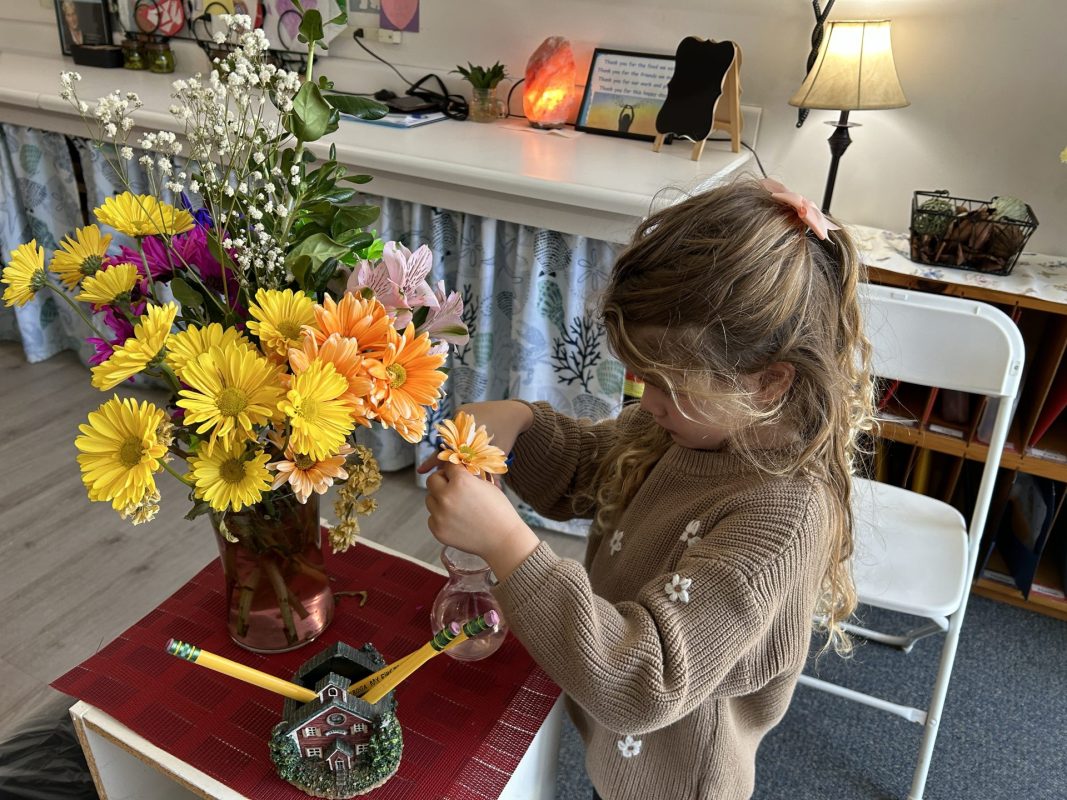
This week we are beginning our study on the five senses. What better way to teach this than to use popcorn? Popcorn is a multi-sensory snack as it incorporates all five of our senses. It might just be our most appetizing science unit yet! Did you ever notice that when you make popcorn, somehow the entire family knows about it and shows up to have some of this favorite treat?
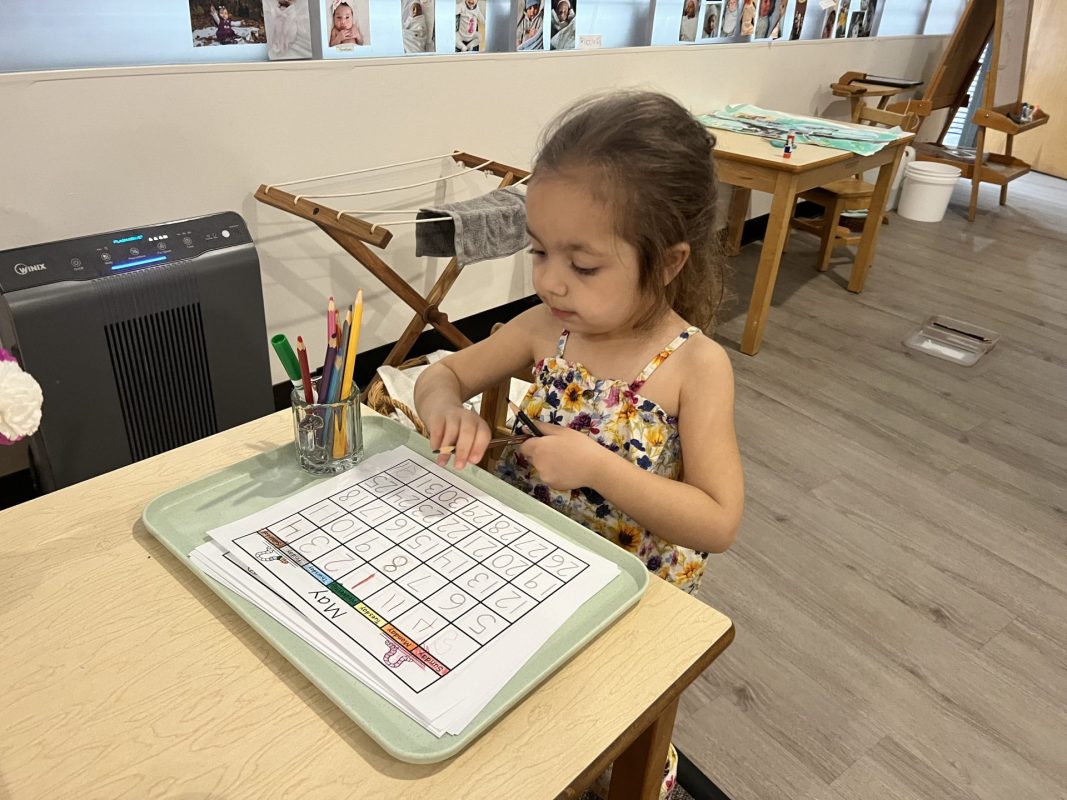
We begin by discussing our five senses and how we use different body parts to learn about things in our environment. For example, our noses are for smelling, ears are for listening, eyes are for seeing, hands are for touching, and our tongue is for tasting. We learned that sometimes, we use more than one sense at a time.
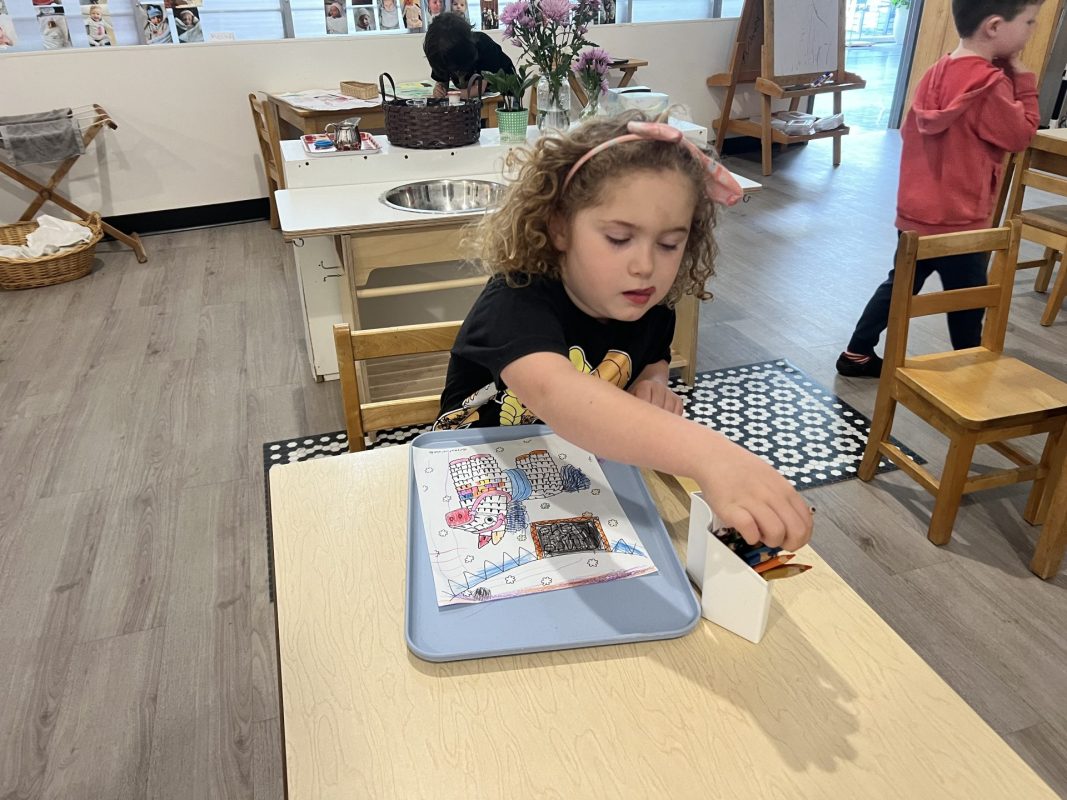
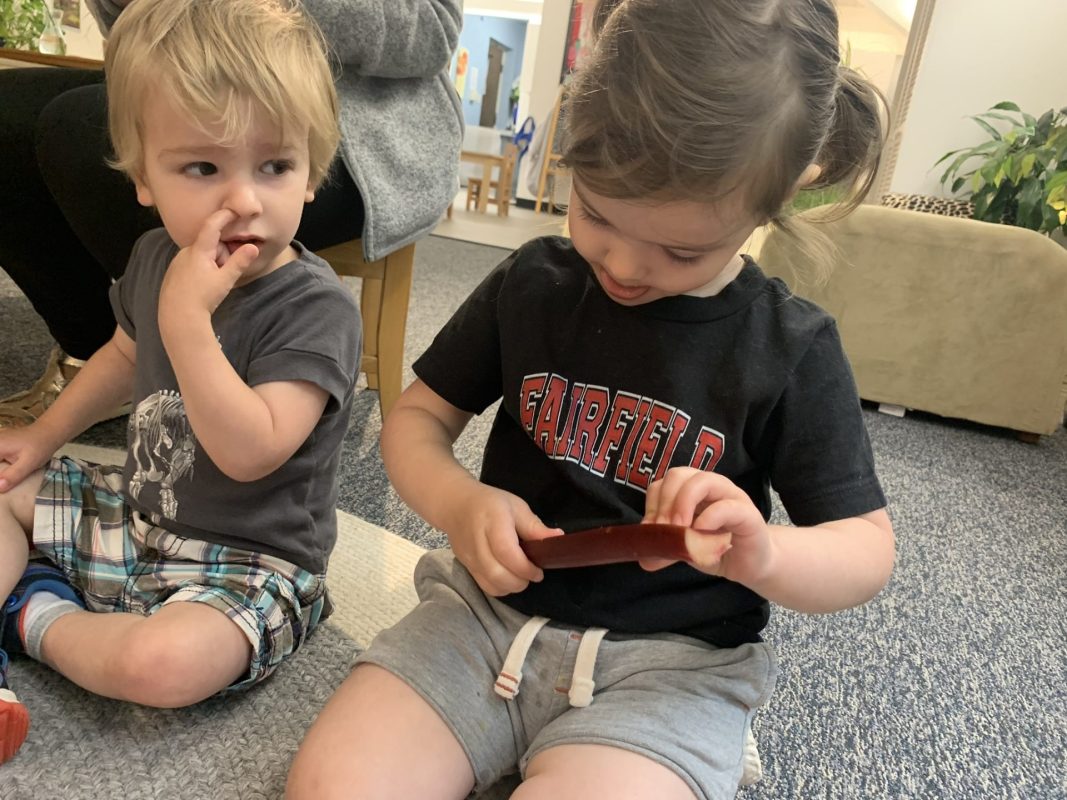
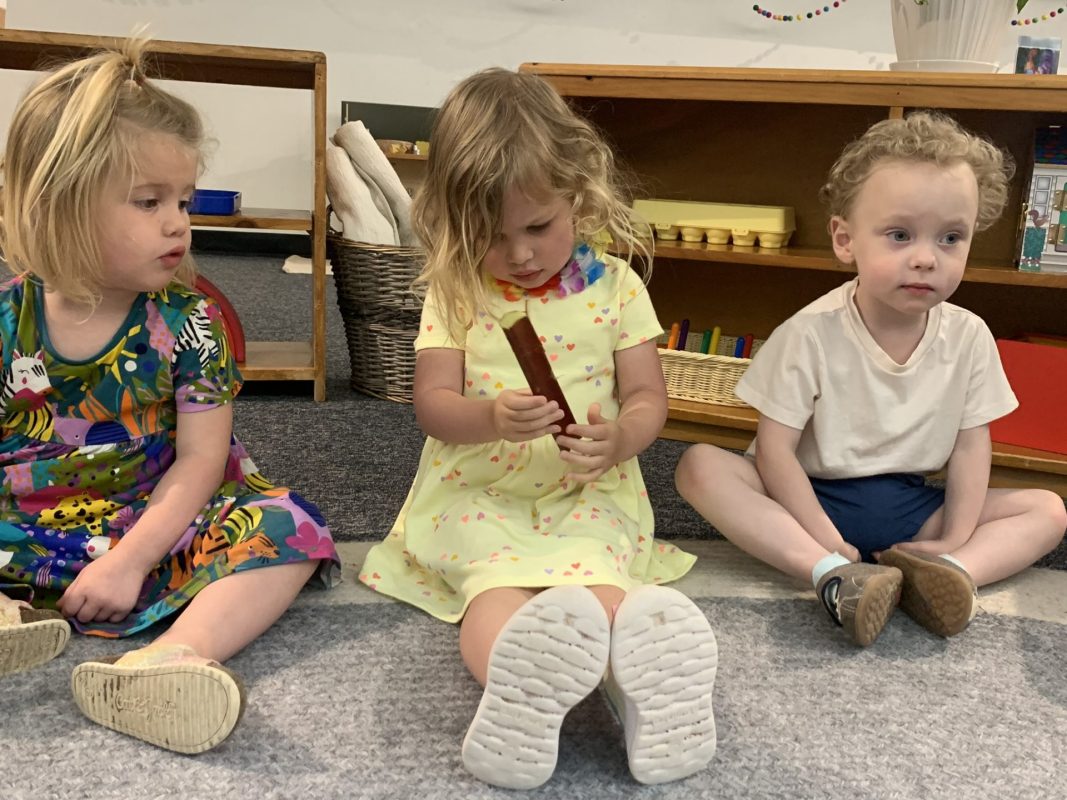
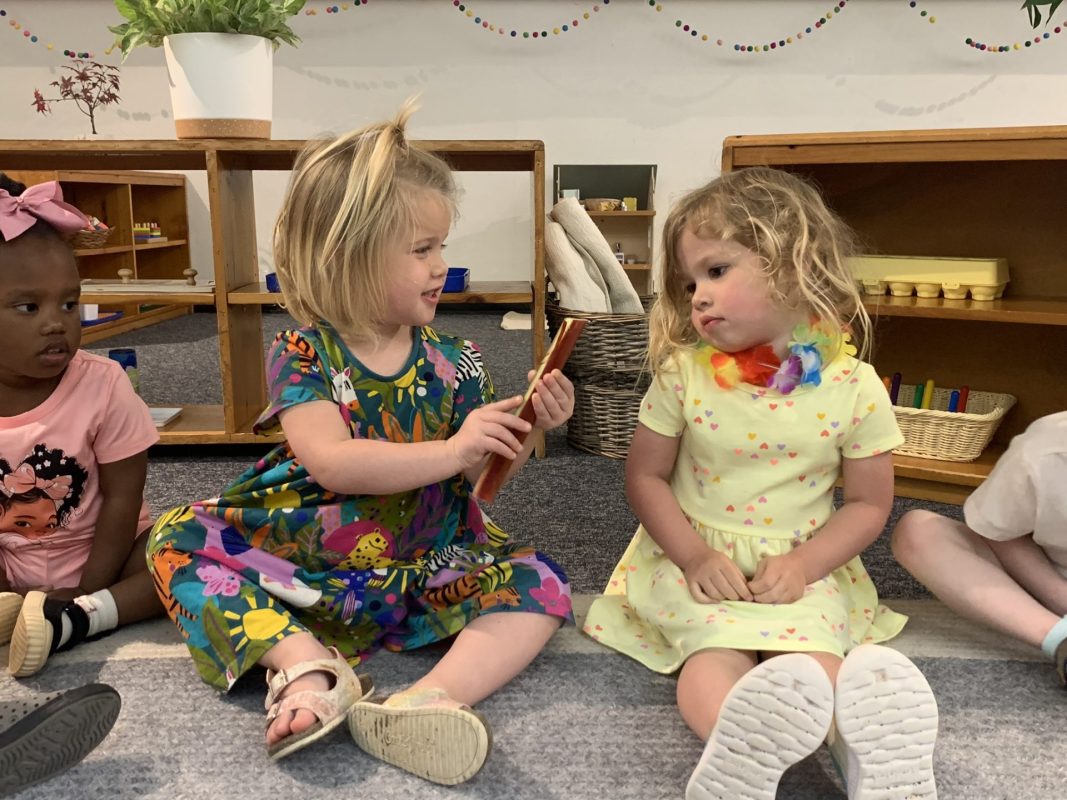
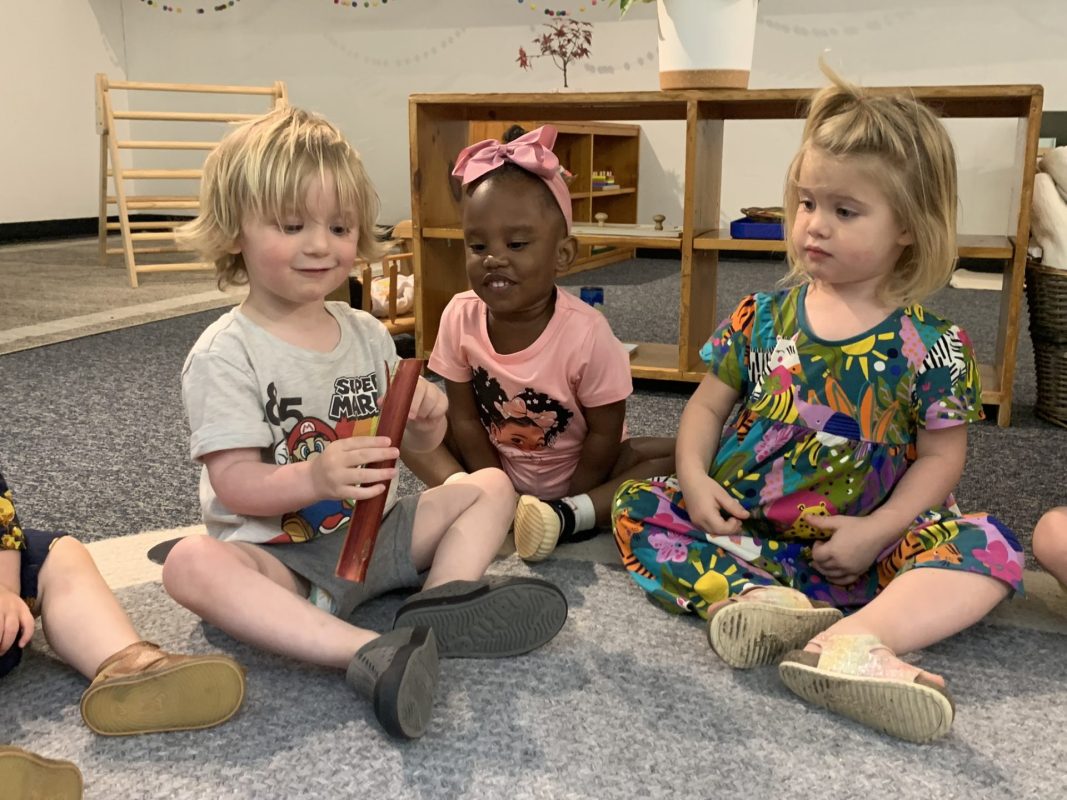
Next, each child had the opportunity to handle popcorn kernels to observe what they saw, smelled, and felt. We record all of our observations as we go along. Finally, we used an air popper to pop some popcorn. Now, we can include our observations about hearing and tasting as well.

Parent/Teacher conferences will be on Friday, April 19.   A link to sign up for a time slot will be going home on Monday.

Wishing you a week filled with peace and love!

Michelle & Maria


Mrs. Lopes: Five Fun Senses

First the education of the senses, then the education of the intellectMaria Montessori

Maria Montessori believed there is a sensitive period for a child’s development of their senses. Although the senses are an integral part of our lives, children have the greatest potential to develop and retrieve them during their early years. It is precisely this idea that demonstrates the purpose of Sensorial materials in the Montessori classroom. The Sensorial materials are powerful tools that allow children to become aware of their unconscious impressions and bring these impressions into conscious awareness. Additionally, they enable your children to create a basis of order in their minds, allowing for the intelligent exploration of their environment.

This week we are beginning our study on the five senses. What better way to teach this than to use popcorn? Popcorn is a multi-sensory snack as it incorporates all five of our senses. It might just be our most appetizing science unit yet! Did you ever notice that when you make popcorn, somehow the entire family knows about it and shows up to have some of this favorite treat?

We begin by discussing our five senses and how we use different body parts to learn about things in our environment. For example, our noses are for smelling, ears are for listening, eyes are for seeing, hands are for touching, and our tongue is for tasting. We learned that sometimes, we use more than one sense at a time.

Next, each child had the opportunity to handle popcorn kernels to observe what they saw, smelled, and felt. We record all of our observations as we go along. Finally, we used an air popper to pop some popcorn. Now, we can include our observations about hearing and tasting as well.

Reminder: Parent/Teacher conferences are on Friday, April 19th.  An email will be sent out on Monday with a link to choose a time slot.

Wishing you a week filled with peace and love!

Amanda & Hema


Ms. Marissa: I Sense Something Amazing In Our Class

What the hand does, the mind remembers. —Maria Montessori

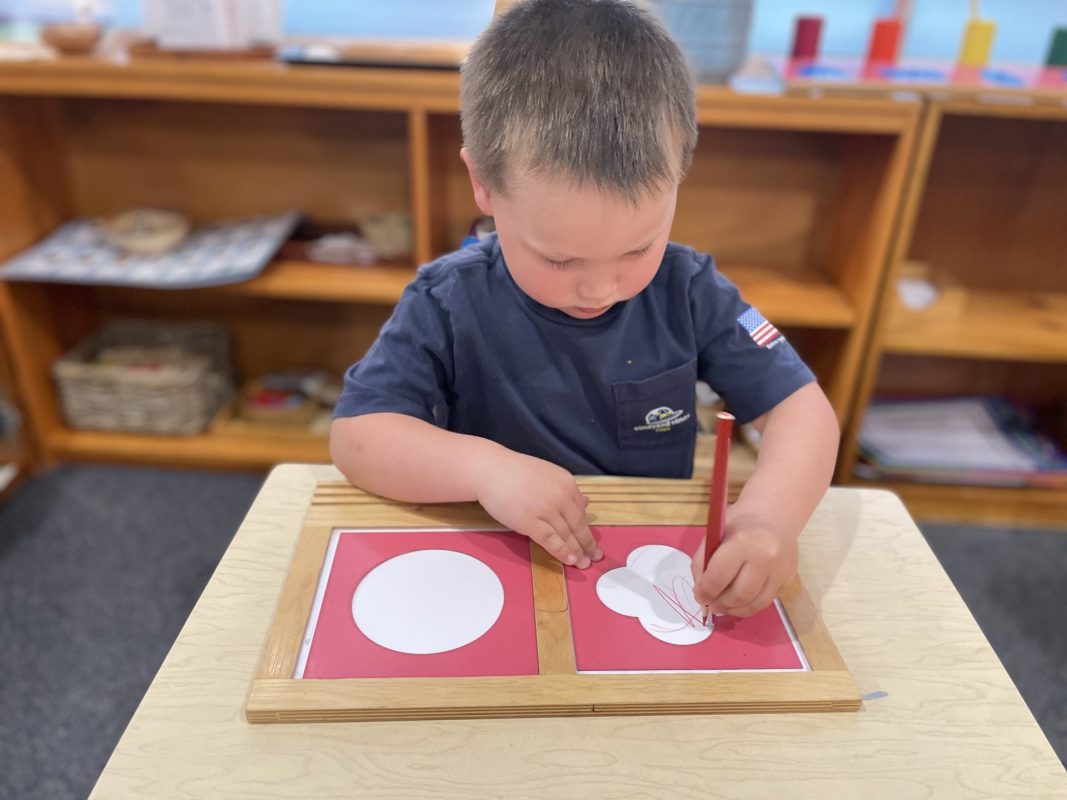
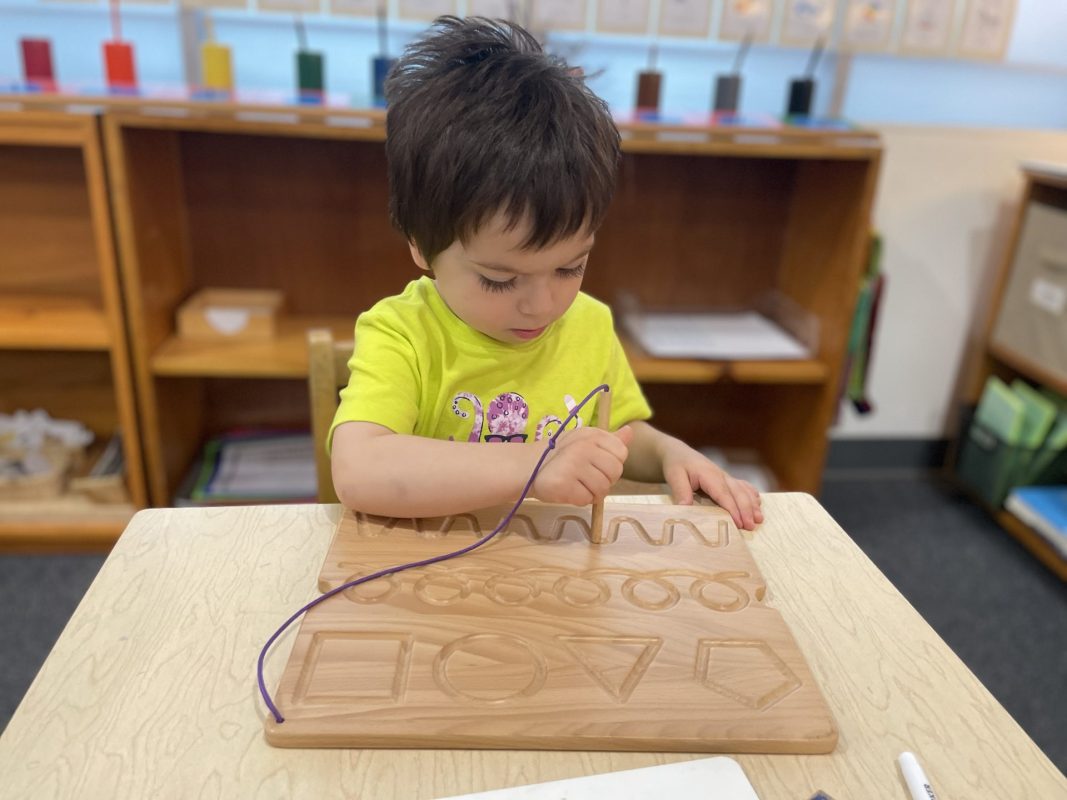
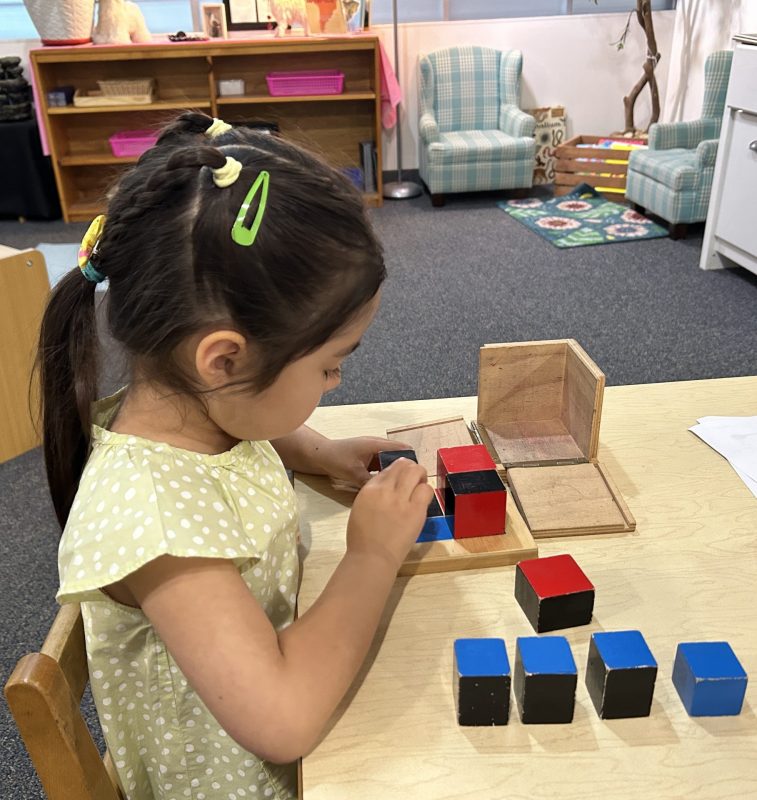
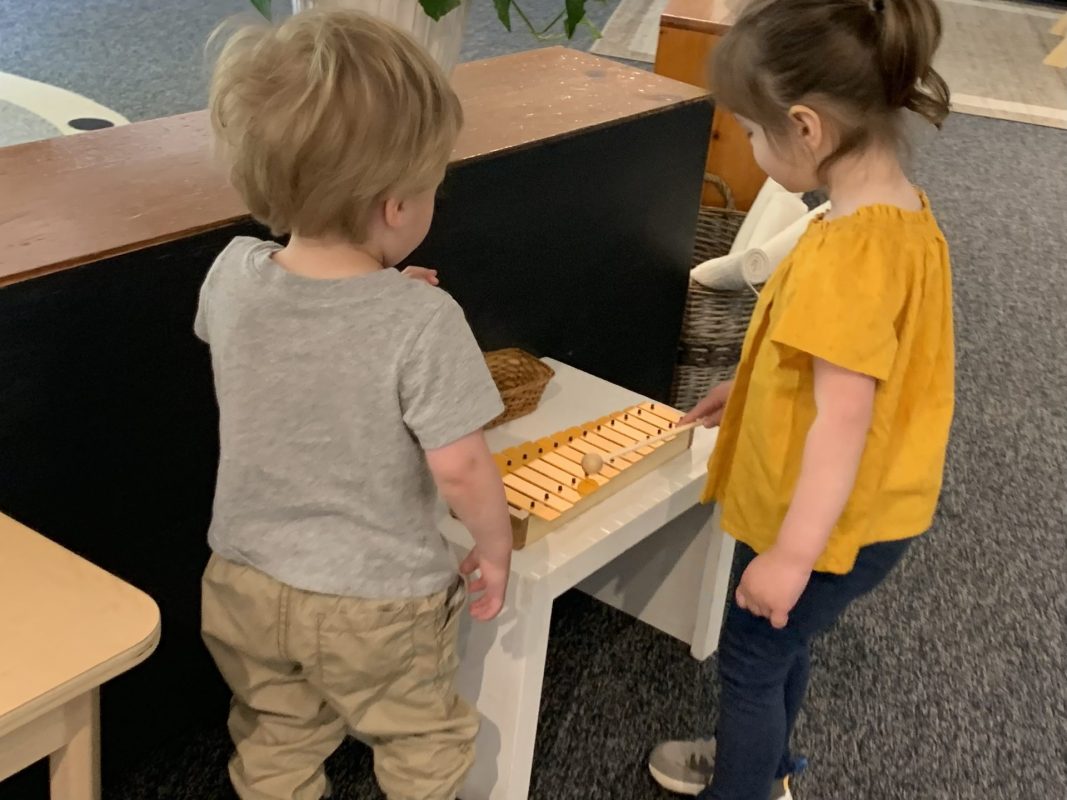
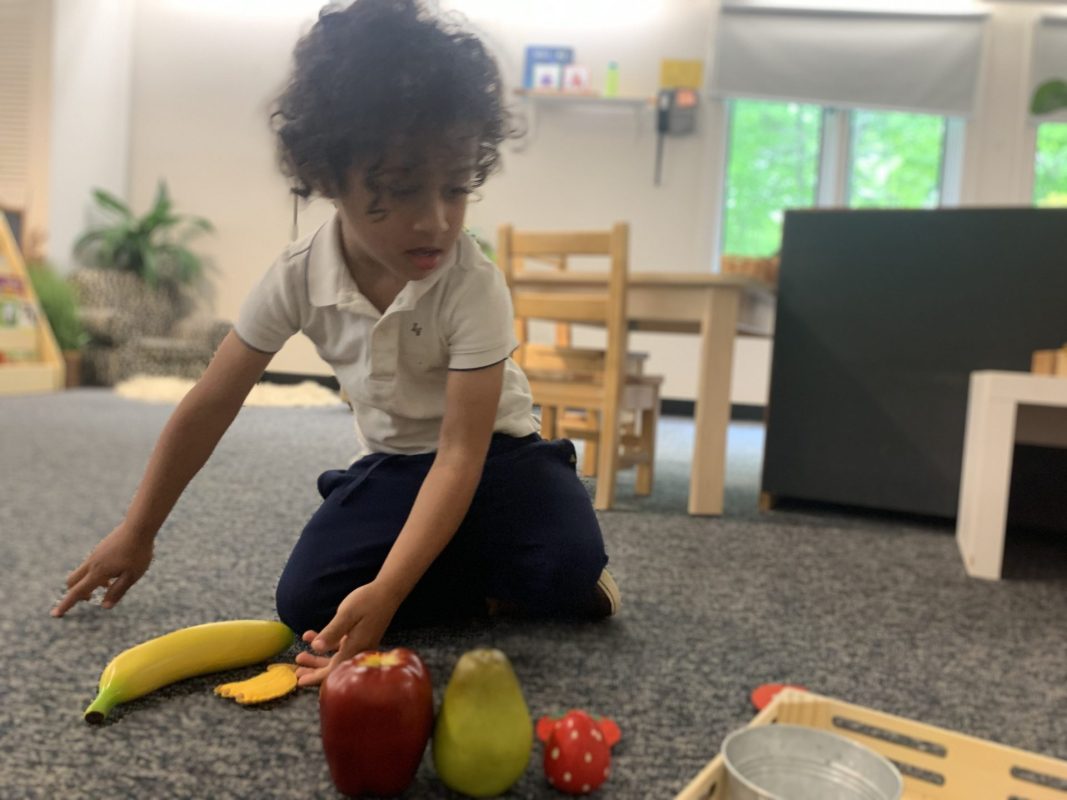
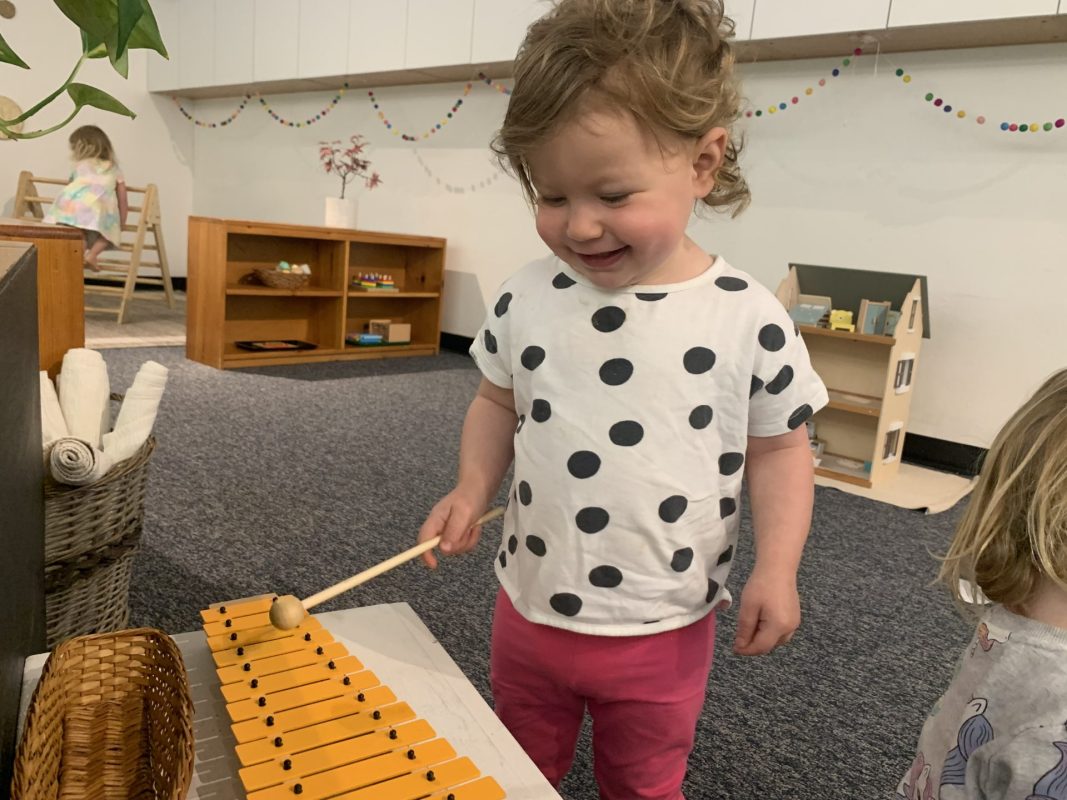
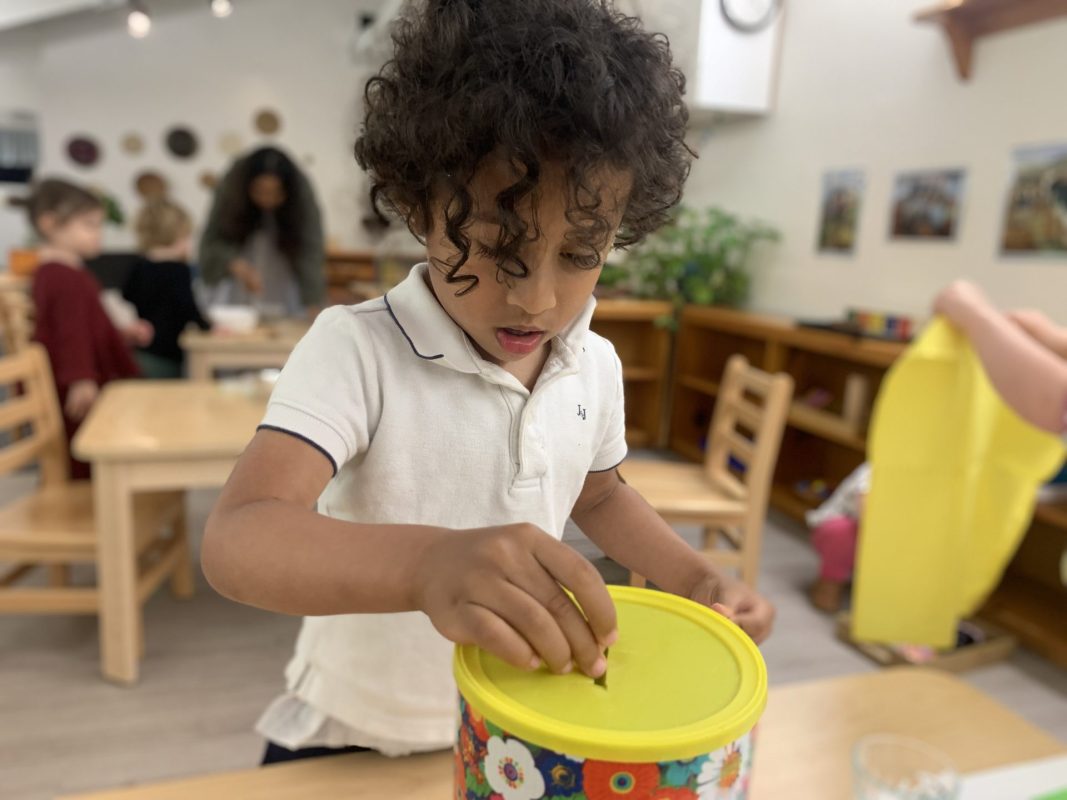
Every Montessori classroom has a Sensorial area, and it is filled with materials that help the child study their environment through their five senses. Maria Montessori believed that sensorial experiences begin at birth for every child, and by refining these skills, they begin to understand their surroundings. The sensorial materials allow the child to acquire concise information and classify things around them. They use their senses not only to create their own experiences and knowledge but also to help them figure out different impressions each sense receives. The child is, therefore, a natural “sensorial explorer.”

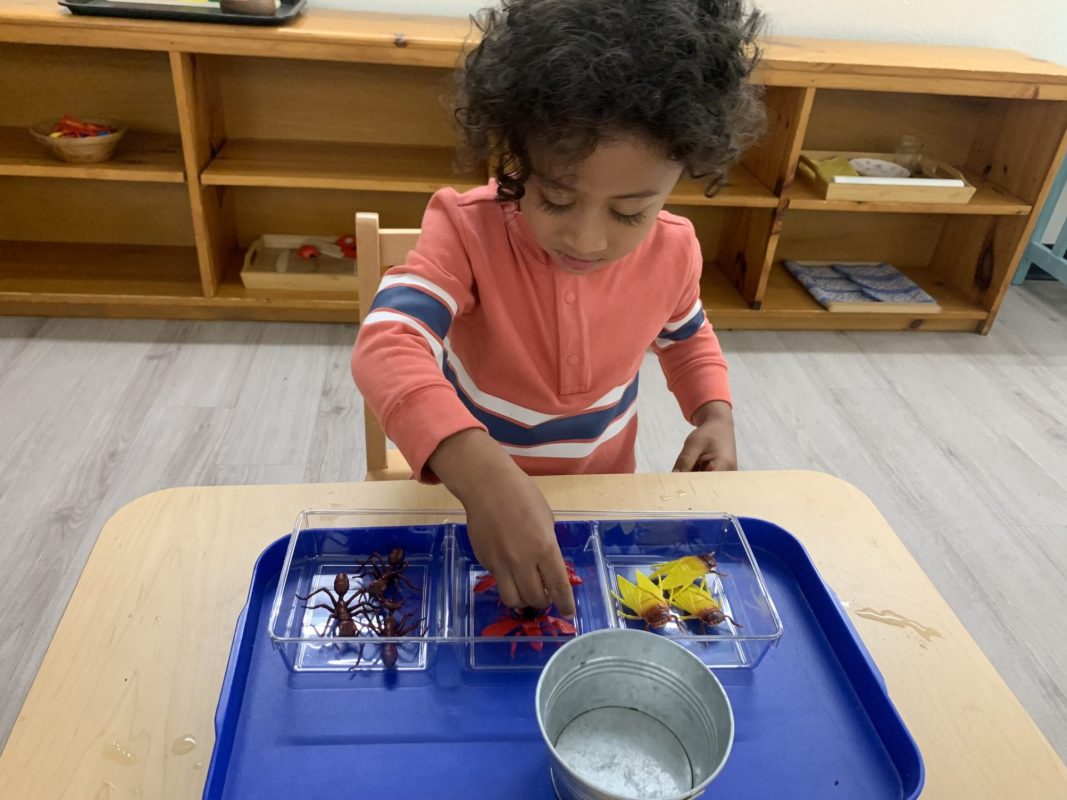
Each material in this area has a built-in control of error so that after an initial lesson, little teacher direction is needed. This control of error helps a child determine what needs to happen to complete the lesson successfully. The children can distinguish, categorize, and relate new information to what they already know. Each sensorial material isolates one specific quality, such as color, weight, shape, texture, size, sound, or smell. These materials emphasize this particular quality by eliminating or minimizing other differences. Many of the sensorial materials are also the basis of future mathematical concepts the children will learn.

Wishing you a week filled with peace and love.

Marissa & Sue (she’s back!!!)