Mrs. Doyle: I Sense Something Amazing in our Class!


What the hand does, the mind remembers. —Maria Montessori

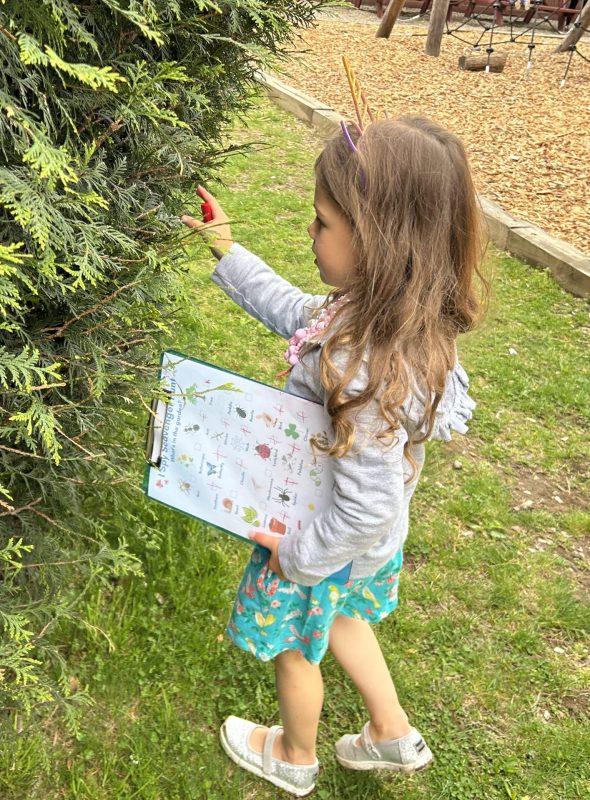
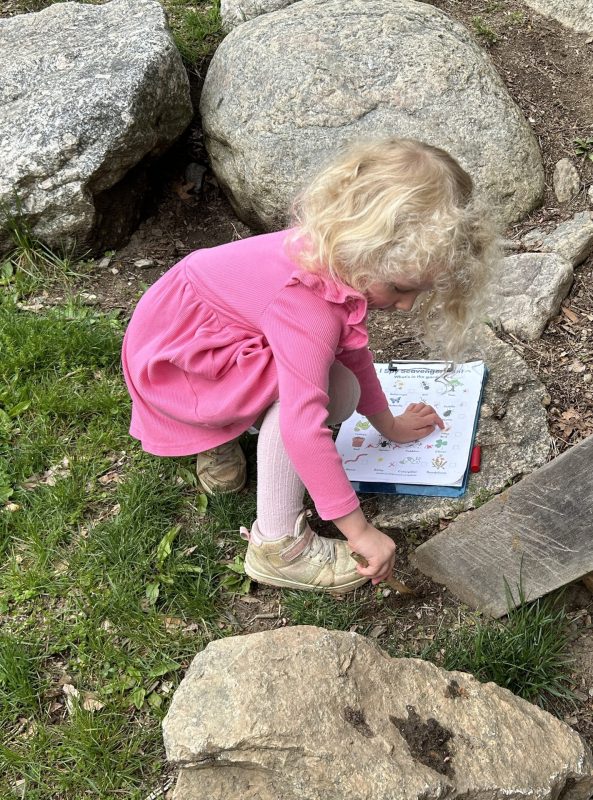
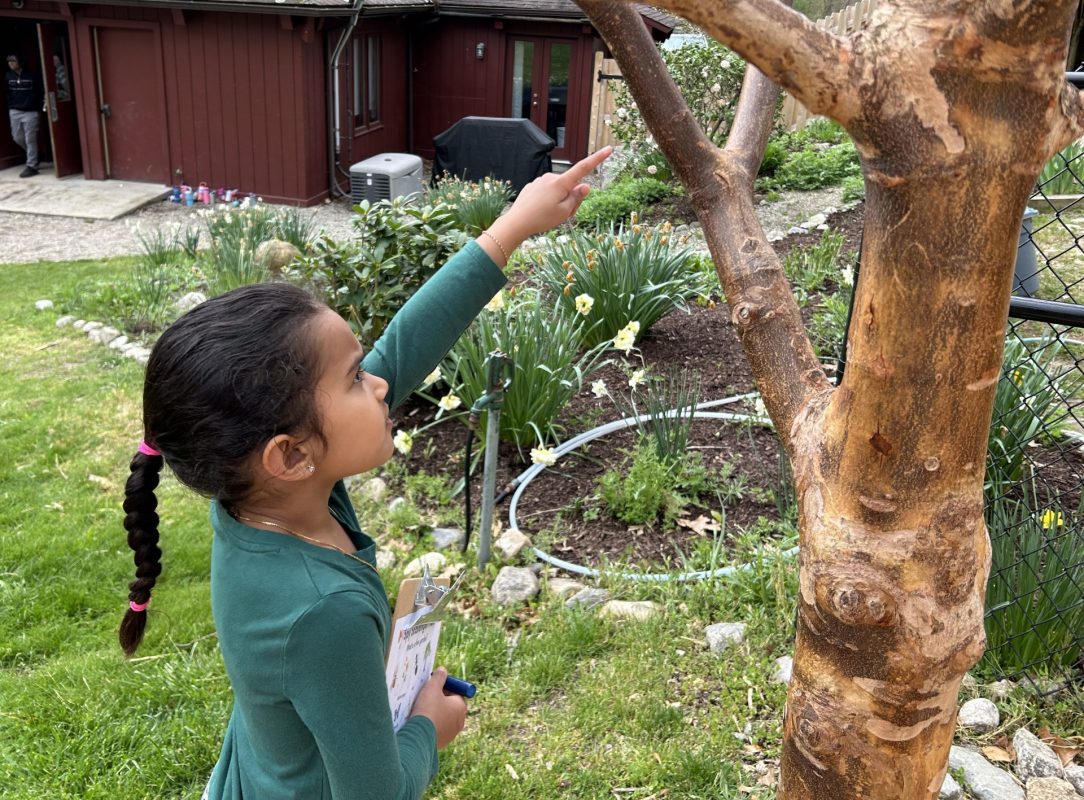
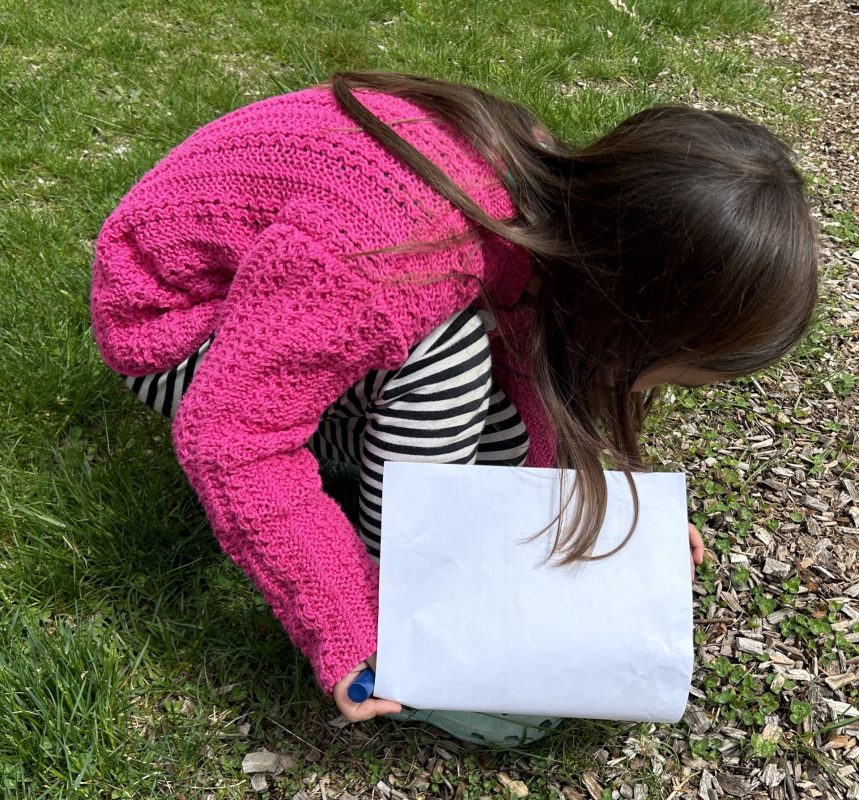
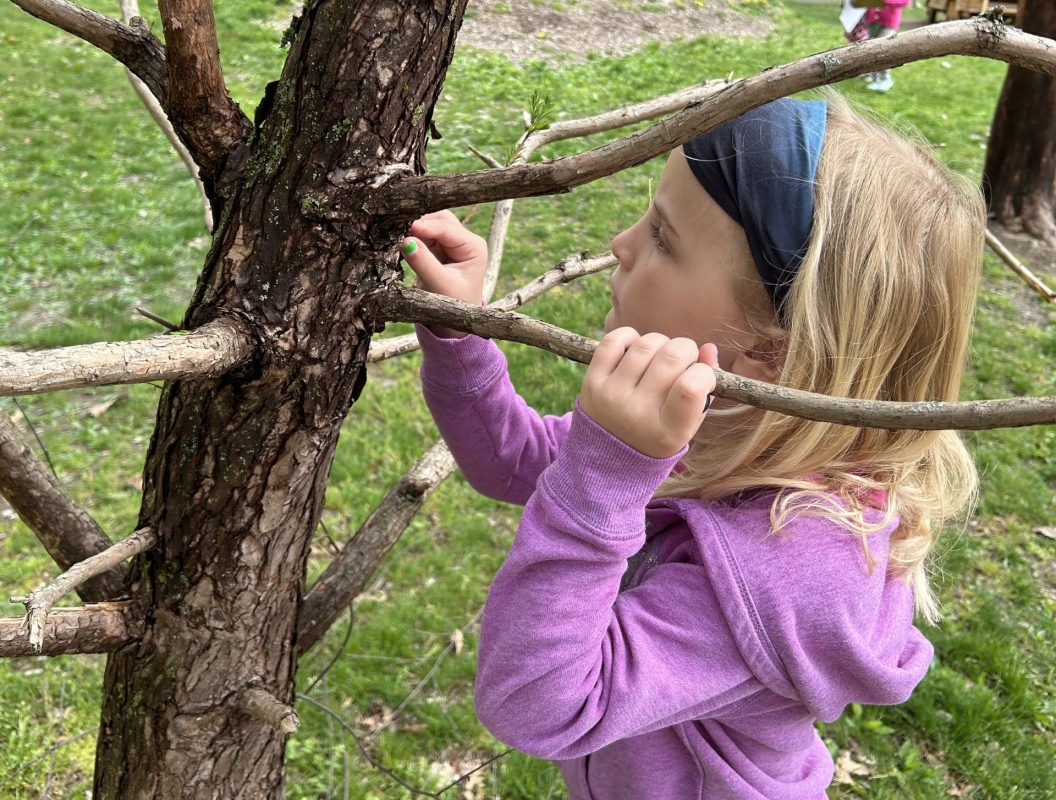
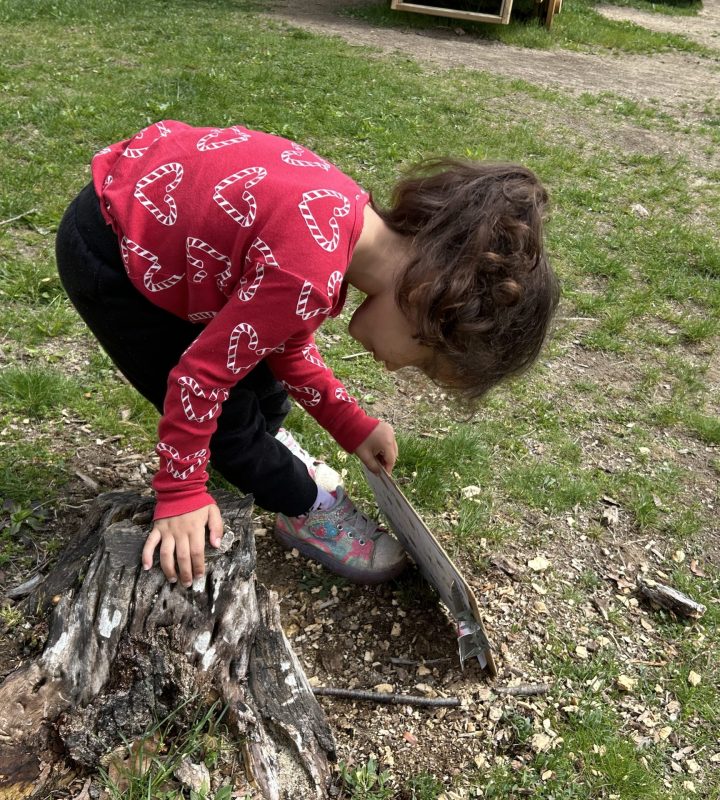
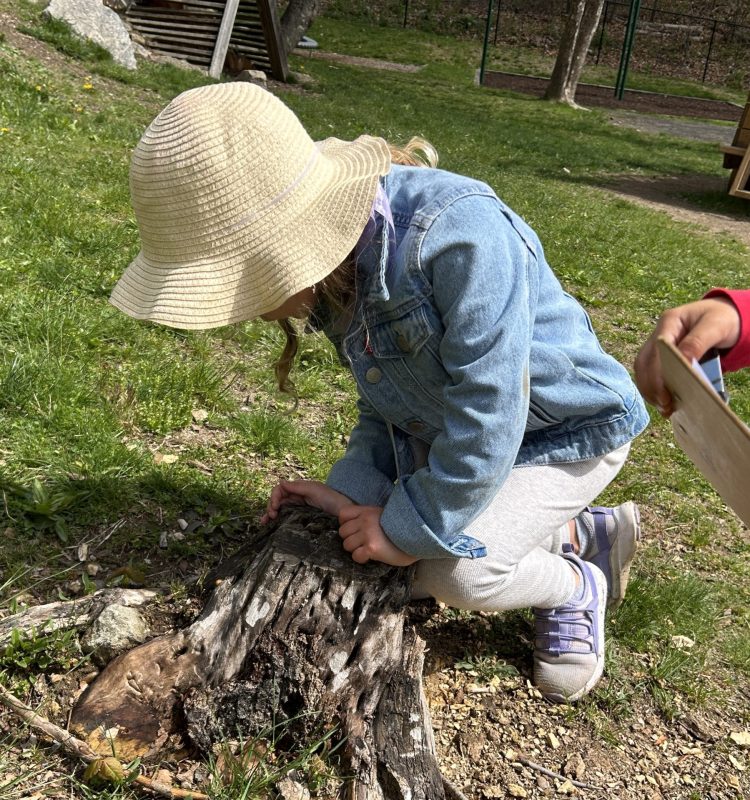
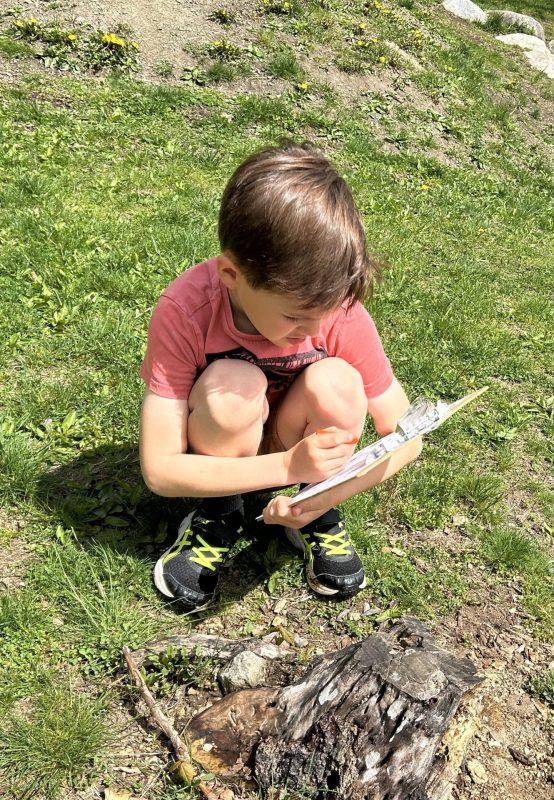
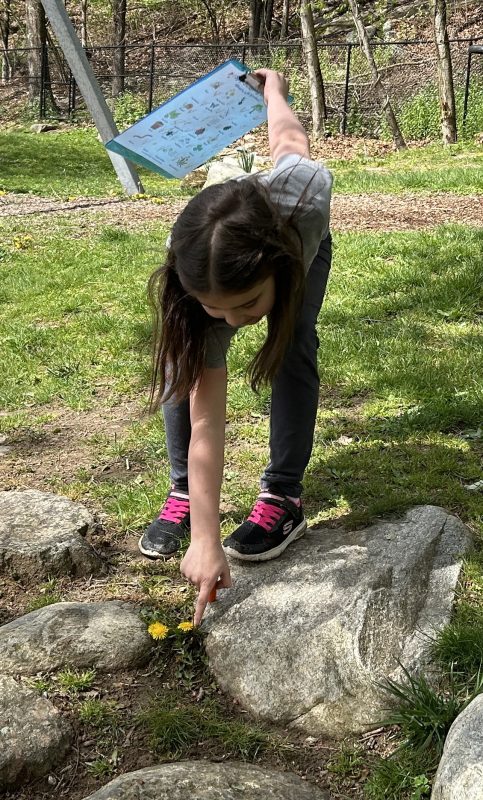
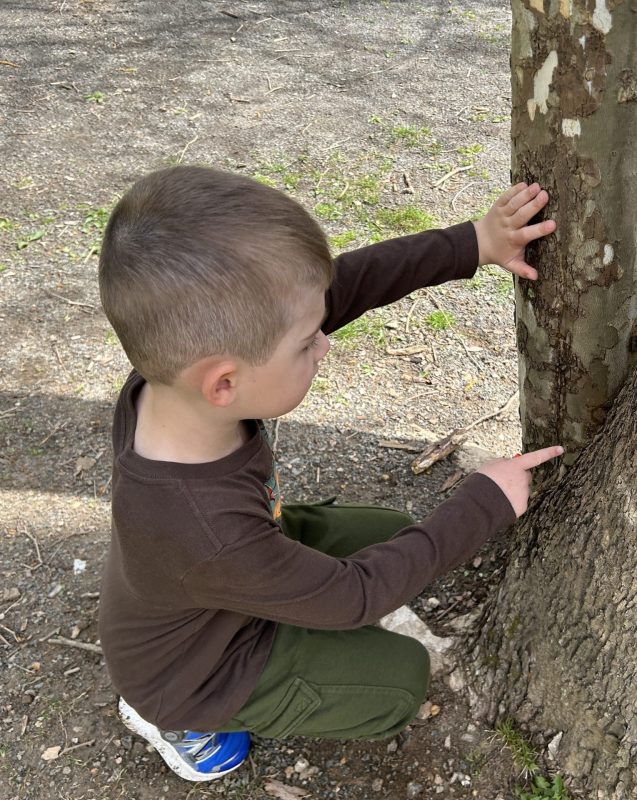
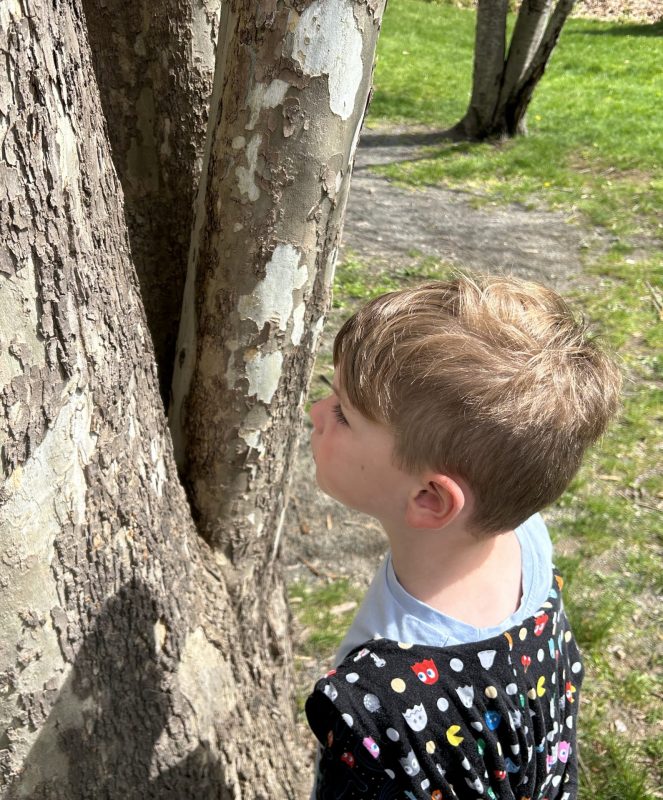
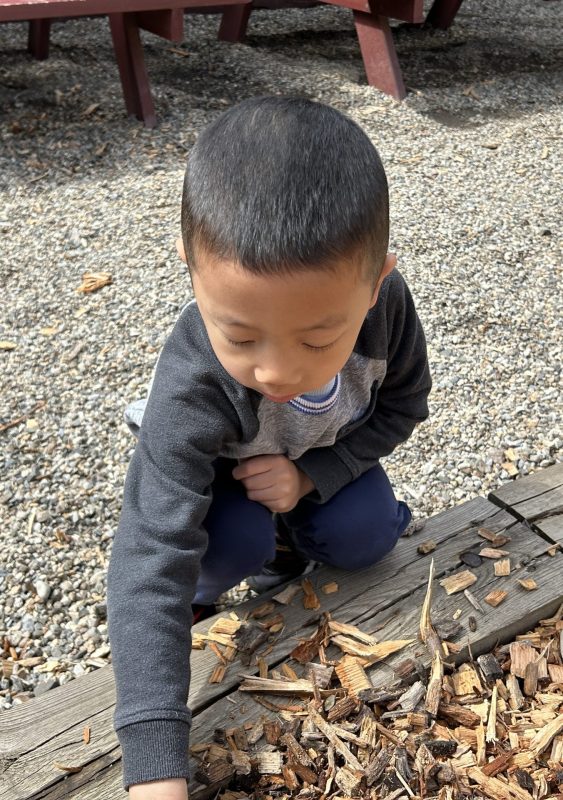
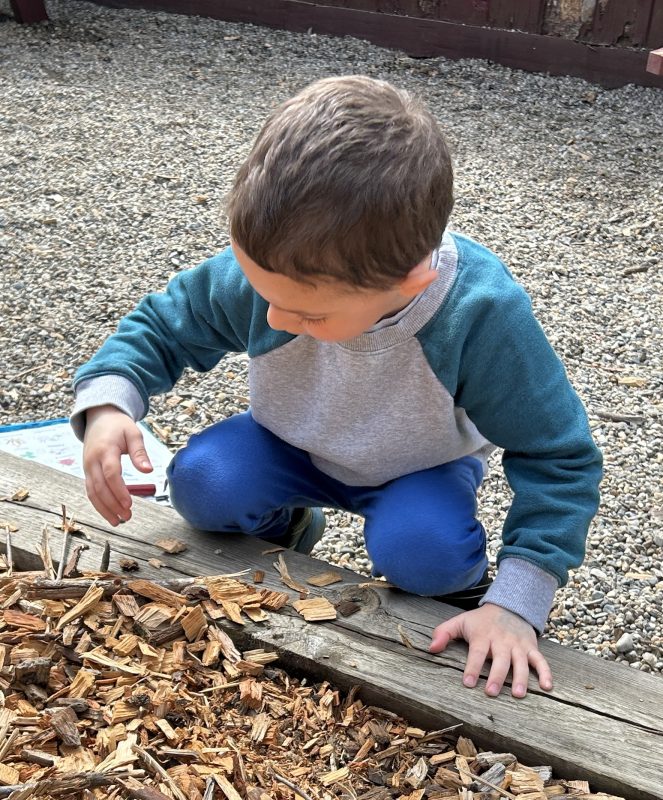
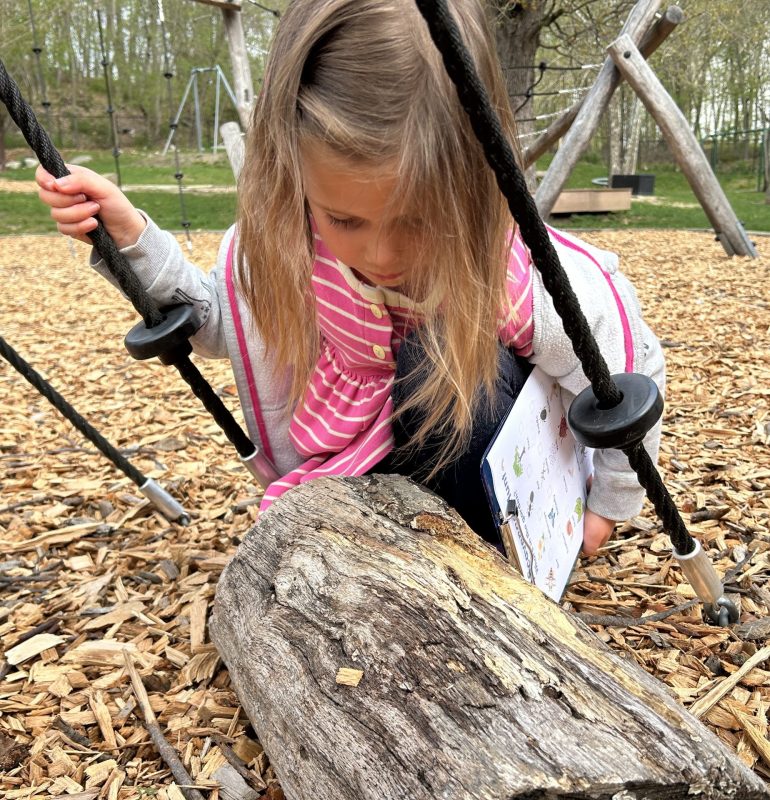
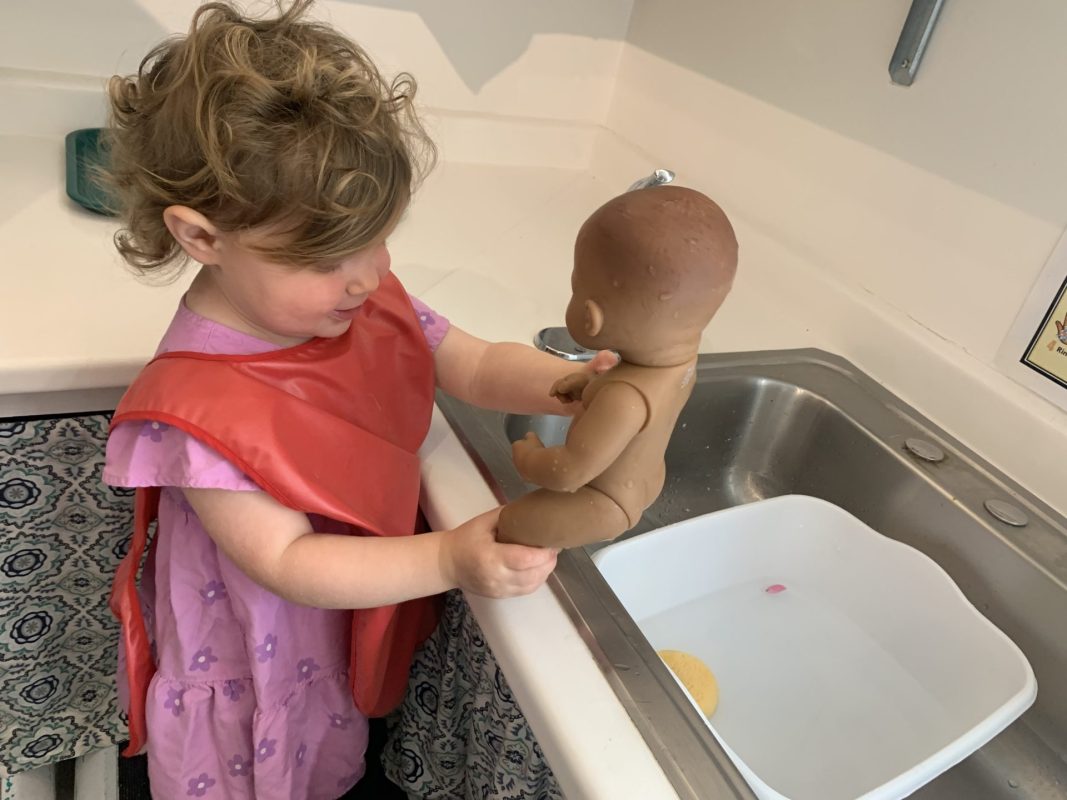
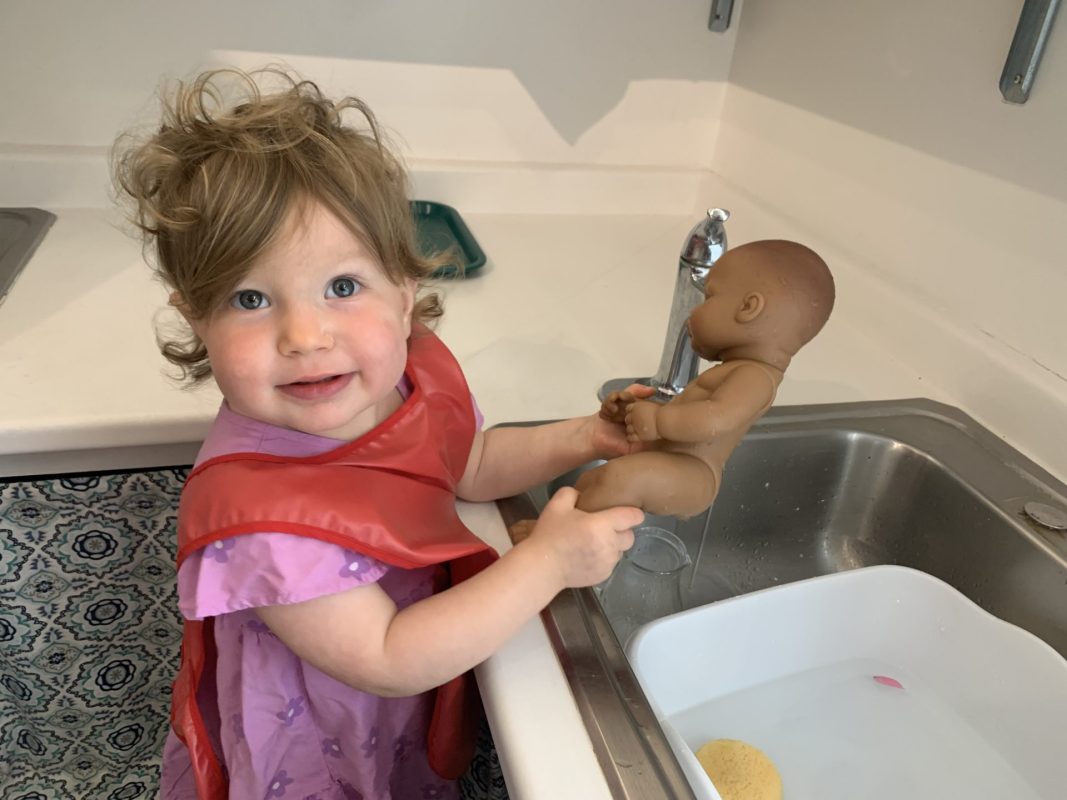
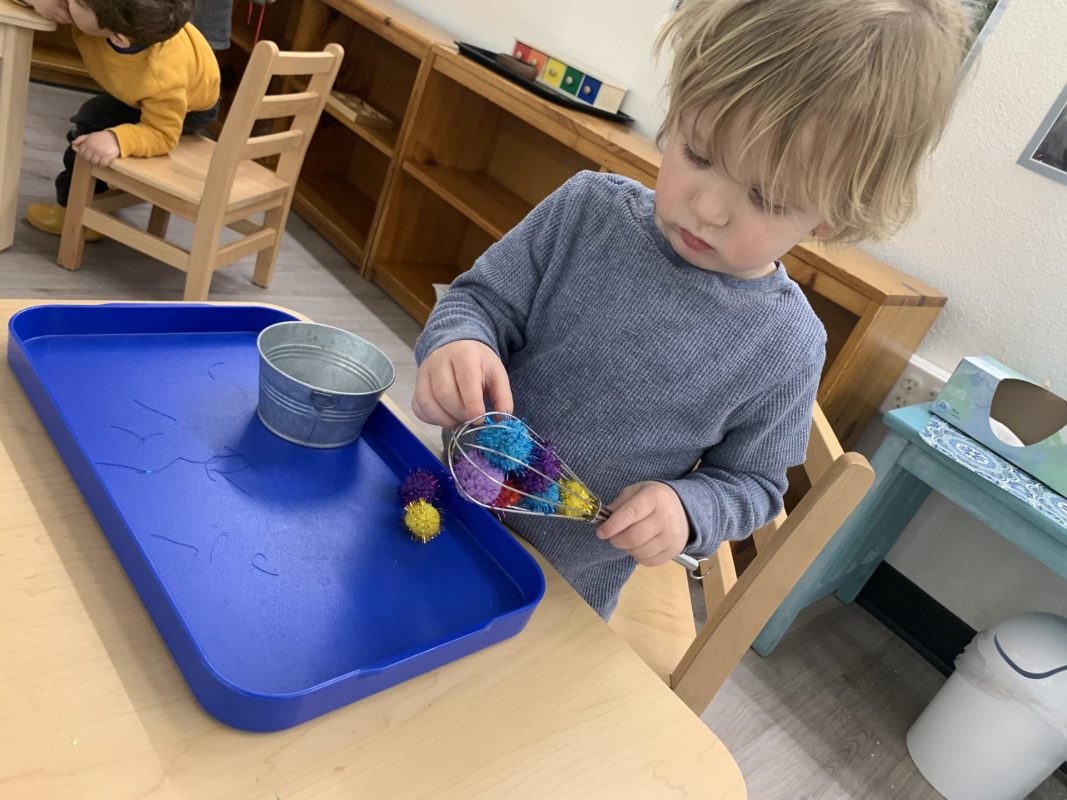
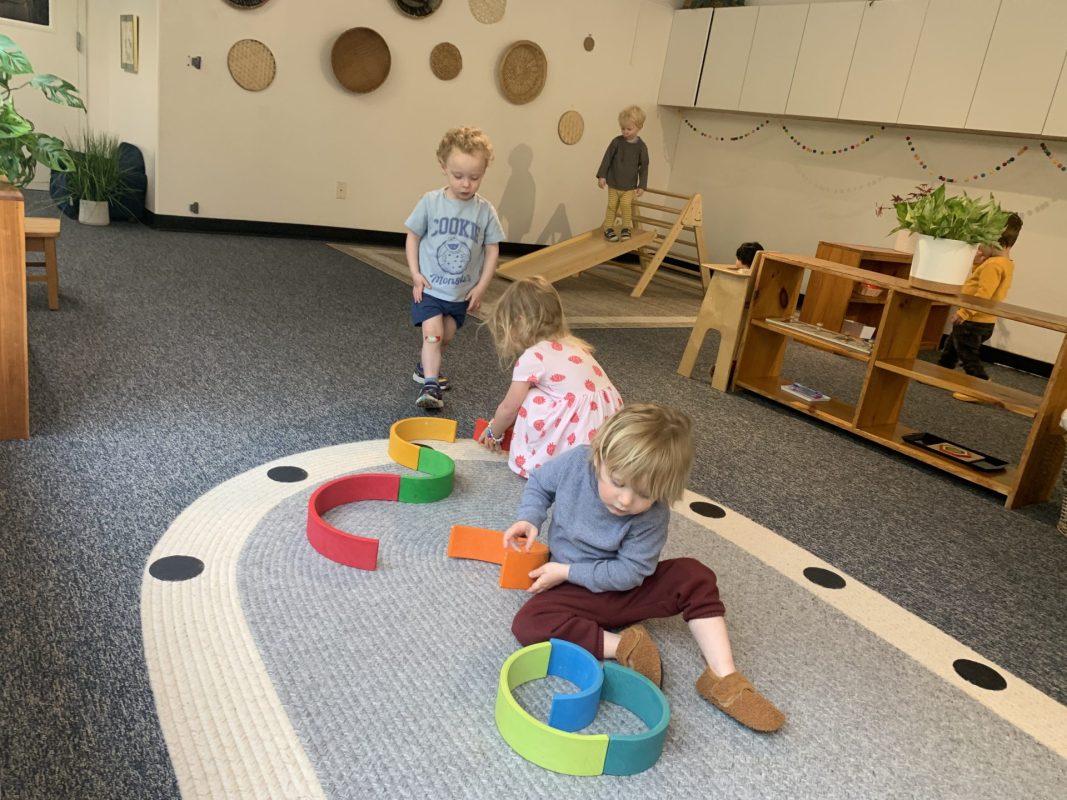
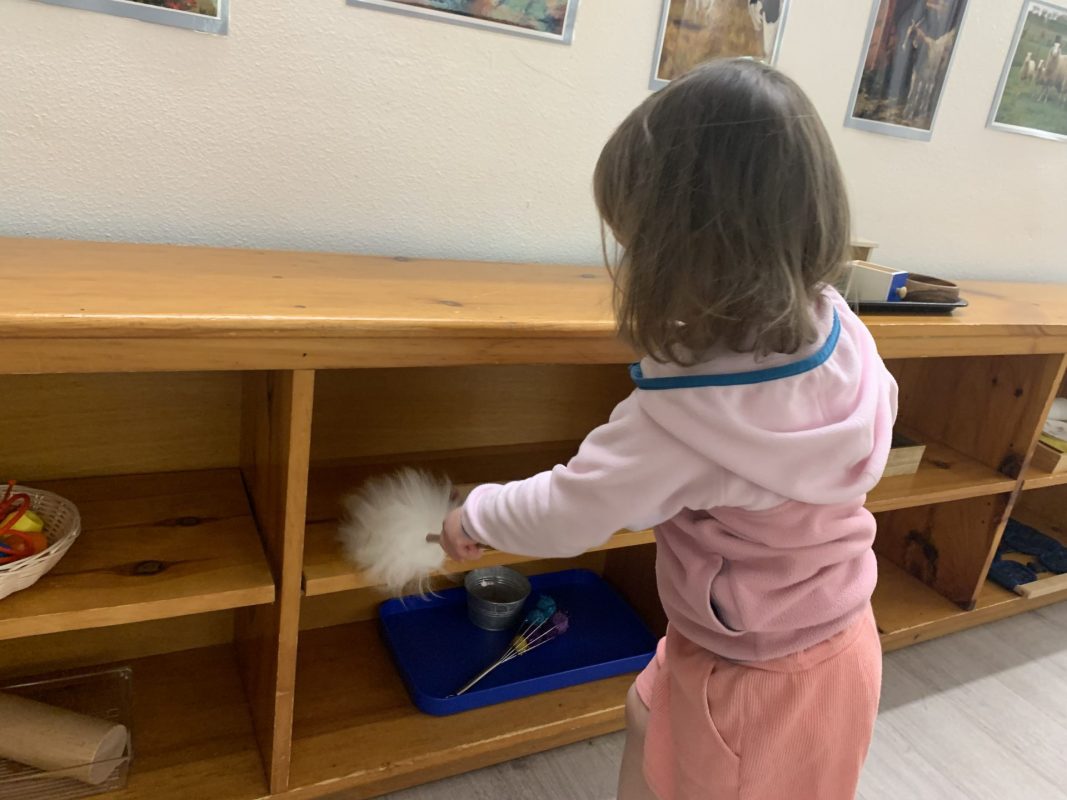
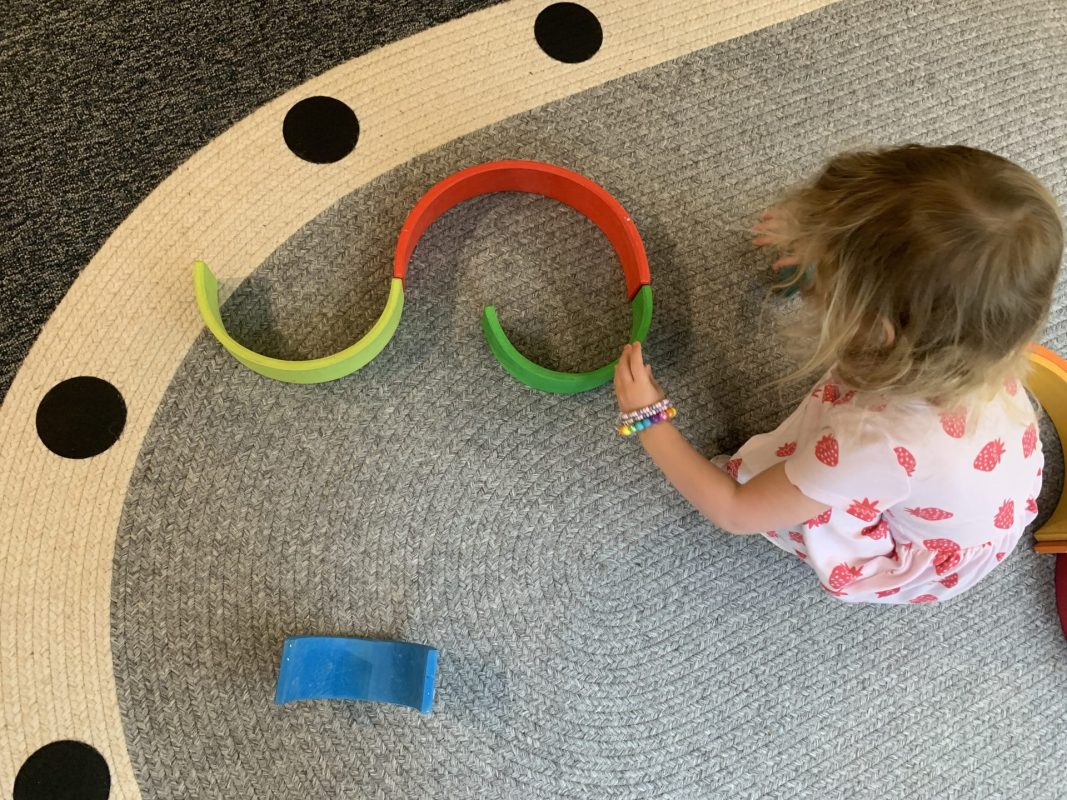
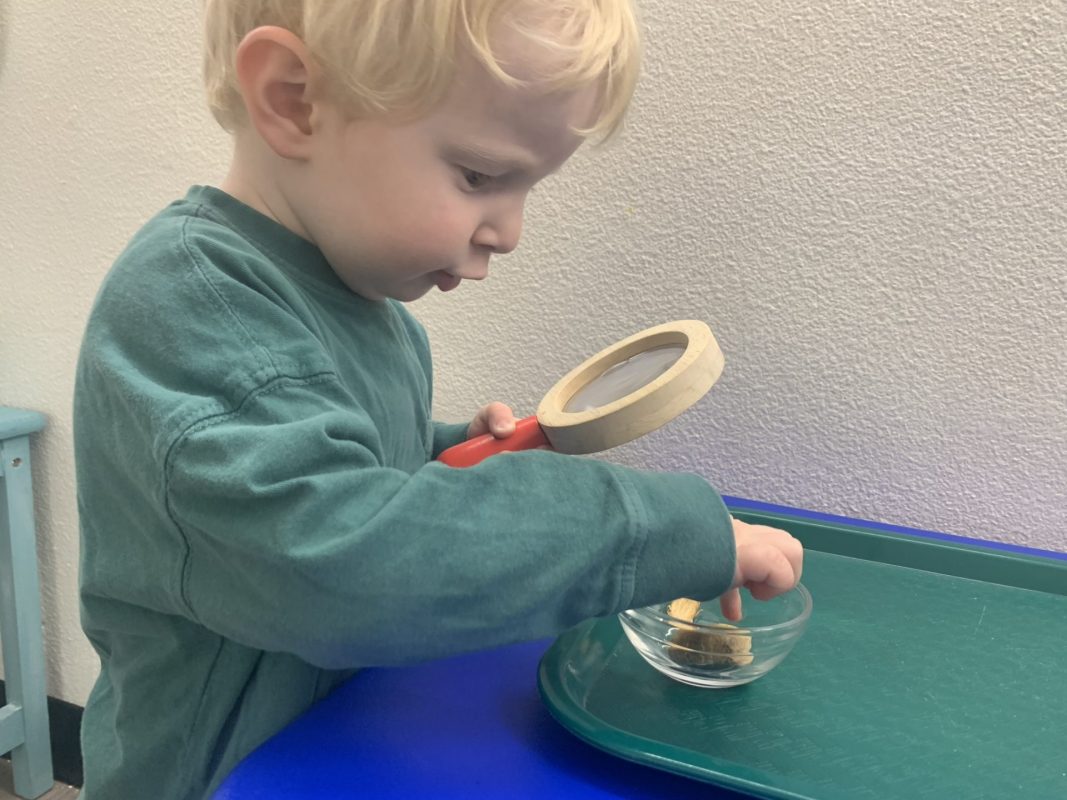
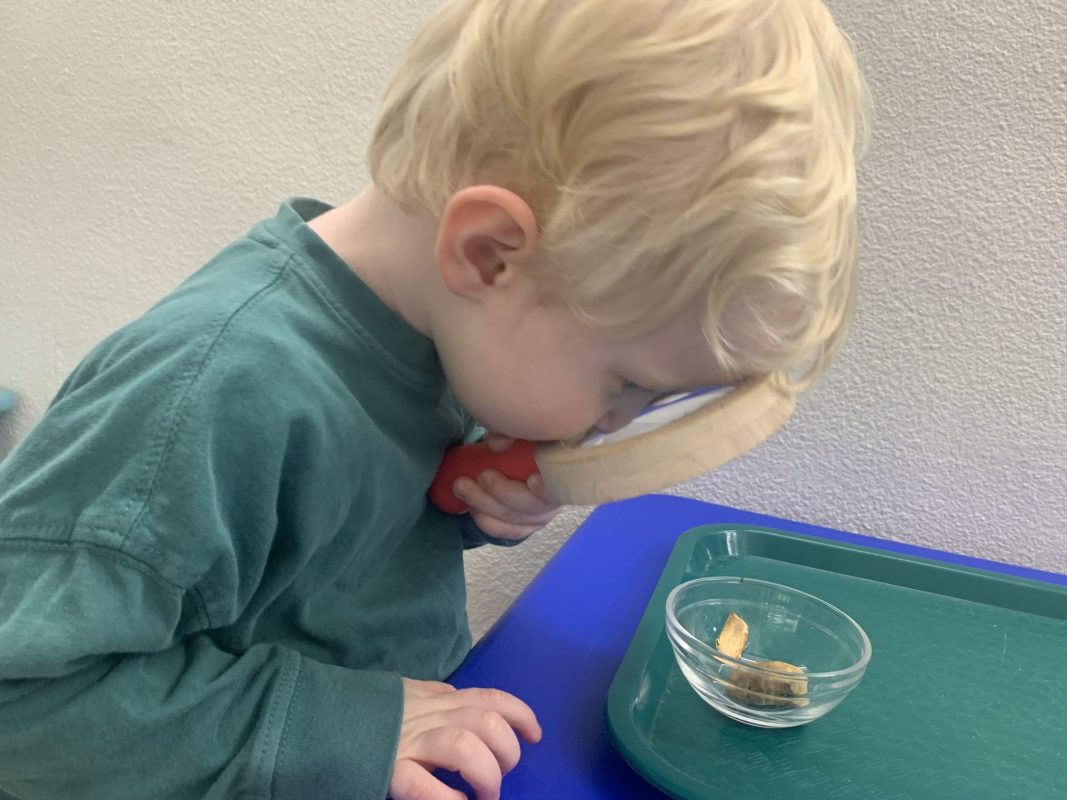
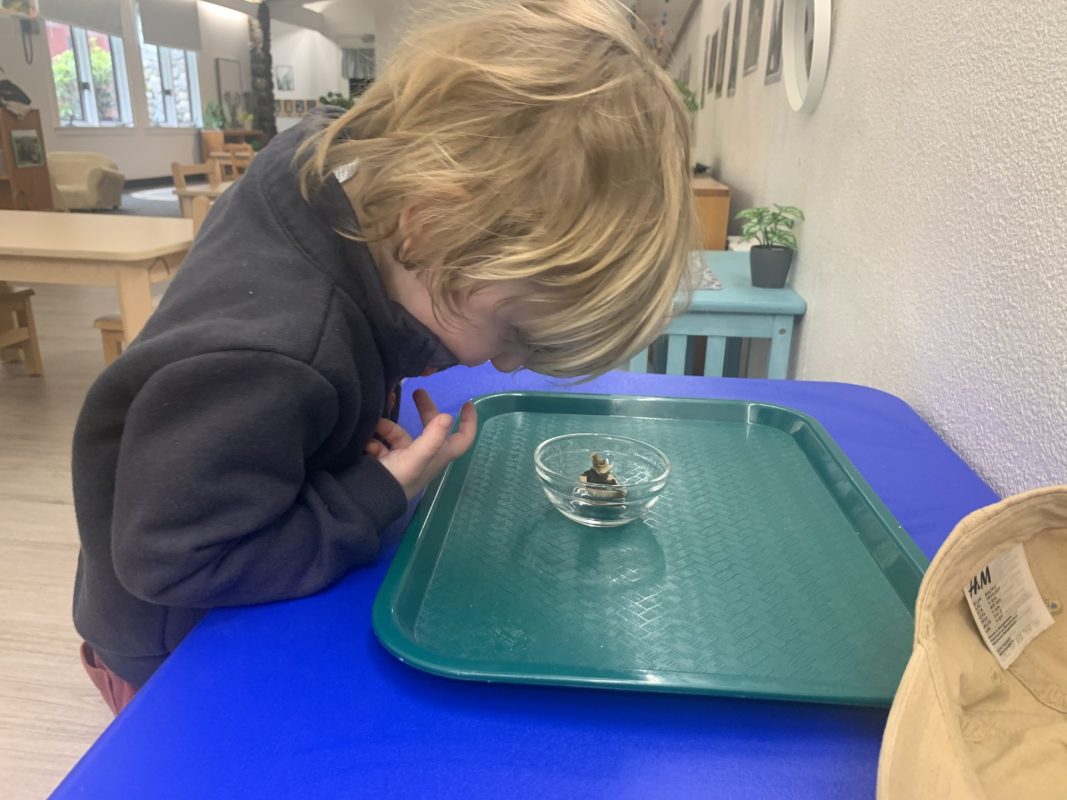
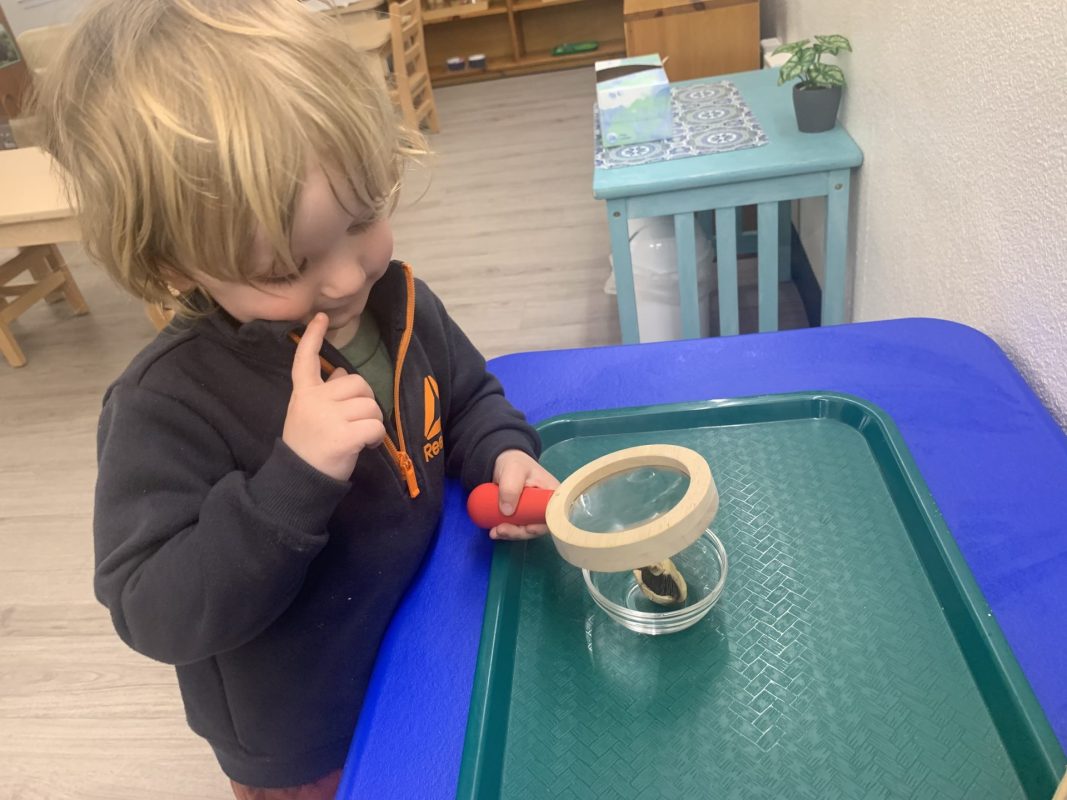
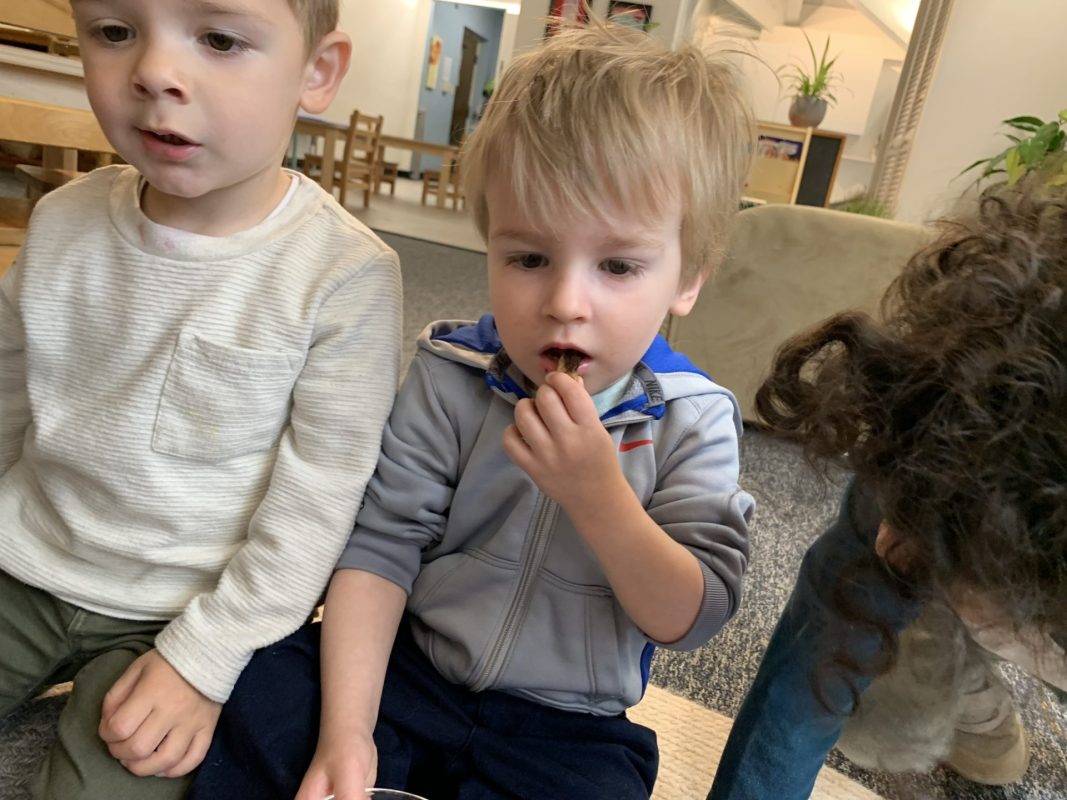
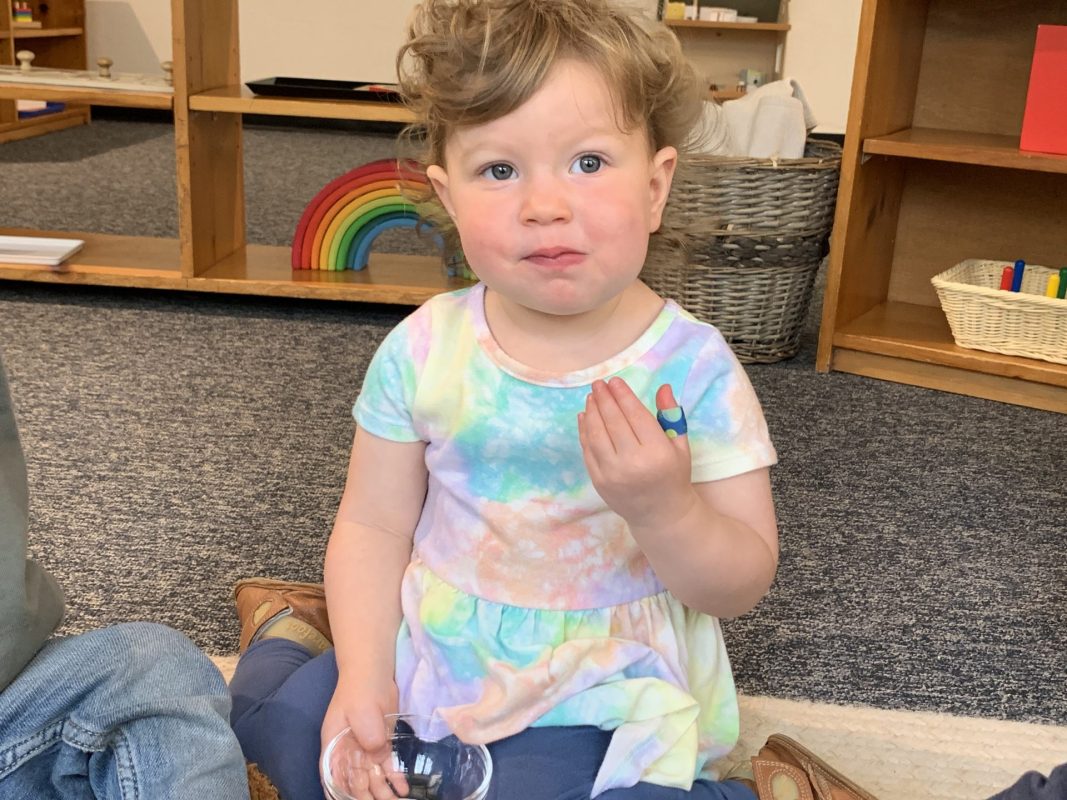
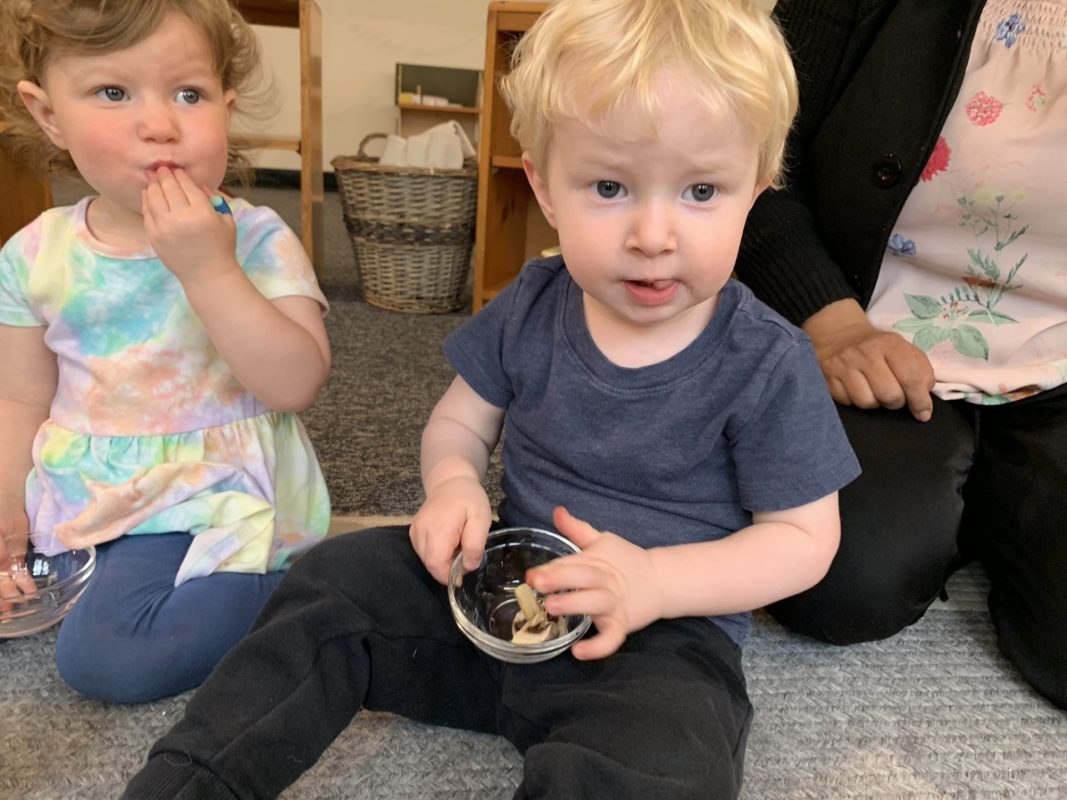
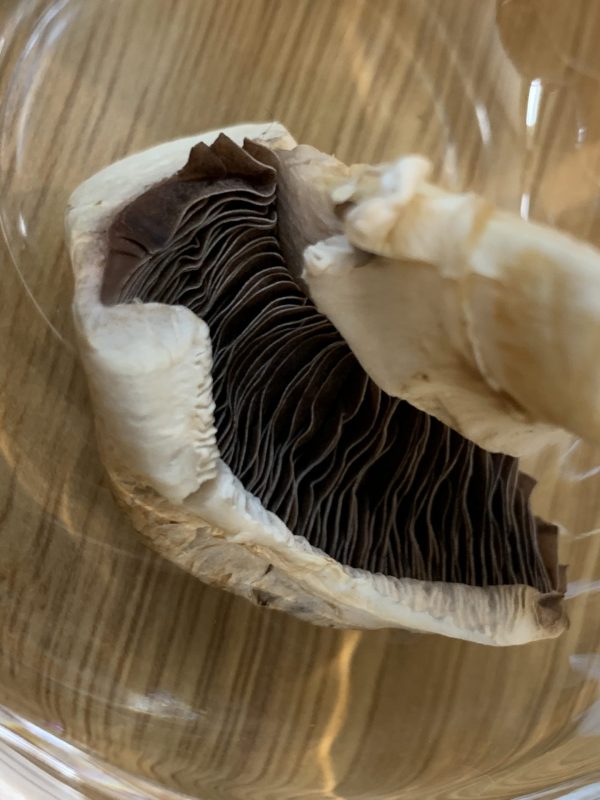
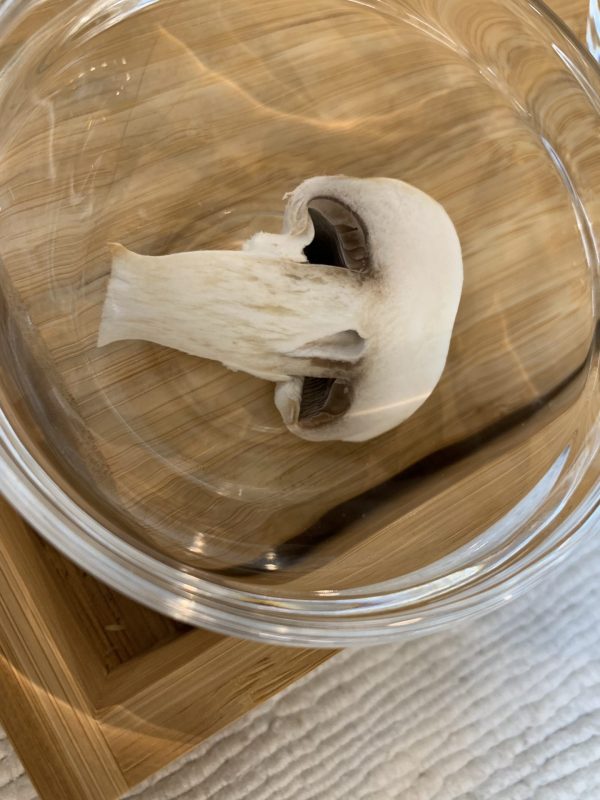
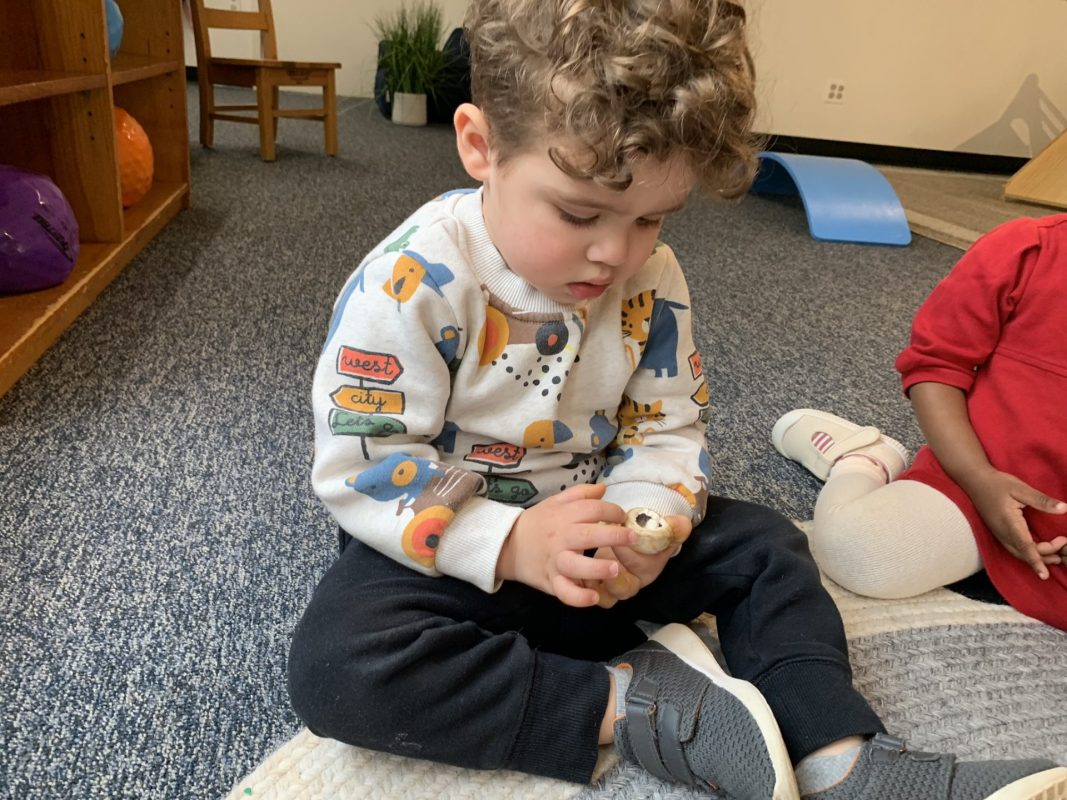
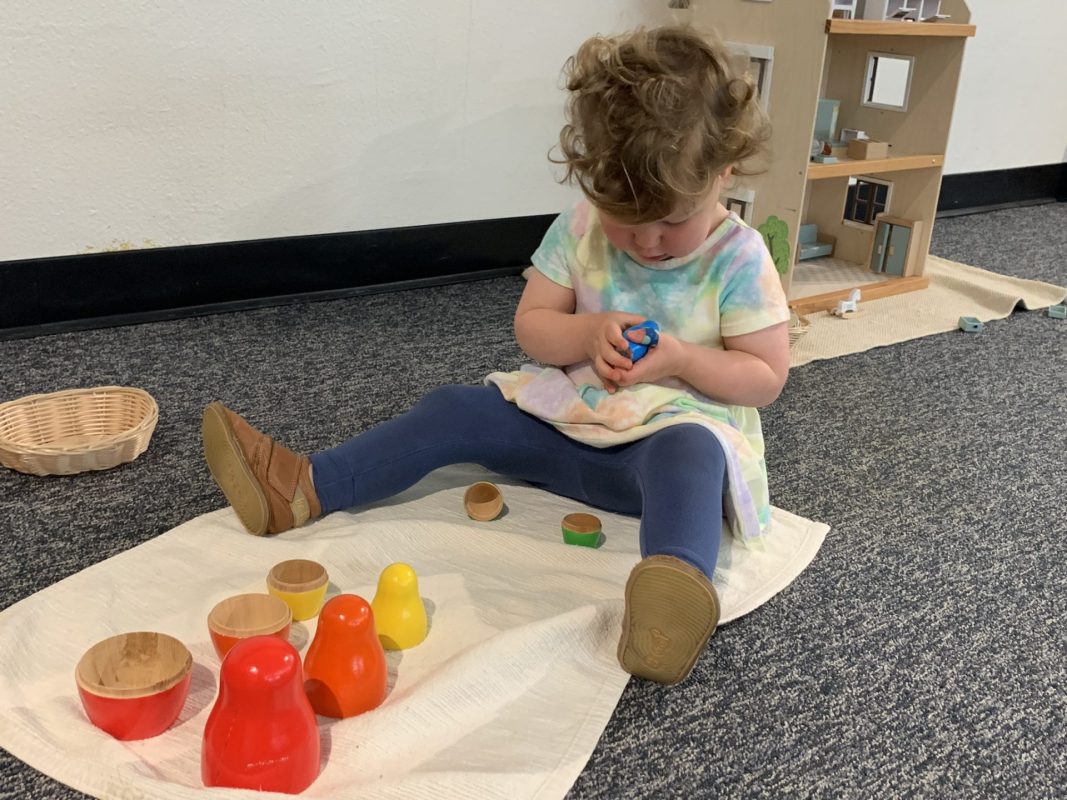
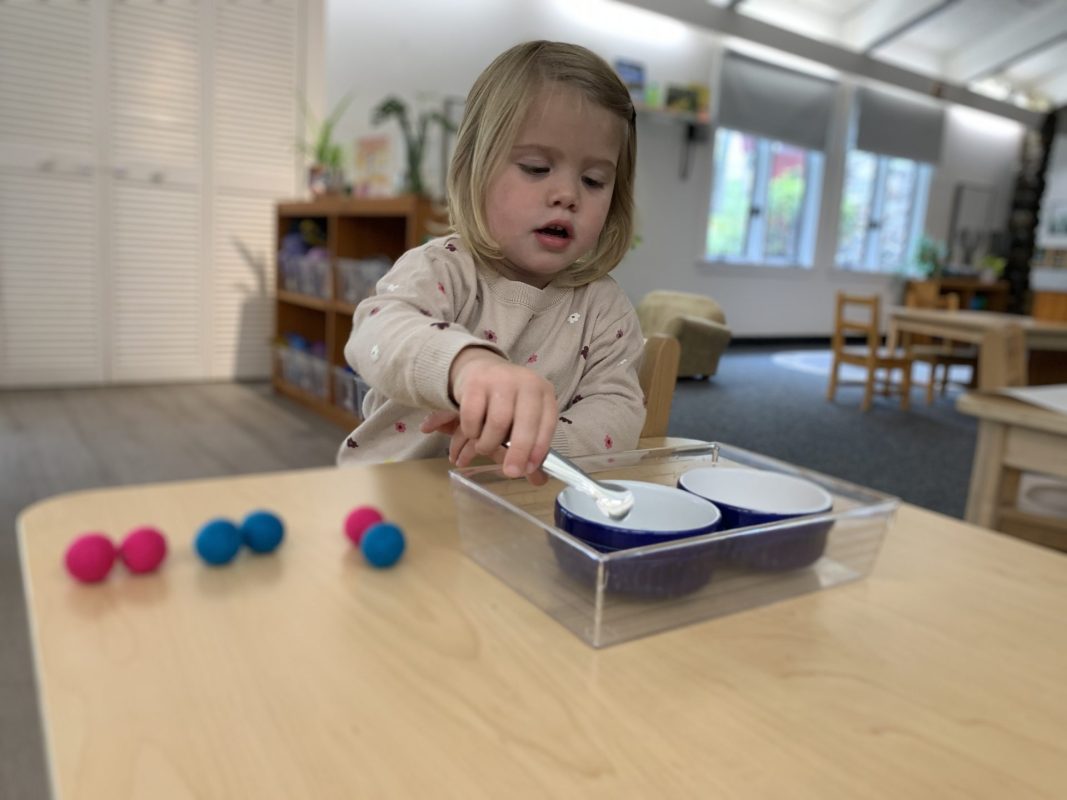
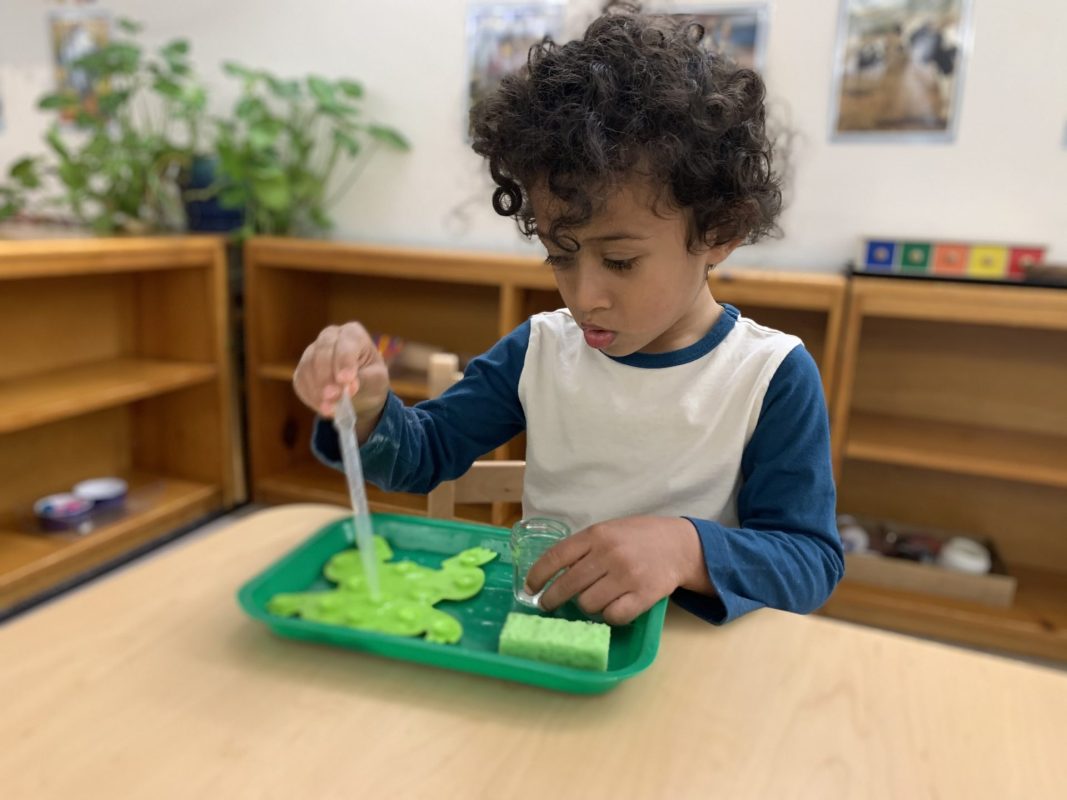
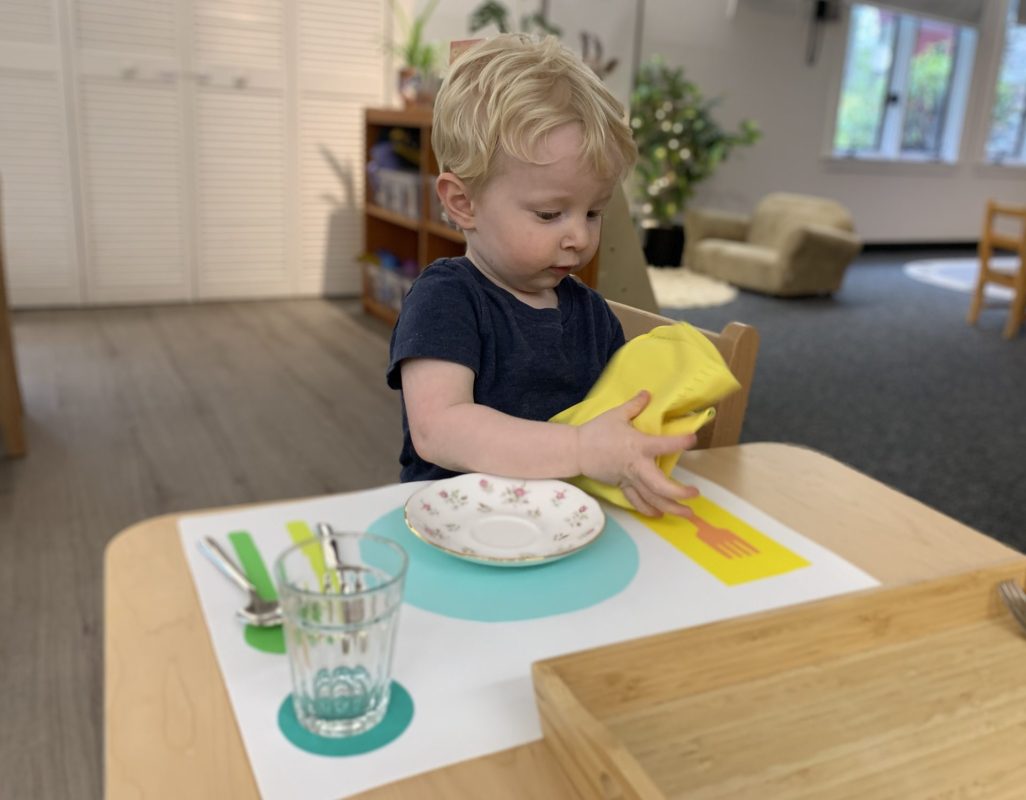
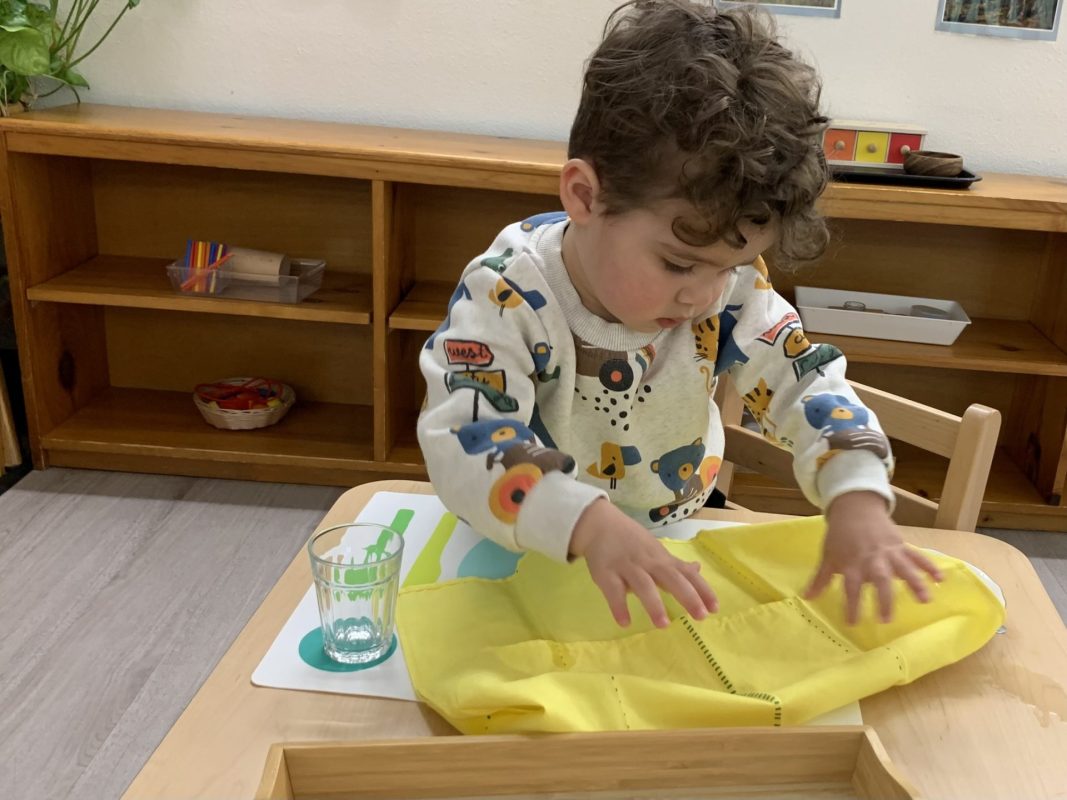
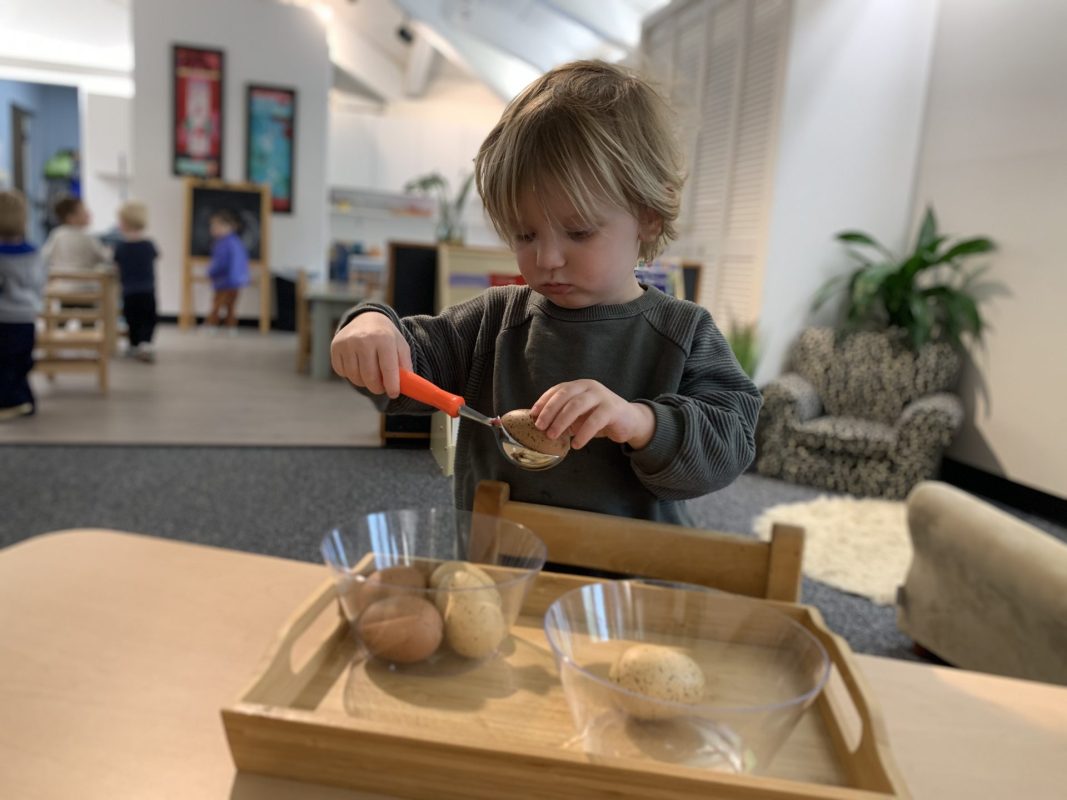
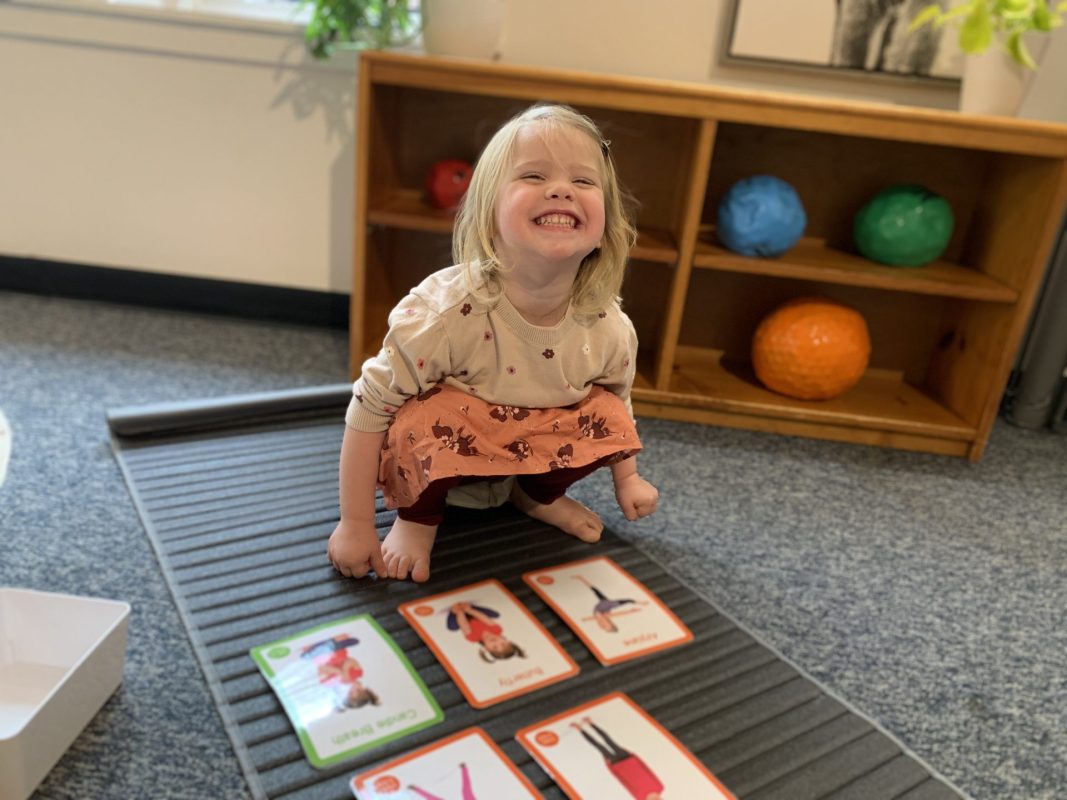
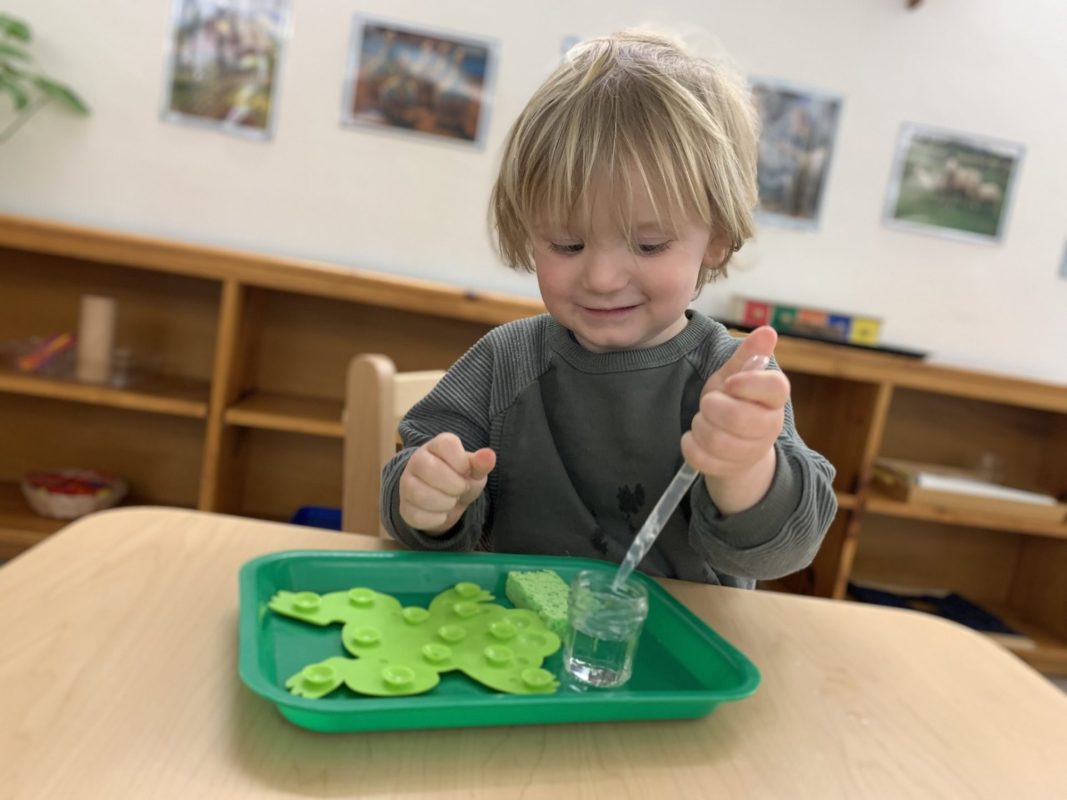
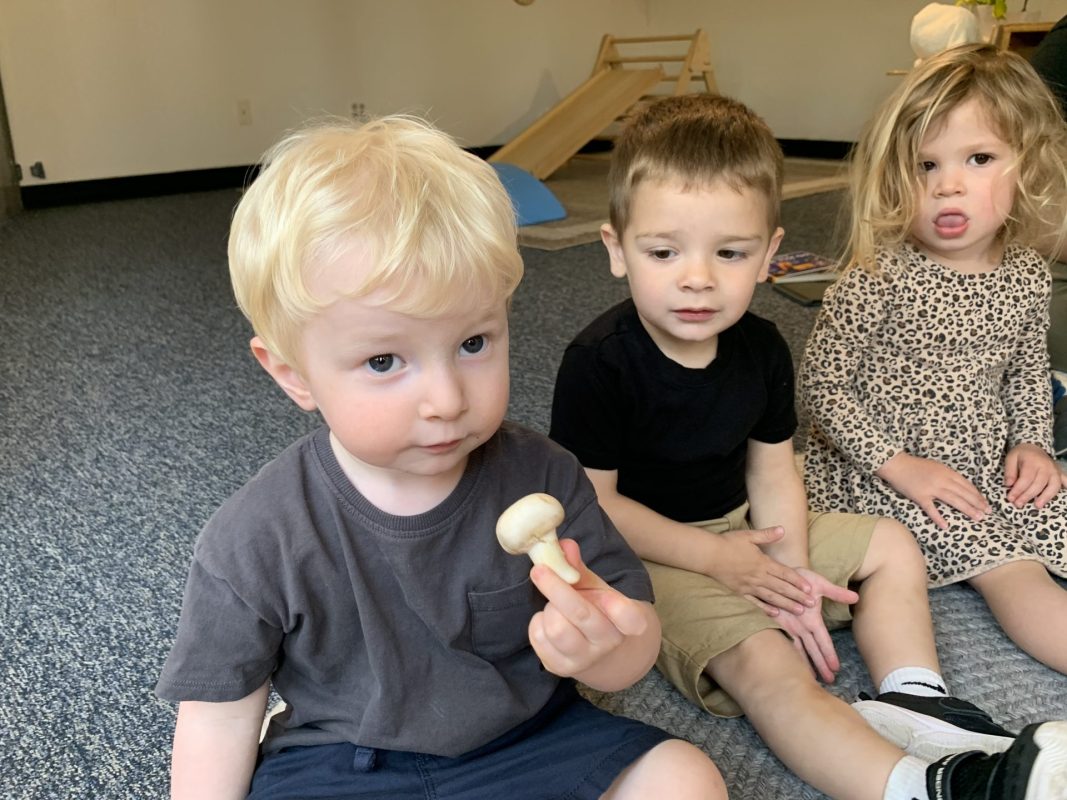
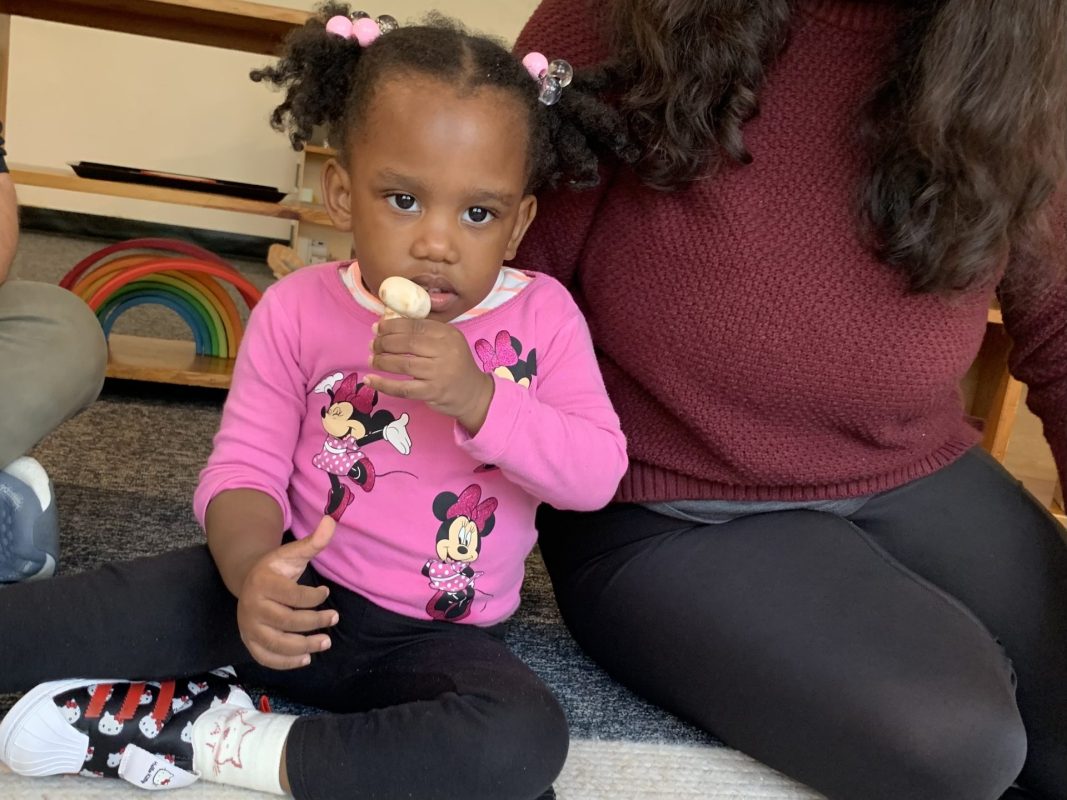
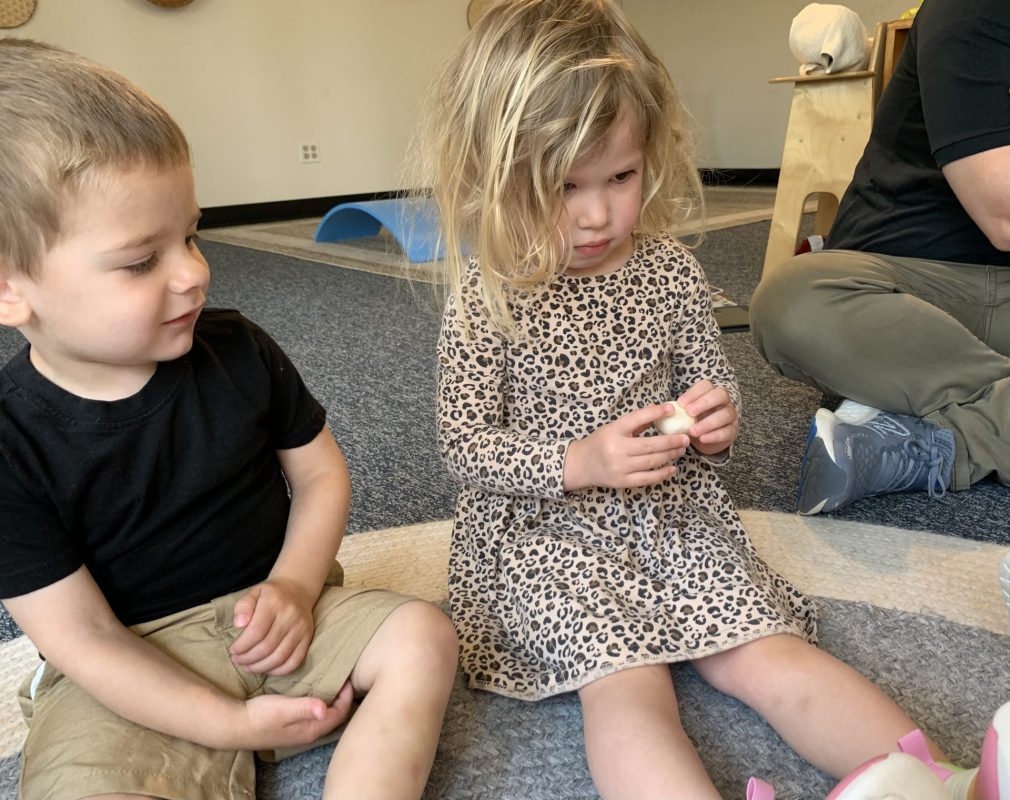
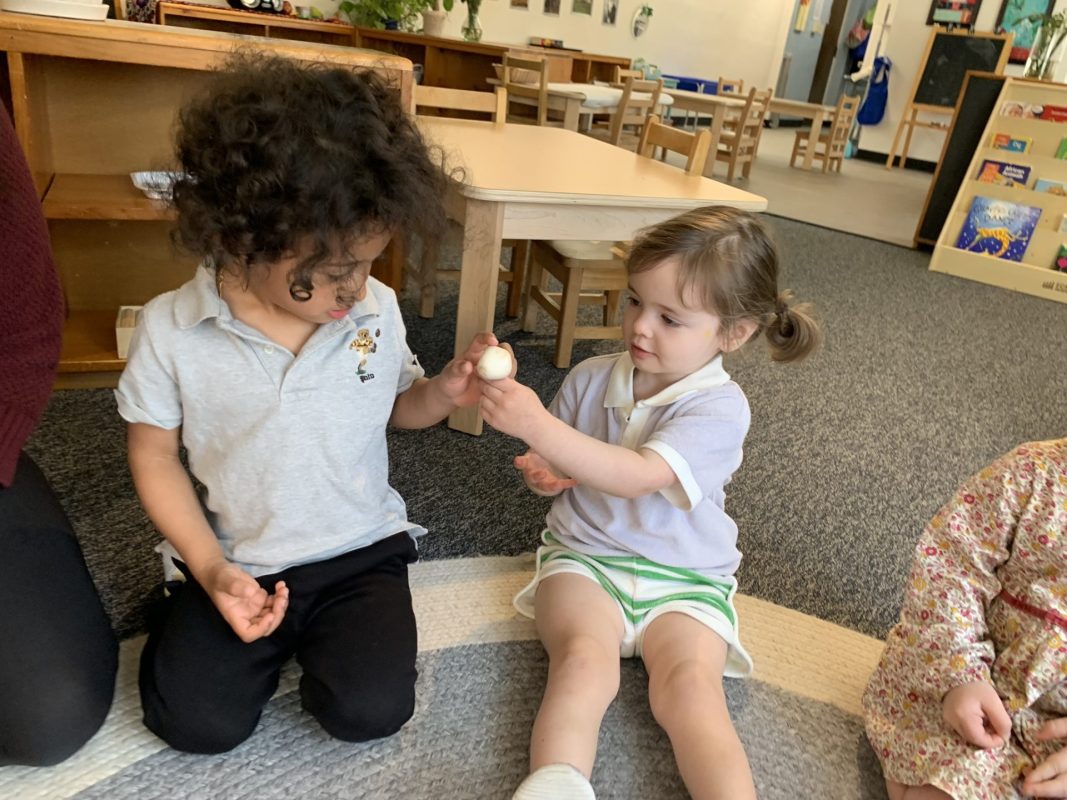
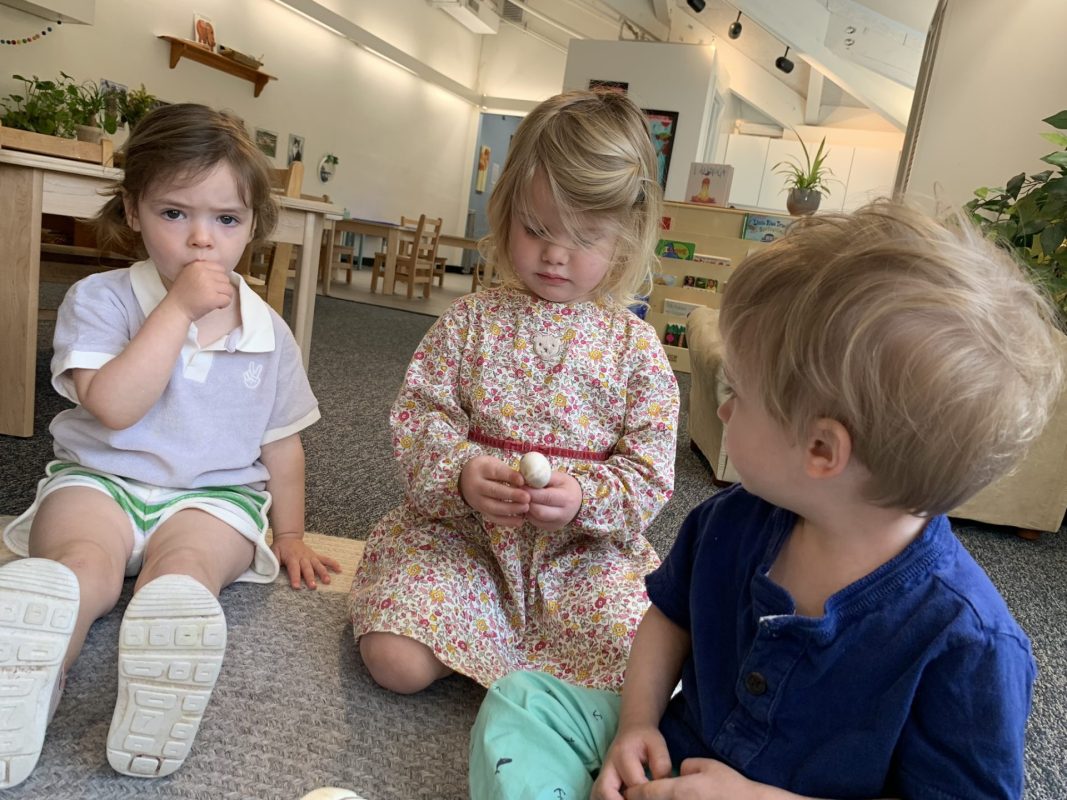
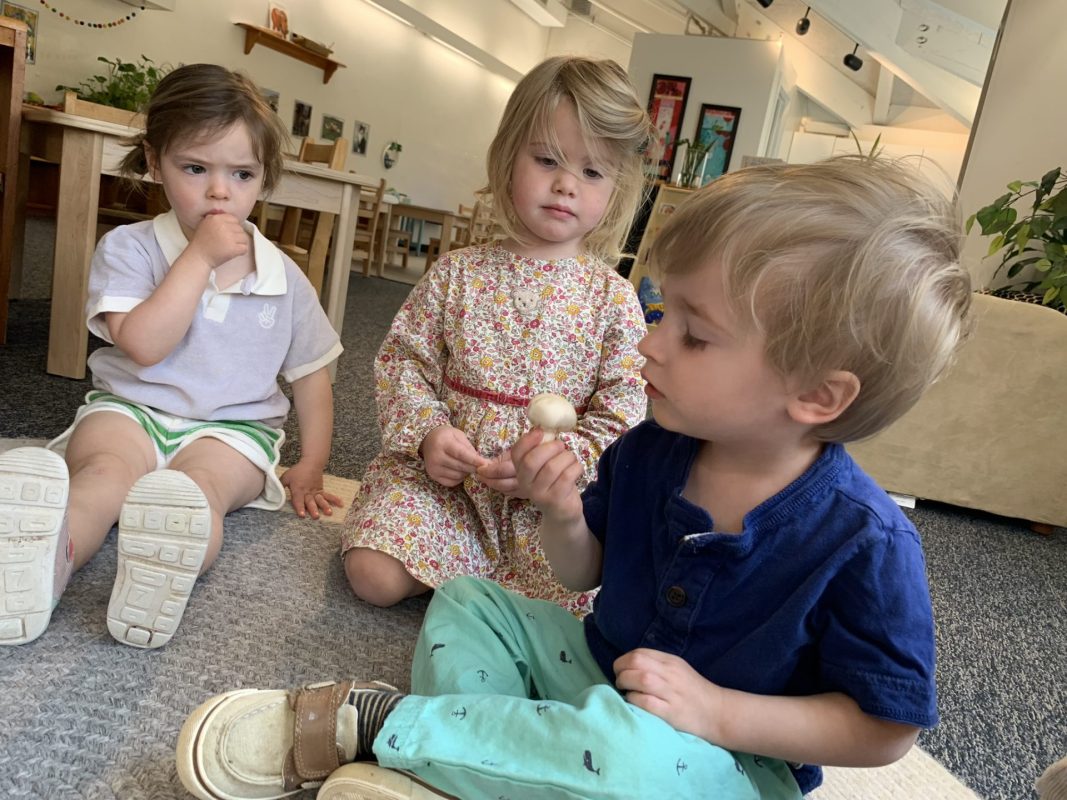
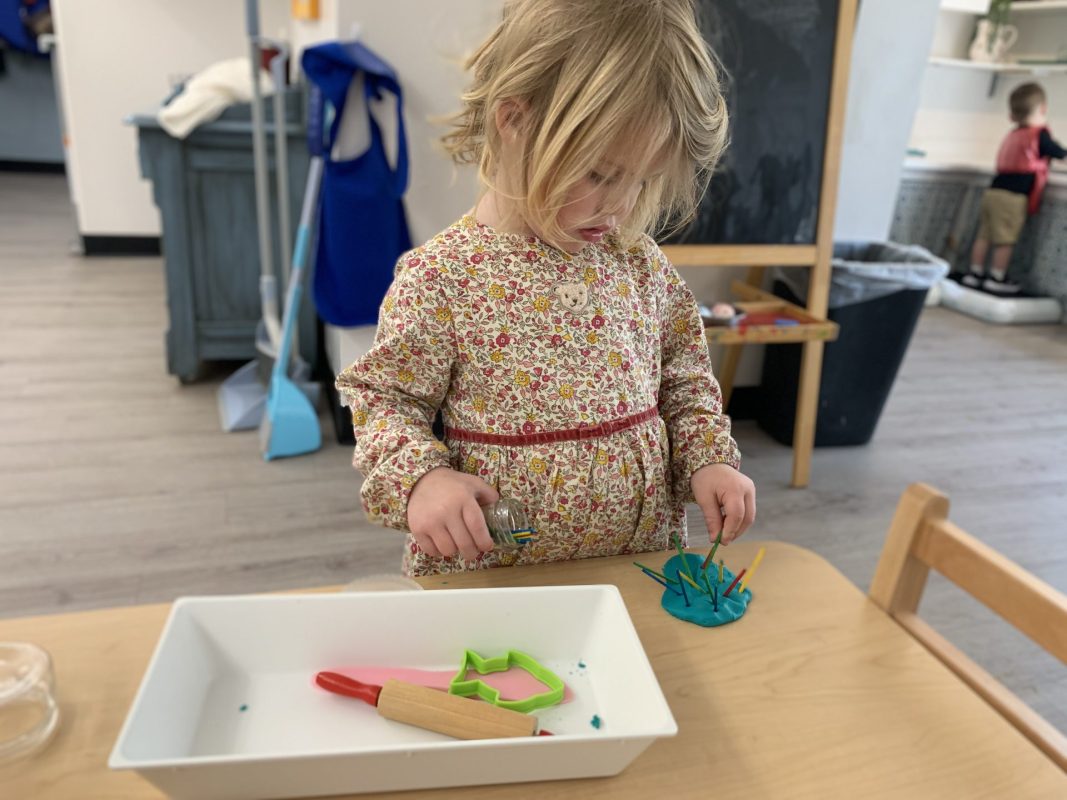
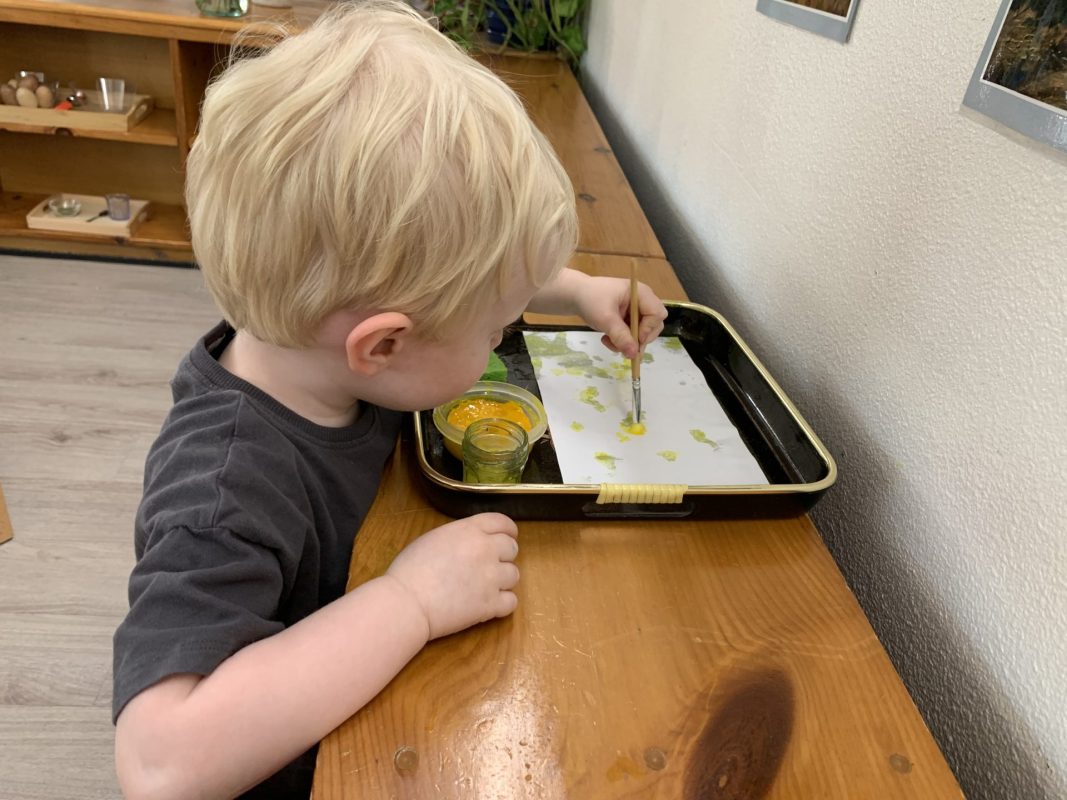
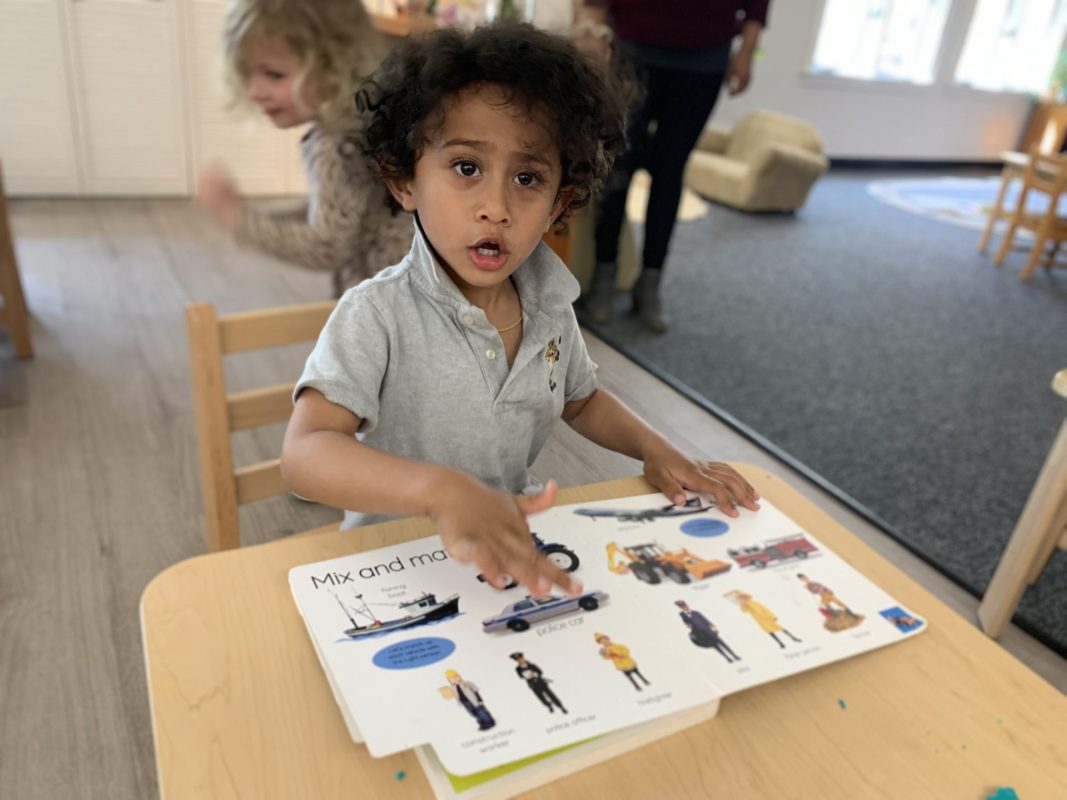
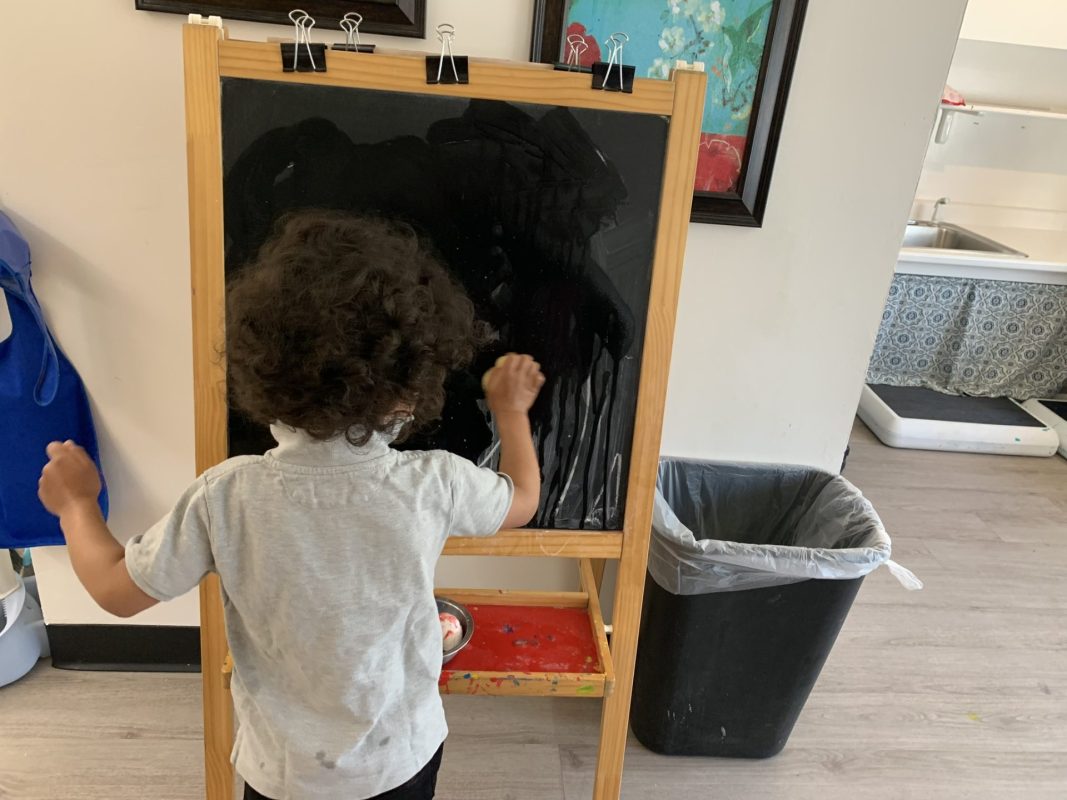
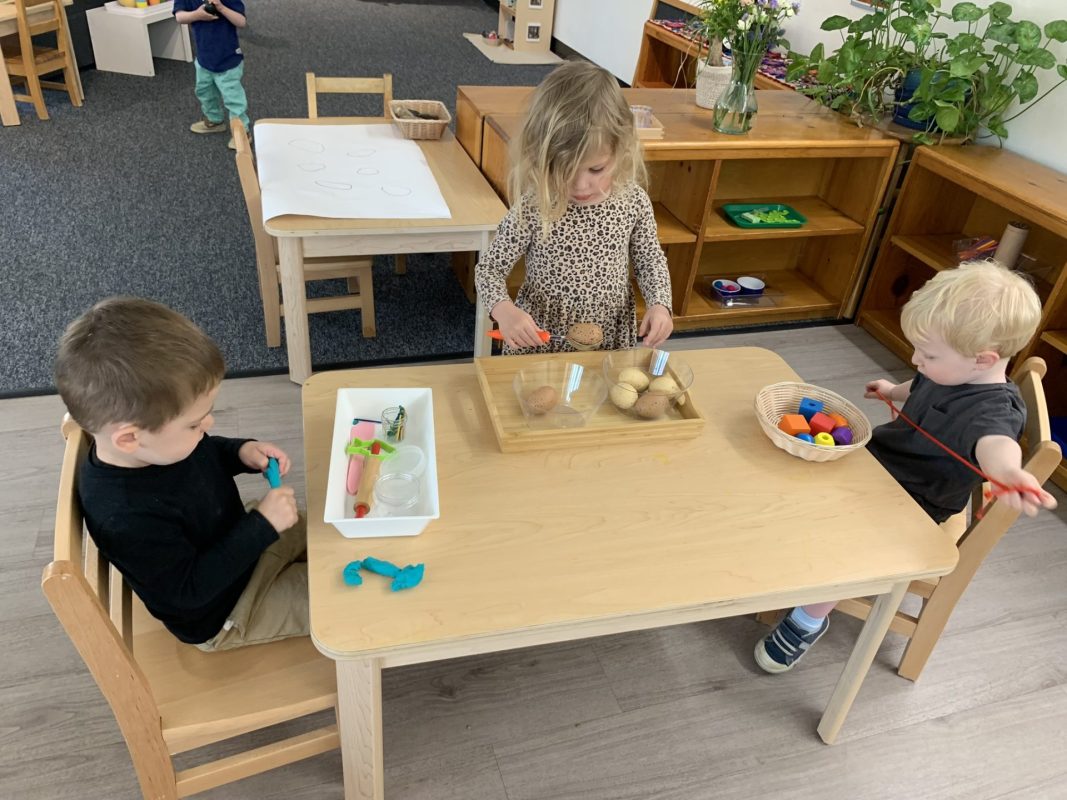
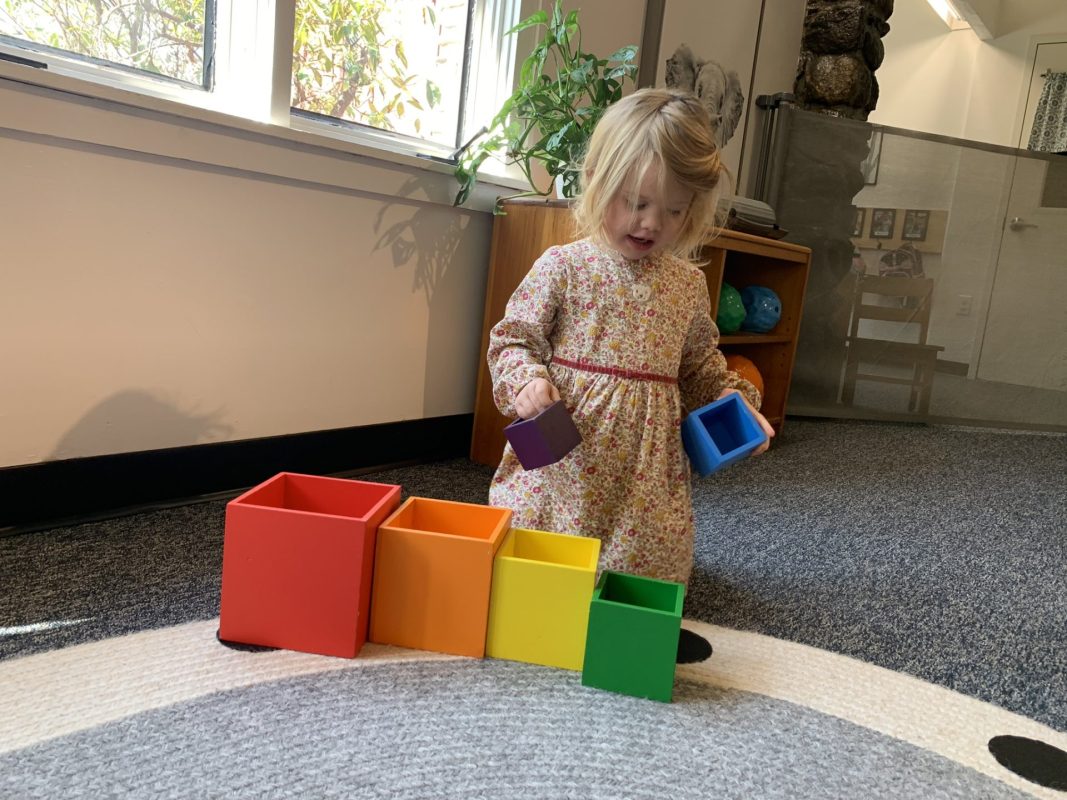
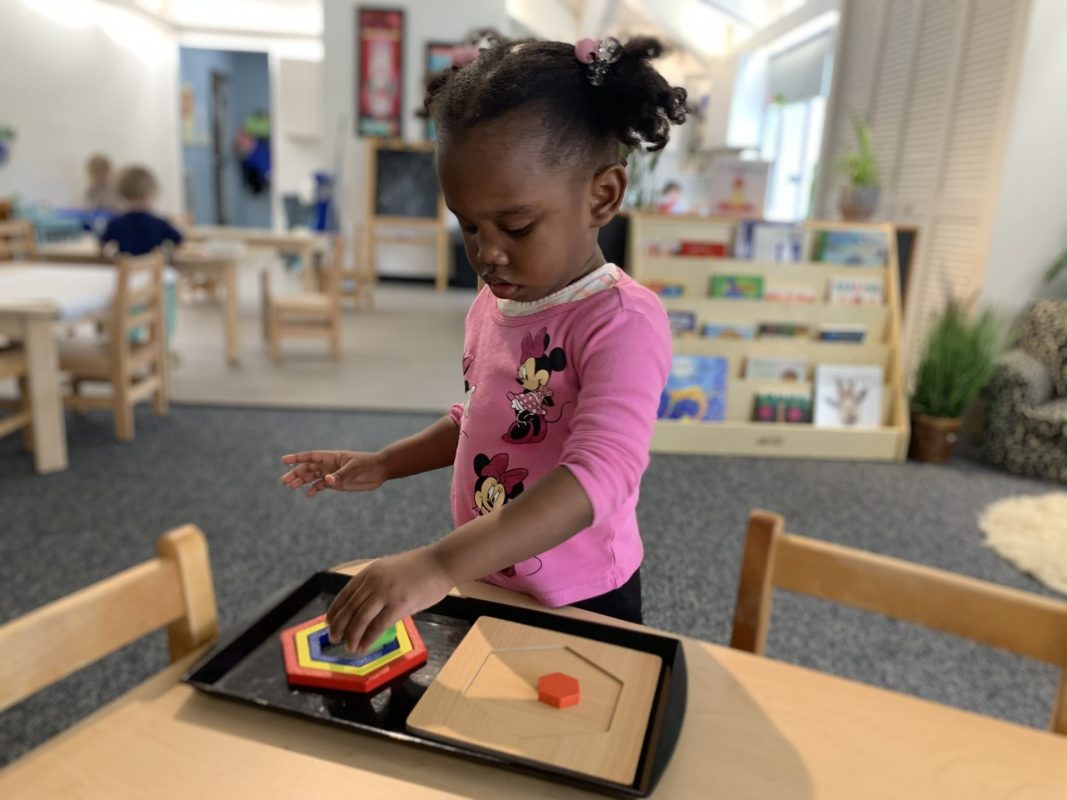
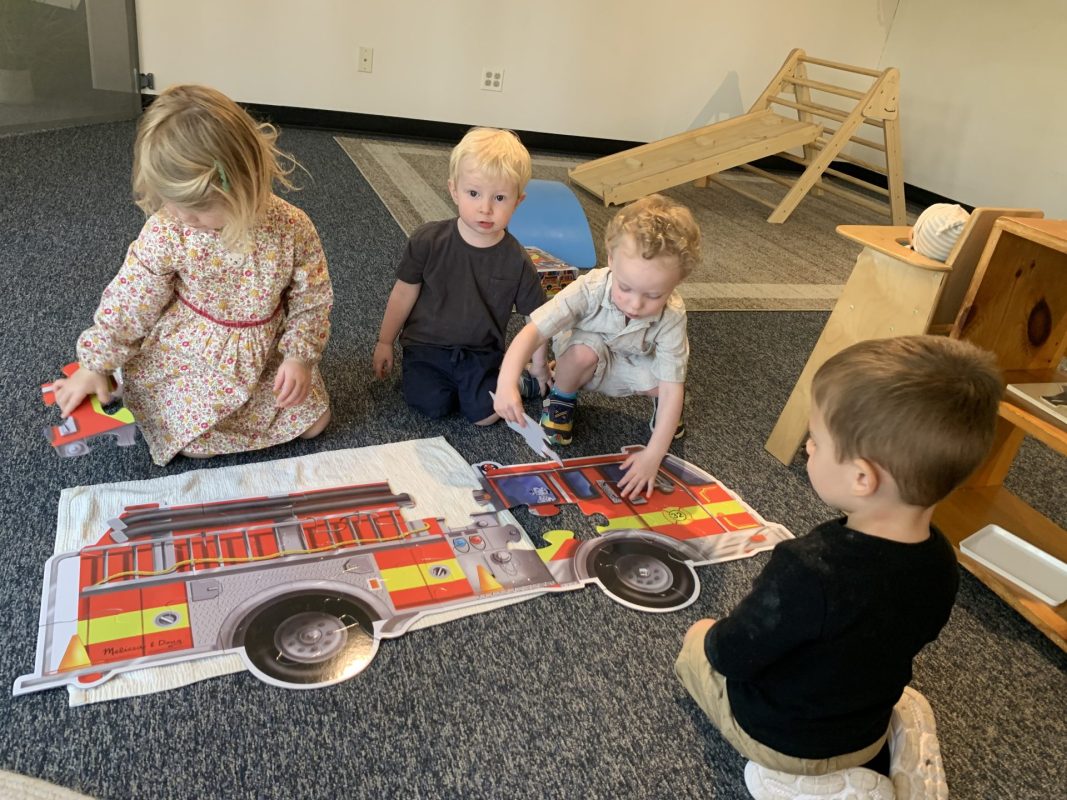
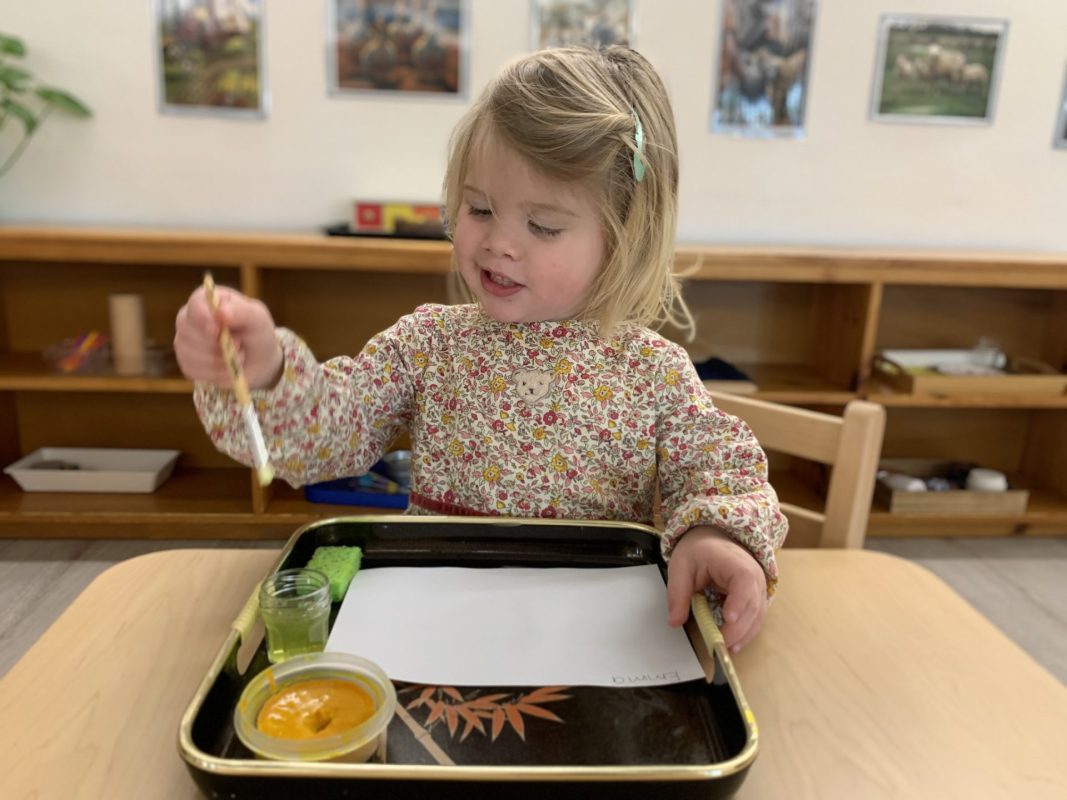
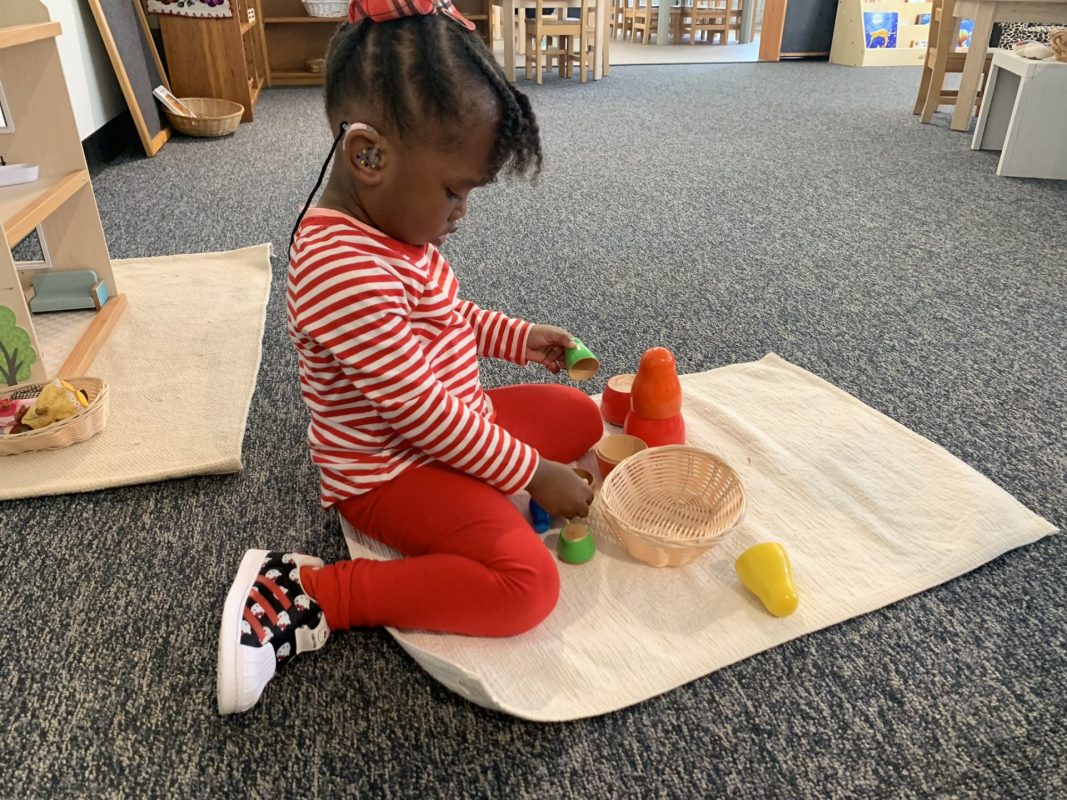
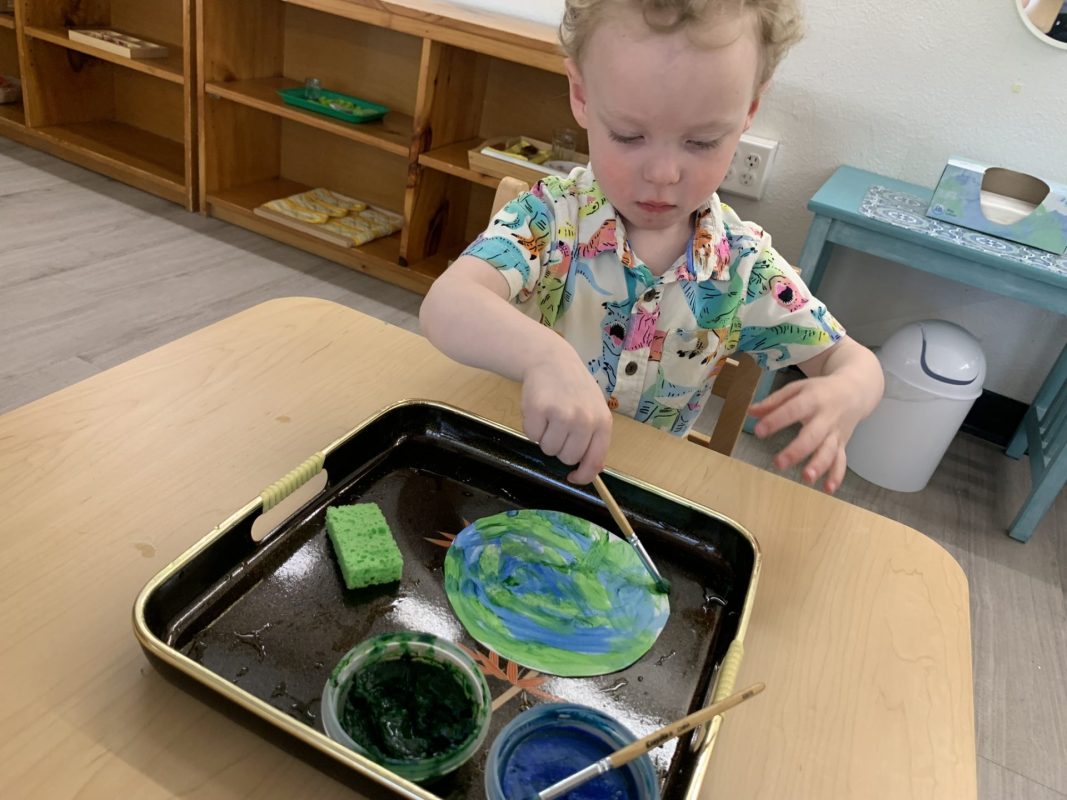
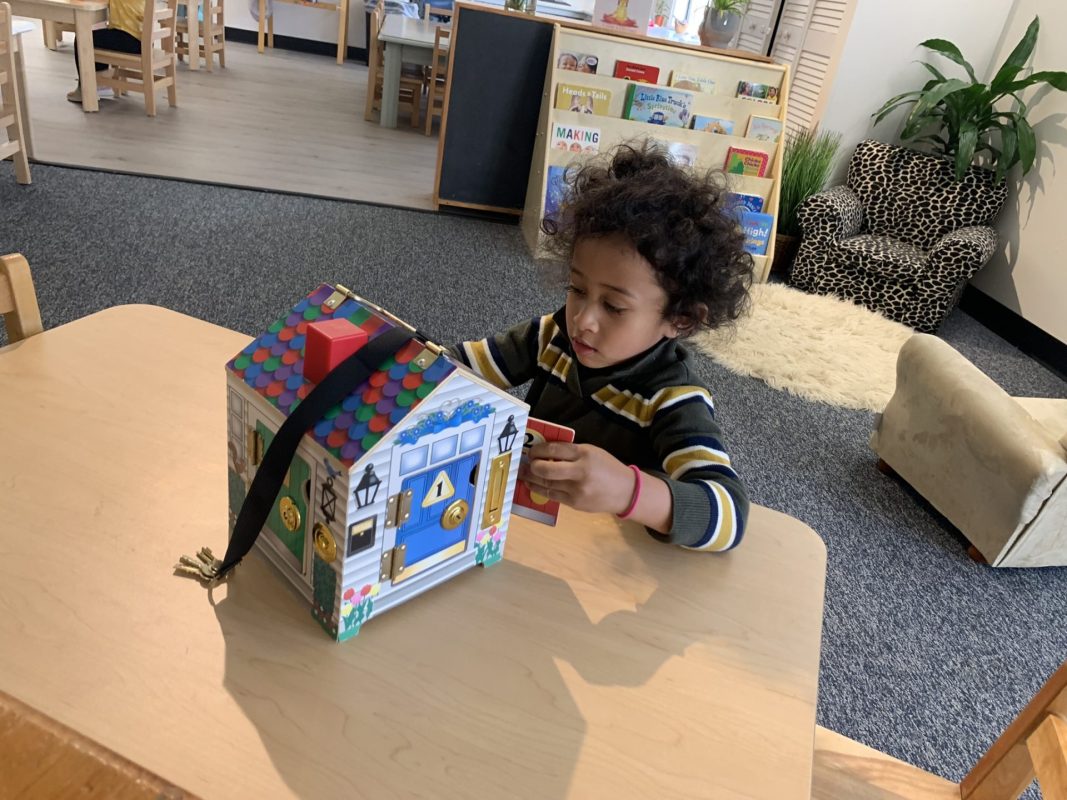
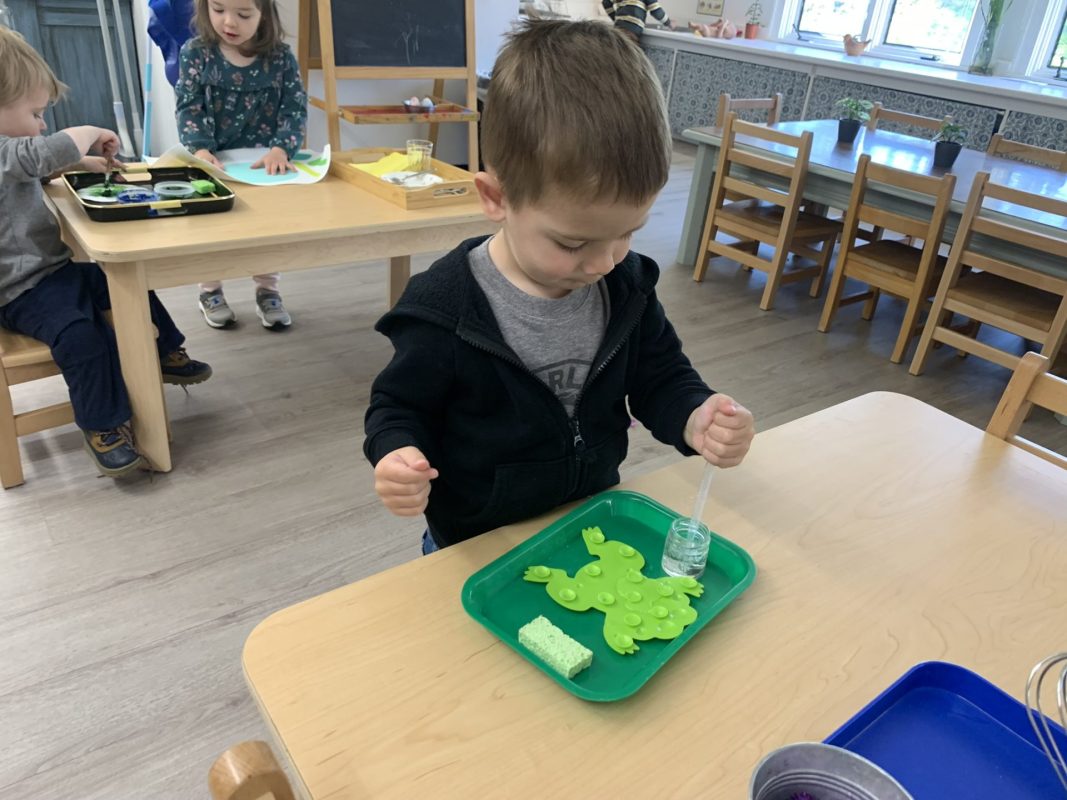
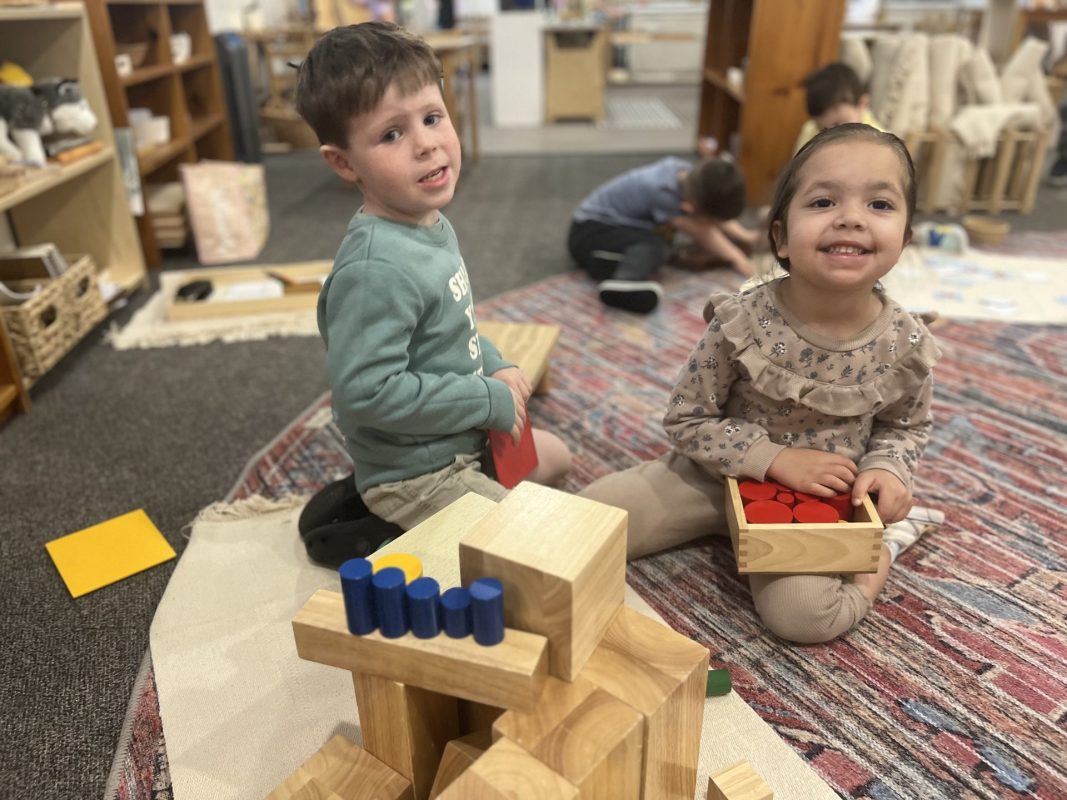
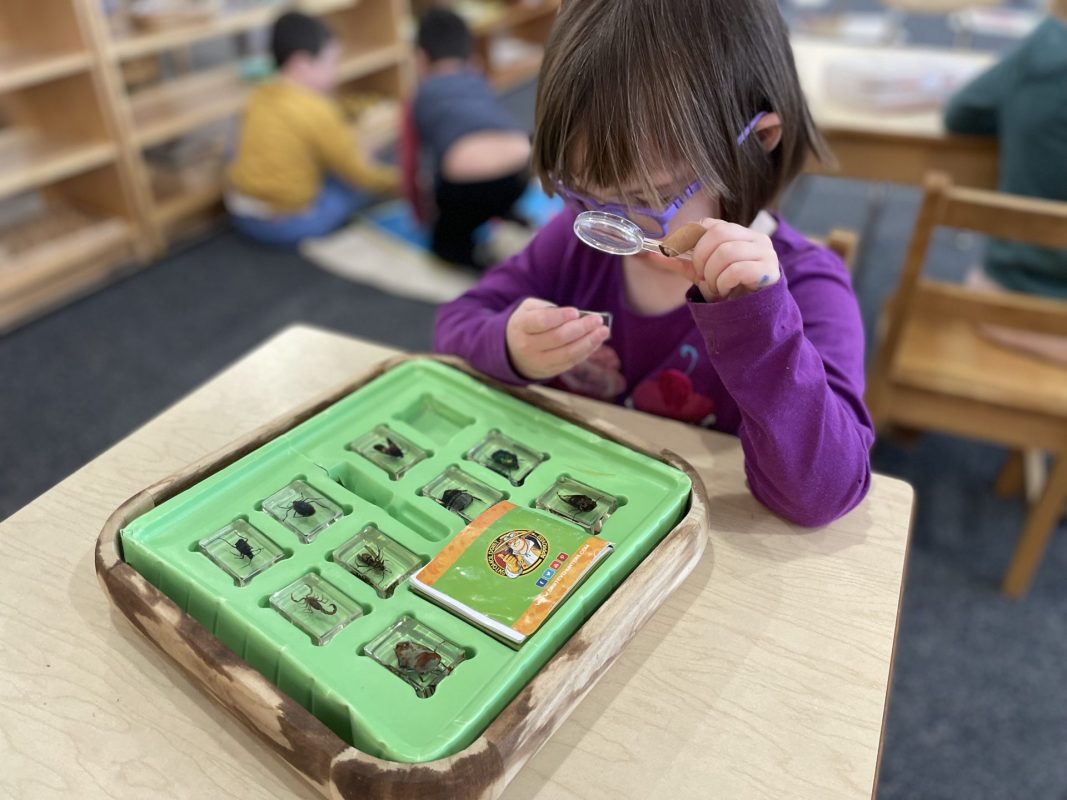
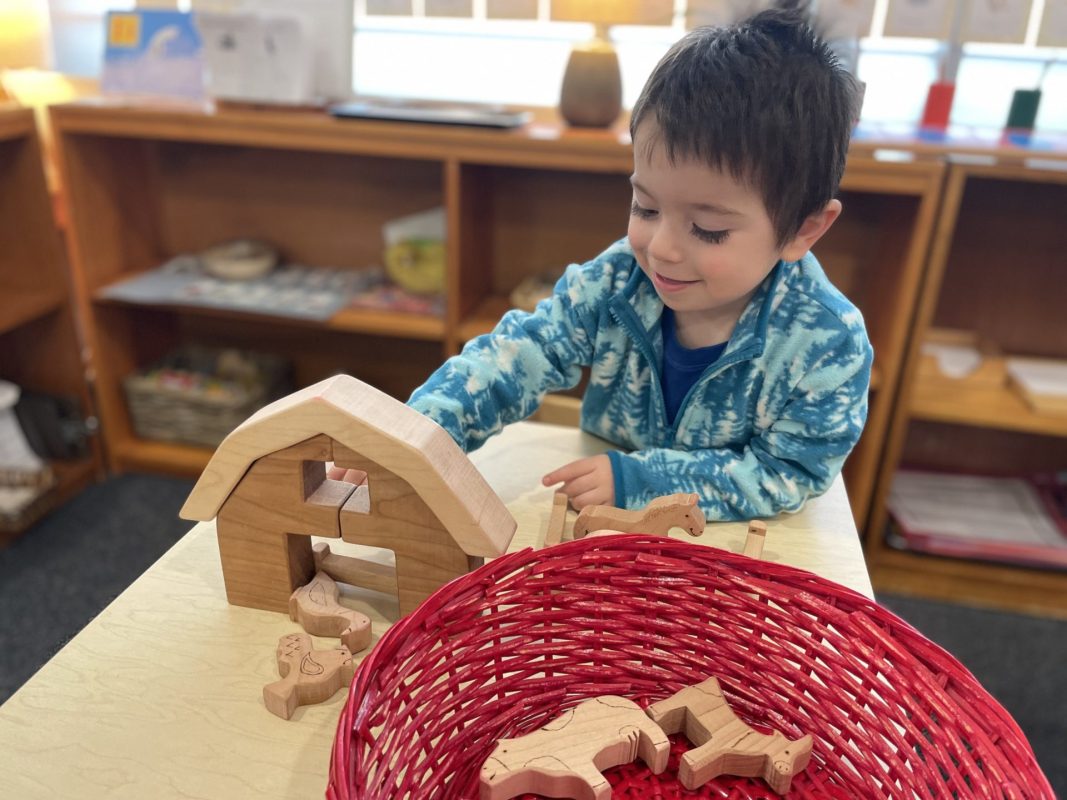
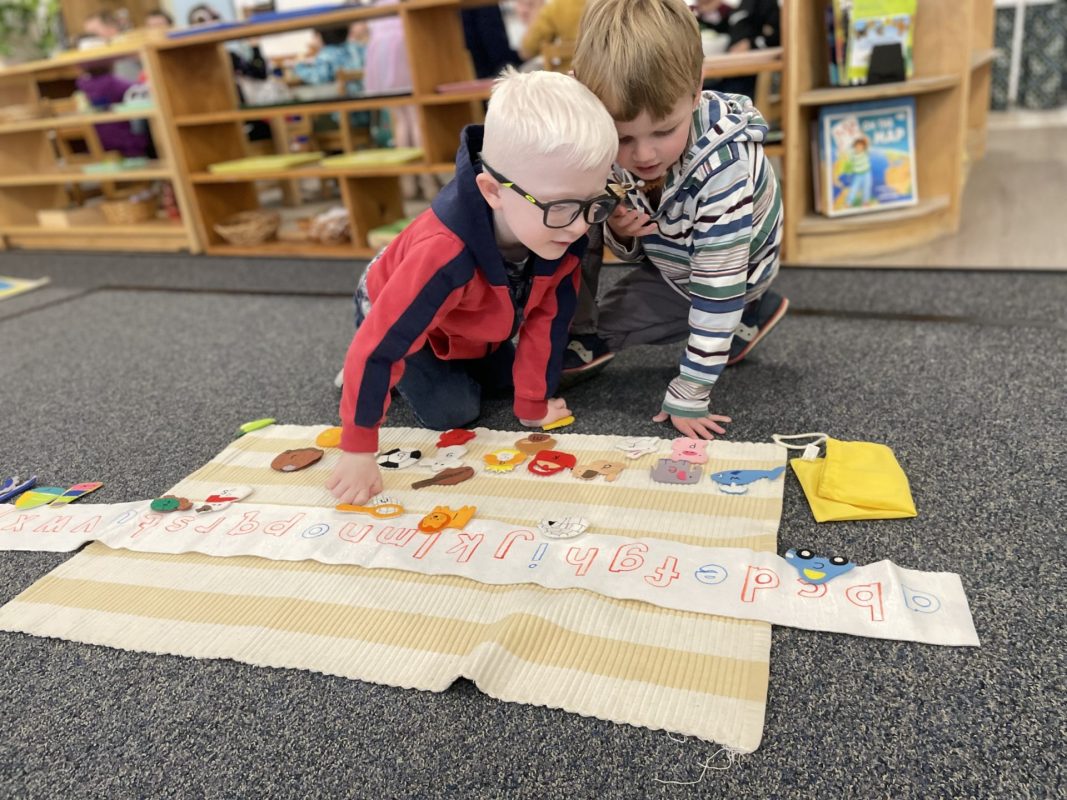
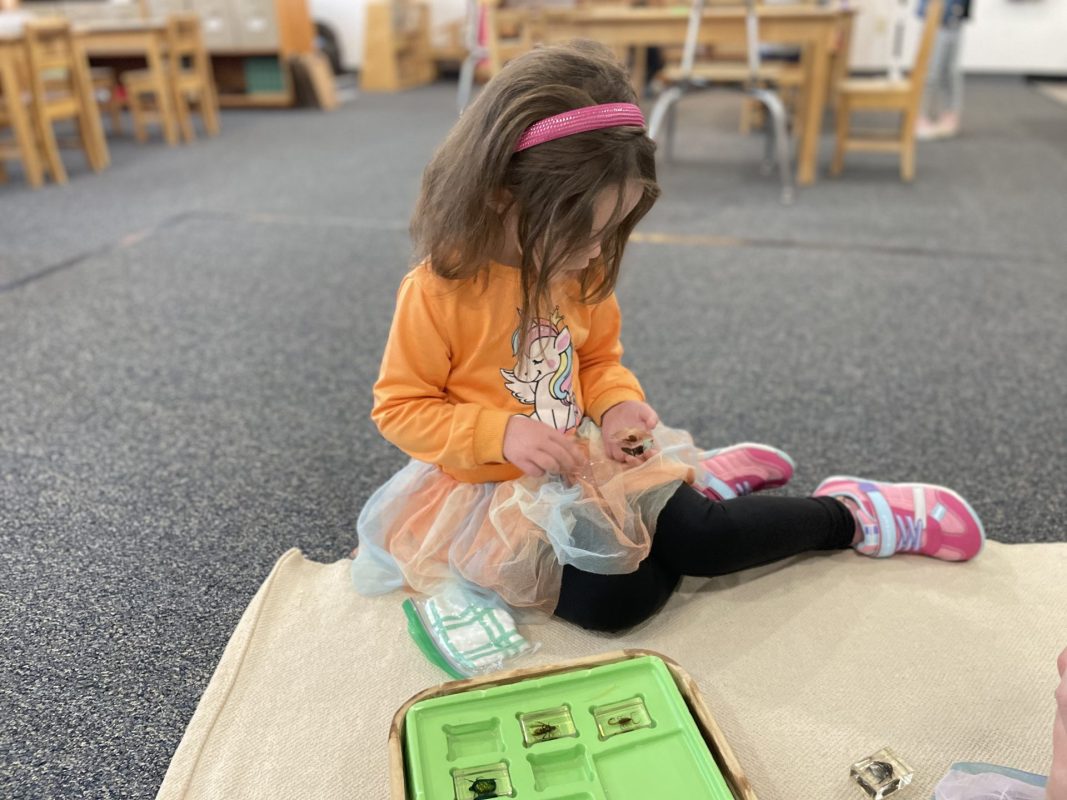
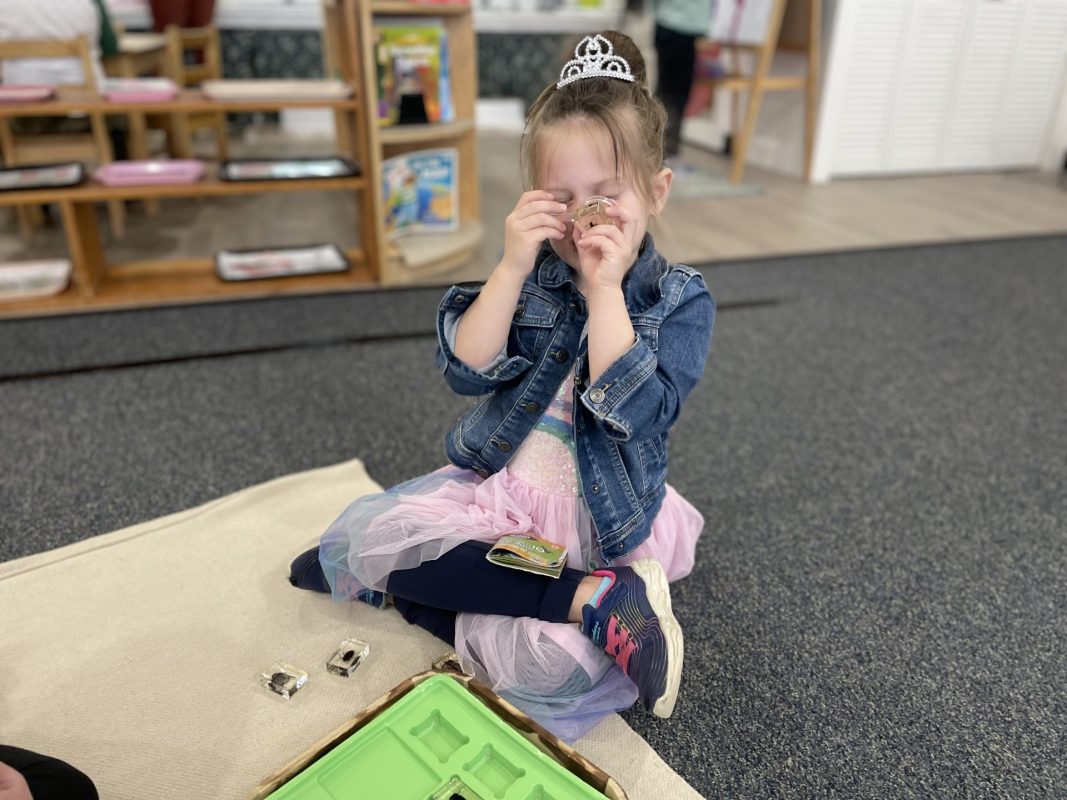
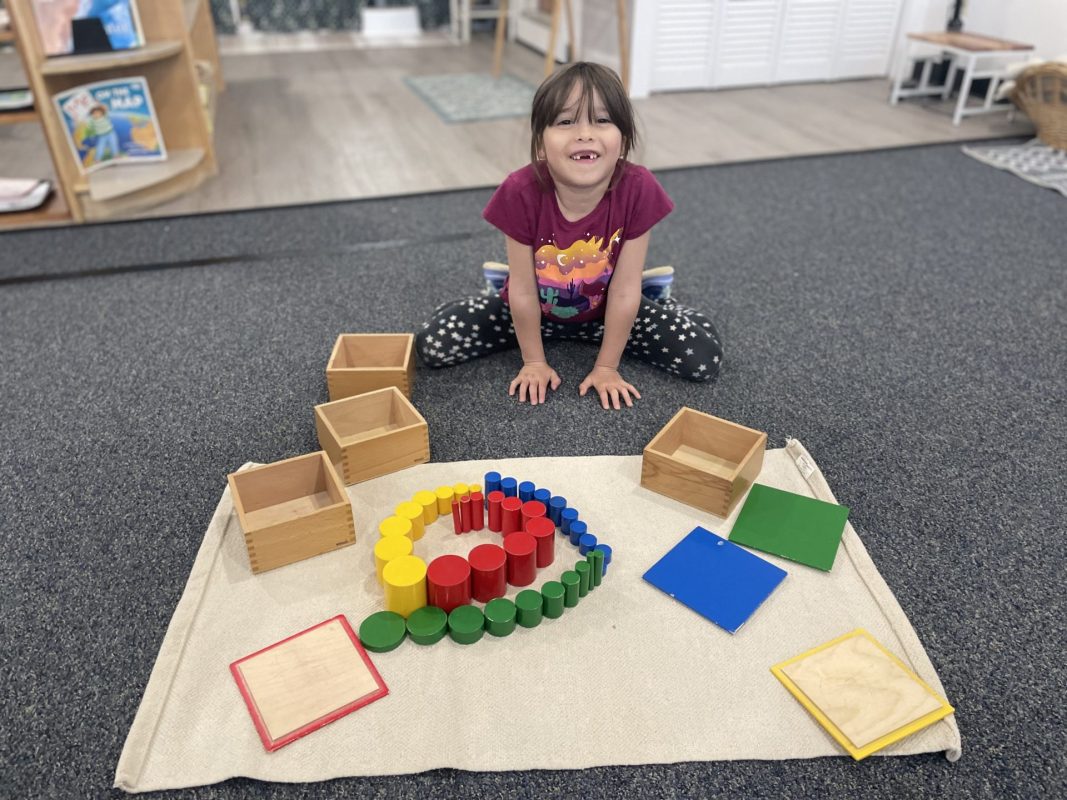
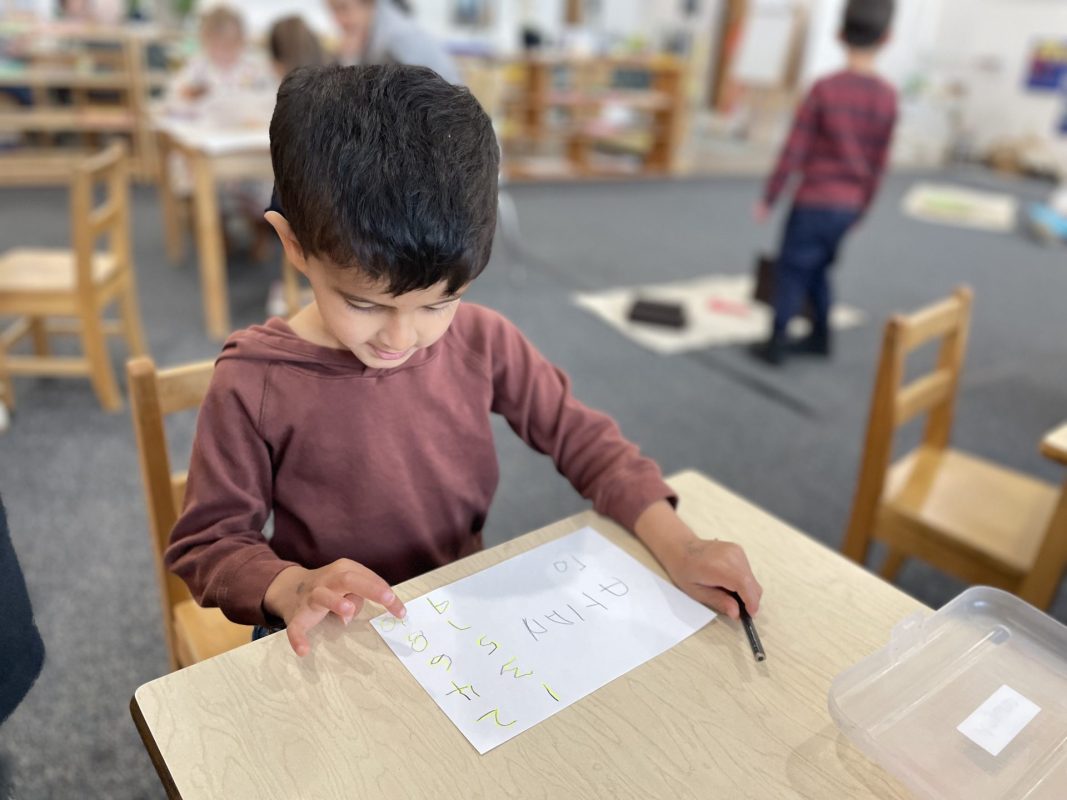
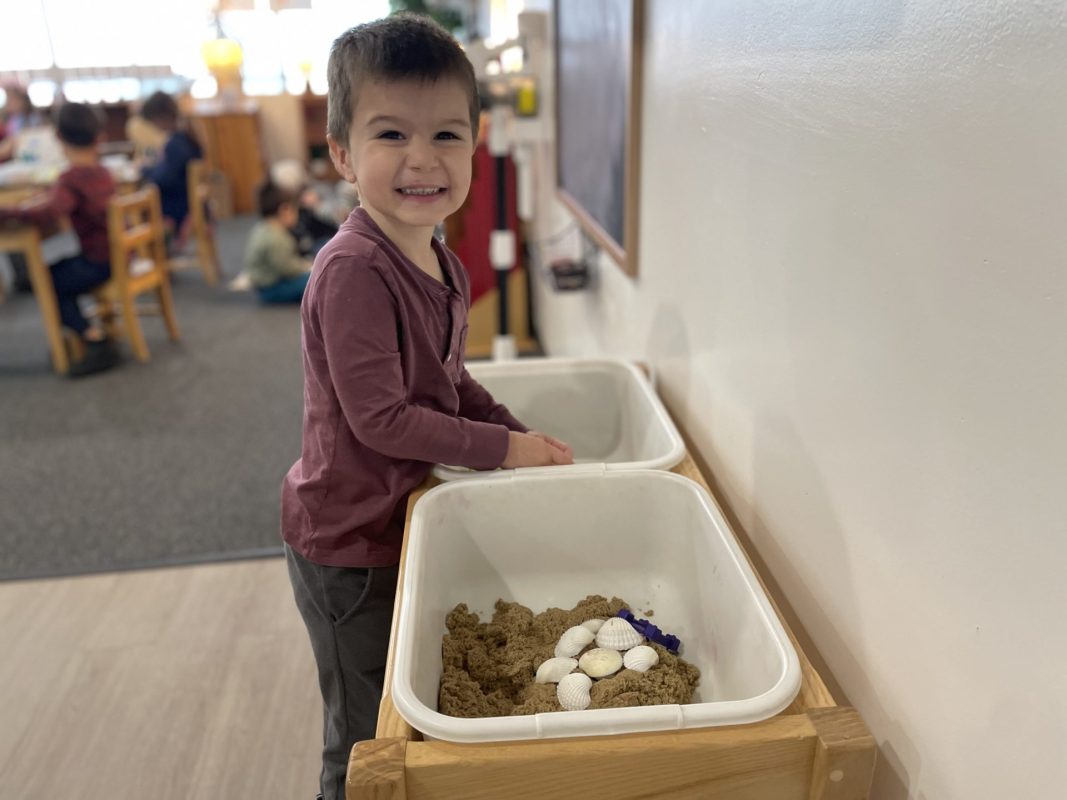
Every Montessori classroom has a Sensorial area, and it is filled with materials that help the child study their environment through their five senses. Maria Montessori believed that sensorial experiences begin at birth for every child, and by refining these skills, they begin to understand their surroundings. The sensorial materials allow the child to acquire concise information and classify things around them. They use their senses not only to create their own experiences and knowledge but also to help them figure out different impressions each sense receives. The child is, therefore, a natural “sensorial explorer.”

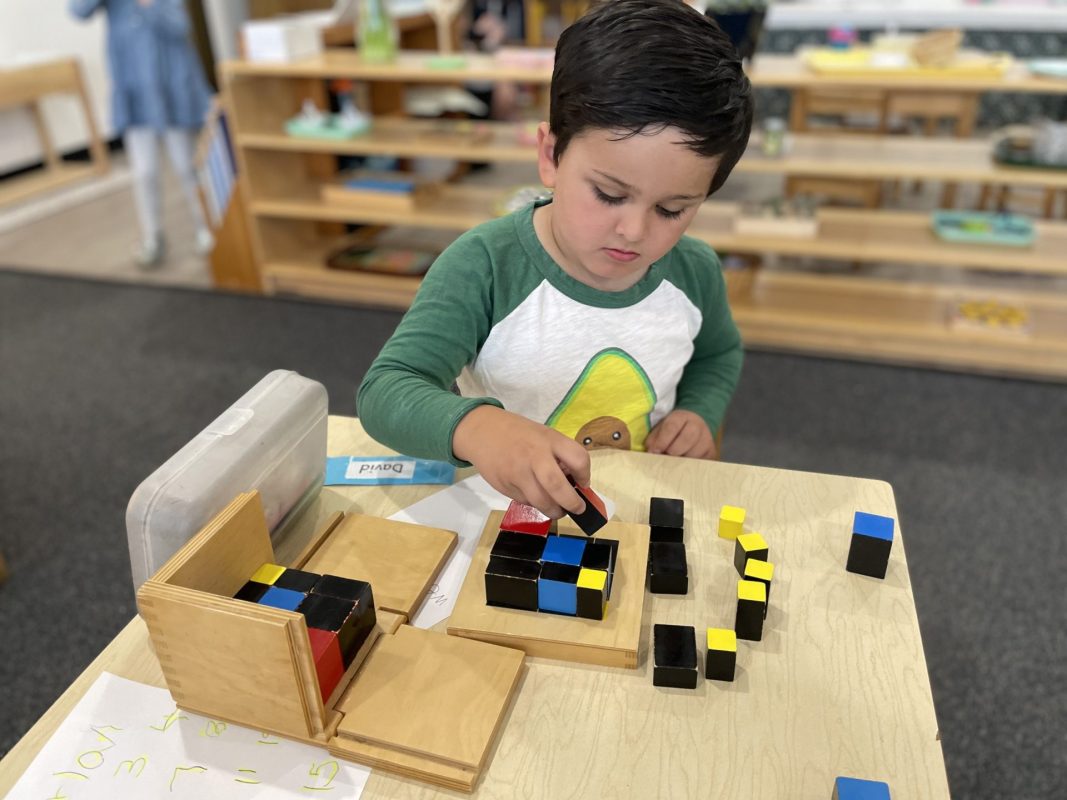
Each material in this area has a built-in control of error so that after an initial lesson, little teacher direction is needed. This control of error helps a child determine what needs to happen to complete the lesson successfully. The children can distinguish, categorize, and relate new information to what they already know. Each sensorial material isolates one specific quality, such as color, weight, shape, texture, size, sound, or smell. These materials emphasize this particular quality by eliminating or minimizing other differences. Many of the sensorial materials are also the basis of future mathematical concepts the children will learn.

Wishing you a week filled with peace and love.

Michelle & Maria


Mrs. Lopes: I Sense Something Amazing in Our Class


What the hand does, the mind remembers
. —
Maria Montessori

Every Montessori classroom has a Sensorial area, and it is filled with materials that help the child study their environment through their five senses. Maria Montessori believed that sensorial experiences begin at birth for every child, and by refining these skills, they begin to understand their surroundings. The sensorial materials allow the child to acquire concise information and classify things around them. They use their senses not only to create their own experiences and knowledge but also to help them figure out different impressions each sense receives. The child is, therefore, a natural “sensorial explorer.”

Each material in this area has a built-in control of error so that after an initial lesson, little teacher direction is needed. This control of error helps a child determine what needs to happen to complete the lesson successfully. The children can distinguish, categorize, and relate new information to what they already know. Each sensorial material isolates one specific quality, such as color, weight, shape, texture, size, sound, or smell. These materials emphasize this particular quality by eliminating or minimizing other differences. Many of the sensorial materials are also the basis of future mathematical concepts the children will learn.

Wishing you a week filled with peace and love.

Amanda & Hema


Mrs. Sargeant: A Peek at the Week

Welcome back! It was exciting for all of us to reunite this week. The children quickly settled right back into our classroom routines. We celebrated Margot’s 2nd birthday this week. She counted two votive candles, and we sang ‘Happy Birthday’ to her as we played our music box. She shared one of her favorite books, The Little Mouse, the Red Ripe Strawberry and the Big Hungry Bear, which captivated the whole group! Then we had a special snack of blueberry scones. The children especially loved looking at Margot’s baby pictures. It was a lovely celebration! We’re looking forward to celebrating a few more birthdays soon!

Just before break, we tasted Irish soda bread. The children were given a lesson on spreading butter. They loved the bread, and they loved being able to spread their own butter! An activity such as spreading butter requires a unique rotation of the wrist, which is necessary for learning to write. Spreading requires strength, coordination, and the use of the support hand. It is also very satisfying for young children to participate in preparing their own snacks. The next time you are preparing a snack for your child at home, think about how they can participate. They are so capable! Some ideas for spreading are spreading avocado onto toast, jam or cream cheese on a bagel or rice cake, hummus onto pita, and sun butter onto apple slices or celery. 

This week, we tasted Brussels sprouts. I’d say it was a 50/50 split. Definitely worth trying again at home. There are so many interesting and delicious recipes that surely did not exist when I was a child!

I wholeheartedly thank you all for all that you do for us. Thank you for showing up each week with food for our food-tasting experience and flowers for the children to arrange. Thank you for sharing in the task of doing laundry. I appreciate all of you!

Happy Easter to those who celebrate!

Warmly,

Christine & Lizette


Mrs. Doyle: Oh, The Places You’ll Go!


You can find magic wherever you look. So sit back and relax, all you need is a book.  

                                                                                                                                                                    —–Dr. Seuss

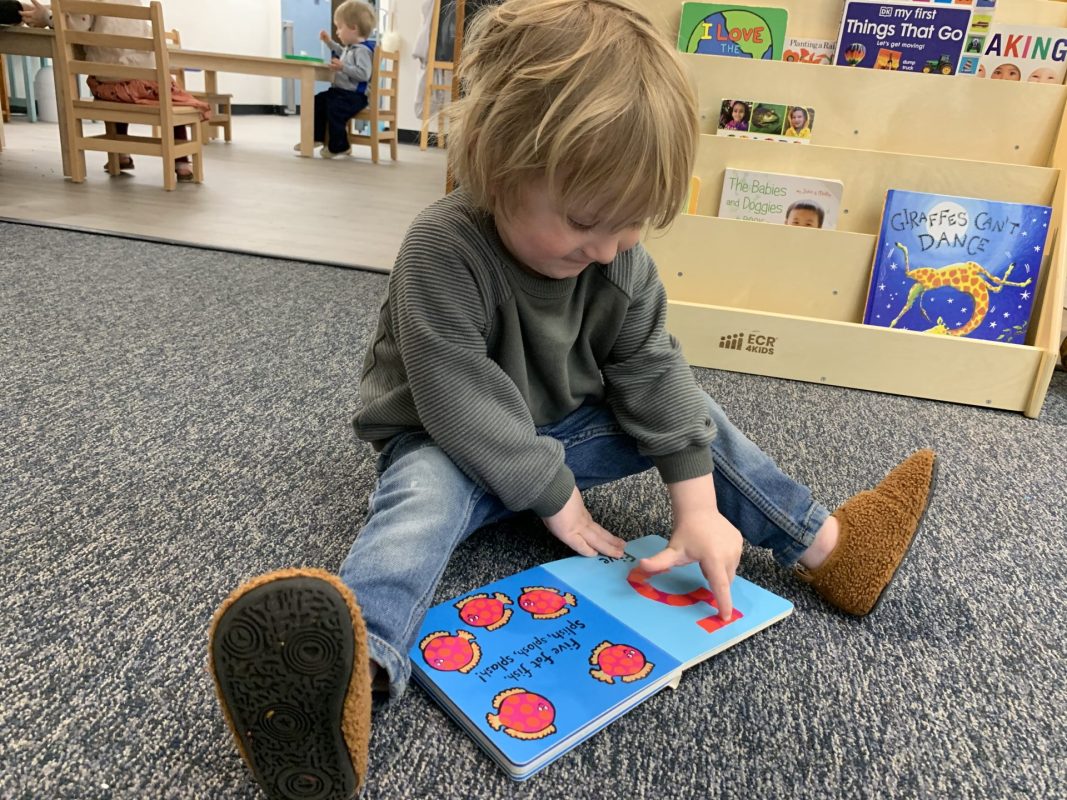
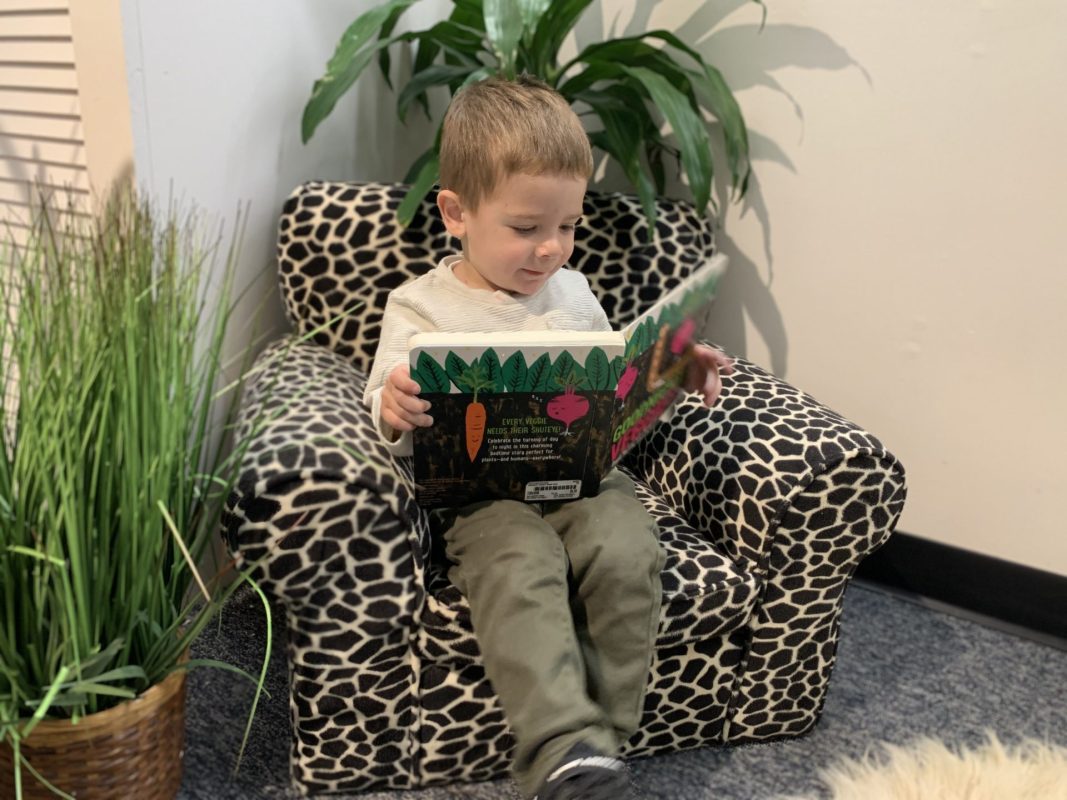
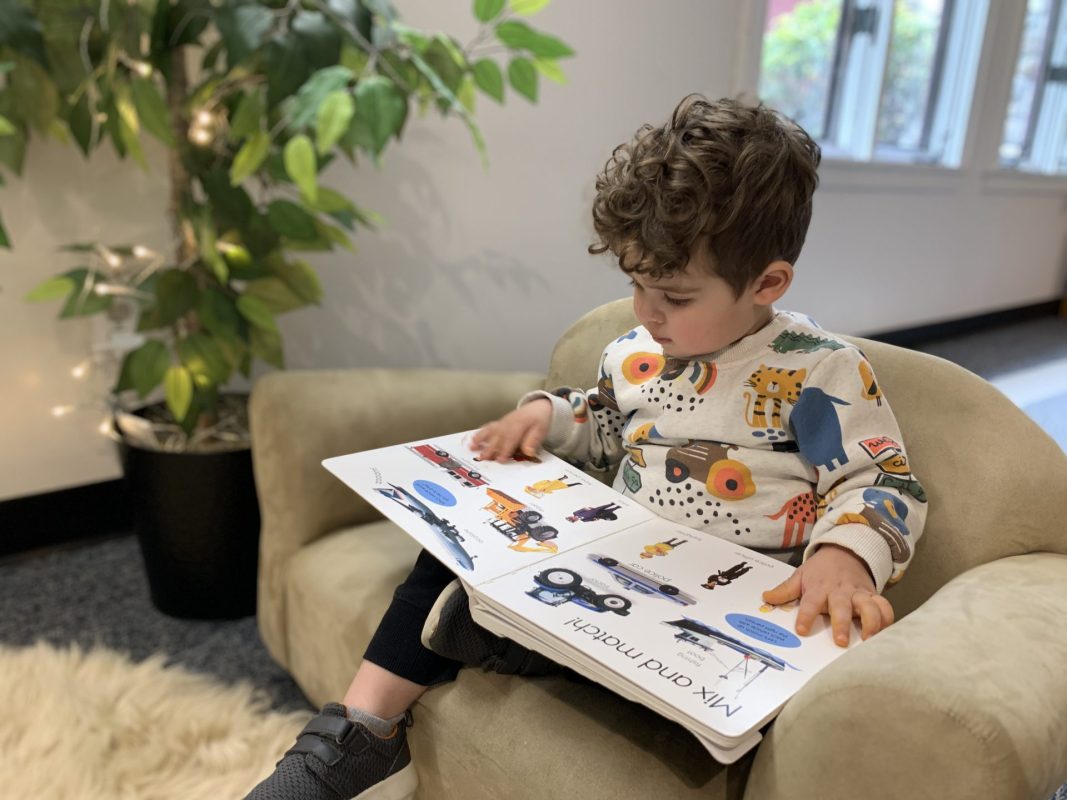
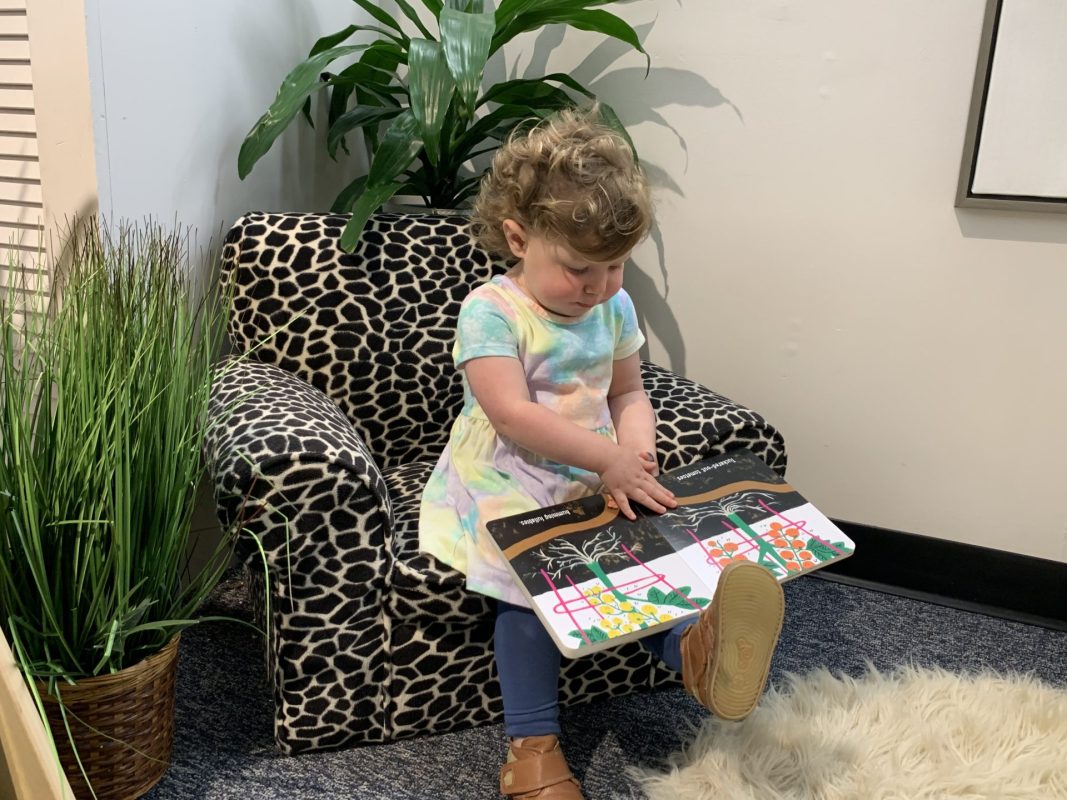
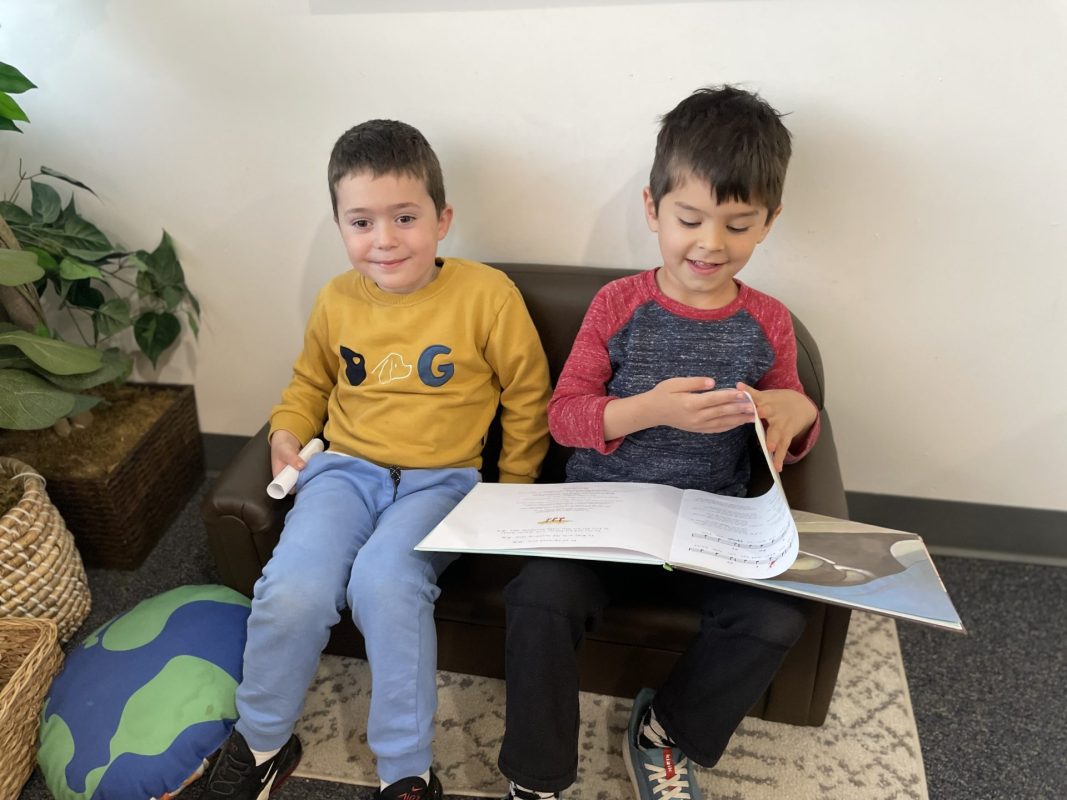
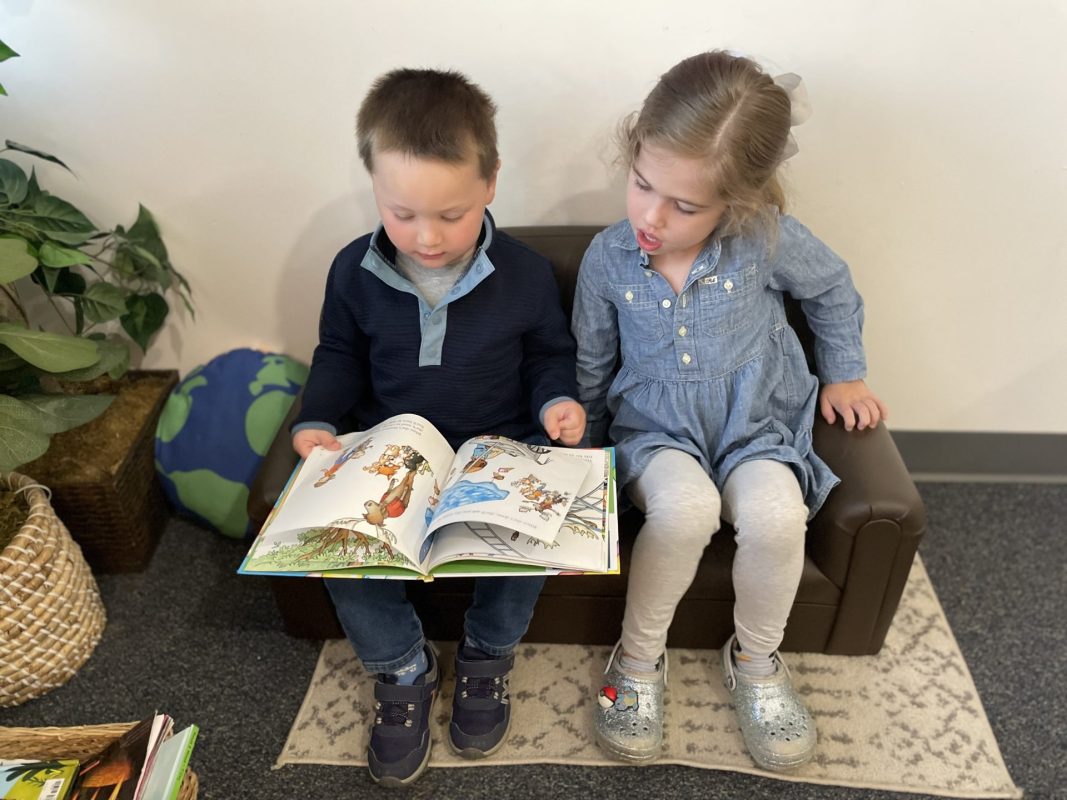
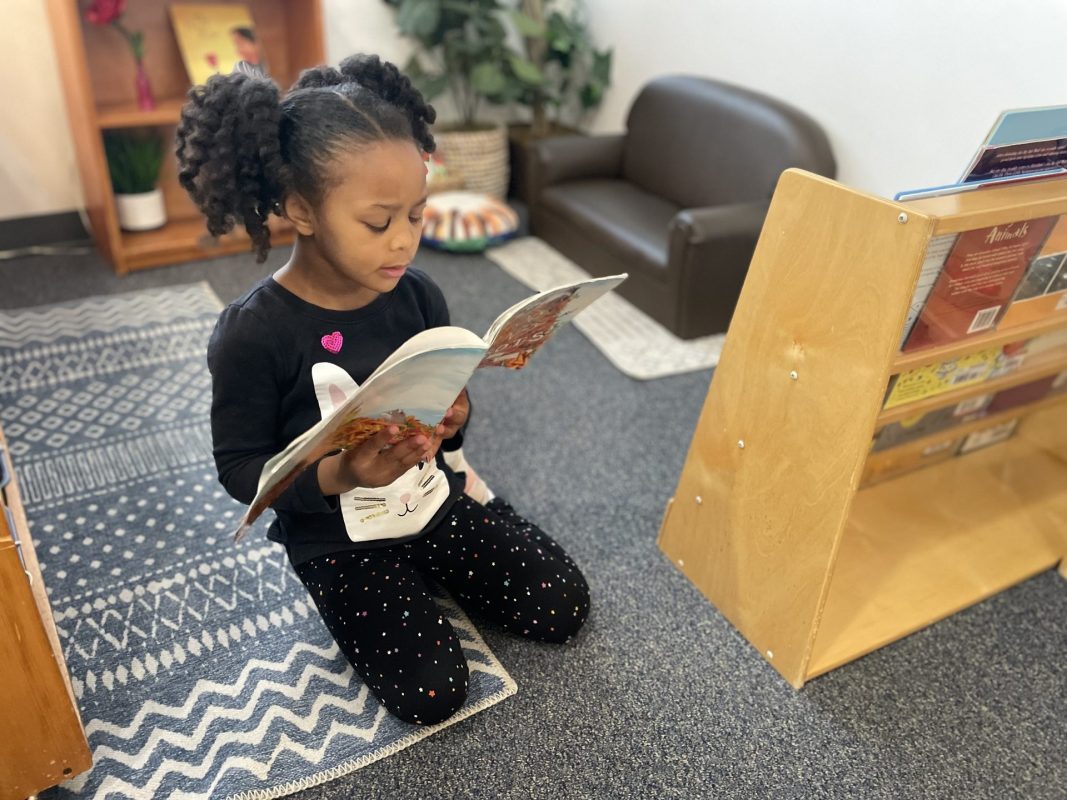
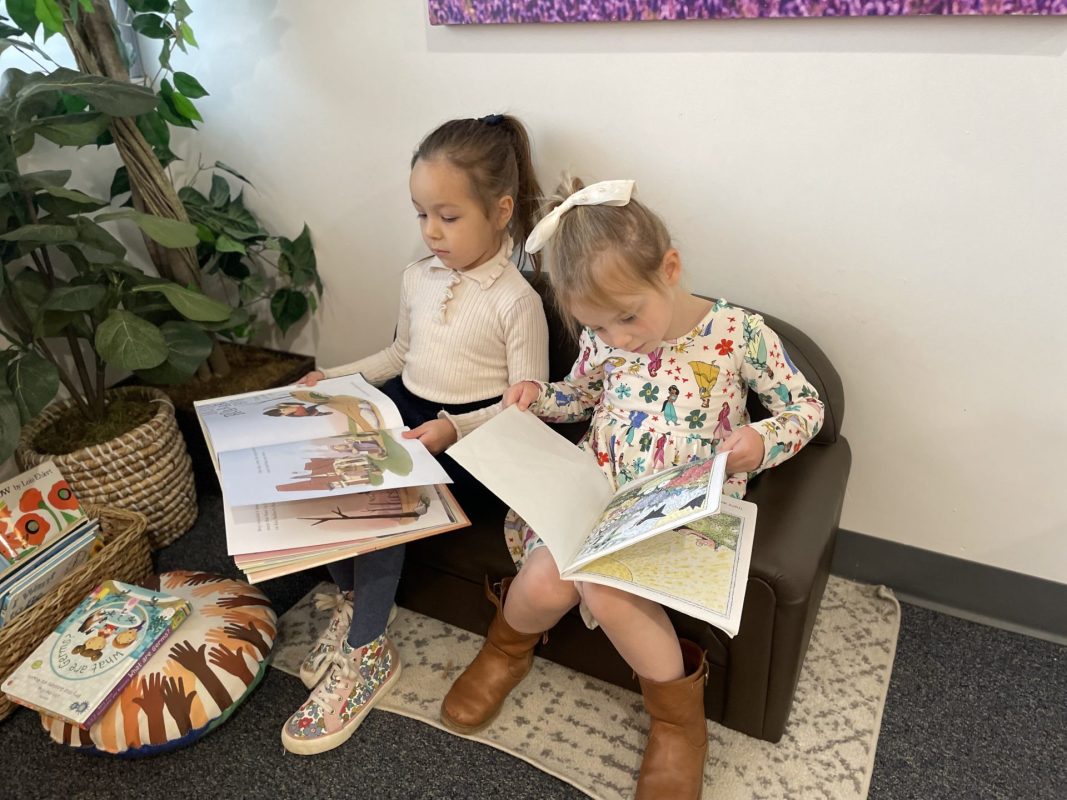
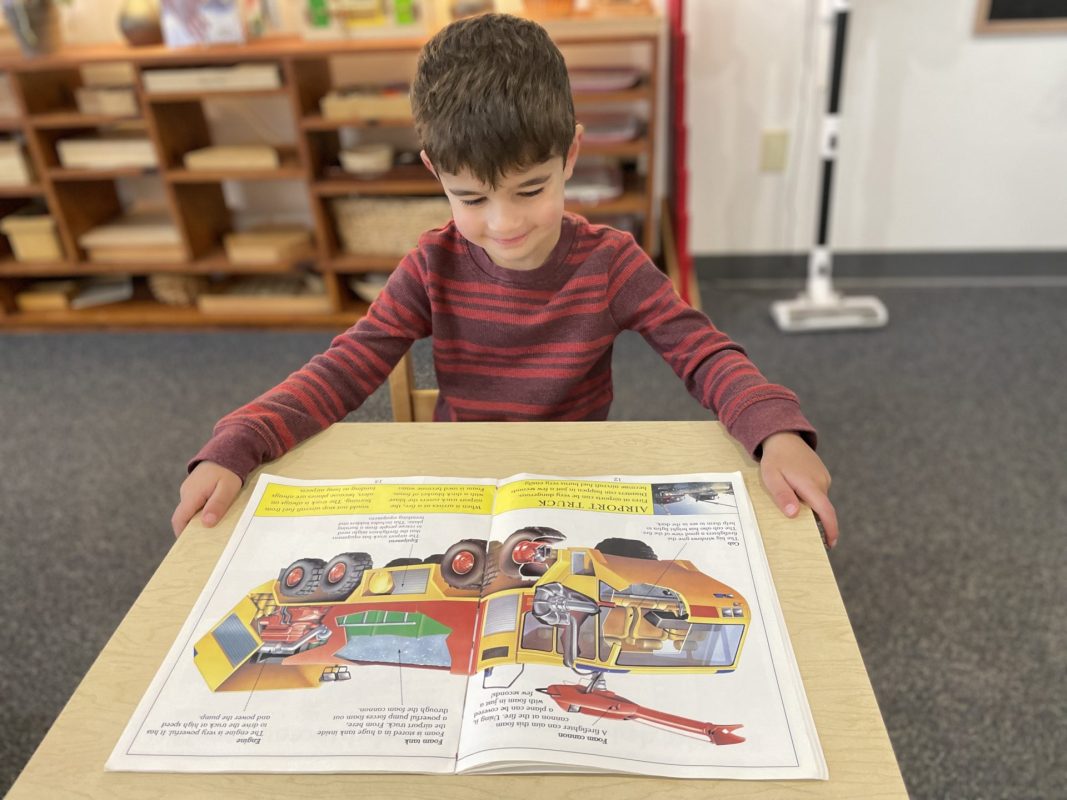
Read Across America is a national event celebrated on March 2nd, the birthday of Dr. Seuss. This initiative was created by the National Education Association and implemented to encourage a love of reading in children. At FWM, we also turn that day into Pajama Day, and the children bring their favorite book to share. We hope you enjoy the pictures.

An online article from nationaldaycalendar.com has some beautiful ideas on how to motivate children to read wherever they are.

  • Keep books everywhere you spend time. Put them in the car, in every room of the house, and tuck them in backpacks and purses. Make them easily accessible.
  • Visit the library often. Knowing how to use the library and learning the benefits of a library fosters a love of reading as well as genuine respect for the services libraries provide.
  • Get caught reading. Children imitate what they see the adults around them do. Whether they see you read a magazine, newspaper, or novel, let them know reading is the cool thing to do.
  • Read to your children. No matter their age, reading aloud strengthens their vocabulary and language skills. It also opens up opportunities for discussion.
  • Have your children read to you, too. You never know what you might learn!

In our classroom, we call books treasures. Reading is an integral part of each school day. I hope that Miss Maria and I can pass on our passion for literature to your children.

Happy Reading!

Michelle & Maria

Mrs. Lopes: Oh The Places You’ll Go!


You can find magic wherever you look. So sit back and relax, all you need is a book.  
                                                                                                                                                                    —–Dr. Seuss

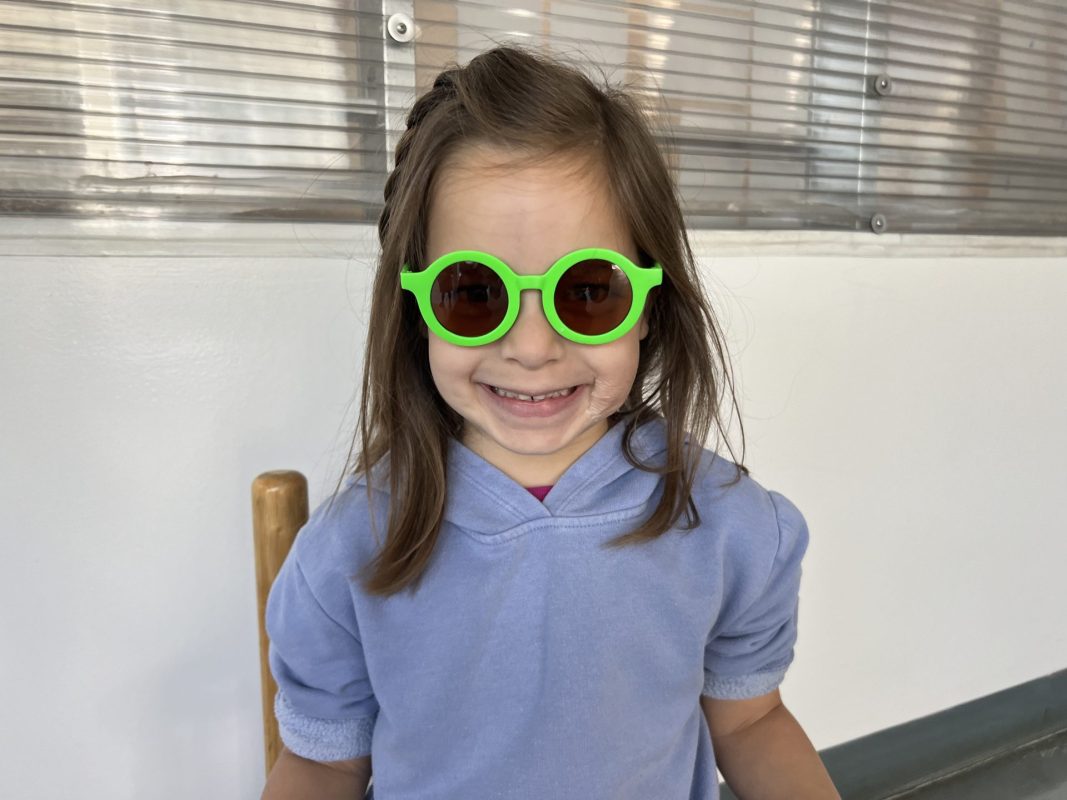
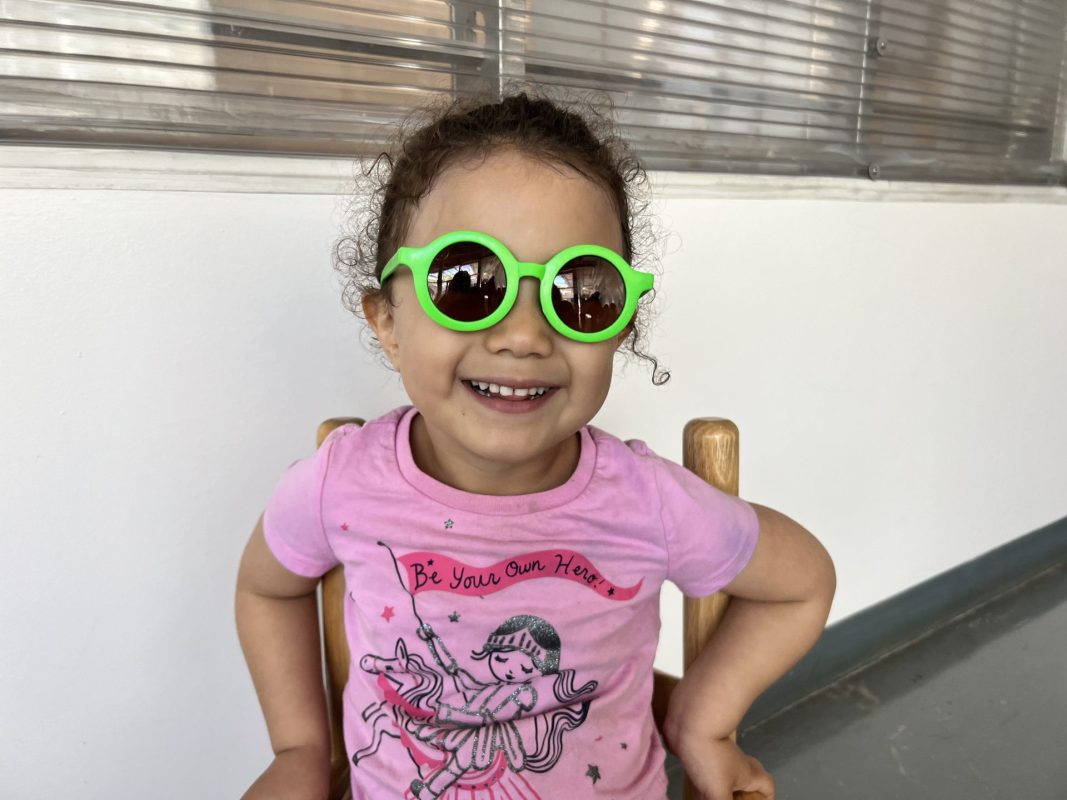
Read Across America is a national event celebrated on March 2nd, the birthday of Dr. Seuss. This initiative was created by the National Education Association and implemented to encourage a love of reading in children. At FWM, we also turn that day into Pajama Day, and the children bring their favorite book to share. We hope you enjoy the pictures.
An online article from nationaldaycalendar.com has some beautiful ideas on how to motivate children to read wherever they are.

  • Keep books everywhere you spend time. Put them in the car, in every room of the house, and tuck them in backpacks and purses. Make them easily accessible.
  • Visit the library often. Knowing how to use the library and learning the benefits of a library fosters a love of reading as well as genuine respect for the services libraries provide.
  • Get caught reading. Children imitate what they see the adults around them do. Whether they see you read a magazine, newspaper, or novel, let them know reading is the cool thing to do.
  • Read to your children. No matter their age, reading aloud strengthens their vocabulary and language skills. It also opens up opportunities for discussion.
  • Have your children read to you, too. You never know what you might learn!

In our classroom, we call books treasures. Reading is an integral part of each school day. I hope that Ms Hema and I can pass on our passion for literature to your children.

Happy Reading!

Amanda & Hema


Ms. Marissa: Oh The Places You’ll Go!

Read Across America is a national event celebrated on March 2nd, the birthday of Dr. Seuss. This initiative was created by the National Education Association and implemented to encourage a love of reading in children. At FWM, we also turn that day into Pajama Day, and the children bring their favorite book to share.

An online article from nationaldaycalendar.com has some beautiful ideas on how to motivate children to read wherever they are.

  • Keep books everywhere you spend time. Put them in the car, in every room of the house, and tuck them in backpacks and purses. Make them easily accessible.
  • Visit the library often. Knowing how to use the library and learning the benefits of a library fosters a love of reading as well as genuine respect for the services libraries provide.
  • Get caught reading. Children imitate what they see the adults around them do. Whether they see you read a magazine, newspaper, or novel, let them know reading is the cool thing to do.
  • Read to your children. No matter their age, reading aloud strengthens their vocabulary and language skills. It also opens up opportunities for discussion.
  • Have your children read to you, too. You never know what you might learn!

In our classroom, we call books treasures. Reading is an integral part of each school day. I hope that I can pass on our passion for literature to your children.

Happy Reading!


Mrs. Sargeant: A Peek at the Week

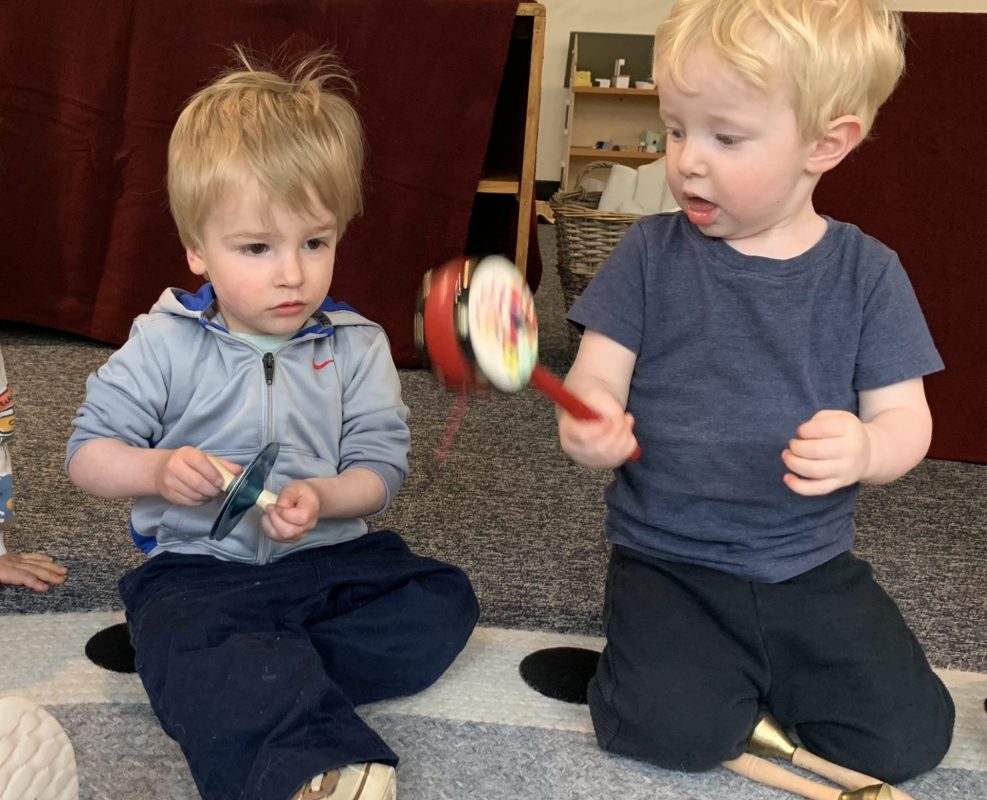
We have spent the first week of March listening to Irish music. The children have learned a bit about bagpipes, and many of them start to dance as soon as the music begins to play.  We’ve listened to the music from Riverdance and talked about Irish dancing. In some of the music, we listened for drums being played along with the bagpipes. The children have also enjoyed learning the names of other musical instruments such as flute, clarinet, French horn, trombone, and guitar. They have seen photos of people playing these instruments and enjoyed matching miniature replicas of these instruments to the photos. 

This week, we tasted asparagus: raw and cooked. Many of the children enjoyed the cooked asparagus. They noticed the difference in taste between the two, as well as the distinct crunch of the raw. 

We are so grateful to Angela and Michael Huttemann for working with our children to create a gorgeous collaborative handprint masterpiece, which will be available for purchase at the gala. 

Our children also had the opportunity to work with Ms. Sarah, our art teacher, to complete another project for the gala. They each pressed their fingerprints onto a ceramic vase. Upon completion, their fingerprints will look like insects crawling on its surface. We are eager to see the finished product!

We hope you enjoy some quality time with your families over the spring break, and look forward to seeing everyone back at school on March 25th.

Warmly, Christine & Lizette


Ms. Marissa: Art & Science Intertwined

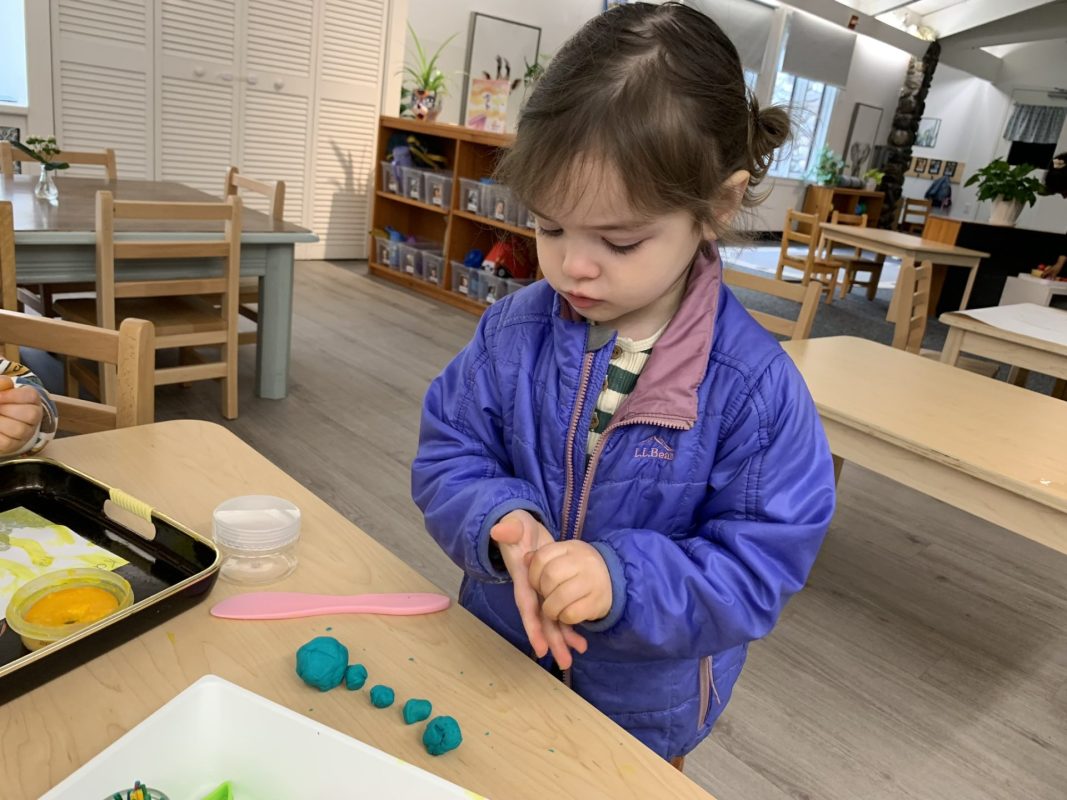
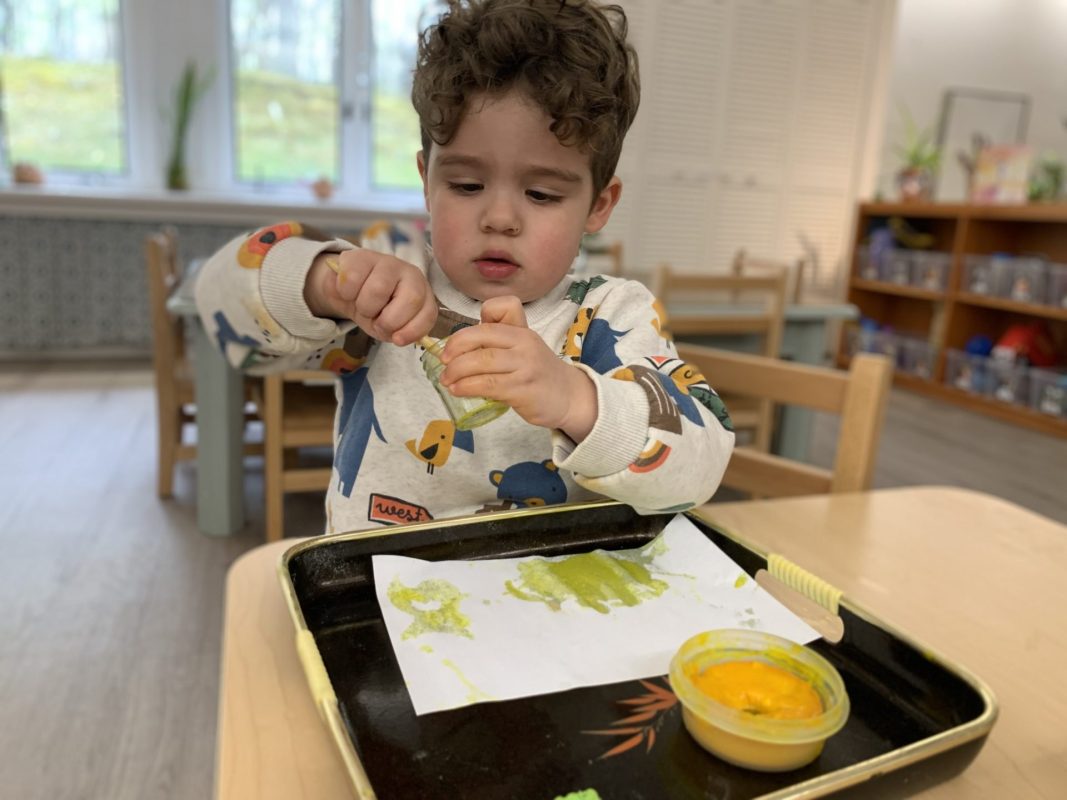
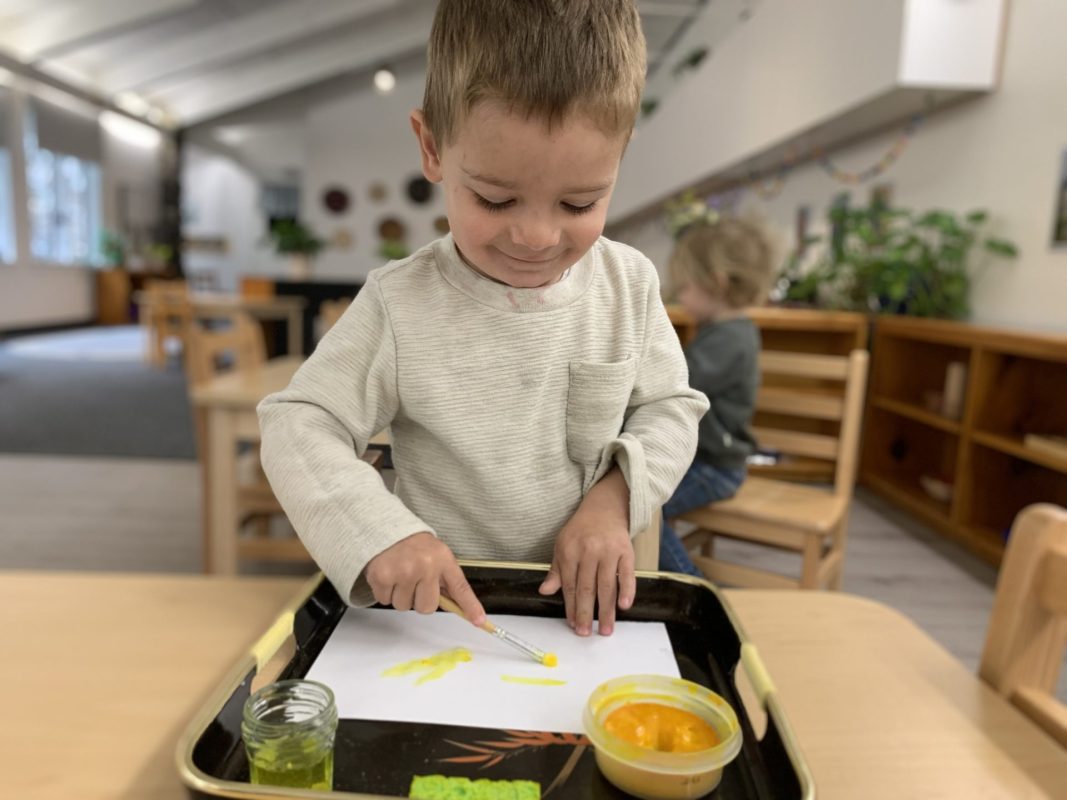
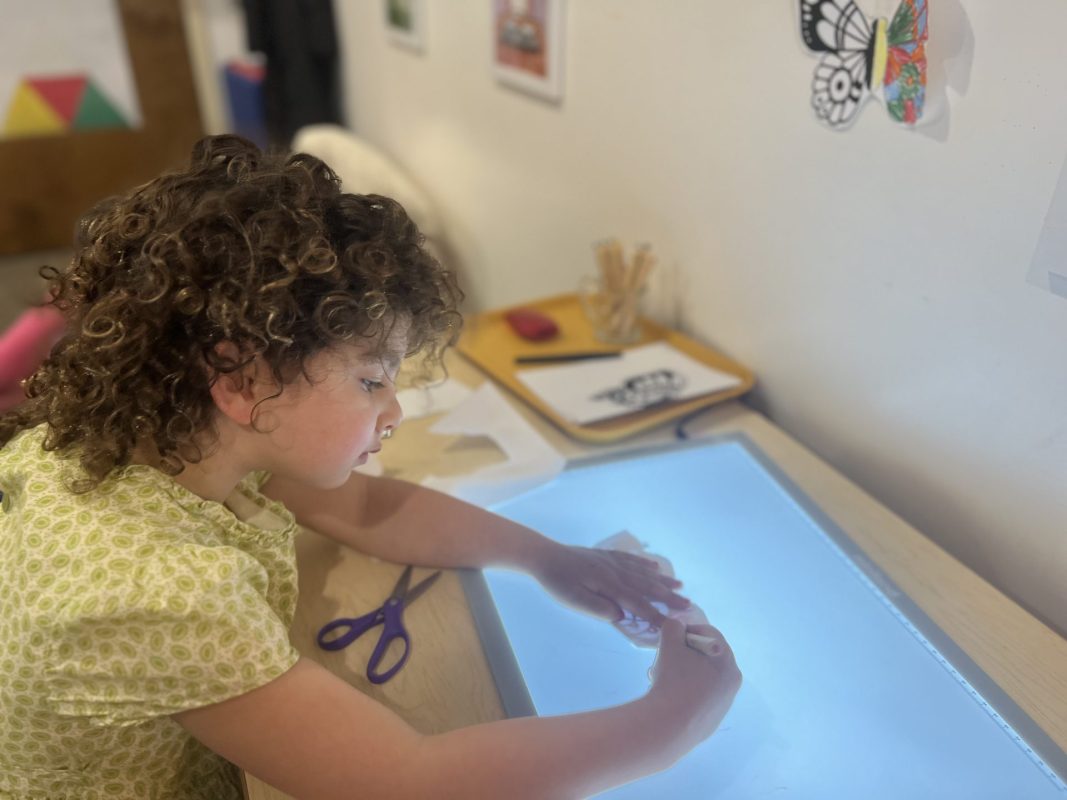
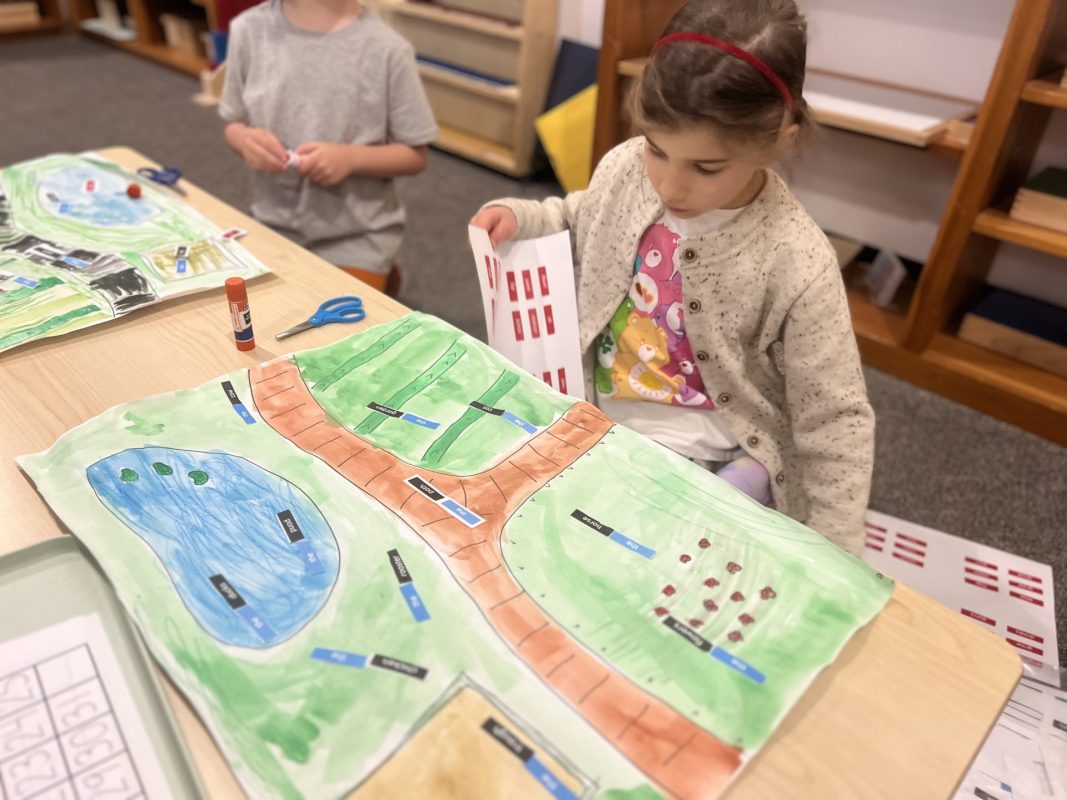
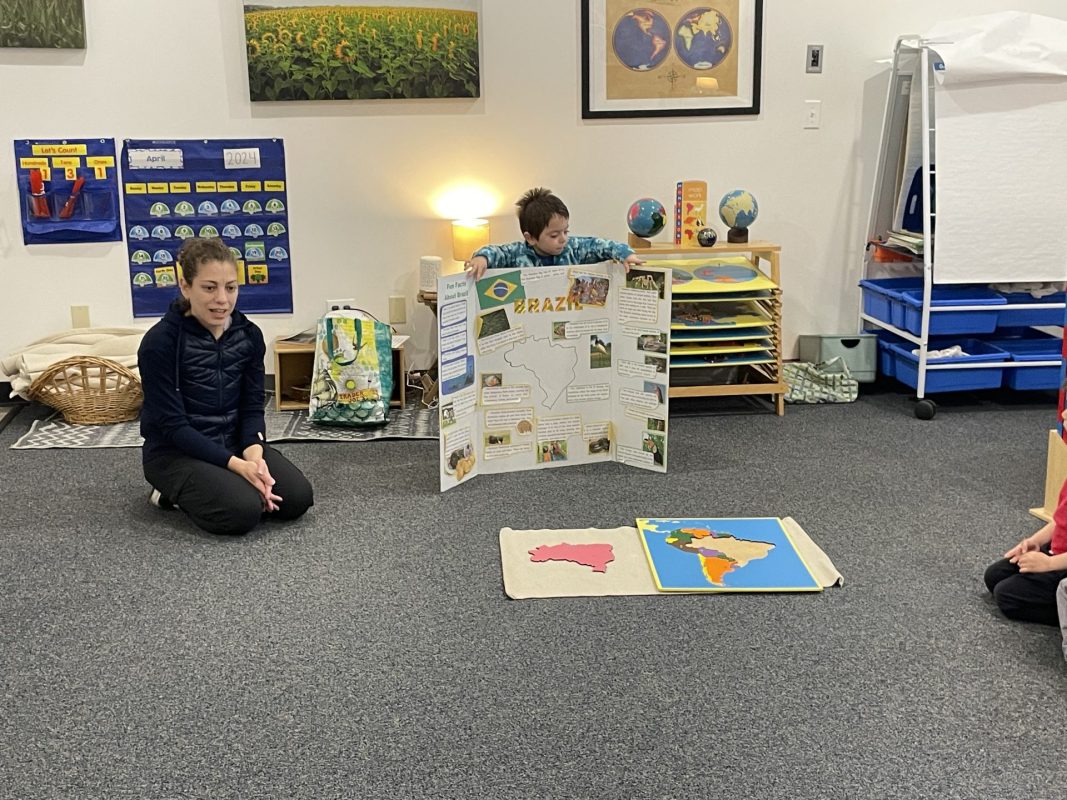
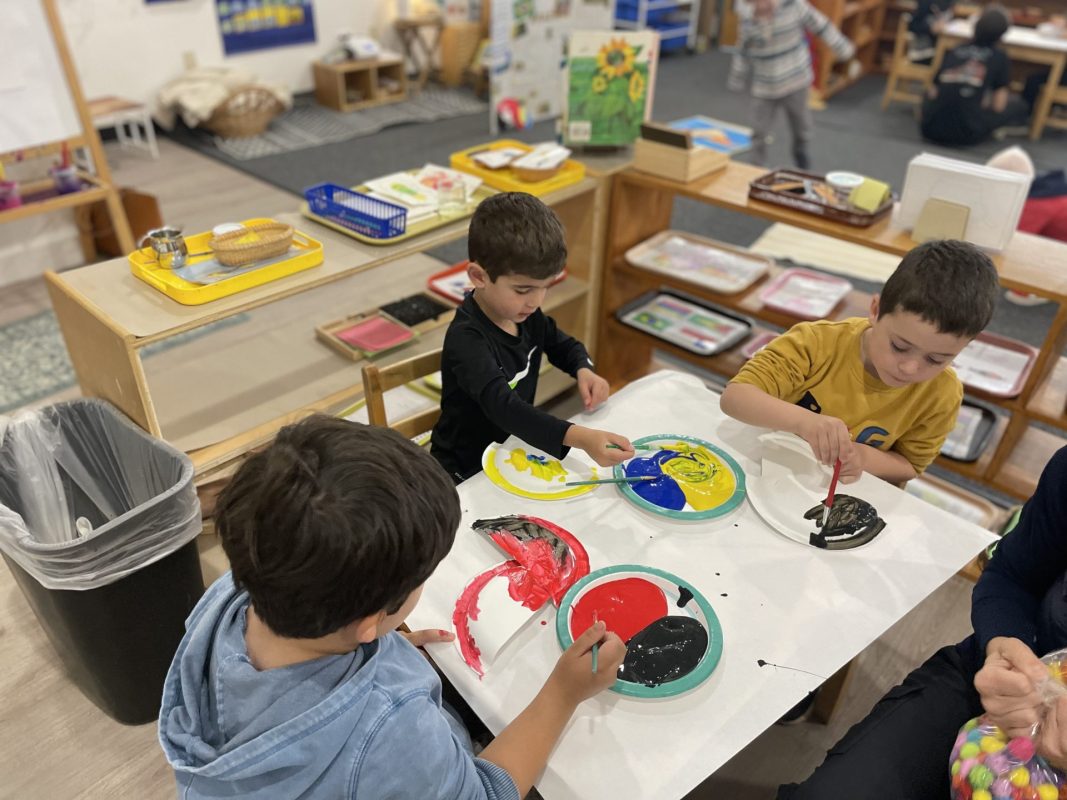
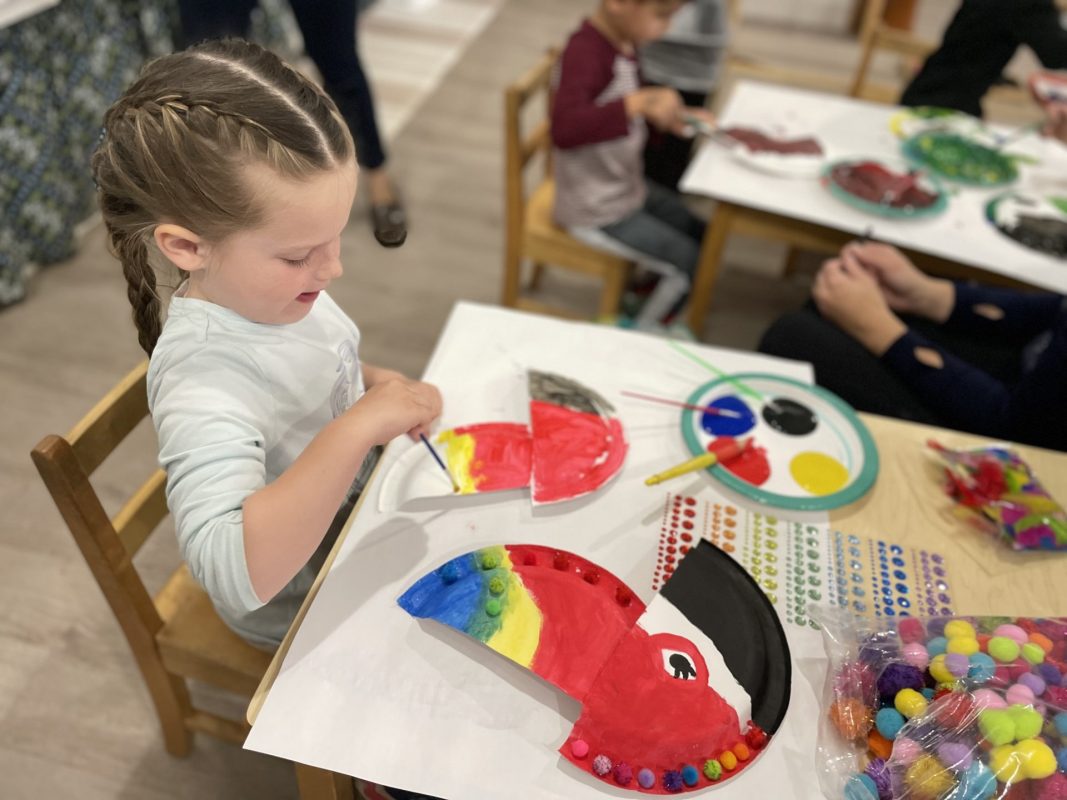
When we study continents, animals, and plants, we always find a way to connect to the material sensorially. In the Primary Montessori classroom, incorporating art into these other scientific areas of study helps children relate to the material on another level. We trace animals and paint them using watercolors, we create continent maps using markers, colored pencils and liquid watercolors, we use tempera paint sticks to paint the landscapes of different places we study. Last week, children used play dough of different colors to create the layers of the Earth, cut it in half, and see how a globe transforms into a flat map. In art, Ms. Sara showed us how to use watercolor pencils to replicate the beautiful inside of geodes.

But what about all these beautiful colors we use? How do THEY come to be? We have been dappling in color mixing all year – through simple, open-ended primary color mixing using a mini ice cube tray, combining ground chalk and salt to see what colors come of it, and by the natural exploration of what color our paint water turns! This week, we introduced a very careful and methodical way of color mixing – our color mixing wheel! Children very carefully apply droplets of water on the specified spots, mix each area together, and lay a paper towel over top. Before you know it – we’ve created a beautiful color wheel! You may be getting a lot of paper towels at home in your child’s folders – this is why!

Check out this sped-up demo!

Have a wonderful weekend!

Marissa & Sue