Ms. Marissa: Backyard Bird Watching

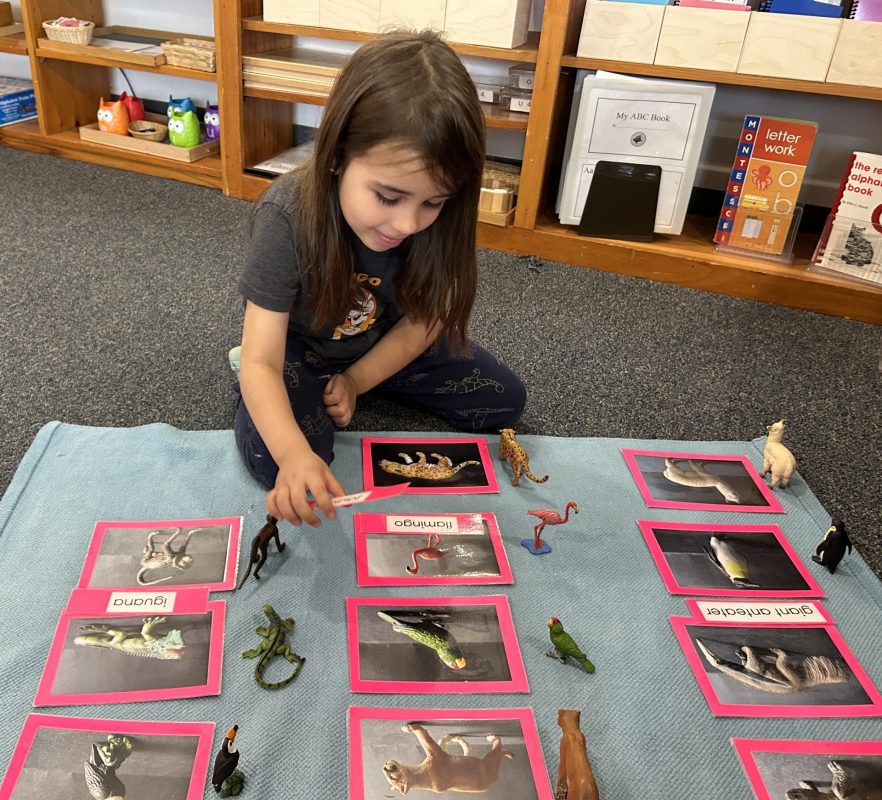
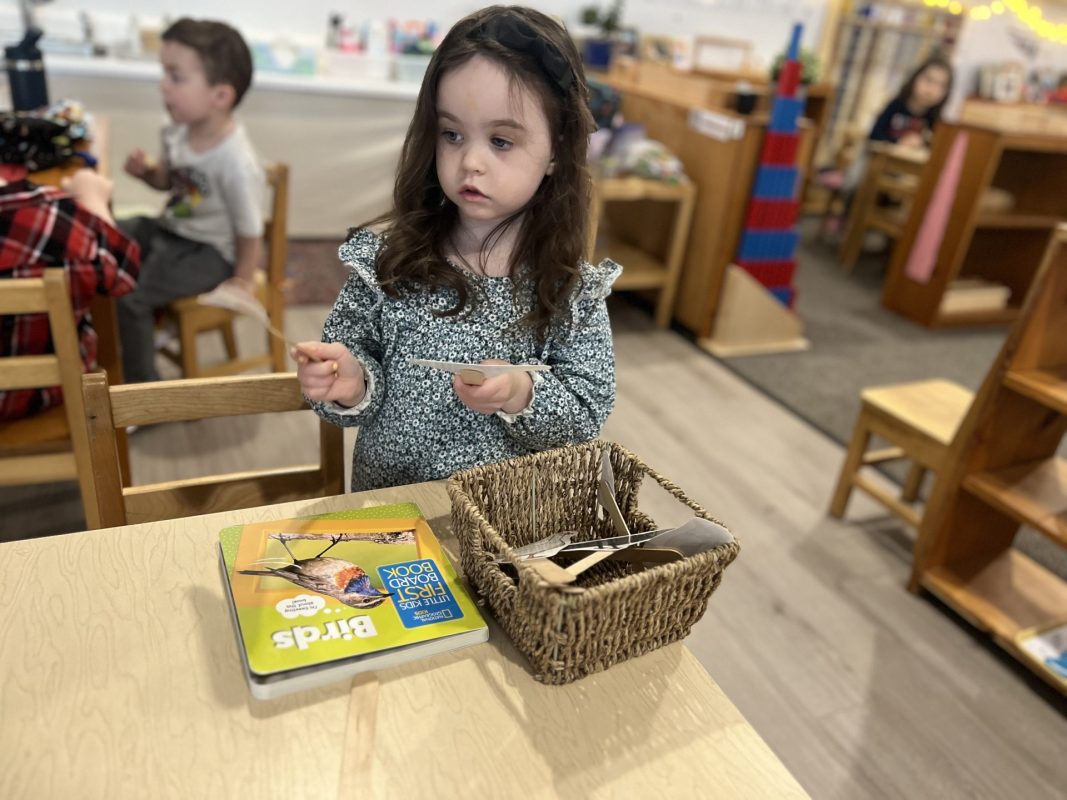
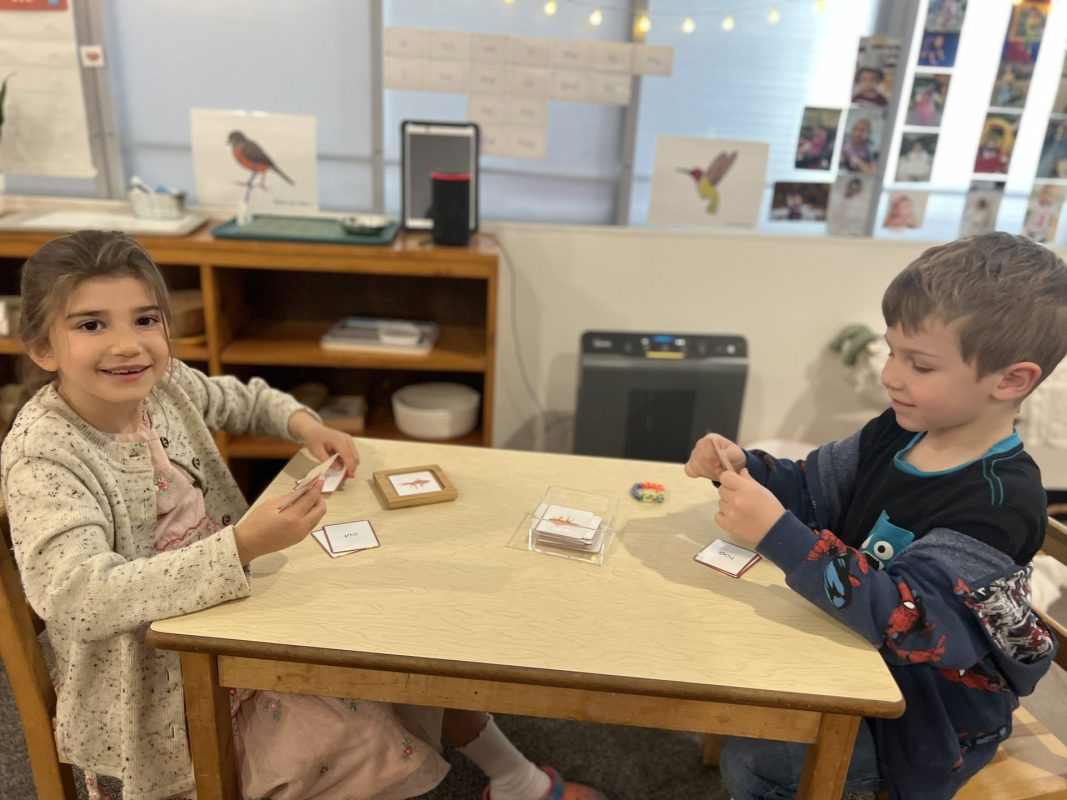
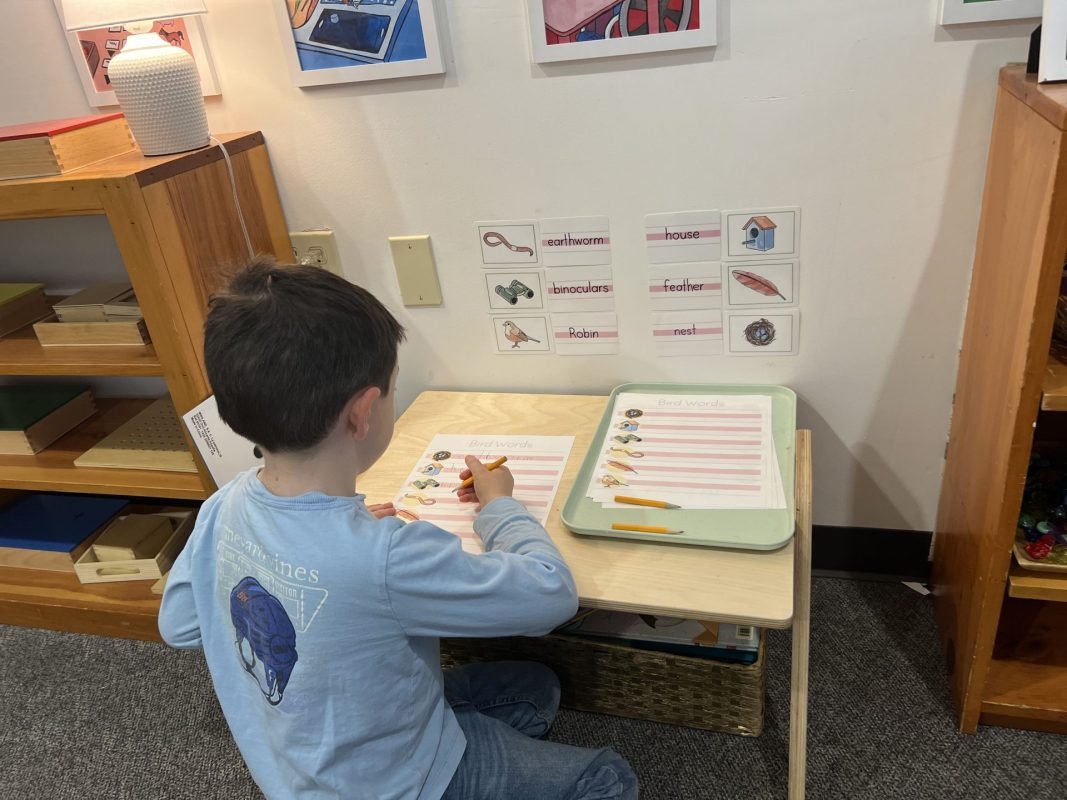
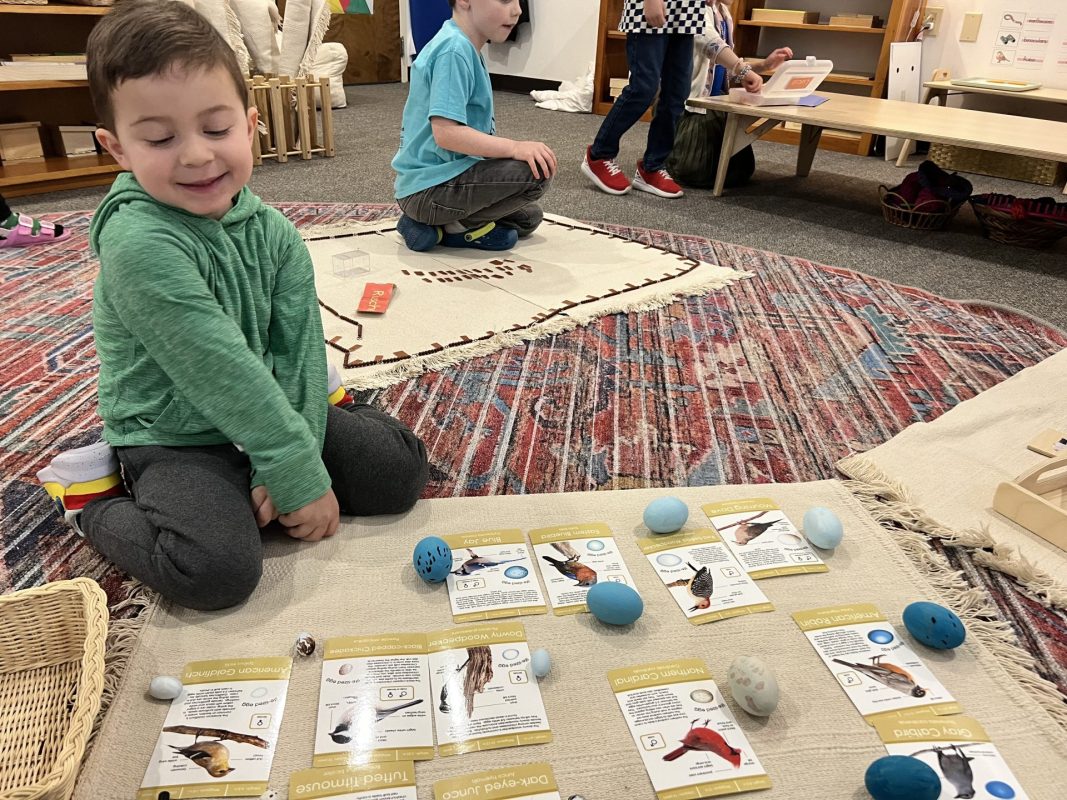
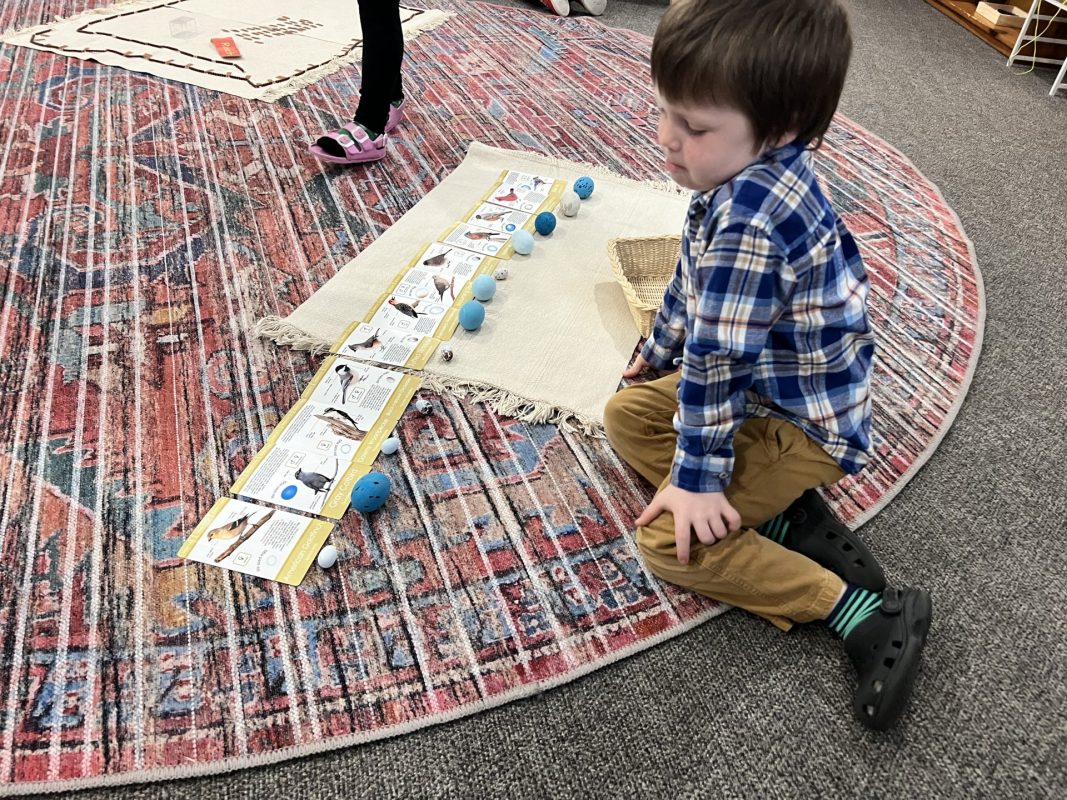
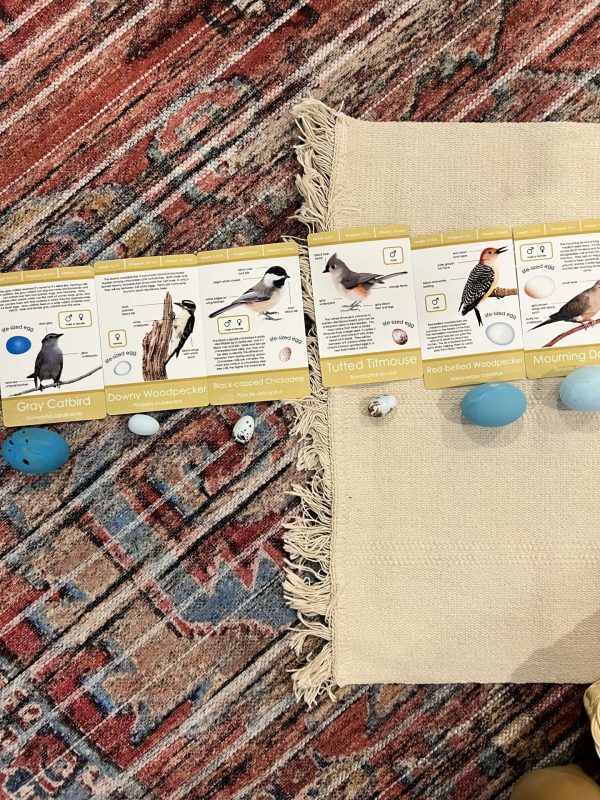
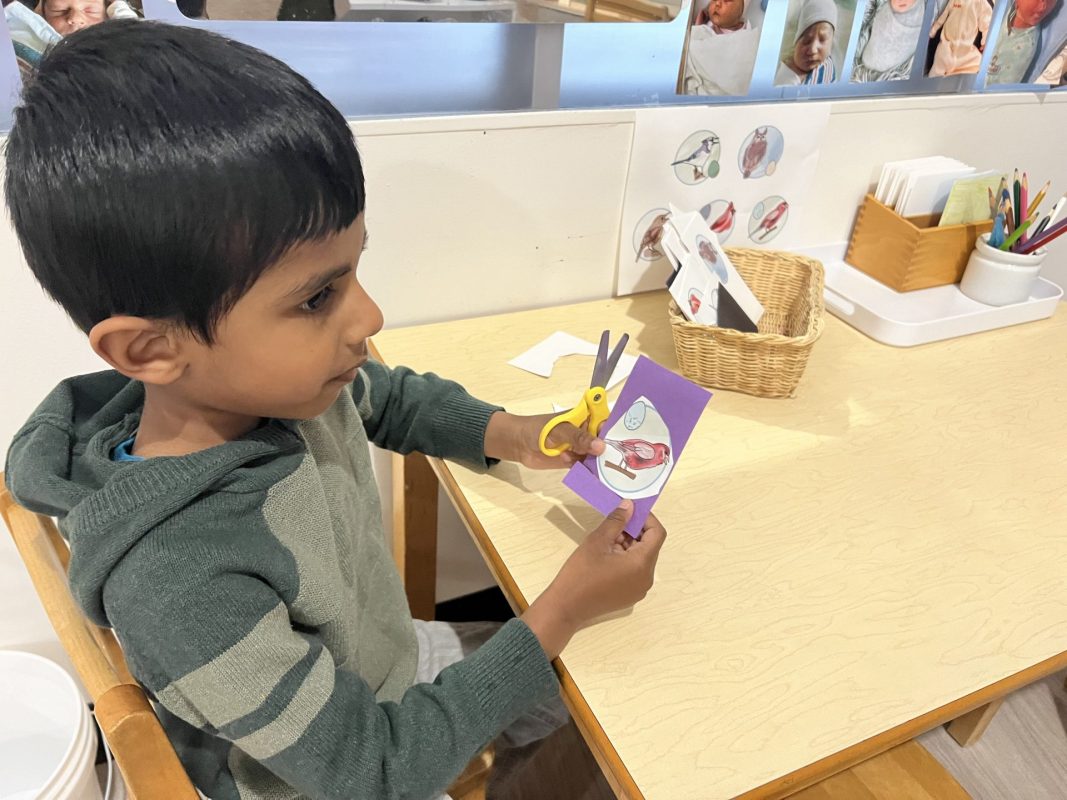
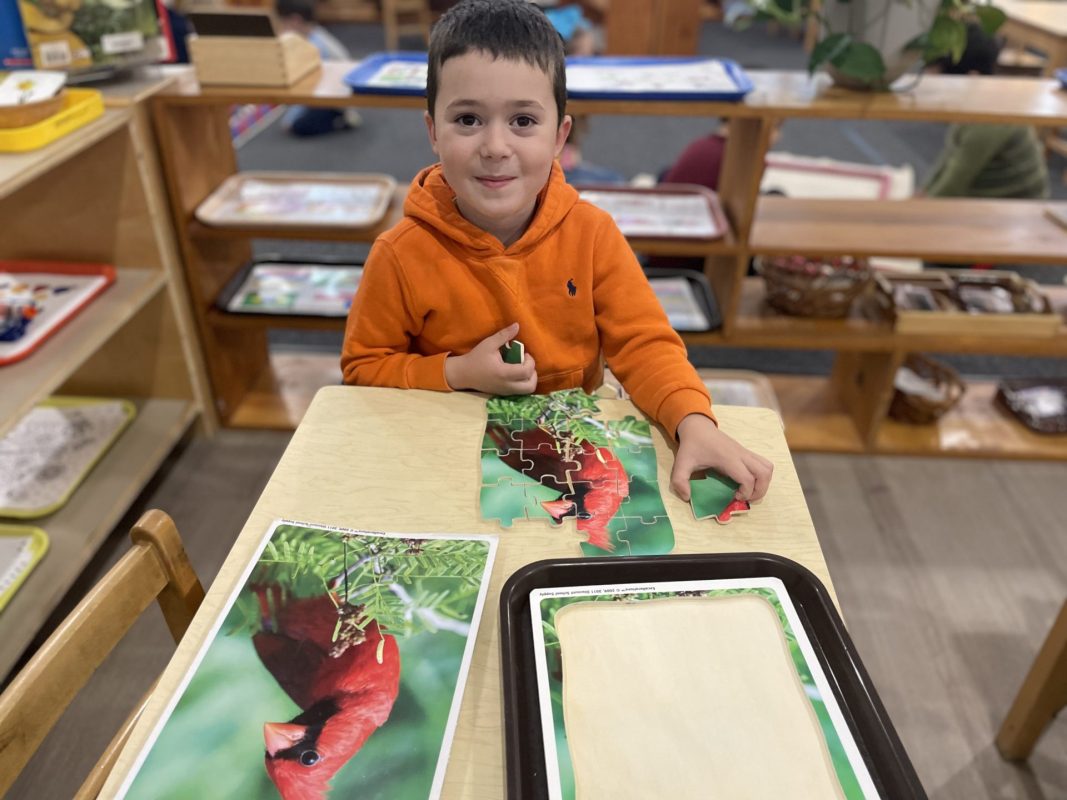
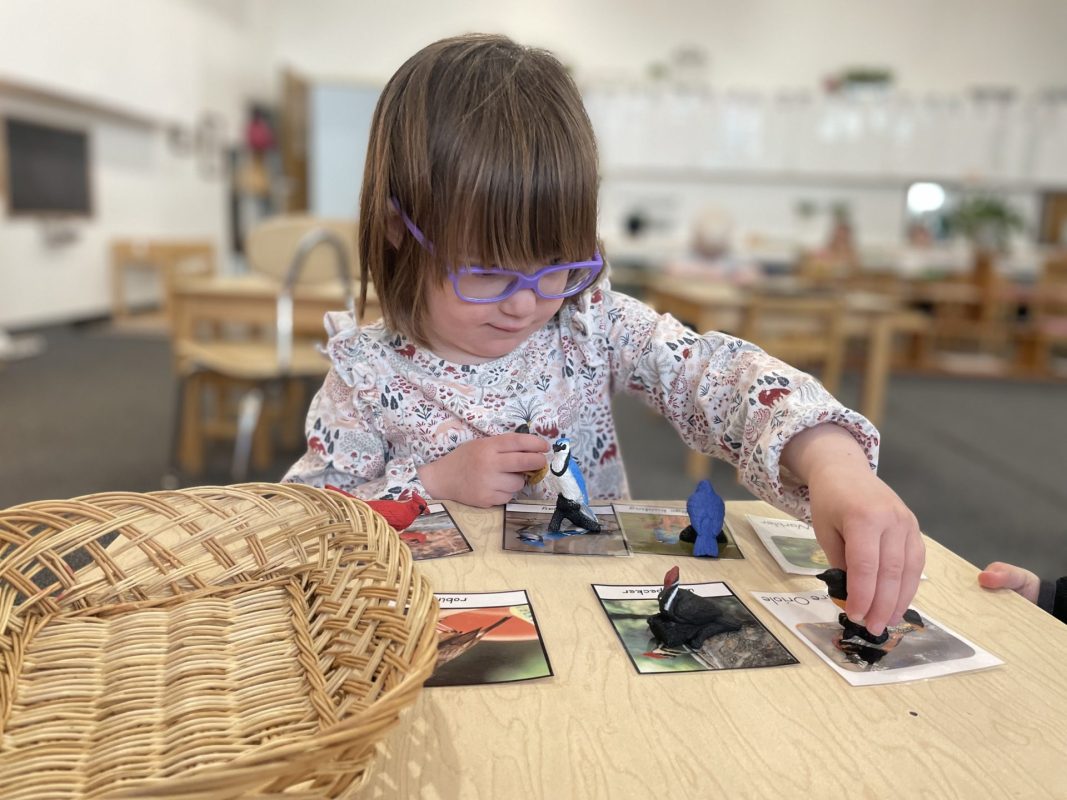
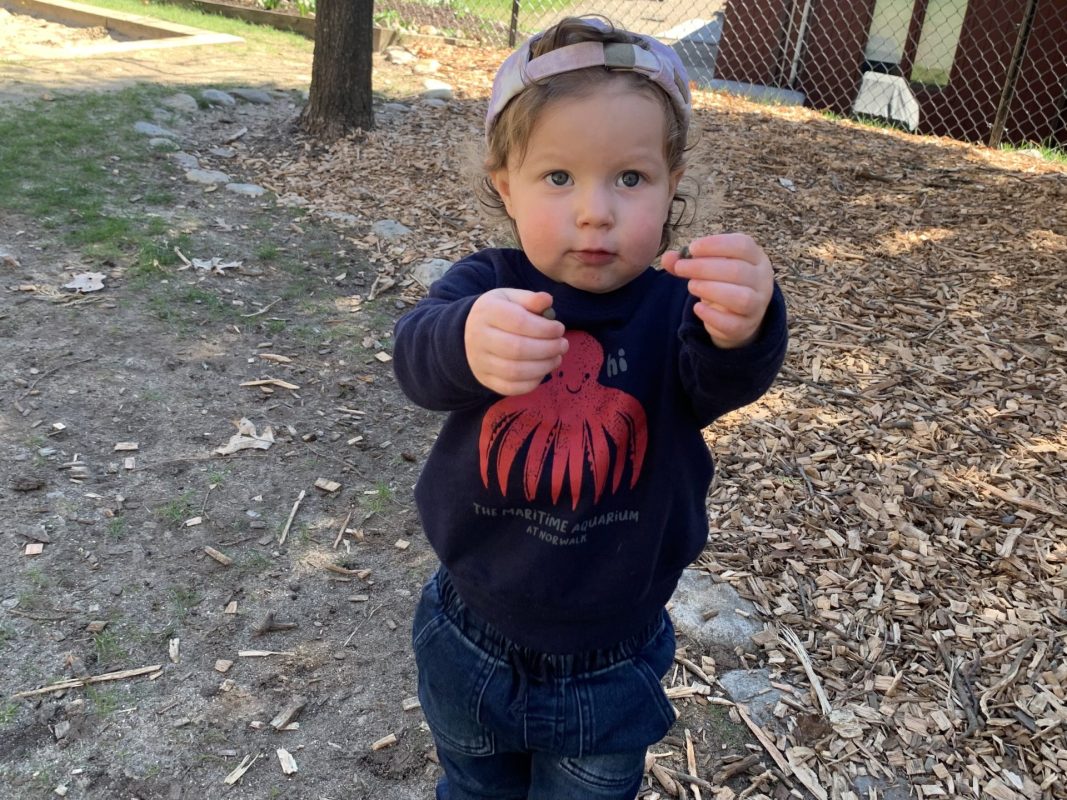
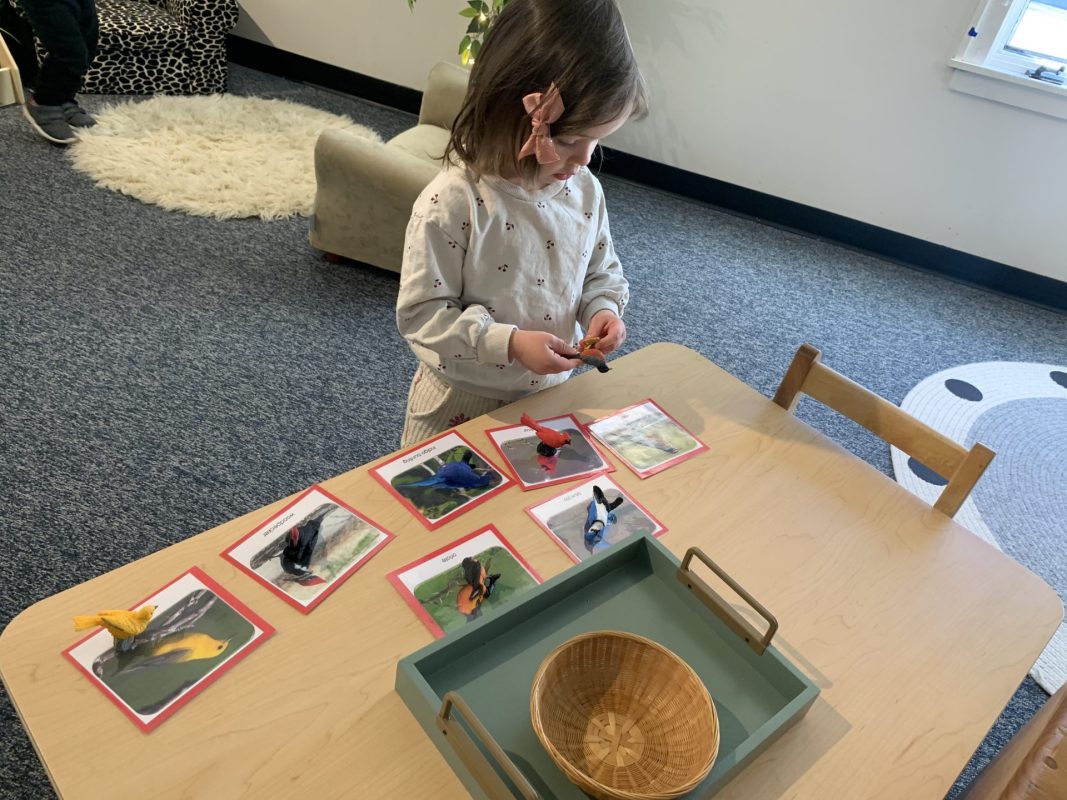
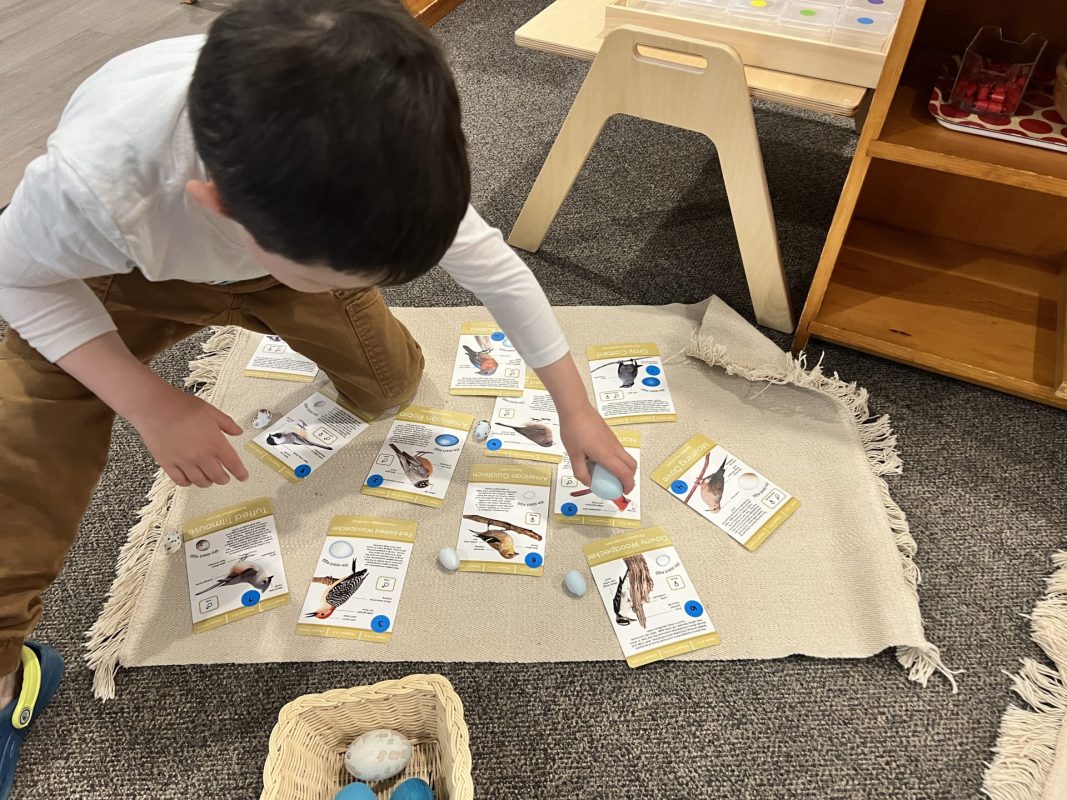
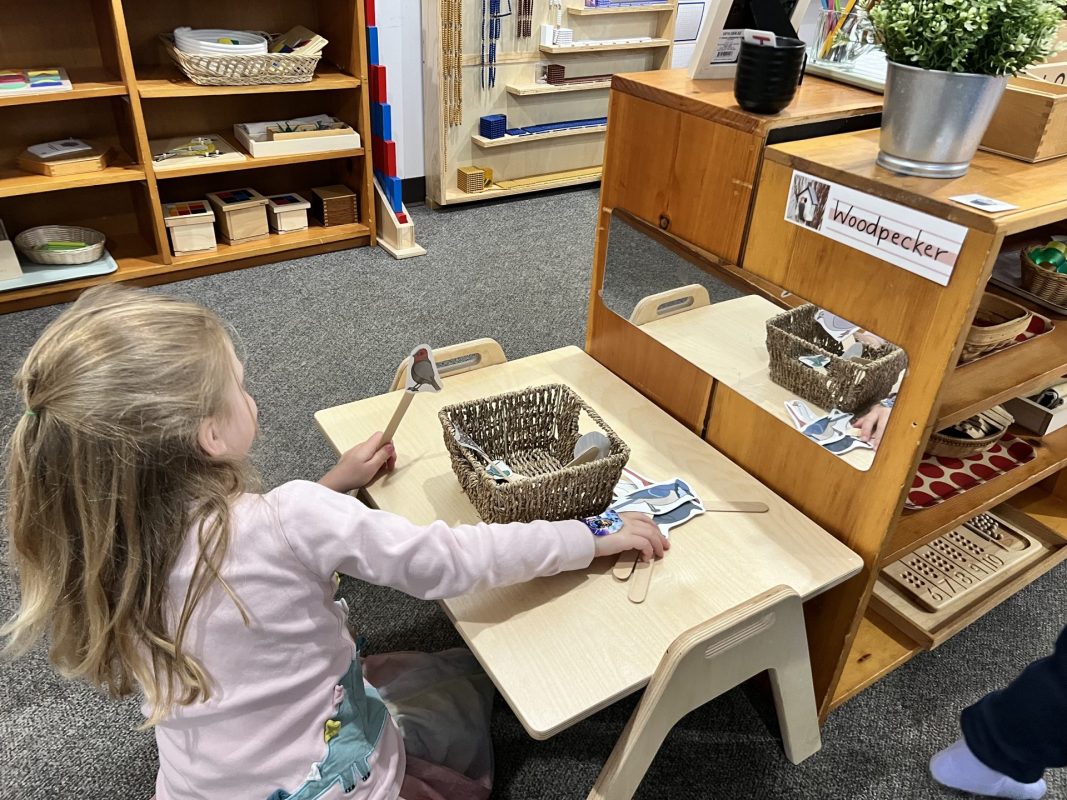
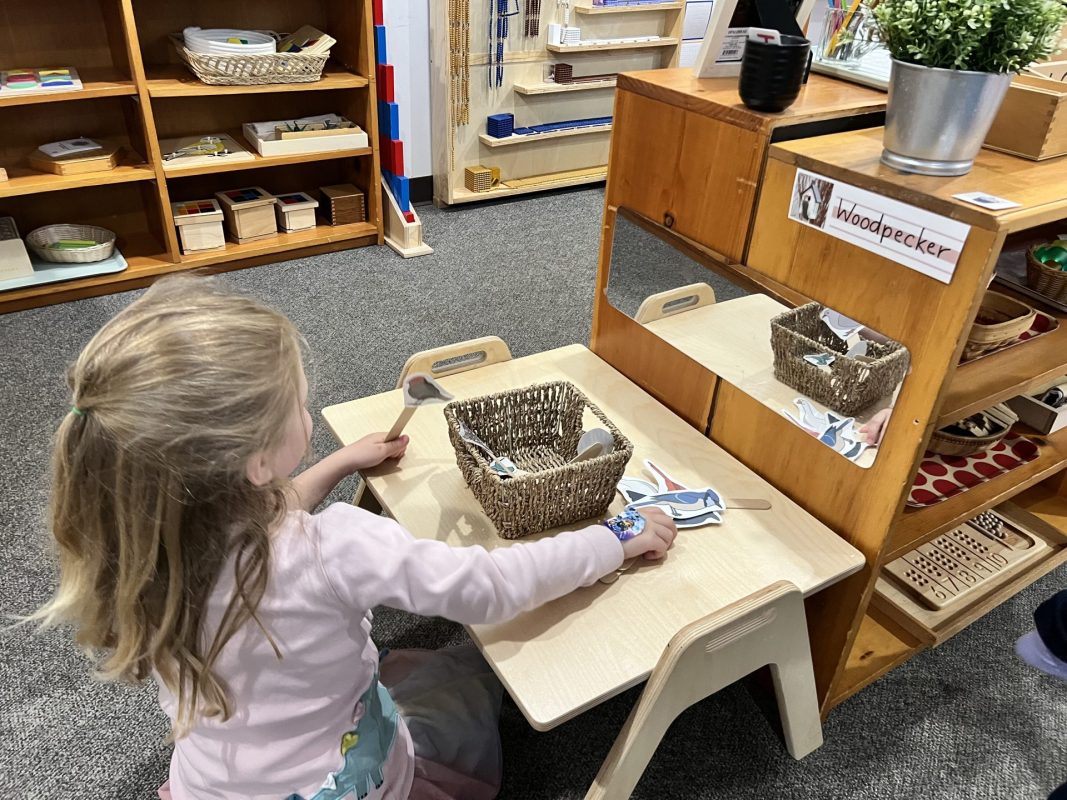
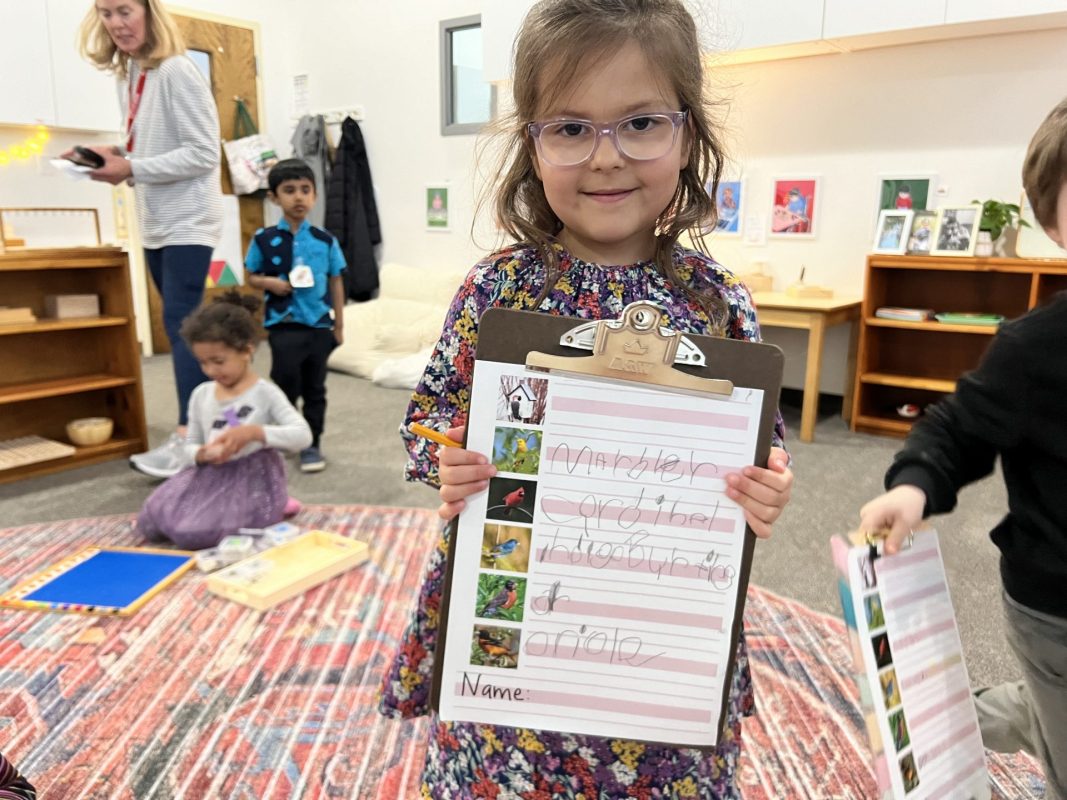
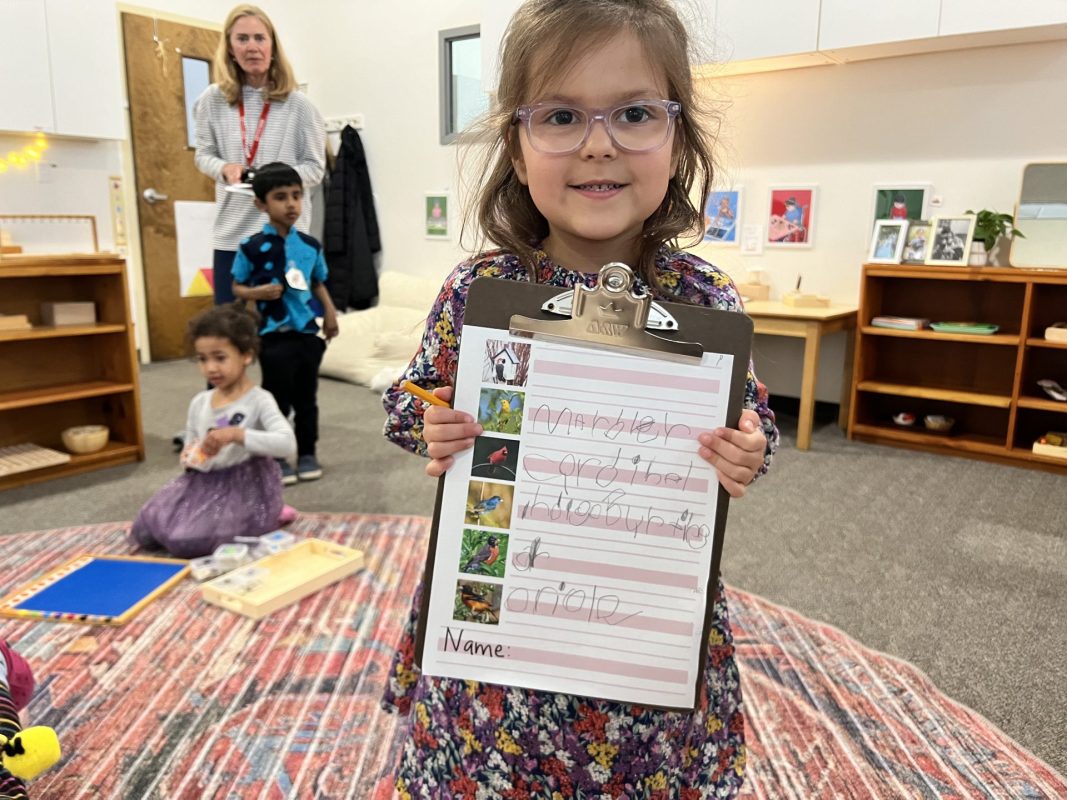
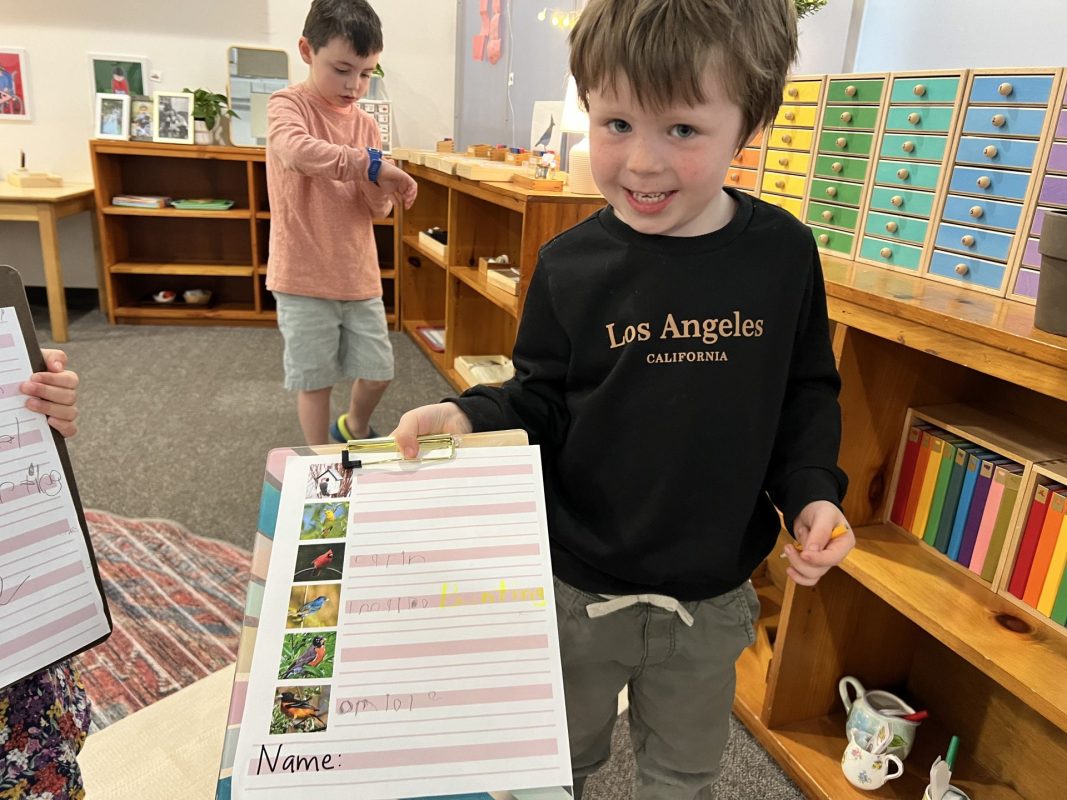
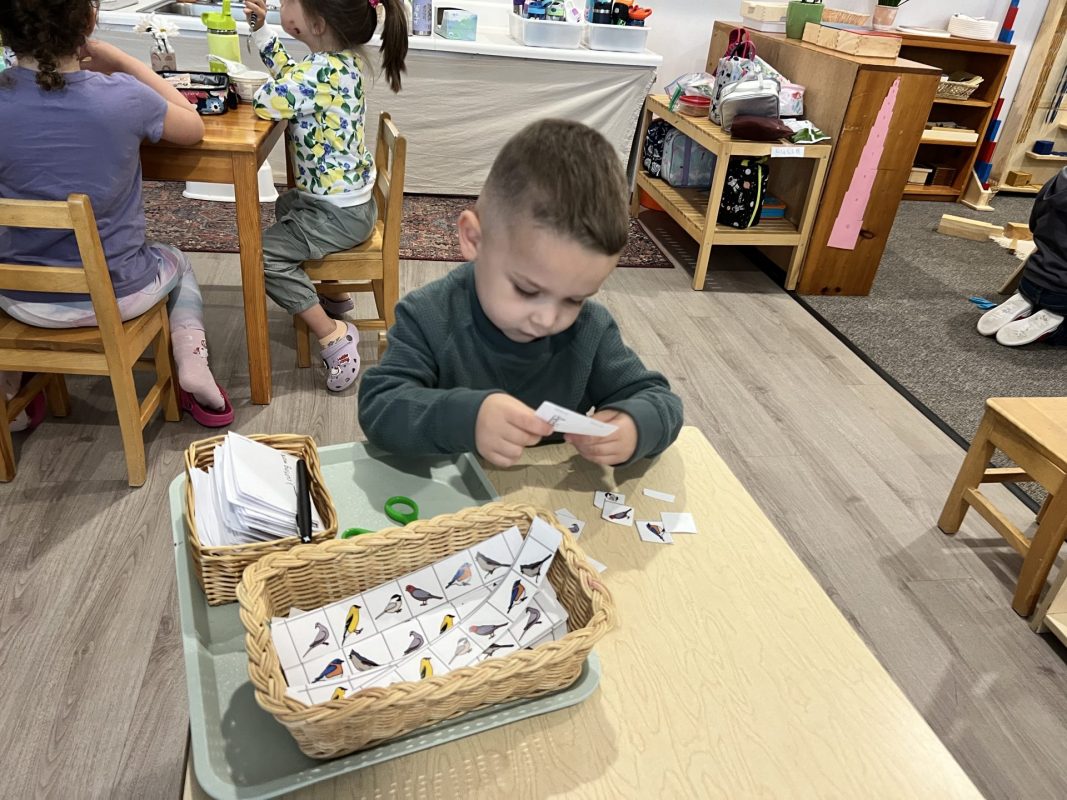
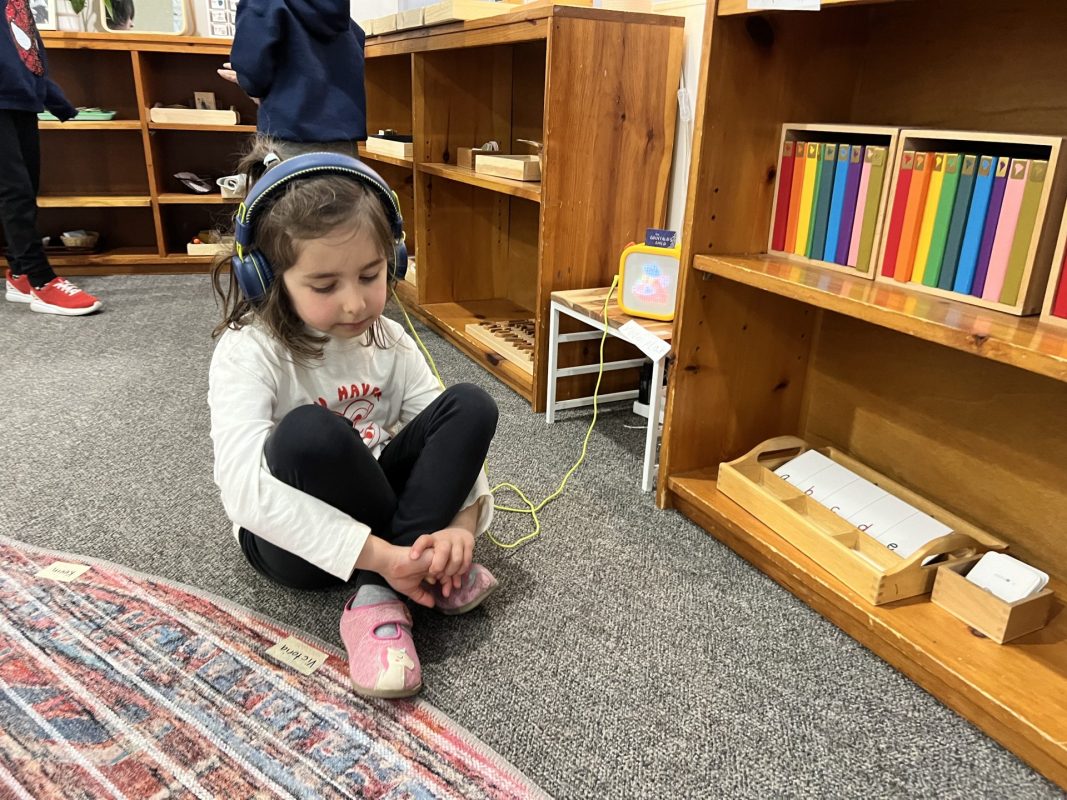
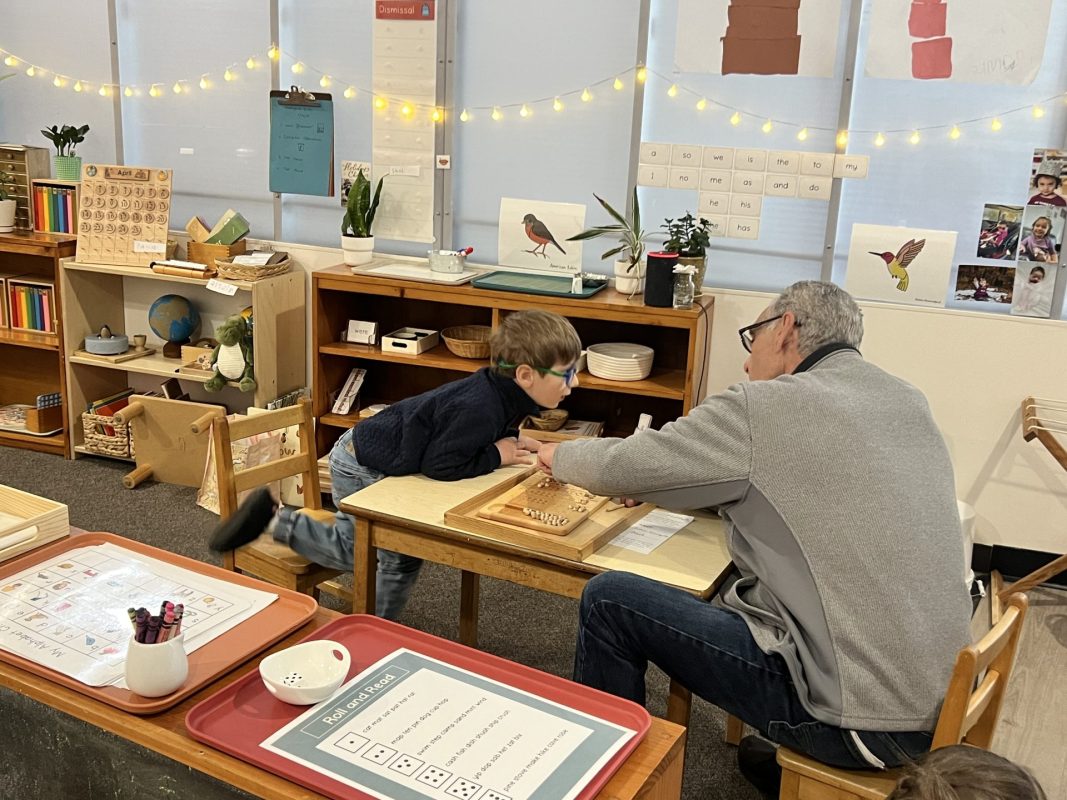
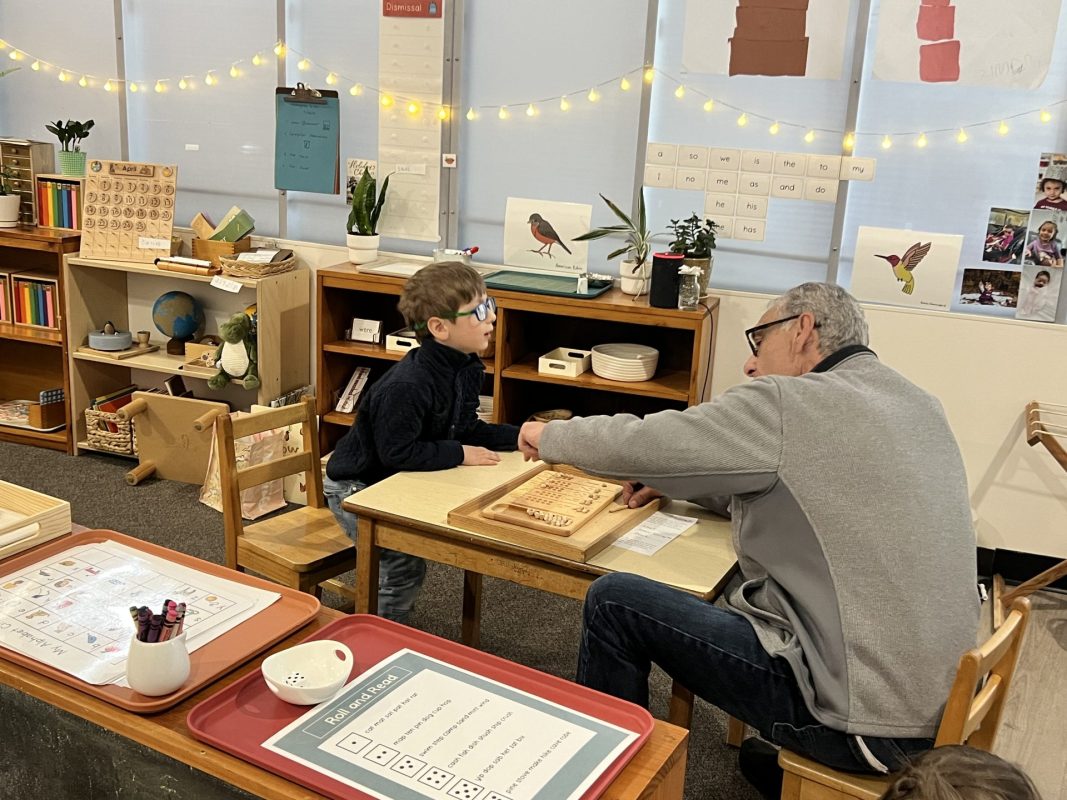
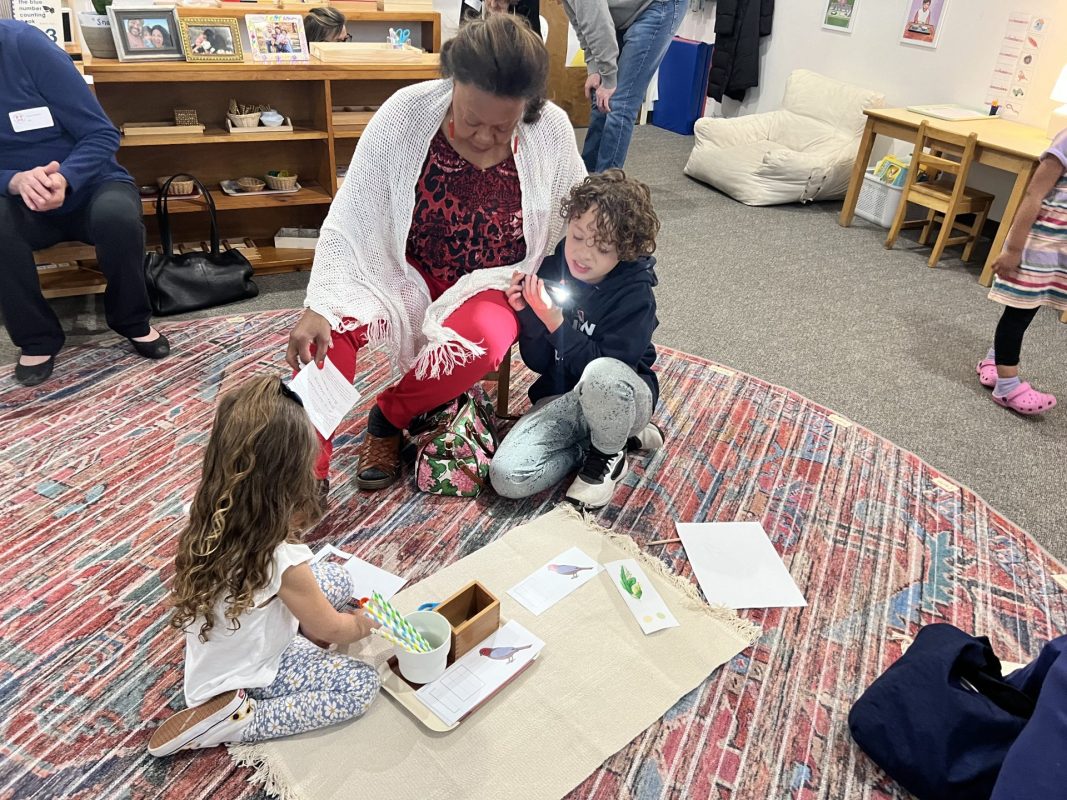
Our April study is one of my favorites of the entire year! We are studying everything about birds. We are learning about many birds we may see in our own backyards, like Blue Jays, American Robins, Goldfinches, Crows, and Black-Capped Chickadees. We look at photos of birds, learn their names, and even get to listen to their beautiful songs! In one of our Sunshine Spots, children can look at an interactive book and hear bird calls from many different backyard birds.

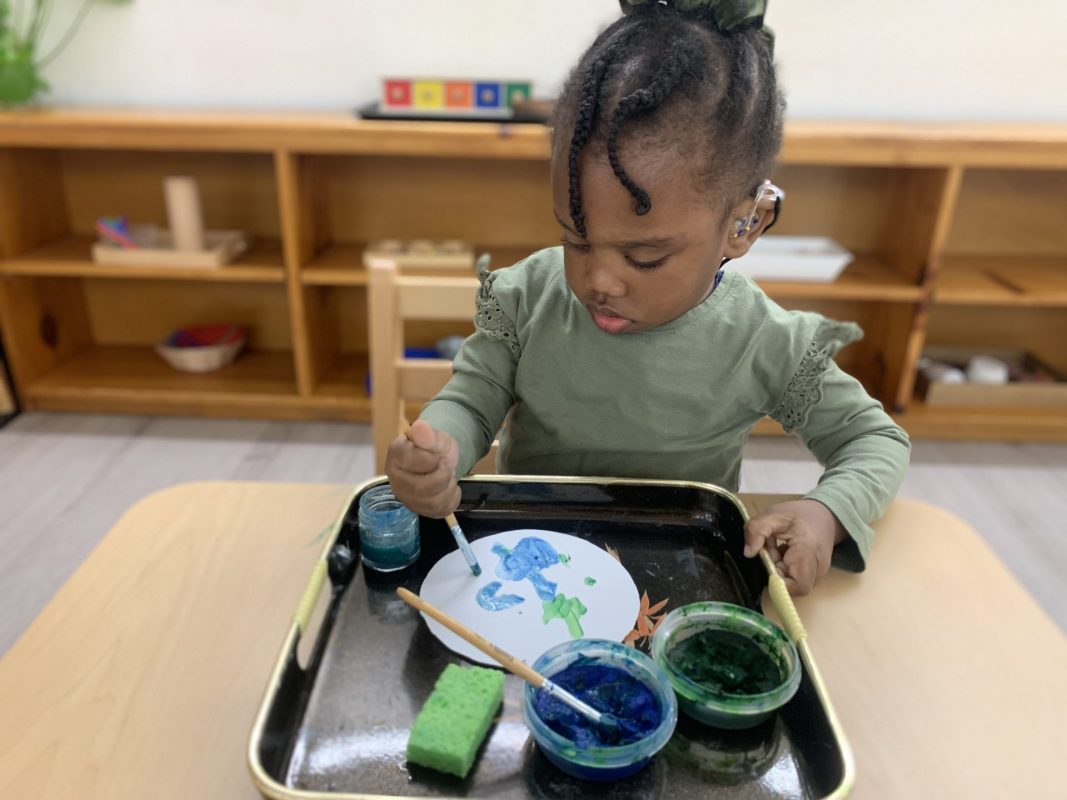
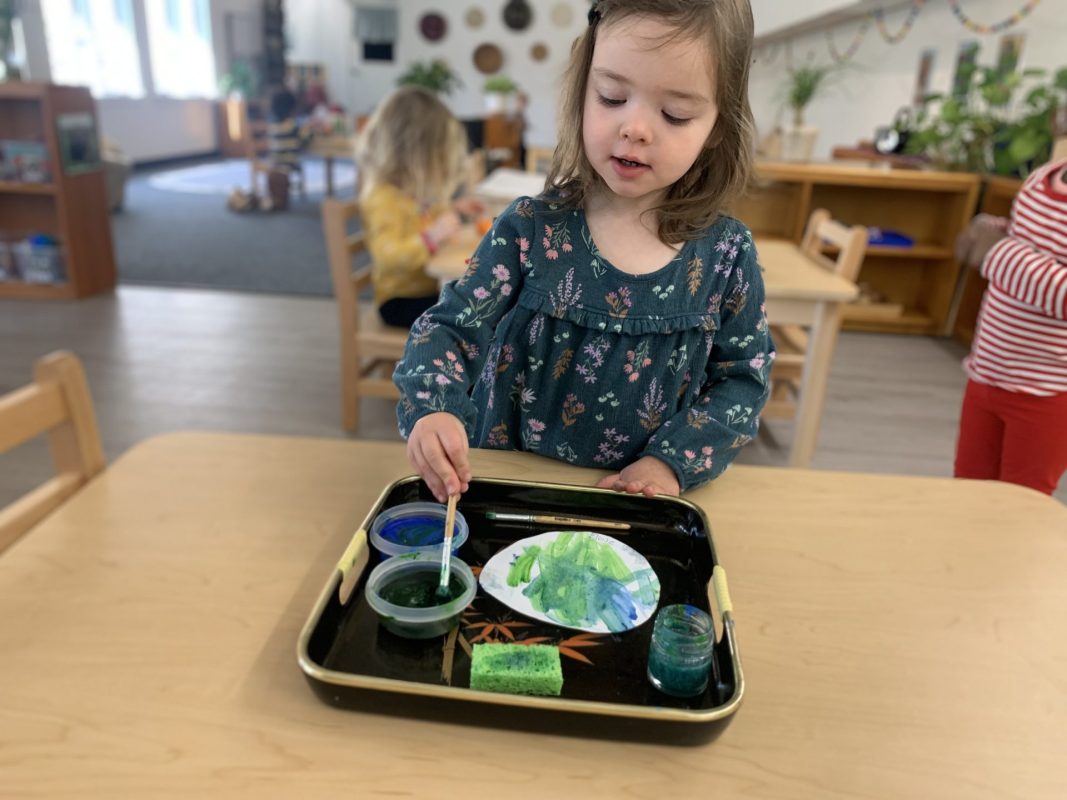
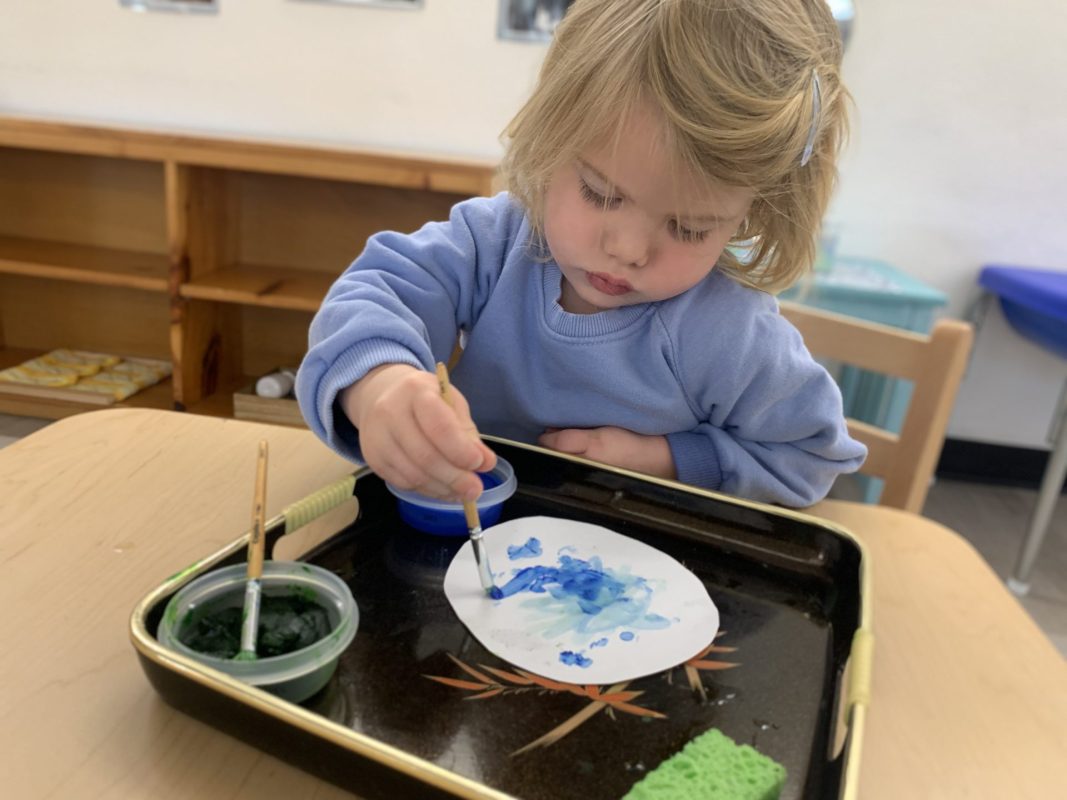
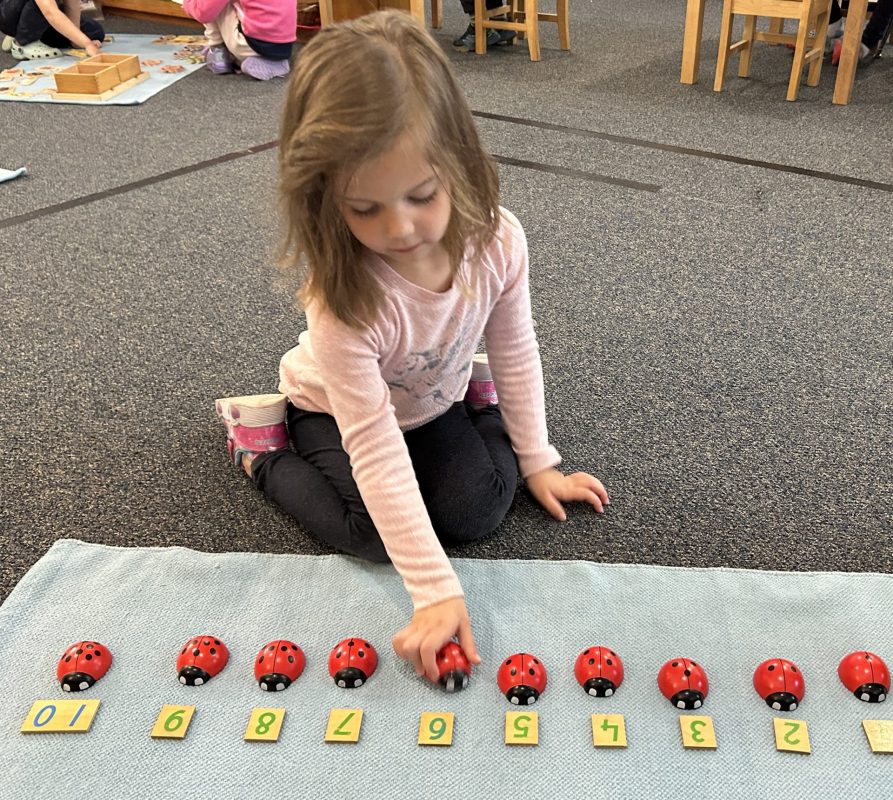
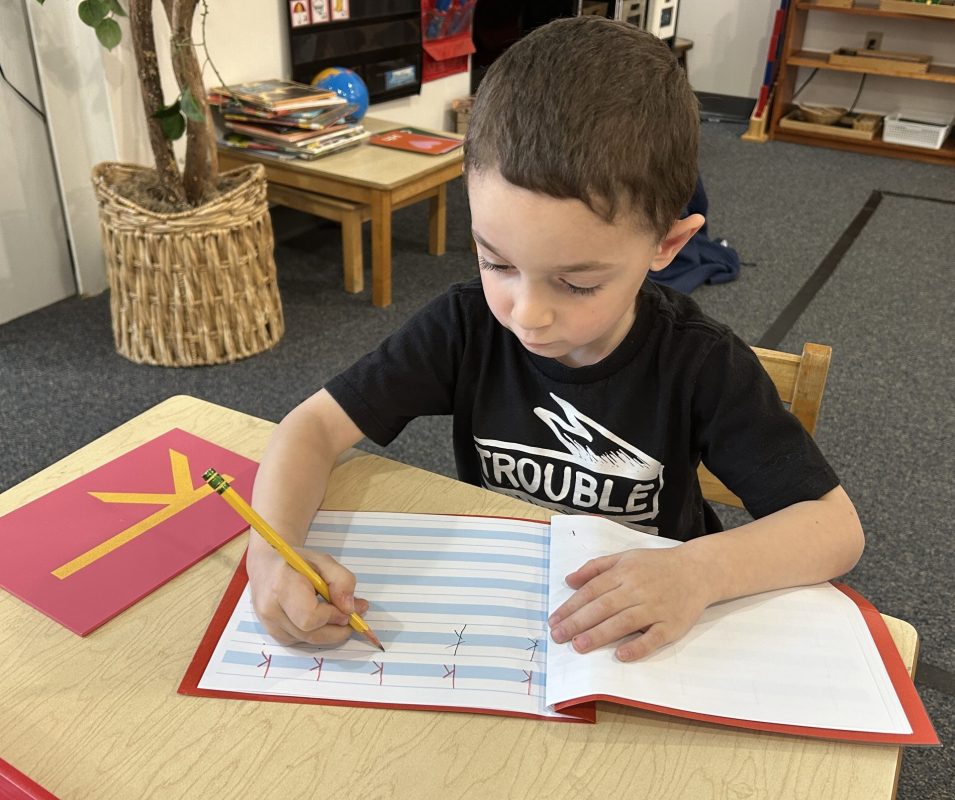
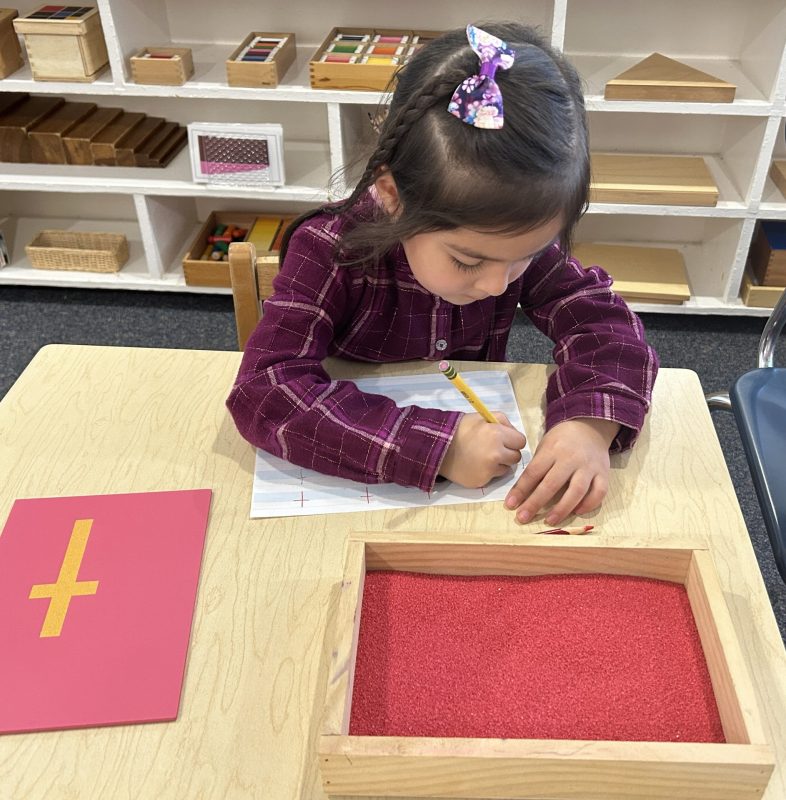
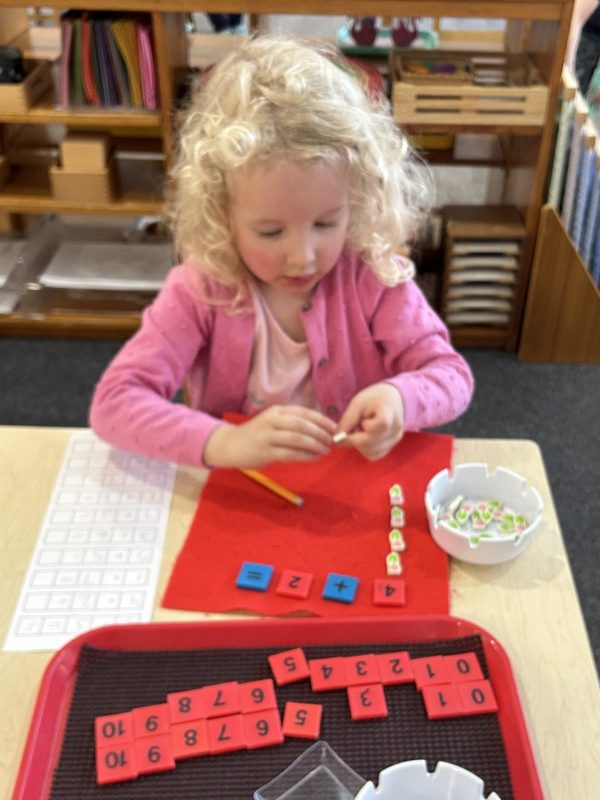
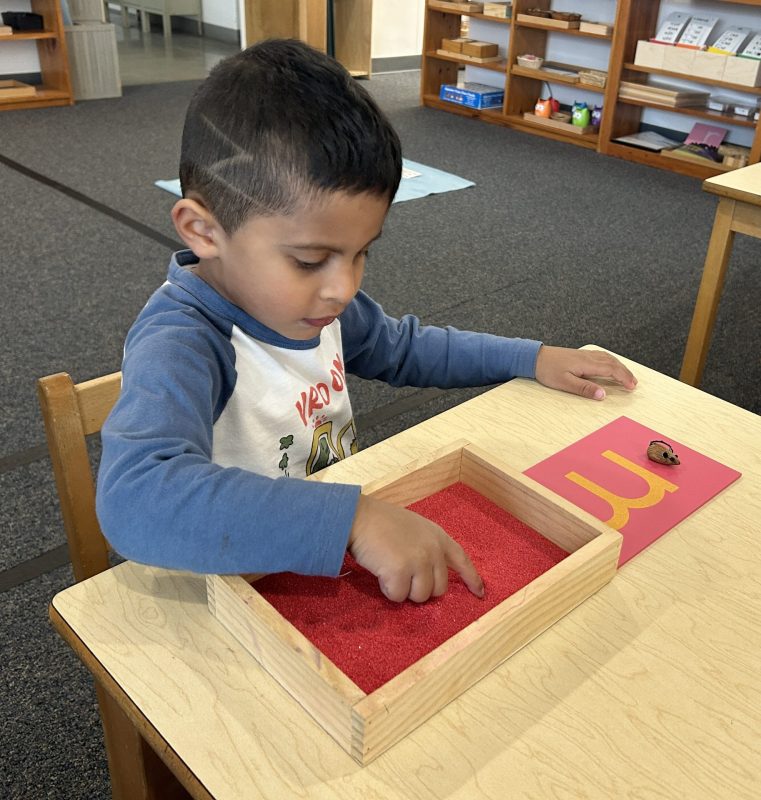
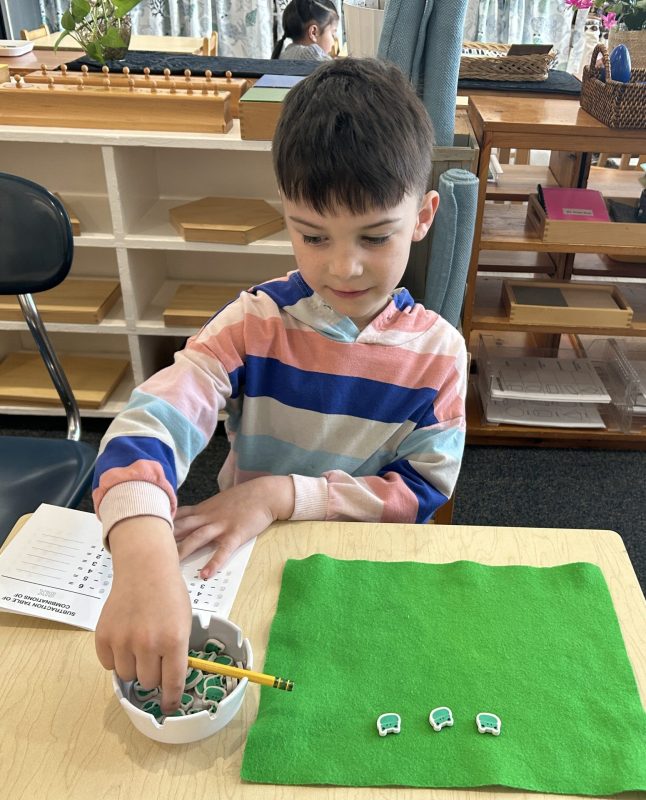
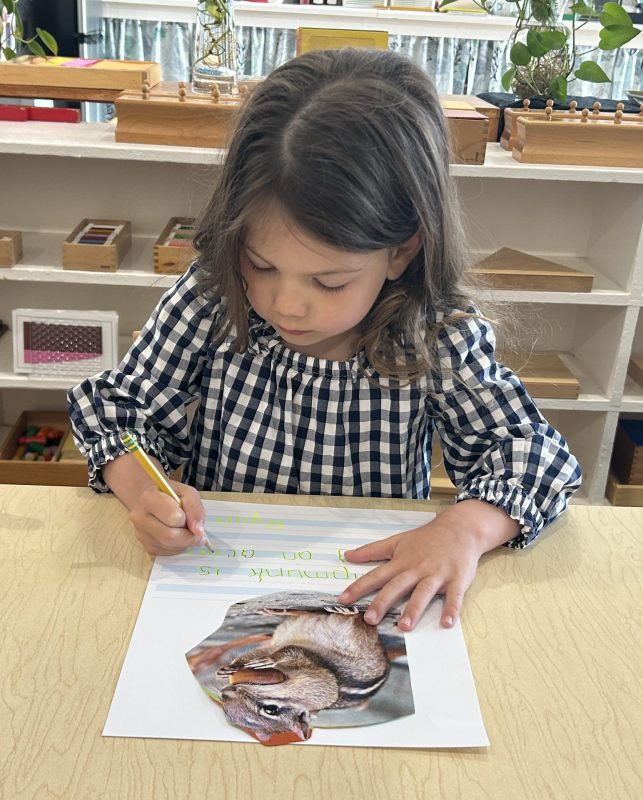
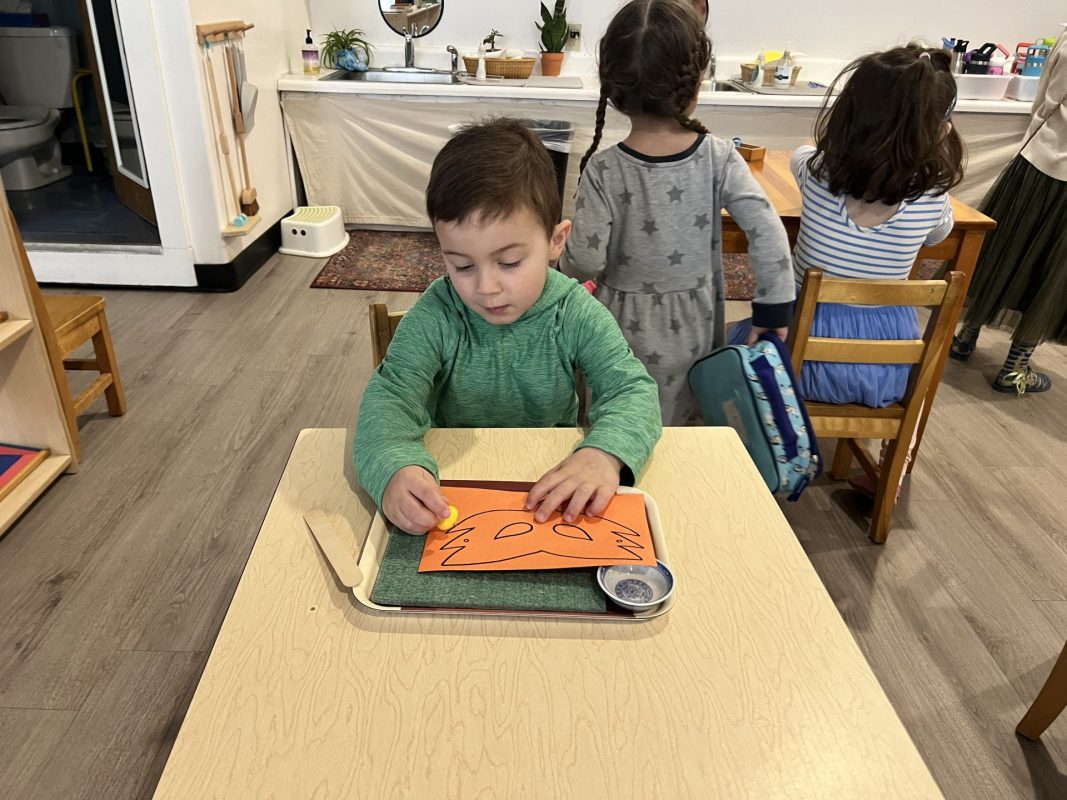
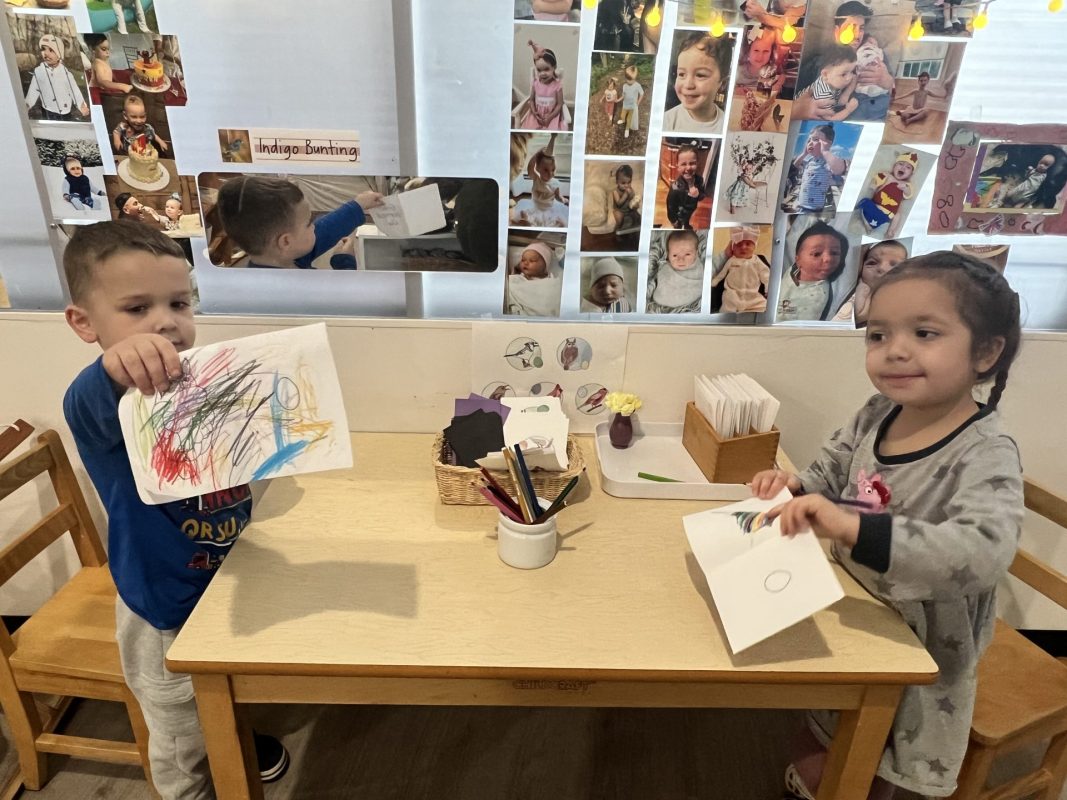
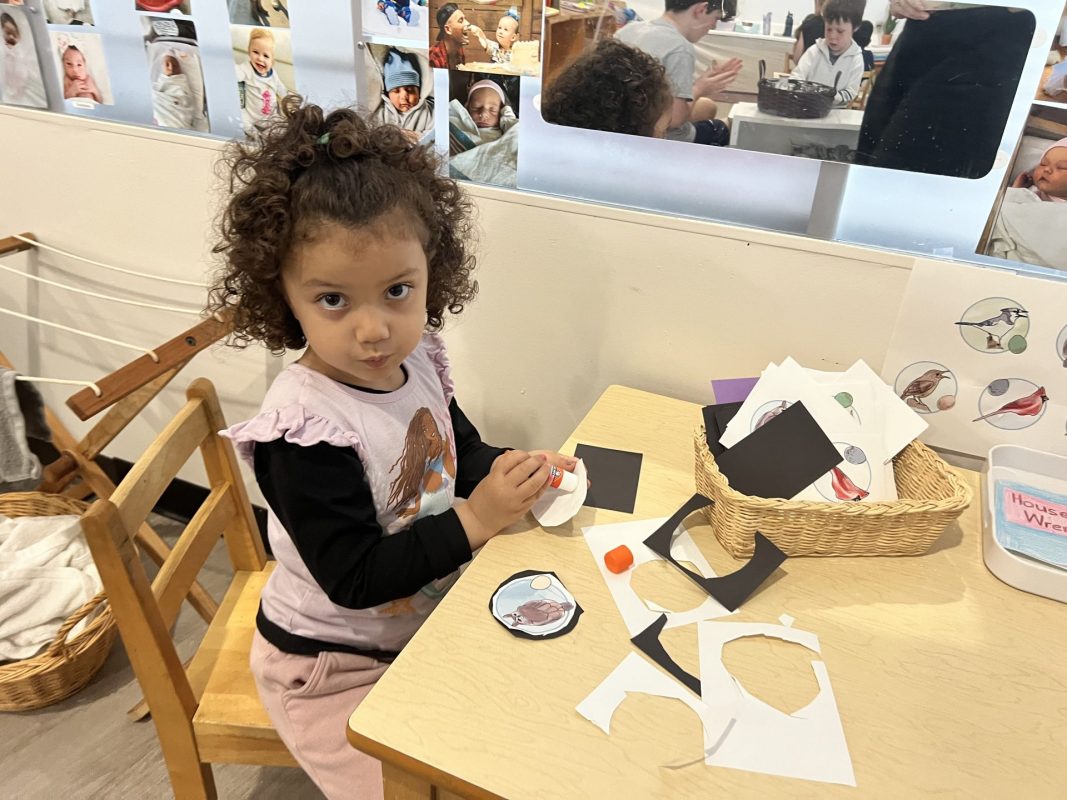
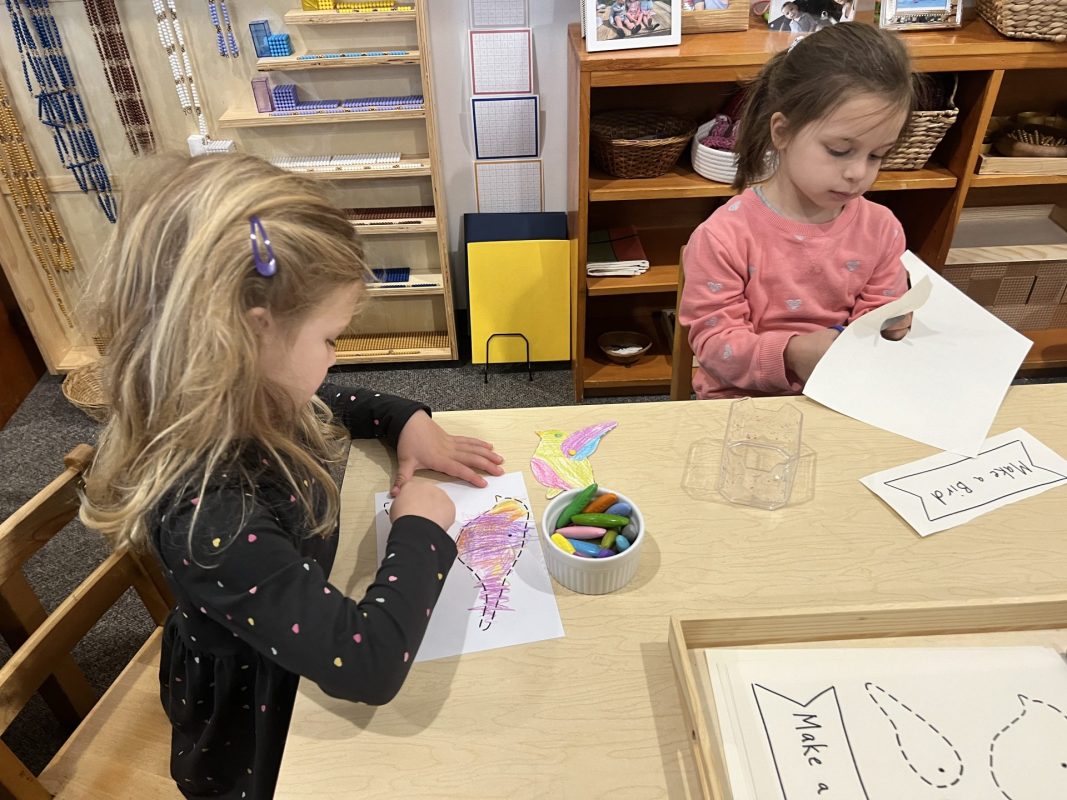
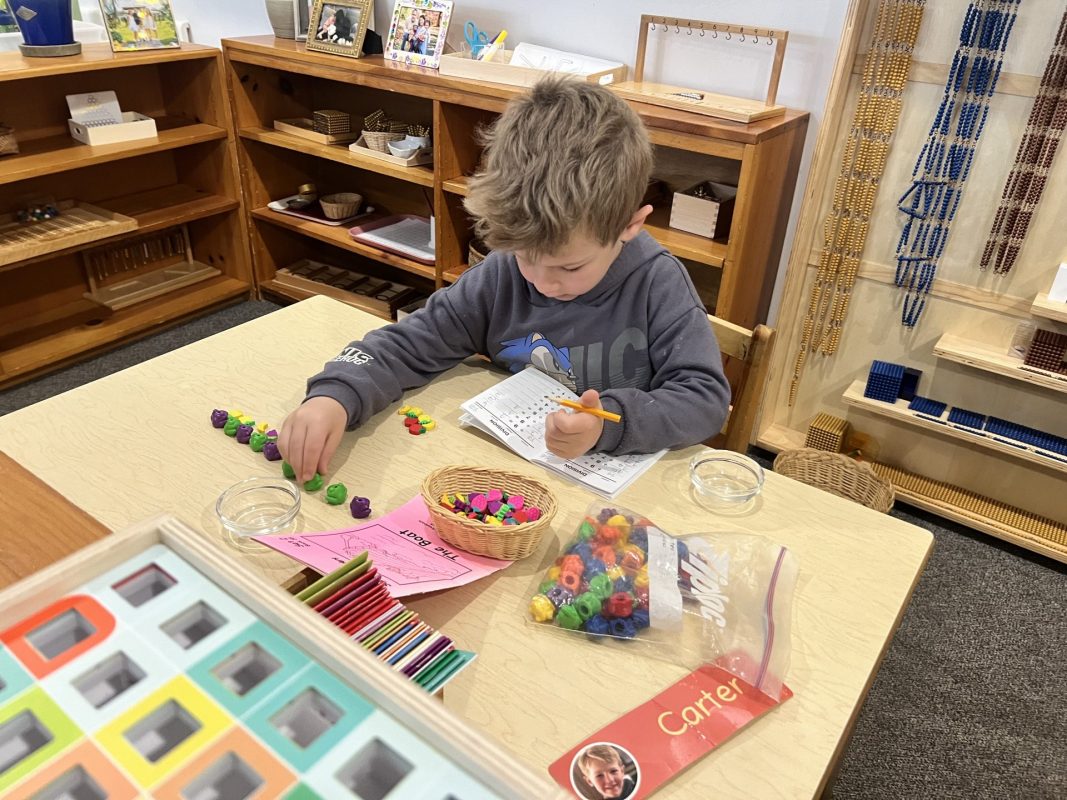
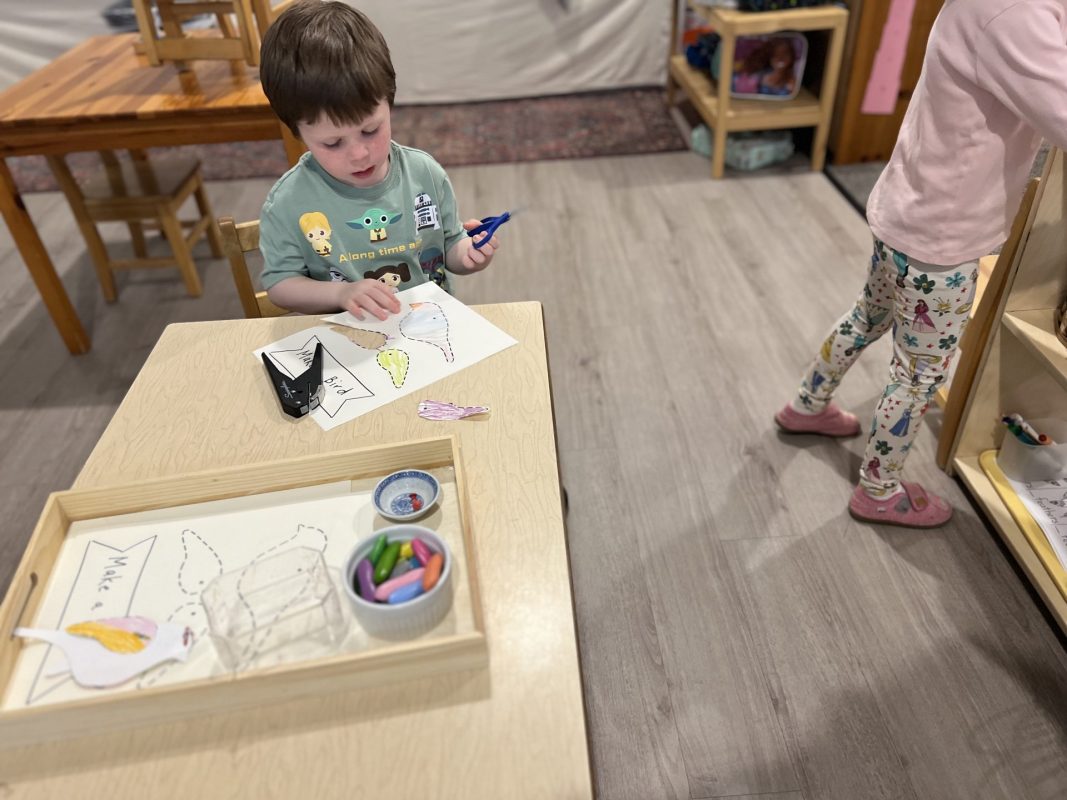
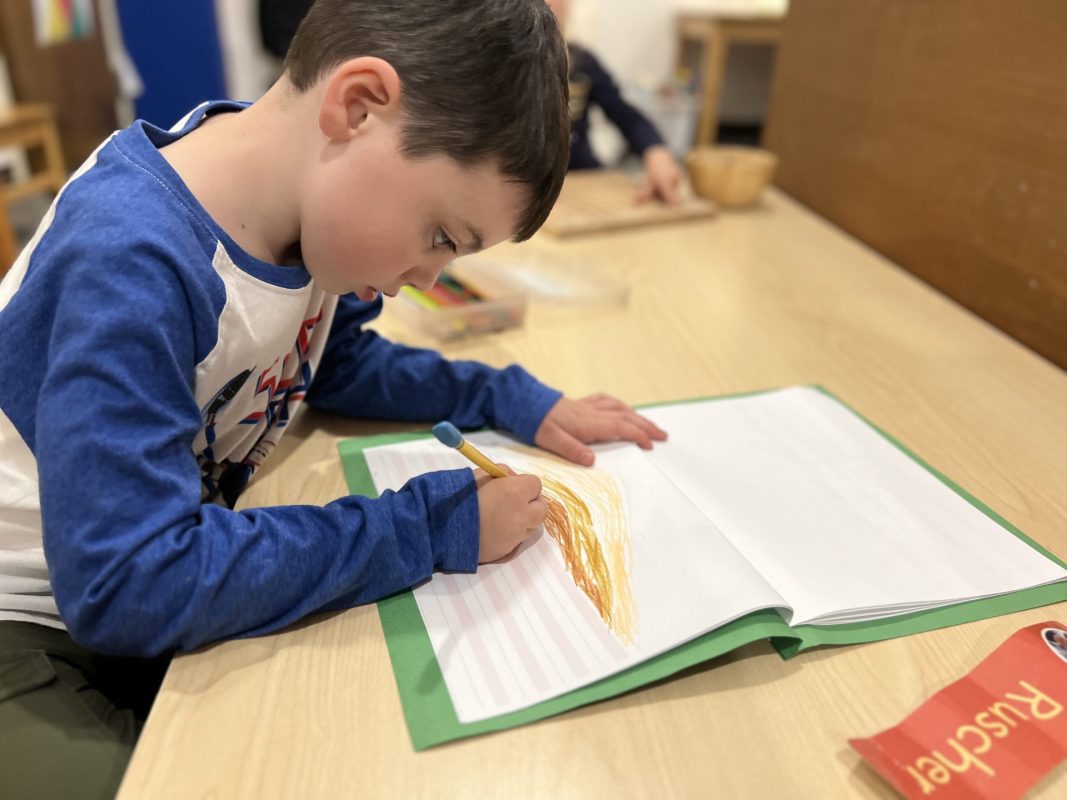
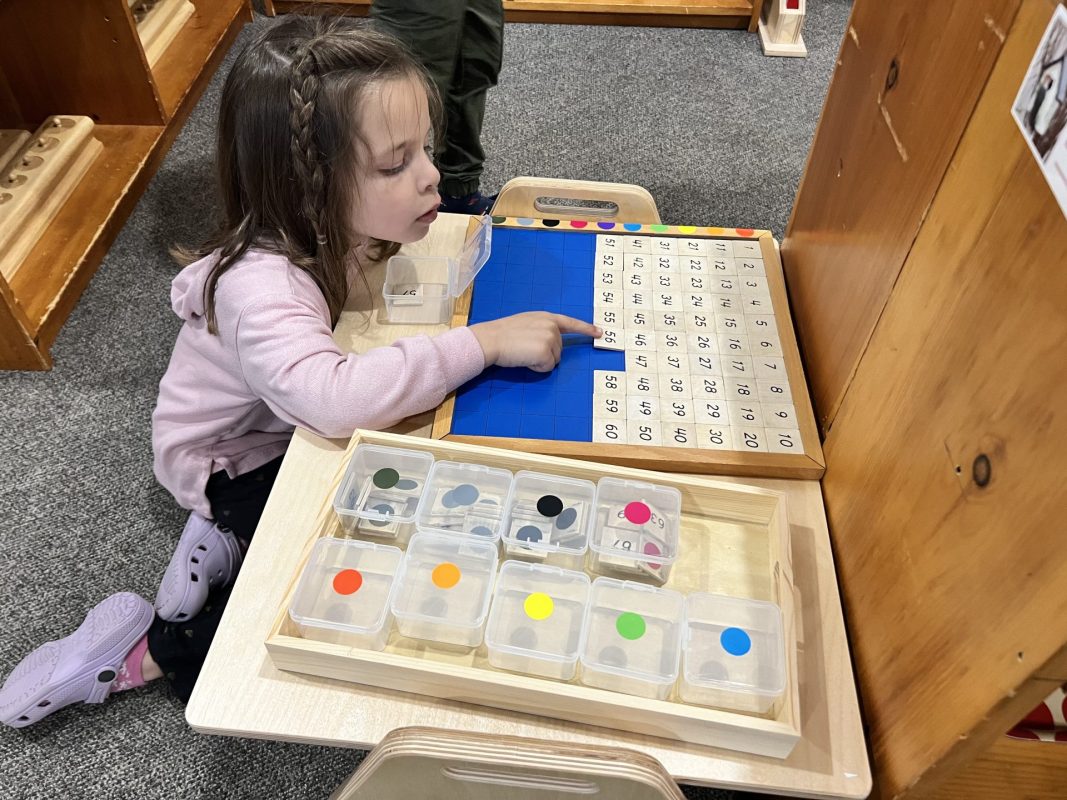
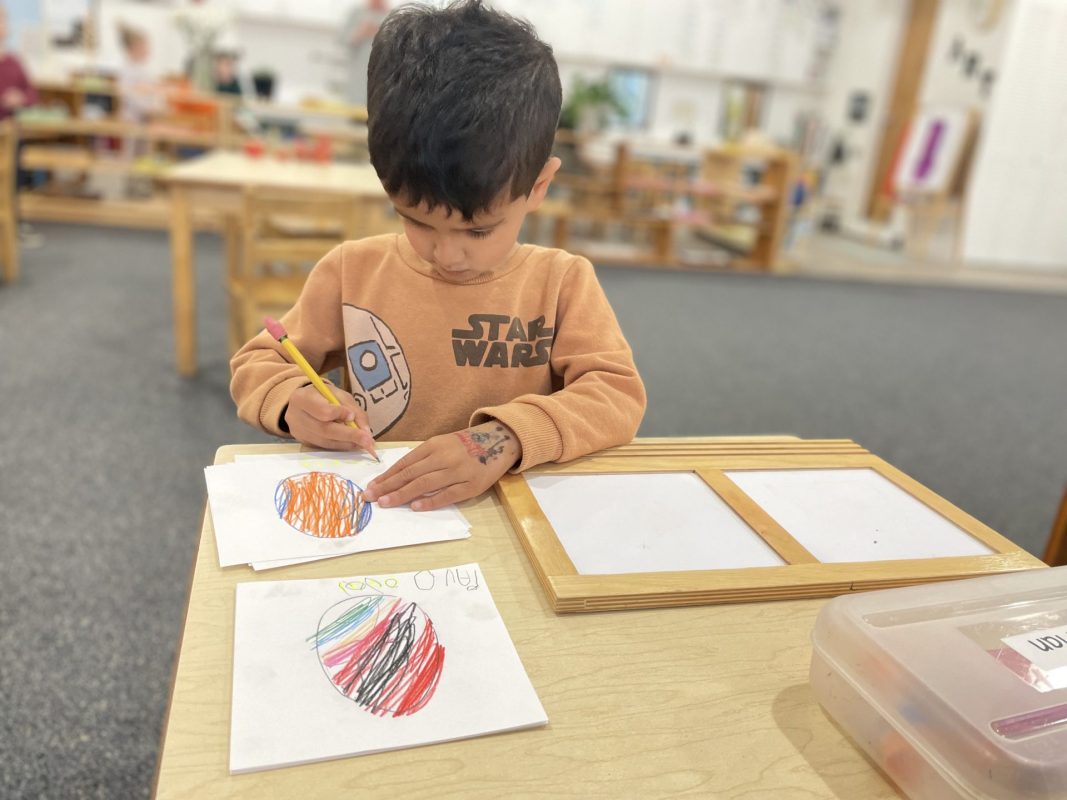
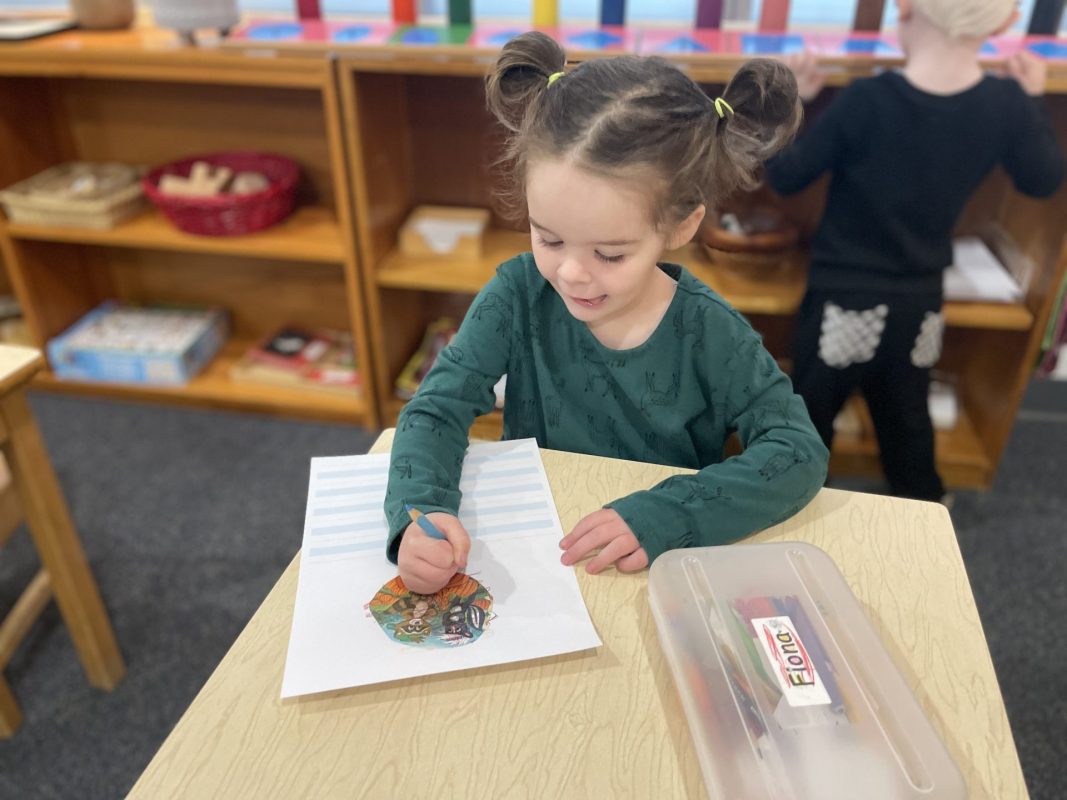
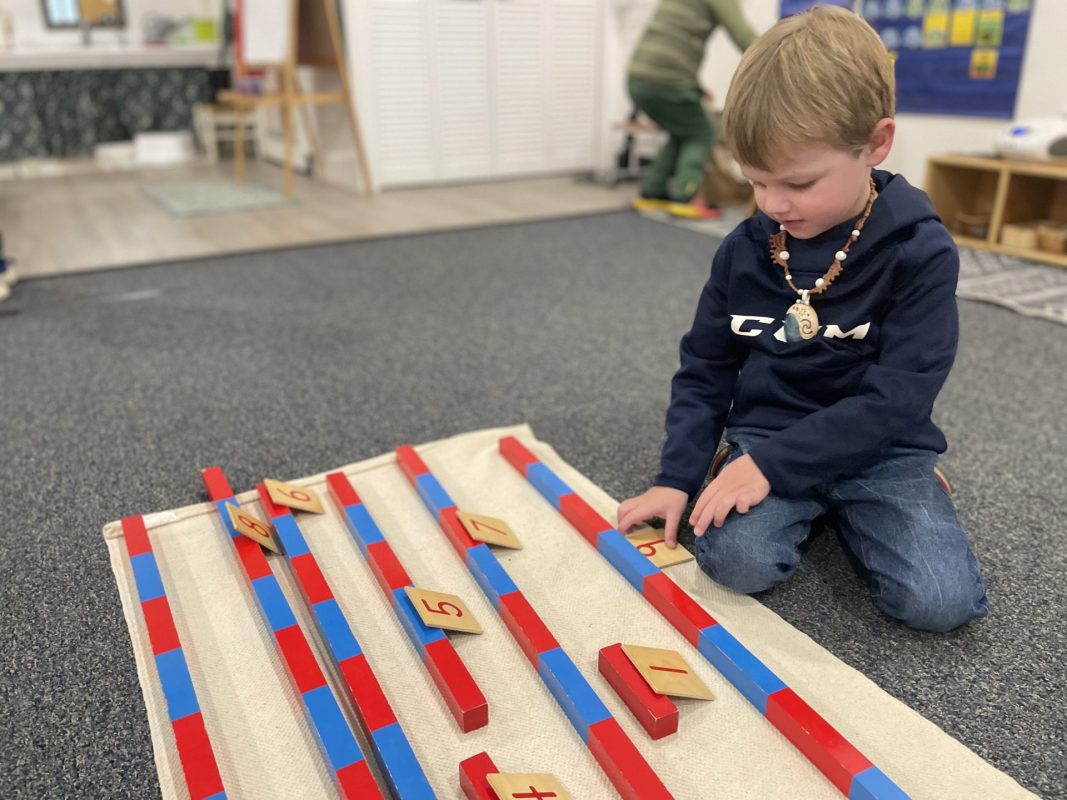
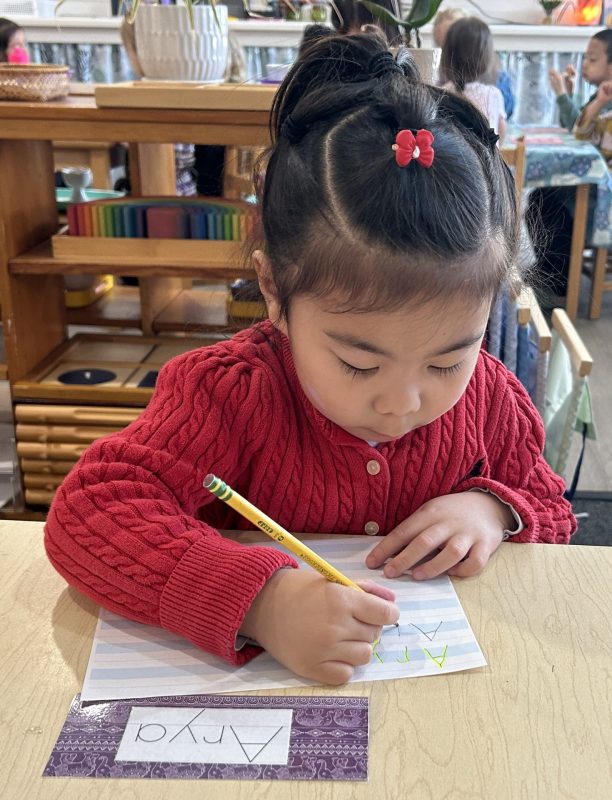
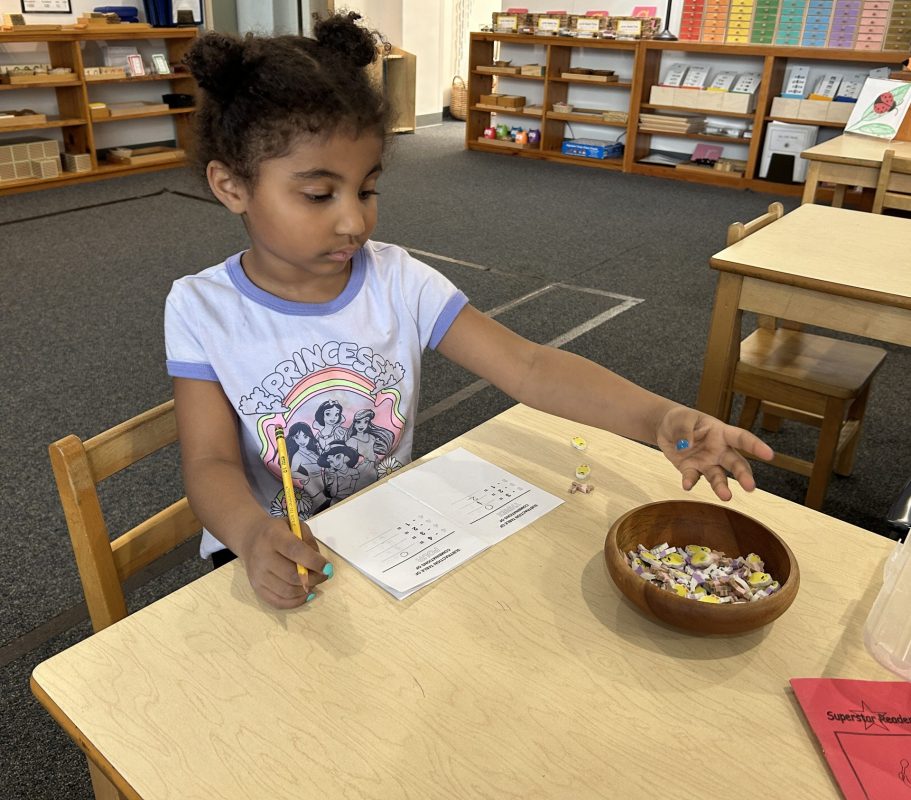
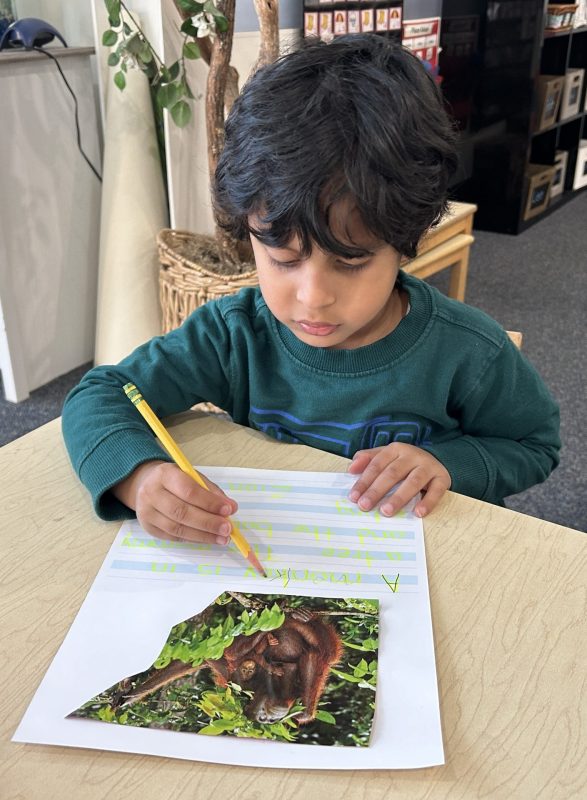
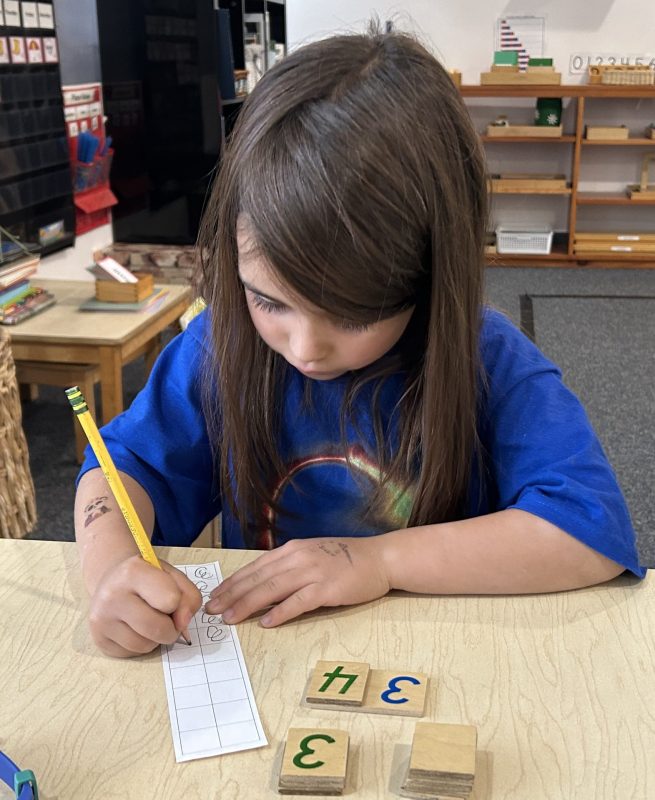
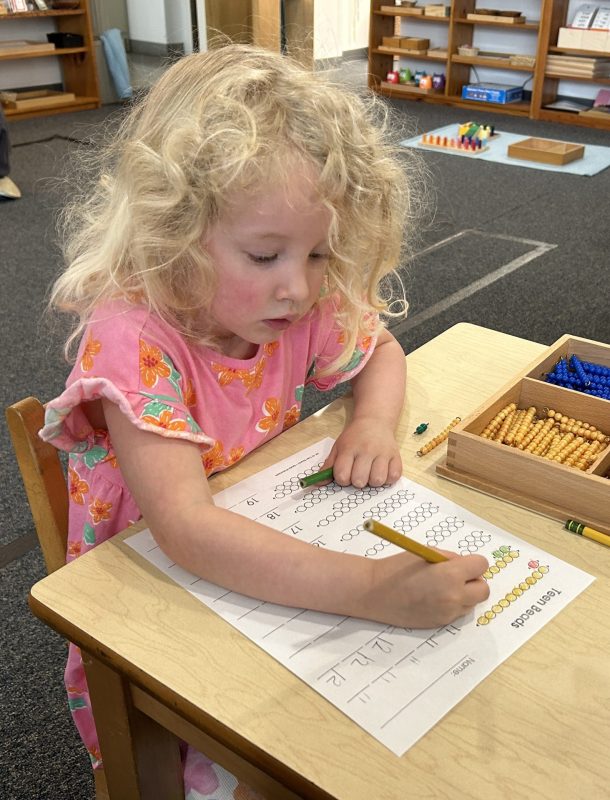
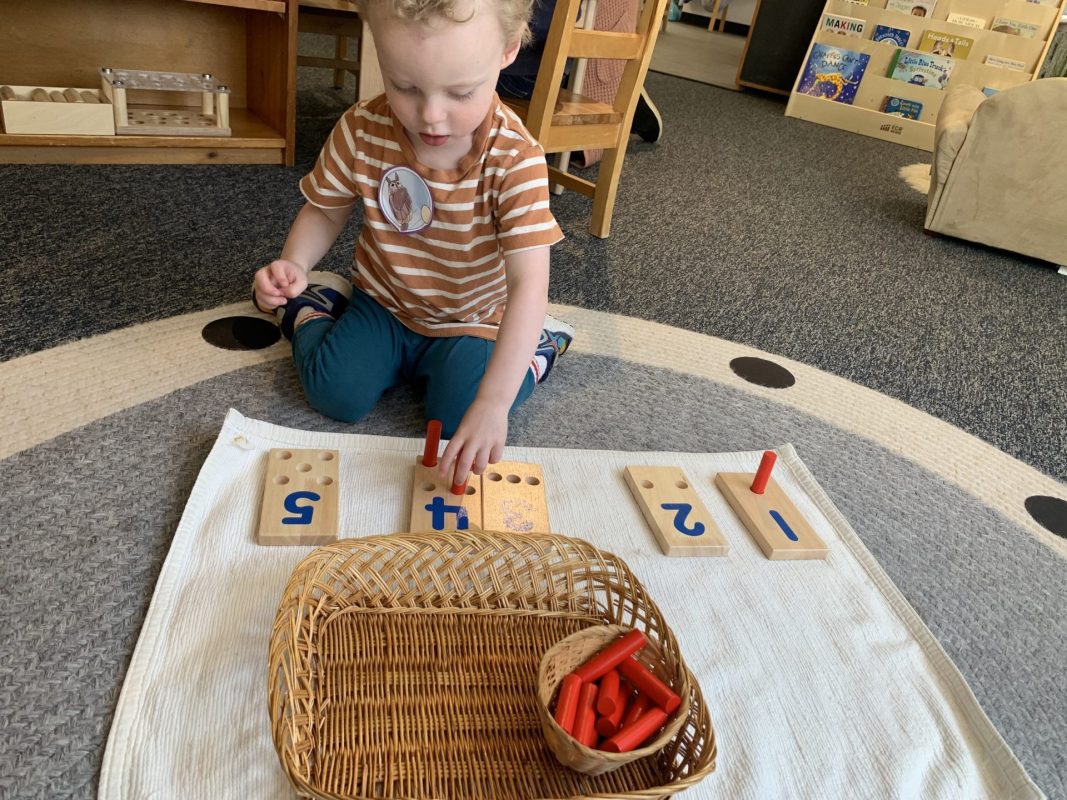
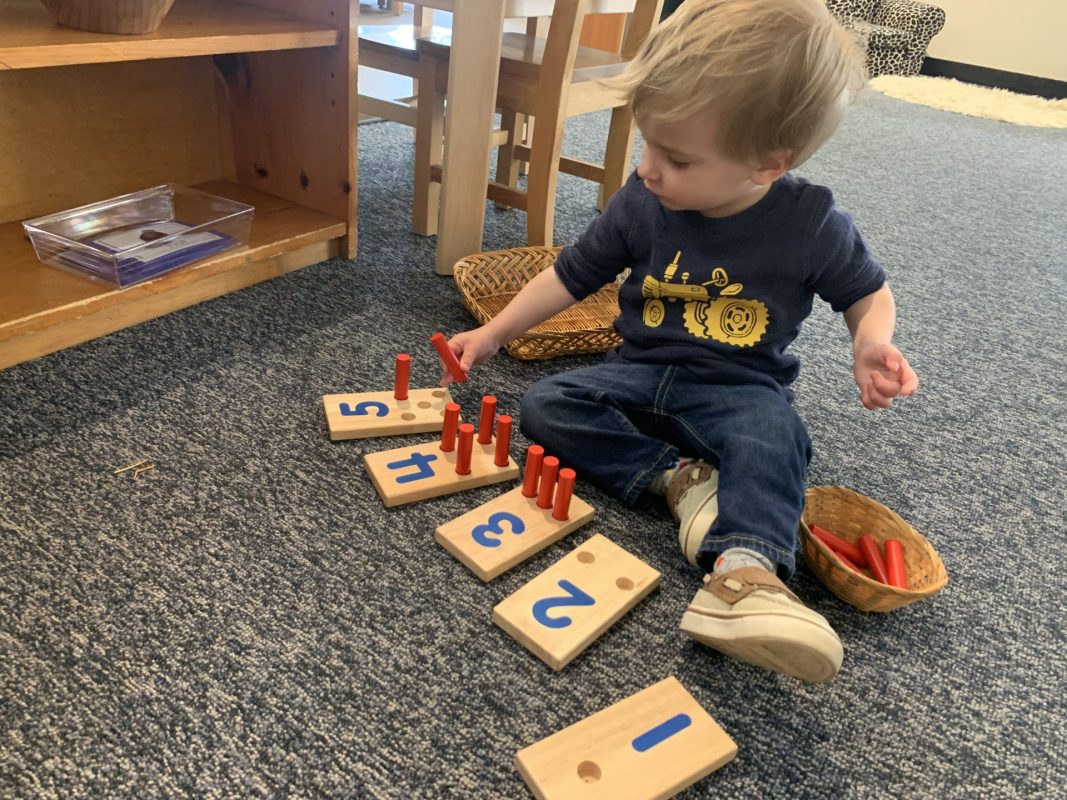
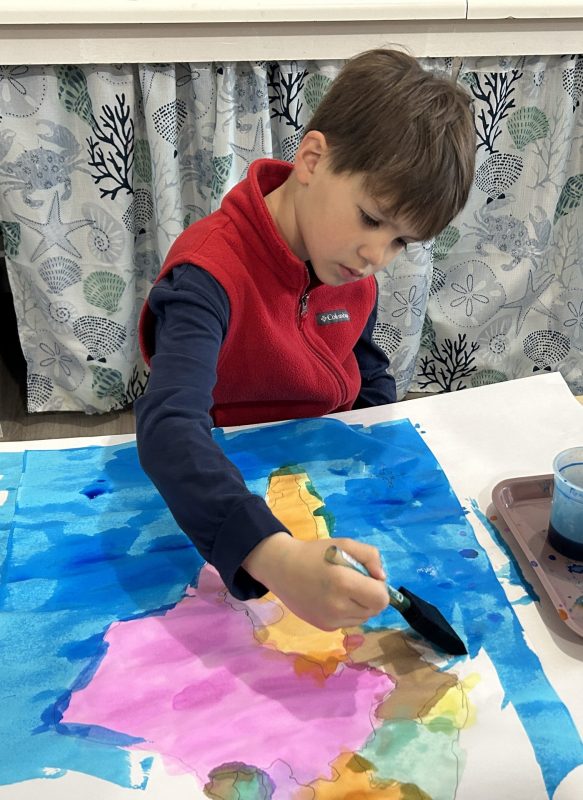
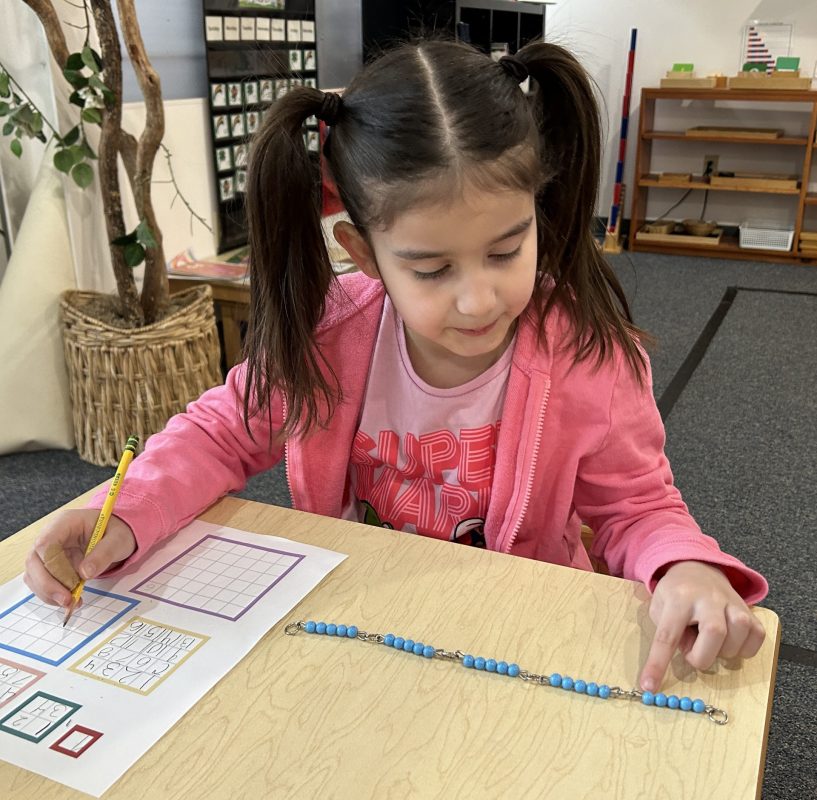
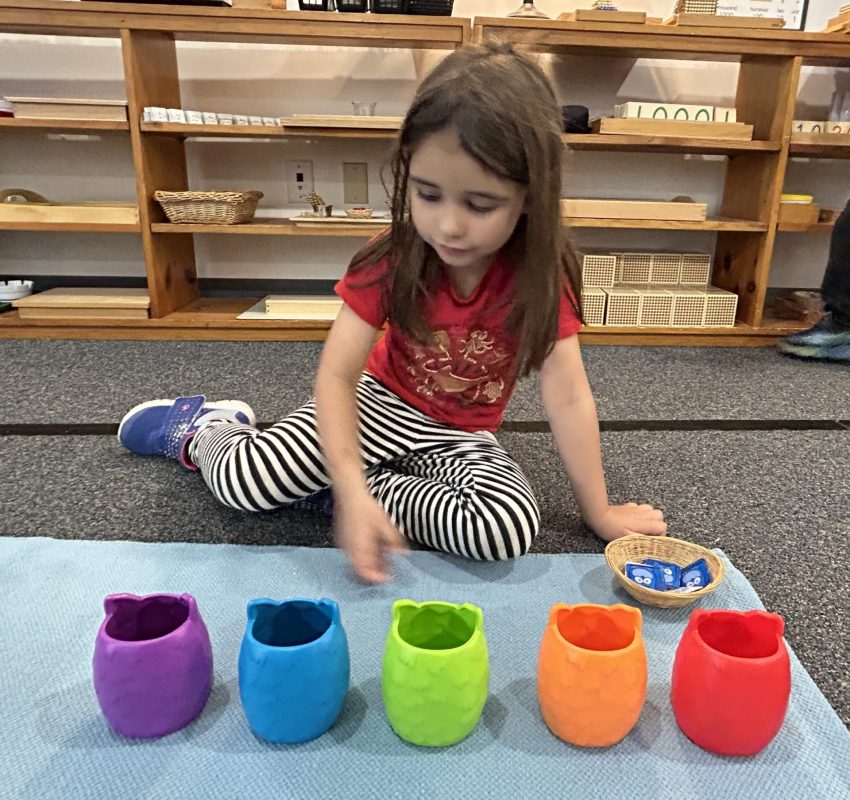
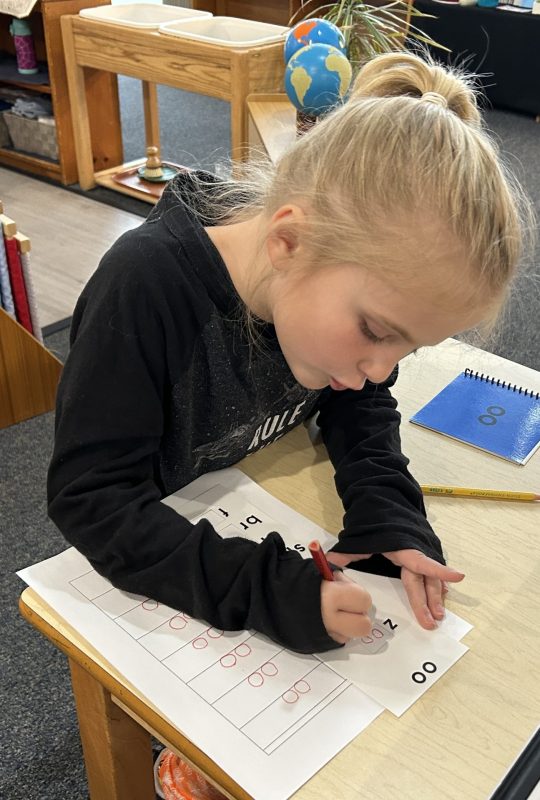
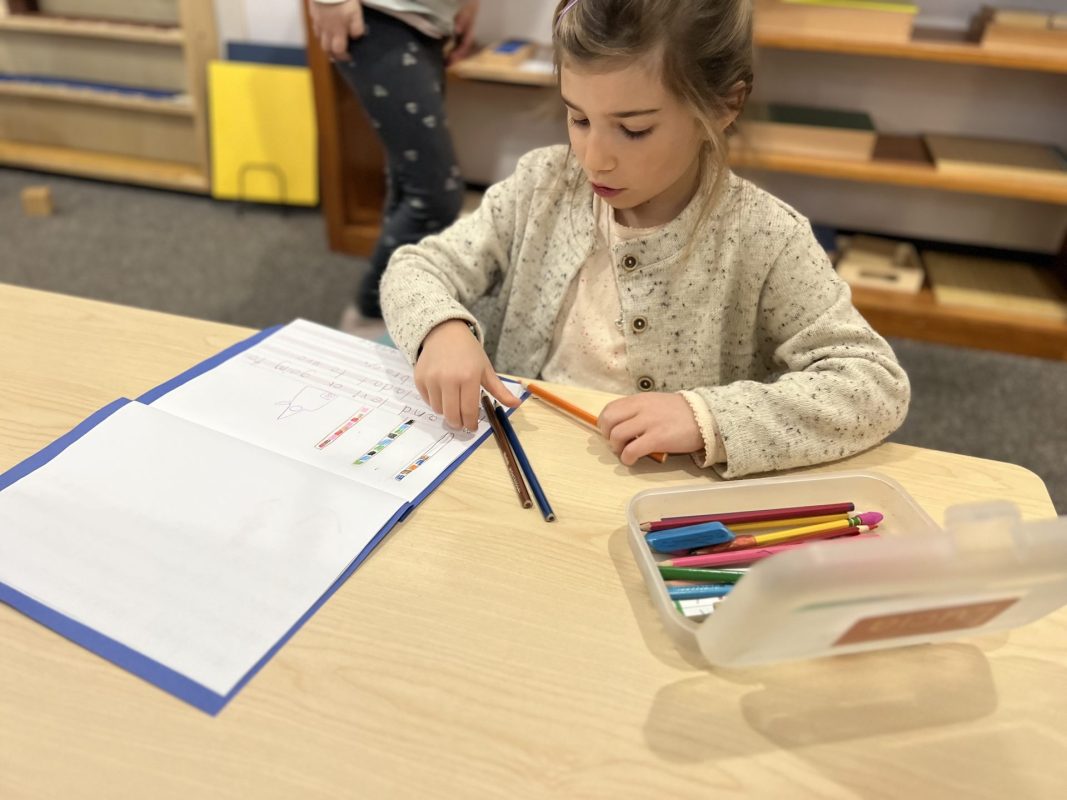
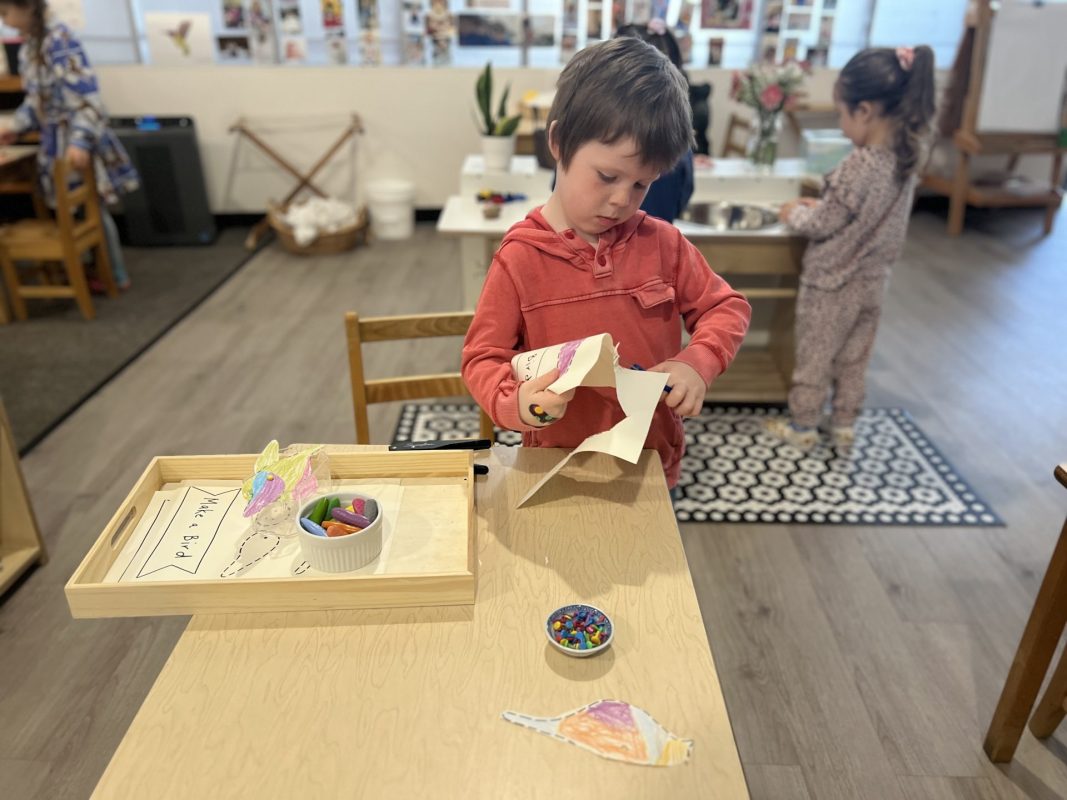
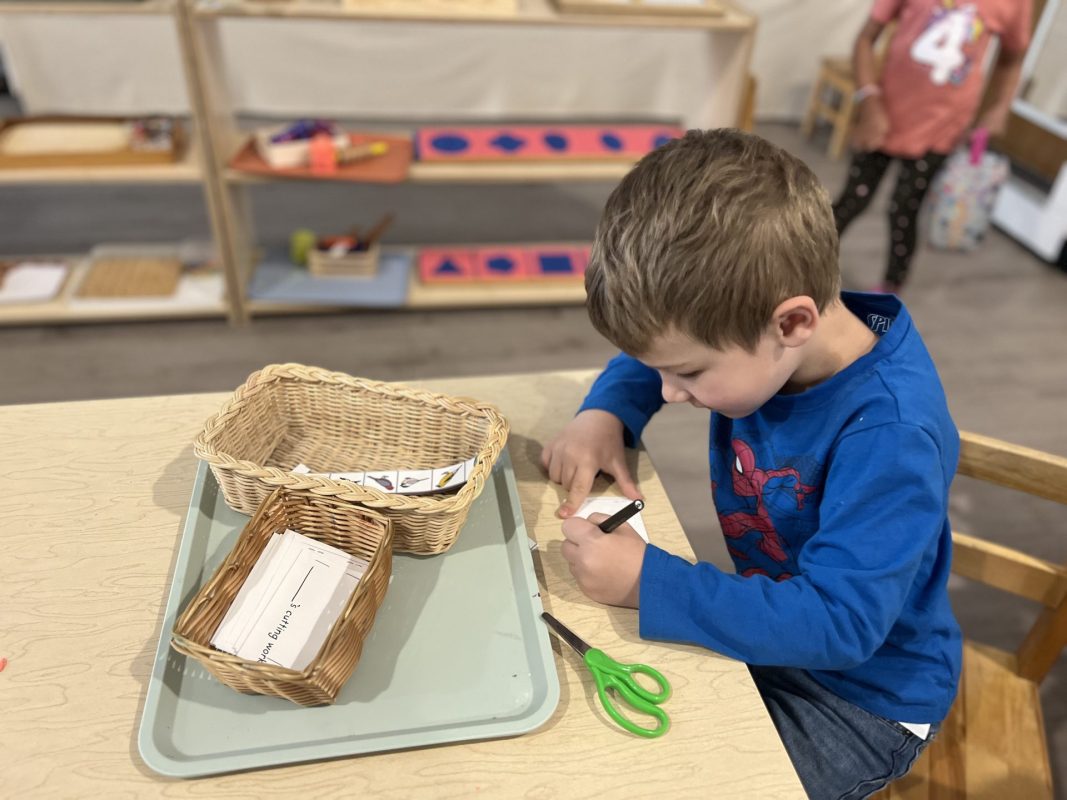
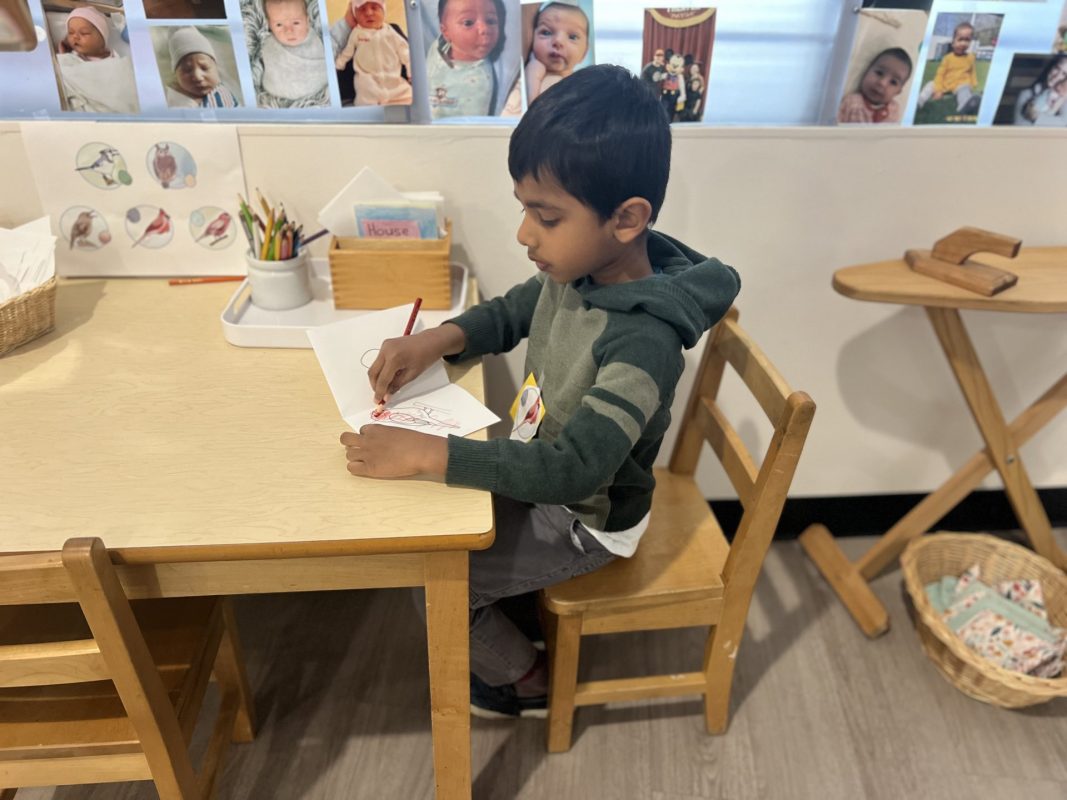
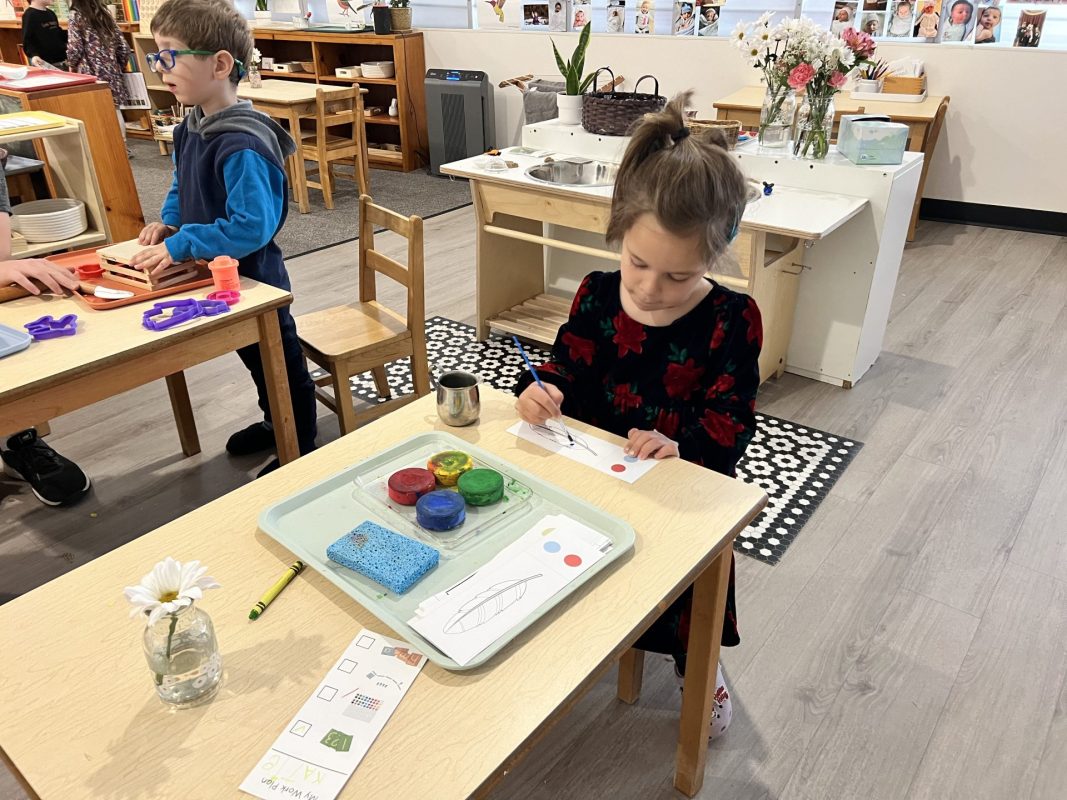
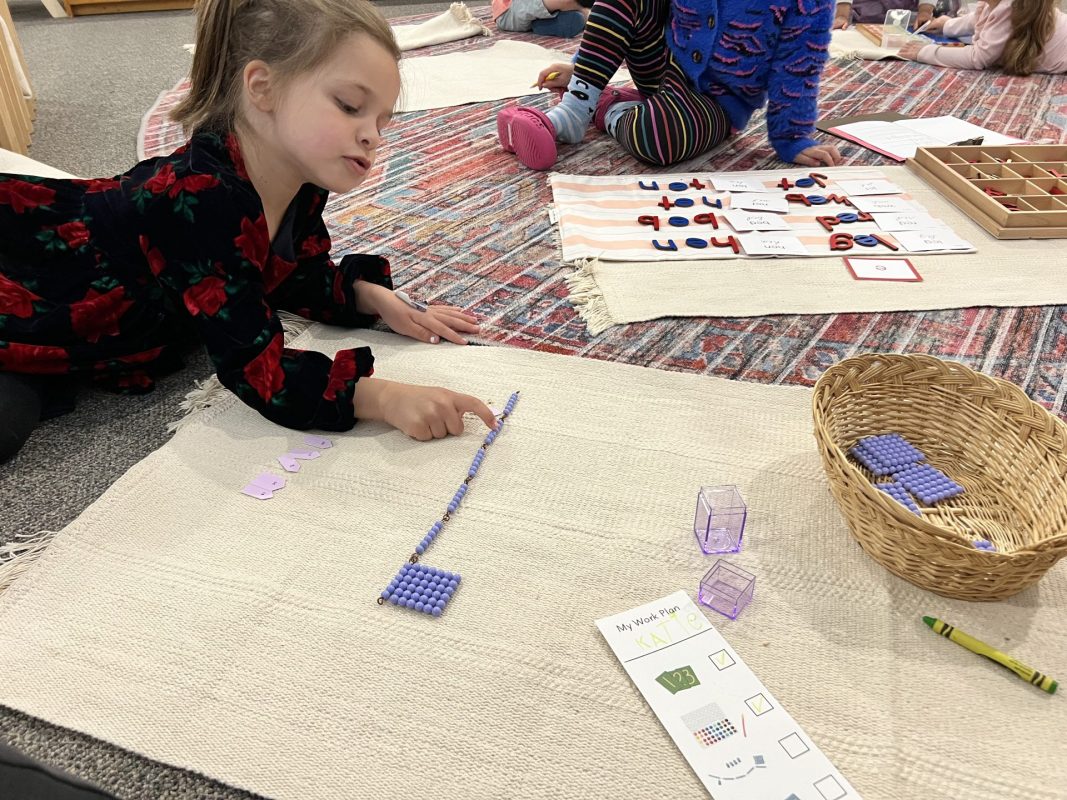
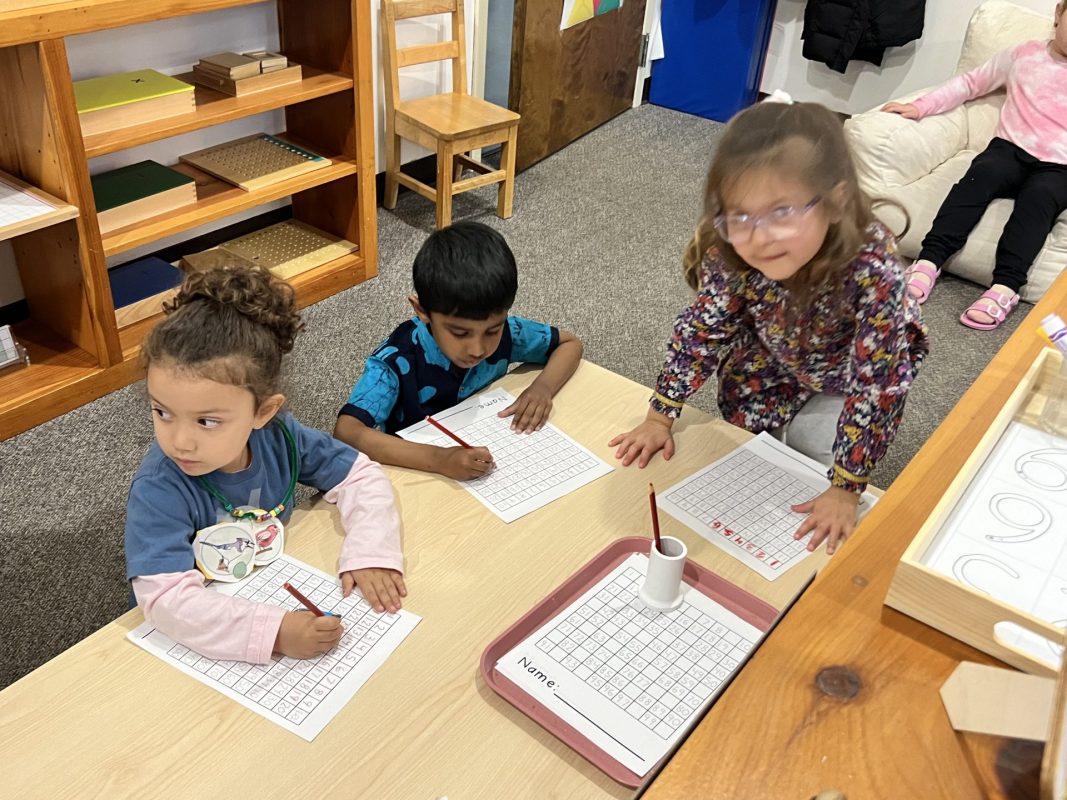
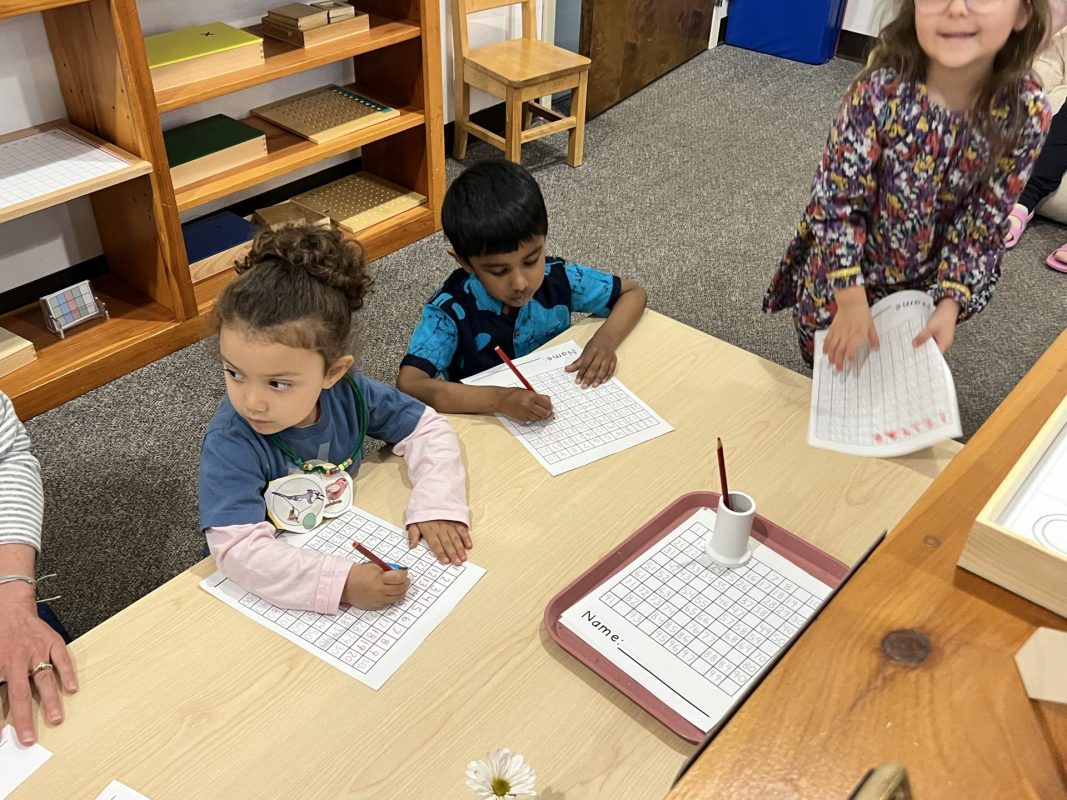
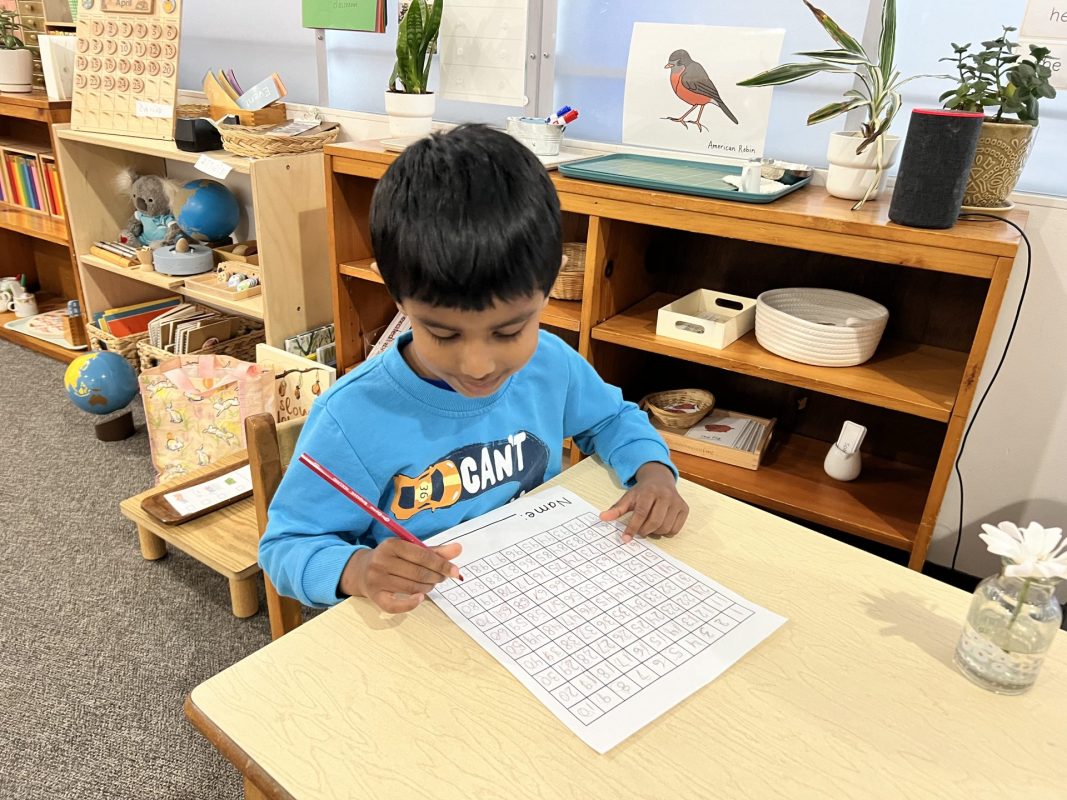
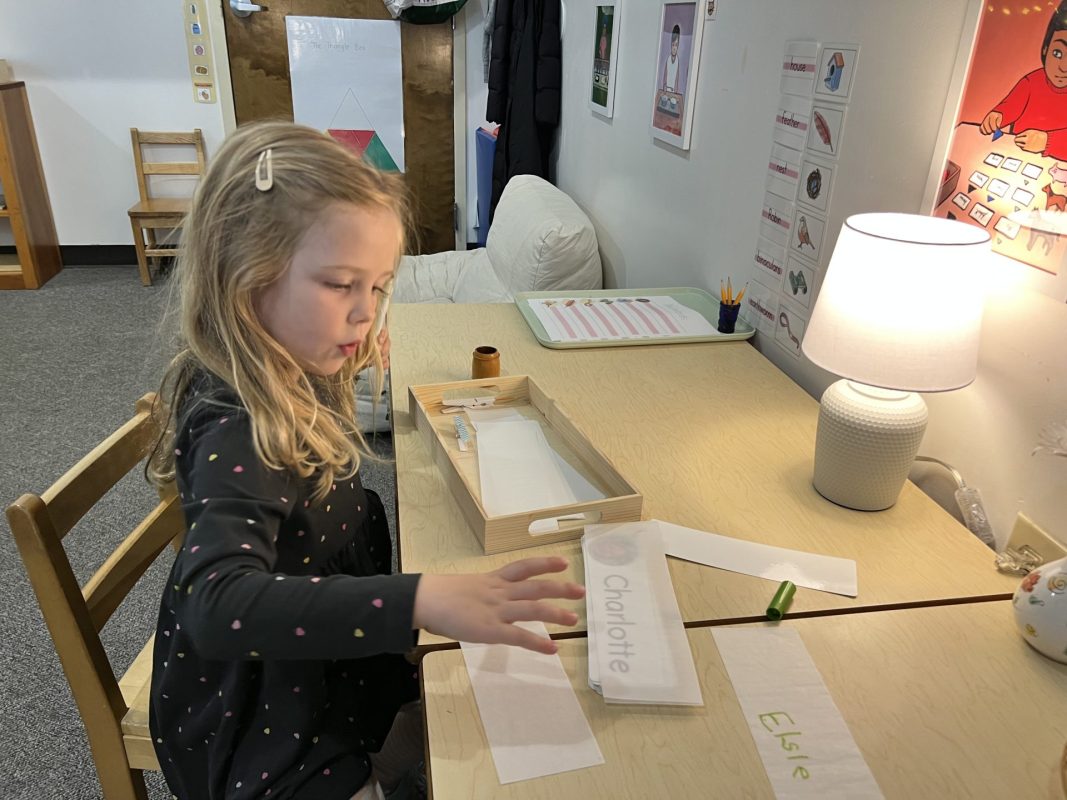
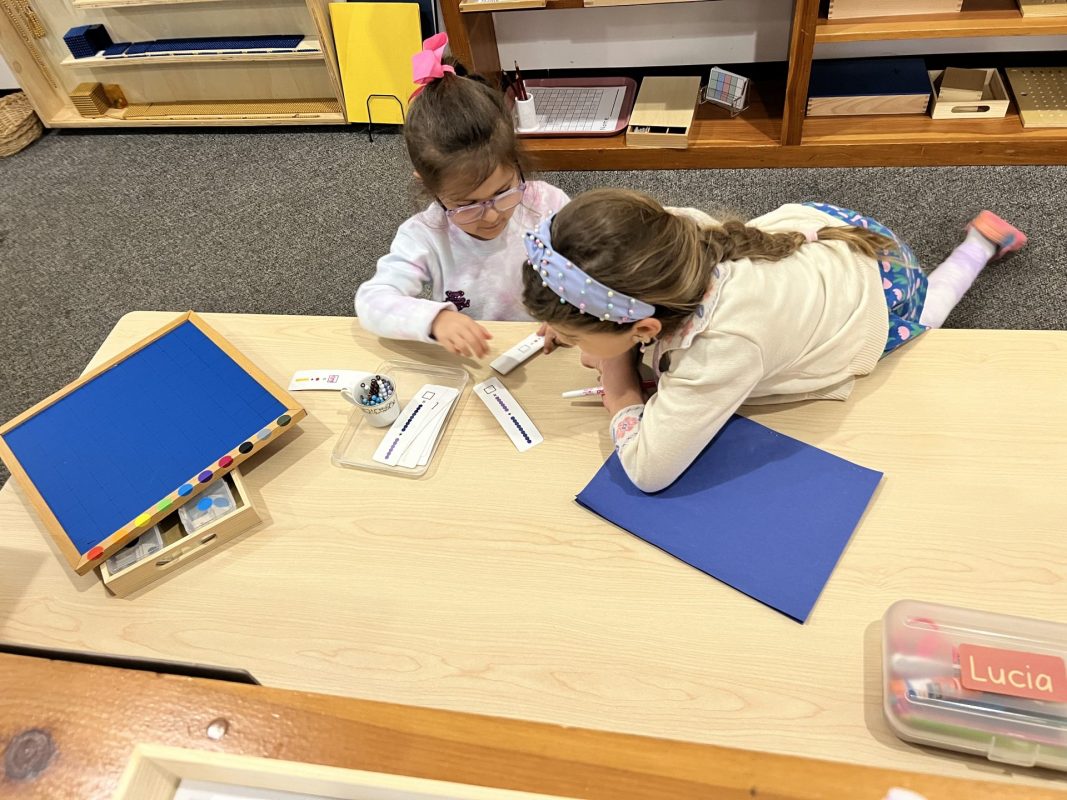
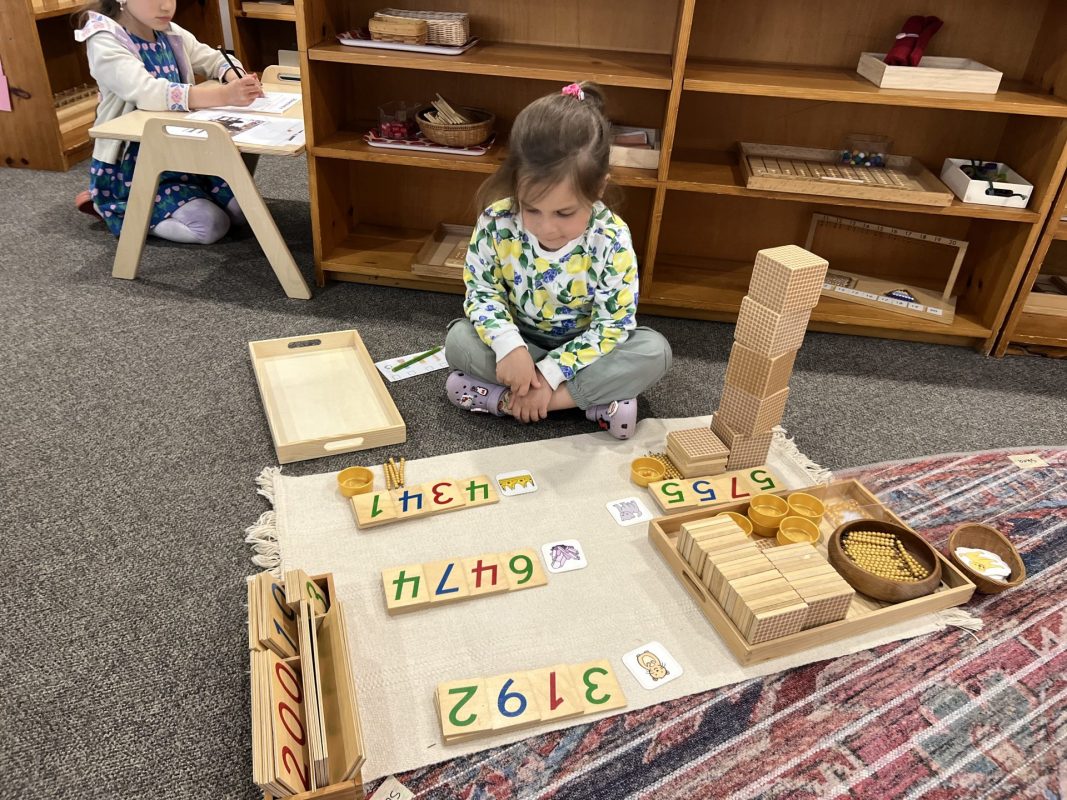
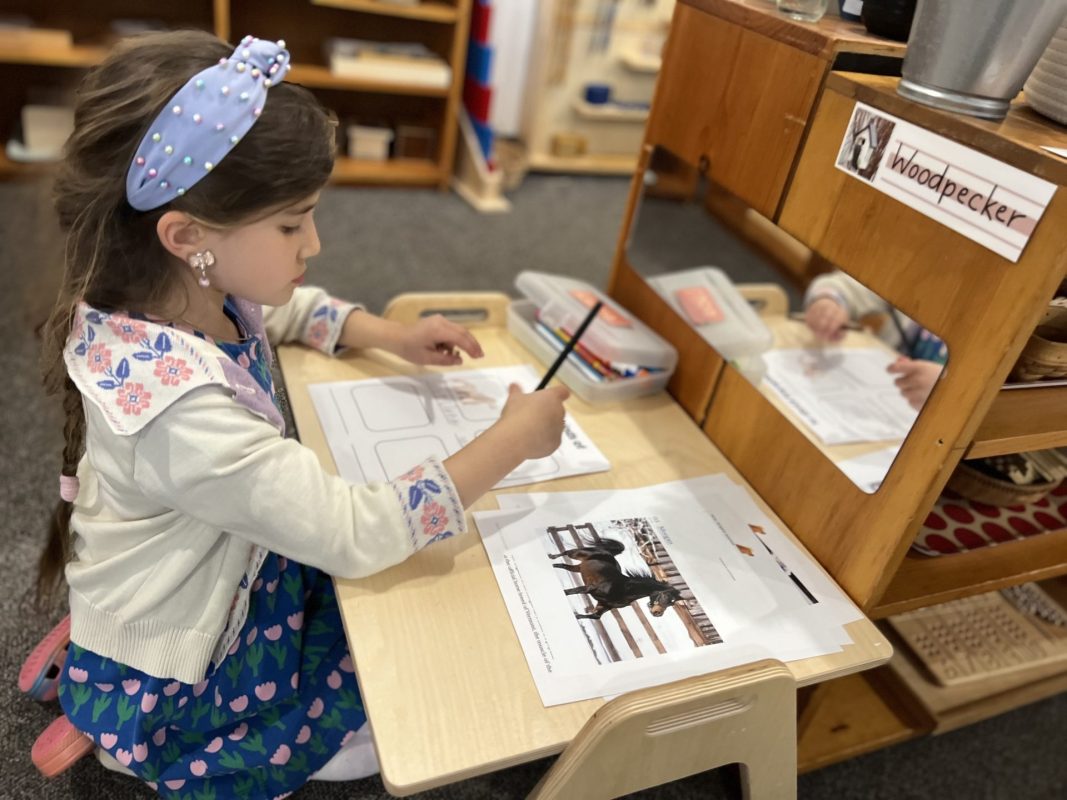
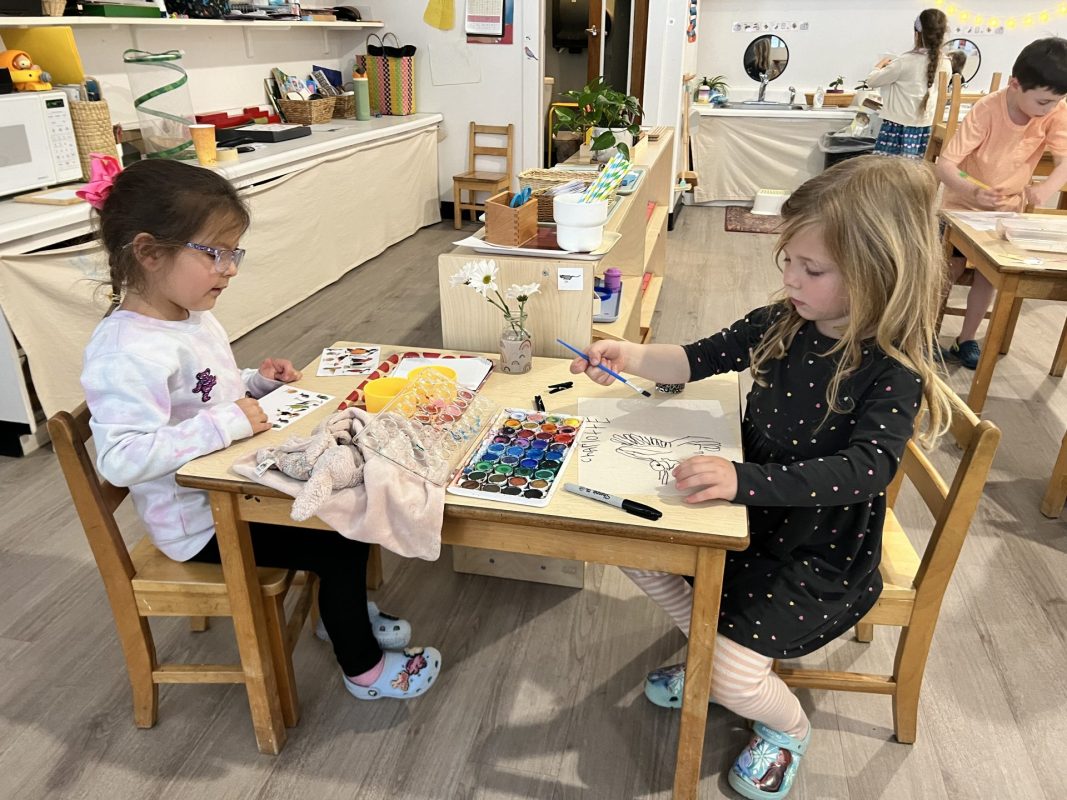
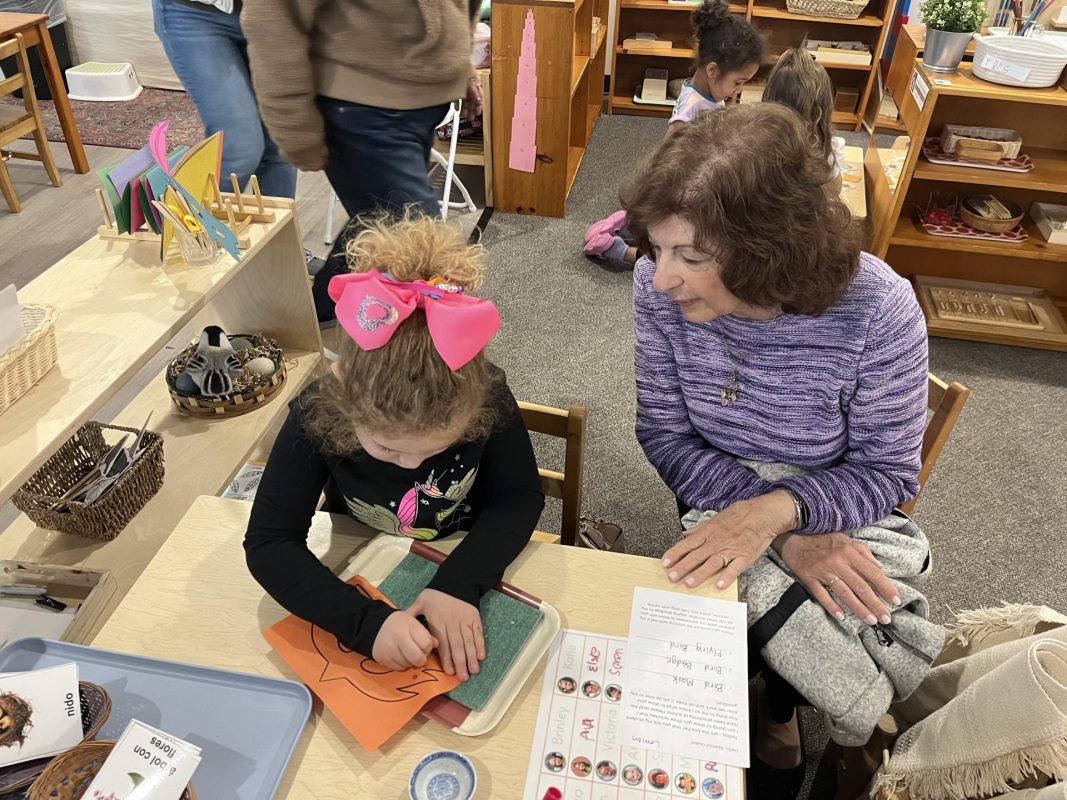
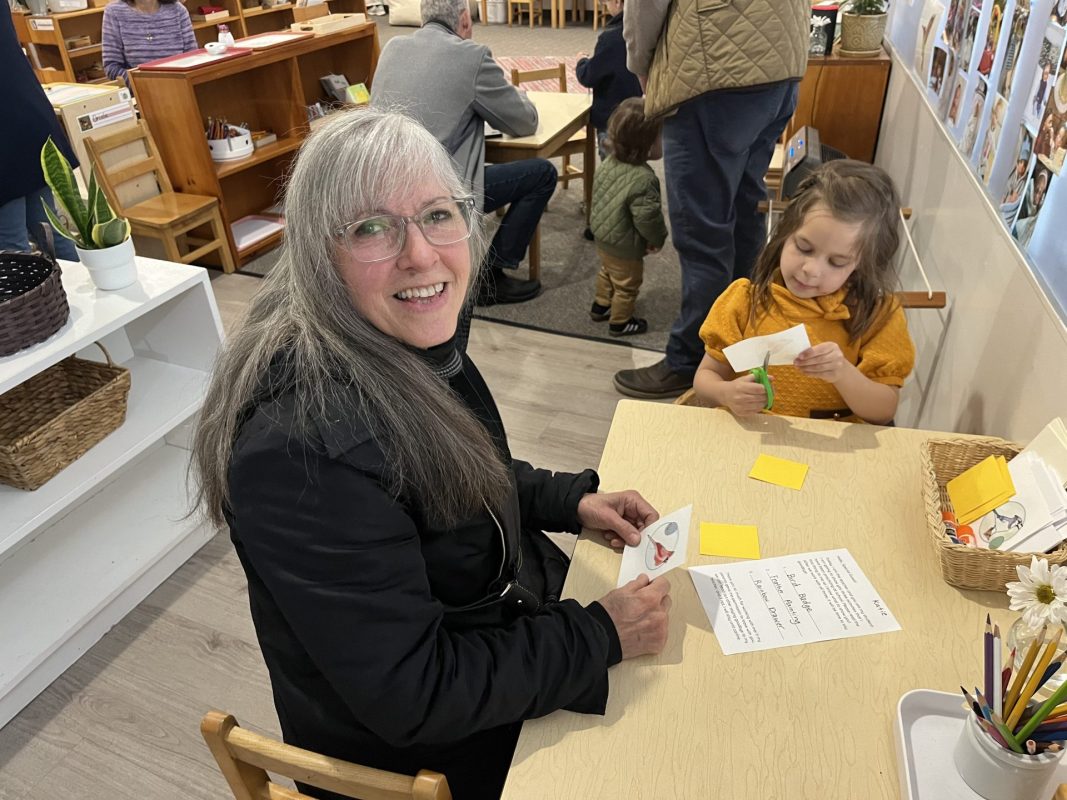
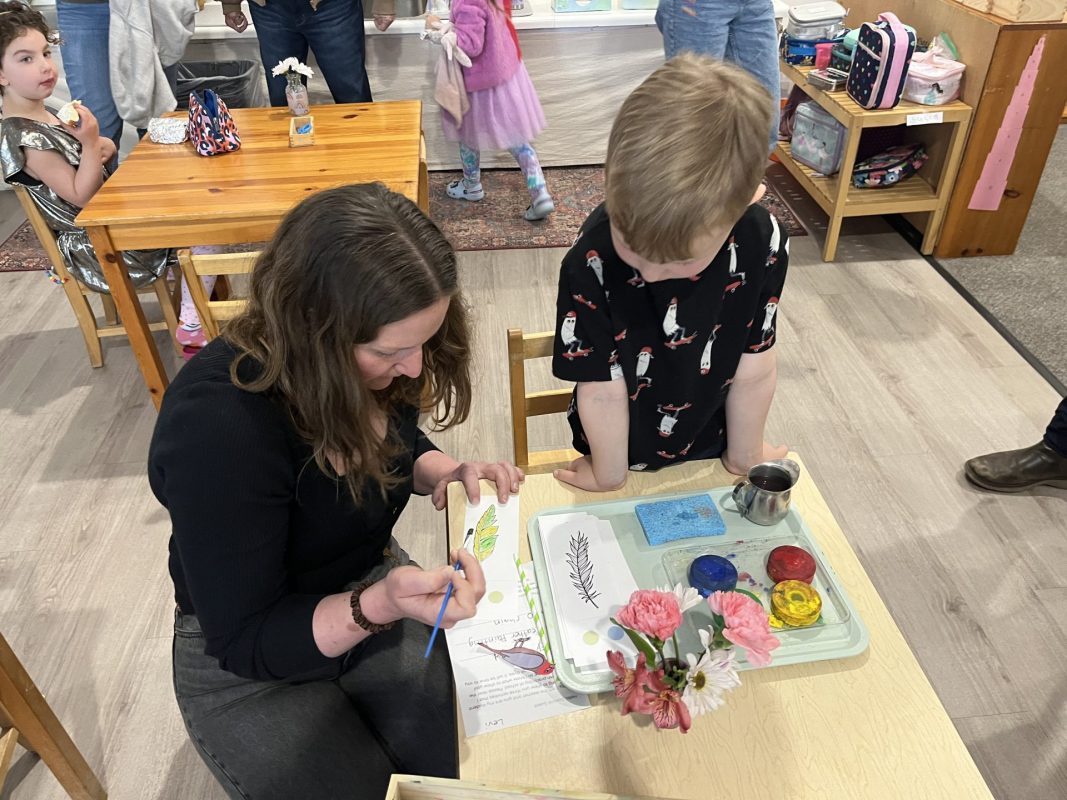
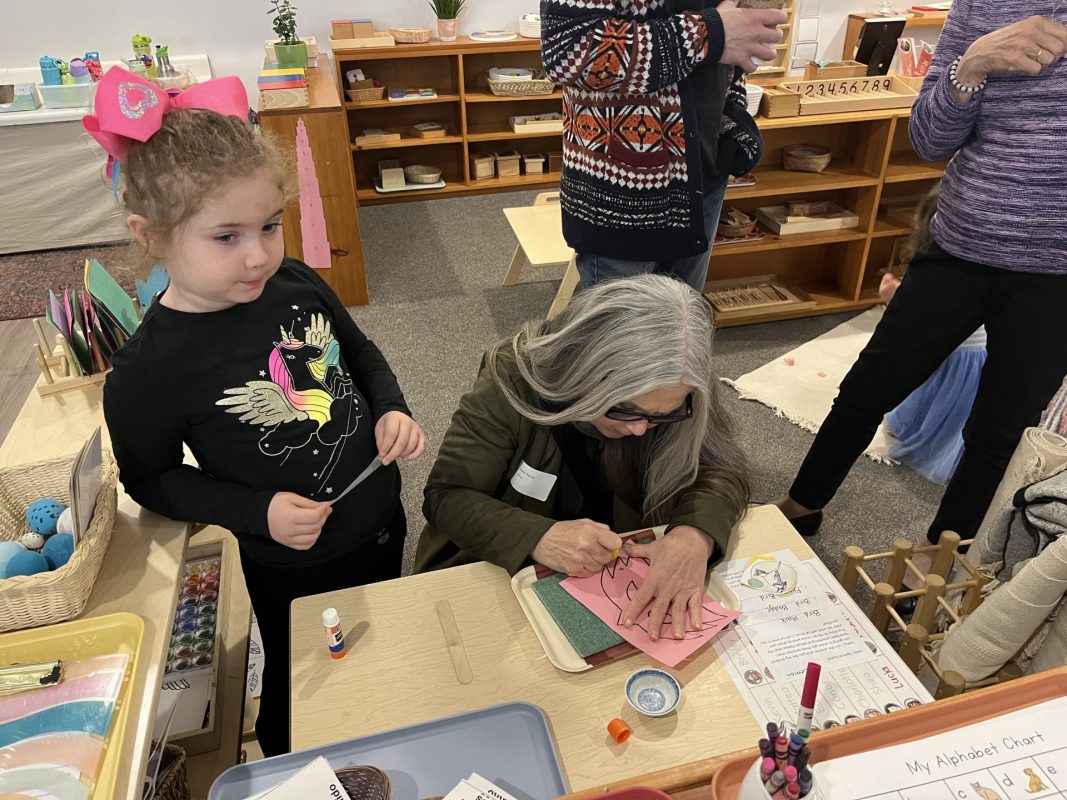
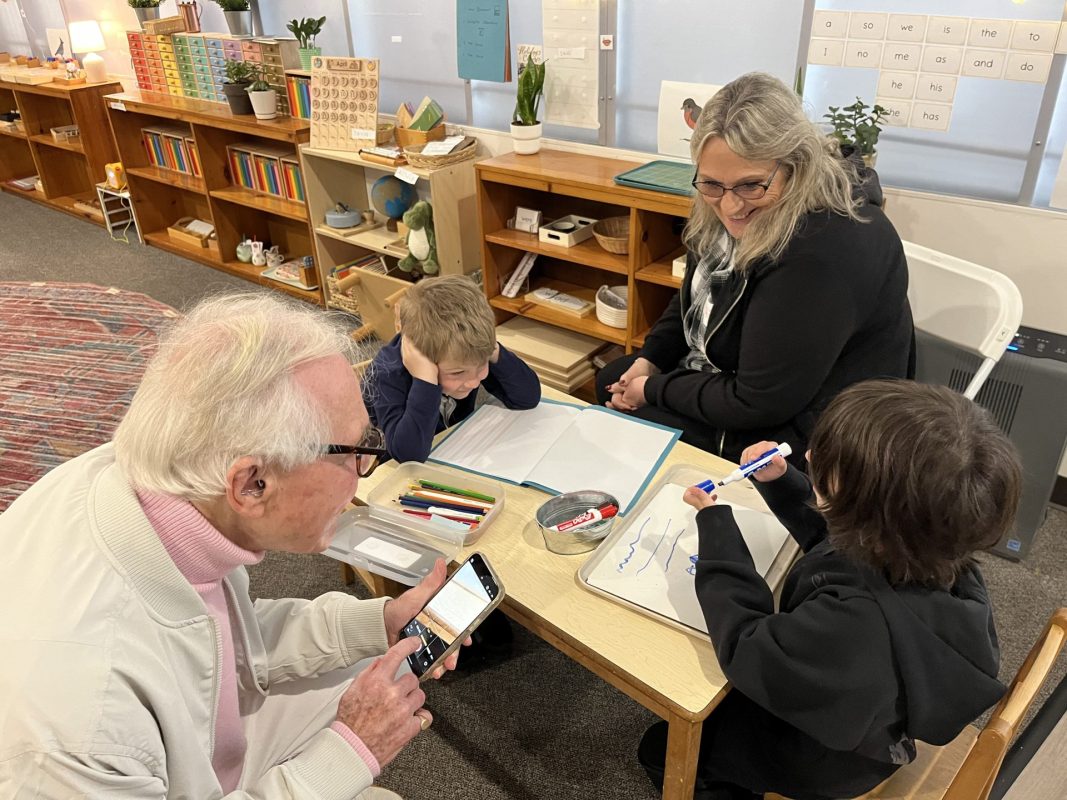
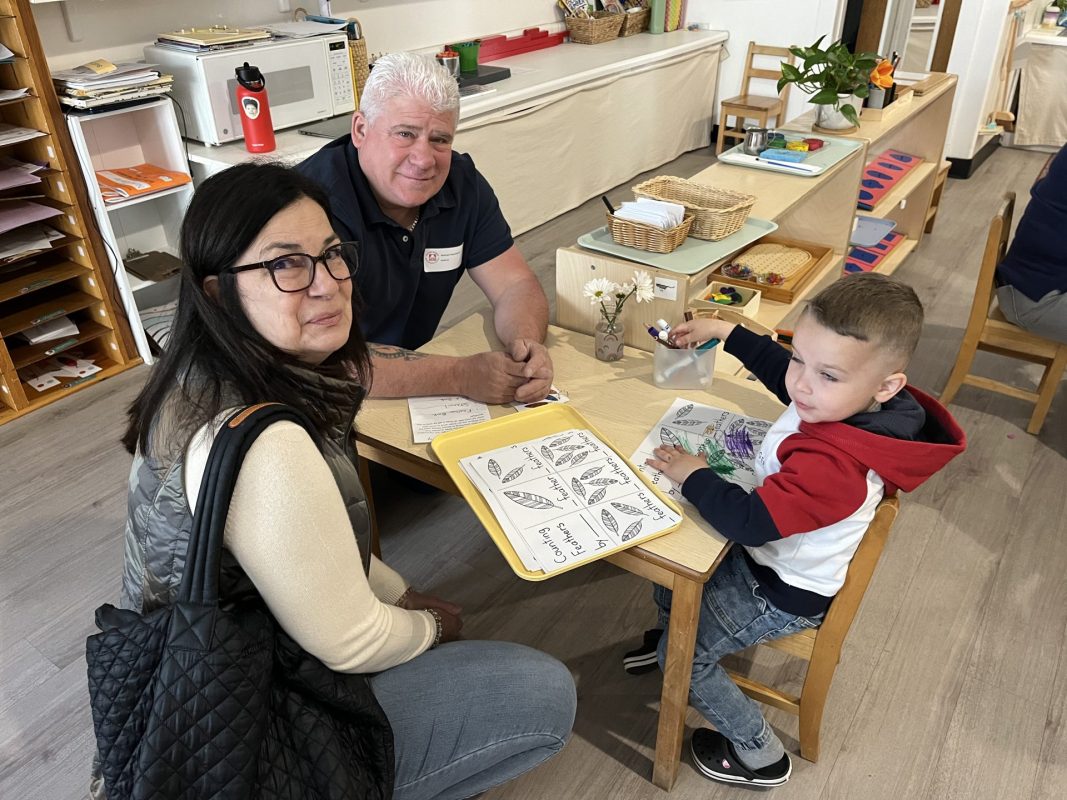
We incorporate birds into our math work by counting birds and making feather booklets where we write numbers. Children have been tracing hummingbirds and Stellars Jay and painting them with beautiful watercolors. There is even a pretend bird’s nest where a mama bird is caring for her four eggs!

Our Parent/Teacher Conferences are coming up on Friday, April 12th and 19th. Please look out for the Sign Ups on Monday!

The children have really been enjoying singing songs about birds. Ask your child to sing Two Little Black Birds or Red Red Robin.

Our absolute favorite is Jennie Jenkins. You and your child can sing along!


Mrs. Sargeant: A Peek at the Week

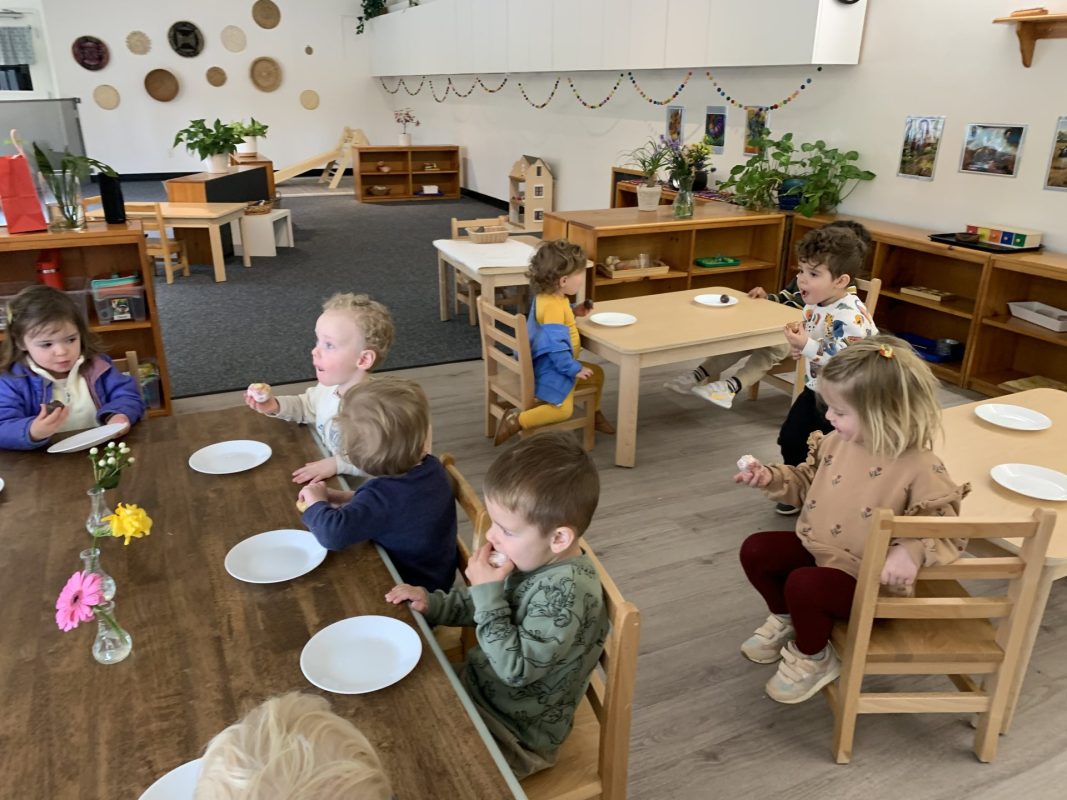
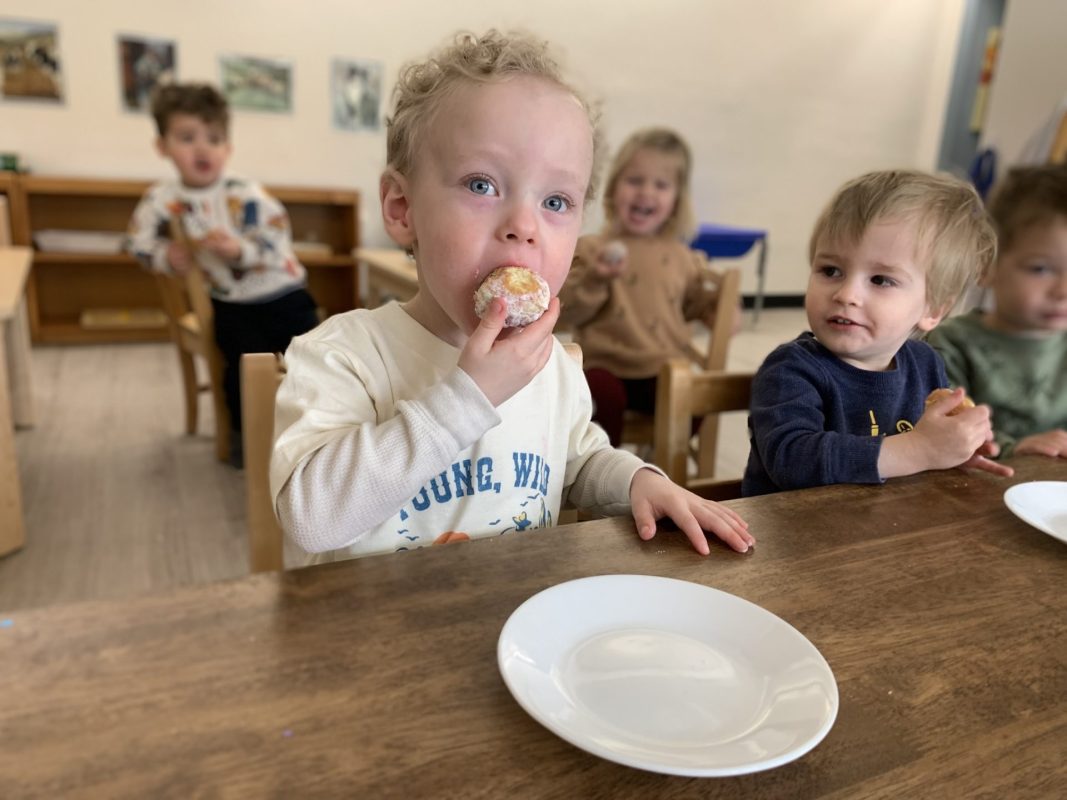
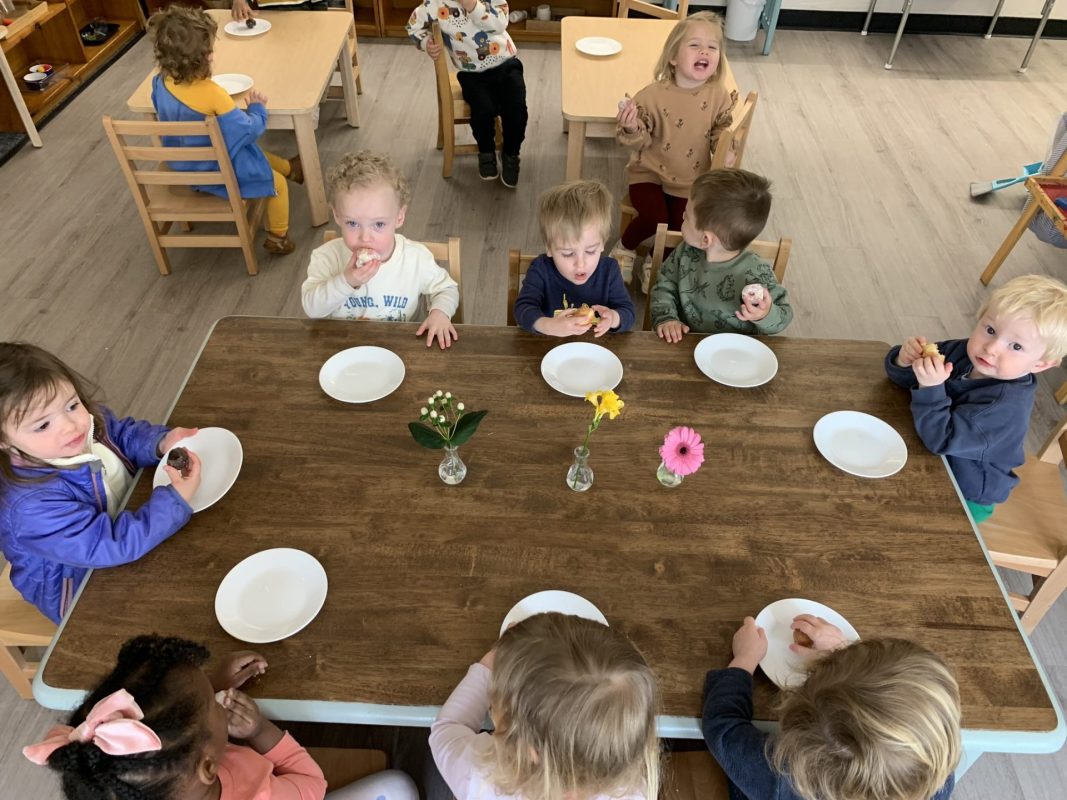
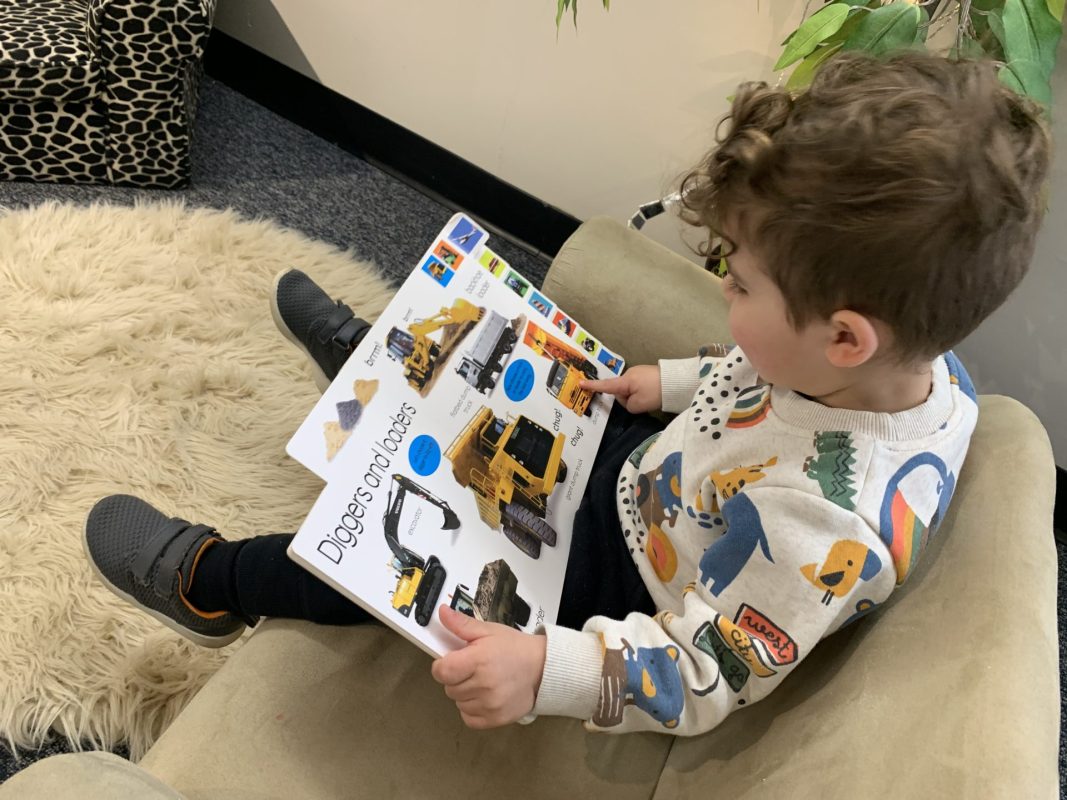
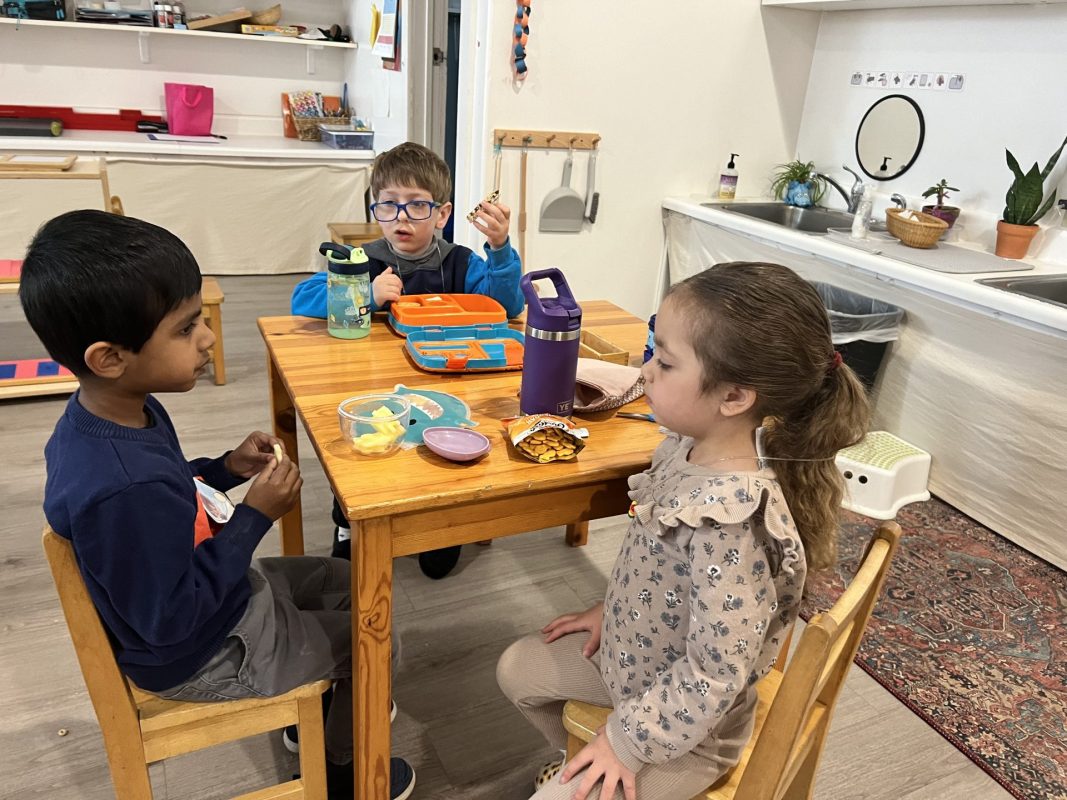
We celebrated another birthday this week! This time we shared a special snack of delicious chocolate chip cookies and read one of the birthday girl’s favorite books, Little Blue Truck’s Springtime,  which the children have continued to enjoy all week long. It was a lovely celebration for our sweet friend. 

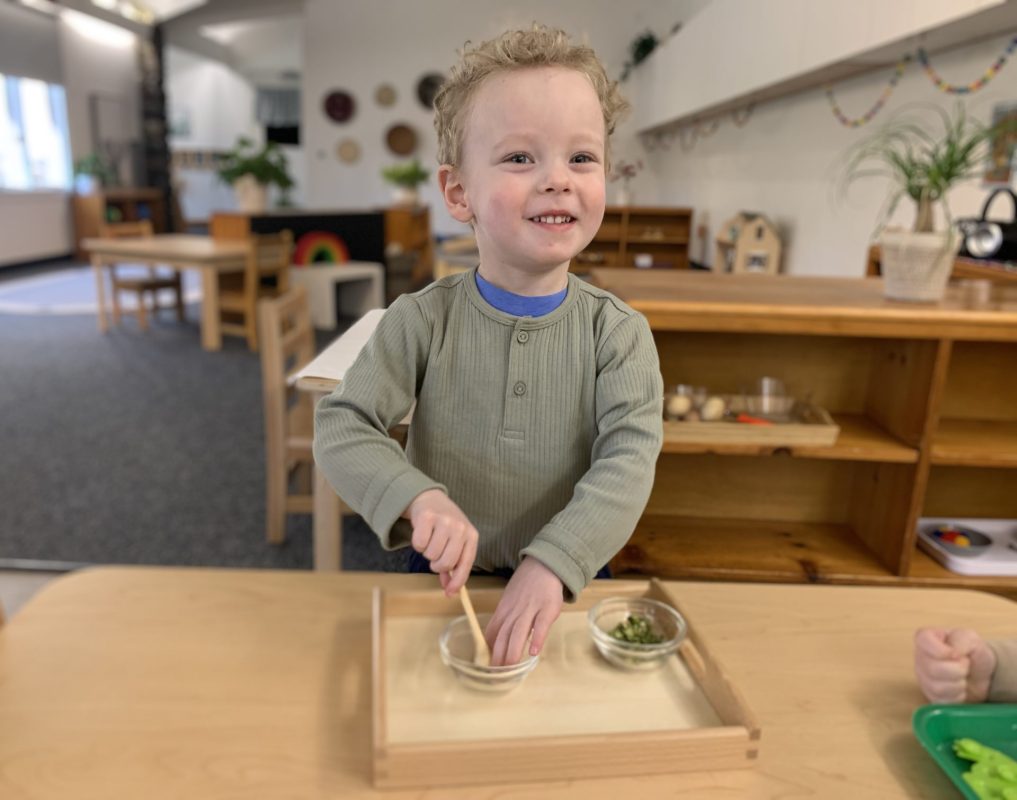
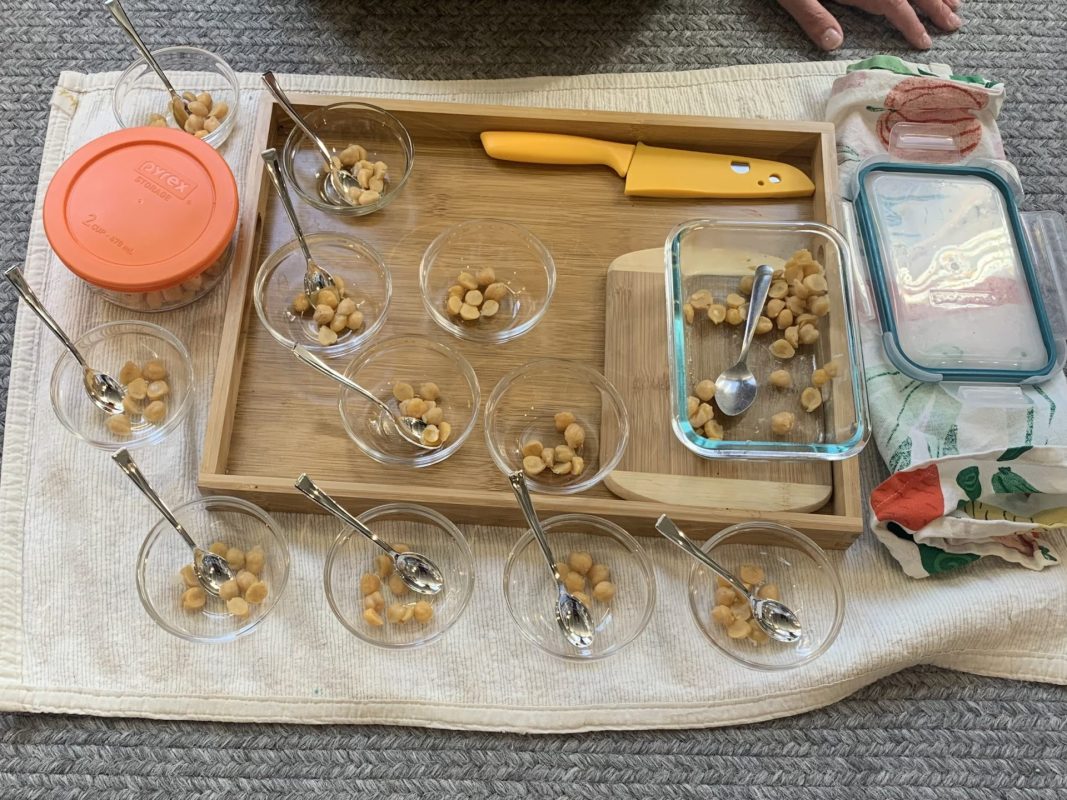
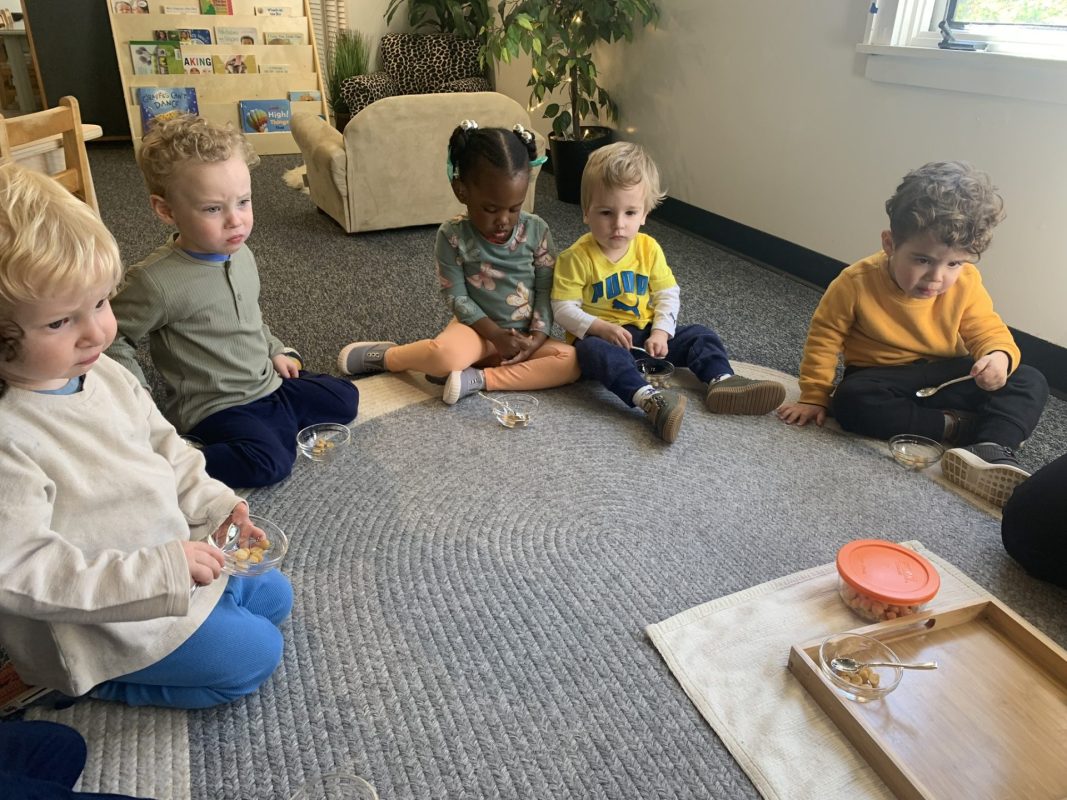
Food tasting was a huge hit this week. We tried golden berries. Golden berries belong to the nightshade family and are native to Chile and Peru. They are closely related to the tomatillo with a sweet, tropical taste somewhat reminiscent of pineapple and mango. I was trying this fruit for the first time along with many of the children, which was exciting. Such an interesting fruit with an impressive nutrient profile!

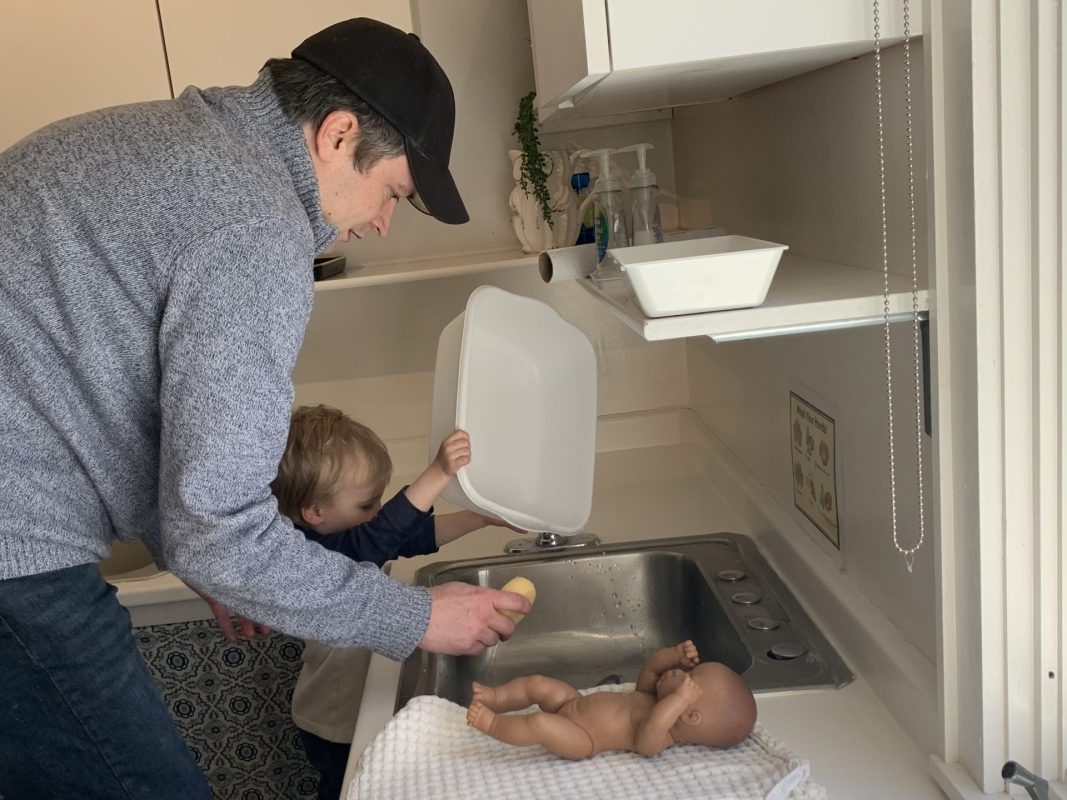
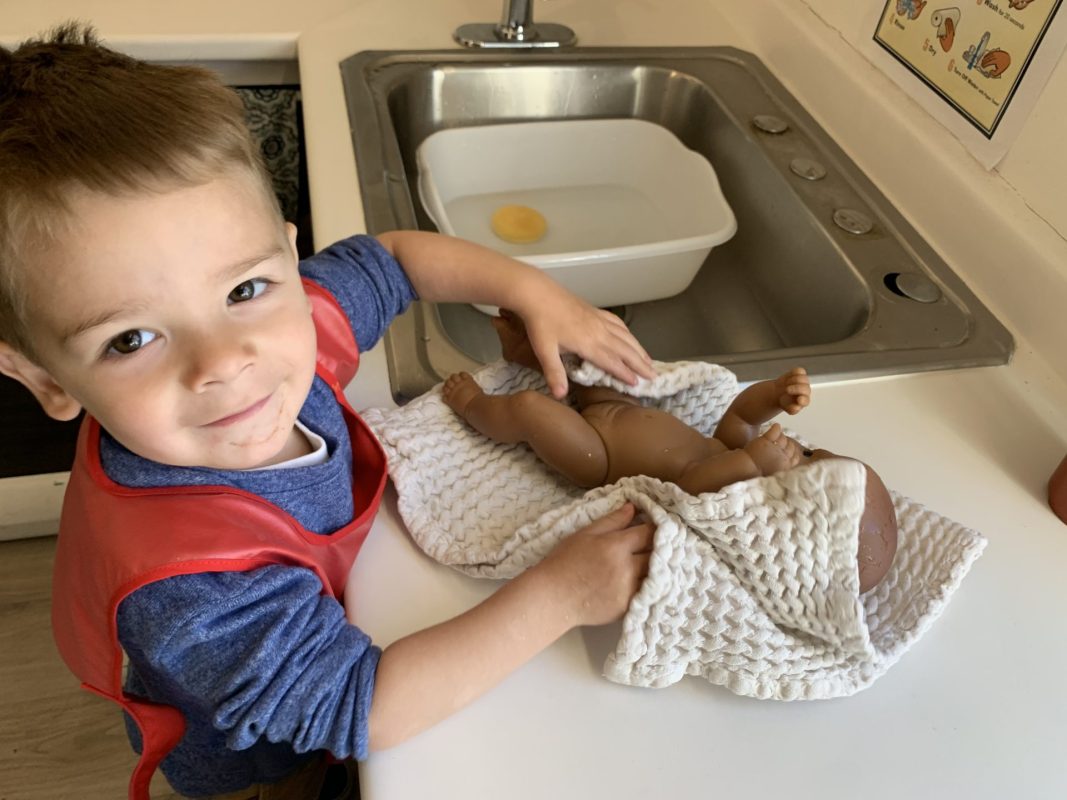
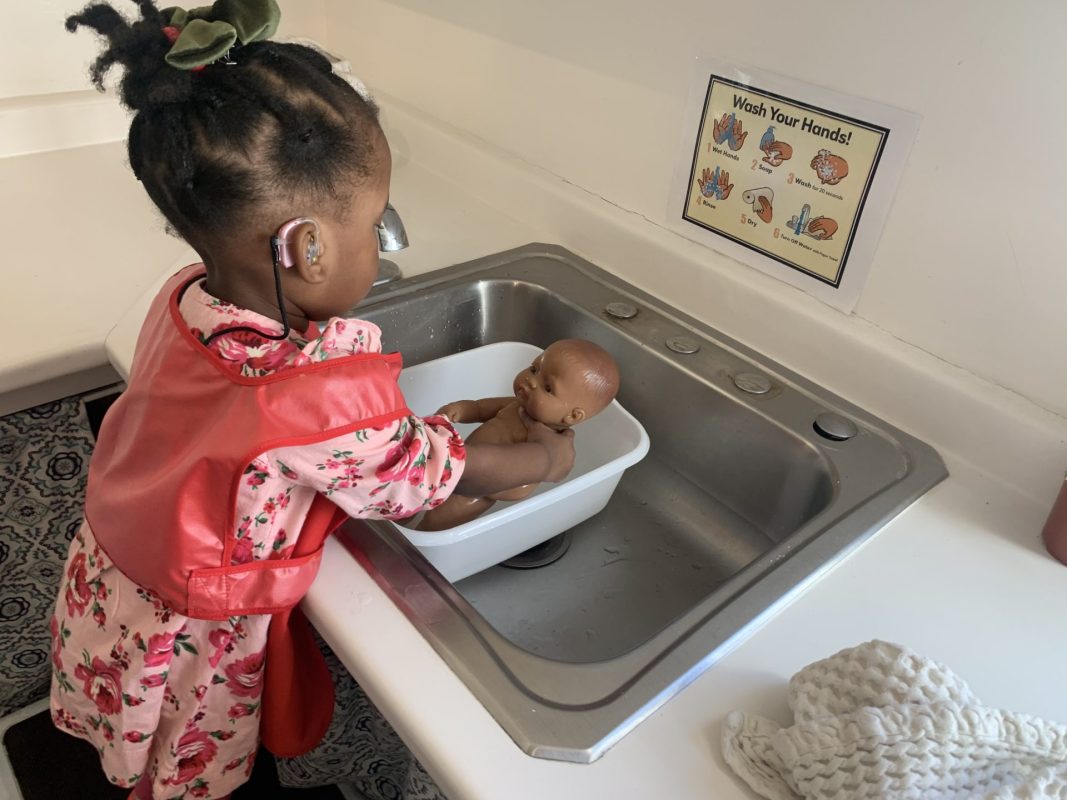
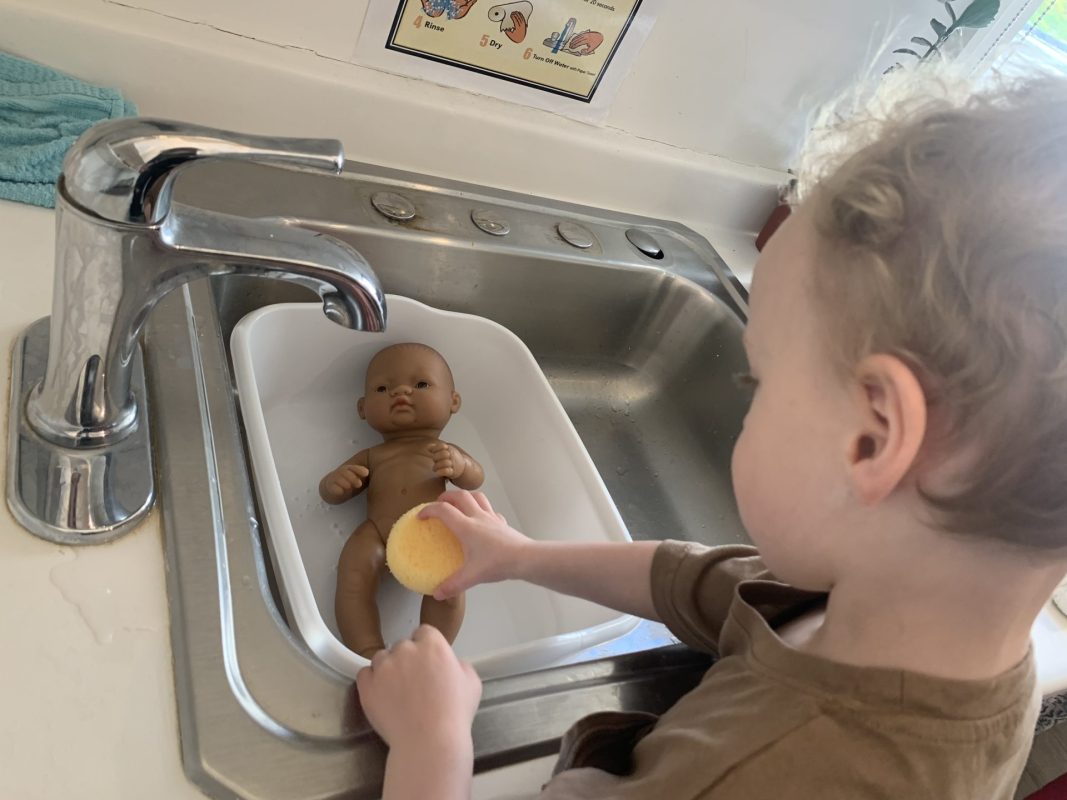
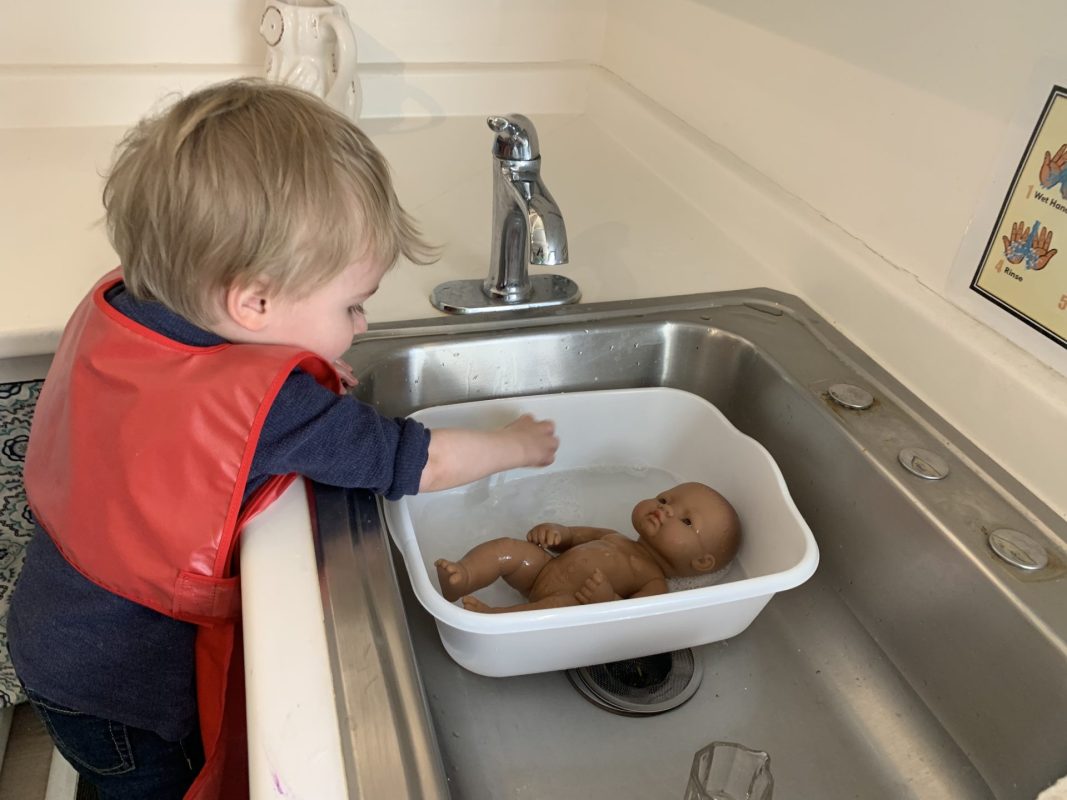
We continue to encourage the children to “catch” their cough with their elbow. We’d love your help to encourage this at home as well. We also walk each child through the steps of washing their hands at the sink. First, they roll up their sleeves (most need help with this). Then, they place one hand under the soap pump, and the other hand pushes the pump. We tell them that their hands will share the soap, and we show them how to rub their palms together and look for the bubbles, then show them how to rub the tops of each hand. As we show them how to rinse, we mention that we are cleaning some of the germs off our hands. Then, we show them how to use a towel to dry each hand. 

Wishing you all a happy weekend! 

Christine & Lizette


Mrs. Doyle: Five Fun Senses

First the education of the senses, then the education of the intellectMaria Montessori

Maria Montessori believed there is a sensitive period for a child’s development of their senses. Although the senses are an integral part of our lives, children have the greatest potential to develop and retrieve them during their early years. It is precisely this idea that demonstrates the purpose of Sensorial materials in the Montessori classroom. The Sensorial materials are powerful tools that allow children to become aware of their unconscious impressions and bring these impressions into conscious awareness. Additionally, they enable your children to create a basis of order in their minds, allowing for the intelligent exploration of their environment.

This week we are beginning our study on the five senses. What better way to teach this than to use popcorn? Popcorn is a multi-sensory snack as it incorporates all five of our senses. It might just be our most appetizing science unit yet! Did you ever notice that when you make popcorn, somehow the entire family knows about it and shows up to have some of this favorite treat?

We begin by discussing our five senses and how we use different body parts to learn about things in our environment. For example, our noses are for smelling, ears are for listening, eyes are for seeing, hands are for touching, and our tongue is for tasting. We learned that sometimes, we use more than one sense at a time.

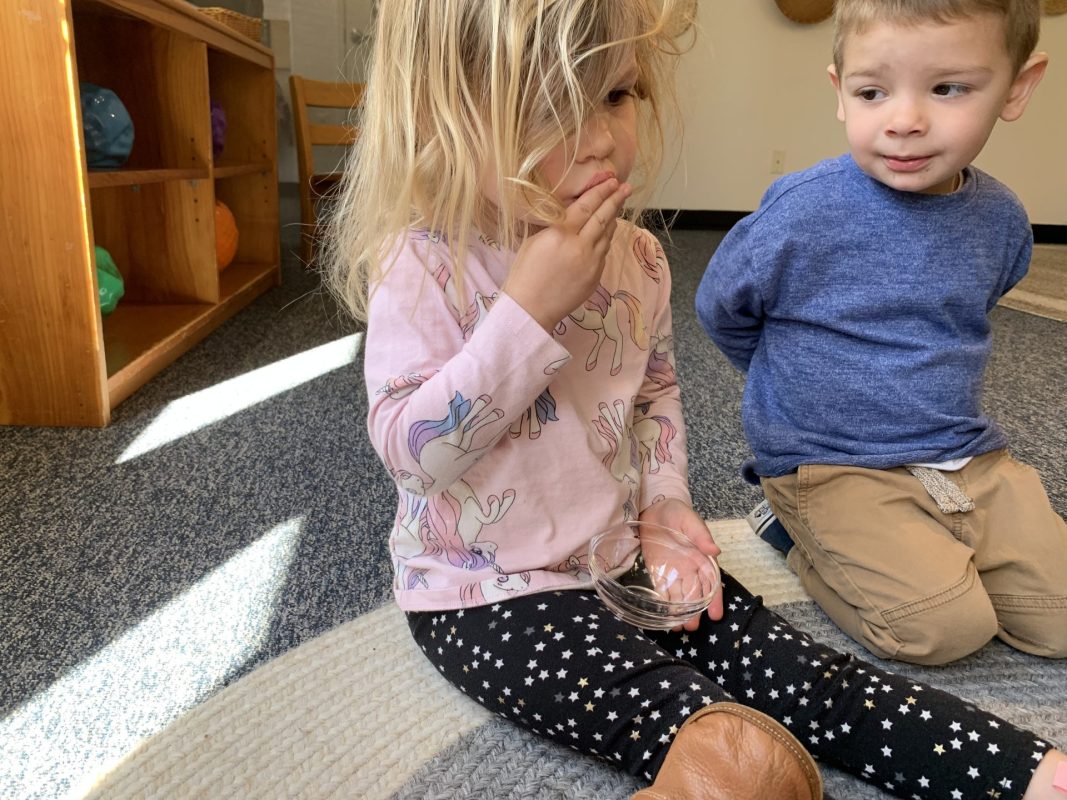
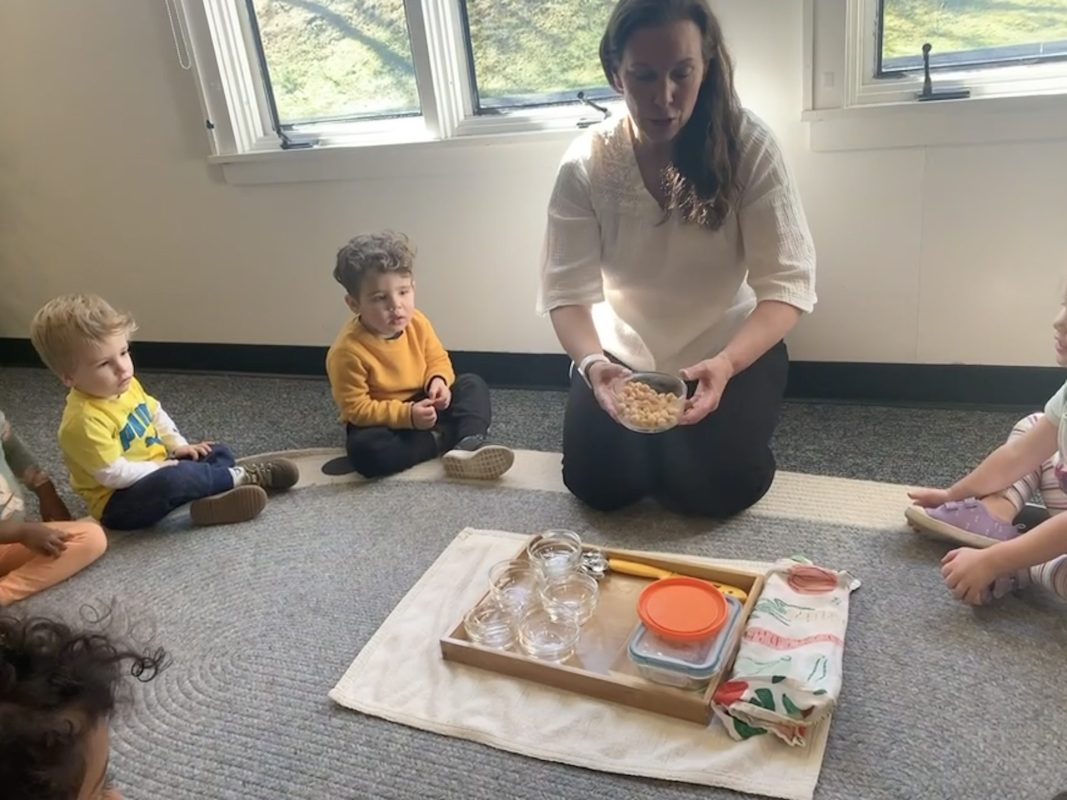
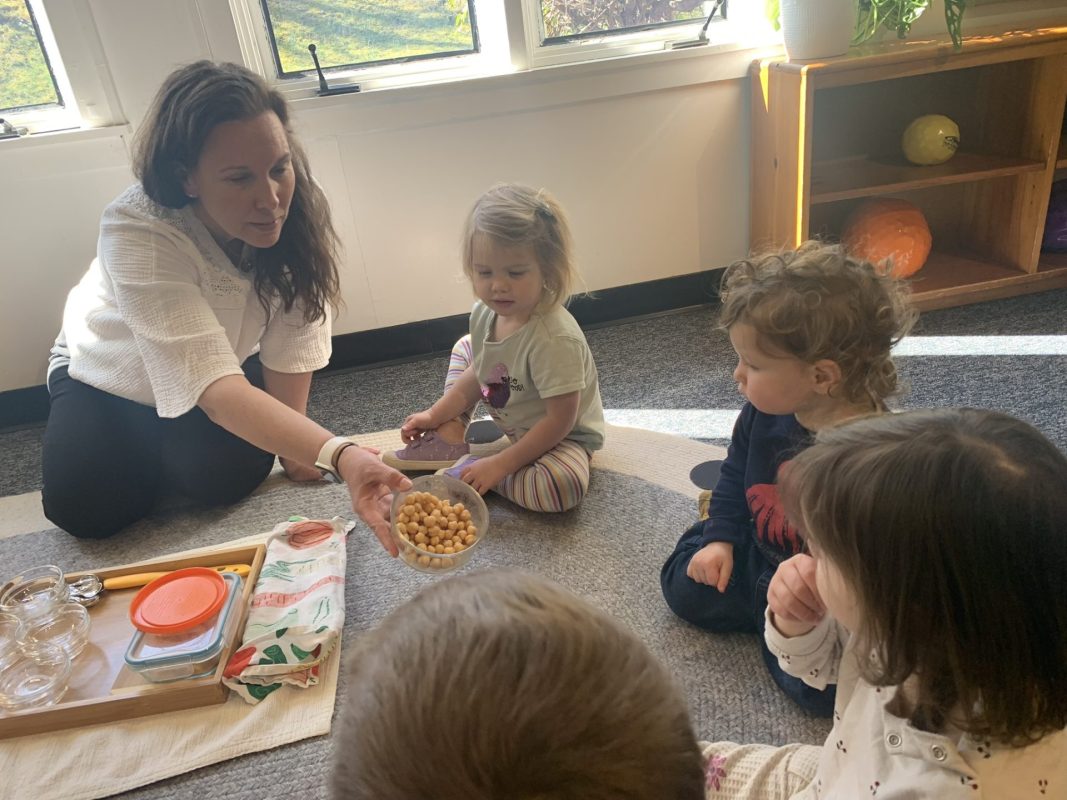
Next, each child had the opportunity to handle popcorn kernels to observe what they saw, smelled, and felt. We record all of our observations as we go along. Finally, we used an air popper to pop some popcorn. Now, we can include our observations about hearing and tasting as well.

Parent/Teacher conferences will be on Friday, April 19.   A link to sign up for a time slot will be going home on Monday.

Wishing you a week filled with peace and love!

Michelle & Maria


Mrs. Lopes: Five Fun Senses

First the education of the senses, then the education of the intellectMaria Montessori

Maria Montessori believed there is a sensitive period for a child’s development of their senses. Although the senses are an integral part of our lives, children have the greatest potential to develop and retrieve them during their early years. It is precisely this idea that demonstrates the purpose of Sensorial materials in the Montessori classroom. The Sensorial materials are powerful tools that allow children to become aware of their unconscious impressions and bring these impressions into conscious awareness. Additionally, they enable your children to create a basis of order in their minds, allowing for the intelligent exploration of their environment.

This week we are beginning our study on the five senses. What better way to teach this than to use popcorn? Popcorn is a multi-sensory snack as it incorporates all five of our senses. It might just be our most appetizing science unit yet! Did you ever notice that when you make popcorn, somehow the entire family knows about it and shows up to have some of this favorite treat?

We begin by discussing our five senses and how we use different body parts to learn about things in our environment. For example, our noses are for smelling, ears are for listening, eyes are for seeing, hands are for touching, and our tongue is for tasting. We learned that sometimes, we use more than one sense at a time.

Next, each child had the opportunity to handle popcorn kernels to observe what they saw, smelled, and felt. We record all of our observations as we go along. Finally, we used an air popper to pop some popcorn. Now, we can include our observations about hearing and tasting as well.

Reminder: Parent/Teacher conferences are on Friday, April 19th.  An email will be sent out on Monday with a link to choose a time slot.

Wishing you a week filled with peace and love!

Amanda & Hema


Ms. Marissa: I Sense Something Amazing In Our Class

What the hand does, the mind remembers. —Maria Montessori

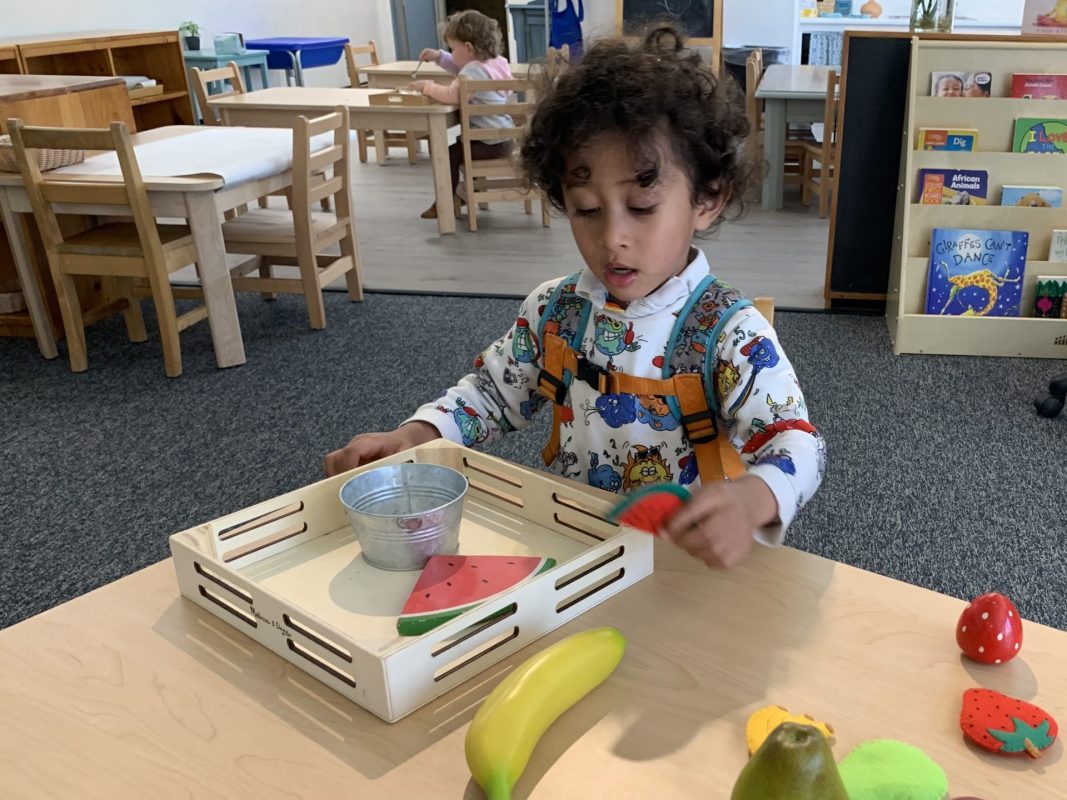
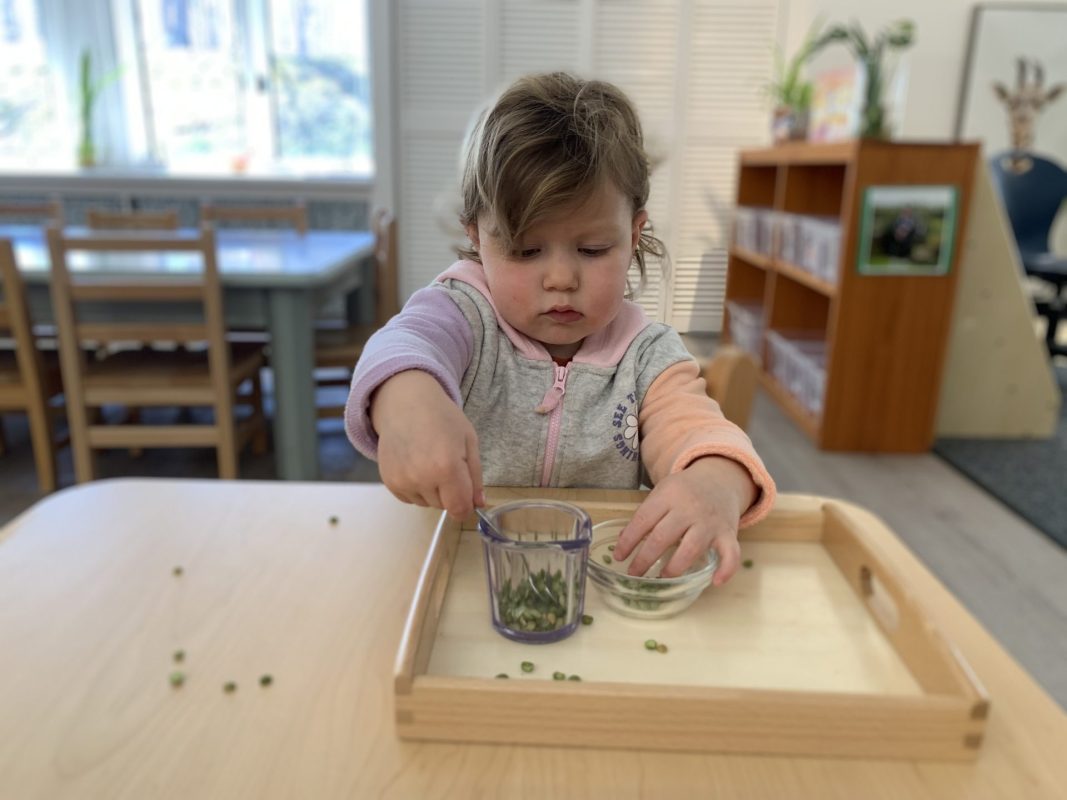
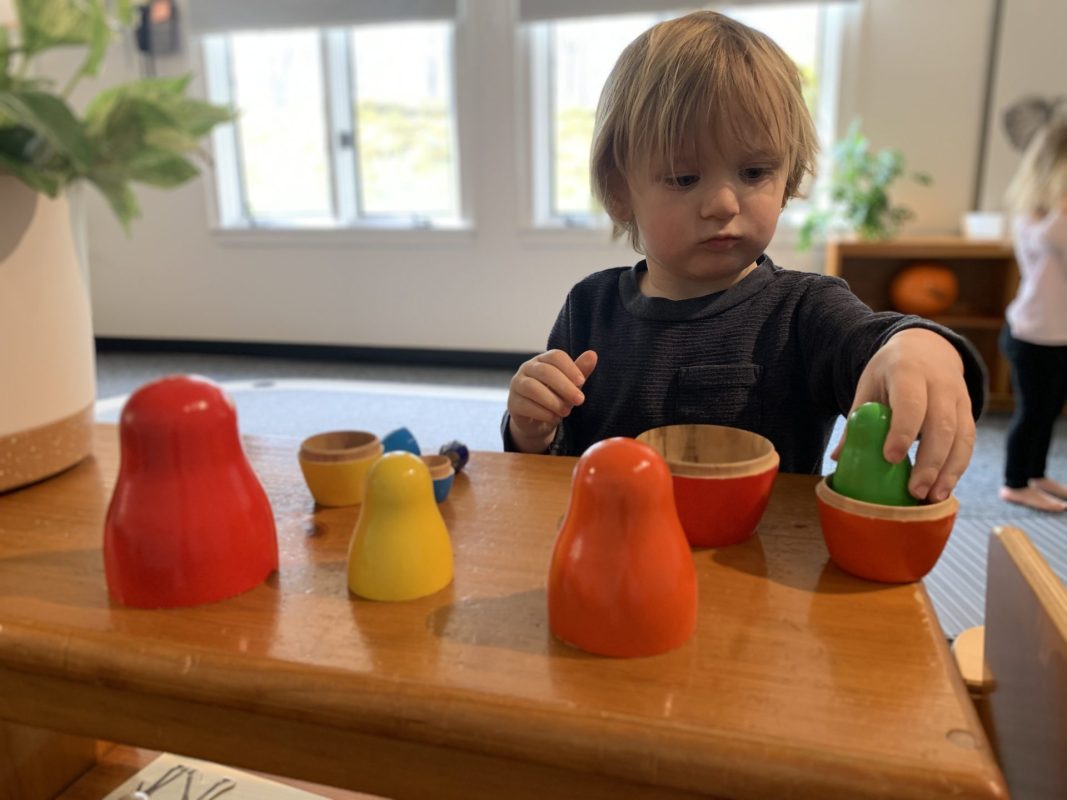
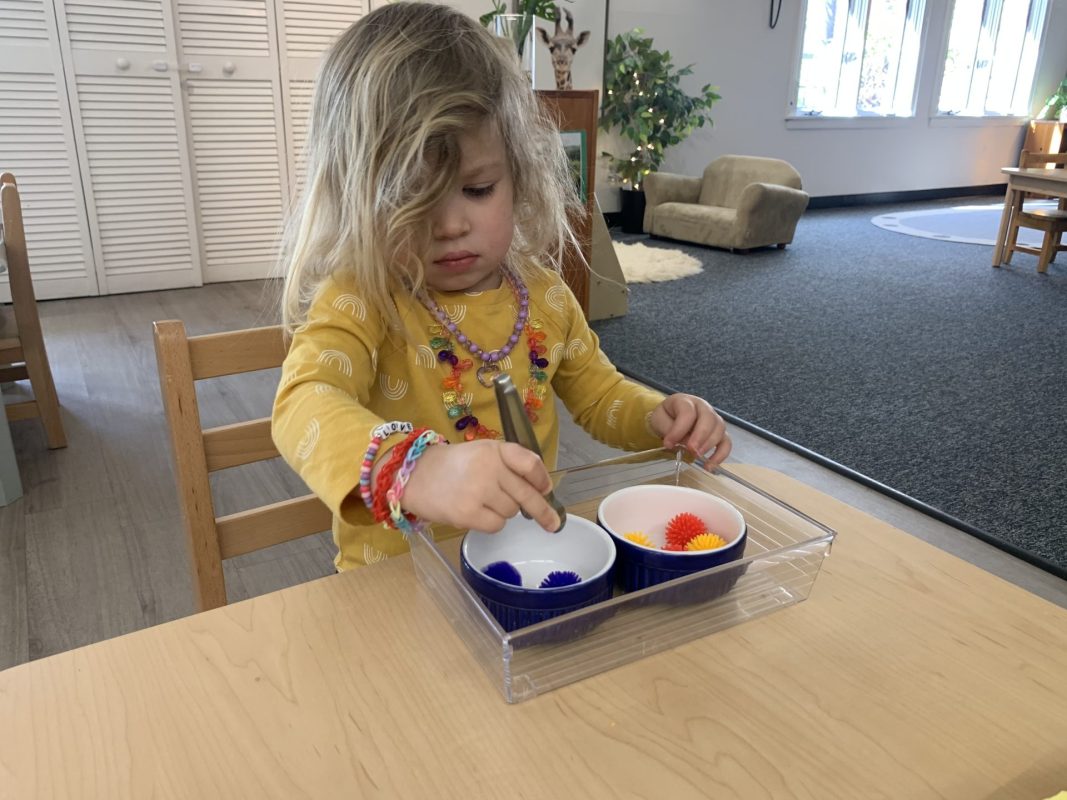
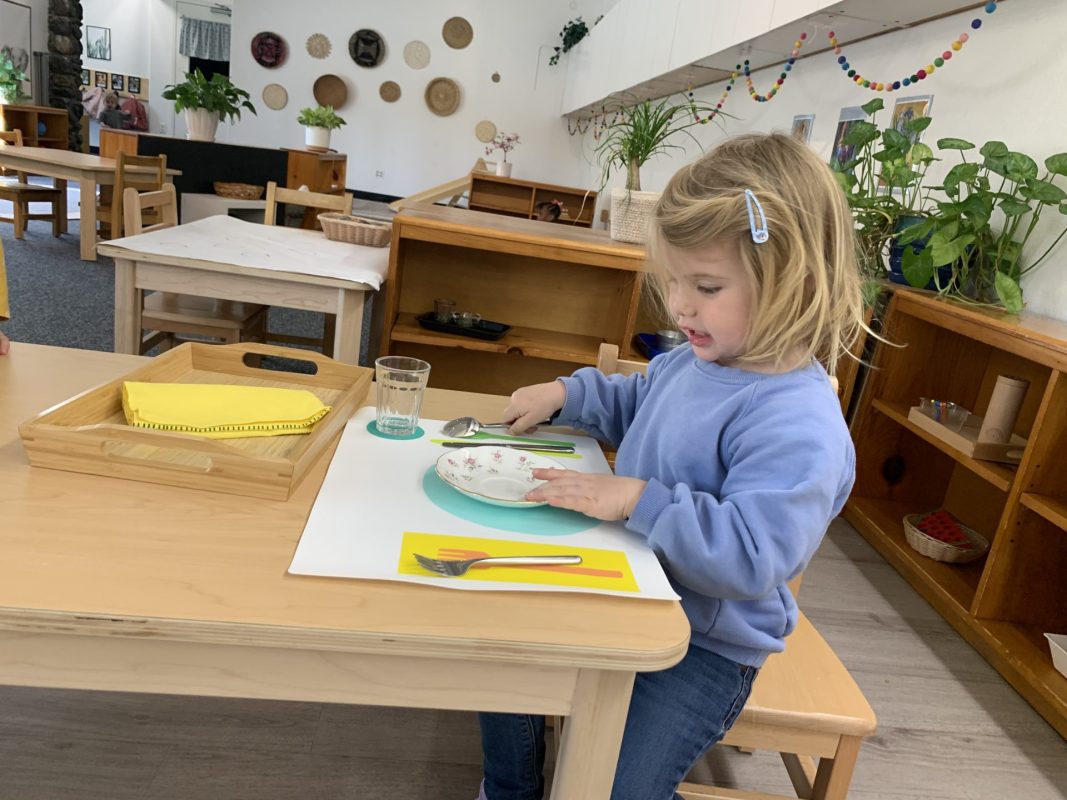
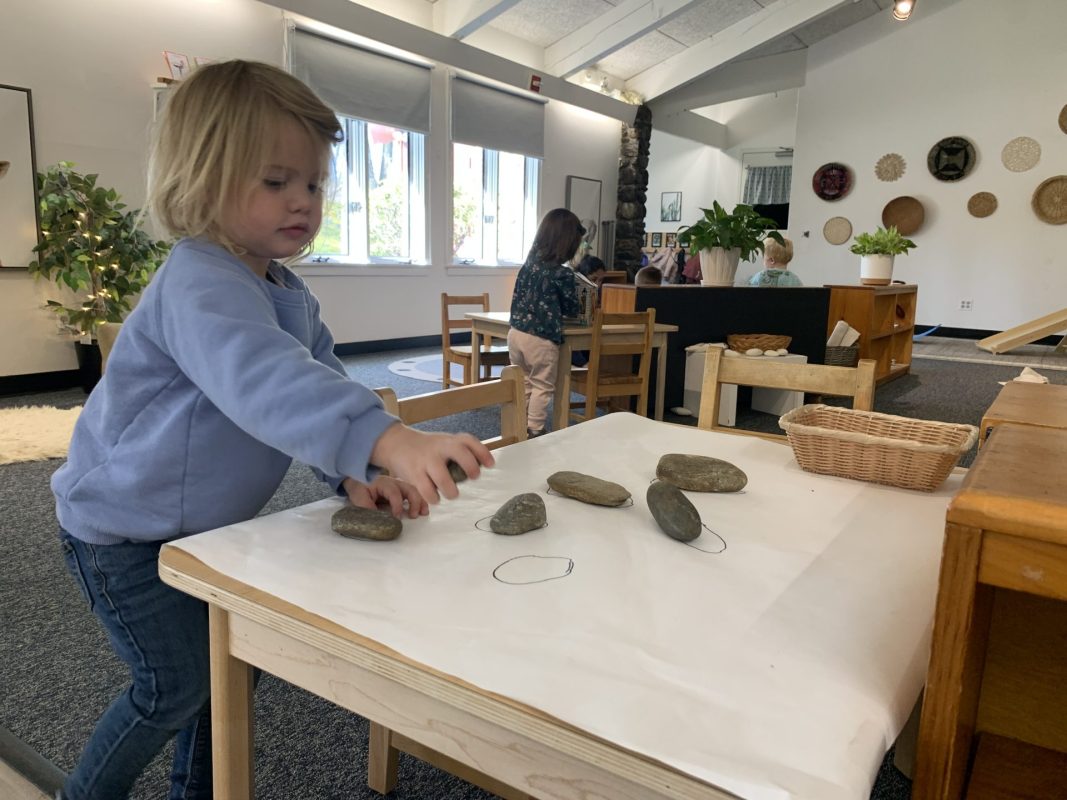
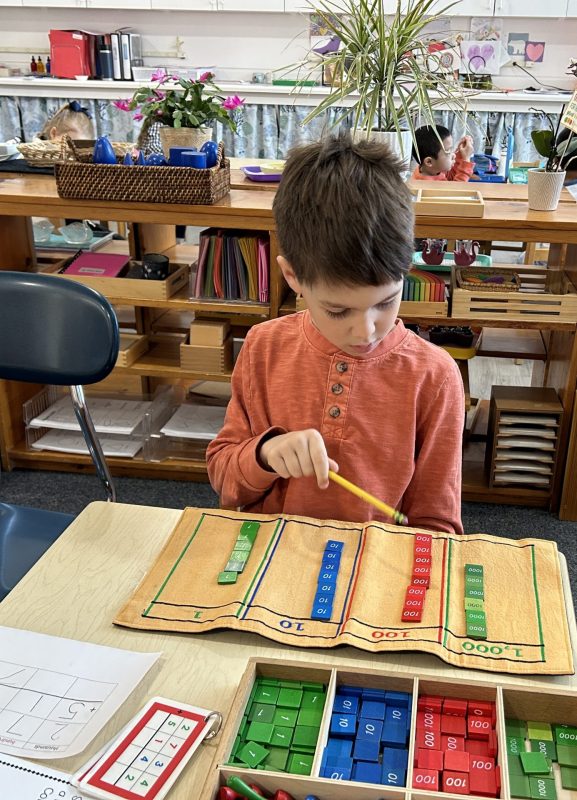
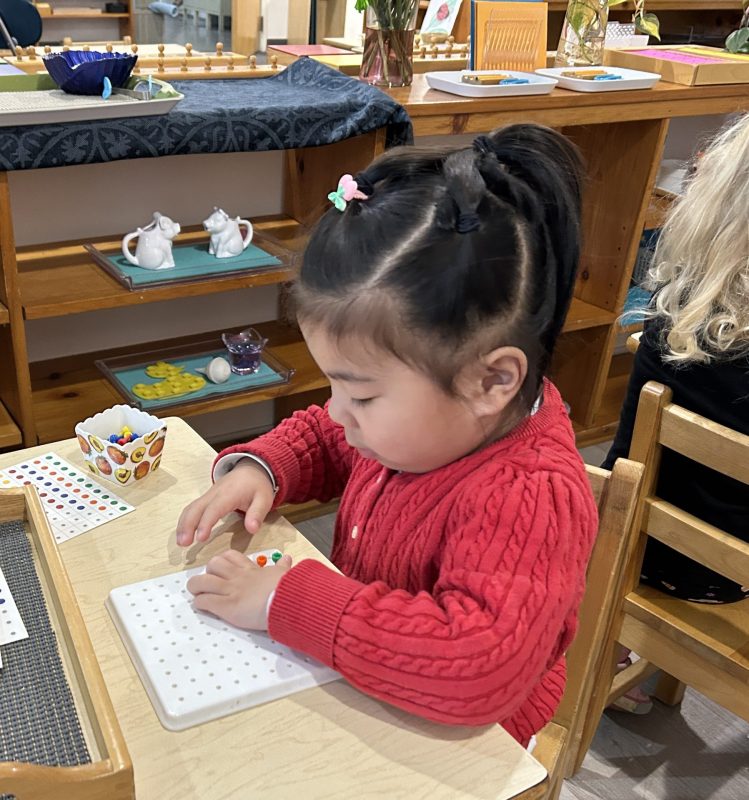
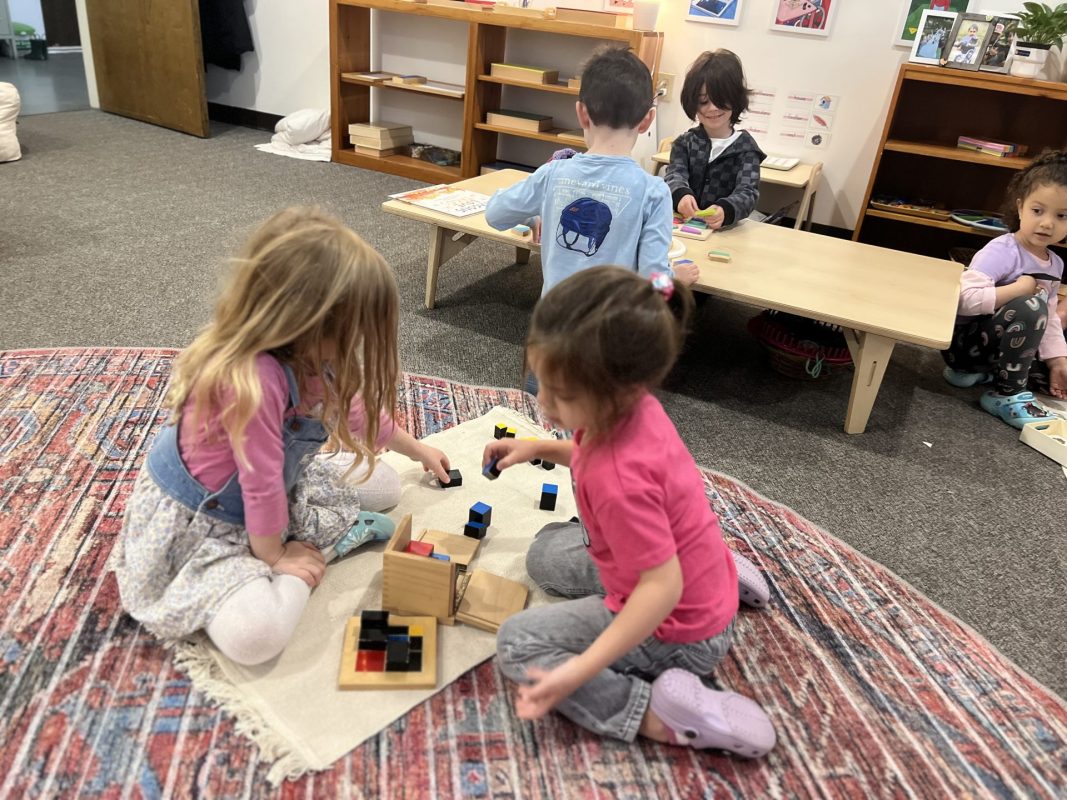
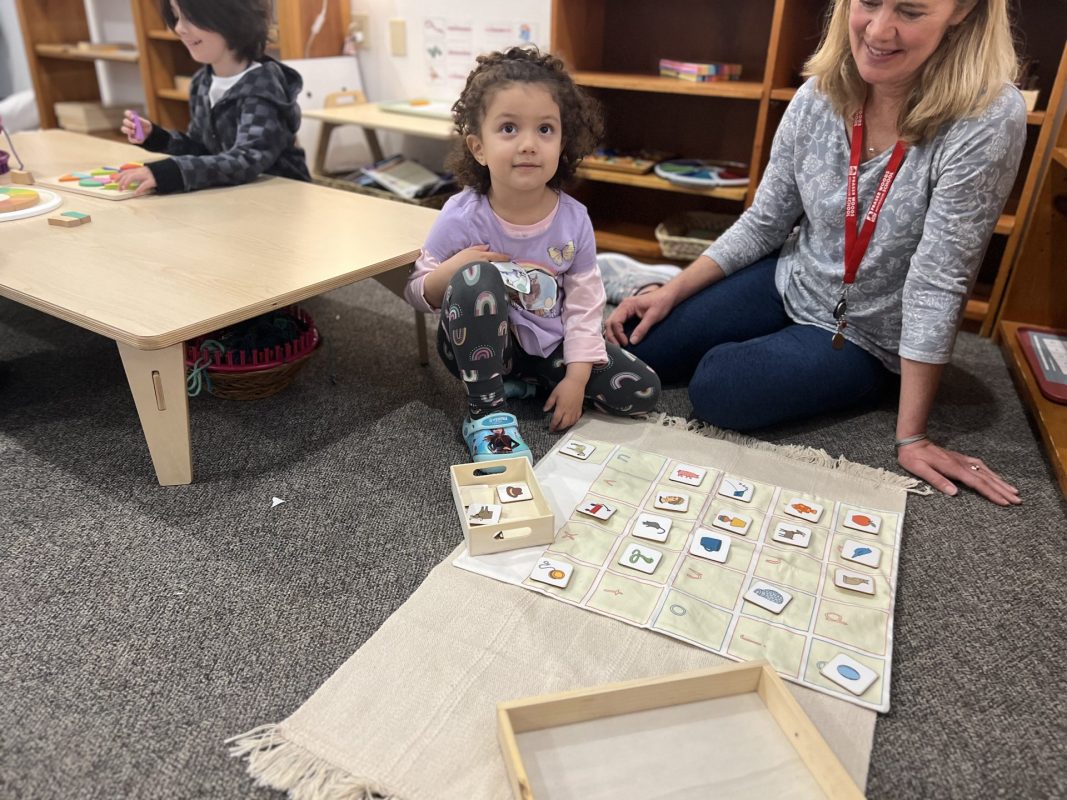
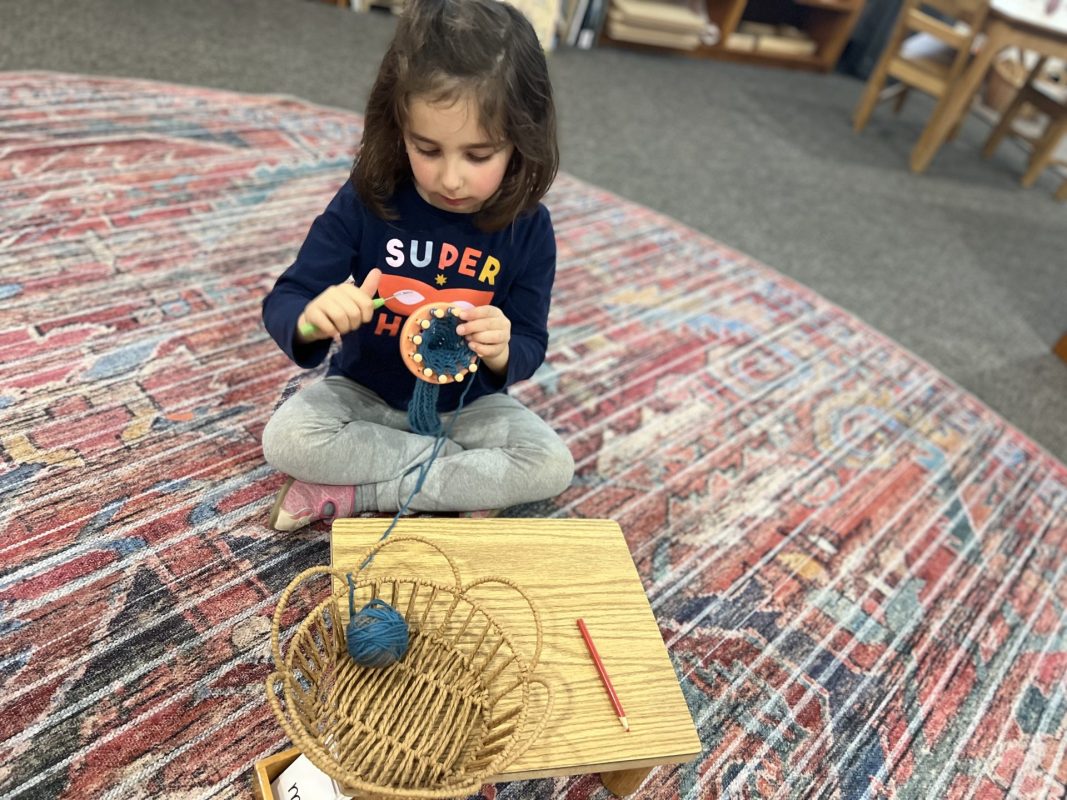
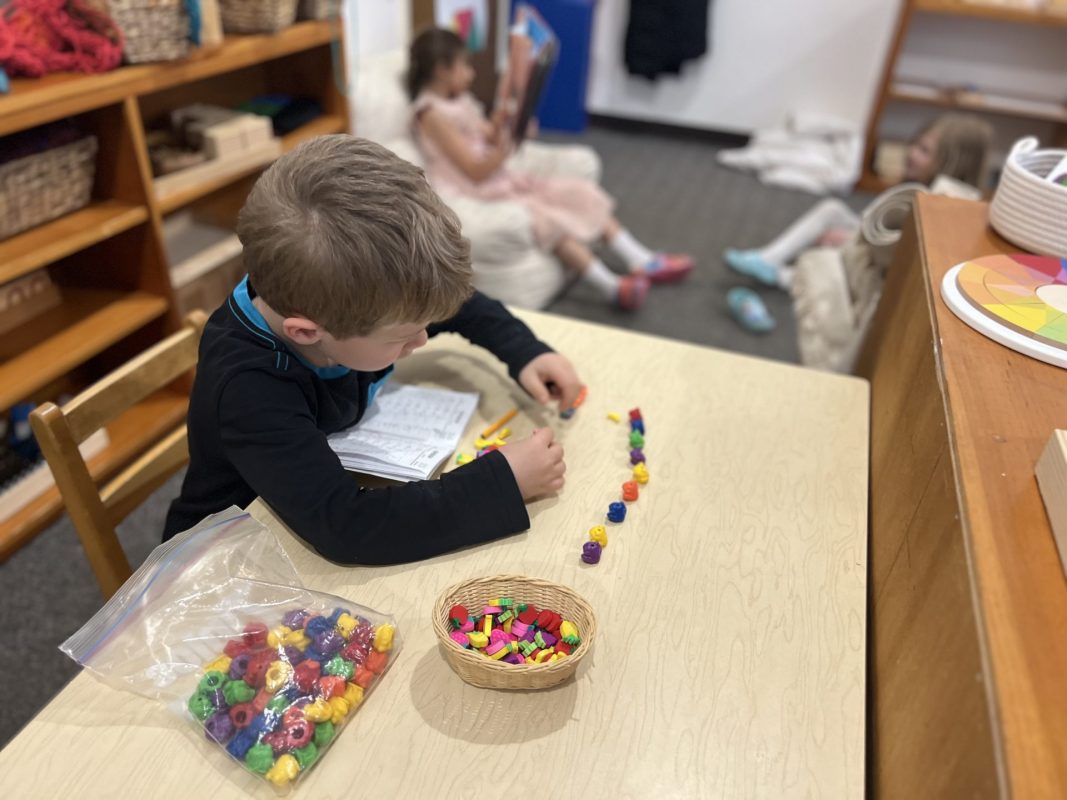
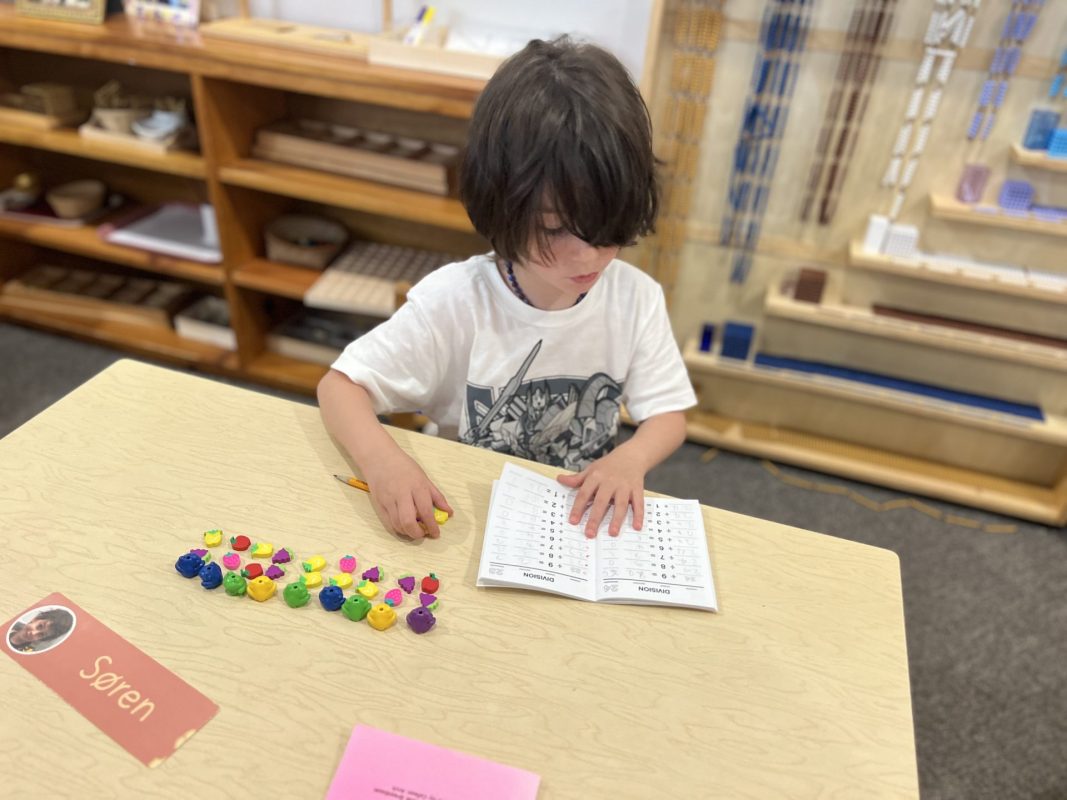
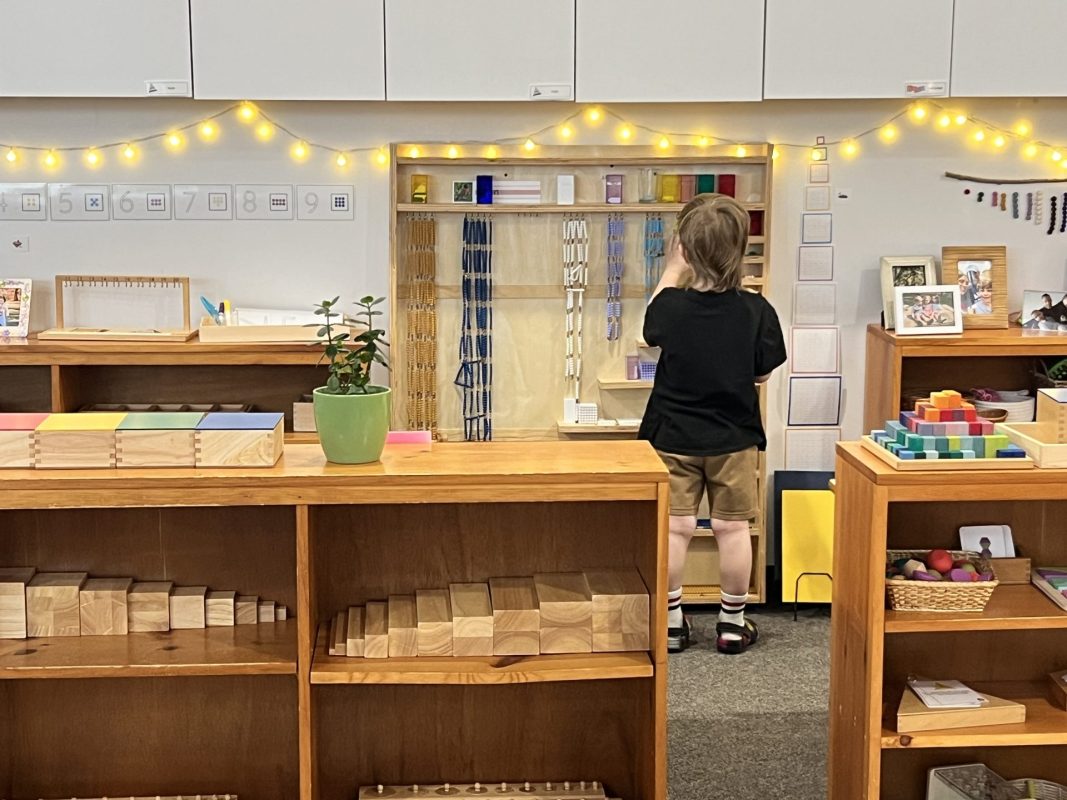
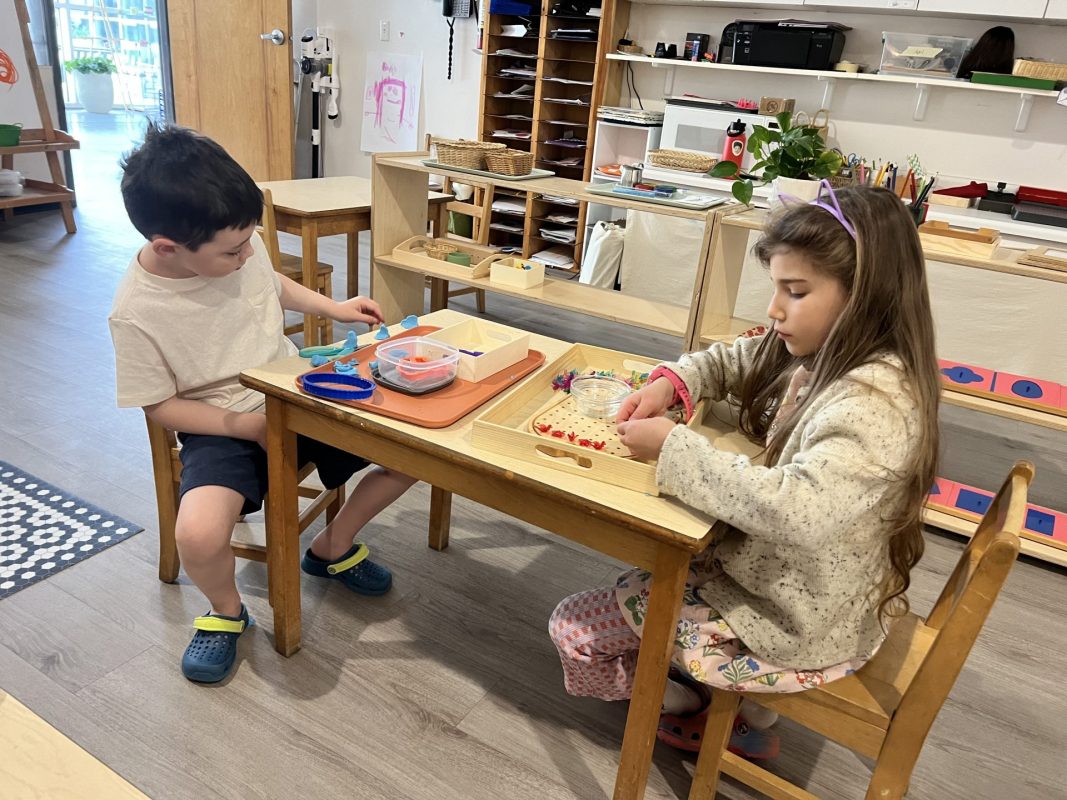
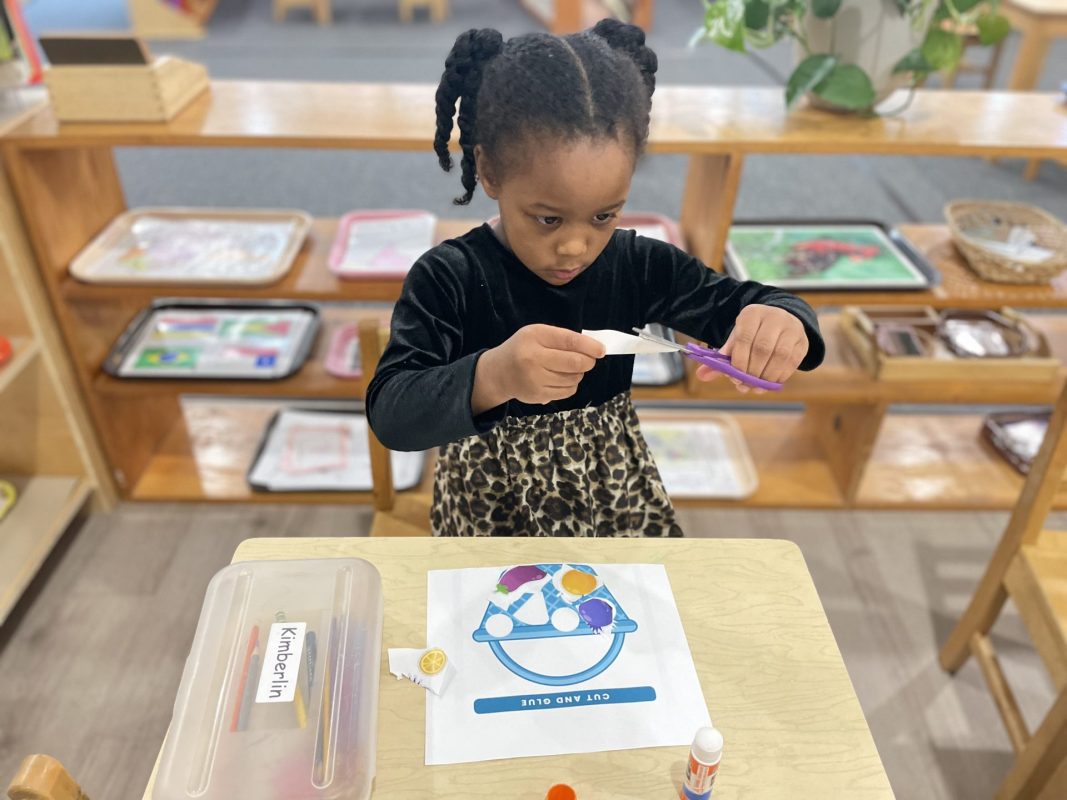
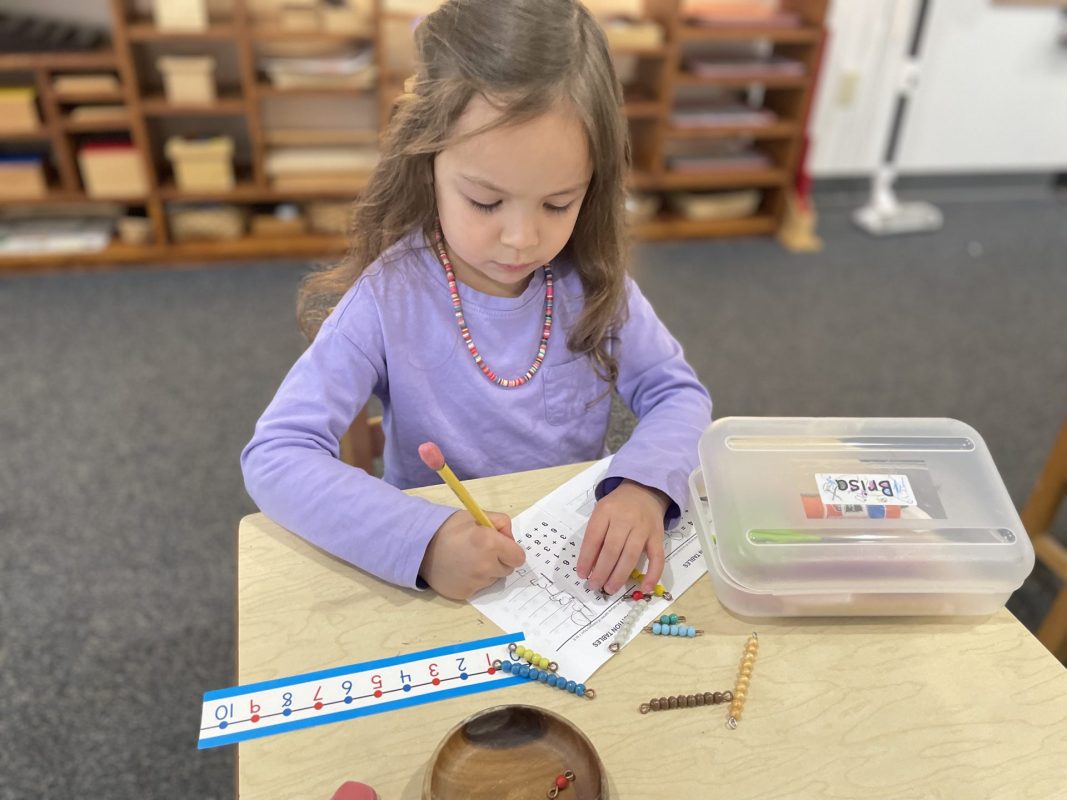
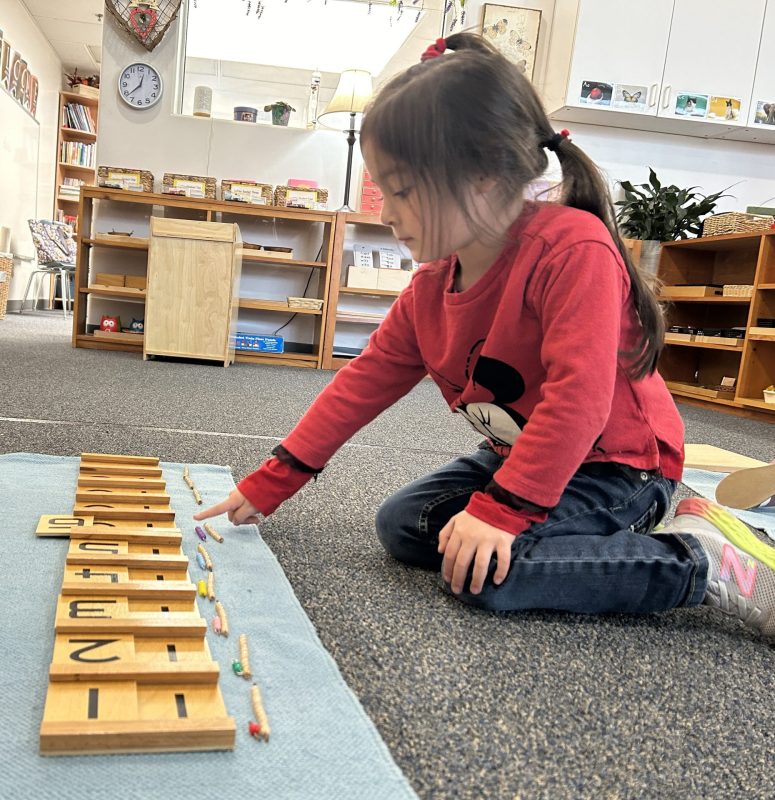
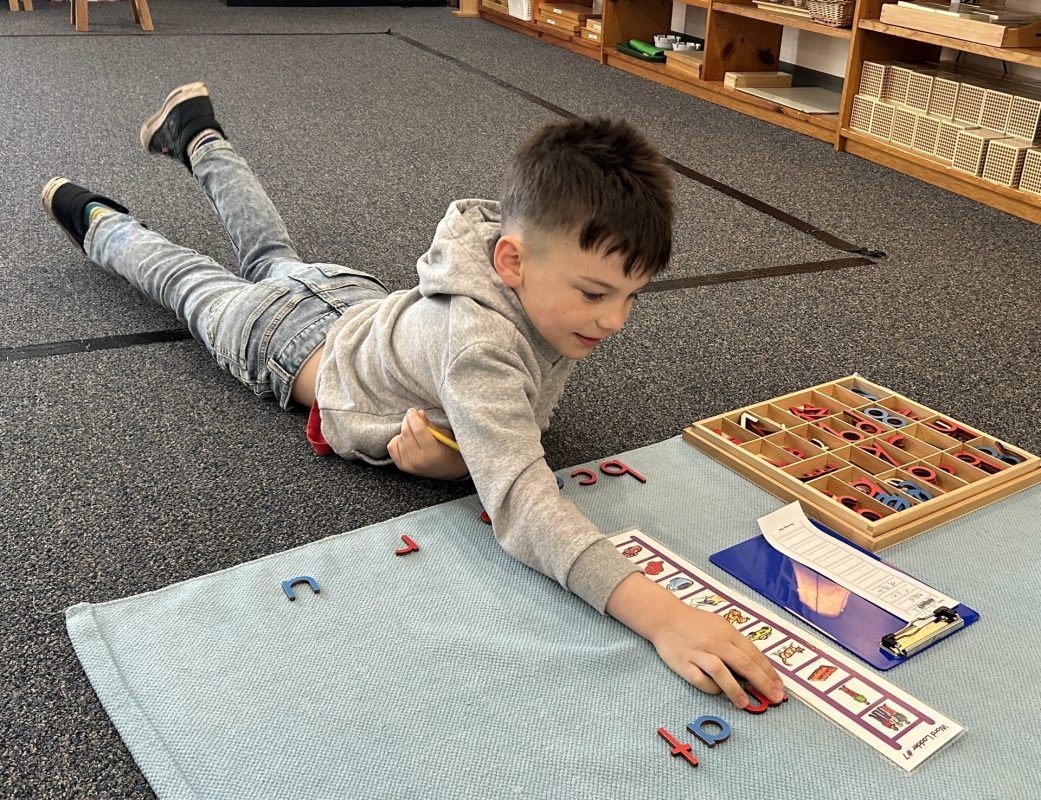
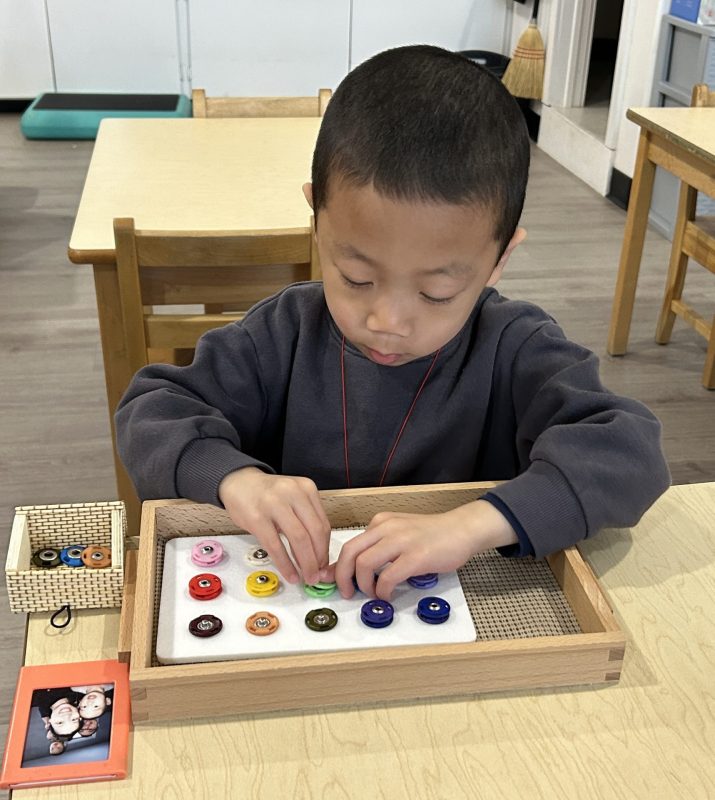
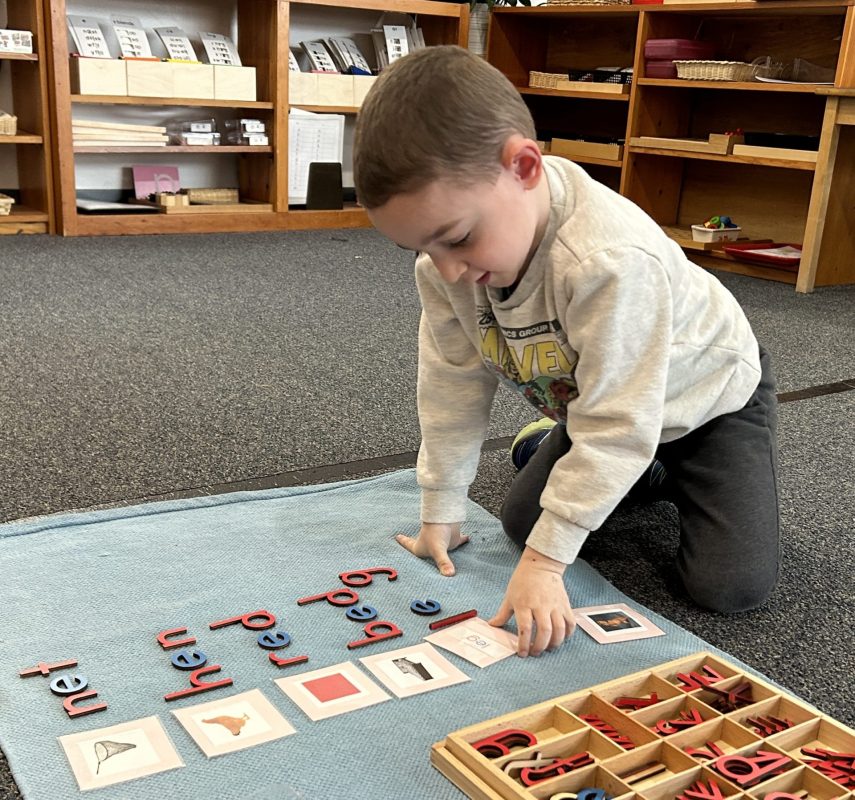
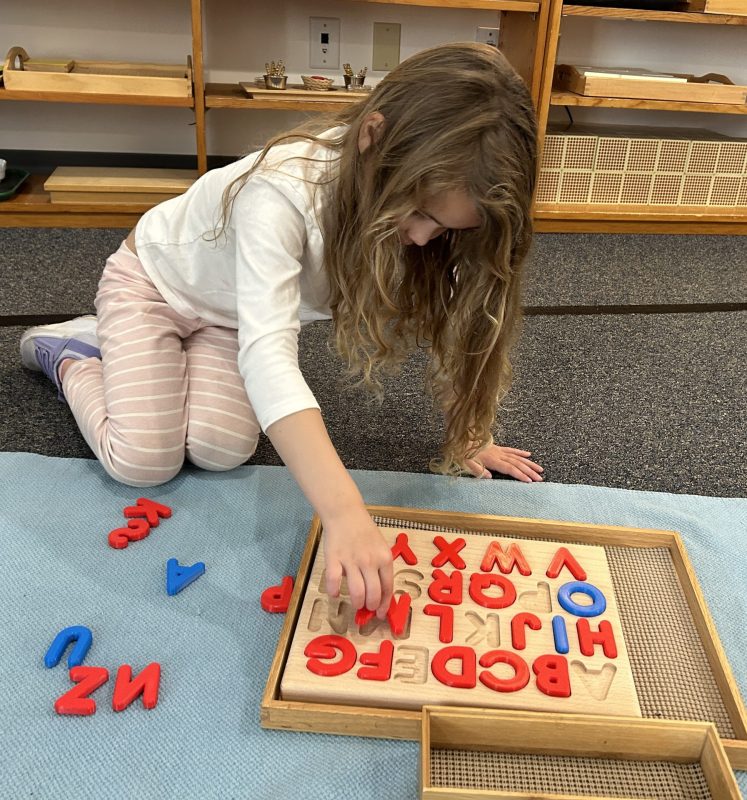
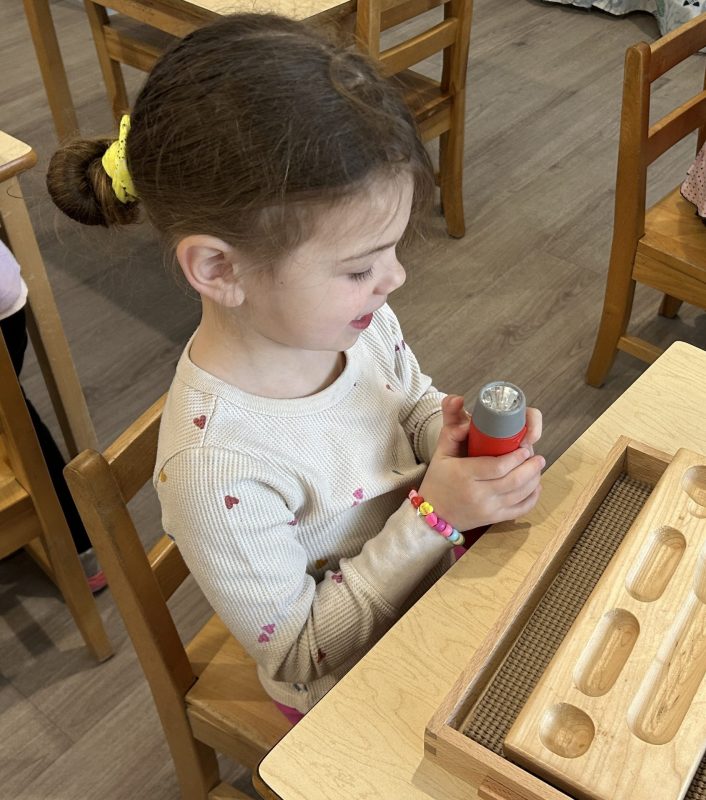
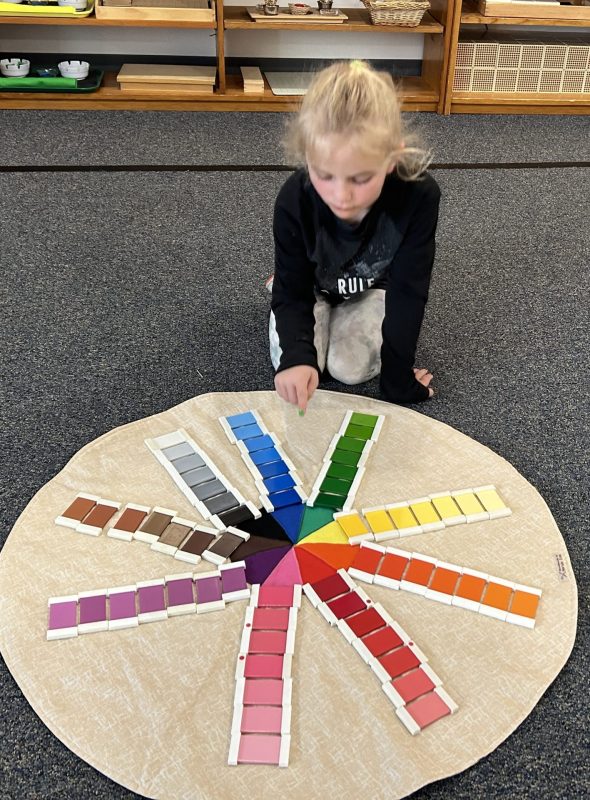
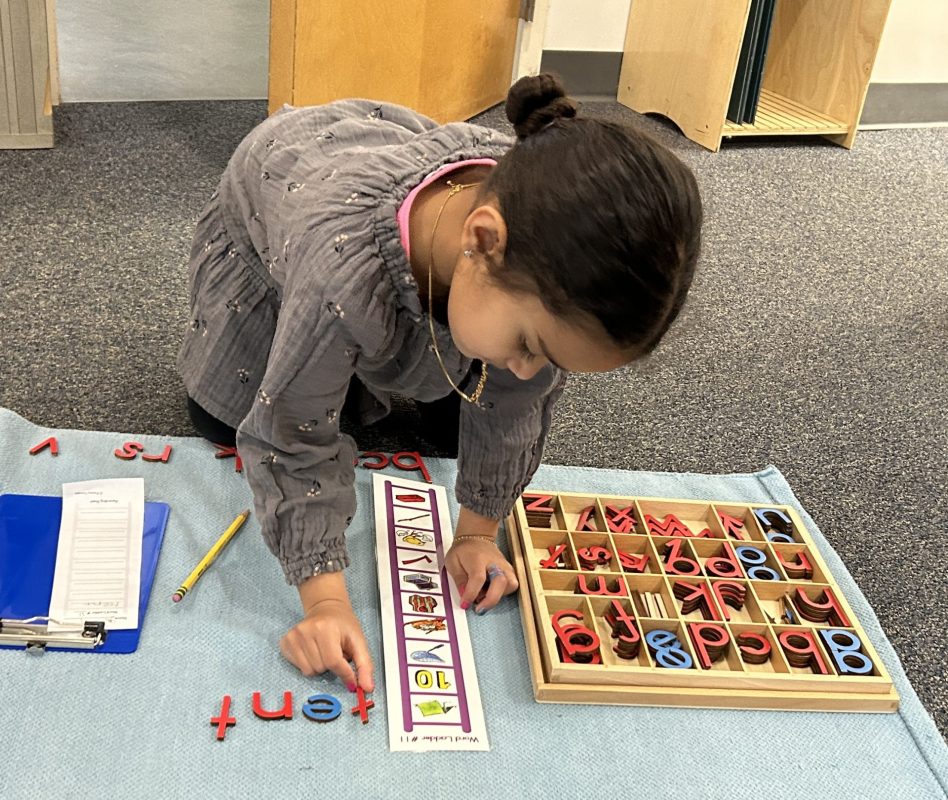
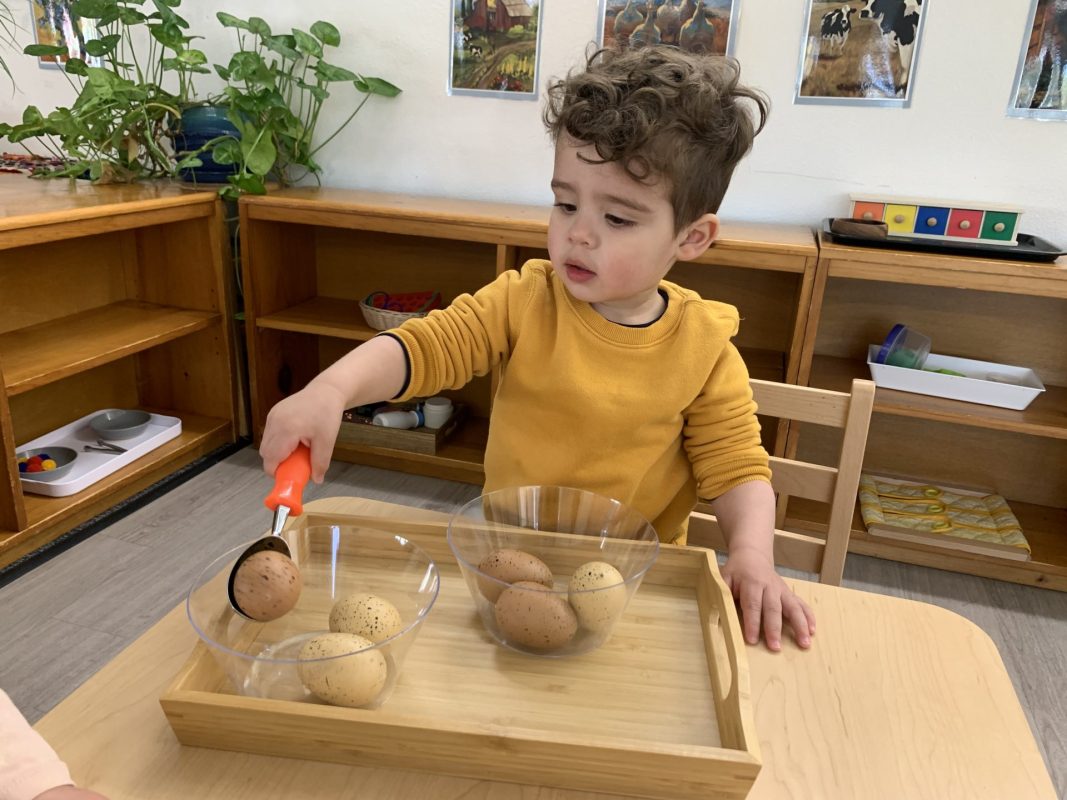
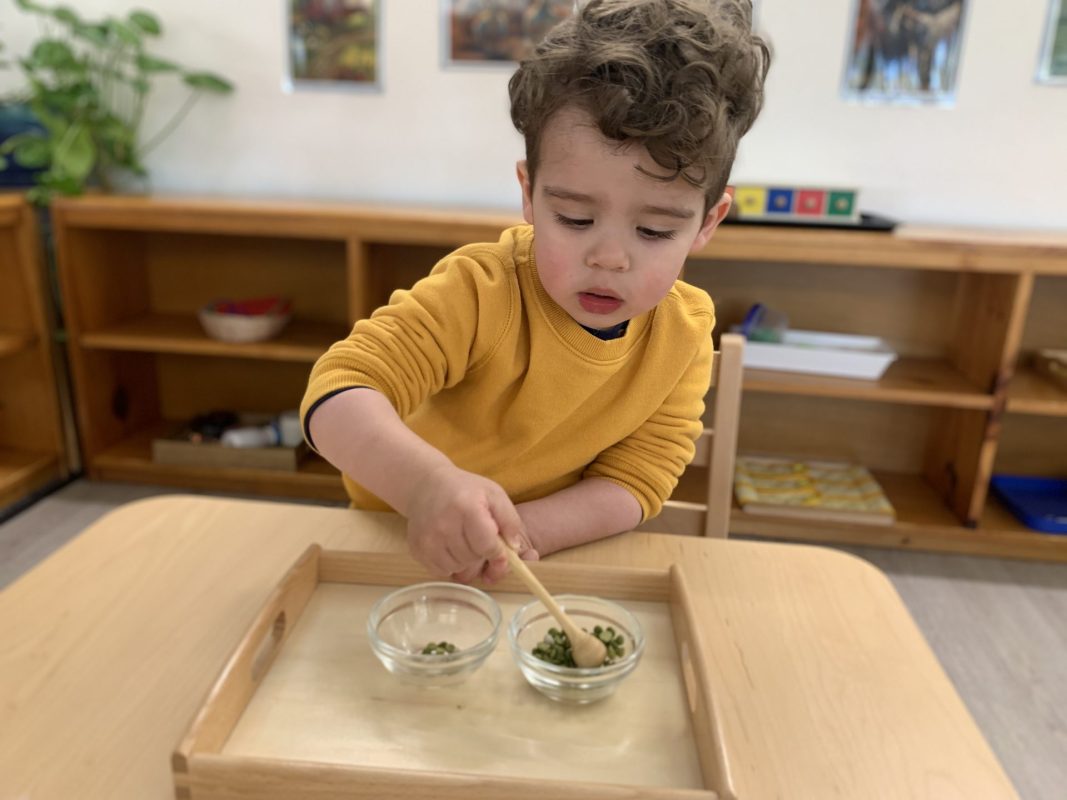
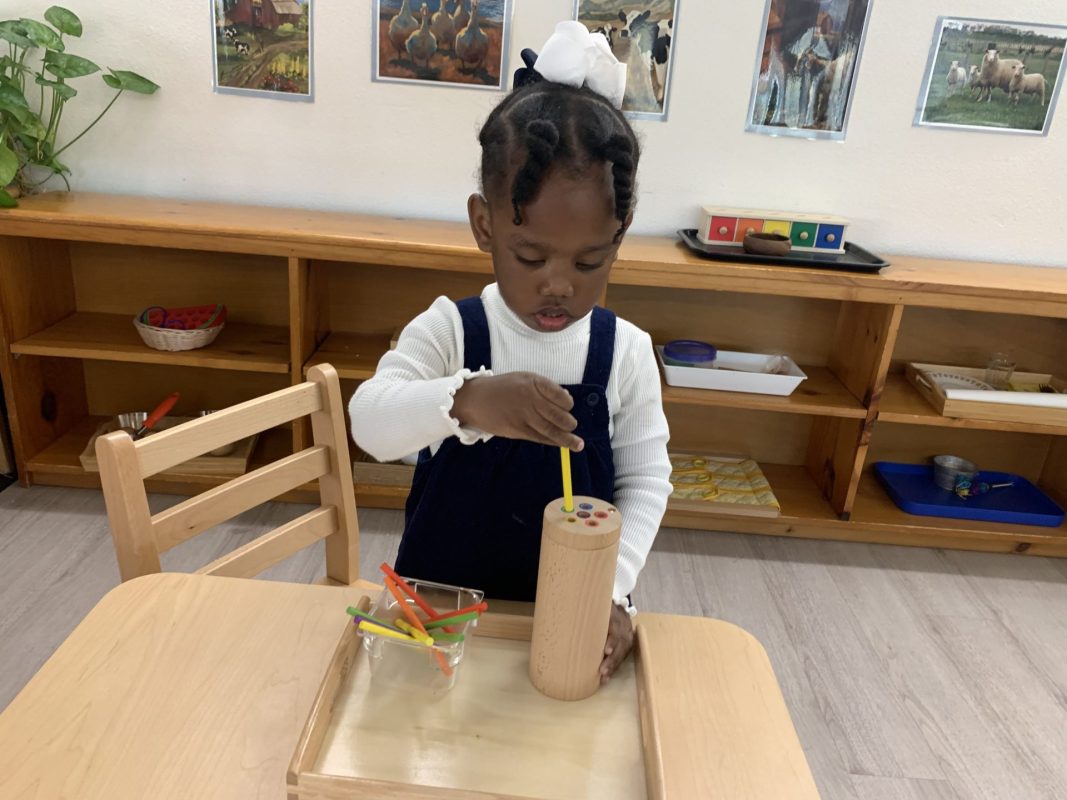
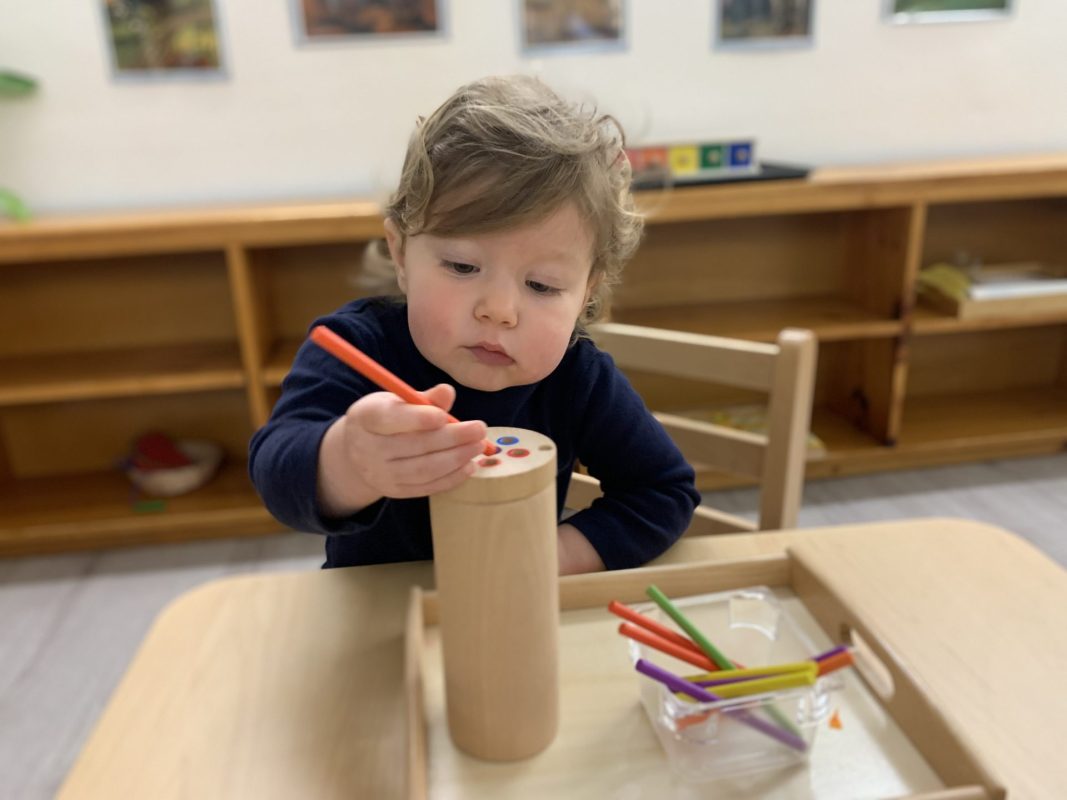
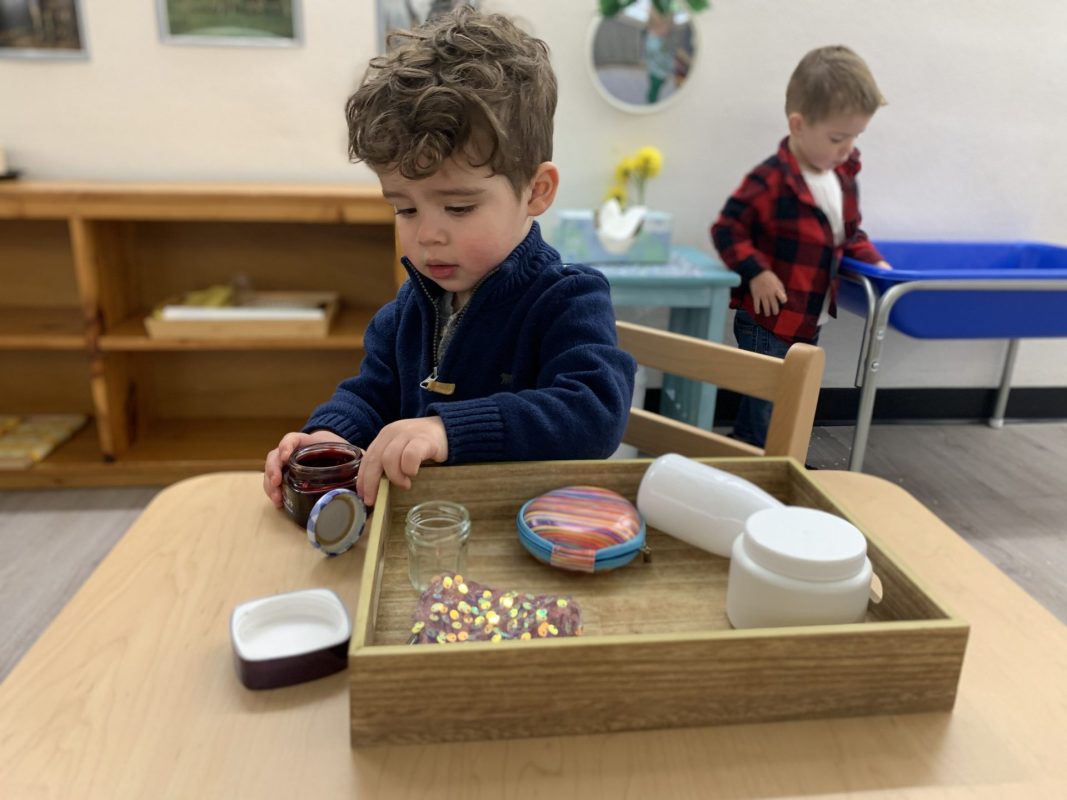
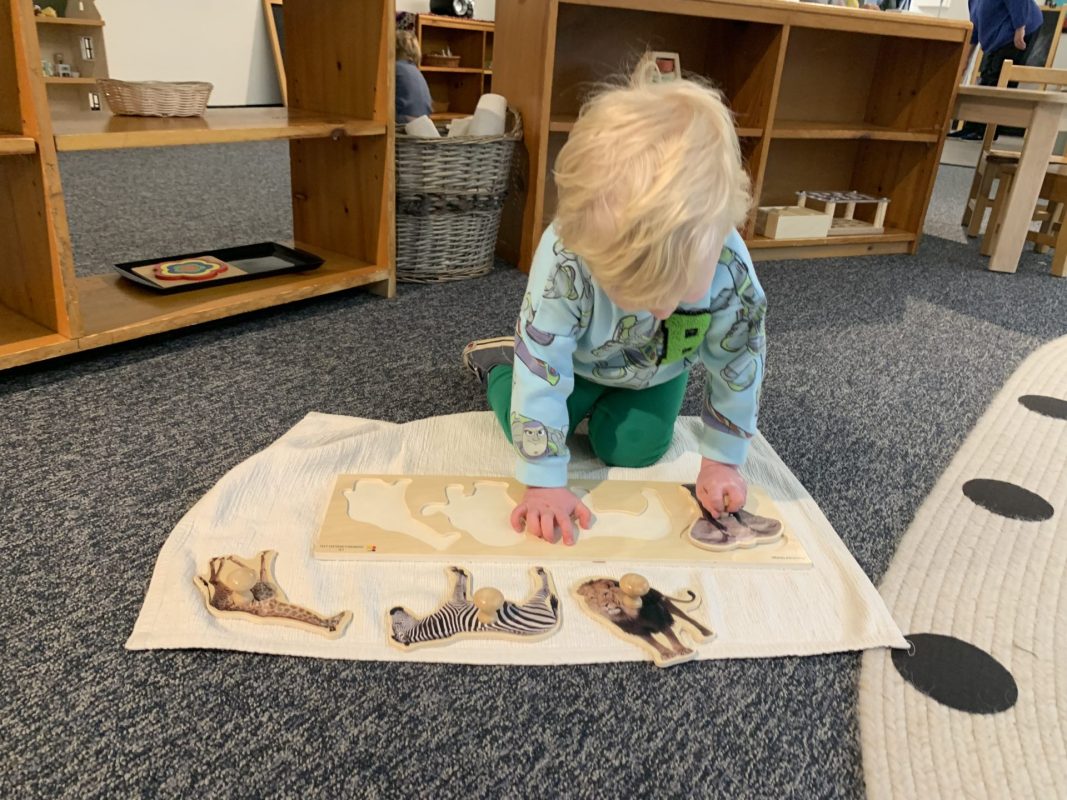
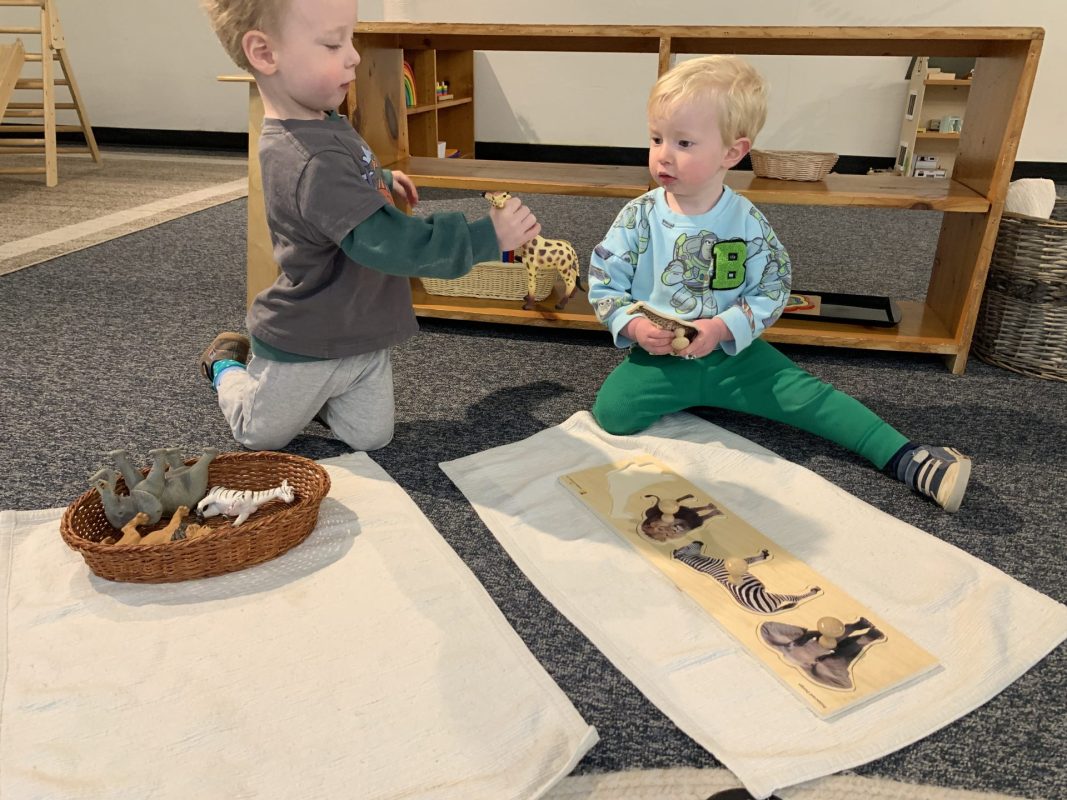
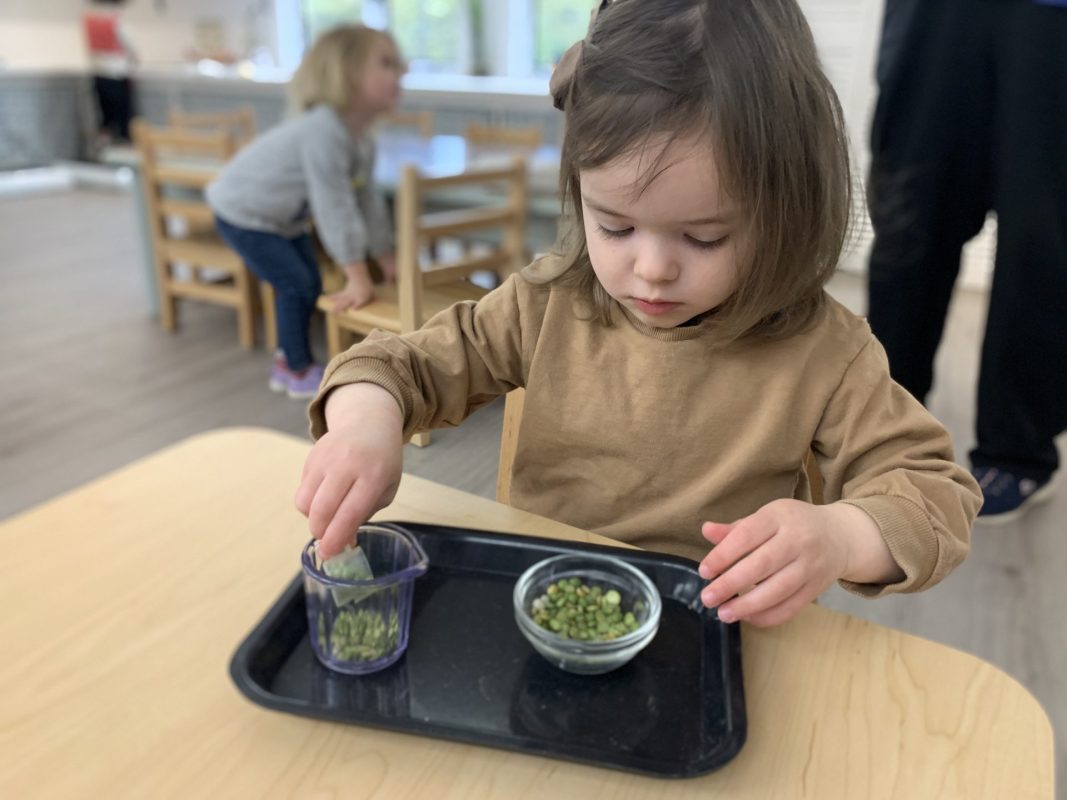
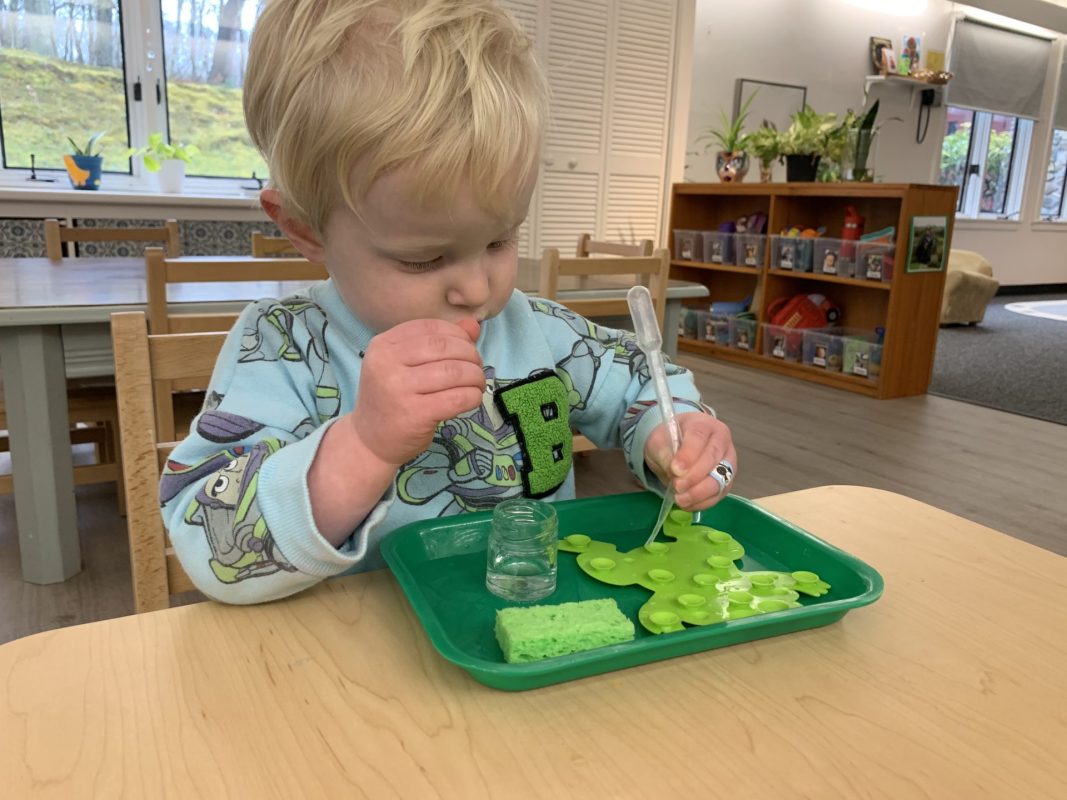
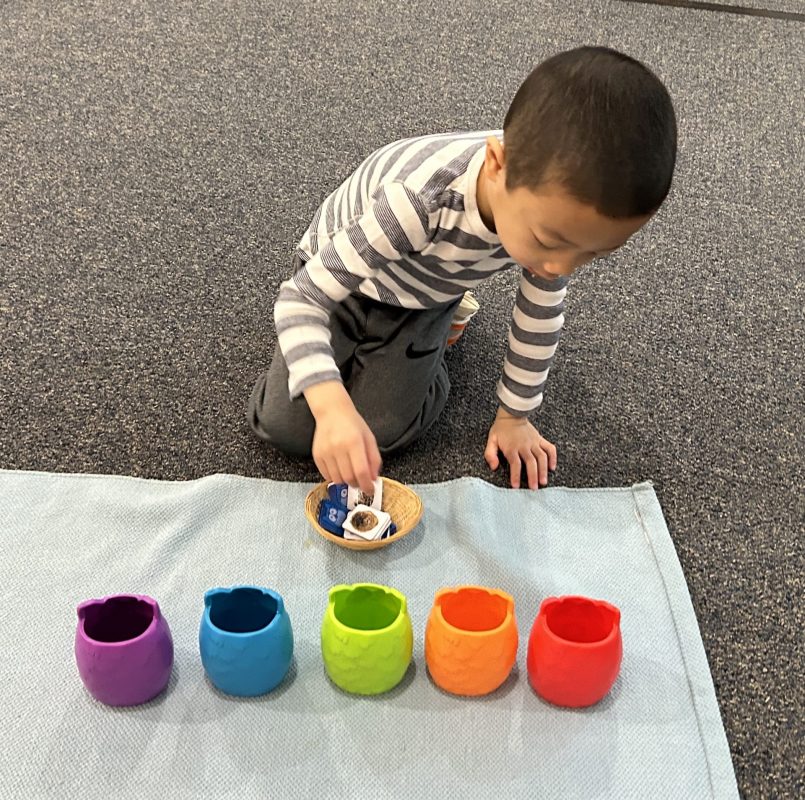
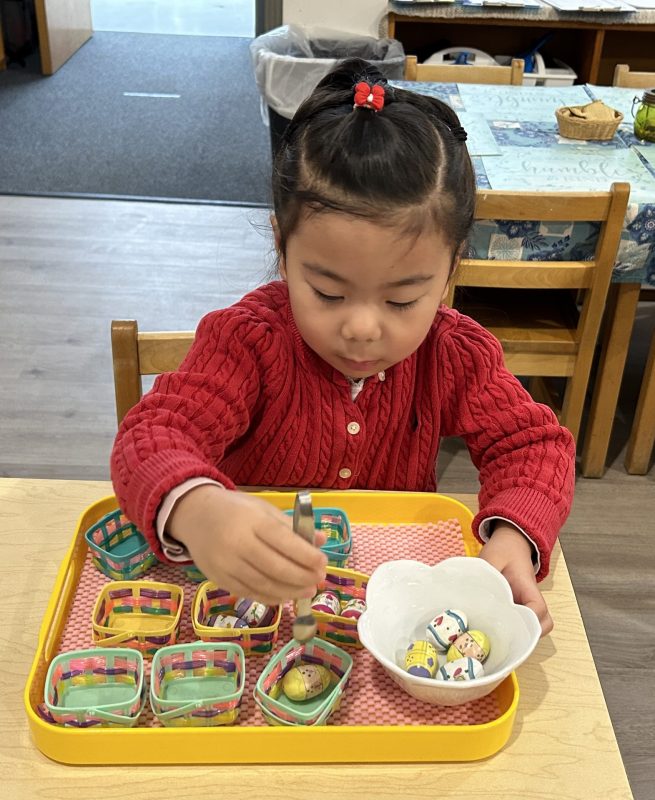
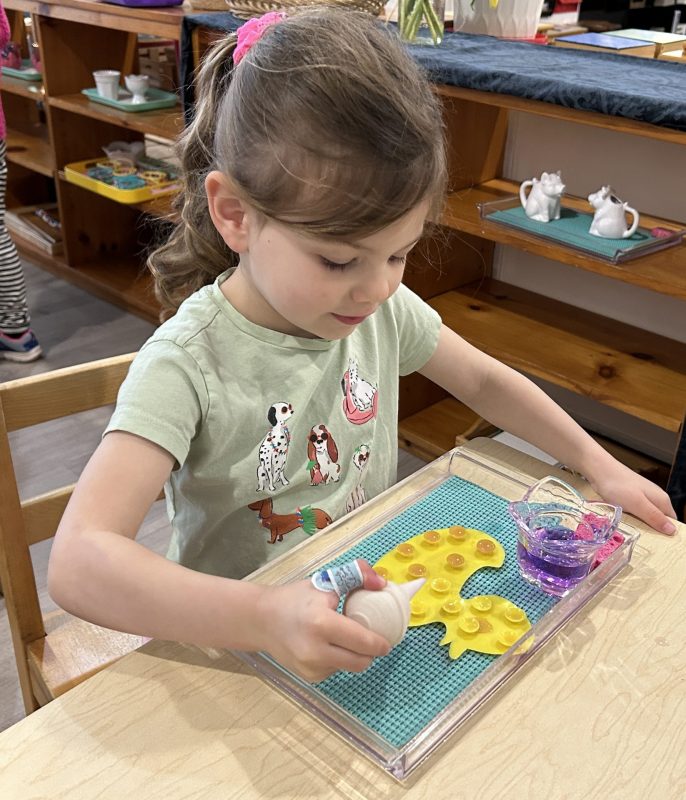
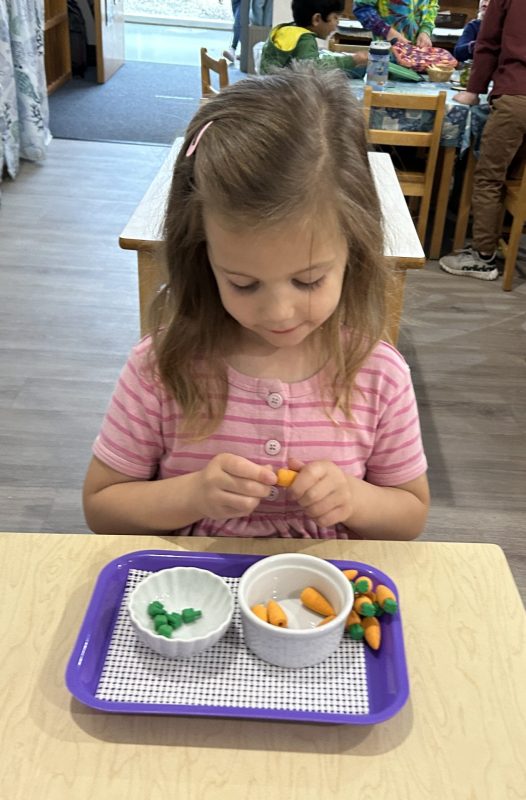
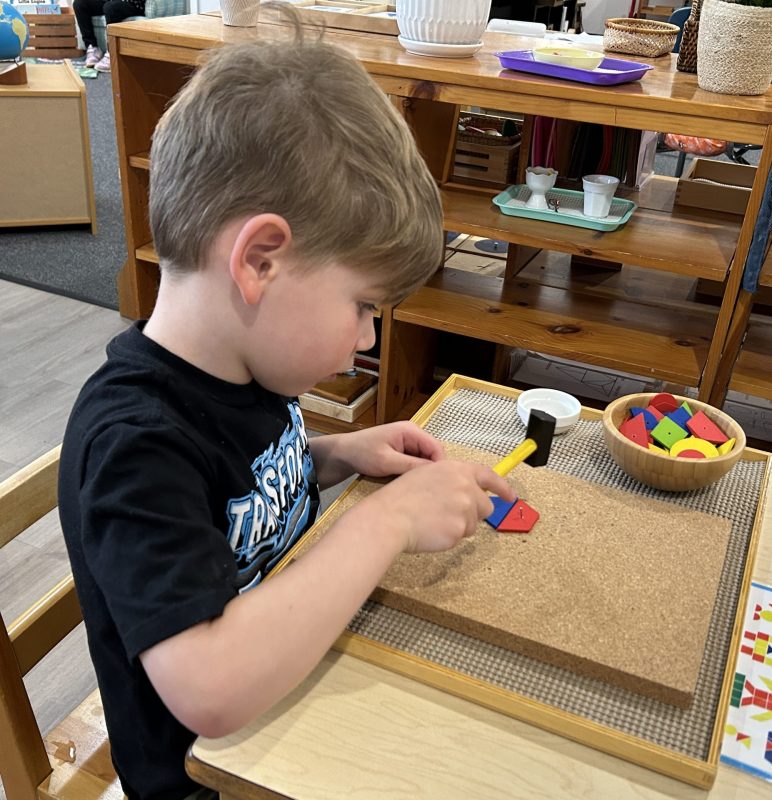
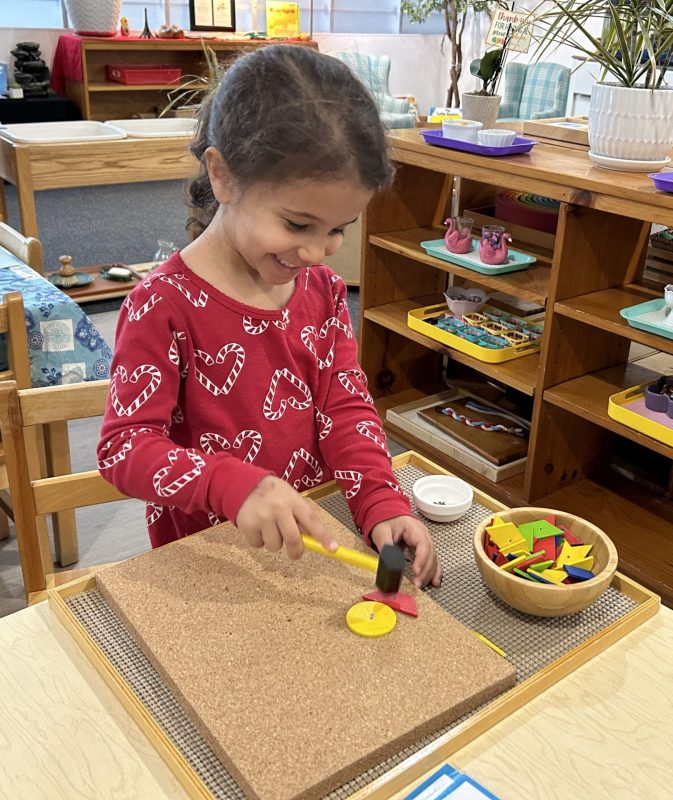
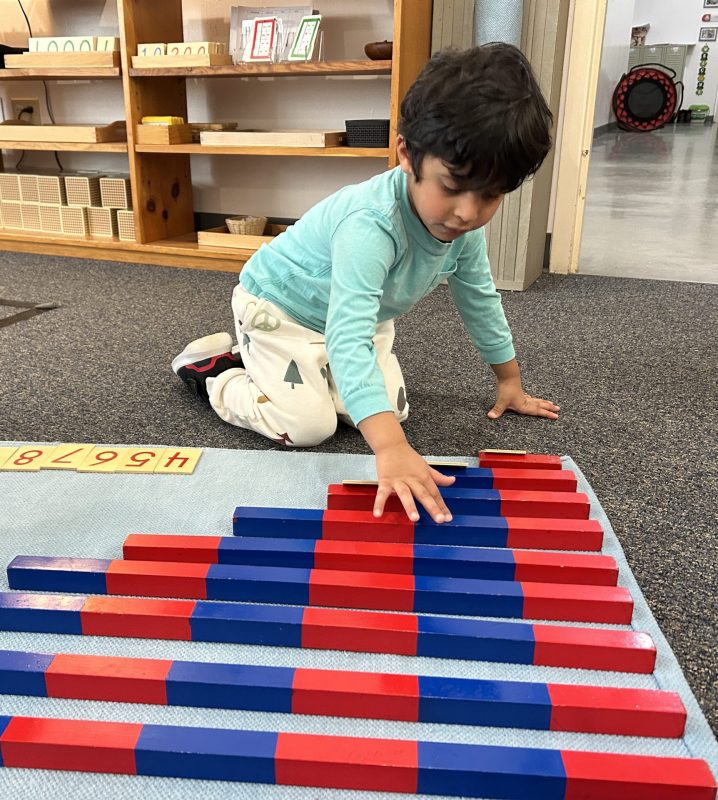
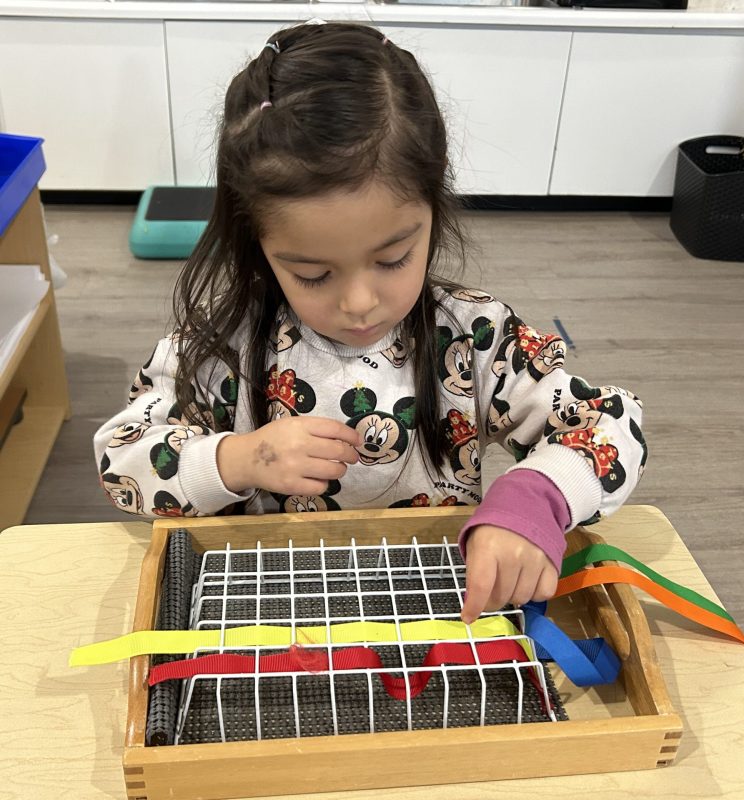
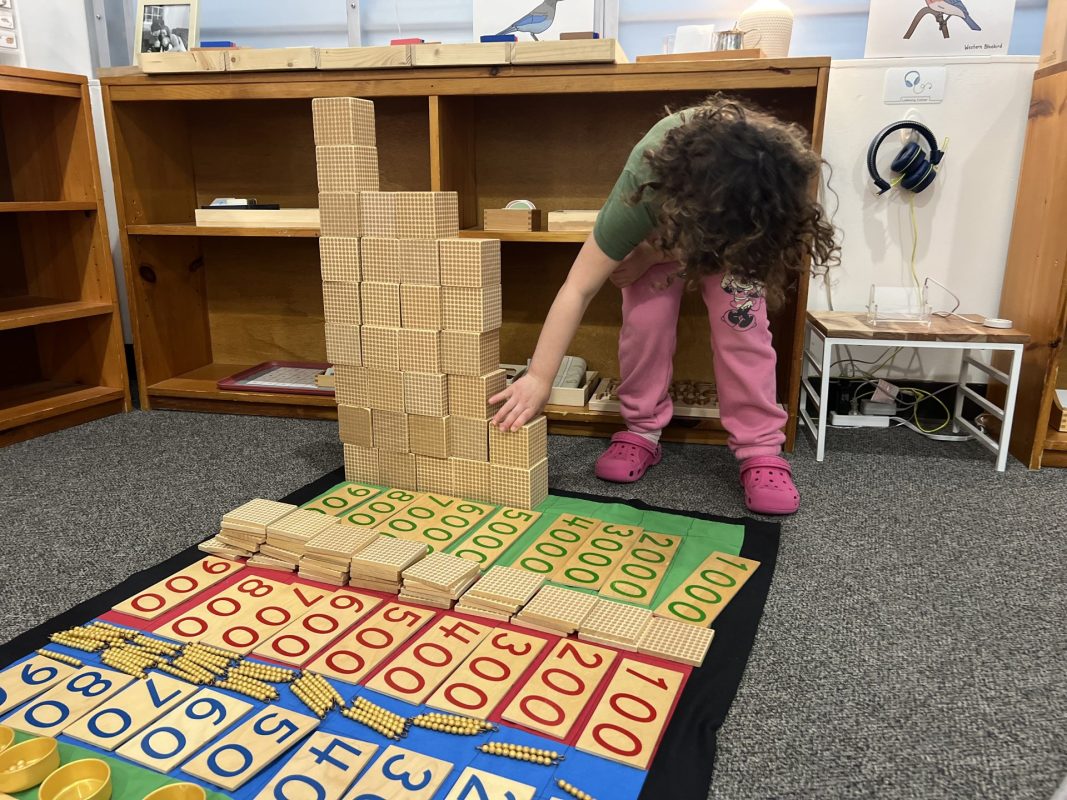
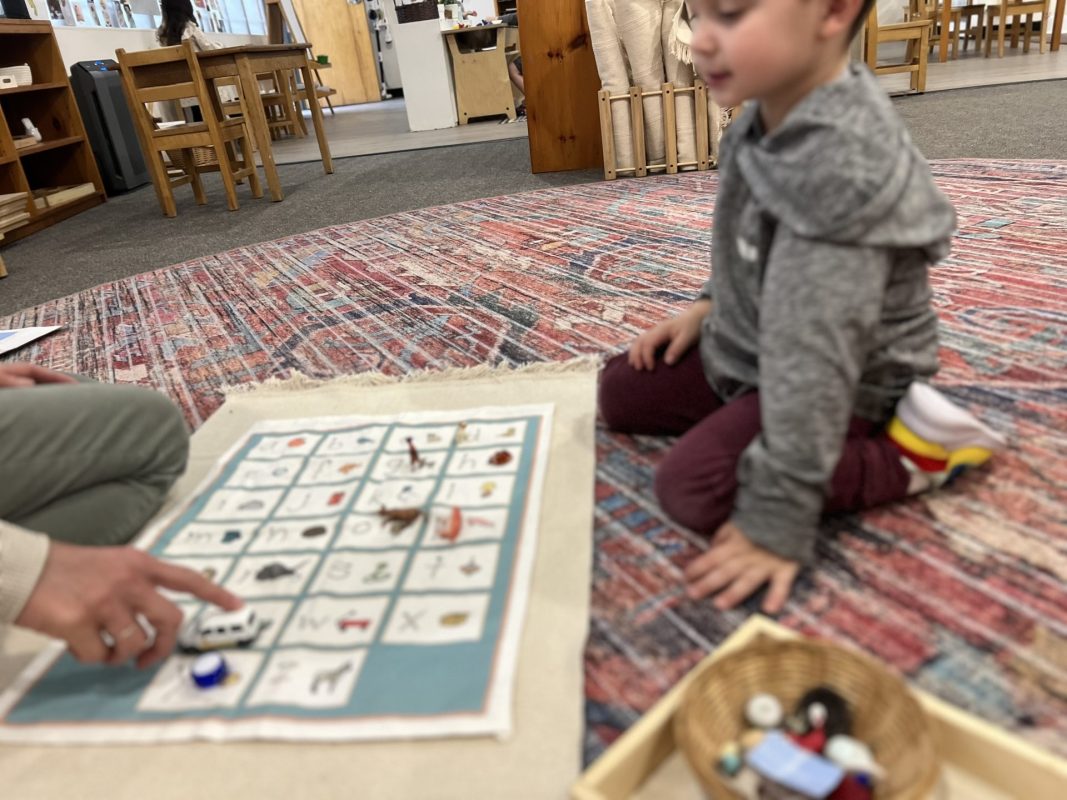
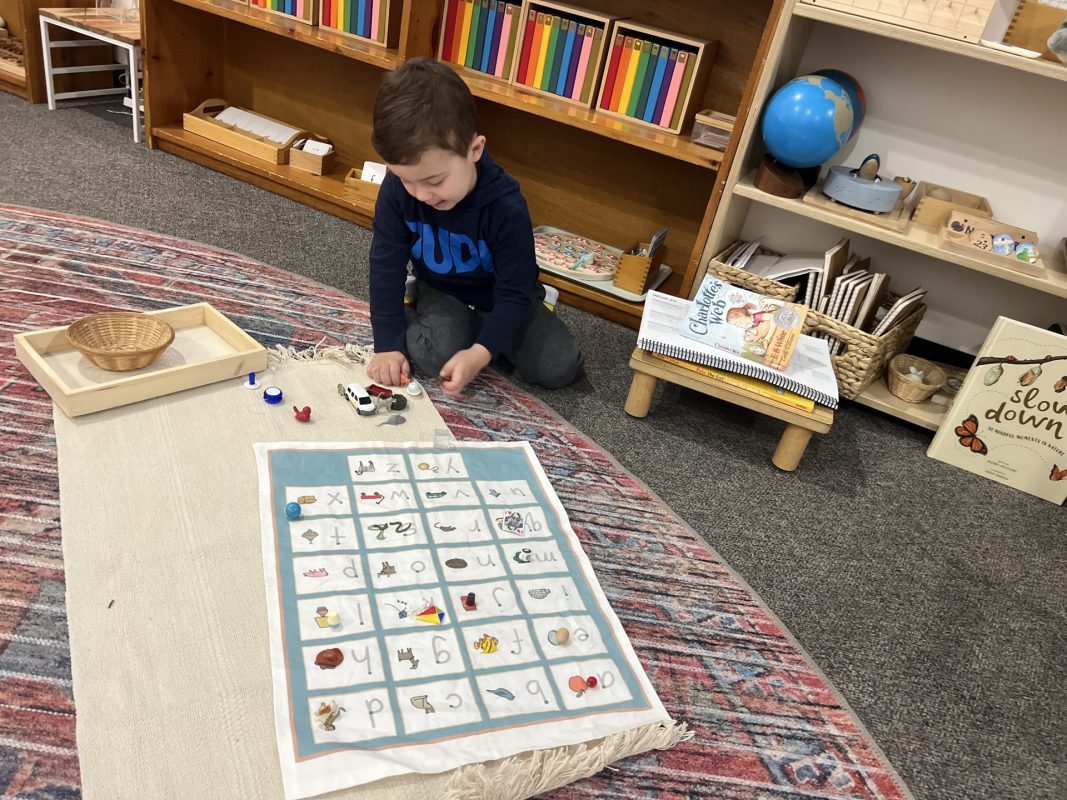
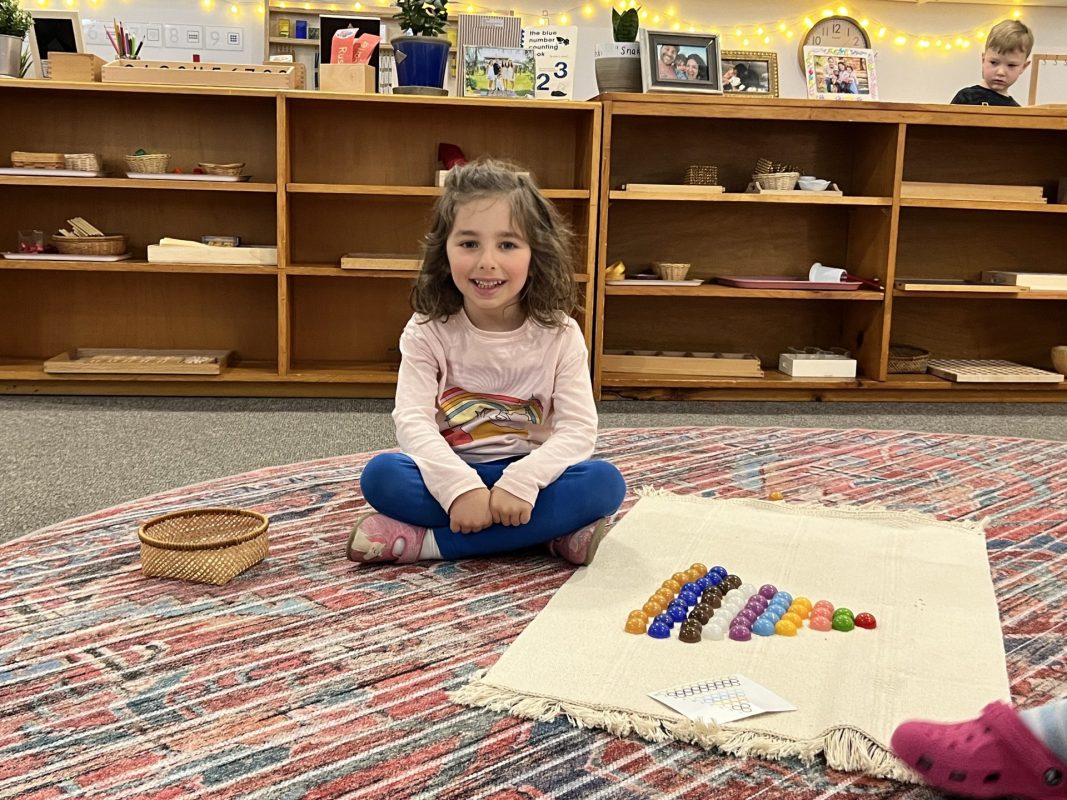
Every Montessori classroom has a Sensorial area, and it is filled with materials that help the child study their environment through their five senses. Maria Montessori believed that sensorial experiences begin at birth for every child, and by refining these skills, they begin to understand their surroundings. The sensorial materials allow the child to acquire concise information and classify things around them. They use their senses not only to create their own experiences and knowledge but also to help them figure out different impressions each sense receives. The child is, therefore, a natural “sensorial explorer.”

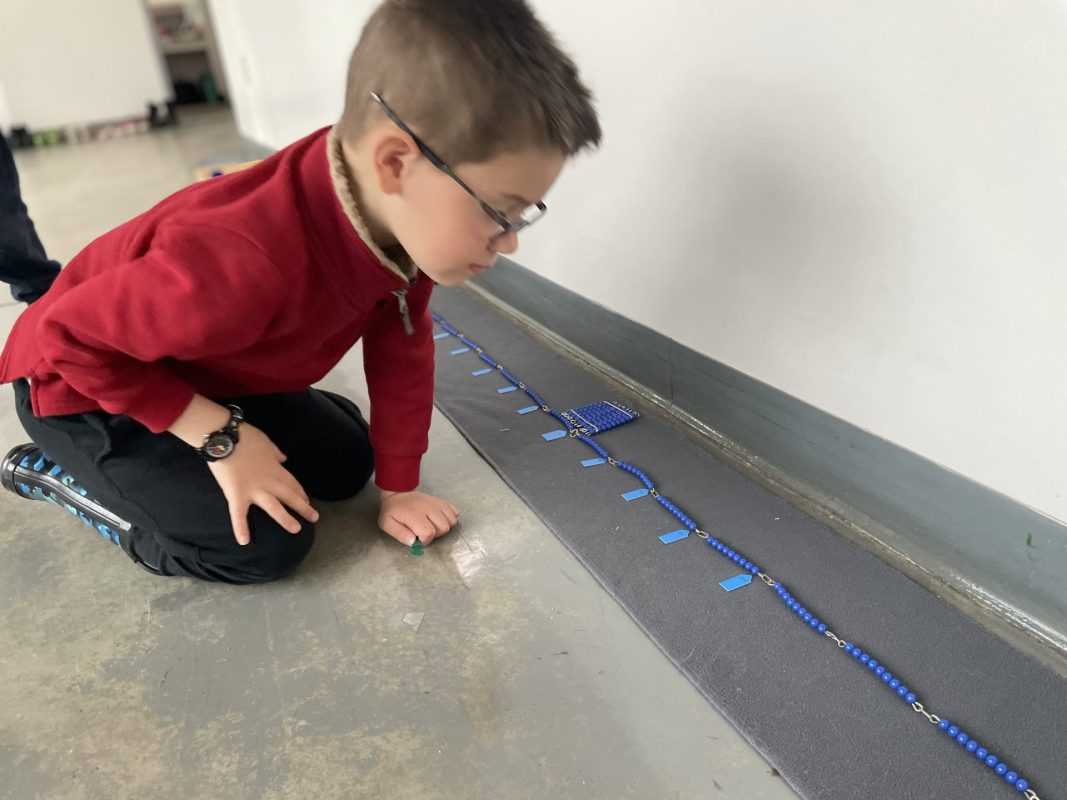
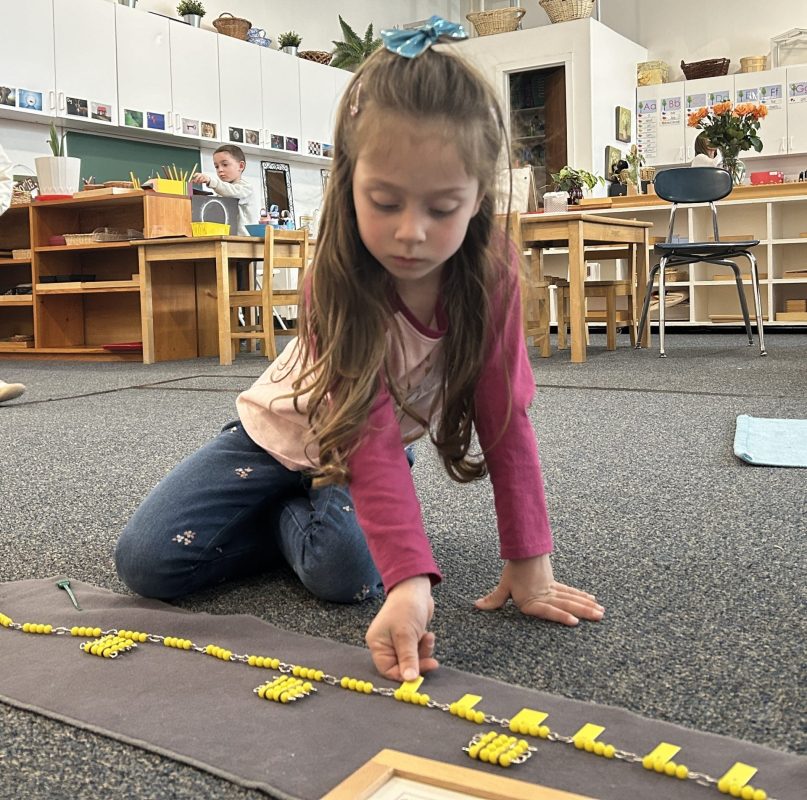
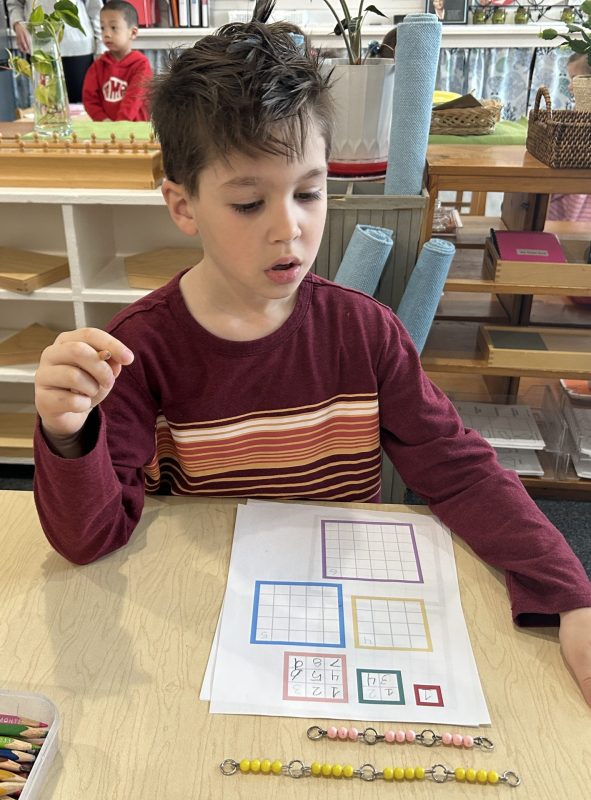
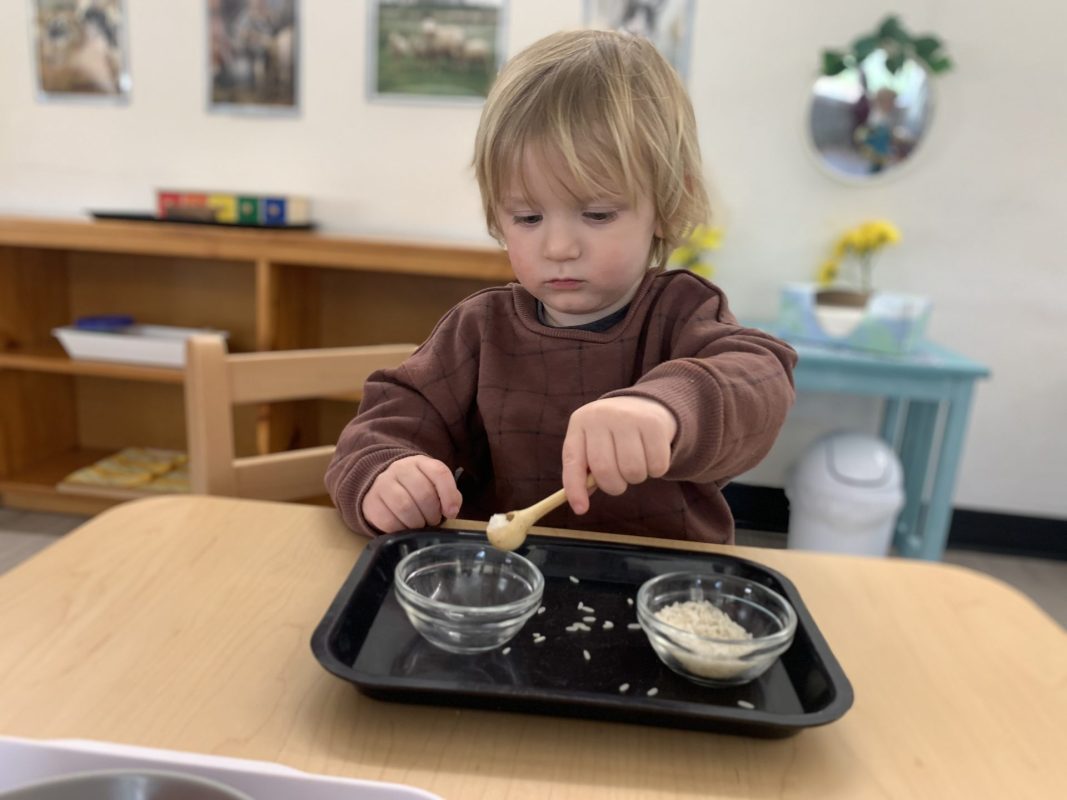
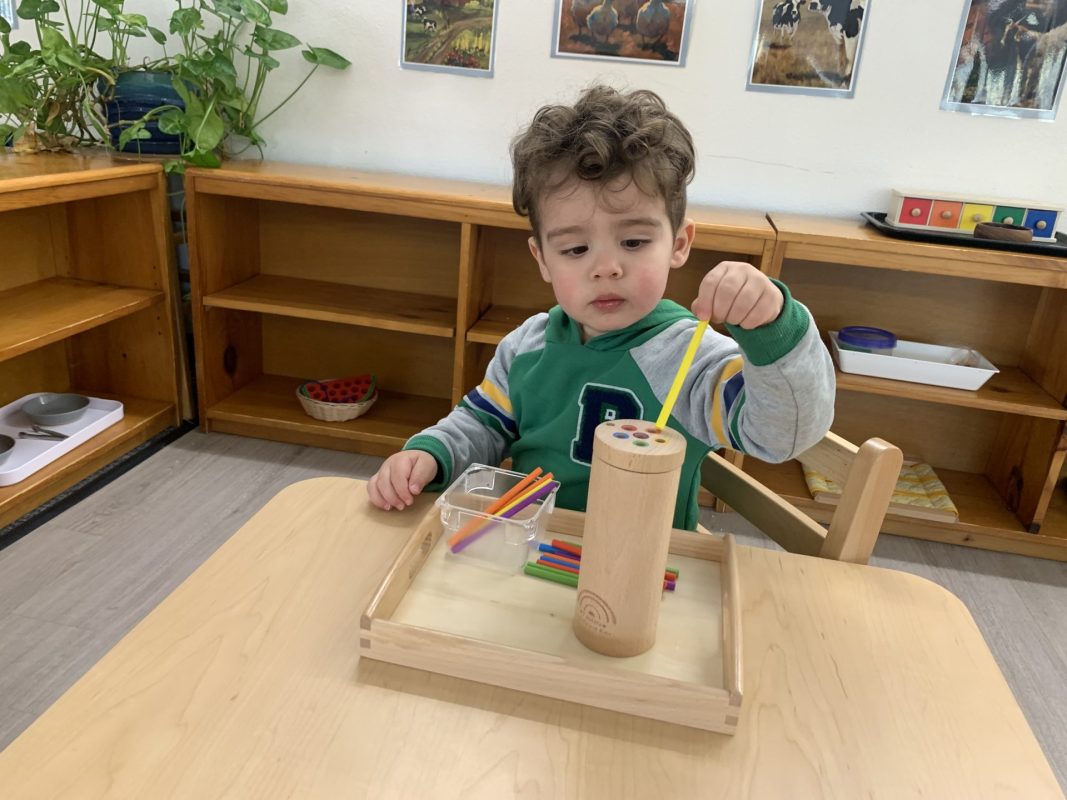
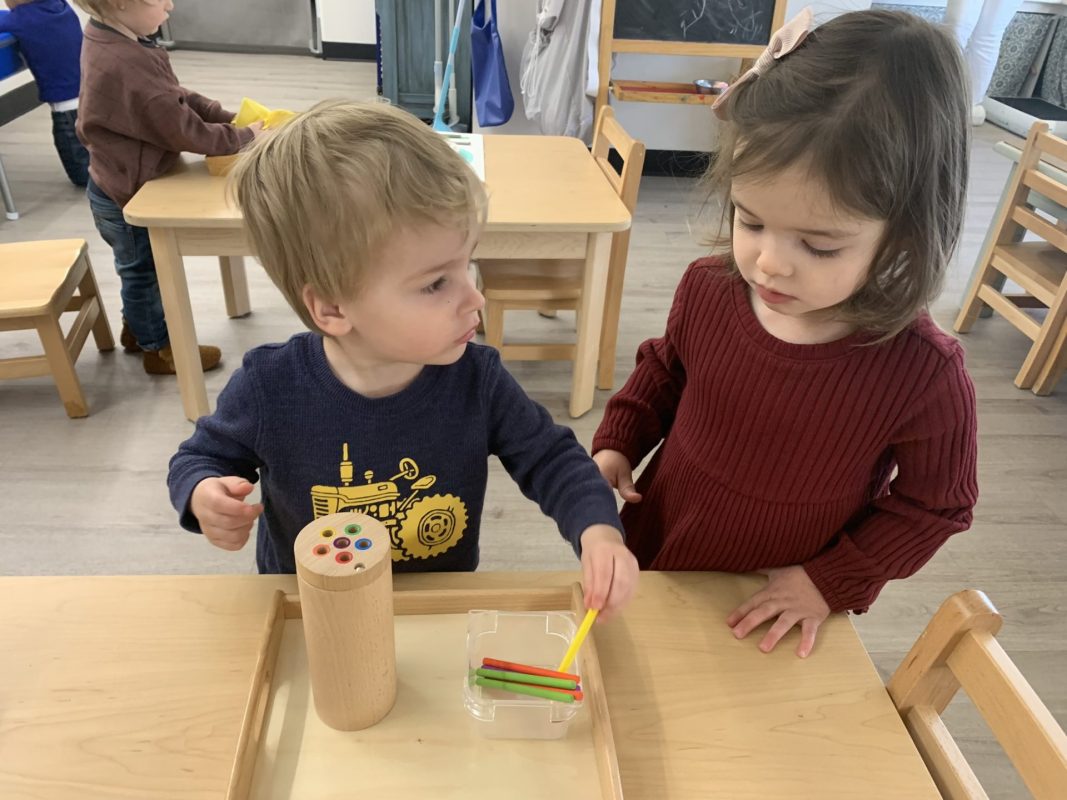
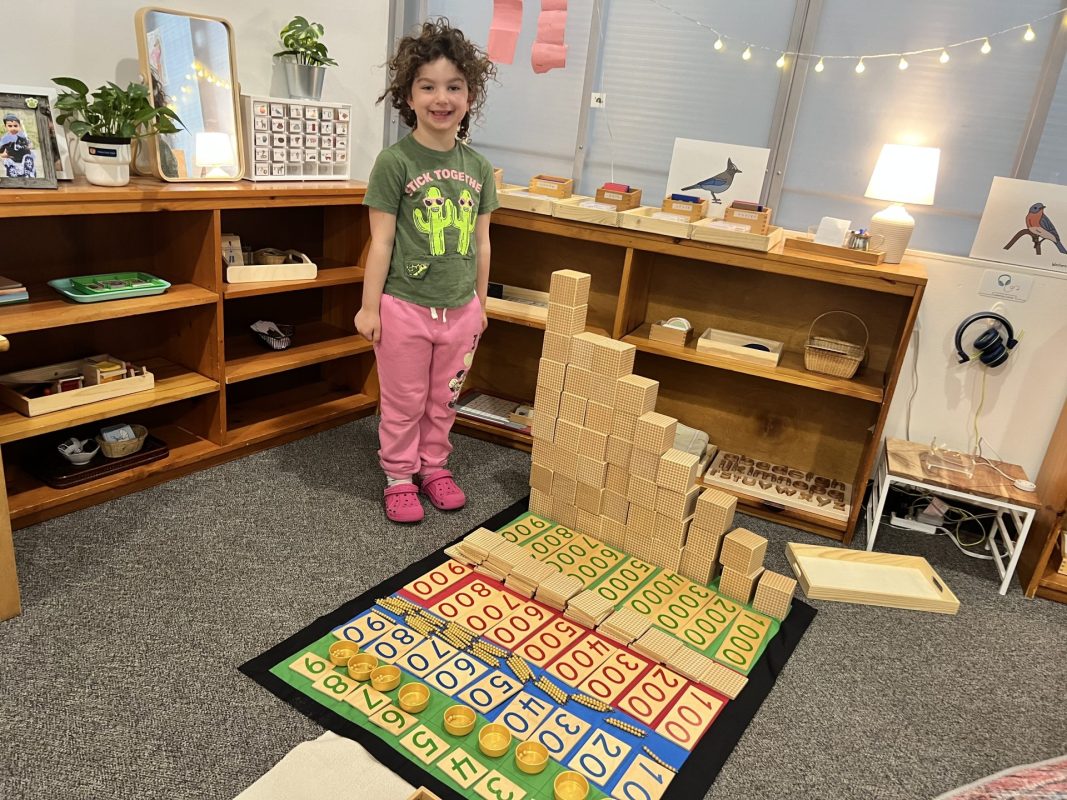
Each material in this area has a built-in control of error so that after an initial lesson, little teacher direction is needed. This control of error helps a child determine what needs to happen to complete the lesson successfully. The children can distinguish, categorize, and relate new information to what they already know. Each sensorial material isolates one specific quality, such as color, weight, shape, texture, size, sound, or smell. These materials emphasize this particular quality by eliminating or minimizing other differences. Many of the sensorial materials are also the basis of future mathematical concepts the children will learn.

Wishing you a week filled with peace and love.

Marissa & Sue (she’s back!!!)

Mrs. Doyle: I Sense Something Amazing in our Class!


What the hand does, the mind remembers. —Maria Montessori

Every Montessori classroom has a Sensorial area, and it is filled with materials that help the child study their environment through their five senses. Maria Montessori believed that sensorial experiences begin at birth for every child, and by refining these skills, they begin to understand their surroundings. The sensorial materials allow the child to acquire concise information and classify things around them. They use their senses not only to create their own experiences and knowledge but also to help them figure out different impressions each sense receives. The child is, therefore, a natural “sensorial explorer.”

Each material in this area has a built-in control of error so that after an initial lesson, little teacher direction is needed. This control of error helps a child determine what needs to happen to complete the lesson successfully. The children can distinguish, categorize, and relate new information to what they already know. Each sensorial material isolates one specific quality, such as color, weight, shape, texture, size, sound, or smell. These materials emphasize this particular quality by eliminating or minimizing other differences. Many of the sensorial materials are also the basis of future mathematical concepts the children will learn.

Wishing you a week filled with peace and love.

Michelle & Maria


Mrs. Lopes: I Sense Something Amazing in Our Class


What the hand does, the mind remembers
. —
Maria Montessori

Every Montessori classroom has a Sensorial area, and it is filled with materials that help the child study their environment through their five senses. Maria Montessori believed that sensorial experiences begin at birth for every child, and by refining these skills, they begin to understand their surroundings. The sensorial materials allow the child to acquire concise information and classify things around them. They use their senses not only to create their own experiences and knowledge but also to help them figure out different impressions each sense receives. The child is, therefore, a natural “sensorial explorer.”

Each material in this area has a built-in control of error so that after an initial lesson, little teacher direction is needed. This control of error helps a child determine what needs to happen to complete the lesson successfully. The children can distinguish, categorize, and relate new information to what they already know. Each sensorial material isolates one specific quality, such as color, weight, shape, texture, size, sound, or smell. These materials emphasize this particular quality by eliminating or minimizing other differences. Many of the sensorial materials are also the basis of future mathematical concepts the children will learn.

Wishing you a week filled with peace and love.

Amanda & Hema


Mrs. Sargeant: A Peek at the Week

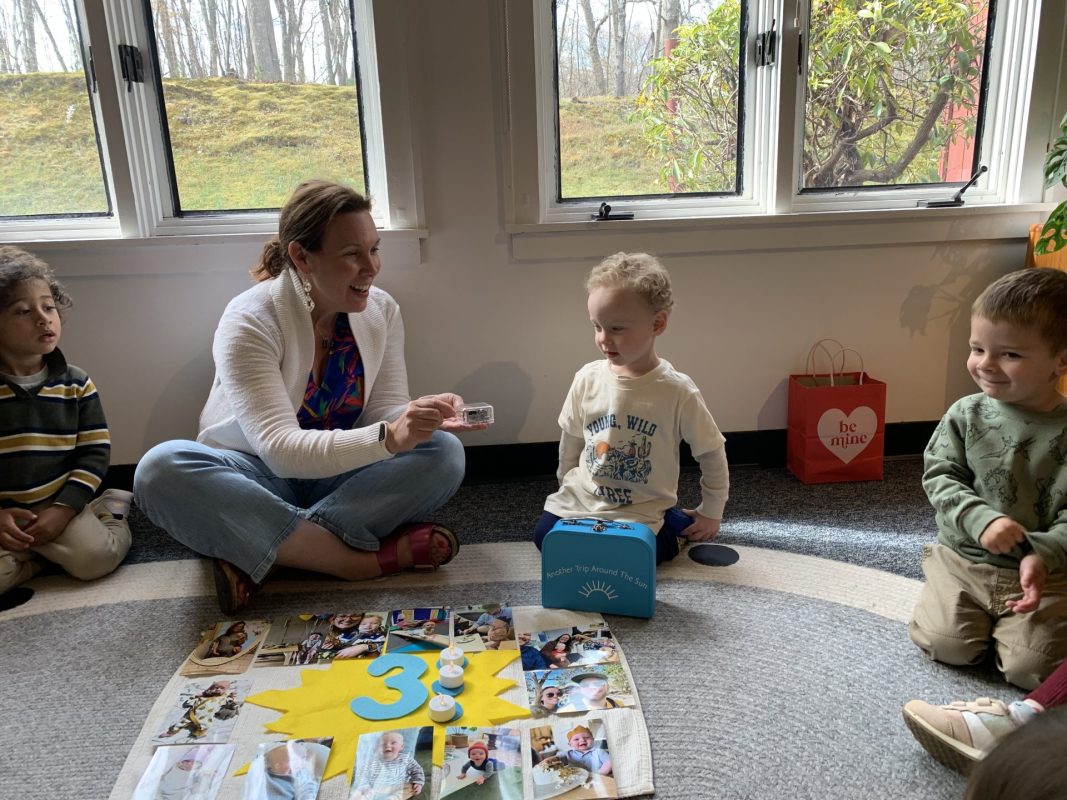
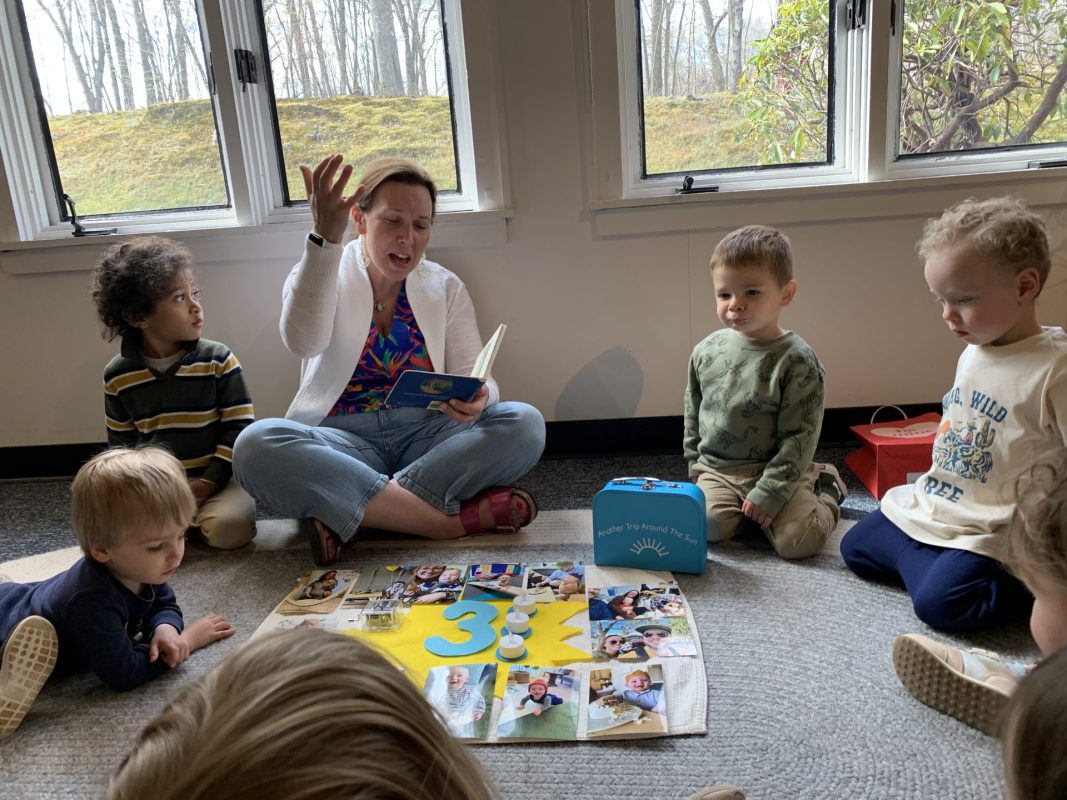
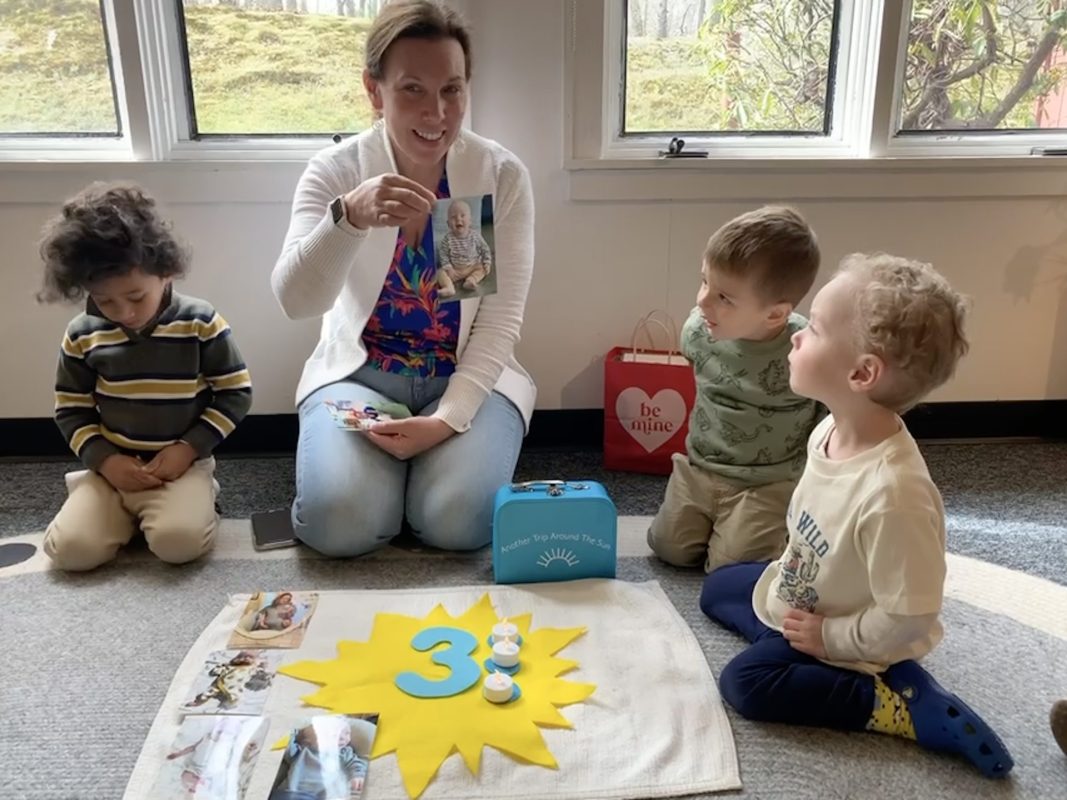
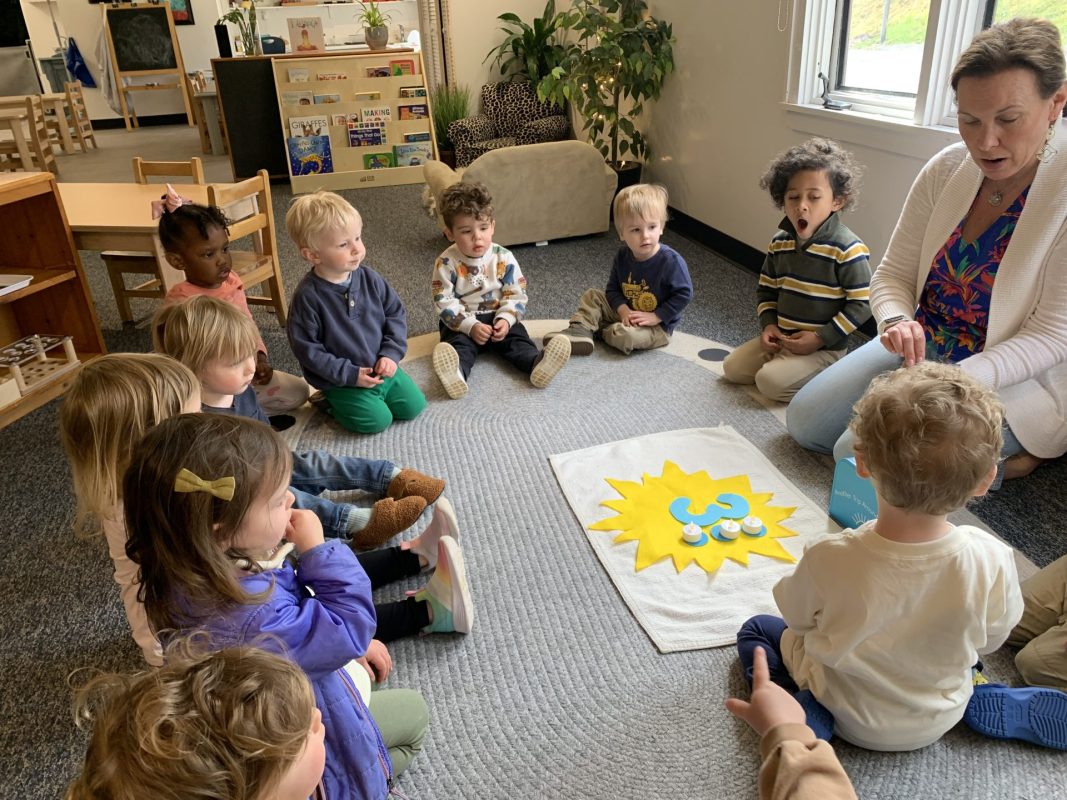
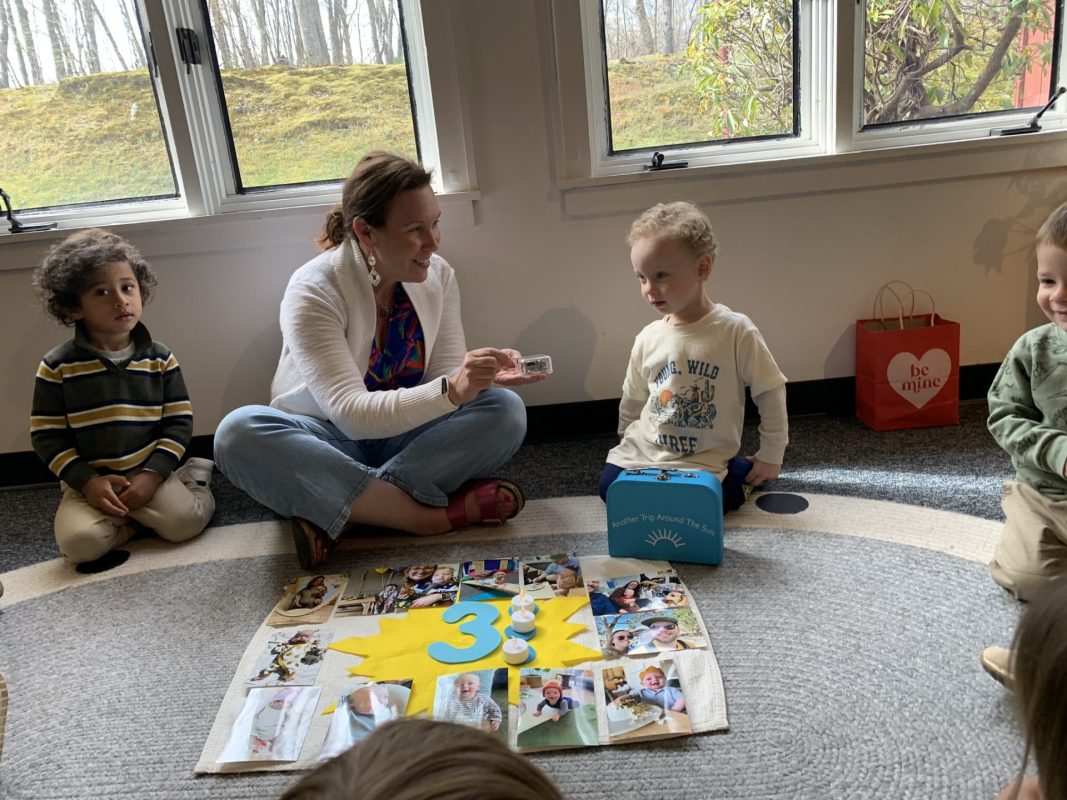
Welcome back! It was exciting for all of us to reunite this week. The children quickly settled right back into our classroom routines. We celebrated Margot’s 2nd birthday this week. She counted two votive candles, and we sang ‘Happy Birthday’ to her as we played our music box. She shared one of her favorite books, The Little Mouse, the Red Ripe Strawberry and the Big Hungry Bear, which captivated the whole group! Then we had a special snack of blueberry scones. The children especially loved looking at Margot’s baby pictures. It was a lovely celebration! We’re looking forward to celebrating a few more birthdays soon!

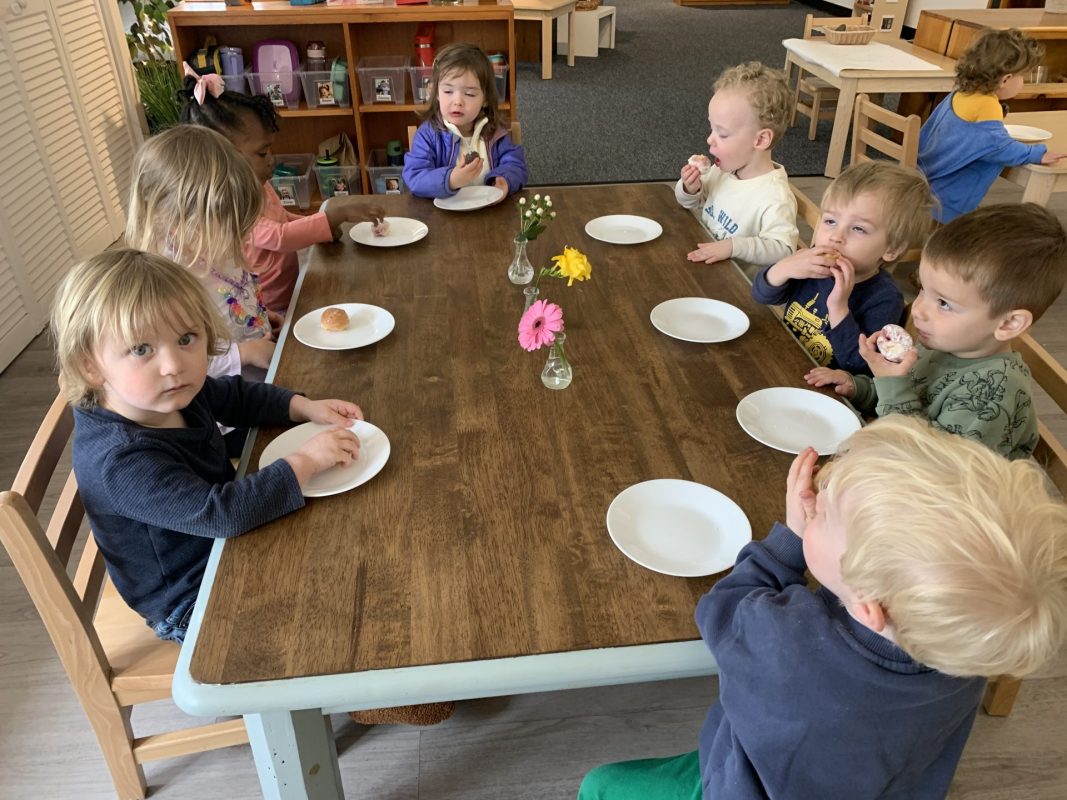
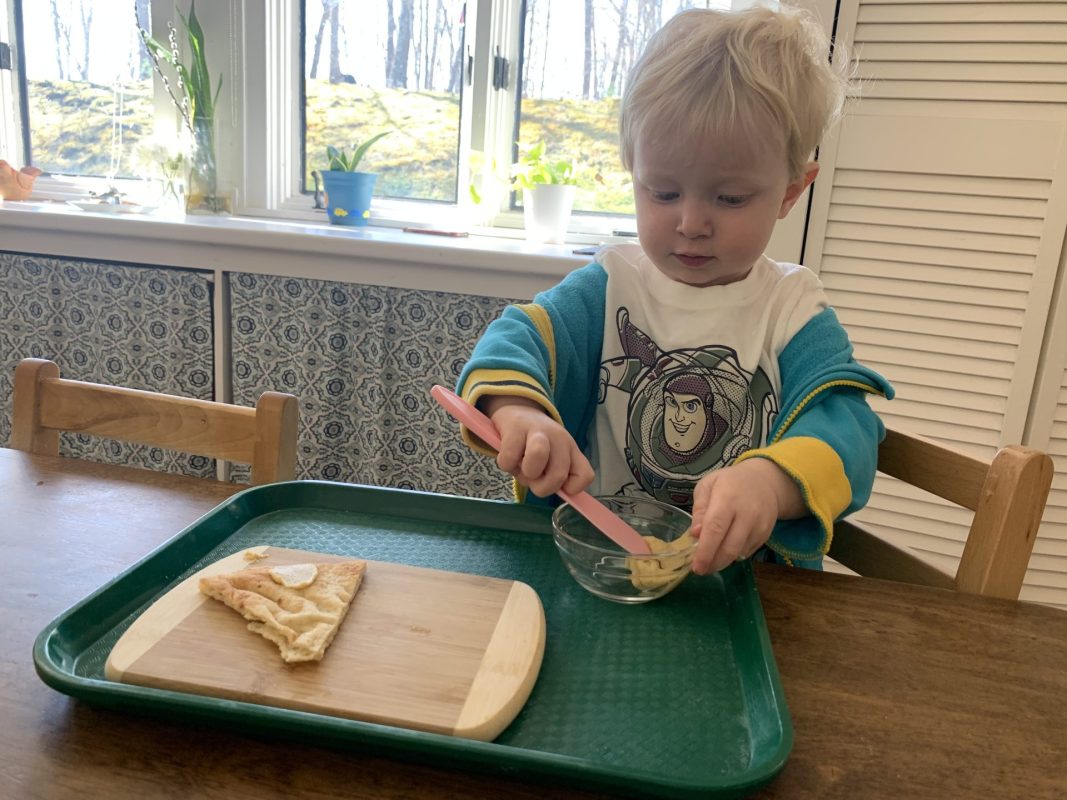
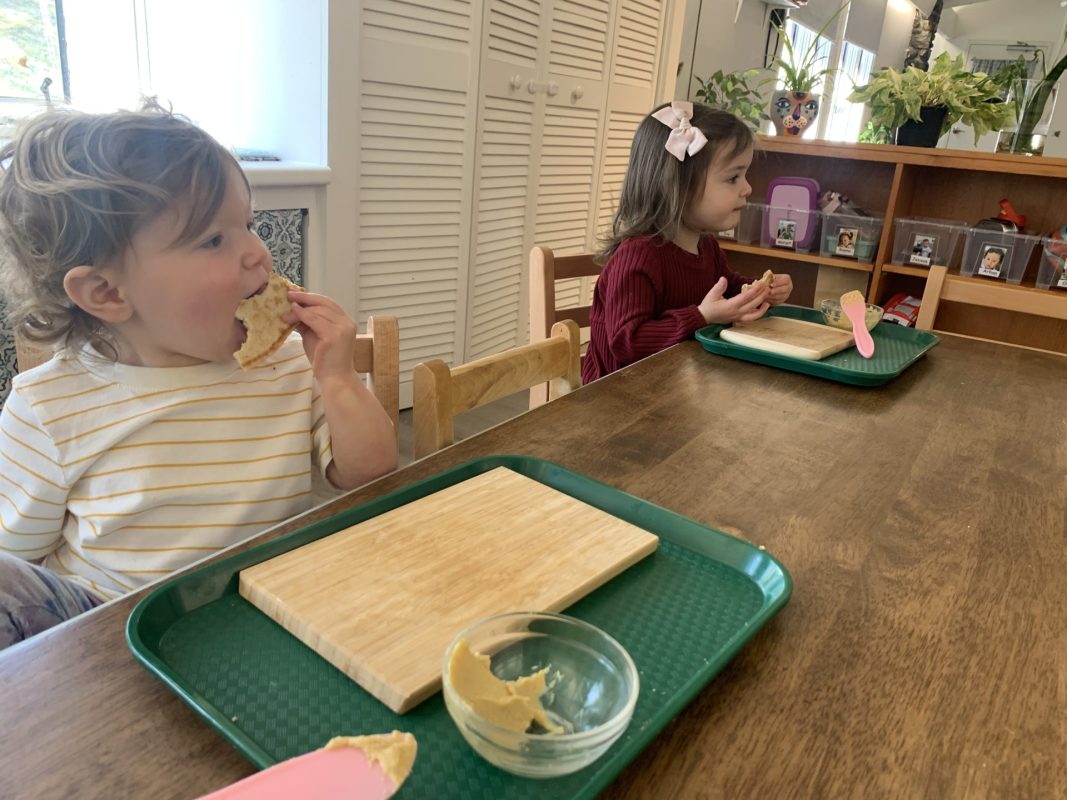
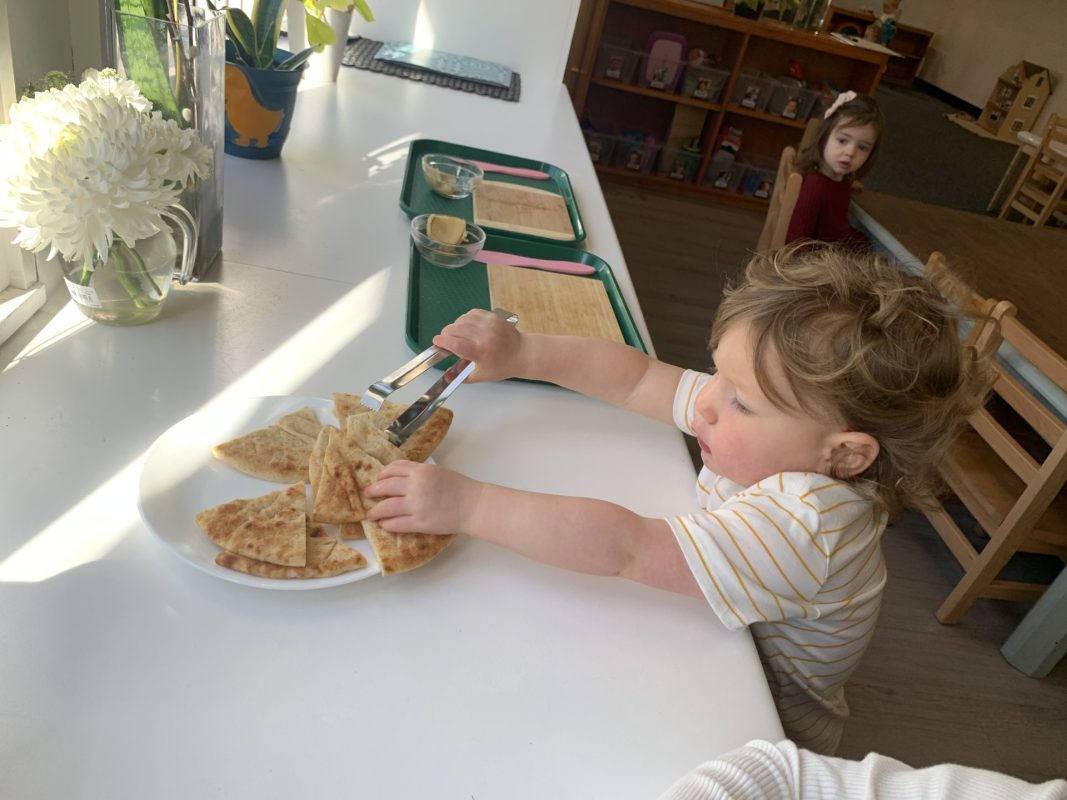
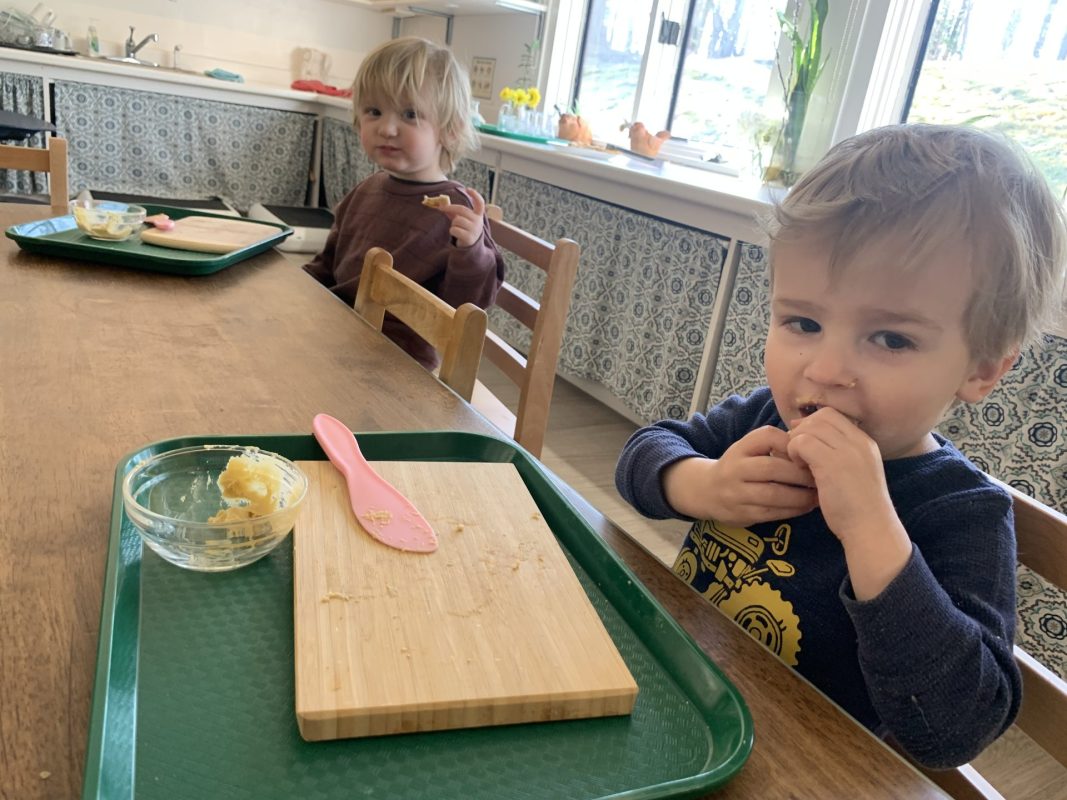
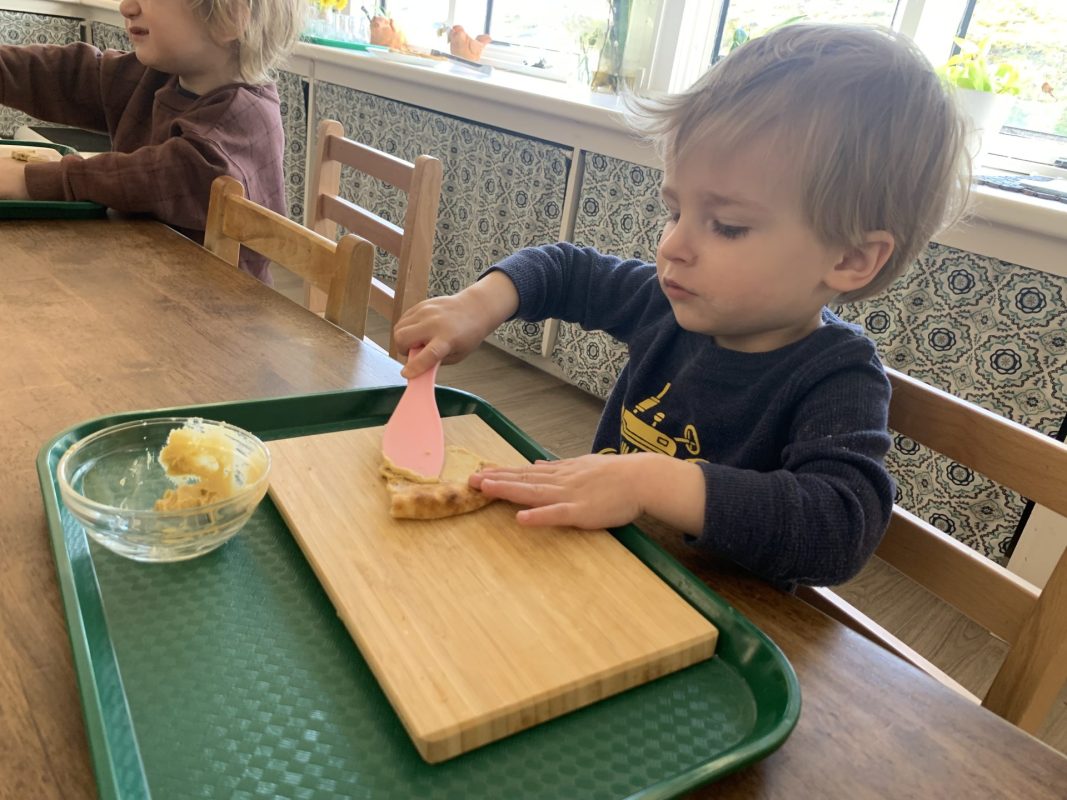
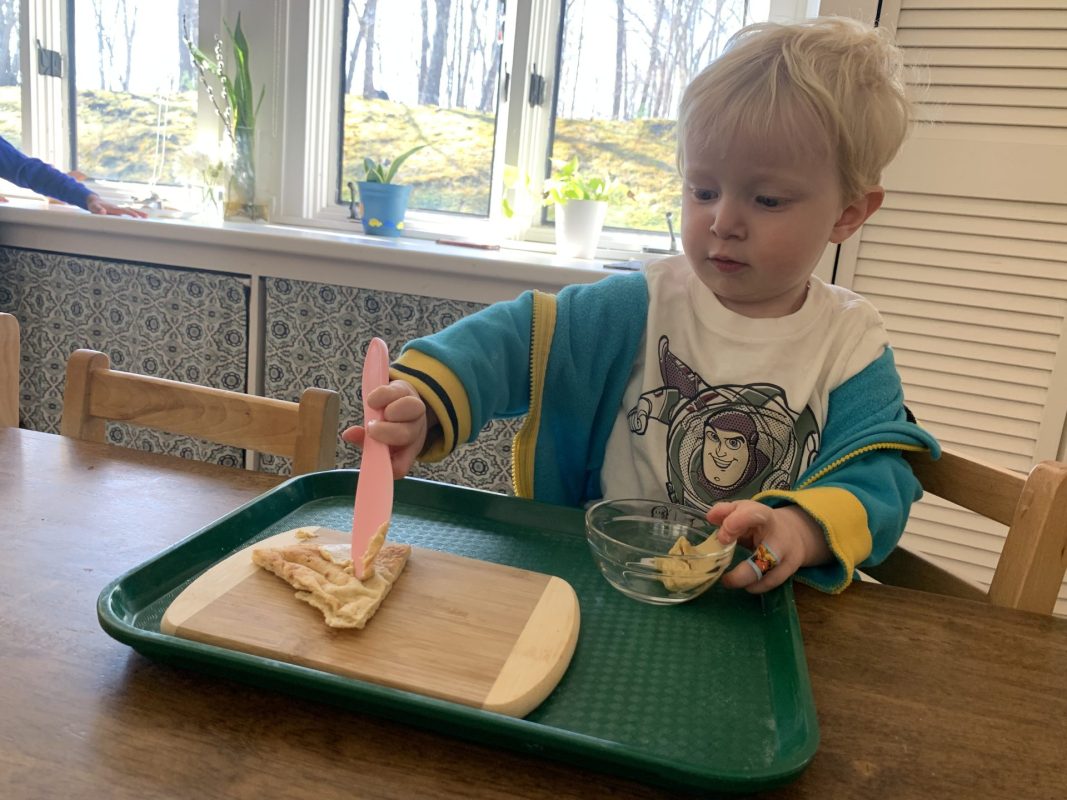
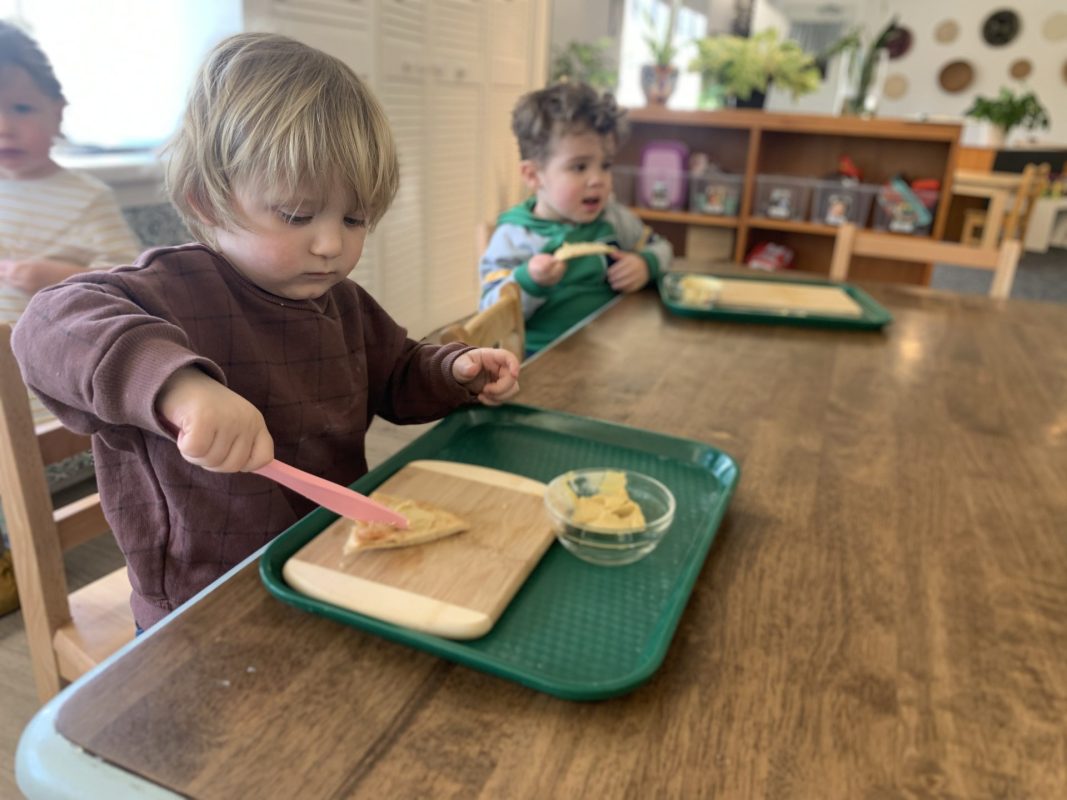
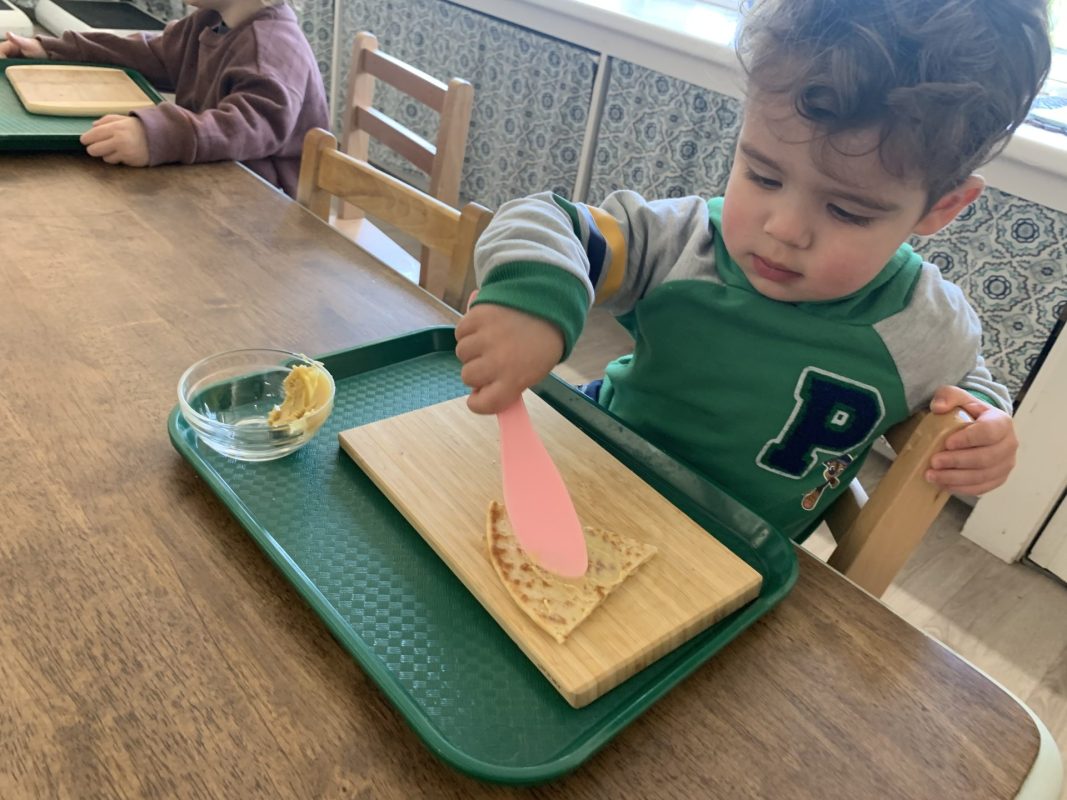
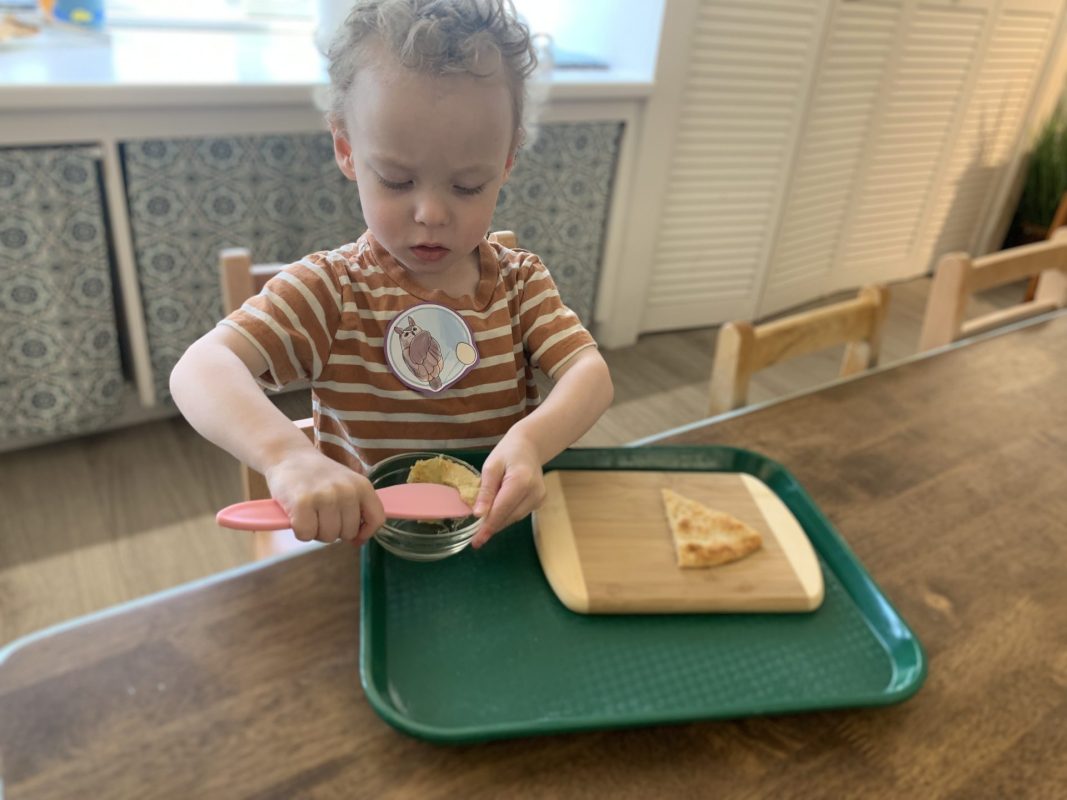
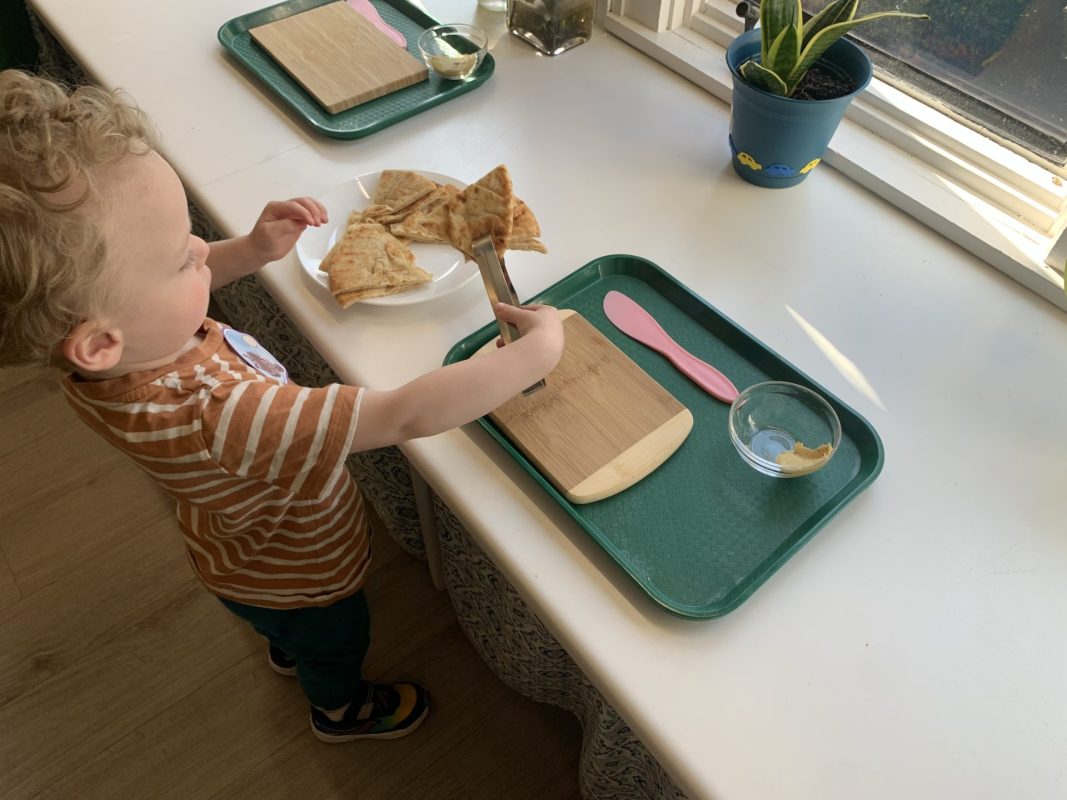
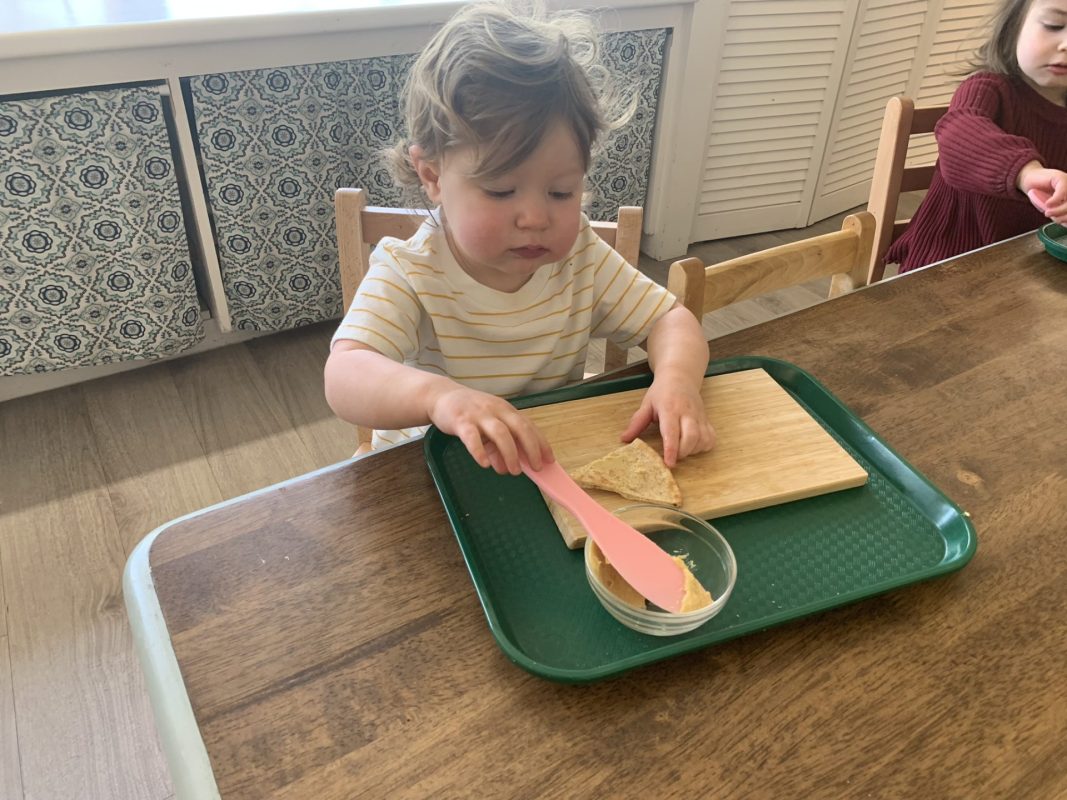
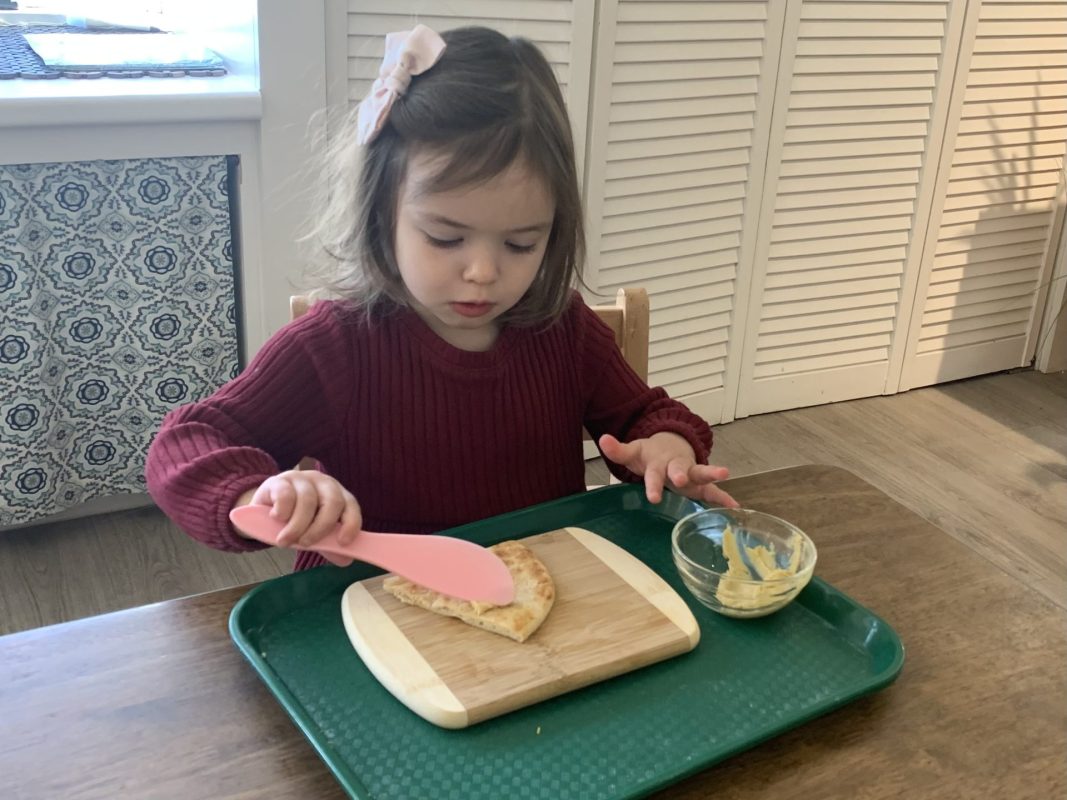
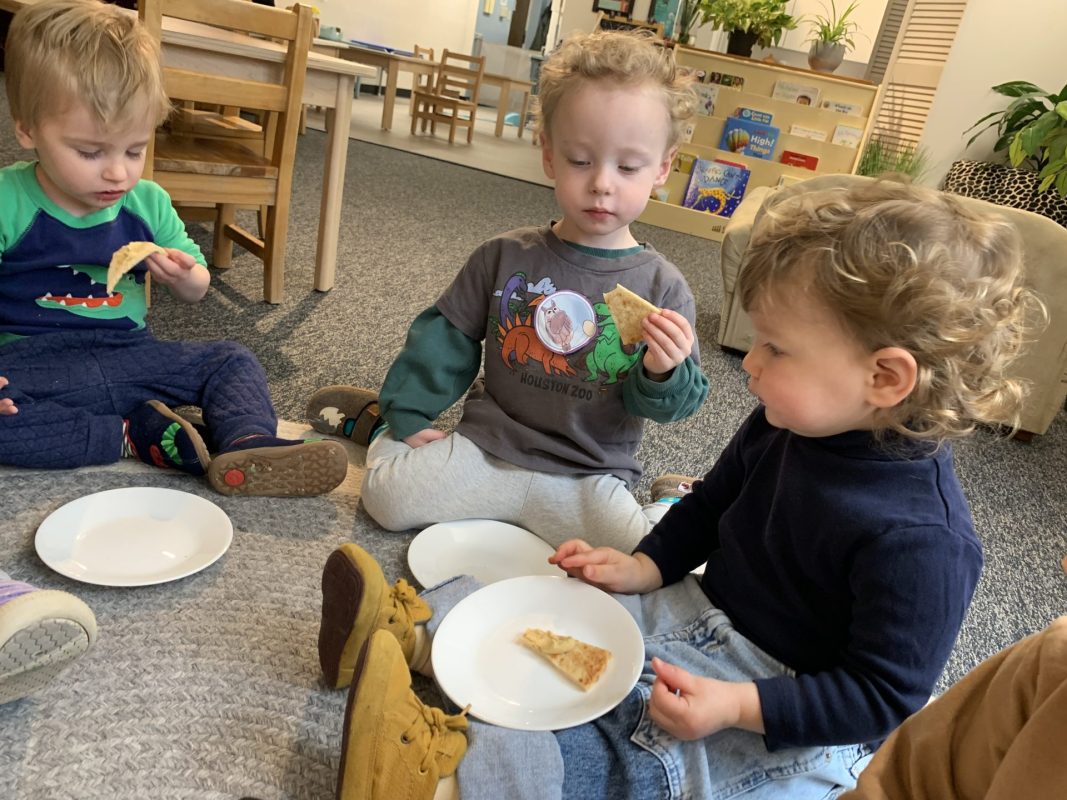
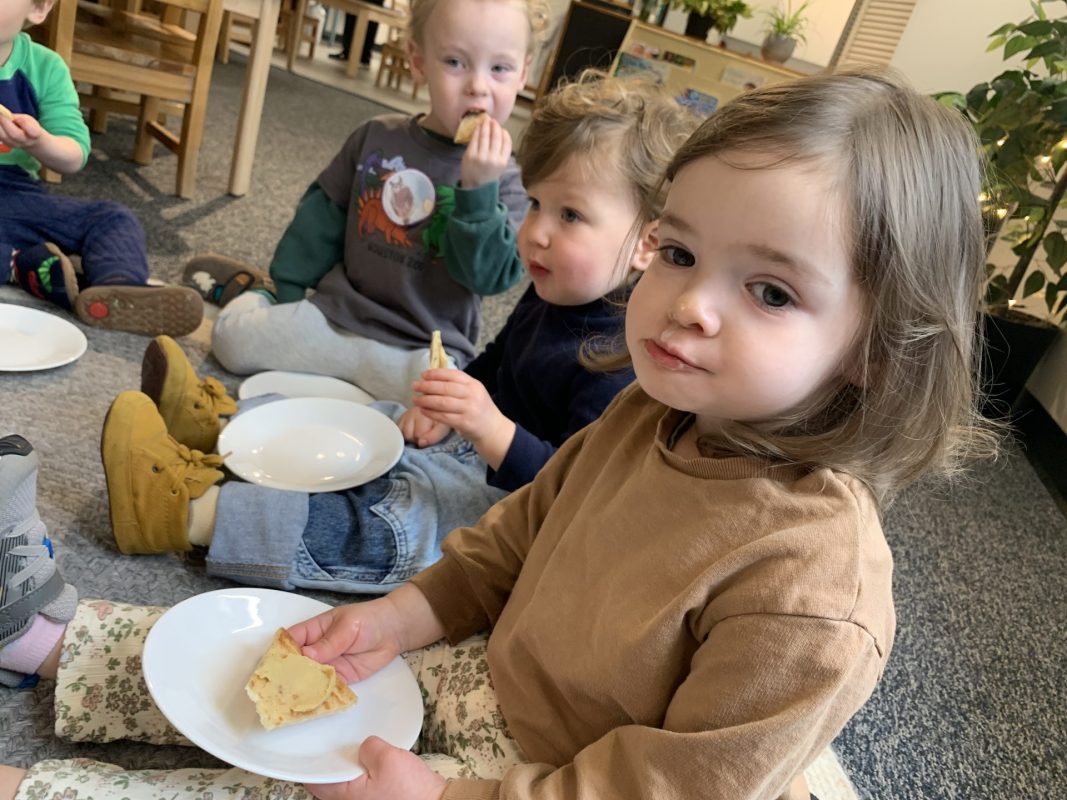
Just before break, we tasted Irish soda bread. The children were given a lesson on spreading butter. They loved the bread, and they loved being able to spread their own butter! An activity such as spreading butter requires a unique rotation of the wrist, which is necessary for learning to write. Spreading requires strength, coordination, and the use of the support hand. It is also very satisfying for young children to participate in preparing their own snacks. The next time you are preparing a snack for your child at home, think about how they can participate. They are so capable! Some ideas for spreading are spreading avocado onto toast, jam or cream cheese on a bagel or rice cake, hummus onto pita, and sun butter onto apple slices or celery. 
This week, we tasted Brussels sprouts. I’d say it was a 50/50 split. Definitely worth trying again at home. There are so many interesting and delicious recipes that surely did not exist when I was a child!

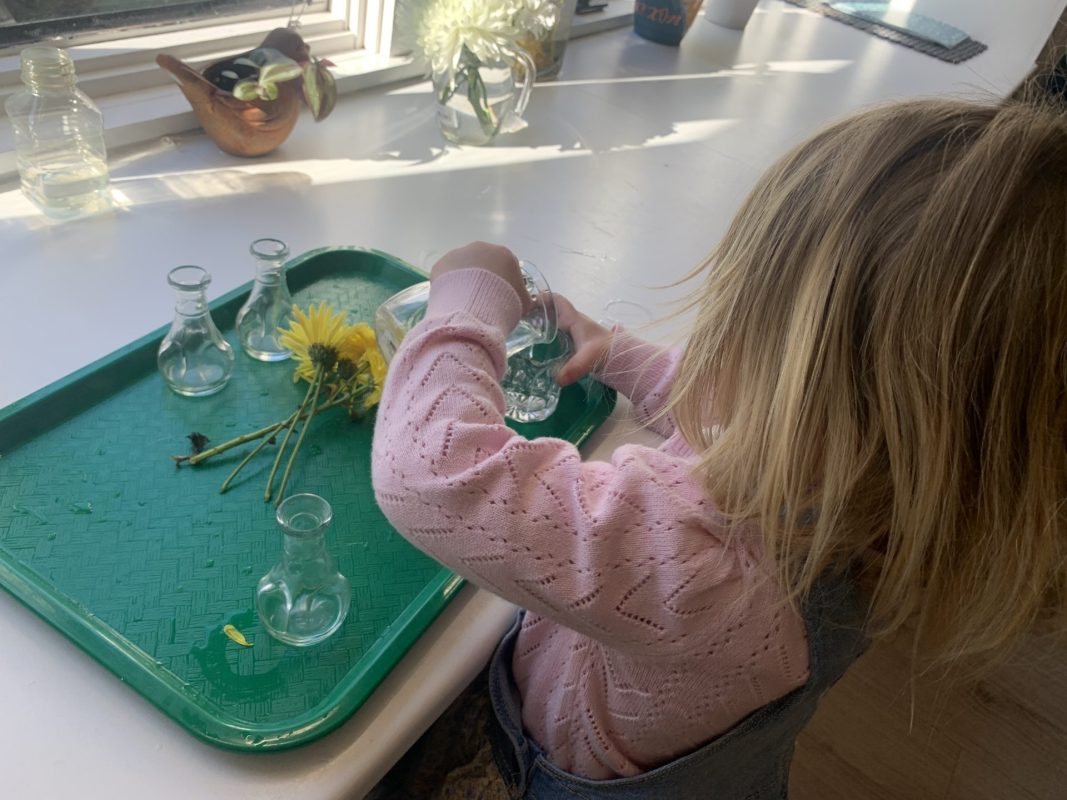
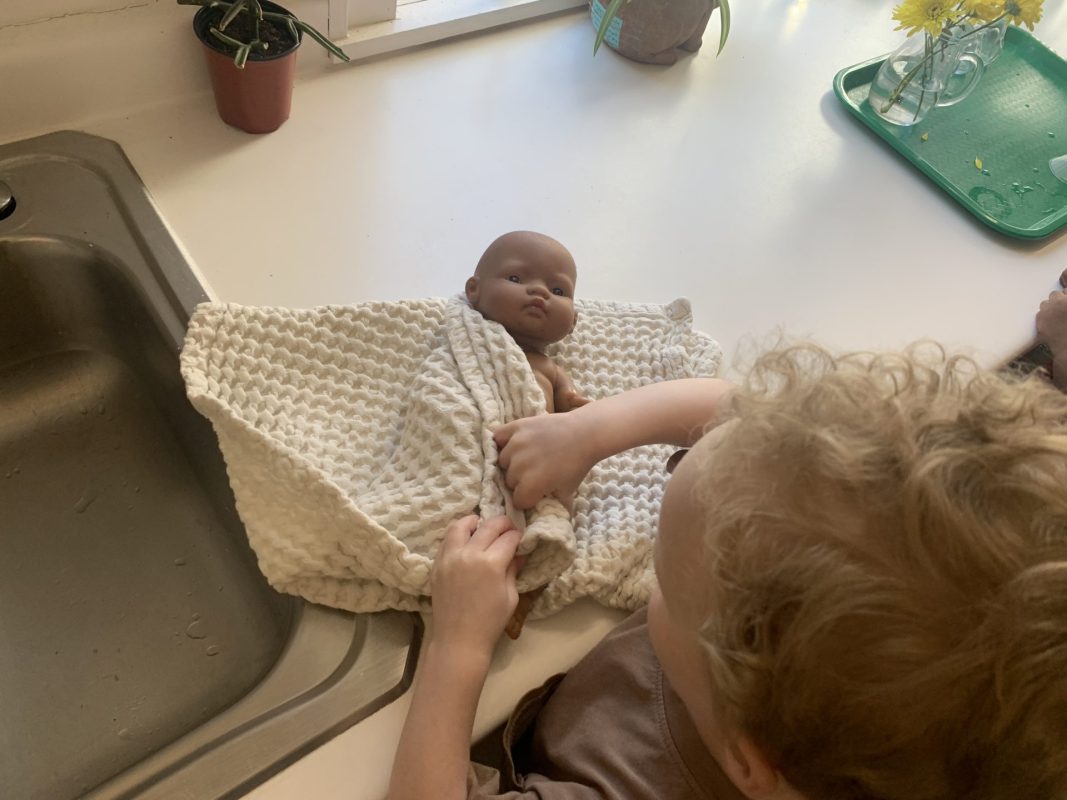
I wholeheartedly thank you all for all that you do for us. Thank you for showing up each week with food for our food-tasting experience and flowers for the children to arrange. Thank you for sharing in the task of doing laundry. I appreciate all of you!

Happy Easter to those who celebrate!

Warmly,

Christine & Lizette