Mrs. Lopes: Hidden Treasures

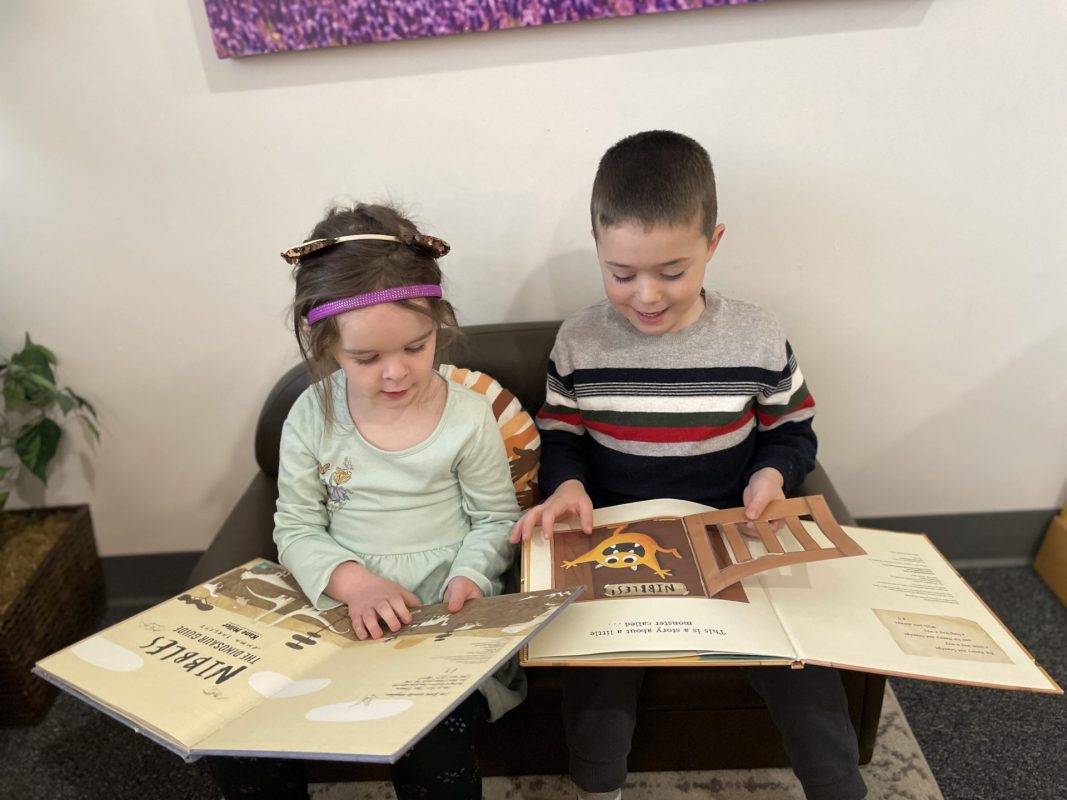
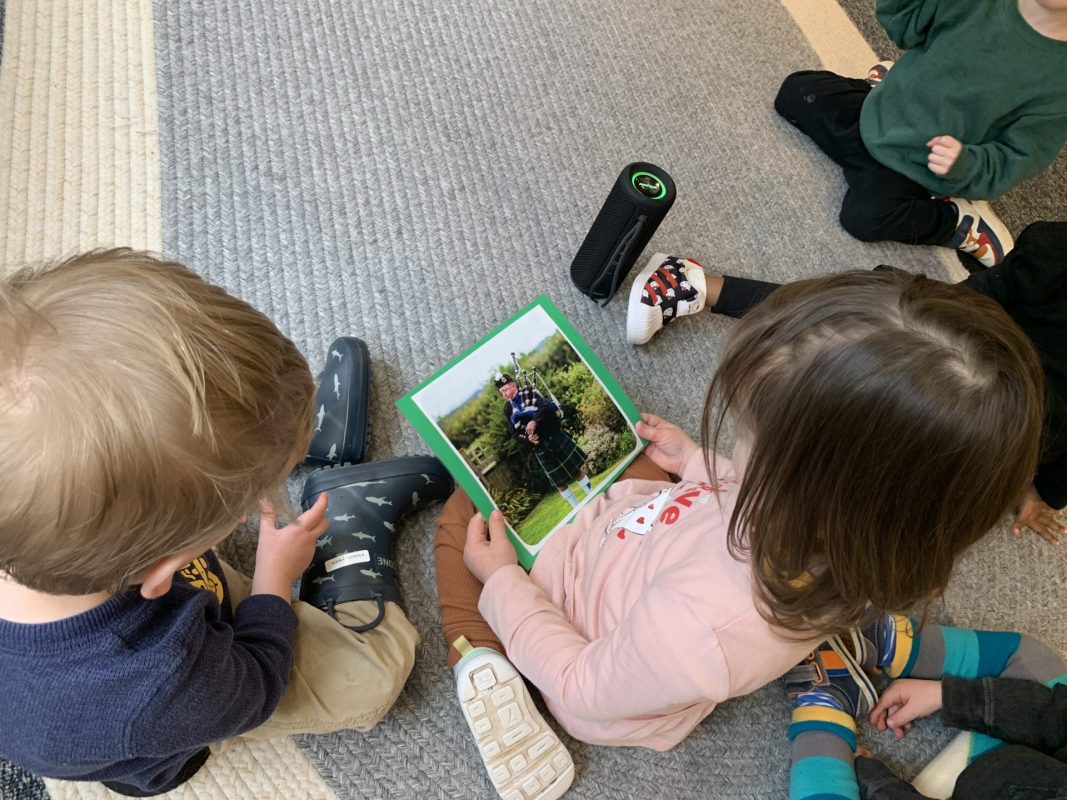
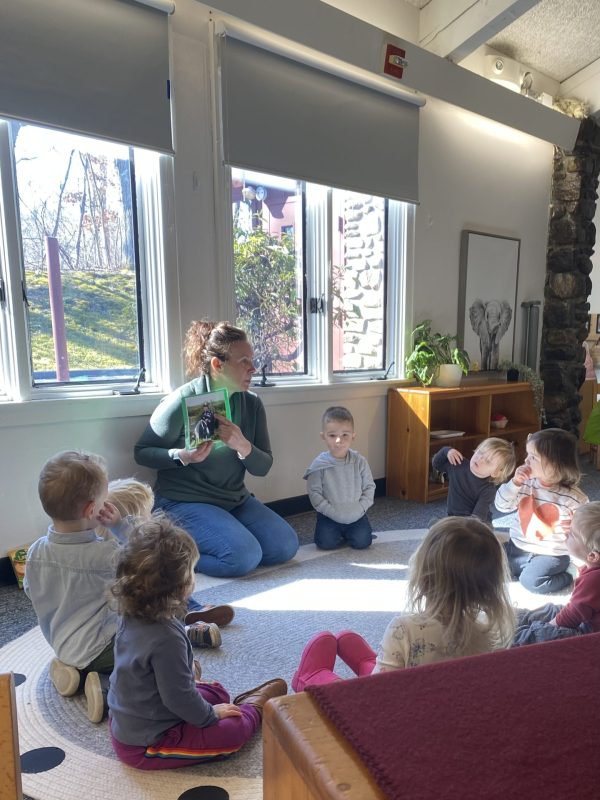
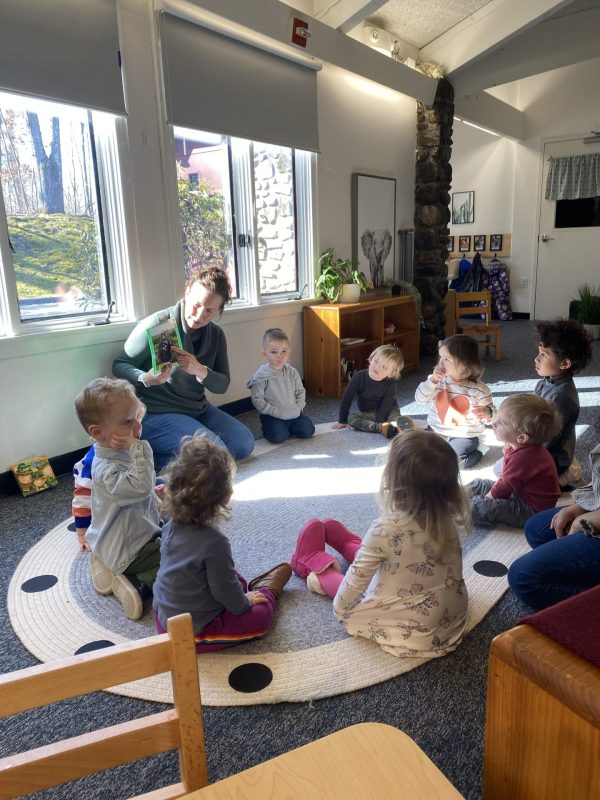
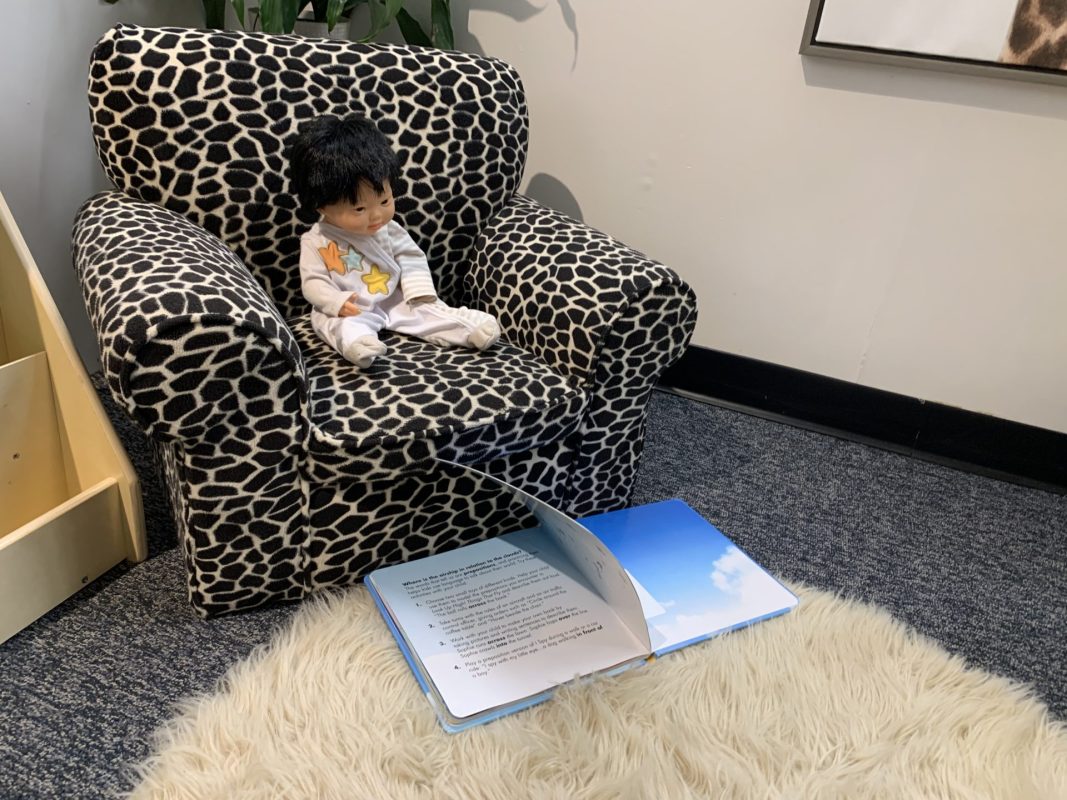
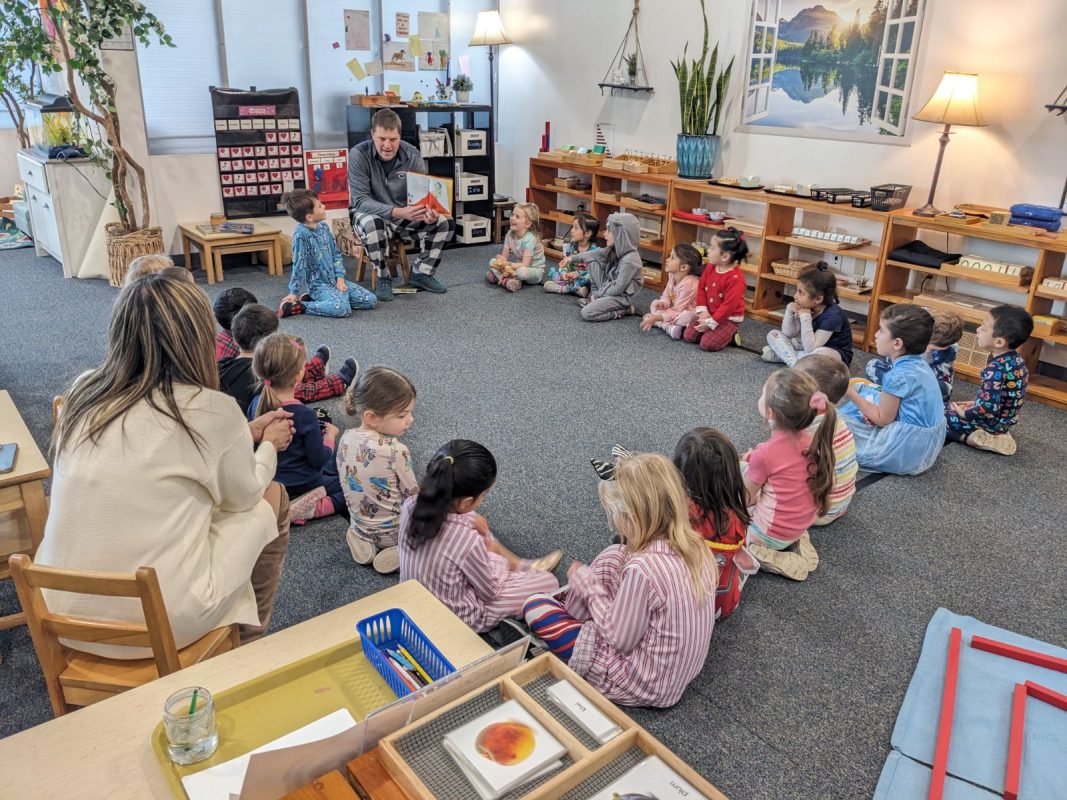
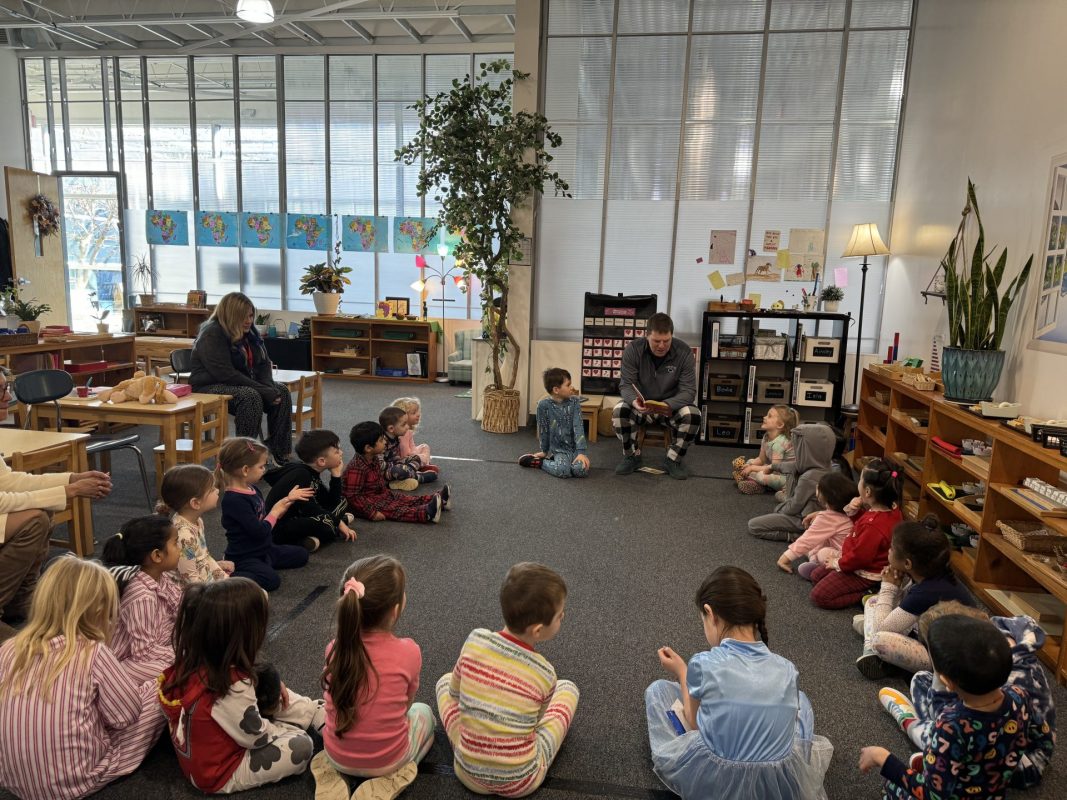
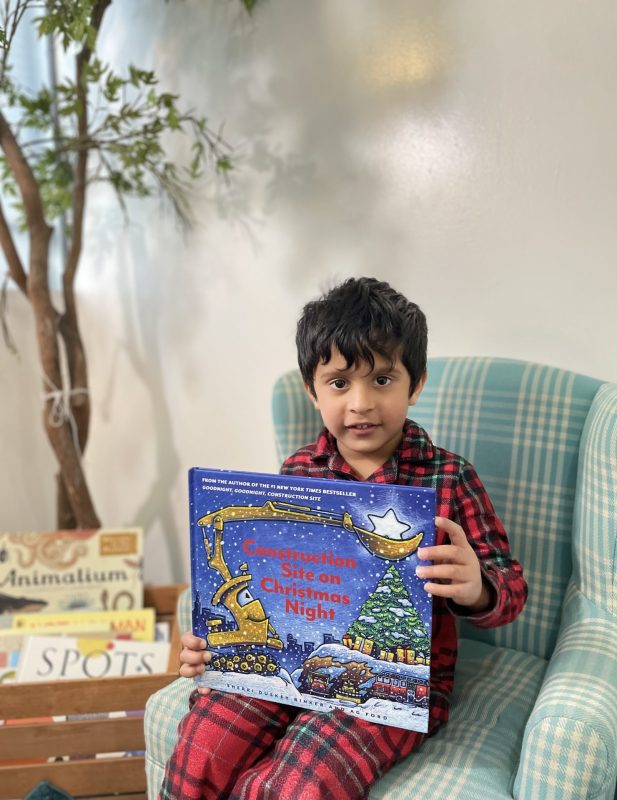
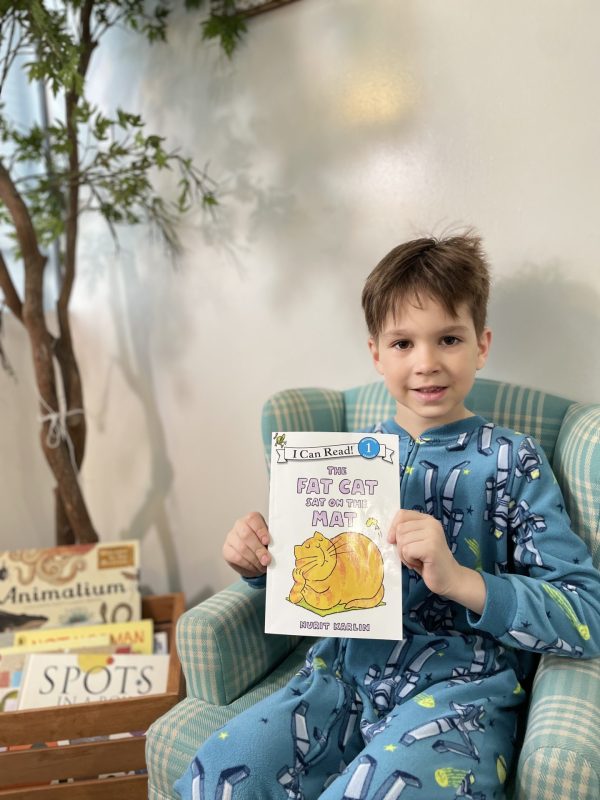
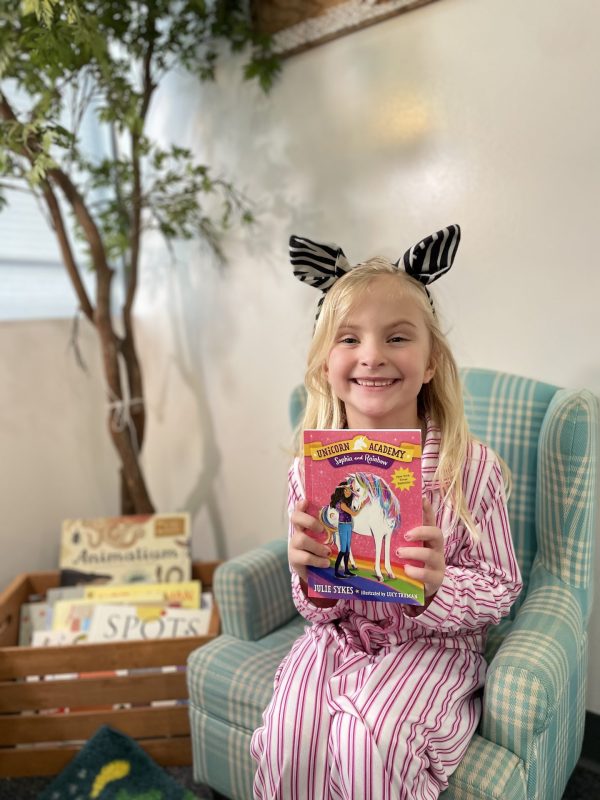
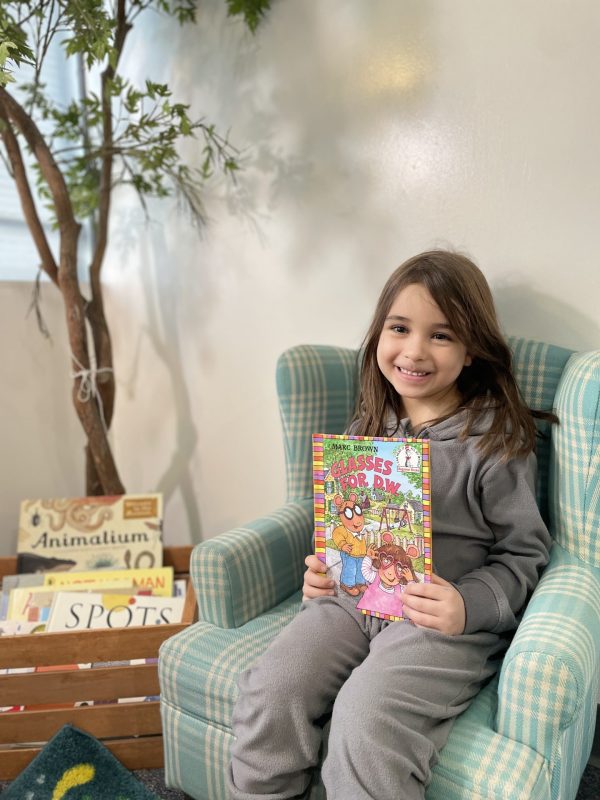
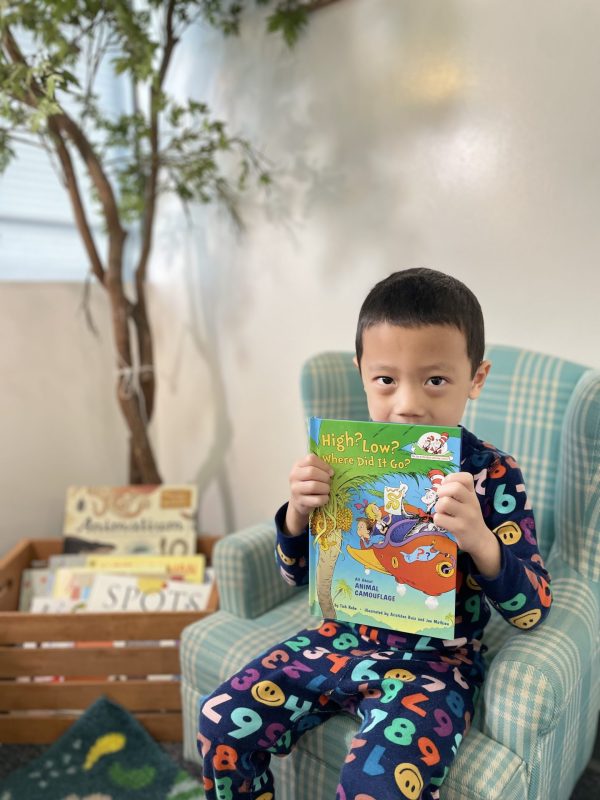
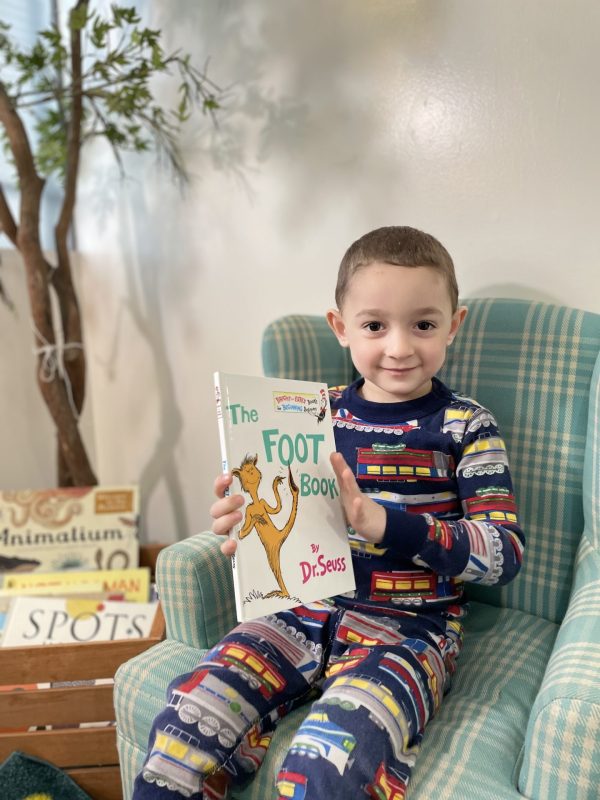
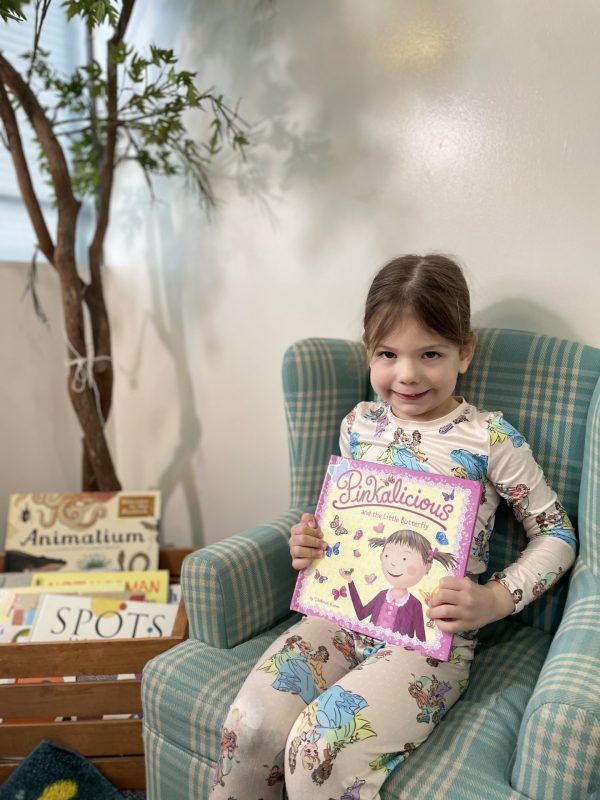
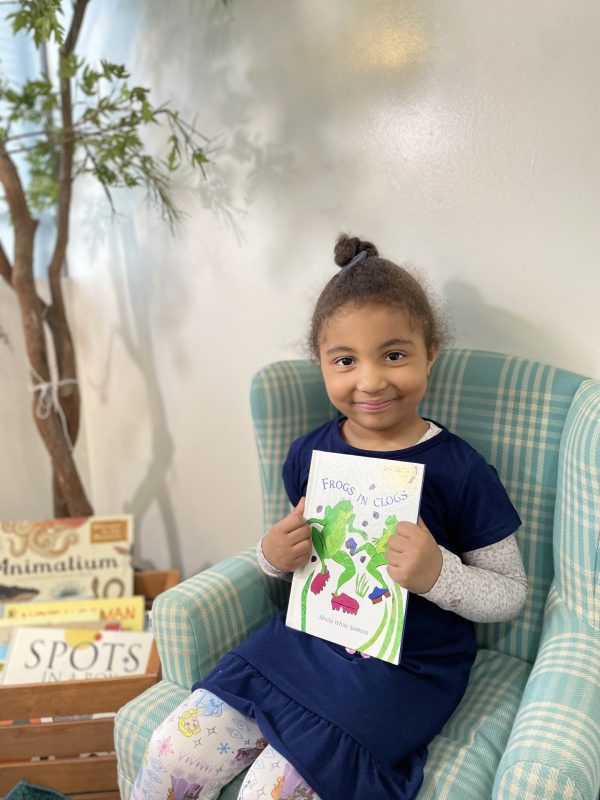
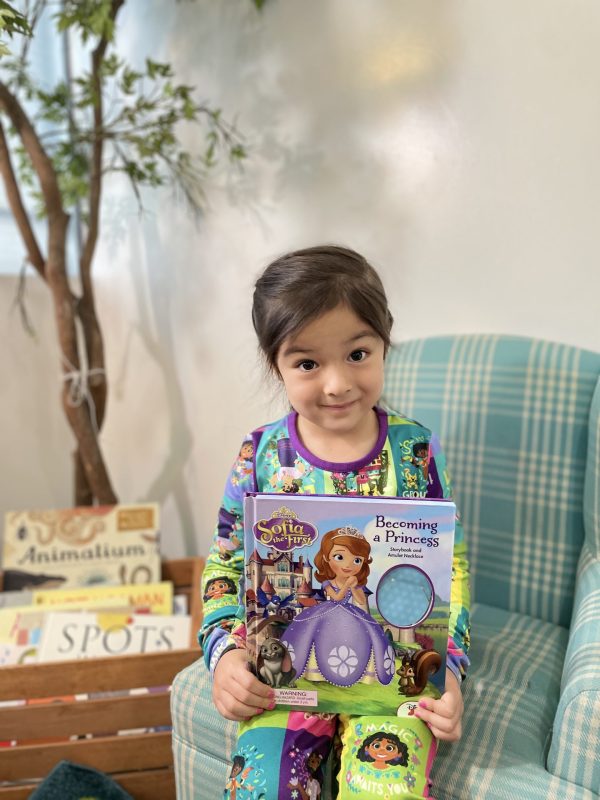
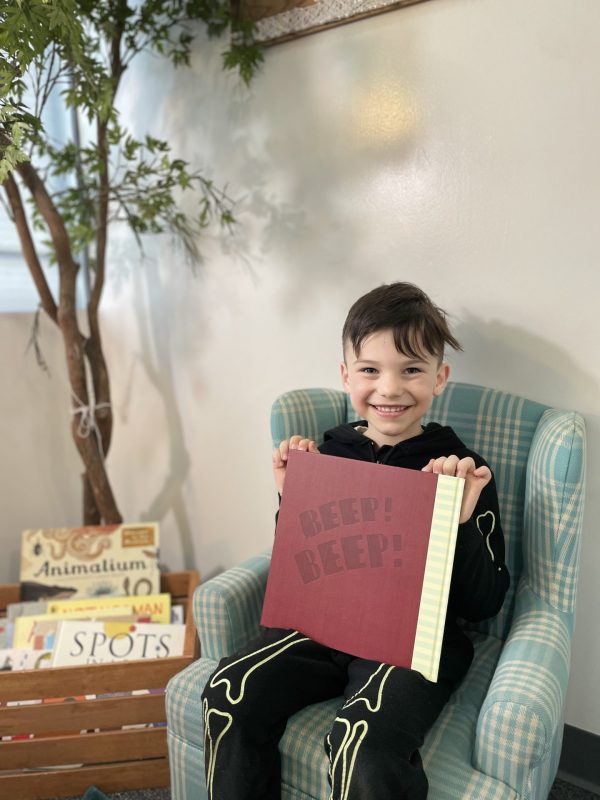
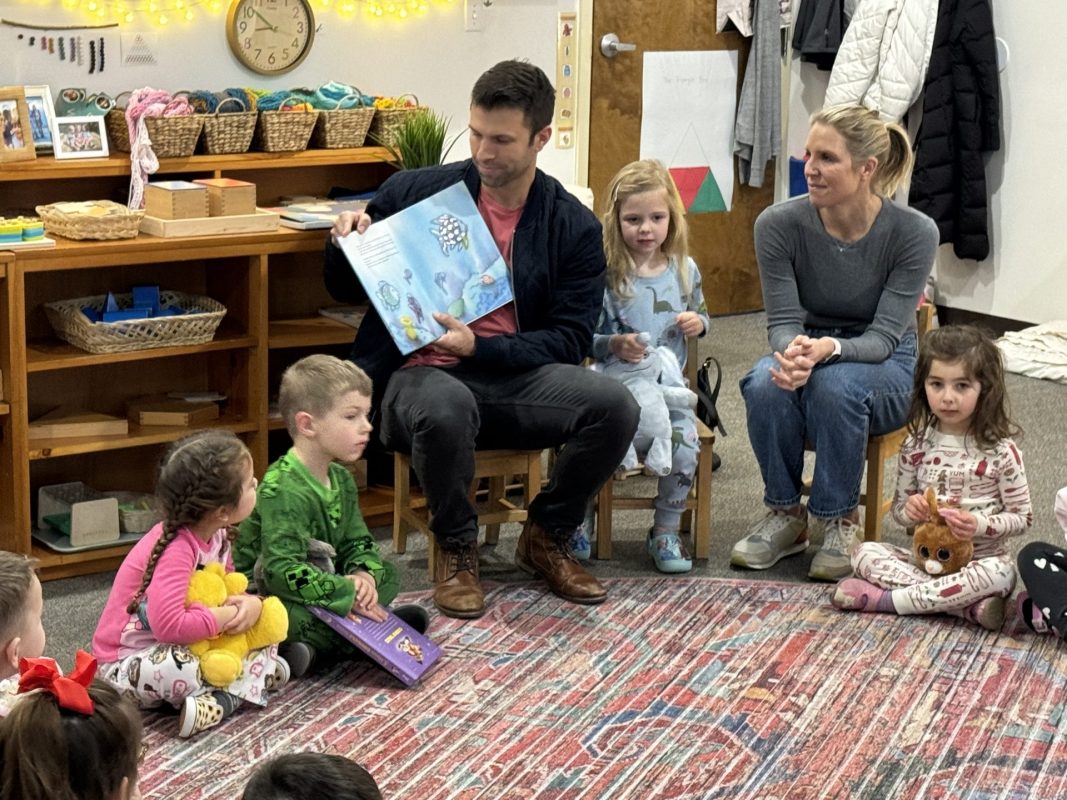
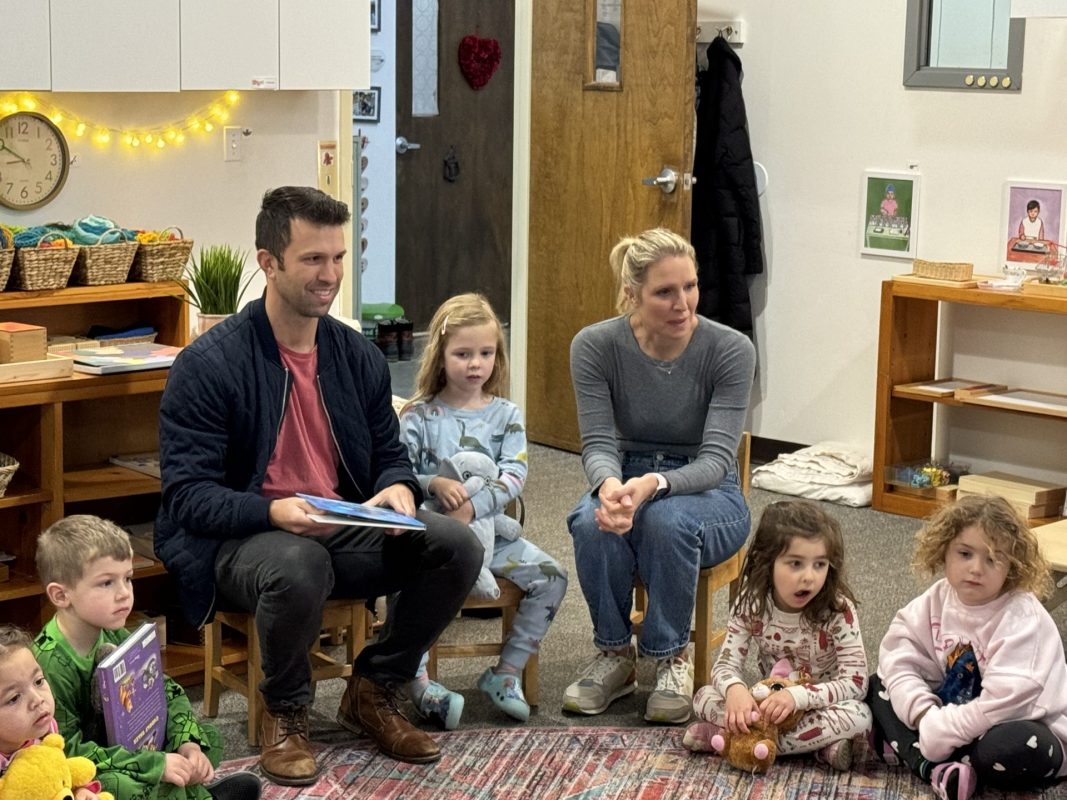
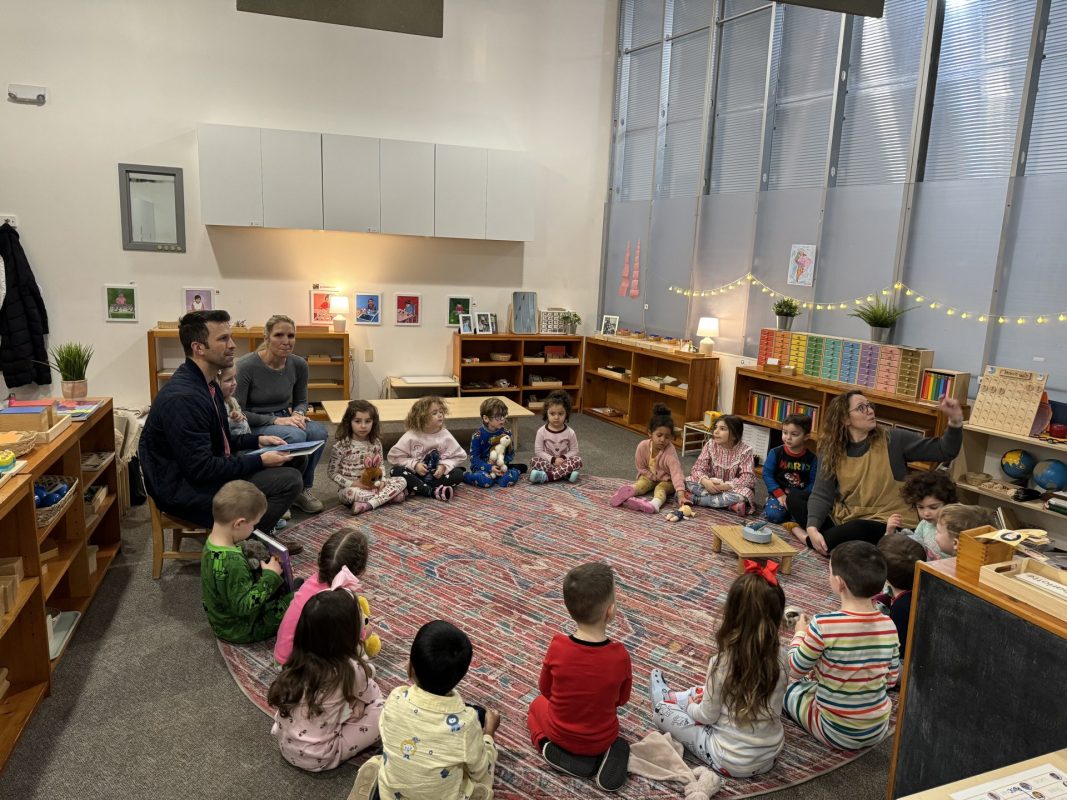
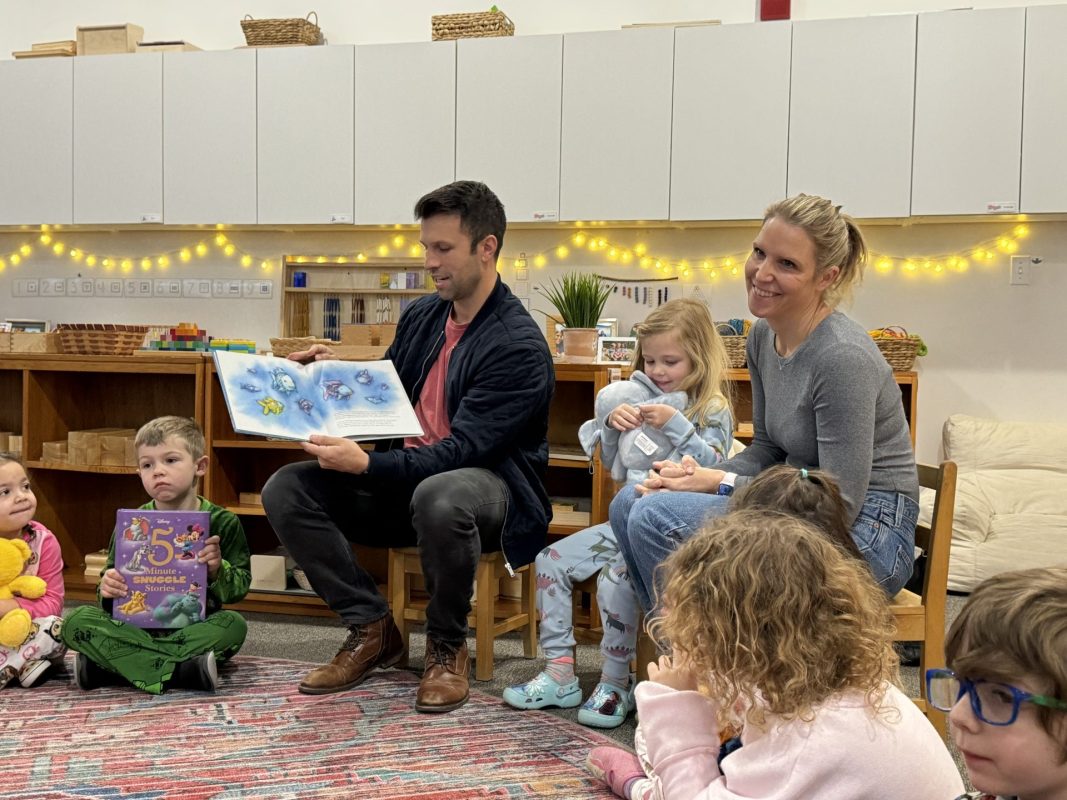
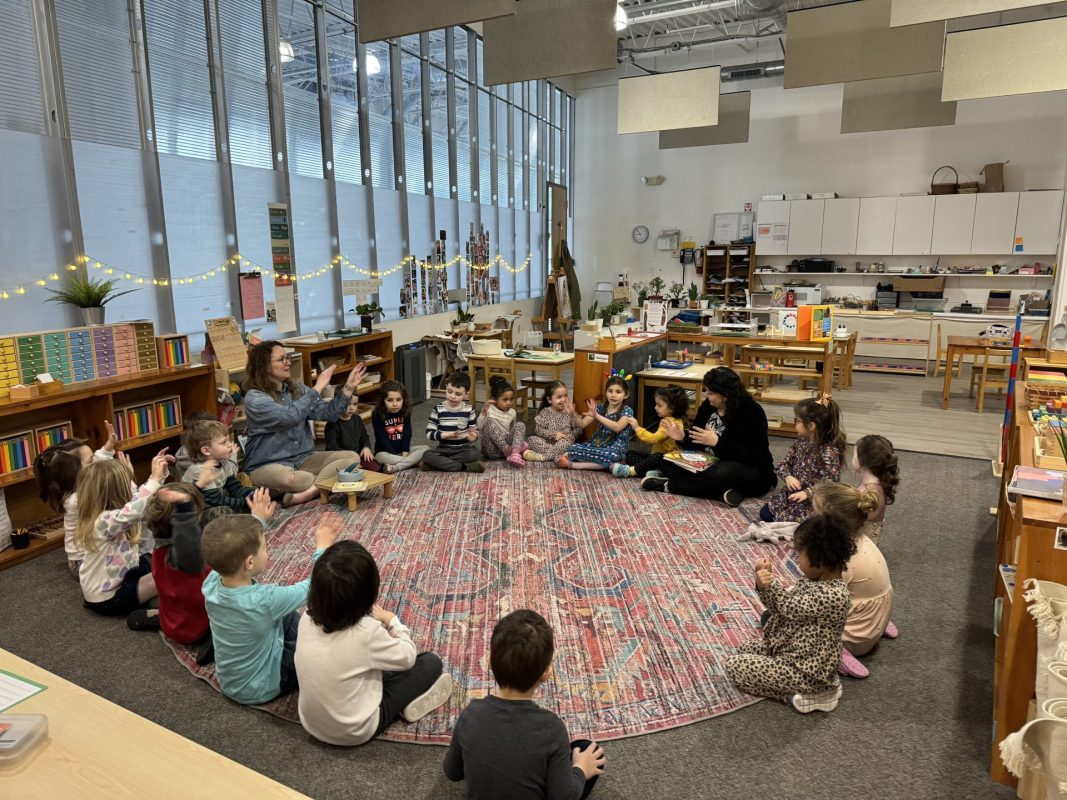
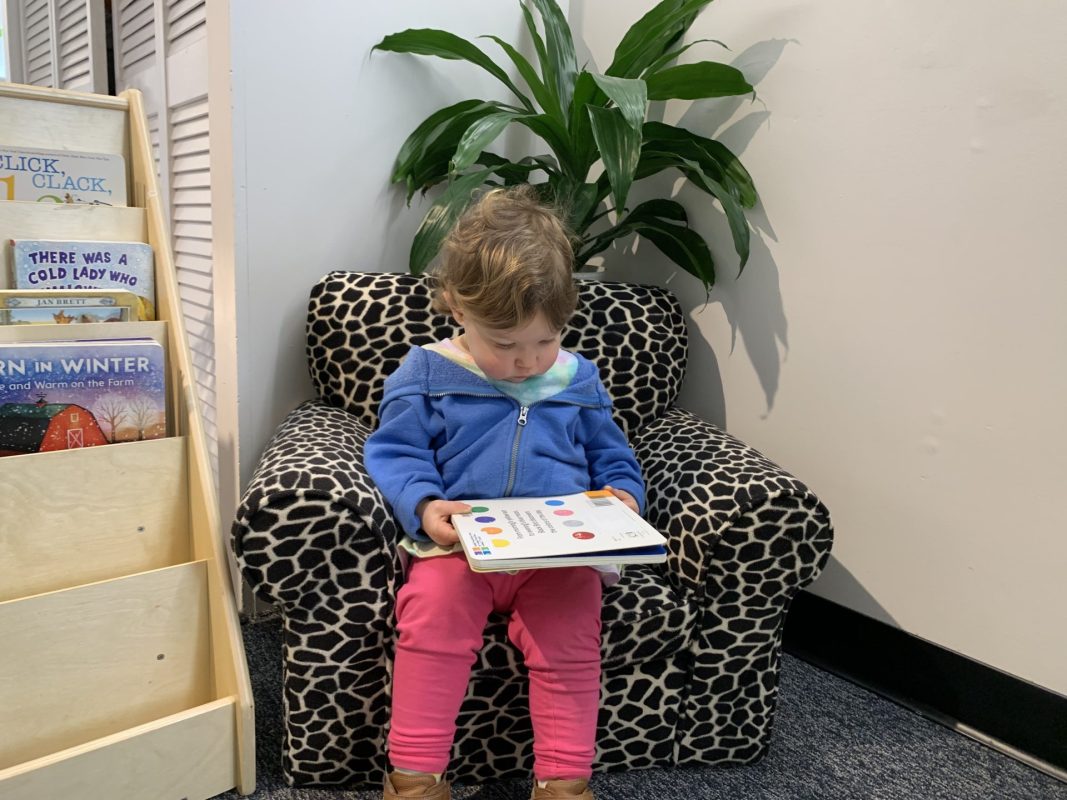
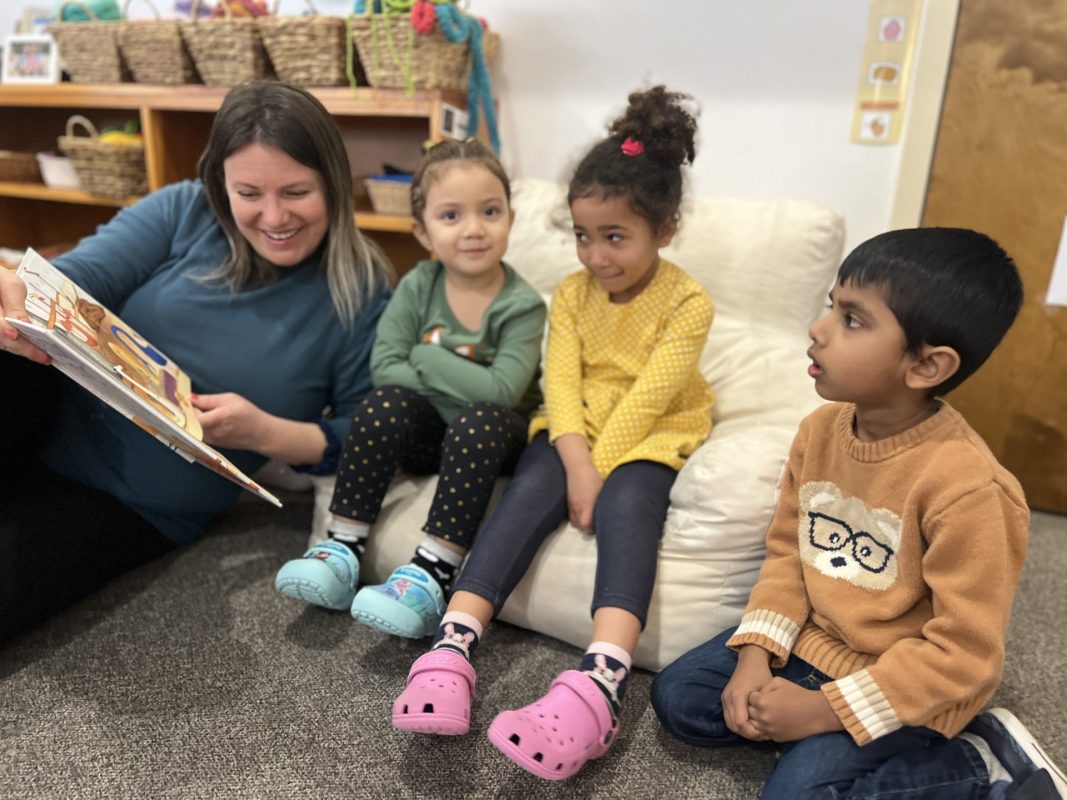
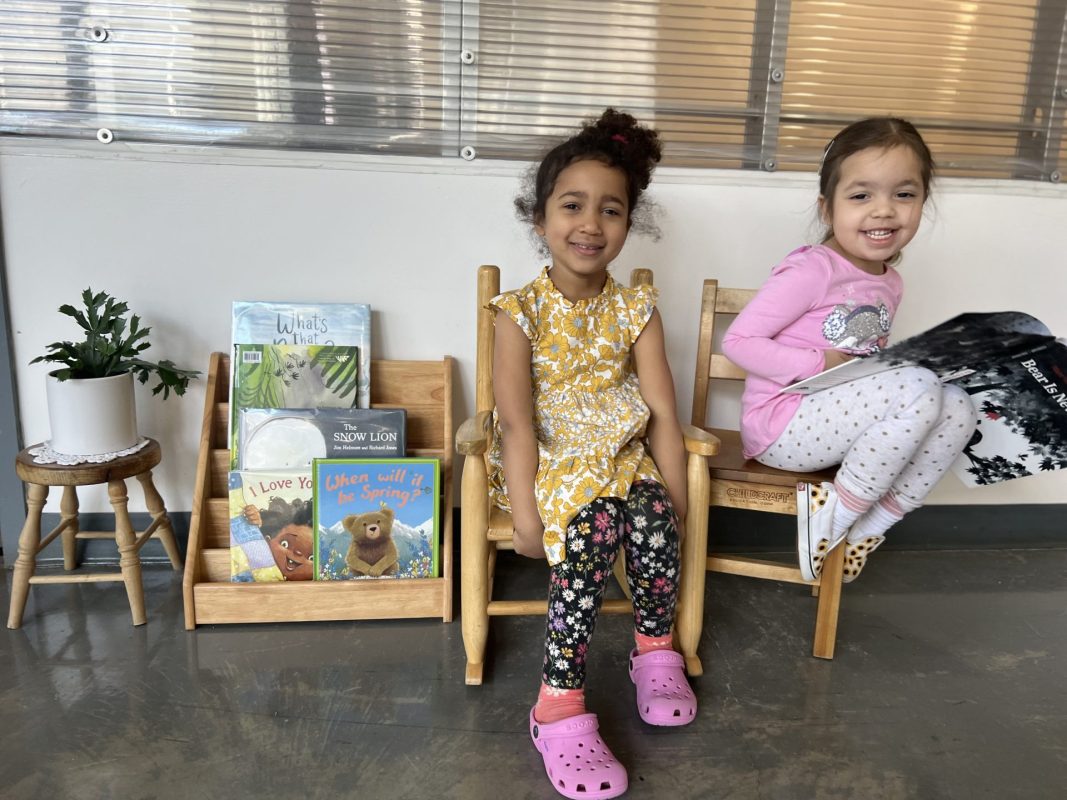
Children’s literature is a passion of mine. I truly hope that each child who spends time in our classroom will quickly absorb not only how important literature is but also how much enjoyment it brings. Books are everywhere in our classroom, and we read throughout the day. We have a book corner in our classroom, a wonderful spot for a ‘brain break’ or to spend quiet time with a beautiful story. We read a chapter (or two or three) each afternoon from a chapter book. Our older friends have both private reading and partner reading built into their day. When a child says, “I don’t know what to do,” I just give them that well-practiced teacher look, and usually they say, “I know, I know, I can read!”

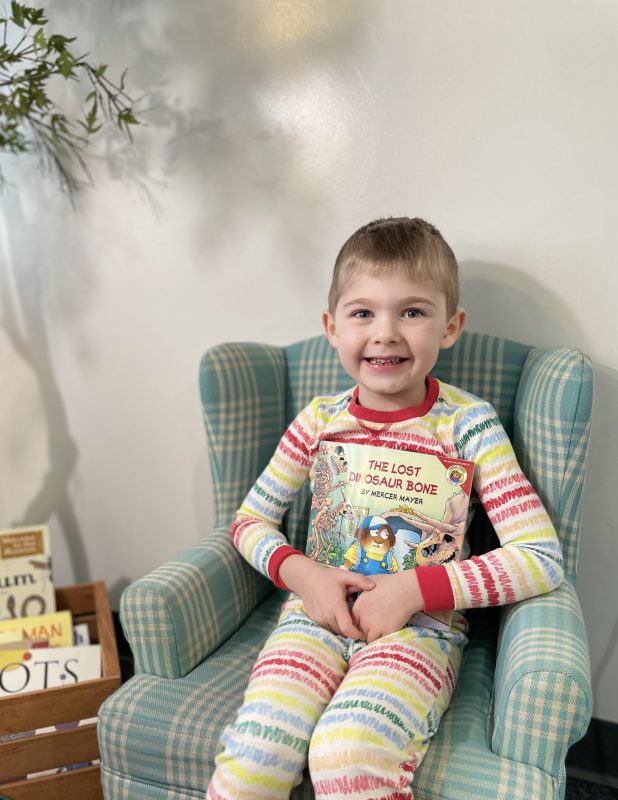
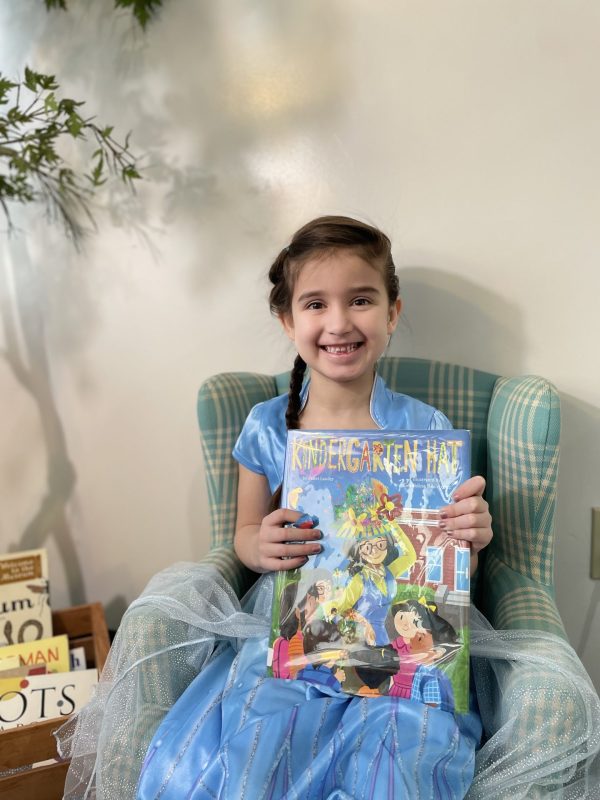
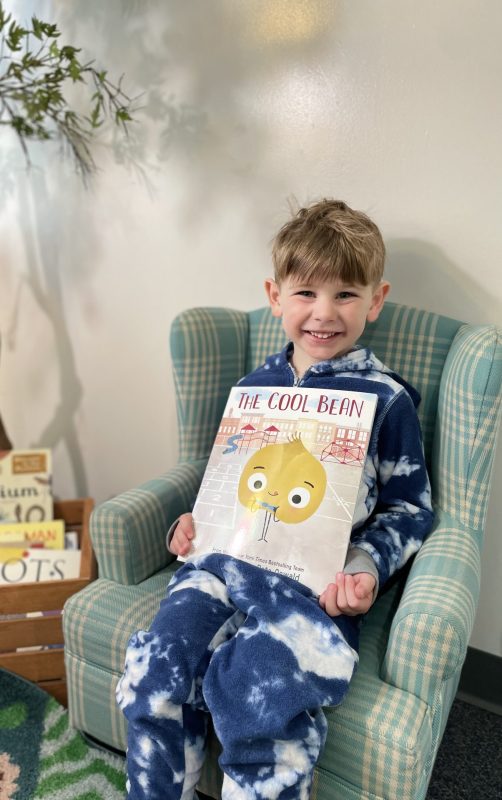
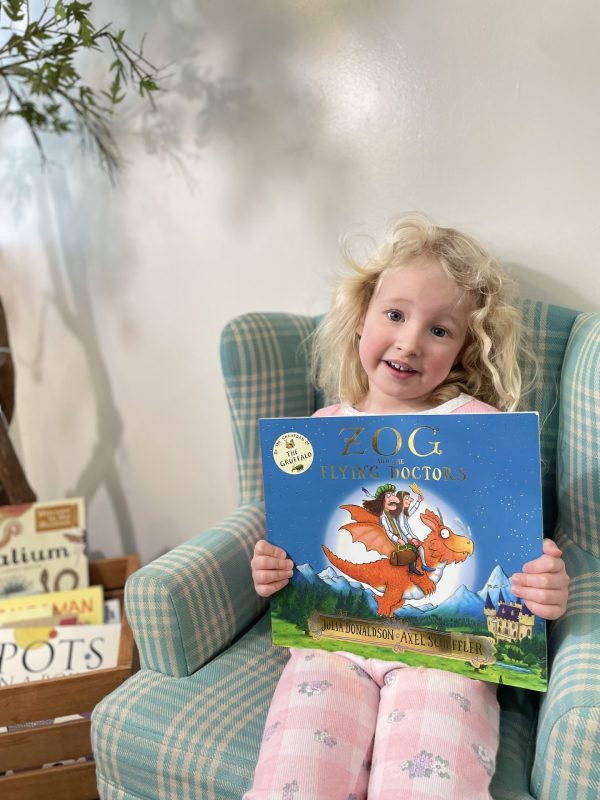
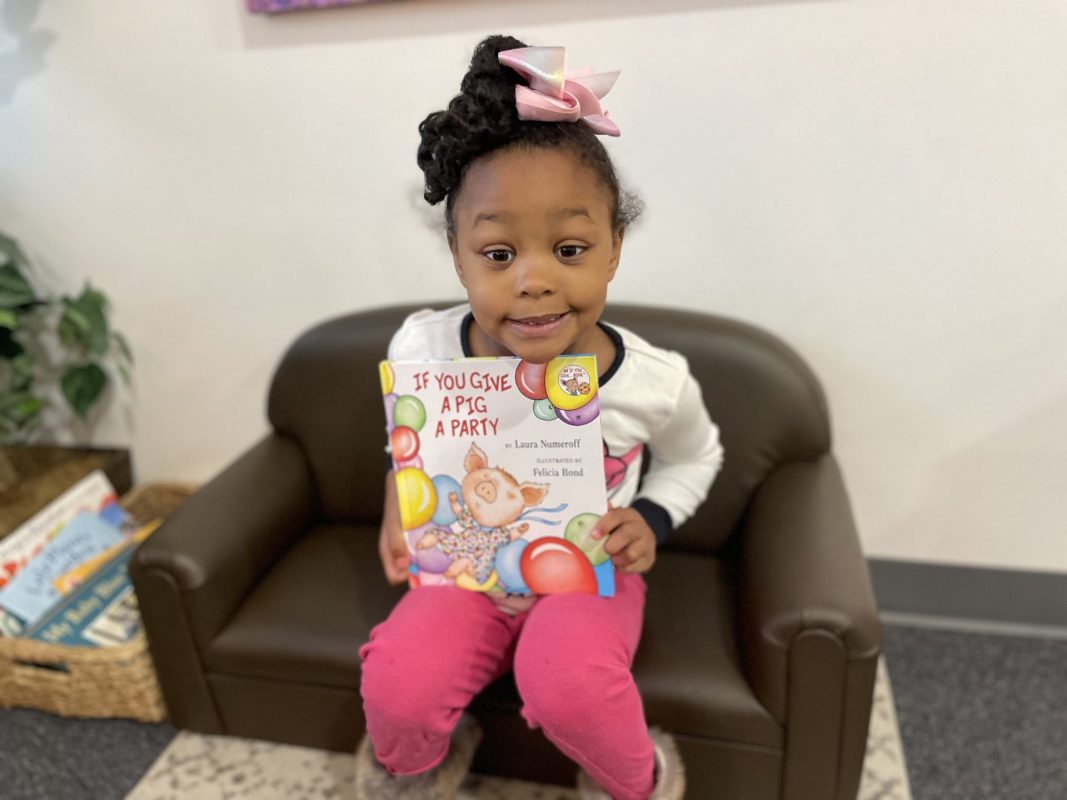
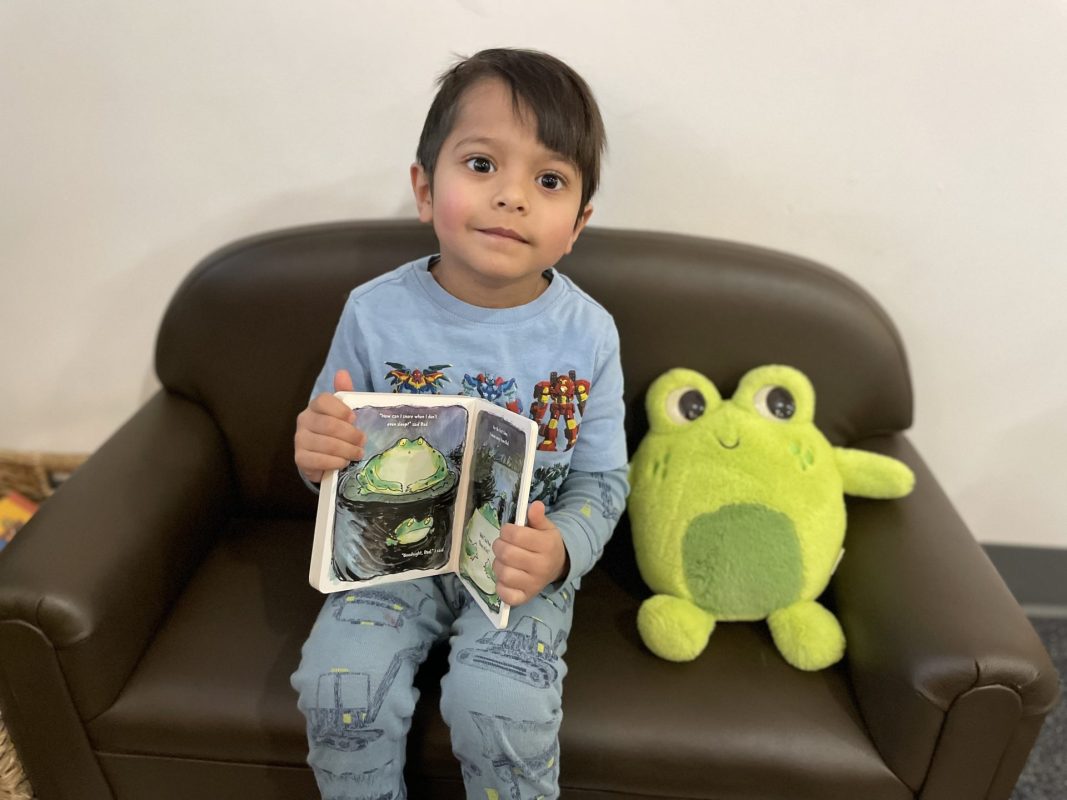
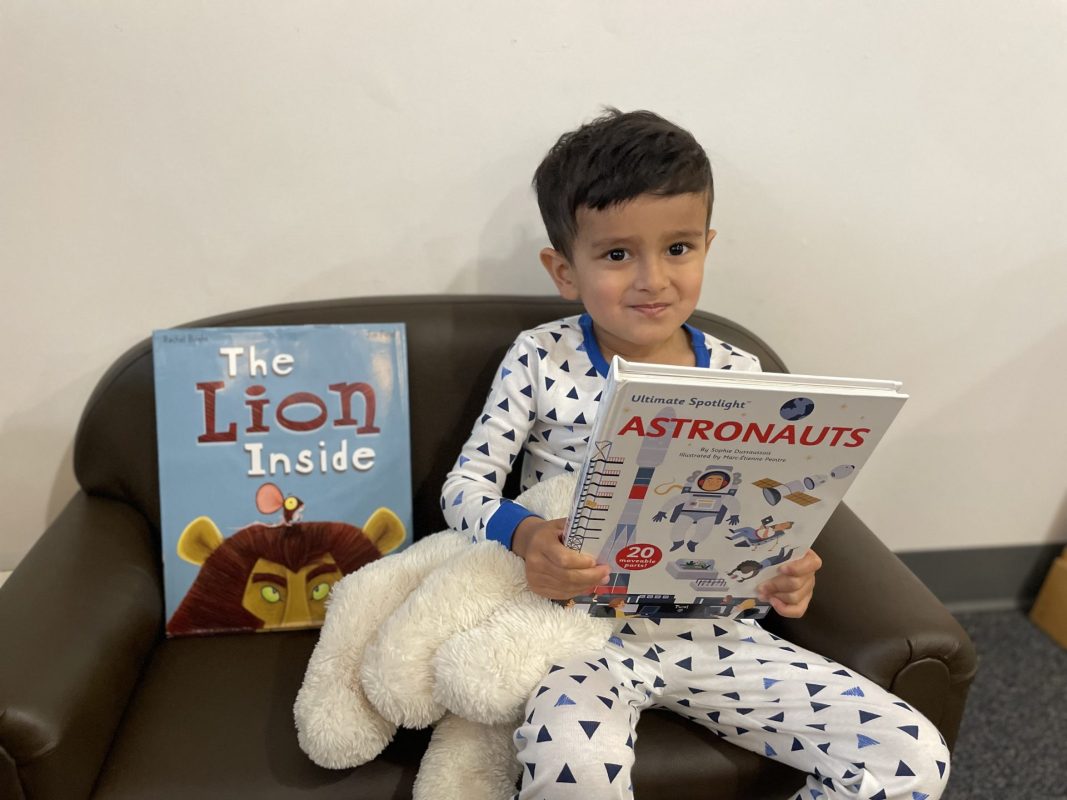
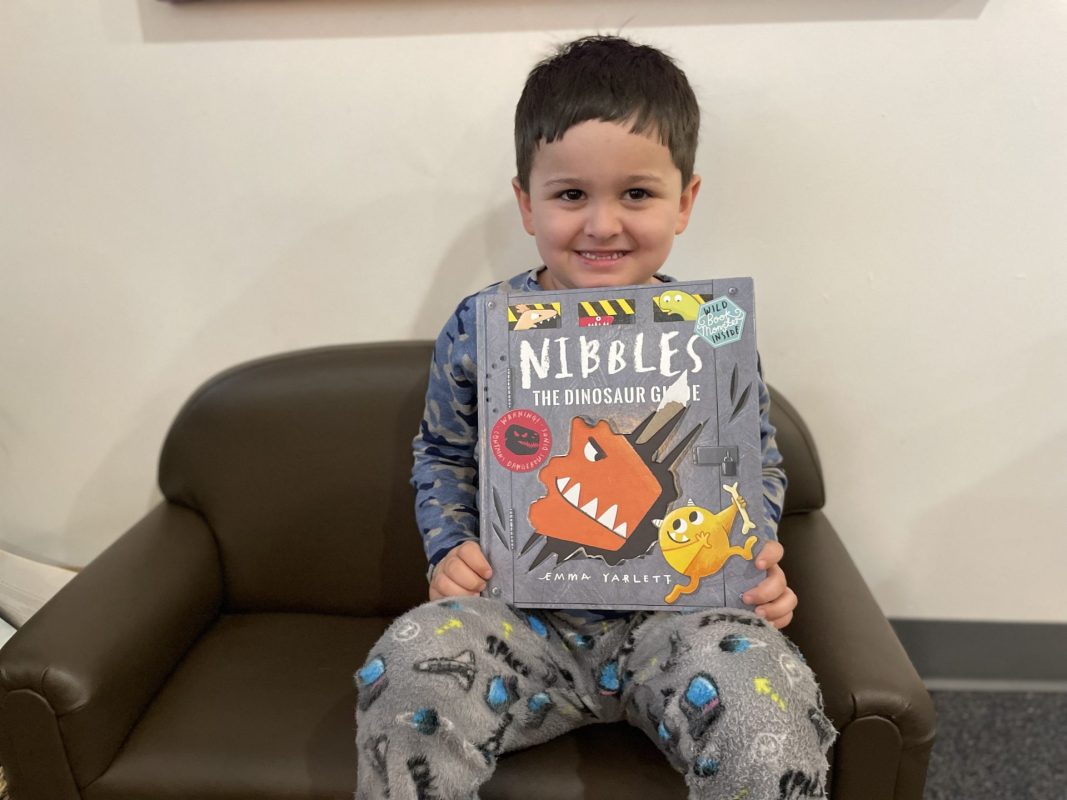
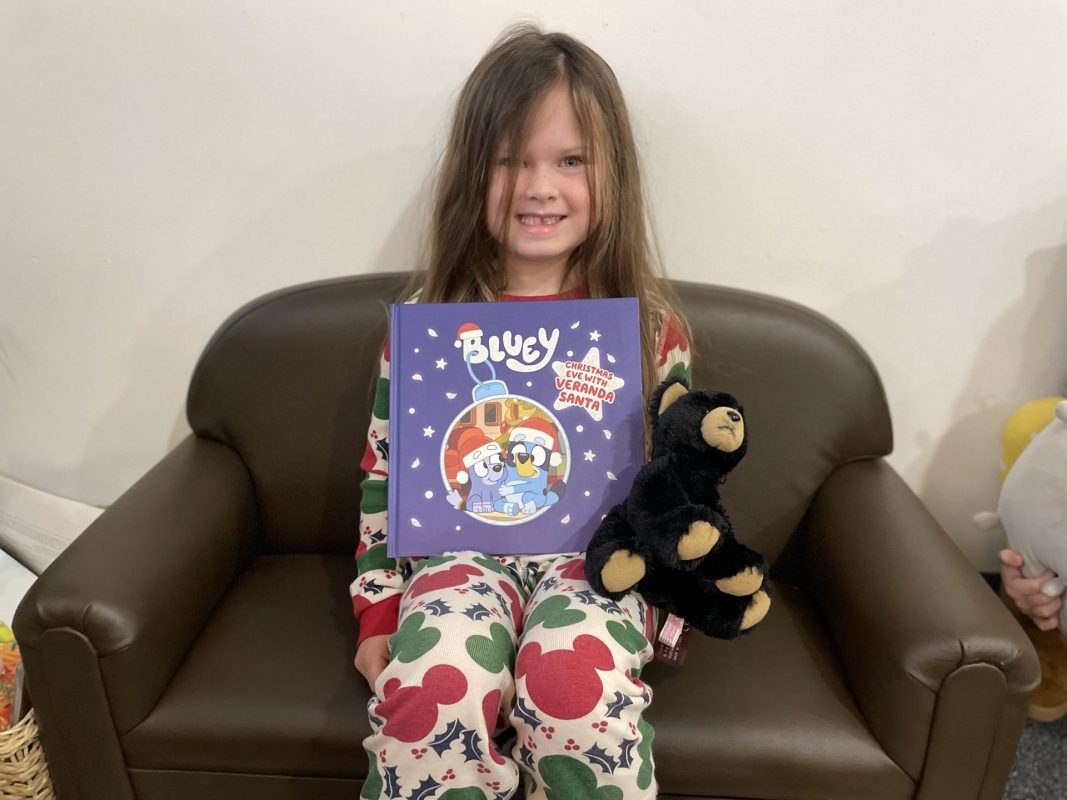
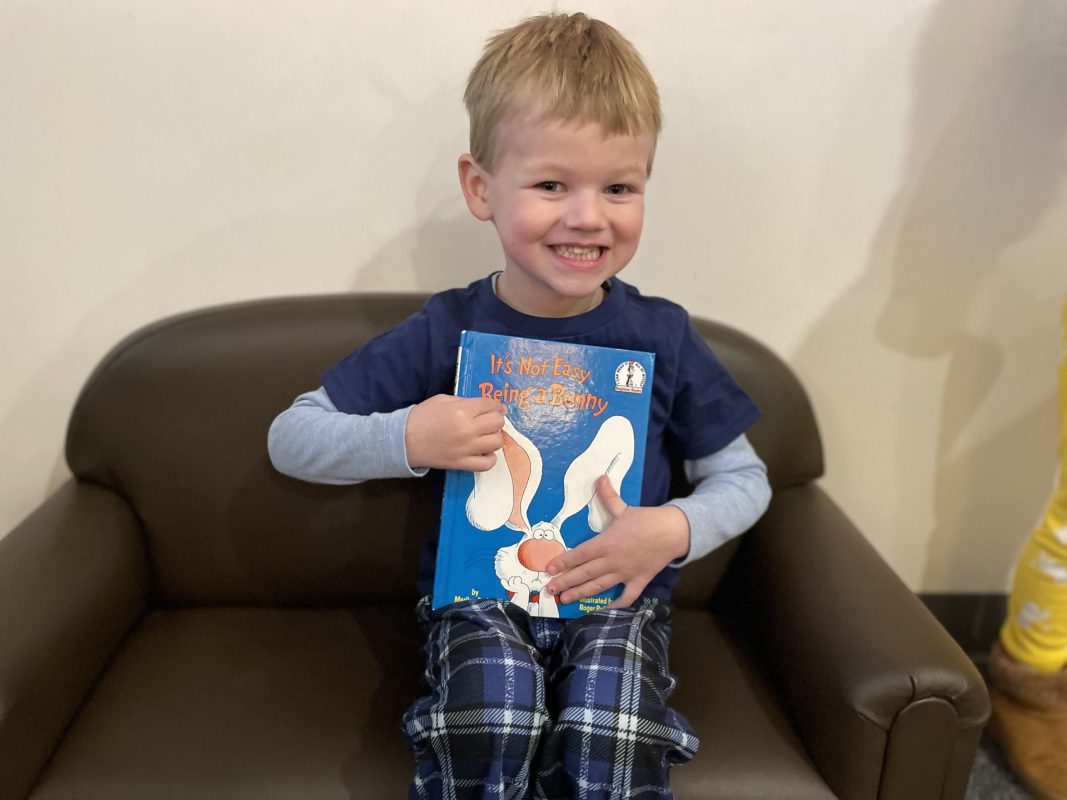
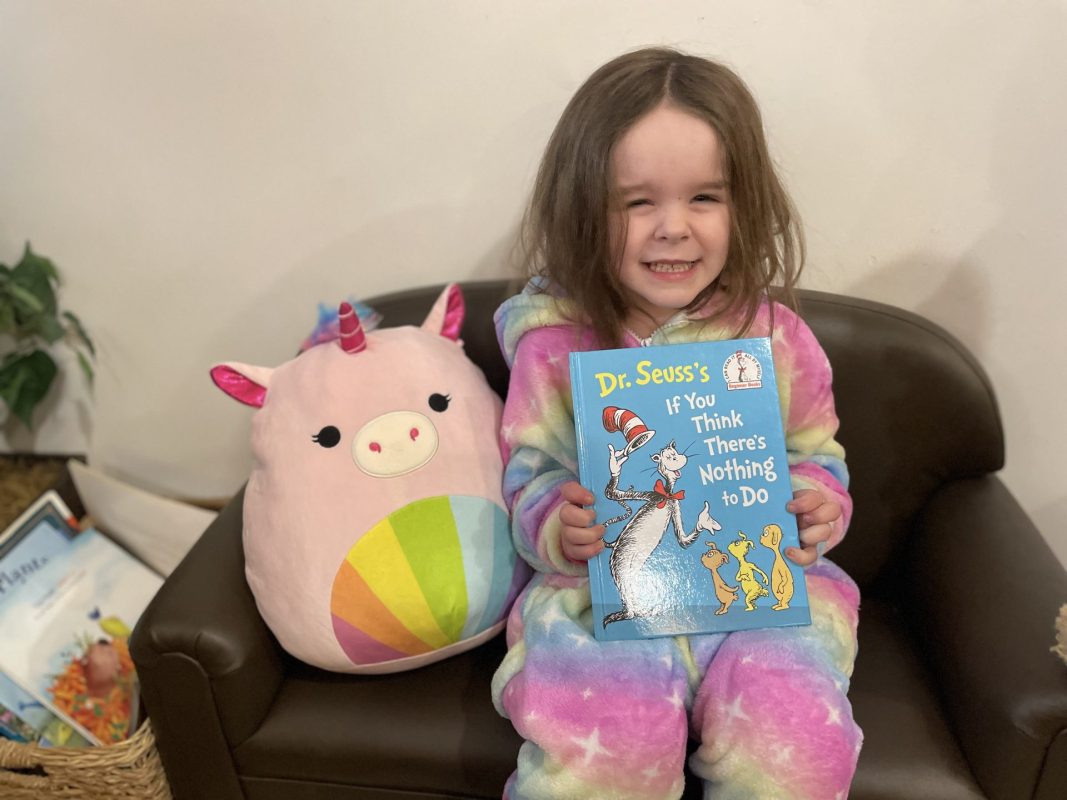
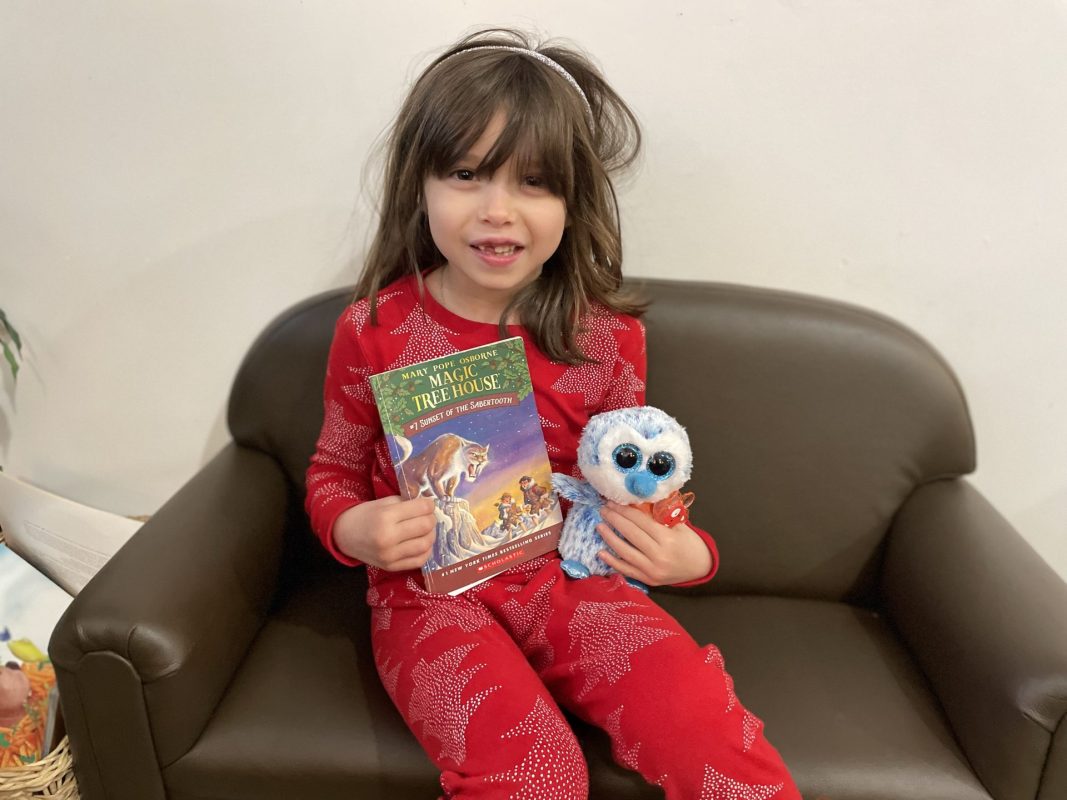
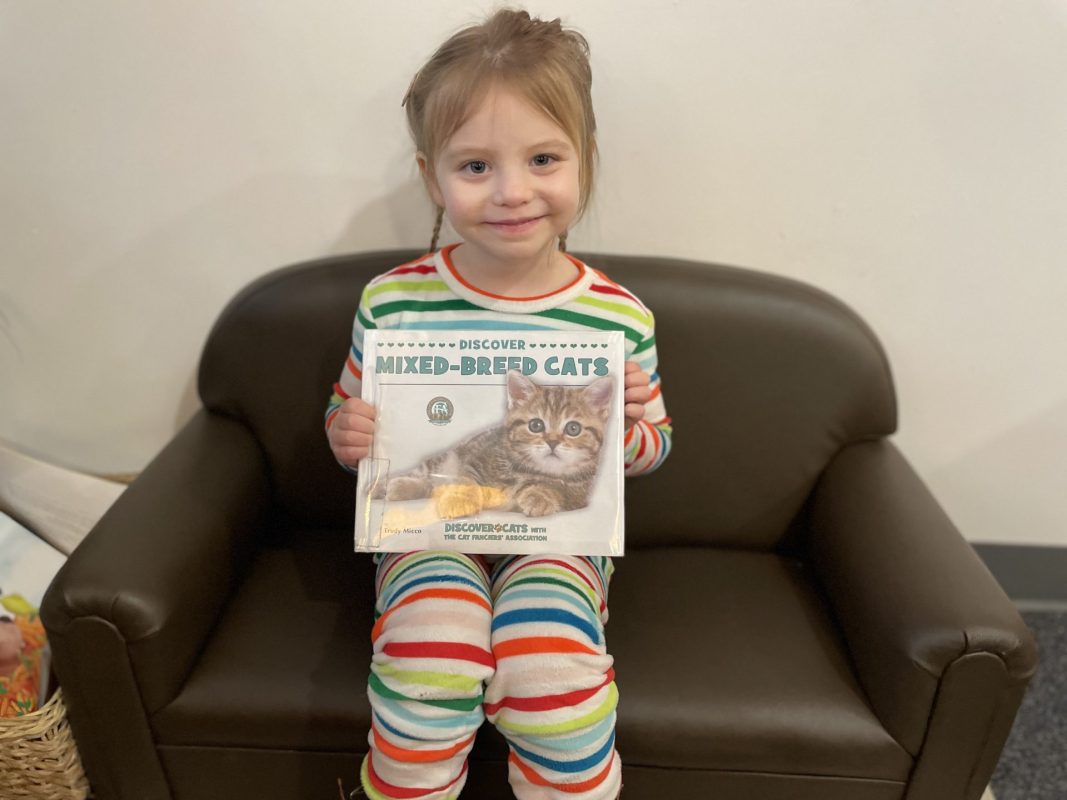
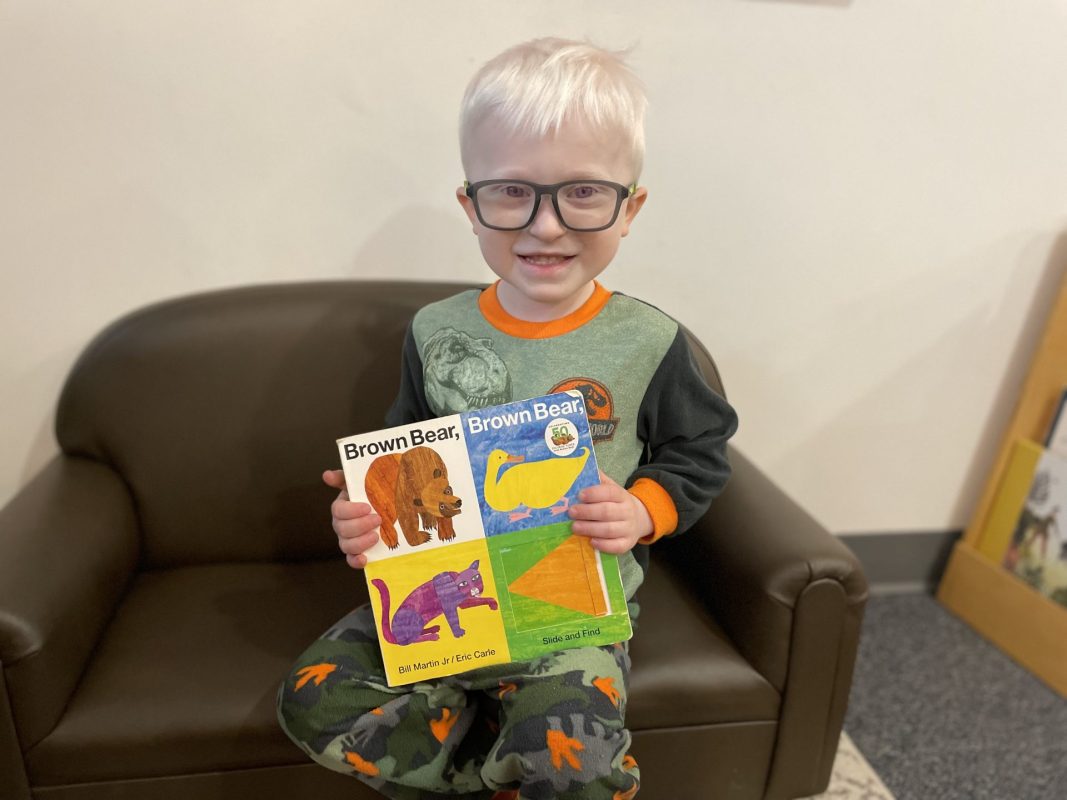
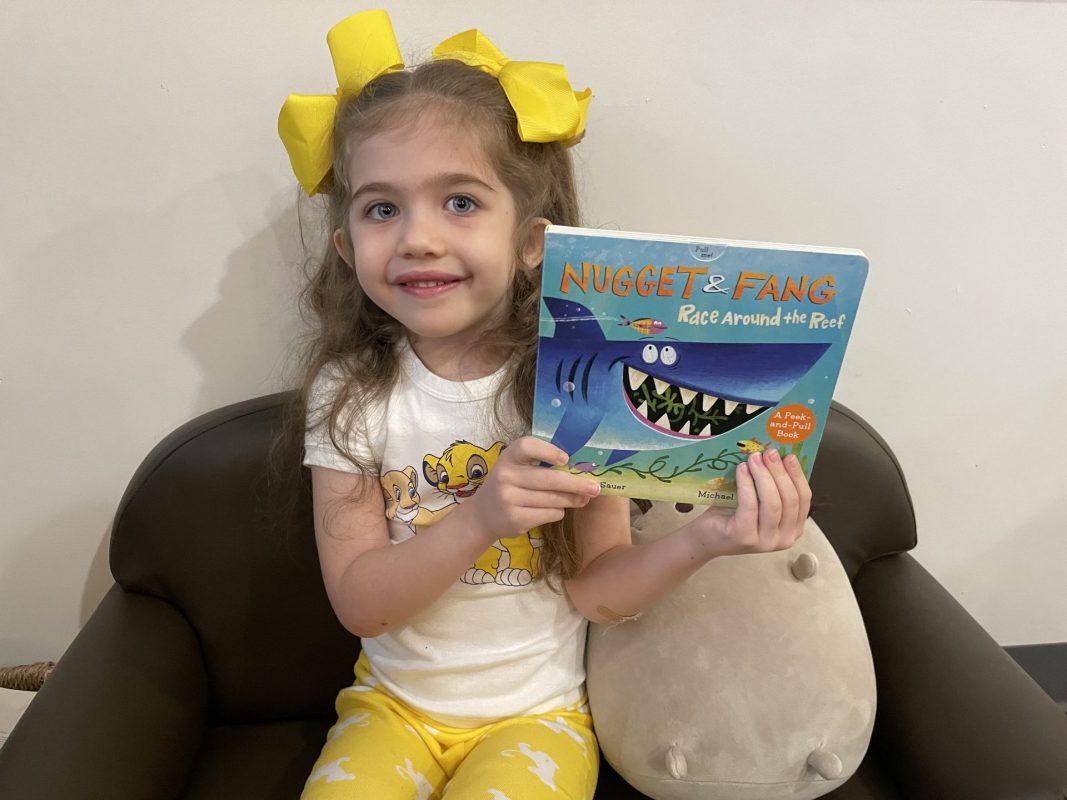
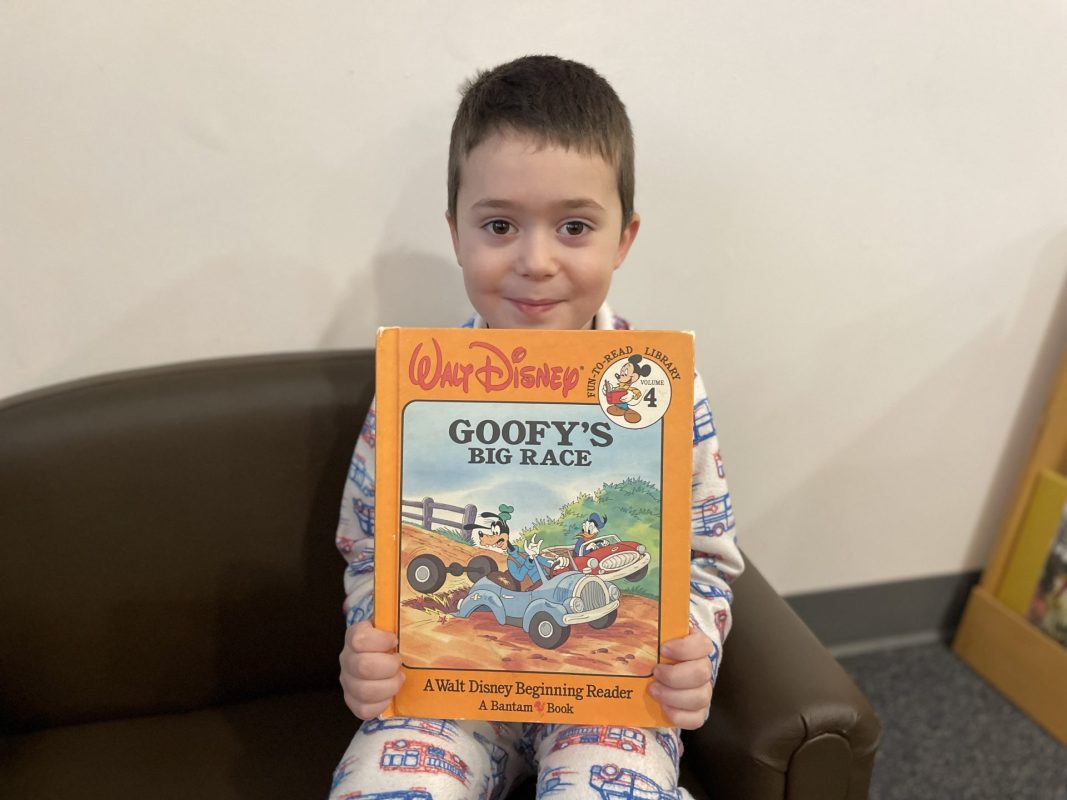
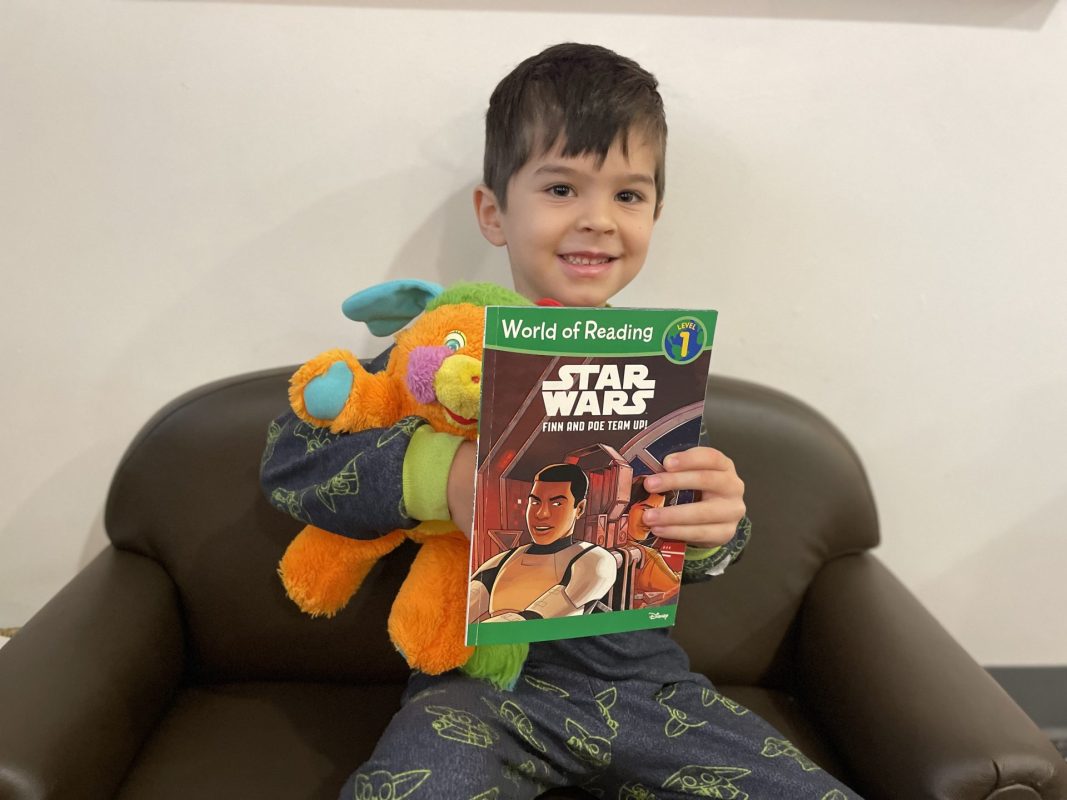
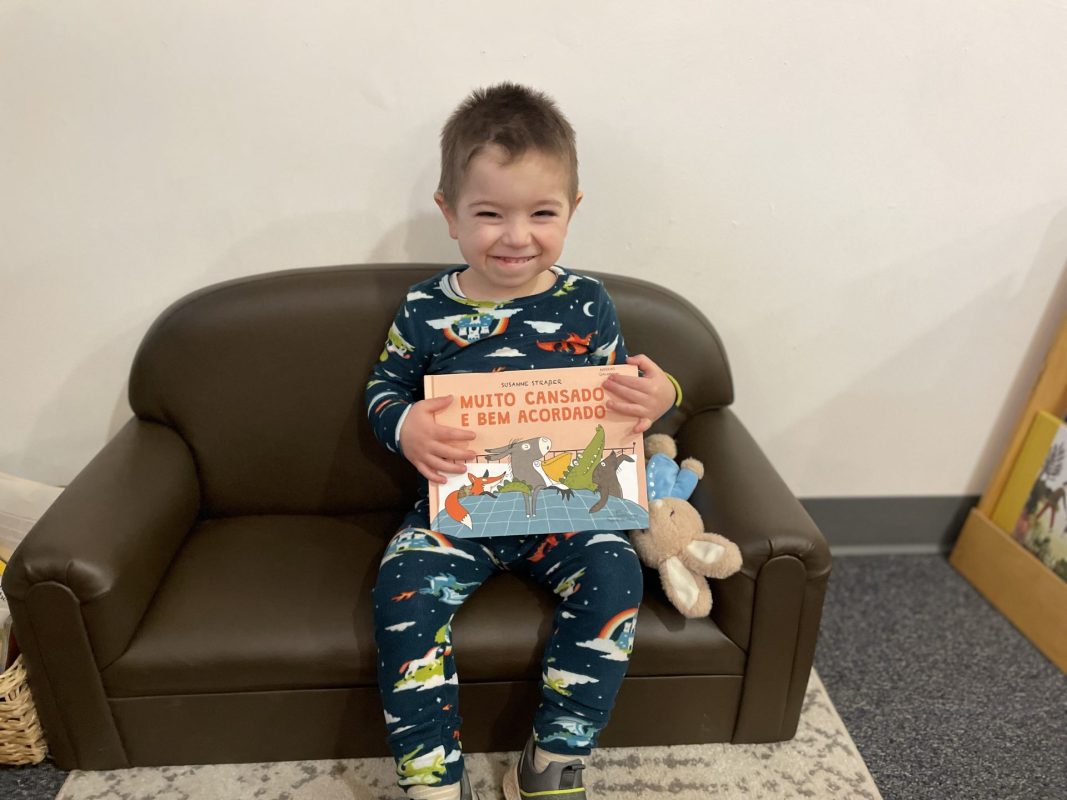
We asked the children to share the title of one of their favorite books.

  • Amelia– Nat’s Snowman
  • Annie– Frosty the Snowman
  • Arian– Morning books
  • Arjuna– Mickey, Pluto, and Donald book
  • Ben– Pete the Cat
  • Brisa– A book with a lot of stories about Mickey Mouse
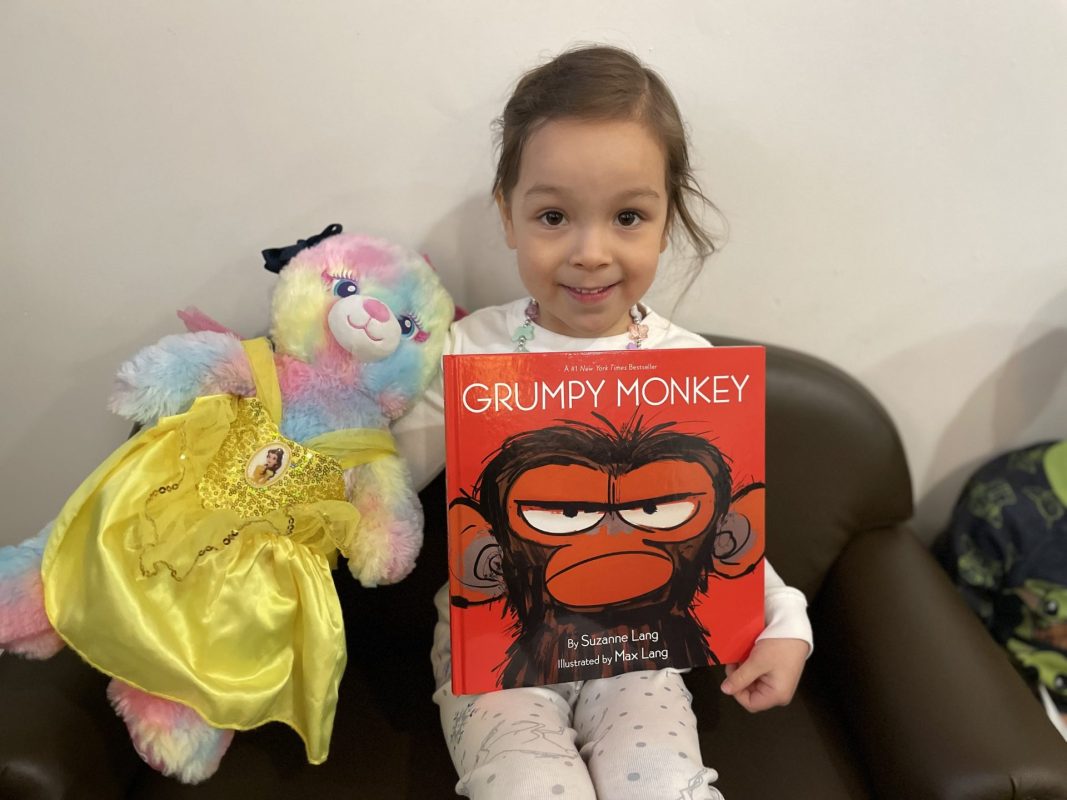
  • Casey– The Grumpy Monkey
  • Daniel– How the Grinch Stole Christmas
  • David– The Dogs of Bedlam Farm
  • Elanour– Nibbles the Book Monster
  • Elizabeth– Mickey and Donald Spaceship book
  • Enzo– Star Wars: the Revenge of the Sith
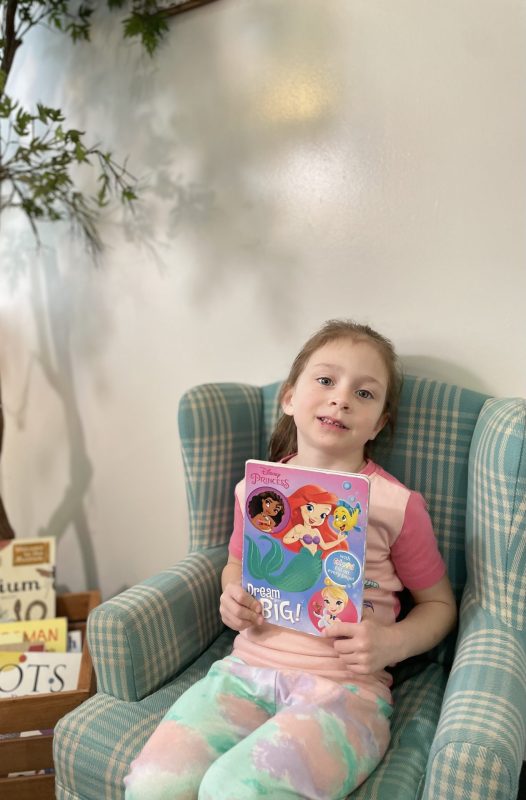
  • Evie– Princess Books
  • Fiona– A book about a mouse
  • Harlan– Frosty the Snowman
  • Kian– Freddy the Farting Snowman
  • Kimberlin– The Bernstein Bears books
  • Levi– Brown Bear, Brown Bear, What Do You See?
  • Nicolas– Mickey Snowman book
  • Noelle– Mercy Watson’s books
  • Parker– My shark book
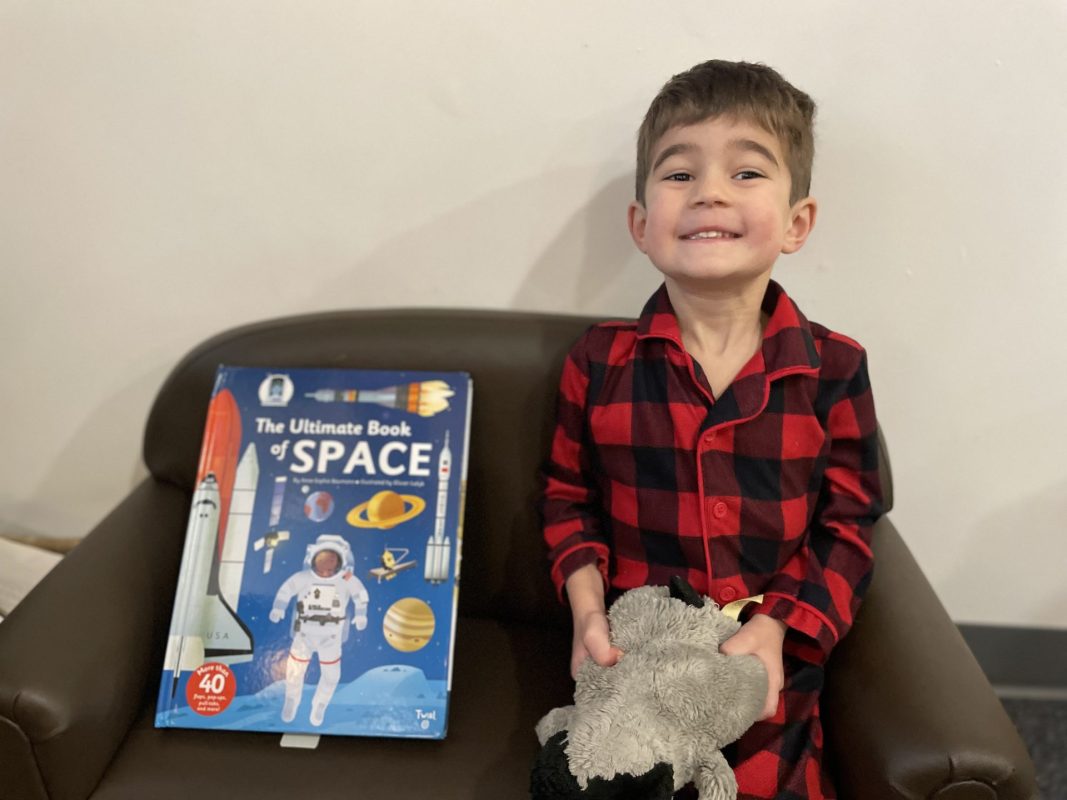
  • Ryder– The space book

Wishing you a week filled with peace, love, and lots of happy reading!

Amanda & Hema


Mrs. Doyle: Hidden Treasures


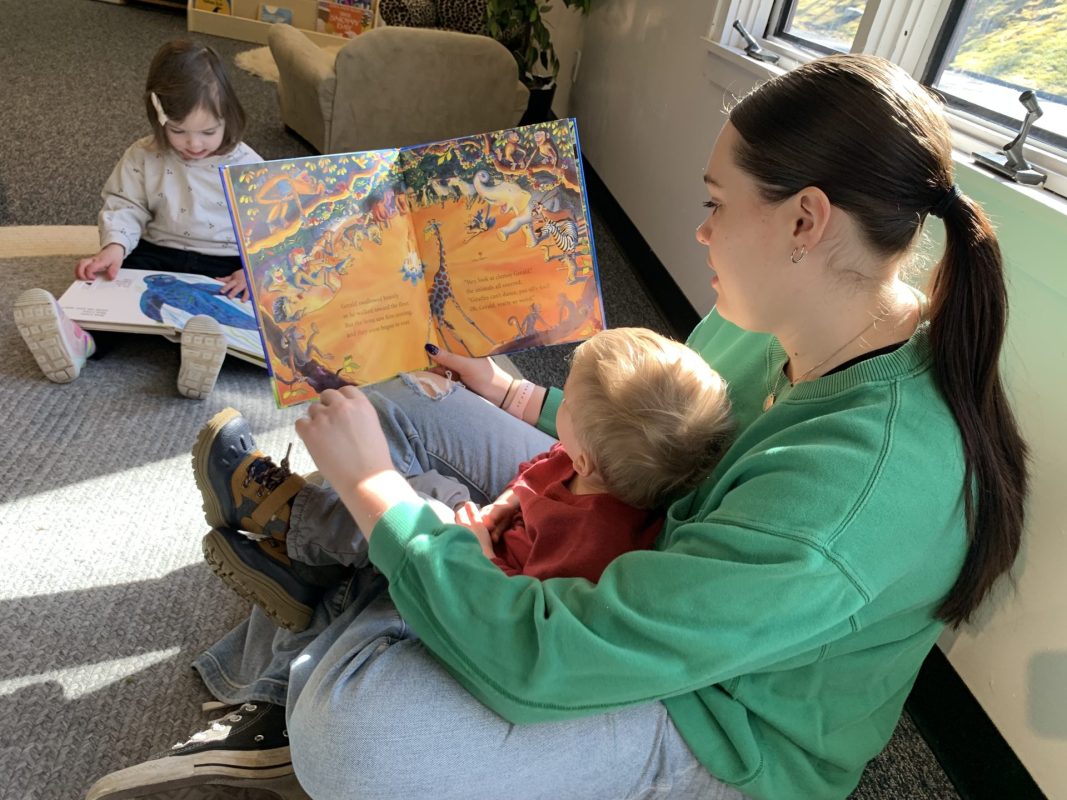
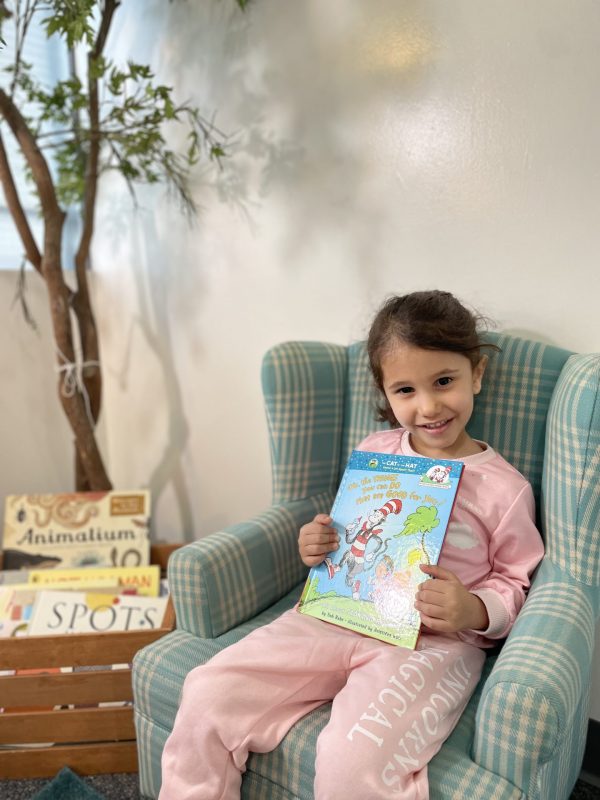
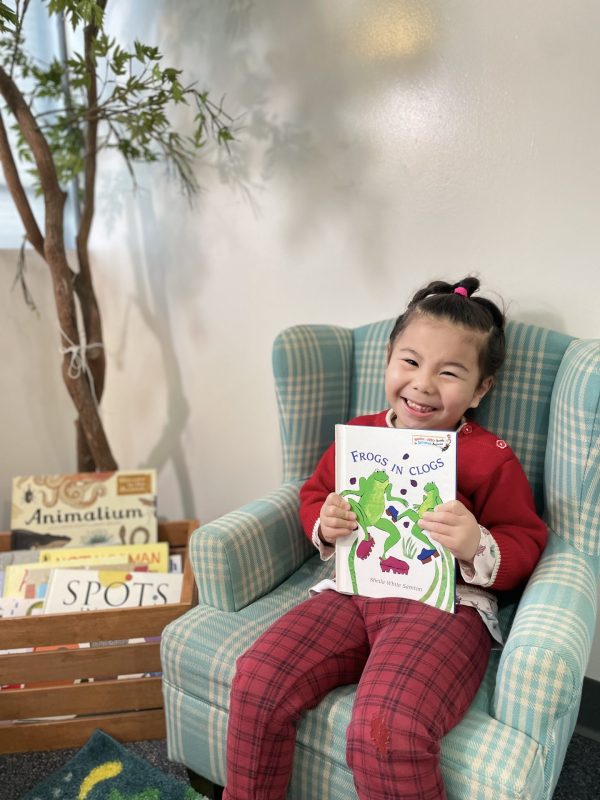
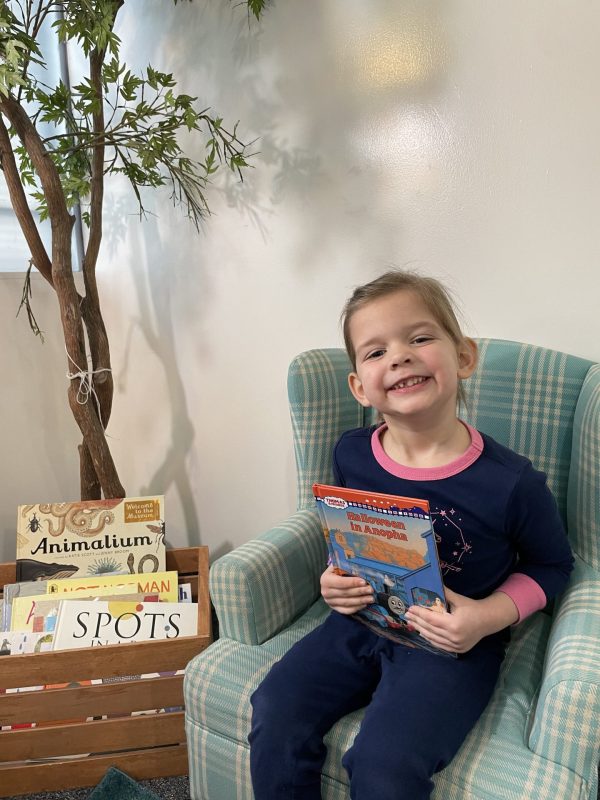
Children’s literature is a passion of mine. I truly hope that each child who spends time in our classroom will quickly absorb not only how important literature is but also how much enjoyment it brings. Books are everywhere in our classroom, and we read throughout the day. We have a book corner in our classroom, a wonderful spot for a ‘brain break’ or to spend quiet time with a beautiful story. We read a chapter (or two or three) each afternoon from a chapter book. Our older friends have both private reading and partner reading built into their day. When a child says, “I don’t know what to do,” I just give them that well-practiced teacher look, and usually they say, “I know, I know, I can read!”

In our classroom, we call books ‘treasures‘ and speak about how important it is to take care of our books. The children love to hear how so many books I bring to class are the same ones from my childhood. It is an absolute joy to witness the impact of literature on every child.

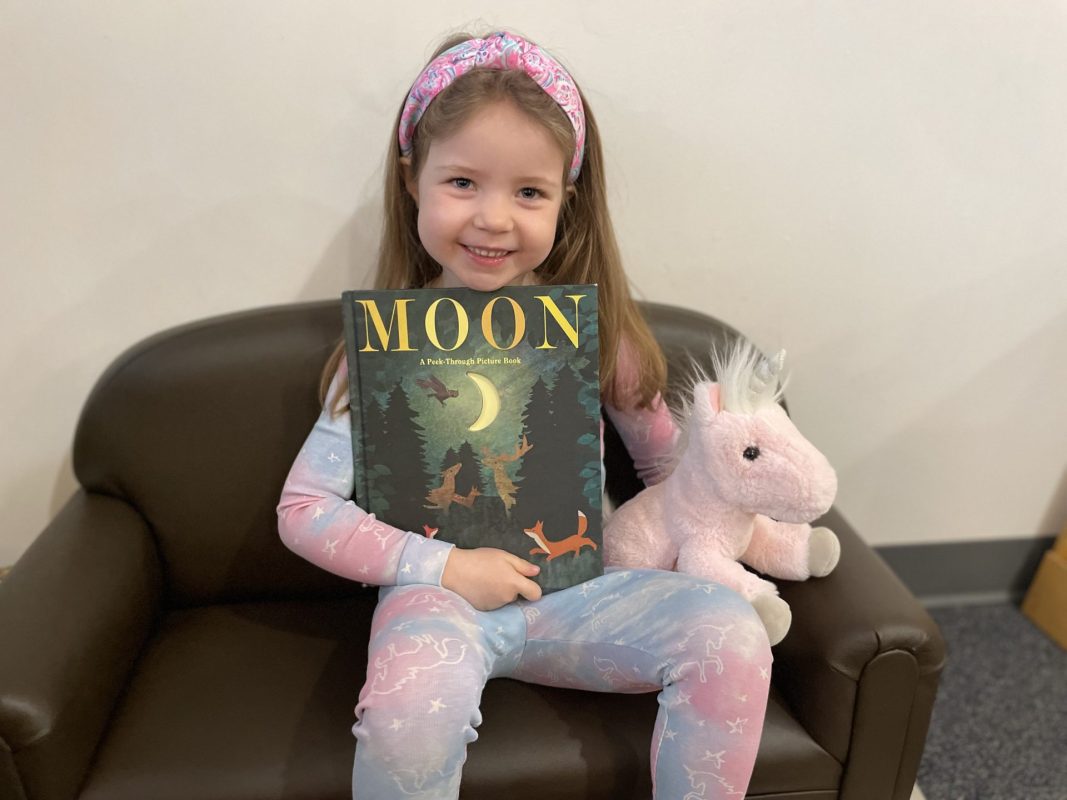
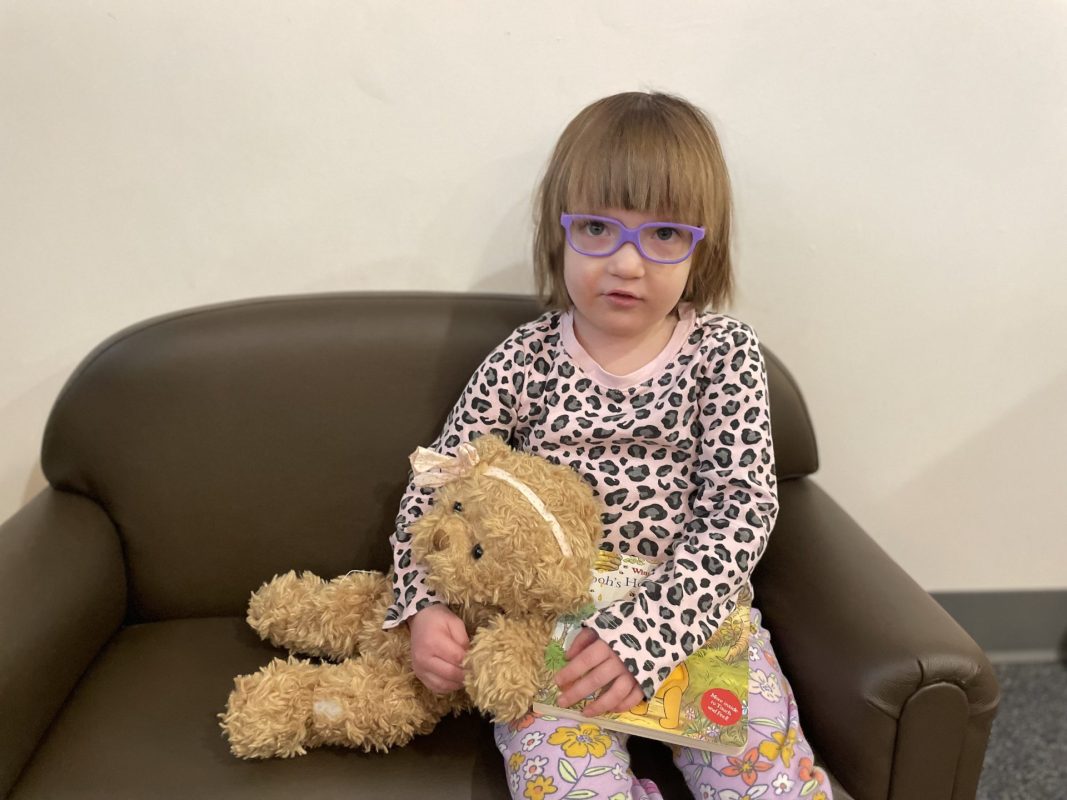
We asked the children to share the title of one of their favorite books.

  • Ainsley–  The Three Little Unicorns
  • Arya–Don’t Let The Pigeon Drive the Bus
  • Bodie Bots
  • Ella–The Magic Tree House Books
  • EmmaJo– Fairies in the Woods
  • Hadley–Tick Tock
  • Hannah–Snowman Earth
  • Harper-Zog and the Flying Doctors
  • Isla– Not Quite Narwhal
  • Jacob–Ocean Animals
  • Jonathan– The Little Blue Truck
  • Joseph–Paw Patrol Books
  • Leo– My Father’s Dragon
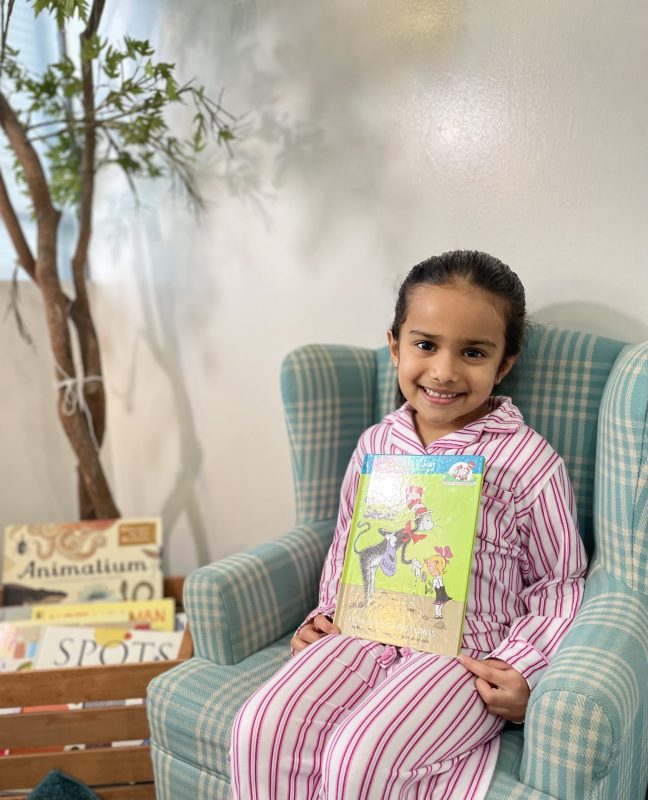
  • Maayan–The Cat in the Hat
  • Melina– Fancy Nancy
  • Oliver–The Three Little Pigs
  • River– The Little Engine That Could
  • Ryan–Unicorns
  • Saanvi–The Little Mermaid chapter book
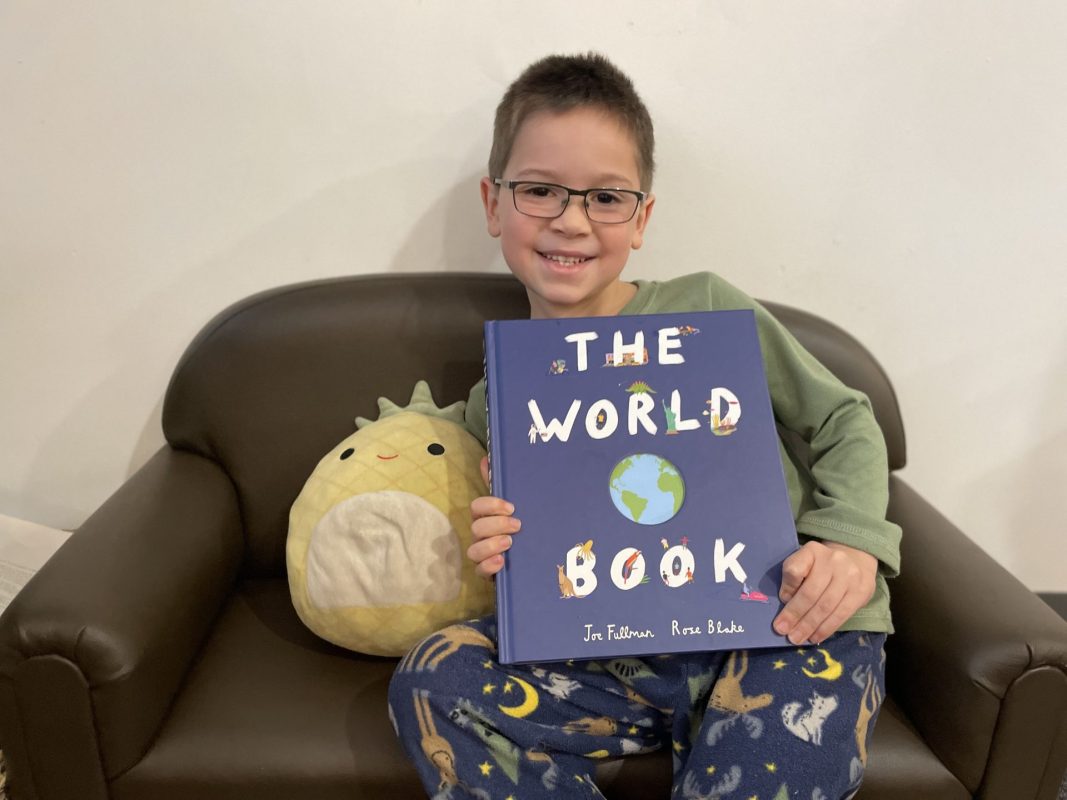
  • Tommy-The World chapter book
  • Zara–Rapunzel
  • Zion–Curious Georg and the Firefighters

Wishing you a week filled with peace, love, and lots of happy reading!

Michelle & Maria


Ms Marissa: Montessori Math, It All Adds Up!

Children display a universal love of mathematics, which is par excellence the science of precision, order, and intelligence.”~ Dr. Maria Montessori

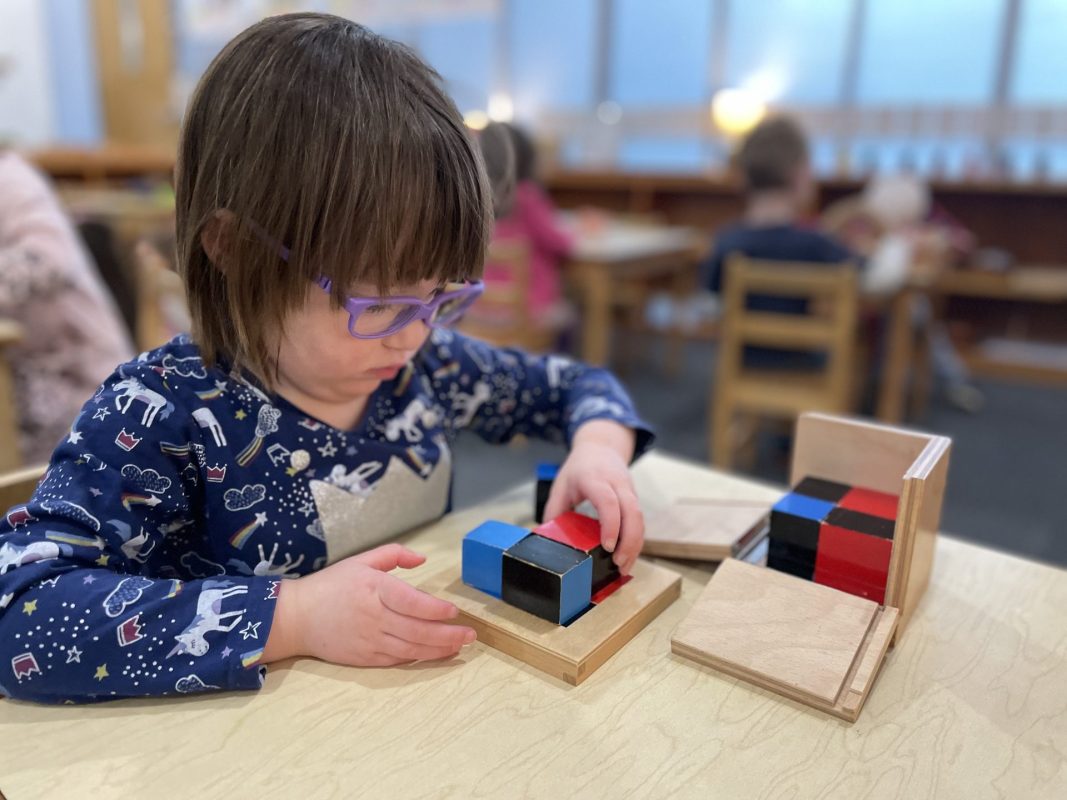
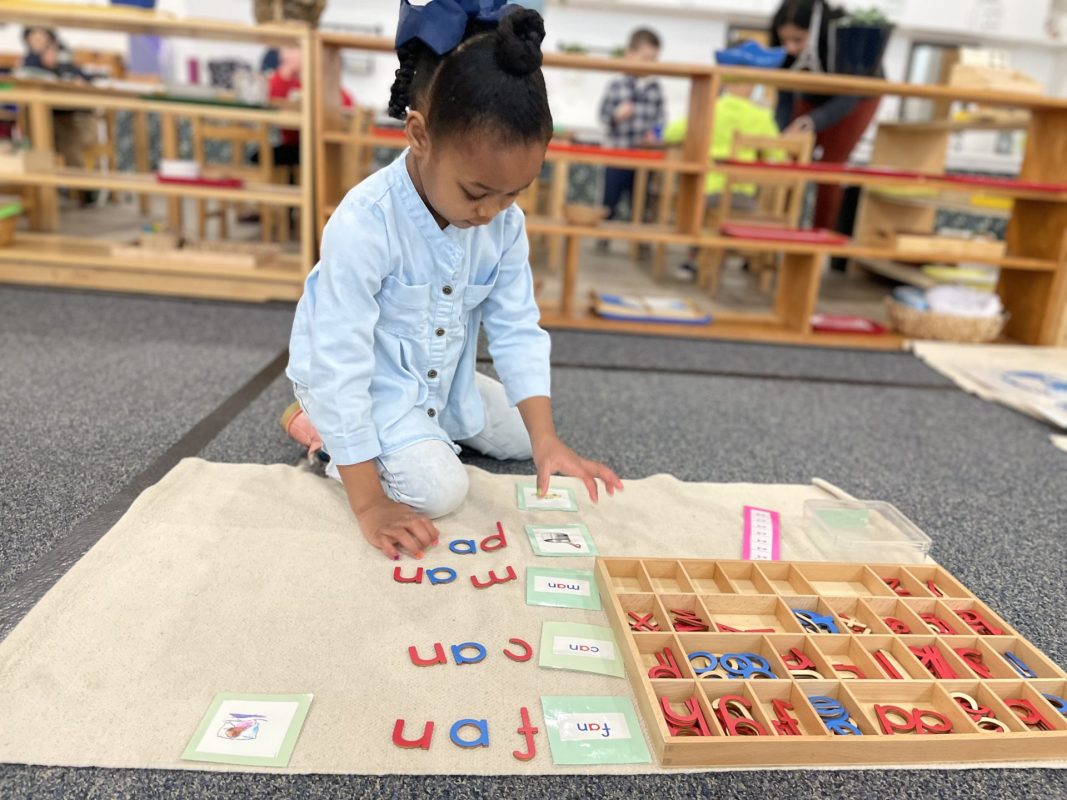
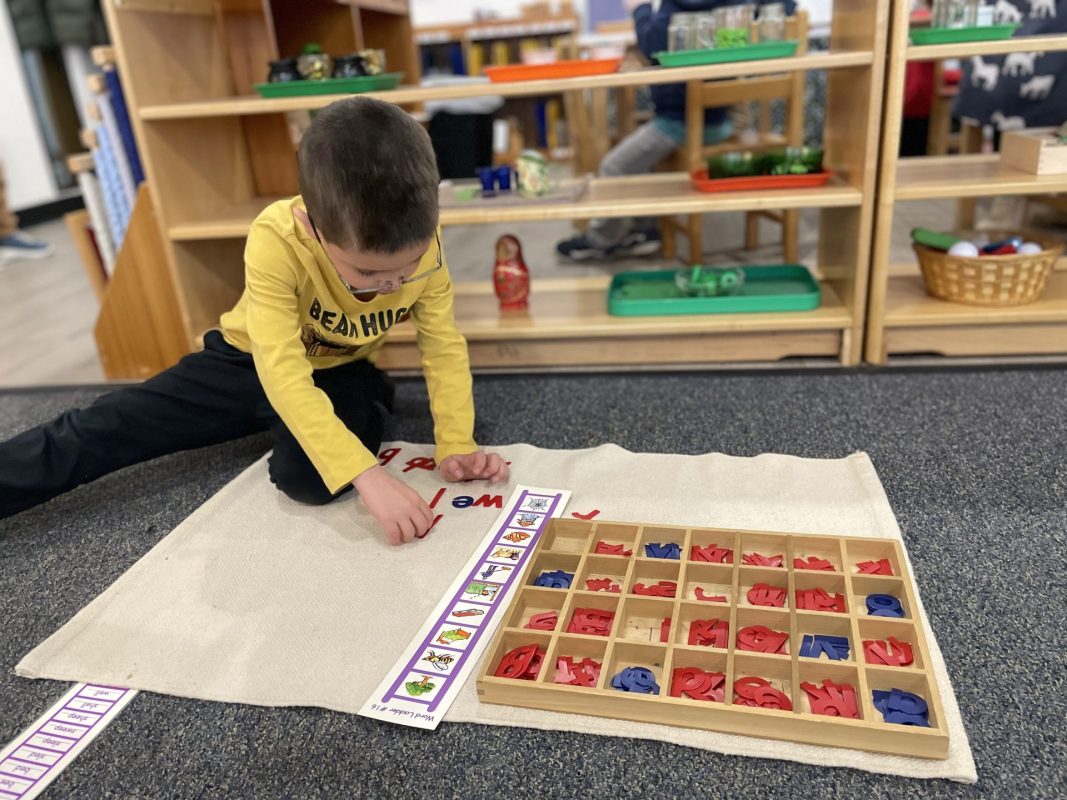
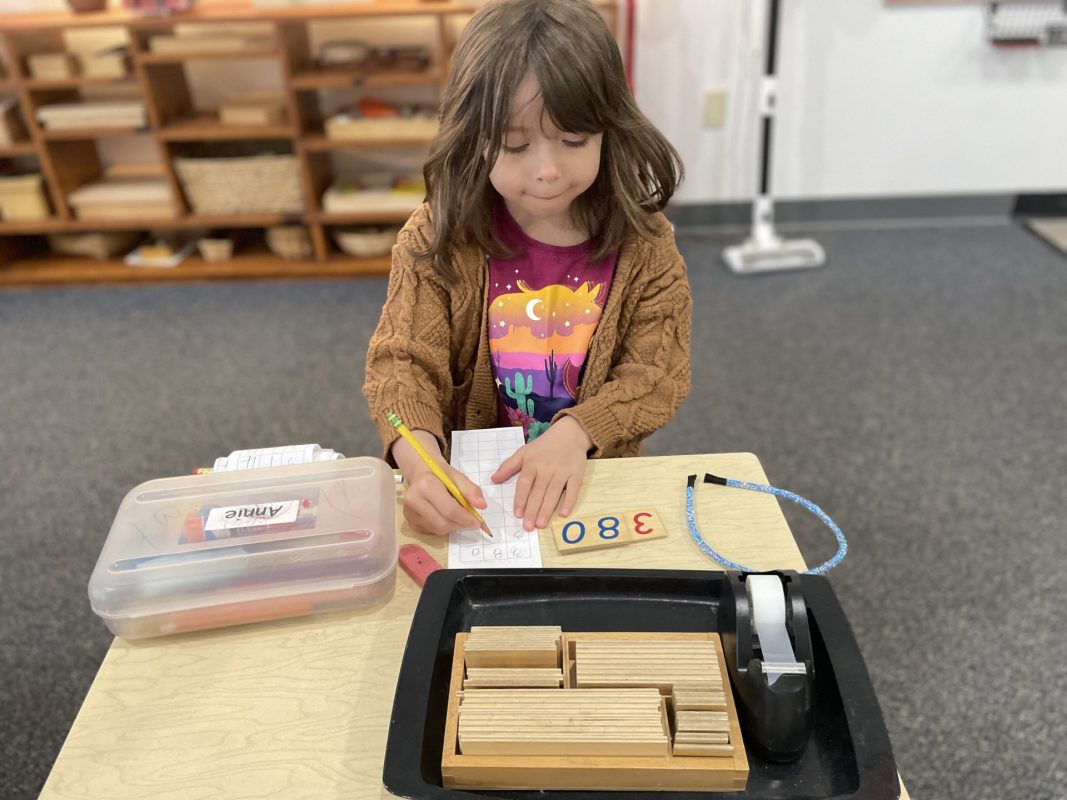
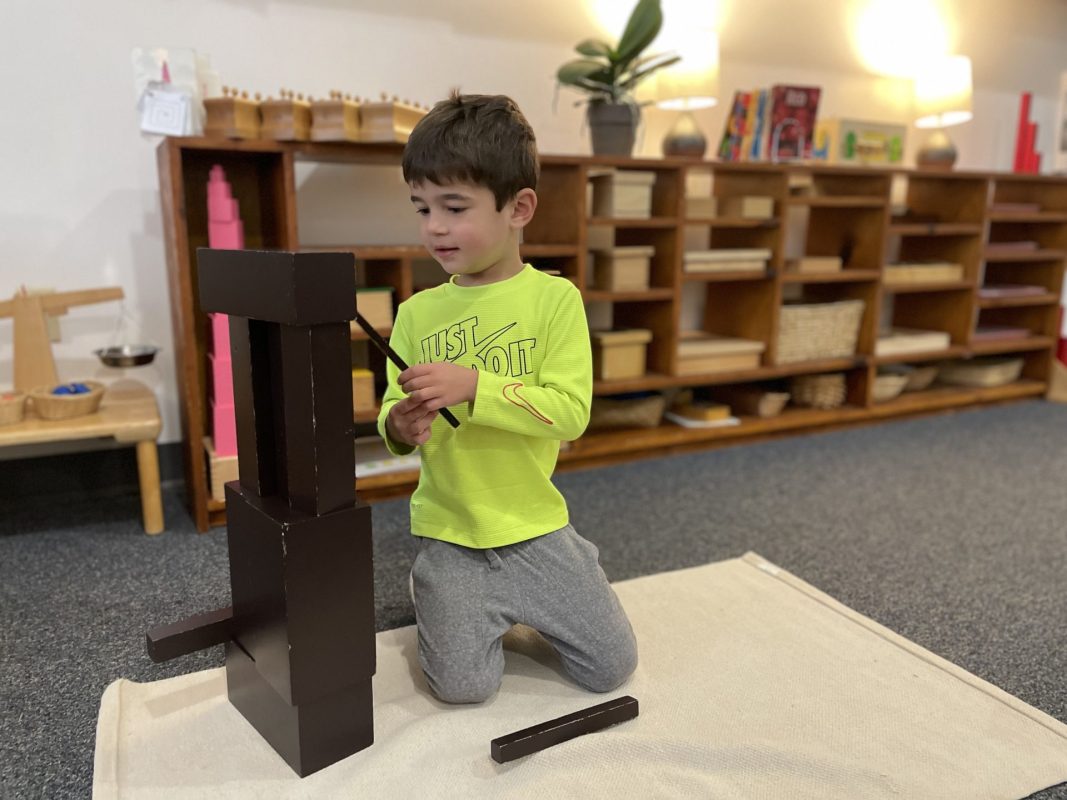
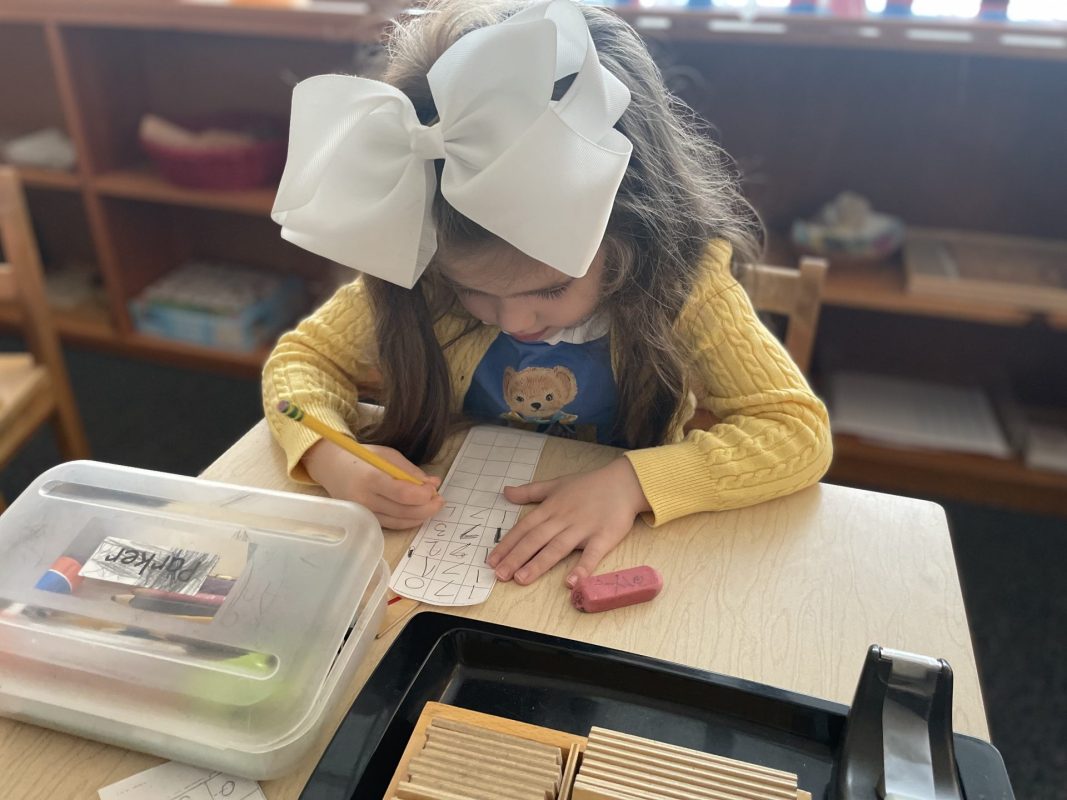
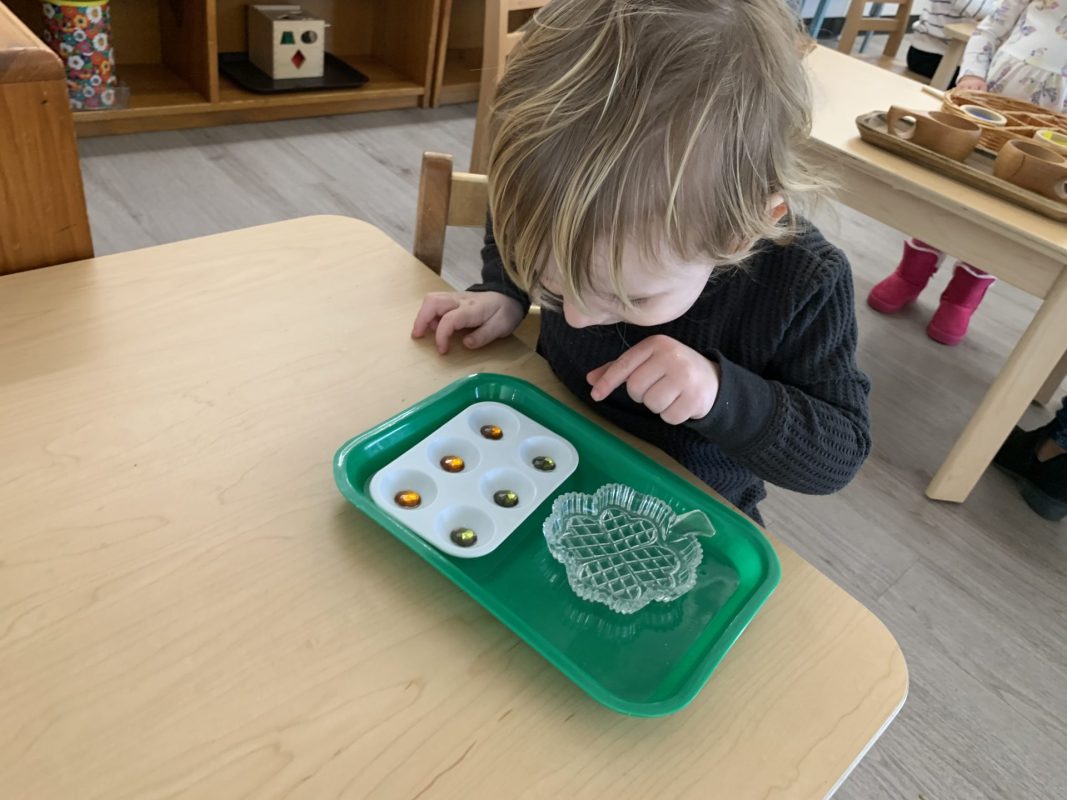
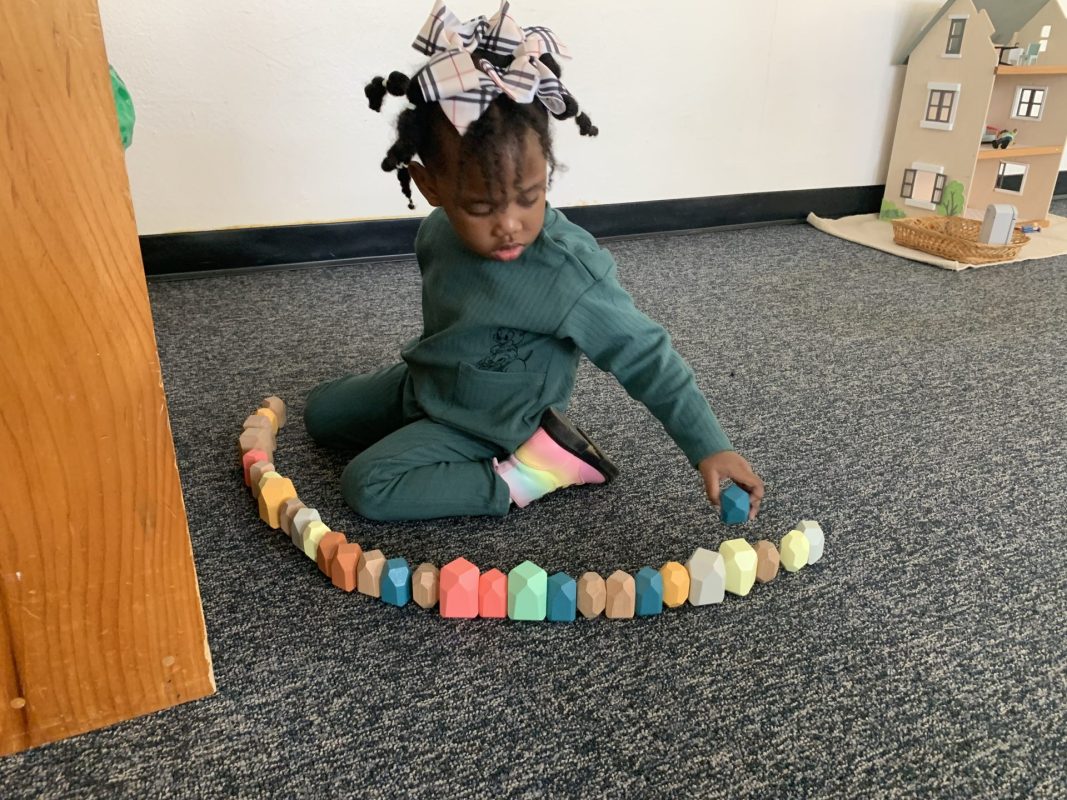
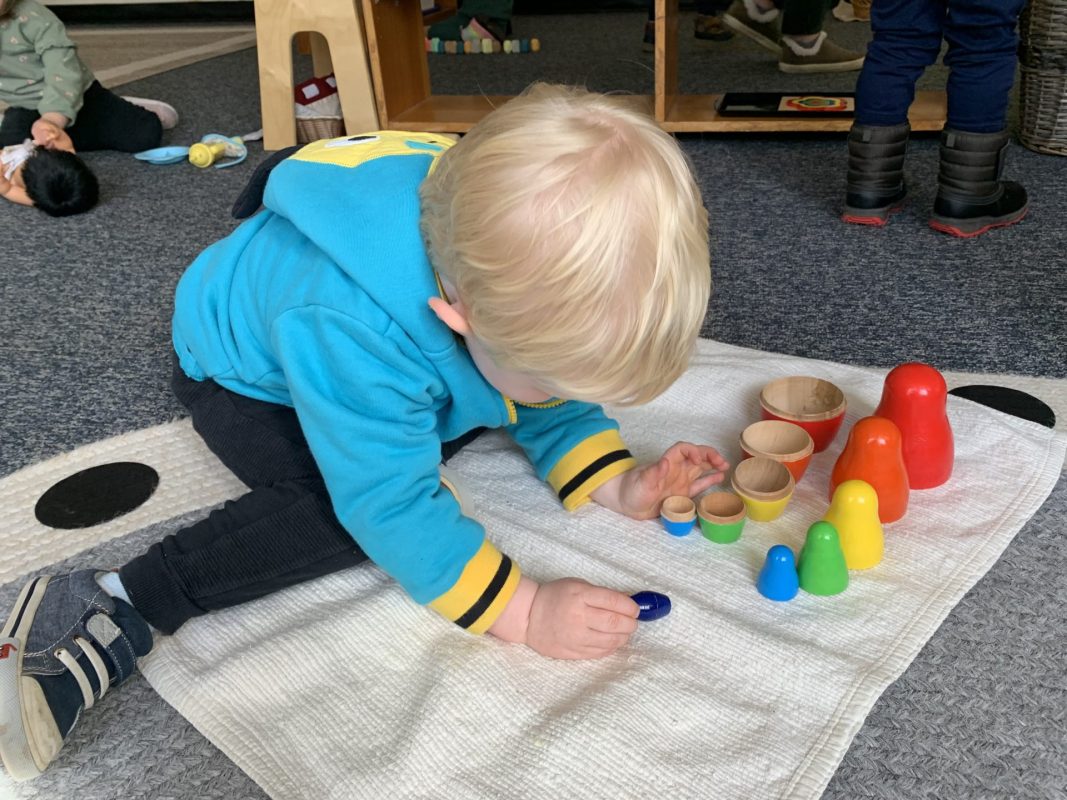
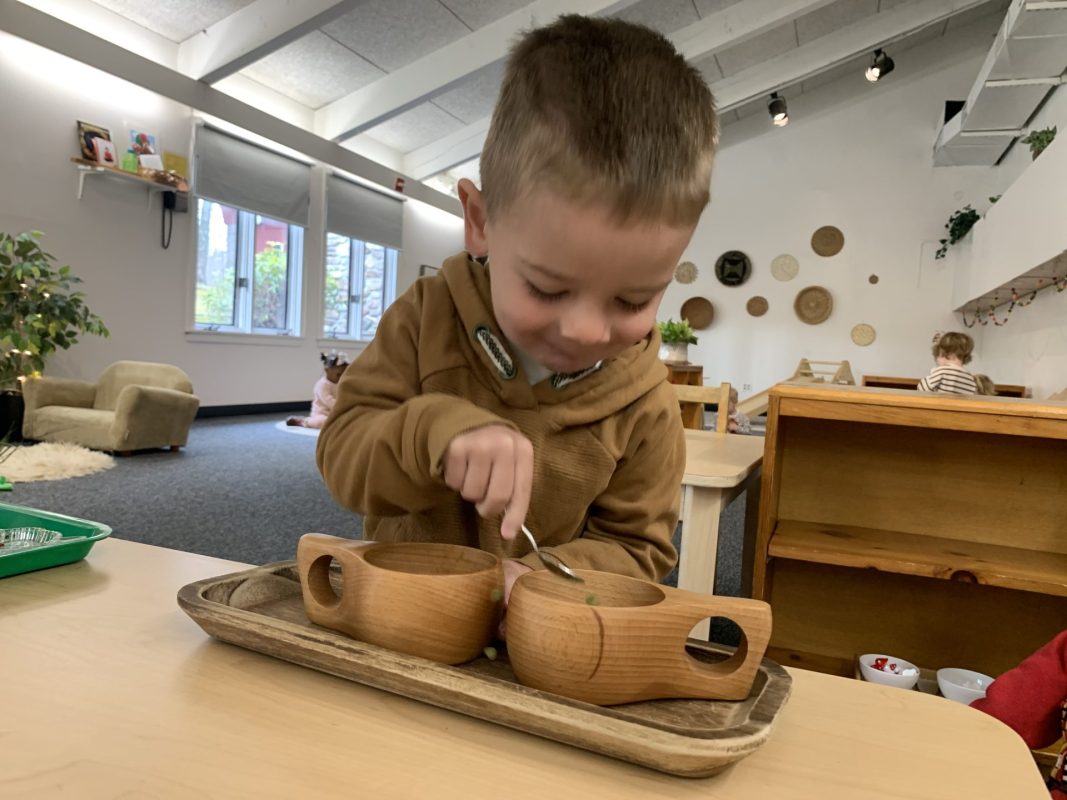
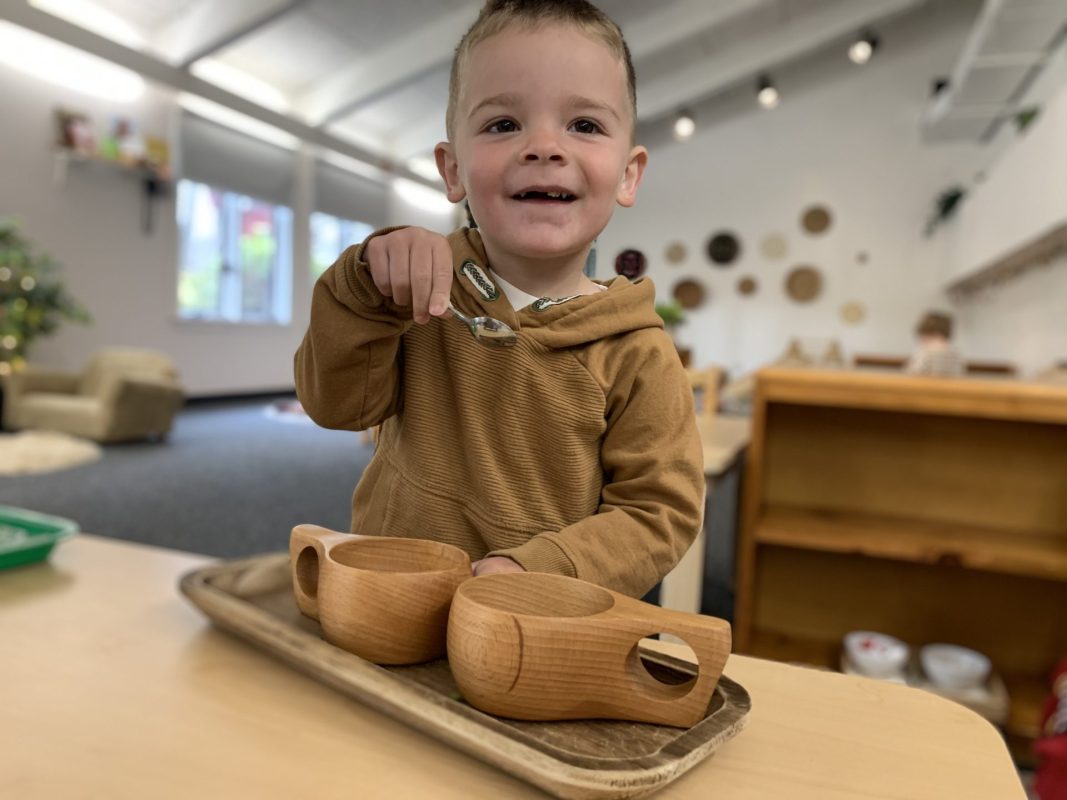
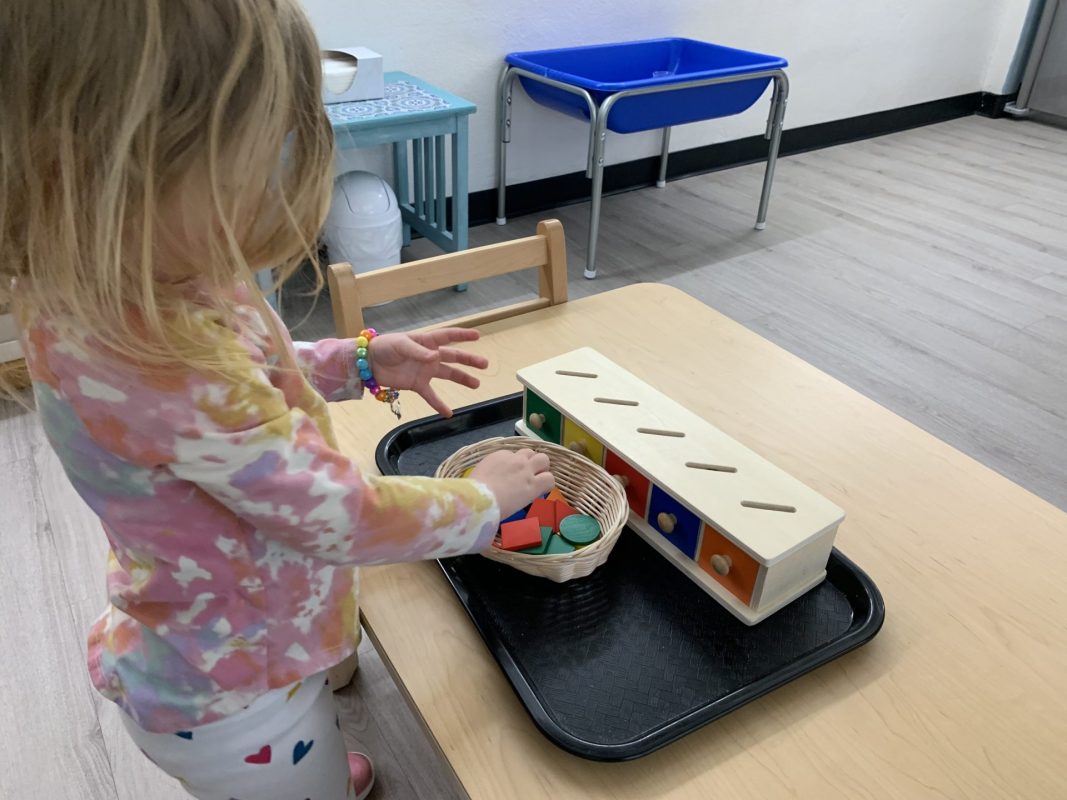
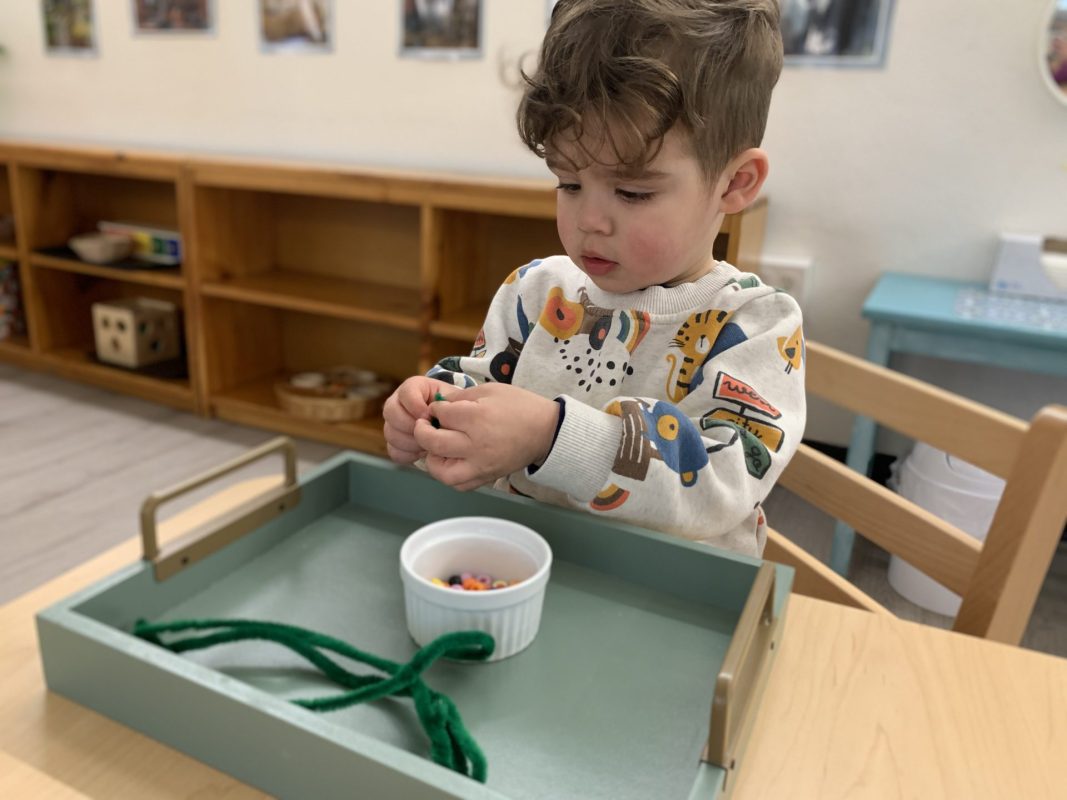
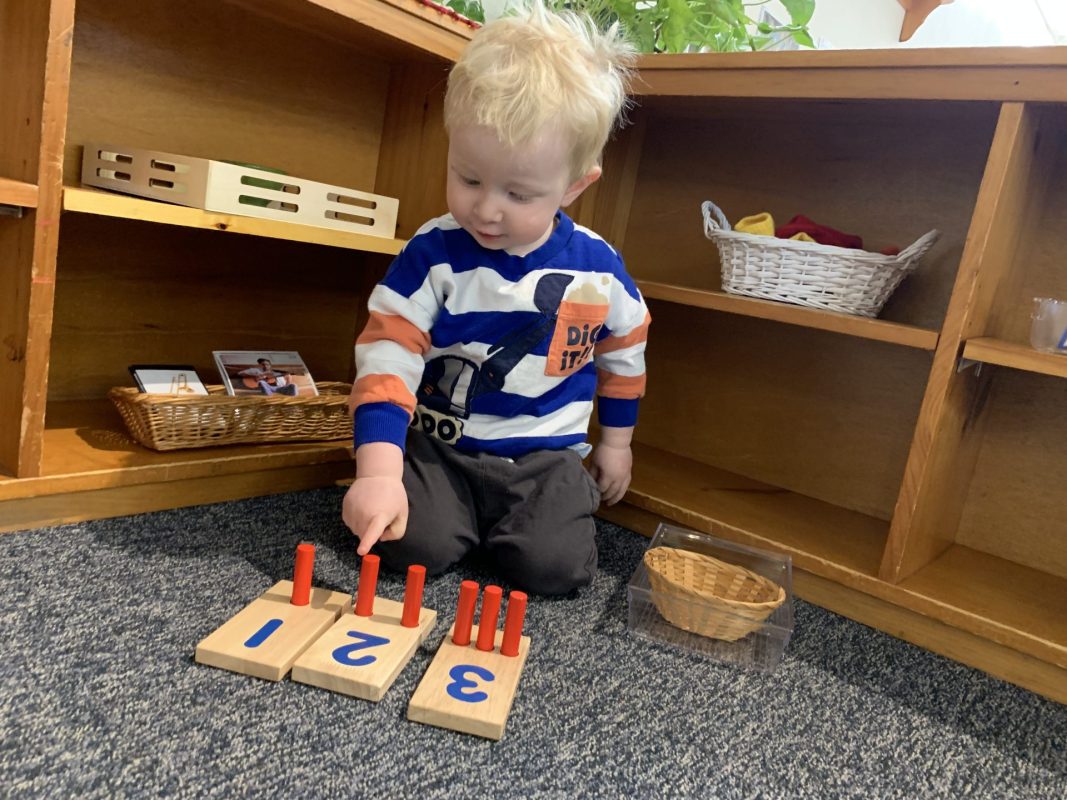
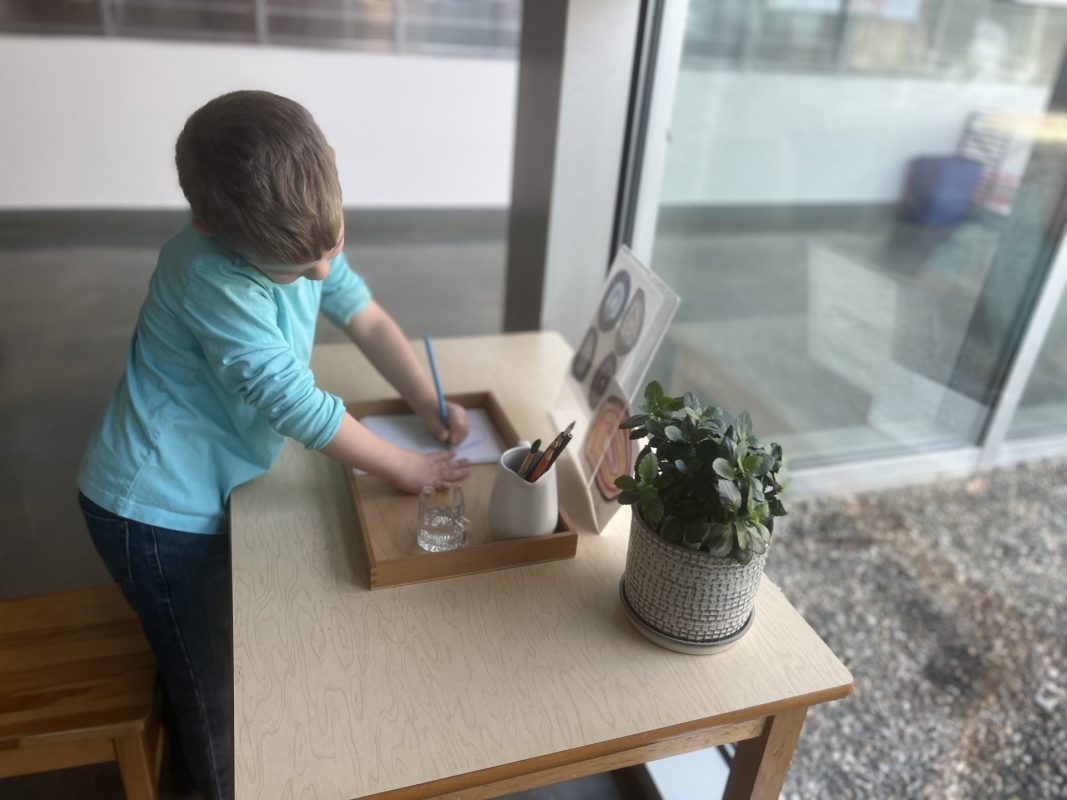
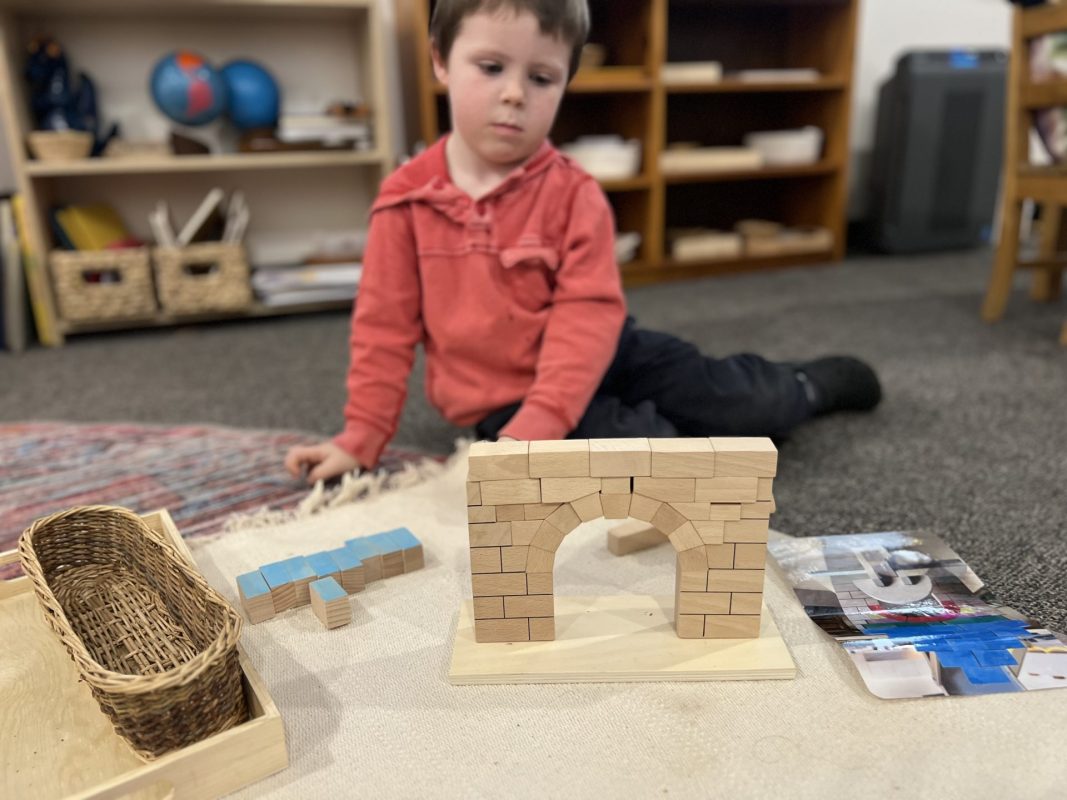
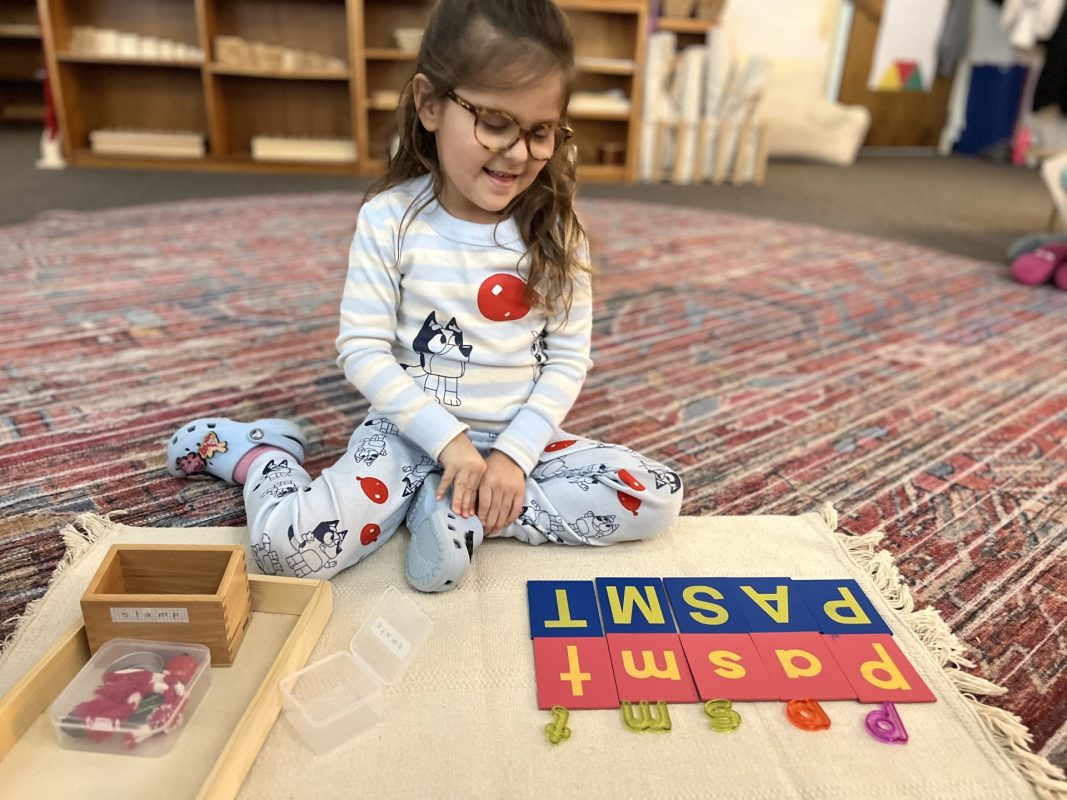
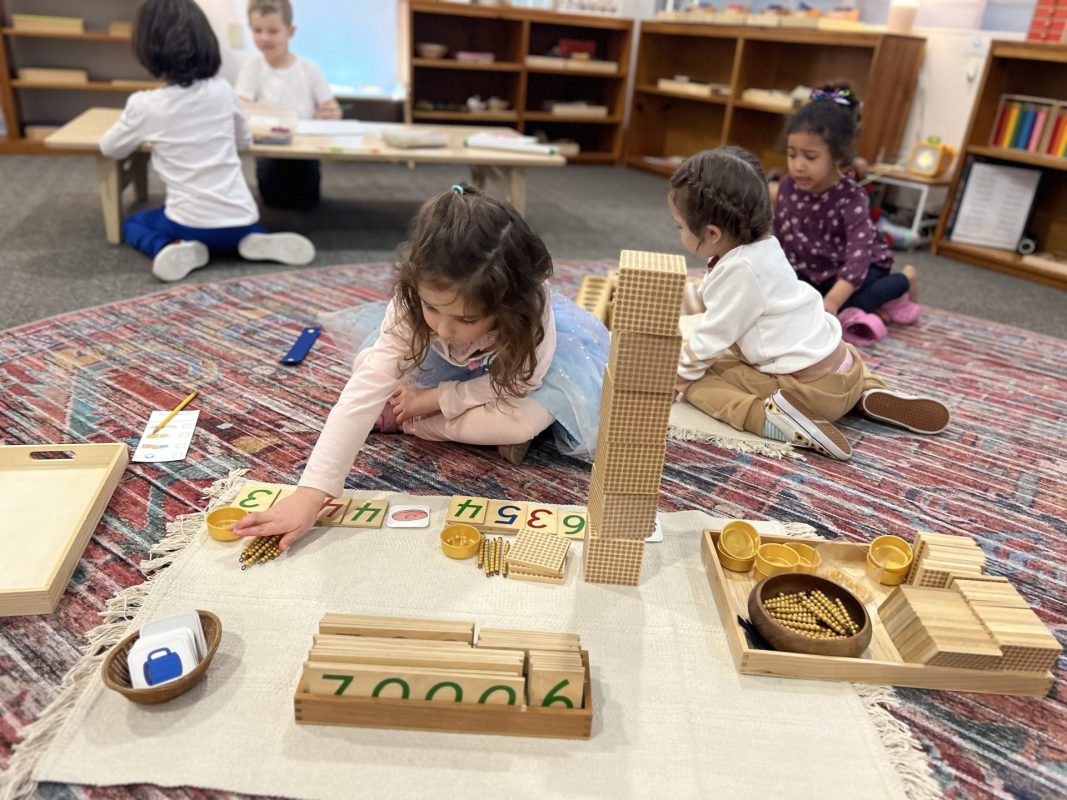
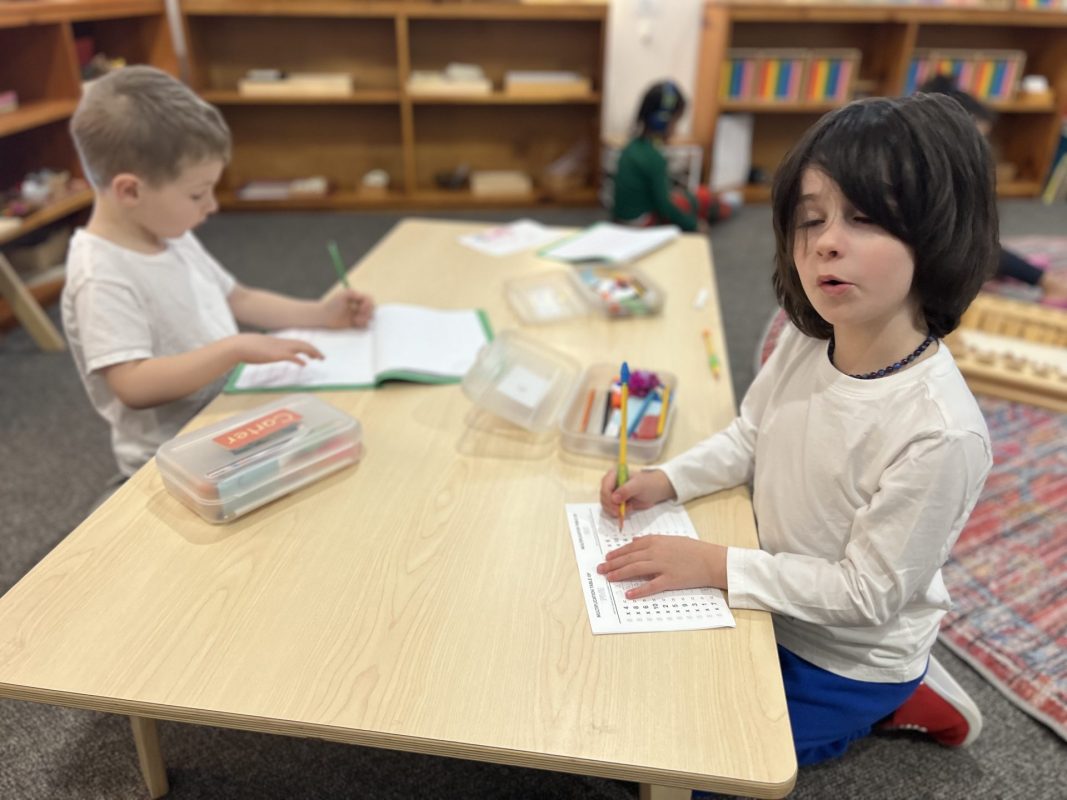
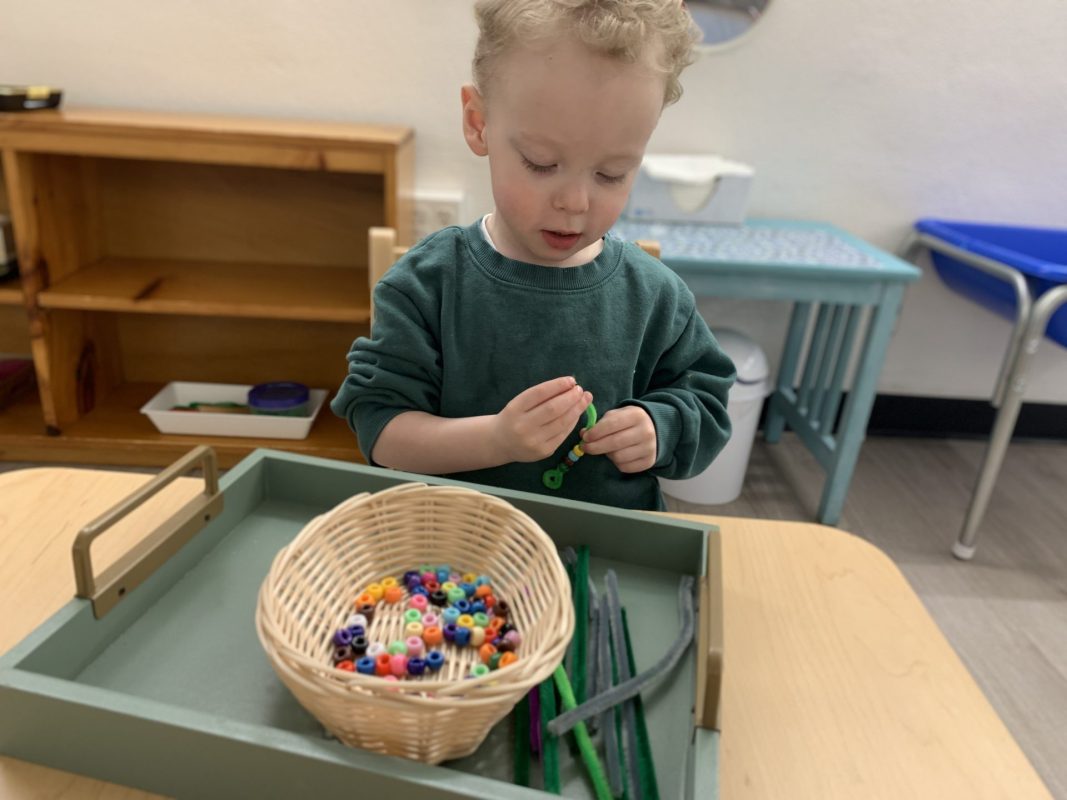
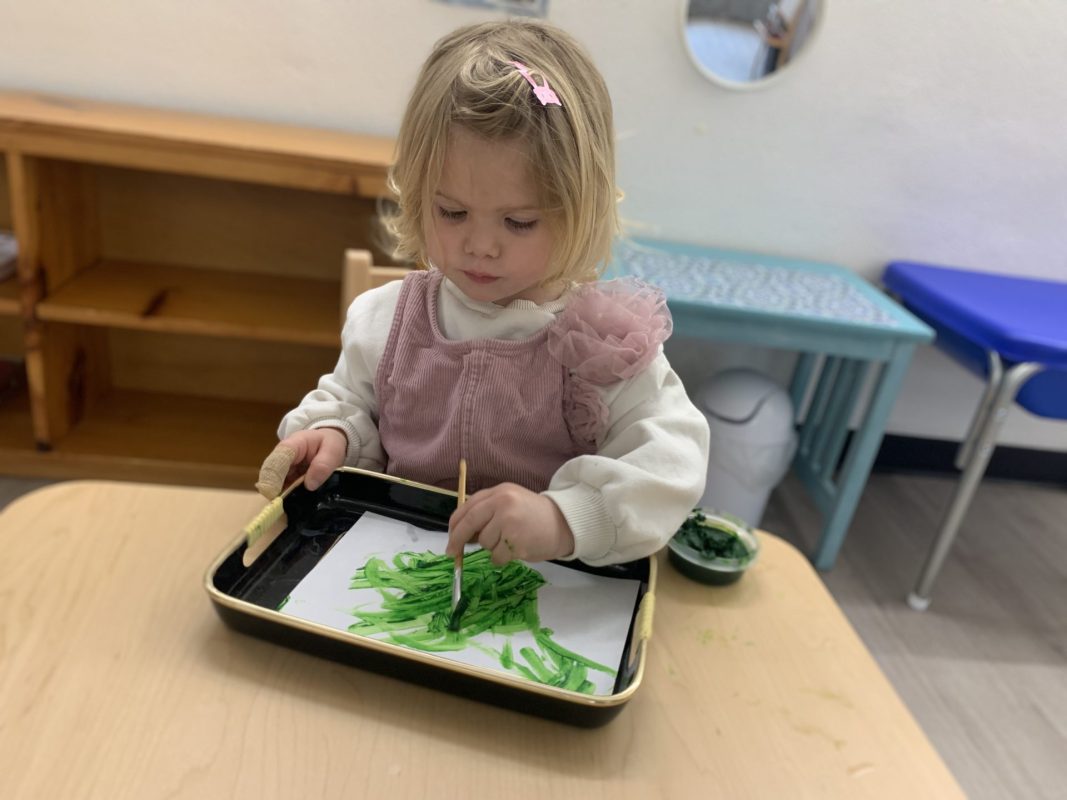
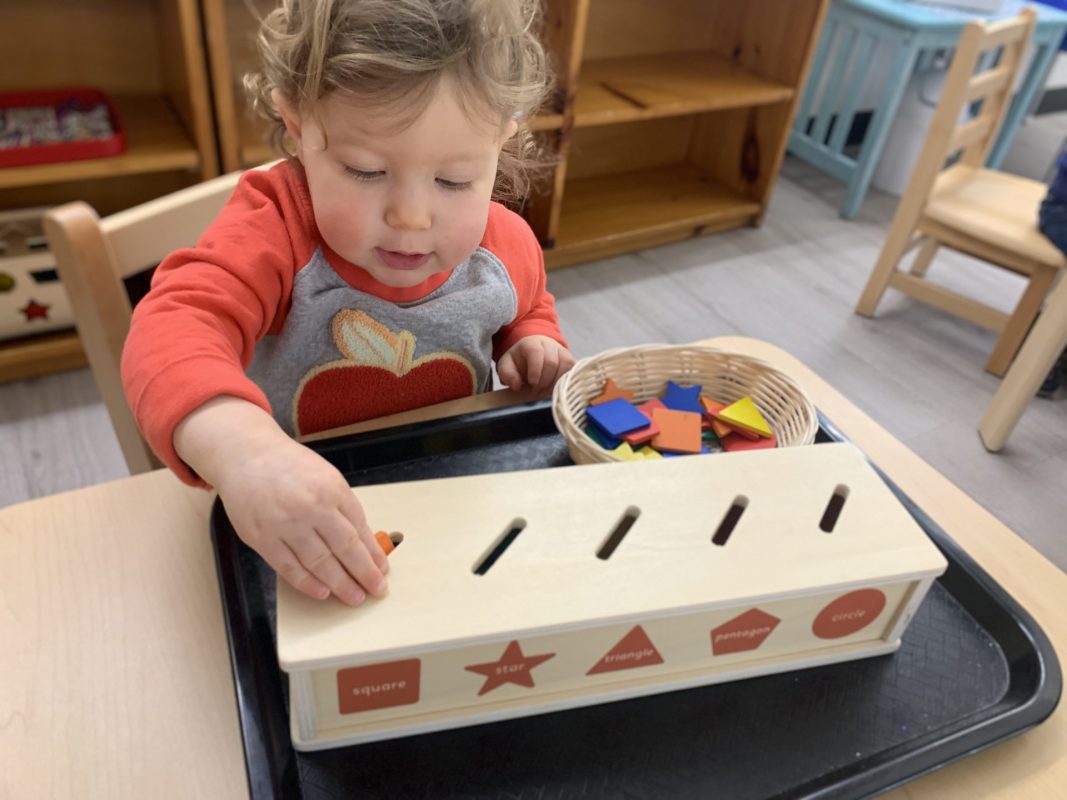
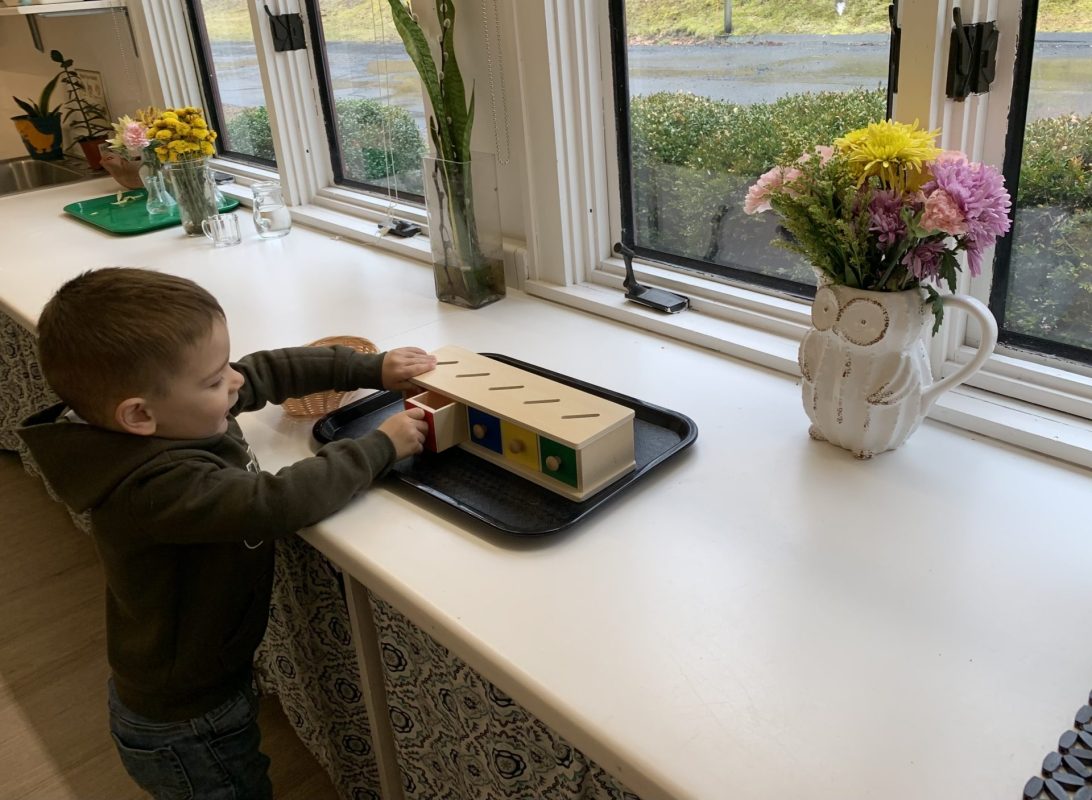
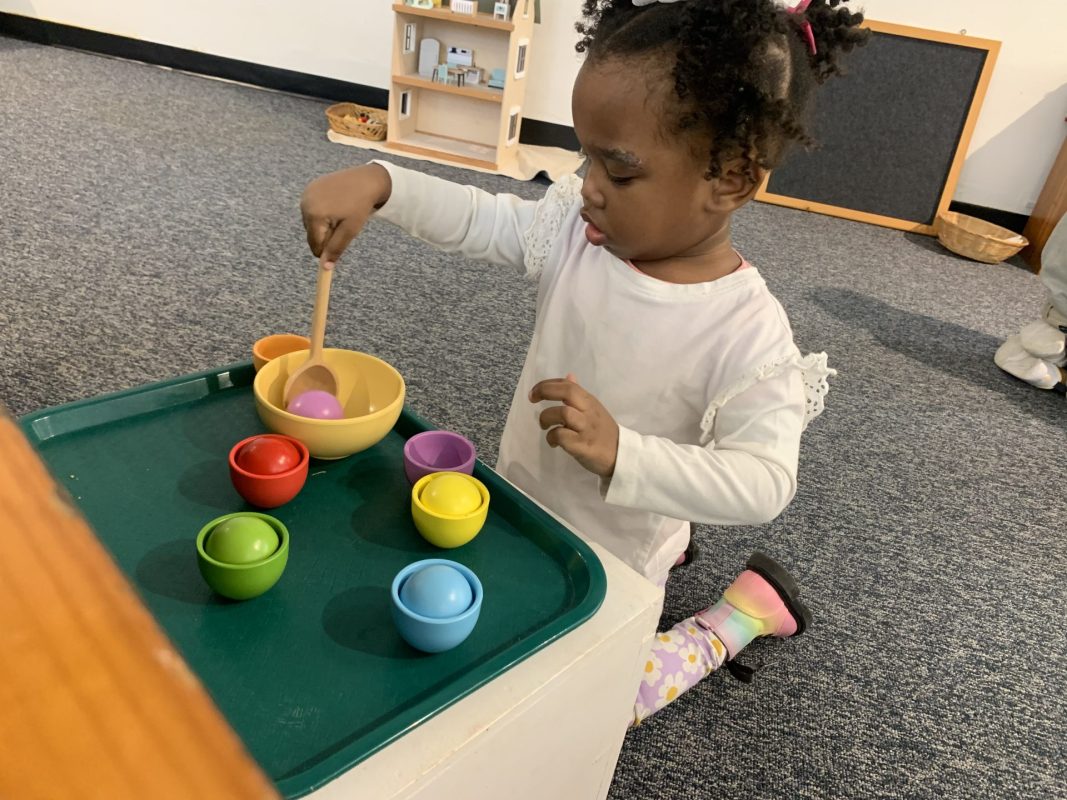
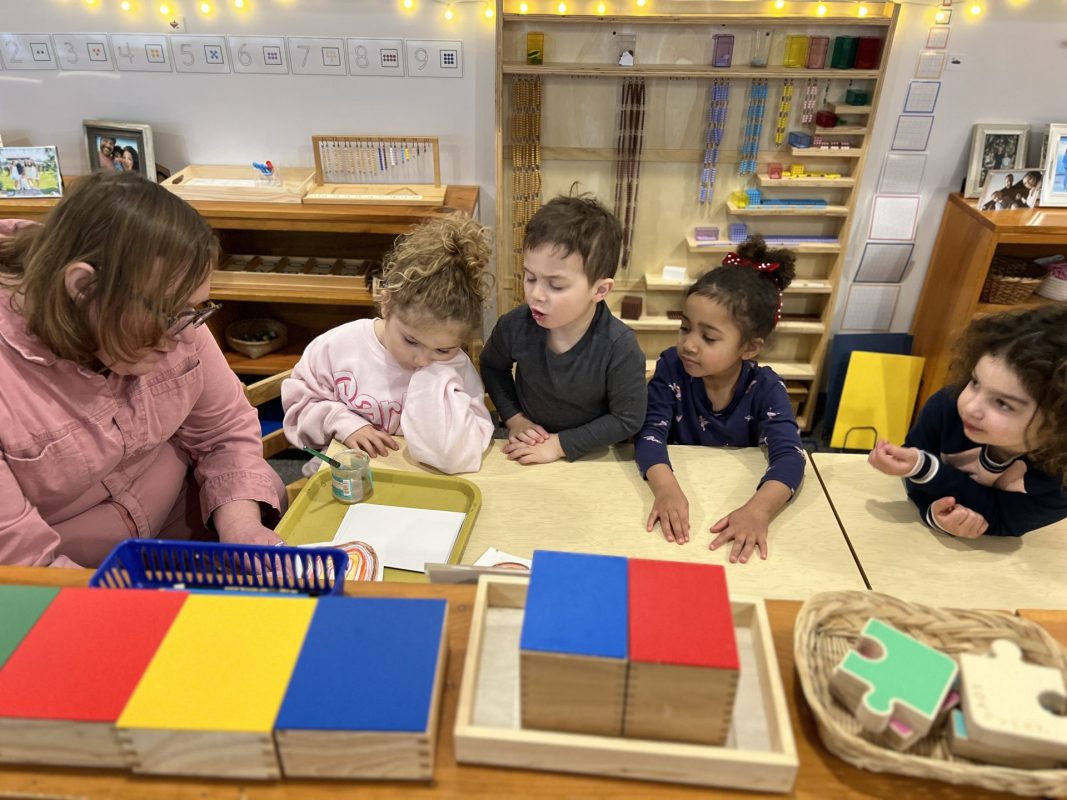
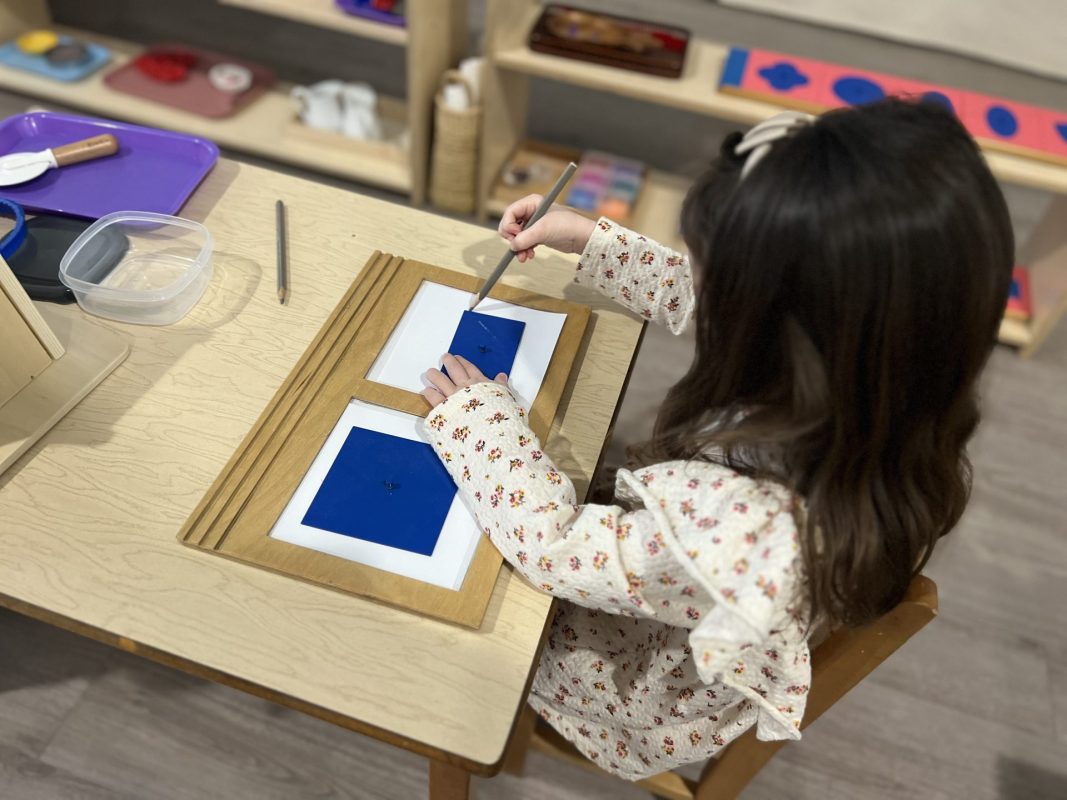
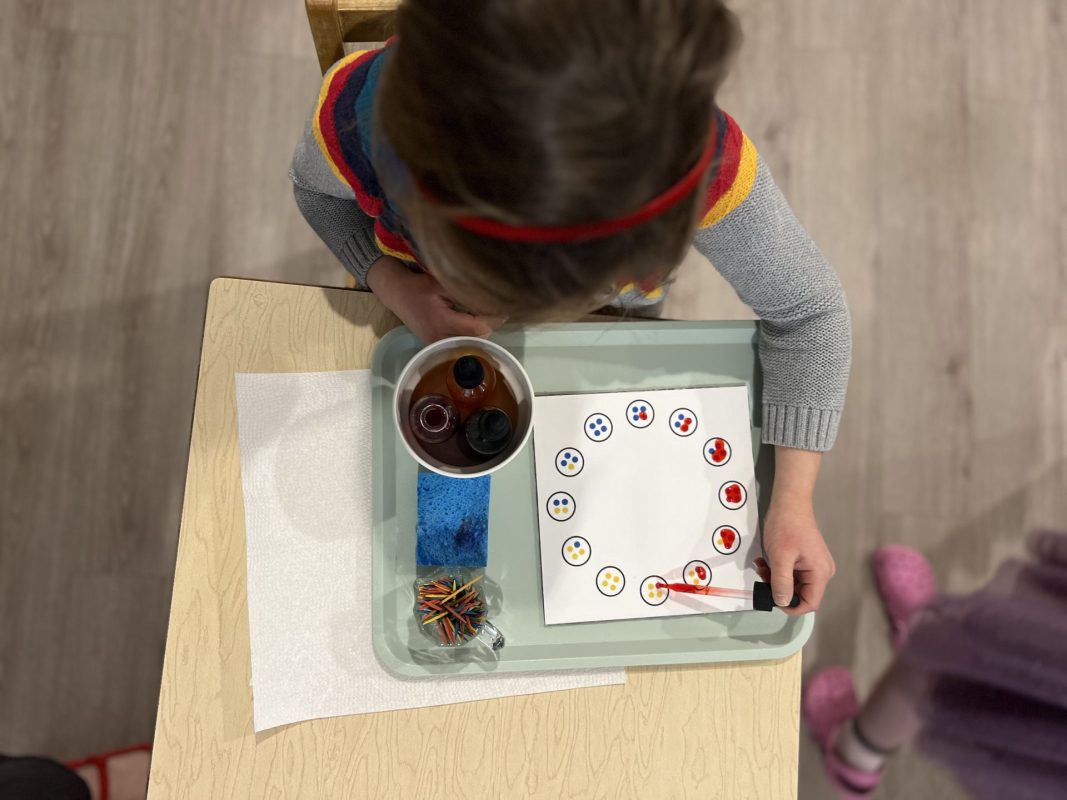
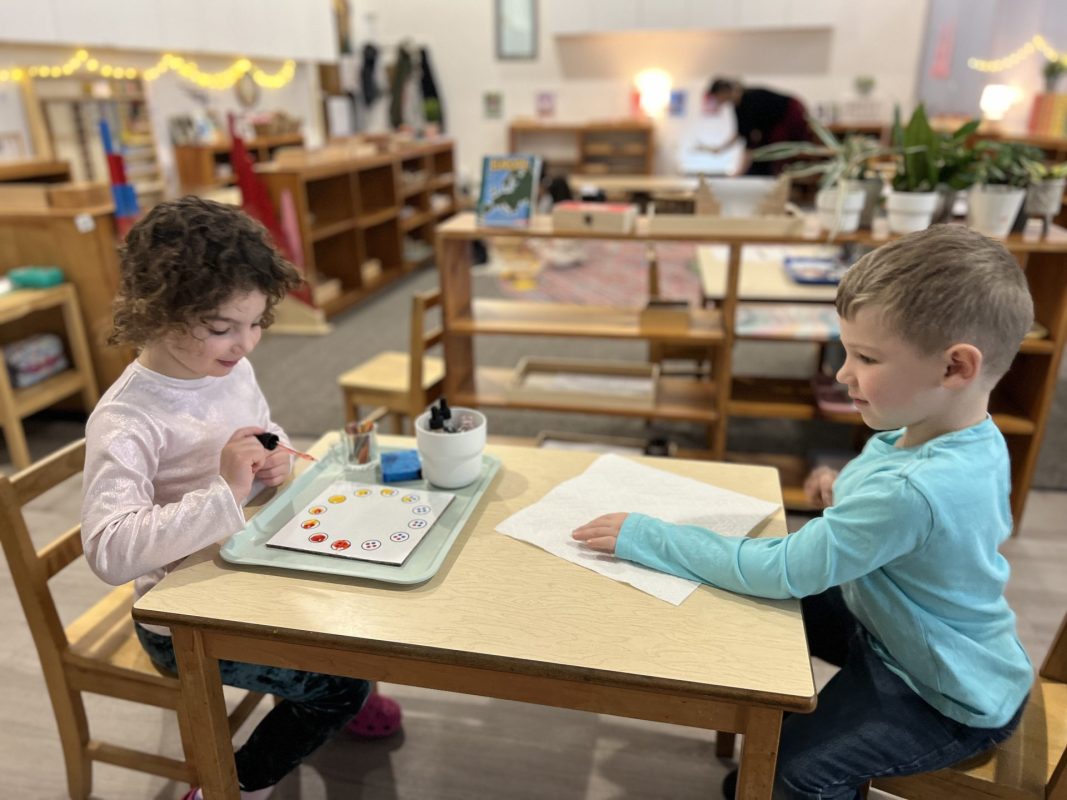
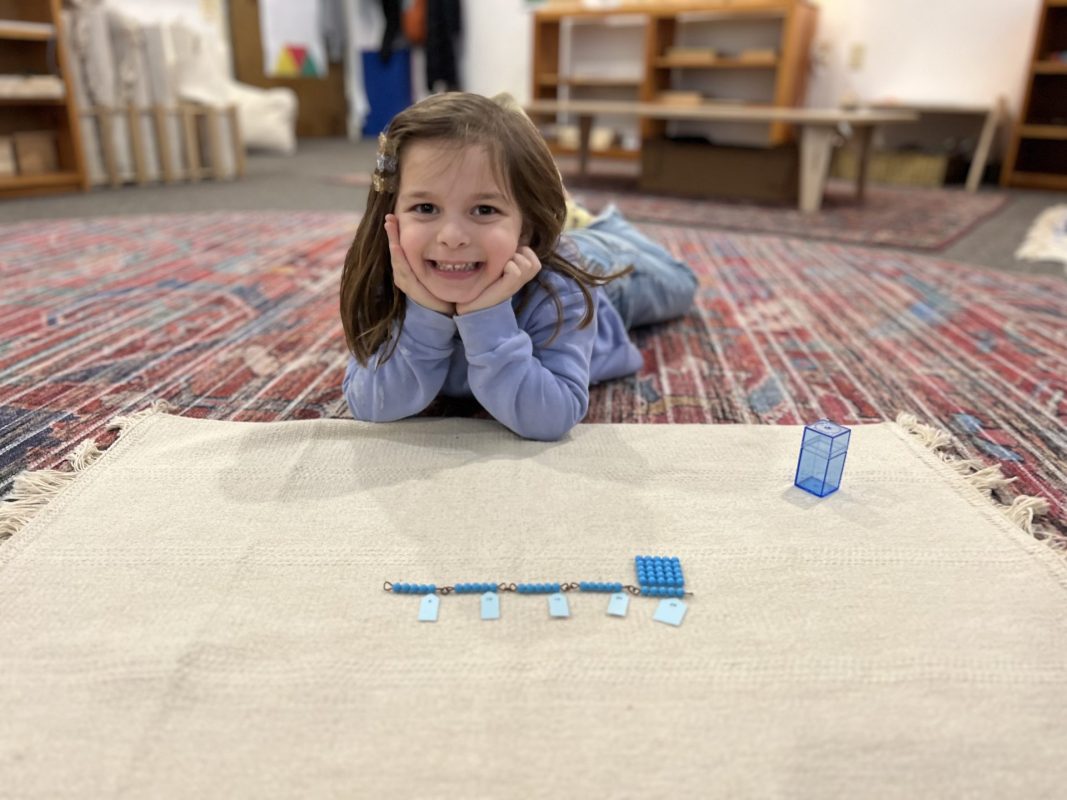
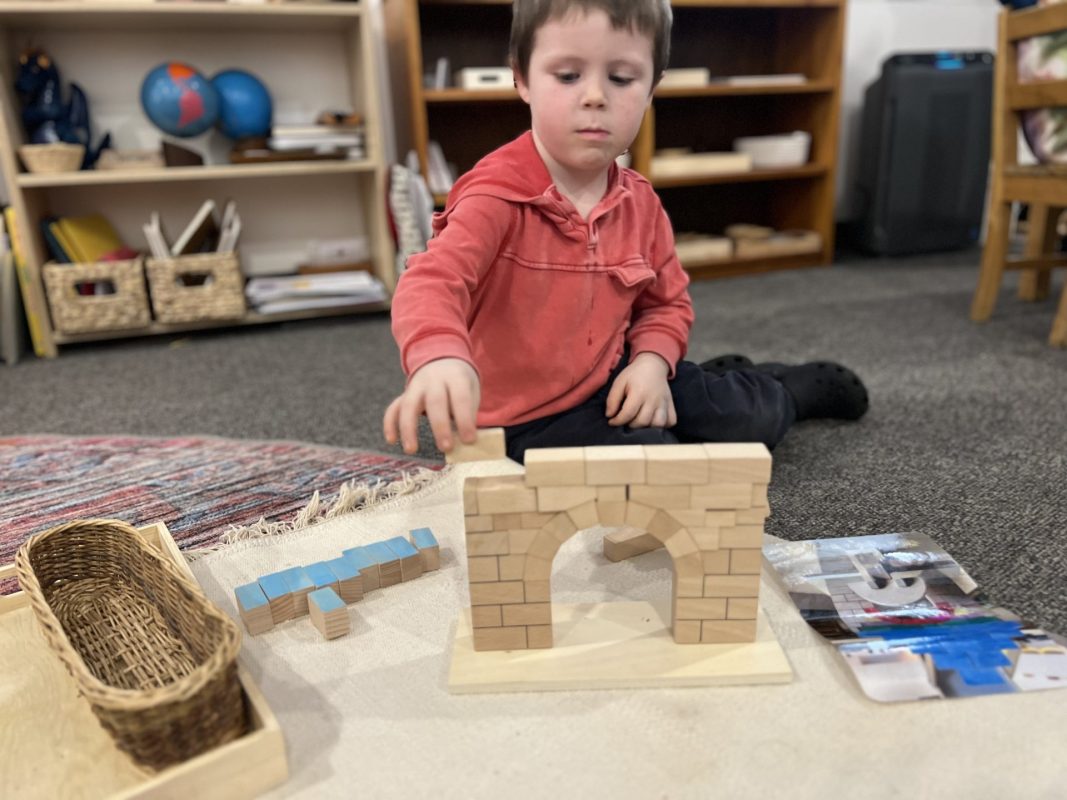
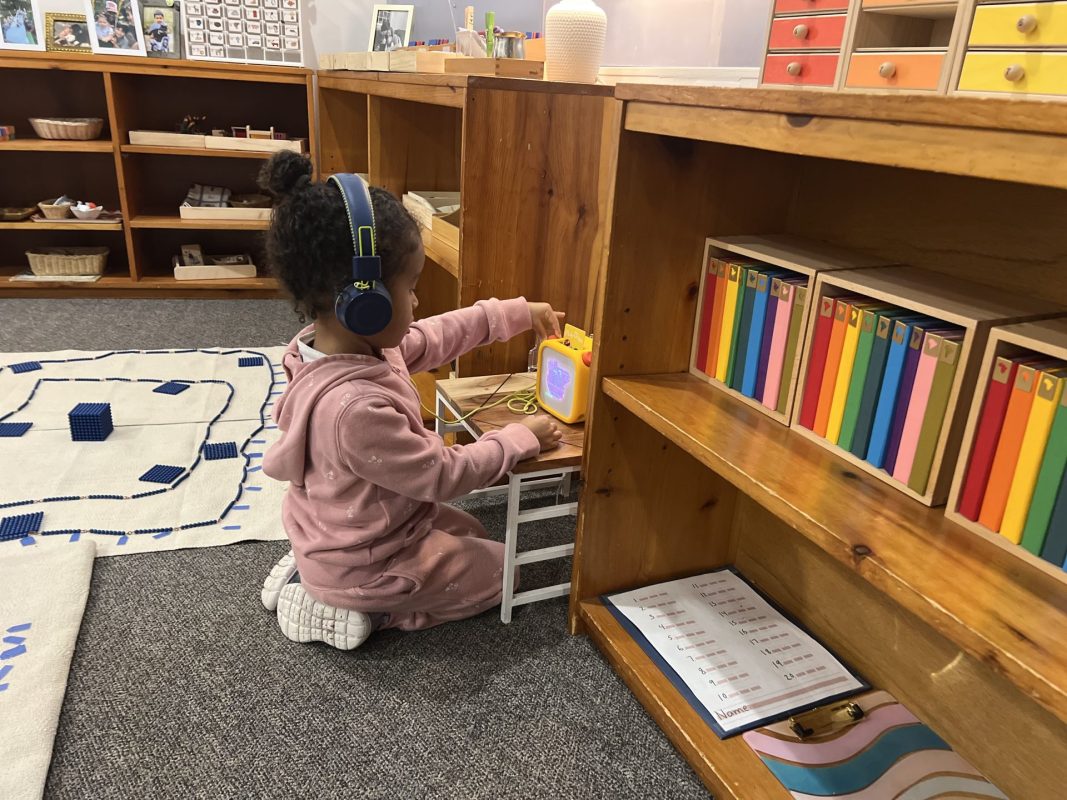
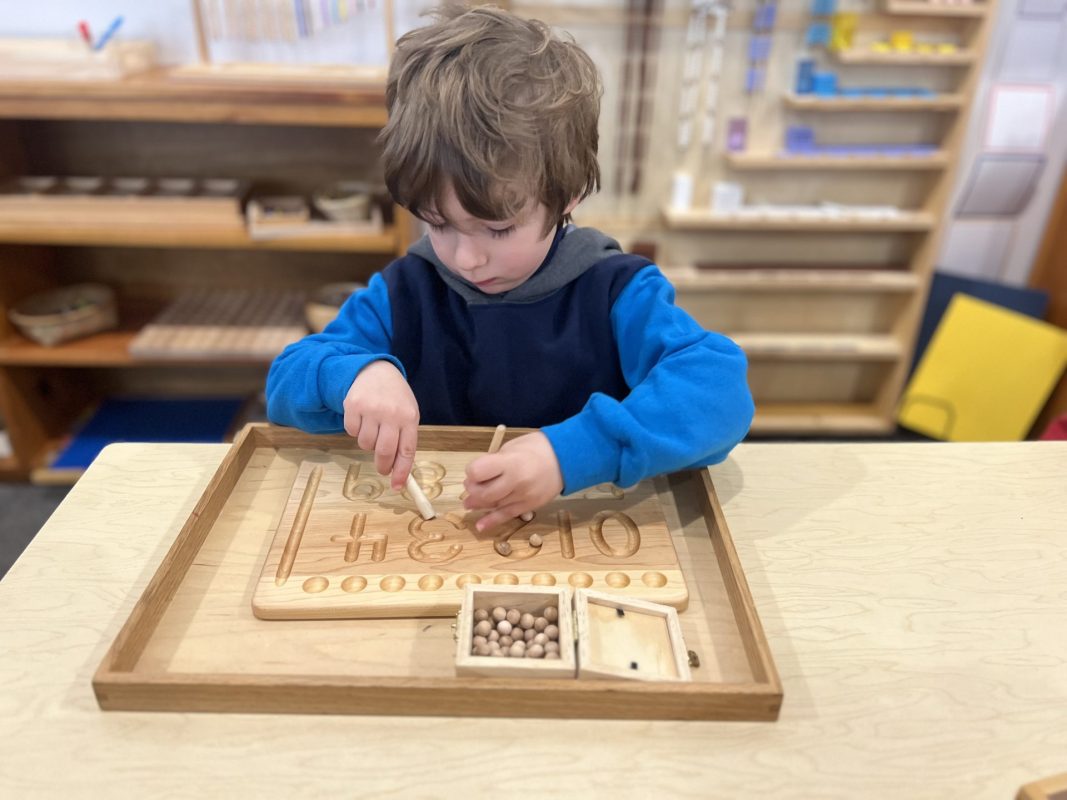
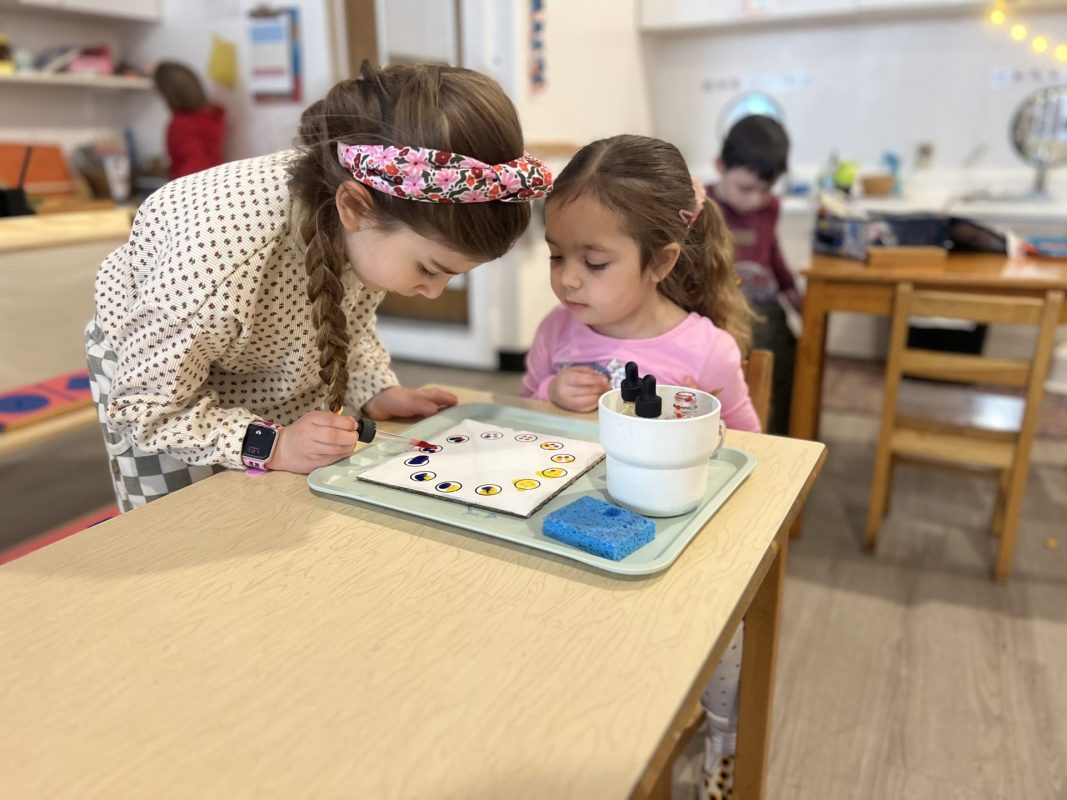
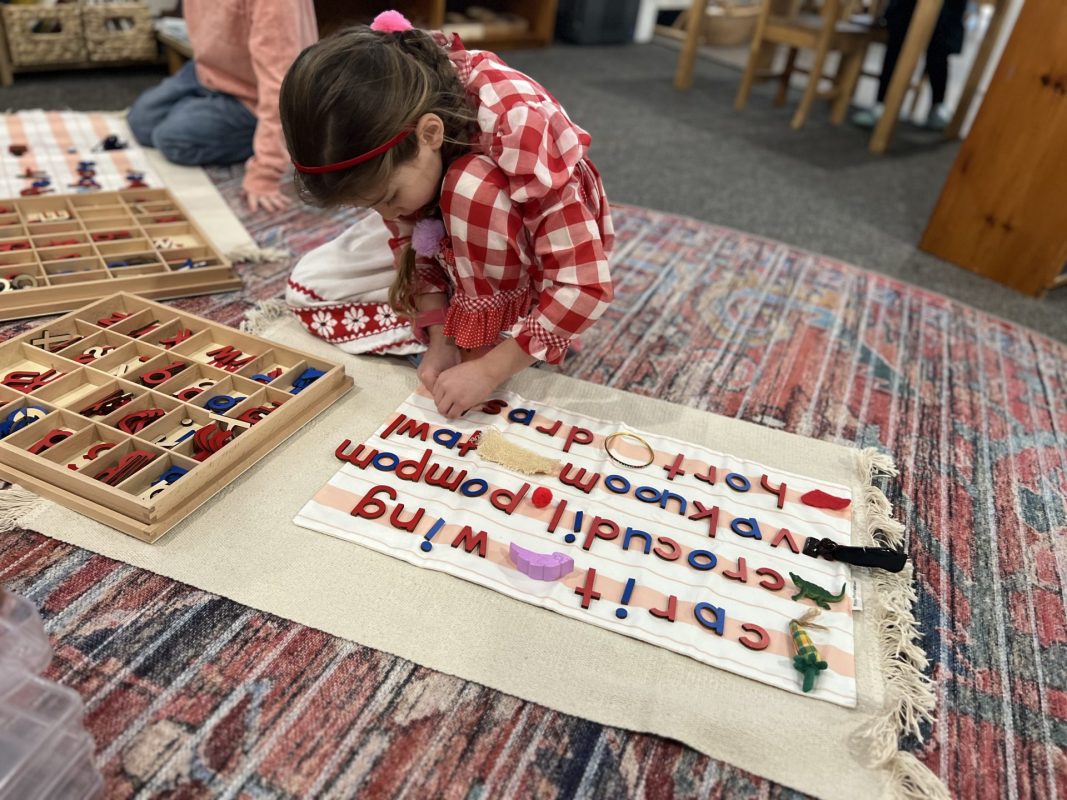
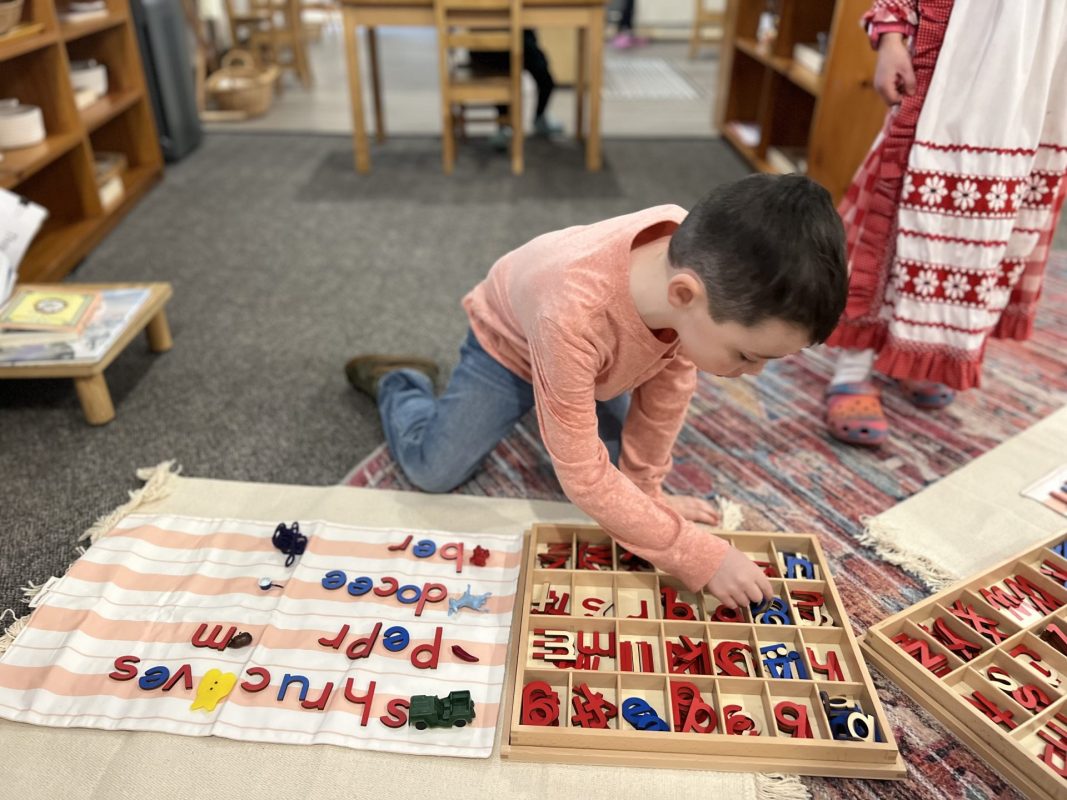
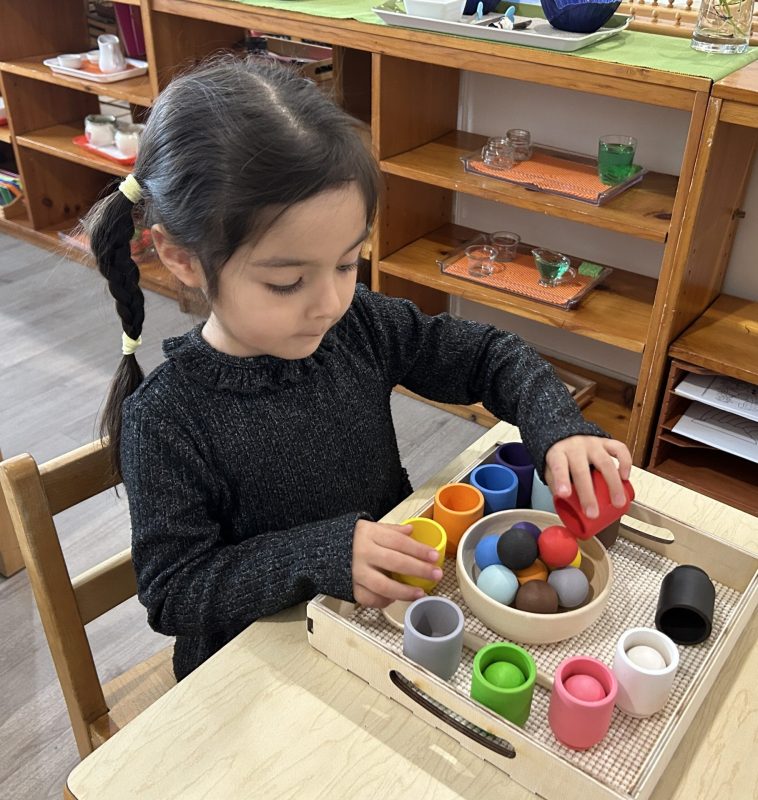
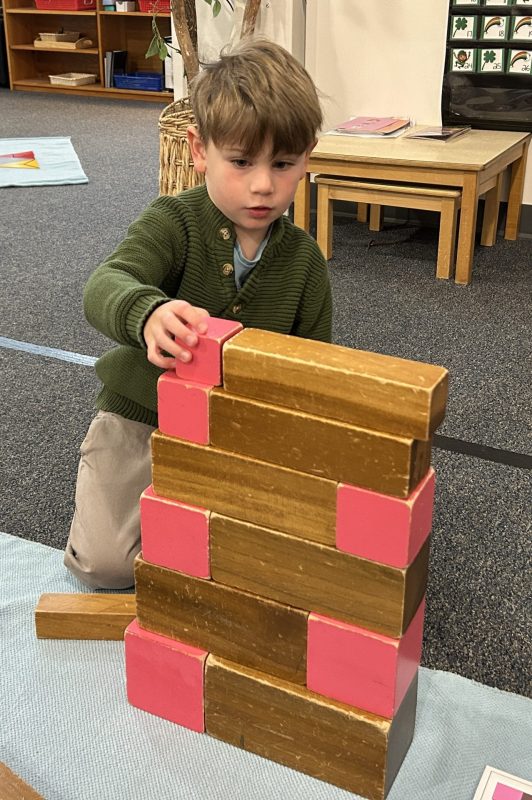
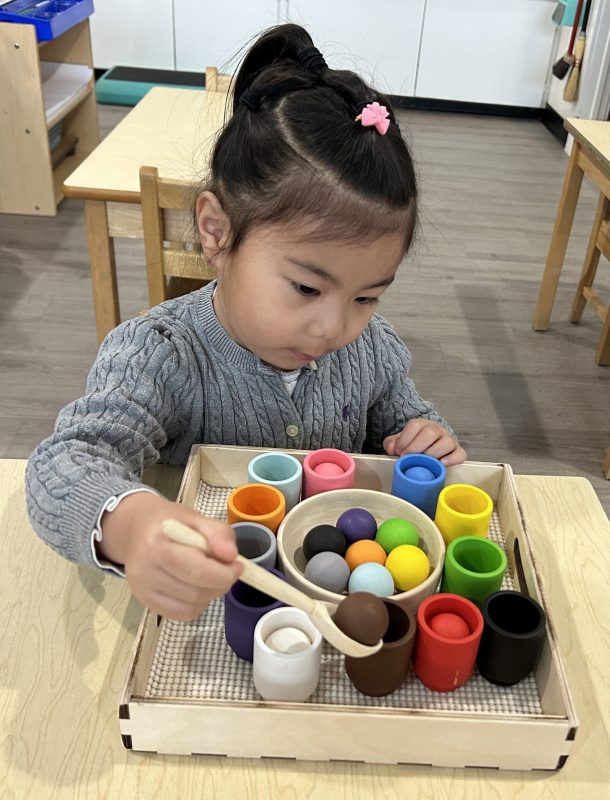
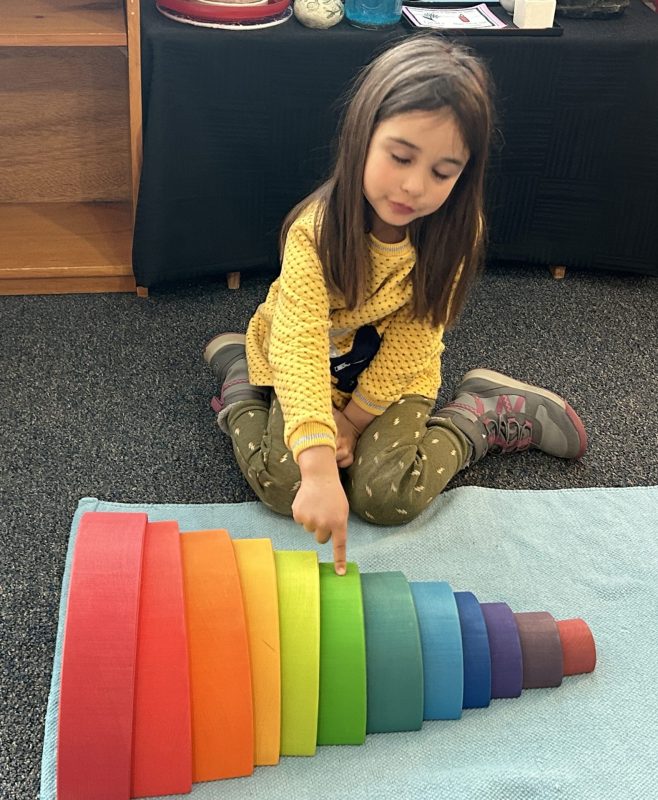
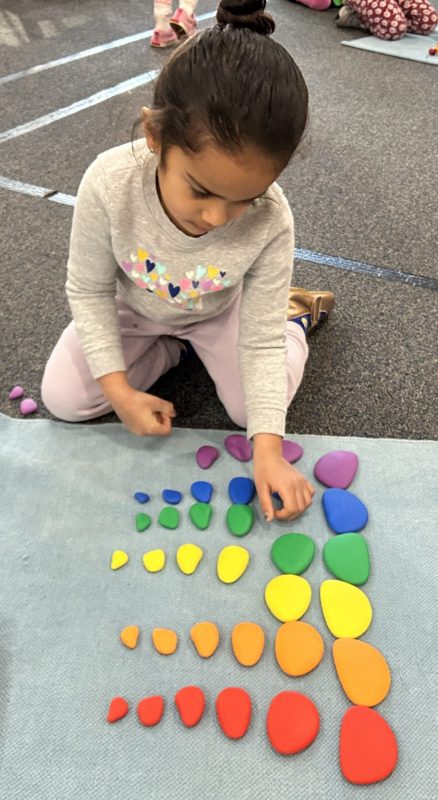
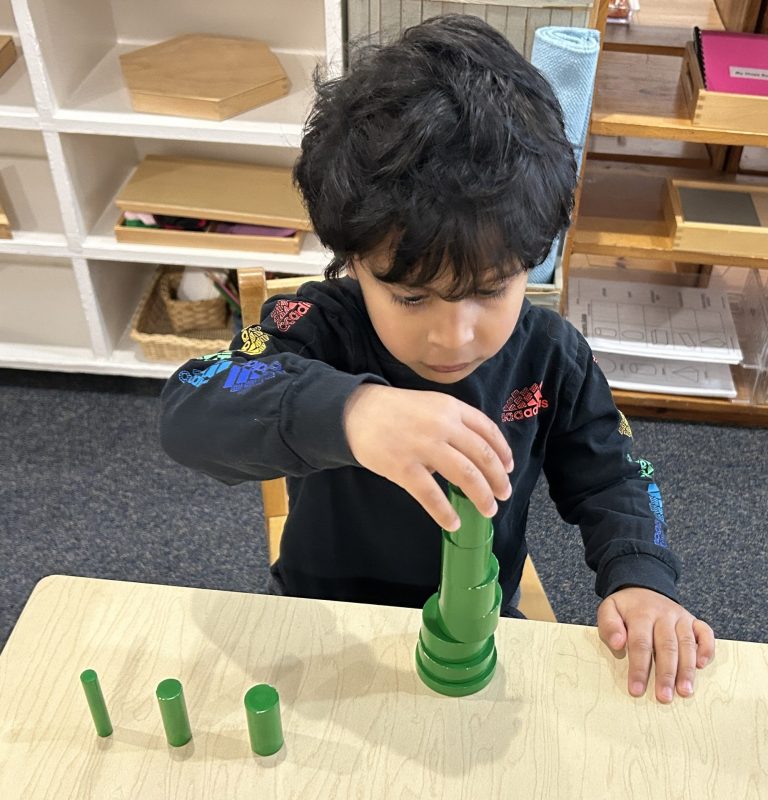
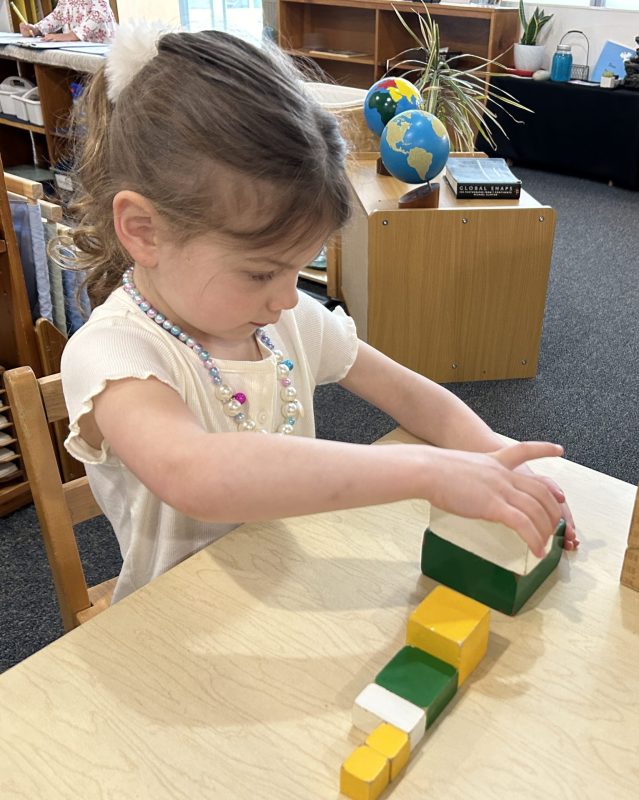
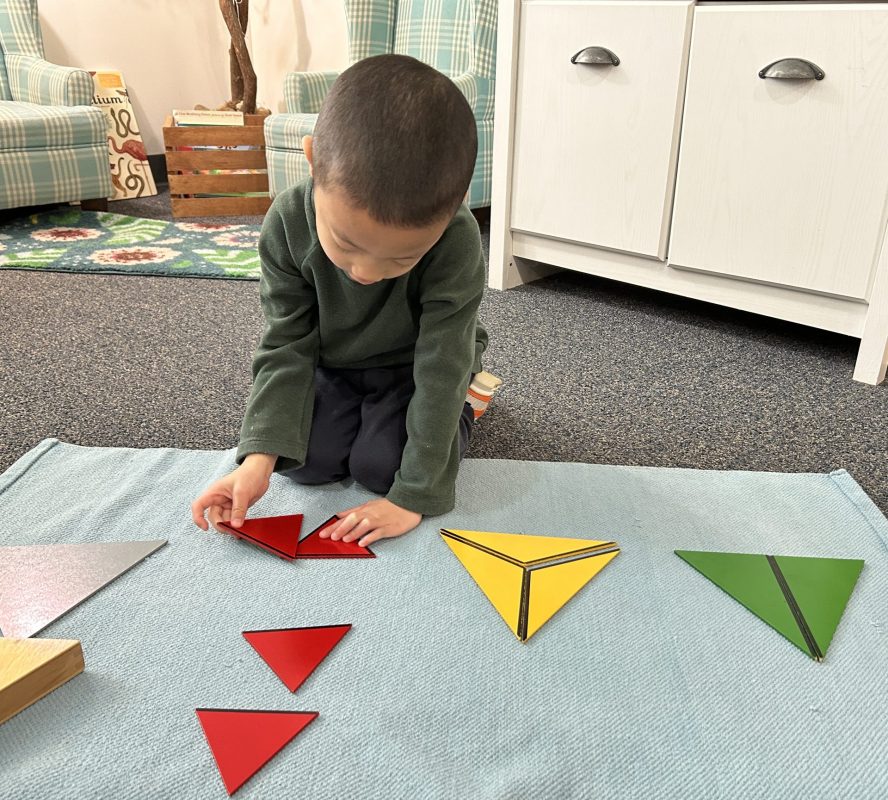
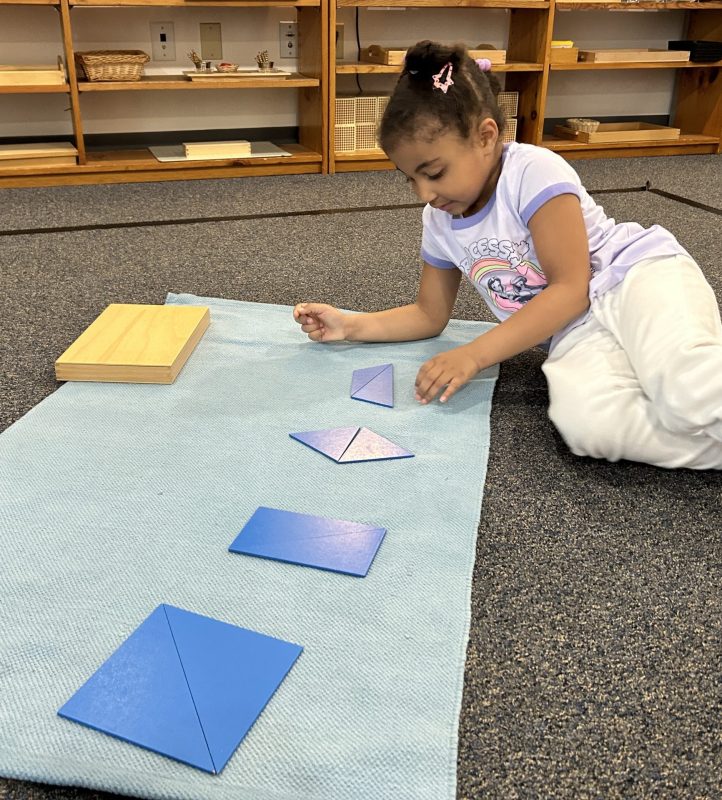
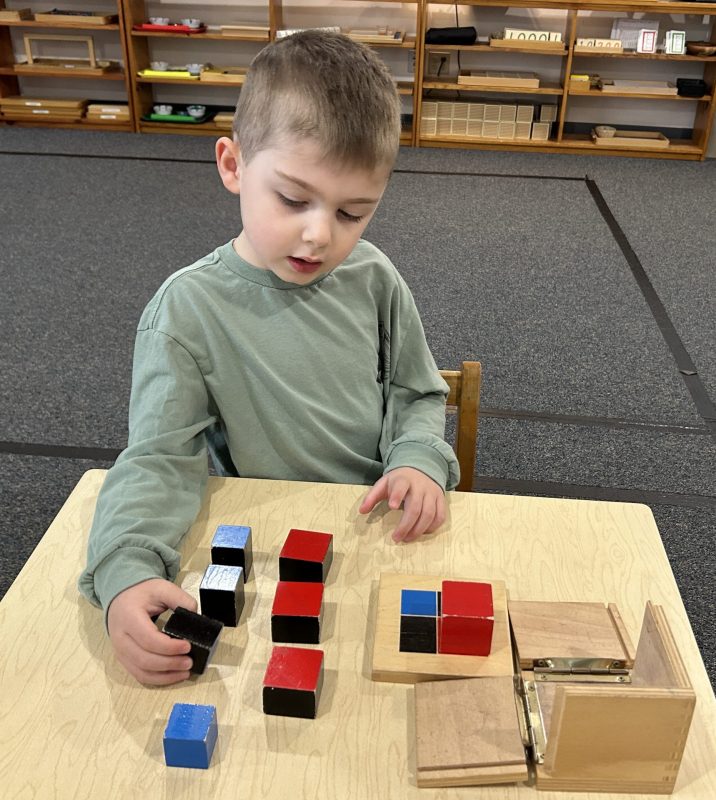
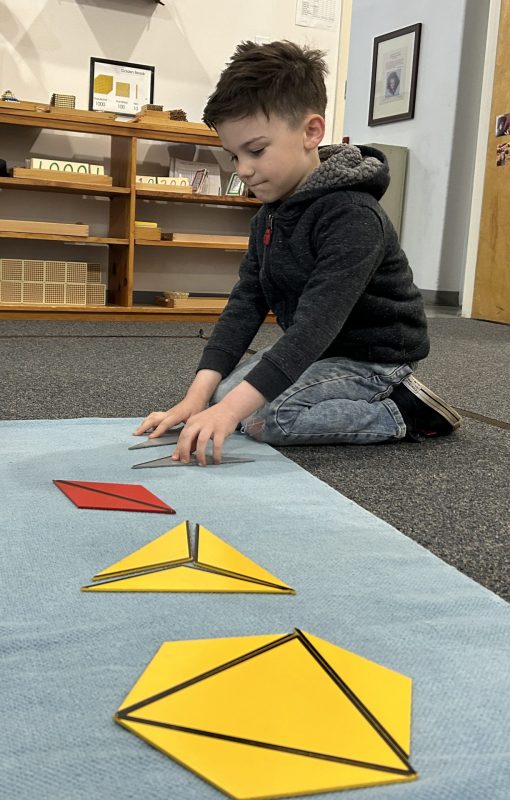
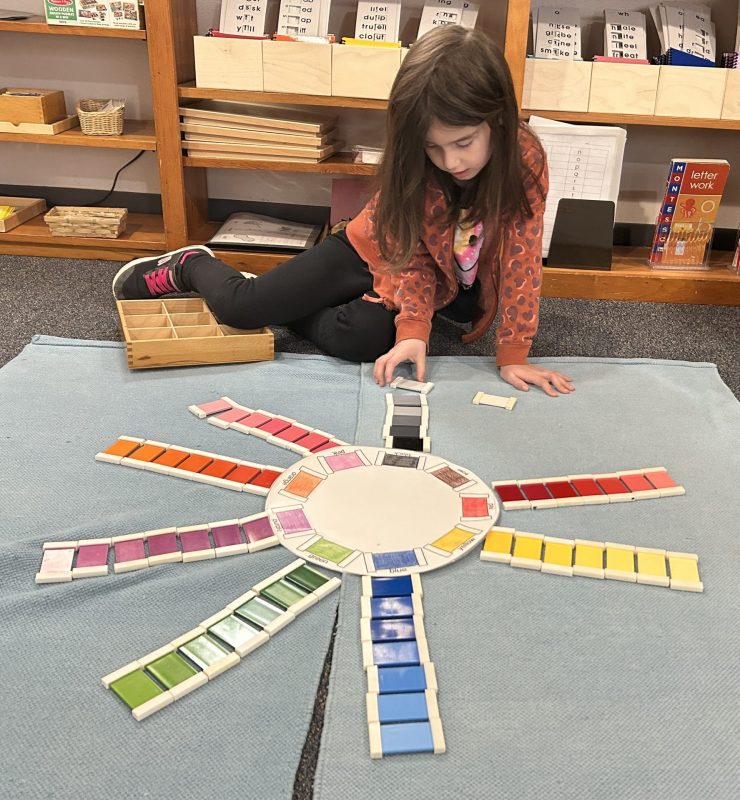
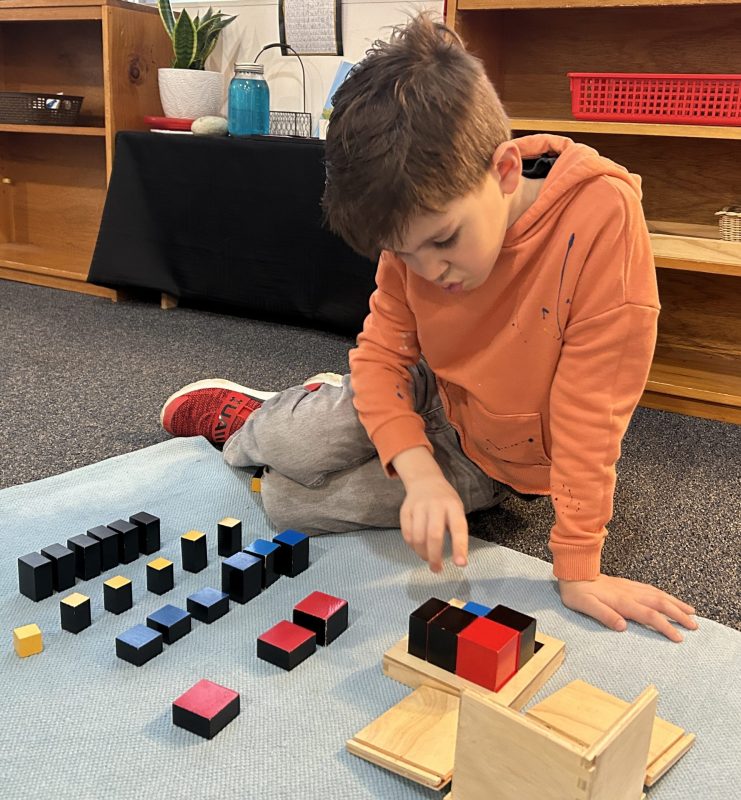
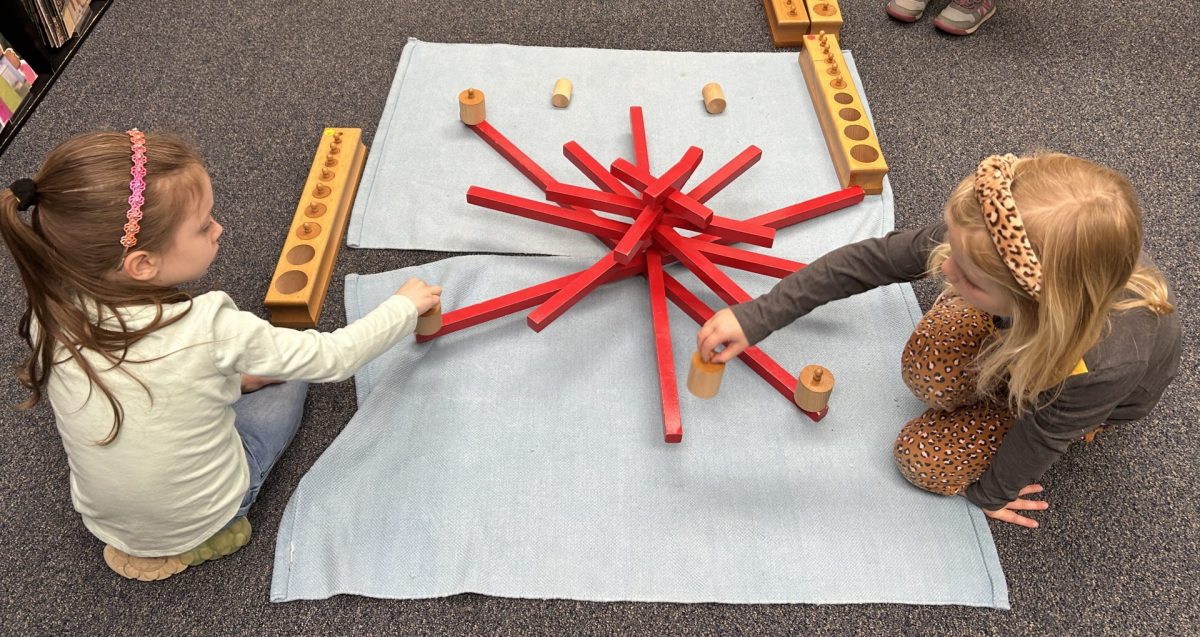
The Montessori math materials are visual and hands-on manipulatives, aiding in the ability of a child to understand mathematical concepts concretely. After many repetitions and when the child is ready, we introduce the more complex and abstract concepts. We teach the process first because the goal is to develop a true understanding of mathematical concepts and not simply memorization. The materials are sequenced in a way that each success a child experiences is a building block for the next concept to be introduced.

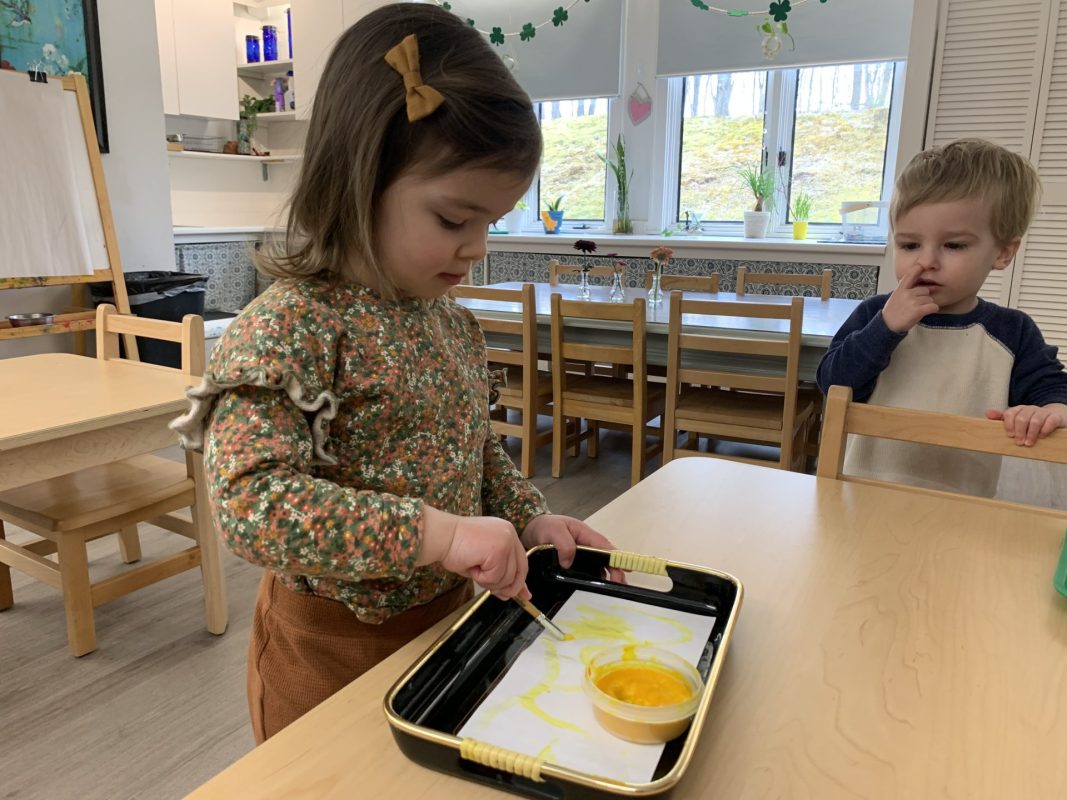
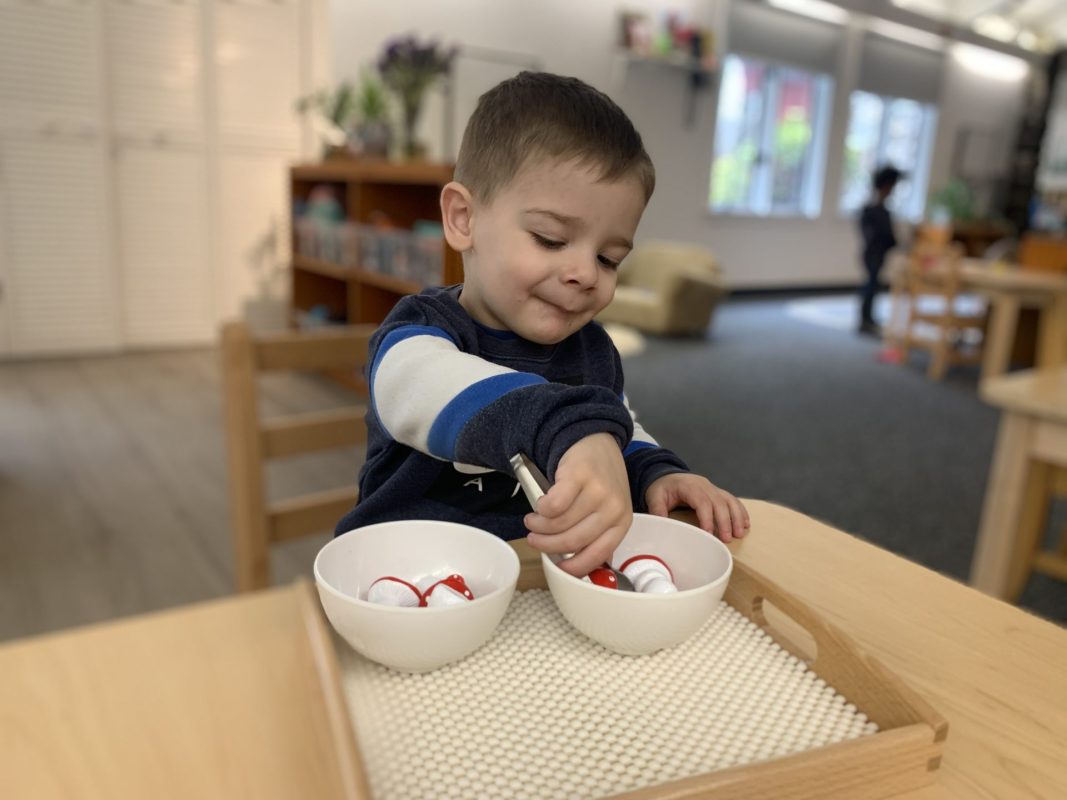
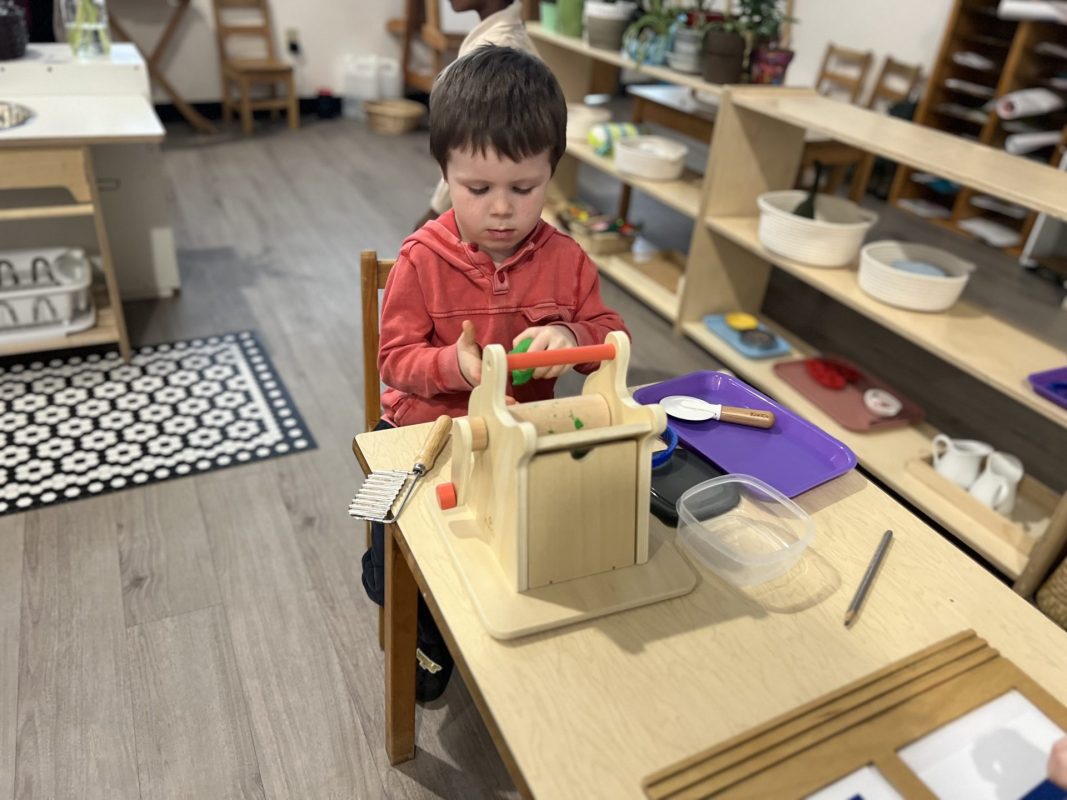
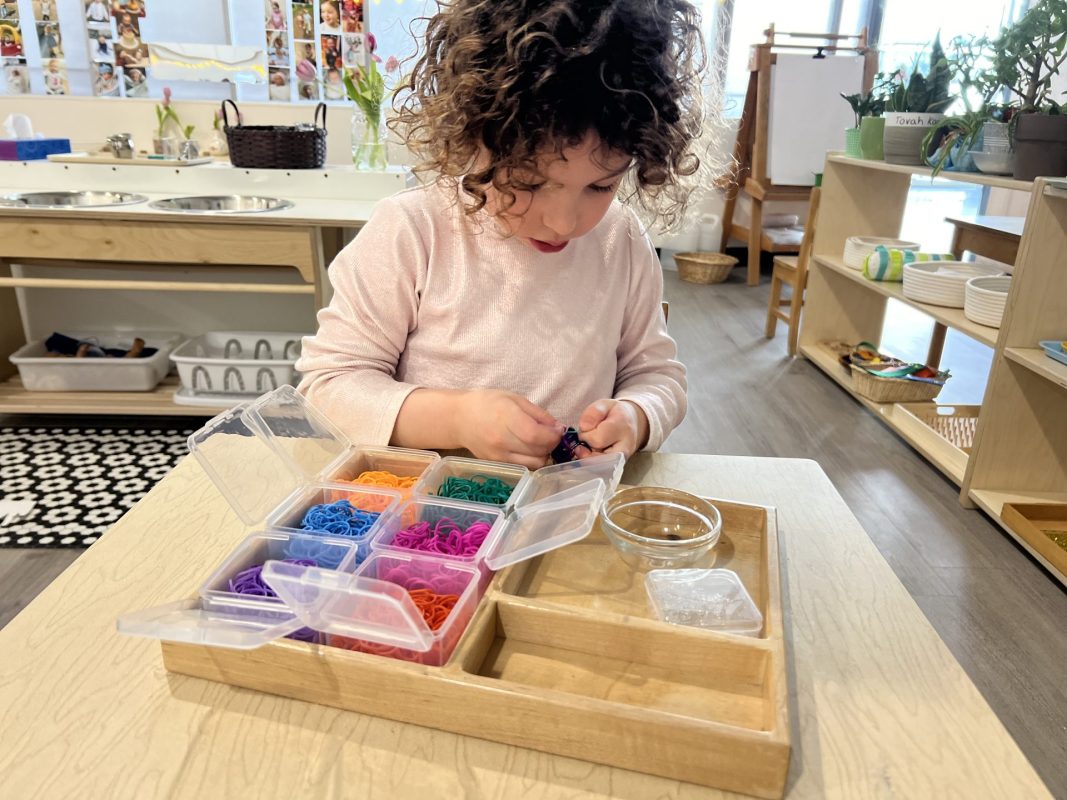
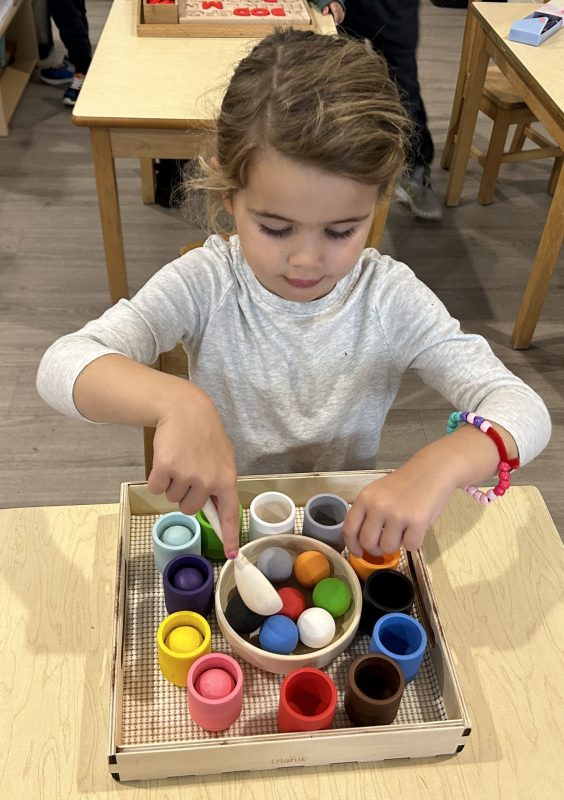
Maria Montessori believed that all children have a mathematical mind and an internal drive to understand the environment around them. We know that the Montessori math materials are exact and precise and allow the child to have positive experiences in math right from the beginning. We also know that the Practical Life activities have helped the child to develop order, concentration, coordination, and independence. Likewise, the Sensorial materials have allowed the children to recognize and extend patterns. Here’s the real secret behind the success of the Montessori math materials: the children truly enjoy them.

Hope your week adds up to one filled with peace and love.

Marissa & Sue


Mrs. Doyle: Montessori Math, It All Adds Up!

Children display a universal love of mathematics, which is par excellence the science of precision, order, and intelligence.”~ Dr. Maria Montessori

The Montessori math materials are visual and hands-on manipulatives, aiding in the ability of a child to understand mathematical concepts concretely. After many repetitions and when the child is ready, we introduce the more complex and abstract concepts. We teach the process first because the goal is to develop a true understanding of mathematical concepts and not simply memorization. The materials are sequenced in a way that each success a child experiences is a building block for the next concept to be introduced.

Maria Montessori believed that all children have a mathematical mind and an internal drive to understand the environment around them. We know that the Montessori math materials are exact and precise and allow the child to have positive experiences in math right from the beginning. We also know that the Practical Life activities have helped the child to develop order, concentration, coordination, and independence. Likewise, the Sensorial materials have allowed the children to recognize and extend patterns. Here’s the real secret behind the success of the Montessori math materials: the children truly enjoy them.

Hope your week adds up to one filled with peace and love.

Michelle & Maria

Mrs. Lopes: Montessori Math, It All Adds Up!


Children display a universal love of mathematics, which is par excellence, the science of precision, order, and intelligence.”
~ Dr. Maria Montessori
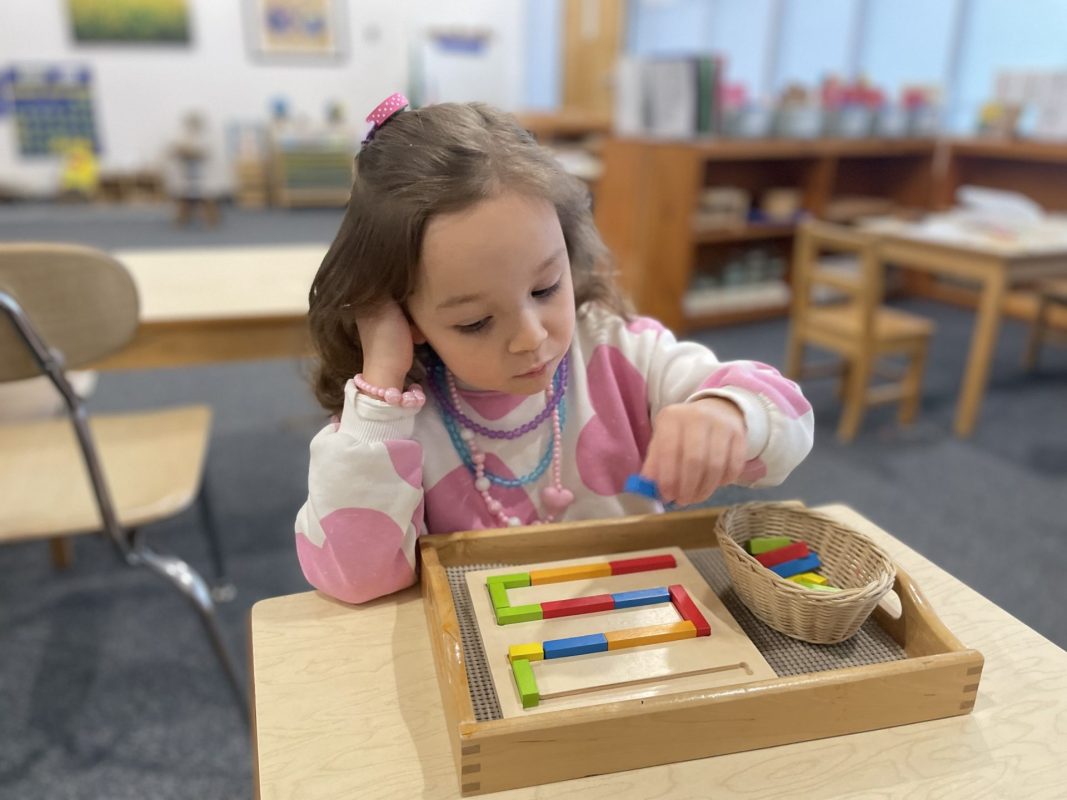
The Montessori math materials are visual and hands-on manipulatives, aiding in the ability of a child to understand mathematical concepts concretely. After many repetitions and when the child is ready, we introduce the more complex and abstract concepts. We teach the process first because the goal is to develop a true understanding of mathematical concepts and not simply memorization. The materials are sequenced in a way that each success a child experiences is a building block for the next concept to be introduced.

Maria Montessori believed that all children have a mathematical mind and an internal drive to understand the environment around them. We know that the Montessori math materials are exact and precise and allow the child to have positive experiences in math right from the beginning. We also know that the Practical Life activities have helped the child to develop order, concentration, coordination, and independence. Likewise, the Sensorial materials have allowed the children to recognize and extend patterns. Here’s the real secret behind the success of the Montessori math materials: the children truly enjoy them.
Hope your week adds up to one filled with peace and love.

Amanda & Hema


Mrs. Sargeant: Let’s do it again! .. and again!

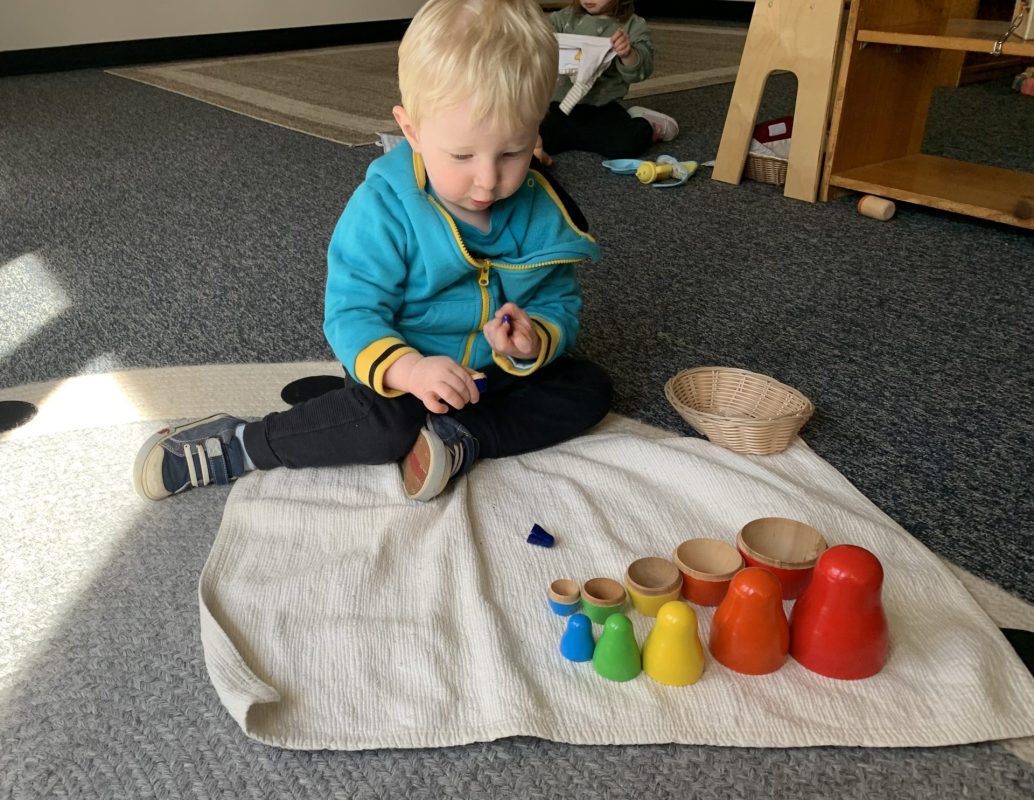
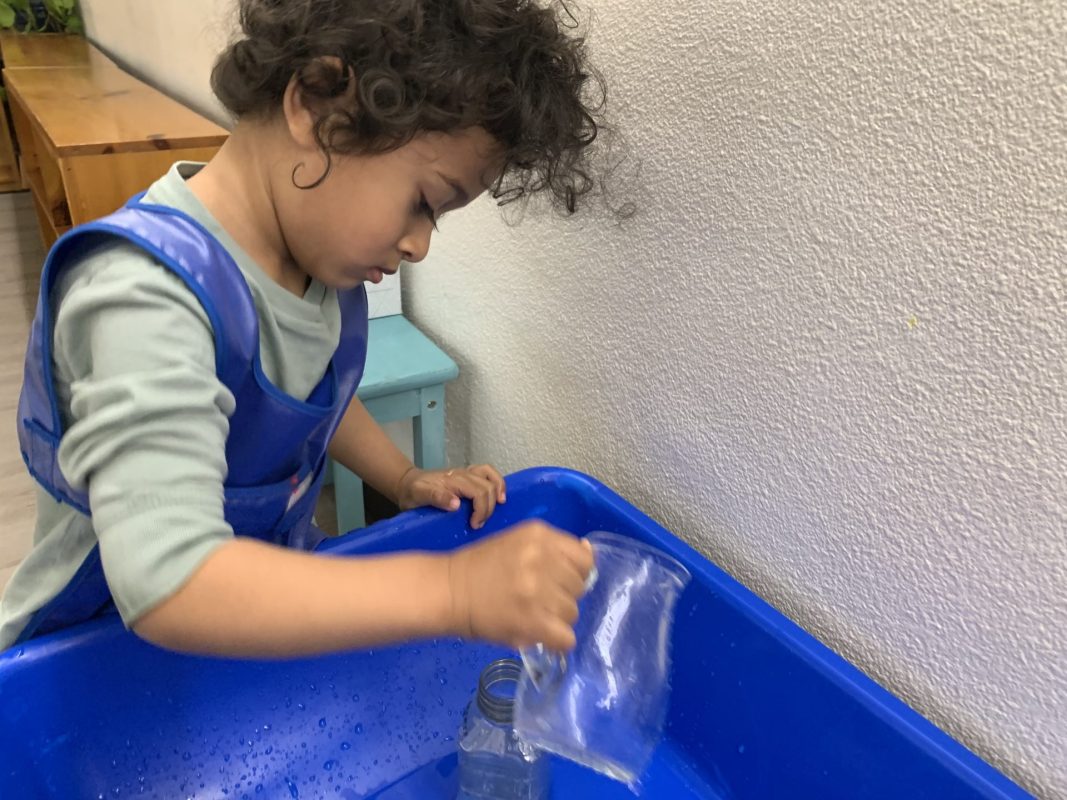
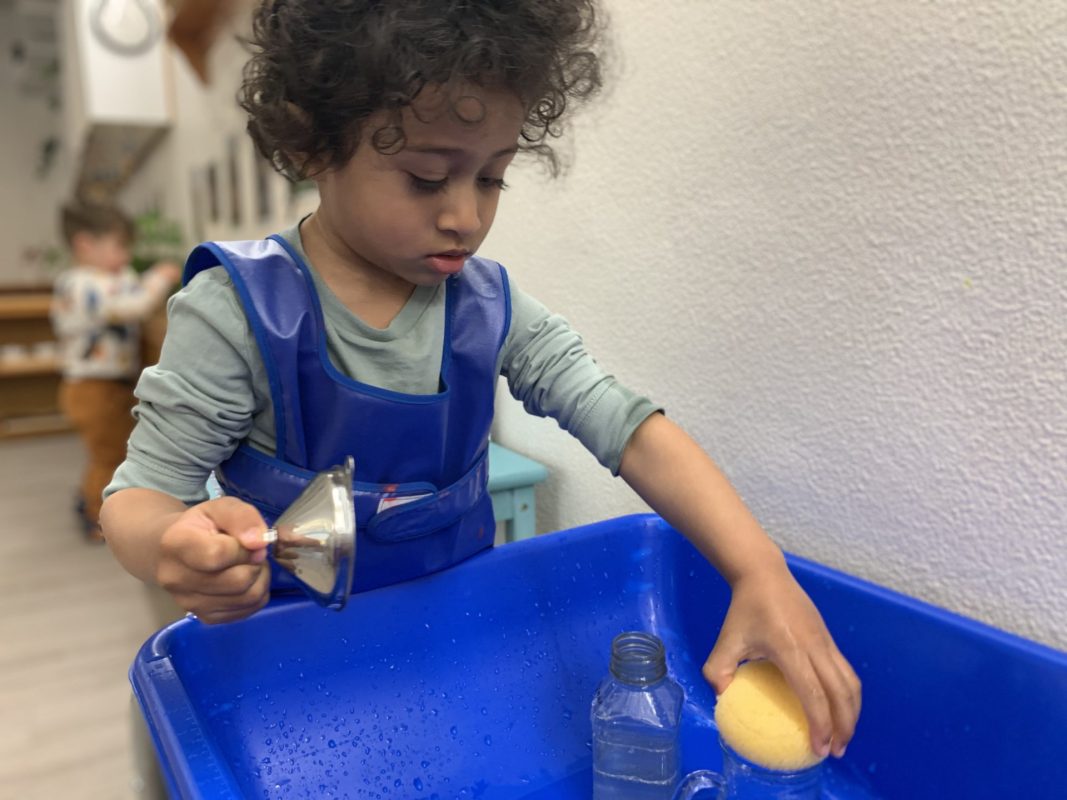
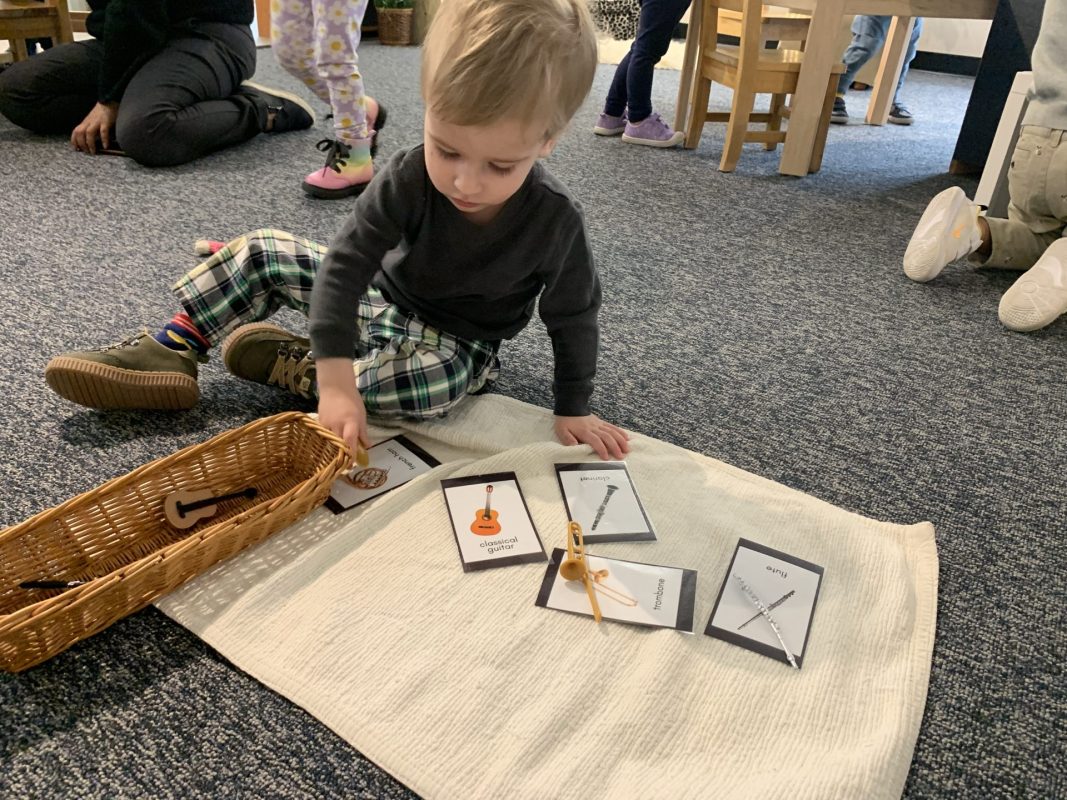
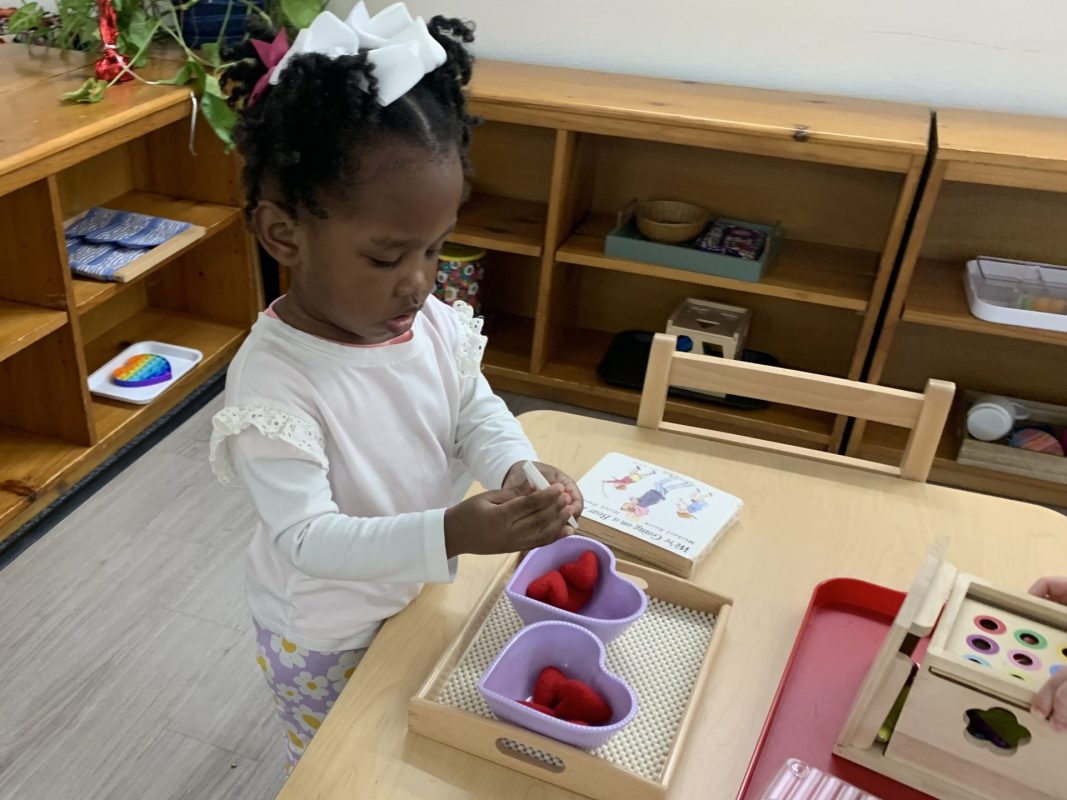
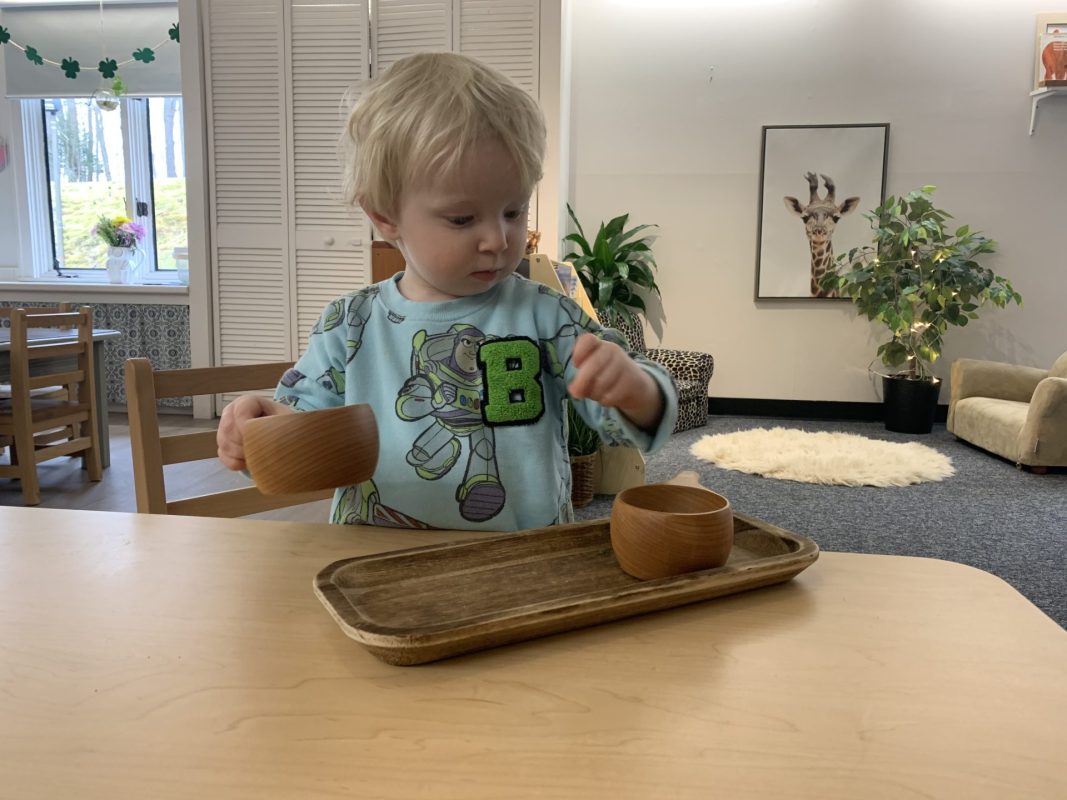
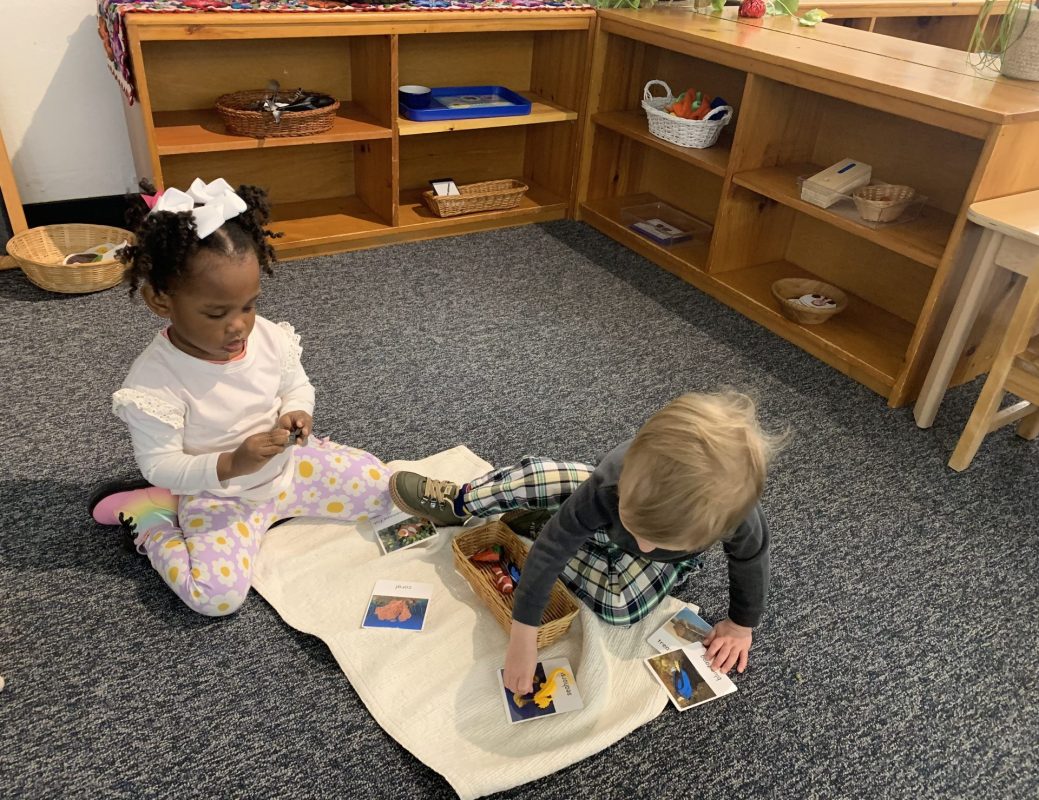
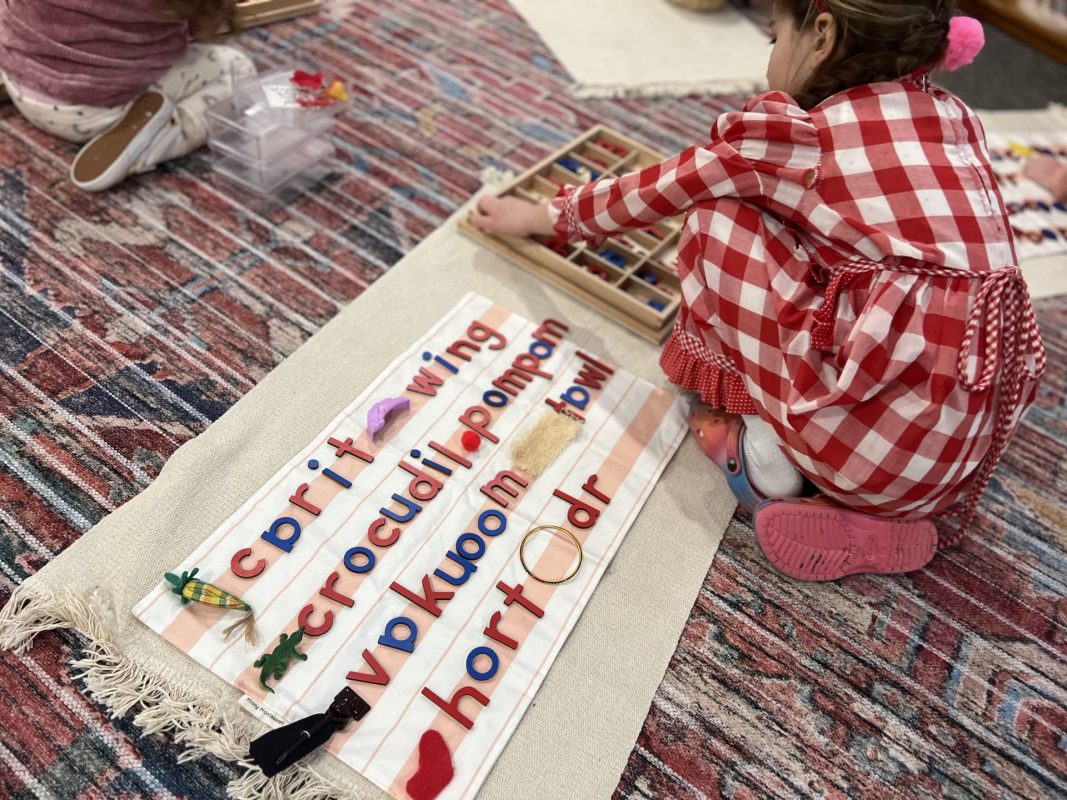
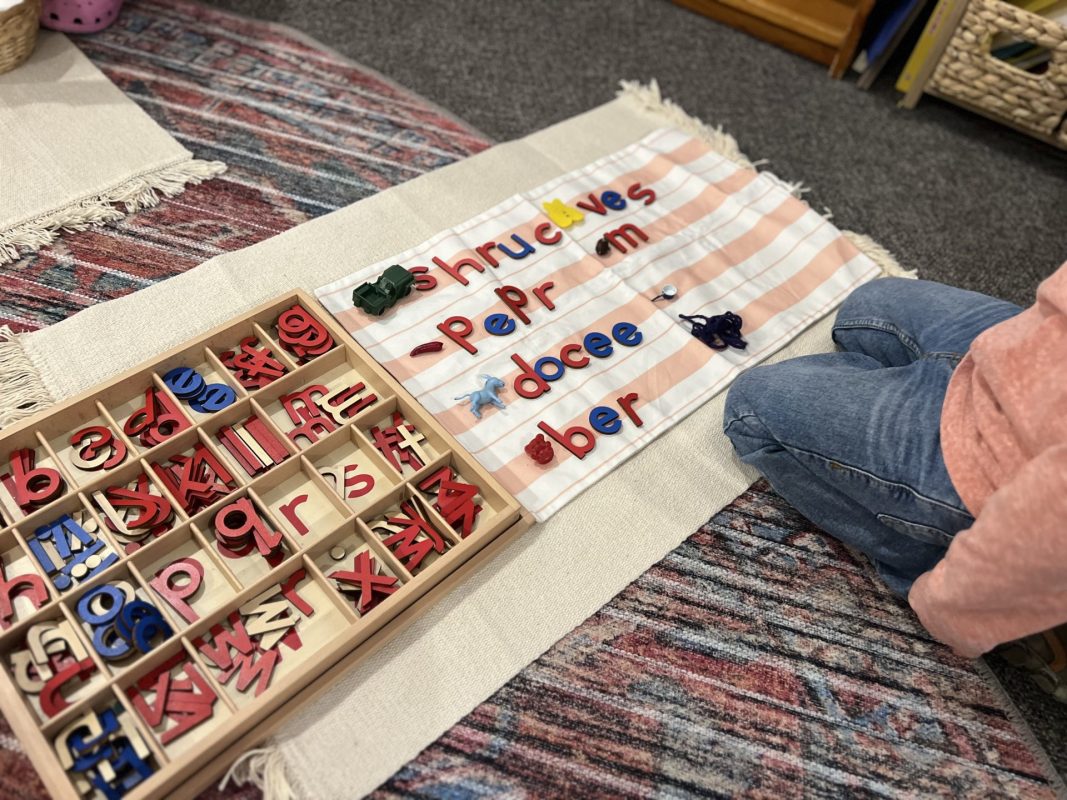
Maria Montessori emphasized the importance of repetition in a child’s learning process. Repetition is a natural and essential part of the learning journey for children. It is through repetition that children internalize concepts and skills, building a strong foundation for future learning.
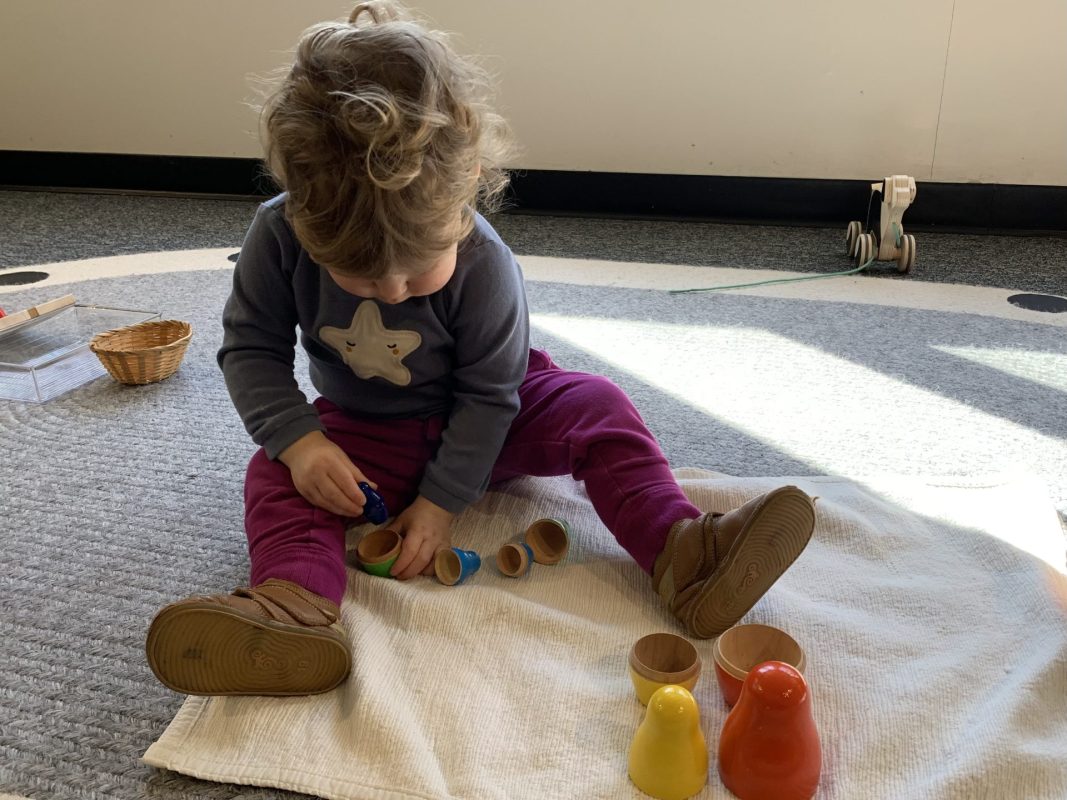
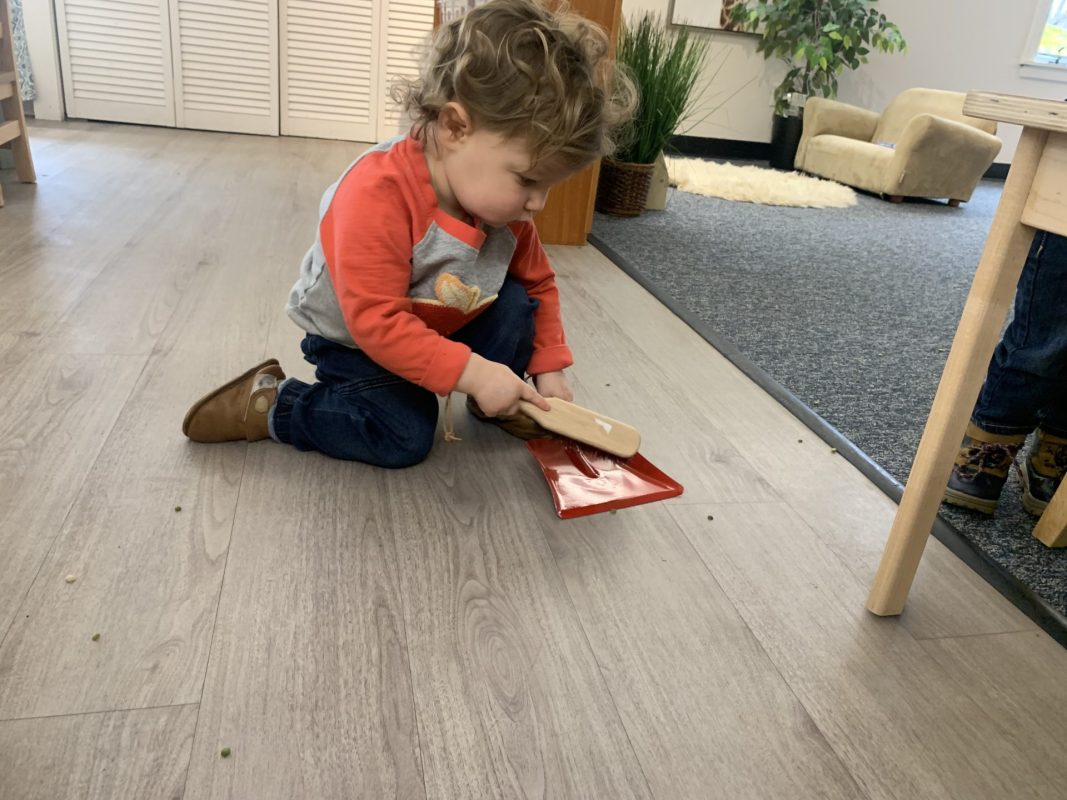
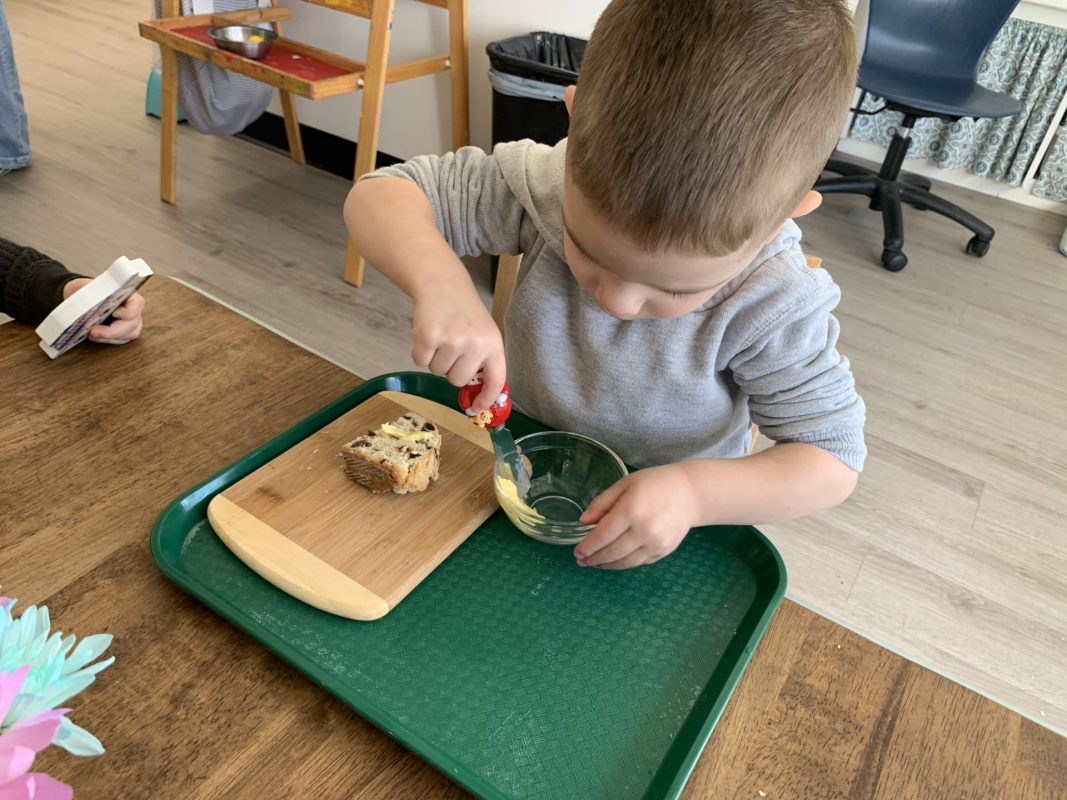
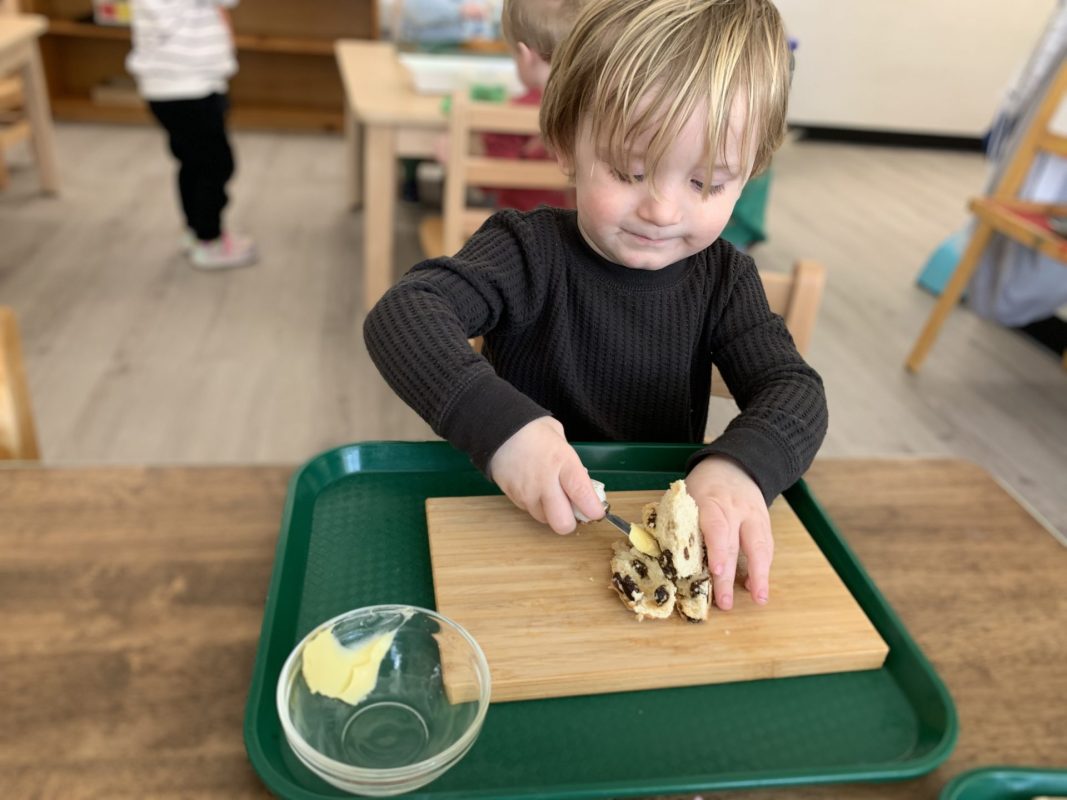
Montessori observed that young children have a natural inclination to repeat activities that interest them. She saw this repetition as a way for children to master new skills, gain confidence, and refine their understanding of the world around them. Each time a child repeats a skill, brain connections are being strengthened. Skills can only be perfected through repeated practice. Our classroom environments are set up to allow for repetition, providing children with the opportunity to revisit activities and materials at their own pace. Repetition refines the senses, encourages focus, fosters independence, and develops confidence. In addition, when a child repeats an activity, they learn how to fix errors and will make small changes in their task to get closer to success each time. 

A few tidbits about our week:

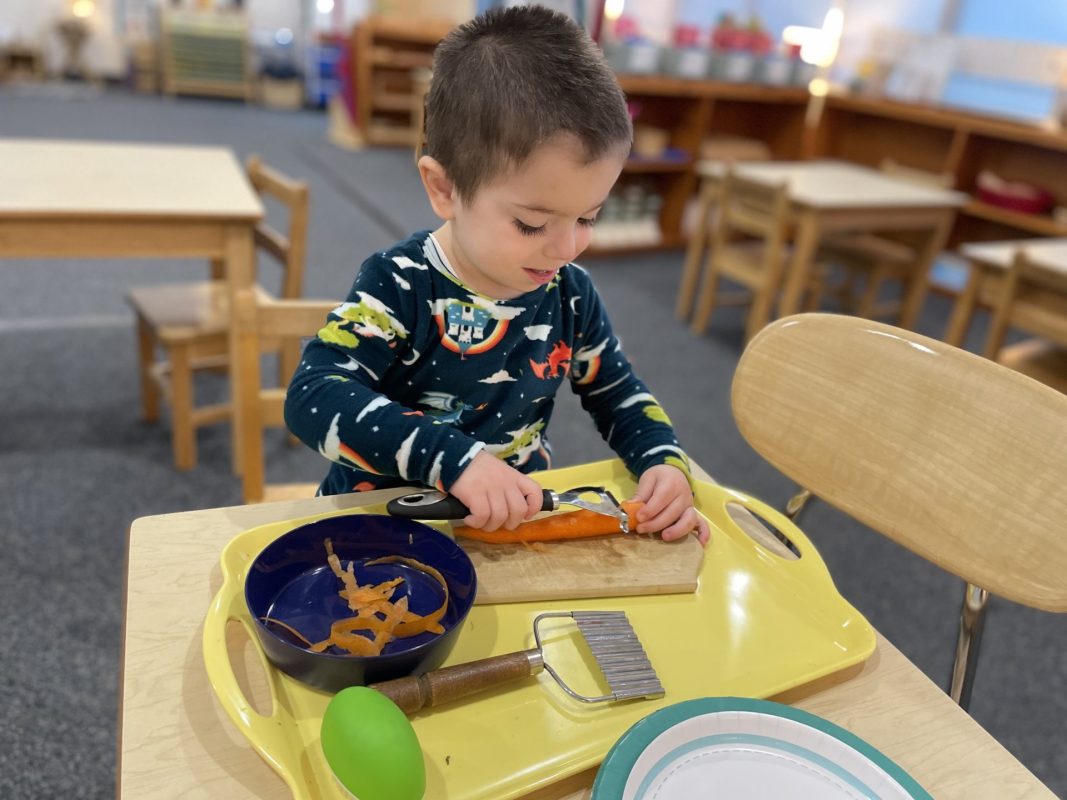
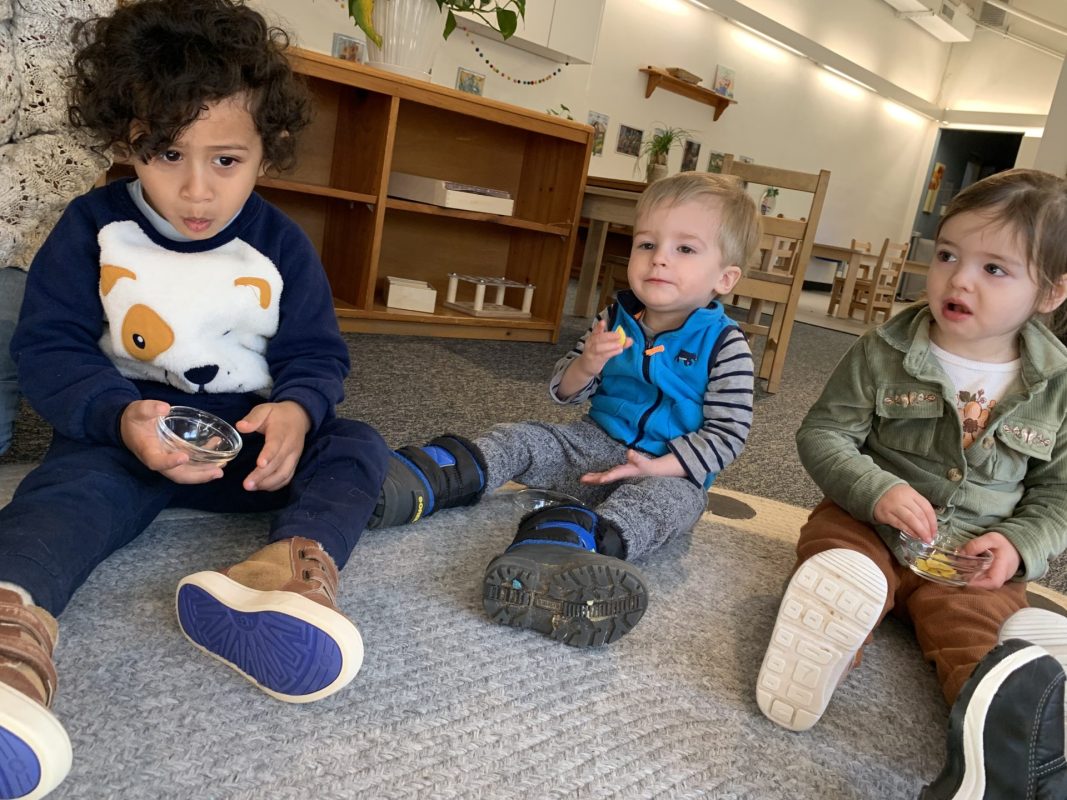
We tasted a rainbow of carrots – orange, white, and purple! I wonder which color your child liked best.

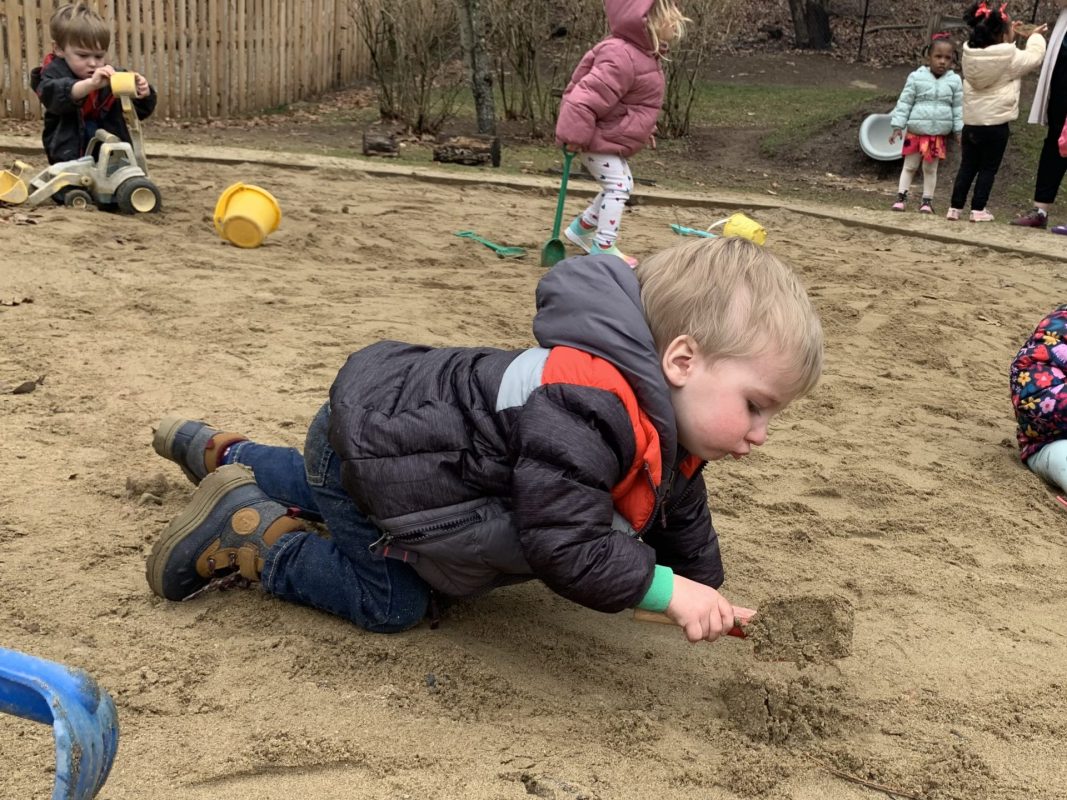
We found shadows in the classroom and on the playground. Some of the children played in the snow and discovered ice in the buckets. We’ve learned a few Spanish songs and some new words. It was another fun, productive week! We look forward to seeing everyone again on Tuesday. Warmly, Christine & Lizette


Mrs. Sargeant: Happy New Year!

Happy New Year! We were all thrilled to see each other again,  relishing the return to school after a rejuvenating break spent with our families during the holiday celebrations at home. 

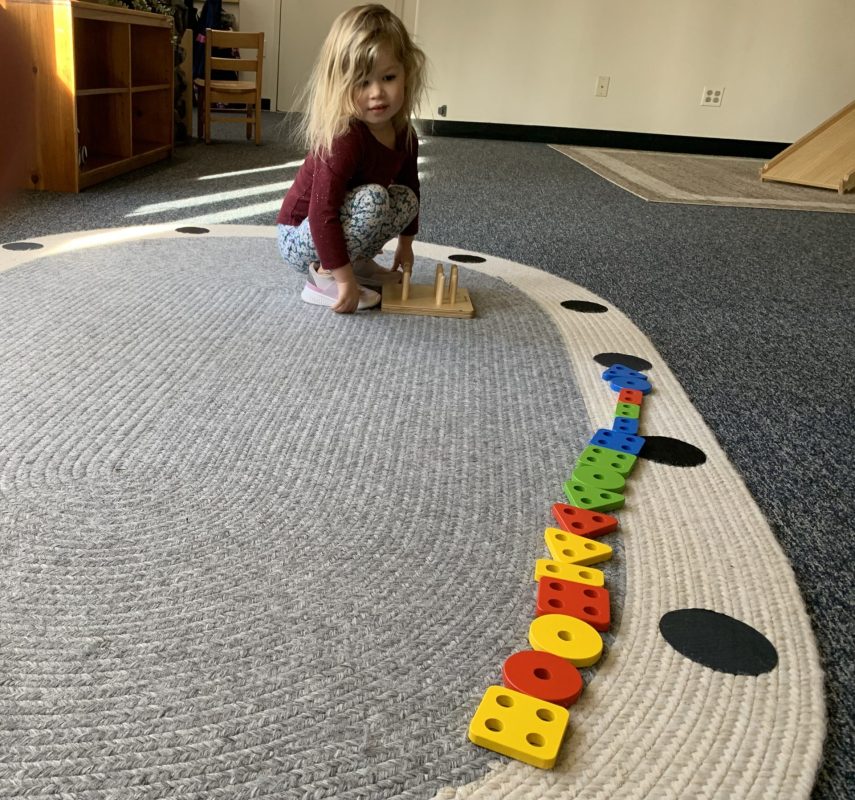
The children seamlessly re-acclimated to their routines, displaying a keen enthusiasm for their independence. Alongside honing their fine and gross motor skills, they eagerly engaged in learning activities encompassing colors, shapes, counting, the concept of opposites, and the Spanish language.

We spent the week revisiting their favorite songs and books, as they’d make requests for their favorites each day.

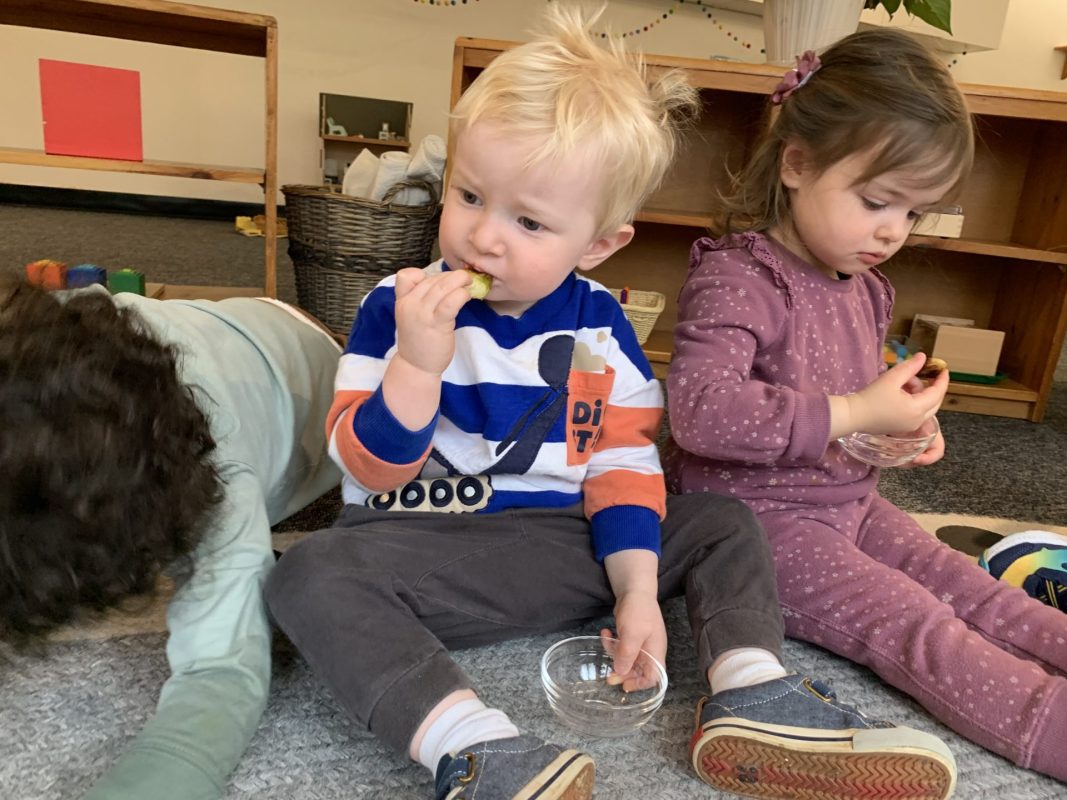
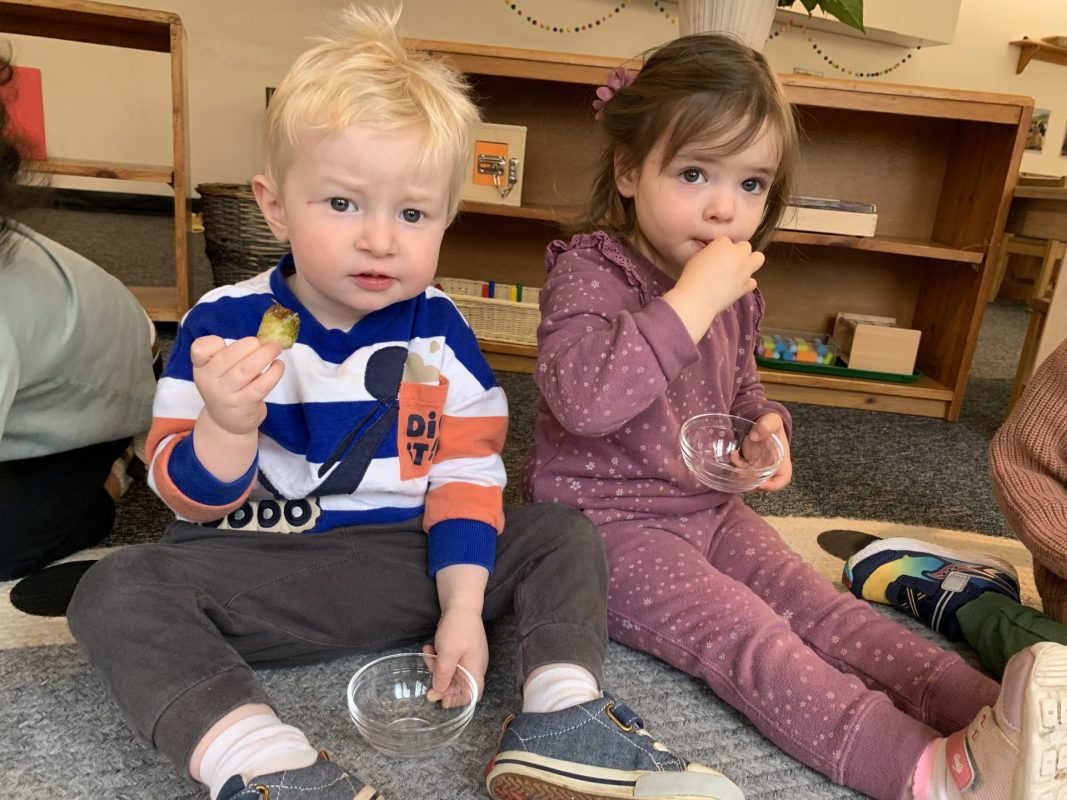
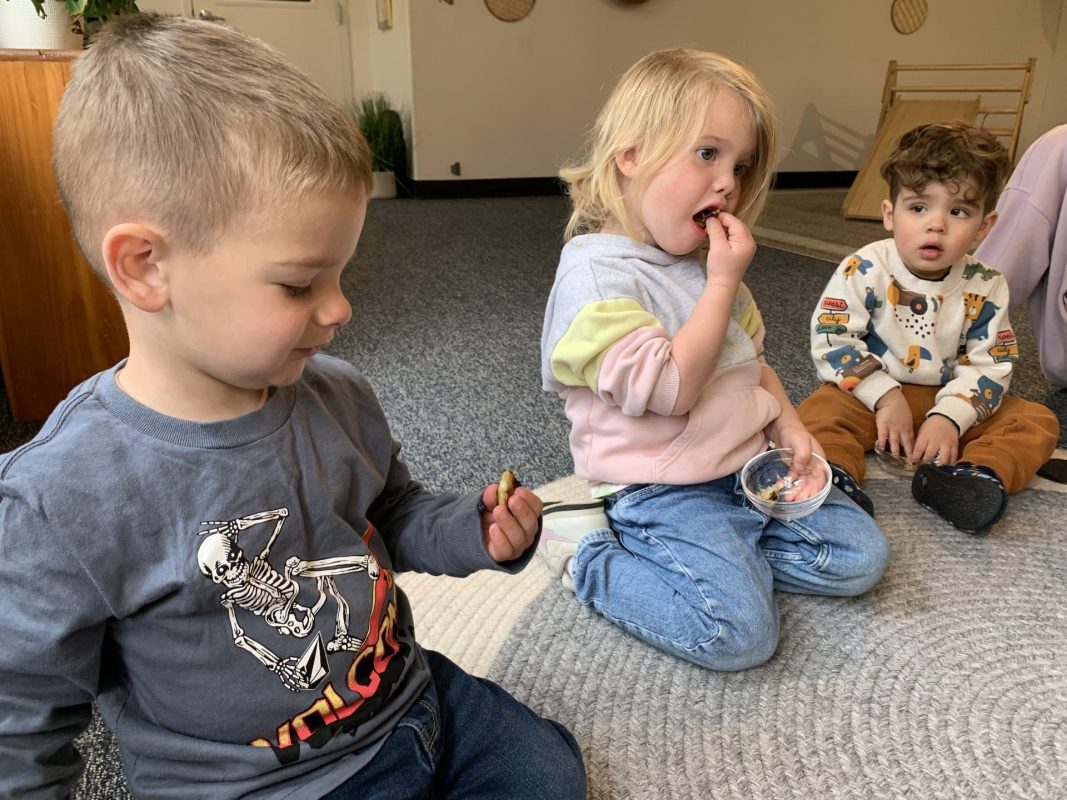
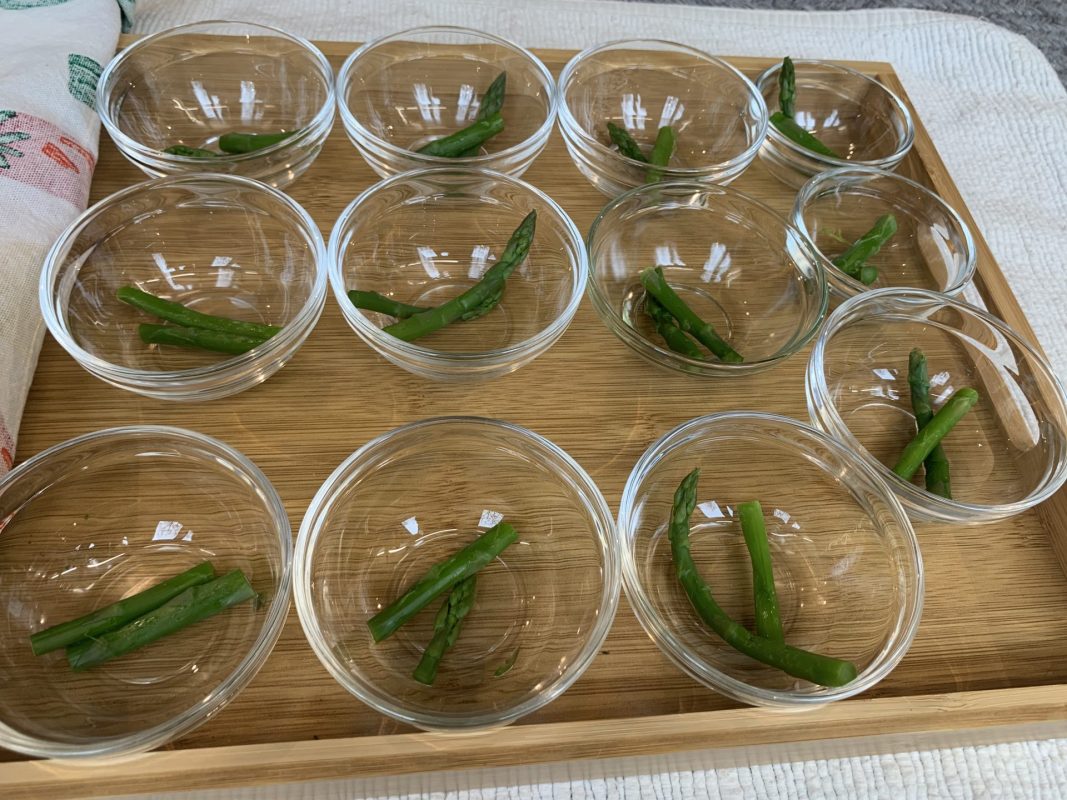
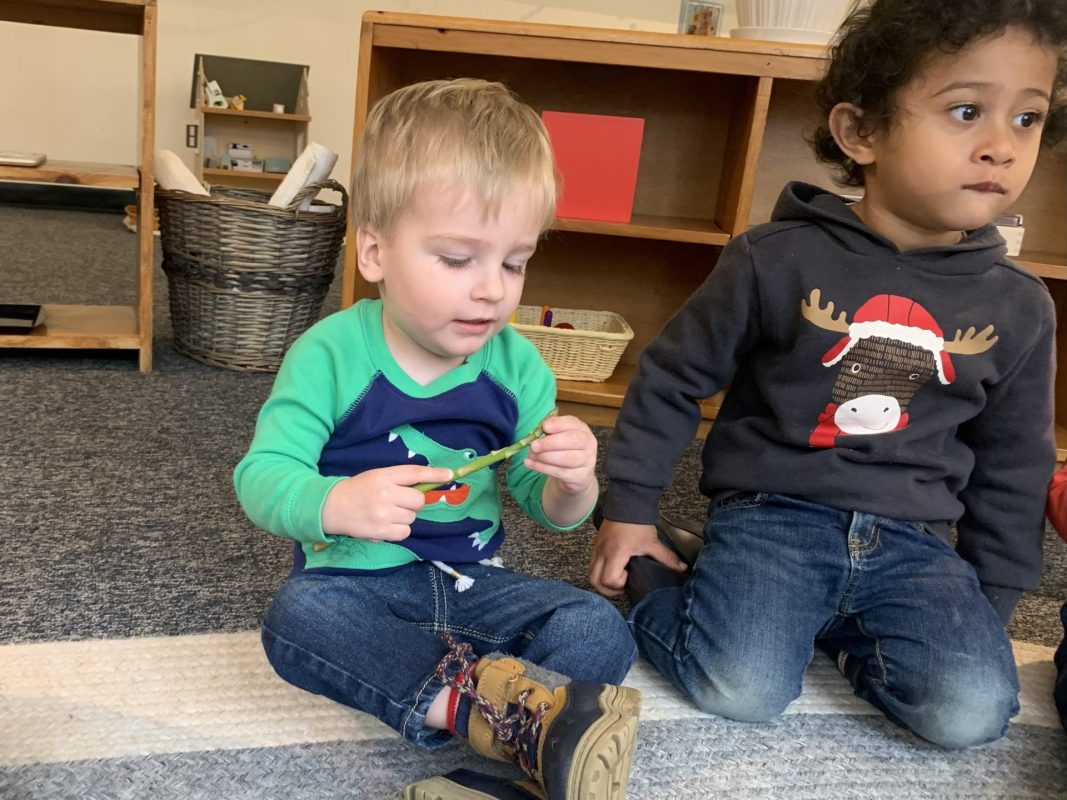
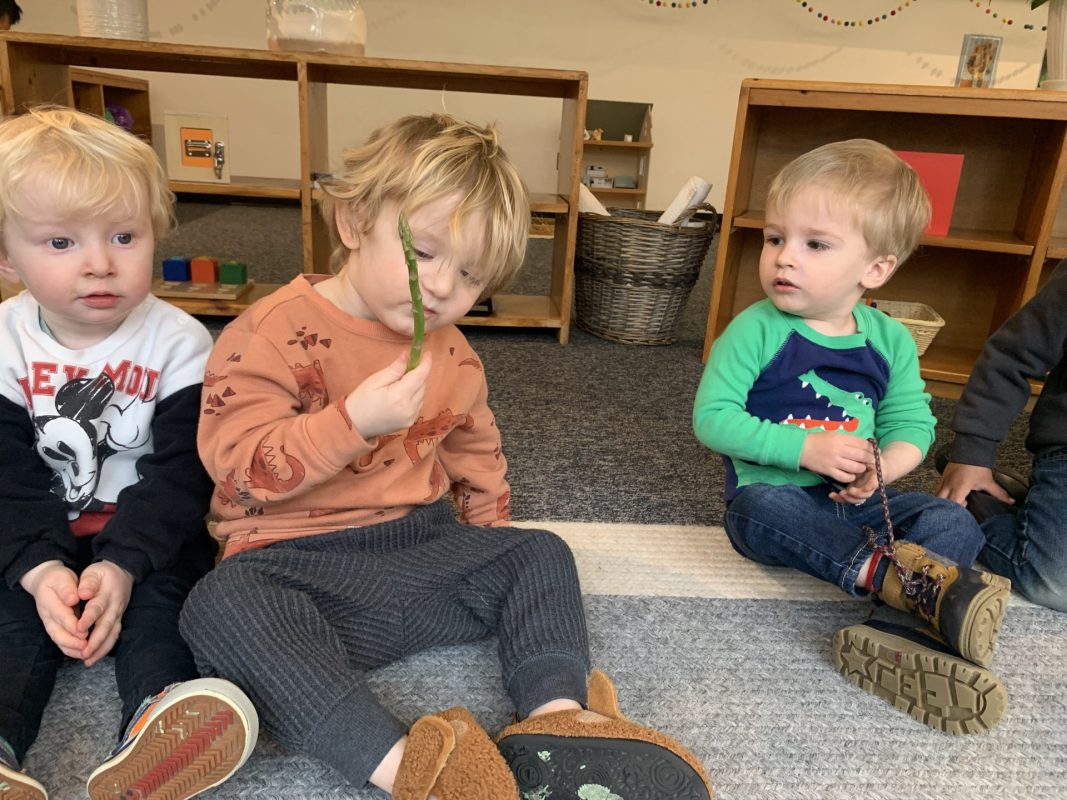
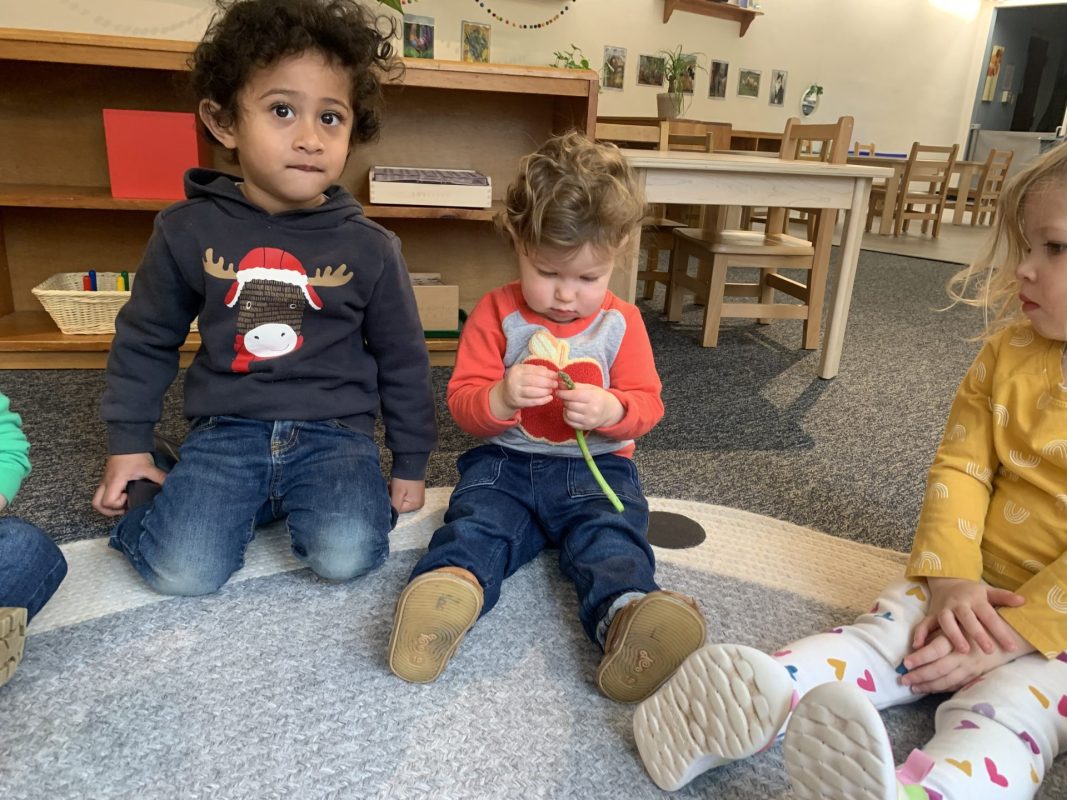
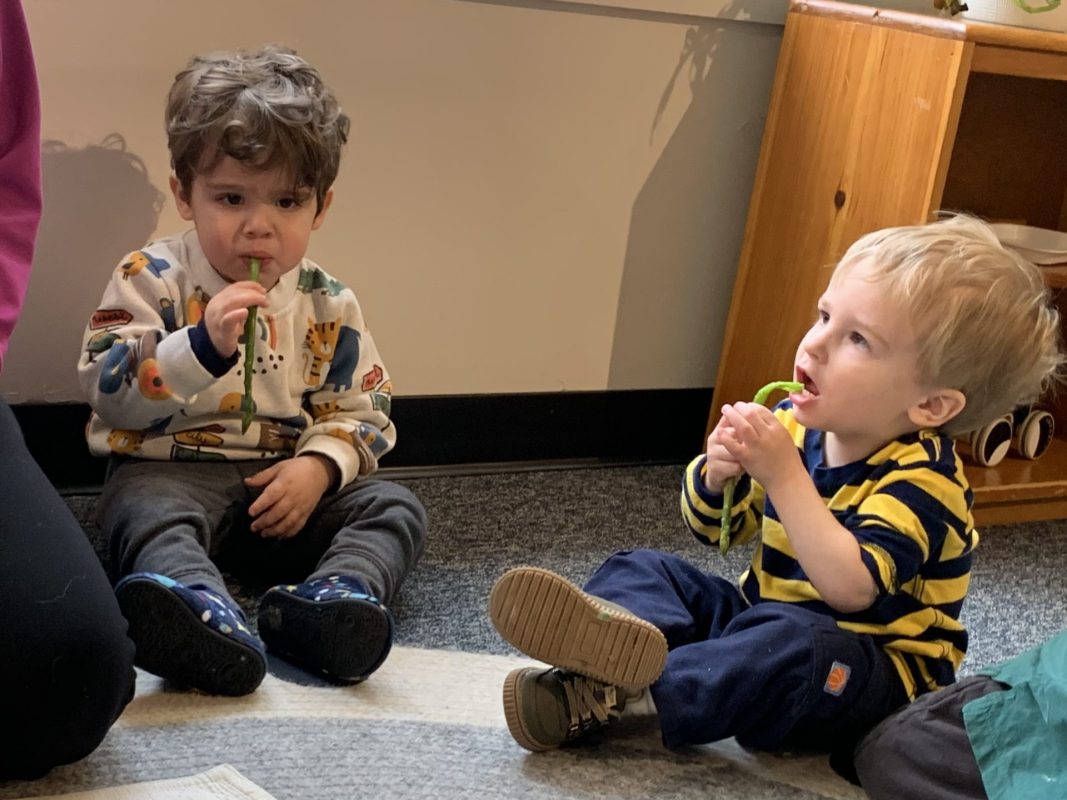
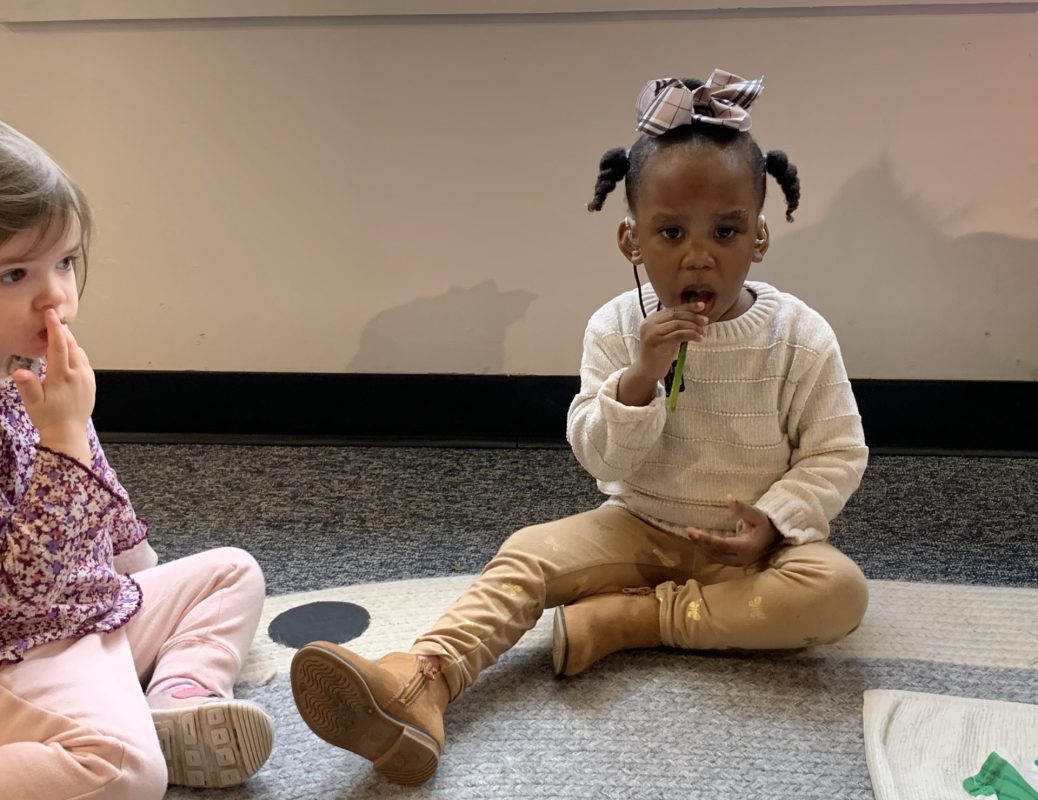
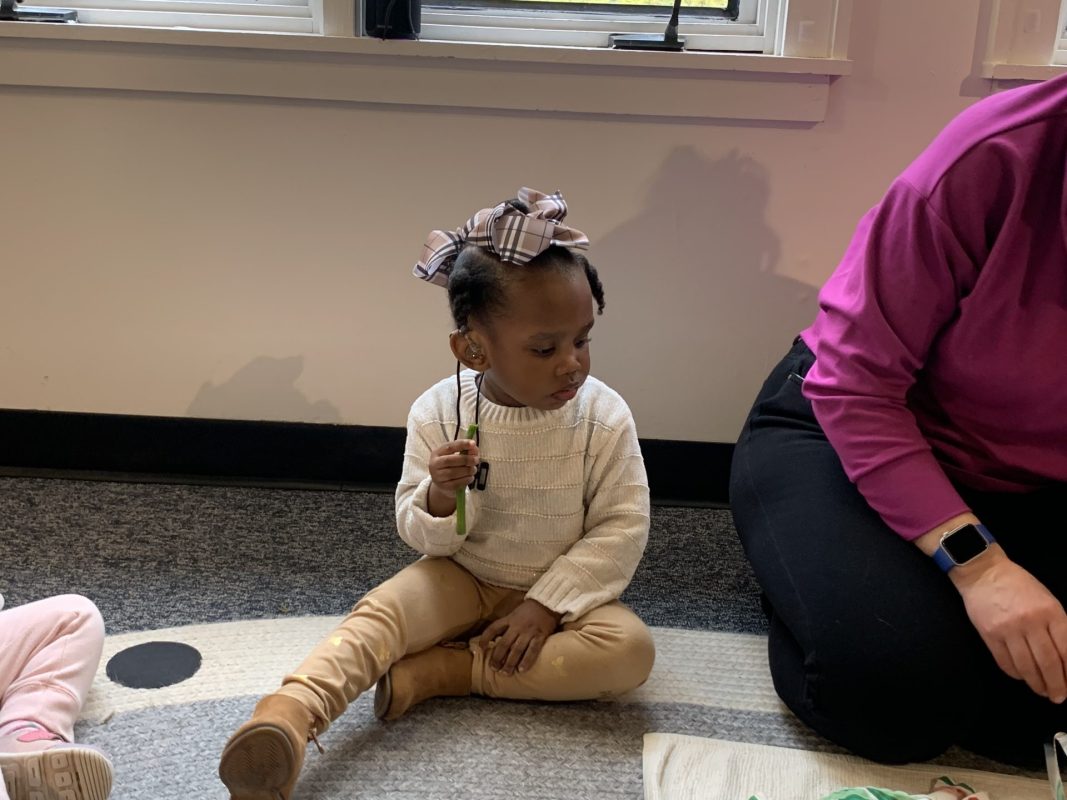
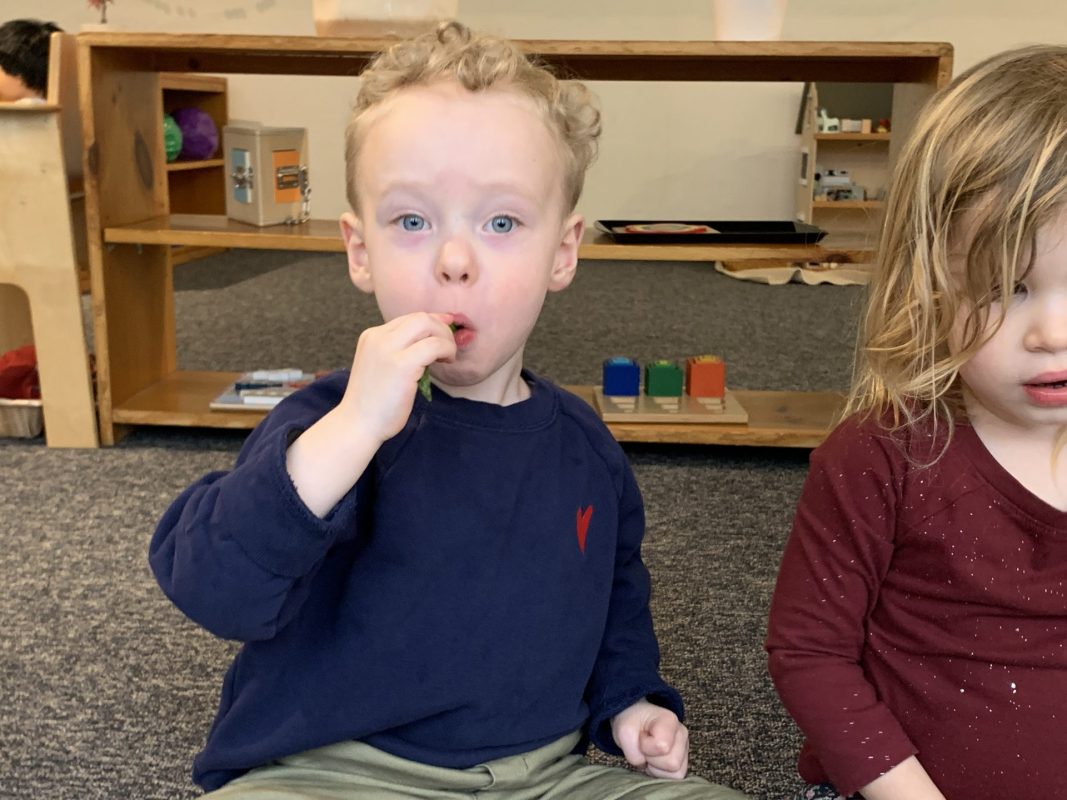
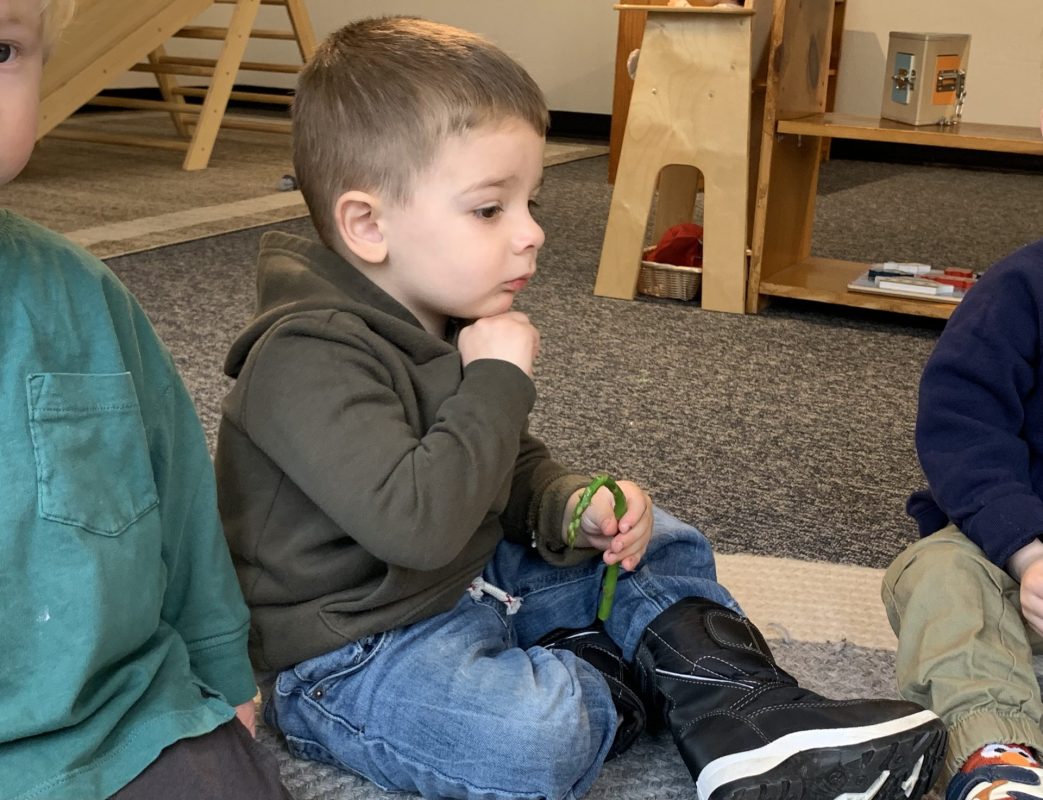
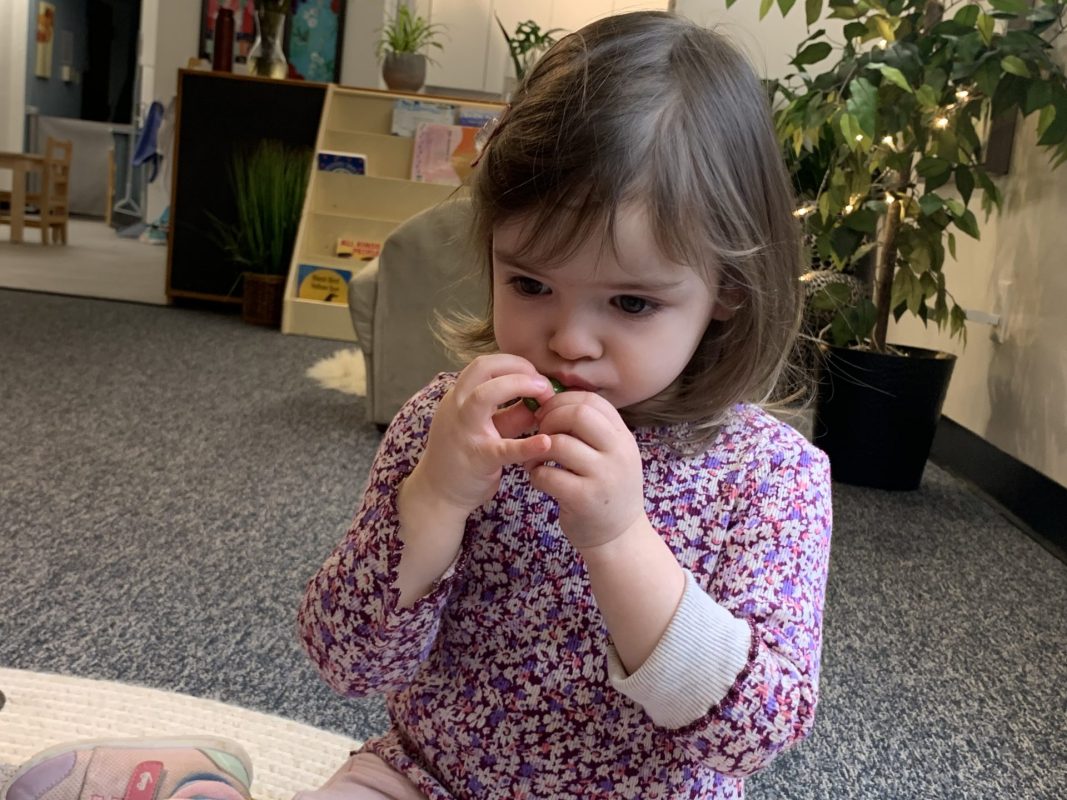
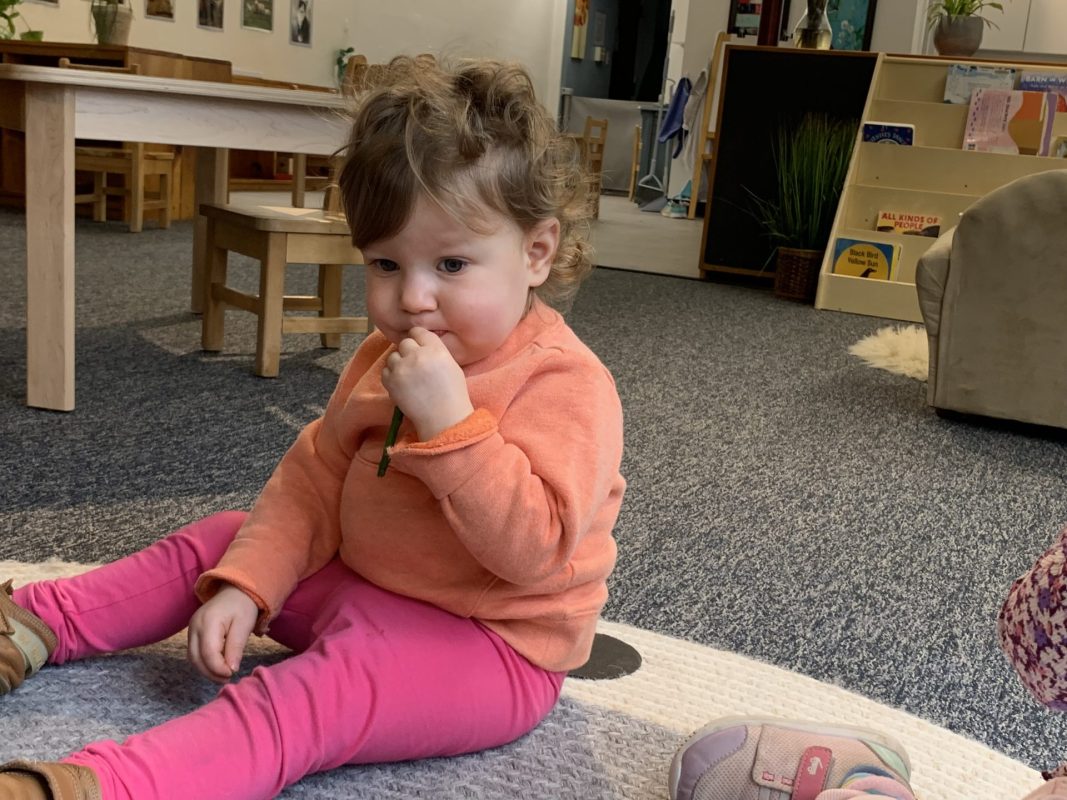
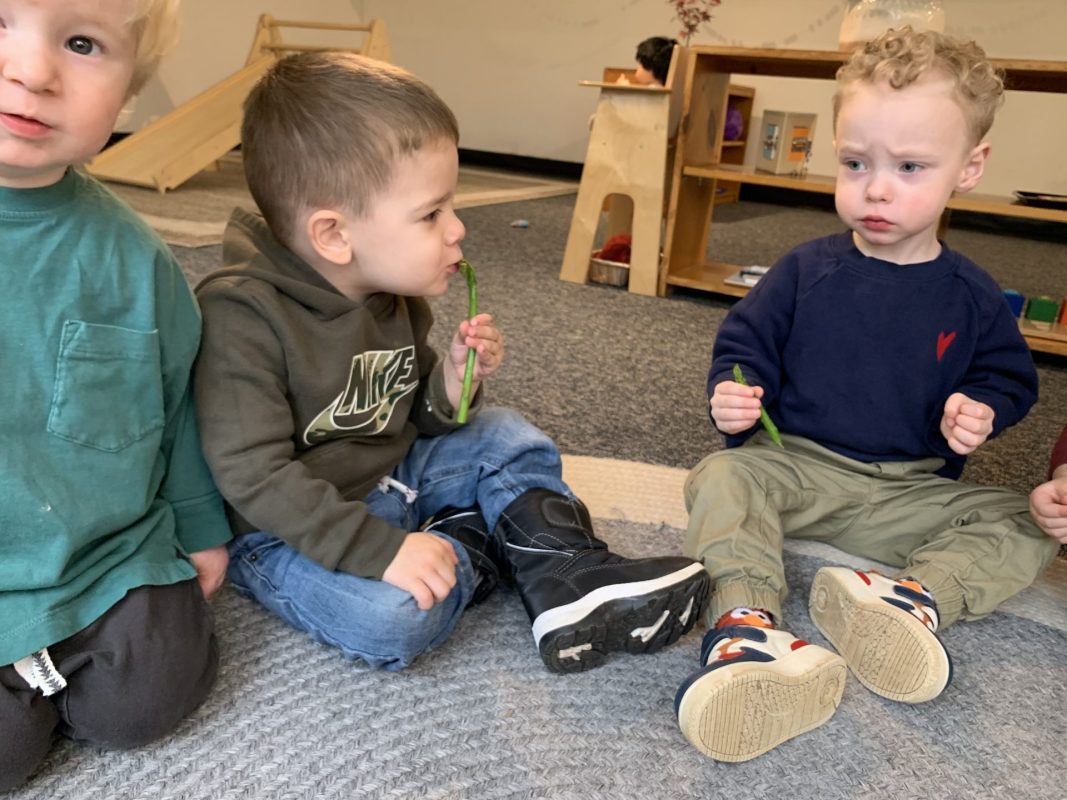
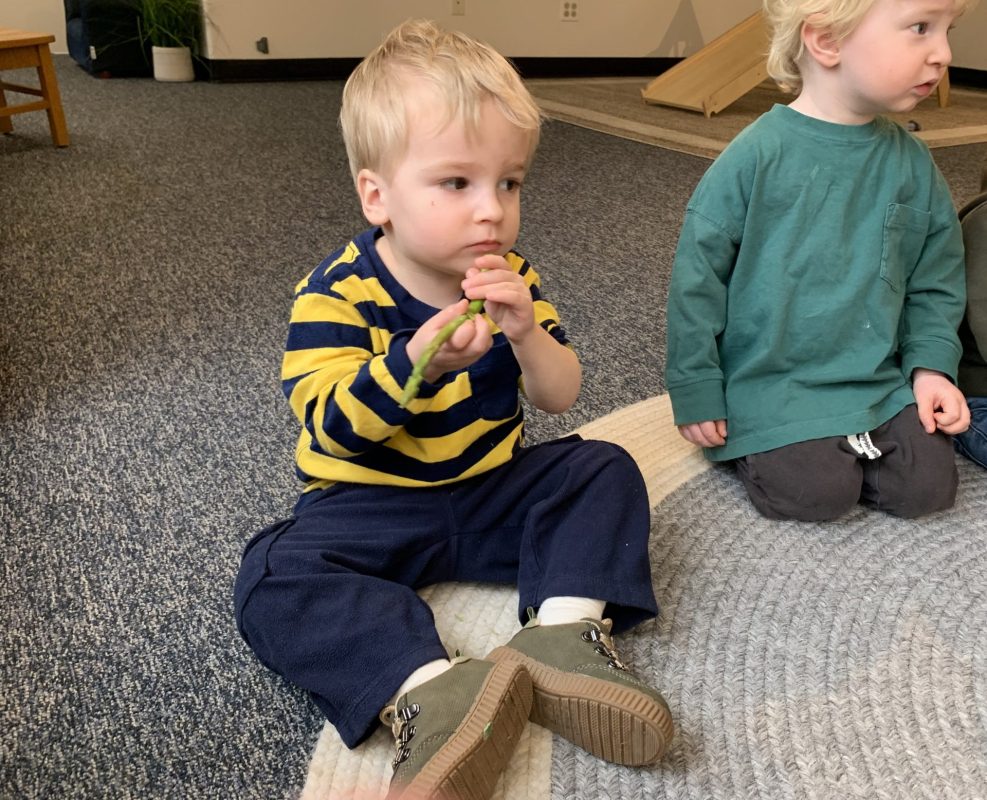
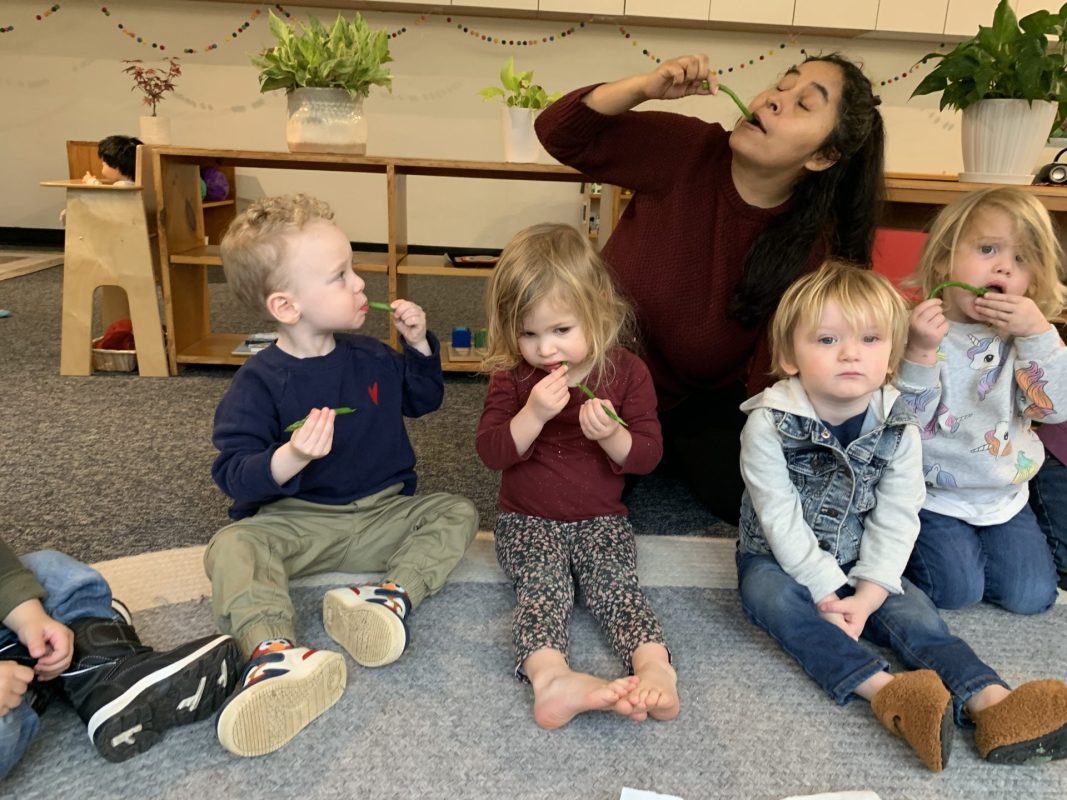
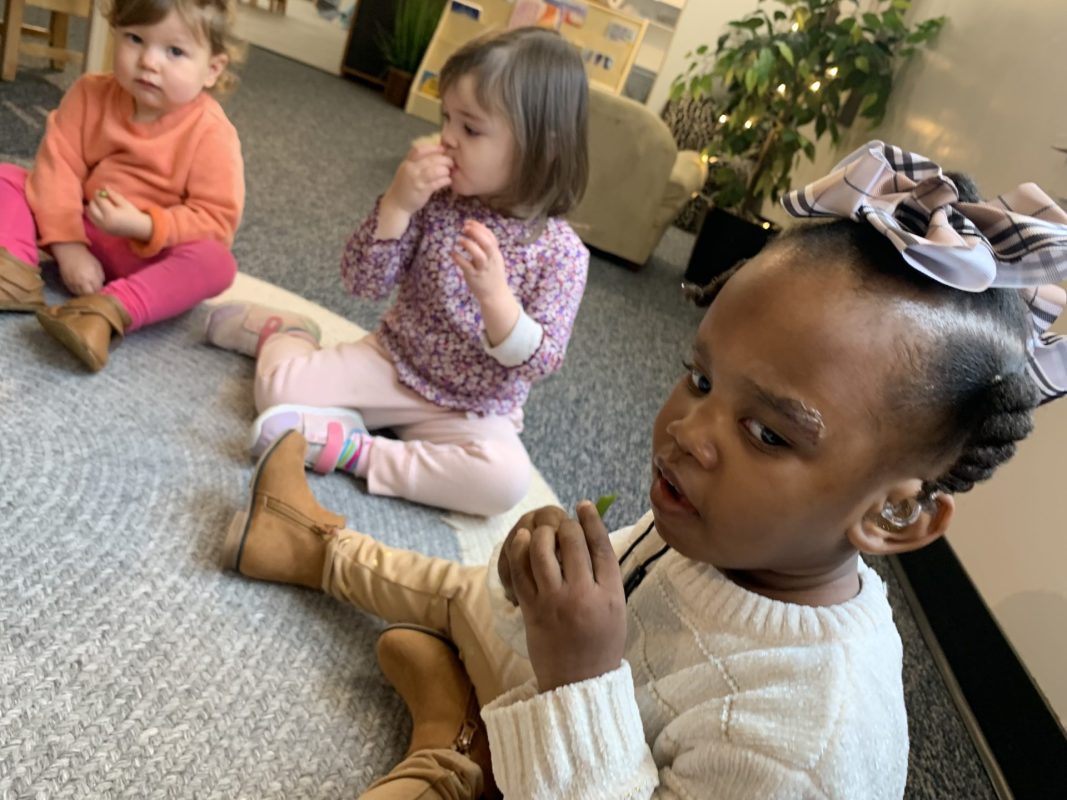
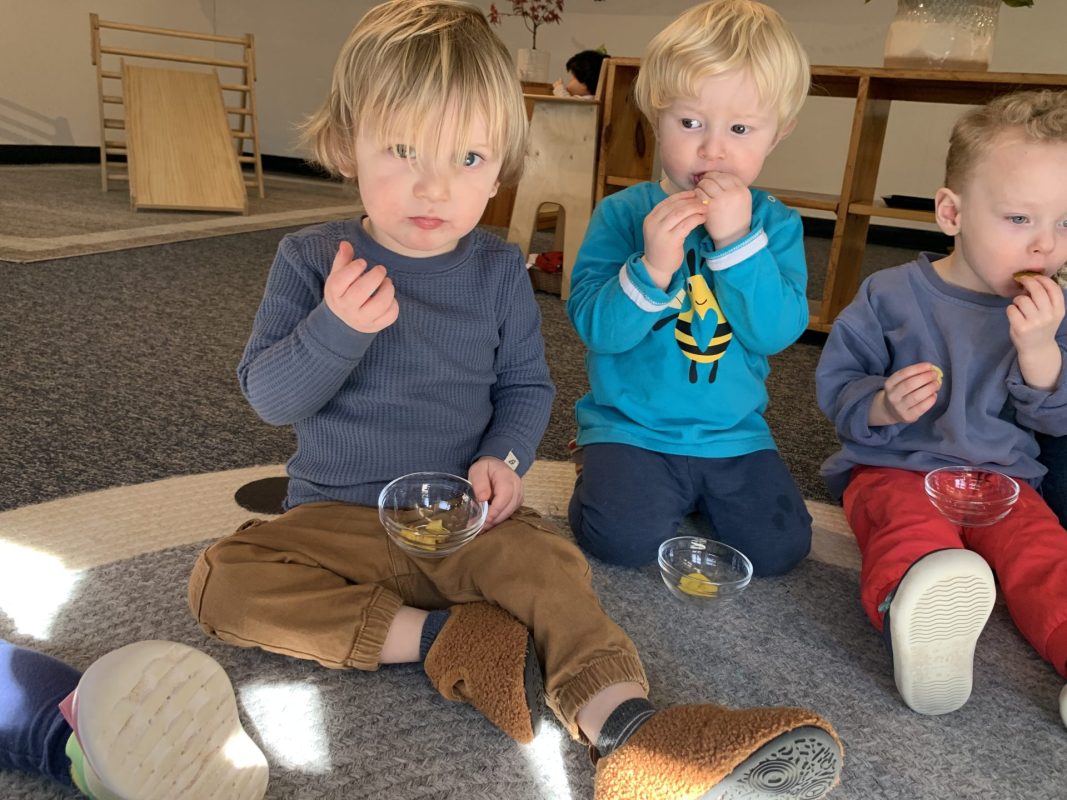
Ms. Lizette brought one of her favorite snacks to share with the class – dried seaweed! The children were eager to taste it. The majority could not get enough of the salty, thin, green, crunchy snack. Food tasting is a fun way to encourage the children to try new foods, in addition to enriching their vocabulary.  

We sincerely hope you enjoy the weekend. Stay warm and healthy! -Christine & Lizette


Mrs. Doyle: A Normalized Classroom

“Social grace, inner discipline, and joy. These are the birthright of the human being who has been allowed to develop essential human qualities.”  Maria Montessori
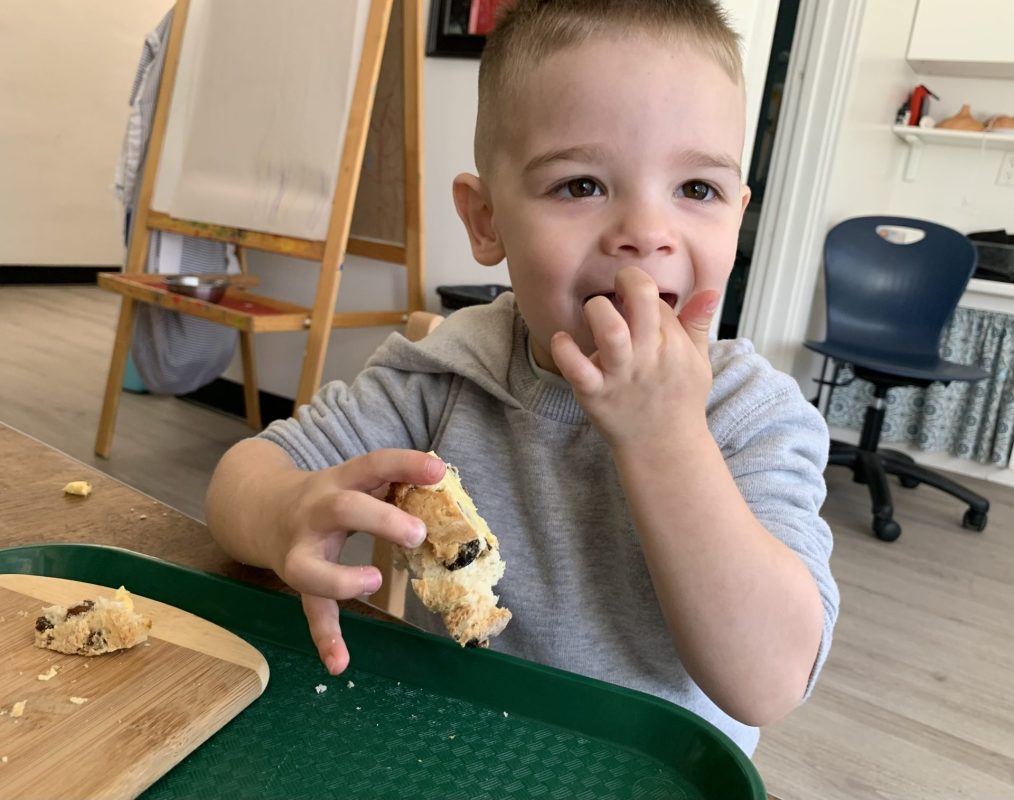
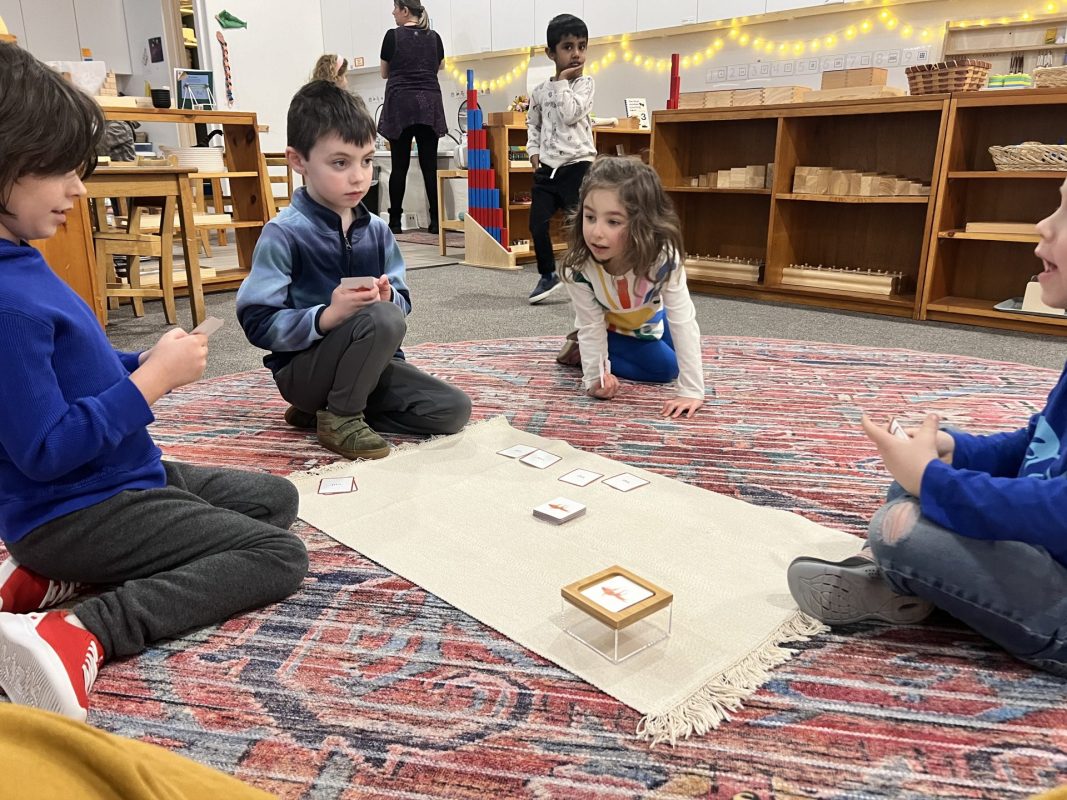
Normalization is a buzzword often used by Montessori teachers everywhere. So, what exactly does it mean, and more importantly, how do we achieve it? When children in a Montessori environment demonstrate deep concentration, self-discipline, social skills, and a true love of work, we describe this as a normalized classroom. Normalization is achieved by consistent and clear ground rules that everyone is familiar with. It is our job to ensure the environment is always well-prepared and designed to meet the needs of the children. As Montessori teachers, we are confident that if we do our job well and the children are free to experience the opportunities provided by the environment and Montessori materials, they will thrive.
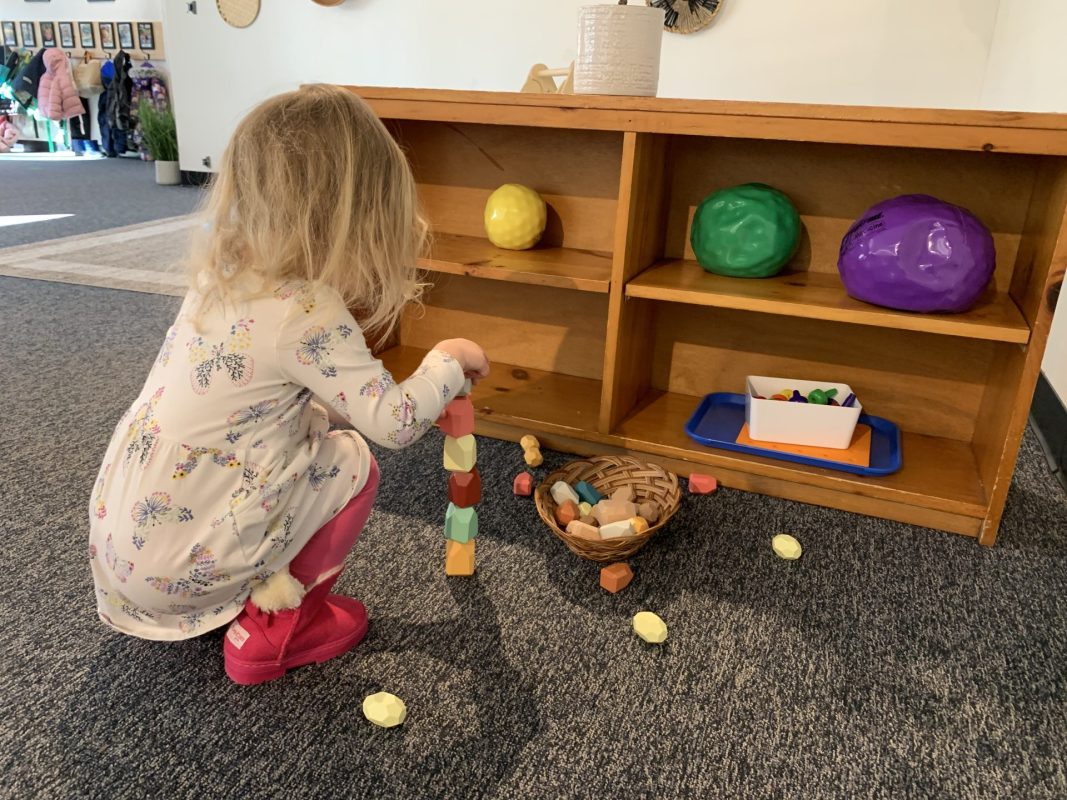
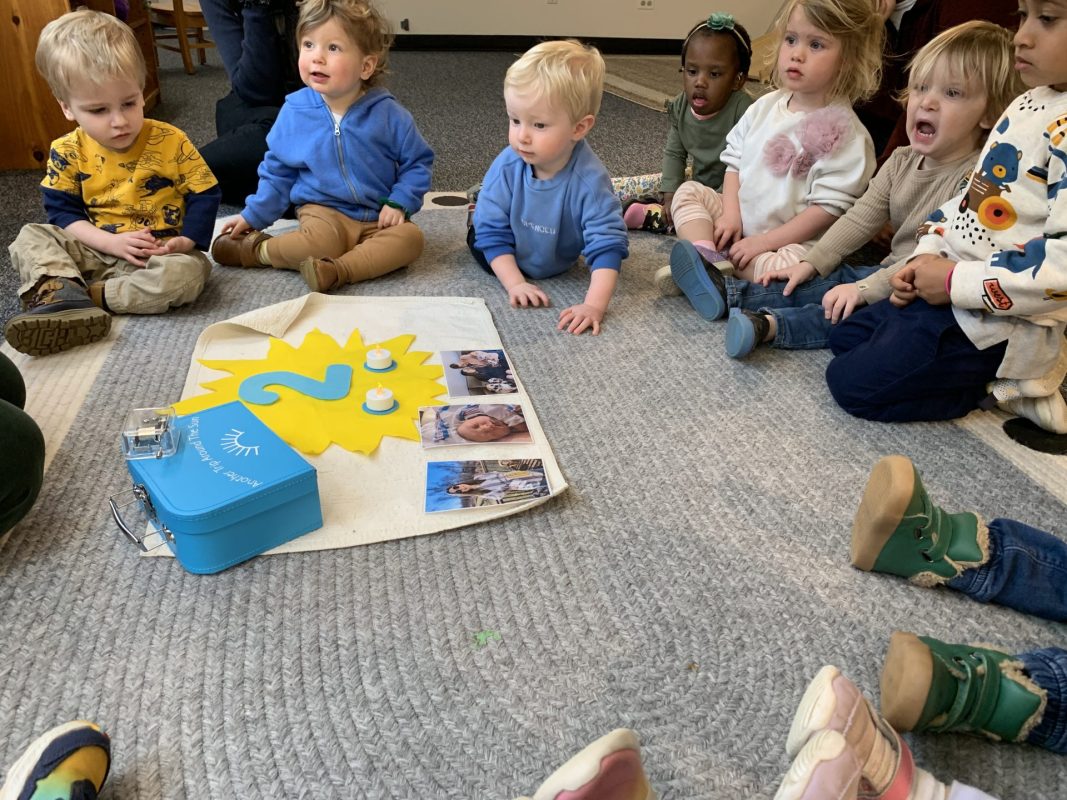
After the winter break and upon our return in January, we often see noticeable growth in the children’s social and emotional development. They come back eager to learn and raring to go! In the first half of the year, they have become comfortable and confident with our classroom routines and expectations. They have developed deeper relationships with their peers and teachers. It is always an exciting time and sets the groundwork for the second half of the school year.

Wishing everyone a 2024 filled with much peace and love.

Michelle & Maria