Mrs. Doyle: Friday Folder Fun Facts

As adults, we must remember that we want things done as quickly as possible so they are finished and out of the way. In contrast, the child is interested and content in the doing, not the done.” –Margaret Stephenson, The Art of Montessori in the Home.

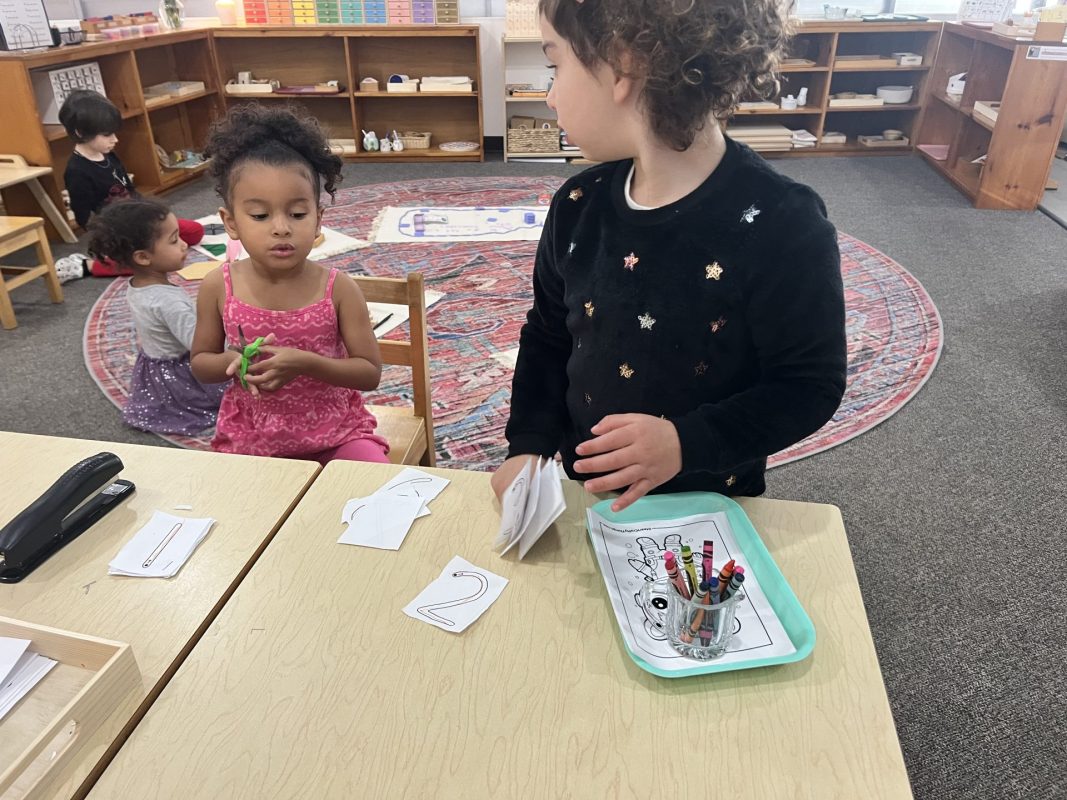
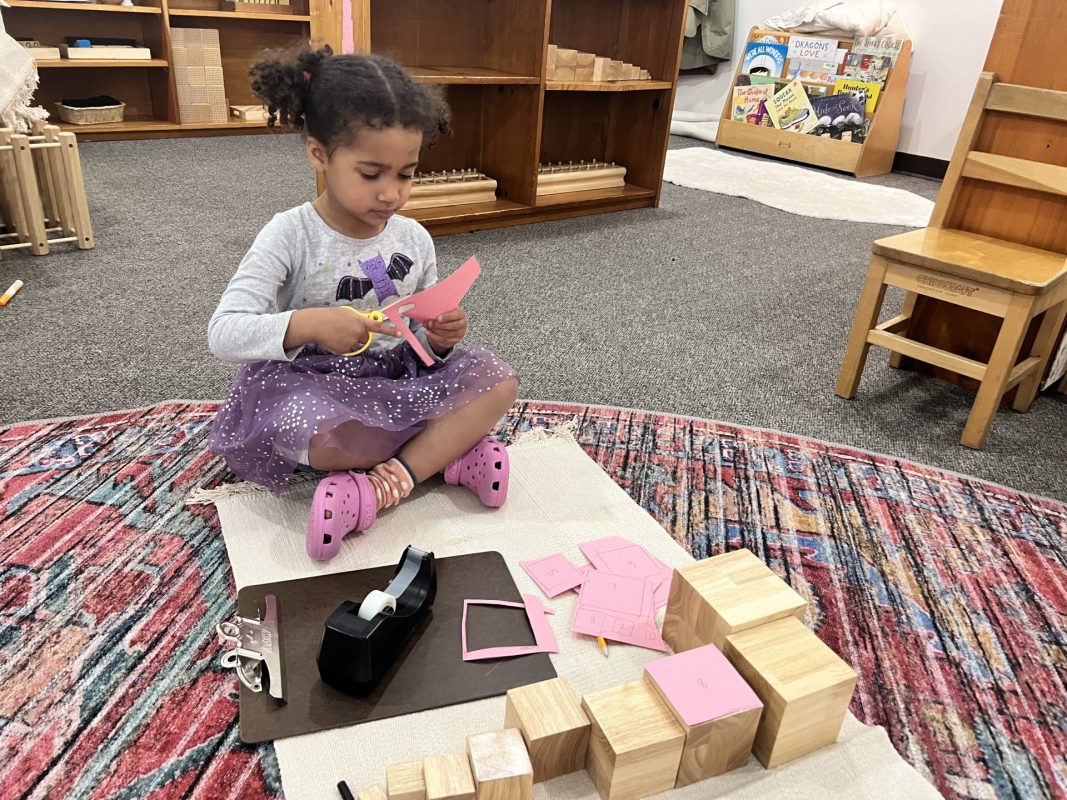
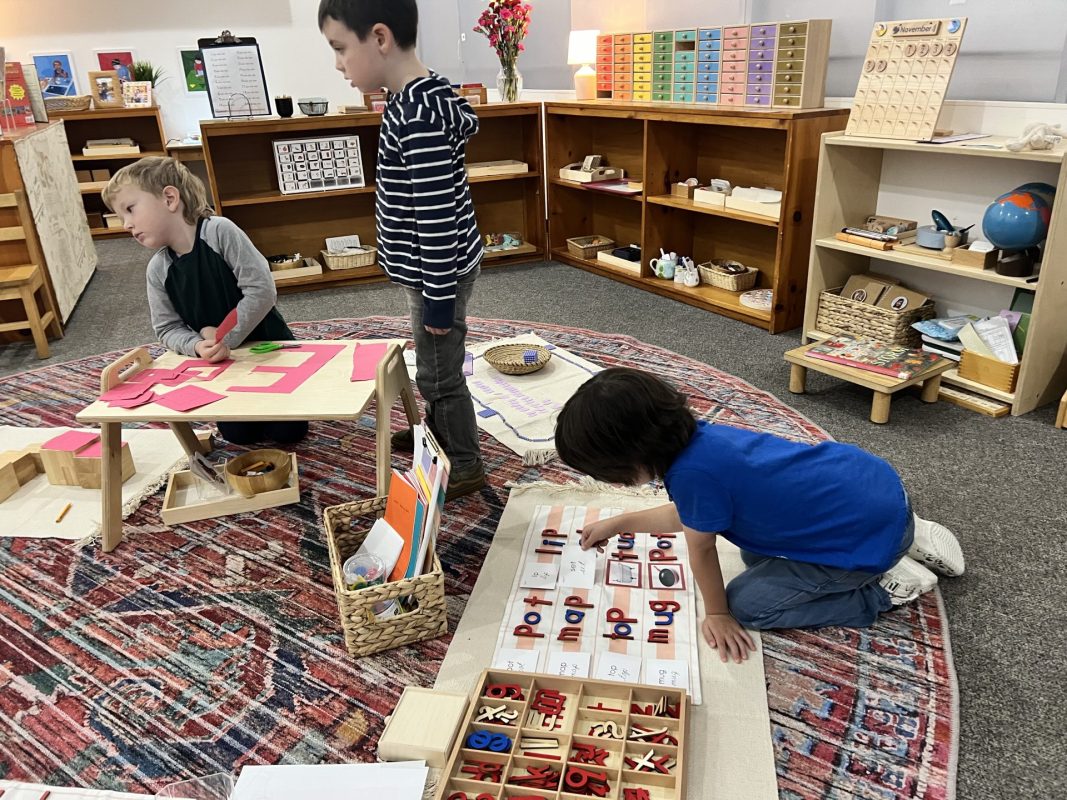
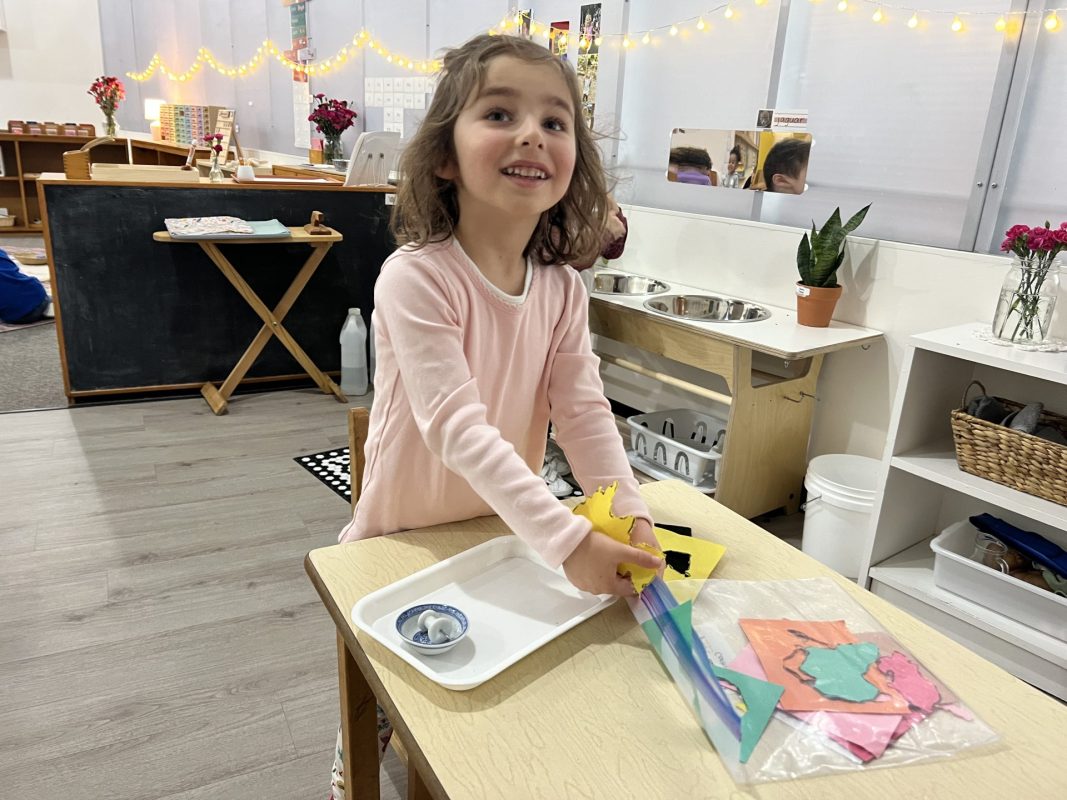
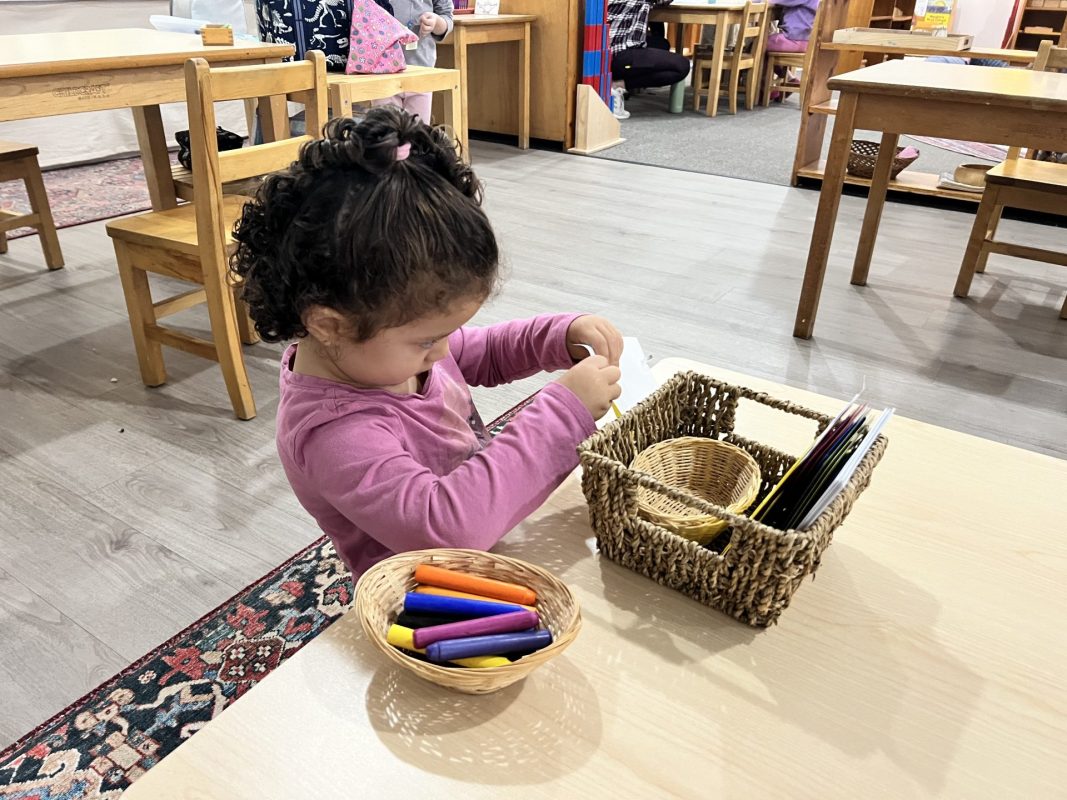
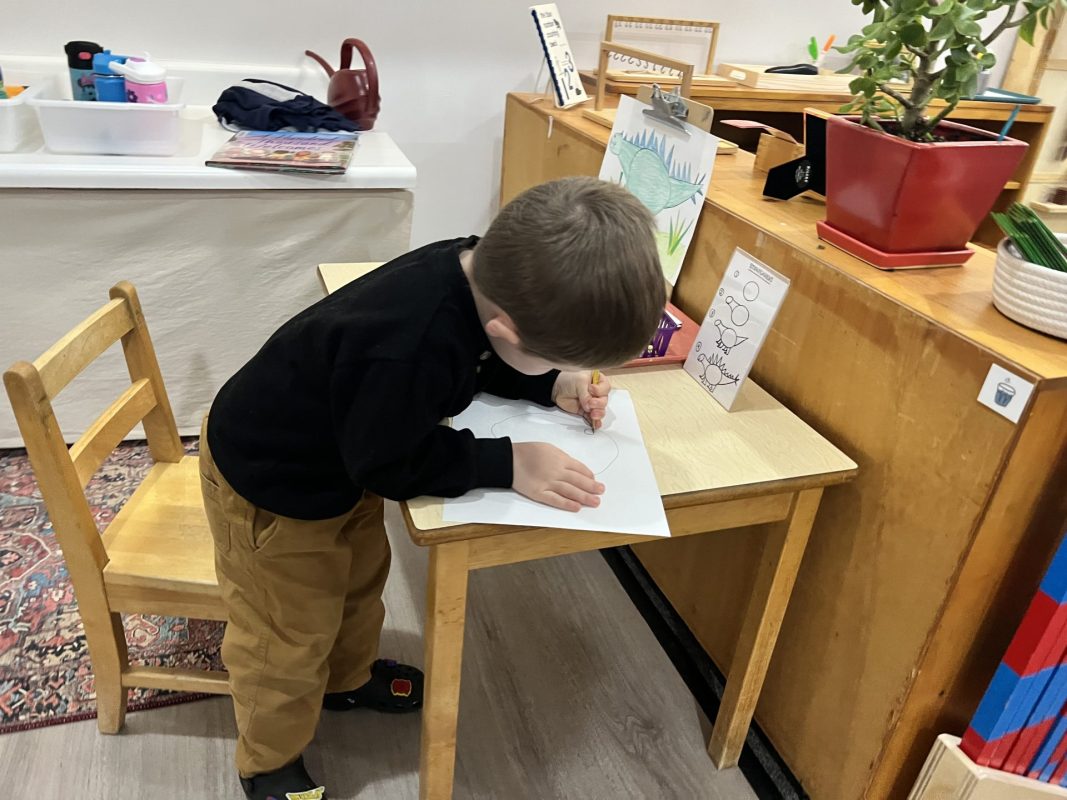
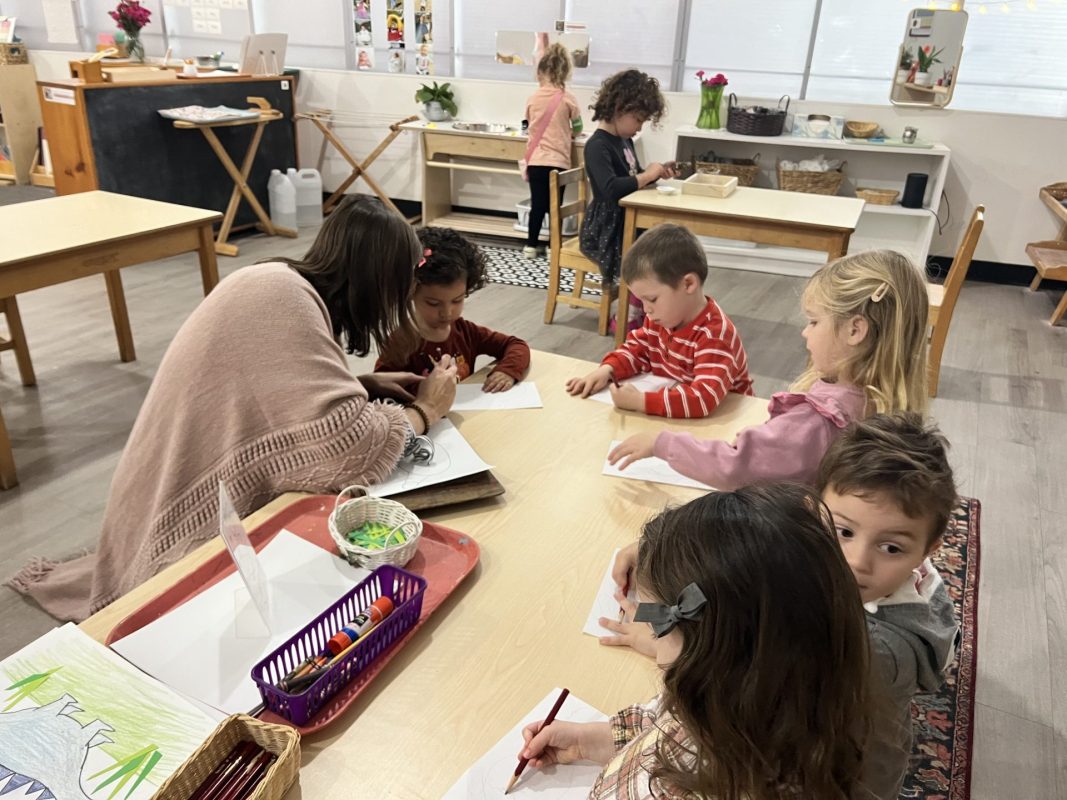
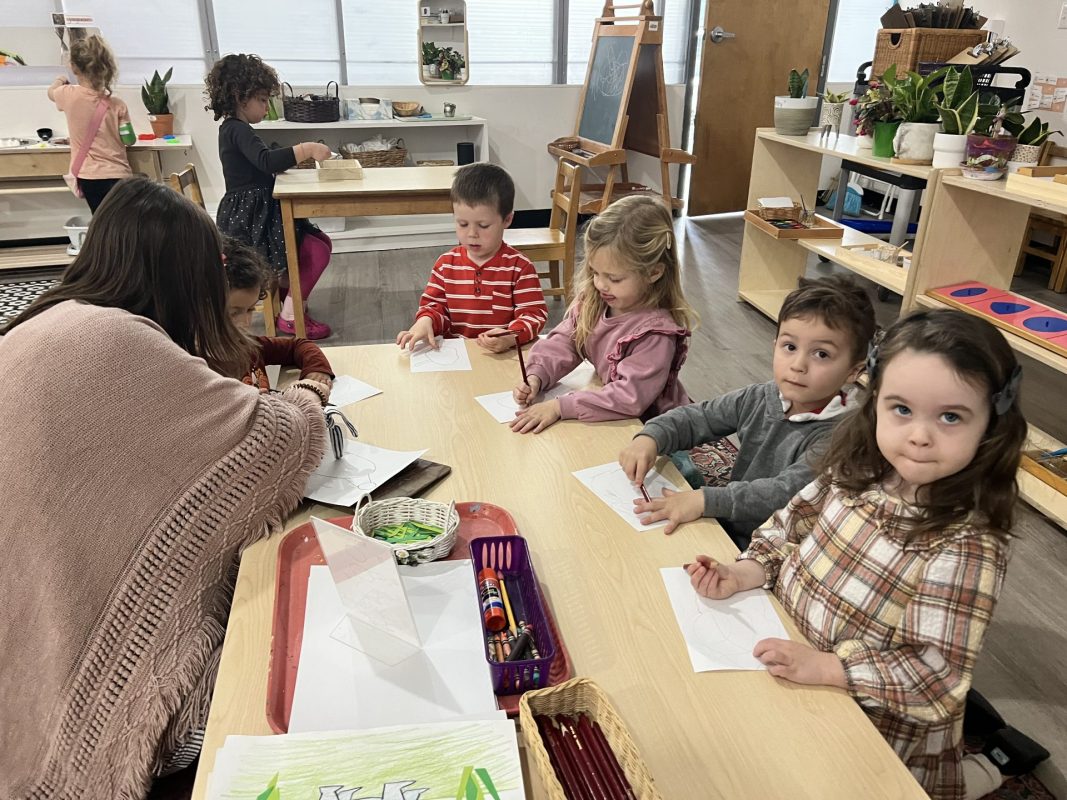
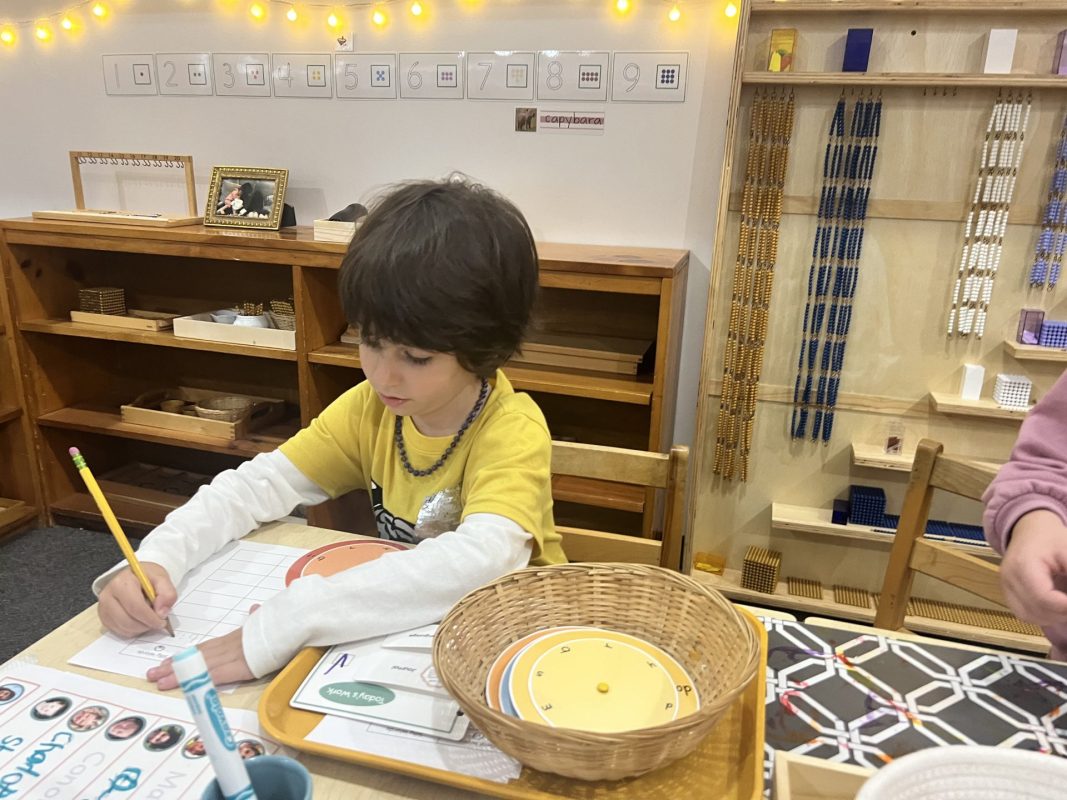
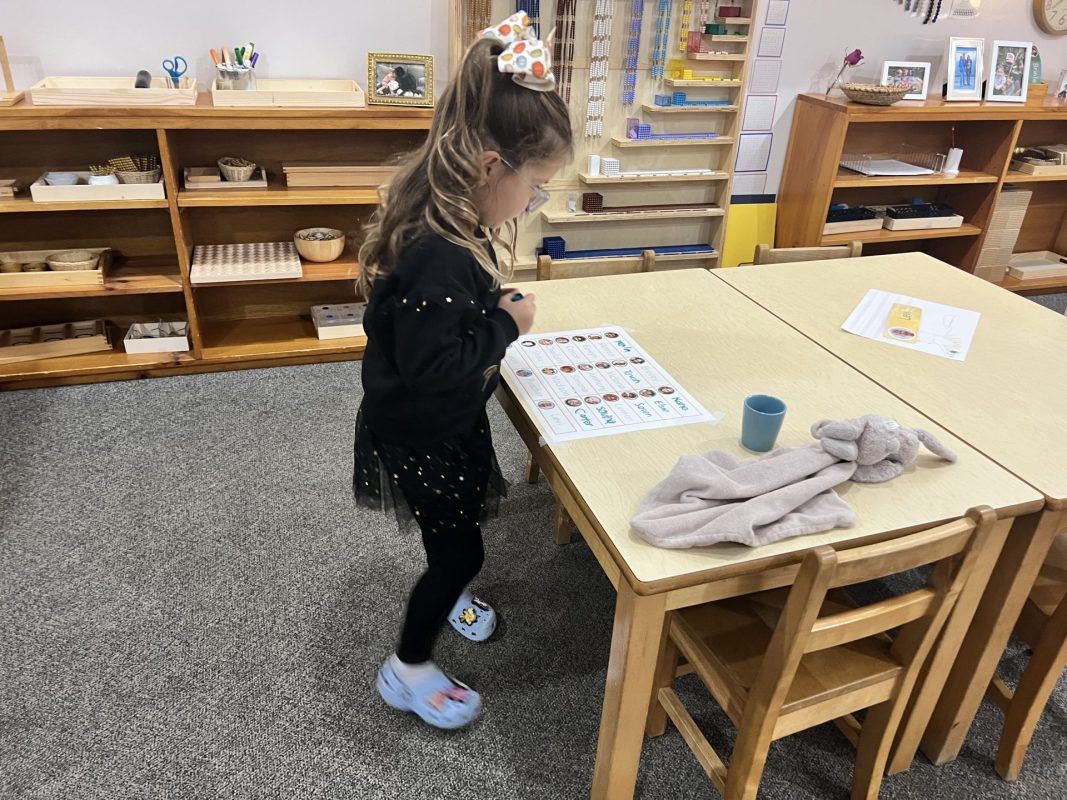
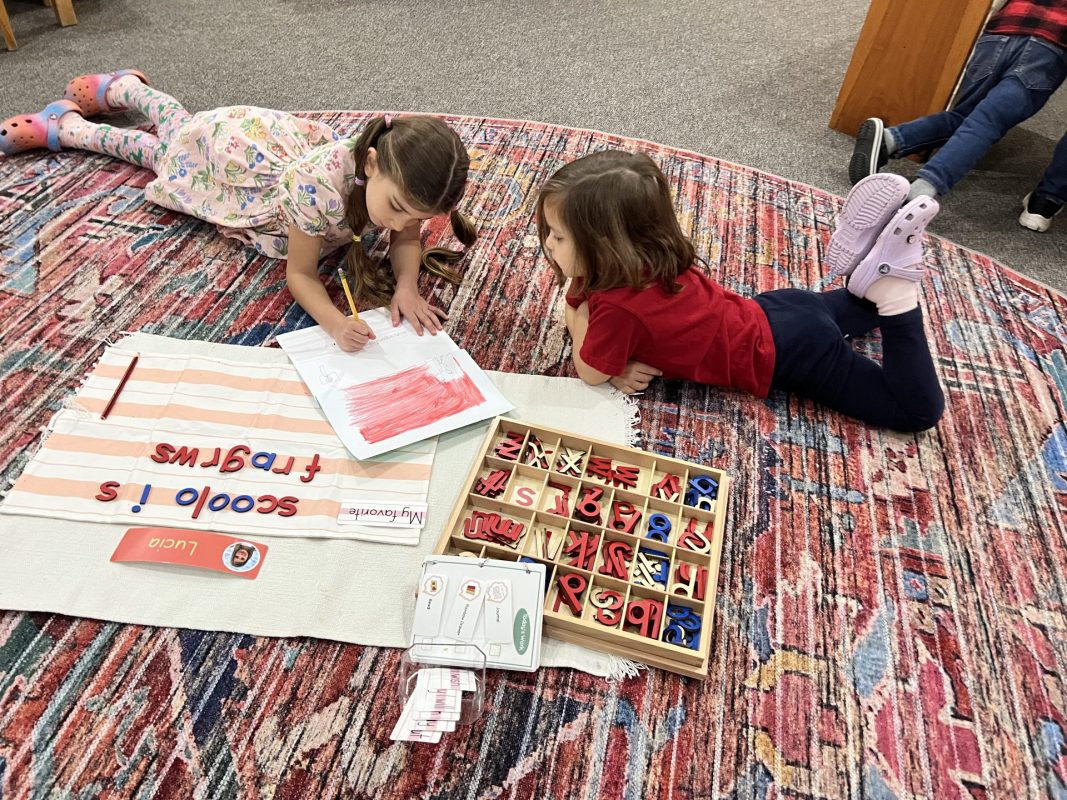
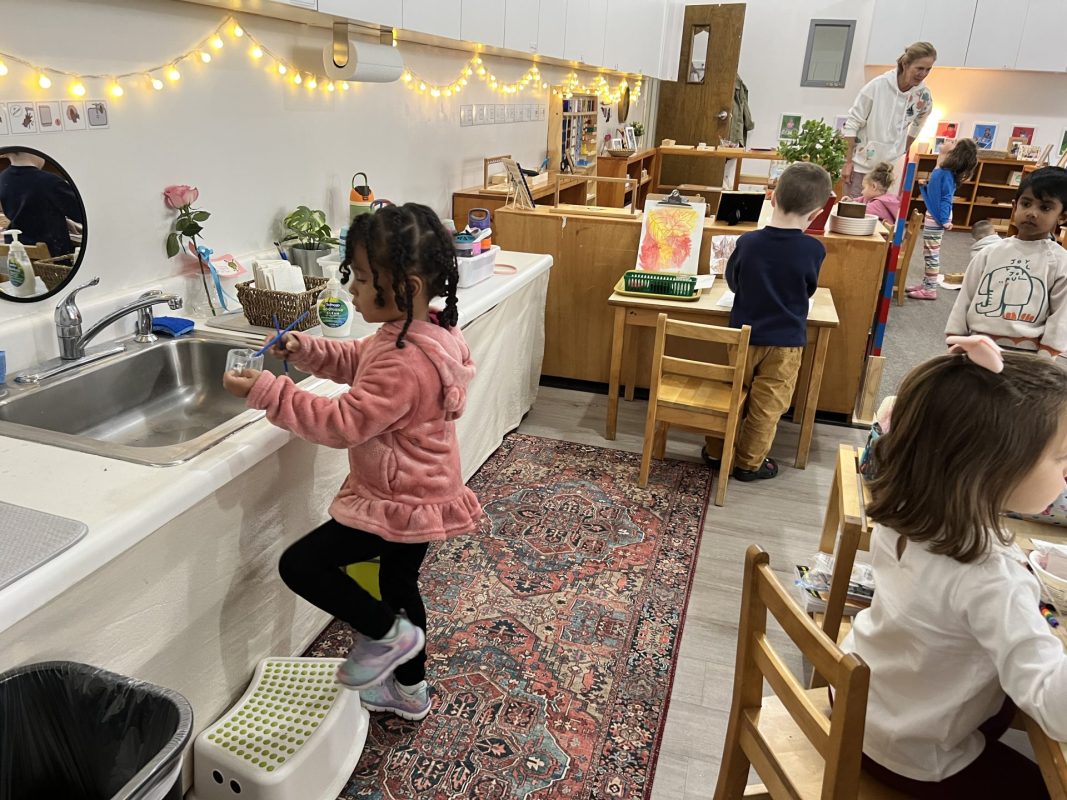
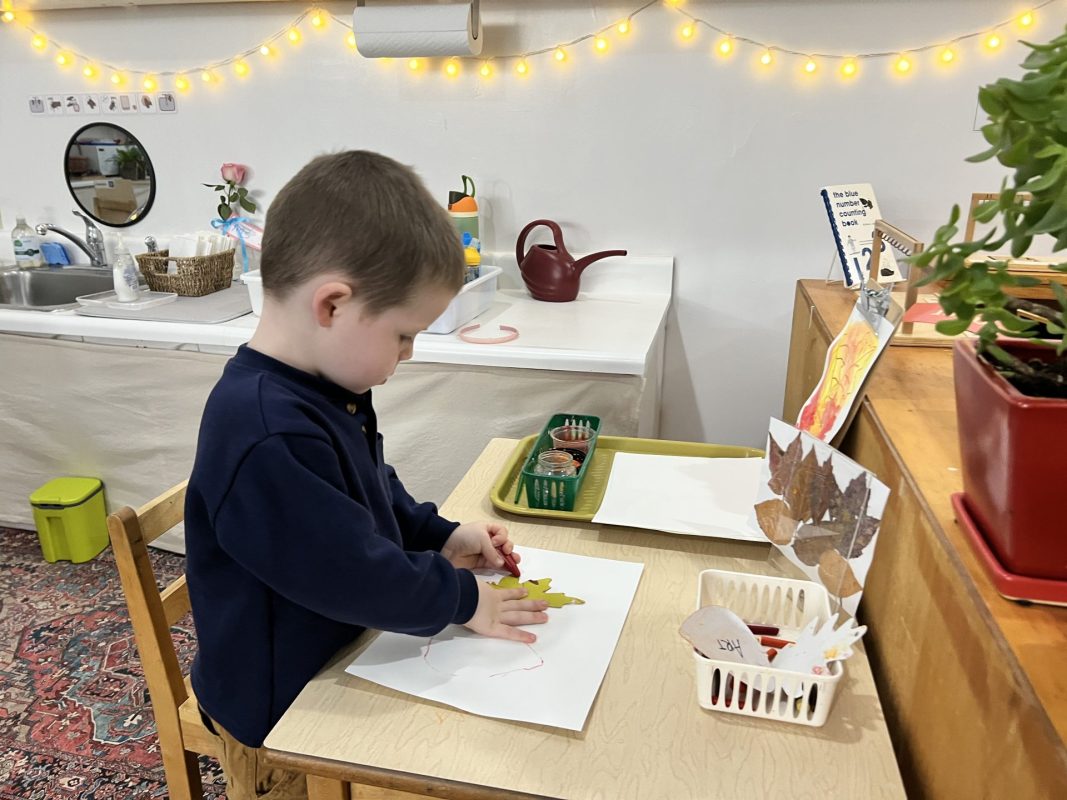
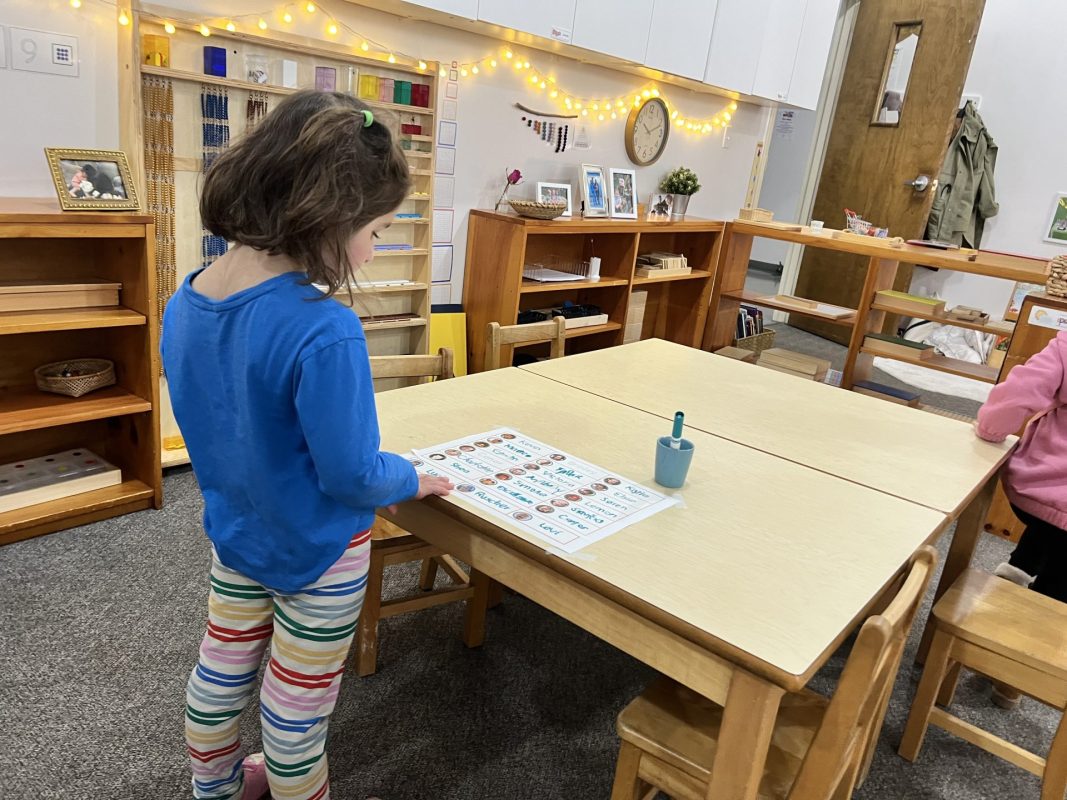
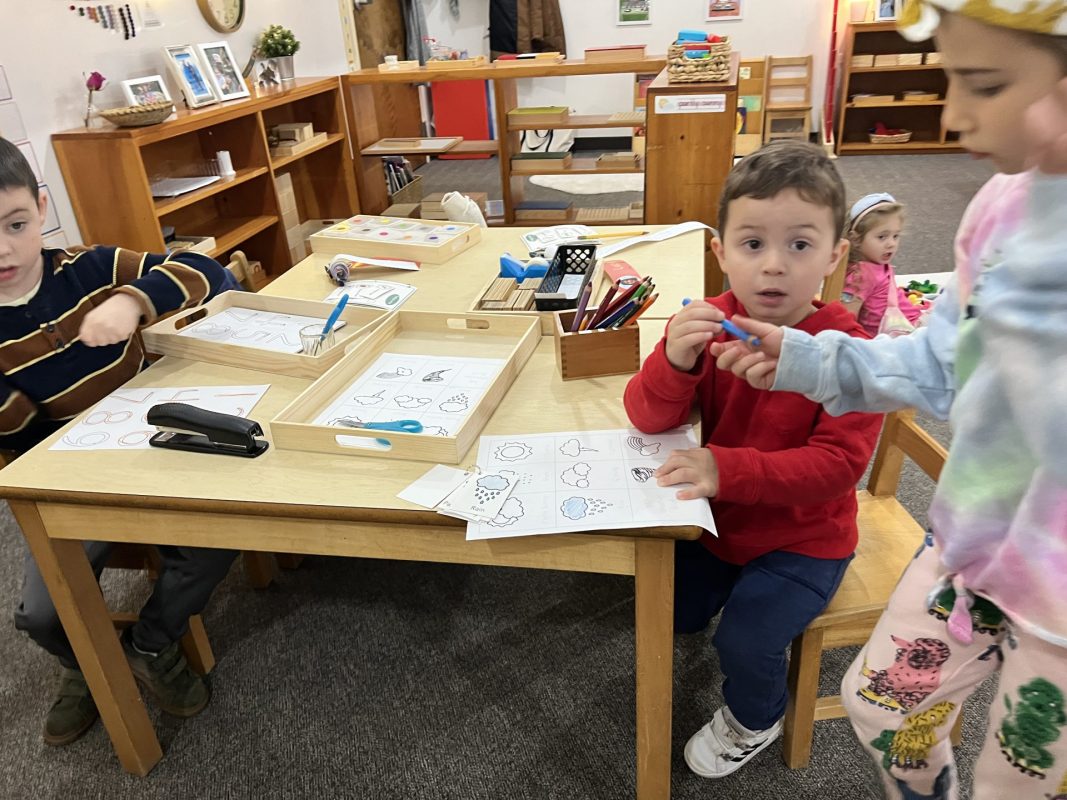
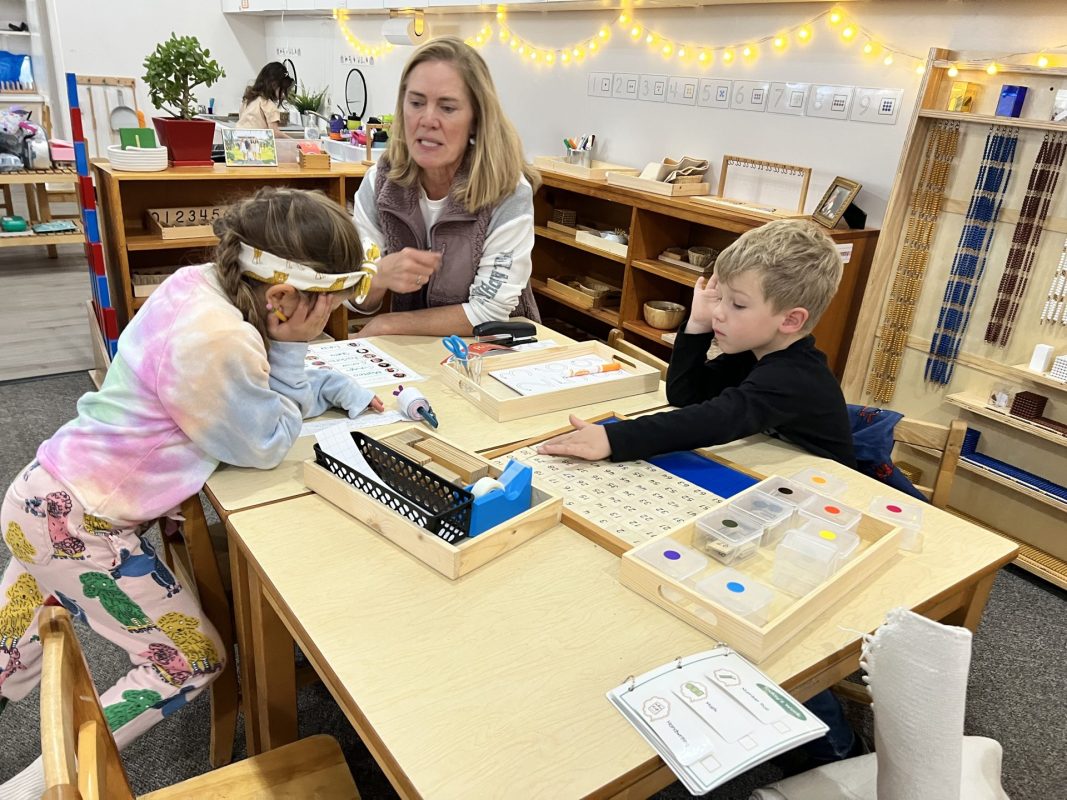
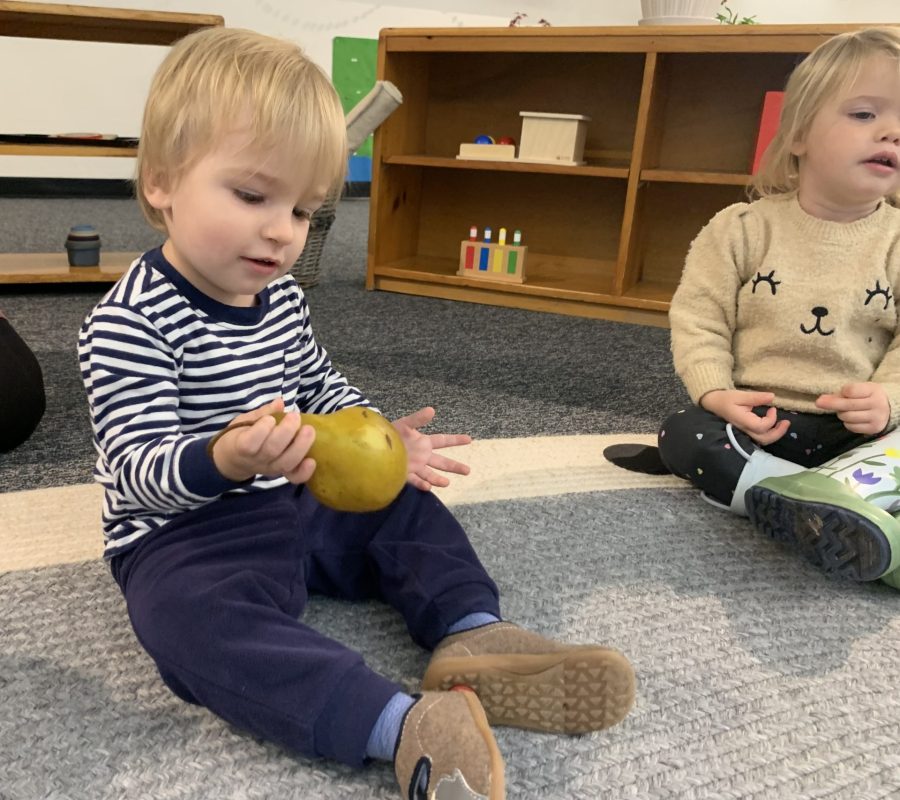
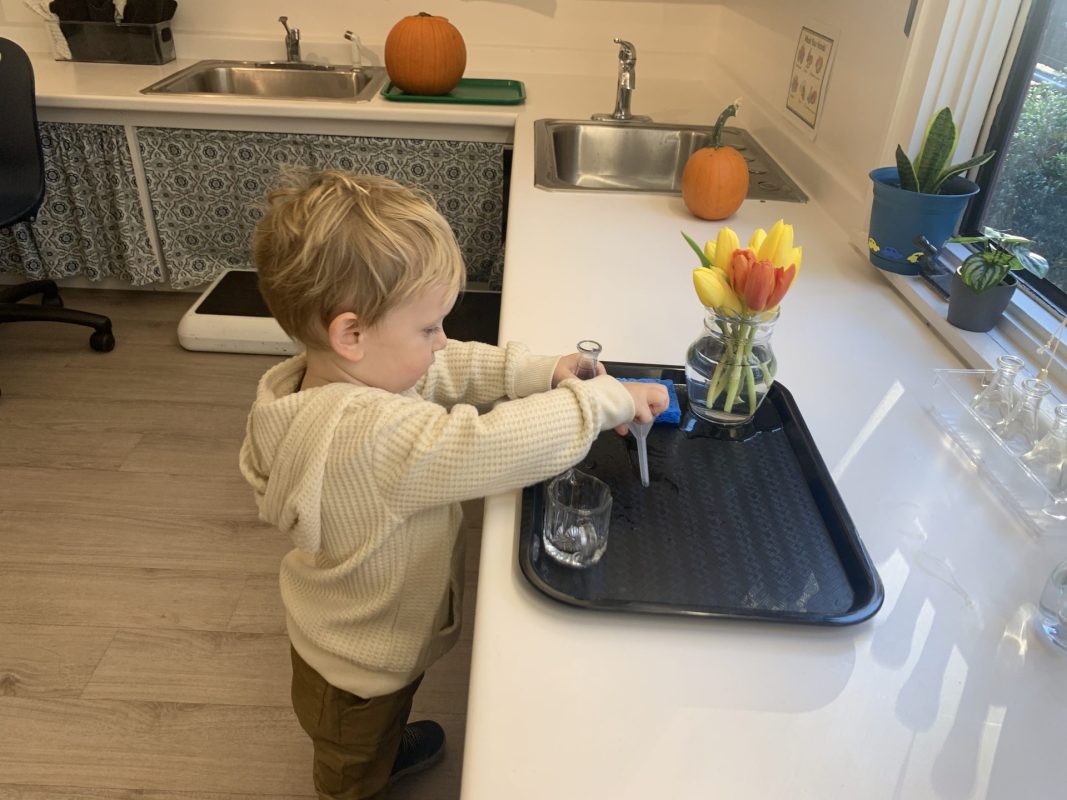
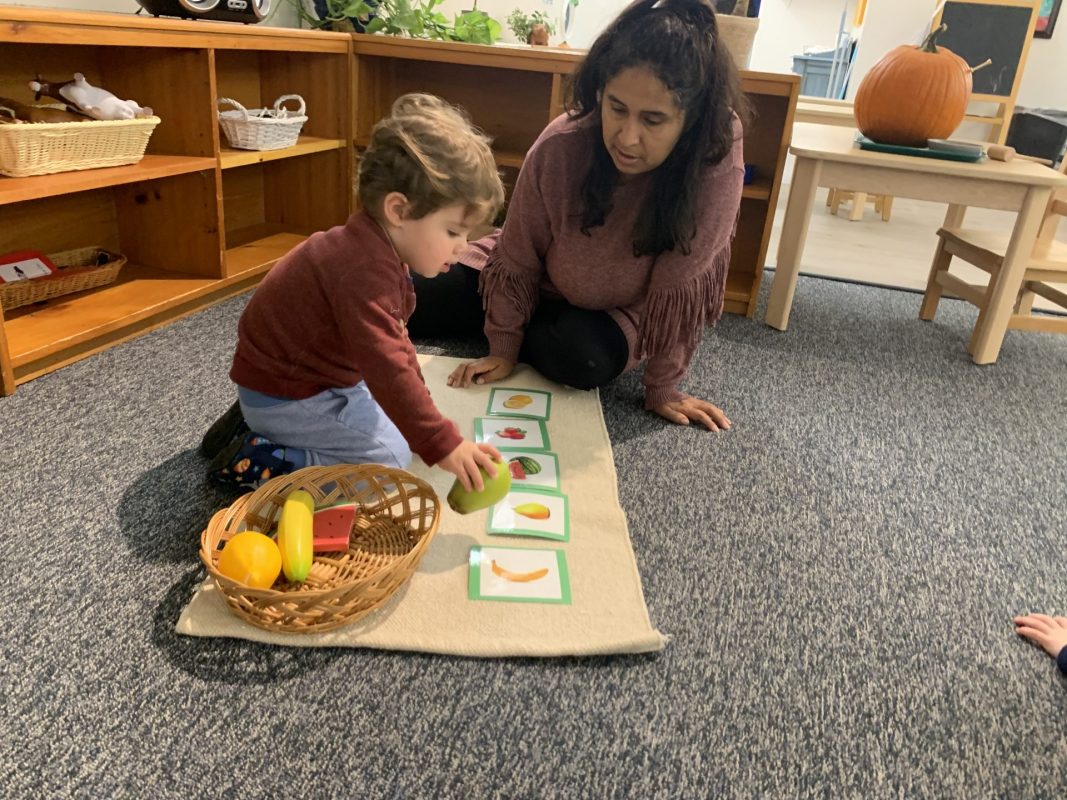
Each Thursday, we send home Weekly Folders with the work the children have completed over the past week. We often receive emails asking why there was so little work inside and what exactly the children are doing.

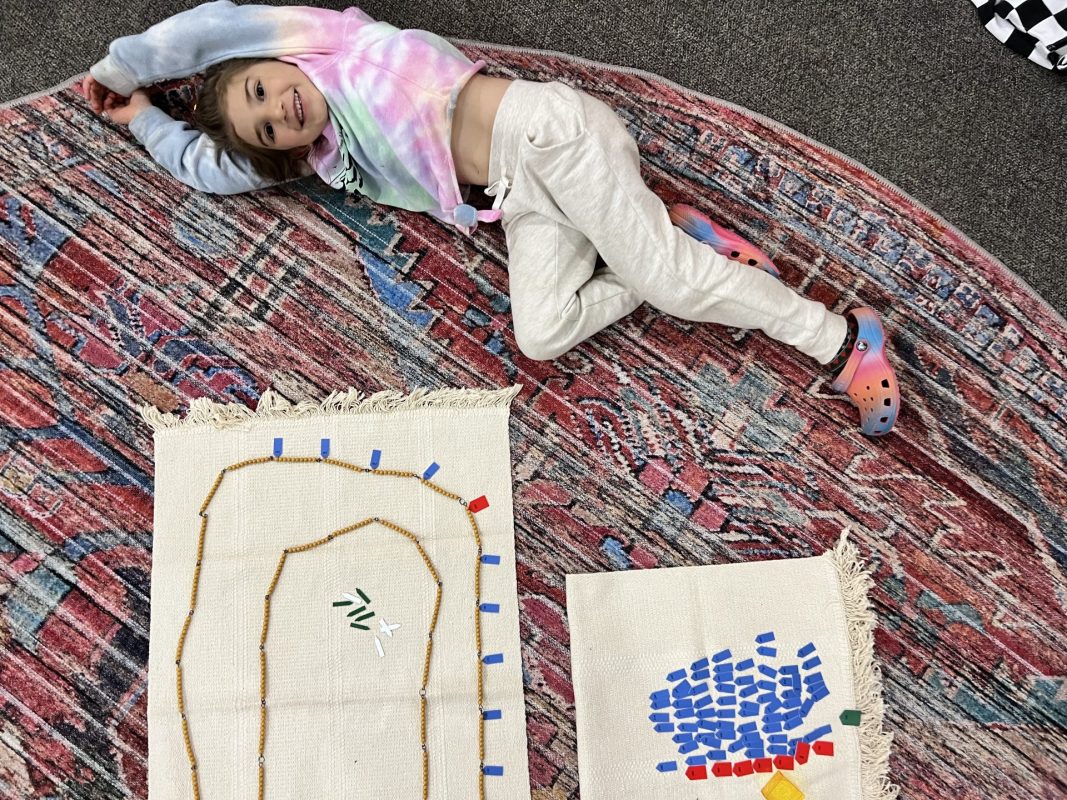
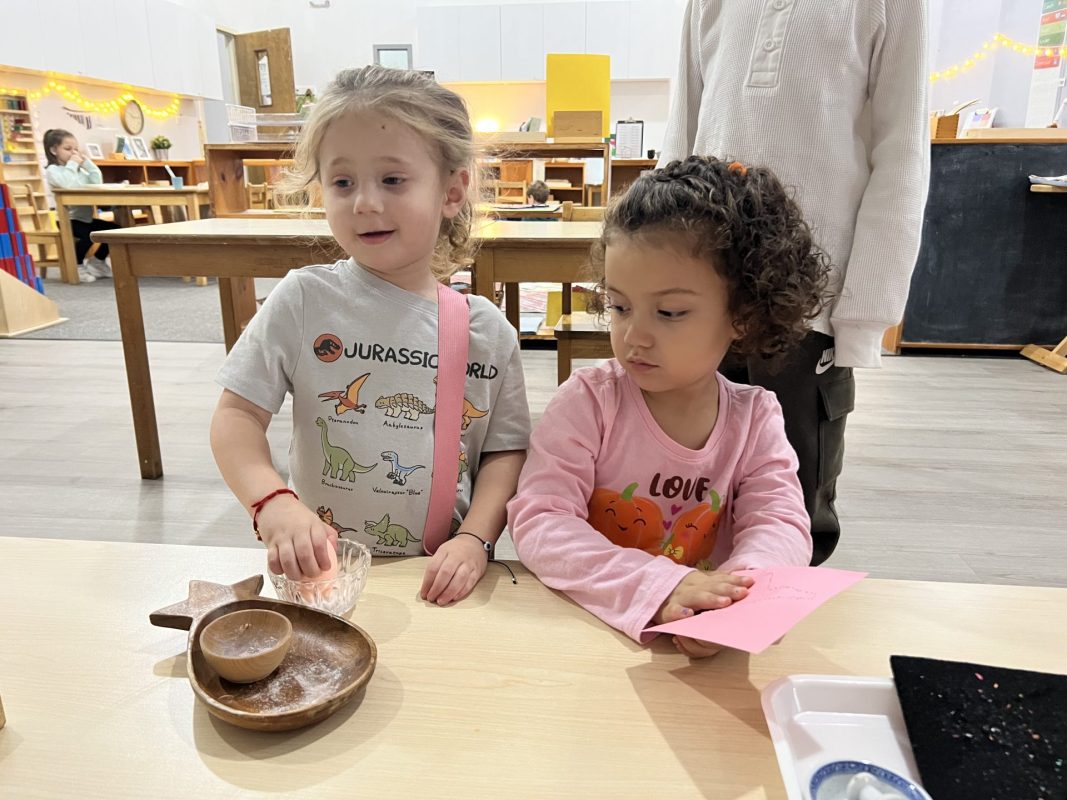
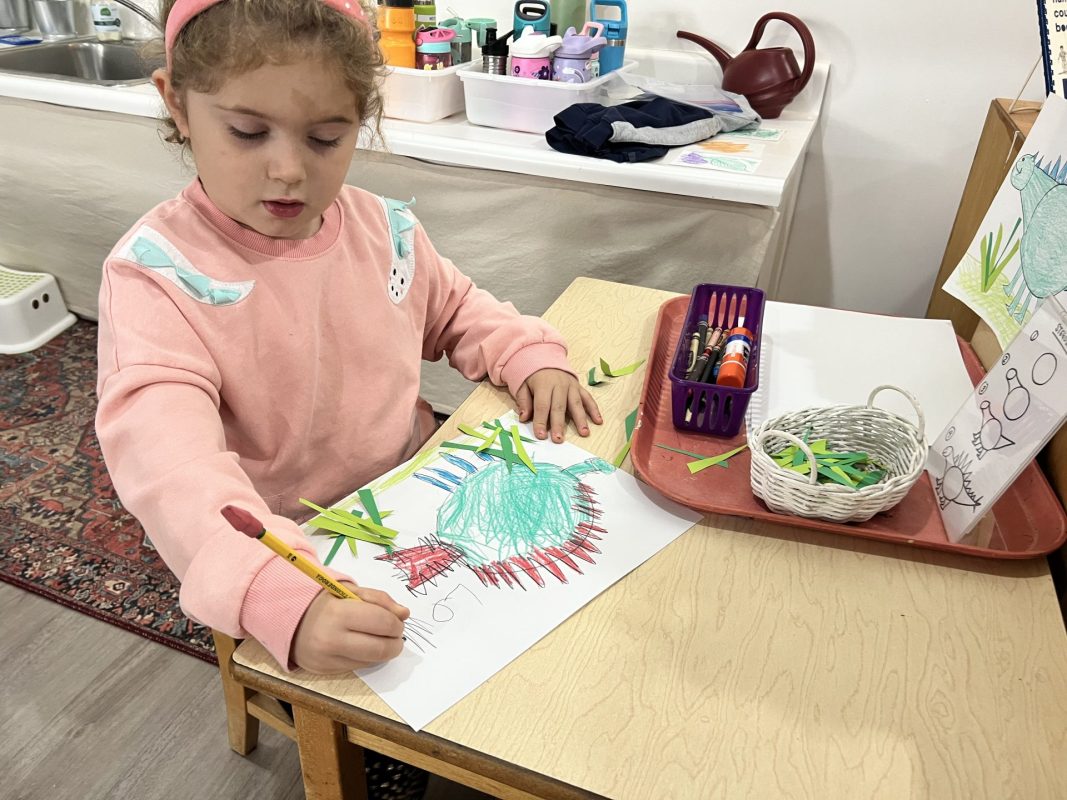
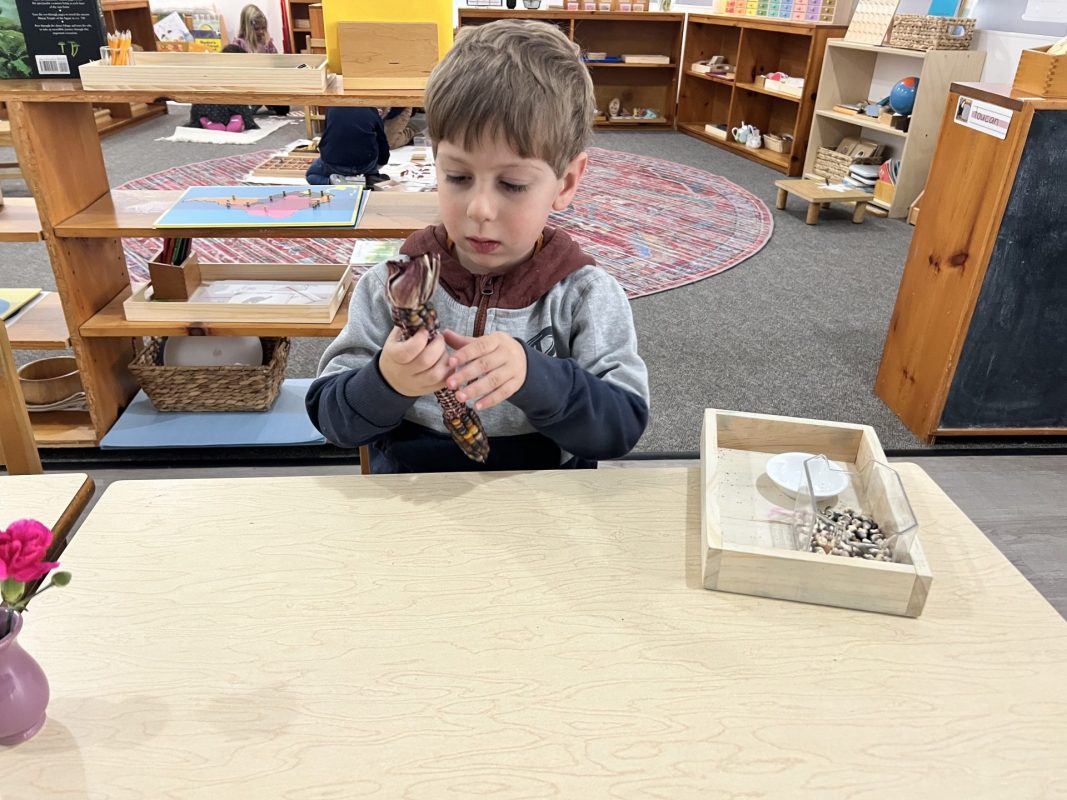
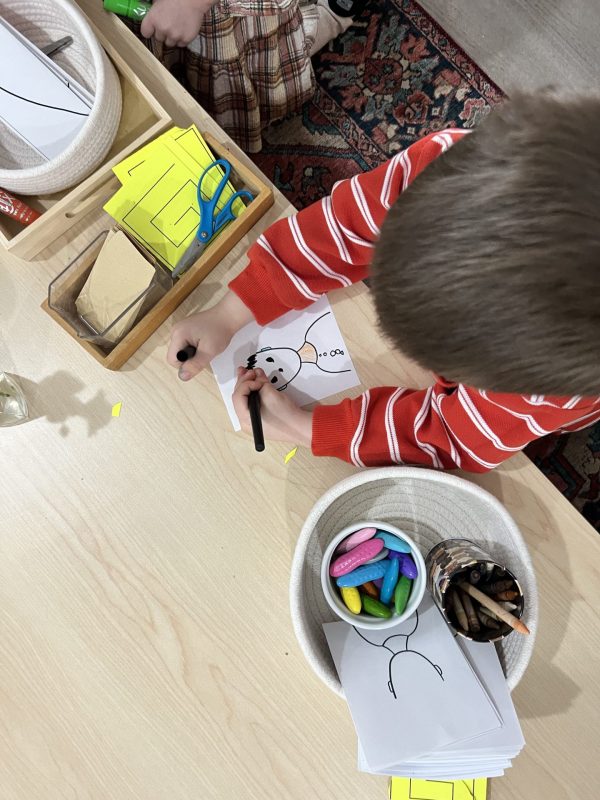
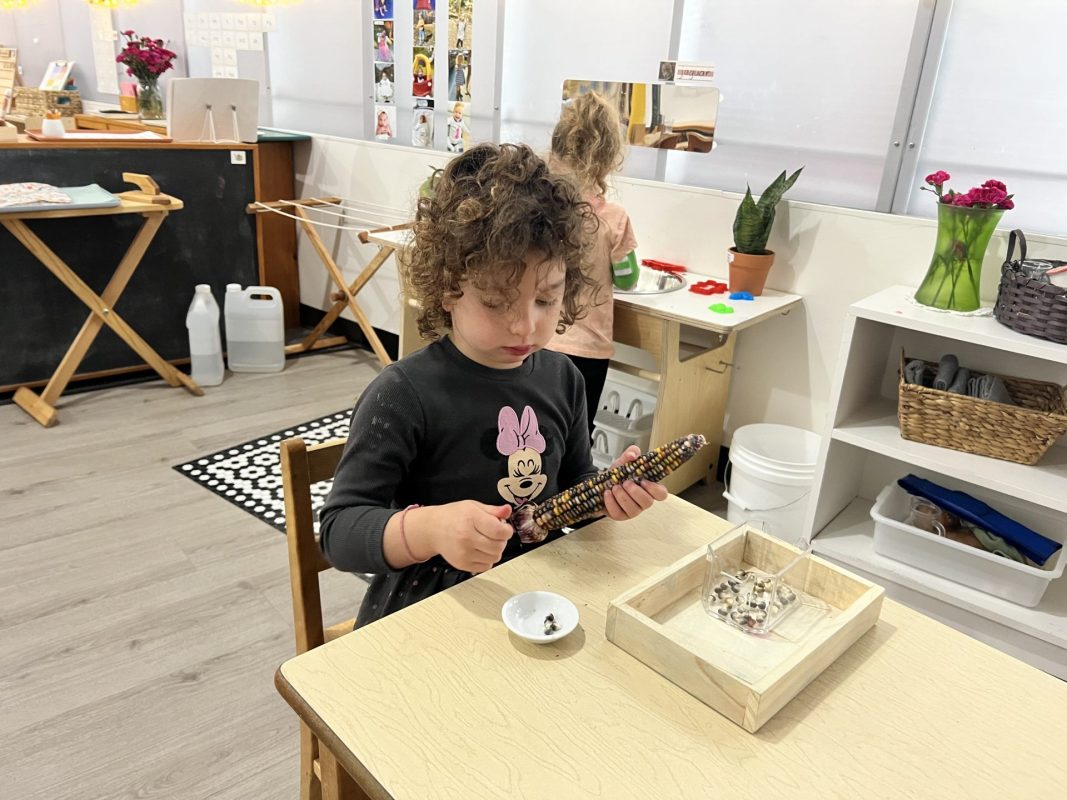
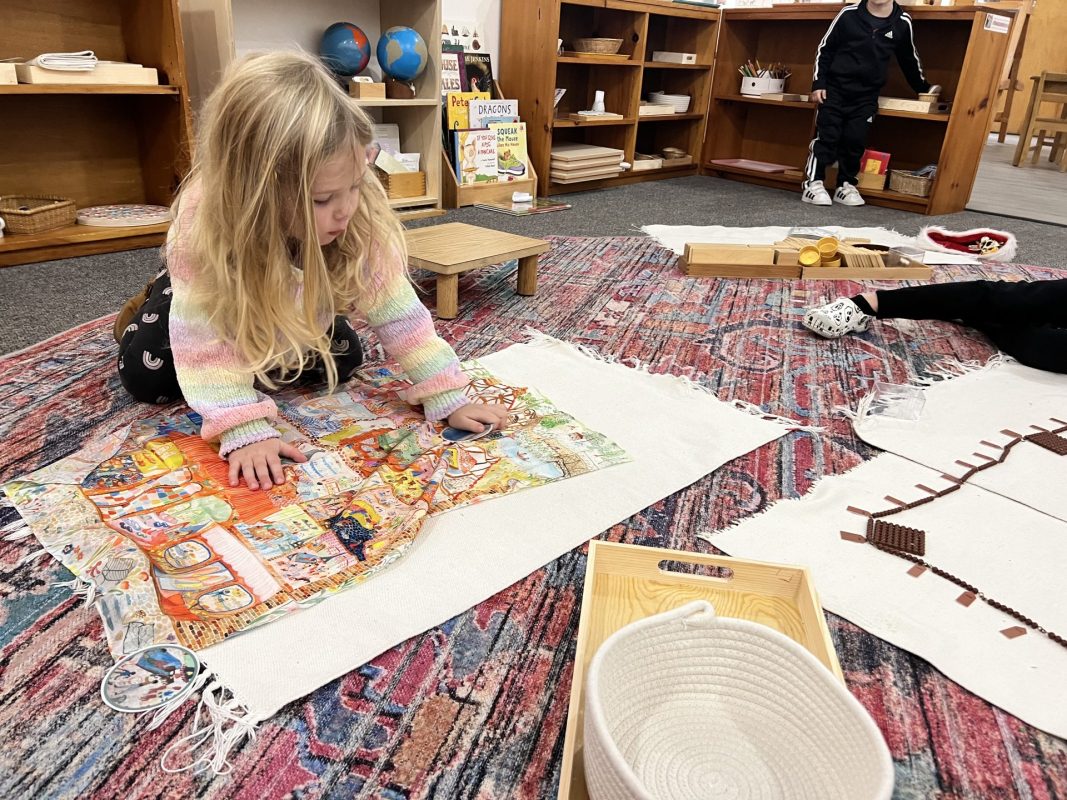
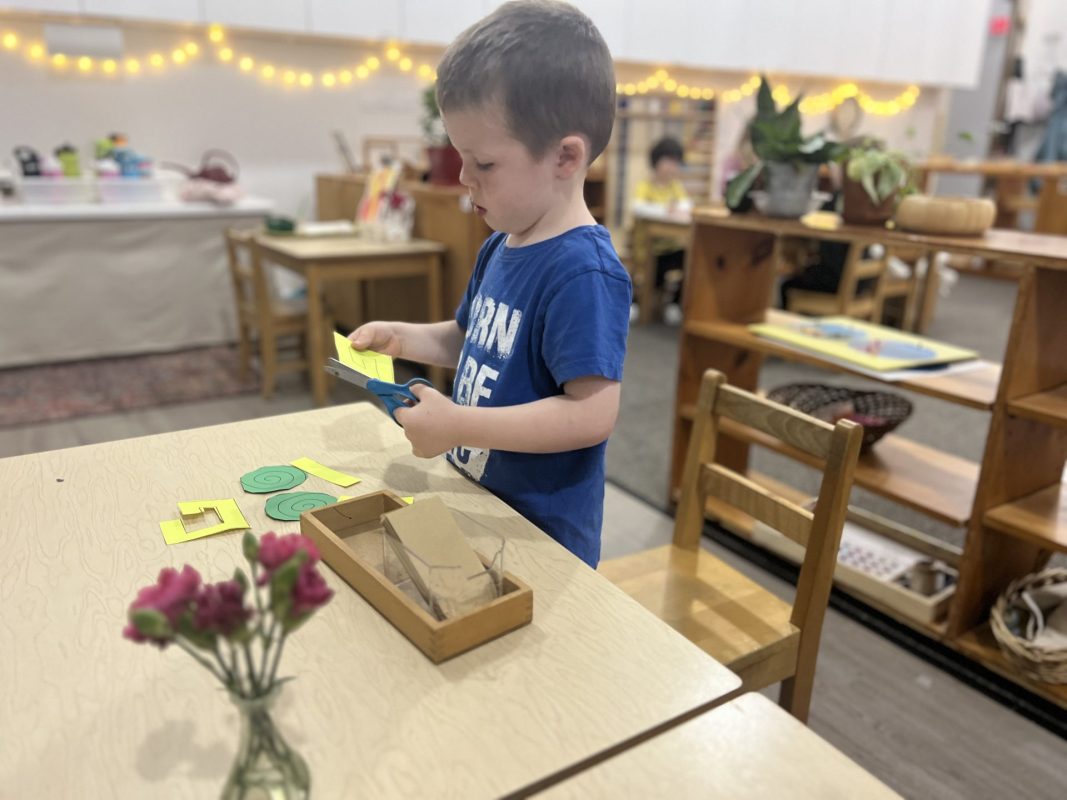
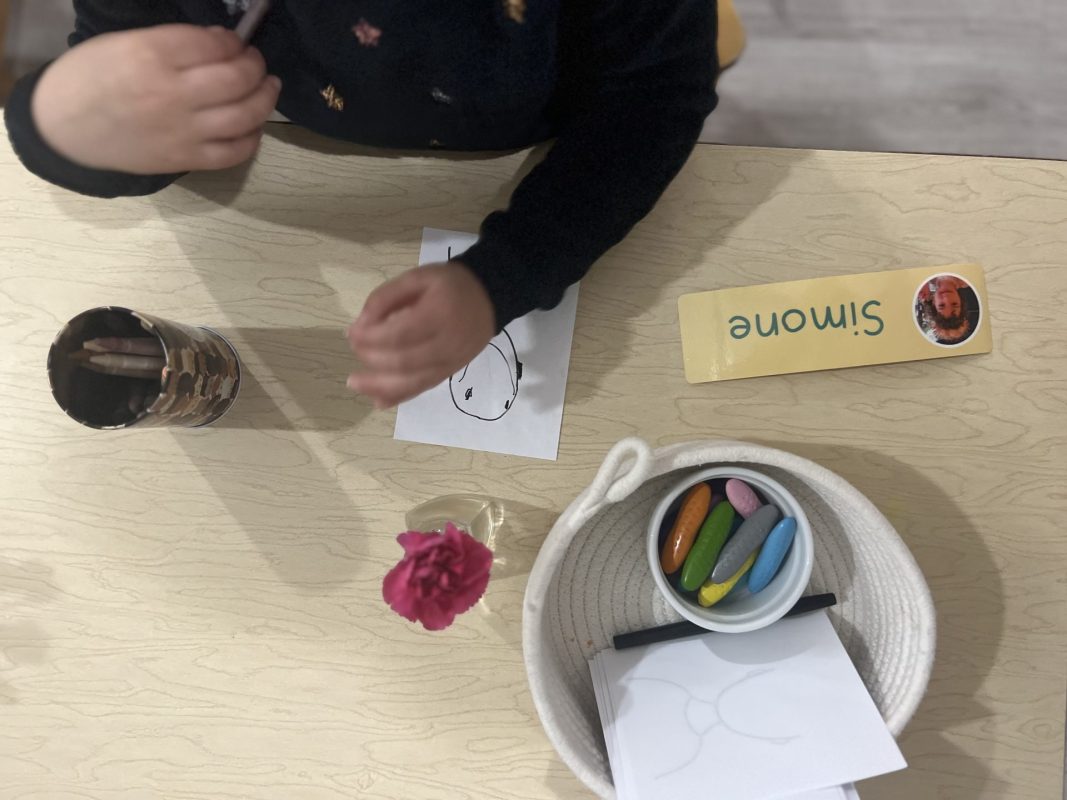
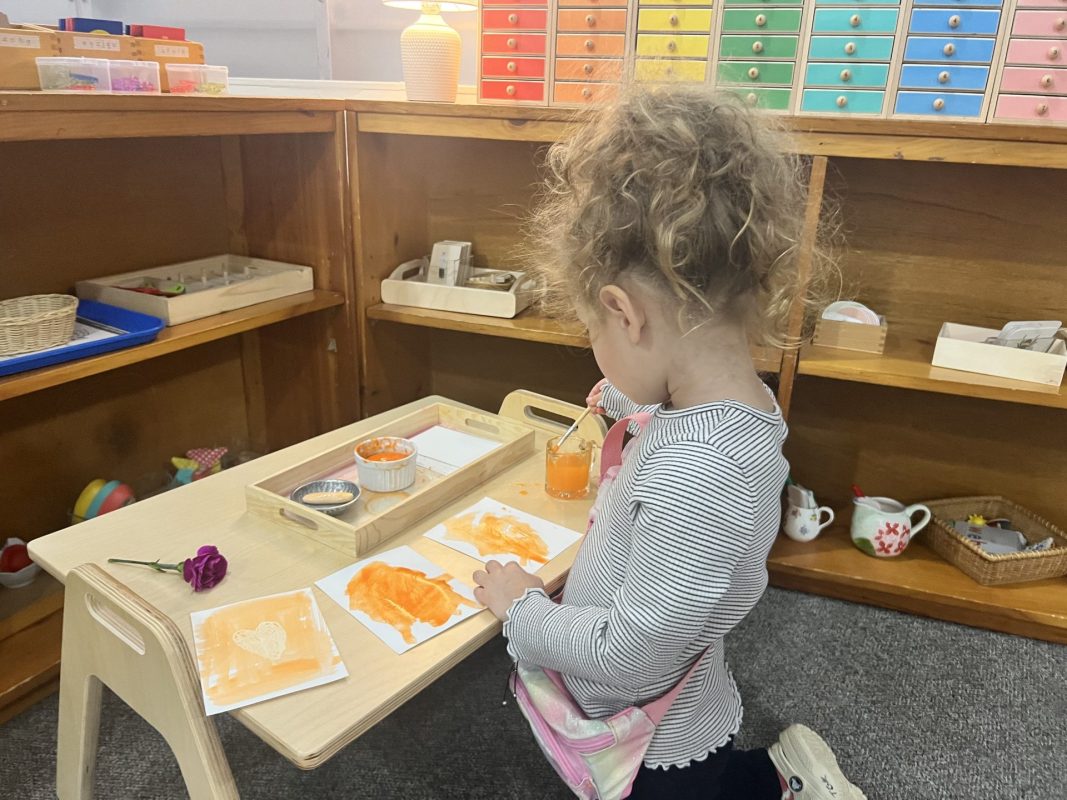
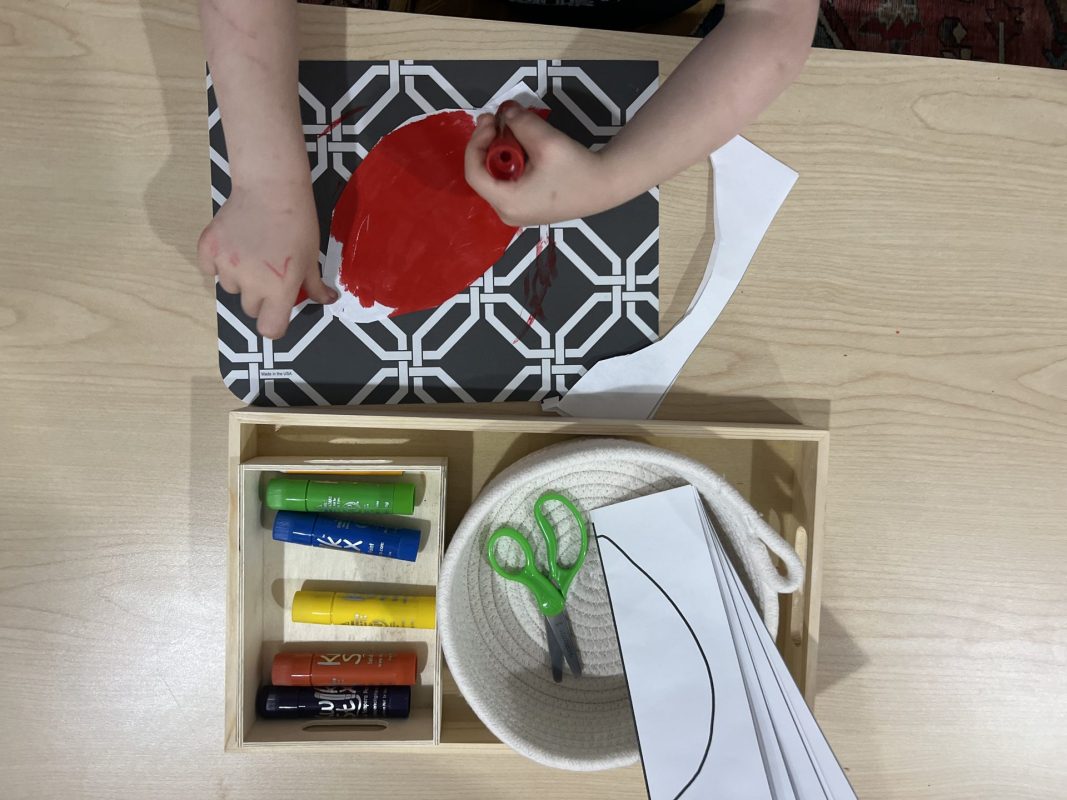
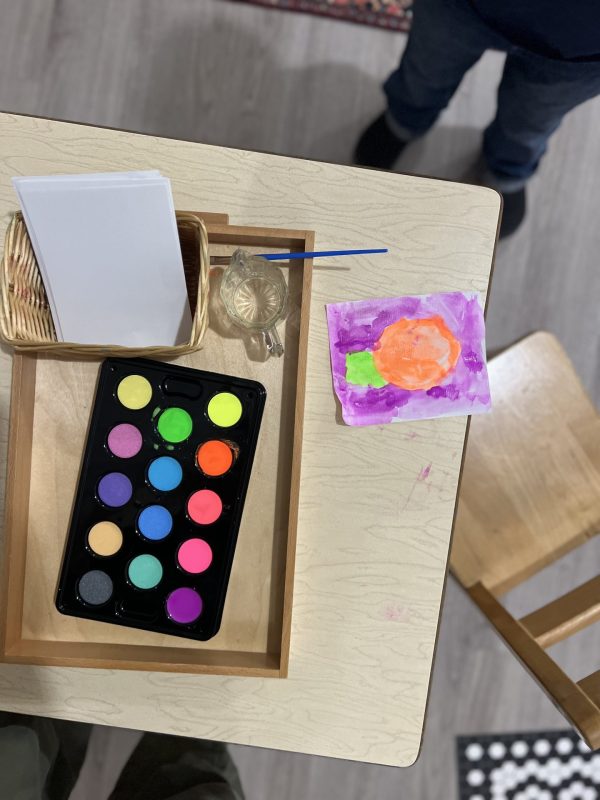
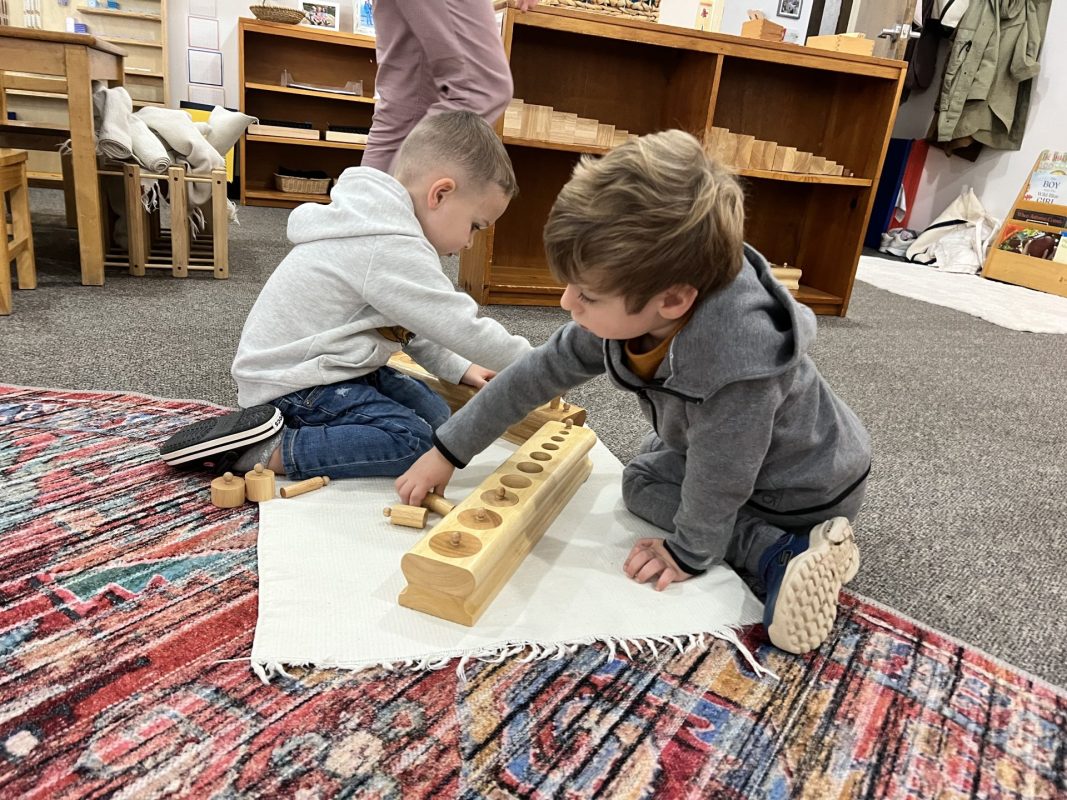
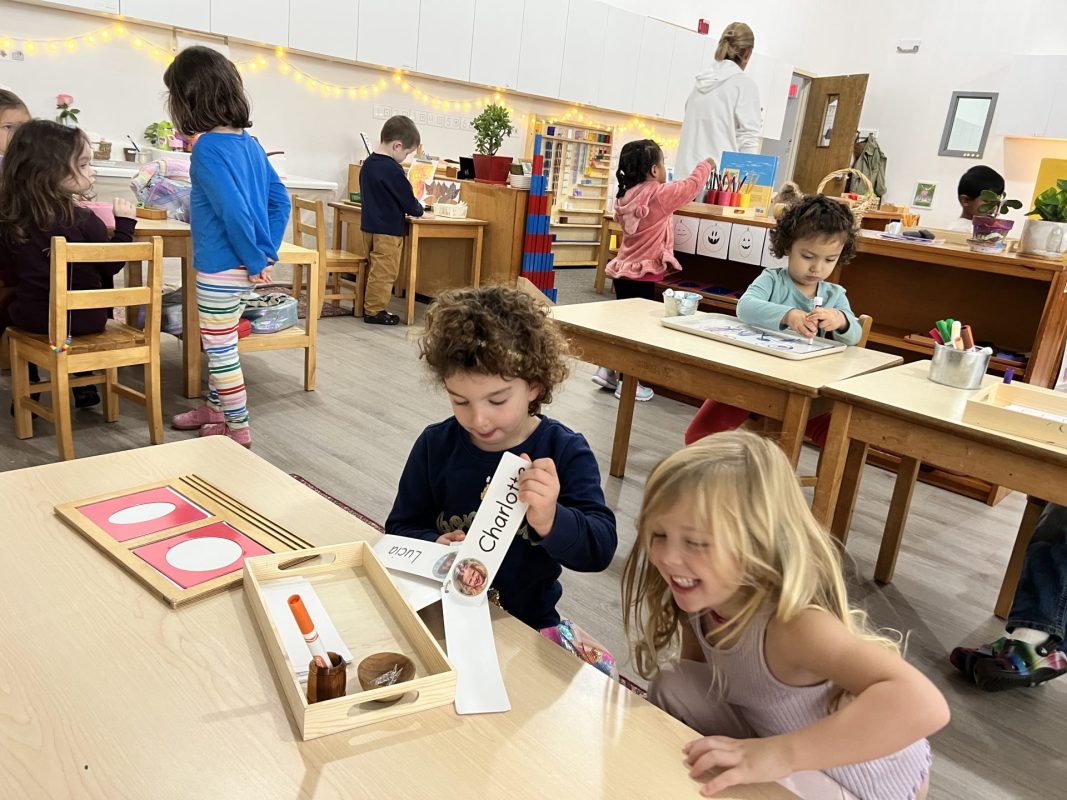
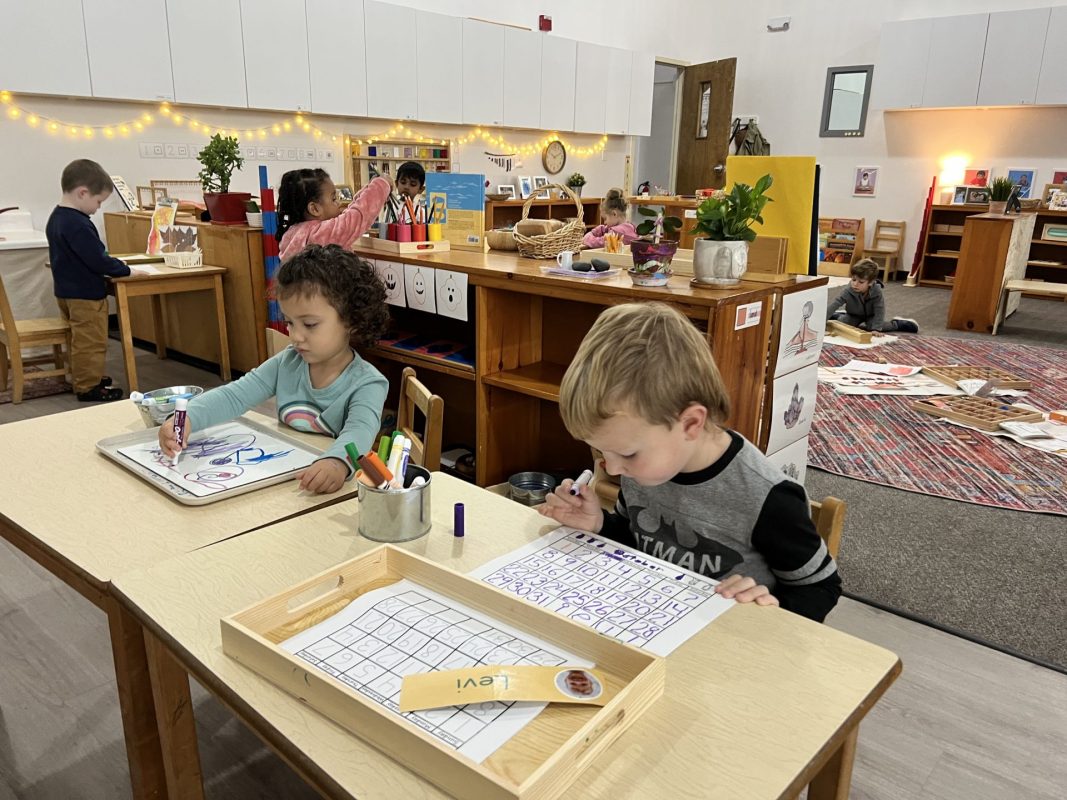
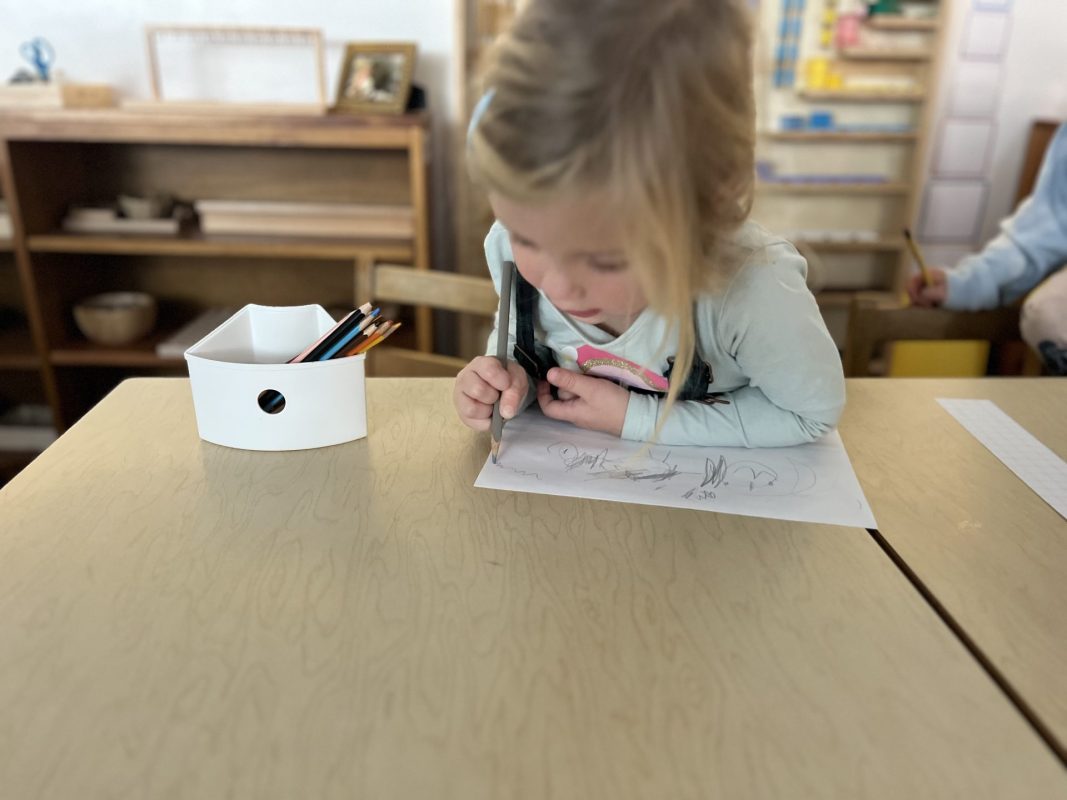
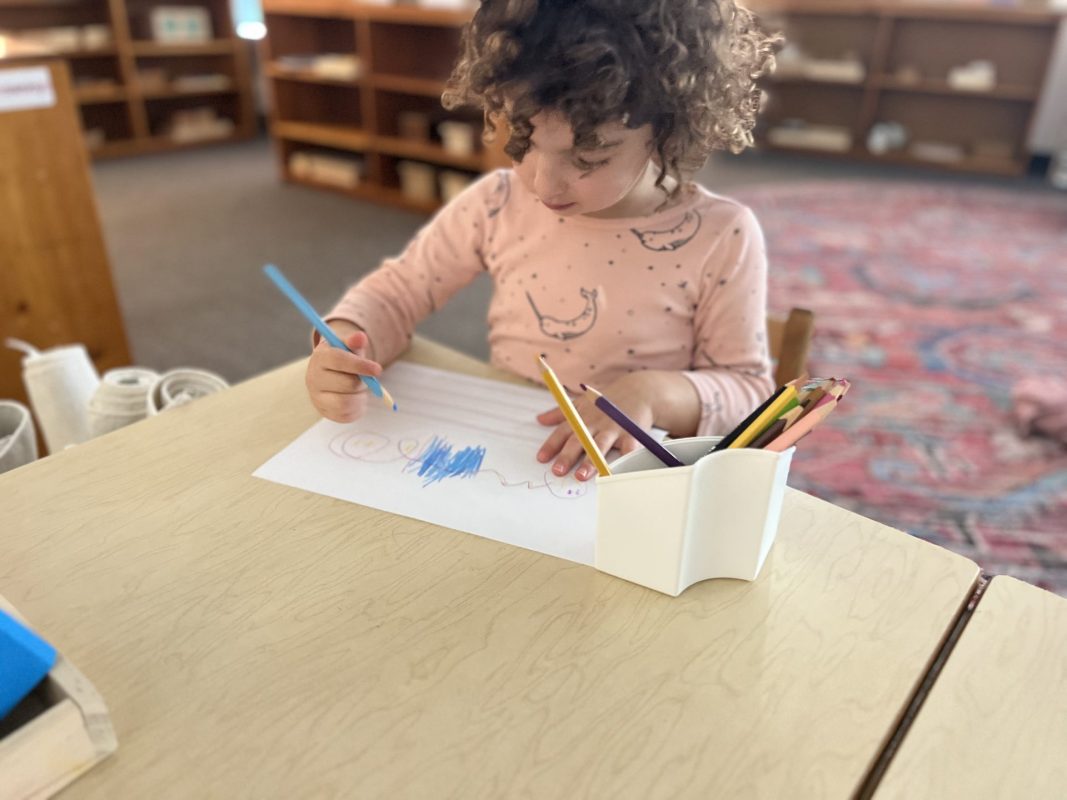
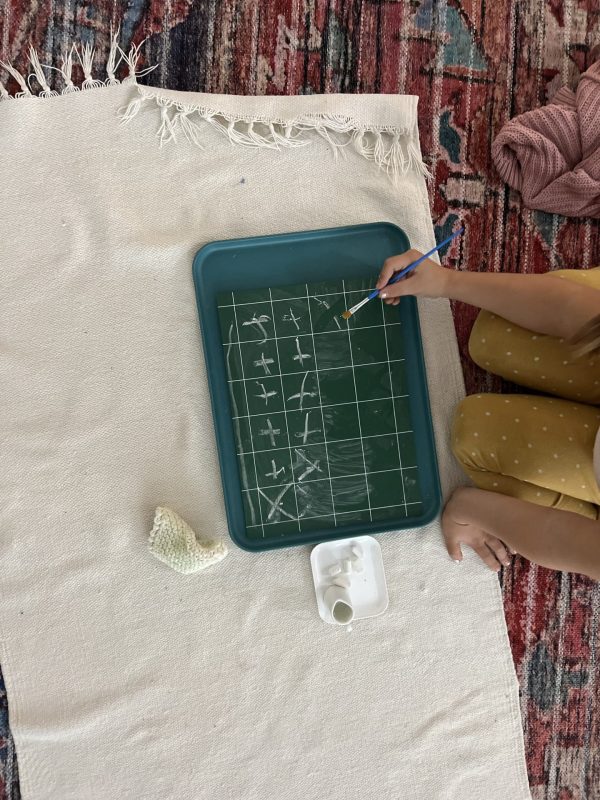
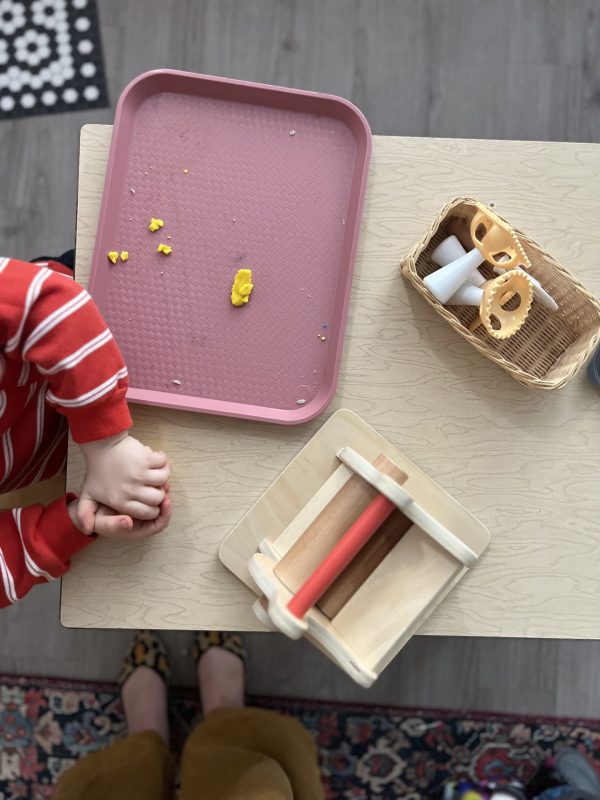
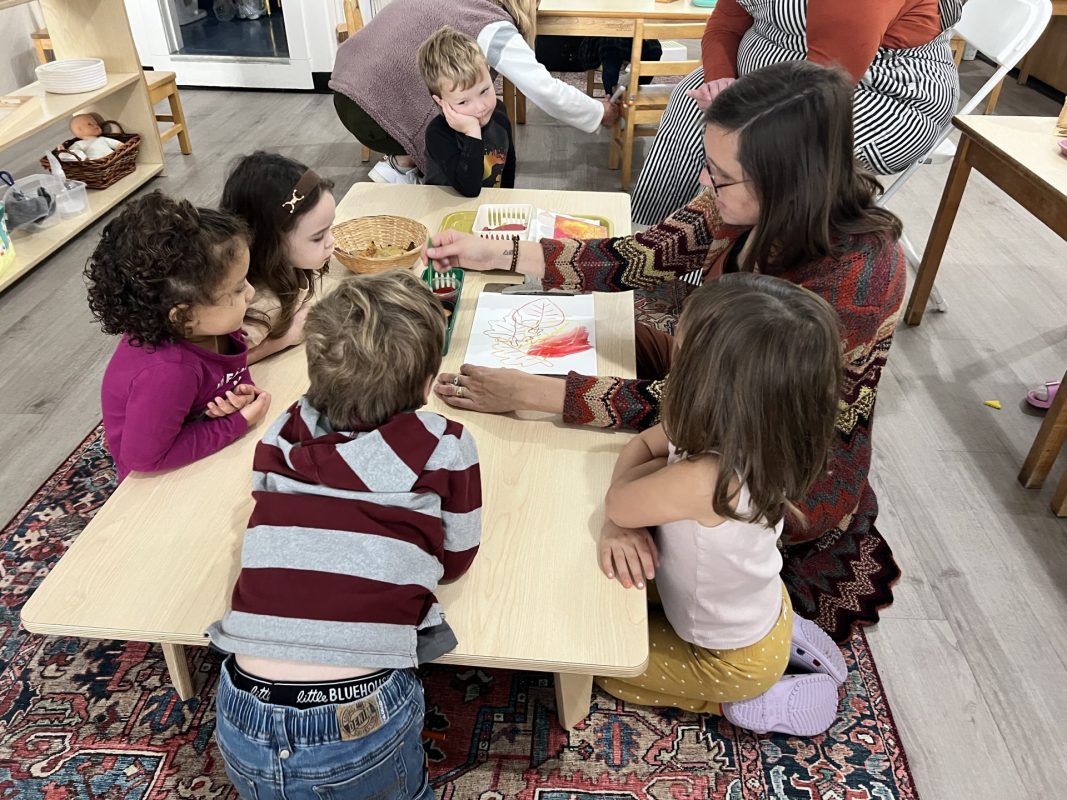
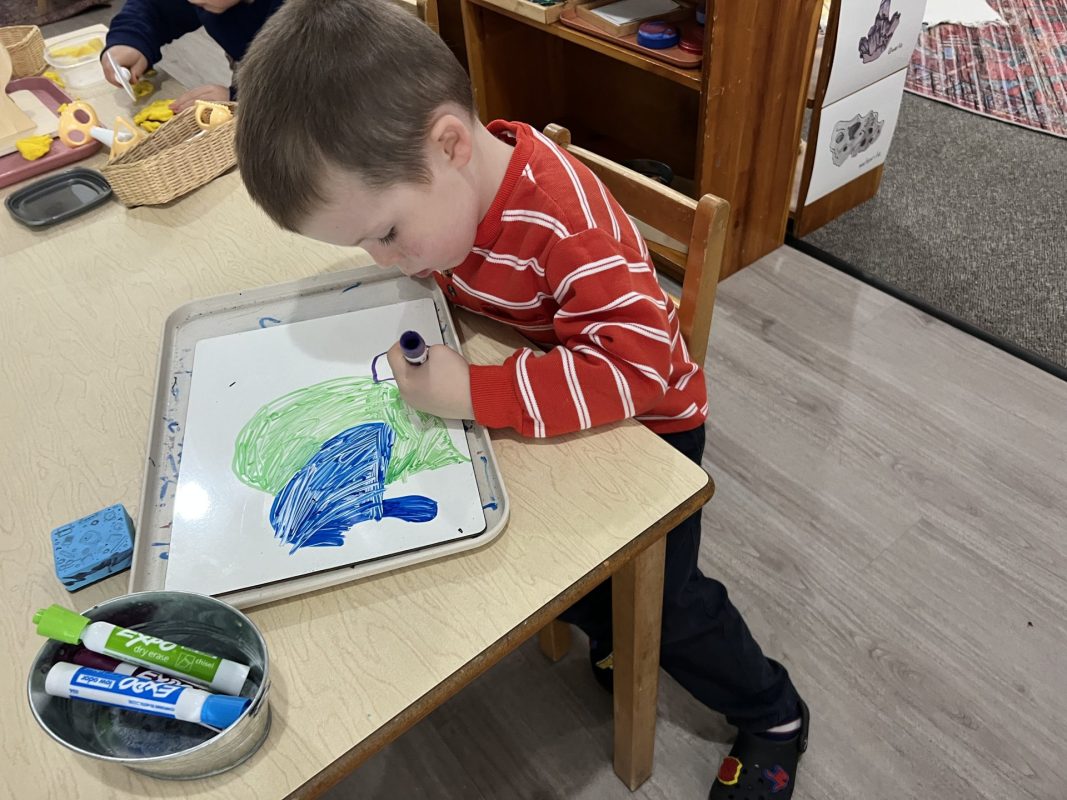
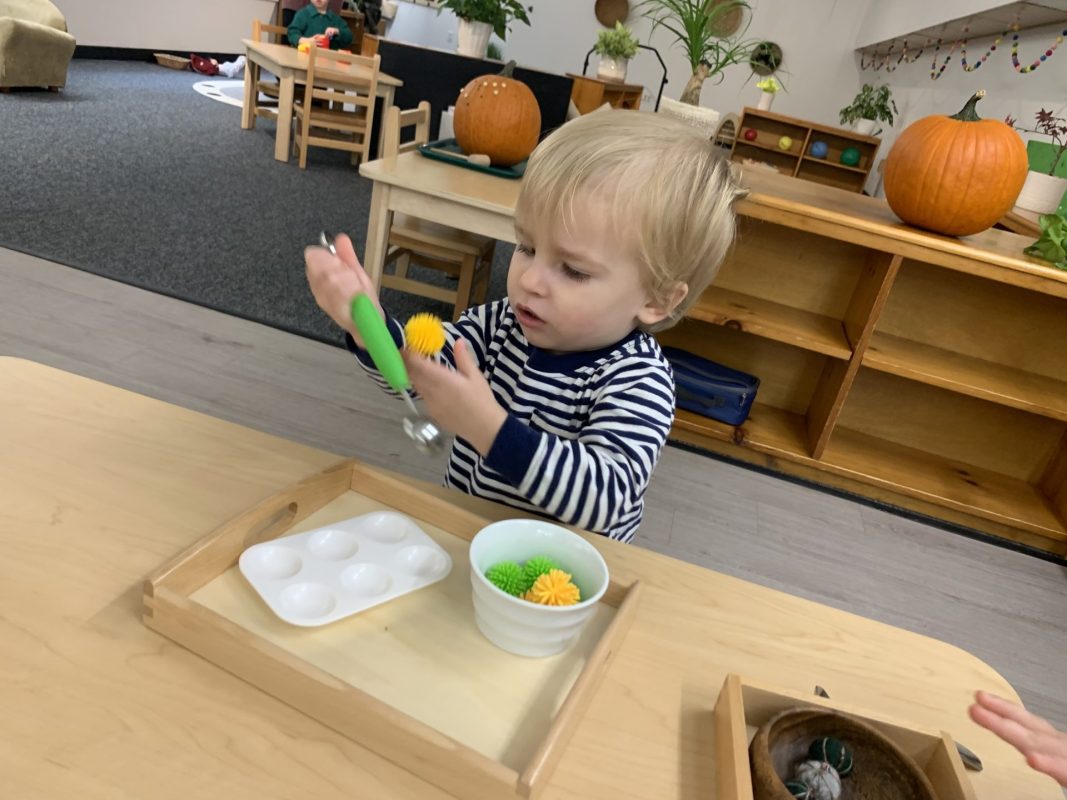
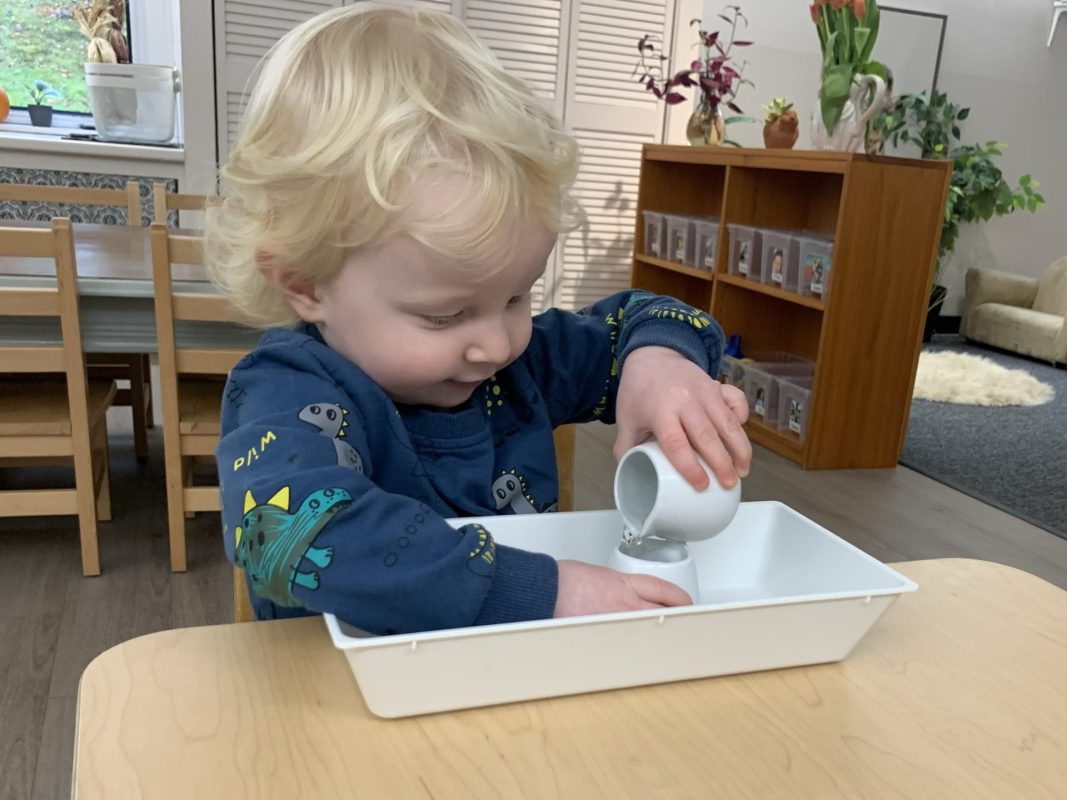
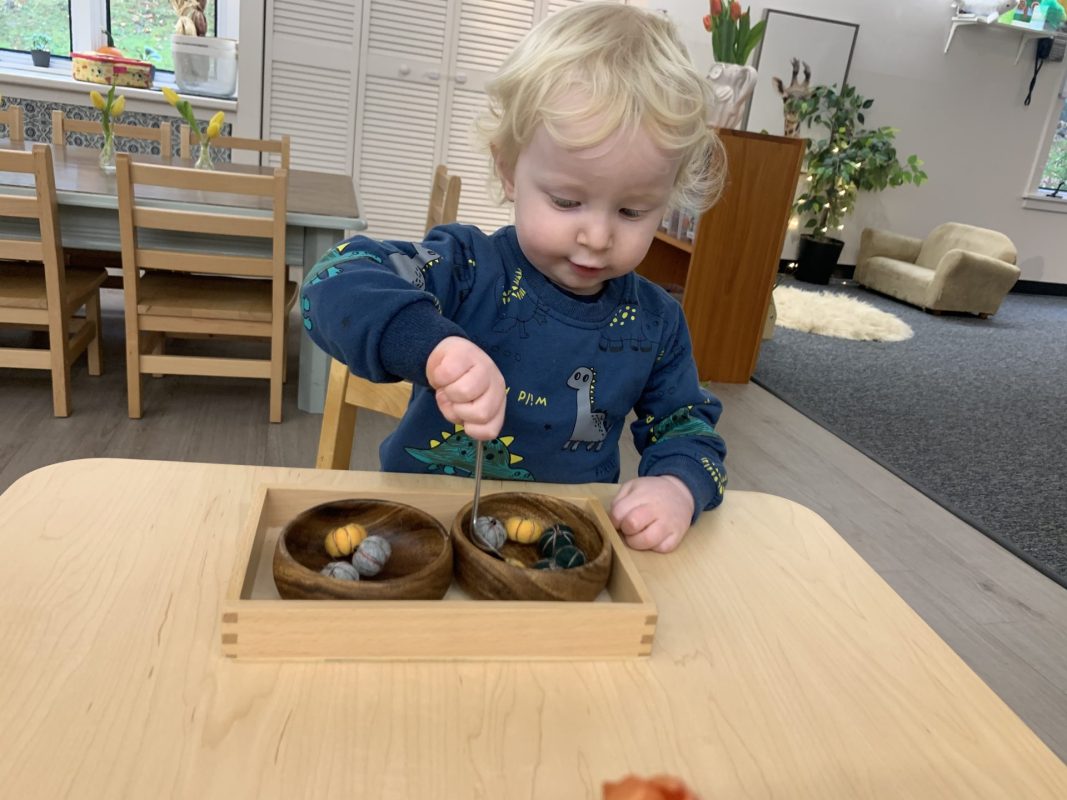
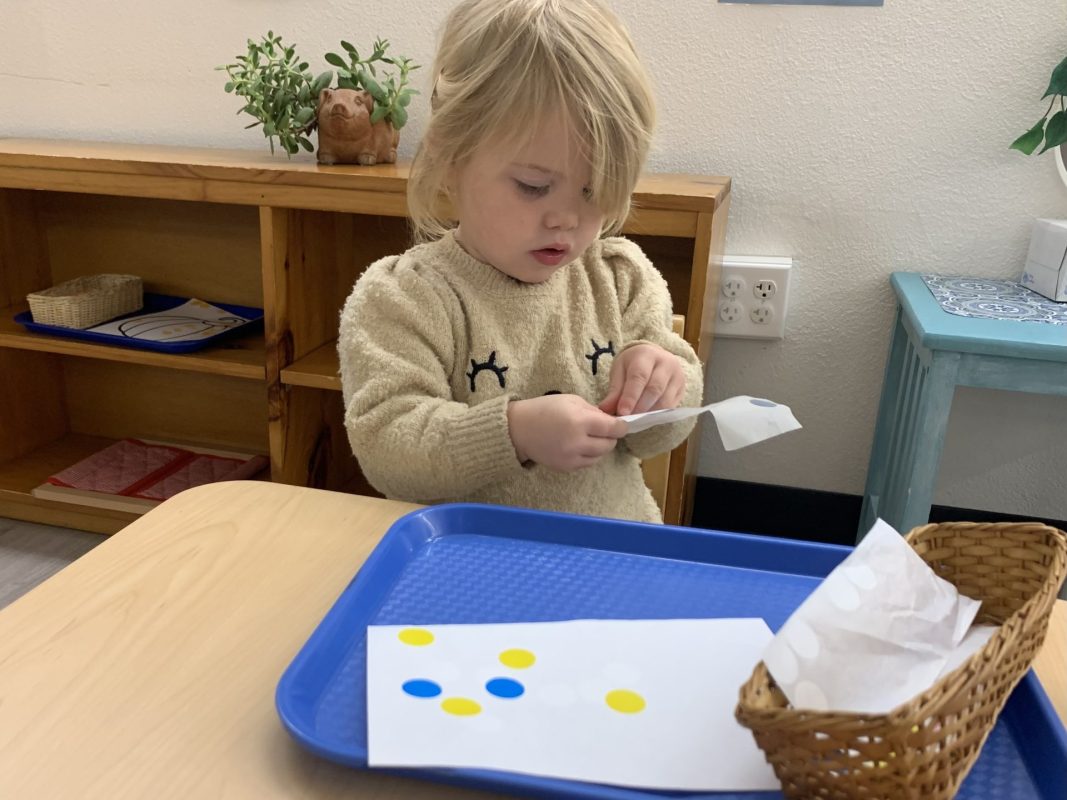
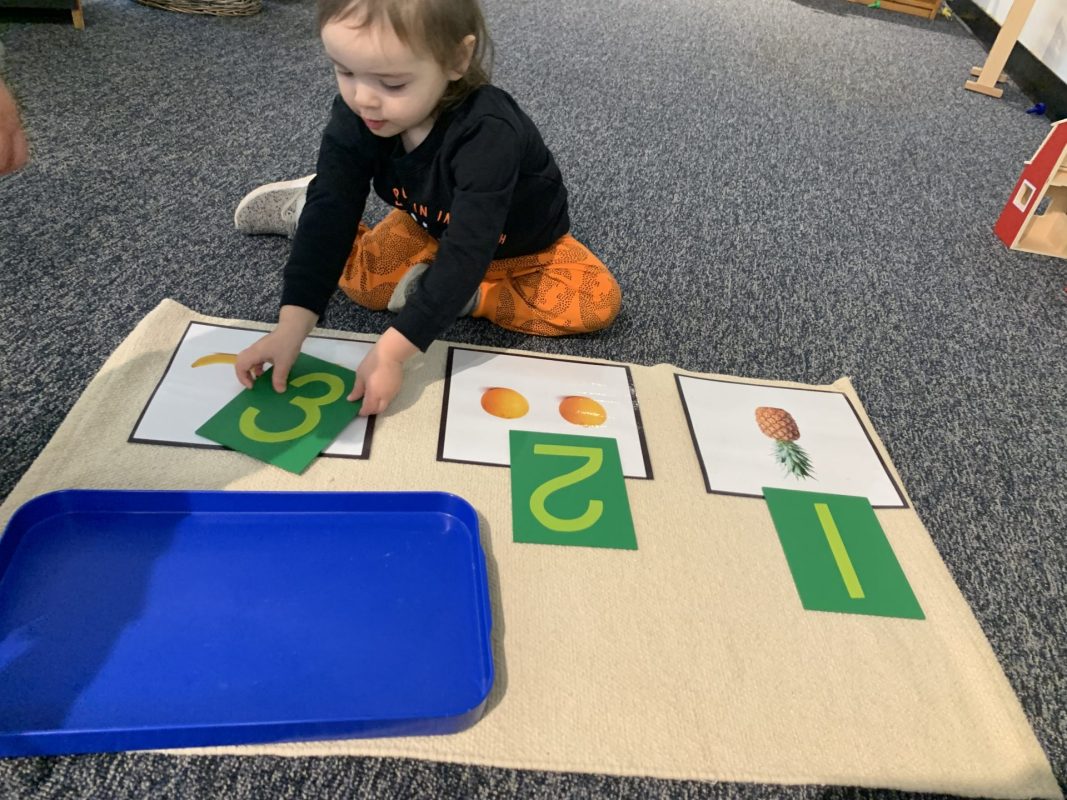
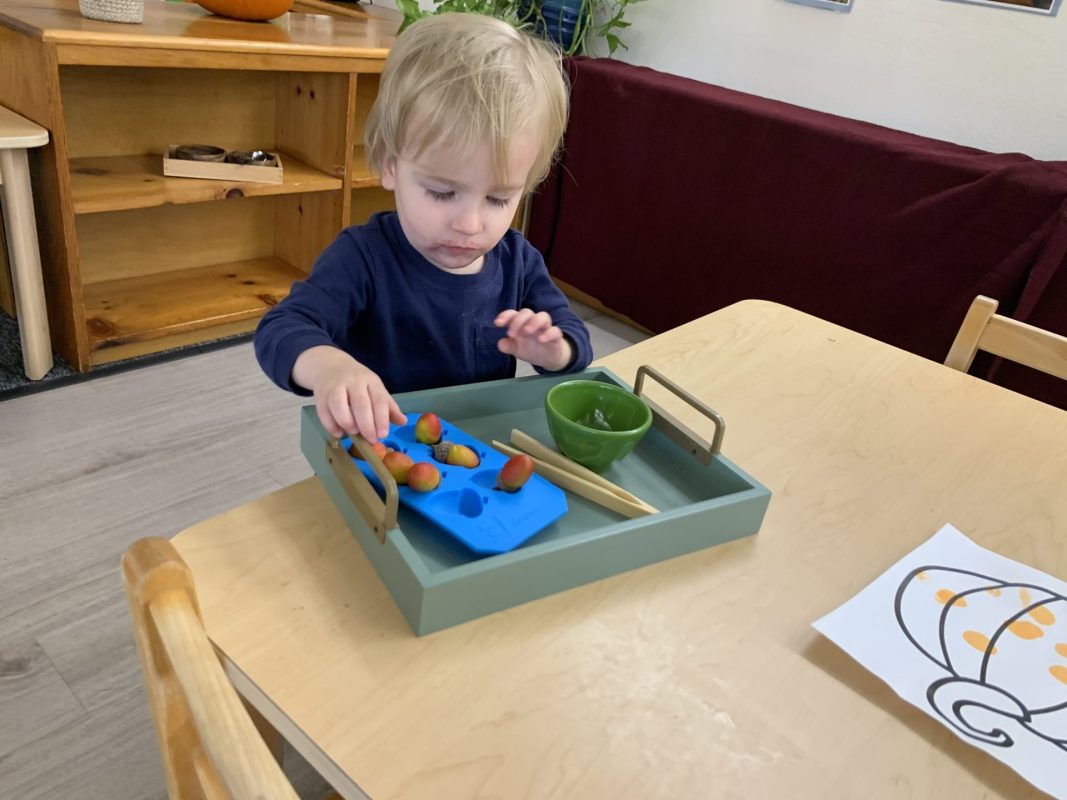
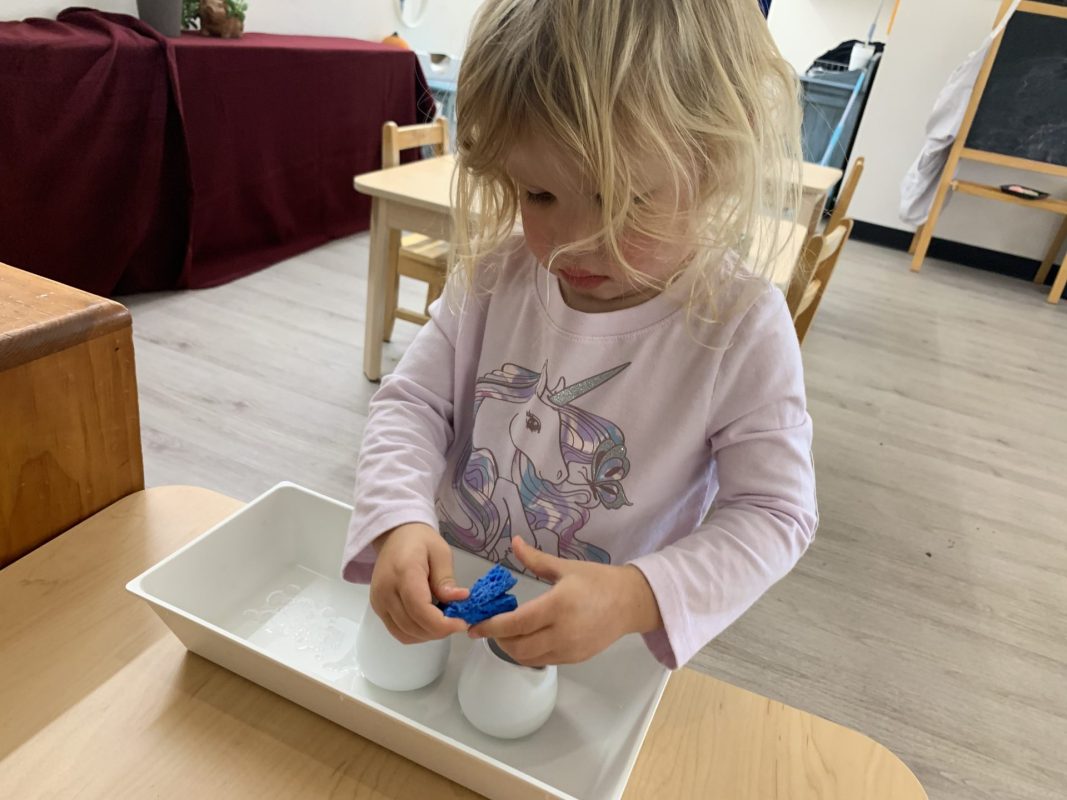
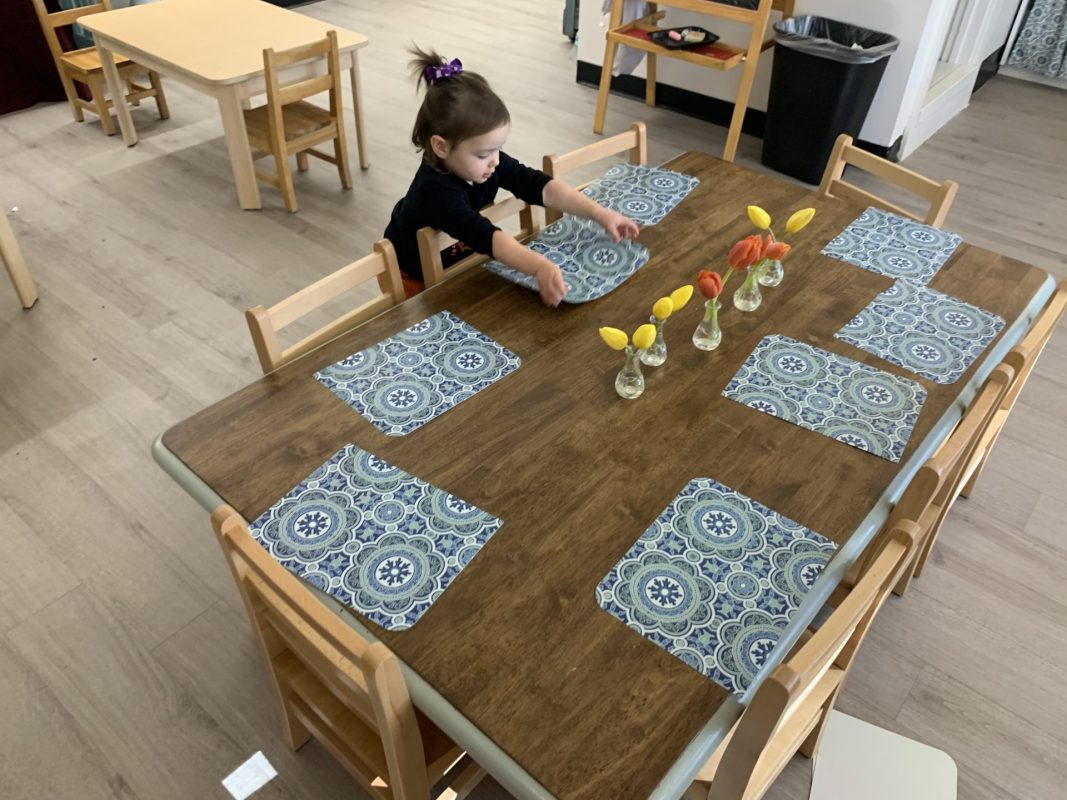
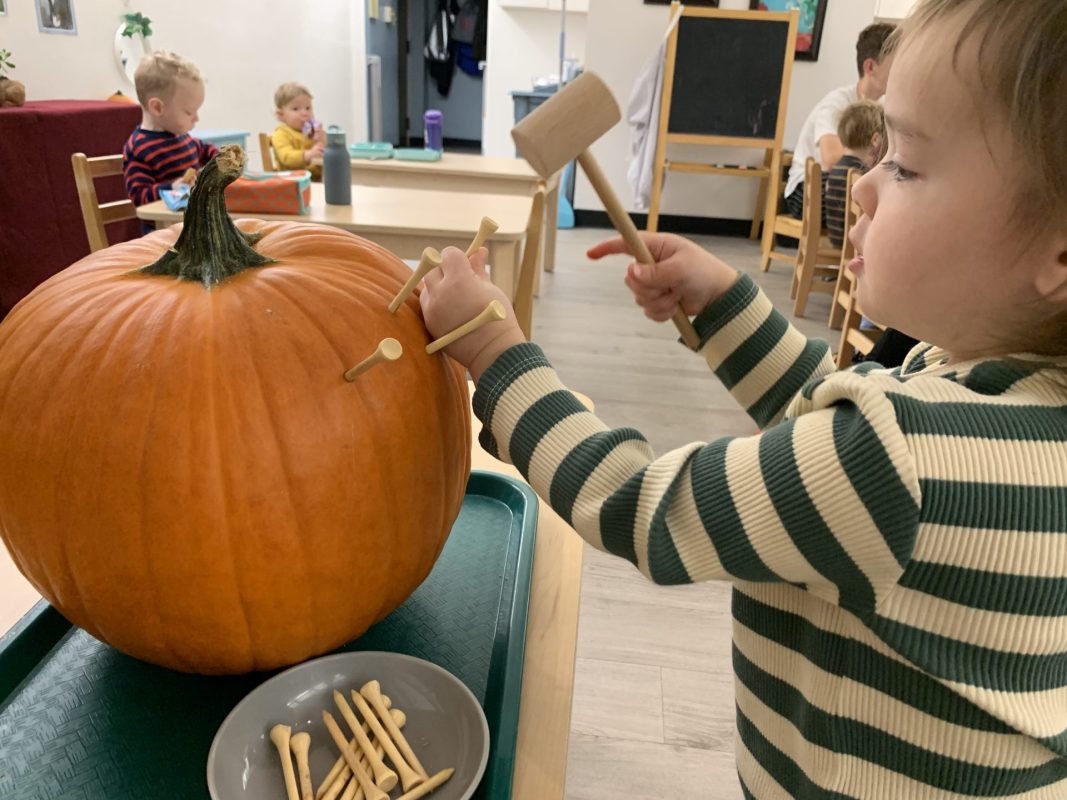
Sometimes, it can be difficult to accept the idea of focusing on the process, not the product. What exactly does that mean? Many works in the Montessori classroom do not end with a physical product the children will bring home to share with everyone. There is often no way to visually assess what a child is learning. Overall, as a society, we are product-driven and often base our success on this factor. The experience a child has when working with the materials is truly what is most important. However, it can often be unsettling when you hear they did “nothing” day after day.

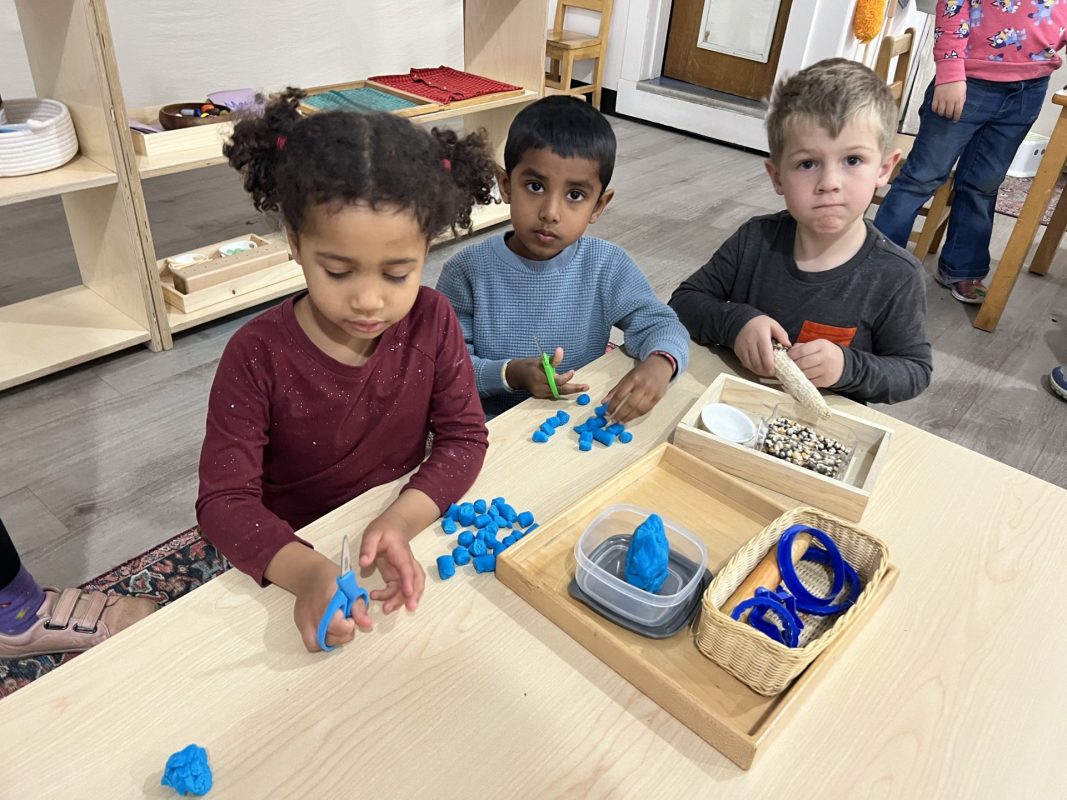
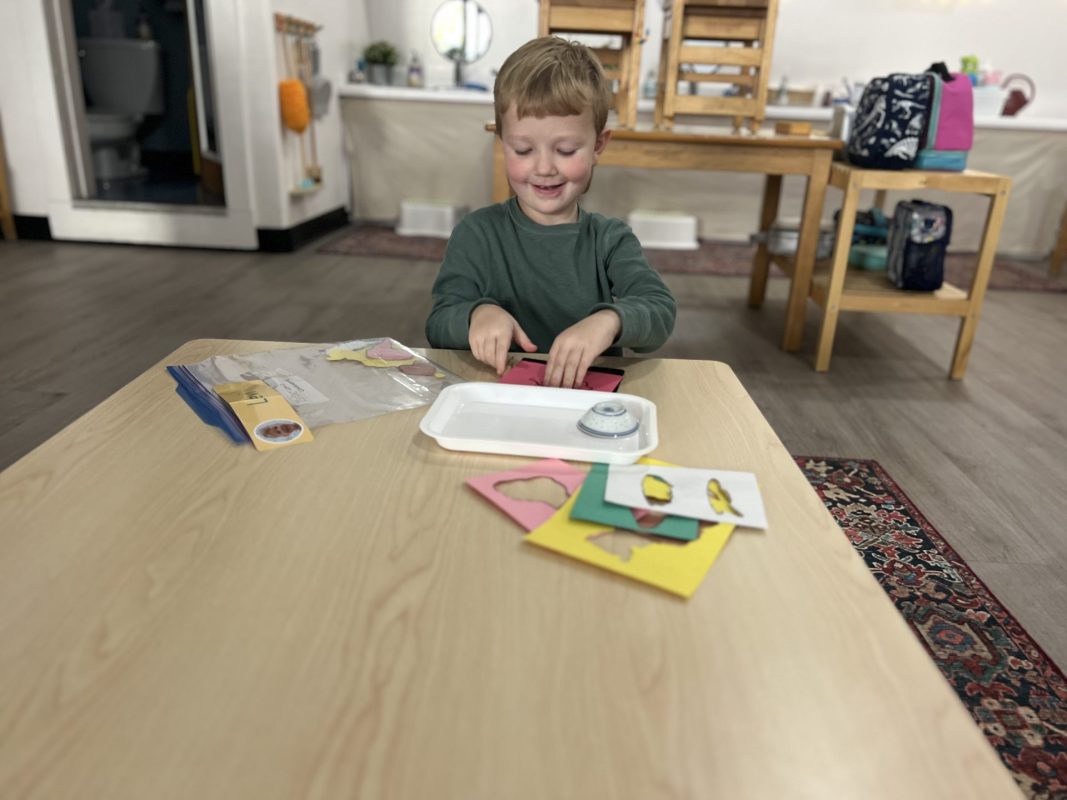
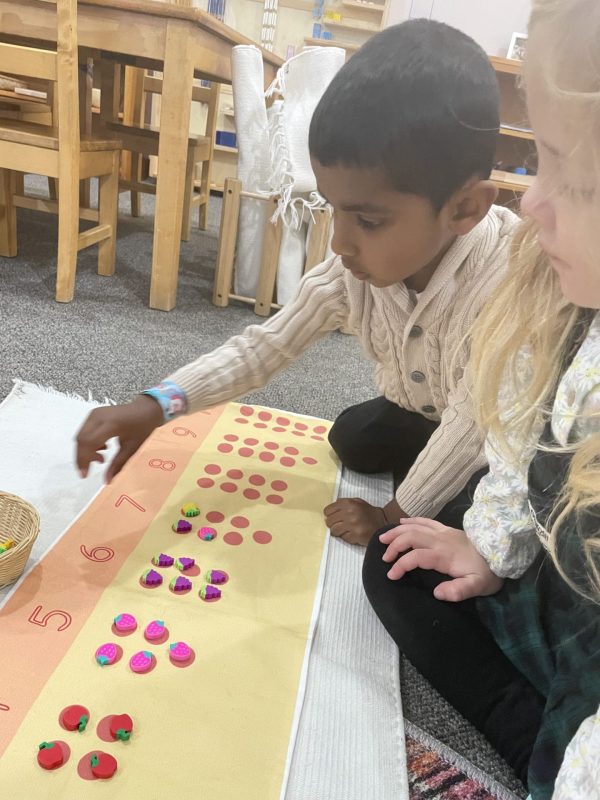
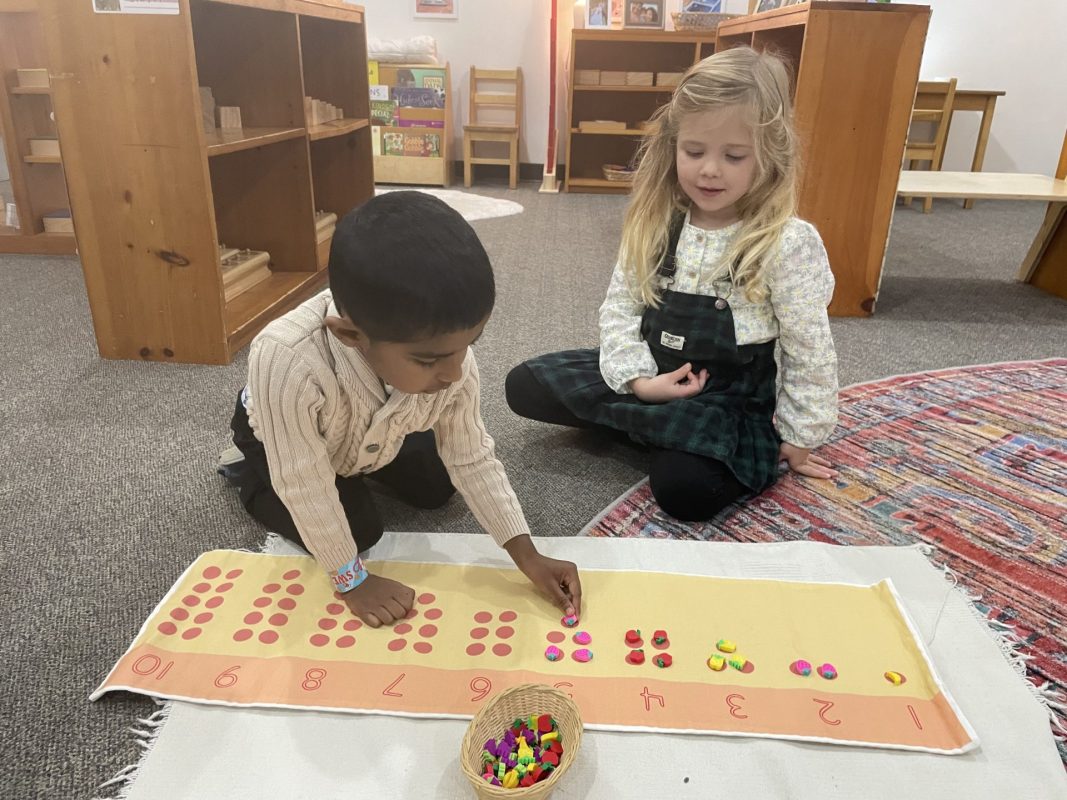
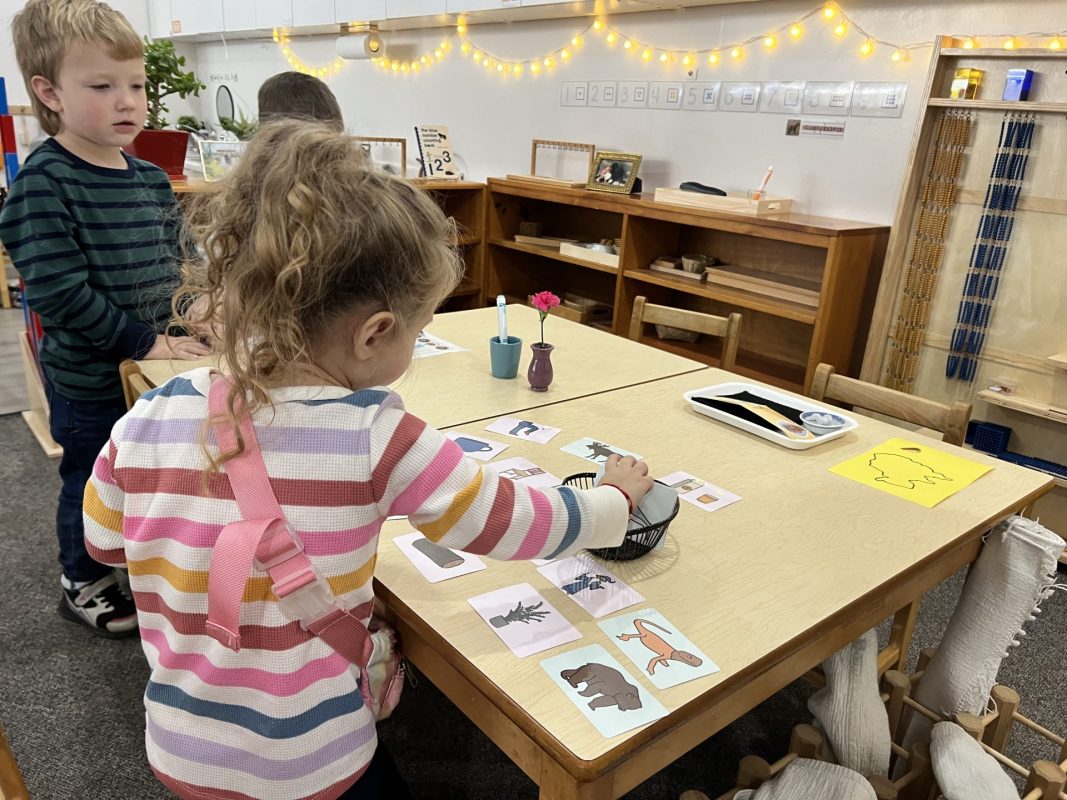
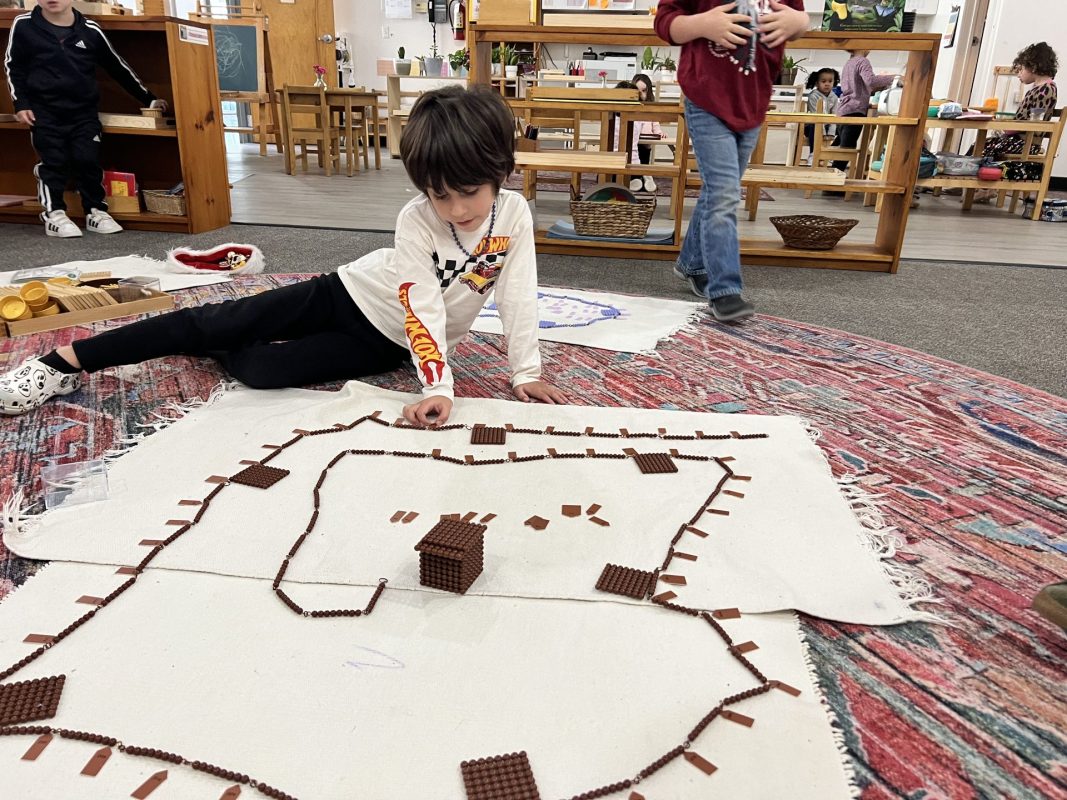
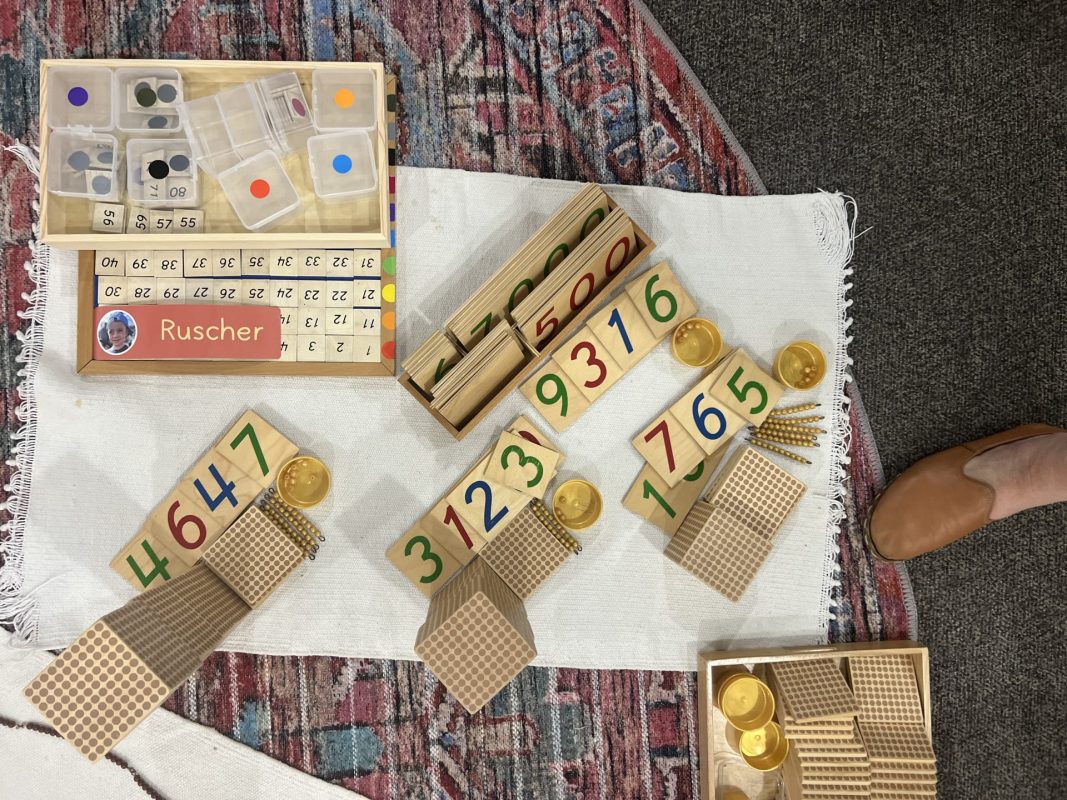
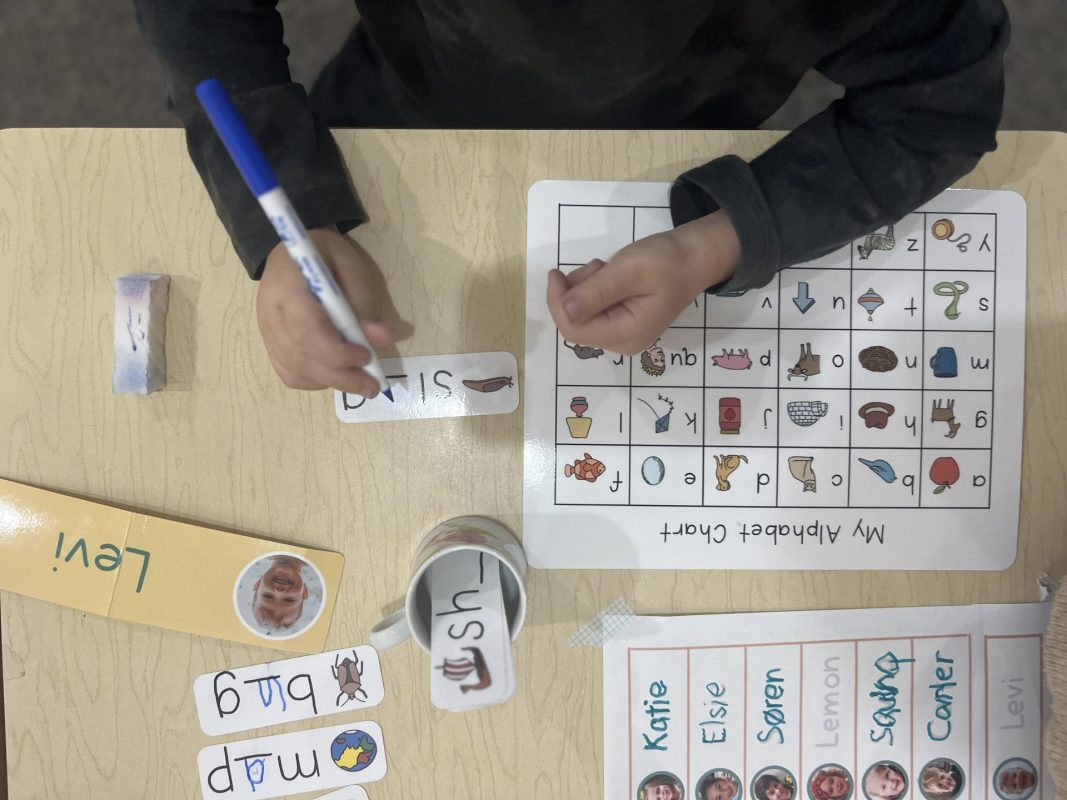
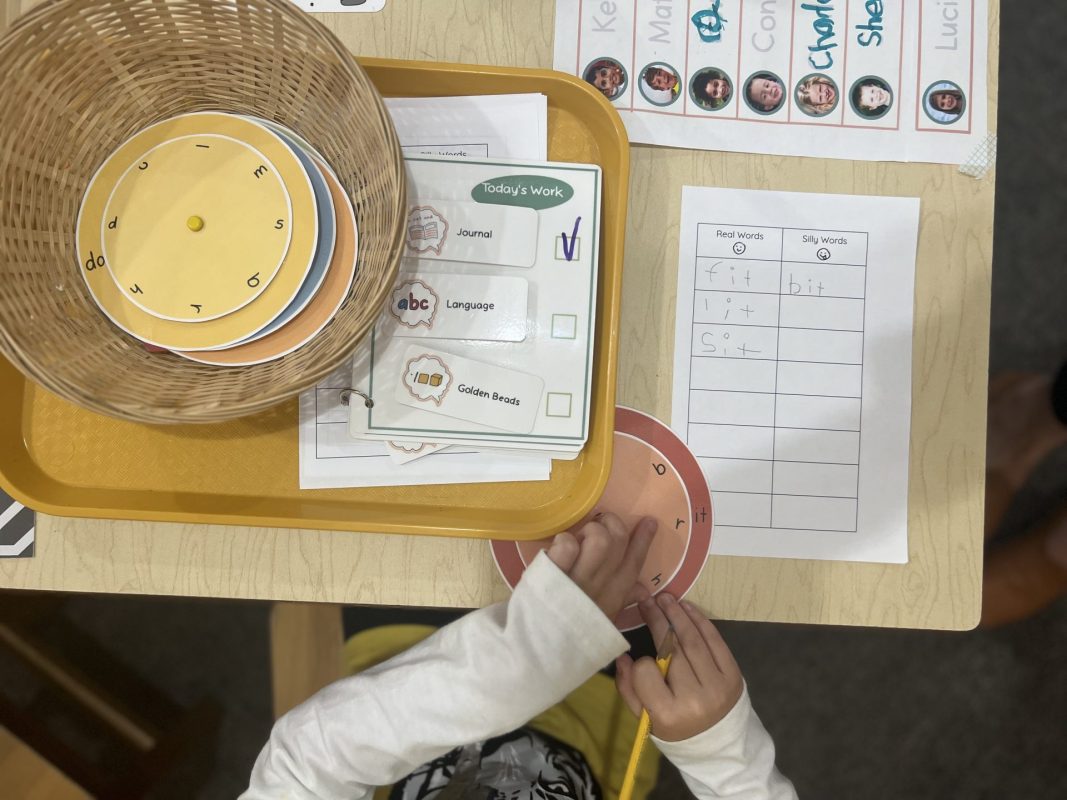
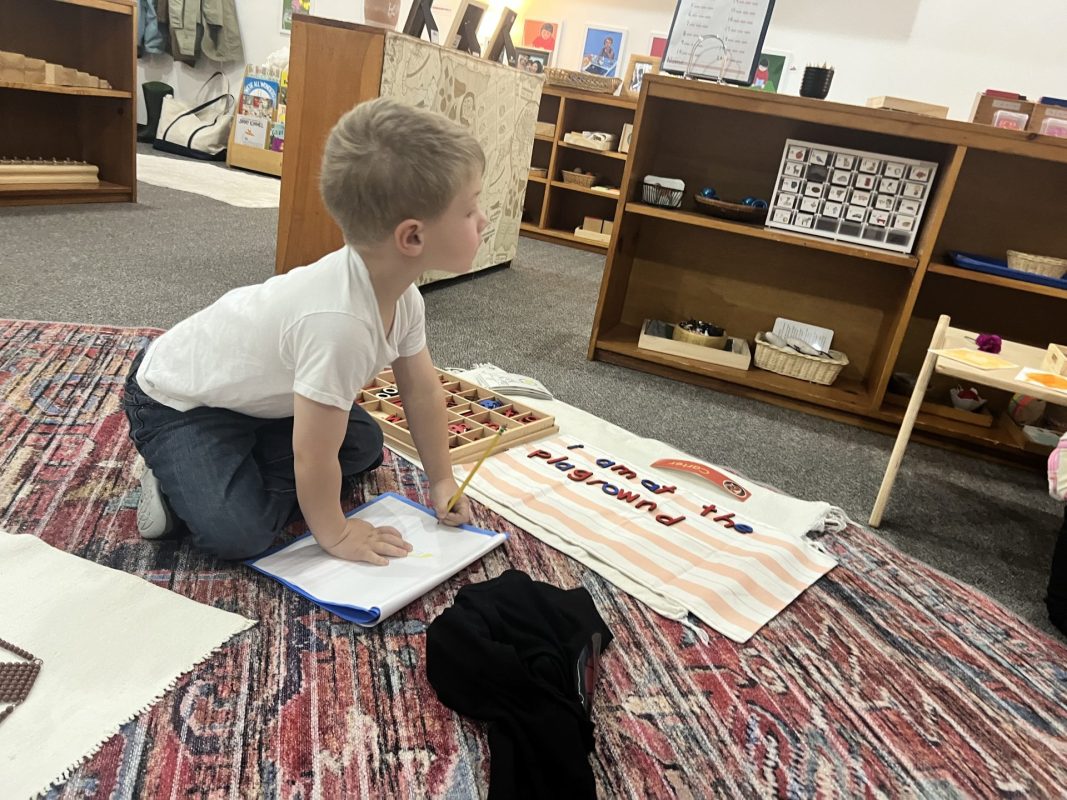
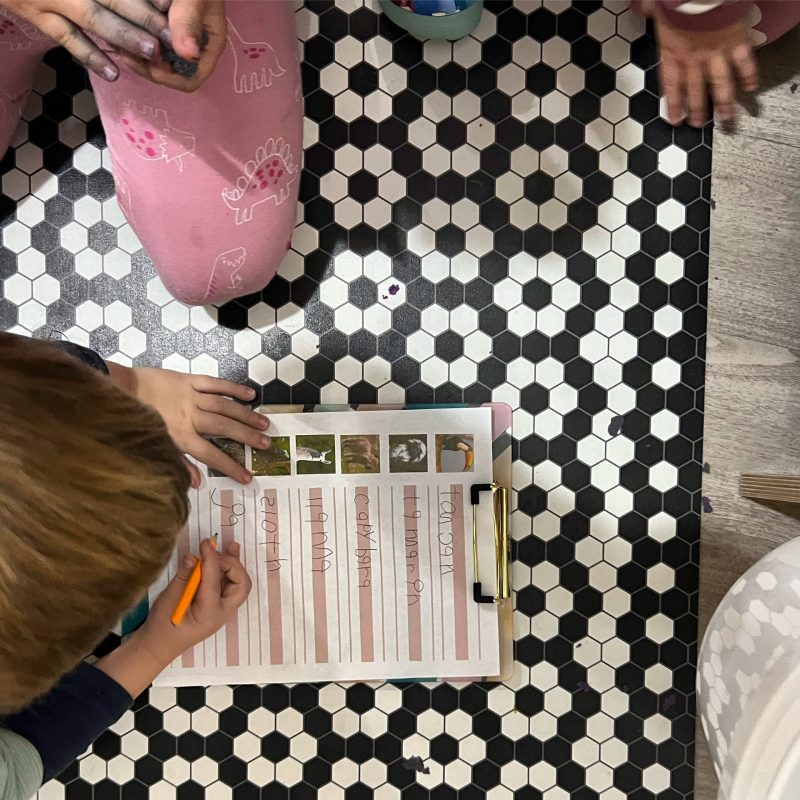
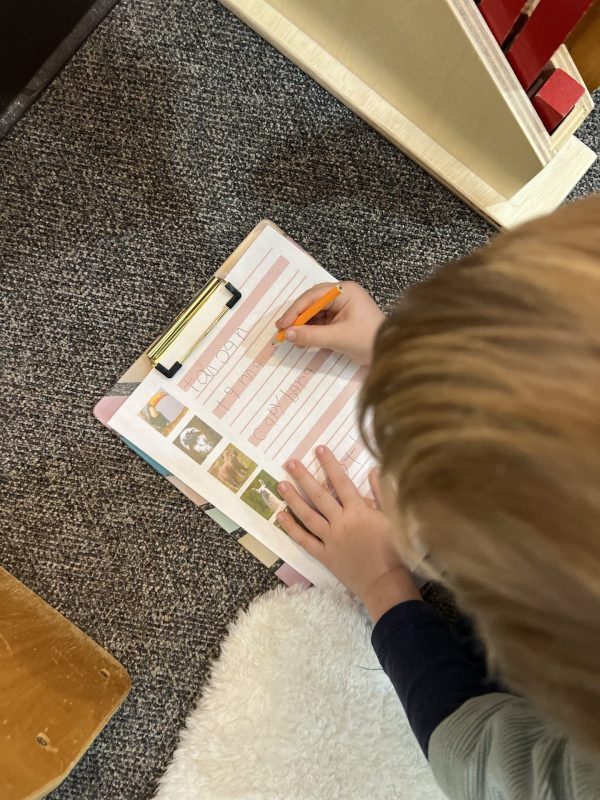
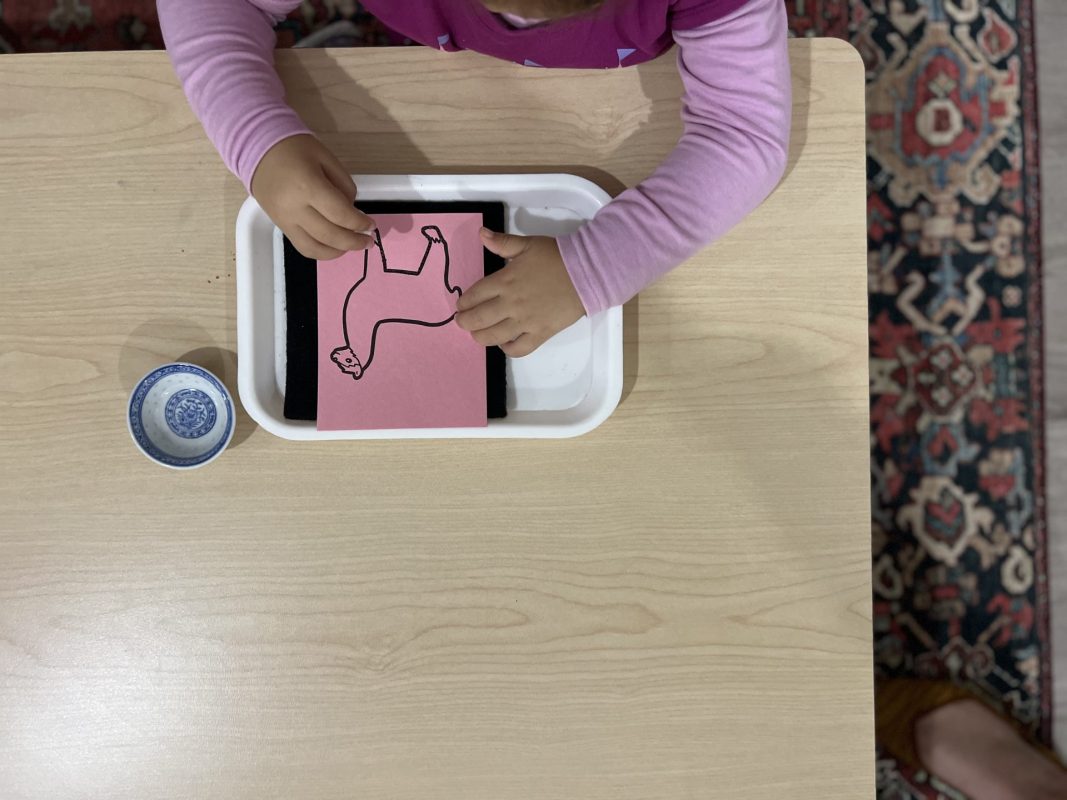
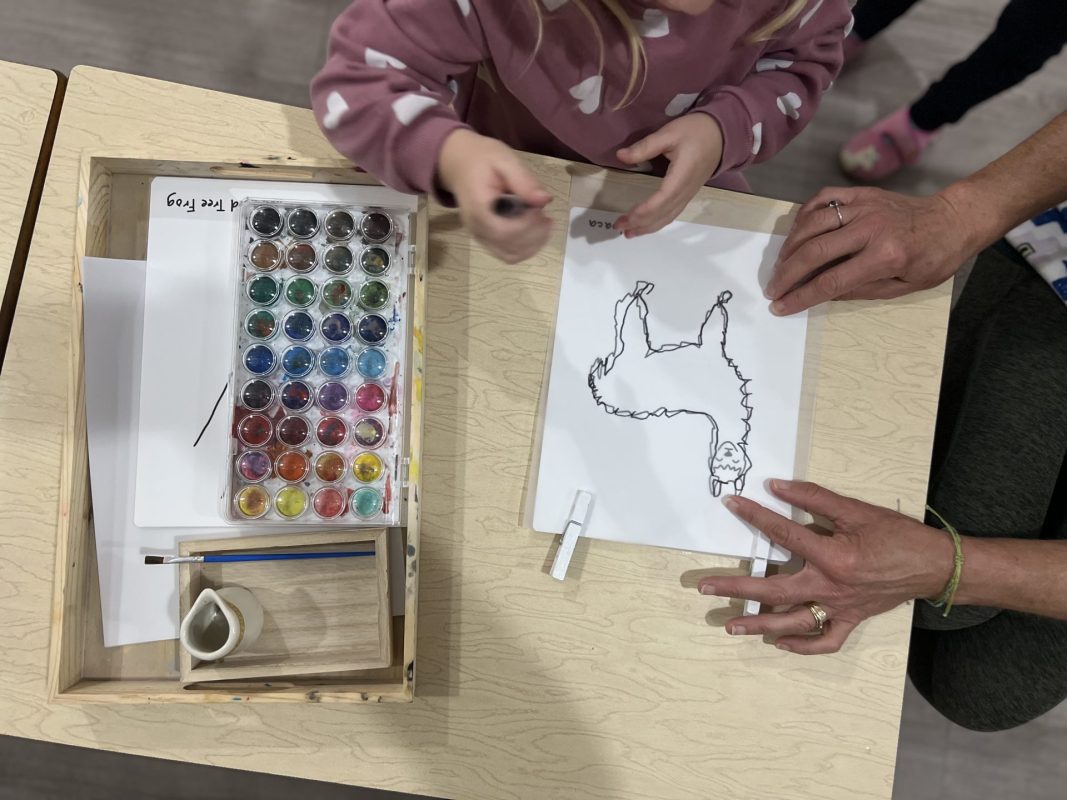
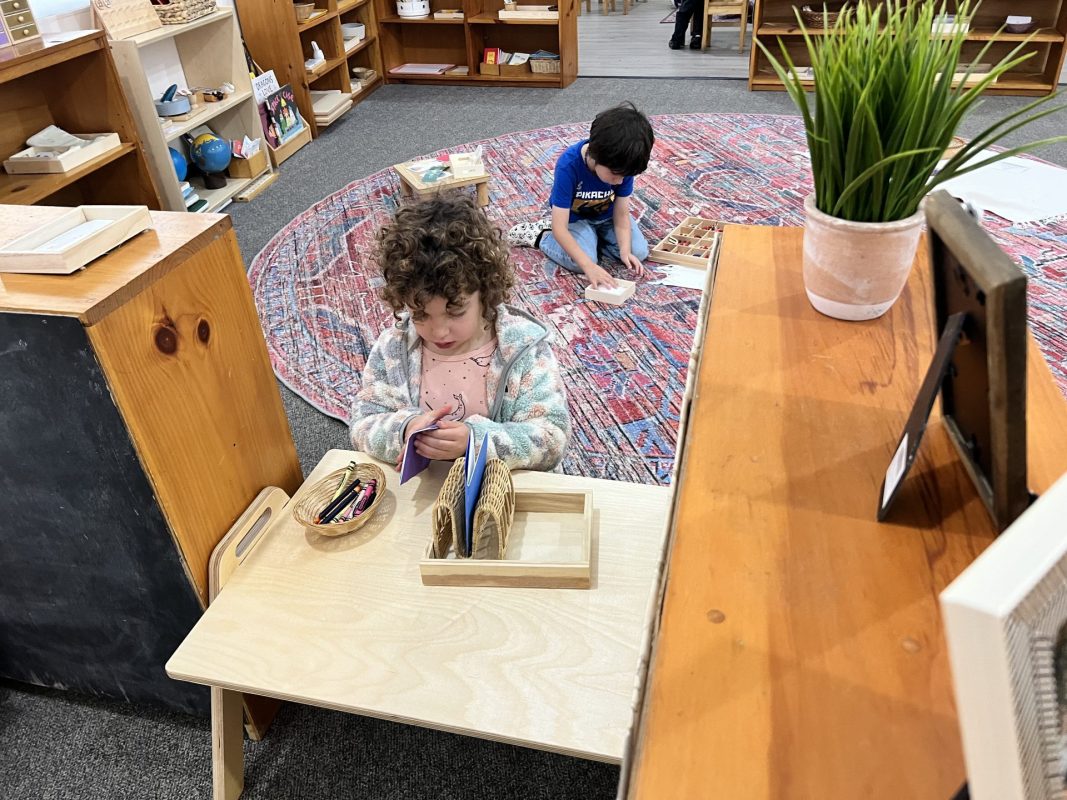
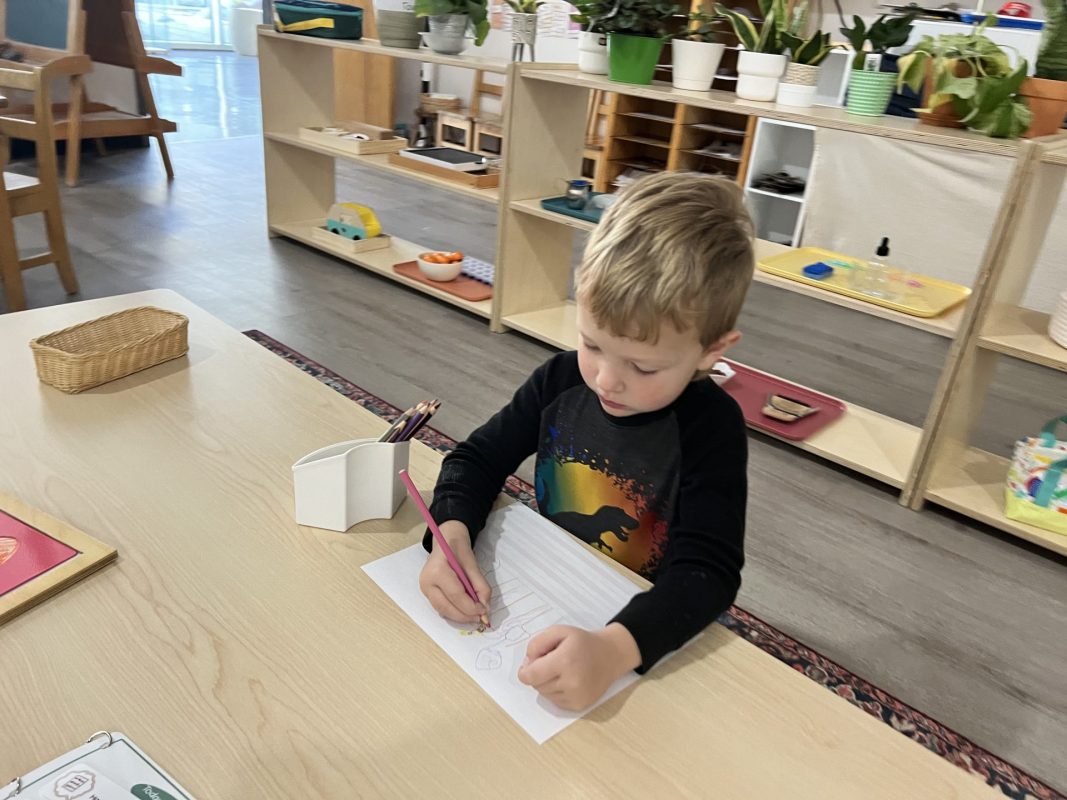
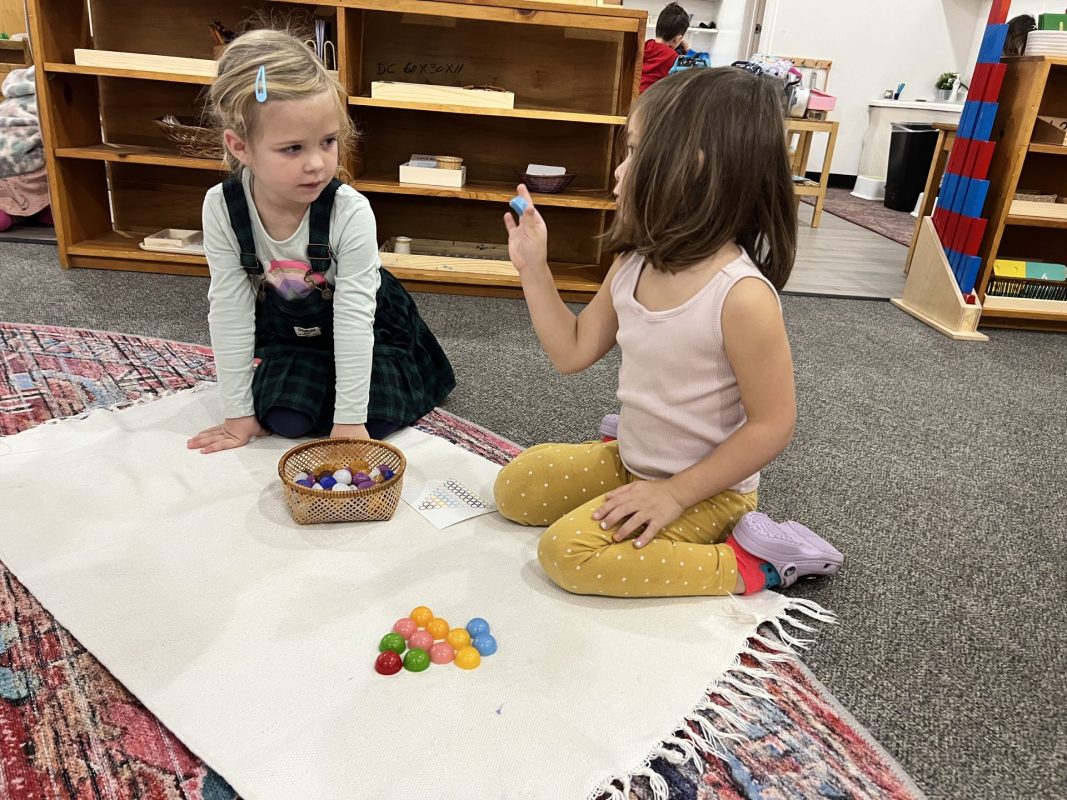
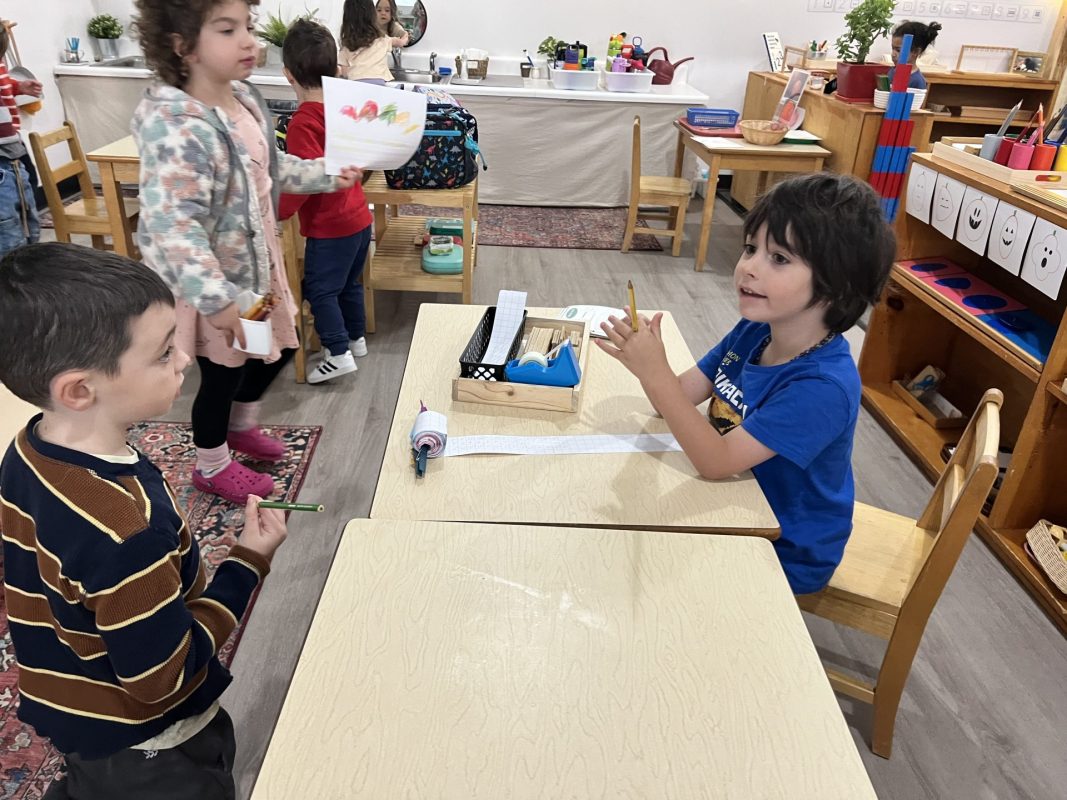
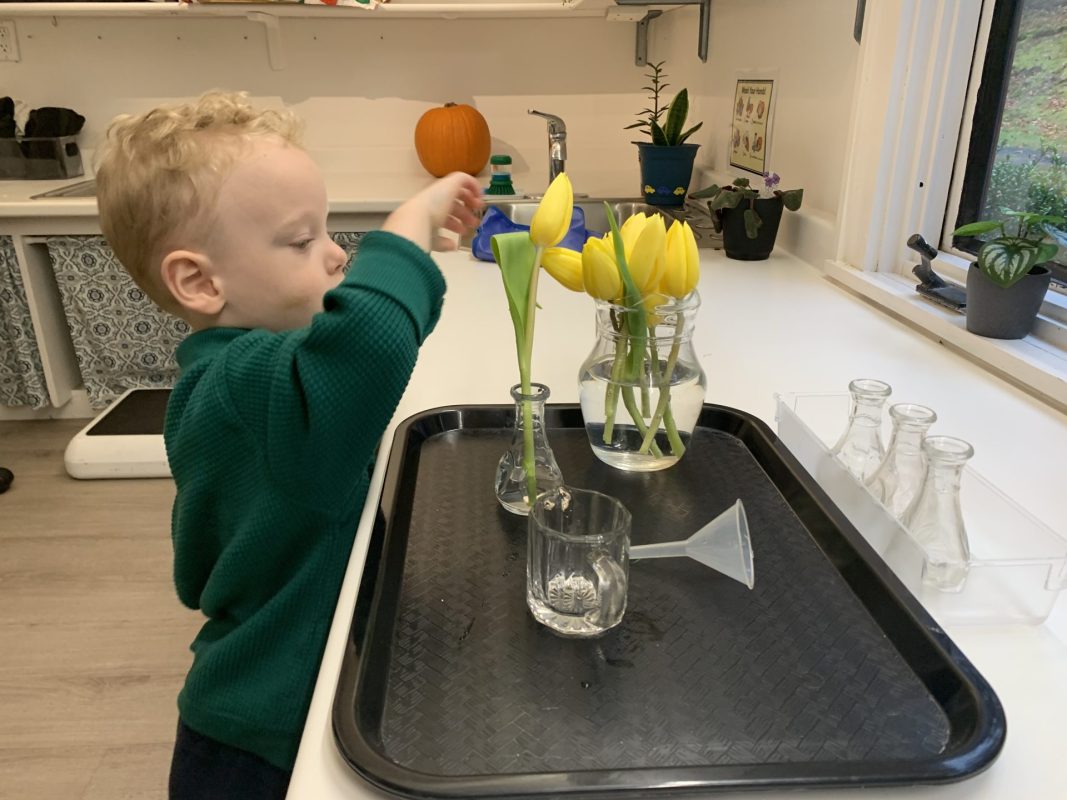
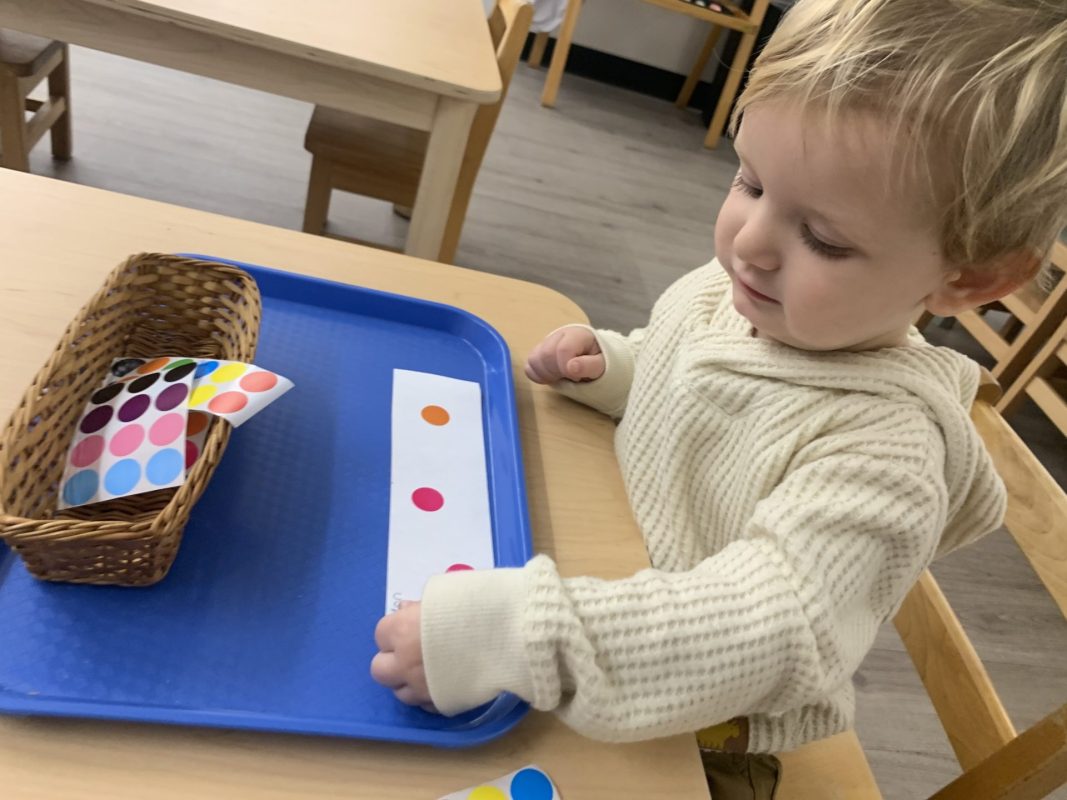
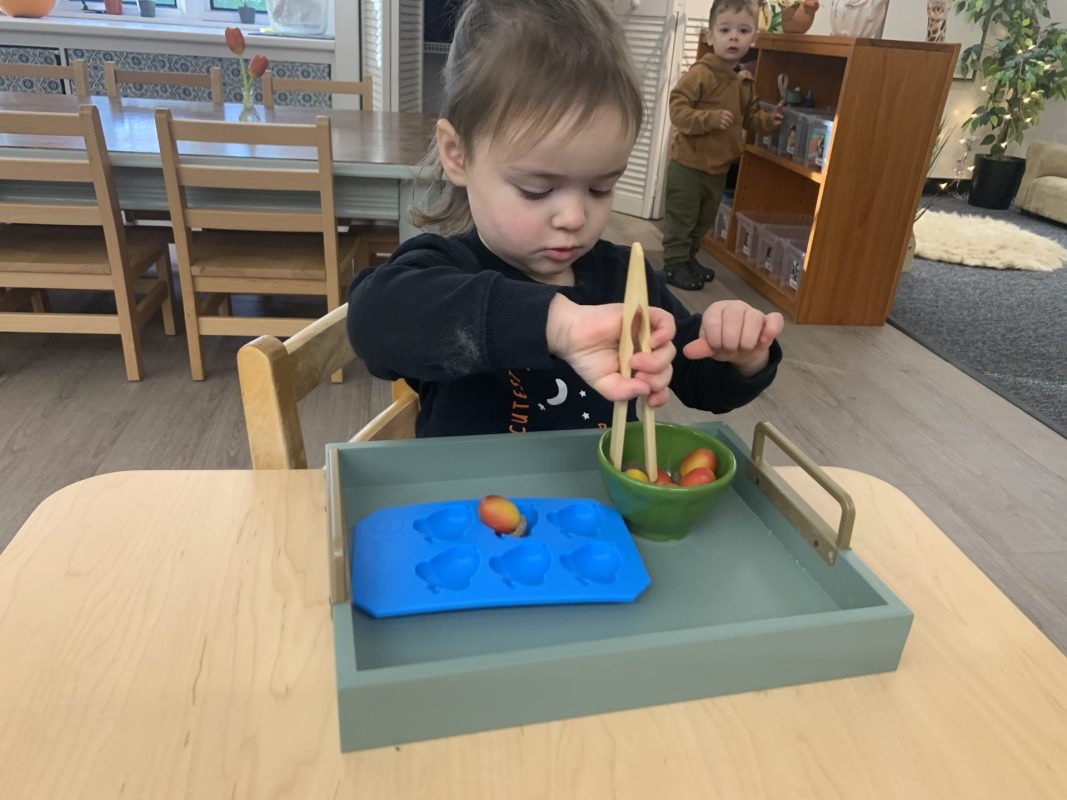
Research shows children ages three to six learn best through their hands. To truly understand a concept, they need to explore it through touch. This is why so many lessons in the Montessori environment are not based on memorization alone. Most concepts we teach involve tracing, manipulating, and exploring with their hands. Perhaps most importantly, focusing on the process protects the child’s intrinsic motivation to learn and understand. External factors such as recognition, praise, or reward do not influence it. We truly value and encourage the time and experience with the materials.

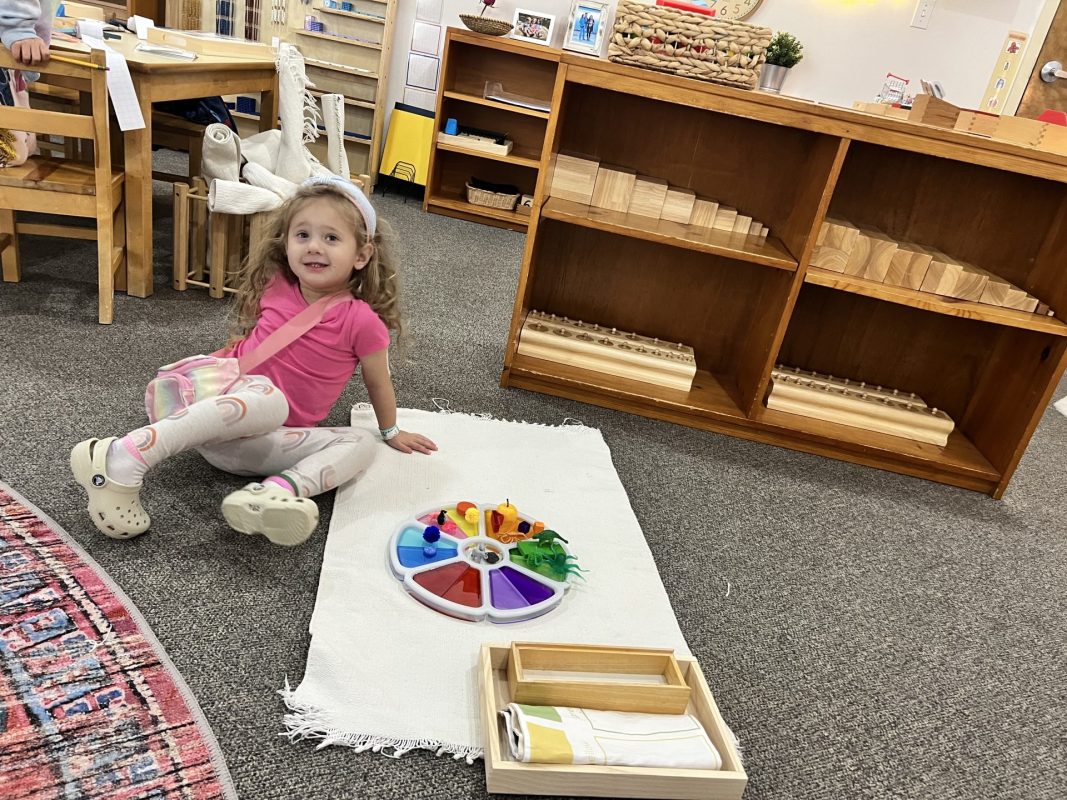
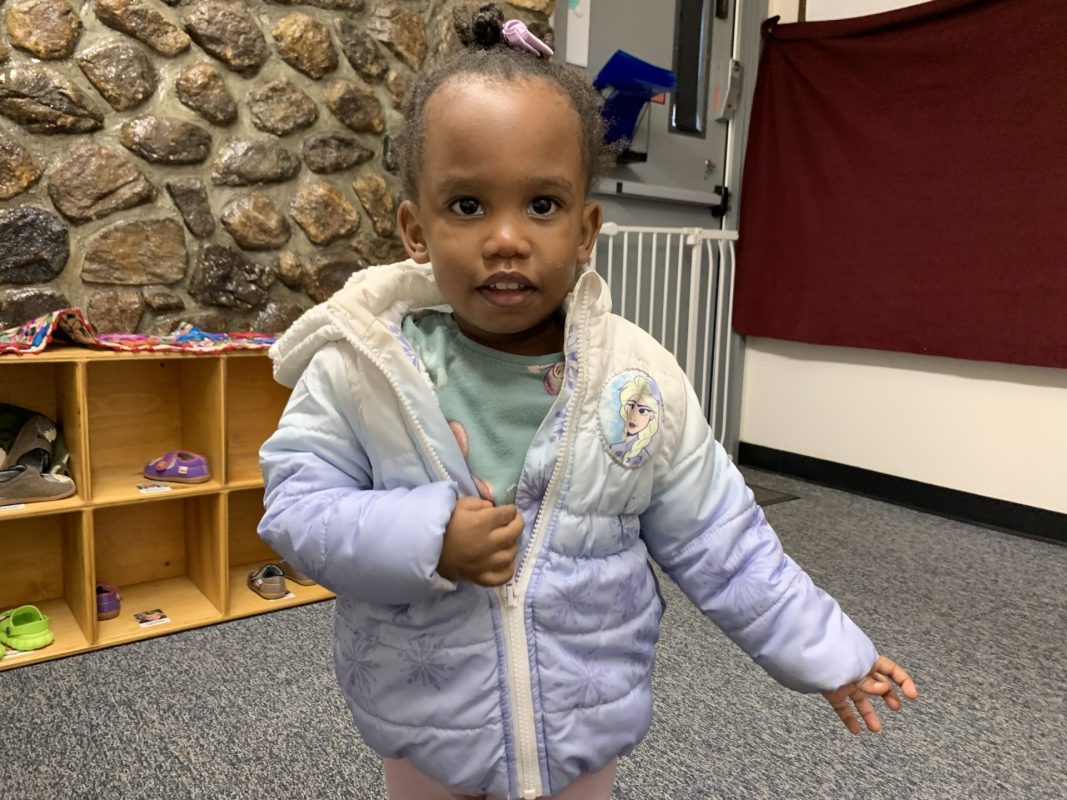
So, if your child’s folder comes home with little to no work, know that their accomplishments can’t always ‘fit’ in that folder. Maybe after weeks and weeks of trying, they learned how to zipper their coat, or perhaps they can finally carry a work without it dropping. Maybe after observing a lesson day after day, your child tried it independently for the first time. The list of skills each child can accomplish will never be fully represented in the Weekly Folder. So please enjoy the work in there, but know it will never be an accurate portrayal of all the children are learning and accomplishing.

Fall conferences are scheduled for Thursday, October 26th. Please click here to sign up and choose your time. We look forward to seeing everyone on conference day and sharing all of the exciting growth that has taken place these past few weeks.

Wishing you a week filled with peace and love.

Michelle and Maria


Ms. Marissa: Weekly Folder Fun Facts

As adults, we must remember that we want things done as quickly as possible so they are finished and out of the way. In contrast, the child is interested and content in the doing, not the done.” –Margaret Stephenson, The Art of Montessori in the Home.

Each Thursday, we send home Weekly Folders with the work the children have completed over the past week. We often receive emails asking why there was so little work inside and what exactly the children are doing.

Sometimes, it can be difficult to accept the idea of focusing on the process, not the product. What exactly does that mean? Many works in the Montessori classroom do not end with a physical product the children will bring home to share with everyone. There is often no way to visually assess what a child is learning. Overall, as a society, we are product-driven and often base our success on this factor. The experience a child has when working with the materials is truly what is most important. However, it can often be unsettling when you hear they did “nothing” day after day.

Research shows children ages three to six learn best through their hands. To truly understand a concept, they need to explore it through touch. This is why so many lessons in the Montessori environment are not based on memorization alone. Most concepts we teach involve tracing, manipulating, and exploring with their hands. Perhaps most importantly, focusing on the process protects the child’s intrinsic motivation to learn and understand. External factors such as recognition, praise, or reward do not influence it. We truly value and encourage the time and experience with the materials.

So, if your child’s folder comes home with little to no work, know that their accomplishments can’t always ‘fit’ in that folder. Maybe after weeks and weeks of trying, they learned how to zipper their coat, or perhaps they can finally carry a work without it dropping. Maybe after observing a lesson day after day, your child tried it independently for the first time. The list of skills each child can accomplish will never be fully represented in the Weekly Folder. So please enjoy the work in there, but know it will never be an accurate portrayal of all the children are learning and accomplishing.

Fall conferences are scheduled for Thursday, October 26th. In addition to this date, I am offering six slots on Friday, October 20th. Please click here to sign up and choose your time. We look forward to seeing everyone during conferences and sharing our goals for your child for the year.

Wishing you a week filled with peace and love.

Marissa and Sue


Mrs. Sargeant: Help me to do it myself!


“Help me to do it myself” is the core of the Montessori classroom. Maria Montessori said that these words reveal the inner needs of the child.

Maria Montessori once recounted an incident where she had given a nose-blowing lesson in front of a group of children at the Casa de Bambini. She observed that the children were fascinated by the lesson and expressed gratitude by clapping and thanking her afterward. This experience led her to realize the significance of teaching self-care to children. Dr. Montessori recognized that children have a natural inclination to learn and practice self-care tasks. She understood these skills are essential for preserving a child’s dignity and building self-esteem.

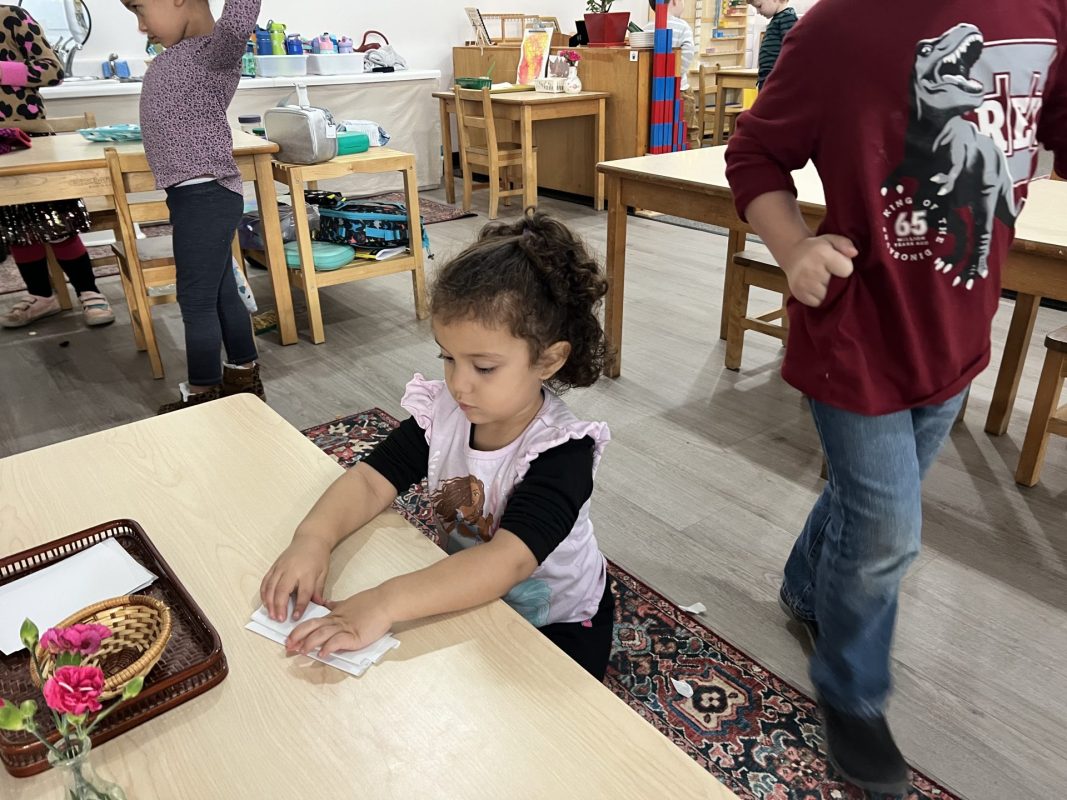
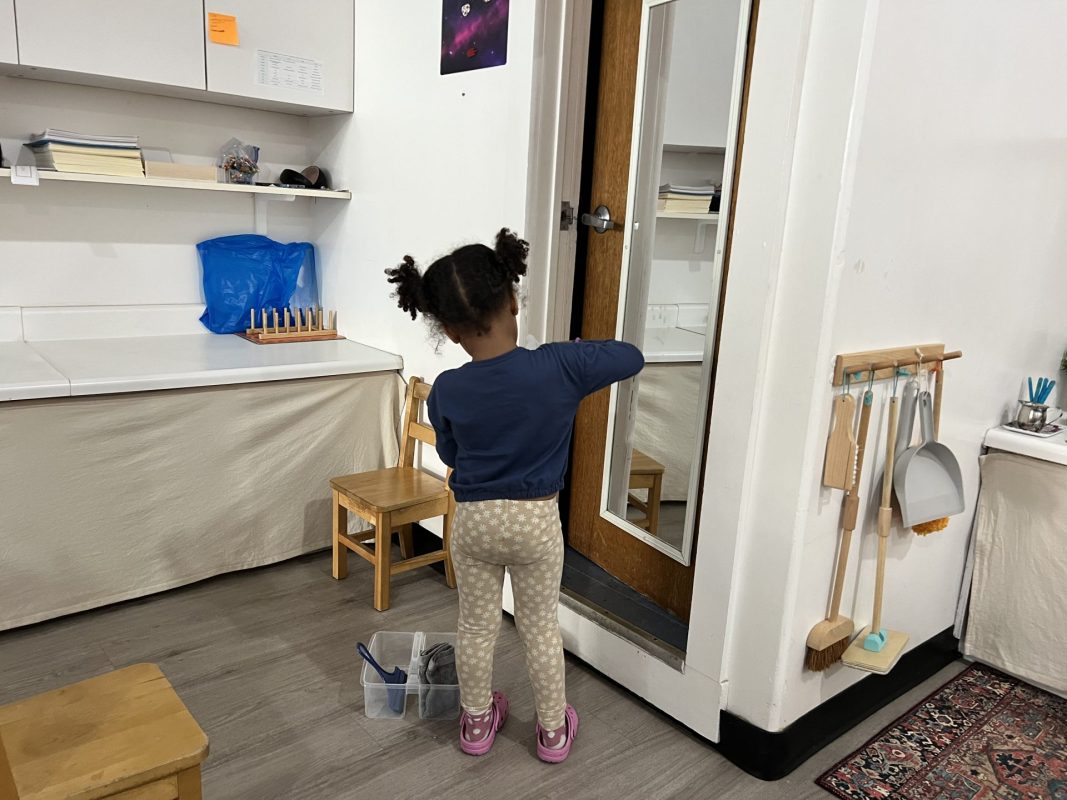
We encourage children to do things for themselves each day: hanging their backpacks, removing their shoes, washing their hands, dressing themselves, and even wiping or blowing their noses. Of course, jumping in and doing these tasks for the children is easier and quicker. However, the time spent teaching the children to do something independently will not only build their self-confidence and concentration but will eventually save time and increase your family’s happiness!

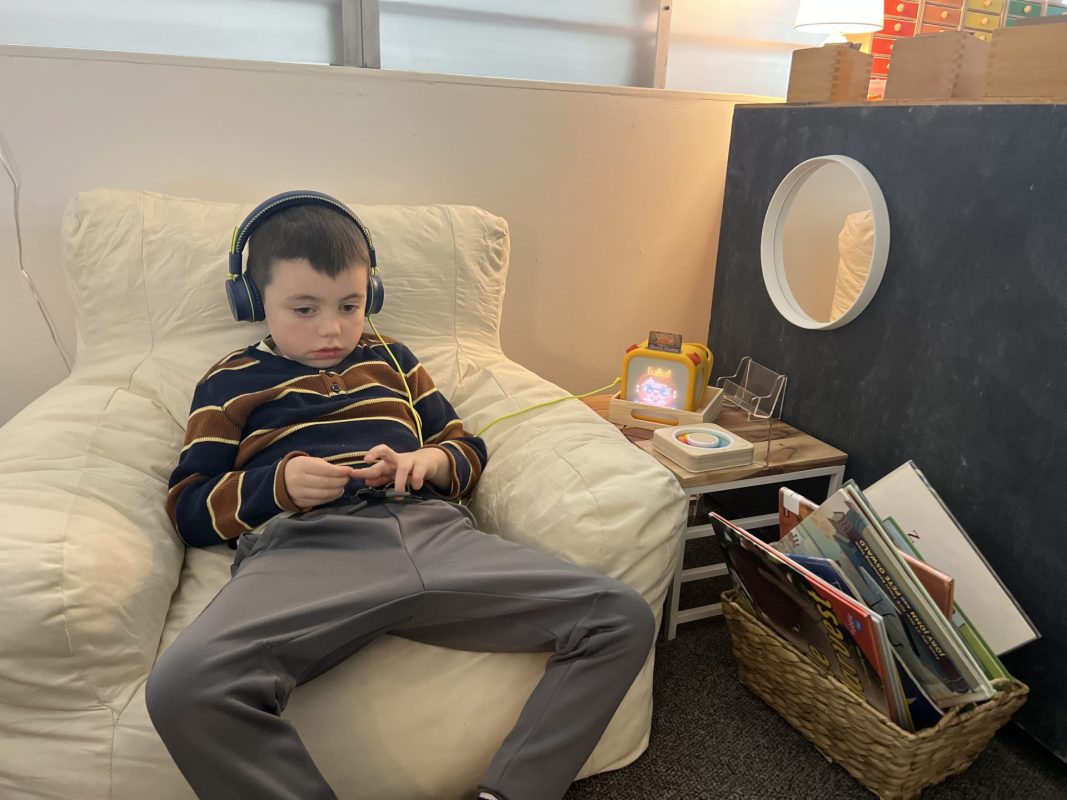
Since entering the season of colds and runny noses, we have been focused on showing the children how to use a tissue independently. If you’d like to encourage this at home, it is helpful to have an accessible tissue box and mirror. We have shown the children to pick one tissue from the box, look in the mirror, deliberately pinch their nostrils, and then pull it away. Next, they throw the tissue in the trash and wash their hands. It is truly heartwarming to see the pride in their smiles as they look back into the mirror and see a clean nose! These little people are remarkably capable.

Fostering independence in young children is a gradual process that evolves as they grow. It is essential to find a balance between providing support and allowing them to take on more responsibility as they become more capable. This approach helps them to develop the skills and confidence they need to become self-sufficient individuals.


Ms. Marissa: One Step at a Time!

We know it takes time for the new rhythm of school days to become familiar. So, while taking one step at a time, we are slowly building the foundations for a smooth, exciting school year.

In just a few short days, we as a class are learning:

  • how to navigate our way around the environment
  • how to wait for a lesson
  • the routines of our school day
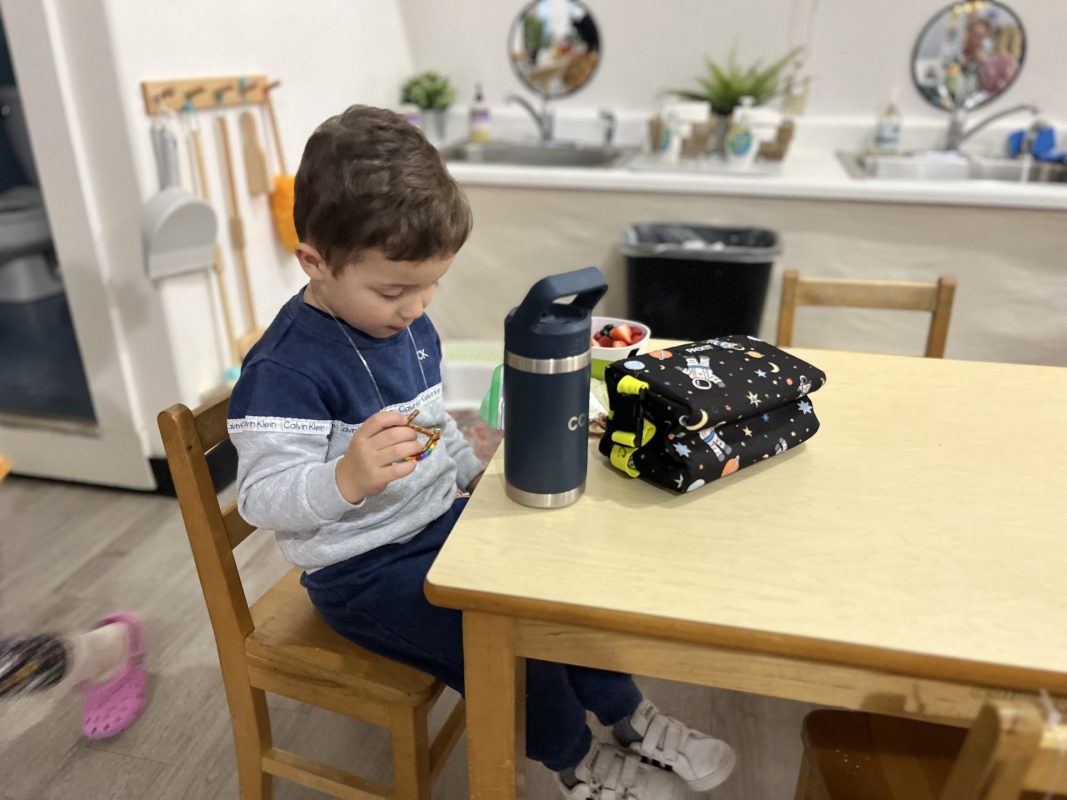
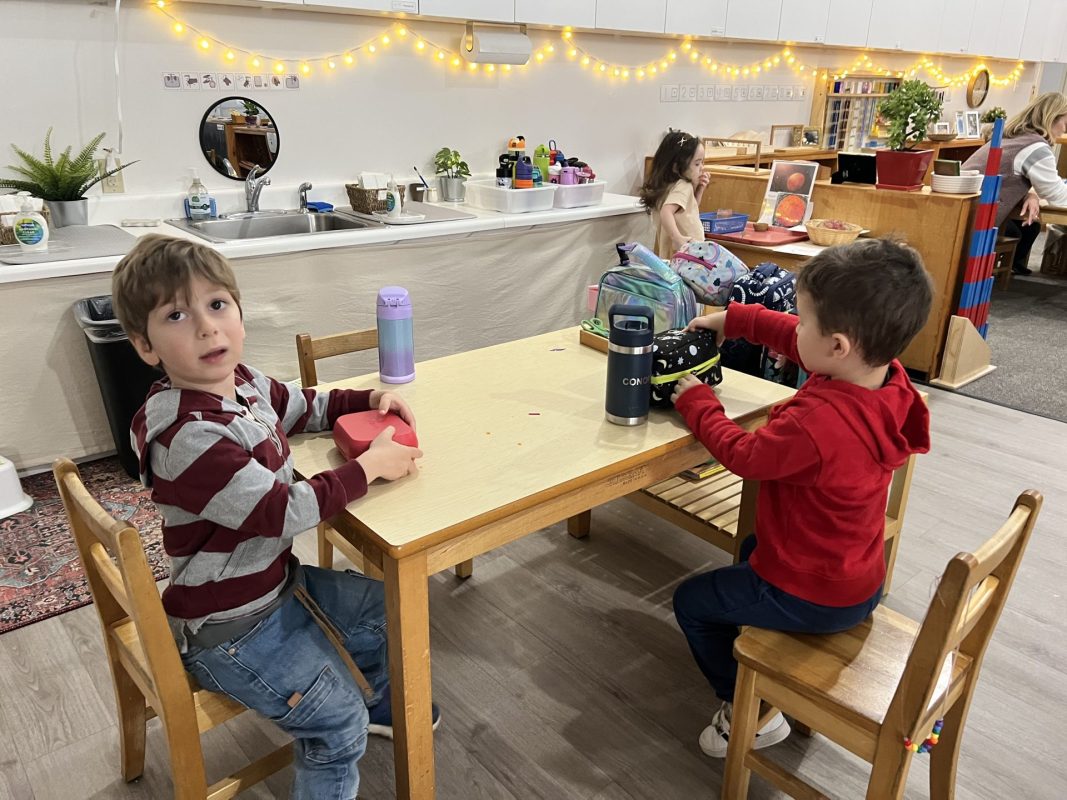
  • how to prepare for snack and lunch independently
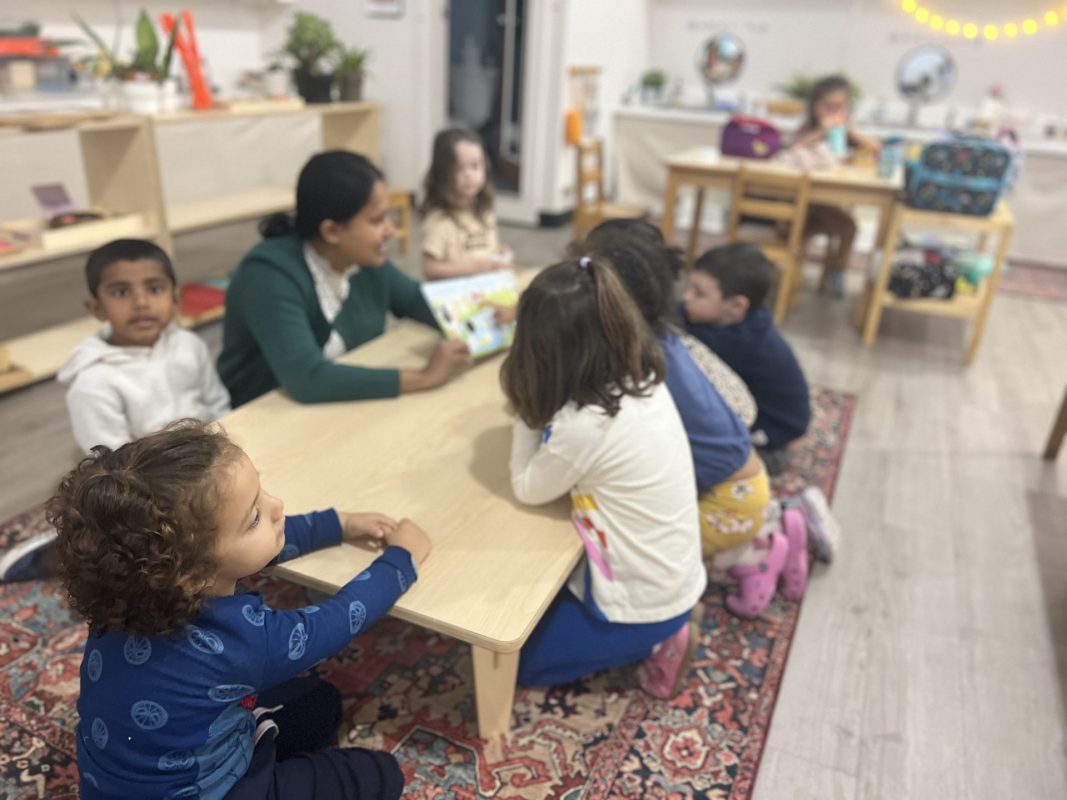
  • about being part of a large group meeting by listening and sharing
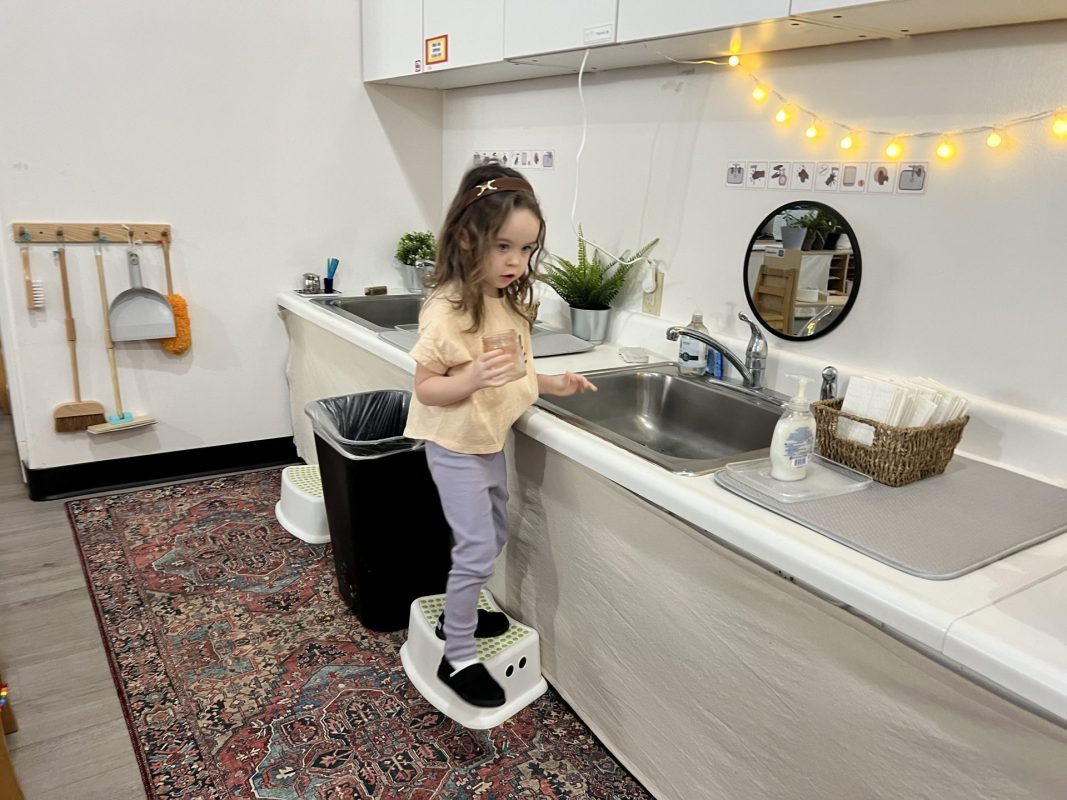
  • care of self and care of the environment

Our returning friends have been role models for our new friends. It’s a wonderful opportunity for them to be a leader. It wasn’t so long ago that they were new to the classroom themselves, and they accepted this new responsibility with excitement and confidence.

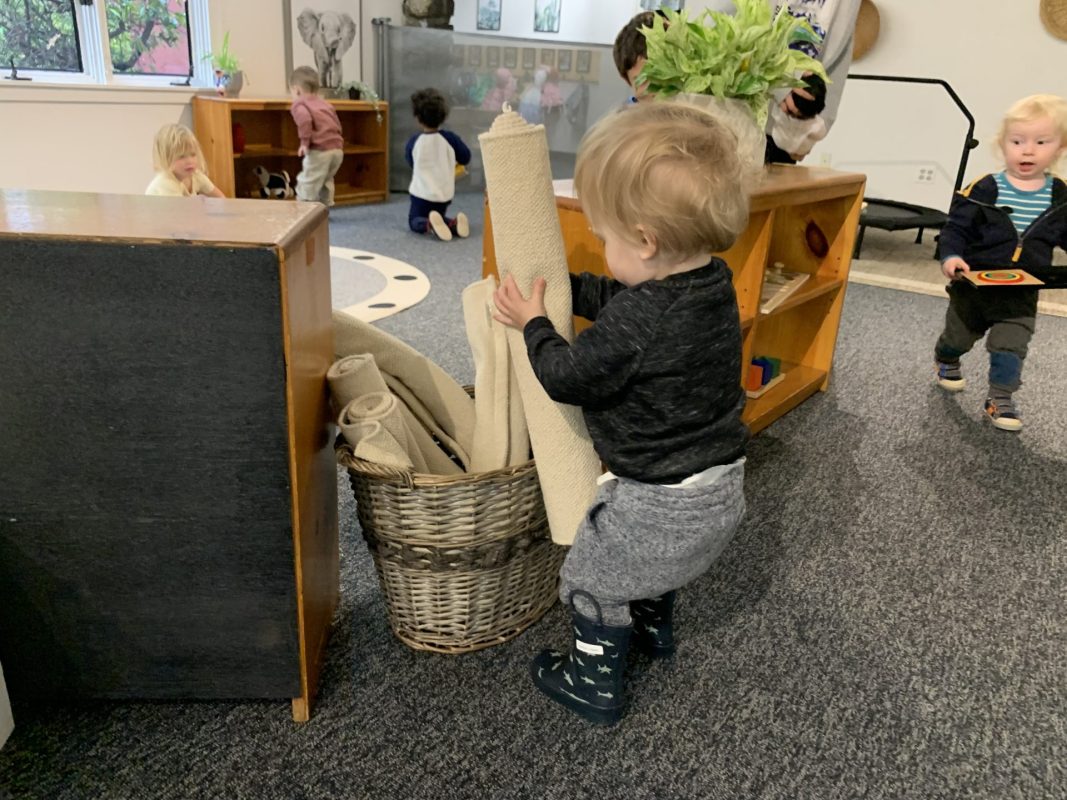
A question we frequently hear from parents is, “What can I do at home to help my child be successful at school?” One way to do so is to guide your child to become as independent as possible. Your child’s age and ability guide this independence. So there are no hard and fast rules to follow. A few important areas to focus on are setting up and cleaning up their lunch, putting on and taking off coats and boots, toileting themselves, packing and unpacking their backpacks, and carefully putting their toys away when they are done. This process is also one step at a time.

Here’s to new beginnings and a peaceful, fun school year for everyone!

Wishing you all a week filled with peace and love!

Marissa and Sue


Mrs. Doyle: One Step At A Time!


We know it takes time for the new rhythm of school days to become familiar. So, while taking one step at a time, we are slowly building the foundations for a smooth, exciting school year.

In just a few short days, we as a class are learning:

  • how to navigate our way around the environment
  • how to wait for a lesson
  • the routines of our school day
  • how to prepare for snack and lunch independently
  • about being part of a large group meeting by listening and sharing
  • care of self and care of the environment

Our returning friends have been role models for our new friends. It’s a wonderful opportunity for them to be a leader. It wasn’t so long ago that they were new to the classroom themselves, and they accepted this new responsibility with excitement and confidence.

A question we frequently hear from parents is, “What can I do at home to help my child be successful at school?” One way to do so is to guide your child to become as independent as possible. Your child’s age and ability guide this independence. So there are no hard and fast rules to follow. A few important areas to focus on are setting up and cleaning up their lunch, putting on and taking off coats and boots, toileting themselves, packing and unpacking their backpacks, and carefully putting their toys away when they are done. This process is also one step at a time.

Thank you to all the parents who donated apples for our applesauce-making and apple-tasting this week. The children thoroughly enjoyed both activities. Be sure to ask your child which apple they liked best. We had a tie between Honeycrisp and Granny Smith for their favorite apple.

Here’s to new beginnings and a peaceful, fun school year for everyone!

Wishing you all a week filled with peace and love!

Michelle & Maria


Mrs. Lopes: One Step at a Time!

We know it takes time for the new rhythm of school days to become familiar. So, while taking one step at a time, we are slowly building the foundations for a smooth, exciting school year.

In just a few short days, we as a class are learning:

  • how to navigate our way around the environment
  • how to wait for a lesson
  • the routines of our school day
  • how to prepare for snack and lunch independently
  • about being part of a large group meeting by listening and sharing
  • care of self and care of the environment

Our returning friends have been role models for our new friends. It’s a wonderful opportunity for them to be a leader. It wasn’t so long ago that they were new to the classroom themselves, and they accepted this new responsibility with excitement and confidence.

A question we frequently hear from parents is, “What can I do at home to help my child be successful at school?” One way to do so is to guide your child to become as independent as possible. Your child’s age and ability guide this independence. So there are no hard and fast rules to follow. A few important areas to focus on are setting up and cleaning up their lunch, putting on and taking off coats and boots, toileting themselves, packing and unpacking their backpacks, and carefully putting their toys away when they are done. This process is also one step at a time.

Thank you to all the parents who donated apples for our applesauce-making and apple-tasting this week. The children thoroughly enjoyed both activities. Be sure to ask your child which apple they liked best. We had a tie between Honeycrisp and Granny Smith for their favorite apple.

Here’s to new beginnings and a peaceful, fun school year for everyone!

Wishing you all a week filled with peace and love!

Amanda & Hema


Mrs. Sargeant- A Wonderful Week


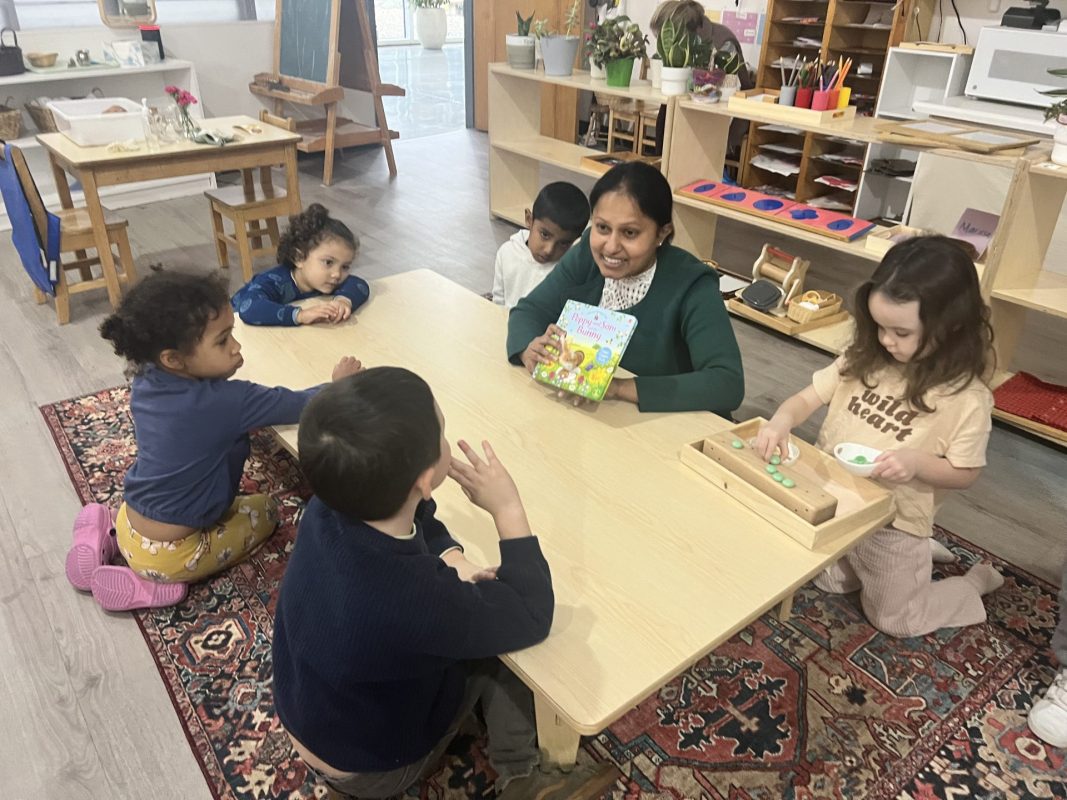
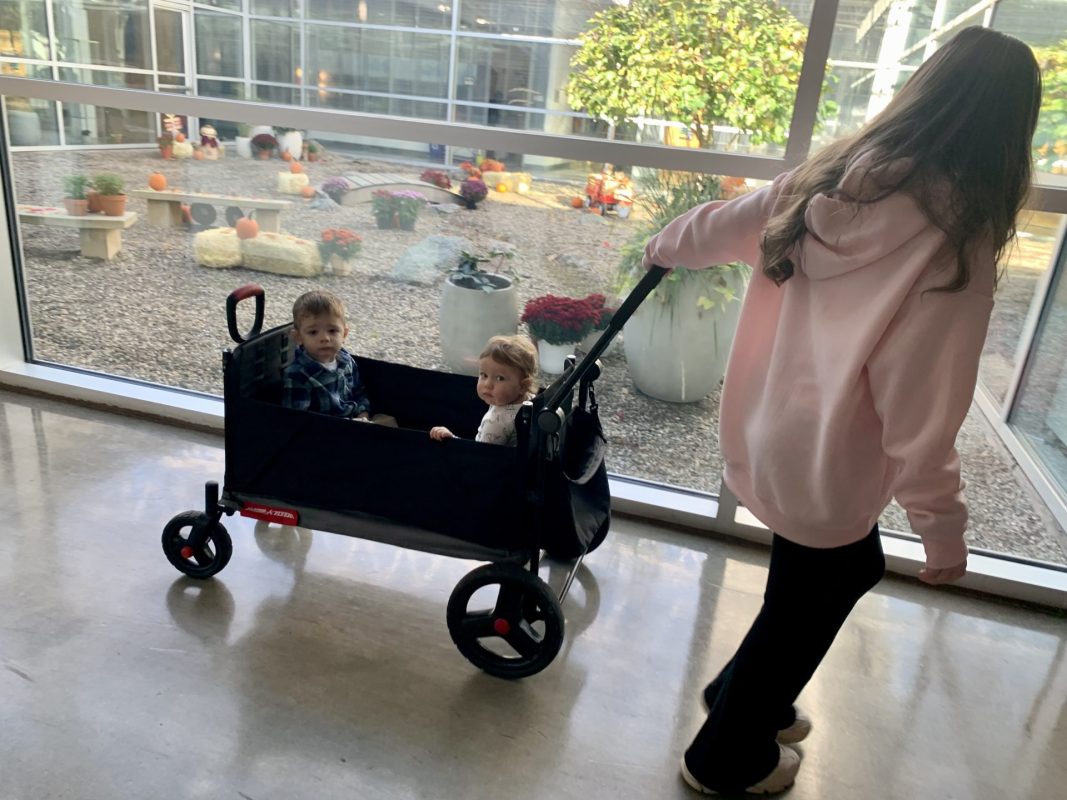
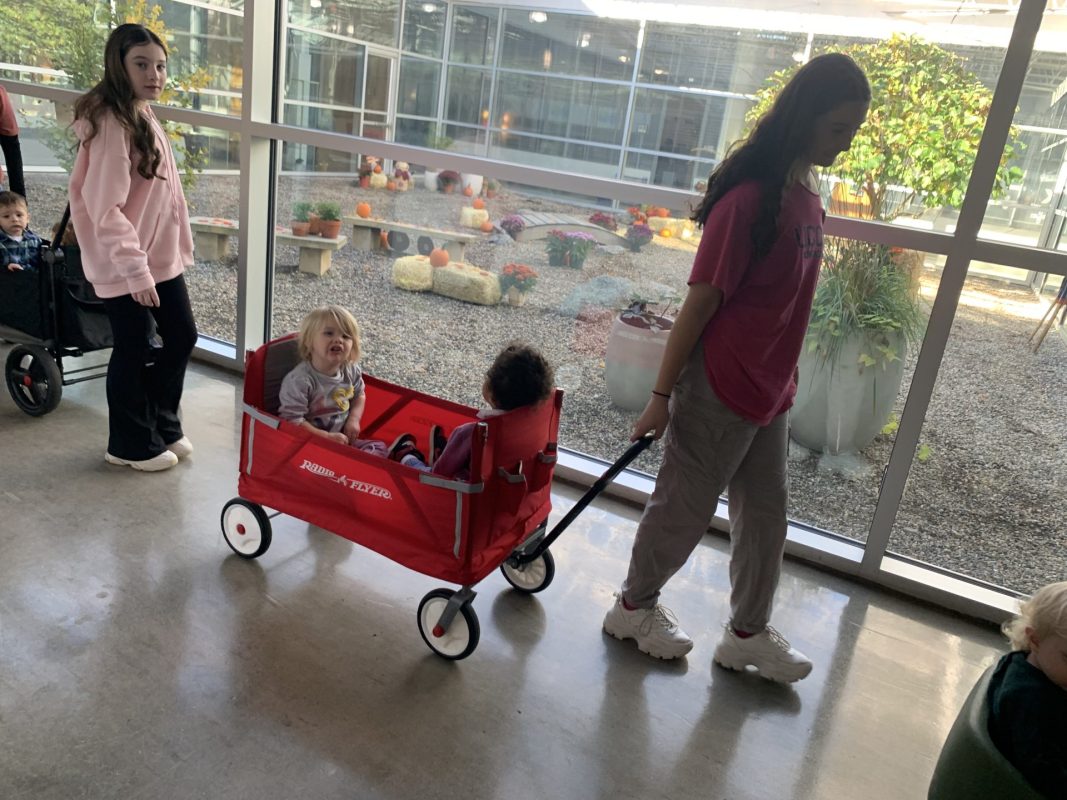
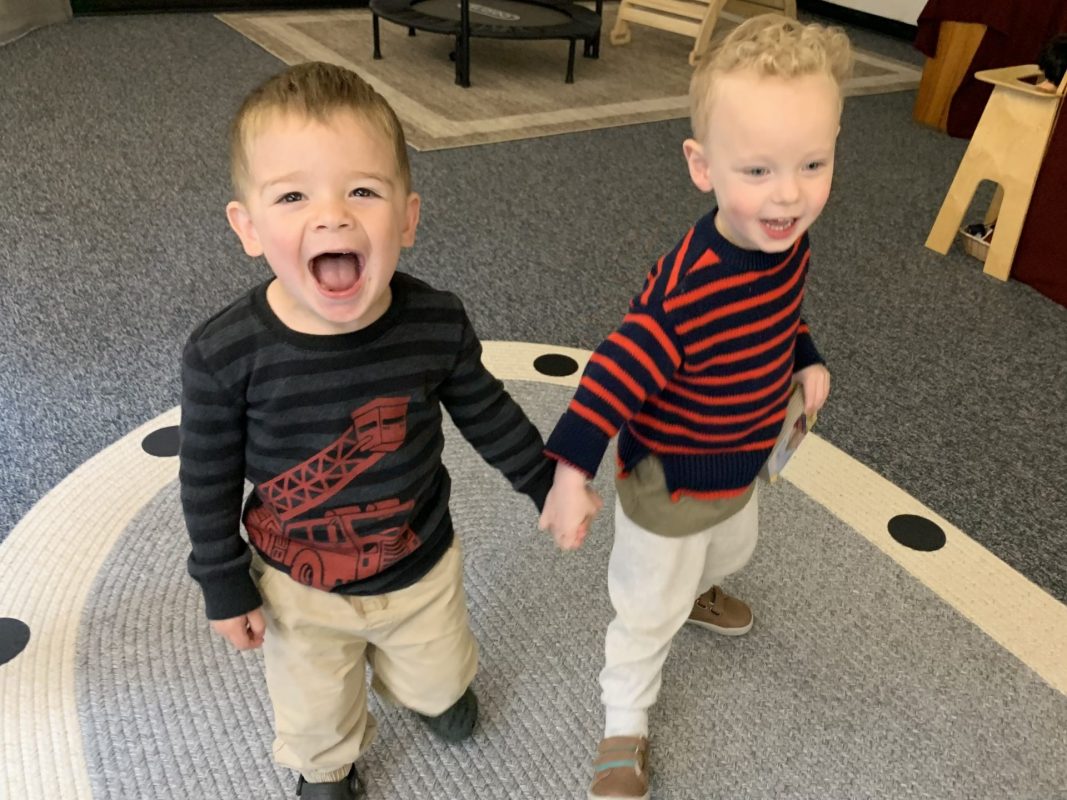
It was truly a wonderful week! The children seem to really enjoy each other. Their faces light up each morning when they are reunited, and they notice when their peers are absent. Observing the children help one another with various tasks has been heartwarming.

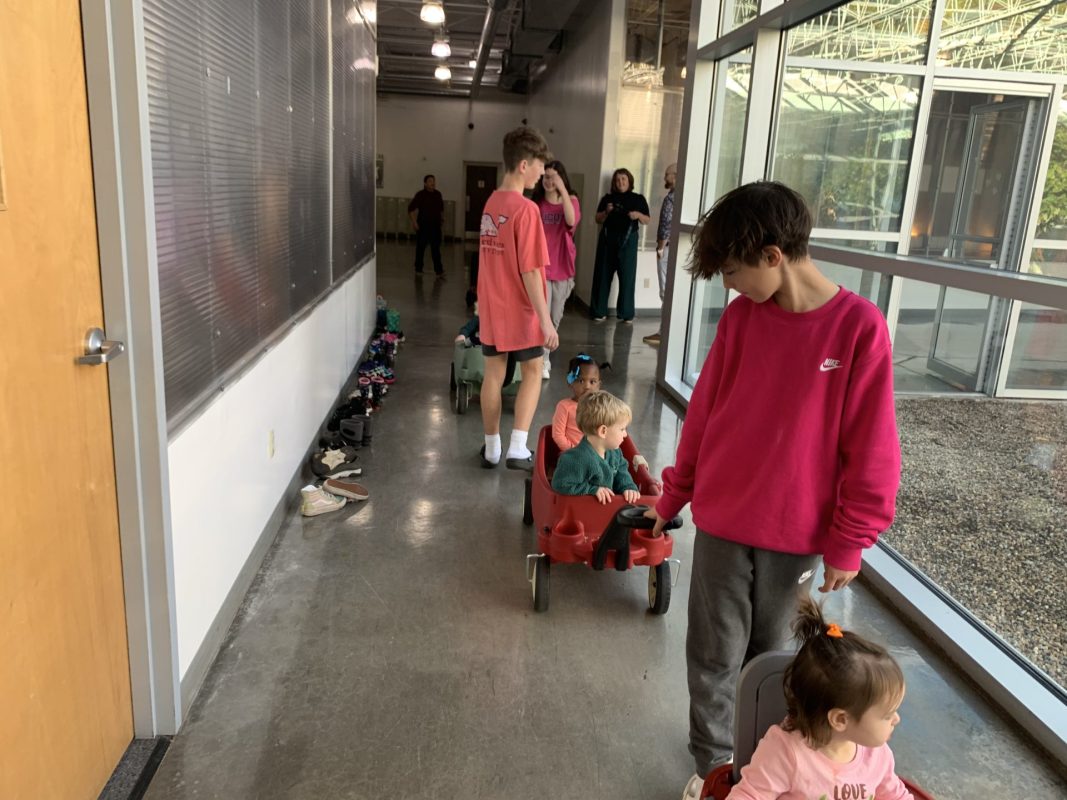
We welcomed a few Middle School students into the class as part of their “Social Impact” experience. The toddlers warmed up quickly and were fascinated by these role models. They seemed to especially enjoy looking at books and building with blocks beside their new friends. This is such a wonderful way to build community at our school. We’re looking forward to another visit next week!

We had a peaceful circle time to celebrate International Day of Peace. We sang ‘Light a Candle for Peace’ as we each “lit” a candle and took turns to hug our Earth pillow. Later, we joined the whole school on the field to sing the song together.

We celebrated a friend’s second birthday this week. Happy Birthday, Jaxxon! Thank you for buying a copy of your favorite Bluey book for our classroom library.

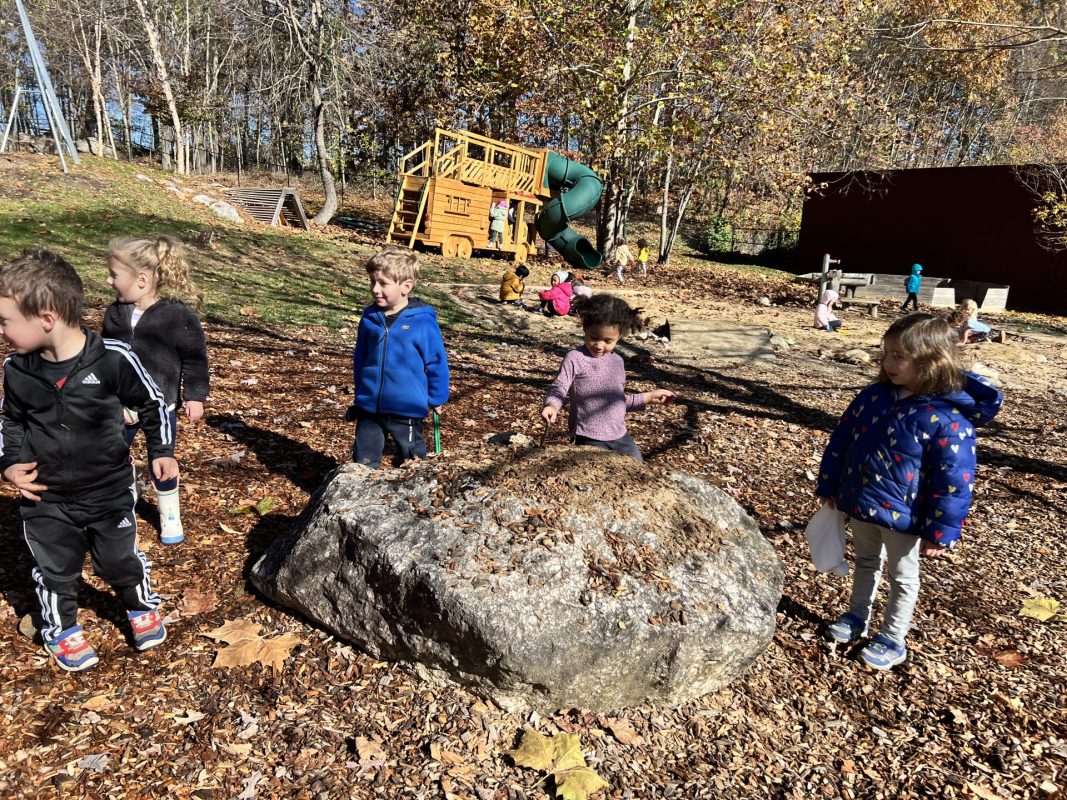
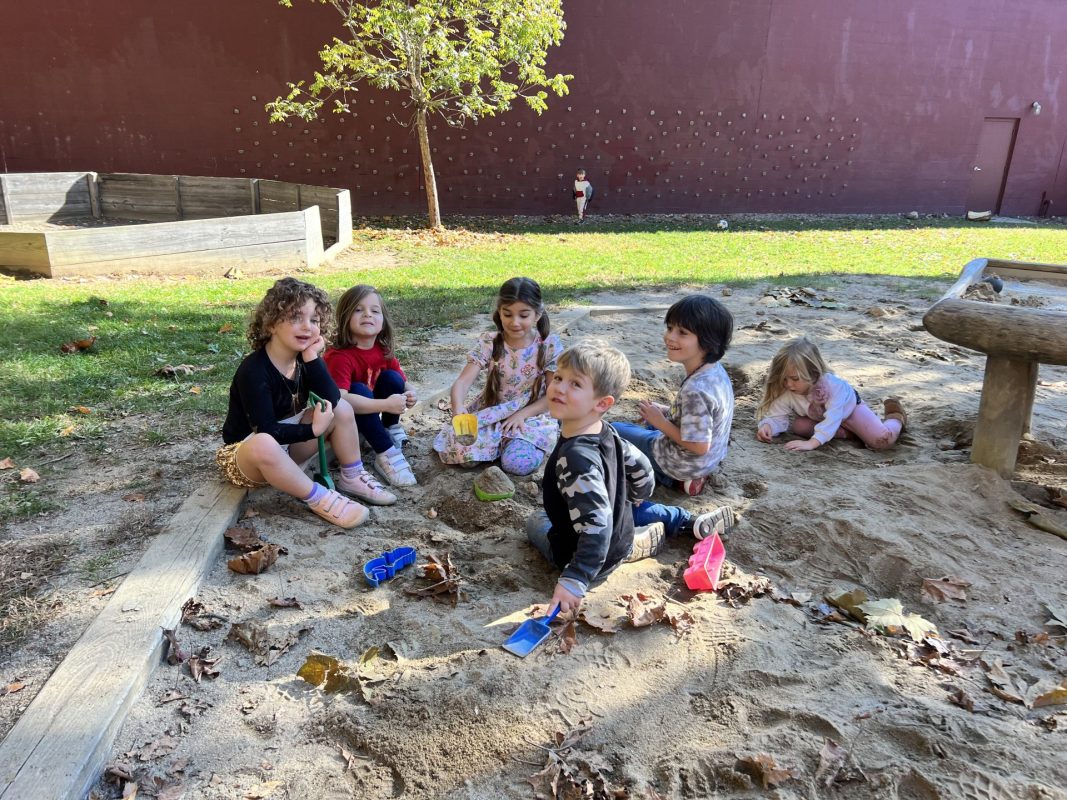
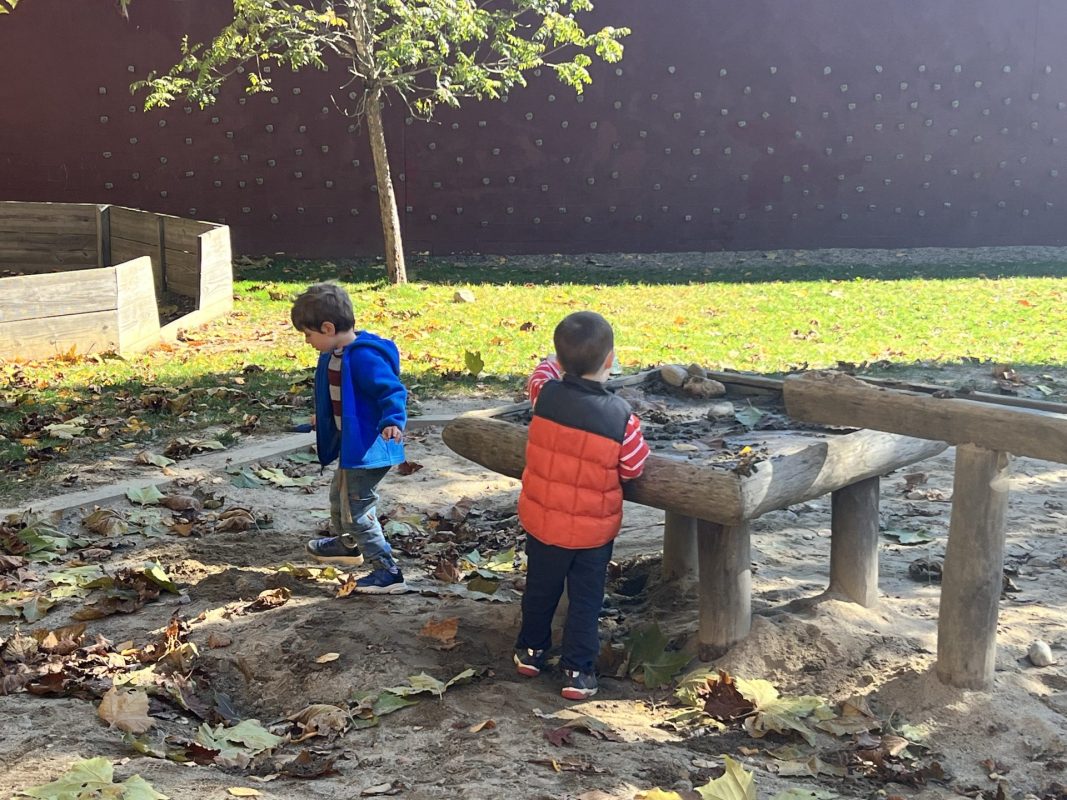
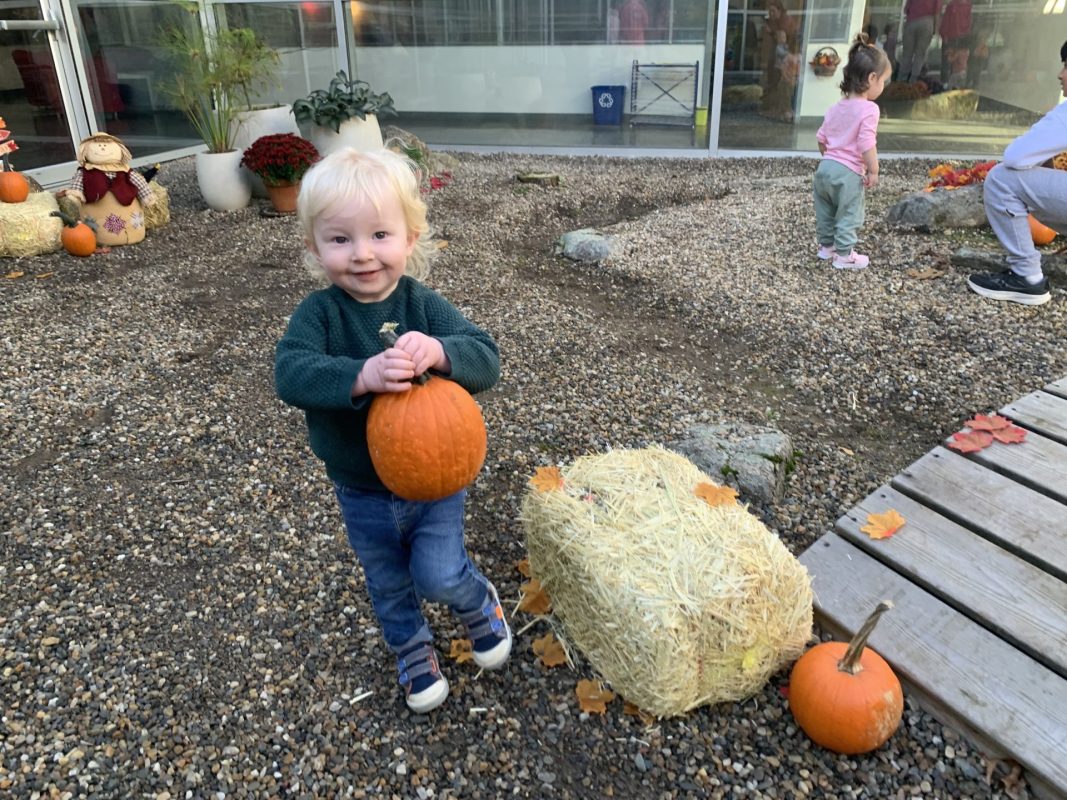
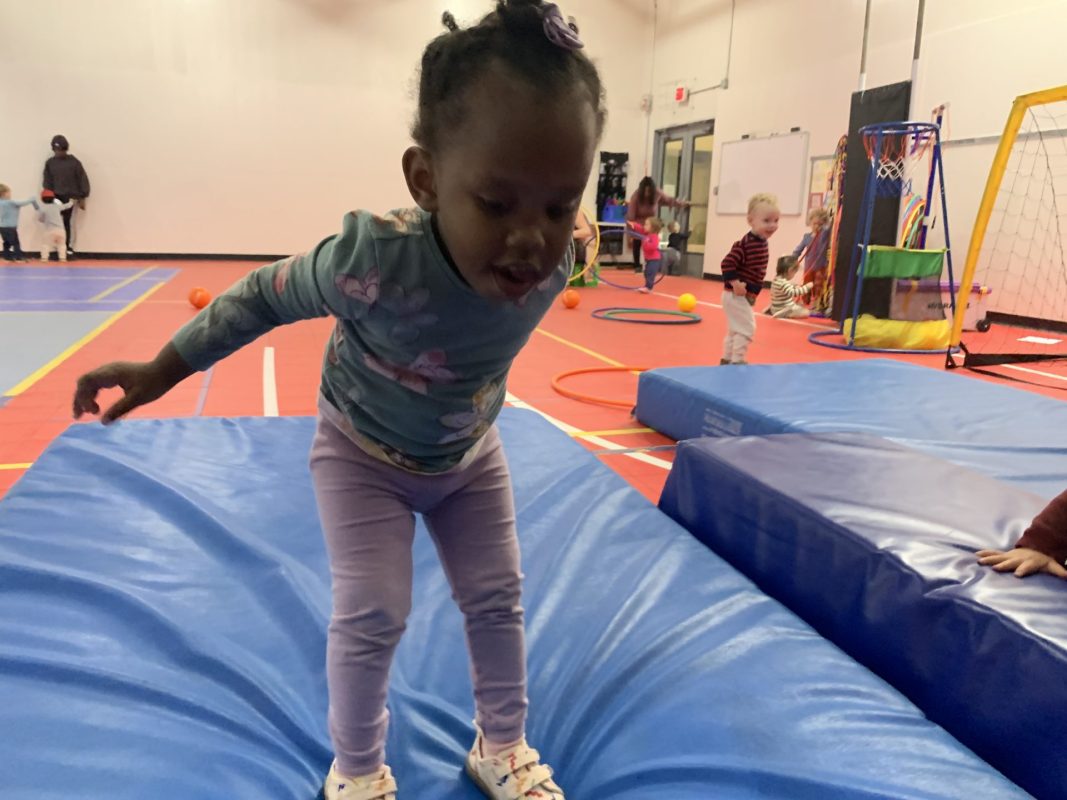
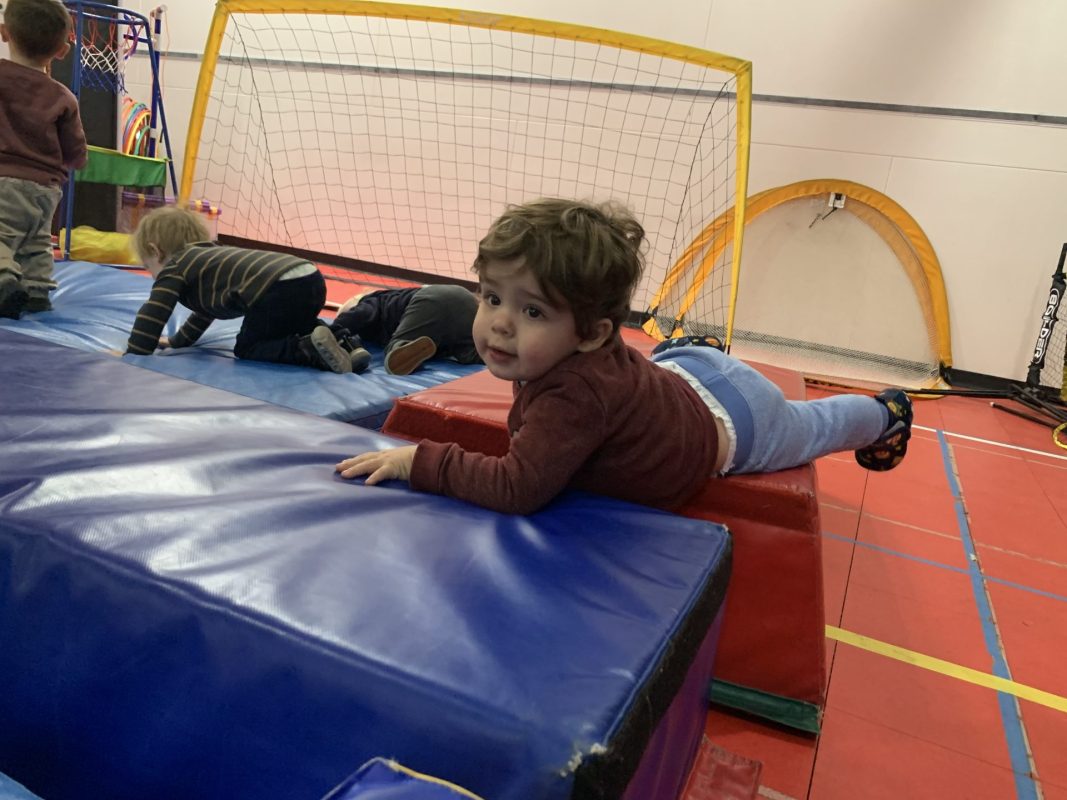
This week, the trampoline has been a big hit. The children are learning to take turns while waiting patiently for their friend to finish jumping. Outdoors, they’re taking turns on the slide. Most of the children now love our outside time on the playground. Some children enjoy discovering and collecting twigs and acorns. Others spend much of their time in the sandbox. This week, a few keen observers discovered an interesting caterpillar and a colorful beetle, and another group found a toad!

We’re excited to see what adventures next week will bring!

Mrs. Sargeant and Ms. Lizette


Mrs. Doyle: Sing Peace Around The World


Peace is what every human being is craving for, and it can be brought about by humanity through the child. -Maria Montessori

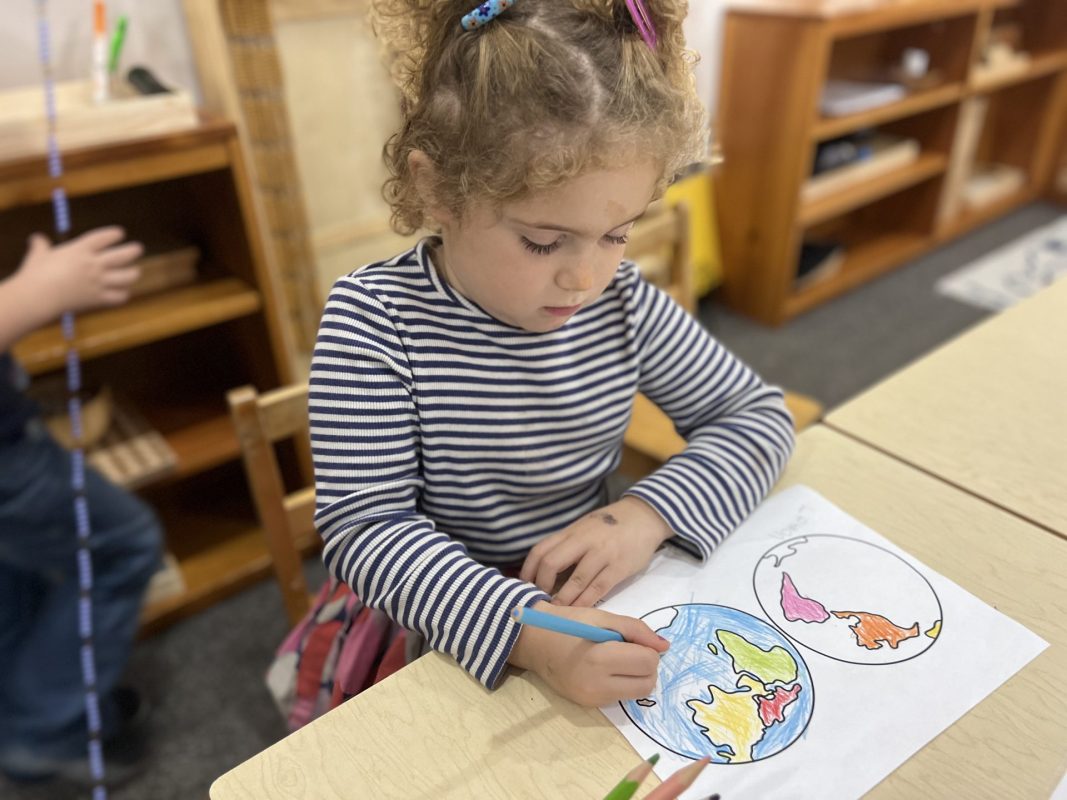
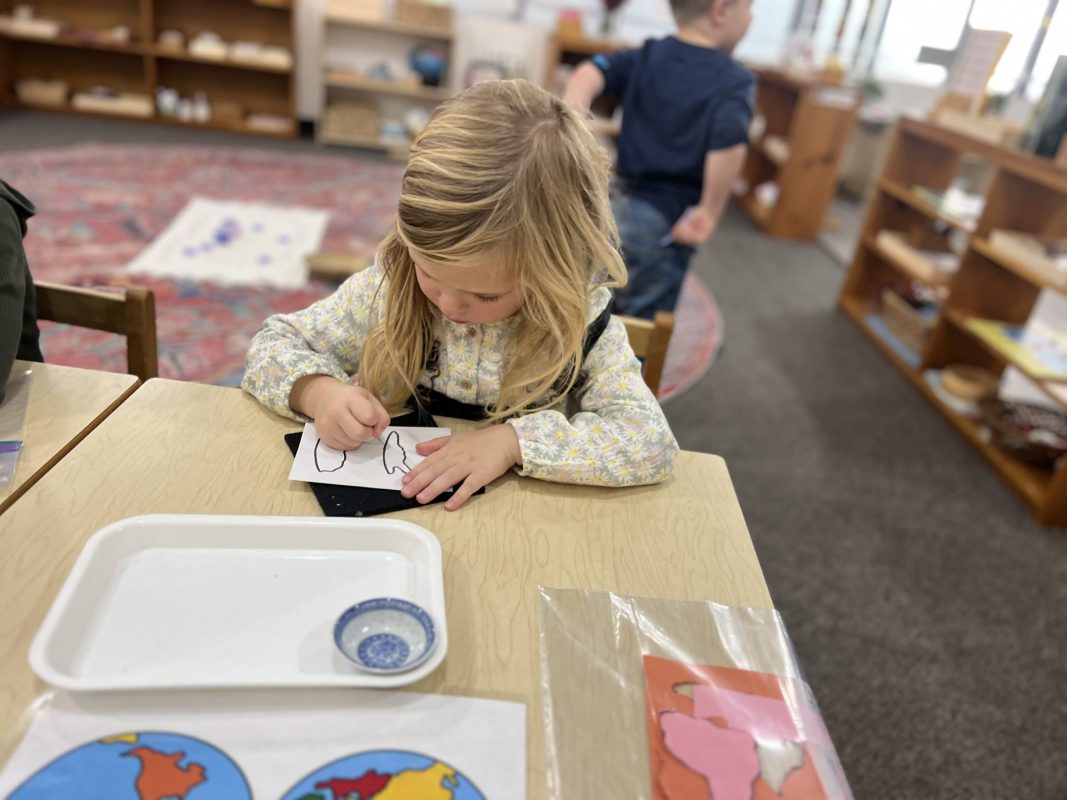
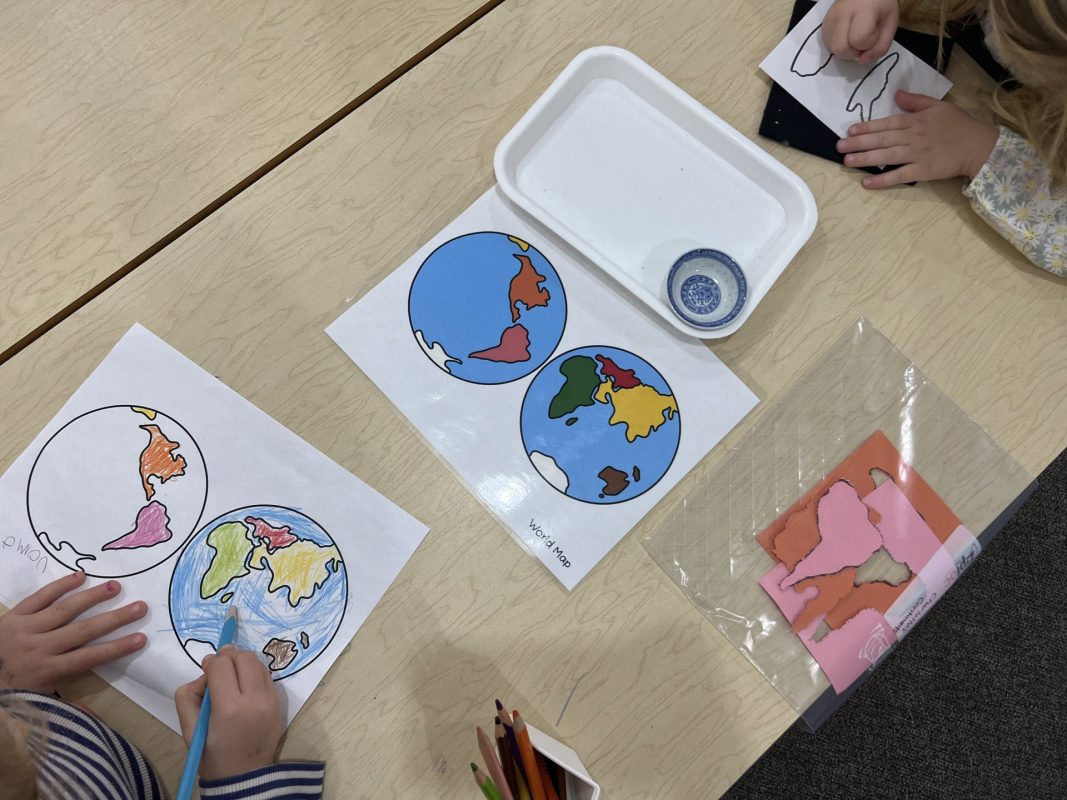
Peace education is a basic tenet of the Montessori philosophy. In the 3-6 environment, studying the seven continents, including their people and cultures, provides a global view of our world. As Montessori teachers, practicing and teaching peace, kindness, and acceptance is a natural part of our day. Dr. Maria Montessori believed we should think of education as peace, not education for peace. She also believed that young children were our hope for eliminating conflict and instilling peace throughout the world. Dr. Montessori, as always, knew that lecturing children would accomplish very little and that to truly understand peace, they would need to discover it for themselves.

To celebrate Peace Day, we participate in “Sing Peace Around The World.”  Beginning in New Zealand and ending in Hawaii, Montessori schools around the world sing “Light A Candle For Peace” for five minutes. At FWM, we gathered together and sang with the entire school early Thursday morning. It was a powerful moment and reminder of the importance of teaching and modeling peace to everyone we interact with. So, for 24 hours, Montessori children sang this special song continuously in different parts of the world.

Wishing everyone a week filled with peace and love!

Michelle & Maria