-

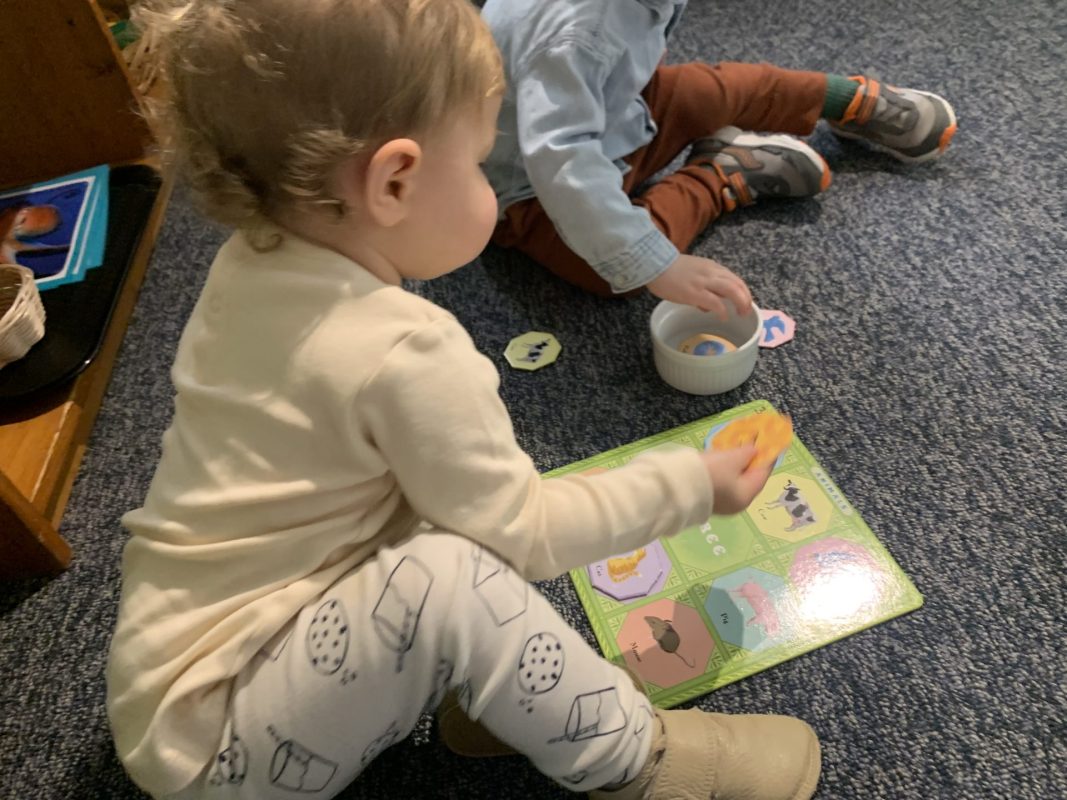
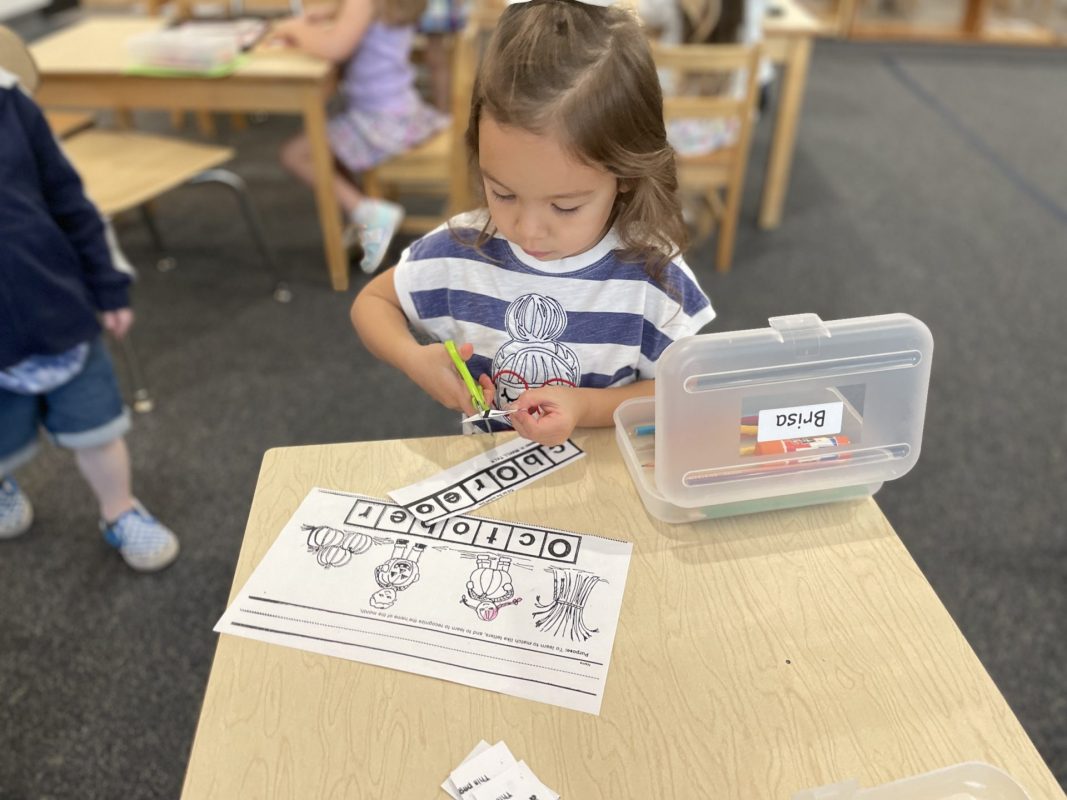
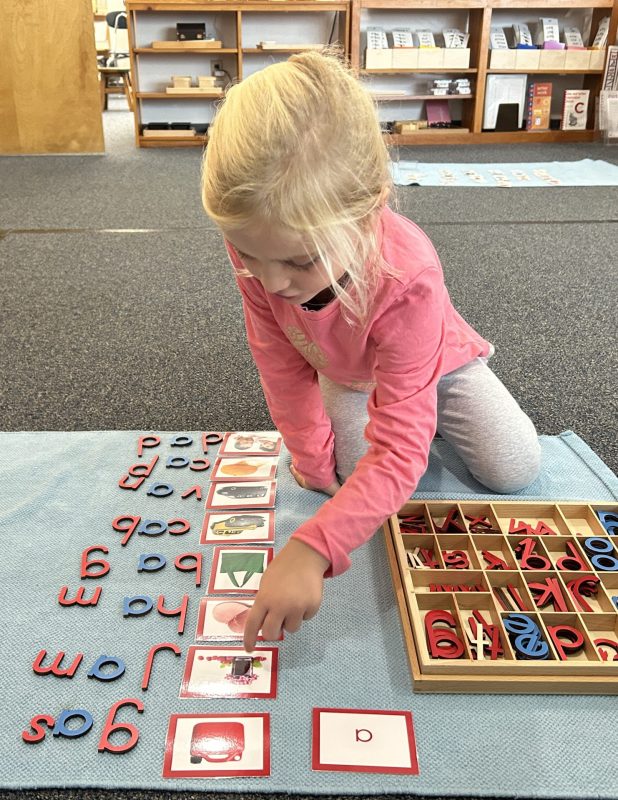
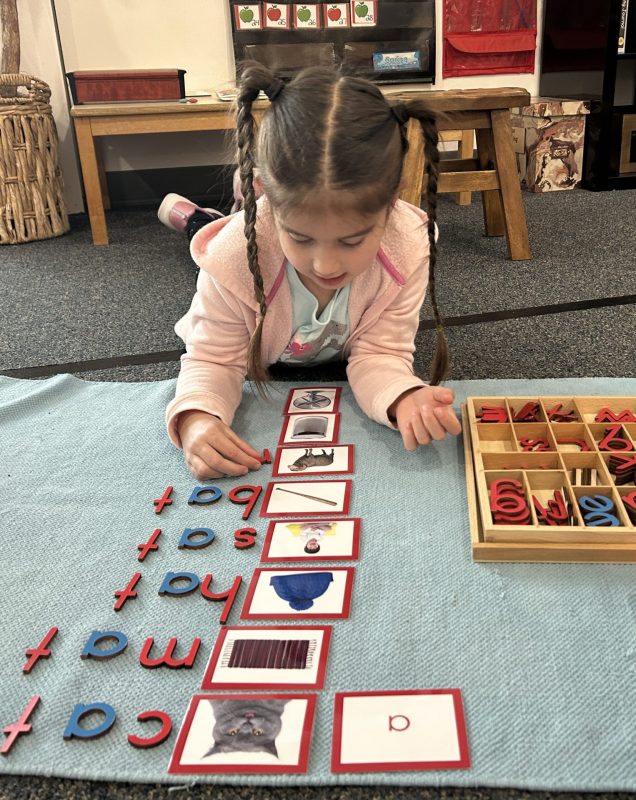
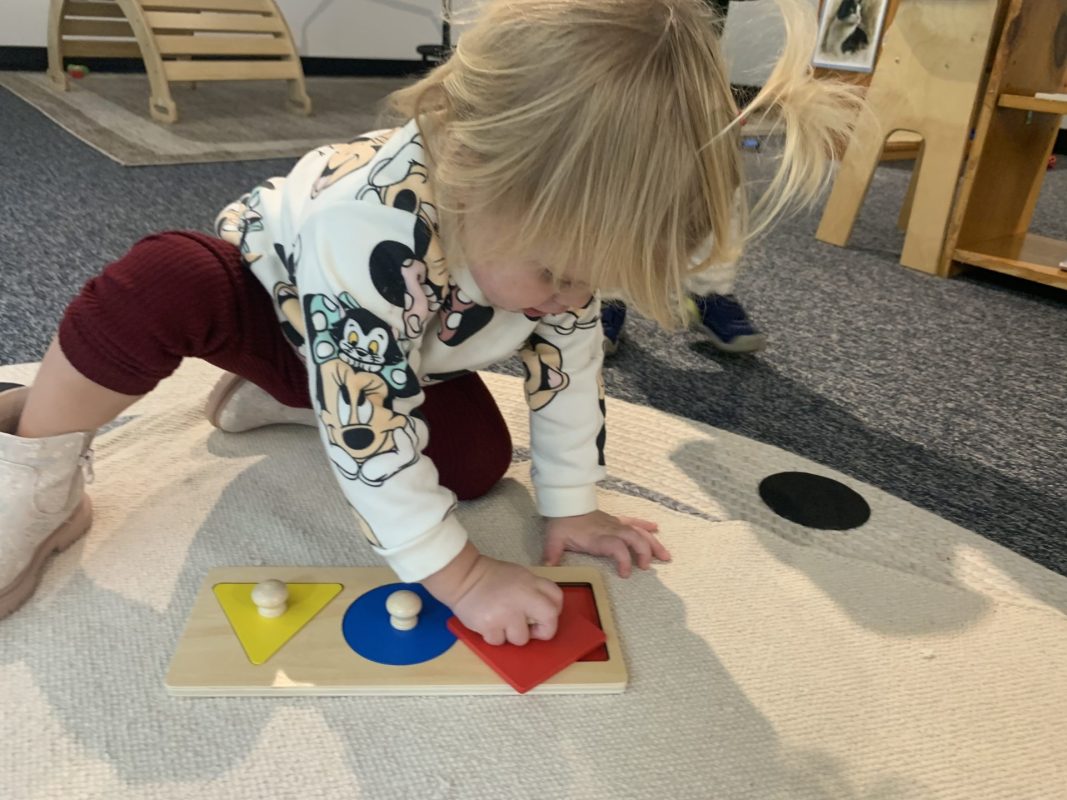
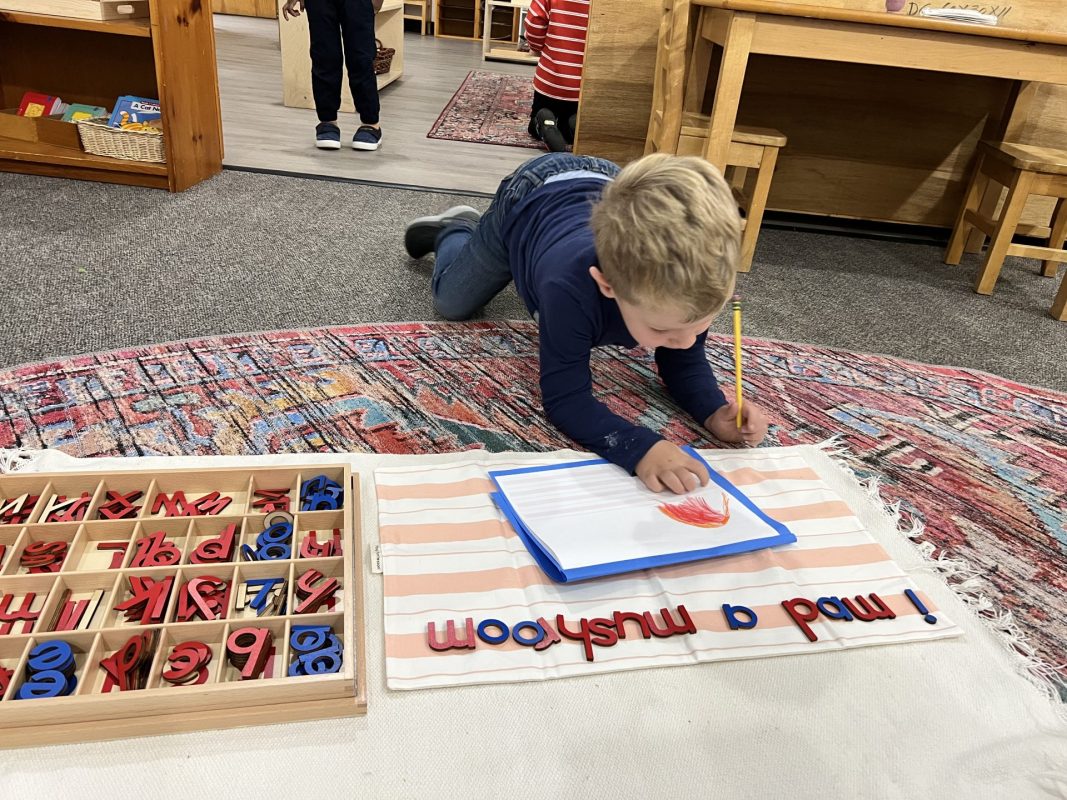
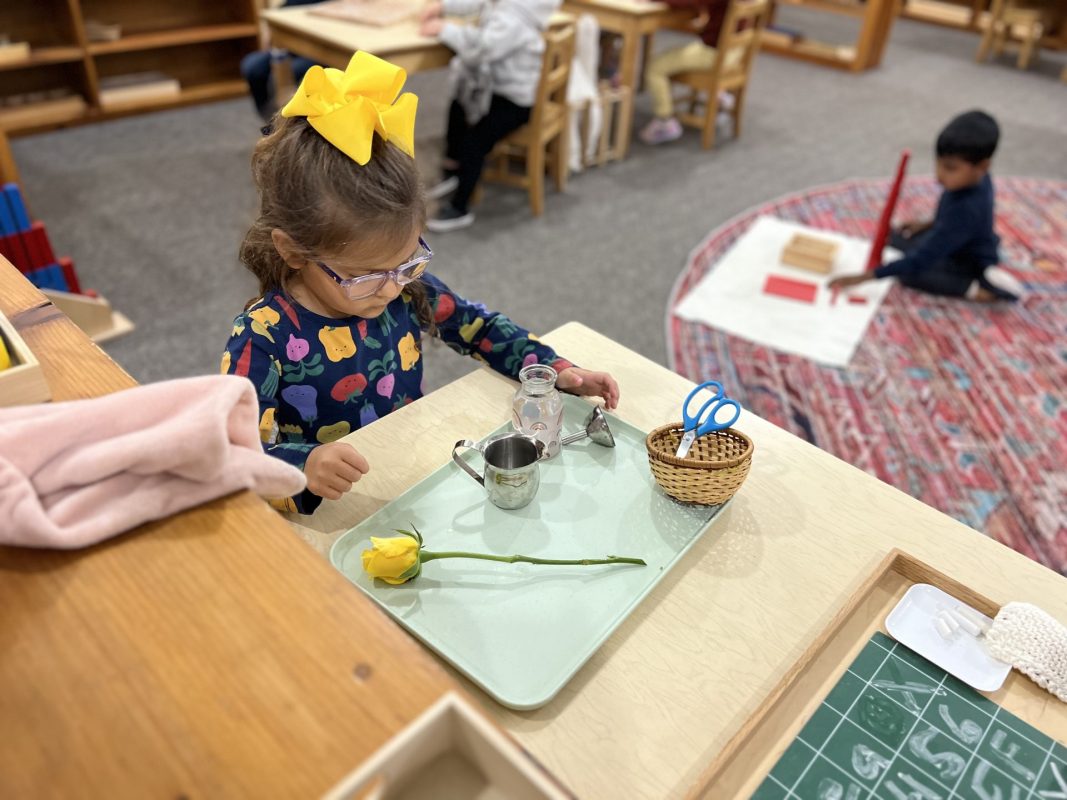
- Matching in the language area.

-
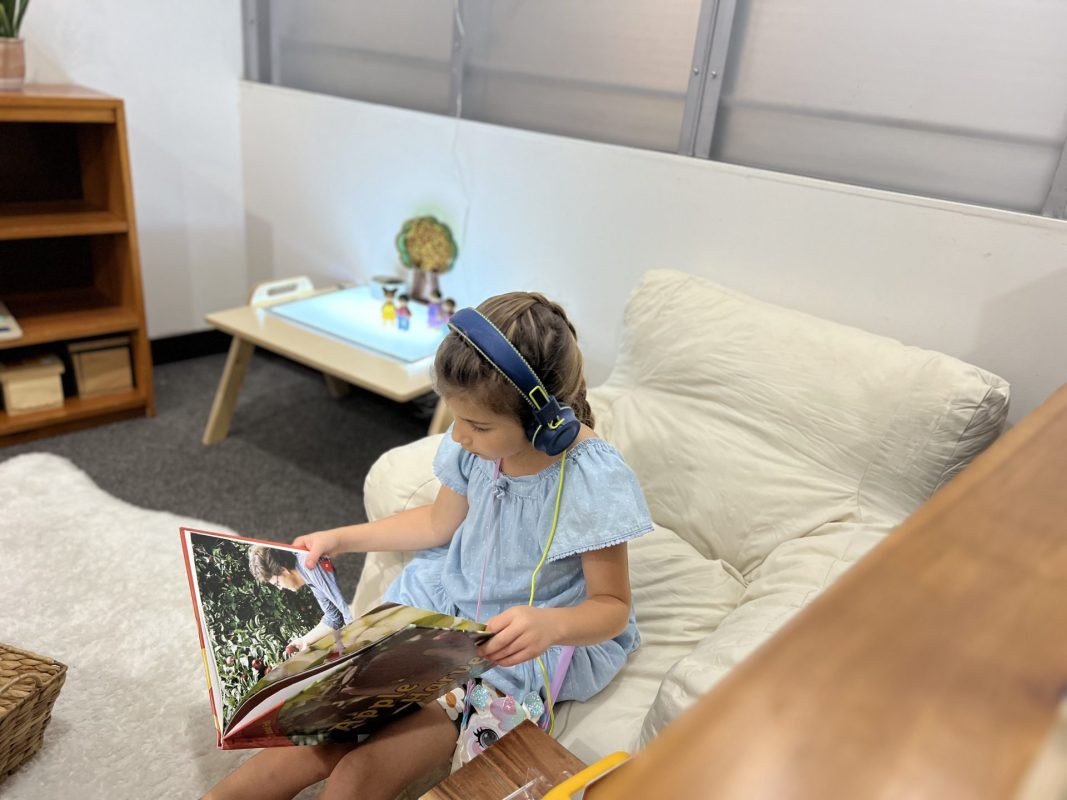
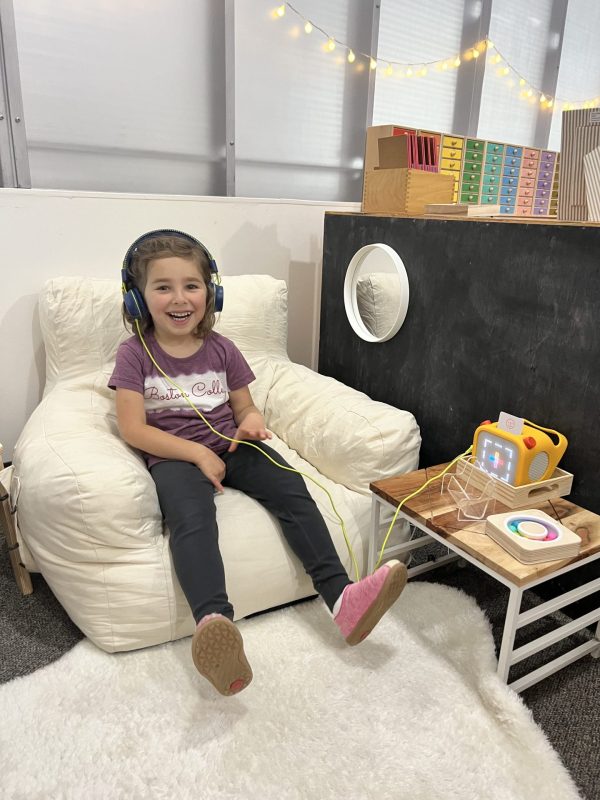
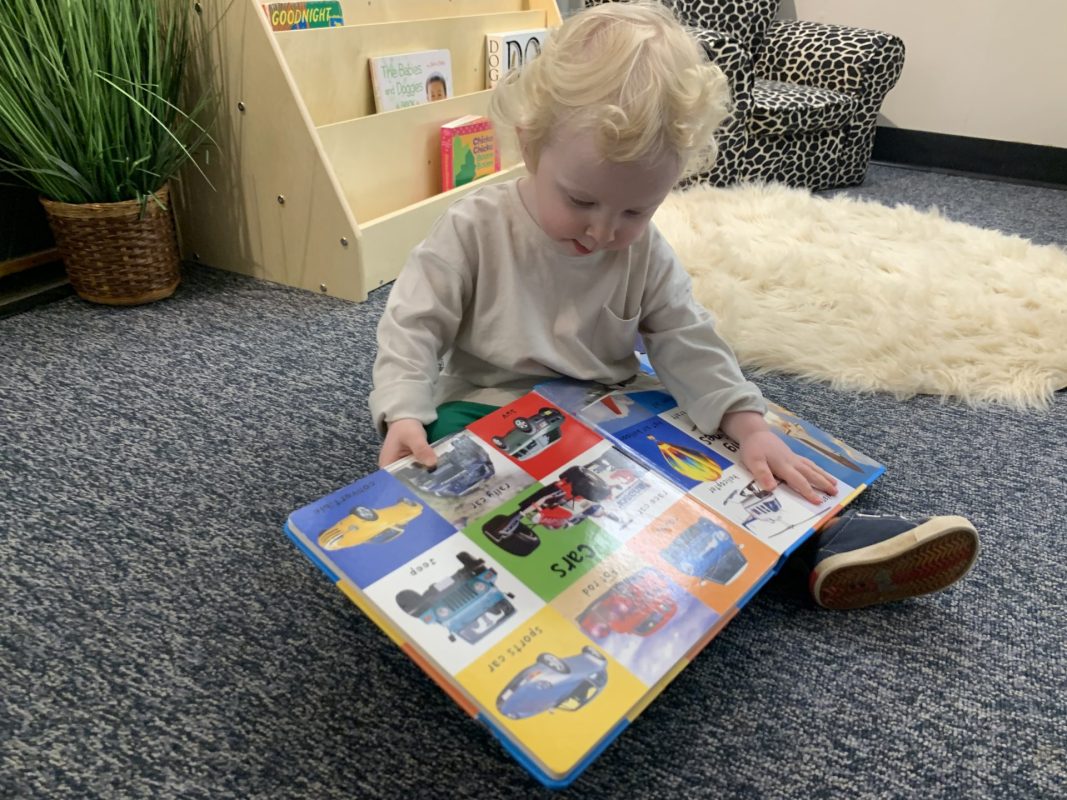
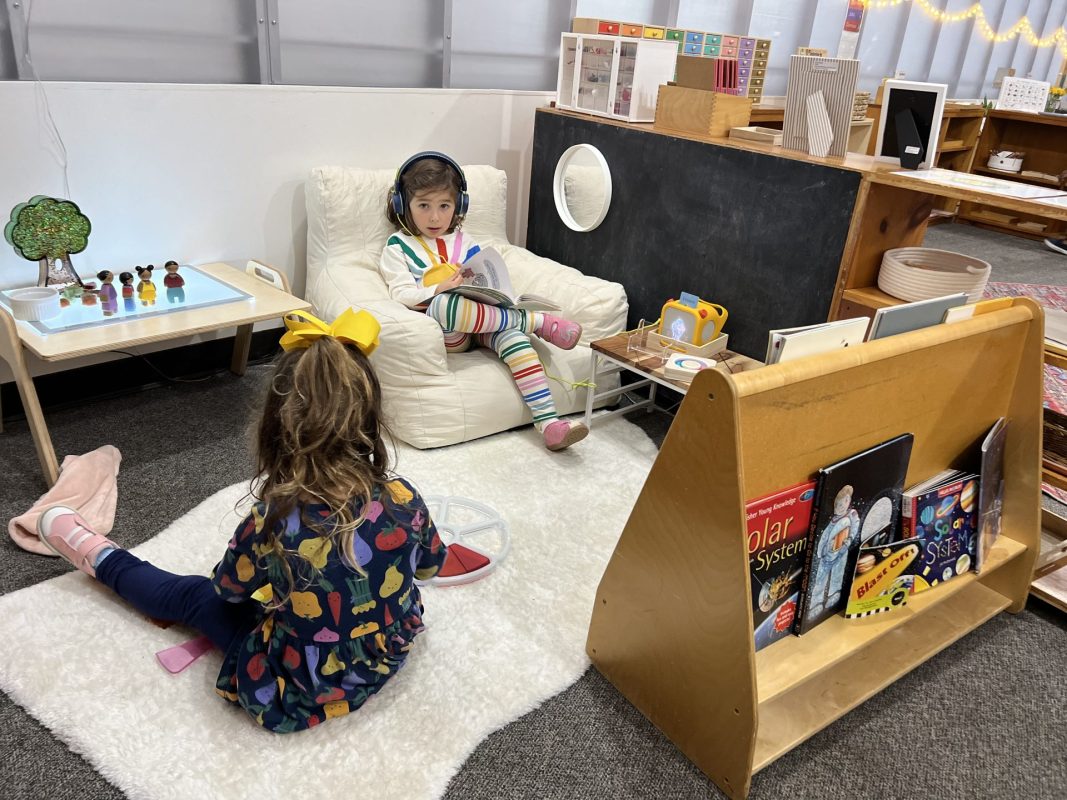
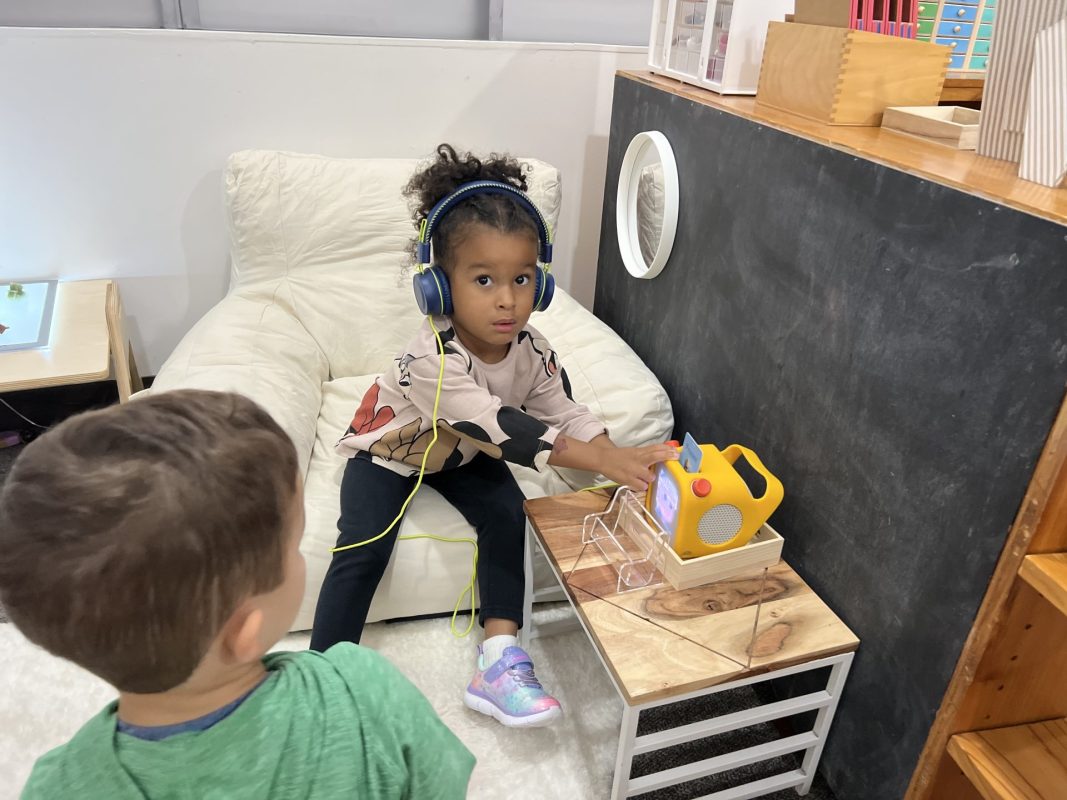
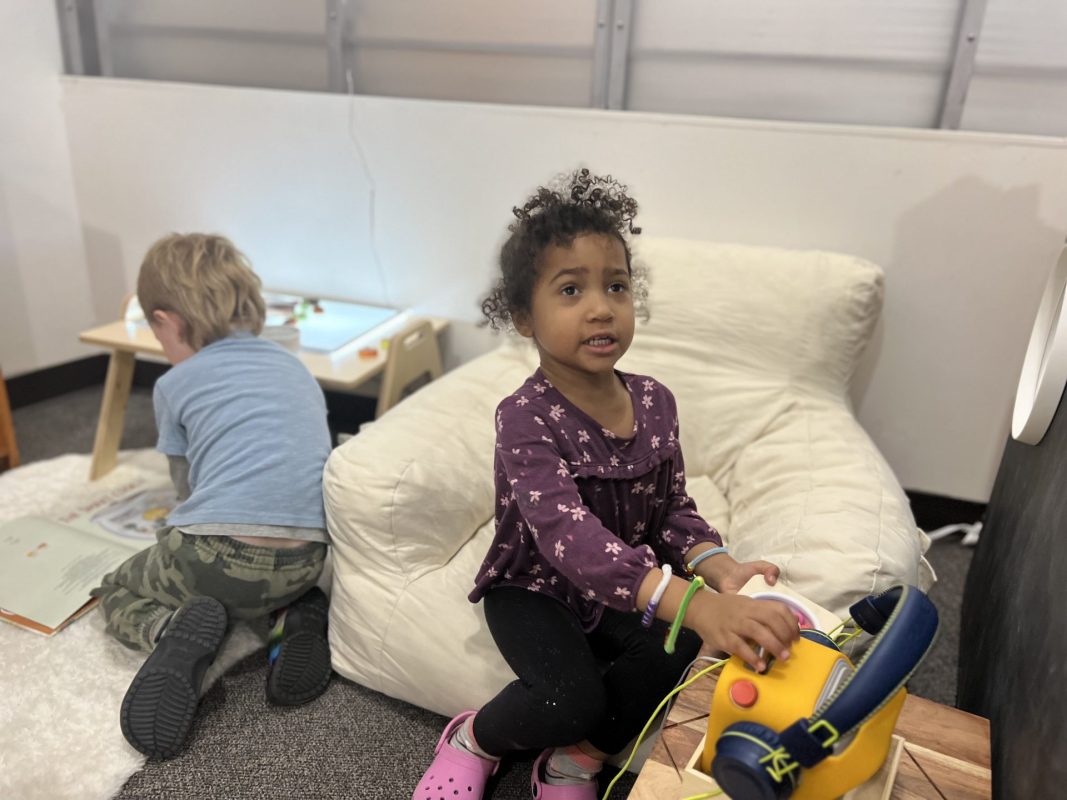
- Listening to our YOTO player.
-
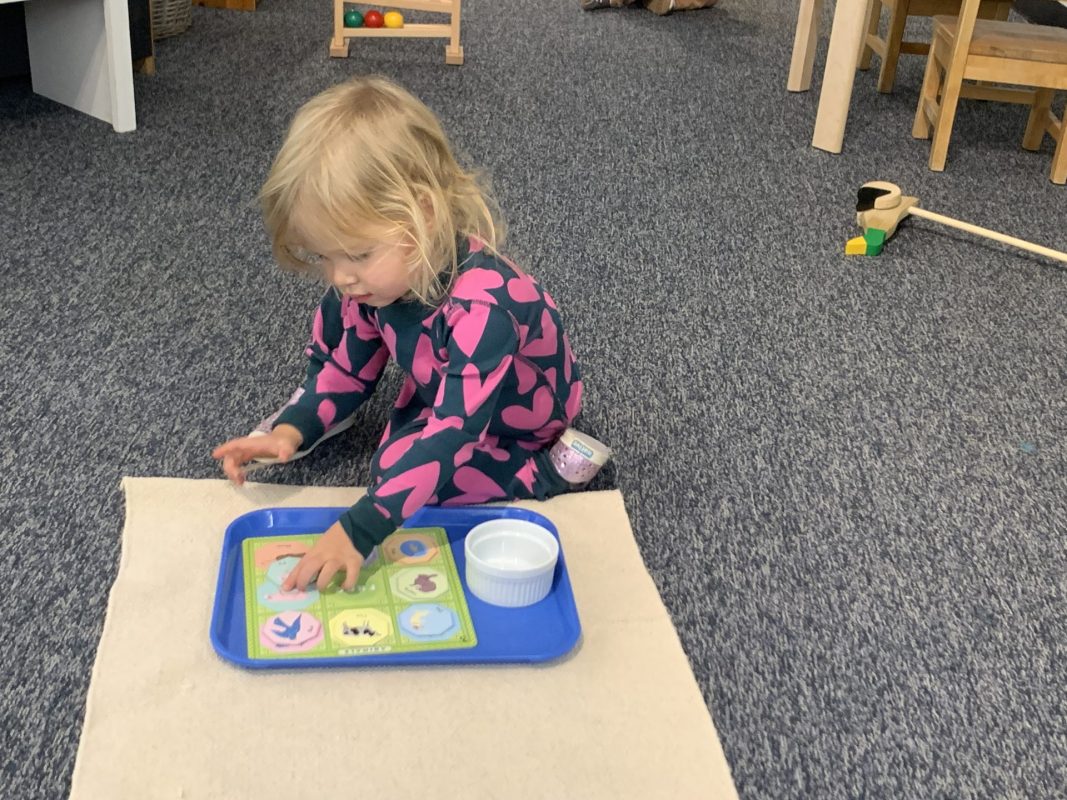
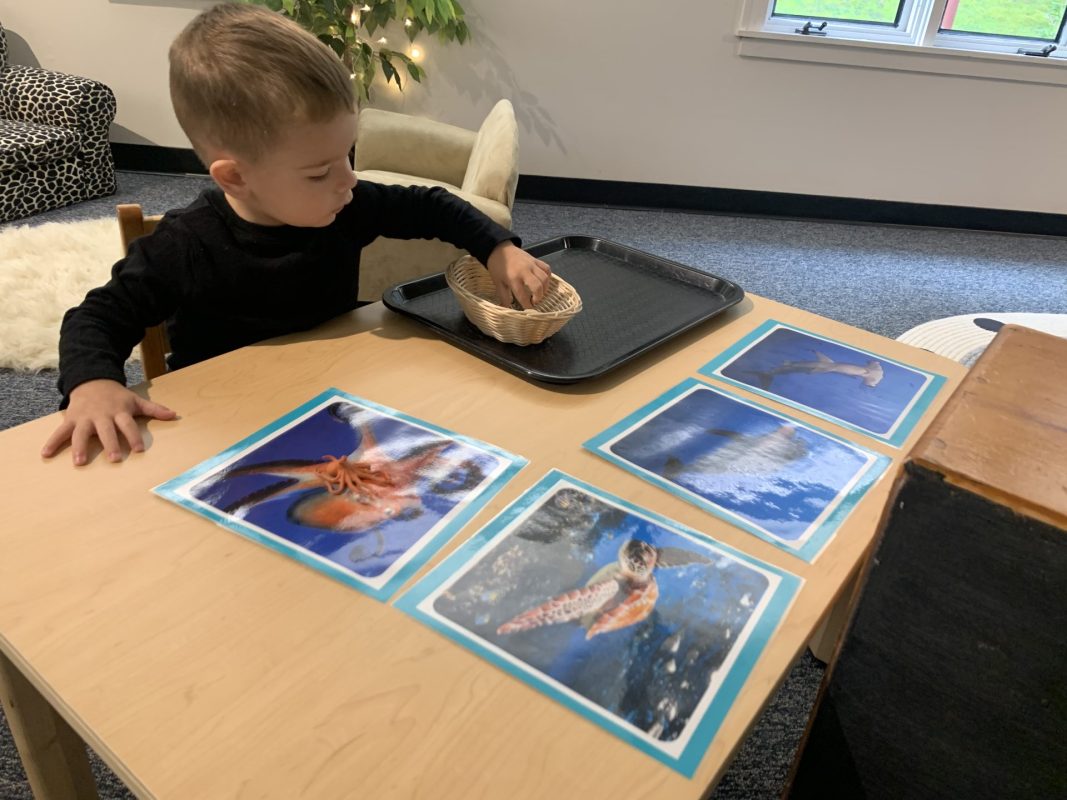
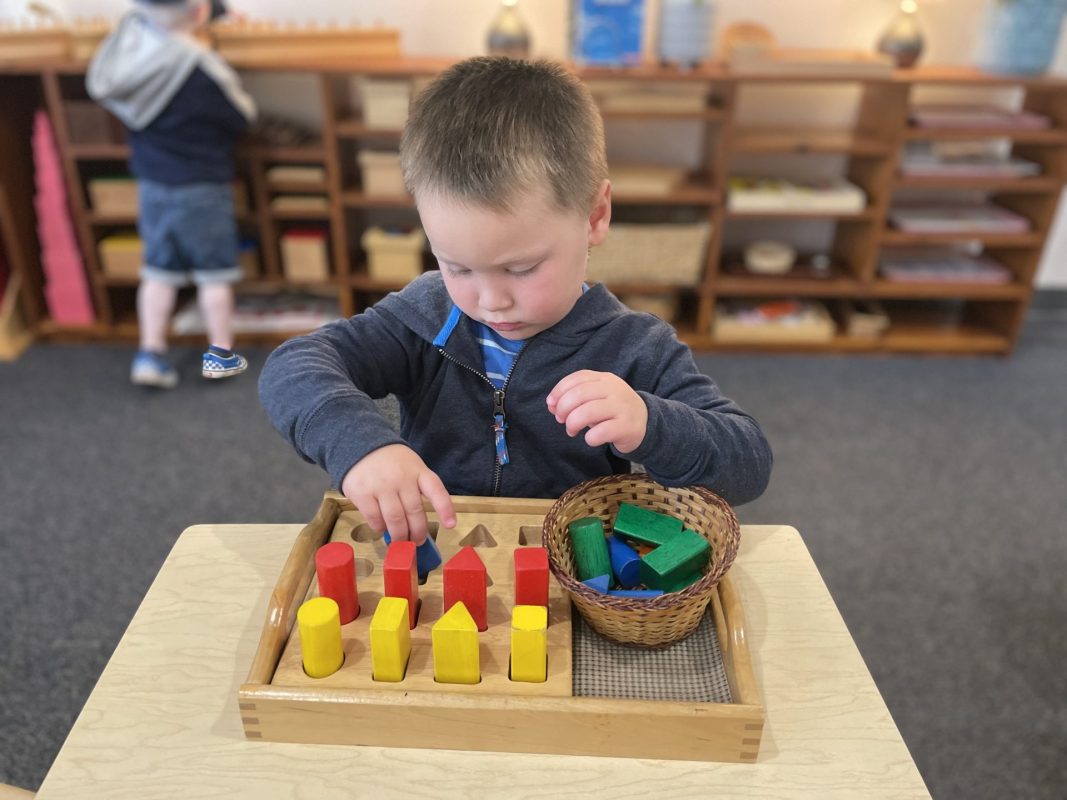
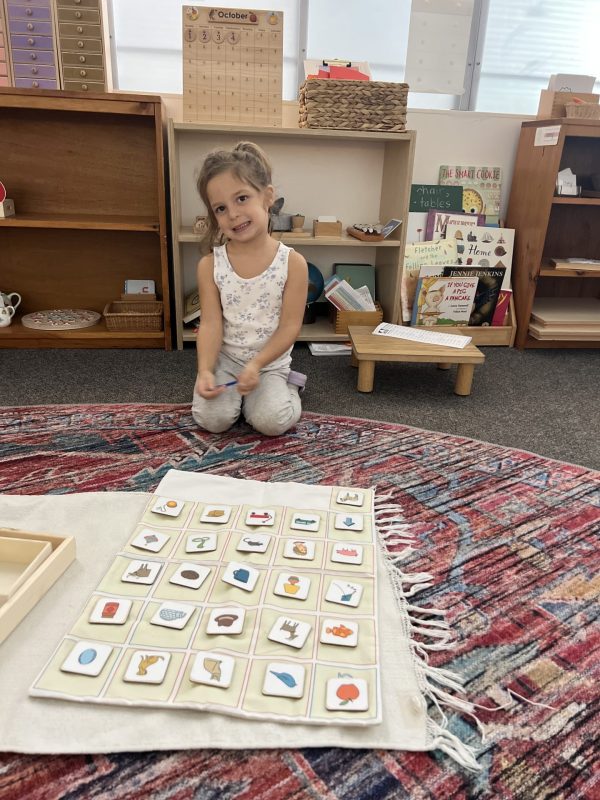
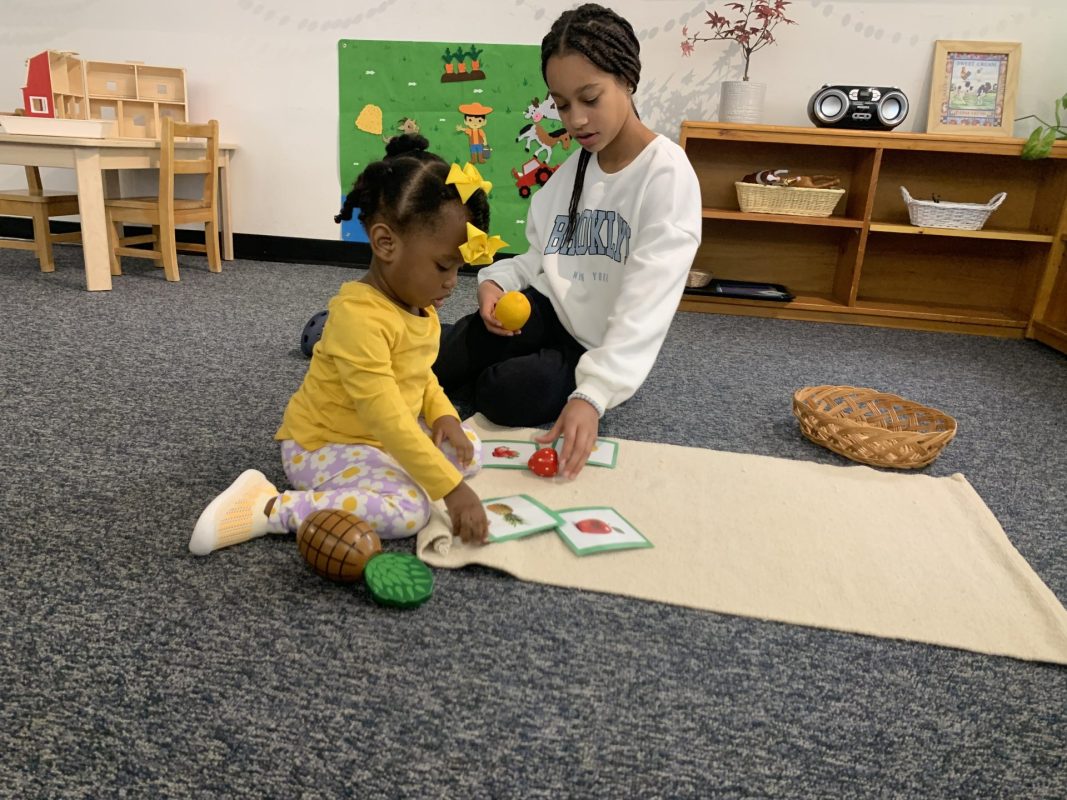
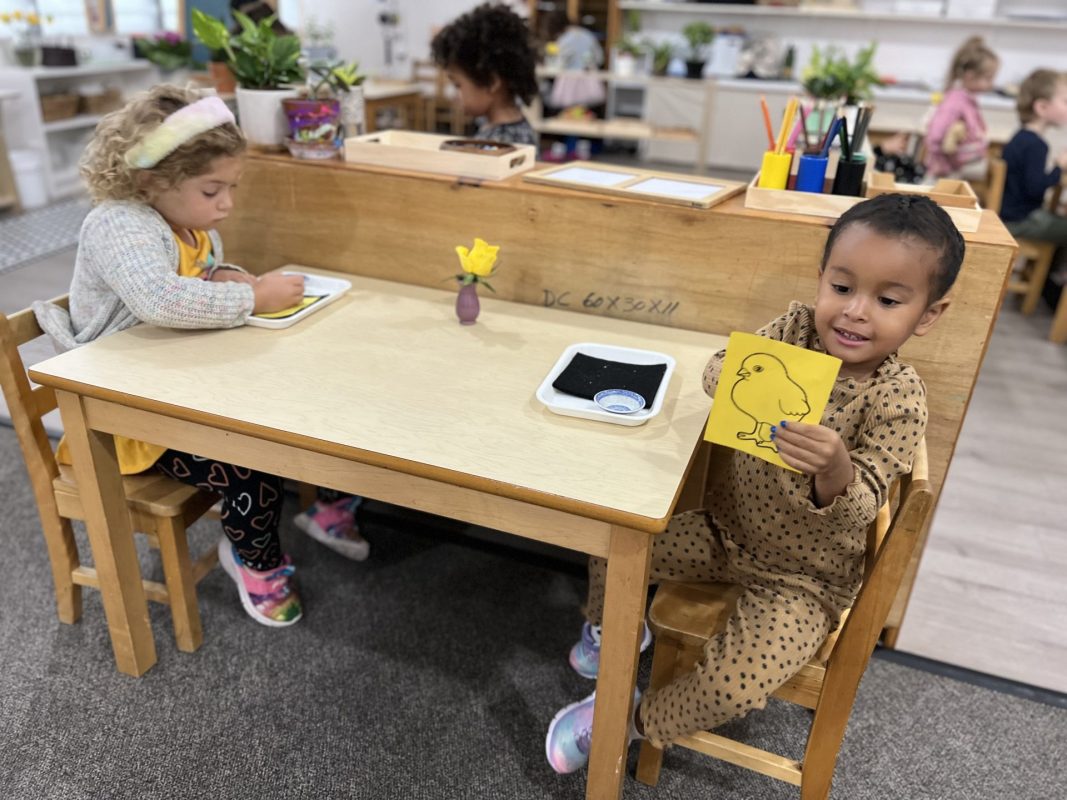
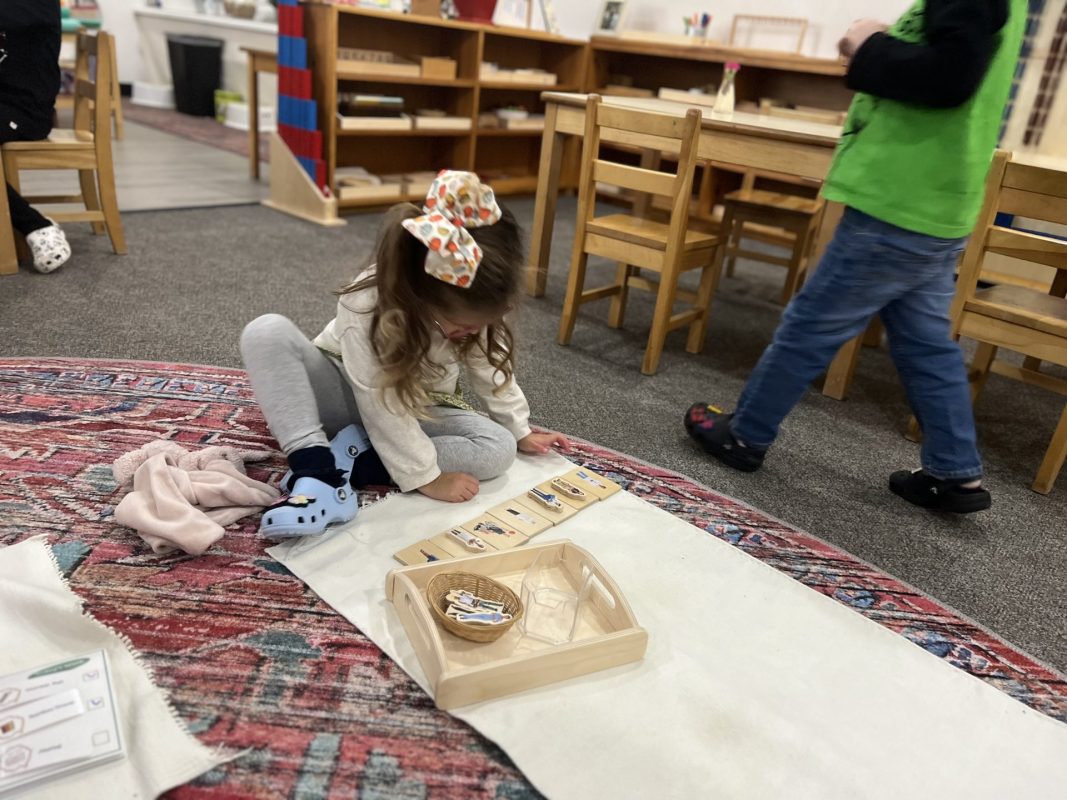
- Matching pictures to objects.

-

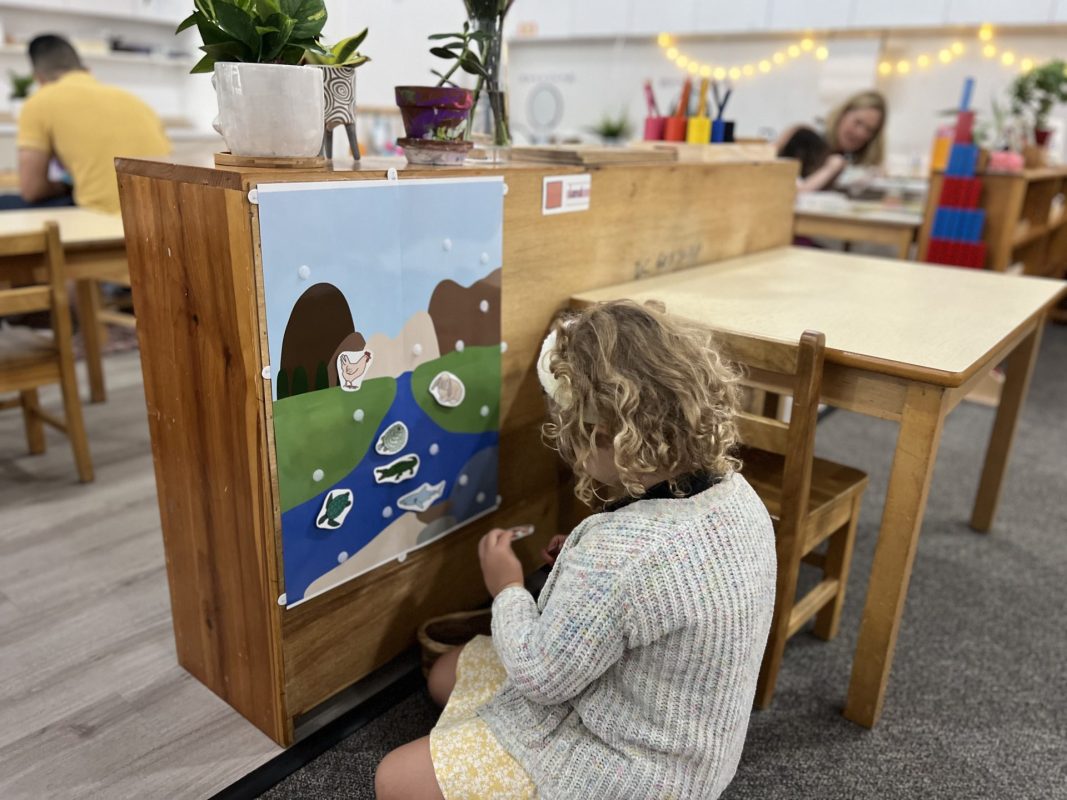
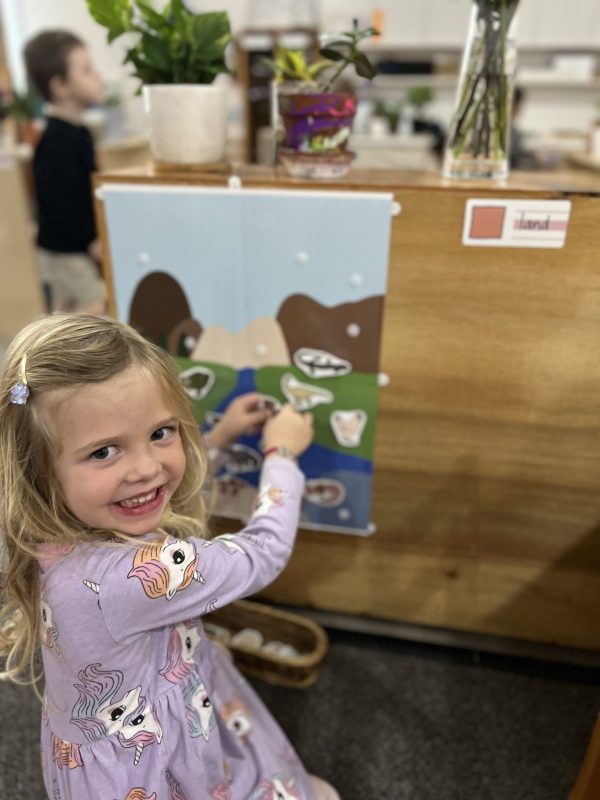
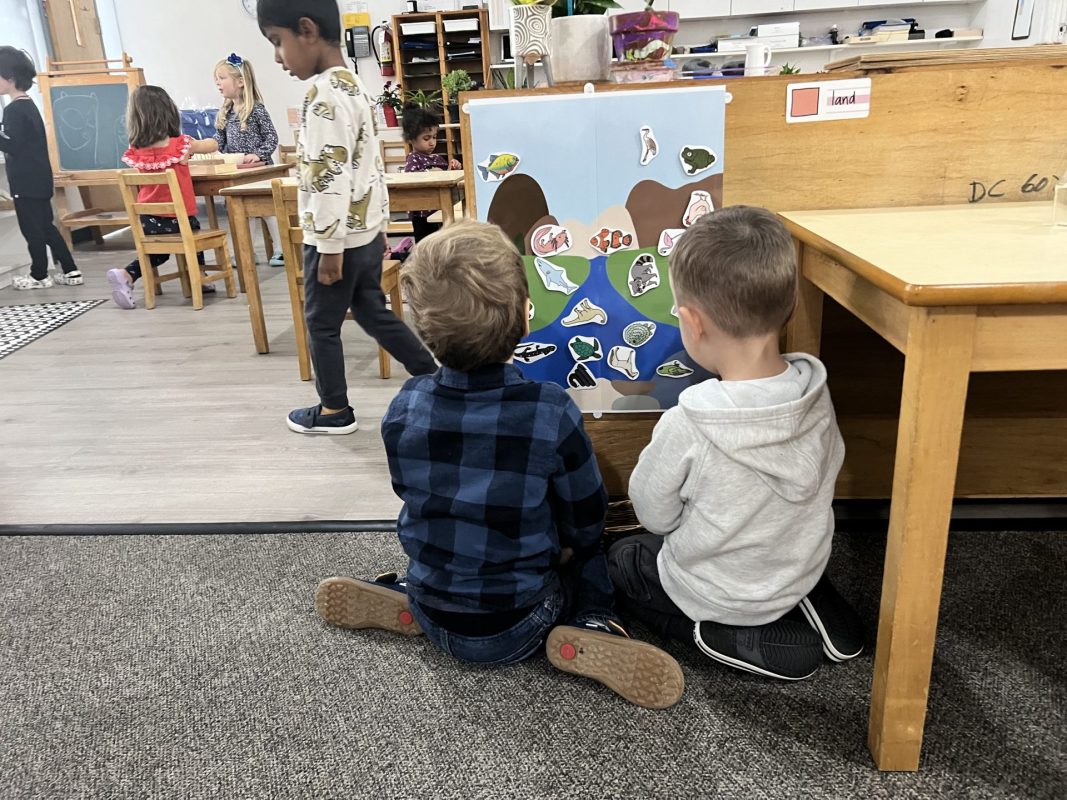
- Land, air and water animals.
-
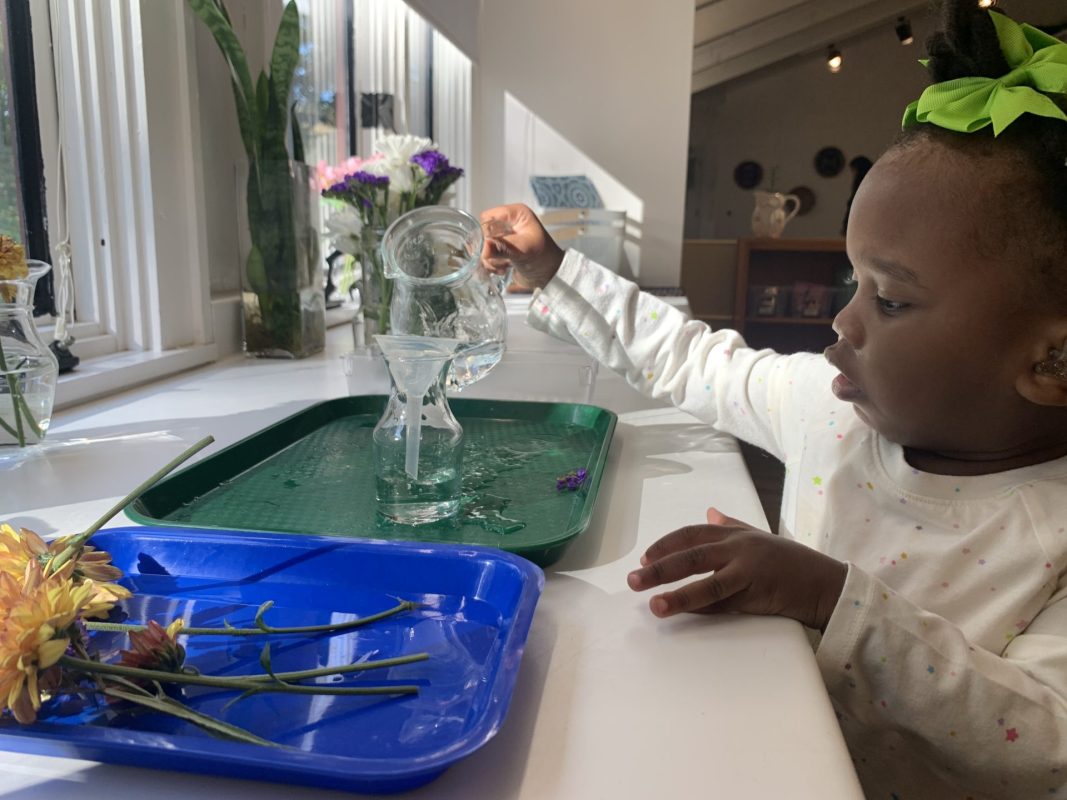
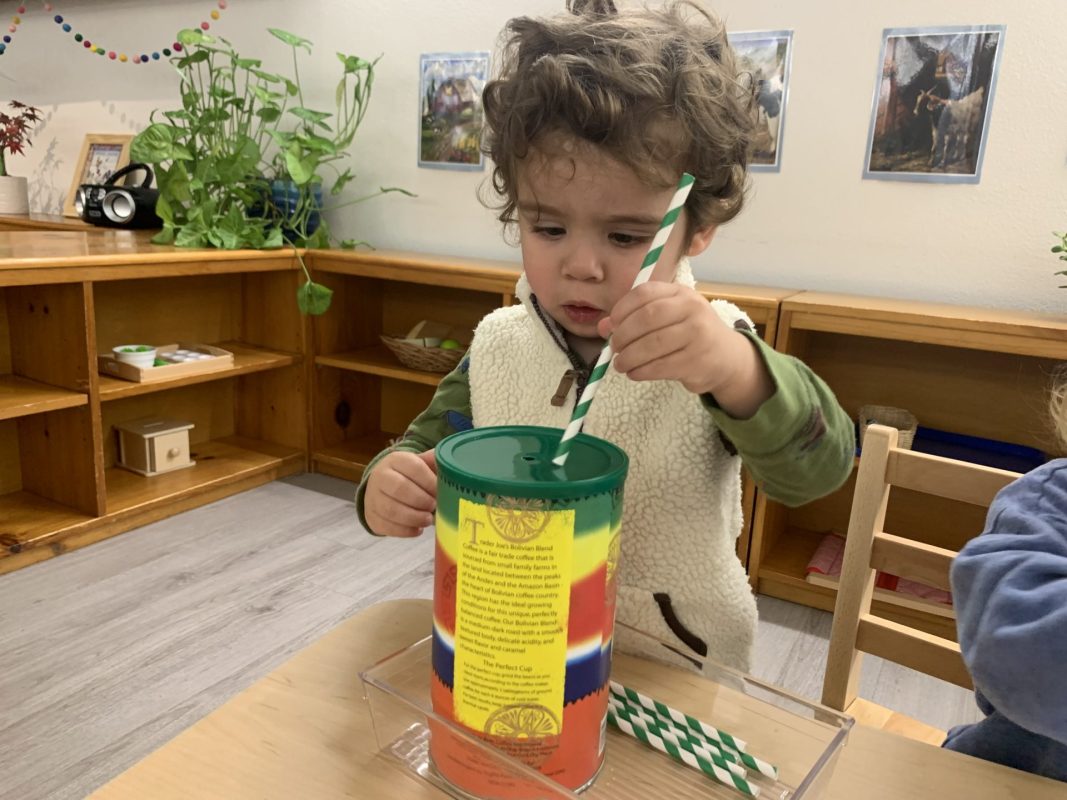
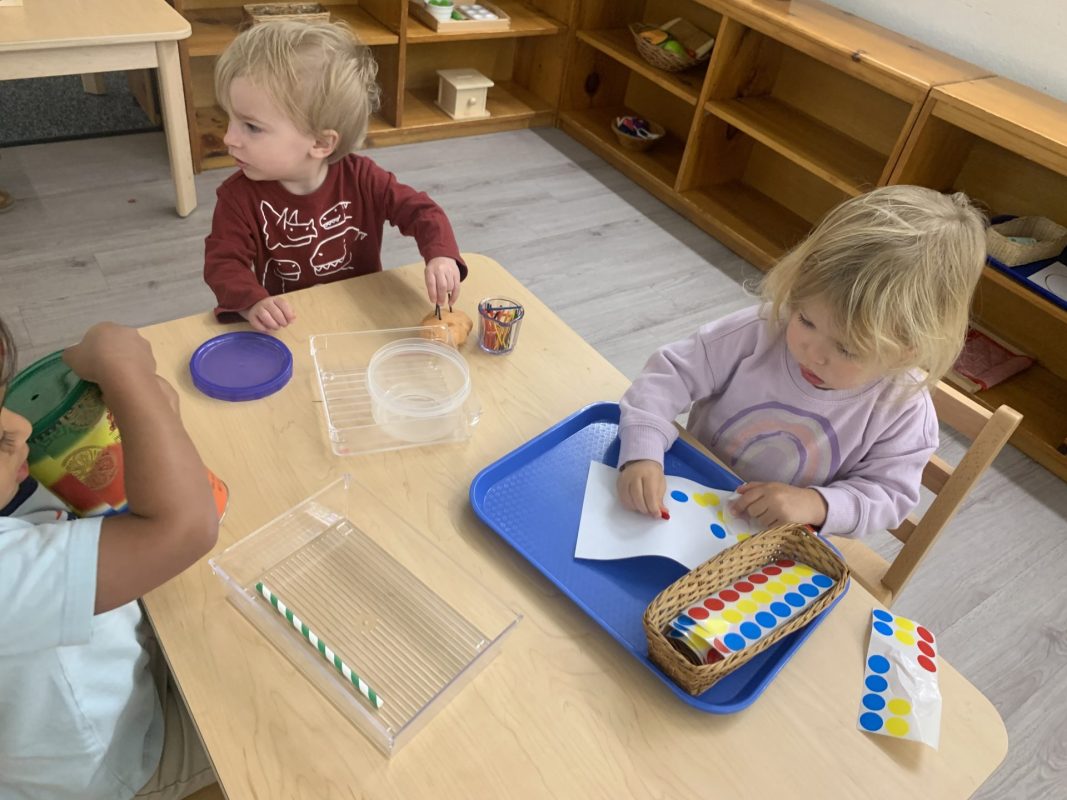
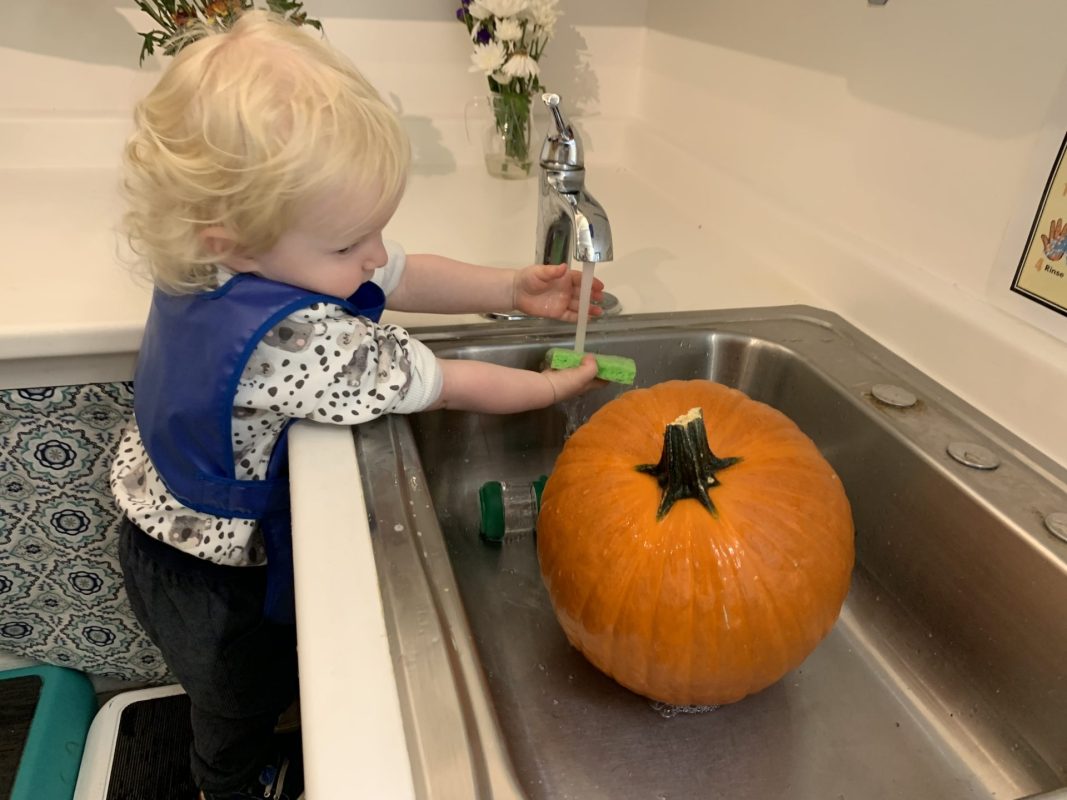
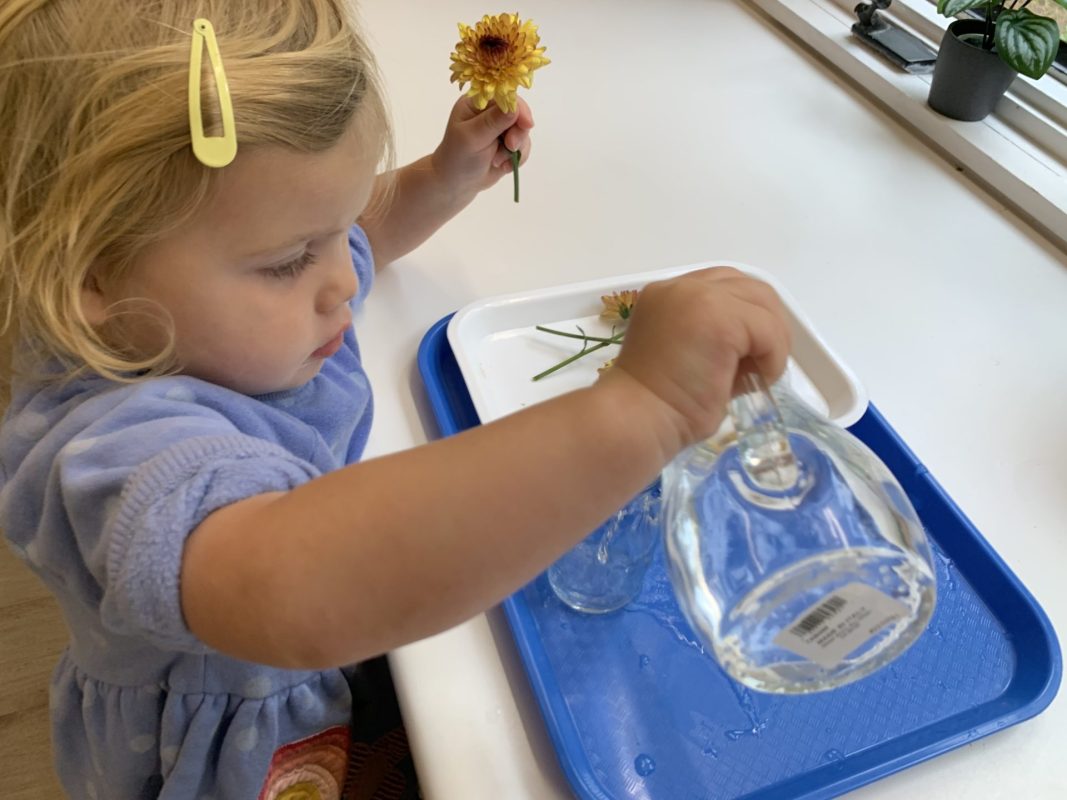
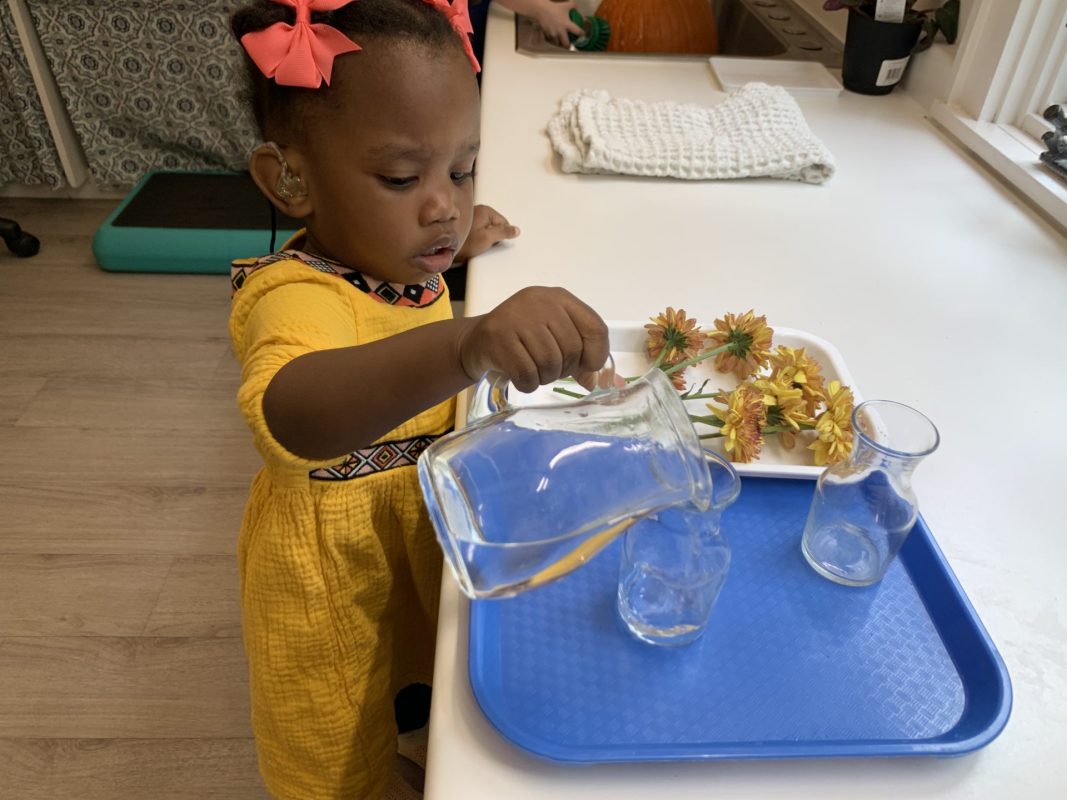
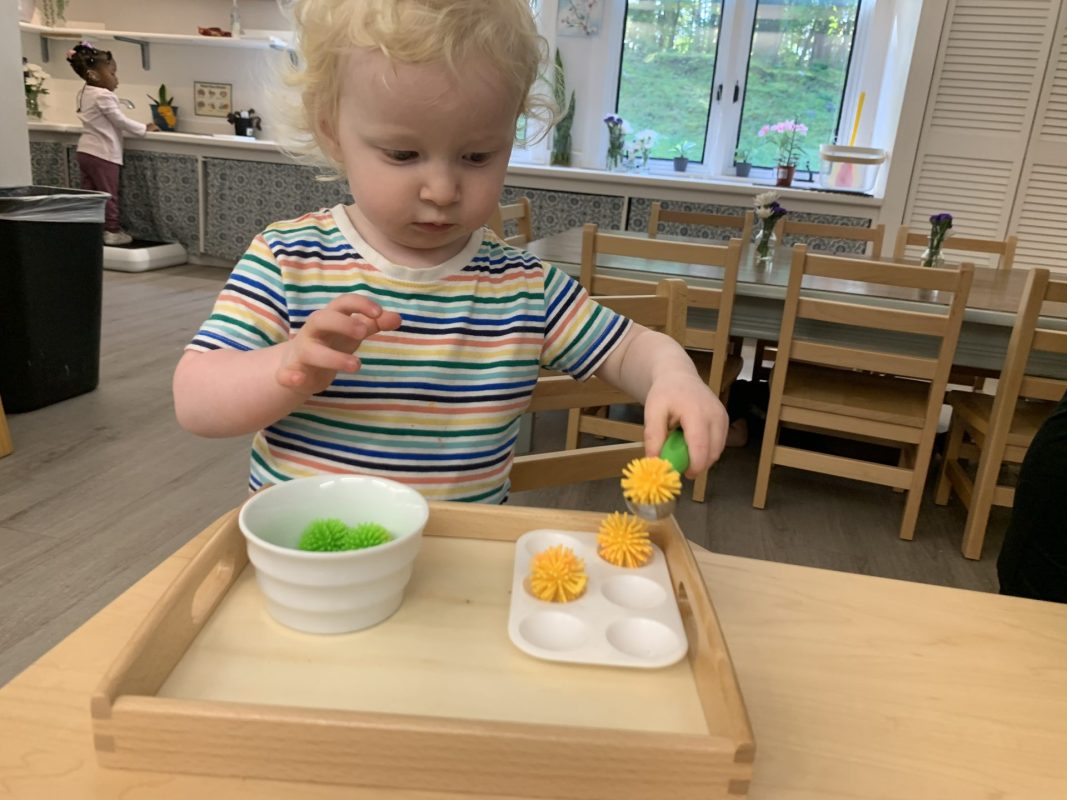
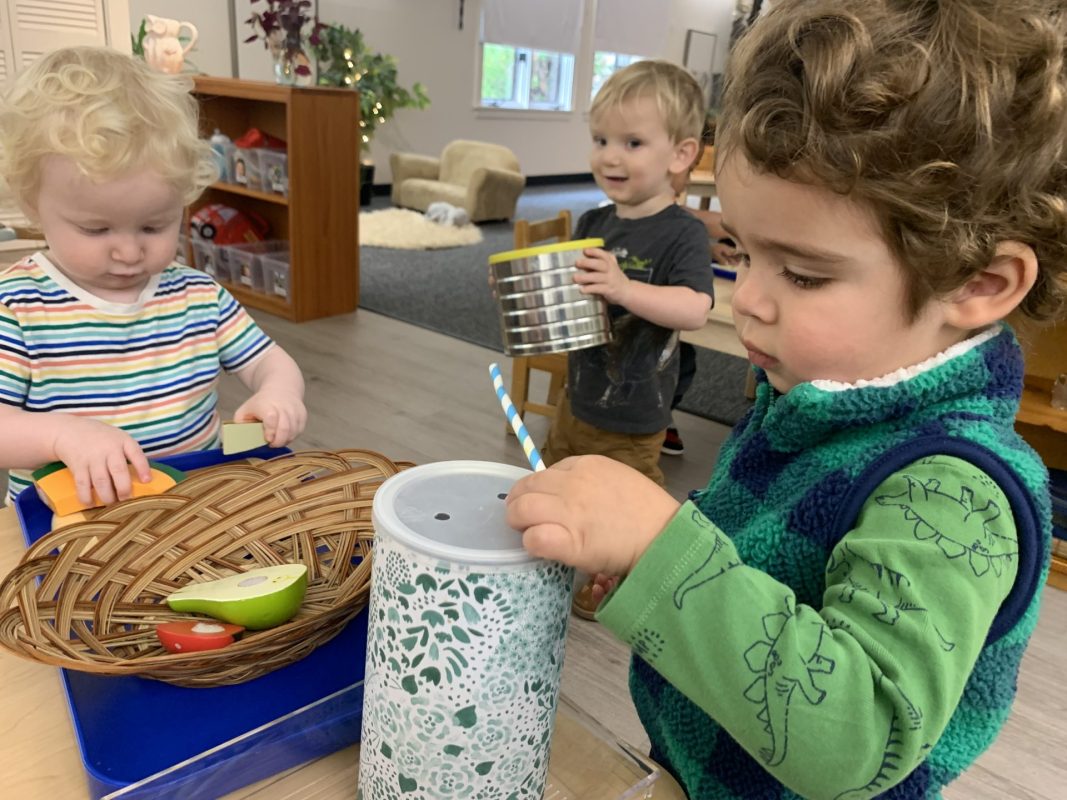
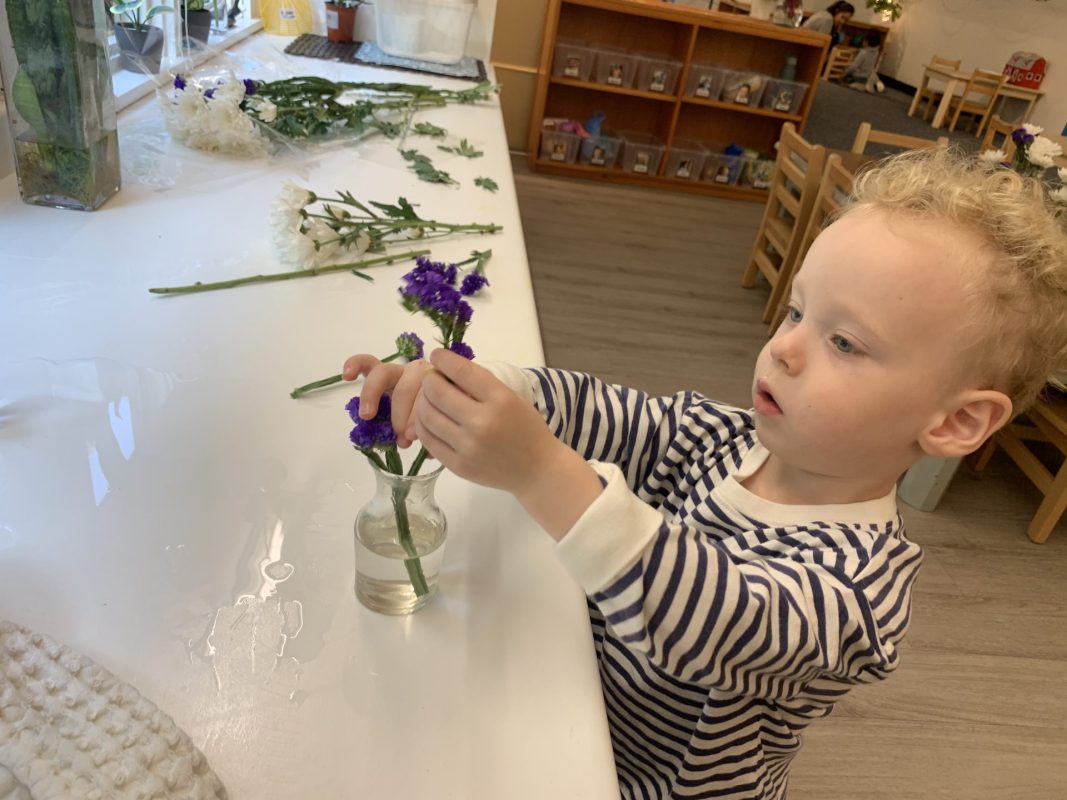
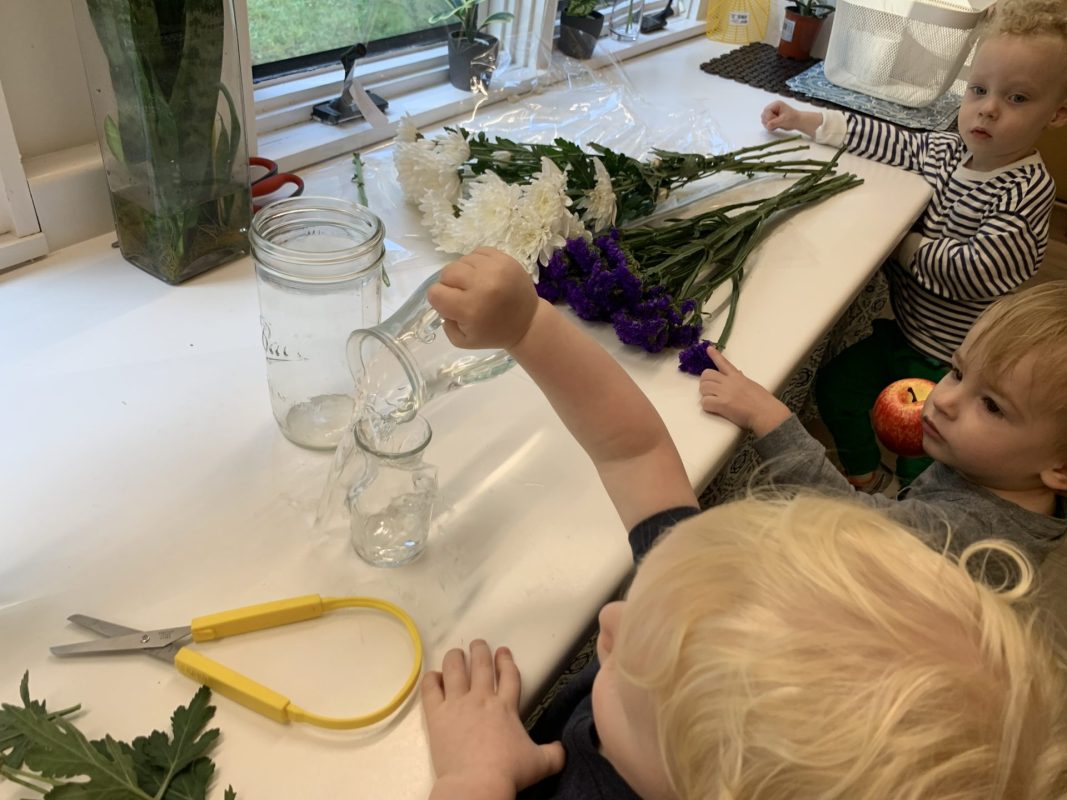
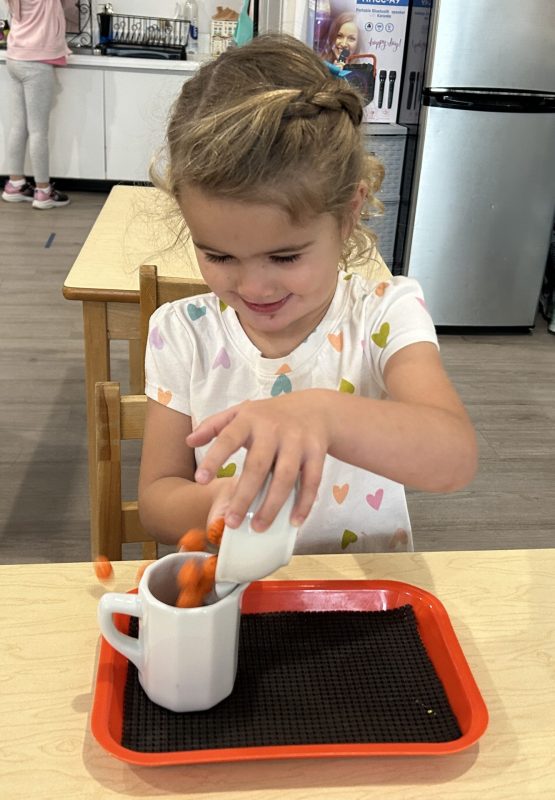
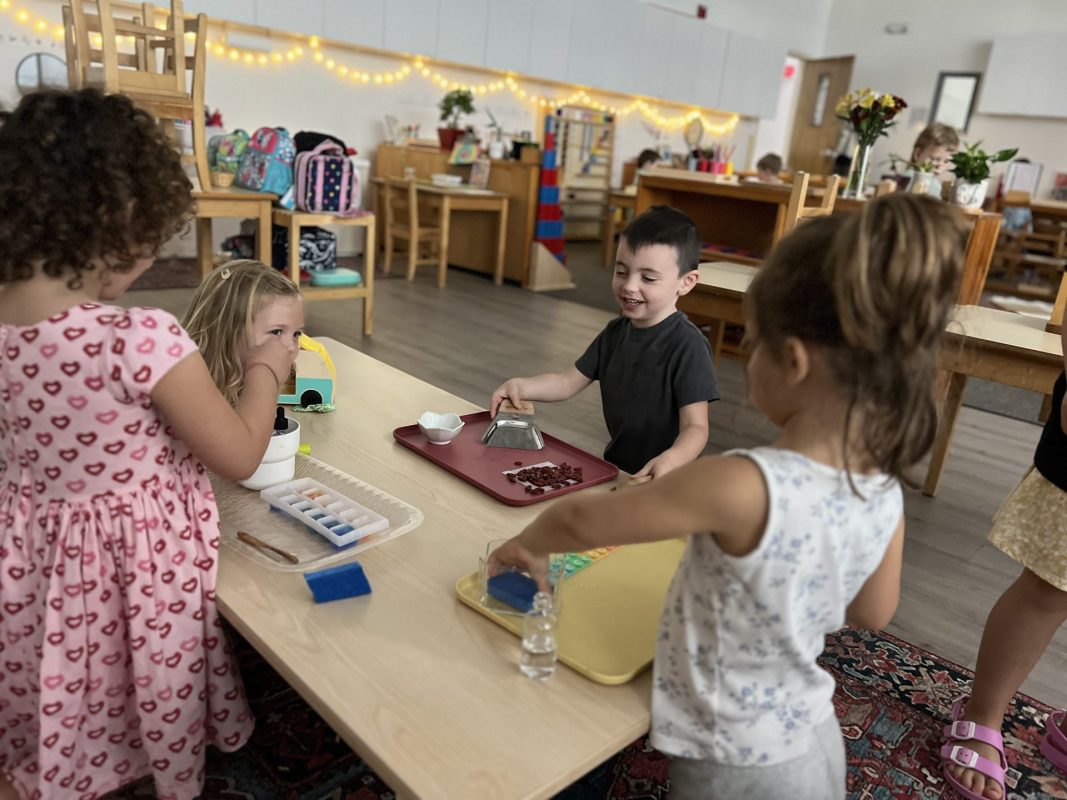
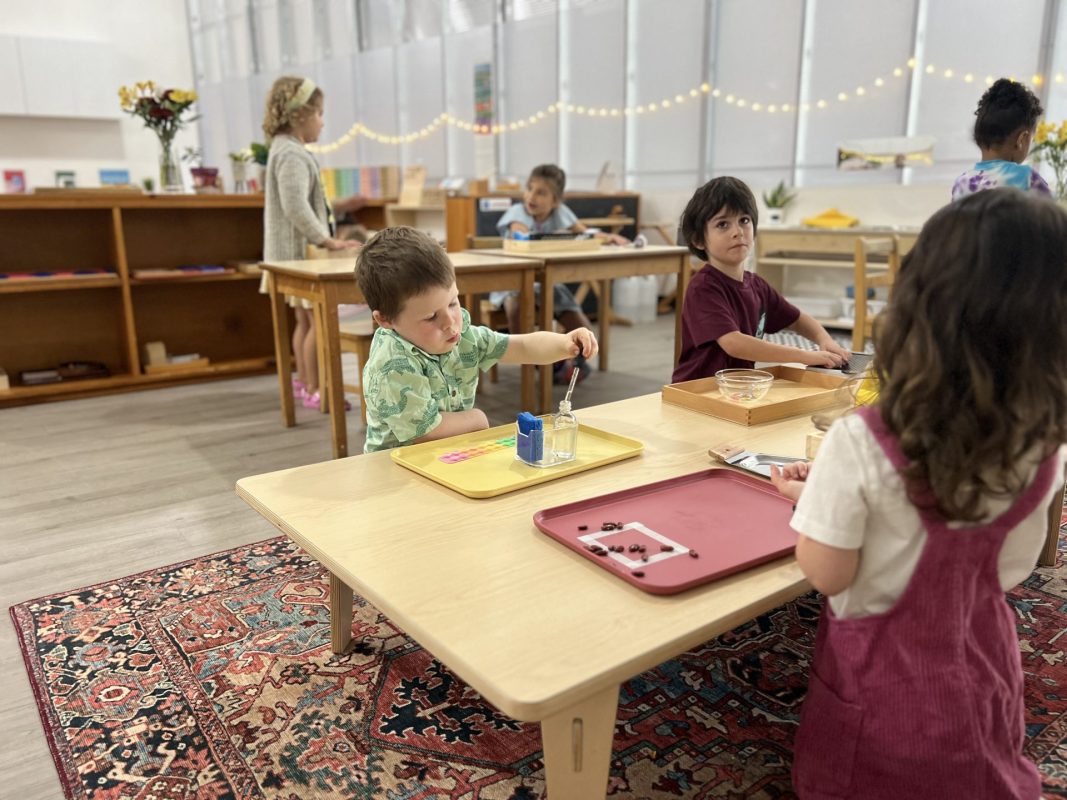
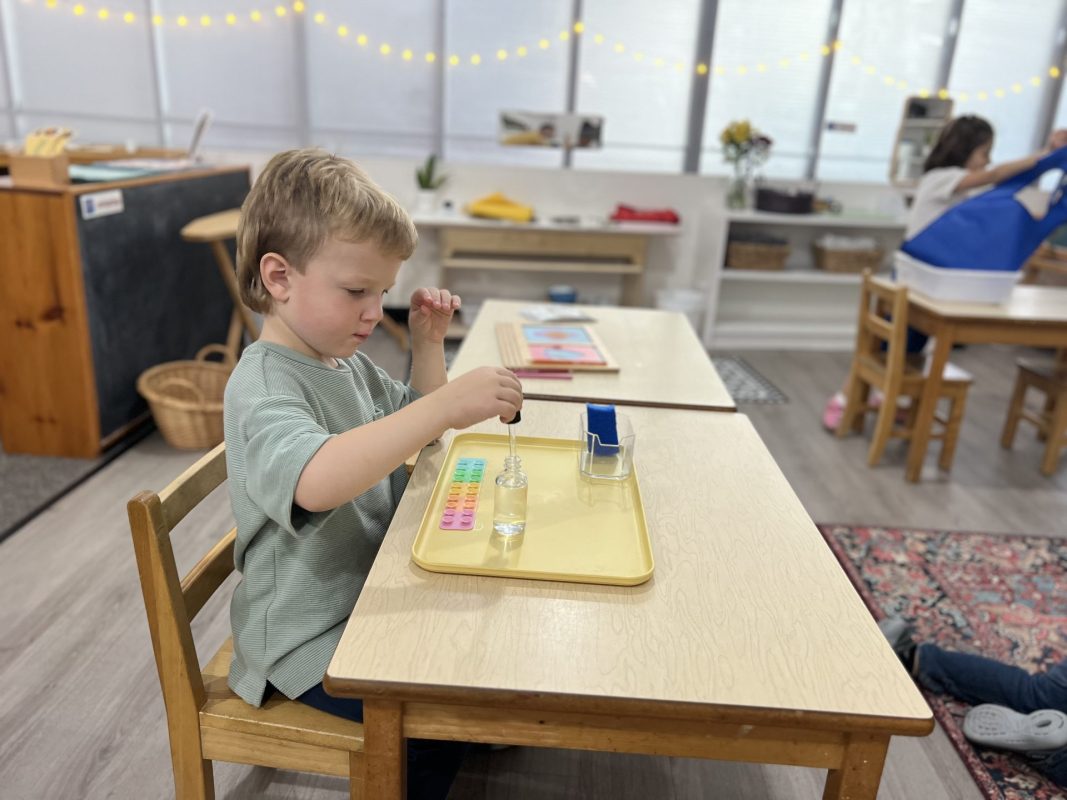
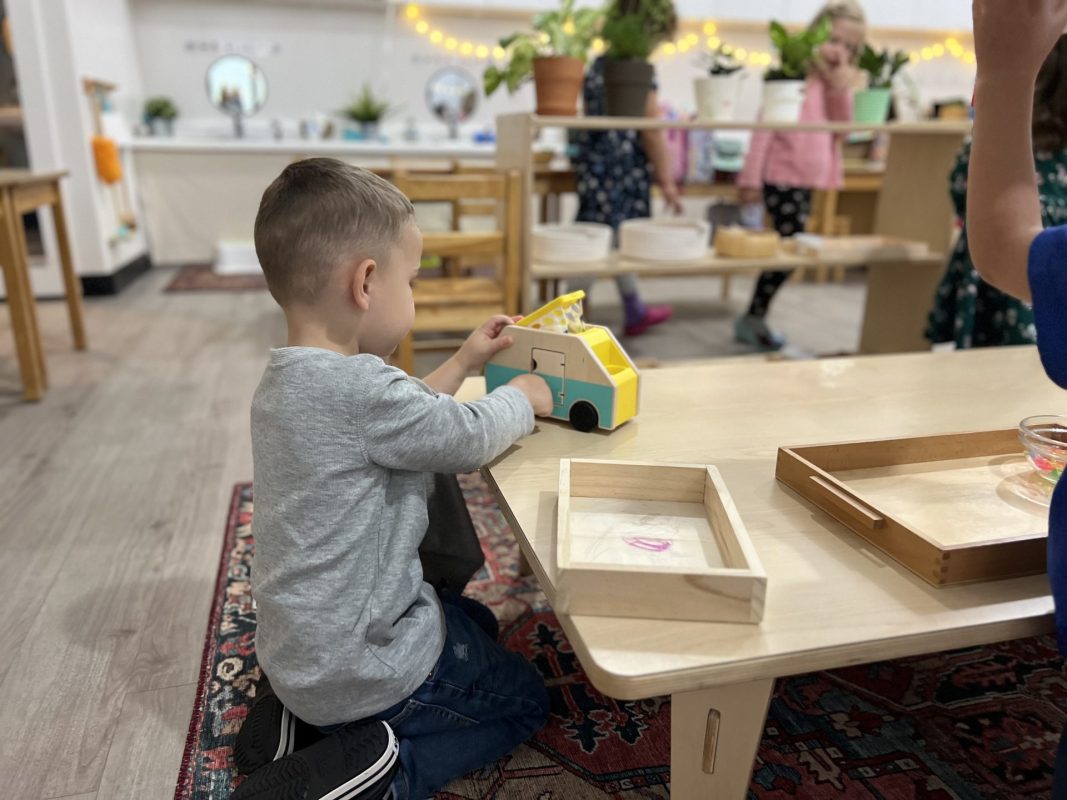
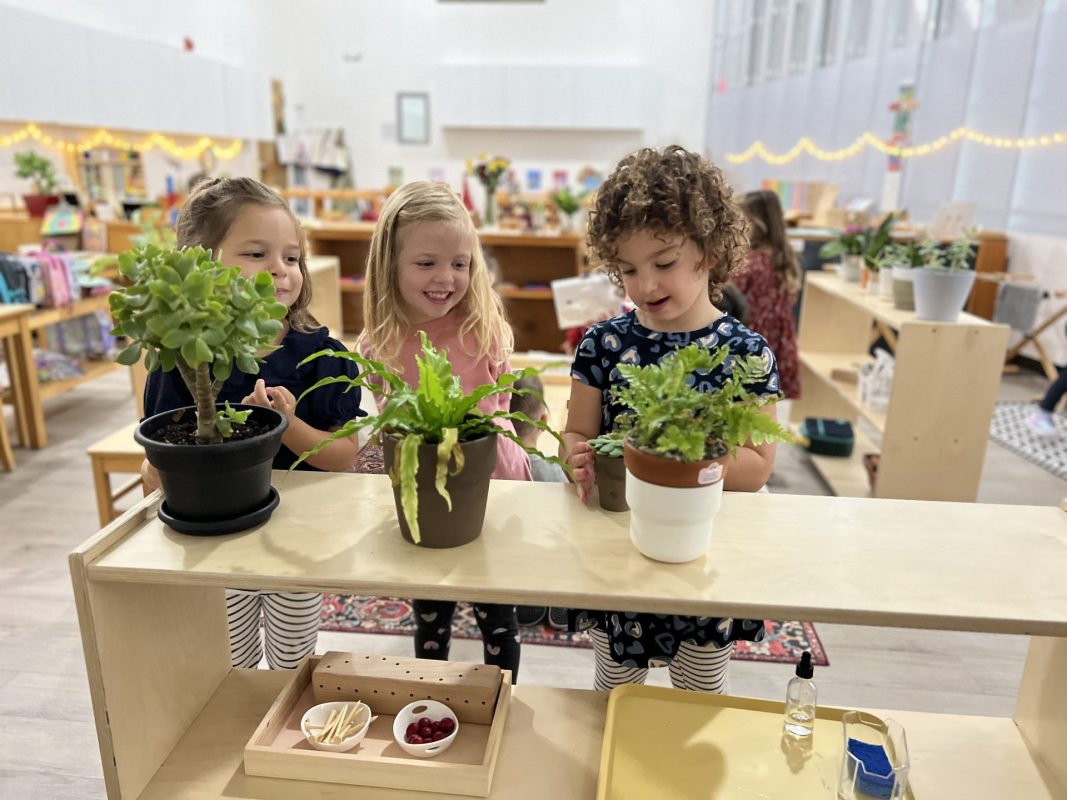
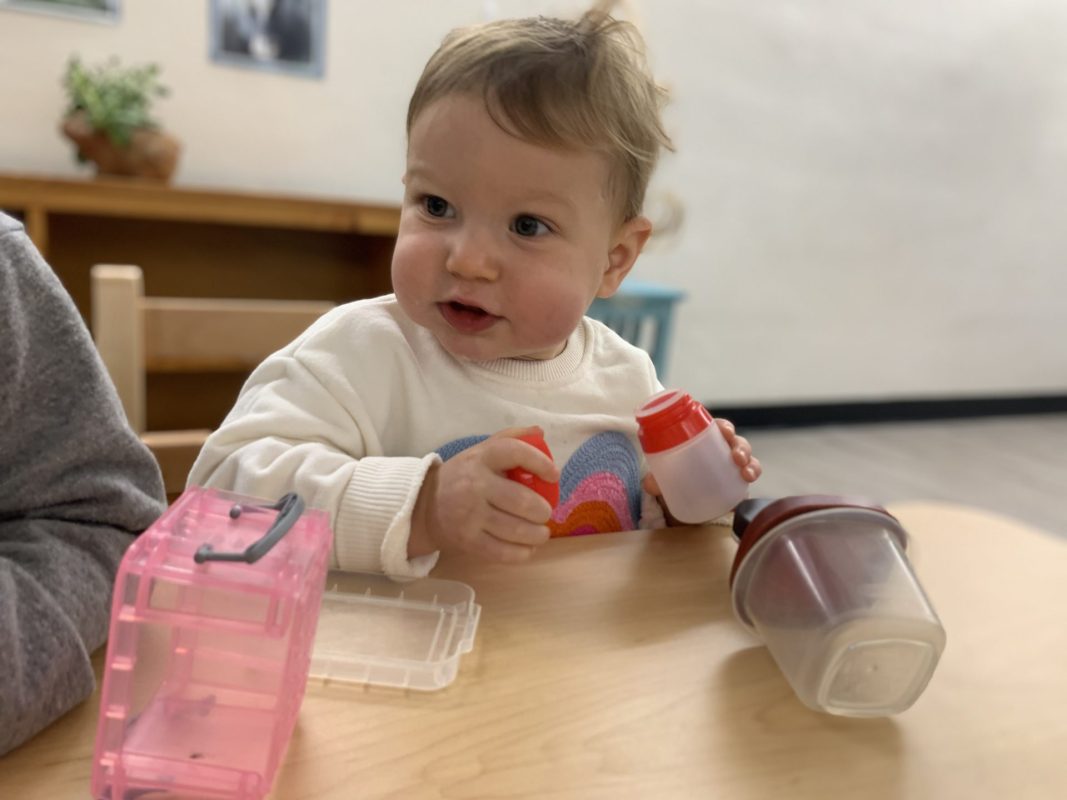
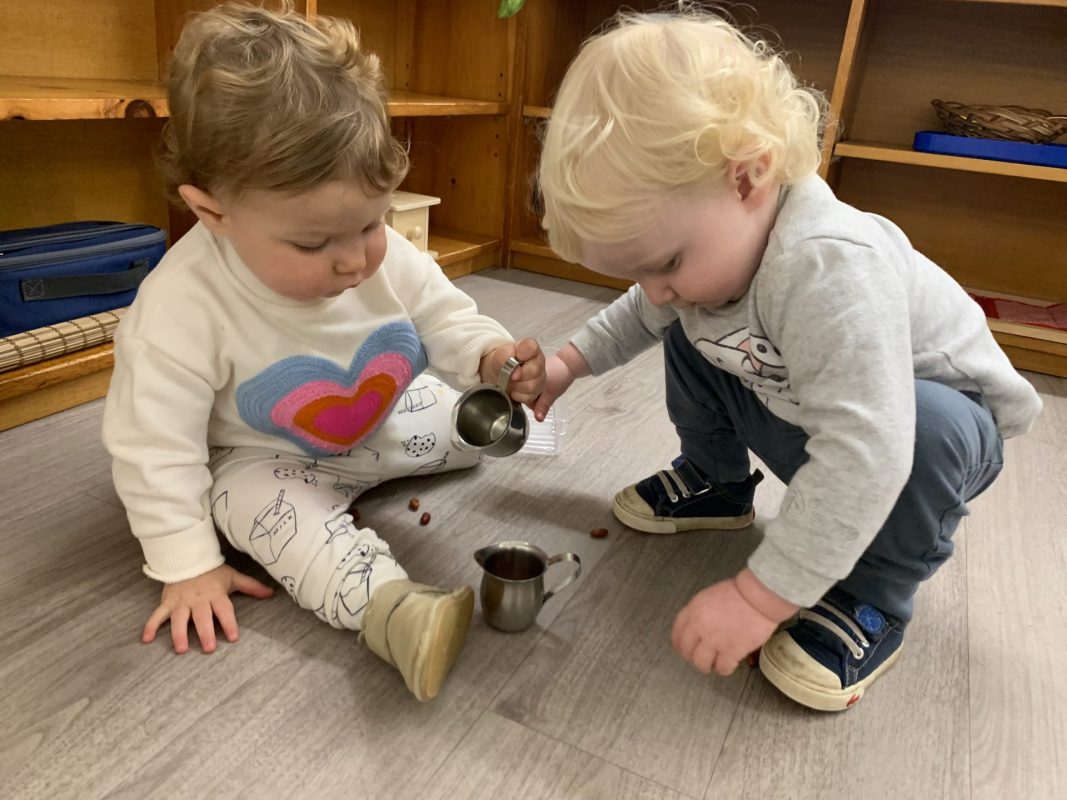
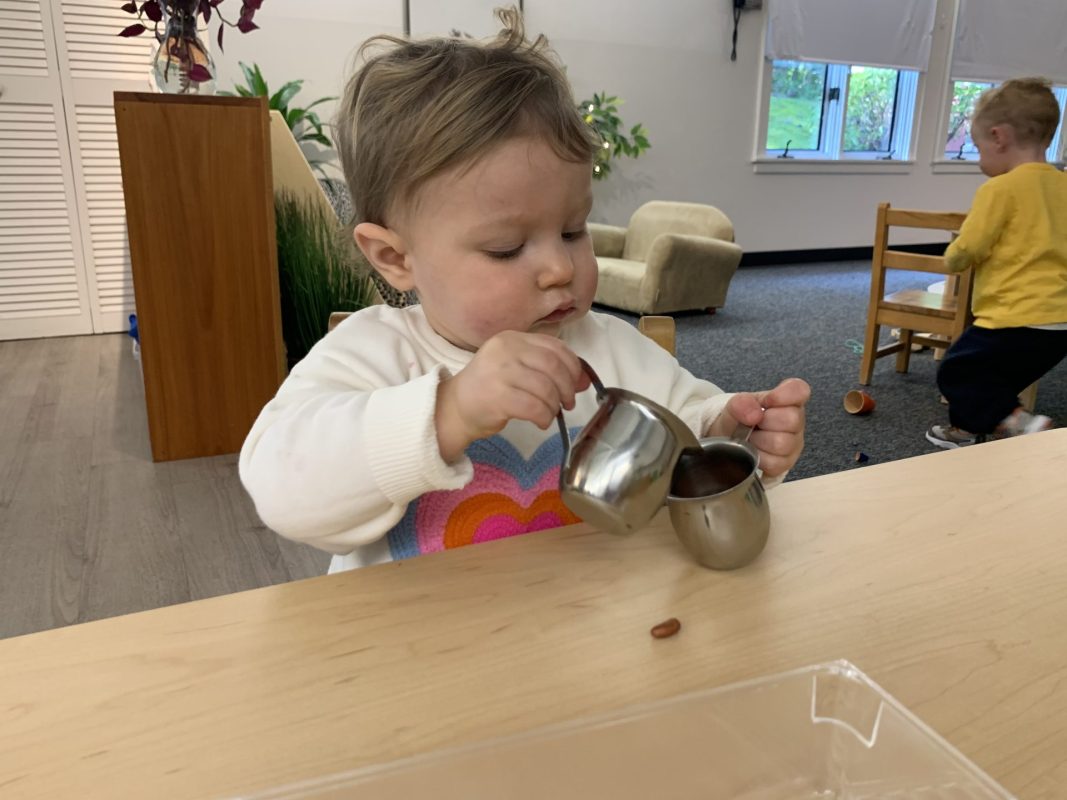
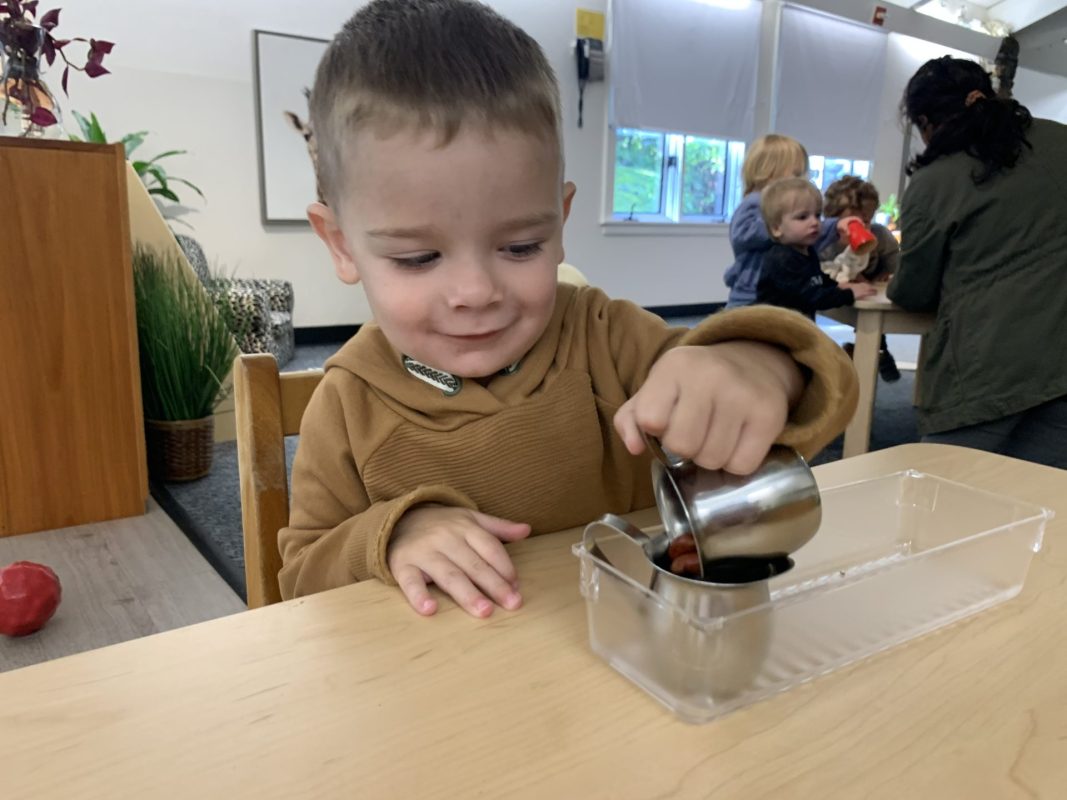
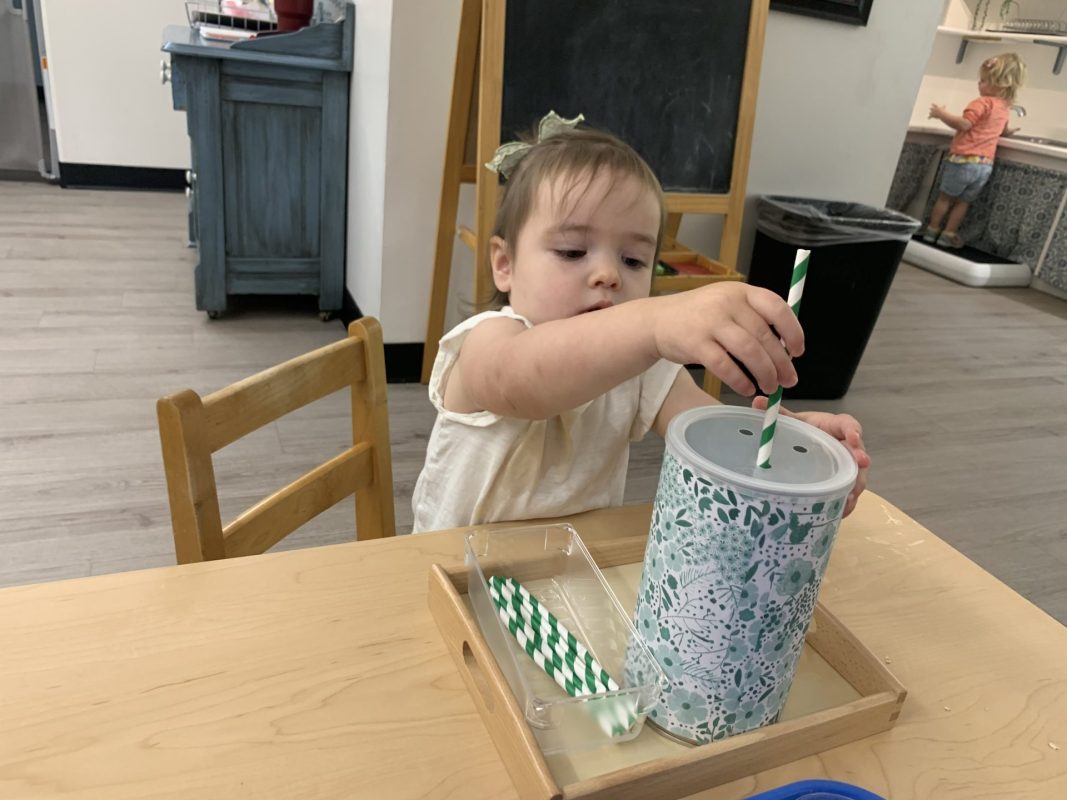
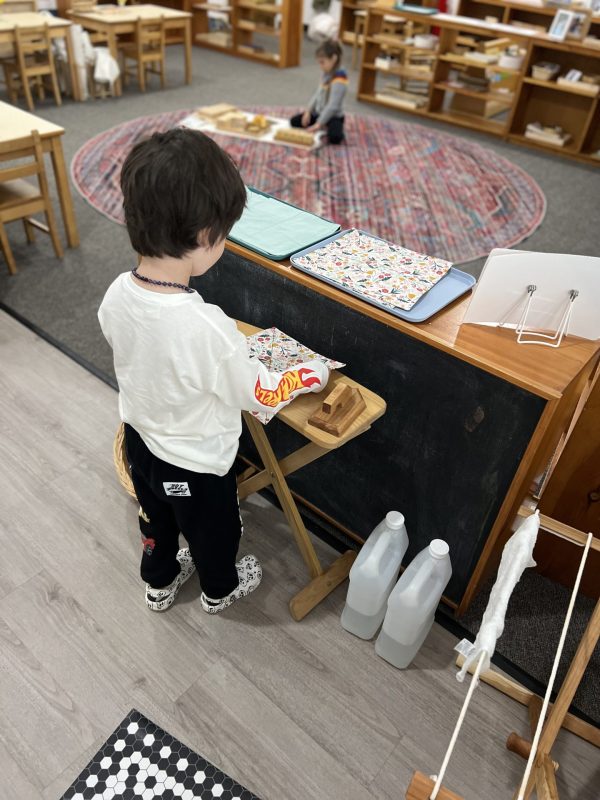
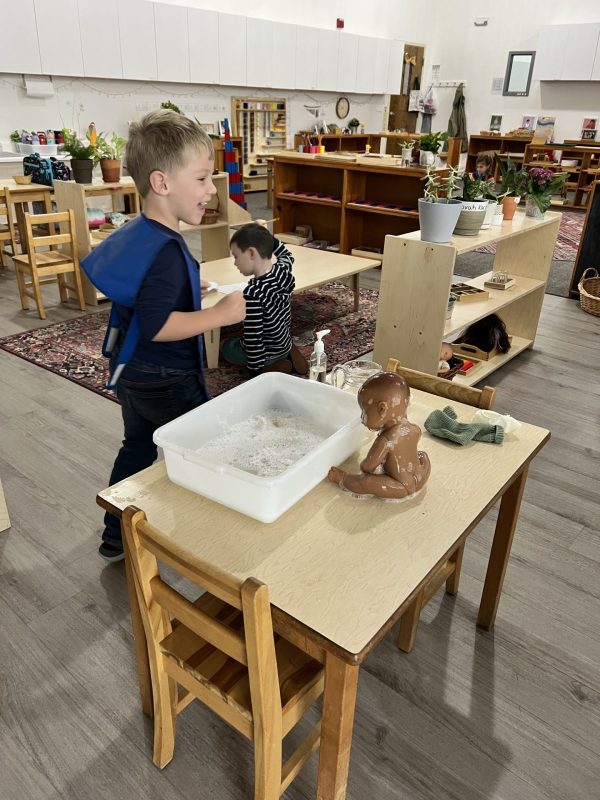
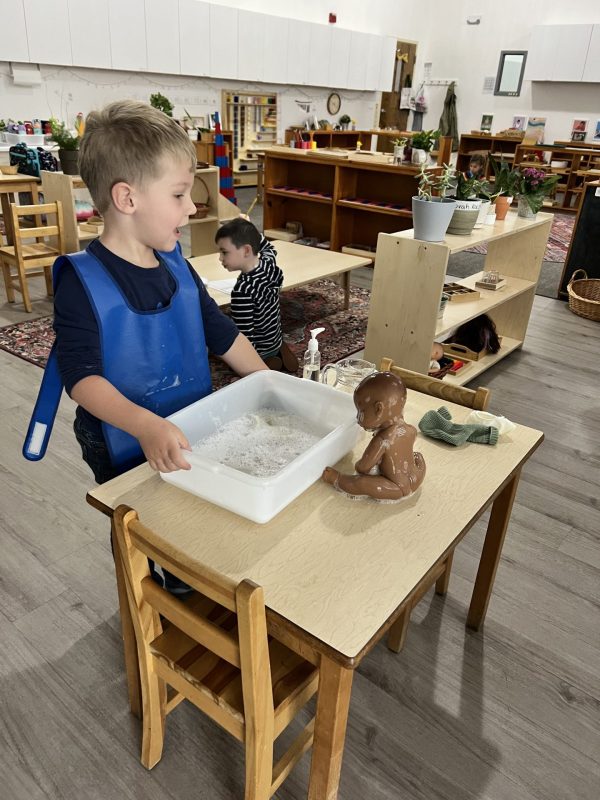
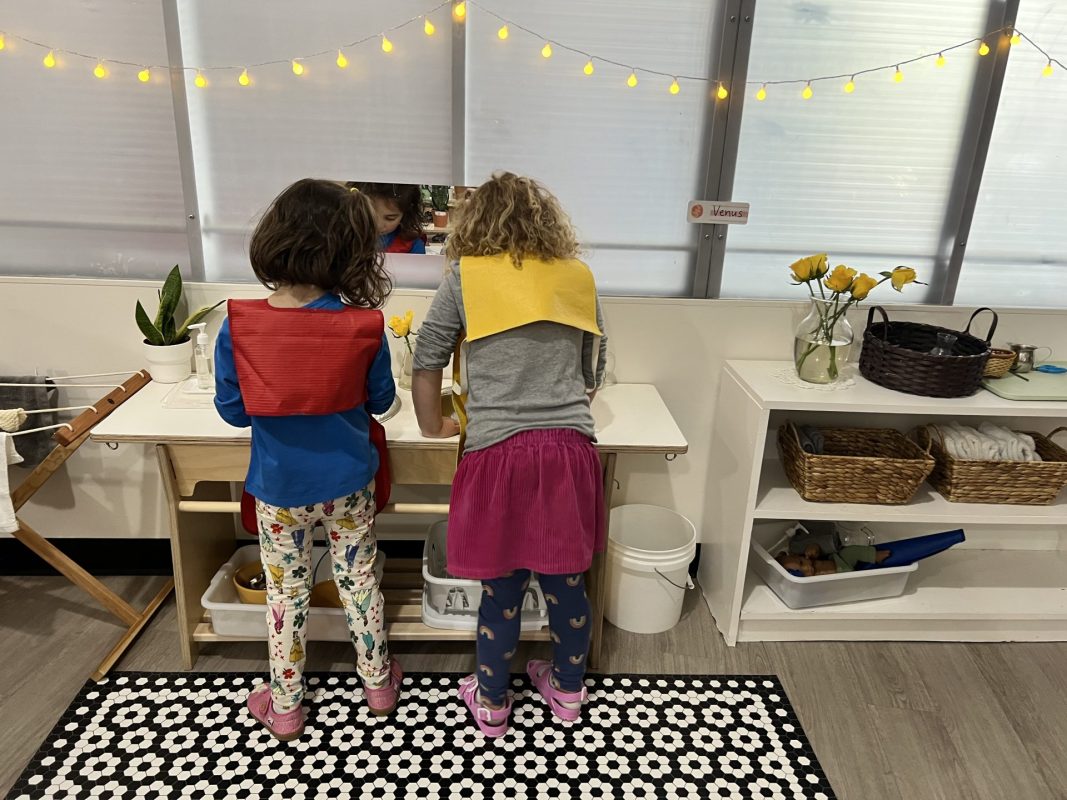
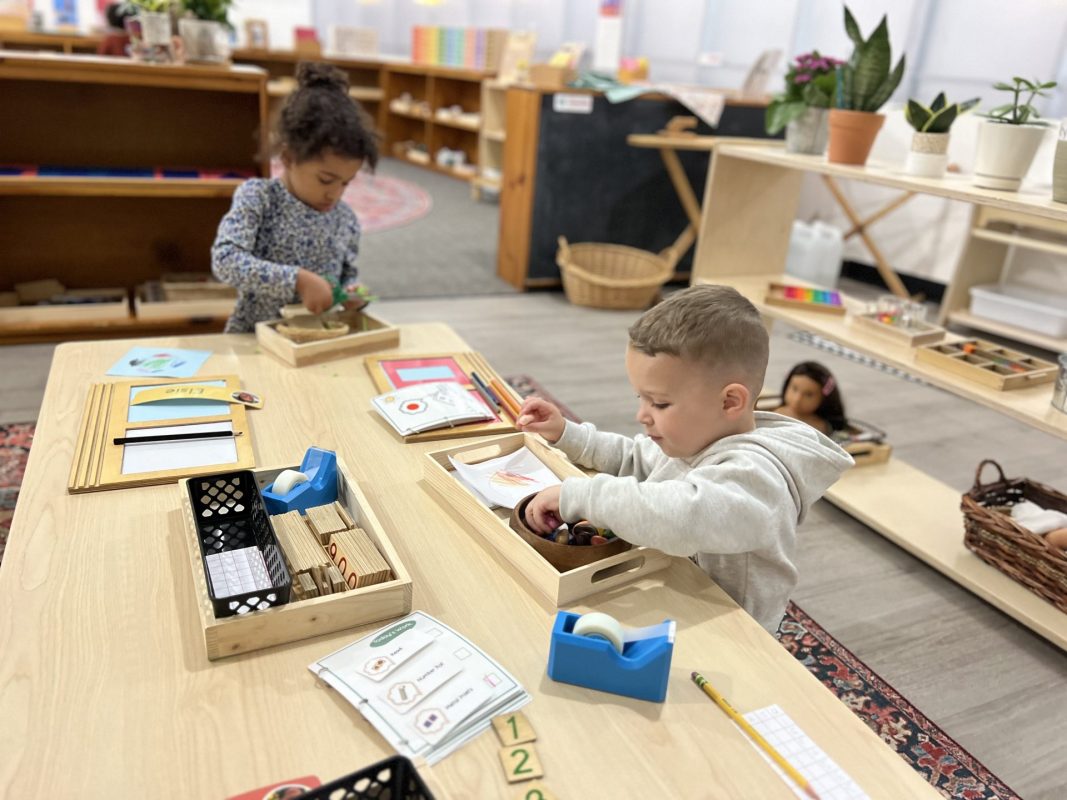
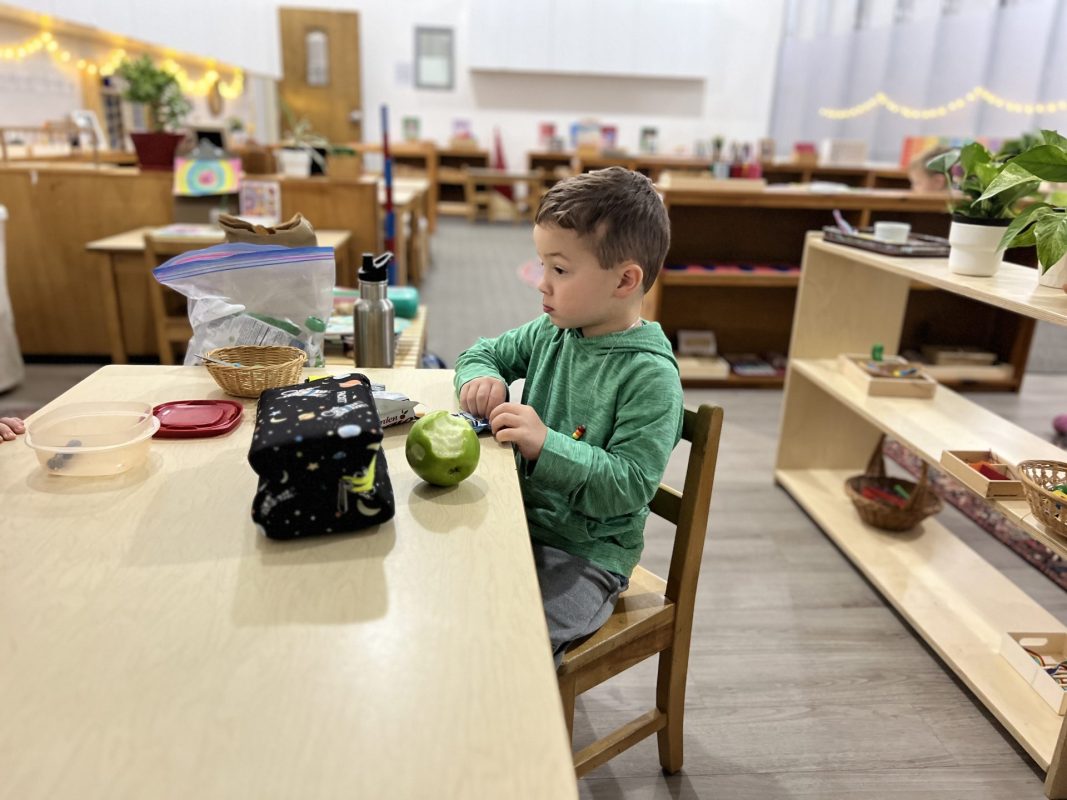
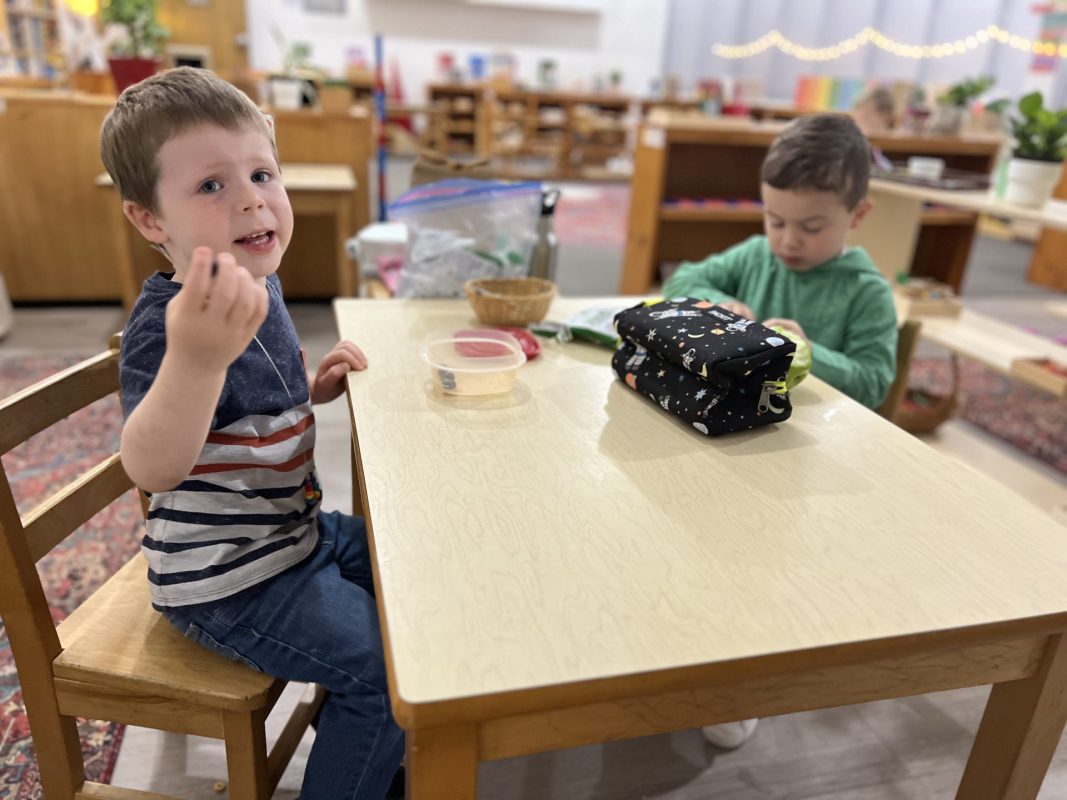
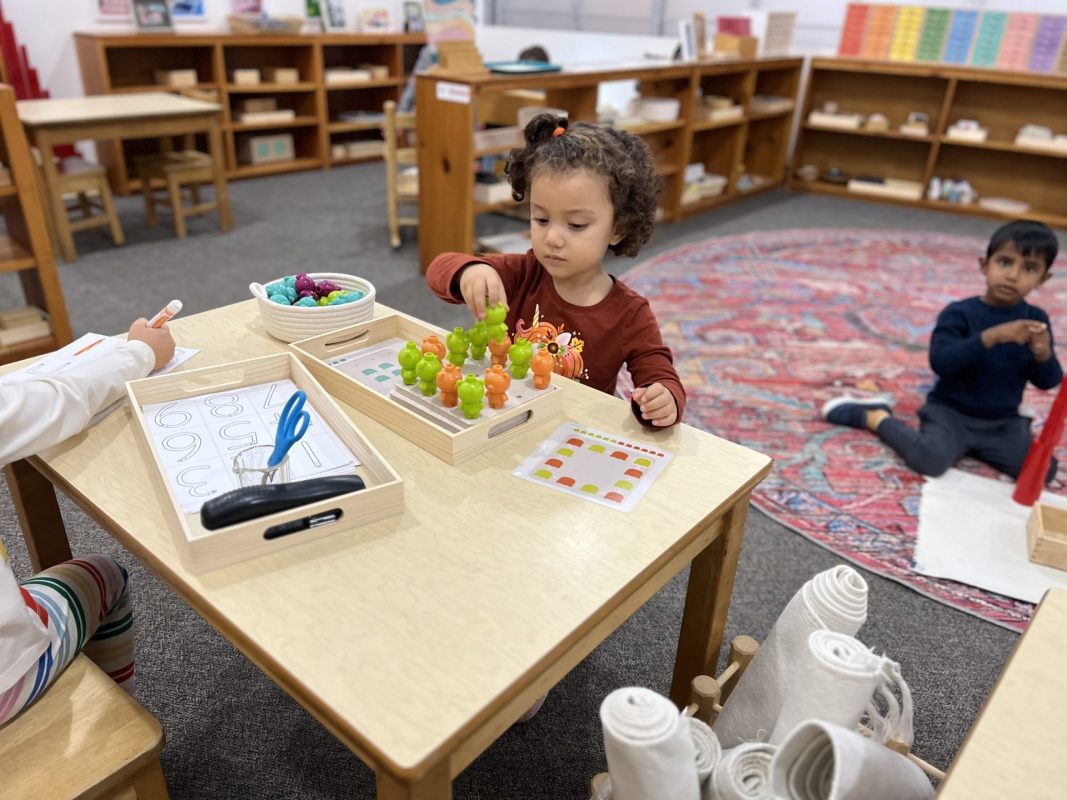
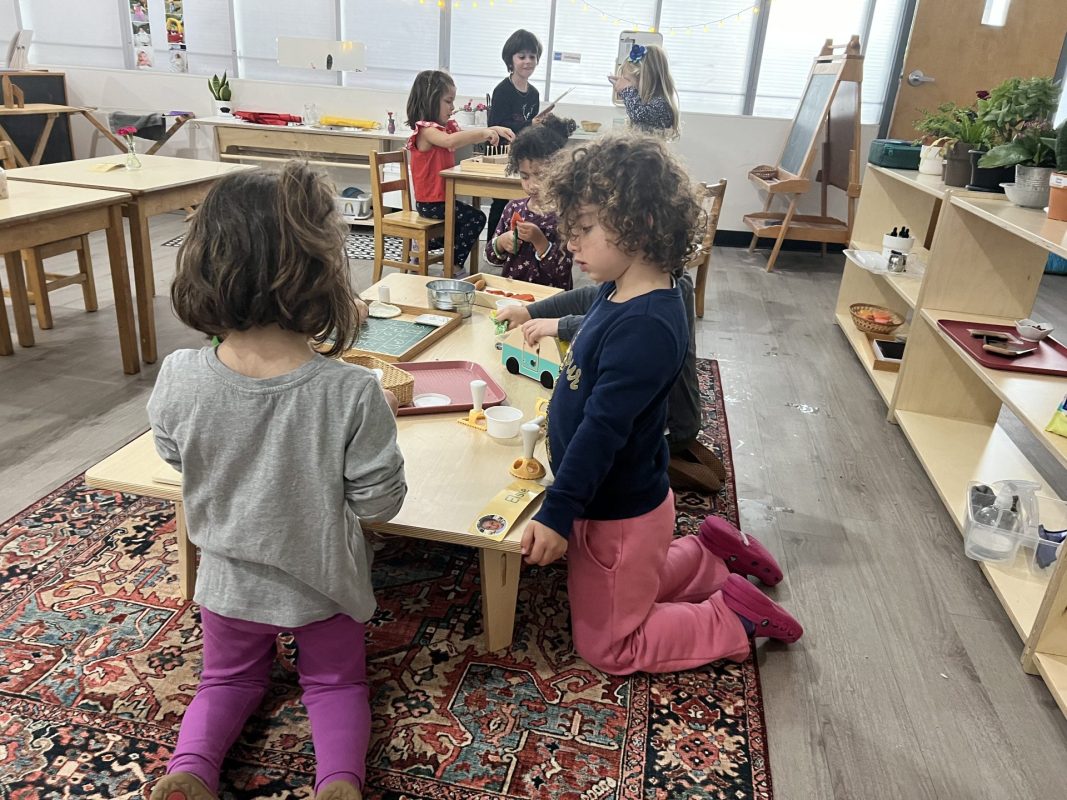
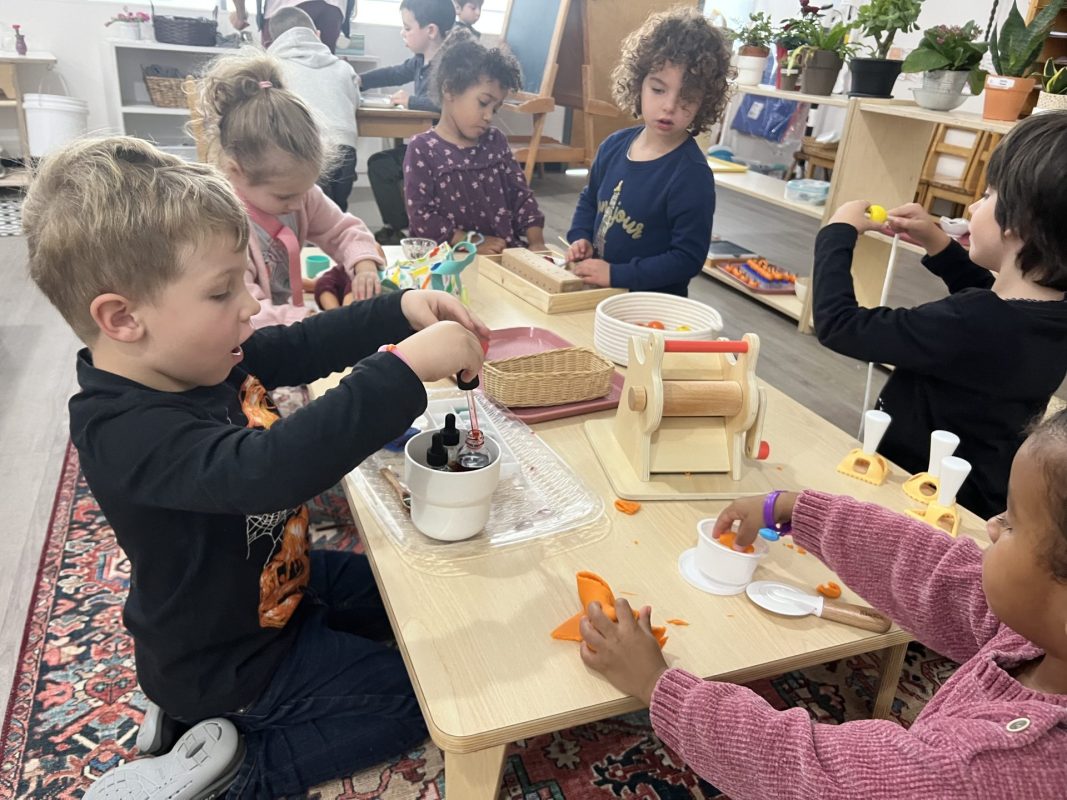
- Our community table in Practical Life.
-
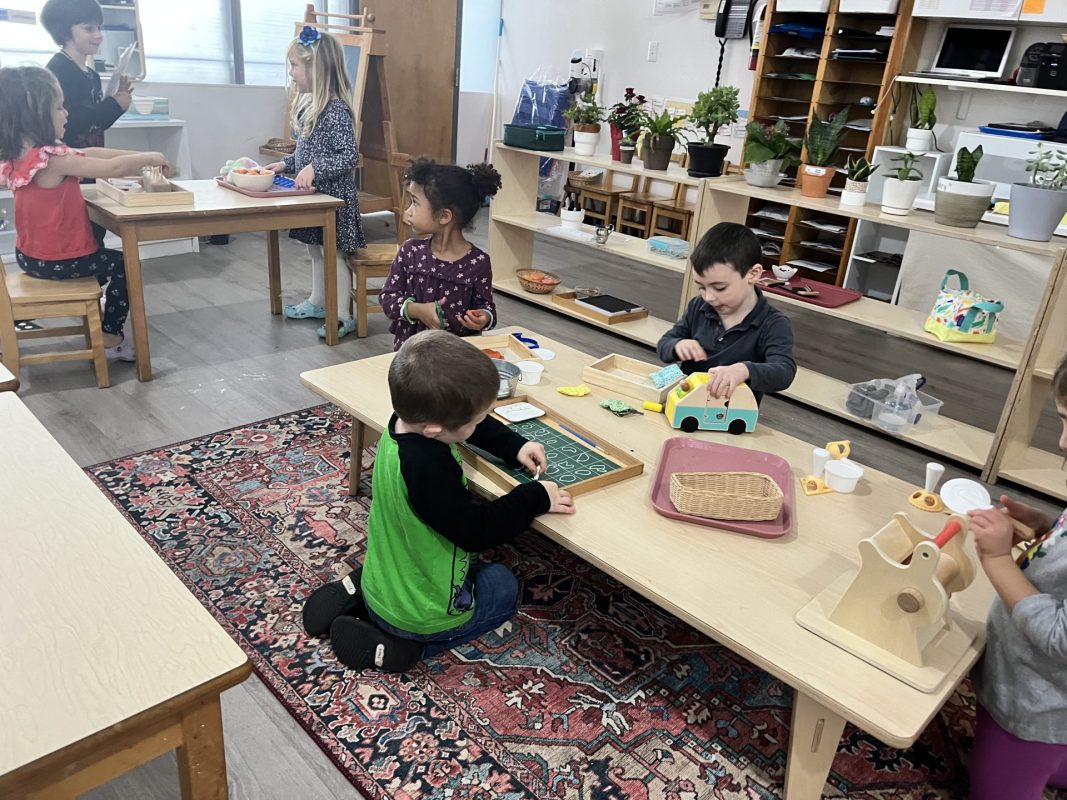
- Our community table in Practical Life.
-

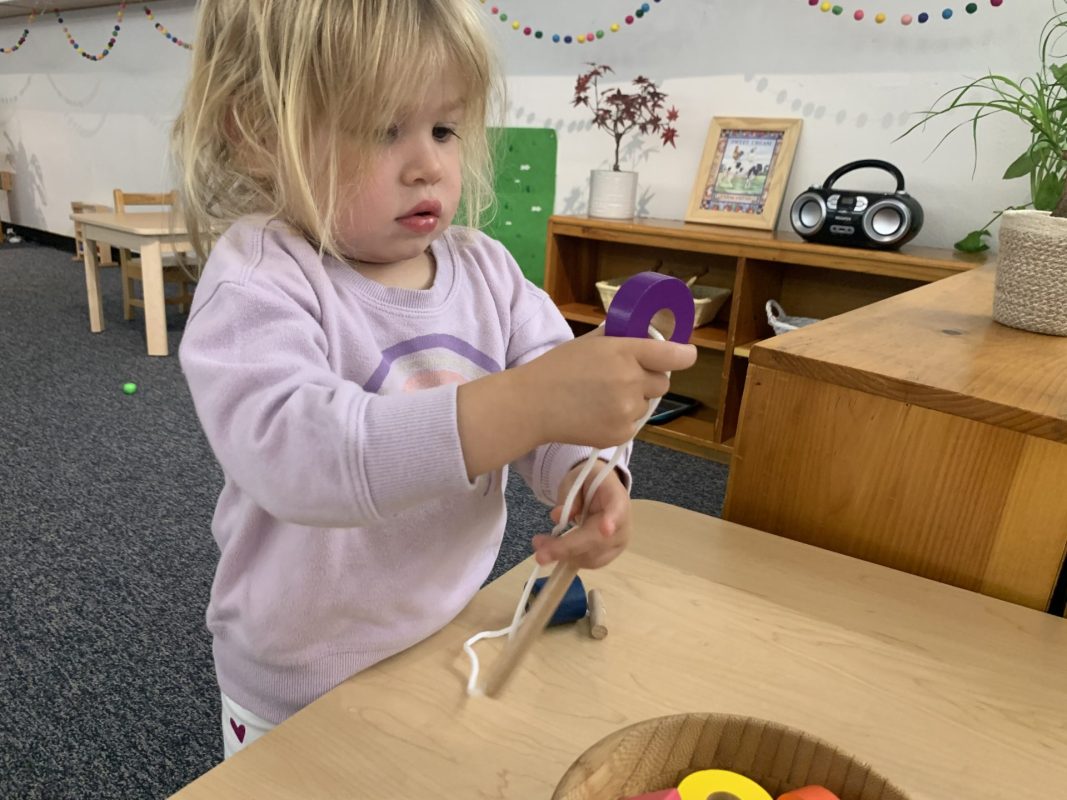
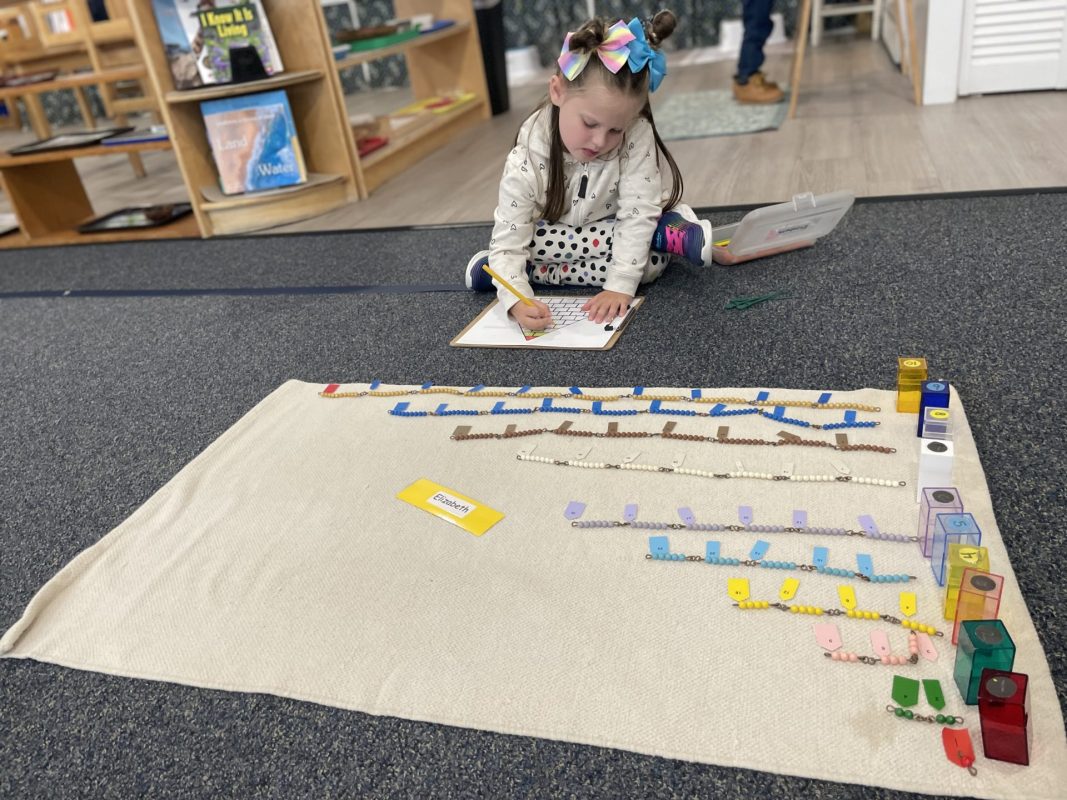
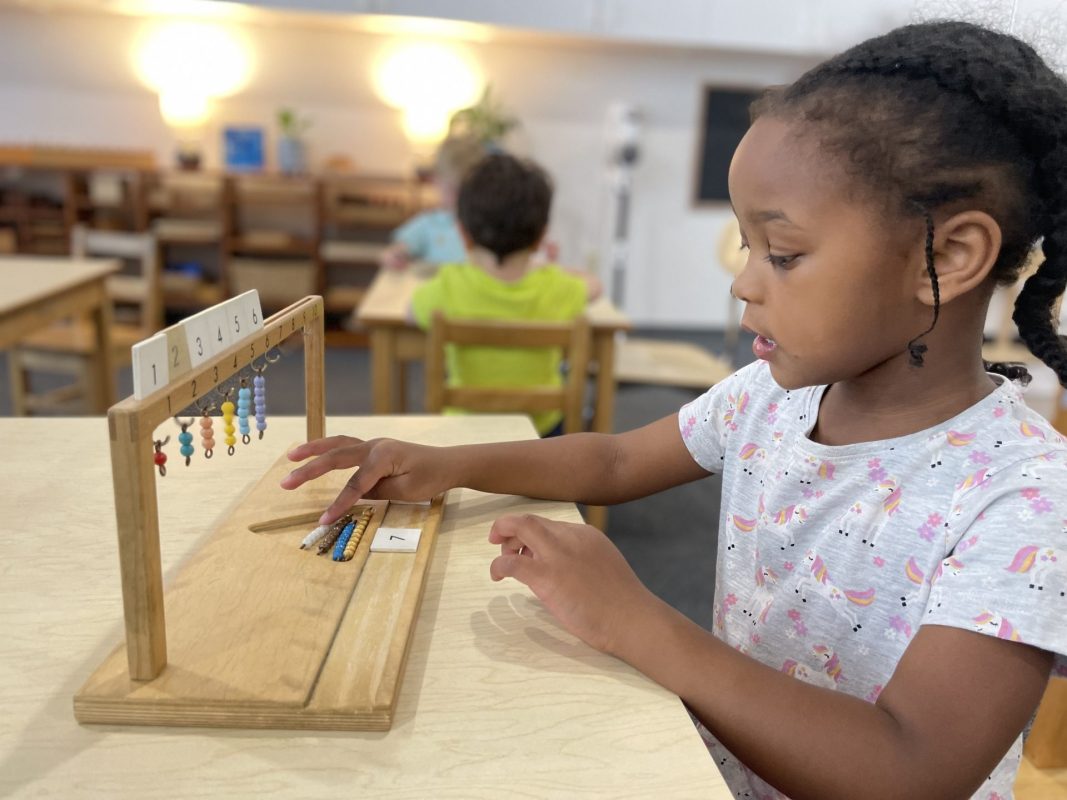
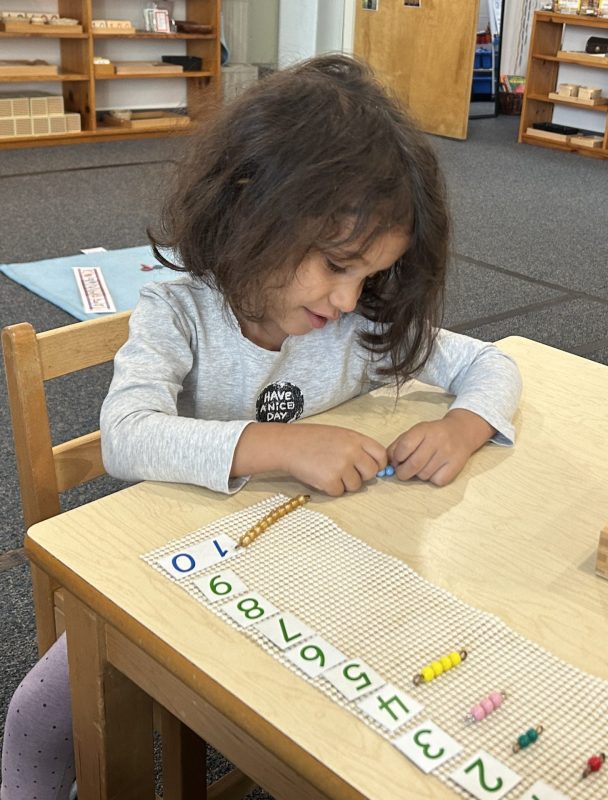
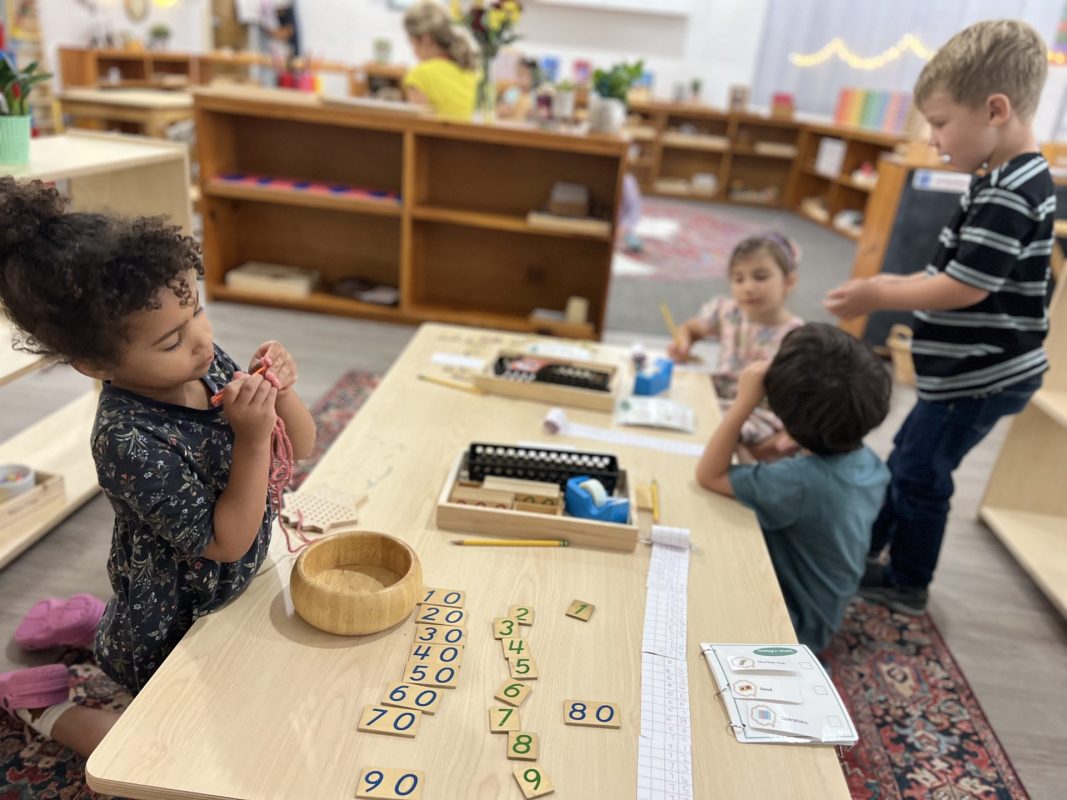
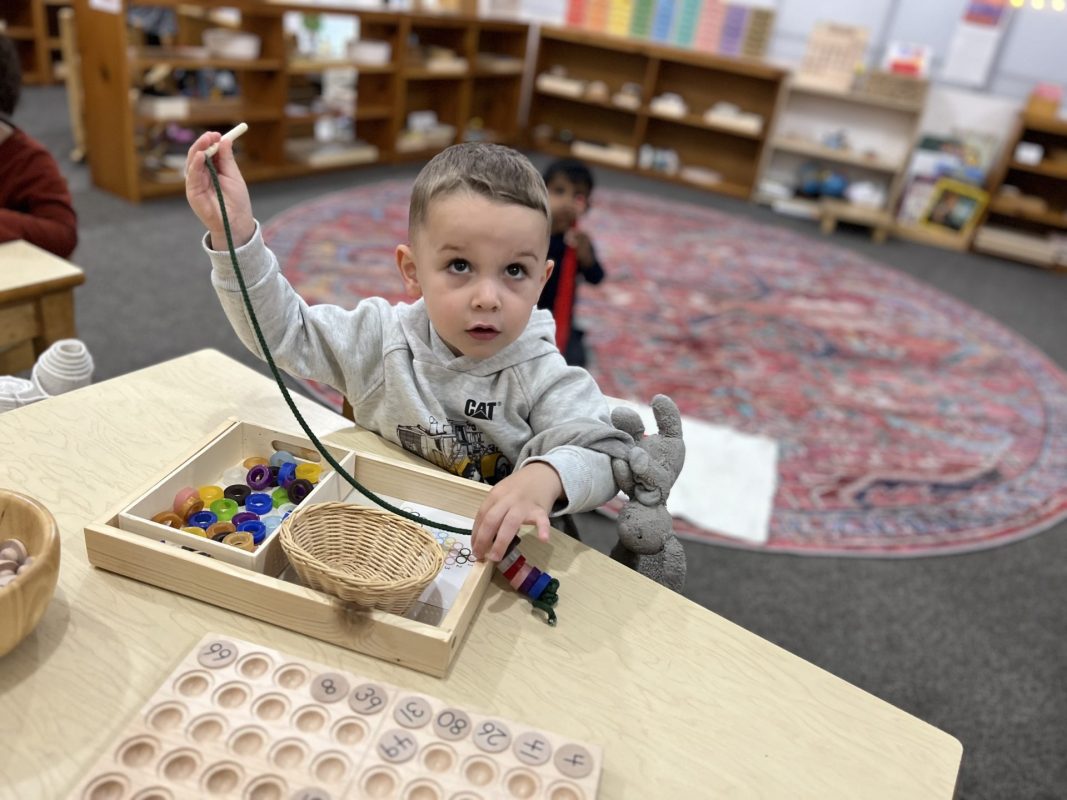
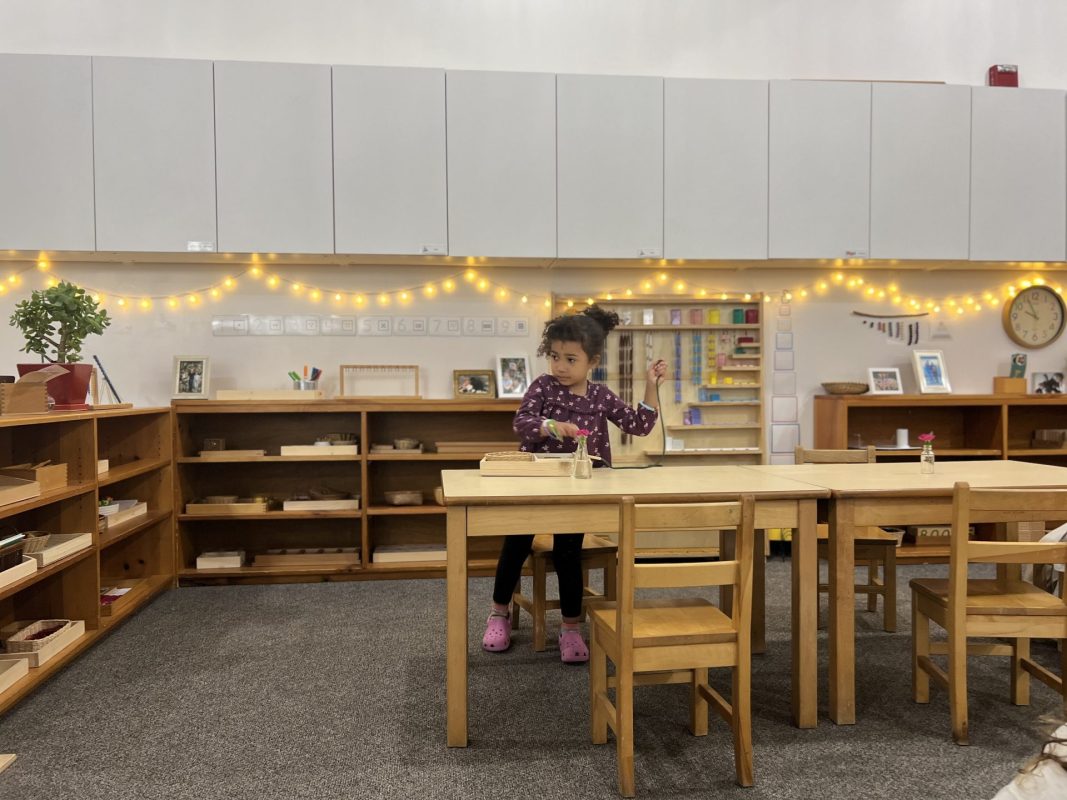
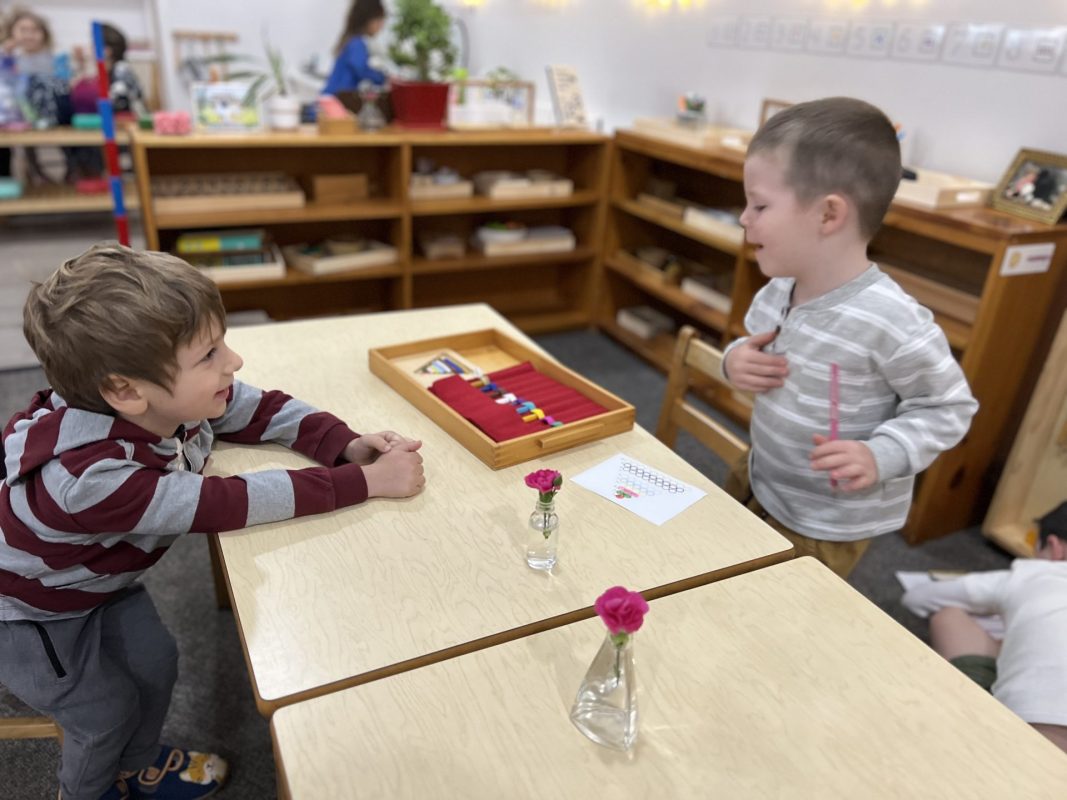
- Bead Stair Lacing in Math
-

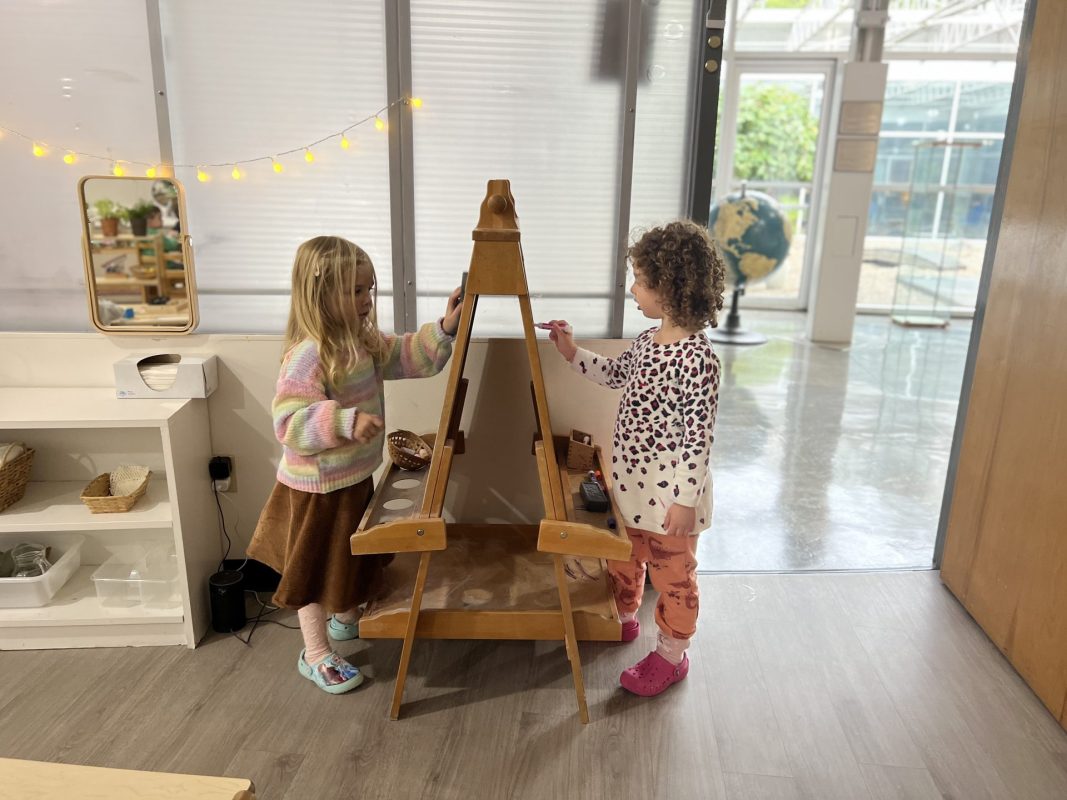
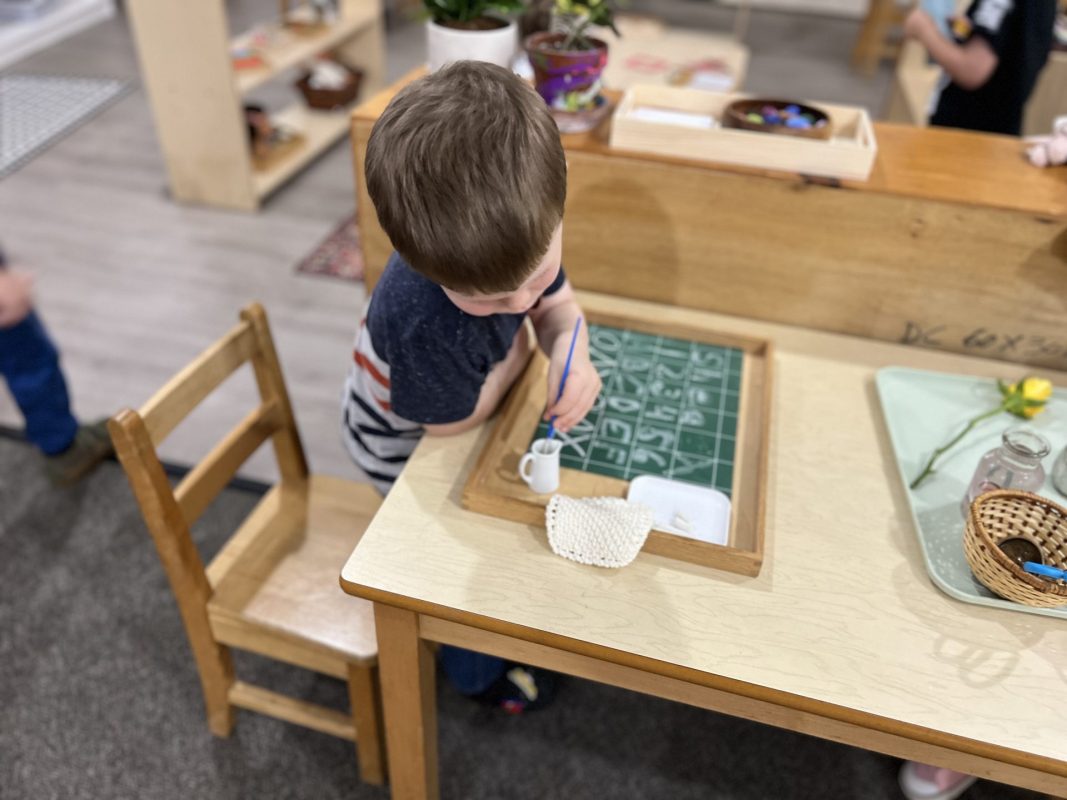
- Dry Erase markers at the easel.

-
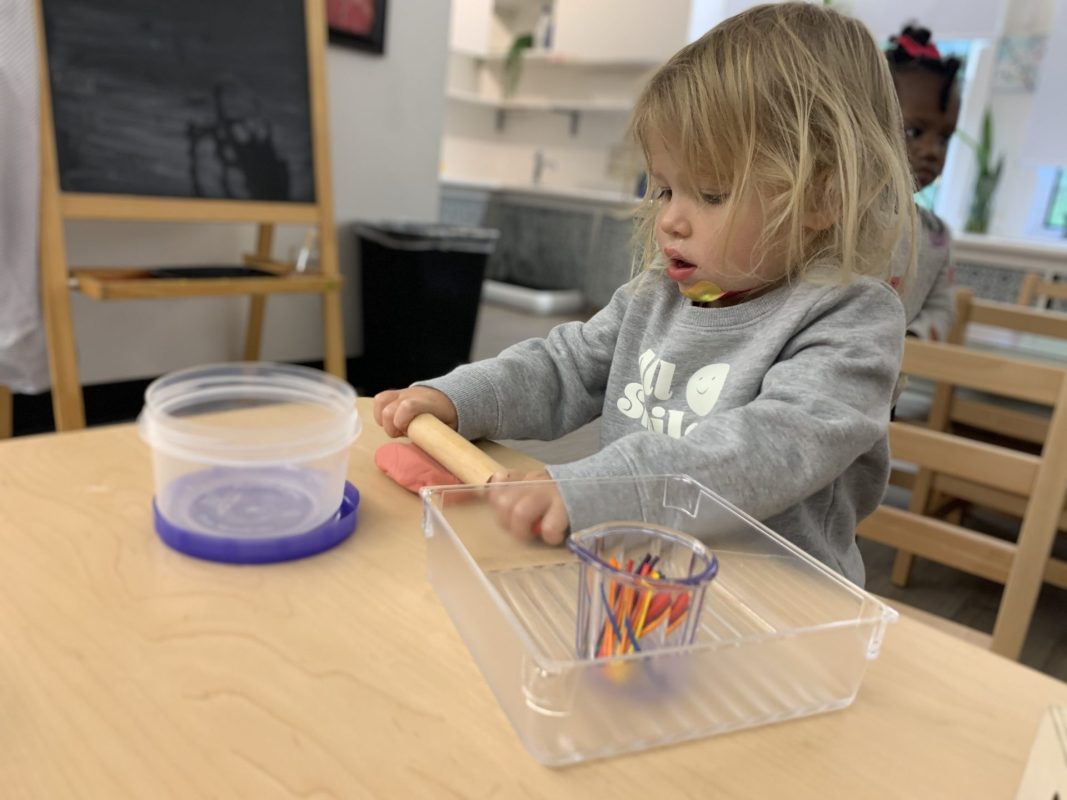
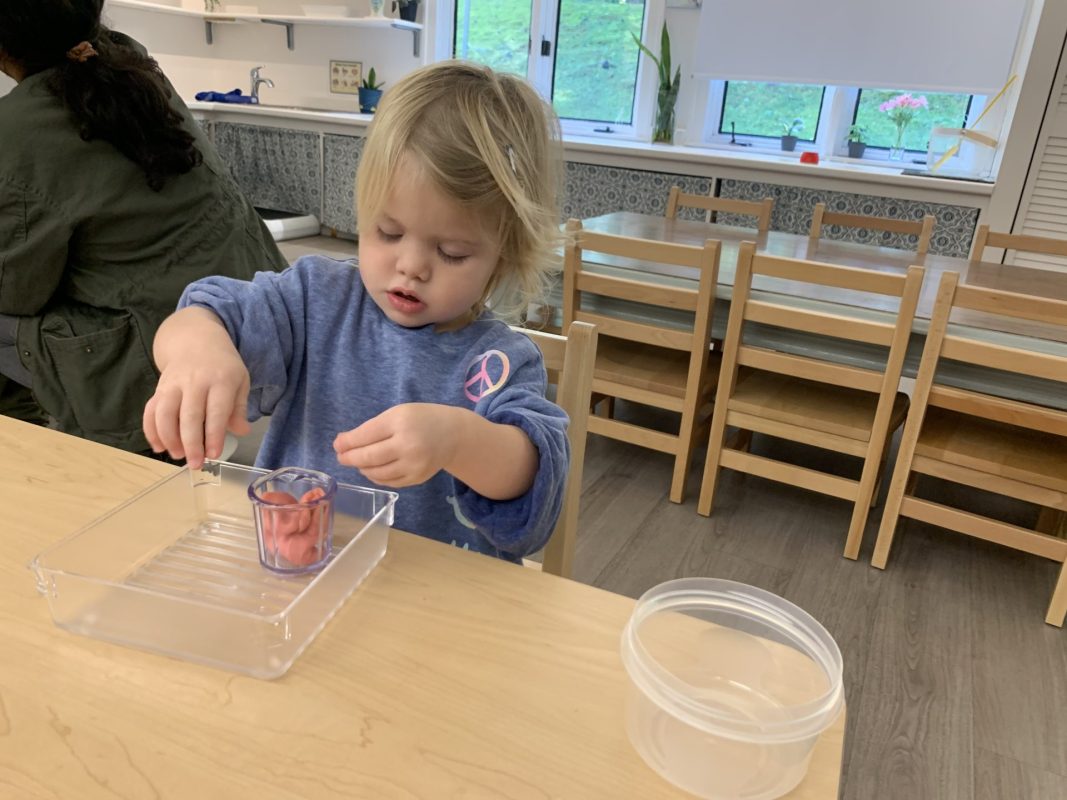
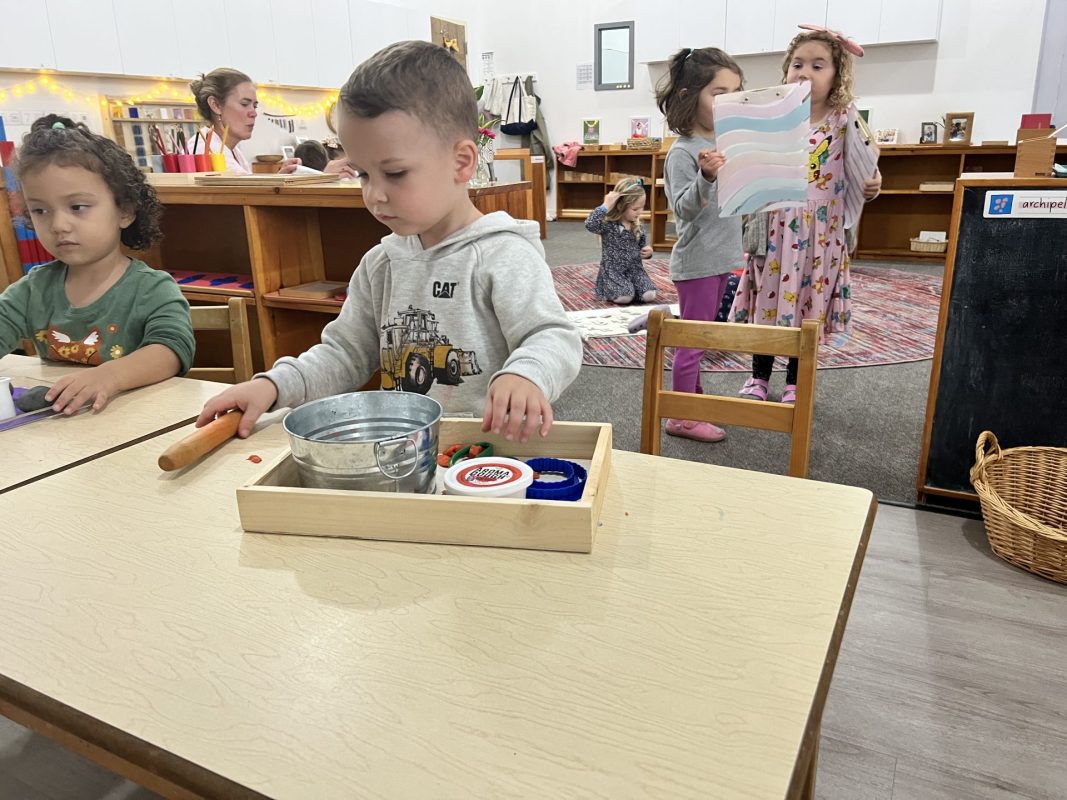
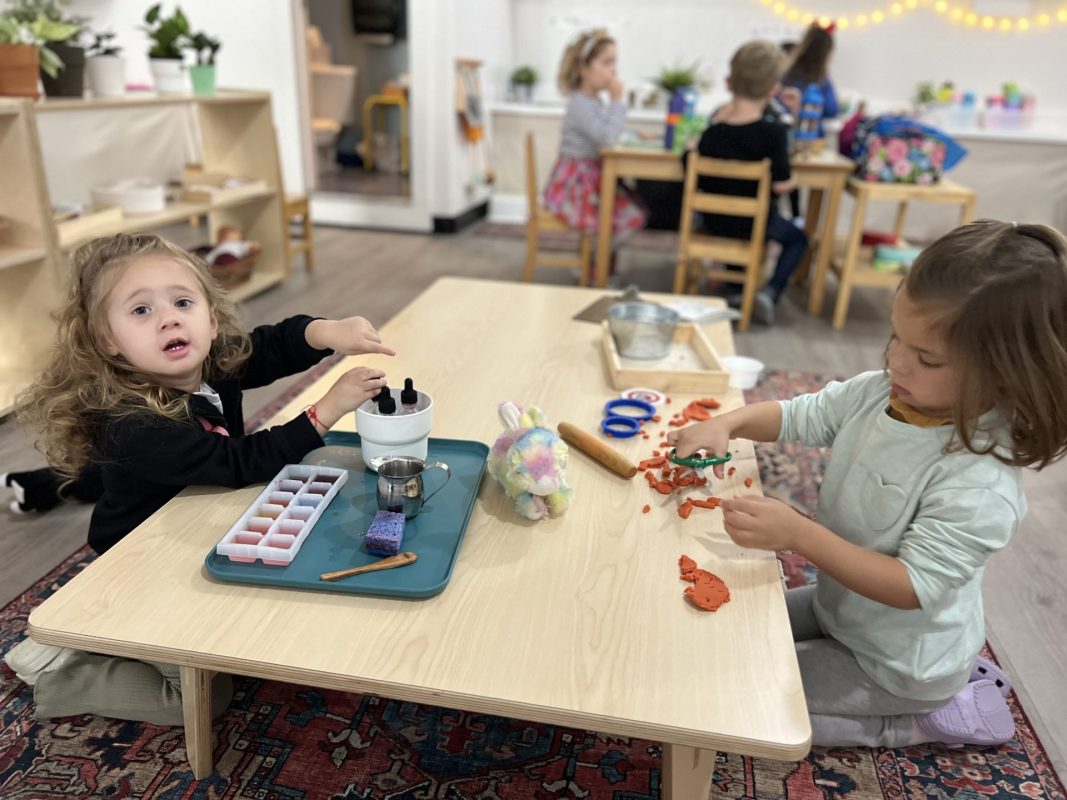
- Play dough
-
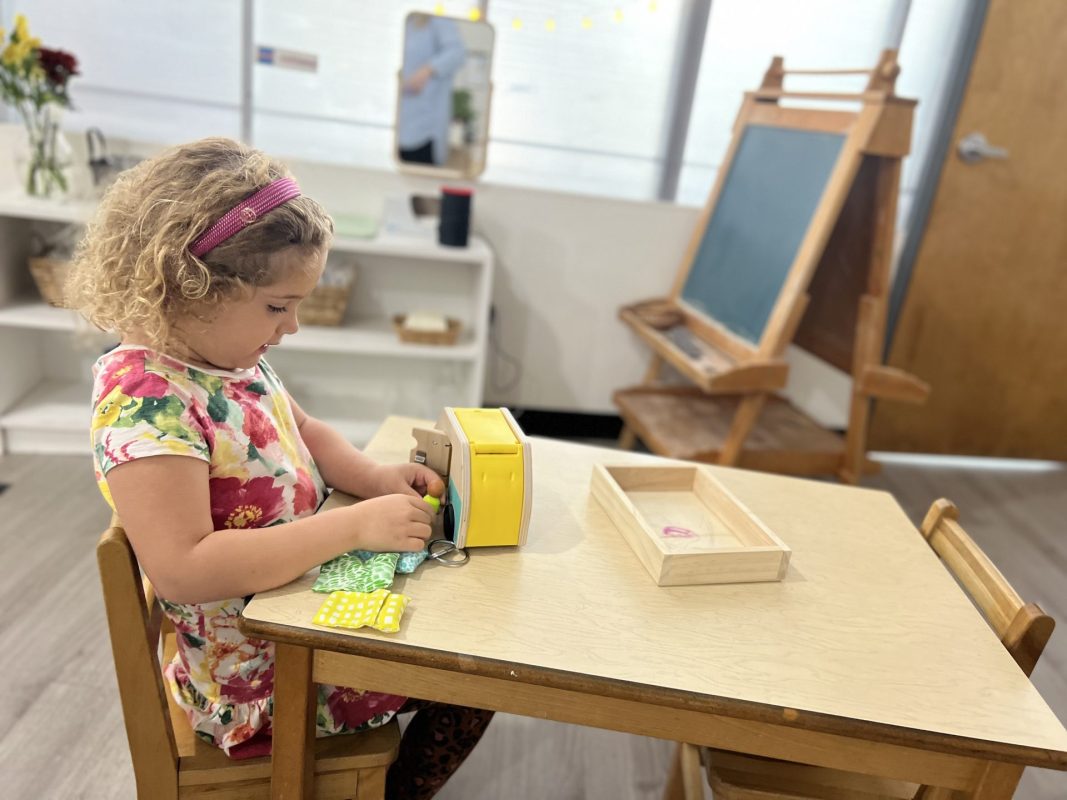
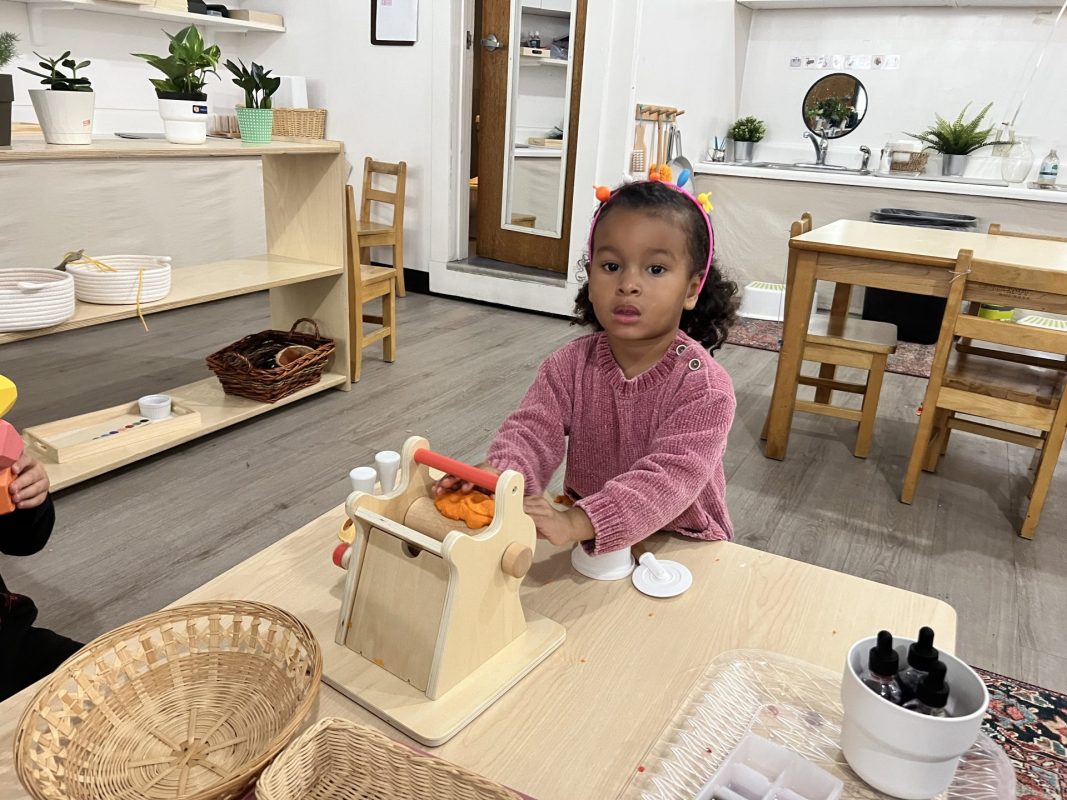
- Play dough pasta maker
-

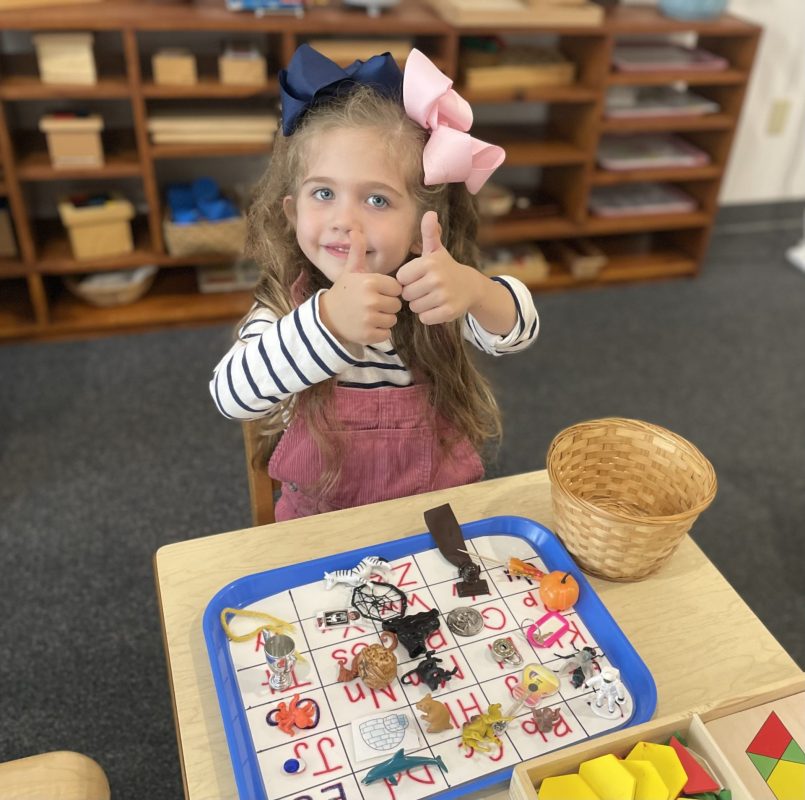
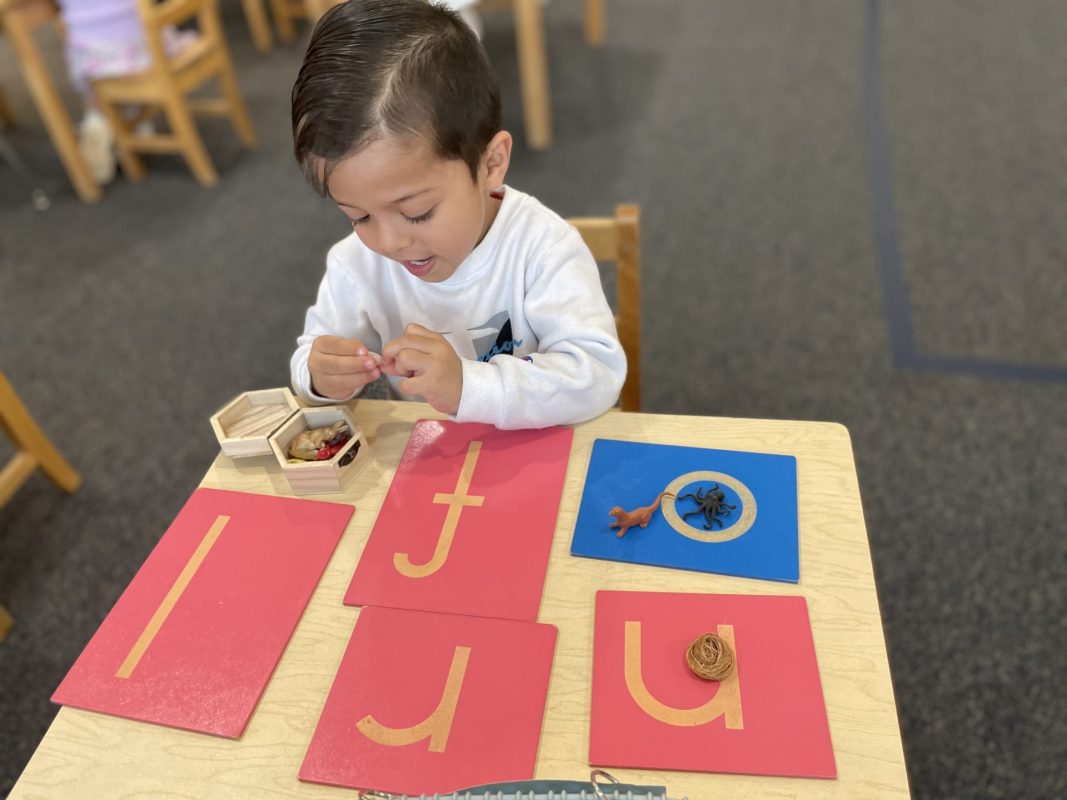
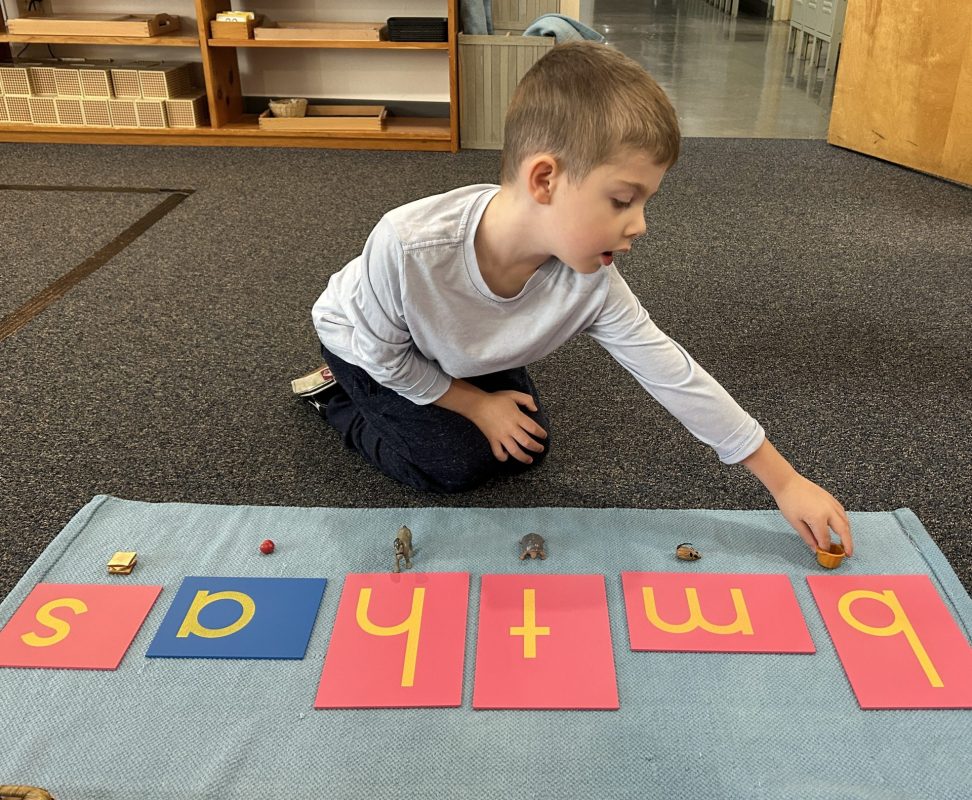
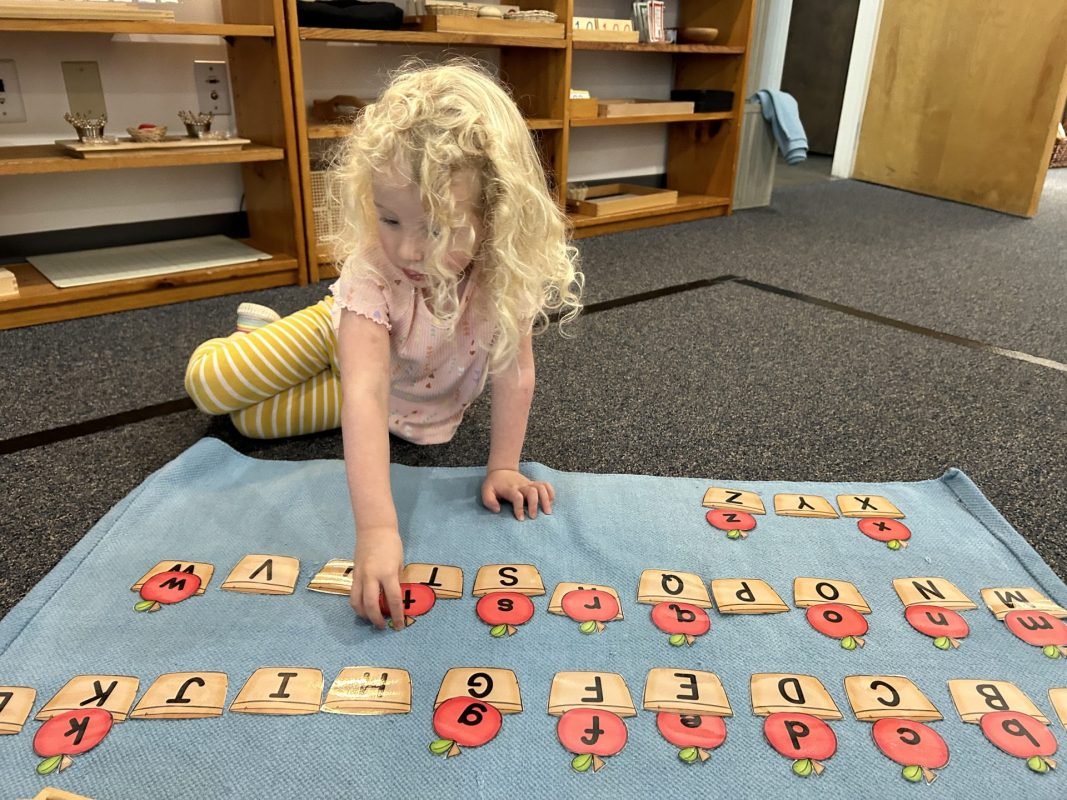
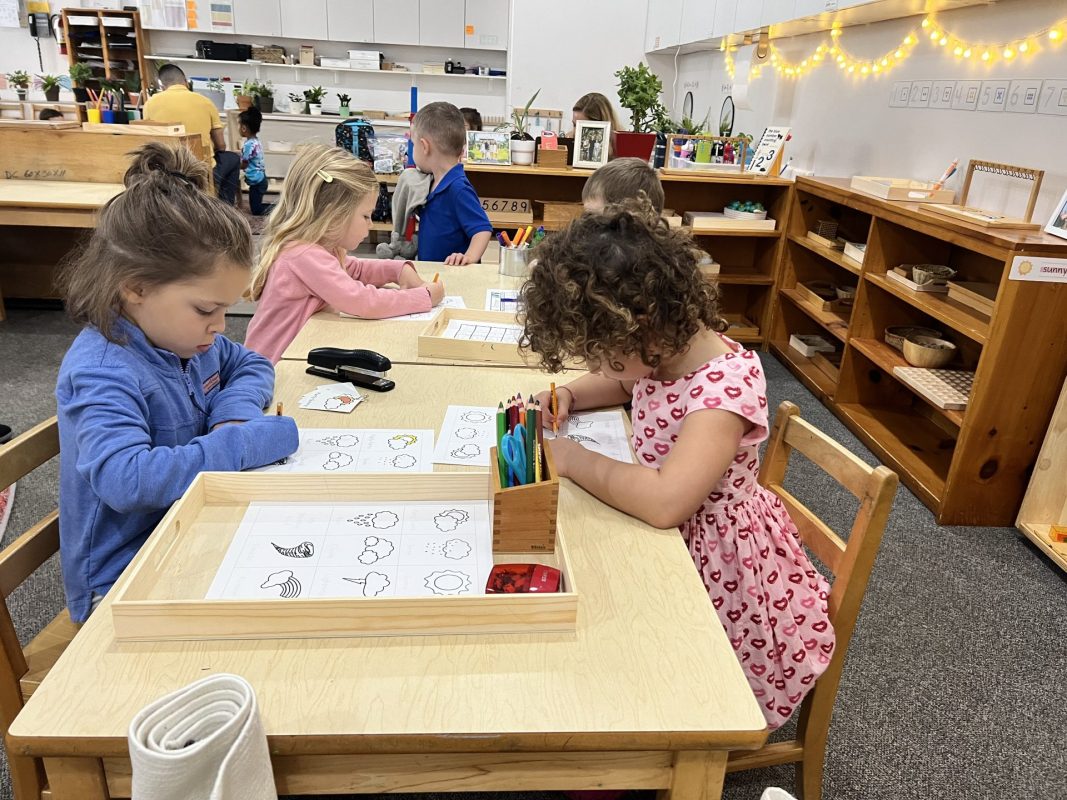
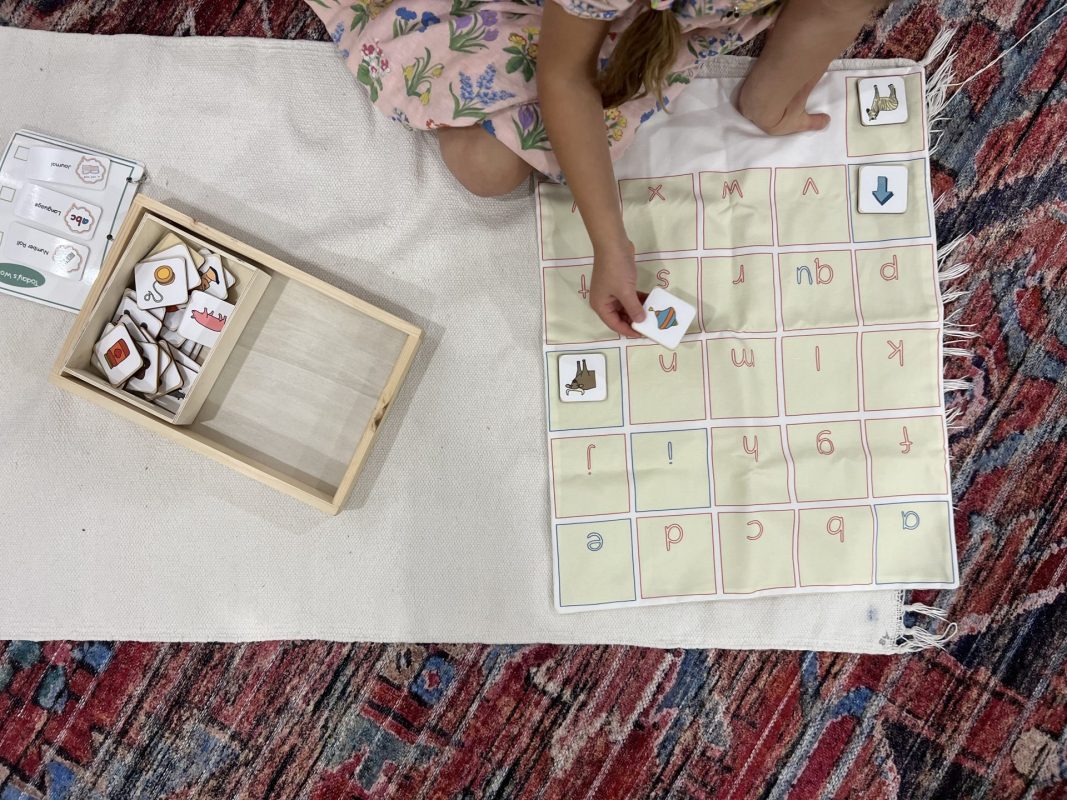
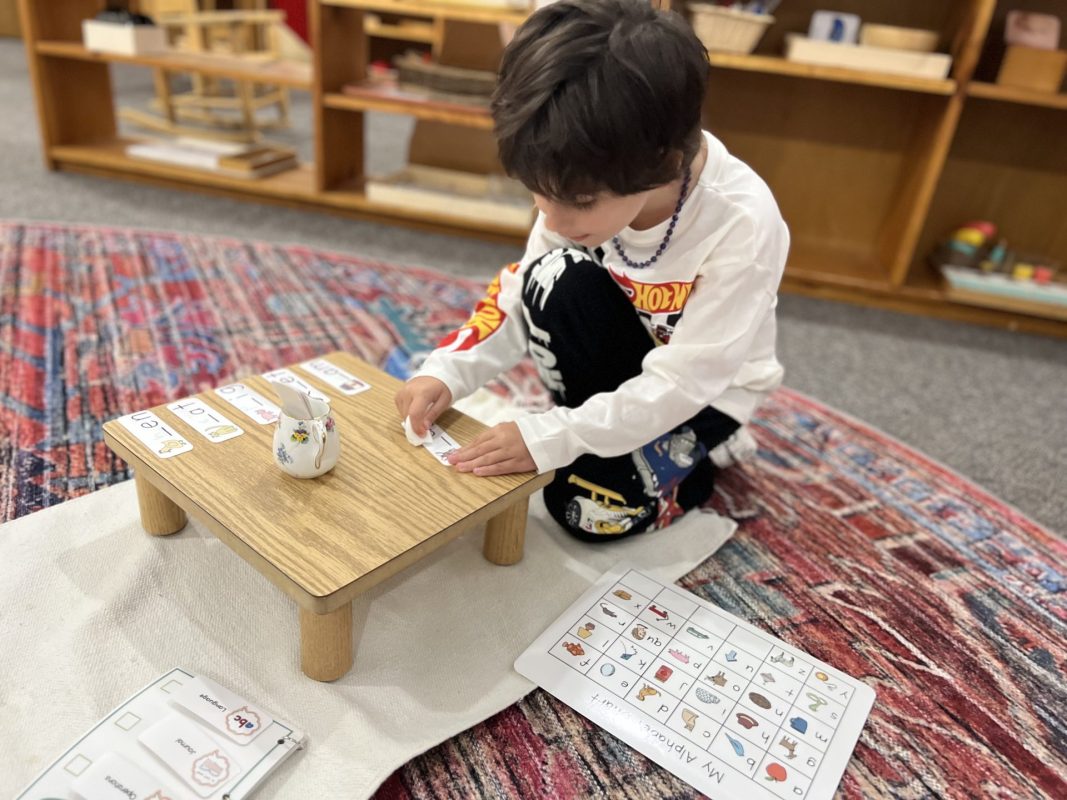
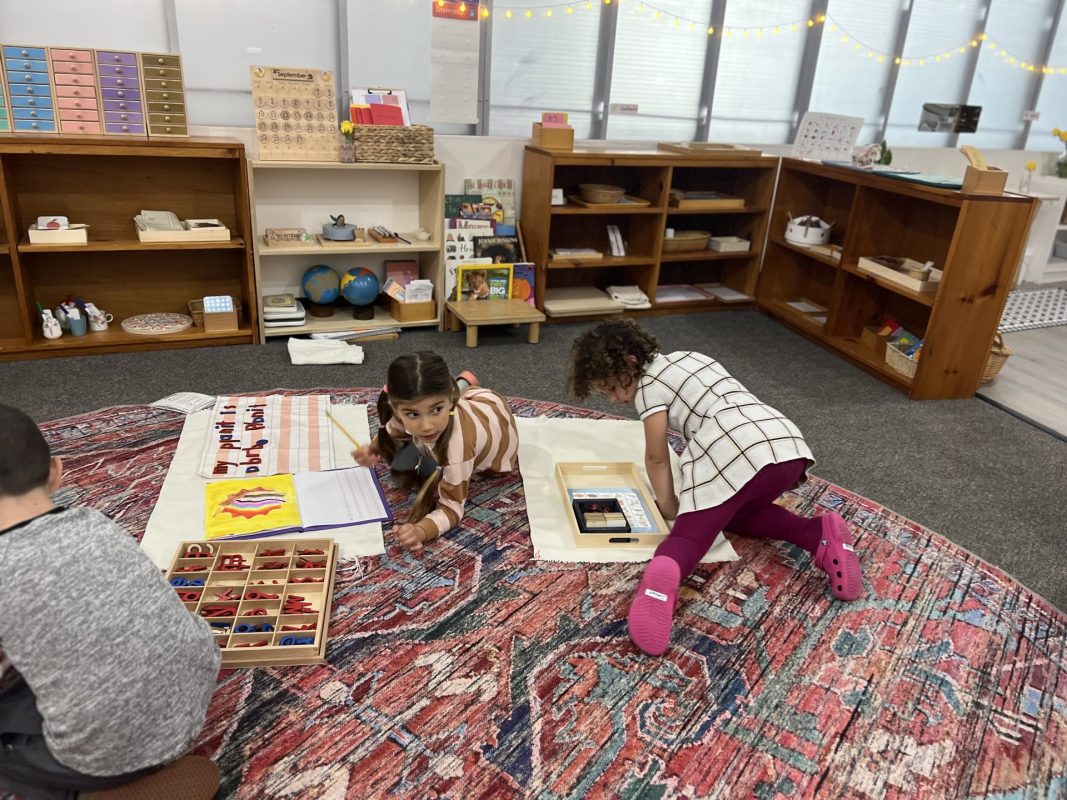
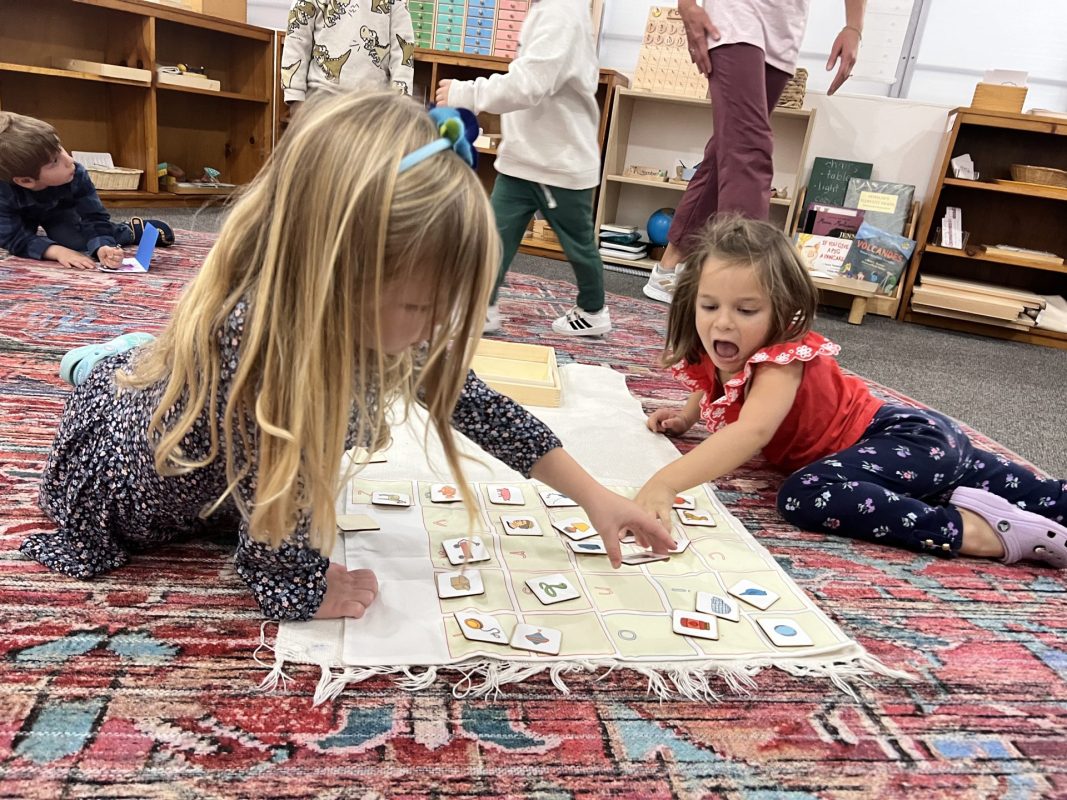
- Matching initial sounds to letters.
-
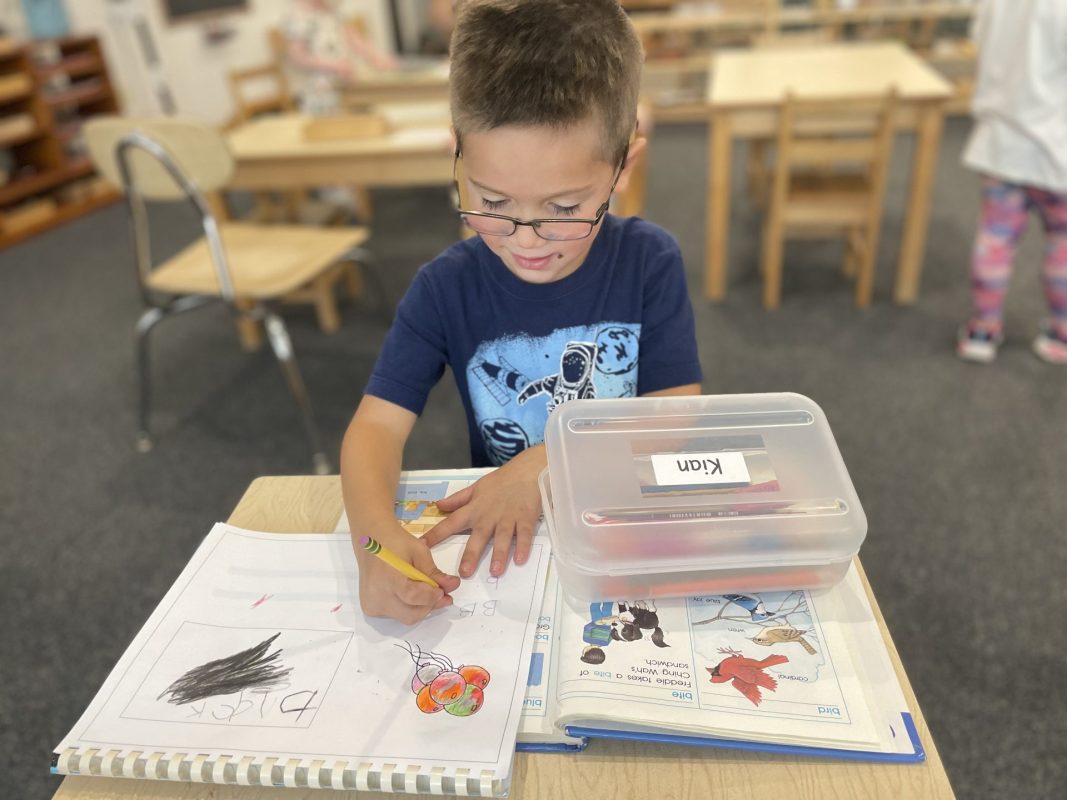
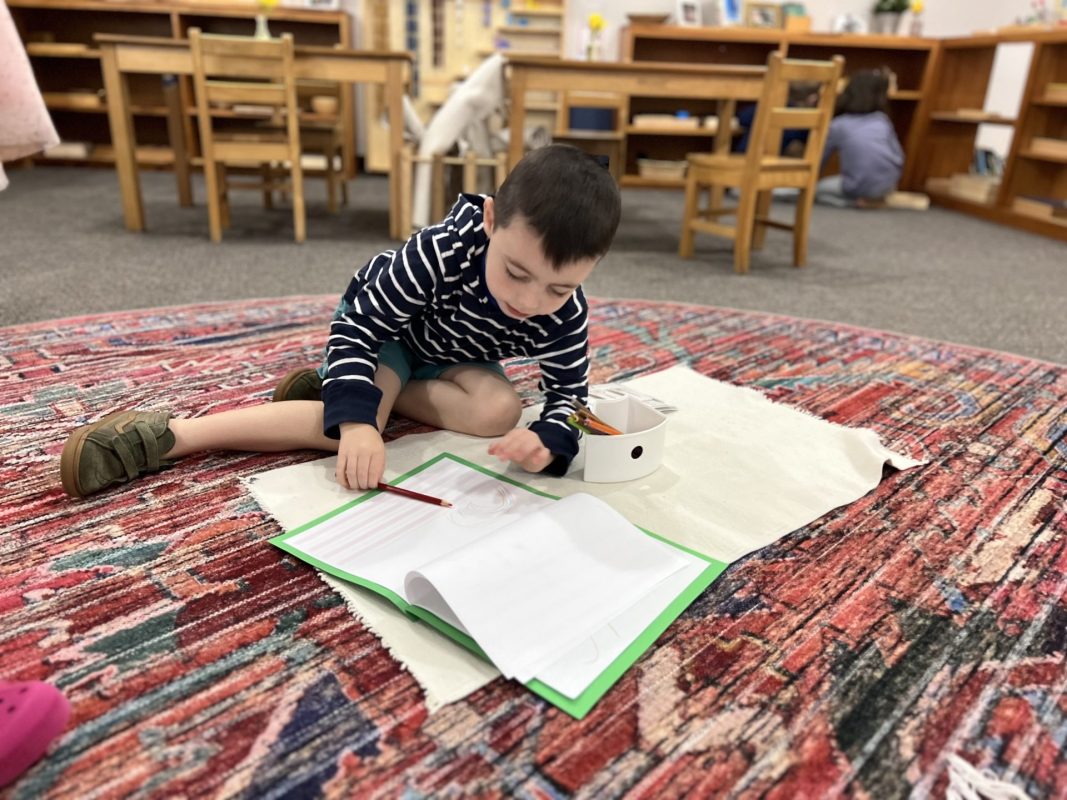
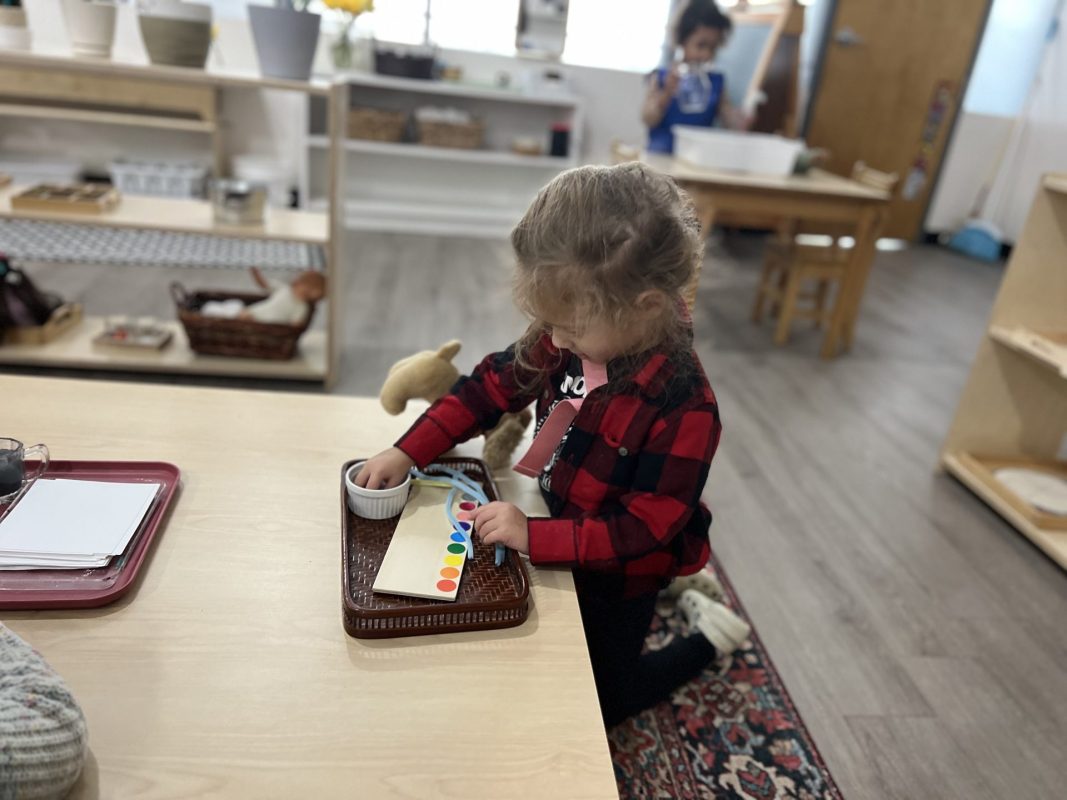
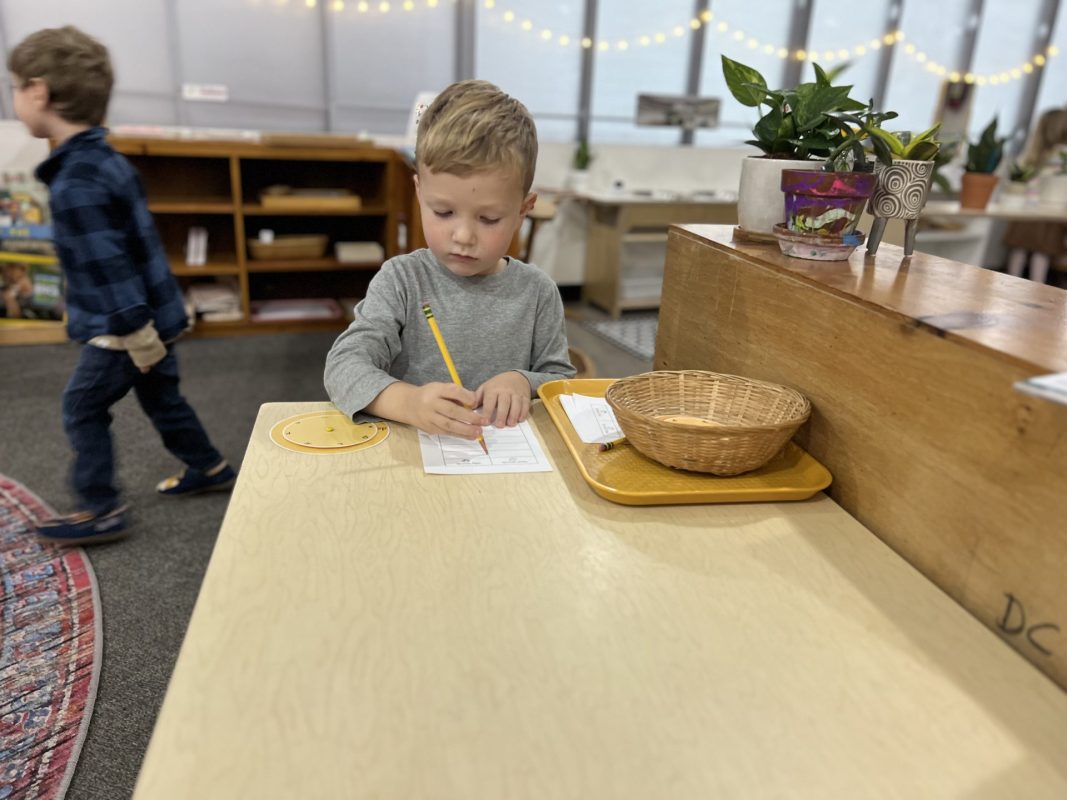
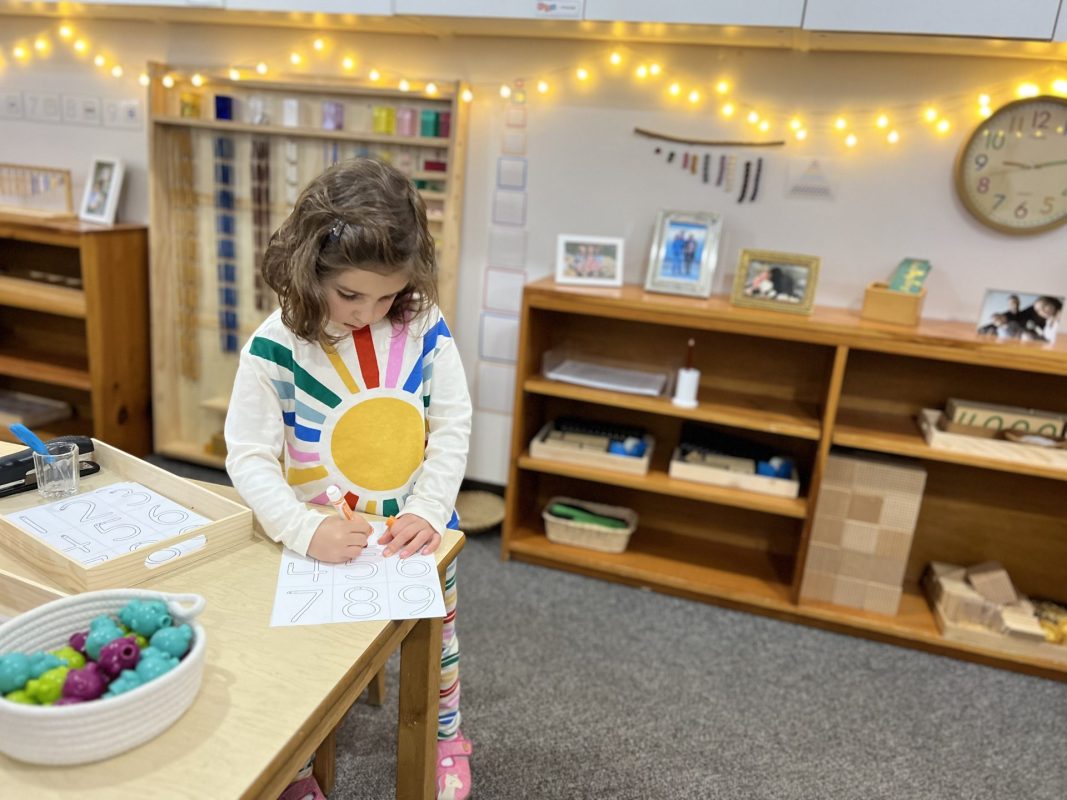
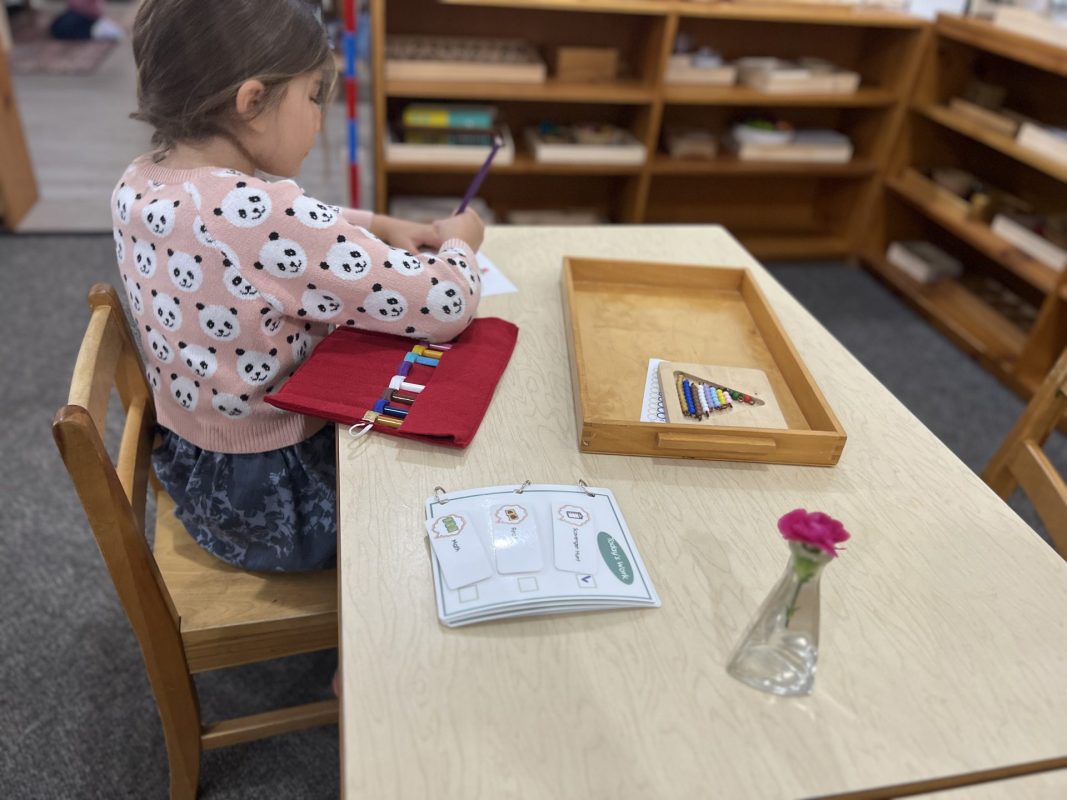
- Bead Stair coloring.
-

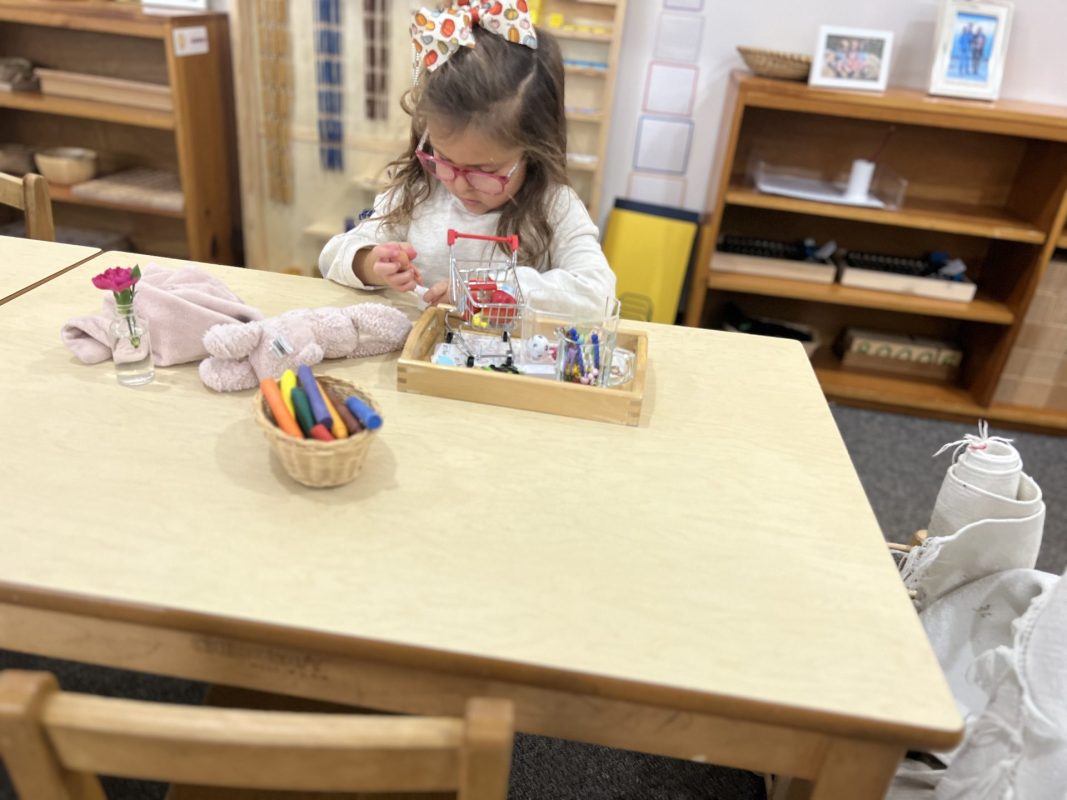
- Shopping Cart Math
-
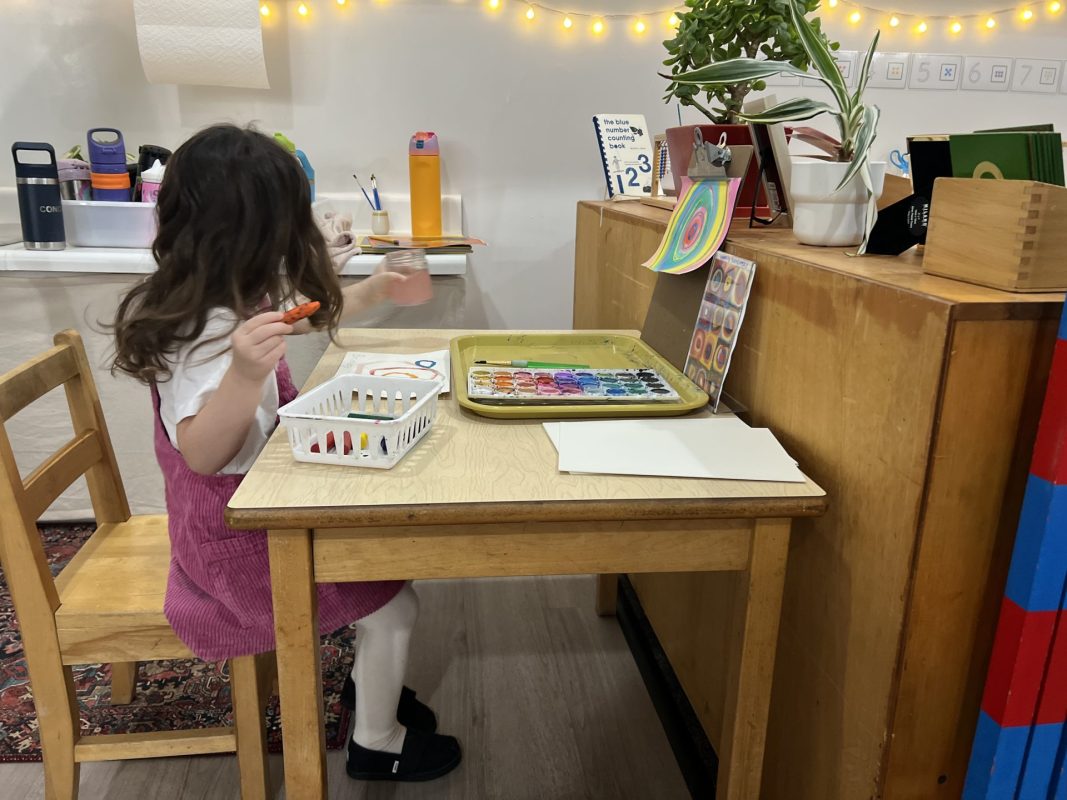
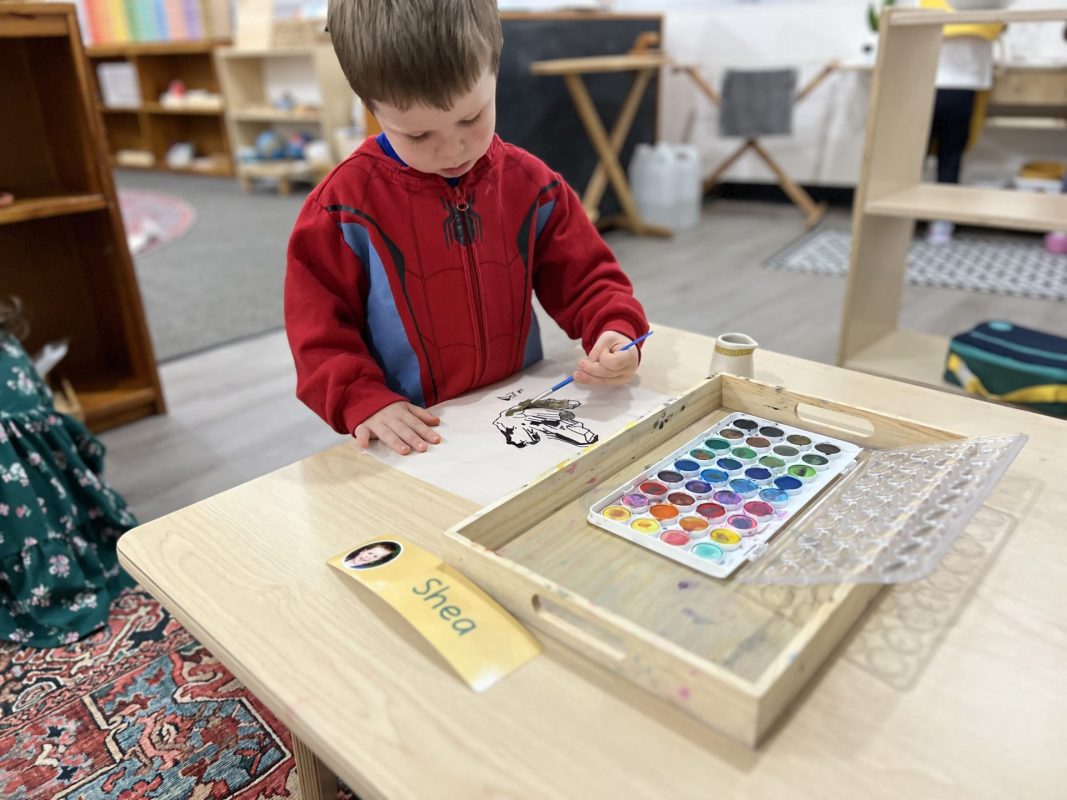
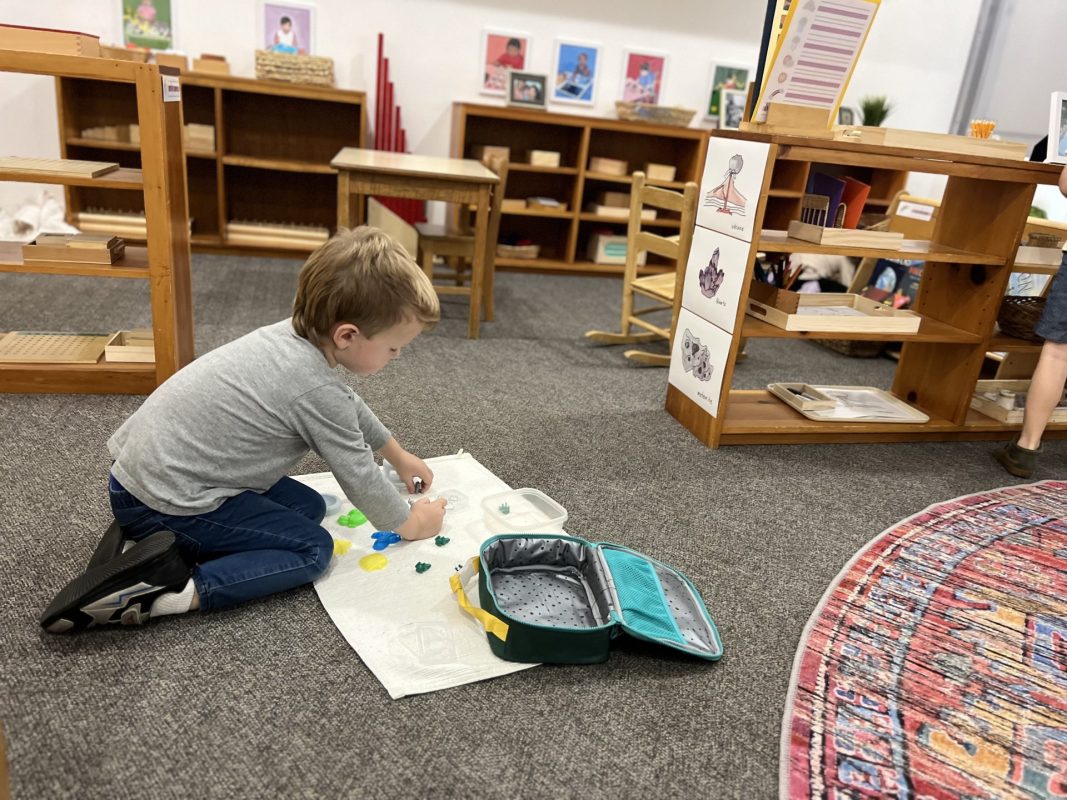
- Rock Painting

-
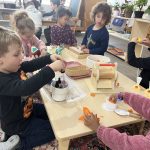
- Our community table in Practical Life
-
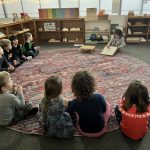
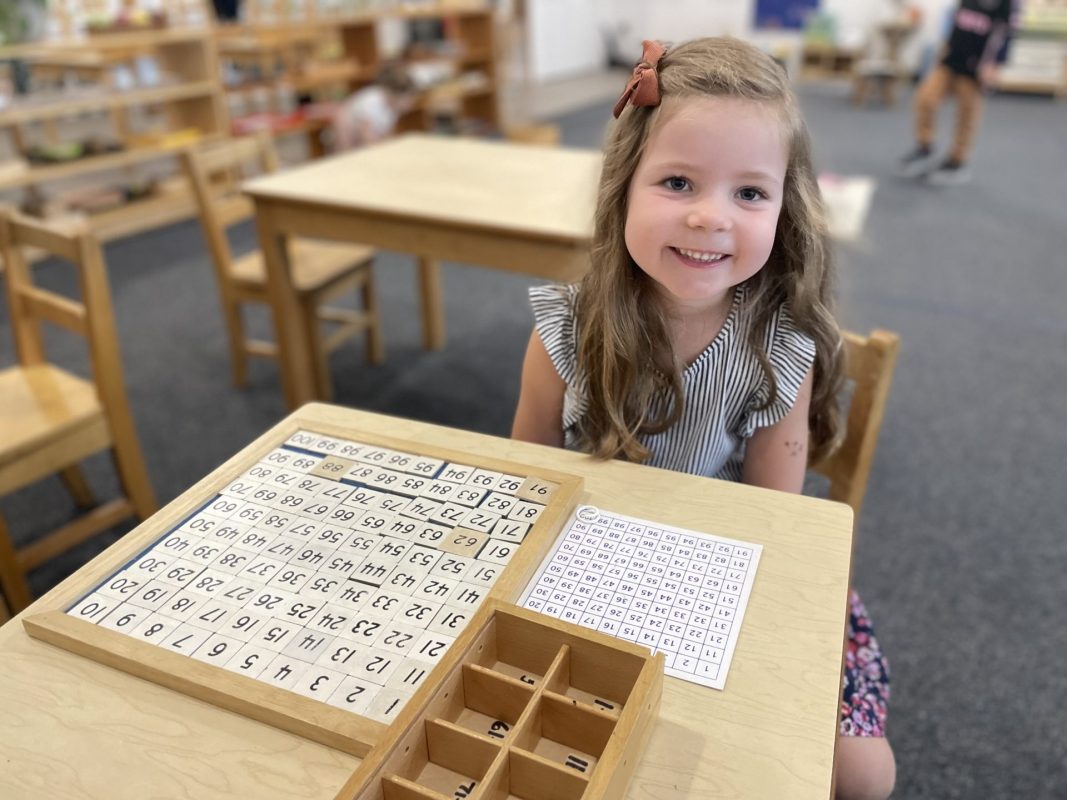
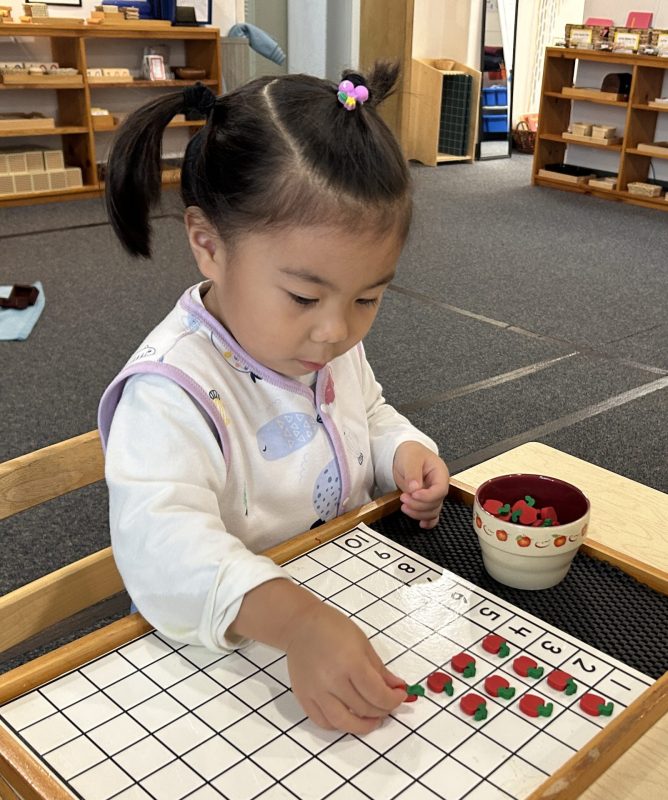
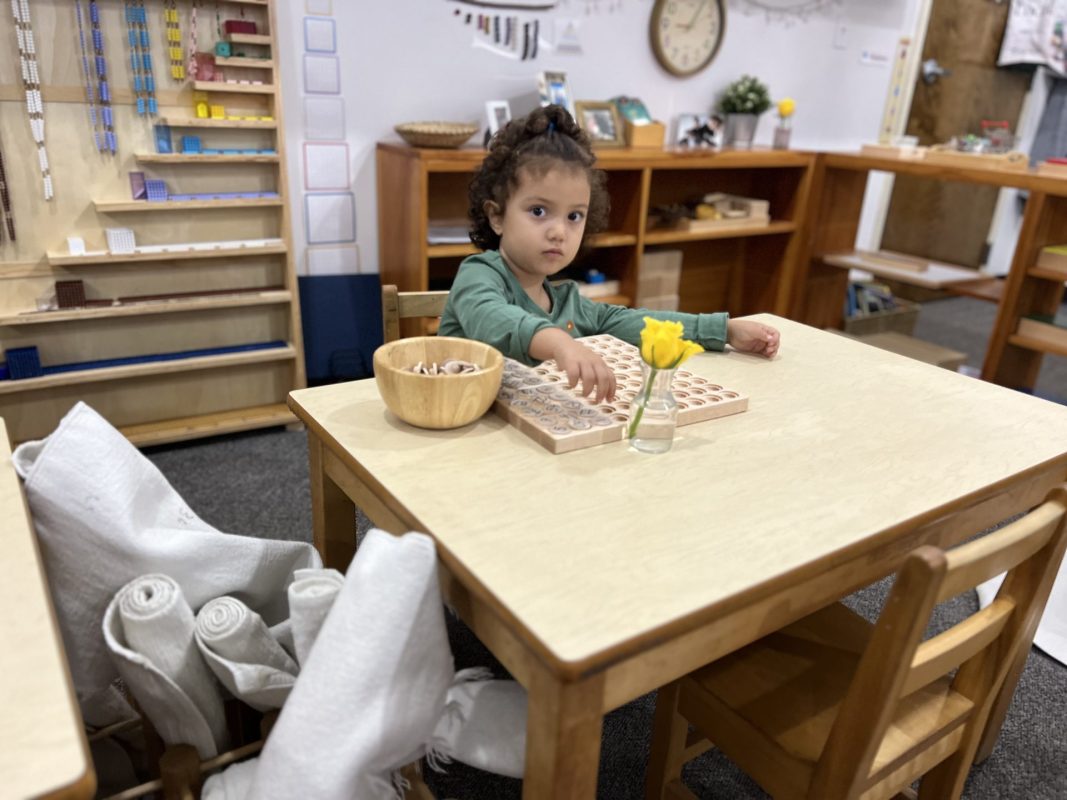
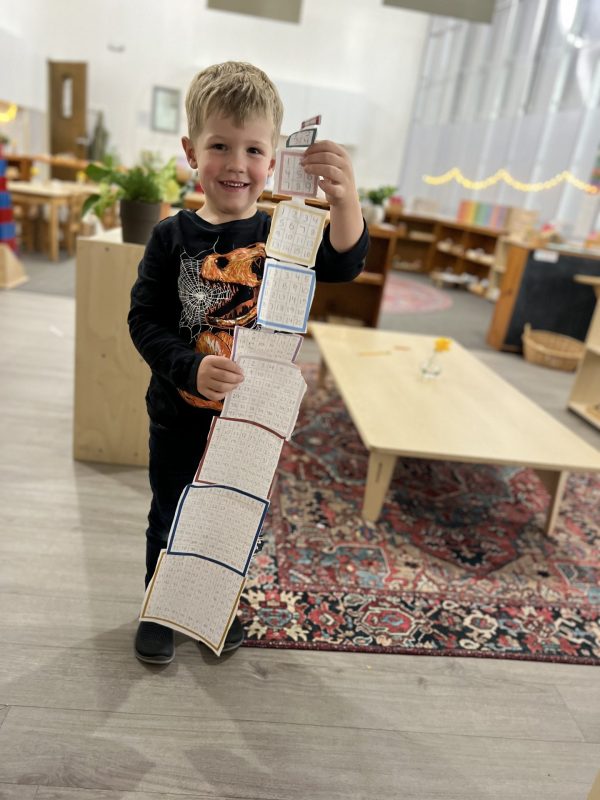
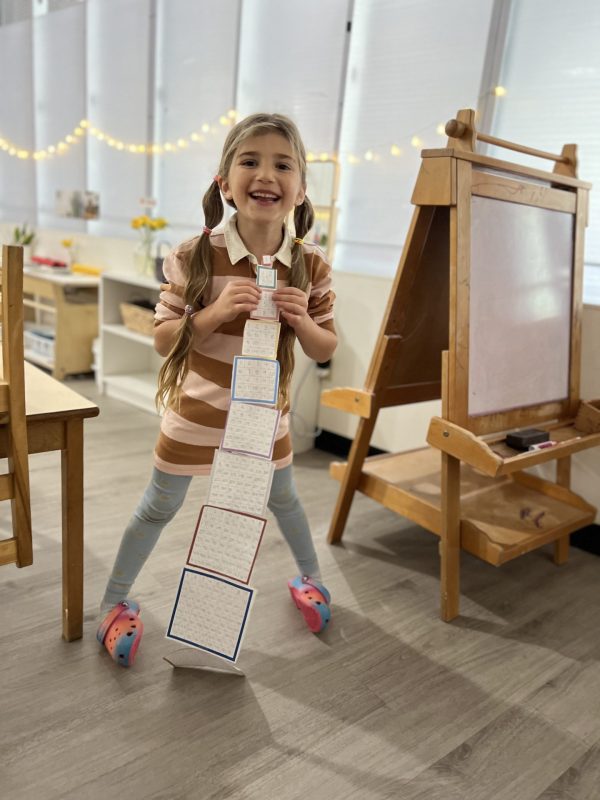
- 100 Board Counting at circle.

-

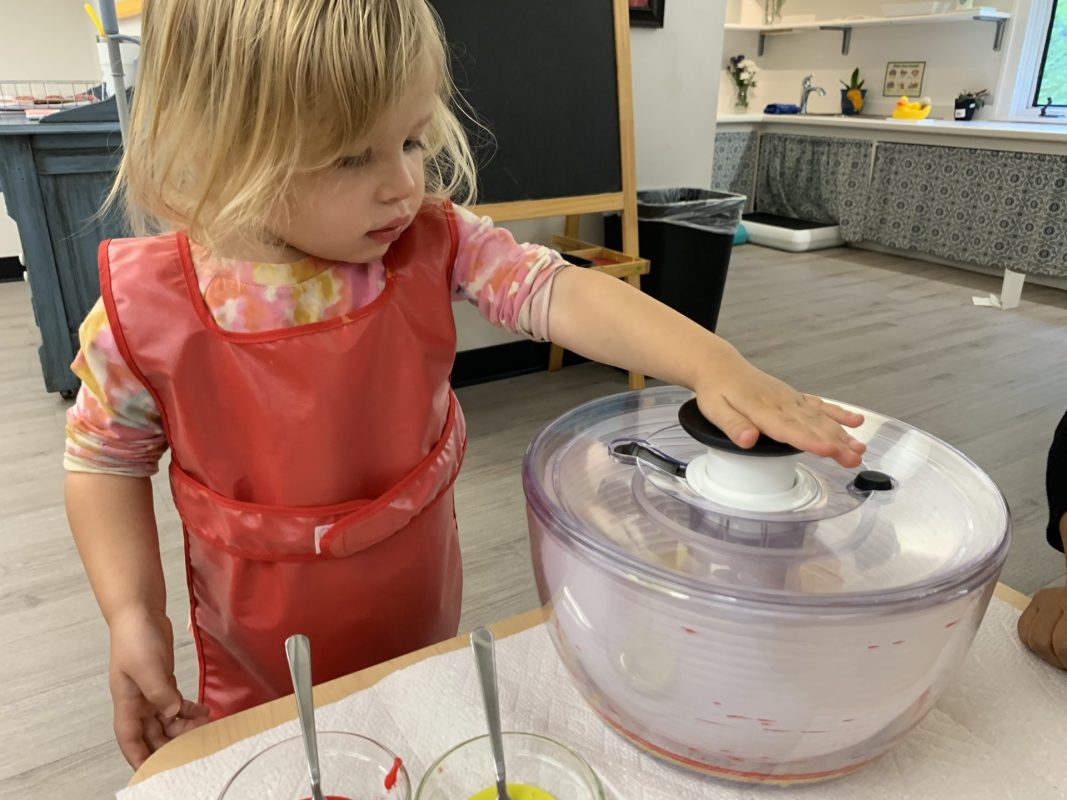
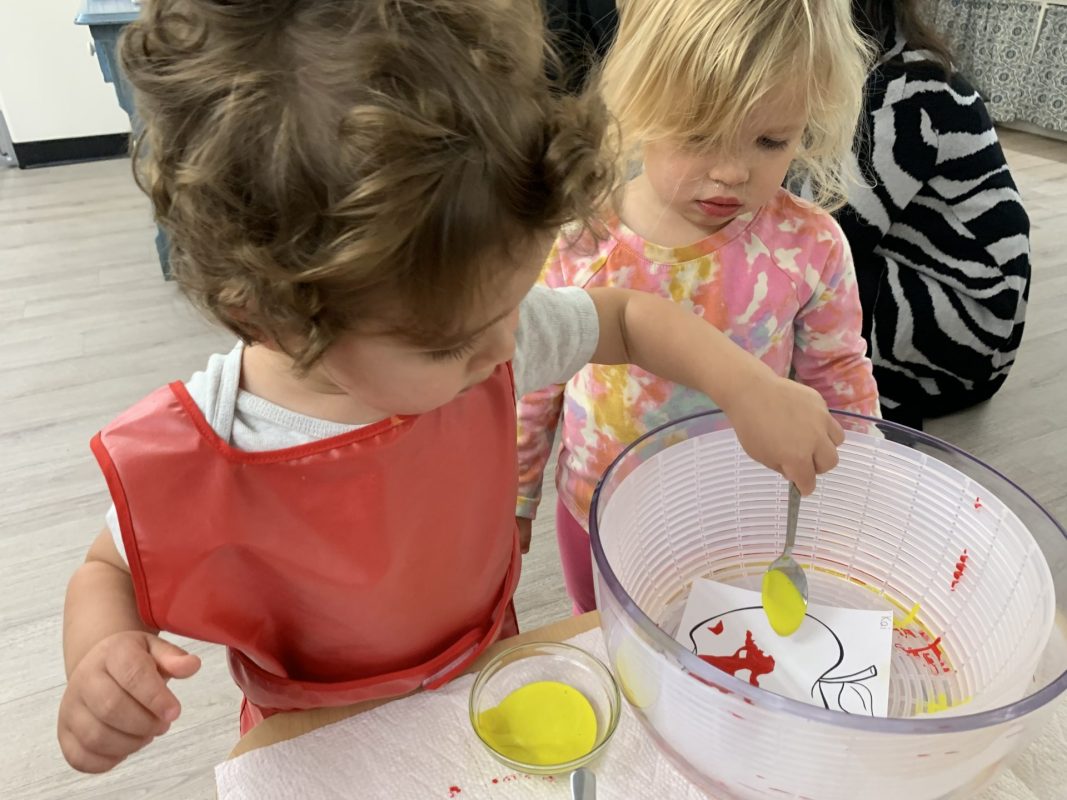
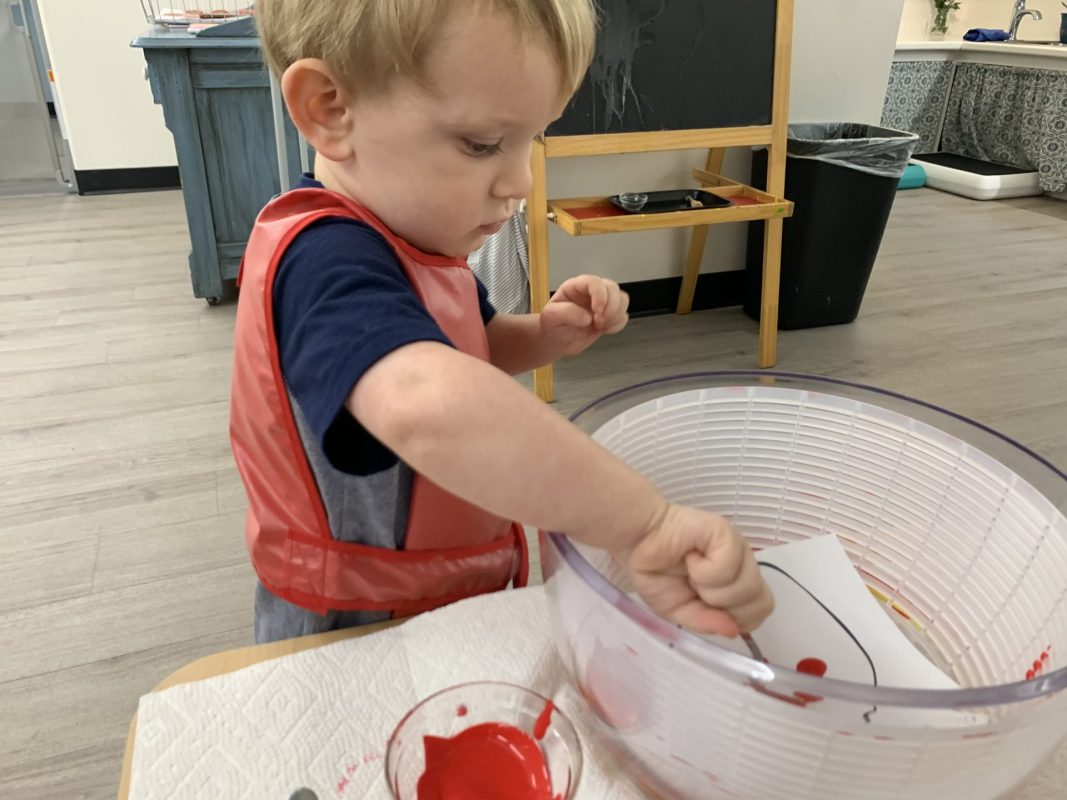
- Lite Brite and Color Mixing

-
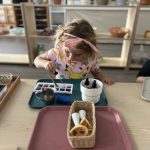
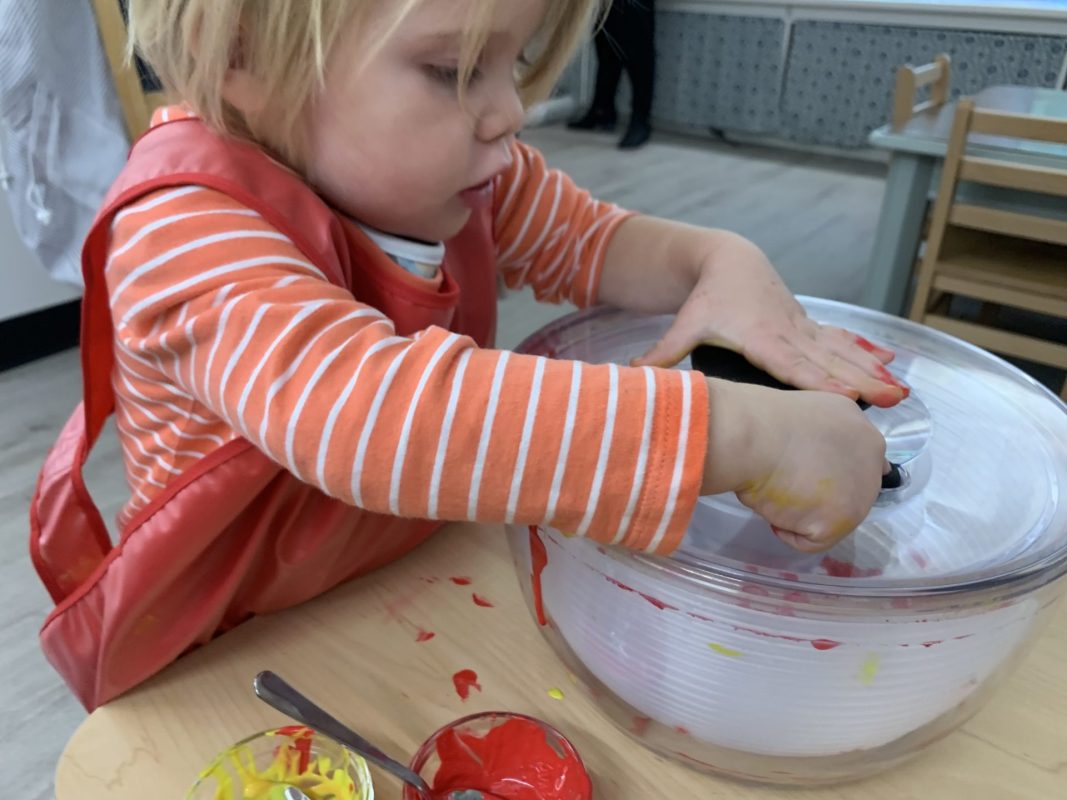
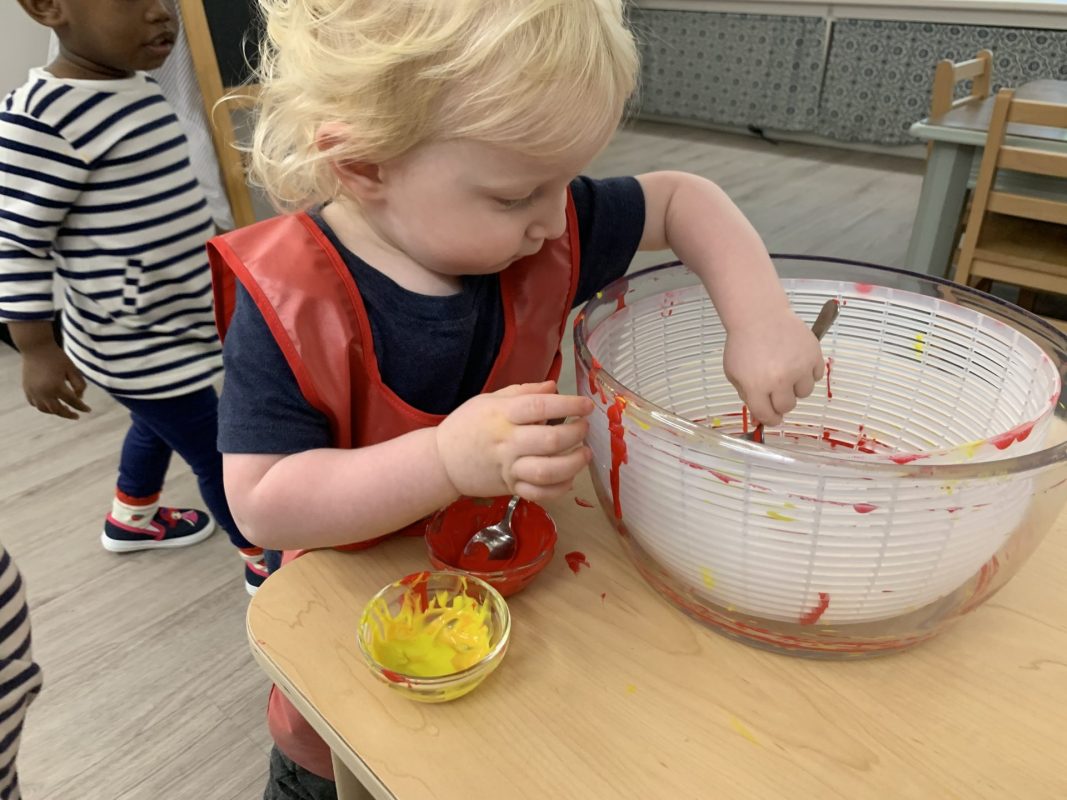
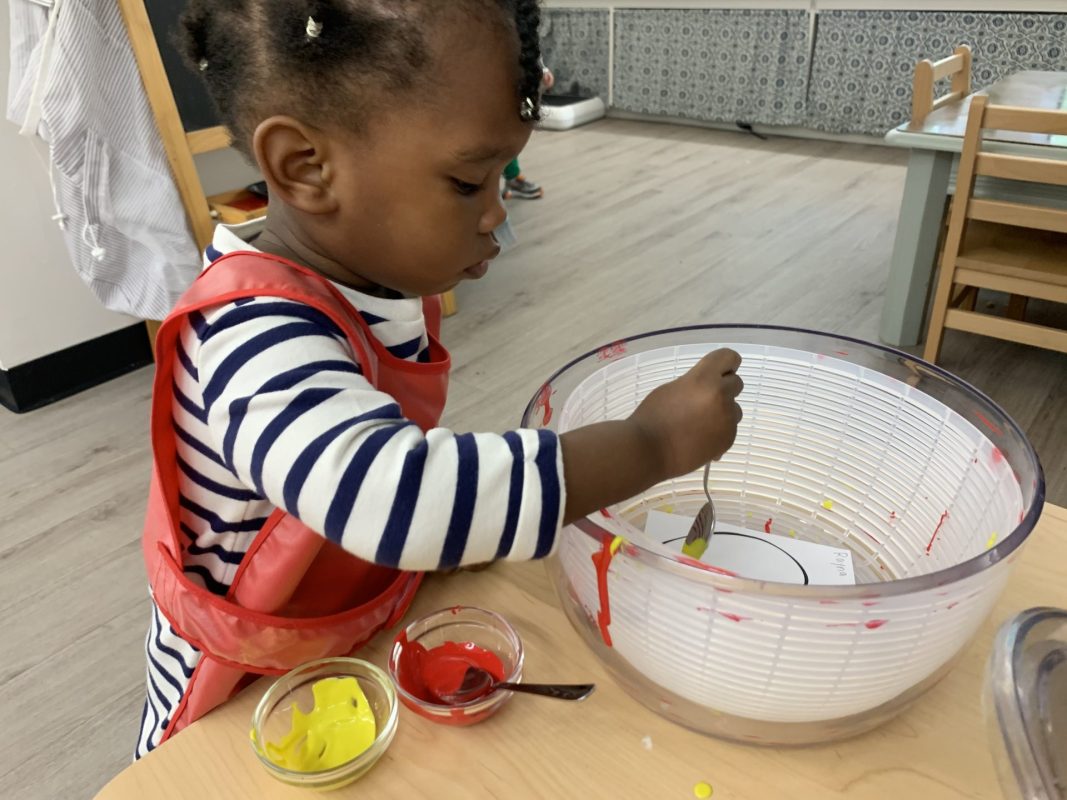
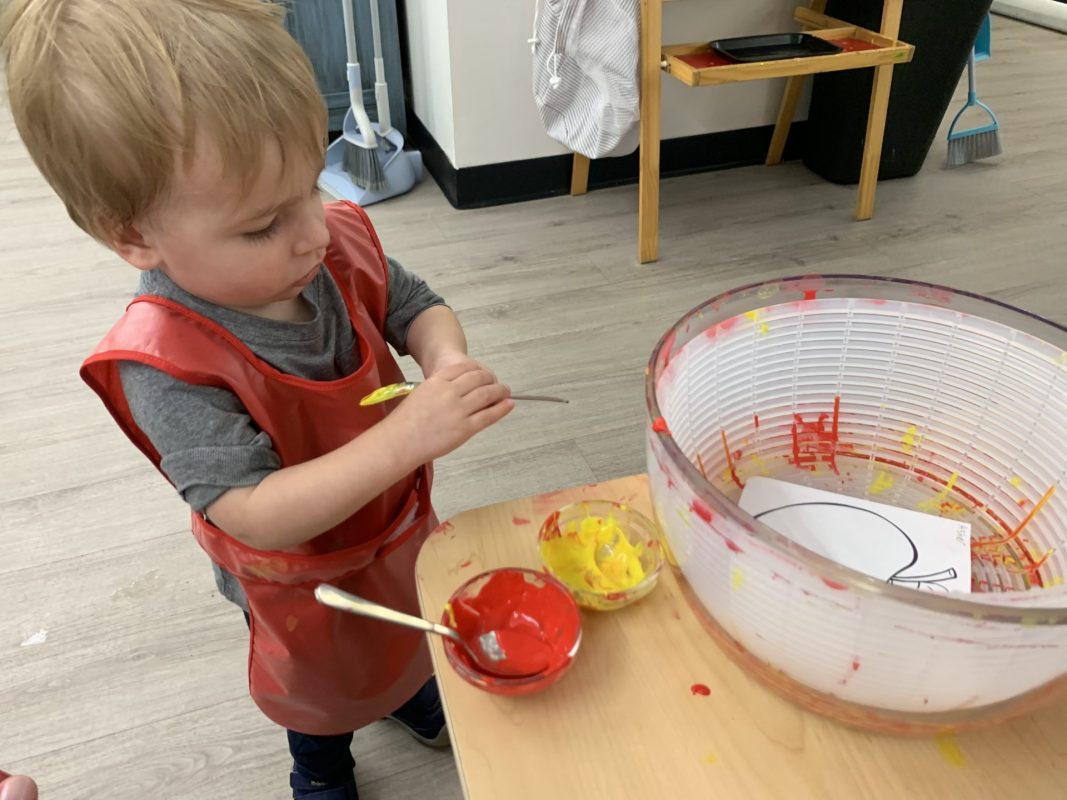
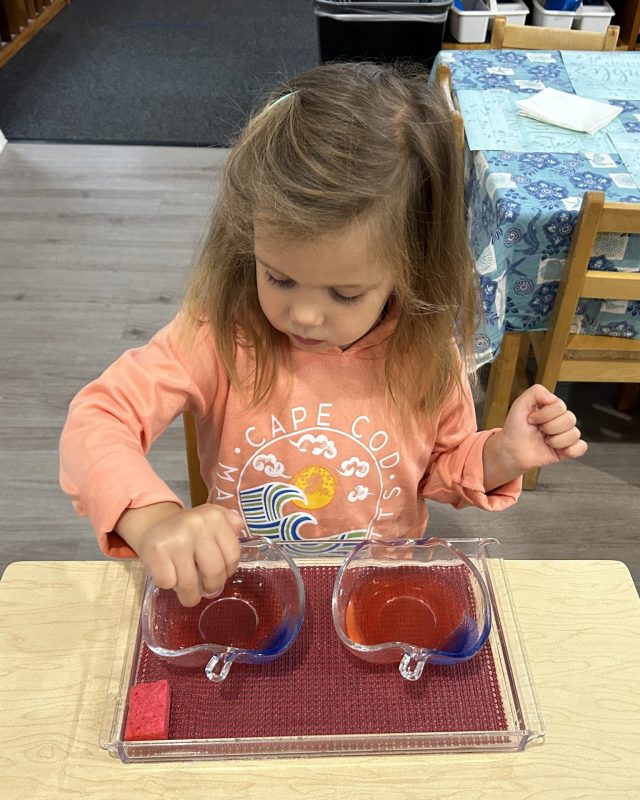
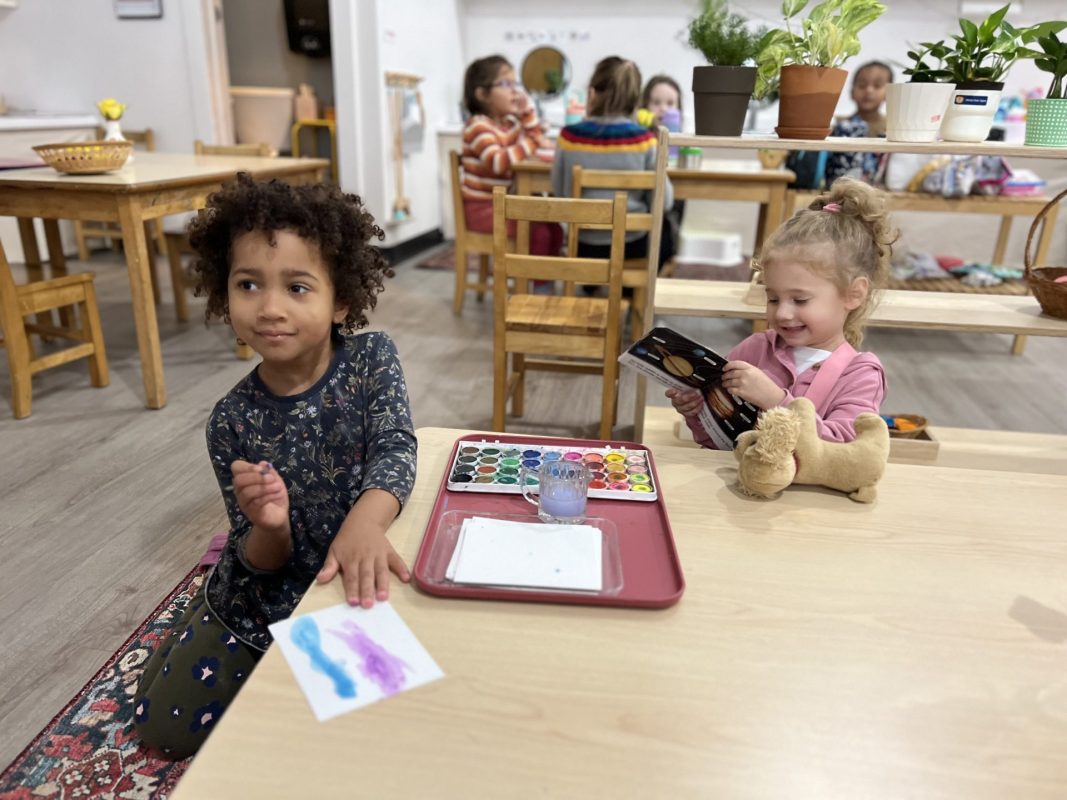
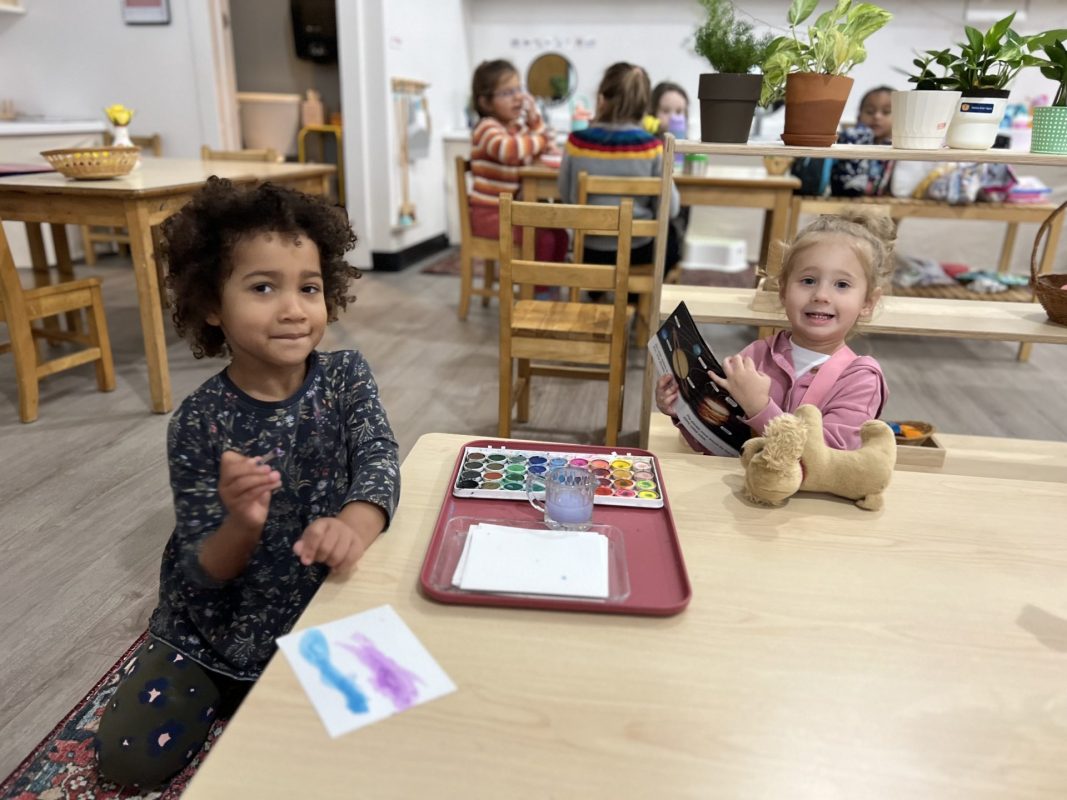
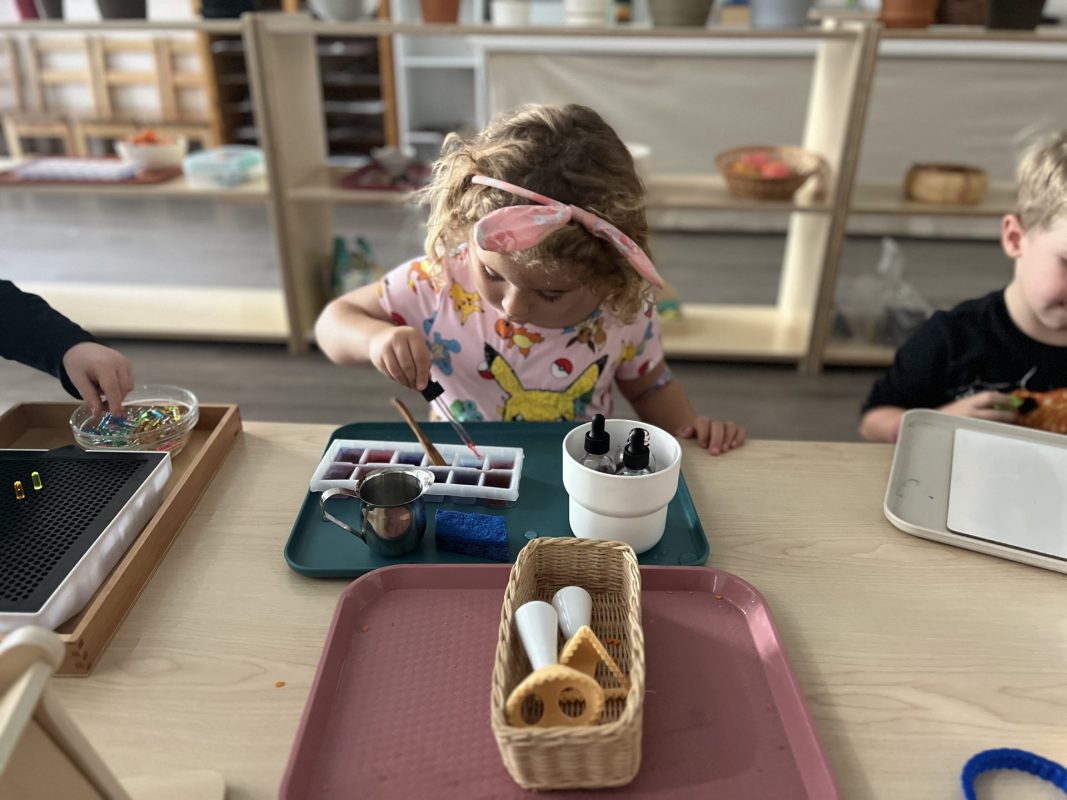
- Color Mixing
-
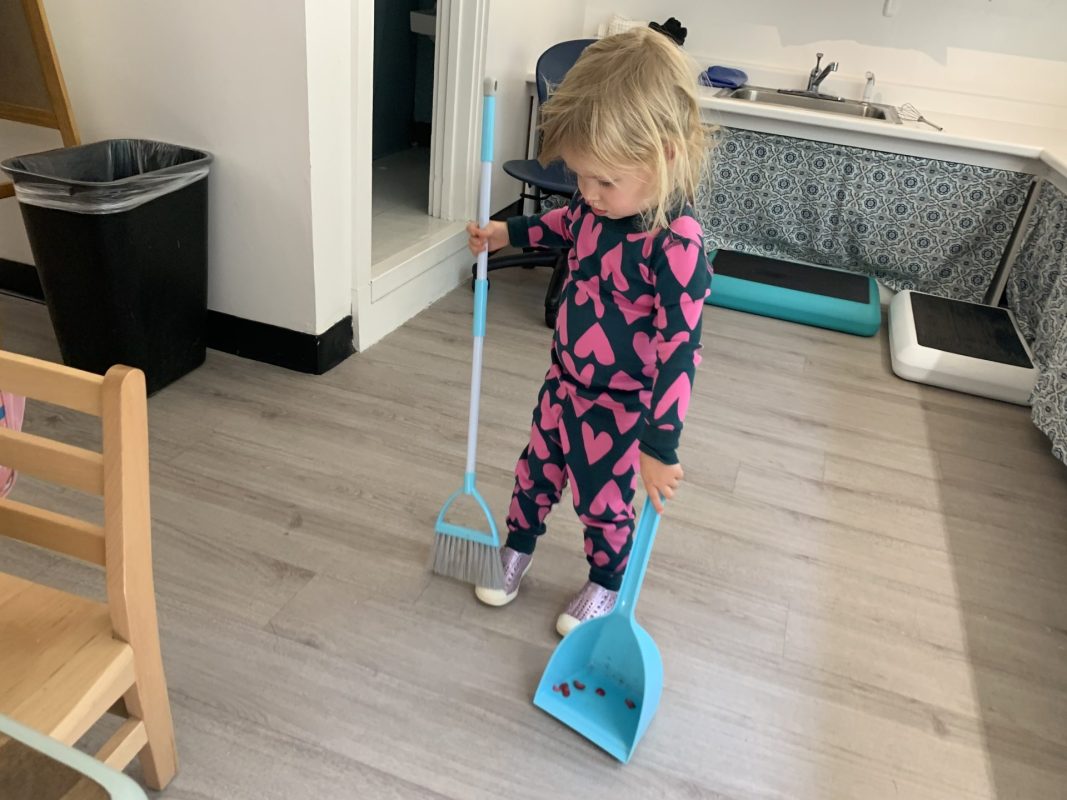
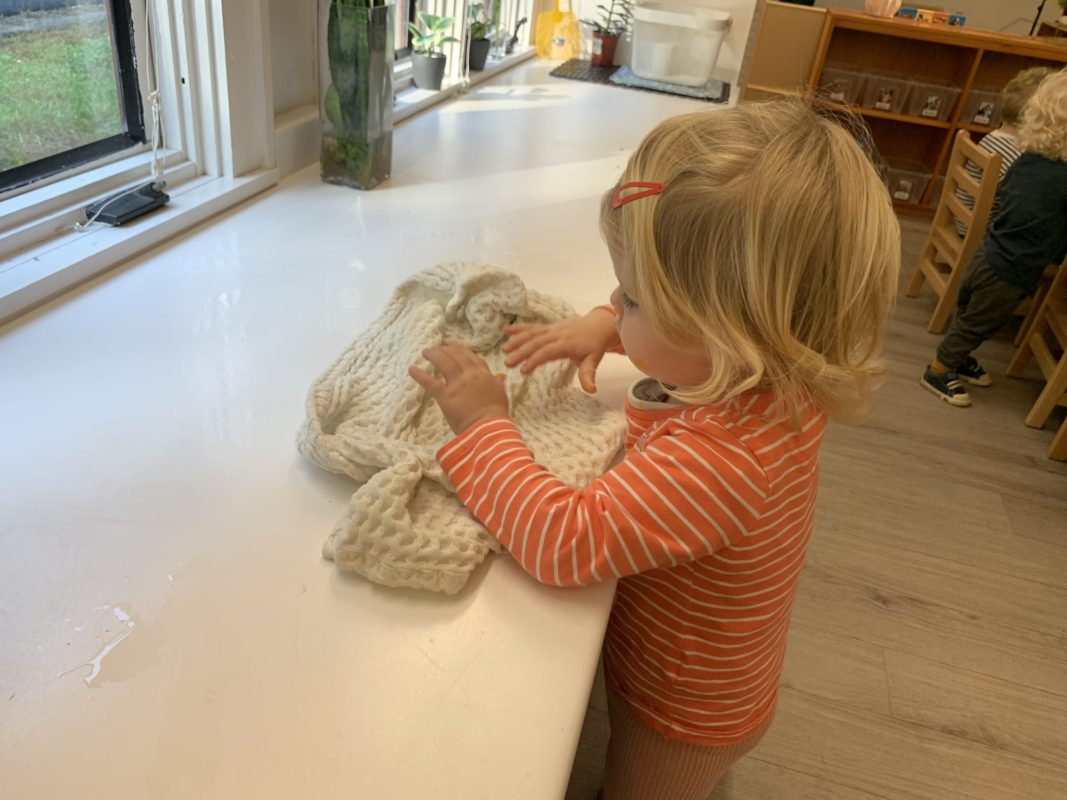
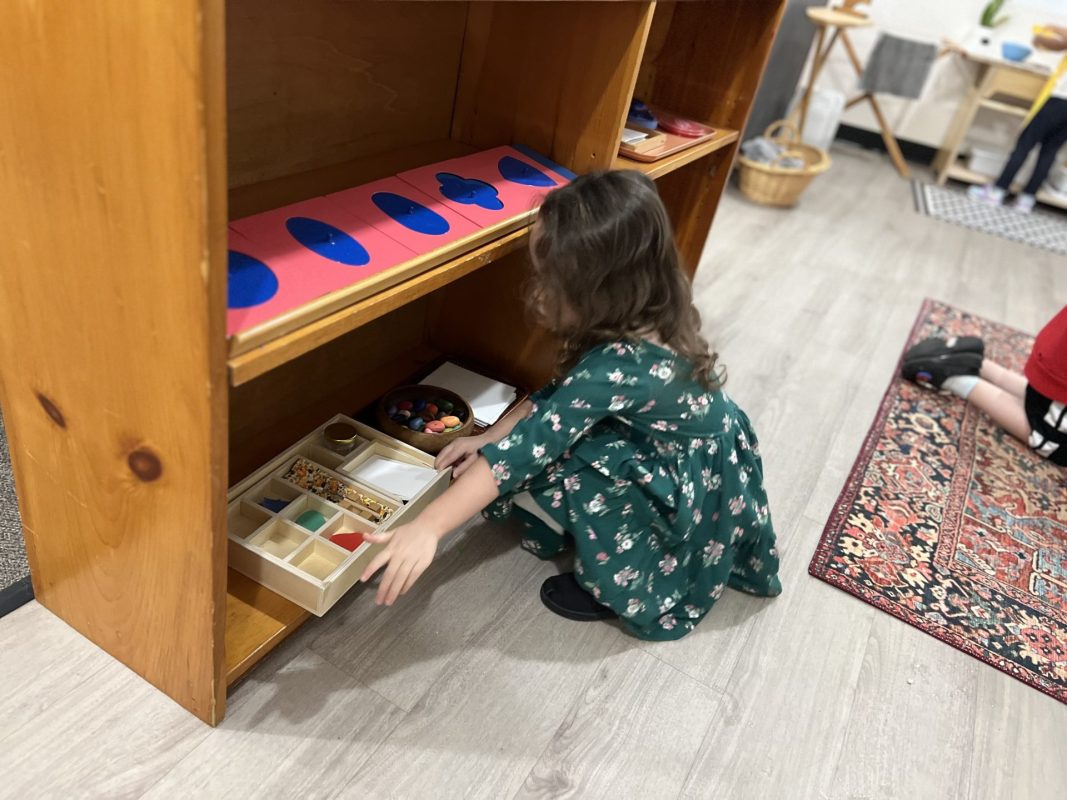
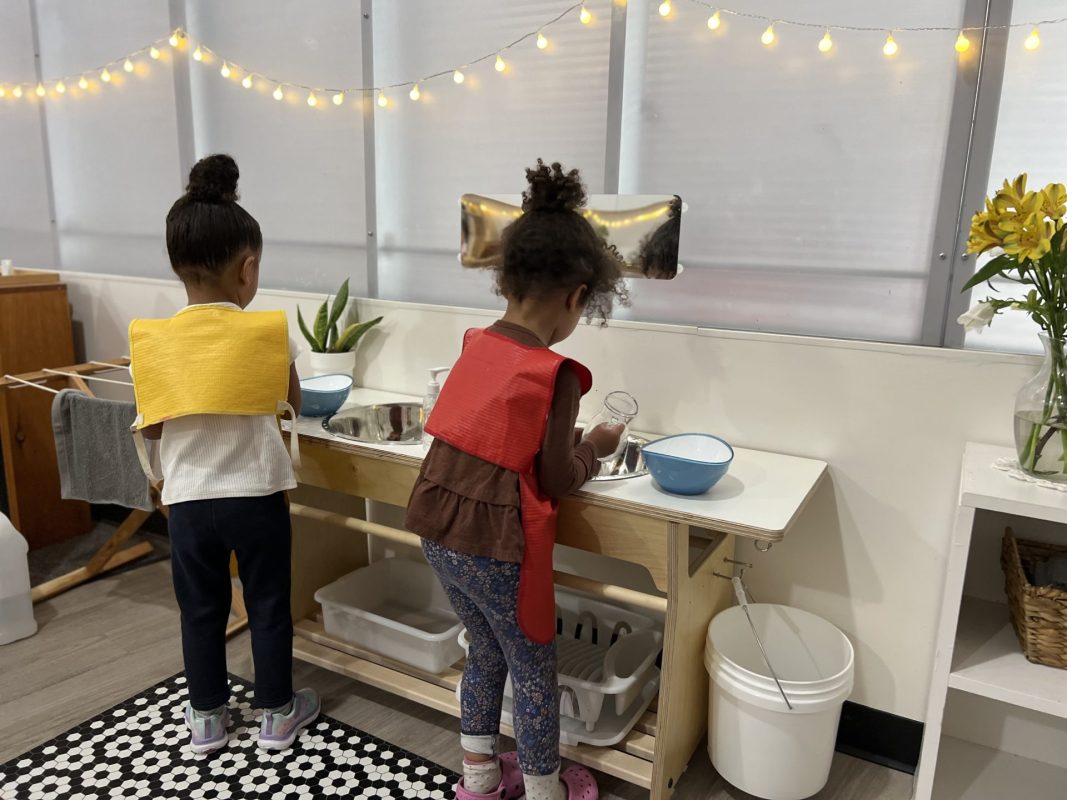
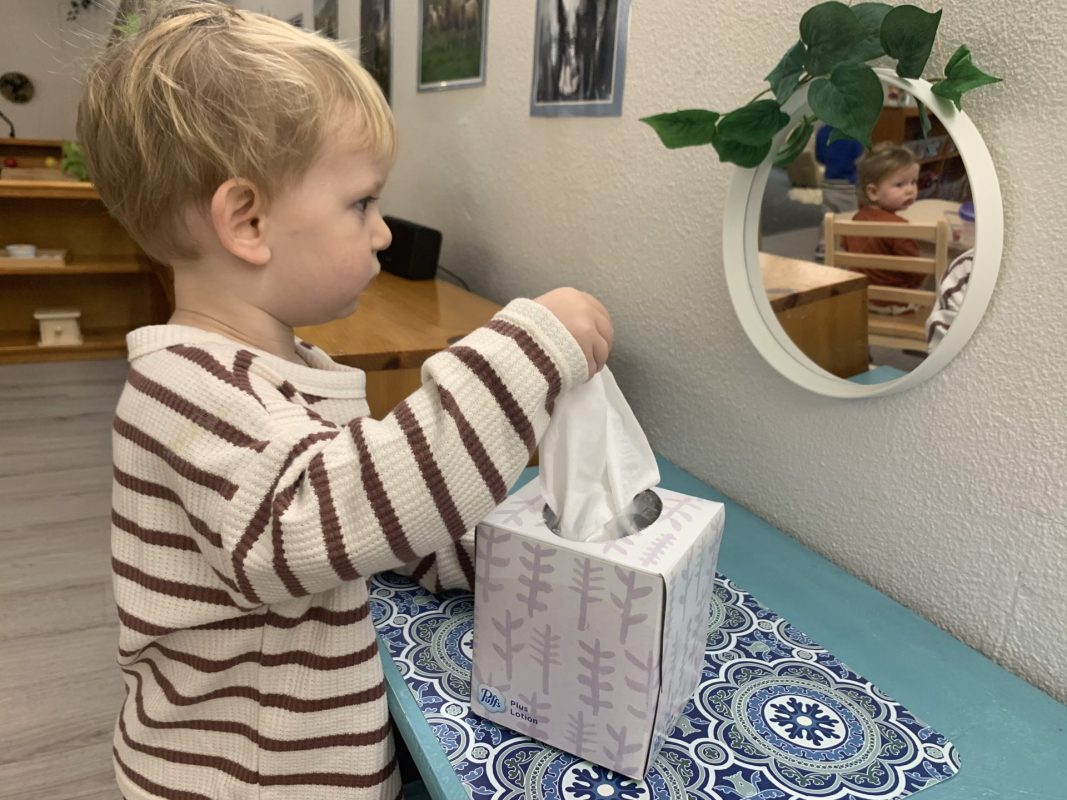
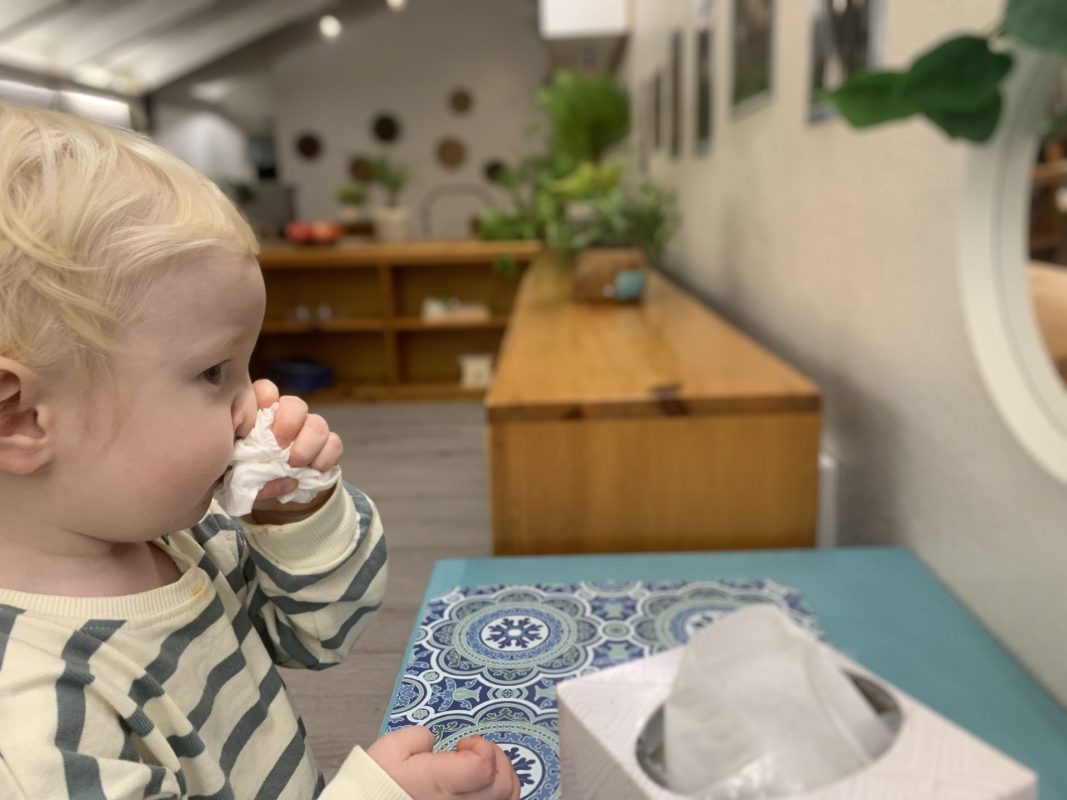
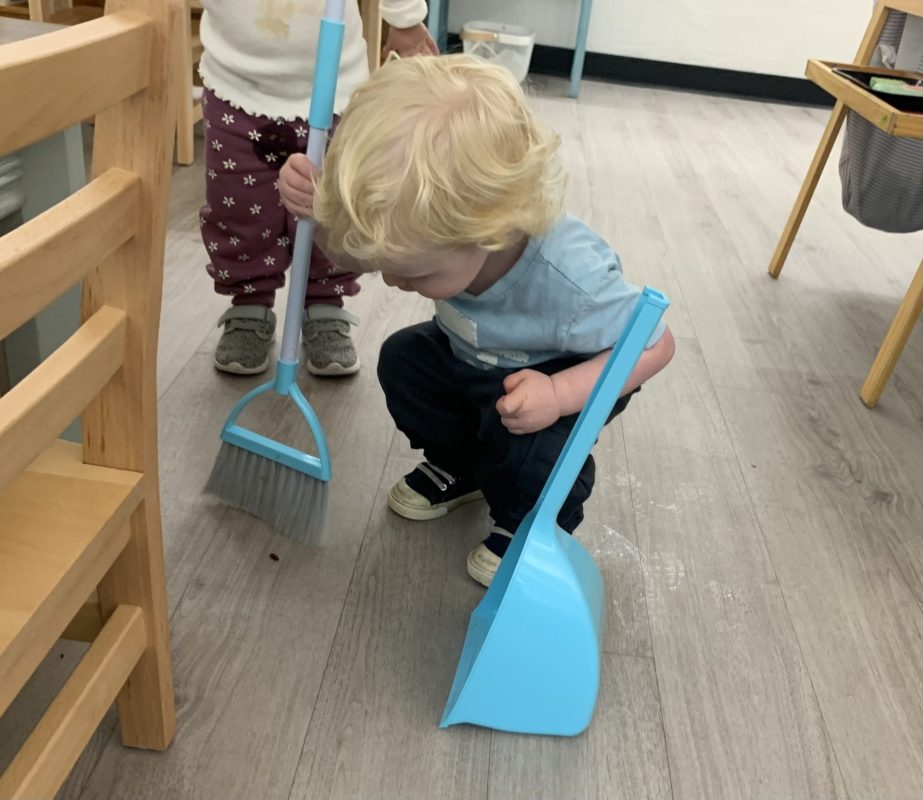
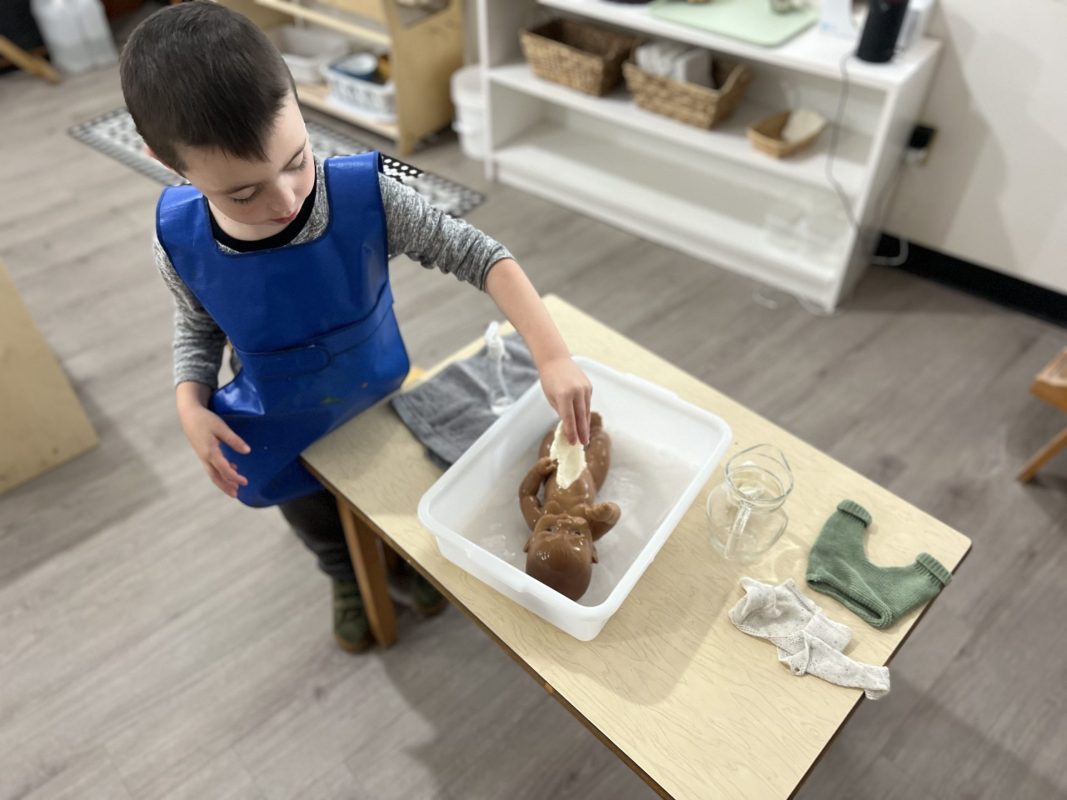
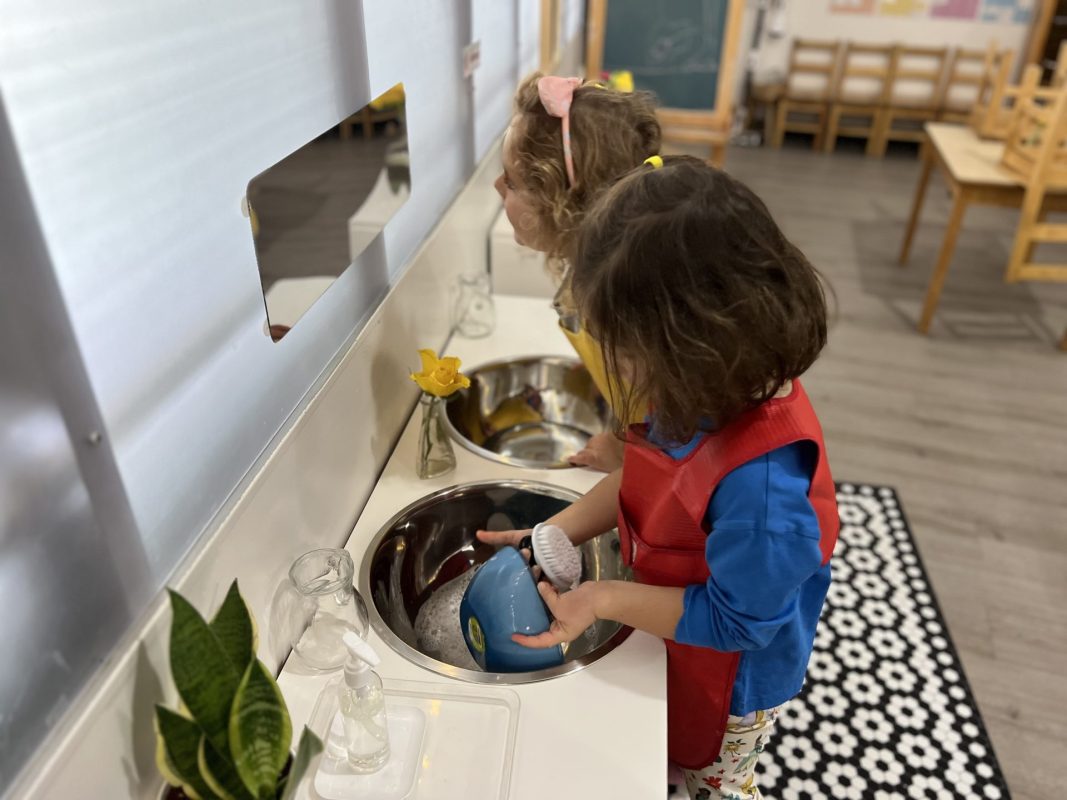
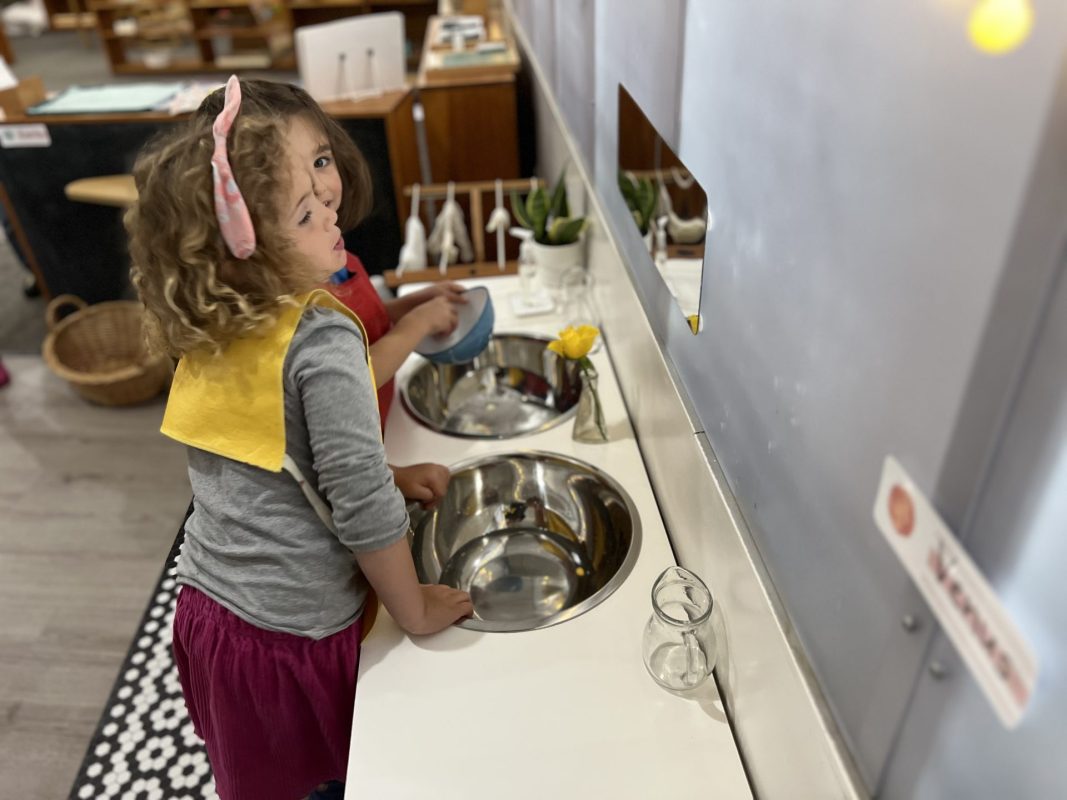
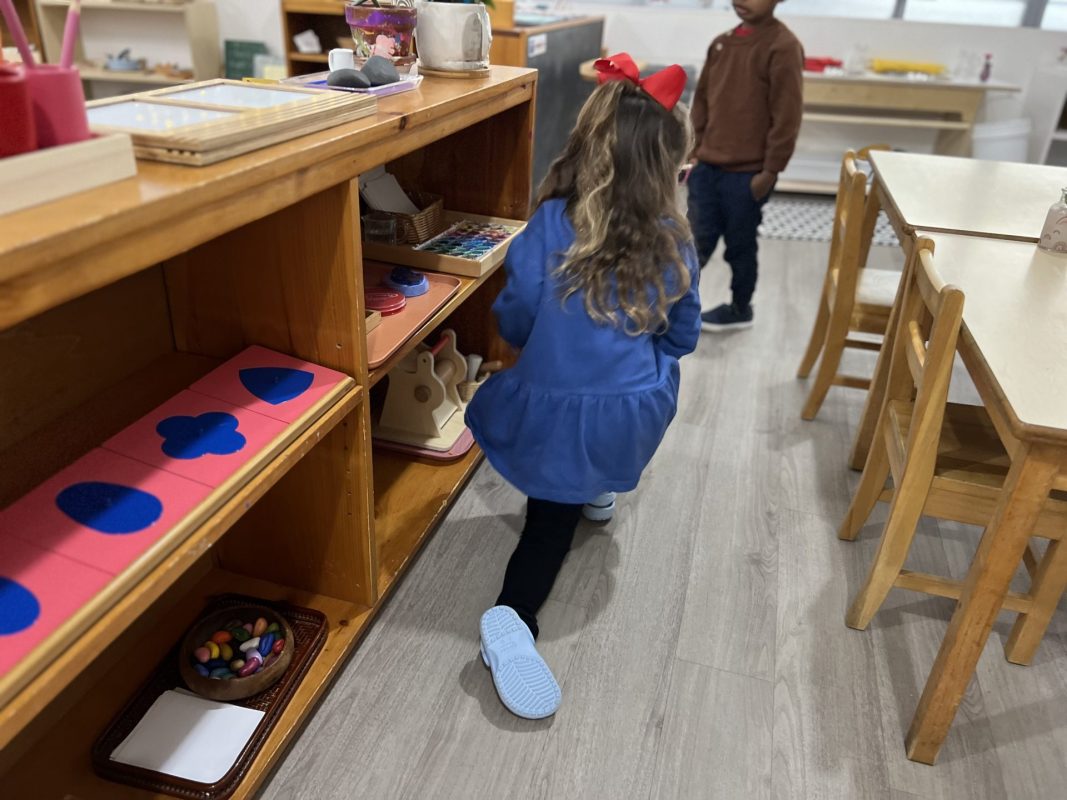
- Tidying Up in Practical Life
-
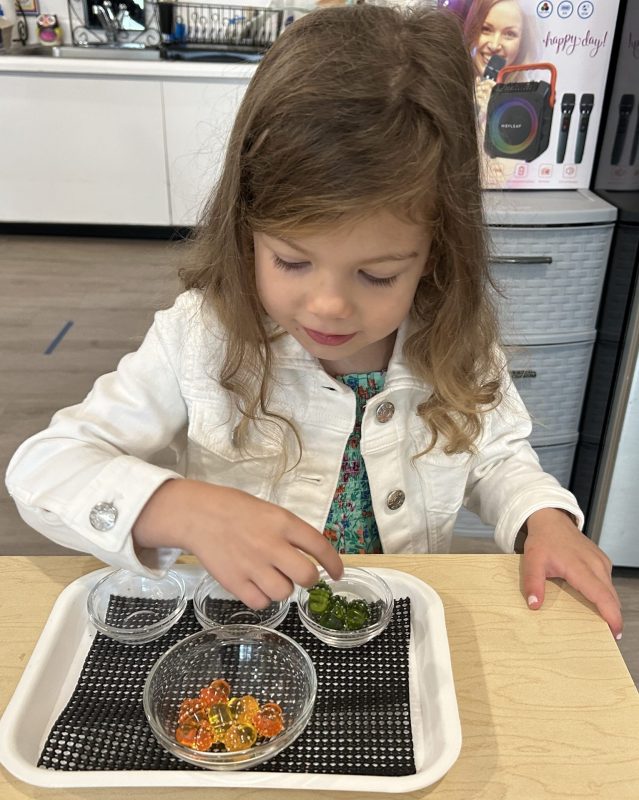
- Bead Stair coloring in Math
-
- Color Mixing and Playdough
-
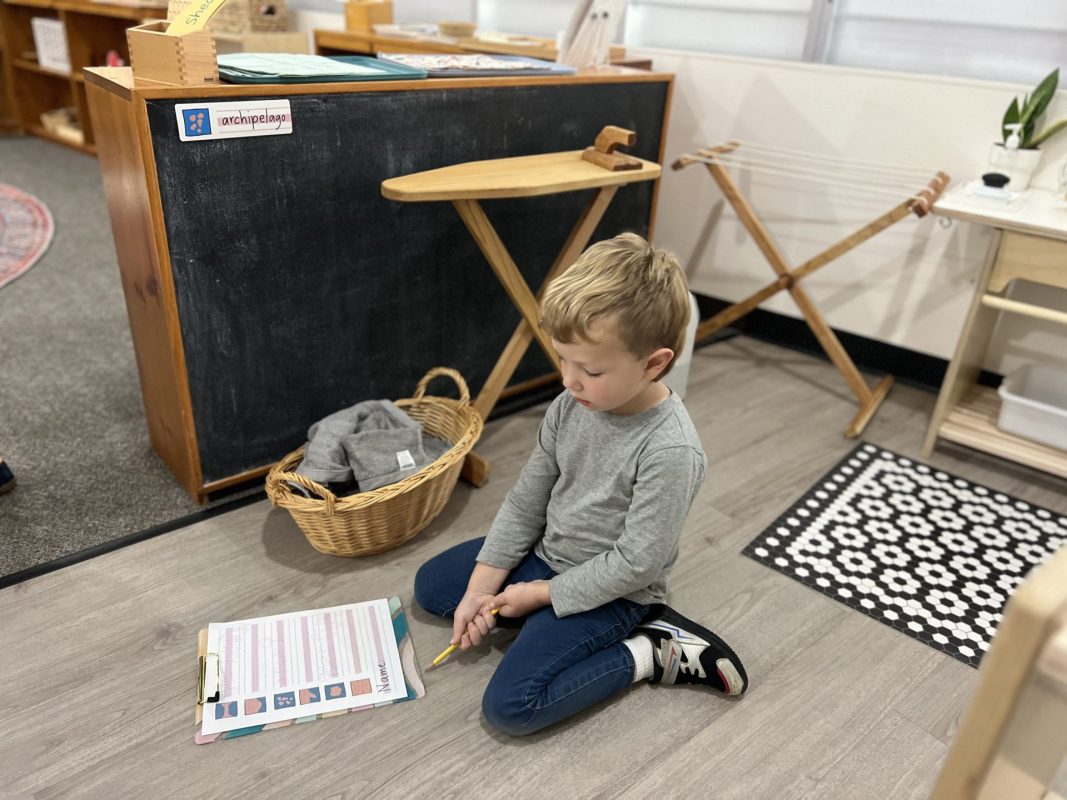
- Land Forms Scavenger Hunt
-
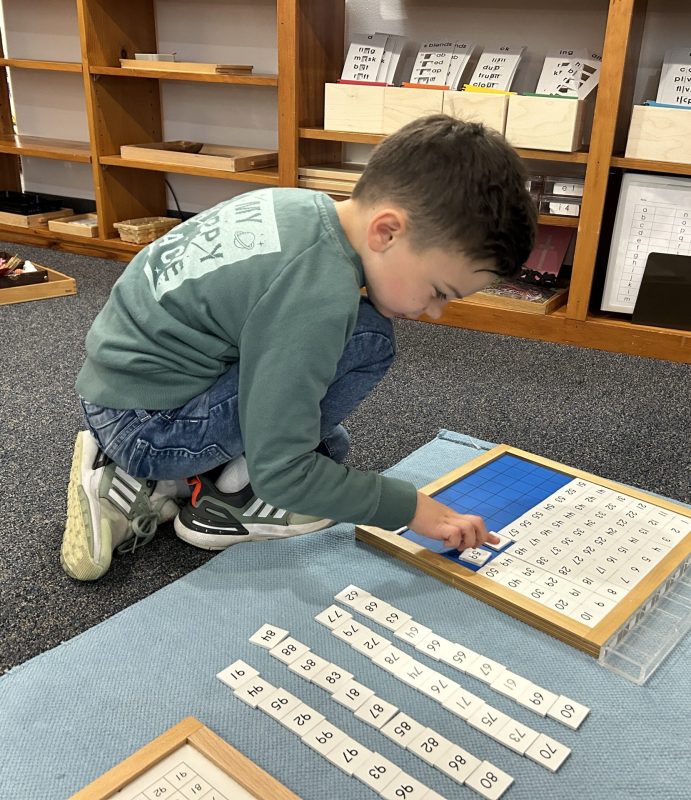
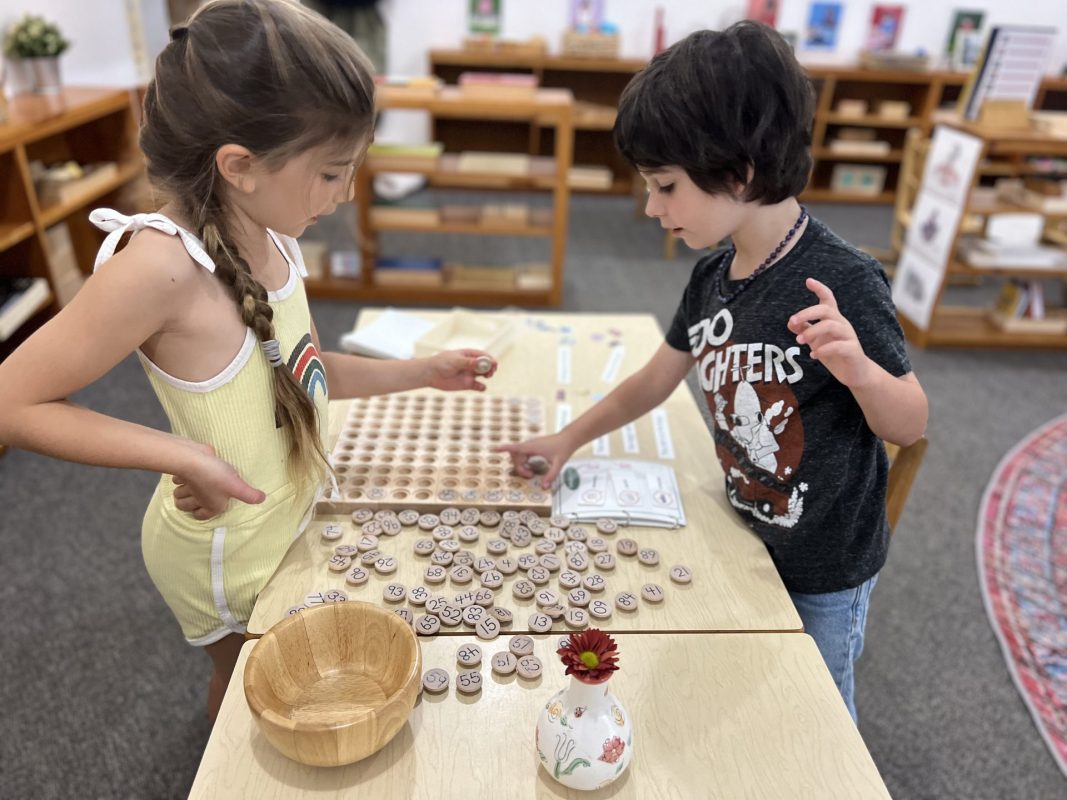
- 100 Board

-
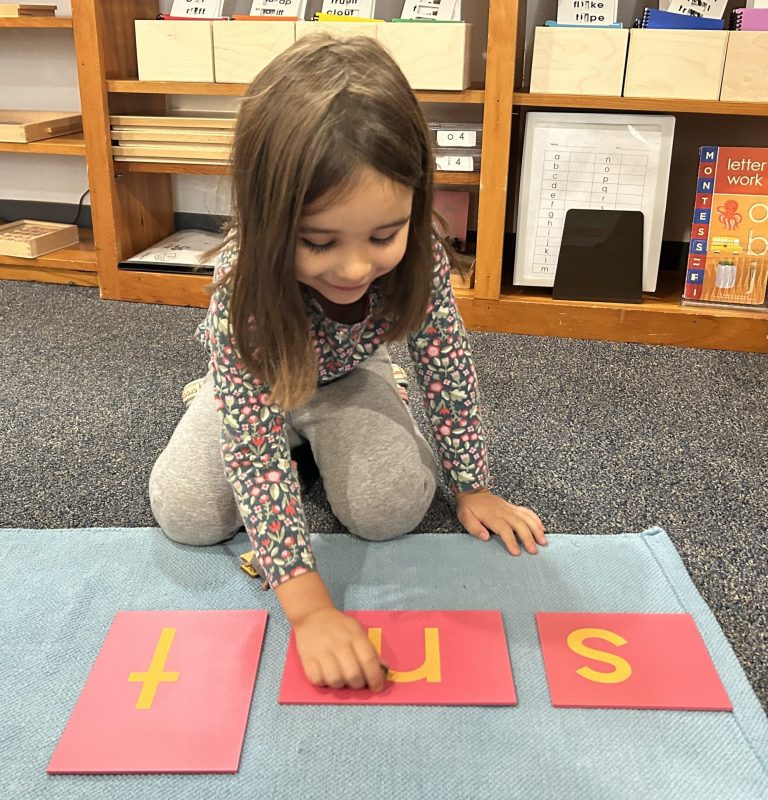
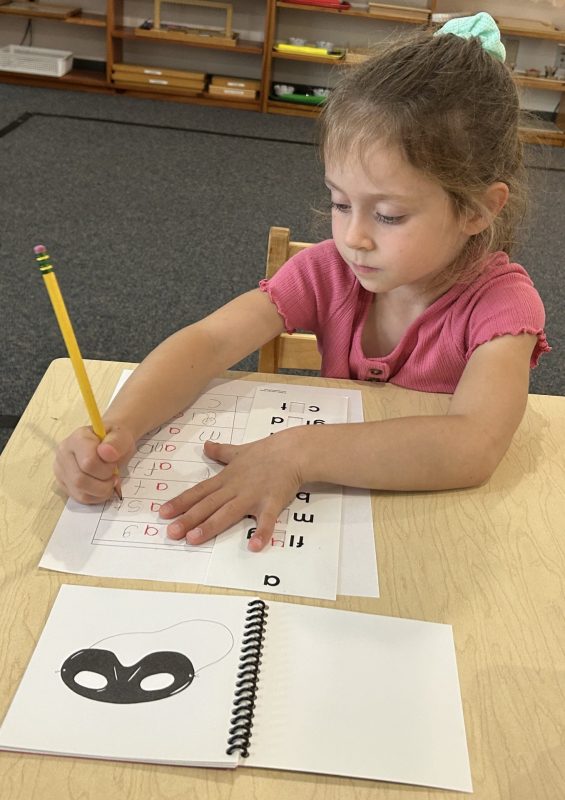
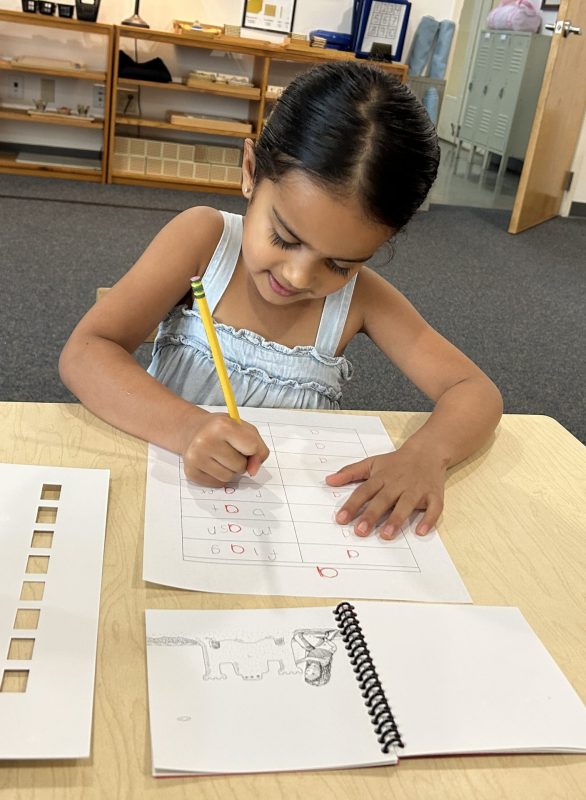
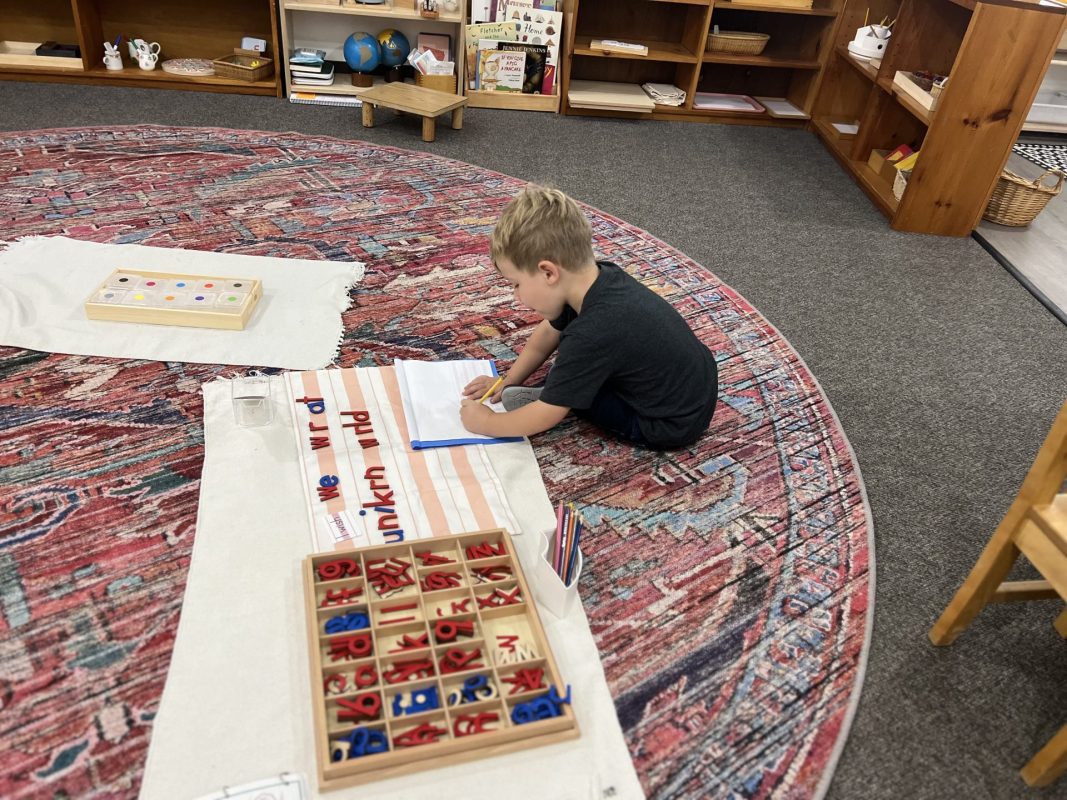
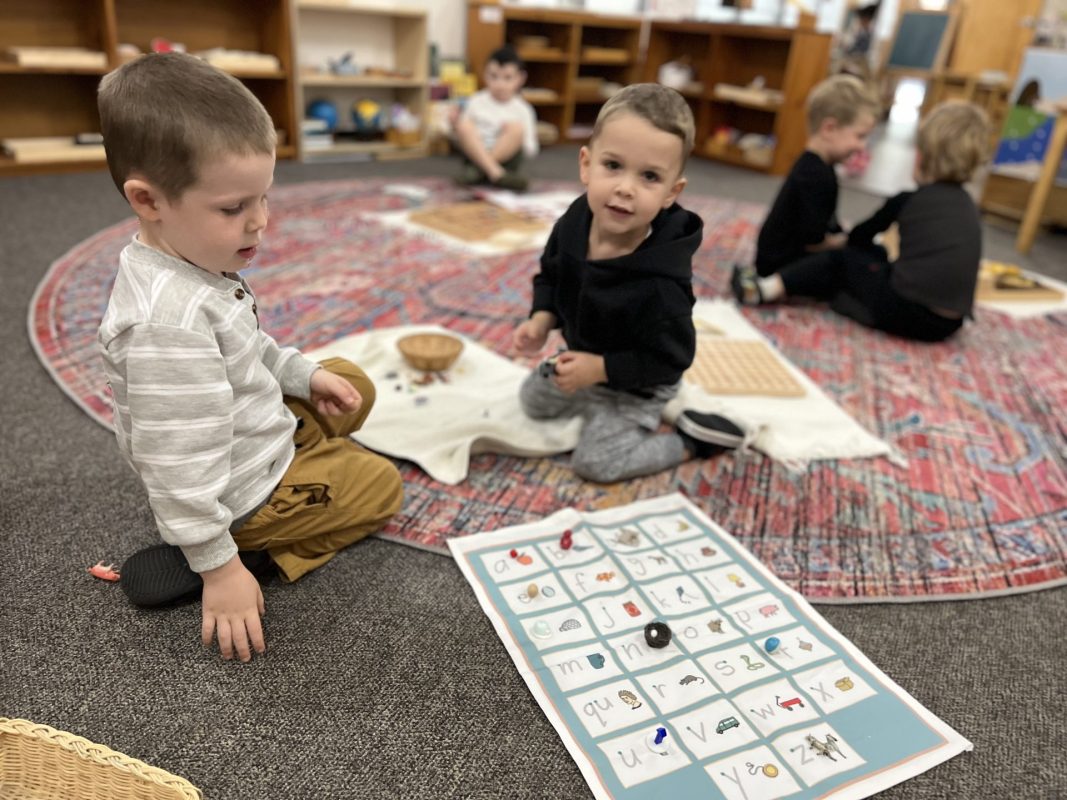
- Initial Sound Matching in Language
-
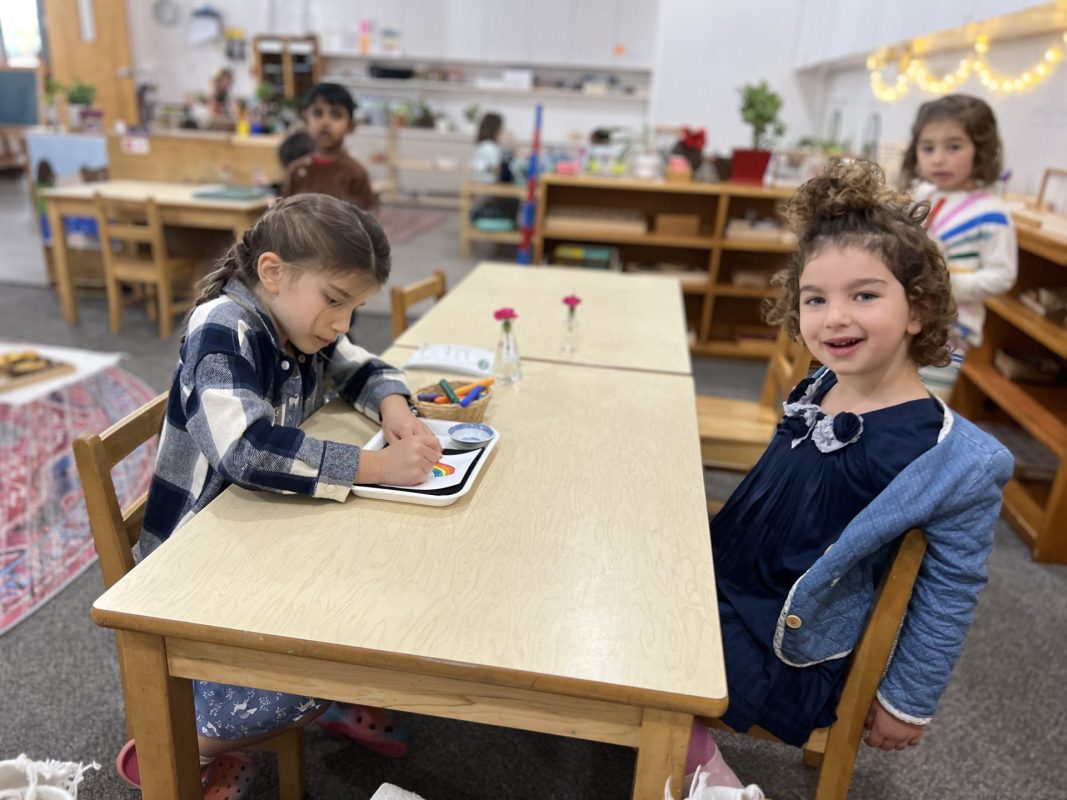
- Pin Punching
-
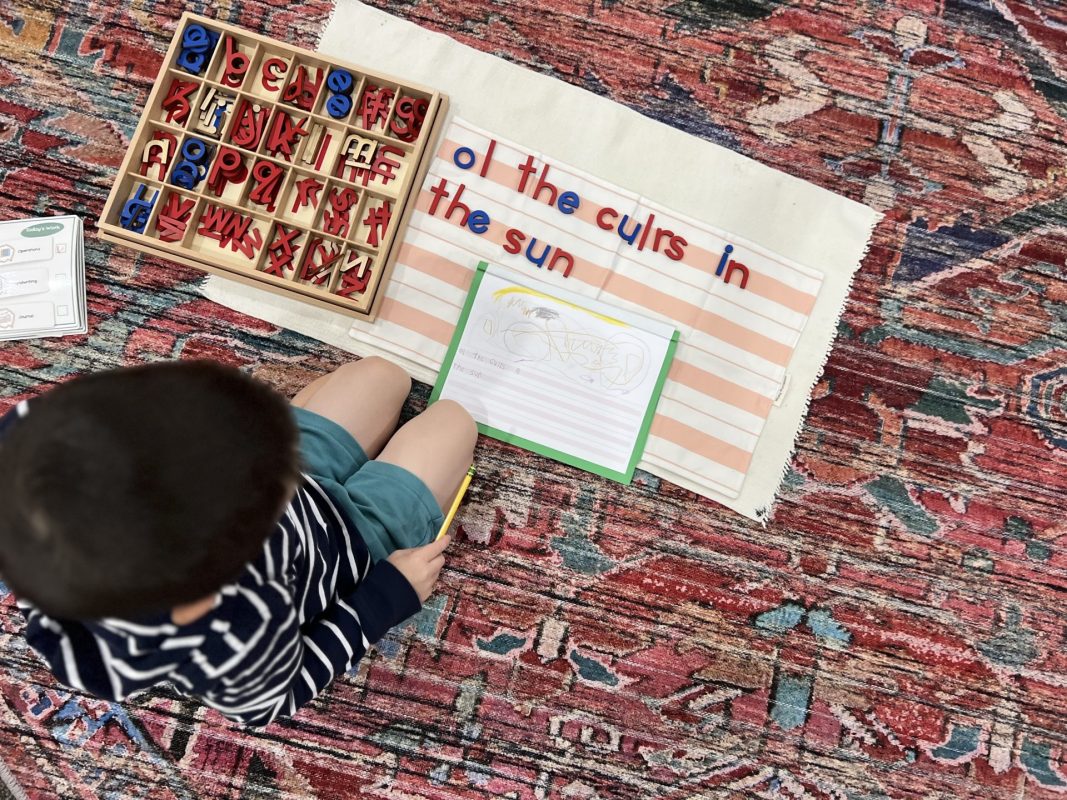
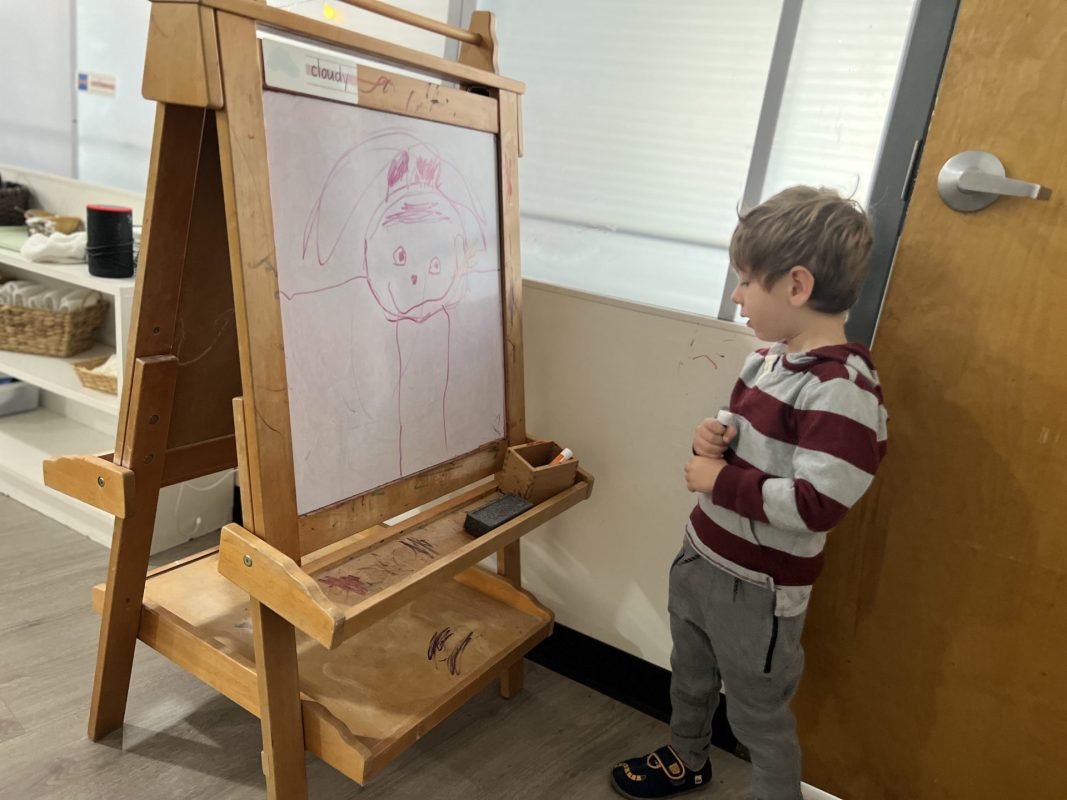
- Writing on the easel
-
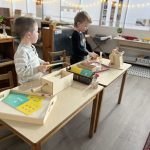
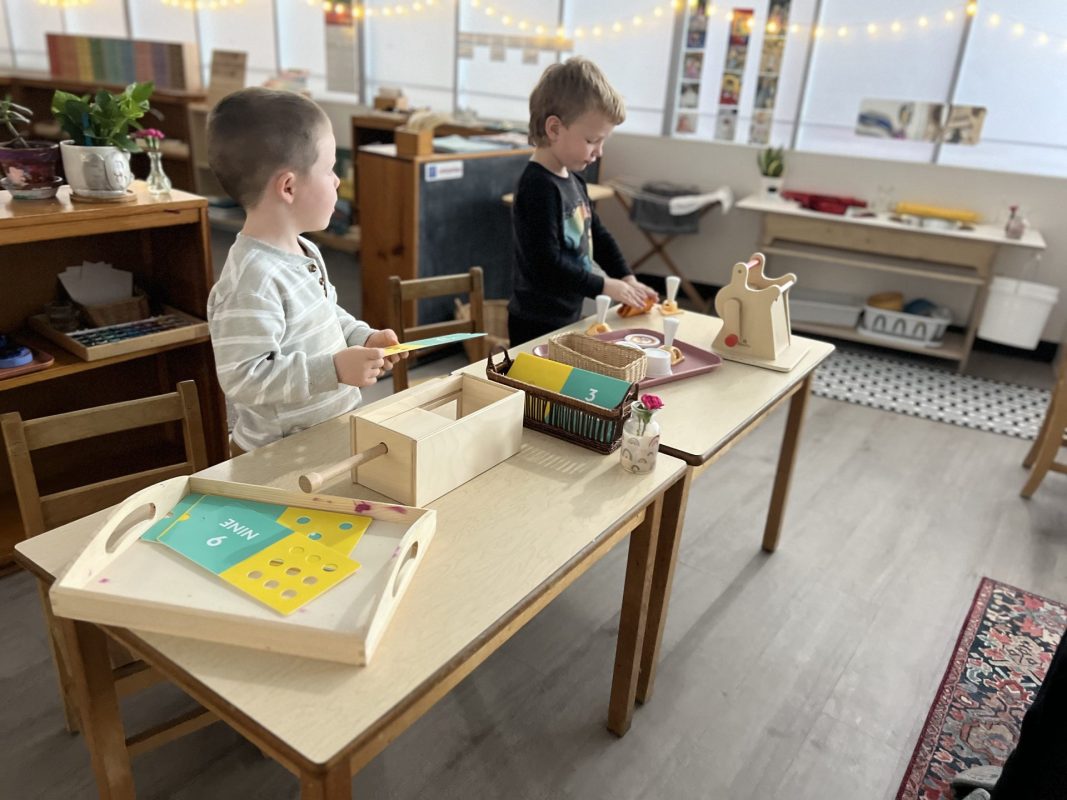
- Counting and Playdough
-

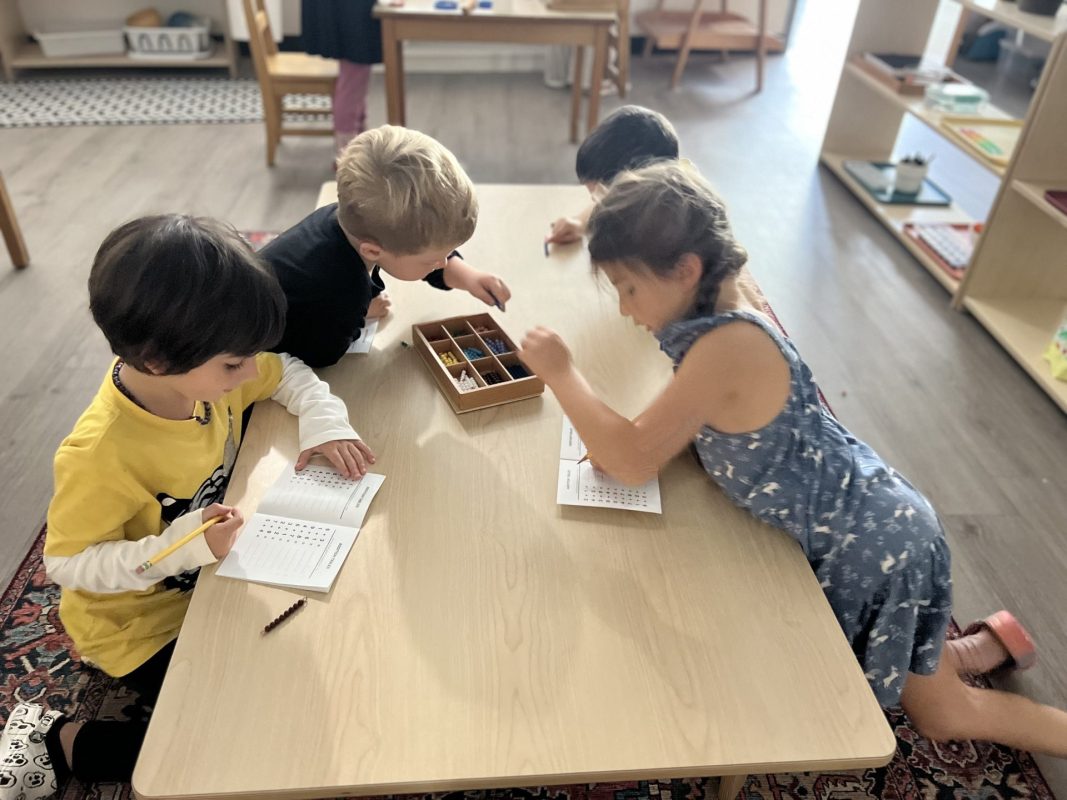
- Addition
-
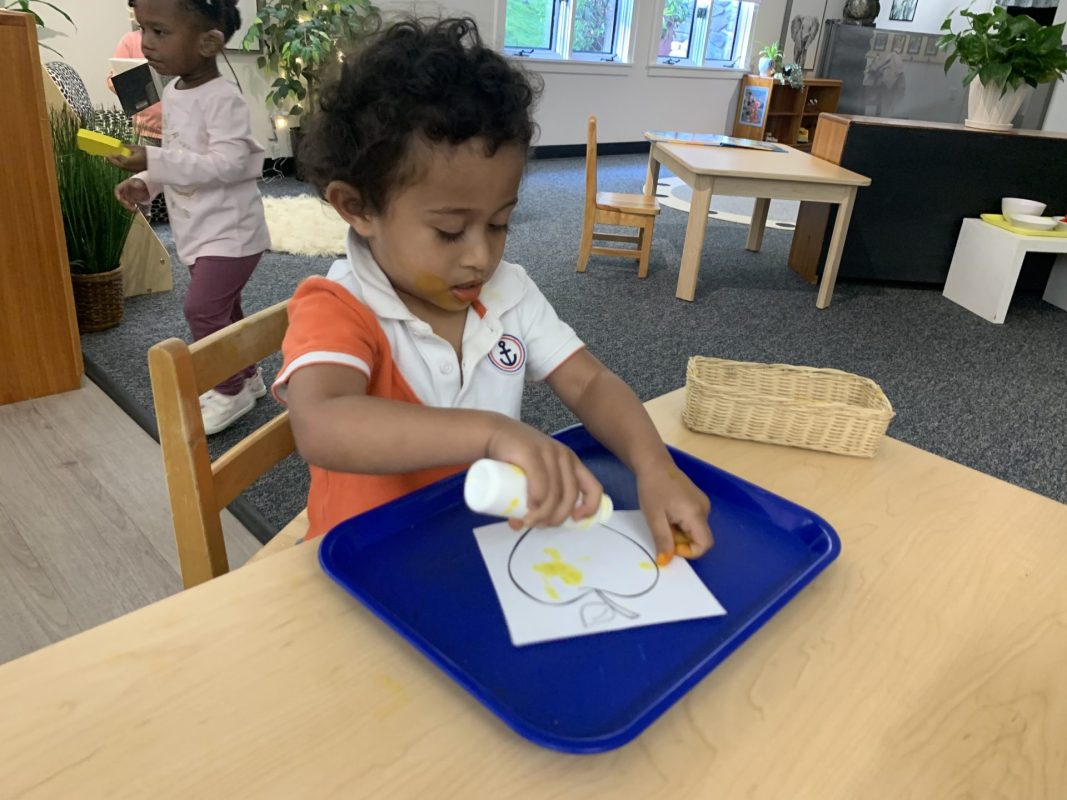
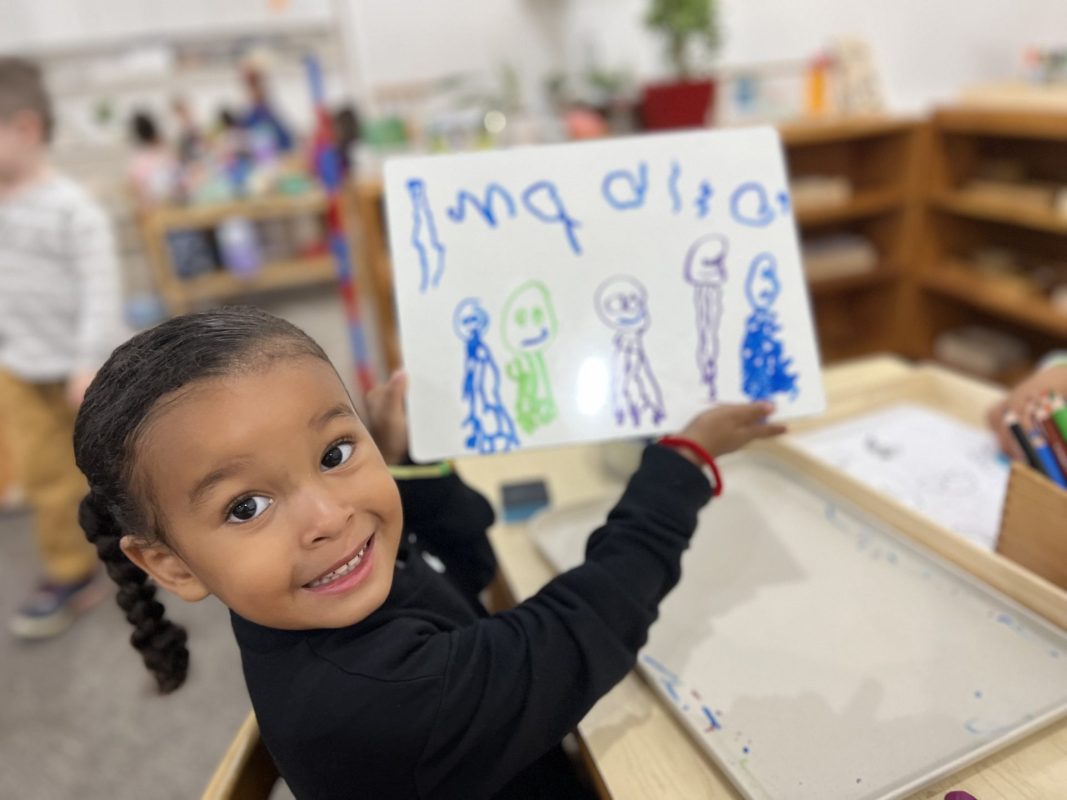
- Proud artist!
-
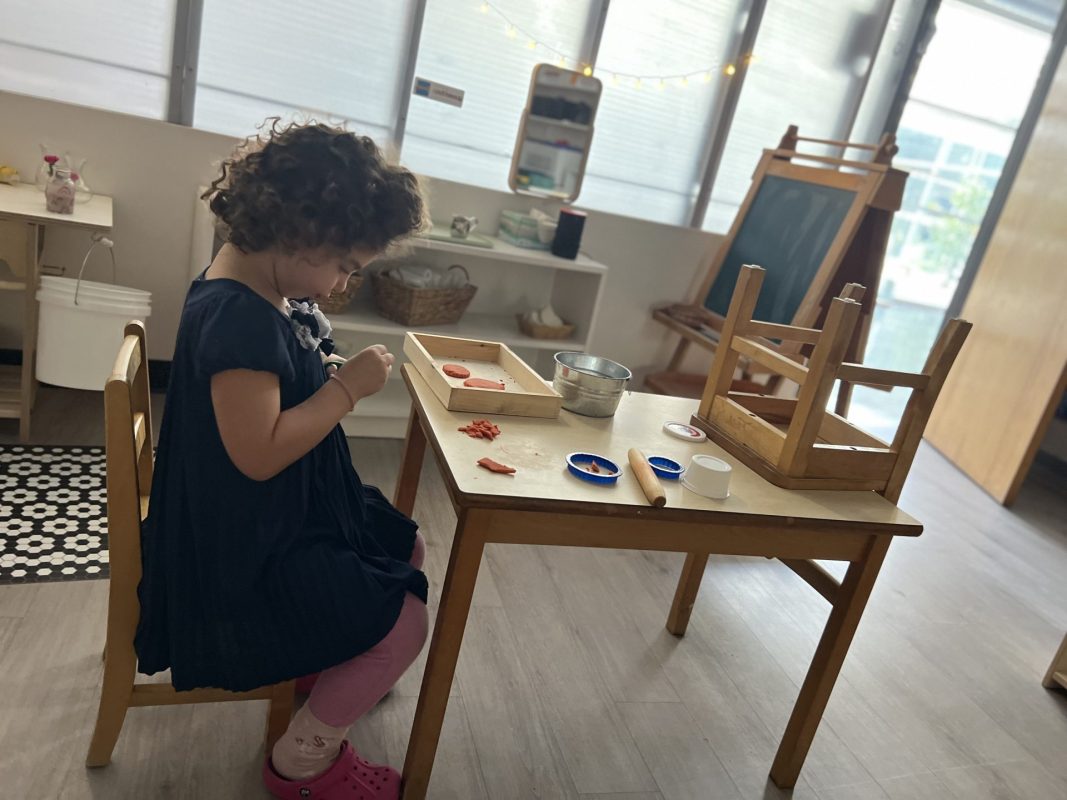
- Playdough in the afternoon
-

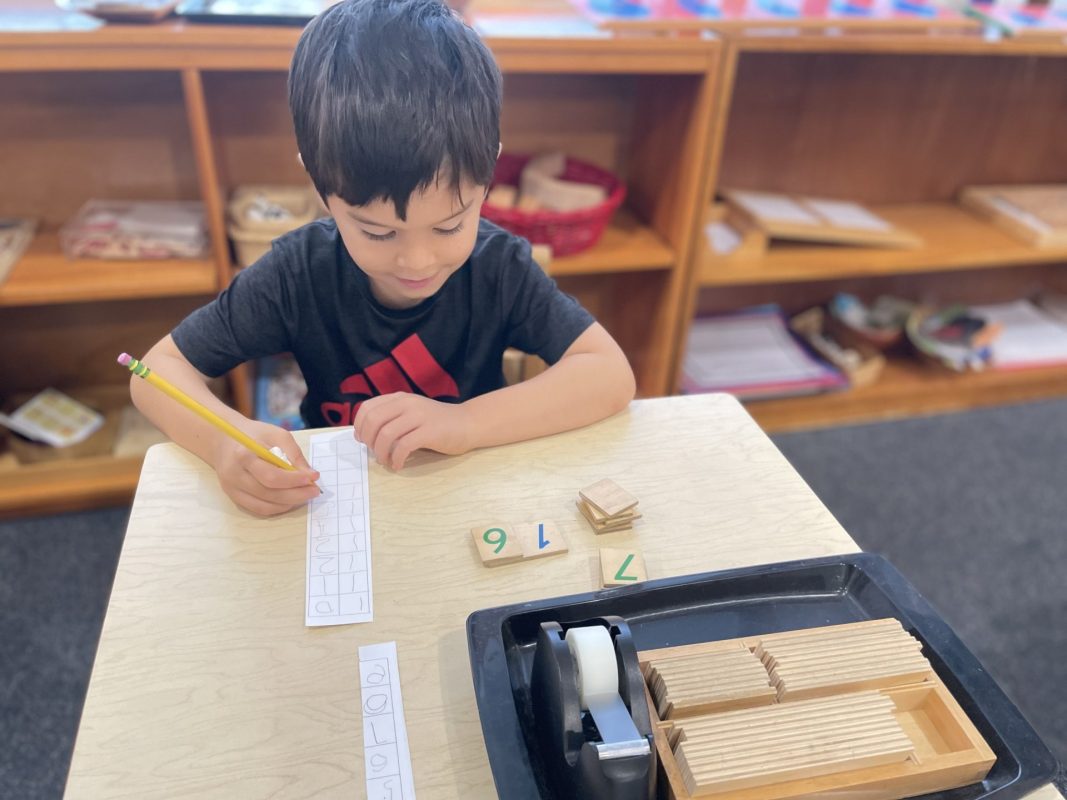
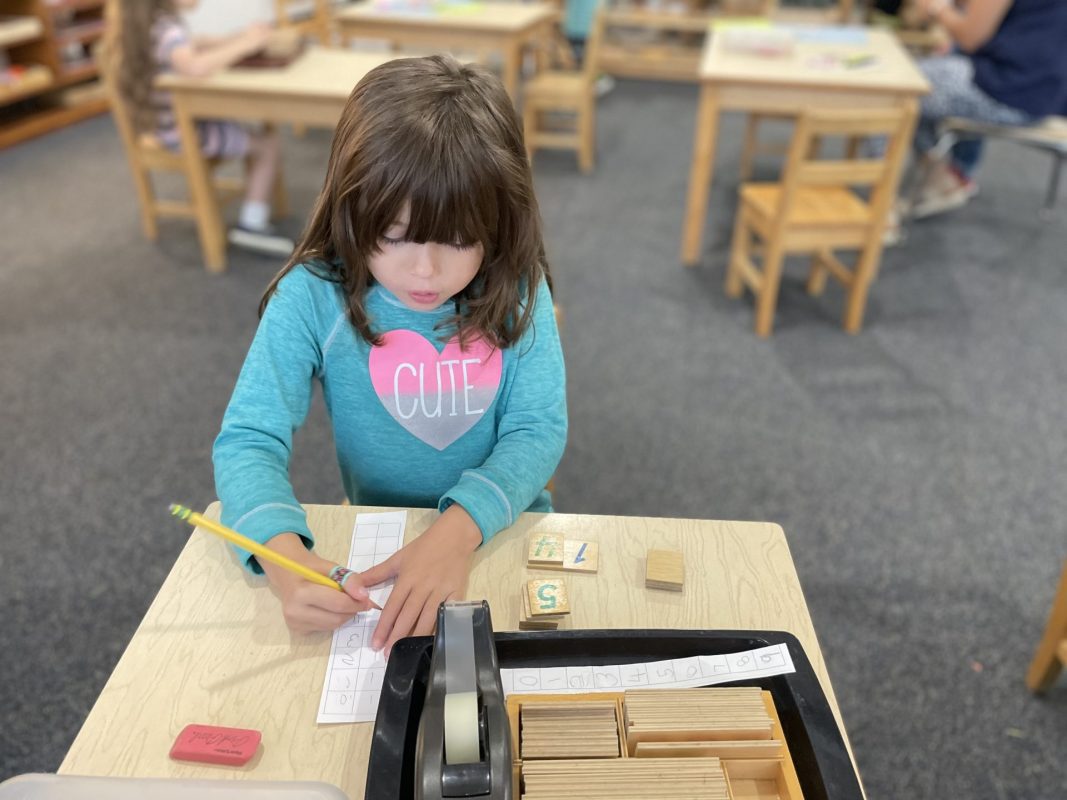
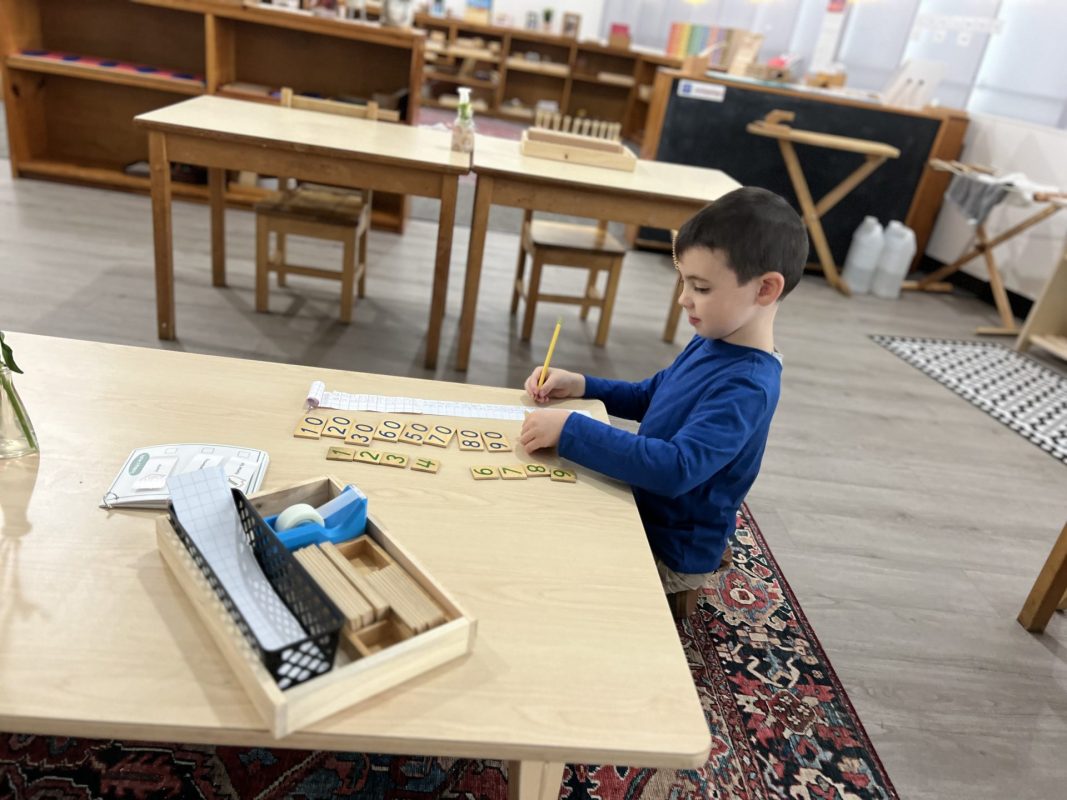
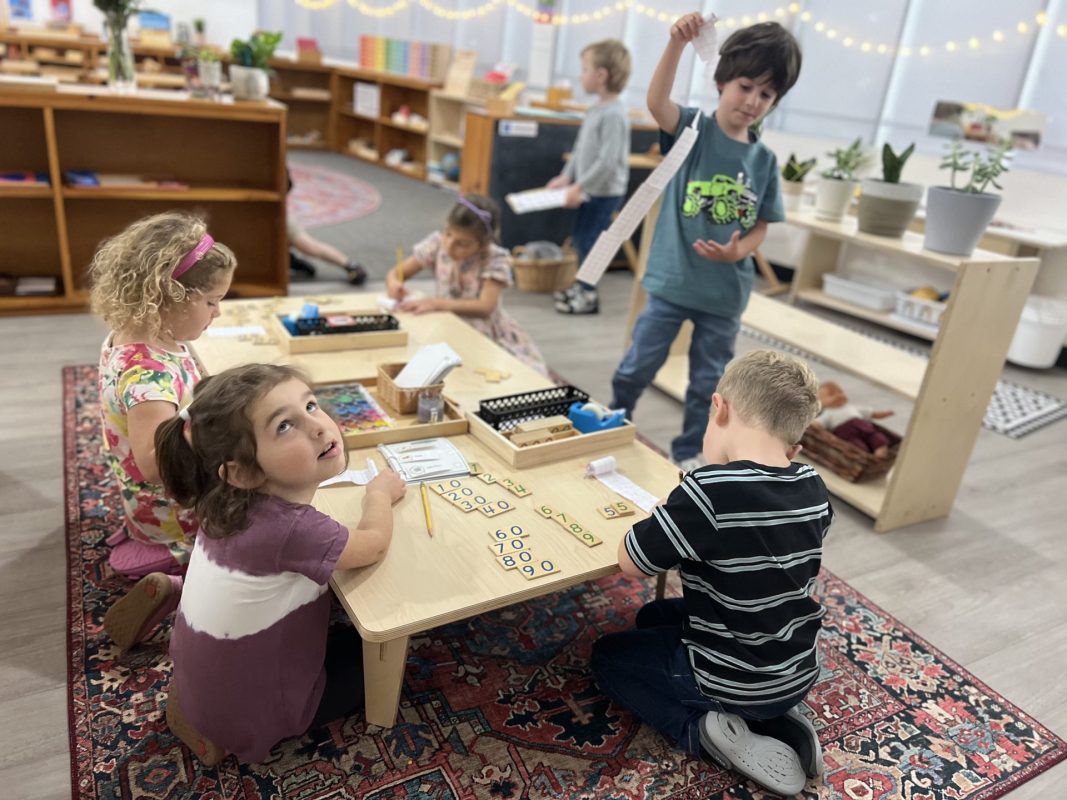
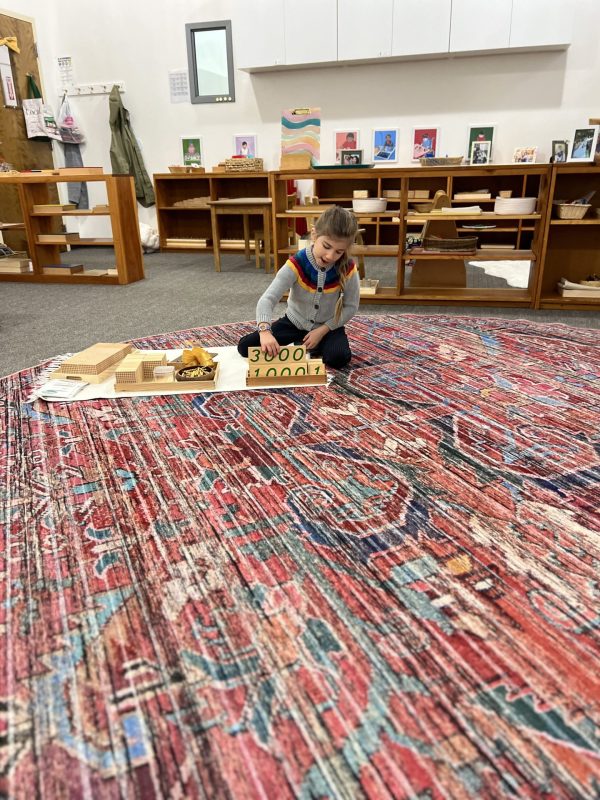
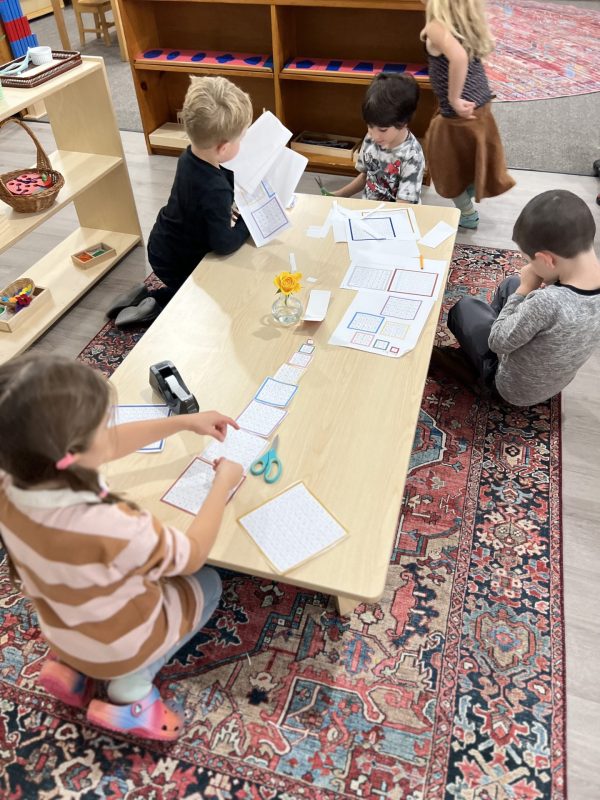
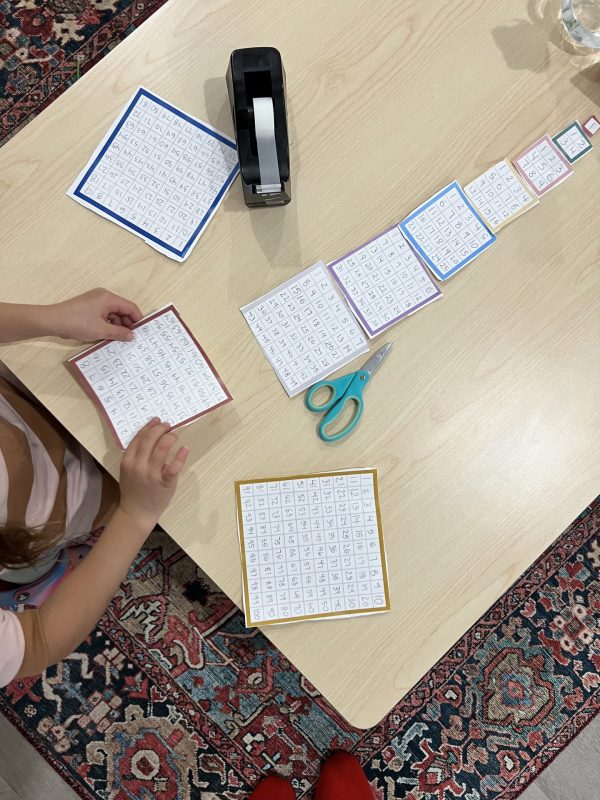
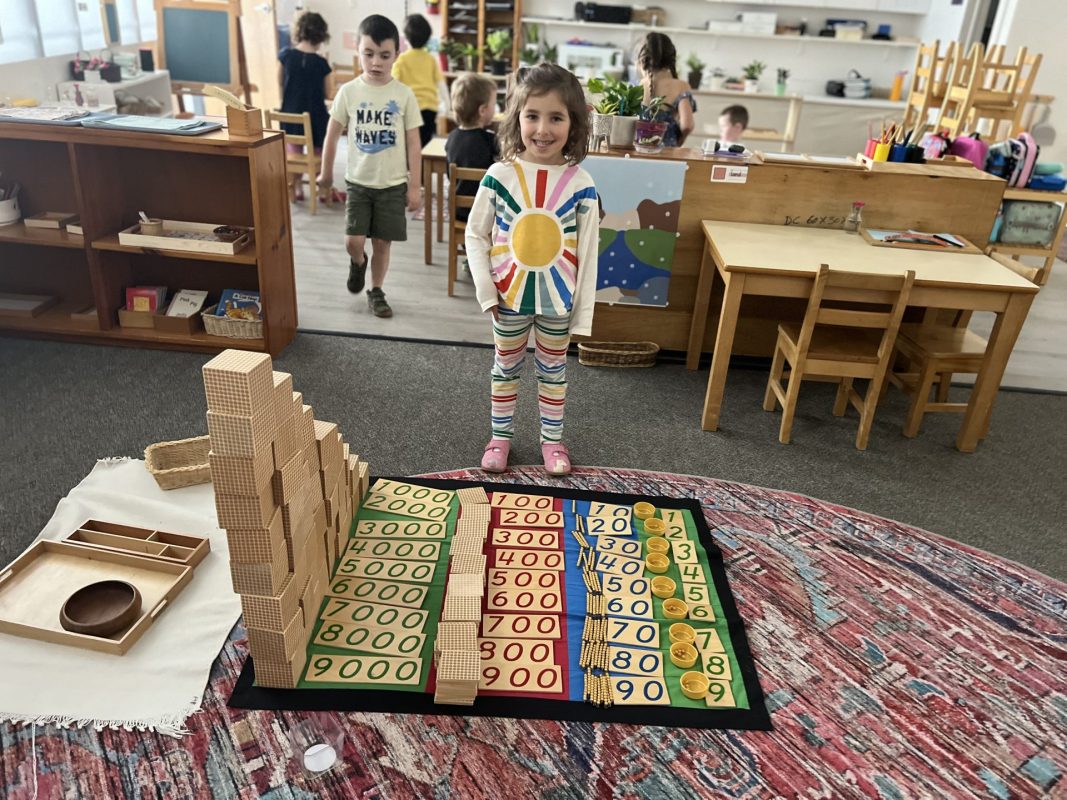
- 45 Layout in Math exploring Place Value

The Montessori approach to teaching Geography is unique and comprises two components: physical and political geography, also known as Culture. From the beginning of the school year, we weave Geography lessons and terminology into our day as we learn about our physical world. The Geography materials are always fascinating to the children and are a springboard for wonderful discussions.
We start the school year by zooming way out from ourselves and studying the Solar System (we end the year by studying the human body and ourselves). This month, we are moving on to our own planet, Earth. We categorize the planet Earth into air, land, and water. We sort what we would find in each of these different components of our world. Next, we introduce the geometric solid known as a sphere to the children and compared it to the shape of the globe. We start with a sandpaper globe that helps to distinguish land and water. The colored globe comes next, and we begin to teach the continent names (we start that towards the end of the month!). We make a sphere out of play dough and cut it in half to help them visualize the concept of a hemisphere. Simultaneously, the children are learning about landforms that introduce the concept of lake, island, bay, cape, peninsula, gulf, isthmus, strait, archipelago, and a system of lakes. These sensory experiences help the children learn about their physical world.
Our goal is to encourage the children to appreciate the beauty and wonder found in the similarities and differences around the world. Our classroom has a cultural shelf with artifacts from each continent.
I look forward to seeing some of you this week for our conferences!
Have a wonderful weekend!
Marissa & Sue