Mrs. Lopes: The Magic of Metamorphosis

“Growth is not merely a harmonious increase in size, but a transformation” -Maria Montessori

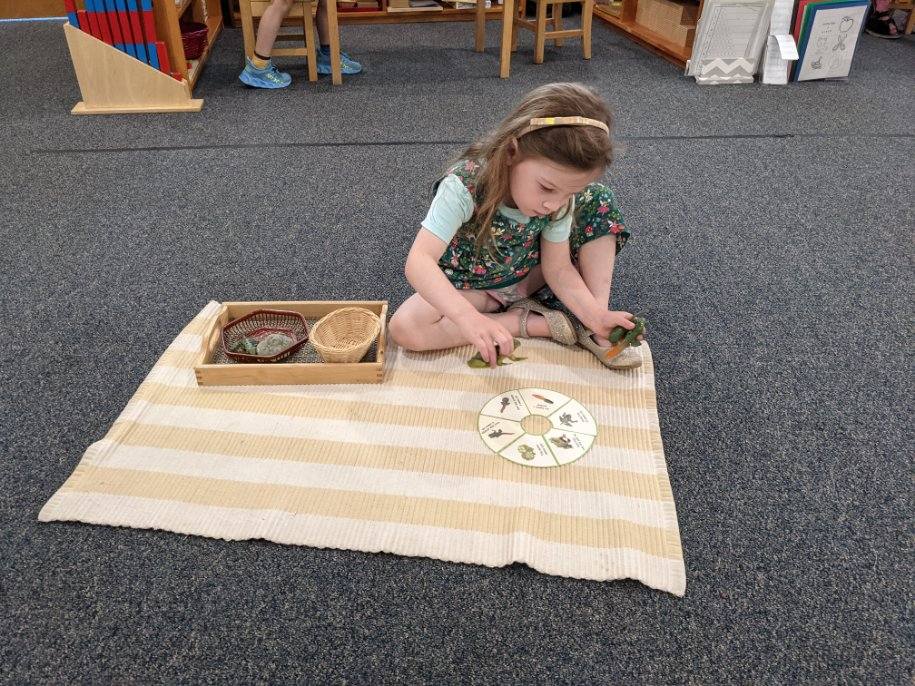
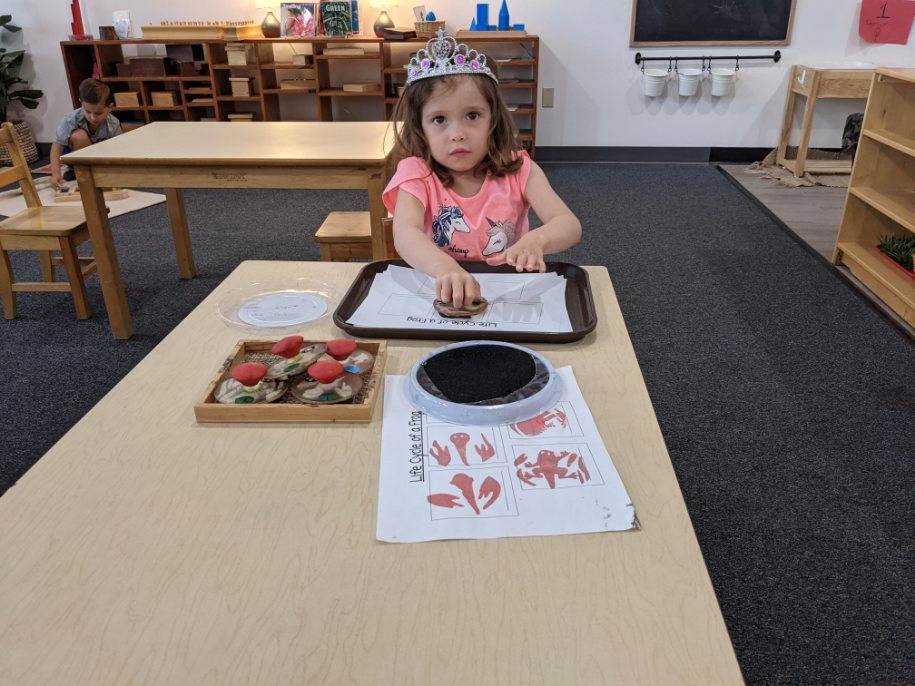
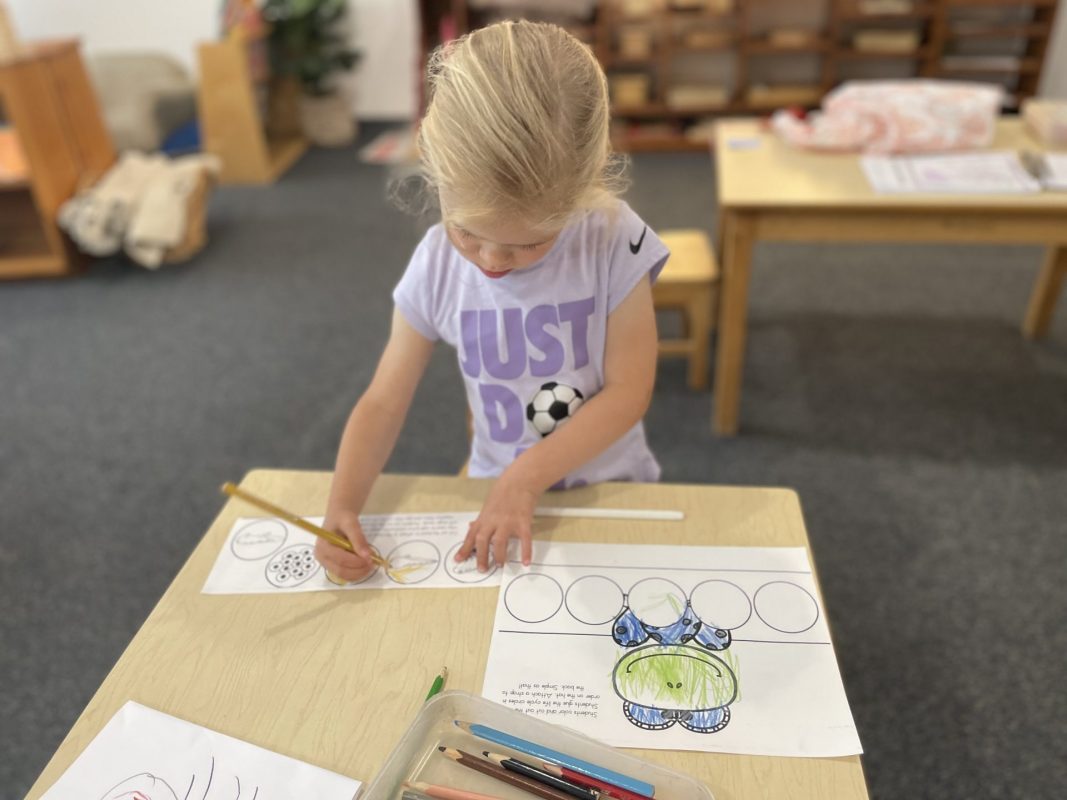
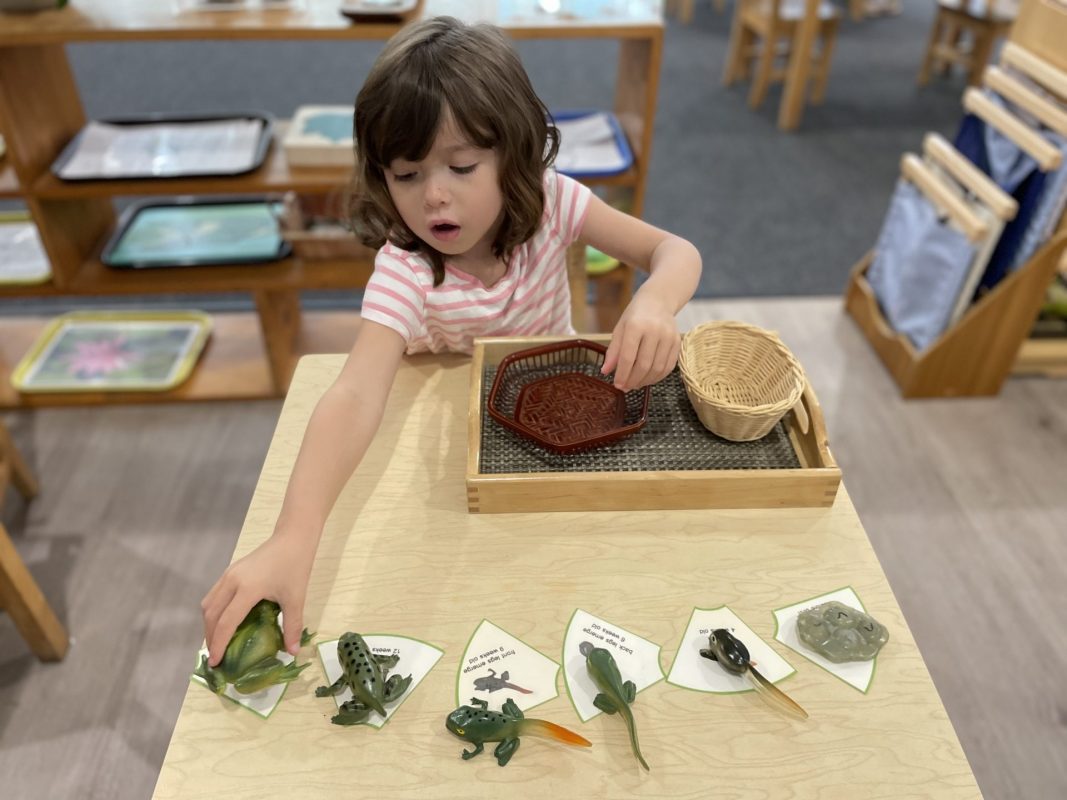
This week we have been learning all about the life cycle of a butterfly.  We had five caterpillars join our classroom last week and the children have been captivated by the rate of change we observe each day.  The caterpillars arrived very tiny and over the last week have grown and shed their exoskeleton several times.  We are anxiously waiting for our caterpillars to enter into the final stages, the chrysalises, before emerging as butterflies.  The children have spent many days learning about the magic of this transformation called metamorphosis, and are eager to see when our butterflies will join us!

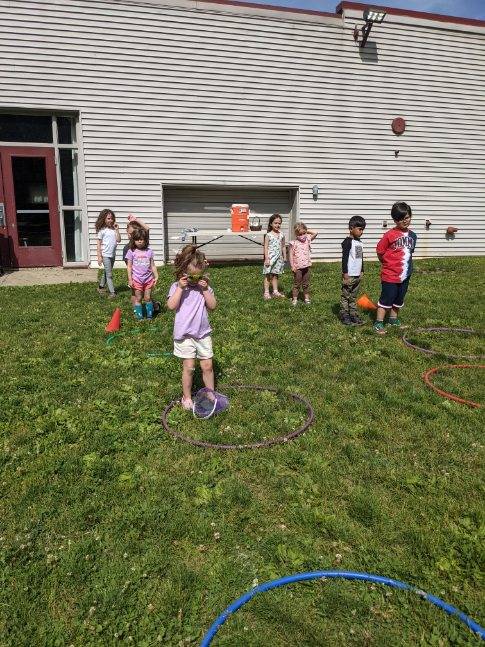
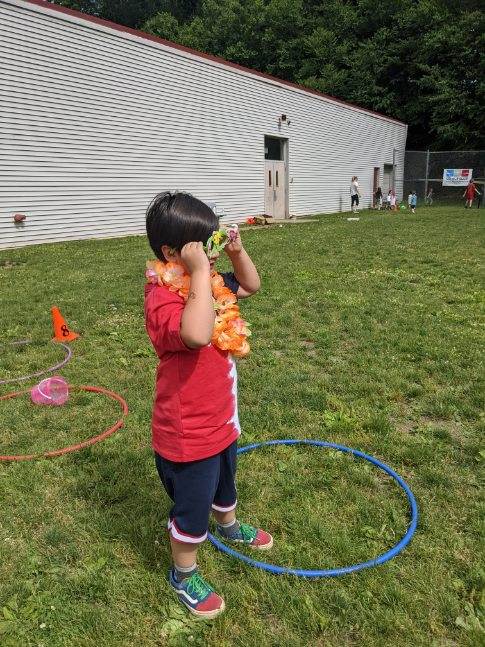
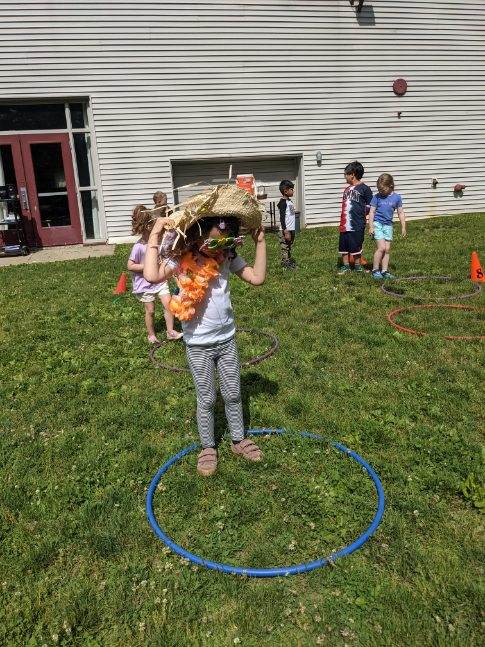
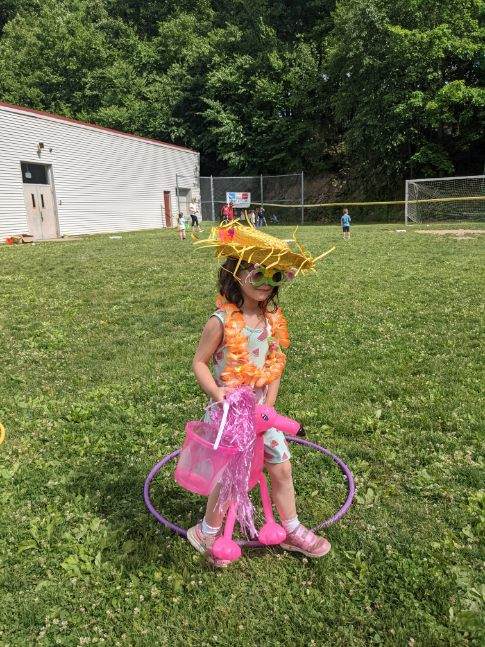
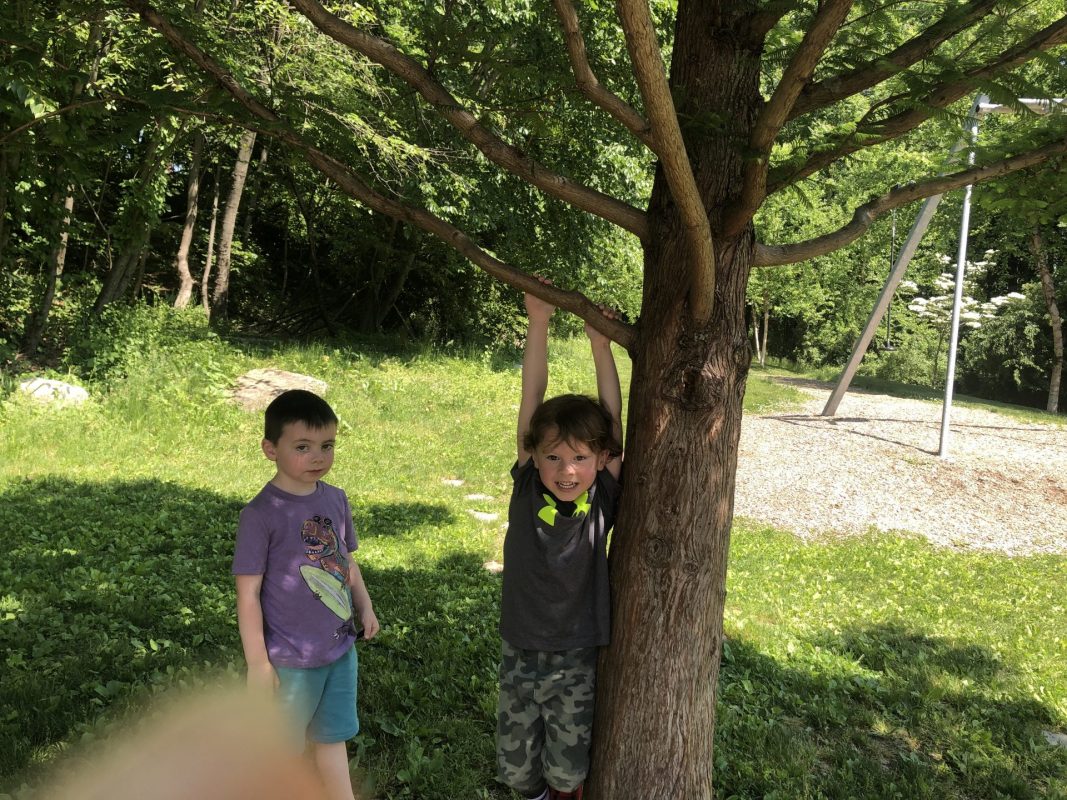
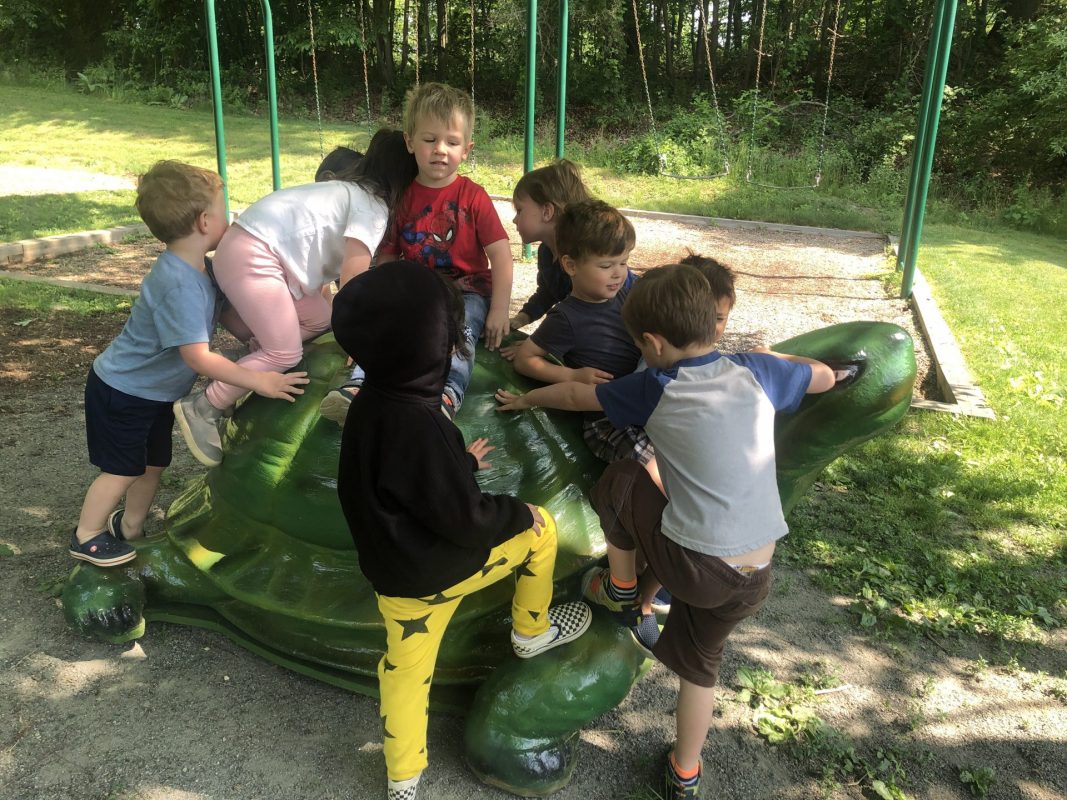
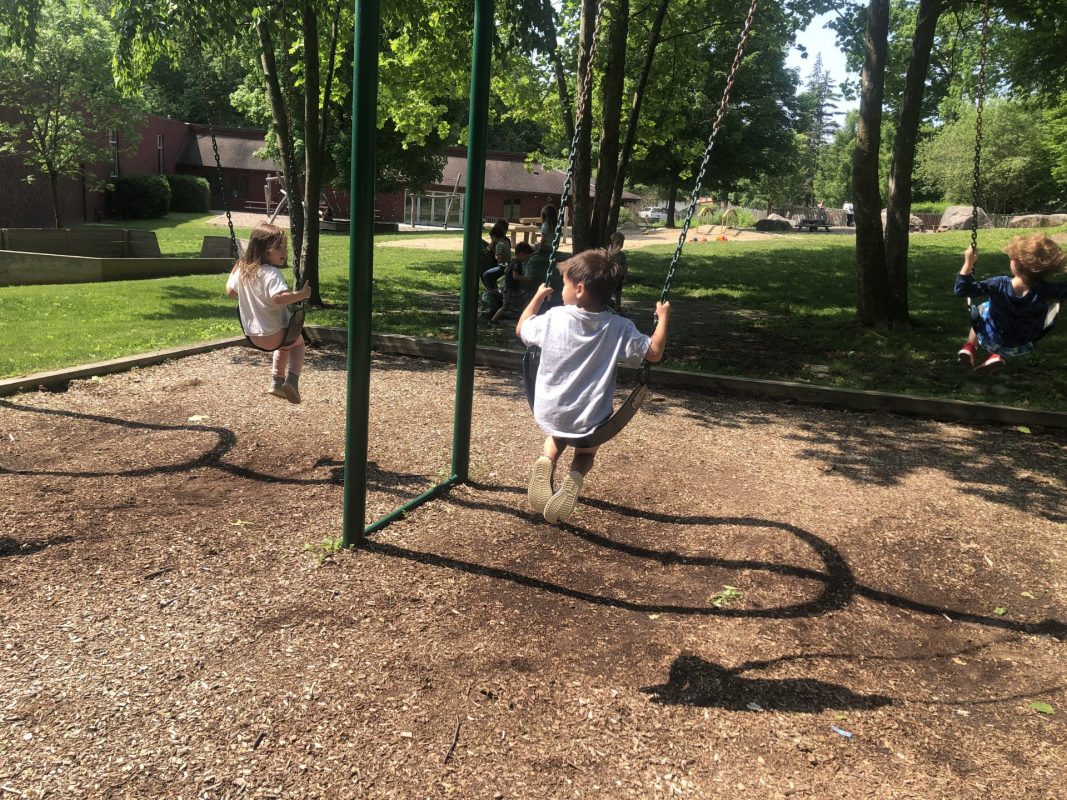
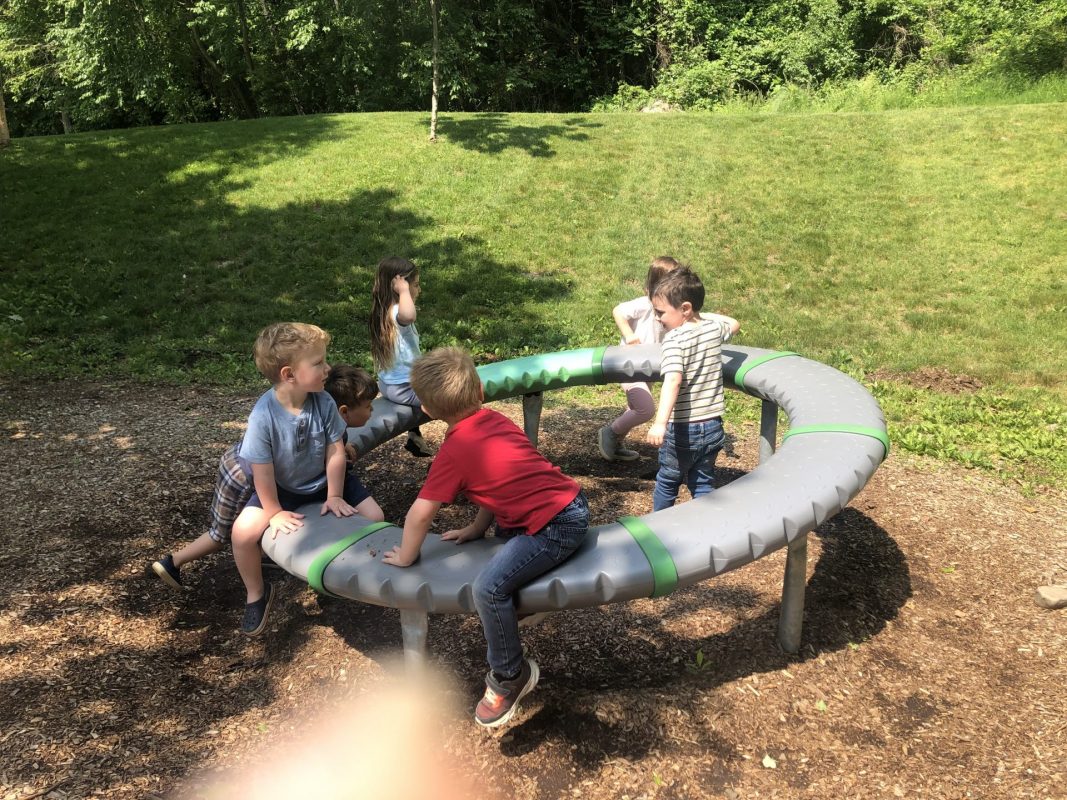
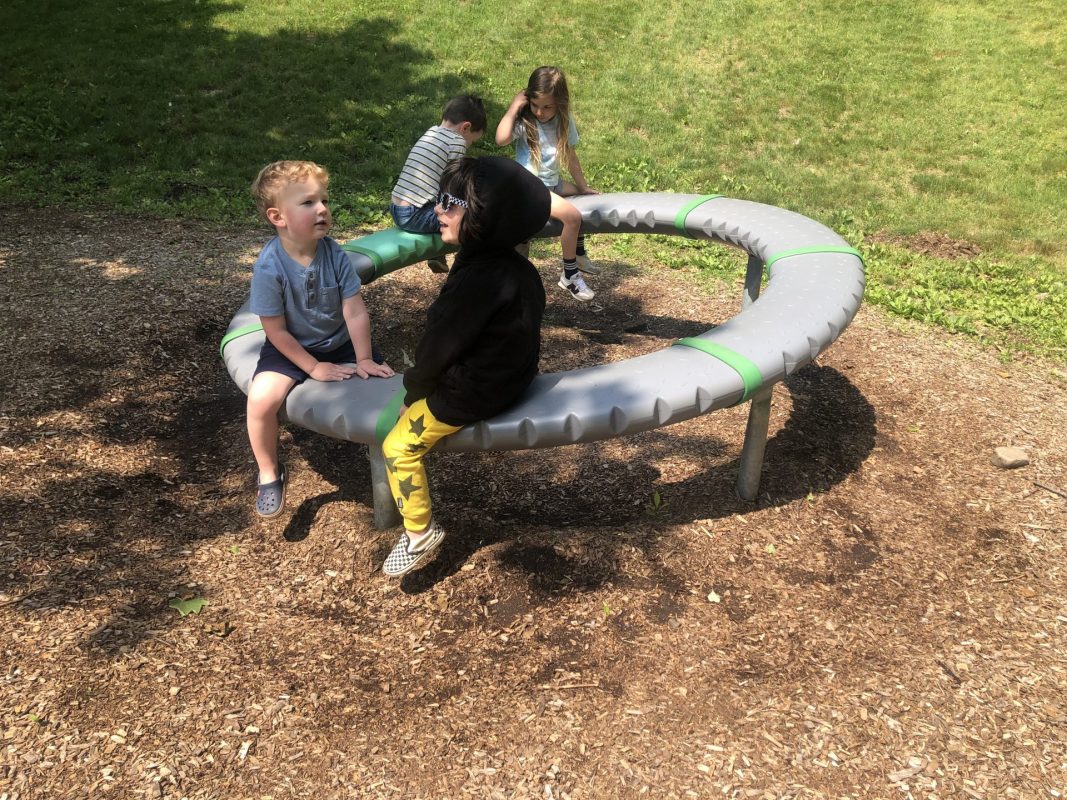
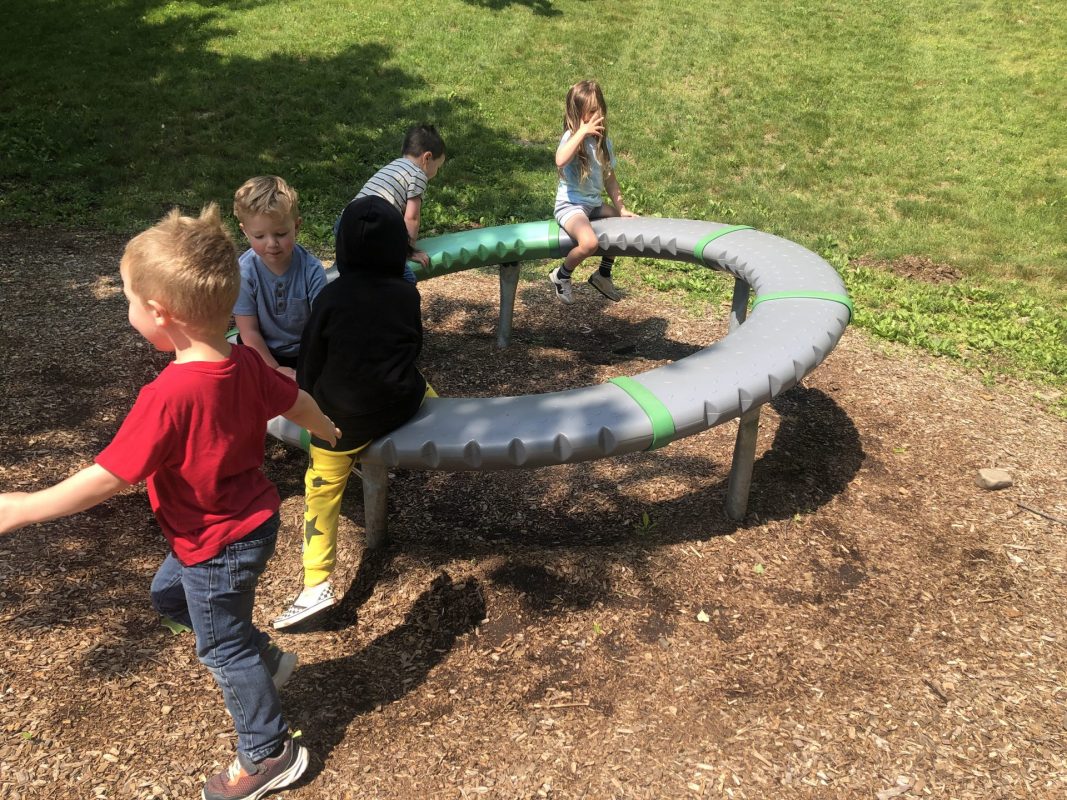
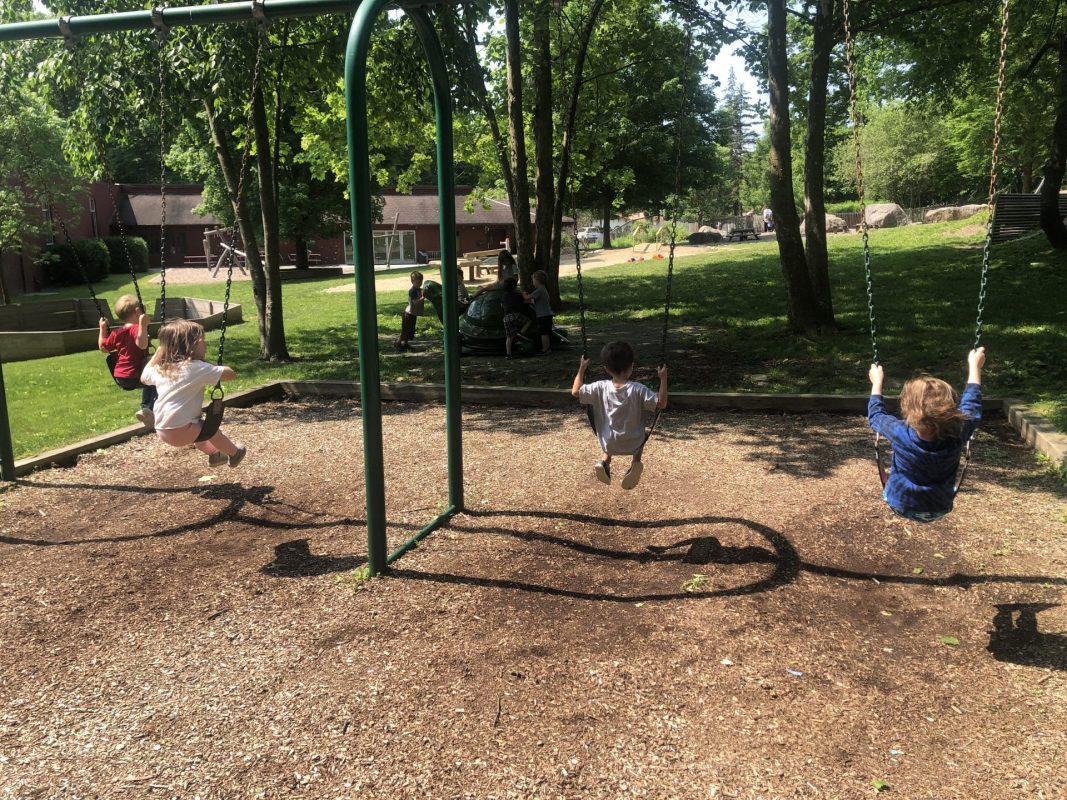
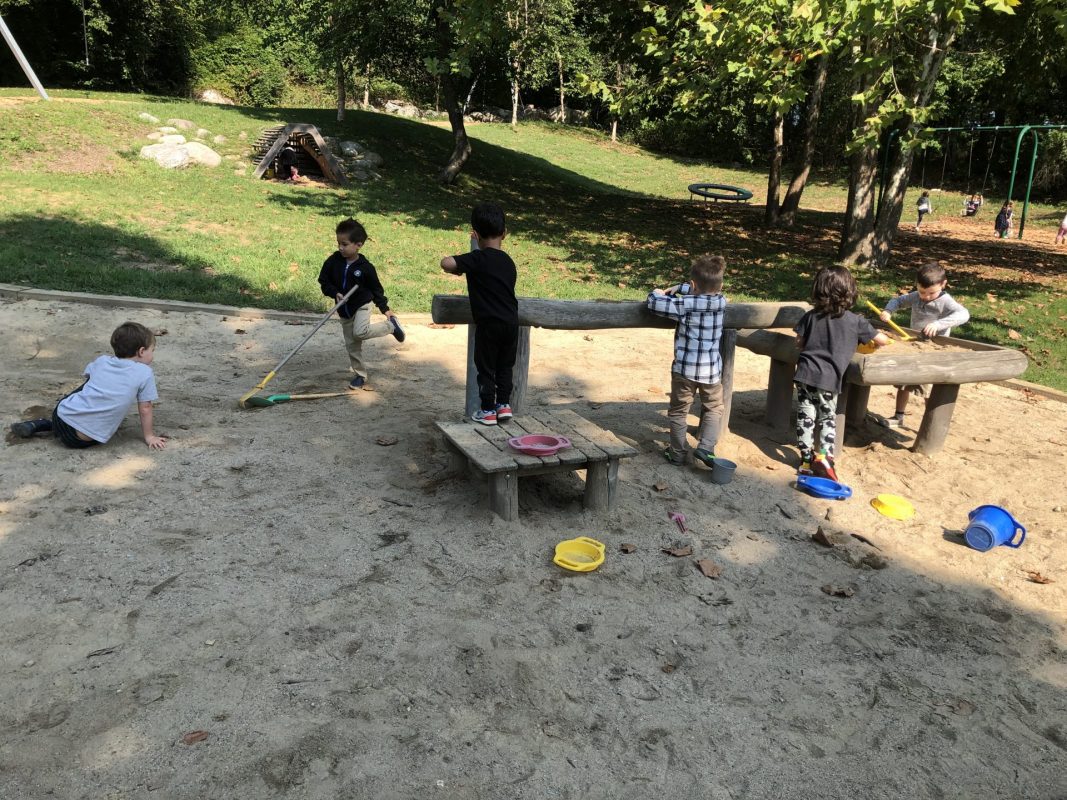
We also had so much fun going on a nature scavenger hunt outside this week.  With the warm weather finally arriving, we were all excited to do some outdoor learning.  Children were given a checklist to search for natural objects on the playground – rocks, leaves, soil, and of course some insects.  We collected as many as we could find and the children were thrilled to share all the objects they were able to collect!

Have a wonderful week,

Amanda & Heather


Mrs Semmah: The Life Cycle of a Butterfly

Like most primary classrooms in the springtime, we continue to learn about the life cycles of plants and creatures found in nature. In our classroom, we set up an “observation station” with a magnifier and four caterpillars for children to see the life cycle of a butterfly take place. Every day they visit the observation area and some of them write and draw what they have observed. Children are very fascinated by the rate of change and growth of the caterpillars. Everyone is eagerly awaiting the chrysalises, the final phases of the caterpillars’ development before they emerge as butterflies.

We also went for a nature scavenger hunt on our playground. Children had so much fun carrying their clipboards with a checklist and hunting for natural objects including soil, leaves, and bugs!

Wishing you a wonderful weekend.

Kaoutar and Sara


Mrs. Doyle: We’ve Got the Whole World In Our Hands!

Each year on April 22nd we celebrate Earth Day.  The first Earth Day was celebrated in 1970 and the goal is to promote awareness and appreciation for our planet’s environment. Throughout the world, there are over 175 countries that celebrate this special day.  Over the course of the last two weeks, we have been reading books and having whole class discussions about the wonderful planet we live on. The children also planted their own seeds in a biodegradable, plantable pot which will come home in the next few weeks.

We asked the children how they could help keep the Earth a wonderful place to live.  Below are their answers.

Anchor:  Protect places where animals live so that we can help them.

Everly:  Clean up trash everywhere.

Lily:  Plant flowers everywhere you go and don’t let the weeds grow too big.

Marin:  Take care of all the animals in the world.

Wilder: Turn off the faucet when we aren’t using it, so we don’t waste water.

Emma:  Clean up any messes even if the messes are in our classroom,

Greyson:  Turn off the lights when you aren’t using them.

Landon: Throw your garbage in a can when you are done.

Luca:  Grow more fruits and vegetables for people to eat.

Olivia: When my clothes don’t fit me anymore, I can give them to my sister.

Theo:  Clean up your own mess.

Virginia: Plant flowers to make the Earth more beautiful.

Bodie: Drive a Tesla.

Isla:  Show your Mom and Dad you can keep your room clean and even make the bed.

Micaela: Don’t throw plastic in the garbage.

Saanvi:  Pick up and dirt or garbage to keep the Earth neat.

Stephen:  Plant cucumber seeds so we can eat them.

Zara:  Be kind to people and animals everywhere.


Wishing you a week filled with peace and love.

Michelle & Liset


Mrs. Lopes: Celebrating Earth Day!

Earth Day is an annual event celebrated on April 22 to show support for environmental protection.  Maria Montessori believed in giving children experiences in nature.  In Montessori education, Earth Day principles are a natural part of everyday learning.  Children are encouraged to think about the Earth and how they can take care of the world we all share.

This week we celebrated Earth Day in our classroom as an extra way to show respect for the Earth and to build community.  Our class discussed what it means to reduce, reuse, and recycle.  We made a list of things they can do to help the environment, check out the list below of all the wonderful ideas the children had.  The children also planted flower seeds in a biodegradable pot.  By celebrating Earth Day and encouraging children’s participation at a young age, we contribute to cultivating lifelong caretakers of this planet we call home.

Beauden- I have lots of plants in my house to keep the air clean.

Sullivan- I walk to the playground instead of driving.

Advay- I throw the garbage in the garbage can.

Rowan- I make a ship with boxes.

Desi- I recycle a lot of things everyday like tomato cans and chicken broth boxes.

Owen- I don’t leave the trash on the floor because I don’t want to make the Earth dirty.

Elara- I put the garbage in the garbage can.

Anaya- I turn off the tap when I’m brushing my teeth and done taking a shower.

Nina- I turn off the water when I’m washing my hands.

Carmen- I picked up garbage and put it in the trash can when I was walking in the woods.

Aya- I walk to Hawley School to play instead of driving there.

Ella- If I find garbage at the beach I pick it up, bring it home, and put it in the trash.

Eve- I plant new plants to help the Earth.

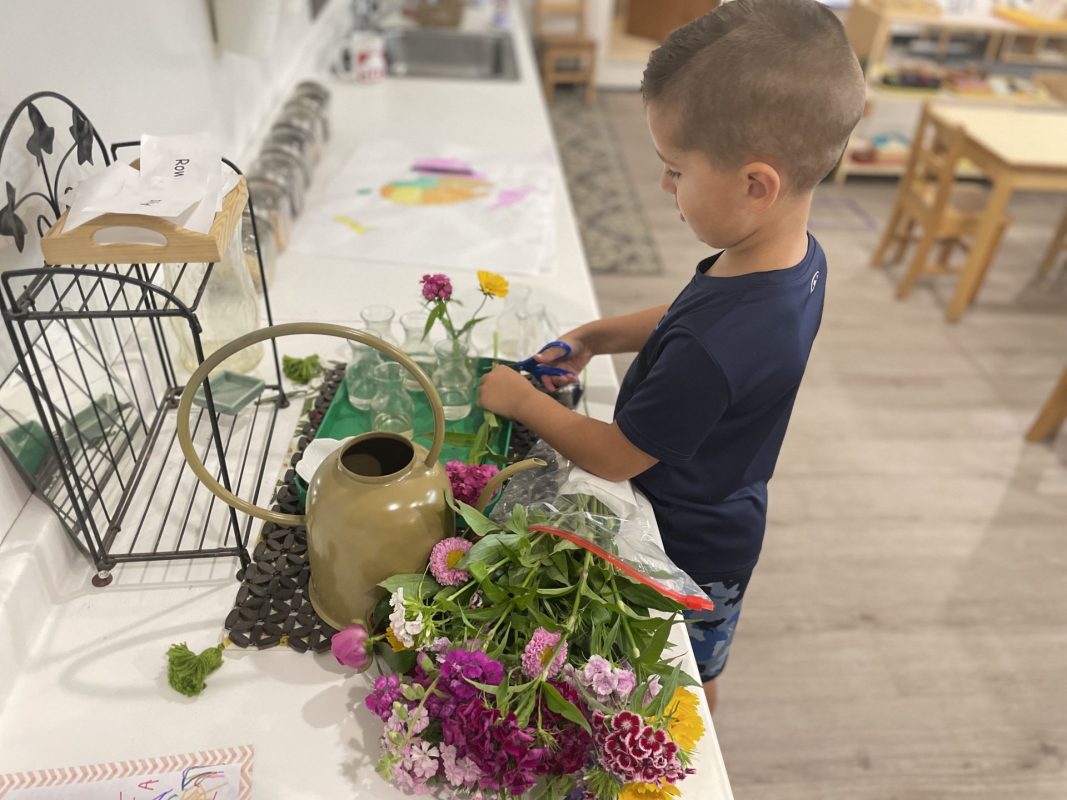
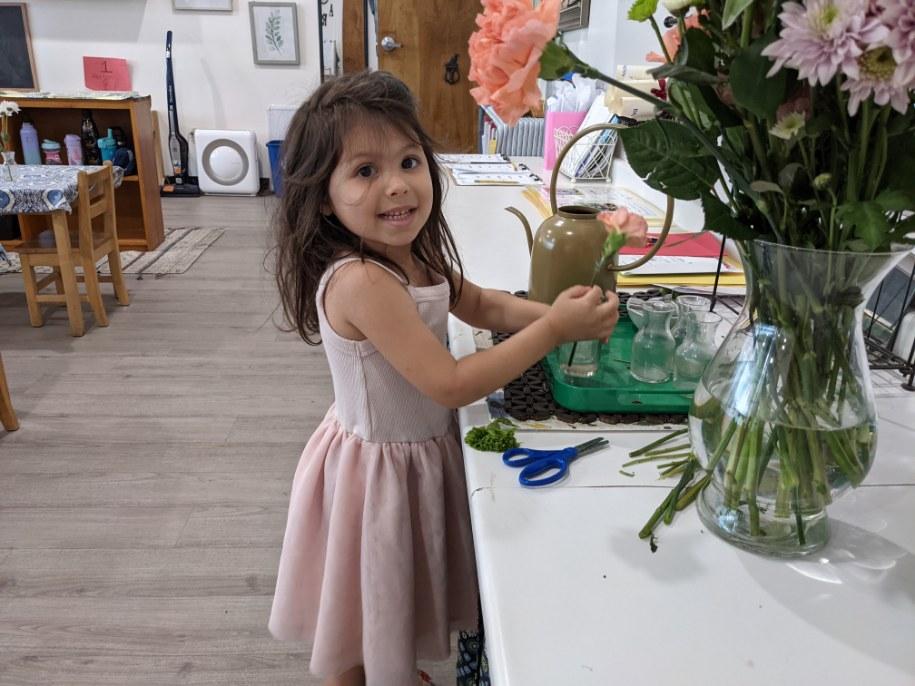
Noelle- I pick flowers from my garden and put them in a watering can.

Kian- I help the Earth by turning off the lights.

Levi- I will walk to the store instead of driving.

Annie- I can turn off the lights when I’m not using them.


Peace and love,

Amanda and Heather


Mrs Semmah: Earth Day

Earth Day is all about our beautiful earth environment and a reminder of how we all interact with it. Earth Day is a reminder about our precious and limited natural resources and the need to be considerate everyday about our planet earth. We can simply celebrate it by planting a tree, digging a garden, or going for a nature walk.

In the classroom, we have our science unit on how plants grow and we are planting more seeds for Earth Day. We incorporate the Three Rs about “reduce, recycle, and reuse” by using the recycling bin as part of our daily routine. We also read books in celebration of Earth Day to learn how to be mindful and caring about our planet Earth.

Wishing you a happy Earth Day.

Kaoutar and Sara


Mrs. Doyle’s Class: Discovering South America

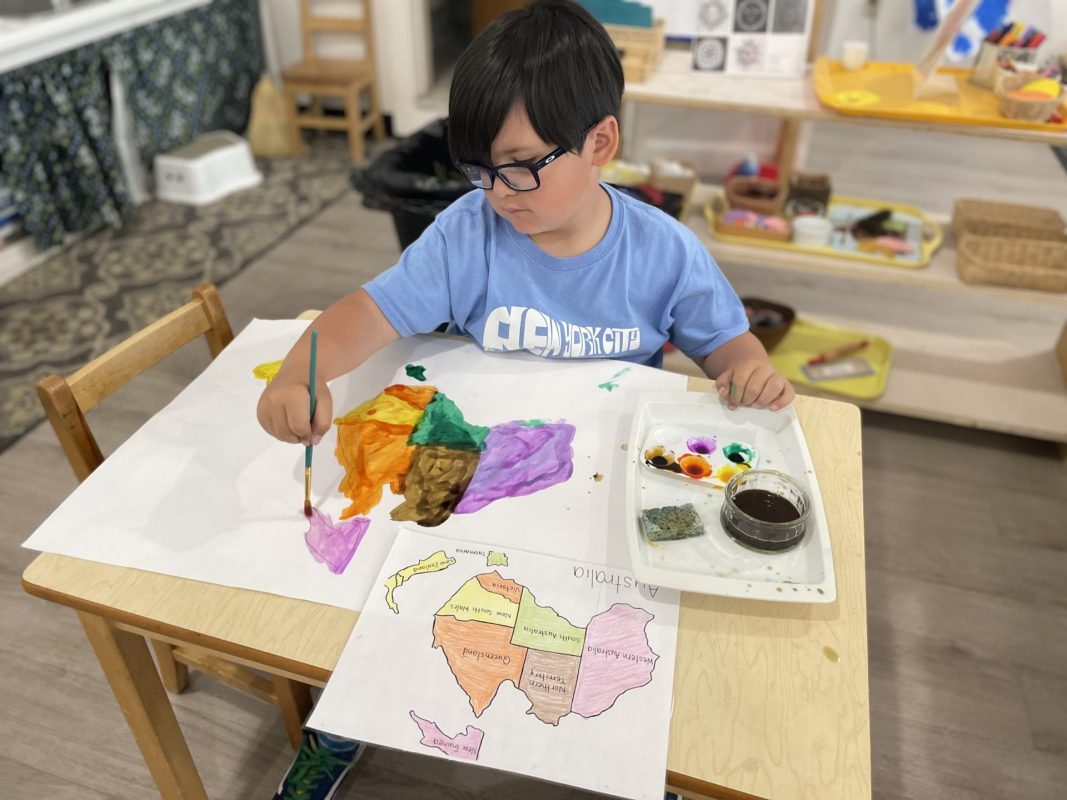
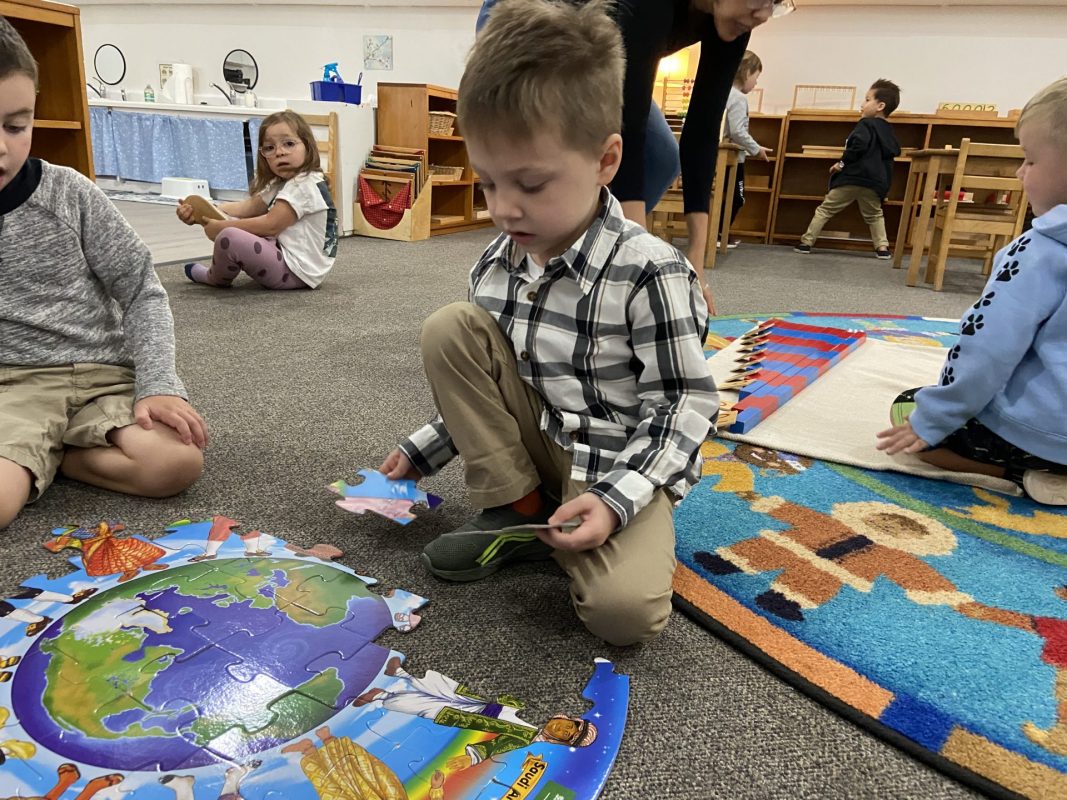
We are now studying the continent of South America in our classroom.  South America is pink on the Montessori map and a topic of great fascination for the children. It is a beautiful region of our world with vibrant cultures and traditions and has a wide range of climates and terrains.

South America is the fourth largest continent in our world and is comprised of twelve individual countries. It is connected to North America by the Isthmus of Panama. An isthmus is one of the landforms we study. The largest country in South America is Brazil and the major languages spoken are Spanish and Portuguese.

Located in South America is the largest rainforest in the world, the Amazon Jungle. So it makes sense that we start to explore the rainforest as well. The rainforest is an ecosystem with a dense tree canopy that lets very little light through. To be considered a rainforest there must be more than 60 inches of rain each year. Rainforests also contain more than 40% of the world’s animals and plant species. There are four layers in a rainforest and each layer receives different amounts of sun, rain, and wind and therefore is home to different species.

Wishing you a week filled with peace and love,

Michelle & Liset

Mrs. Lopes: Exploring Insects

“A child, more than anyone else, is a spontaneous observer of nature.” – Maria Montessori

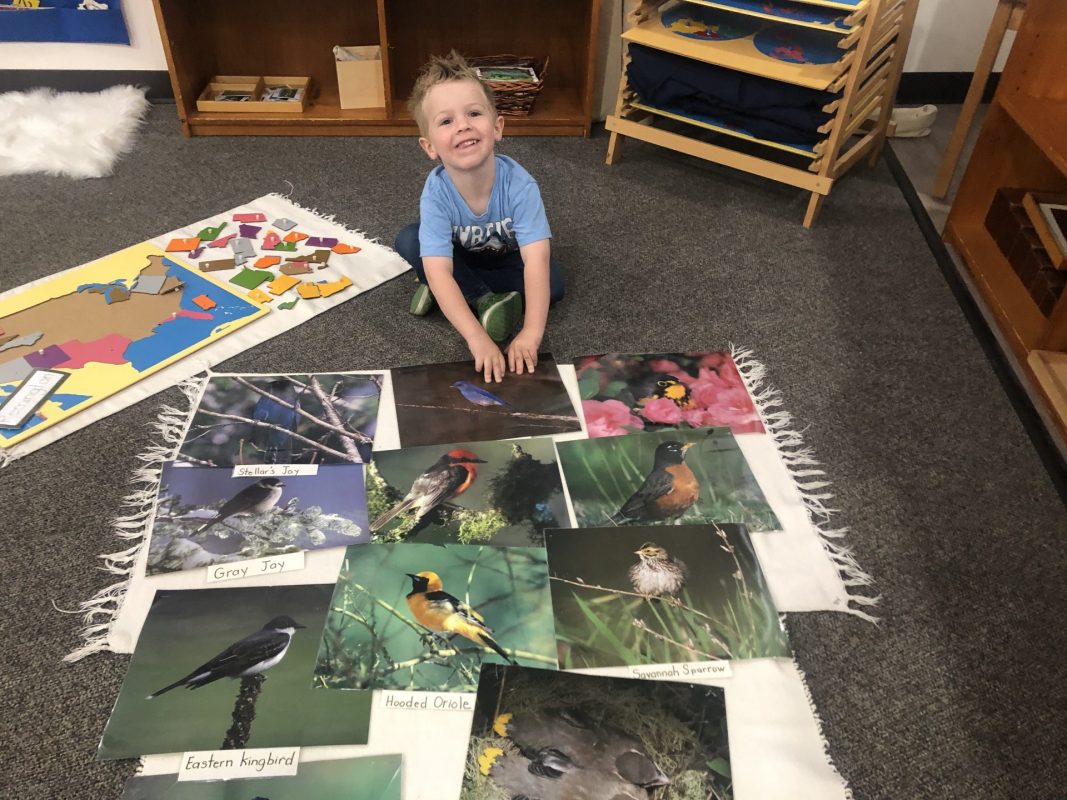
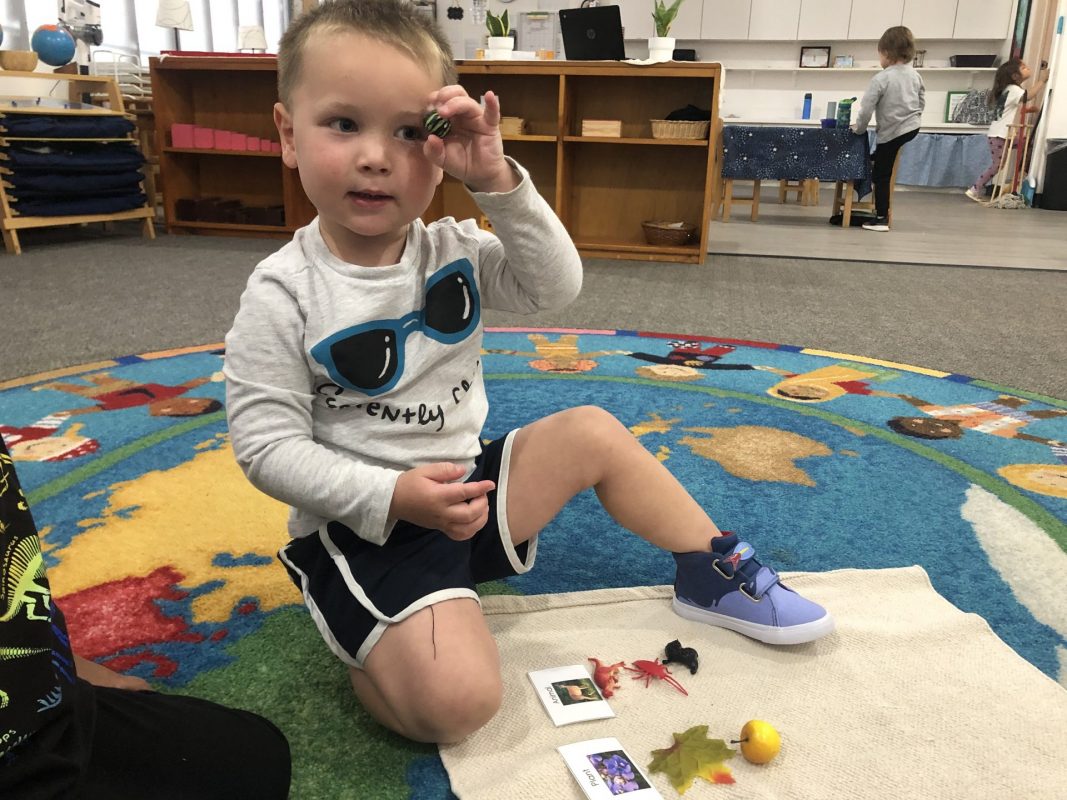
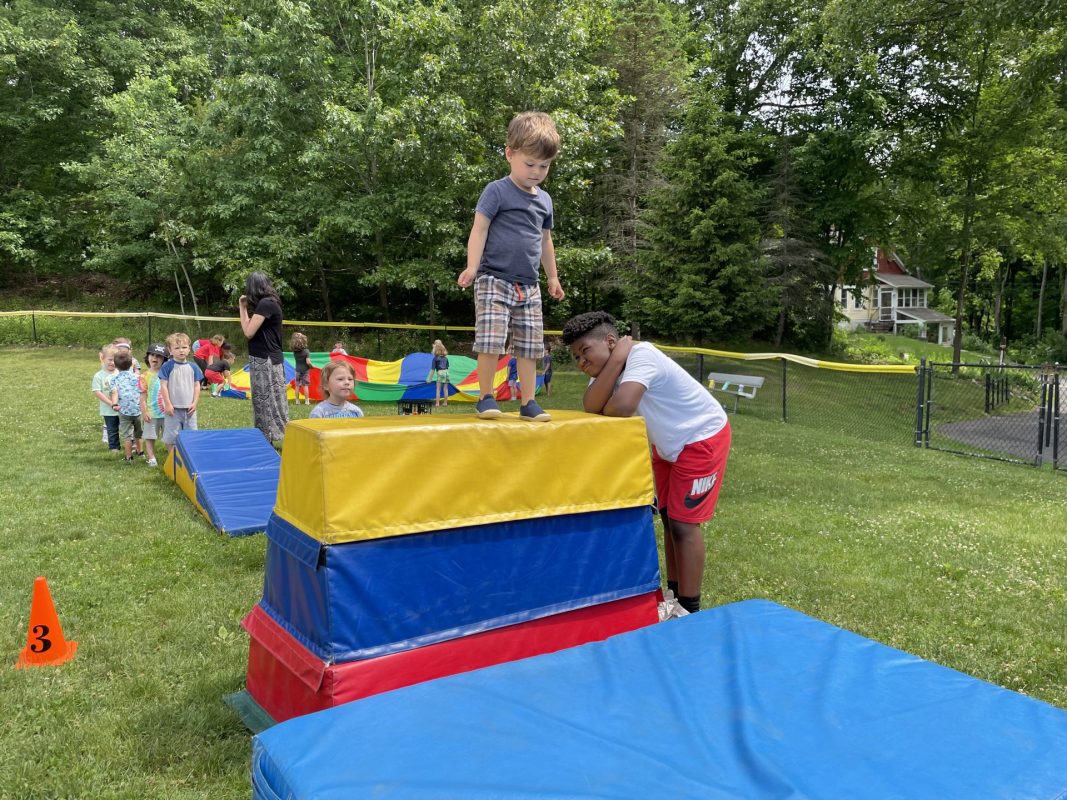
Flowers aren’t the only ones that come out of hiding during spring. After the cold of winter you’ll notice more insects start making their appearance. Curiosity towards these six legged friends hits a high note in April, and we take the cue to “follow the child” and their deep affection for insects. Over the next several weeks we will continue to support your children’s curiosity, exploration, and understanding of insects through hands-on activities, songs, lessons, and outdoor exploration. The intent is to encourage their interest in the diversity, beauty, and joy of nature.

Is a spider an insect? What are the 3 parts of an insect?  The children know, ask them.

Have a warm and wonderful week!

Amanda & Heather


Mrs Semmah: Spring Into Science (Parts of the Plant)

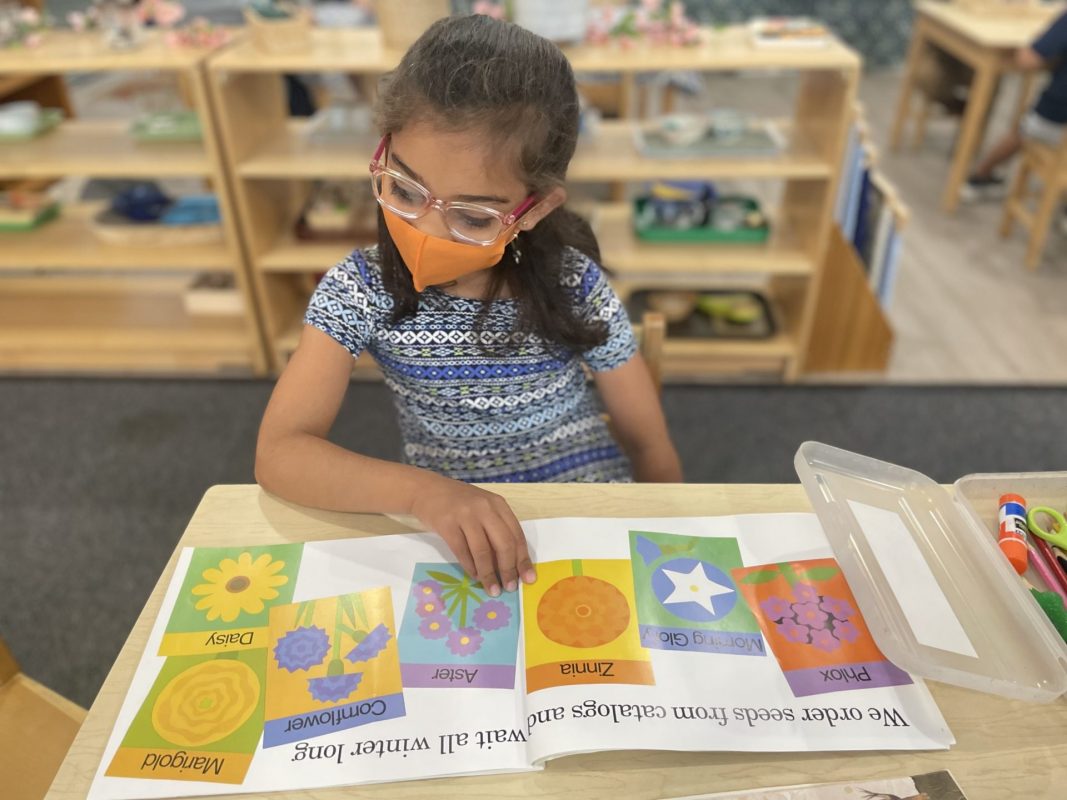
This week we learned about parts of a plant. During circle time, we introduced new vocabulary using pictures. We also discussed the set of works each part plays in the life cycle of the plant. Seeds: grow a new plant. Roots: take water from the ground for the plant. Stem: carries water to the leaves and holds the plant. Flower: makes more seeds. In the art area, the children were able to label the plant parts using a cupcake liner, pipe cleaner, yarn, and sunflower seeds. They also pasted the labels for each part. We also read The Tiny Seed by Eric Carle. It helps children follow the life cycle of a flower on an easy-to-understand level.
It was very lovely to see parents volunteering at our school building. The children were very excited and happy to share these precious moments of hand printing on the bench with their parents. Very special thanks to our class parents Lidia and Kenyon for organizing this event and to all the parents who contributed to making this beautiful bench.

Wishing you a peaceful weekend

Kaoutar and Sara