Mrs. Lopes: Our Hurried World

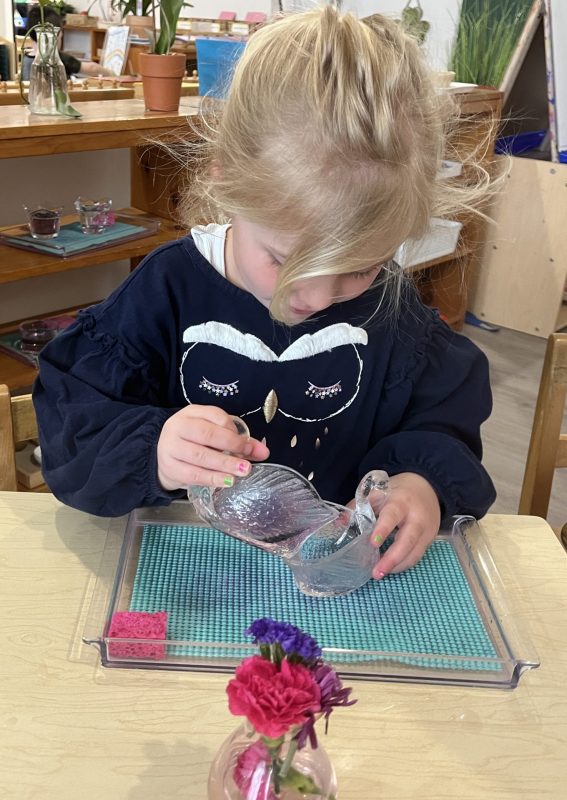
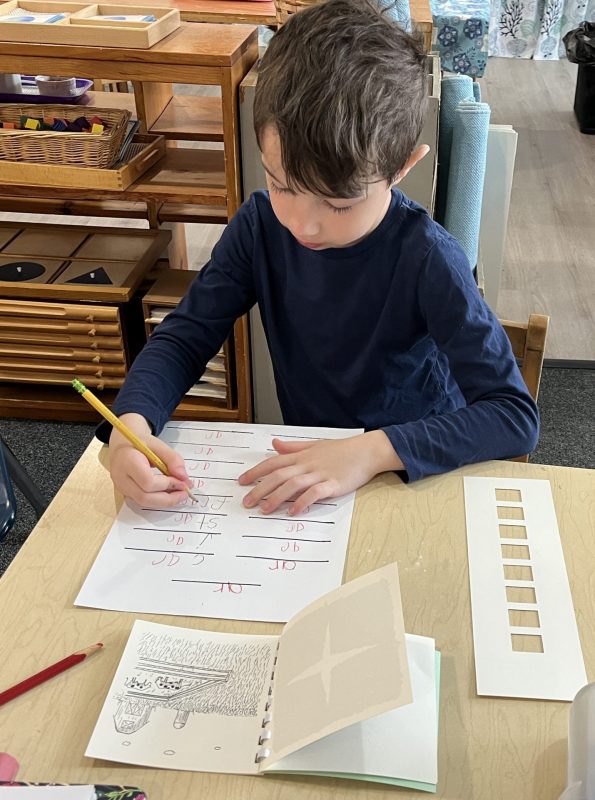
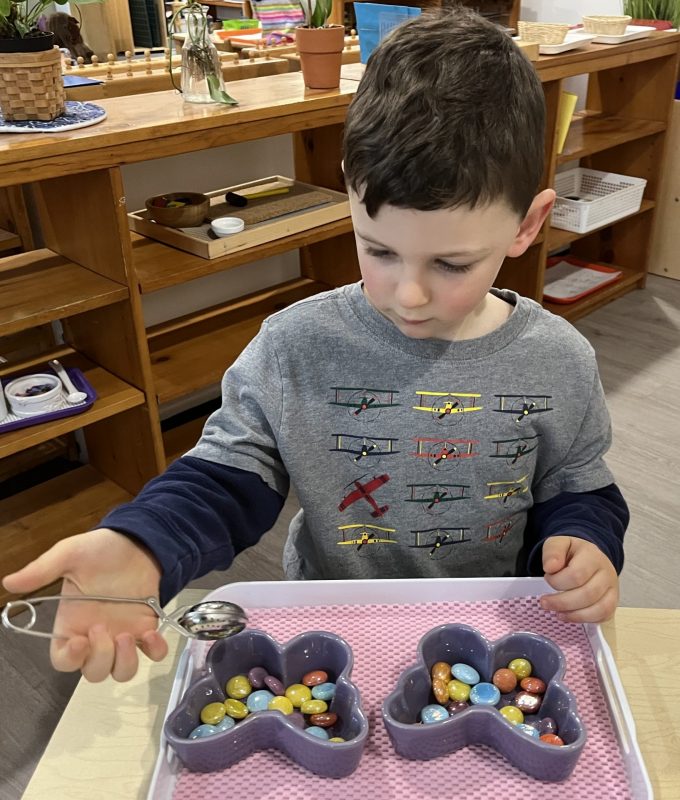
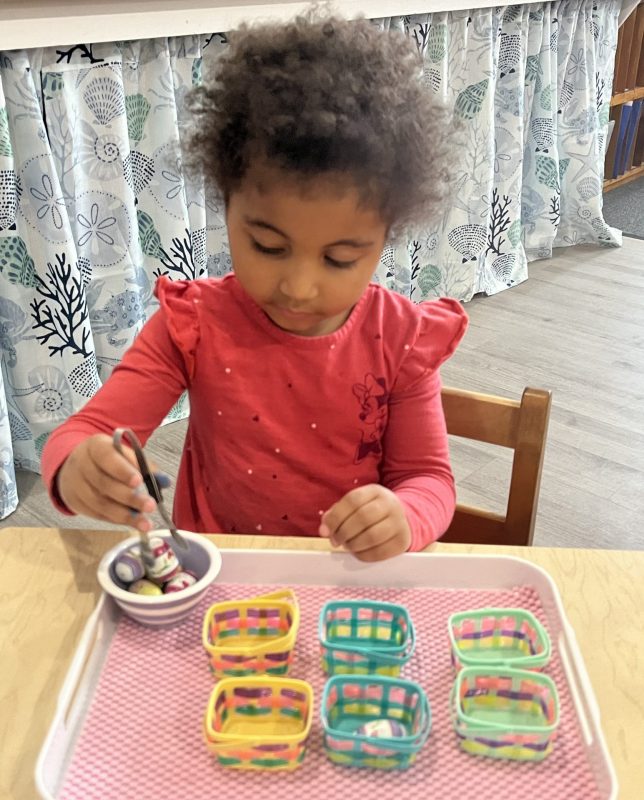
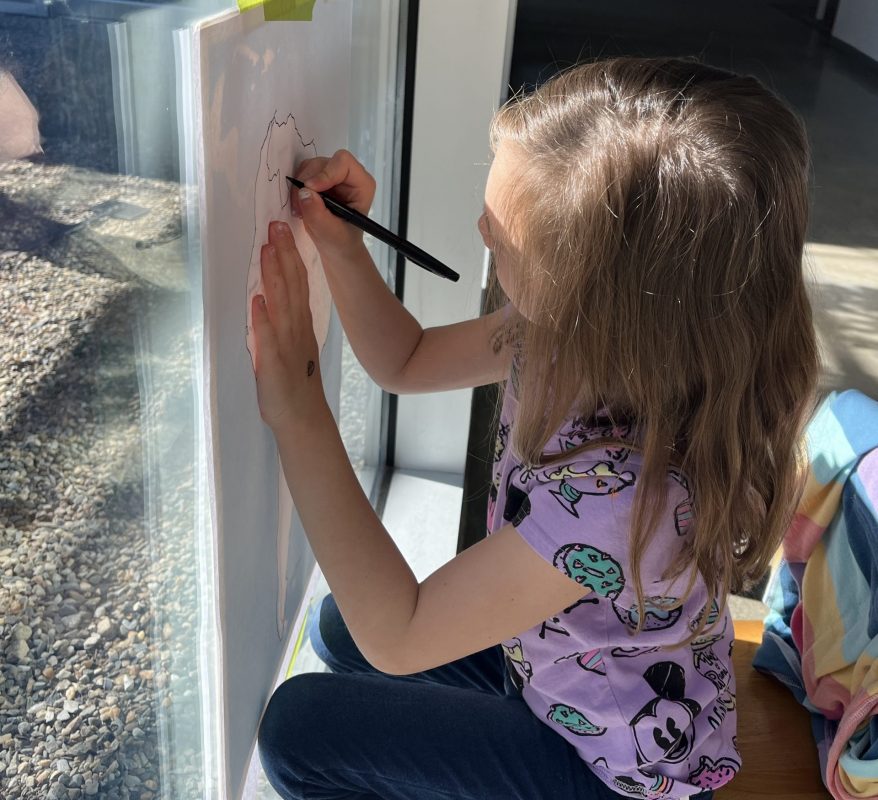
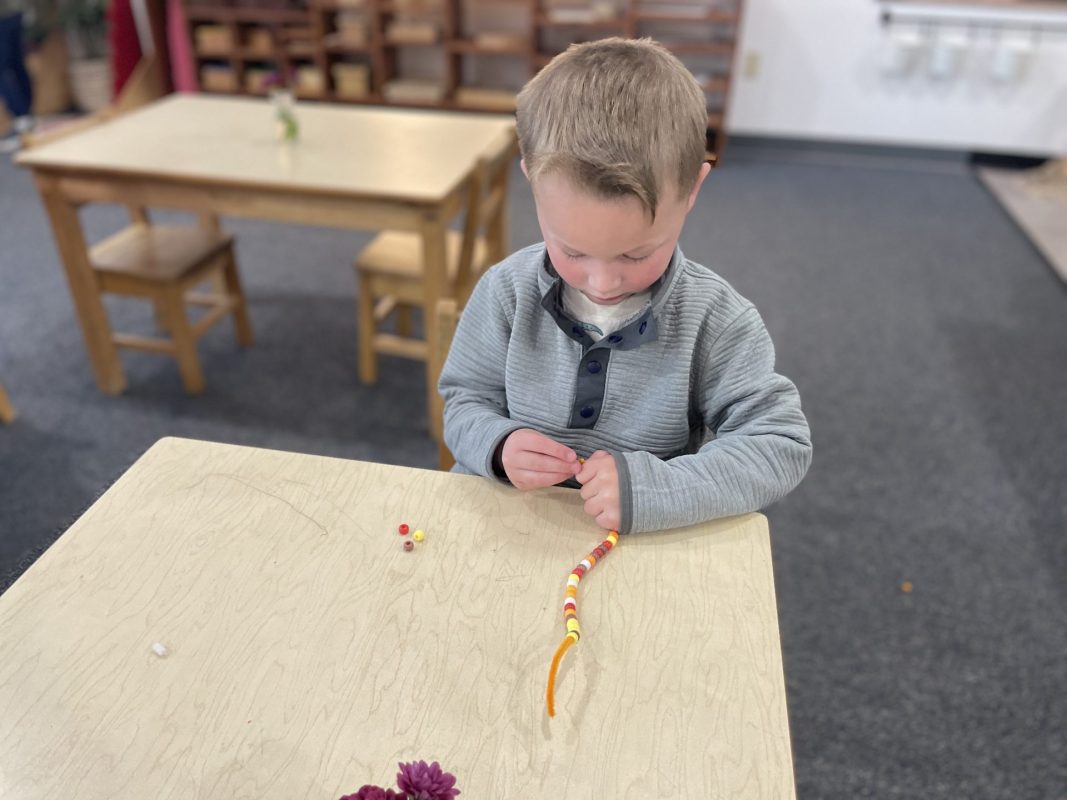
” Help me to do it myself.”

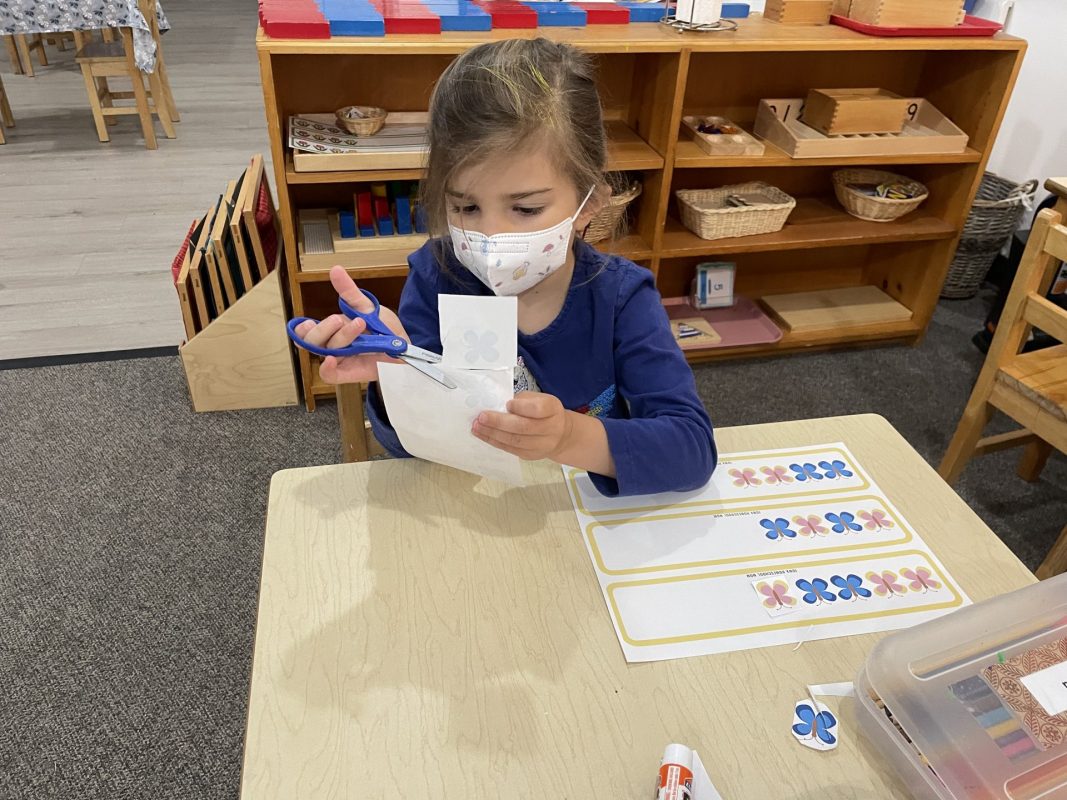
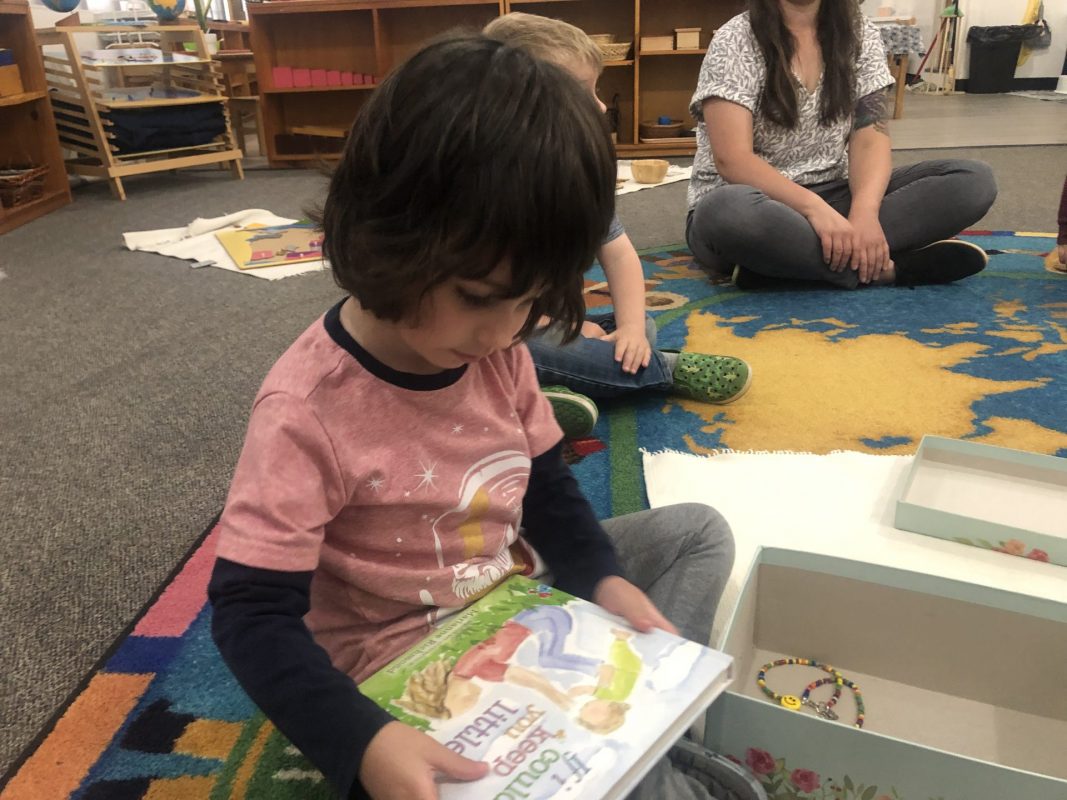
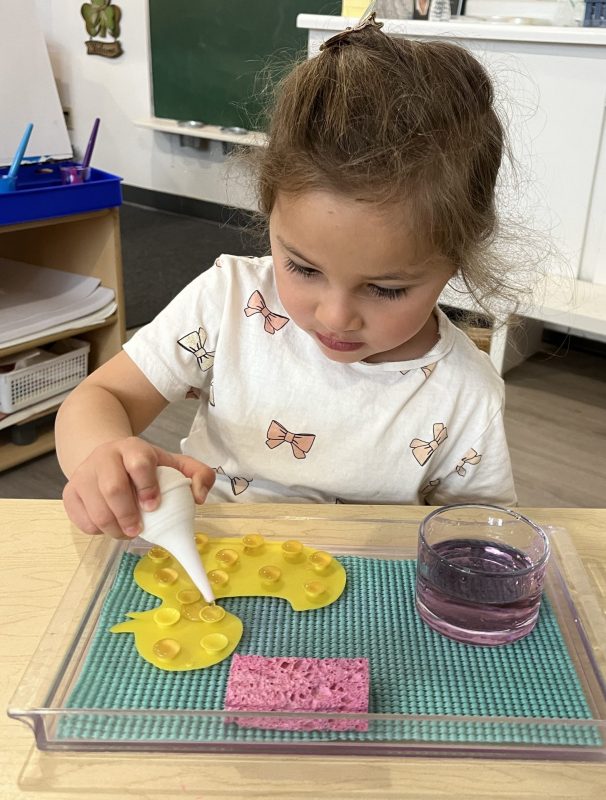
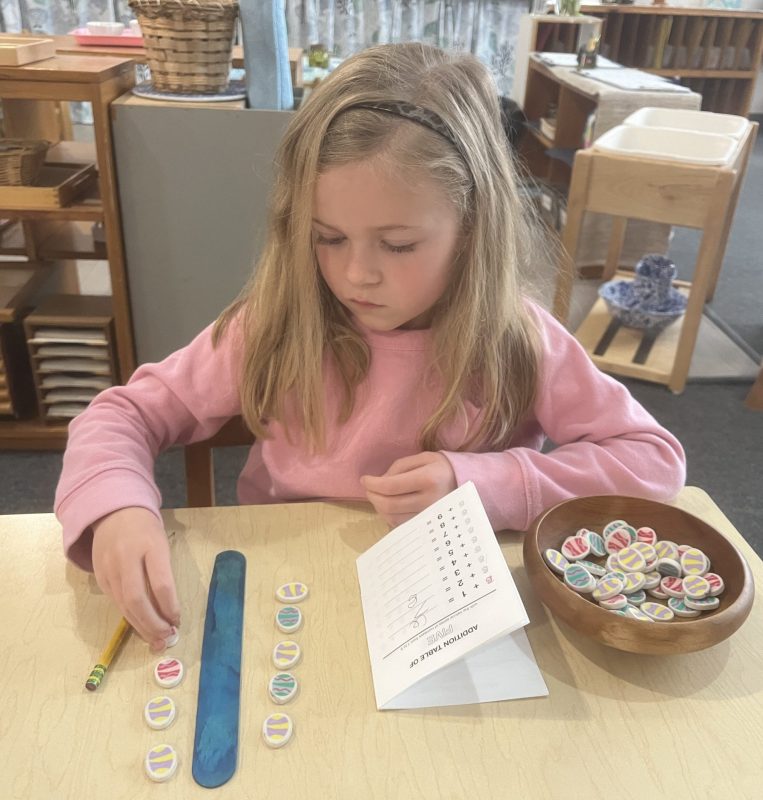
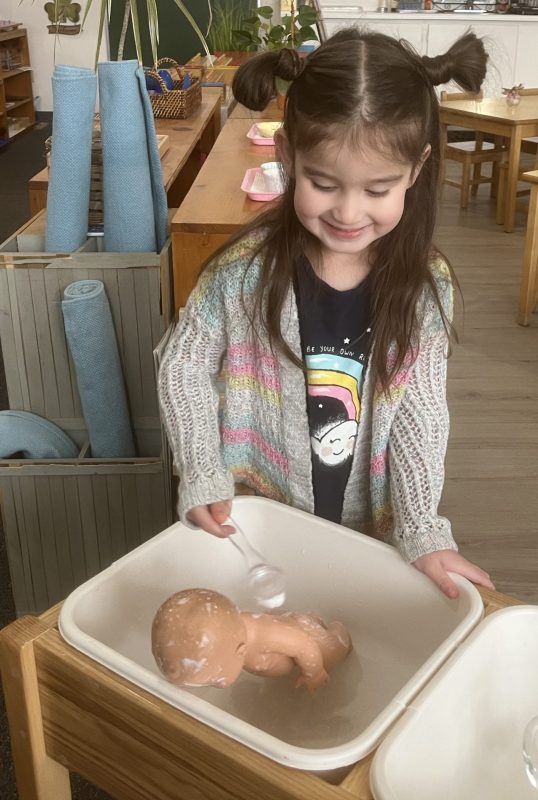
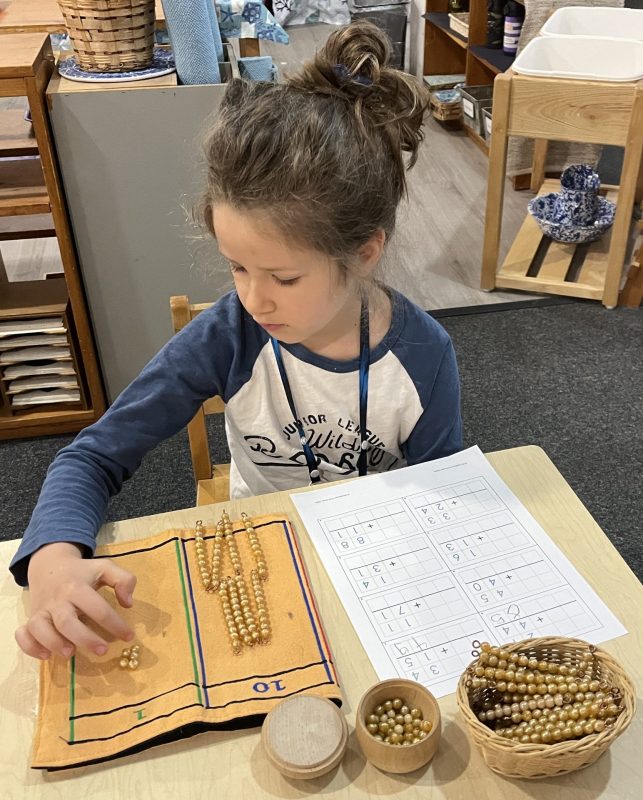
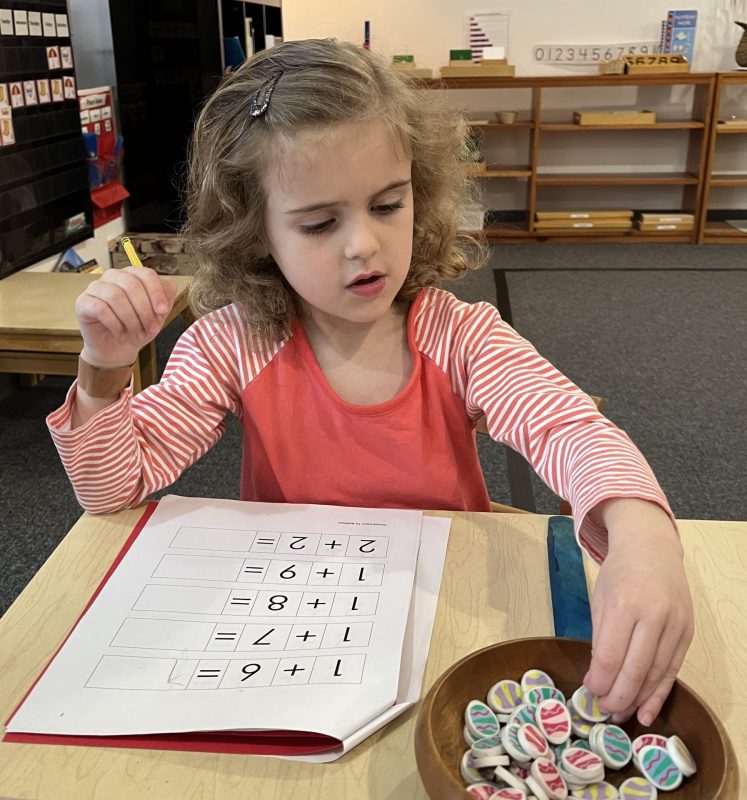
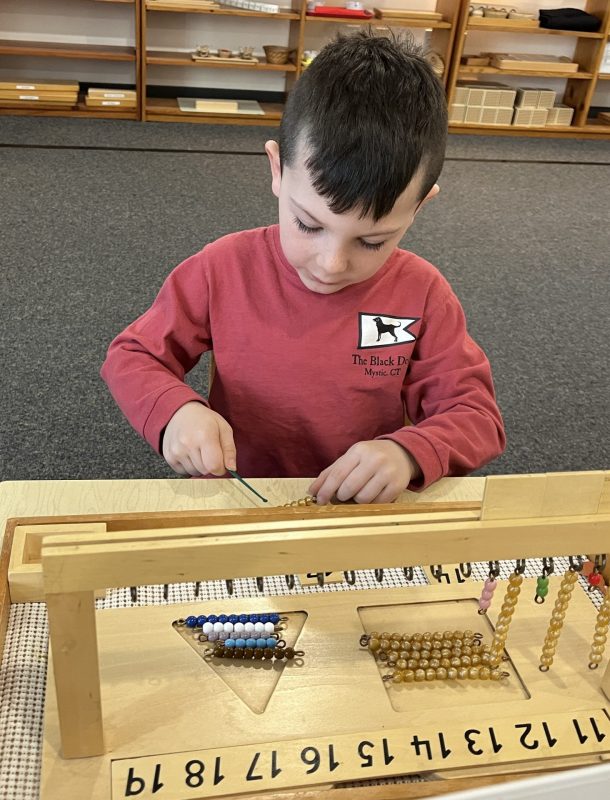
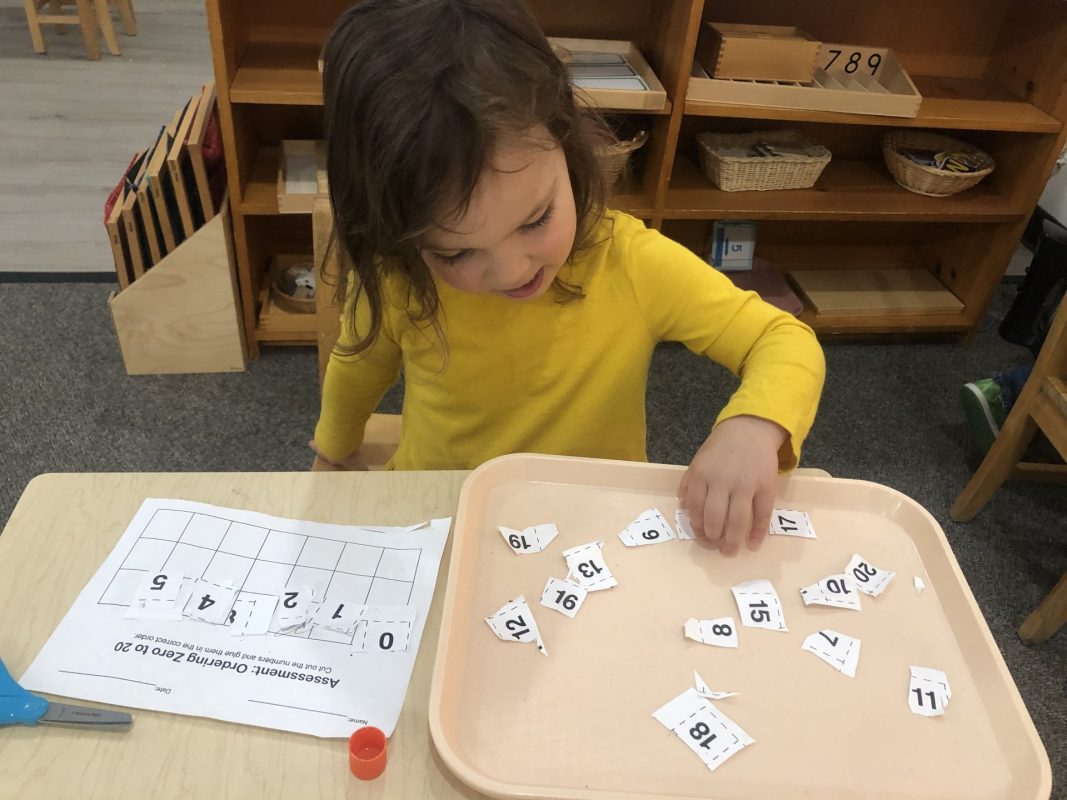
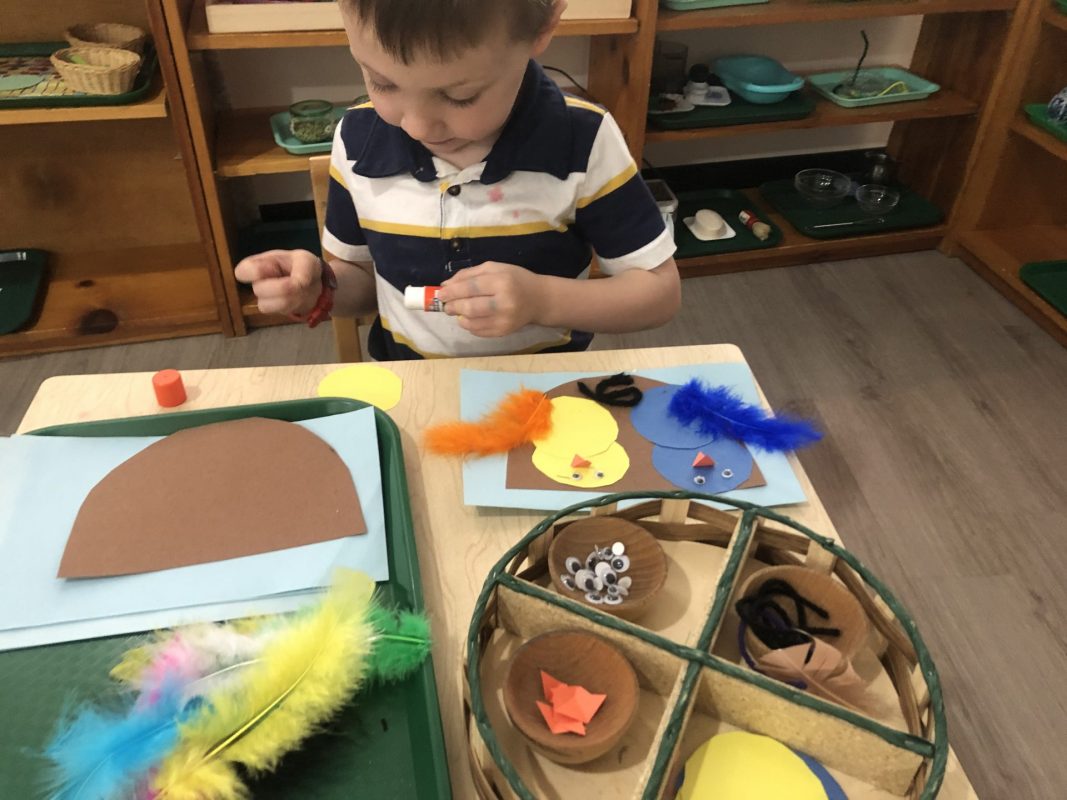
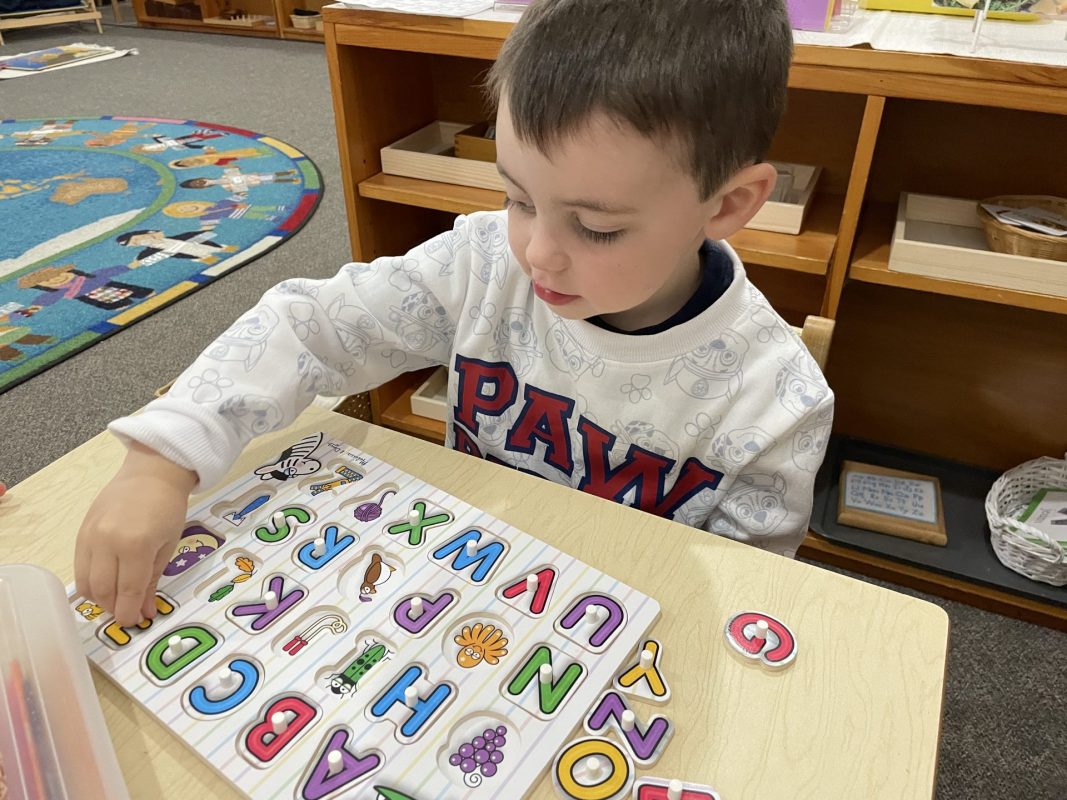
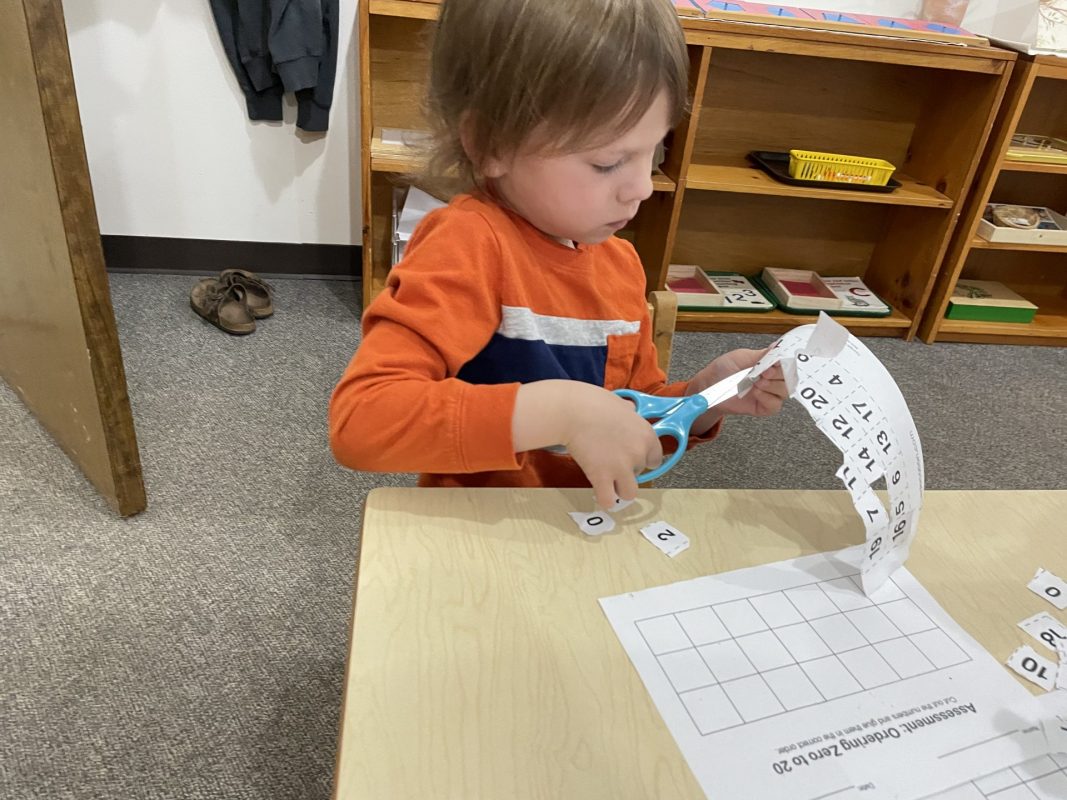
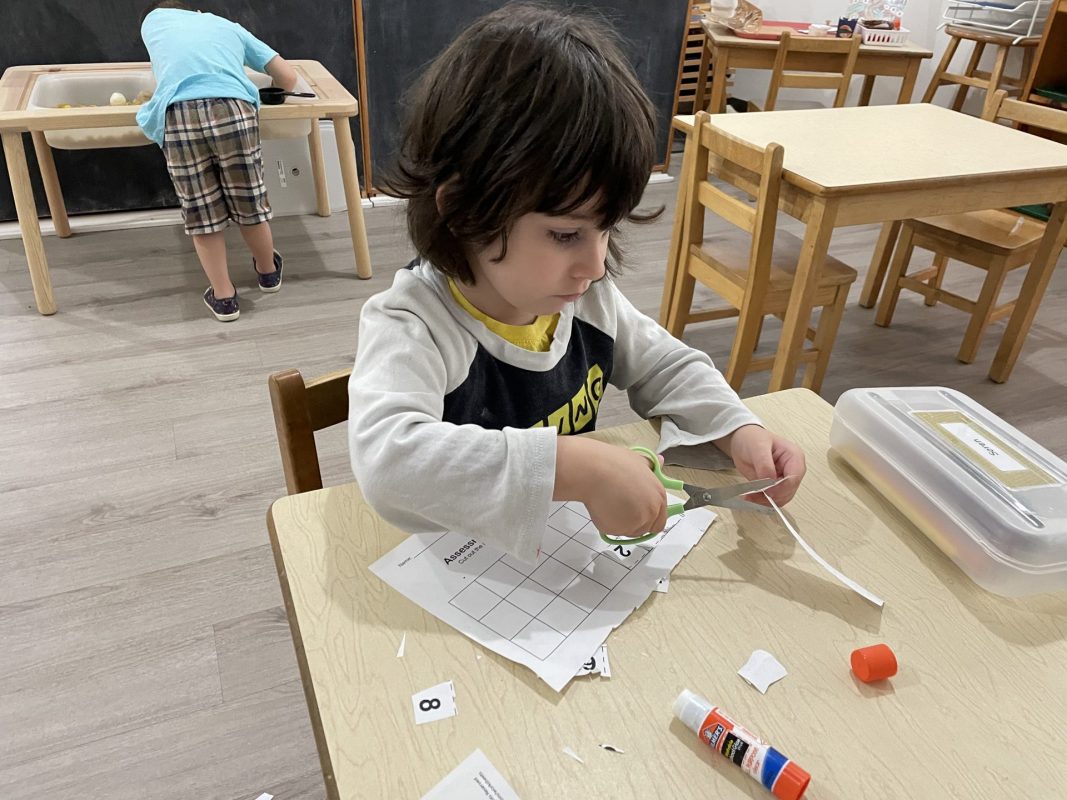
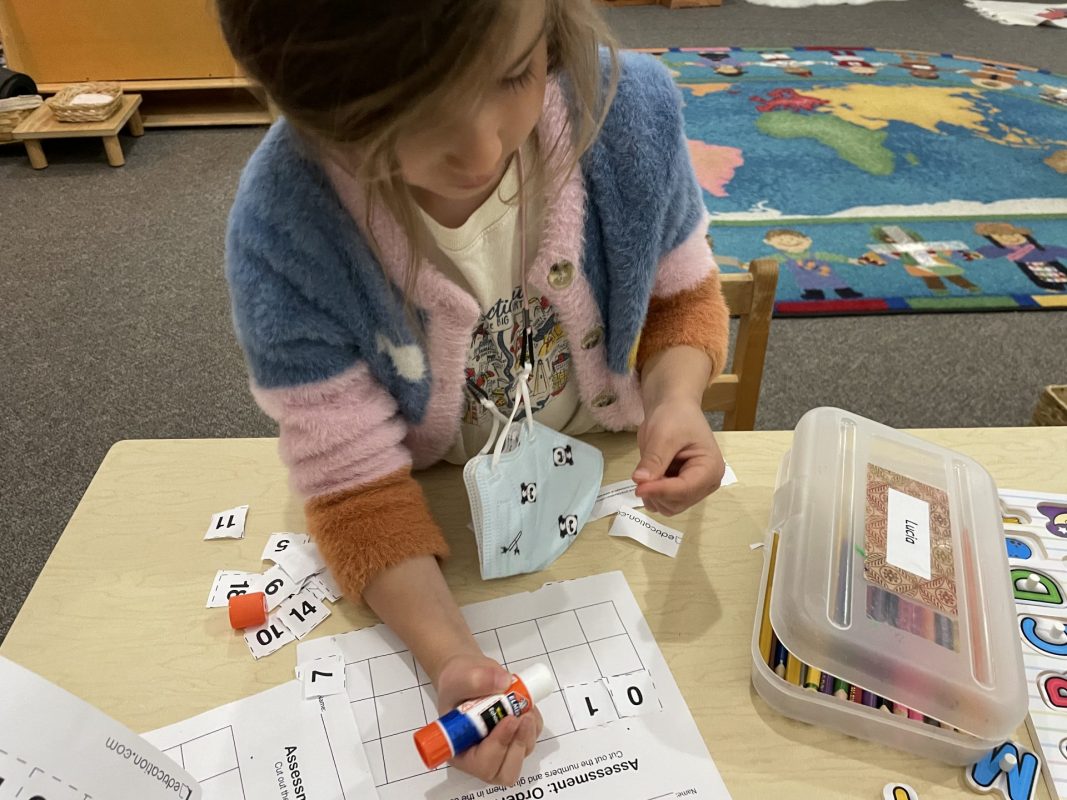
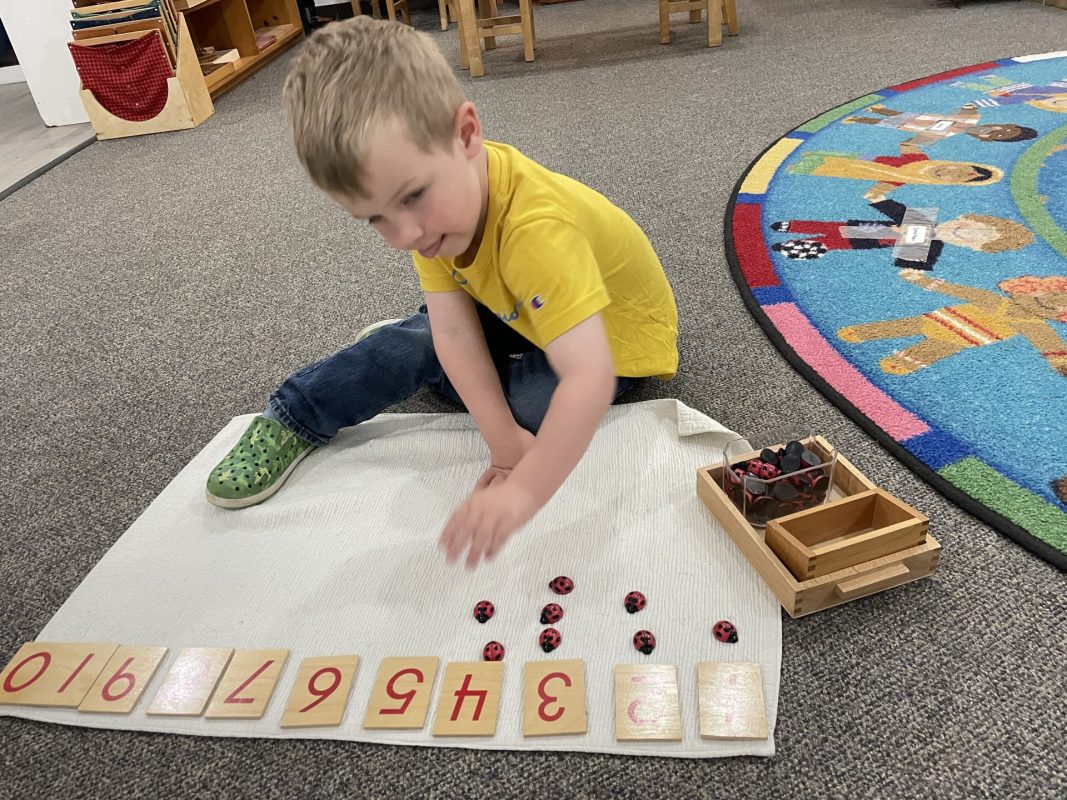
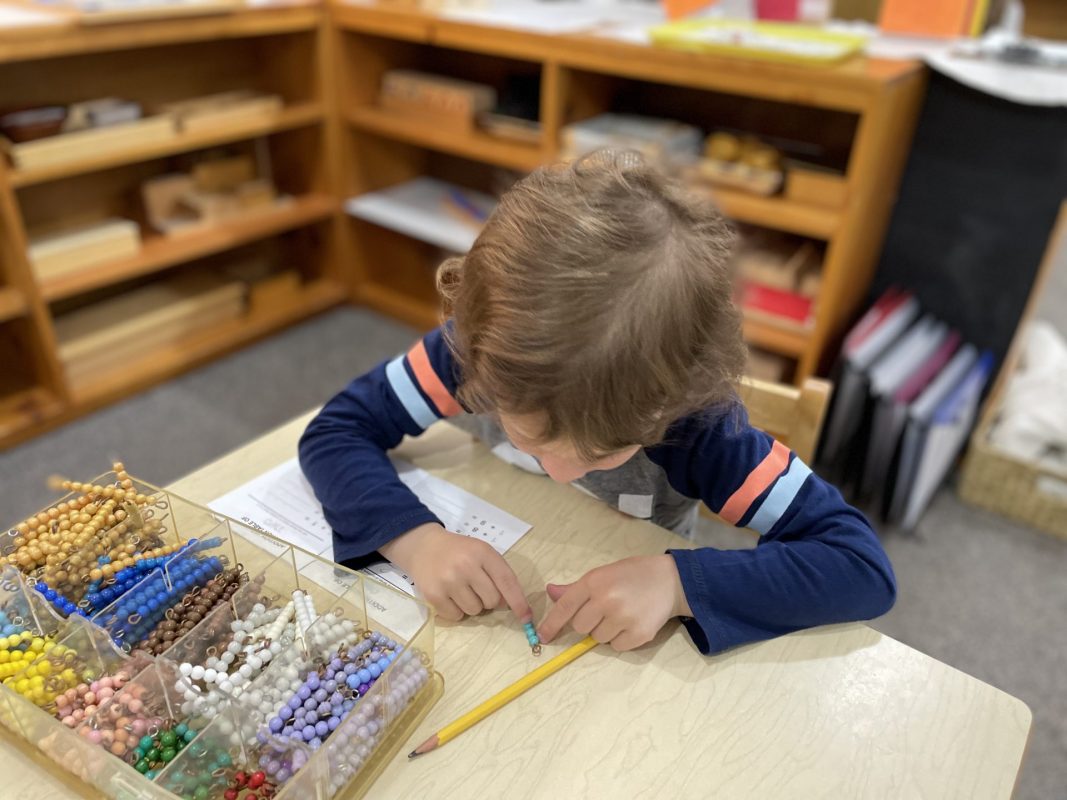
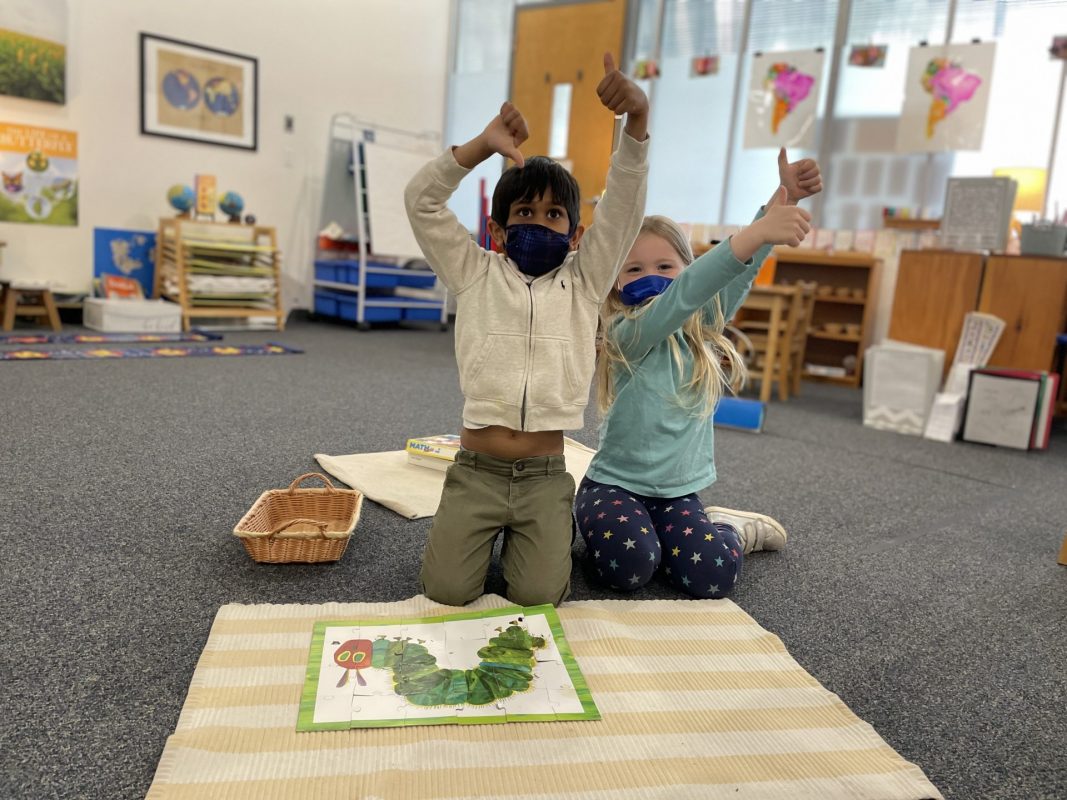
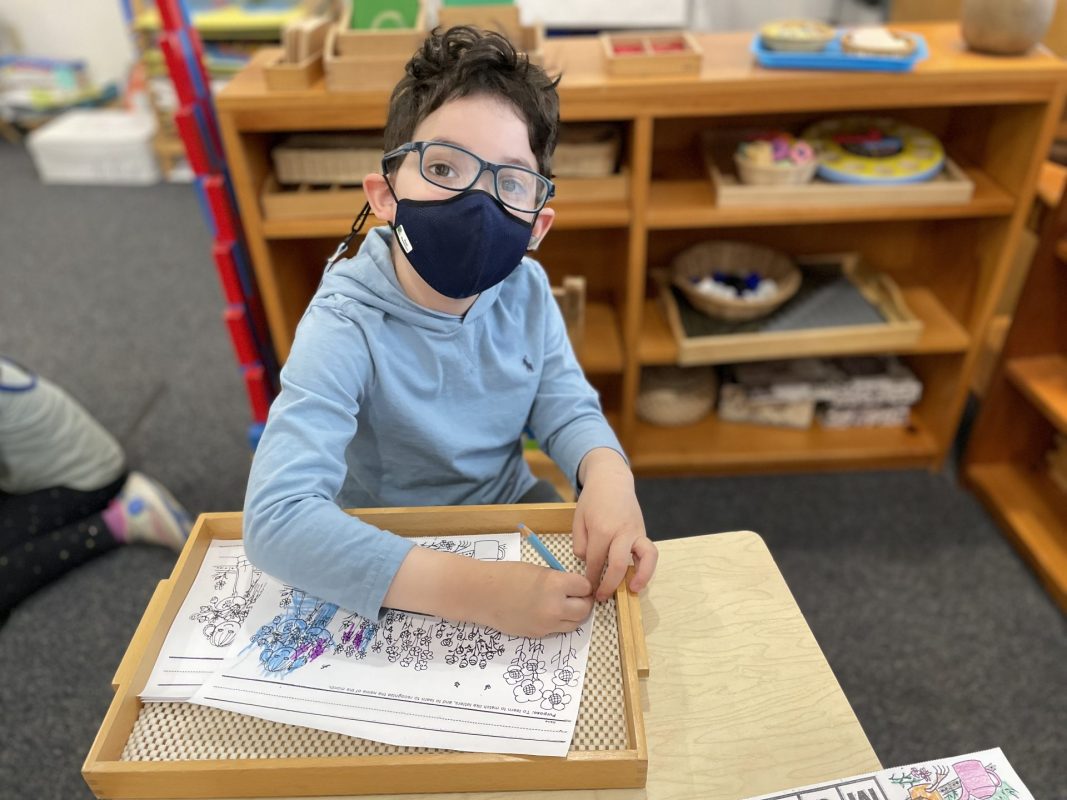
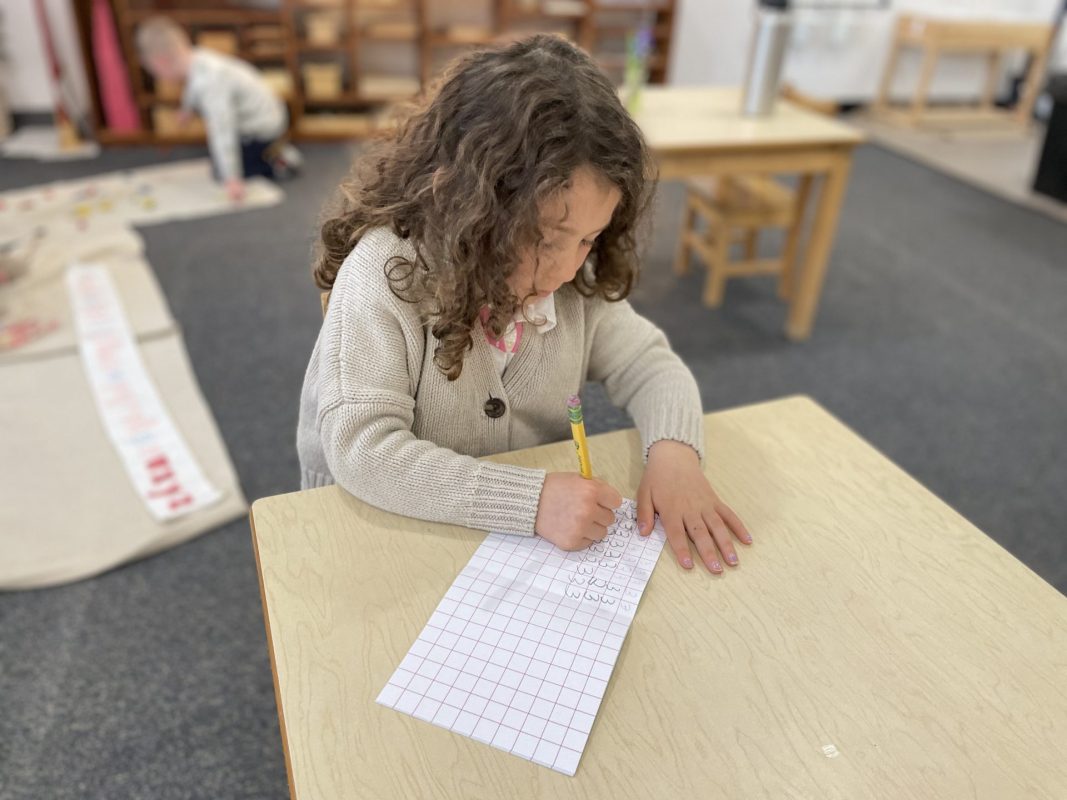
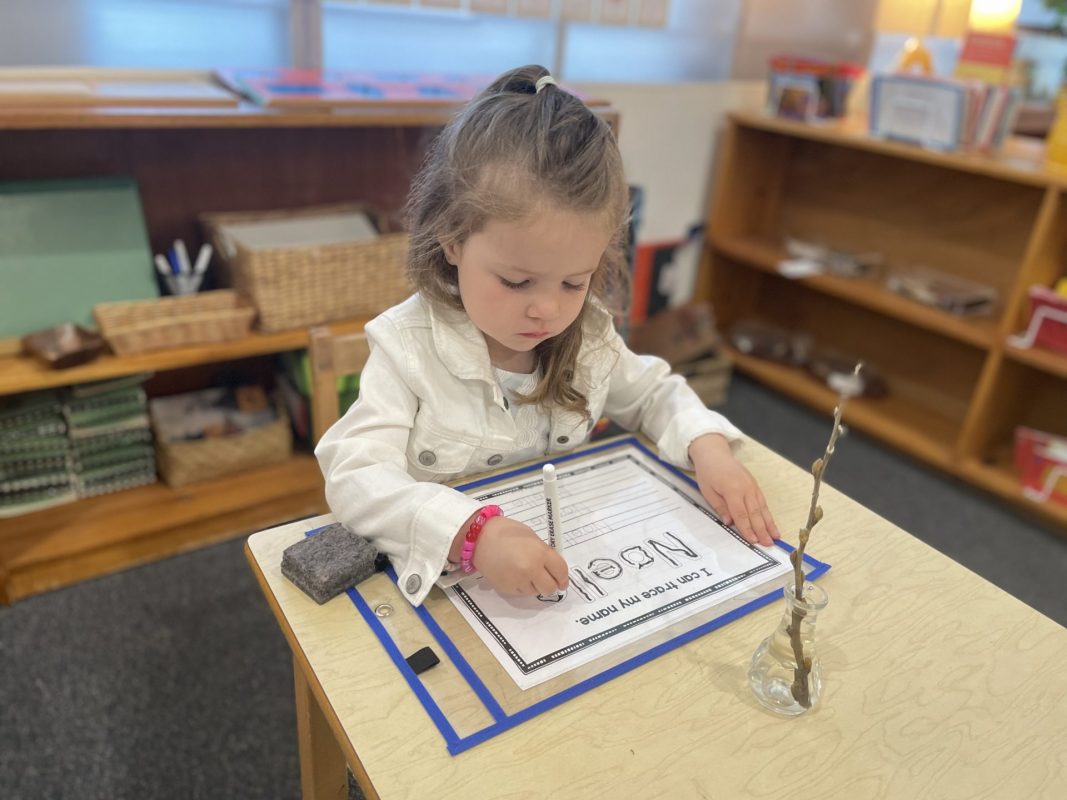
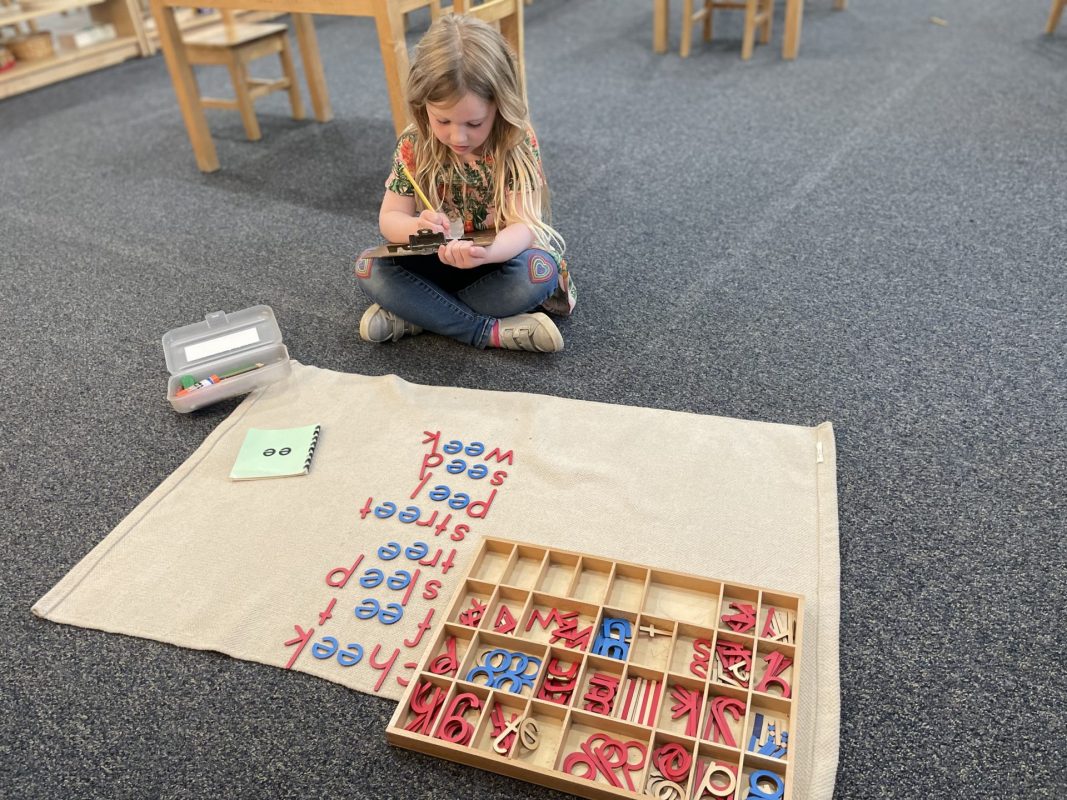
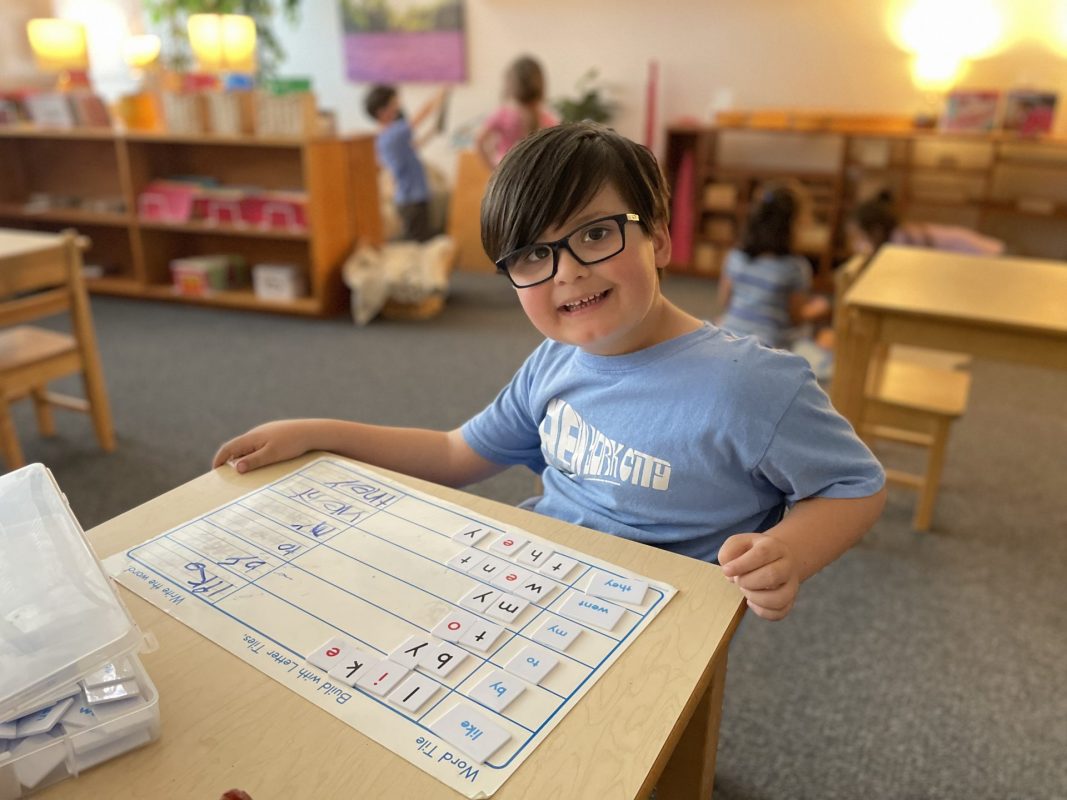
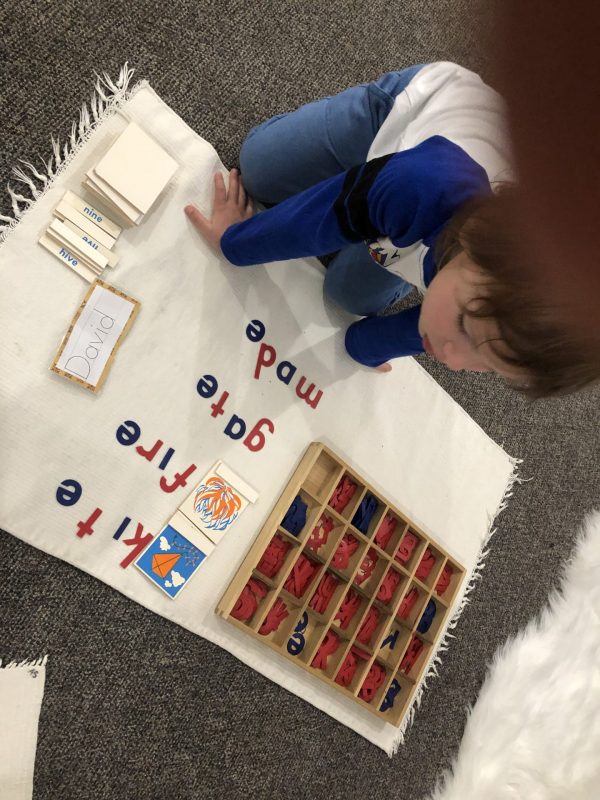
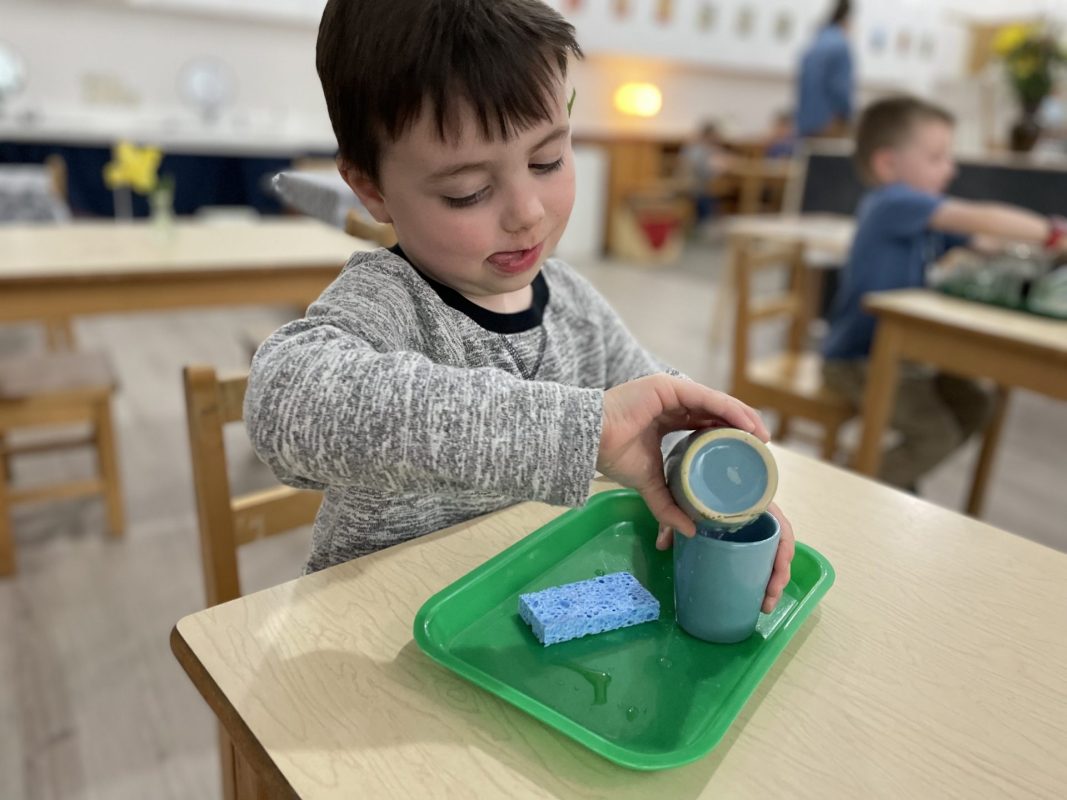
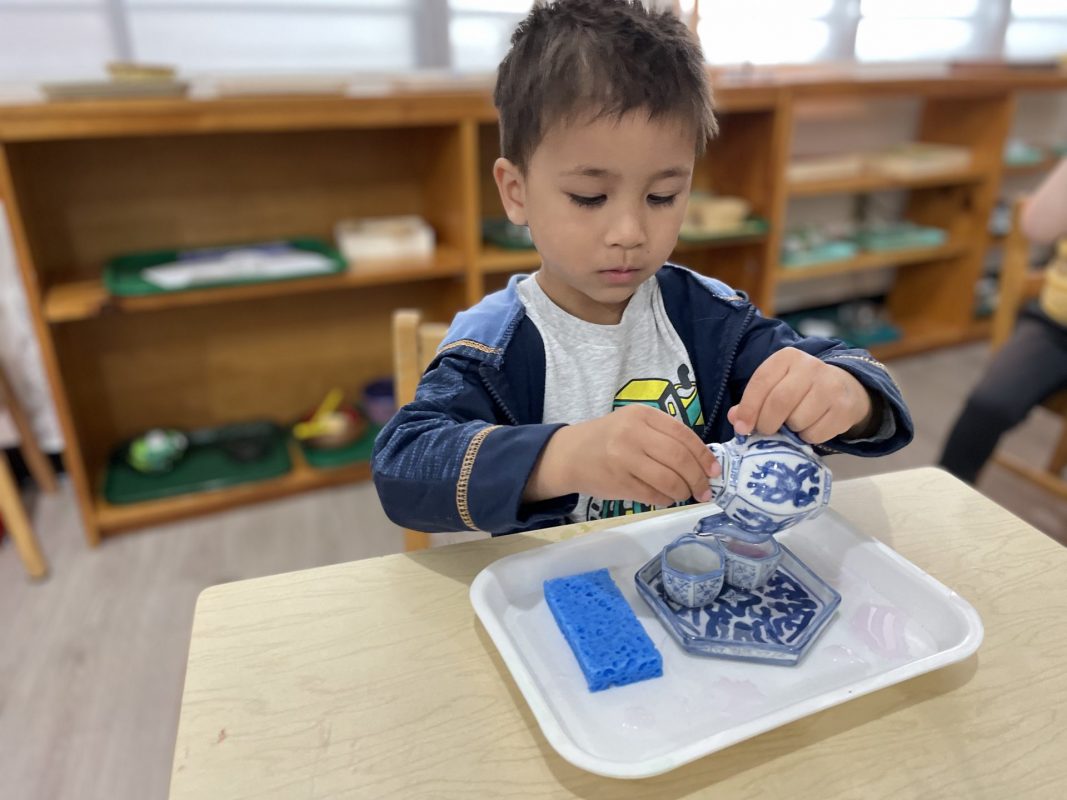
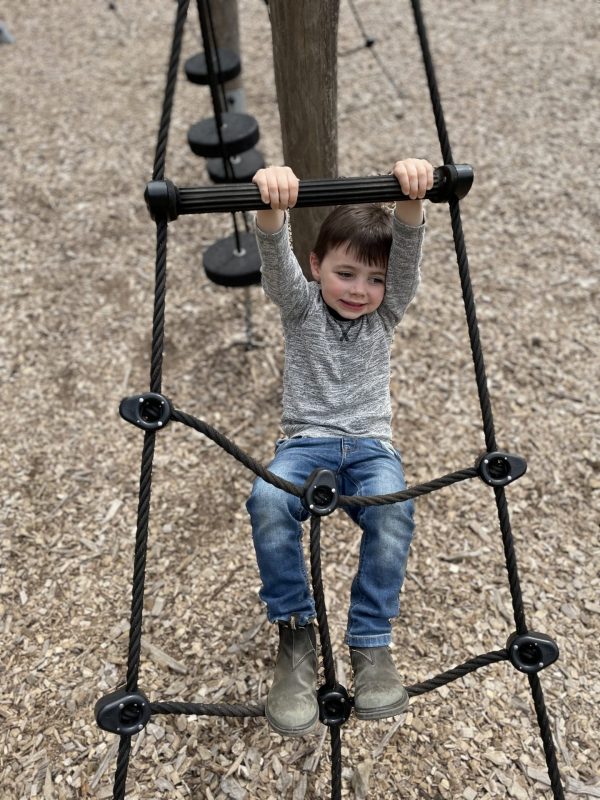
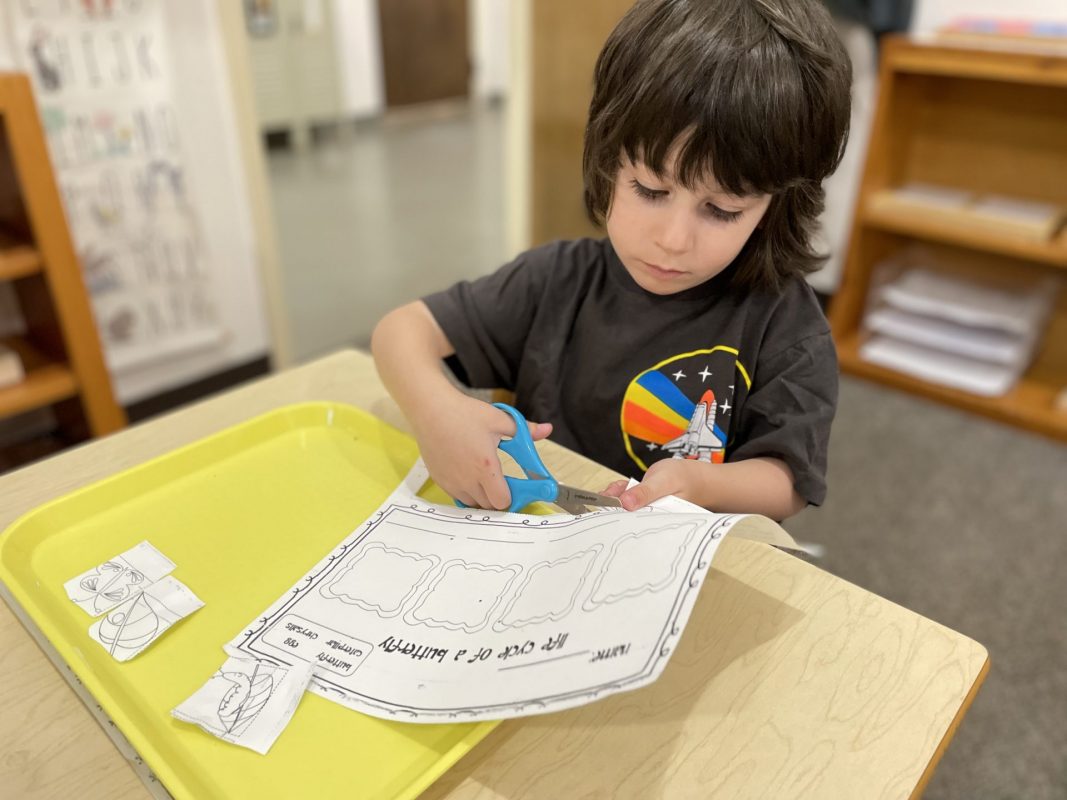
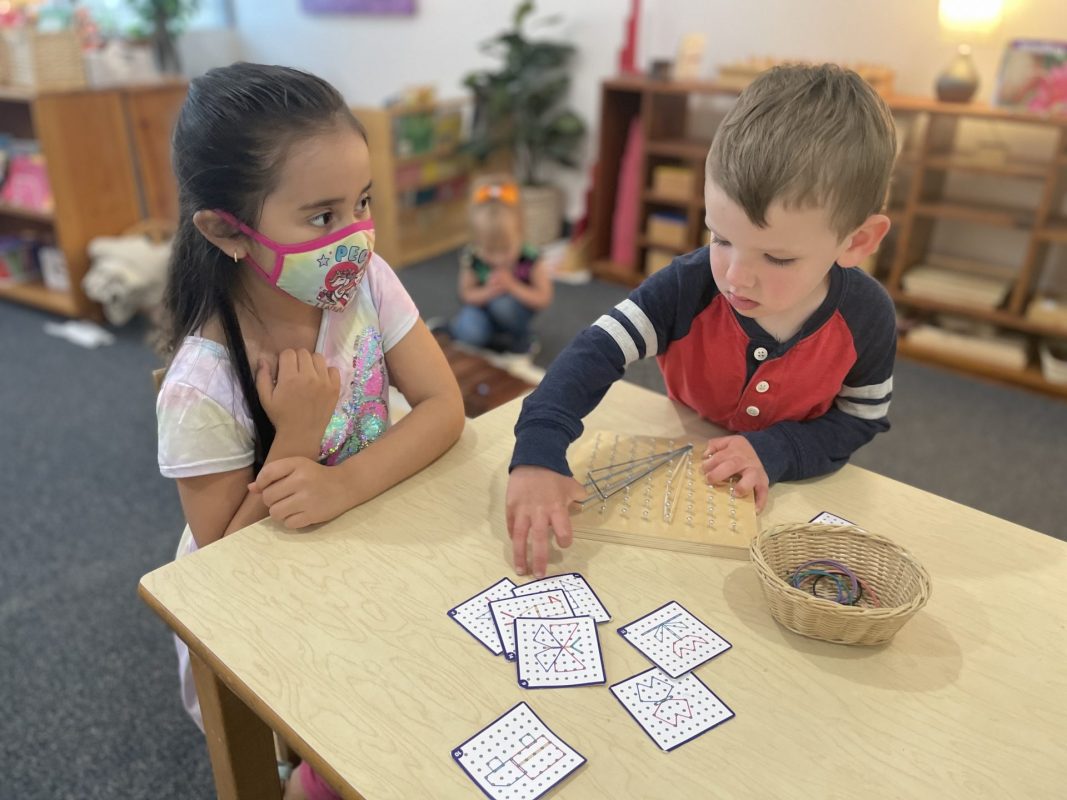
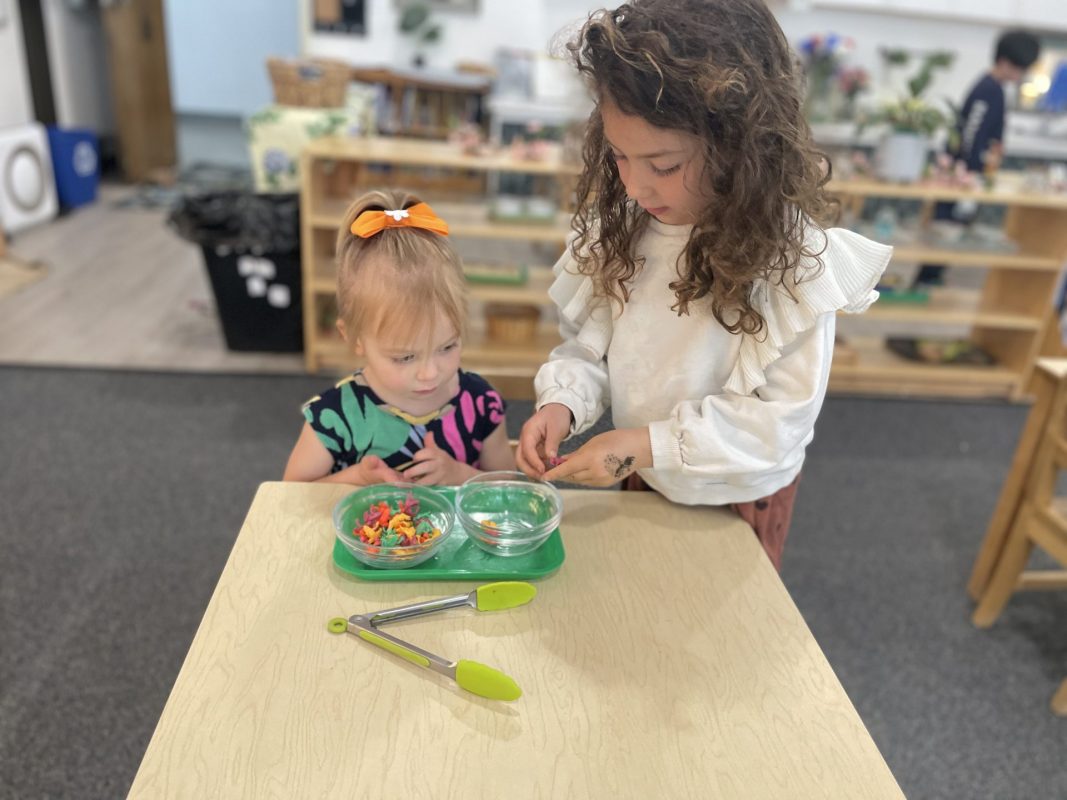
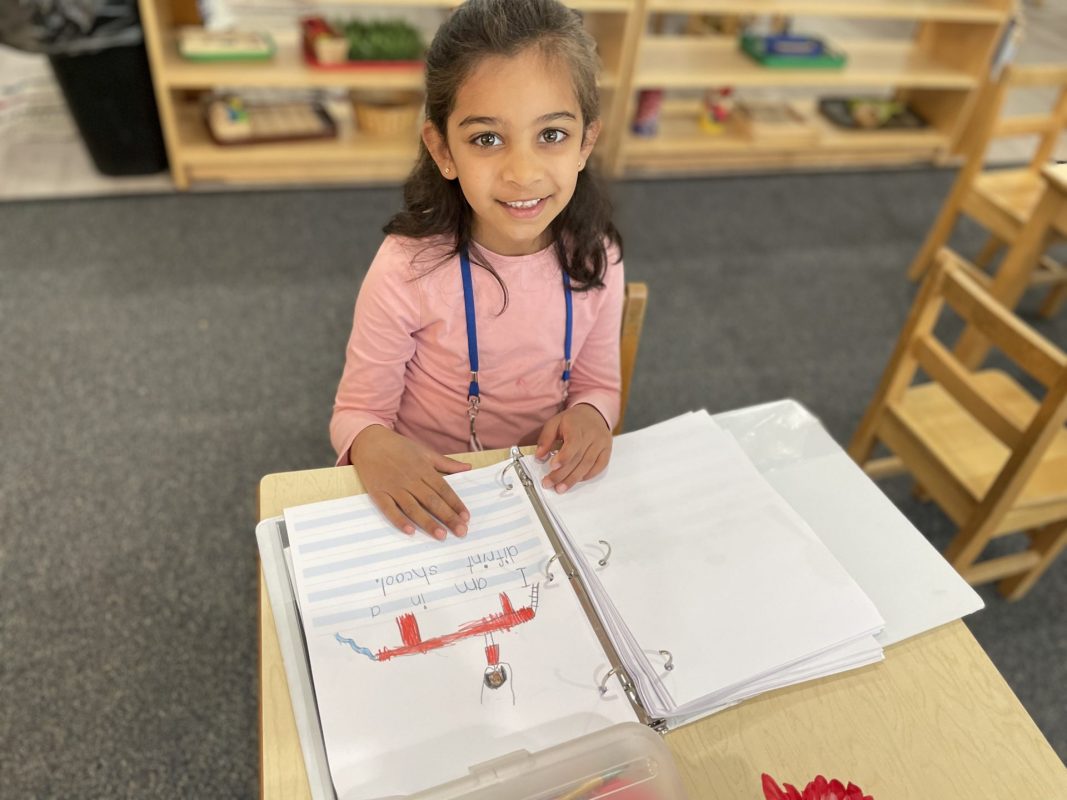
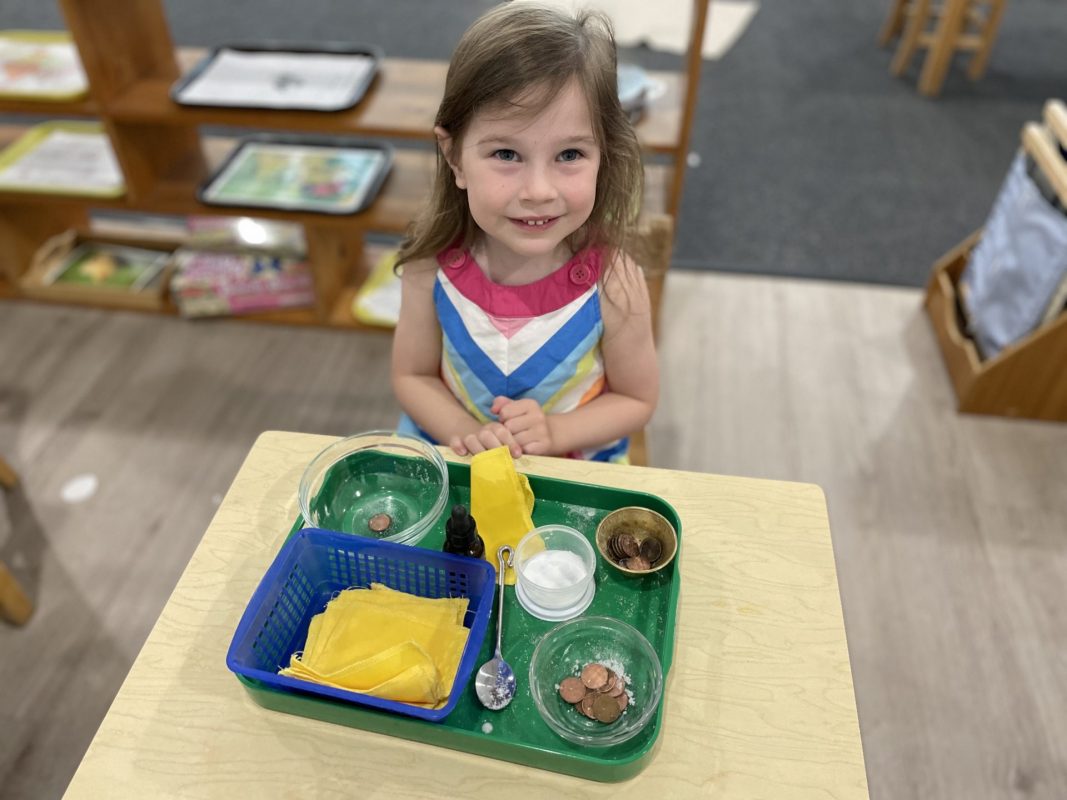
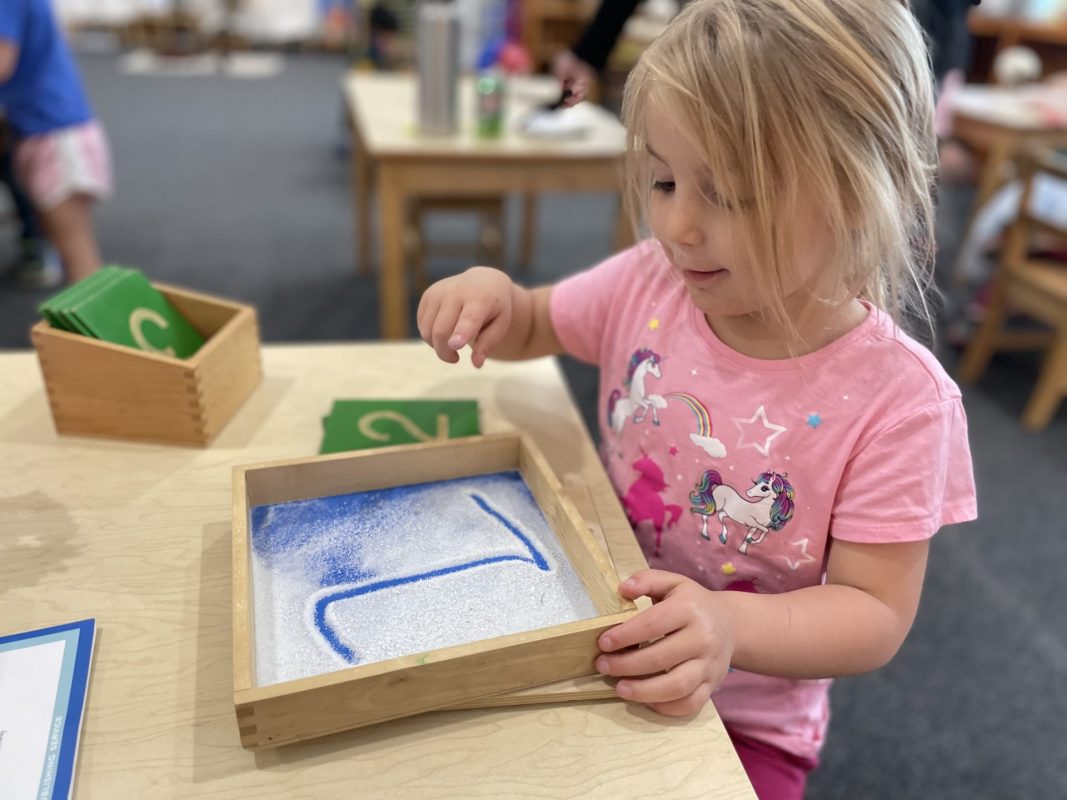
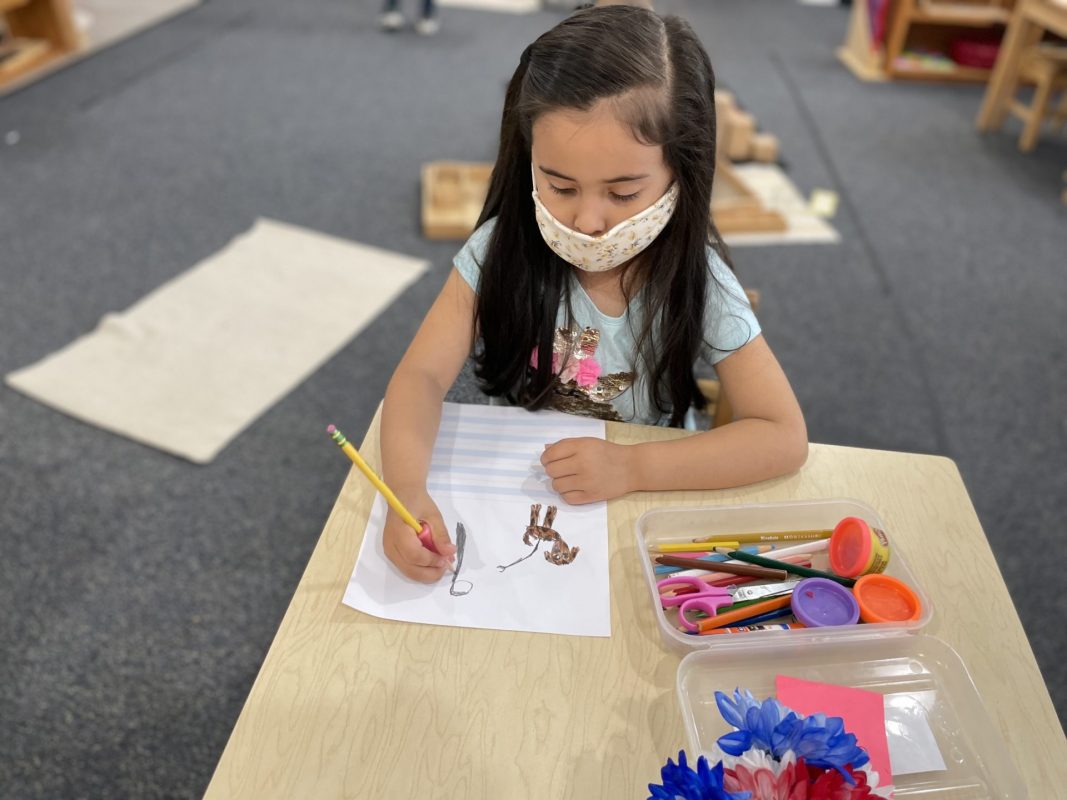
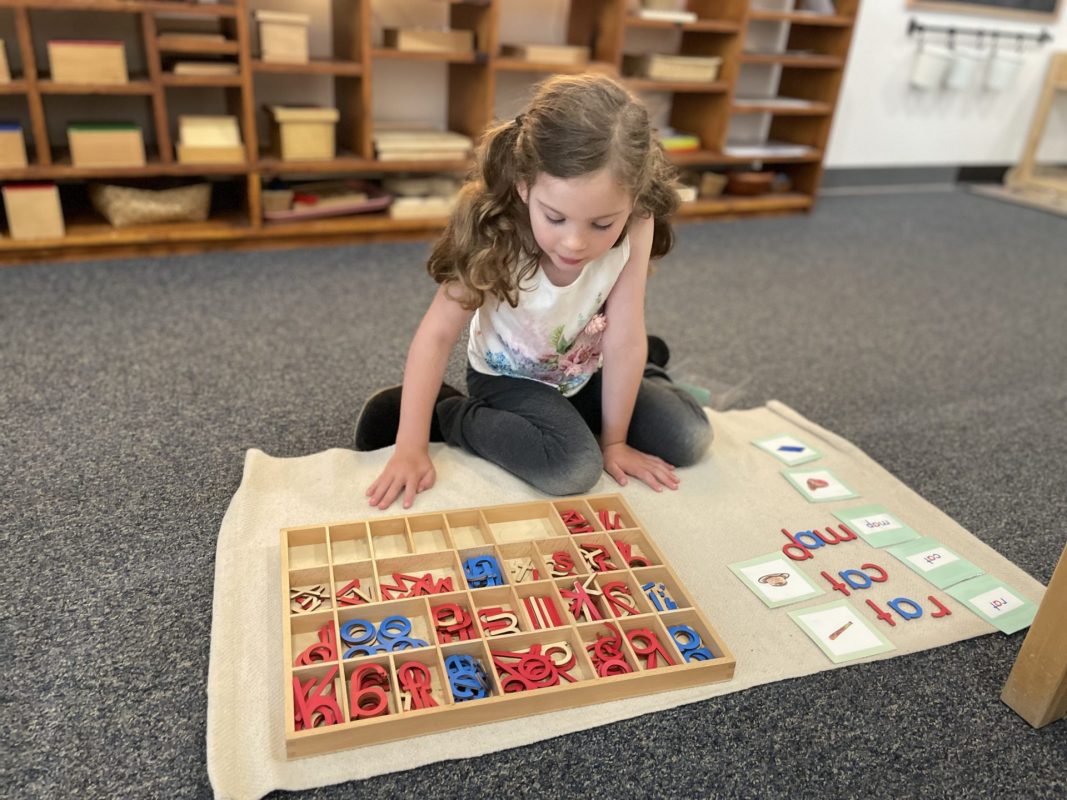
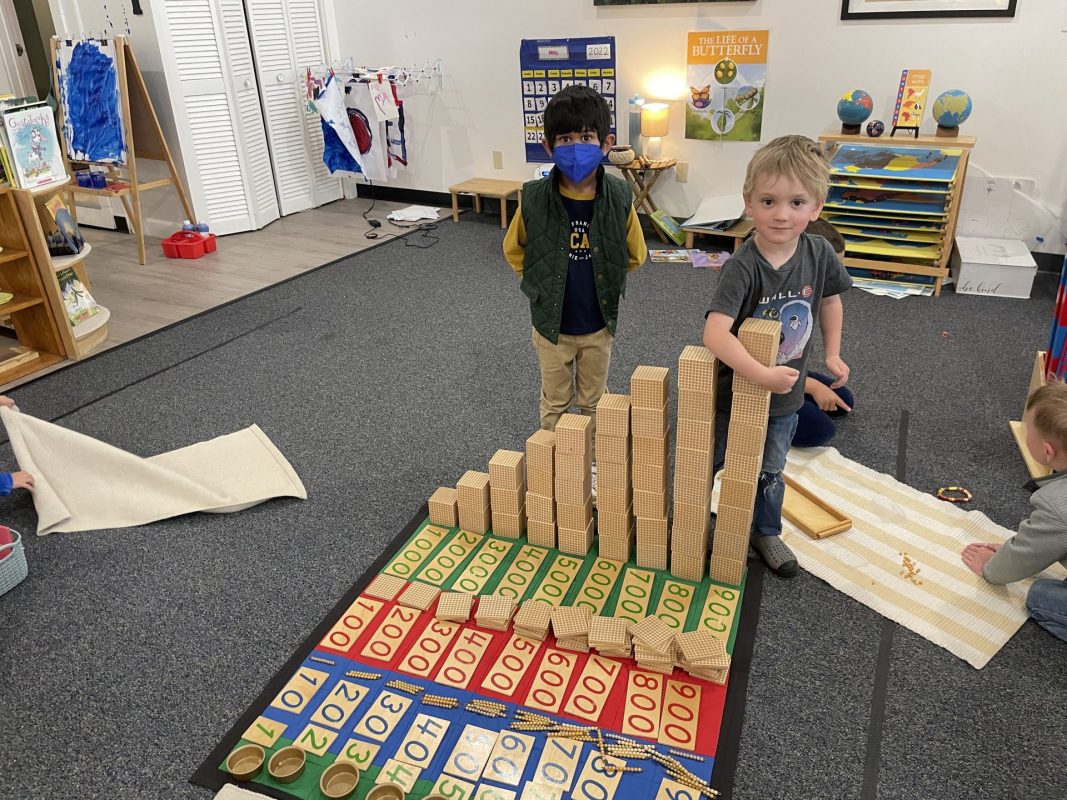
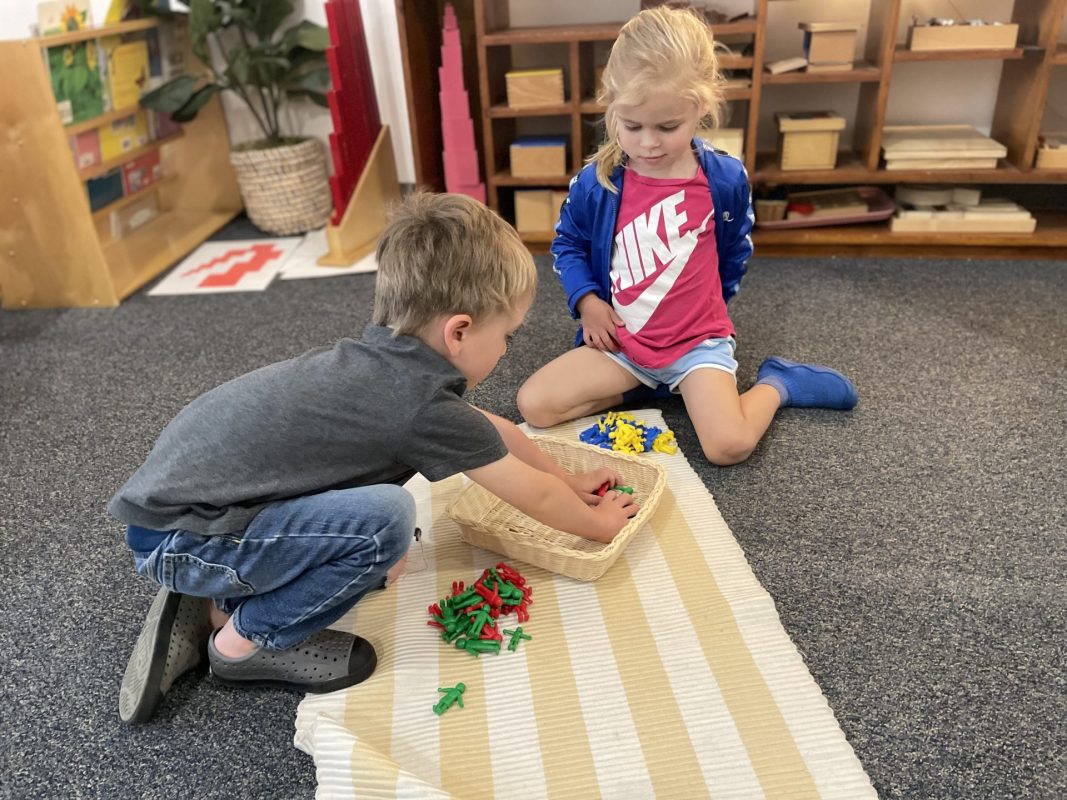
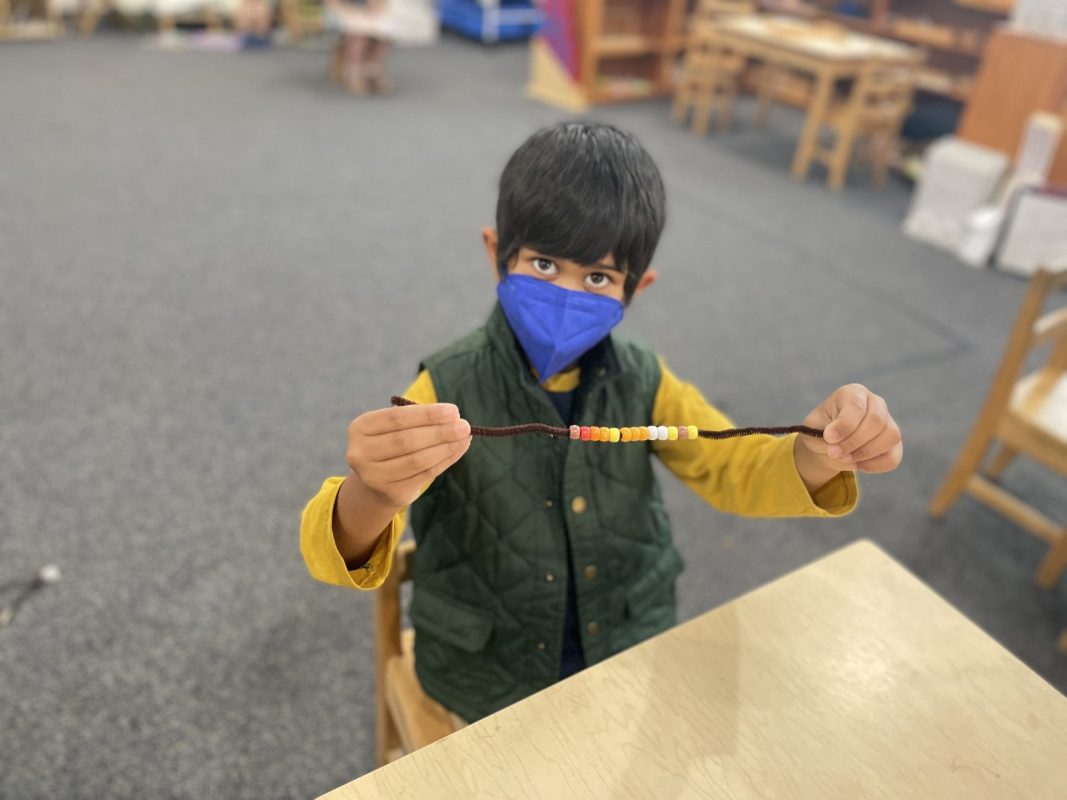
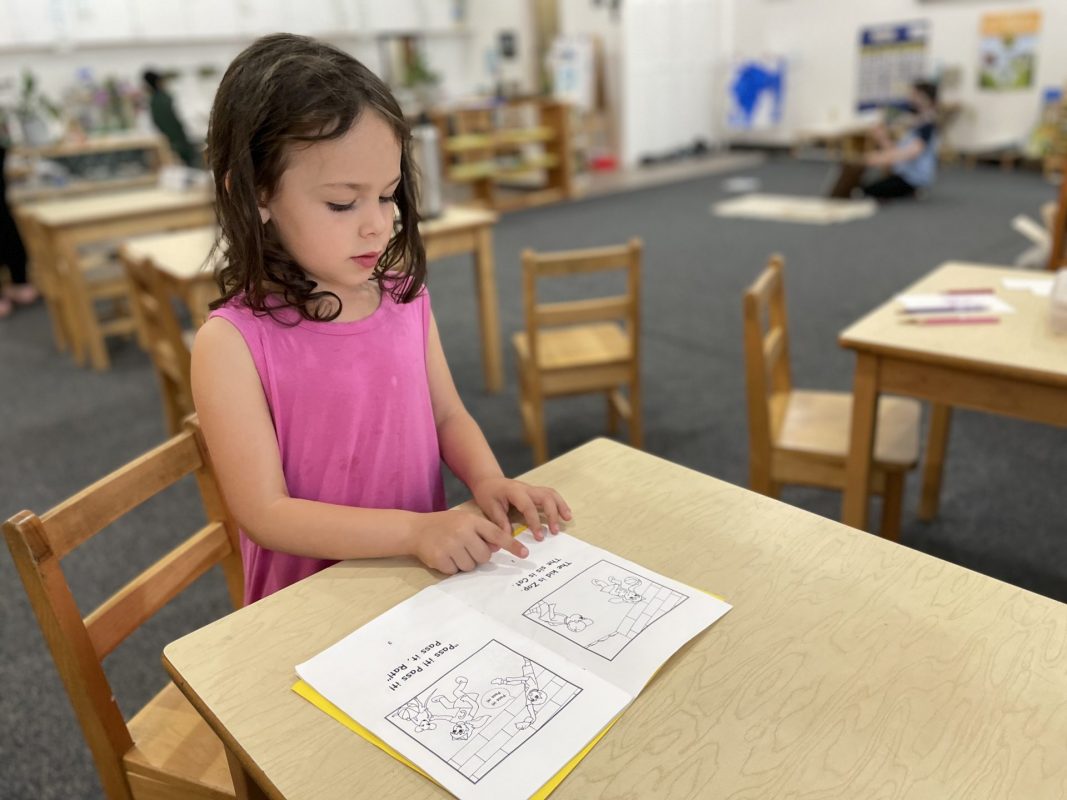
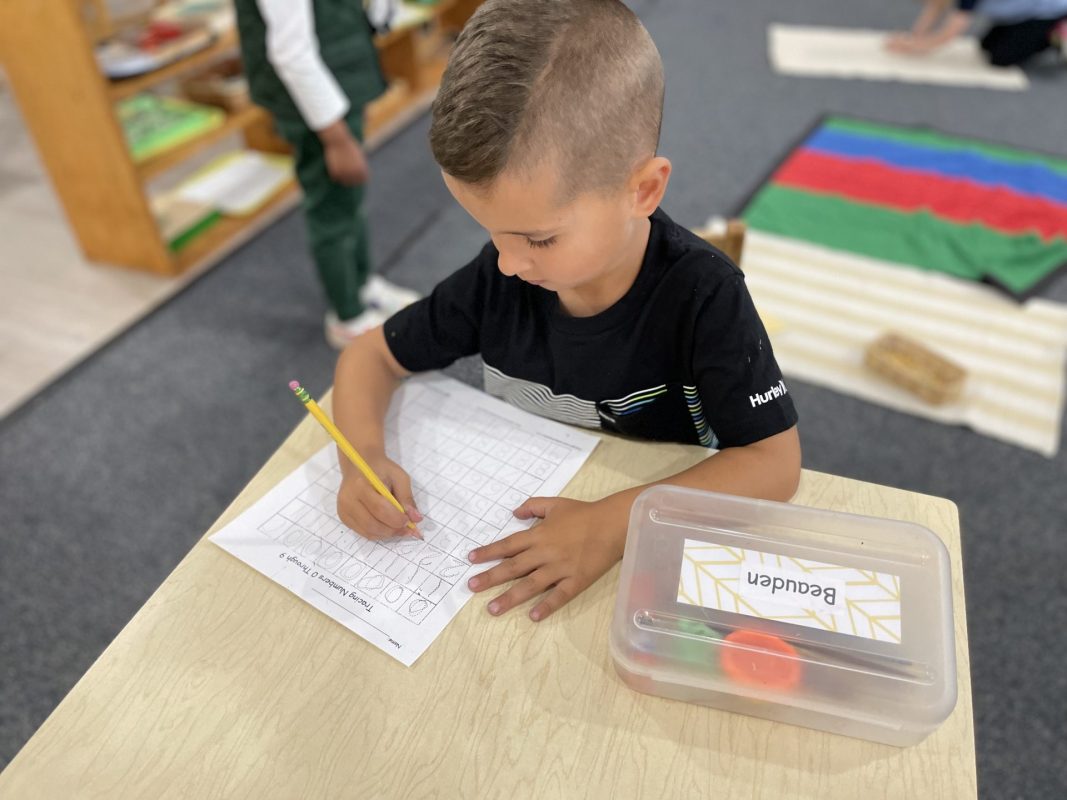
In our hurried world, it is easier to do it ourselves than to stop and show our children how to do a task, and patiently wait until they complete it. Montessori tells us that everything we do for the child that they can do for themselves is an obstacle to their development. Definitely something to think about!  In our classroom, we are always encouraging the children to be independent and to take care of themselves.  We hope you can continue this in your home environment and you may be surprised by how much your child is able to do on their own.  This independence fosters the child’s confidence and promotes positive self-esteem.

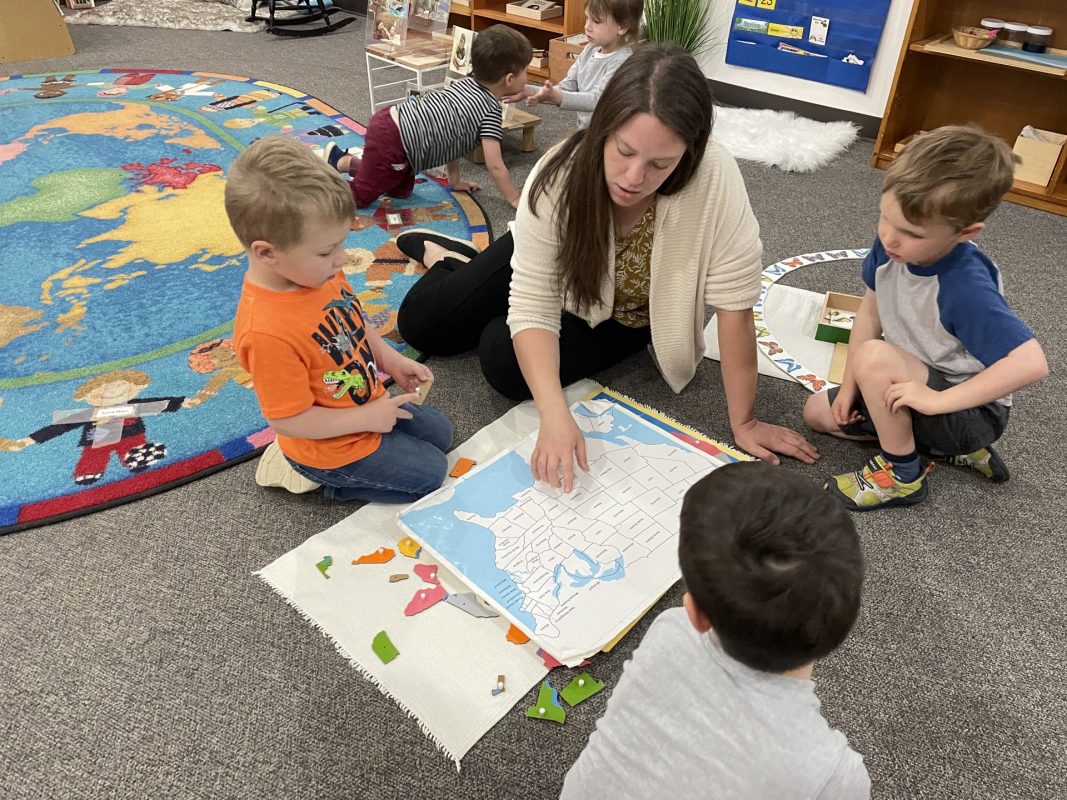
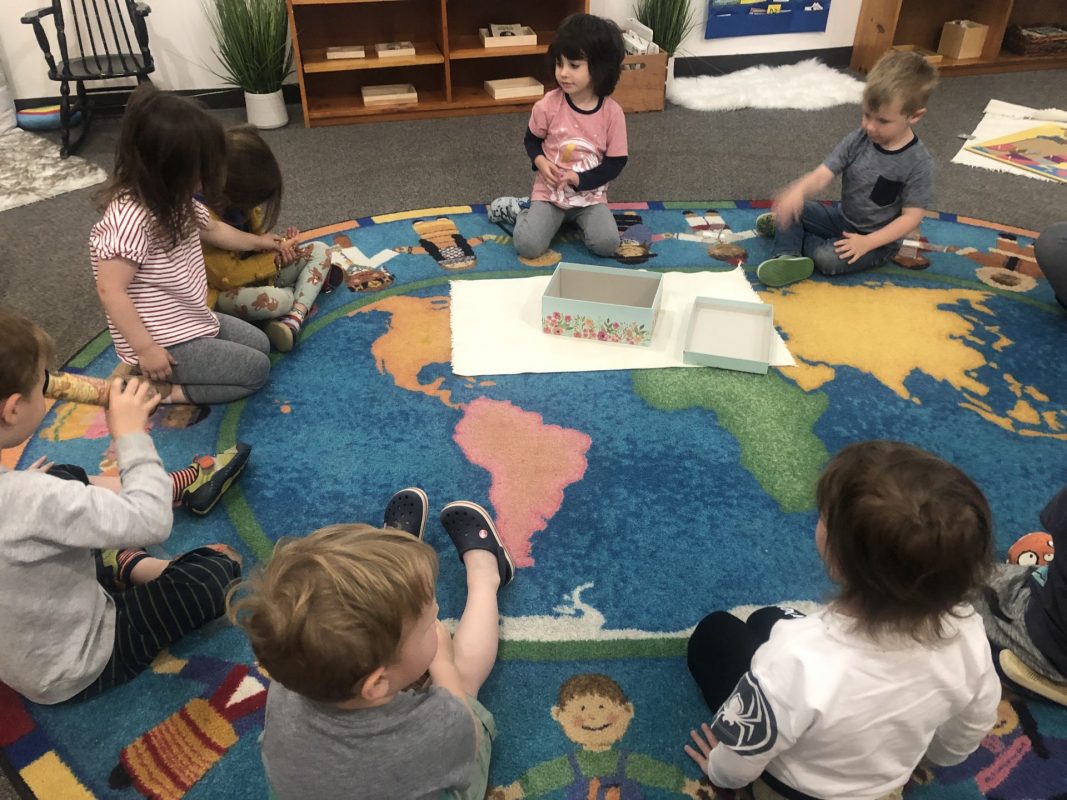
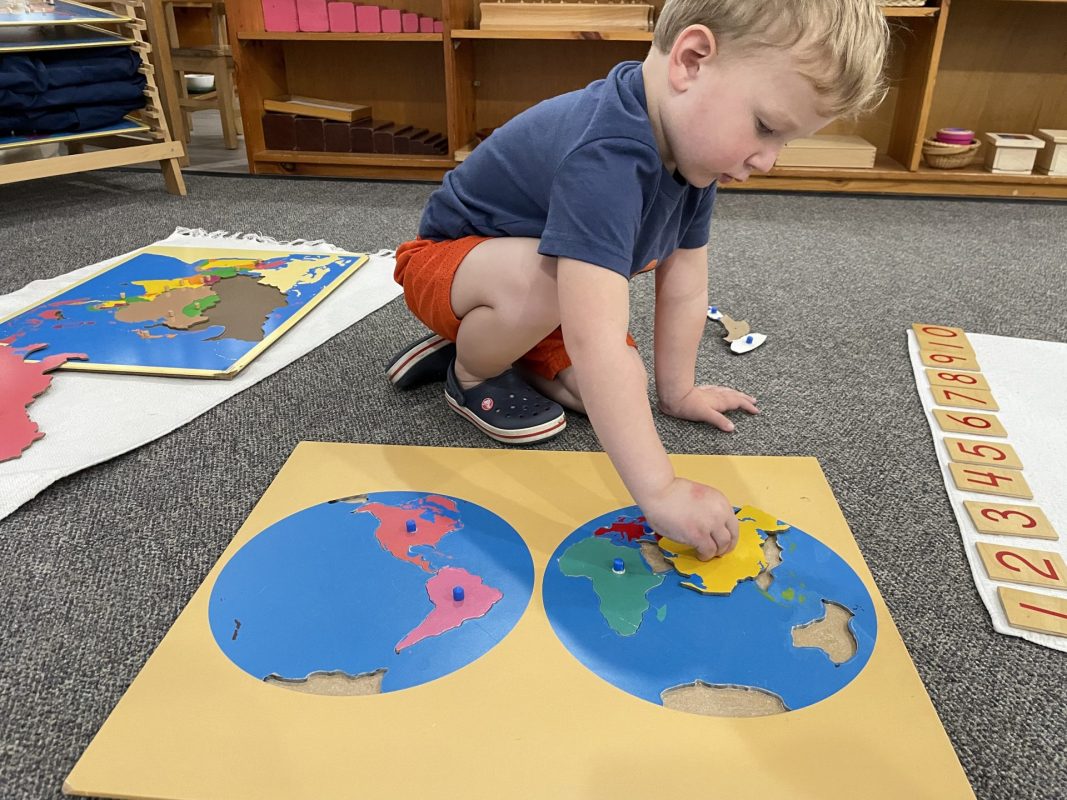
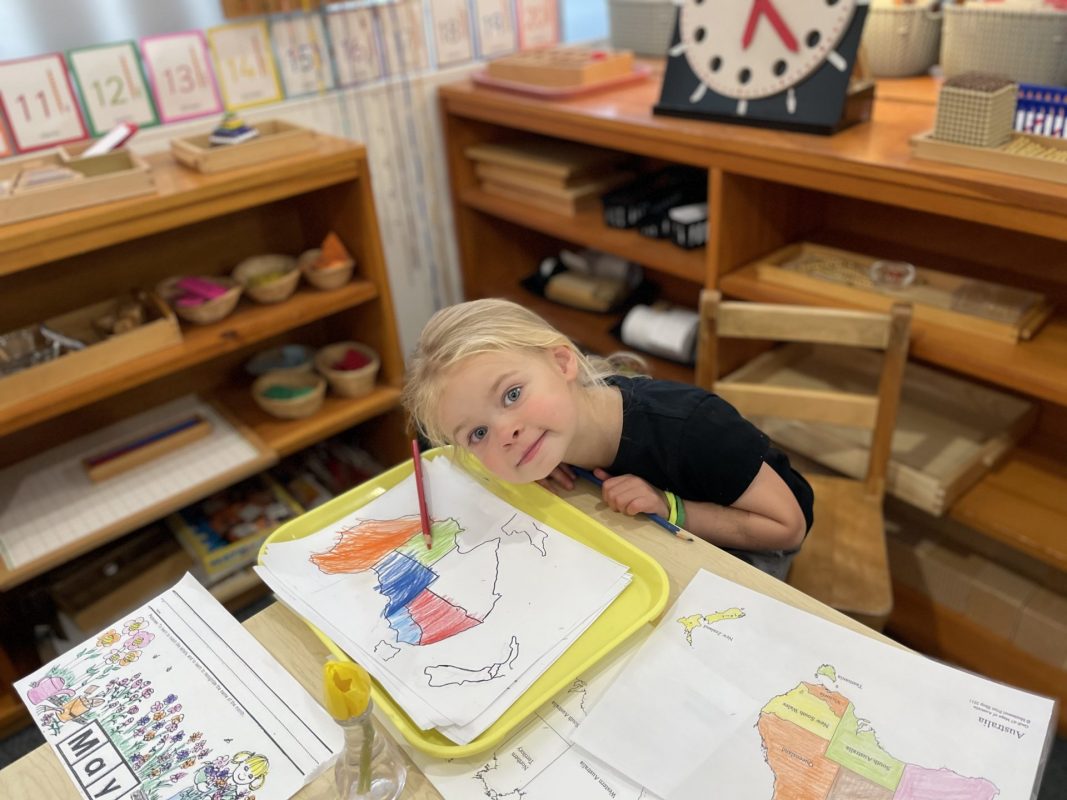
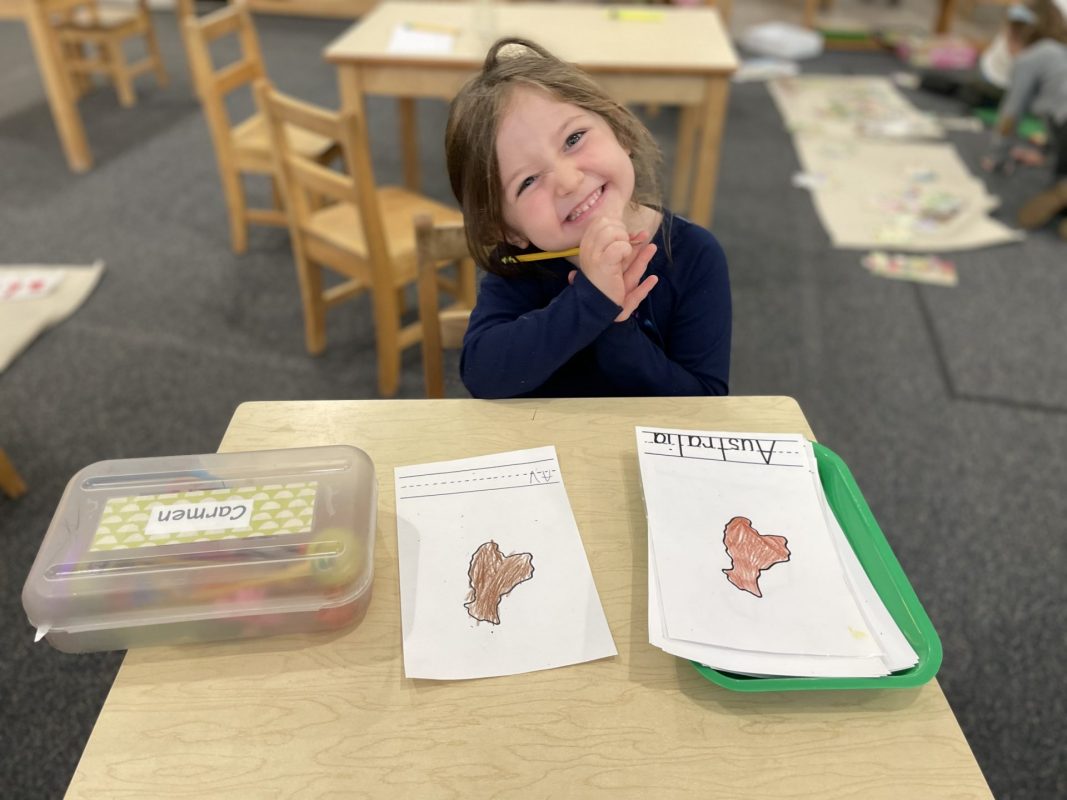
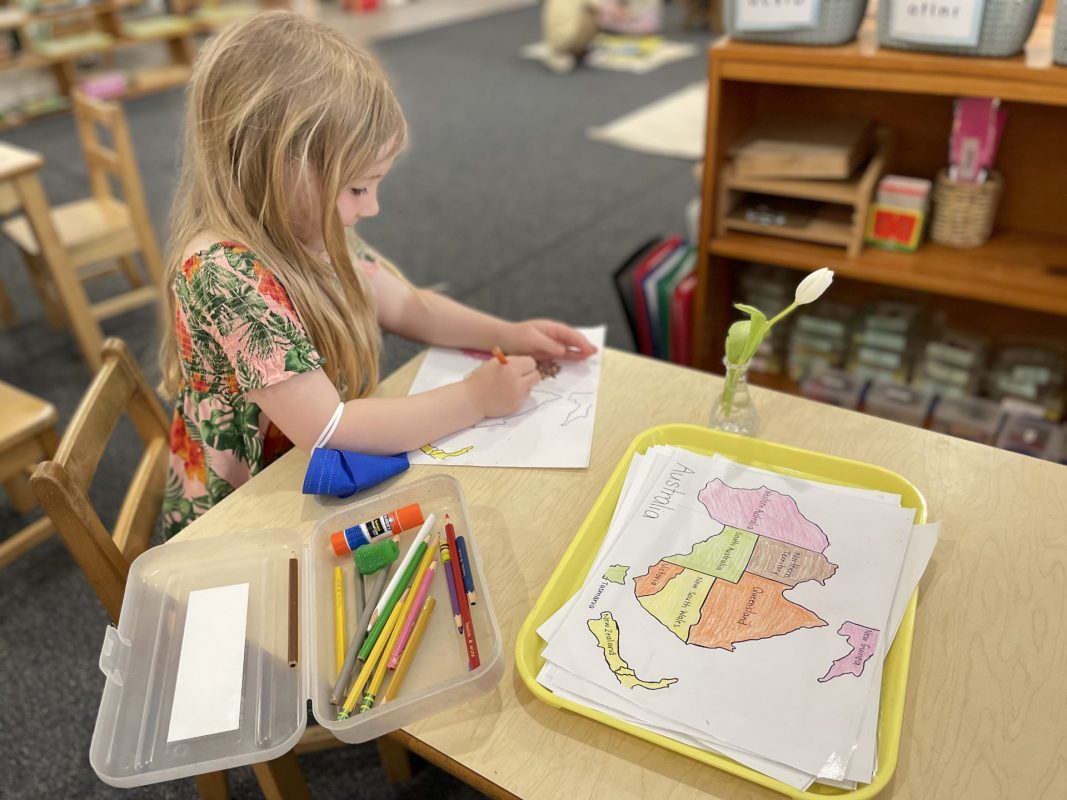
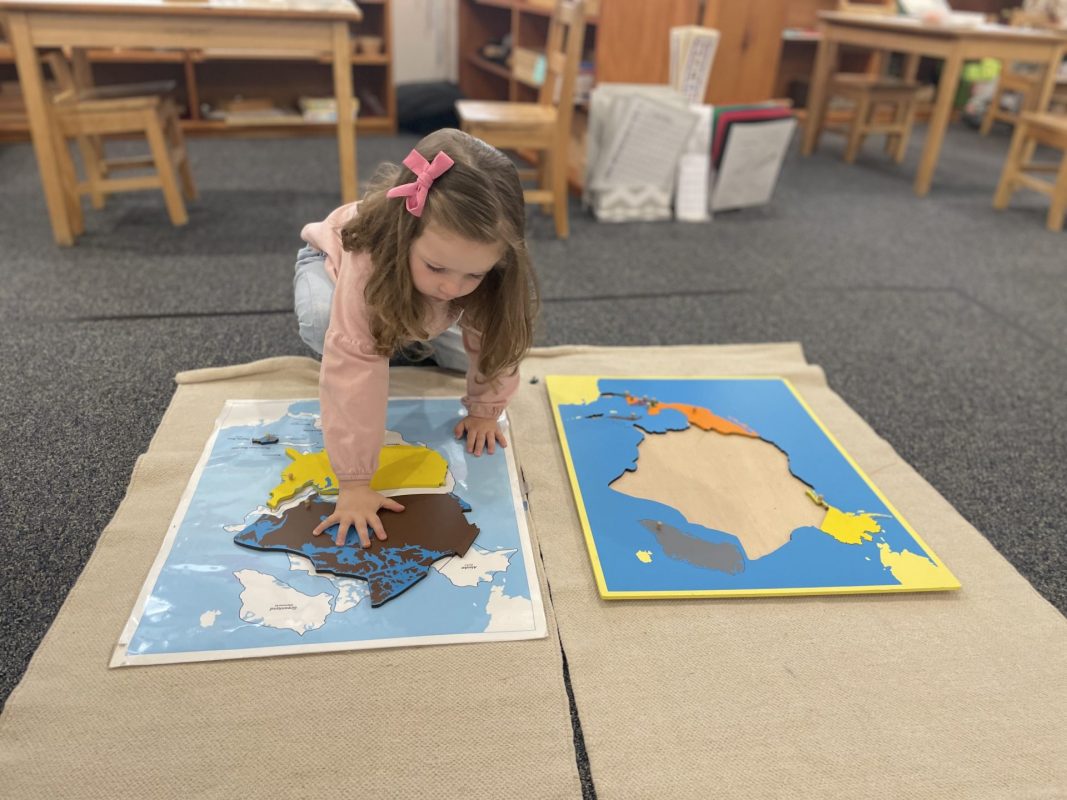
Our classroom travels have taken us to the continent of South America this week. We will be exploring the various countries, customs, animals, foods, music, and literature this culturally rich continent has to offer. We will also discuss what a rainforest is and have fun discovering the many layers and animals who live in the rainforests.

Wishing you a wonderful week ahead,

Amanda & Heather


Mrs. Doyle’s Class: I Sense Something Amazing In Our Class!

What the hand does, the mind remembers. —Maria Montessori

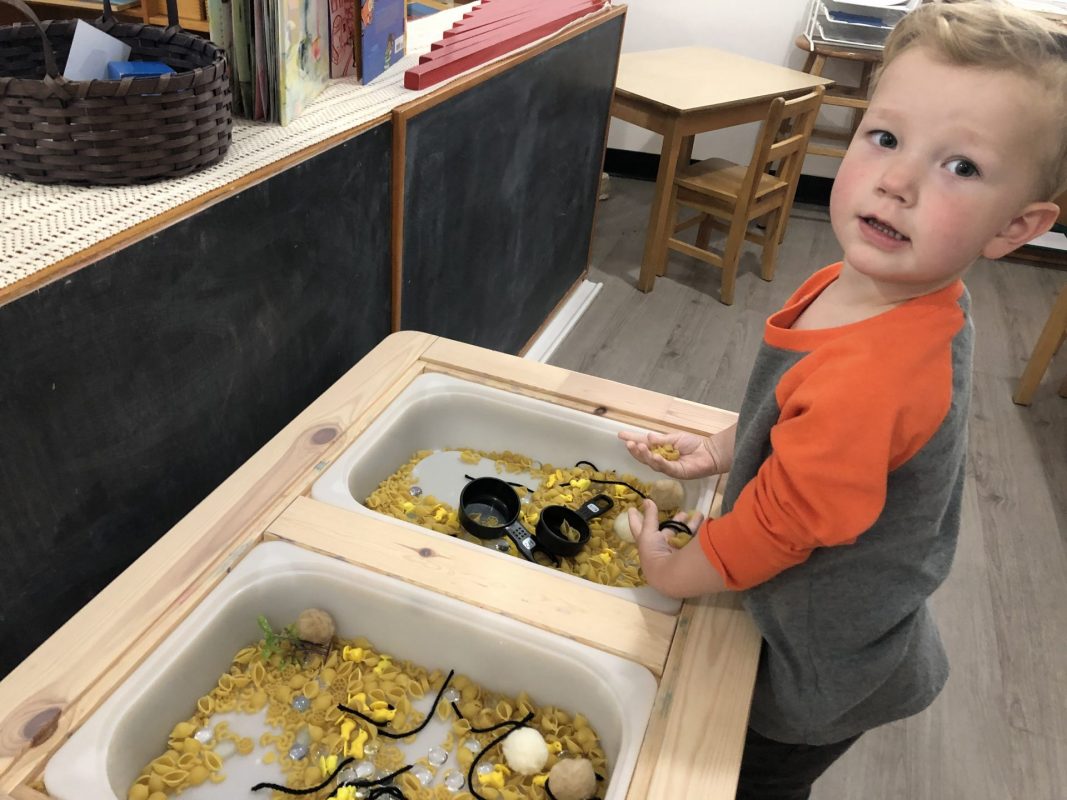
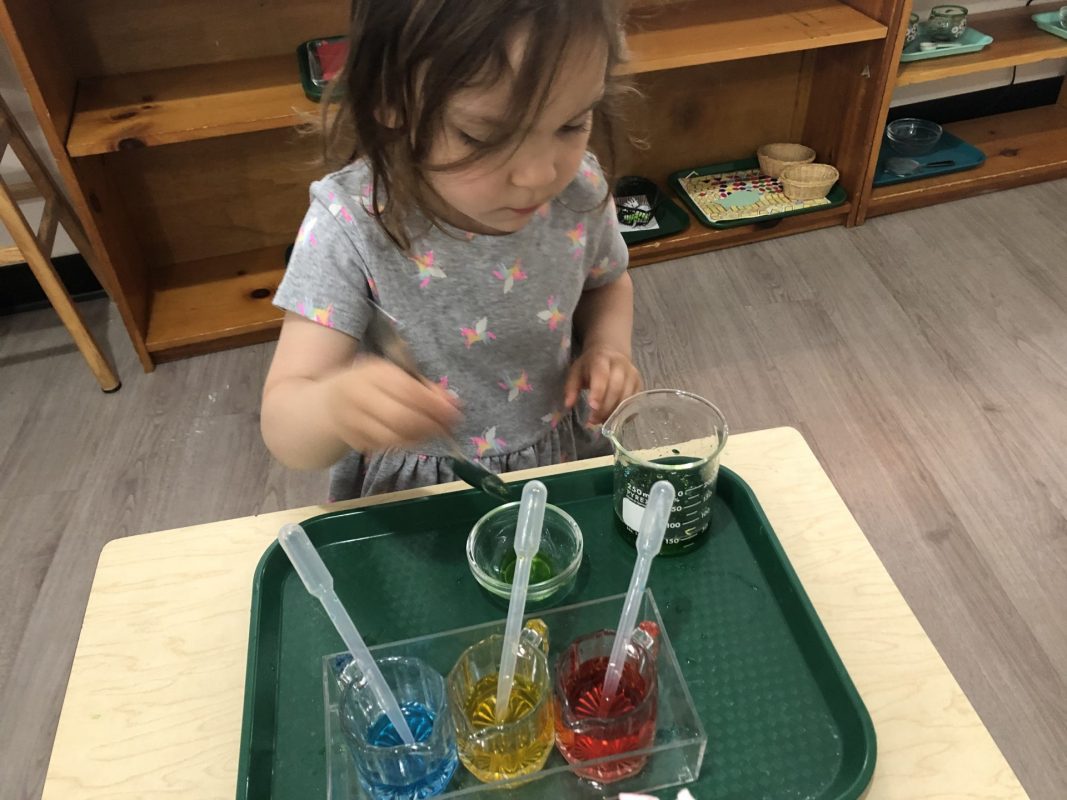
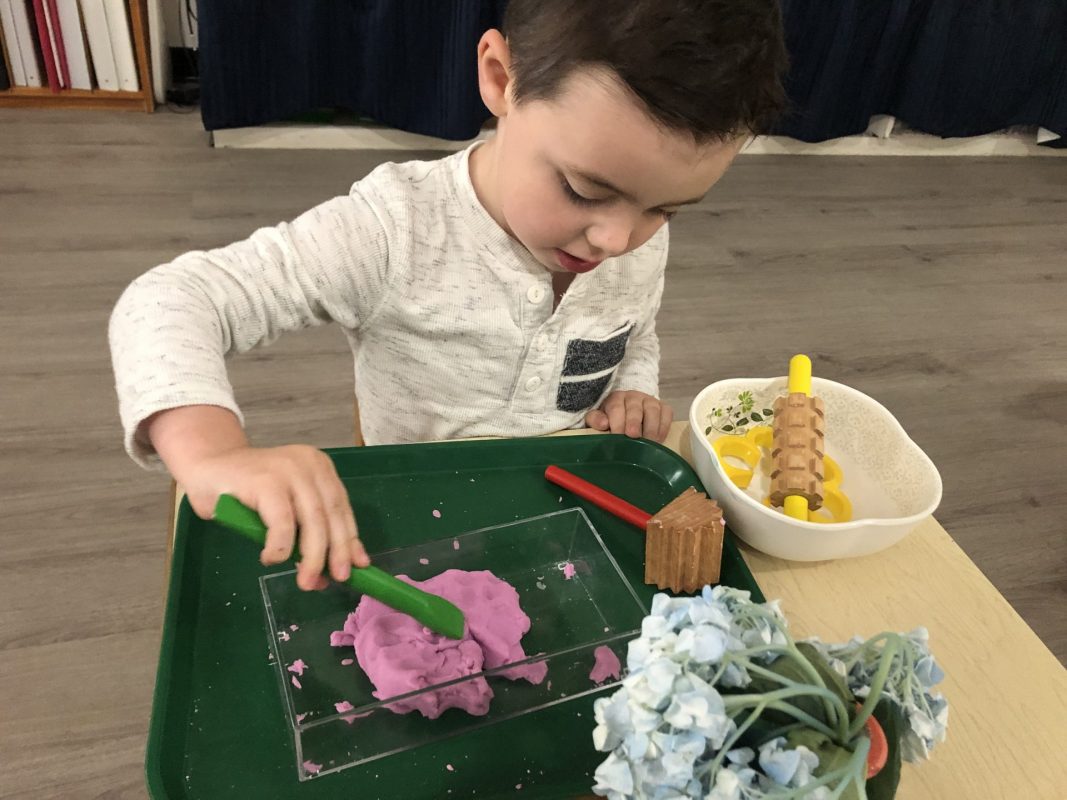
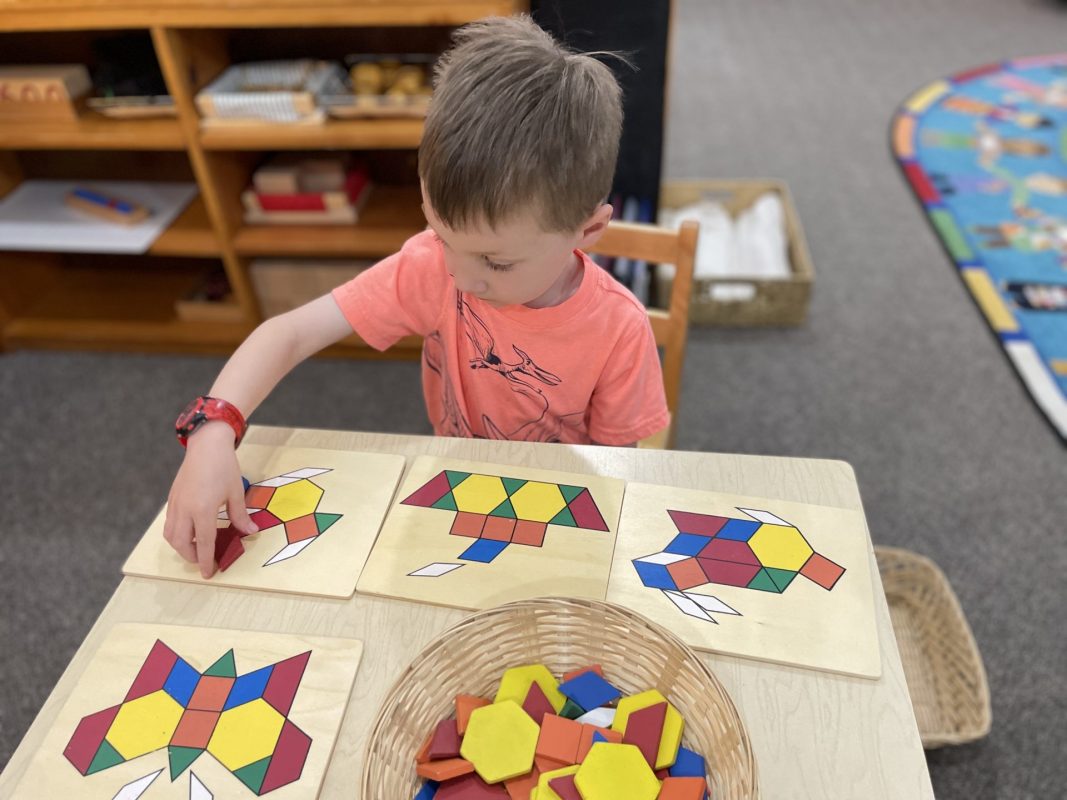
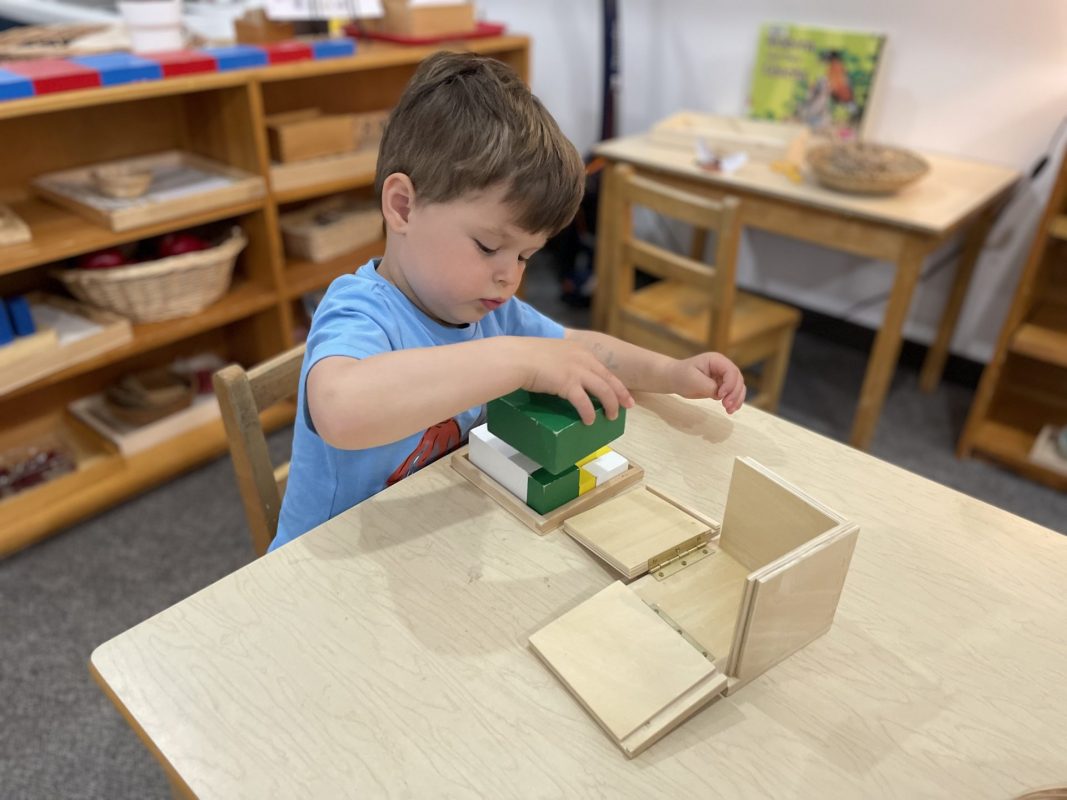
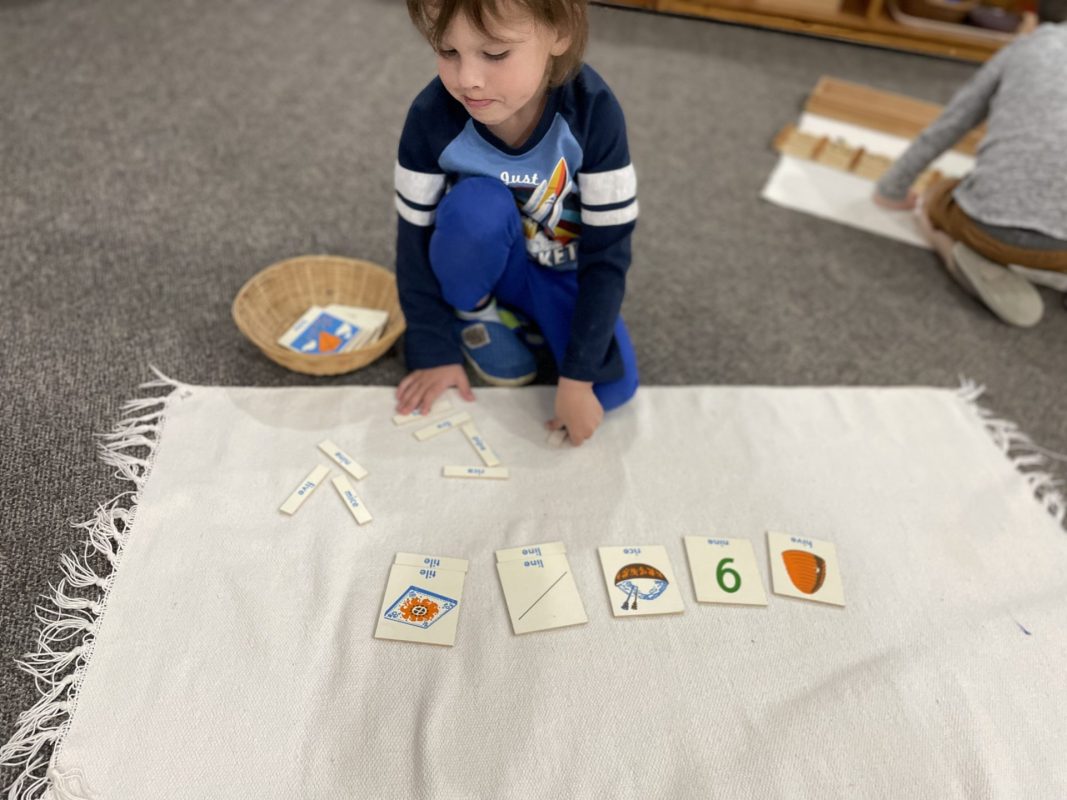
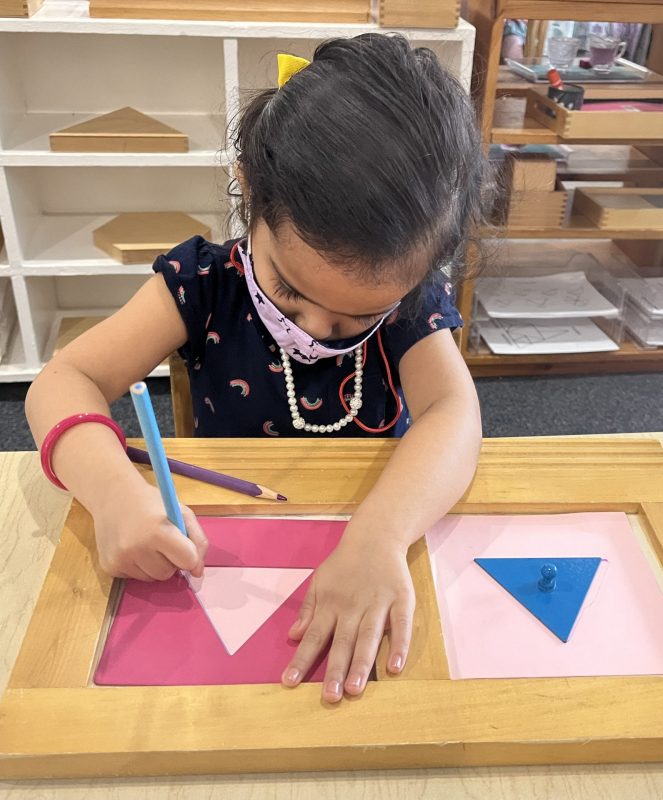
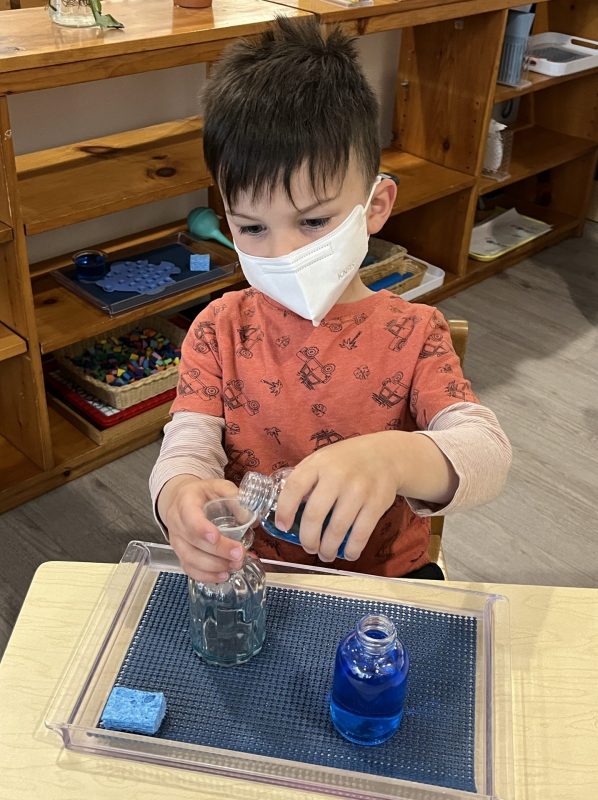
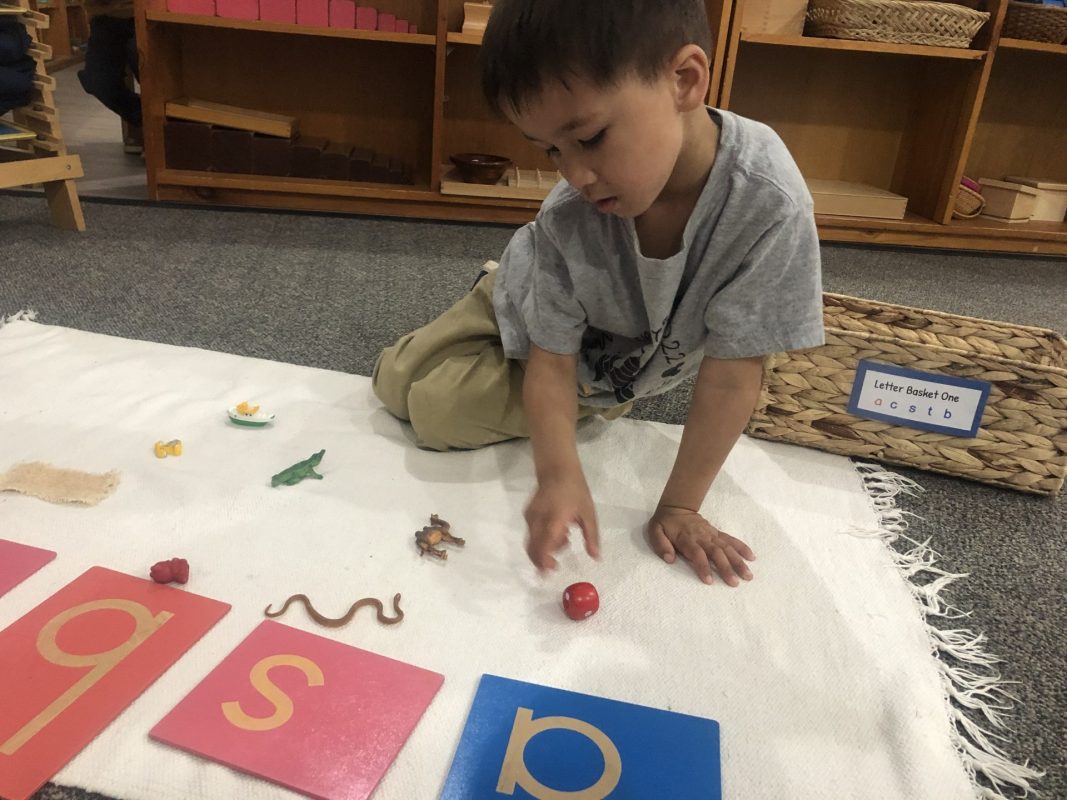
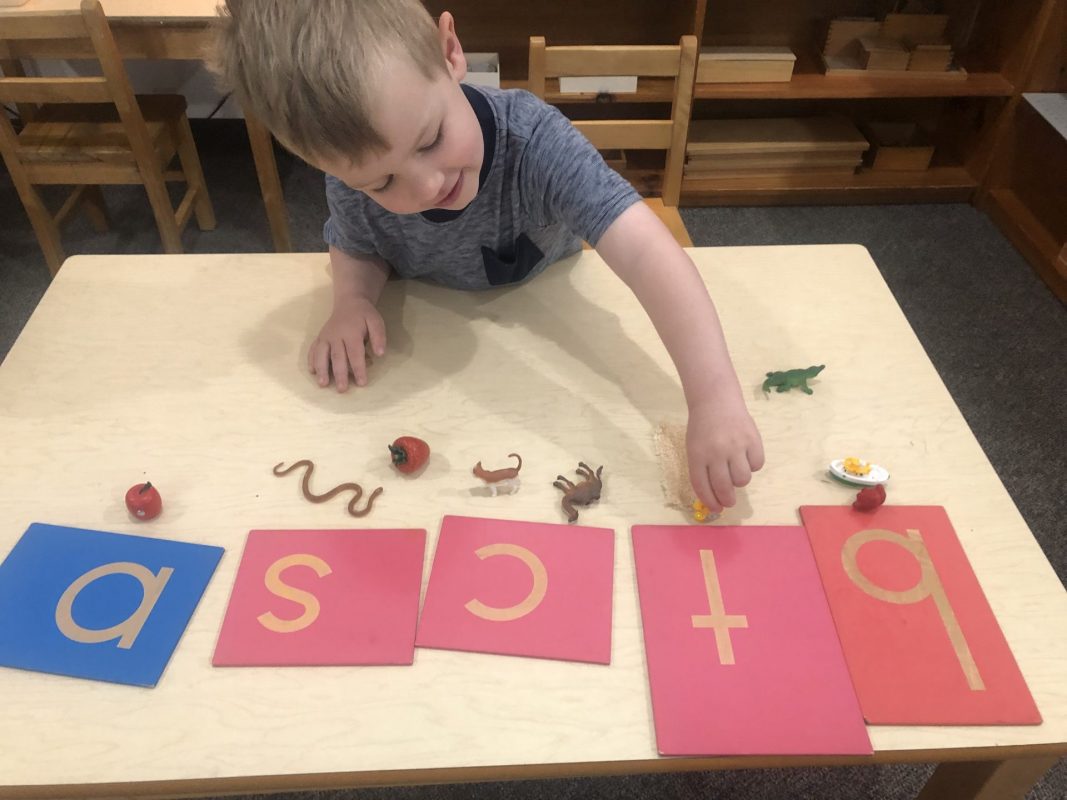
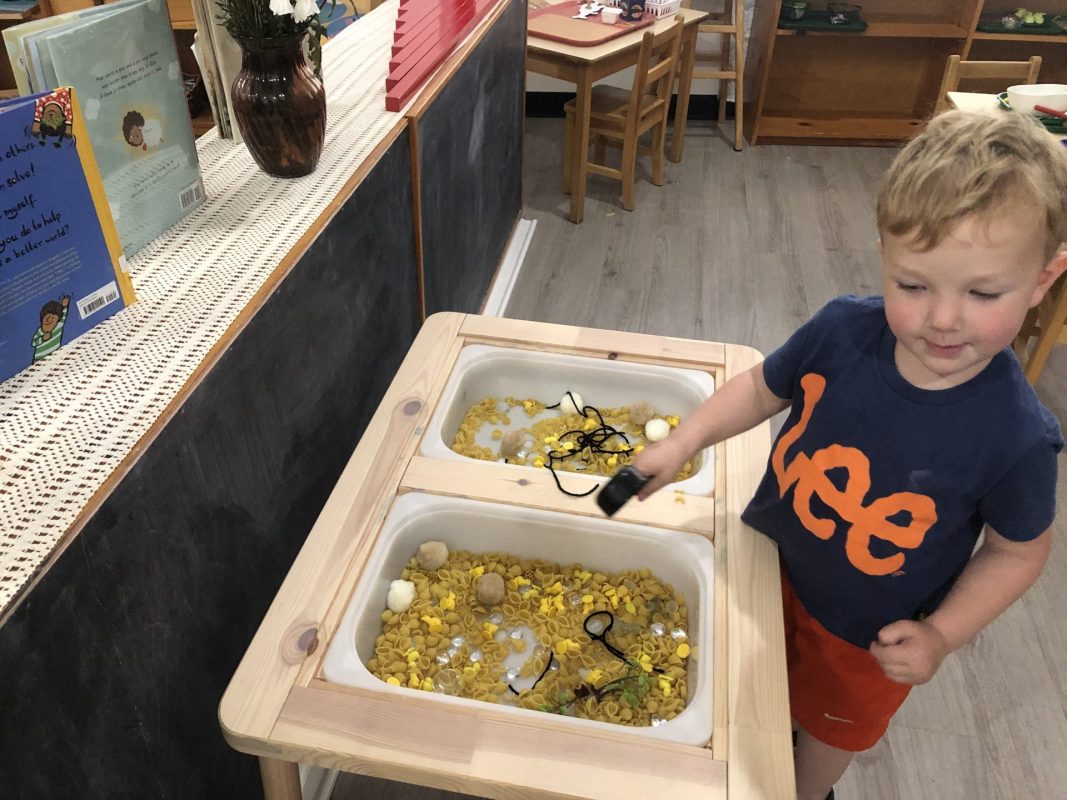
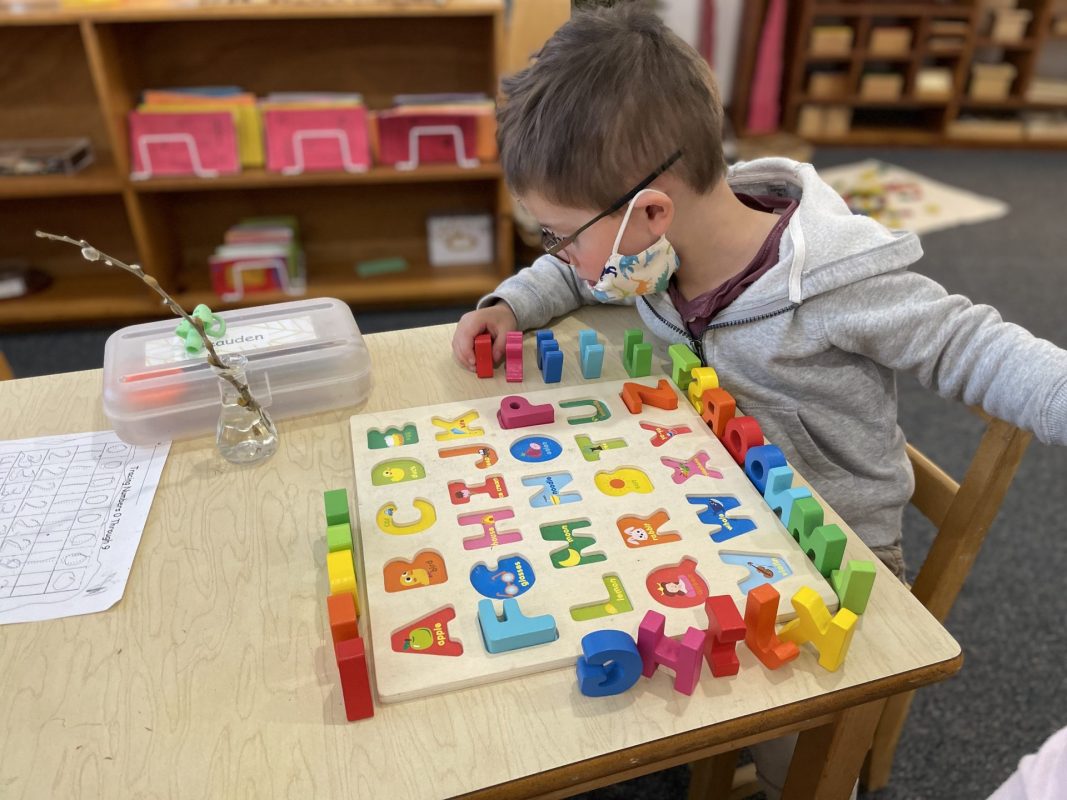
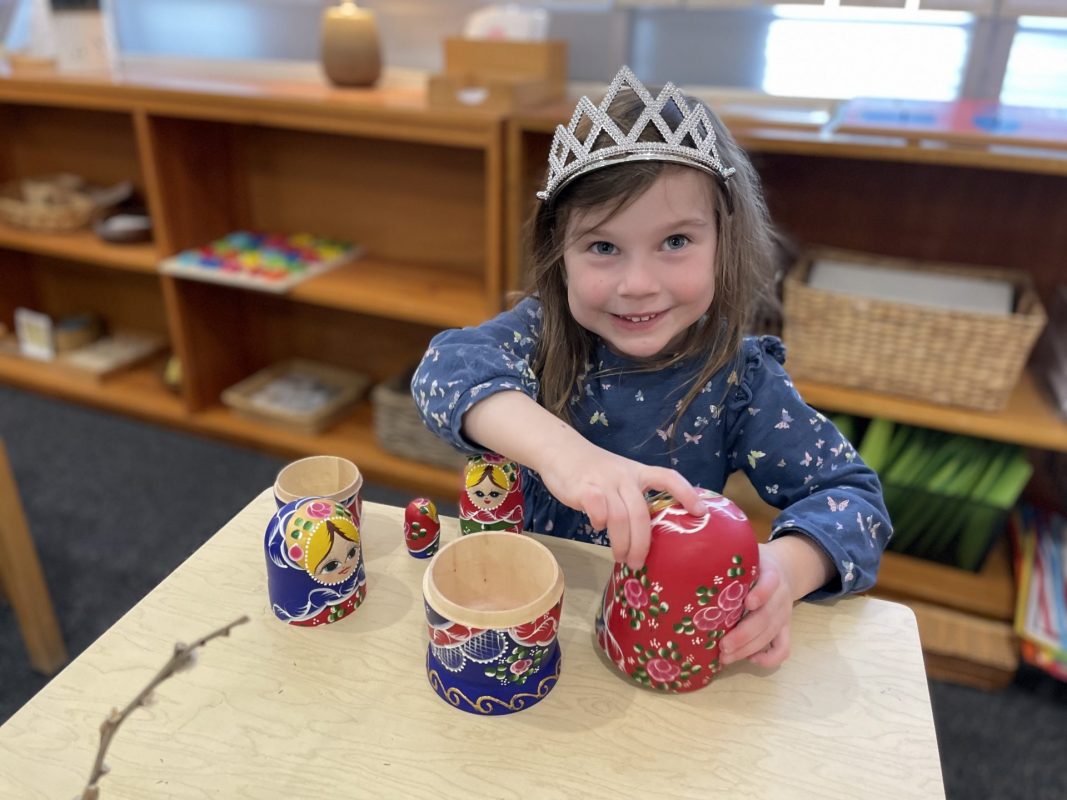
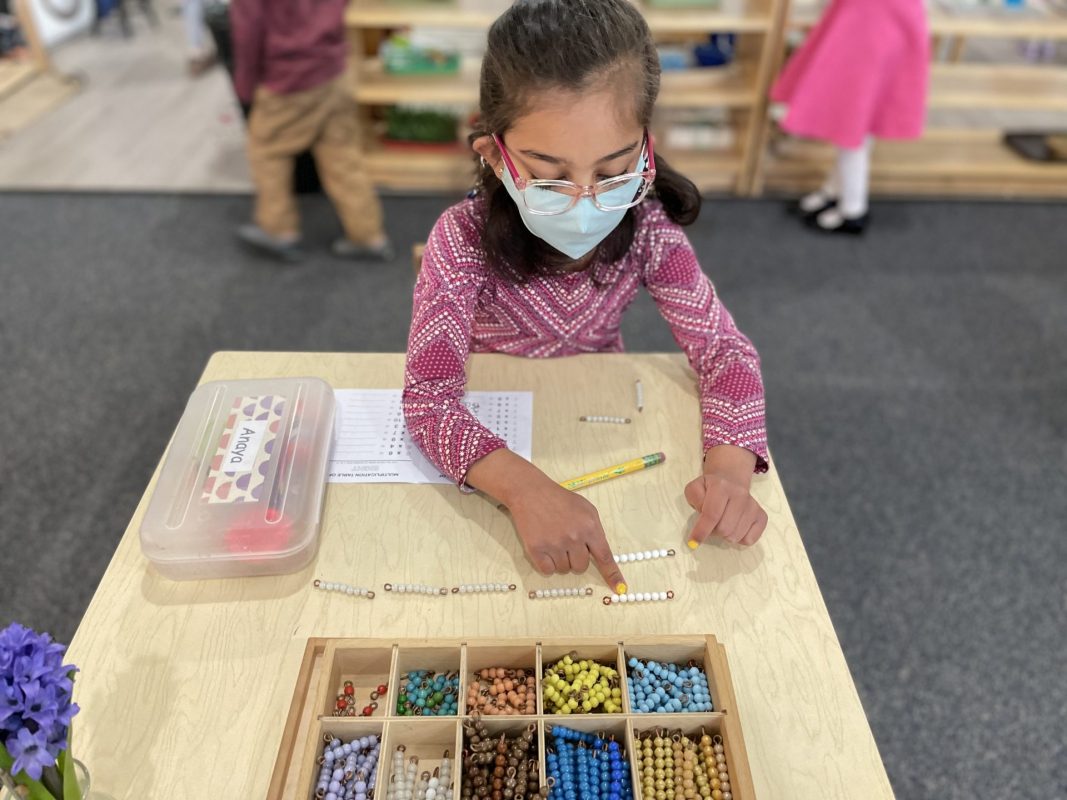
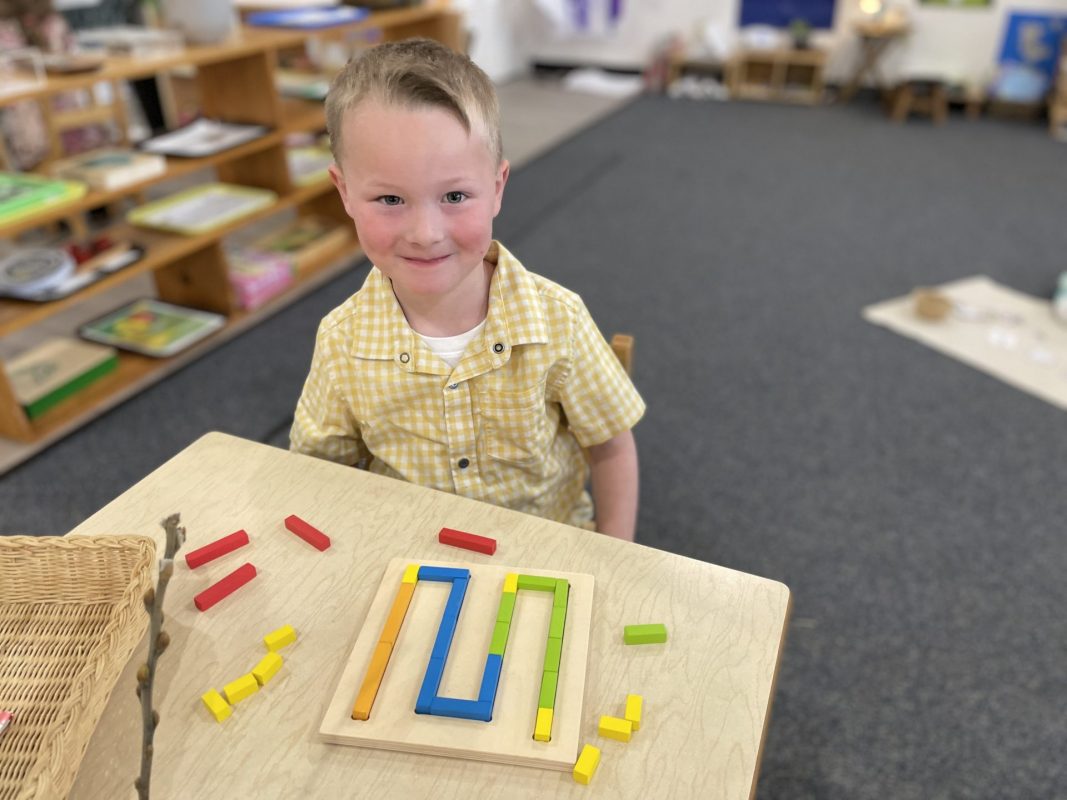
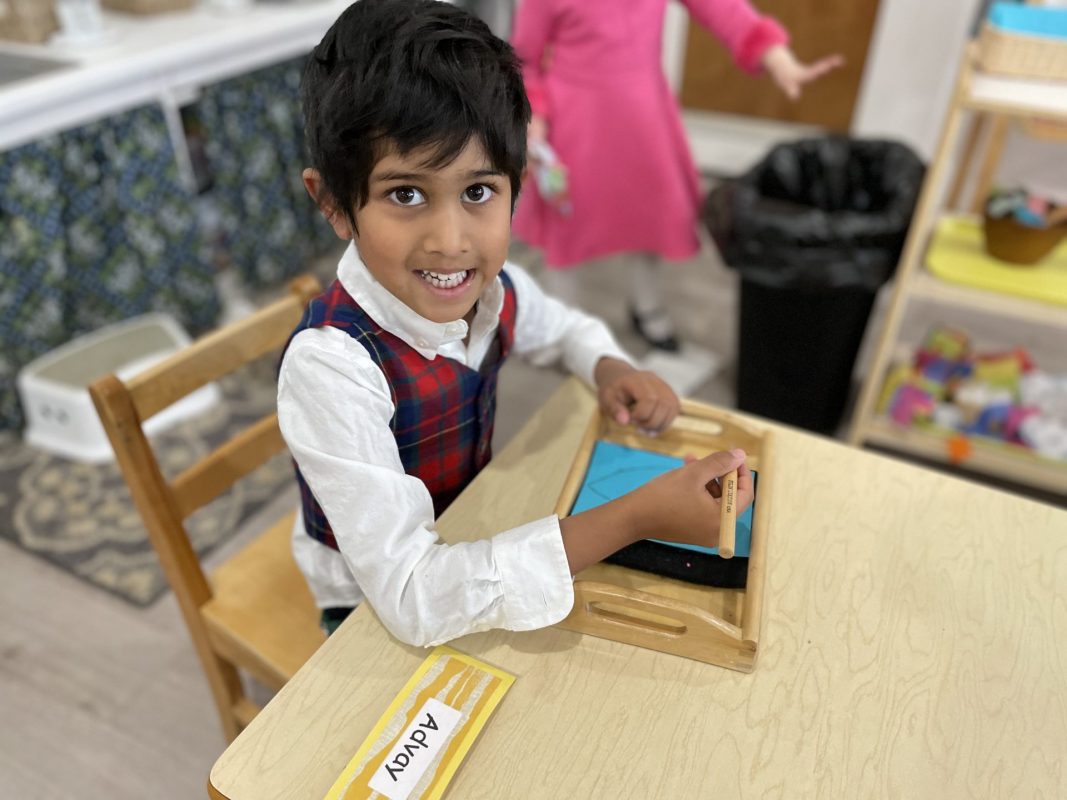
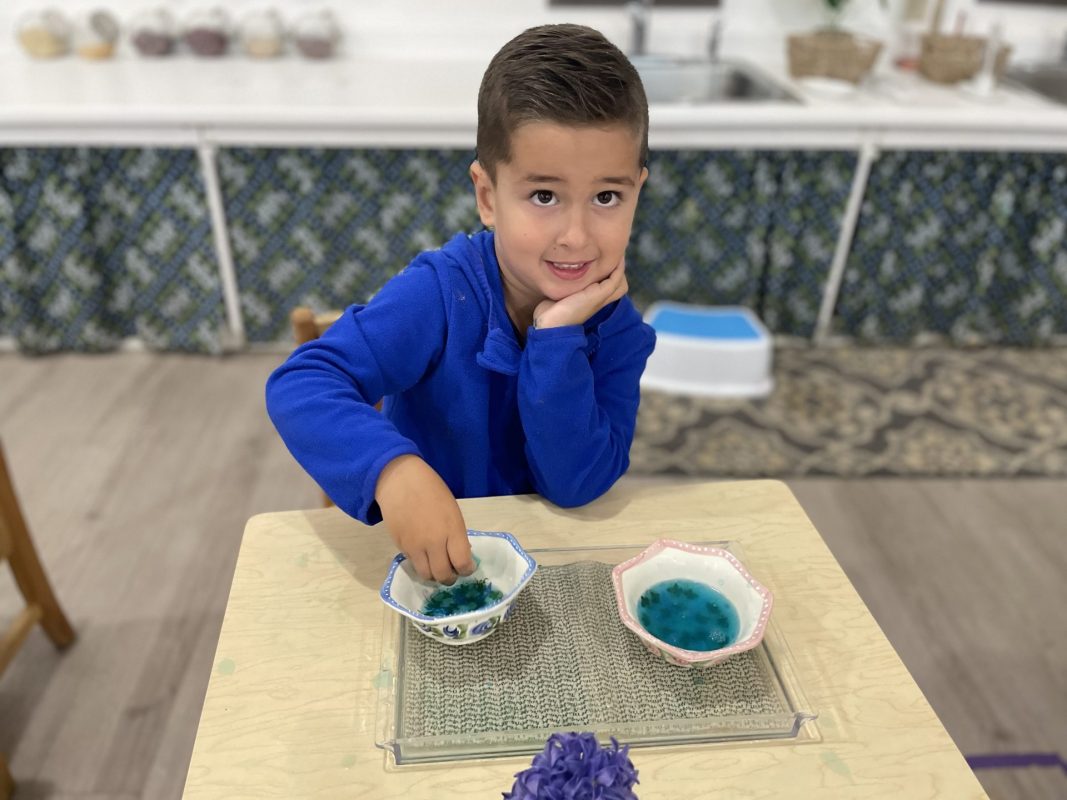
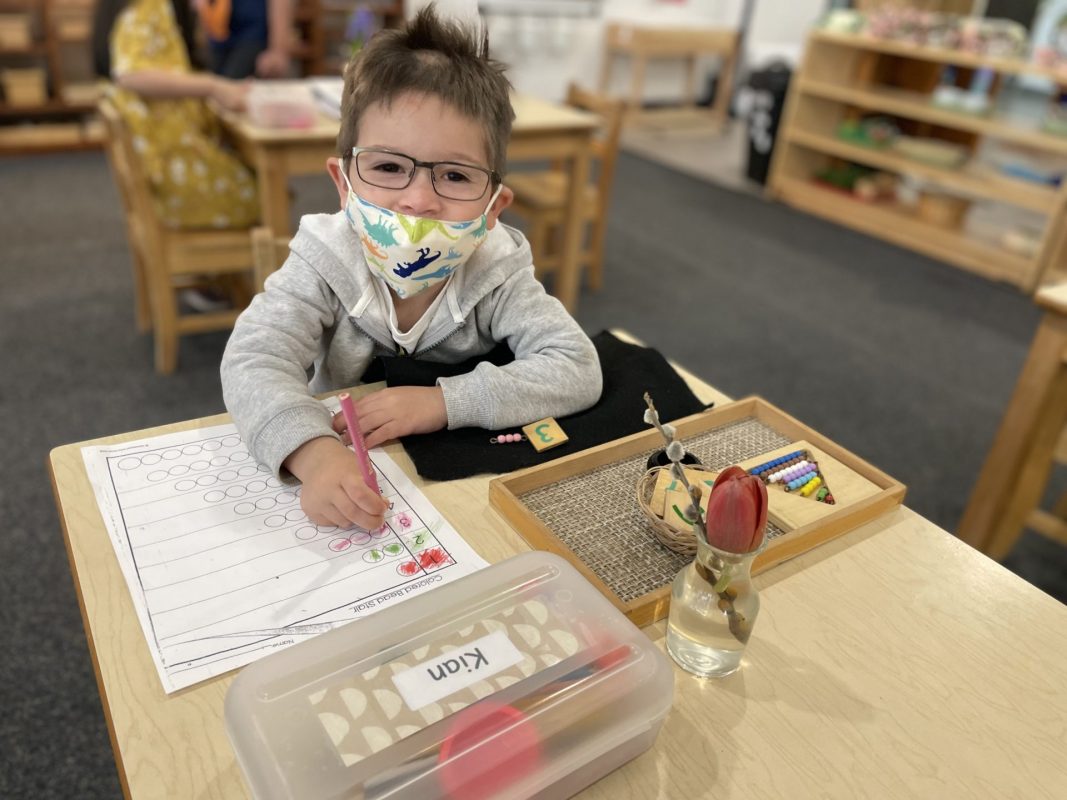
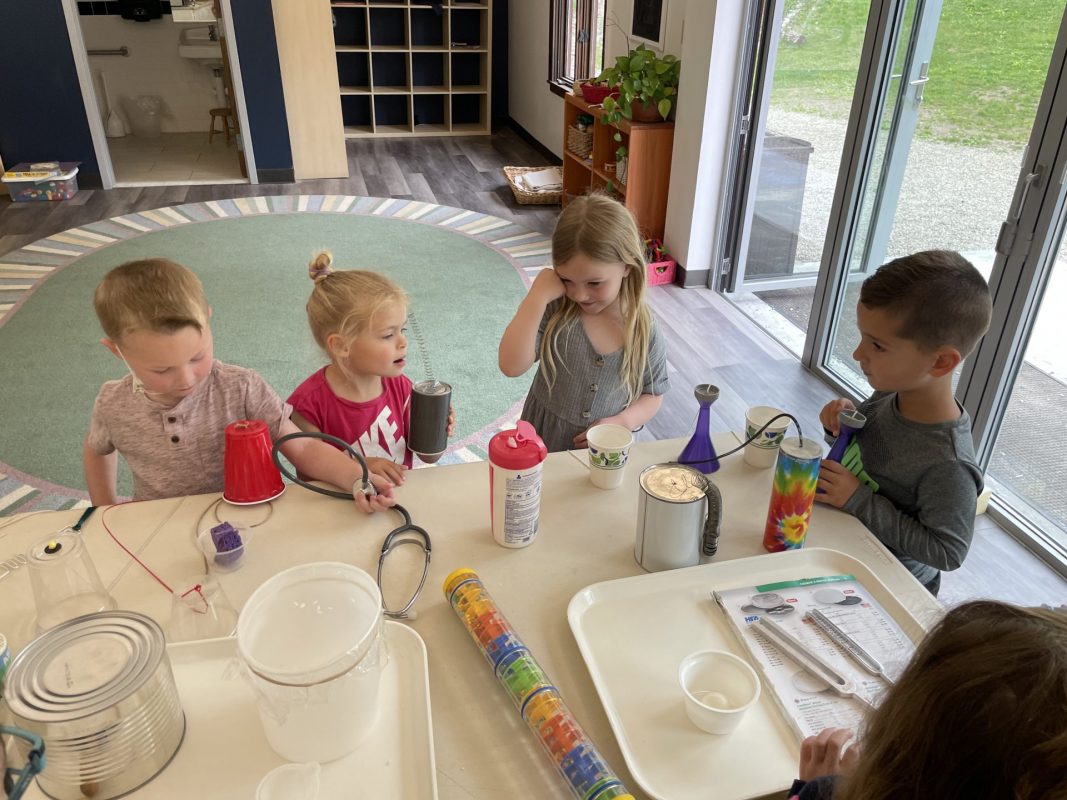
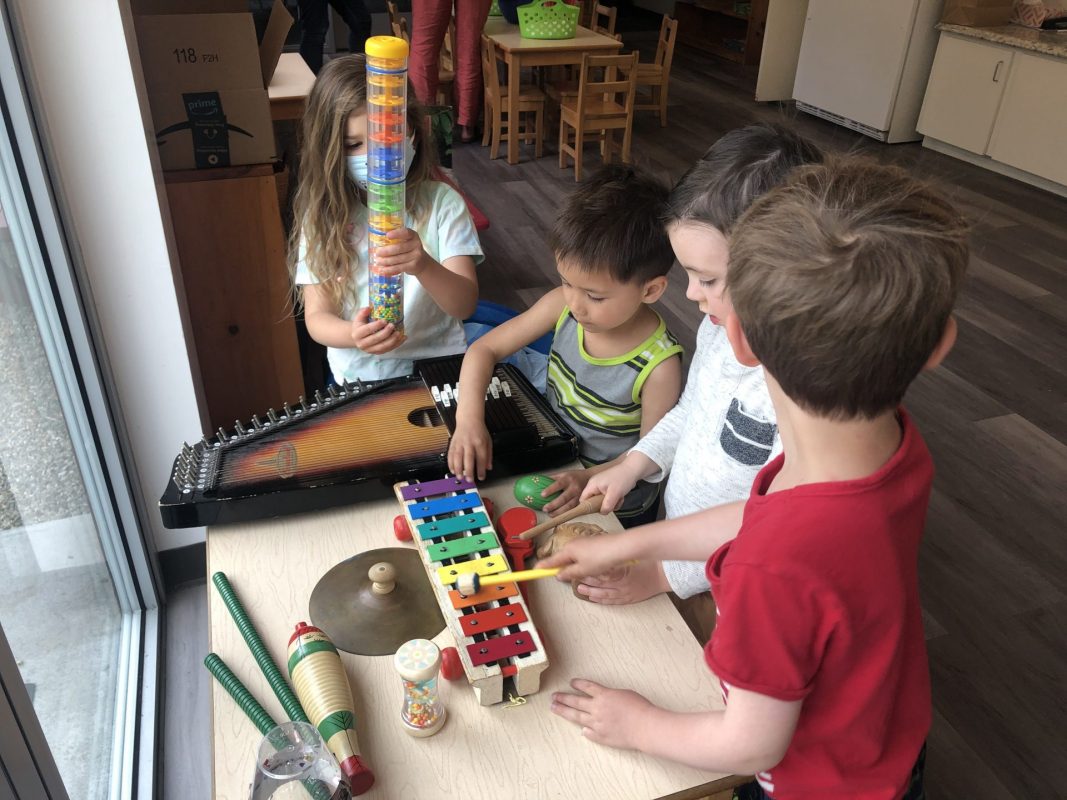
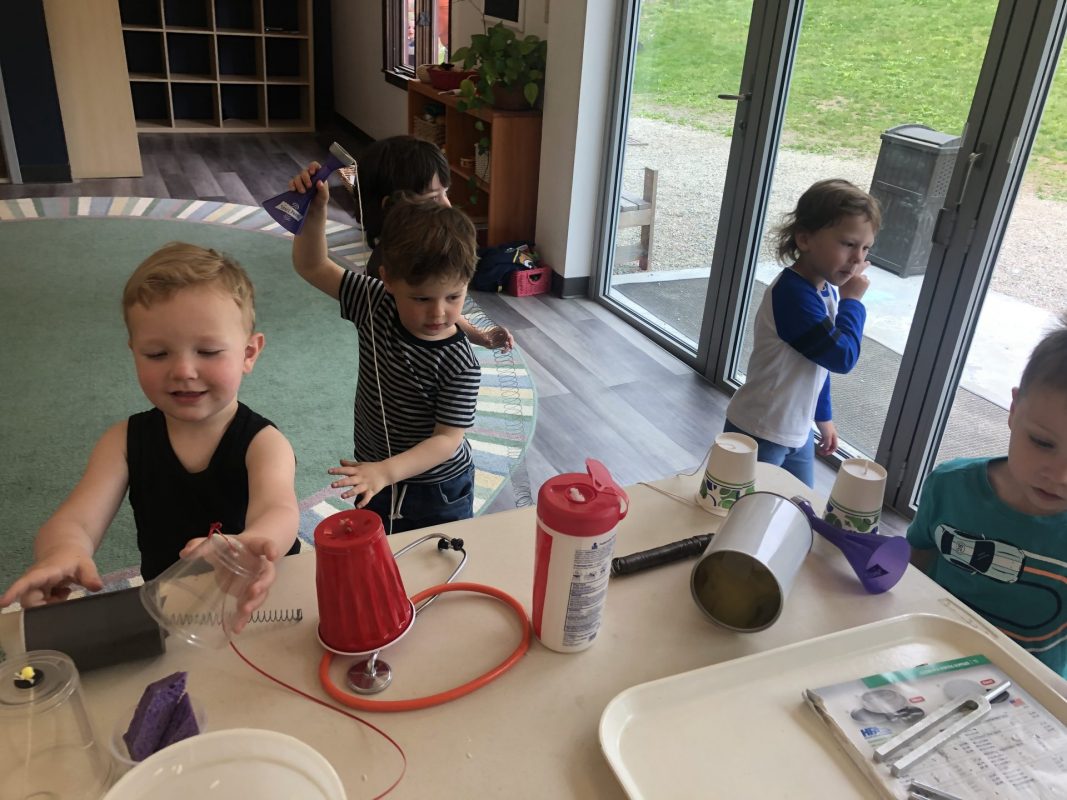
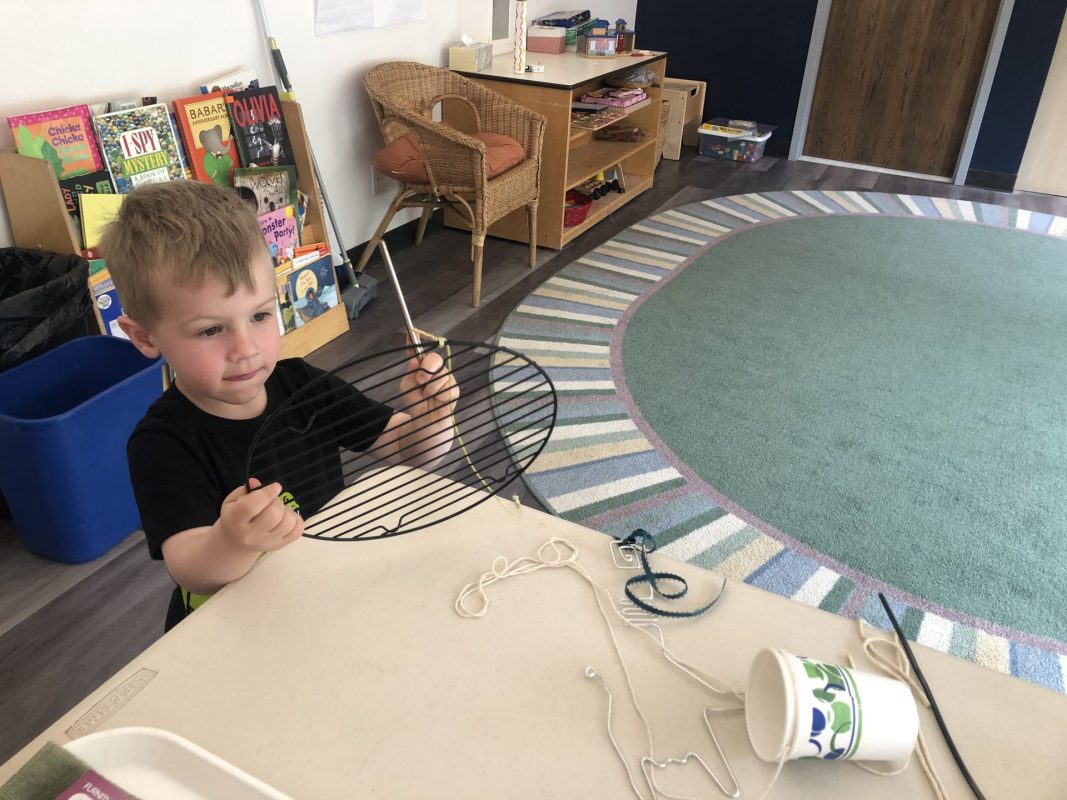
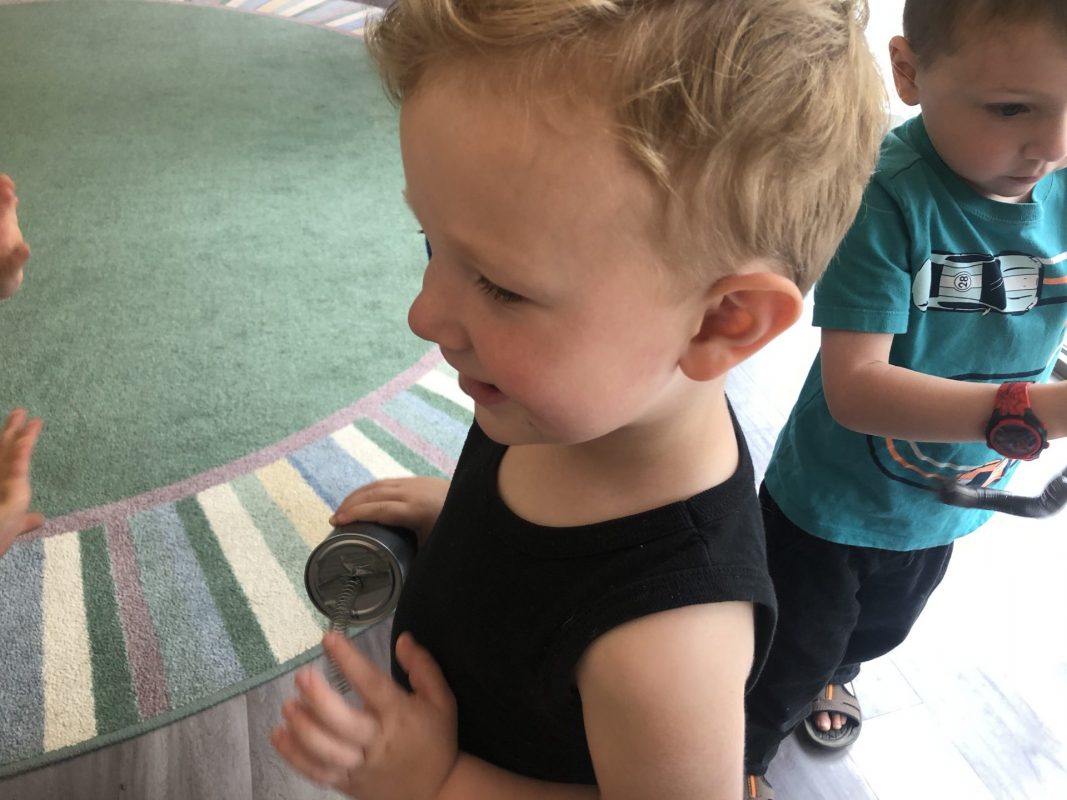
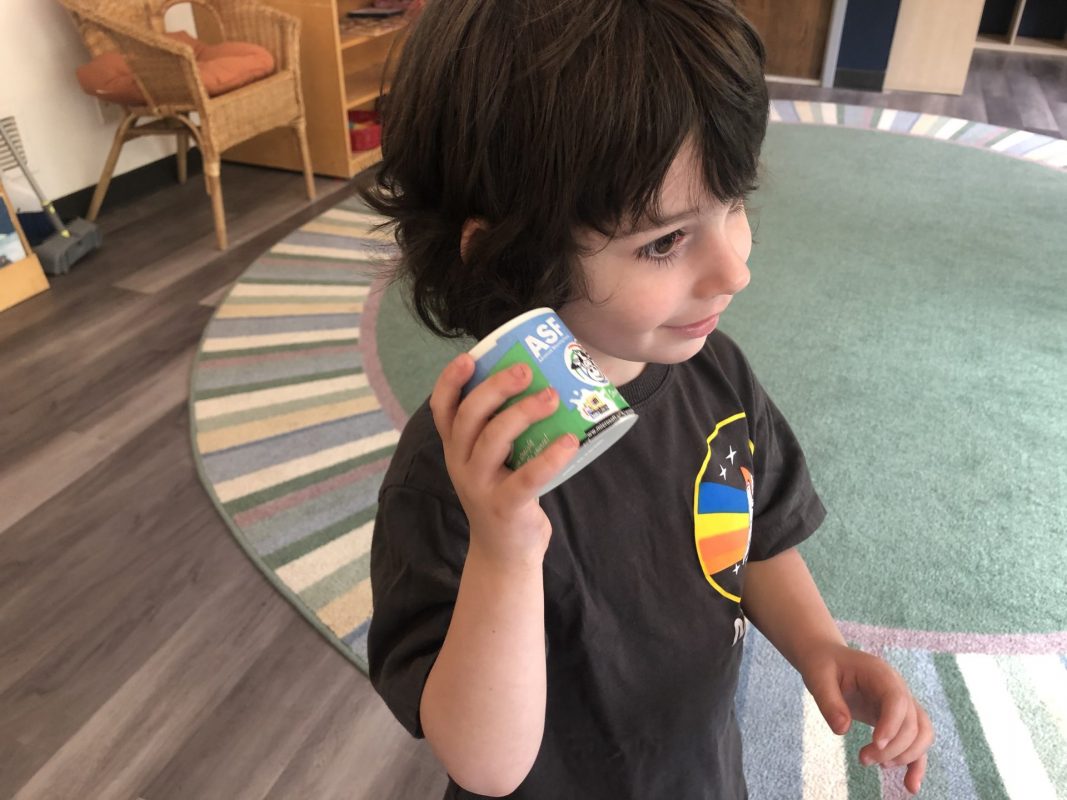
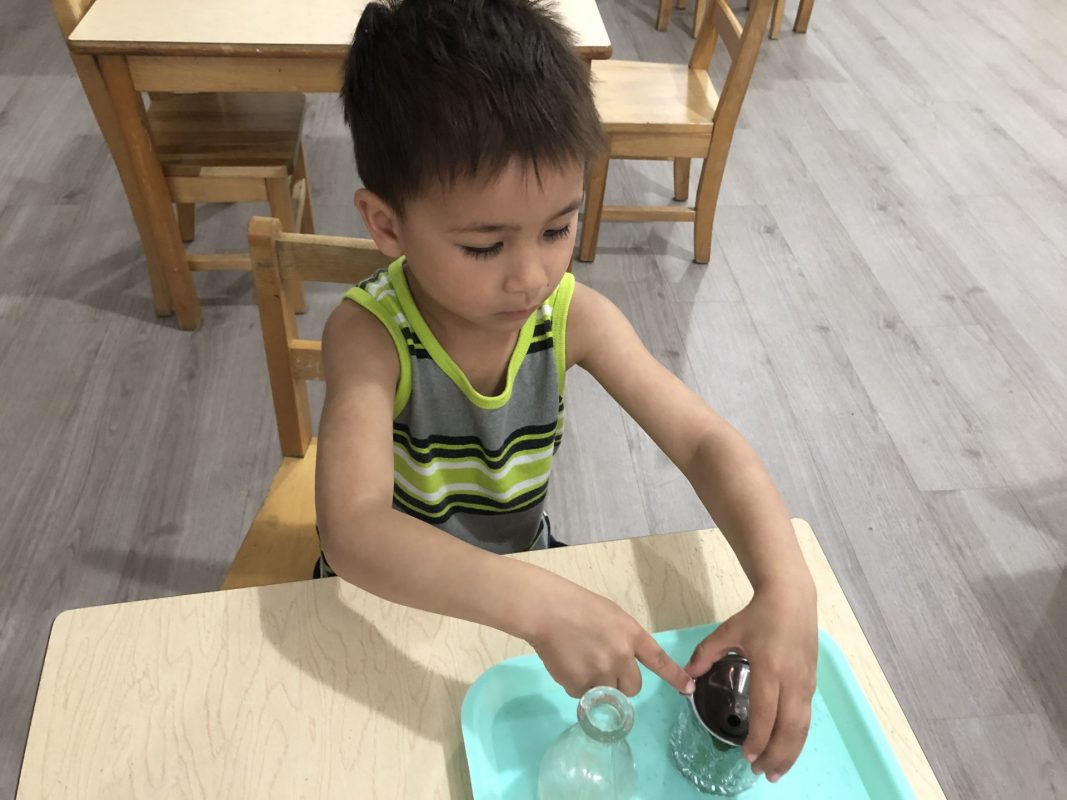
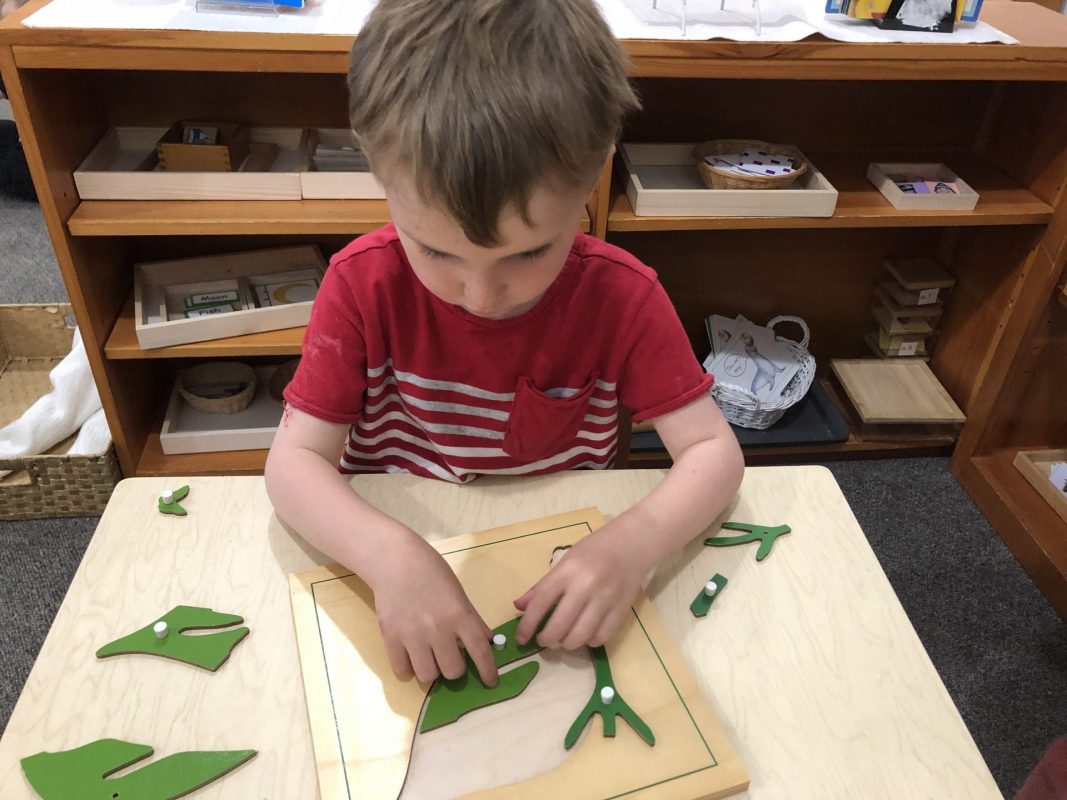
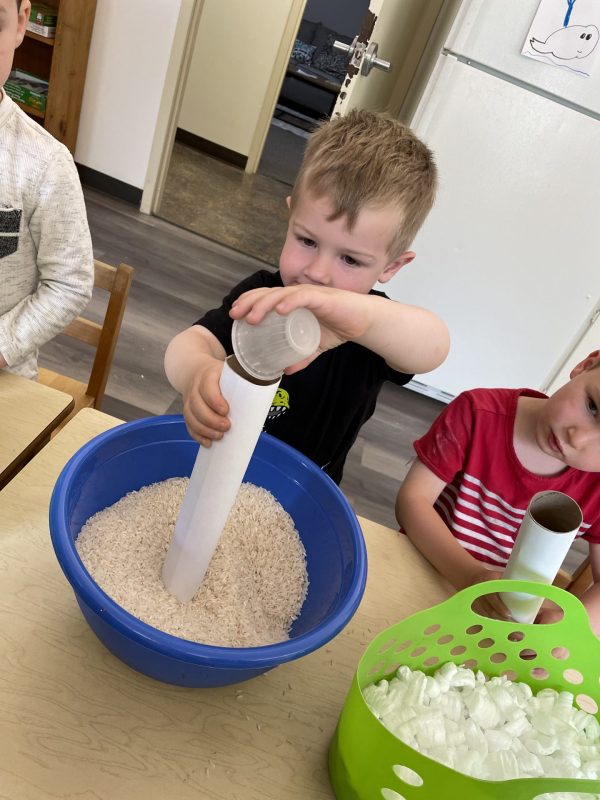
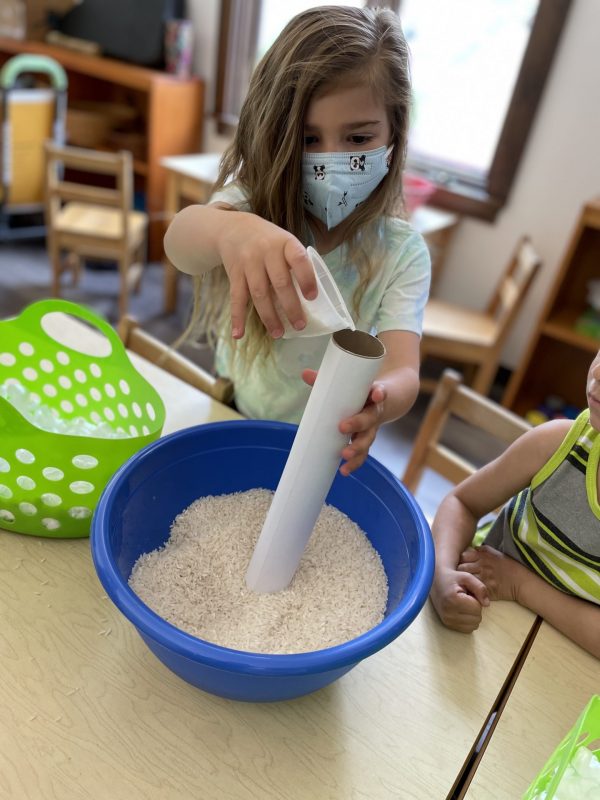
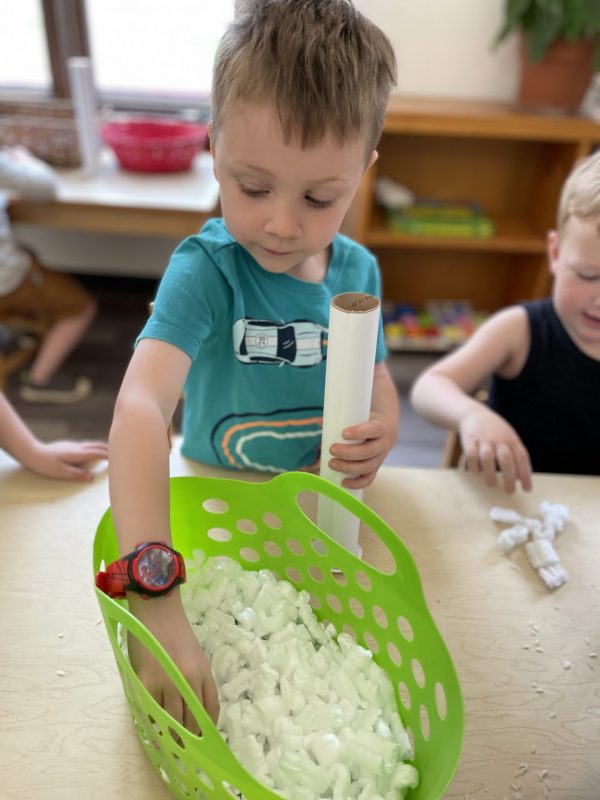
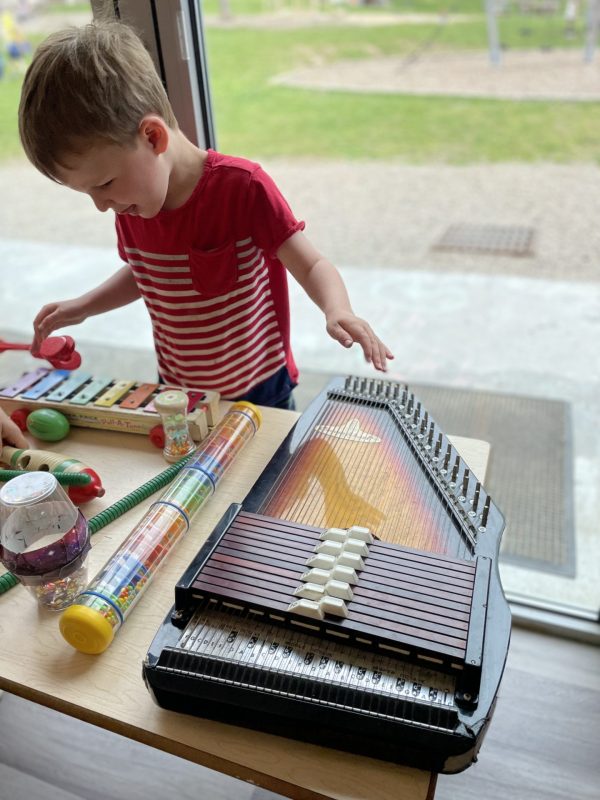
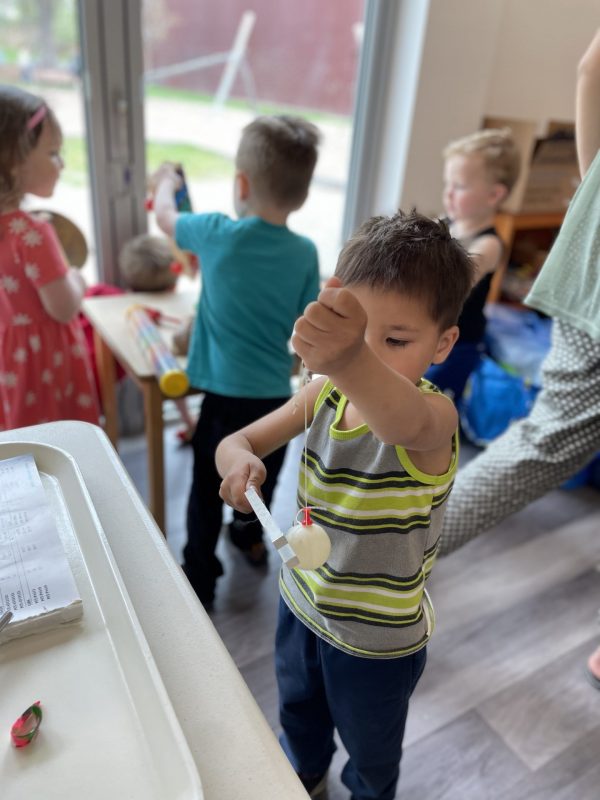
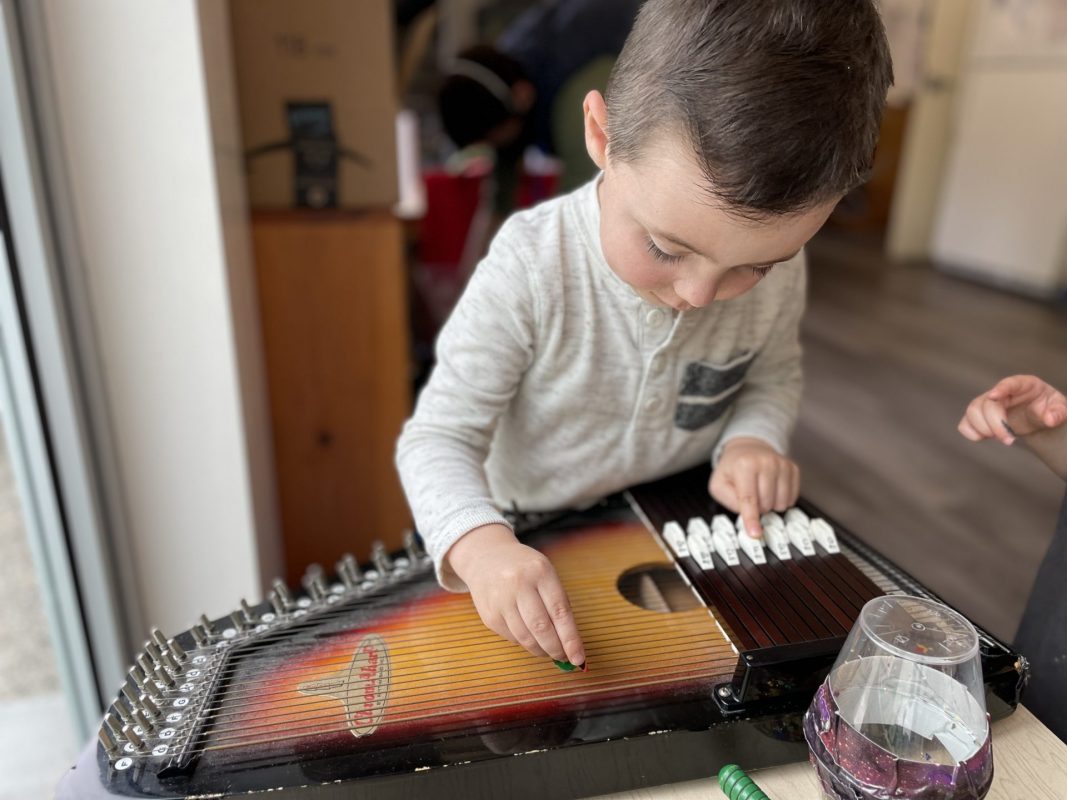
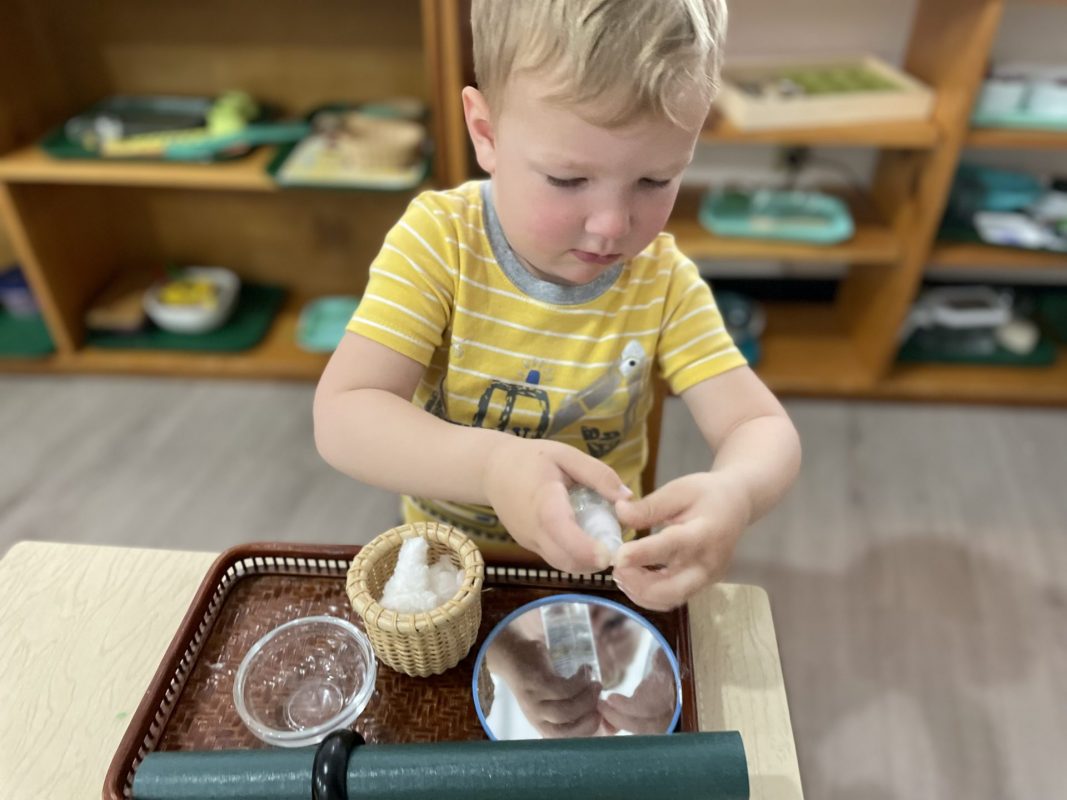
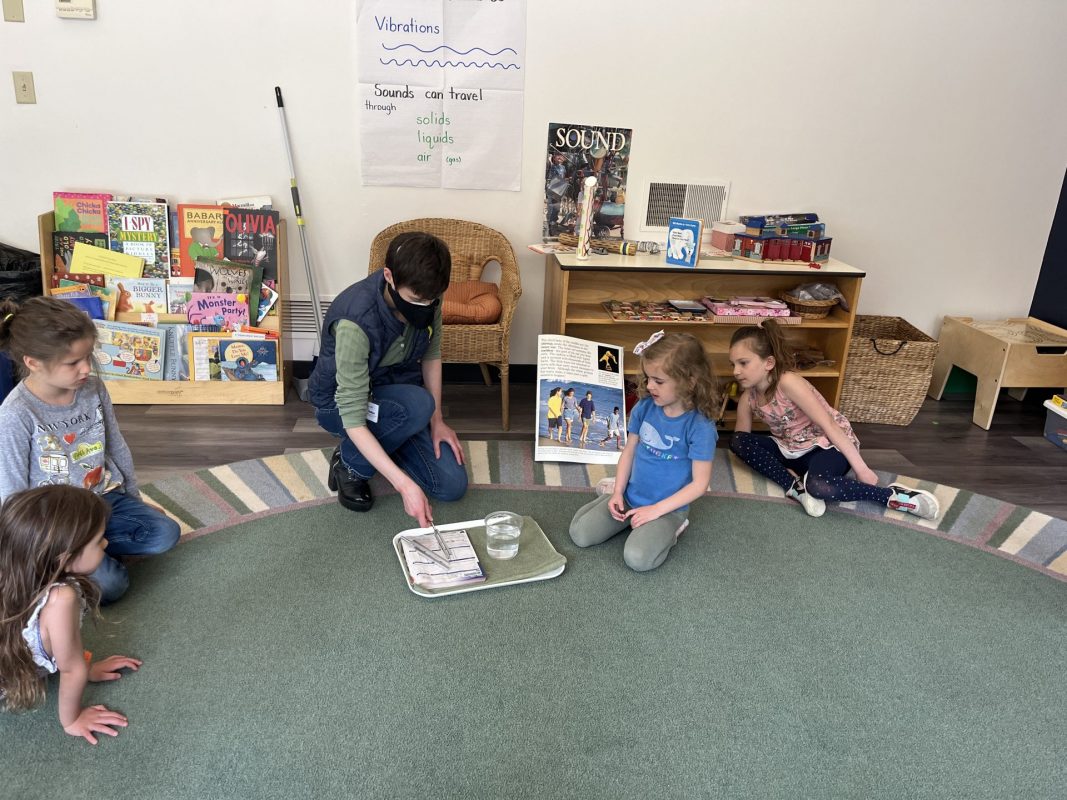
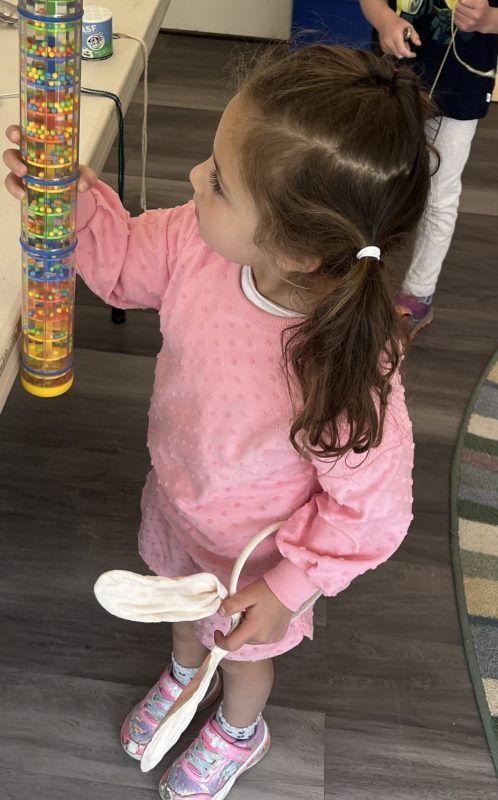
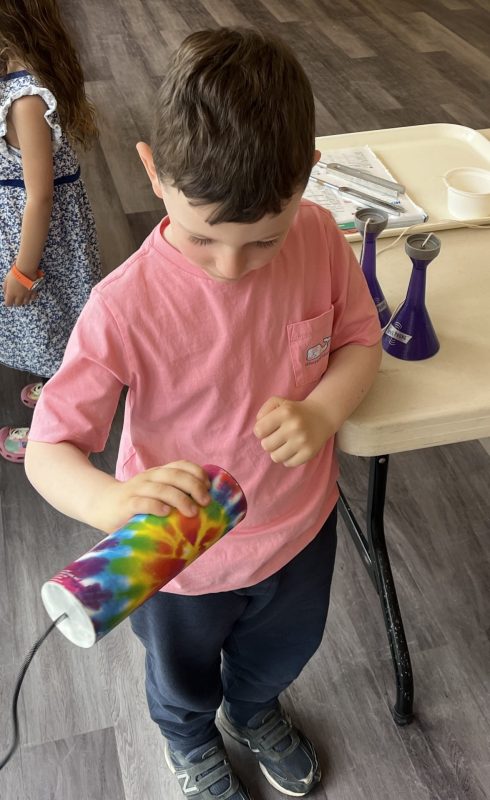
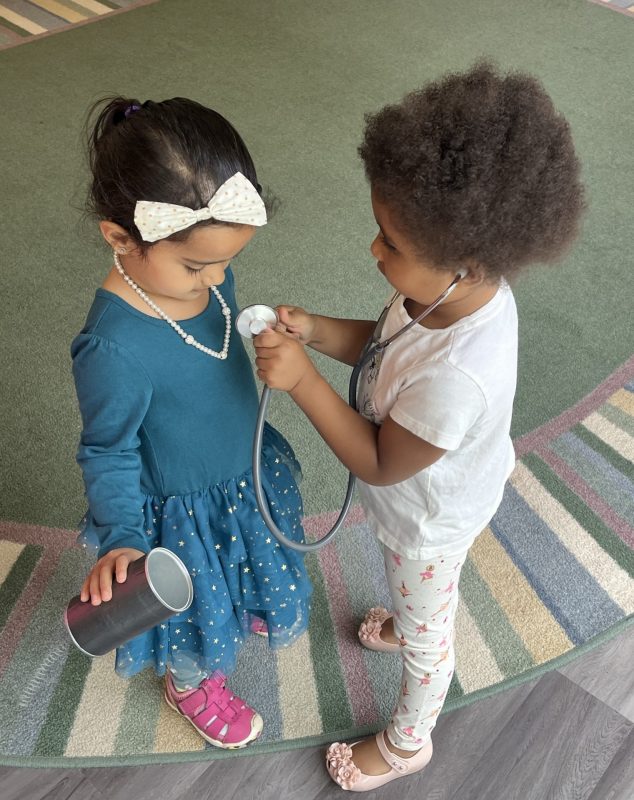
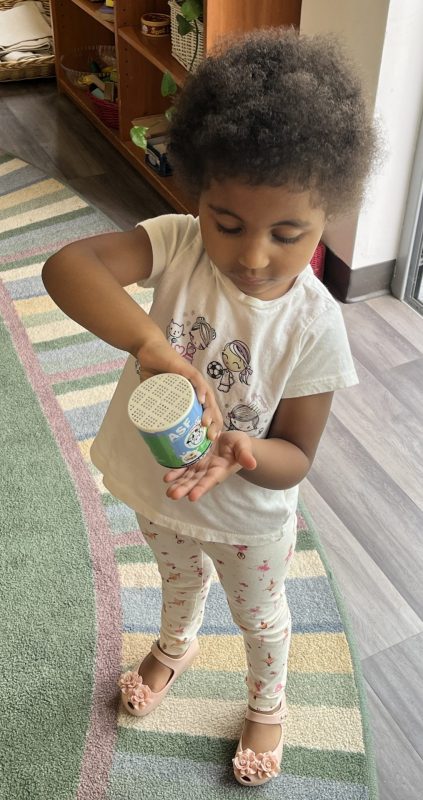
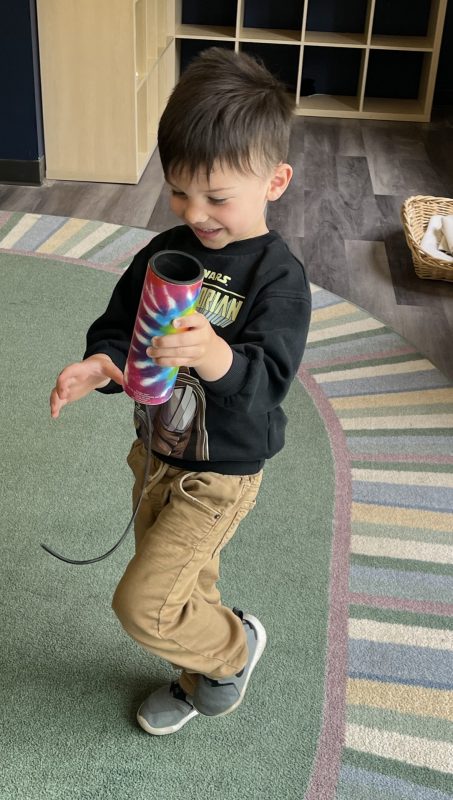
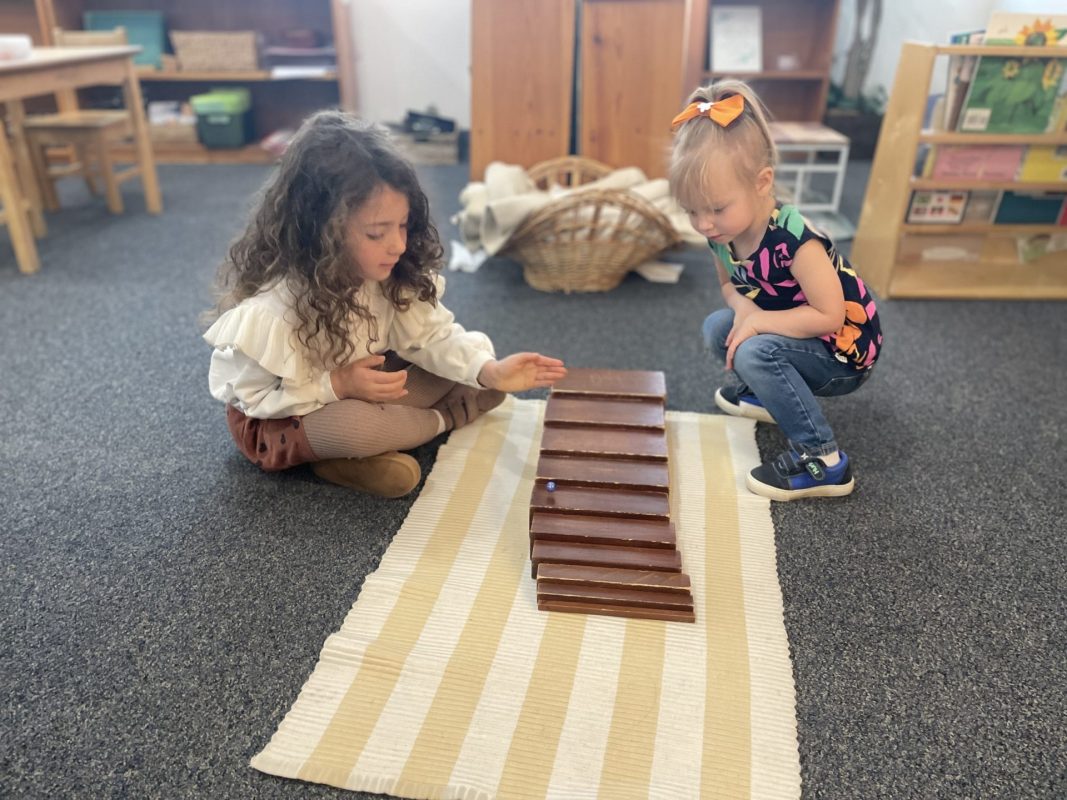
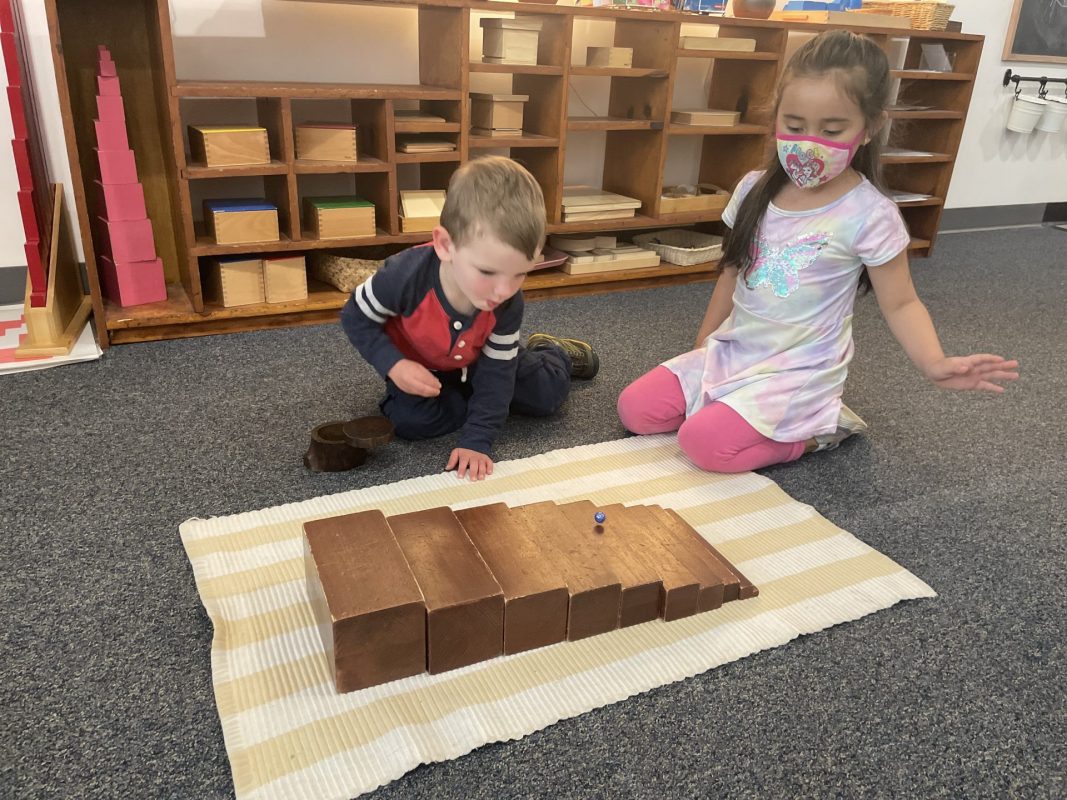
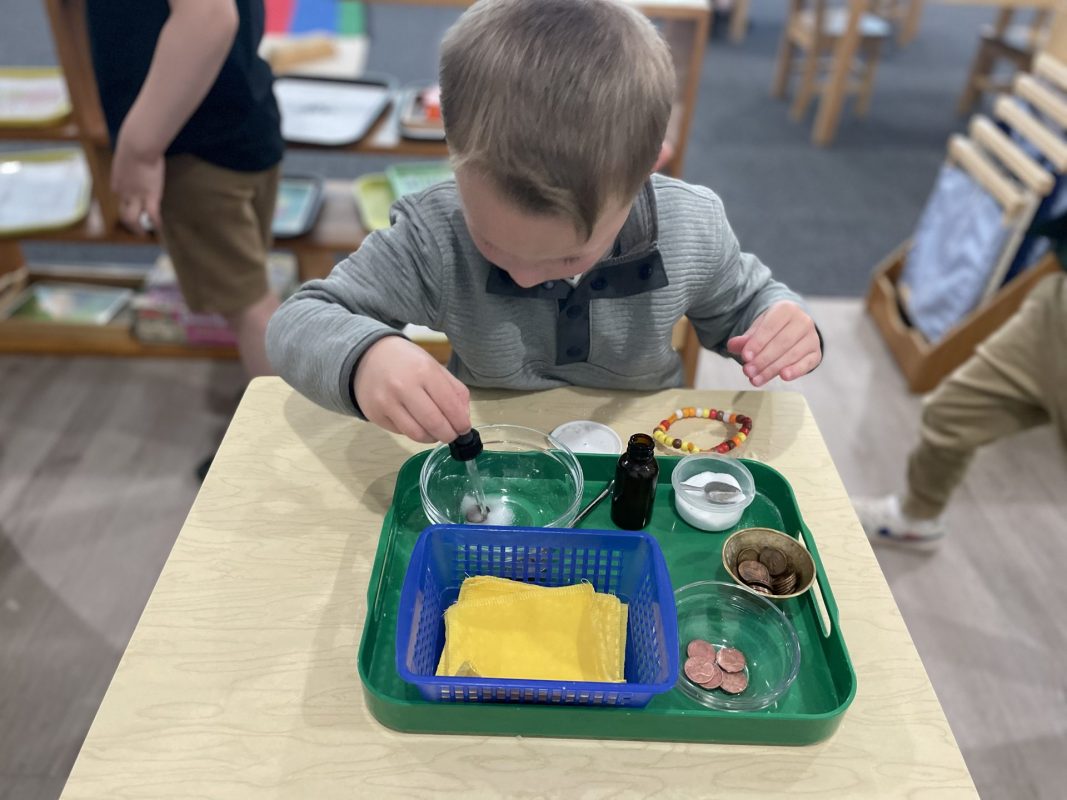
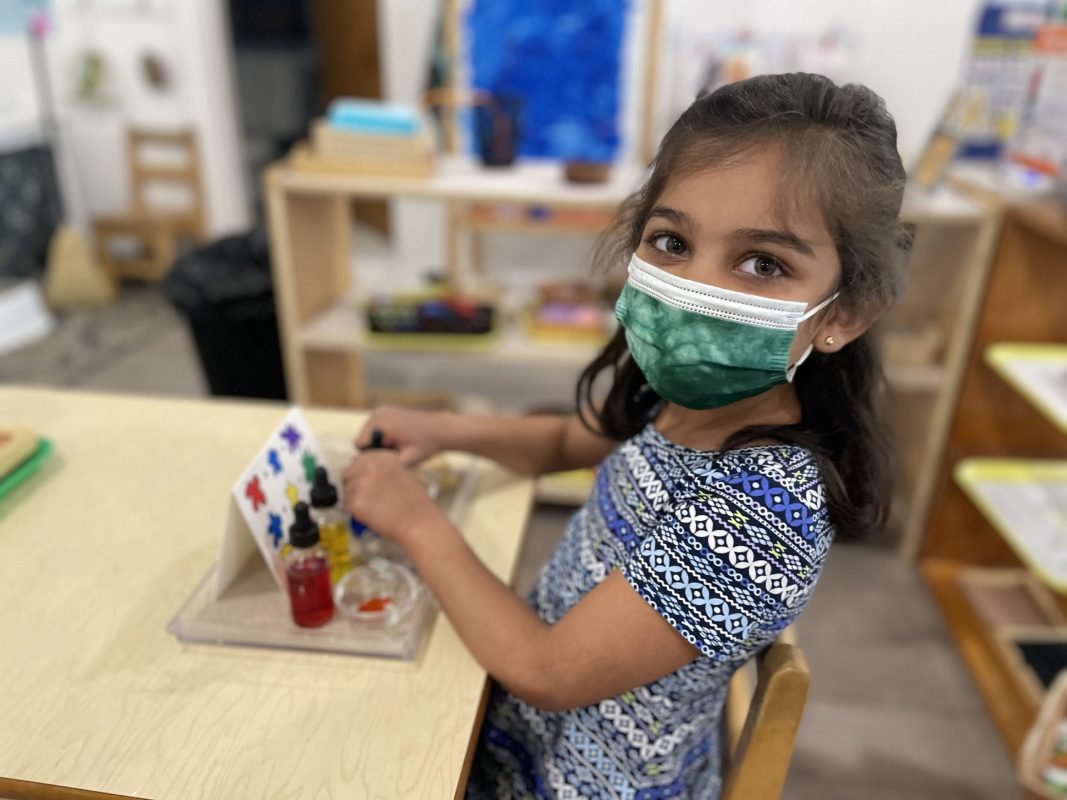
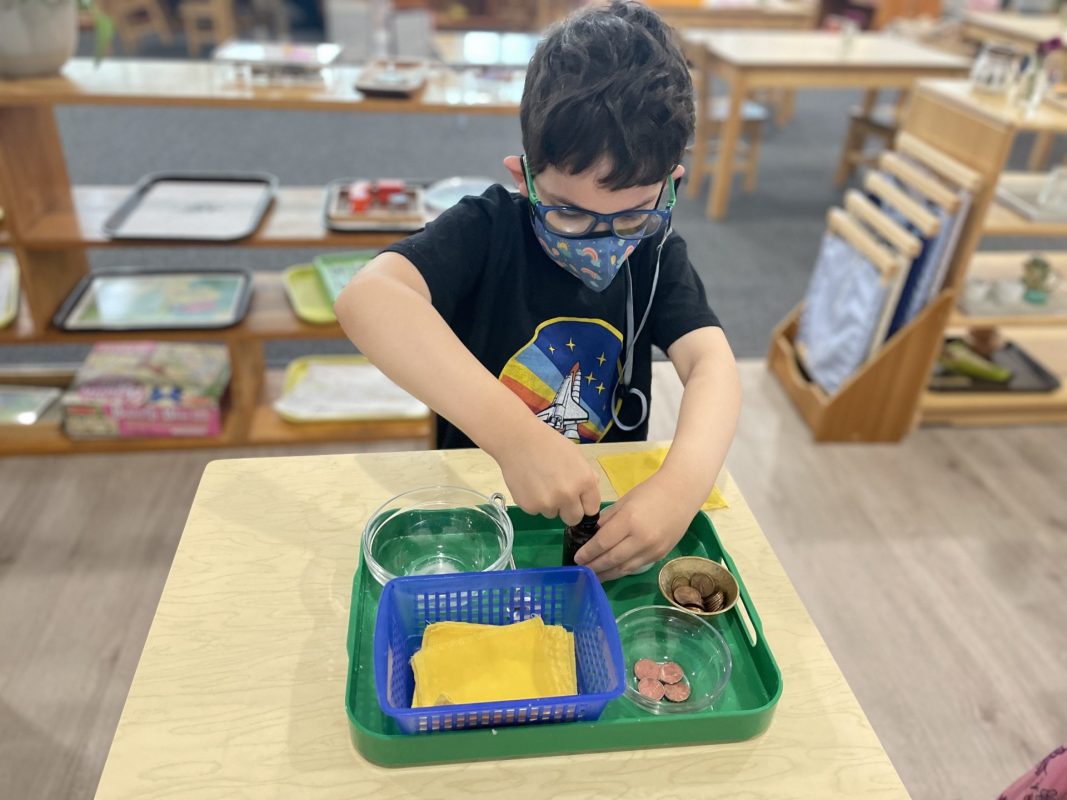
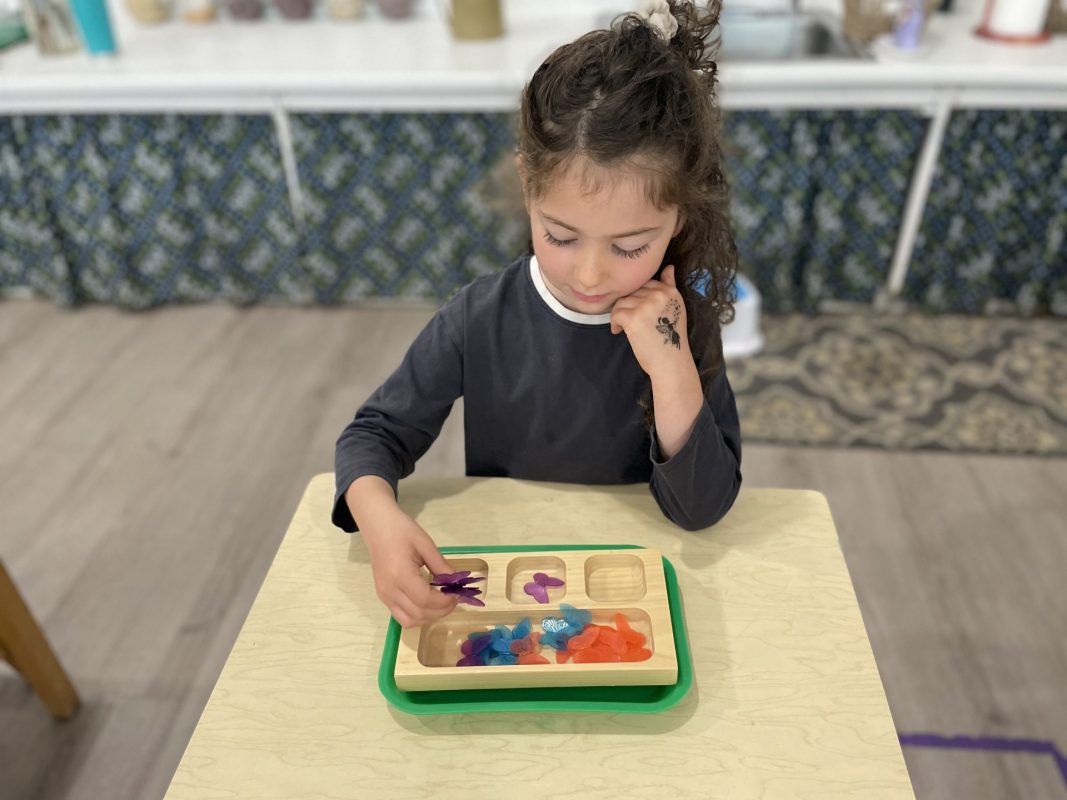
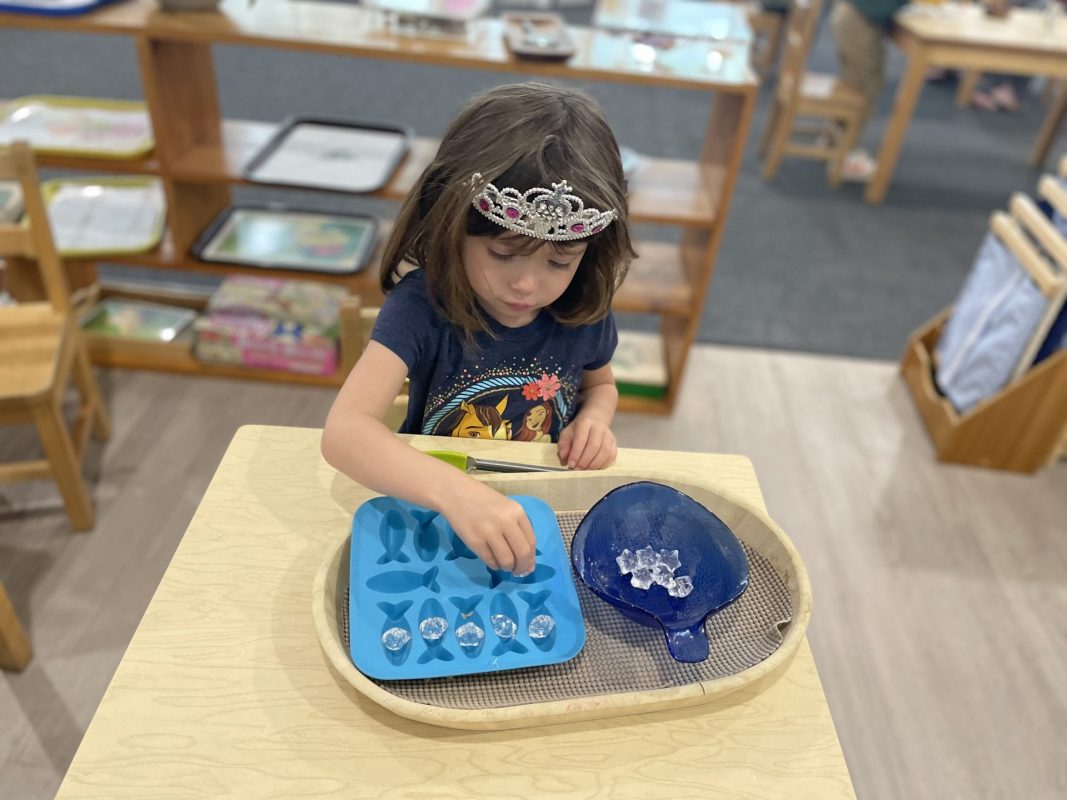
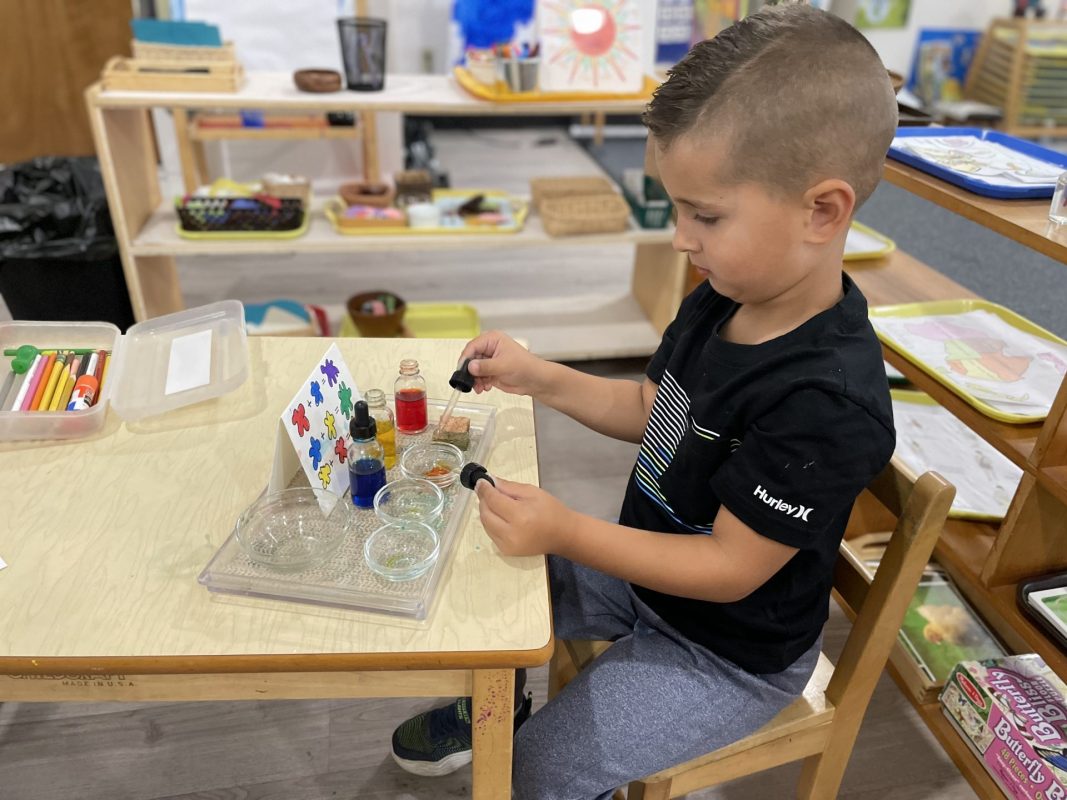
In every Montessori classroom there is a Sensorial area and it is filled with materials that help the child study their environment through their five senses. Maria Montessori believed that for every child, sensorial experiences begin at birth and by refining these skills they begin to understand their surroundings. The sensorial materials allow the child to acquire concise information and classify things around them.  They use their senses to not only to create their own experiences and knowledge but to also help them figure out different impressions received by each sense. The child is therefore a natural “sensorial explorer.”

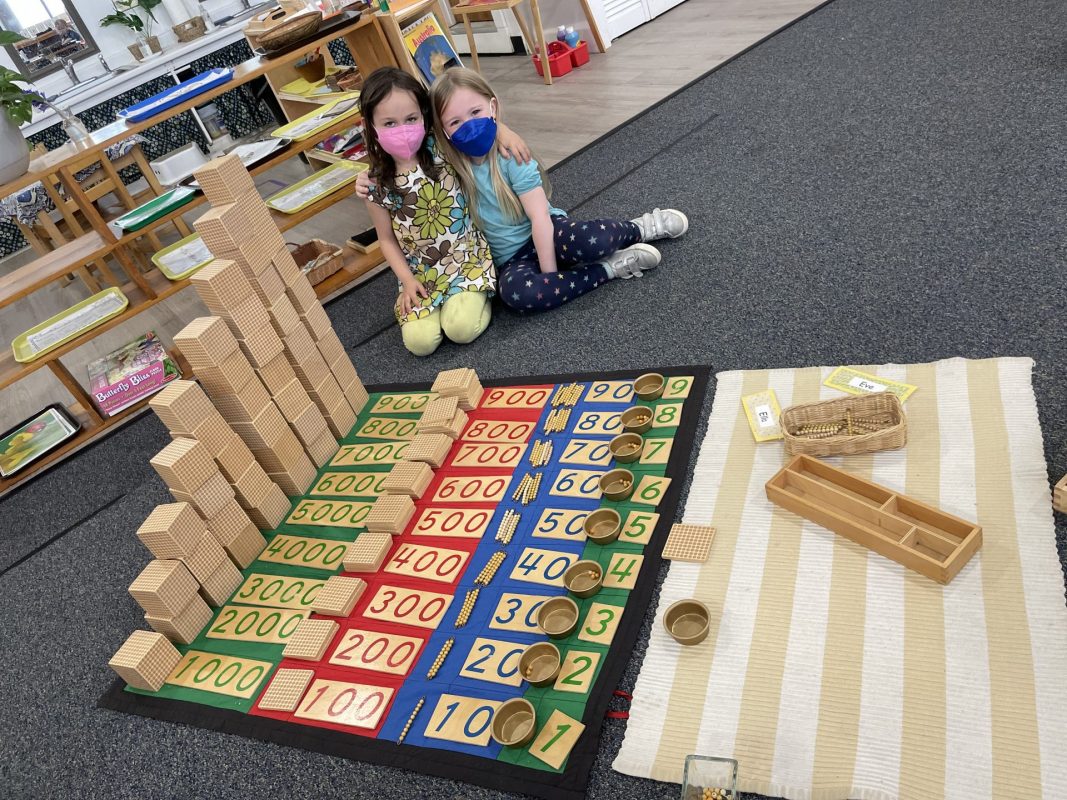
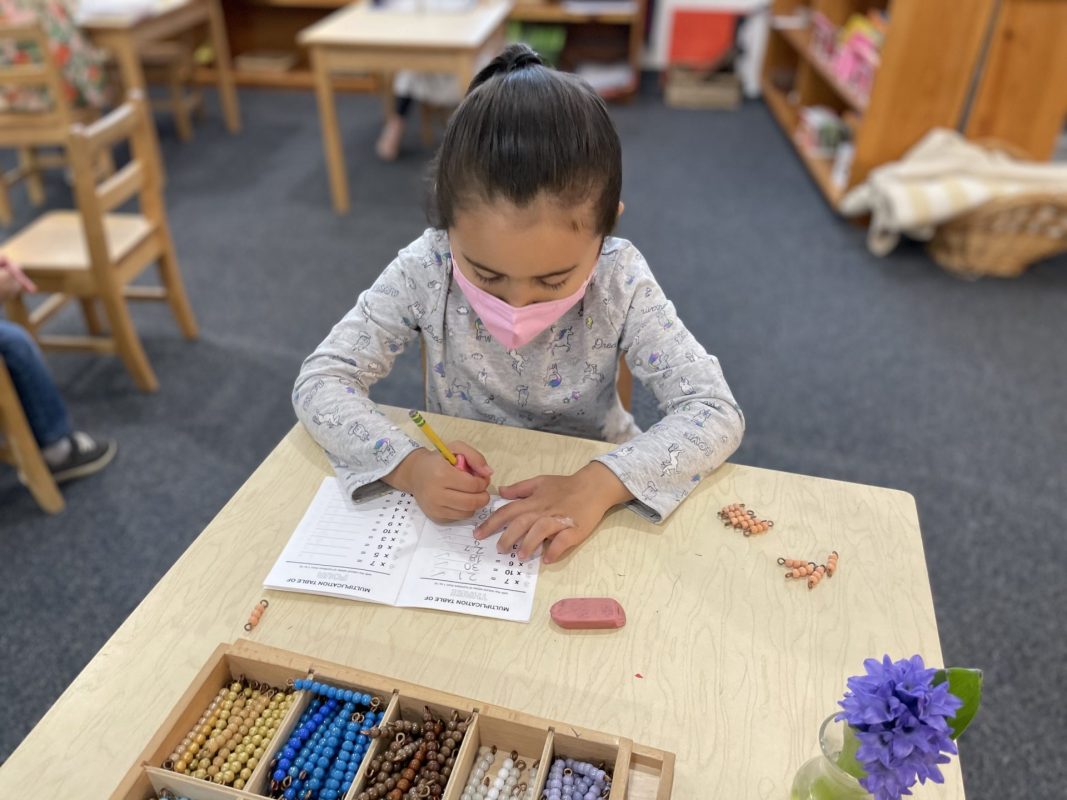
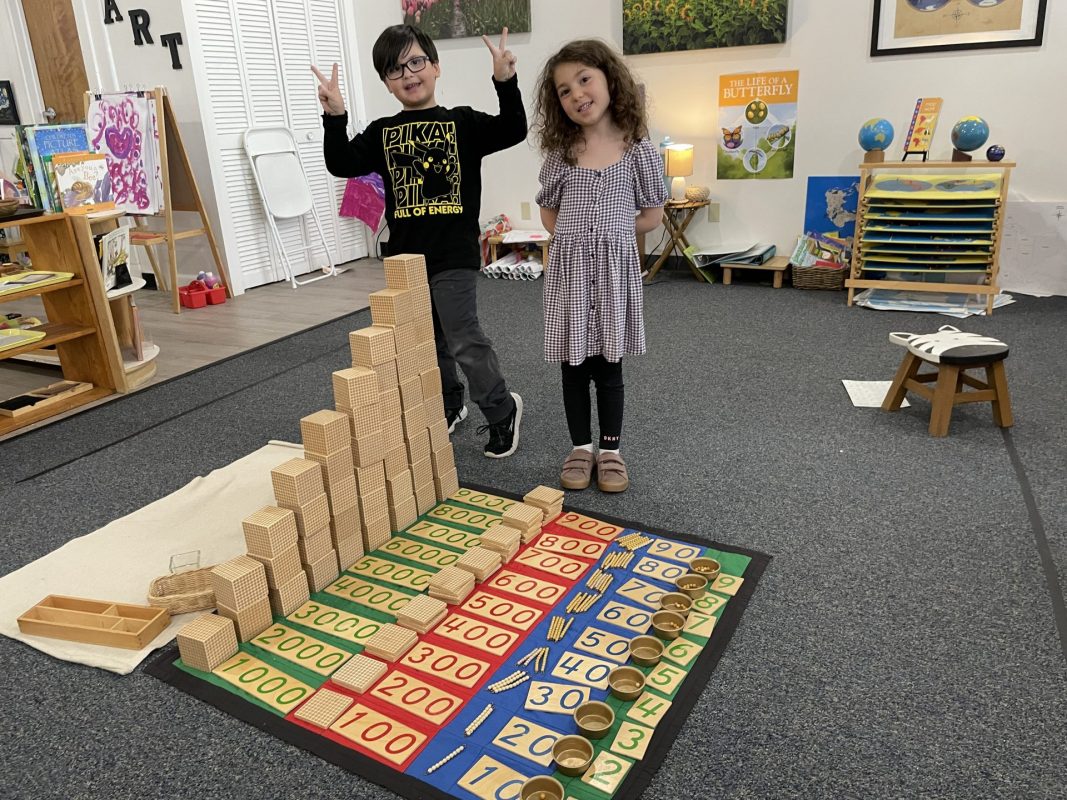
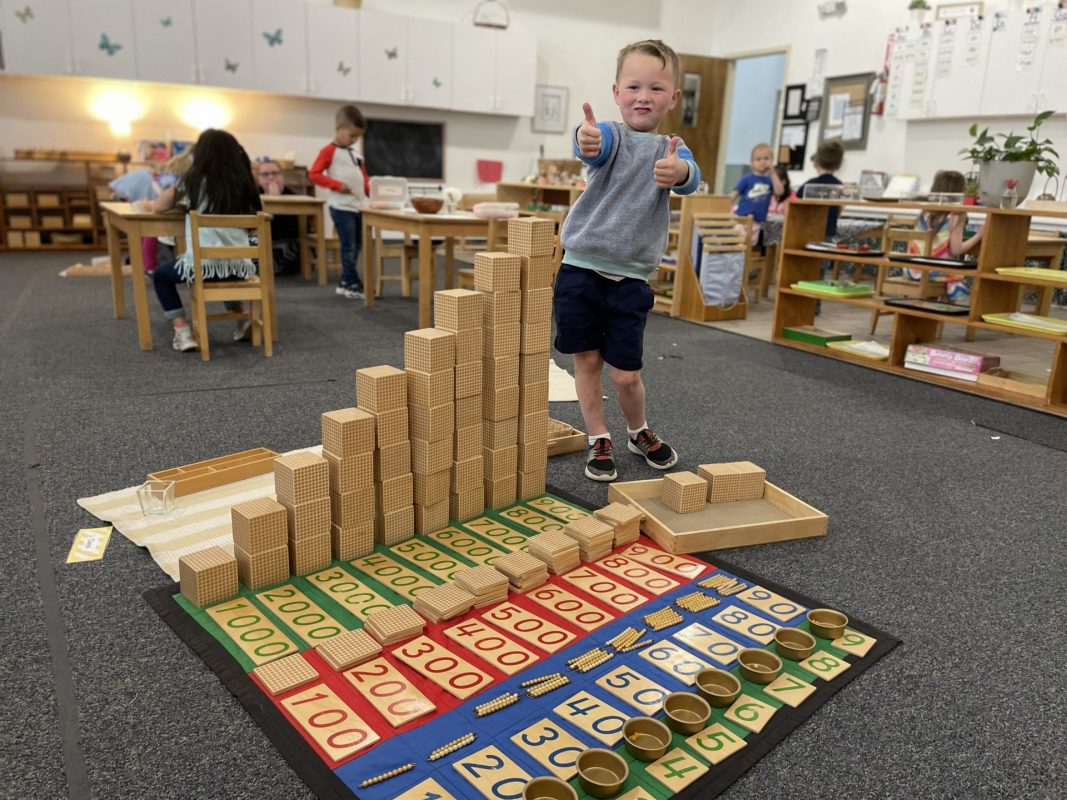
Each material in this area has a built in control of error, so that after an initial lesson, little teacher direction is needed.  This control of error helps a child determine what needs to happen in order to successfully complete the lesson. The children are able to distinguish, to categorize, and to relate new information to what they already know. Each of the sensorial materials isolates one specific quality such as color, weight, shape, texture, size, sound or smell. These materials emphasize this one particular quality by eliminating or minimizing other differences. Many of the sensorial materials are also the basis of future mathematical concepts the children will learn.

Wishing you a week filled with peace and love.

Michelle & Liset


Mrs. Semmah: Spring Into Science

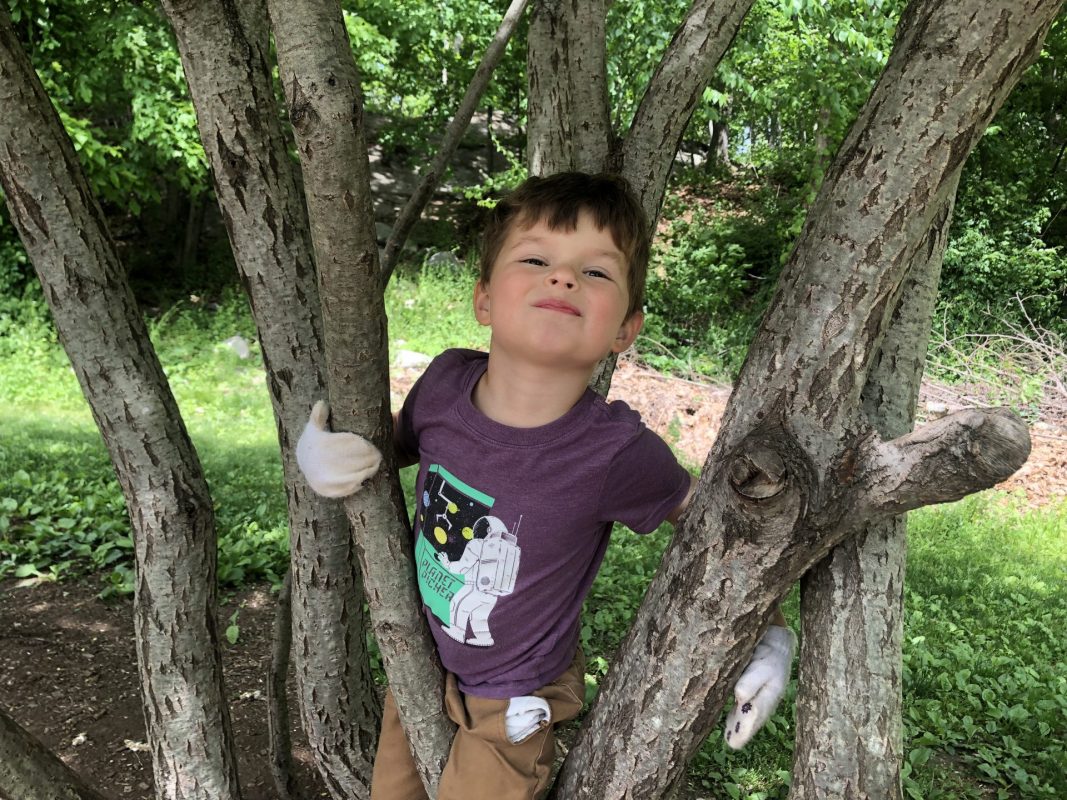
Spring is here. The days are warmer, and the trees are sprouting. The weather is welcoming us to go outside more often than any other time of the year. The children start wondering about the changes around them in the spring season. It introduces a wonderful occasion to grow their curiosity to explore their environment.

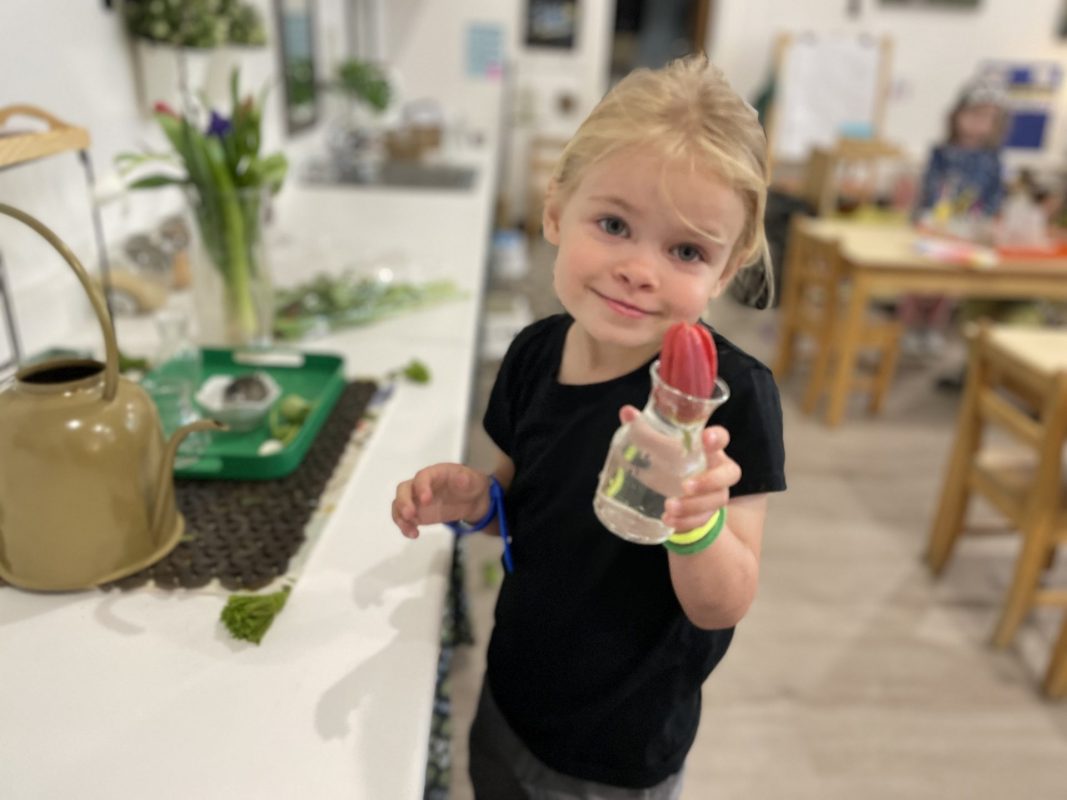
As we know, the Montessori approach focuses on caring for our environment. Part of our daily classroom tasks revolves around taking care of our indoor plants by watering them, ensuring access to sunlight, and shining the leaves with wet cotton.

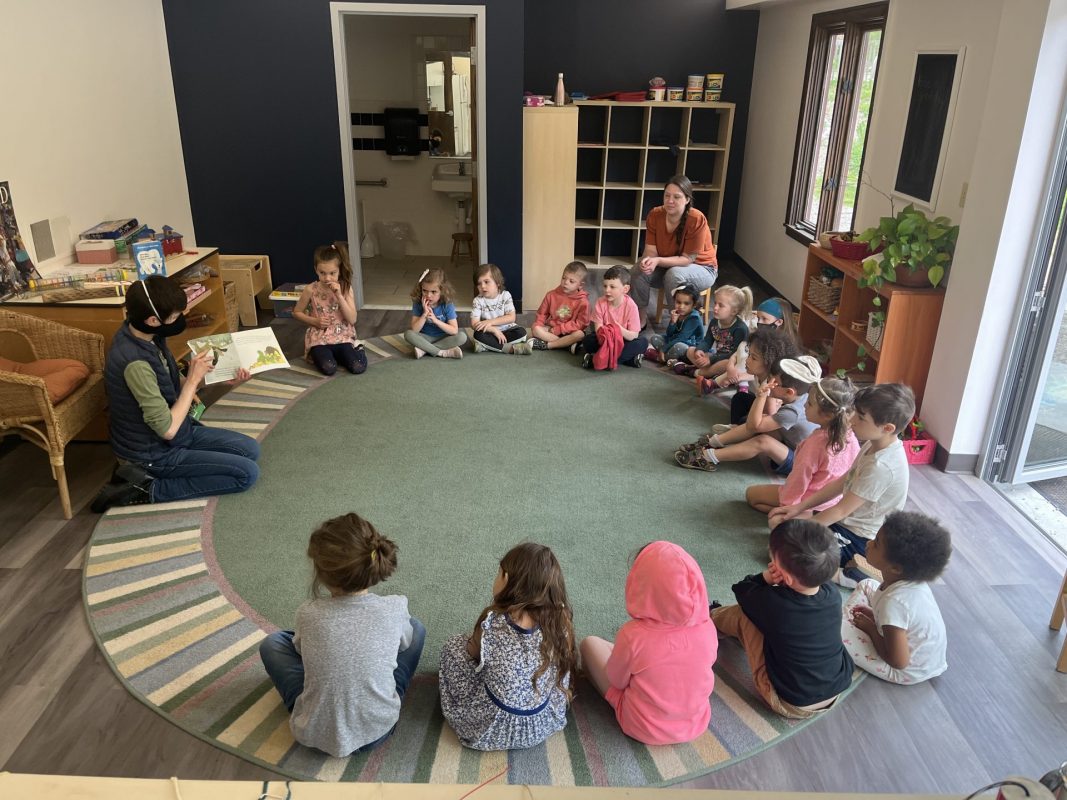
During spring we are going to learn about planting and gardening. The thematic unit of plants can extend for several weeks, with different activities to plant and observe the changes. This week we learned about living things and non-living things. At circle time, we showed the children images of living things and explained their need for food and water, to move, grow, breathe, and reproduce. Nonliving things don’t eat food, can’t move on their own, don’t breathe, and can’t reproduce or grow. We also read books about living and non-living things. The children are so excited to bring one item from home that is living and non-living.

Enjoy your wonderful weekend.

Kaoutar and Sara


Mrs. Doyle: Reptile or Amphibian?


We hope everyone had a relaxing break and we were so happy to be back in class together again!

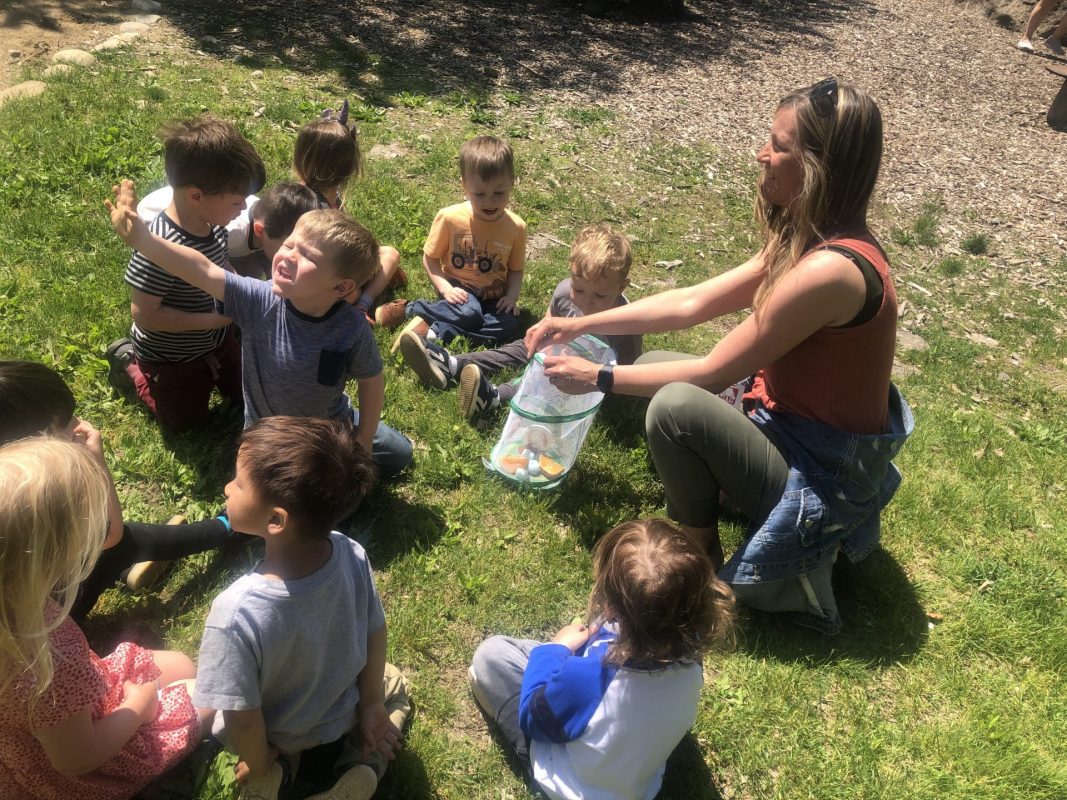
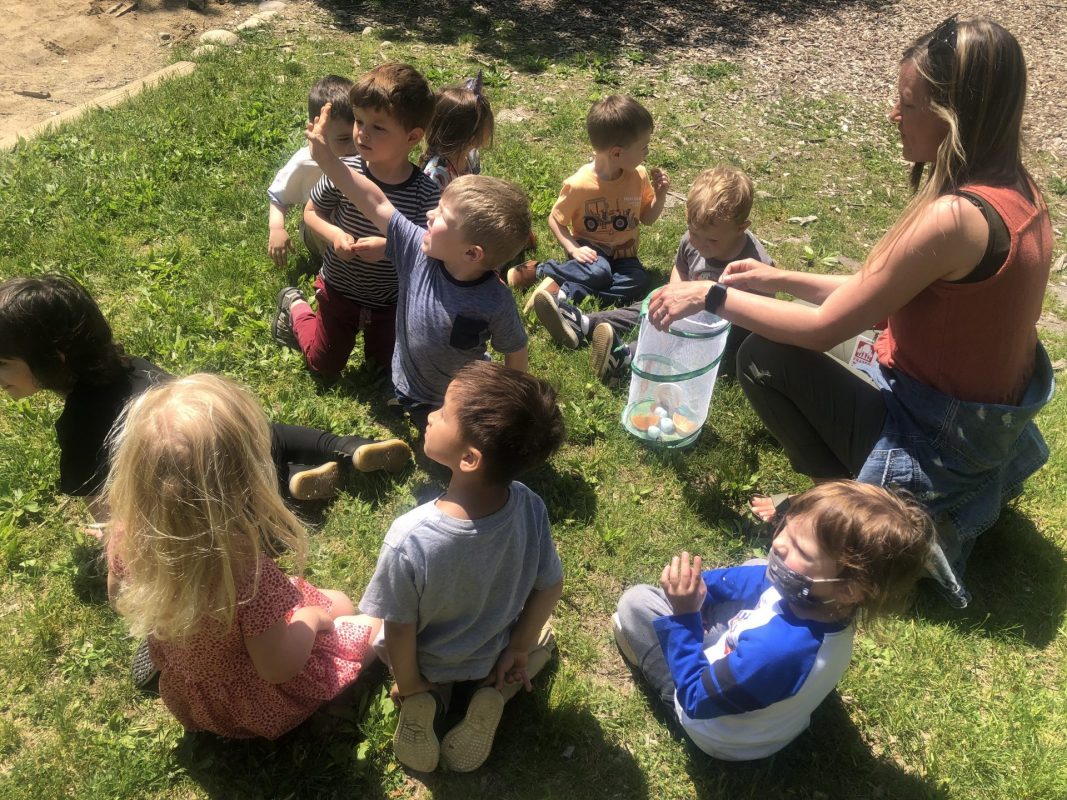
We are continuing our studies on the different classes of animals. So far, we have learned about mammals and reptiles. Currently, we just finished studying amphibians.

We have learned that:

  • The word amphibian means two-lives. This makes sense because amphibians spend part of part of their lives in the water and part of their lives on land. Most amphibians begin their life in water with gills and tails. As they grow, they develop lungs and legs for their life on land.
  • Amphibians are cold-blooded, which means that they are the same temperature as the air or water around them.
  • There are more than 4,000 different kinds of amphibians. Members of this animal class are frogs, toads, salamanders, and newts.
  • Most amphibians have thin, moist skin that helps them to breathe.
  • Amphibians have a backbone, so they are vertebrates.

We have also been learning about the life cycle of a frog and what happens at each stage of development.

The easiest way to answer the question, “What exactly is the difference between reptiles and amphibians?,” is you need to look at their skin. Reptiles have dry, scaly skin and amphibians have moist skin that can be either smooth or rough.  Other differences include their eggs and relationship with water. Both reptiles and amphibians hatch from eggs, although their eggs are very different from one another.  Amphibian eggs are transparent and jelly like.  An amphibian goes through a metamorphosis to look like its adult self. Reptile eggs can be leathery or have a delicate coating. Newborn reptiles are a miniature version of their adult self.  Amphibians need a habitat that includes water, as they spend part of their life cycle in the water. Most amphibians will also lay their eggs in water. However, a reptile does not need water for its habitat, although it will often live near water.

Next, we learn about birds.

Wishing you a week filled with peace and love.

Michelle & Liset


Mrs. Lopes: Cultivating Compassion and Empathy

“So in the child, besides the vital impulse to create himself, and to become perfect, there must be yet another purpose, a duty to fulfill in harmony, something he has to do in the service of a united whole.” ~ Maria Montessori, The Absorbent Mind

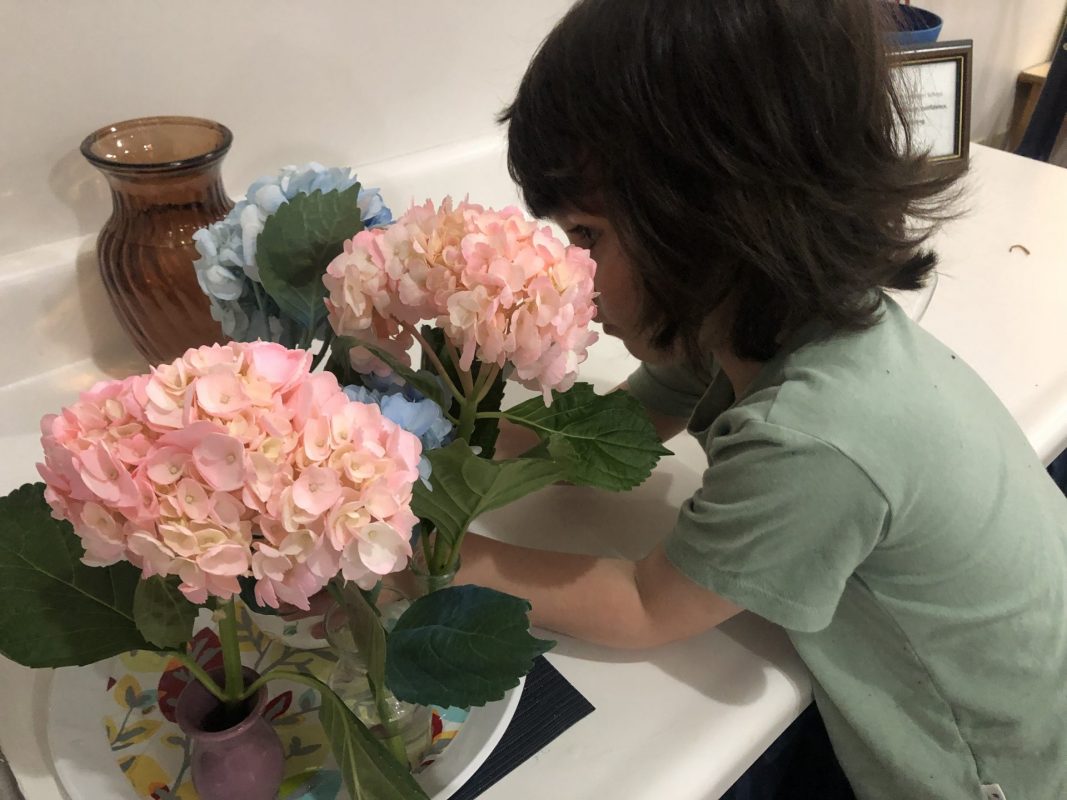
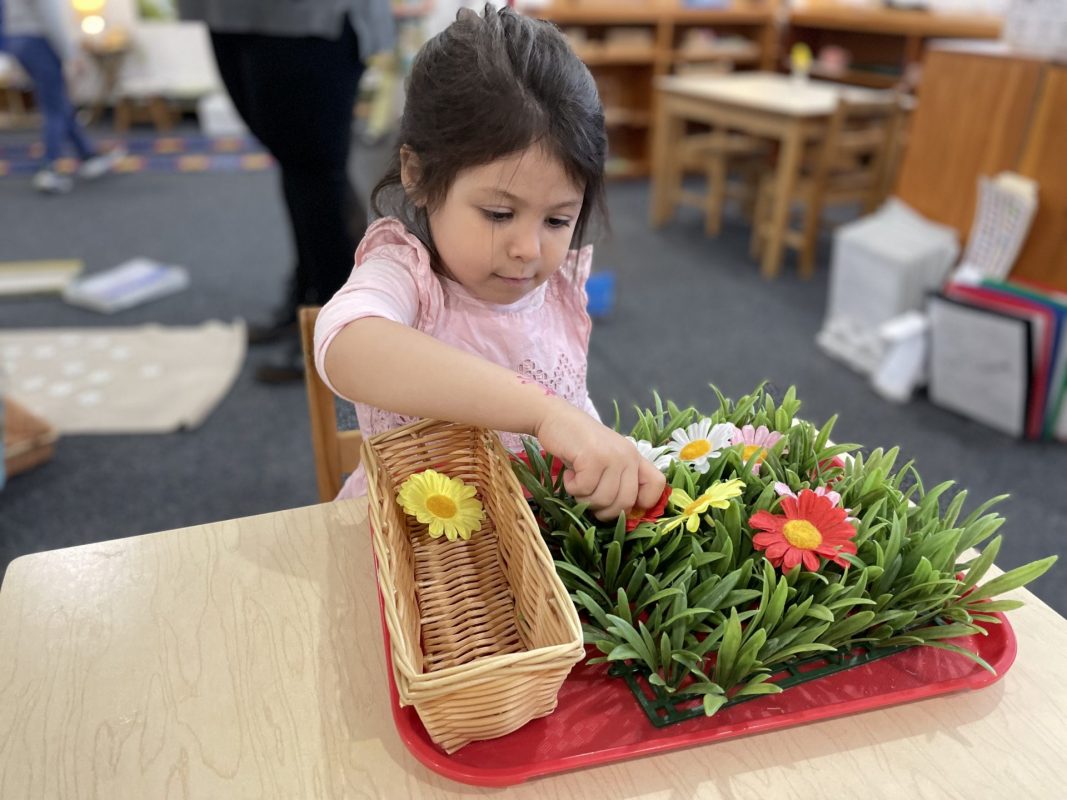
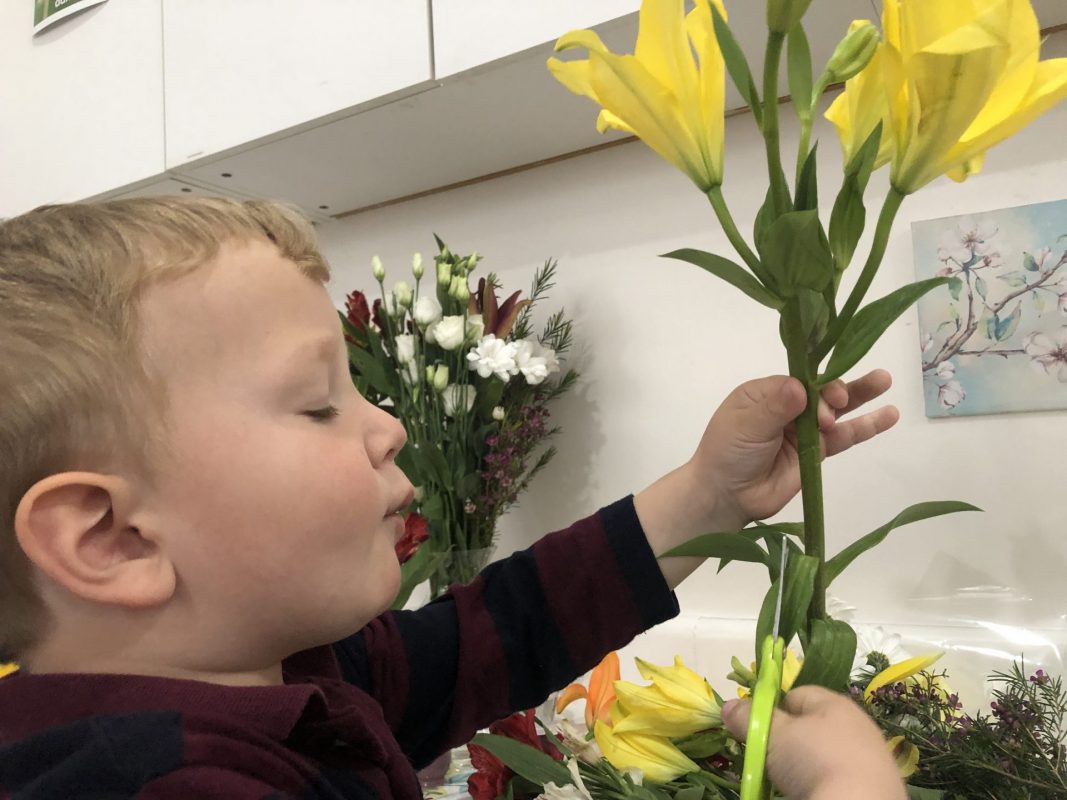
Maria Montessori believed that children are the key to peace and empathy among humanity. This important belief is a foundation in our Montessori classrooms beginning with practical life lessons and continuing throughout childhood and beyond. I’d like to share how a “simple” lesson can provide the mechanism from which children in the classroom learn, practice and express their empathy and love for their community.

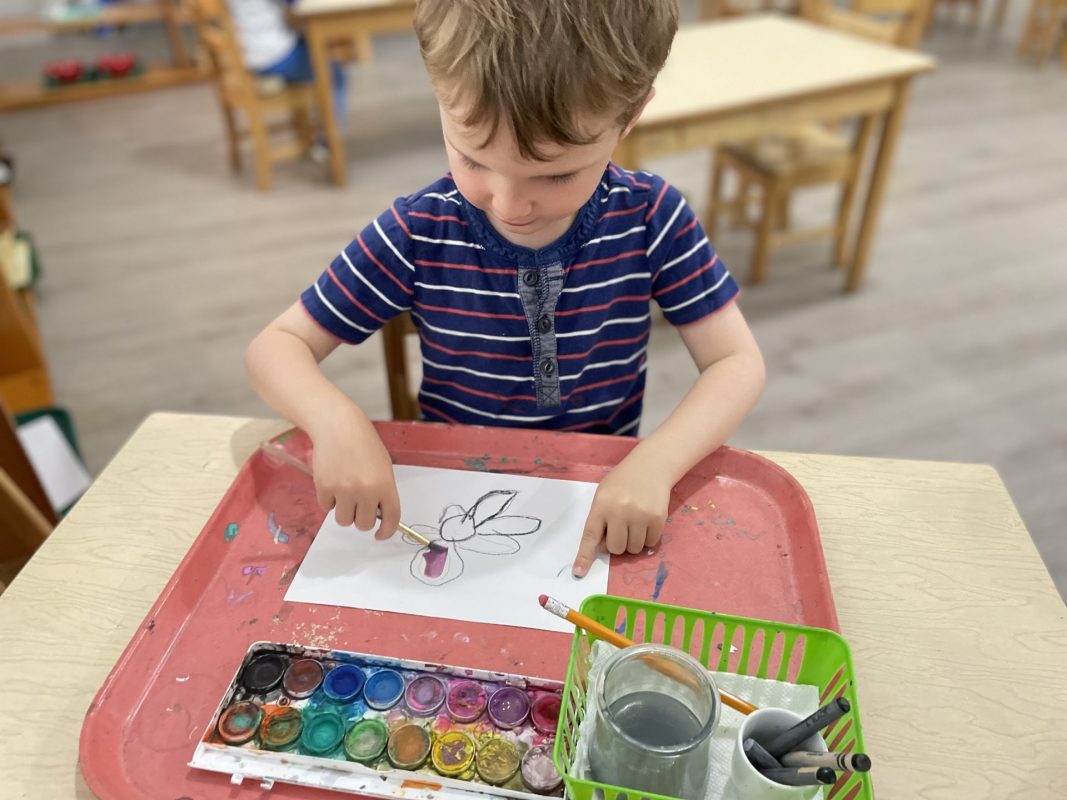
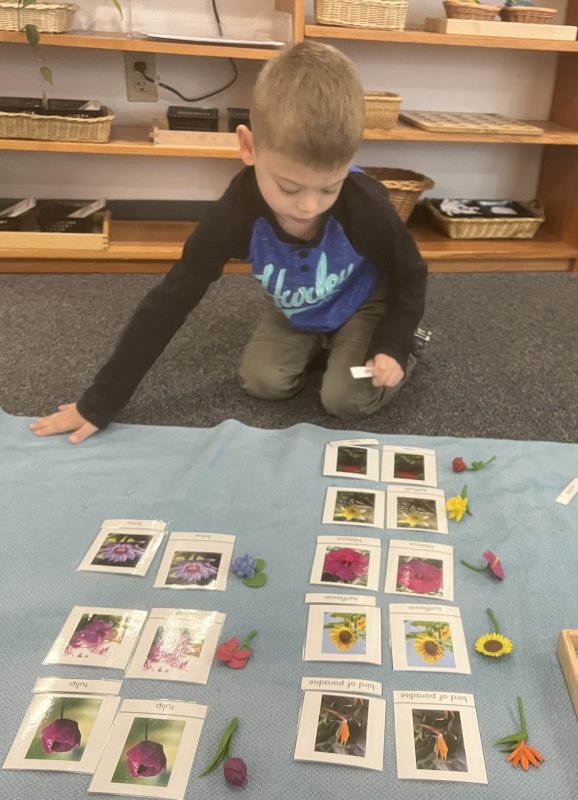
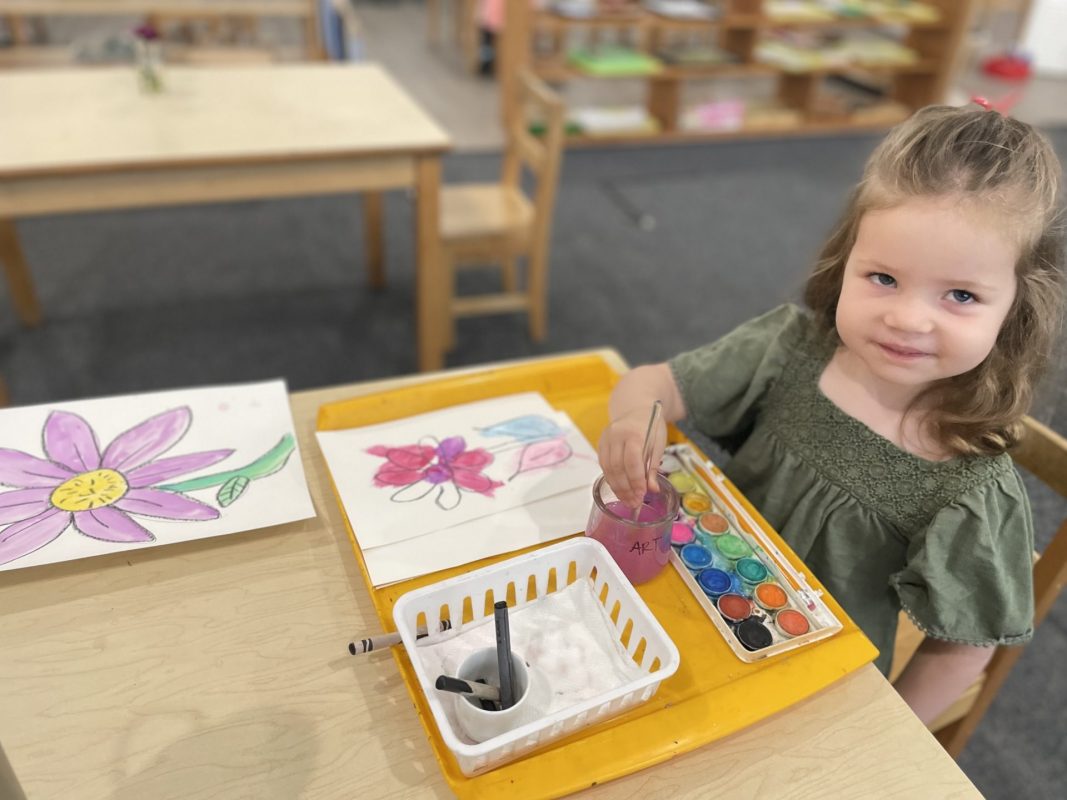
“Flower arranging work has a more important indirect aim than simply admiring nature’s work of art.  It is an opportunity for little hands to contribute to the beautification of the environment.  It is a tender moment when a young heart lays down a symbol of friendship, love and peace on a table for someone else to enjoy. It is a brief yet integral step outside of oneself and one’s own needs. -The CHILD Centered Blog

Flower arranging is only one of many classrooms works and activities sowing the seeds of compassion and empathy in your children.  Please remember, compassion in your homes helps your children do the same.

Have a peaceful week,

Amanda and Heather


Mrs Semmah: High-Level Questions For Your Child’s Day

High-level questions are great tools in the classroom and at home. Asking deep and thoughtful questions can spark children’s natural curiosity. High-level questions are never yes-or-no questions. It is always a question that different children will answer in their own way. When the question is effective, the children will provide lots of details in their answers and are more likely to use complex sentences. As a parent, when you ask your children about their day at school, do they respond with a simple “good” or “okay”? Here are some open-ended questions to assist you in starting a conversation about your child’s day at school.

What was the best thing about your day at school?
What was the hardest thing about your day at school?
What was the funniest thing about your day at school?
What was the kindest thing someone did today at school?
Did something happen at school today that make you feel proud? Tell me about it.
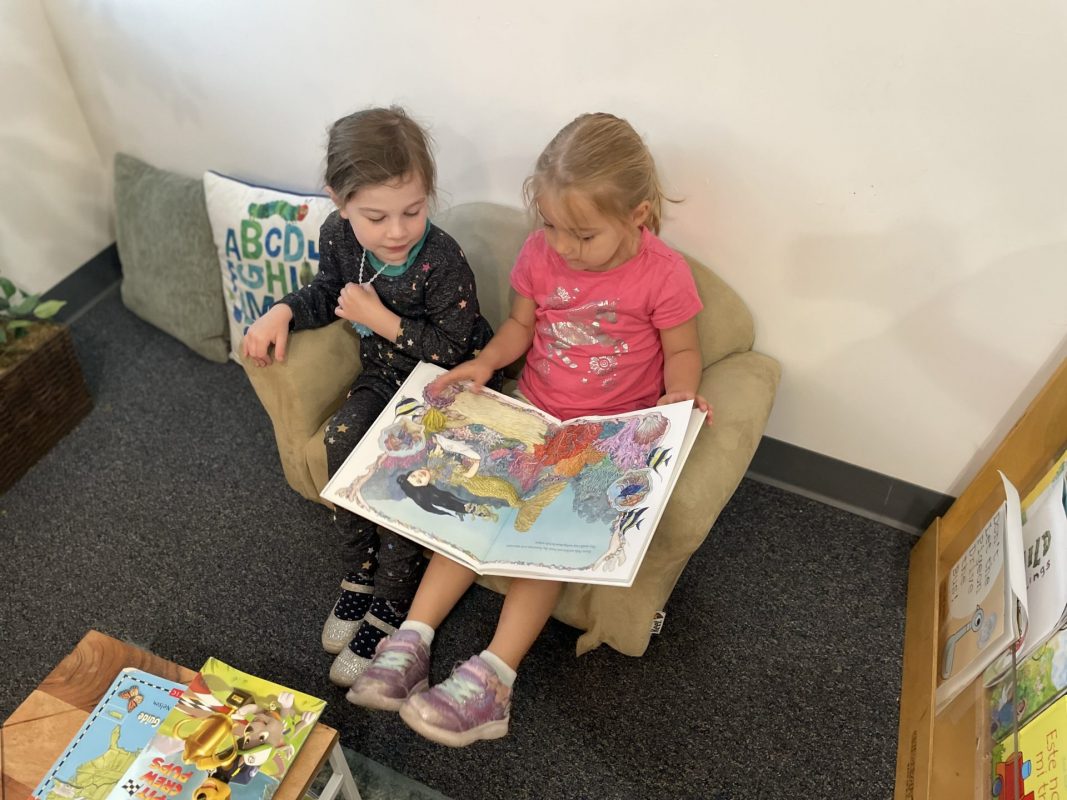
What book did your teacher read today? Tell me about the story.
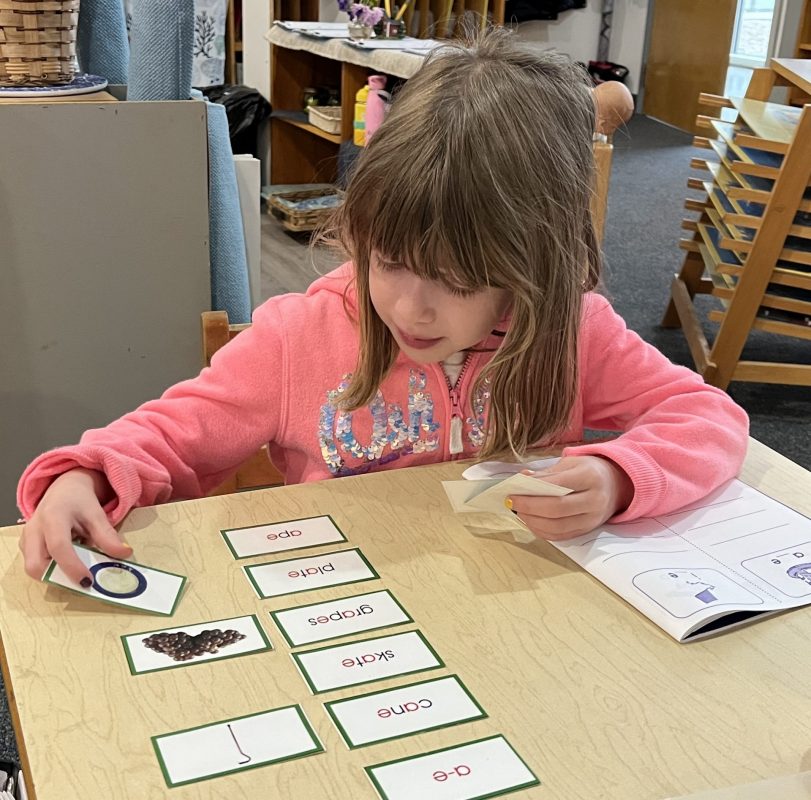
You know your children best and you can paraphrase with wording in a manner that will keep them engaged.
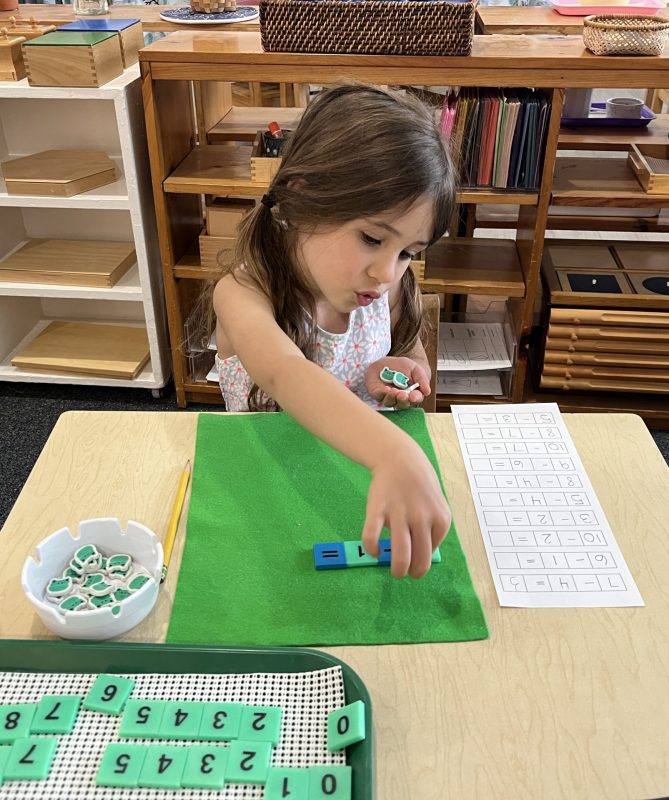
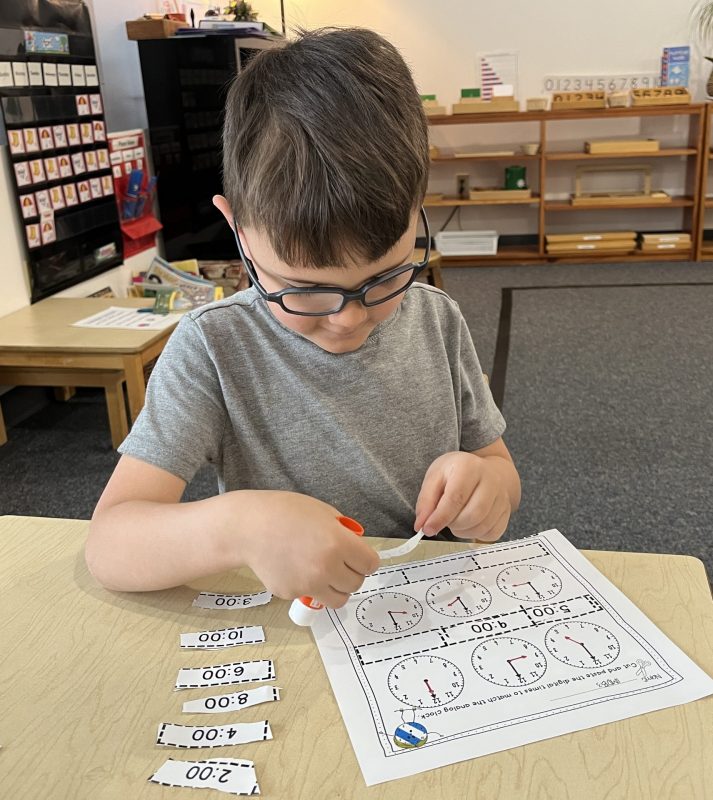
This week we had the pleasure of welcoming a new three year old to our classroom. All the children did a great job as a welcoming committee with smiles, kindness, and showing him around the classroom.
Have a wonderful weekend,

Kaoutar and Sara


Mrs. Doyle: Five Fun Senses

First the education of the senses, then the education of the intellectMaria Montessori

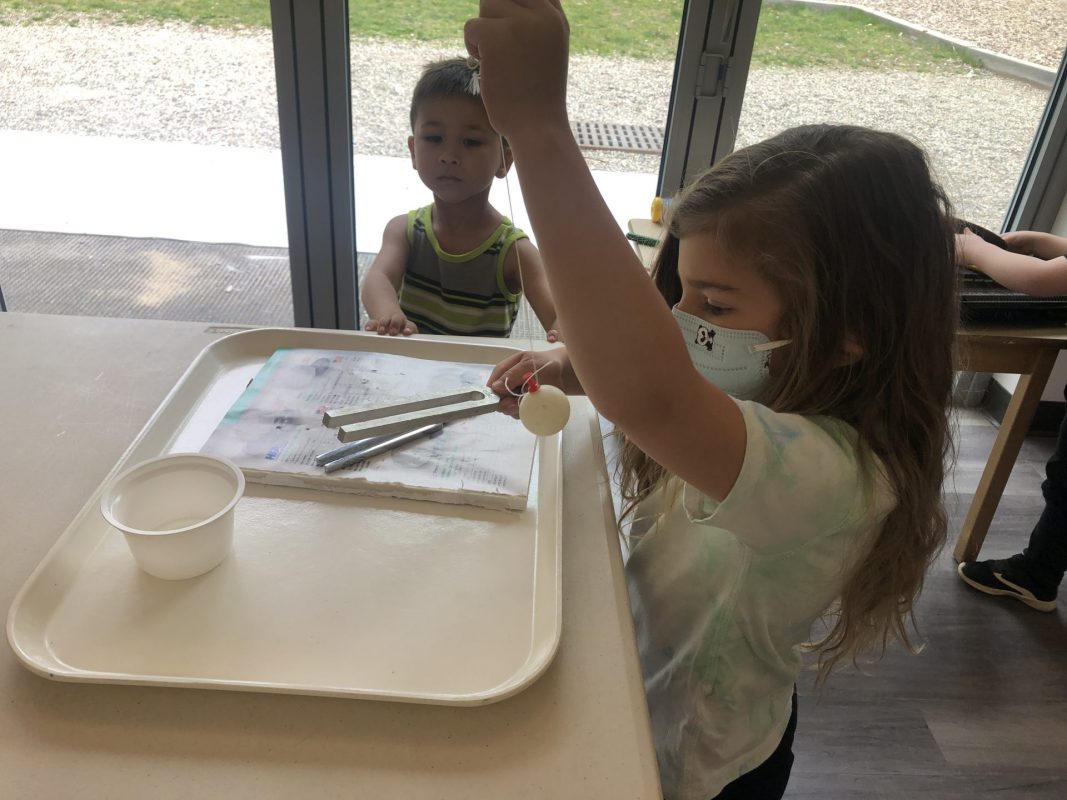
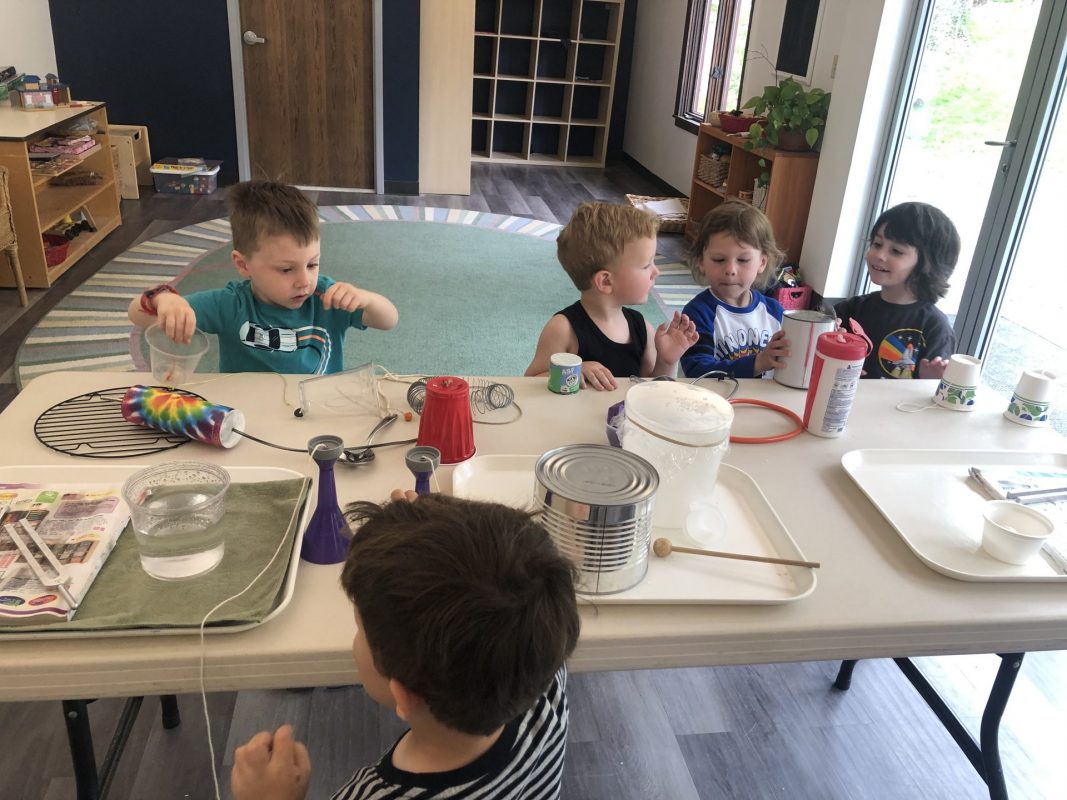
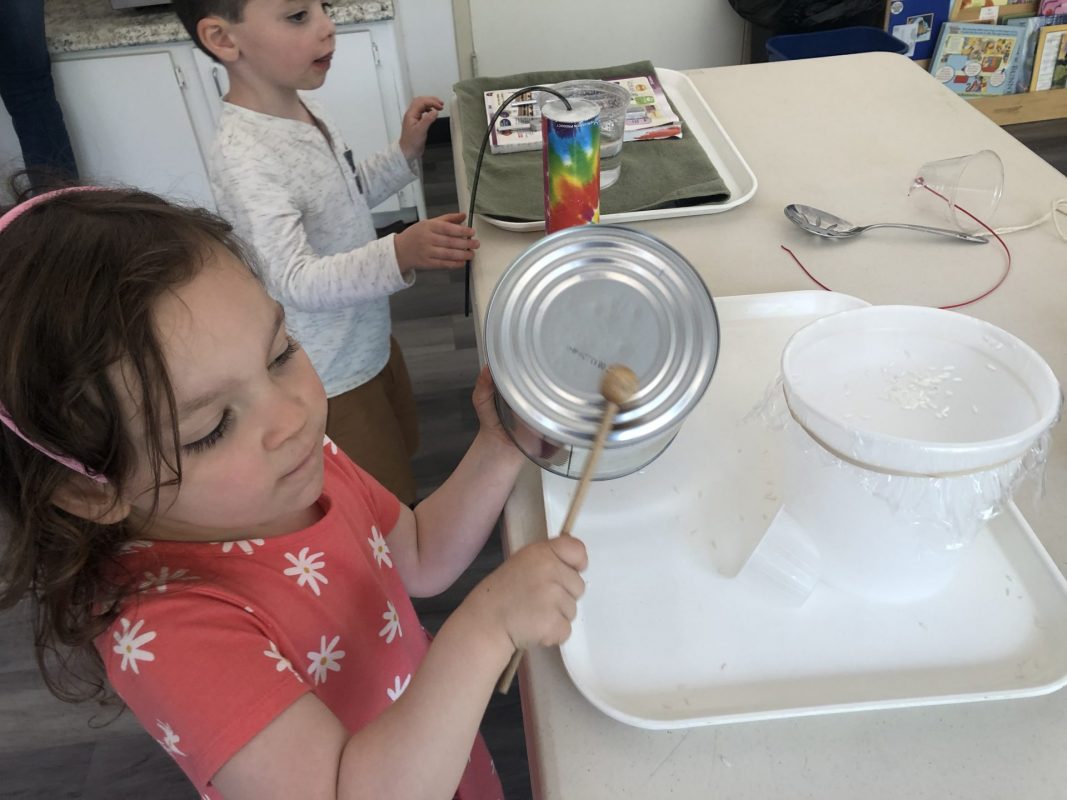
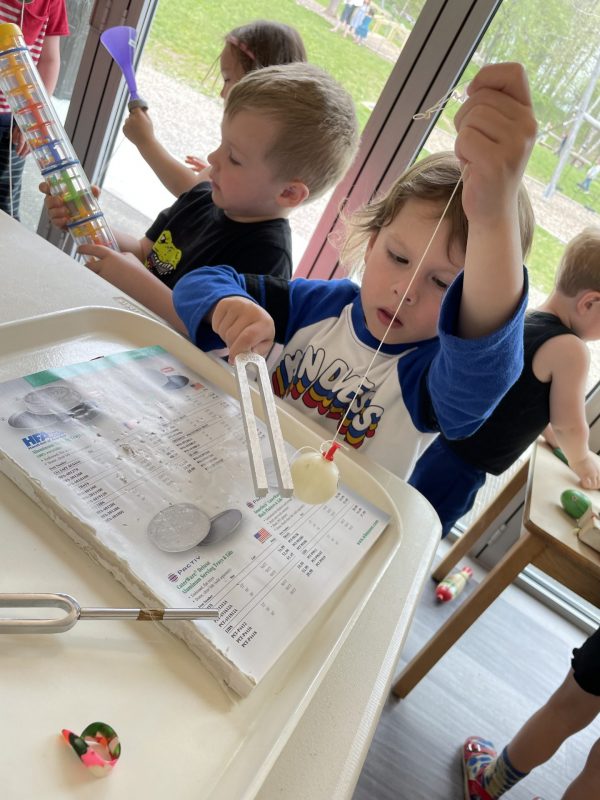
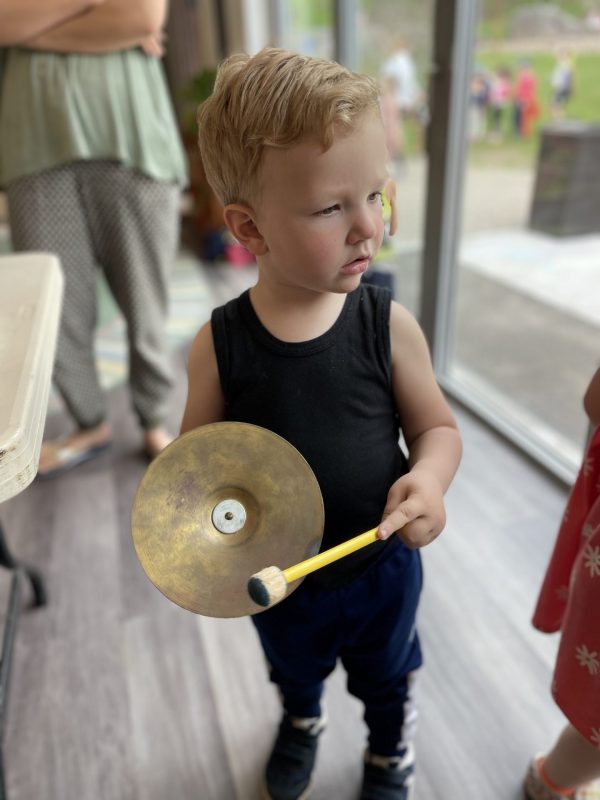
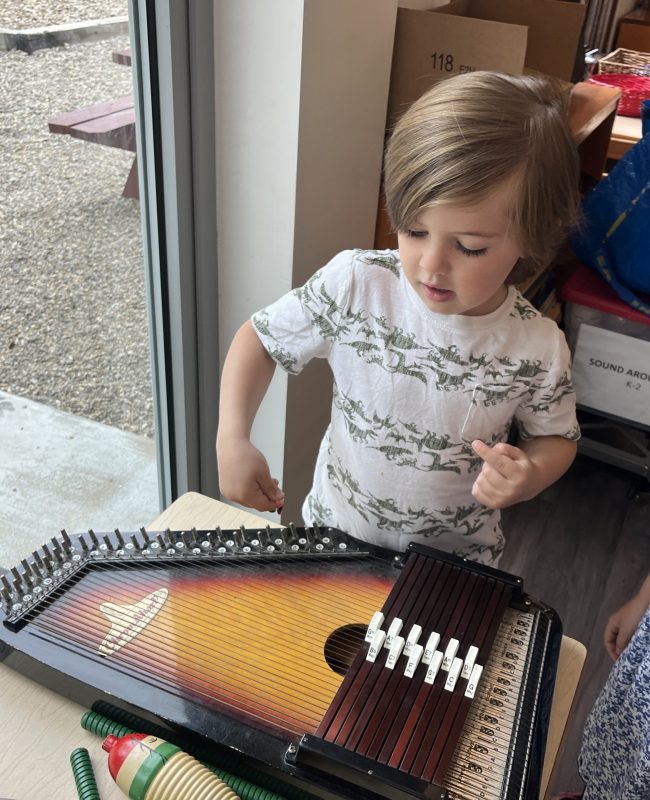
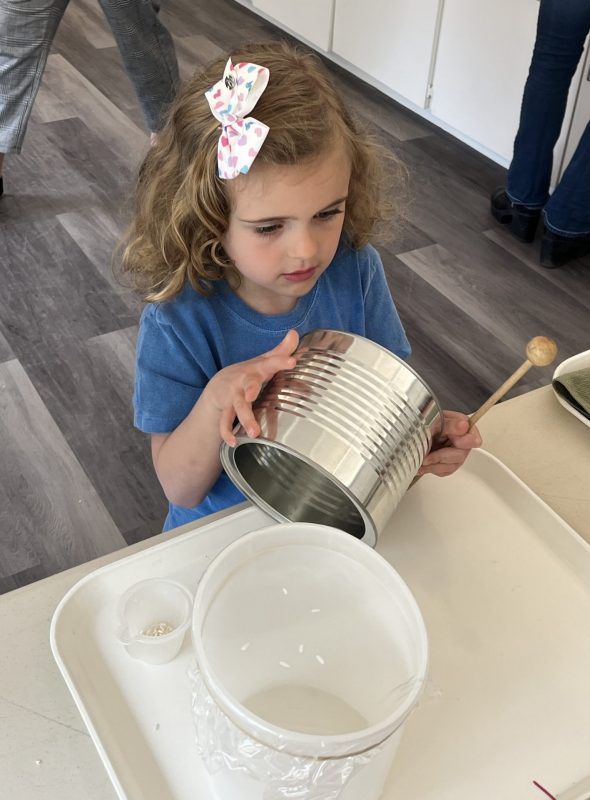
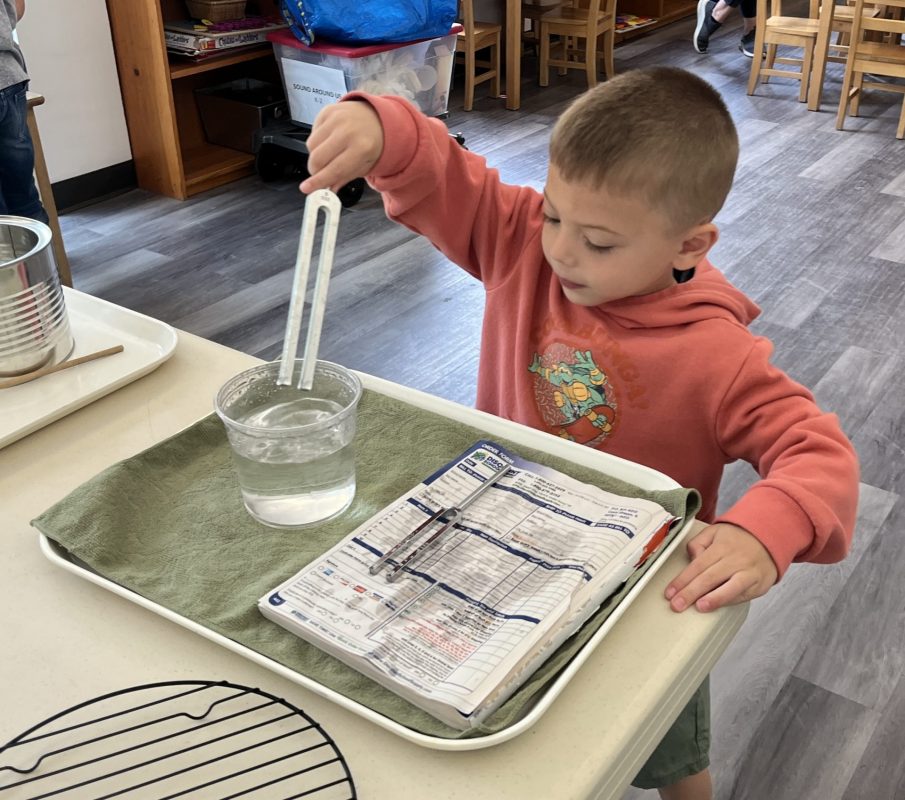
Maria Montessori believed there is a sensitive period for a child’s development of their senses. Although the senses are an integral part of our lives, children during the early years have the greatest potential to develop and retrieve them. It is precisely this idea that demonstrates the purpose of Sensorial materials in the Montessori classroom. The Sensorial materials are powerful tools, which allow children to become aware of their unconscious impressions and bring these impressions into conscious awareness. Additionally, they enable your children to create a basis of order in their mind, allowing for intelligent exploration of their environment.
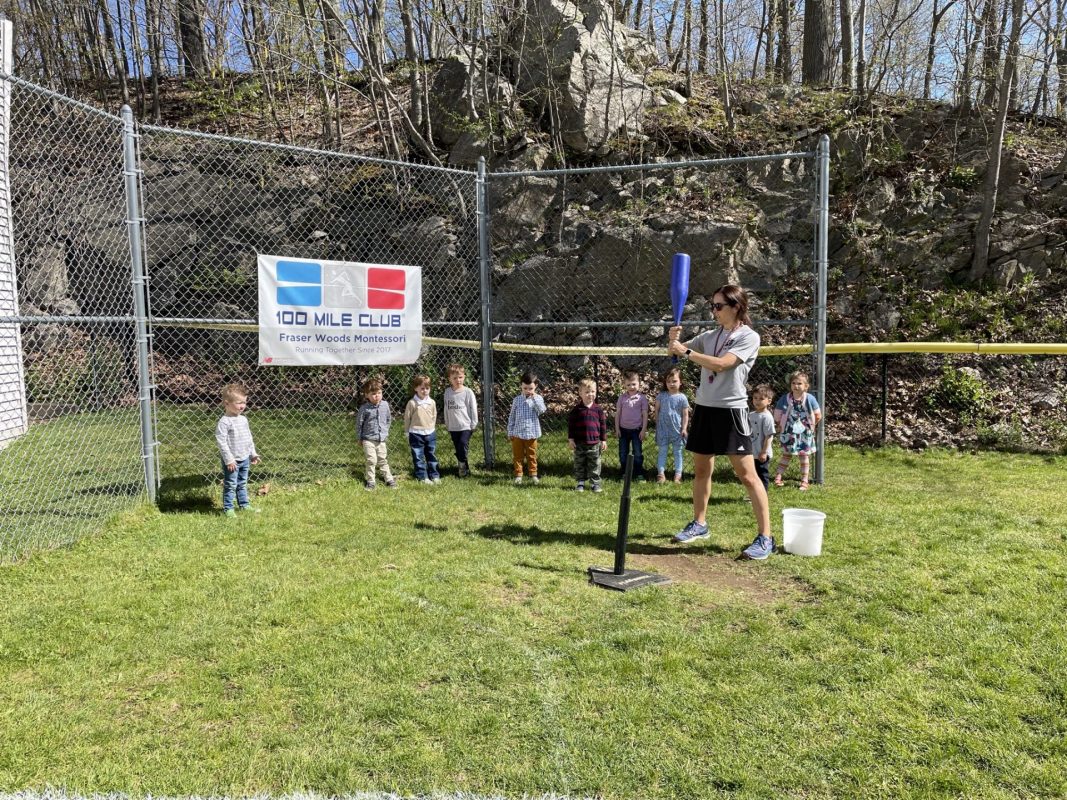
This week we are beginning our study on the five senses.  What better way to teach this than to use popcorn? Popcorn is a multi-sensory snack as it incorporates all five of our senses. It might just be our most appetizing science unit yet! Did you ever notice that when you make popcorn, somehow the entire family knows about it and shows up to have some of this favorite treat?

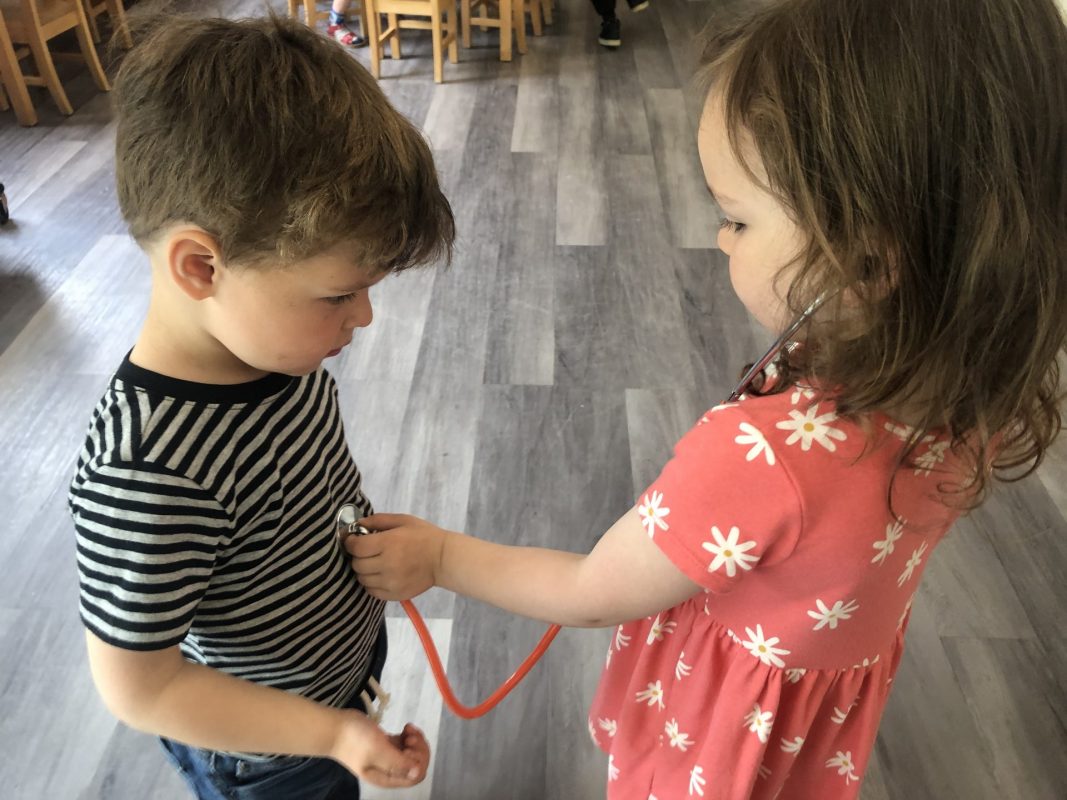
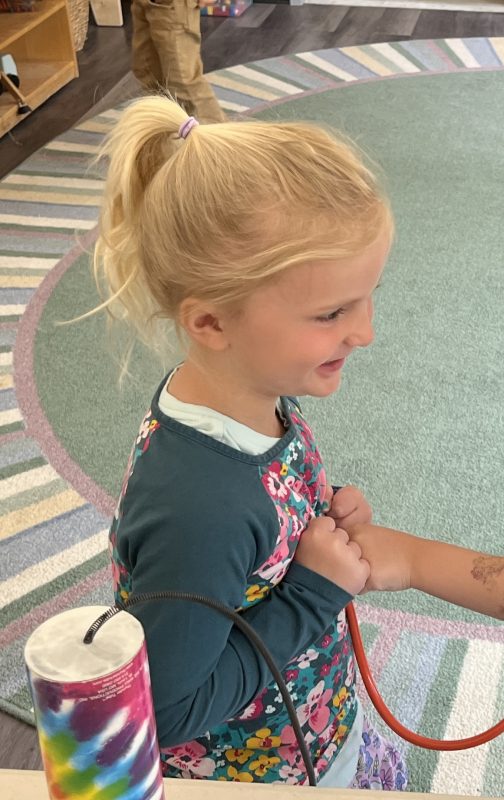
We begin by discussing what our five senses are and how we use different body parts to learn about things in our environment. For example, our noses are for smelling, ears are for listening, eyes are for seeing, hands are for touching, and our tongue is for tasting.  We learned that sometimes we use more than one sense at a time.

Next, each child had the opportunity to handle popcorn kernels to make observations of what they see, smell, and feel.  We record all of our observations as we are going along. Finally, we use an air popper to pop some popcorn.  Now we can include our observations about hearing and tasting as well.

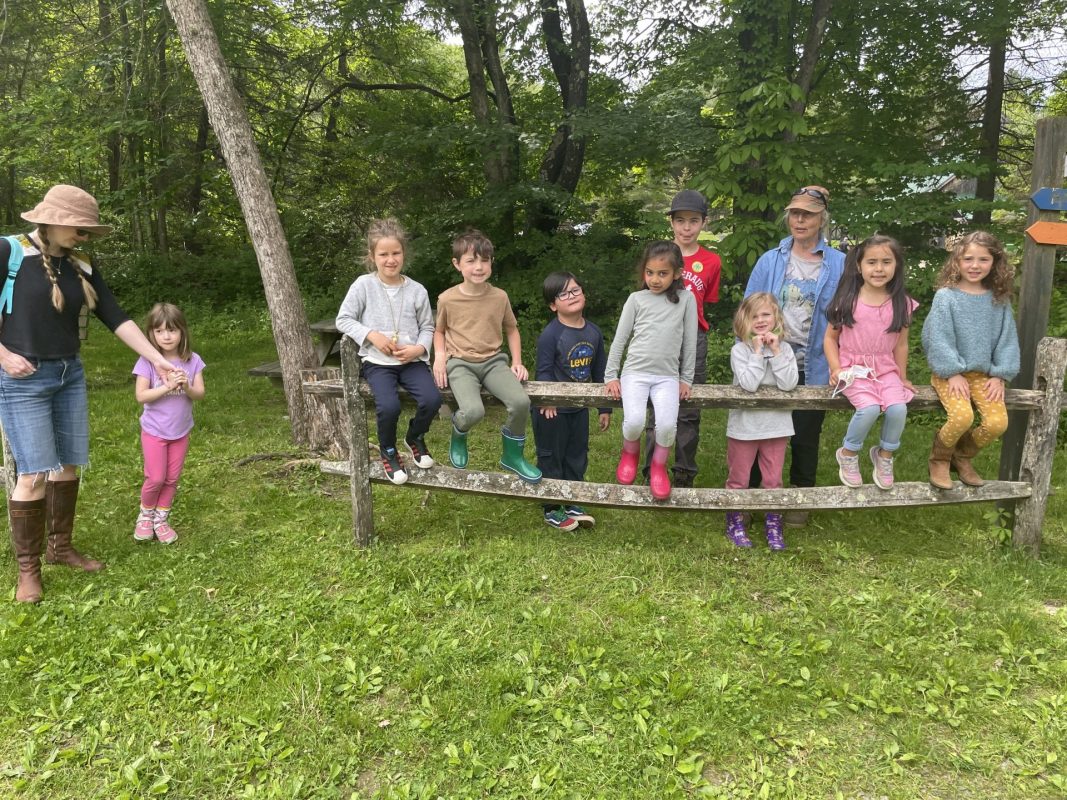
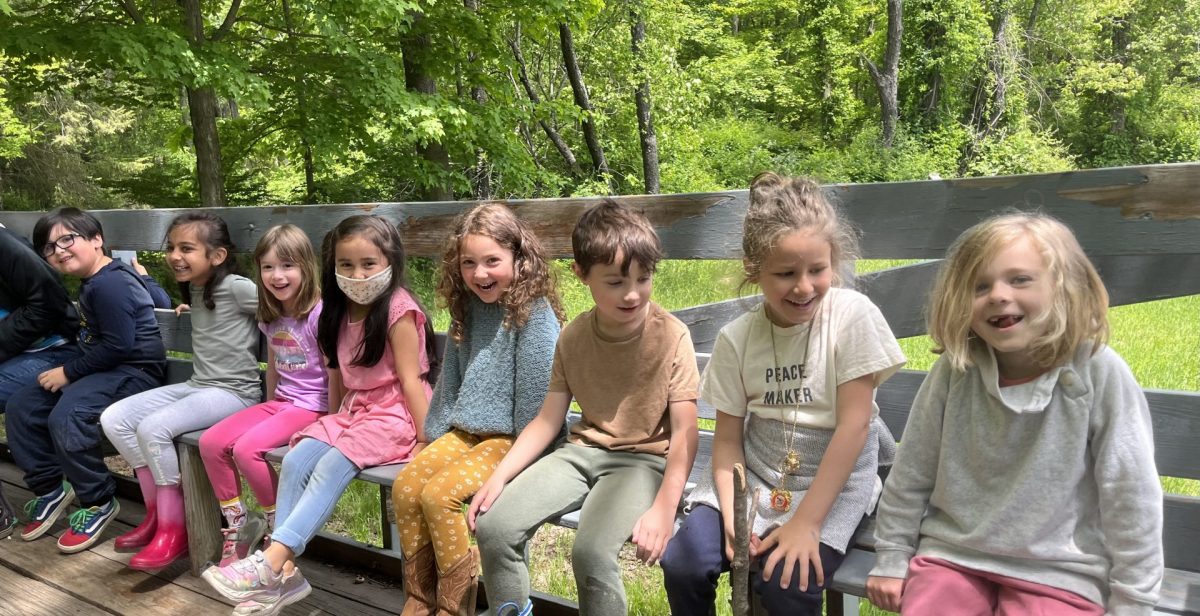
Our Kindergarten children had a great opportunity to use their senses when they visited Warrup’s Farm this week.  We learned about the process of collecting sap from Maple trees and and how maple syrup is made.   It was our first field trip in quite a while and it felt great to be able to do so!

Wishing you all a wonderful break with lots of love and laughter.

Michelle & Liset


Mrs. Lopes: Our Class Rocks!

“The land is where our roots are. The children must be taught to feel and live in harmony with the Earth.” -Maria Montessori

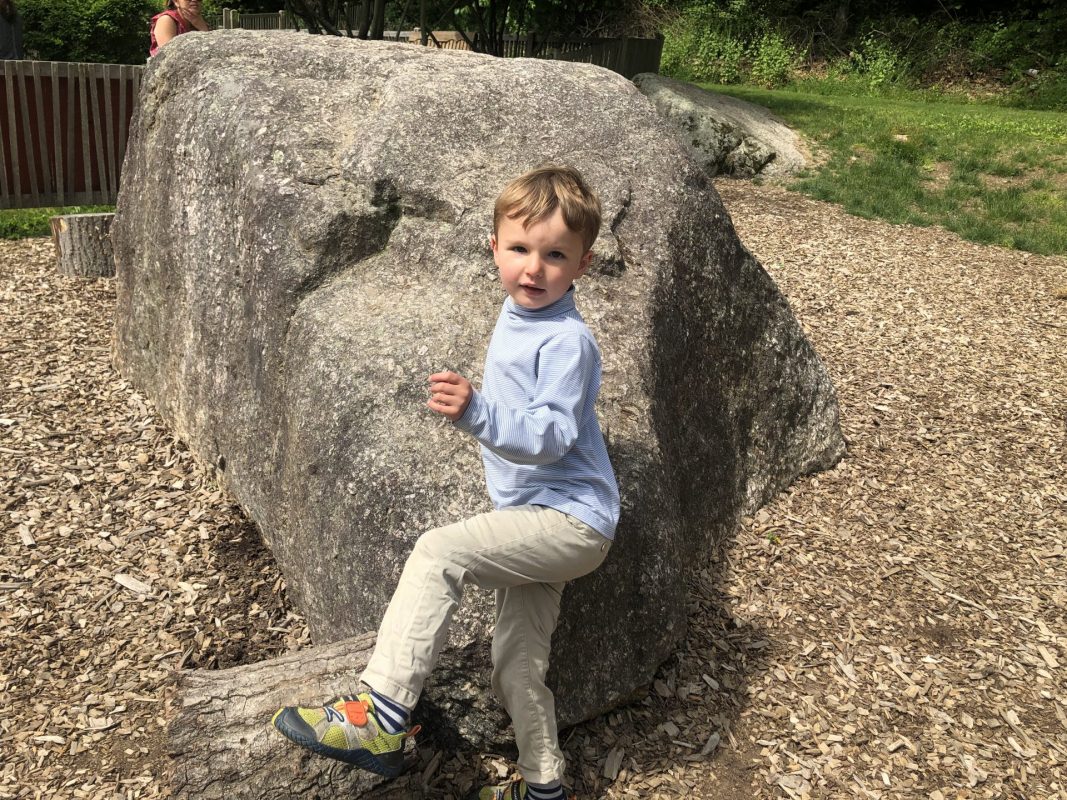
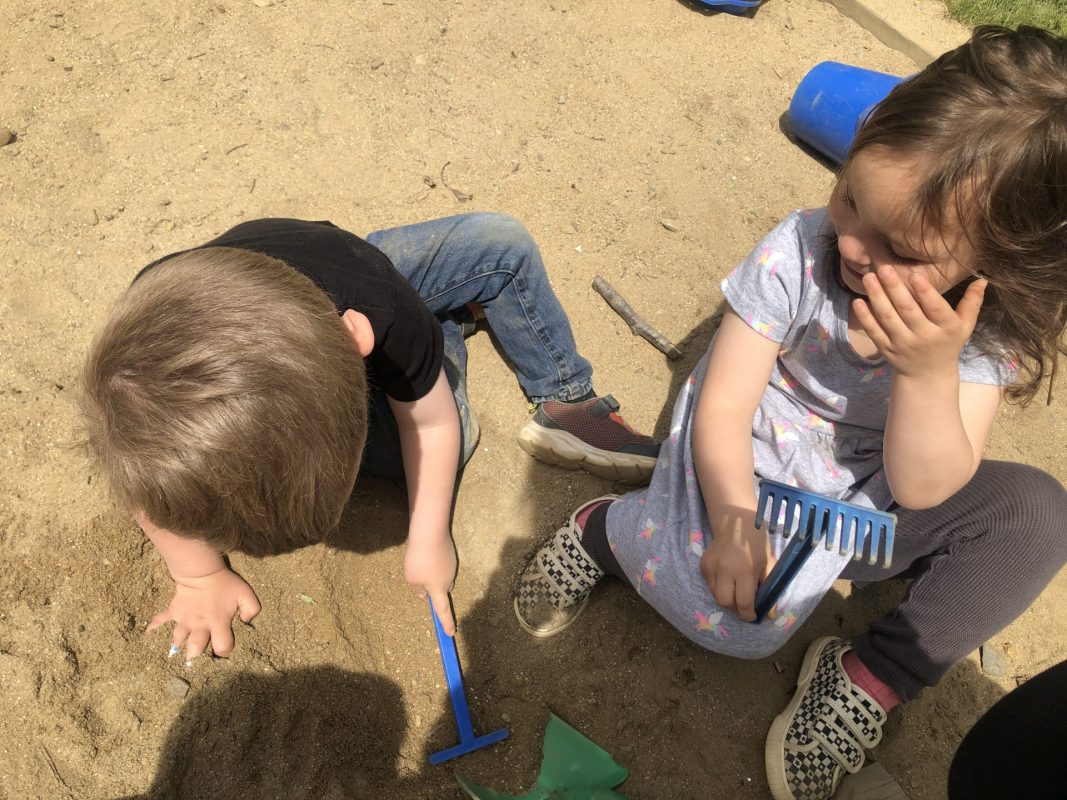
Have you ever noticed your child’s fascination with rocks found outside on the ground?  We have observed after playing outside on the playground some of the children will return to the classroom with pockets full of rocks as if they are treasures. You can imagine the children’s excitement when they learned that our new science unit was the study of rocks!

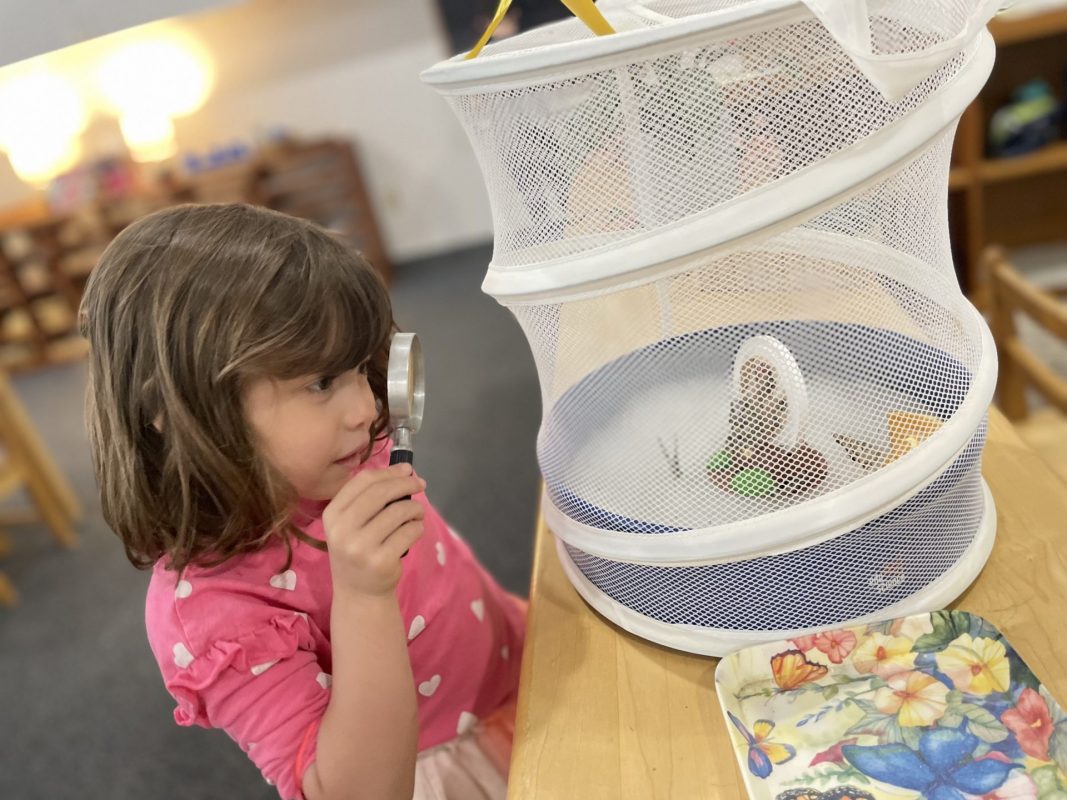
We discussed the three main types of rocks – igneous, sedimentary, and metamorphic, as well as how these rocks are formed on Earth. We added several new rock lessons to our environment, but the group favorite was a basket full of rocks with a magnifying glass.  The children enjoyed examining and classifying each of the rocks in this lesson.

On Thursday, our Kindergarten children took a trip to Warrup’s Farm in Redding, CT to learn all about the maple sugaring process.  On the farm, Farmer Bill showed us how to tap a maple tree and how to make maple syrup in the sugaring house.  We also got to take a hike to see the maple tree forest as well as a piece of homemade maple sugar candy to take home.

Wishing you all a relaxing and peaceful Spring Break!  We look forward to returning to school in a new season, with the excitement and energy that comes in the last few months of the school year!

Peace and love,

Amanda & Heather