Mrs. Lopes: Exploring the States of Matter

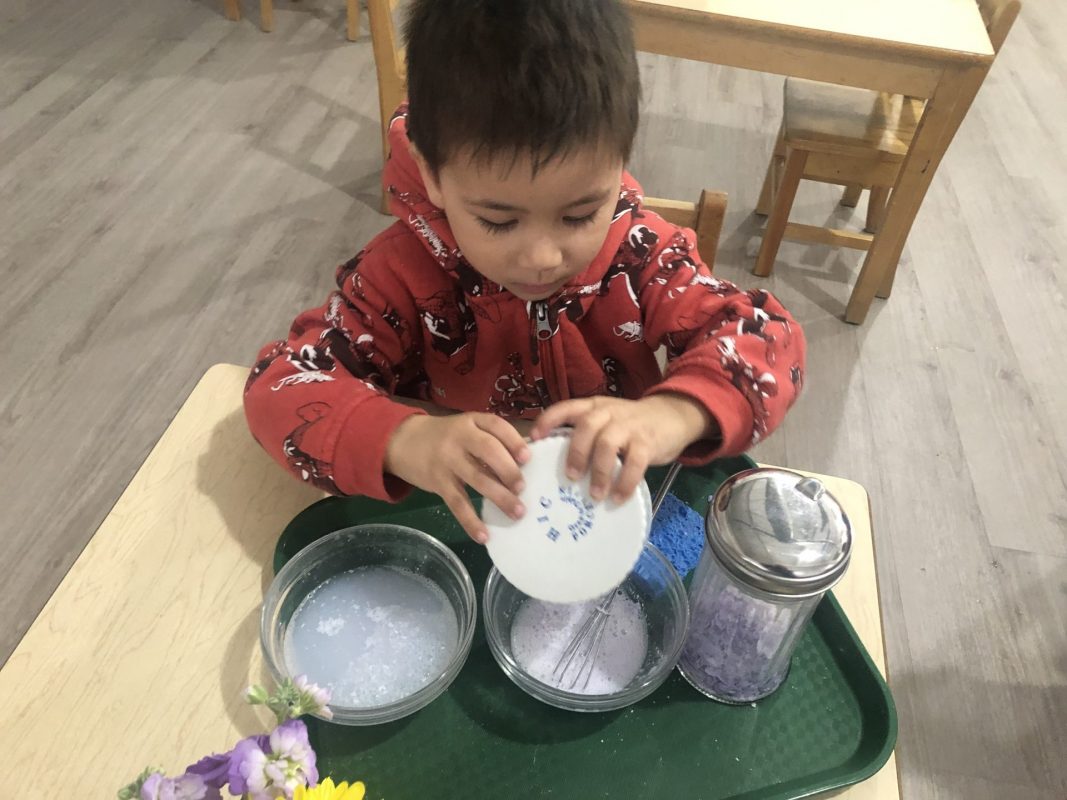
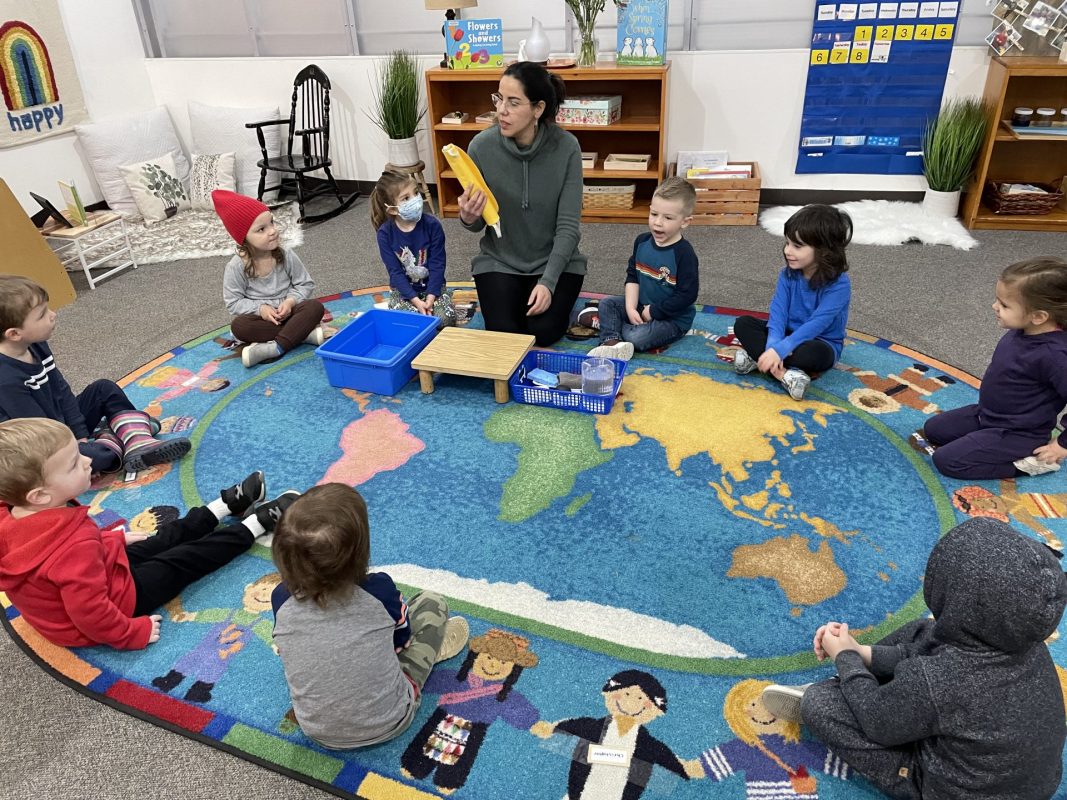
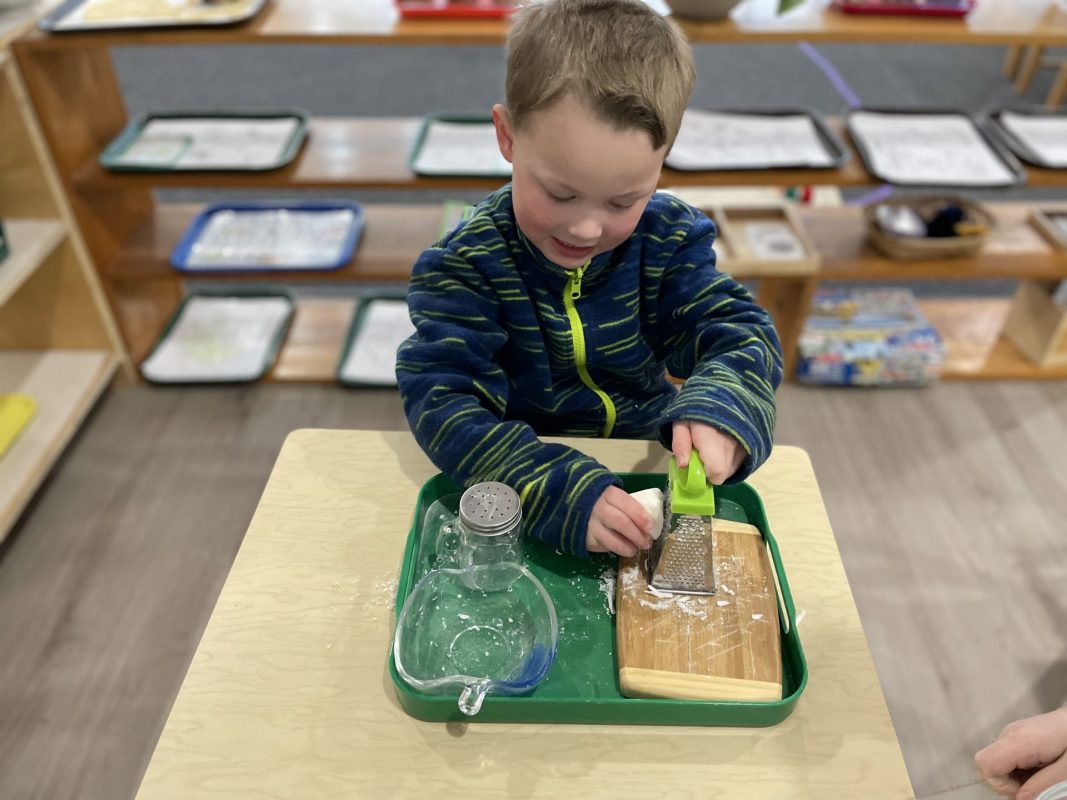
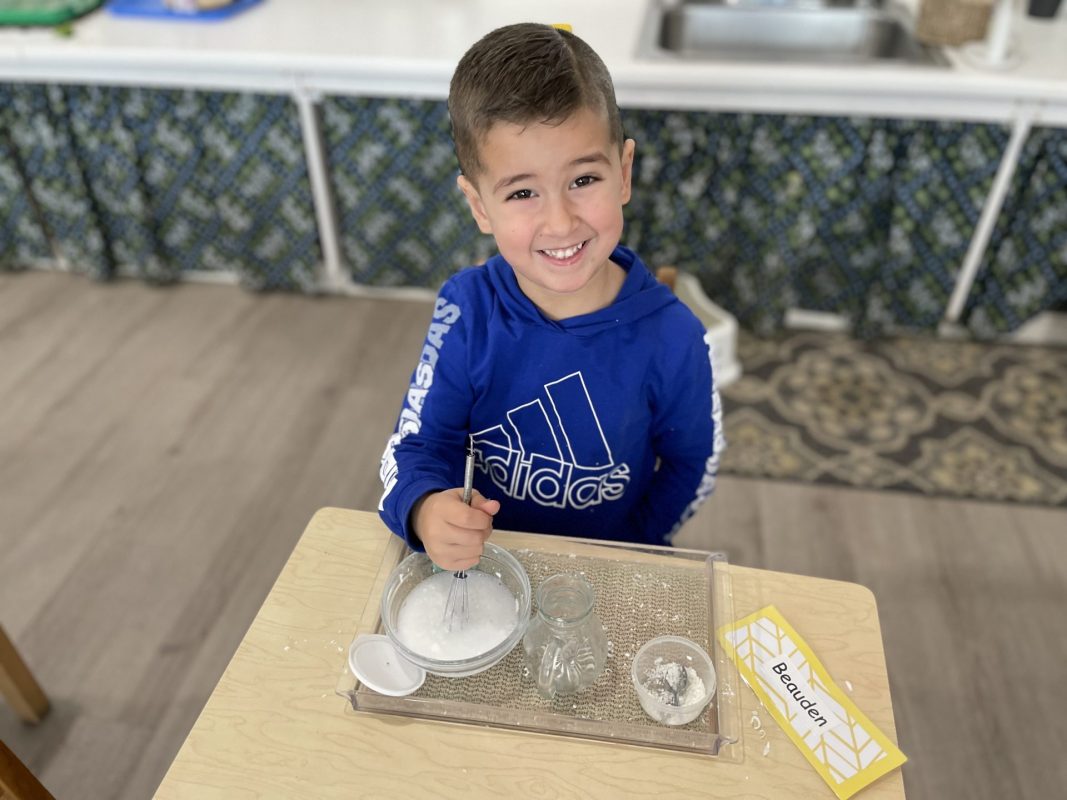
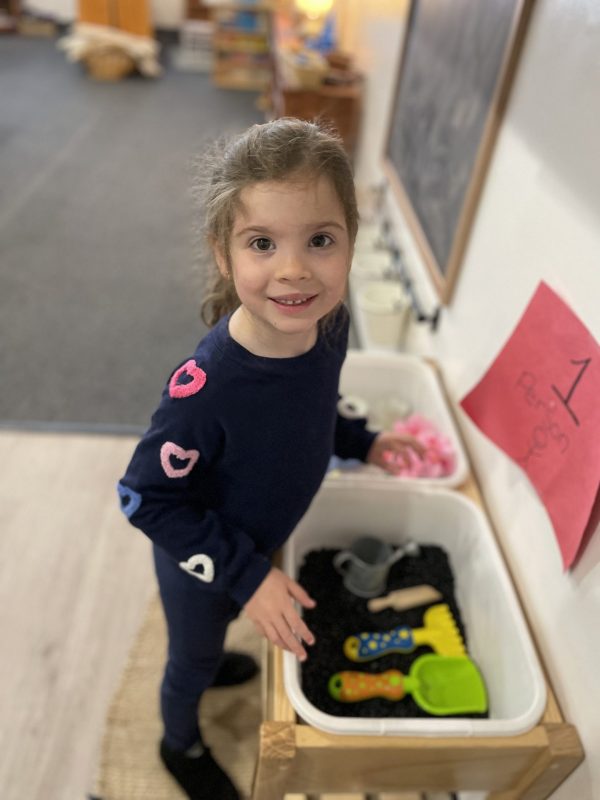
This week we started our unit on the states of matter! We learned that everything in our world is made of matter. We also identified the three states of matter: solid, liquid, and gas. The children enjoyed exploring each state of matter on our introduction tray and sharing examples of a solid, a liquid, and a gas. We discussed how the molecules move in each state of matter and what characteristics classify a solid, liquid, and gas.  Be sure to ask your child if they can give you an example of each state of matter. You may be surprised at all the kinds of solids, liquids, and gases they can name! We are looking forward to more exploration of this concept next week with hands-on experiments and activities!

Best,

Amanda & Heather


Mrs. Semmah: Winter Animal Tracks

Winter is such a fun time to head outdoors and look for animal tracks. We have had an amazing week learning about animal tracks in the snow.

At circle time, I start talking about how animals are around us in the woods, but often we don’t know they are there. They hide in the trees, or they are nocturnal. I asked, “What types of animals leave tracks in snow or mud?” One child said cat paw, another one said bear print. Then I presented a lesson about matching cards of animal tracks, using a printed sheet that has all animal prints and their names as a control of error. The children were very interested, curious, and creative in guessing the tracks for each animal.    

I extended the lesson by creating snowy tracks as a sensory lesson. The tray has cards of animal tracks with some baking soda and a small makeup brush. The latter is used to sweep away the snow and uncover each line of the tracks. This is a wonderful sweeping, brushing, and fine motor skills practice.

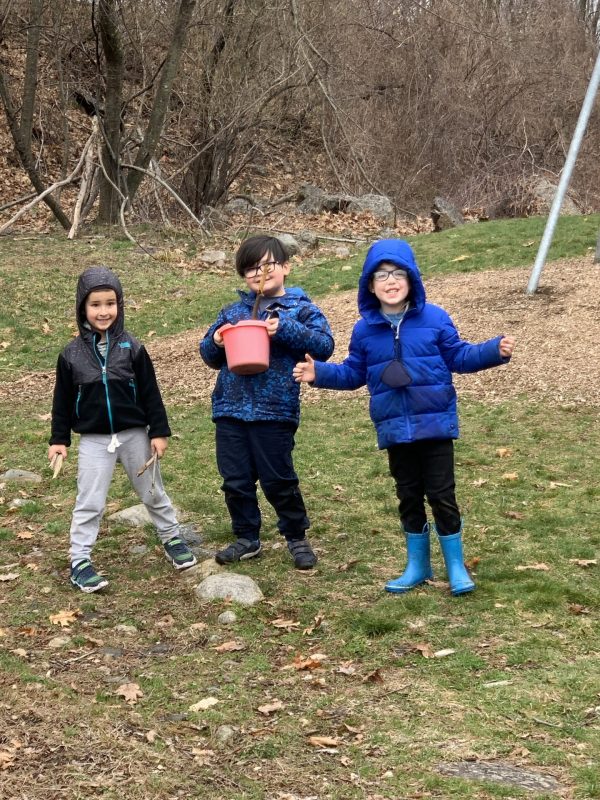
I also printed an animal track identification paper to use for the scavenger hunt at recess. Children love to explore and find animal prints outdoors. It is an enjoyable experience and connects us to nature by learning about winter animal tracks.  

Peace and love,

Kaoutar and Sara


Mrs. Semmah -Montessori Sensitive Period

Have you ever observed your child very interested in learning a new skill during their developmental stages?

These critical stages of development are called a Montessori Sensitive Period. The Sensitive Period refers to a window in the children’s development when they will be very receptive to learning new knowledge and to develop a new milestone.

The children from prenatal to six years old, experience three important Sensitive Periods: Order, Movement, and Language. Following a daily routine of our classroom and being in a homelike, organized, and beautiful environment creates a sense of order for the children. They love to know what to expect in their daily schedule. It also helps to reduce stress and anxiety. They get to build their movement skills from the time in their mom’s tummy till four and half years old. It starts from learning how to use small objects to walking and running. During the sensitive period of language, the child’s absorbent mind is ready to expand his vocabulary, thoughts, and feelings. They need a positive and emotional tie between children and teachers so that learning can take place.

To understand deeply where each child is emotionally, socially, and academically, teachers do regular observations and we take notes of the lessons that they are doing. Tracing the shift of interest of each child. To feed their curiosity and support their learning, we provide a variety of new lessons weekly in each area of our classroom.

The success of the Montessori environment is evident when the children can read and know numbers at an early age. However, very early education is not the purpose of the approach. Maria Montessori’s purpose is that learning occurs naturally and joyfully for each child. Maria Montessori said, “We can only give each child the chance to fulfill his/her potential possibilities to become an independent, secure, and balanced human being.”

Wishing you a wonderful weekend.

Kaoutar and Sara


Mrs. Lopes: The Beauty of a Normalized Classroom

Normalization “is the most important single result of our whole work.” ~Maria Montessori, The Absorbent Mind

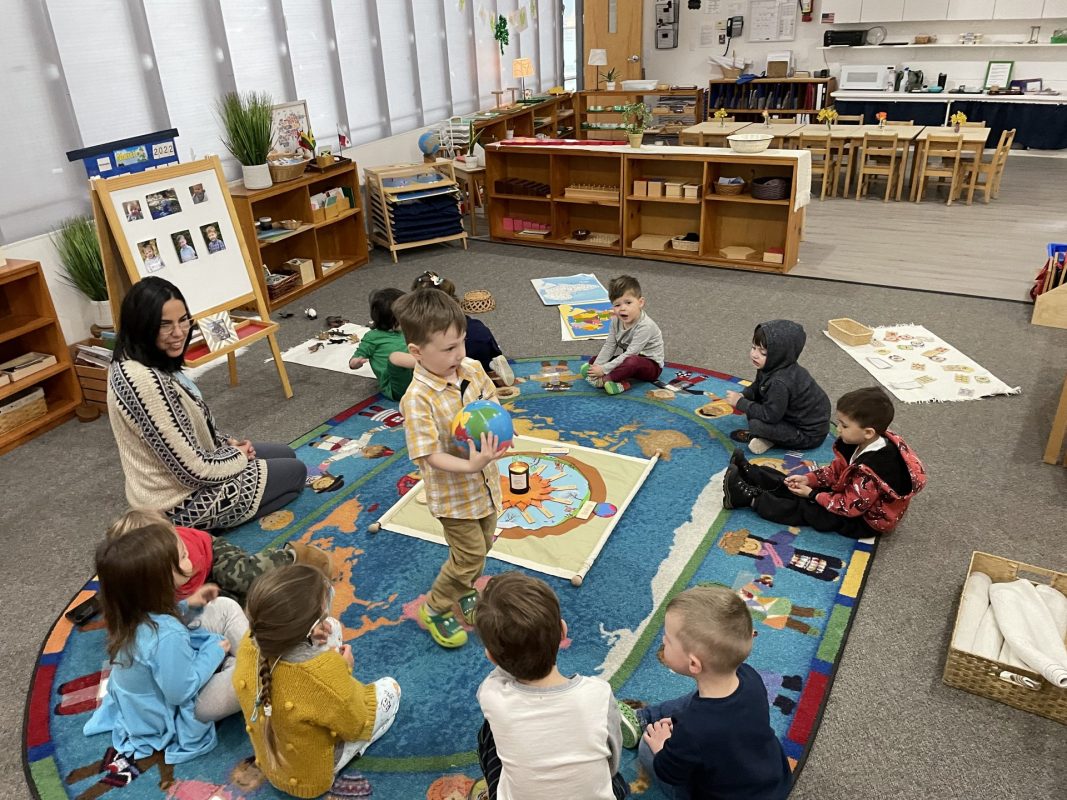
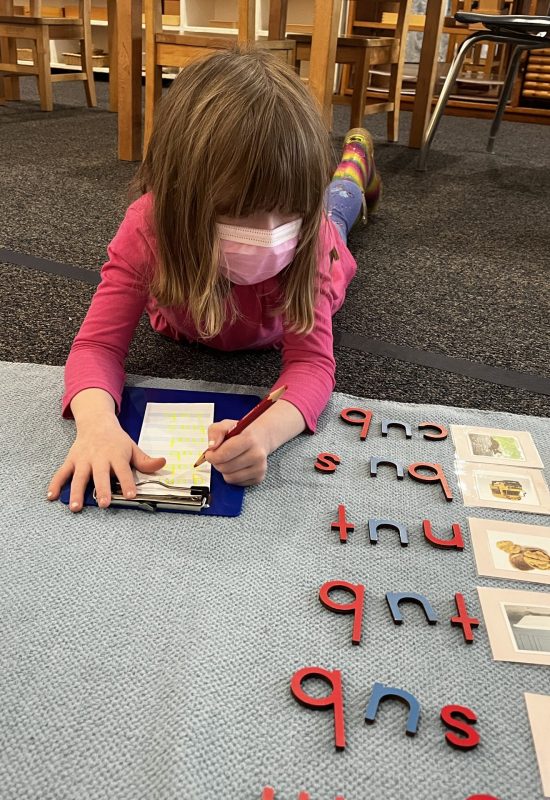
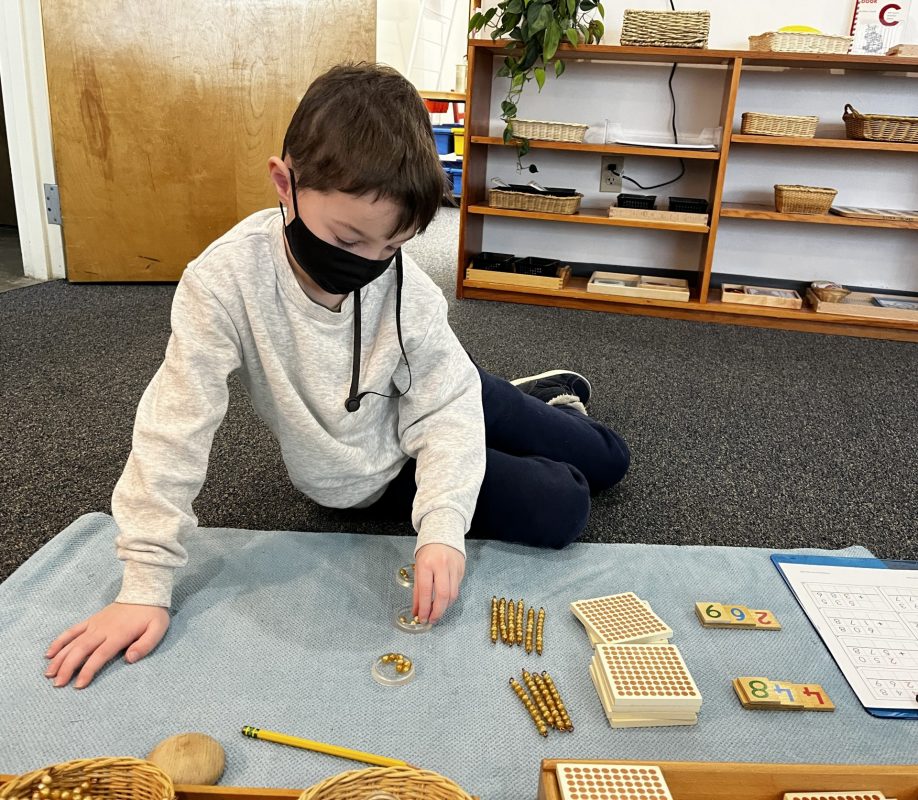
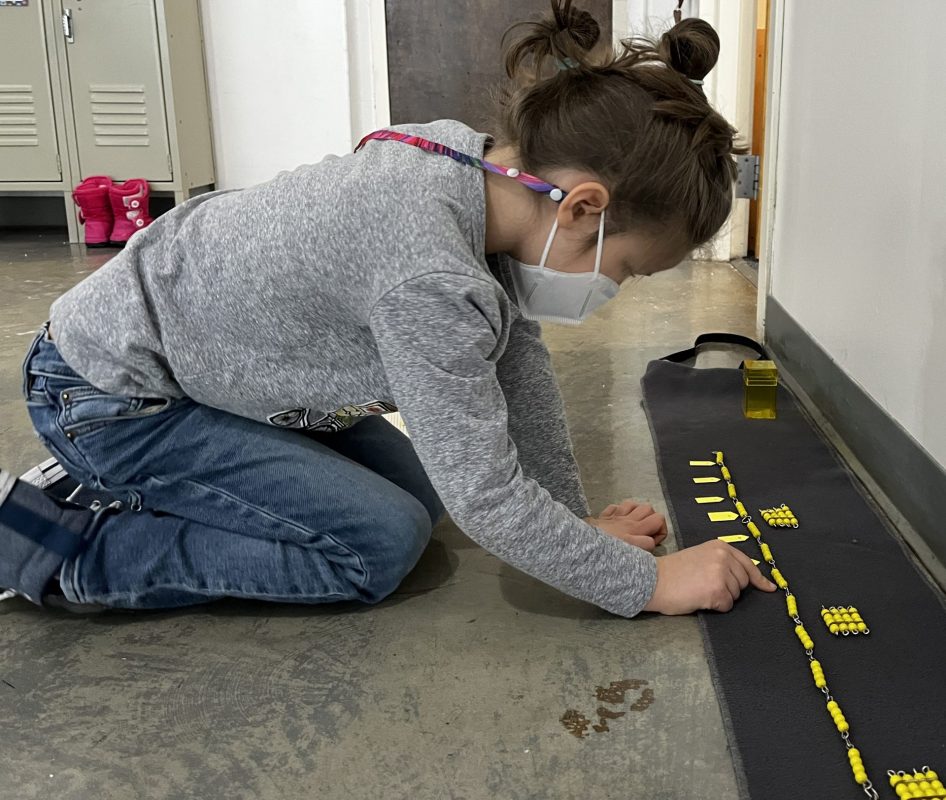
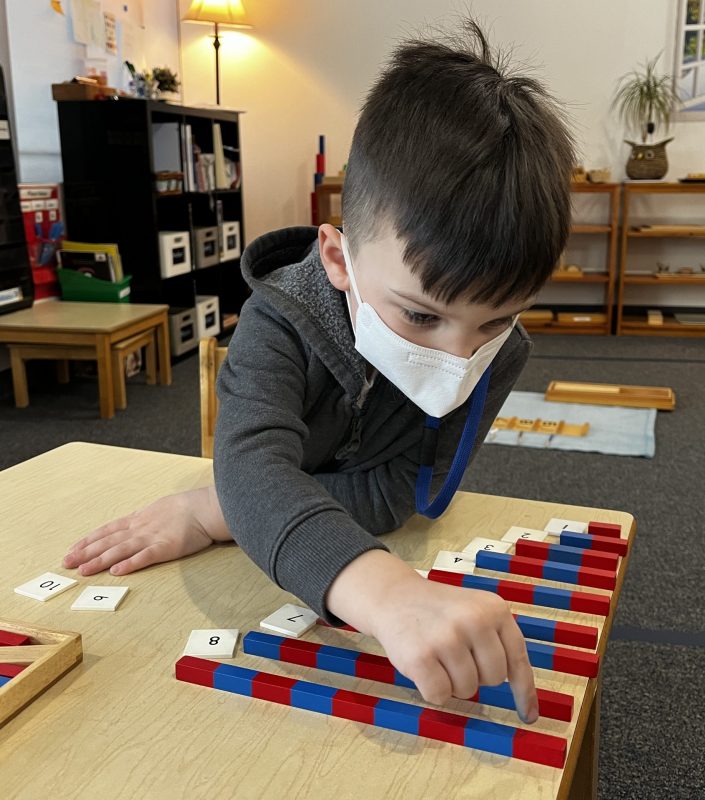
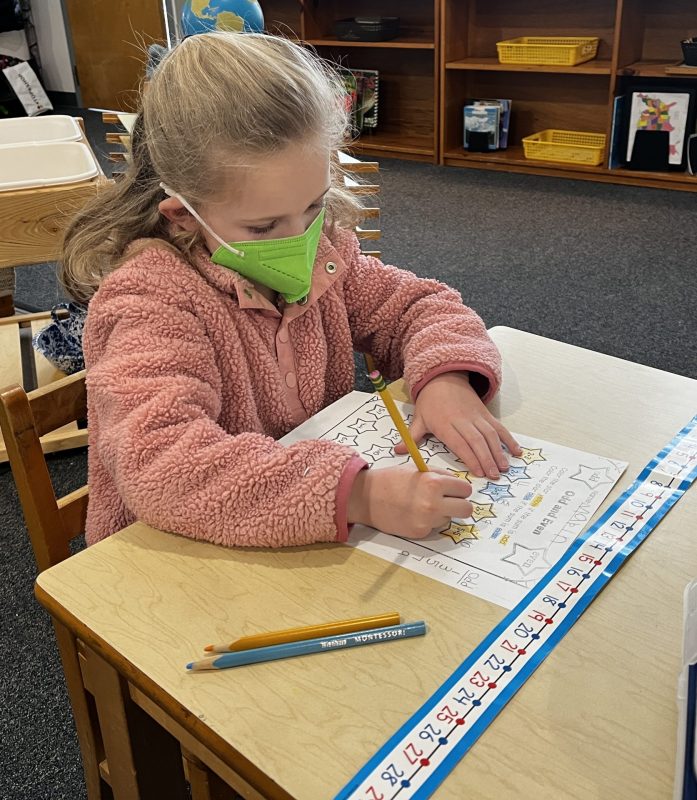
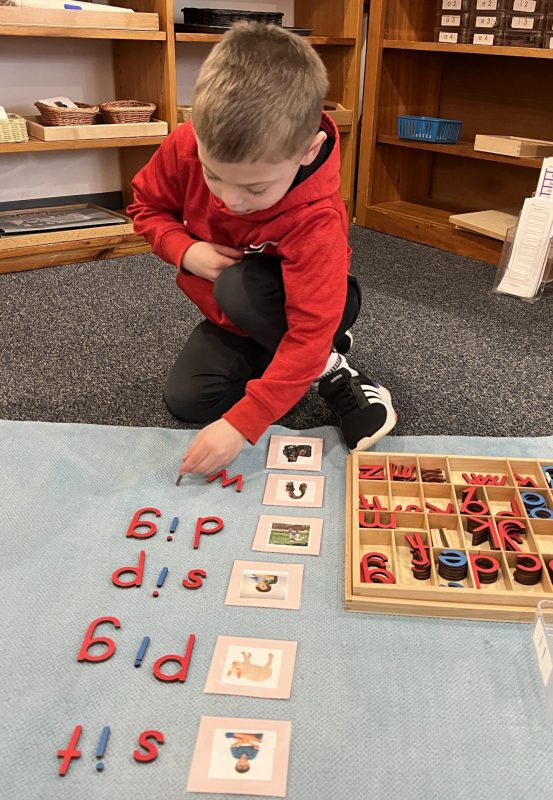
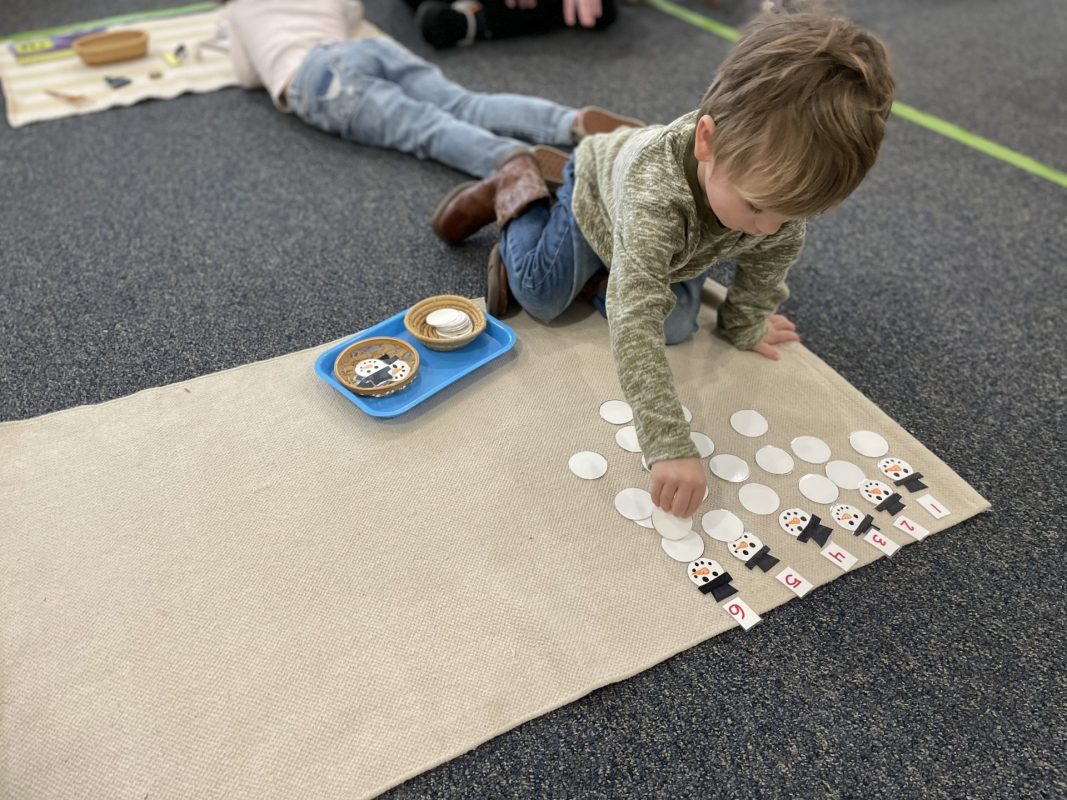
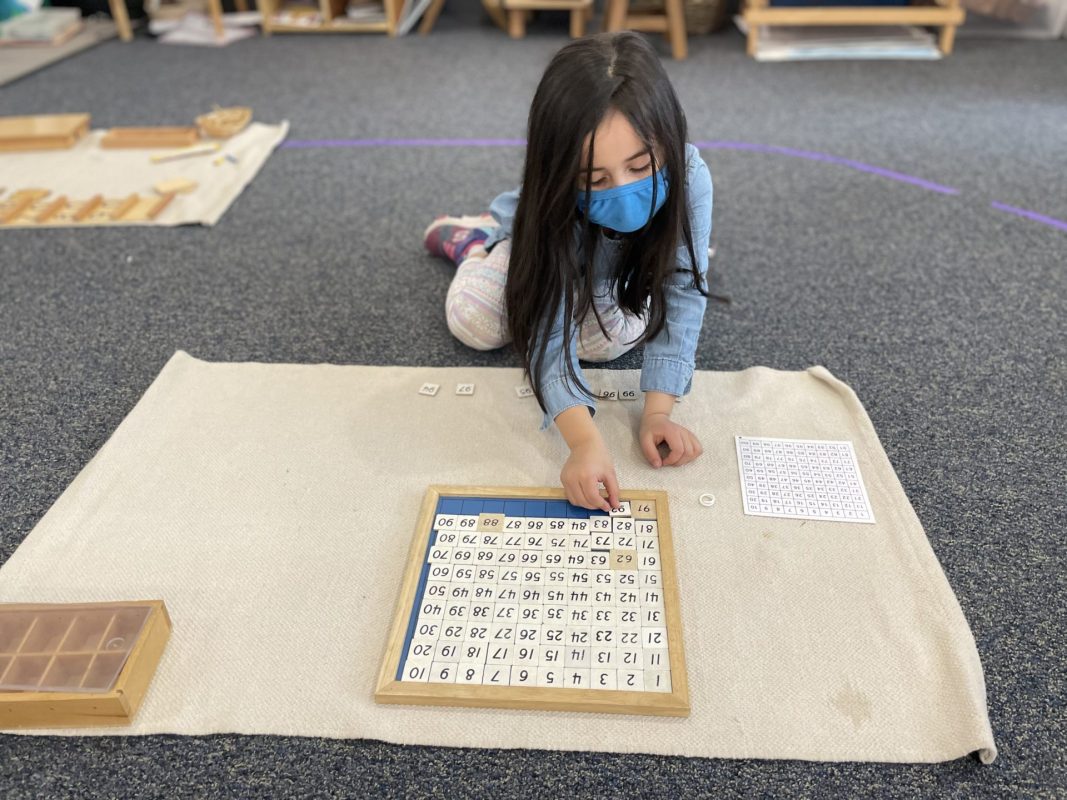
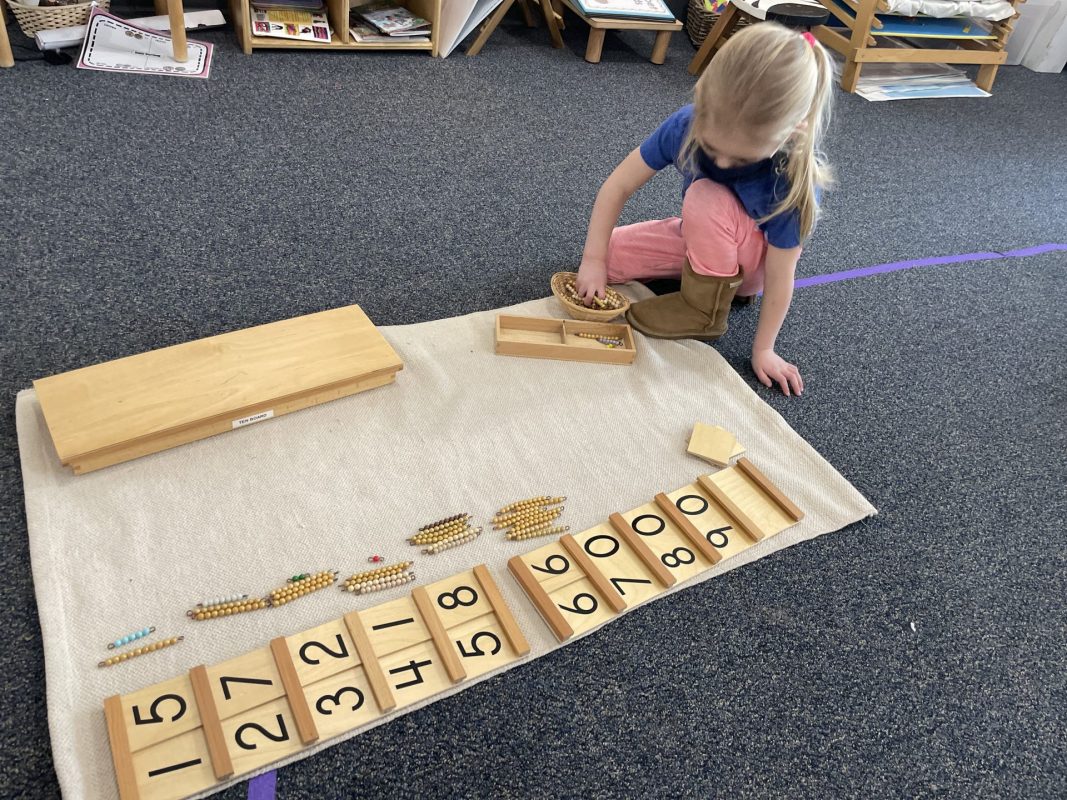
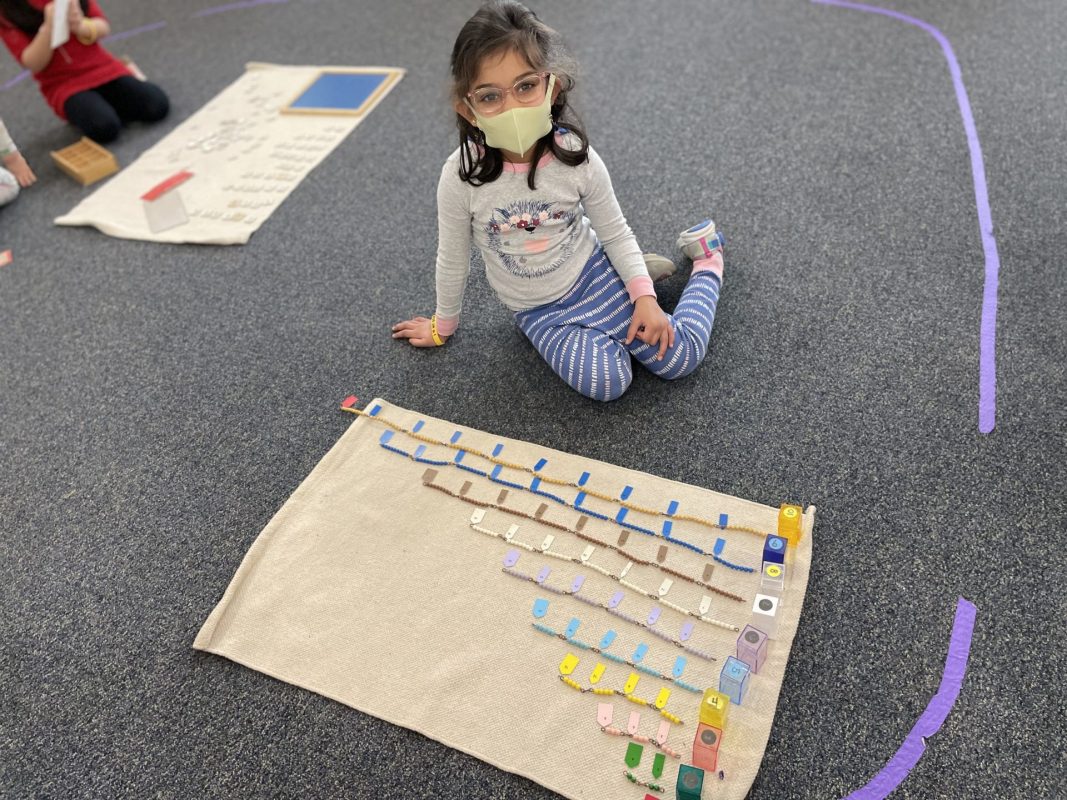
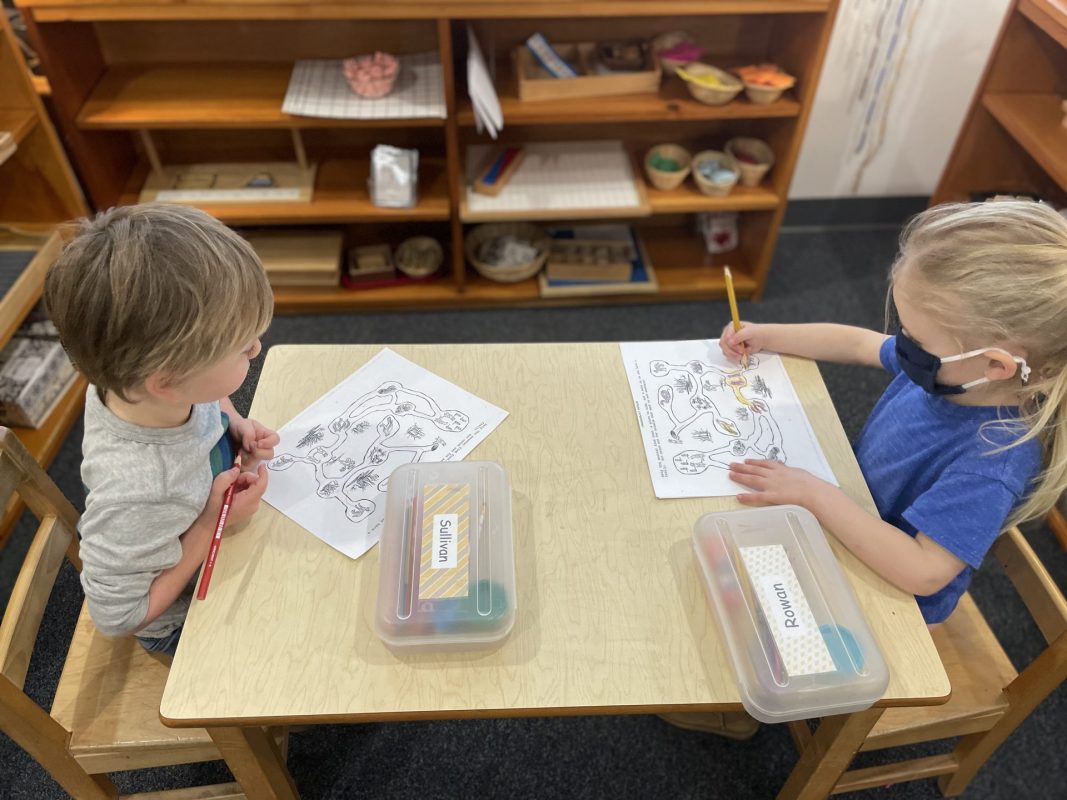
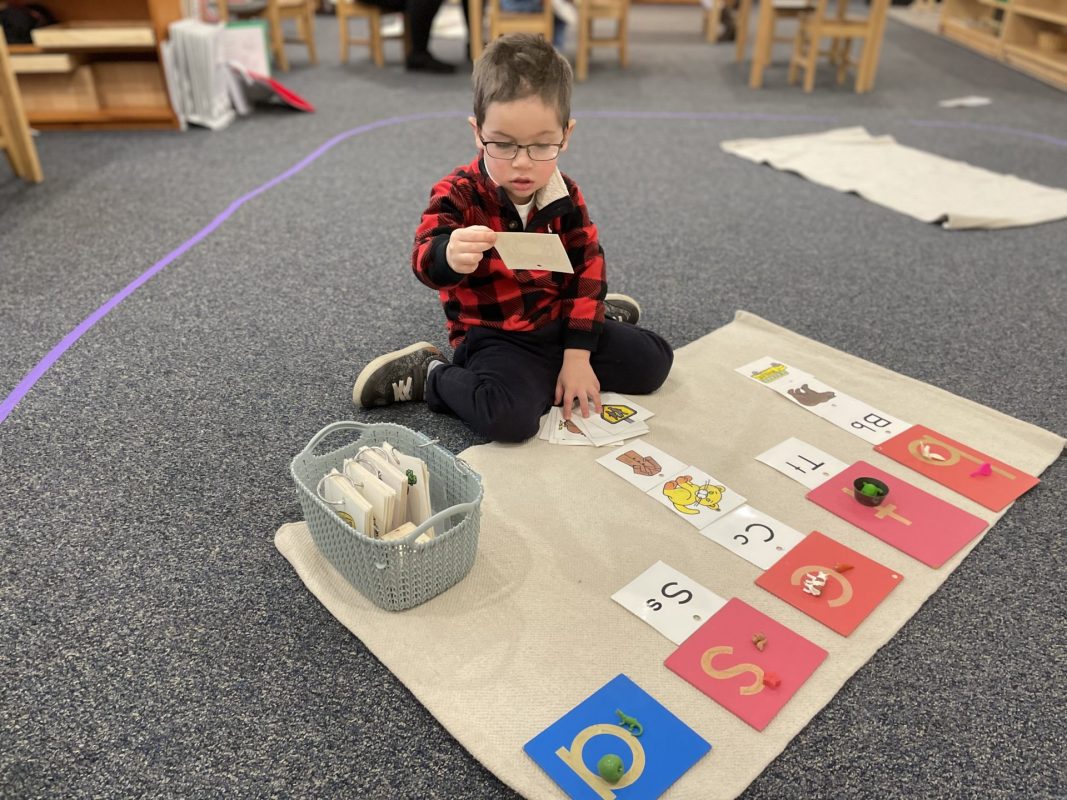
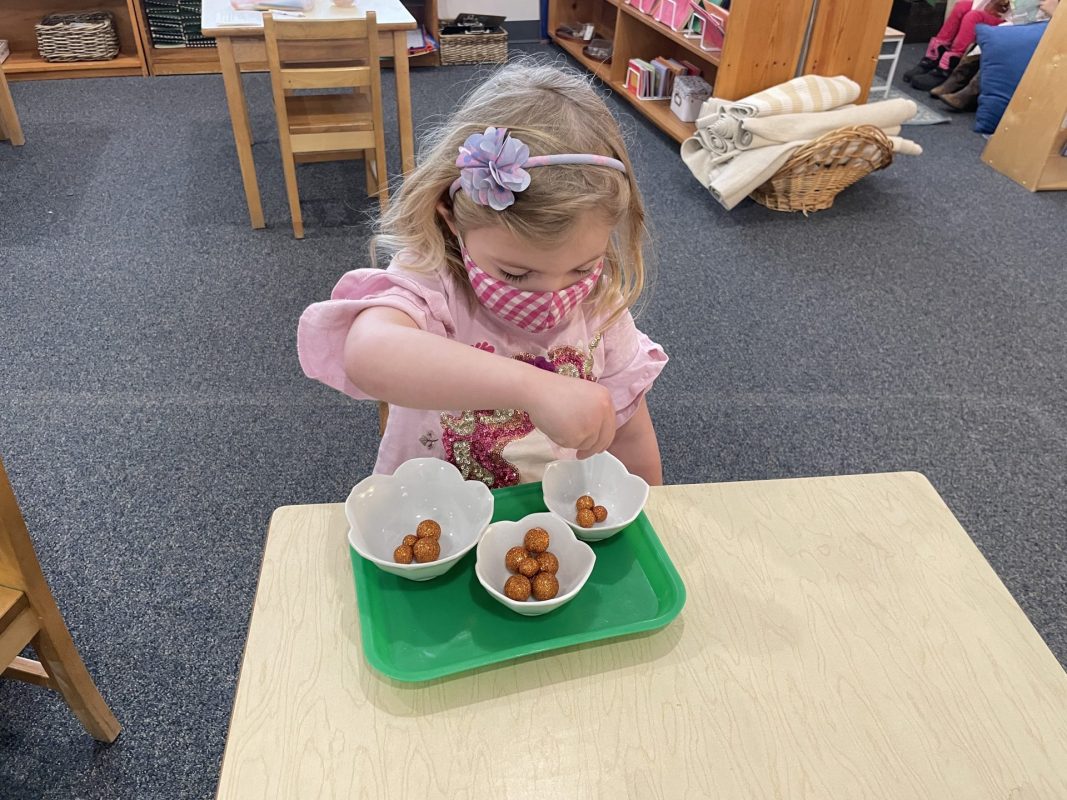
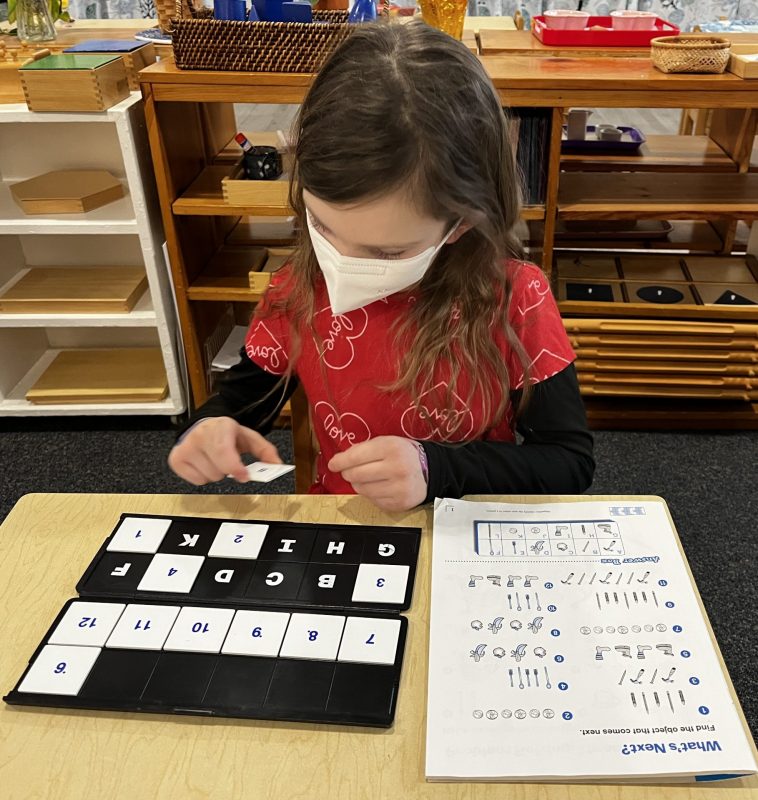
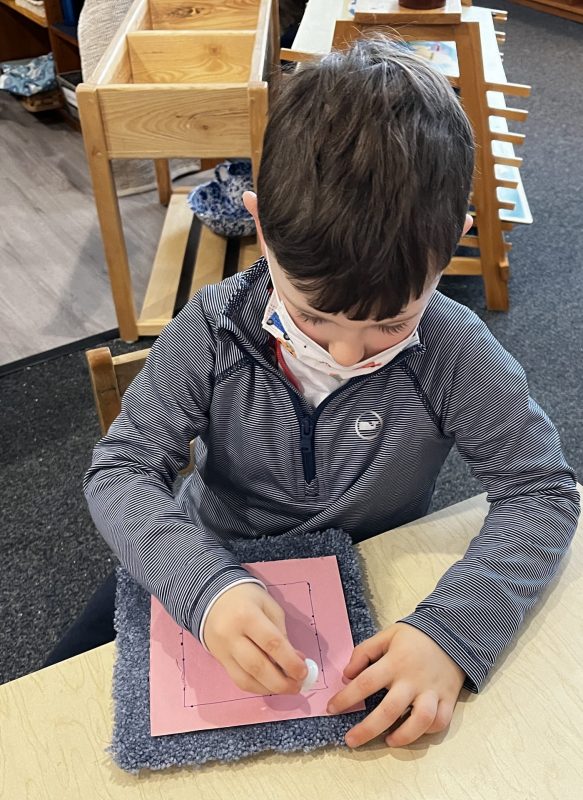
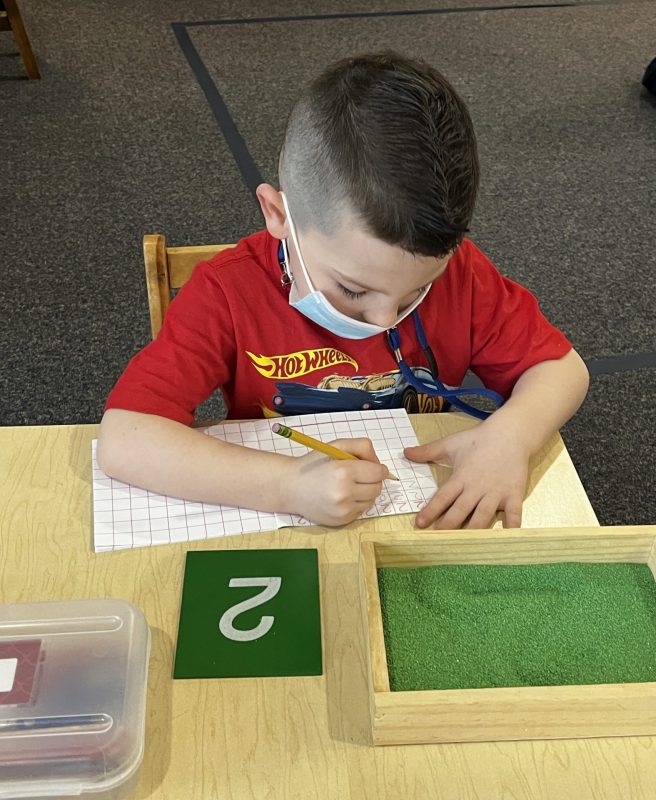
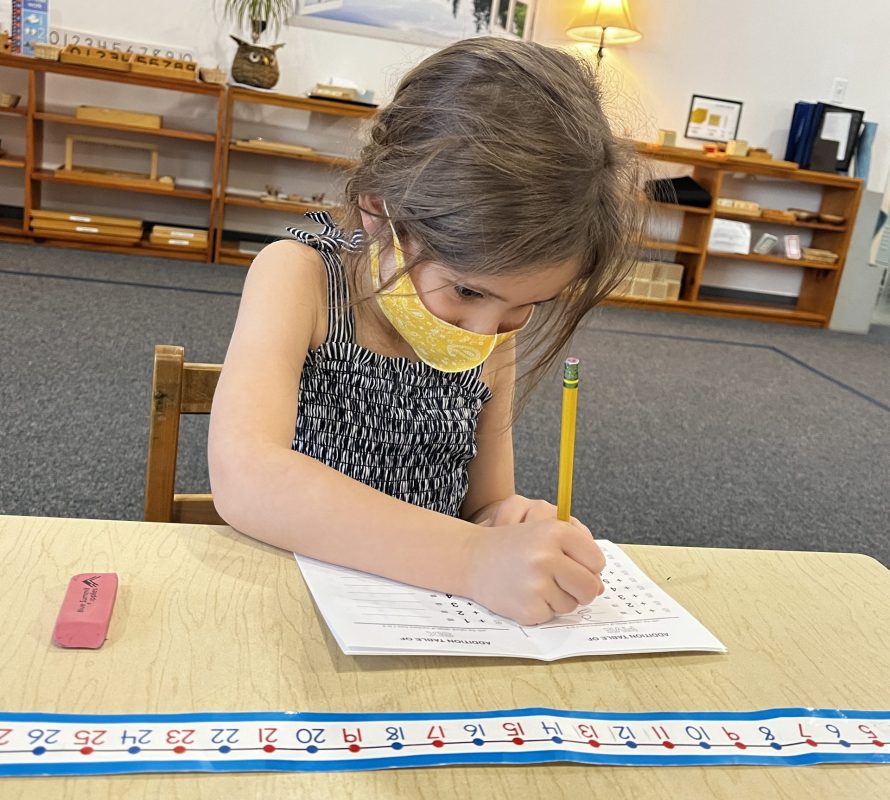
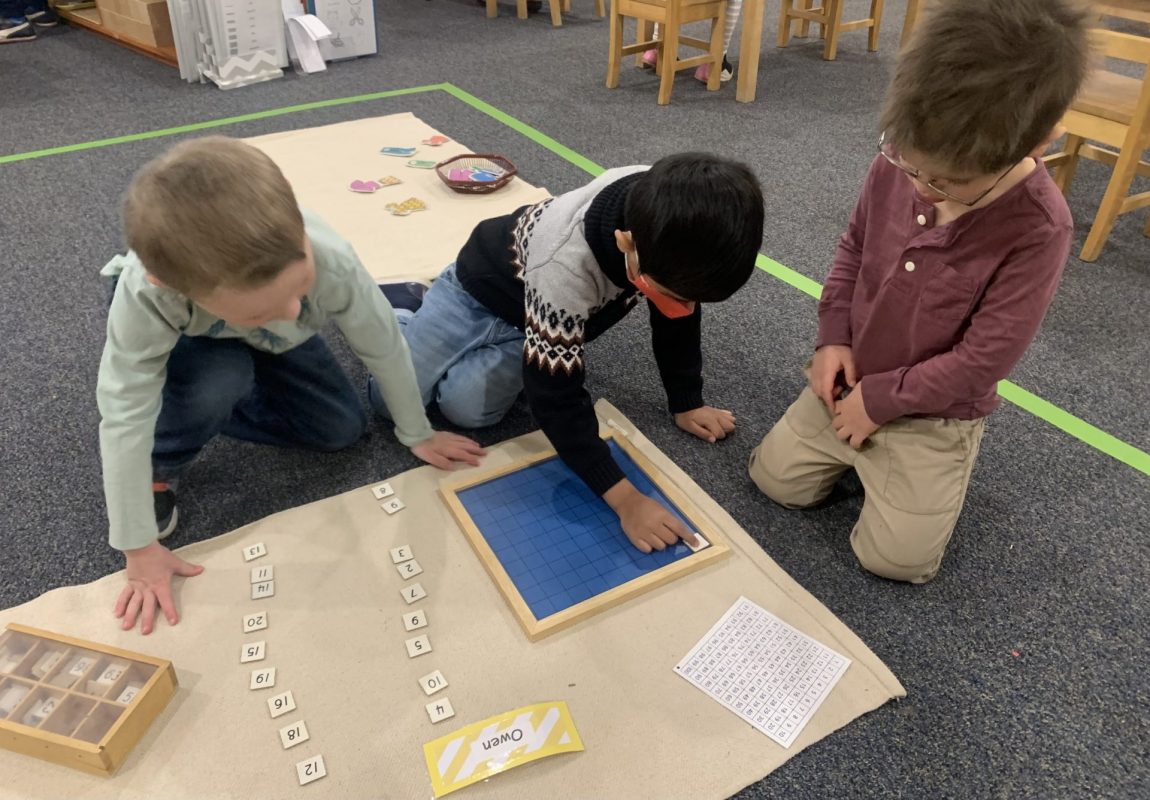
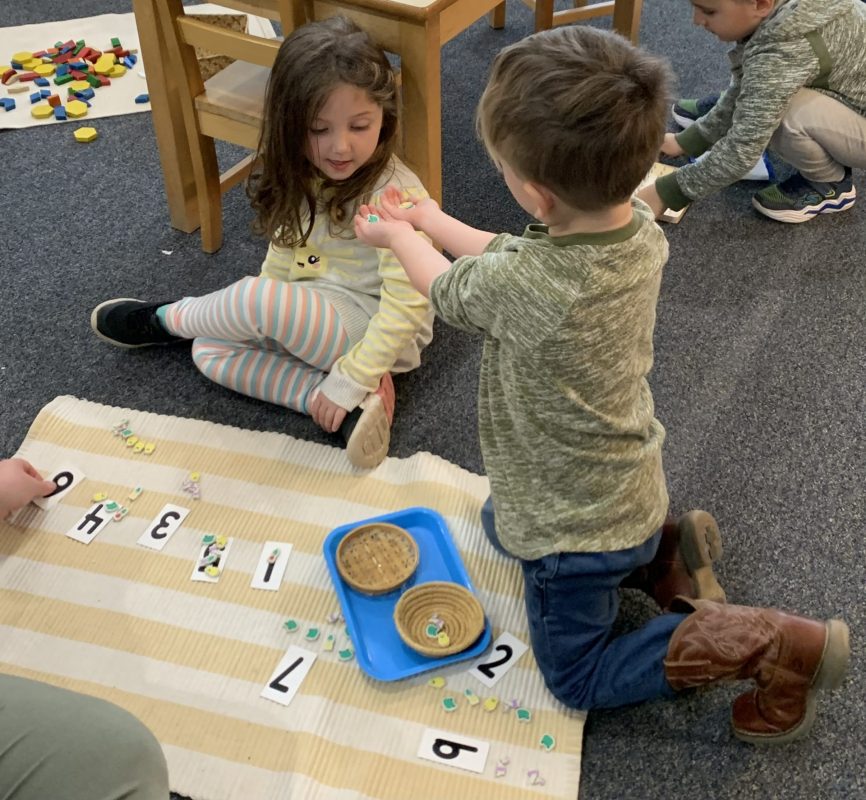
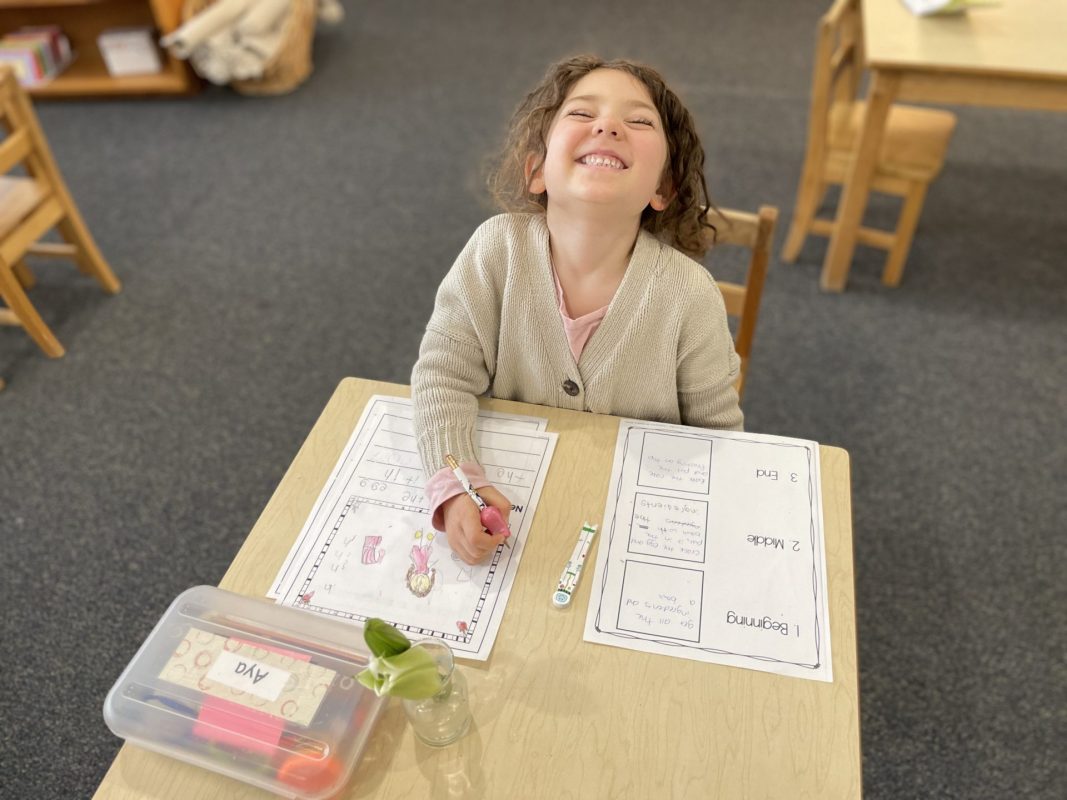
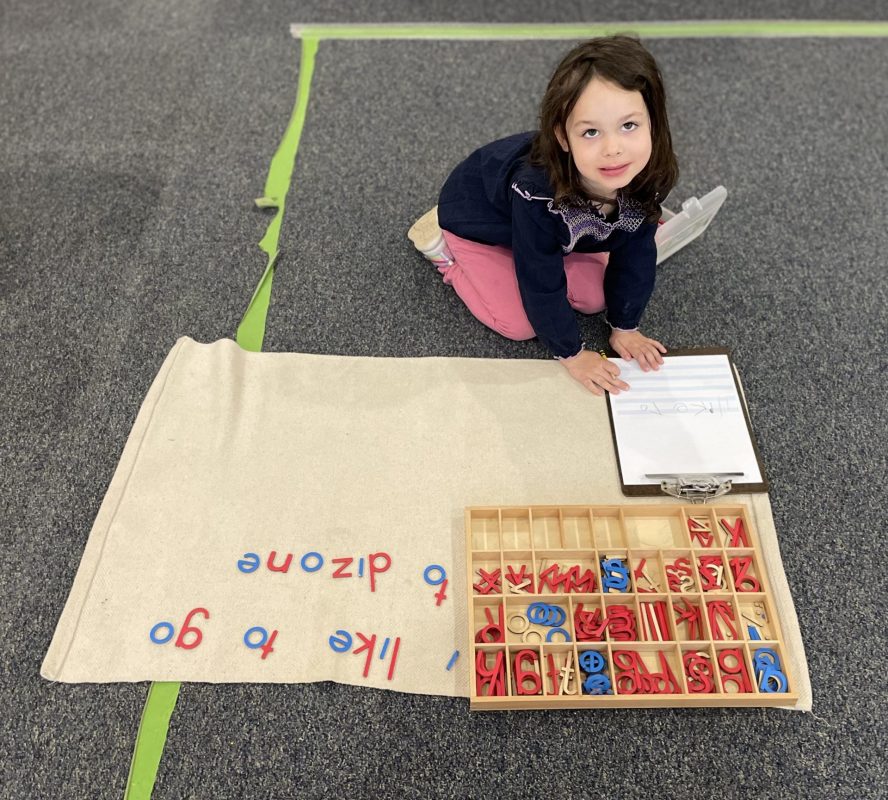
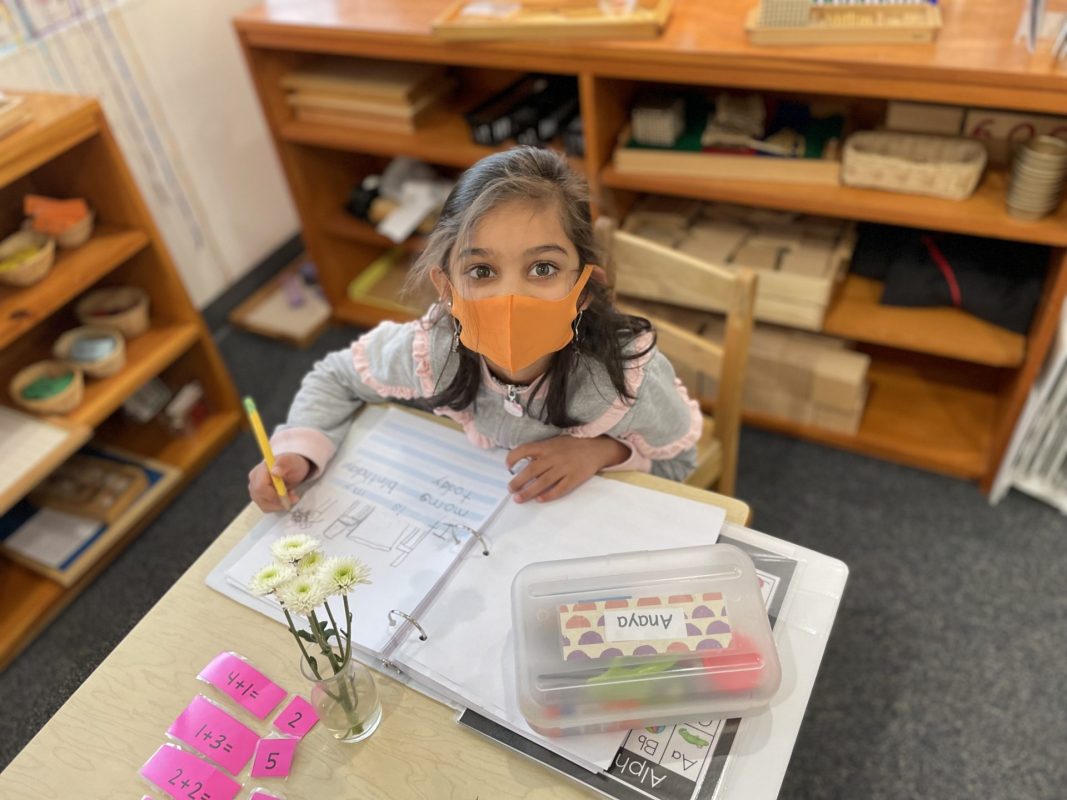
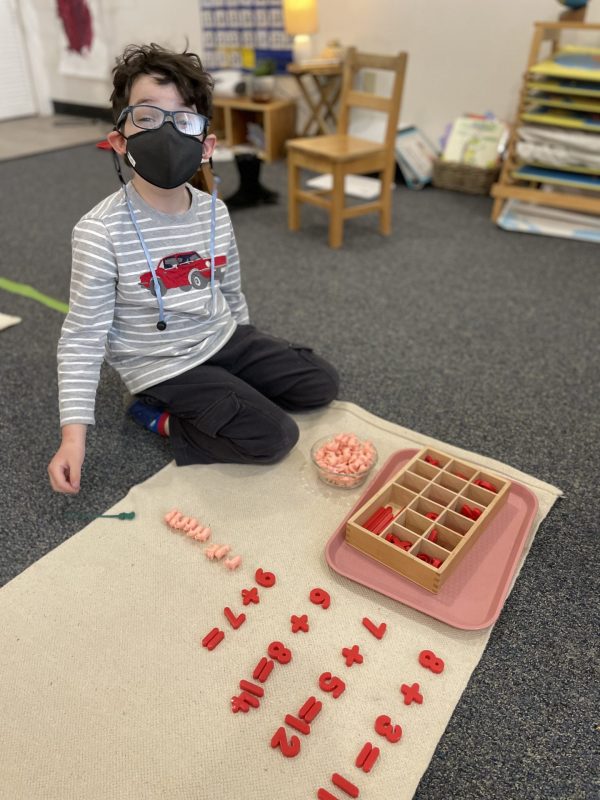
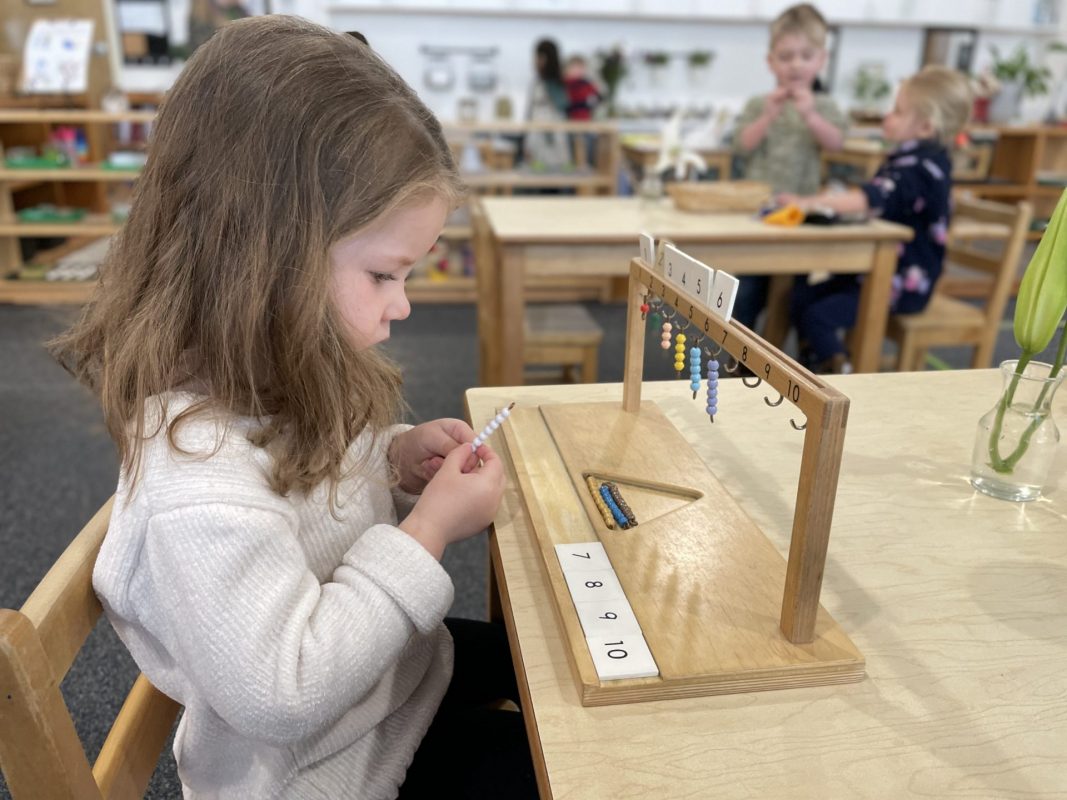
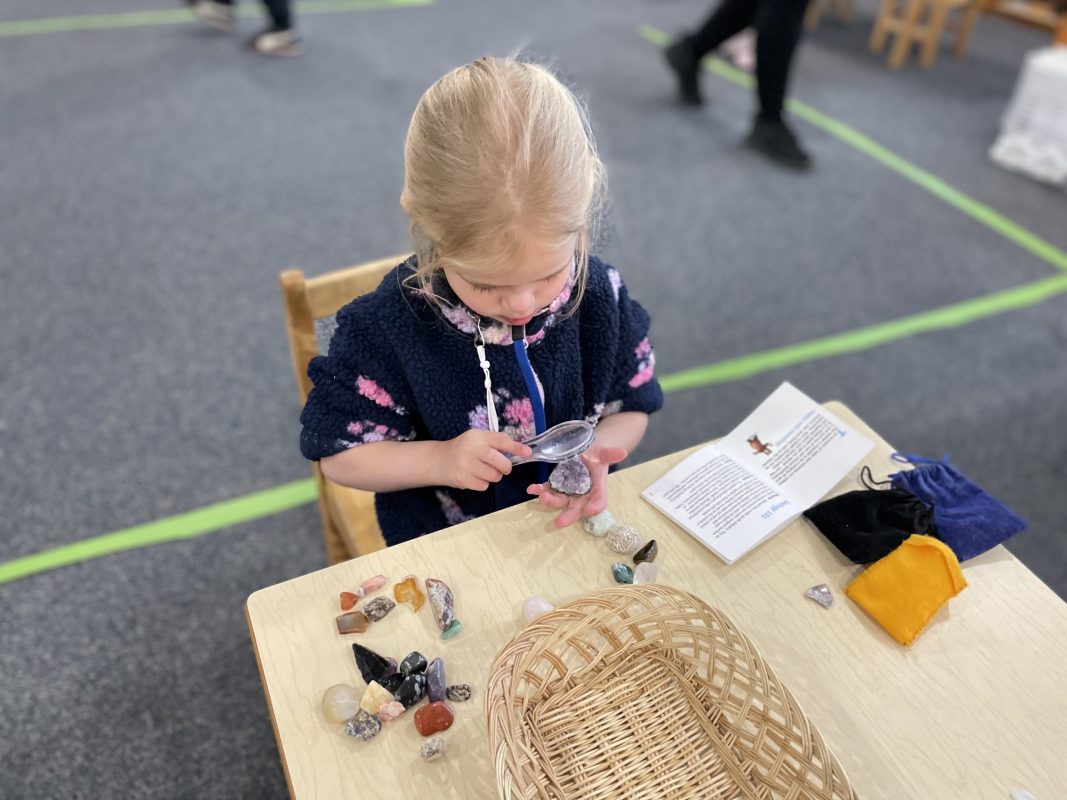
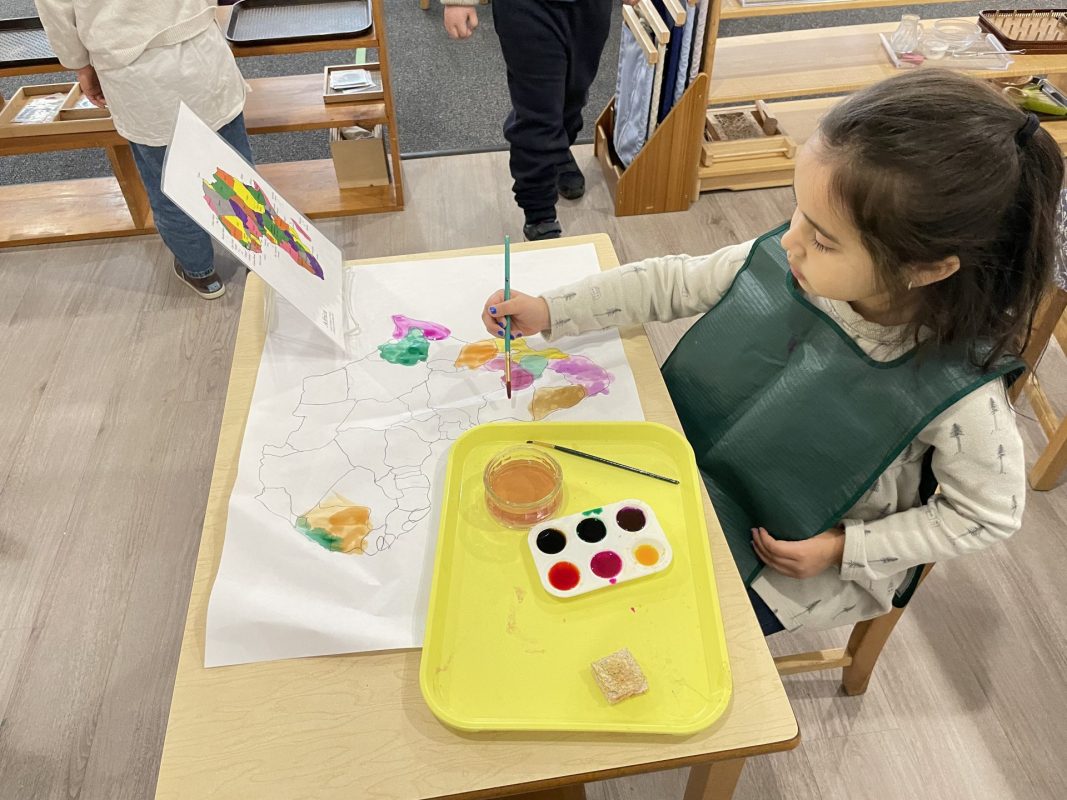
When hearing the term “normalization” for the first time, most people cringe, “What do you mean my child isn’t normal?”  The word normalization is actually a term borrowed from anthropology and means “becoming a contributing member of society.” As a Montessori teacher, we are constantly working toward this goal of a normalized classroom.  So what is a normalized classroom? When children in a Montessori environment demonstrate deep concentration, self-discipline, social skills, and a true love of work, we describe this as a normalized classroom. Normalization is achieved by consistent and clear ground rules that everyone is familiar with. It is our job to make sure the environment is always well prepared and designed to meet the needs of the children. As Montessori teachers, we are confident that if we do our part, coupled with the opportunities provided by the environment and Montessori materials, our children will thrive.

After the winter break and upon our return in January we often see noticeable growth in the children’s social and emotional development. They come back eager to learn and raring to go! The first half of the year they have become comfortable and confident with our classroom routines and expectations. They have developed deeper relationships with their peers and teachers. It is always an exciting time and sets the groundwork for the second half of the school year.

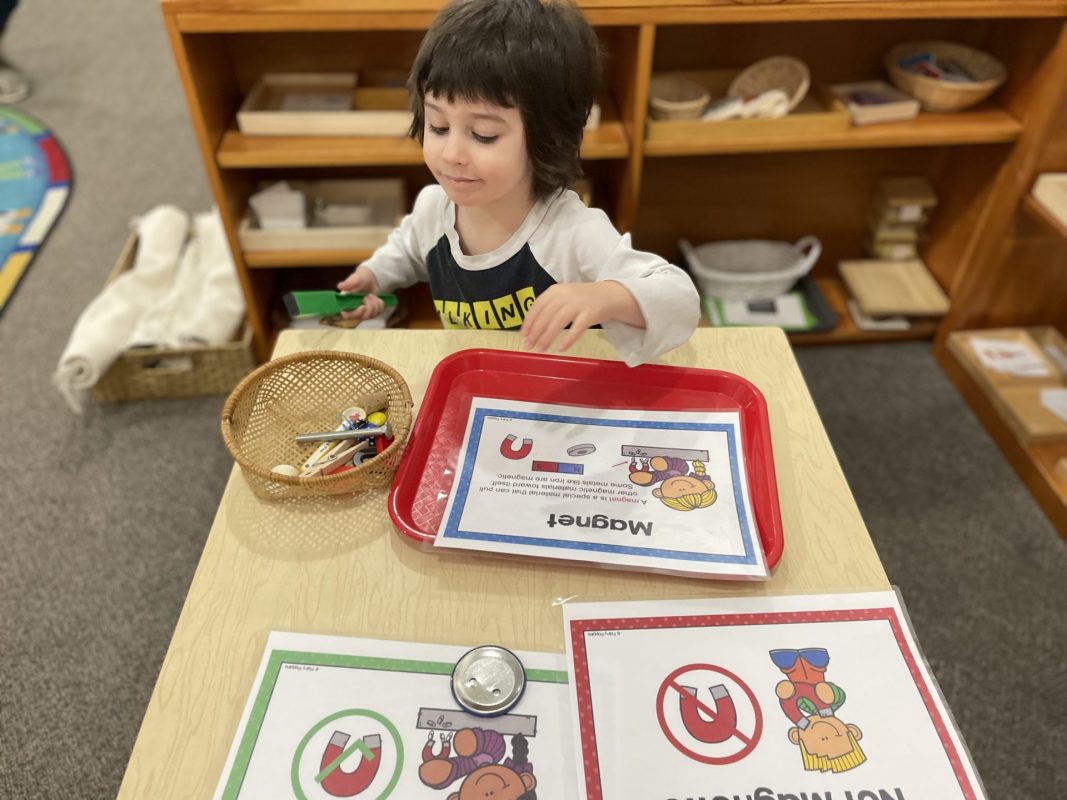
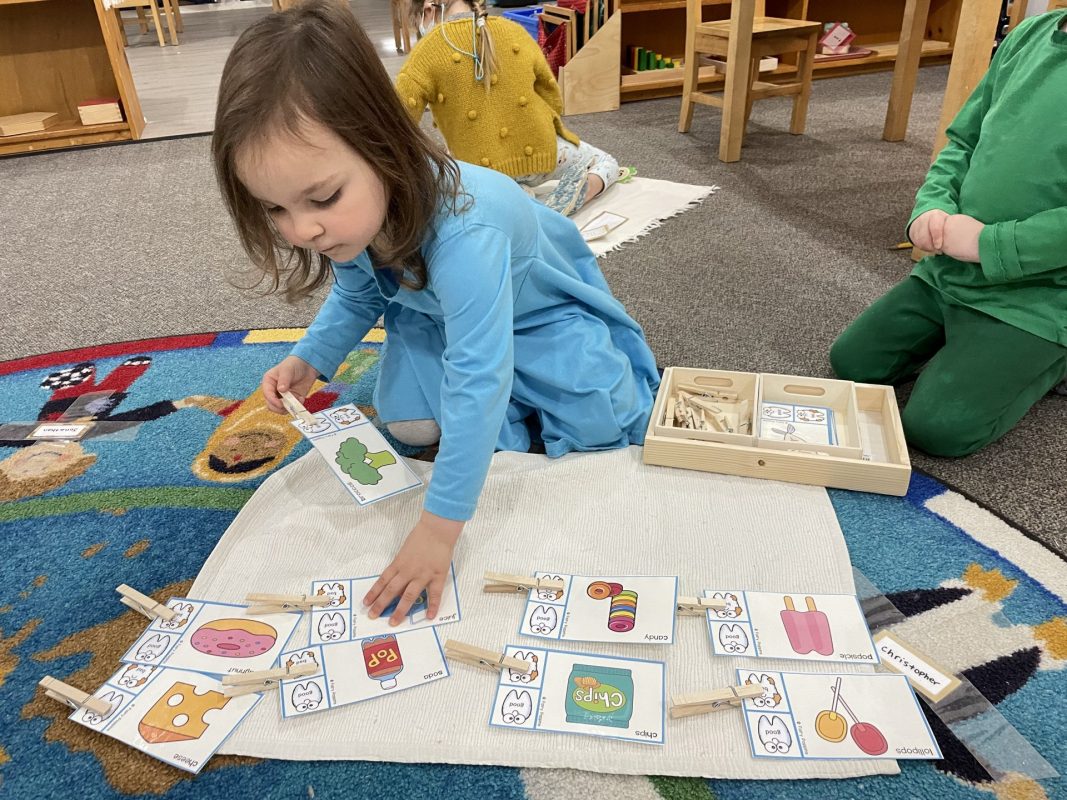
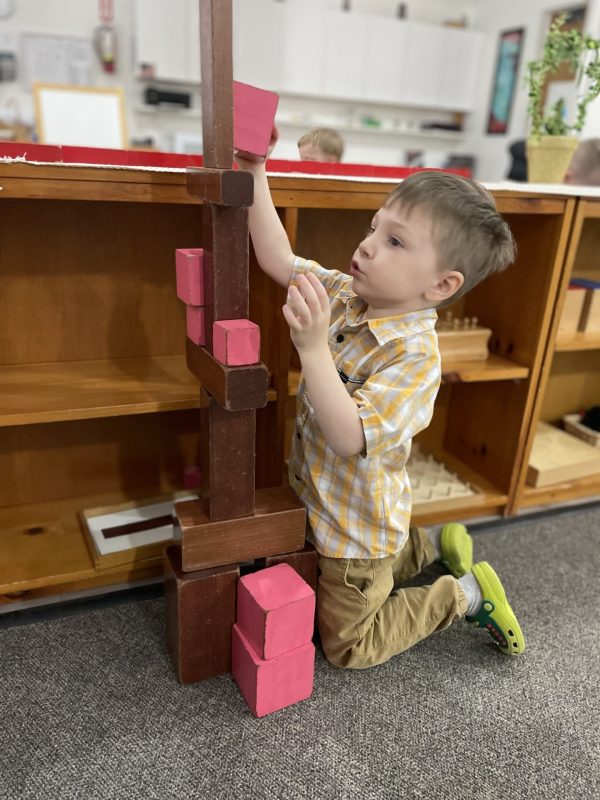
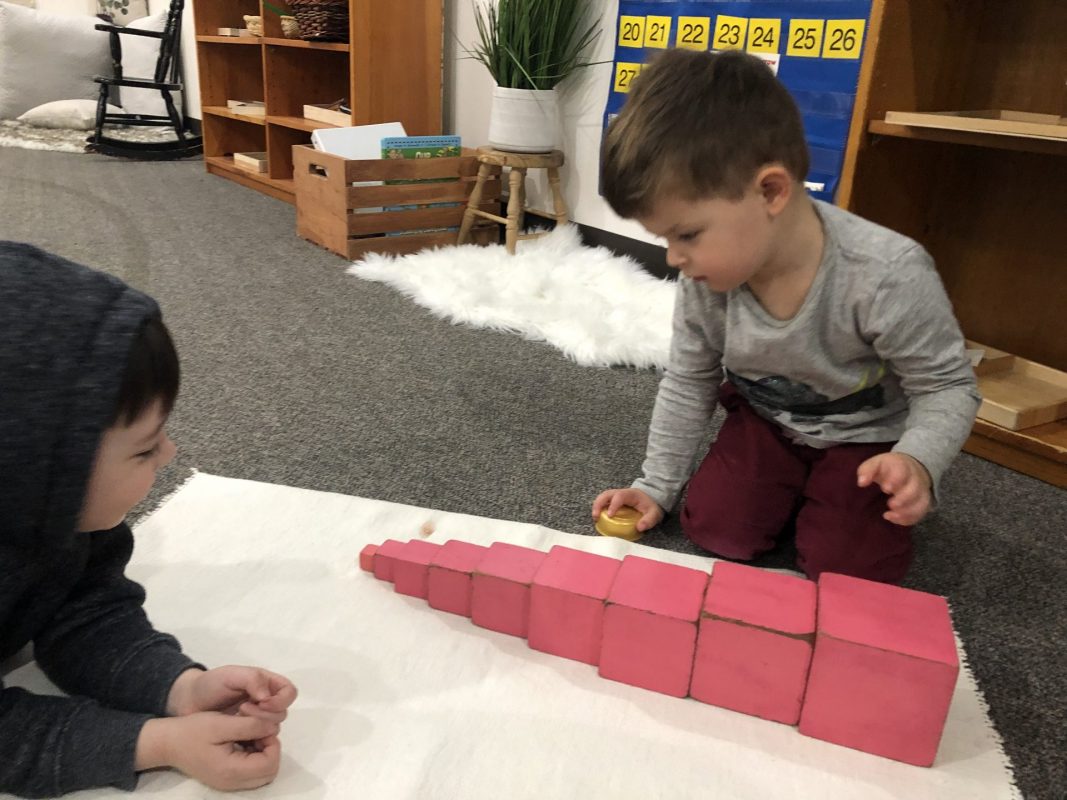
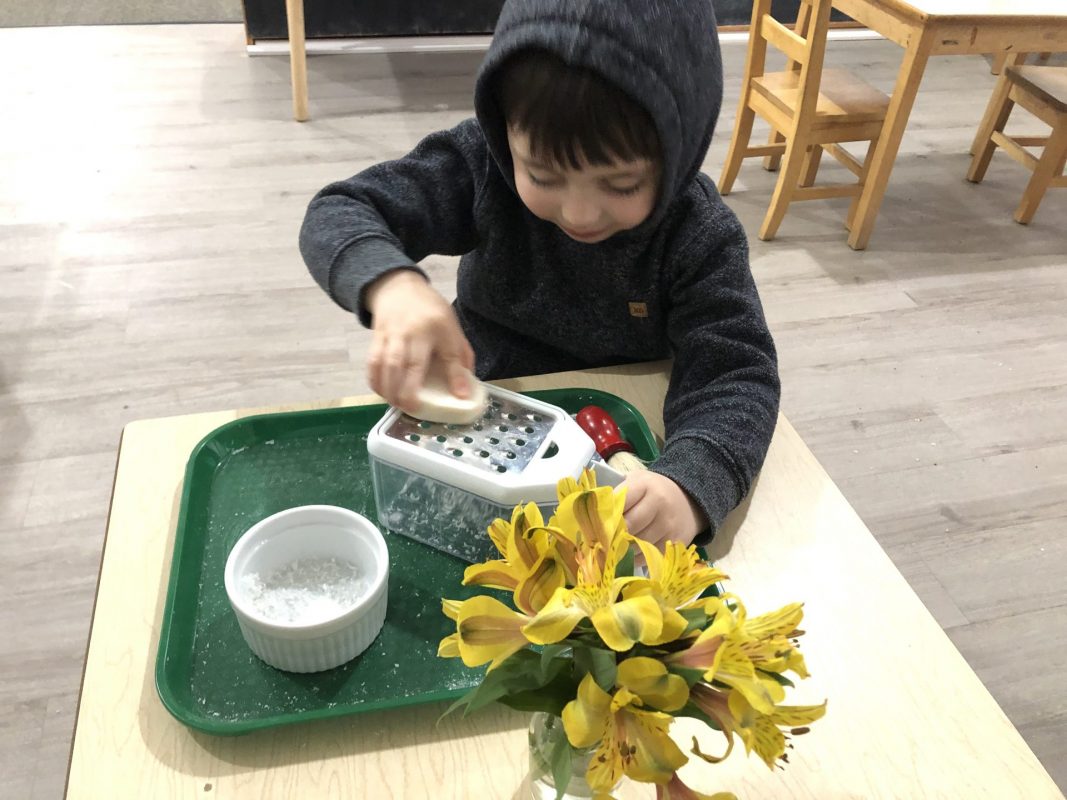
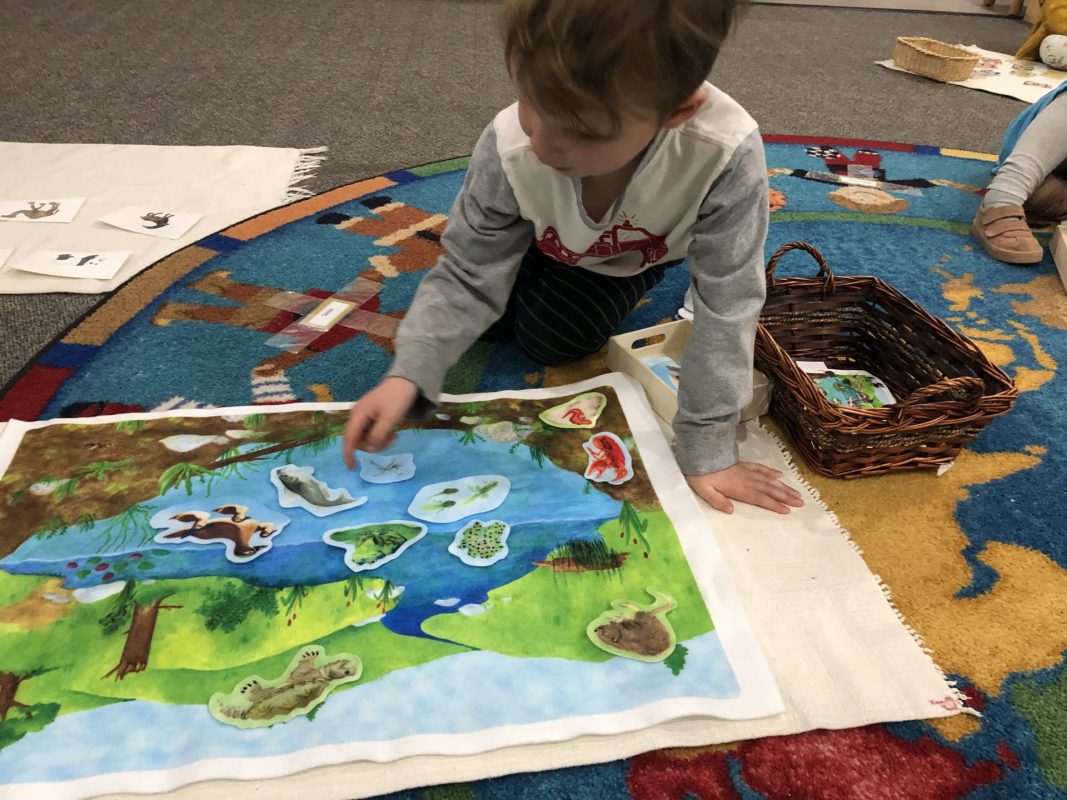
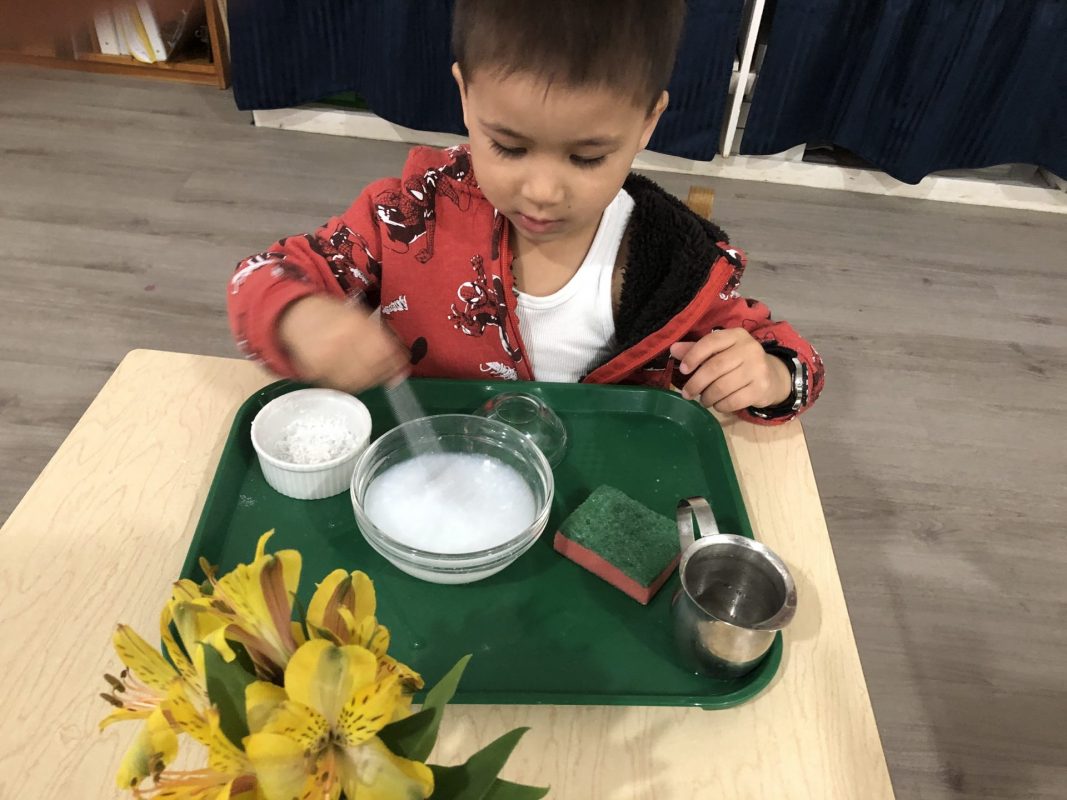
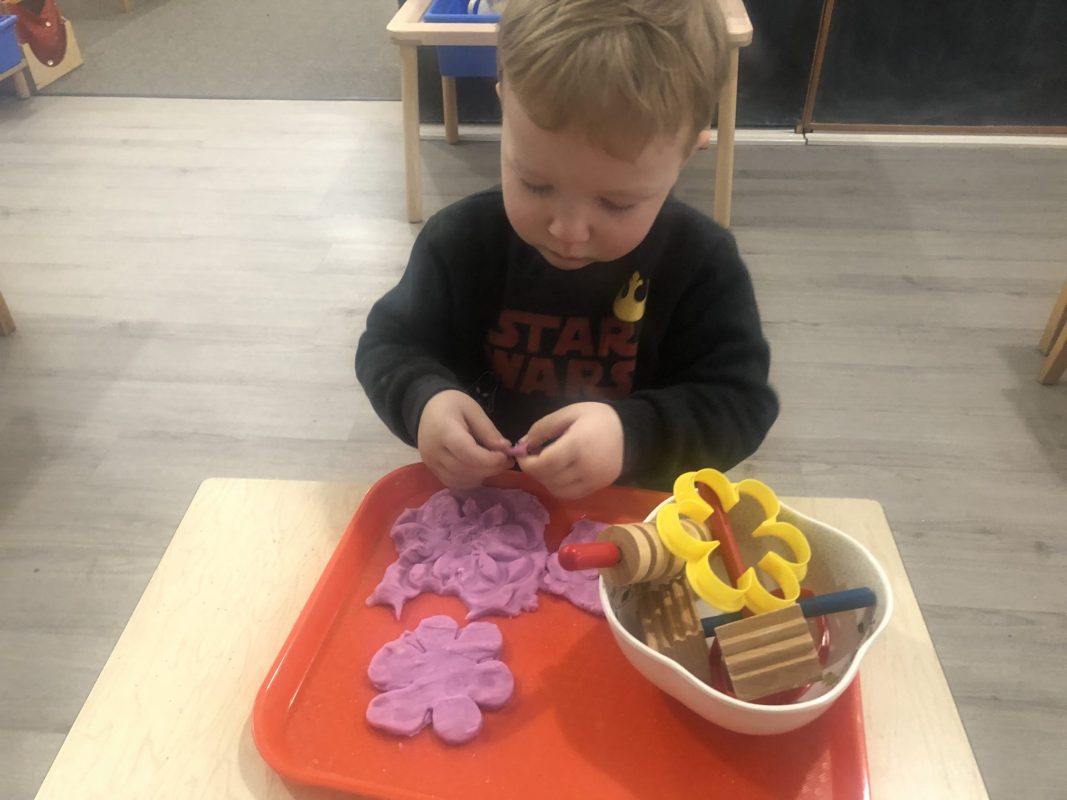
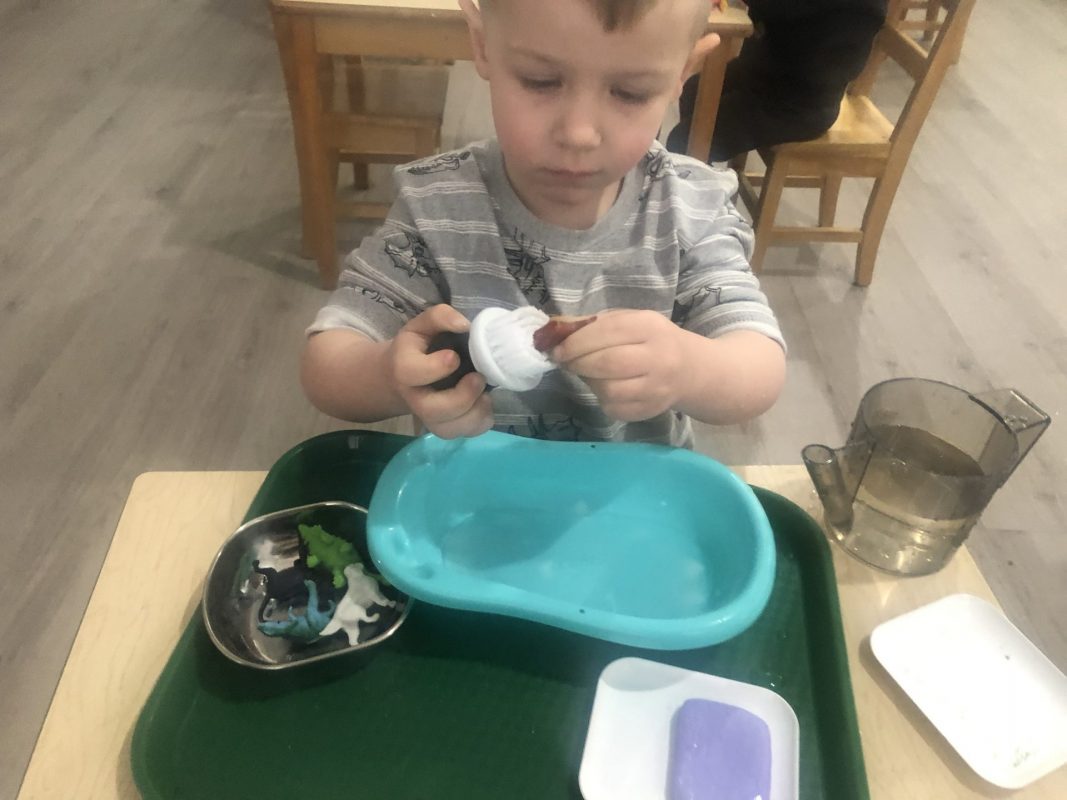
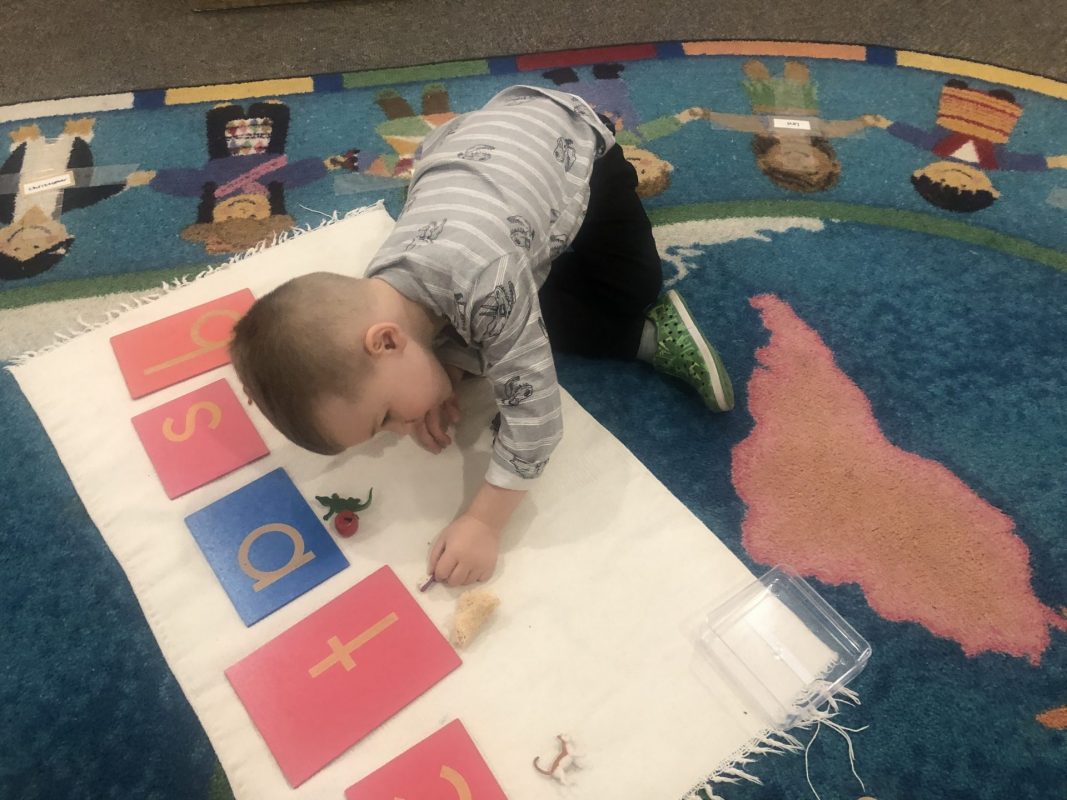
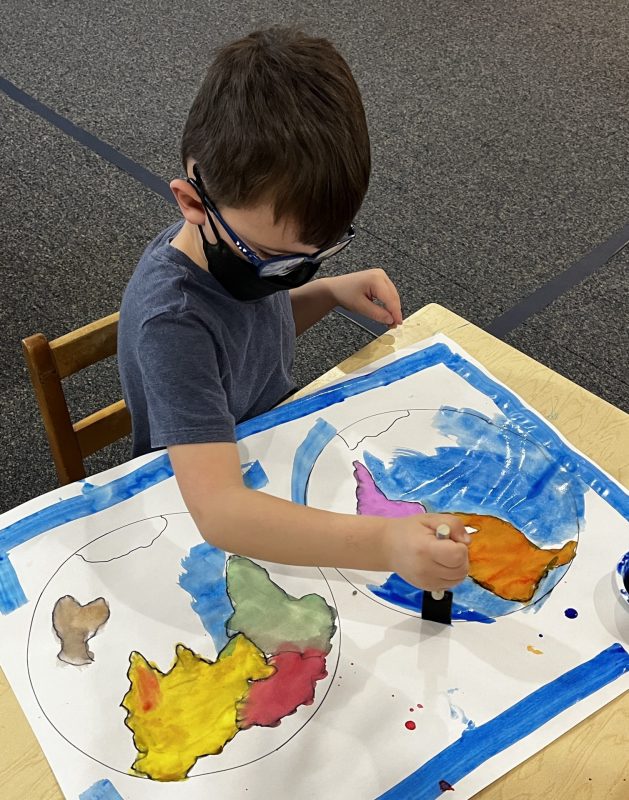
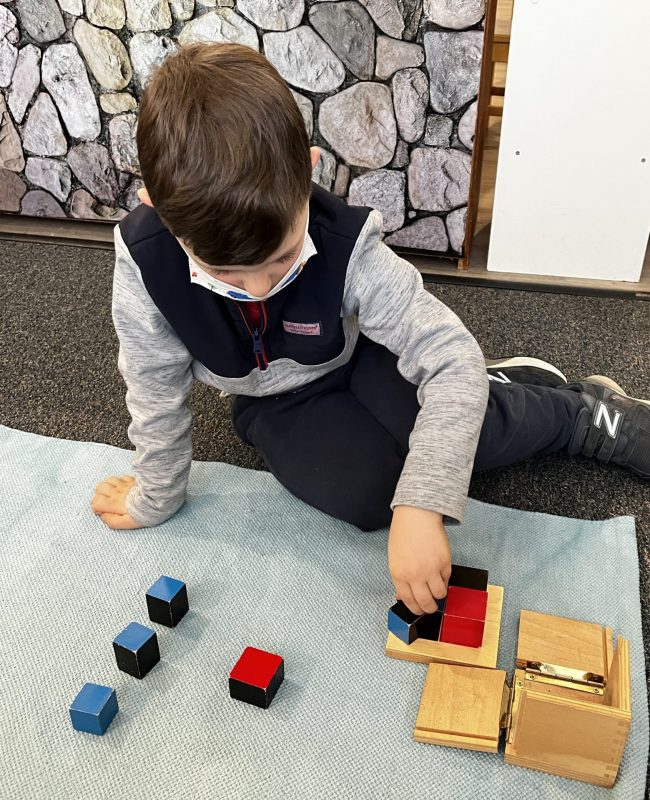
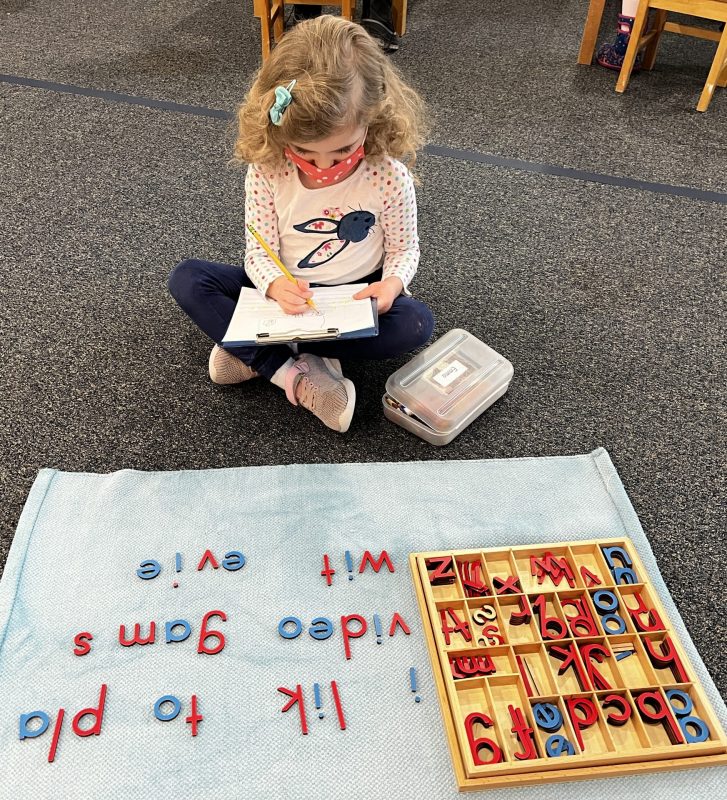
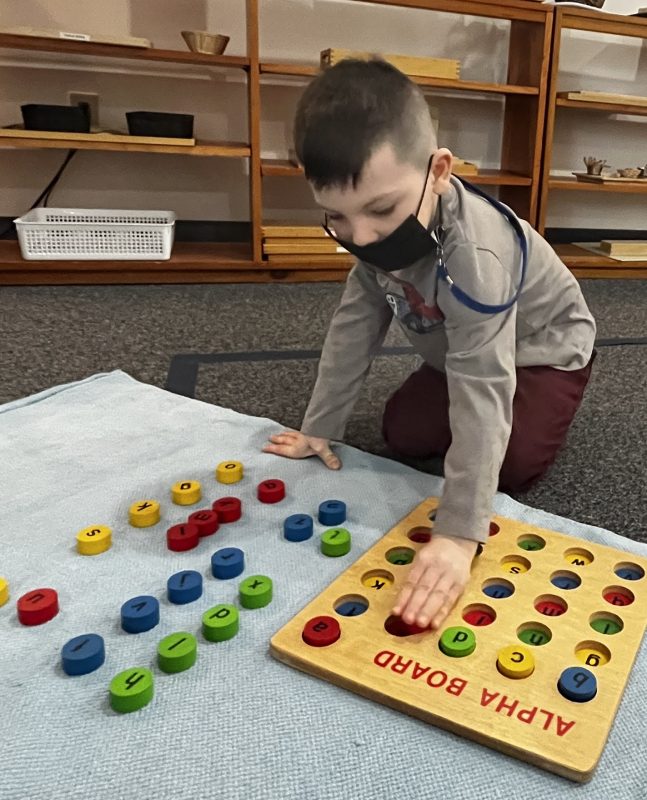
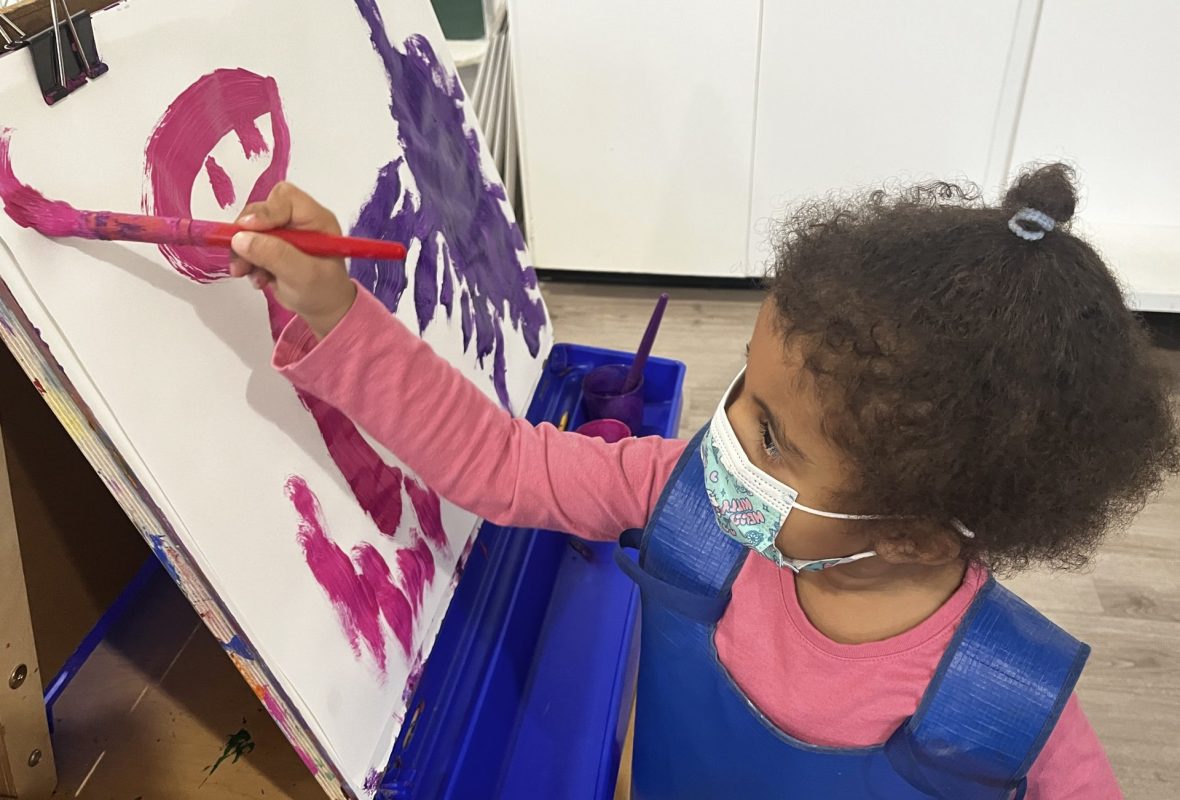
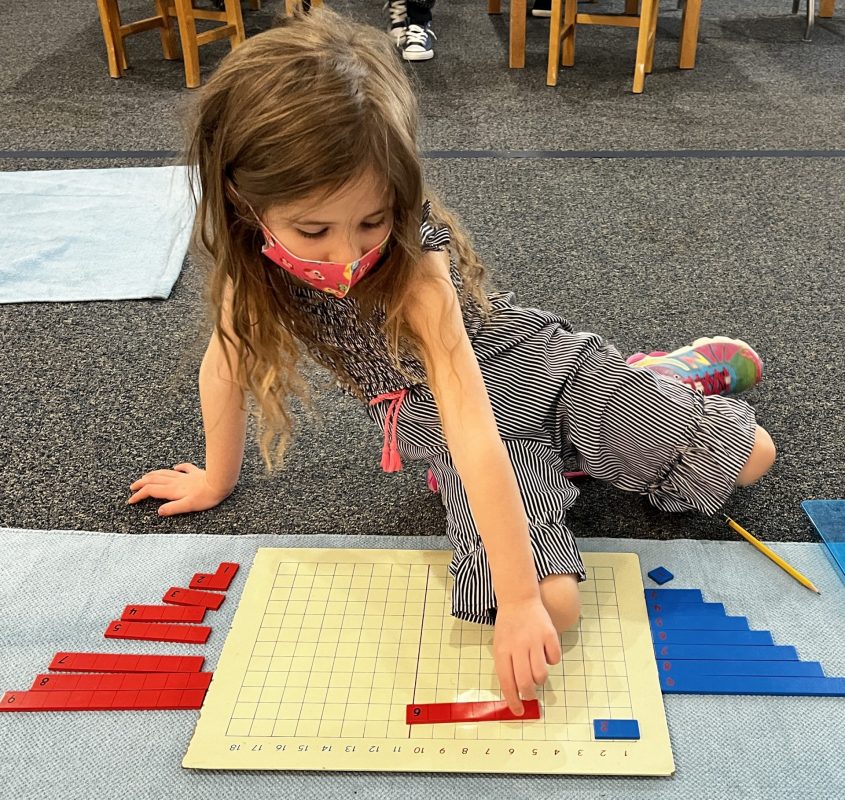
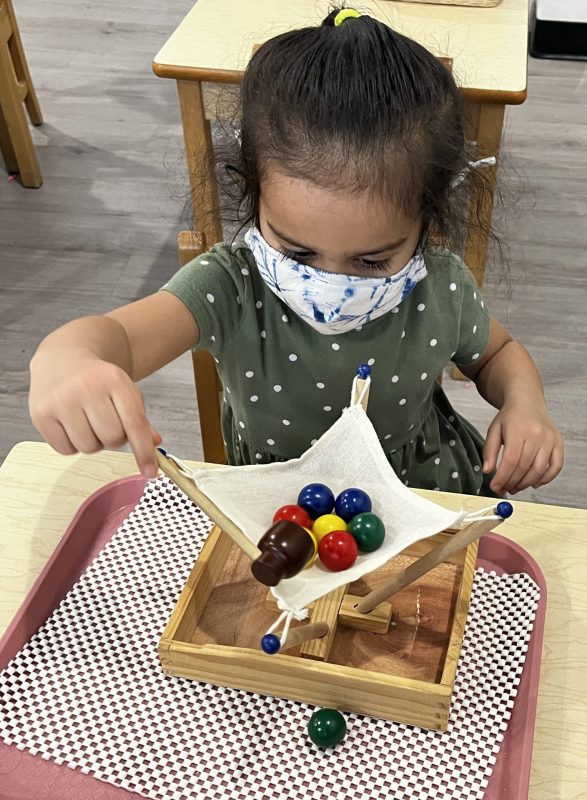
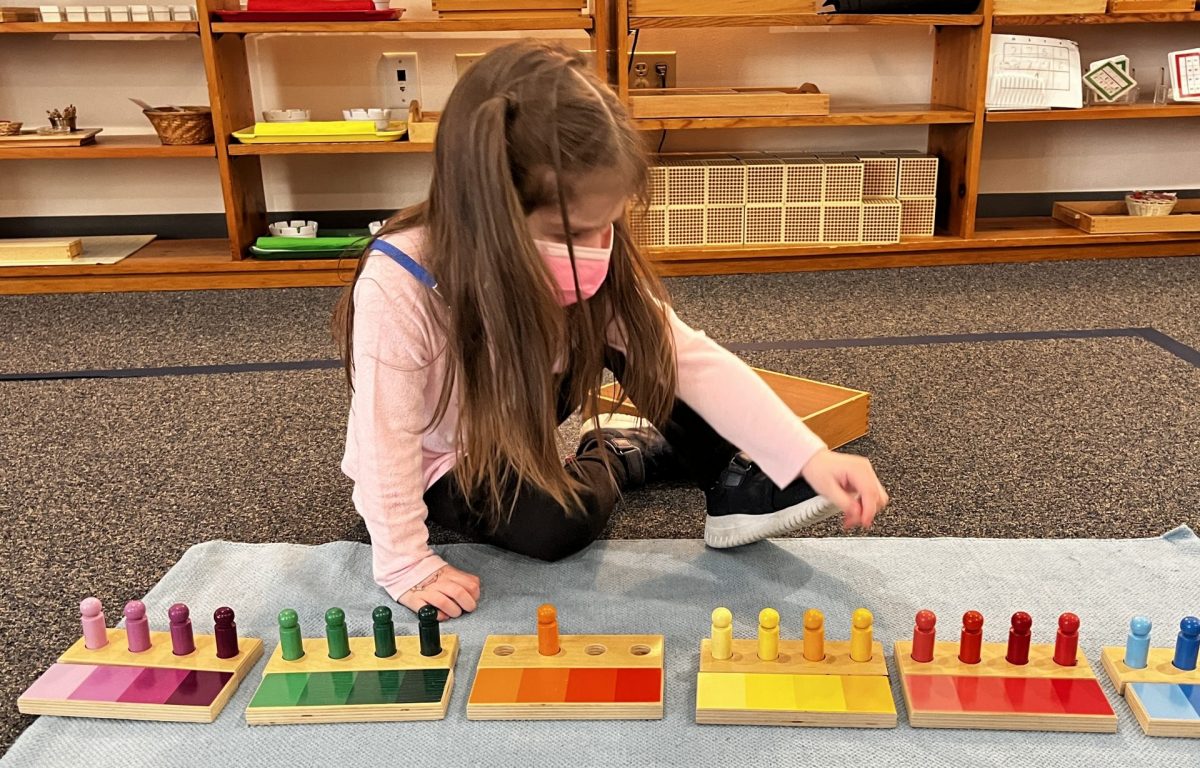
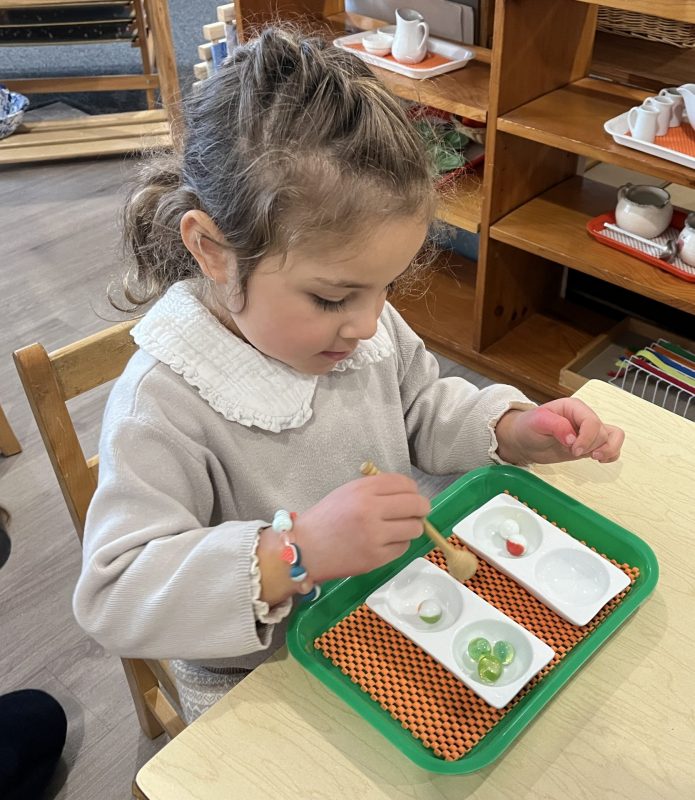
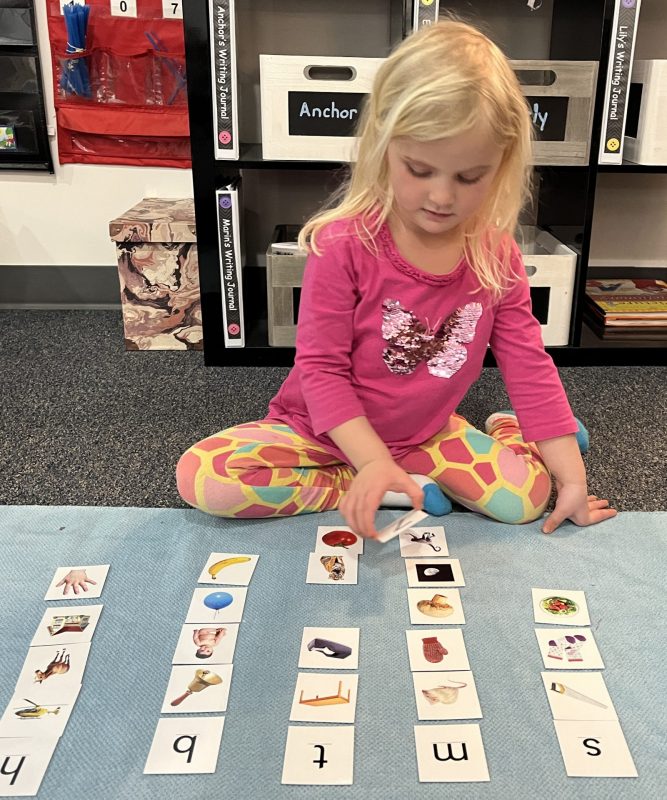
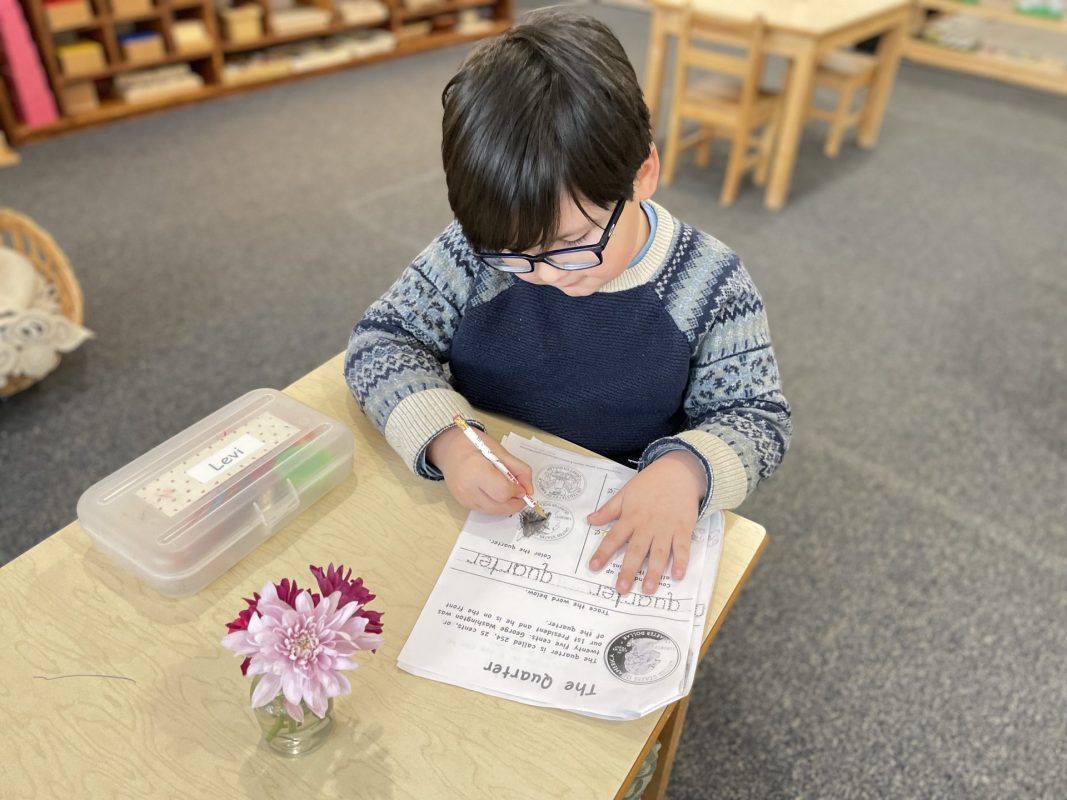
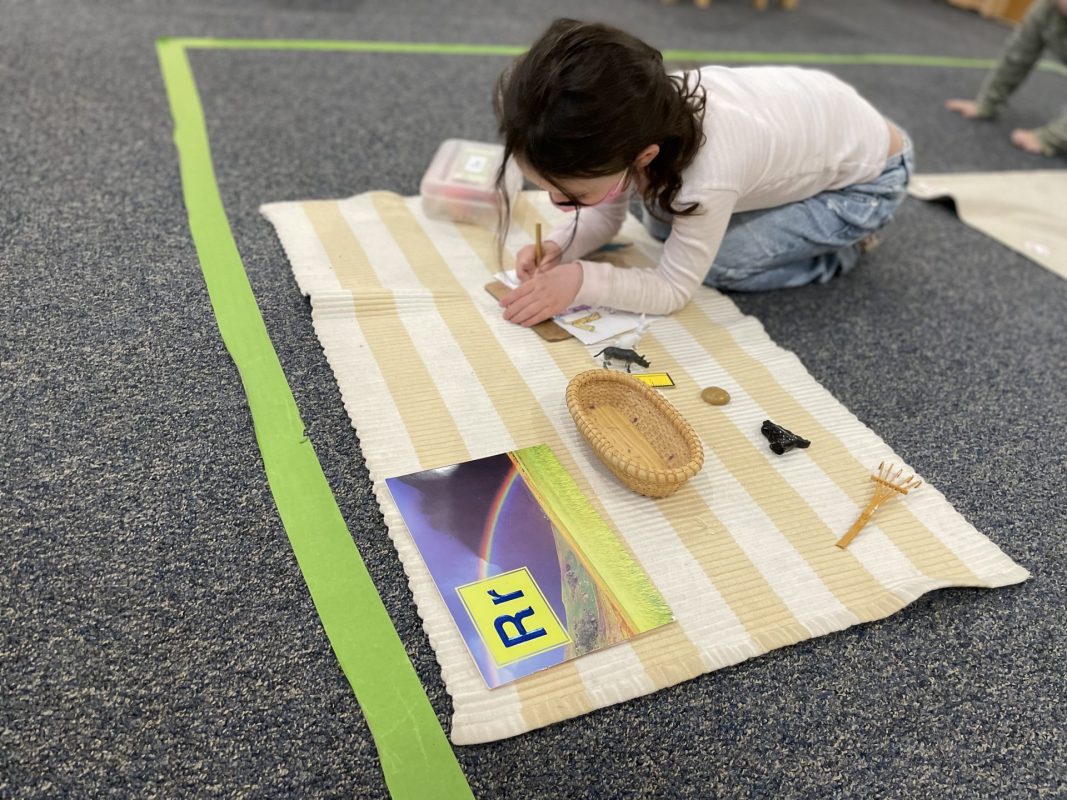
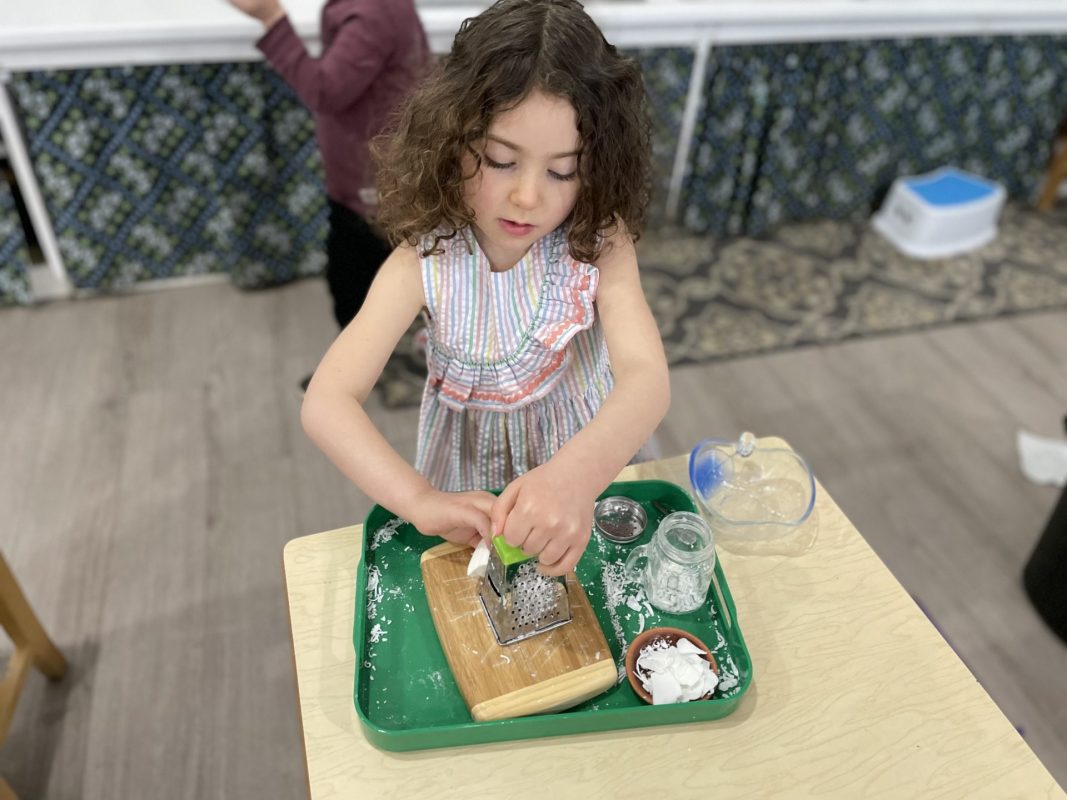
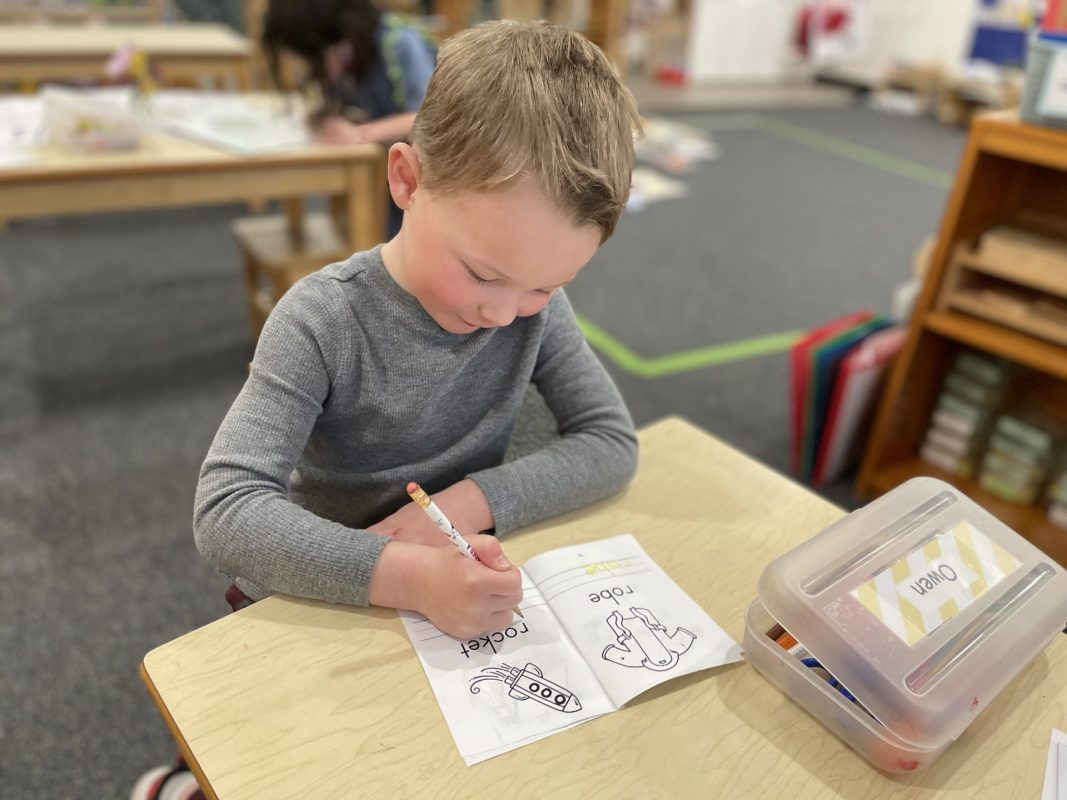
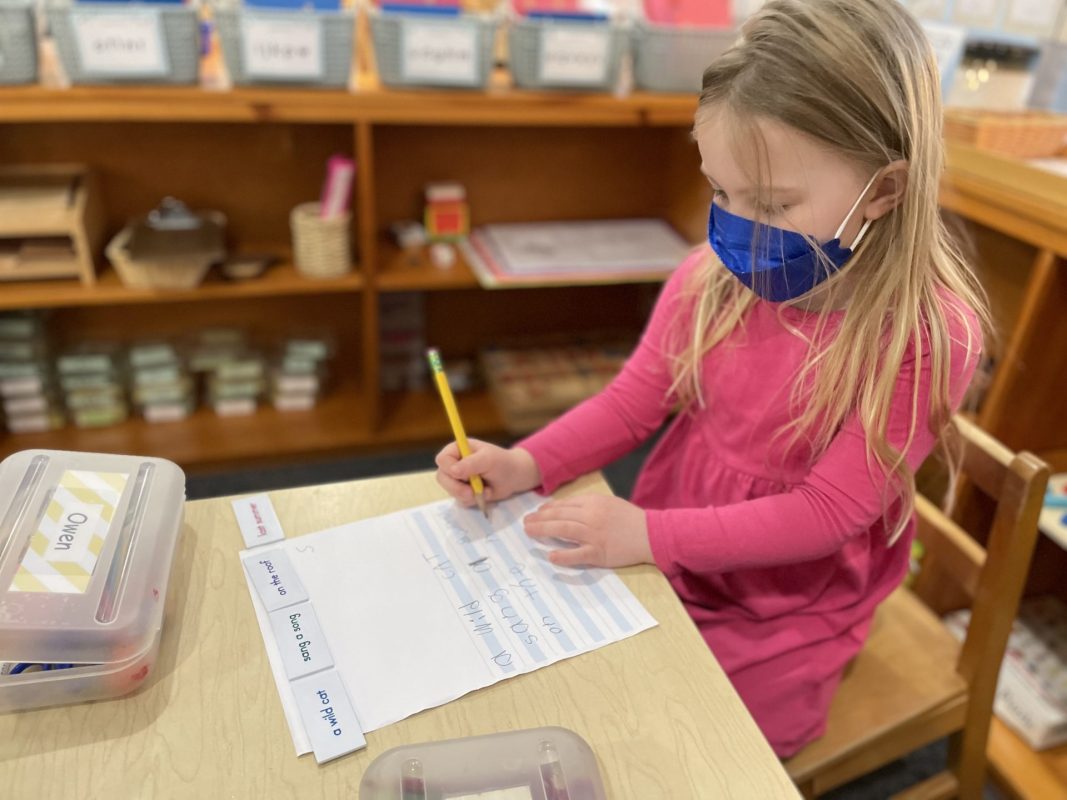
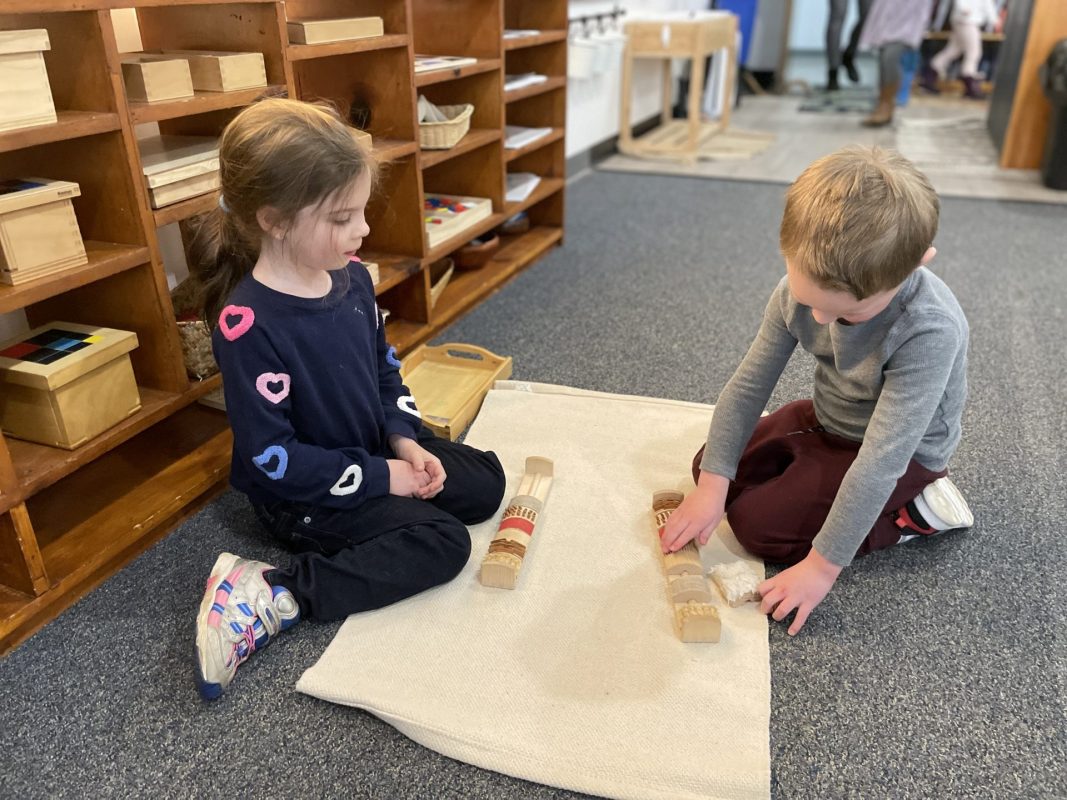
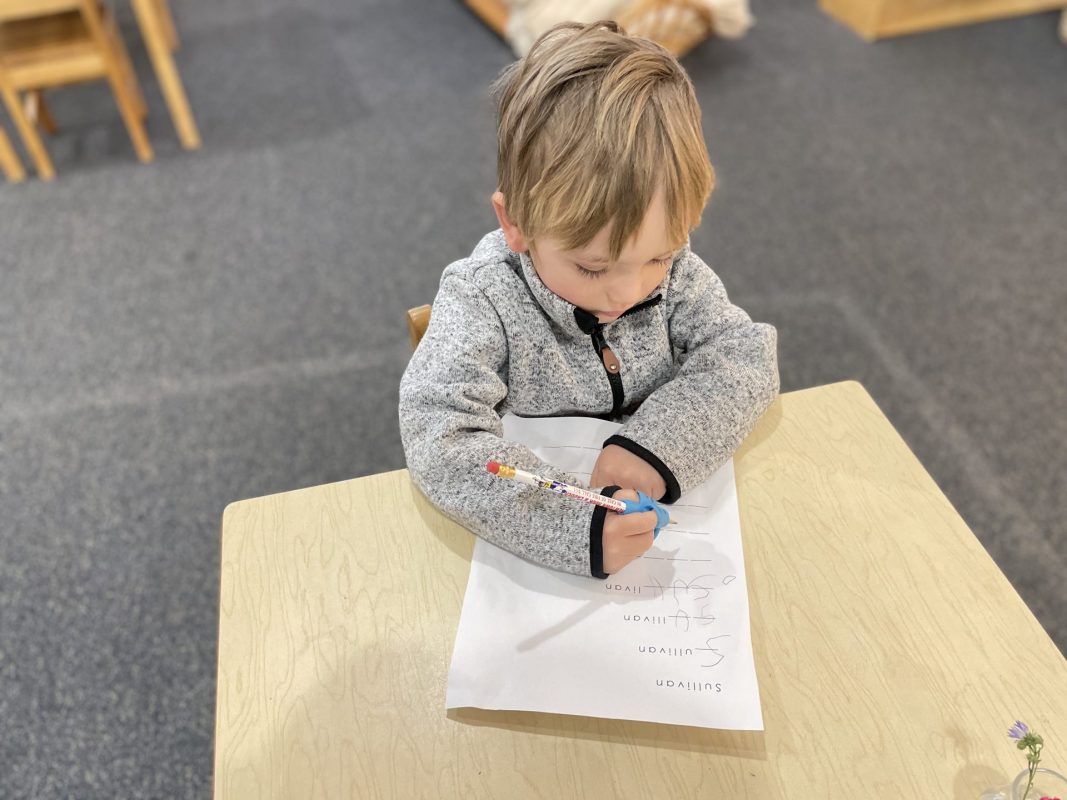
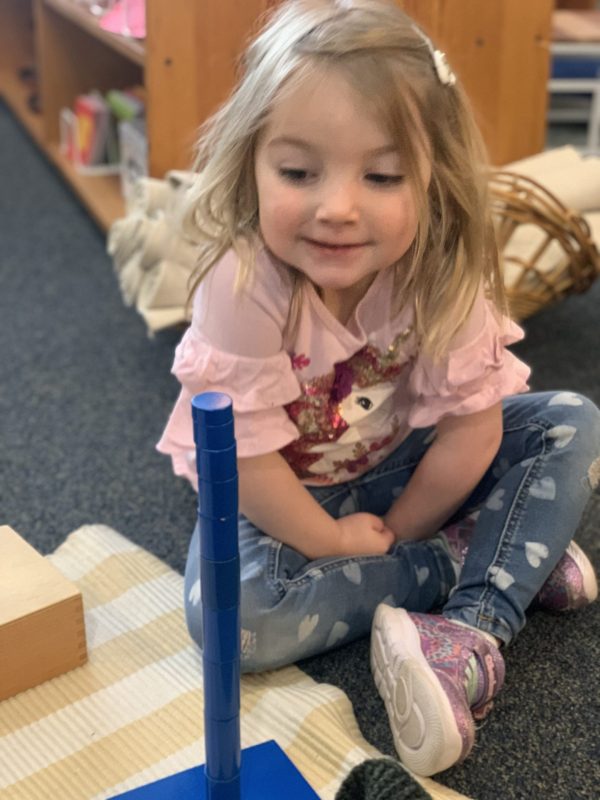
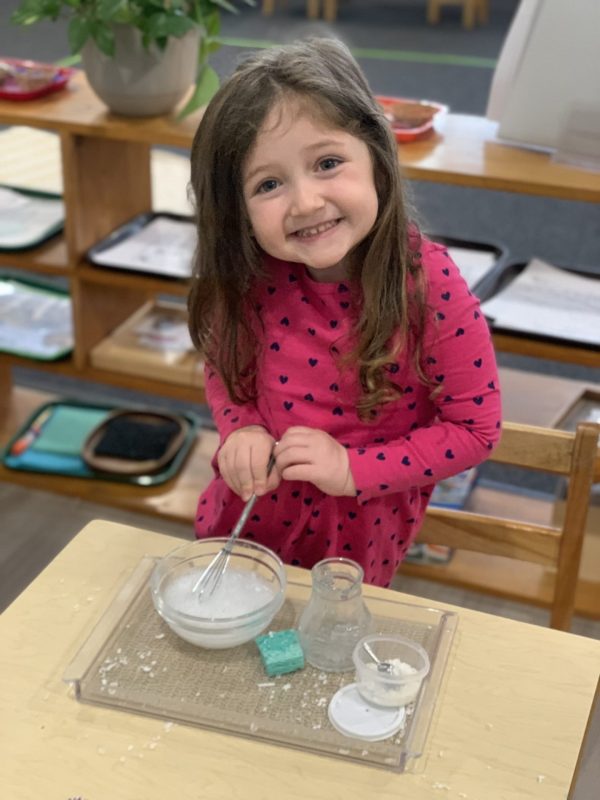
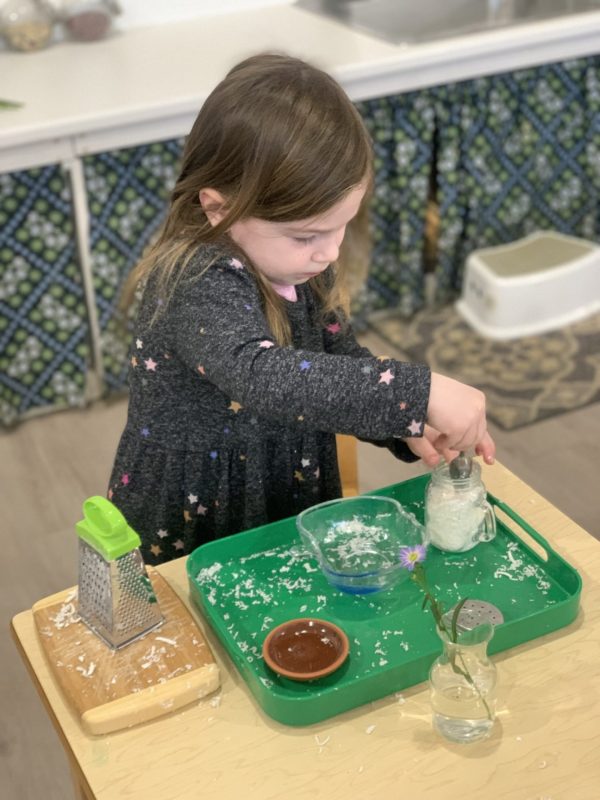
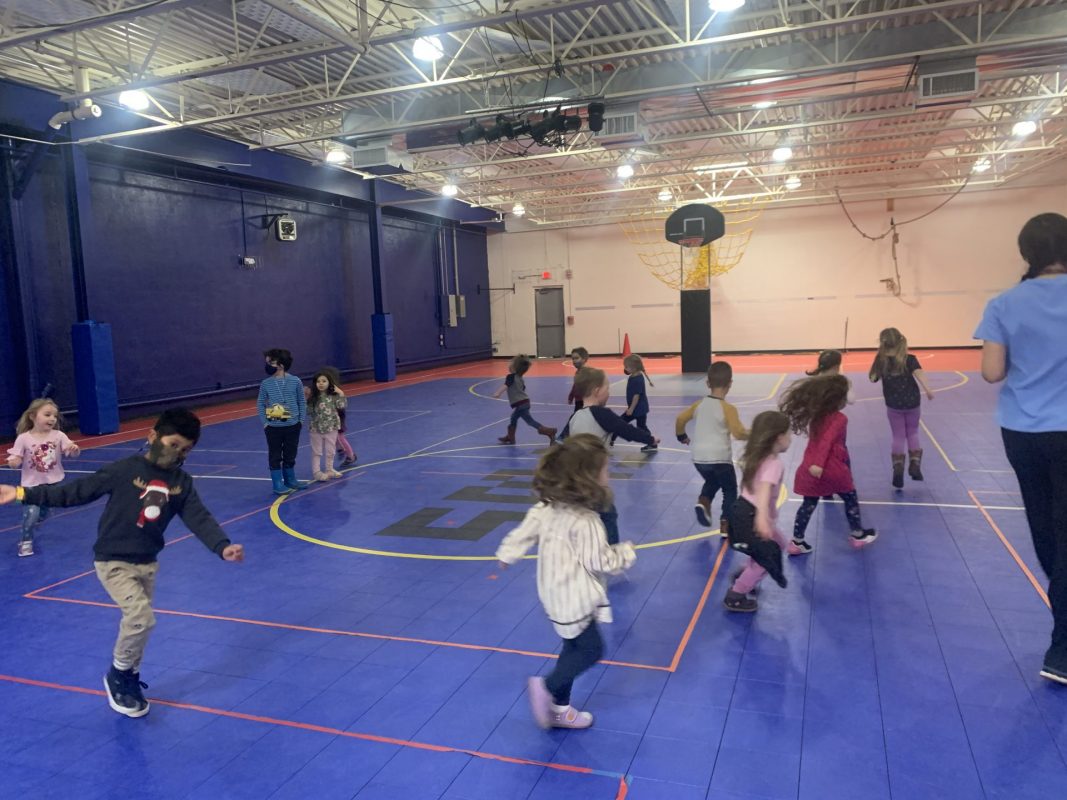
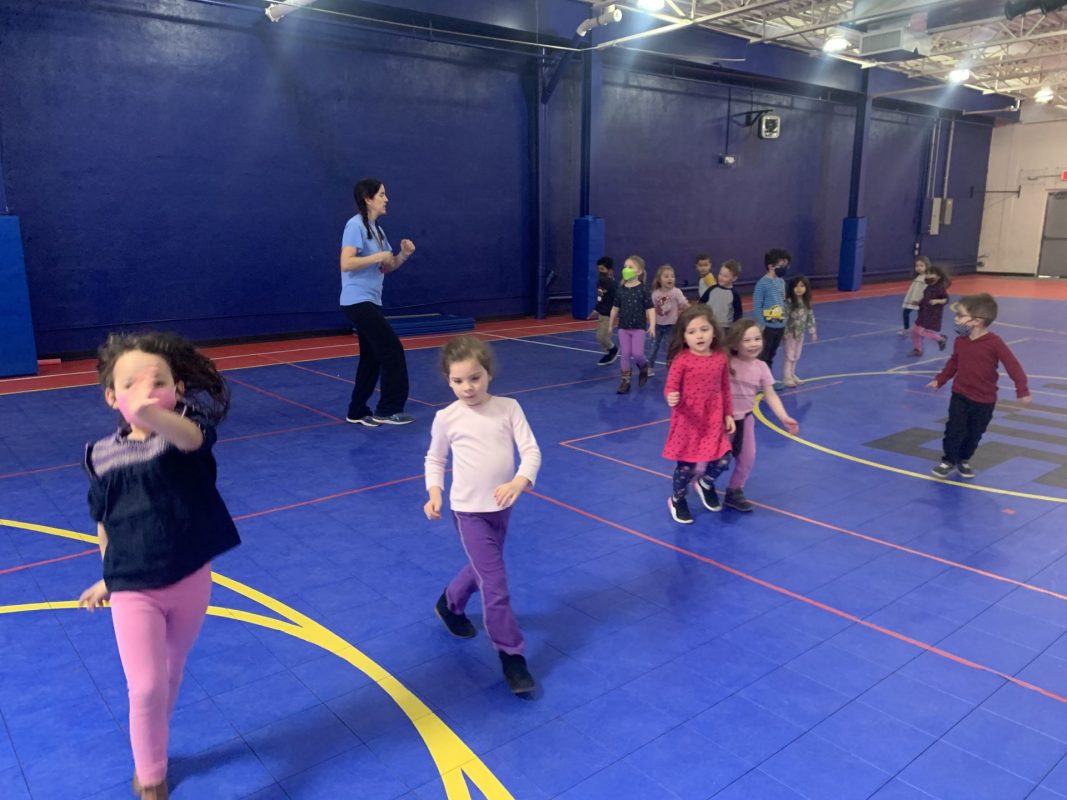
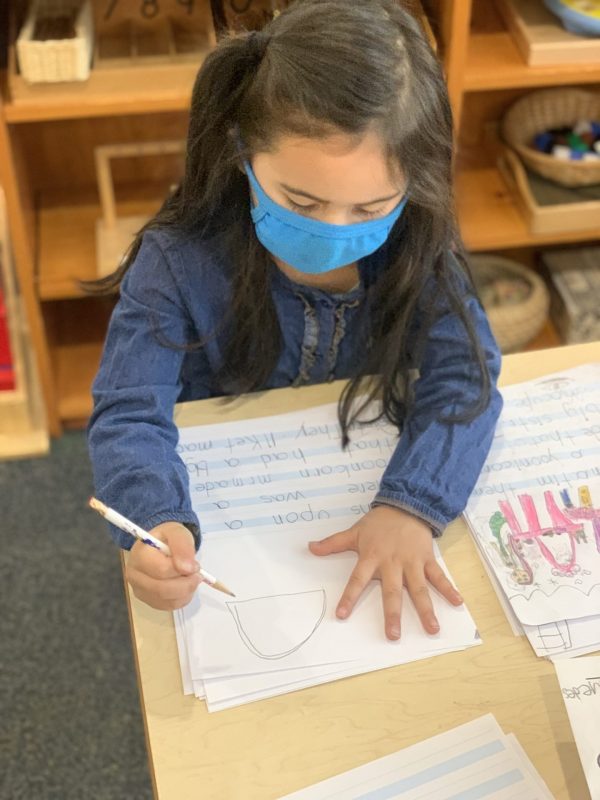
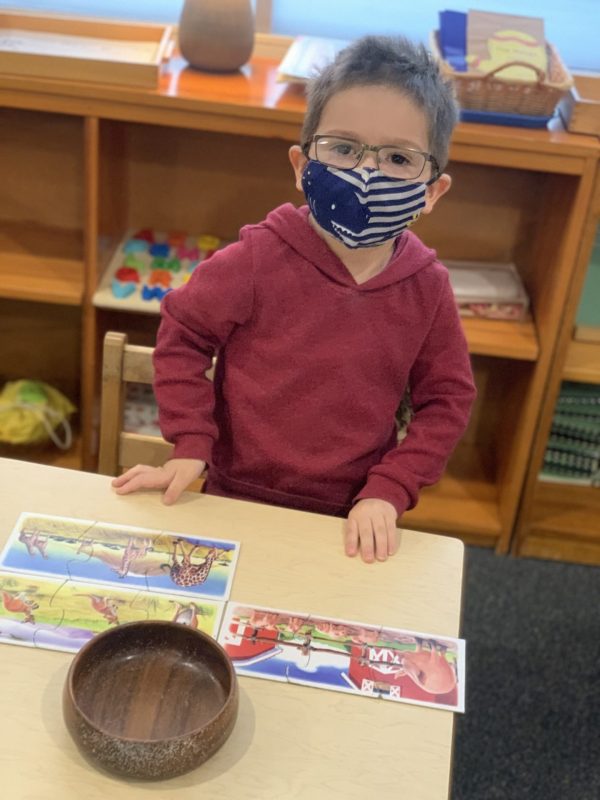
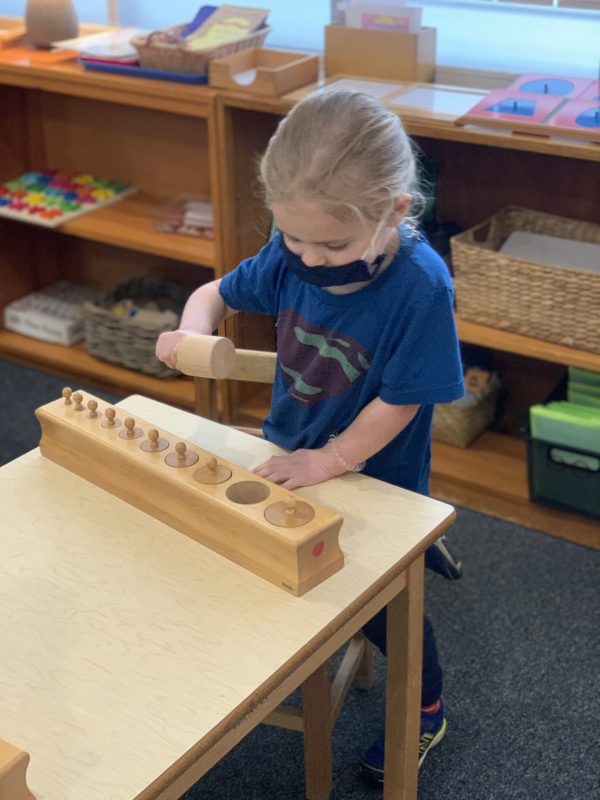
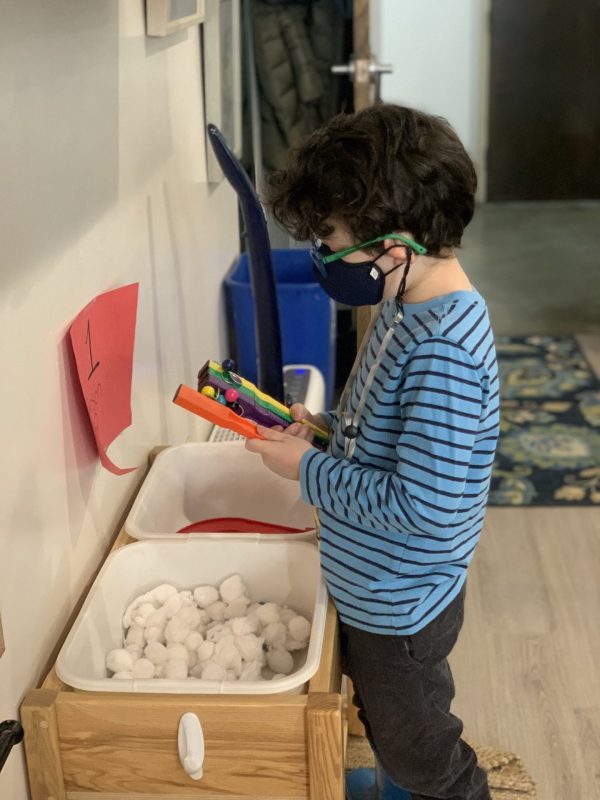
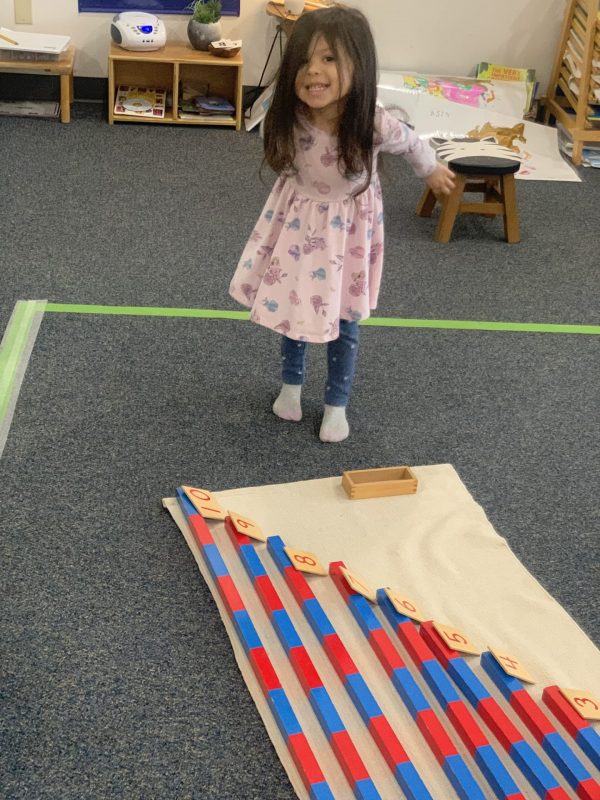
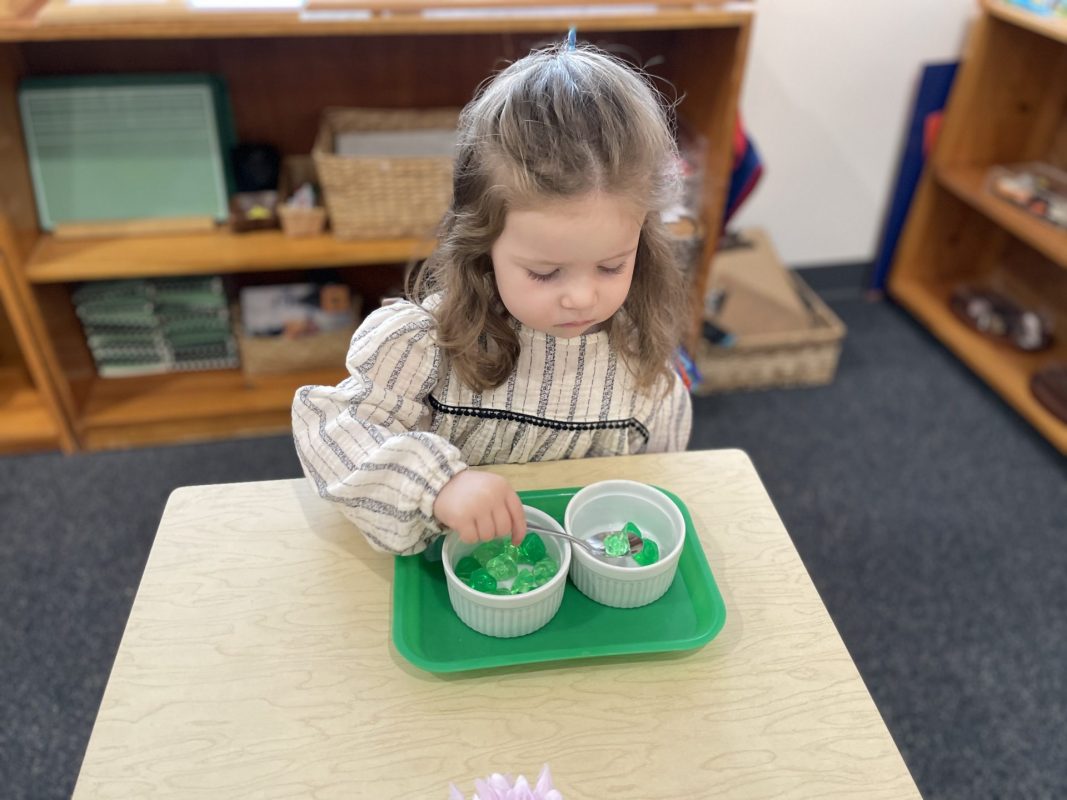
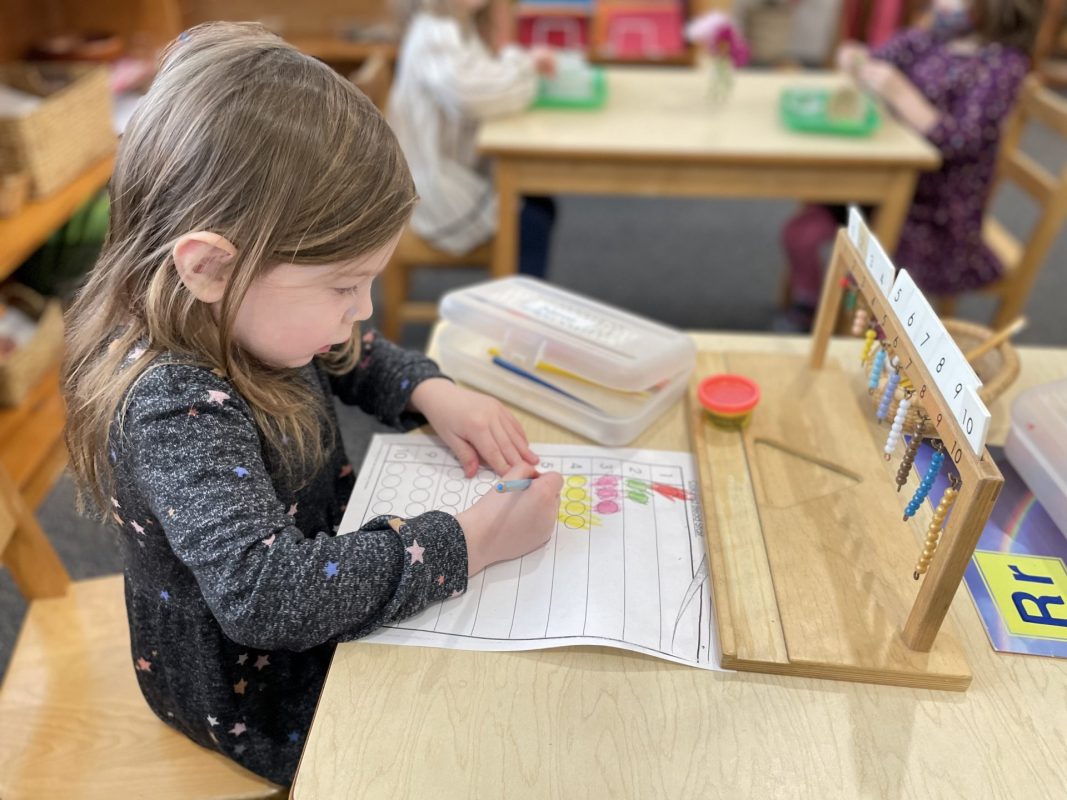
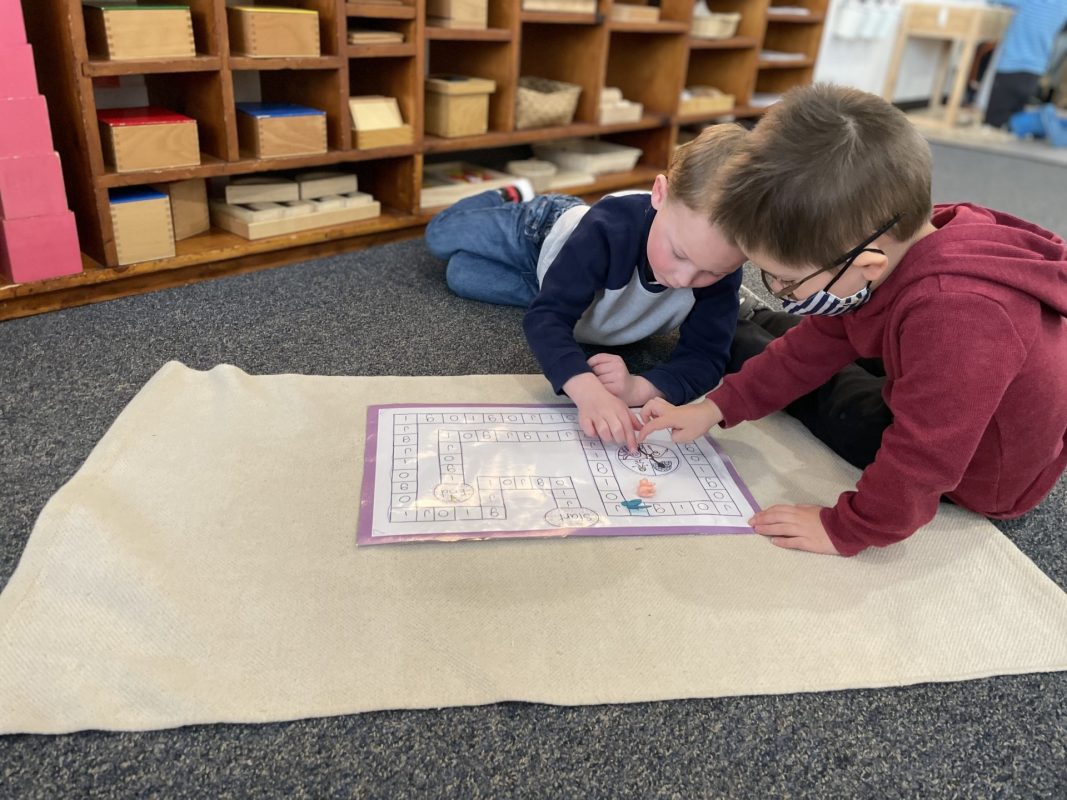
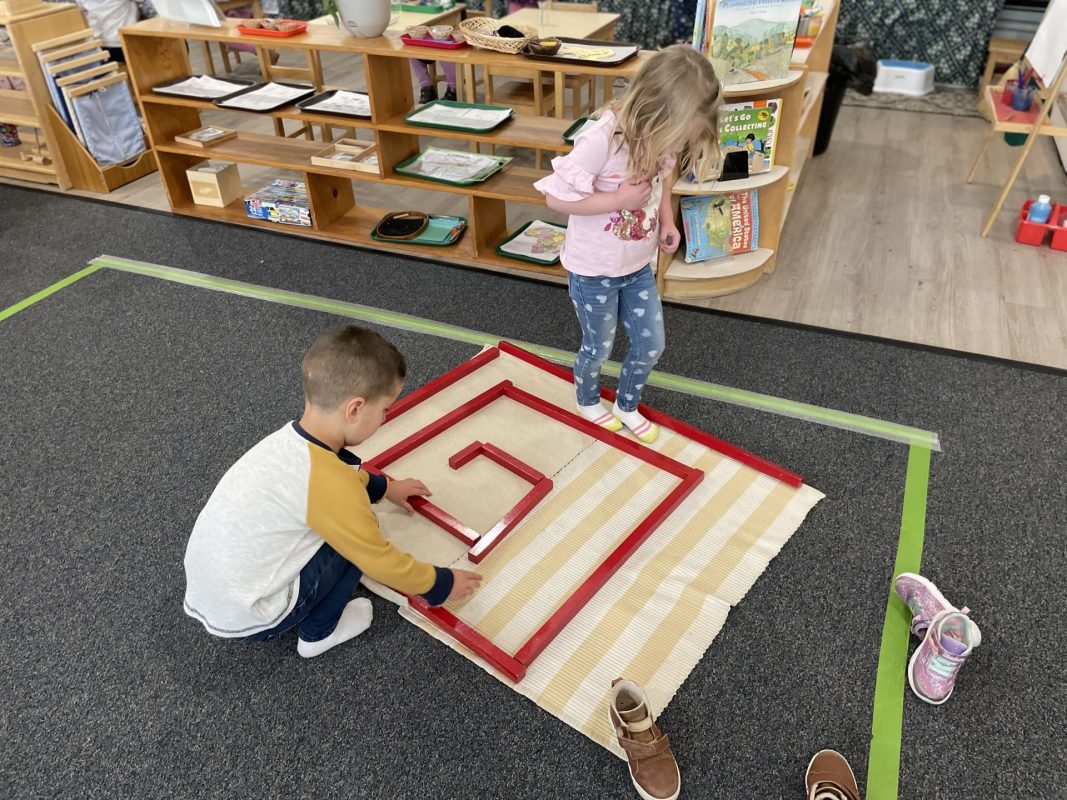
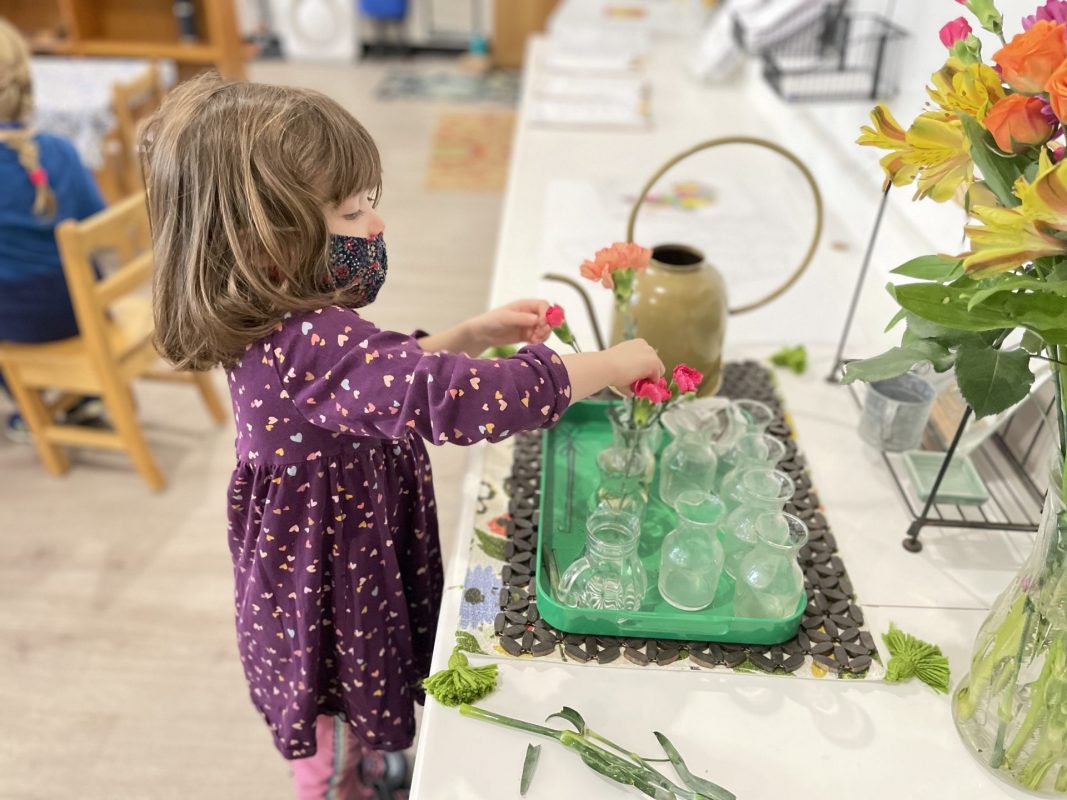
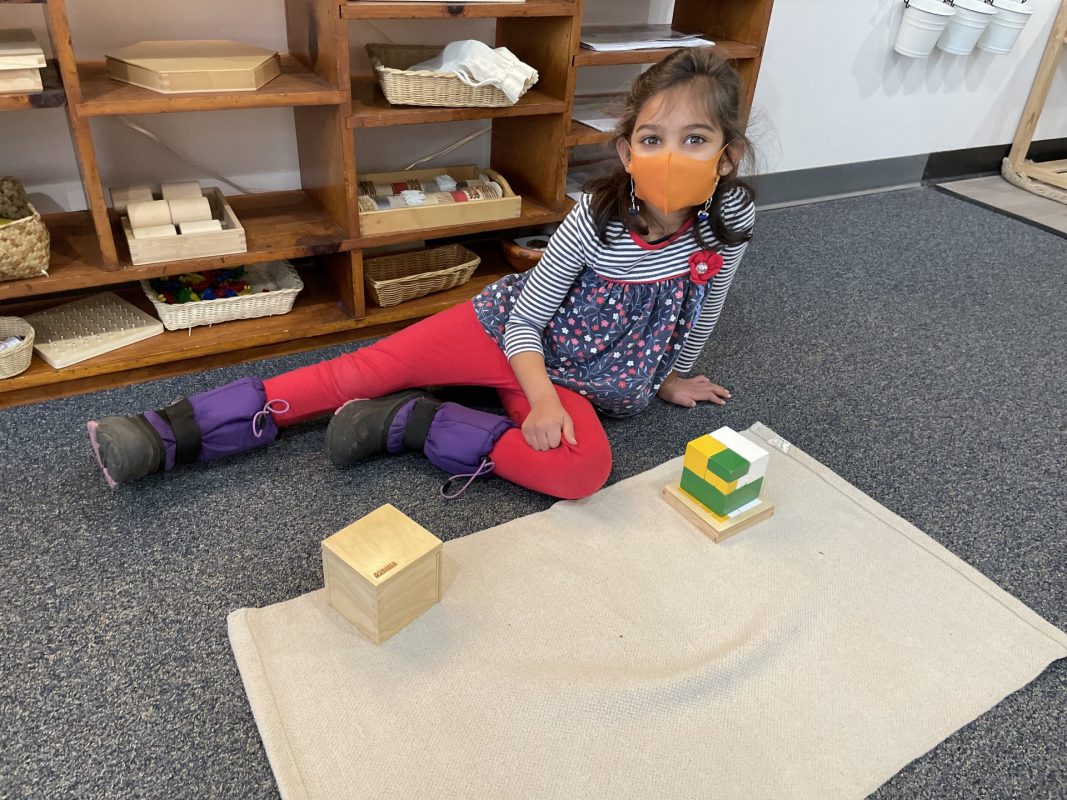
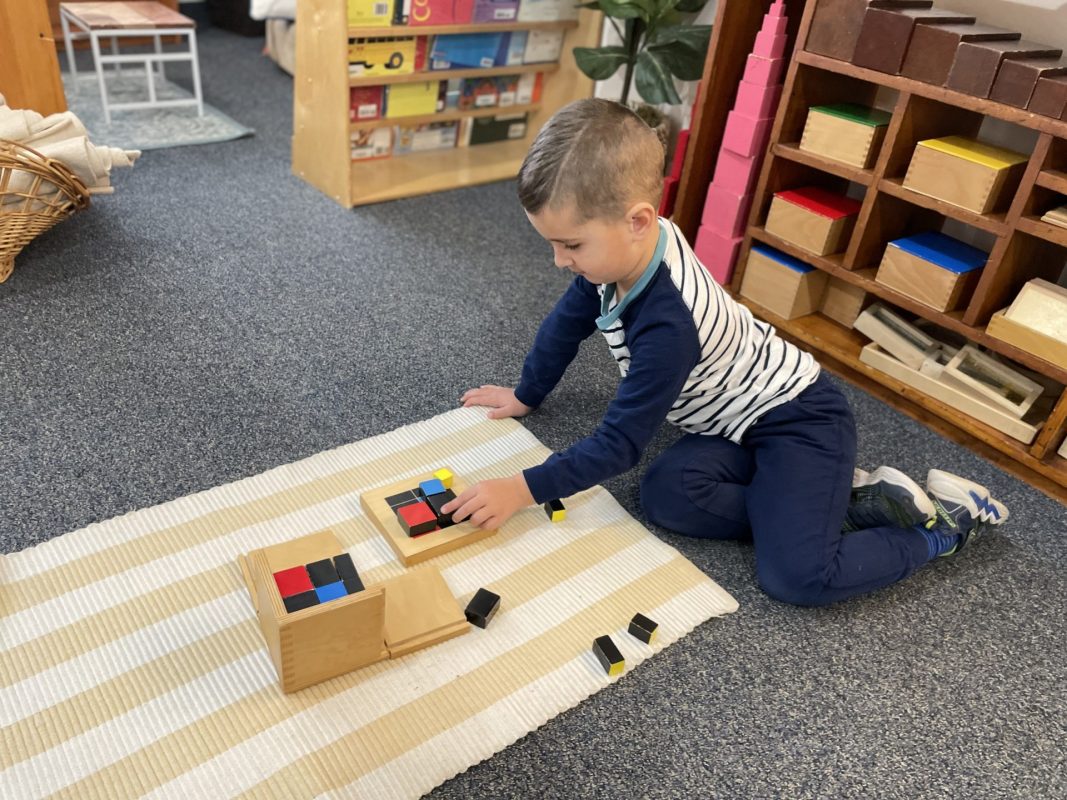
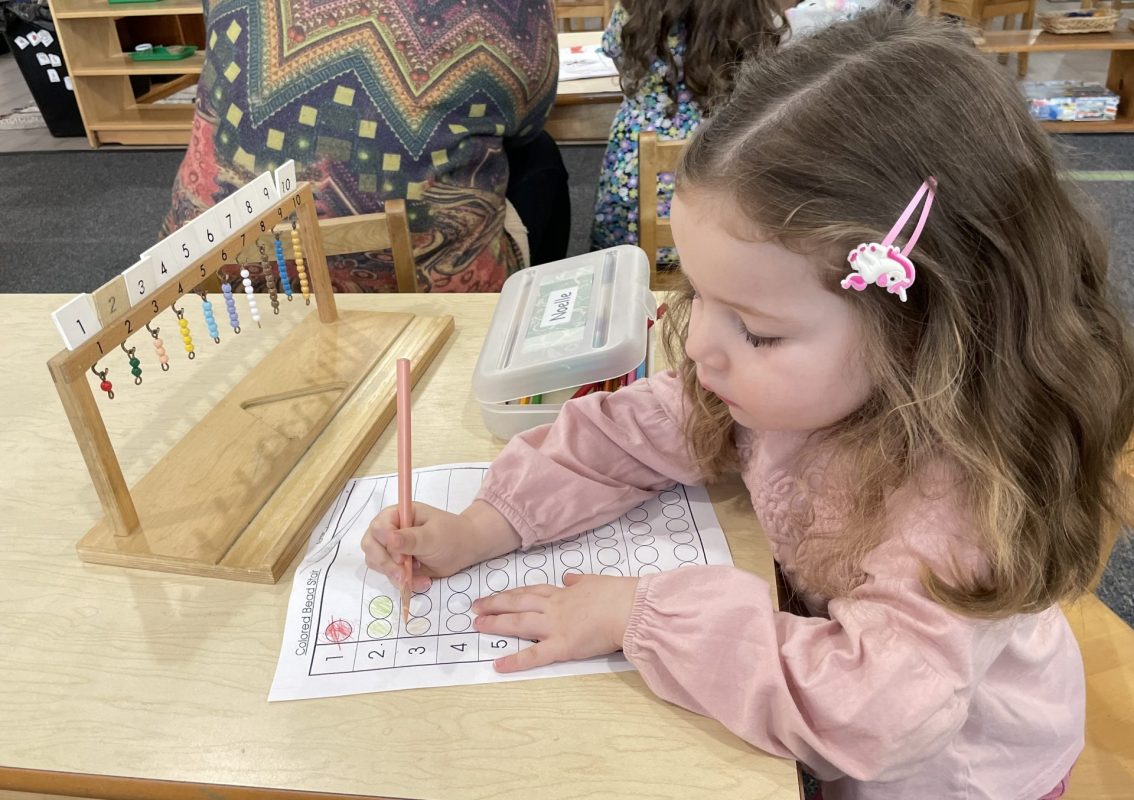
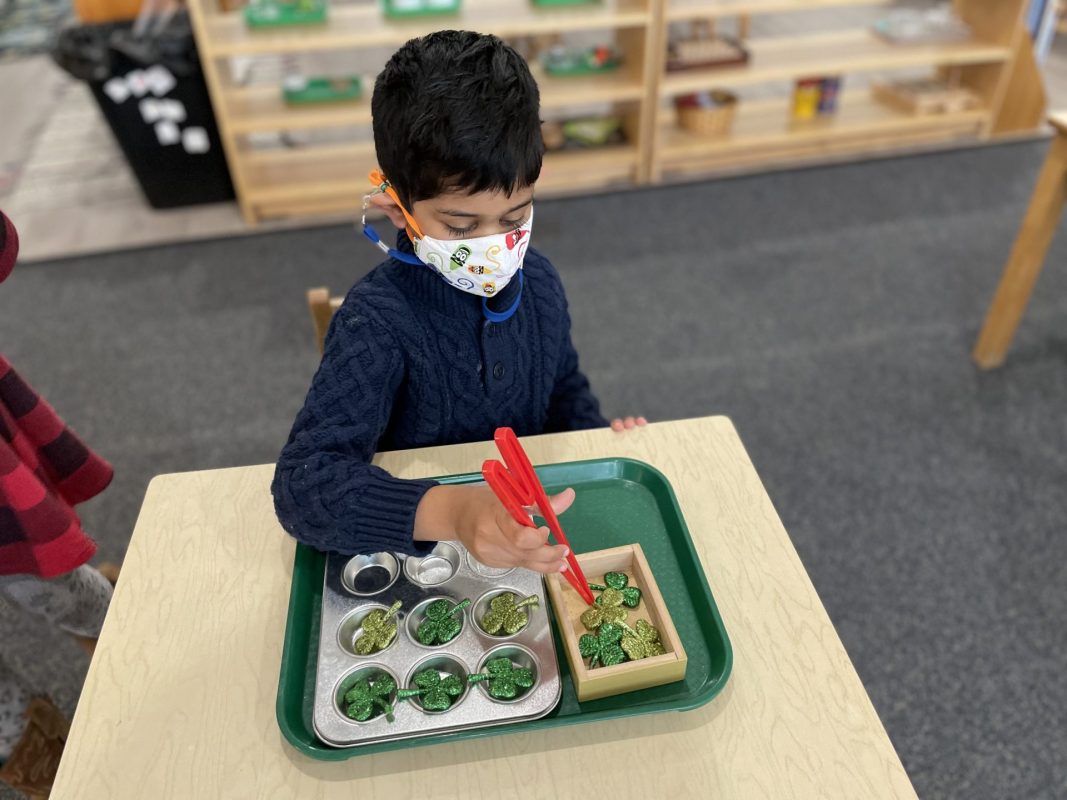
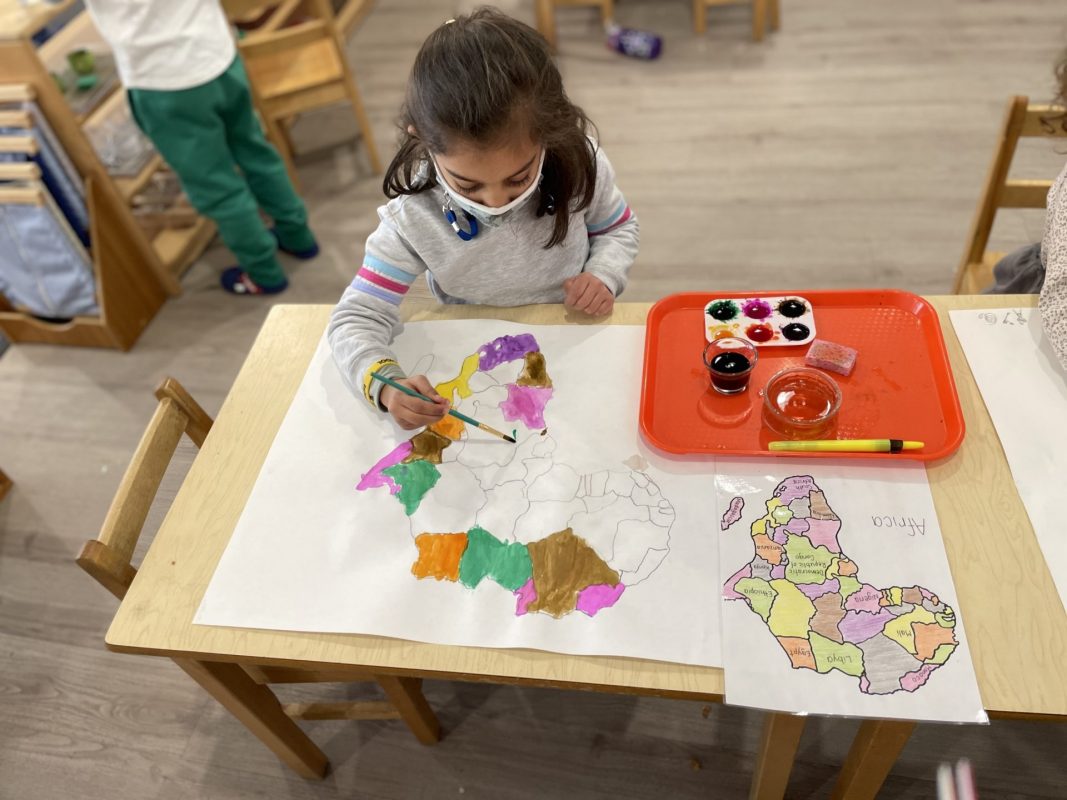
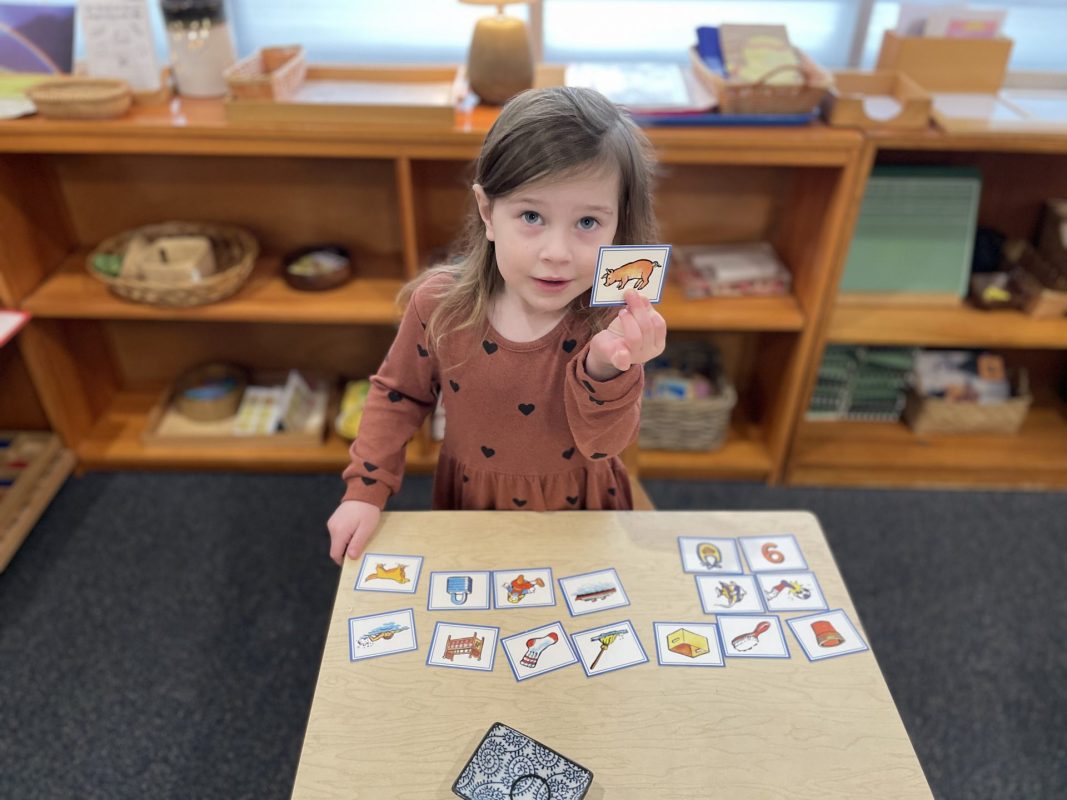
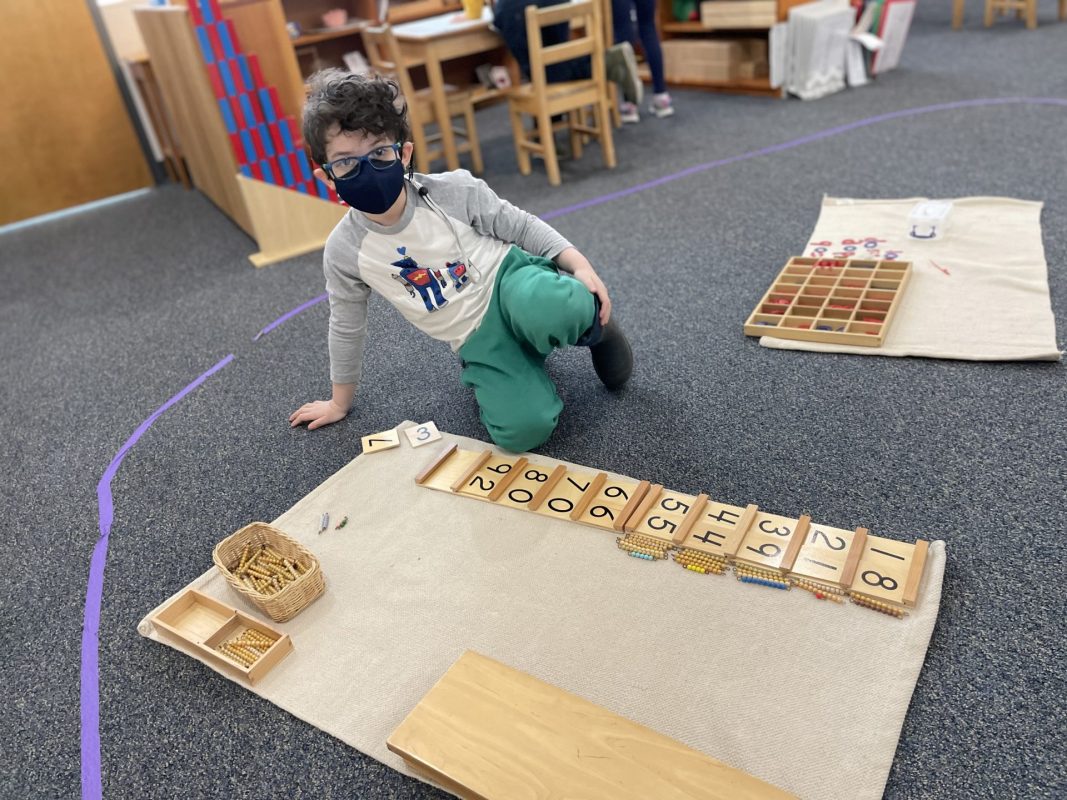
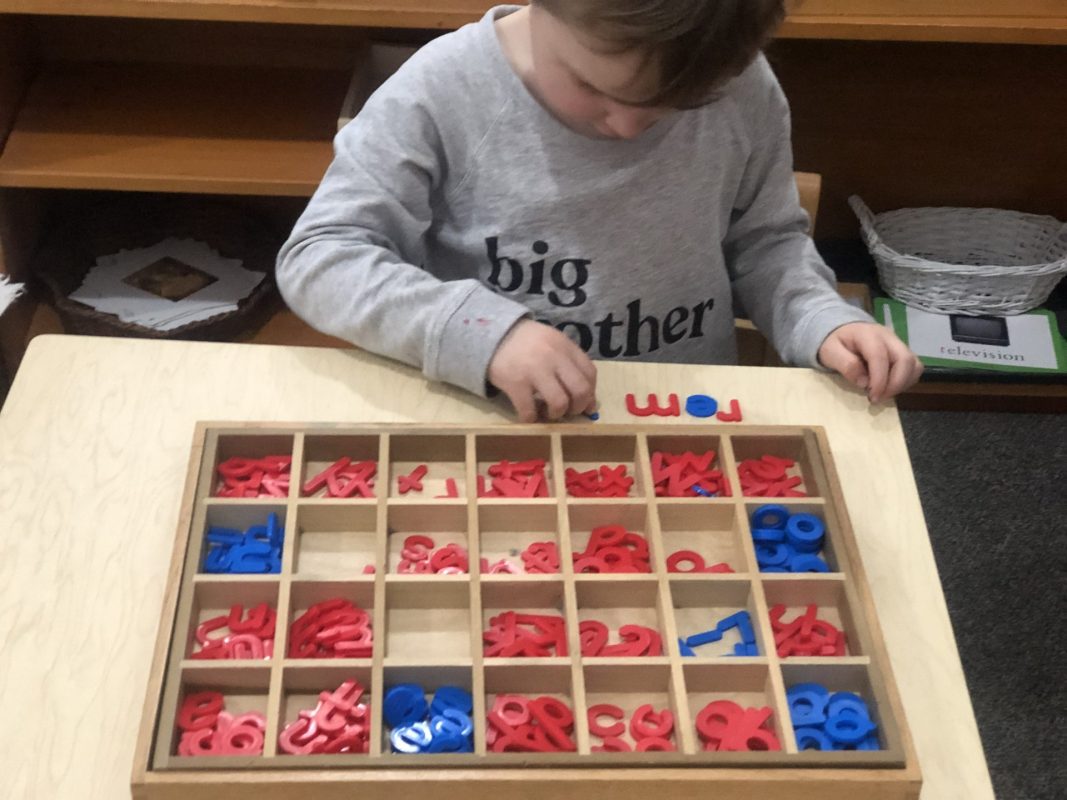
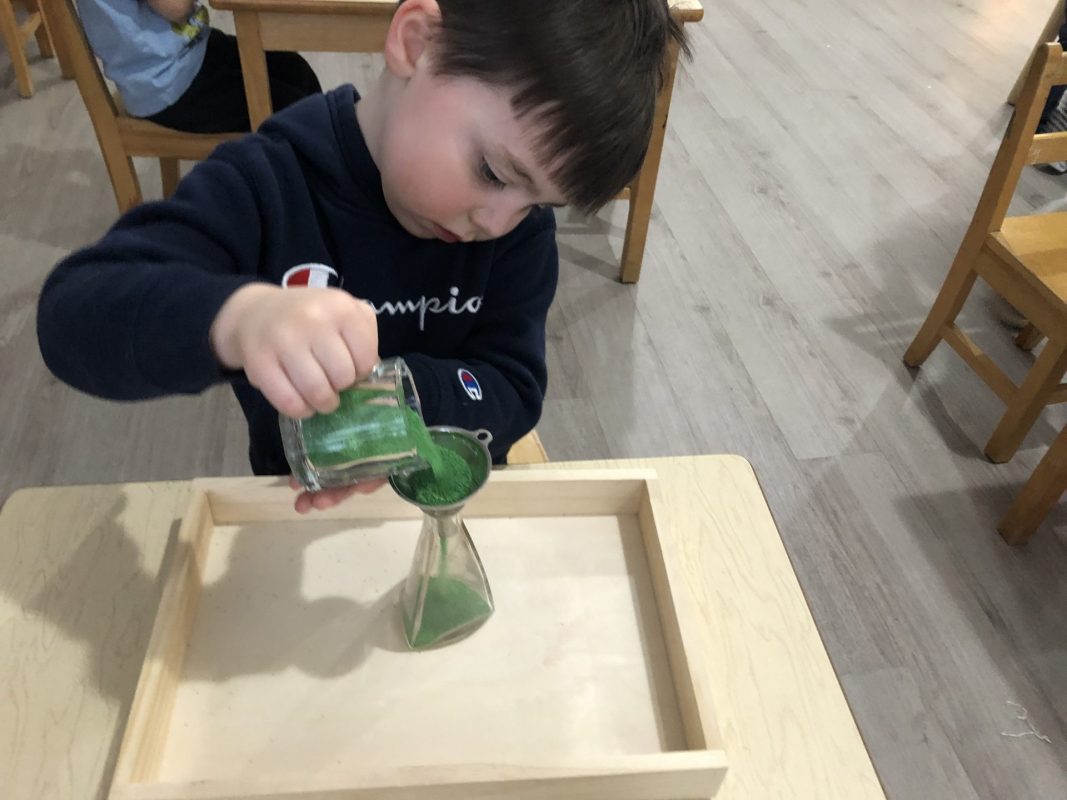
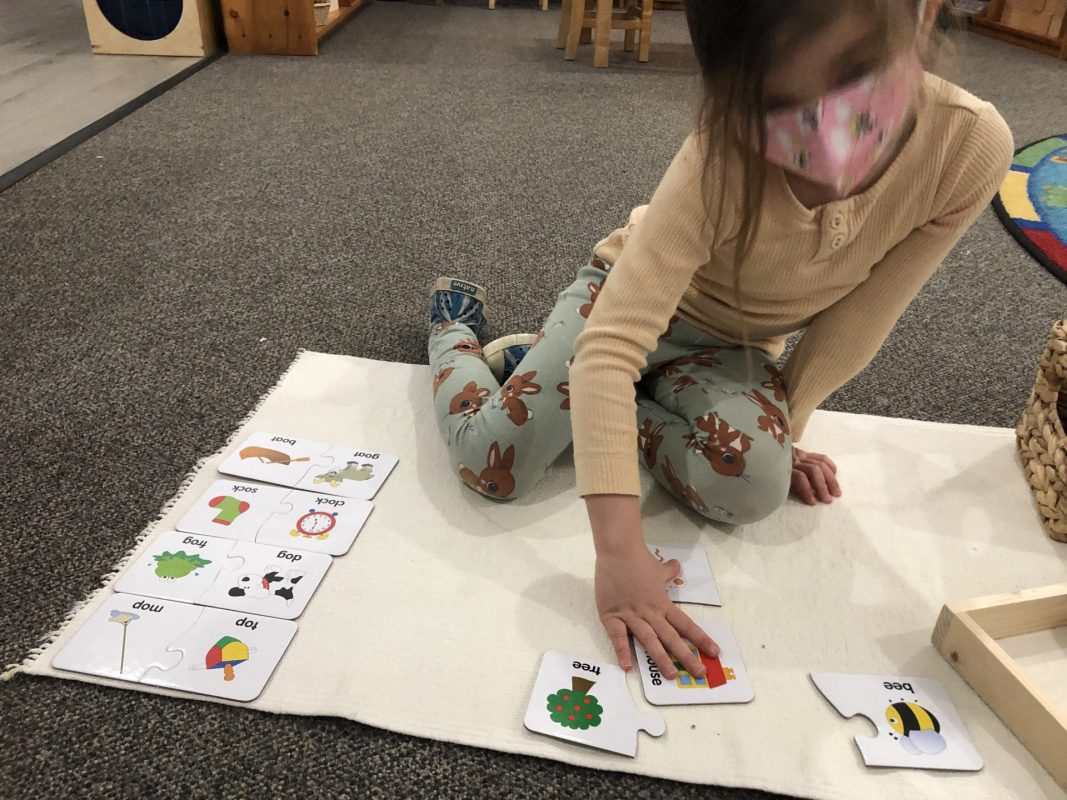
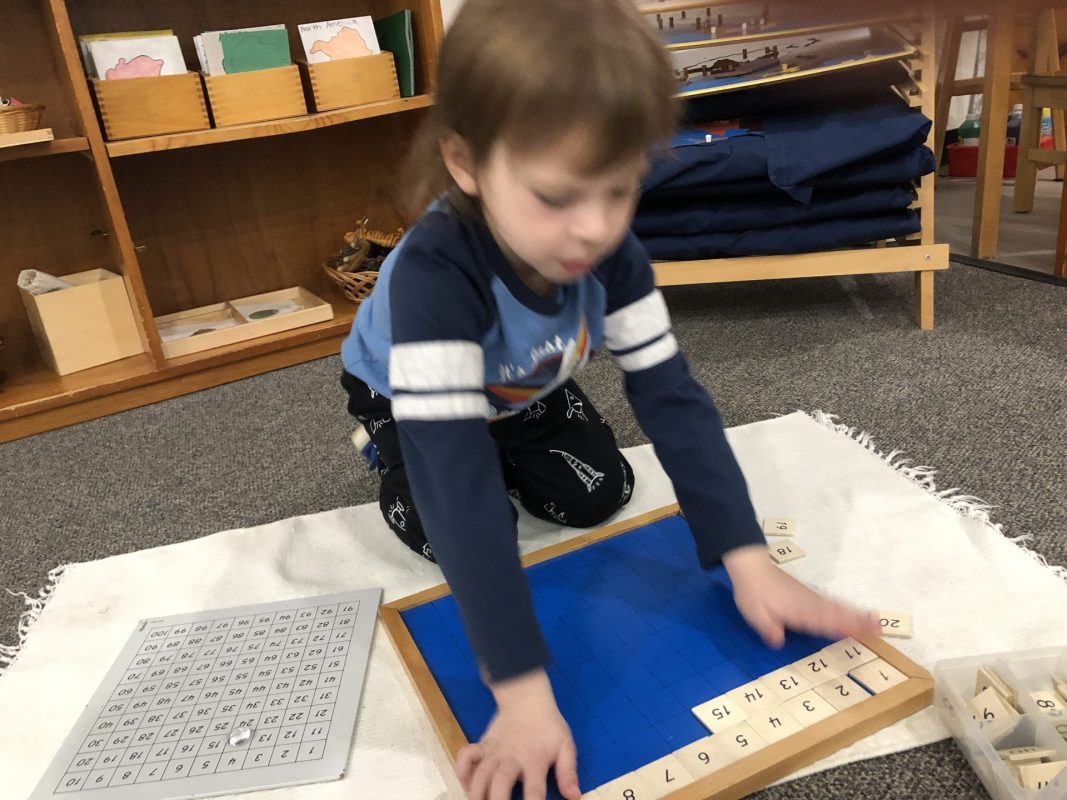
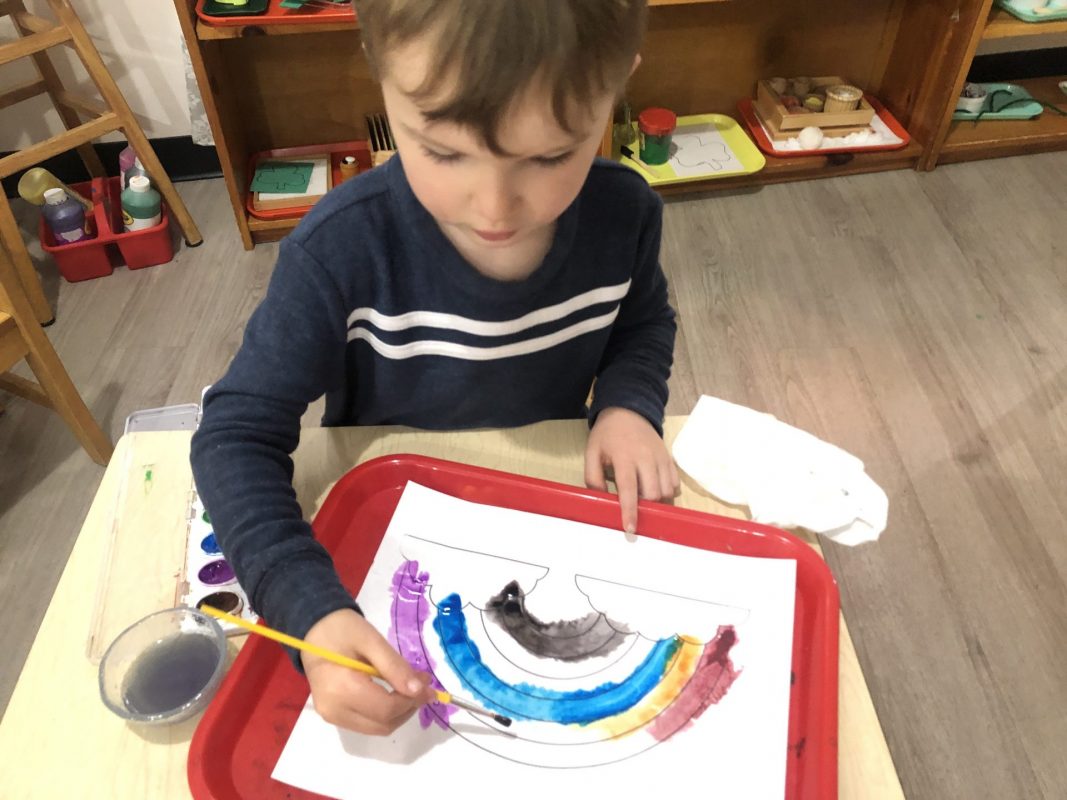
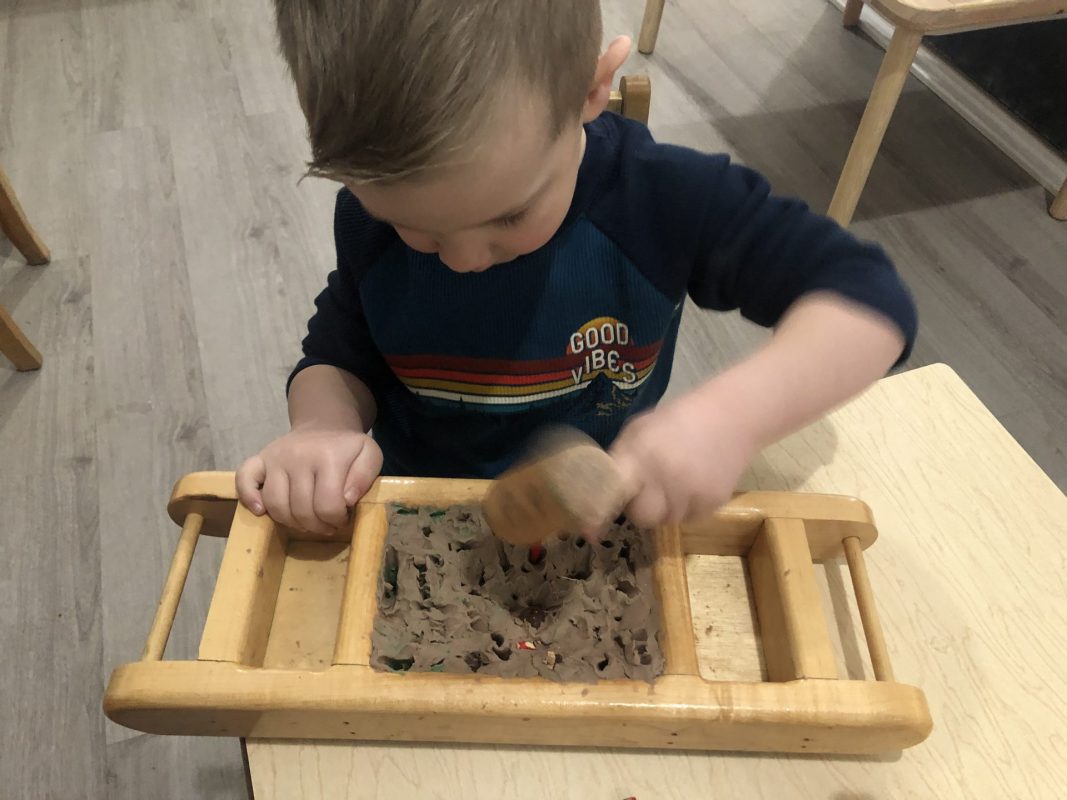
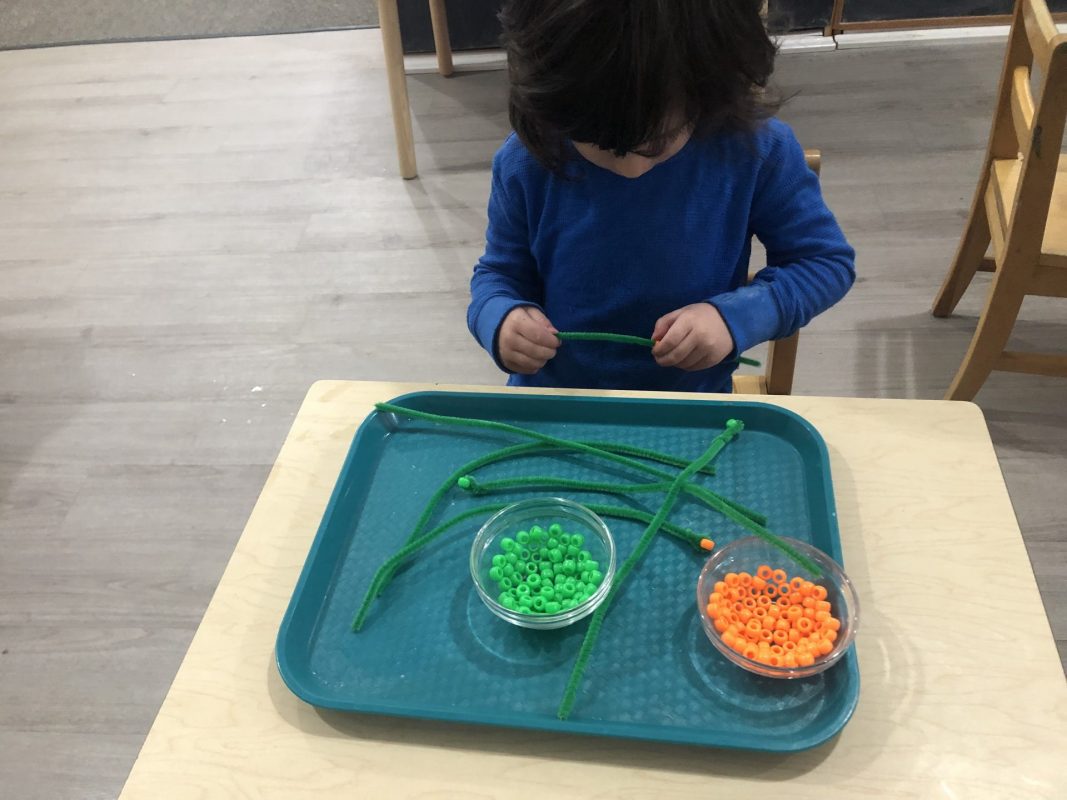
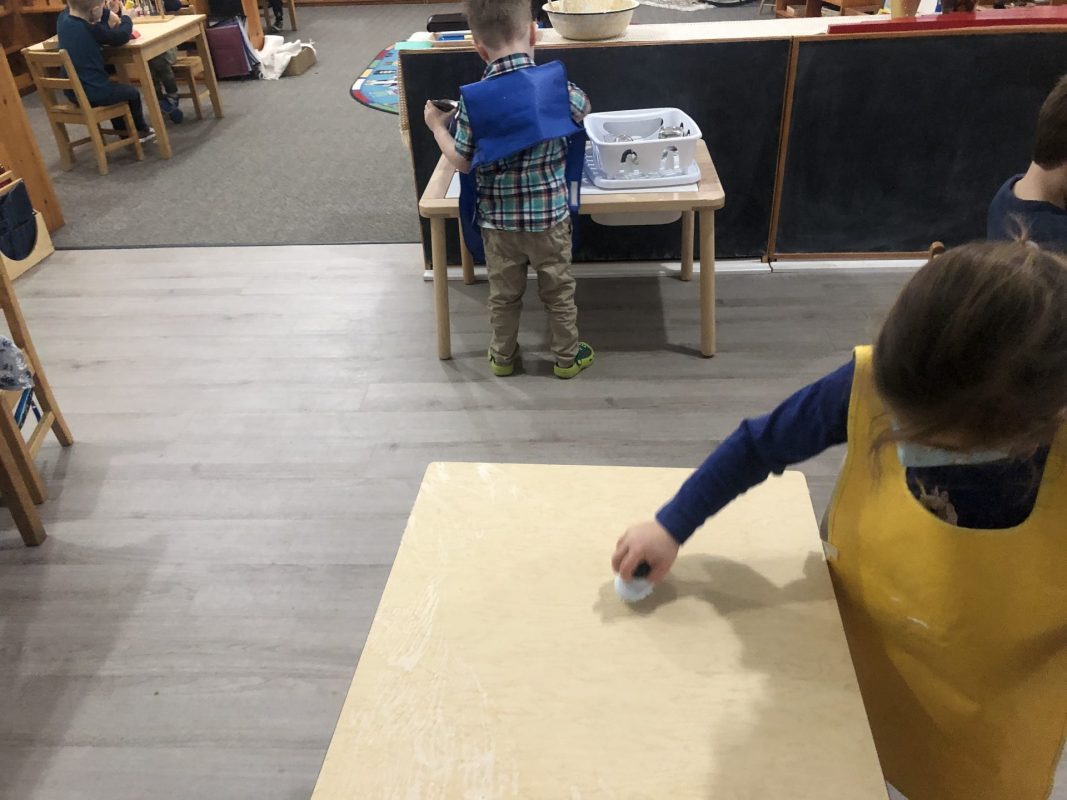
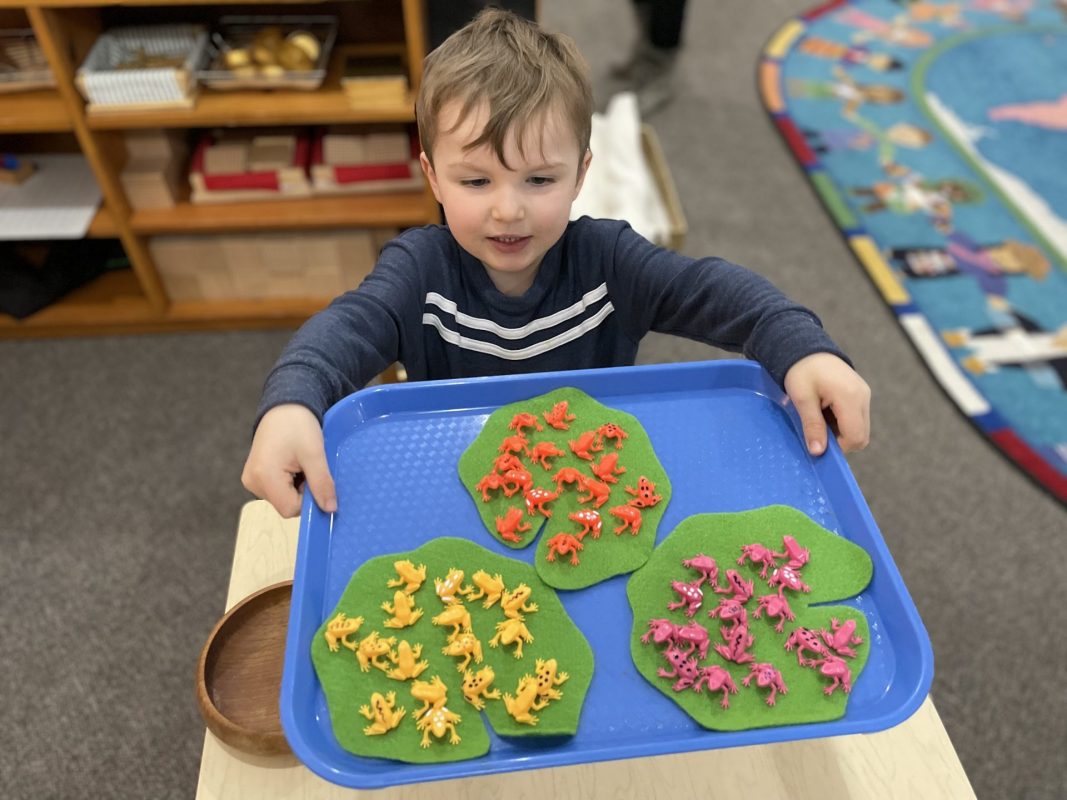
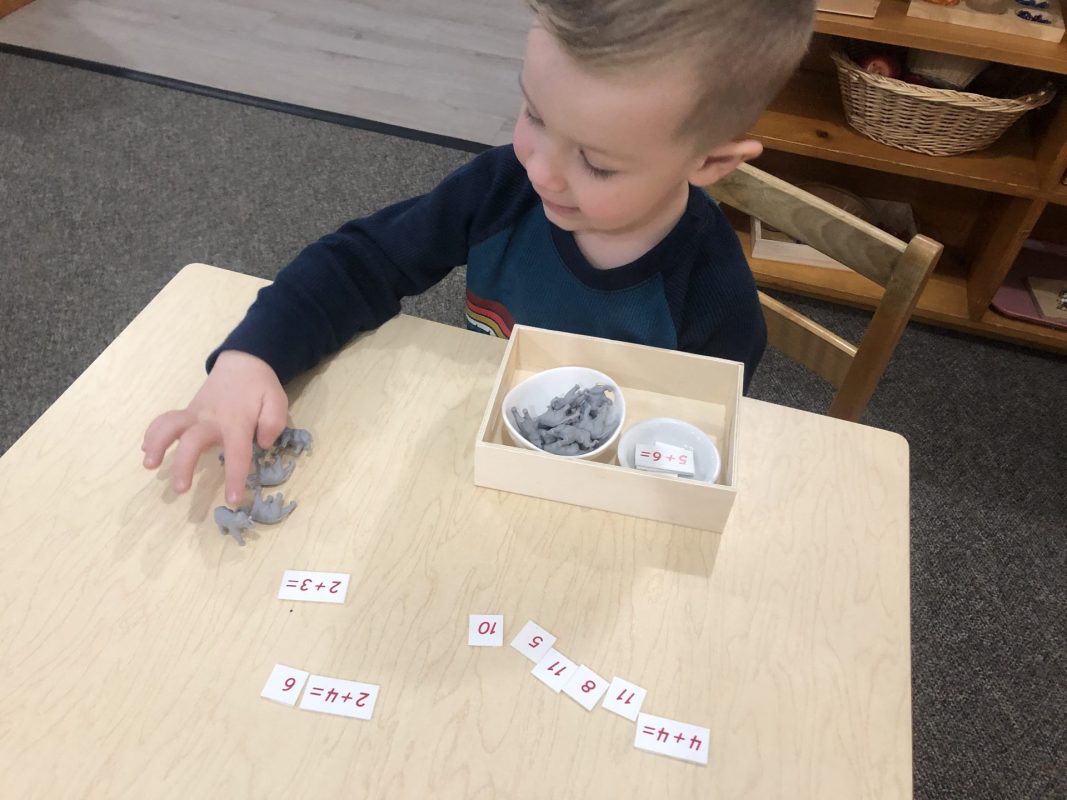
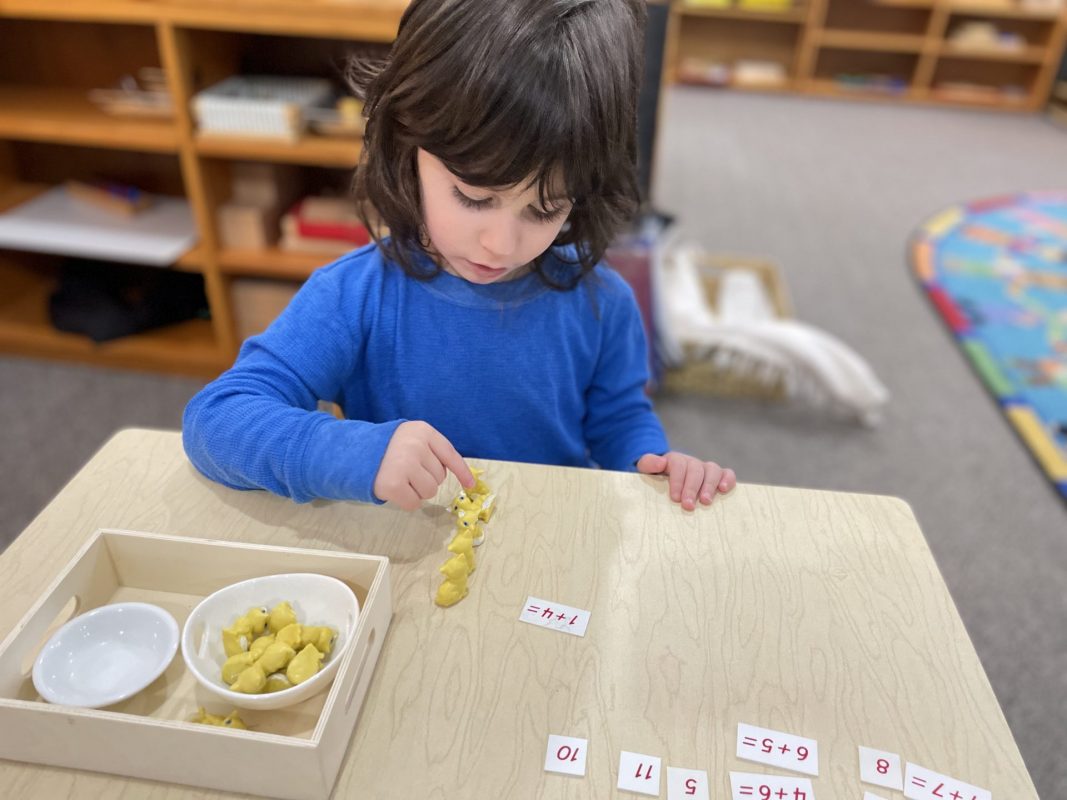
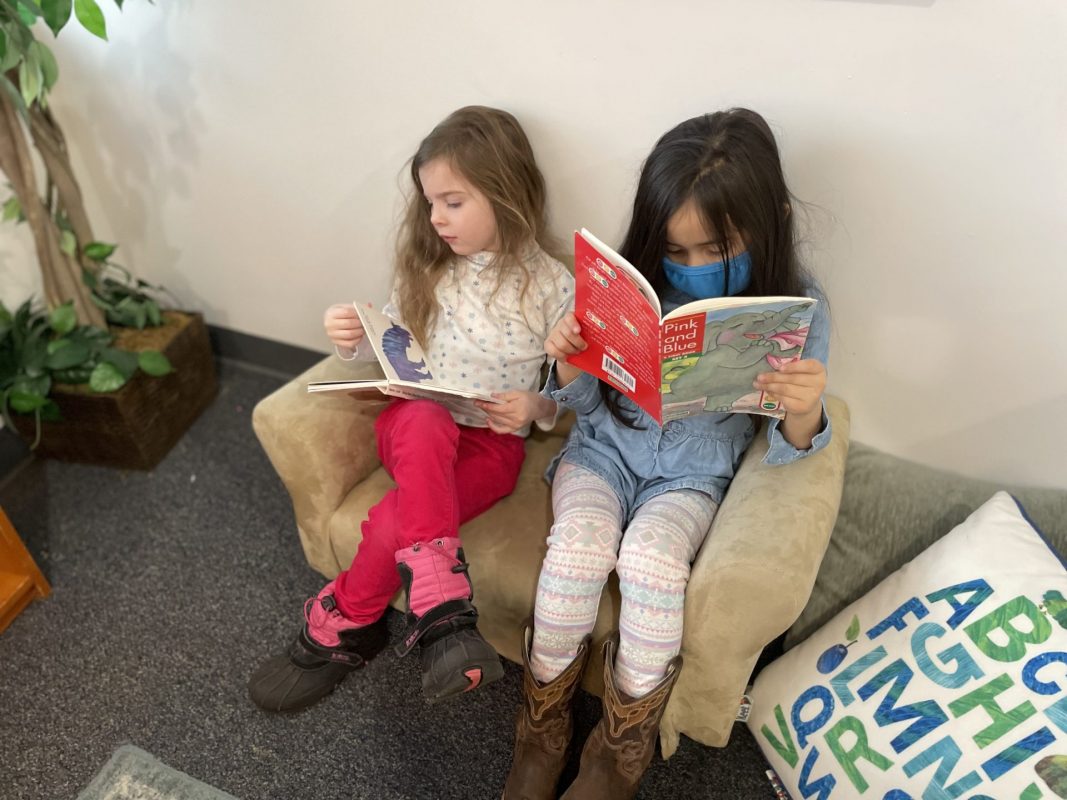
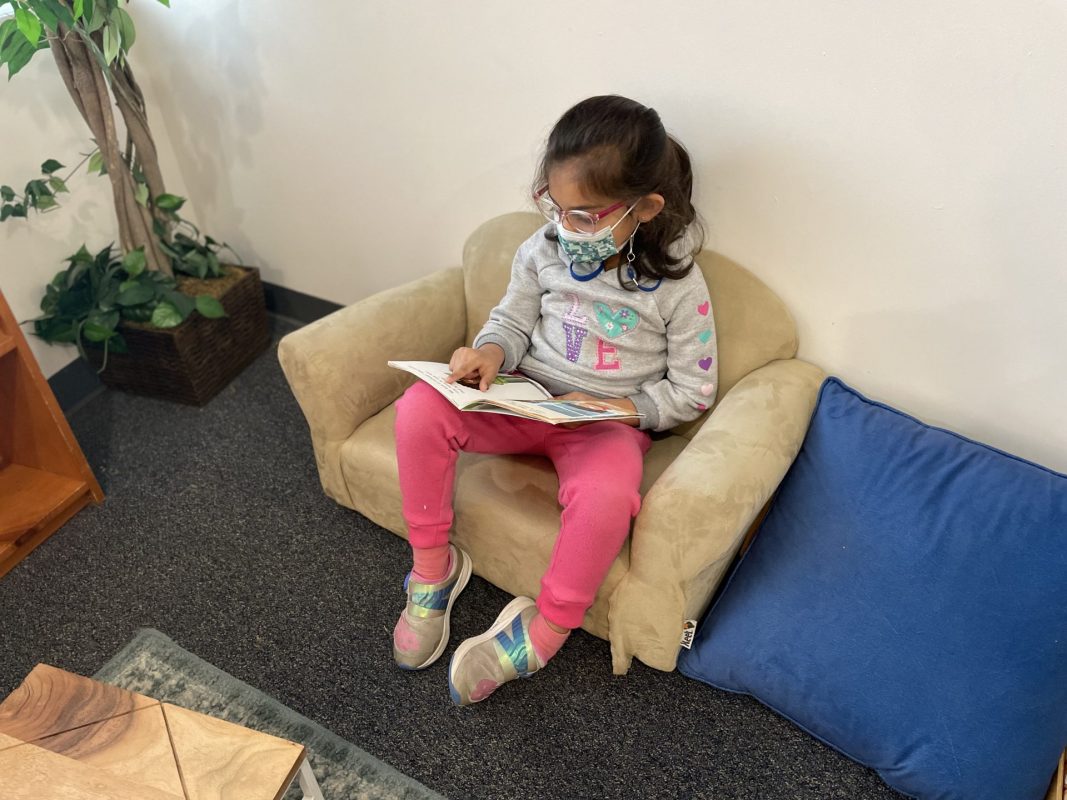
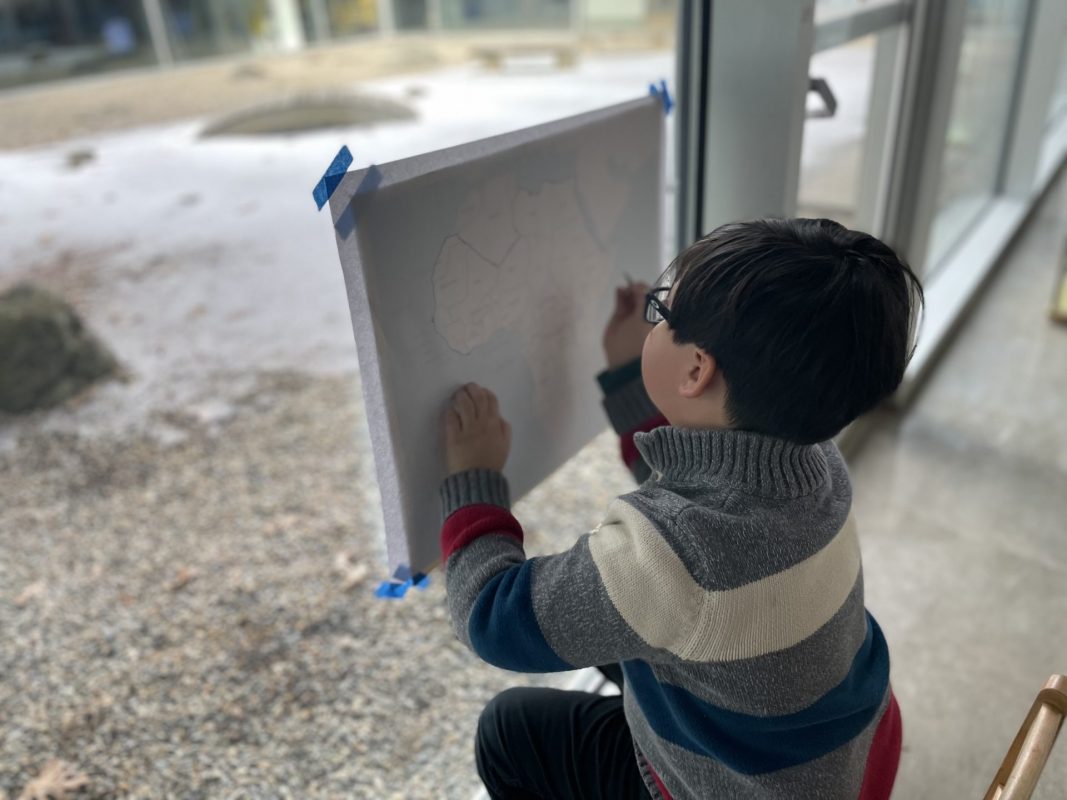
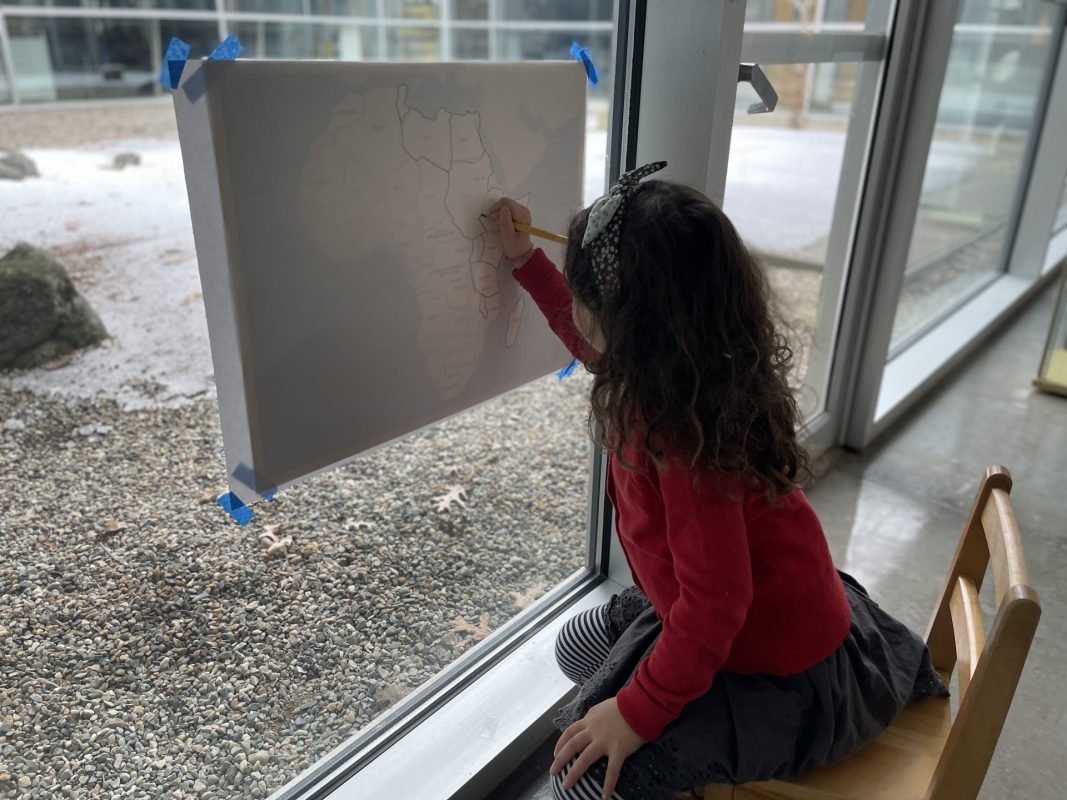
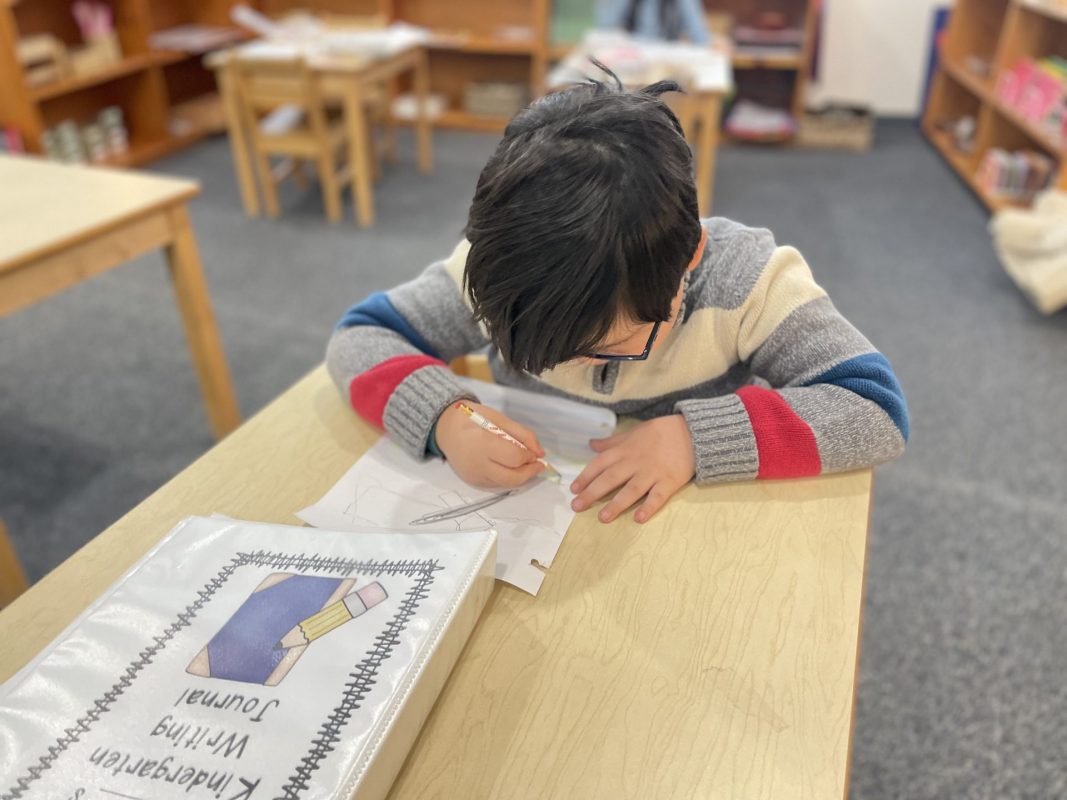
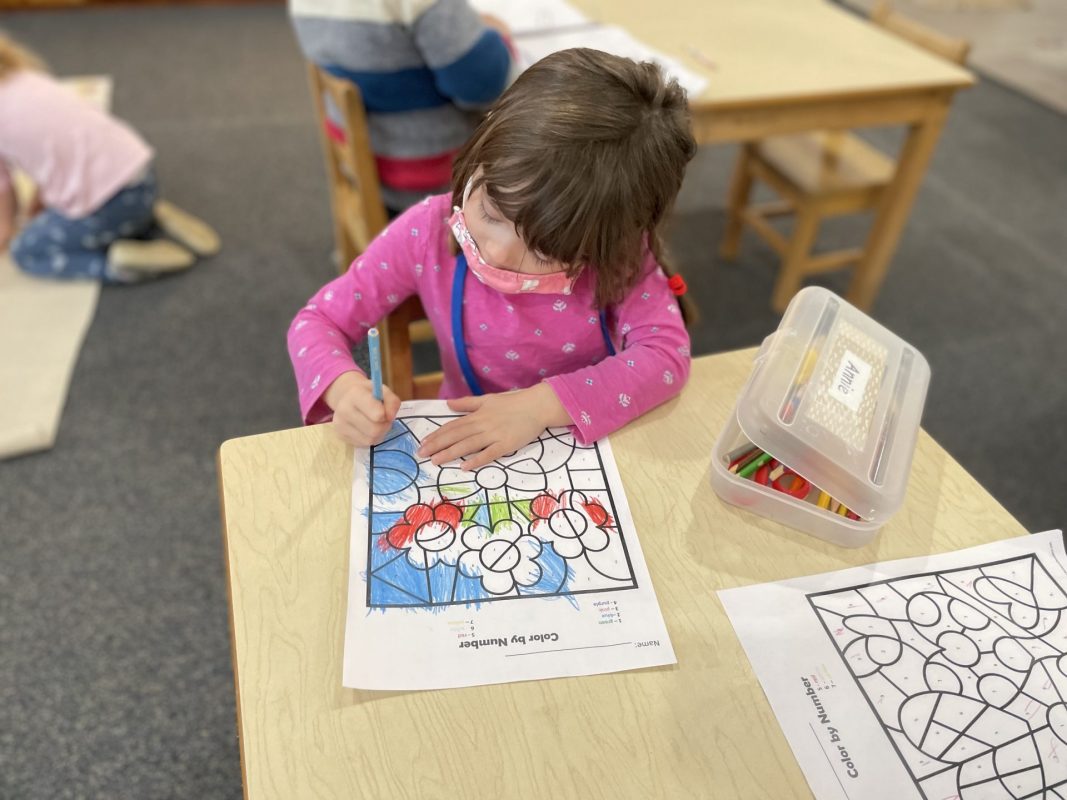
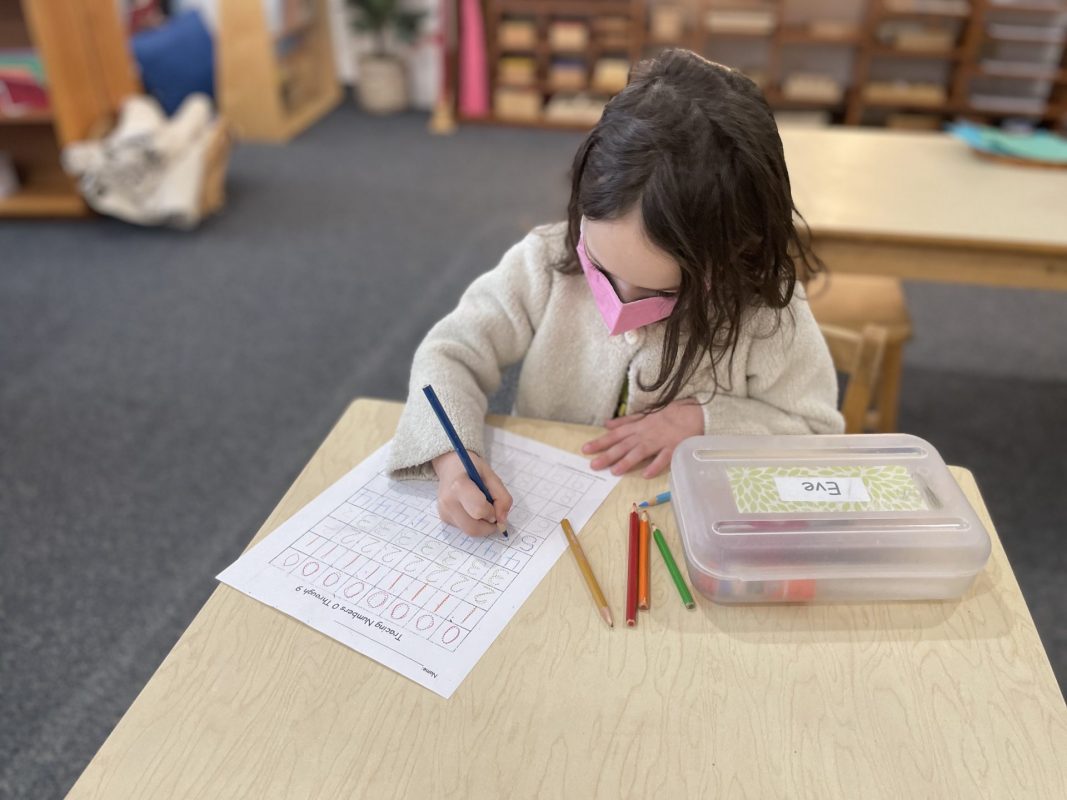
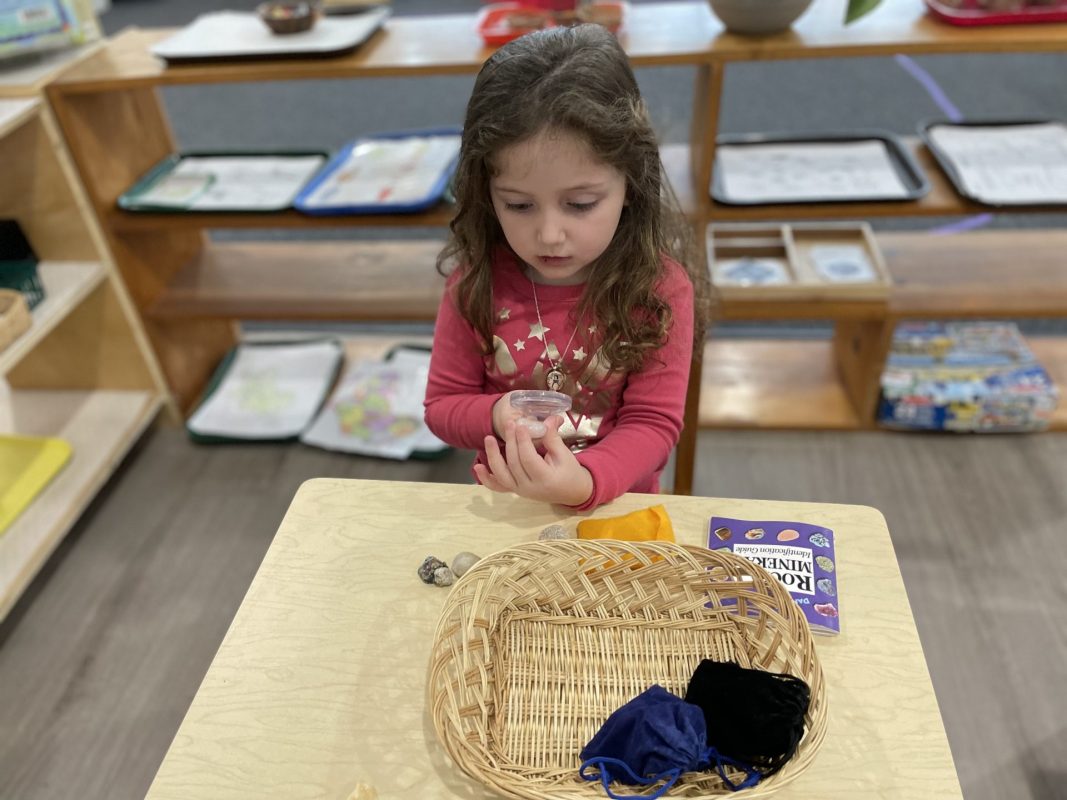
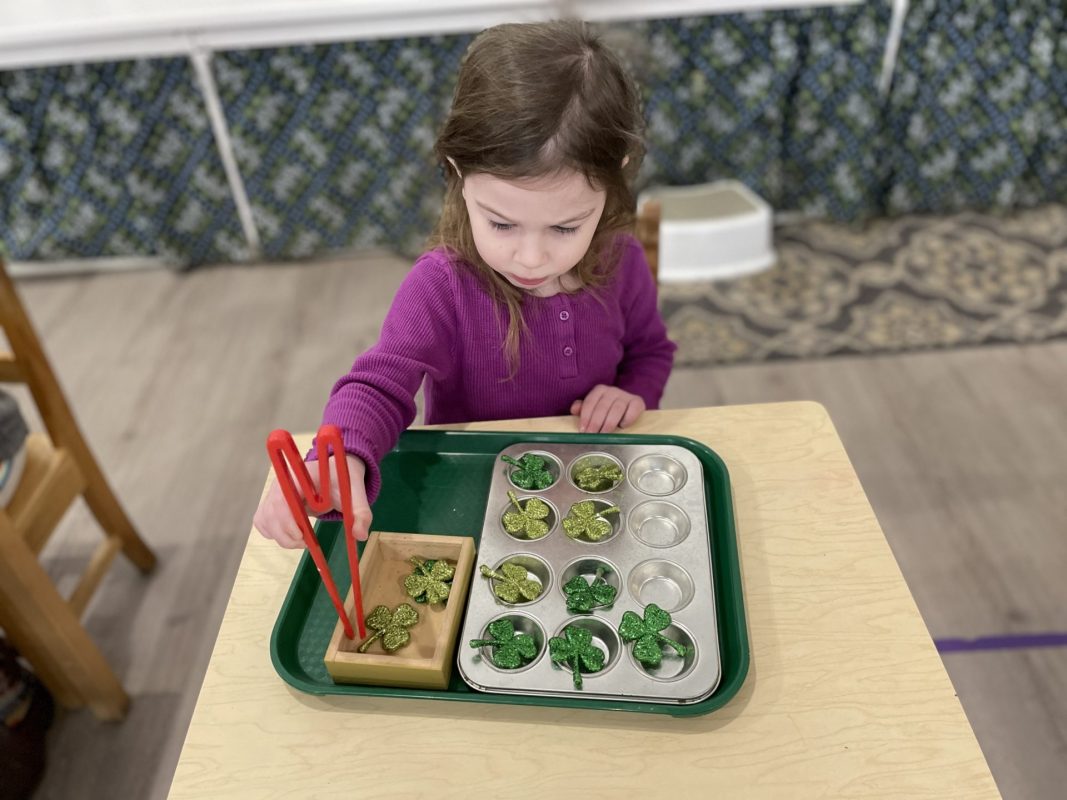
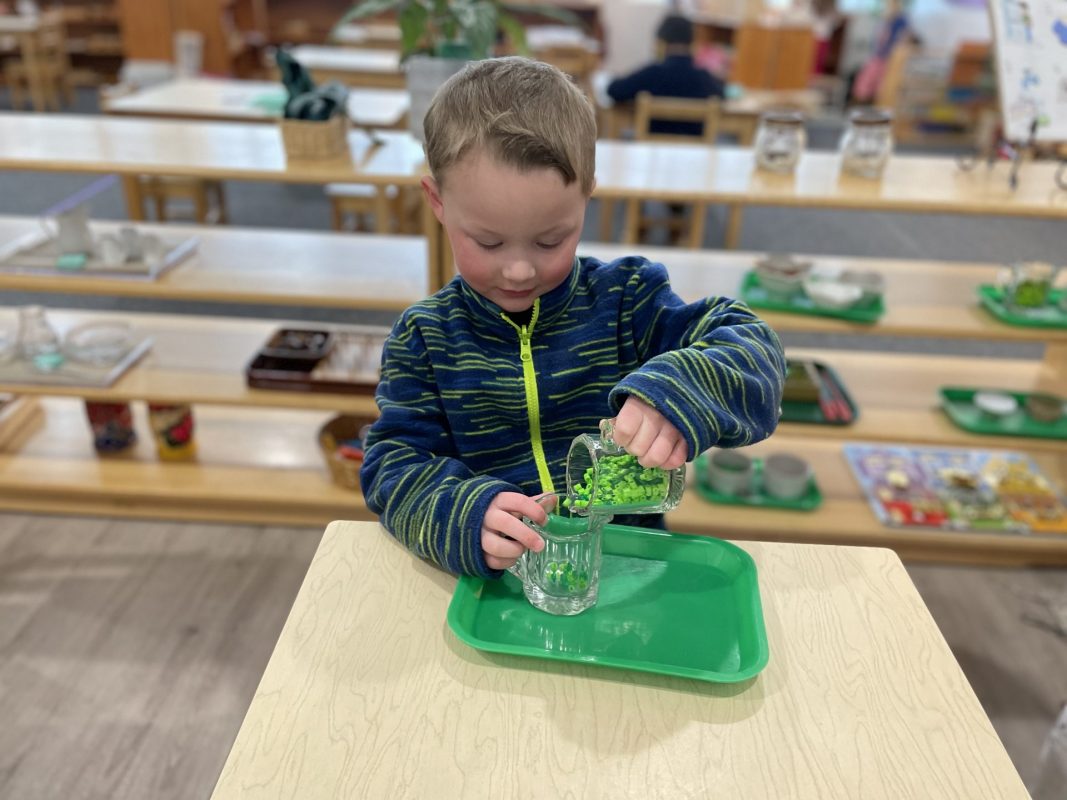
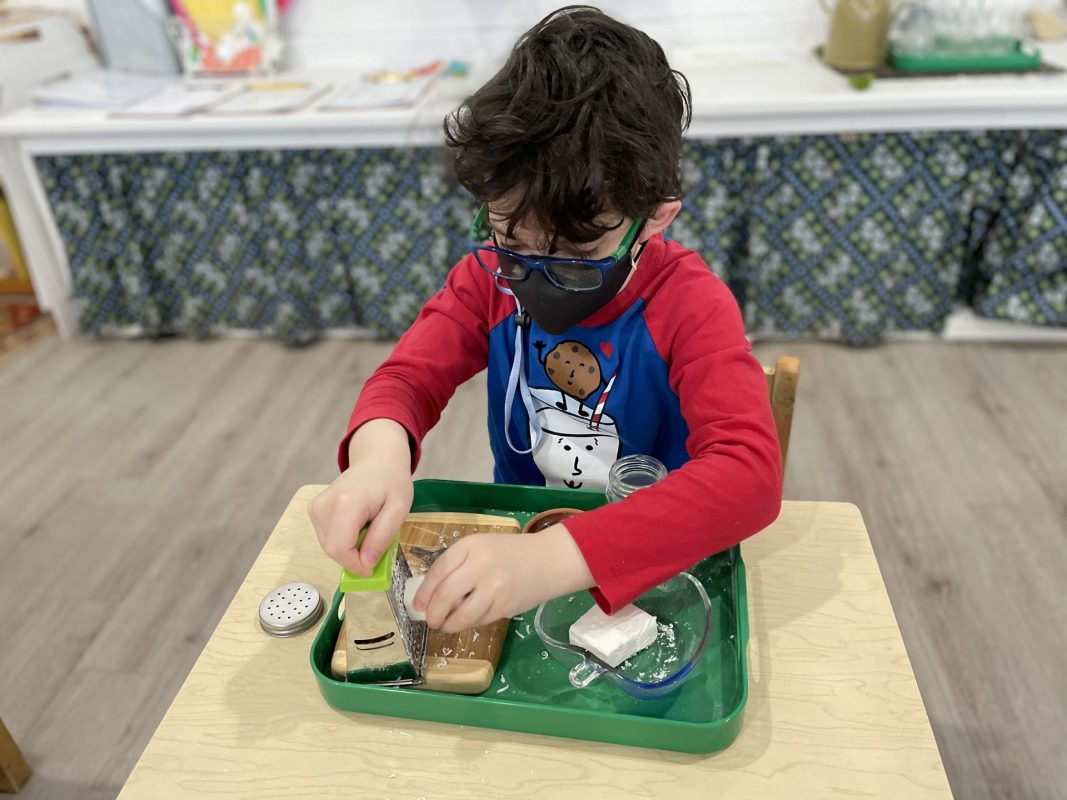
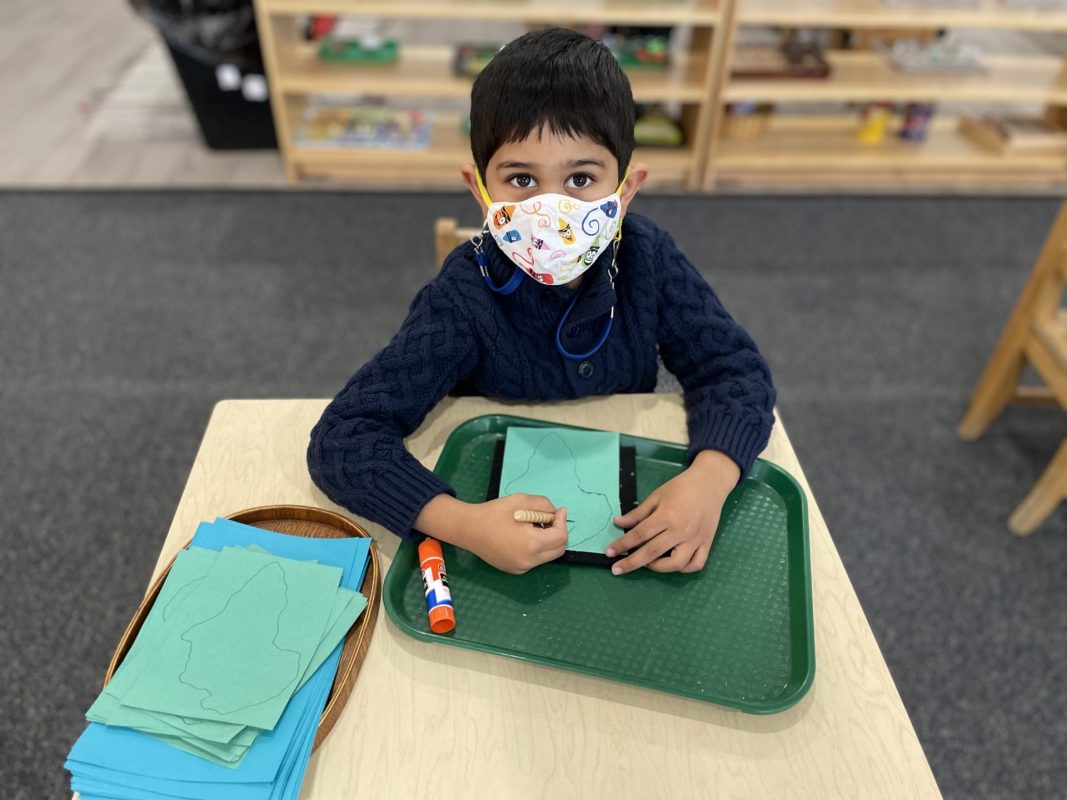
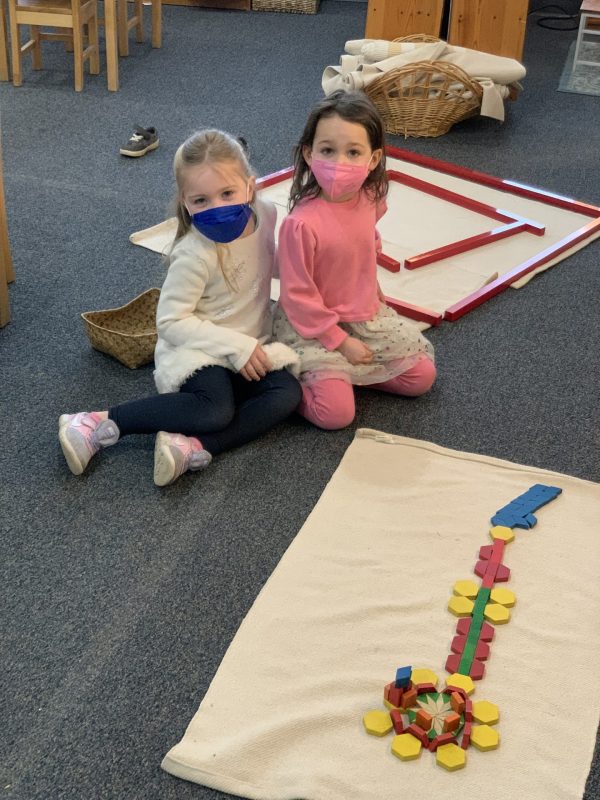
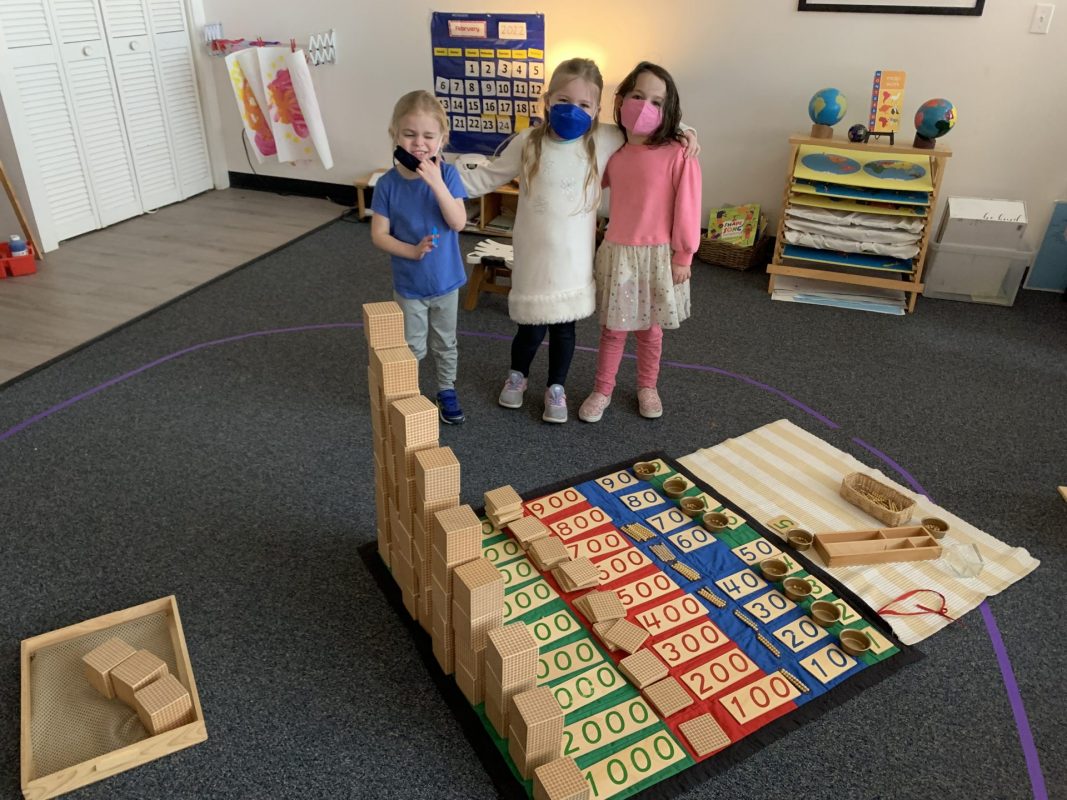
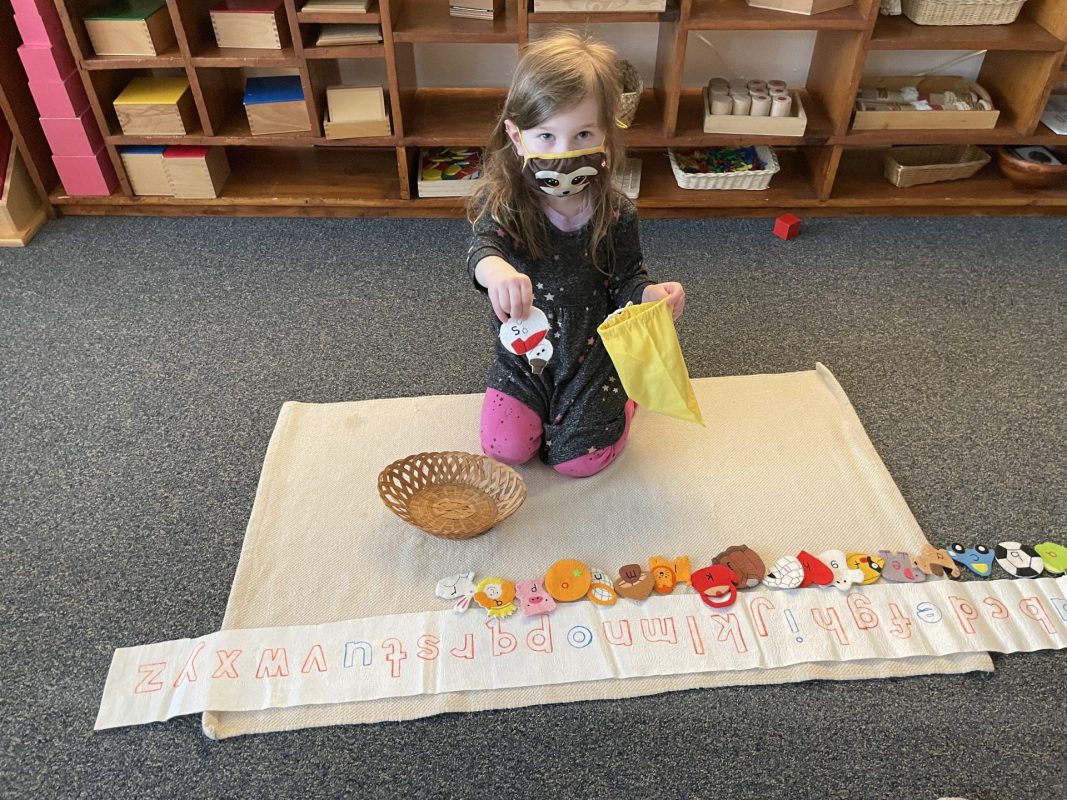
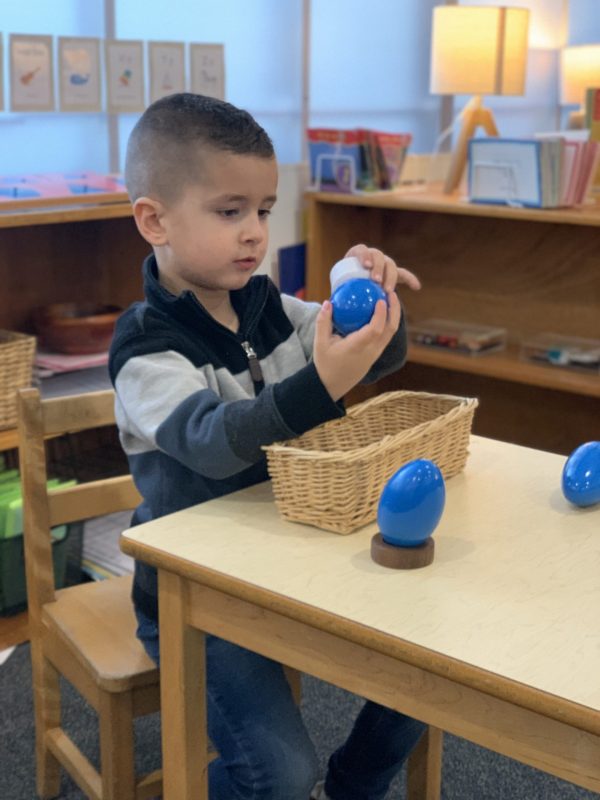
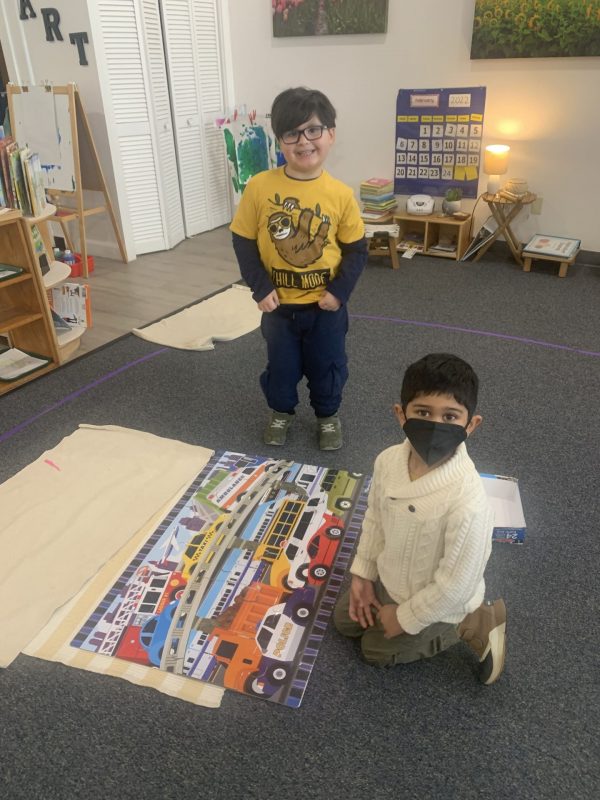
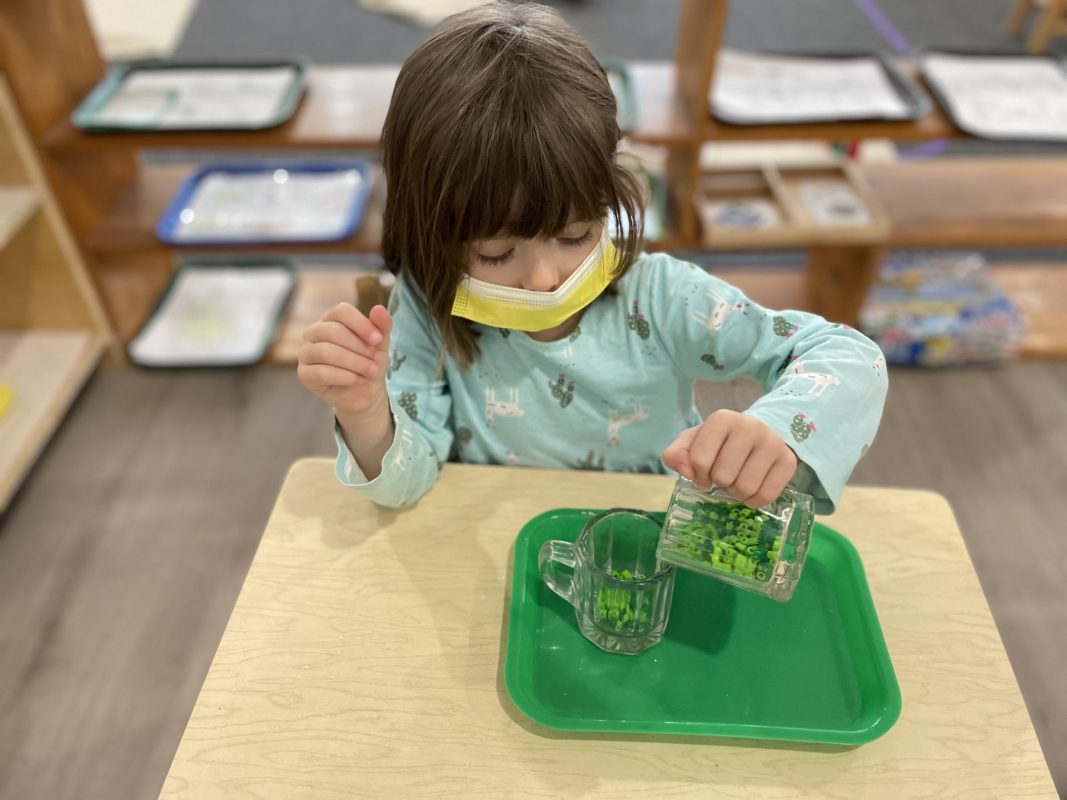
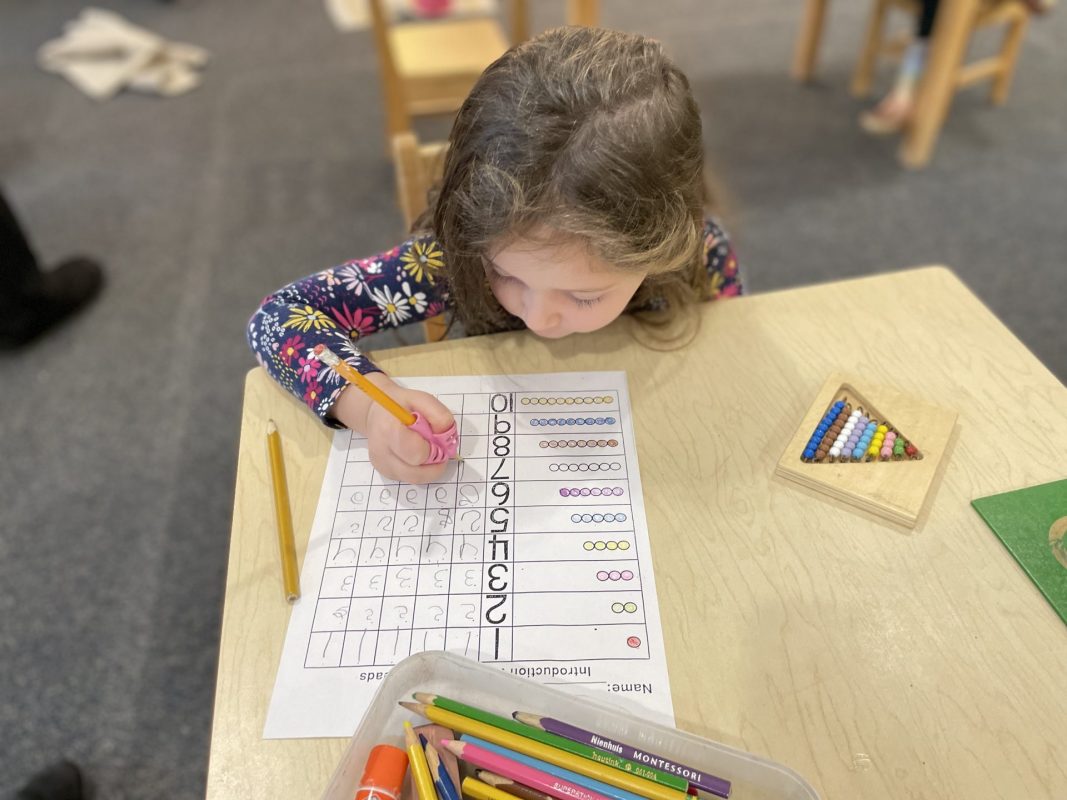
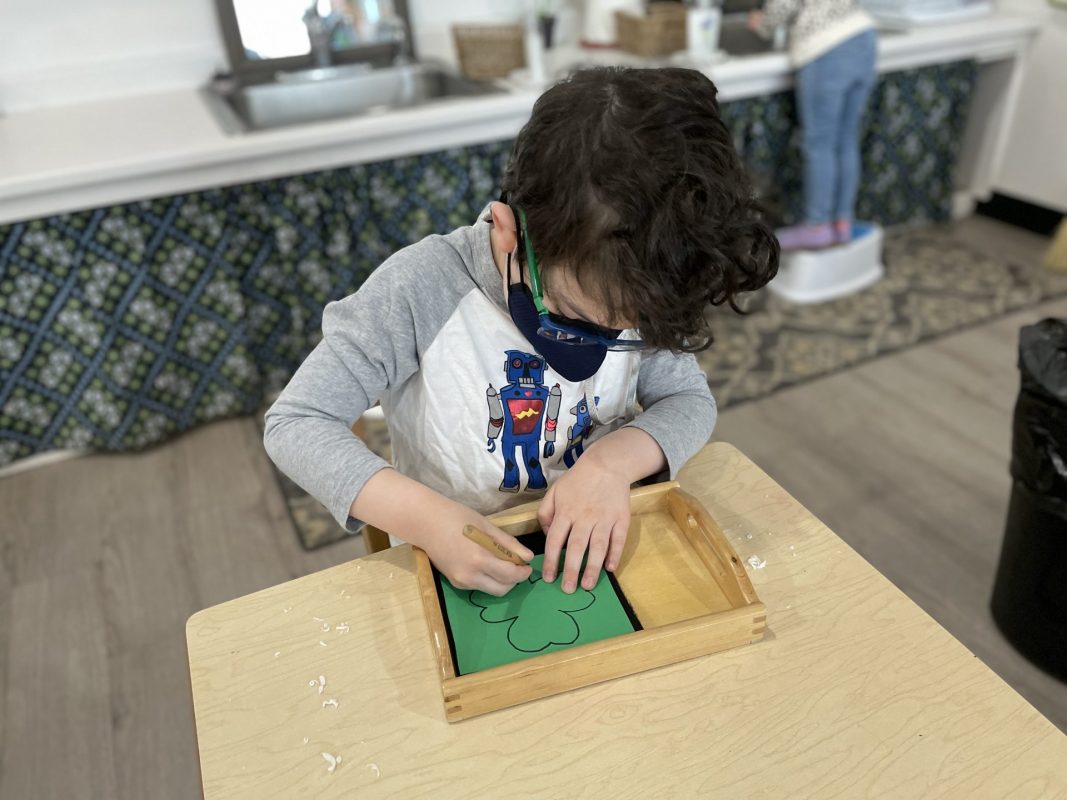
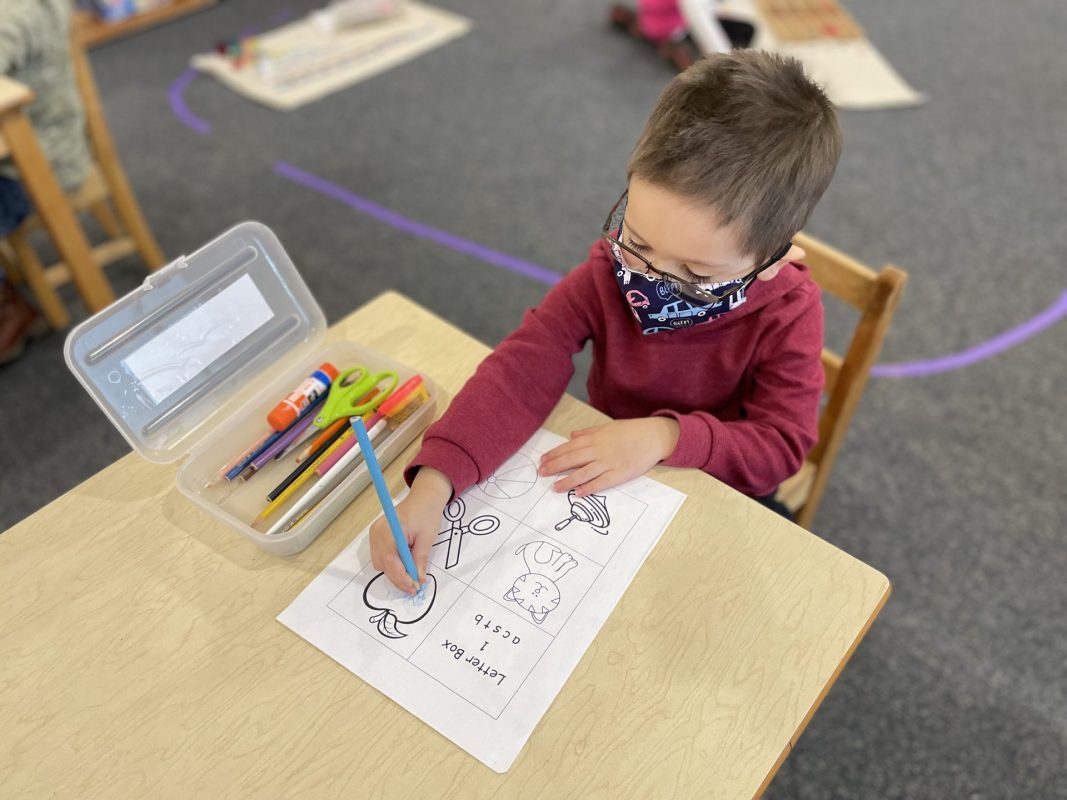
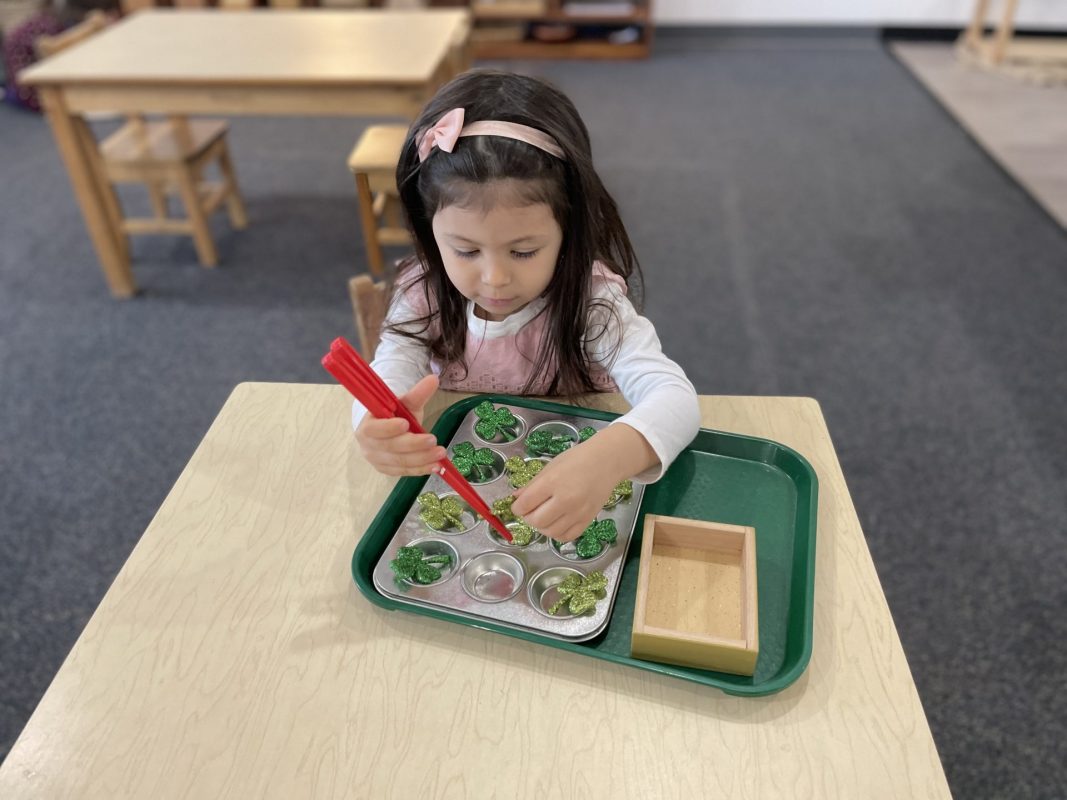
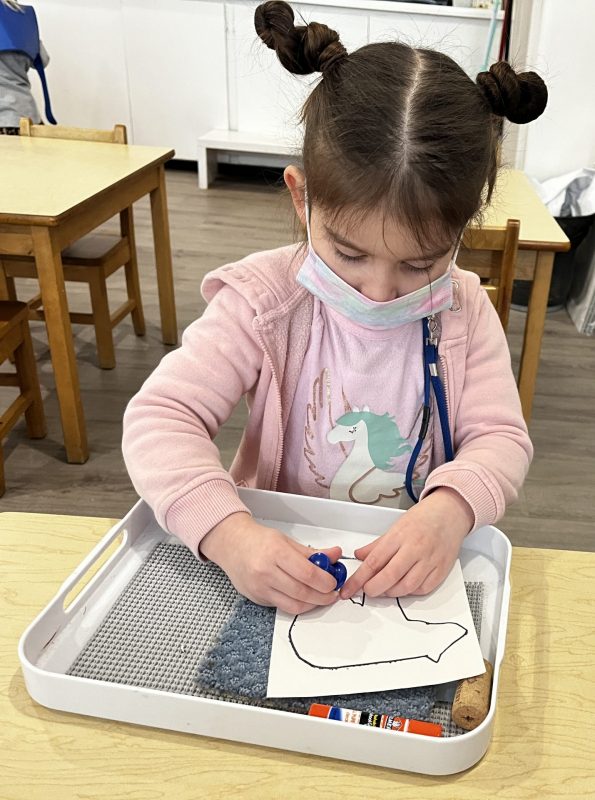
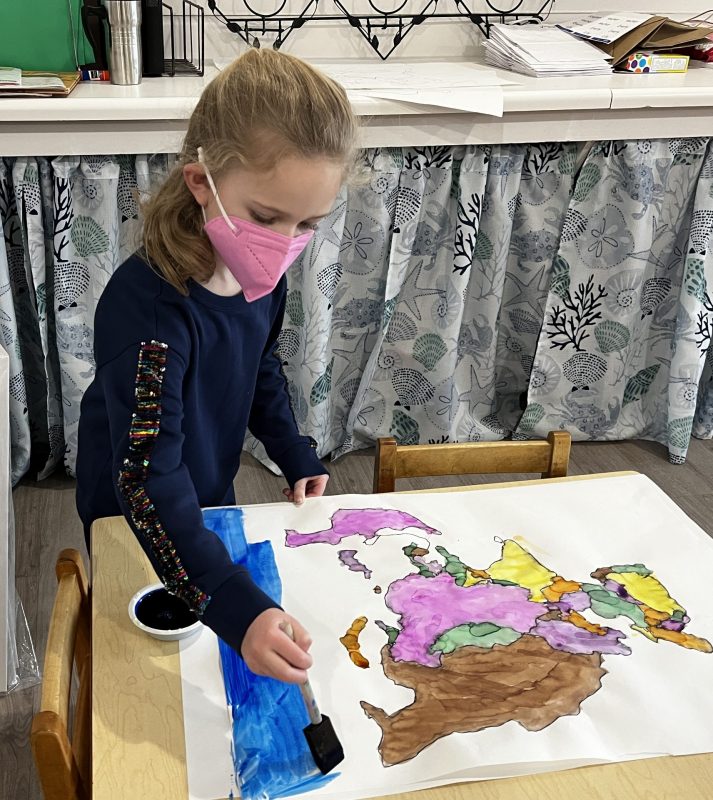
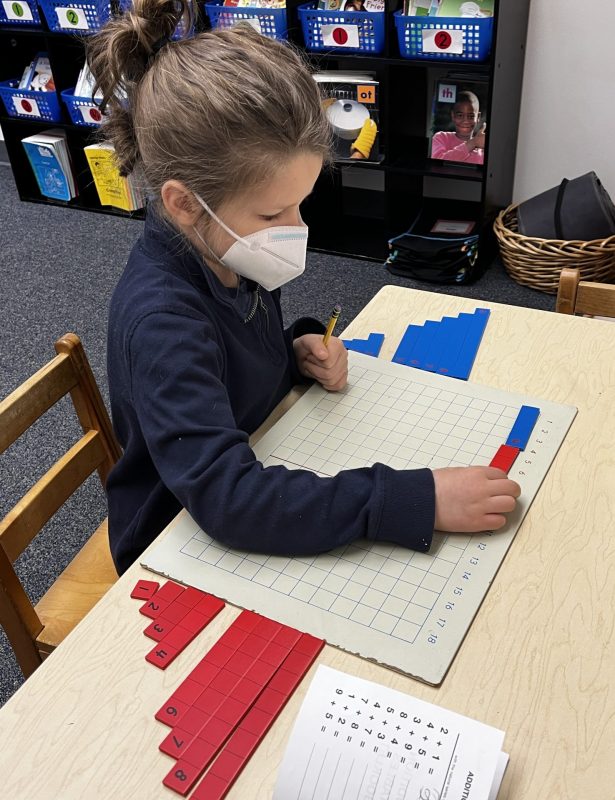
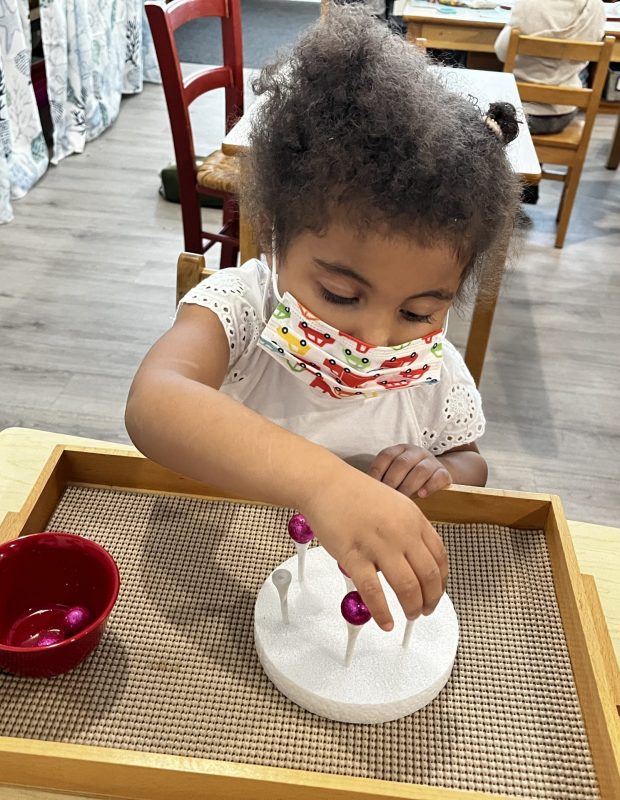
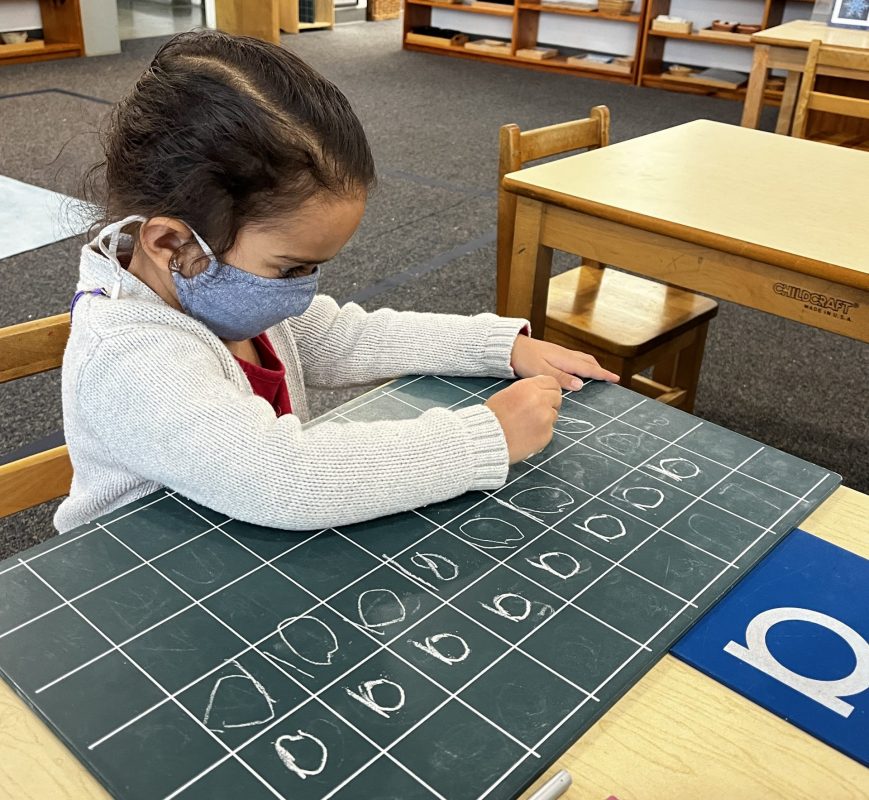
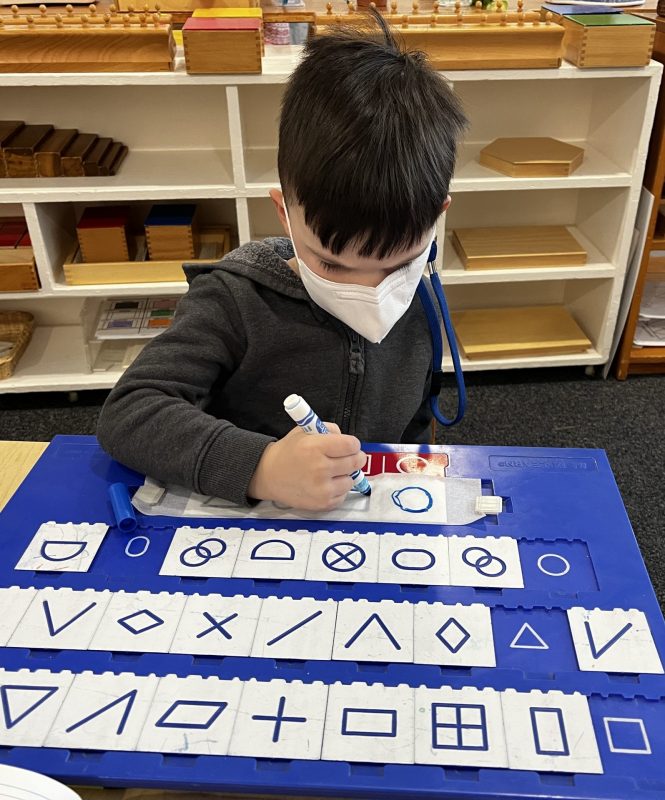
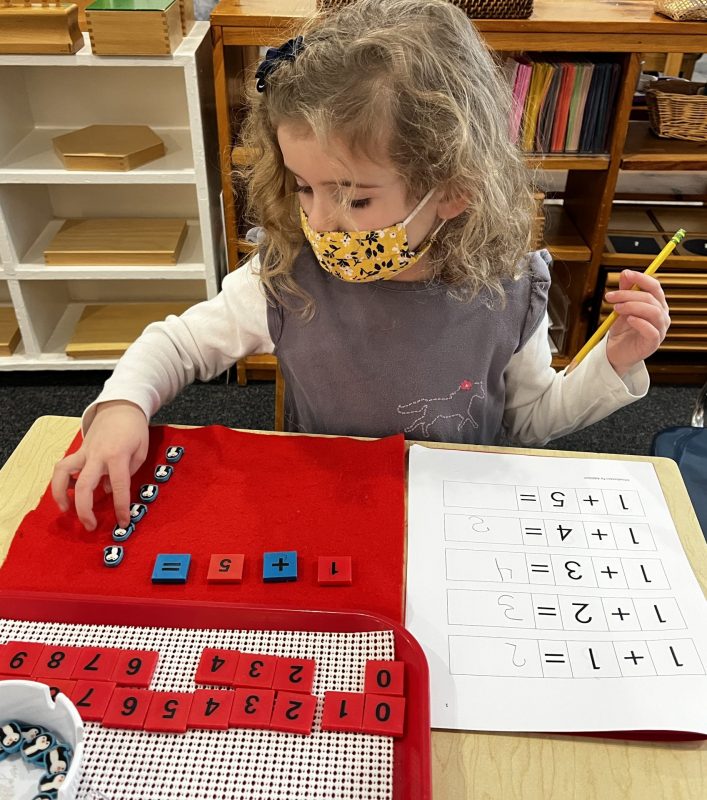
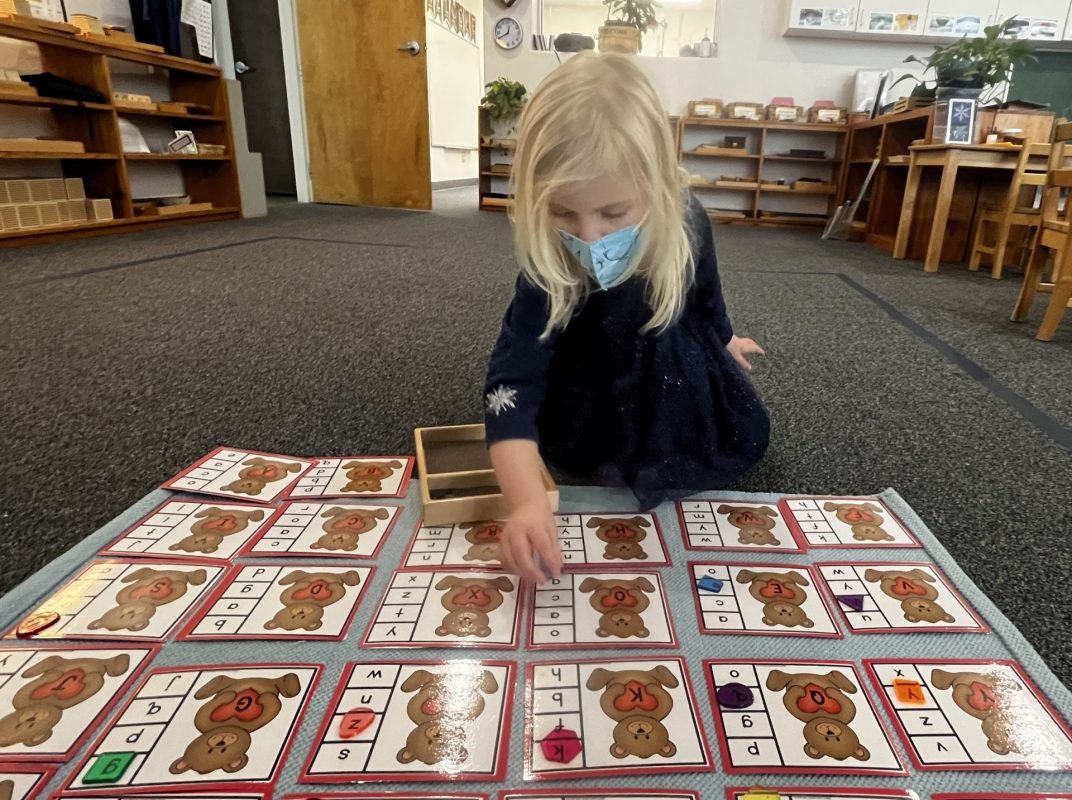
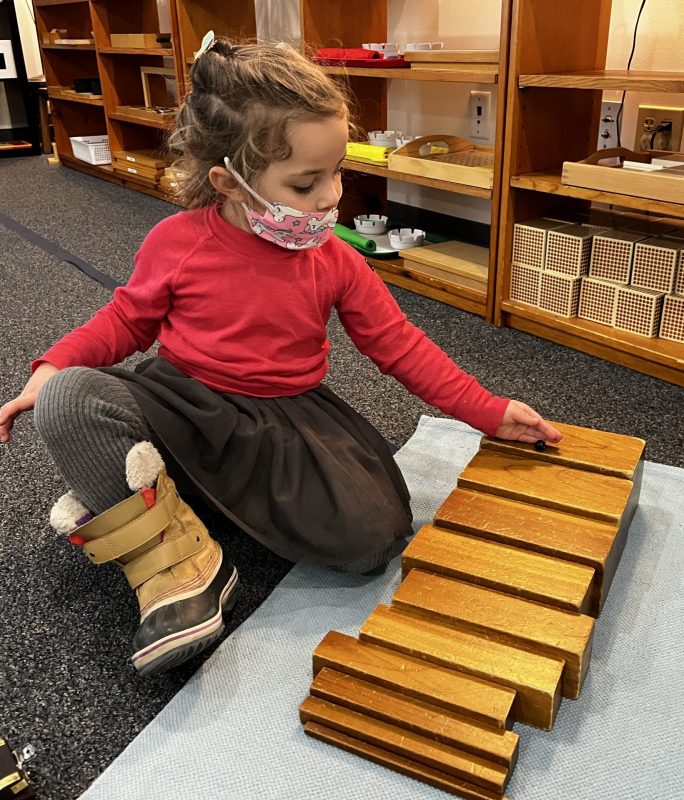
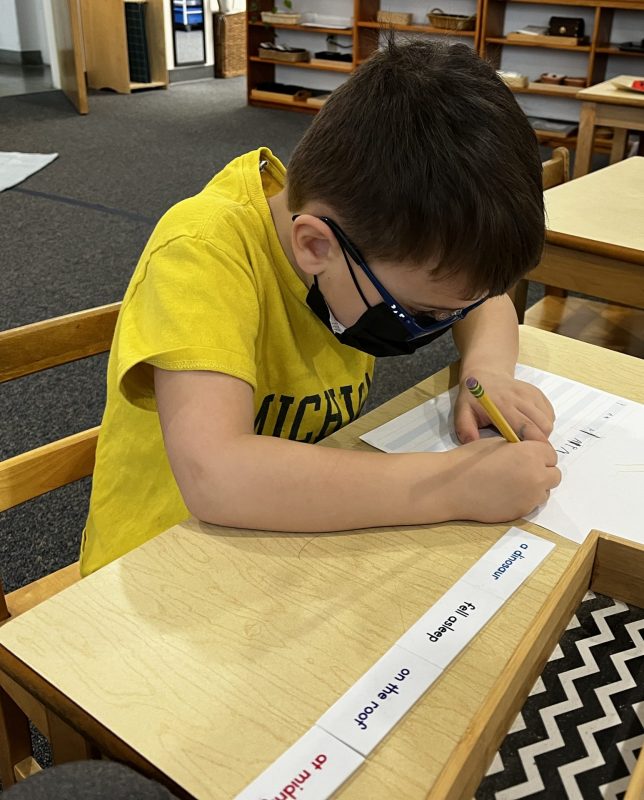
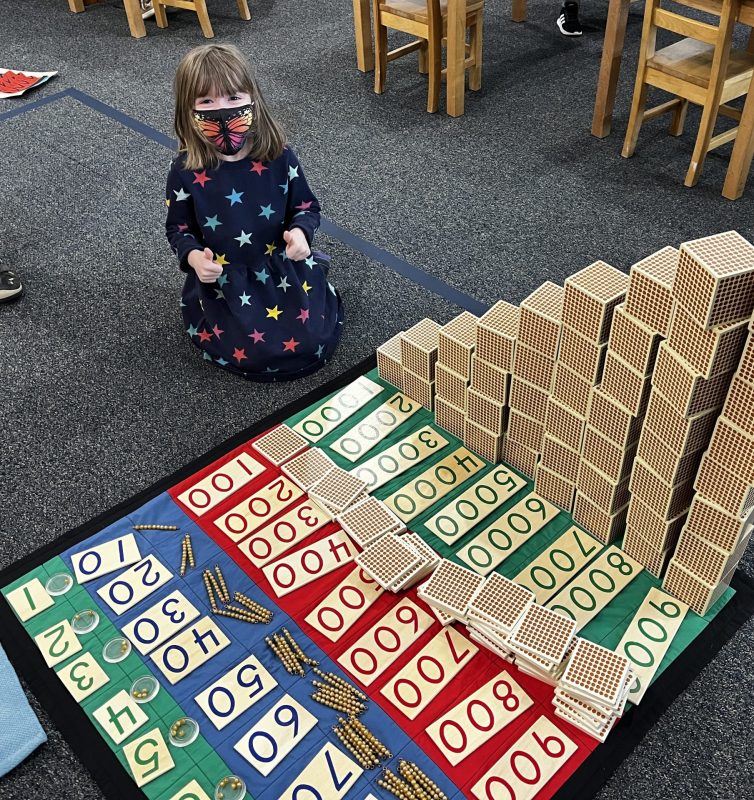
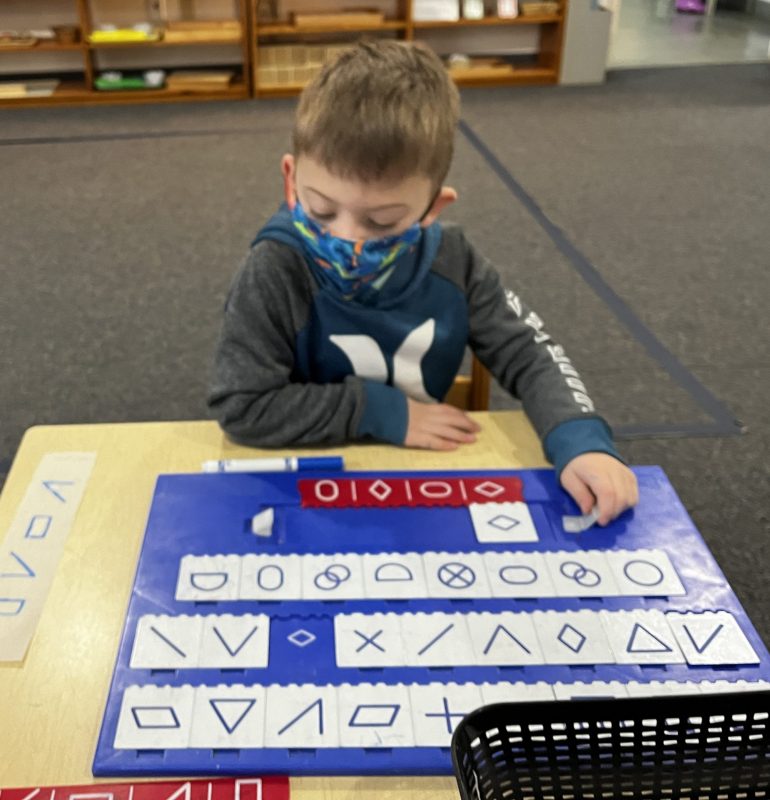
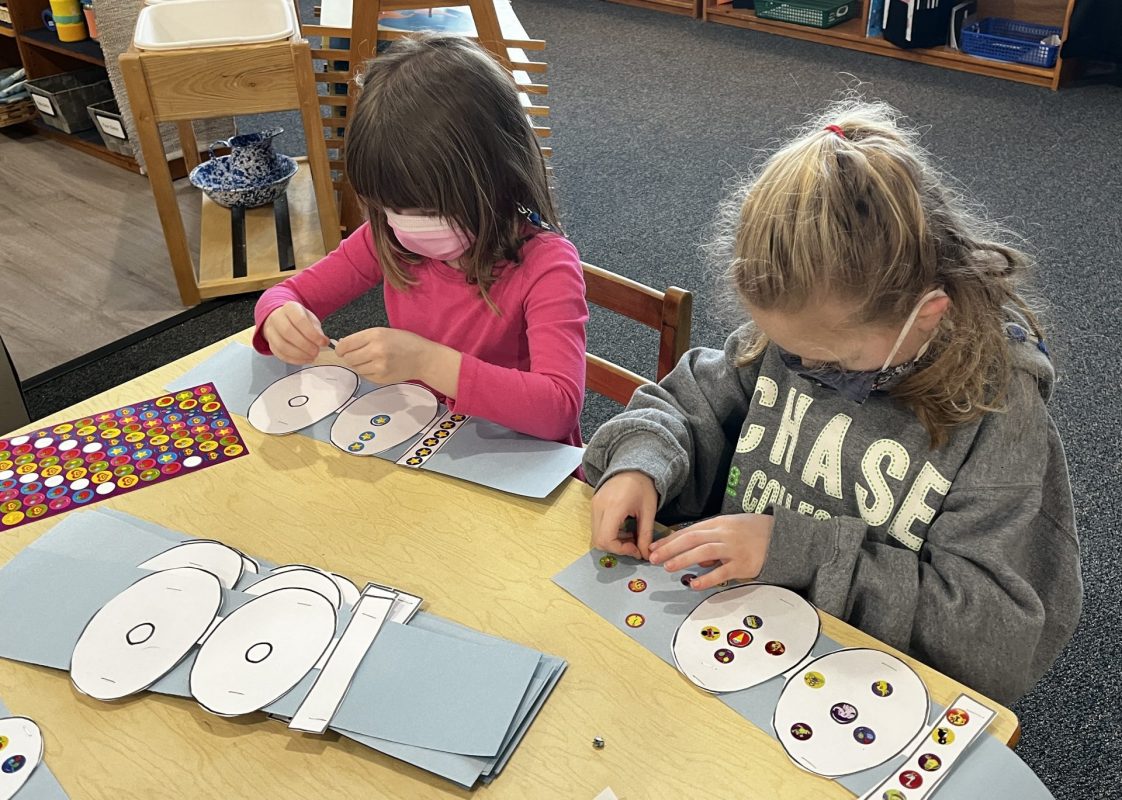
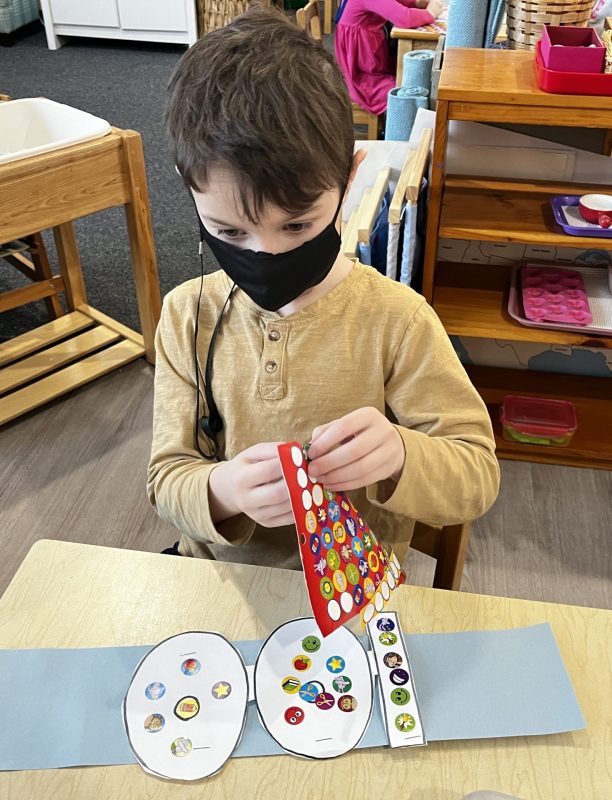
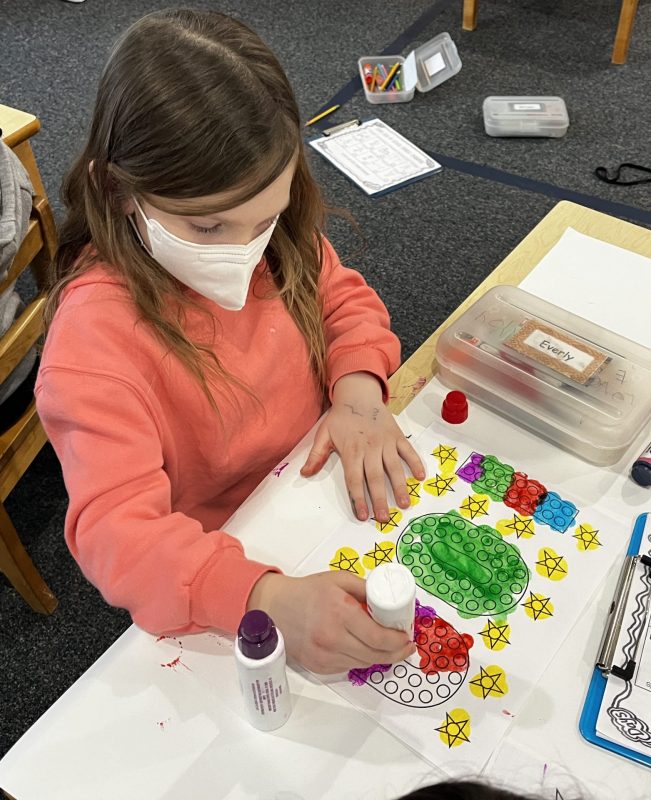
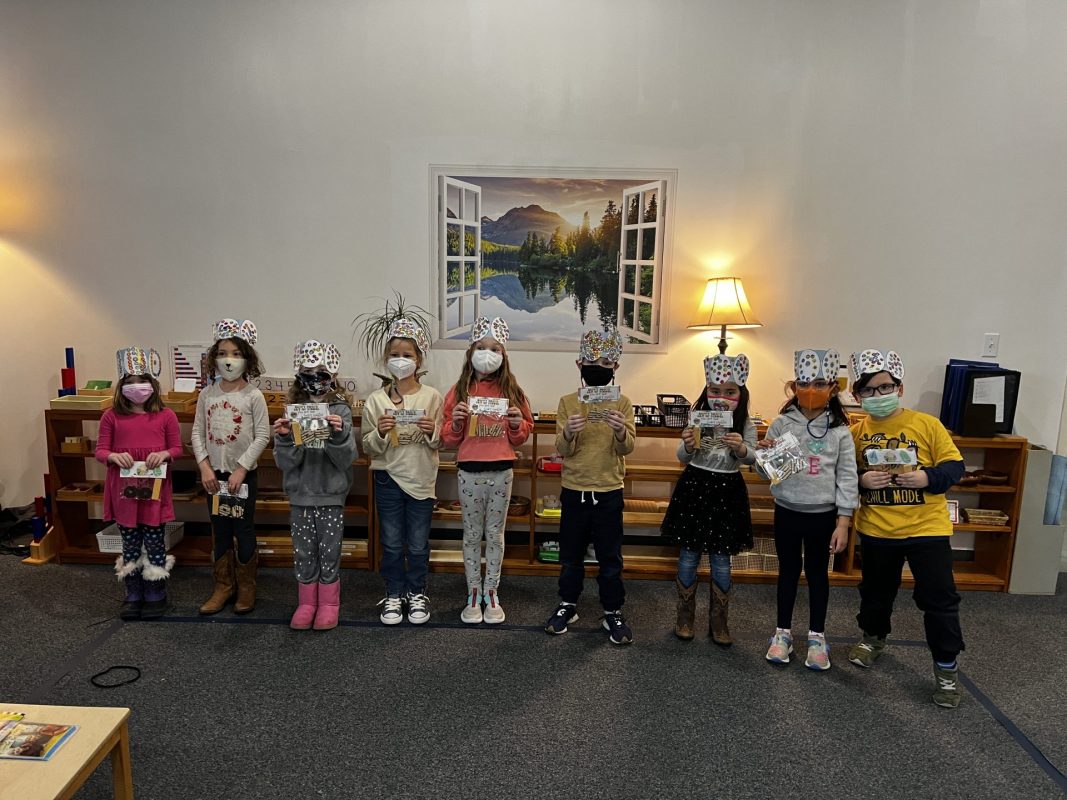
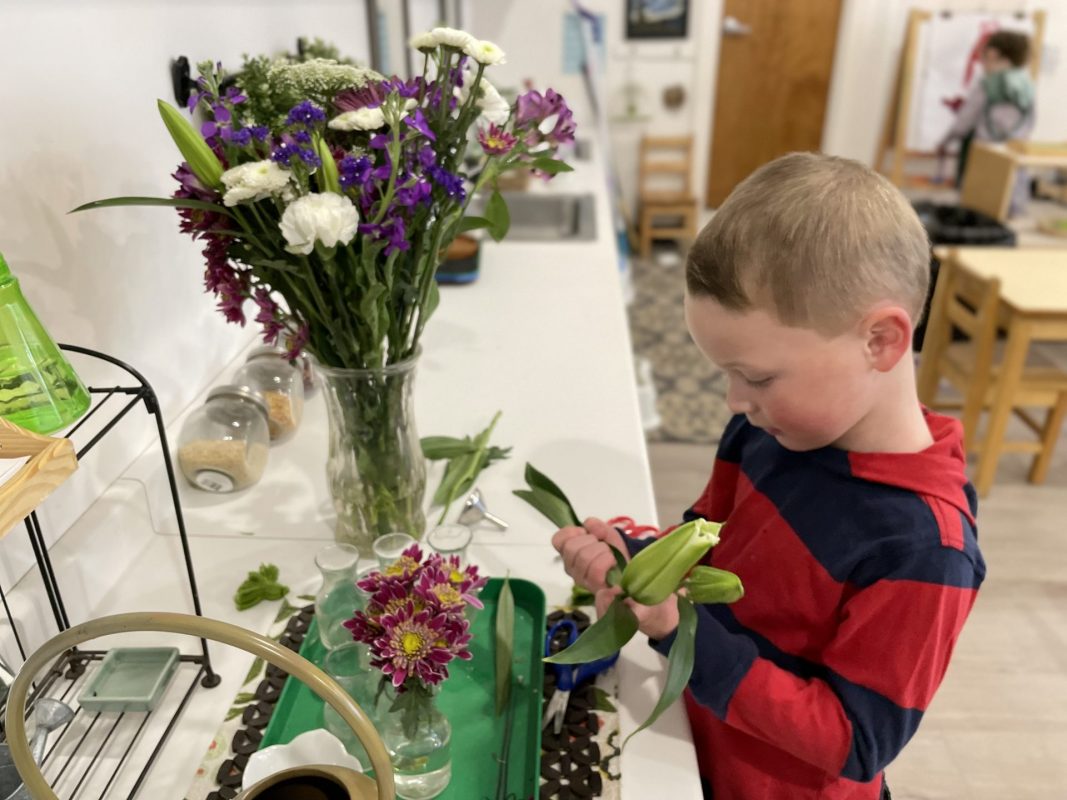
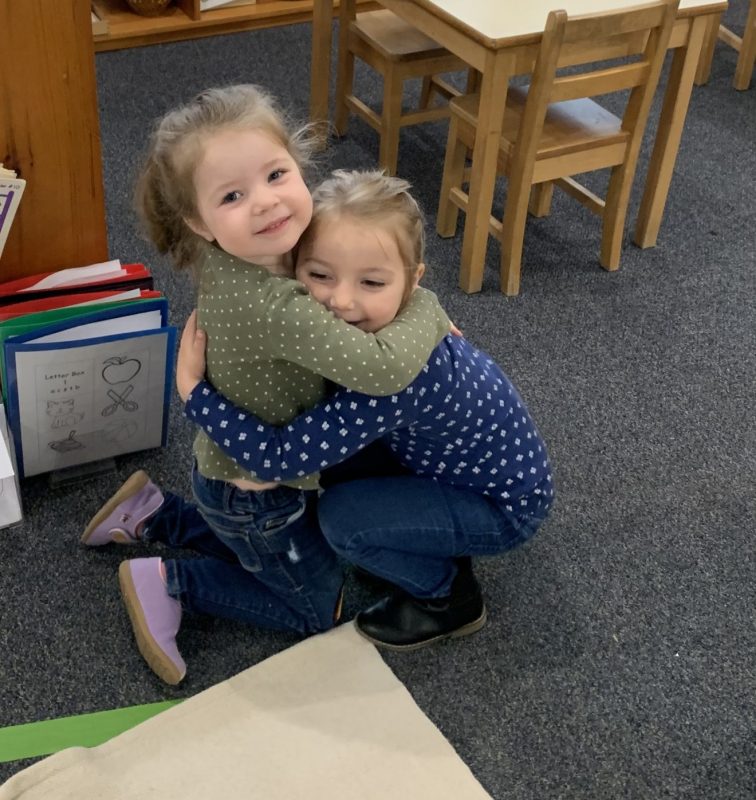
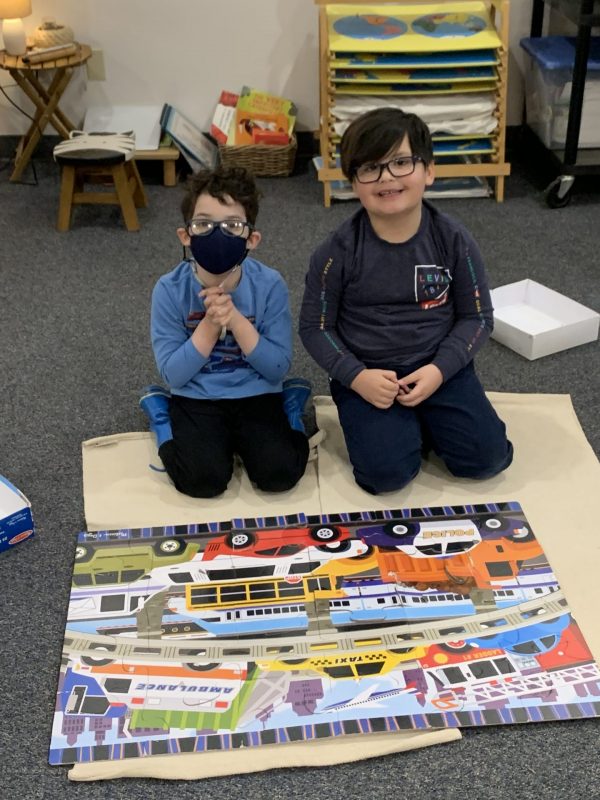
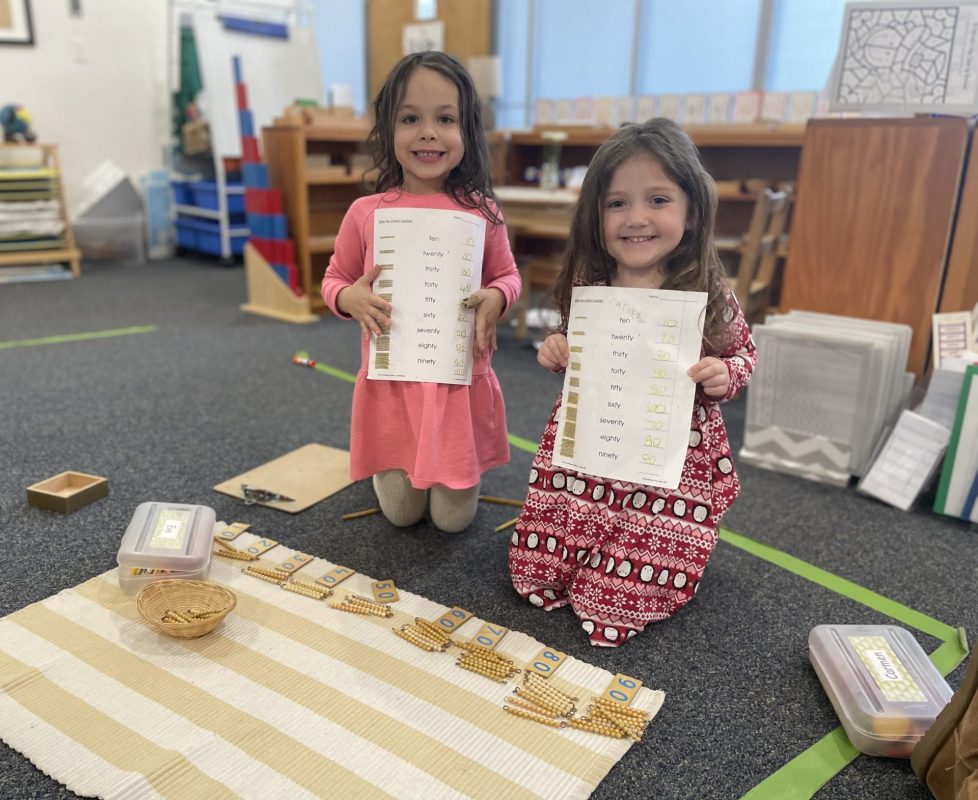
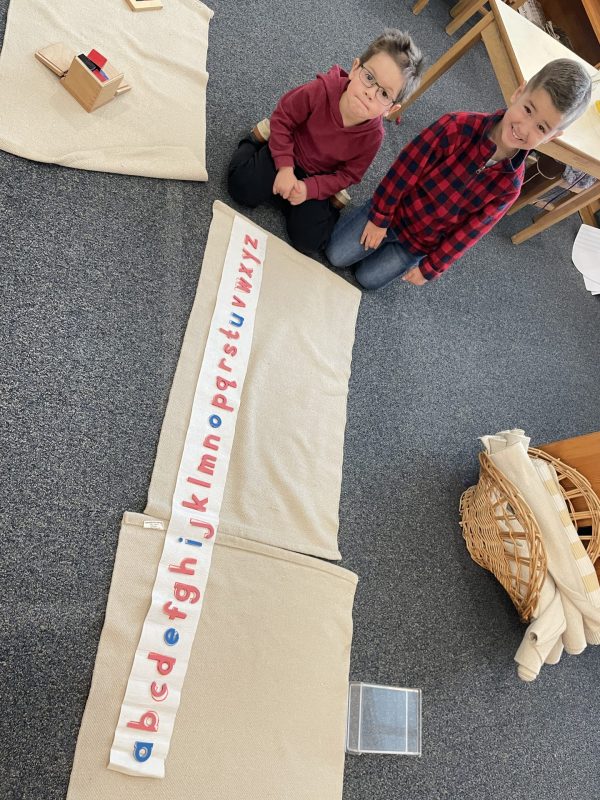
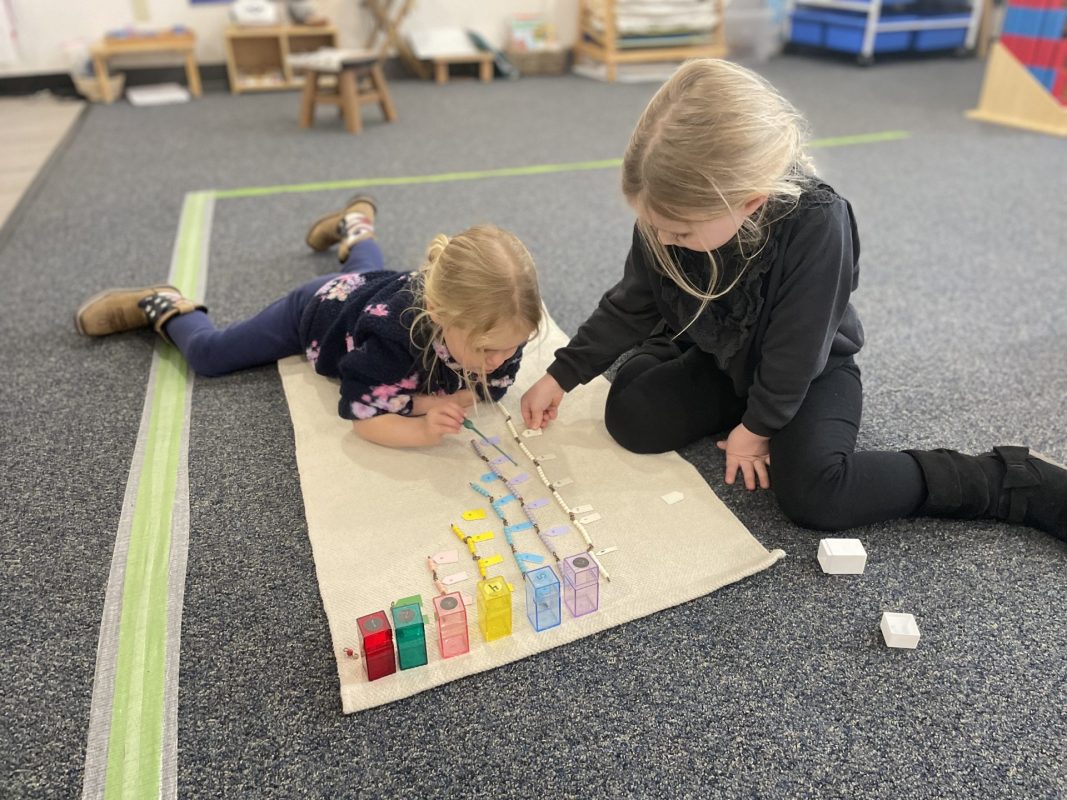
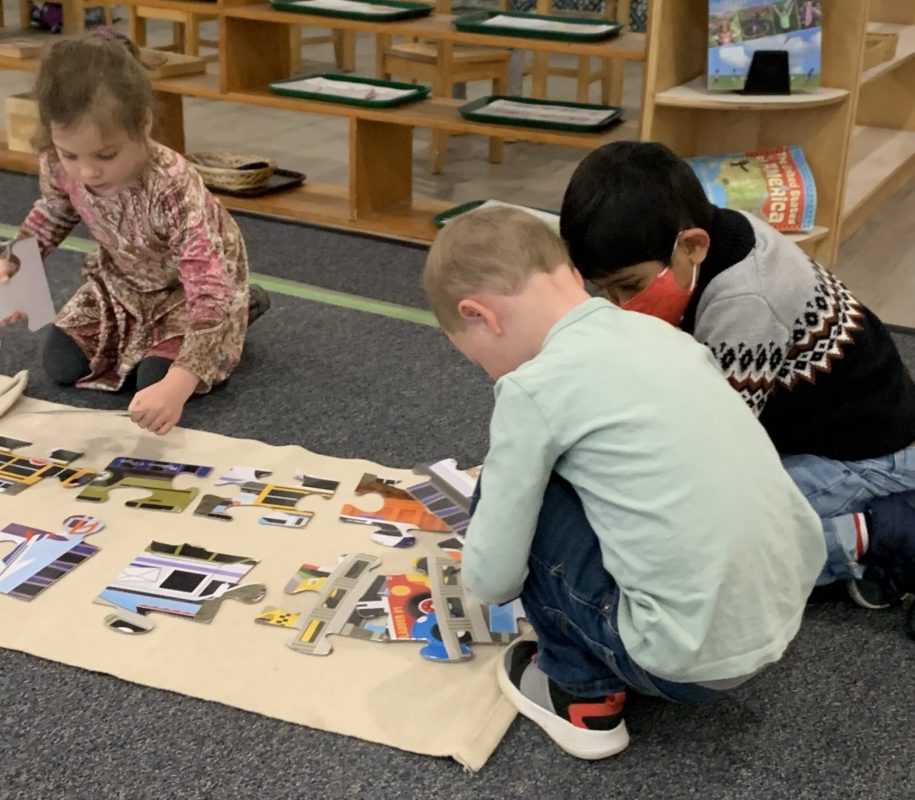
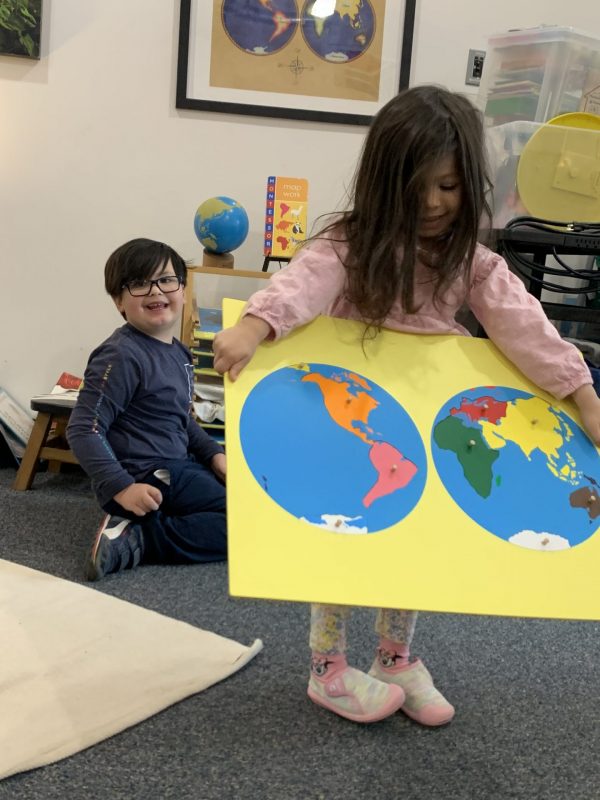
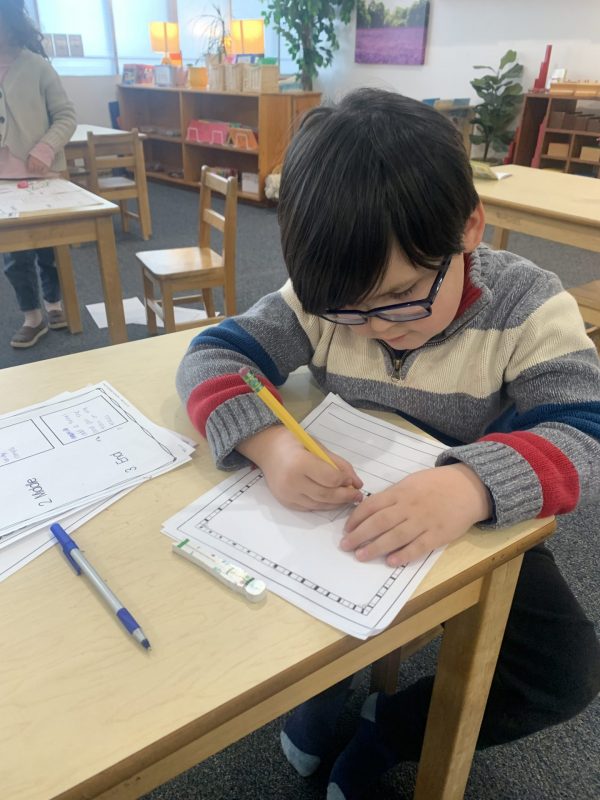
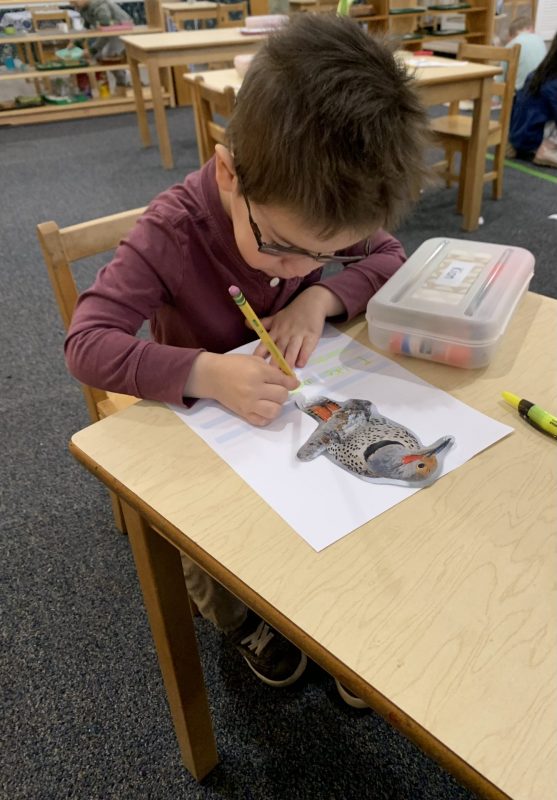
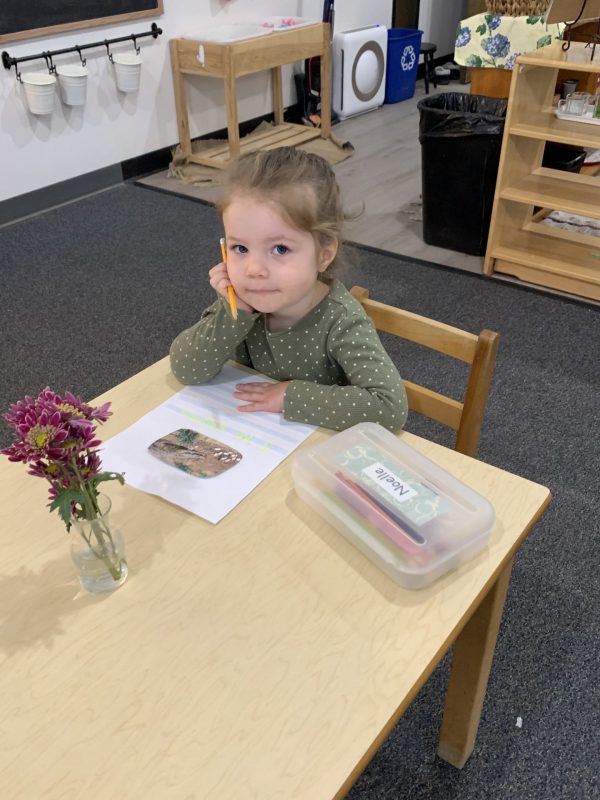
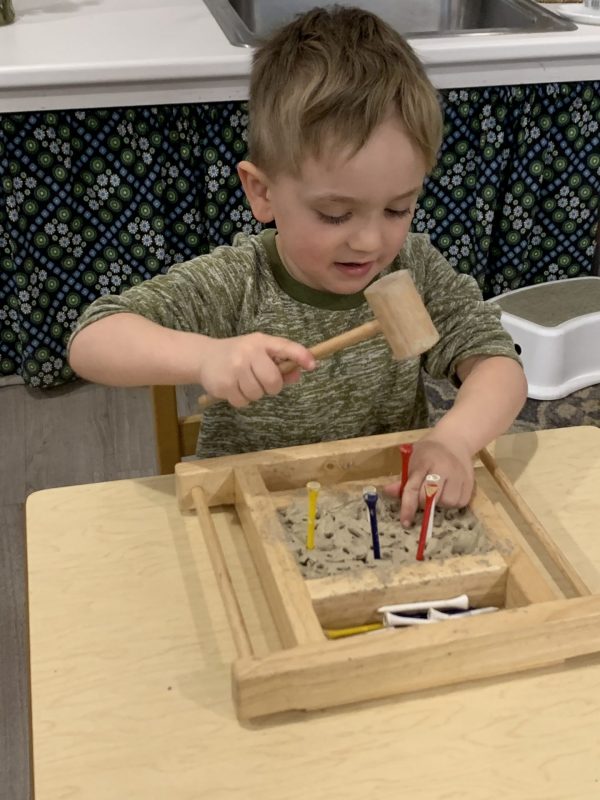
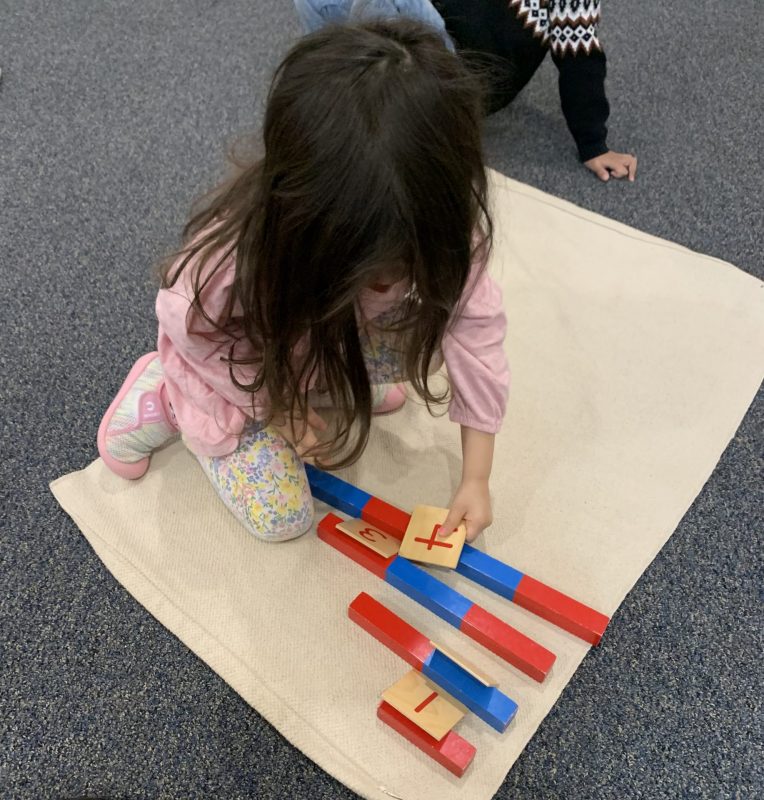
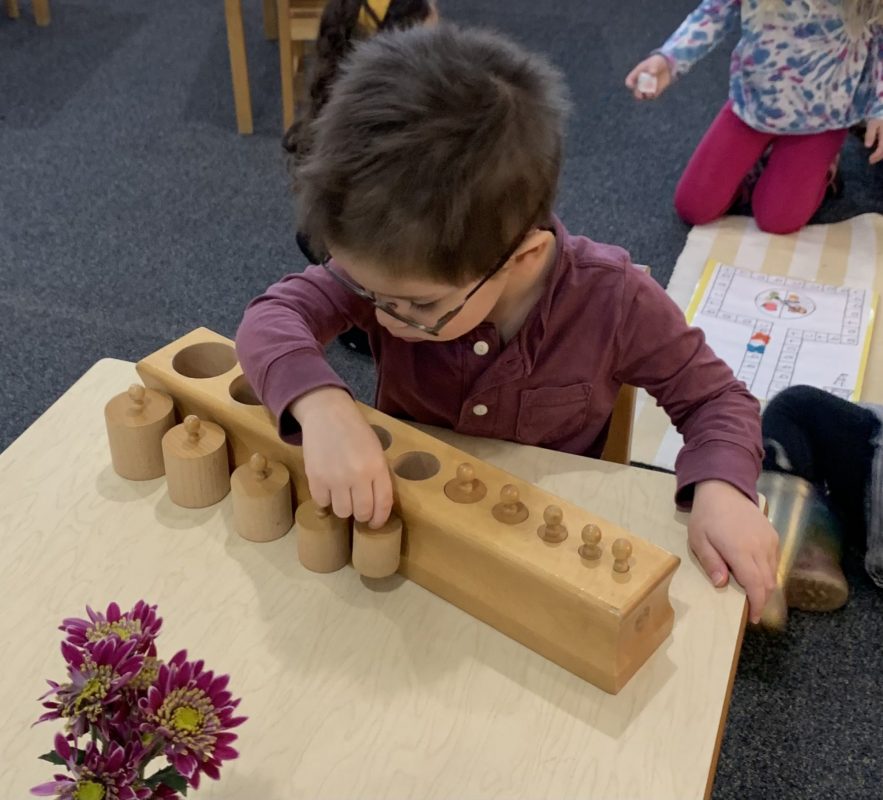
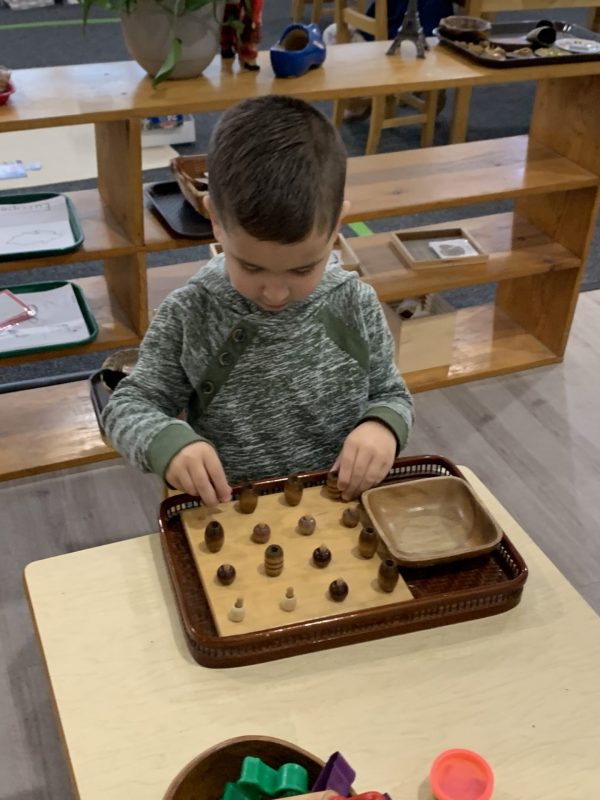
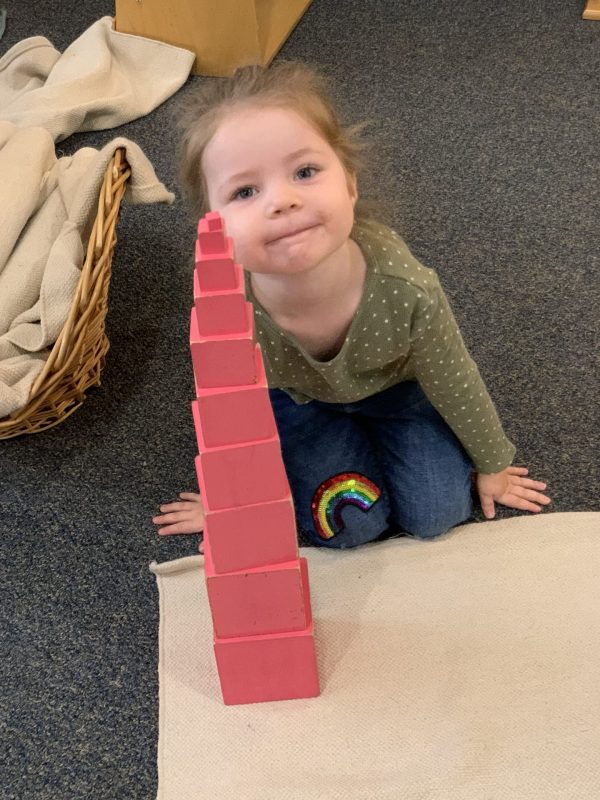
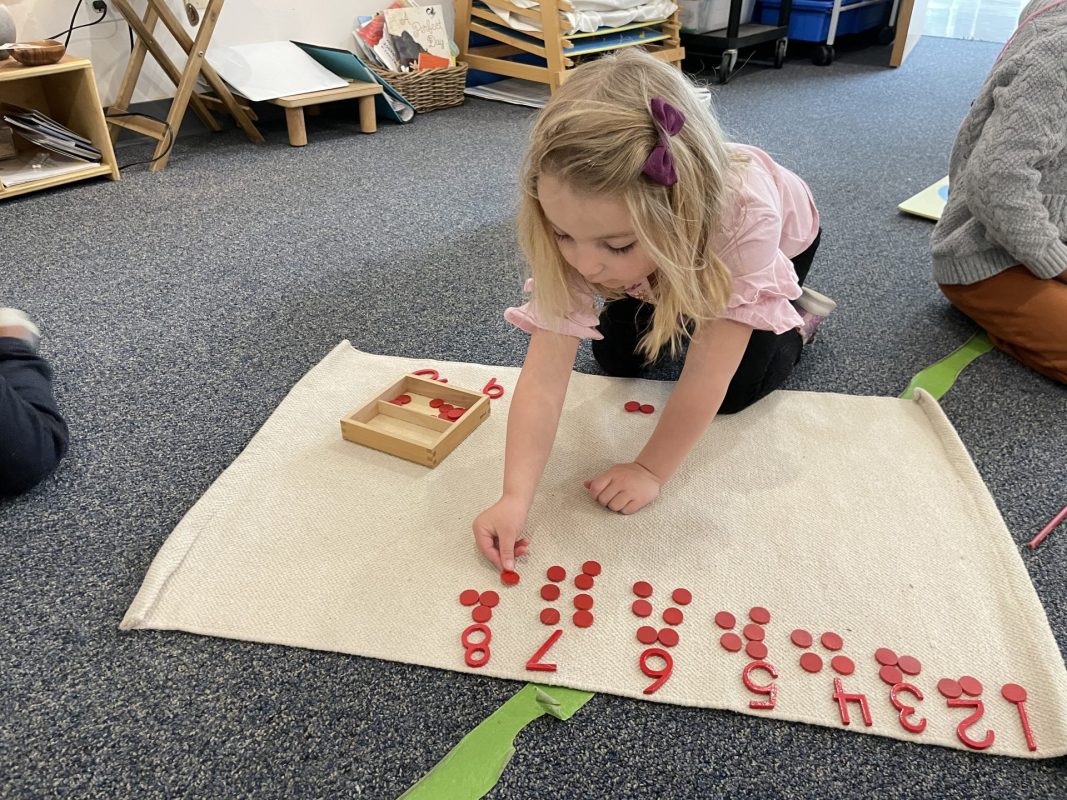
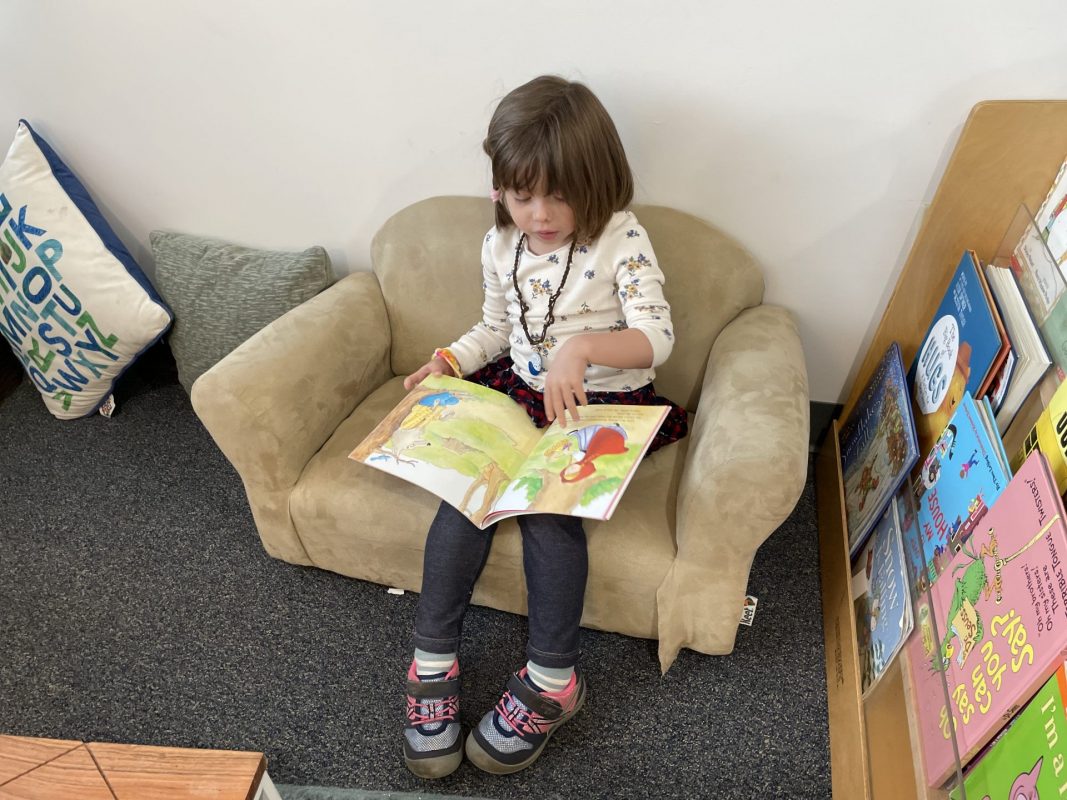
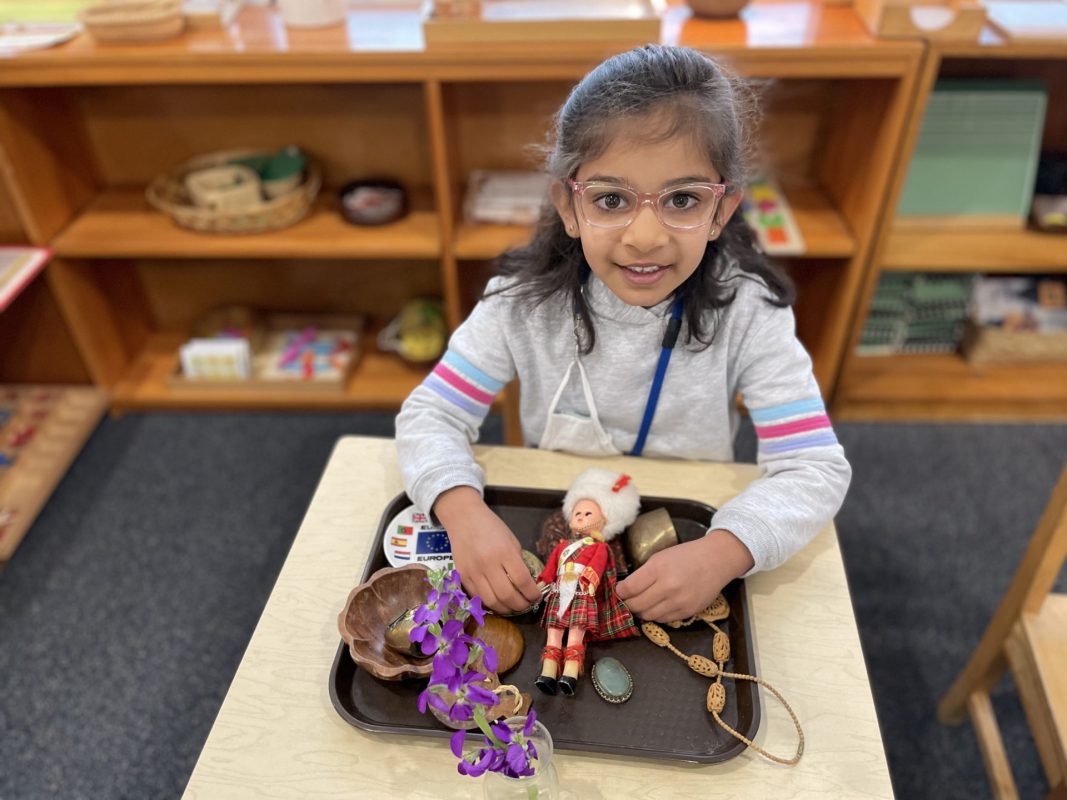
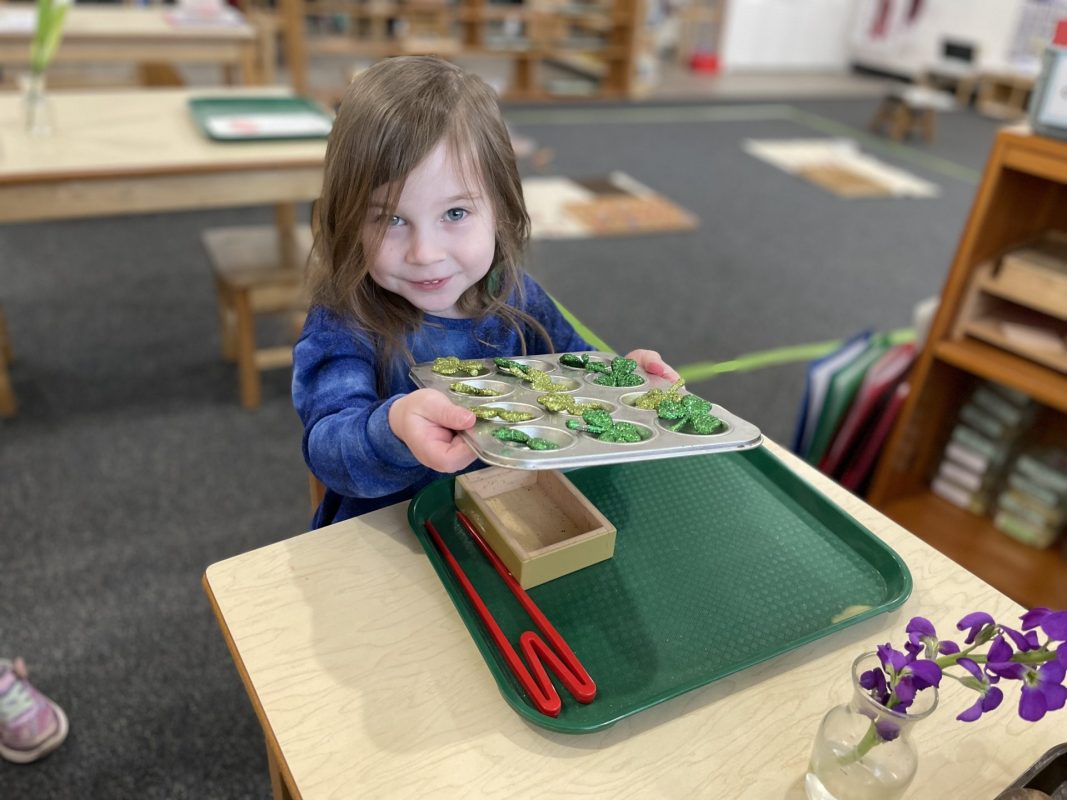
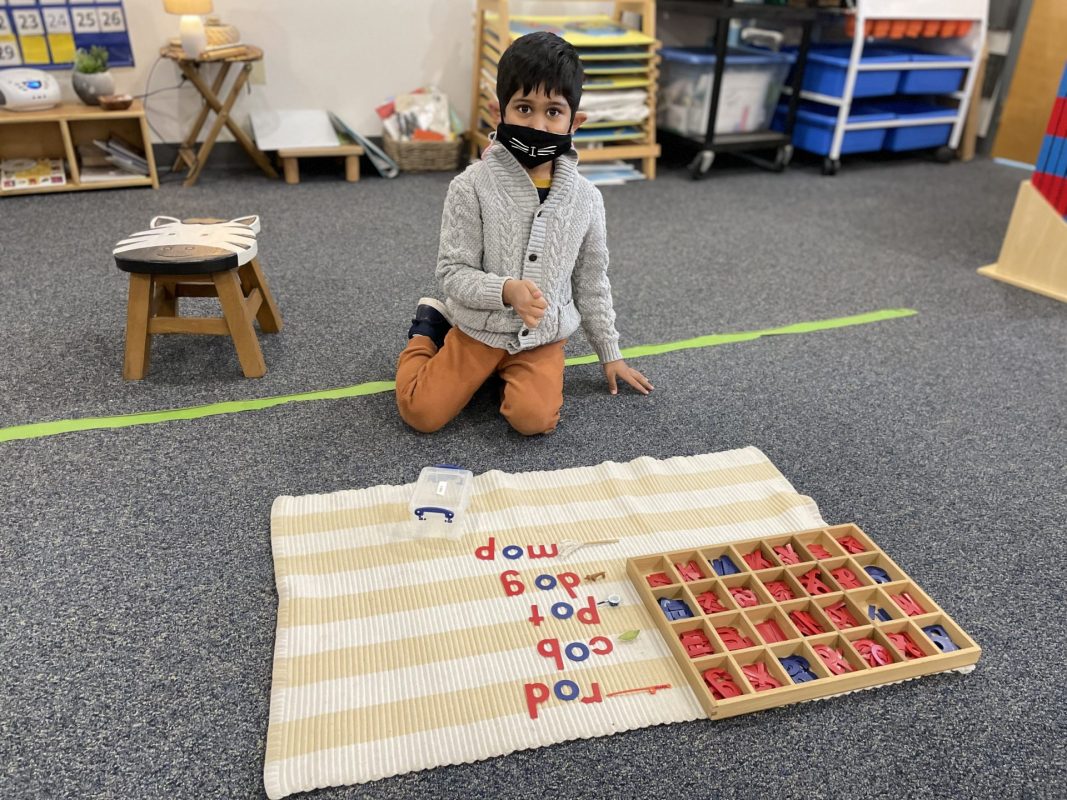
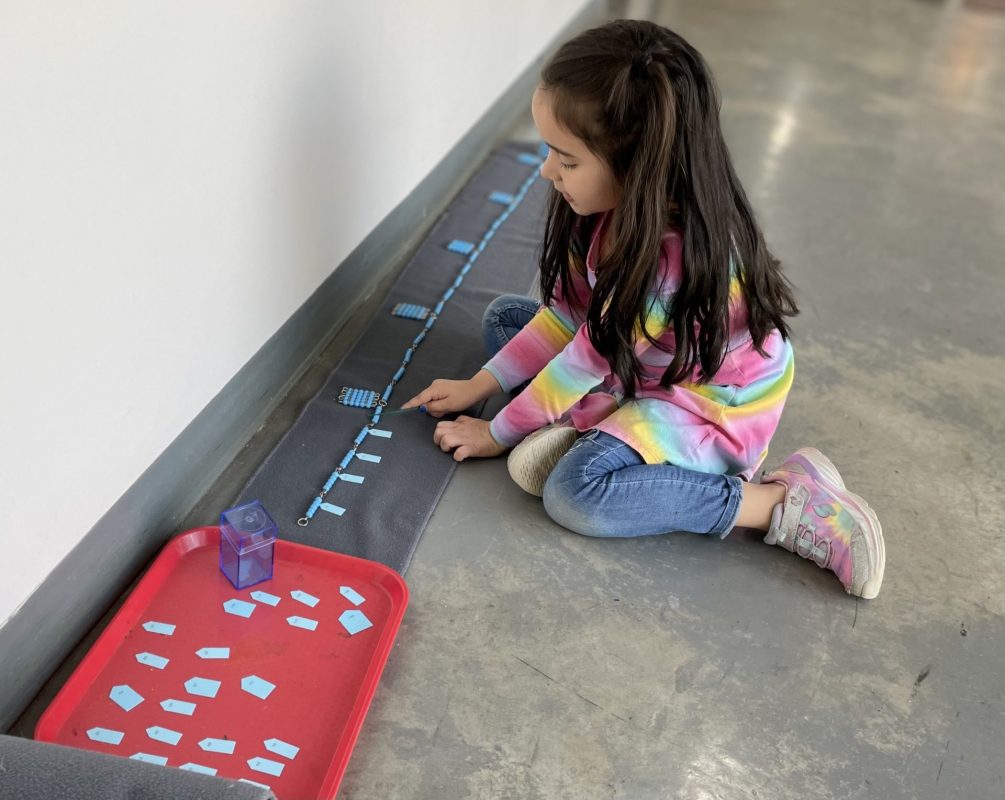
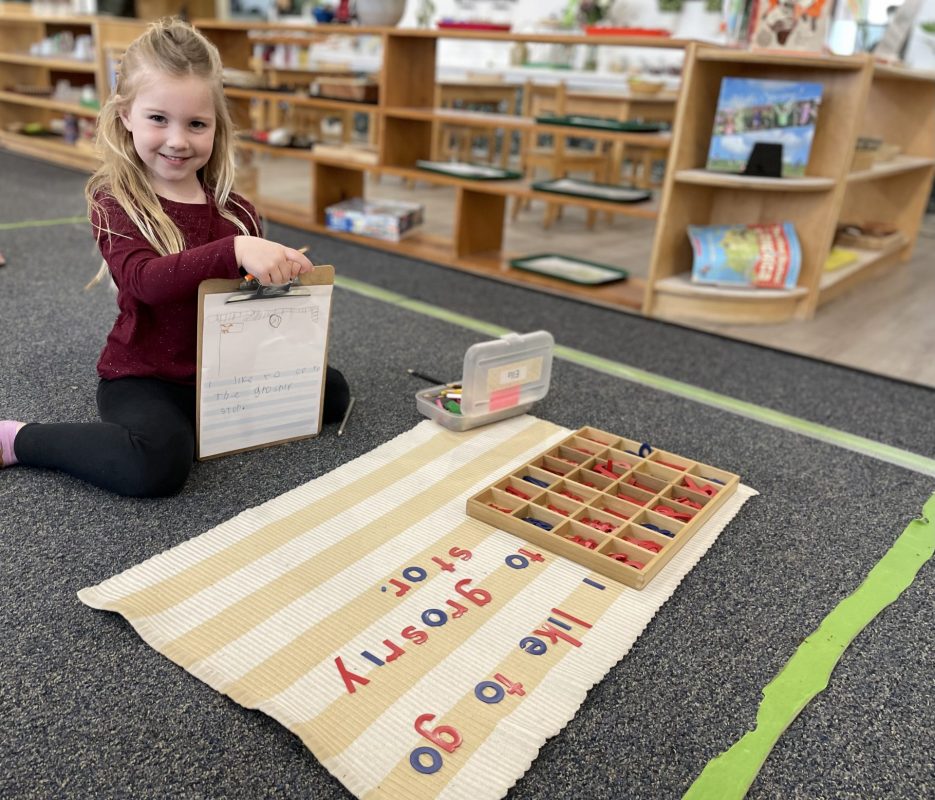
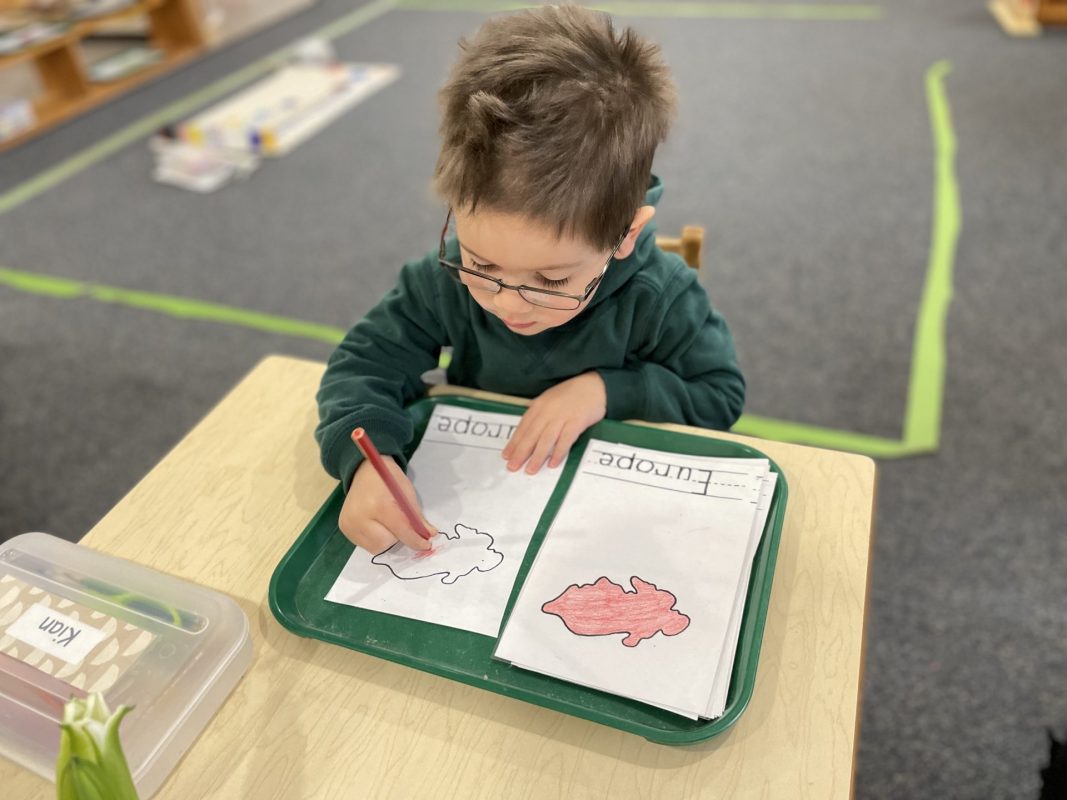
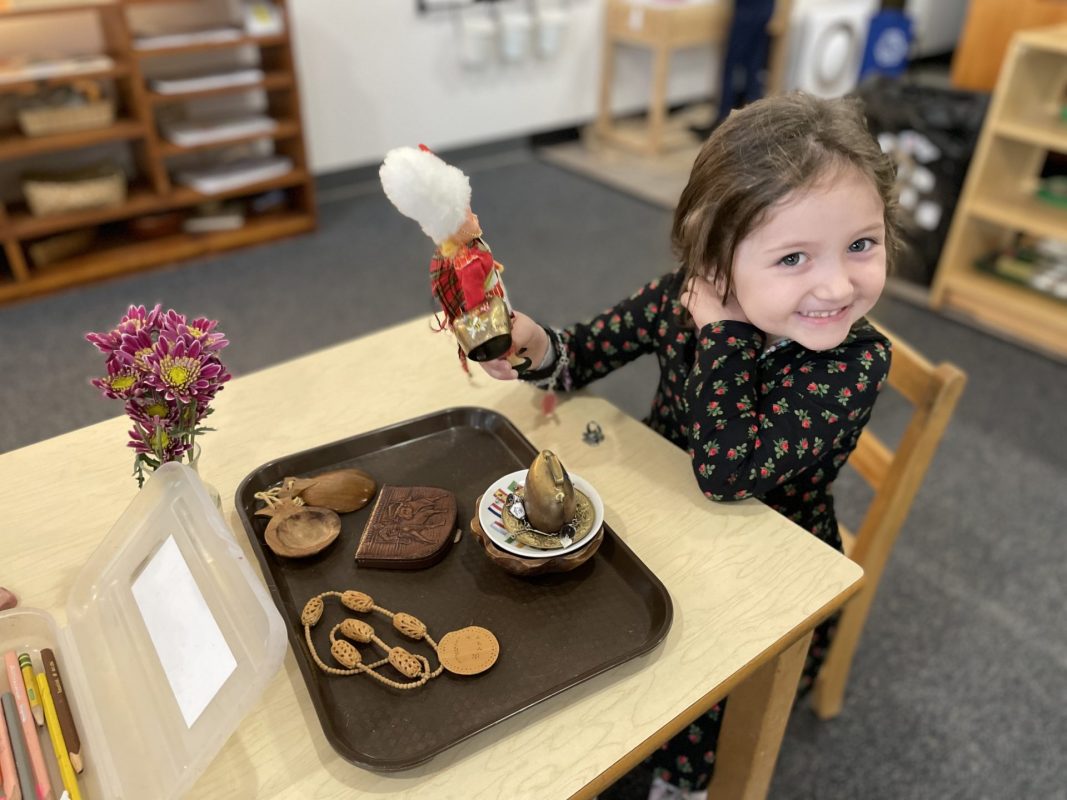
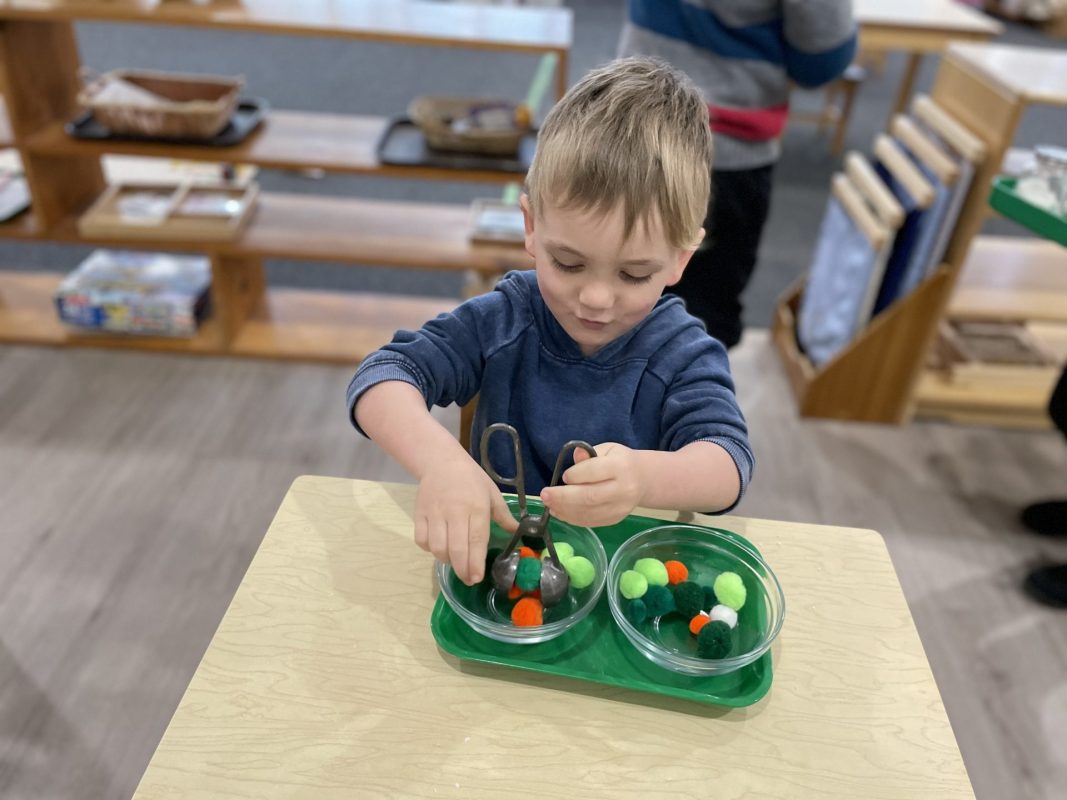
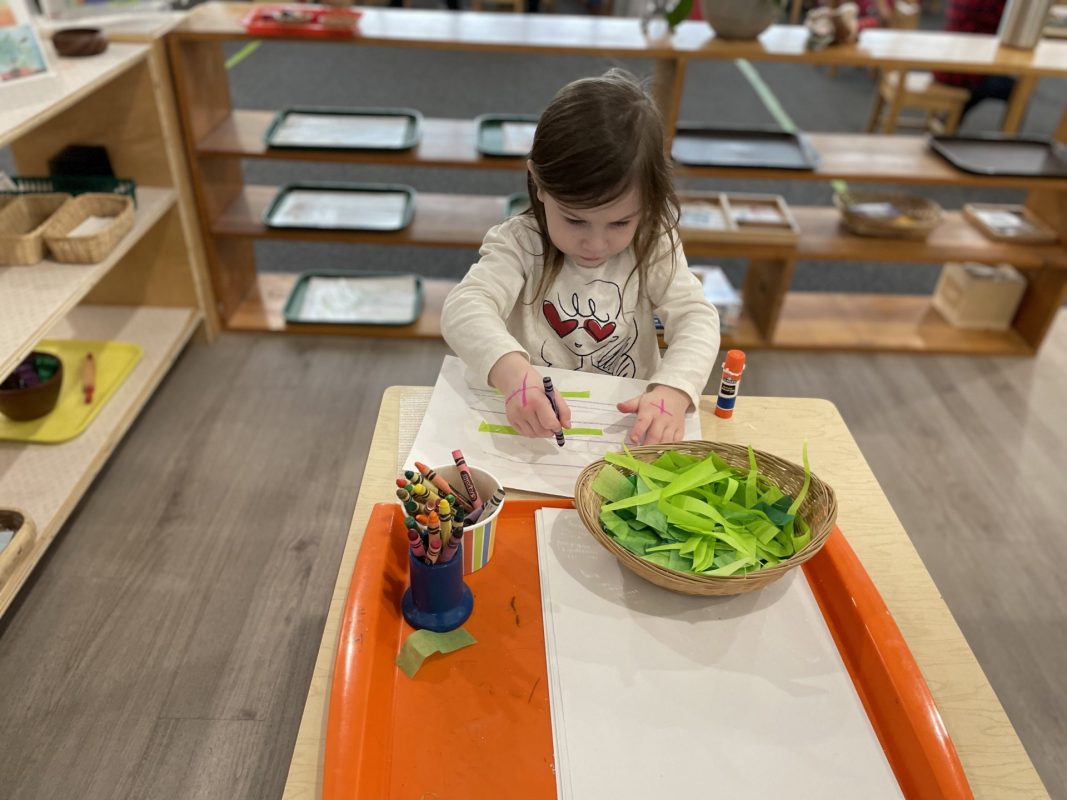
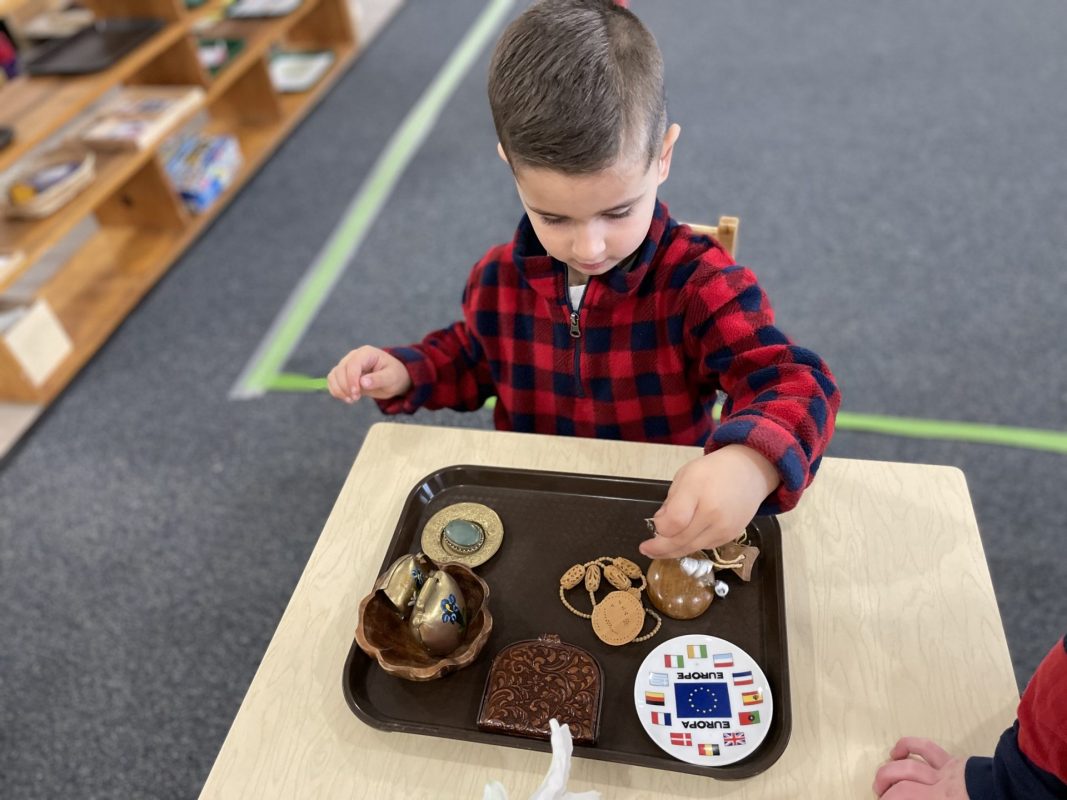
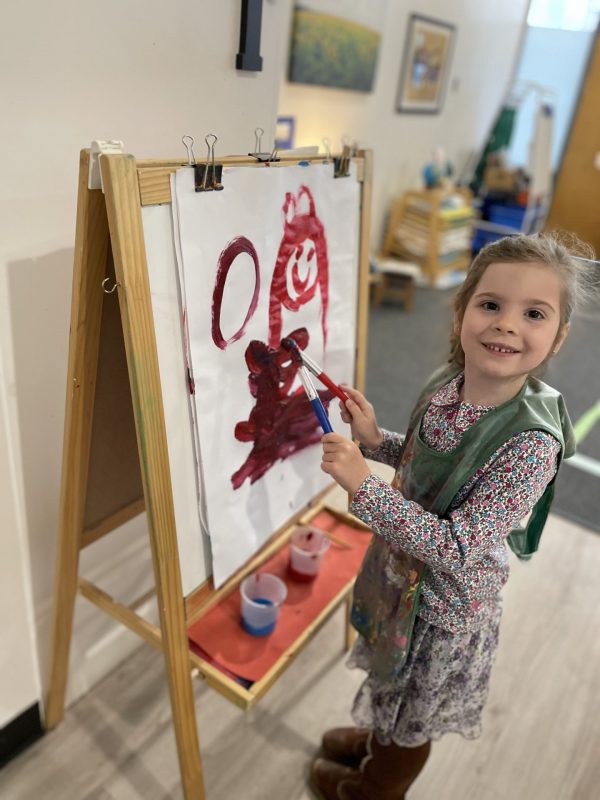
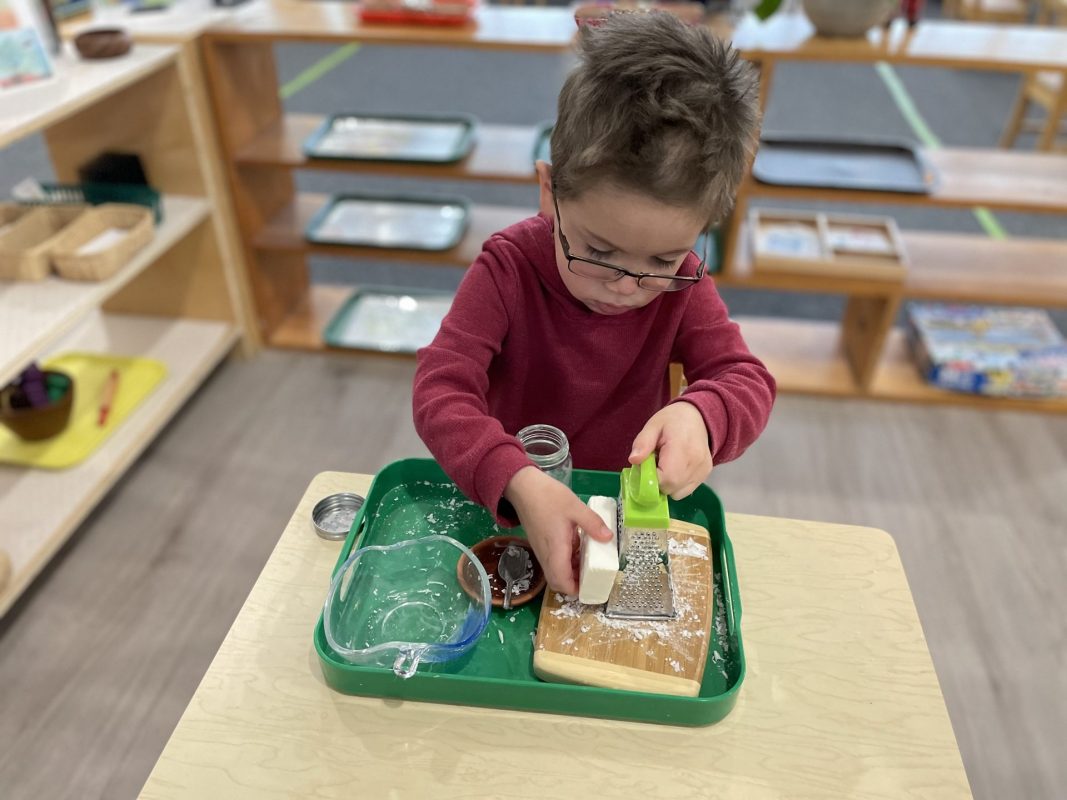
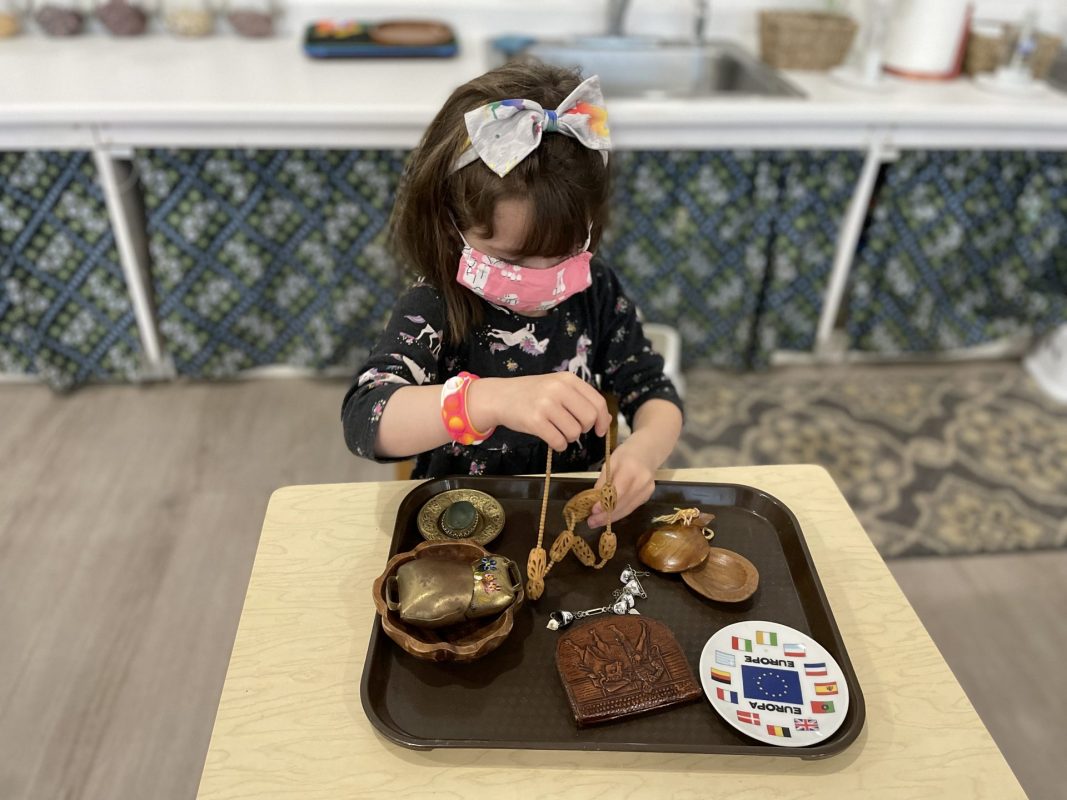
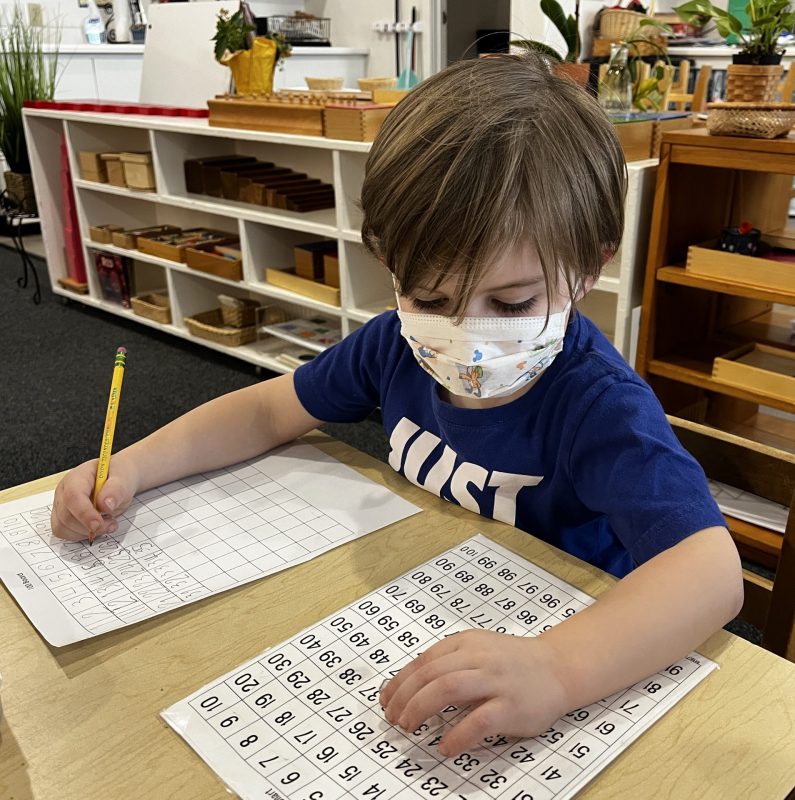
Enjoy these pictures of your children hard at work!

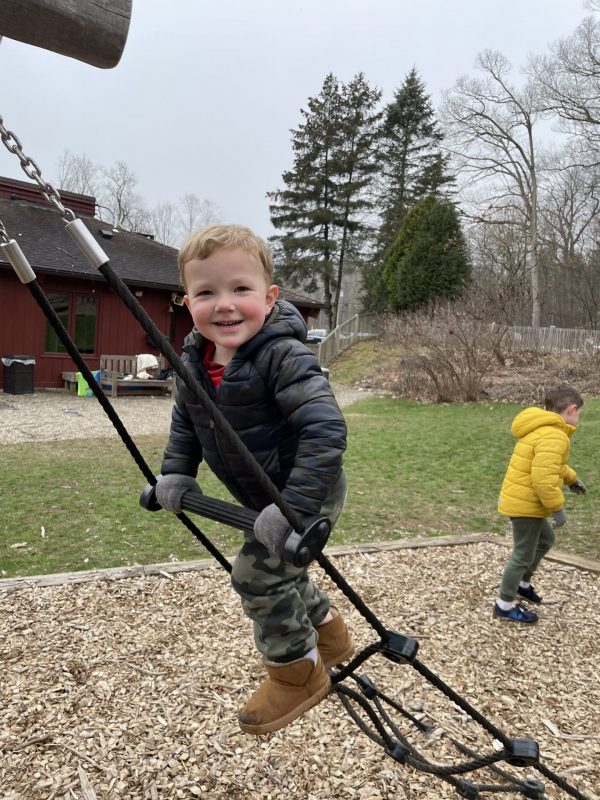
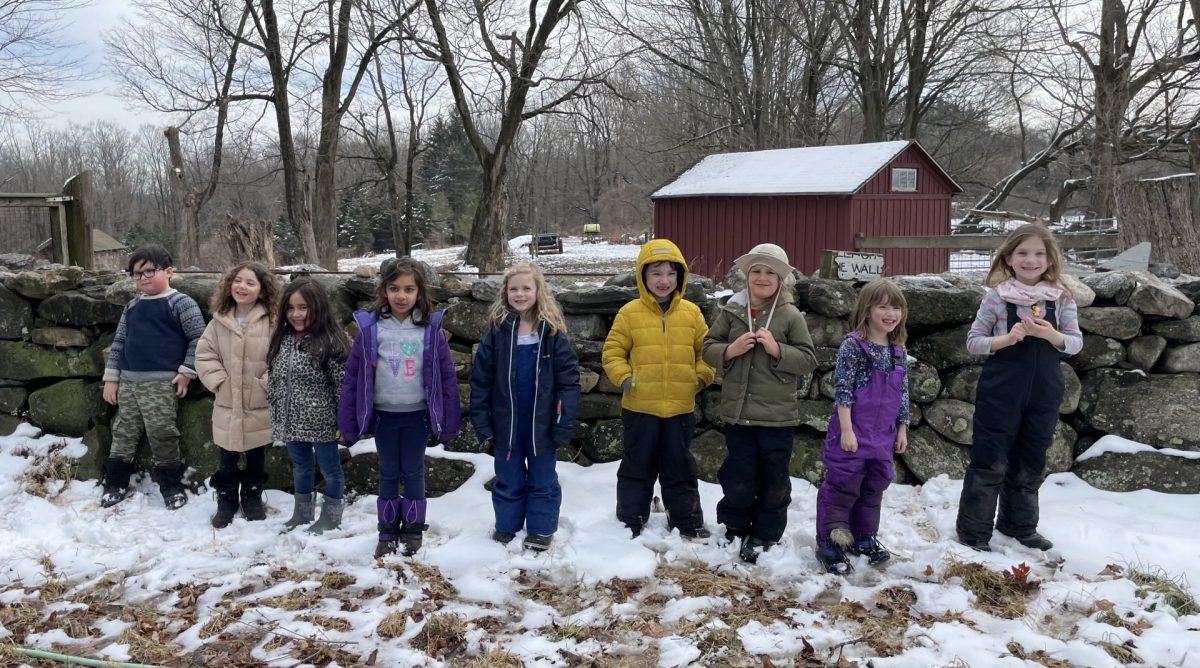
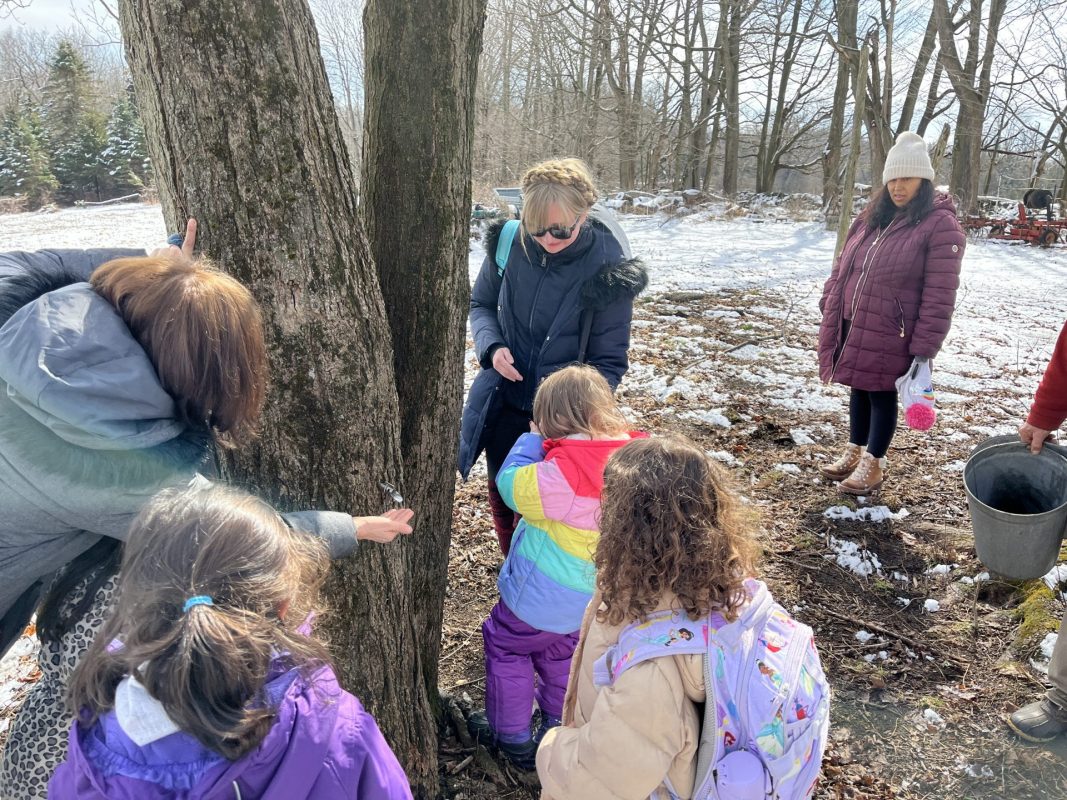
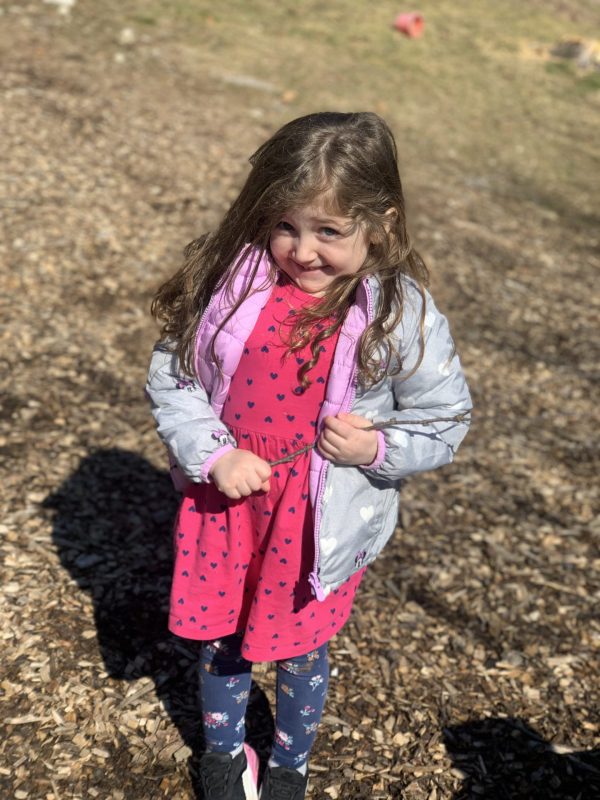
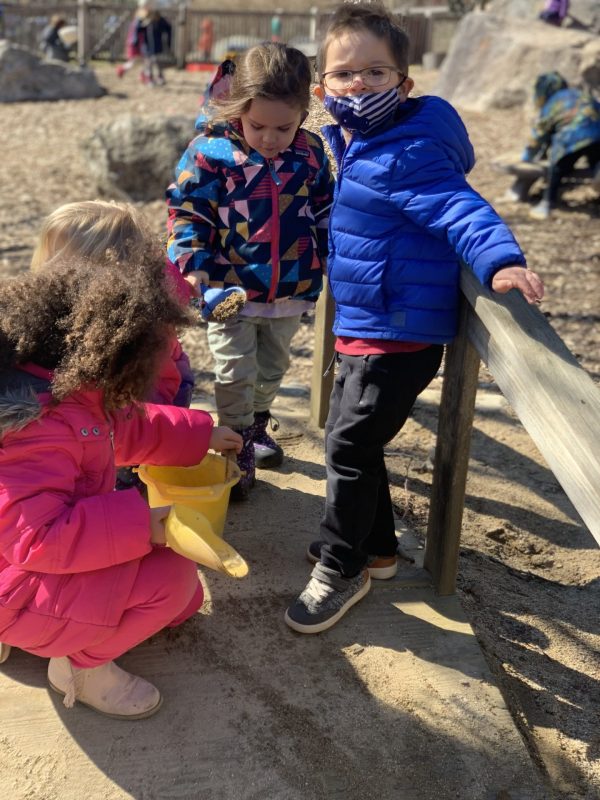
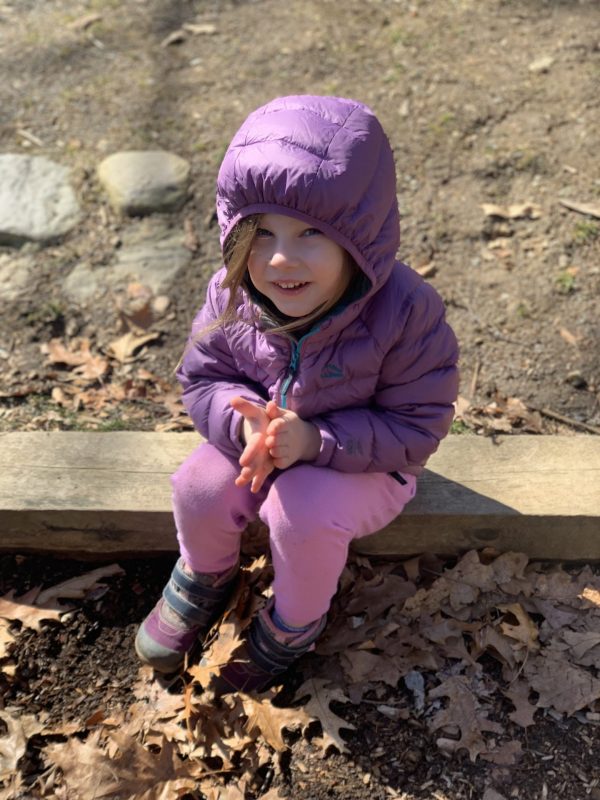
Also a gentle reminder, winter is here and the temperature is dropping.  We do go outside as the weather permits, even in snow, so please be sure your child has a set of gloves, hat, boots, and snow pants-if necessary.  

Best,

Amanda & Heather


Mrs. Doyle’s Class: Hidden Treasures


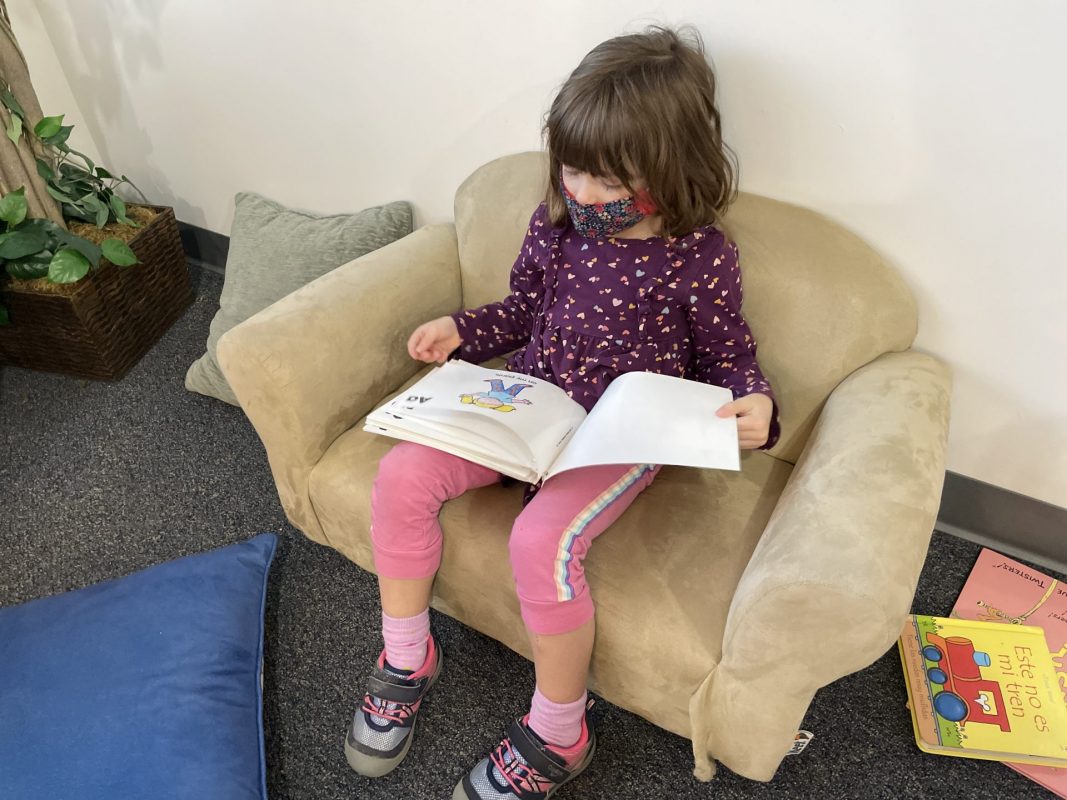
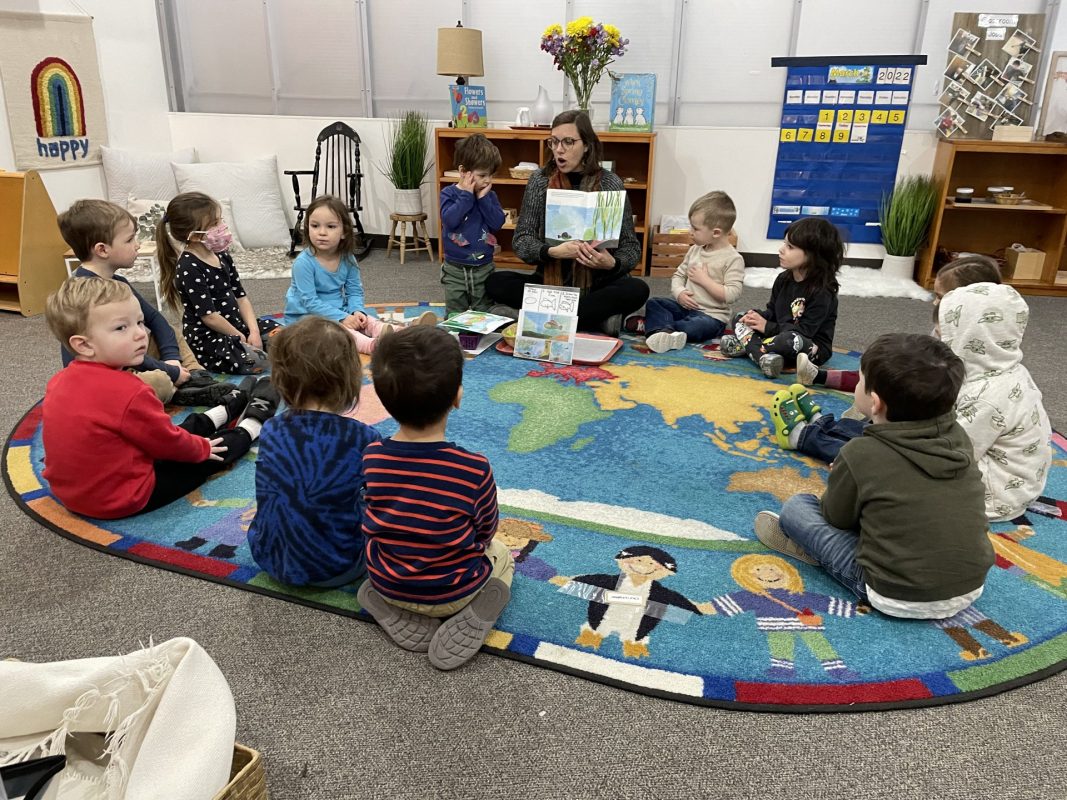
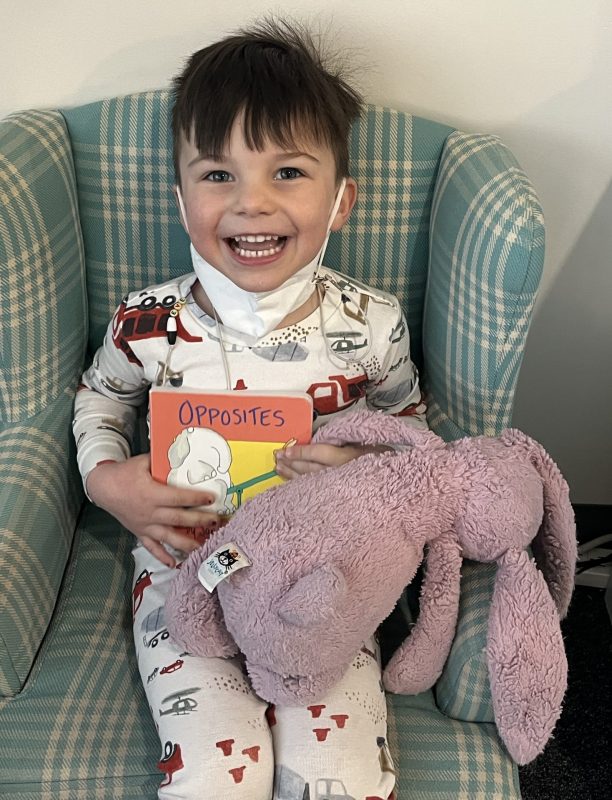
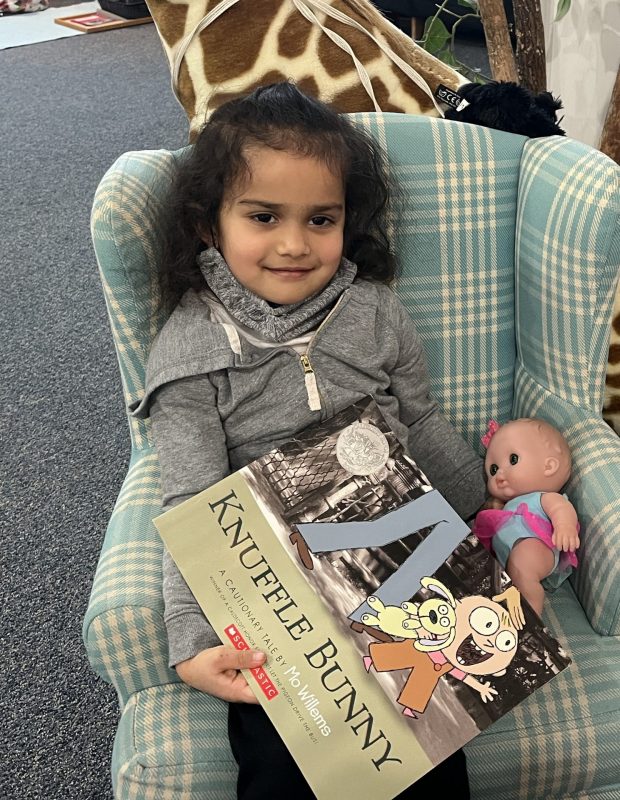
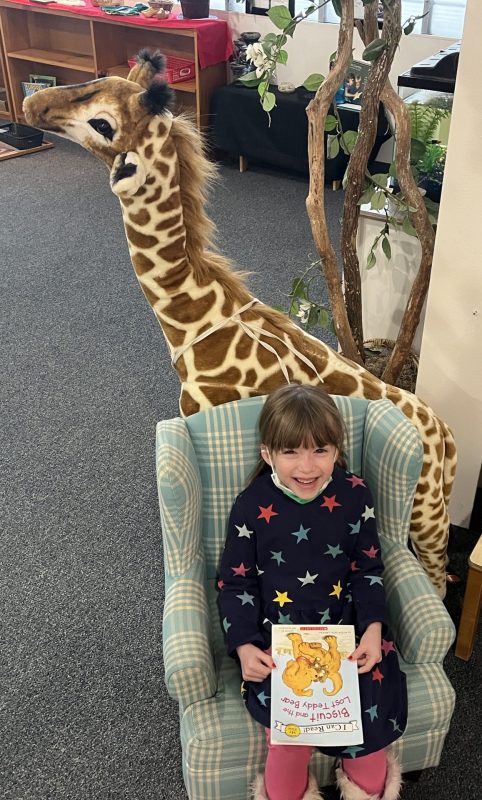
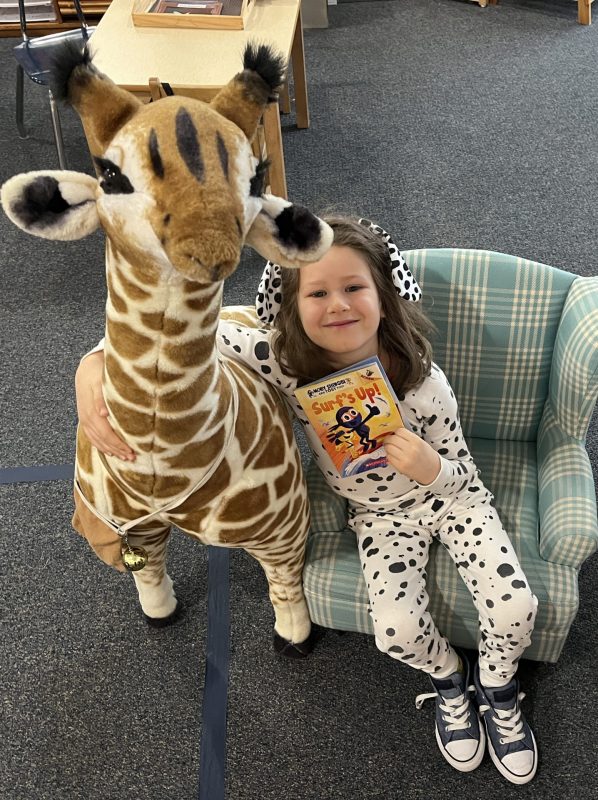
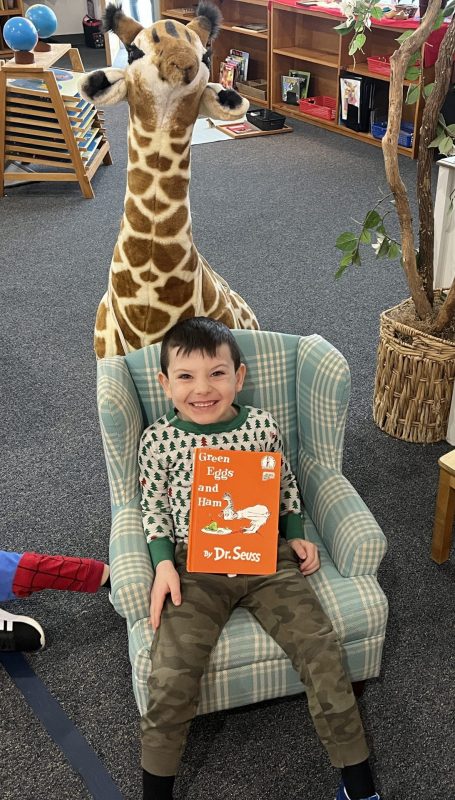
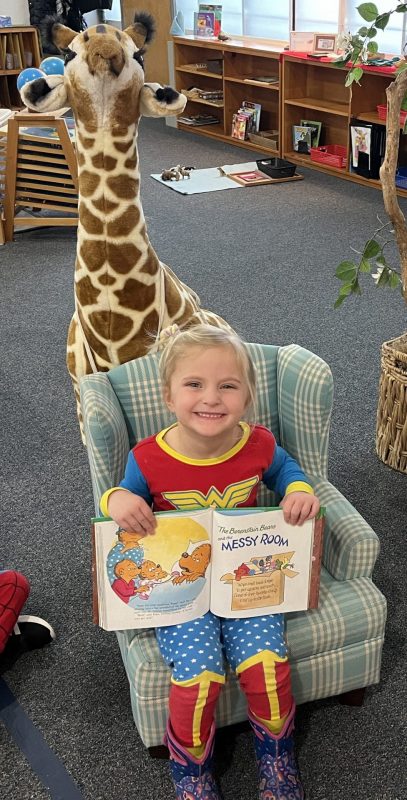
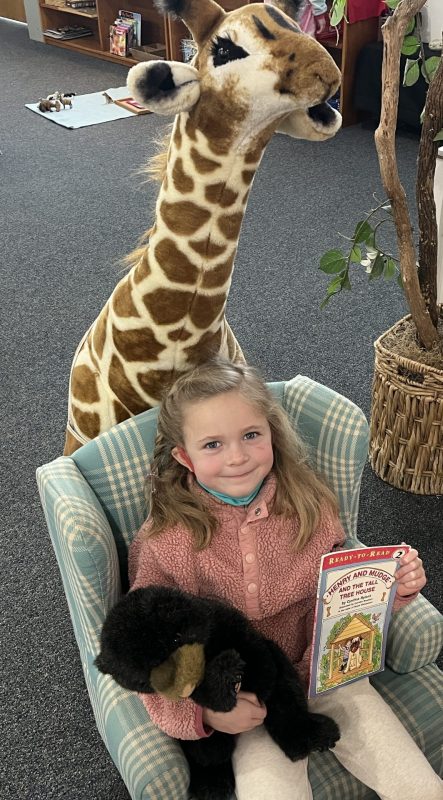
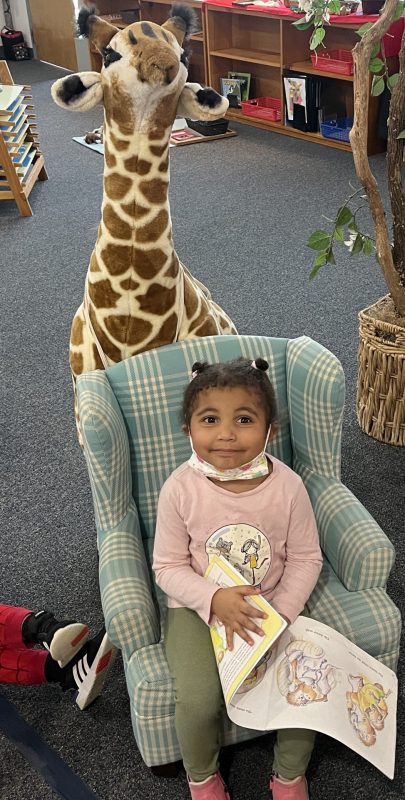
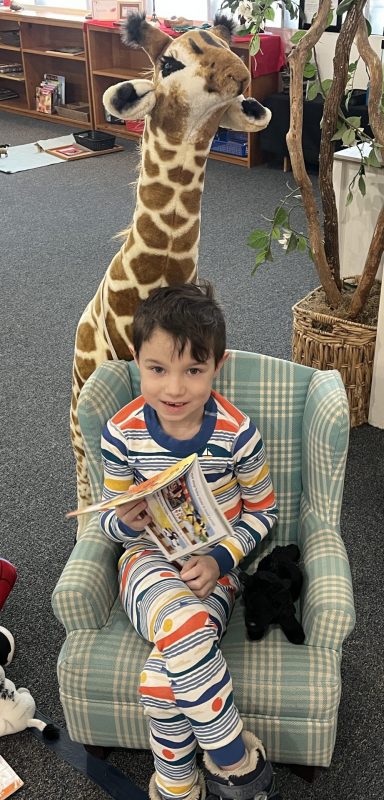
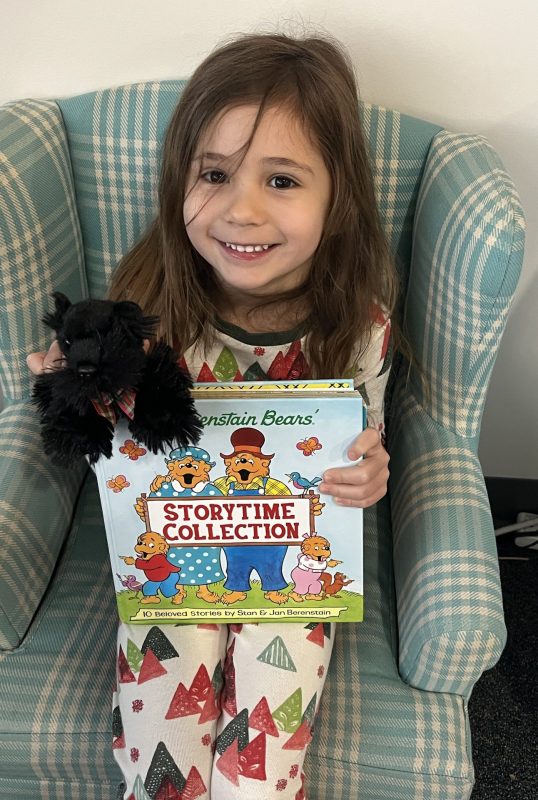
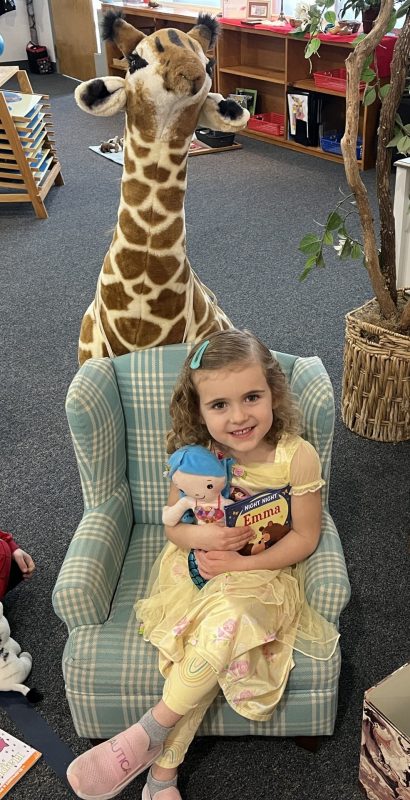
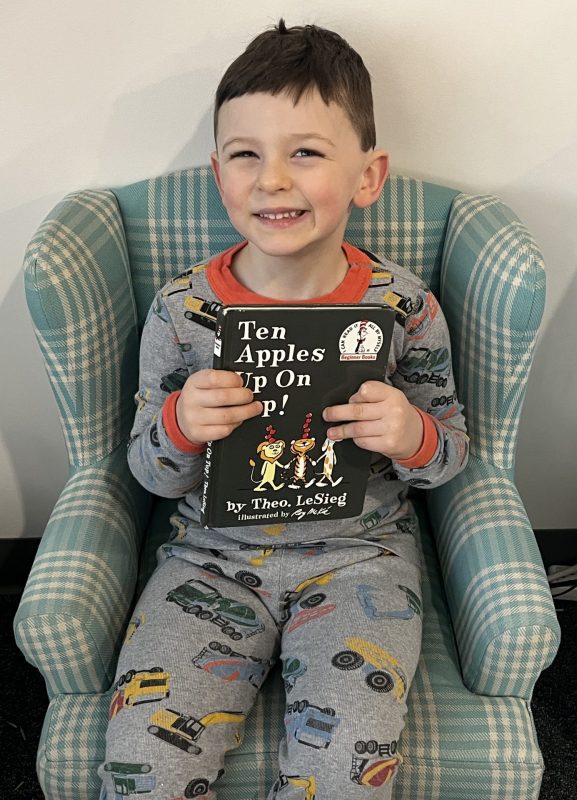
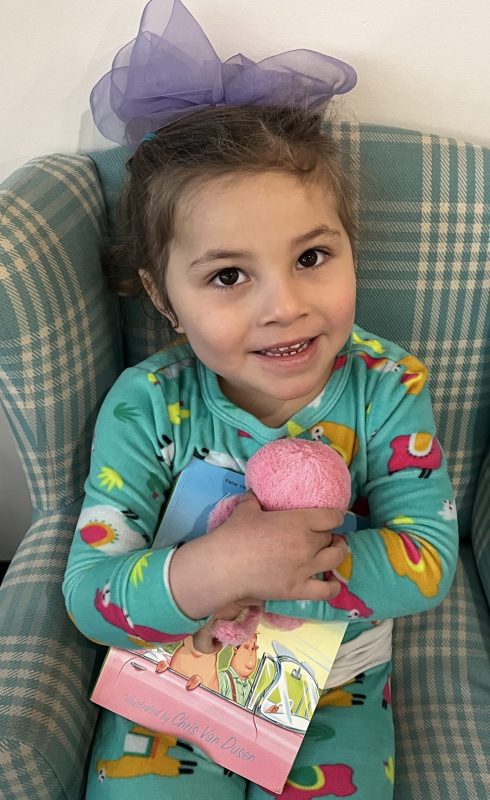
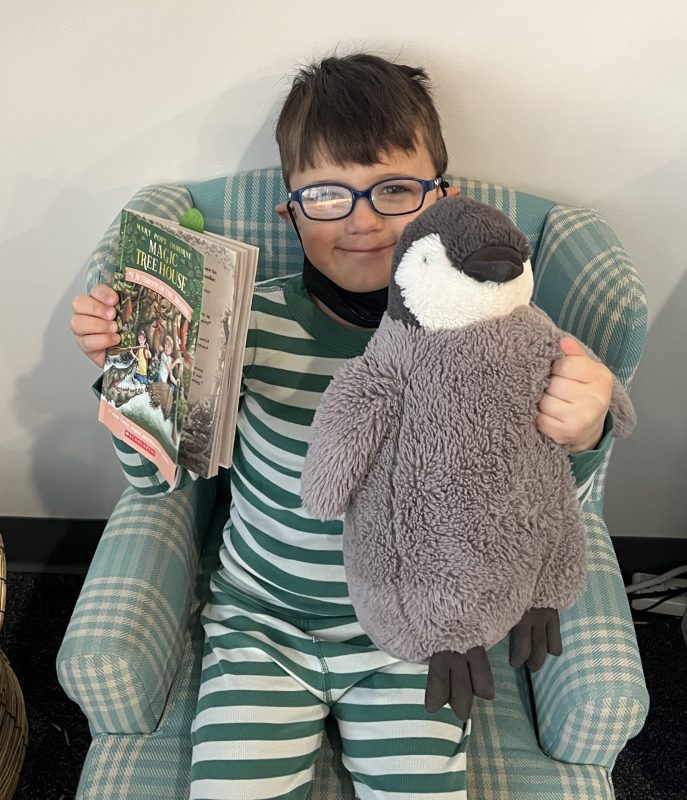
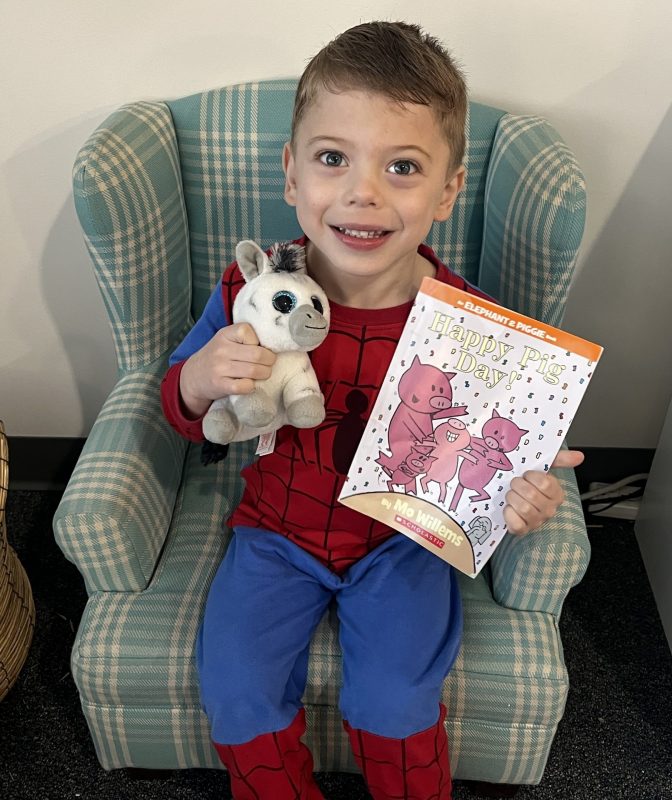
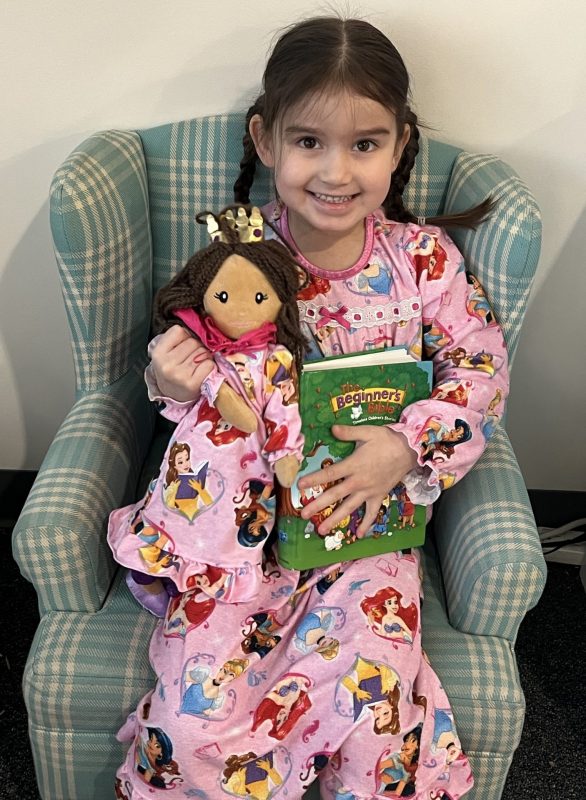
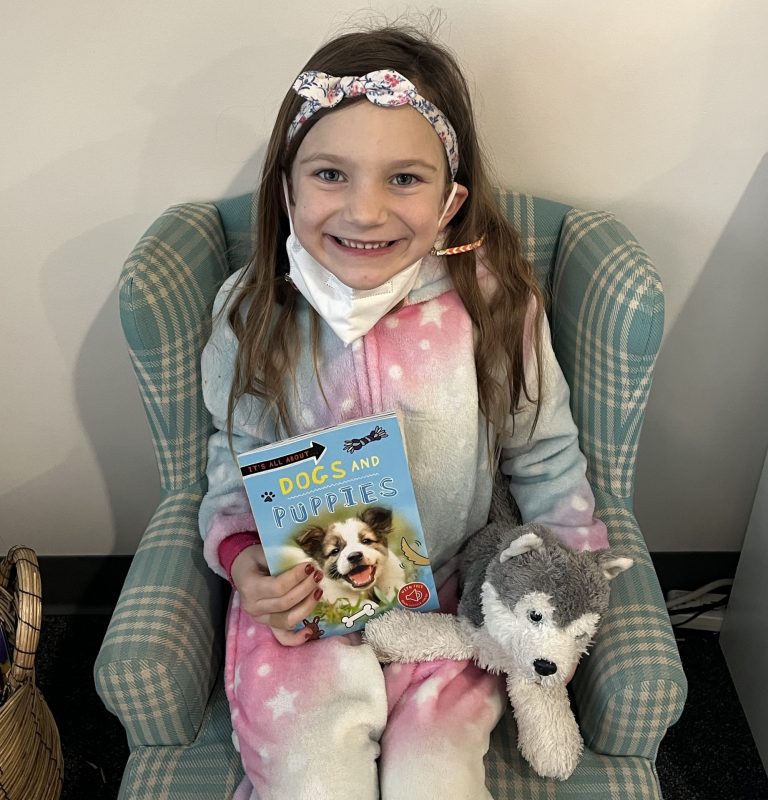
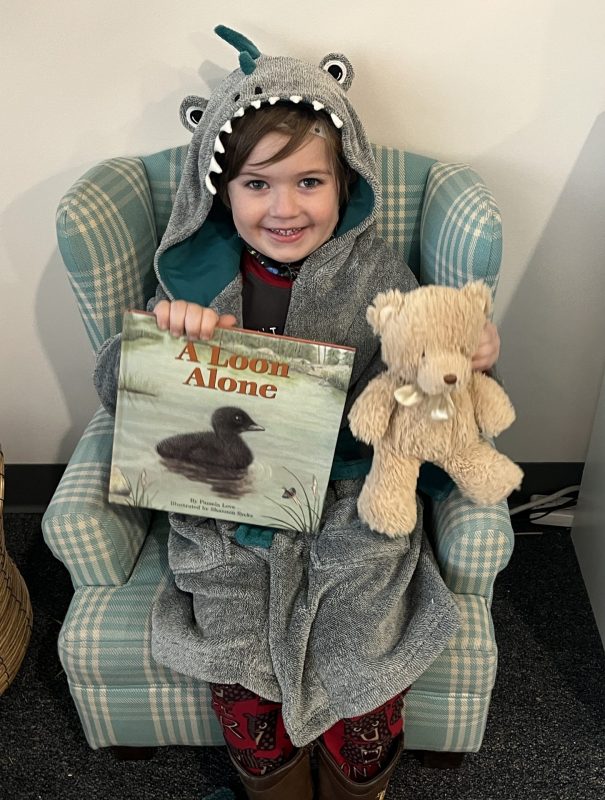
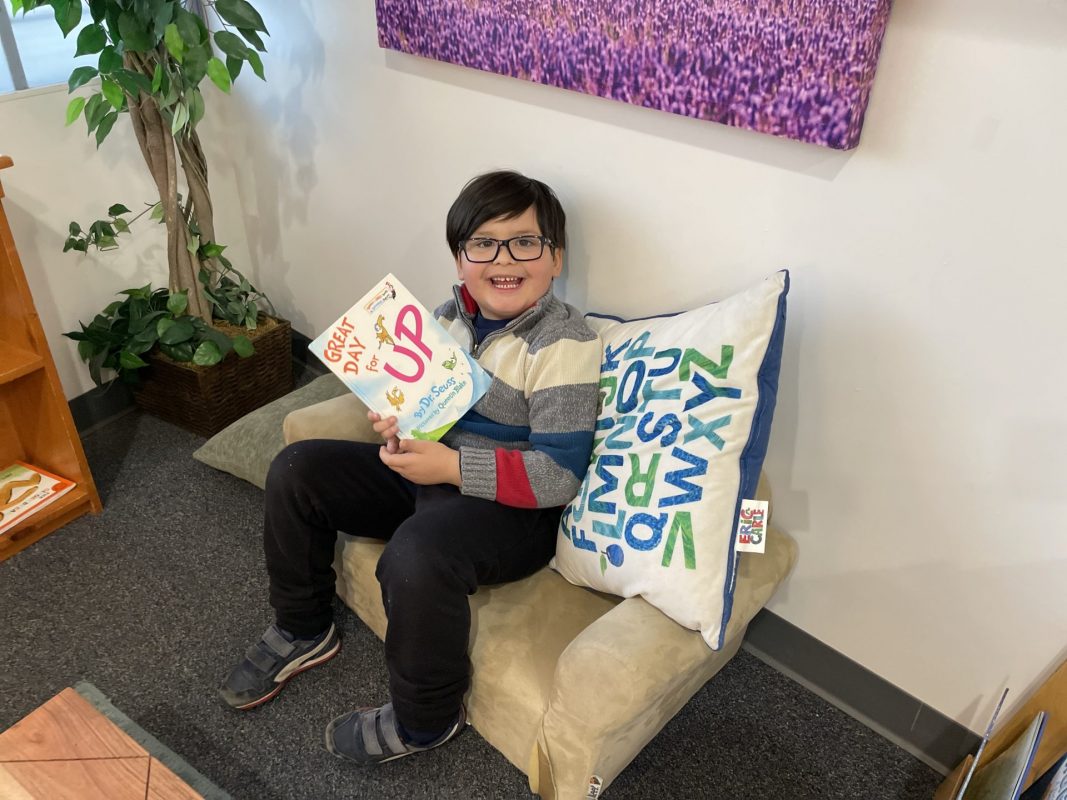
Children’s literature is a passion of mine.  I truly hope that each child who spends time in our classroom will quickly absorb not only how important literature is, but also how much enjoyment it brings.  Each month we do an author study, learning about the author and reading their books. Books are everywhere in our classroom and we read throughout the day. We have a book corner in our classroom, a wonderful spot for a ‘brain break’ or to spend quiet time with a beautiful story. We read a chapter (or two, or three) each afternoon from a chapter book.  Our older friends have both private reading and partner reading built into their day. When a child says “I don’t know what to do,” I just give them that well practiced teacher look and usually they say, “I know, I know, I can read!”

In our classroom, we call books ‘treasures‘ and we speak about how important it is to take care of our books.  The children love to hear how so many of the books I bring to class are the very same ones from my childhood.  I saved them and shared them with my own children and now I am sharing with each of them.  It is an absolute joy to witness the impact of literature on every child.

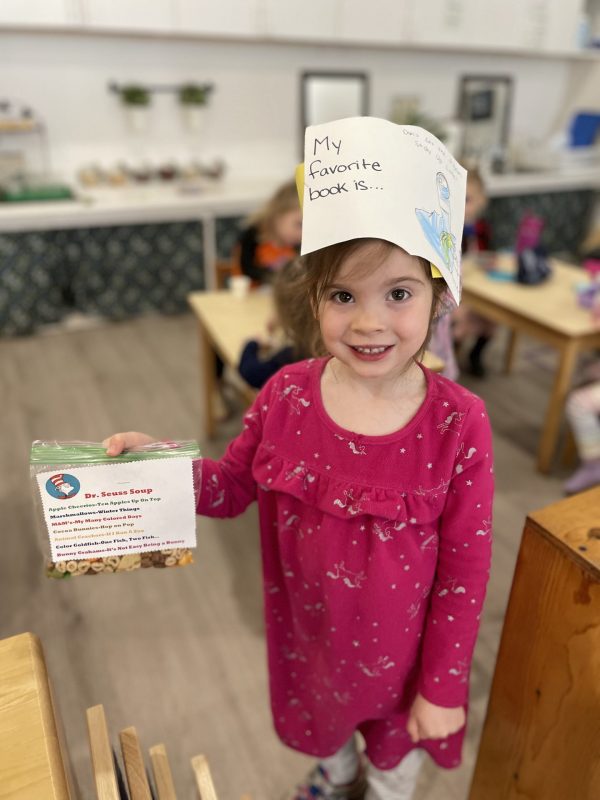
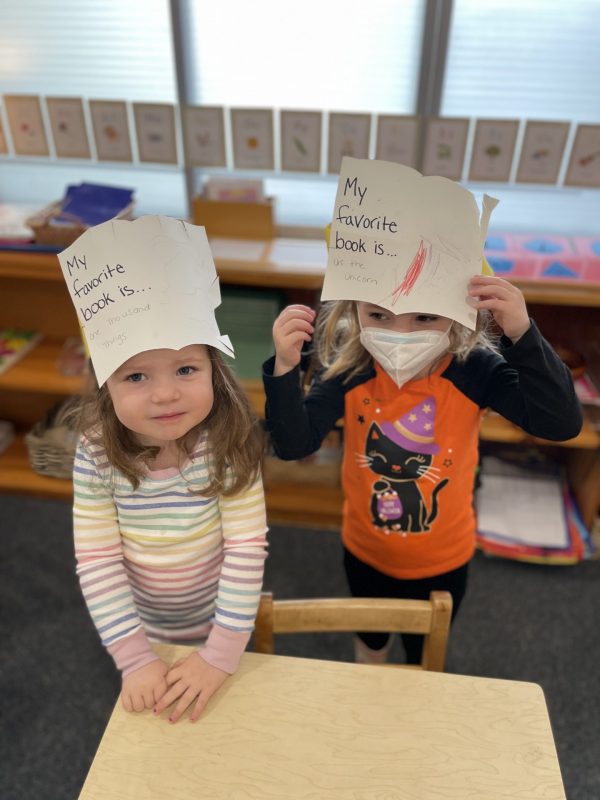
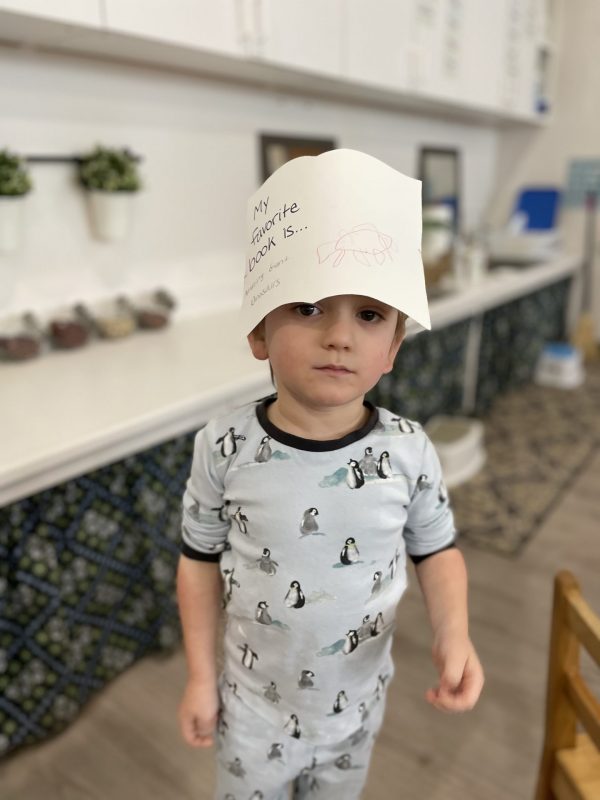
We asked the children to share the title of one of their favorite books.

  • Anchor:  Toy Dance Party and Pete the Cat Robo-Pete
  • Bodie:  Truck Trouble
  • EmmaJo:  All my animal books, especially the Panda one.
  • Emma:  Little Blue Truck
  • Everly:  Otis
  • Greyson:  Lifesize
  • Isla:  Moon
  • Landon:  This Is Miles Morales
  • Lily:  Pete the Cat
  • Luca:  Five Little Monkey’s
  • Marin: When The World Is Ready for Bed
  • Michaela:  The World of Peppa Pig
  • Olivia:  The Case of the Hungry Stranger
  • Saanvi:  Frozen Unicorns
  • Stephen:  The Polar Bear Wish and my Snoopy book.
  • Theo:  Harry Potter and The Sorcerer’s Stone
  • Virginia:  Elsa
  • Wilder:  Mercy Watson books
  • Zara:  The Bible

Wishing you a week filled with peace, love and happy reading!

Michelle & Liset


Mrs. Doyle: Normalization…What Exactly Does That Mean?

“Social grace, inner discipline, and joy. These are the birthright of the human being who has been allowed to develop essential human qualities.”  Maria Montessori

Normalization is a buzzword often used by Montessori teachers everywhere. So what exactly does it mean, and more importantly, how do we achieve it? When children in a Montessori environment demonstrate deep concentration, self-discipline, social skills, and a true love of work, we describe this as a normalized classroom. Normalization is achieved by consistent and clear ground rules that everyone is familiar with. It is our job to ensure the environment is always well prepared and designed to meet the needs of the children. As Montessori teachers, we are confident that if we do our job well and the children are free to experience the opportunities provided by the environment and Montessori materials, they will thrive.

After the winter break and upon our return in January, we often see noticeable growth in the children’s social and emotional development. They come back eager to learn and raring to go! The first half of the year, they have become comfortable and confident with our classroom routines and expectations. They have developed deeper relationships with their peers and teachers. It is always an exciting time and sets the groundwork for the second half of the school year.

It was so wonderful to welcome the children back to class and observe all of their growth.  While nothing may seem normal as of late, our classroom was definitely normalized and brought us great joy and hope!

Wishing everyone a 2022 filled with much peace and love.

Michelle & Liset


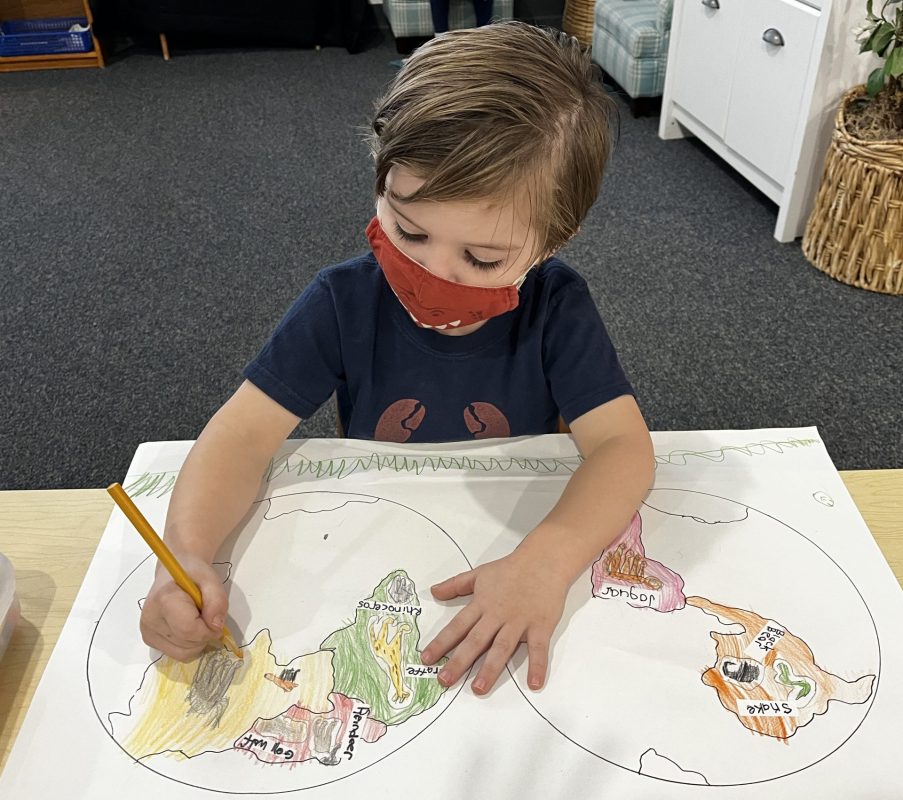
Mrs. Lopes’s Class: Off to a Great Start!

The holiday season came and went in a hurry and the new year has officially begun. Coming back to the classroom after our winter break is always one of our favorite times of the year.  The children are familiar with the classroom routines and often return to school ready and excited to learn!  We begin to introduce longer, more involved lessons and we see their academic development begin to take off.

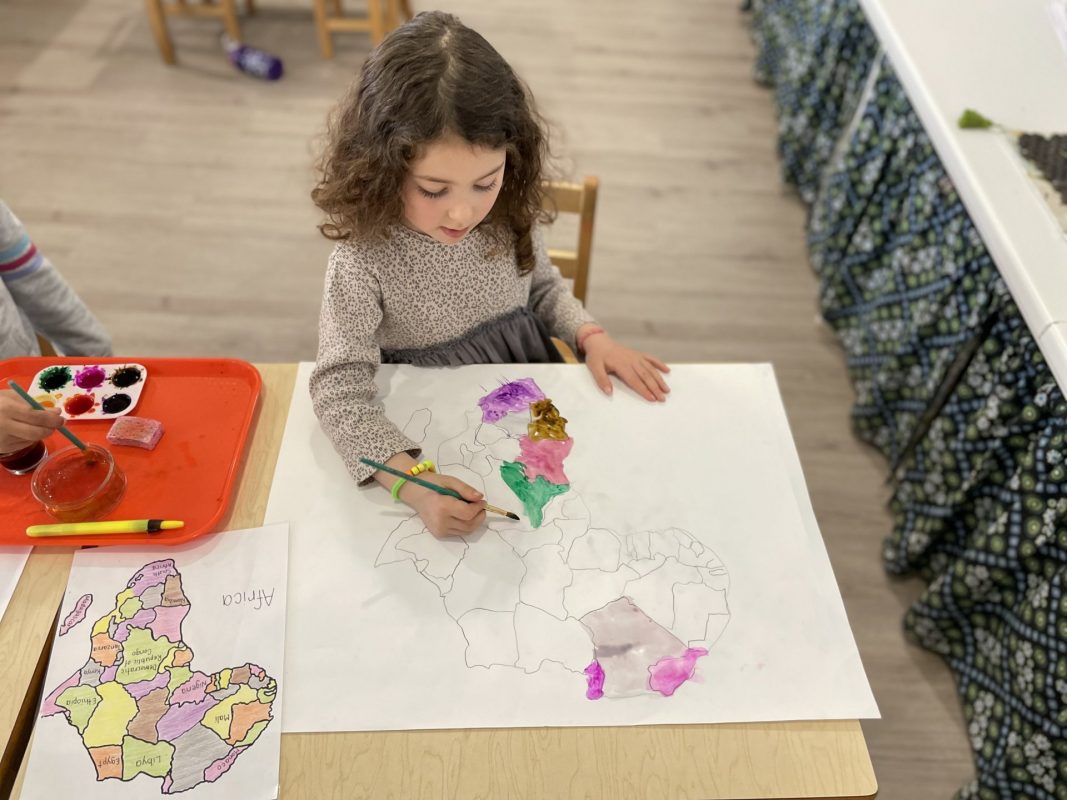
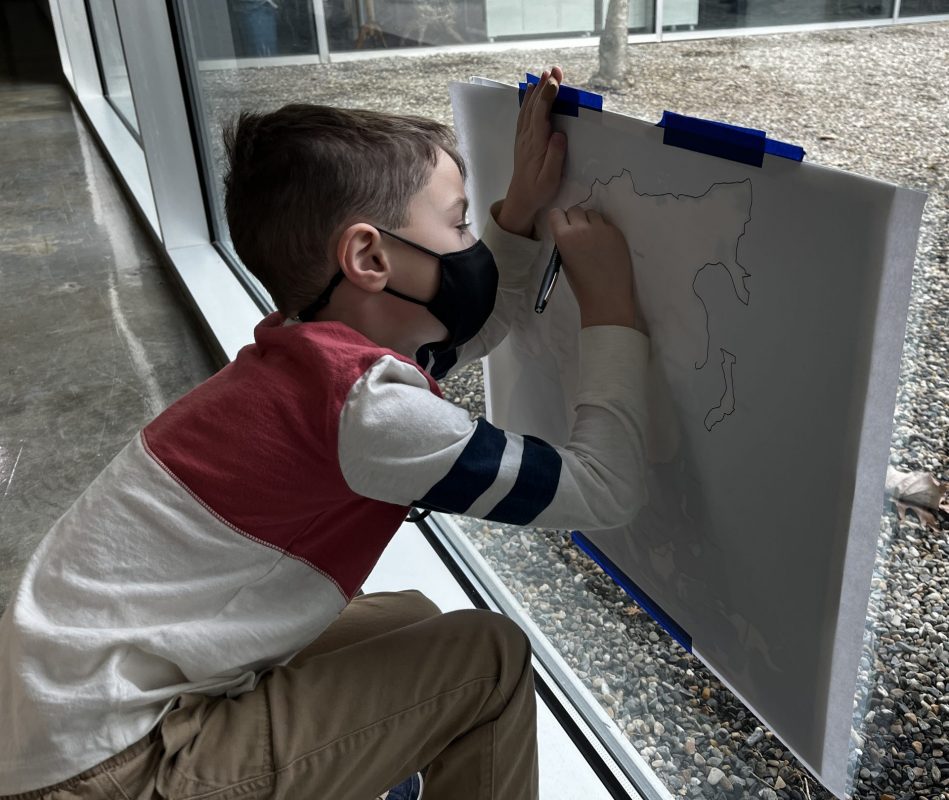
This month our classroom travels will be taking us to the continent of Asia, the largest of the seven continents. We look forward to exploring the various countries, customs, animals, foods, music, and literature this culturally rich continent has to offer.

As we begin this new year, we would like to wish you all a very happy new year and look forward to what the remainder of the school year will bring!

All the best,

Amanda and Heather

Mrs. Semmah: The Fun of the Metal Inset

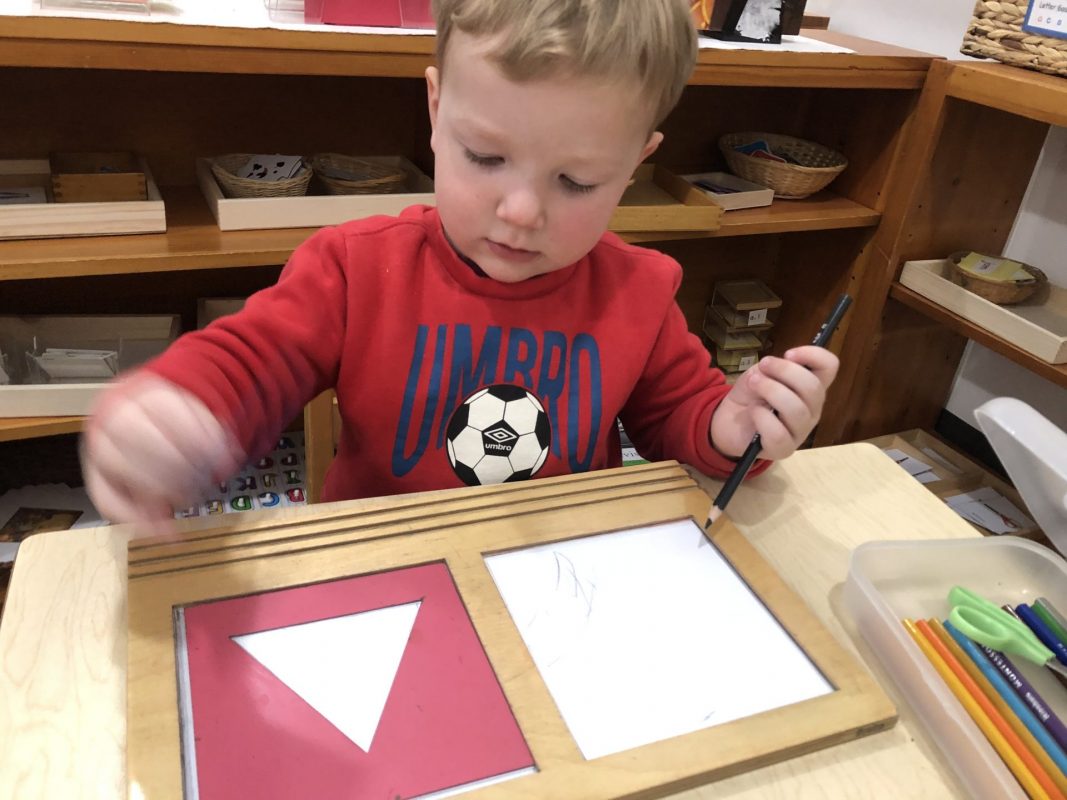
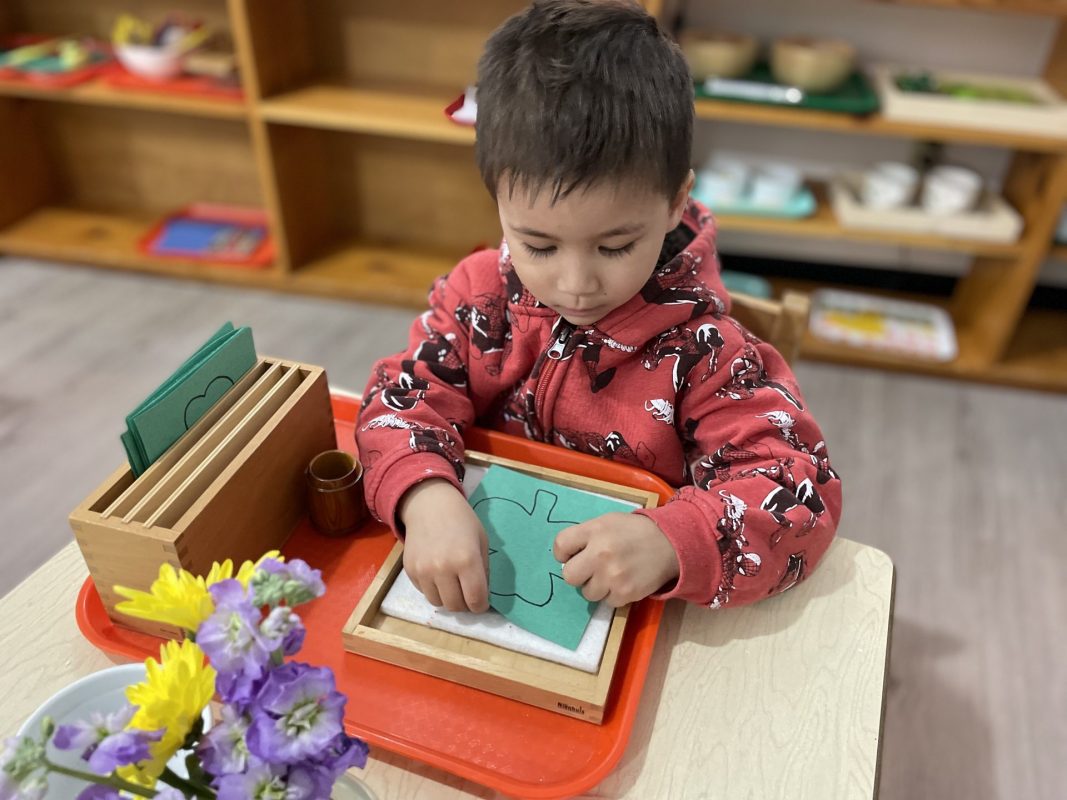
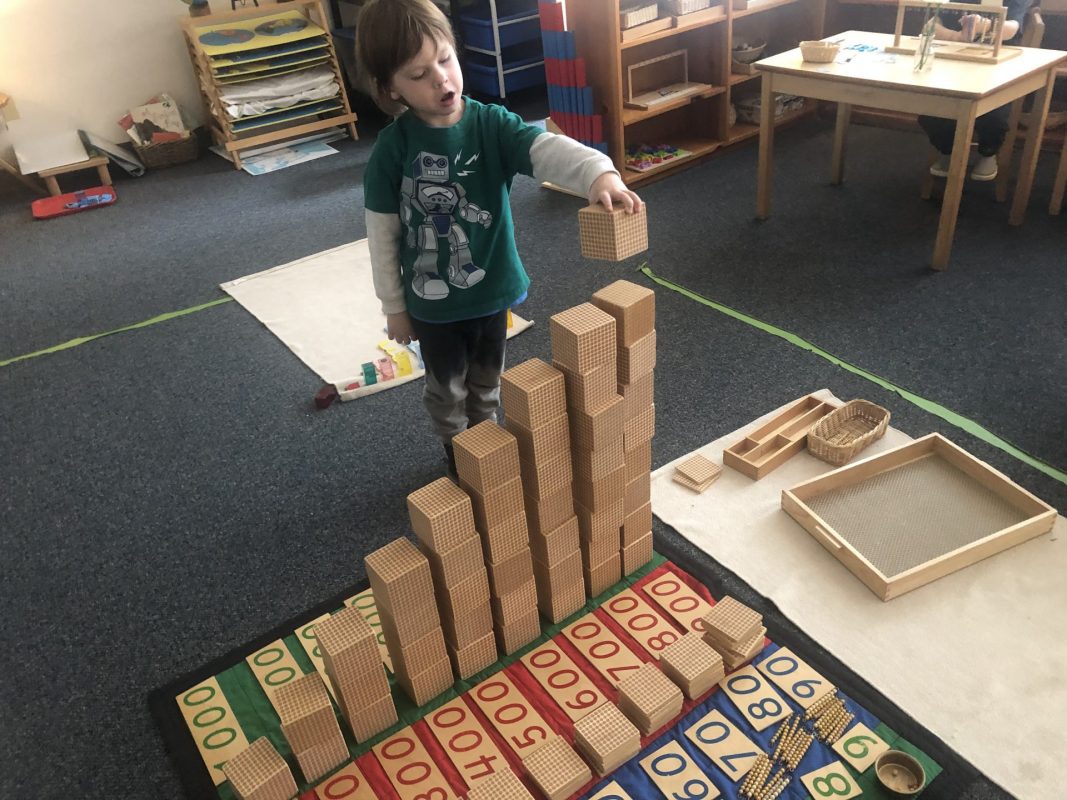
Montessori Metal Insets are a part of the Montessori language curriculum. The purpose of discovering and having fun with shapes is to prepare a child to learn writing. The lesson also includes some creative patterns, using the colored pencils of the child’s choice. The insets are made of metal and are hard and sturdy for the child to use. They have a frame and a corresponding inside inset. A child will be working with both the frame and the inset.

Some of the purposes of this lesson are to develop hand-eye coordination by making small, coordinated movements, grip and hold the pencil, develop fine muscles in the hand and also the larger muscles required for sitting and maintaining posture for writing.
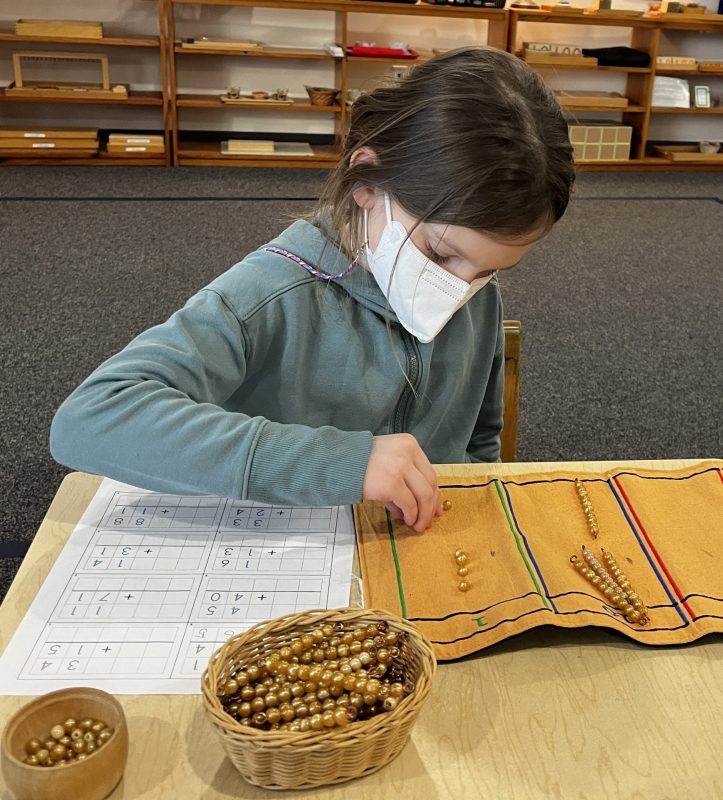
The metal inset work is a popular activity in our classroom, especially for children who like to discover, touch, and feel the dimensions of the forms. They like to bring the special wooden metal inset tray, the colored pencils, square paper, and metal inset shape to the table and do this lesson.

Wishing you and your loved ones a safe, healthy, and happy 2022.

Kaoutar and Sara