Mrs. Lopes: Traveling to Africa

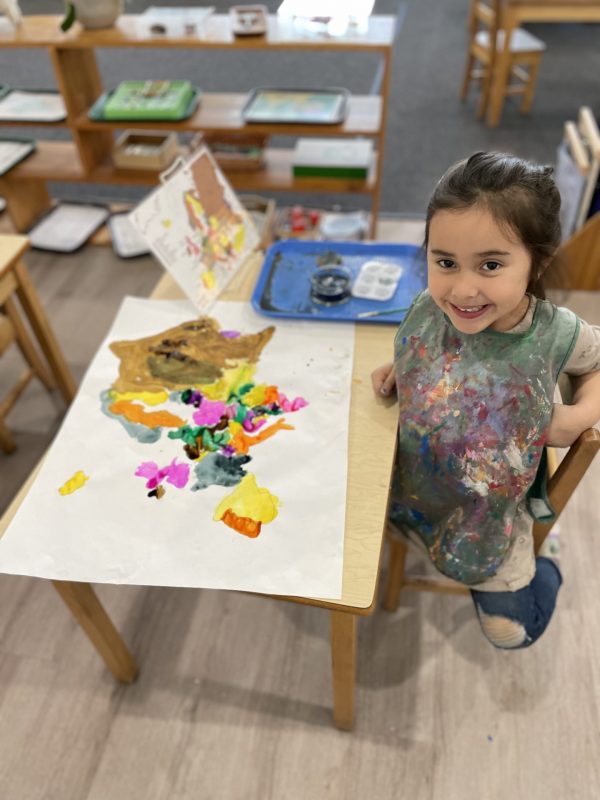
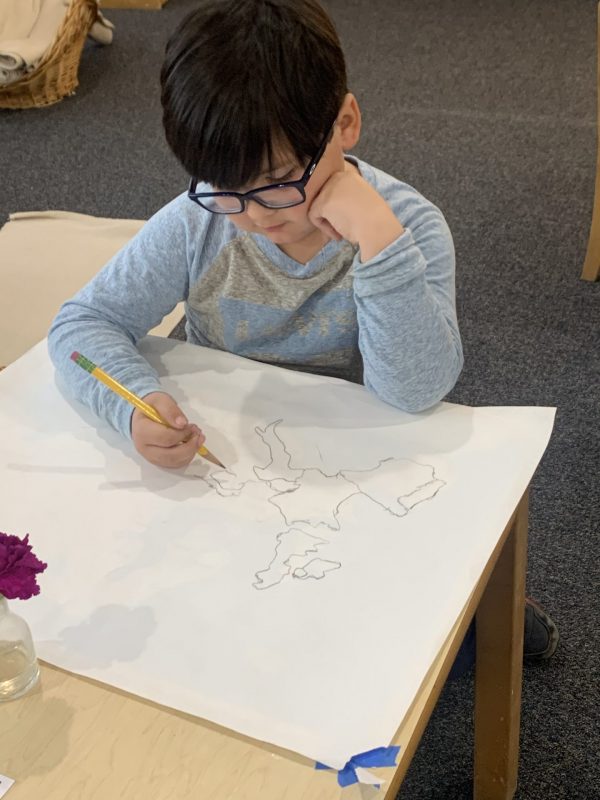
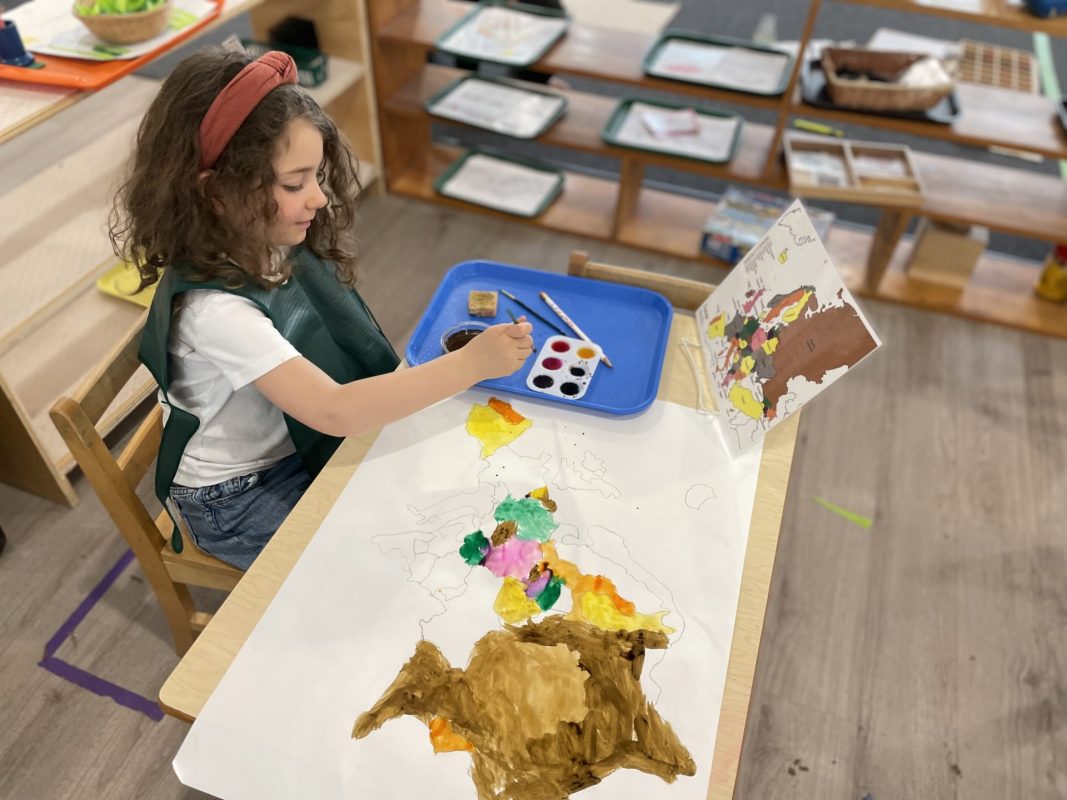
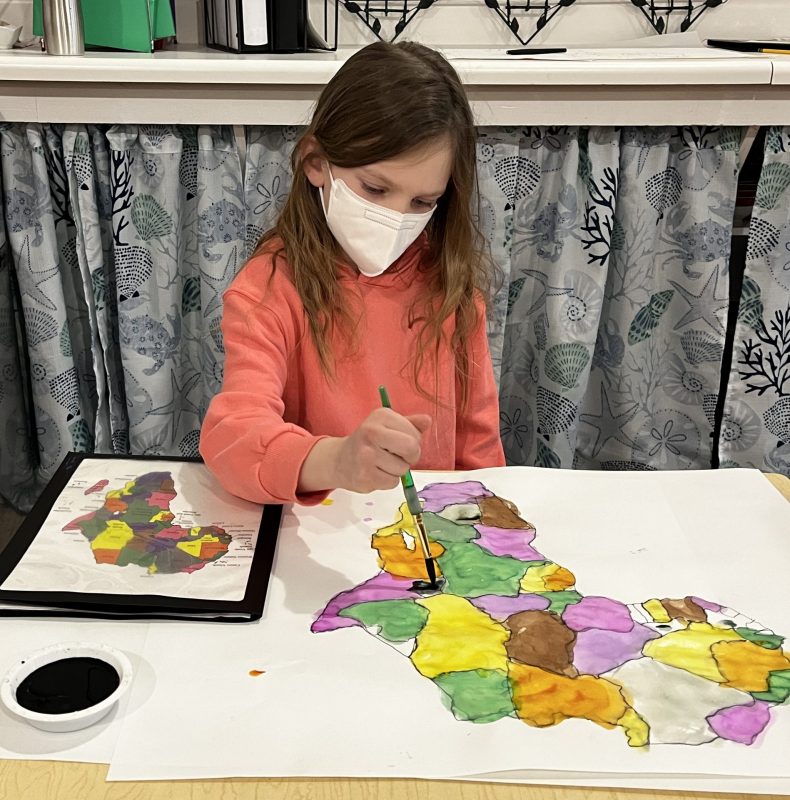
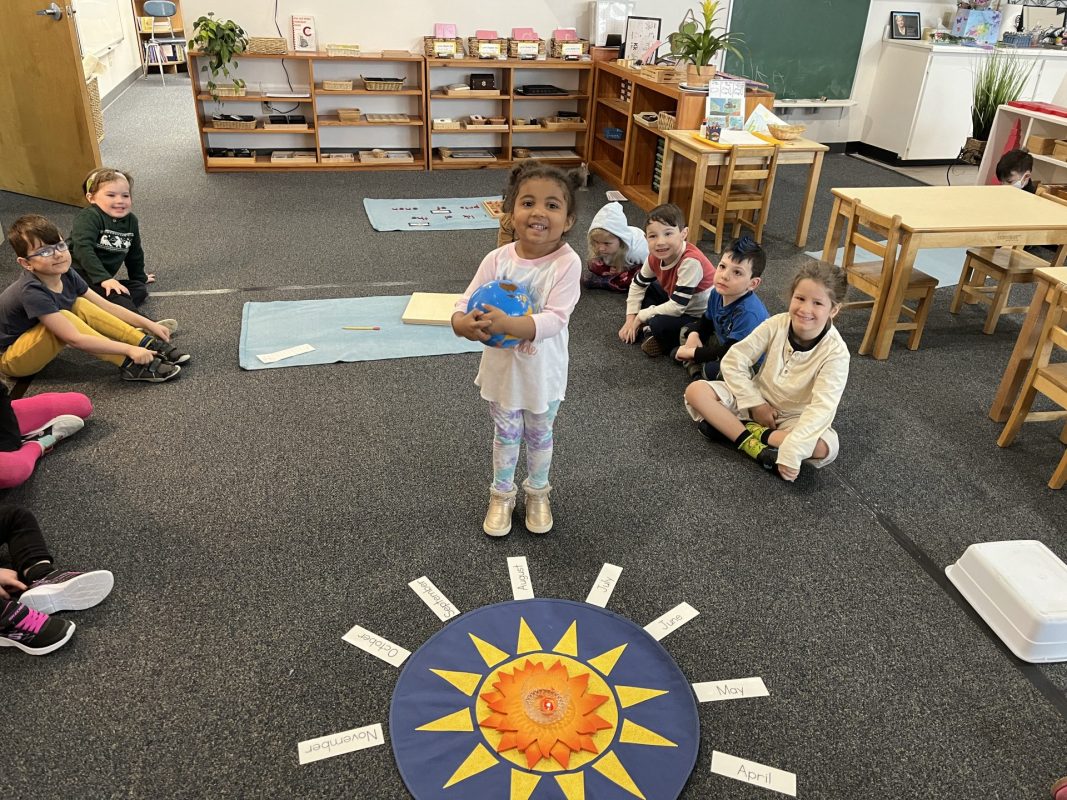
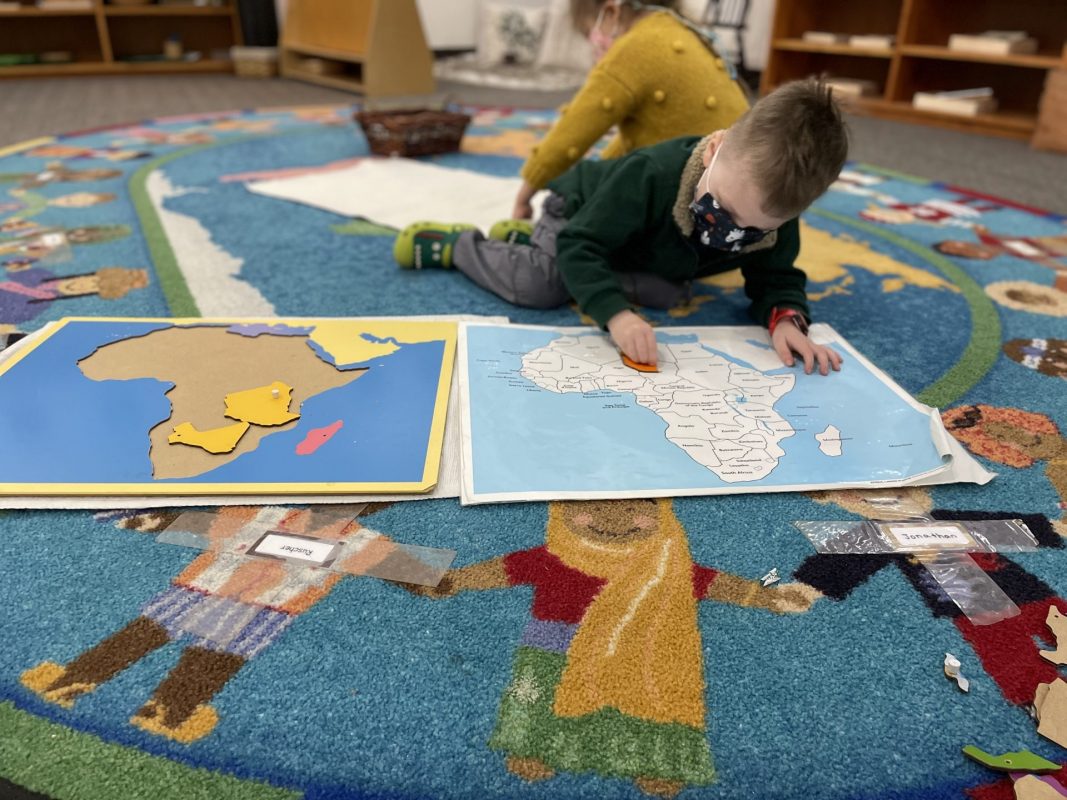
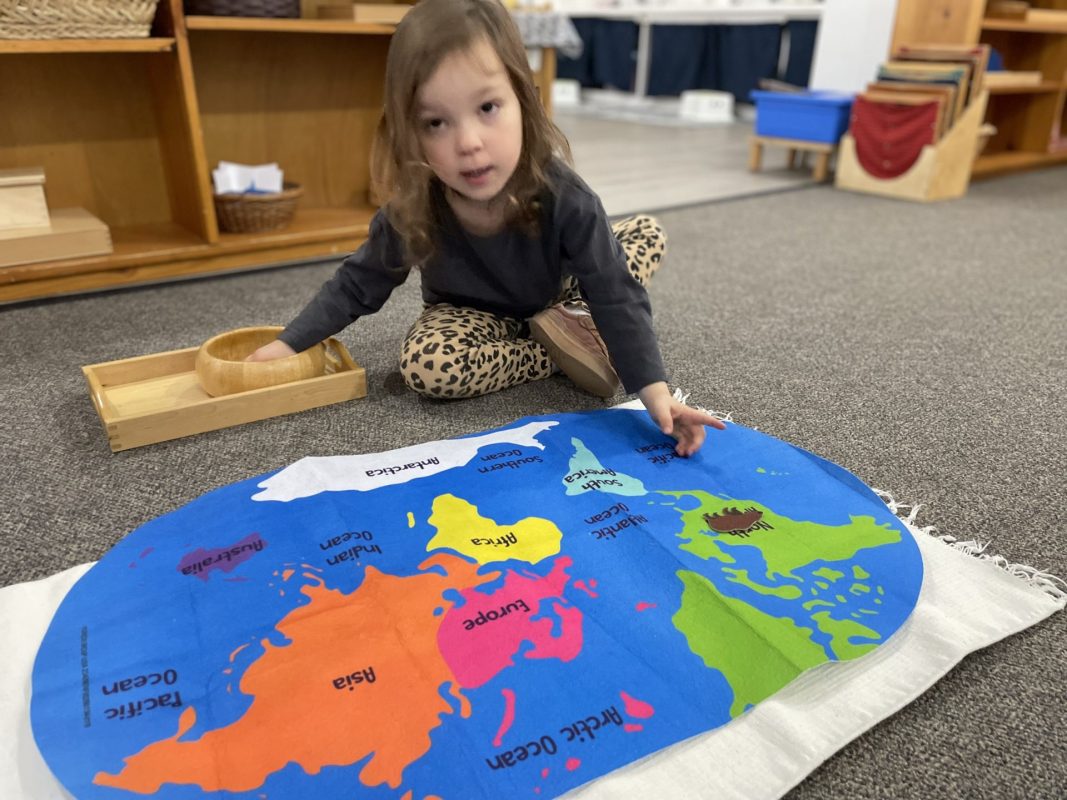
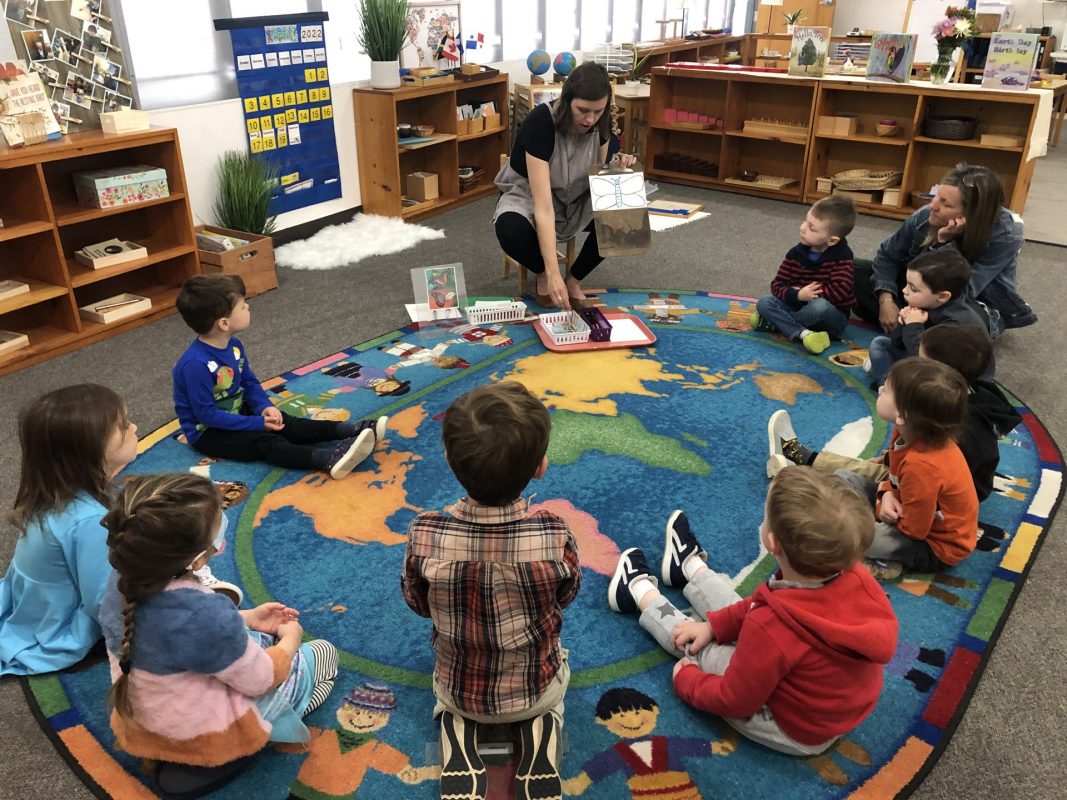
This week we began our continent study of Africa.  Each time we begin a new continent study, we first find the continent on the map.  We then discuss what makes this continent different from the others.  We learned:

  • Africa is the second-largest continent in the world, both in size and population.
  • Both of the world’s tallest and largest land animals come from Africa. They are the giraffe and African elephant, respectively.
  • The world’s longest river — the Nile — and the world’s largest desert — the Sahara — both are home in Africa.
  • The world’s hottest place — Ethiopia — is in Africa, and Africa is the hottest continent on earth.

The children enjoyed learning about the interesting animals that live in Africa, the colorful art and music, and we read an African folk tale.  The Kindergarten children learned about Ancient Egypt and their unique form of writing, hieroglyphs.  We will continue to explore Africa next week!

If you have not yet signed up for a time to meet on our virtual Parent/Teacher conference day please take time to do so by clicking the link below. We look forward to “seeing” everyone soon!

Conference Sign Up

Best,

Amanda and Heather


Mrs. Semmah: Asia Bengali Culture

Last month we studied one of the largest continents, which is Asia. We learned about flags, animals, and read books about Asia in general. It was a delight to have our Director of Admissions and Parent Relations, Mrs. Paromita, share some insights with the children about the culture of India, especially the state of West Bengal. This region of India Kolkata which is the capitol of West Bengal is inhabited by people who speak Bengali as their primary language in addition to the Hindi and English.

Mrs. Paromita talked to us about the symbolism of the Indian flag. The three colors are: saffron which stands for strength and courage, white which indicates peace and truth, and green symbols refer to the fertility and growth of the land. A blue wheel in the center is known as the Dharma Chakra. Mrs. Paromita also showed us a long piece of sari which is a traditional dress worn every day in India and other Asian countries like Sri Lanka, Pakistan, and Nepal. She also showed the children “ghagra choli” and kurta pajamas.  It was fascinating to know that Indian brides have been wearing red for their weddings for centuries.

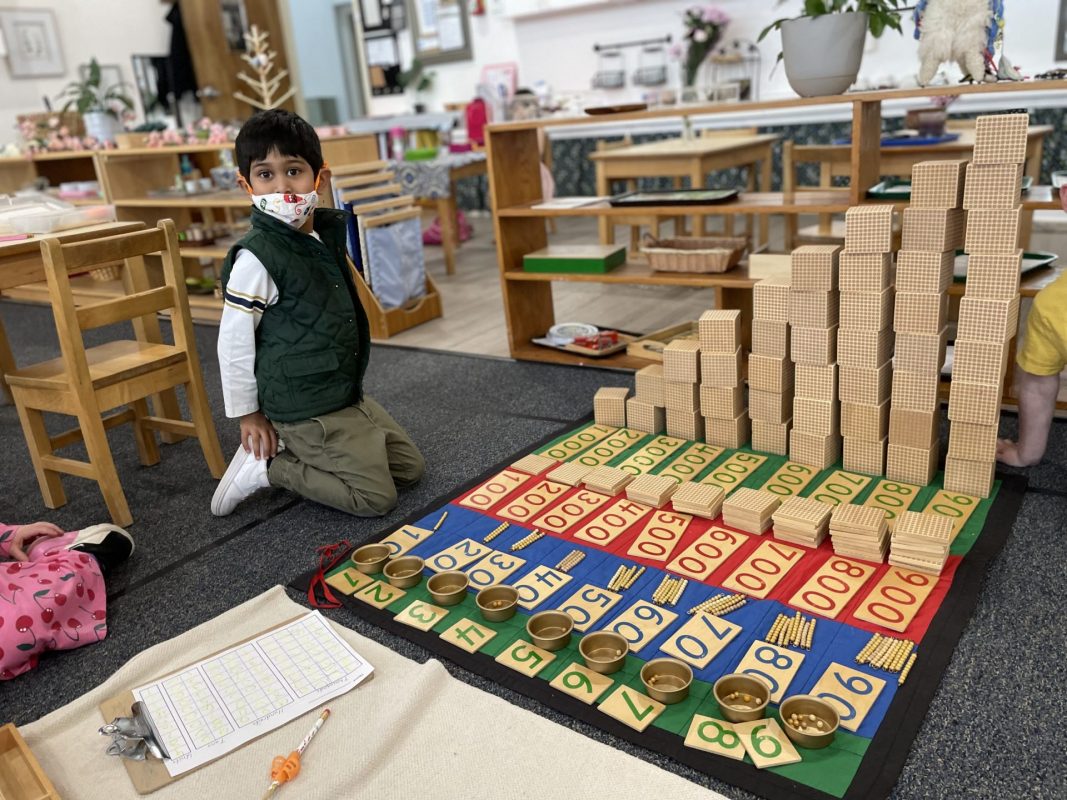
Mrs. Paromita also presented the Bengali numbers that had different symbols from the international numerals. One interesting fact is that the number 8 is also a Bengali symbol referring to the number 4 in Bengali culture. And in the end, Mrs. Paromita delighted the class with her dance to Bengali music. She was moving in the classroom space so rhythmically and beautifully and sharing a joyful piece of the Bengali culture.

I am looking forward to meeting with your during Parent-Teacher Conferences on Thursday, February 17th. Please use this link to access the sign up for your conference.

Peace and love.

Kaoutar and Sara

Mrs. Doyle: Animals In Winter

Over the course of the last few weeks, we have been learning that winter can be very harsh for animals. The weather and lack of food can make their survival difficult. To help ensure their survival, animals hibernate, migrate, or adapt to their surroundings.

Animals that hibernate for the winter go into a deep sleep. Their body’s temperature drops, their heartbeat and breathing slow down and they use very little energy. We’ve learned what animals hibernate as well as where they hibernate.  Places that animals hibernate can be above ground such as a cave, nest, or den or they can be below ground such as a burrow, a hole, or deep down in the mud.  We explored which animals migrated or traveled to other places where the weather is warmer and they will be able to find food. We also examined why animals would migrate and where they may go. Animals that adapt, remain and stay active in their environment. They adapt to the changing weather and their behavior and bodies may change too. We talk about what changes animals may make to ensure they will have enough food for the winter.

So, as the cold weather is becoming more frequent, how many of us are thinking about hibernating or migrating?

Parent/Teacher conferences are on Thursday, February 17th.  Please click here to access the sign up genius and choose a time slot.

Wishing you a week filled with peace and love.

Michelle & Liset


Mrs. Lopes: The Absorbent Mind

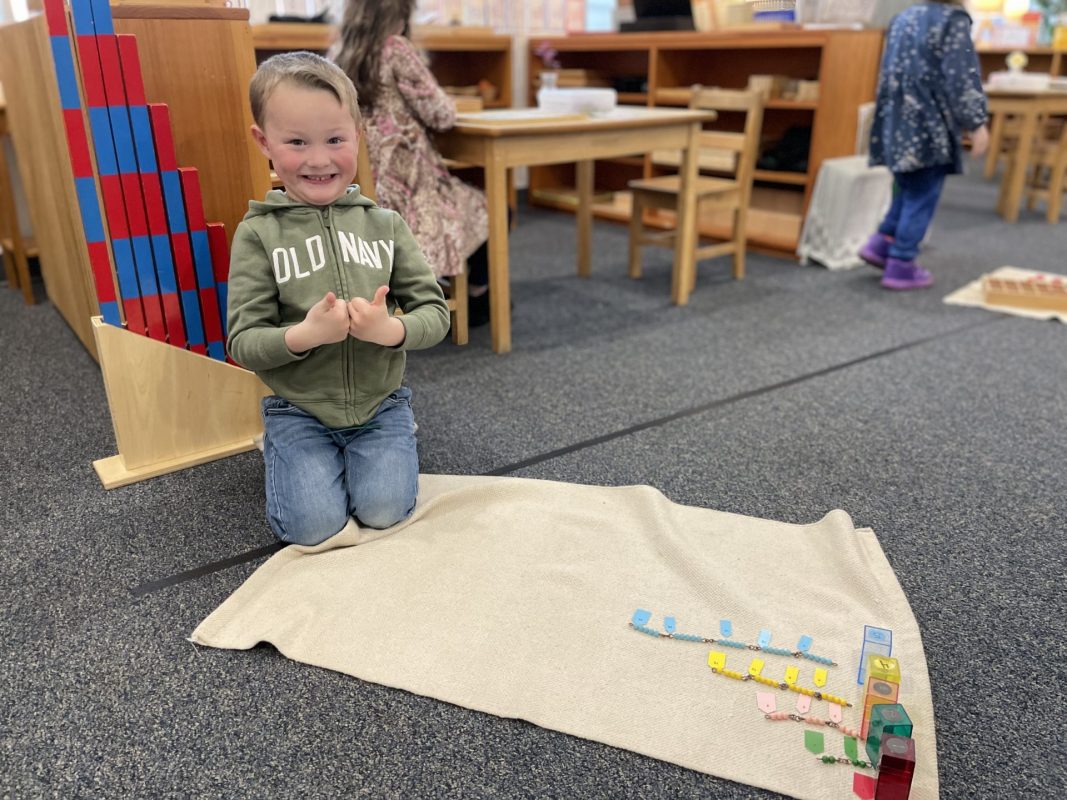
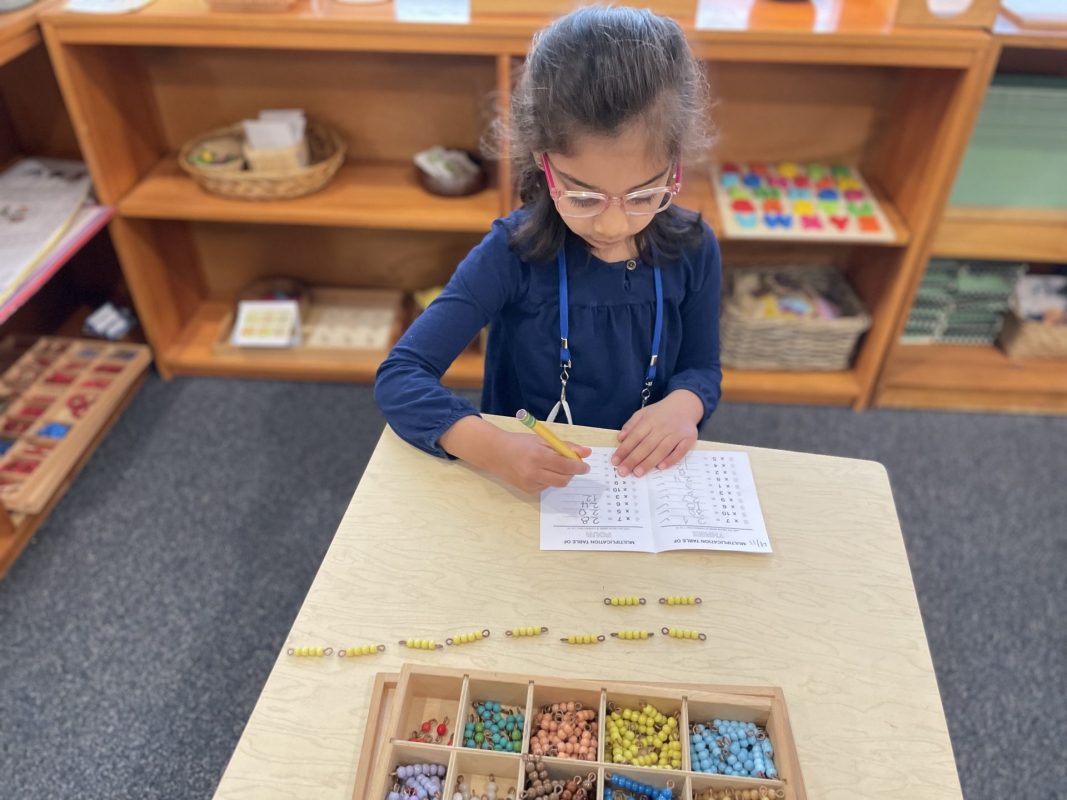
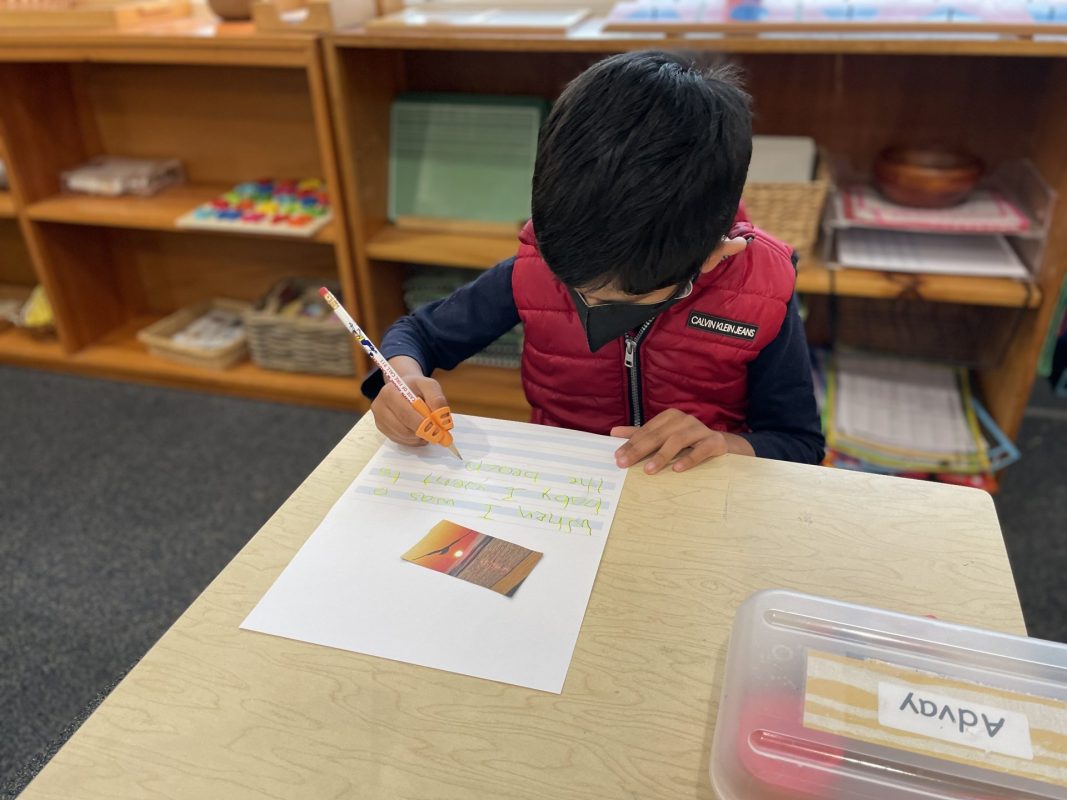
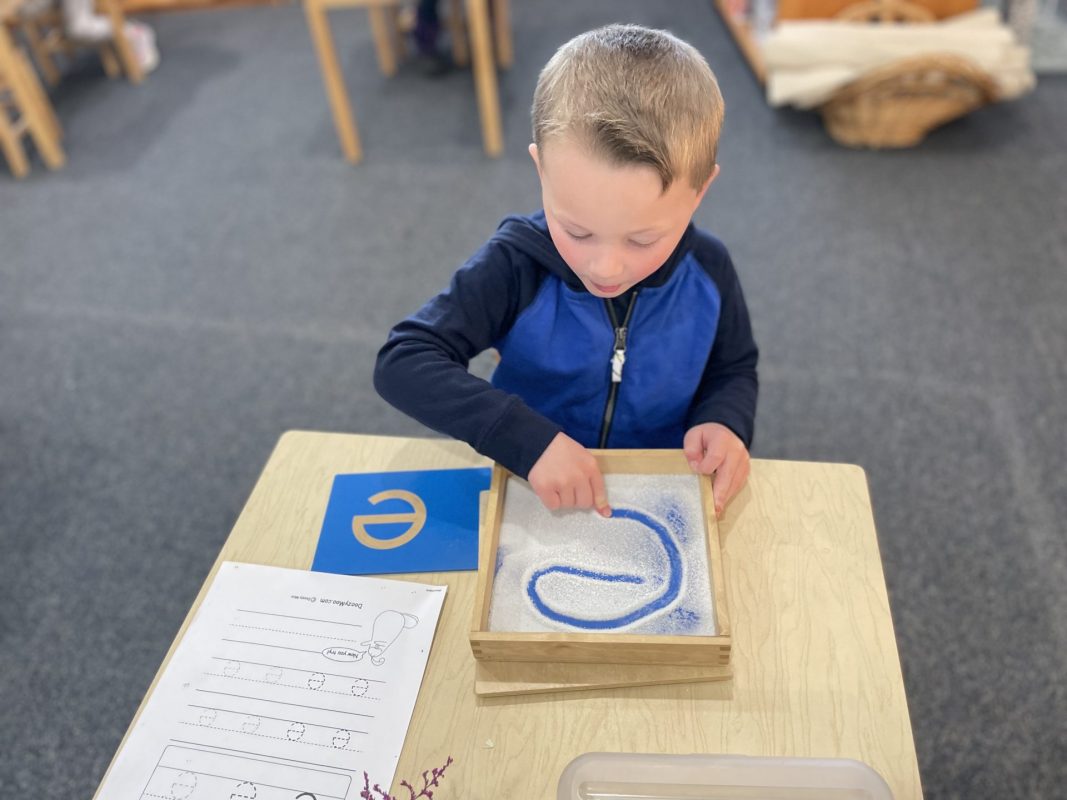
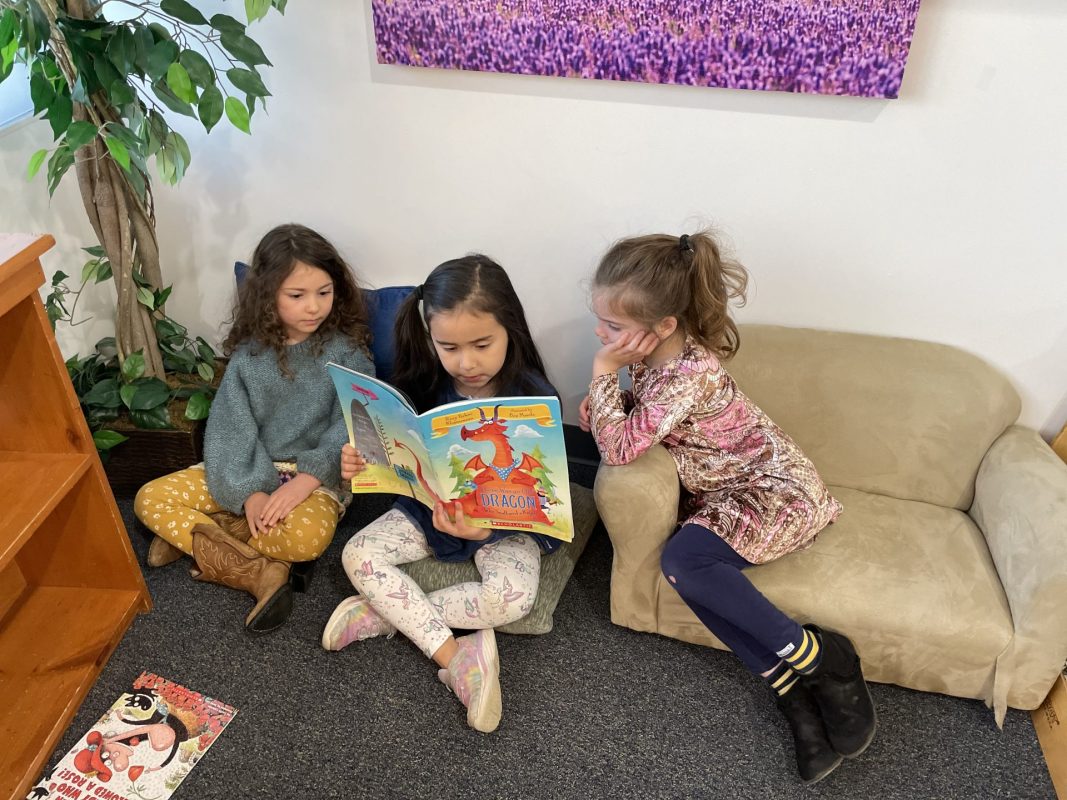
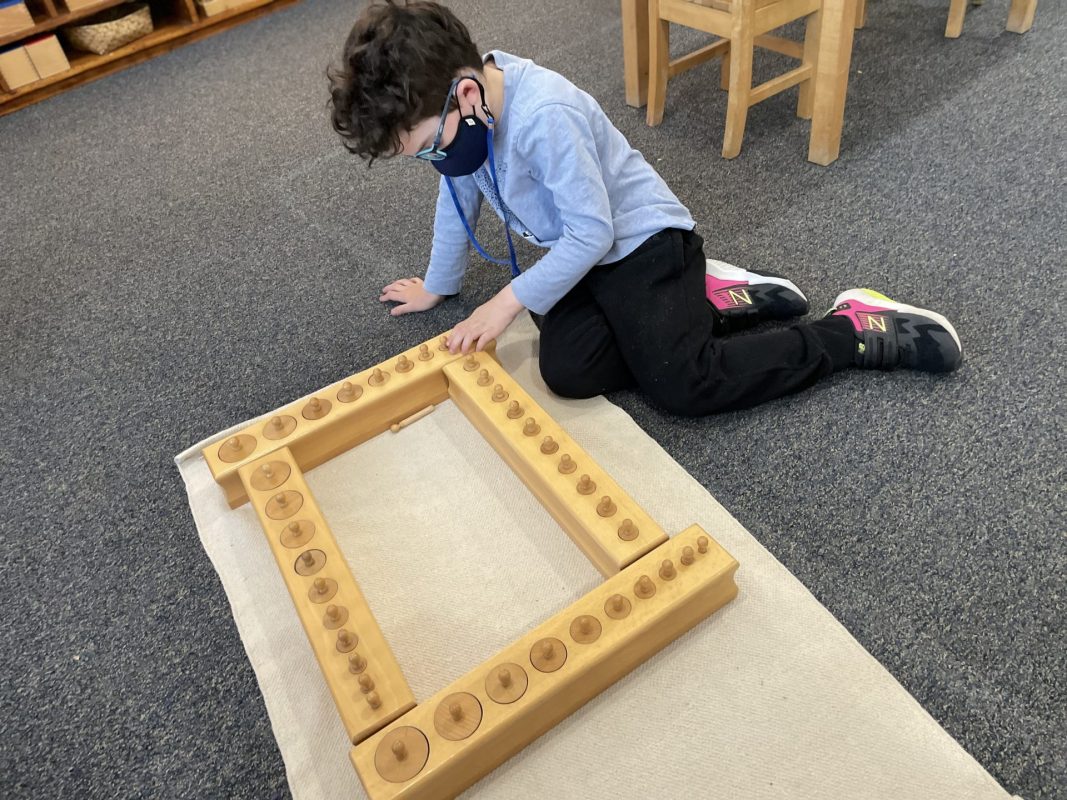
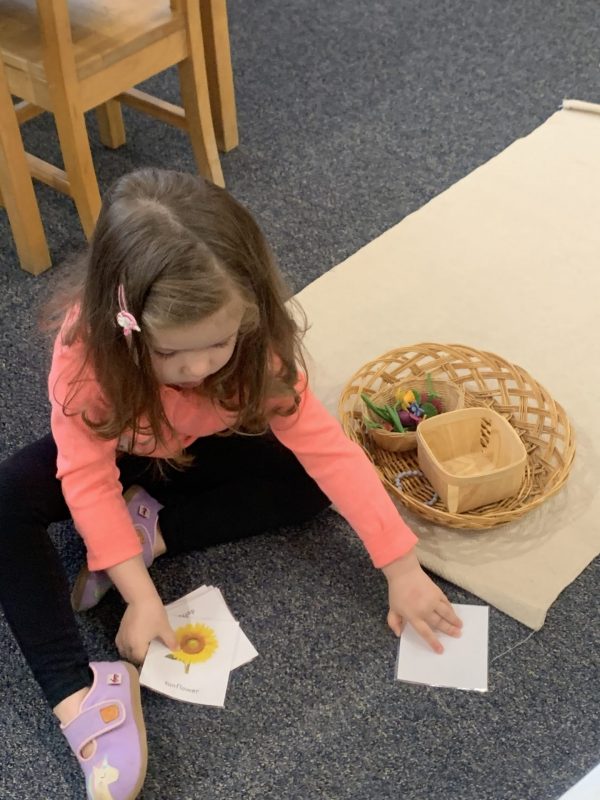
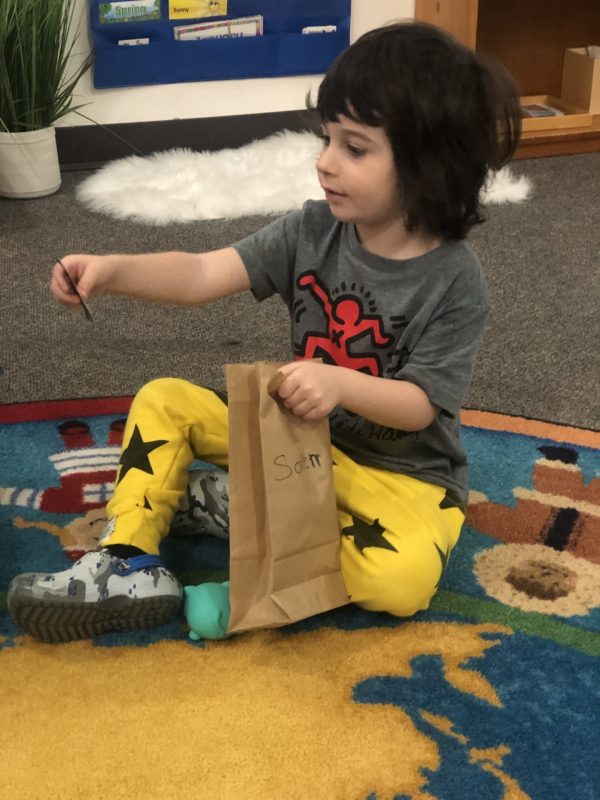
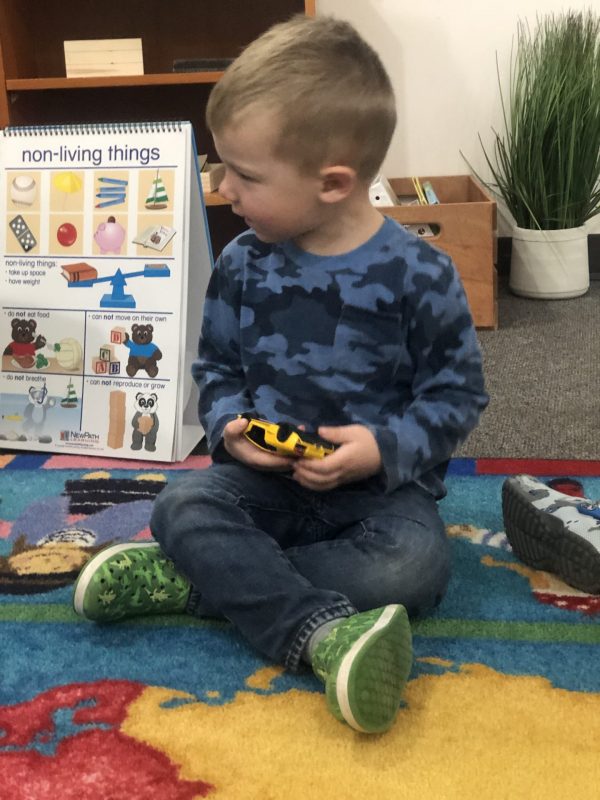
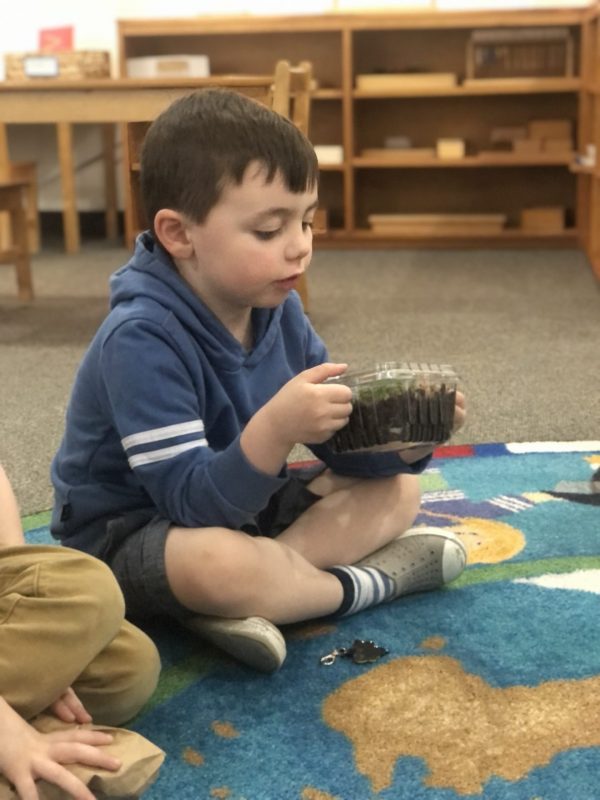
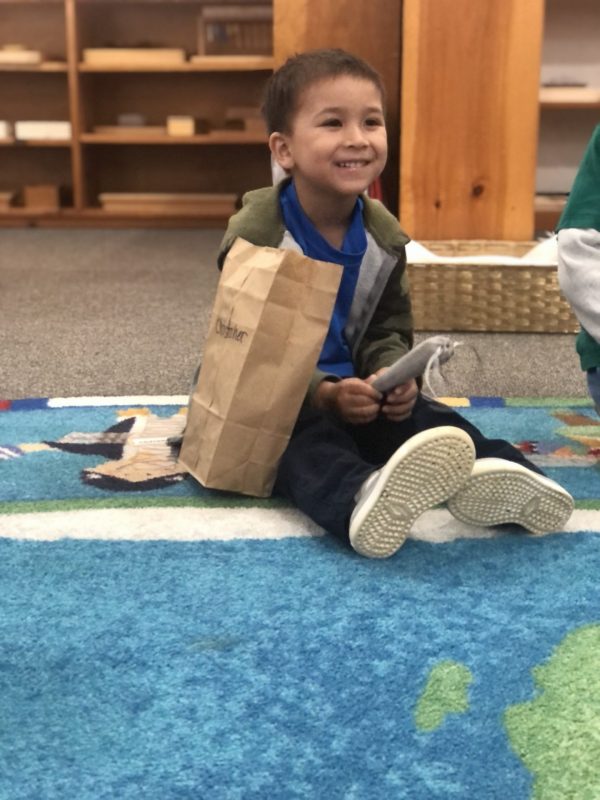
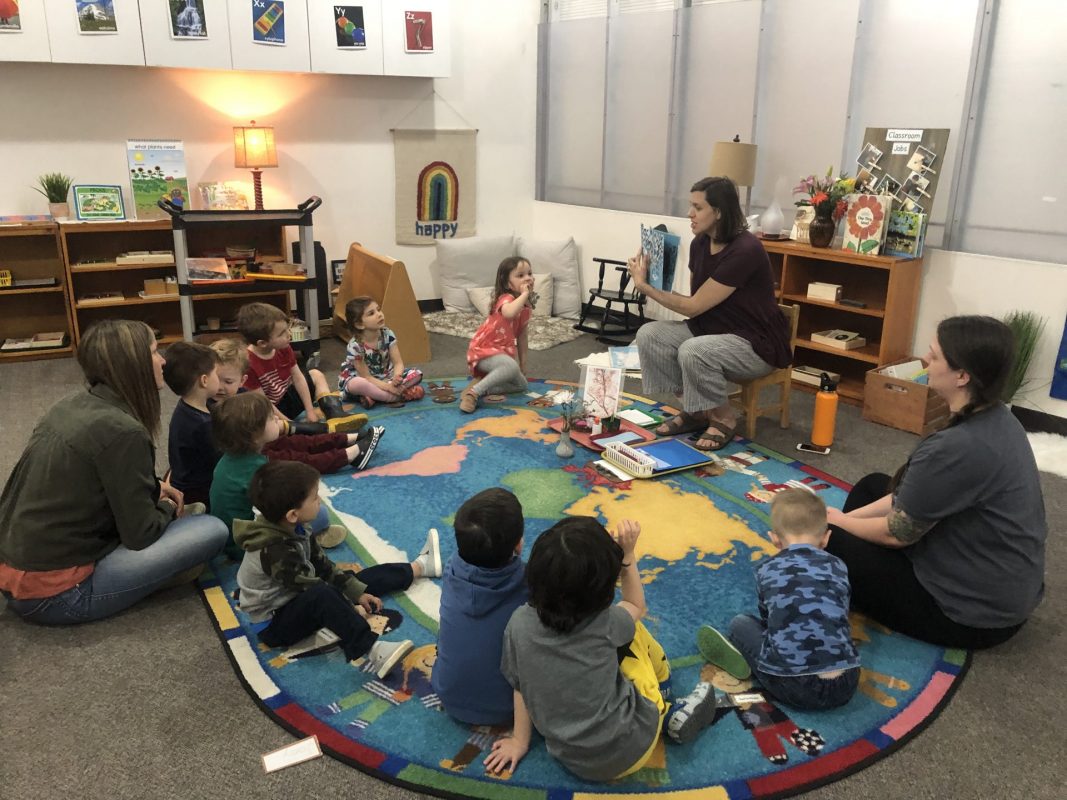
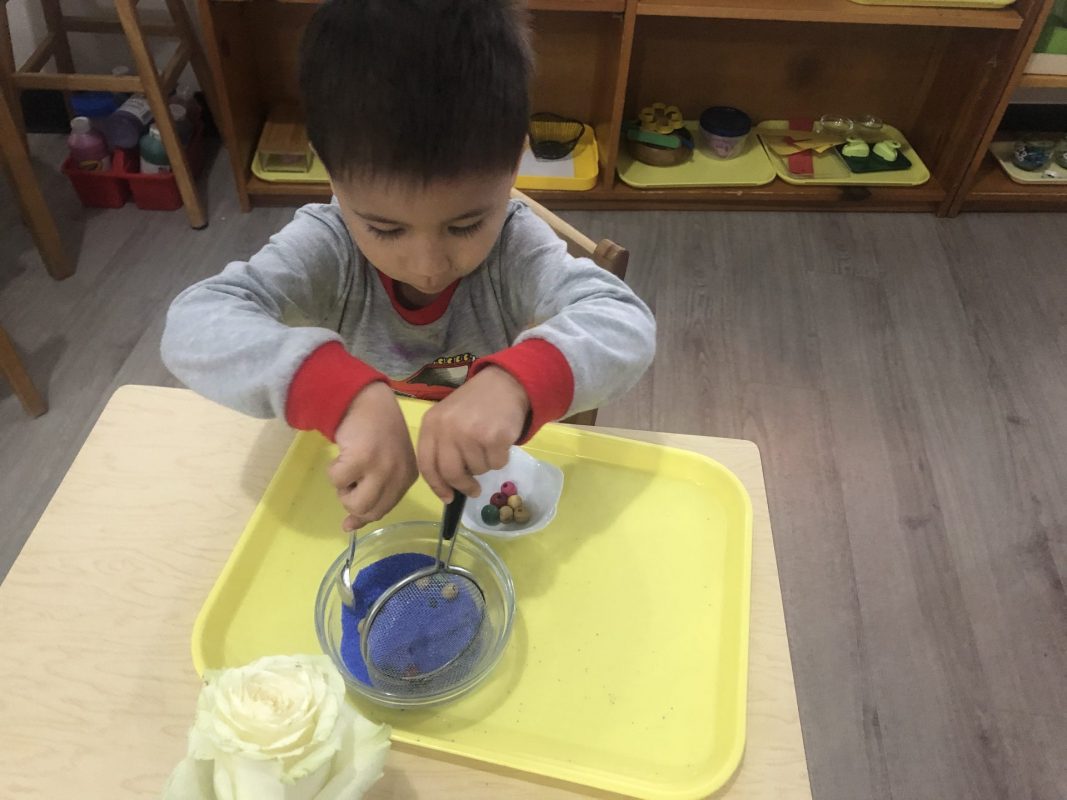
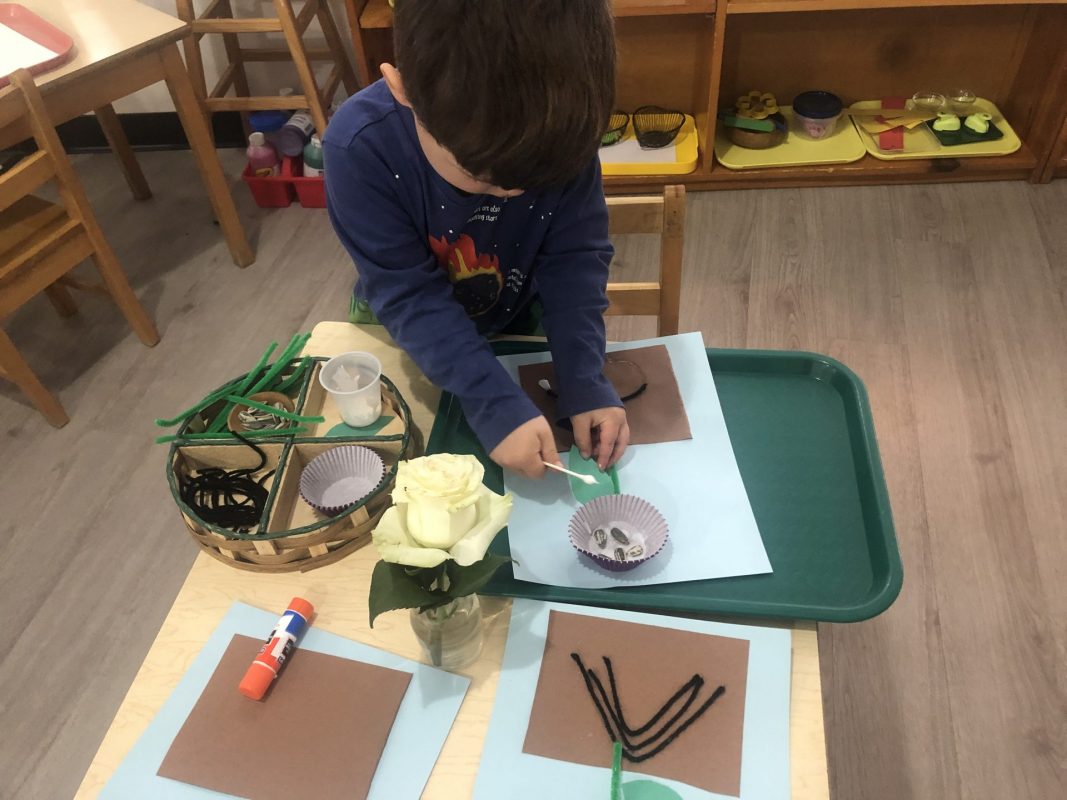
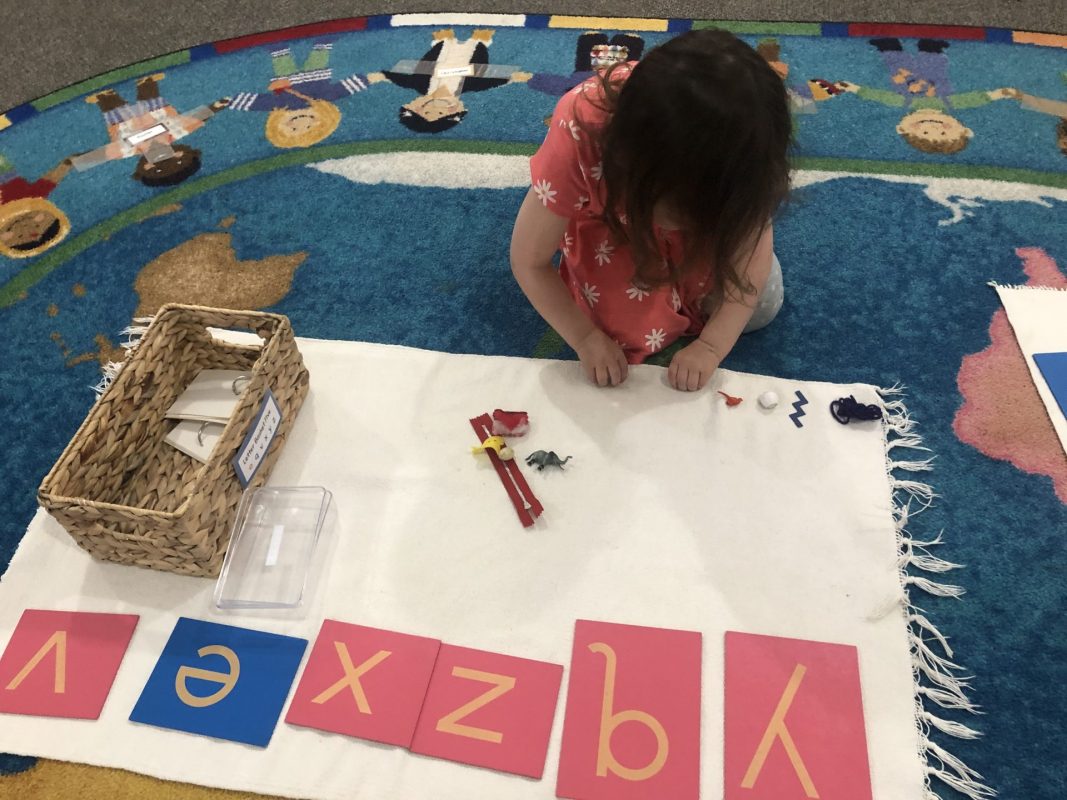
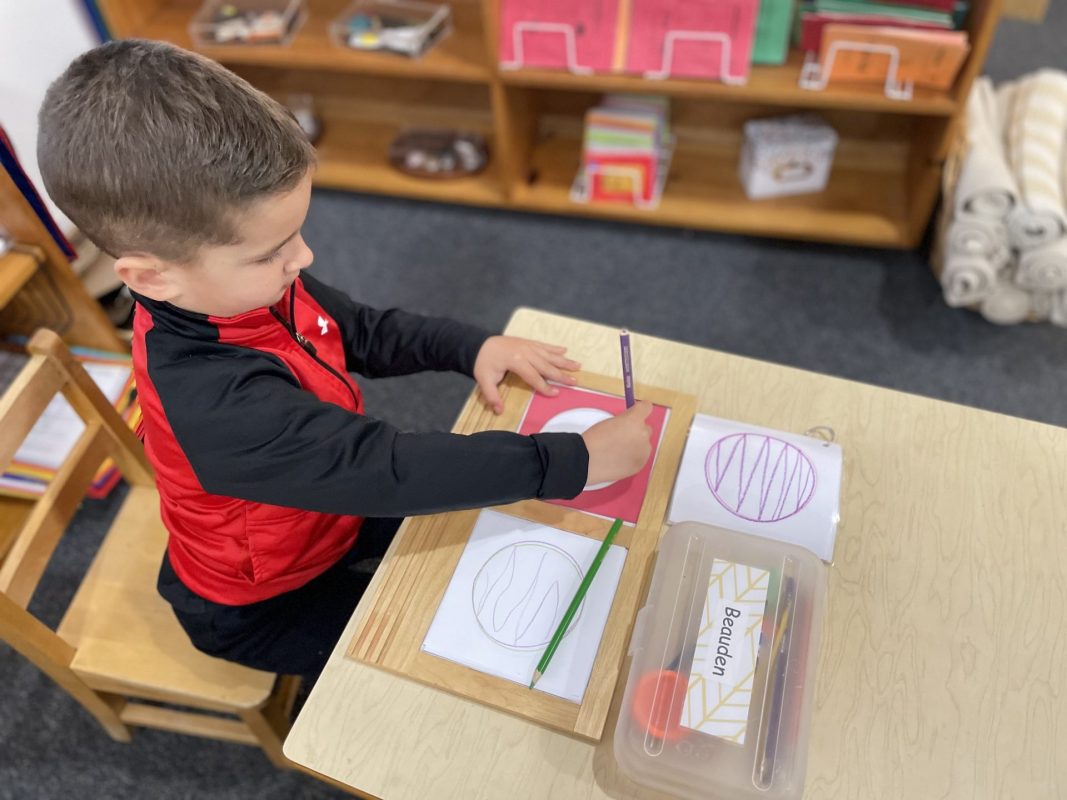
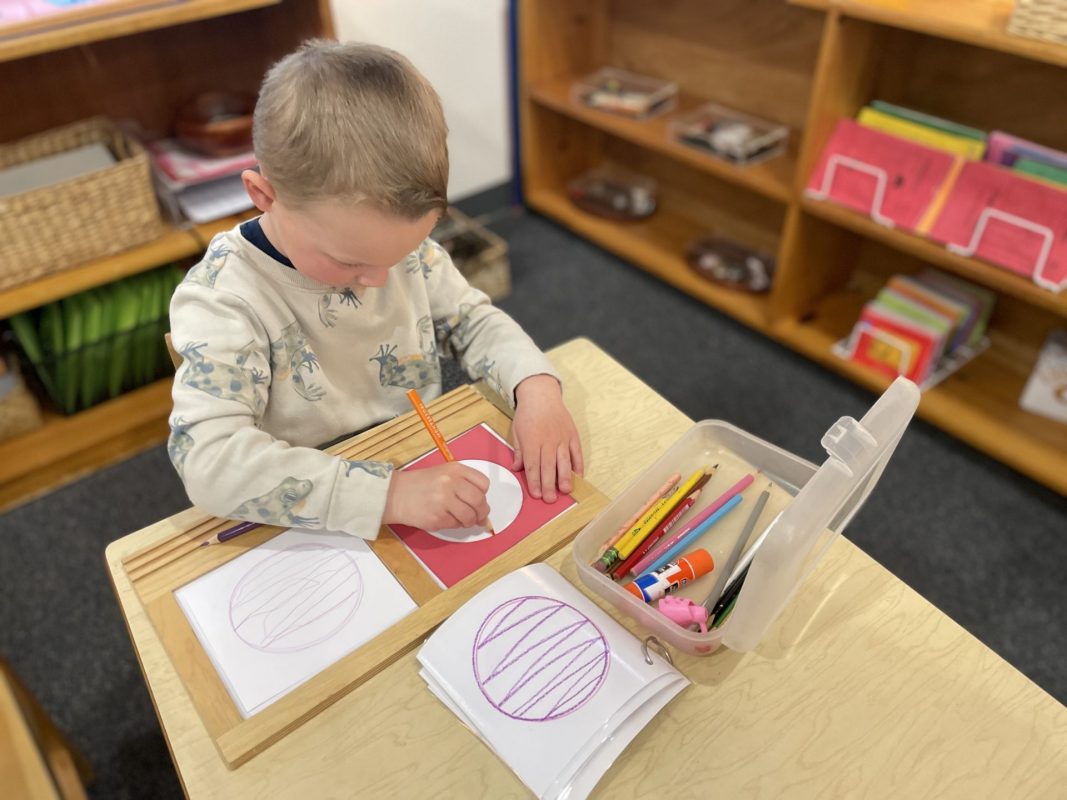
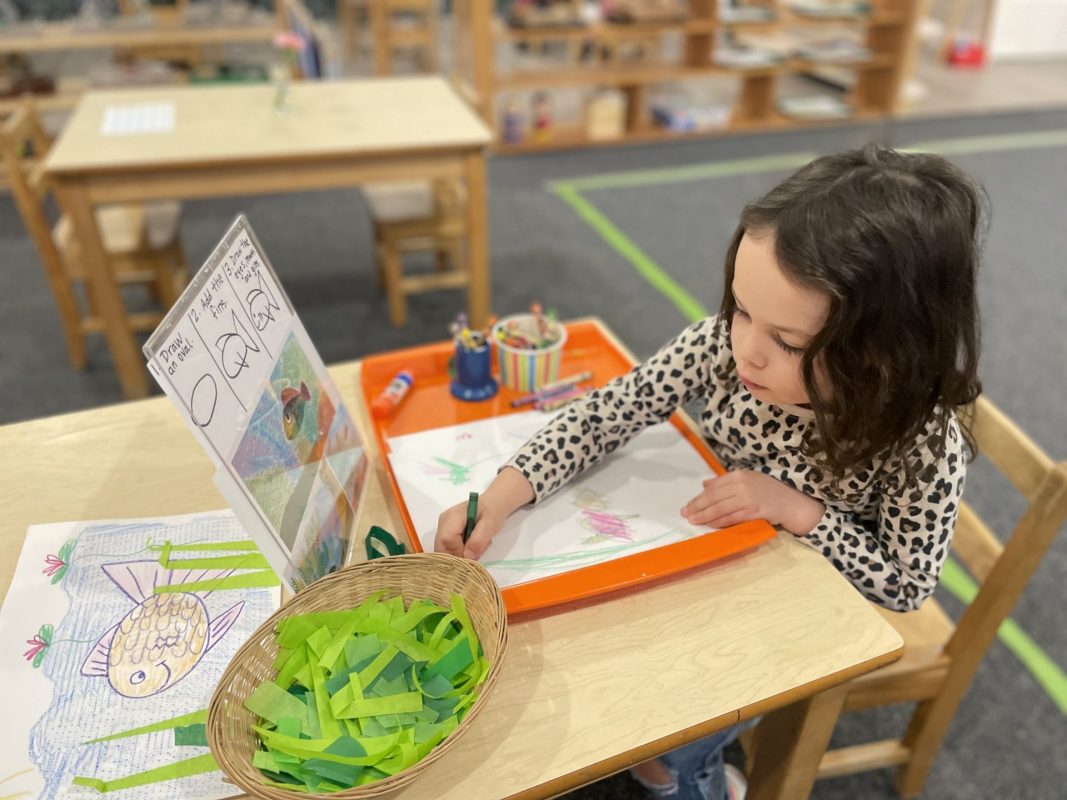
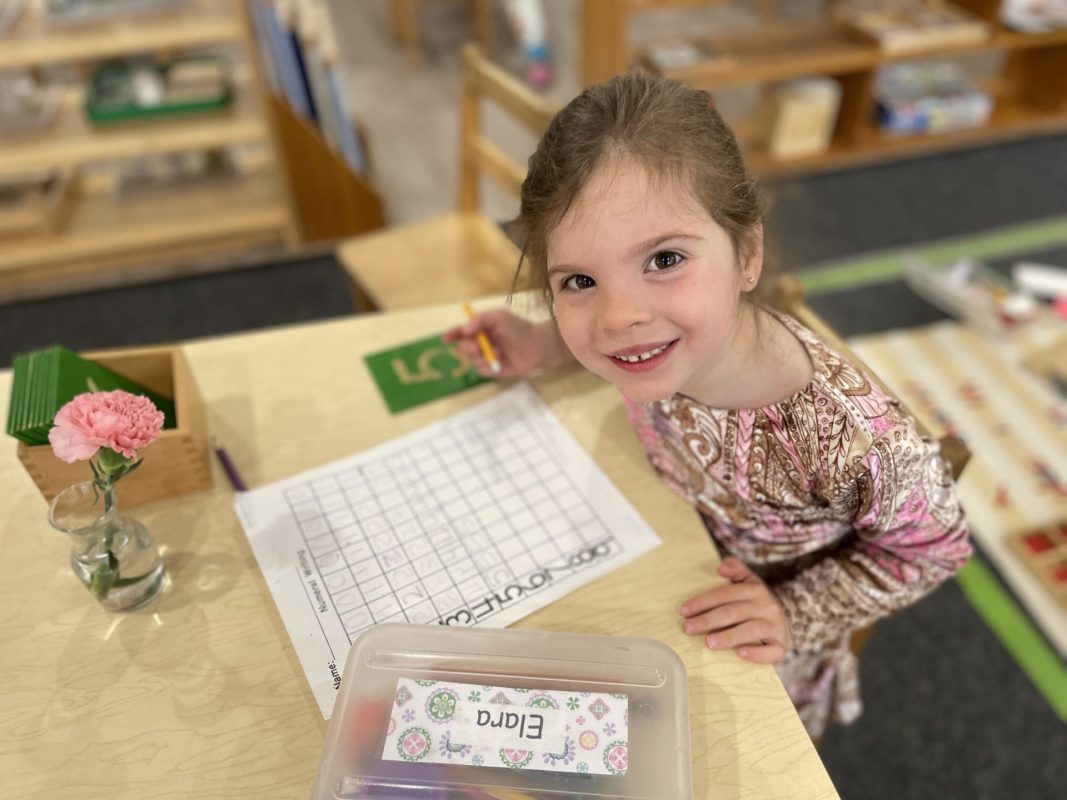
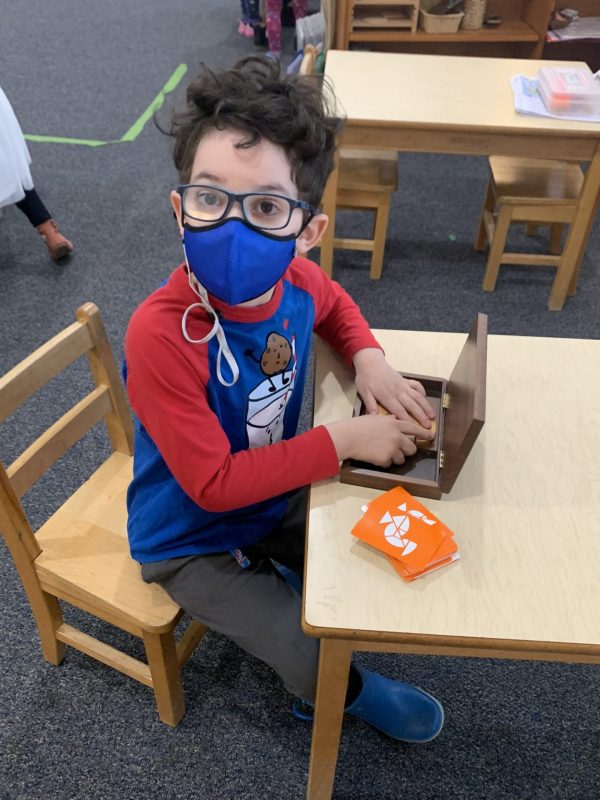
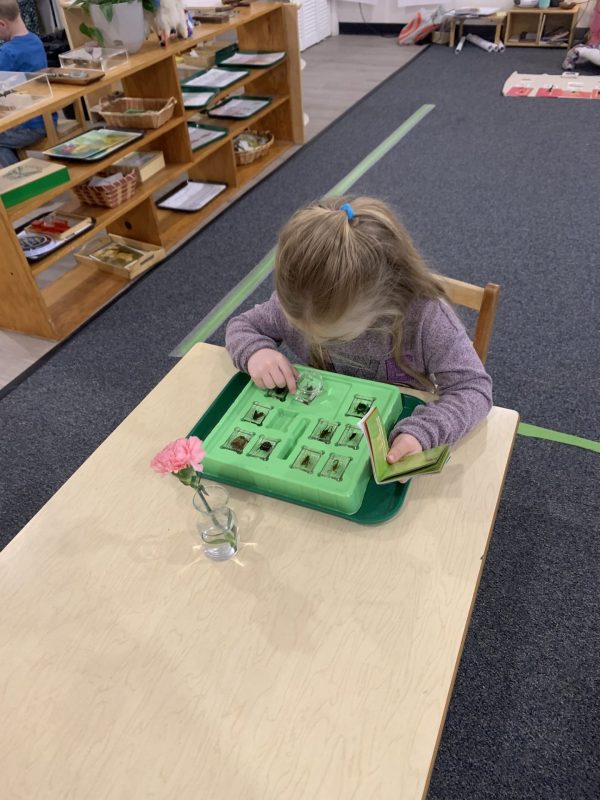
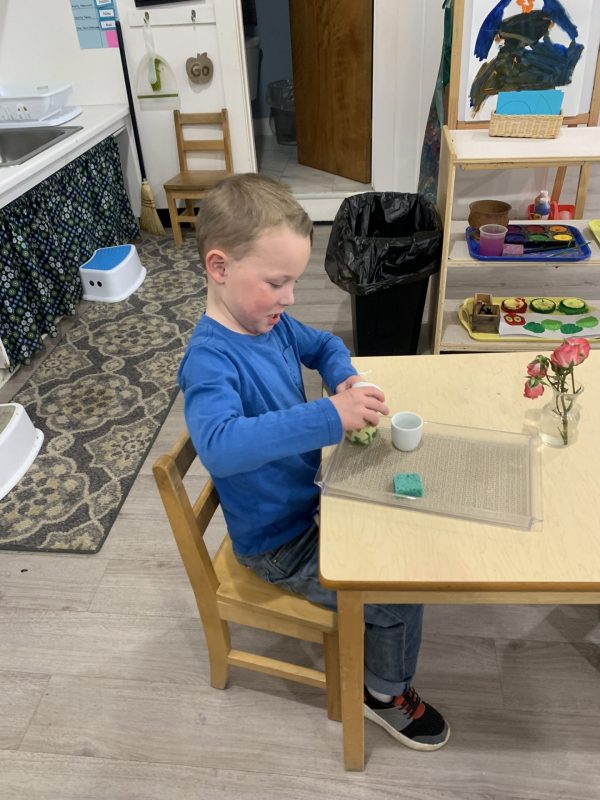
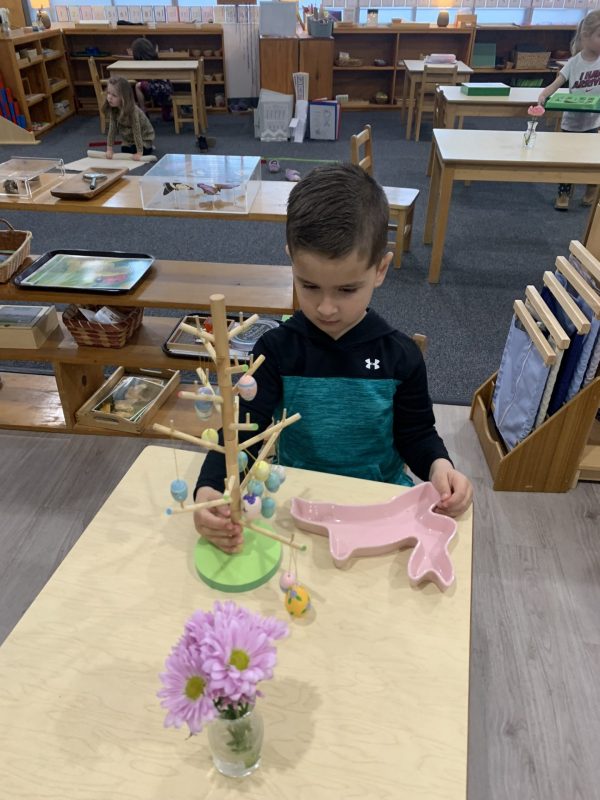
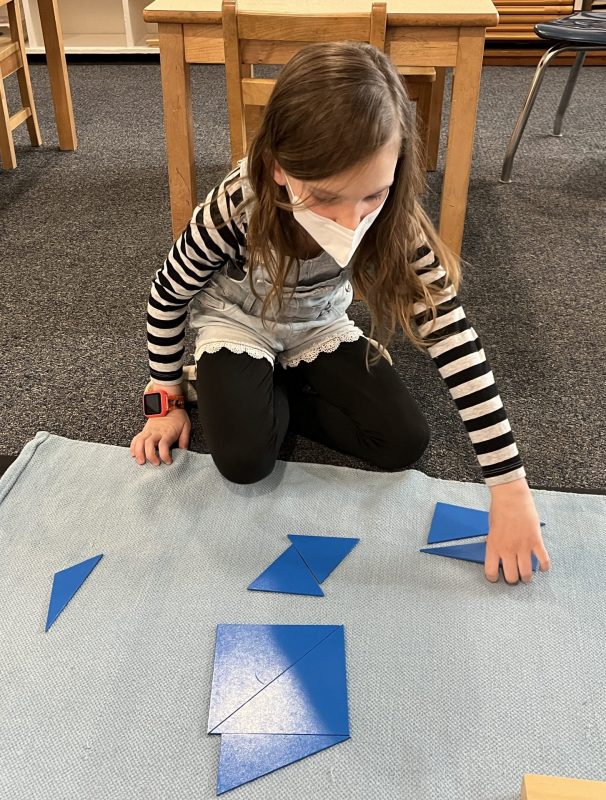
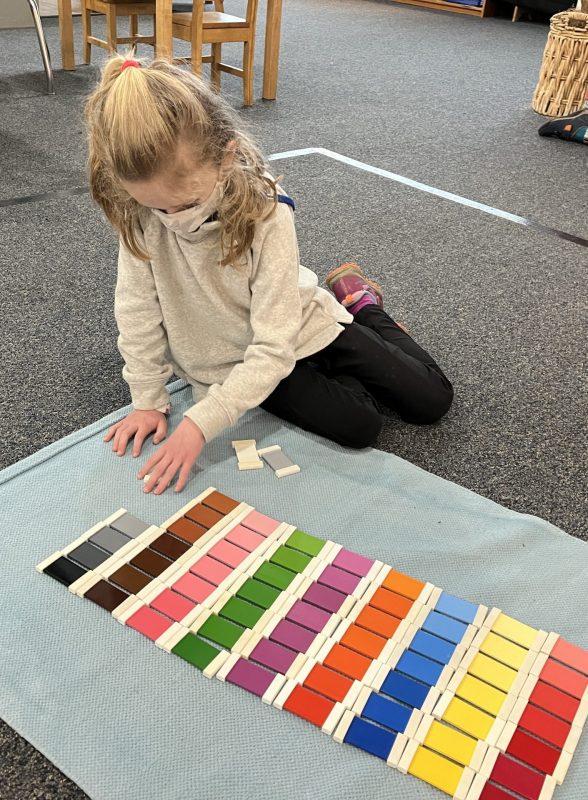
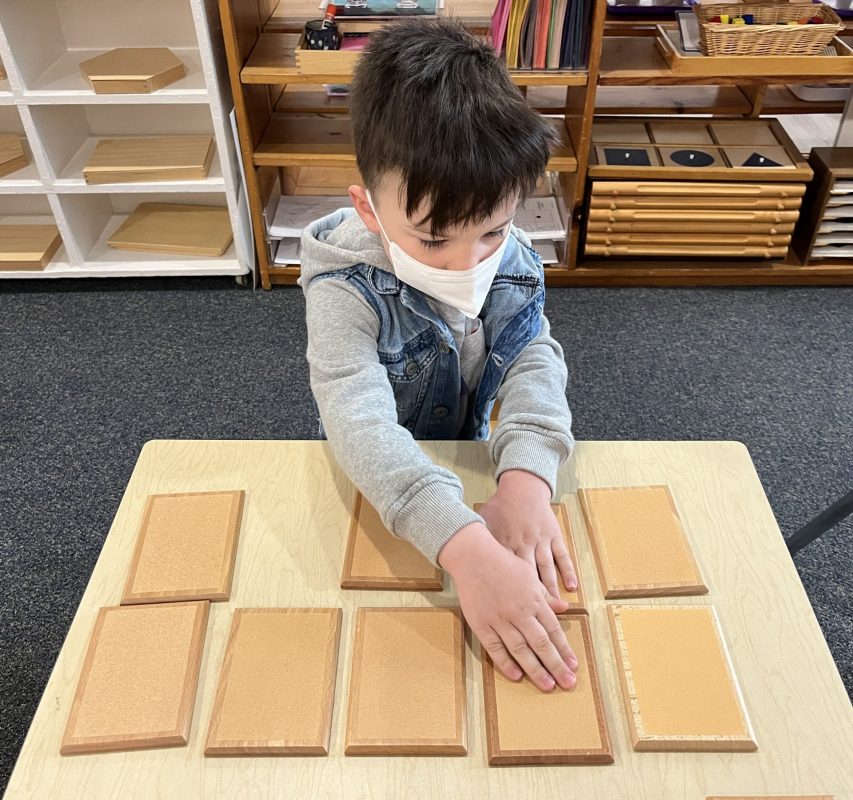
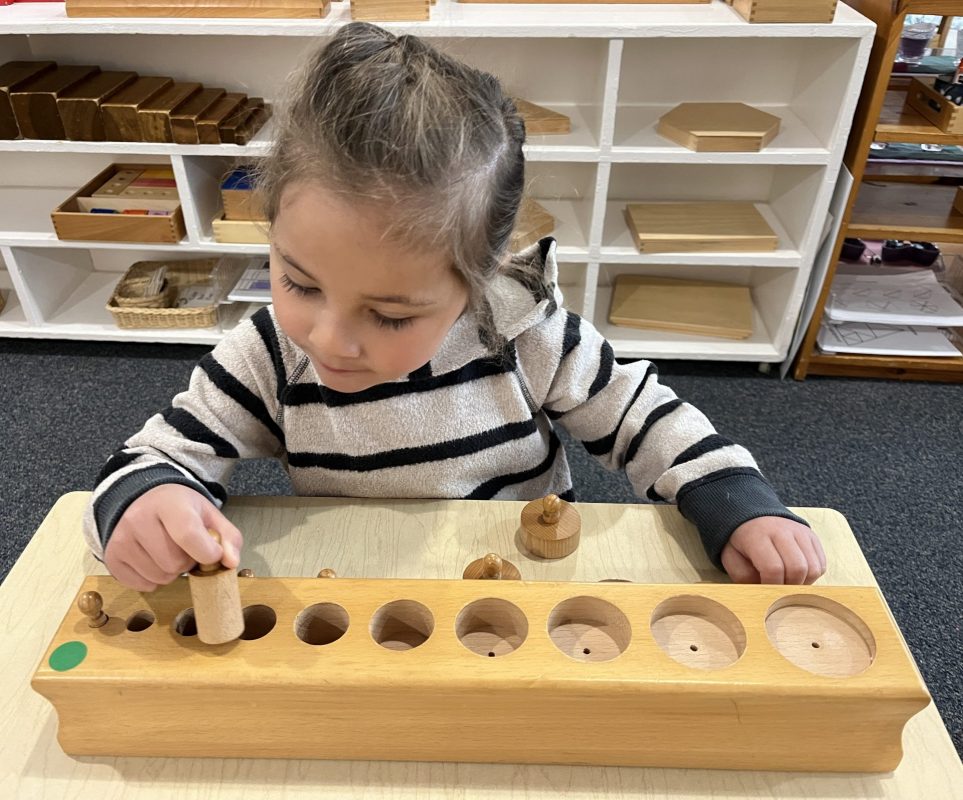
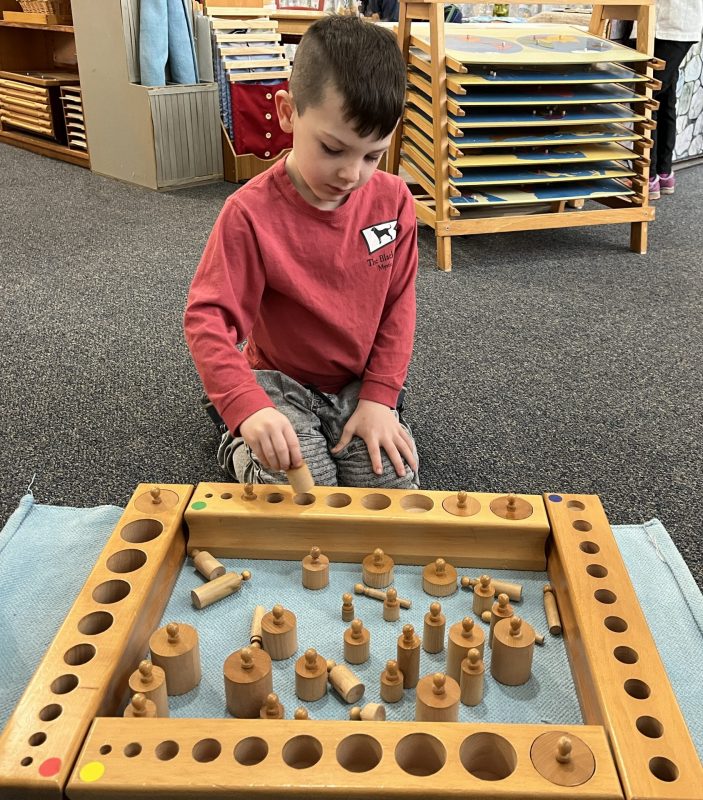
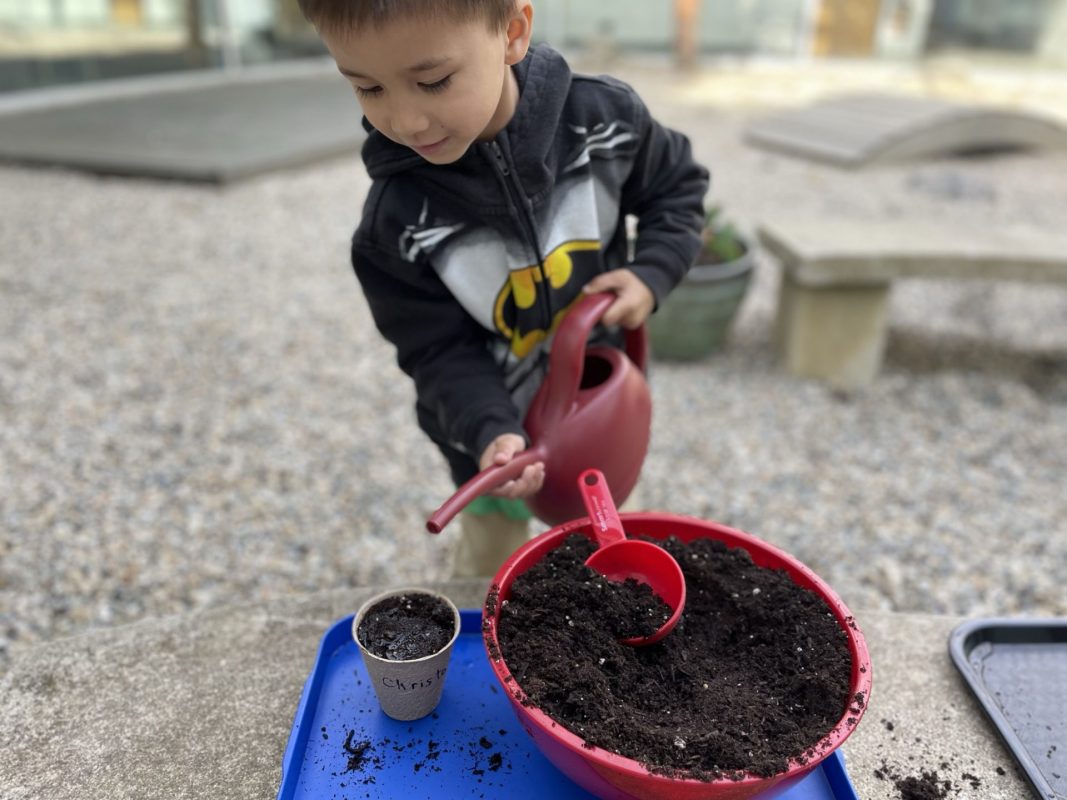
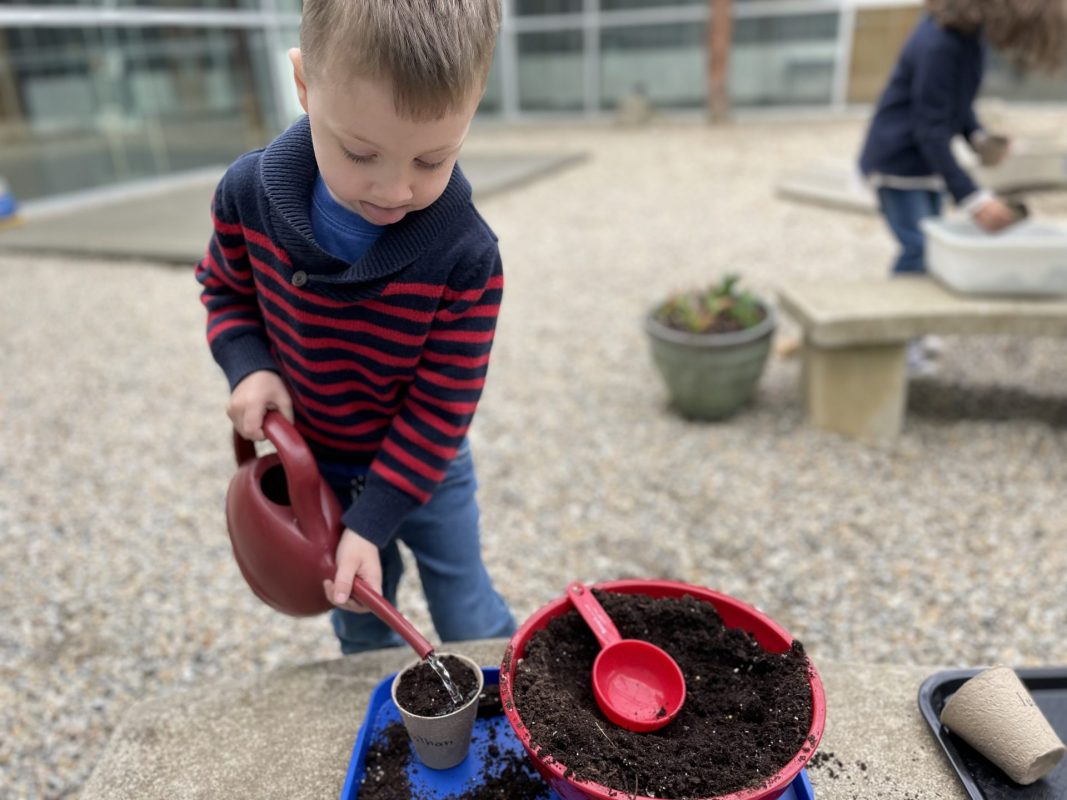
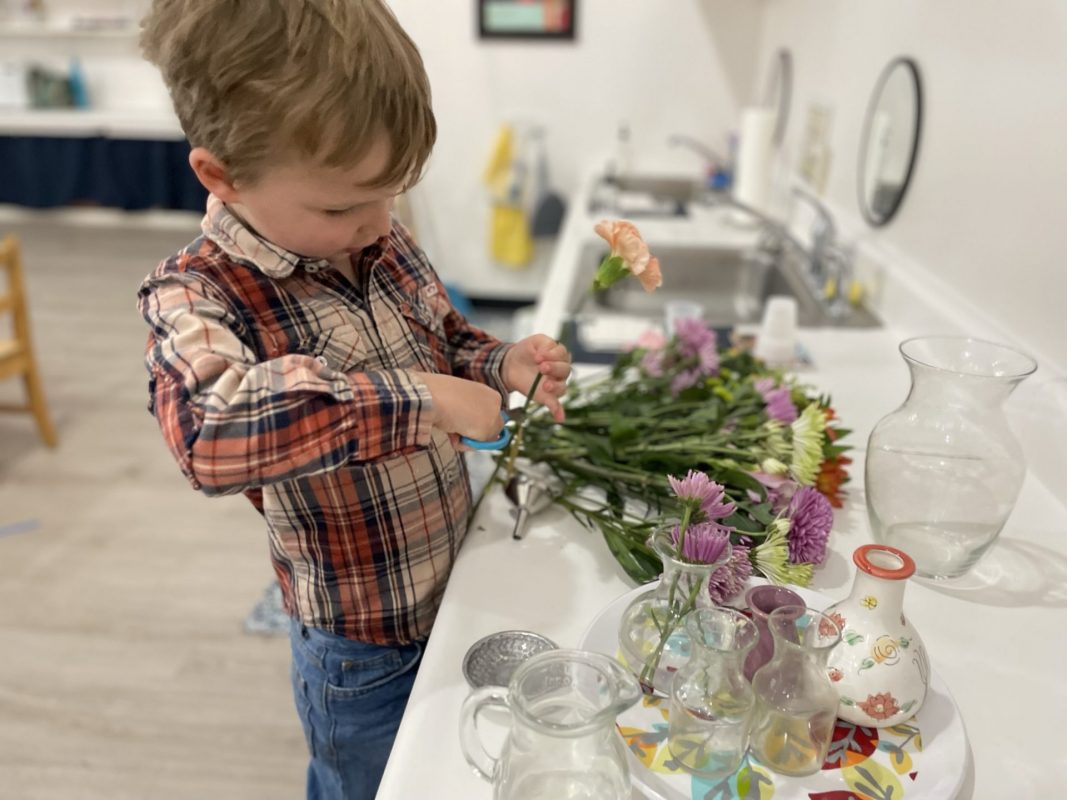
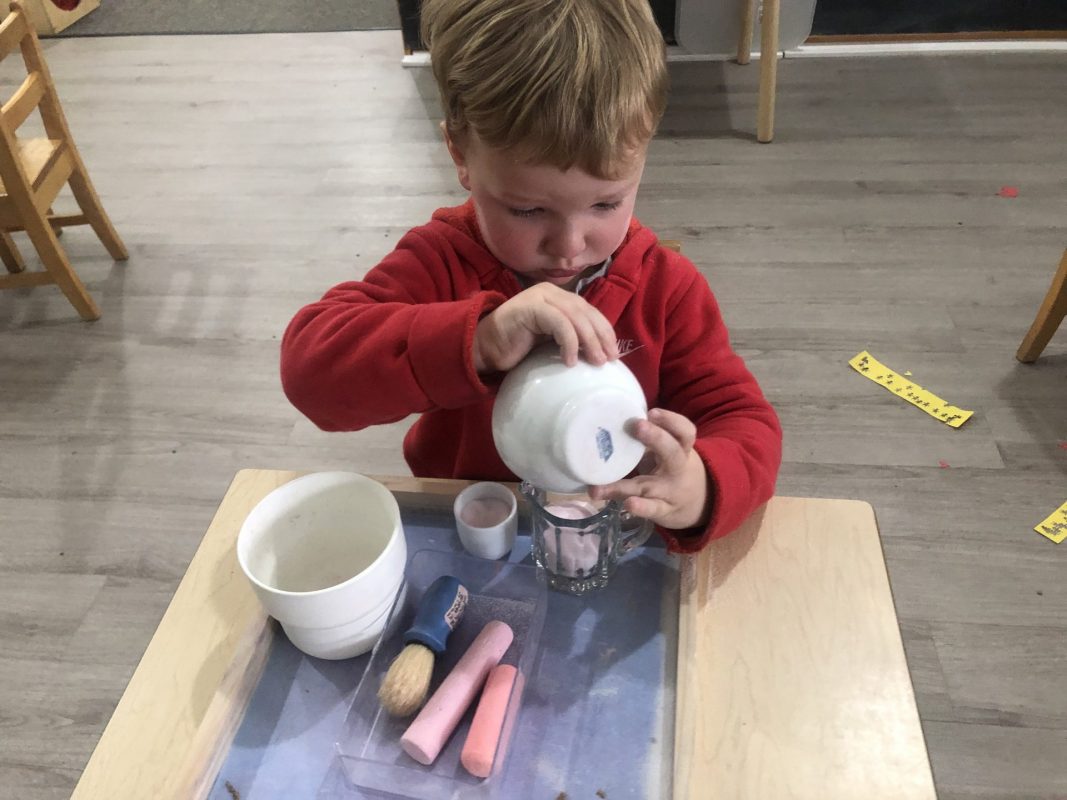
There exists in the small child an unconscious mental state which is of a creative nature. We have called it the “Absorbent Mind.” The tiny child’s absorbent mind finds all its nutriment in its surroundings…Especially at the beginning of life. We must, therefore, make the environment as interesting and attractive as we can. -Maria Montessori

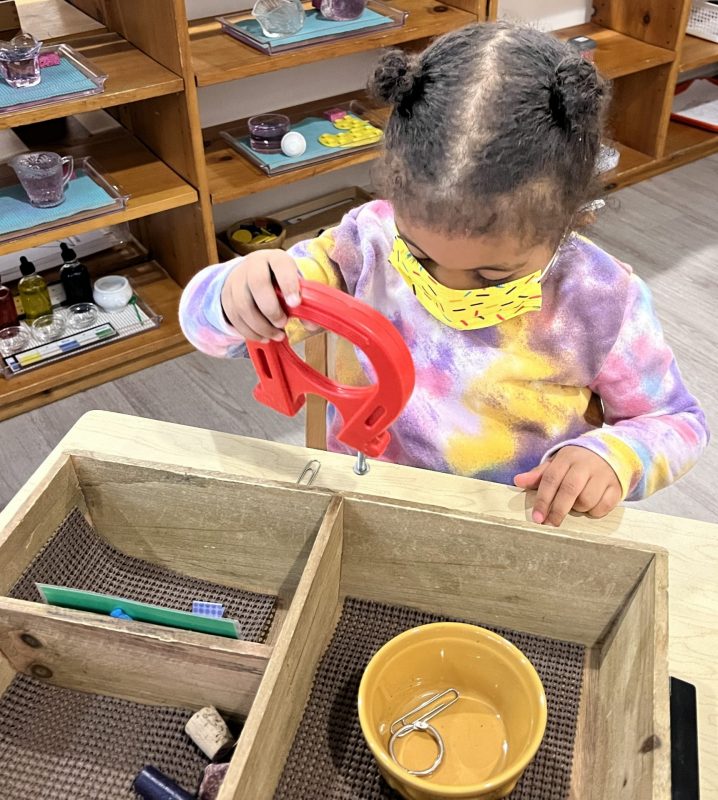
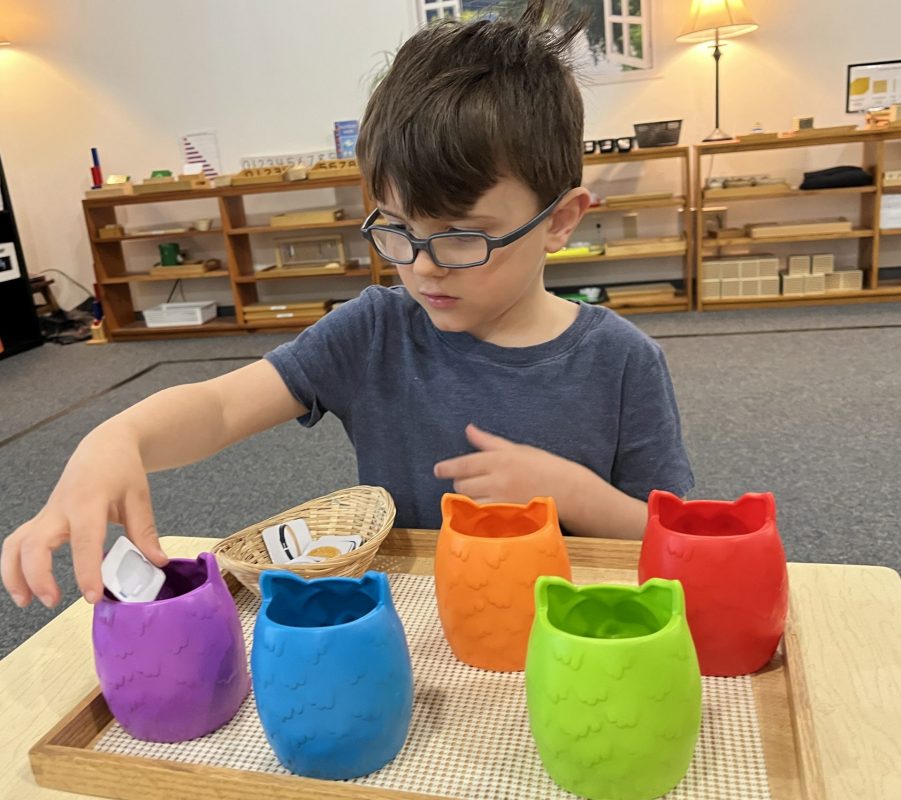
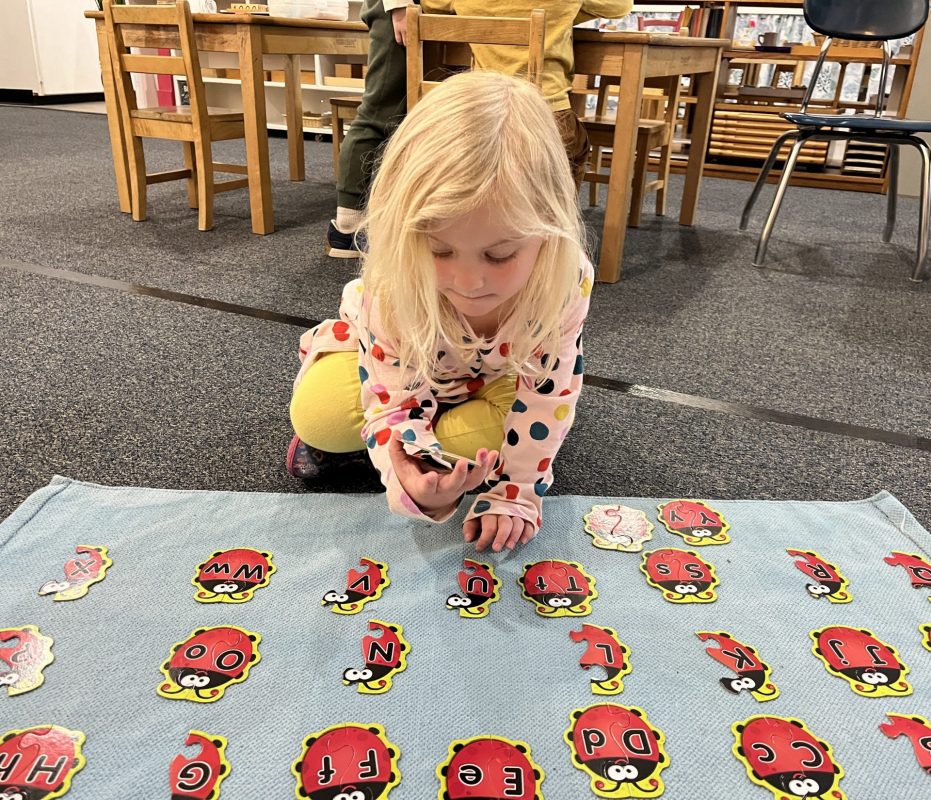
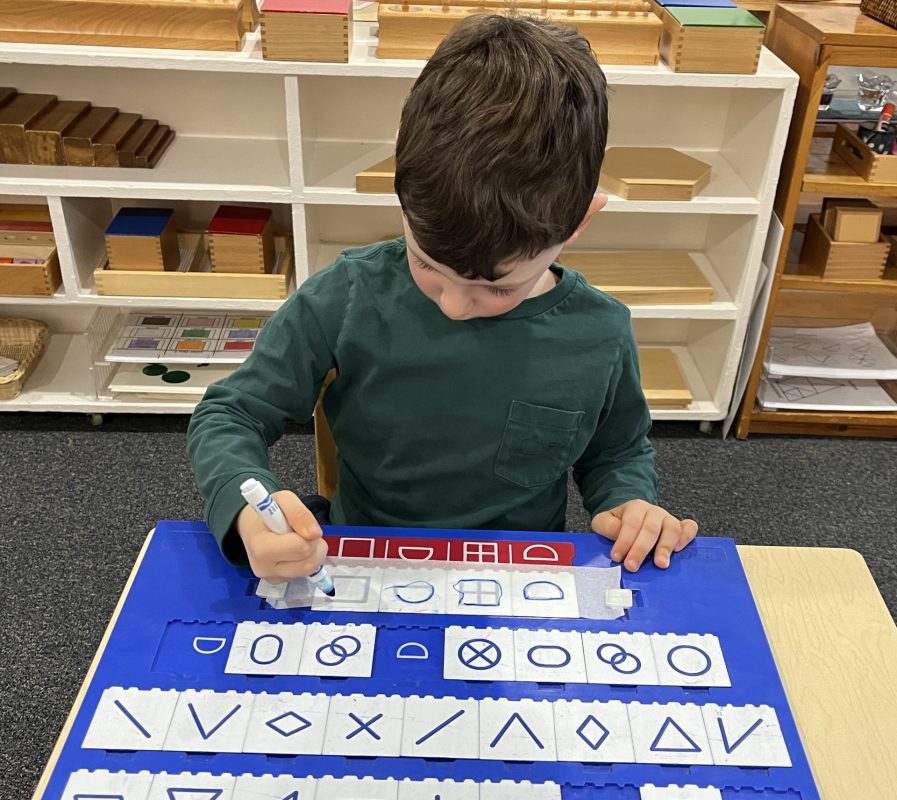
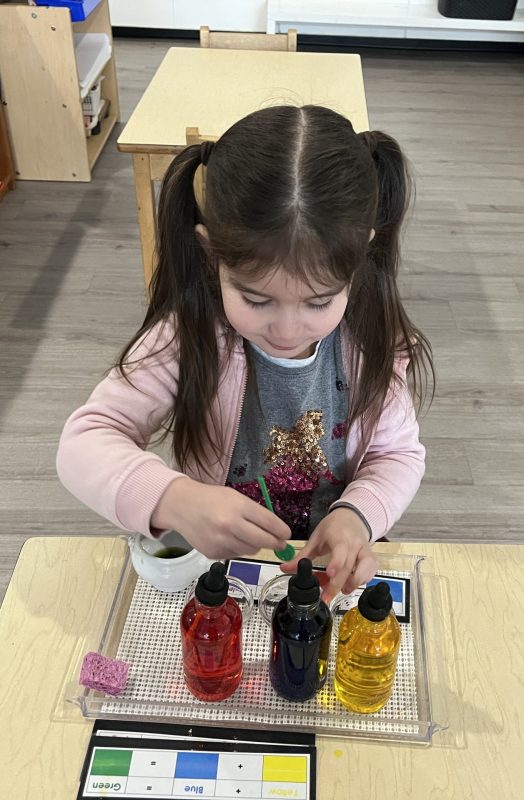
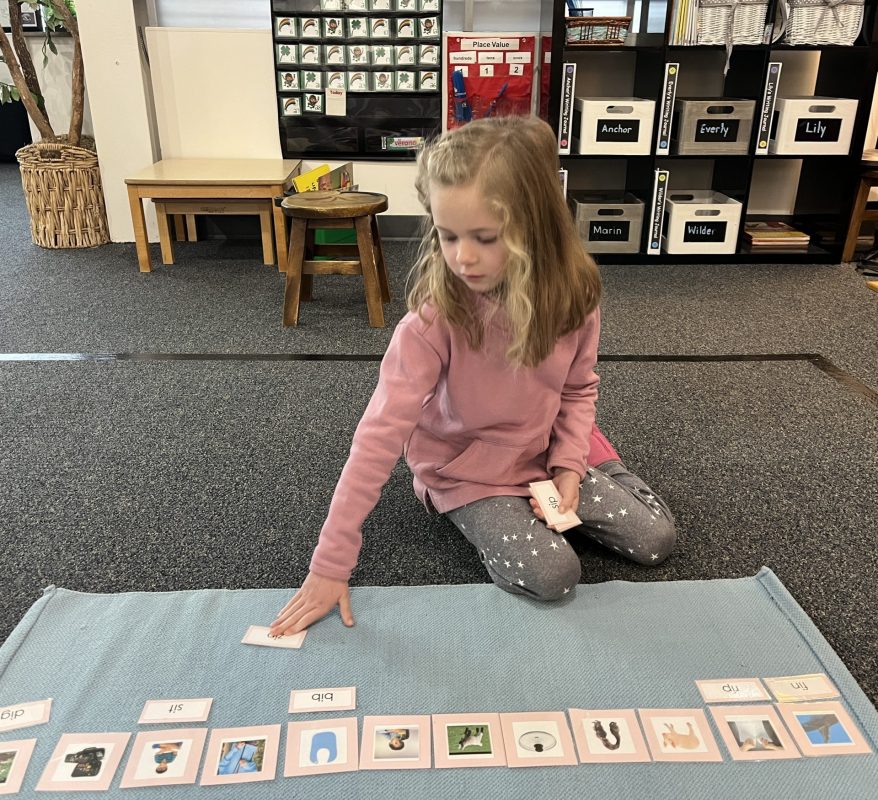
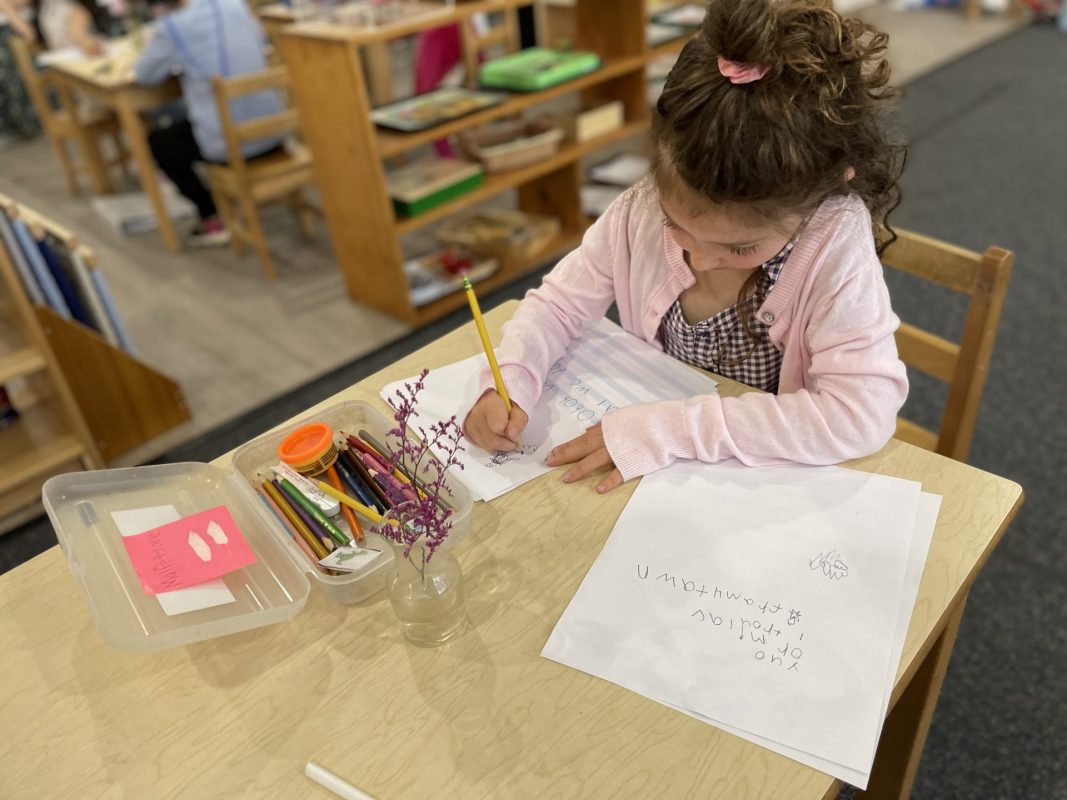
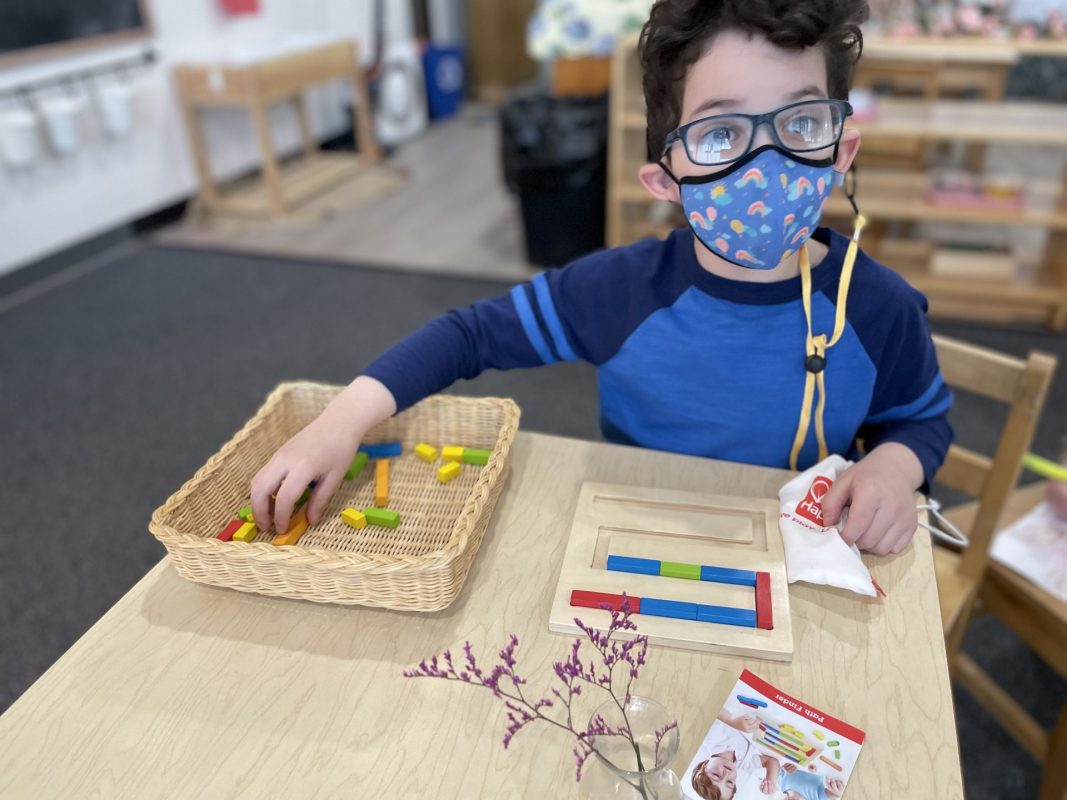
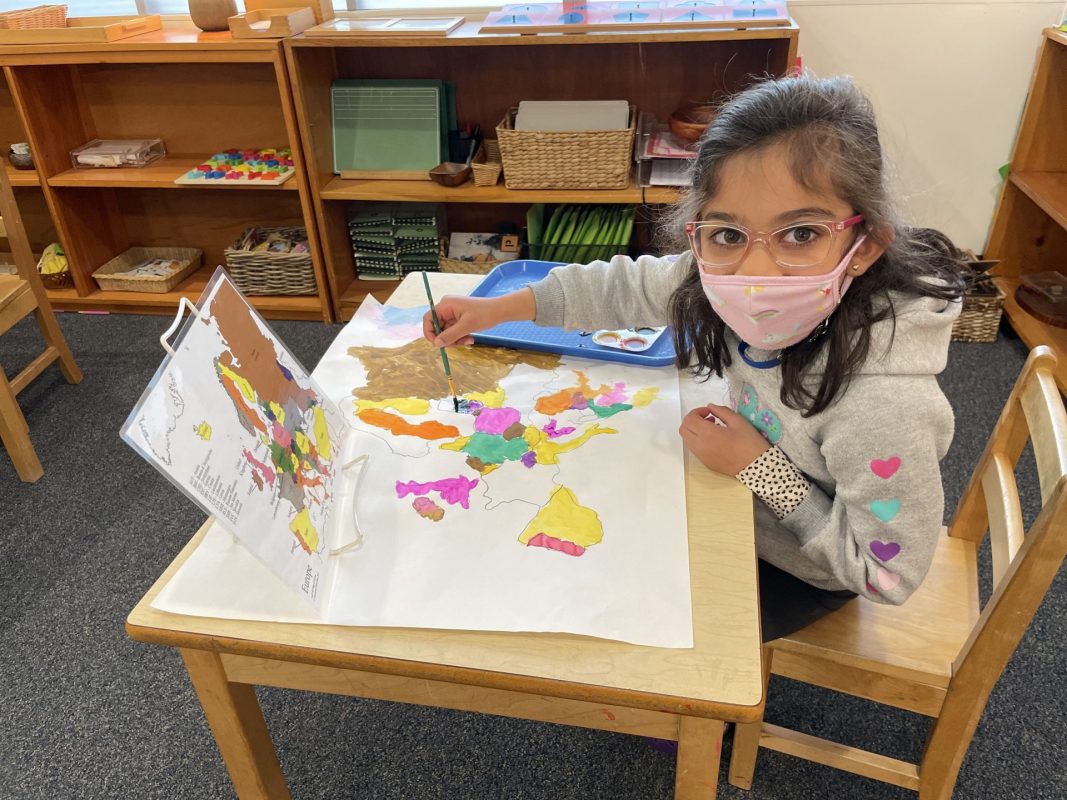
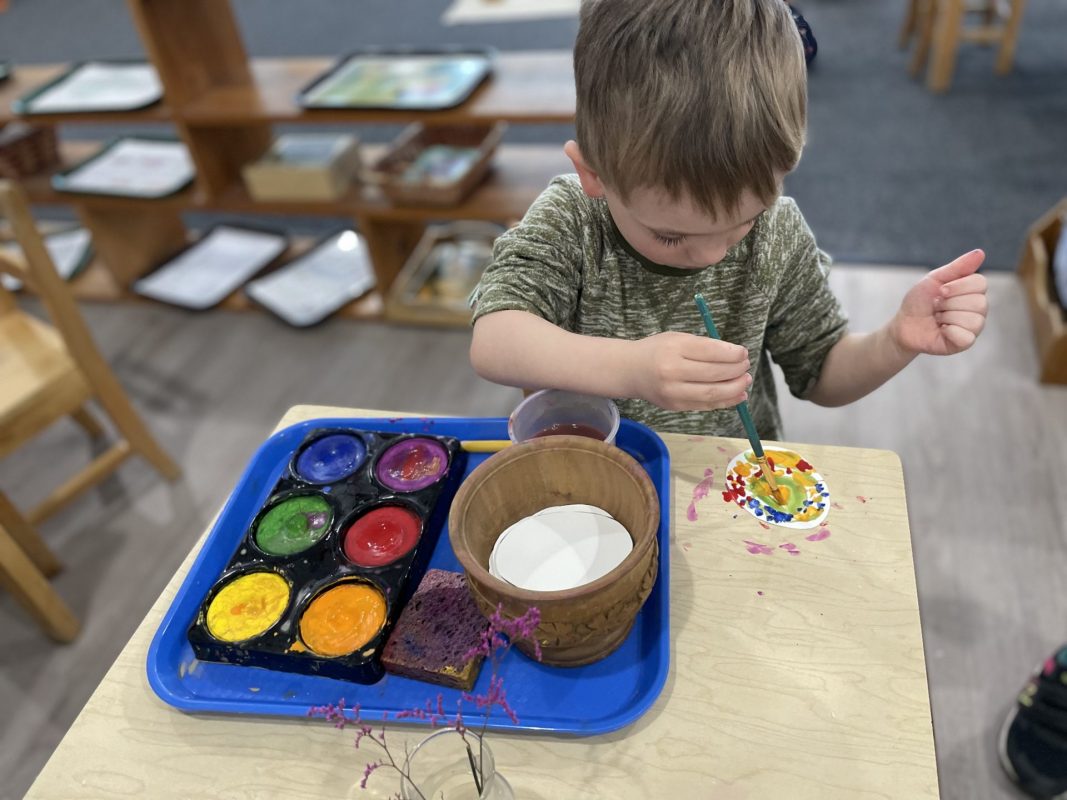
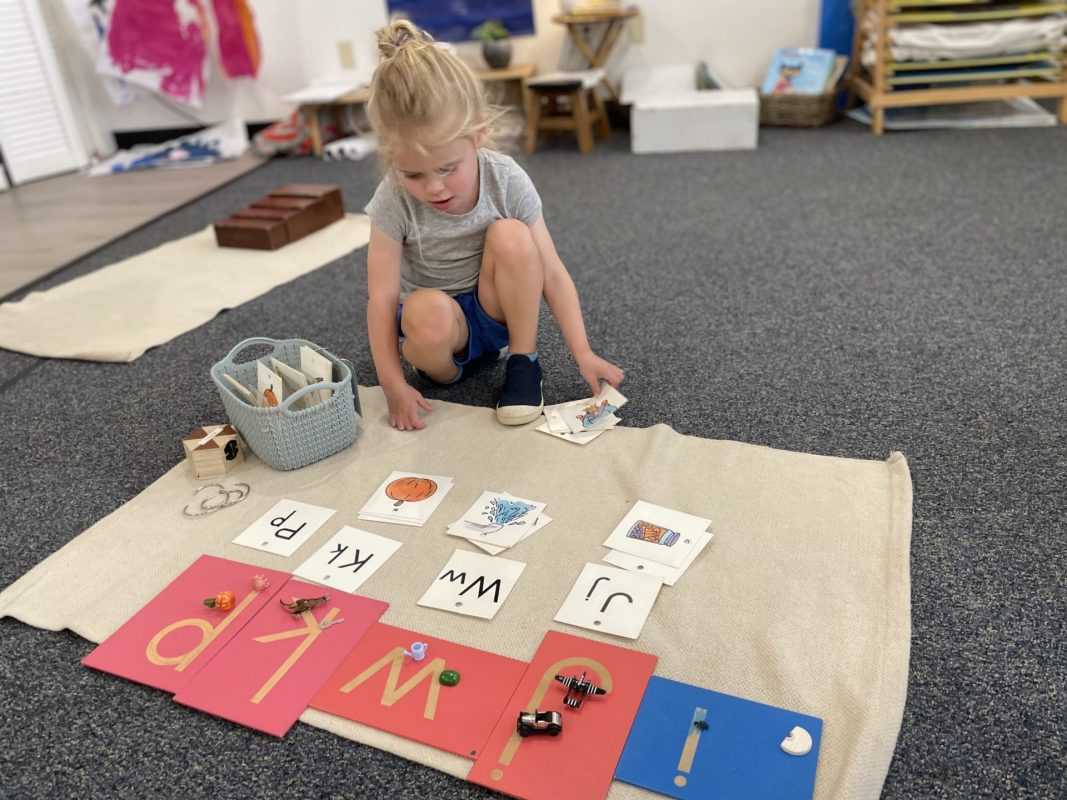
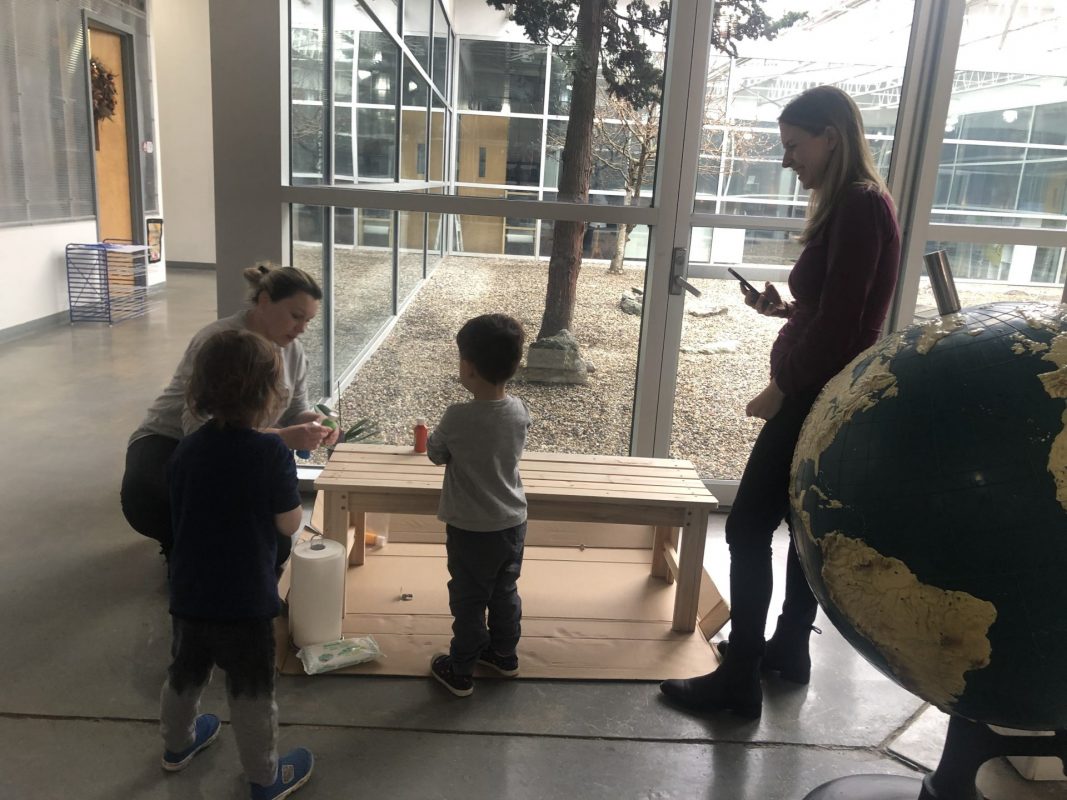
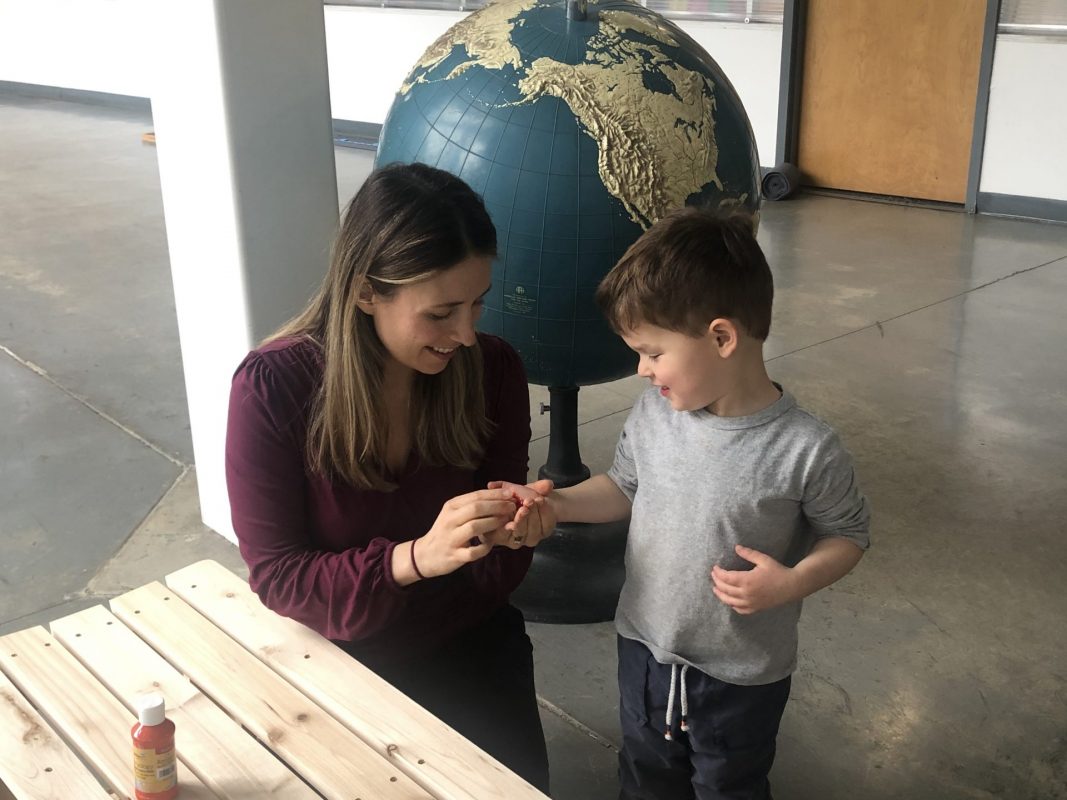
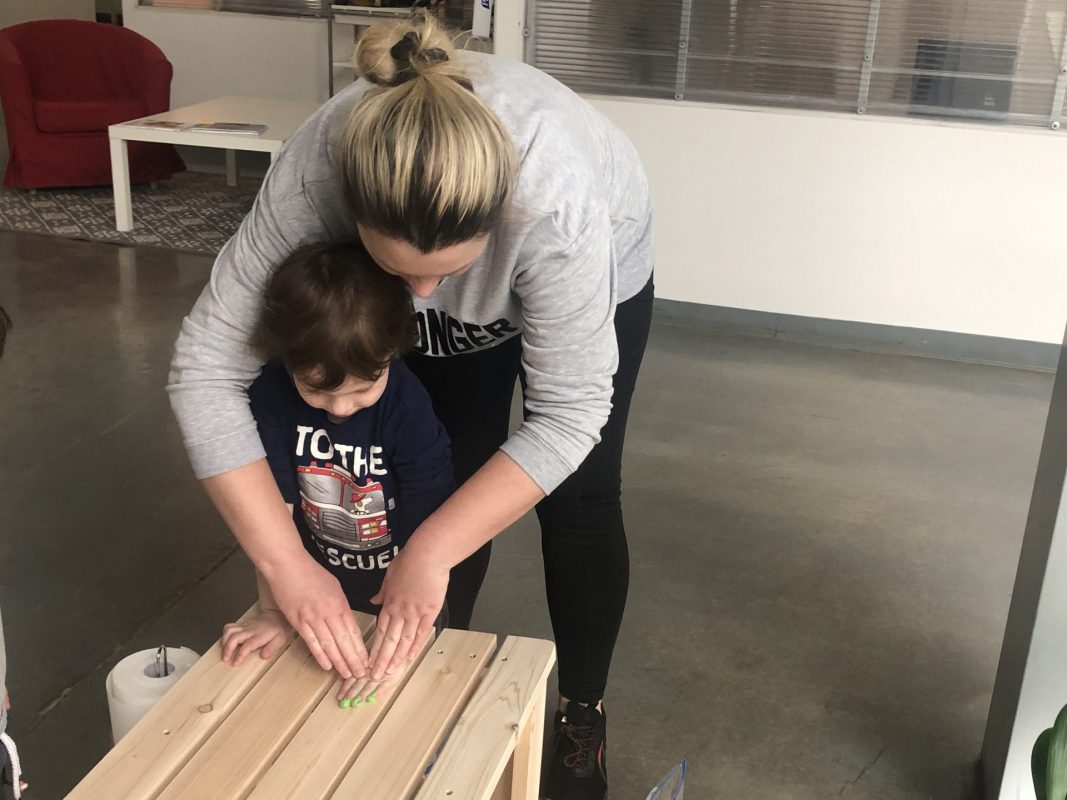
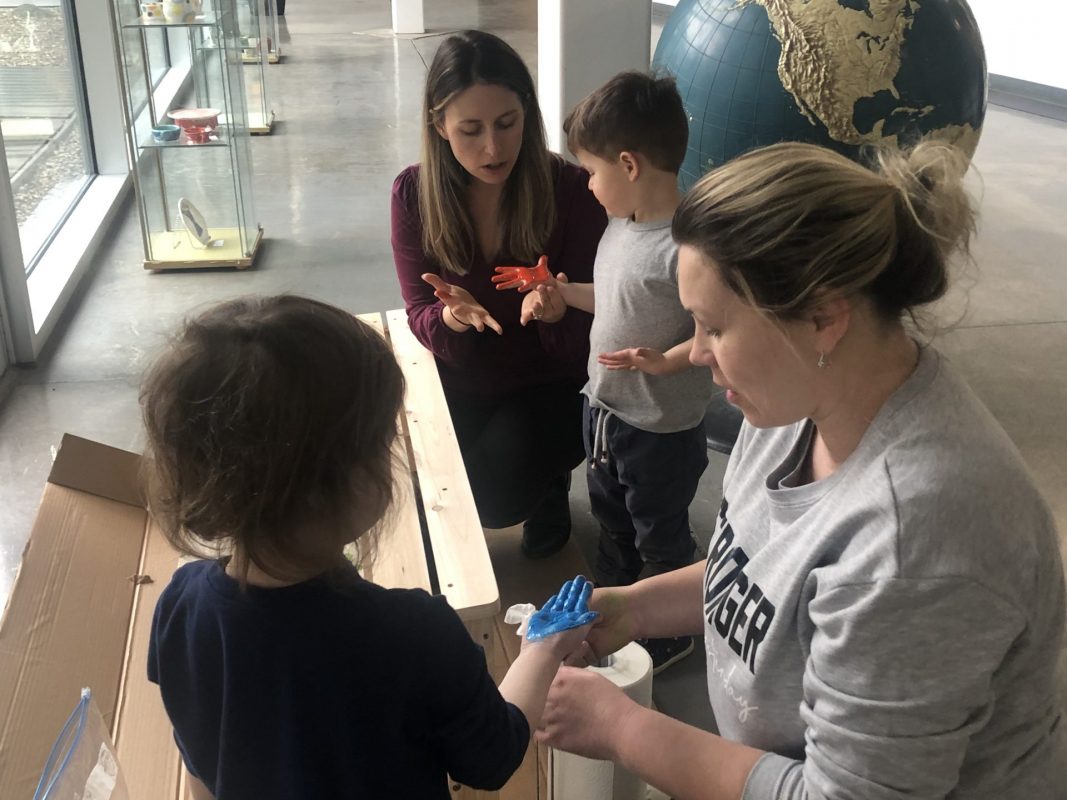
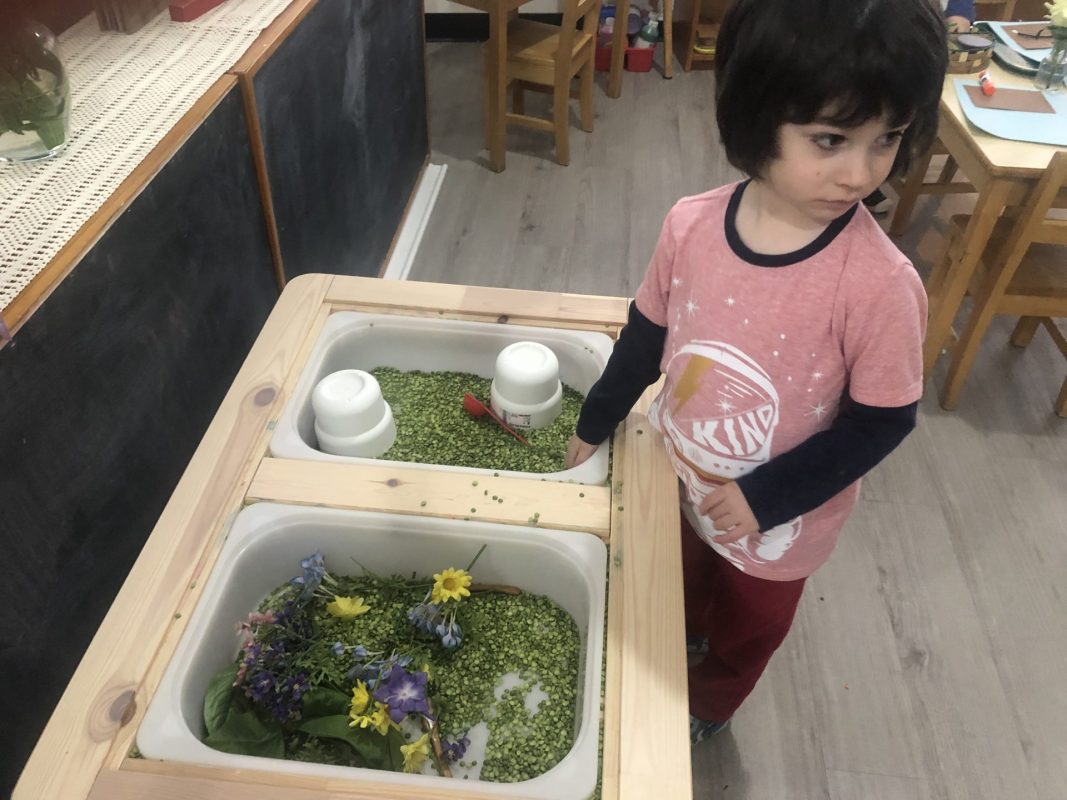
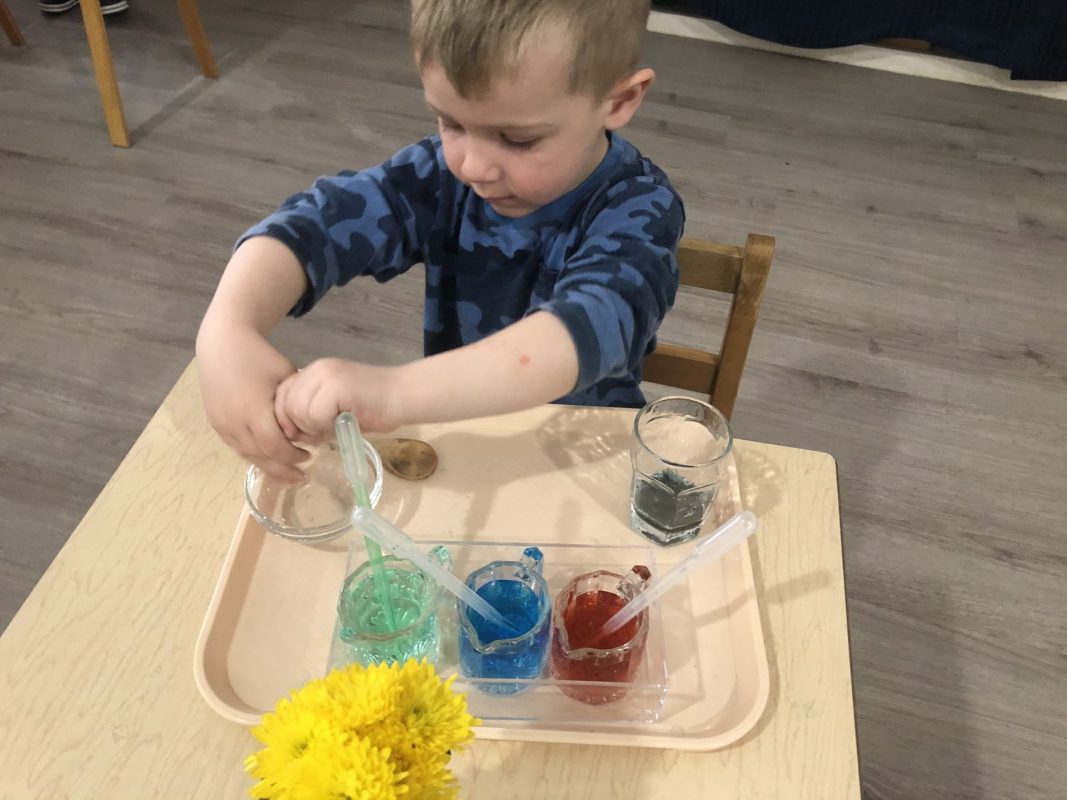
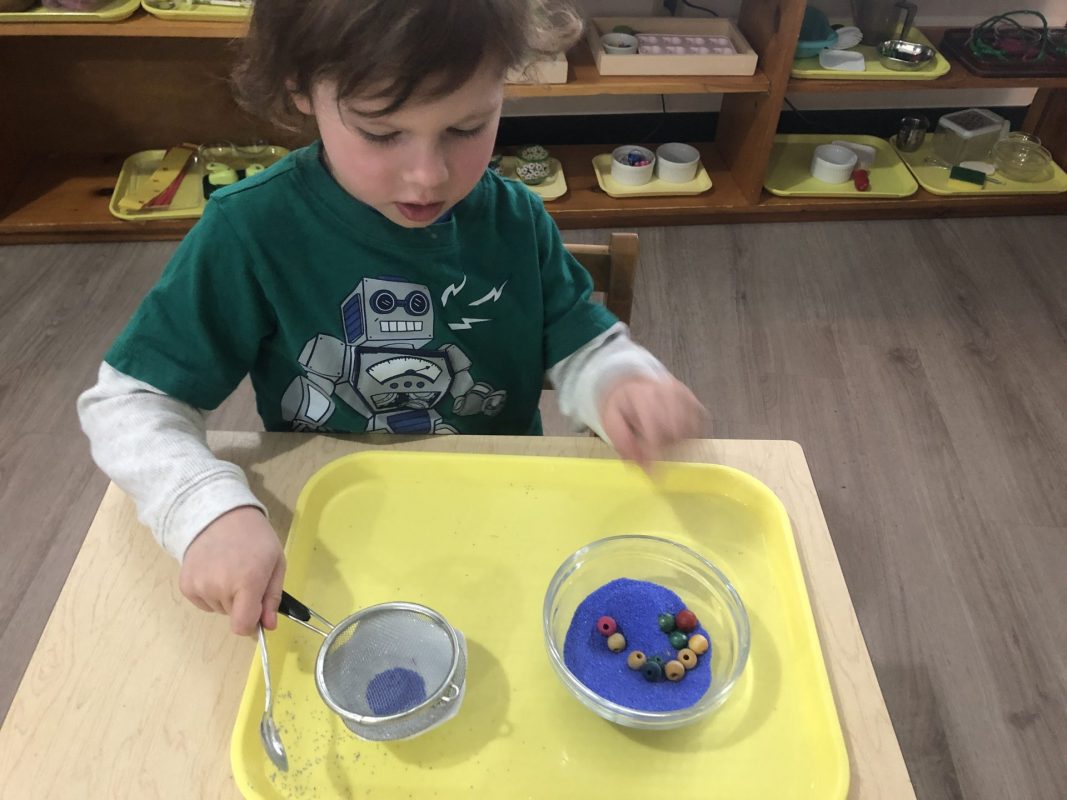
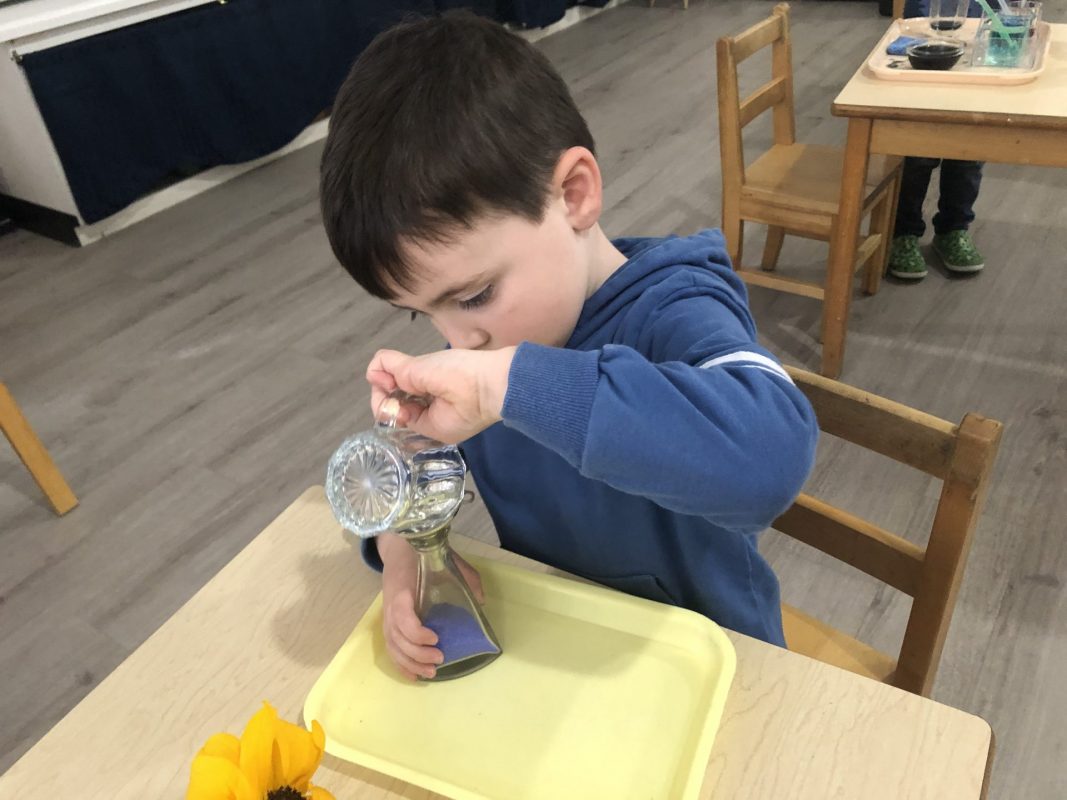
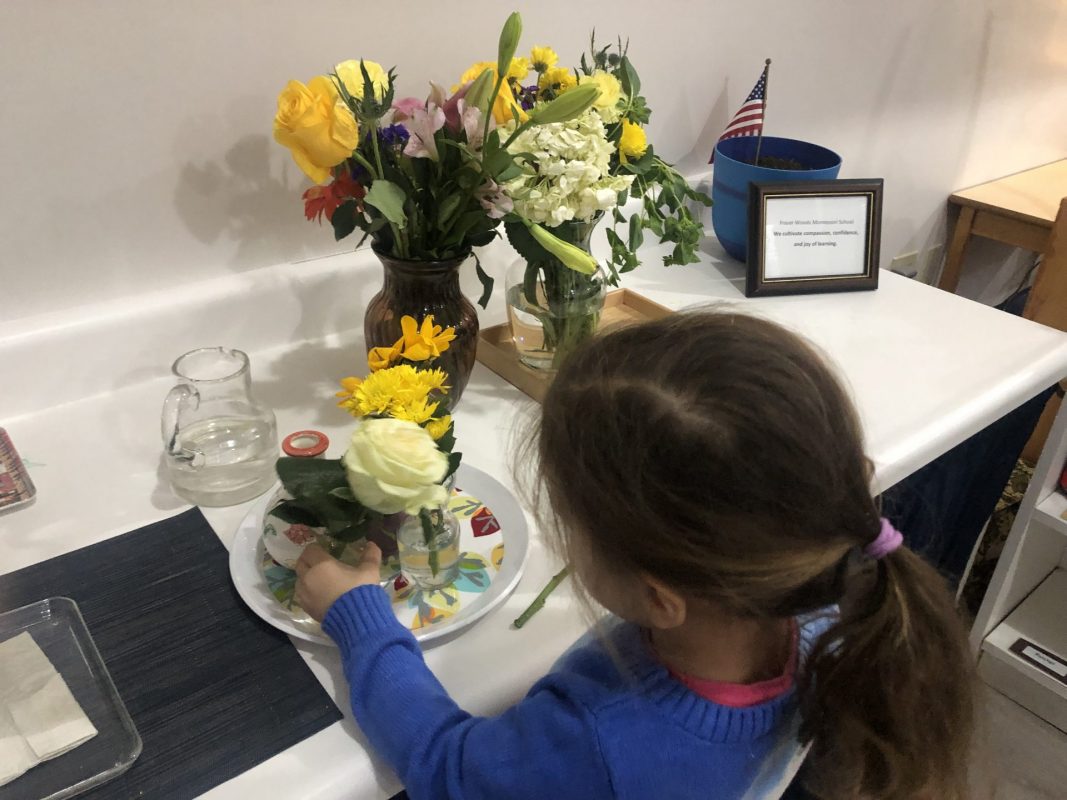
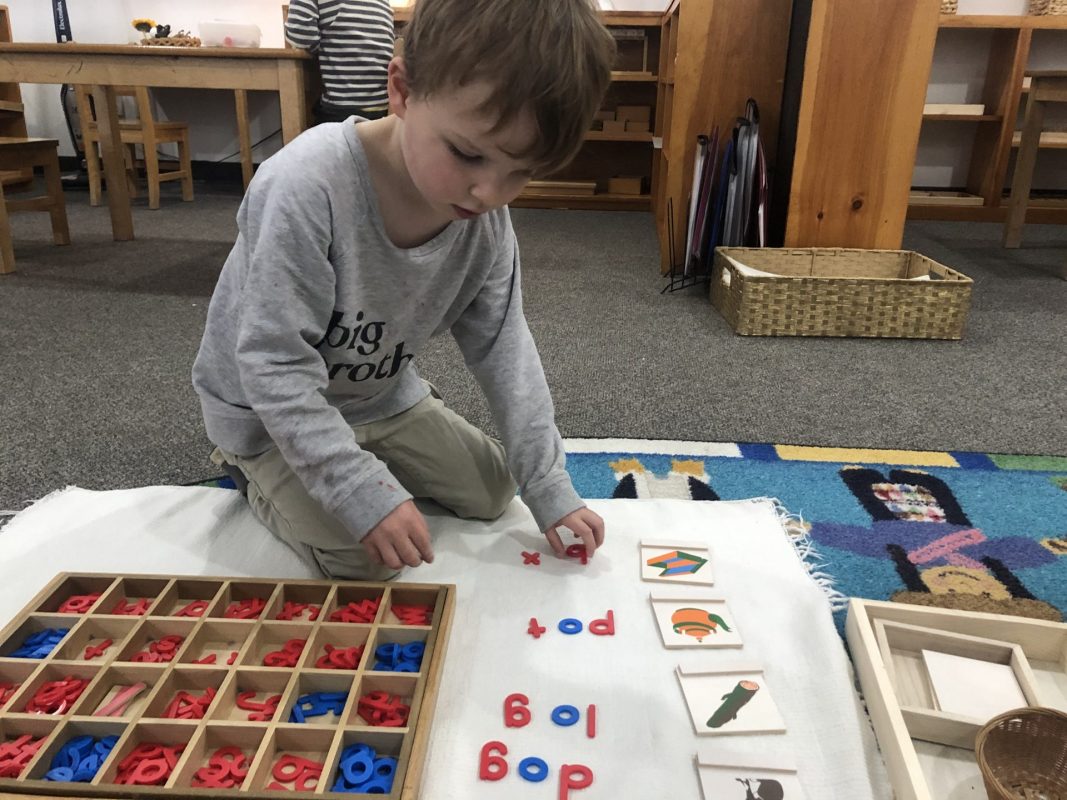
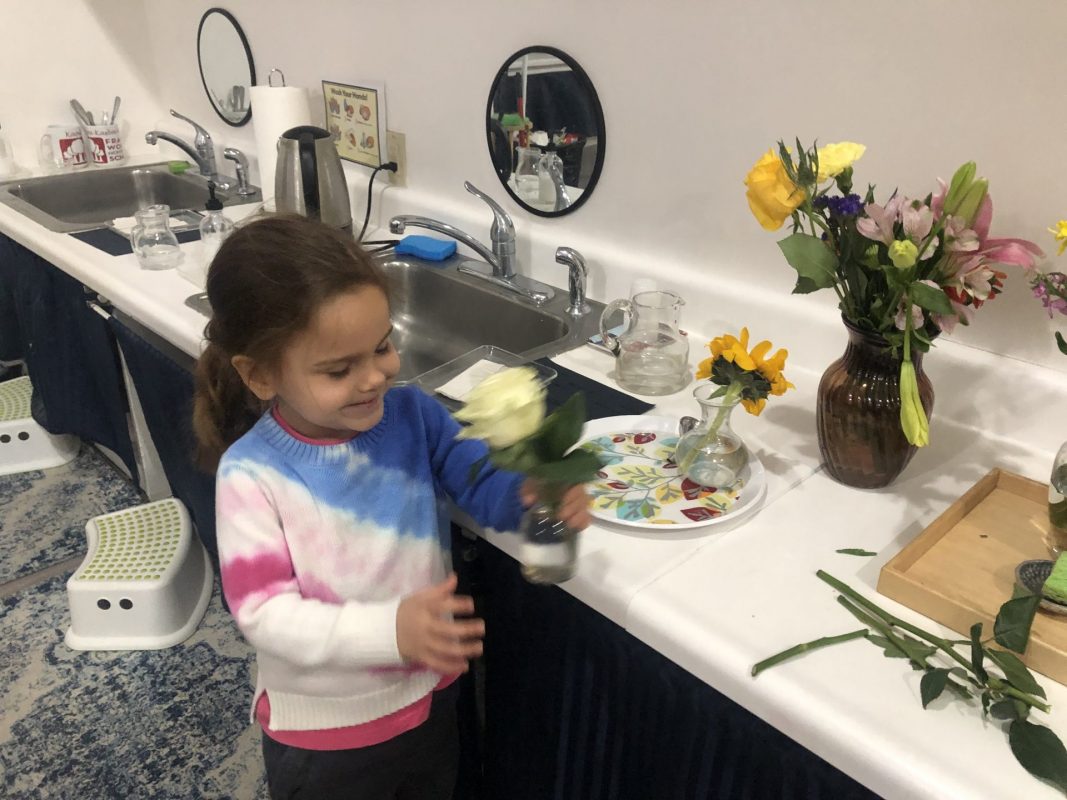
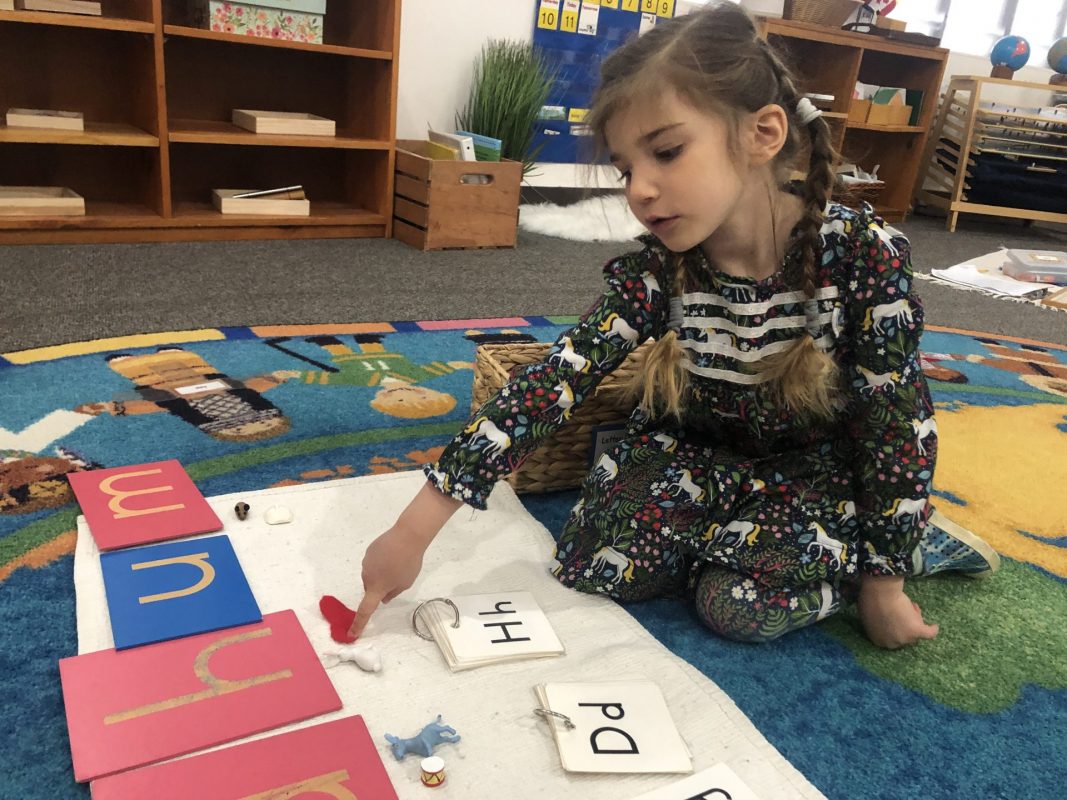
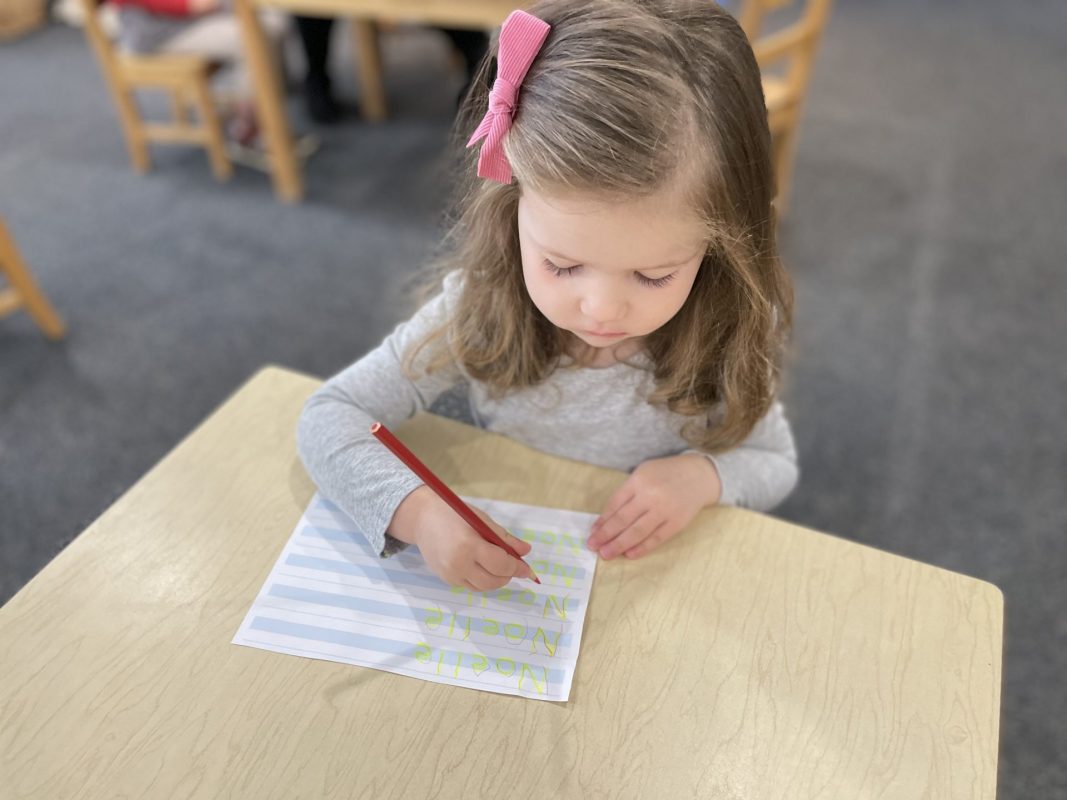
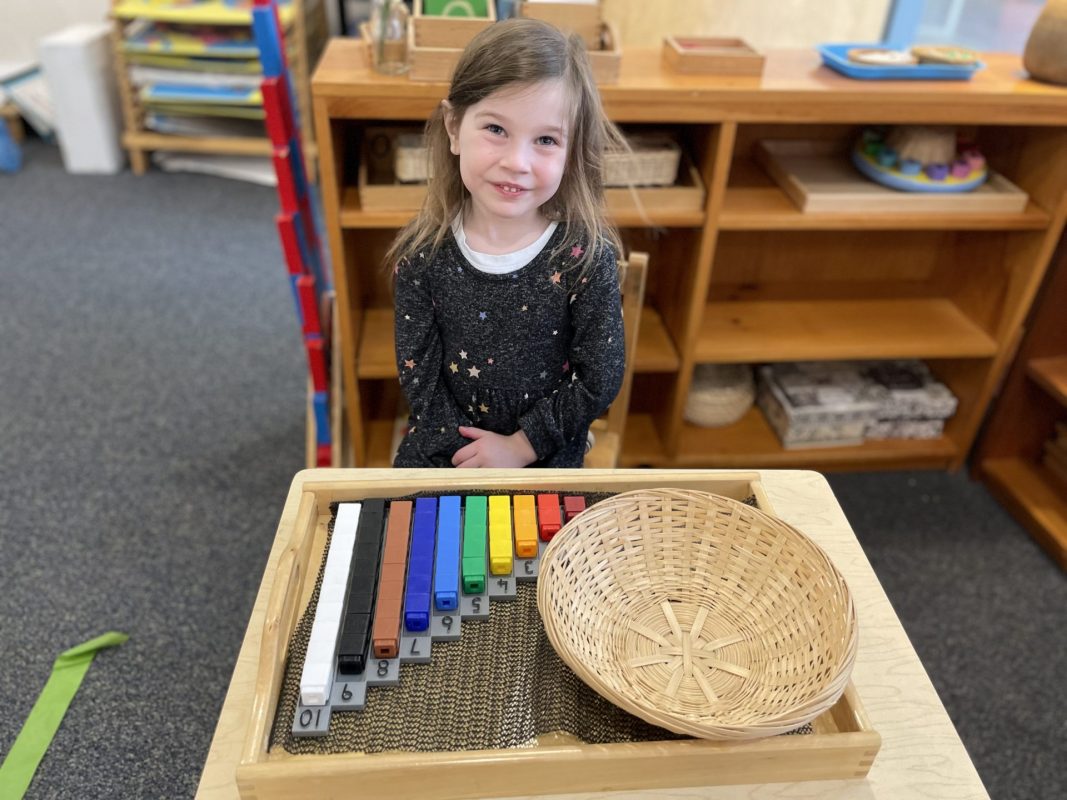
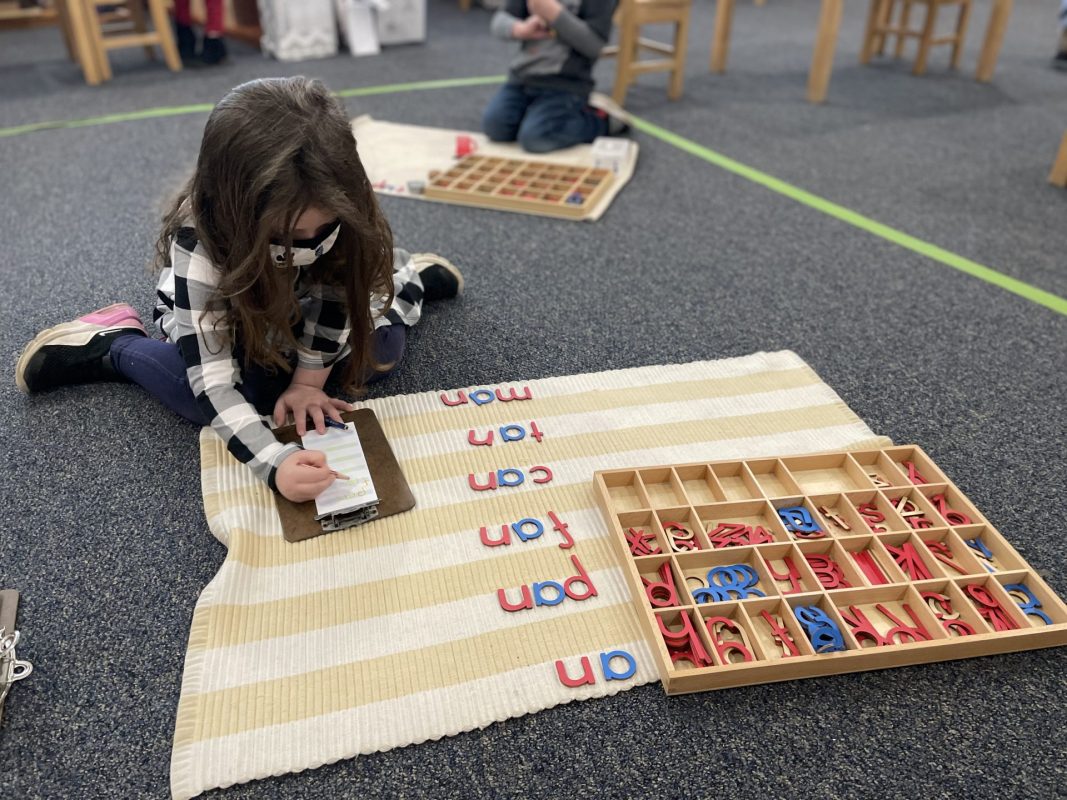
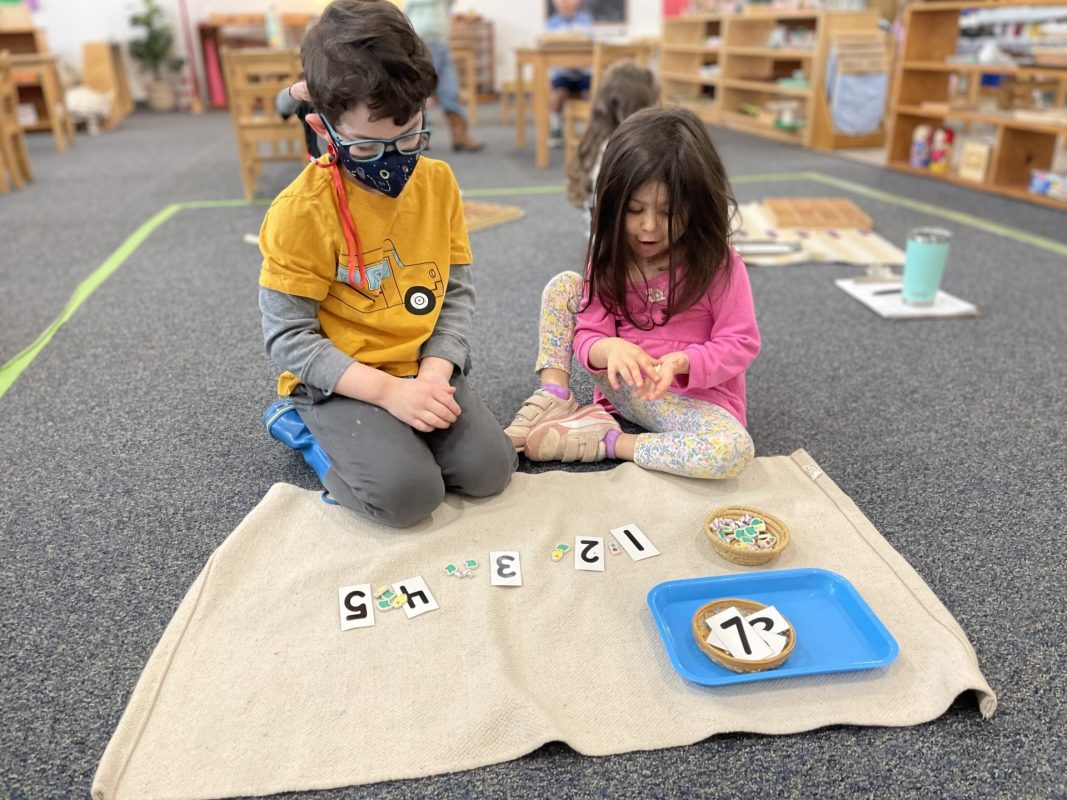
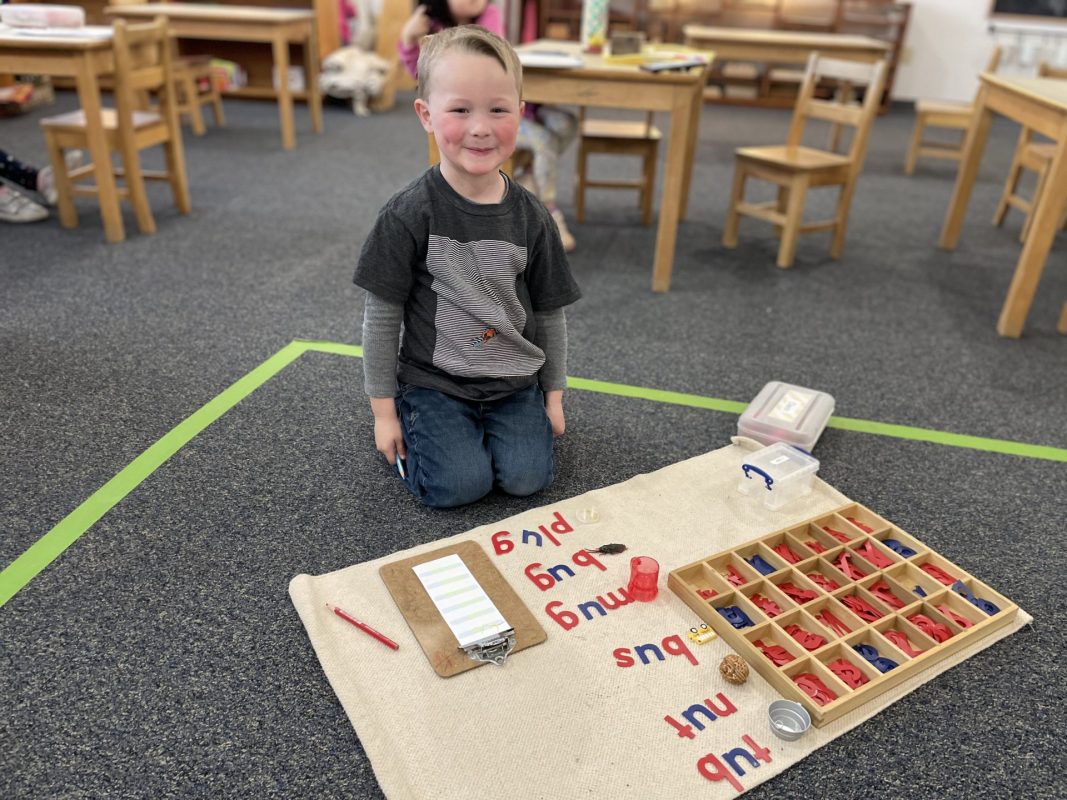
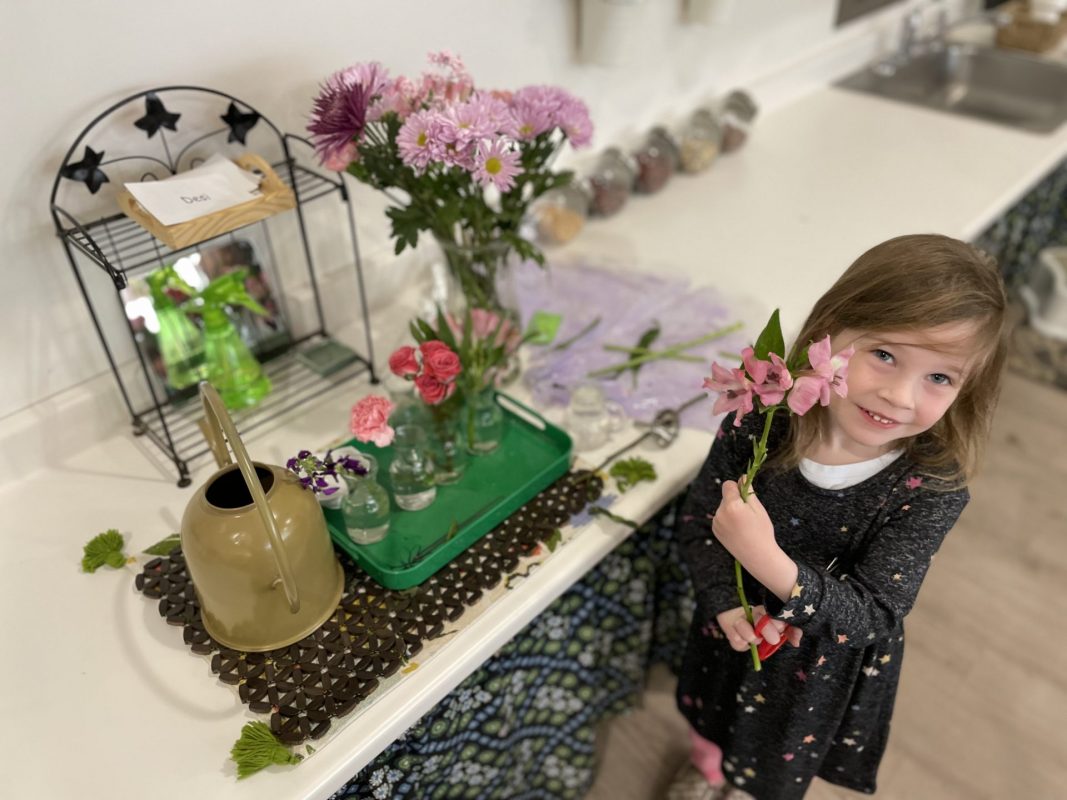
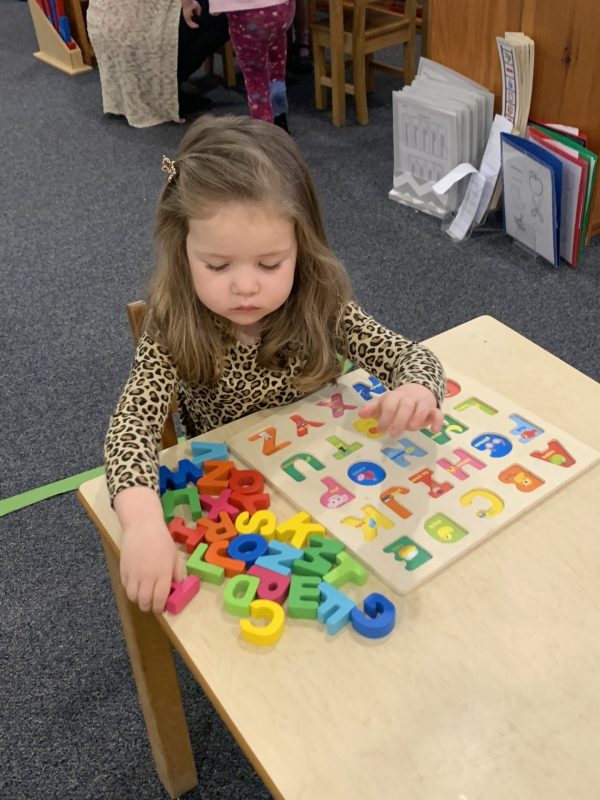
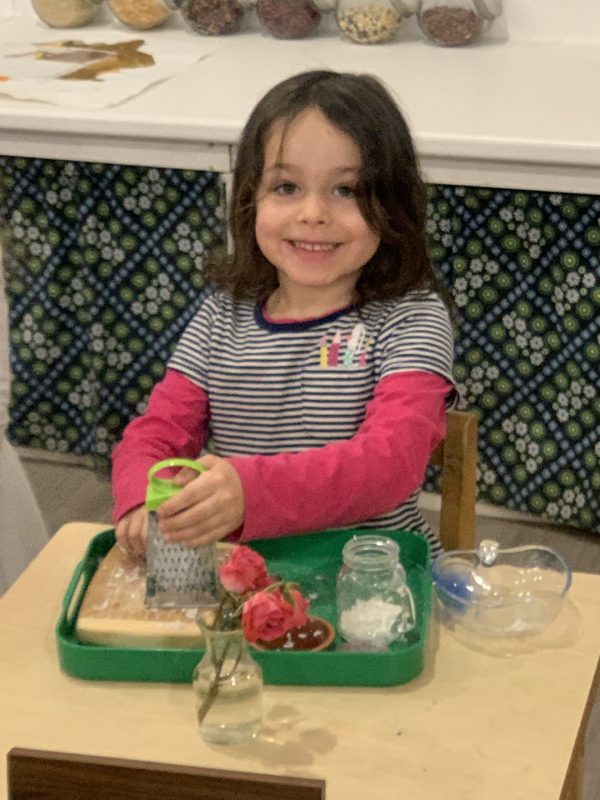
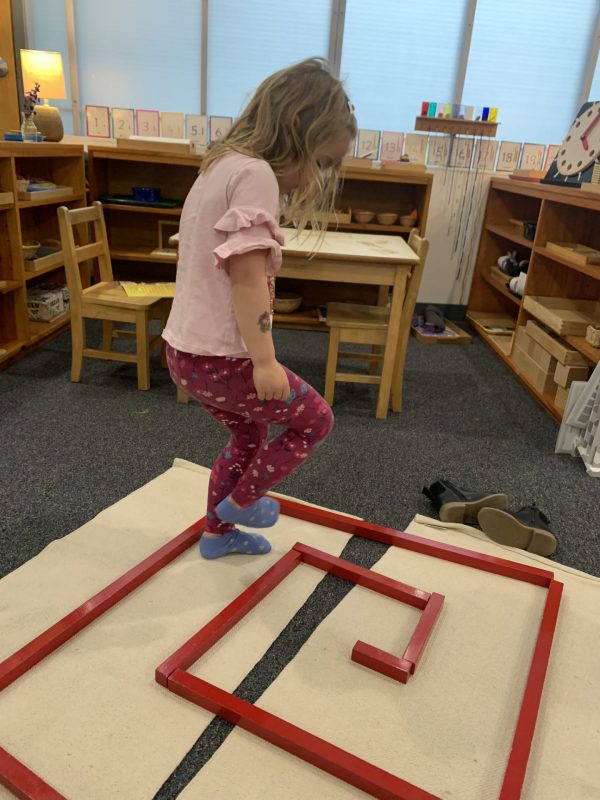
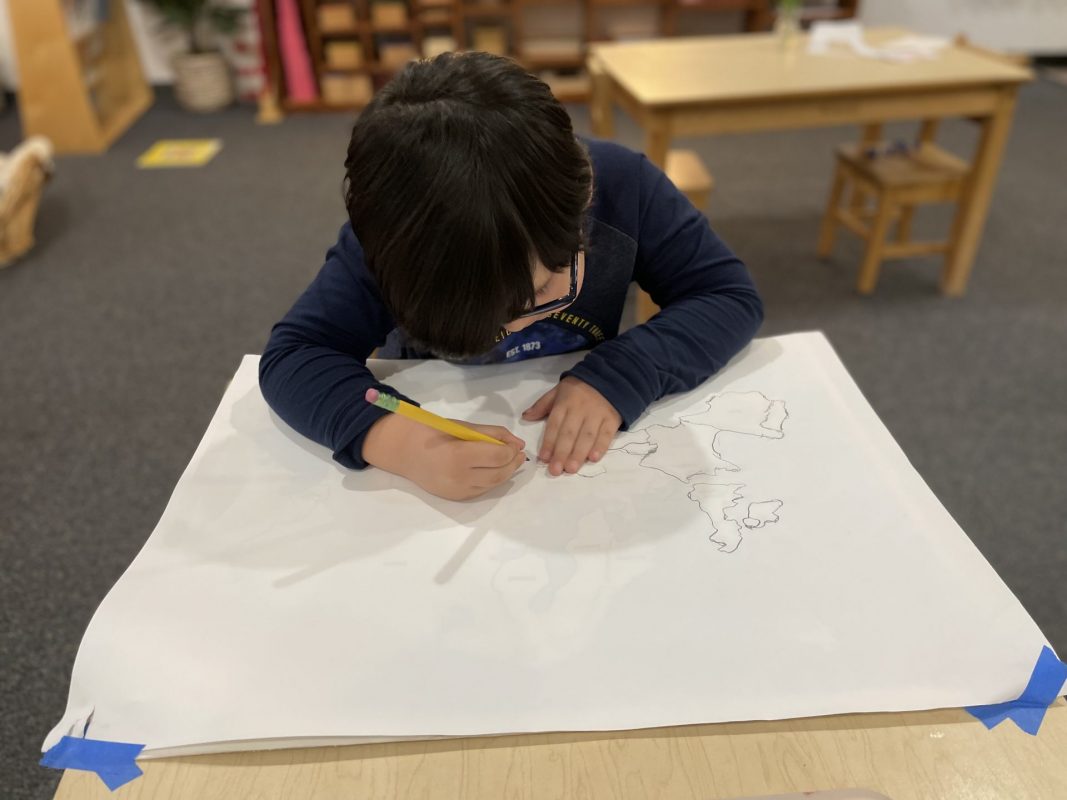
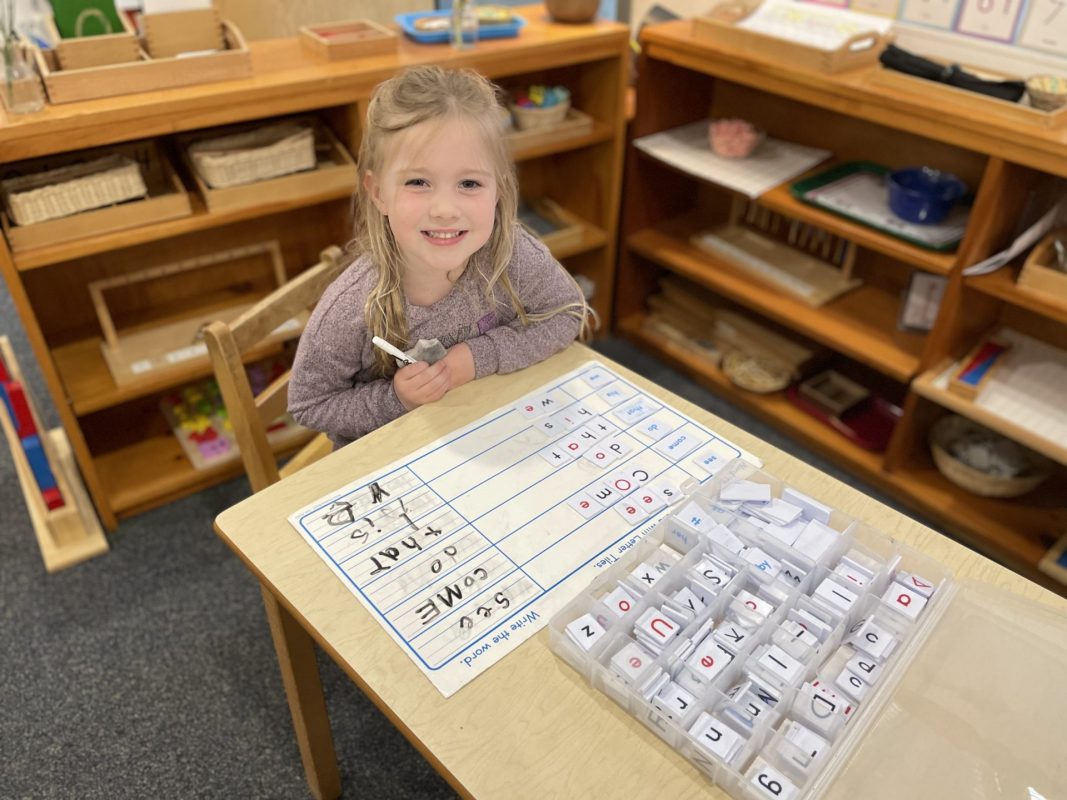
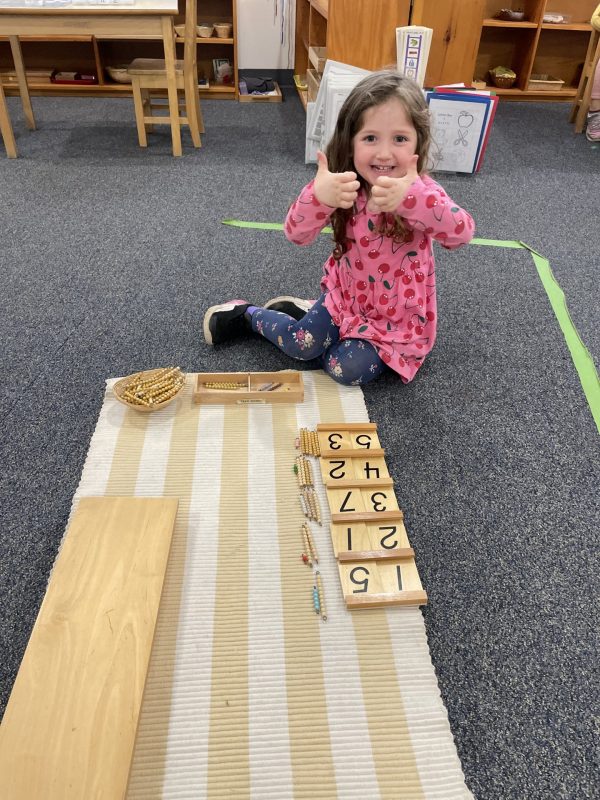
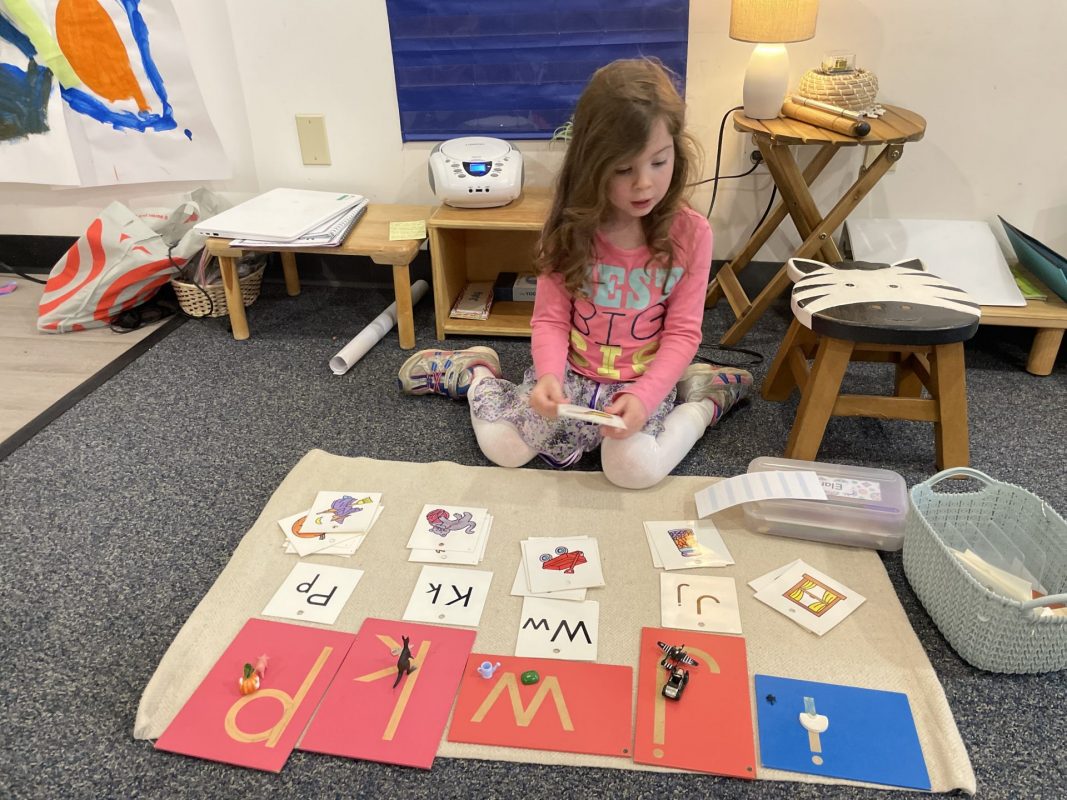
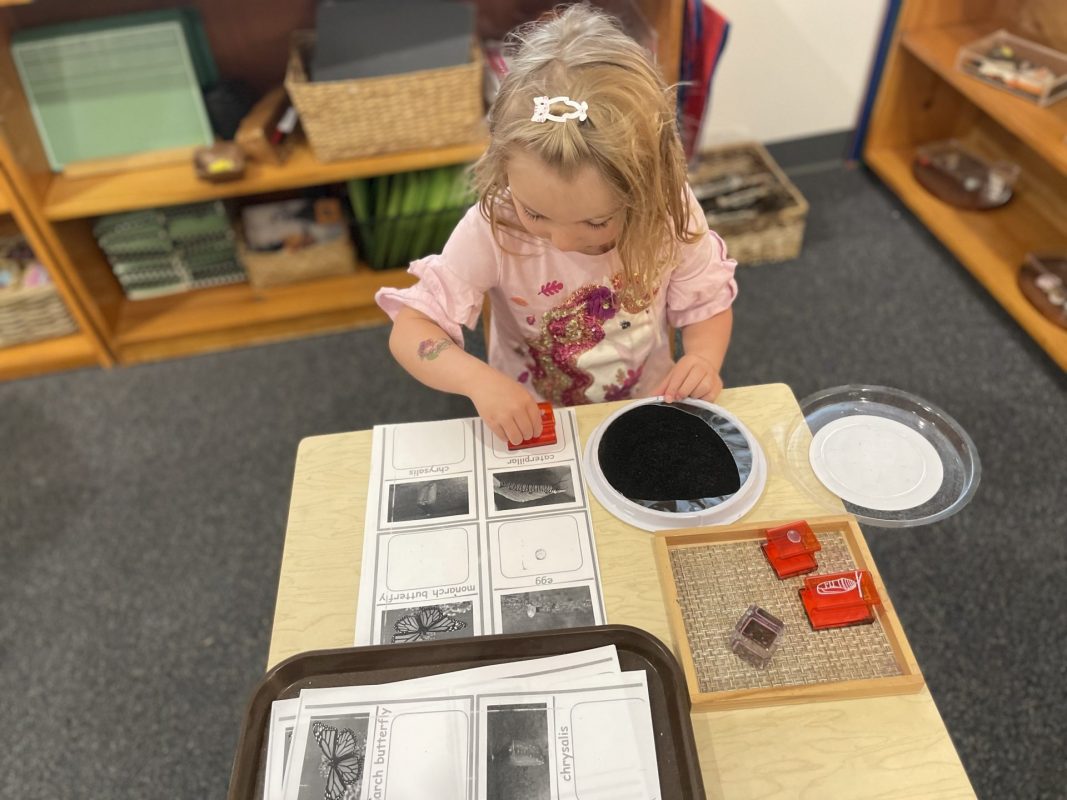
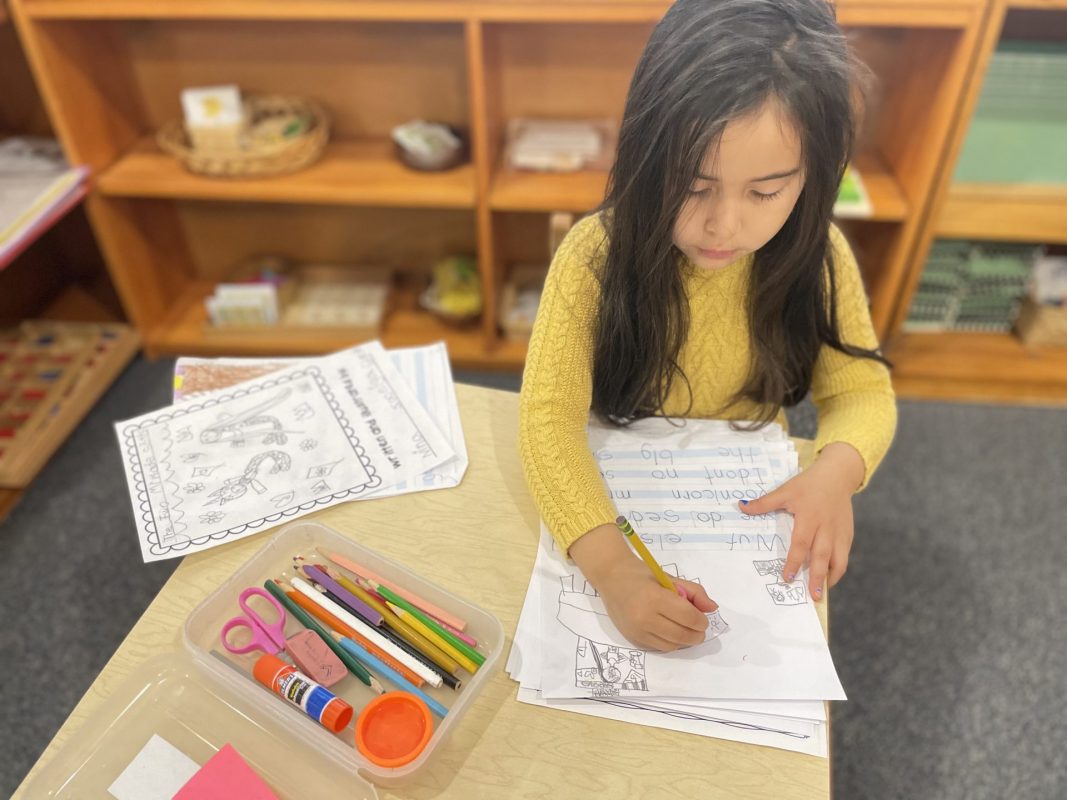
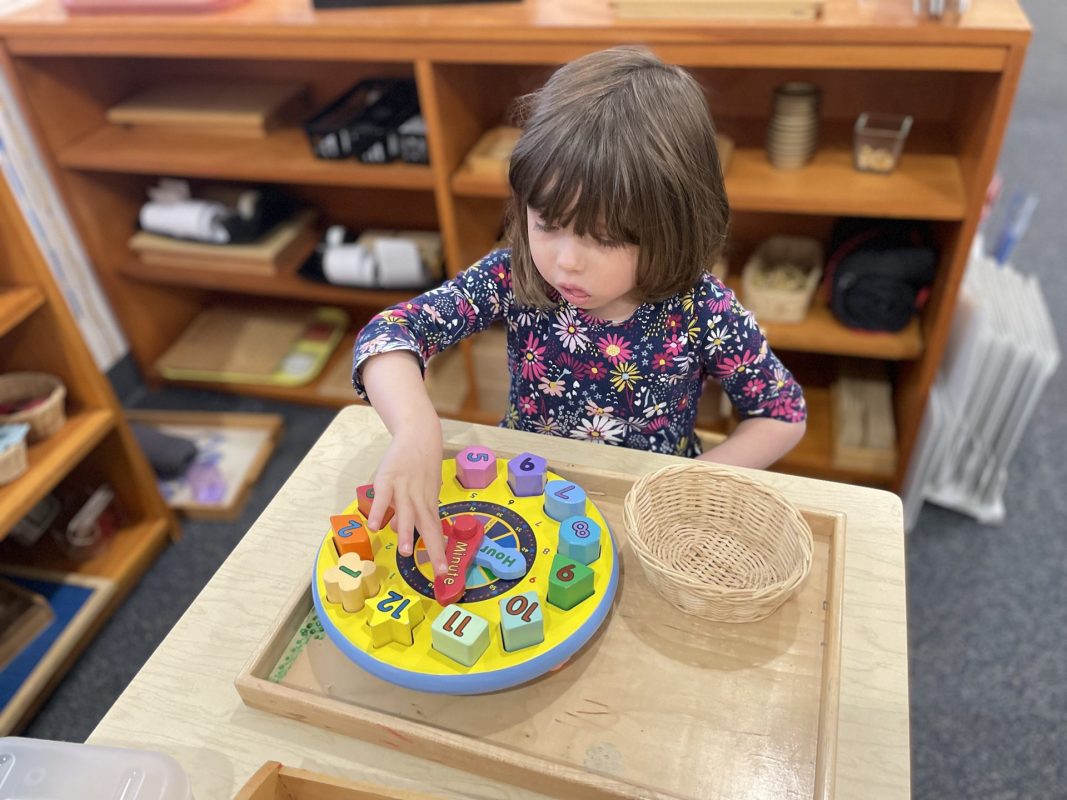
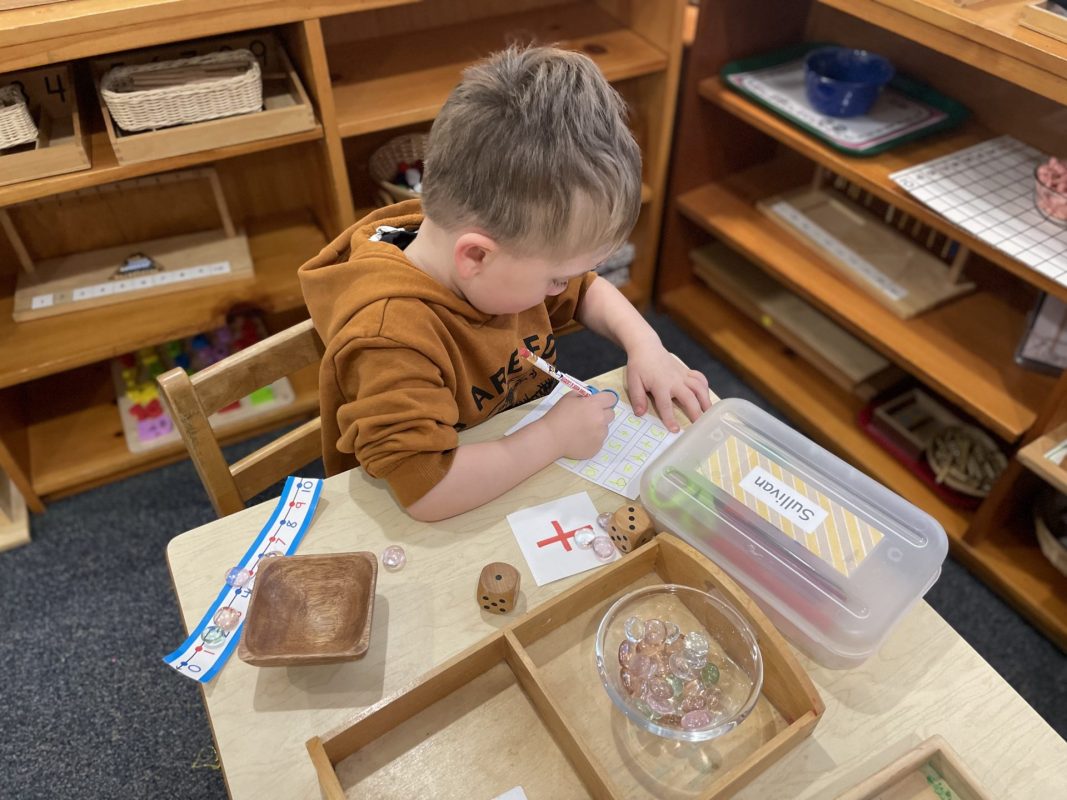
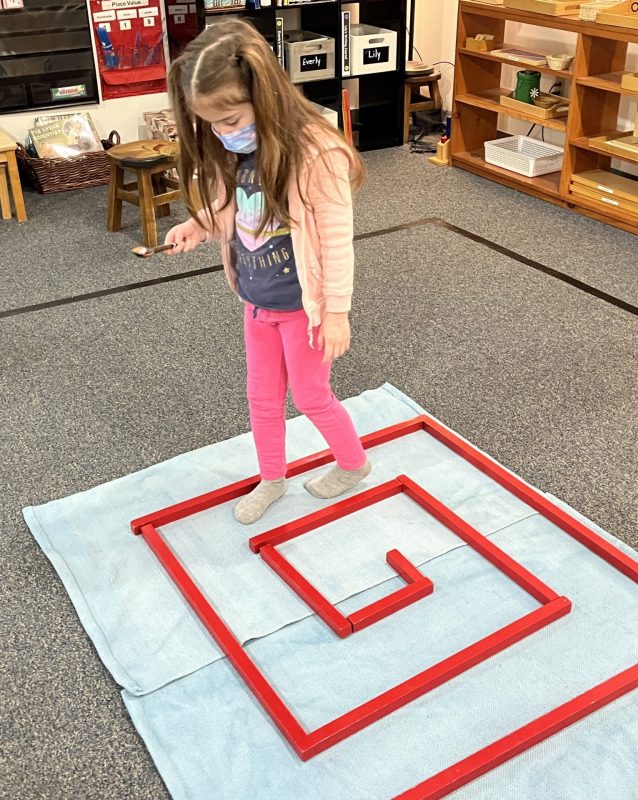
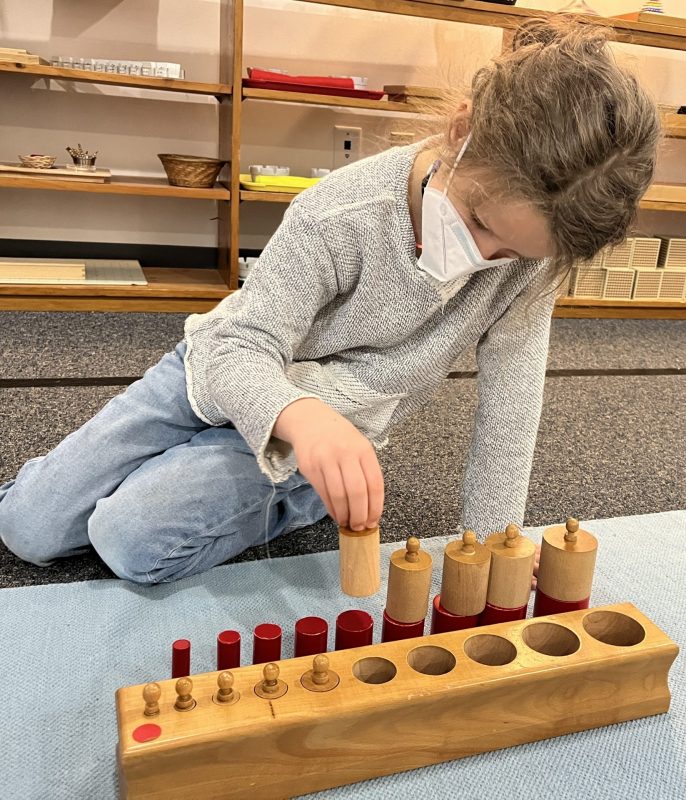
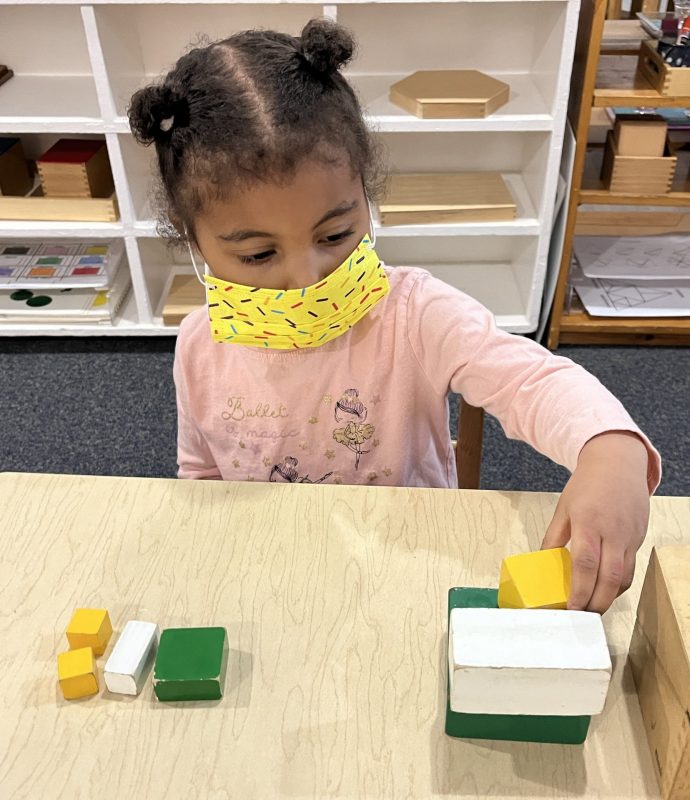
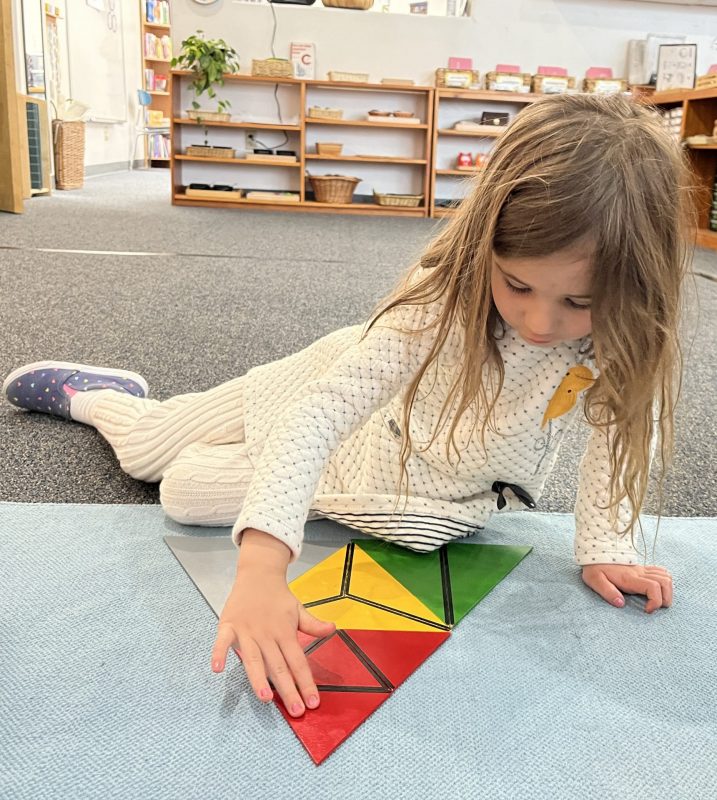
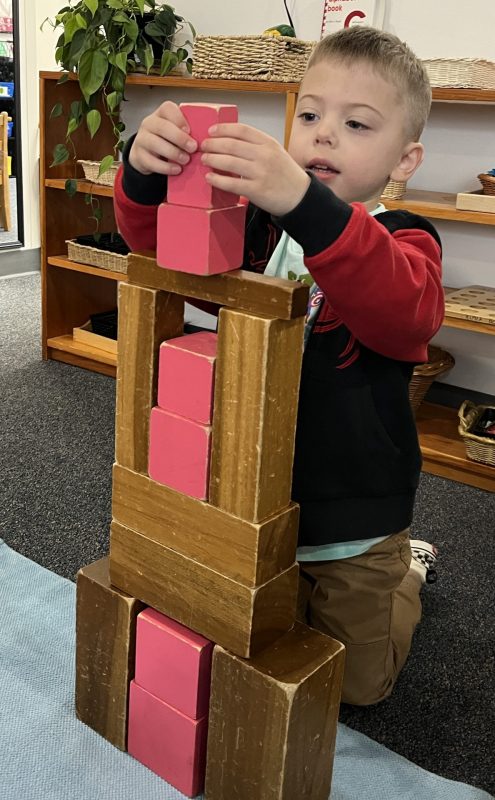
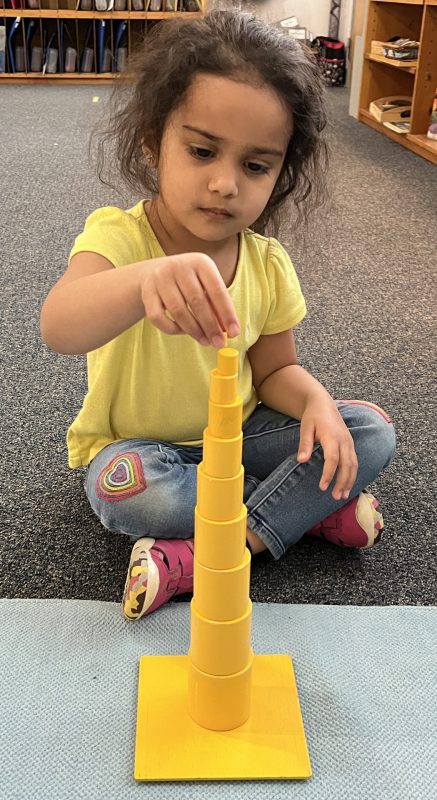
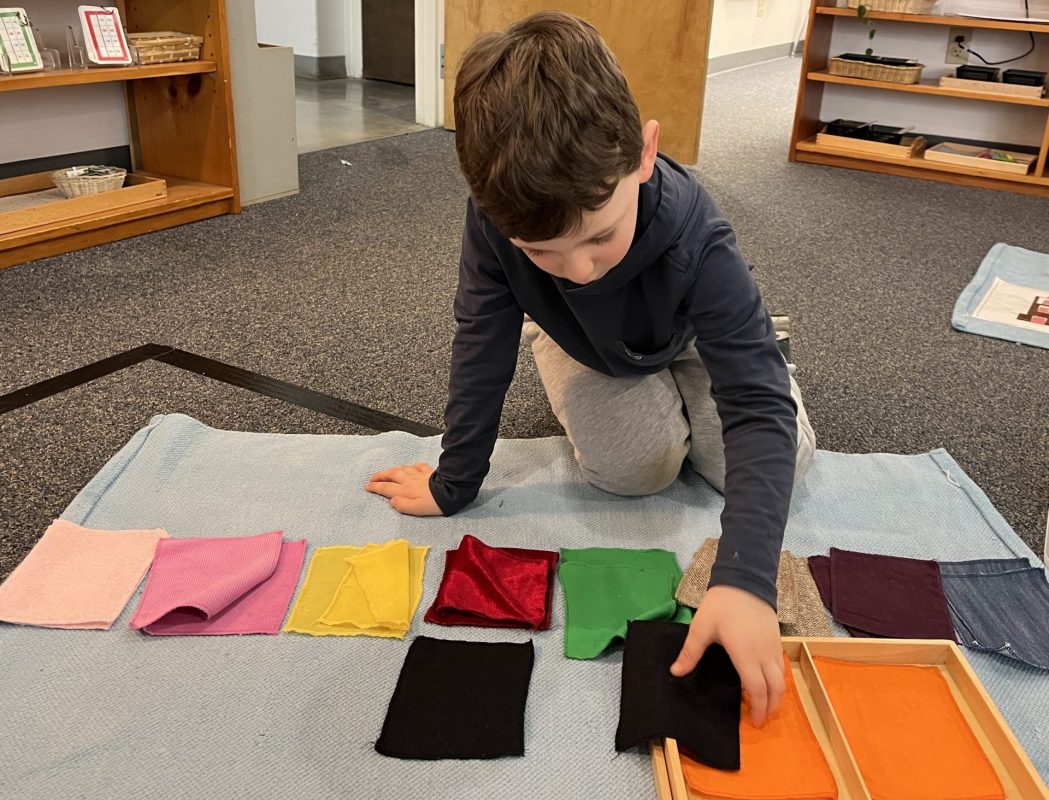
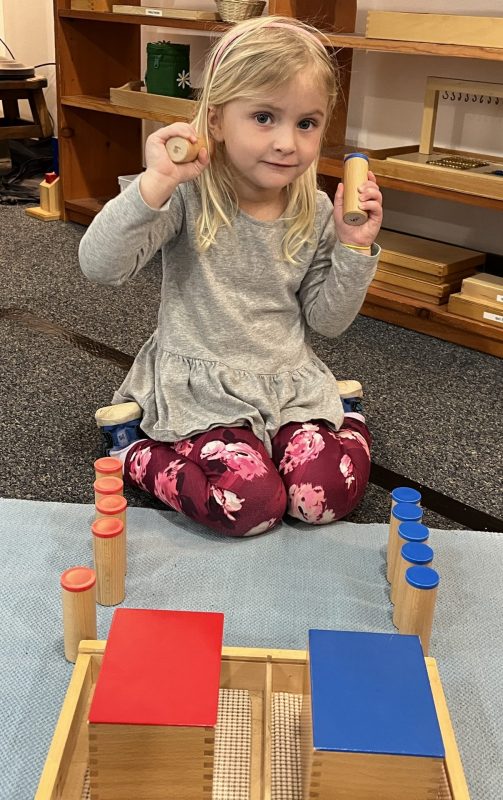
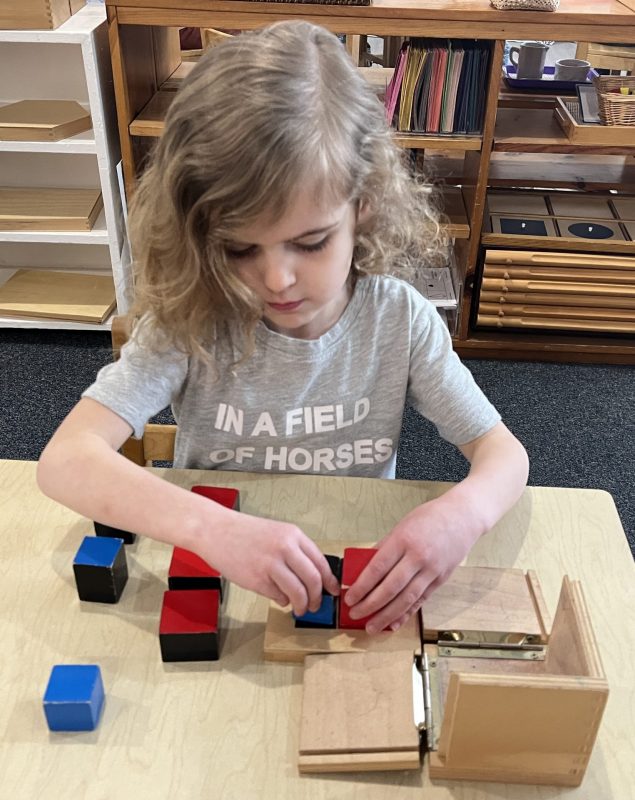
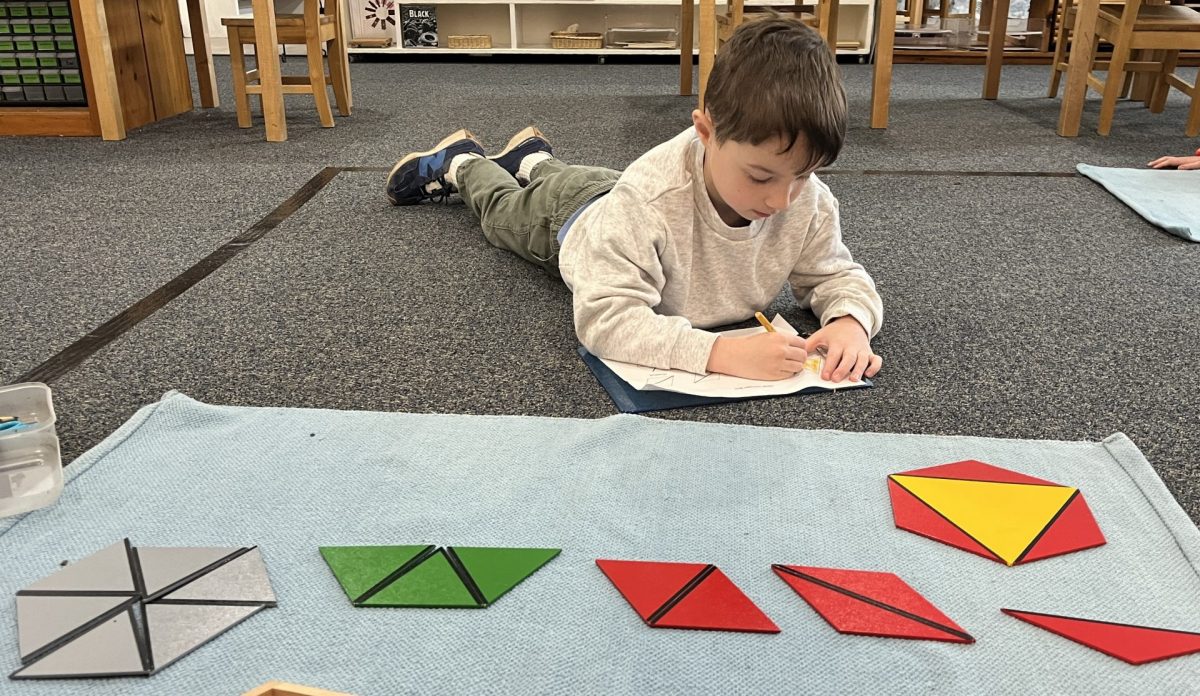
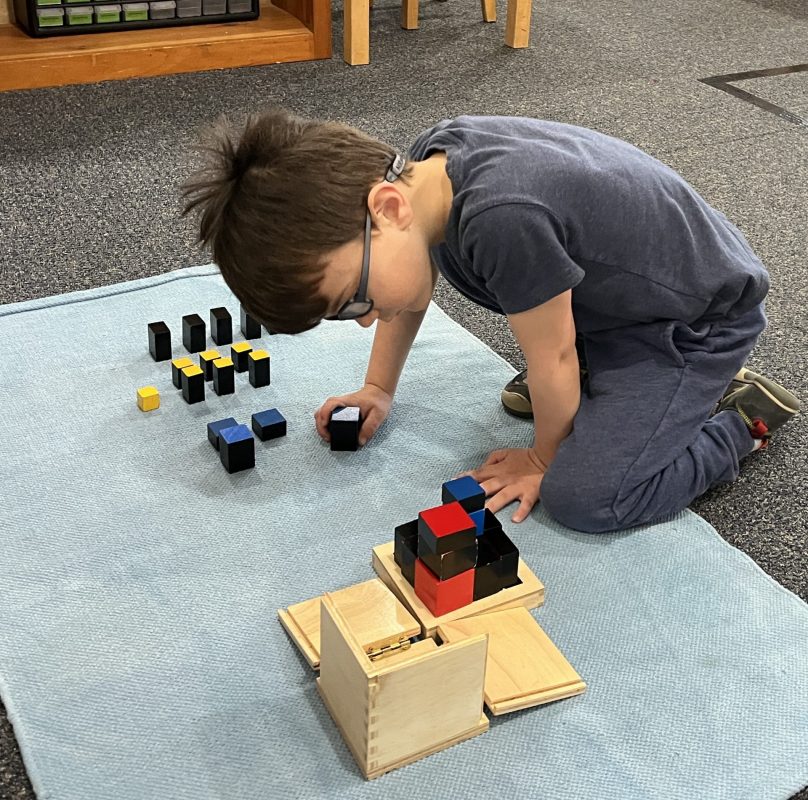
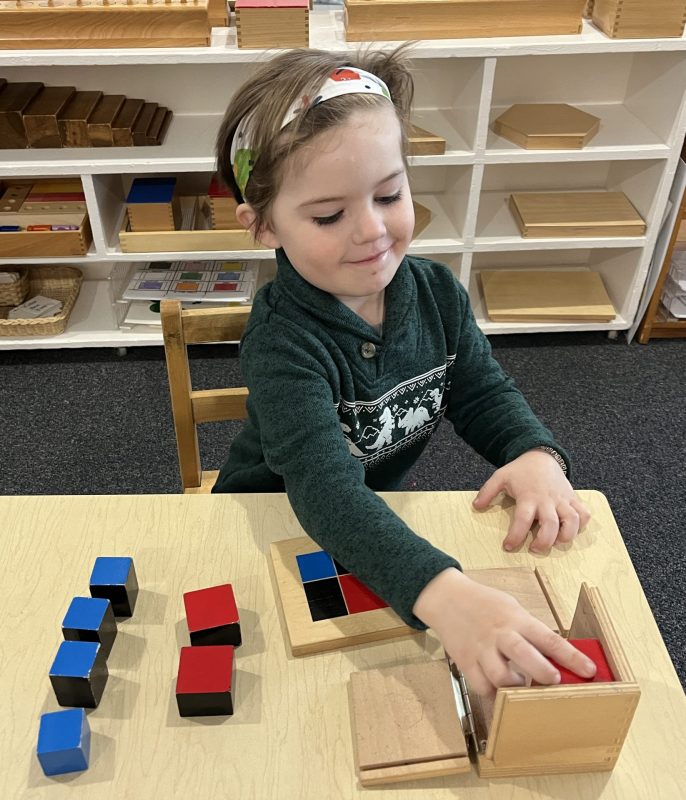
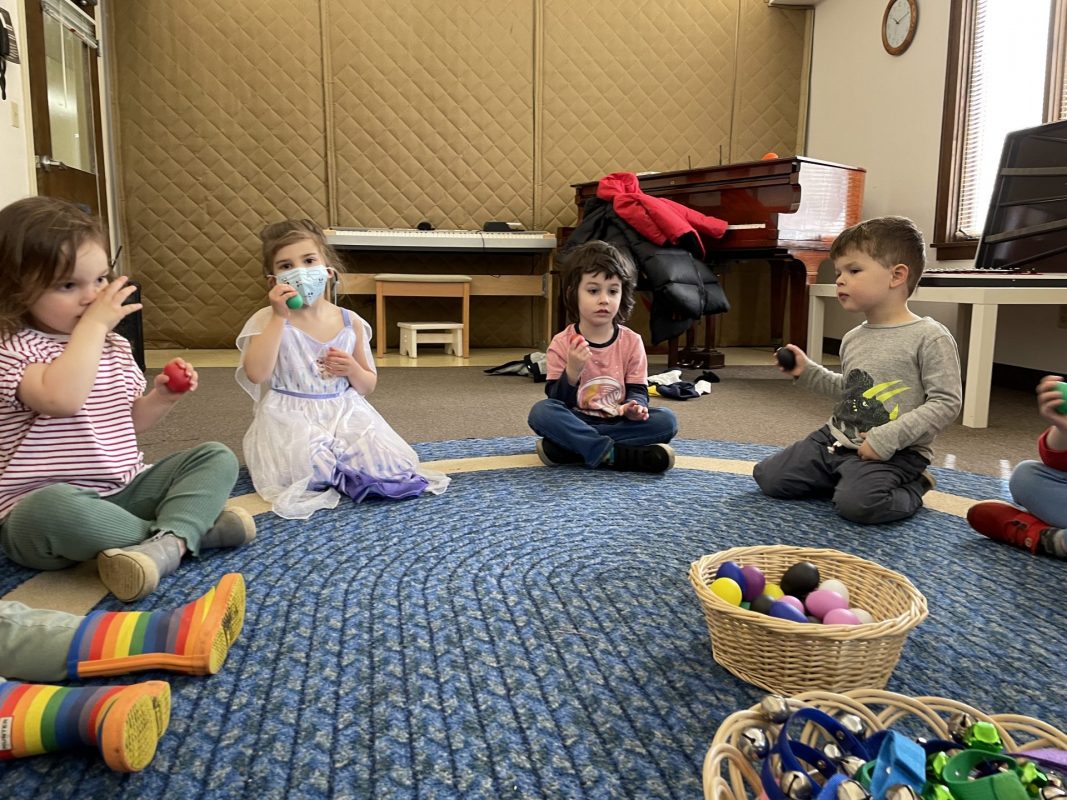
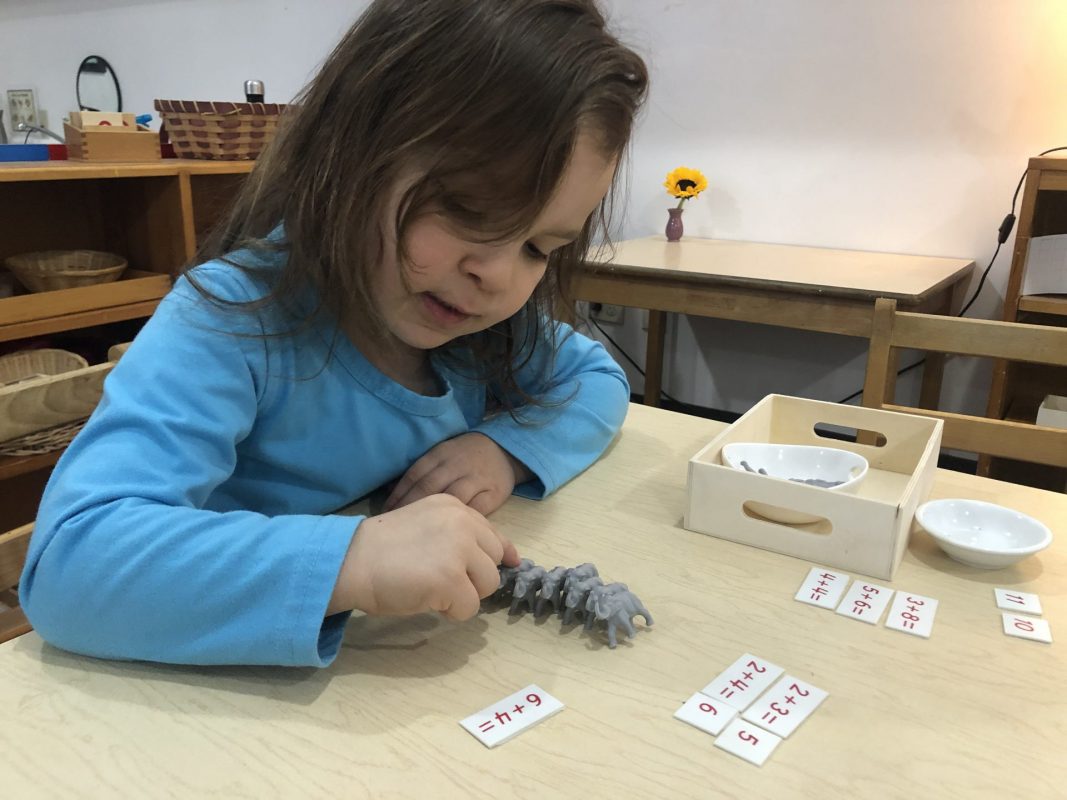
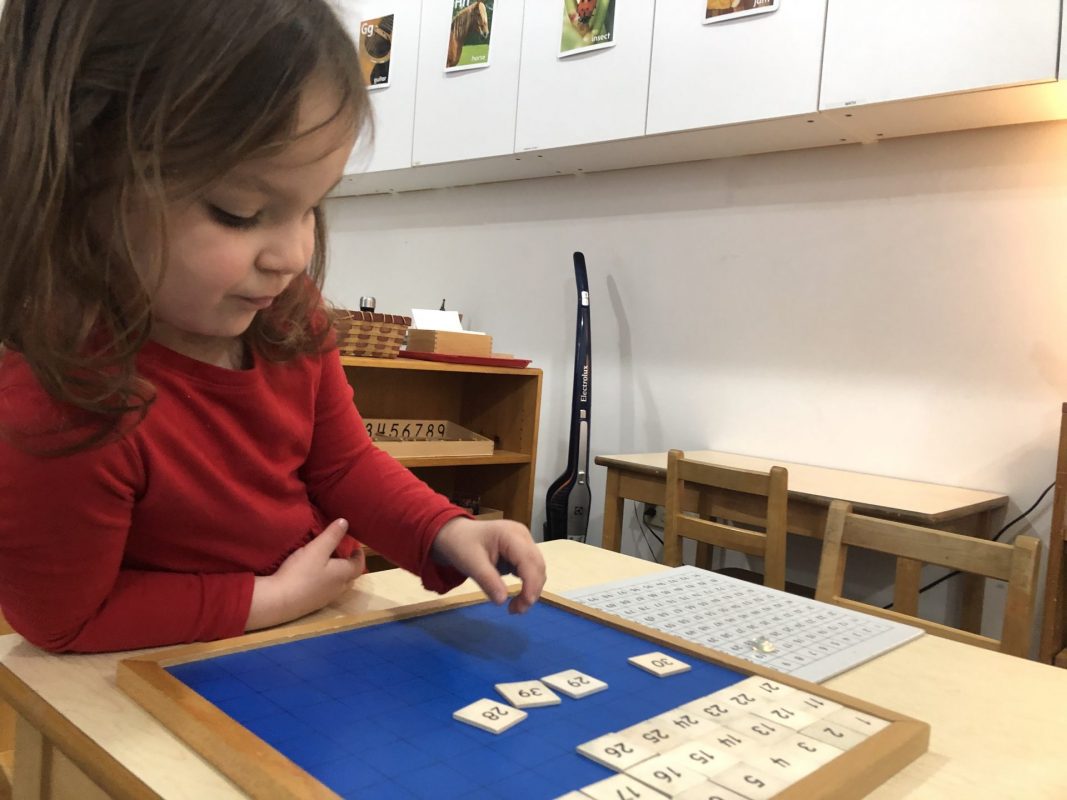
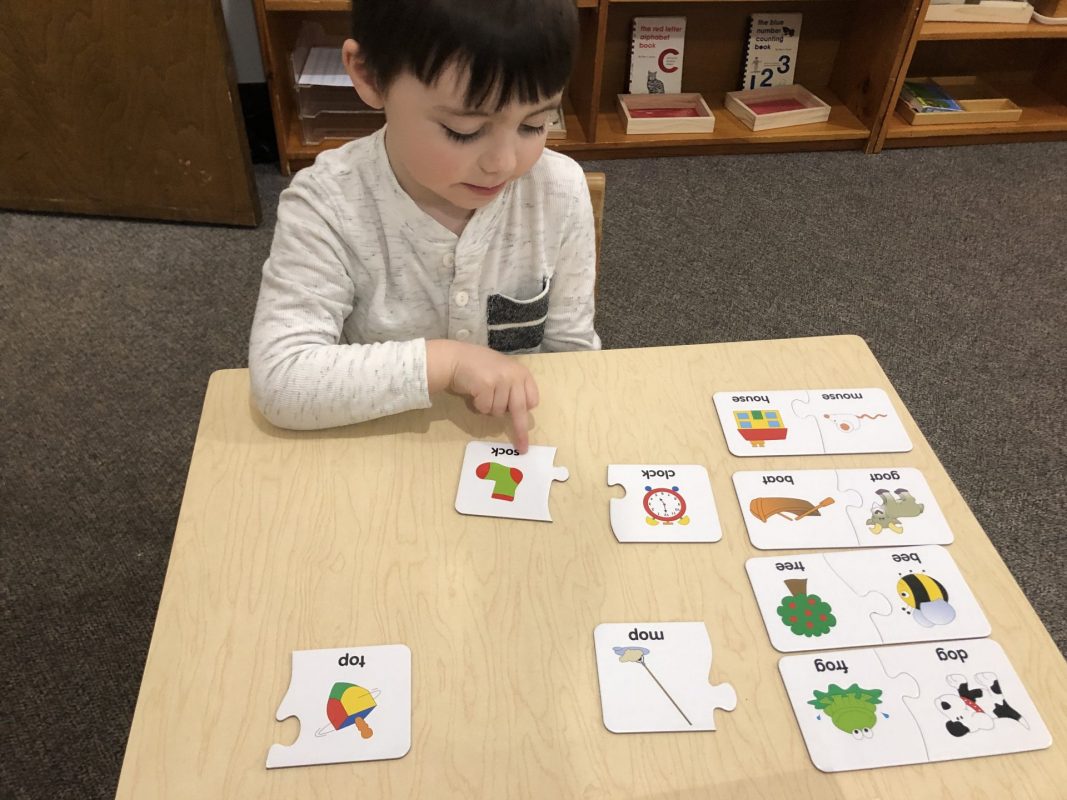
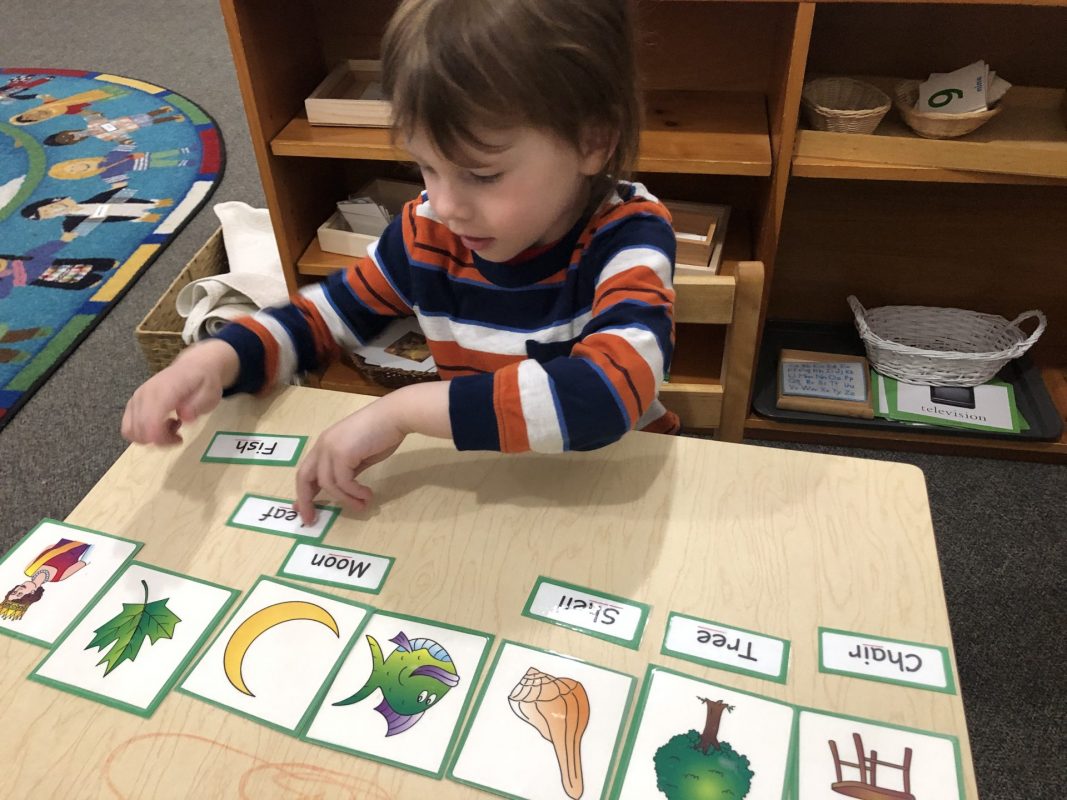
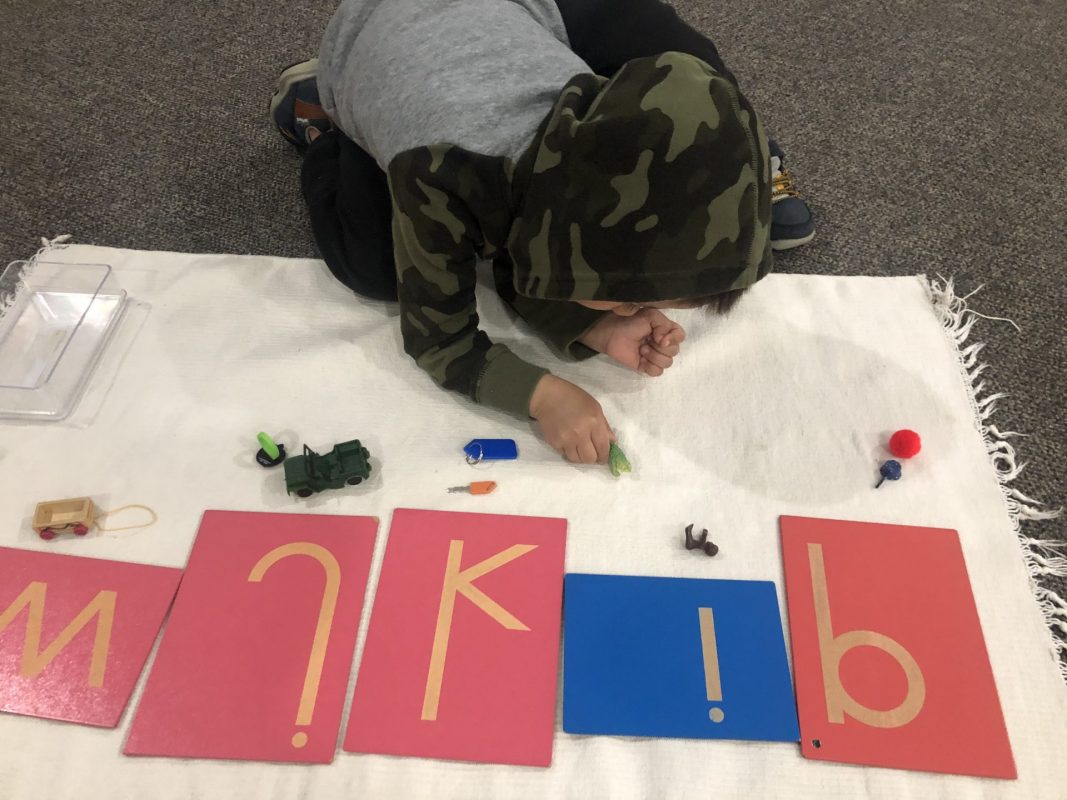
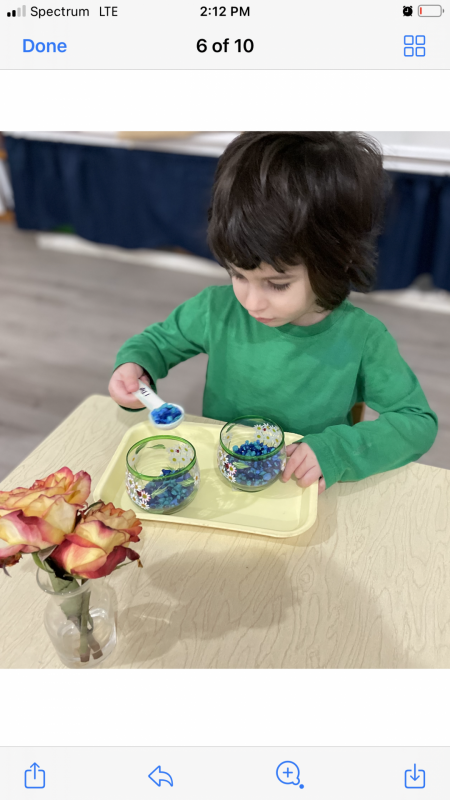
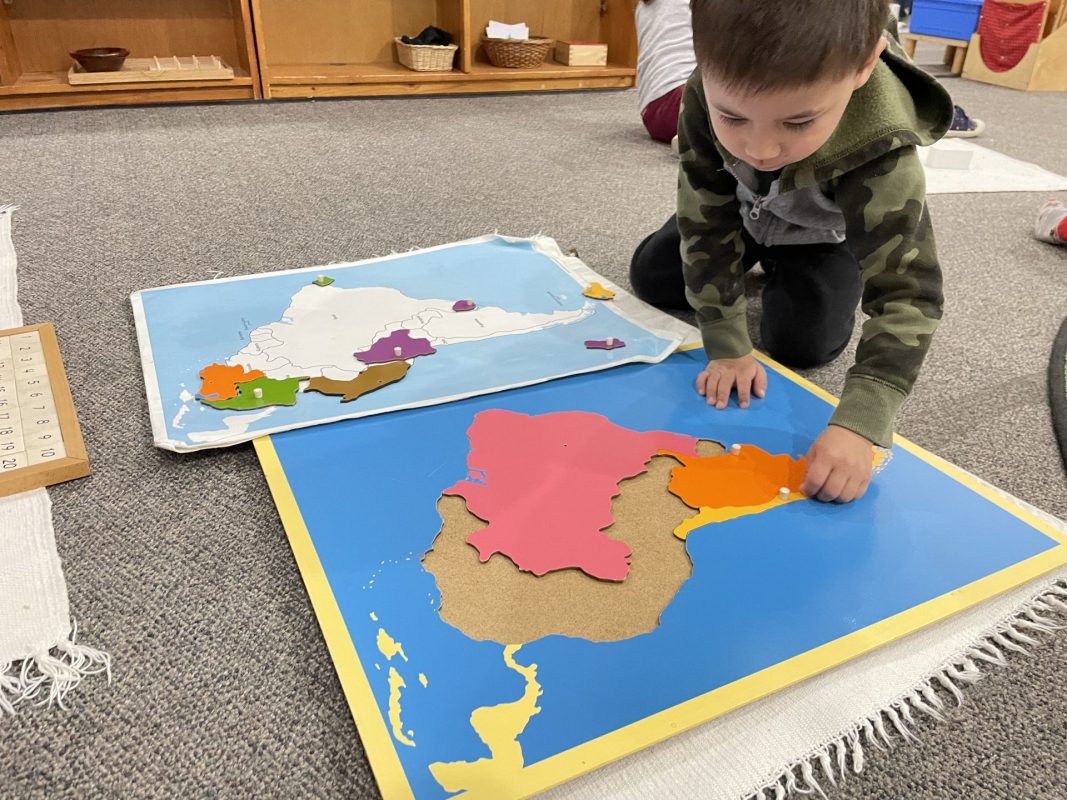
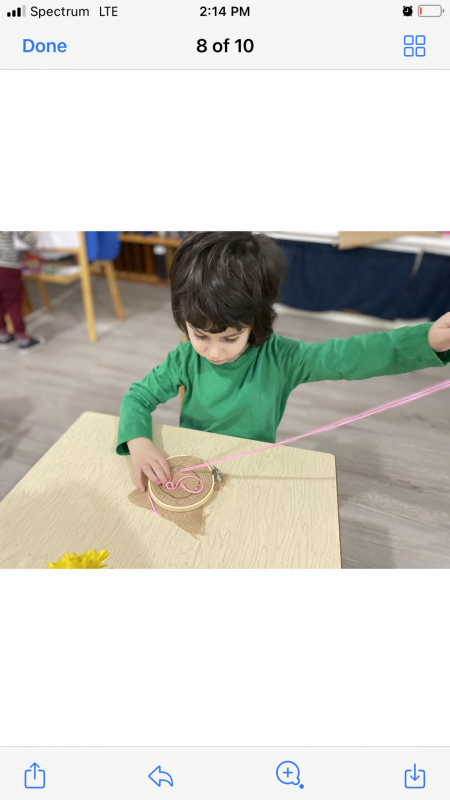
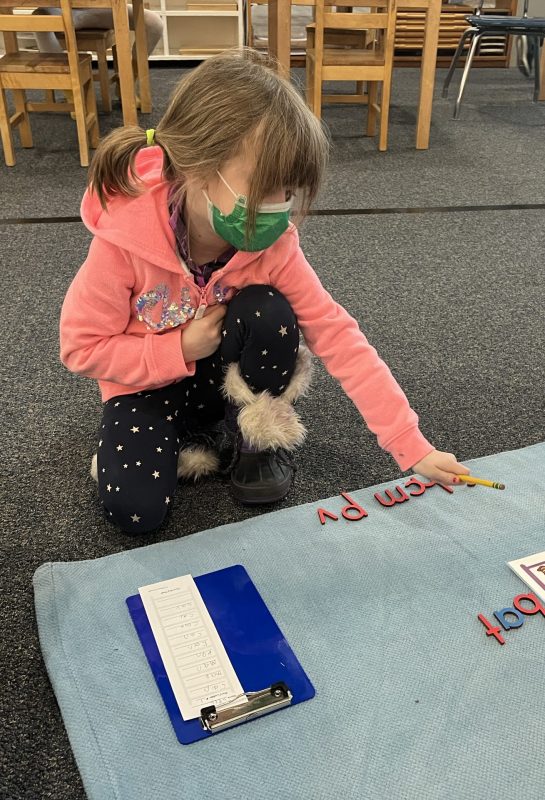
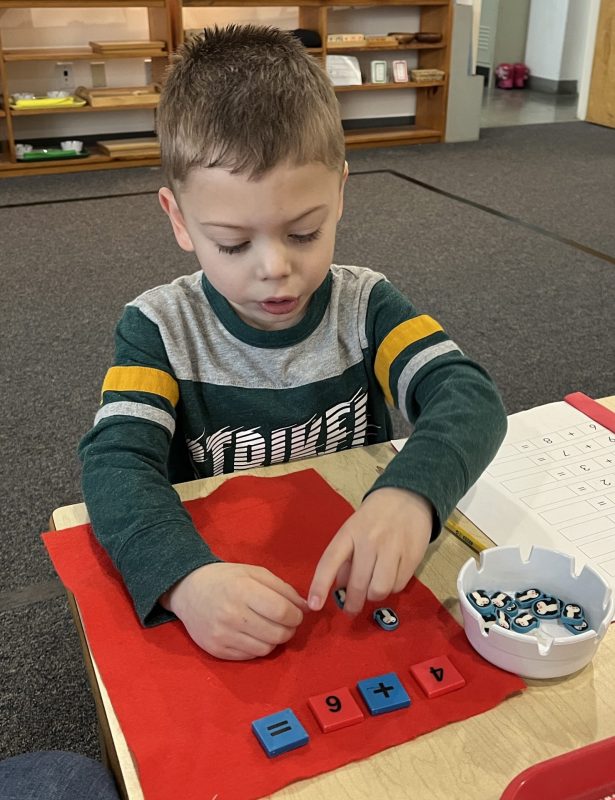
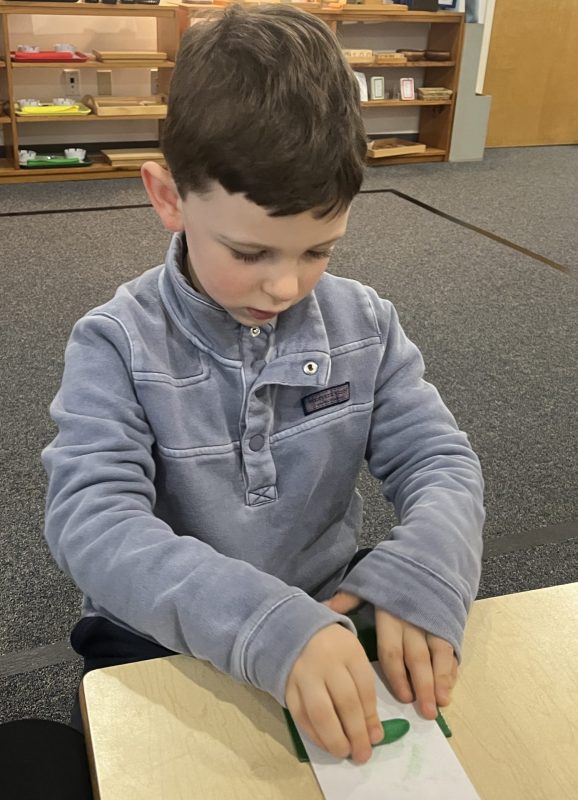
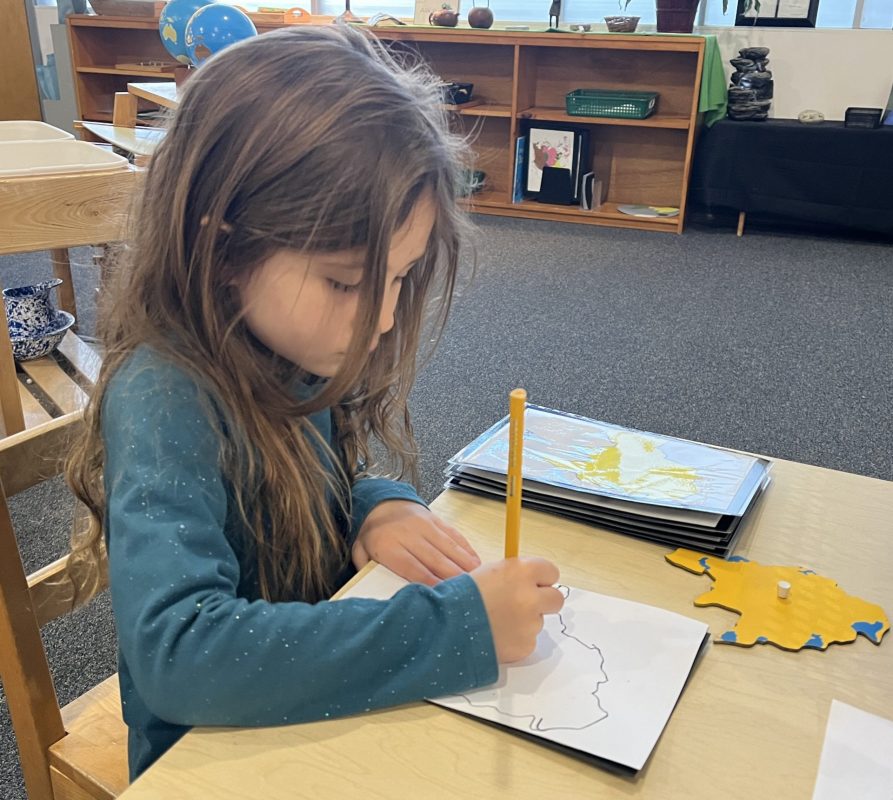
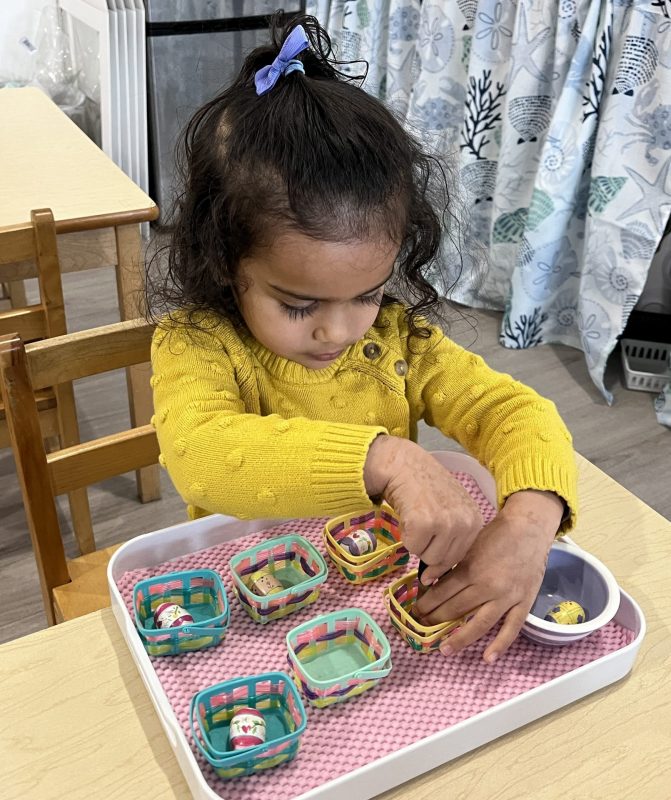
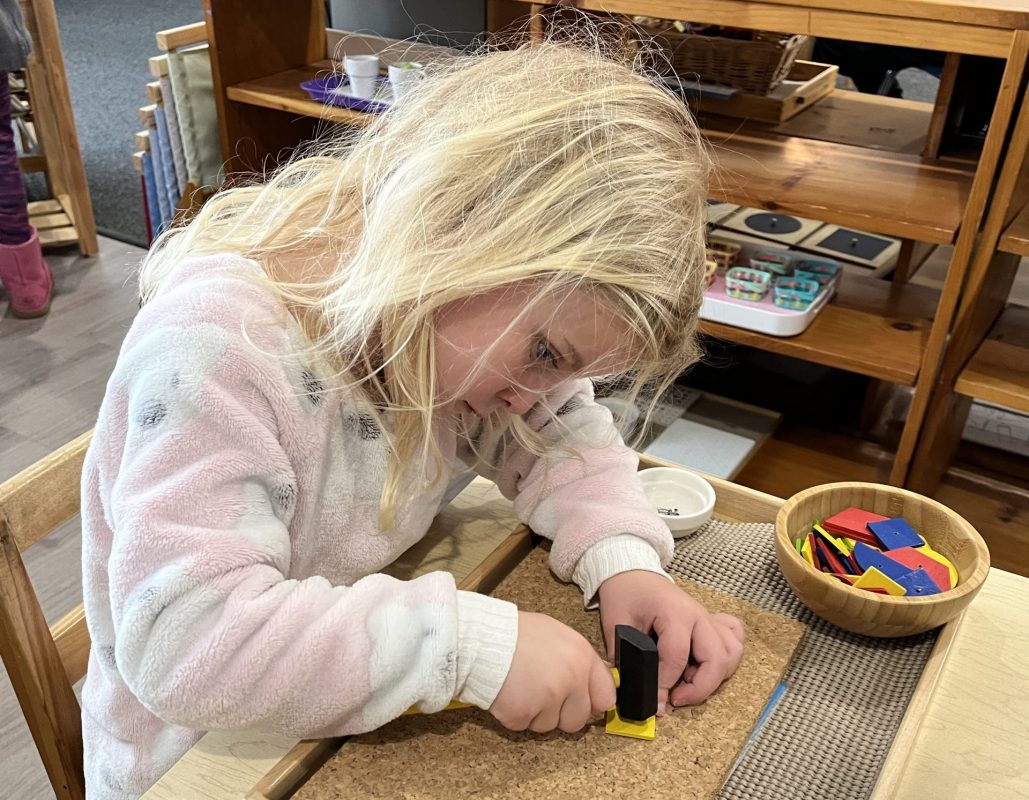
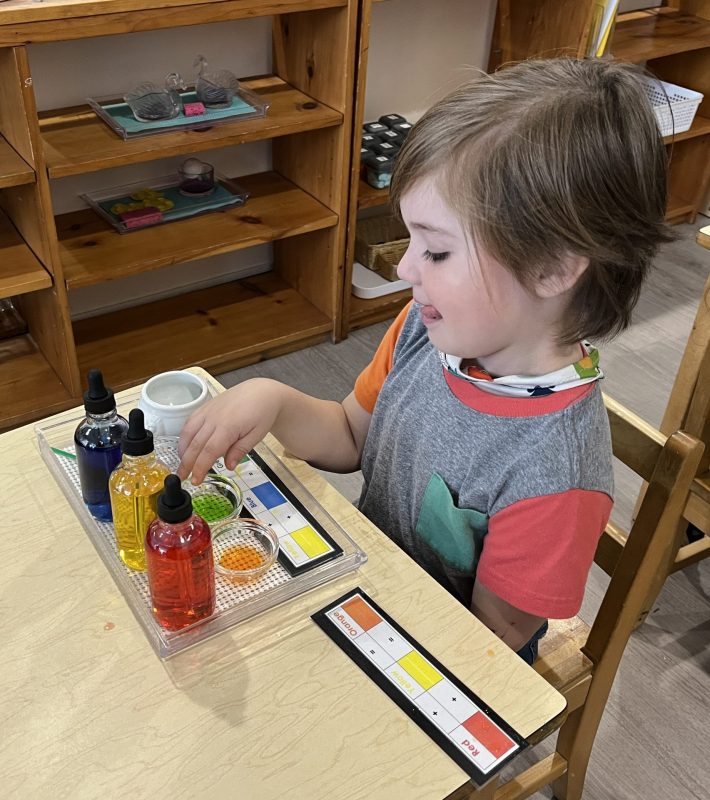
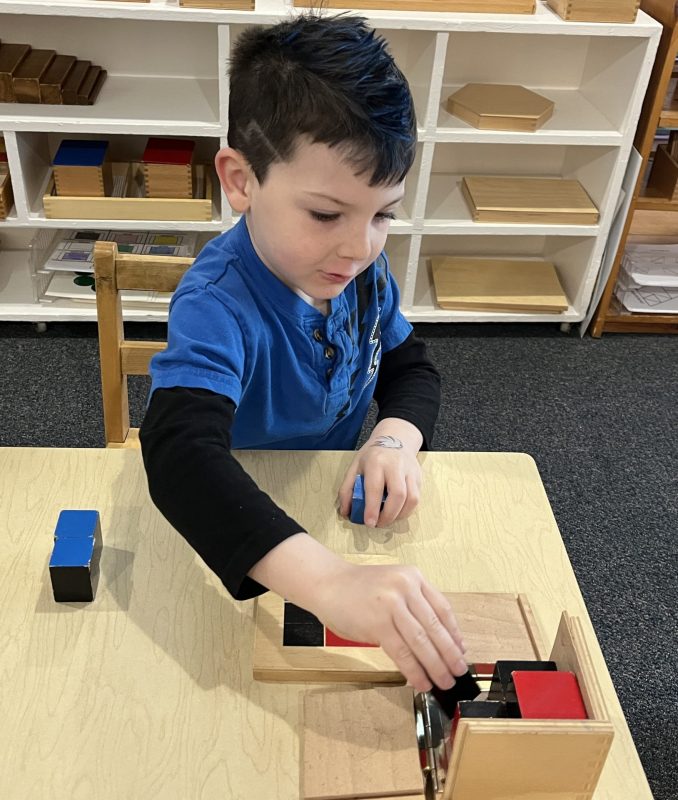
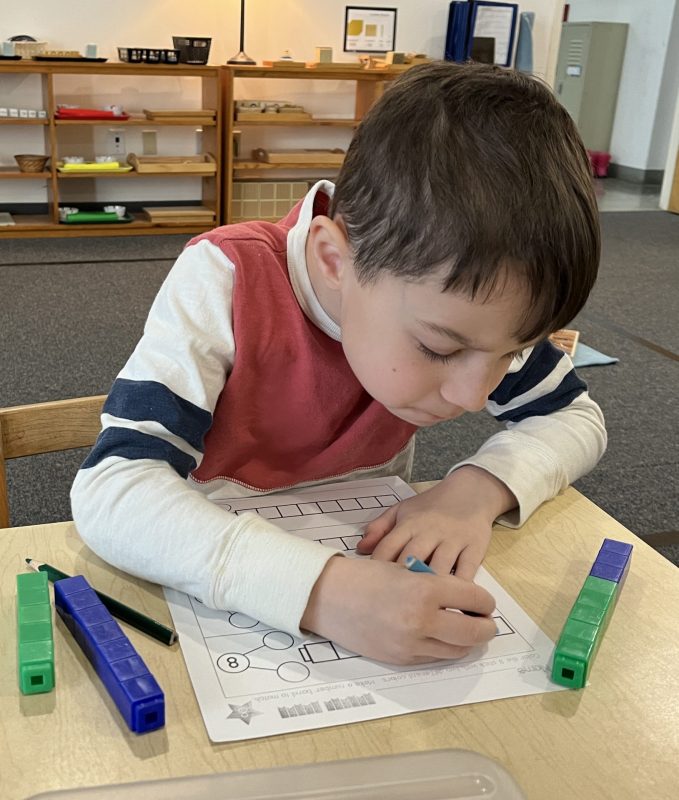
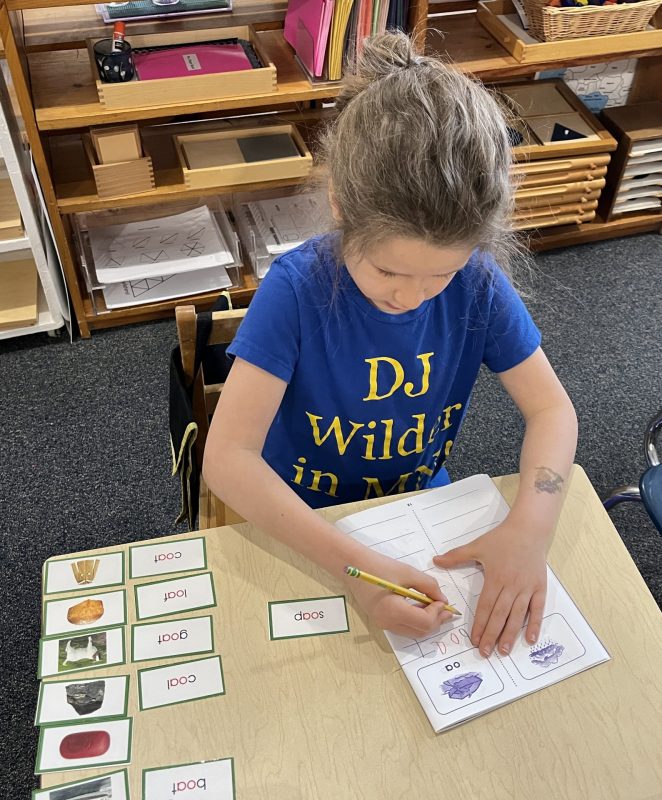
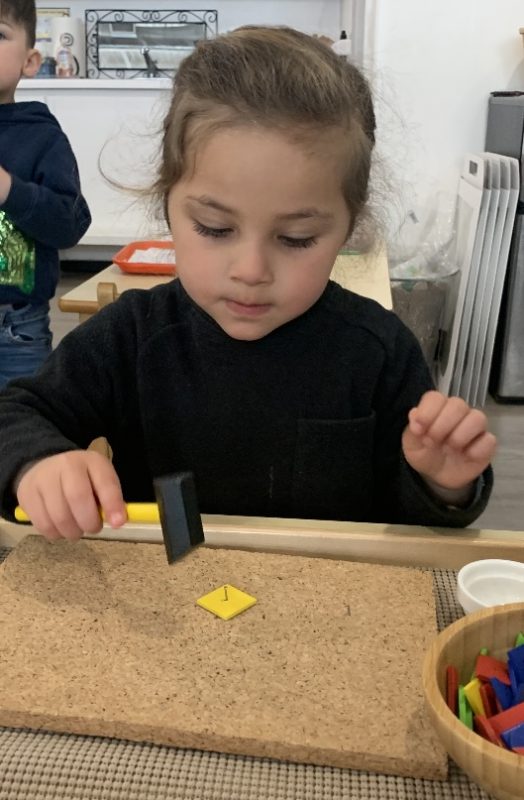
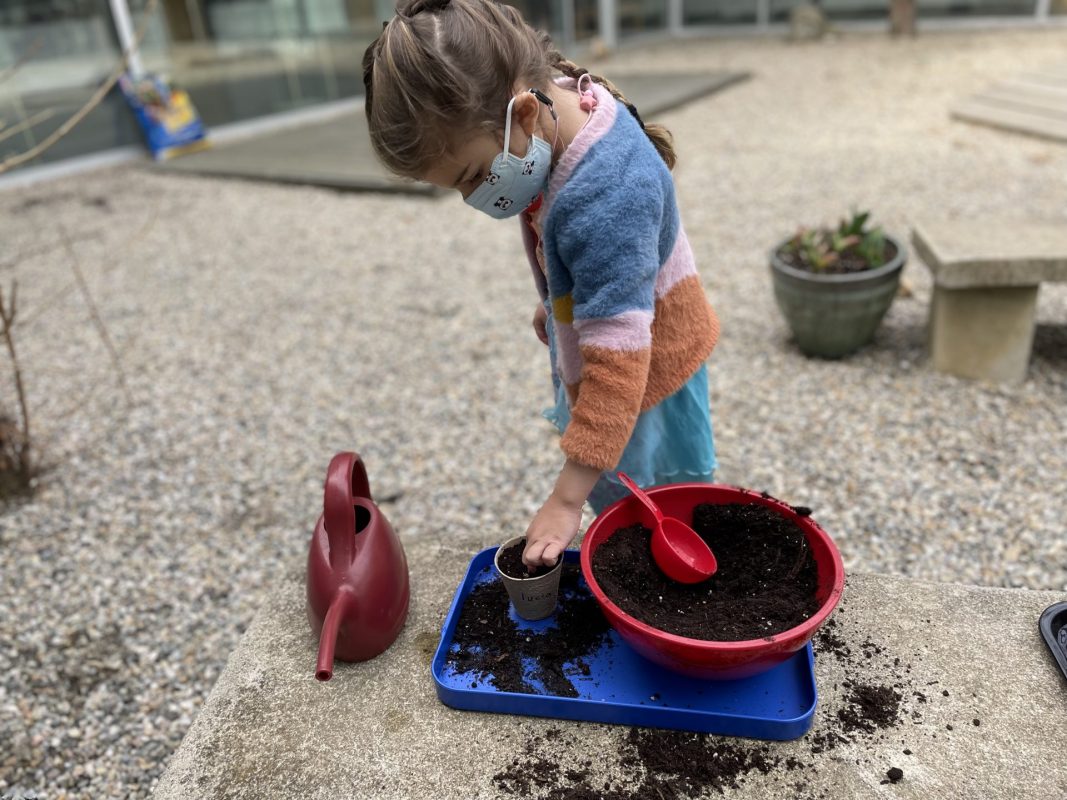
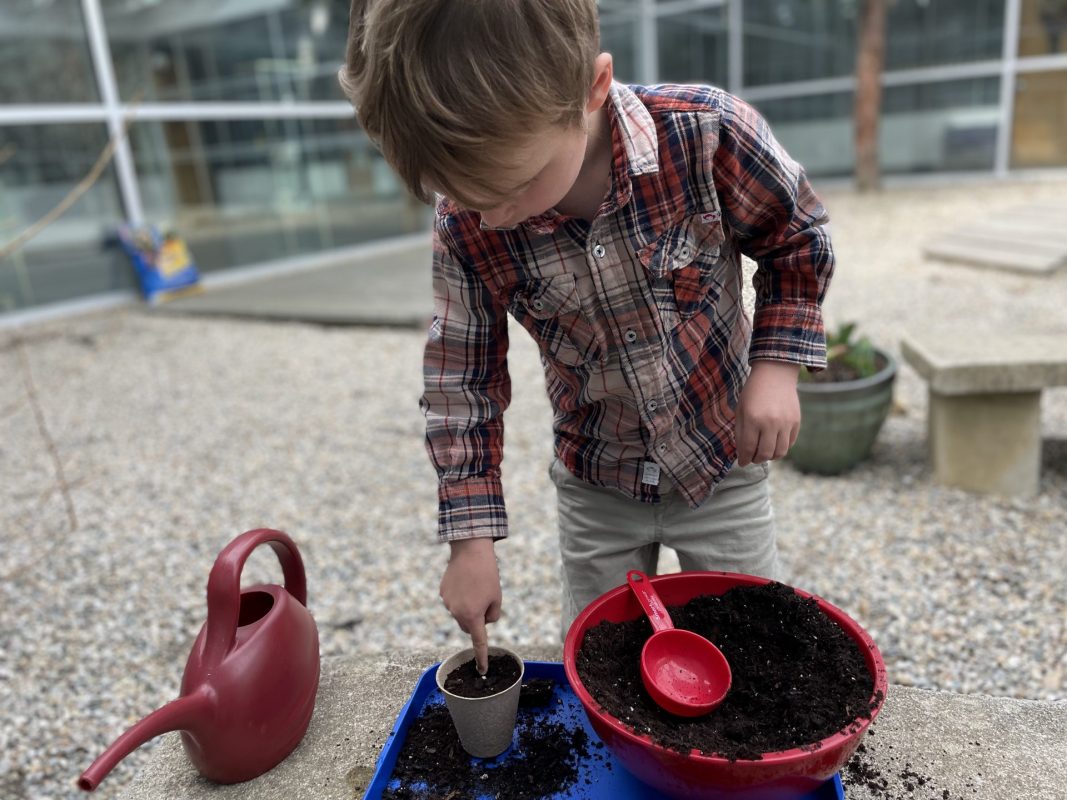
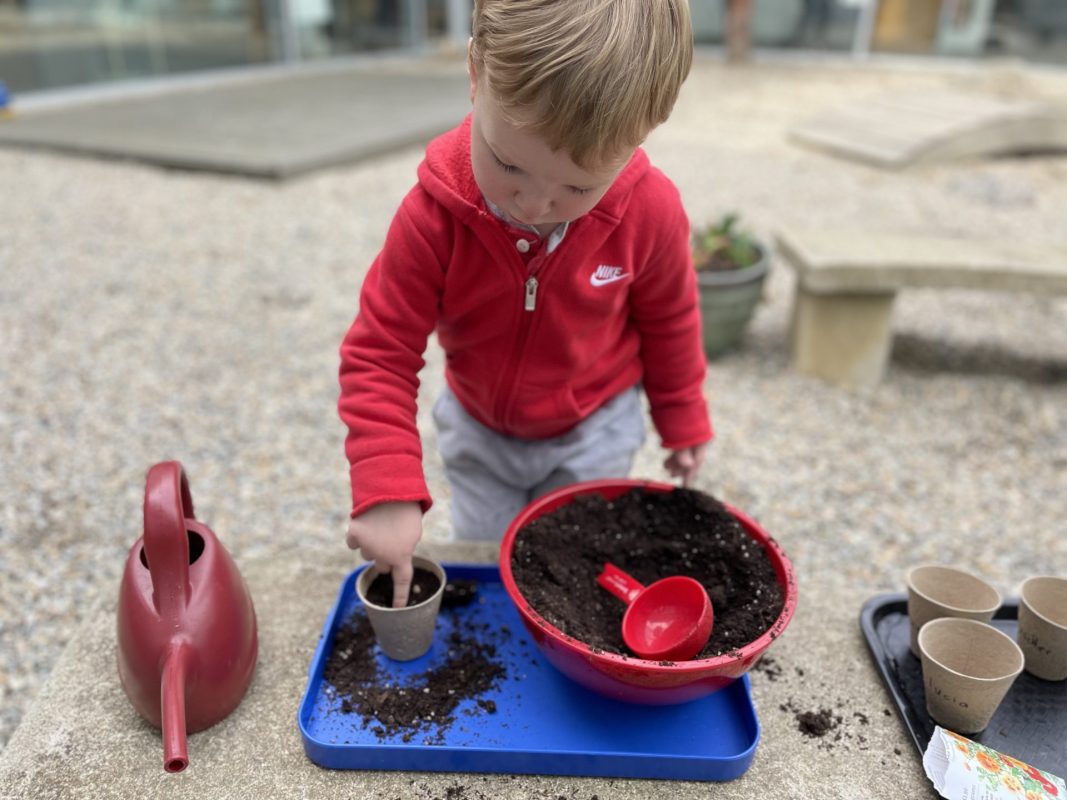
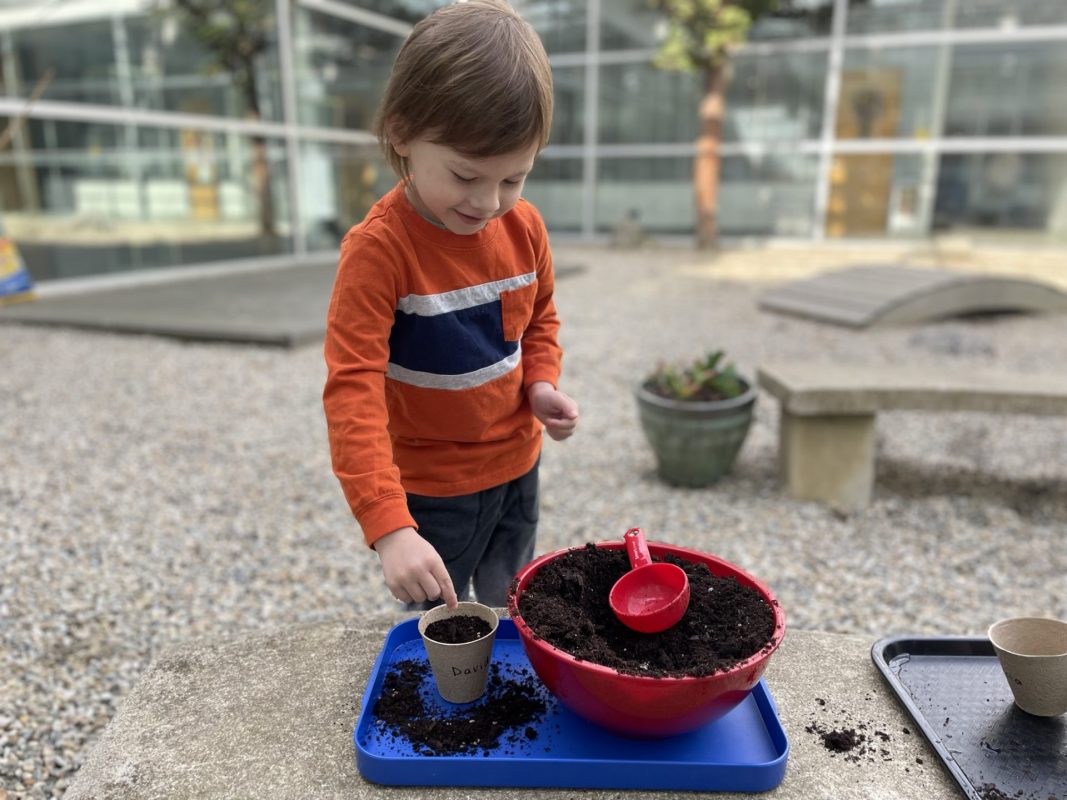
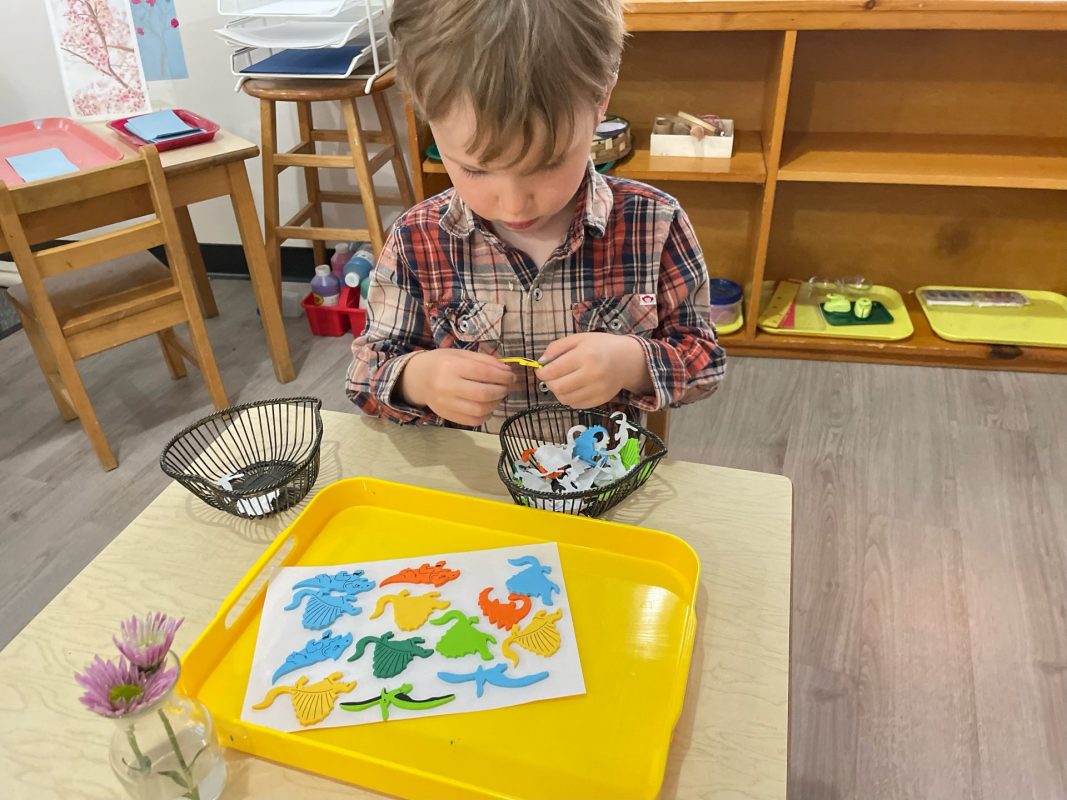
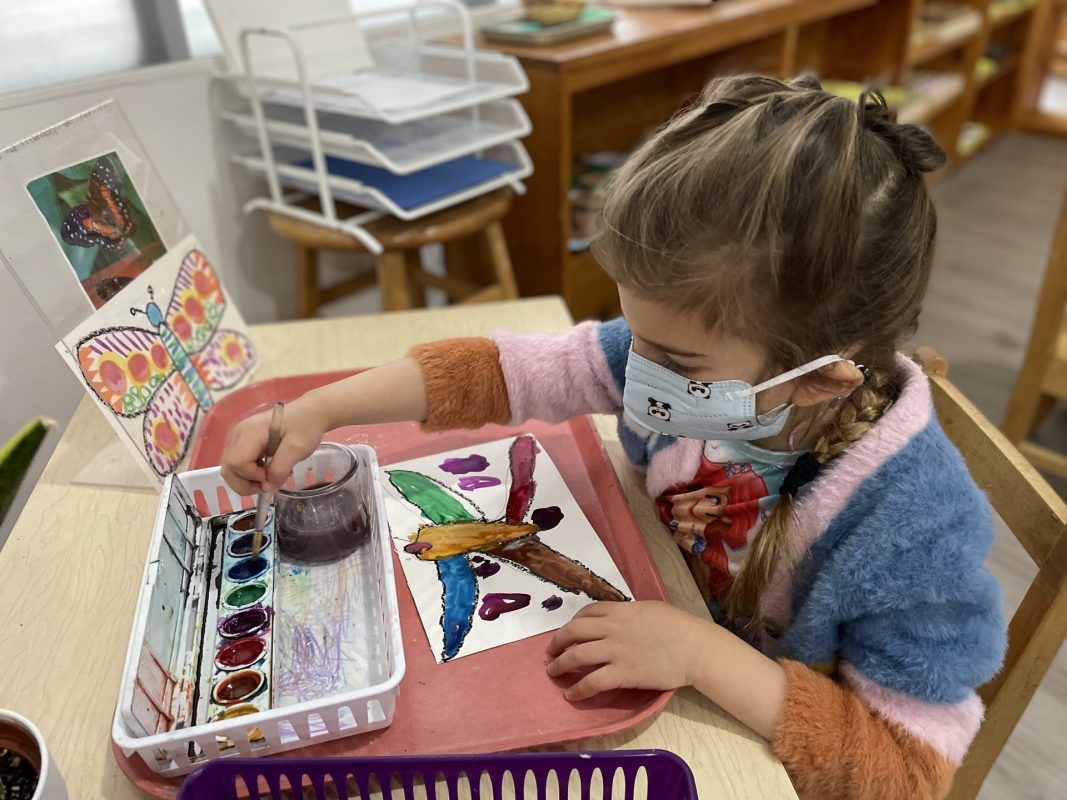
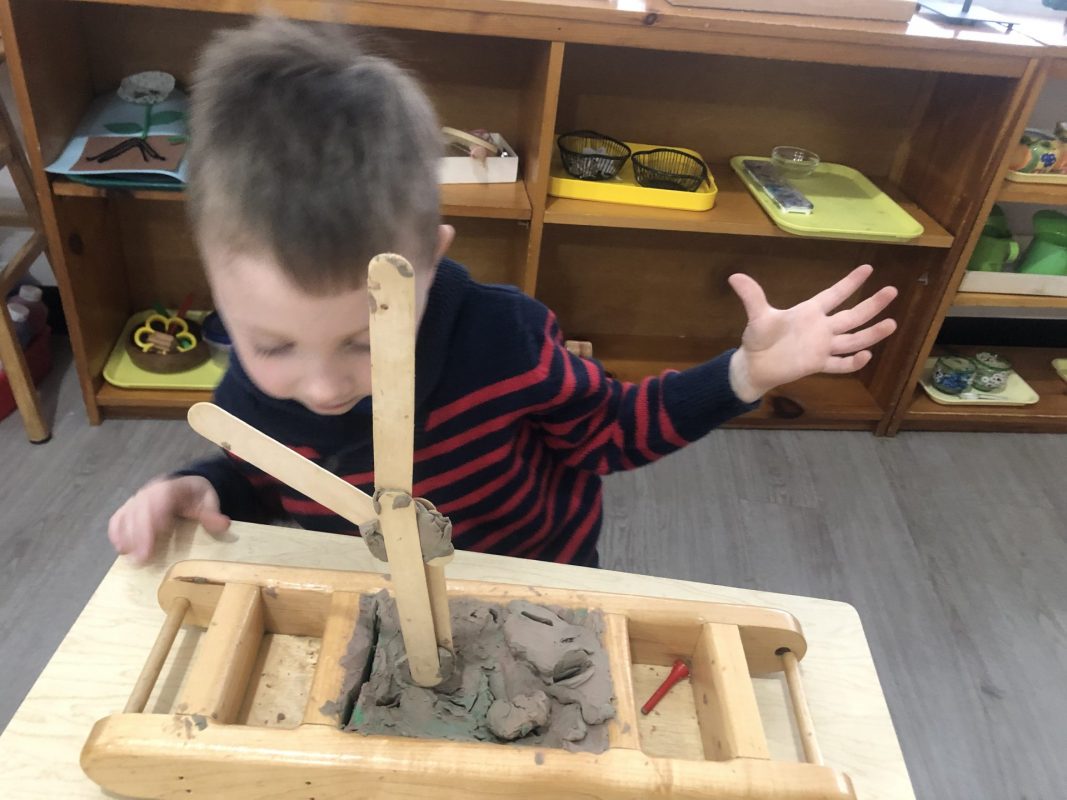
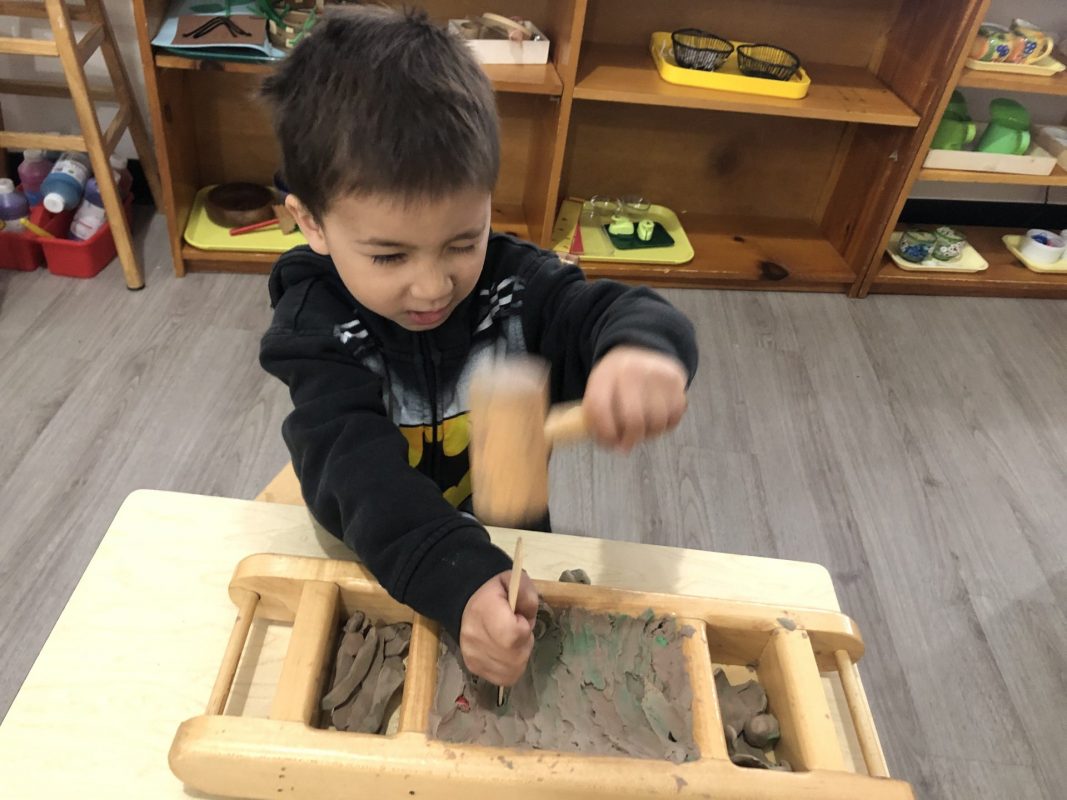
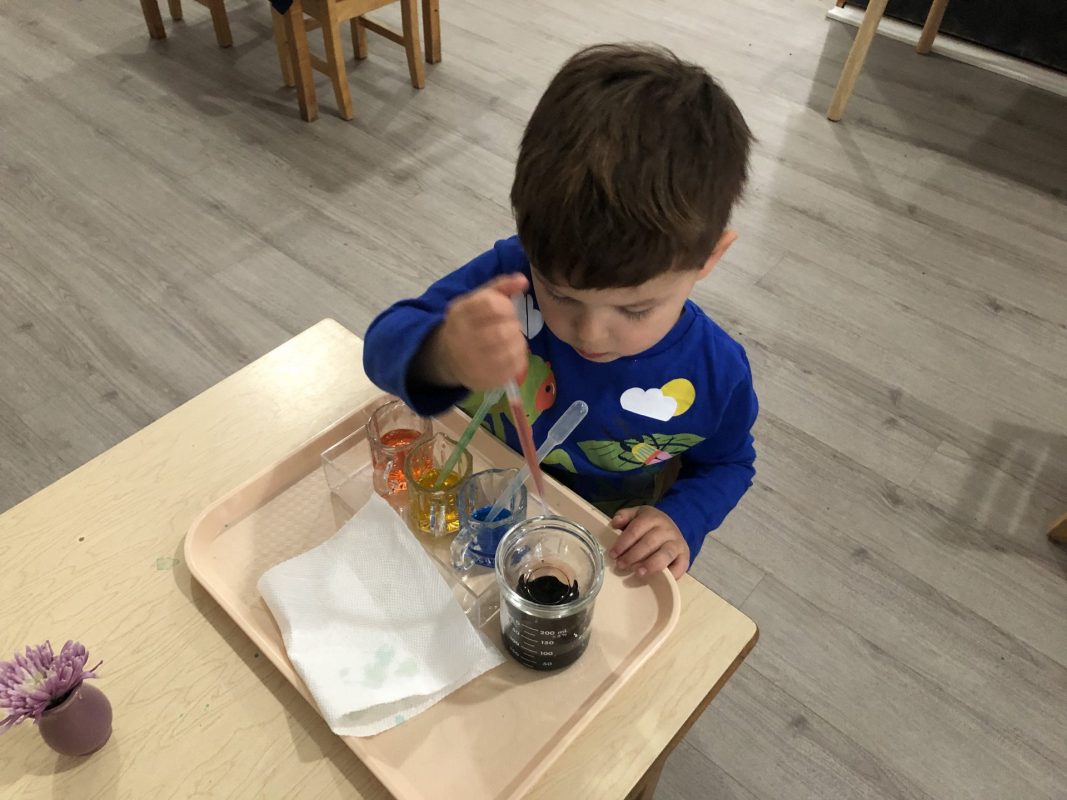
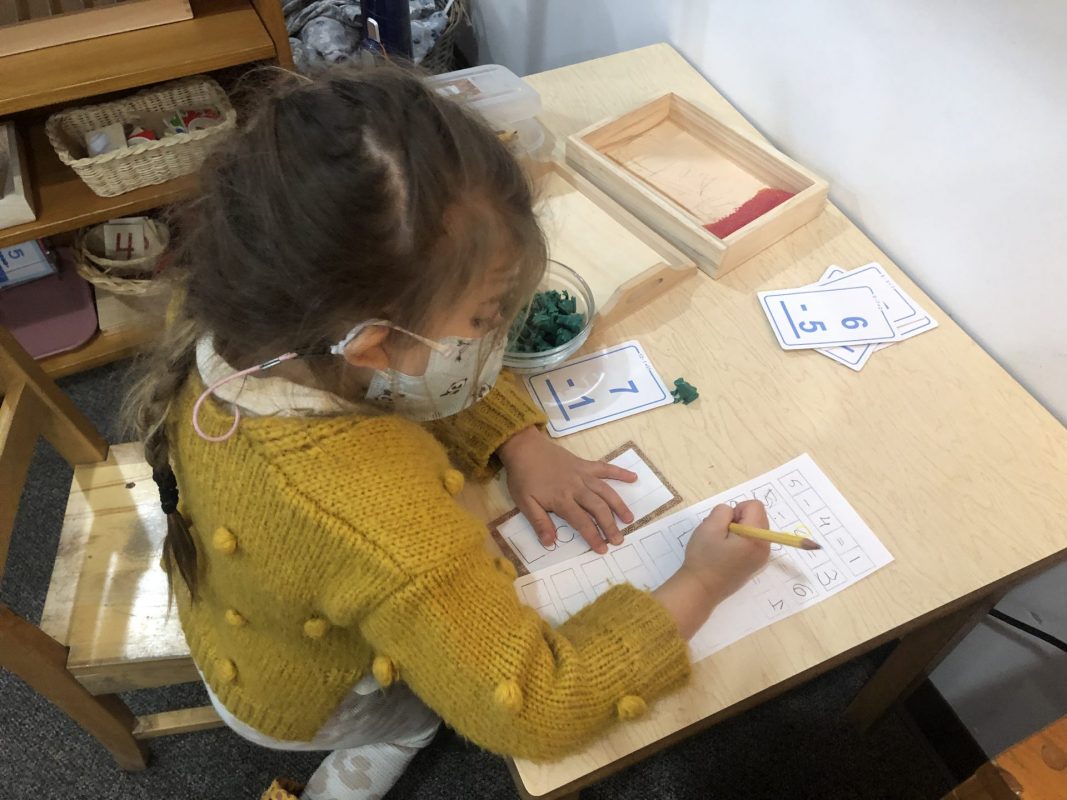
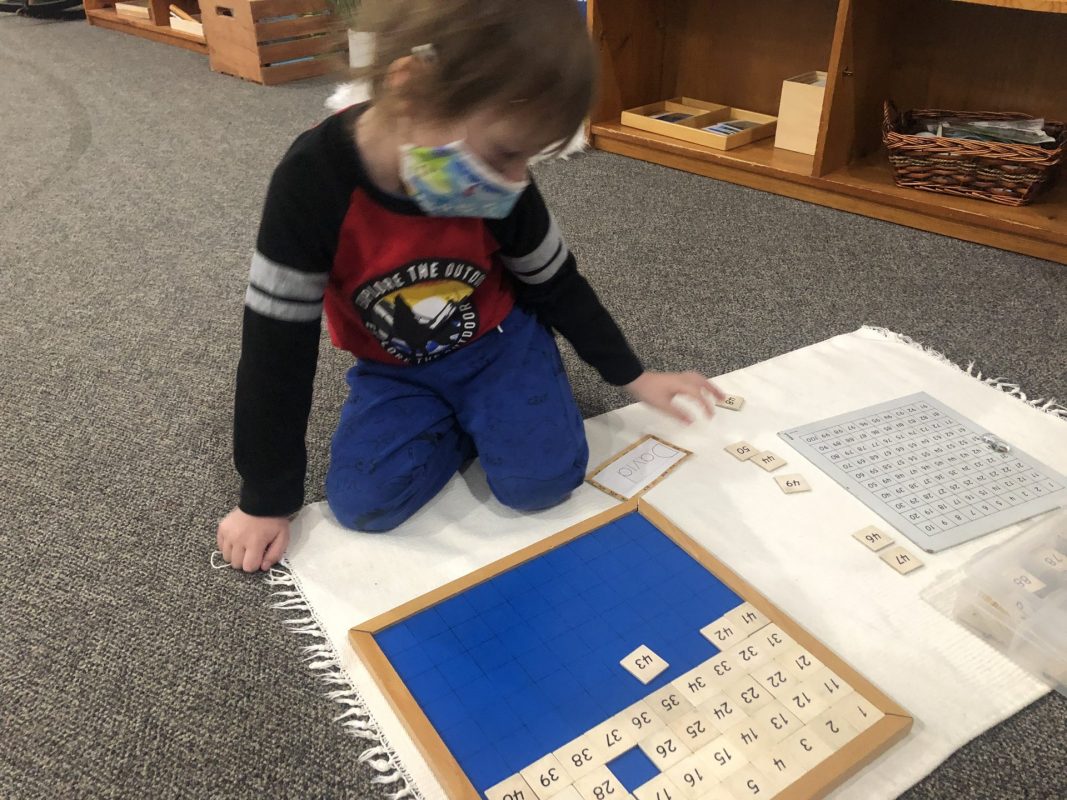
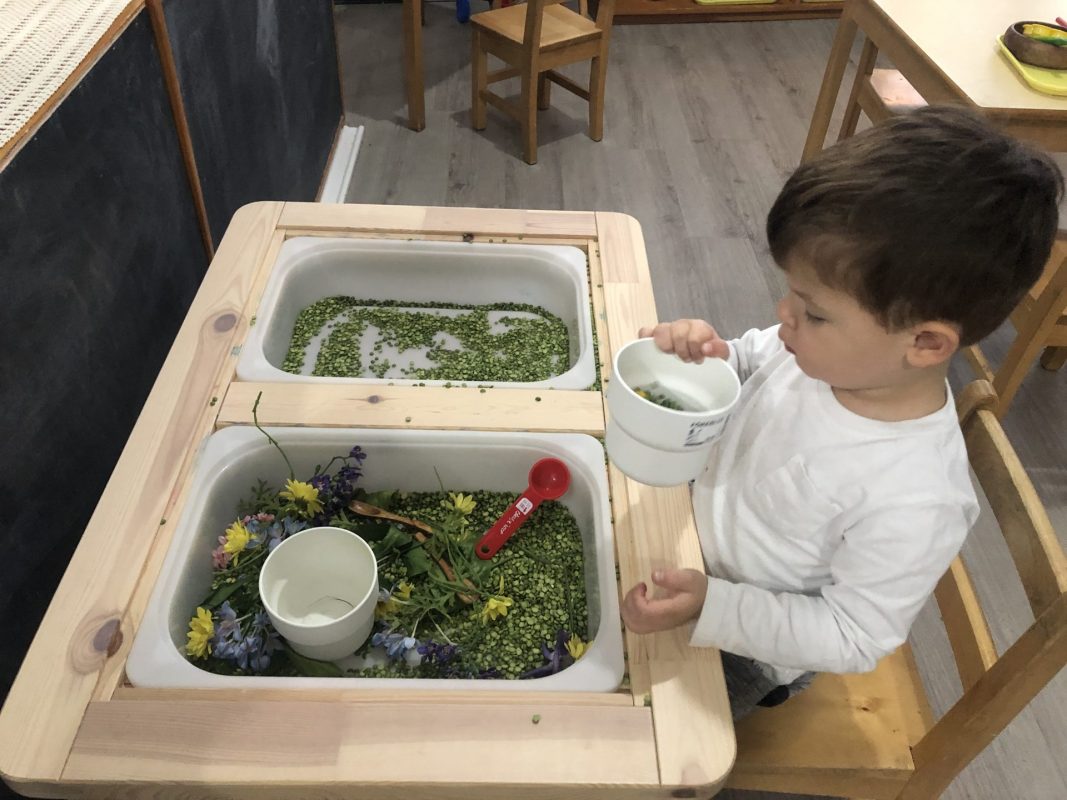
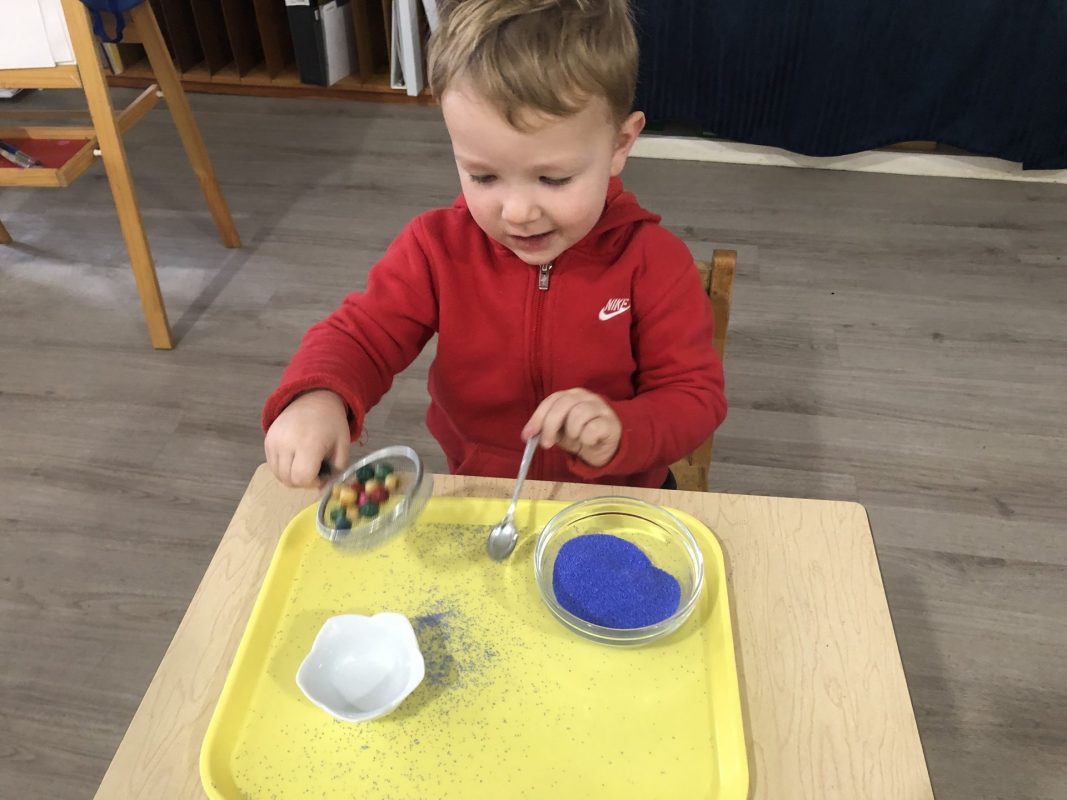
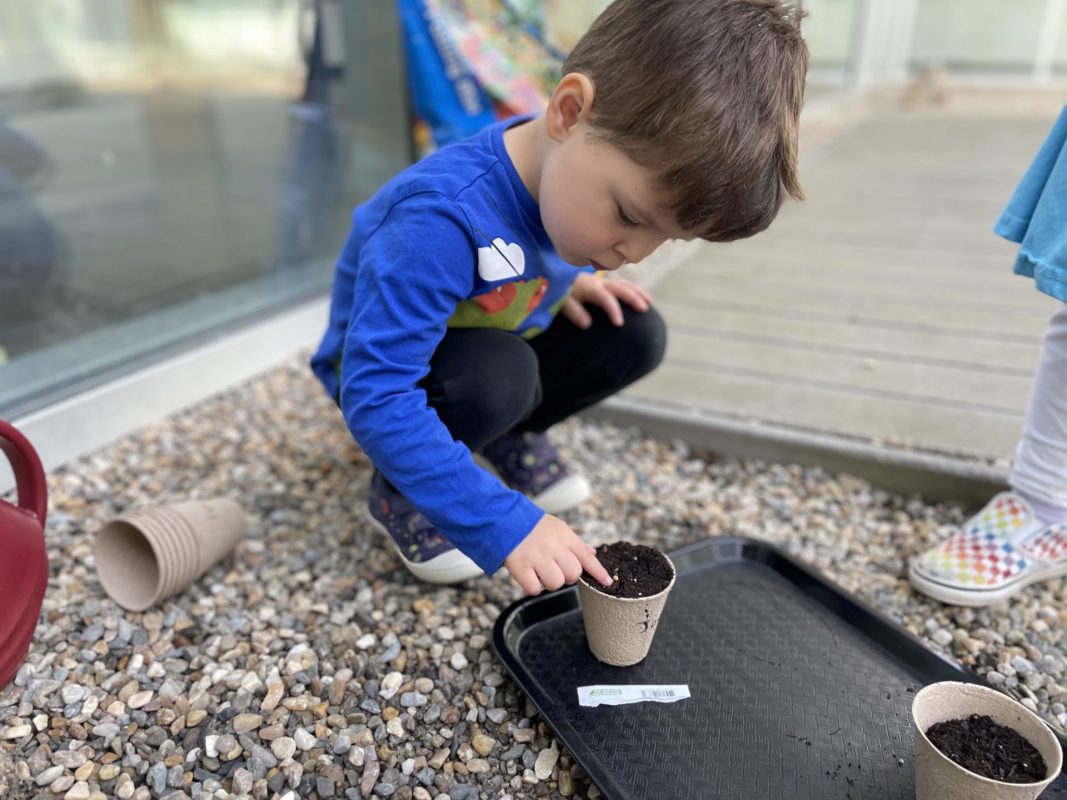
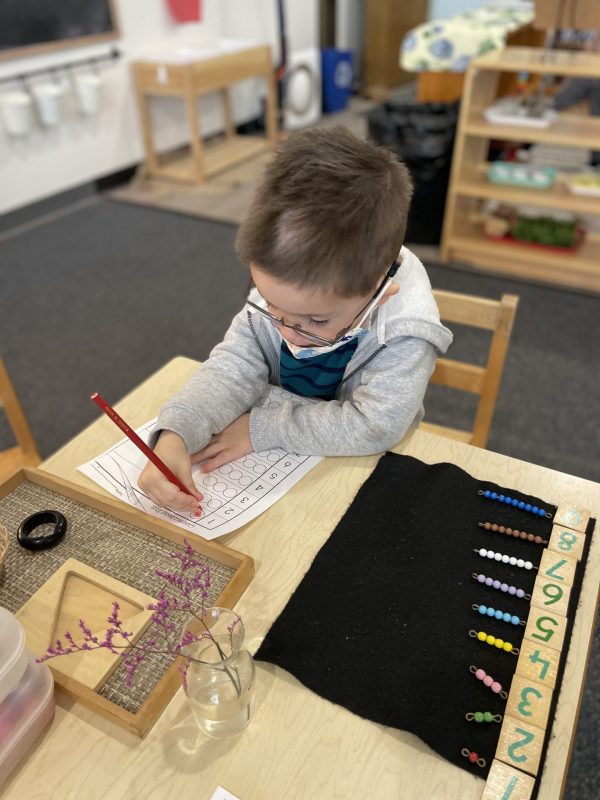
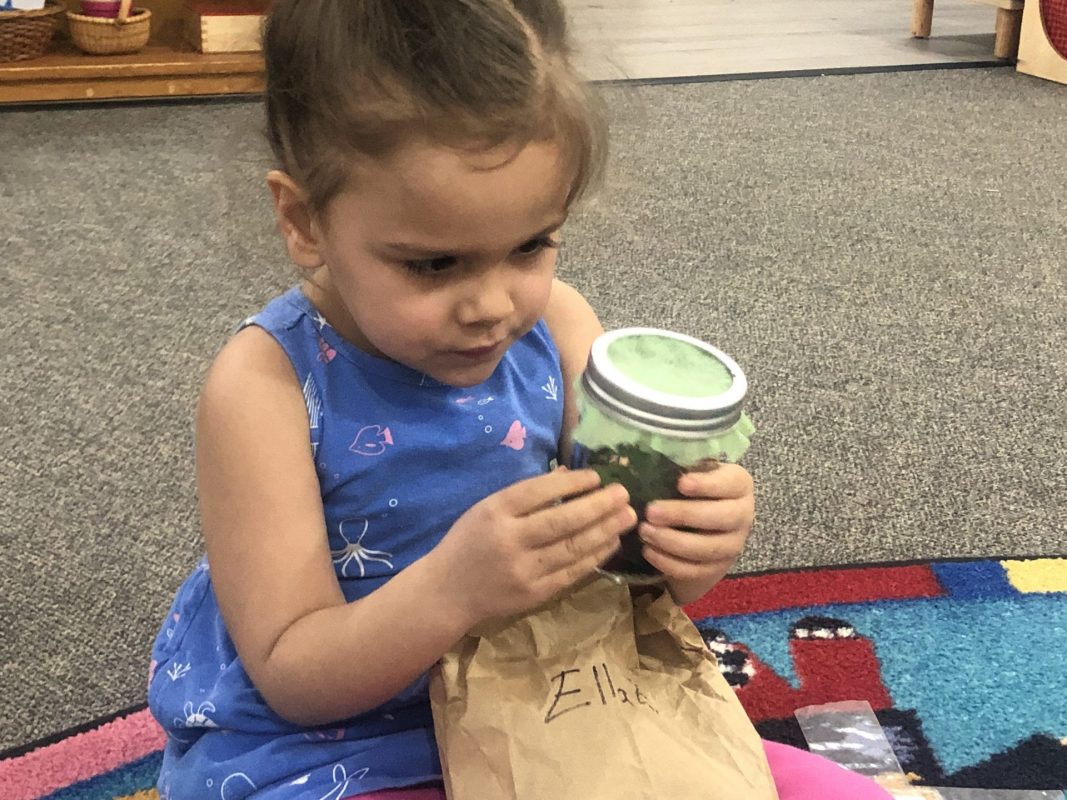
The Montessori Method is based on self-motivation to learn. Children are considered to be at work during the day, but they have fun doing it. They do go beyond life skills, learning geometry, geography, phonics, and much more. Young children have the capacity to absorb, learn, and do so much. They just need a controlled, creative environment to allow them to pursue their interests.

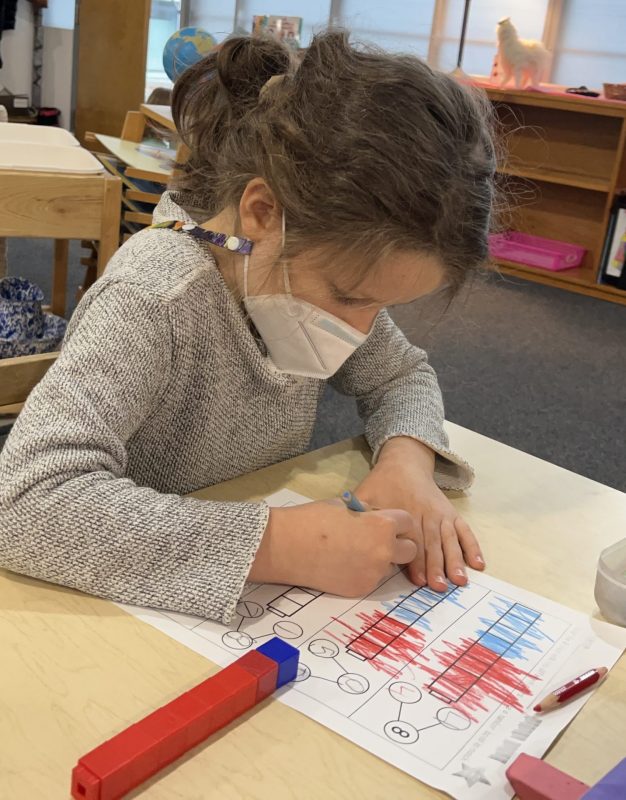
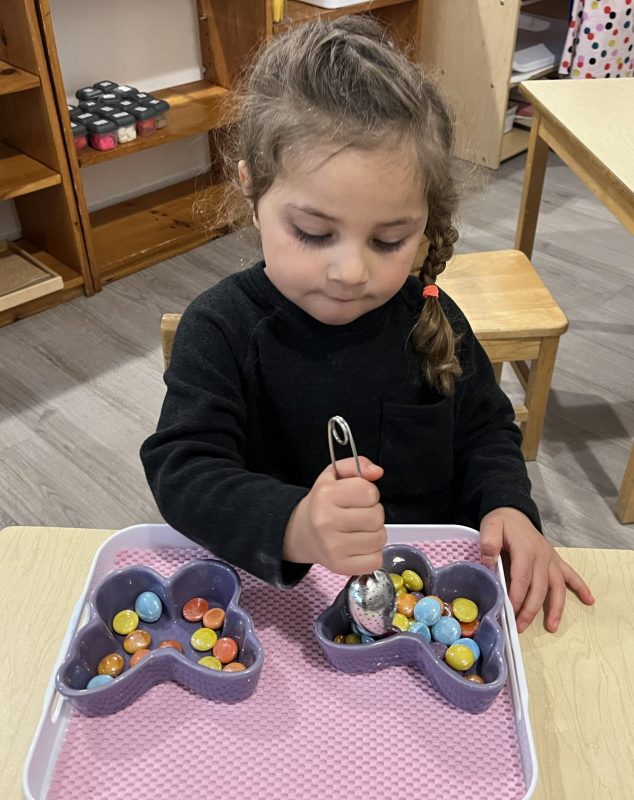
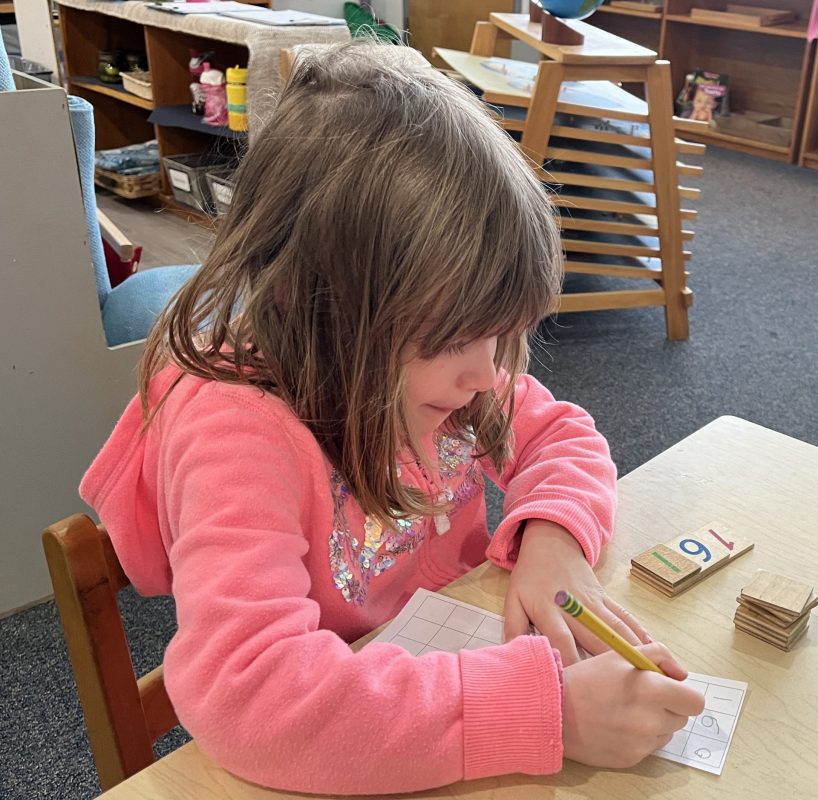
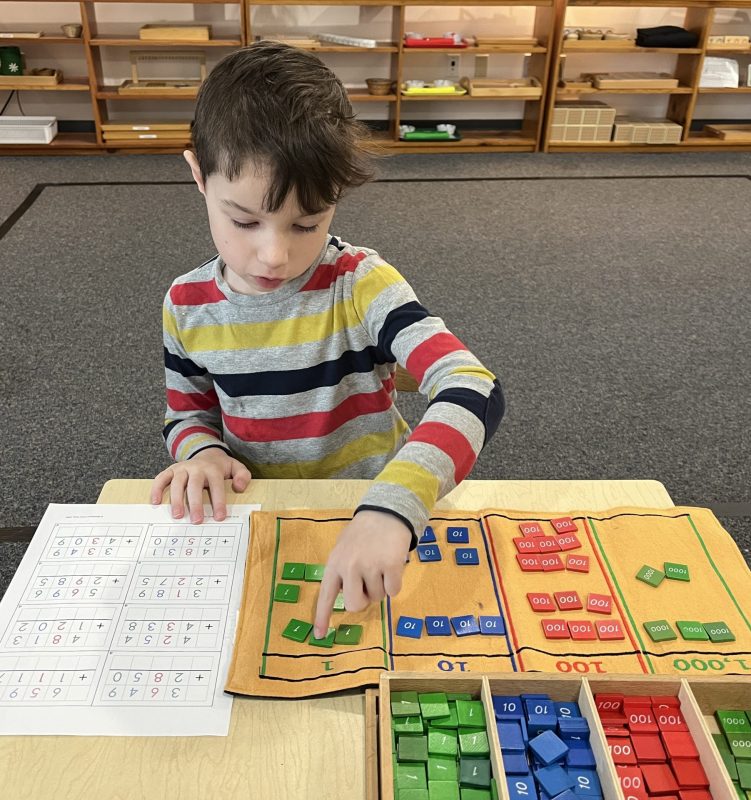
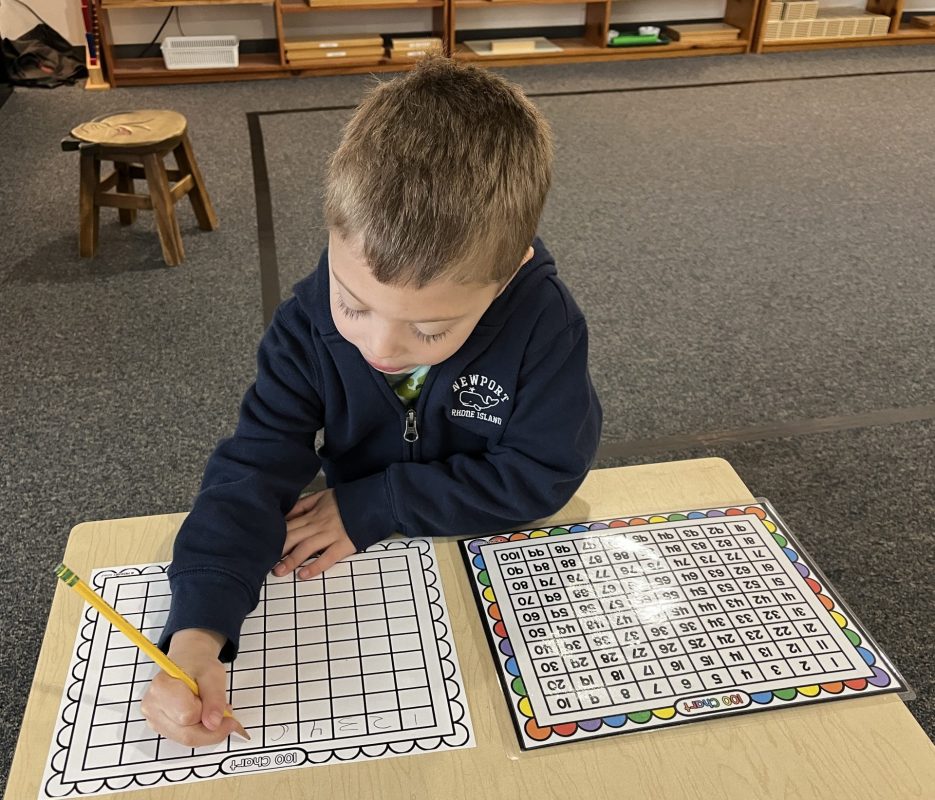
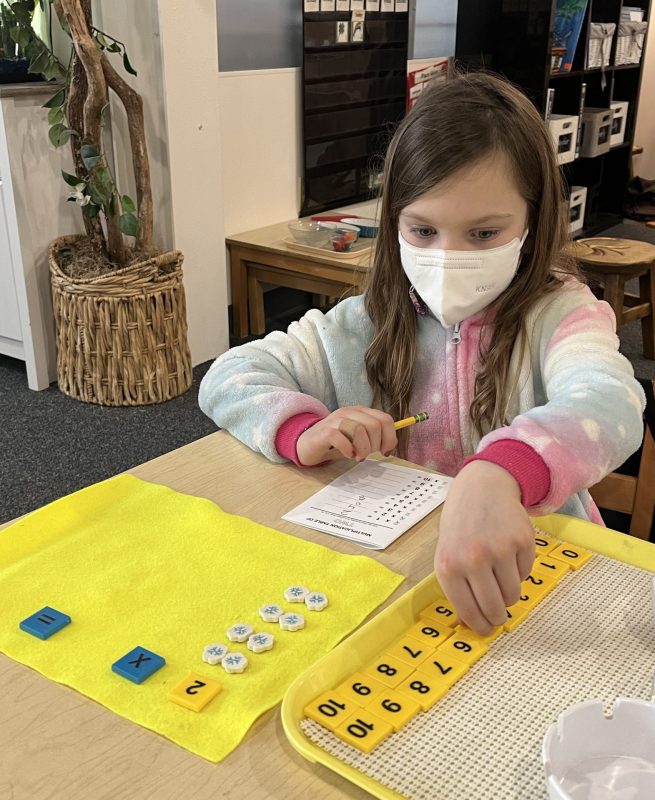
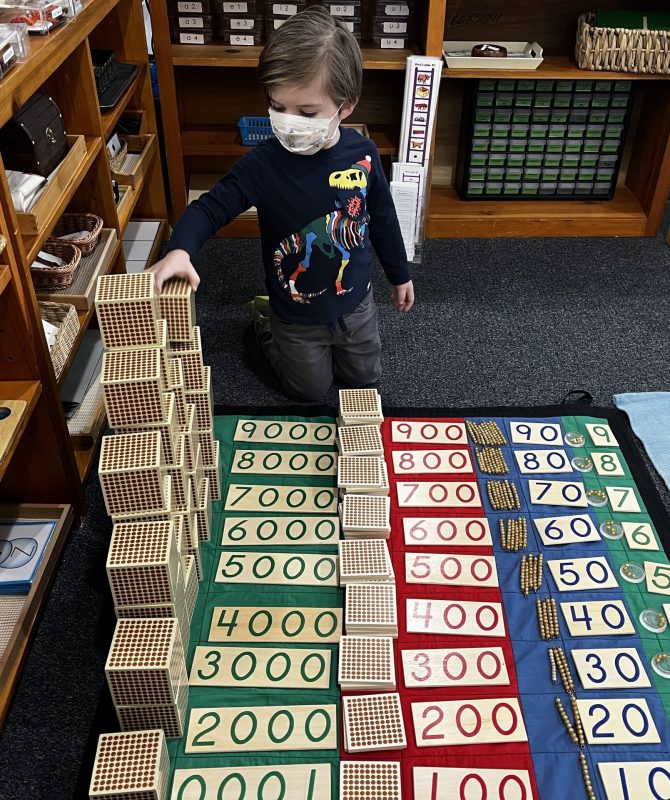
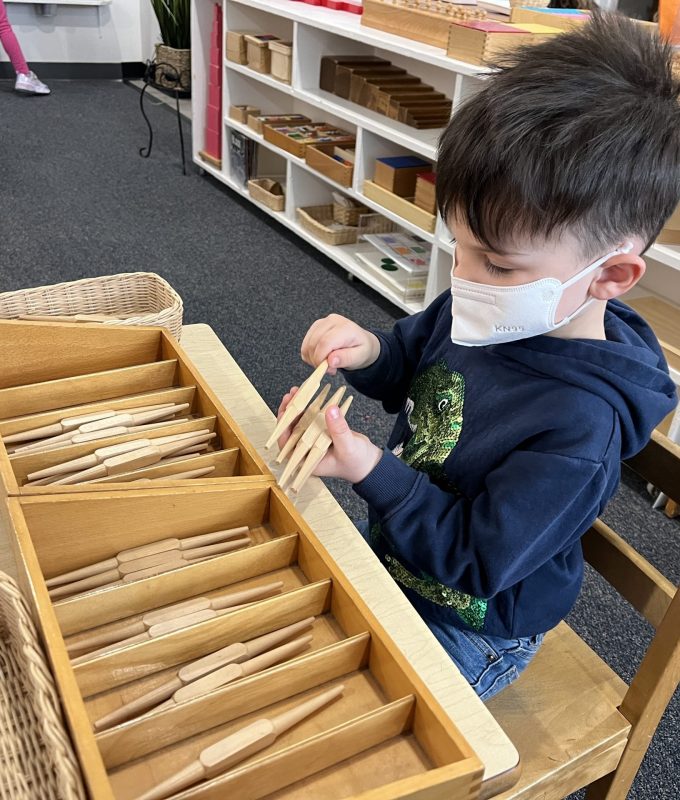
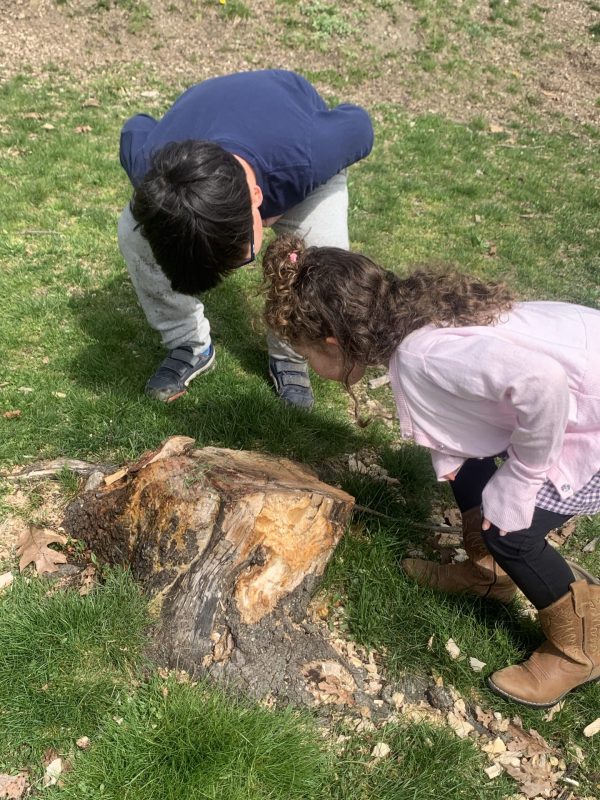
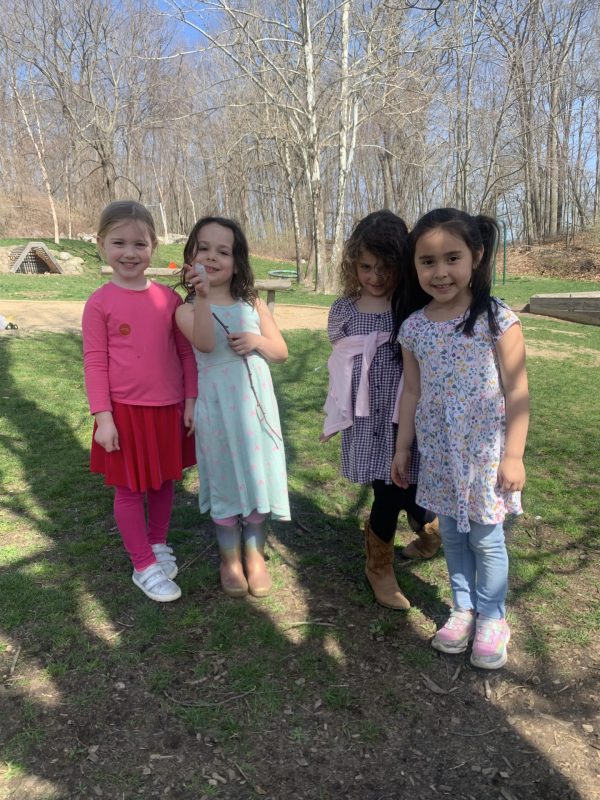
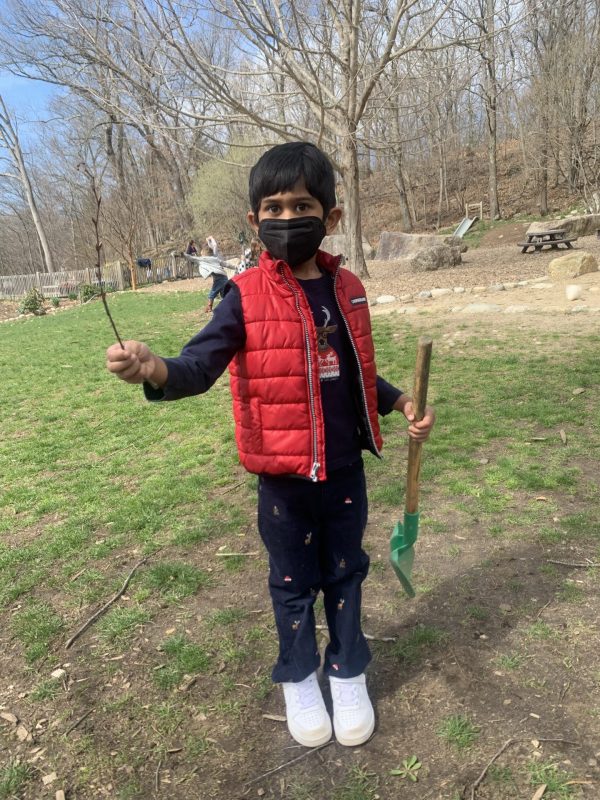
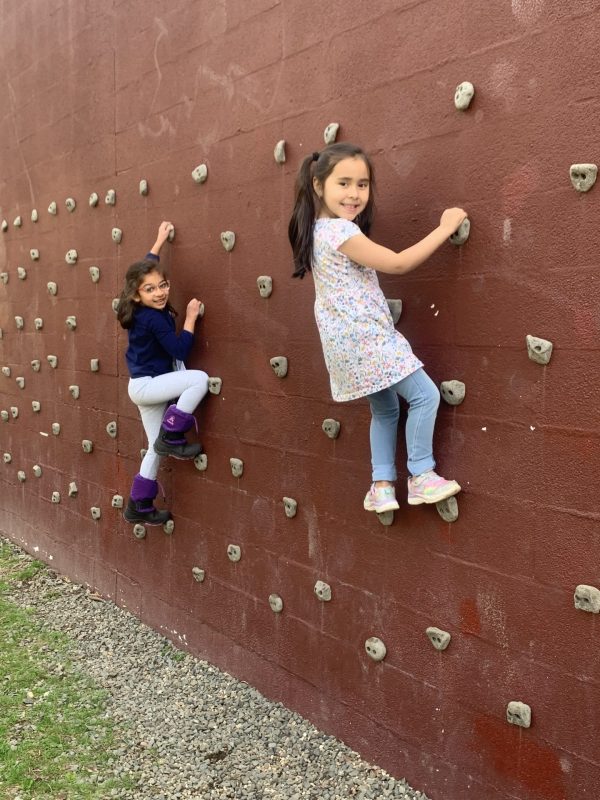
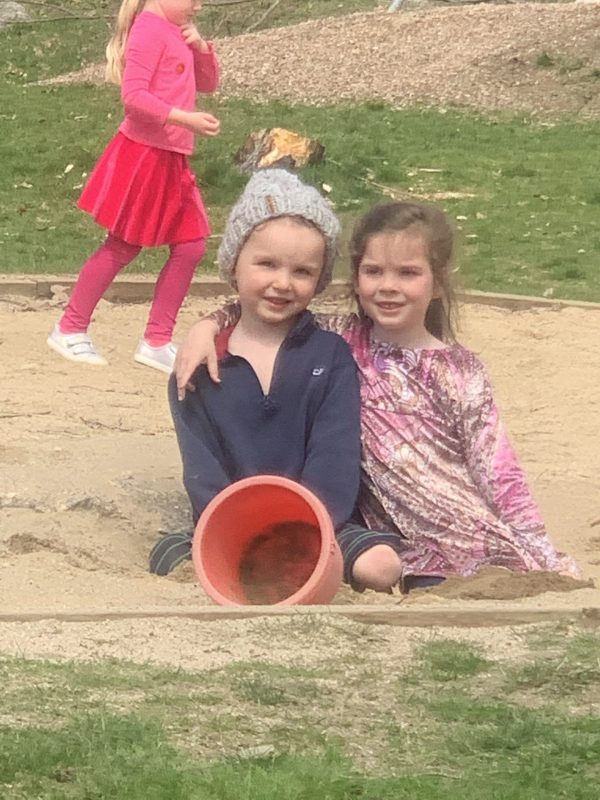
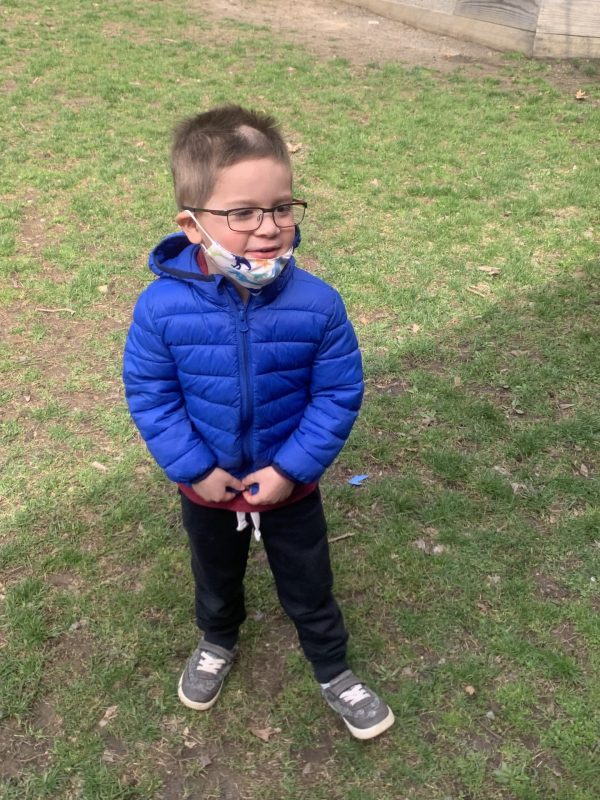
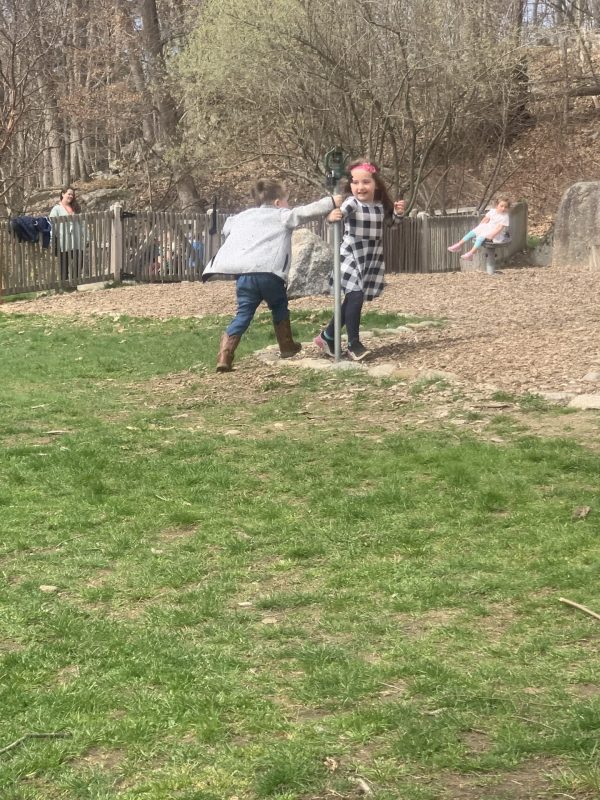
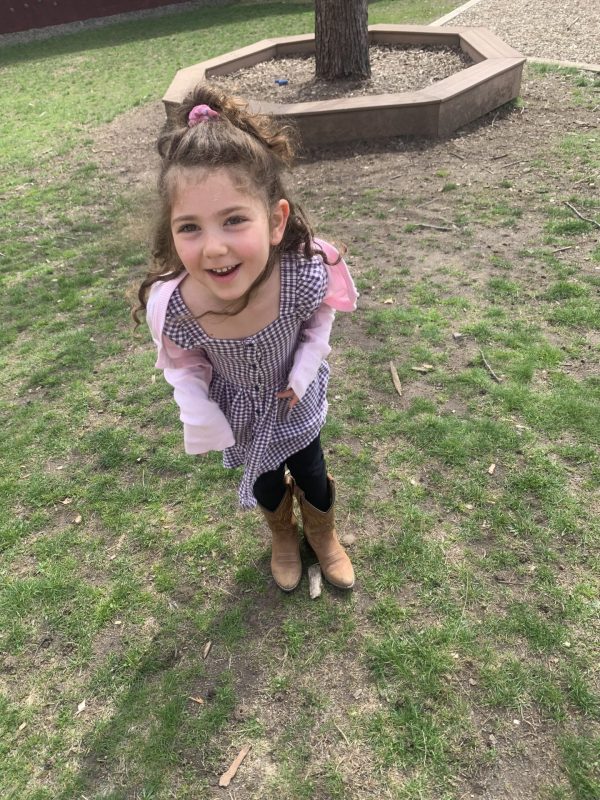
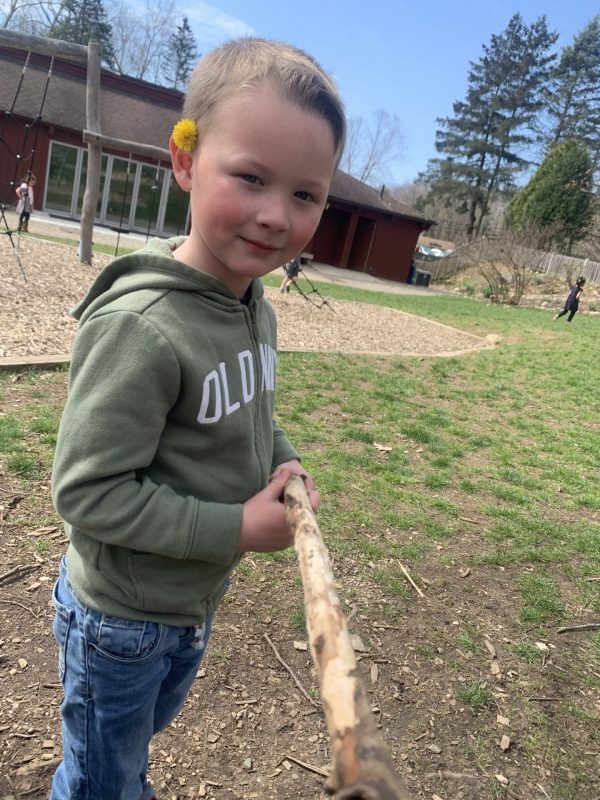
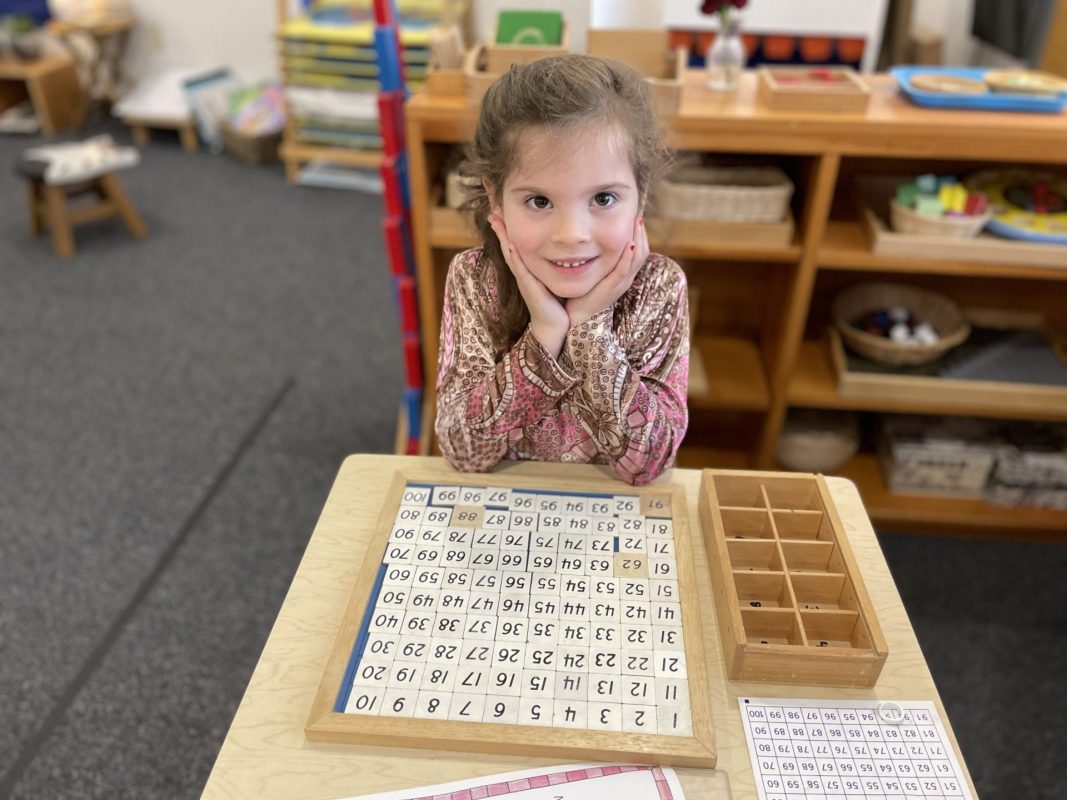
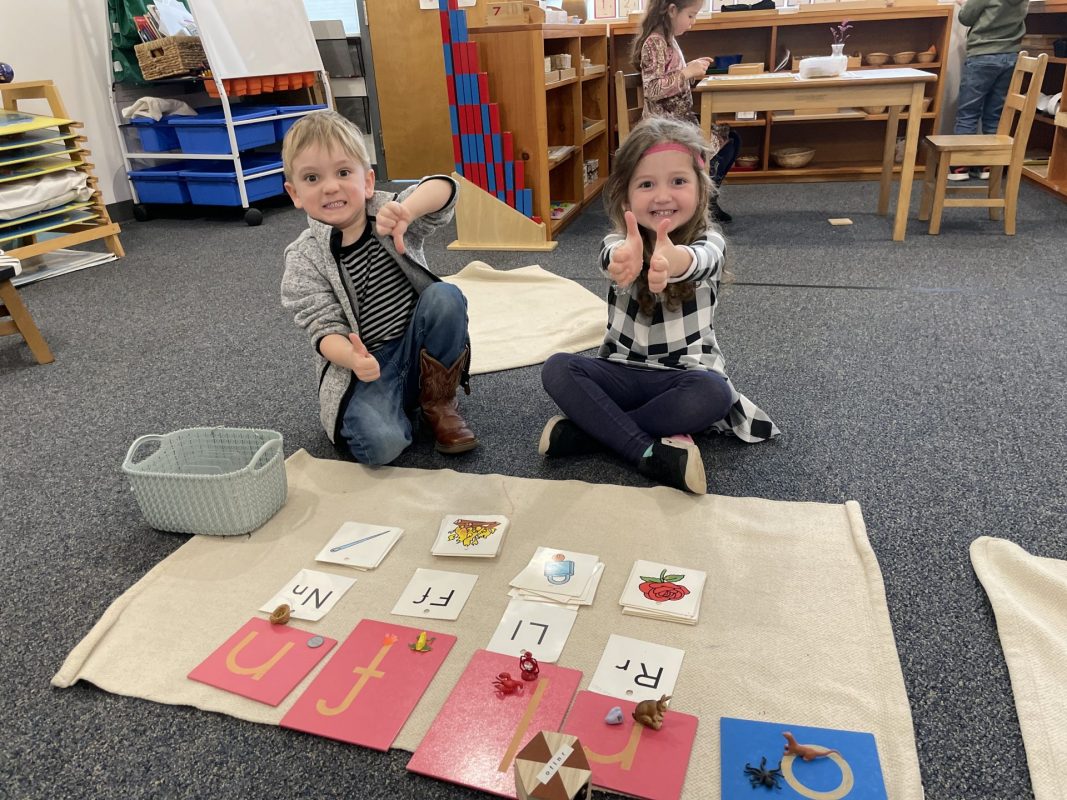
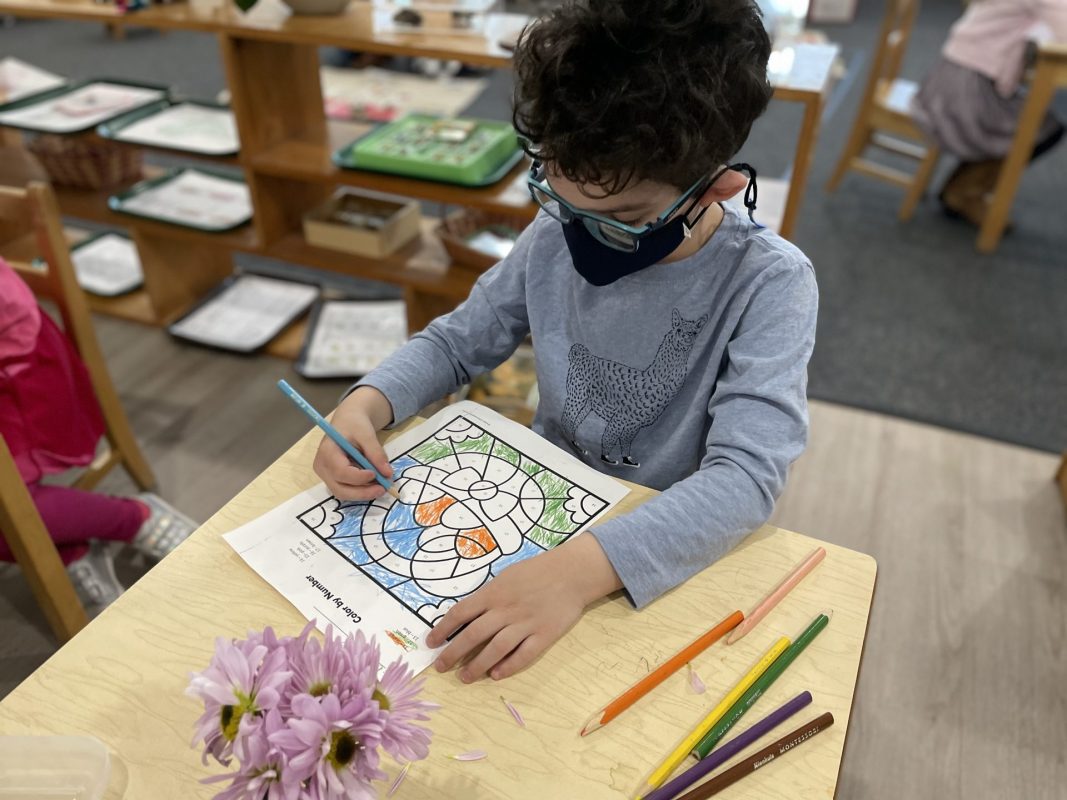
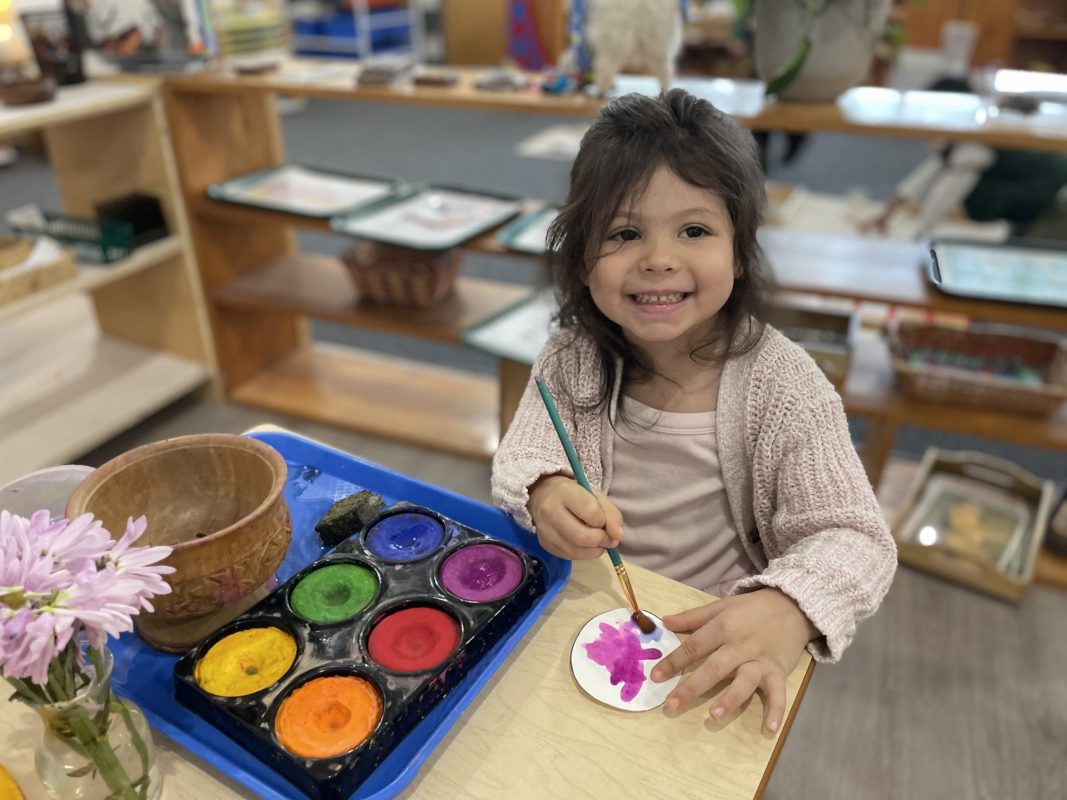
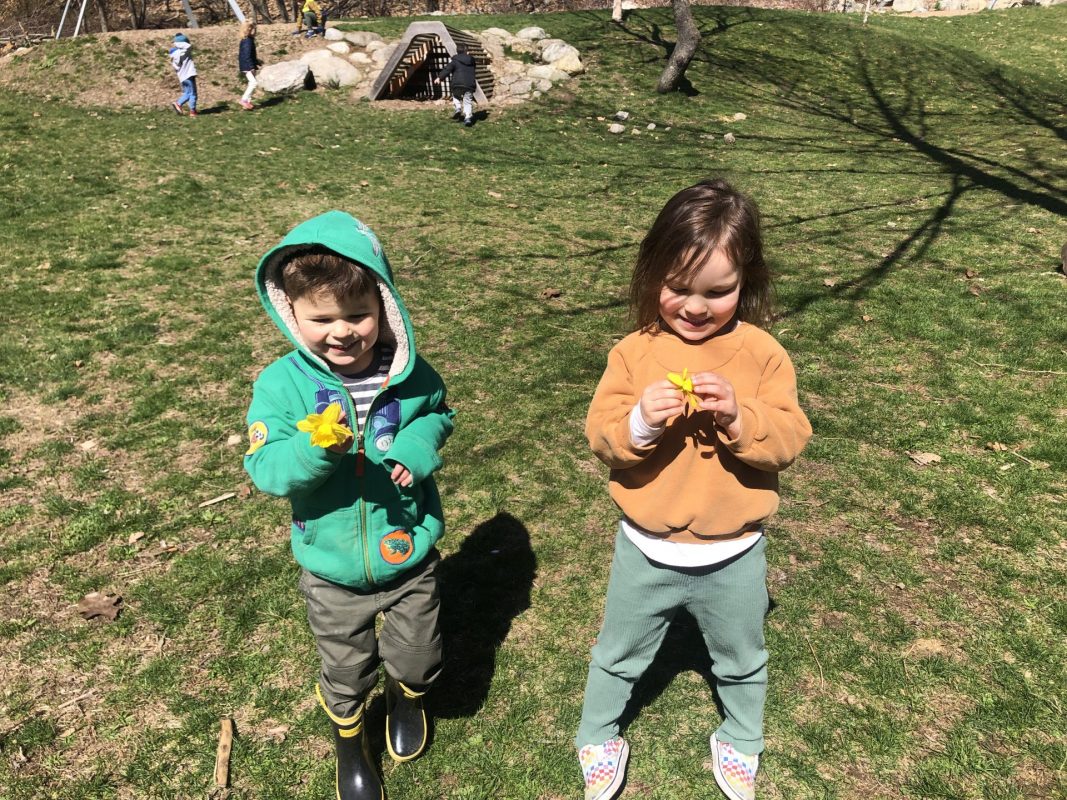
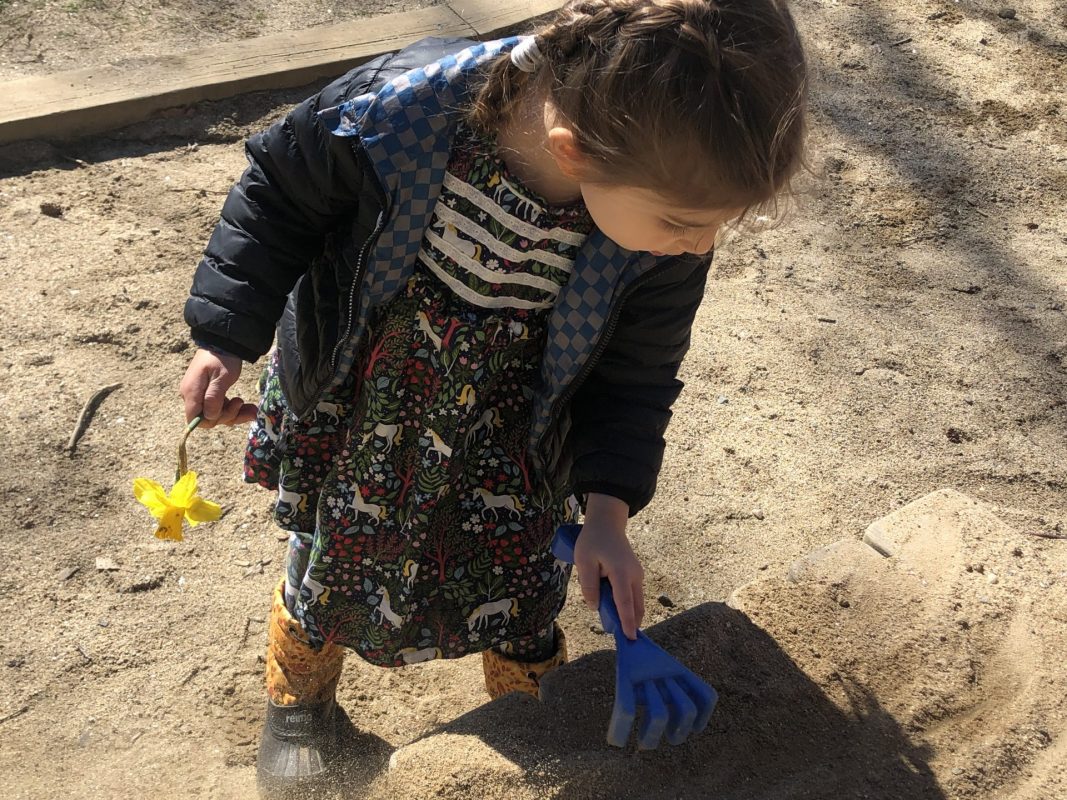
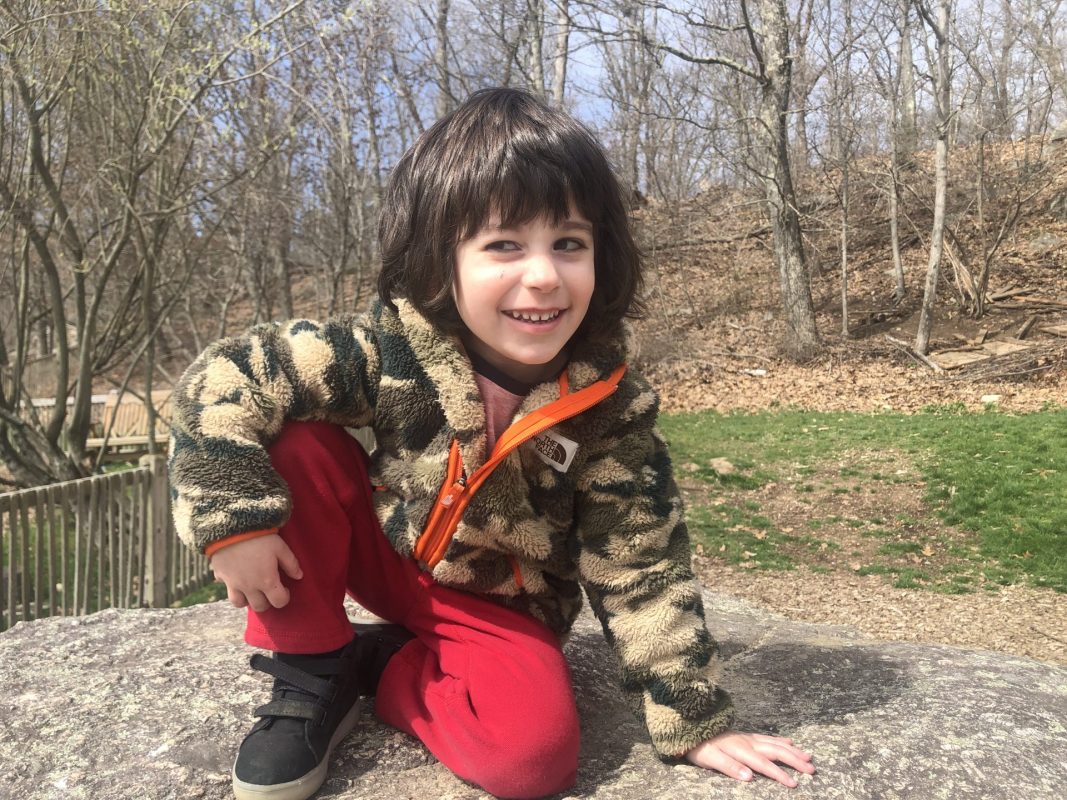
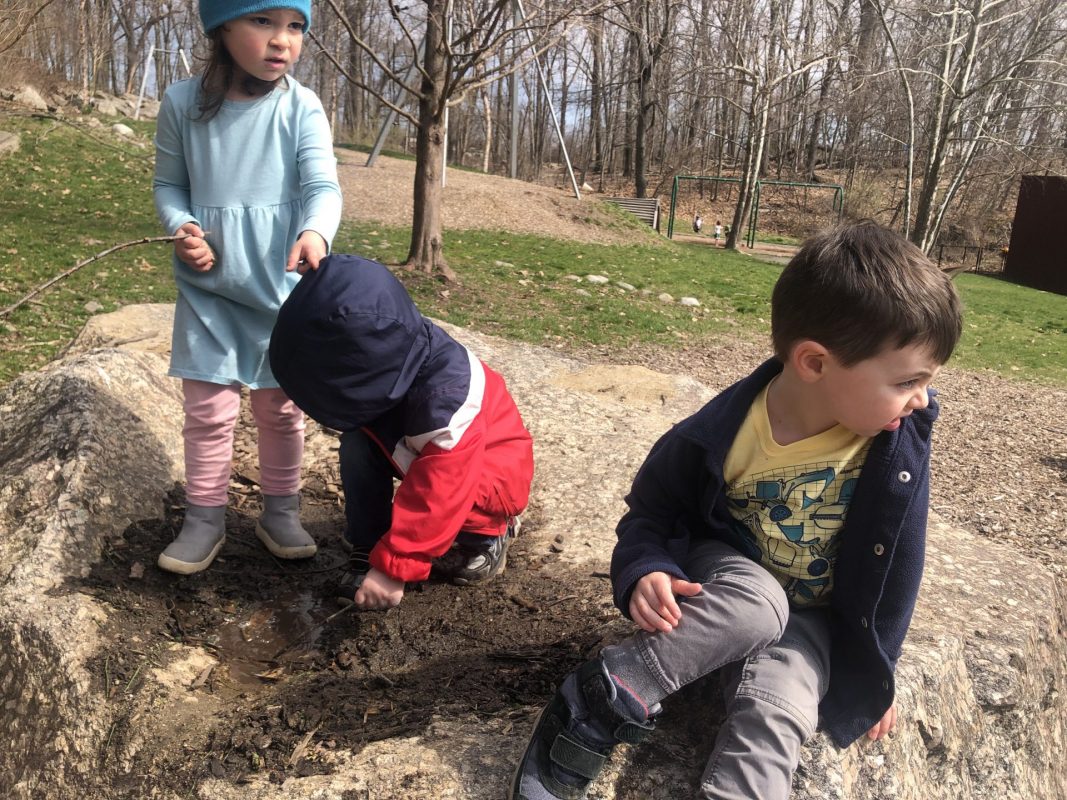
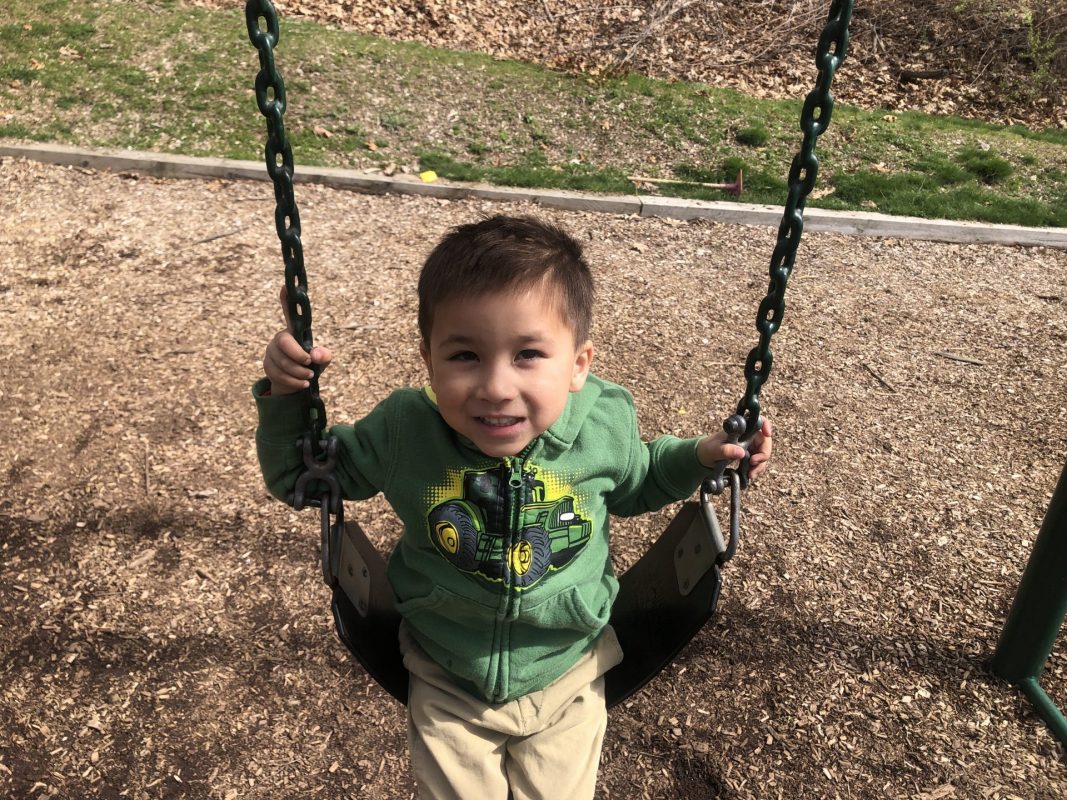
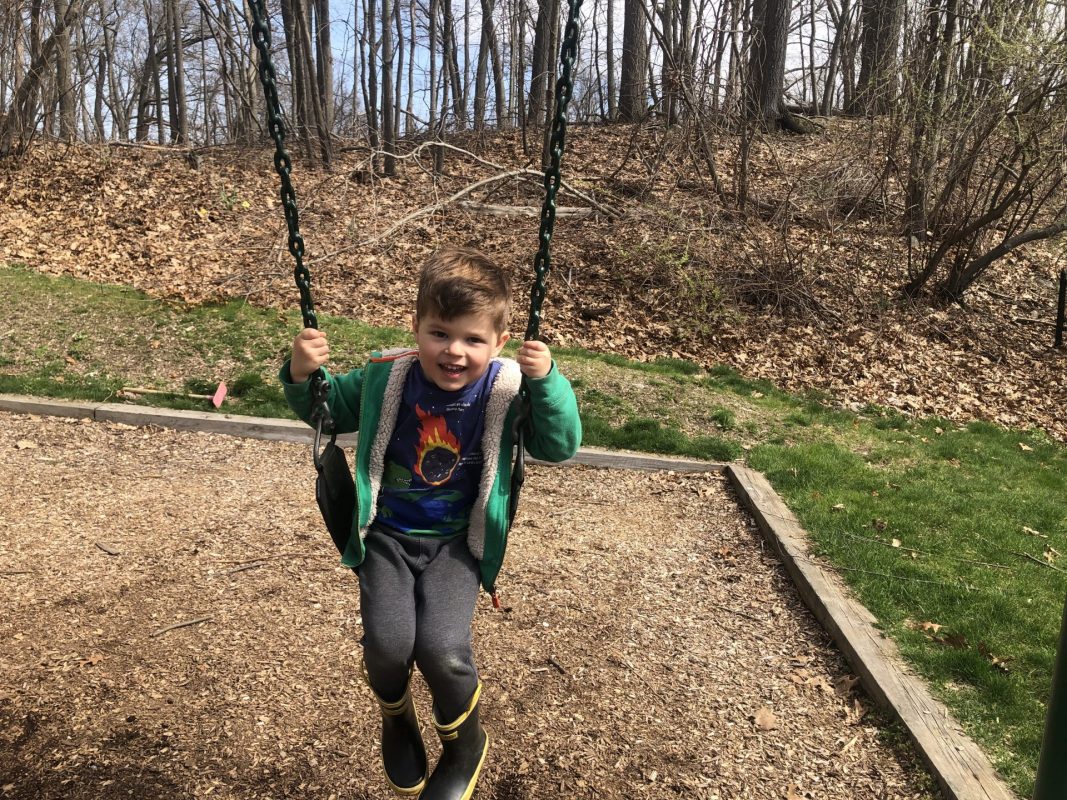
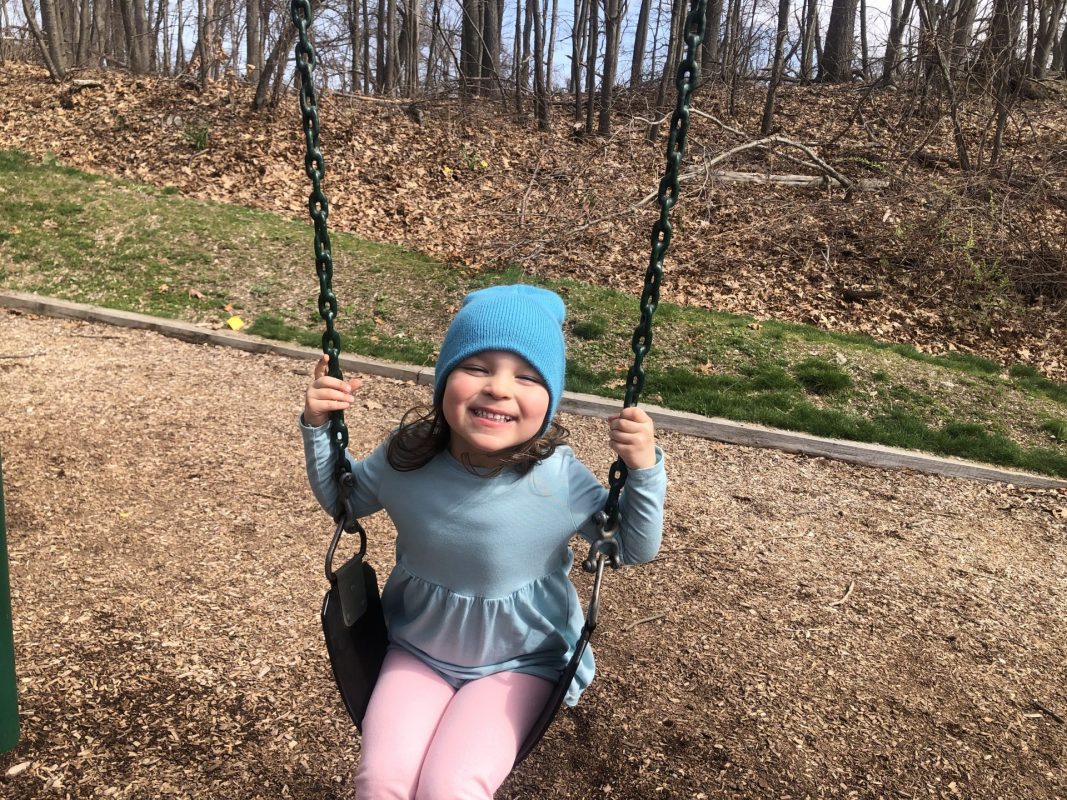
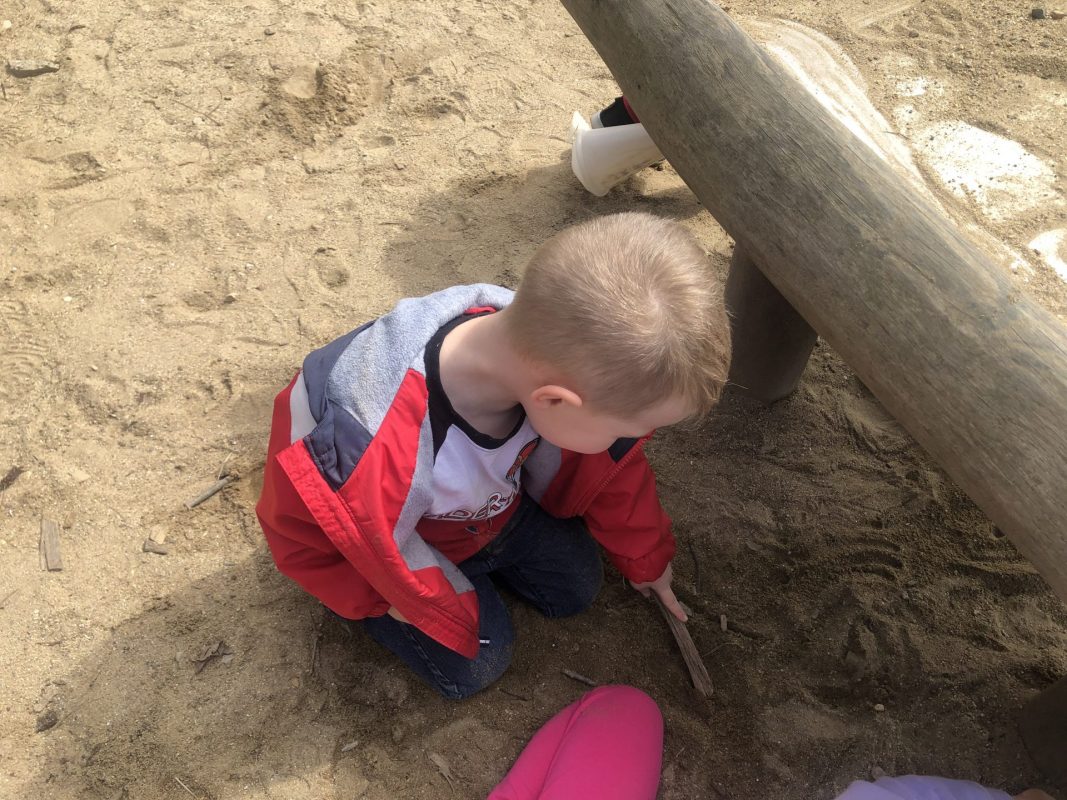
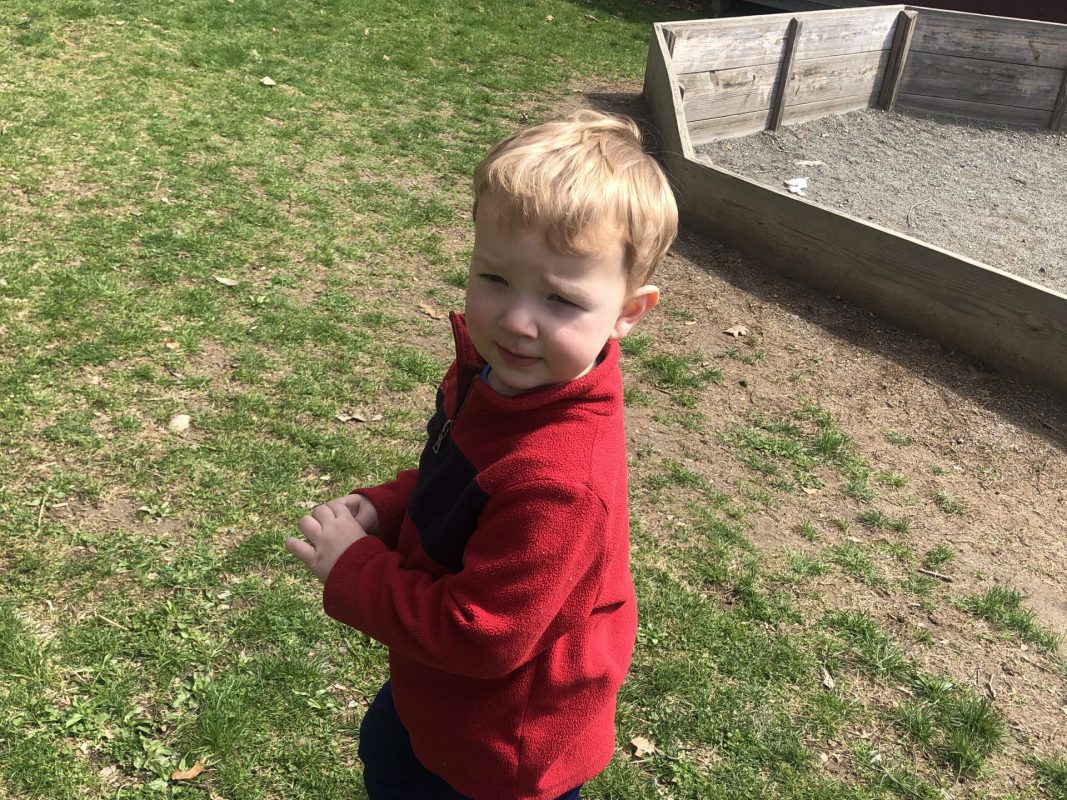
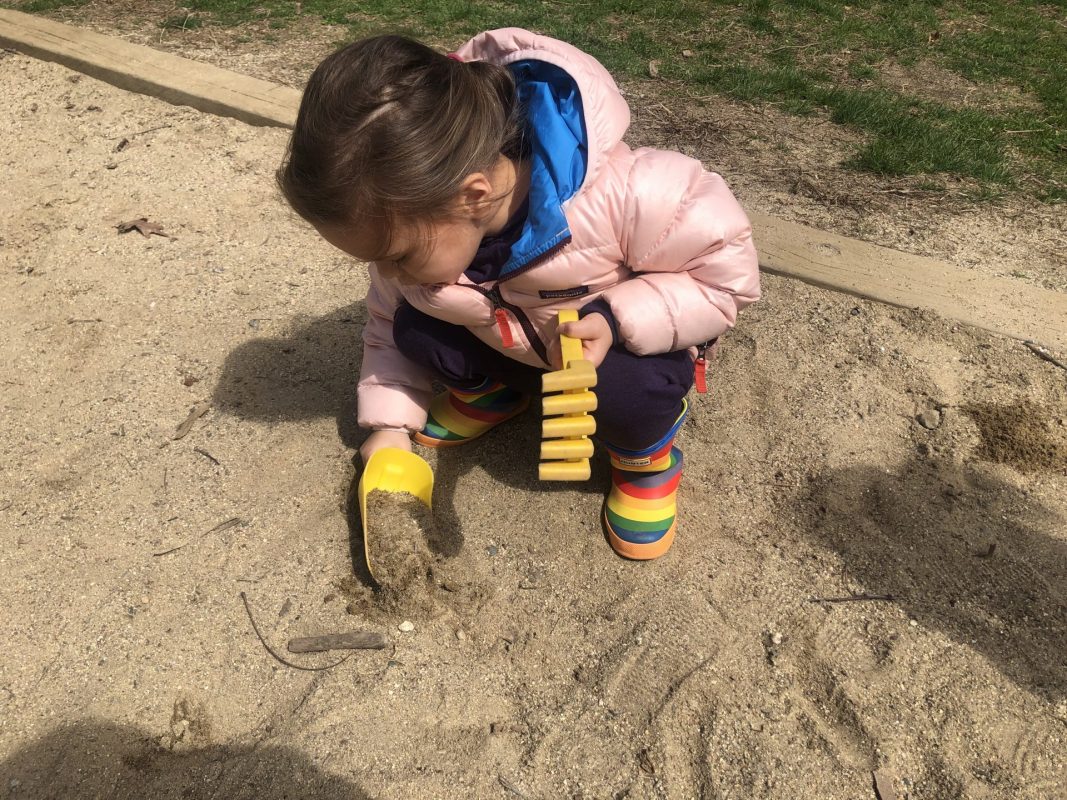
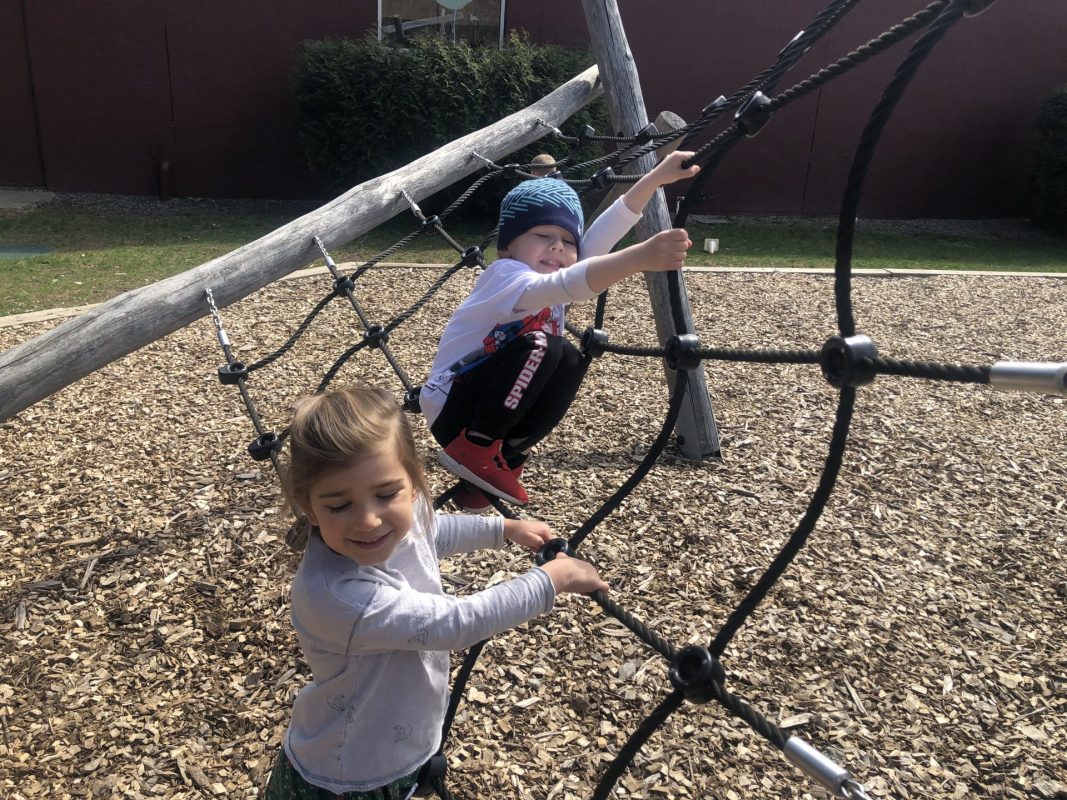
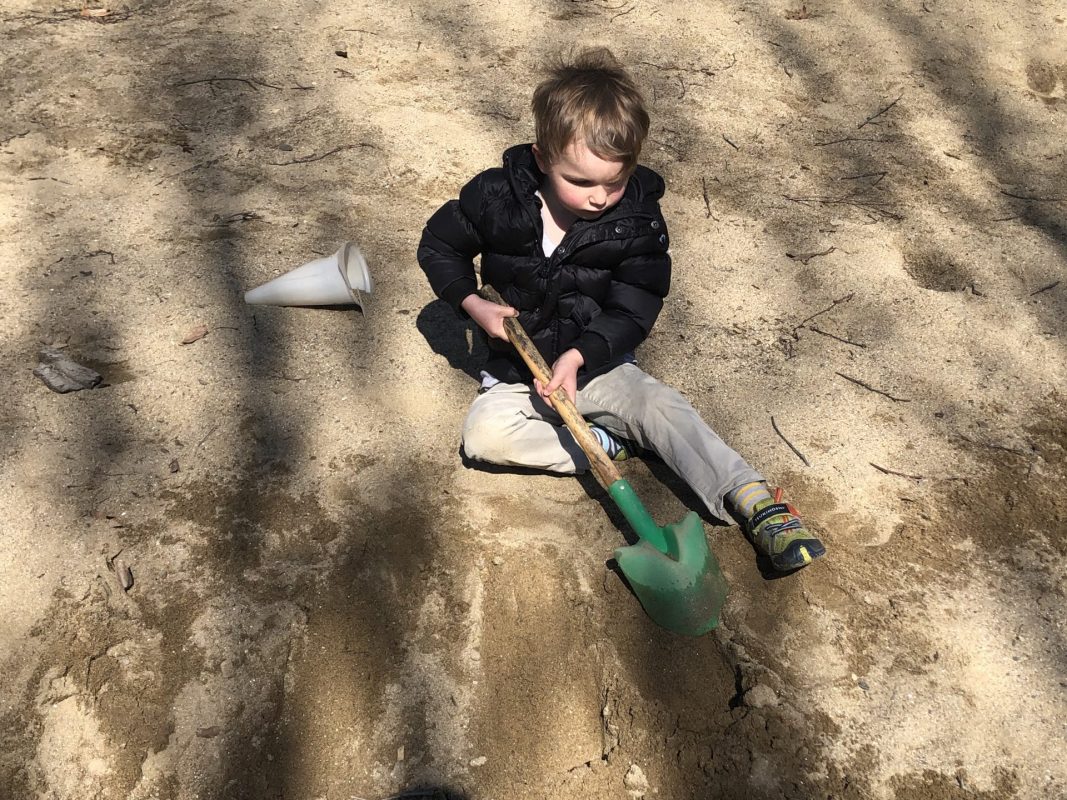
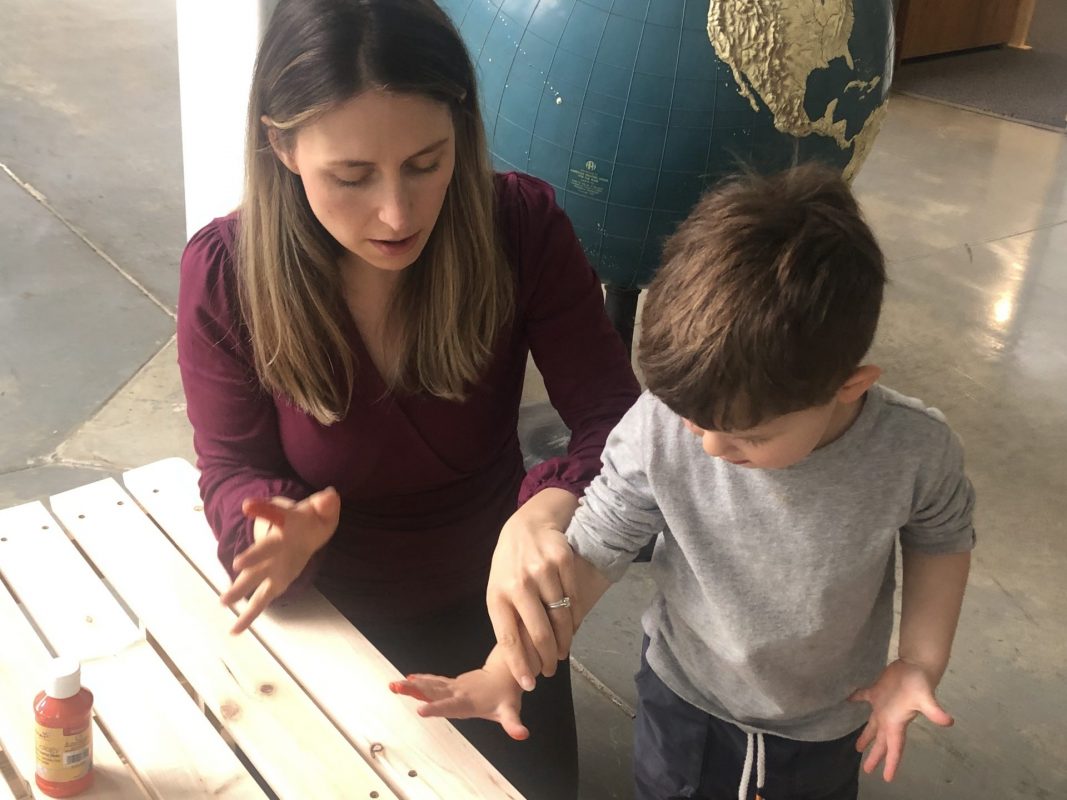
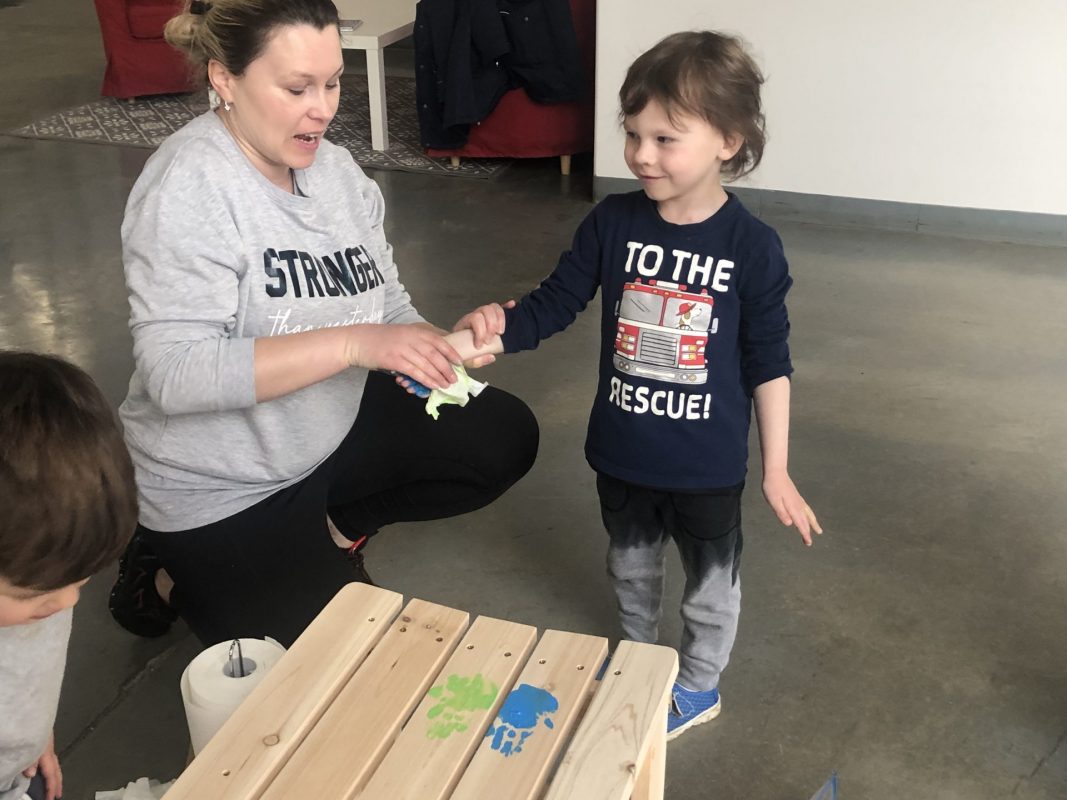
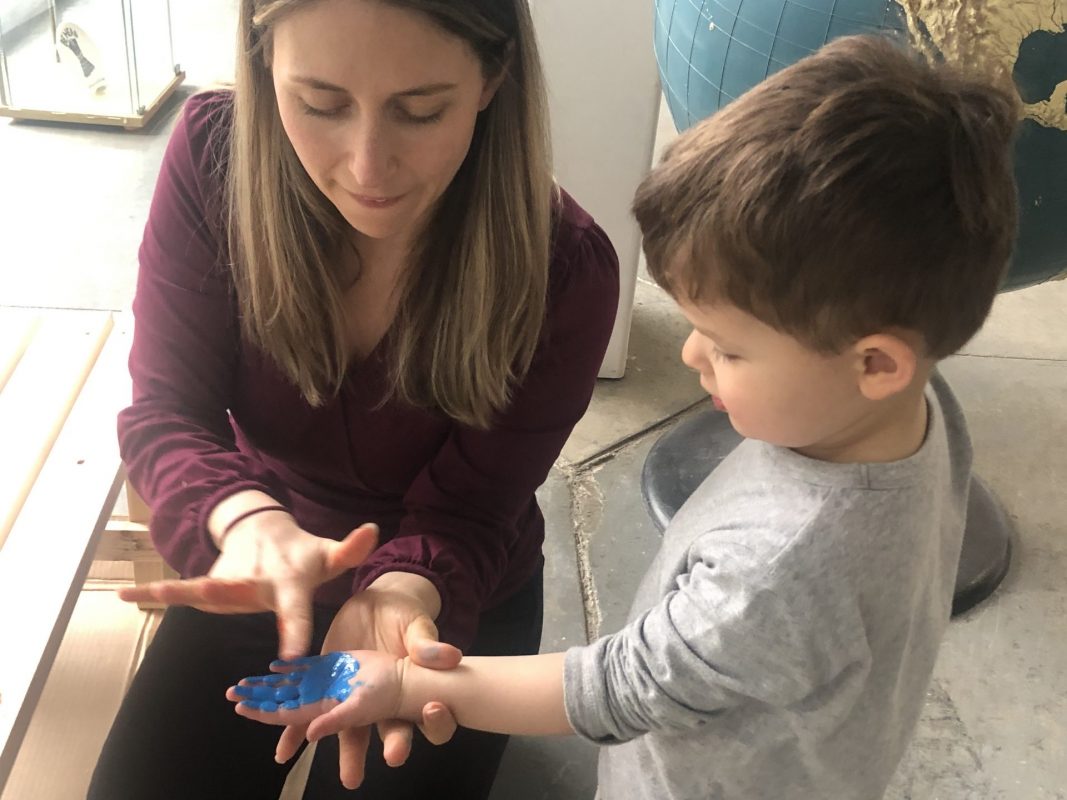
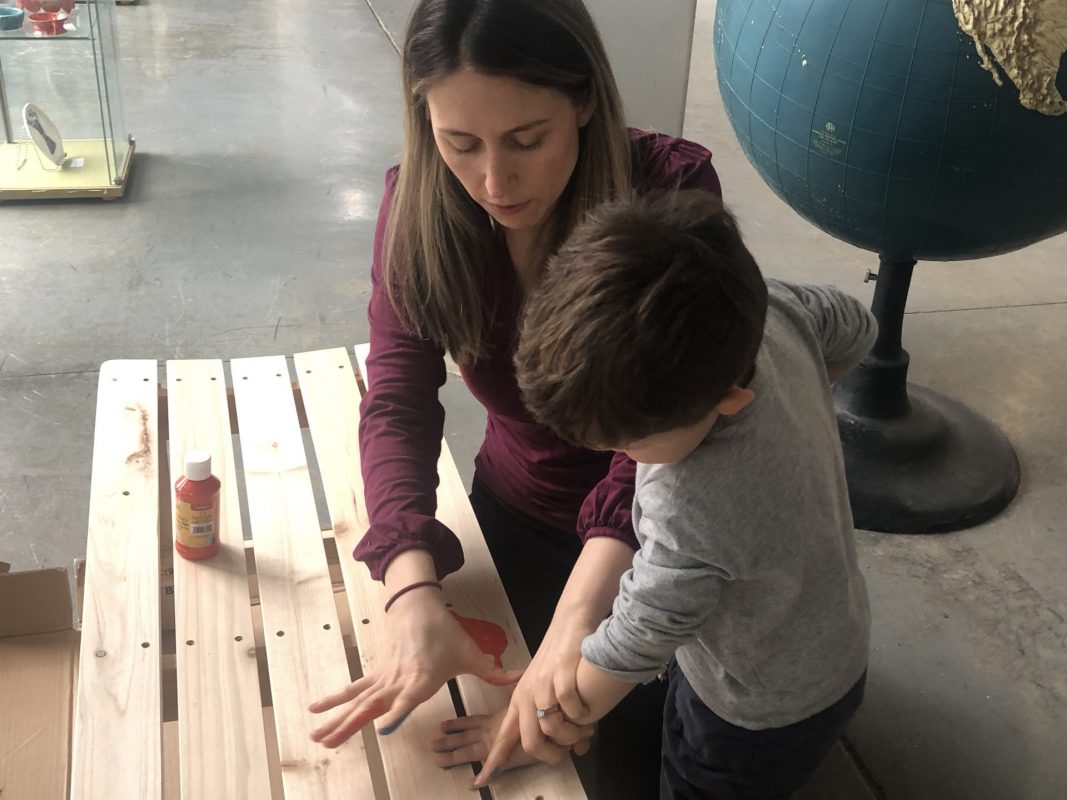
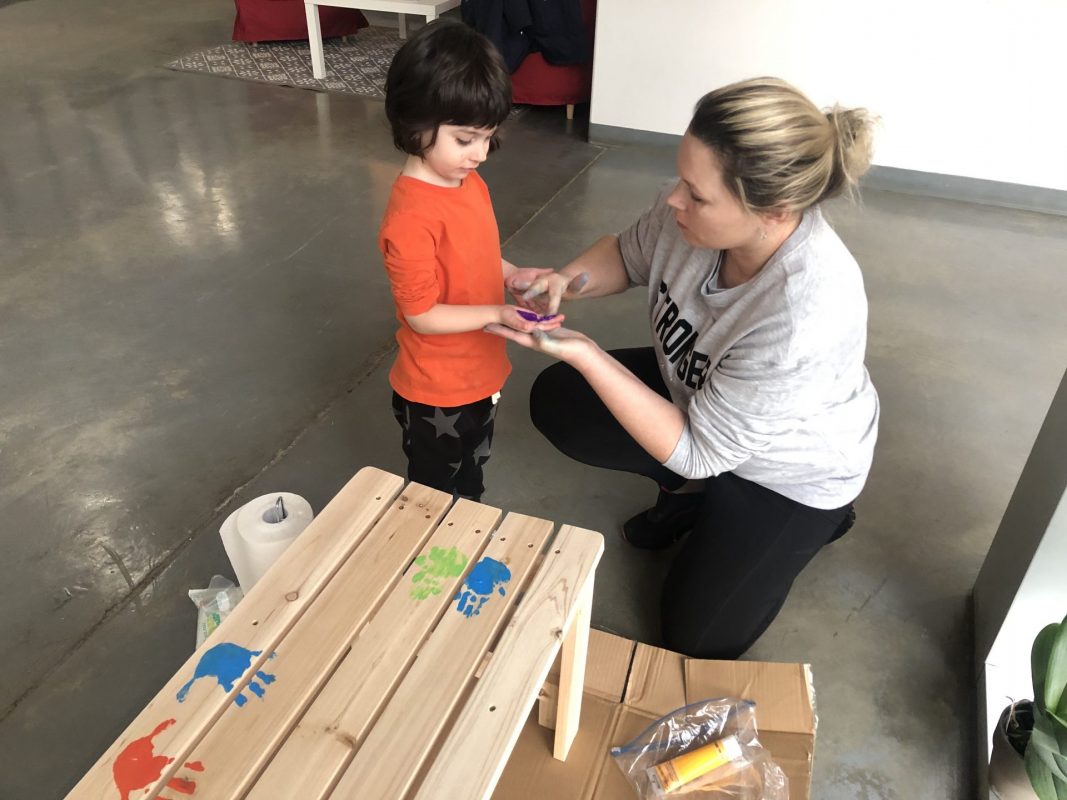
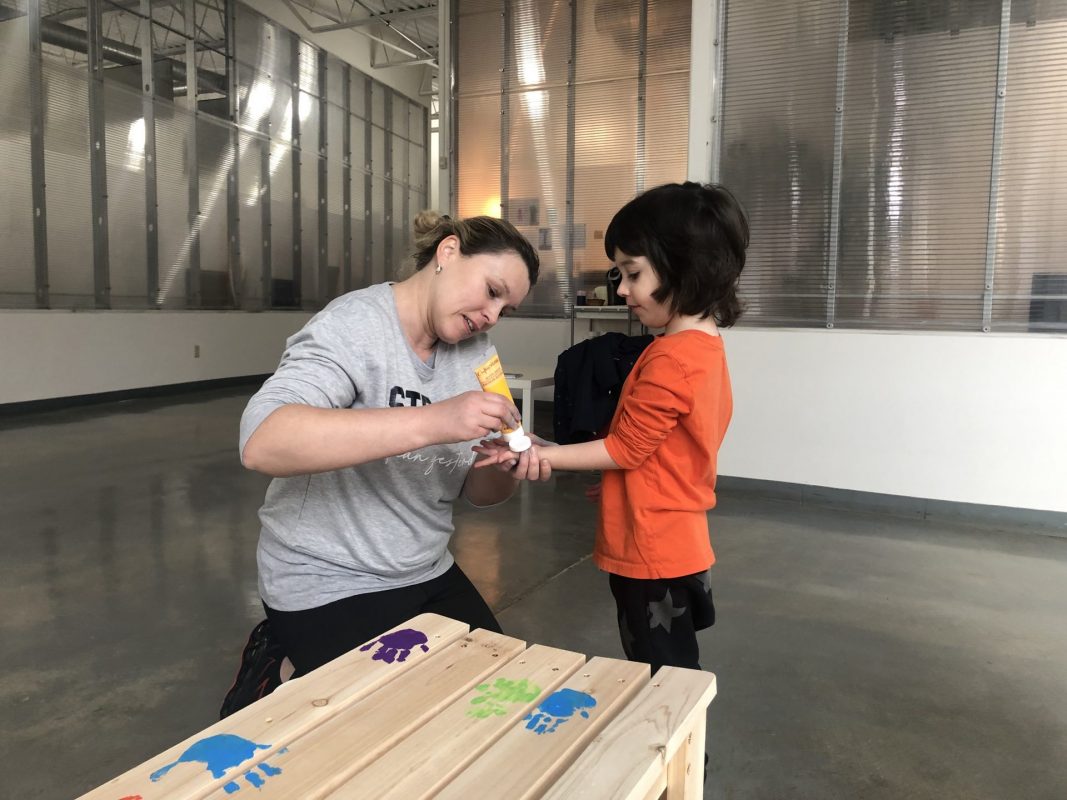
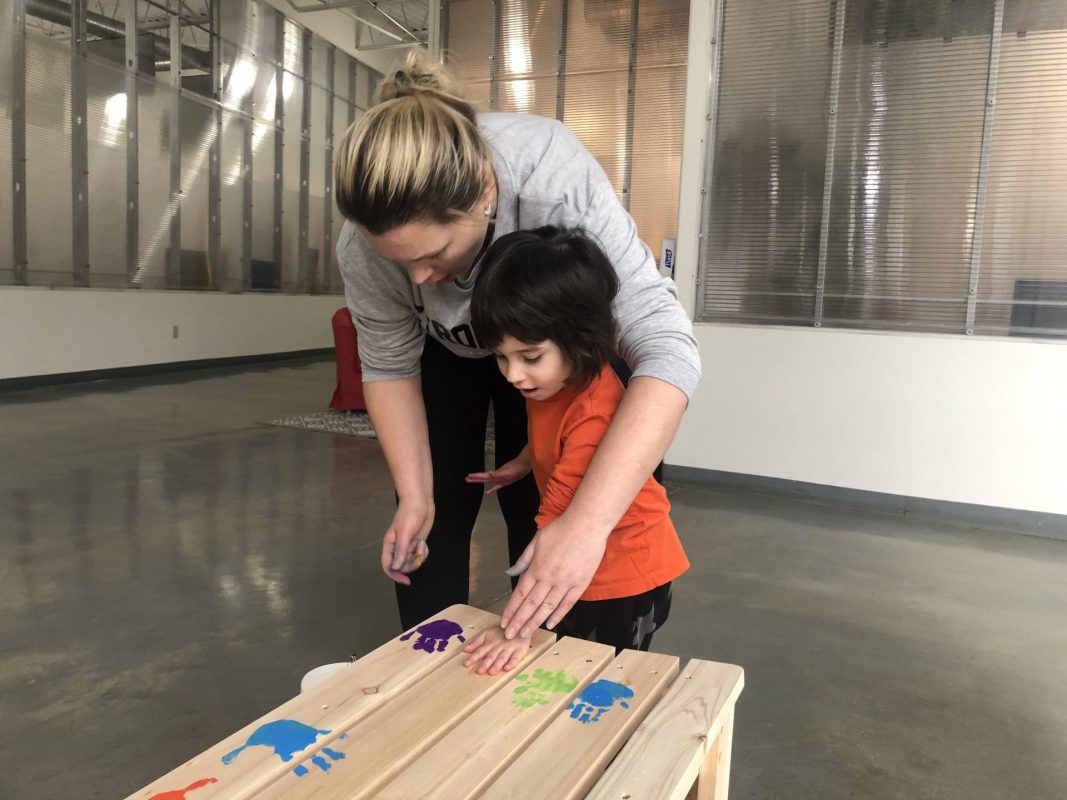
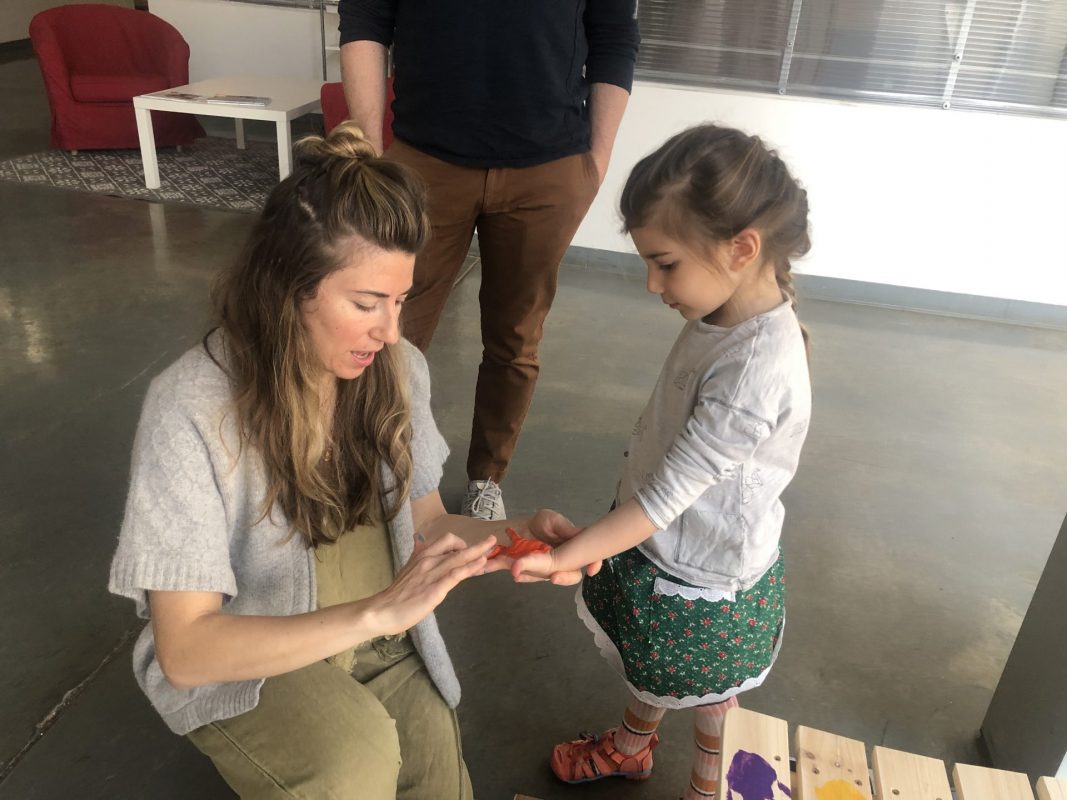
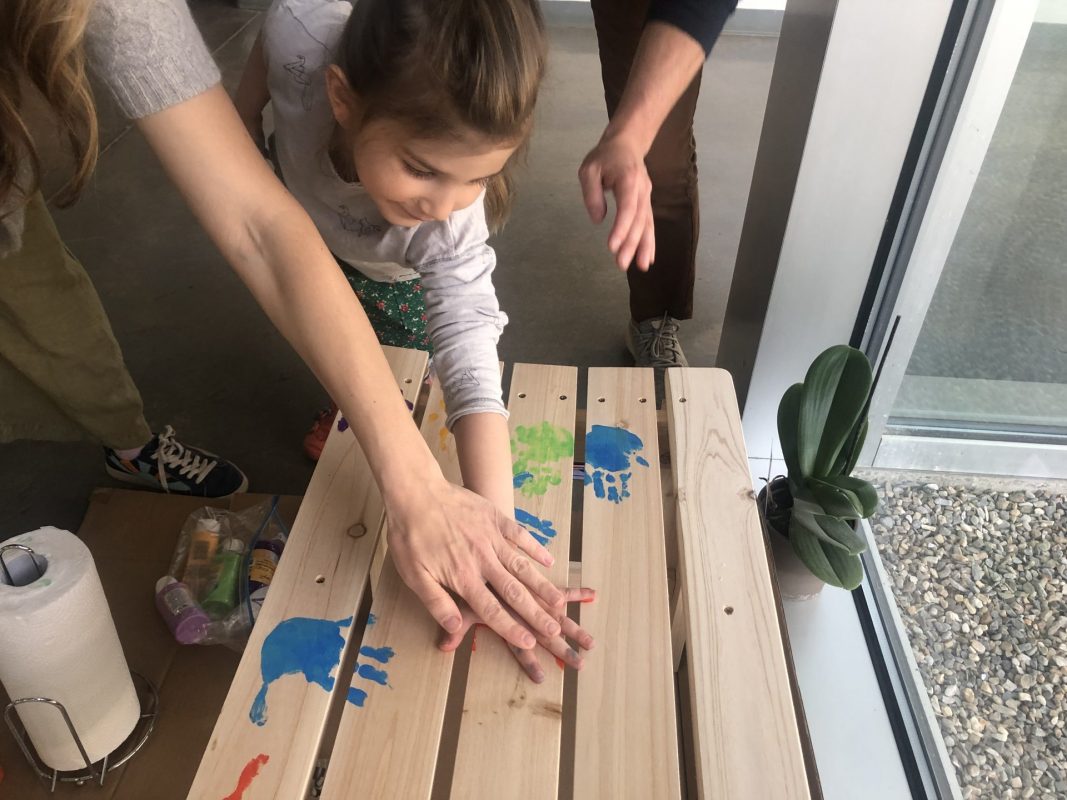
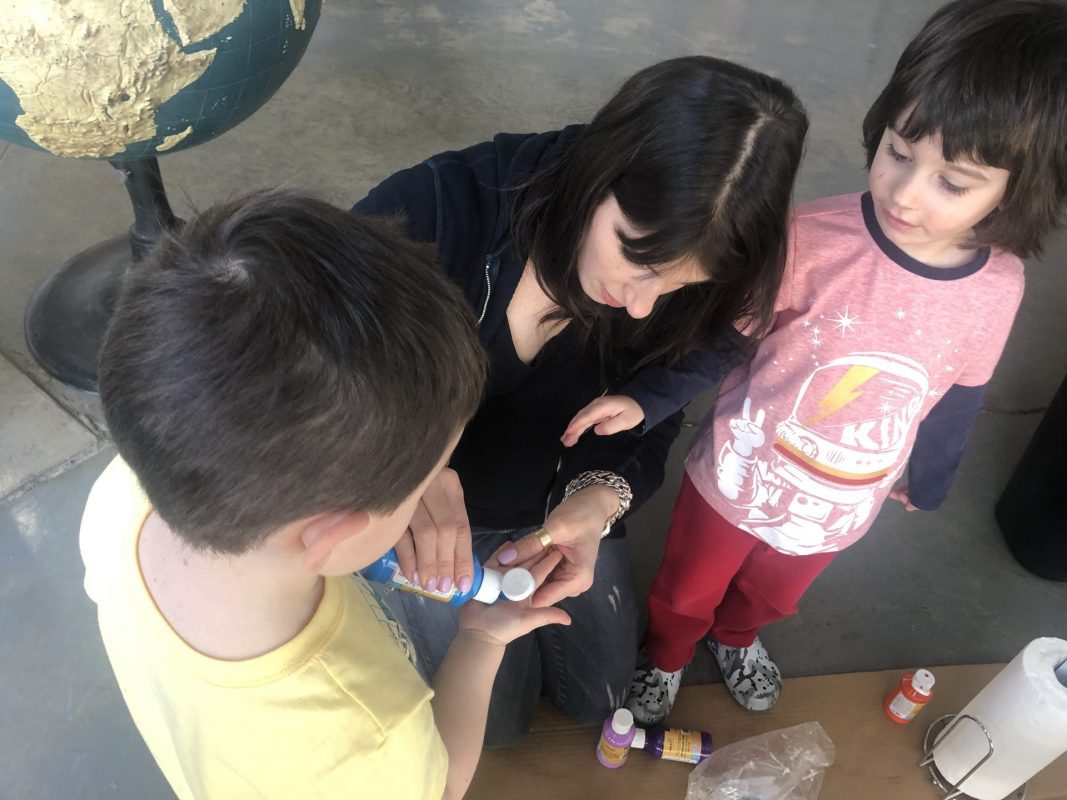
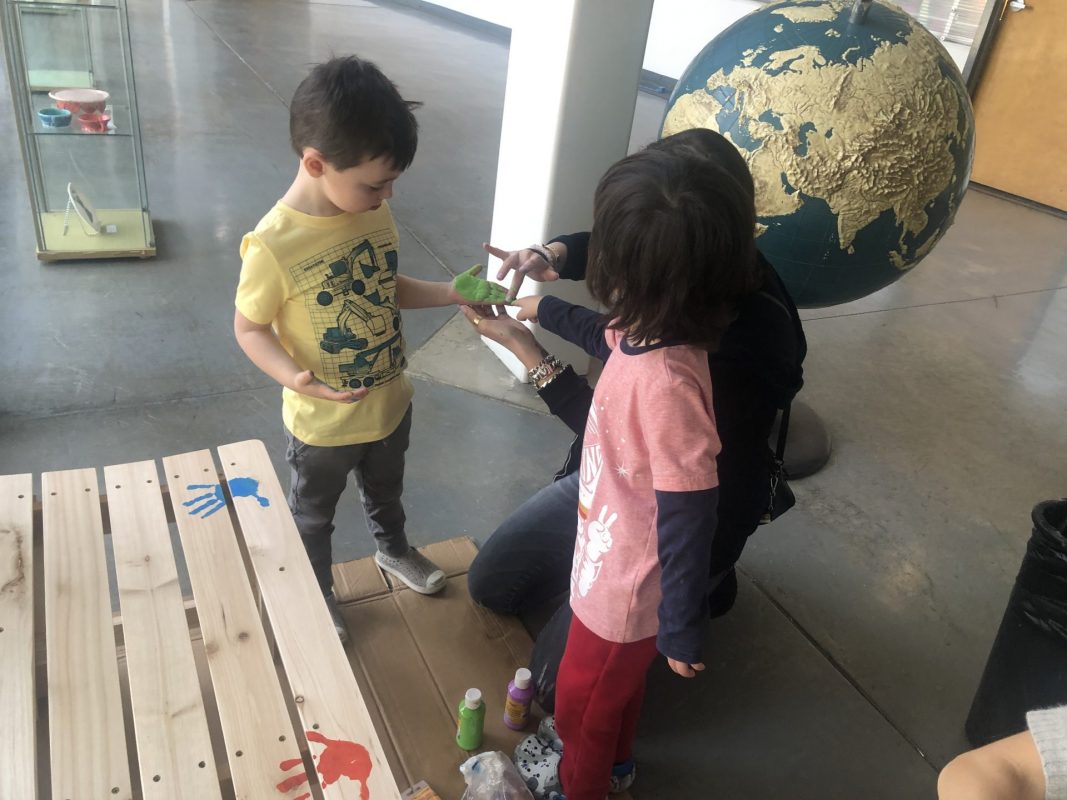
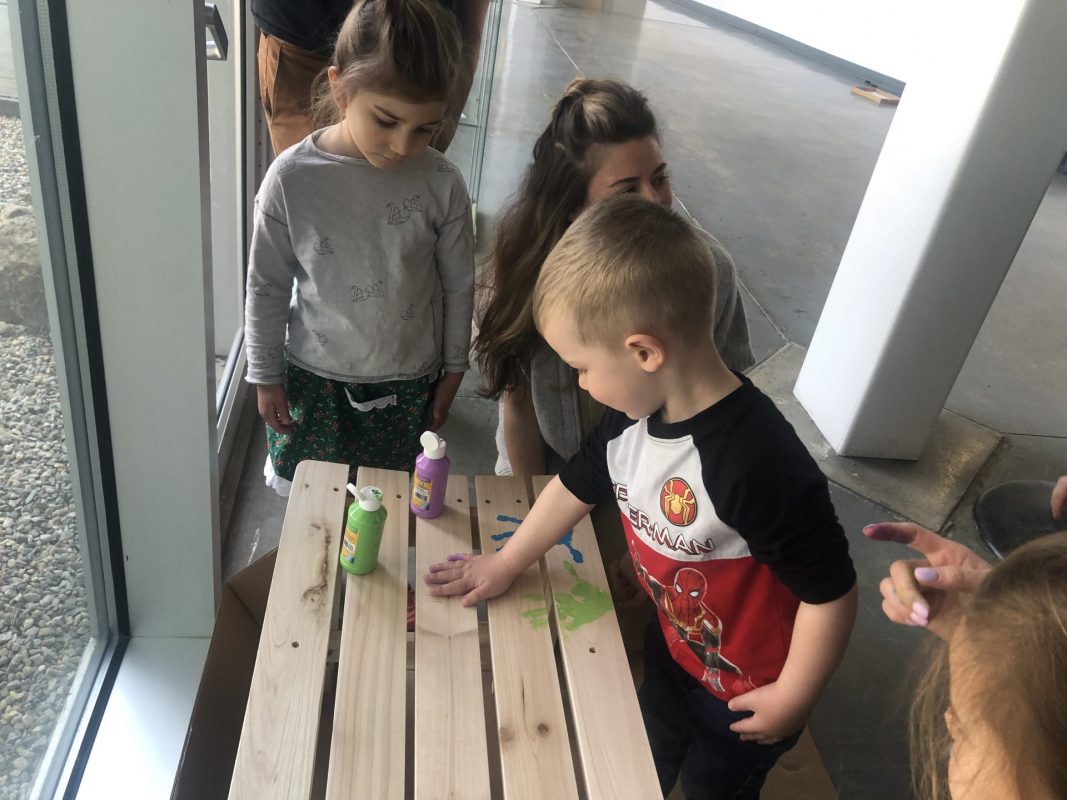
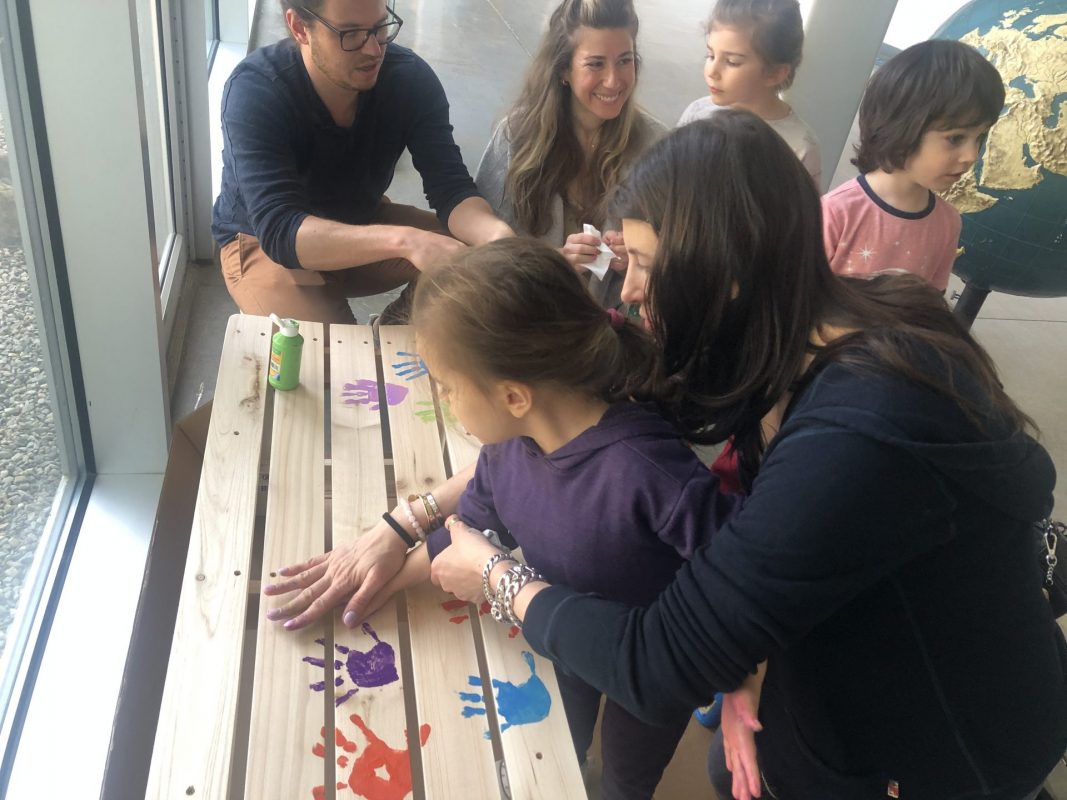
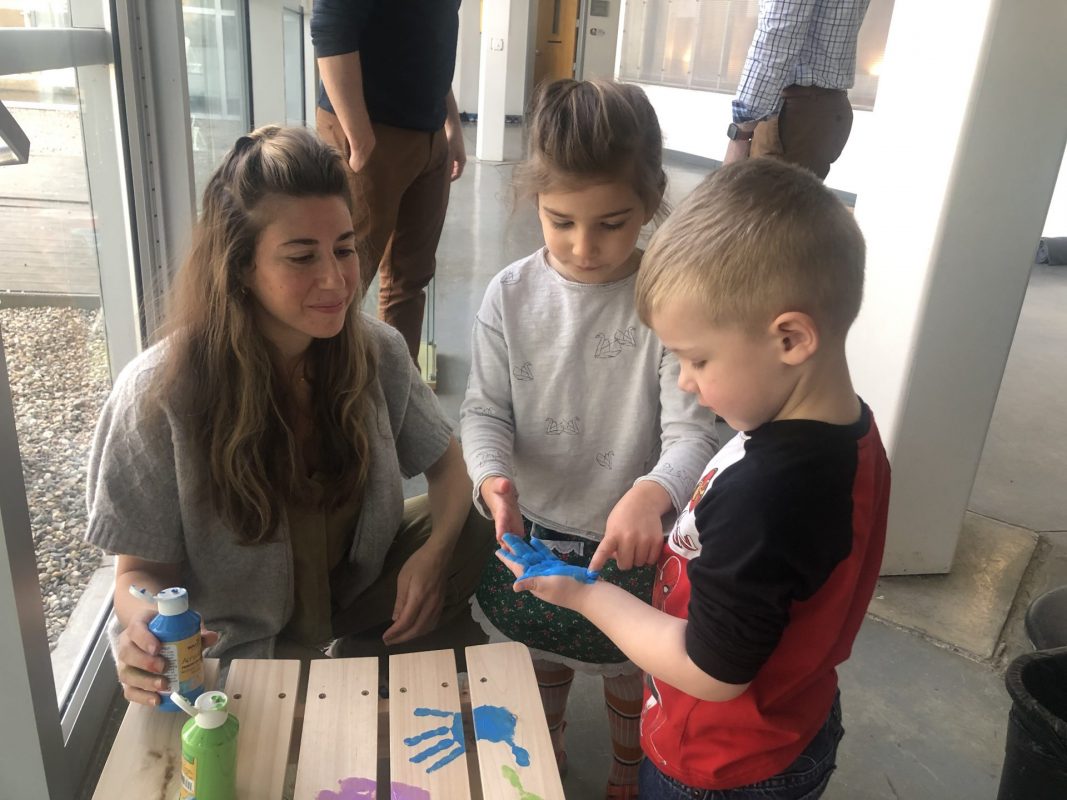
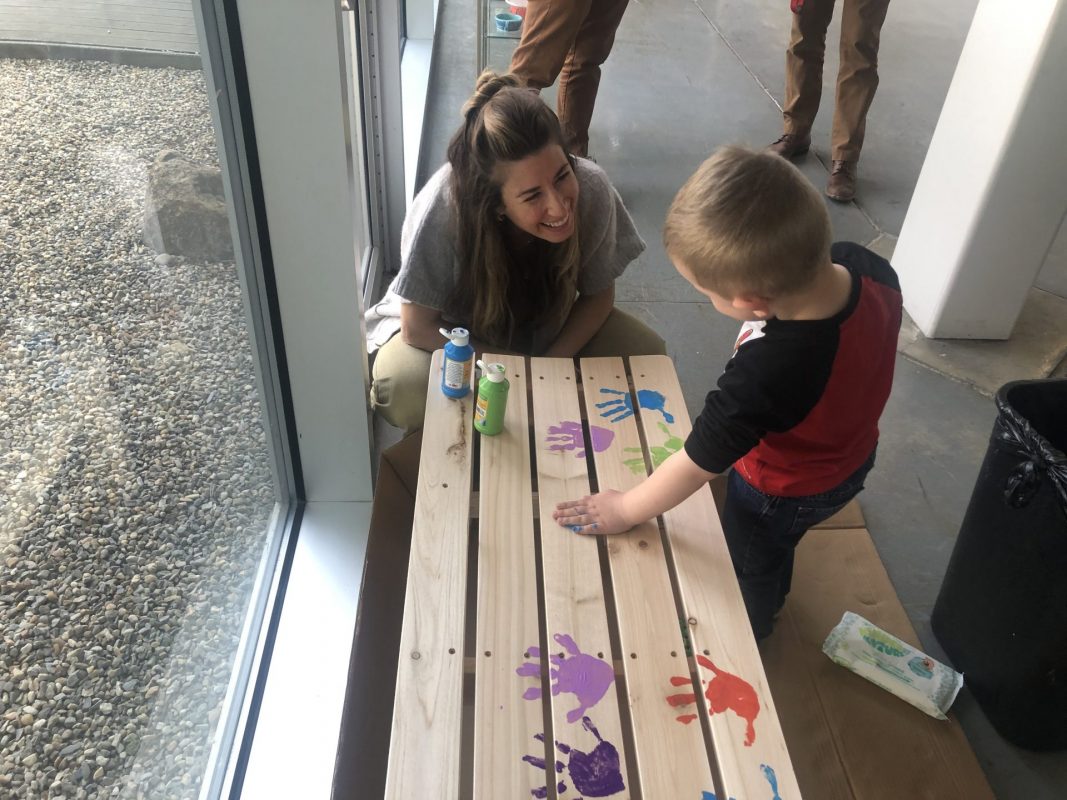
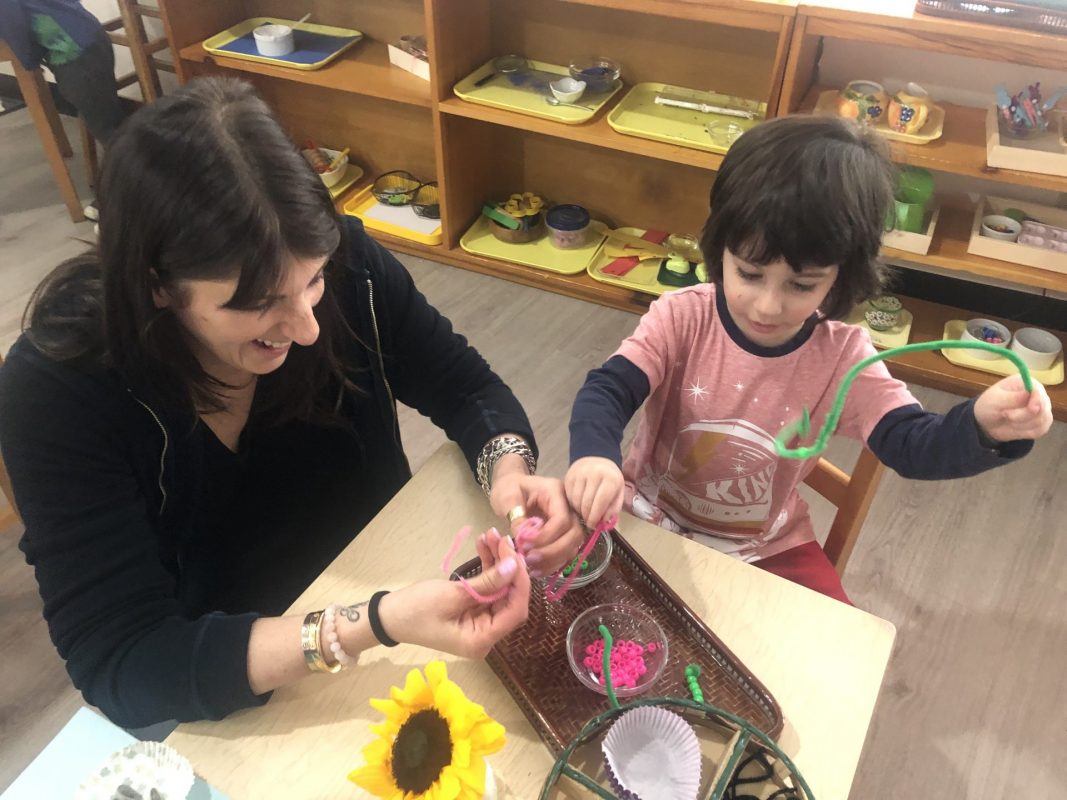
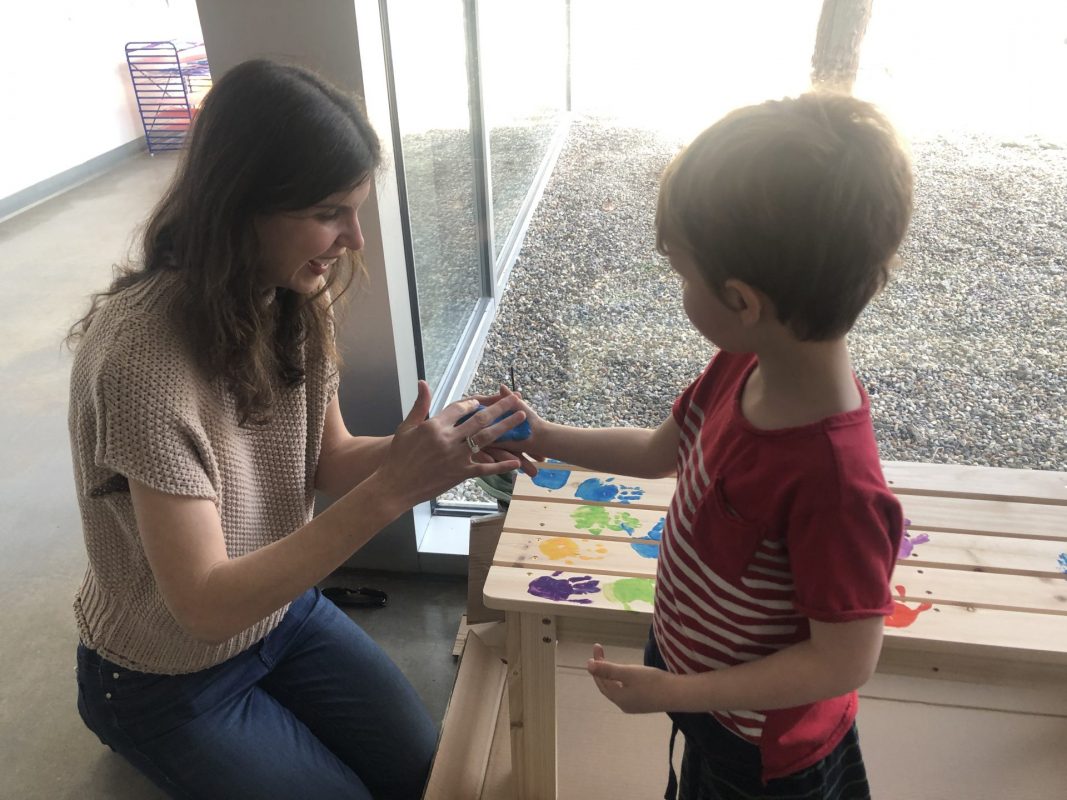
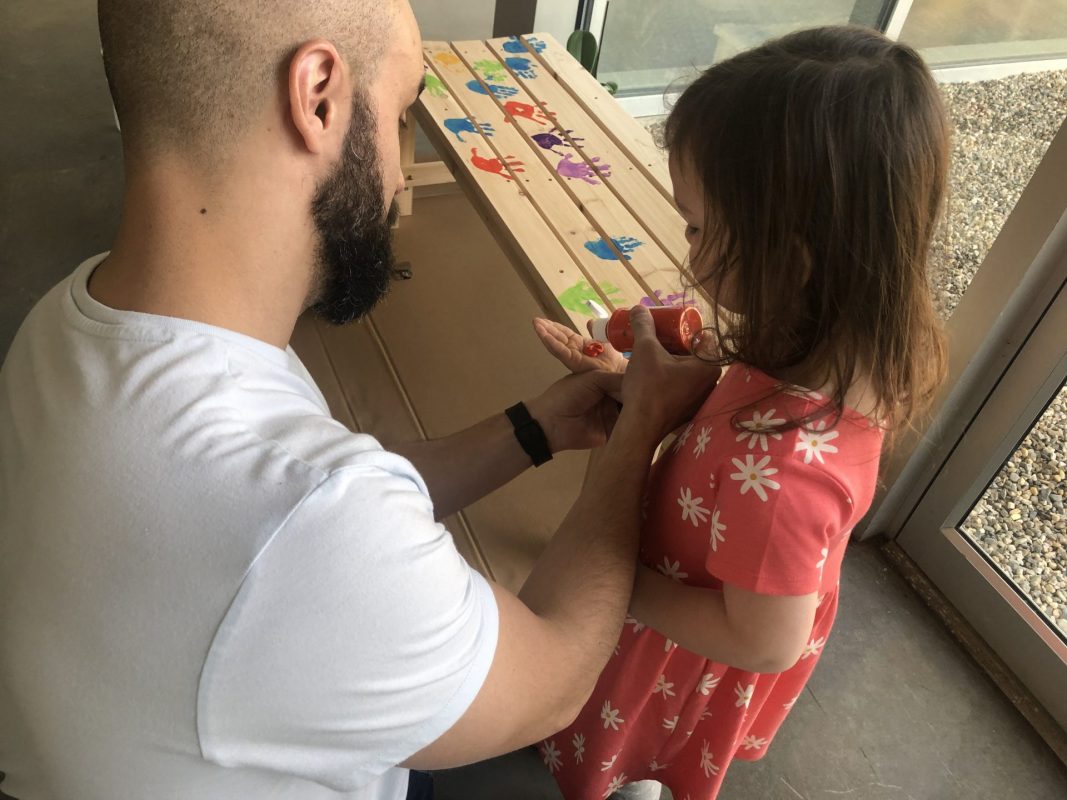
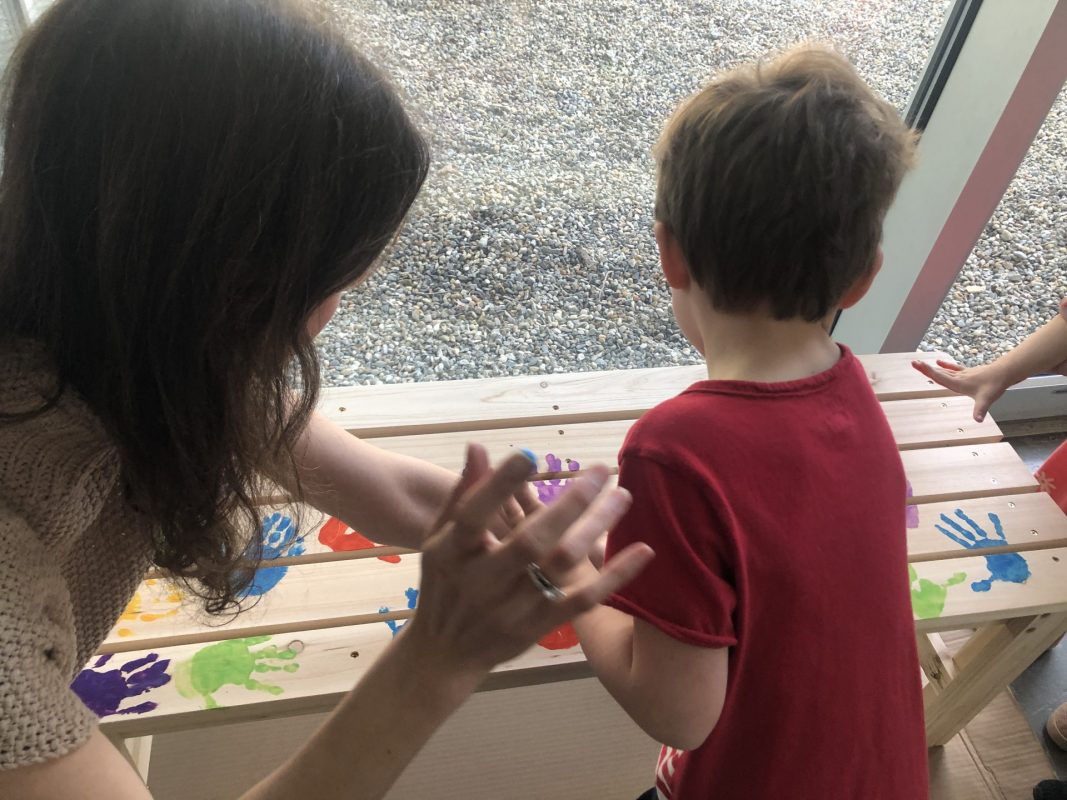
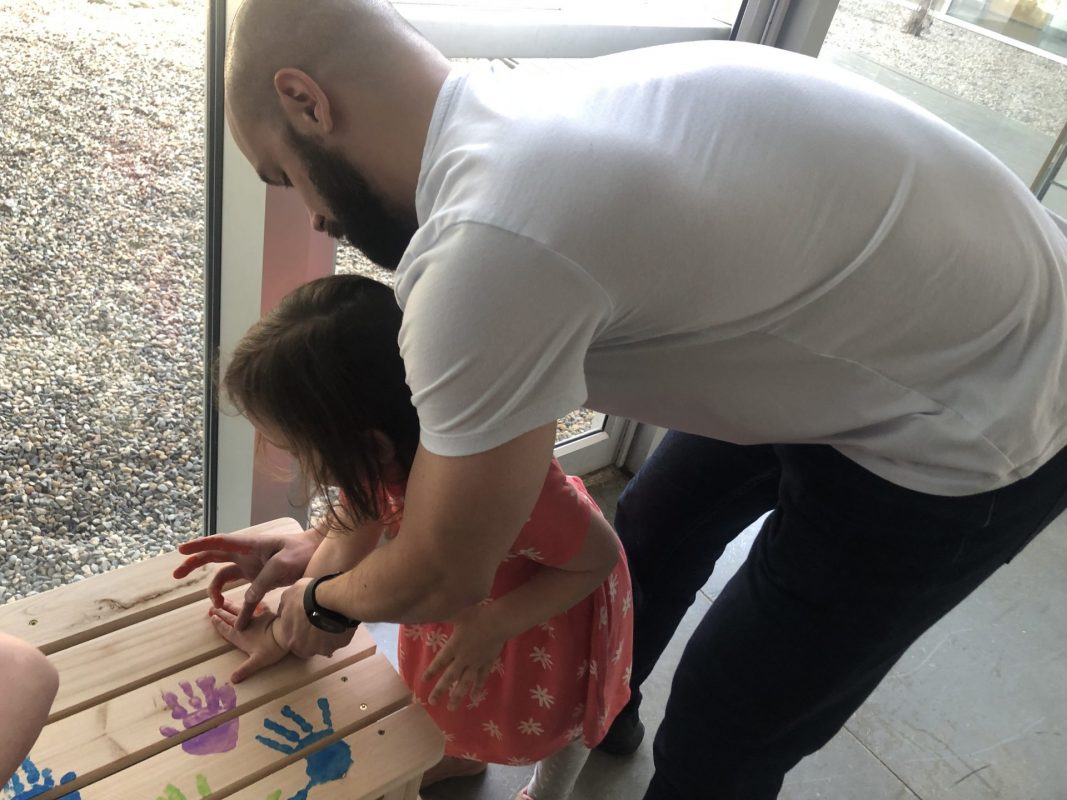
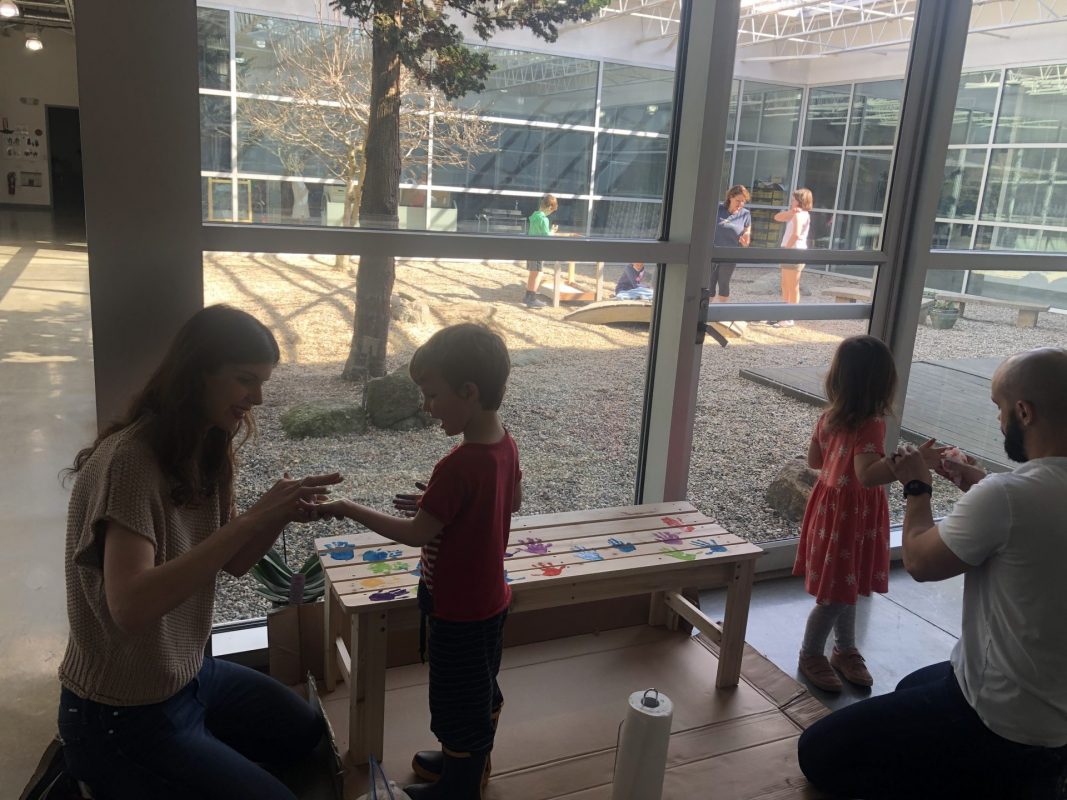
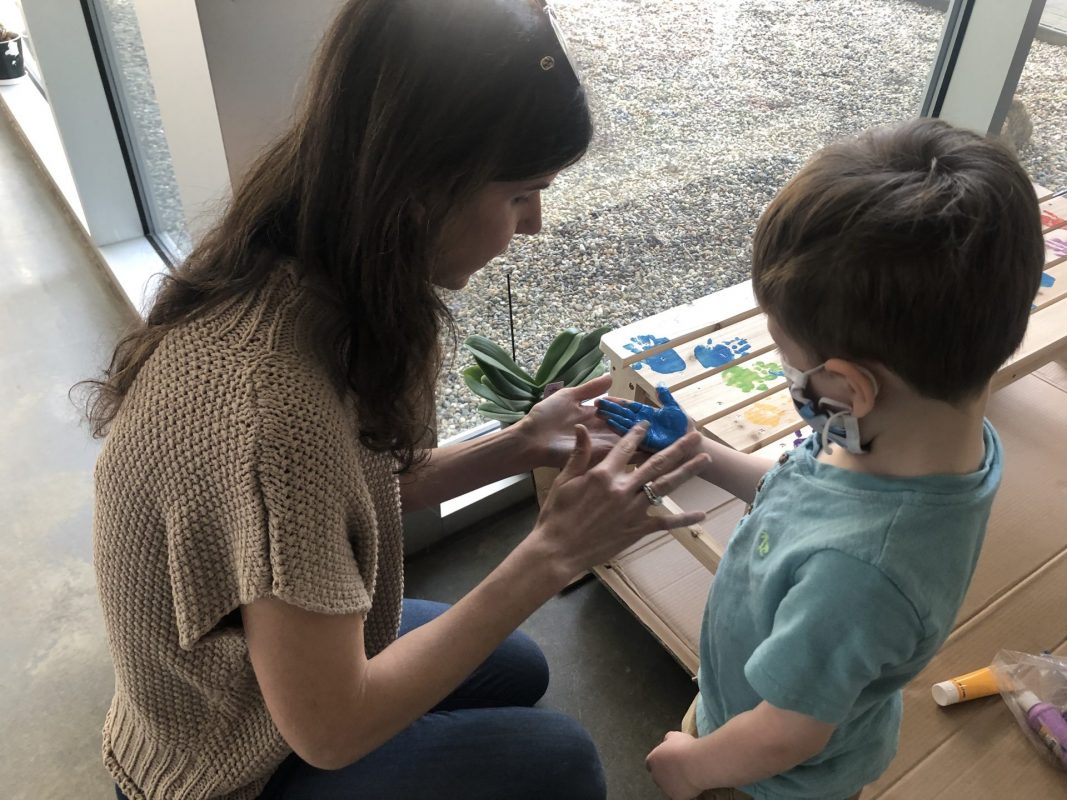
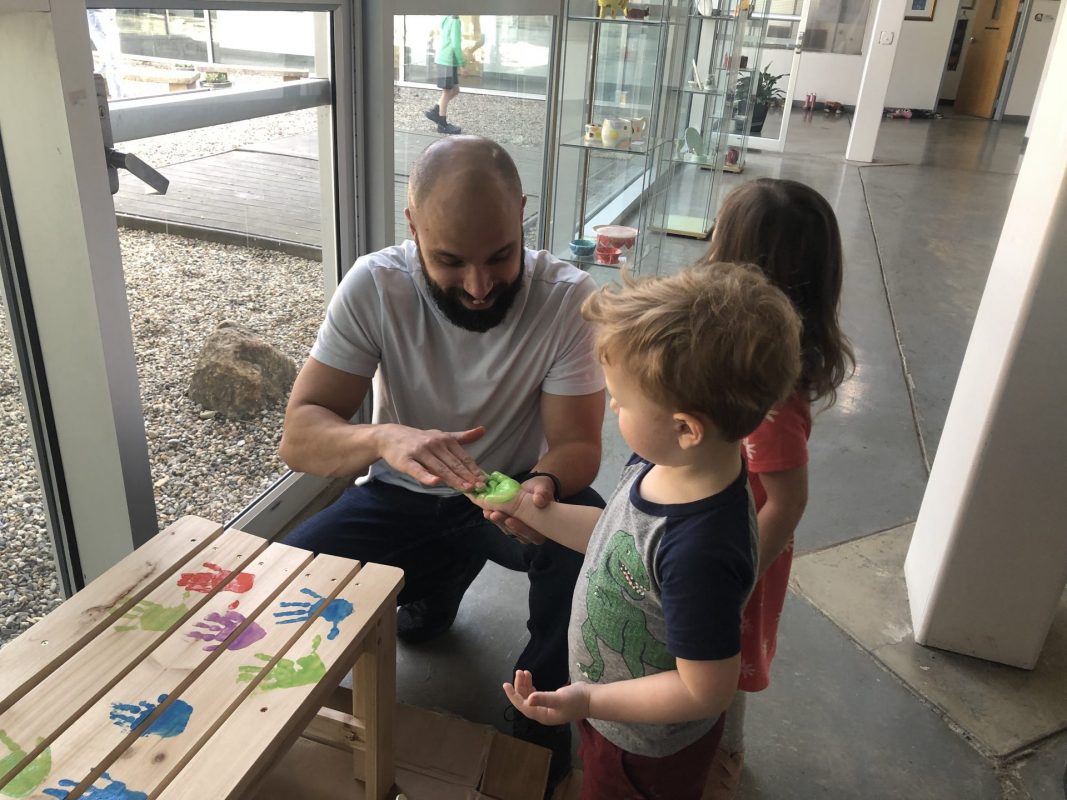
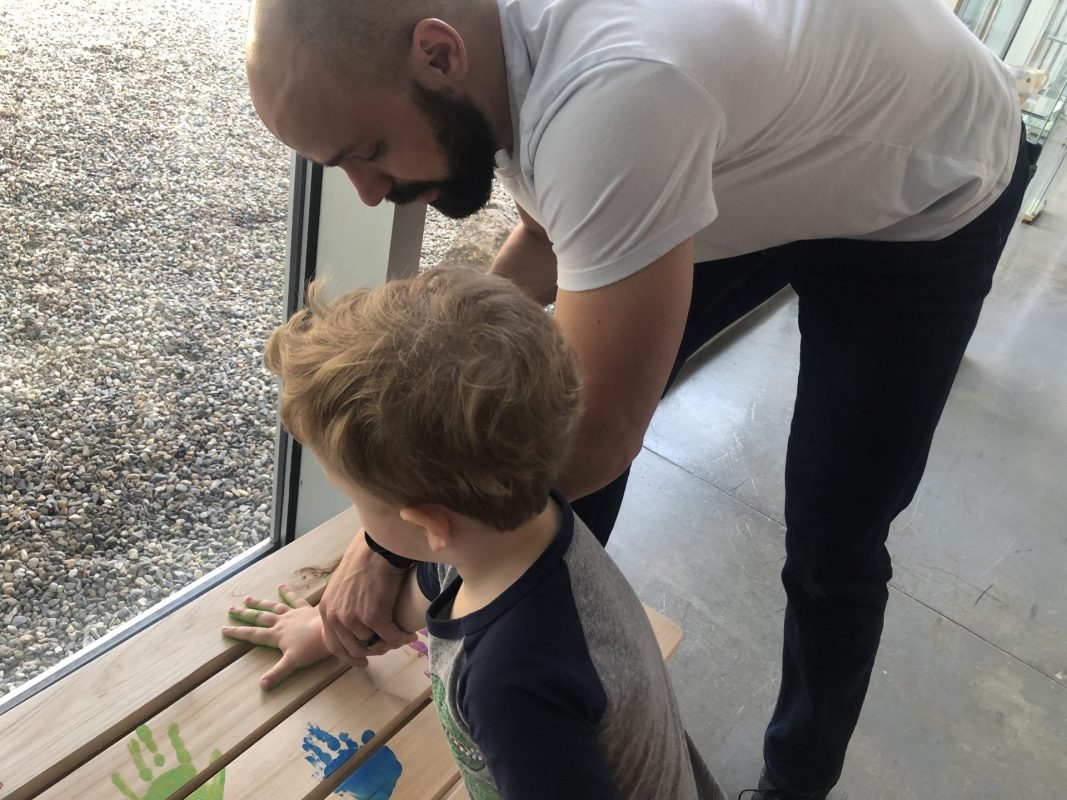
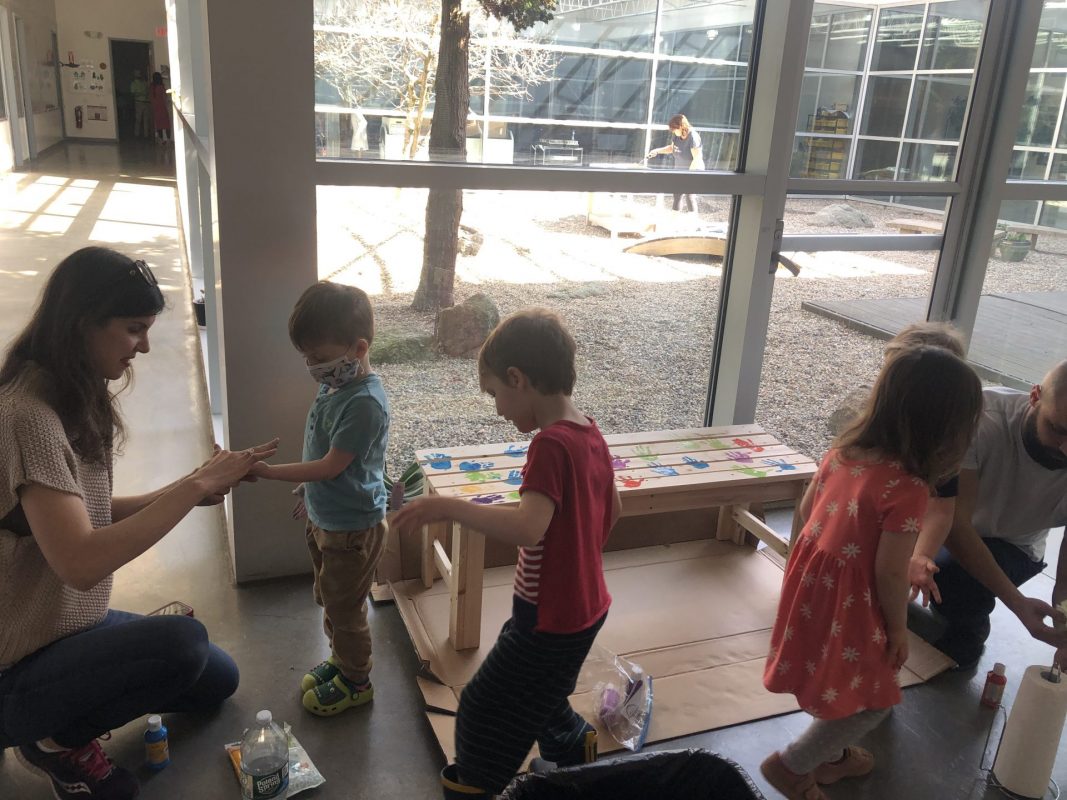
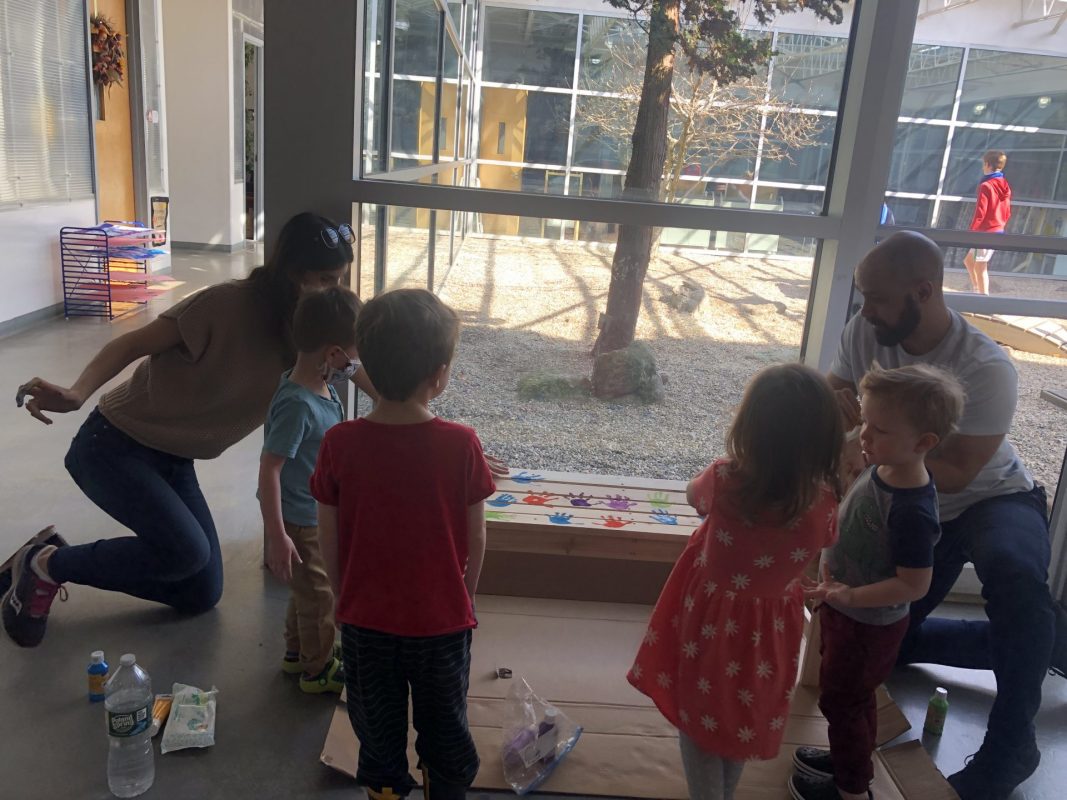
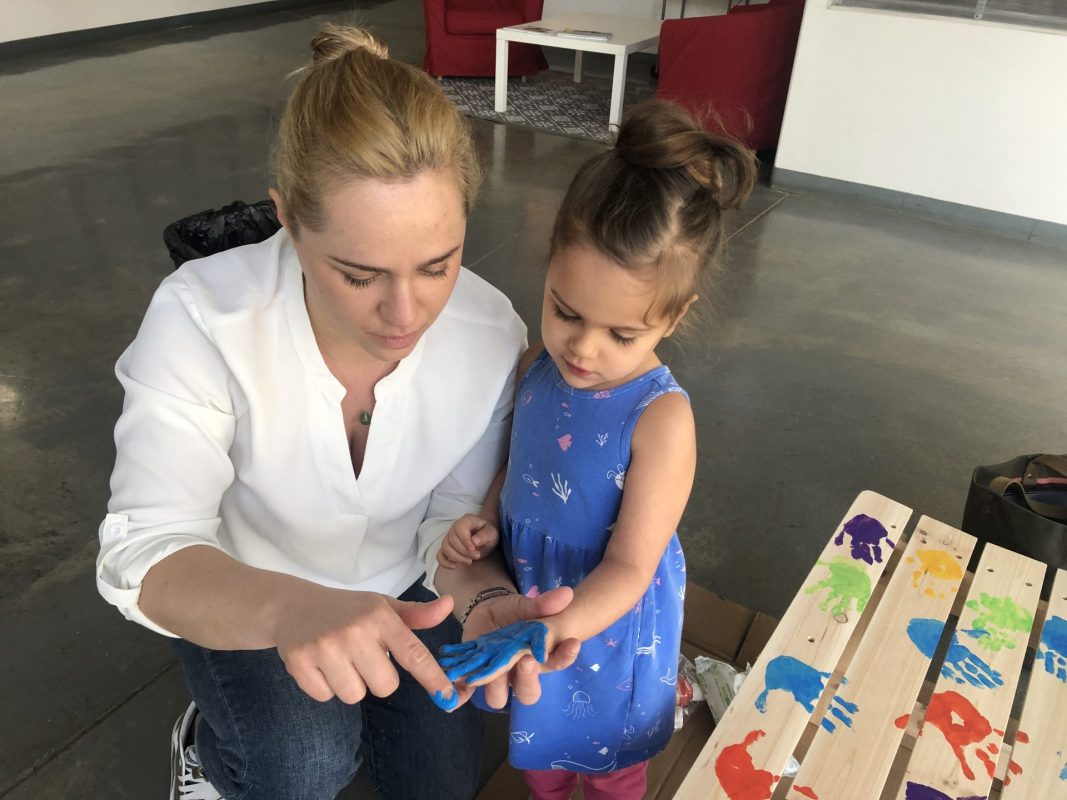
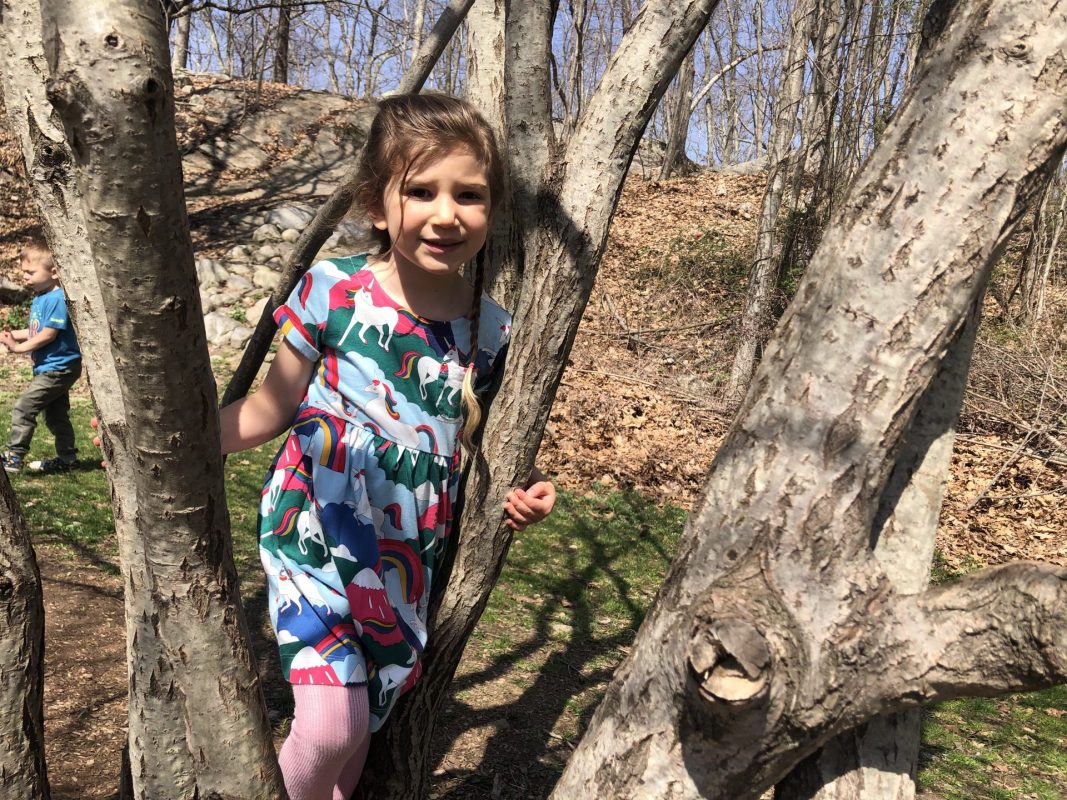
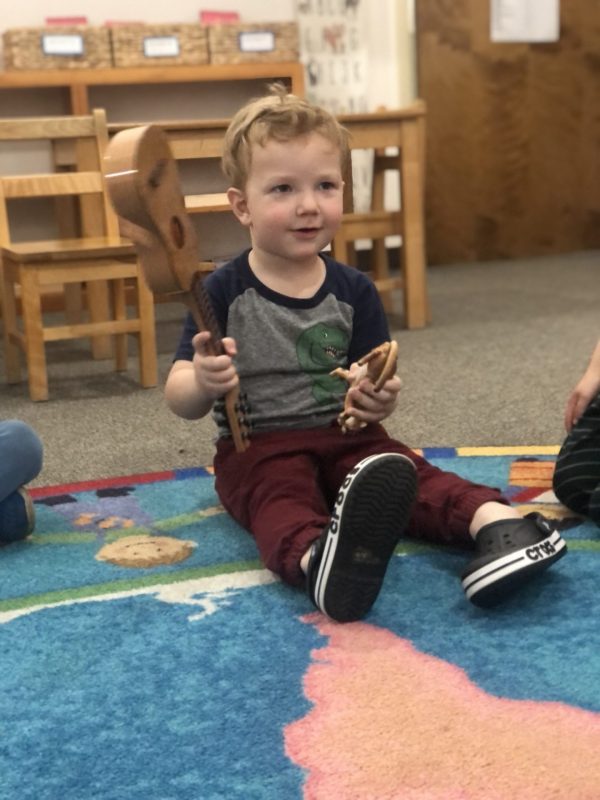
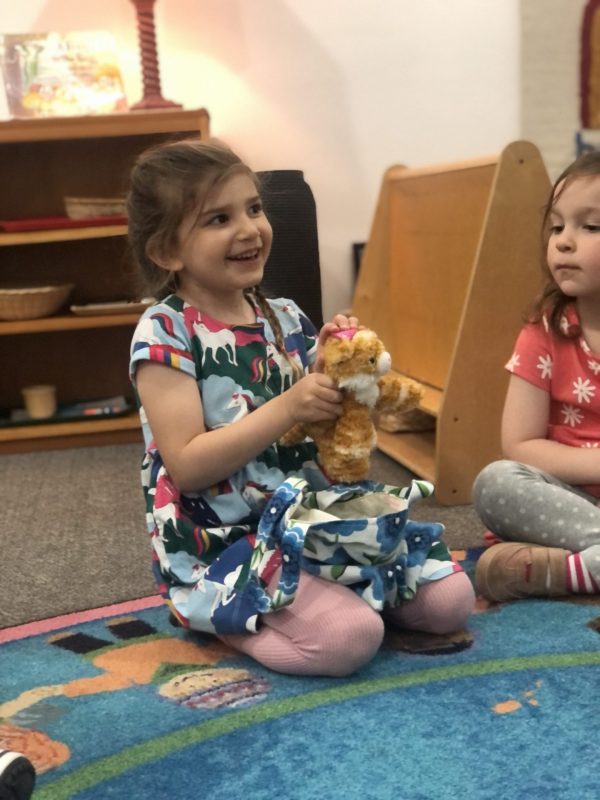
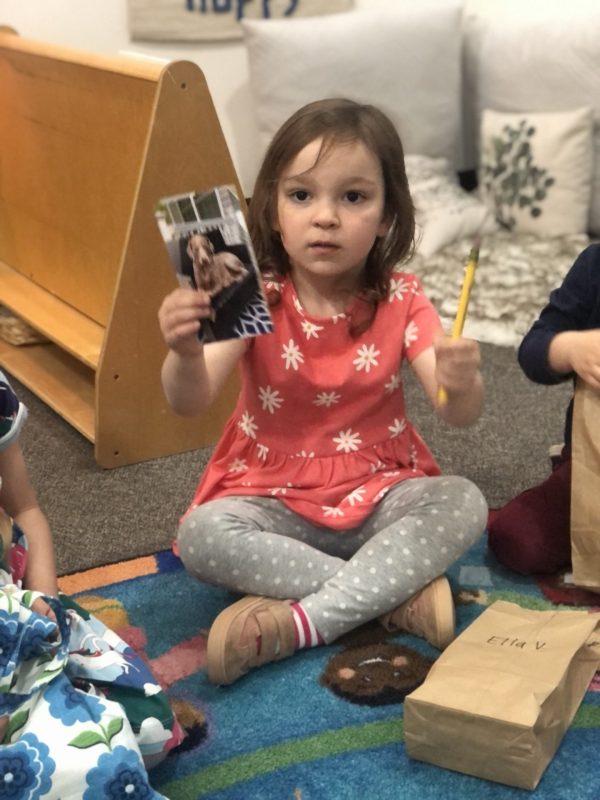
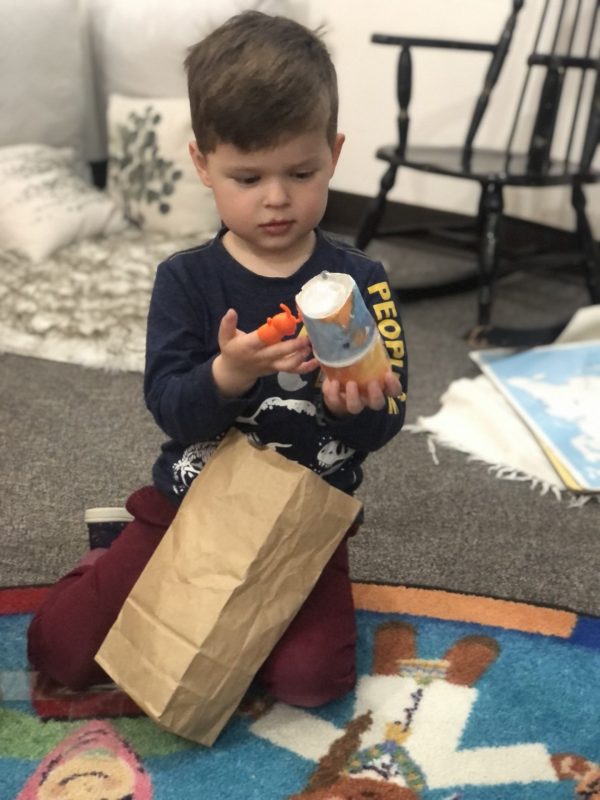
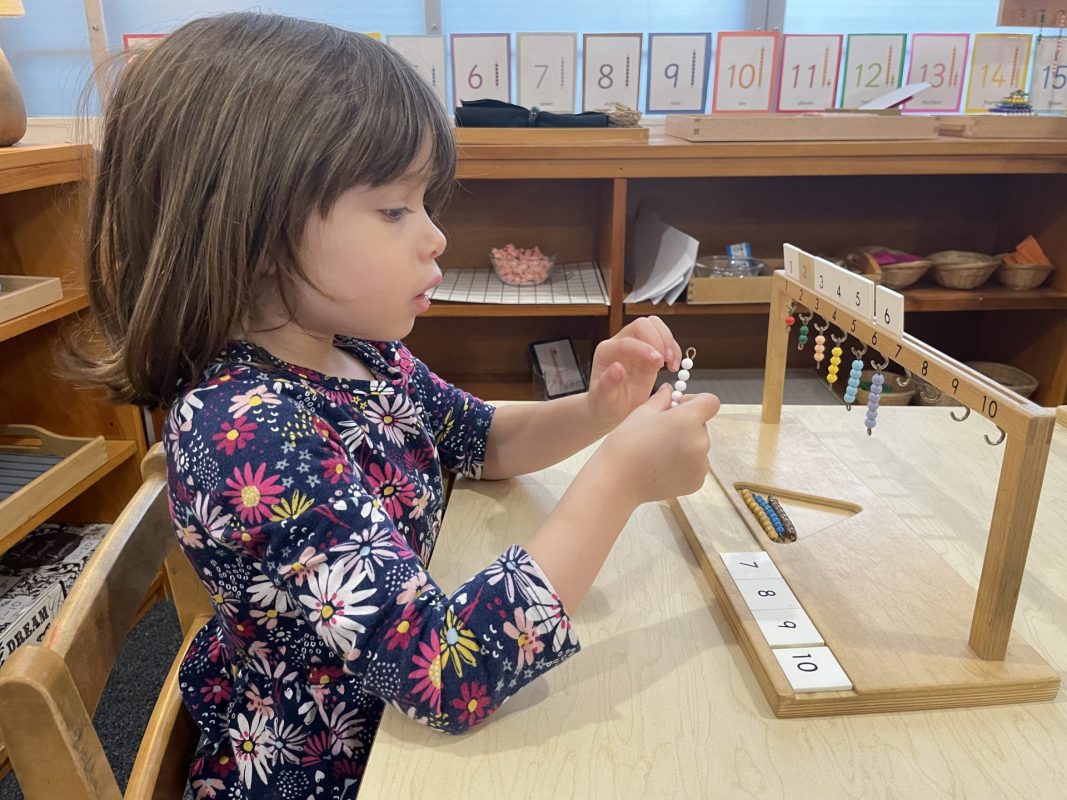
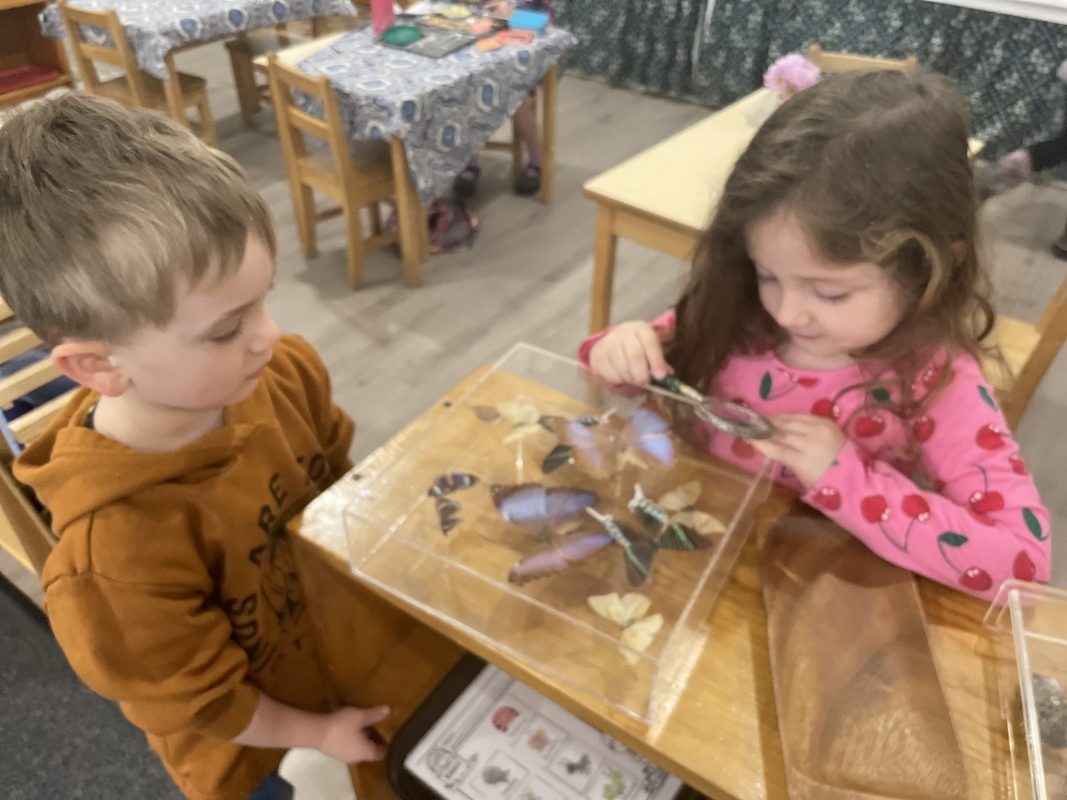
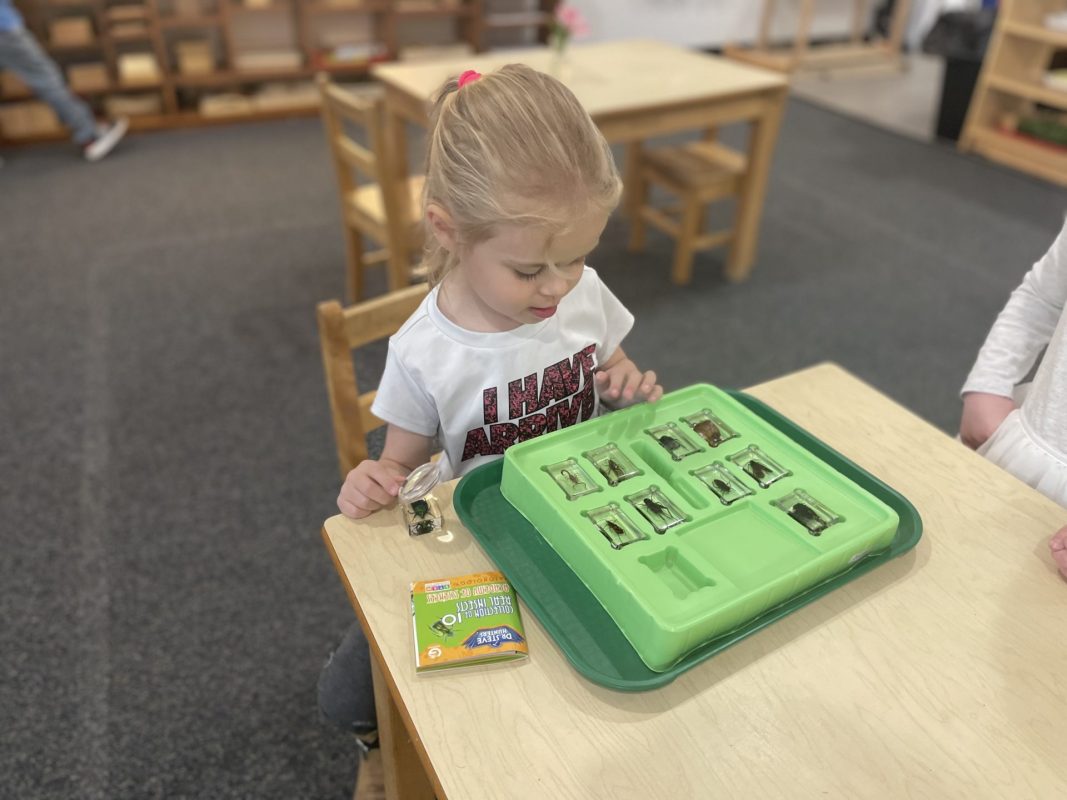
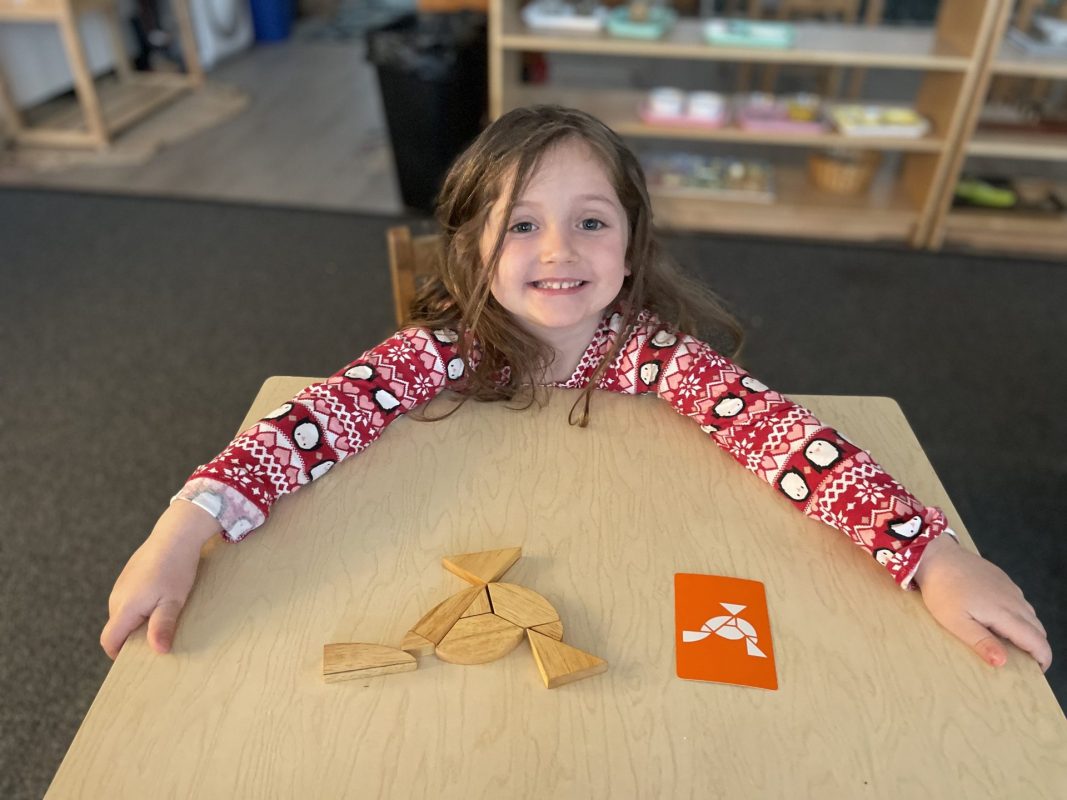
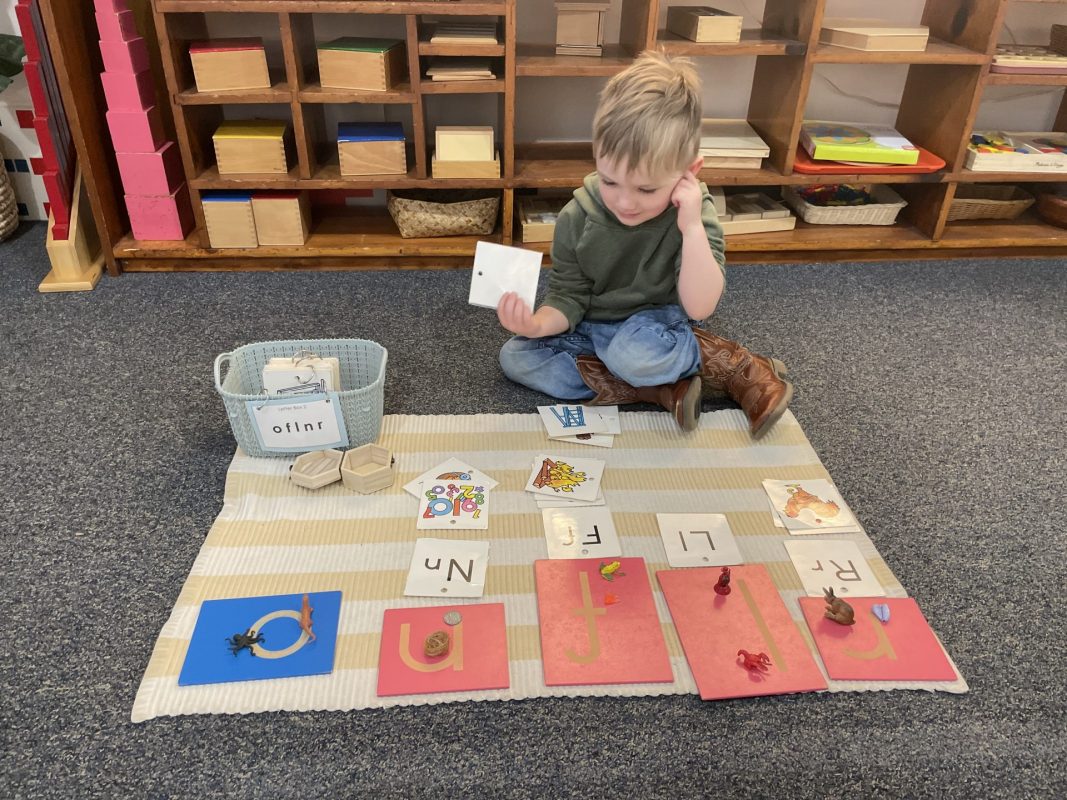
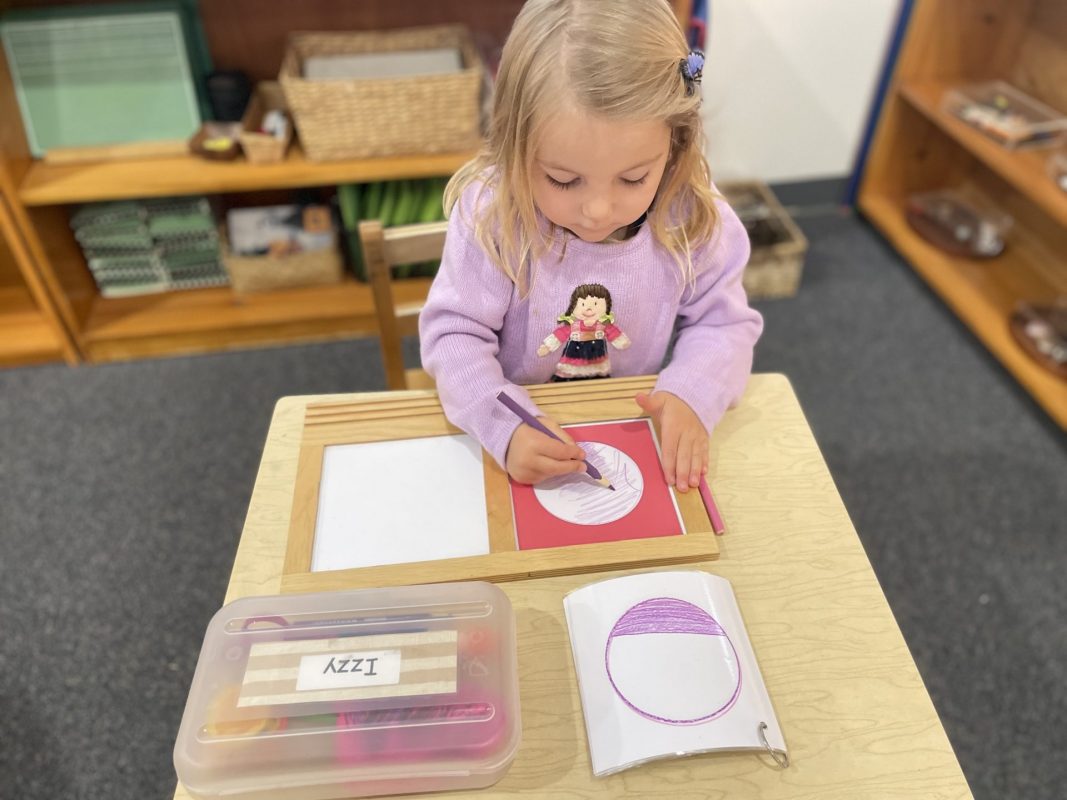
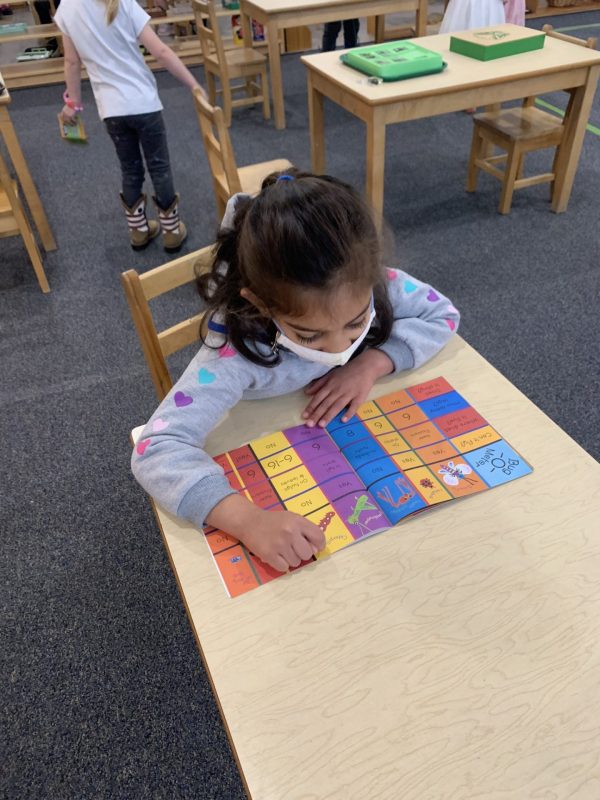
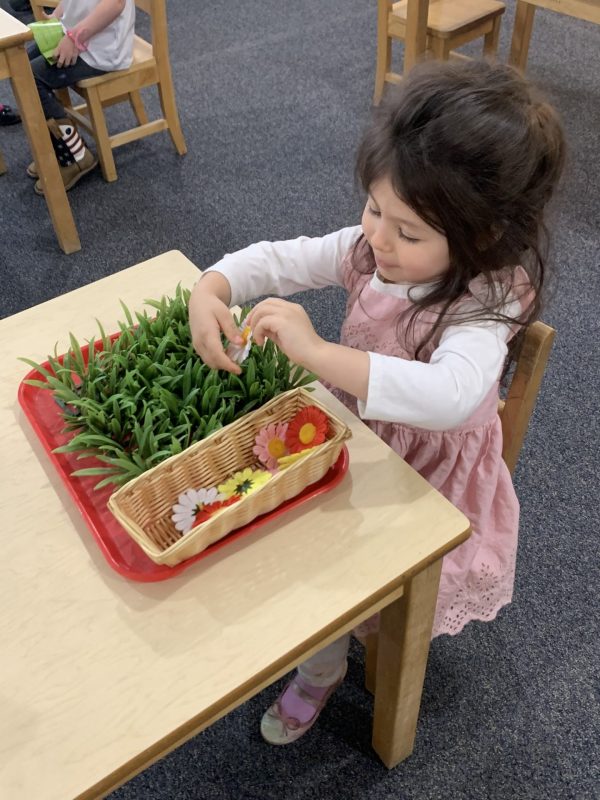
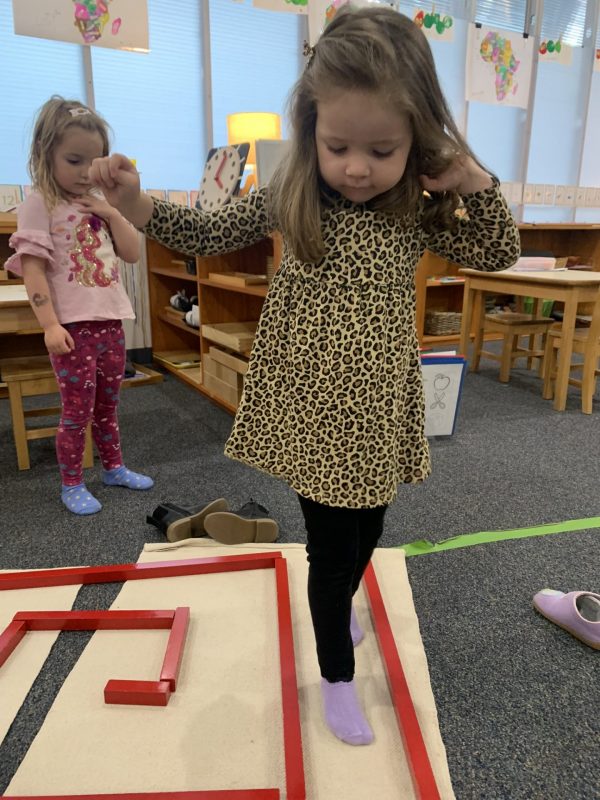
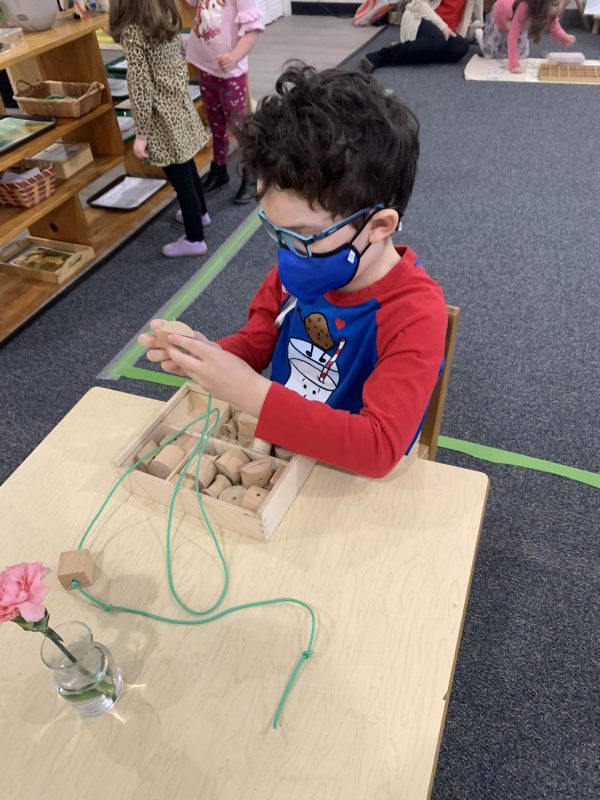
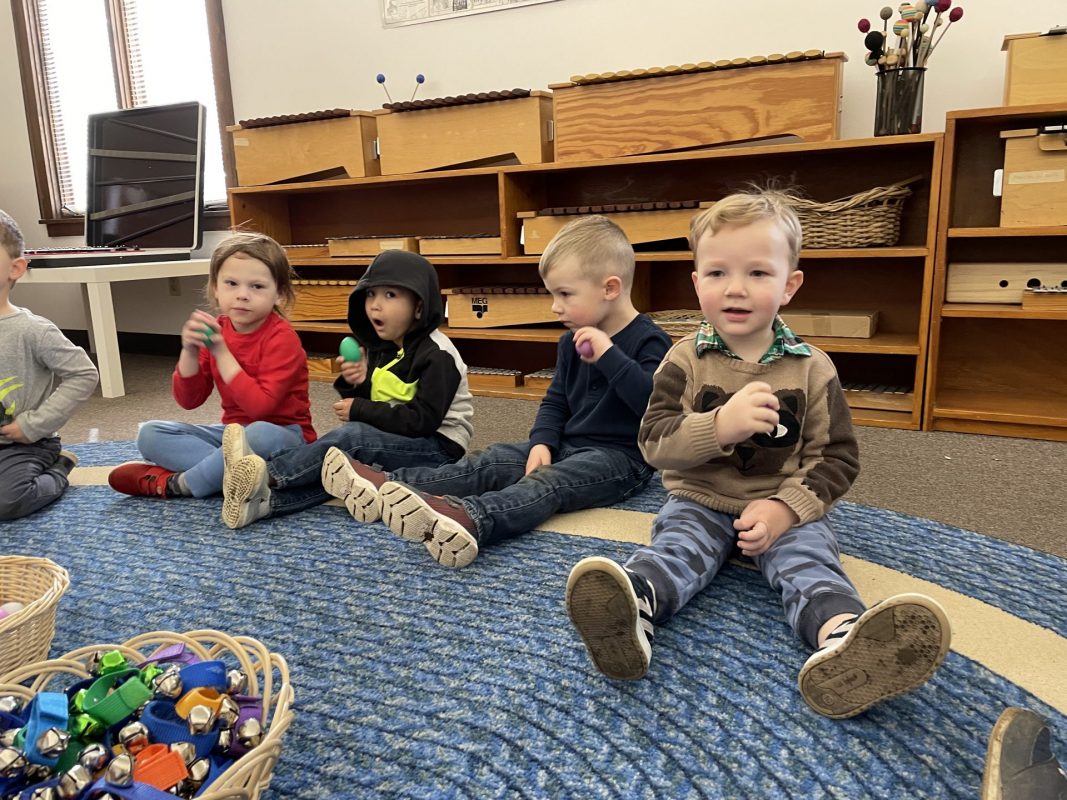
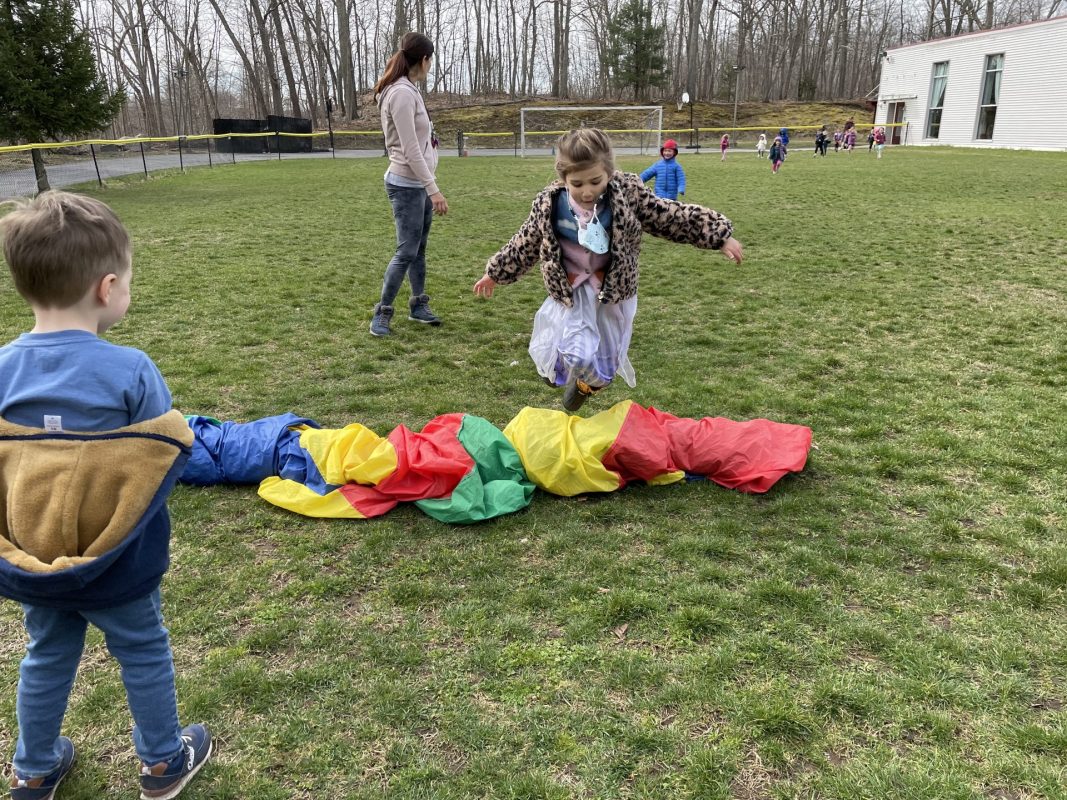
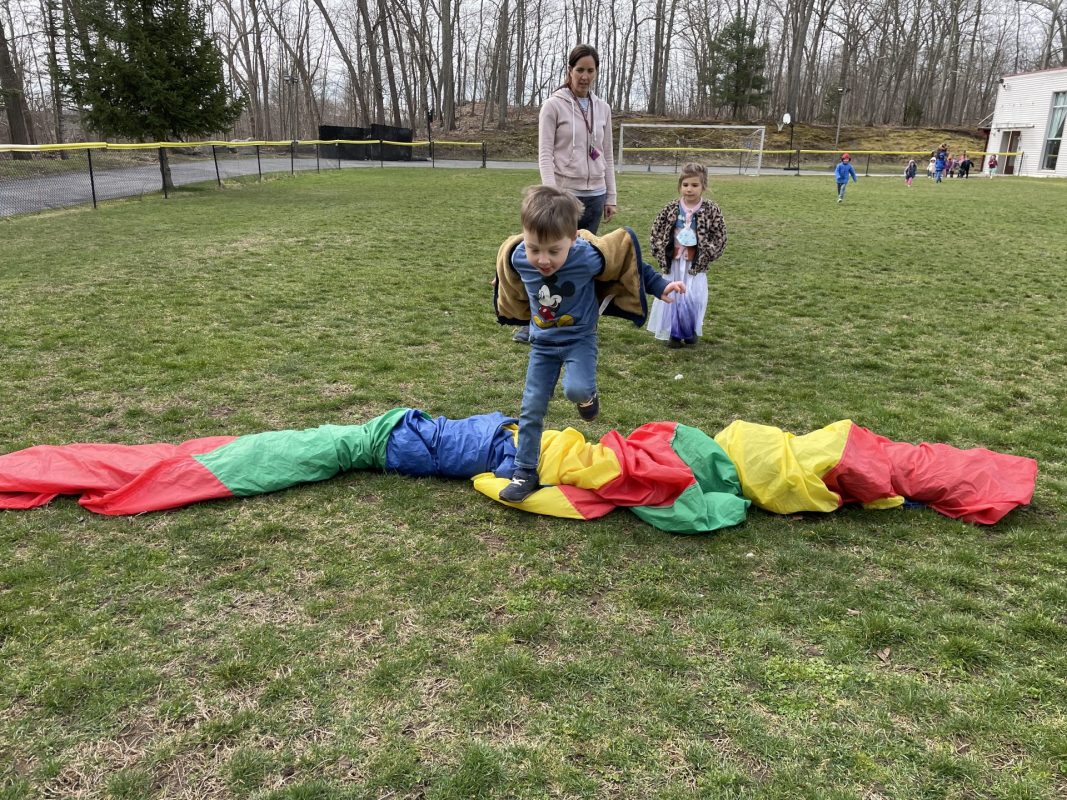
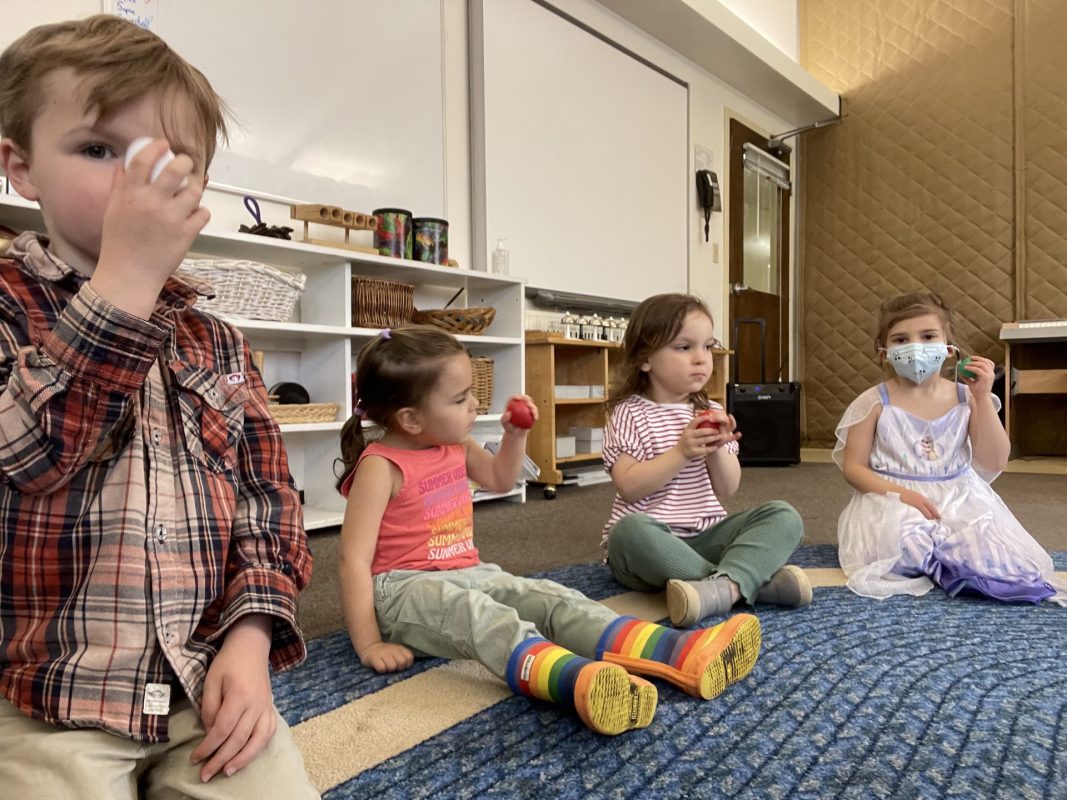
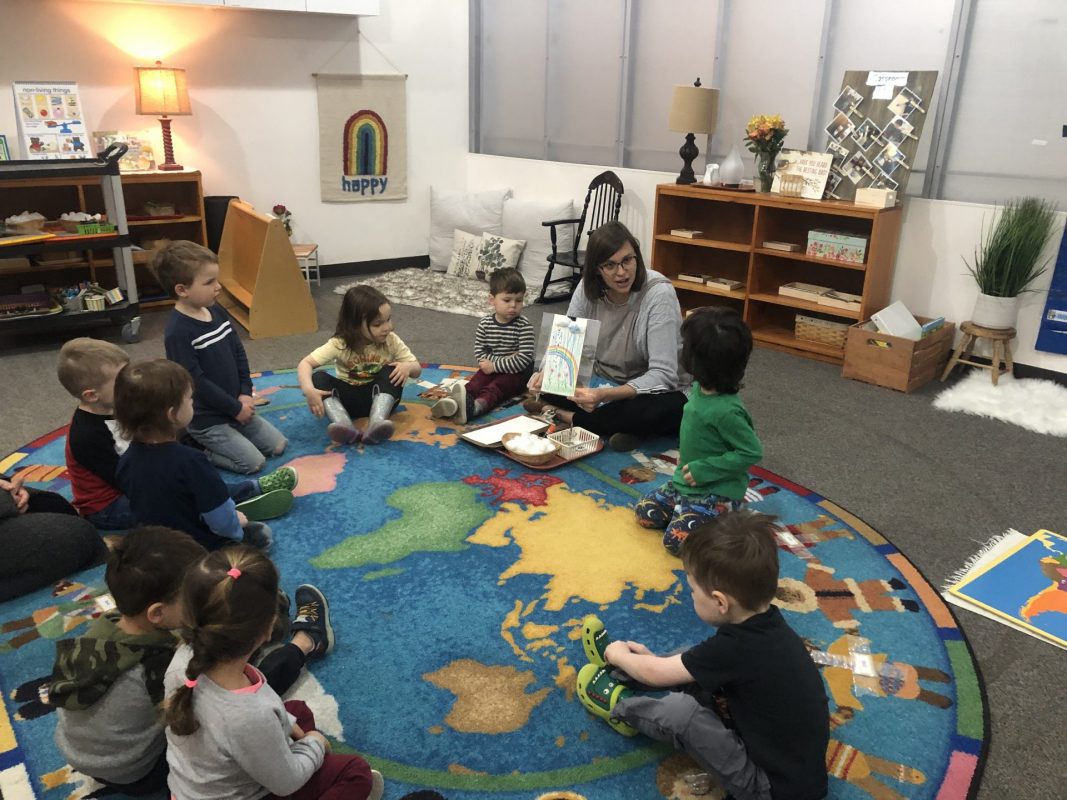
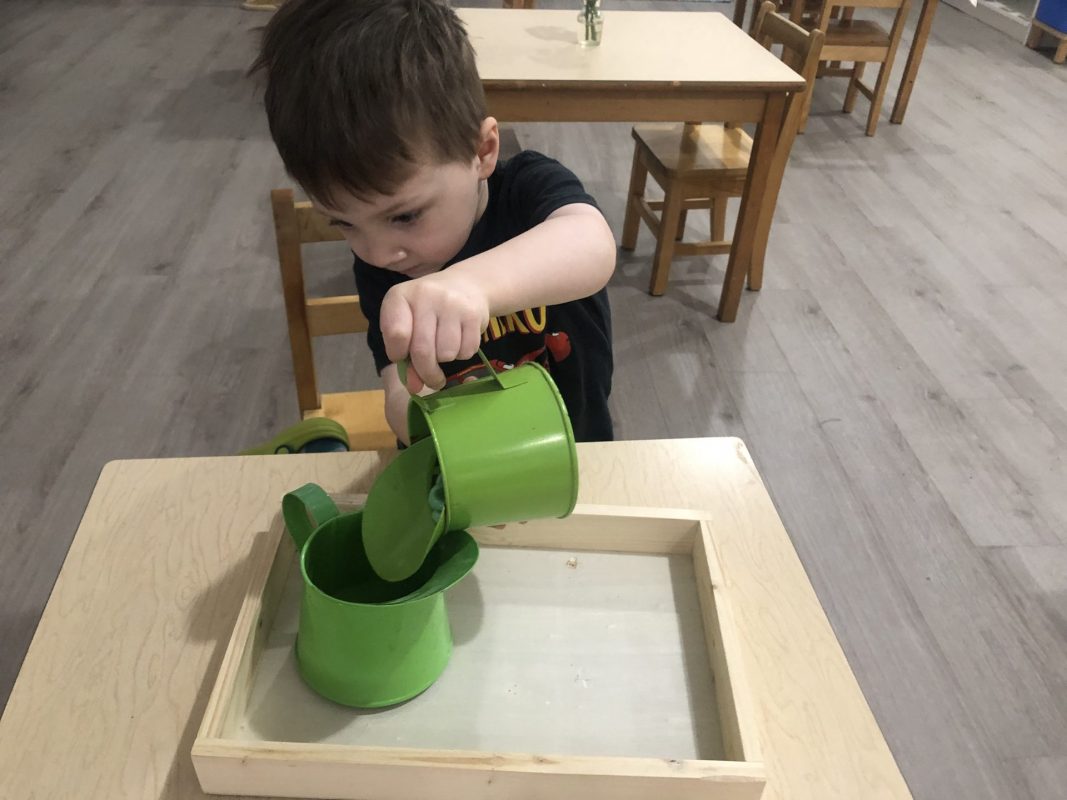
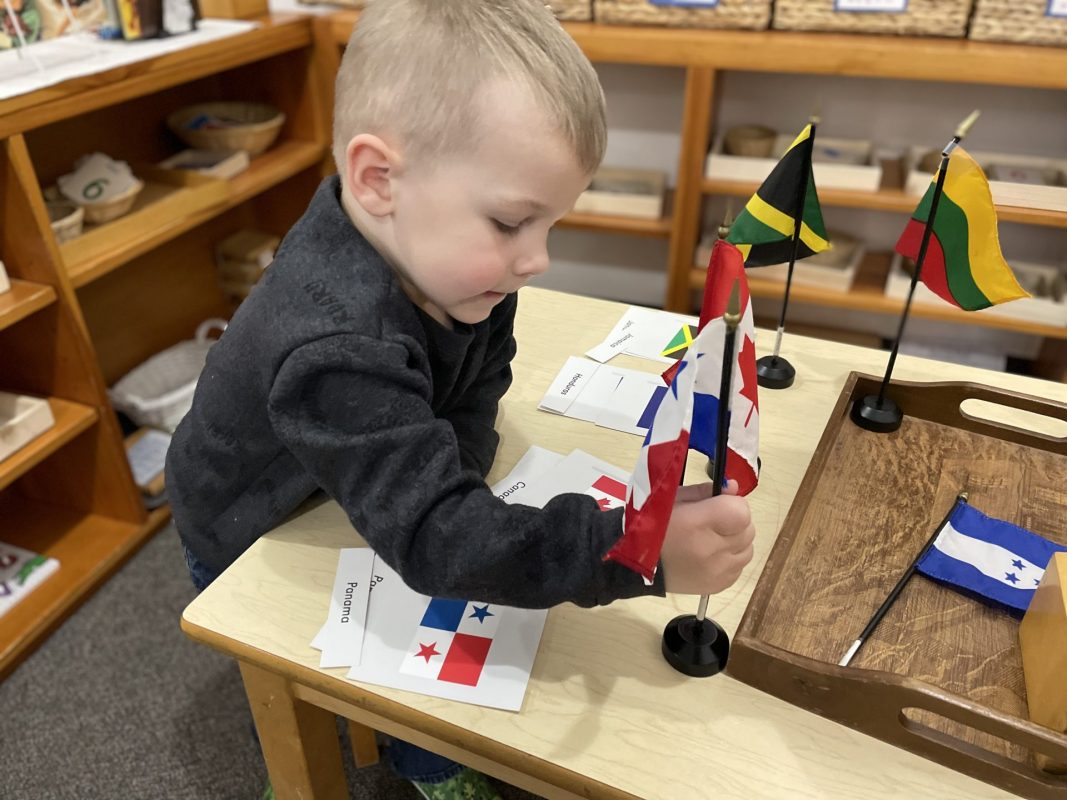
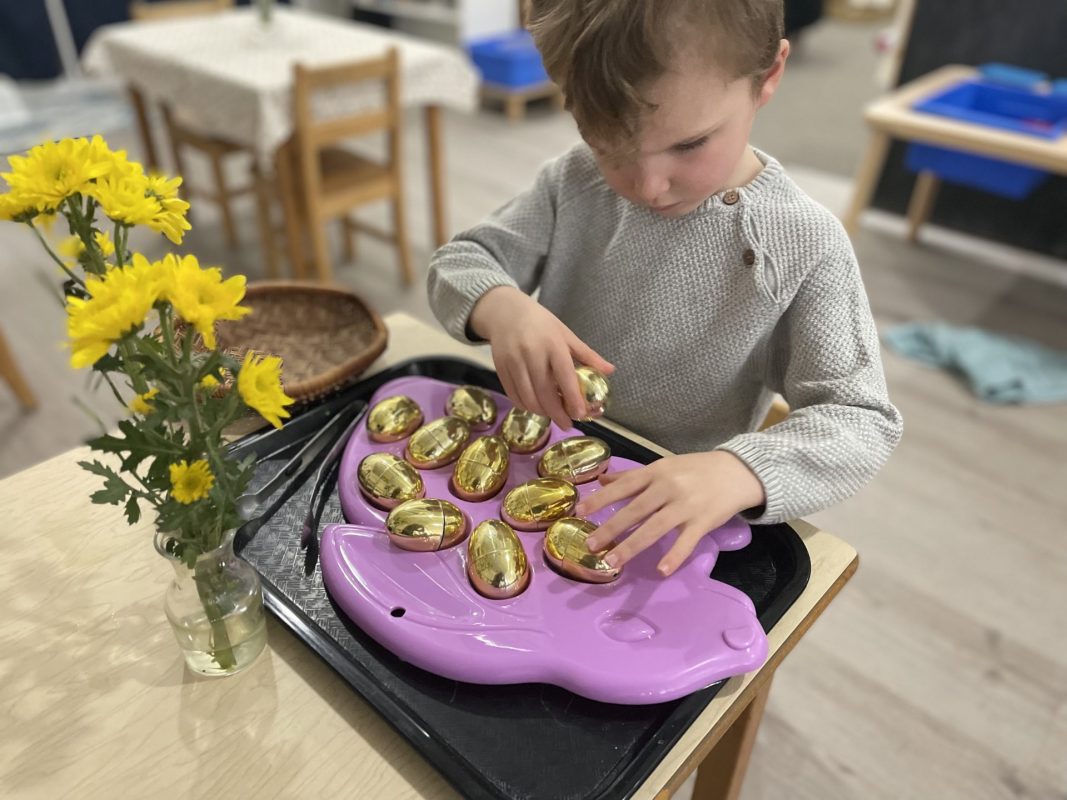
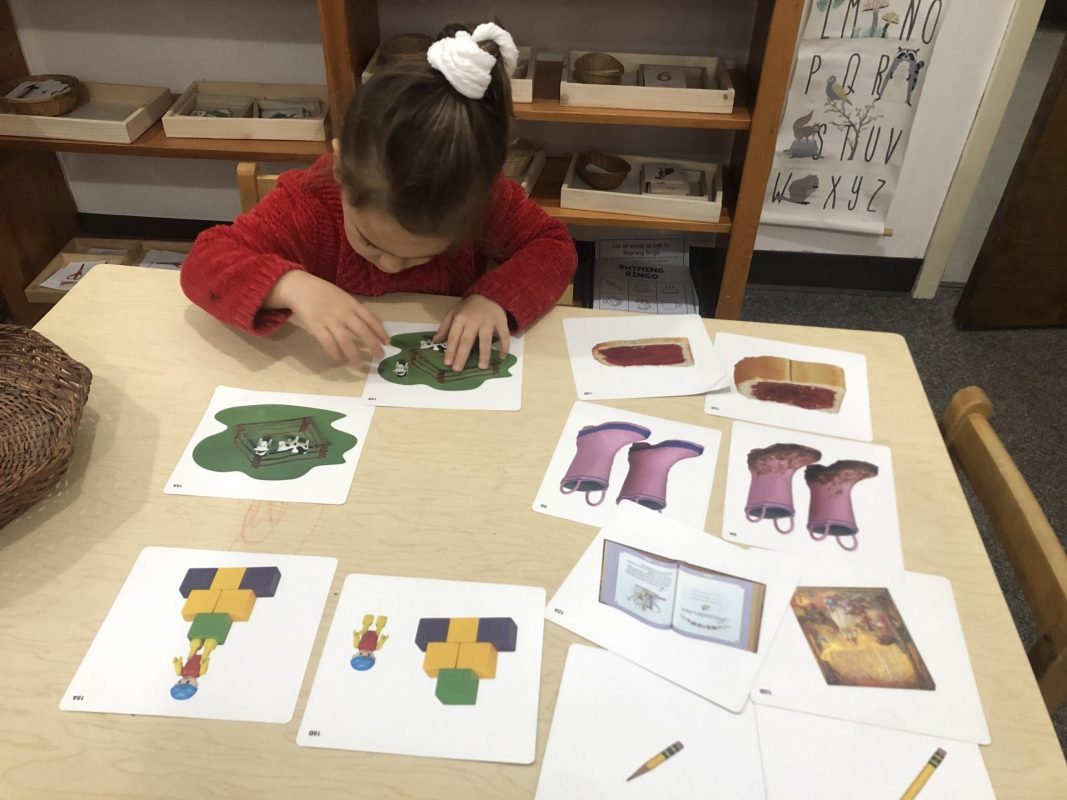
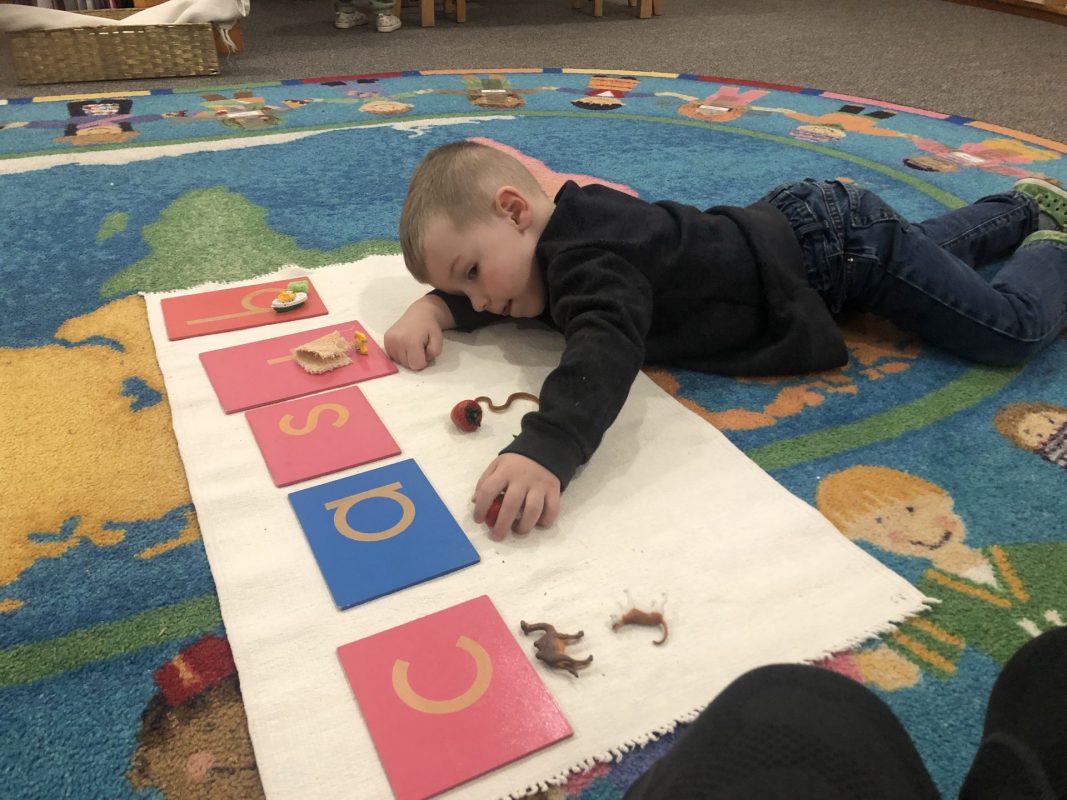
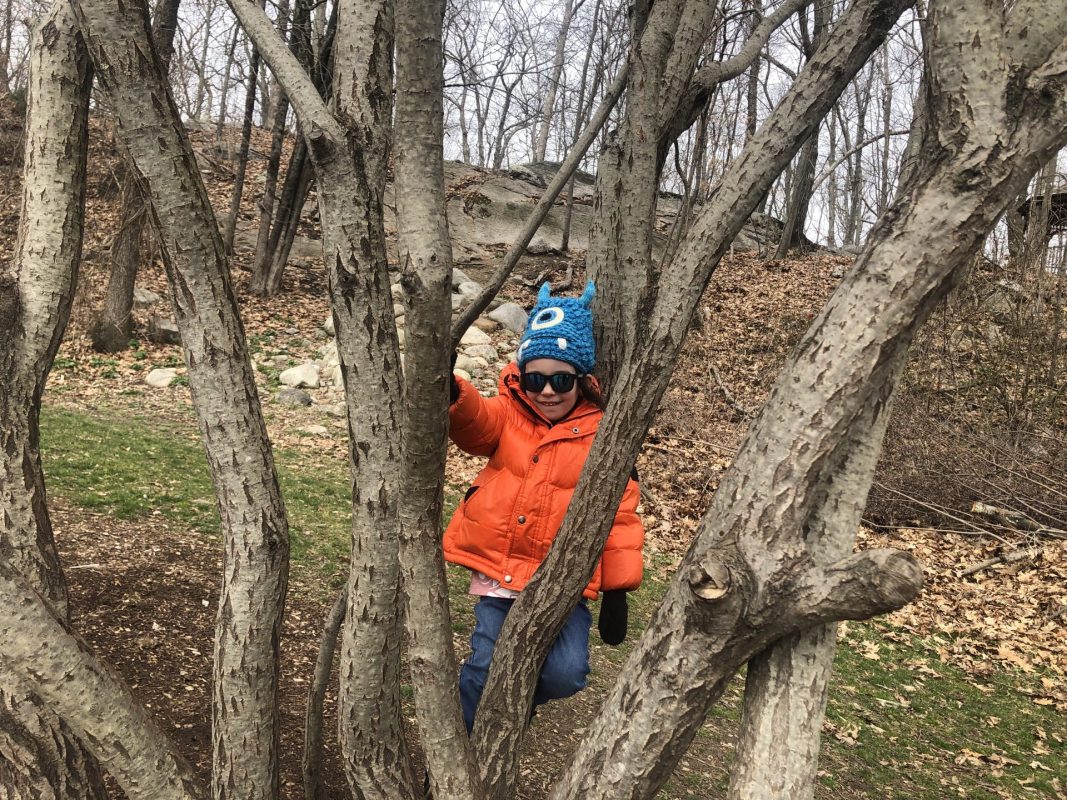
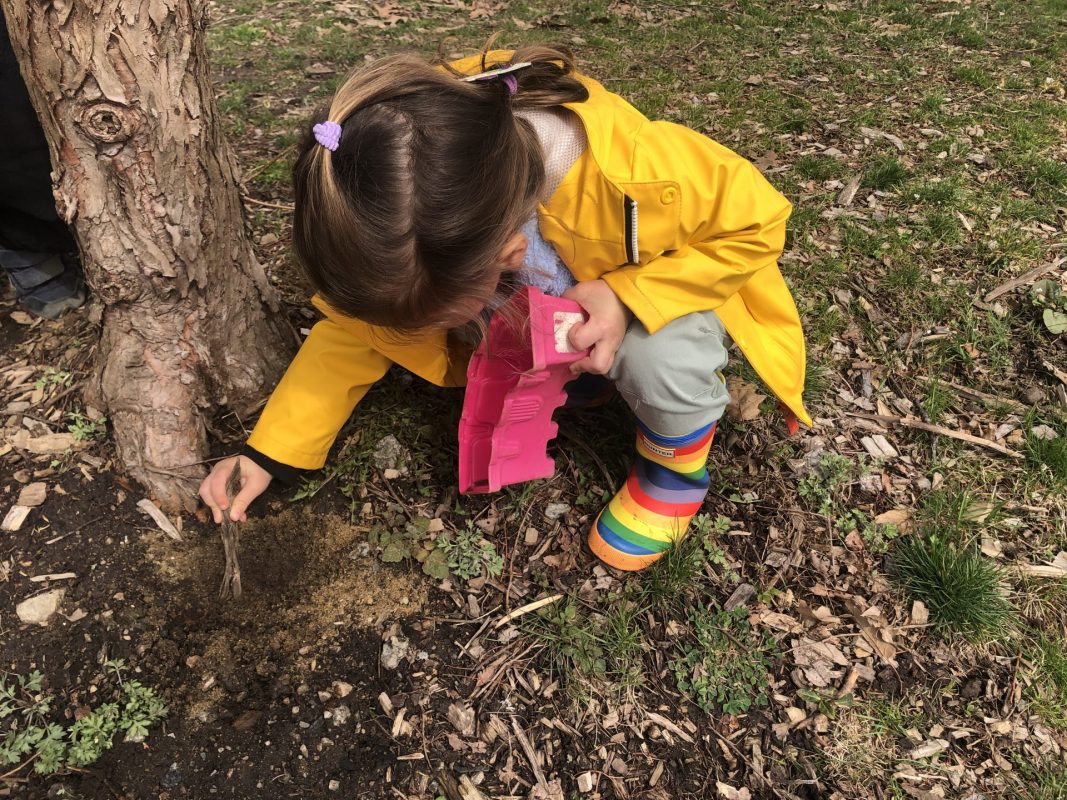
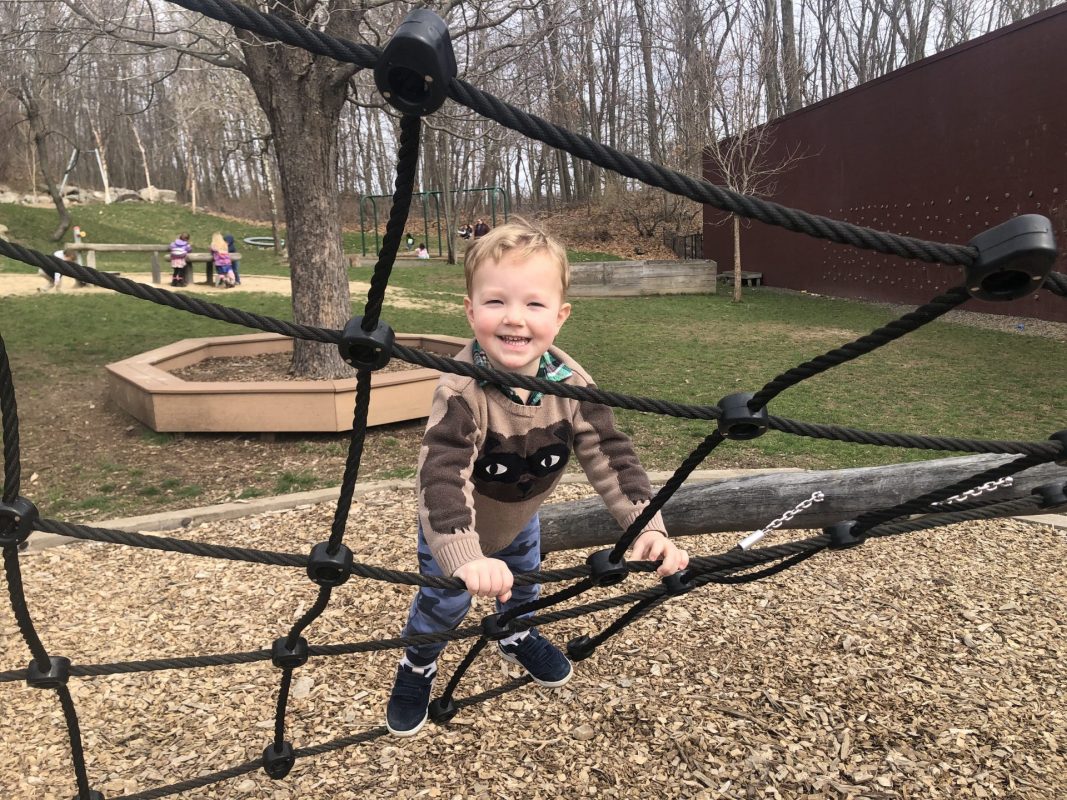
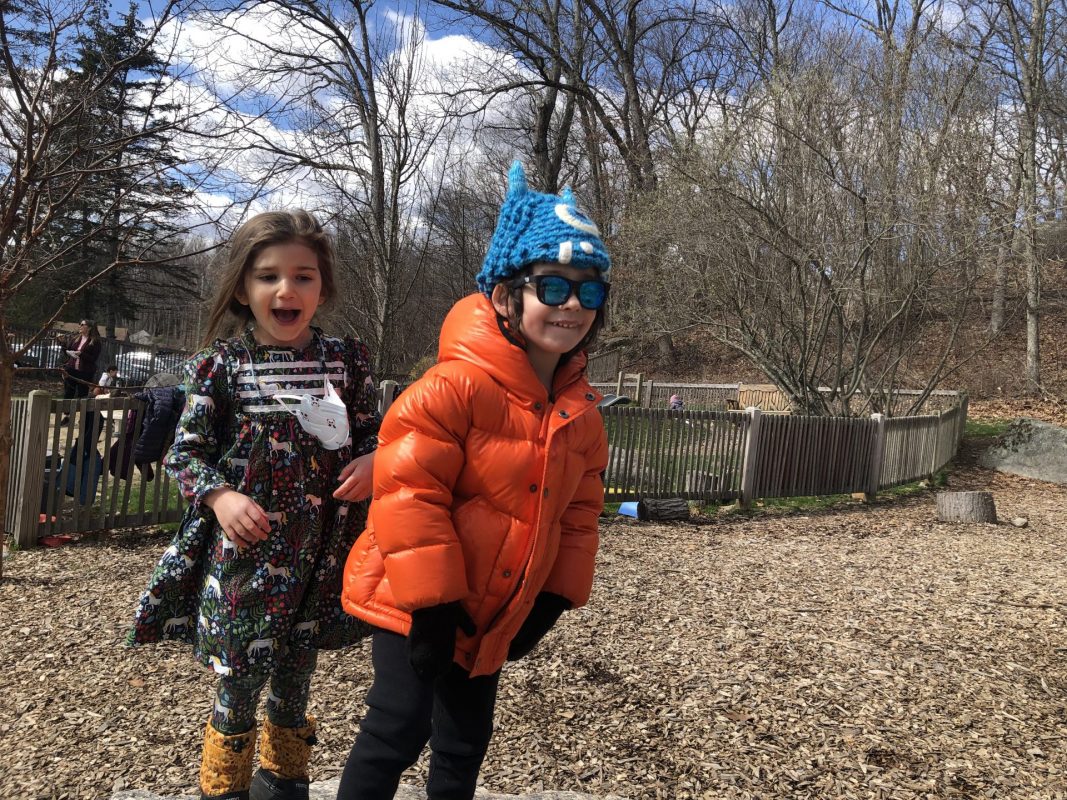
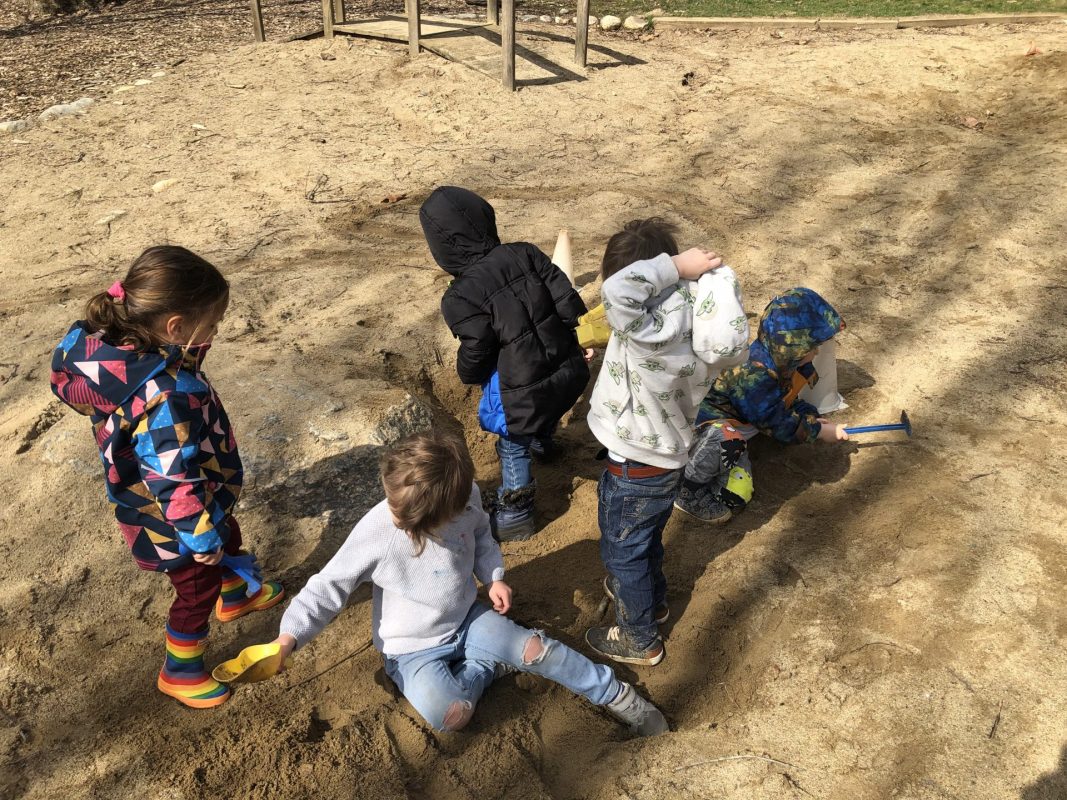
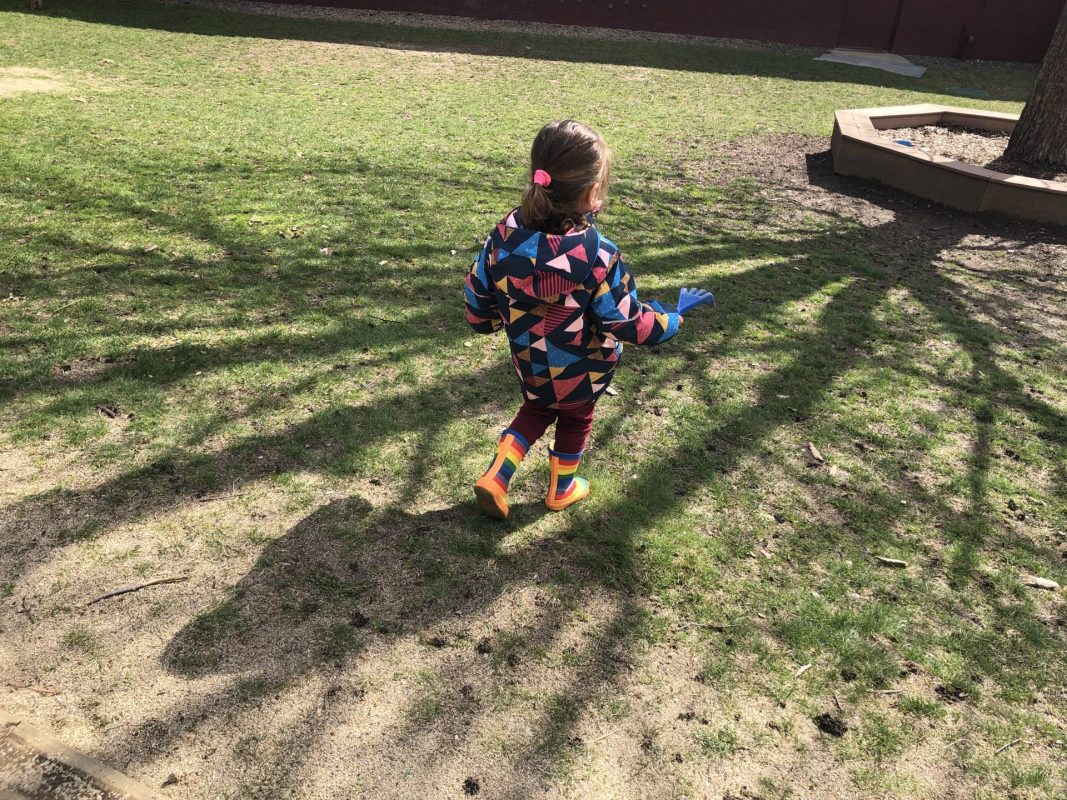
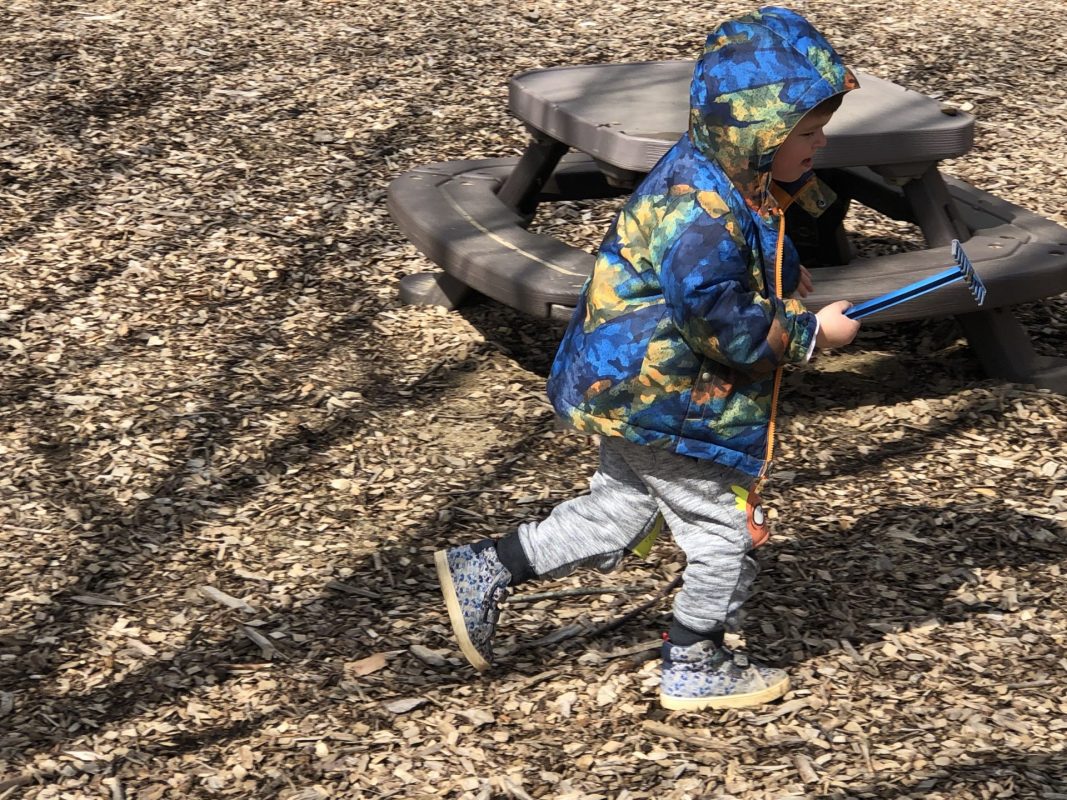
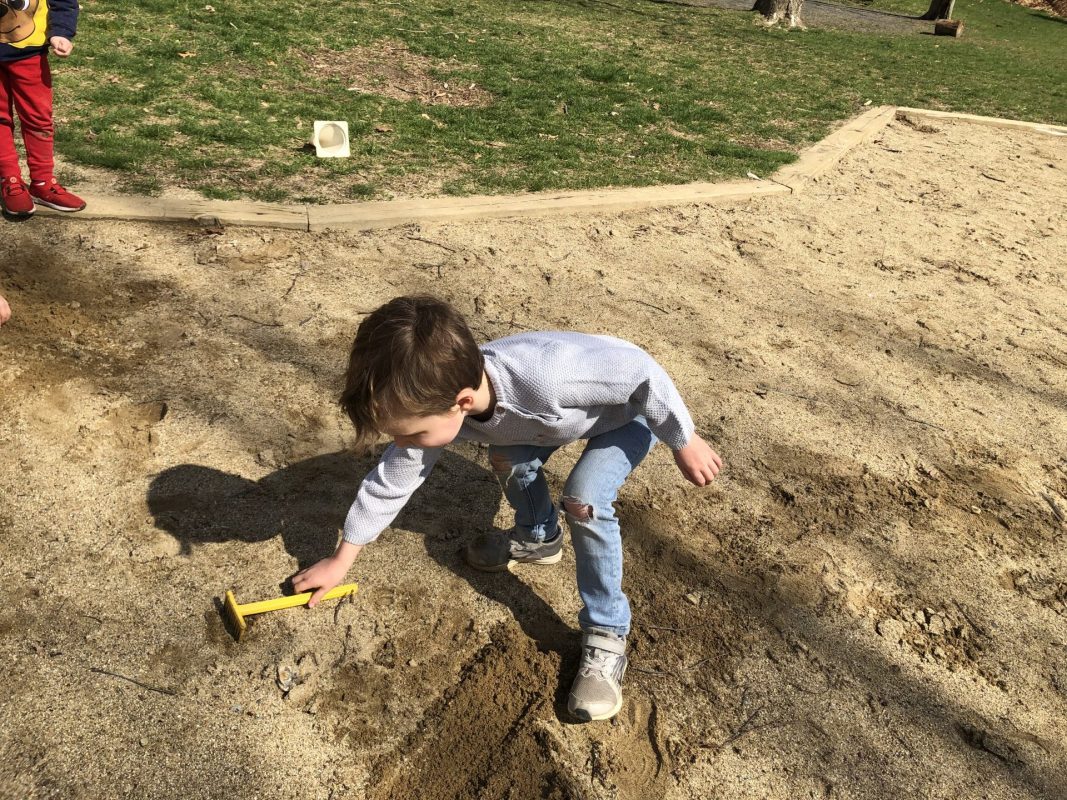
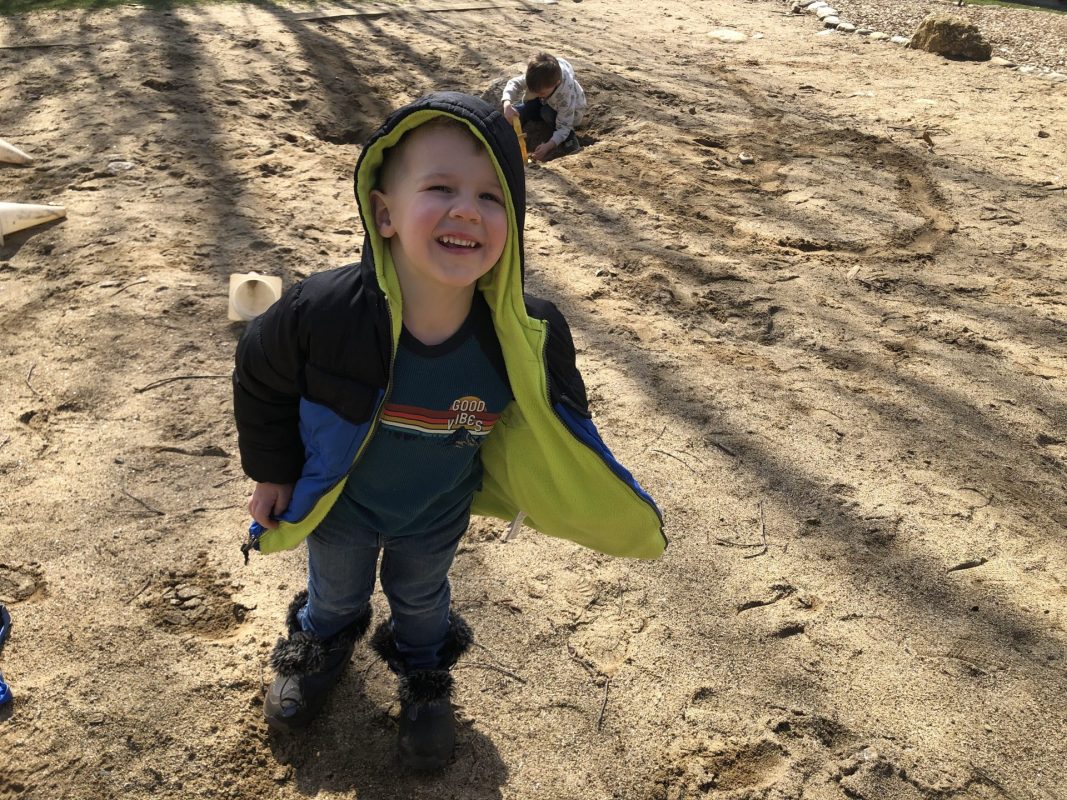
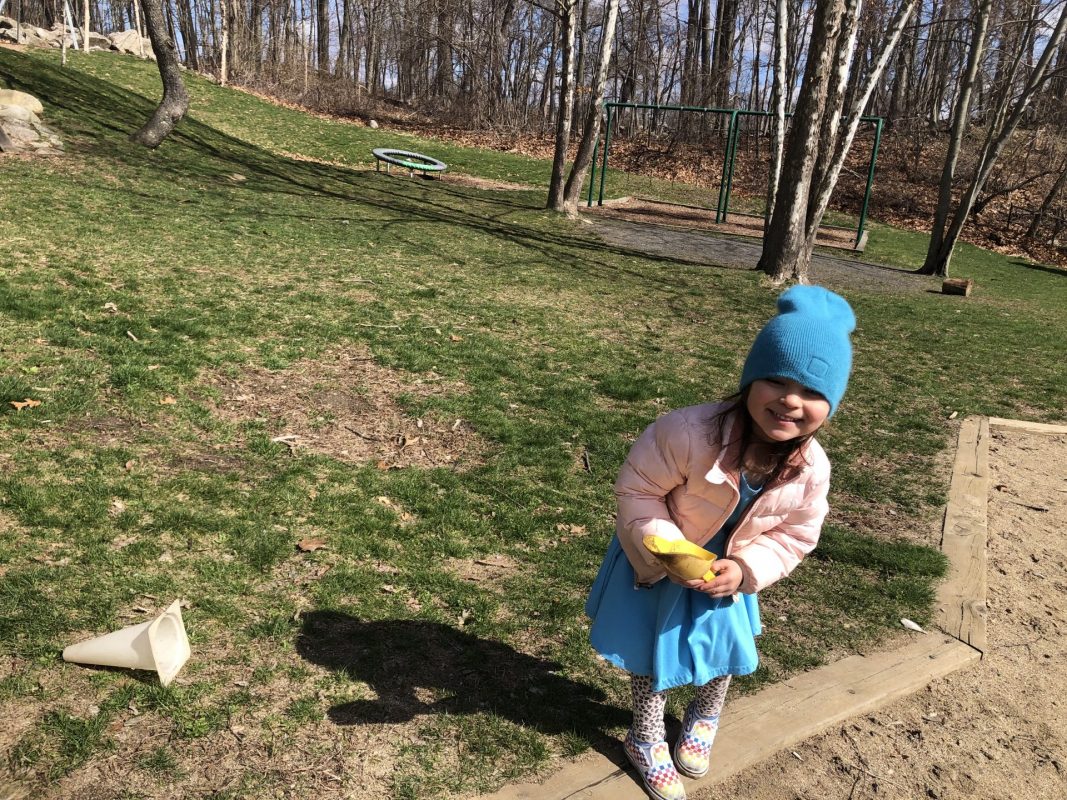
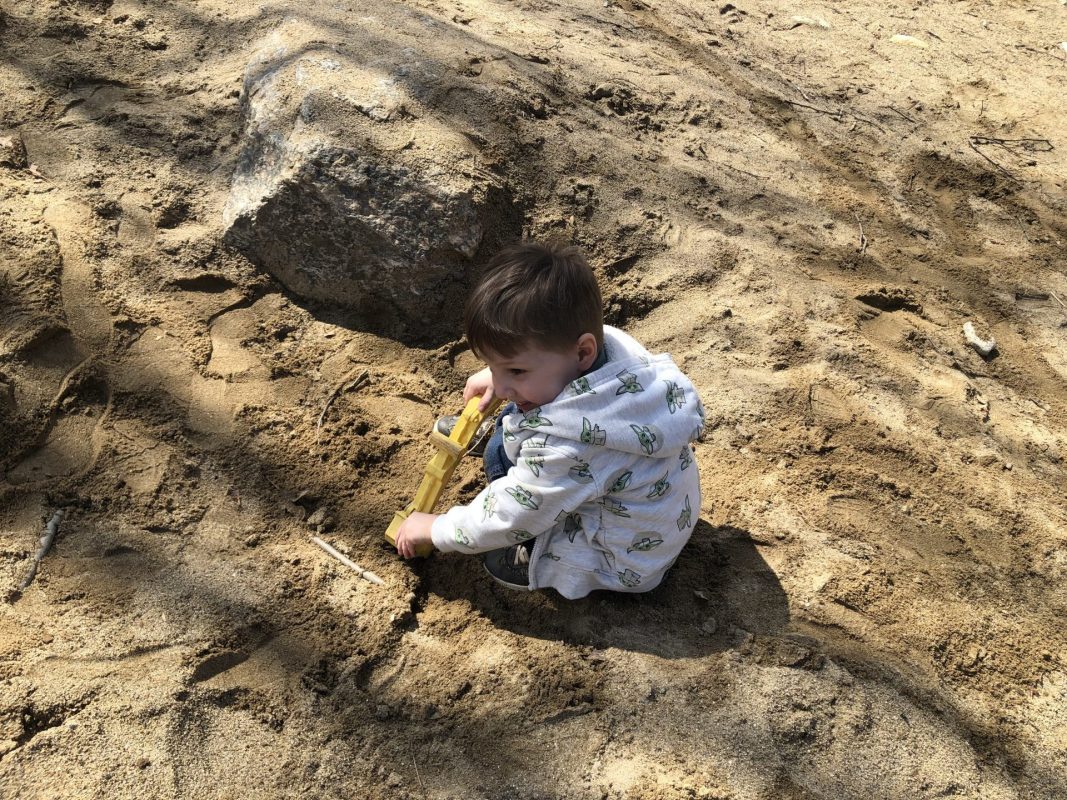
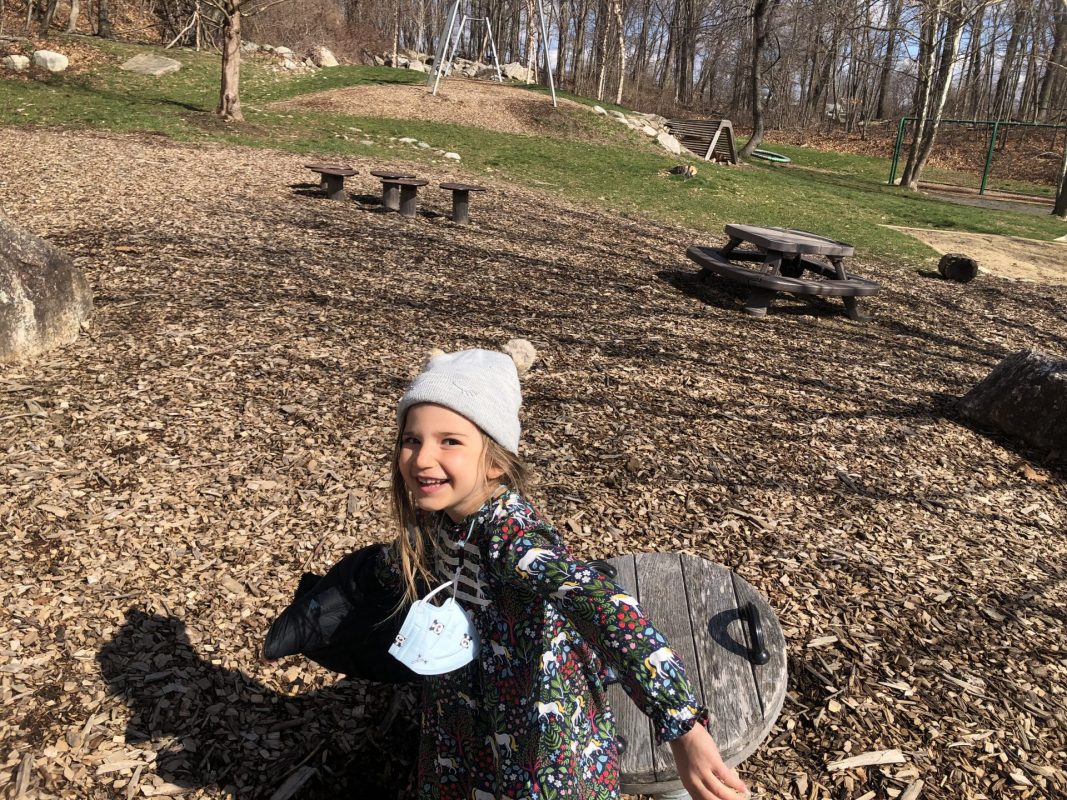
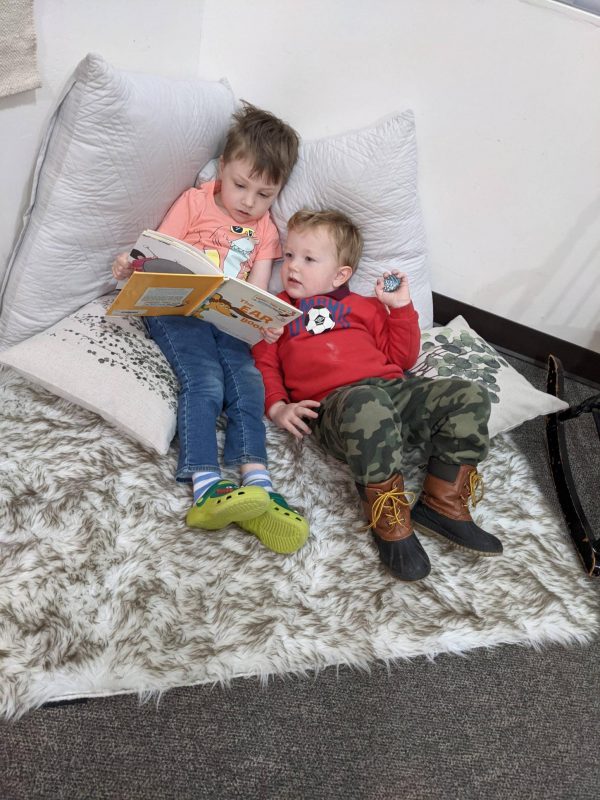
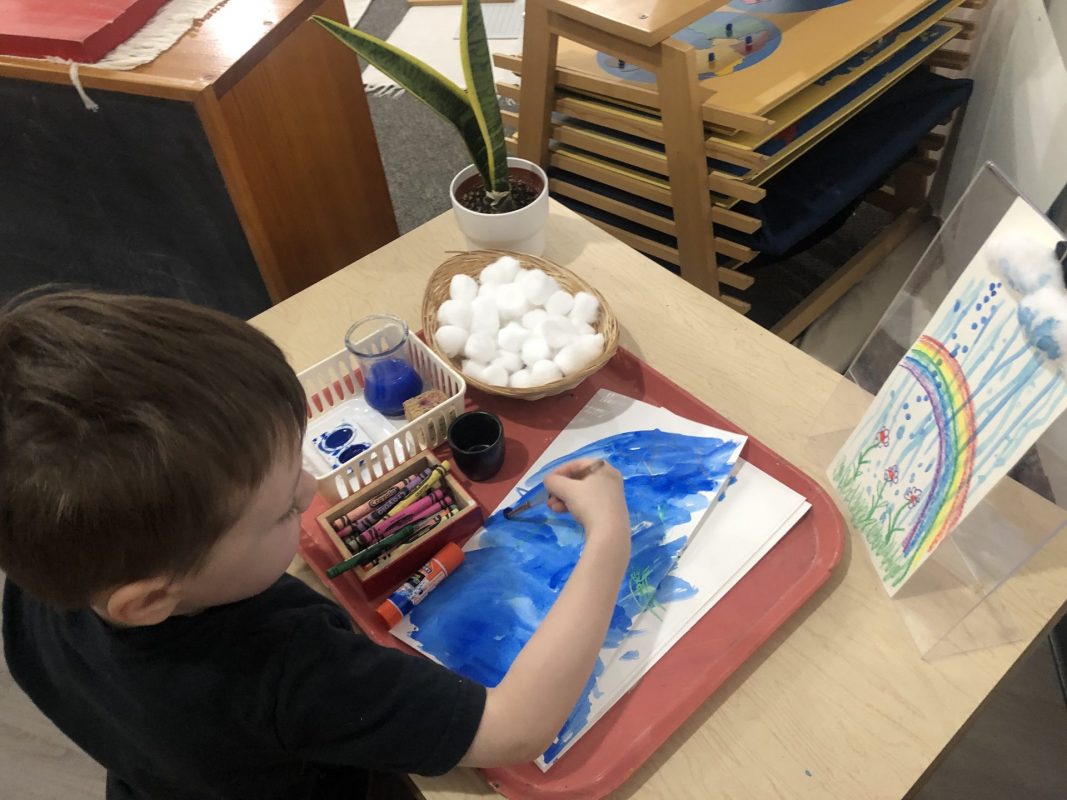
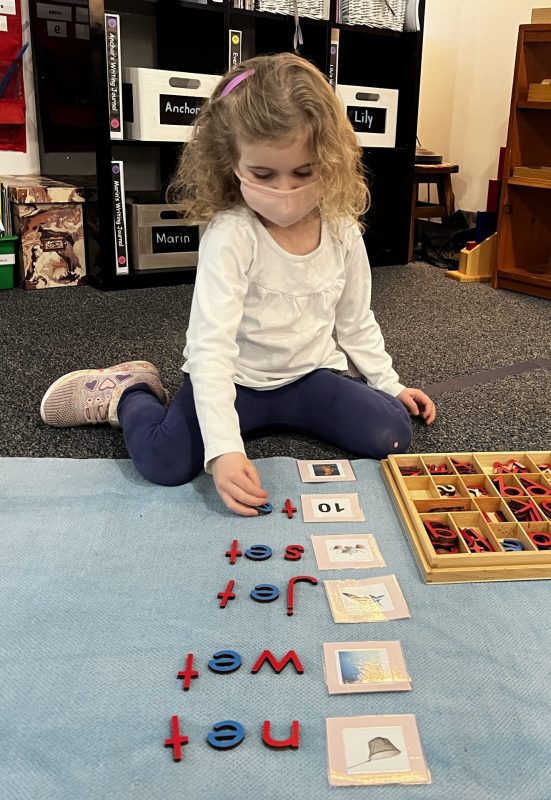
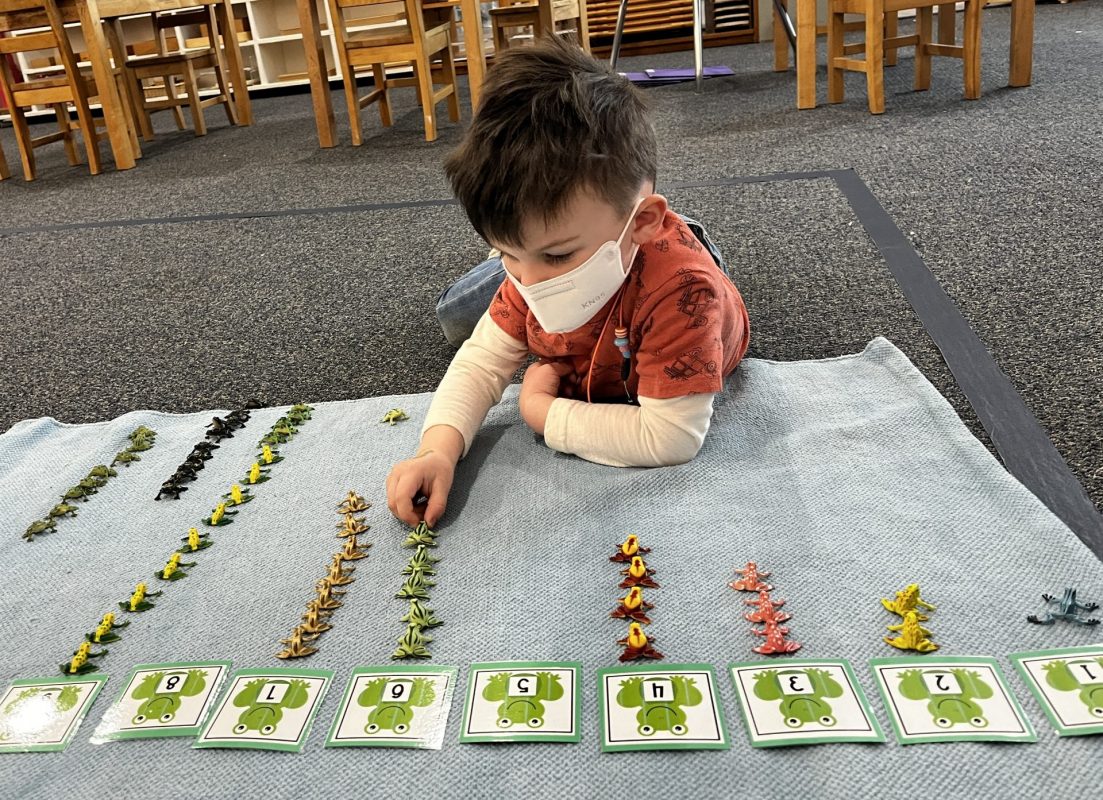
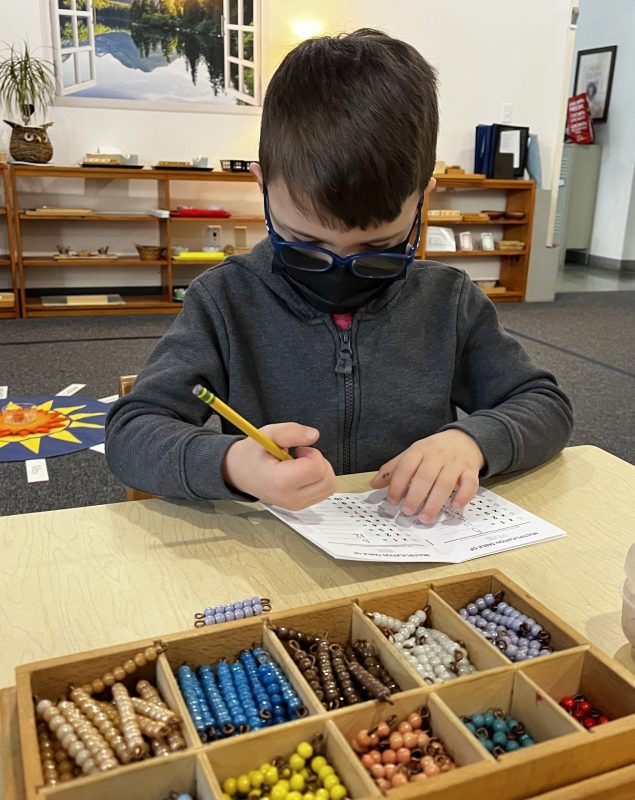
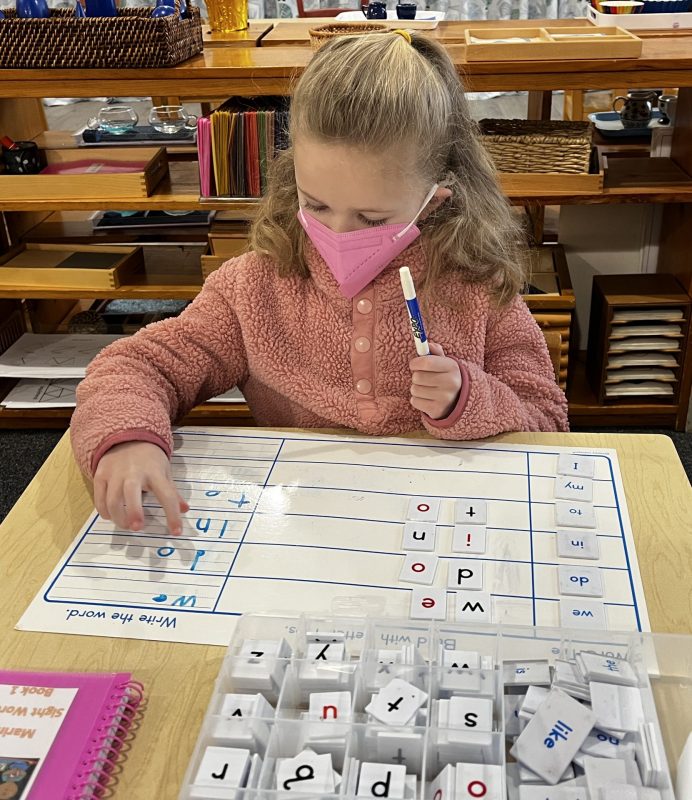
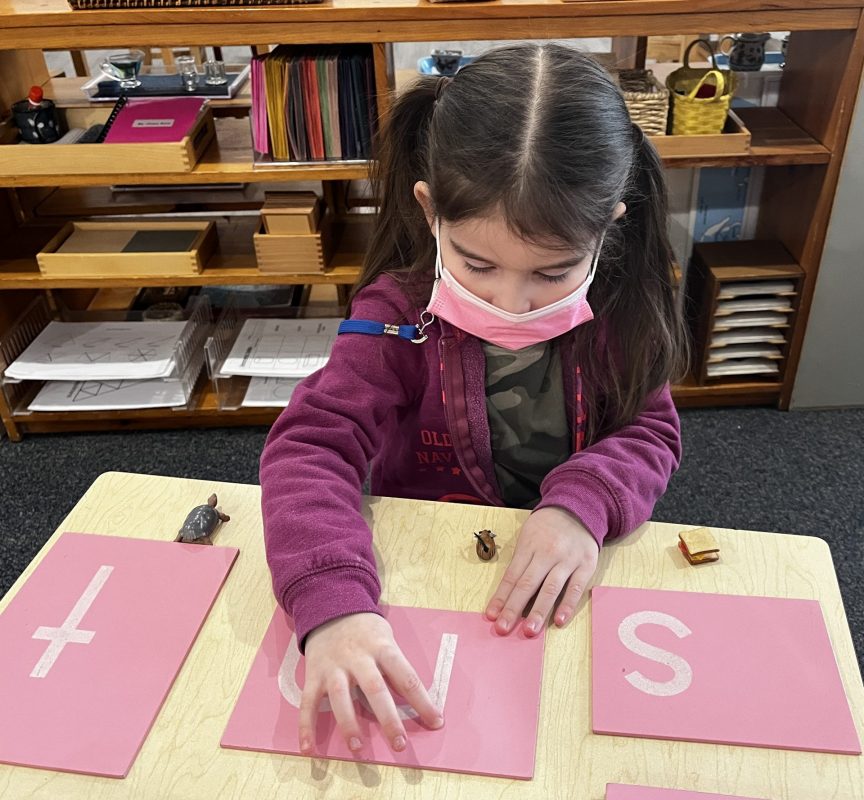
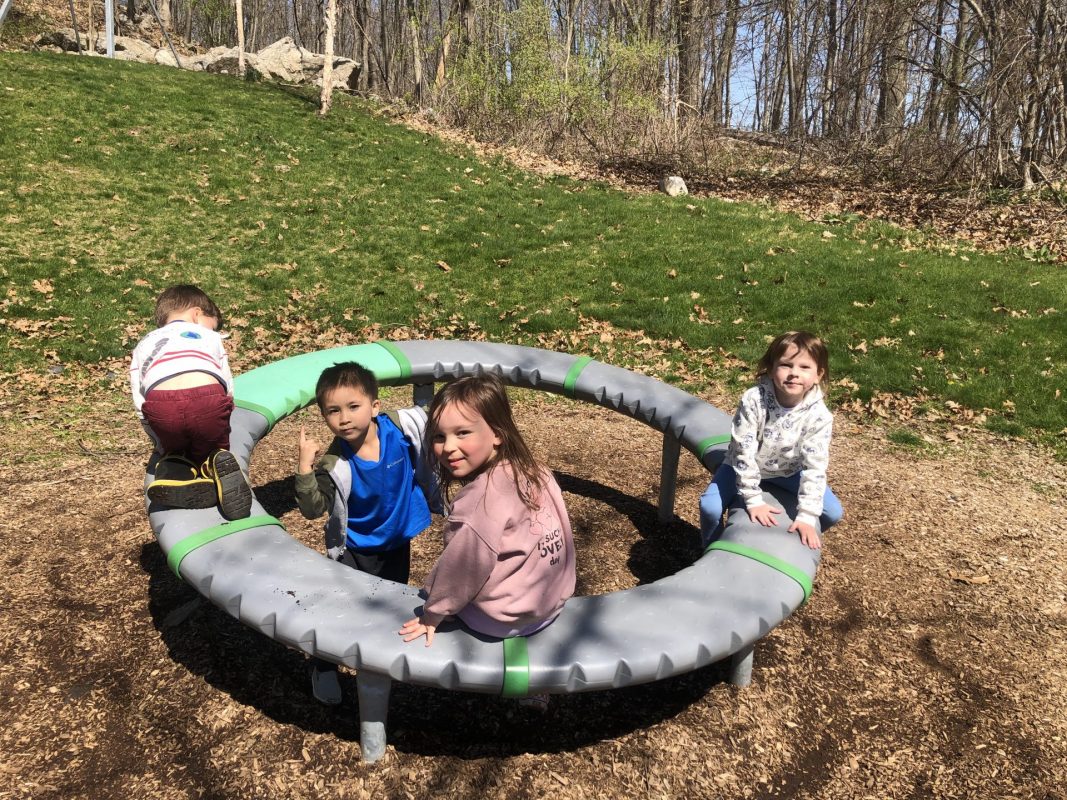
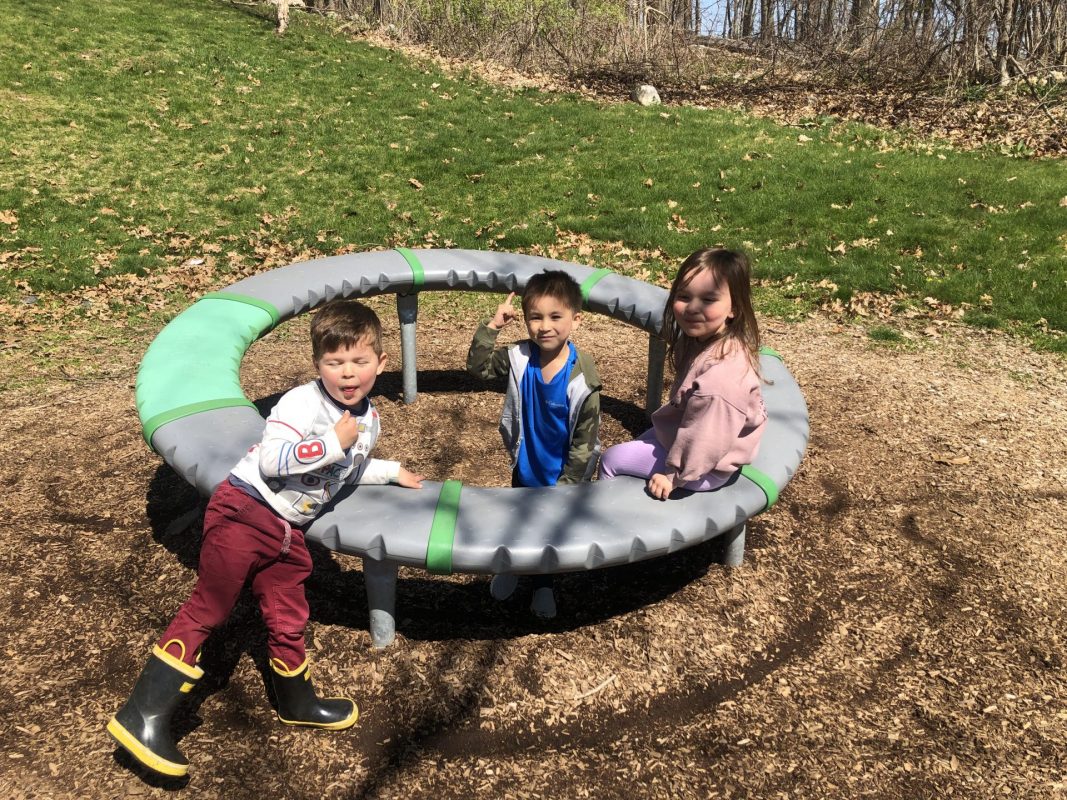
Enjoy these images of your children at “work”!

I would also like to say a big thank you for all the beautiful flowers and birthday cards I received this week!  The children made me feel special and truly loved, thank you for all you do!

If you have not yet signed up for a time to meet on our virtual Parent/Teacher conference day please take time to do so by clicking the link below. I have set up a few evening conferences for 2/15 and 2/16, in addition to the full day conference schedule on 2/17, so hopefully you can find a time that works best for you!  We look forward to “seeing” everyone soon!

Conference Sign Up

Have a peaceful week,

Amanda and Heather


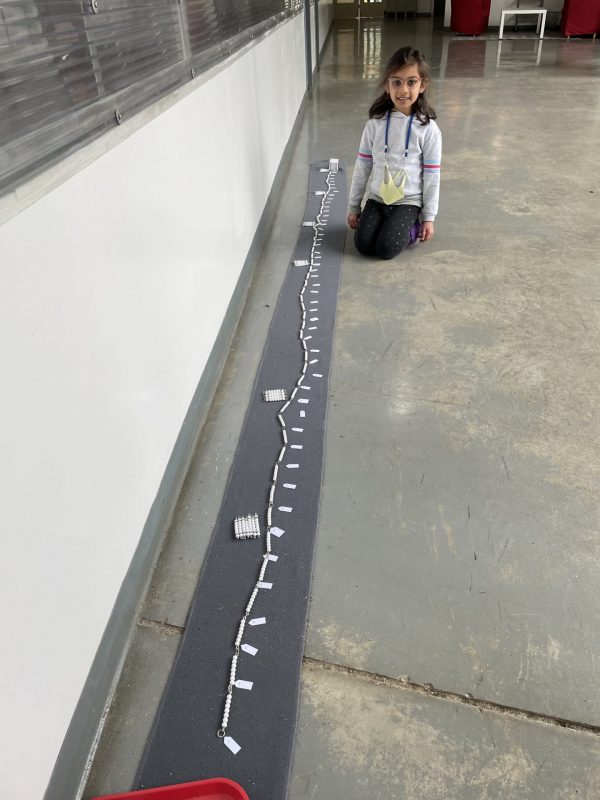
Mrs. Doyle: It All Adds Up With Montessori Math!

“Children display a universal love of mathematics, which is par excellence the science of precision, order, and intelligence.”~ Dr. Maria Montessori

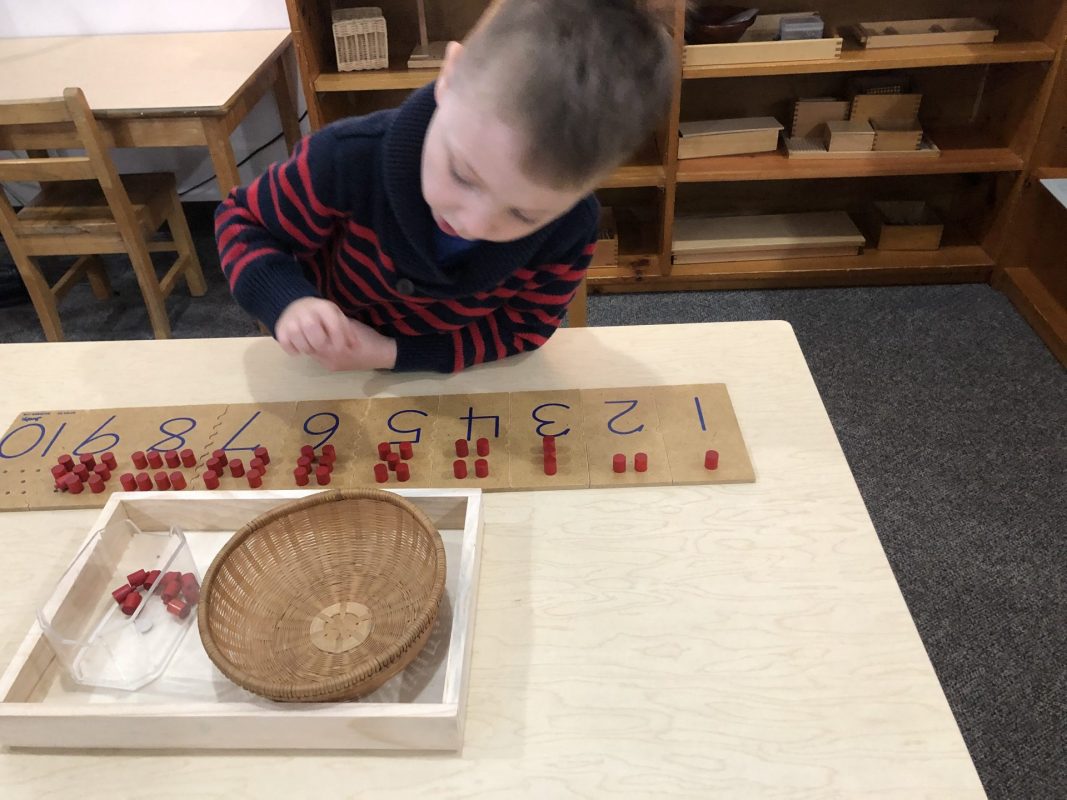
The Montessori math materials are visual and hands-on manipulatives, aiding in the ability of a child to concretely  understand mathematical concepts. After much repetition and when the child is ready,  we introduce the more complex and abstract concepts. We teach the process first because the goal is to develop a true understanding of mathematical concepts and not simply memorization. The materials are sequenced in a way that each success a child experiences is a building block for the next concept to be introduced.

Maria Montessori believed that all children have a mathematical mind and an internal drive to understand the environment around them. We know that the Montessori math materials are exact and precise and allow the child to have positive experiences in math right from the beginning.  We also know that the Practical Life activities have helped the child to develop order, concentration, coordination and independence.  Likewise, the Sensorial materials have allowed the children to recognize and extend patterns.  Here’s the real secret behind the success of the Montessori math materials though, the children truly enjoy them.

On Wednesday, to connect with our study of Asia this month, our Director of Admissions and Parent Relations, Ms. Paromita did a wonderful presentation to teach us about her home country of India.  We learned the significance of the colors in the India flag, counted in Hindi, and even got to learn an Indian dance.  Thank you so much to Ms. Paromita for organizing this for us!

As we are nearing the end of January, we are beginning to prepare for our February parent teacher conferences on Thursday, February 17th.  Be sure to look out for an email with the link to sign up for a conference time. We look forward to meeting with you all soon to share how your children have been growing and progressing since our last conference!

Wishing you all a week filled with peace and love!

Michelle & Liset


Mrs. Semmah: Science Around Us


The children are intense explorers and they absorb their entire environment using their senses. When it comes to science, these are the most important tools children use to observe the world around them. This week I created a science activity that stimulates the children to think and ask questions about the world.

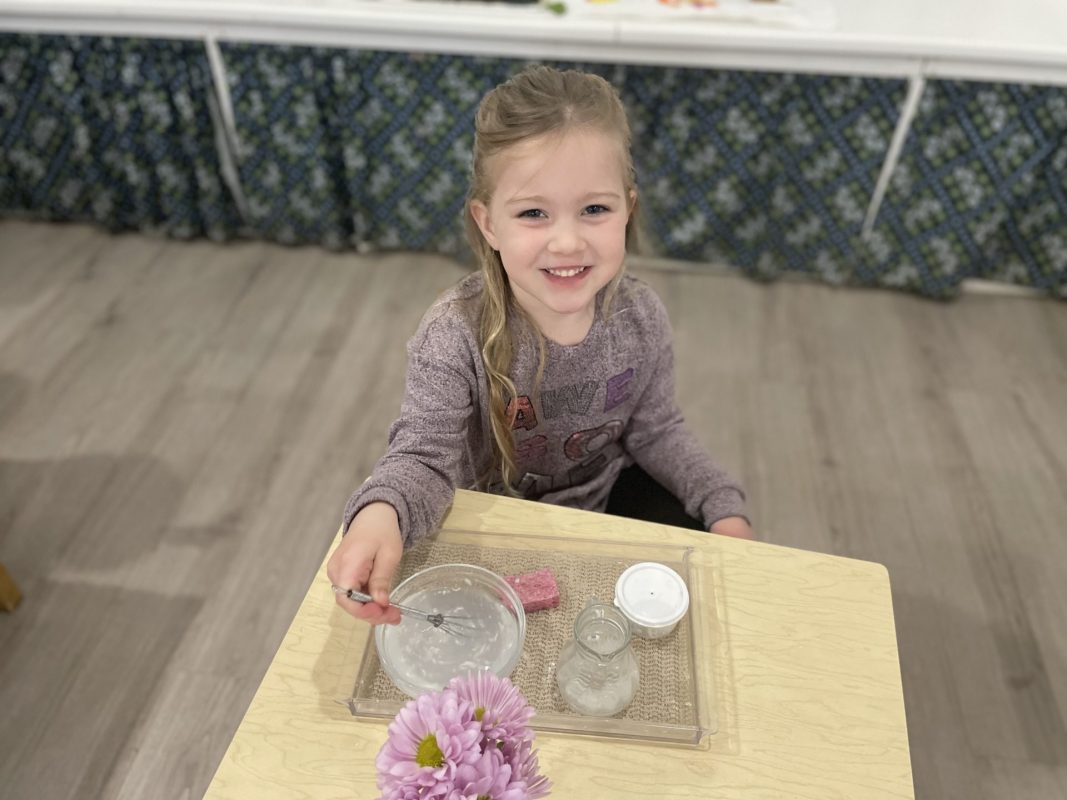
I introduced an ice melt tray for an experiment. It includes a bowl of ice, a small bowl of salt, a teaspoon, and a little tray for adding salt to the ice cubes. Then I asked a question: What happens when I add salt to the ice? The children thought about different responses. Some said the ice is melting, others said it is frozen. The children were very fascinated to observe the ice melting when it is mixed with salt. They go further with their thinking to make connections between what they have observed in the class and their home. After shoveling the snow parents throw some salt on the ground to help the ice on the ground melt.   

While ice fits nicely into our science winter theme, it is also a fun sensory activity. We added some ice in the bin, a jar of watercolor, and paintbrushes. The Children love to see the magic paint on the ice and how the ice takes different colors. They also observe how this activity doesn’t last for a long time because of the warm temperature of the room that causes the ice to melt quickly. It is an inviting way to paint on a surface other than paper and a way to stimulate children’s sense of touch and think about the change of the ice.

Wishing you a peaceful weekend.

Kaoutar and Sara

Mrs. Lopes: Exploring Science and Geography This Week

We cannot believe how quickly these weeks have been flying by and in the blink of an eye we are reaching the end of January already!  This week we continued our science unit on solids, liquids, and gases with a few experiments.  We inflated a balloon using a chemical reaction of vinegar and baking soda in a bottle.  We also watched raisins “dance” up and down in a glass filled with seltzer water.
On Wednesday, to connect with our study of Asia this month, our Director of Admissions and Parent Relations, Ms. Paromita did a wonderful presentation to teach us about her home country of India.  We learned the significance of the colors in the India flag, counted in Hindi, and even got to learn an Indian dance.  Thank you so much to Ms. Paromita for organizing this for us!

As we are nearing the end of January, we are beginning to prepare for our February parent teacher conferences on Thursday, February 17th.  Be sure to look out for an email with the link to sign up for a conference time. We look forward to meeting with you all soon to share how your children have been growing and progressing since our last conference!

All the best,

Amanda and Heather


Mrs. Doyle: Moving Like Molecules


We are just finishing our science unit on States of Matter.  Matter is all around us.  Everything that you can touch, taste, smell, and see is made of matter.  The three main states of matter are solids, liquids, and gases.

We learned that solids have a definite shape because these molecules are very close together and do not move very much.  The shapes of solids do not change unless some type of force makes them change.  Liquid matter does not have its own shape.  The tiny molecules in liquids are not as close together as solid molecules and they move around more.  Liquids take the shape of the container they are in. Gas matter also does not have its own shape.  The molecules in gas are far apart and they move around a lot.  Gases spread out and fill up their container too.  Ask you children to move like the molecules in a solid, liquid, or gas!

The children loved taking part in experiments that helped to highlight the different properties of solids, liquids, and gases.  We made raisins dance and also blew up a balloon without blowing air into it.  We then built a small snowman outside and cleverly named him “Brusnow”.  Clearly, this is a nod to the character and song from the movie, Encanto.  We most definitely did talk about Brusnow.  We spoke about how he was a solid and changed to a liquid.  We looked to see if any part of Brusnow remained a solid.  As melted Brusnow evaporates we can observe how a liquid can change to a gas.

Wishing everyone a week filled with peace and love!

Michelle & Liset