Mrs. Lopes’s Class: We Love…

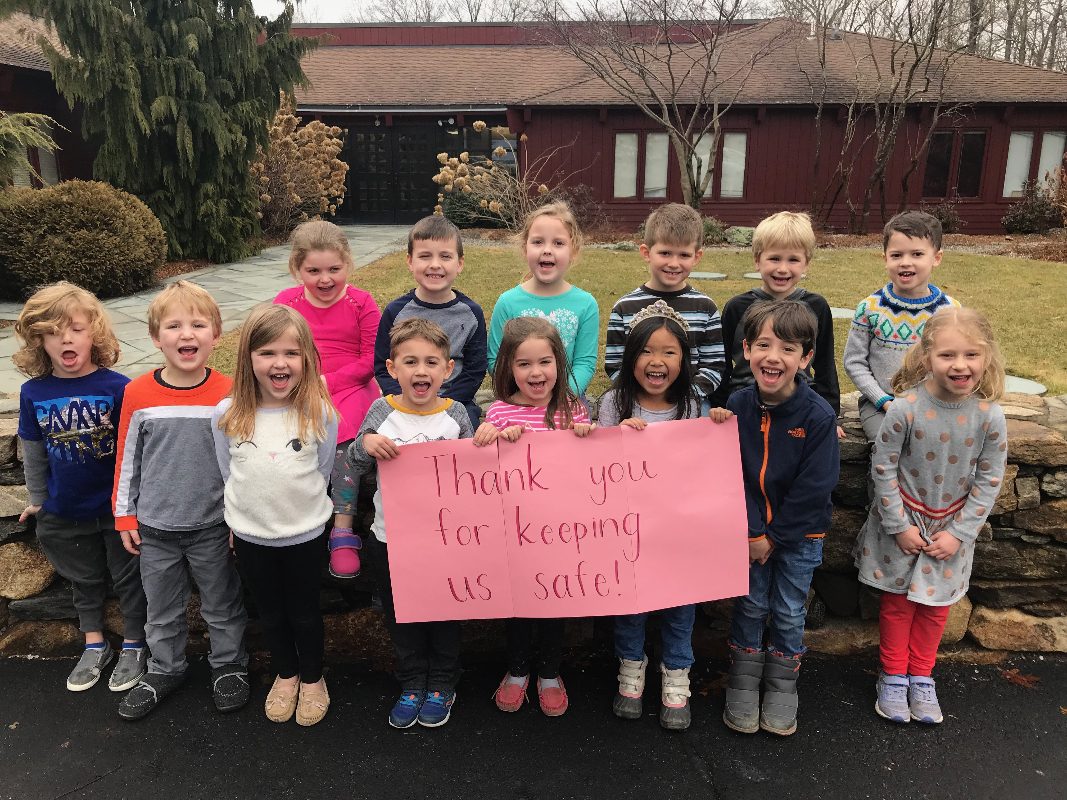
As we begin February, we start to talk about Valentine’s Day and why it is important to celebrate the people and things that we love.  This week we asked the children to name one thing that they love and created a small board with their answers to display outside our classroom.  Below are the responses your children gave.  The simplicity of their words will bring a smile to your face:
Anaya: My kitten toy

Carmen: Sleeping with Mommy in my bed

Elara: Horses

Ella: My Mommy and Daddy and my monkey

Emily: Horses

Kent: My Mommy and Daddy, my shower, and sleds

Leo: Dolphins and elephants

Lexi: My Mommy and Daddy

Lily: My Mommy, Daddy, Ryder, Montana, my pets, Grandma, and Grandpa

Liya: My baby Luca

Miles: My landscaping tools

Nina G: My Mommy and Daddy and the bear in my bedroom

Nina S: My family and my pets

Owen: Cement mixers

Sullivan: Mommy, Daddy, and my new baby

If you have not yet signed up for a time to meet on our Parent/Teacher conference day please take time to do so by clicking the link below. We look forward to “seeing” everyone on February 11th!

Conference Sign Up

Enjoy the week!

Amanda & Sharlene


Mrs. Doyle’s Class: Love Is In the Air

As Valentine’s Day is quickly approaching, we thought we would ask the children what love means.  Their answers are sure to bring a smile to your face.  In similar posts that we’ve done in the past, we always say the world would do well to listen to these children. It couldn’t be more true with this post as well.

Anchor:  Love is people caring about other people.

Carmen:  Love is giving hugs and kisses to everyone.

Elliot:  Love is caring about people and sharing your toys with them.

Gregory G:  Love is always telling the truth because lying is not love.

Gregory L:  Love is giving something you really like to someone else.

Greyson:  Love is being happy.

Harper:  Love is giving people a hug when they need it.

Julianna:  Love is being sweet to someone.

Landon:  Love makes you feel happy.

Lily:  Love is reading books and having pillow fights with your family.

Luca:  Love is giving flowers to everyone.

Marin:  Love is not hurting anyone you care about.

Mya:  Love is sharing with everyone you love.

Olivia:  Love is when my whole family comes to visit and we all play together.

Simrin:  Love is giving hugs to everyone.

Virginia:  Love is playing with my baby brother and Christmas.

Xander:  Love is giving kisses to your whole family.

Don’t forget Parent/Teacher Conferences are next Thursday.  If you have not already done so, please take the time to sign up.  We look forward to “seeing” everyone.

Wishing everyone a week filled with peace, love and friendship.

Michelle & Lizette


Mrs. Doyle’s Class: Animals In Winter

Over the course of the last few weeks,  we have been learning that winter can be very harsh for animals. The weather and lack of food can make their survival difficult. To help ensure their survival, animals will hibernate, migrate, or adapt to their surroundings.

Animals that hibernate for the winter go into a deep sleep. Their body’s temperature drops, their heartbeat and breathing slow down and they use very little energy. We’ve learned what animals hibernate as well as where they hibernate.  Places that animals hibernate can be above ground such as a cave, nest or den or they can be below ground such as a burrow, a hole or deep down in the mud.  We explored which animals migrated or traveled to other places where the weather is warmer and they will be able to find food. We also examined why animals would migrate and where they may go. Animals that adapt, remain and stay active in their environment. They adapt to the changing weather and their behavior and bodies may change too.  We talk about what changes animals may make to ensure they will have enough food for the winter.

So, as the cold weather is becoming more frequent, how many of us are thinking about hibernating or migrating?

Parent/Teacher Conferences are quickly approaching.  An email, with a link to sign up for a time slot will be shared today.  We look forward to meeting with all of you to share your child’s growth and progress since our last conference.  Please be sure to leave a comment on the sign up, stating whether you prefer a phone conference or zoom conference.

Have a warm and happy week!

Michelle & Lizette


Mrs. Lopes’s Class: Exploring the States of Matter

This week we started our unit on the states of matter! We learned that everything in our world is made of matter. We also identified the three states of matter: solid, liquid, and gas. The children enjoyed exploring each state of matter on our introduction tray and sharing examples of a solid, a liquid, and a gas. We discussed how the molecules move in each state of matter and what characteristics classify a solid, liquid, and gas.  Be sure to ask your child if they can give you an example of each state of matter. You may be surprised at all the kinds of solids, liquids, and gases they can name! We are looking forward to more exploration of this concept next week with hands-on experiments and activities!

As we are nearing the end of January, we are beginning to prepare for our February parent teacher conferences in a few weeks. Be sure to look out for an email with the link to sign up for a conference time. We look forward to meeting with you all soon to share how your children have been growing and progressing since our last conference!

Best,

Amanda & Sharlene


Mrs. Lopes’s Class: Our Five Senses

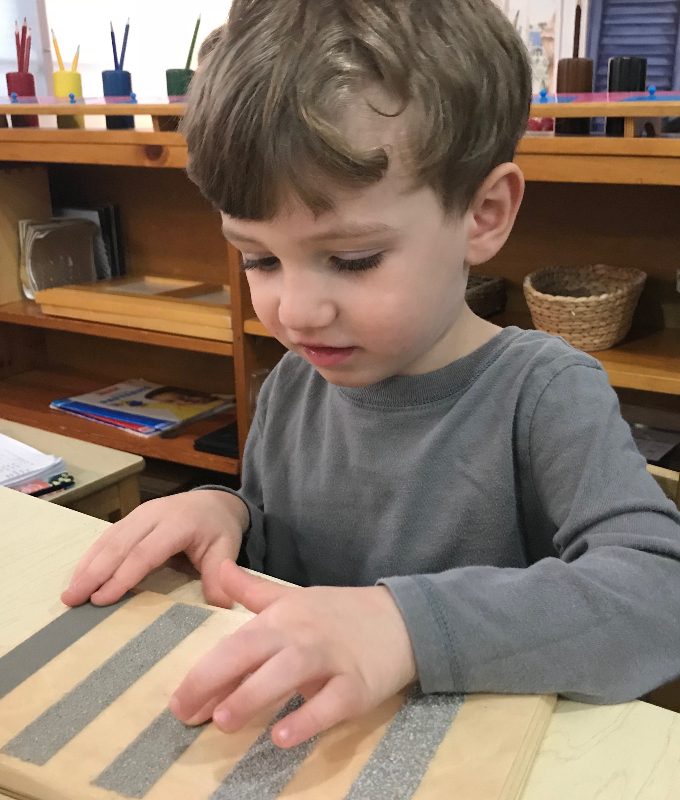
Children of all ages are eager to learn about their world and everything in it.  When young children use all of their five senses, they understand how their bodies work and find new ways to experience the world. In the Montessori environment, children are taught to experience the world through all five of their senses. This can give them new insights and allow them to think creatively.  This week we explored each of our senses in depth and talked about how we use our senses to understand the world around us. The children have been enjoying the new lessons this unit has brought to our Sensorial shelf.

Wishing you a wonderful week ahead,

Amanda and Sharlene


Mrs. Doyle’s Class: What Exactly Is a Normalized Classroom?

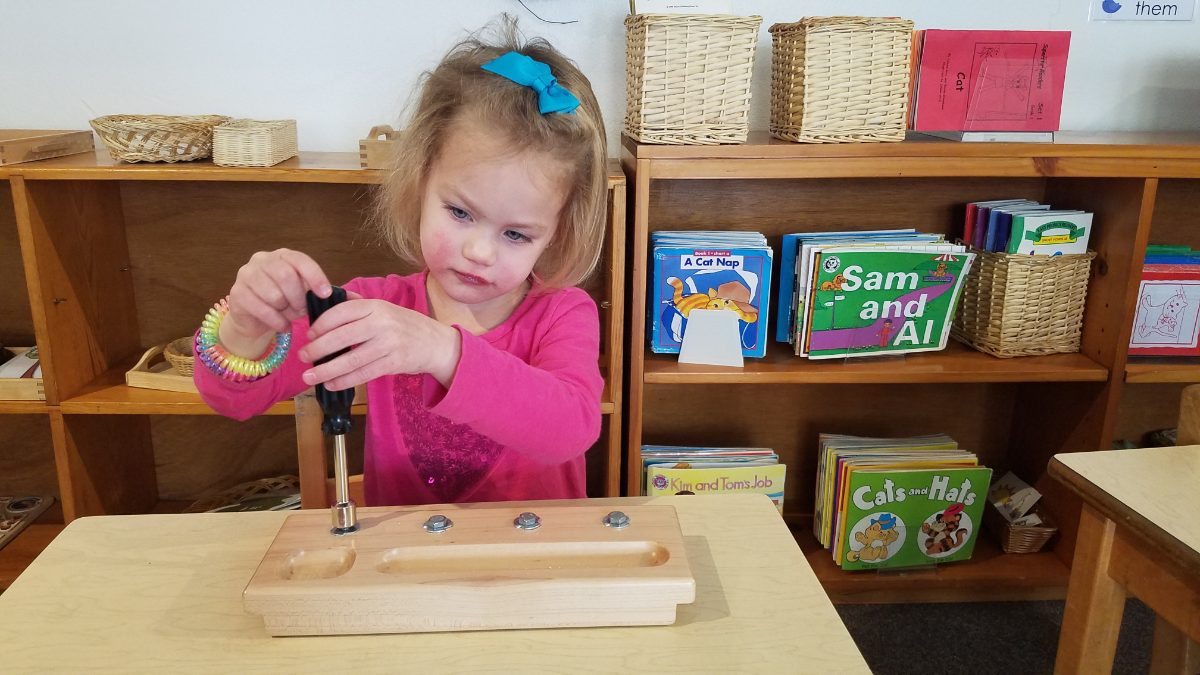
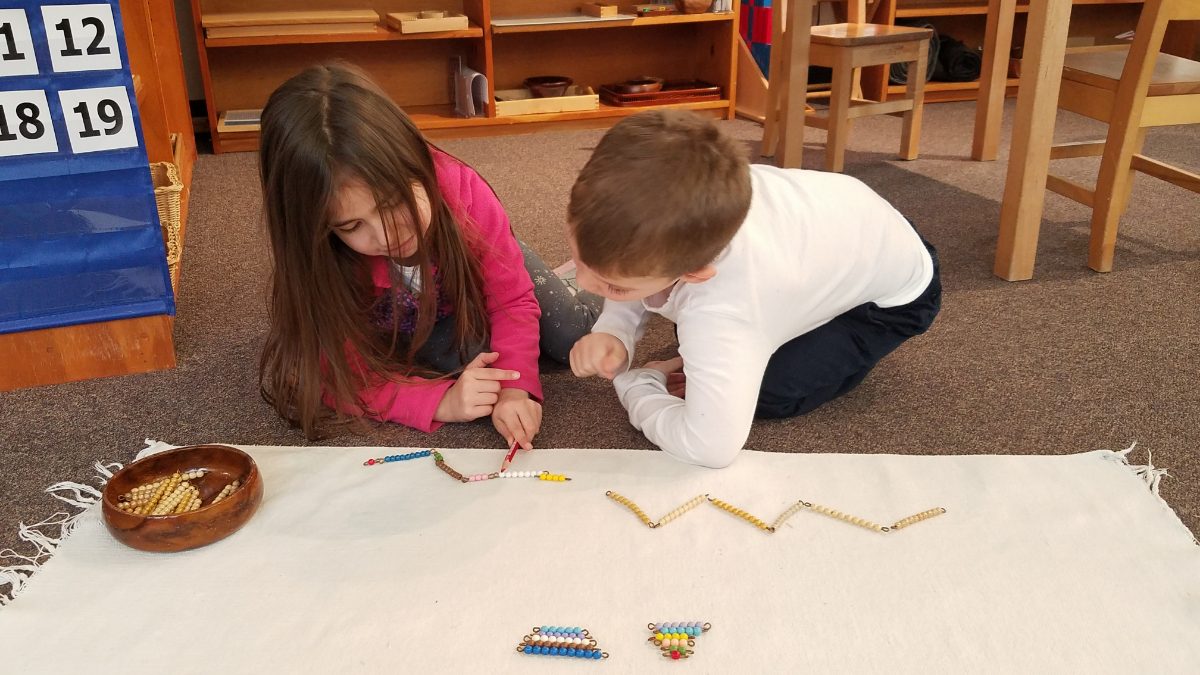
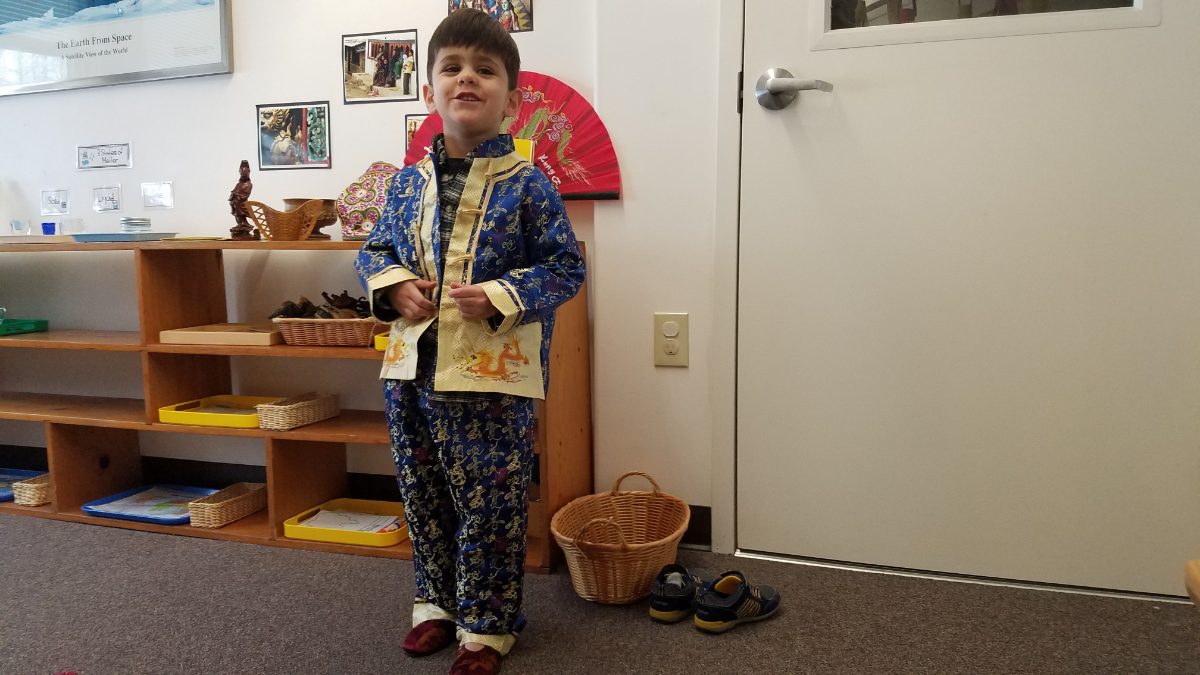
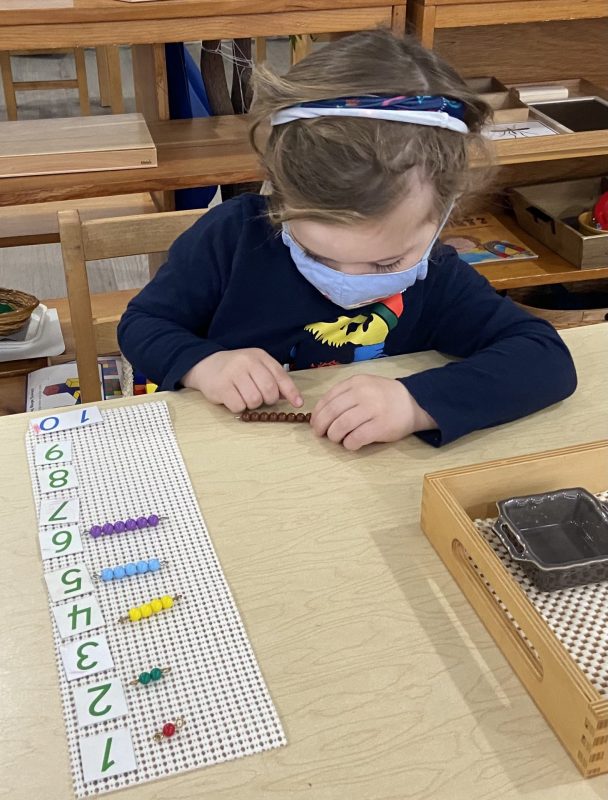
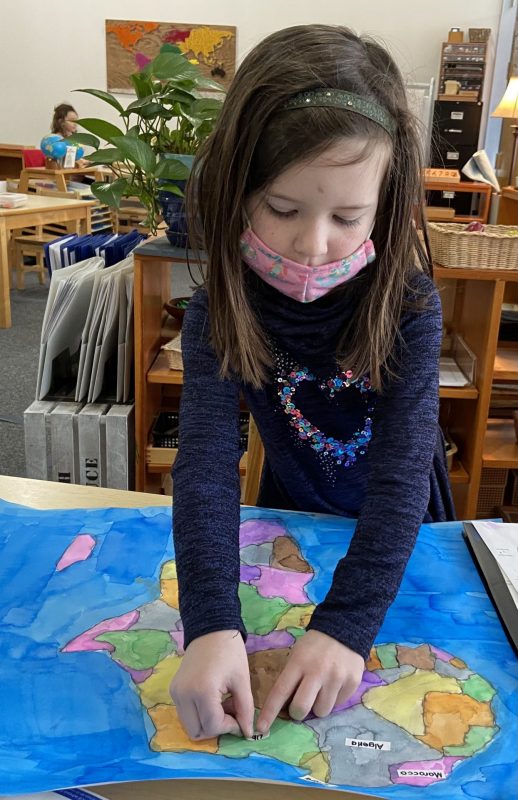
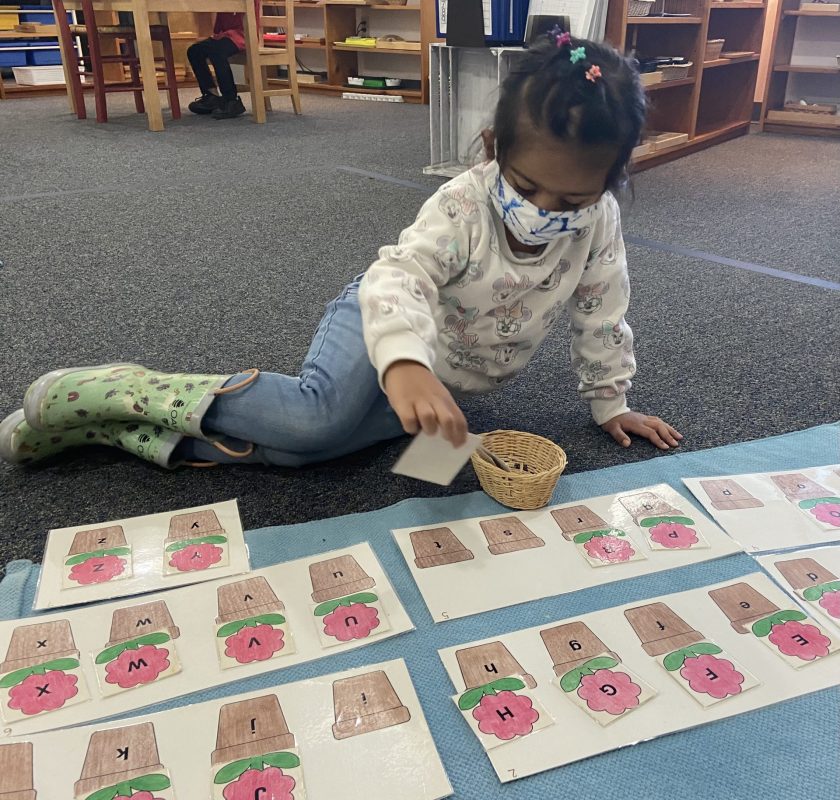
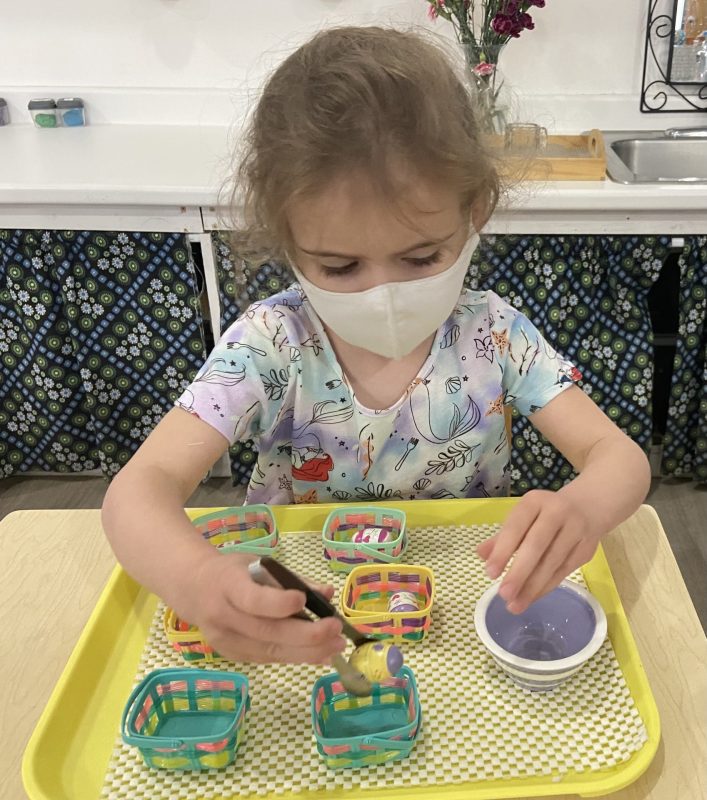
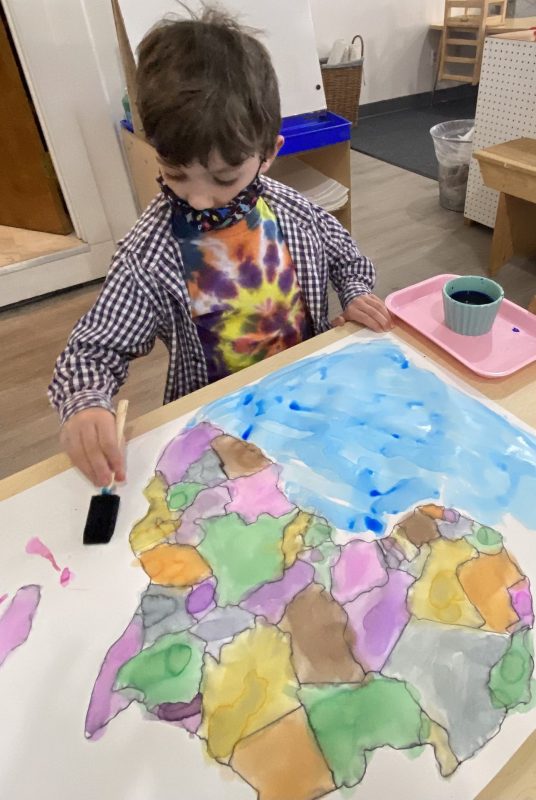
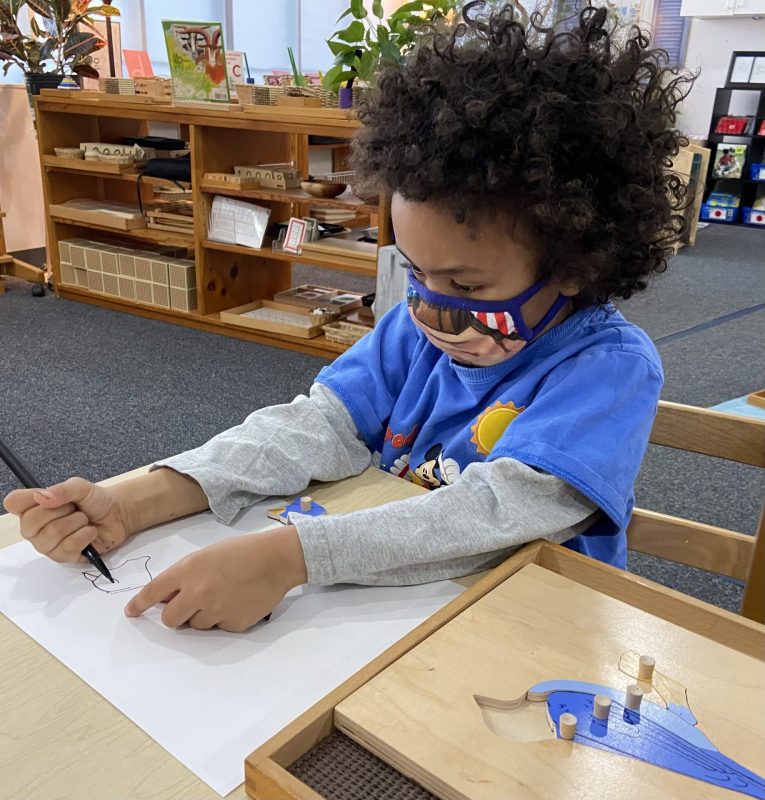
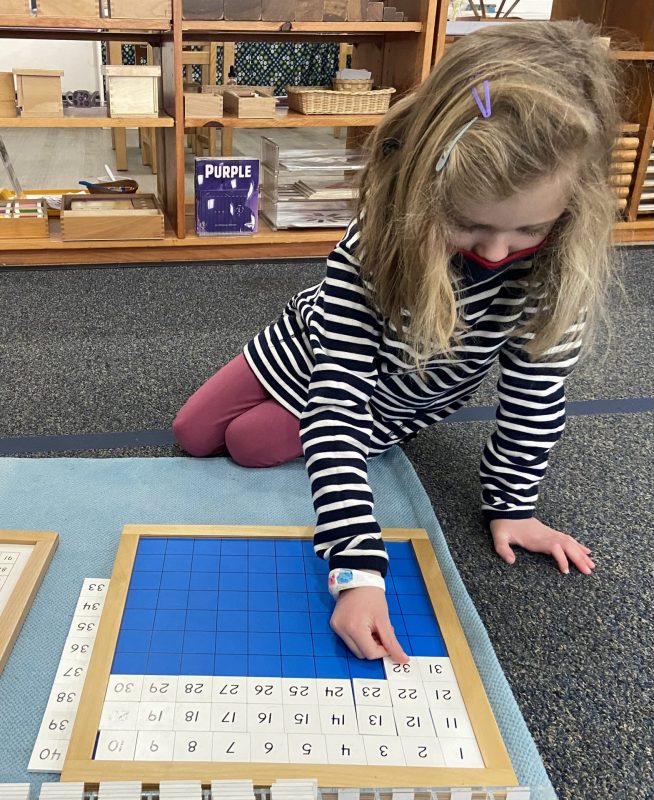
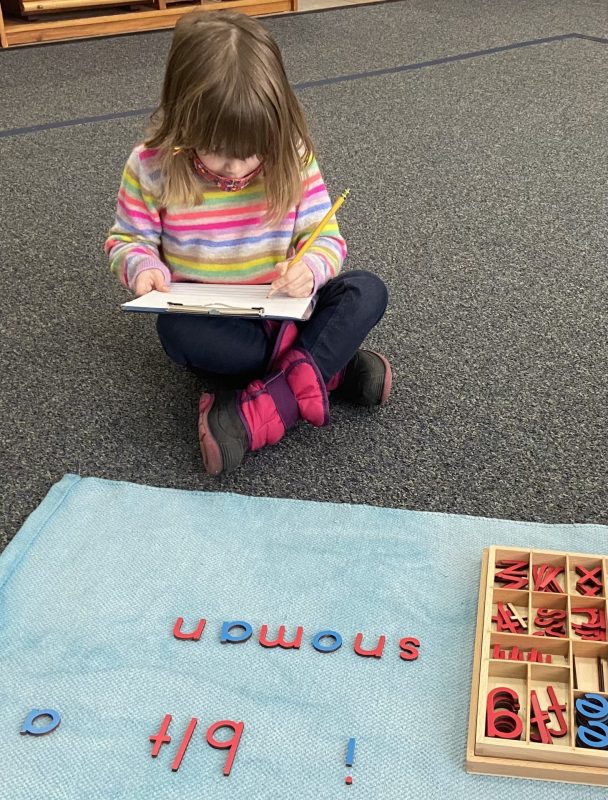
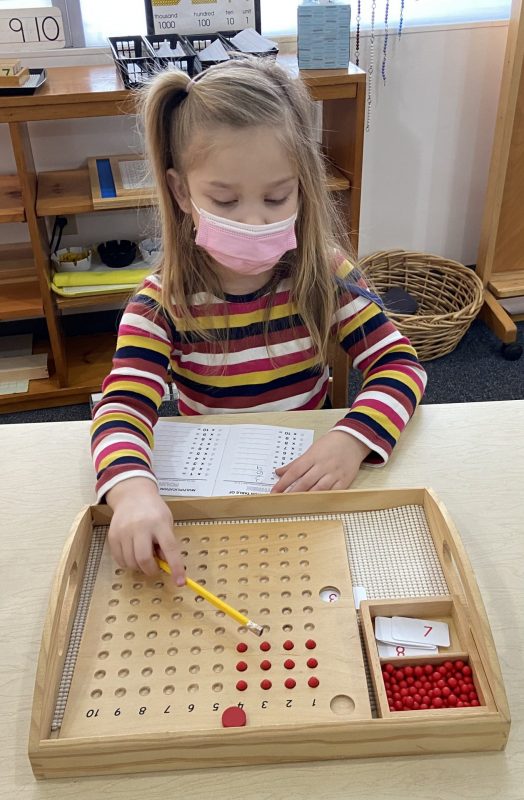
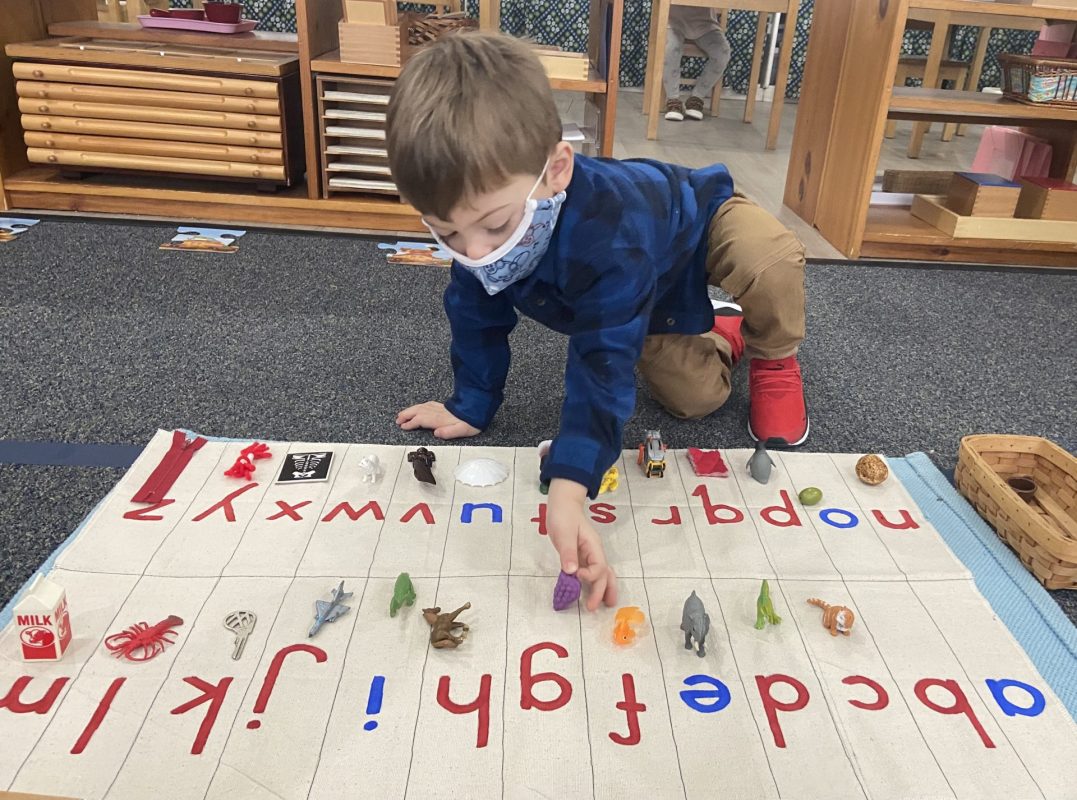
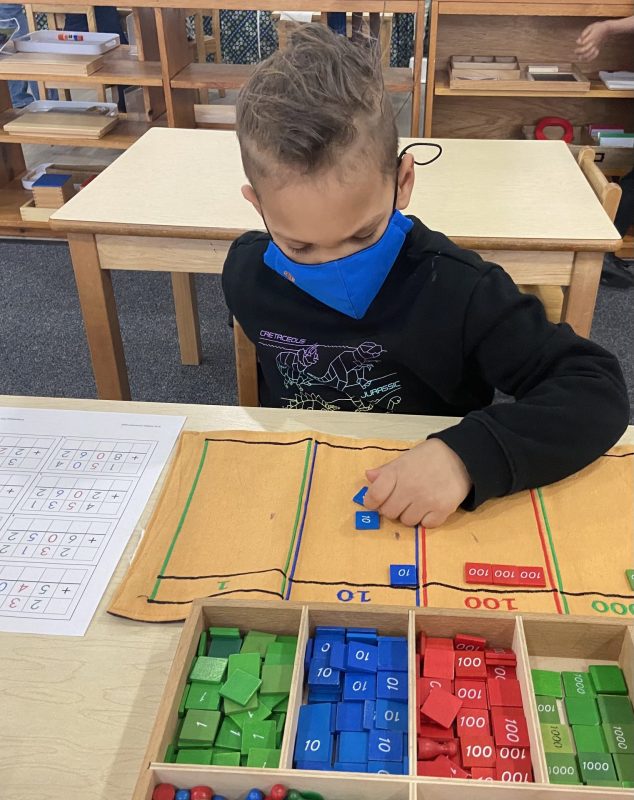
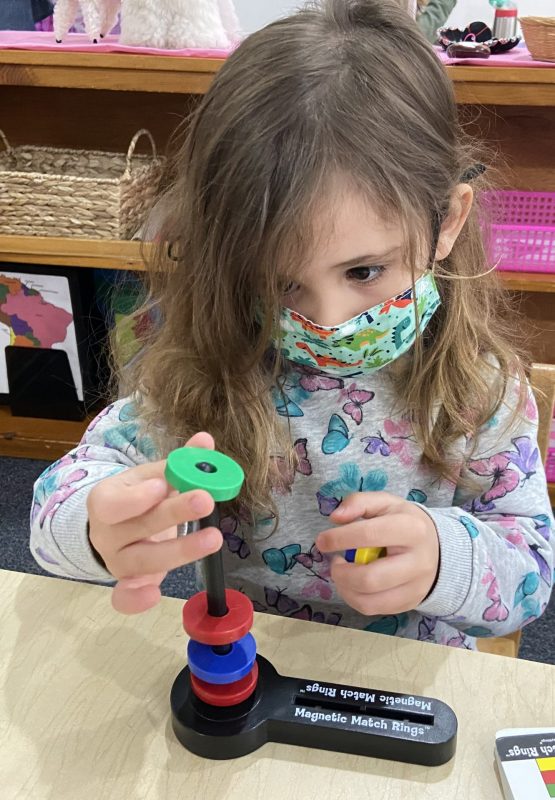
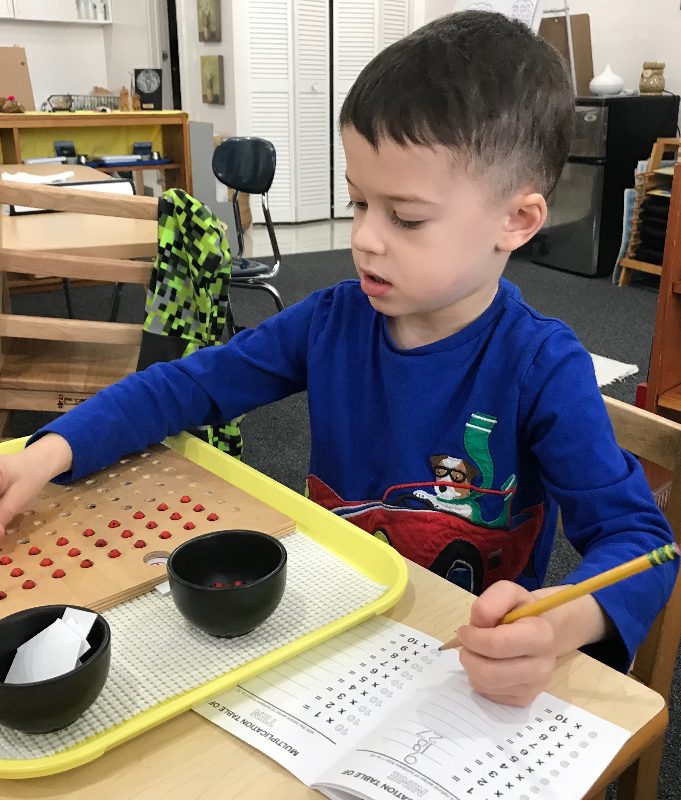
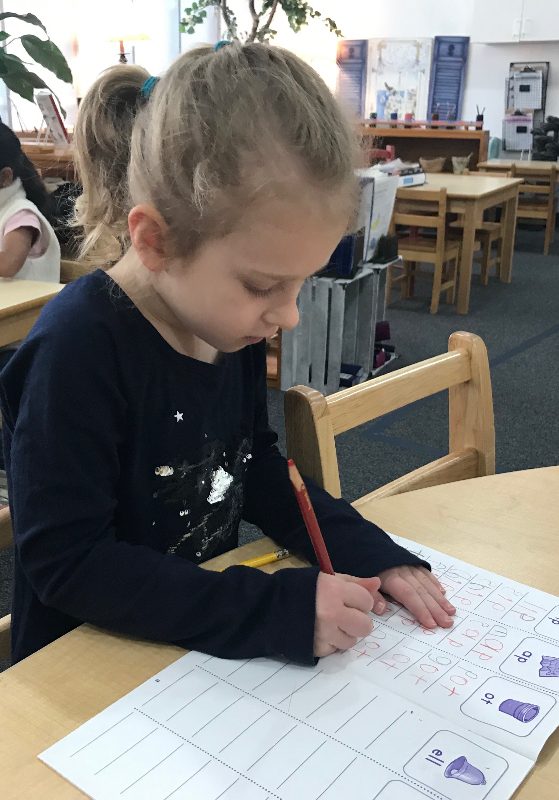
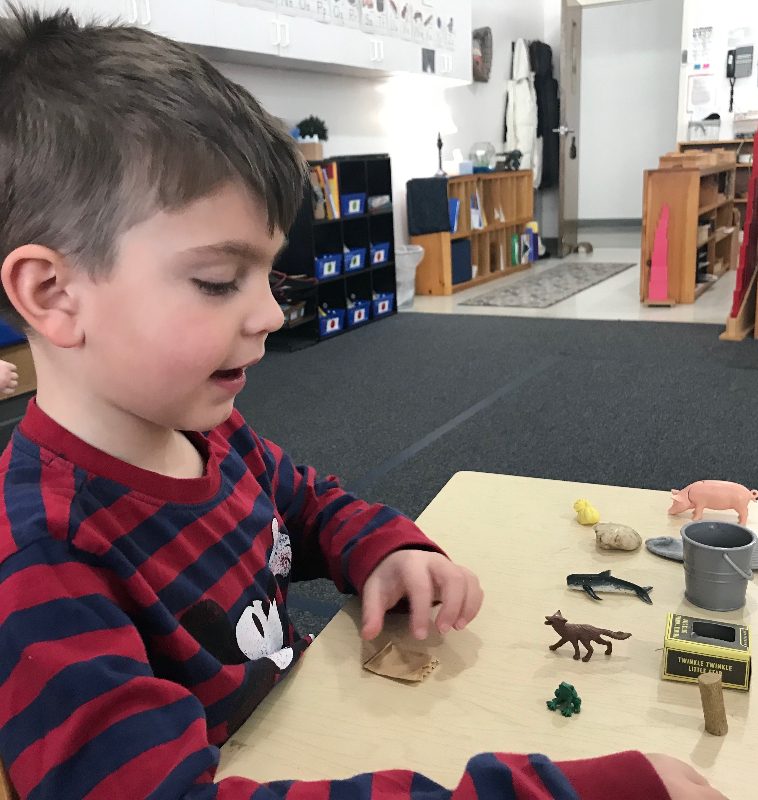
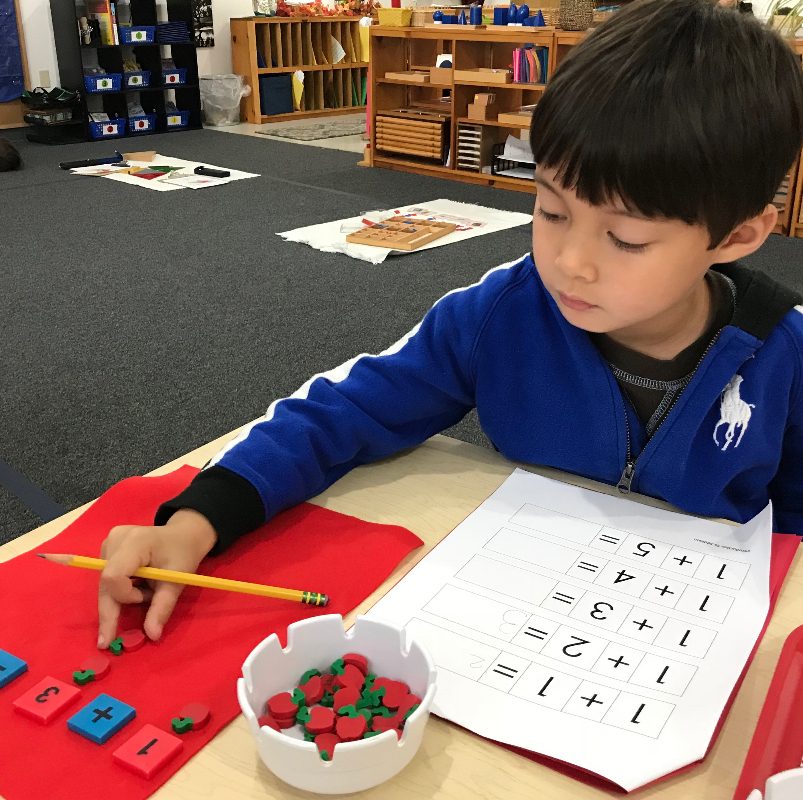
Normalization is a buzzword often used by Montessori teachers everywhere. So what exactly does it mean, and more importantly, how do we achieve it? When children in a Montessori environment demonstrate deep concentration, self-discipline, social skills, and a true love of work, we describe this as a normalized classroom. Normalization is achieved by consistent and clear ground rules that everyone is familiar with. It is our job to ensure the environment is always well prepared and designed to meet the needs of the children. As Montessori teachers, we are confident that if we do our job well and the children are free to experience the opportunities provided by the environment and Montessori materials, they will thrive.

After the winter break and upon our return in January, we often see noticeable growth in the children’s social and emotional development. They come back eager to learn and raring to go! The first half of the year, they have become comfortable and confident with our classroom routines and expectations. They have developed deeper relationships with their peers and teachers. It is always an exciting time and sets the groundwork for the second half of the school year.

Have a wonderful week!

Michelle & Lizette


Mrs. Doyle’s Class: Moving Like Molecules

We just finishing our science unit on States of Matter.  Matter is all around us.  Everything that you can touch, taste, smell, and see is made of matter.  There are three states of matter: solids, liquids, and gases.

We learned that solids have a definite shape because these molecules are very close together and do not move very much.  The shapes of solids do not change unless some type of force makes them change.  Liquid matter does not have its own shape.  The tiny molecules in liquids are not as close together as solid molecules and they move around more.  Liquids take the shape of the container they are in. Gas matter also does not have its own shape.  The molecules in gas are far apart and they move around a lot.  Gases spread out and fill up their container too.

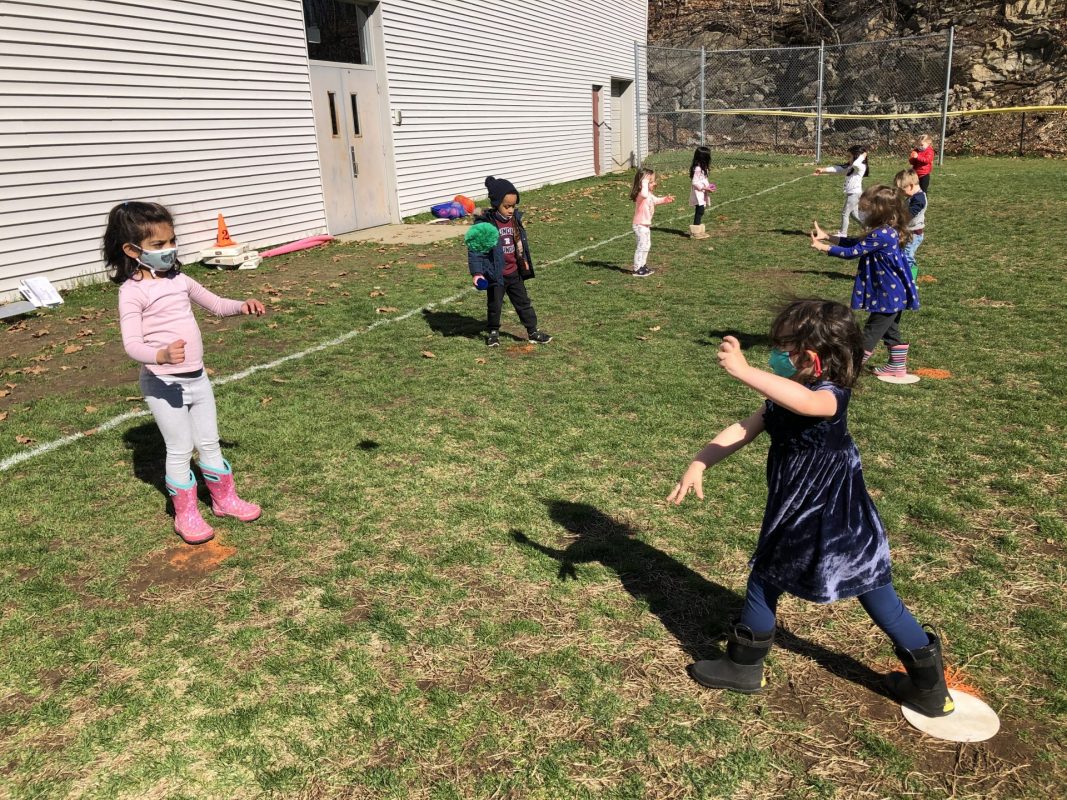
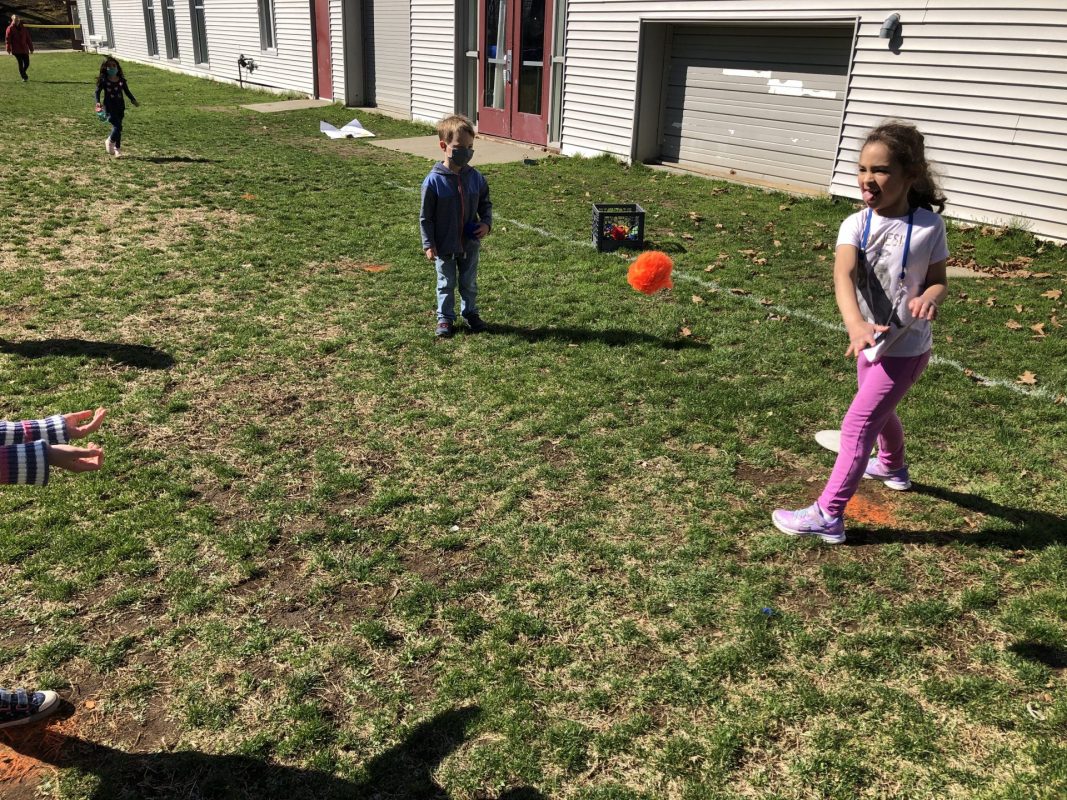
The children loved taking part in experiments that helped to highlight the different properties of solids, liquids and gases.  We made raisins dance and also blew up a balloon without blowing air into it.  When we get some snow on the ground, our plan is to explore the life cycle of a snowman and observe how it changes from a solid to a liquid to a gas.

Please be sure to check this week’s Friday folder for a letter regarding the upcoming Valentine’s Day protocols.

Lastly, we are thrilled to welcome back our friend, Simrin, to our classroom community.  The children have been so excited to see her and help her step right back into our classroom routines.

Wishing everyone a wonderful week!

Michelle & Lizette


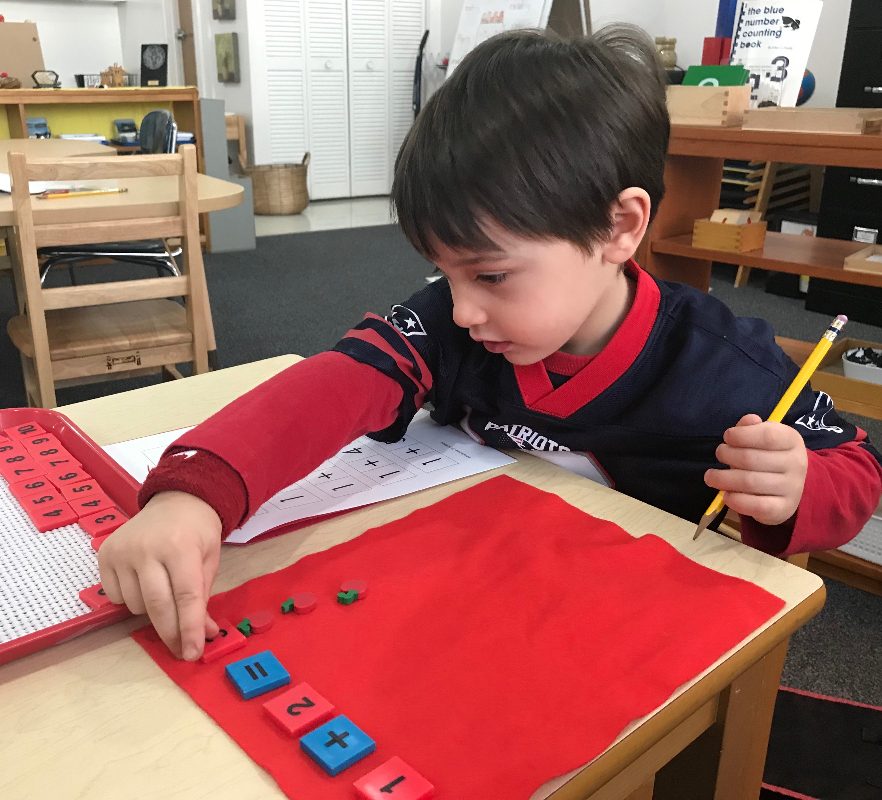
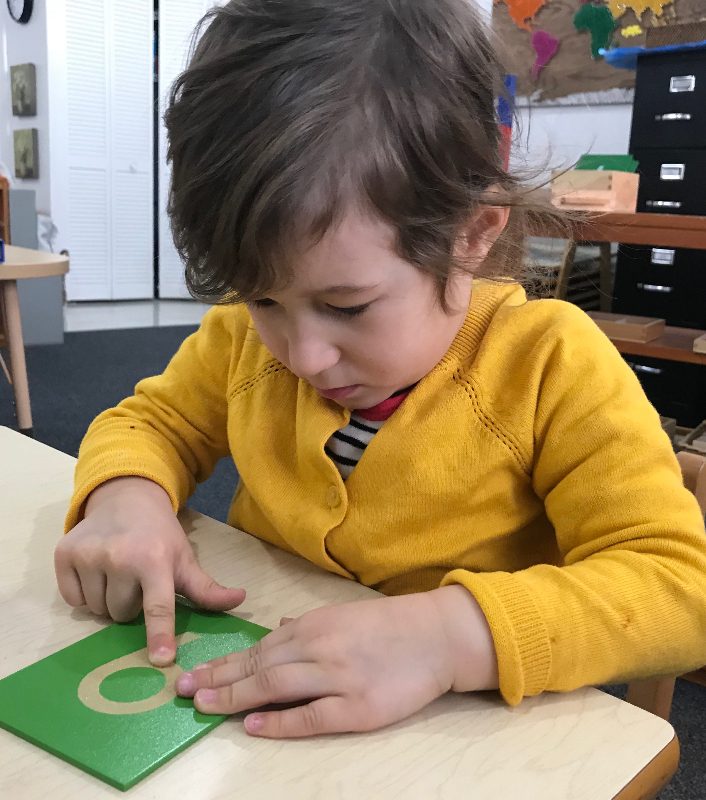
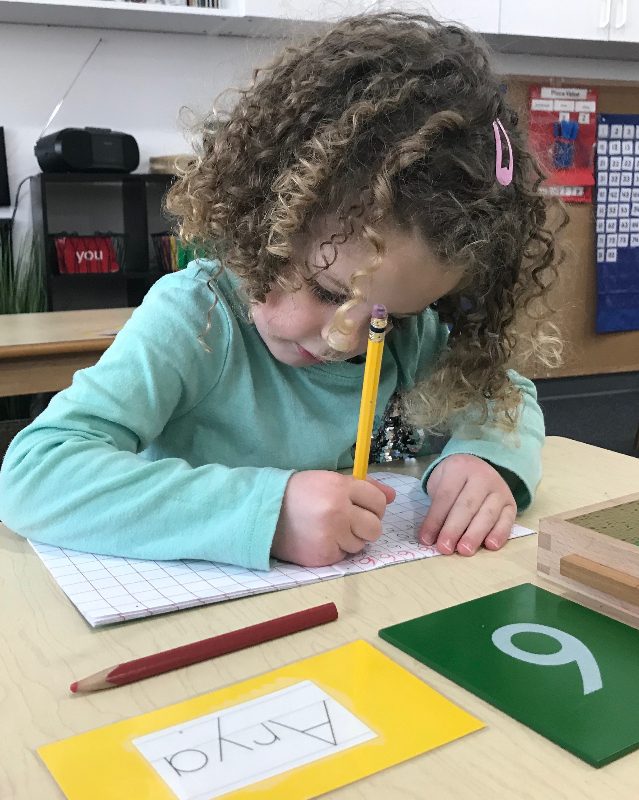
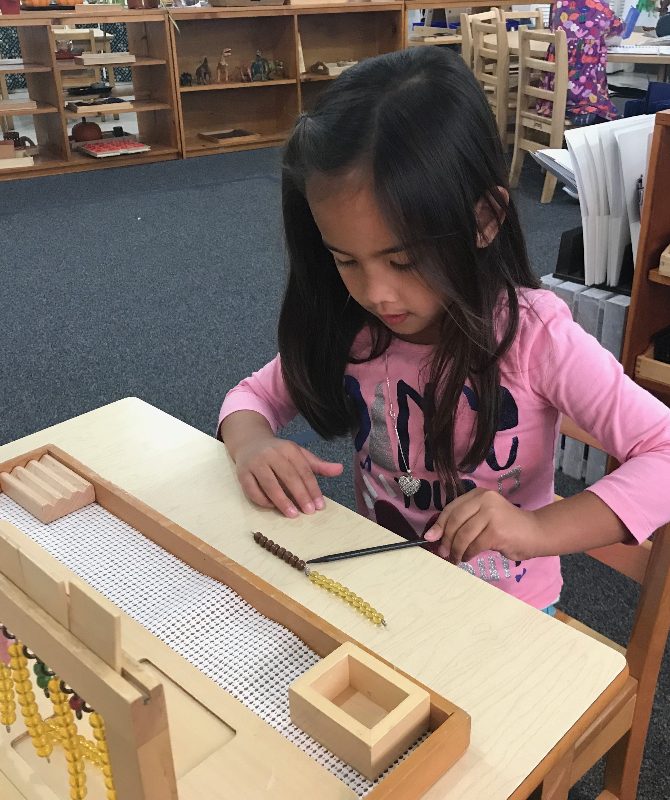
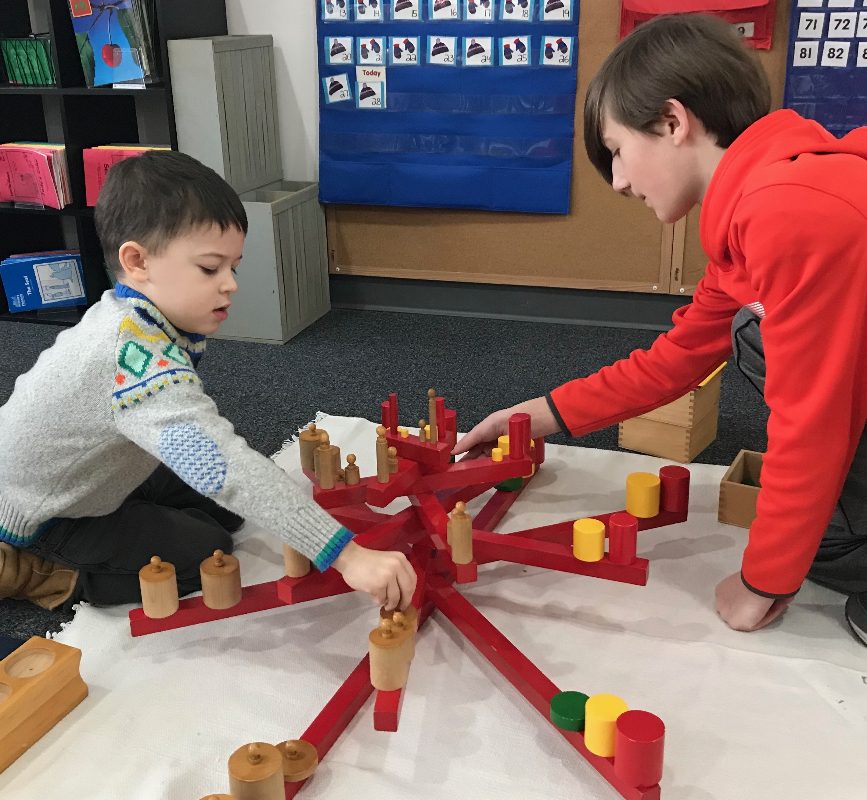
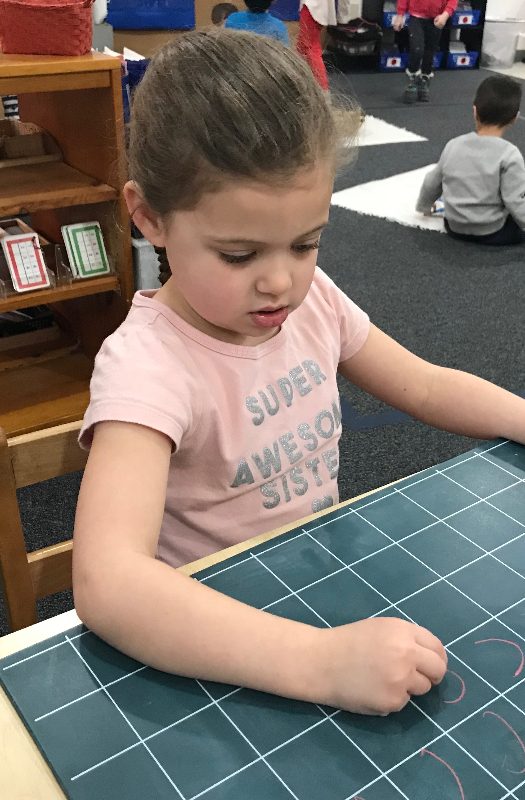
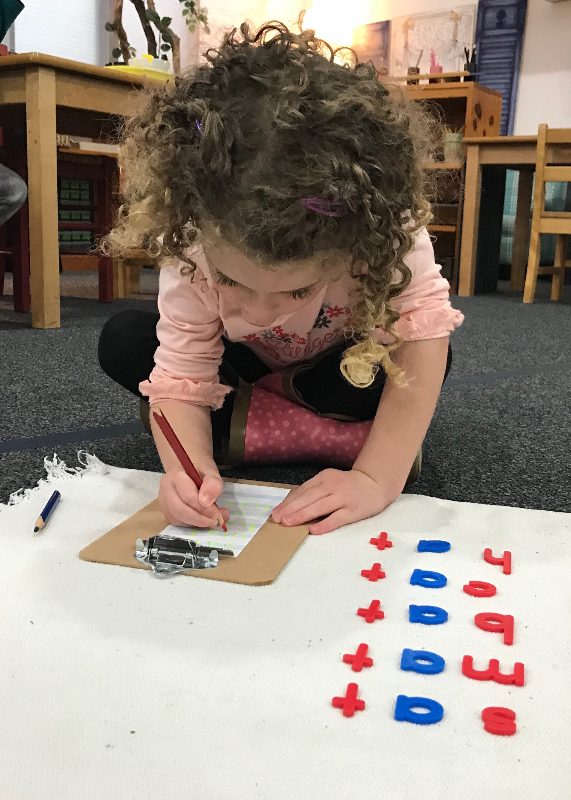
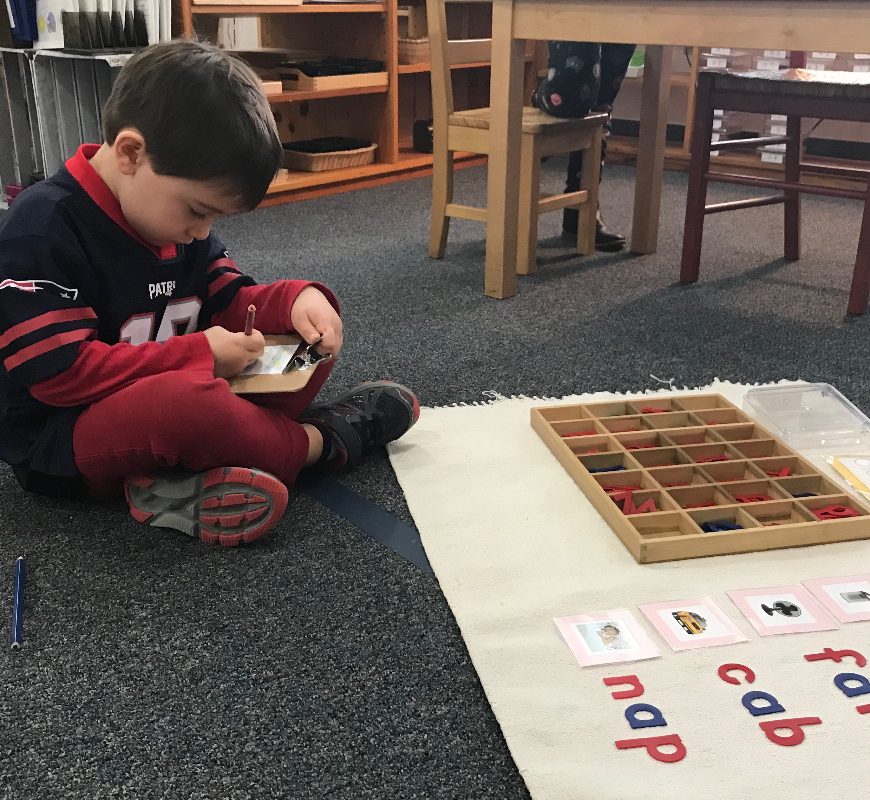
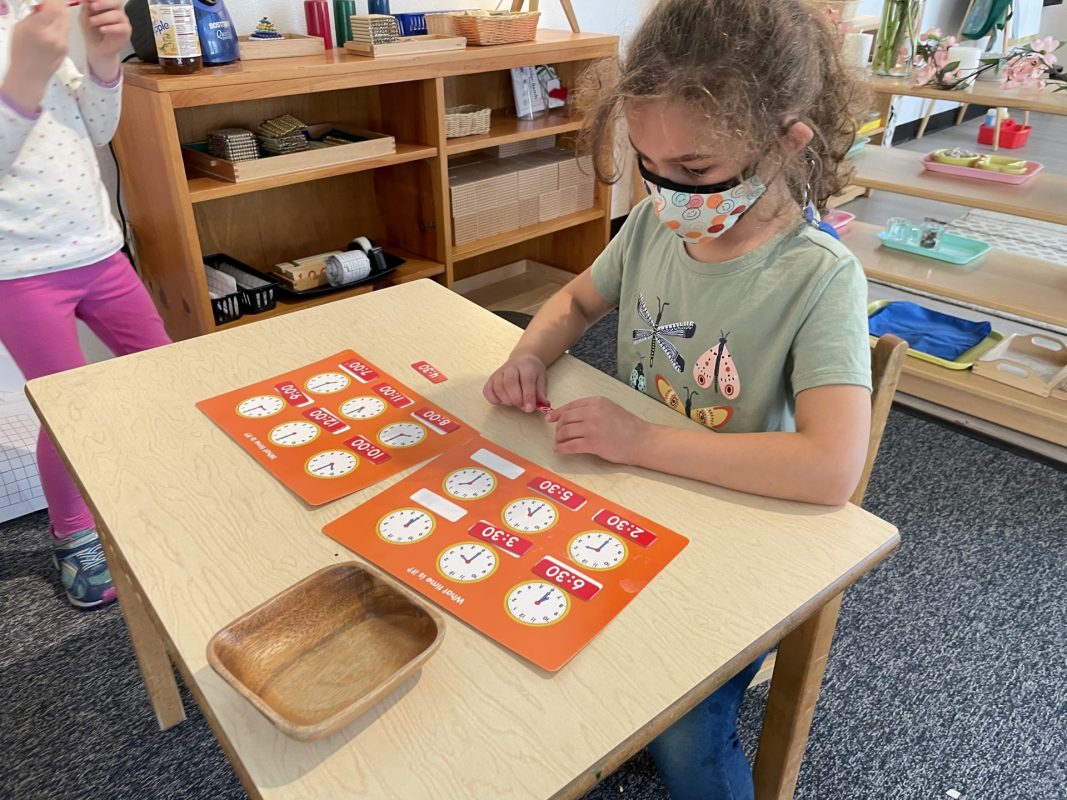
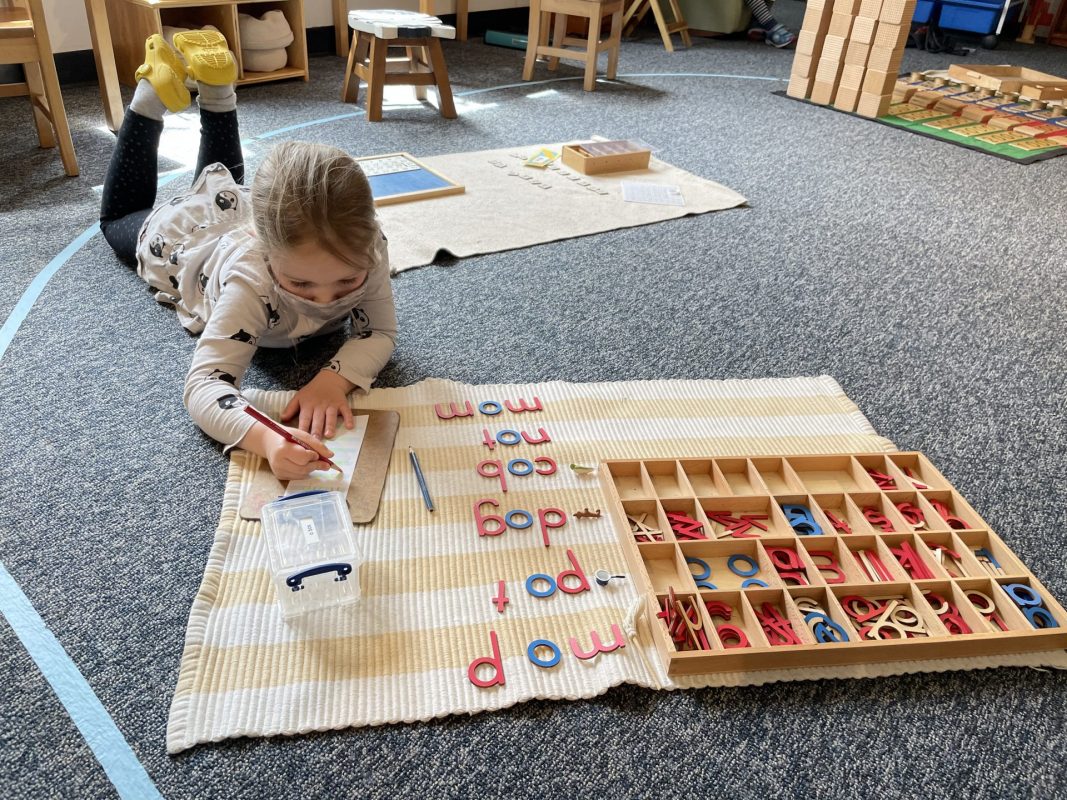
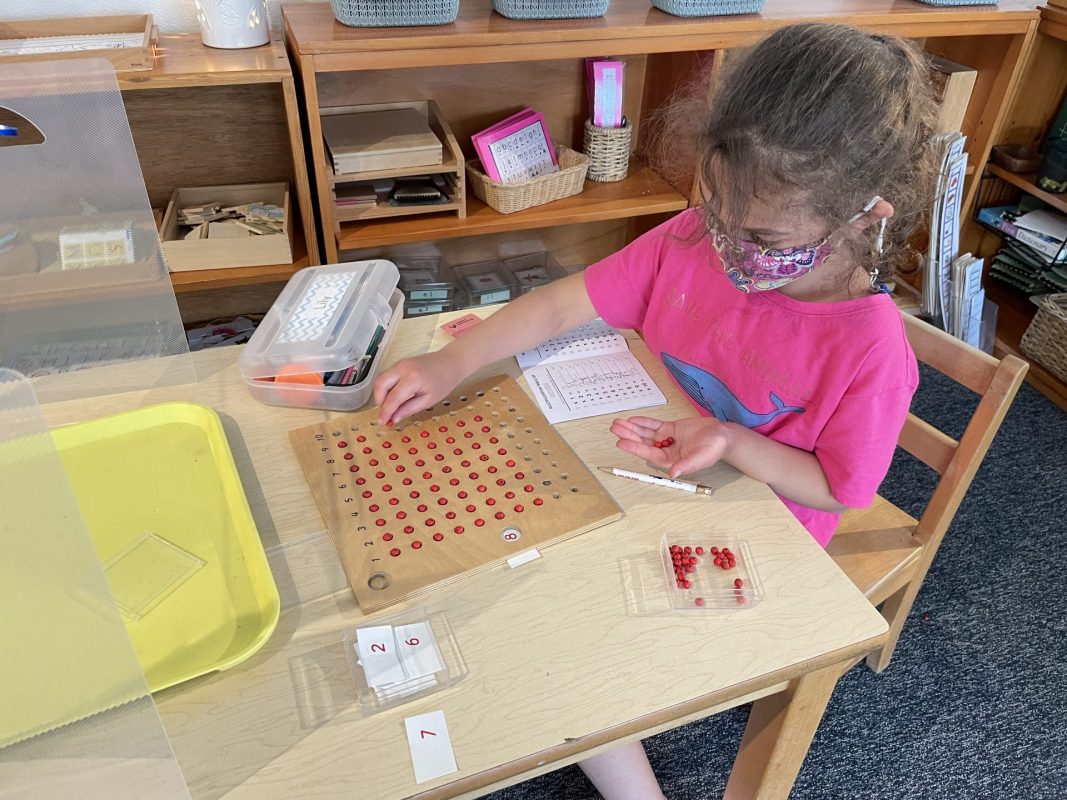
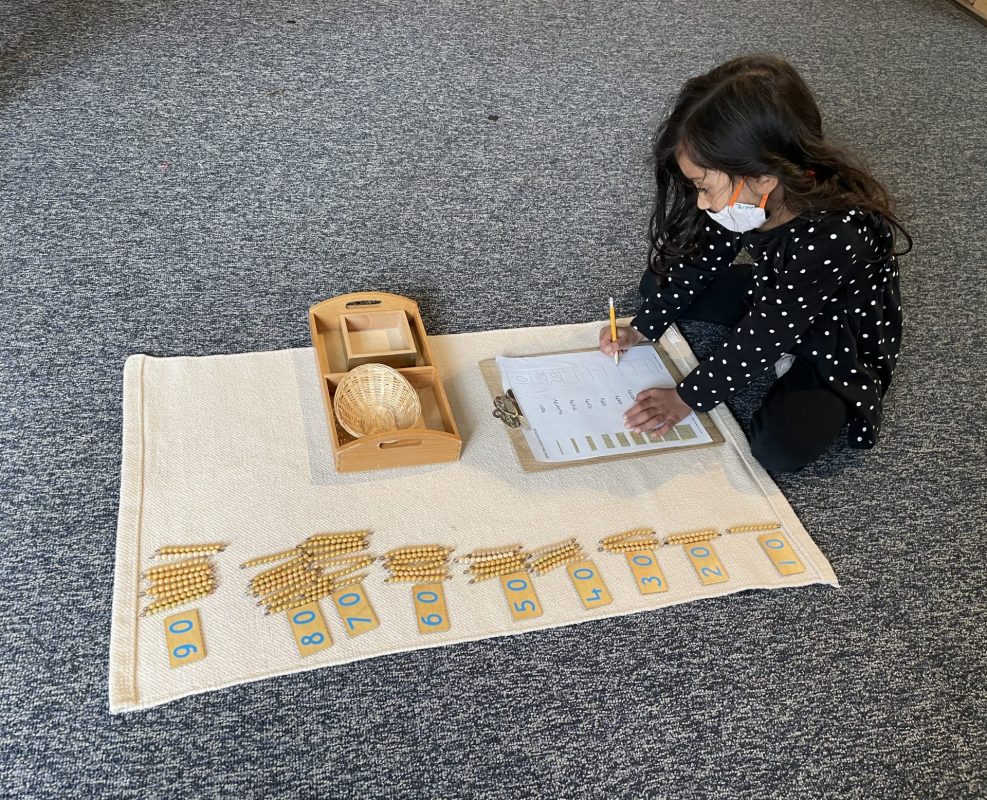
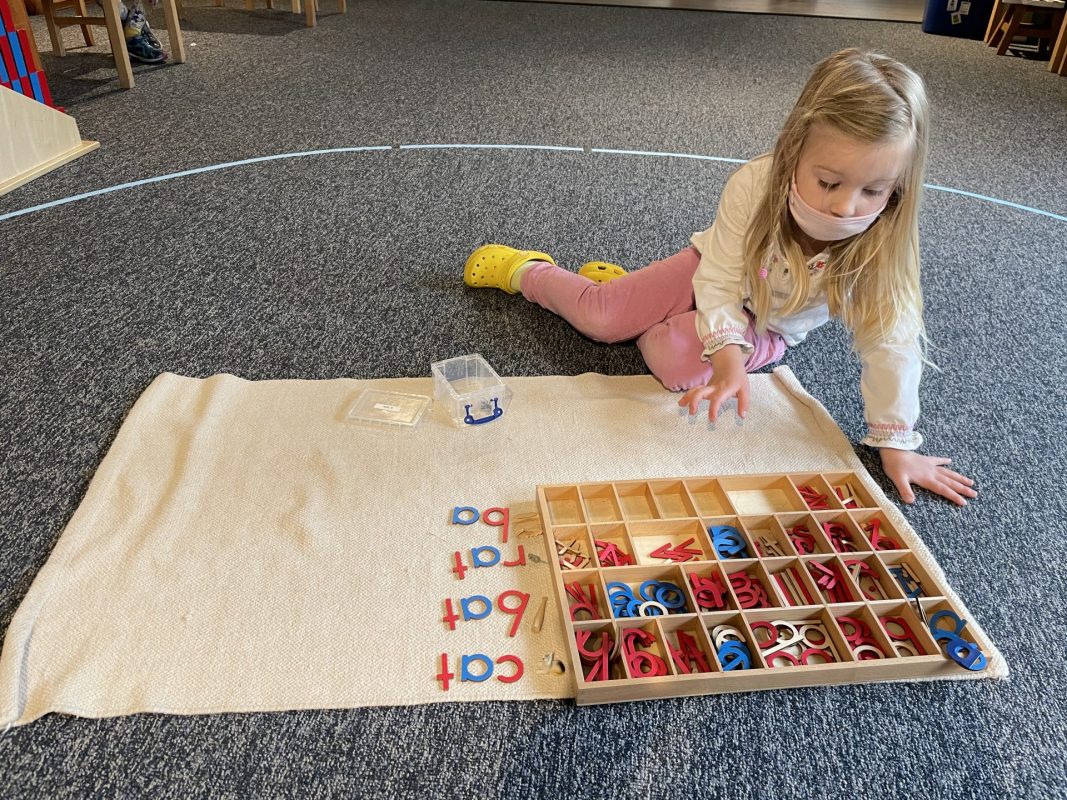
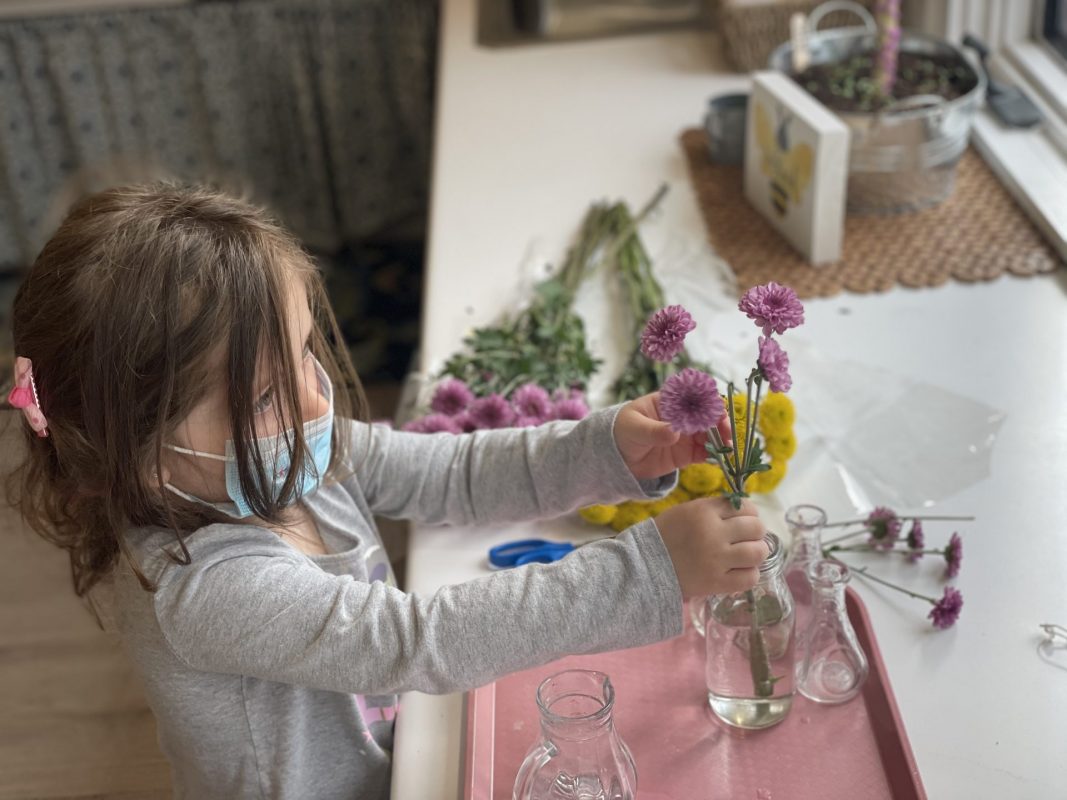
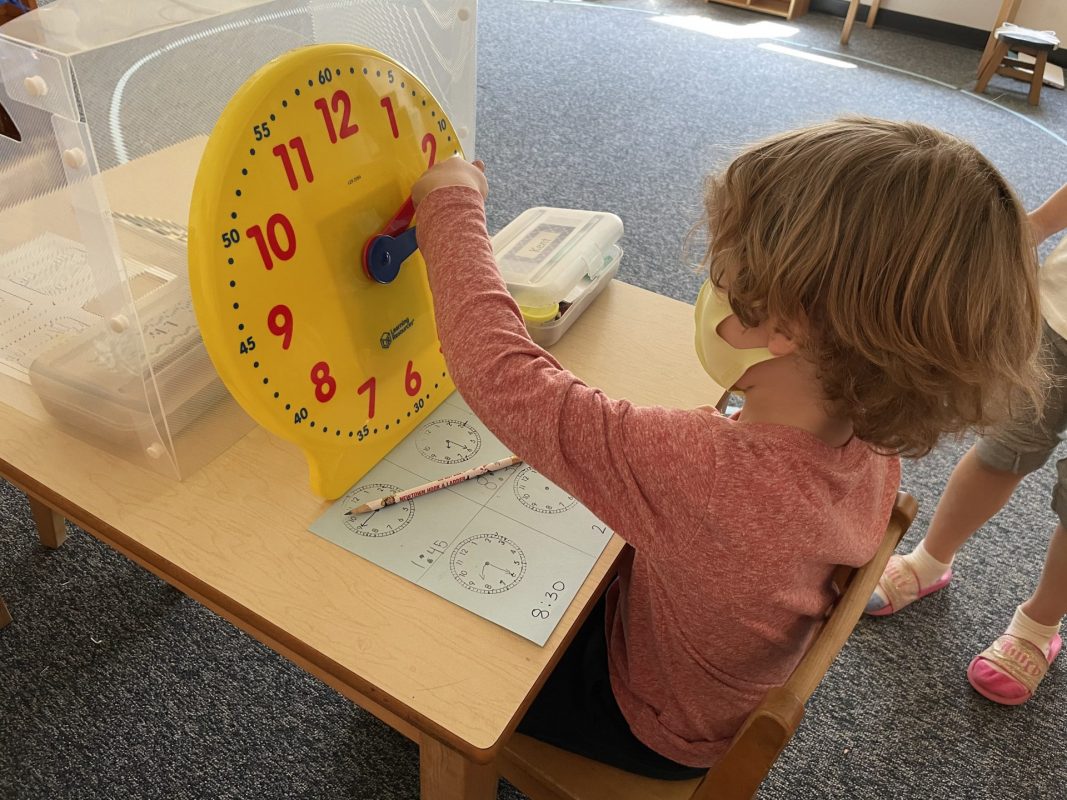
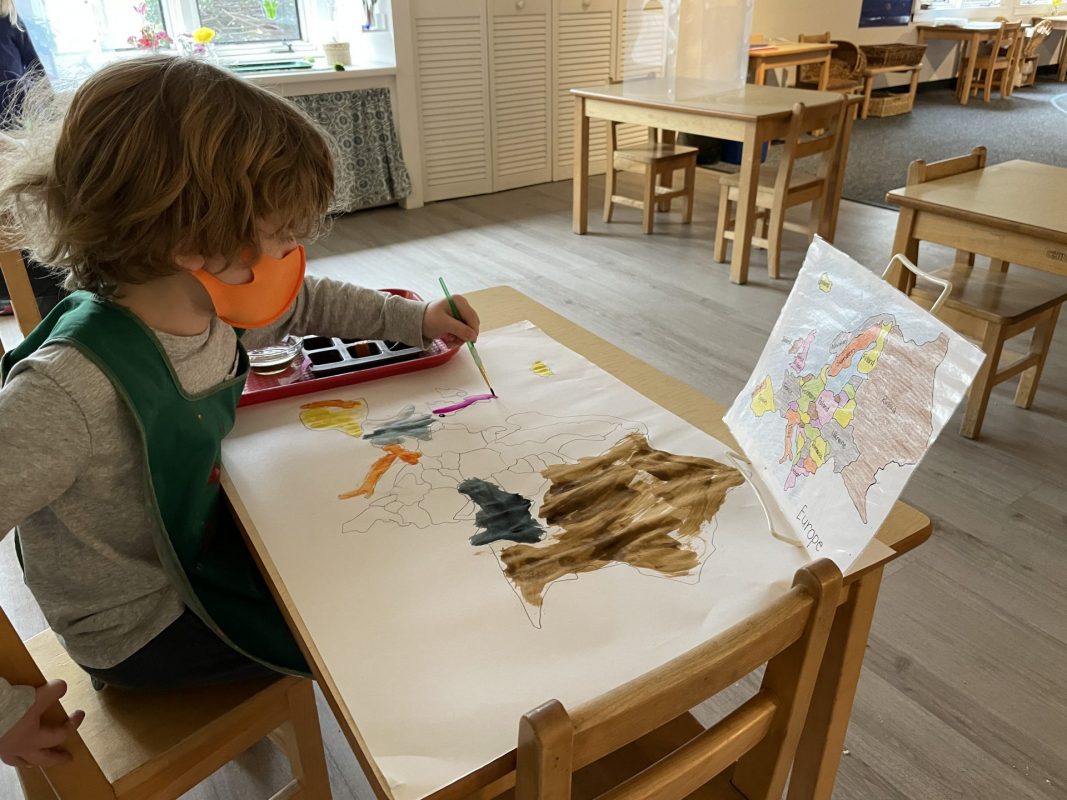
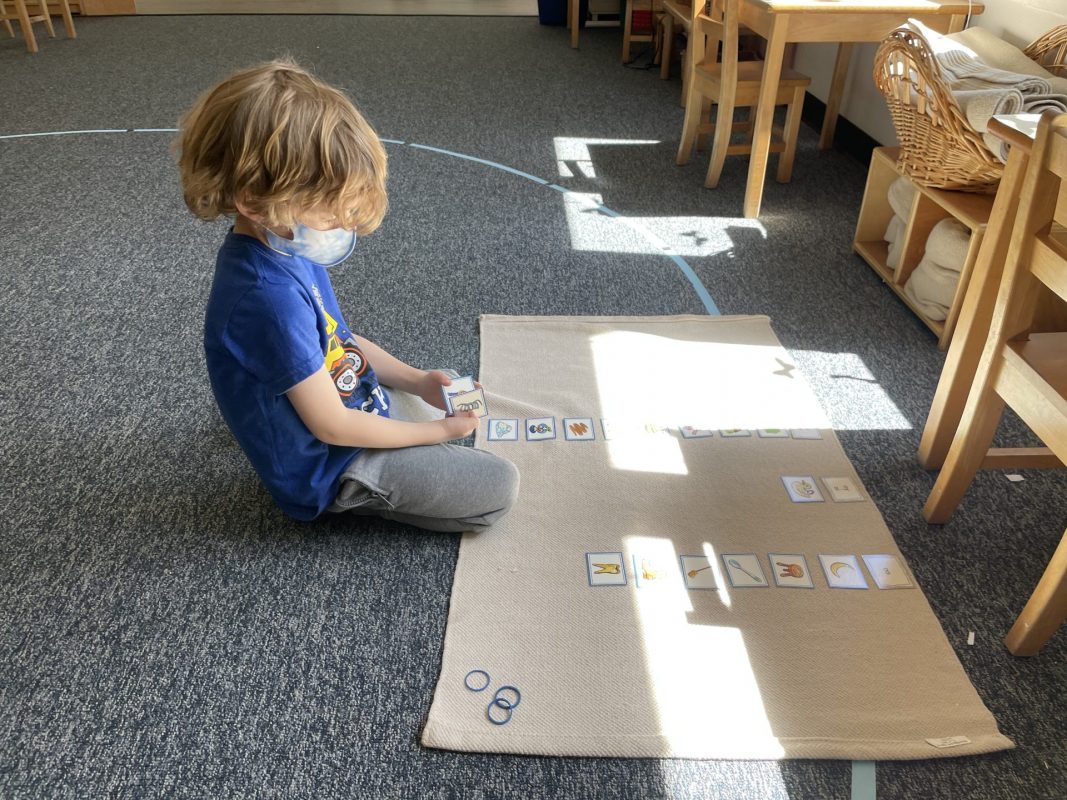
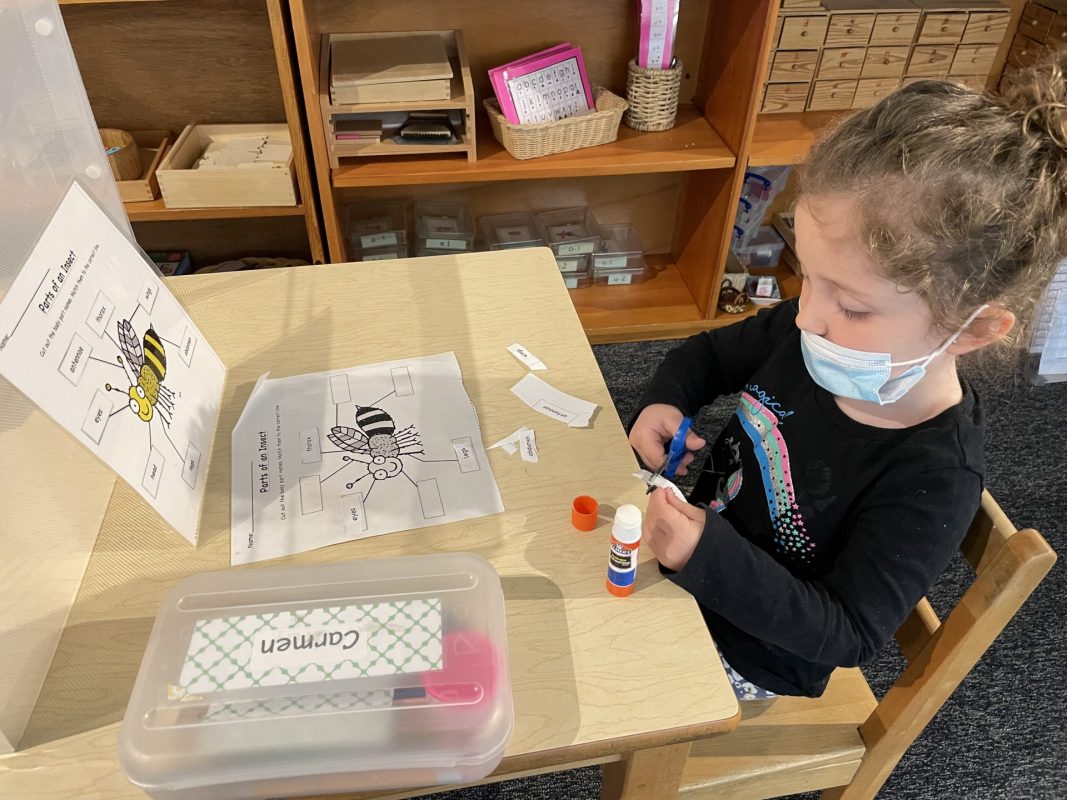
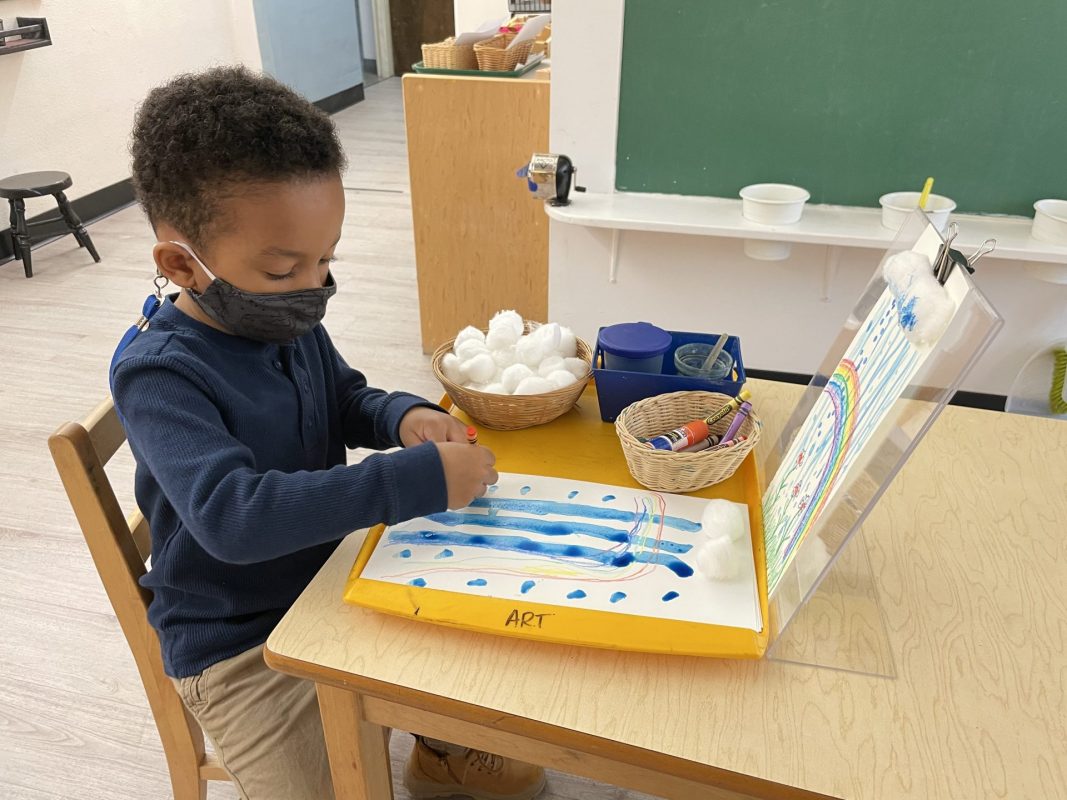
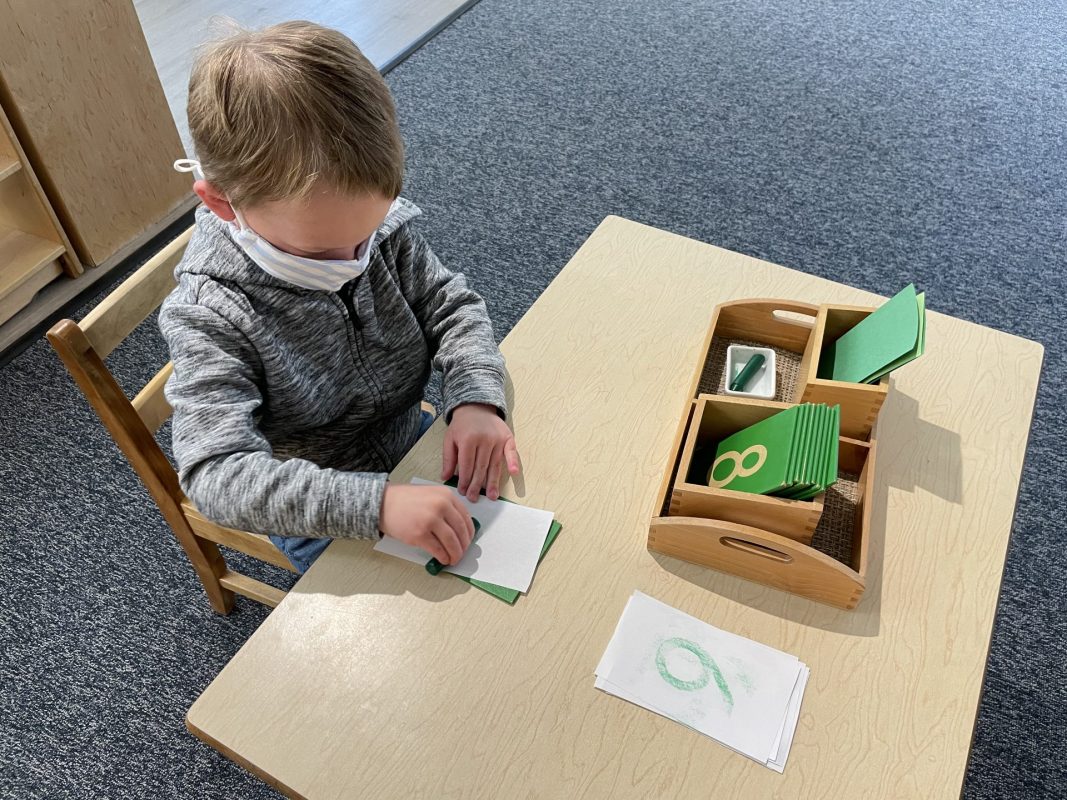
Mrs. Lopes’s Class: The Beauty of a Normalized Classroom

Normalization “is the most important single result of our whole work.” ~Maria Montessori, The Absorbent Mind

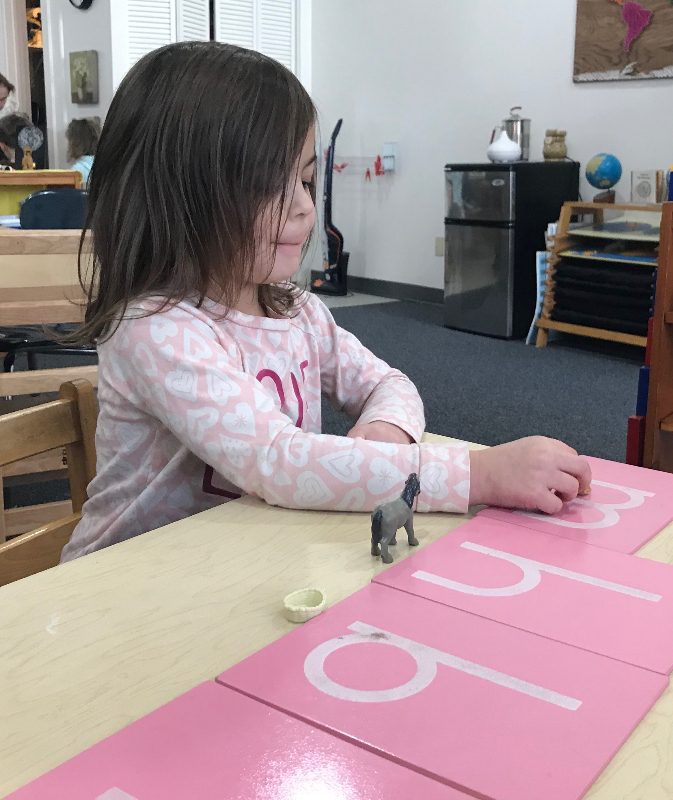
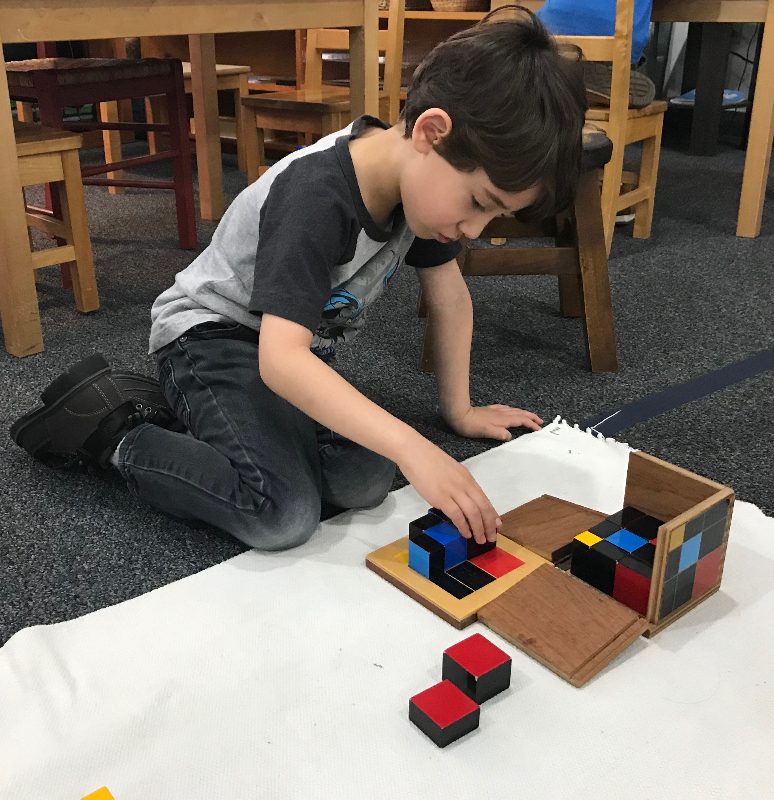
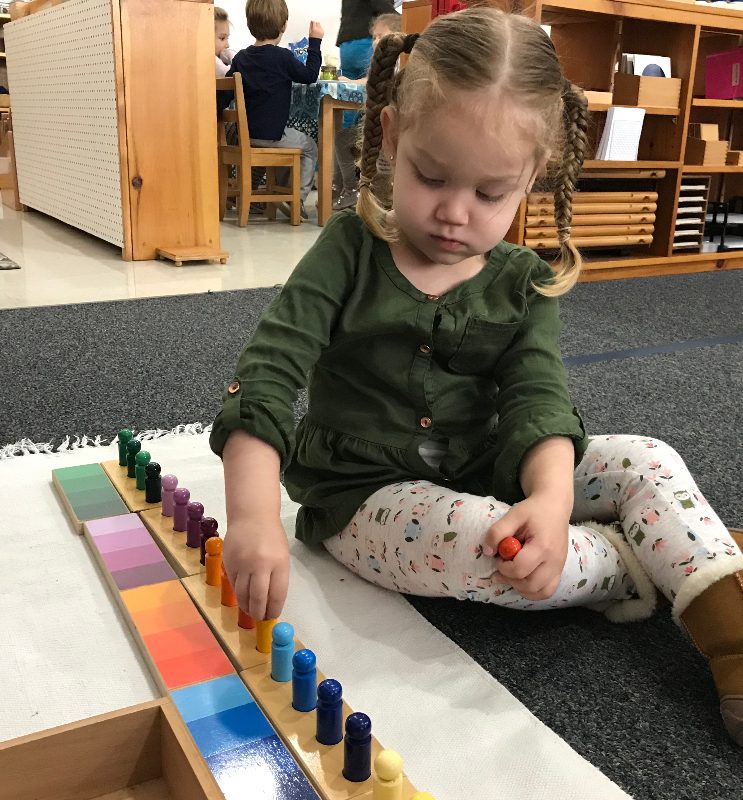
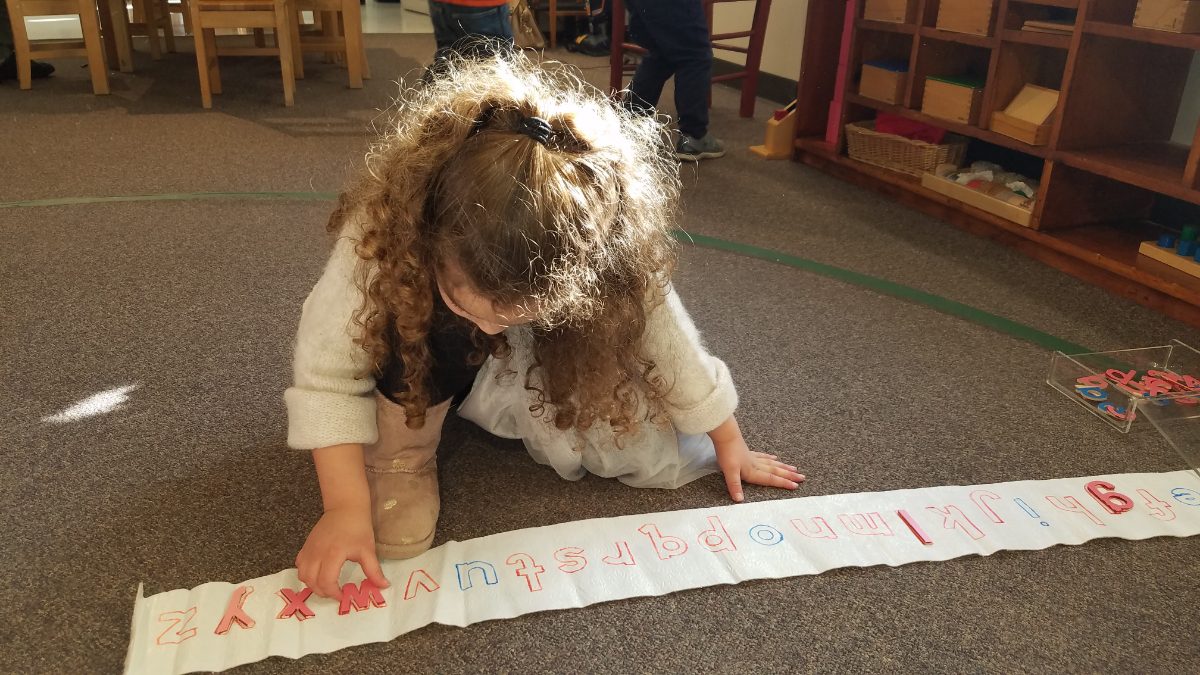
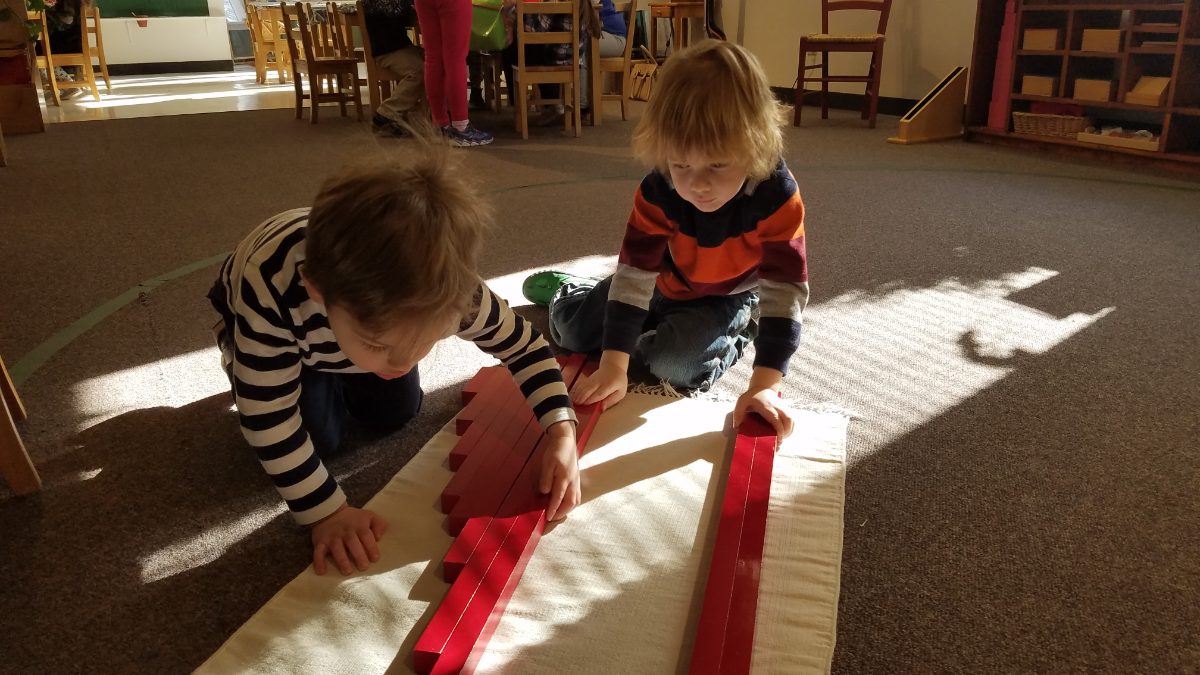
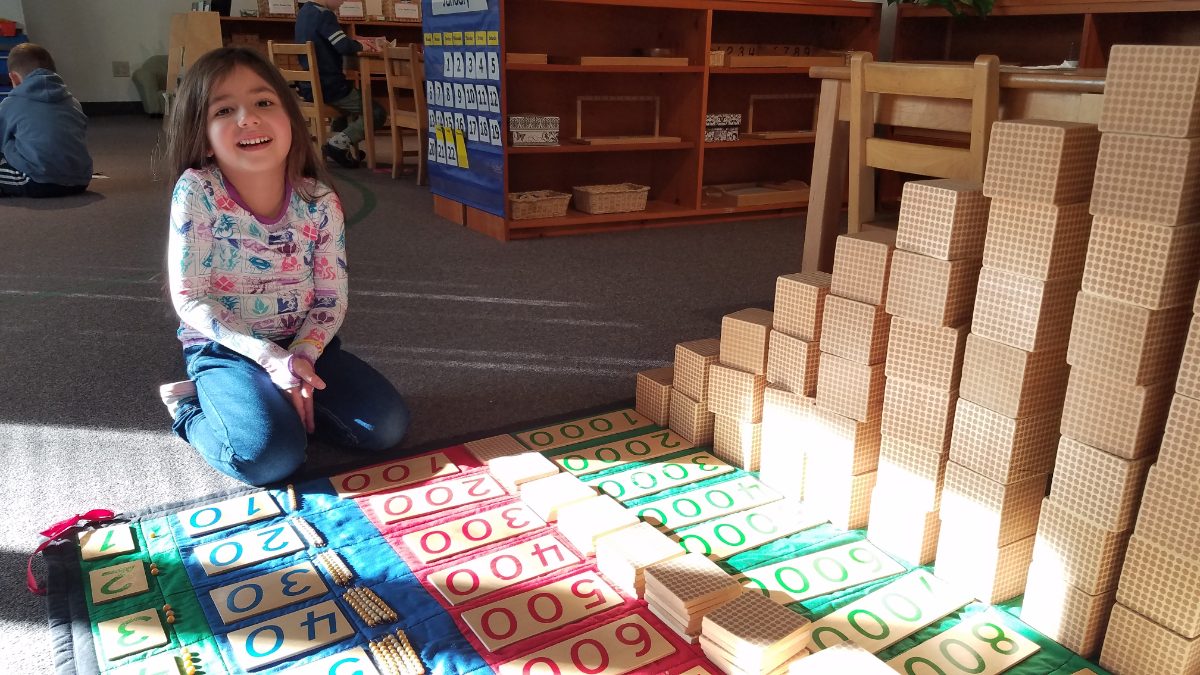
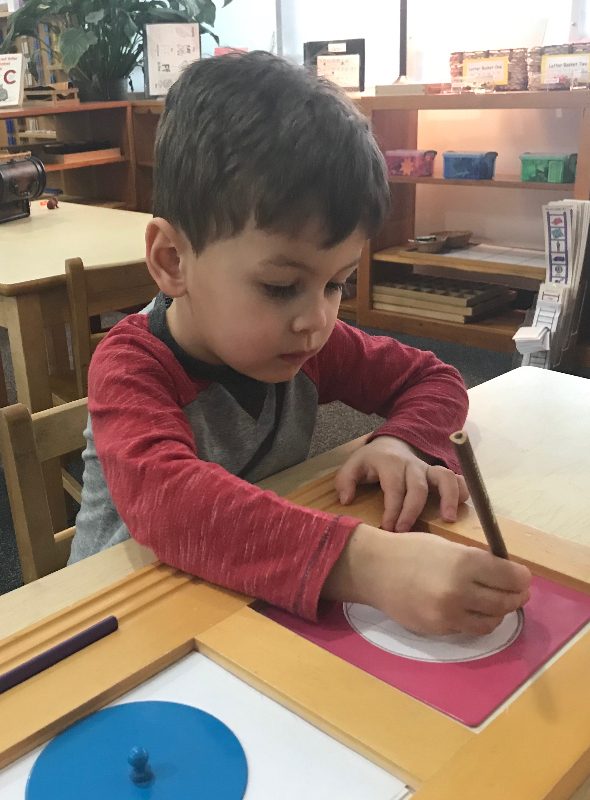
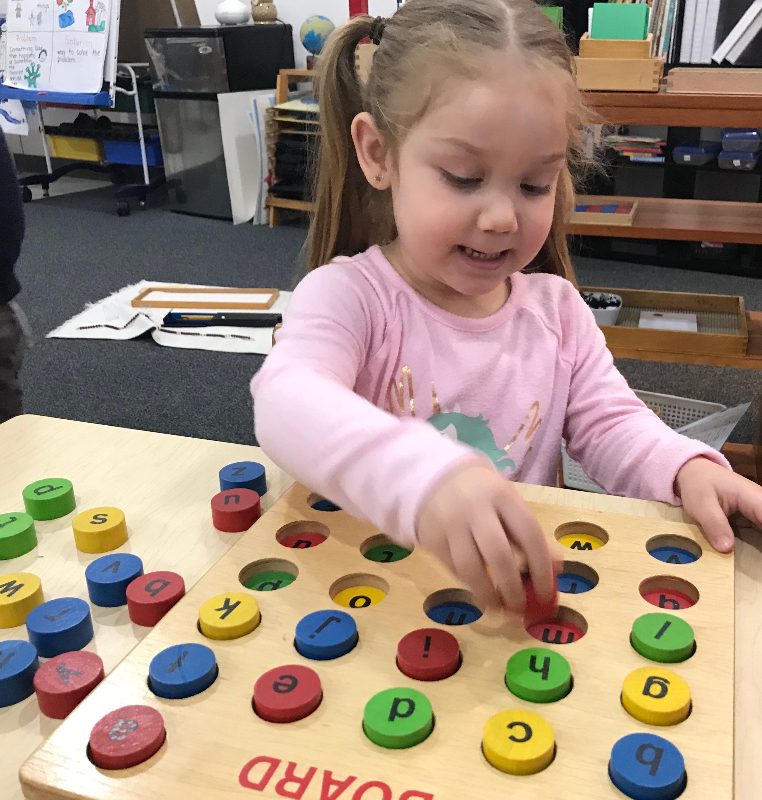
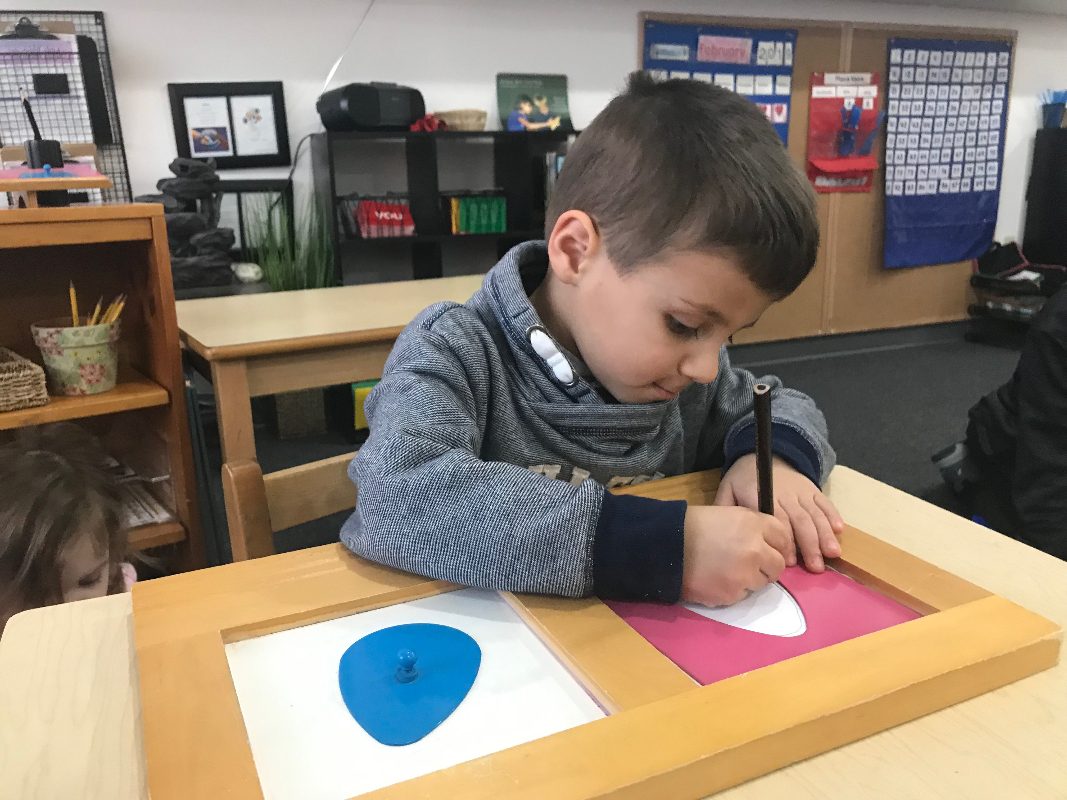
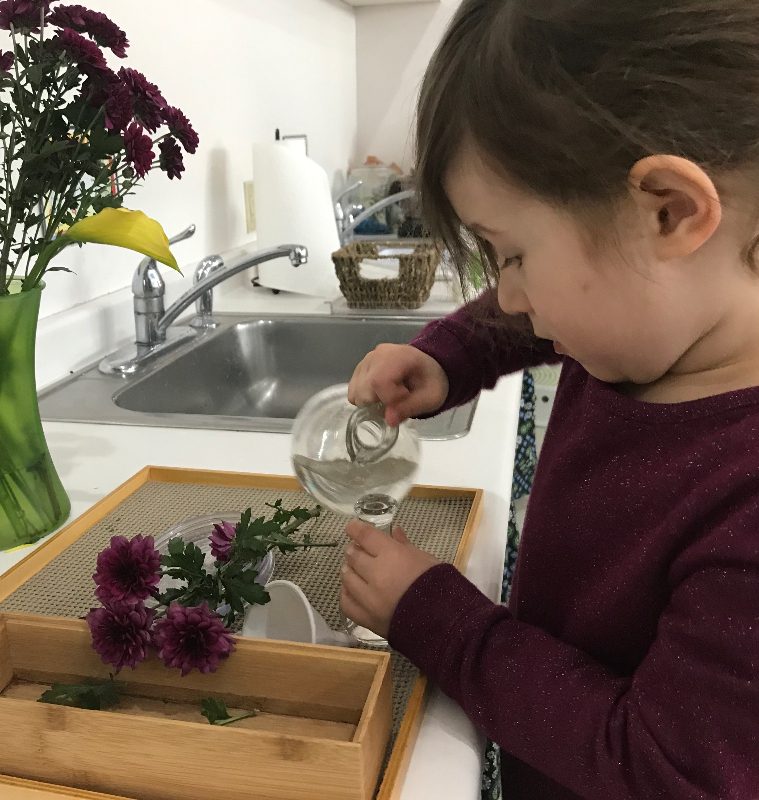
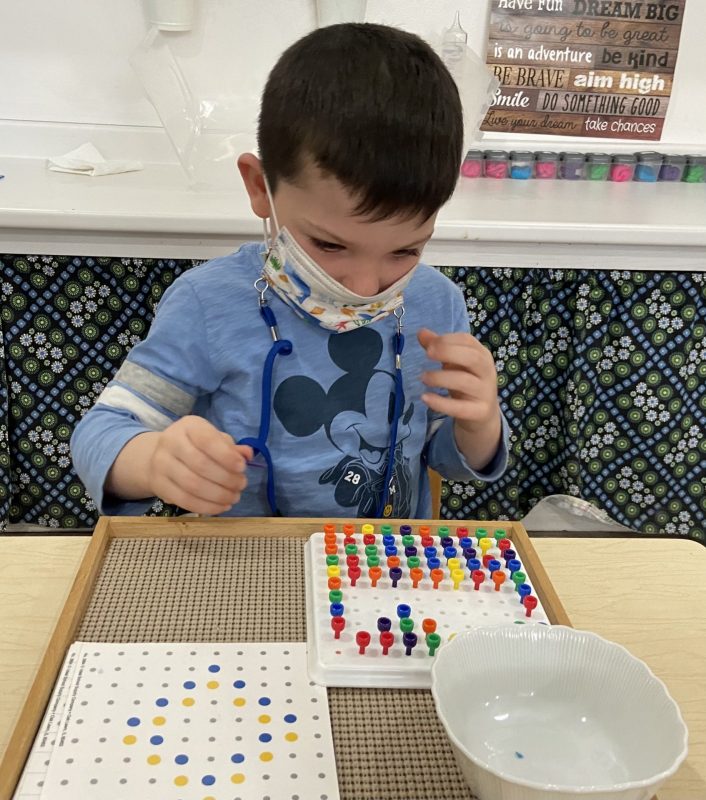
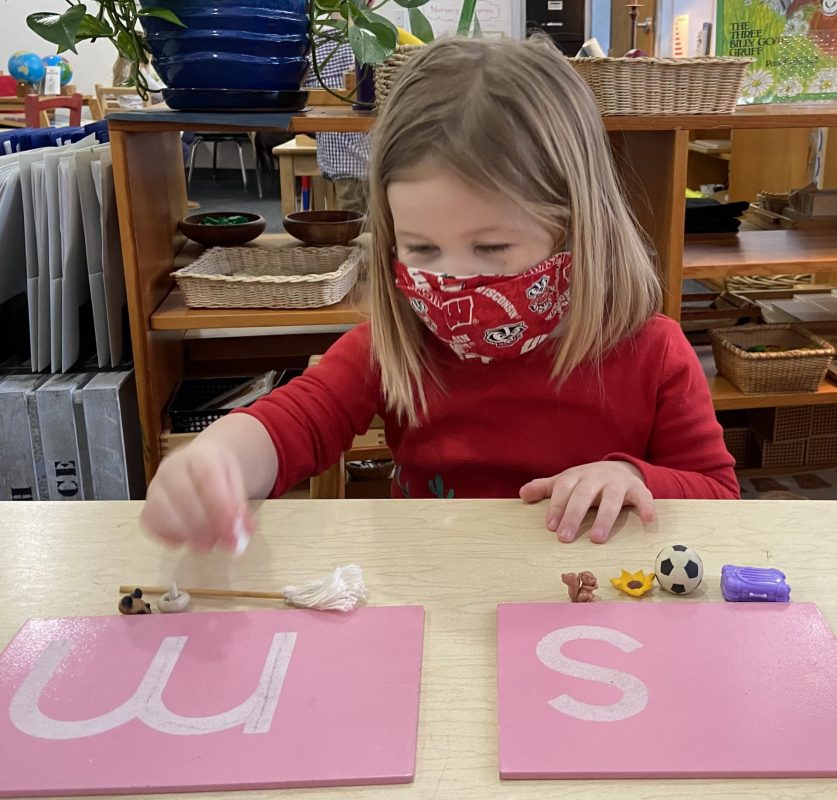
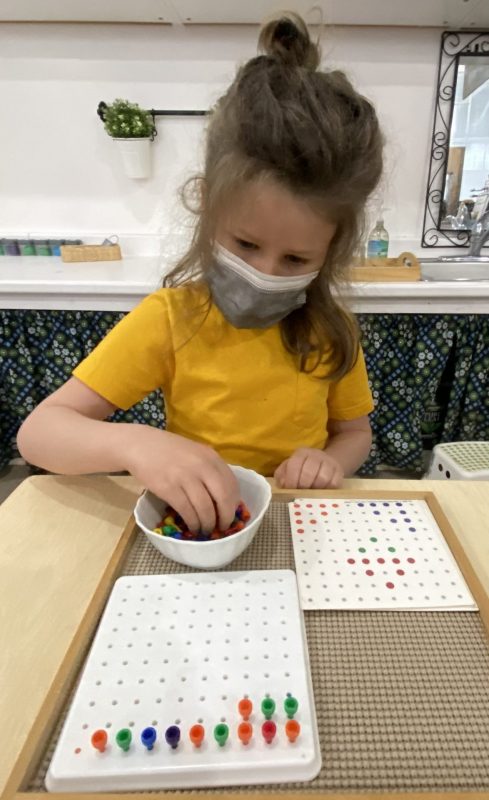
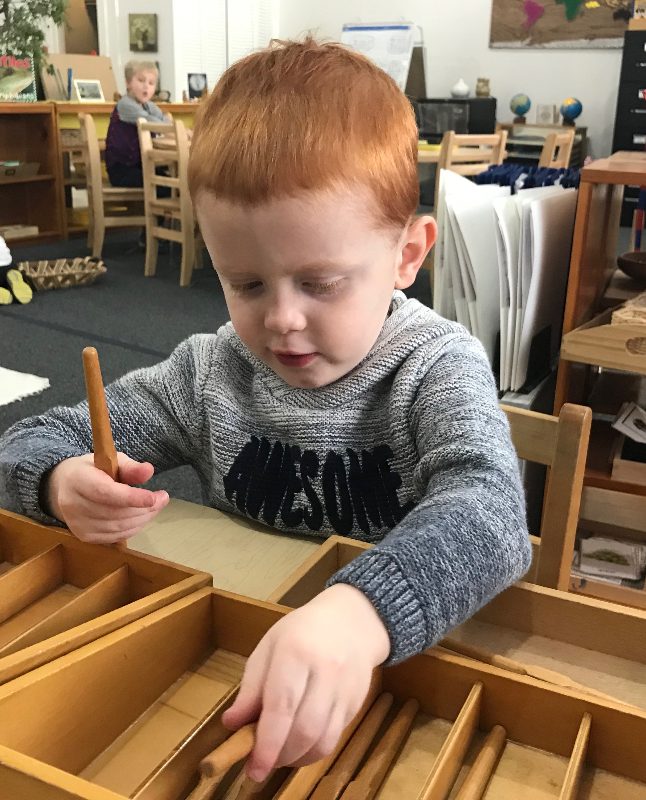
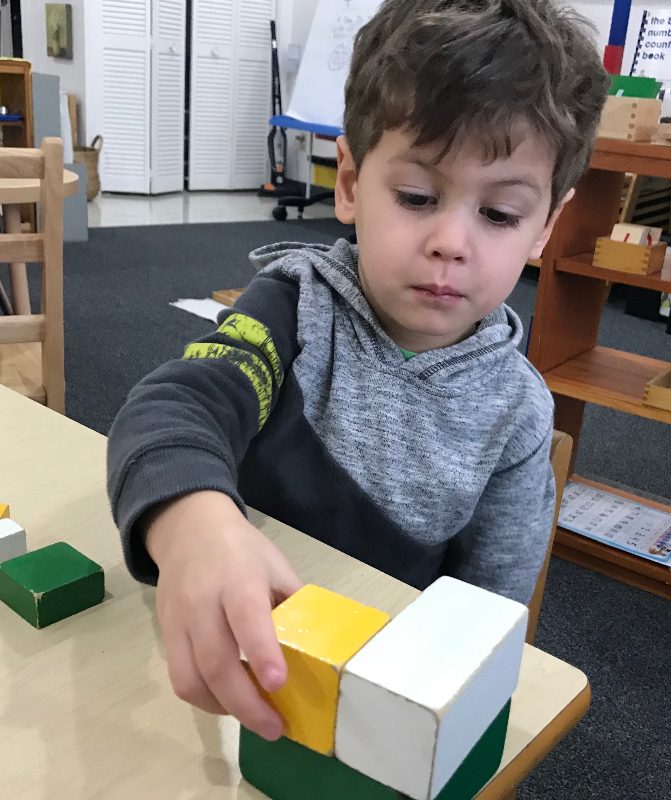
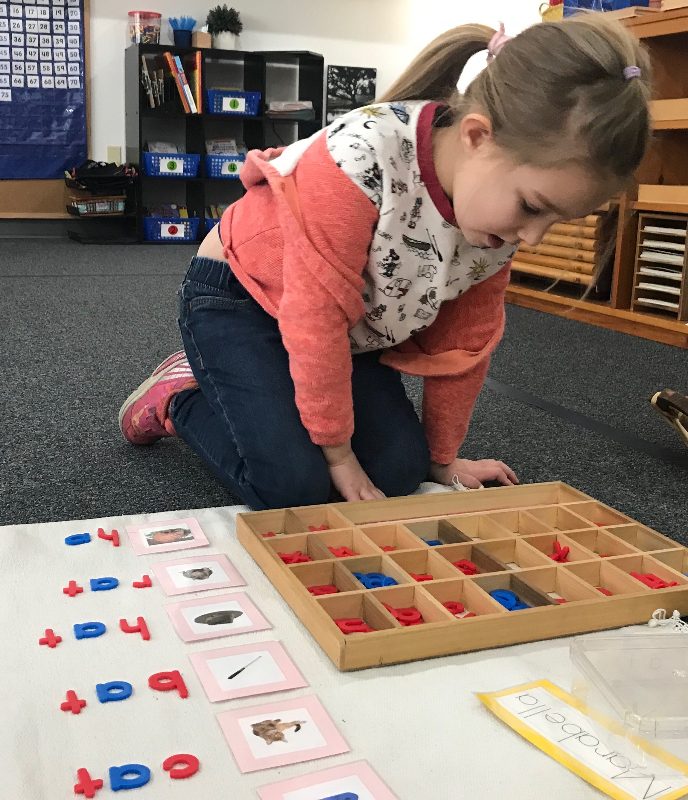
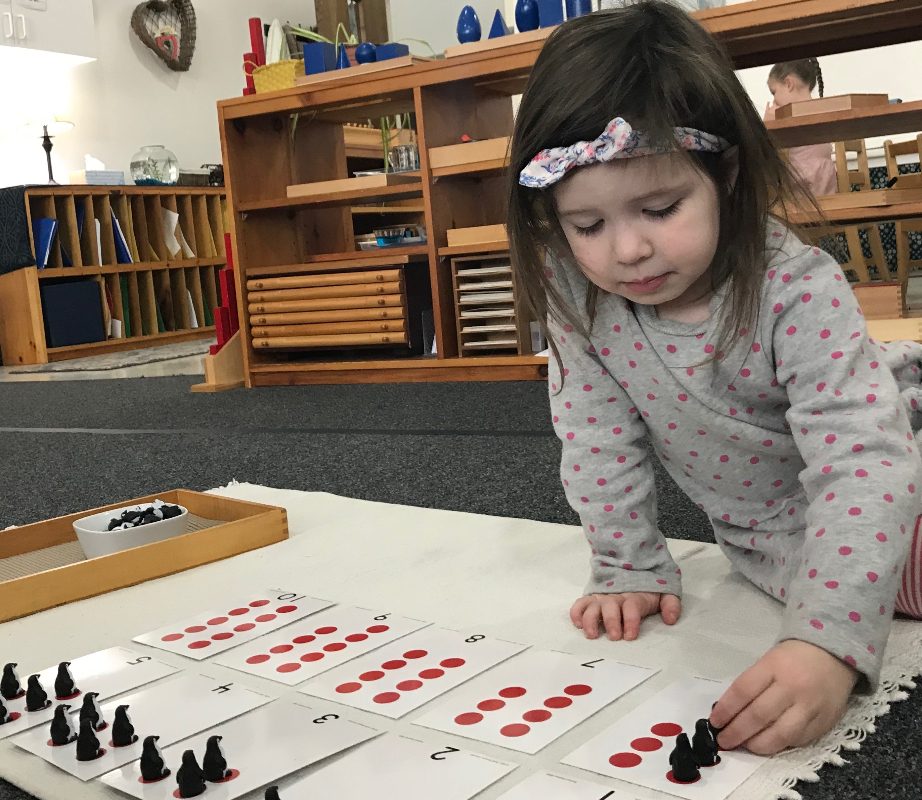
When hearing the term “normalization” for the first time, most people cringe, “What do you mean my child isn’t normal?”  The word normalization is actually a term borrowed from anthropology and means “becoming a contributing member of society.” As a Montessori teacher, we are constantly working toward this goal of a normalized classroom.  So what is a normalized classroom? When children in a Montessori environment demonstrate deep concentration, self-discipline, social skills, and a true love of work, we describe this as a normalized classroom. Normalization is achieved by consistent and clear ground rules that everyone is familiar with. It is our job to make sure the environment is always well prepared and designed to meet the needs of the children. As Montessori teachers, we are confident that if we do our part, coupled with the opportunities provided by the environment and Montessori materials, our children will thrive.

After the winter break and upon our return in January we often see noticeable growth in the children’s social and emotional development. They come back eager to learn and raring to go! The first half of the year they have become comfortable and confident with our classroom routines and expectations. They have developed deeper relationships with their peers and teachers. It is always an exciting time and sets the groundwork for the second half of the school year.

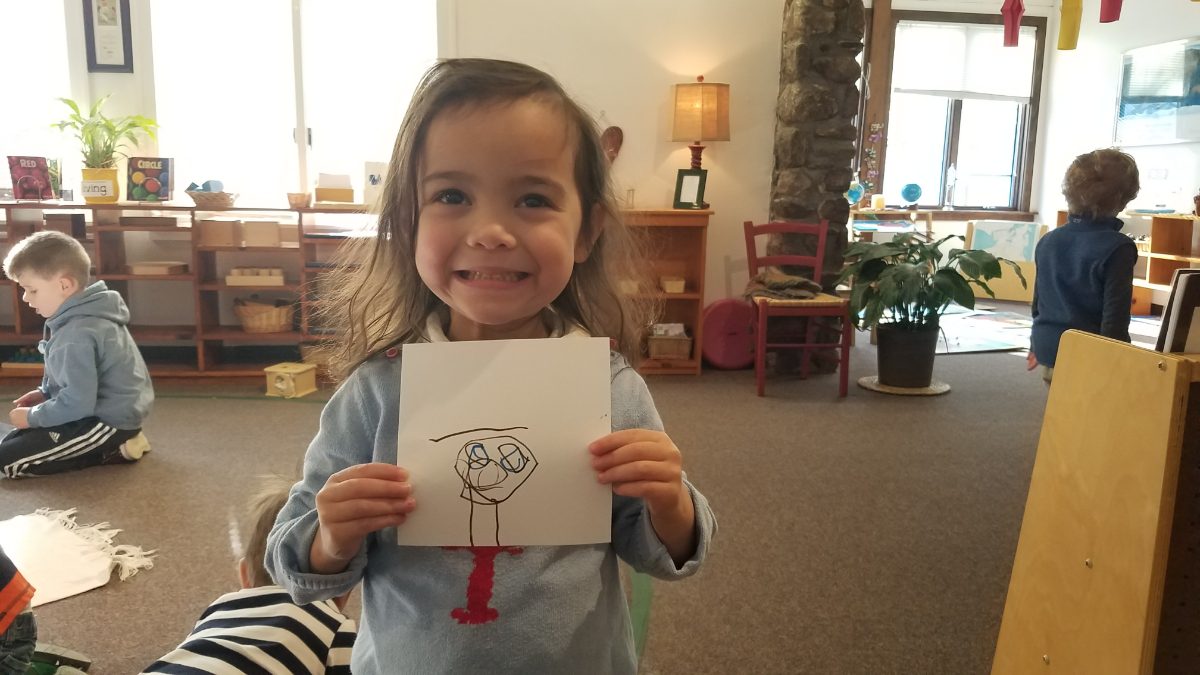
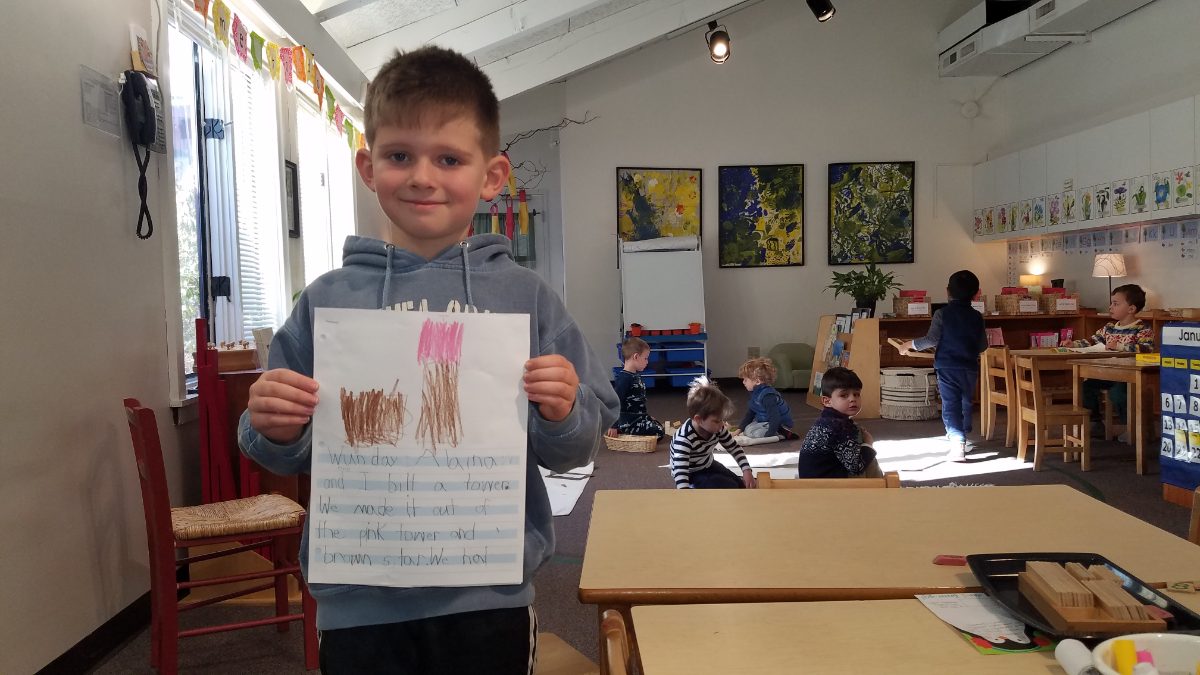
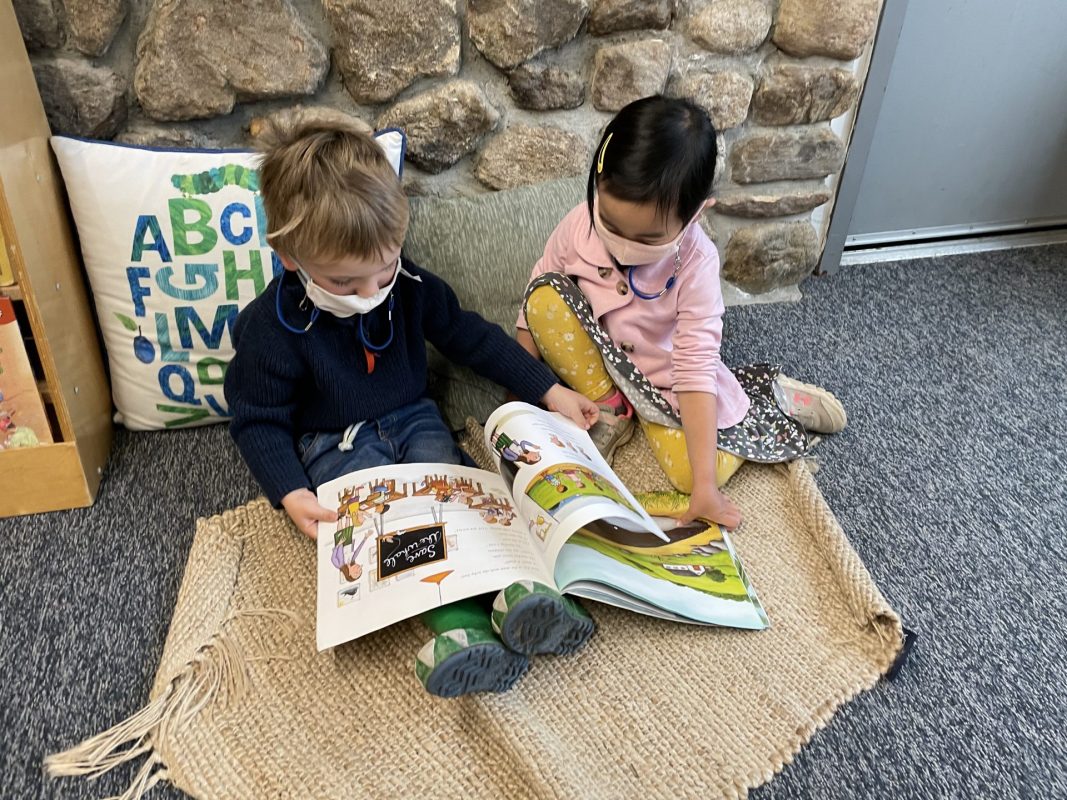
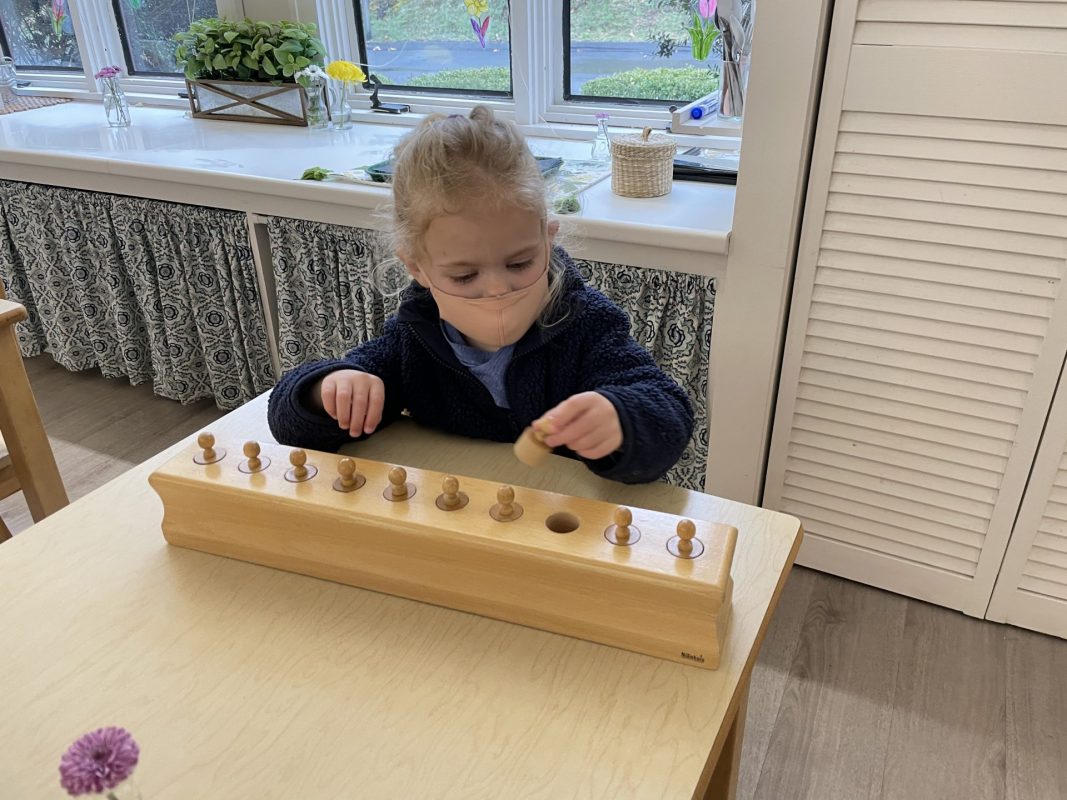
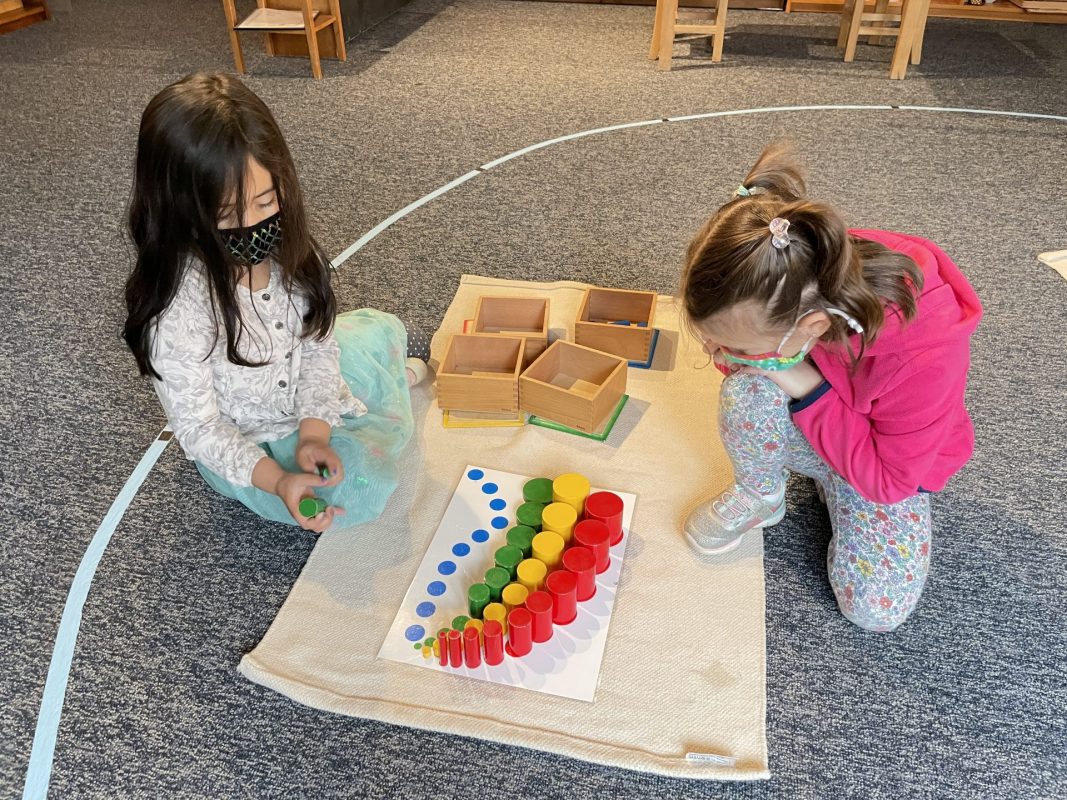
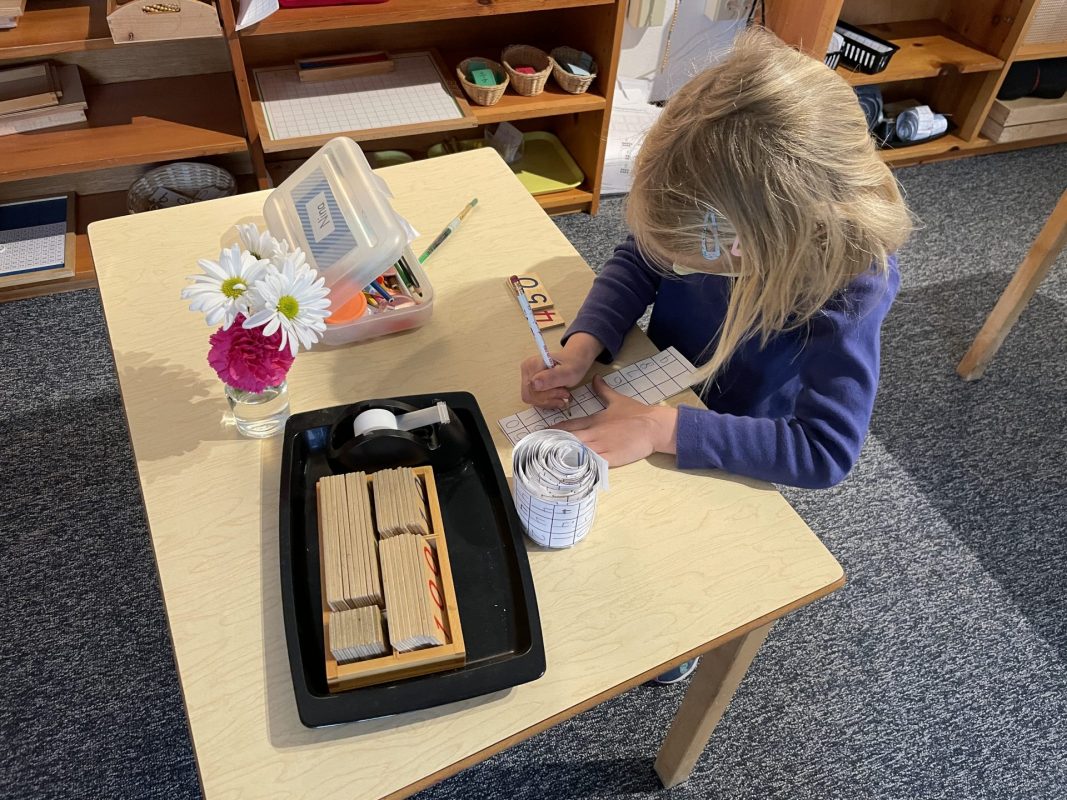
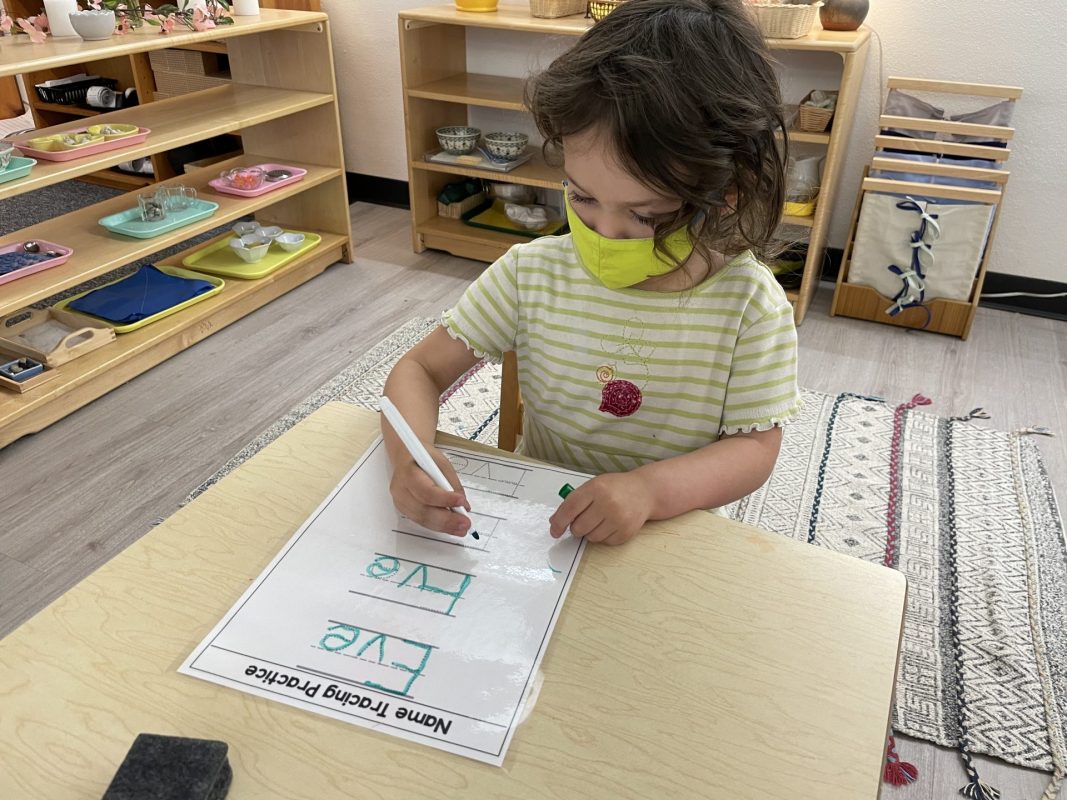
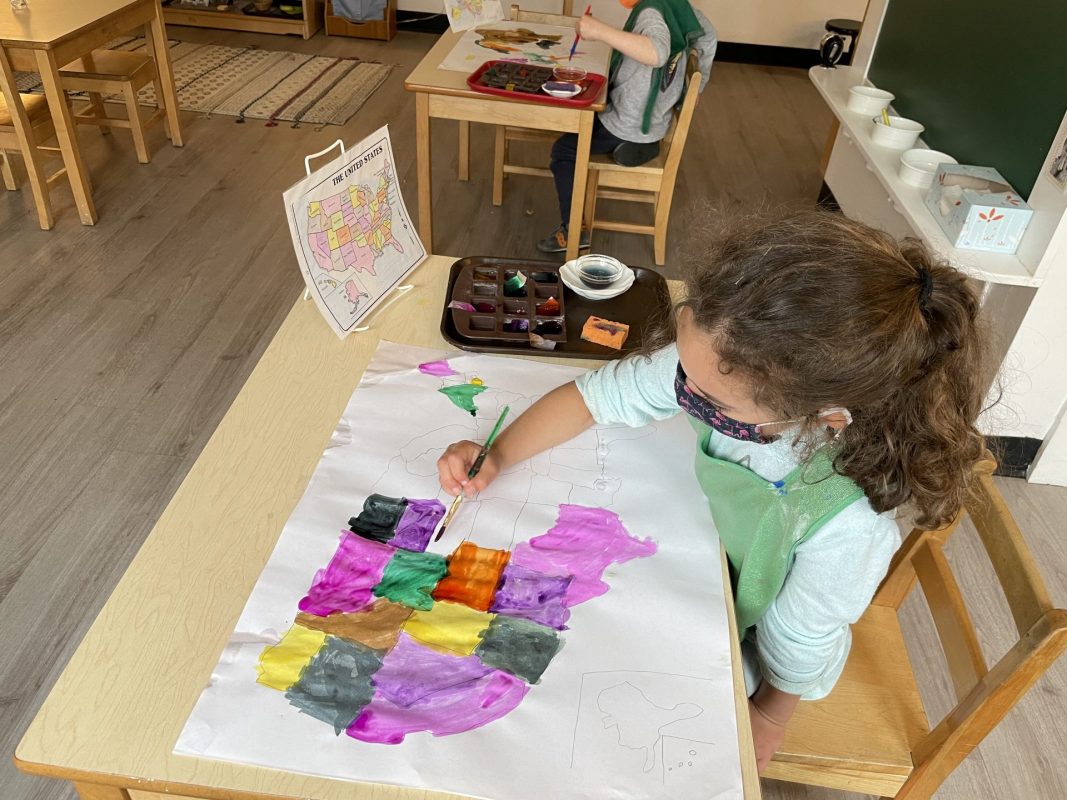
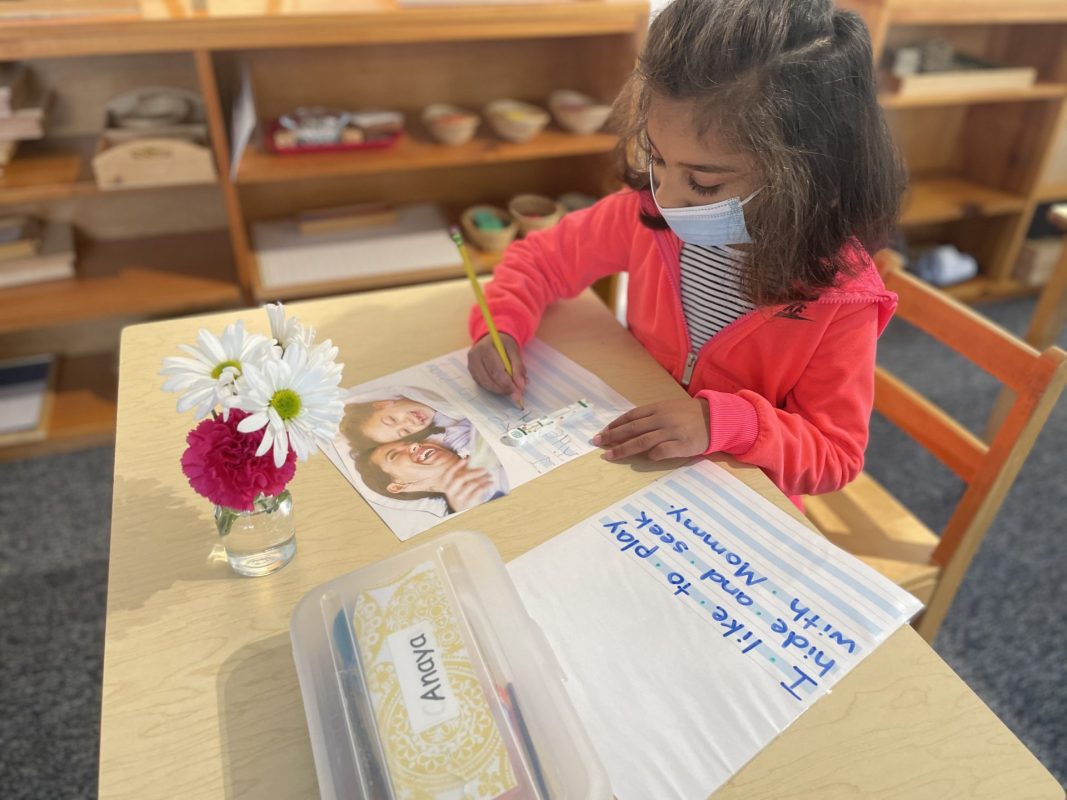
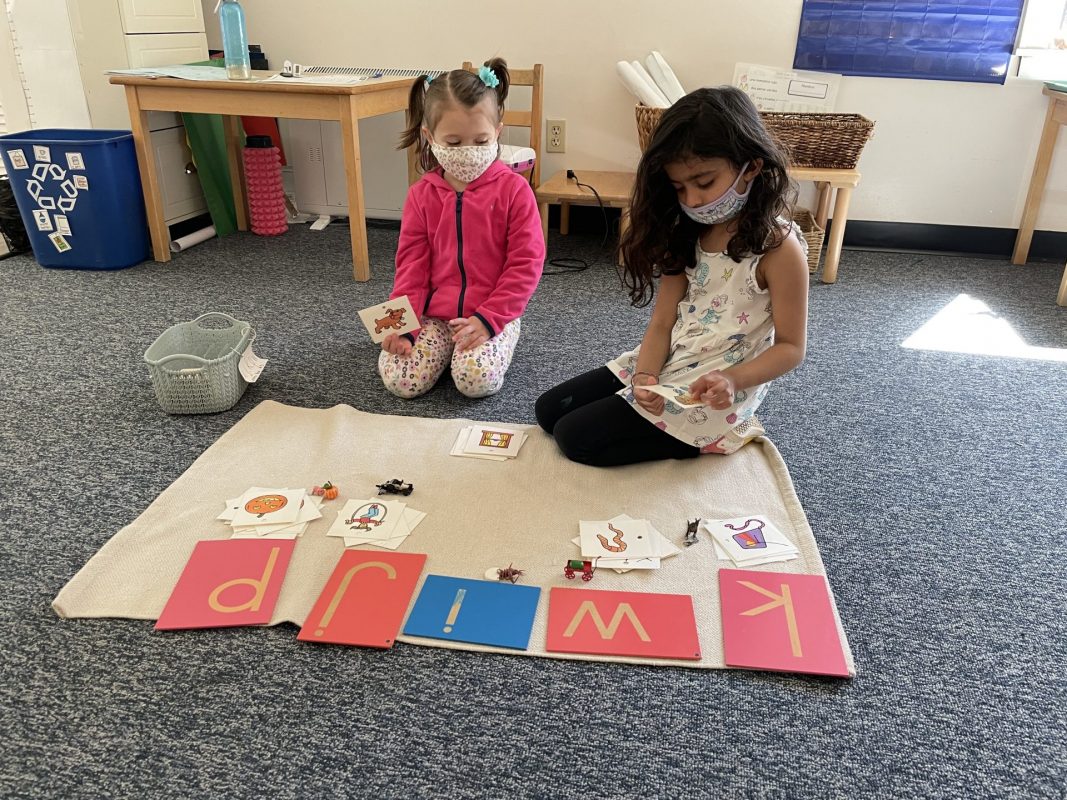
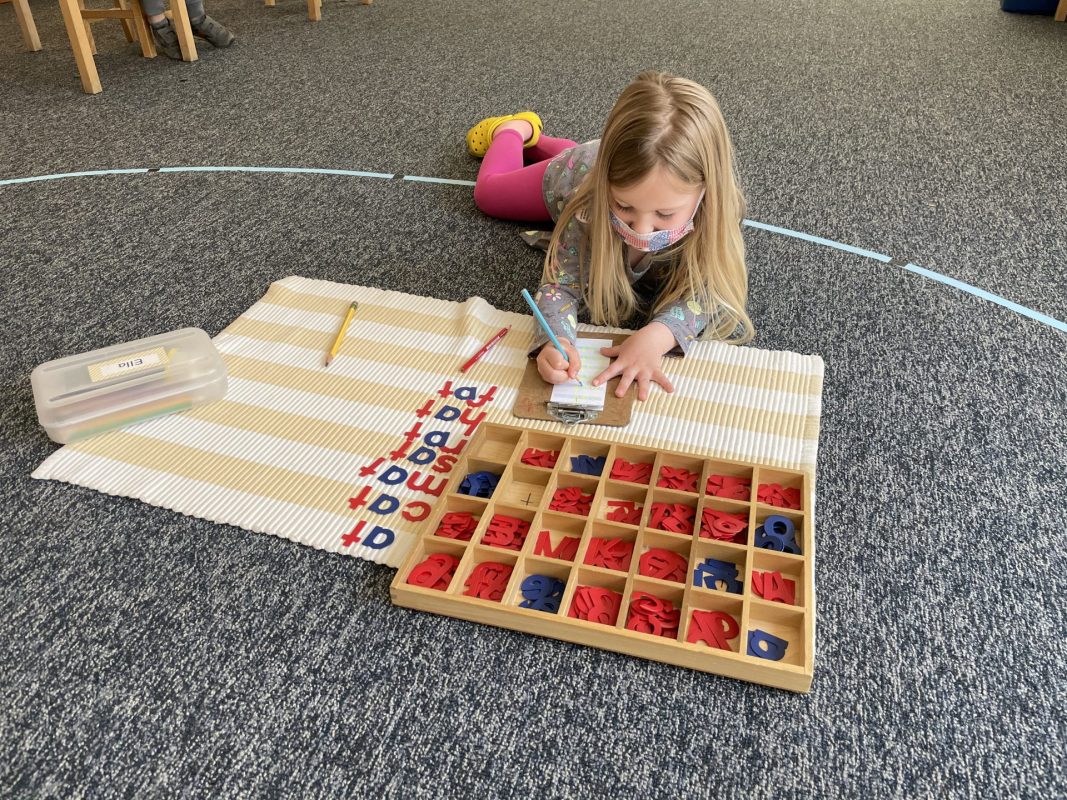
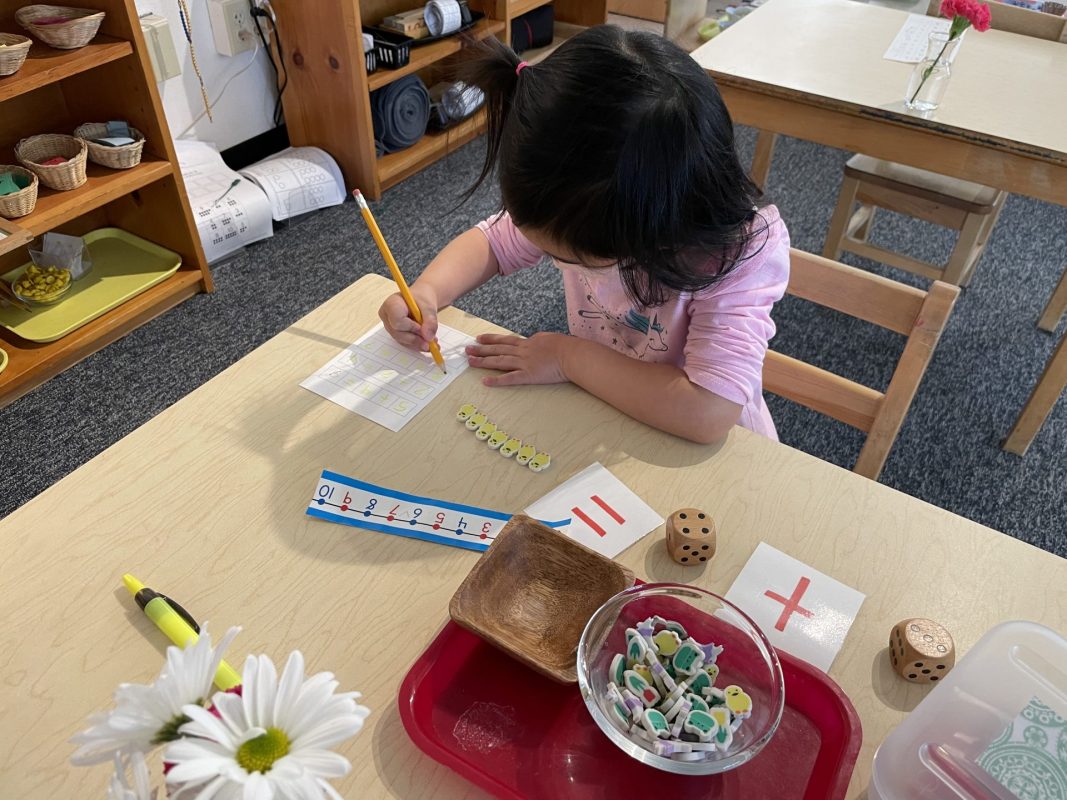
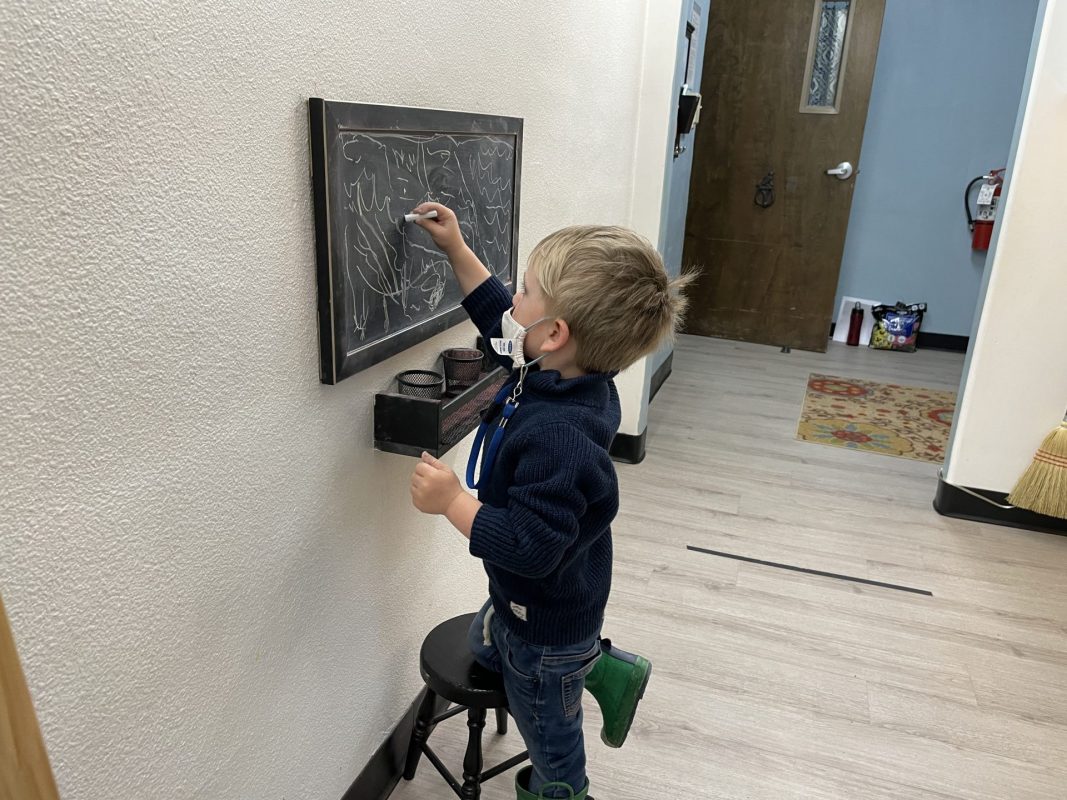
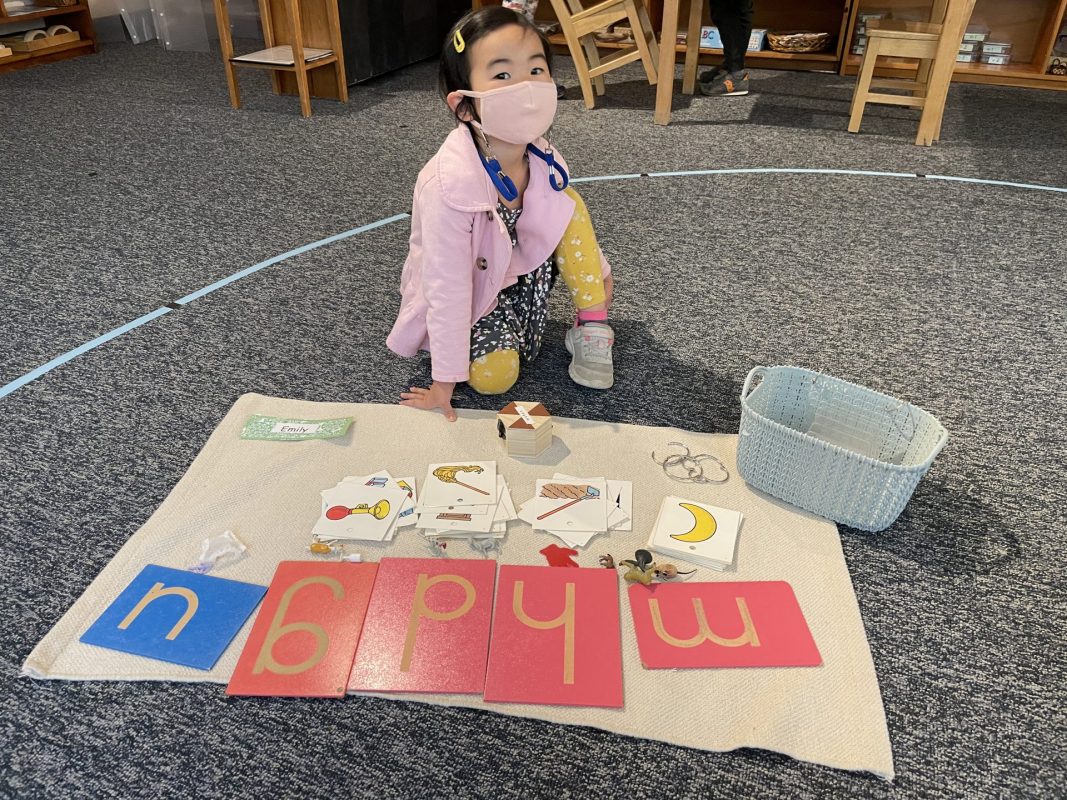
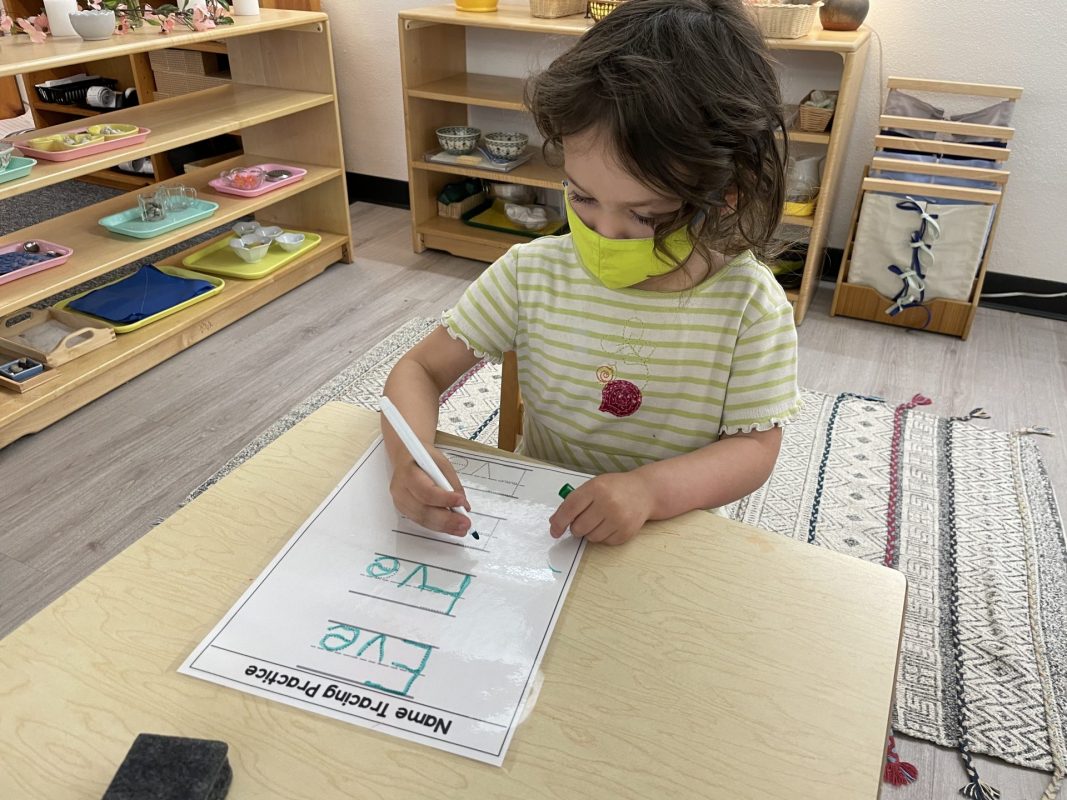
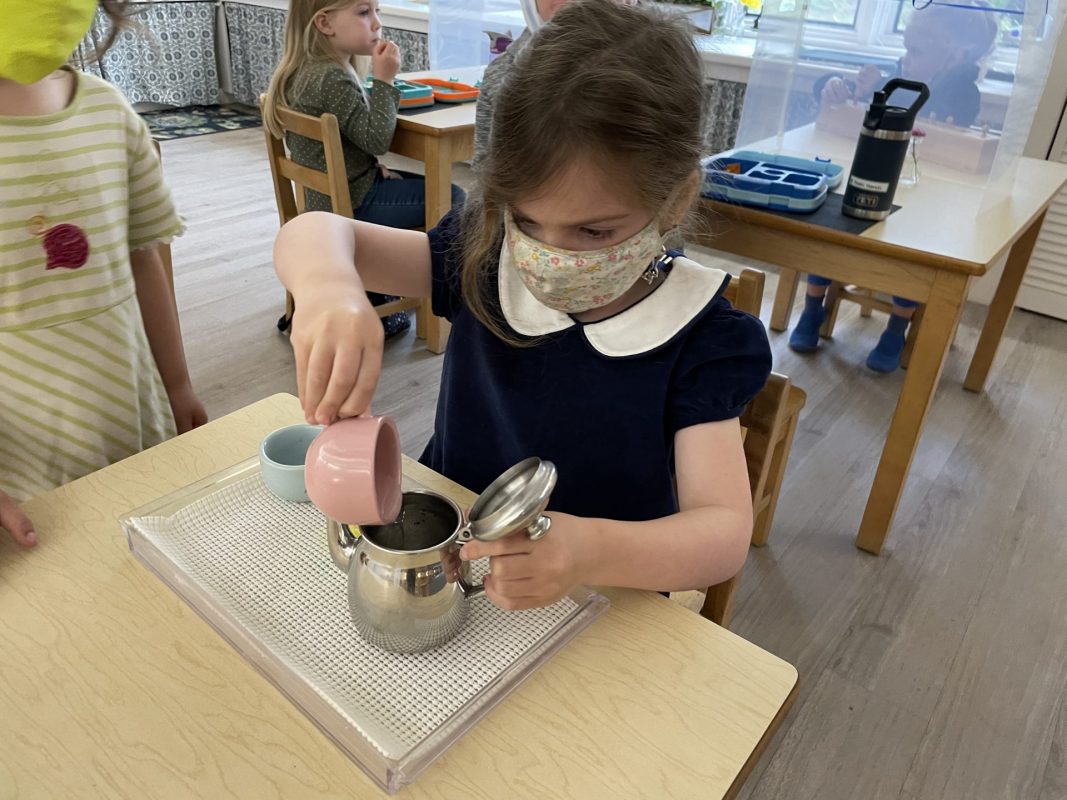
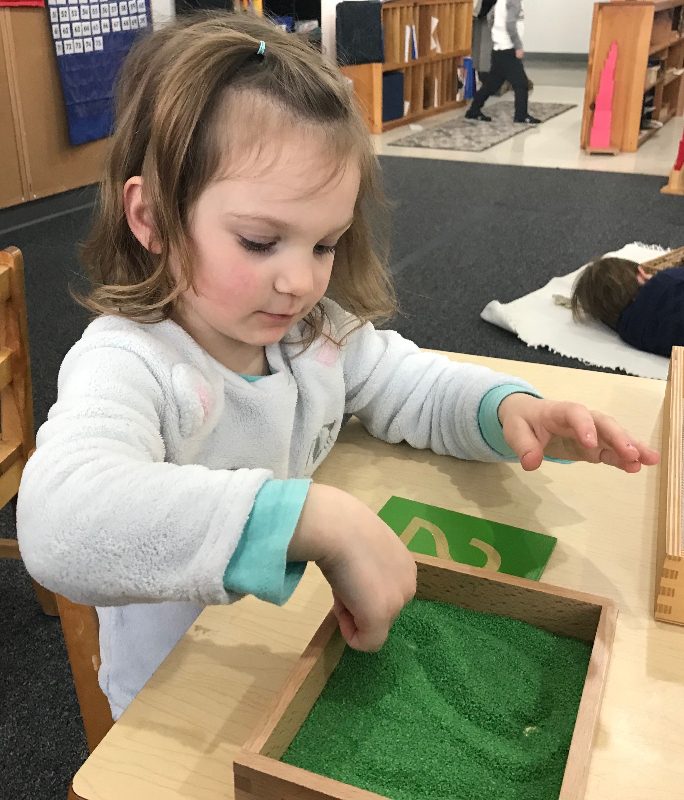
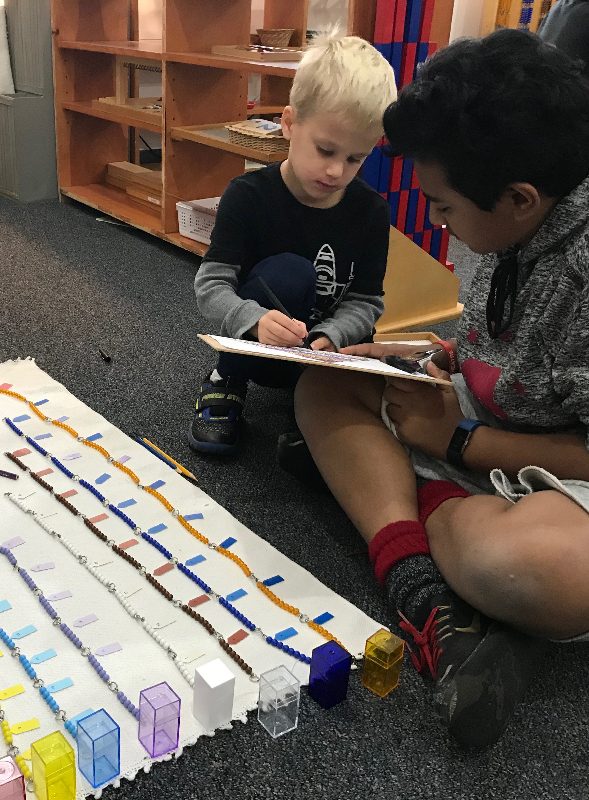
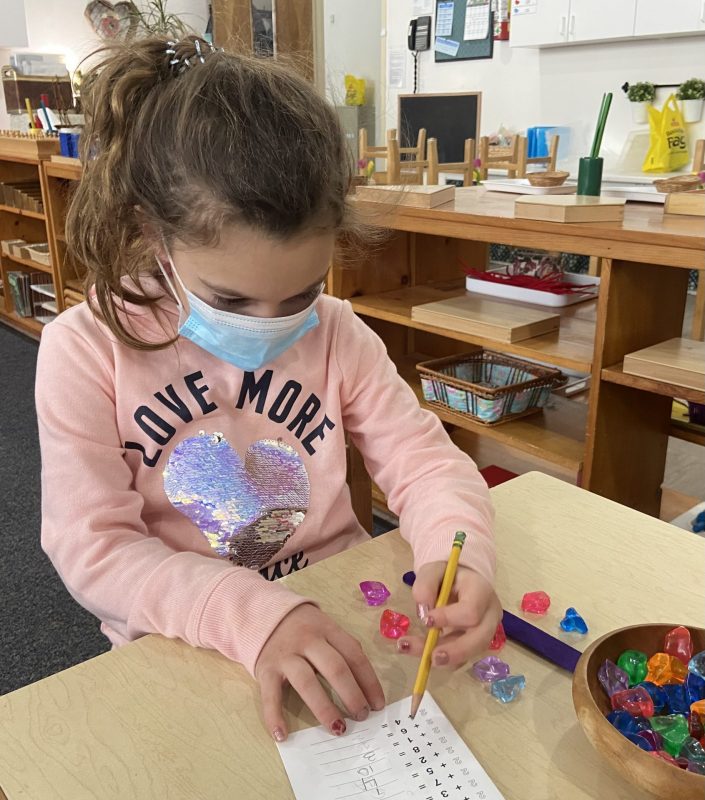
Enjoy these pictures of your children hard at work!

Best,

Amanda & Sharlene