Mrs. Doyle’s Class: Where It All Begins!

The first essential for the child’s development is concentration. The child who concentrates is immensely happy.—Maria Montessori

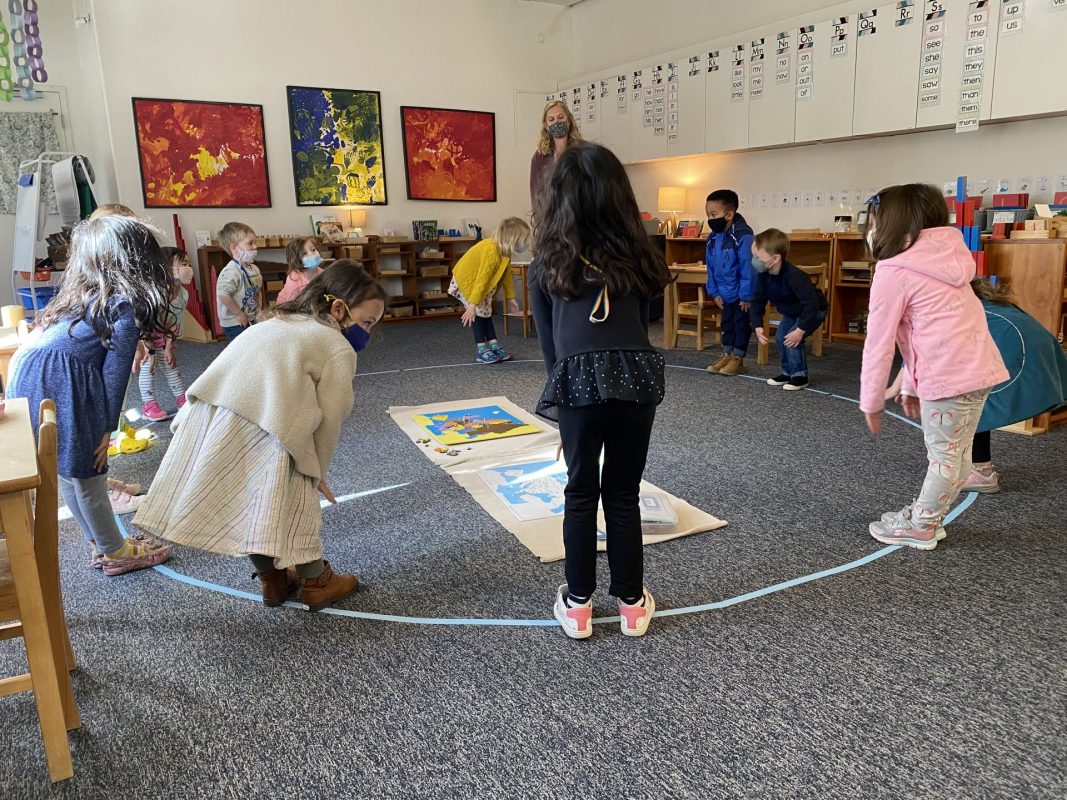
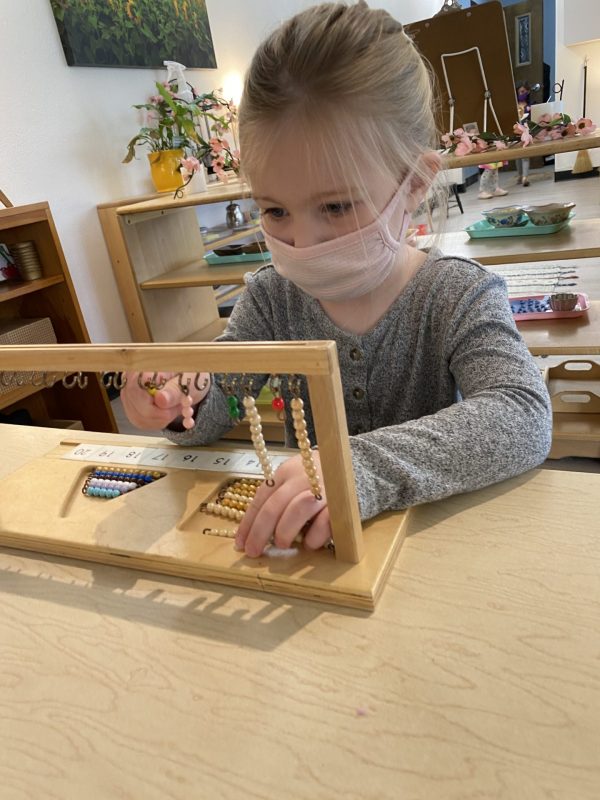
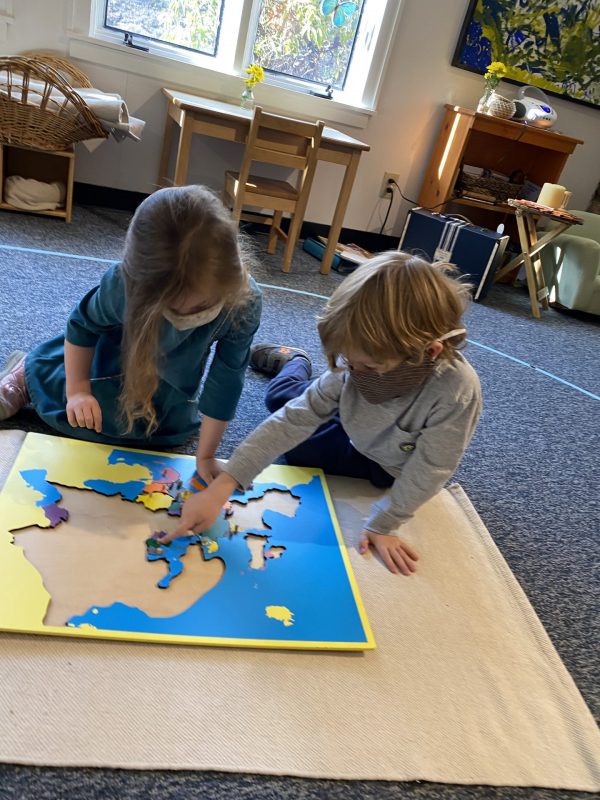
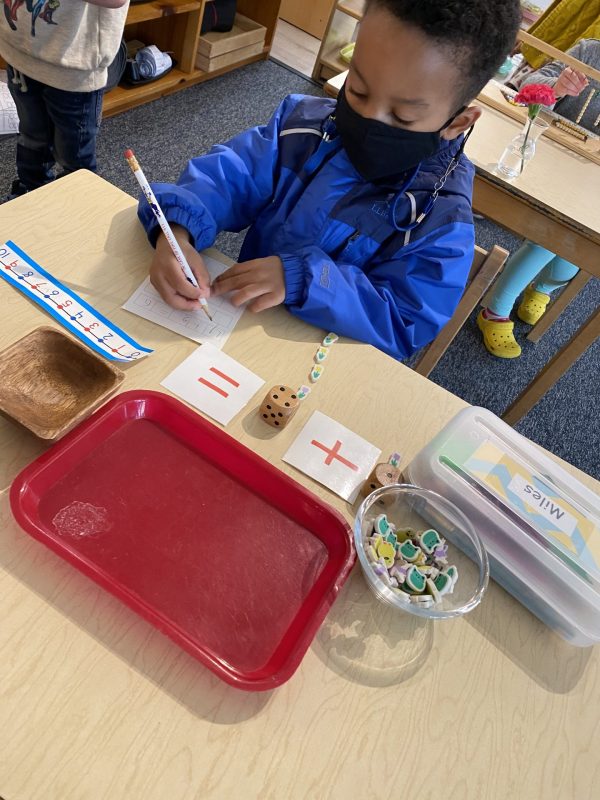
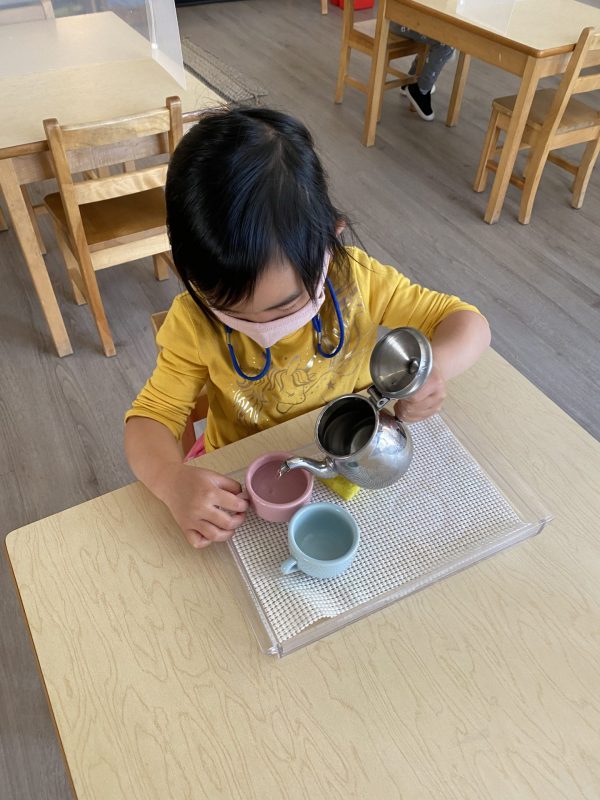
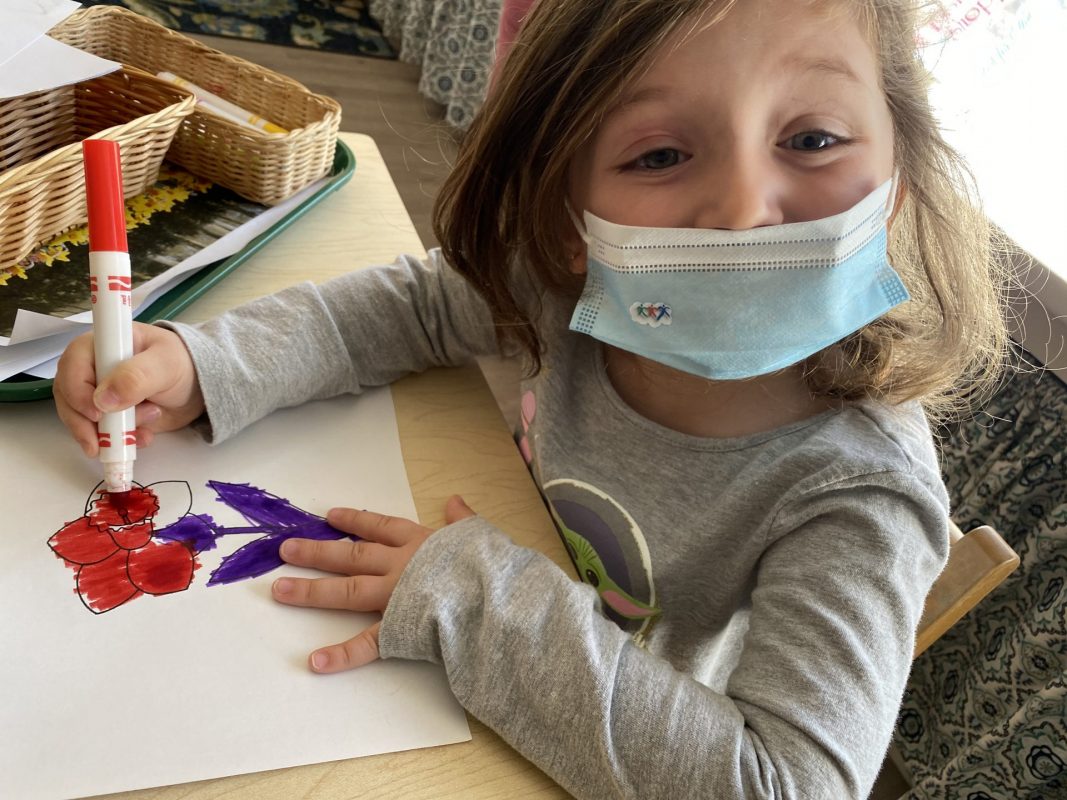
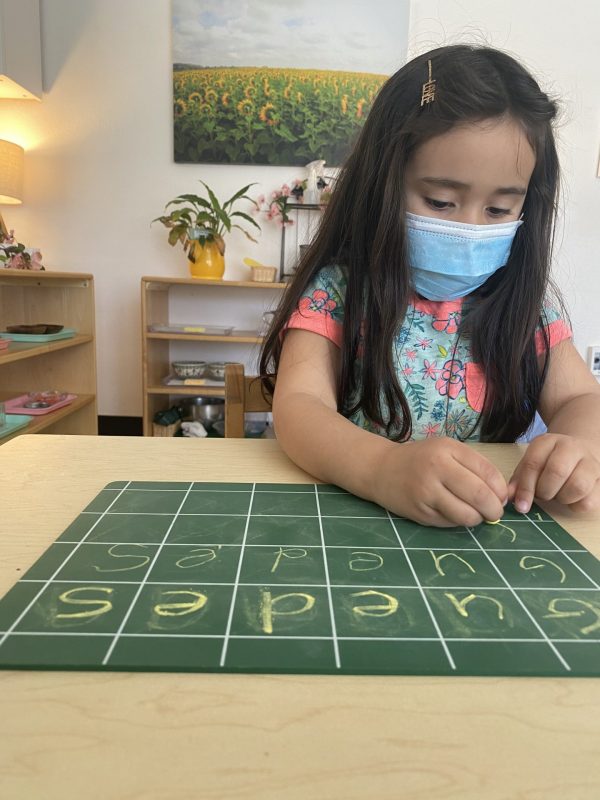
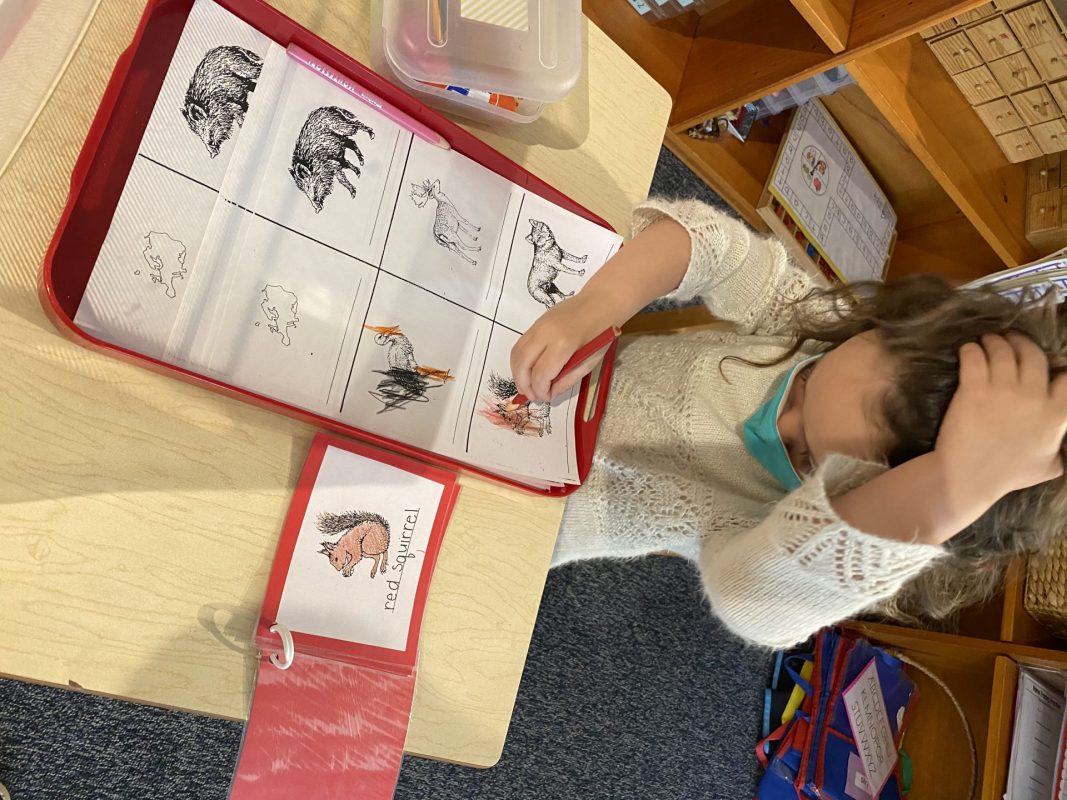
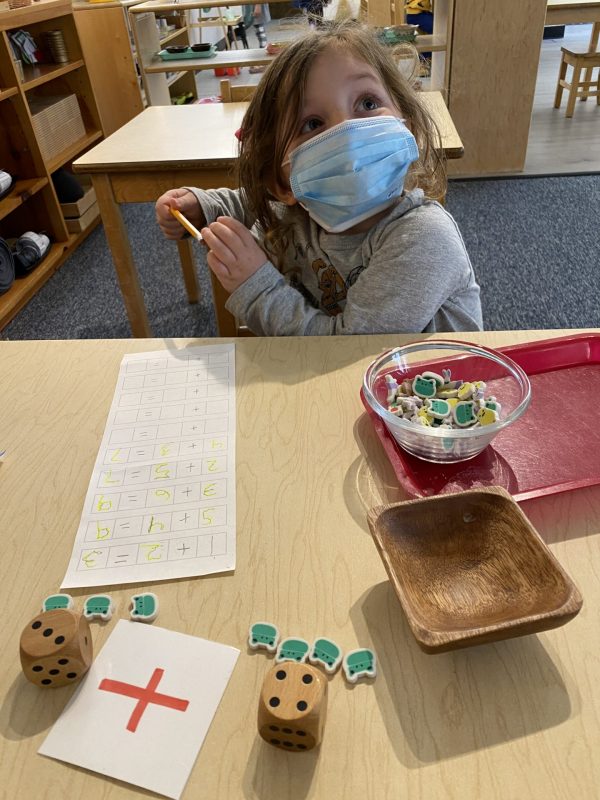
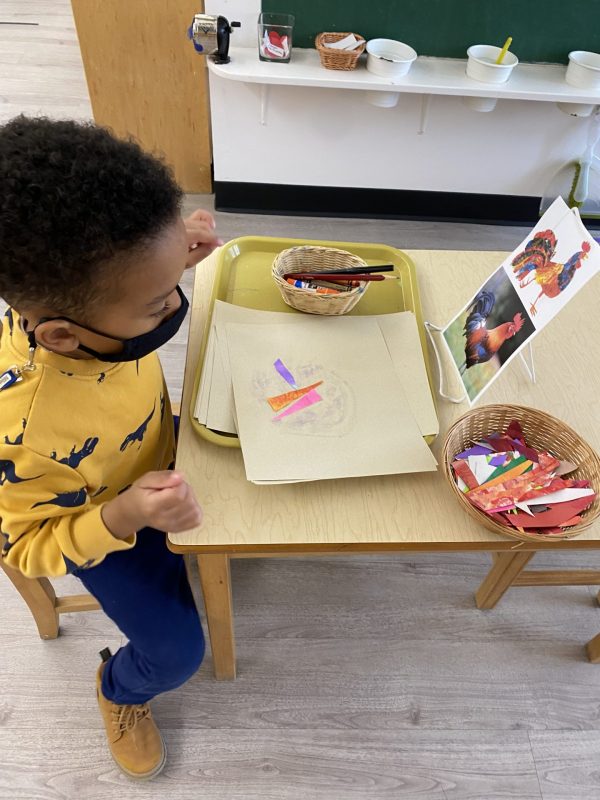
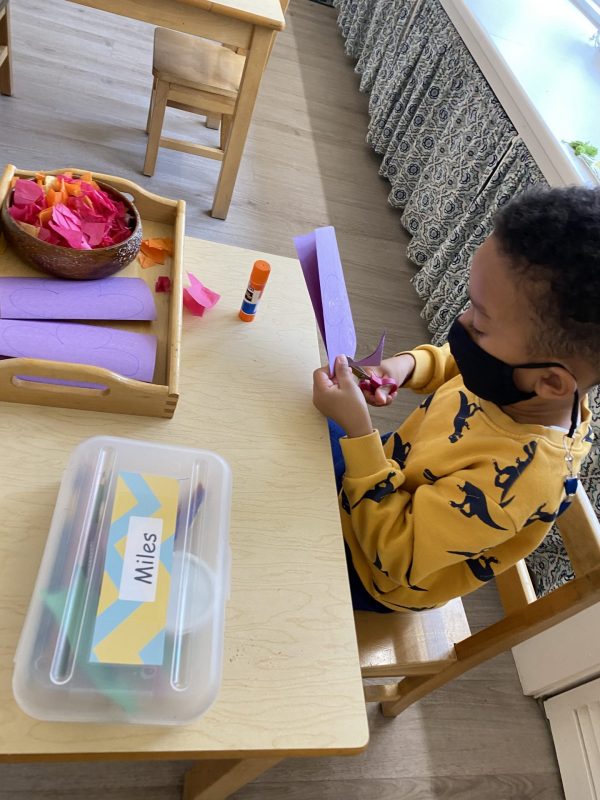
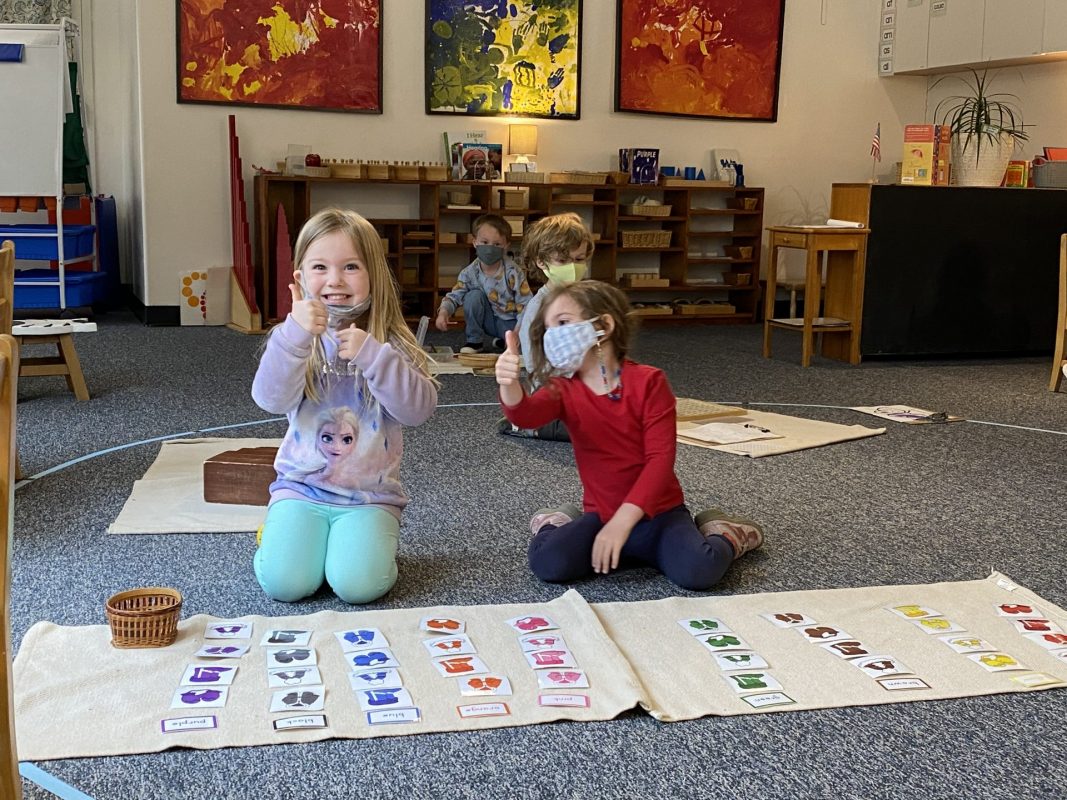
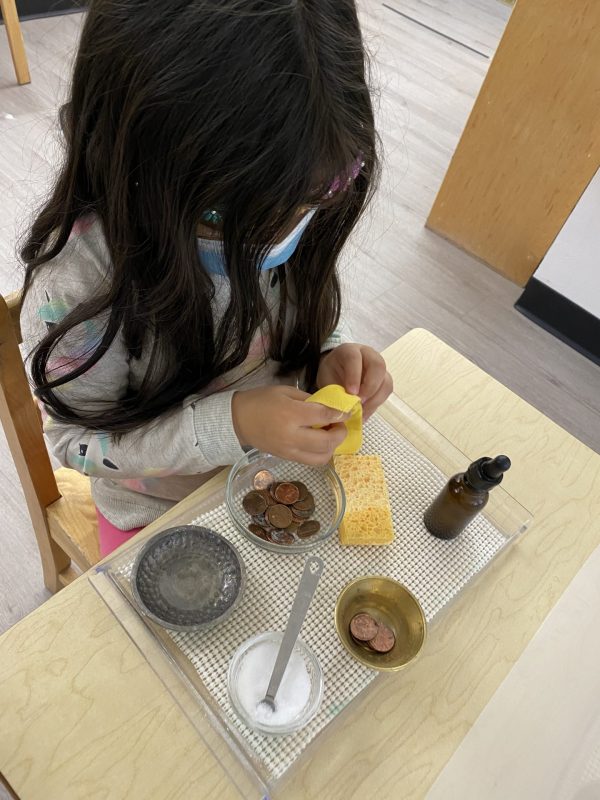
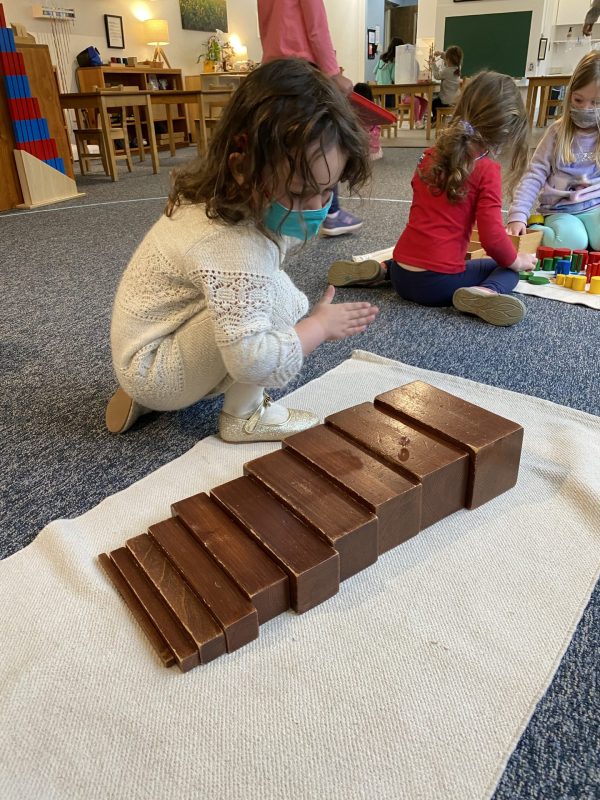
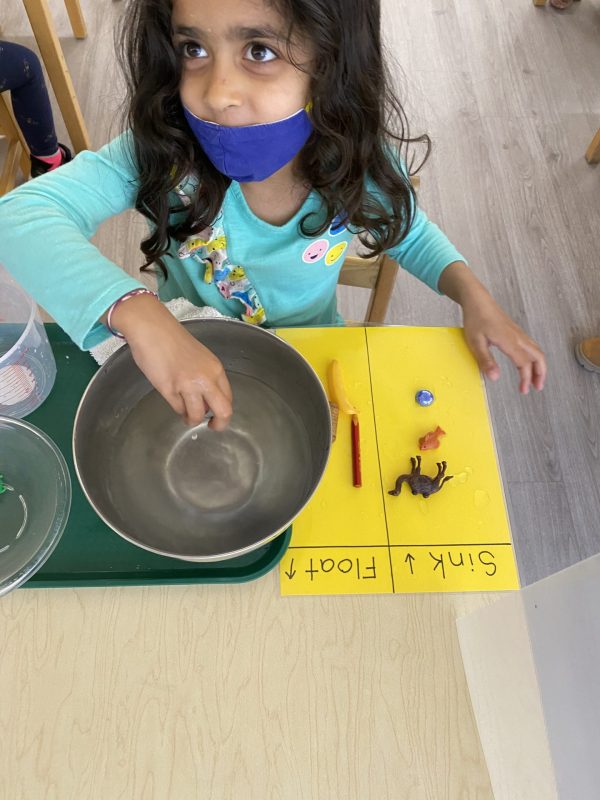
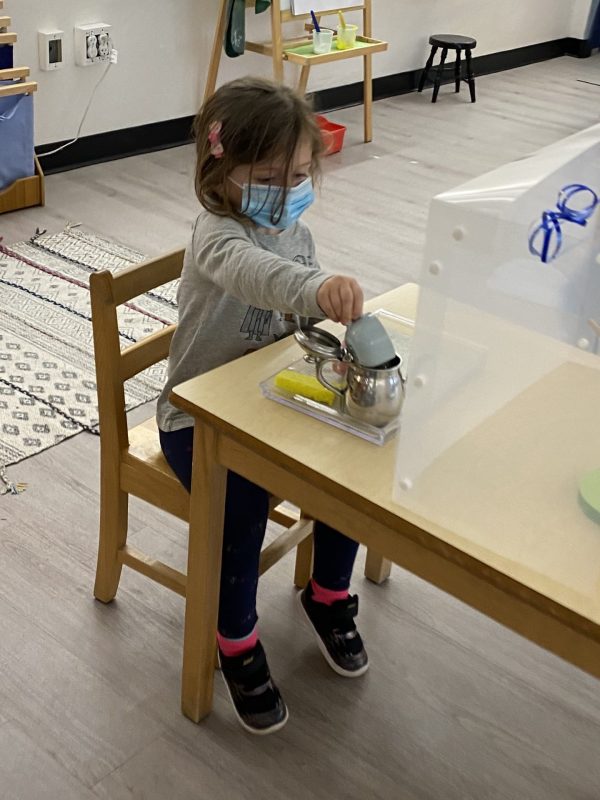
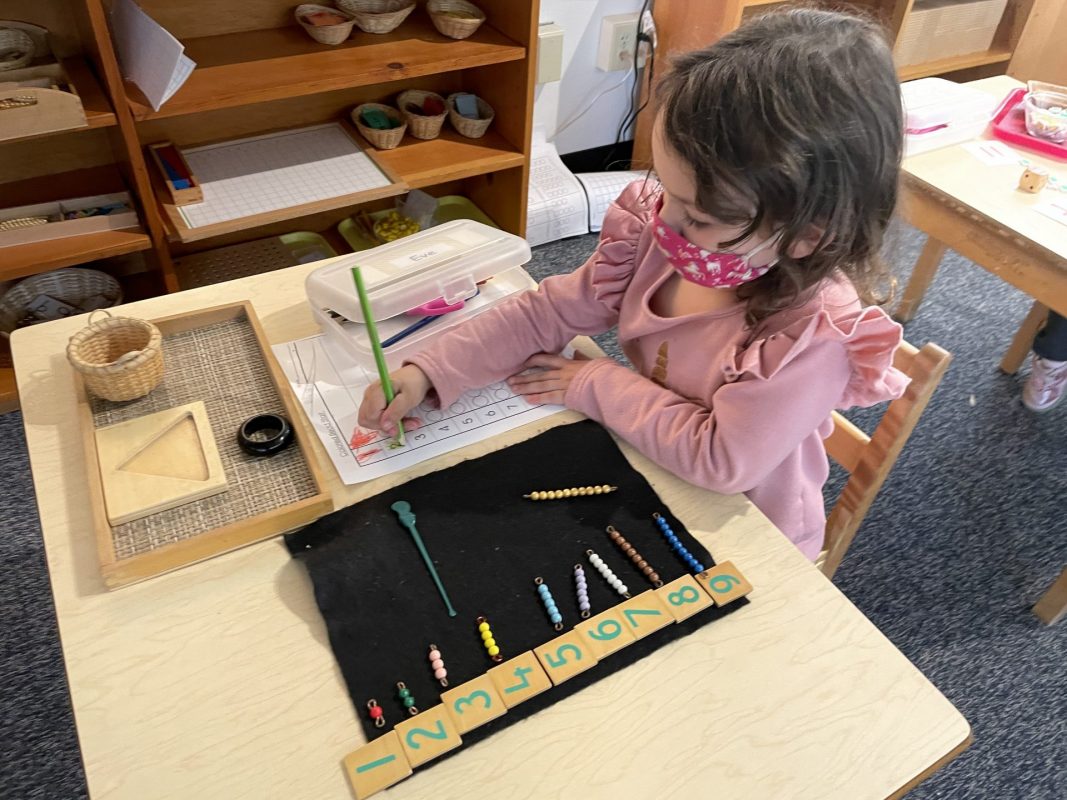
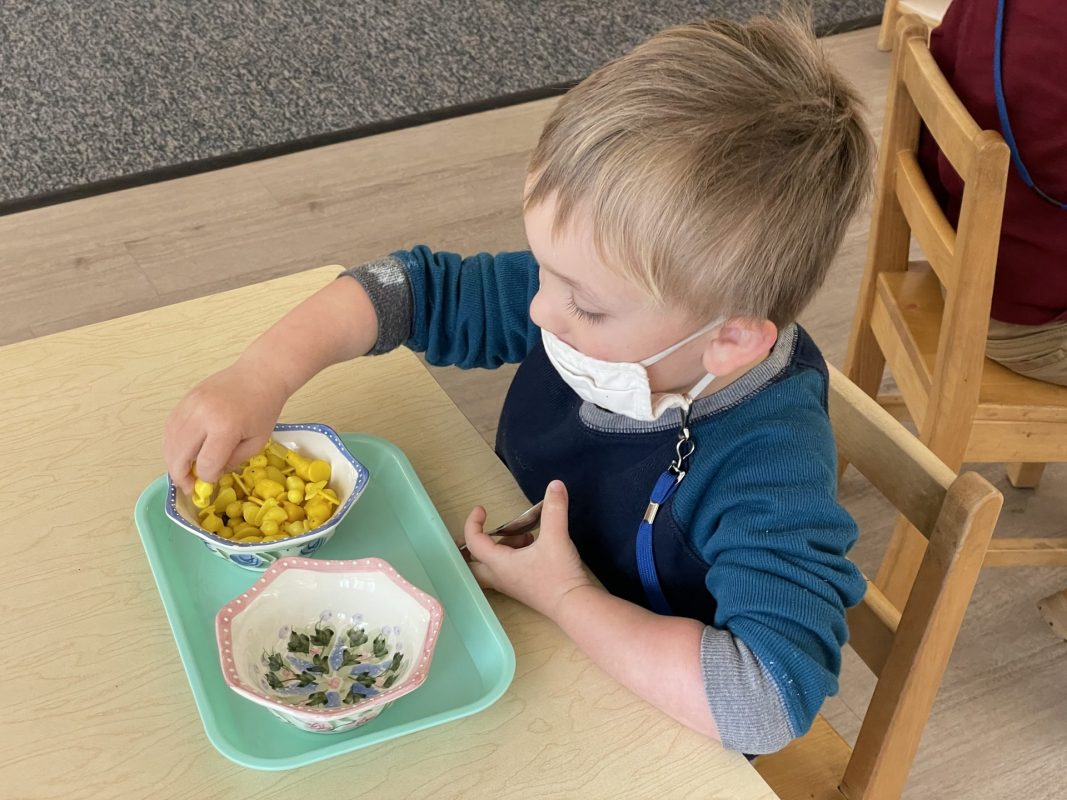
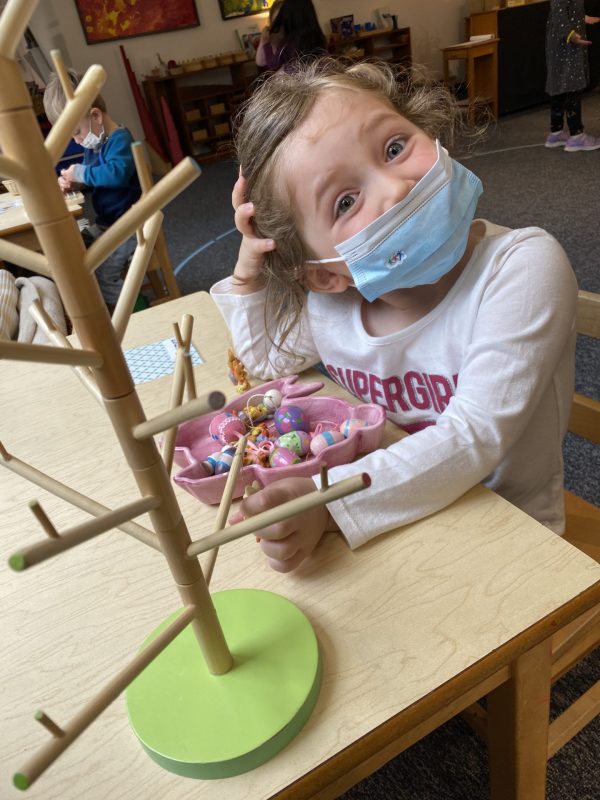
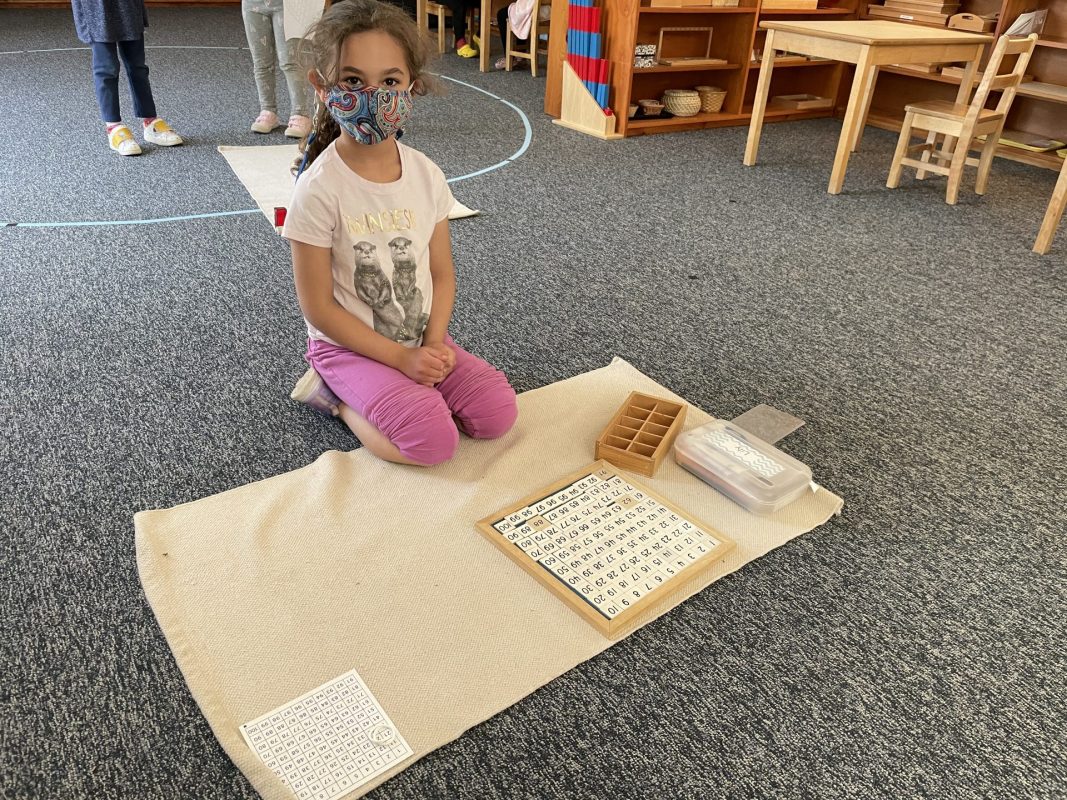
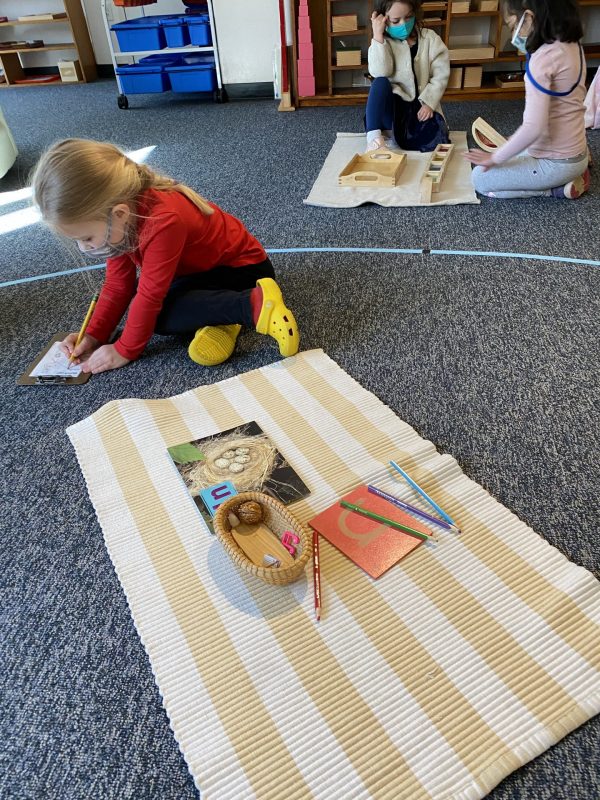
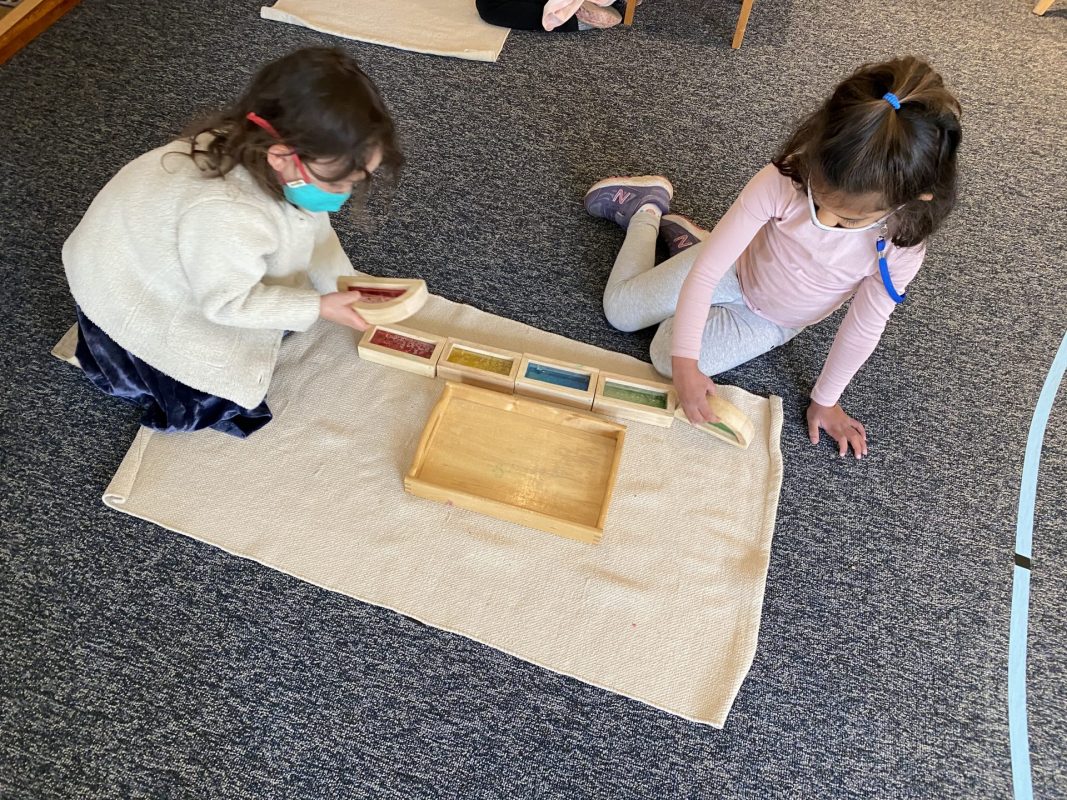
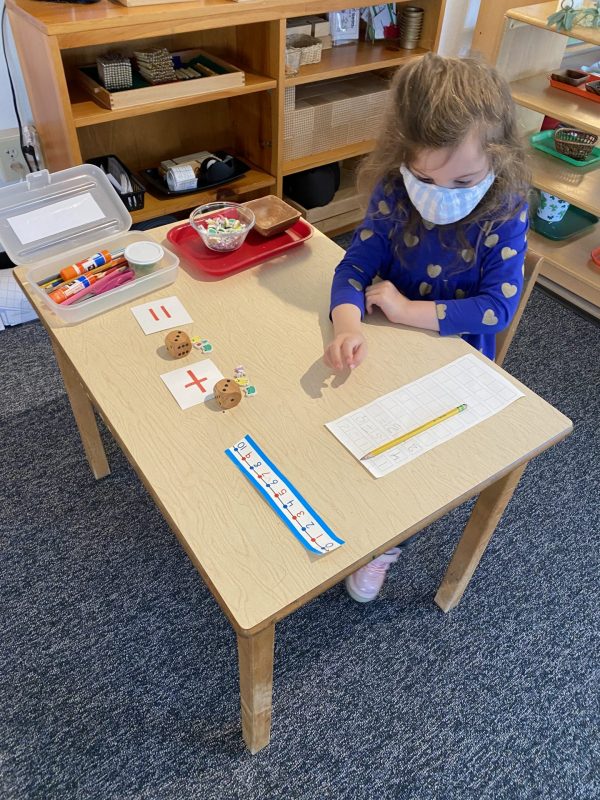
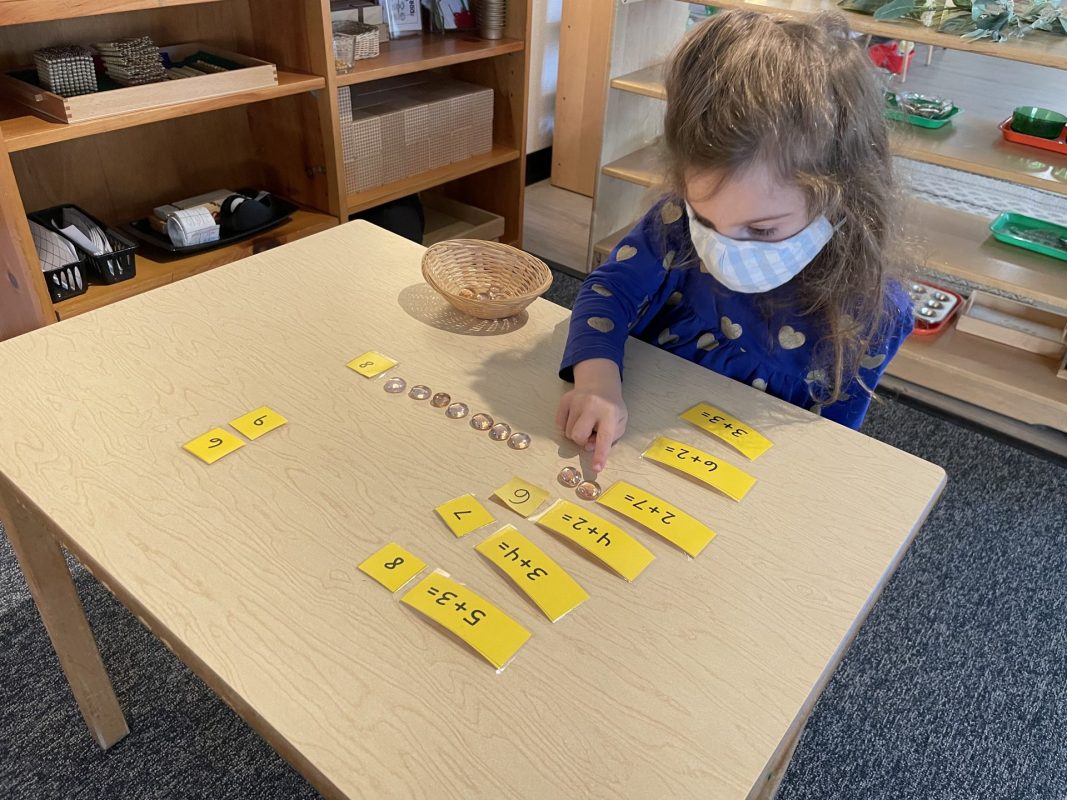
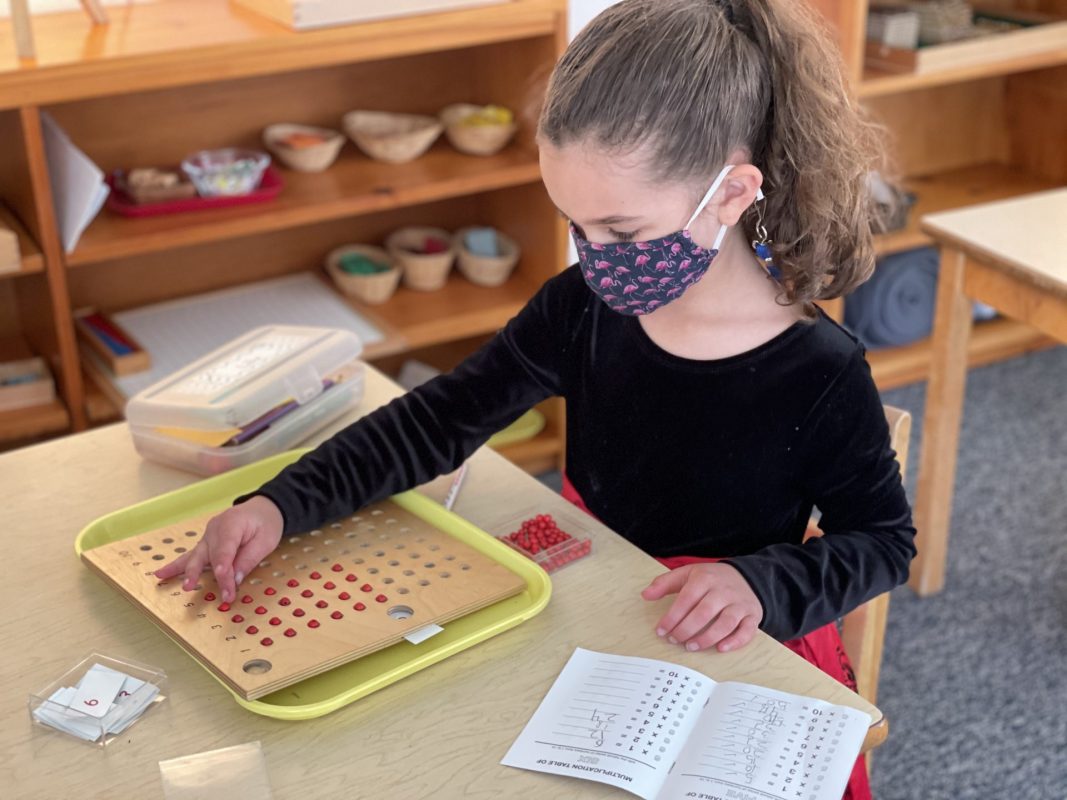
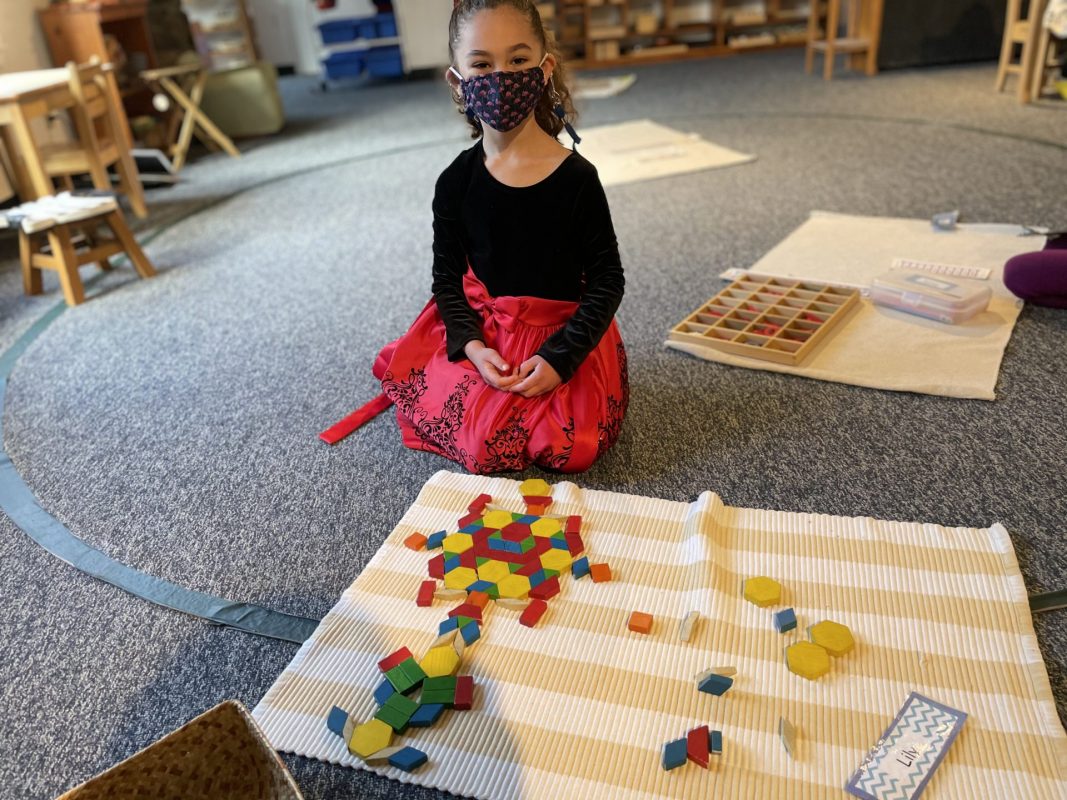
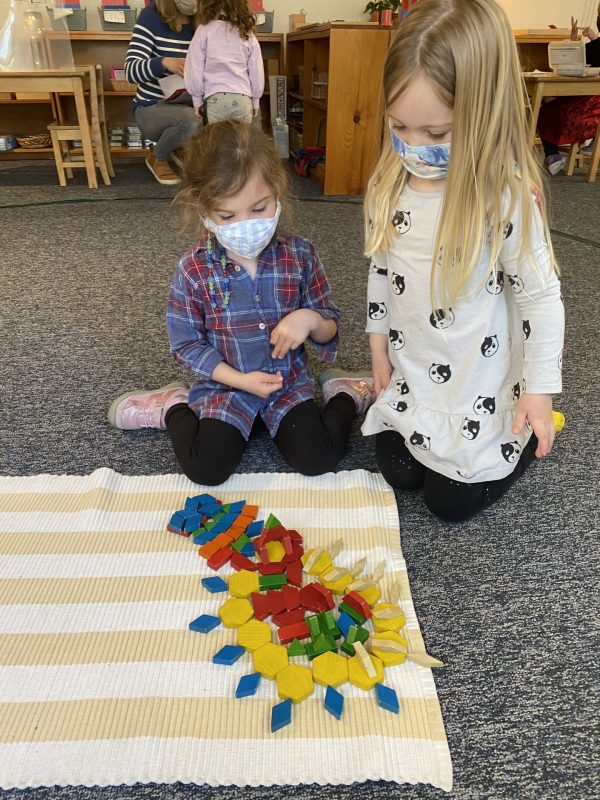
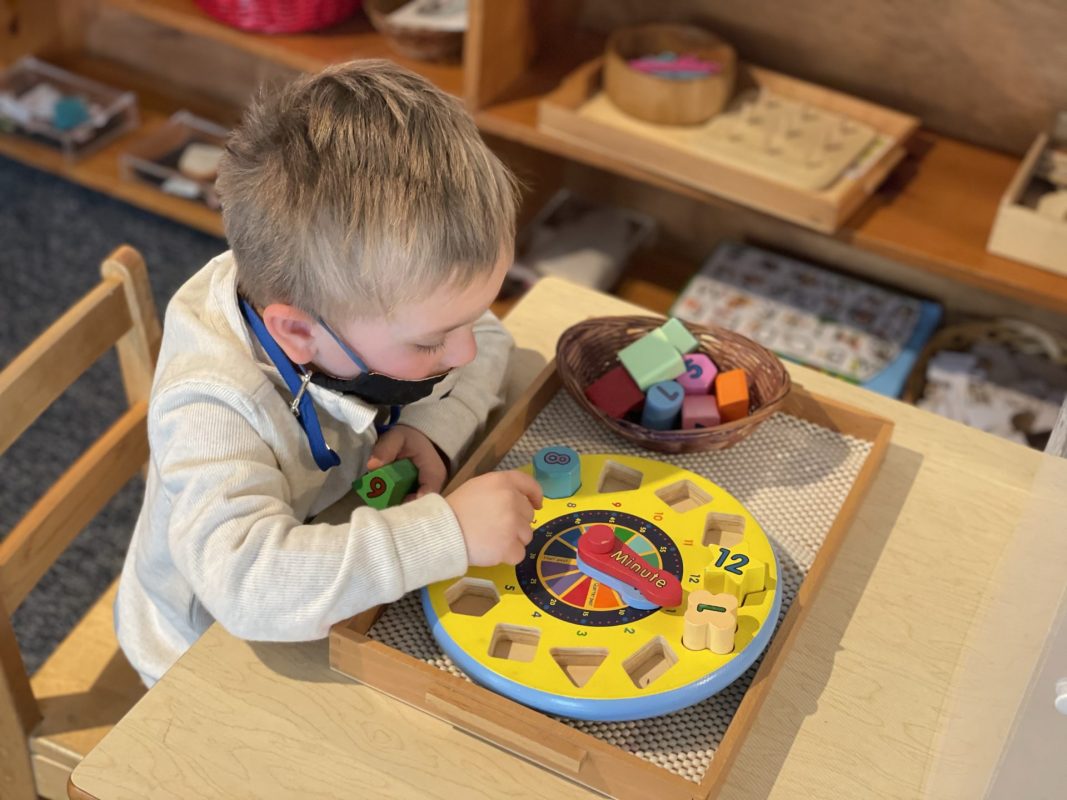
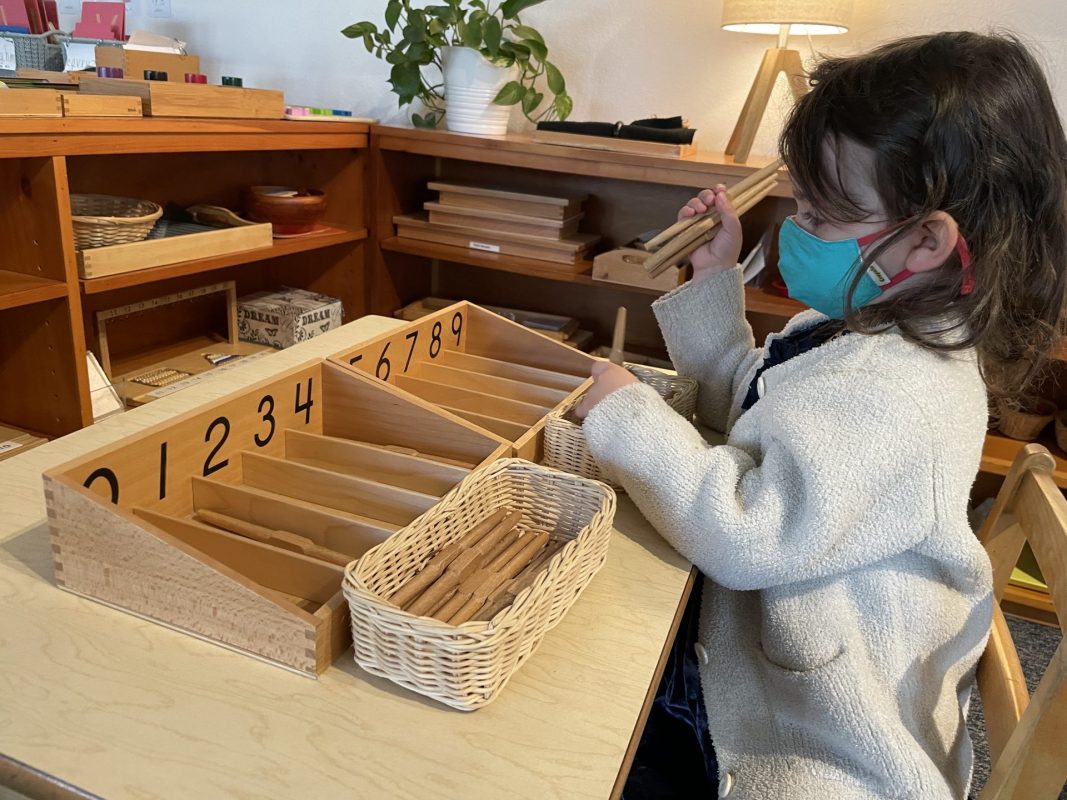
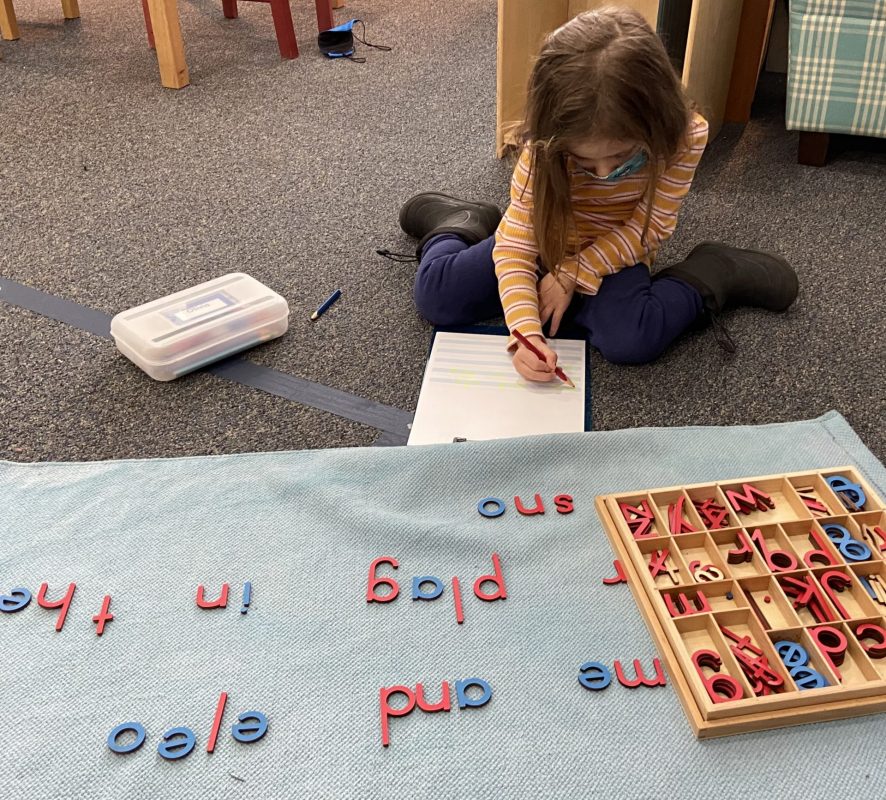
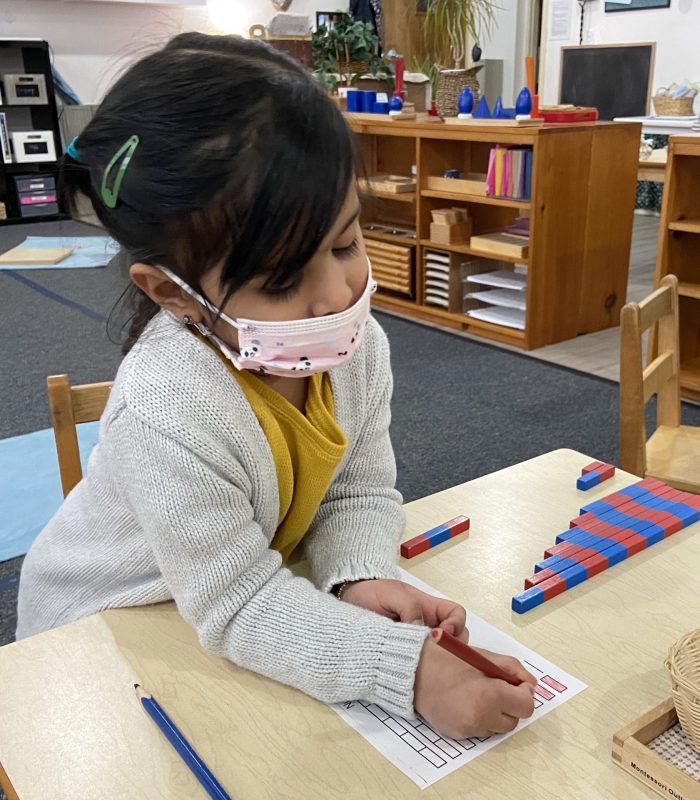
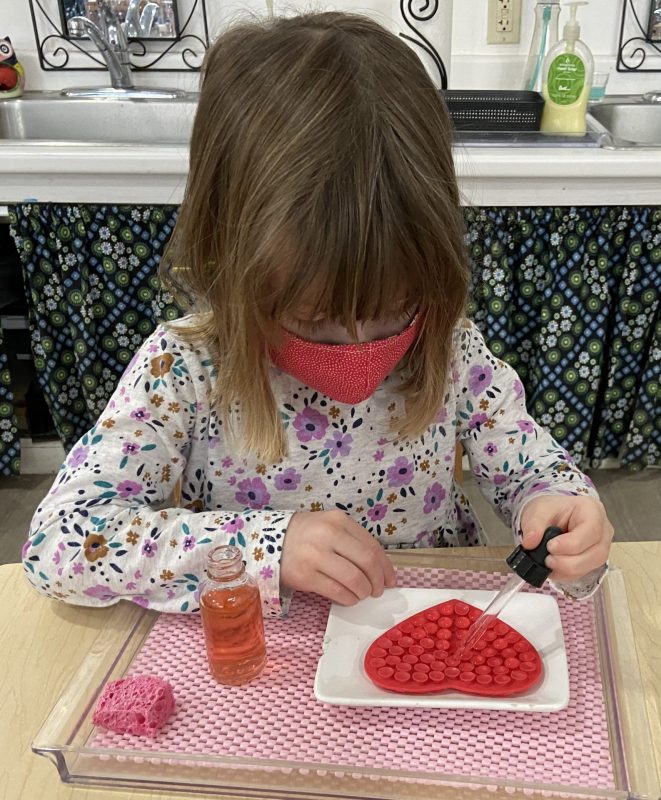
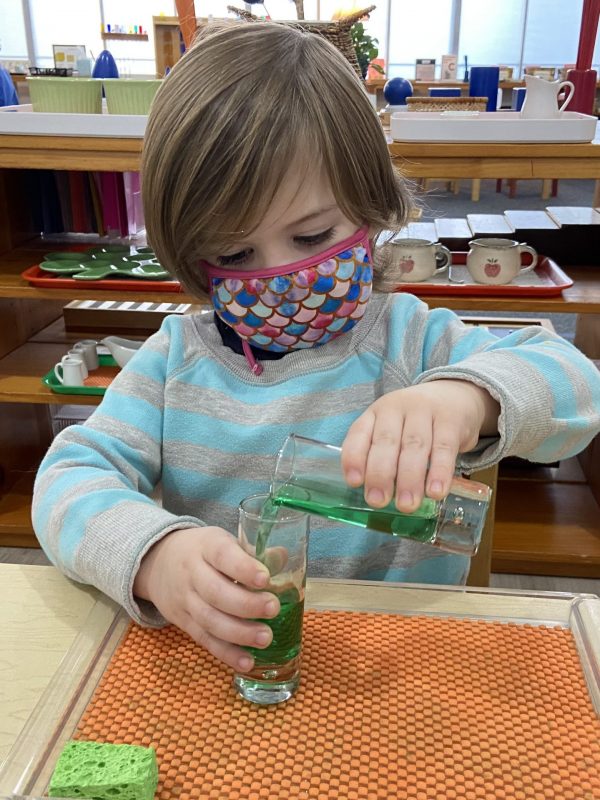
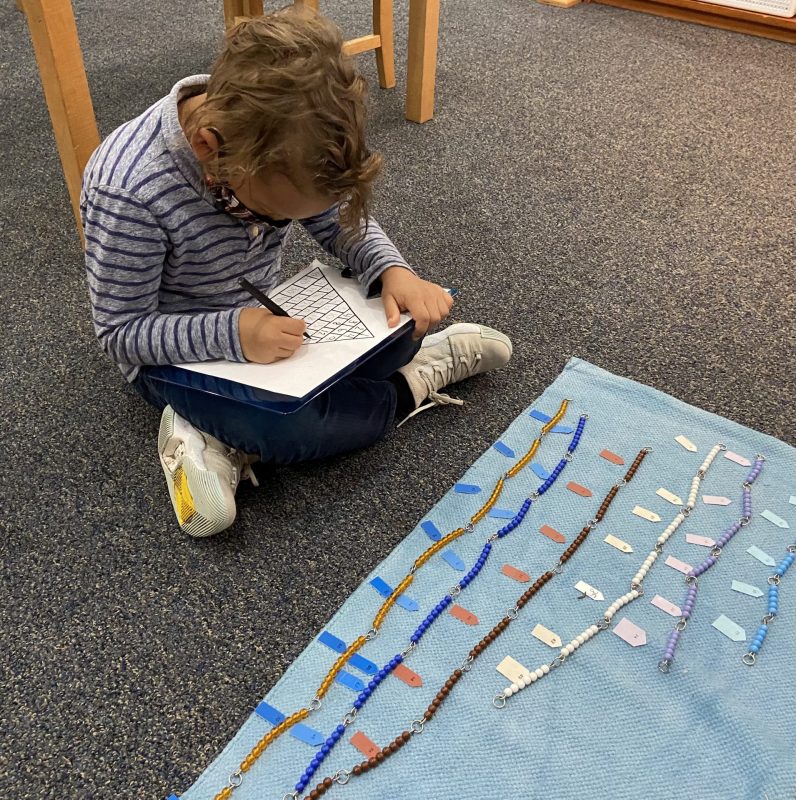
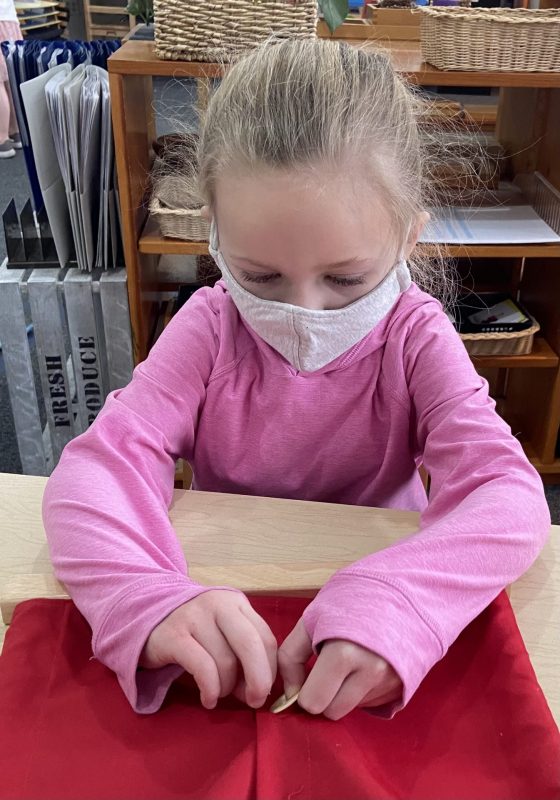
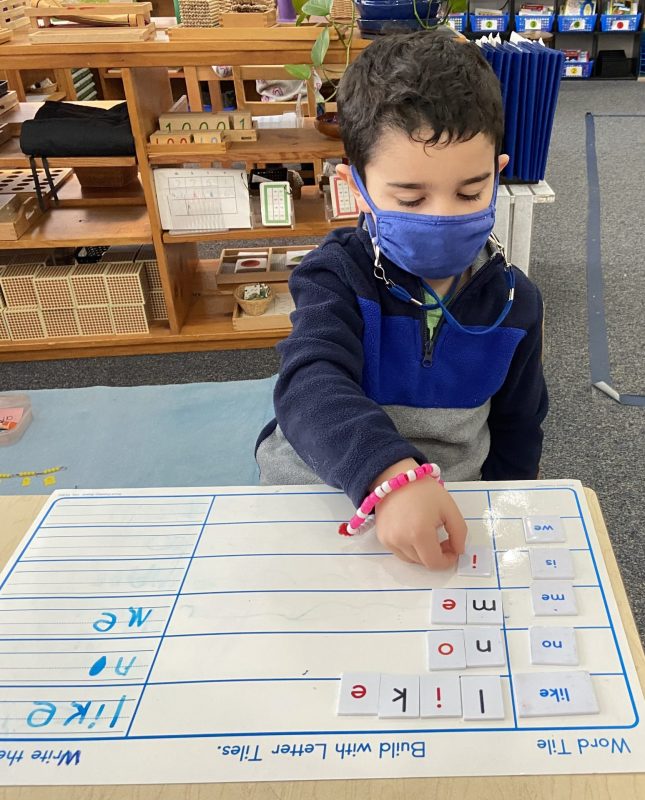
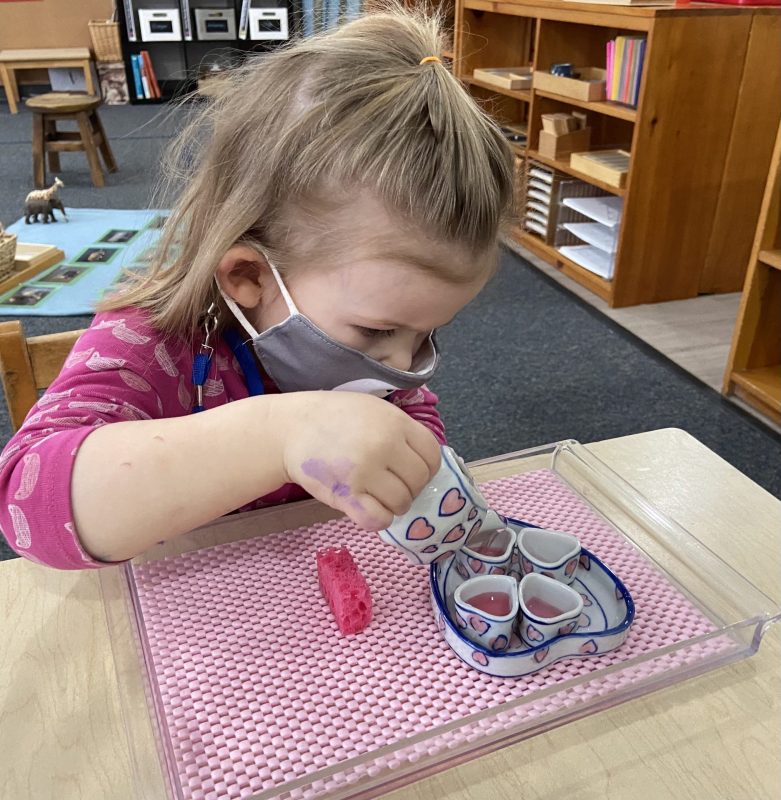
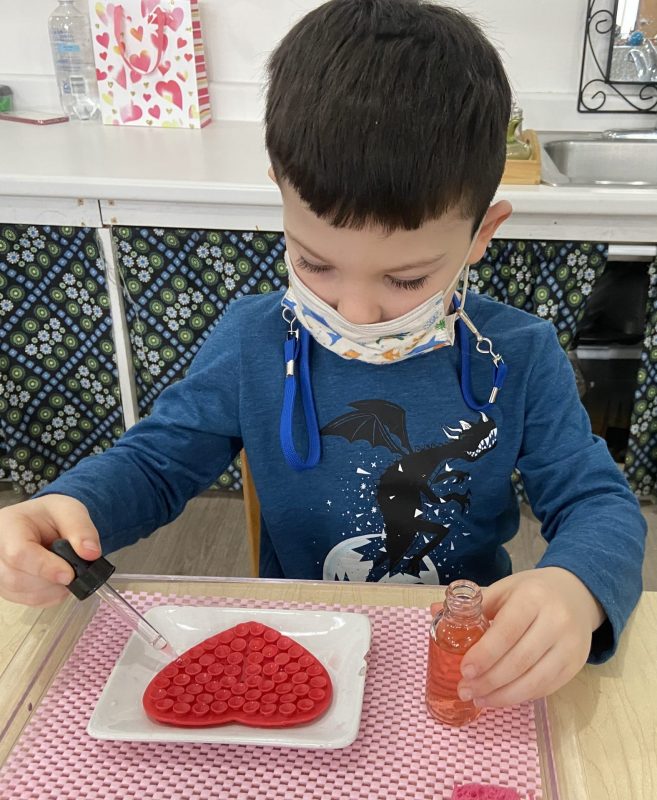
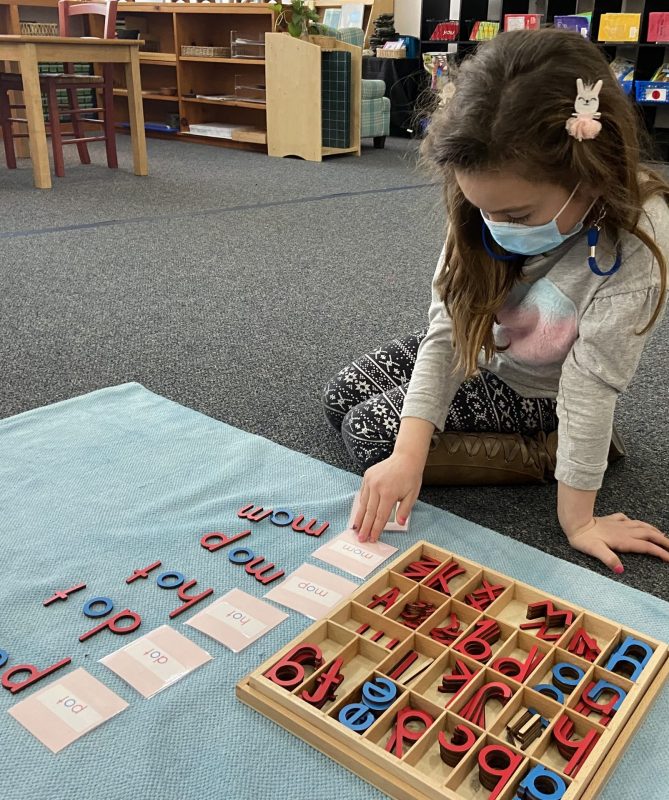
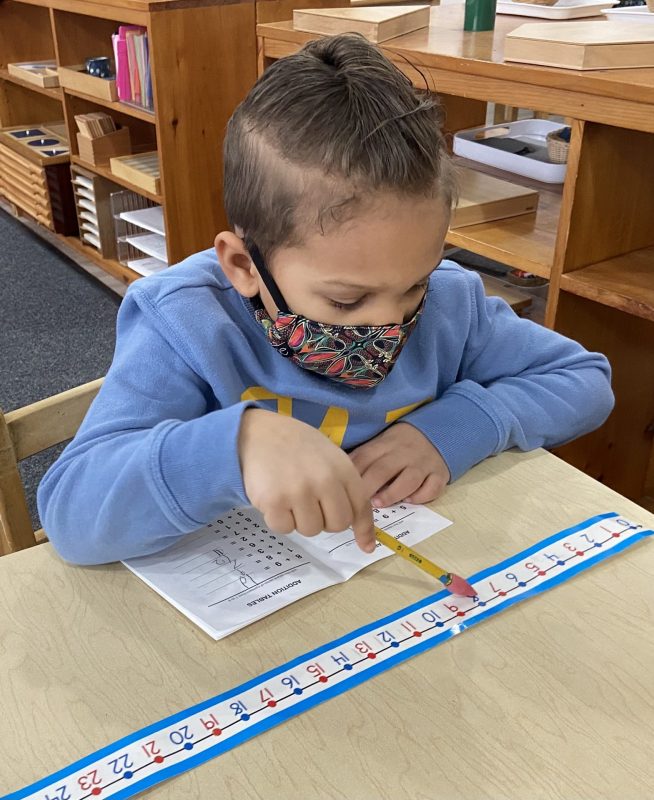
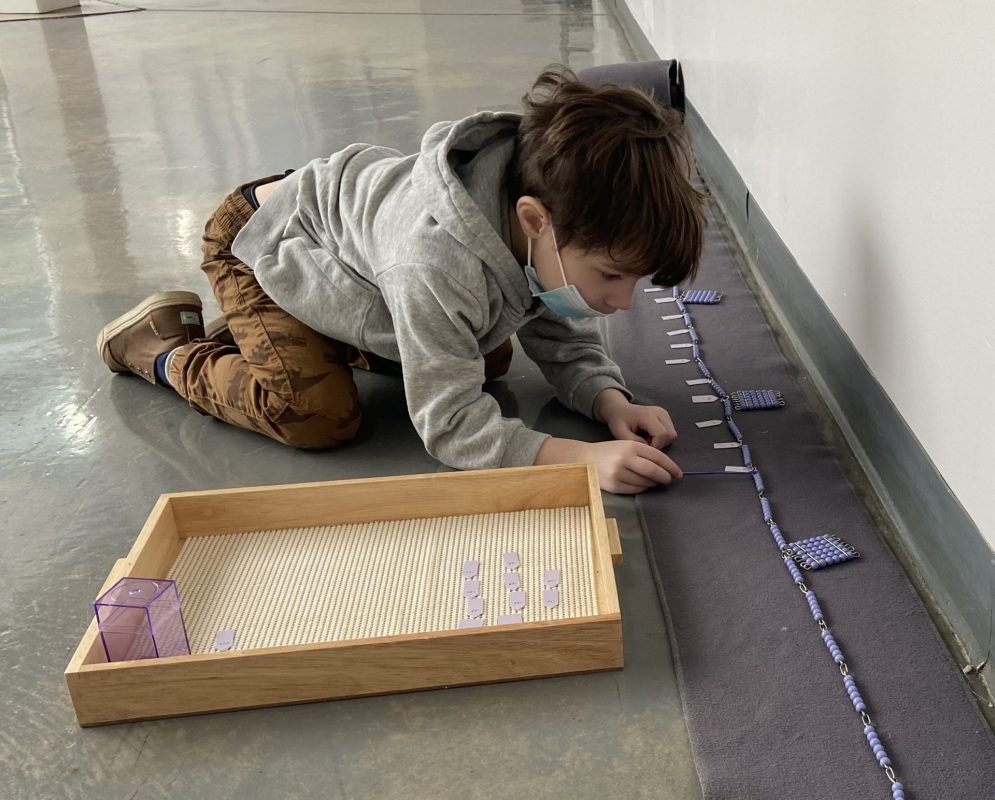
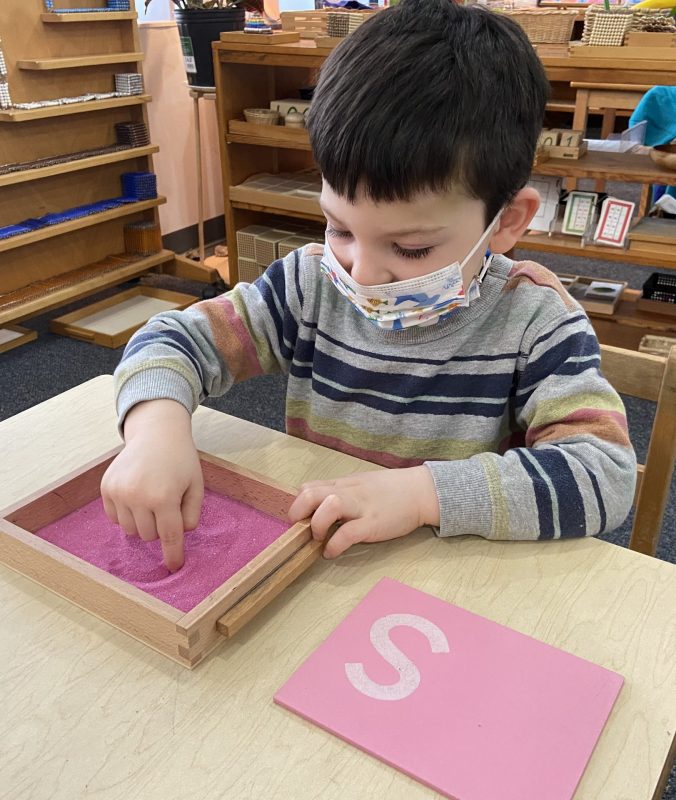
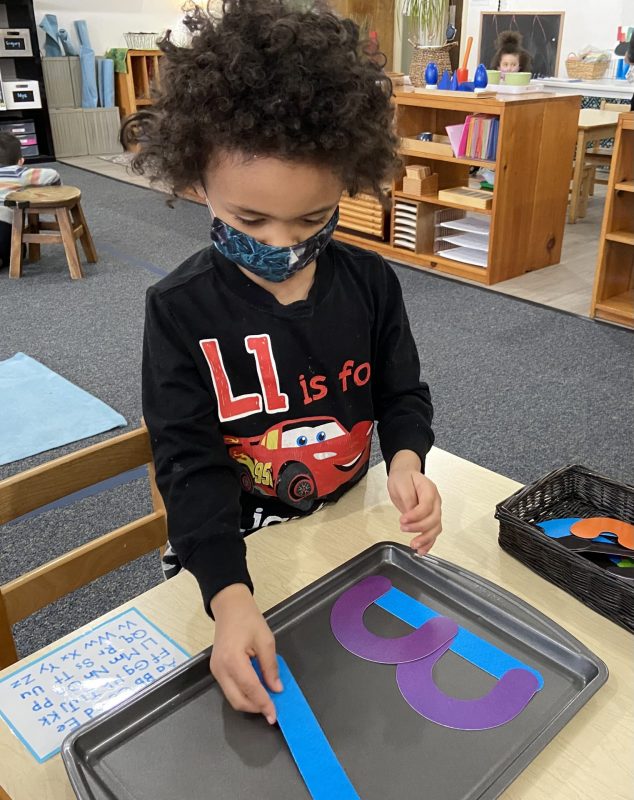
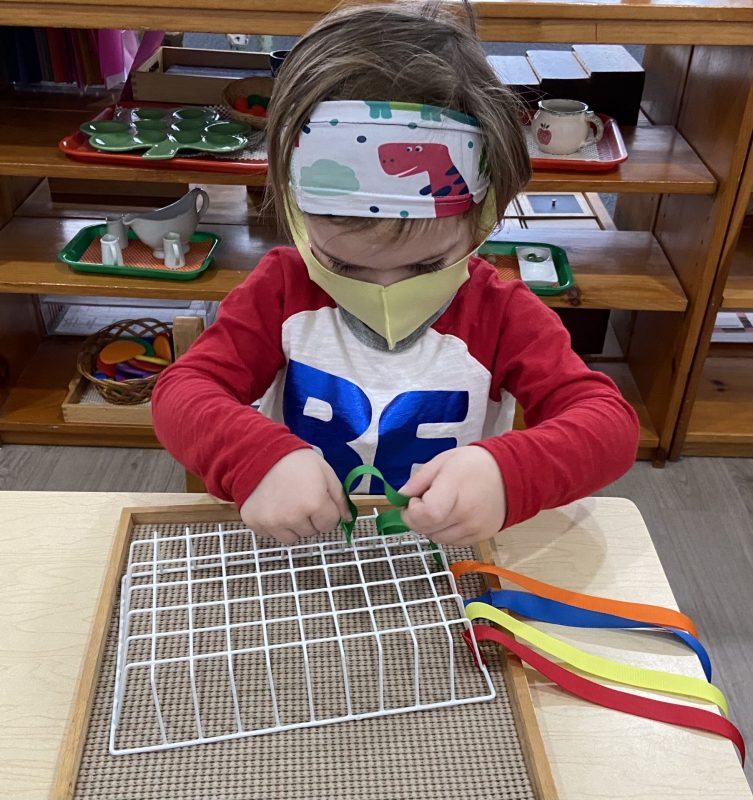
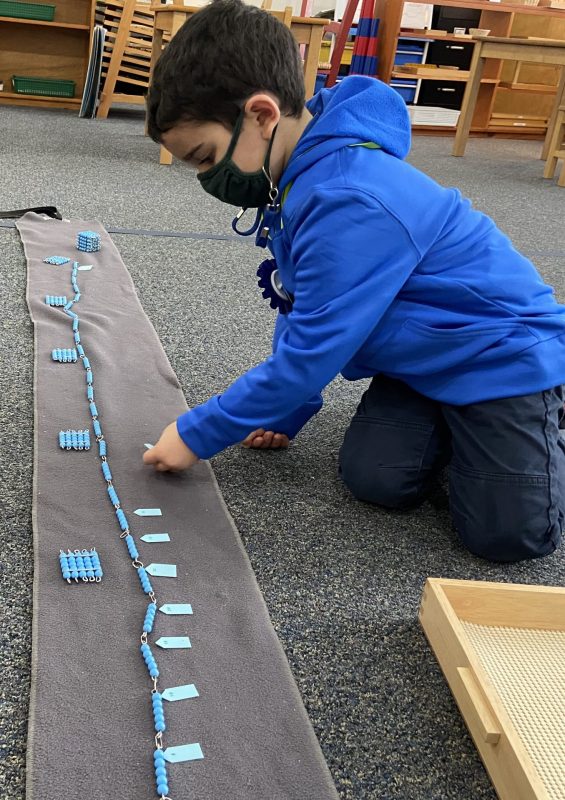
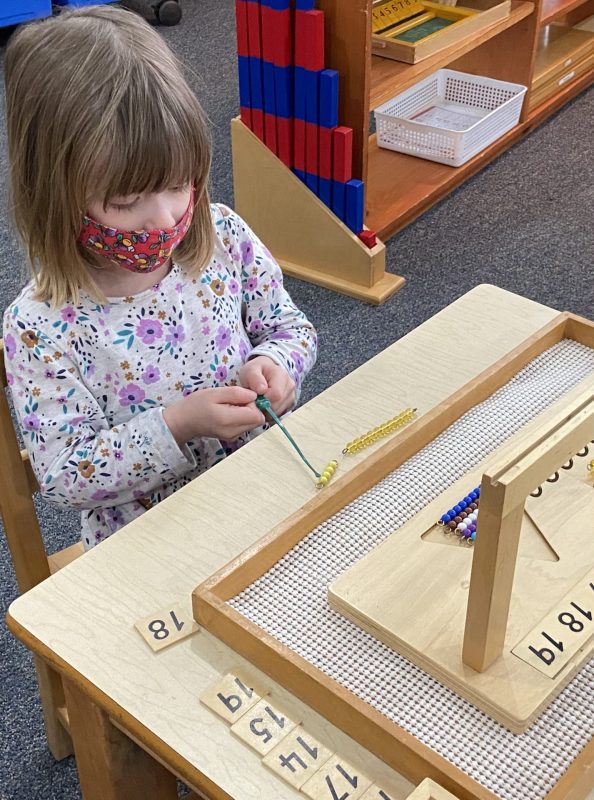
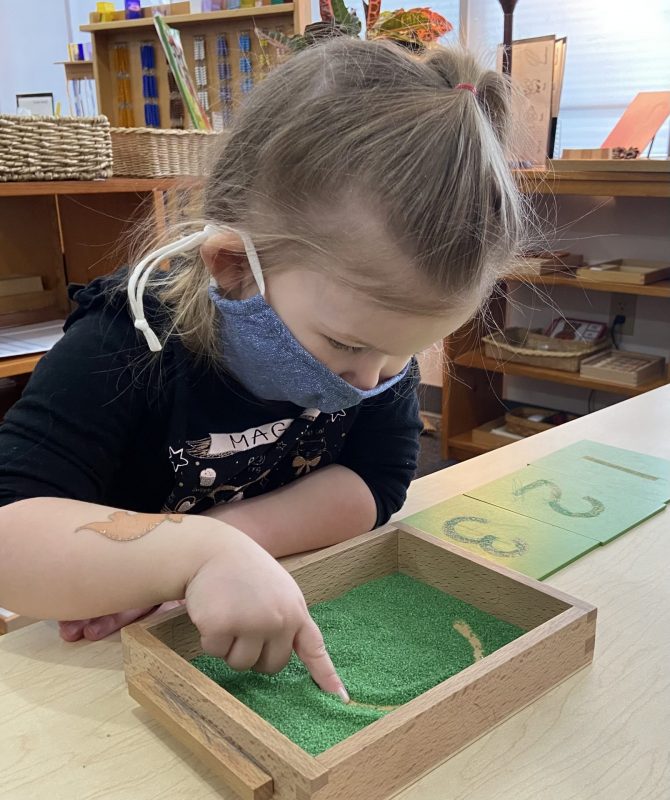
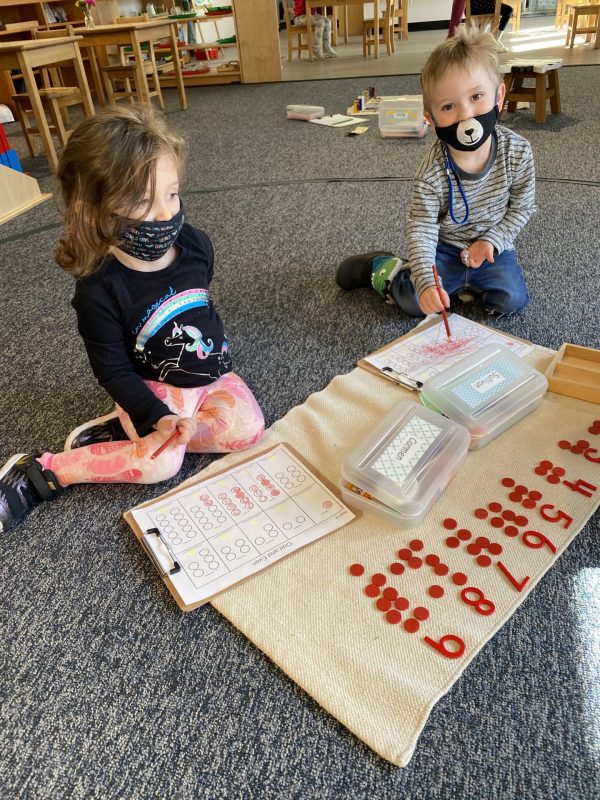
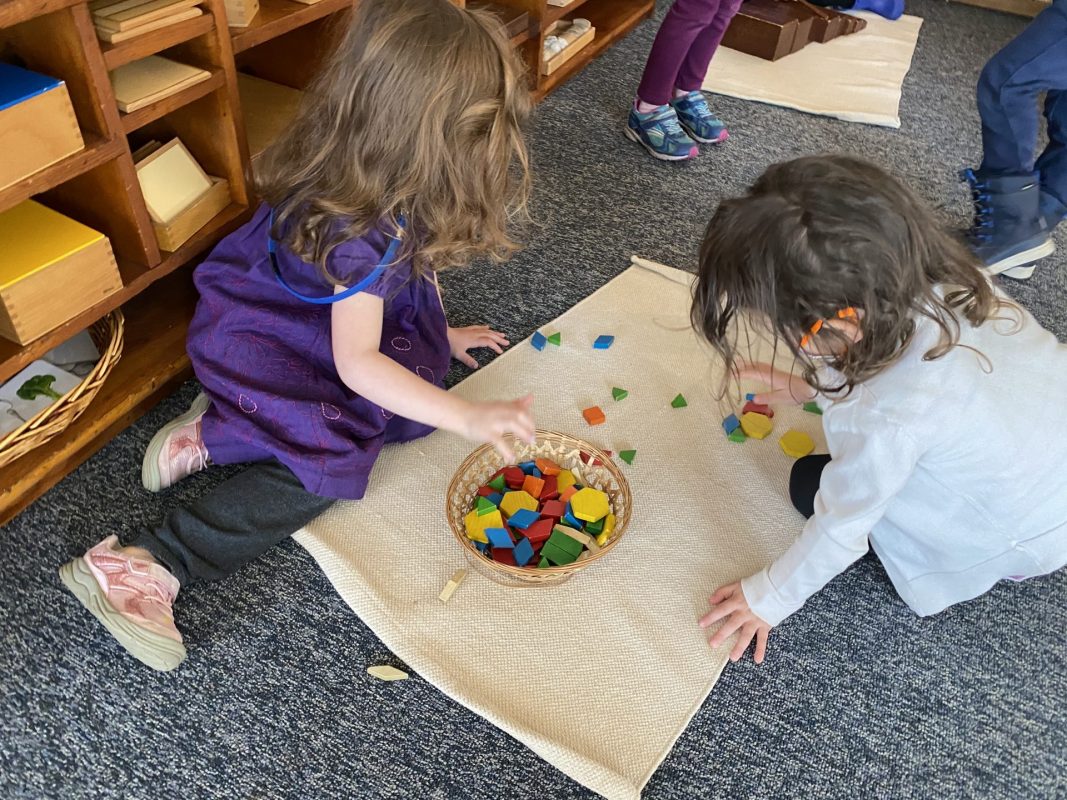
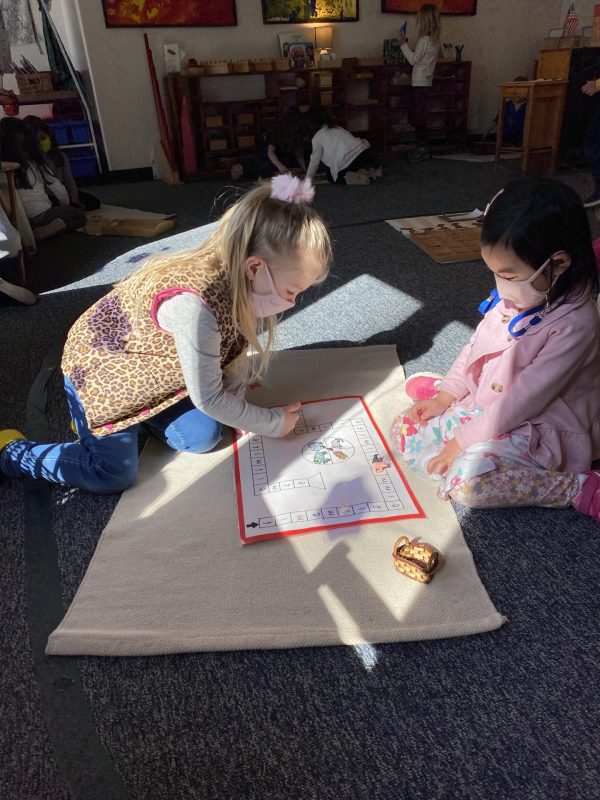
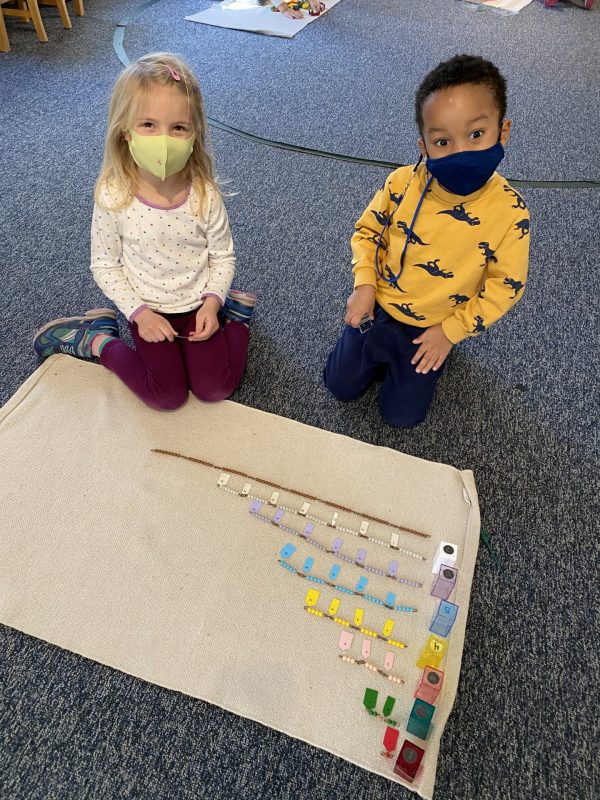
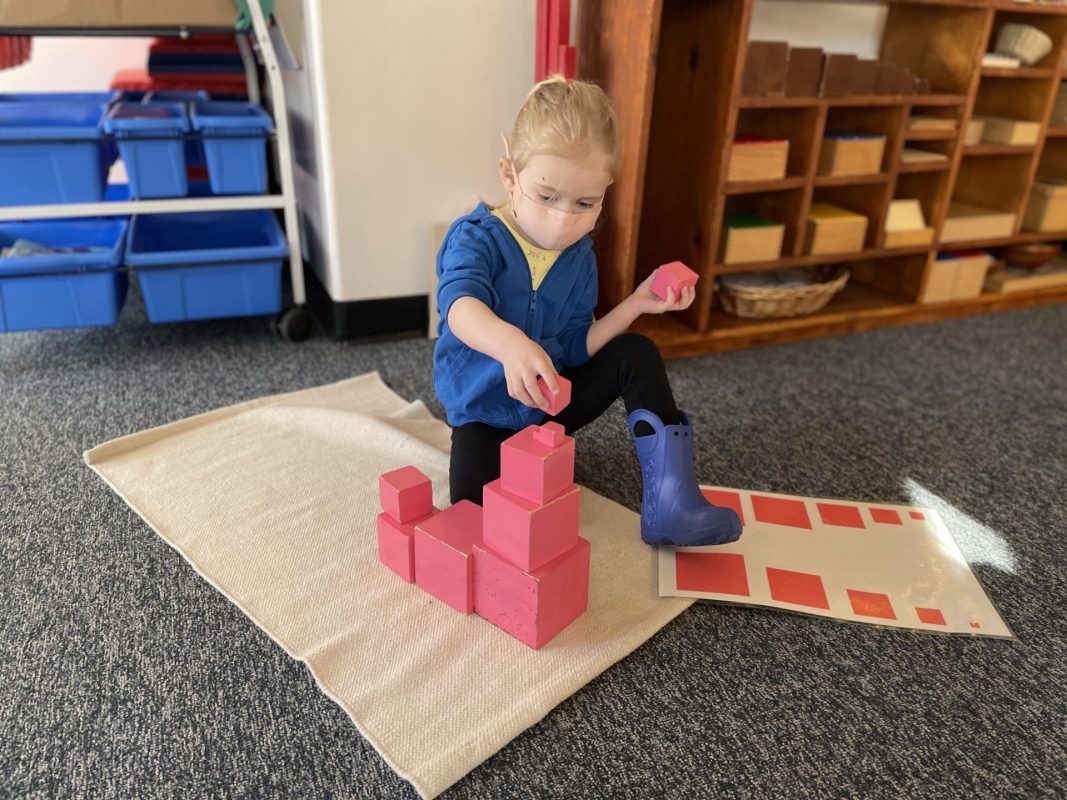
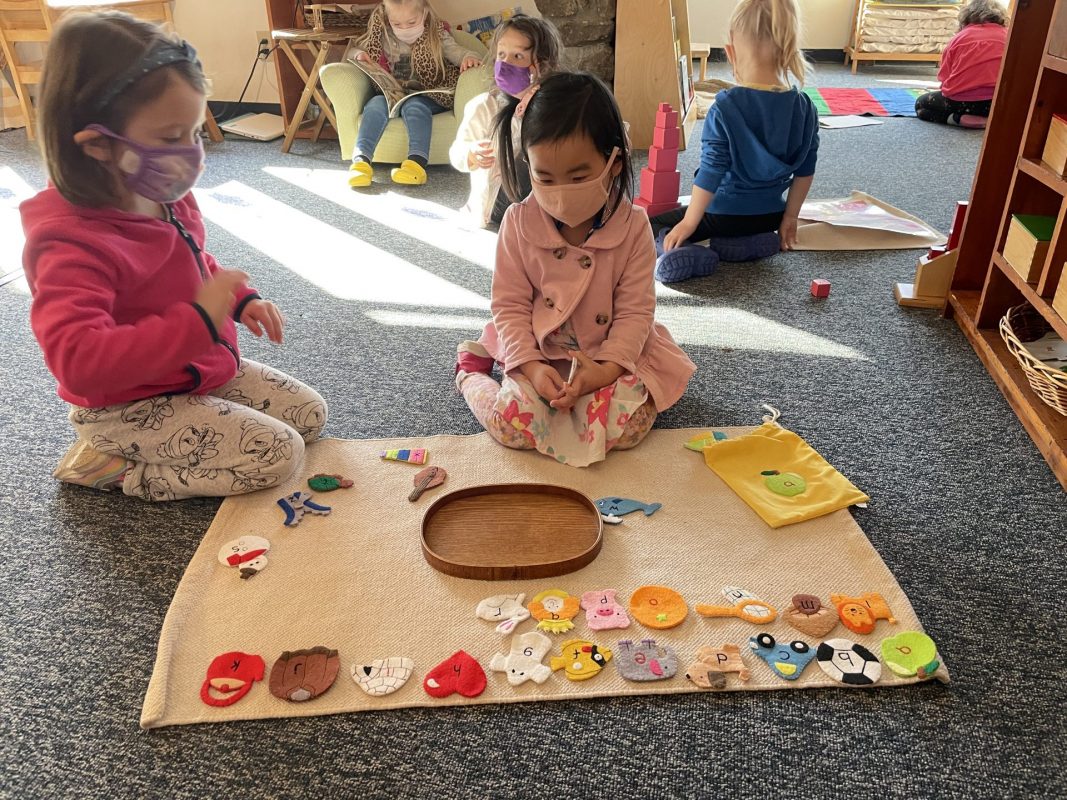
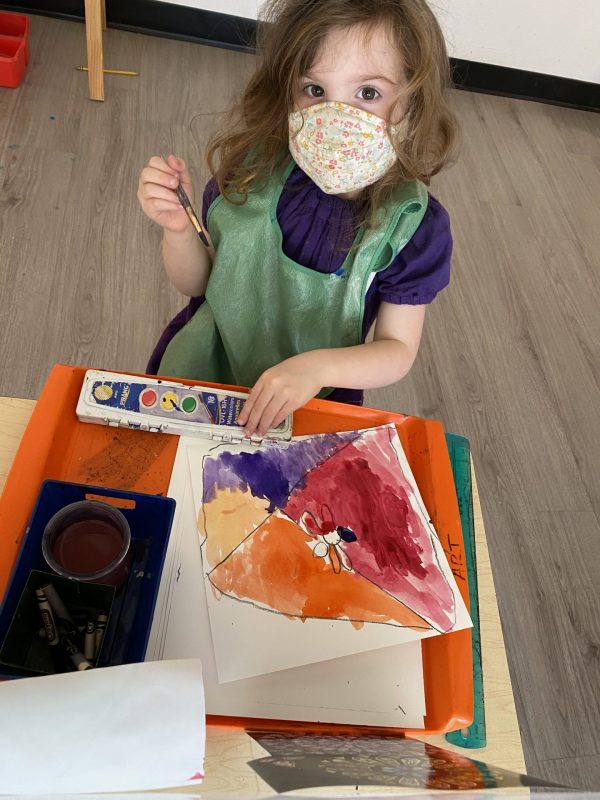
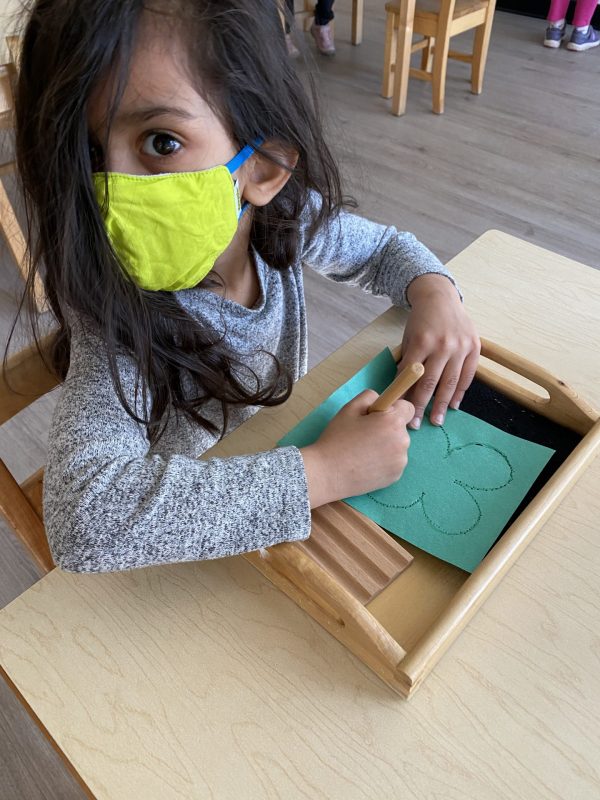
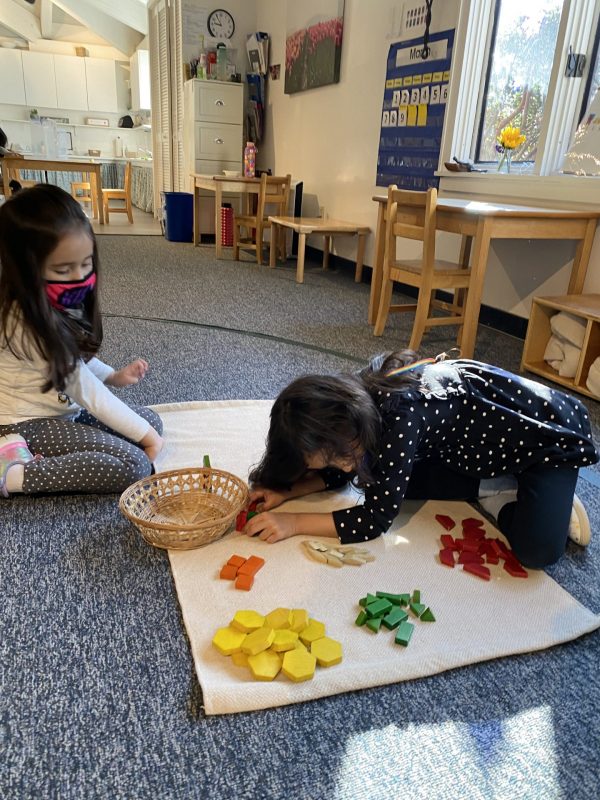
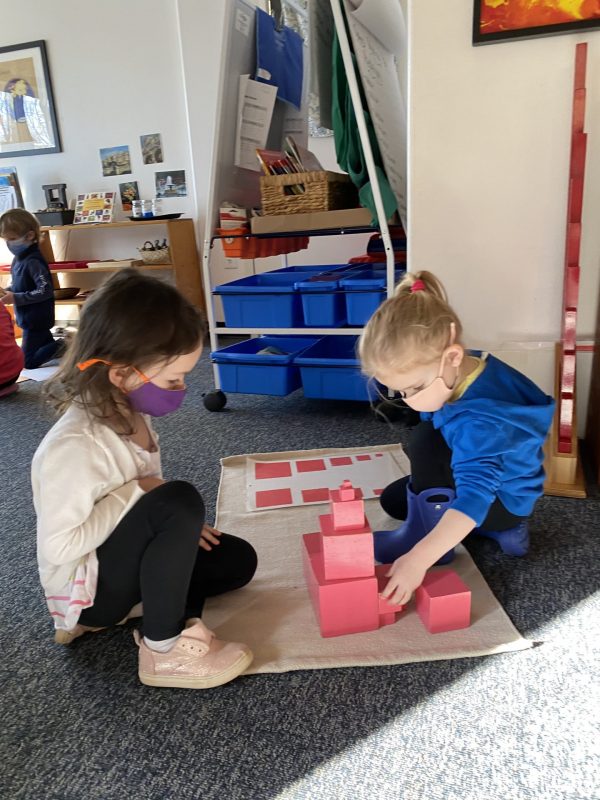
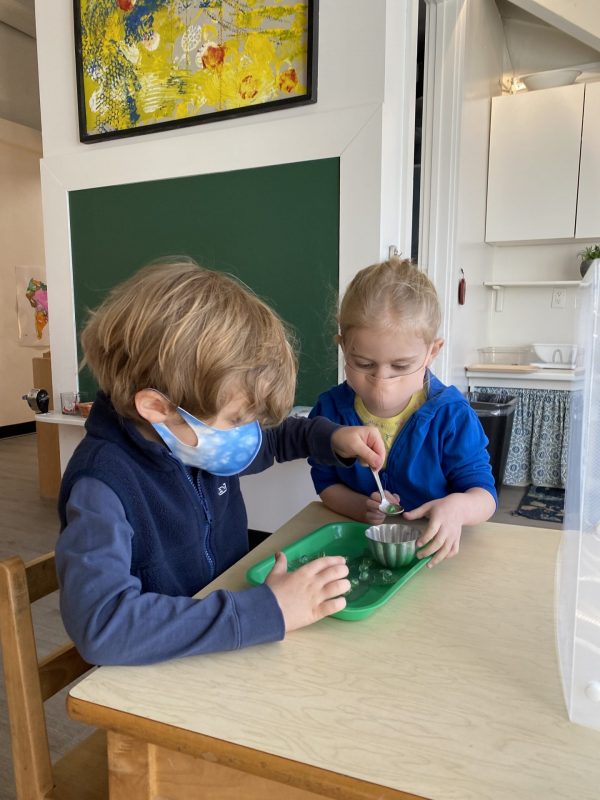
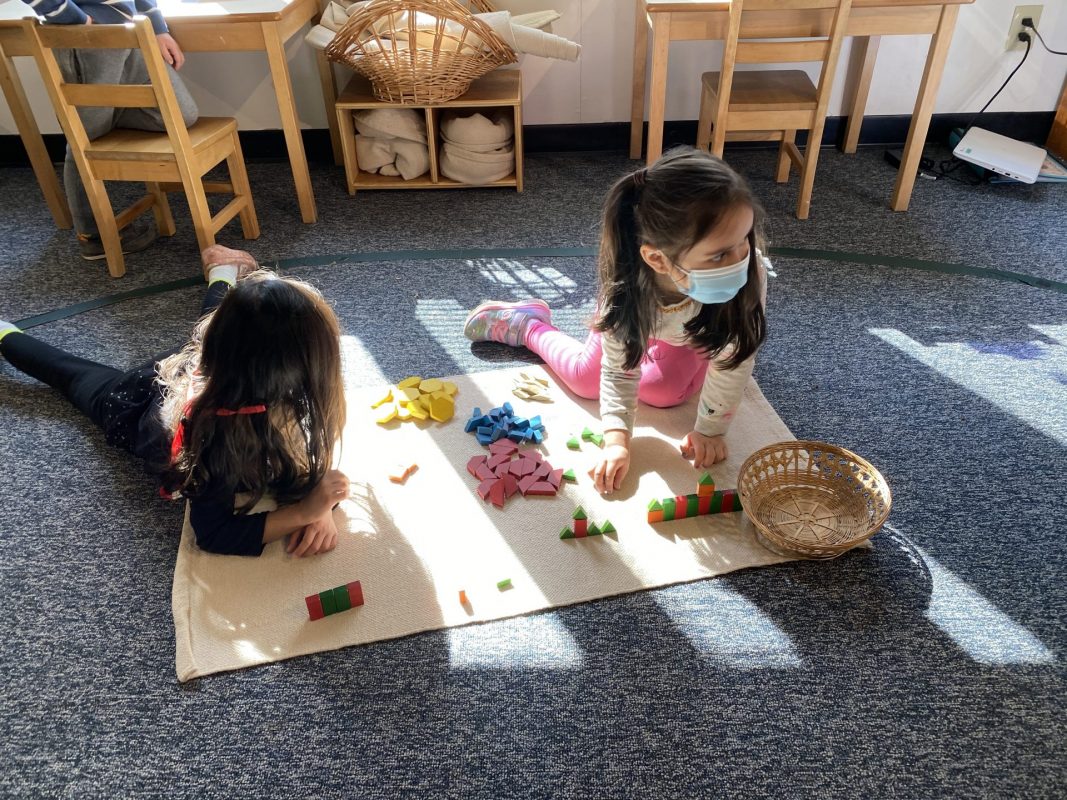
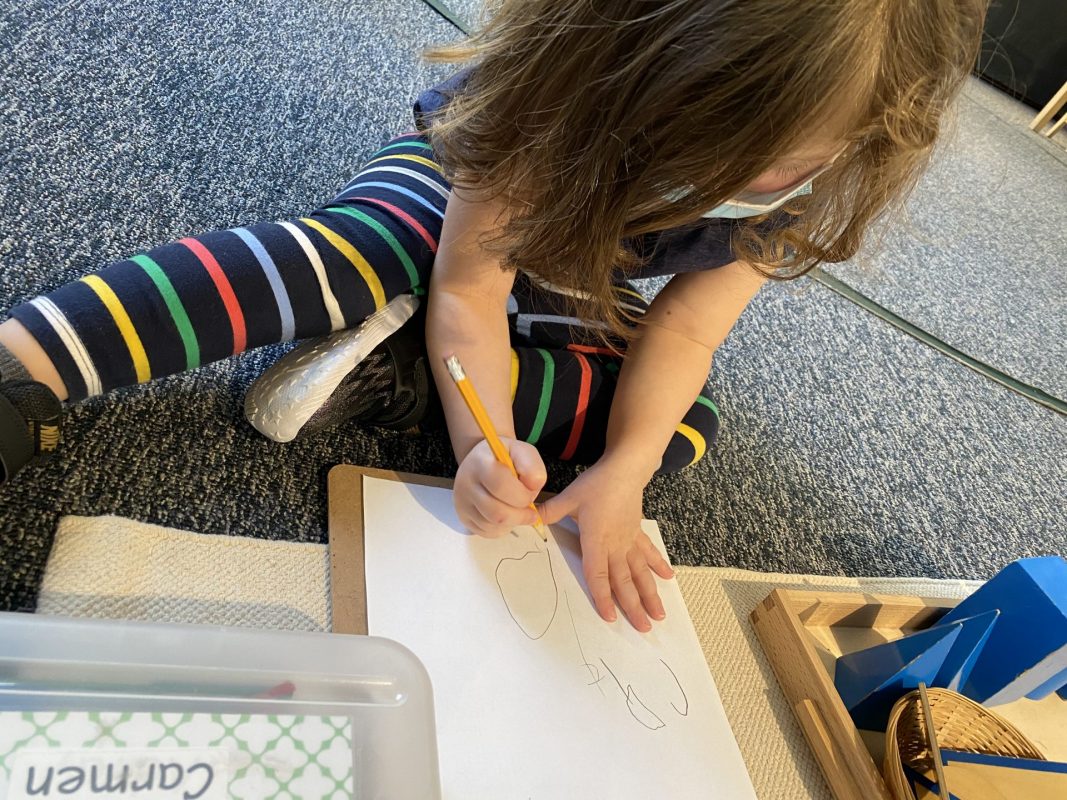
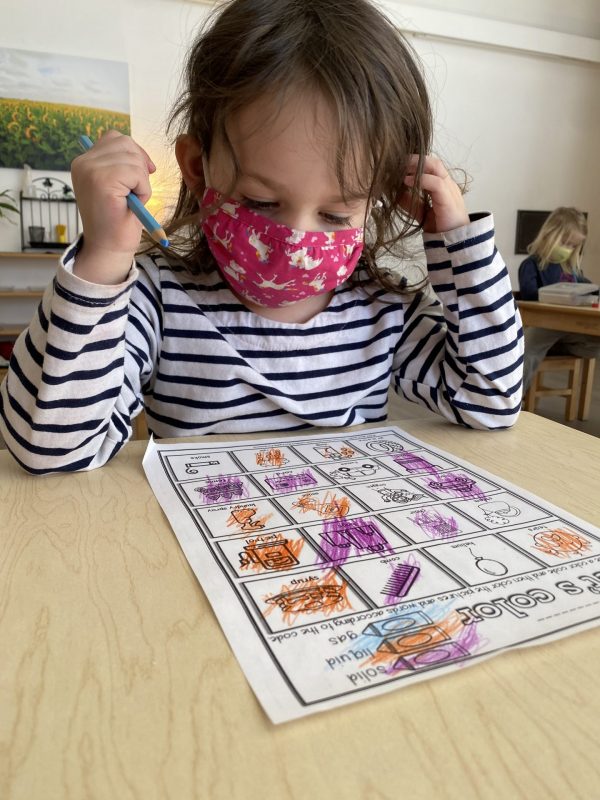
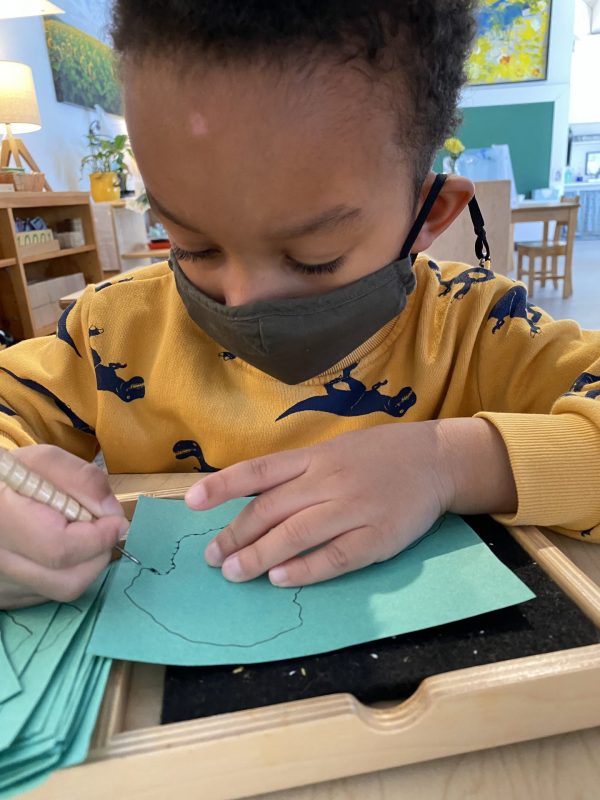
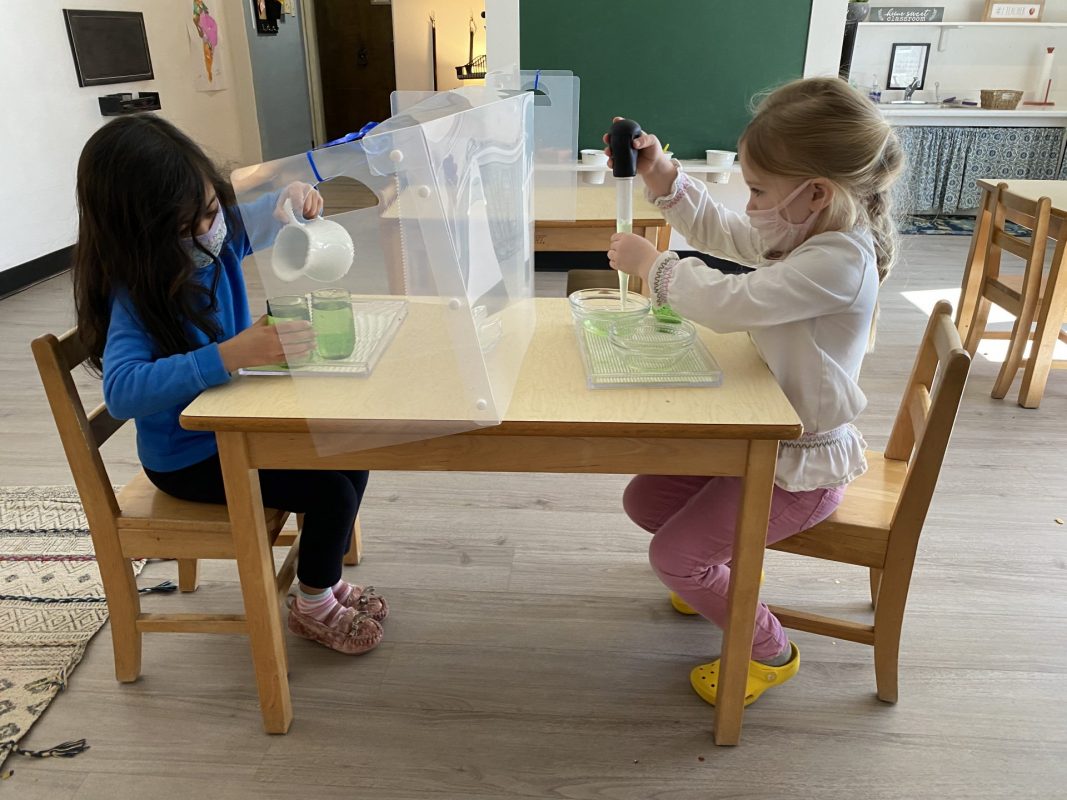
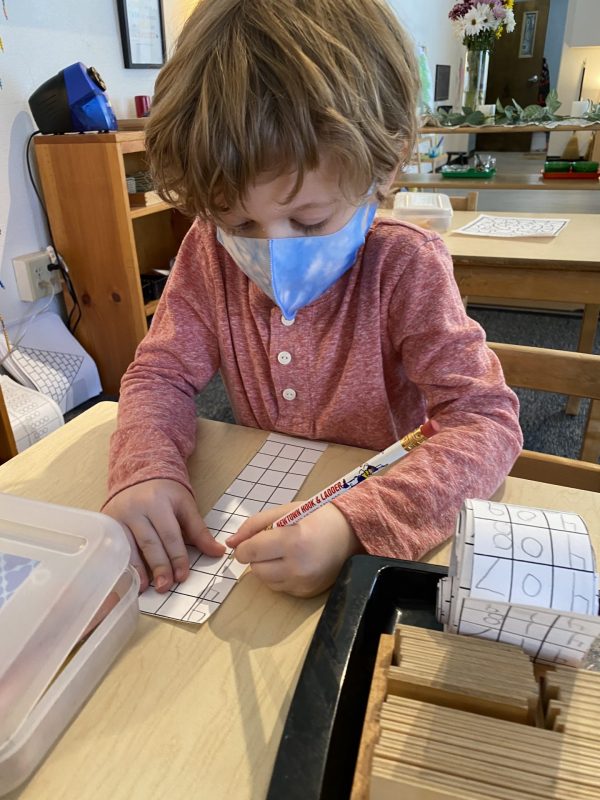
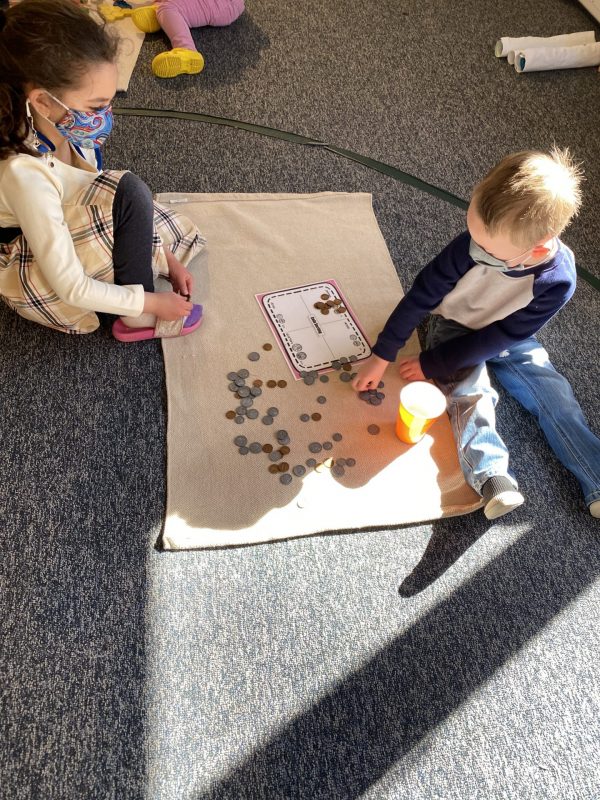
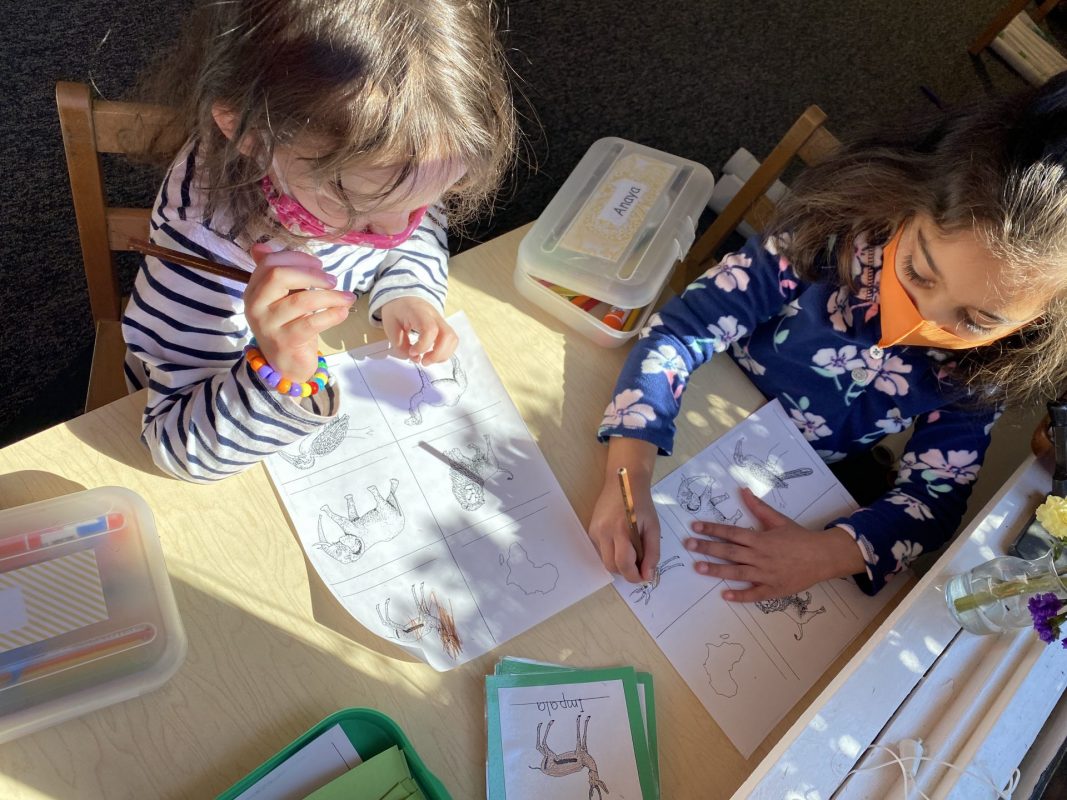
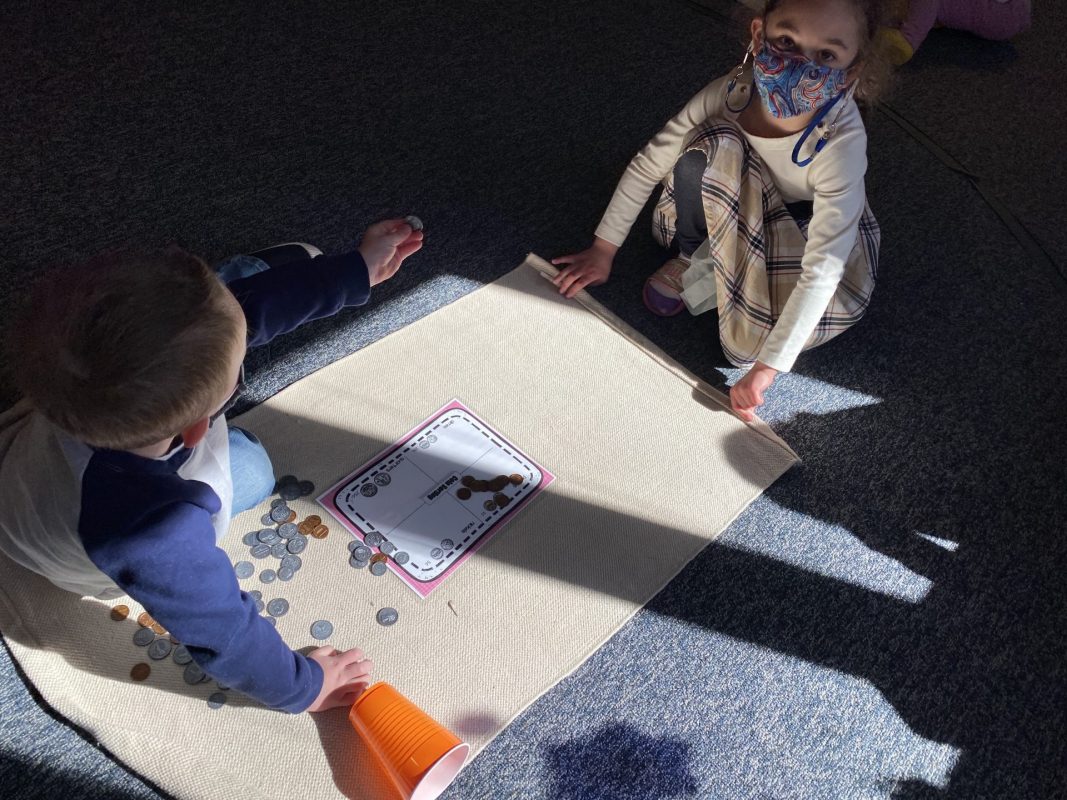
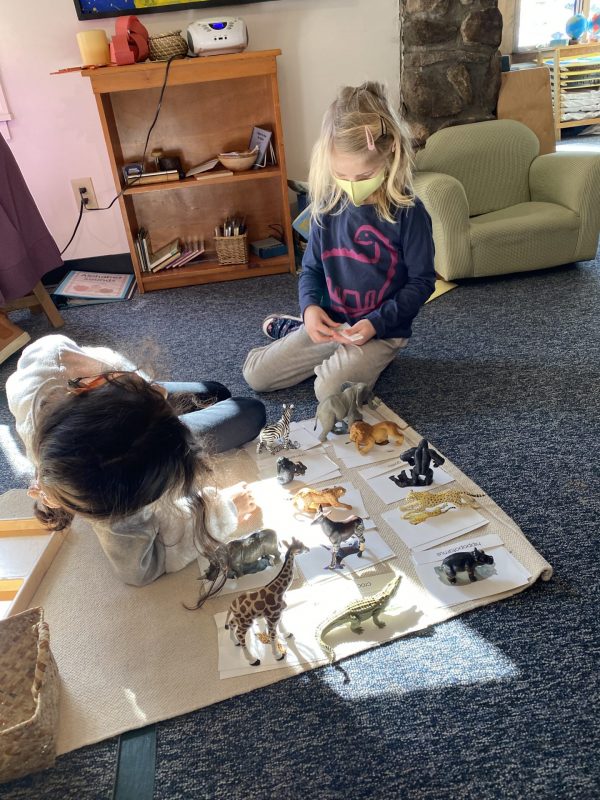
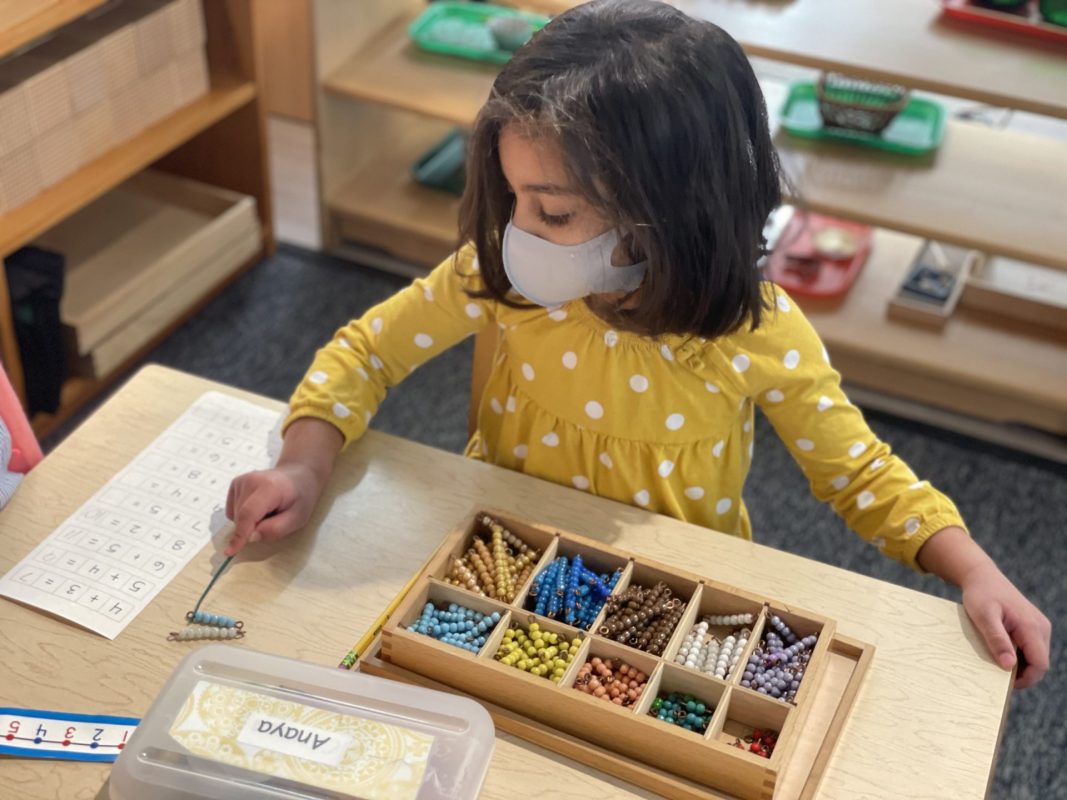
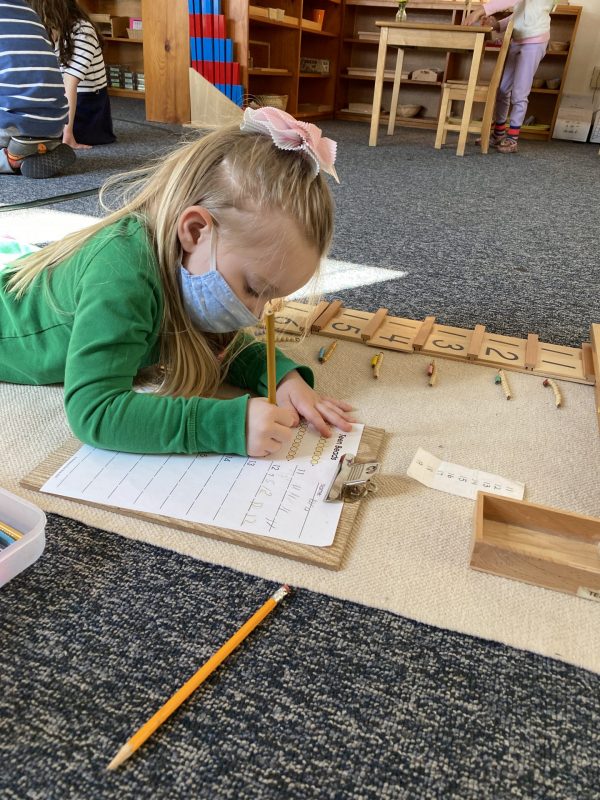
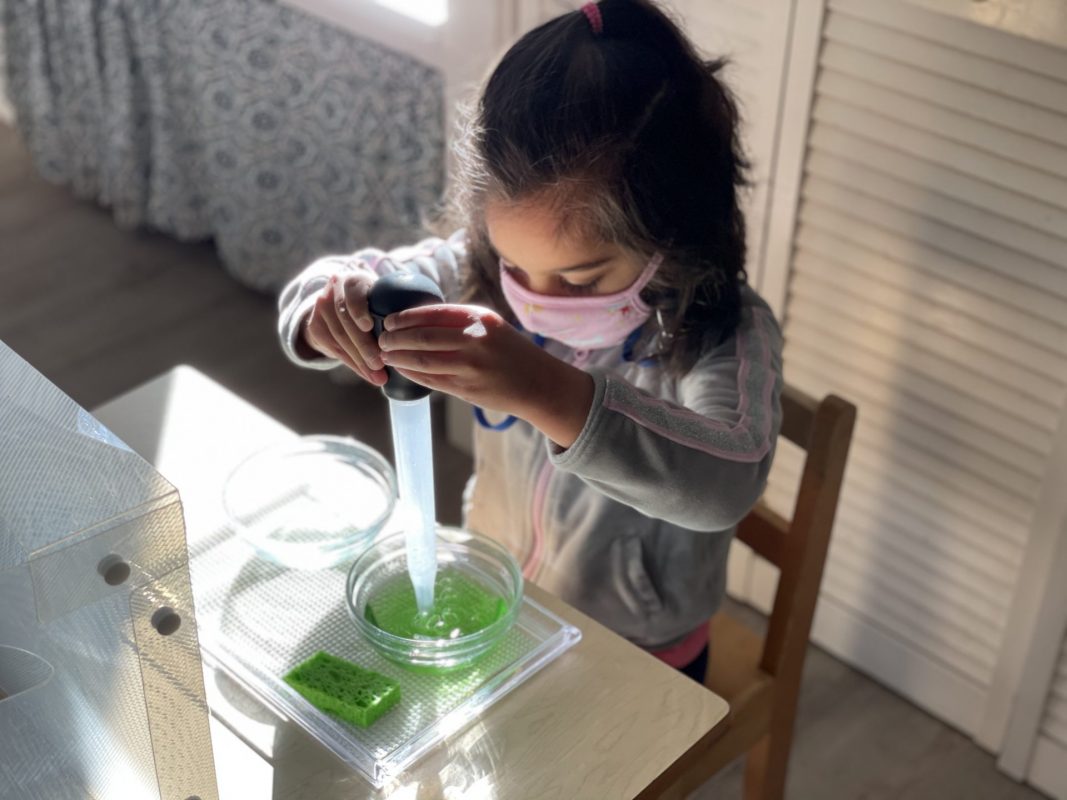
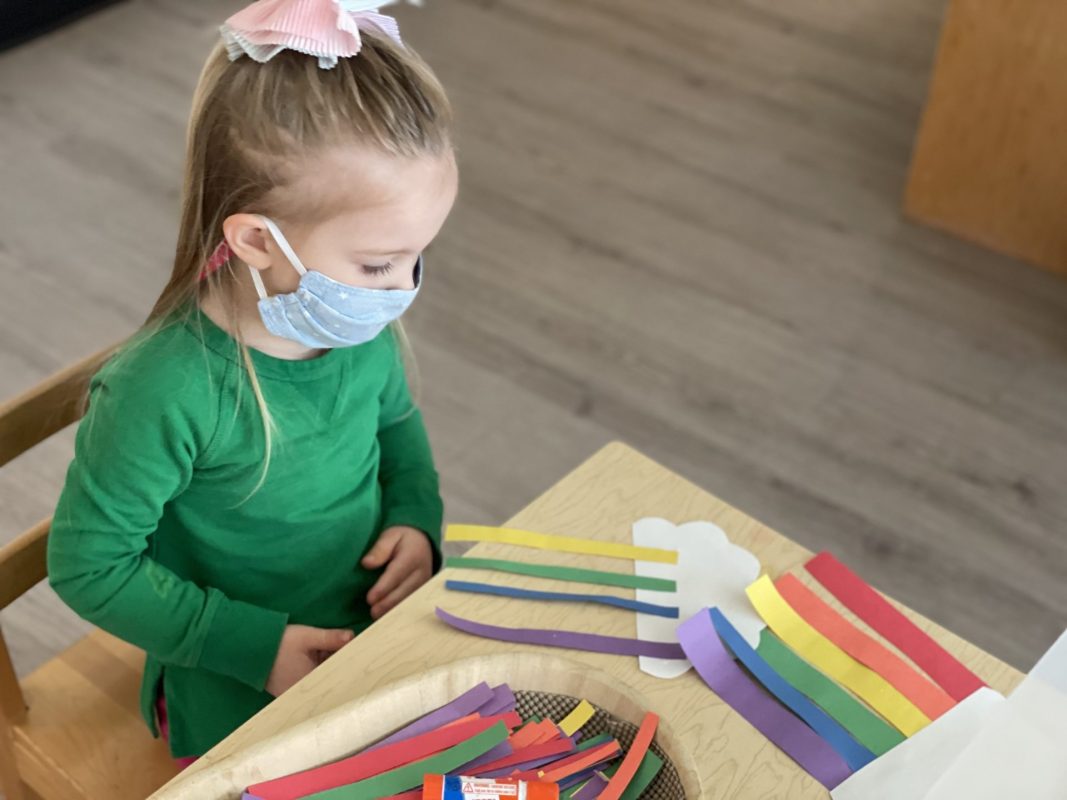
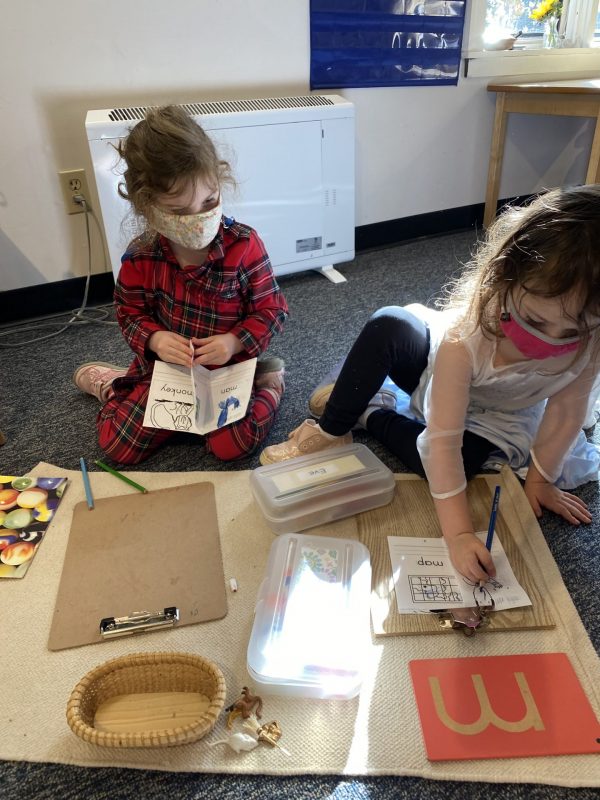
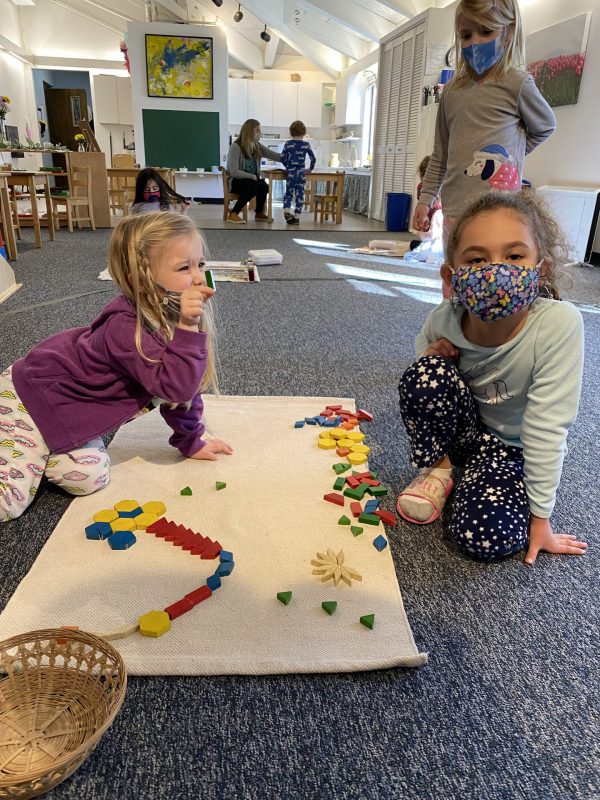
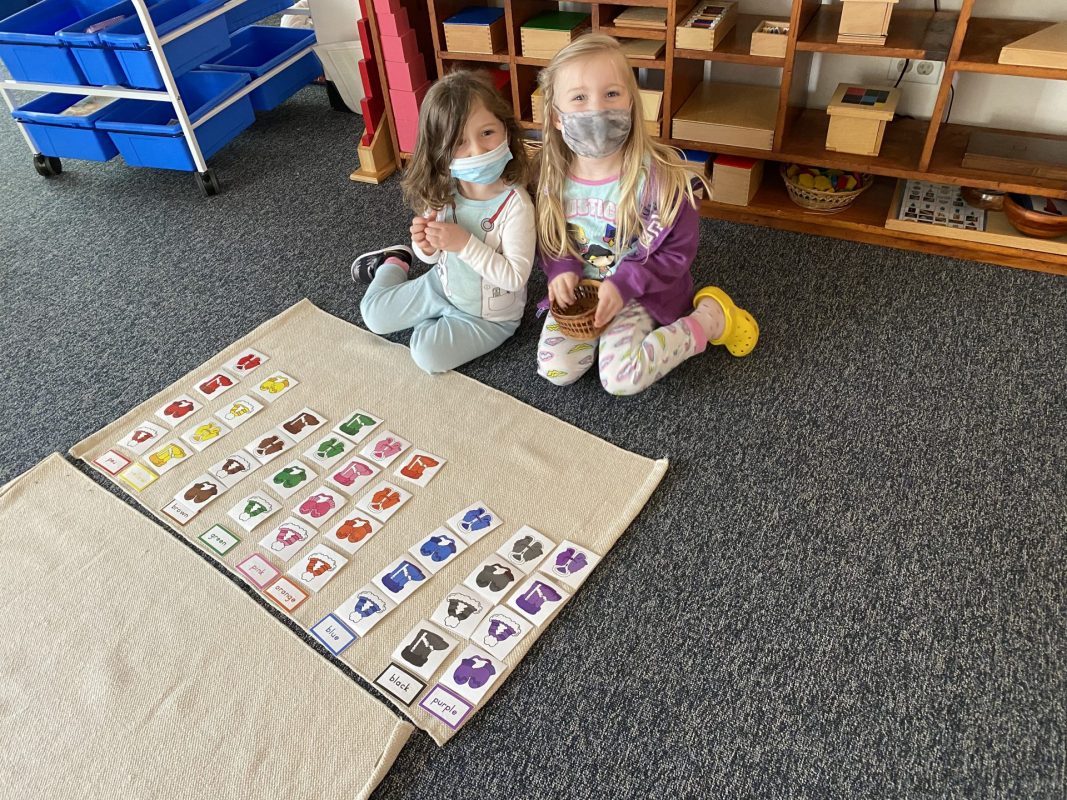
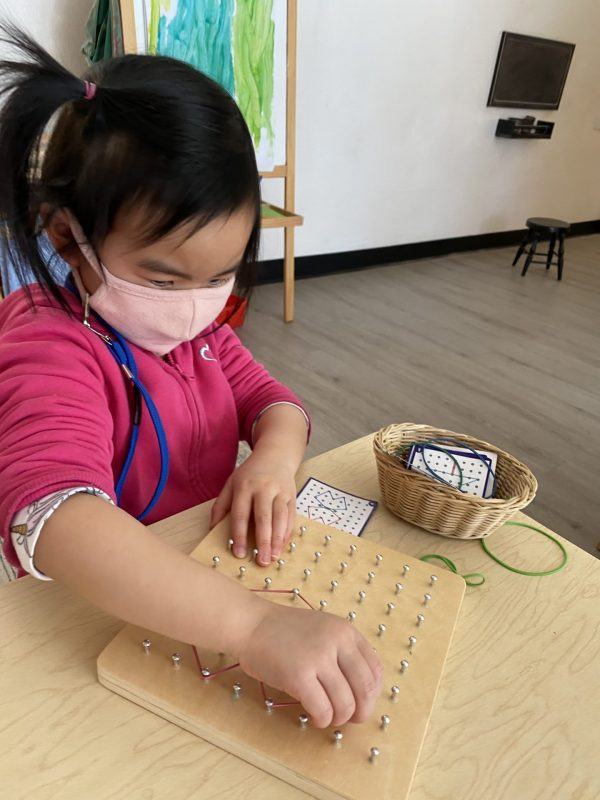
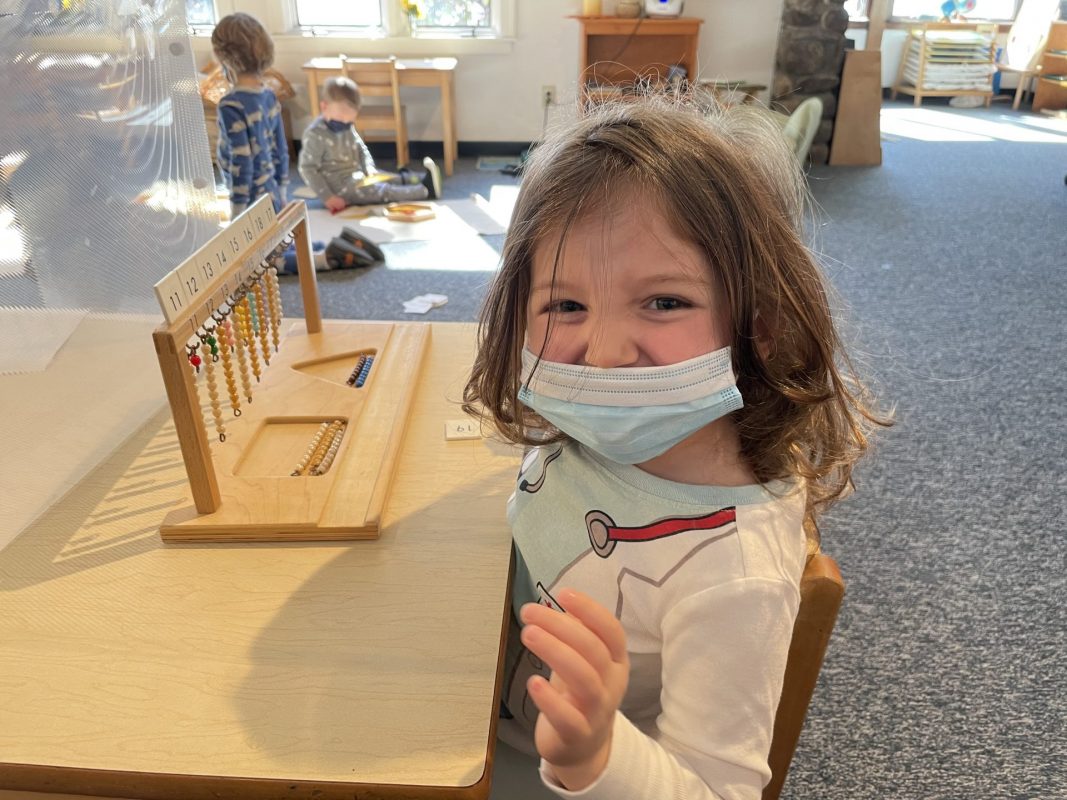
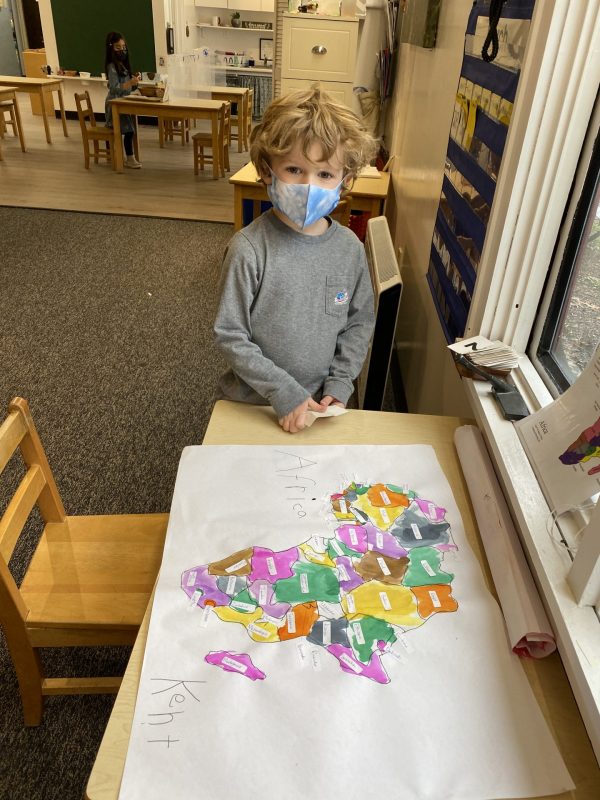
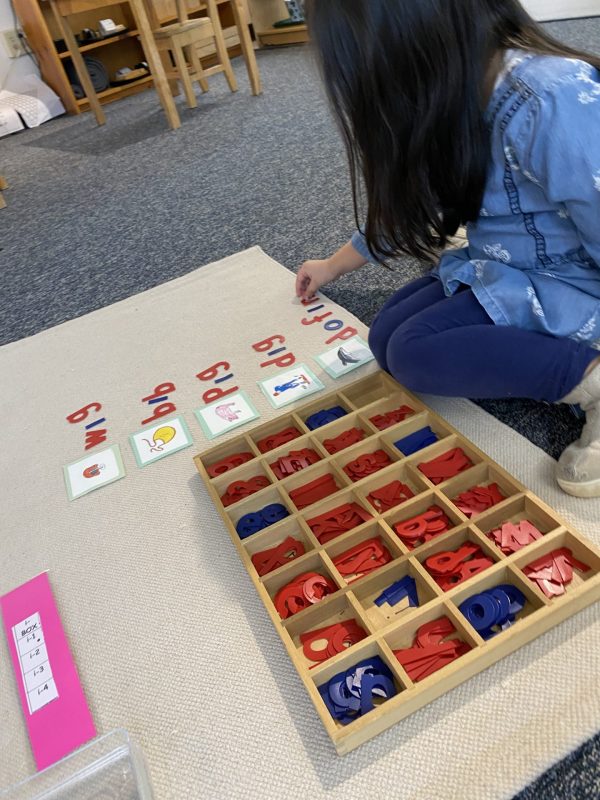
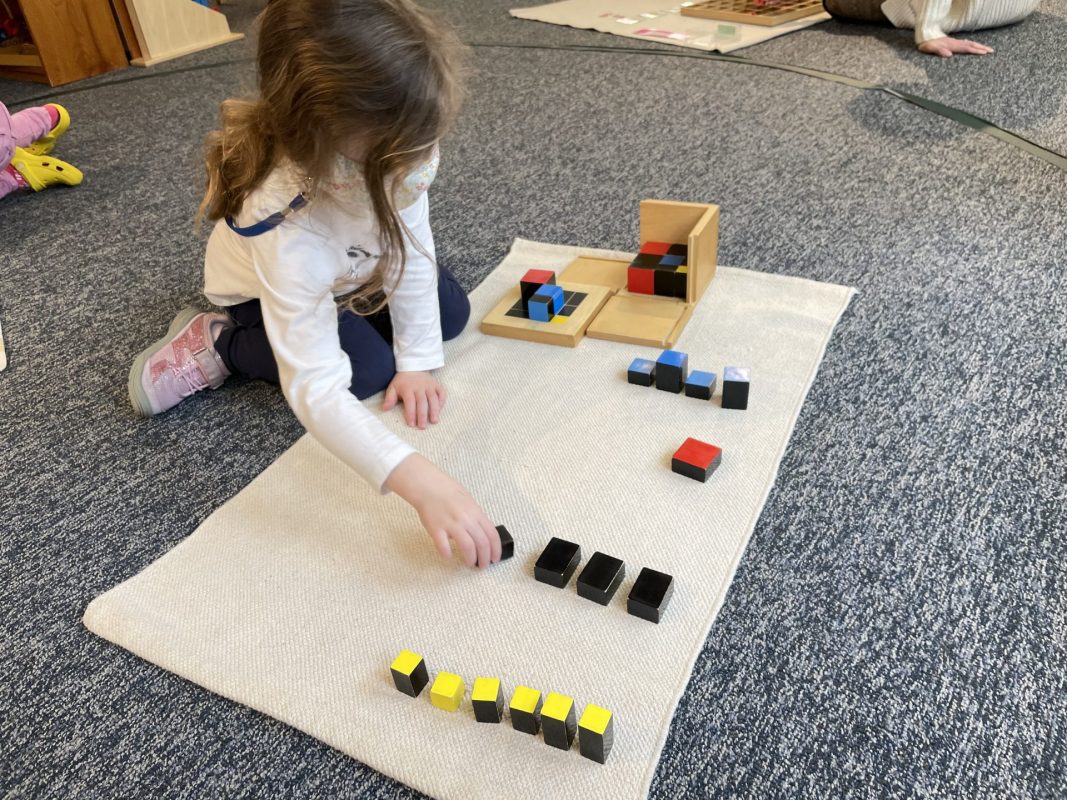
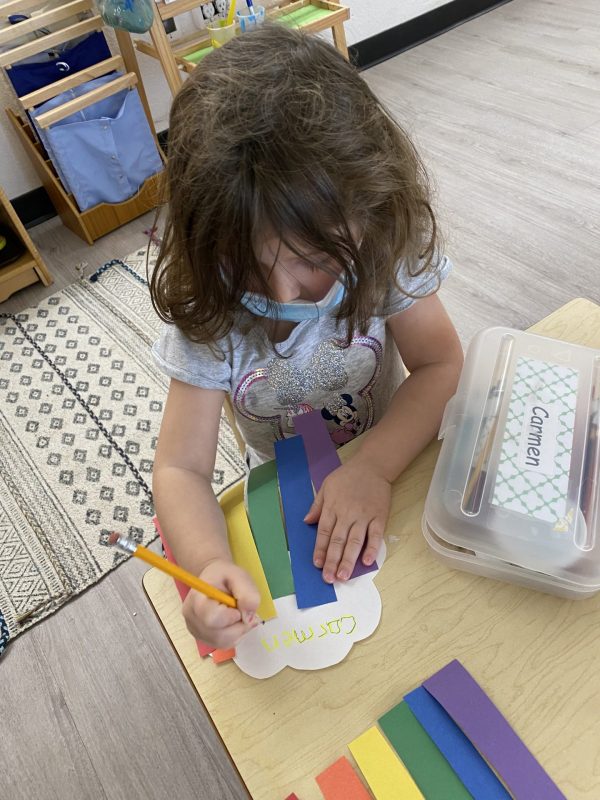
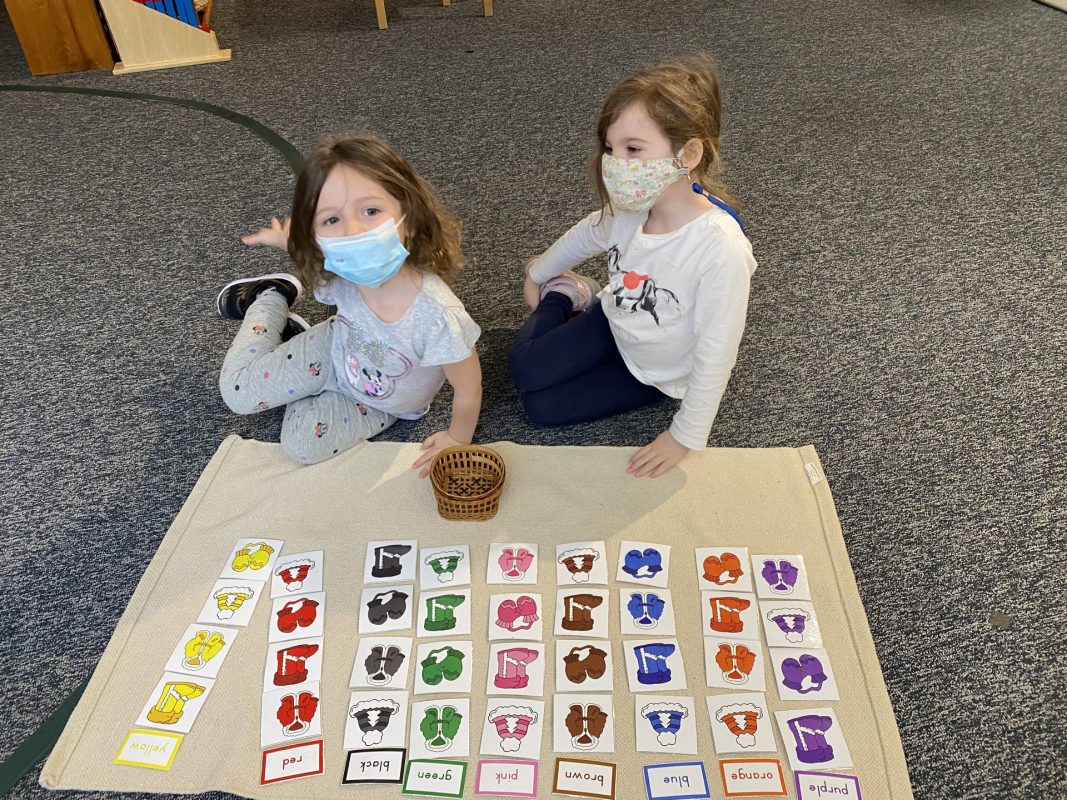
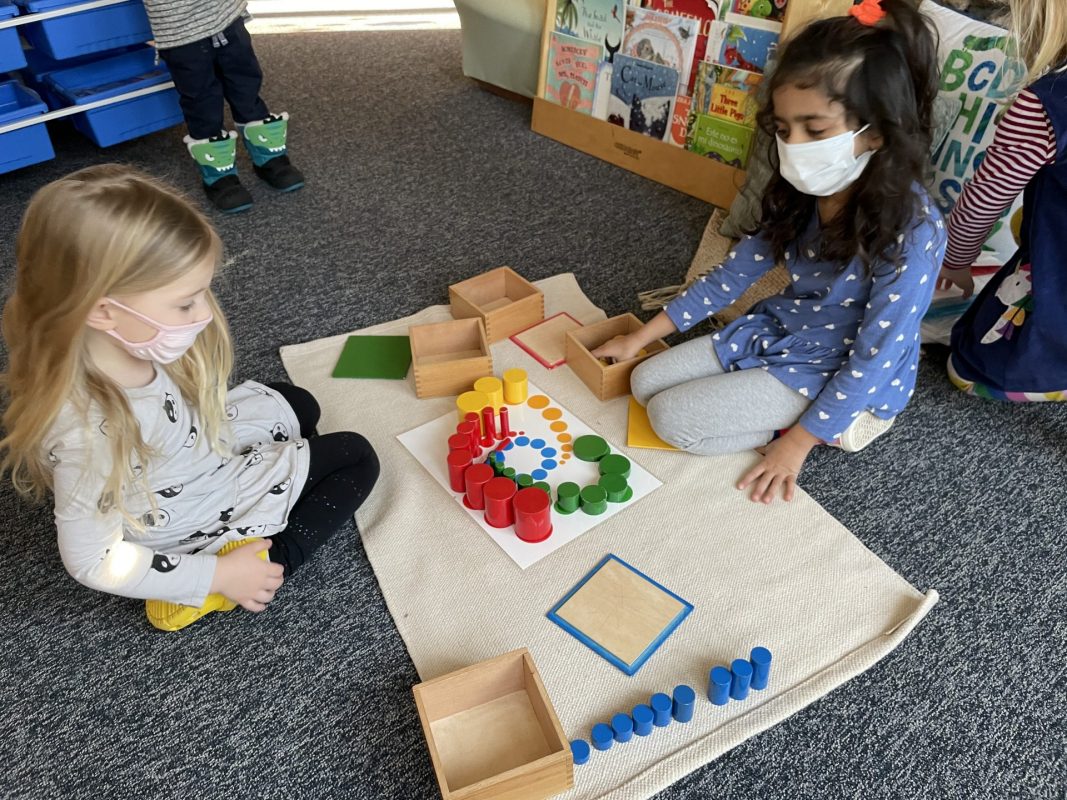
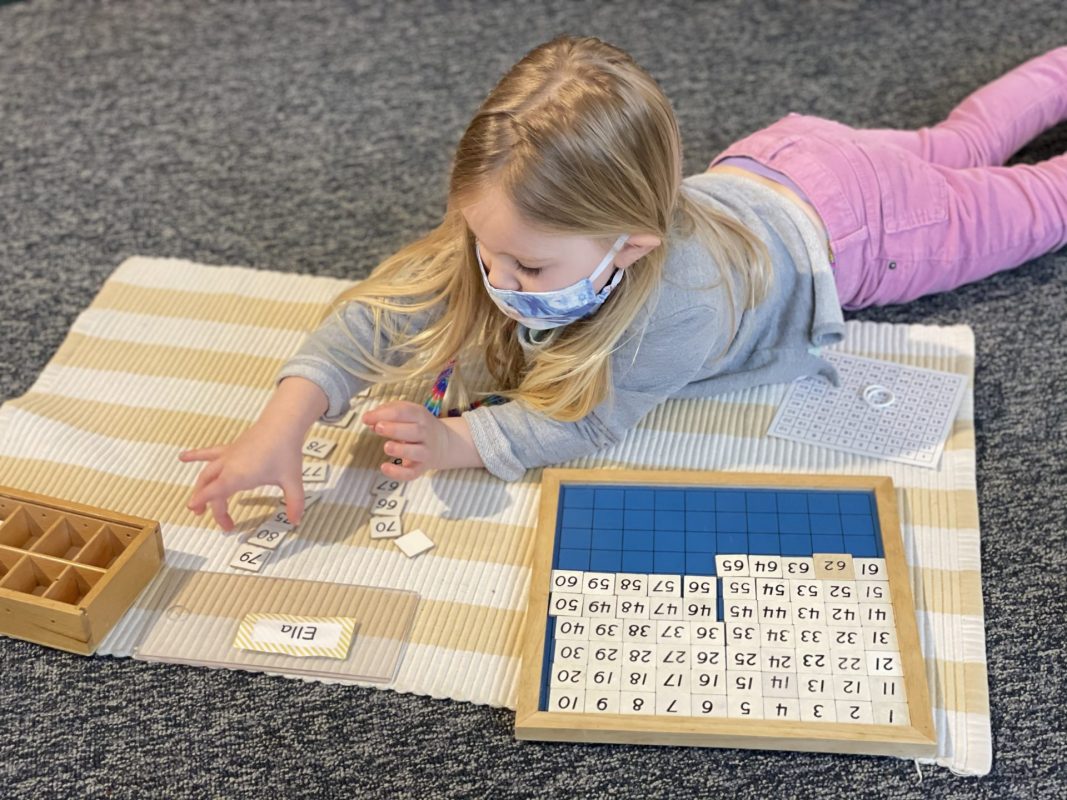
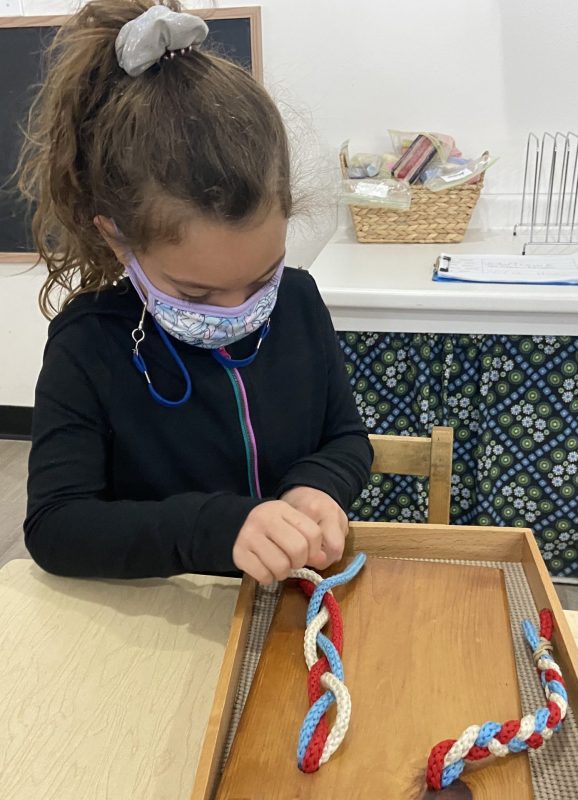
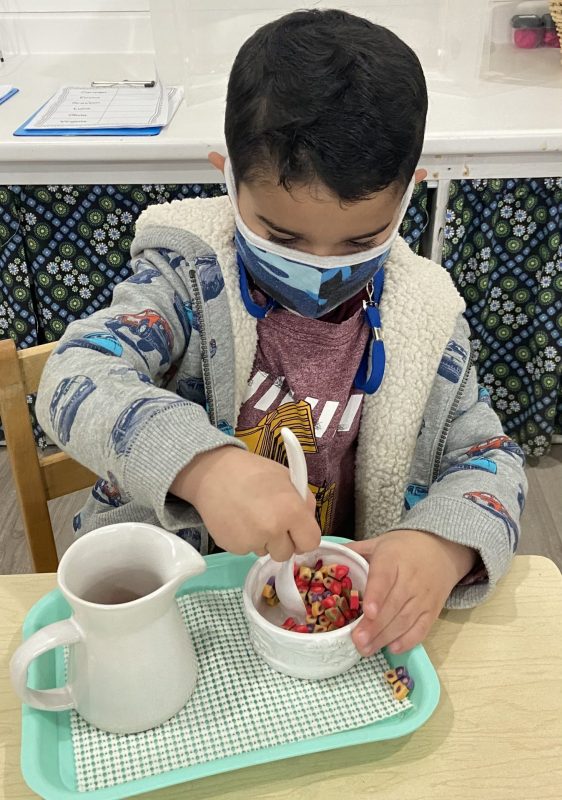
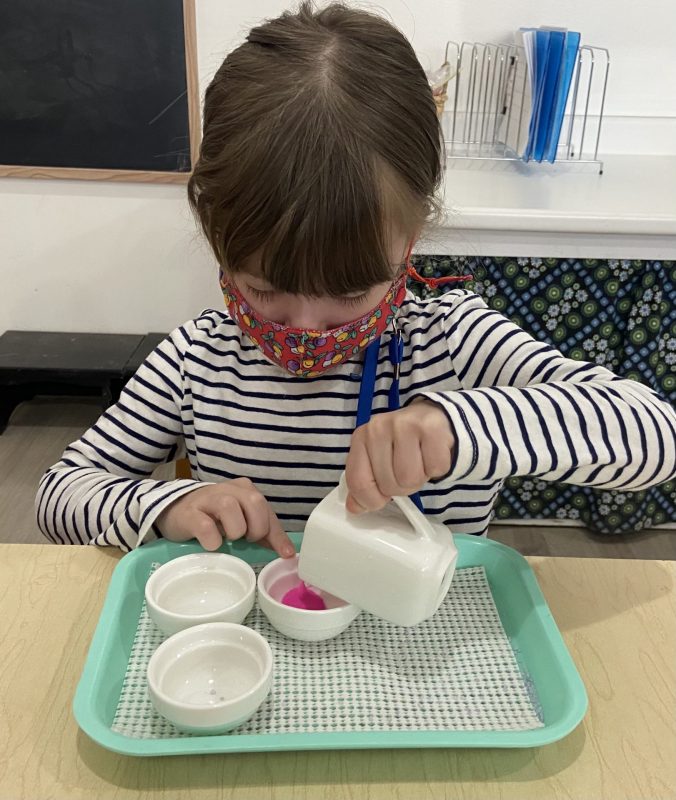
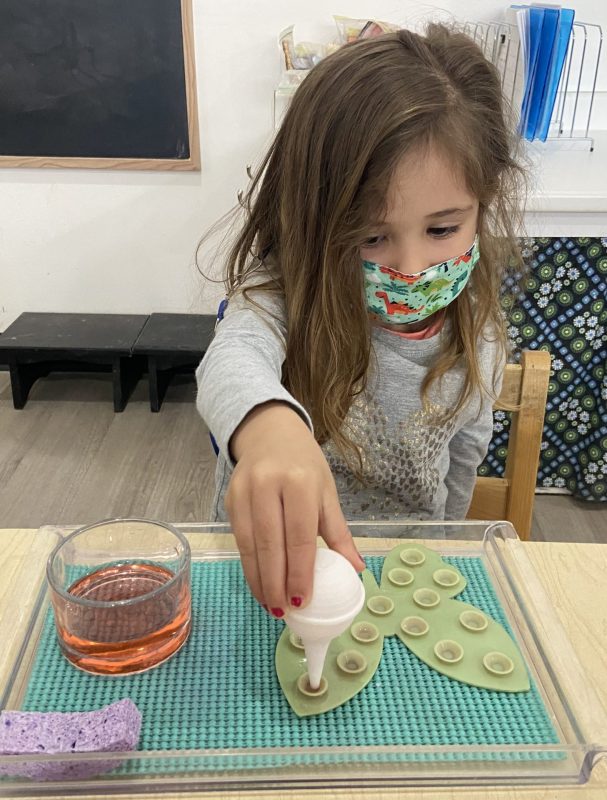
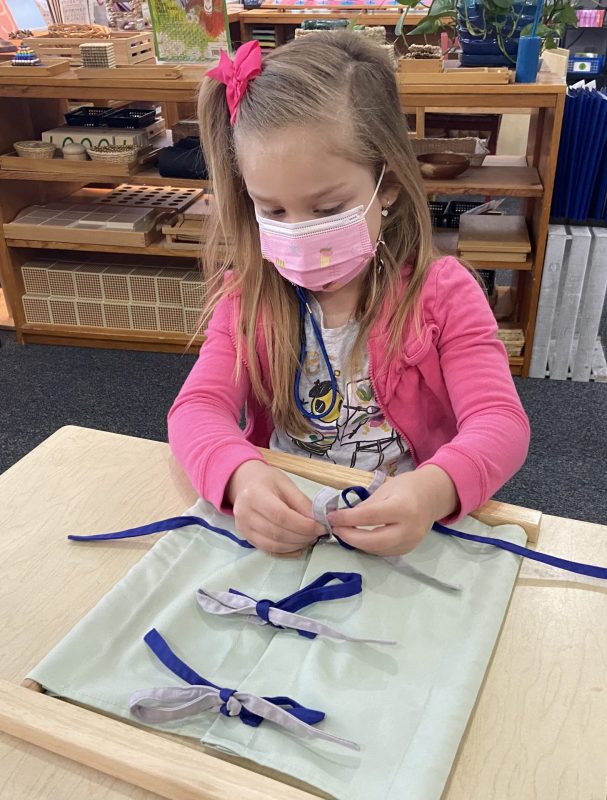
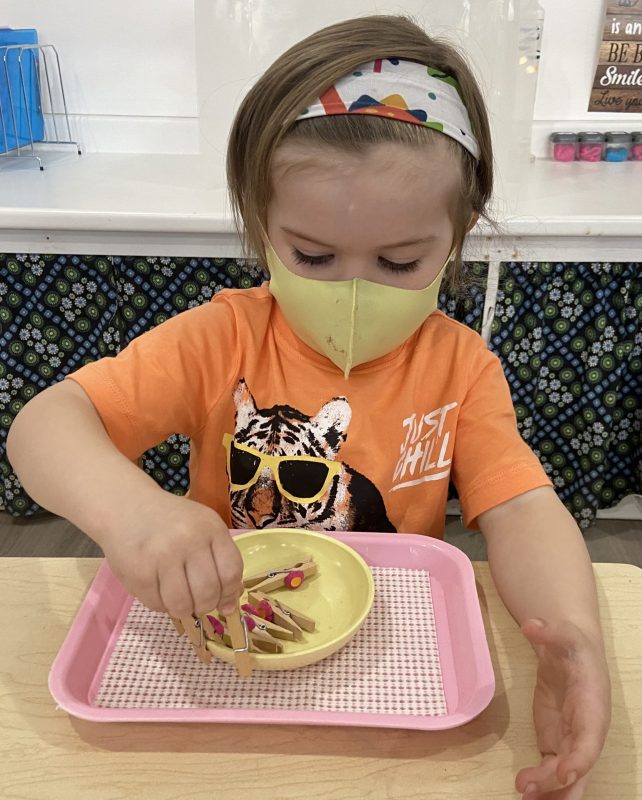
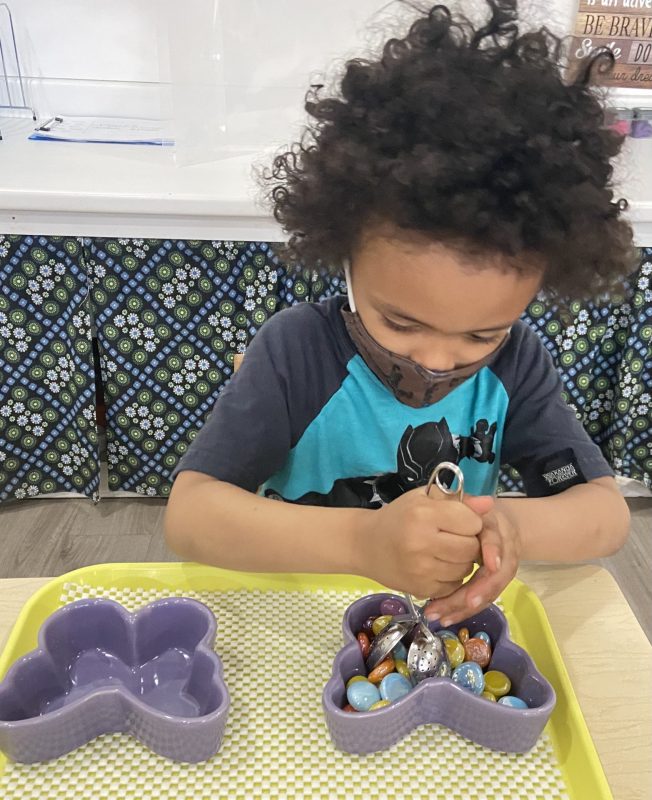
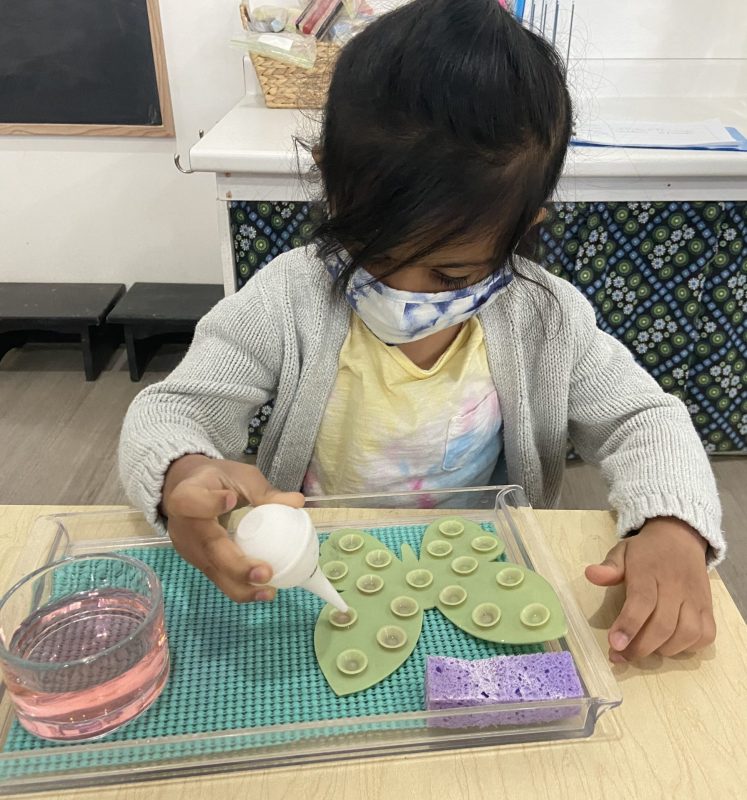
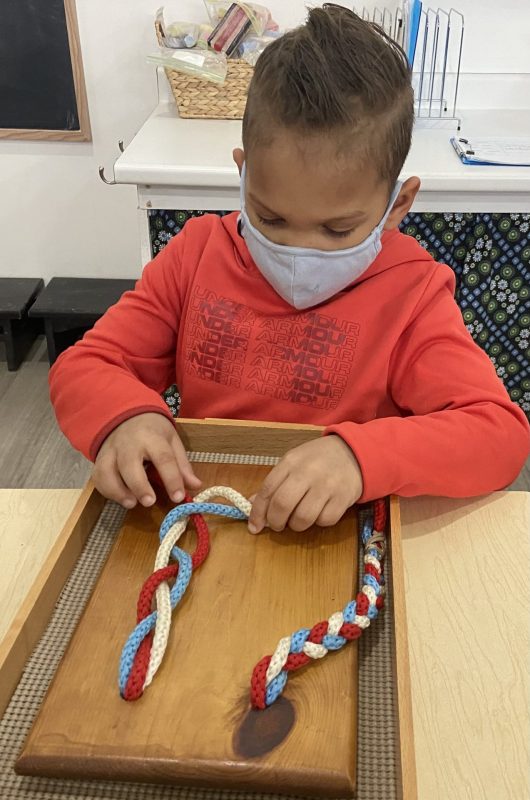
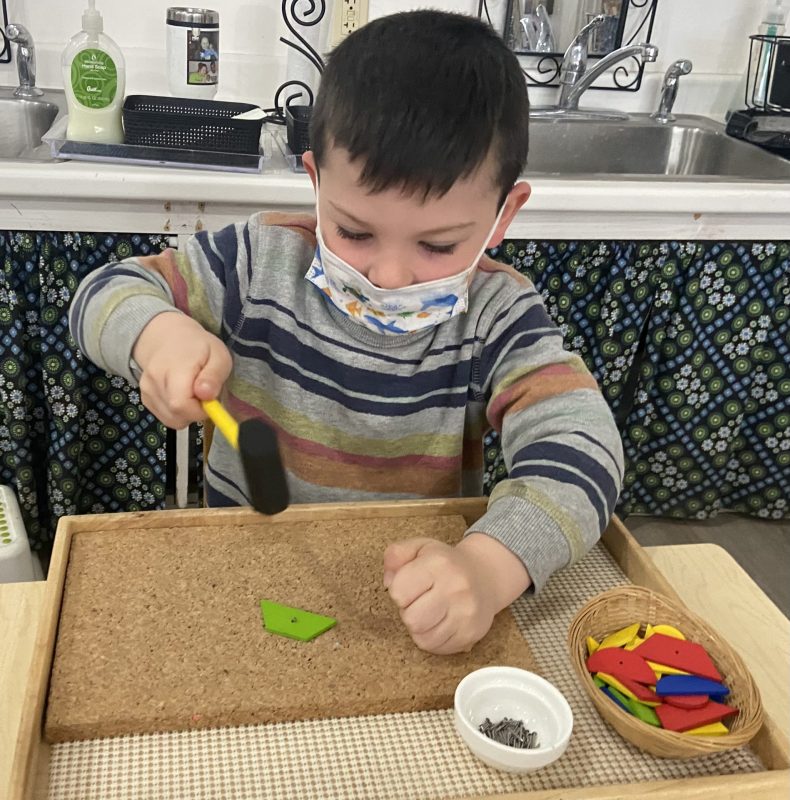
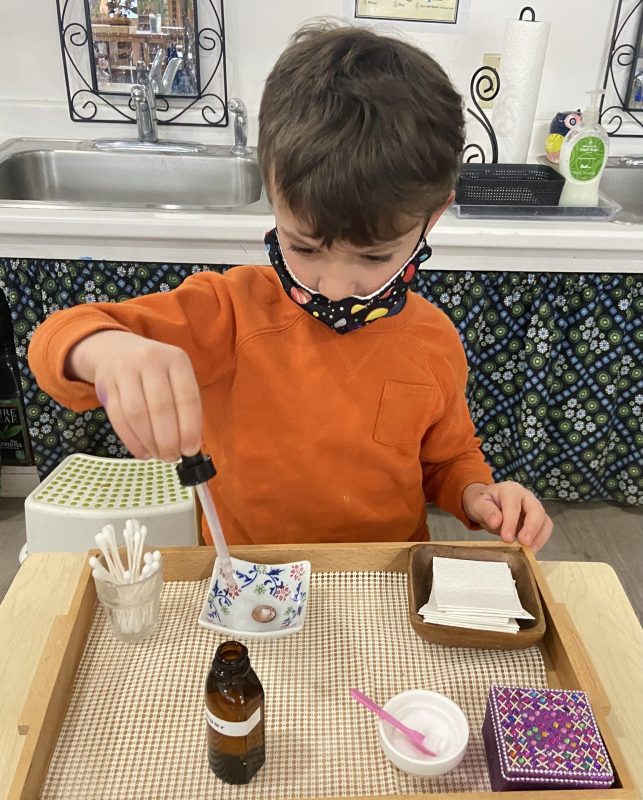
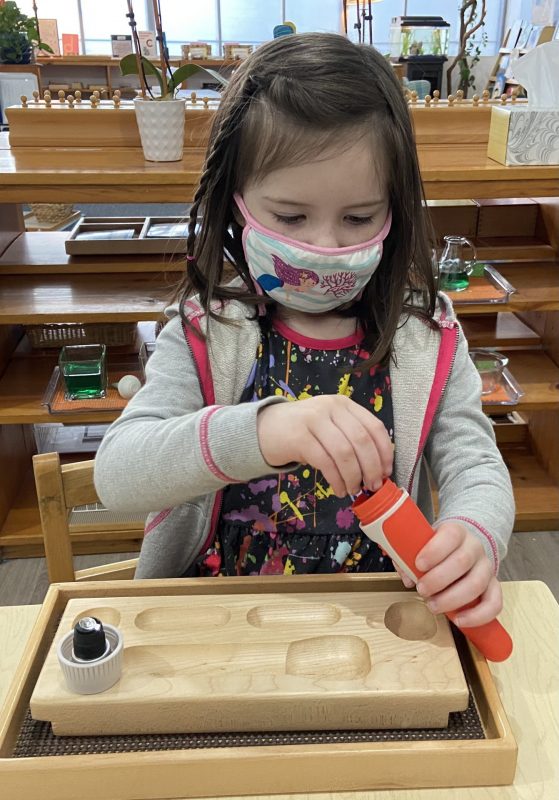
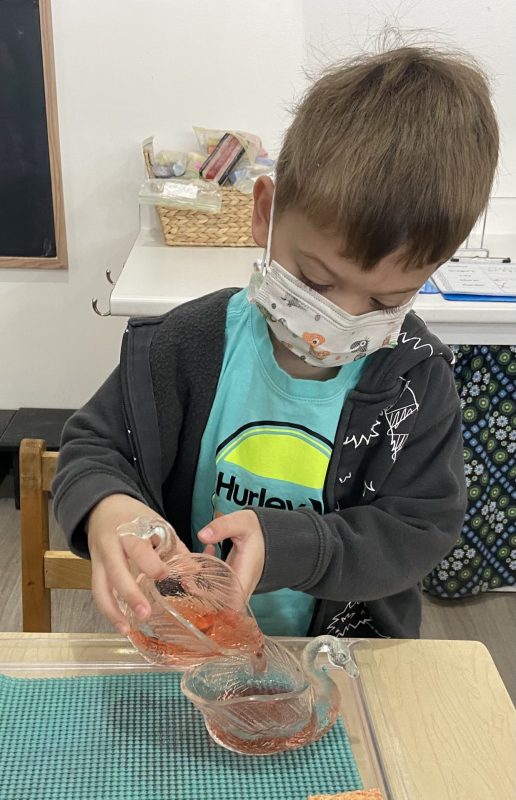
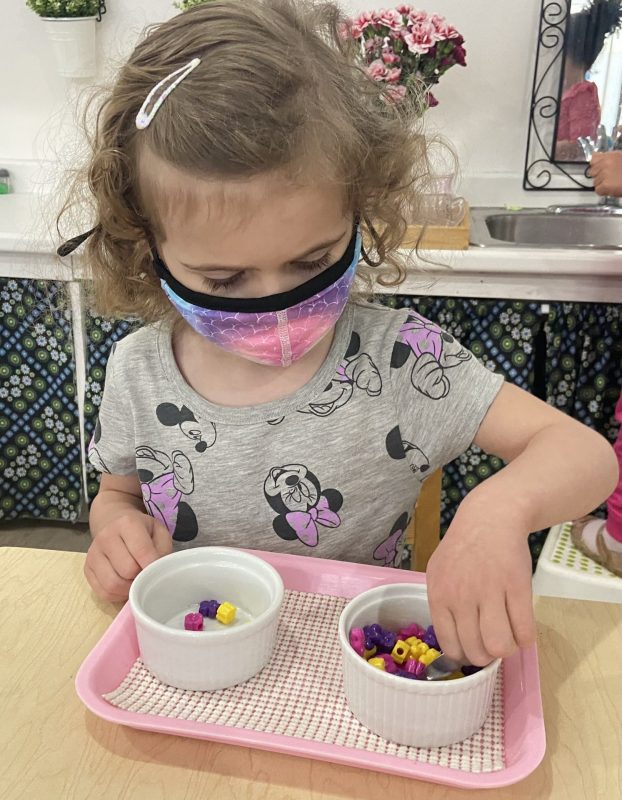
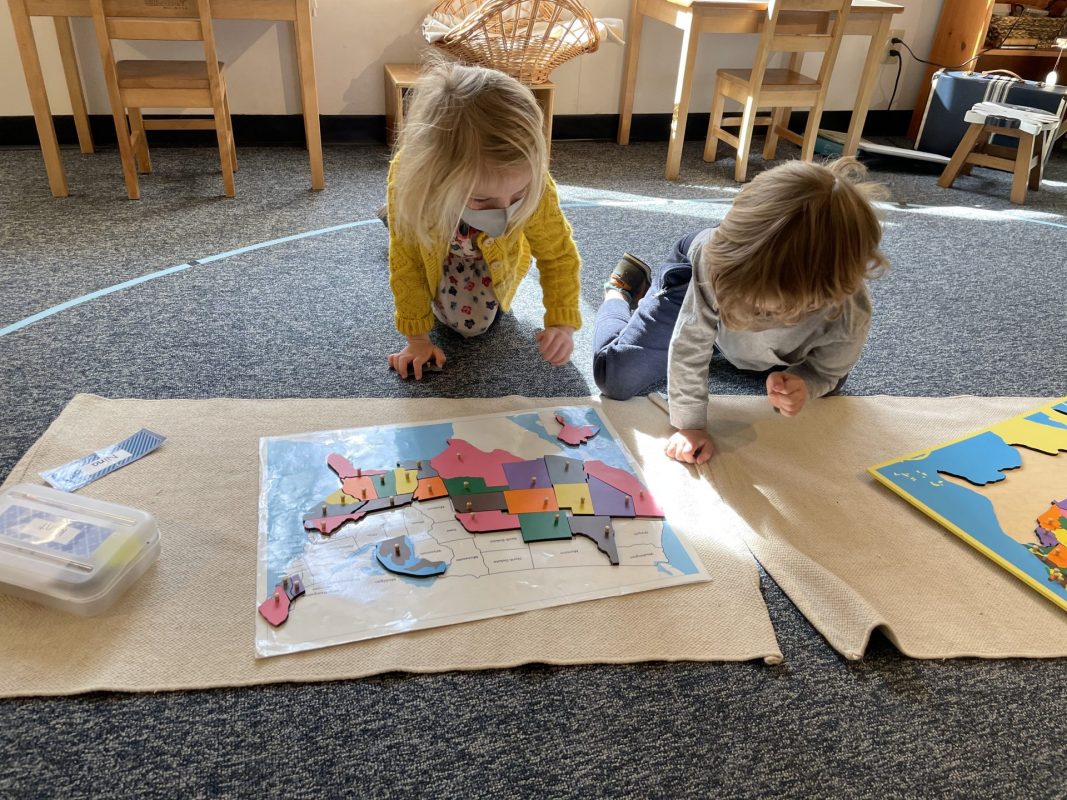
The foundation of a Montessori classroom is the Practical Life area.  This area provides a bridge between a child’s home life and school life.  As parents, we often hear children say repeatedly, “I can do it myself.”  How right they are! Practical Life is teaching daily living skills while helping children to develop focus, concentration, independence, coordination, a sense of order, and developing hand strength. The lessons are comprised of equipment or tools they may have seen before. We use glassware, tweezers, spoons of all shapes and sizes, tongs, eyedroppers, and so much more. Practical Life lessons are divided into two main areas of development: care of self and care of the environment.

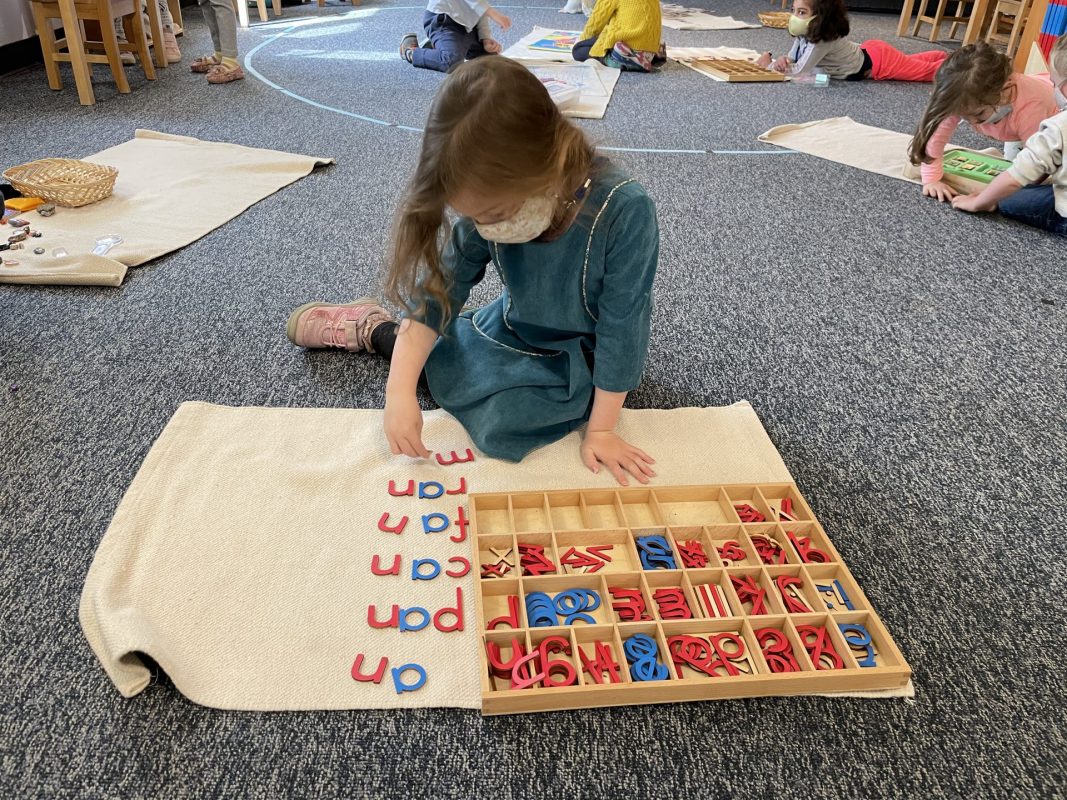
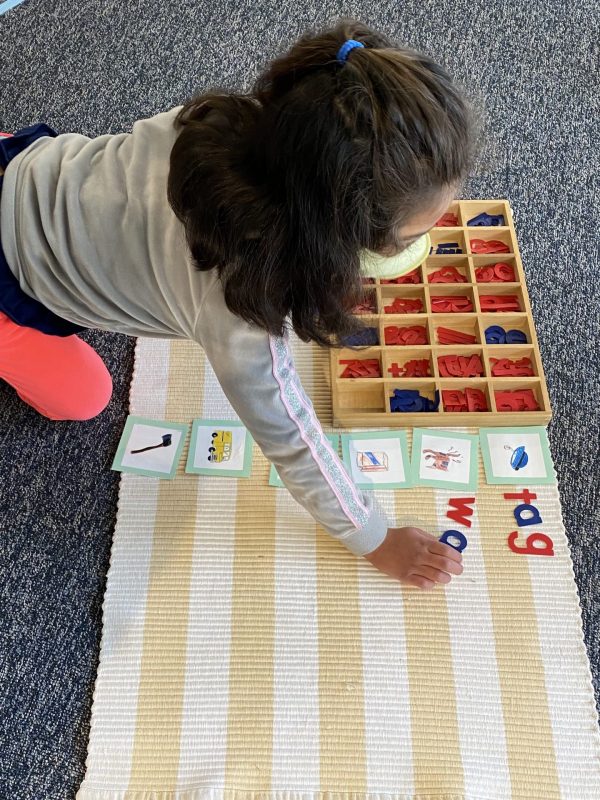
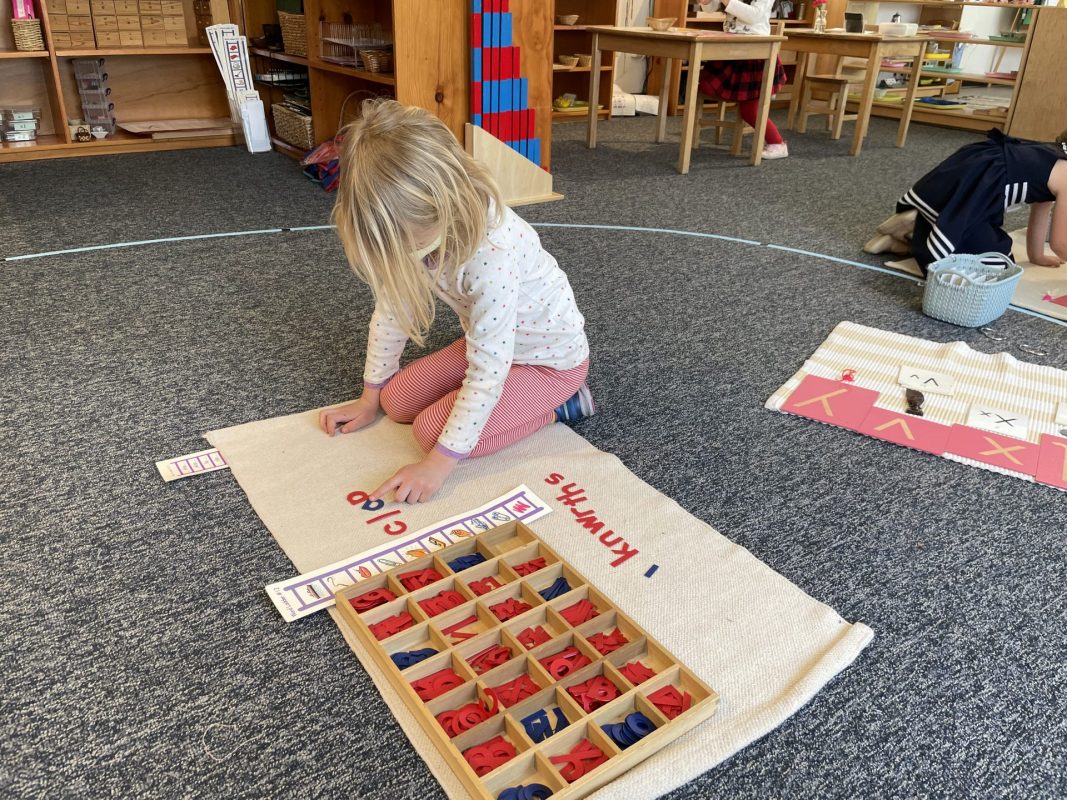
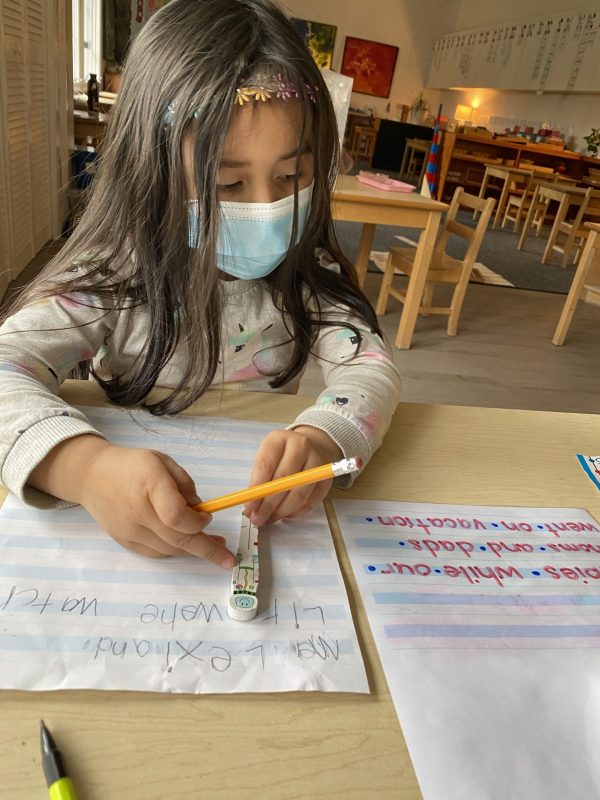
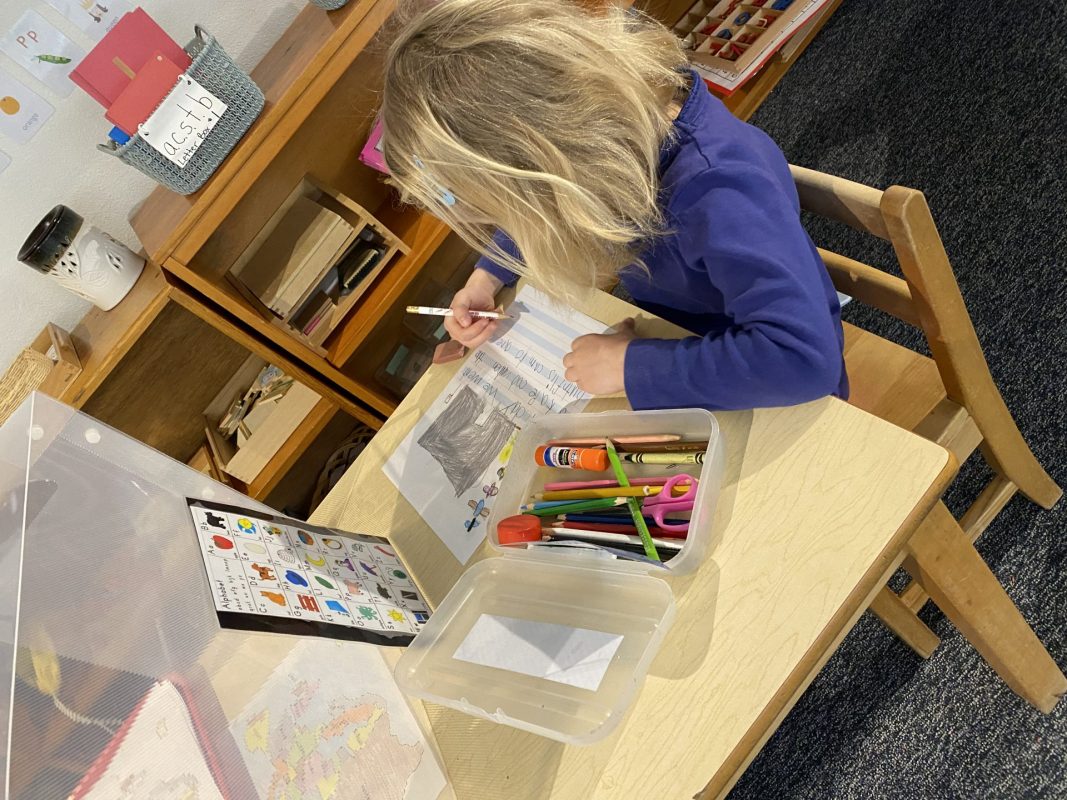
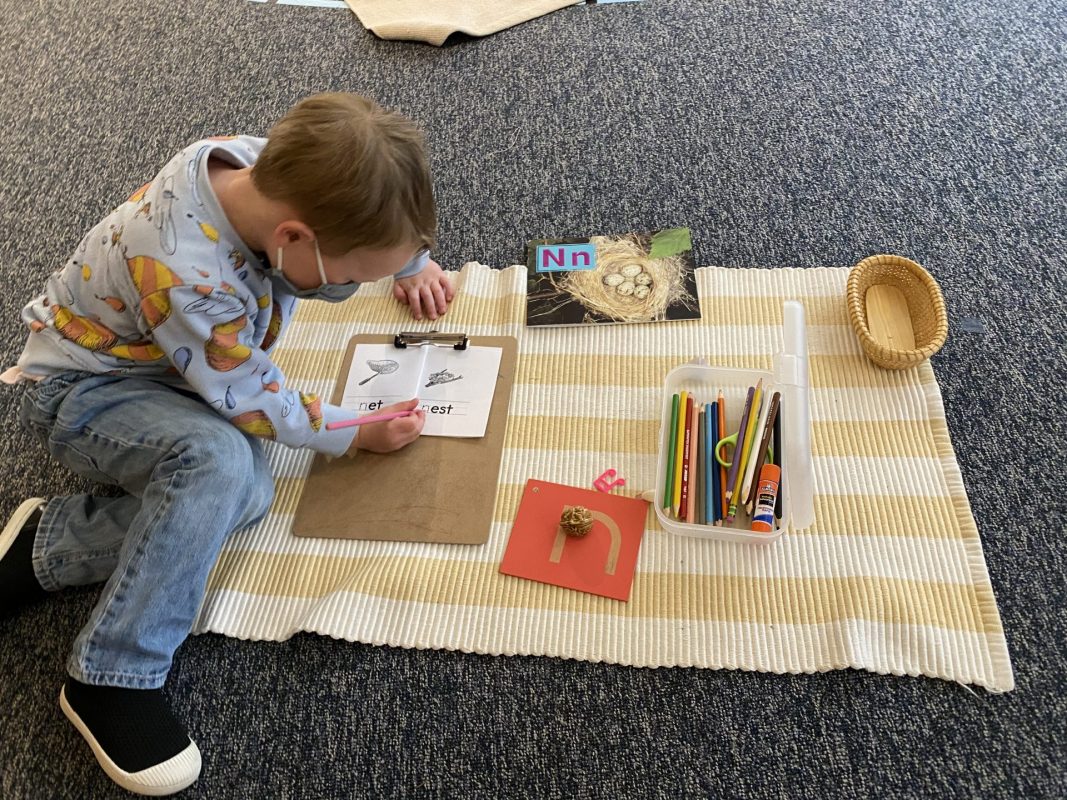
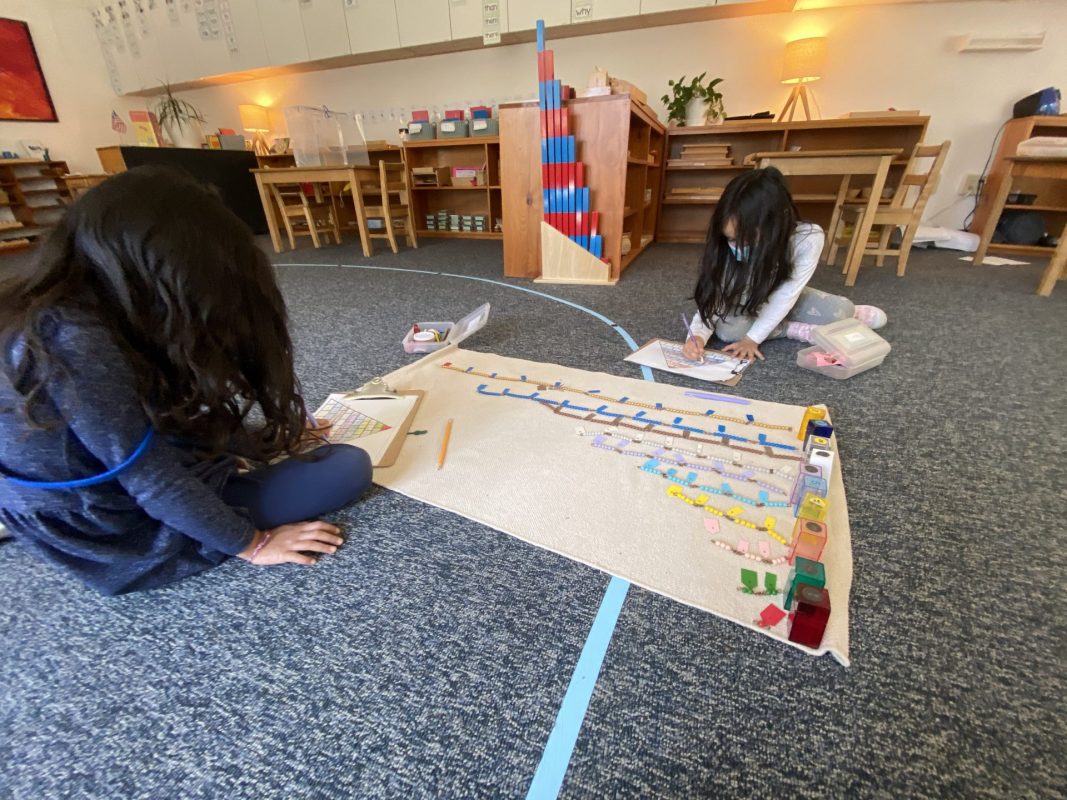
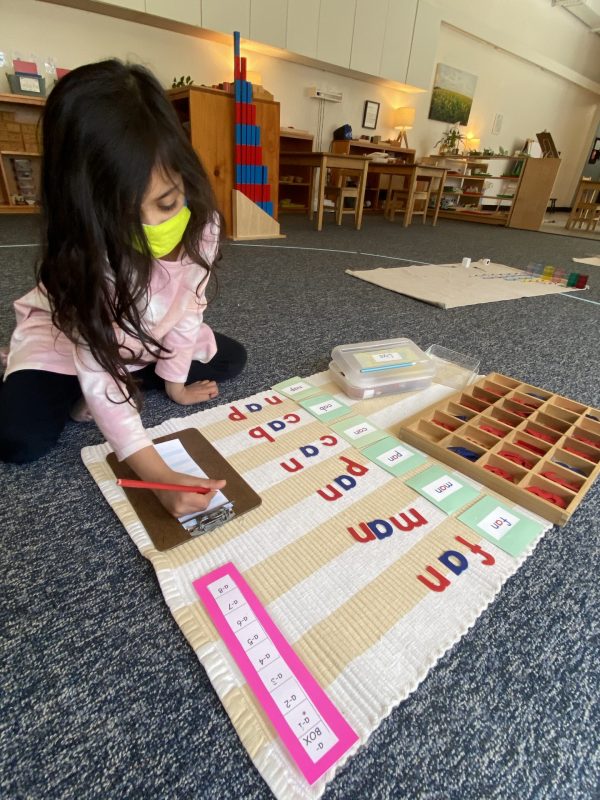
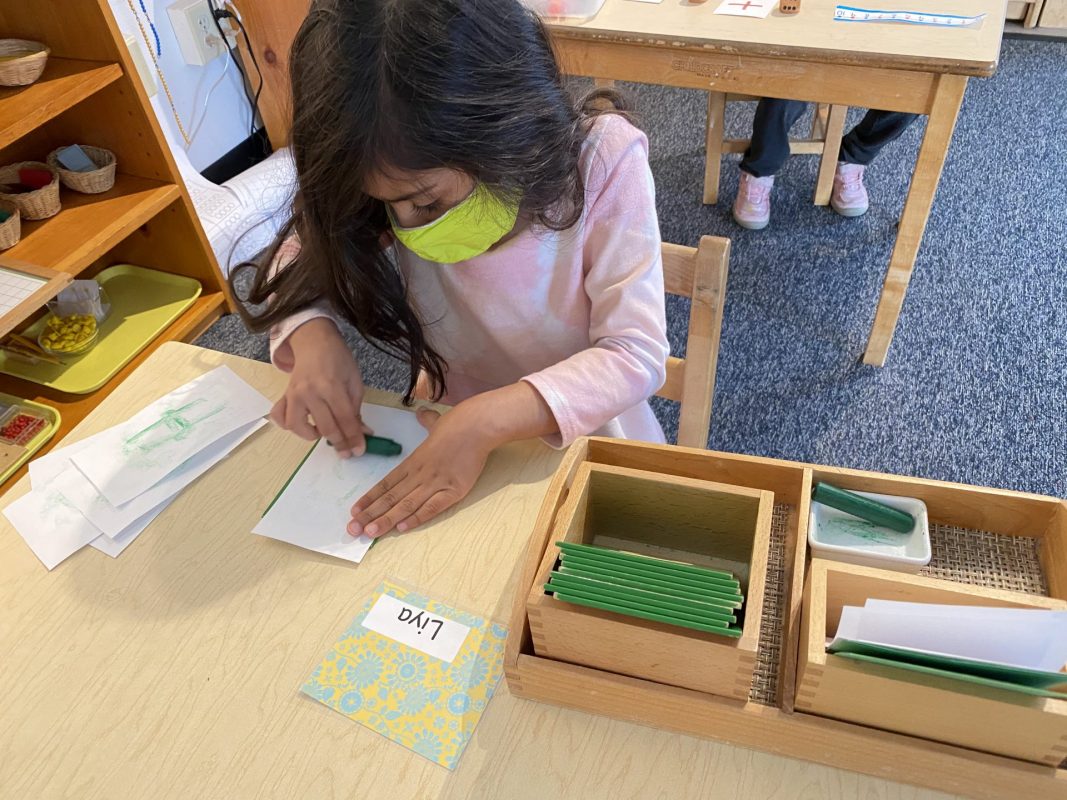
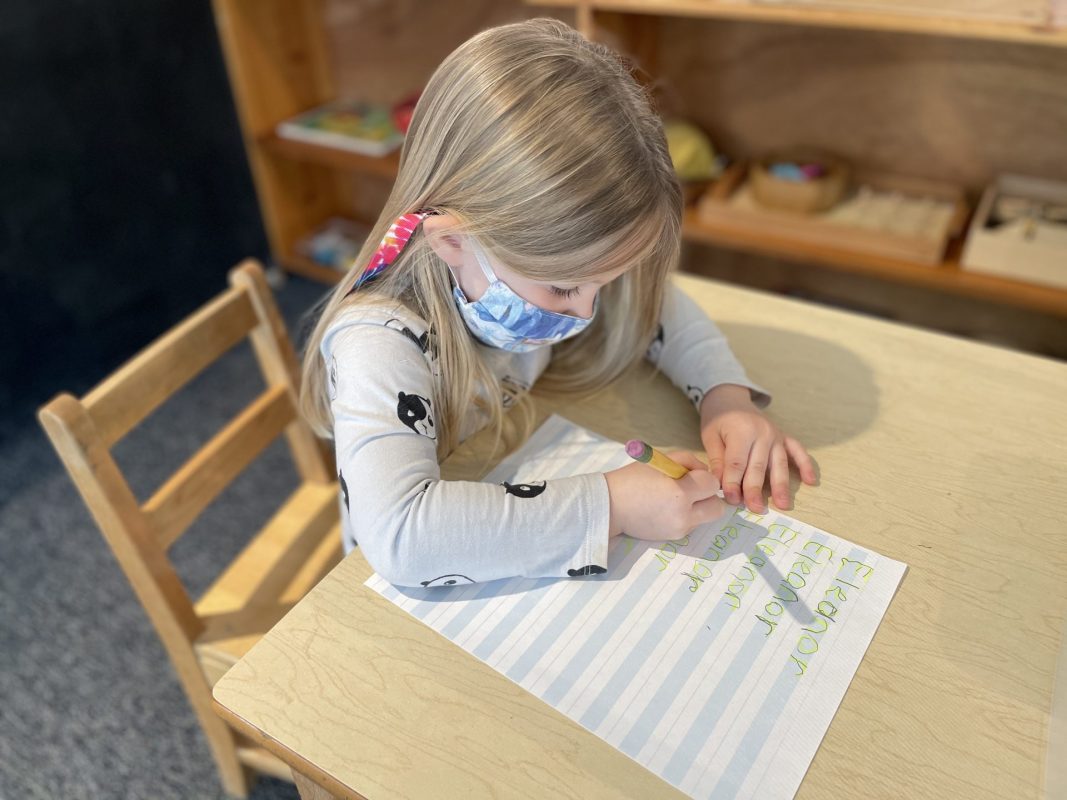
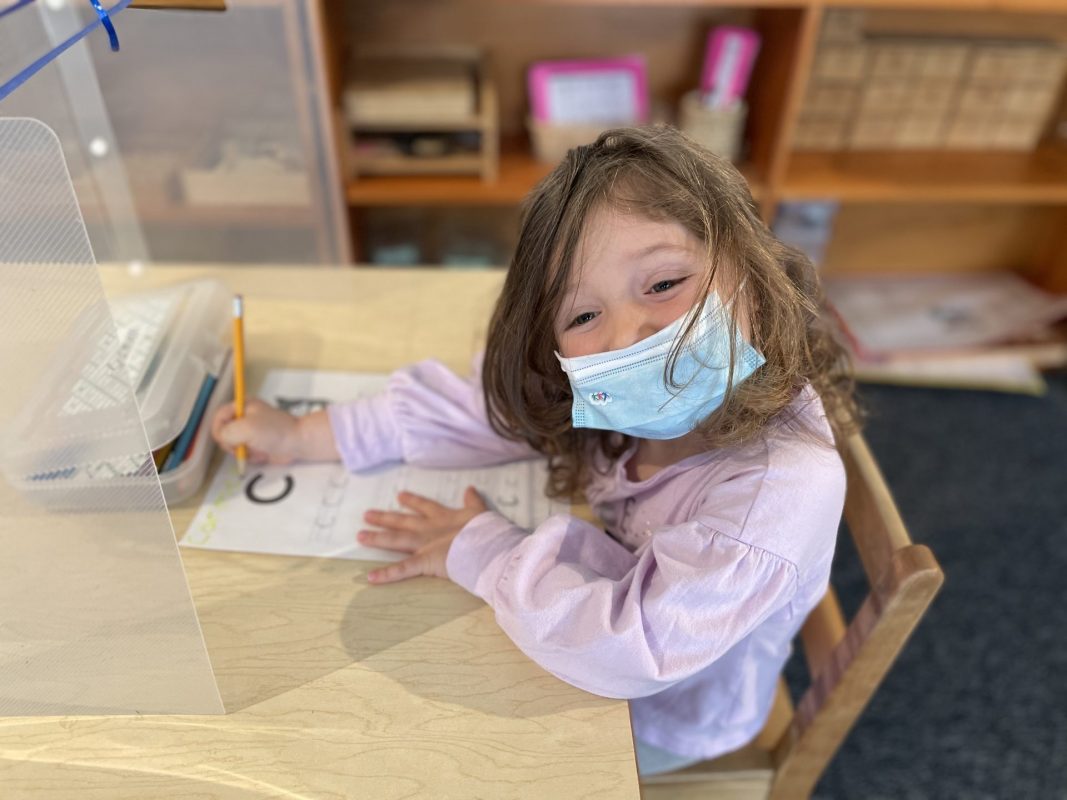
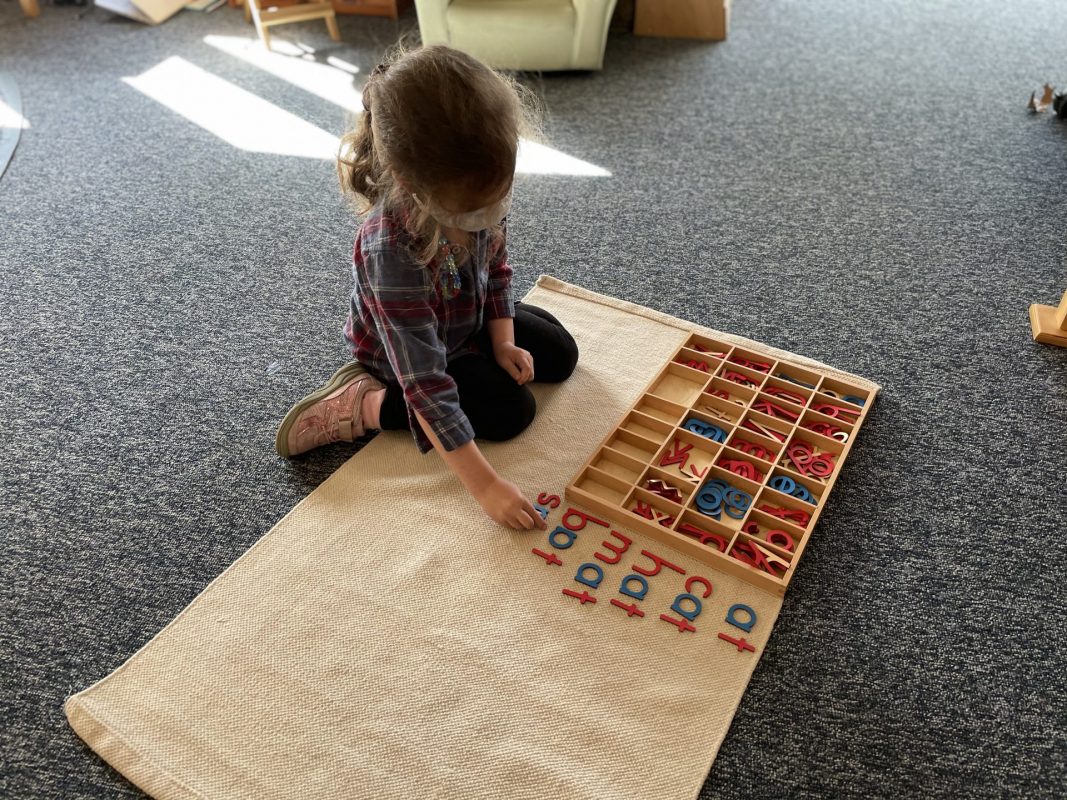
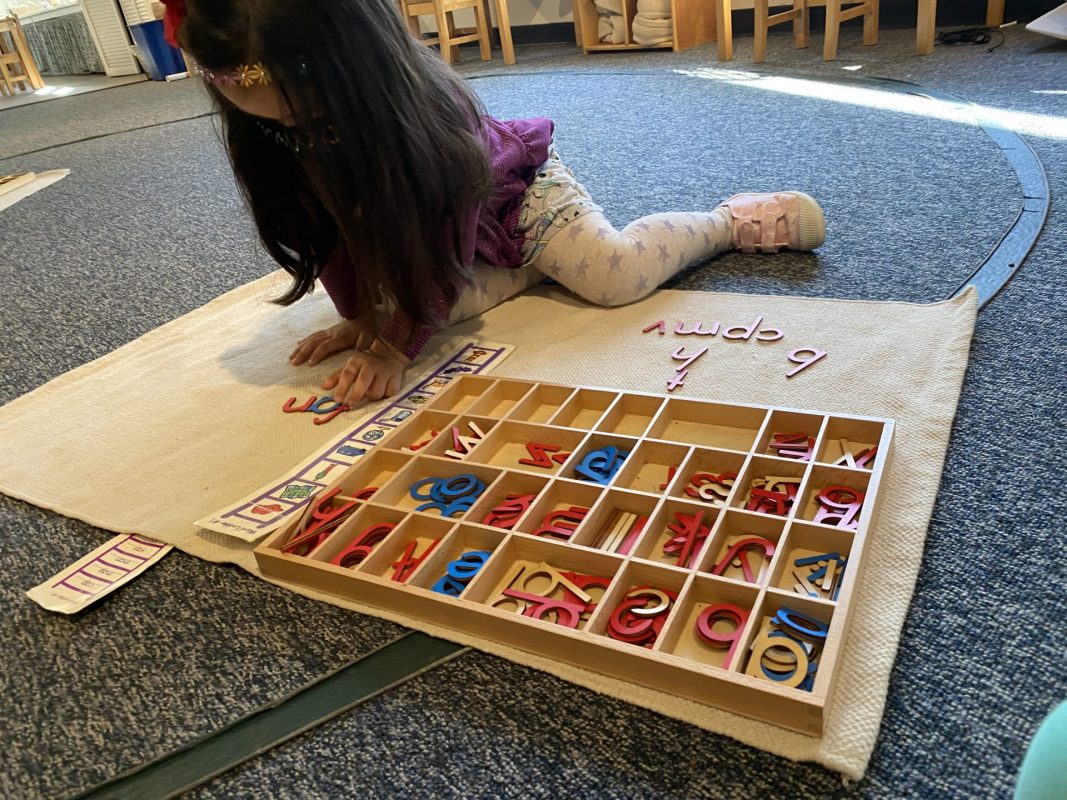
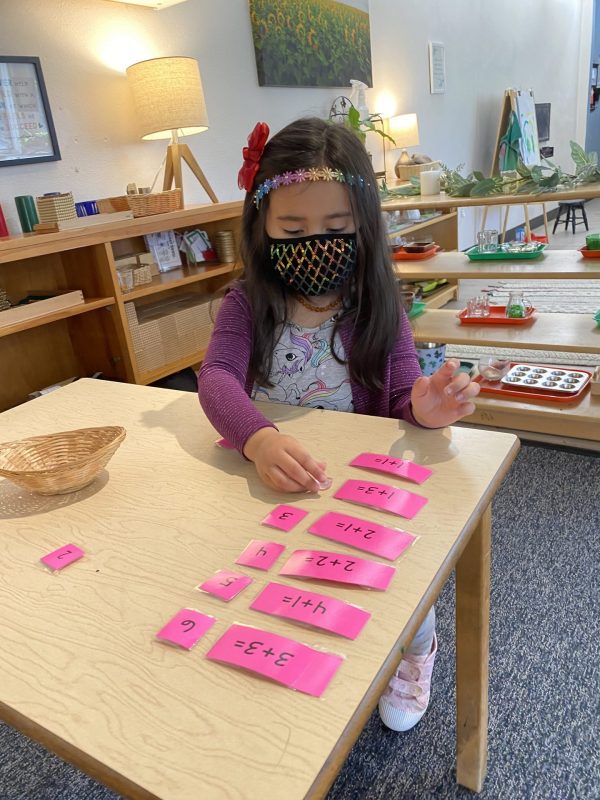
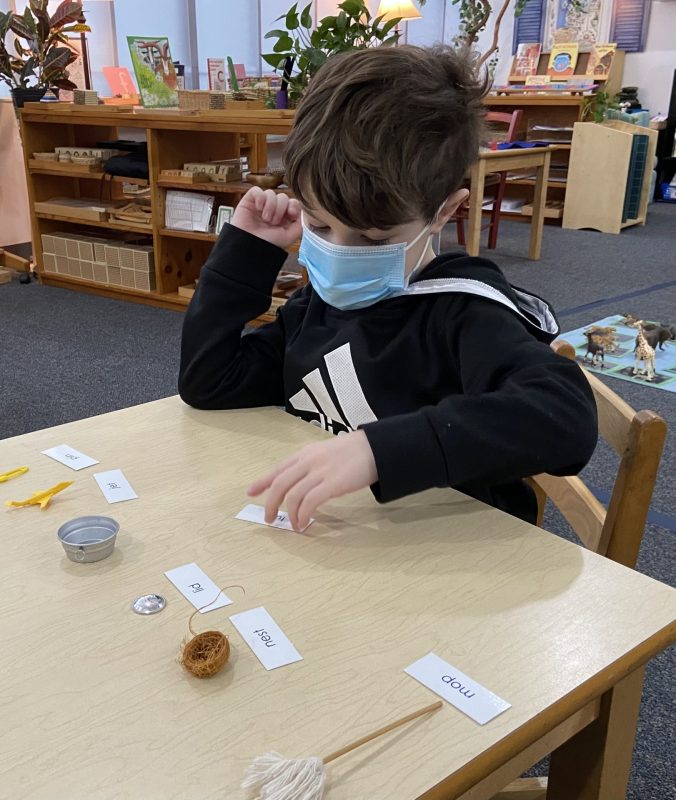
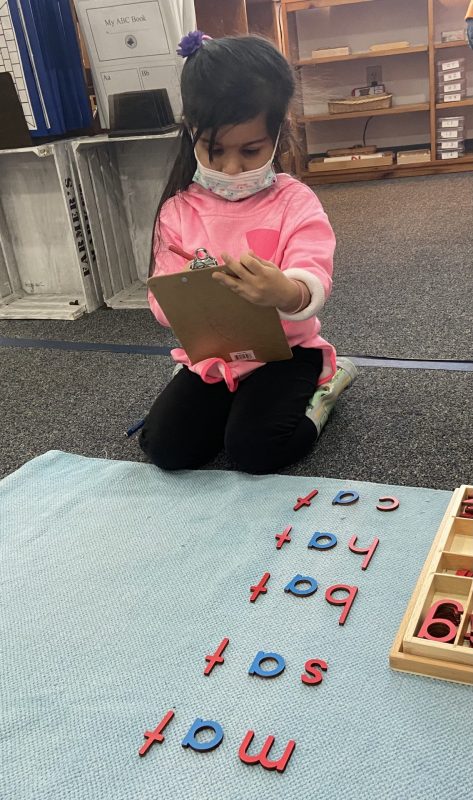
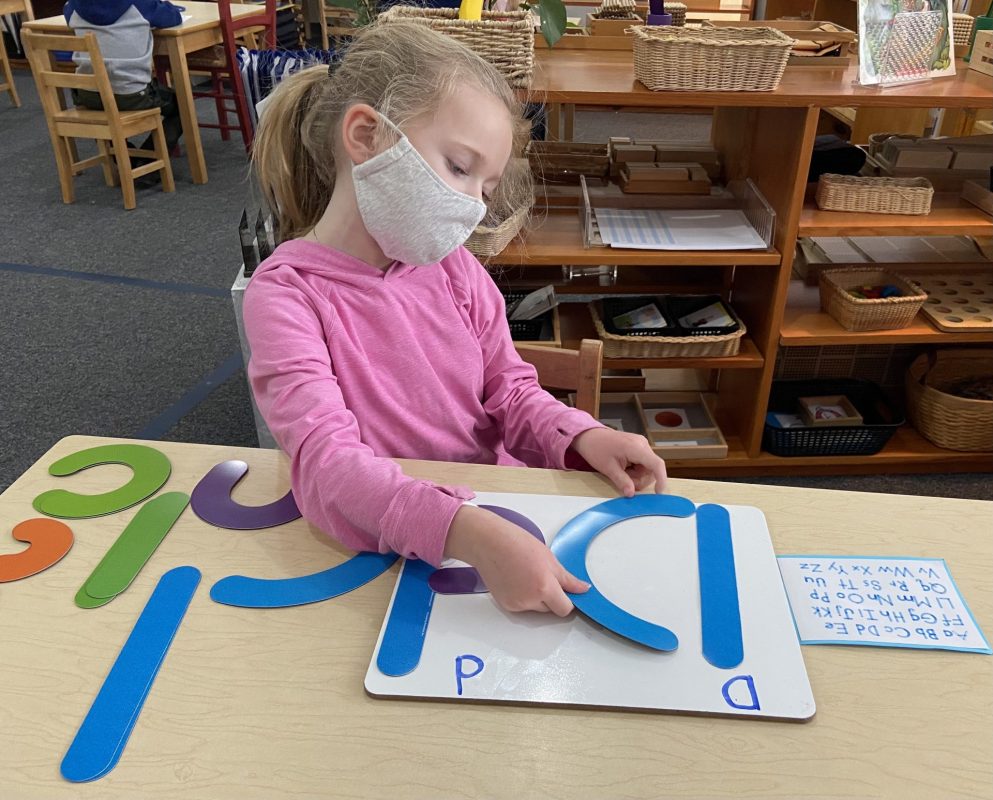
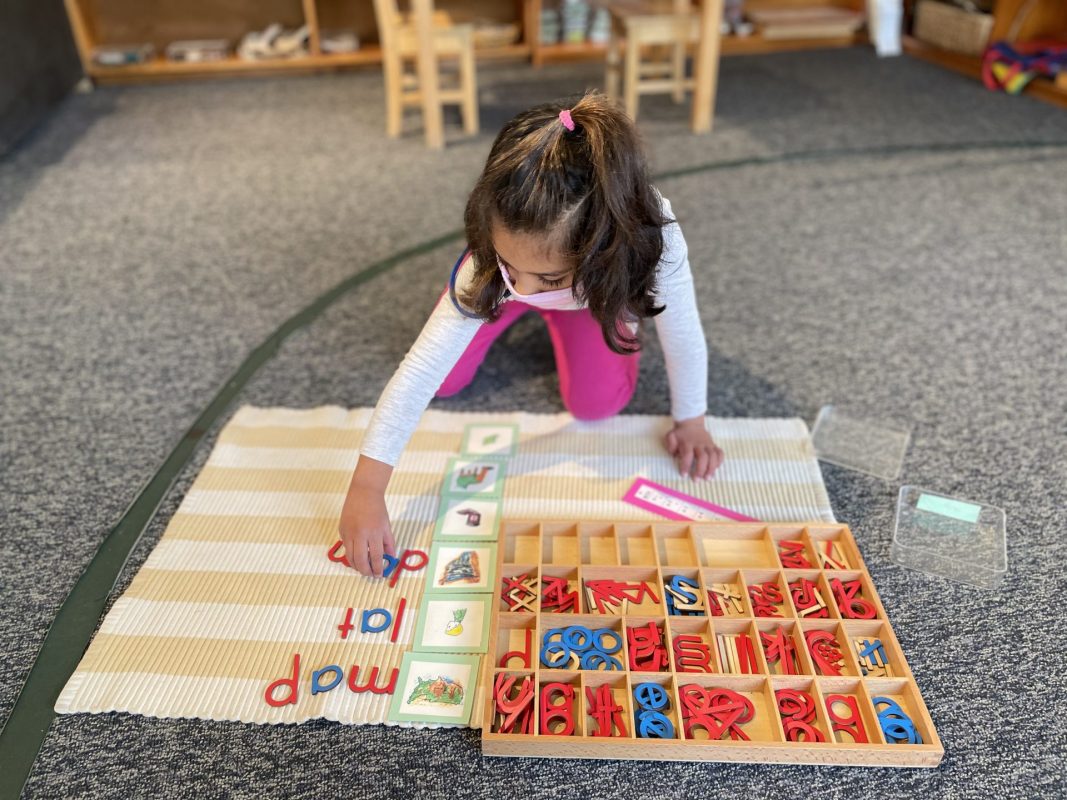
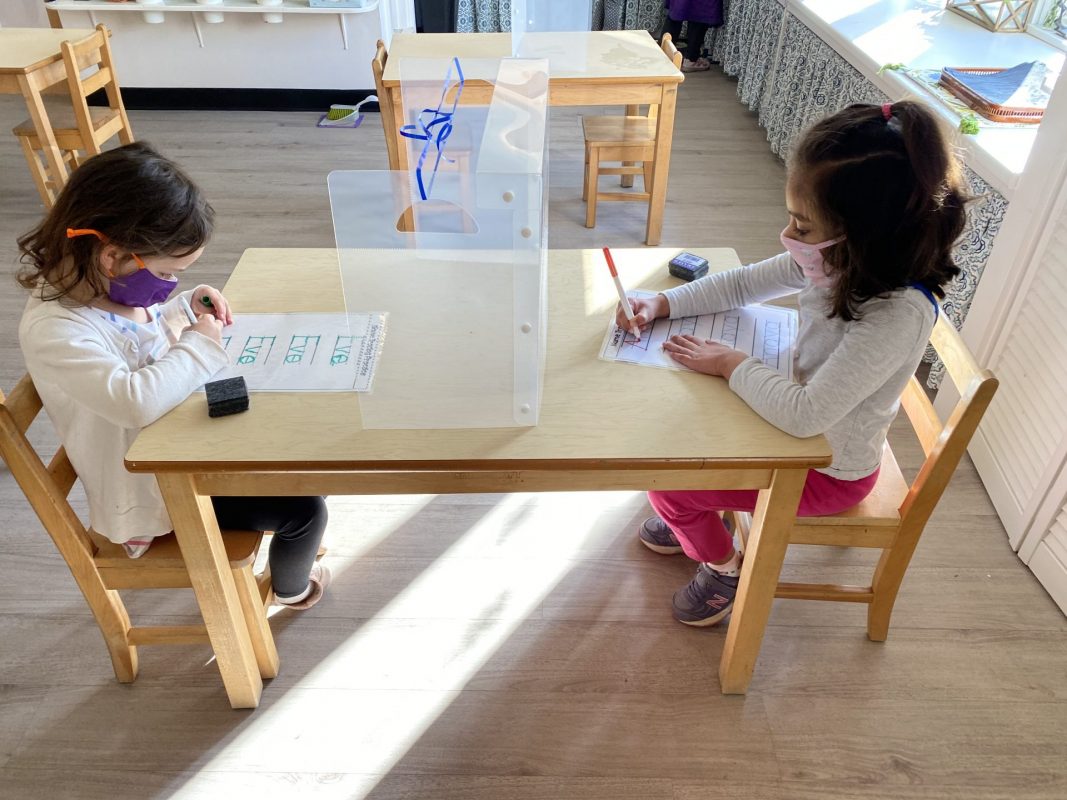
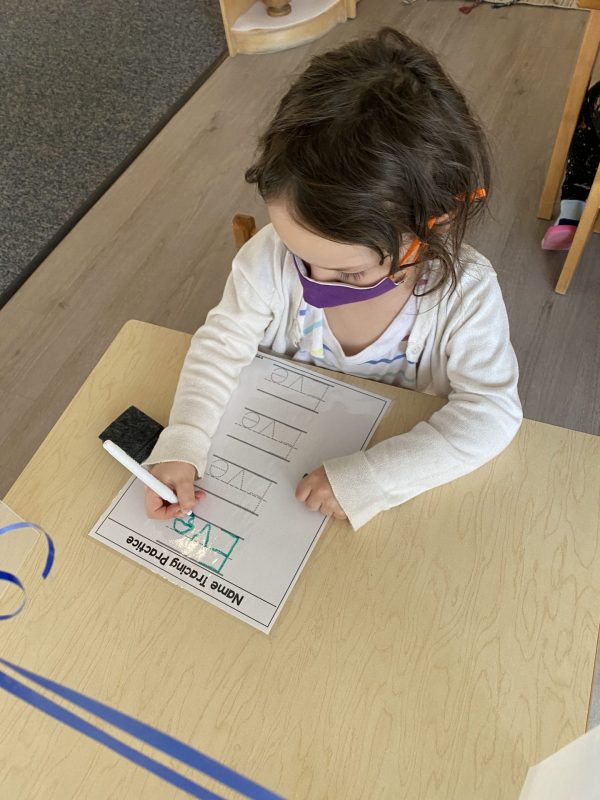
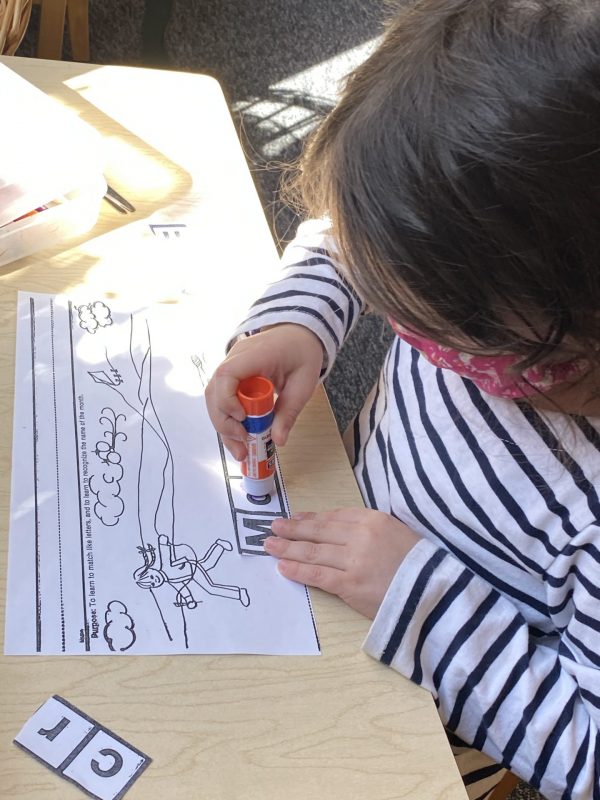
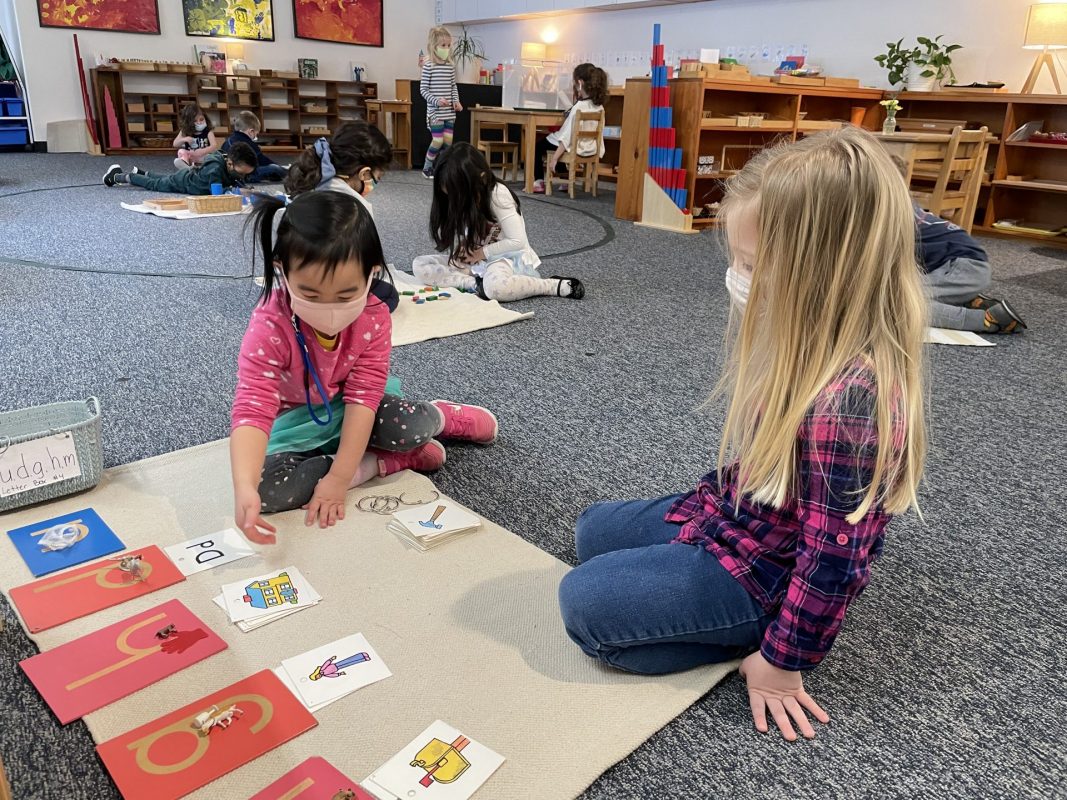
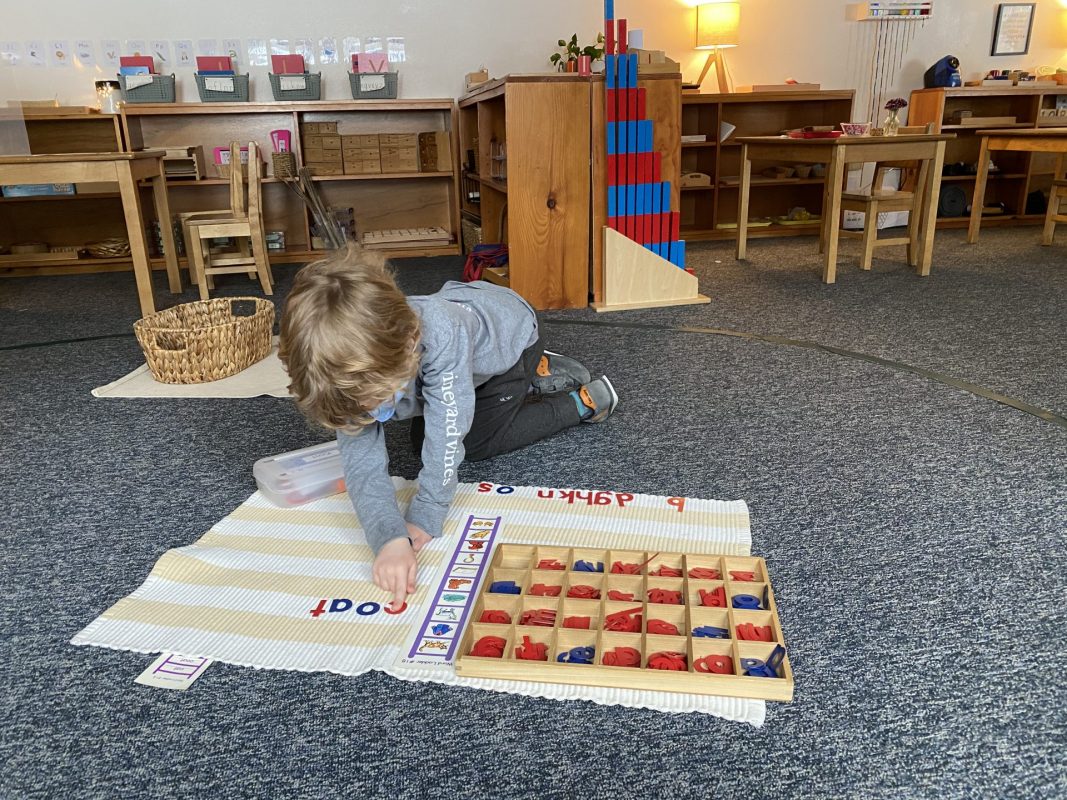
In many Montessori classrooms, it is the first area the children will see when they enter.  In the beginning of the year, many of the lessons will utilize larger materials until the children begin to strengthen their fine motor skills. The materials are changed at the beginning of each month to maintain the child’s interest. Each material is an indirect preparation for reading and writing as they are sequenced,  left to right and top to bottom. It is in this area that the children first learn to initiate and complete a work cycle independently.

Typically, our younger friends will spend much of their time in Practical Life. However, there is not a day that goes by that each child does not spend some time here. Sshhh, the children don’t know about any of this, they just think it is a fun area to spend time in.

Enjoy the week!

Michelle & Lizette

Mrs. Lopes’s Class: Exploring Insects!

“A child, more than anyone else, is a spontaneous observer of nature.” – Maria Montessori

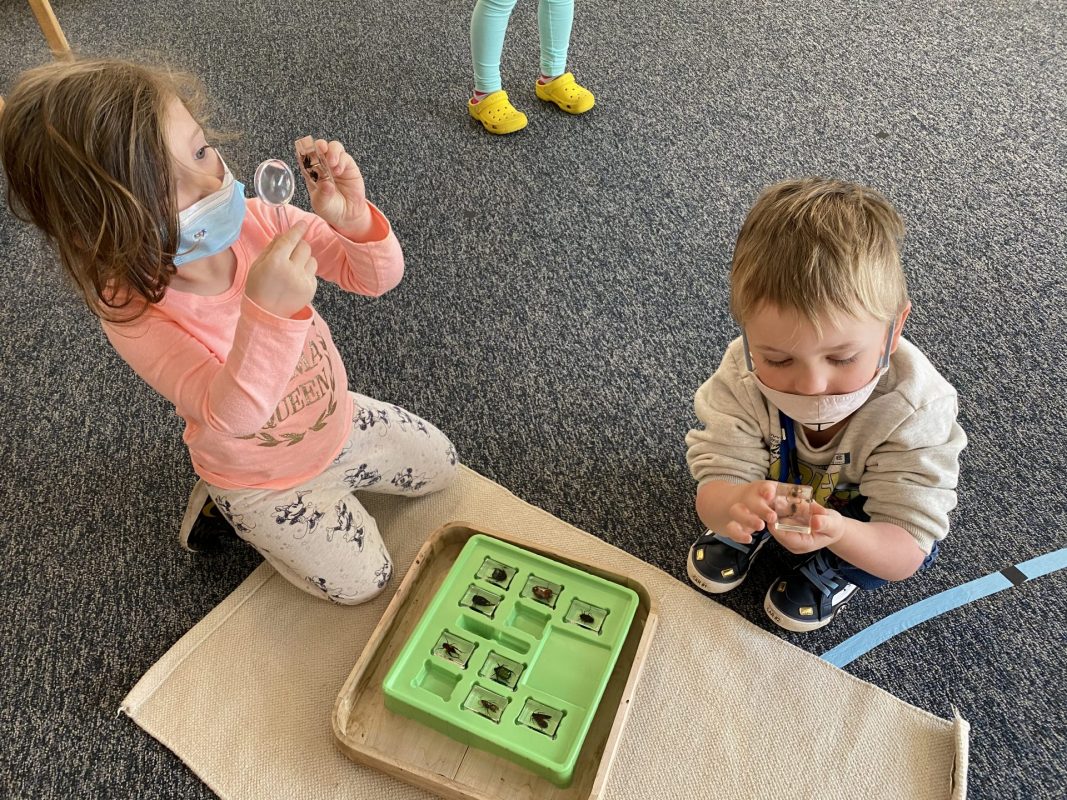
Flowers aren’t the only ones that come out of hiding during spring. After the cold of winter you’ll notice more insects start making their appearance. Curiosity towards these six legged friends hits a high note in April, and we take the cue to “follow the child” and their deep affection for insects. Over the next several weeks we will continue to support your children’s curiosity, exploration, and understanding of insects through hands-on activities, songs, lessons, and outdoor exploration. The intent is to encourage their interest in the diversity, beauty, and joy of nature.

Is a spider an insect? What are the 3 parts of an insect?  The children know, ask them.

Kindergarten parents please look out for a letter in this week’s Friday folders regarding a field trip we will be taking in May.

Have a warm and wonderful week!

Amanda & Sharlene


Mrs. Lopes’s Class: Cultivating Compassion and Empathy

“So in the child, besides the vital impulse to create himself, and to become perfect, there must be yet another purpose, a duty to fulfill in harmony, something he has to do in the service of a united whole.” ~ Maria Montessori, The Absorbent Mind

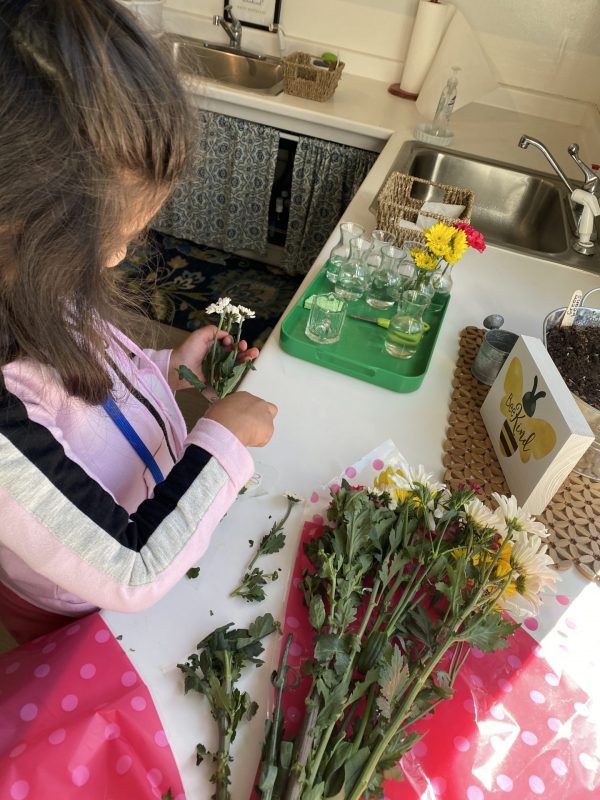
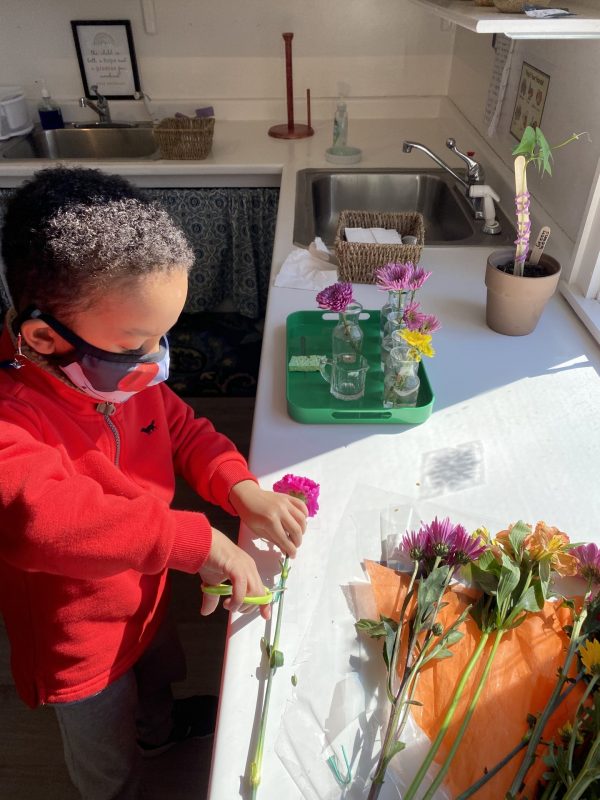
Maria Montessori believed that children are the key to peace and empathy among humanity. This important belief is a foundation in our Montessori classrooms beginning with practical life lessons and continuing throughout childhood and beyond. I’d like to share how a “simple” lesson can provide the mechanism from which children in the classroom learn, practice and express their empathy and love for their community.

“Flower arranging work has a more important indirect aim than simply admiring nature’s work of art.  It is an opportunity for little hands to contribute to the beautification of the environment.  It is a tender moment when a young heart lays down a symbol of friendship, love and peace on a table for someone else to enjoy. It is a brief yet integral step outside of oneself and one’s own needs. -The CHILD centered Blog

Flower arranging is only one of many classrooms works and activities sowing the seeds of compassion and empathy in your children.  Please remember, compassion in your homes helps your children do the same.

Have a peaceful week,

Amanda and Sharlene


Mrs. Doyle’s Class: Becoming An Entomologist

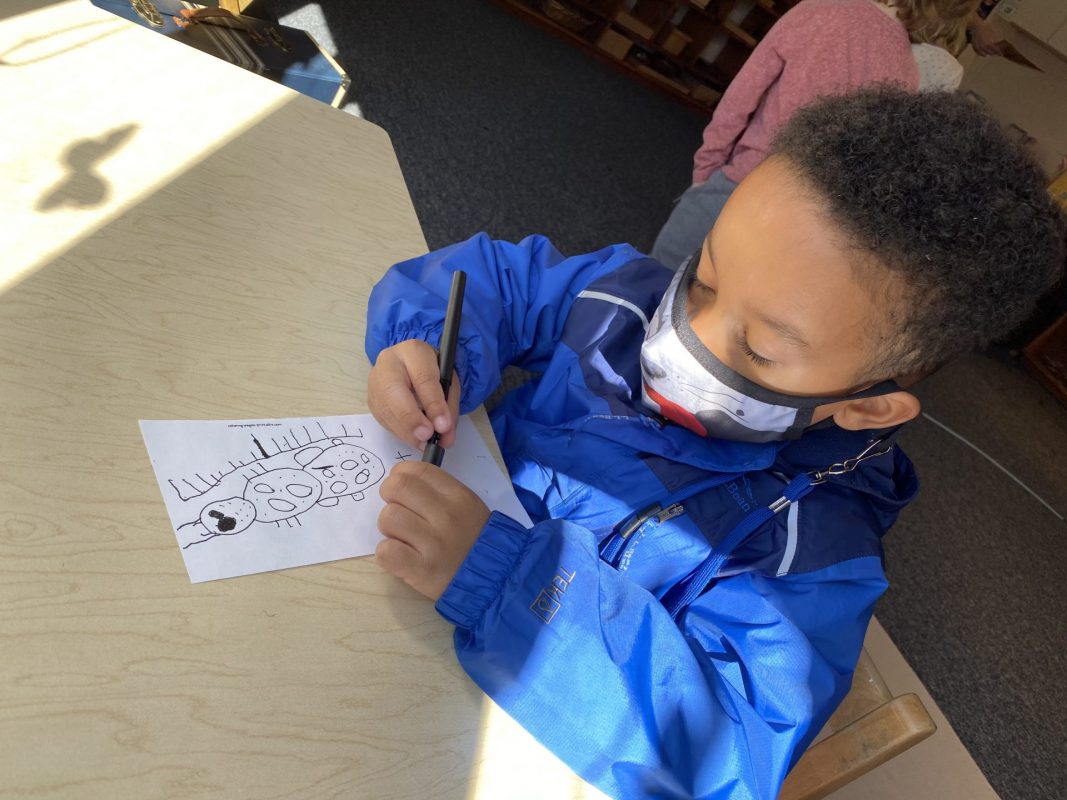
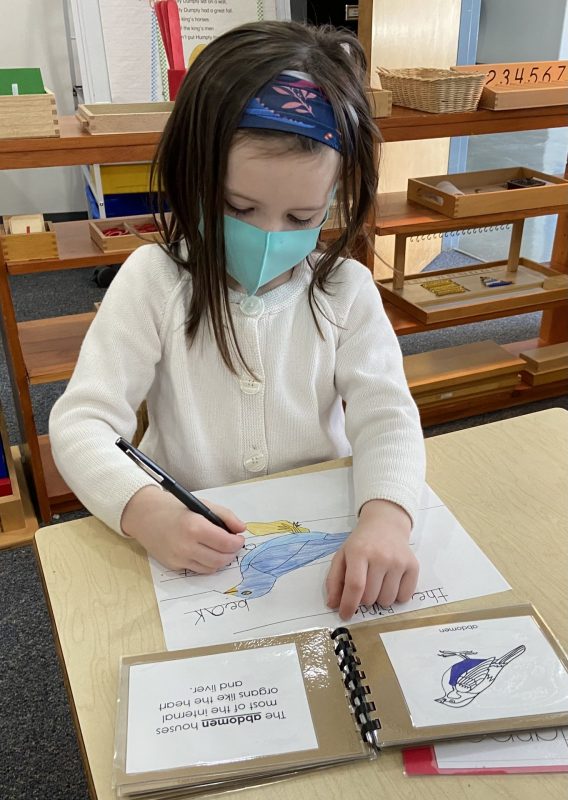
We are hard at work becoming entomologists.  This is always a favorite unit of study for the children.  An entomologist is a scientist who studies insects. We began our unit by reporting on what we already know about insects, what they are and what they can do.

This week as a class, we discovered that insects are slimy, little, gross, soft, and hard. Insects can crawl, sting, bite, eat, fly, walk upside down, and jump. We learned that insects lay eggs, have antennae, three main body parts, a head, thorax and abdomen, eyes, and six legs. Insects are also cold blooded, have an exoskeleton, and many have wings. We found out why a spider is not an insect. Ask your child to see if he or she knows.

In a few weeks, we will welcome caterpillars into our classroom.  It is so exciting to observe each step of the fascinating life cycle of the Painted Lady Butterfly. We will also be going on an insect walk around the school grounds, to put our newfound entomology skills to use!

Have a wonderful week!

Michelle & Lizette

Mrs. Doyle’s Class: Fun Five Senses


First the education of the senses, then the education of the intellect—Maria Montessori

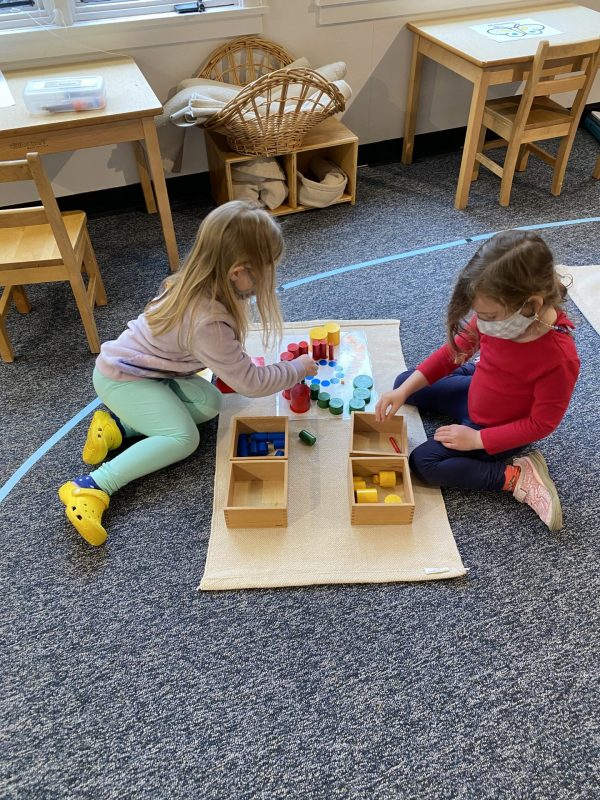
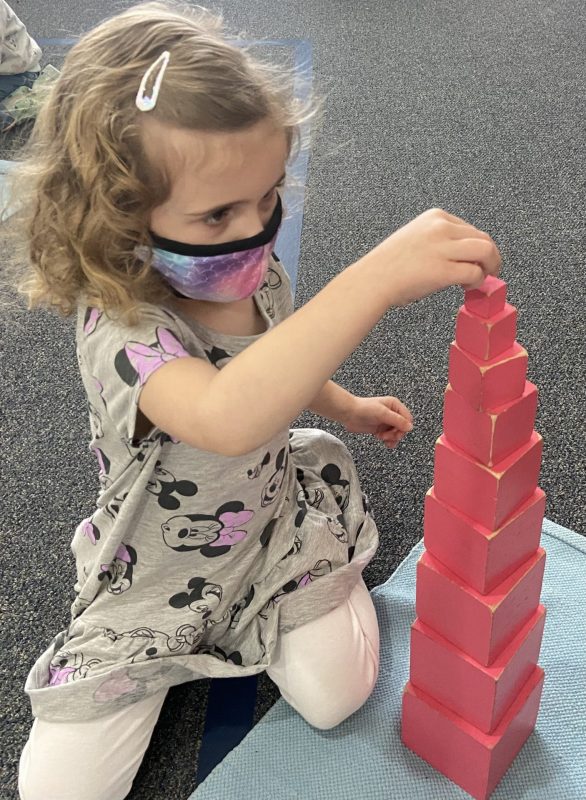
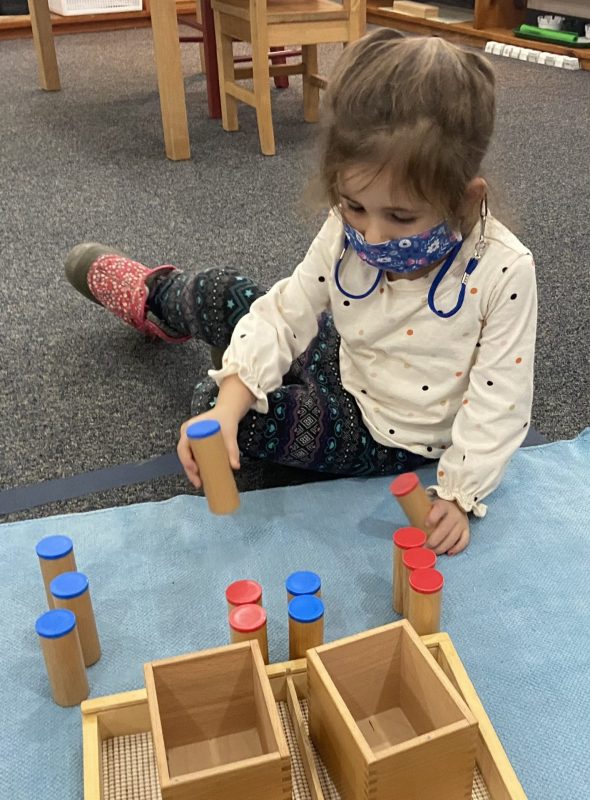
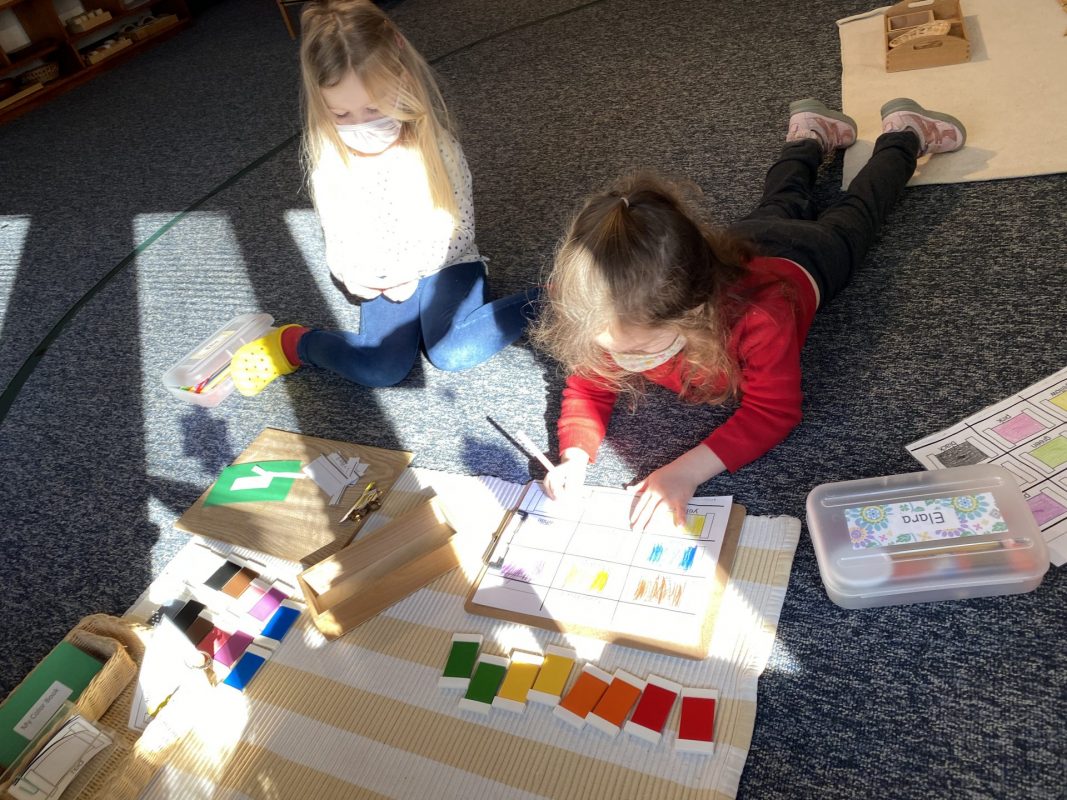
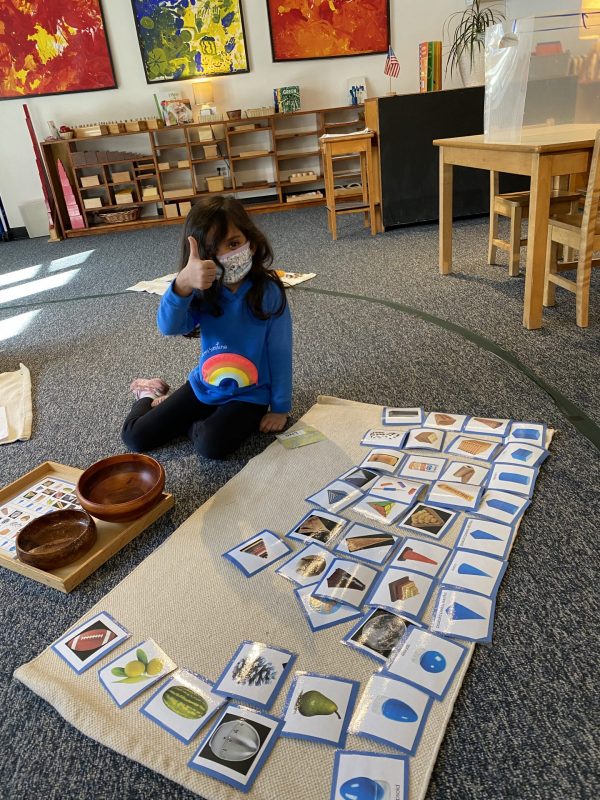
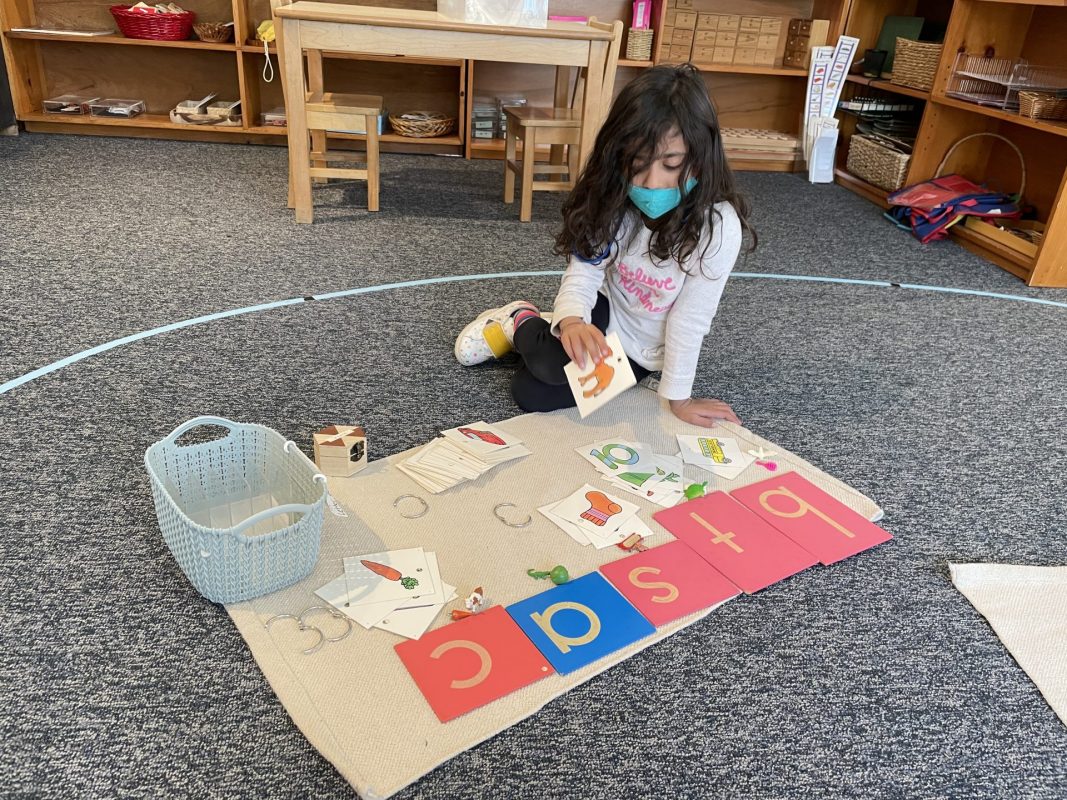
Maria Montessori believed there is a sensitive period for a child’s development of their senses. Although the senses are an integral part of our lives, children during the early years have the greatest potential to develop and retrieve them. It is precisely this idea that demonstrates the purpose of Sensorial materials in the Montessori classroom. The Sensorial materials are powerful tools, which allow children to become aware of their unconscious impressions and bring these impressions into conscious awareness. Additionally, they enable your children to create a basis of order in their mind, allowing for intelligent exploration of their environment.

This week we are beginning our study on the five senses.  What better way to teach this than to use popcorn? Popcorn is a multi-sensory snack as it incorporates all five of our senses. It might just be our most appetizing science unit yet! Did you ever notice that when you make popcorn, somehow the entire family knows about it and shows up to have some of this favorite treat?

We begin by discussing what our five senses are and how we use different body parts to learn about things in our environment. For example, our noses are for smelling, ears are for listening, eyes are for seeing, hands are for touching, and our tongue is for tasting.  We learned that sometimes we use more than one sense at a time.

Next, each child had the opportunity to handle popcorn kernels to make observations of what they see, smell, and feel.  We record all of our observations as we are going along. Finally, we use an air popper to pop some popcorn.  Now we can include our observations about hearing and tasting as well.

Wishing you all peace and love.

Michelle & Lizette


Mrs. Lopes’s Class: Our Class Rocks!


“The land is where our roots are. The children must be taught to feel and live in harmony with the Earth.” 
-Maria Montessori

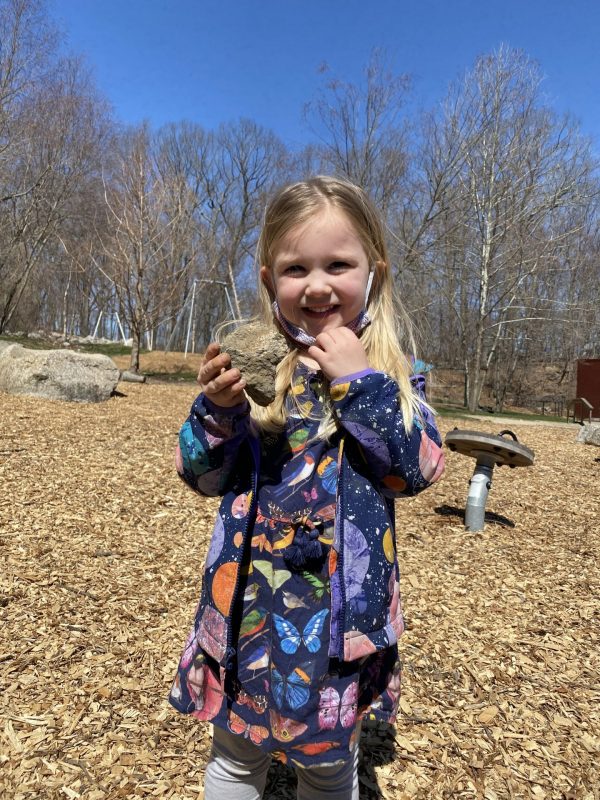
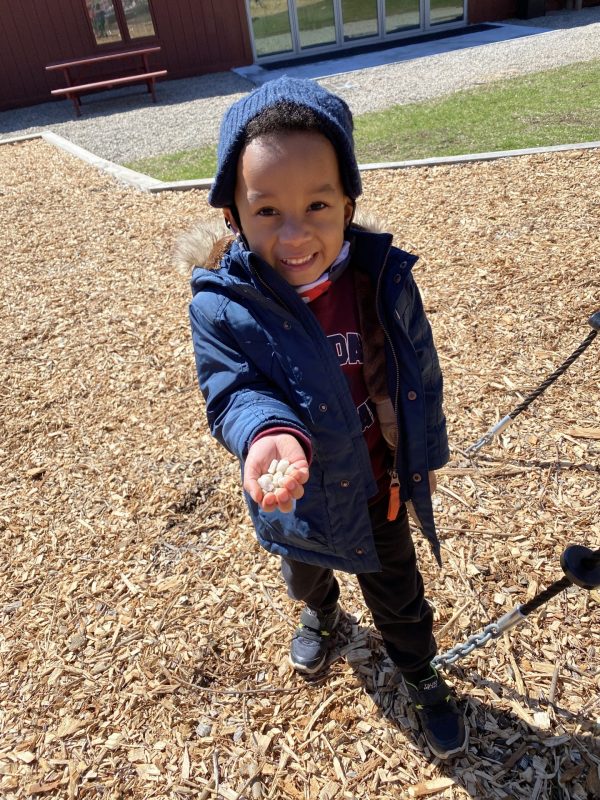
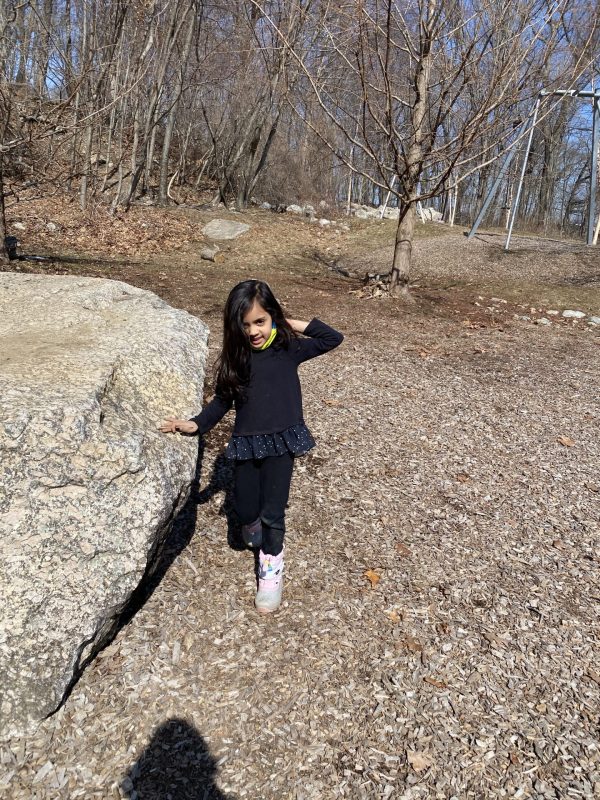
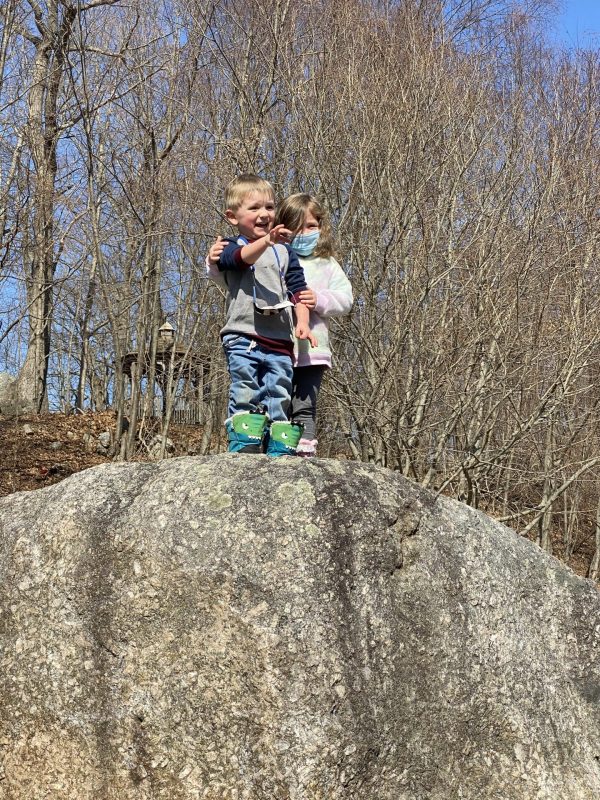
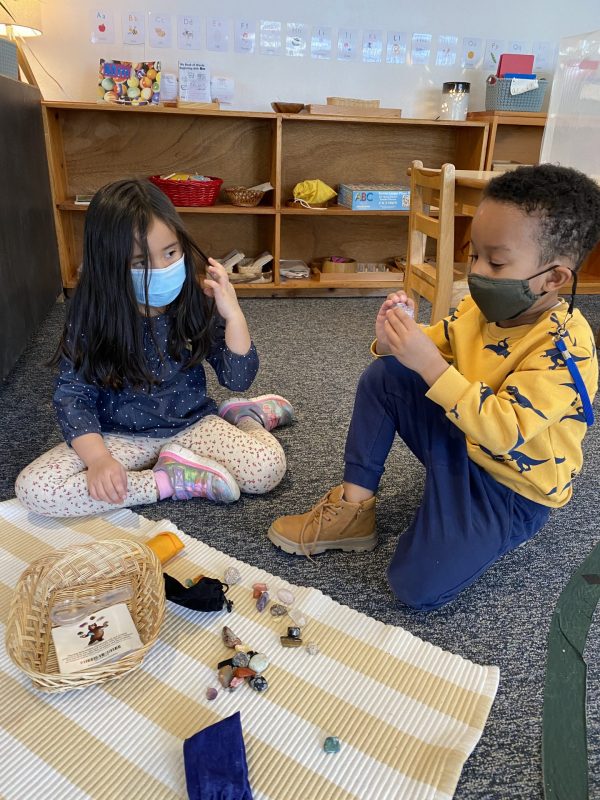
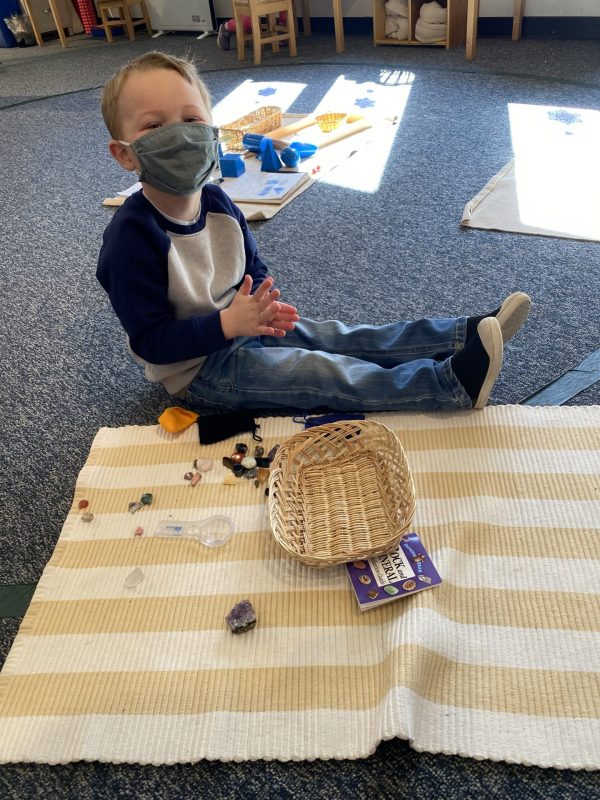
Have you ever noticed your child’s fascination with rocks found outside on the ground?  We have observed after playing outside on the playground some of the children will return to the classroom with pockets full of rocks as if they are treasures. You can imagine the children’s excitement when they learned that our new science unit for this week was the study of rocks!  We discussed the three main types of rocks – igneous, sedimentary, and metamorphic, as well as how these rocks are formed on Earth. We added several new rock lessons to our environment, but the group favorite was a basket full of rocks with a magnifying glass.  The children enjoyed examining and classifying each of the rocks in this lesson.

Wishing you all a relaxing and peaceful Spring Break!  We look forward to returning to school in a new season, with the excitement and energy that comes in the last few months of the school year!

Peace and love,

Amanda & Sharlene


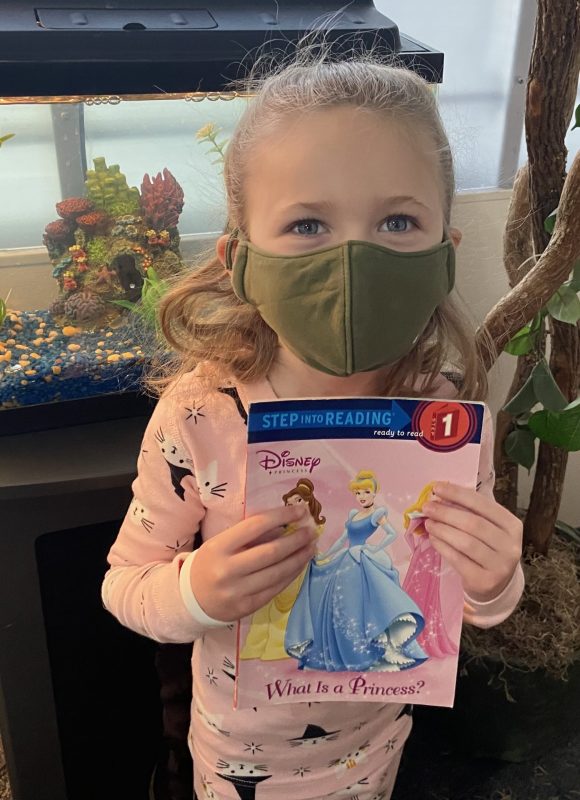
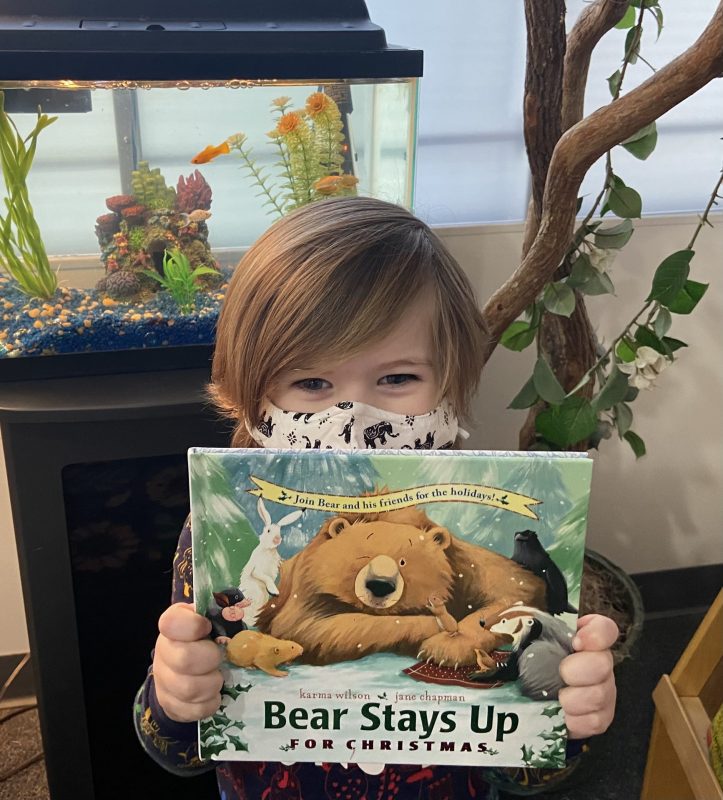
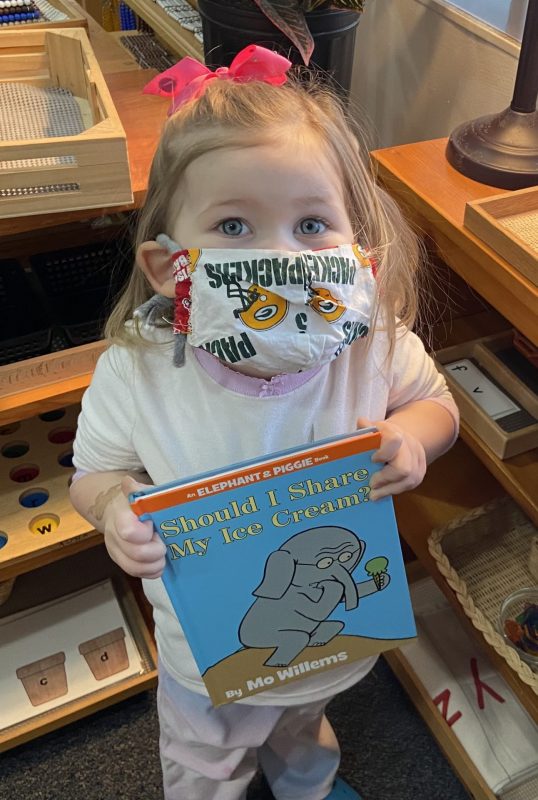
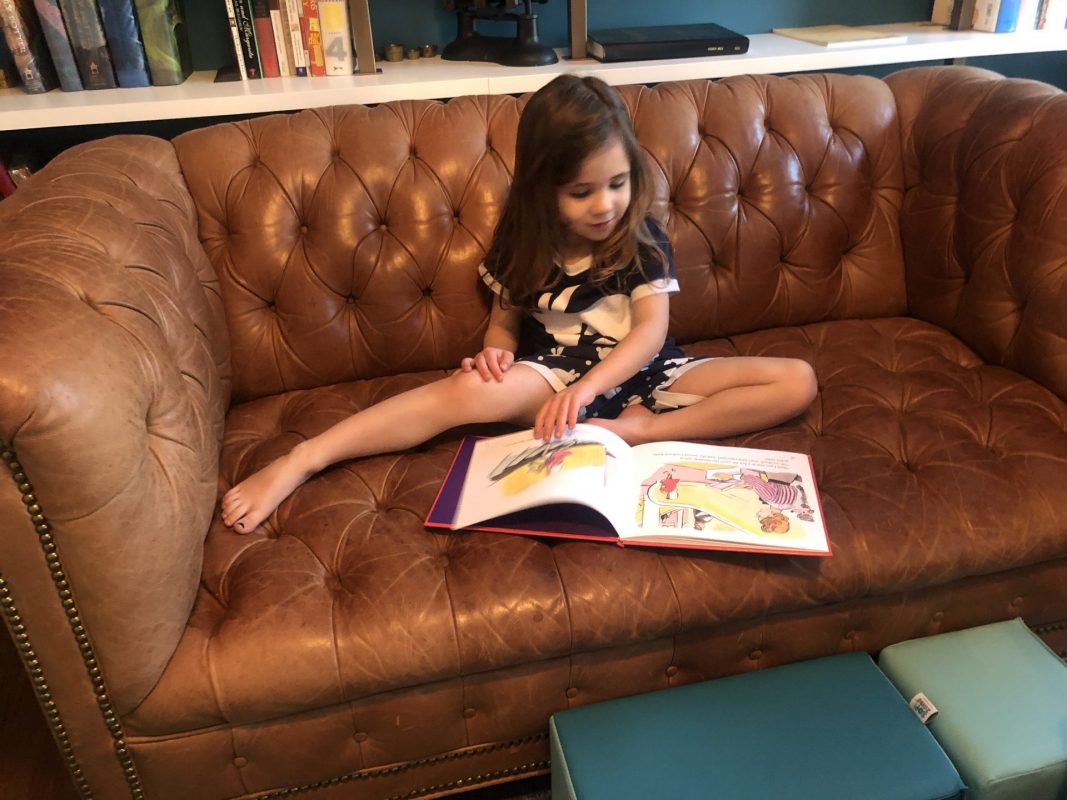
Mrs. Doyle’s Class: Read Across America

I do believe something magical can happen when you read a good book.”   ———-     J.K. Rowling

Read across America is a national event that is celebrated on March 2nd, the birthday of Dr. Seuss.  This initiative was created by the National Education Association and was created and implemented to encourage a love of reading in children.

An online article from nationaldaycalendar.com has some wonderful ideas on how to motivate children to read wherever they are.

  • Keep books everywhere you spend time. Put them in the car, in every room of the house, and tuck them in backpacks and purses. Make them easily accessible.
  • Visit the library often. Knowing how to use the library and learning the benefits of a library fosters a love of reading as well as genuine respect for the services libraries provide.
  • Get caught reading. Children imitate what they see the adults around them do. Whether they see you read a magazine, newspaper, or novel, let them know reading is the cool thing to do.
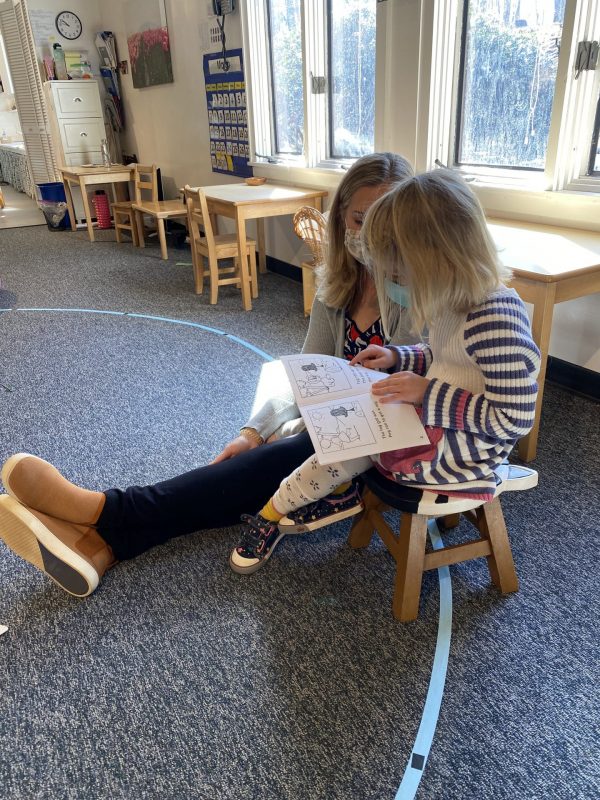
  • Read to your children. No matter their age, reading aloud strengthens their vocabulary and language skills. It also opens up opportunities for discussion.
  • Have your children read to you, too. You never know what you might learn!

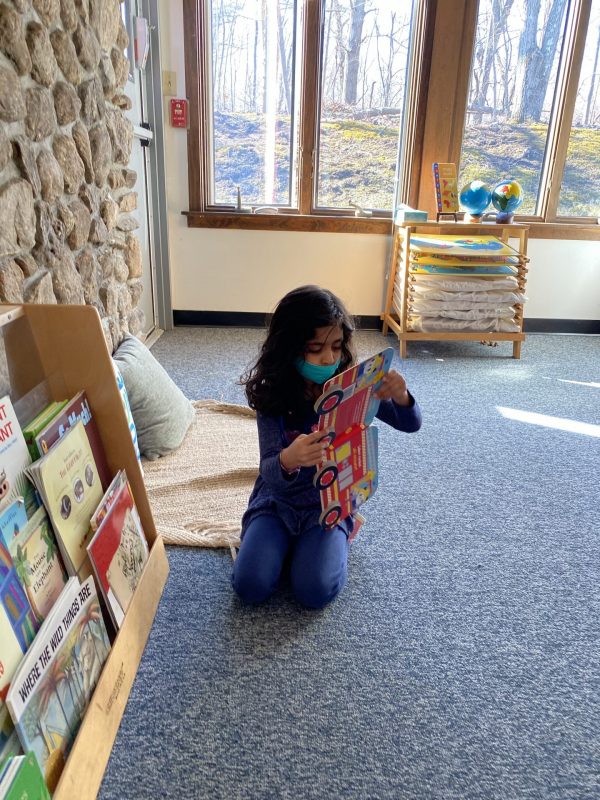
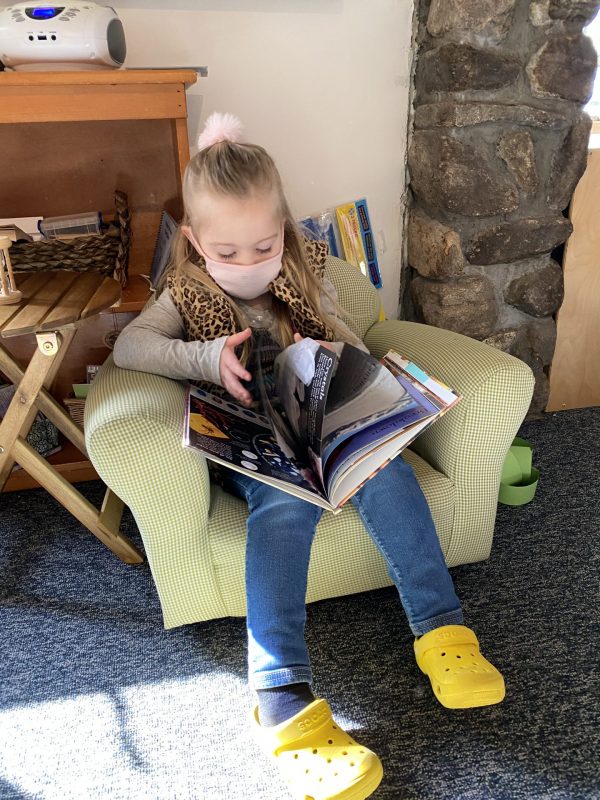
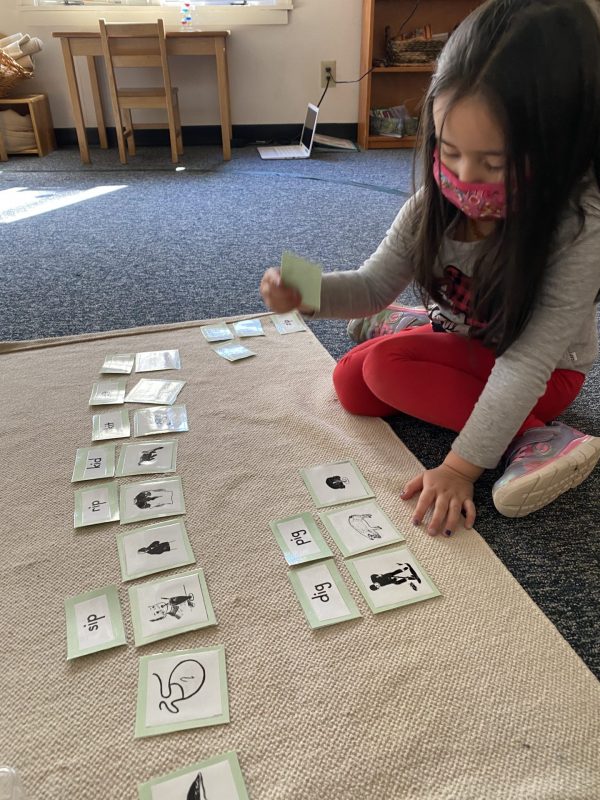
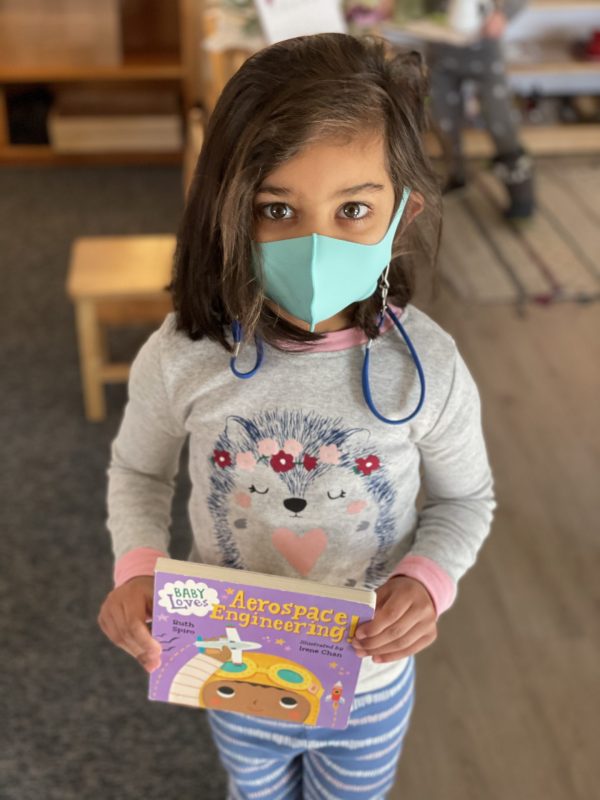
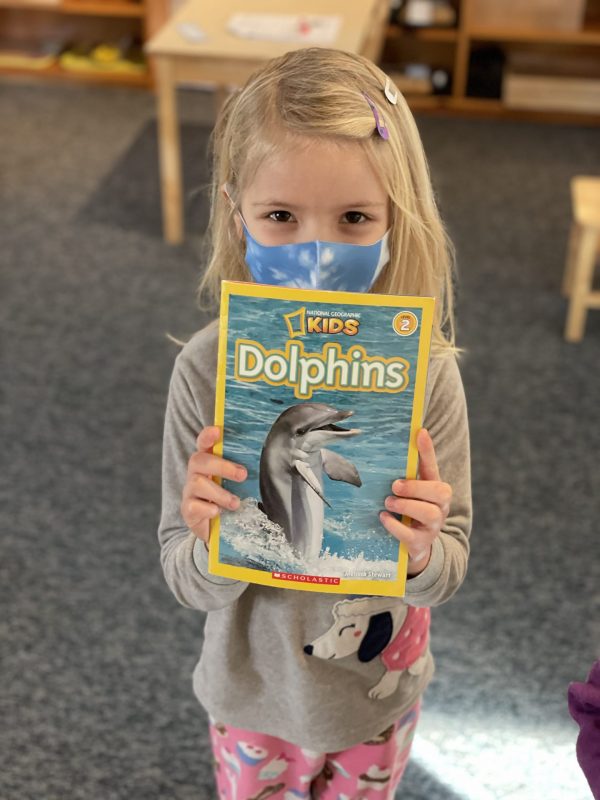
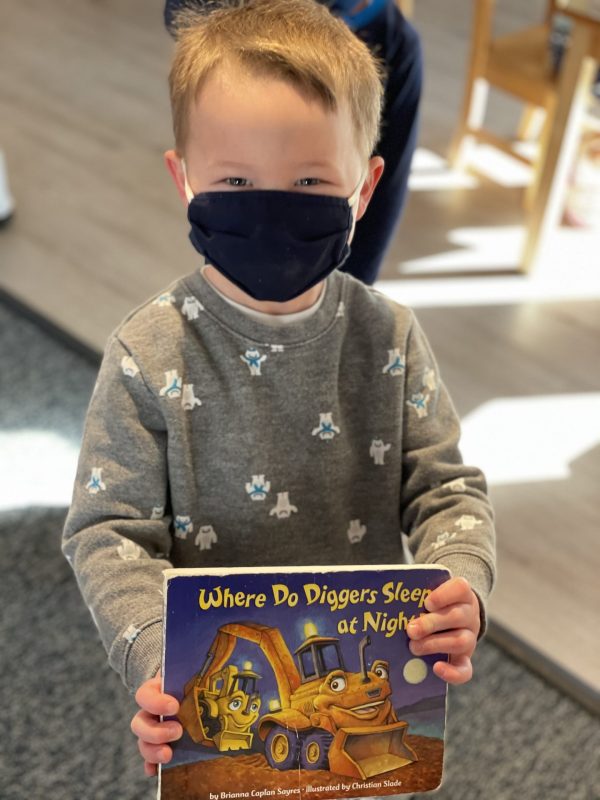
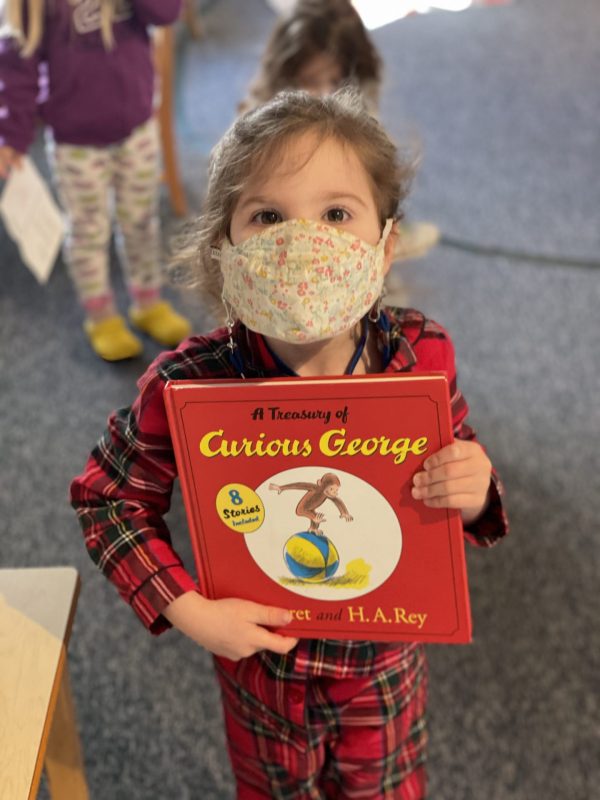
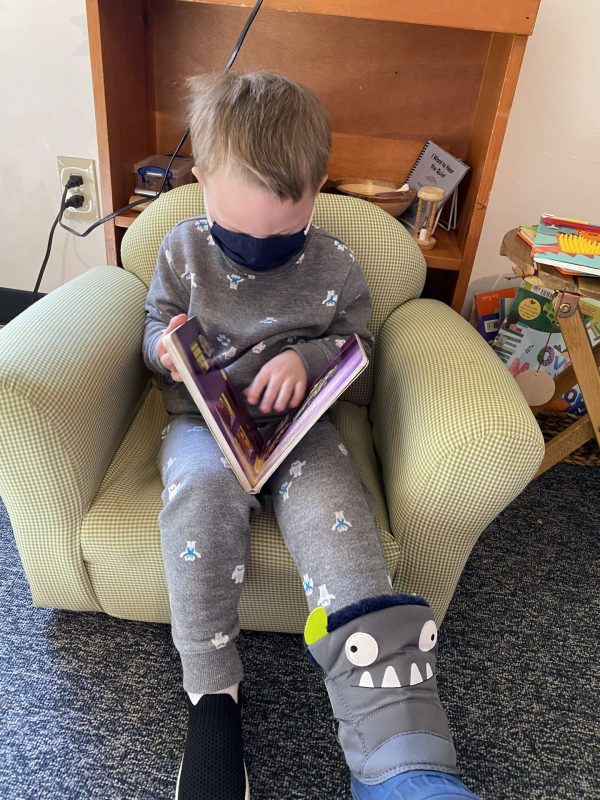
In our classroom, we call books treasures. Reading is an integral part of each school day. I hope that Miss Lizette and I are able to pass on our passion for literature.

Happy Reading!

Michelle & Lizette

Mrs. Lopes’s Class: Read Across America Day

“You can find magic wherever you look.  Sit back and relax all you need is a book.”-Dr. Seuss

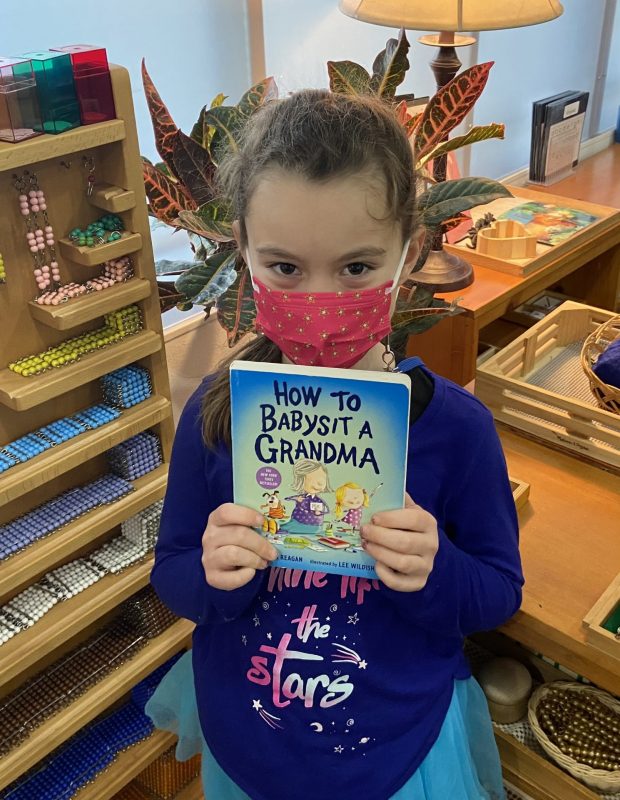
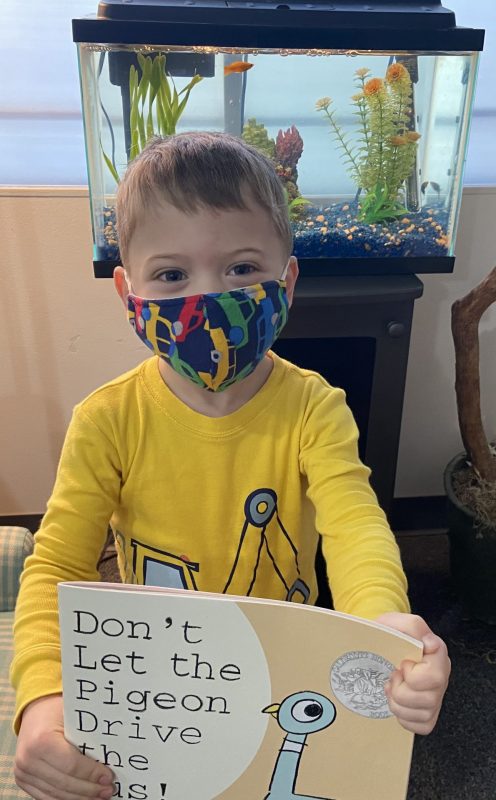
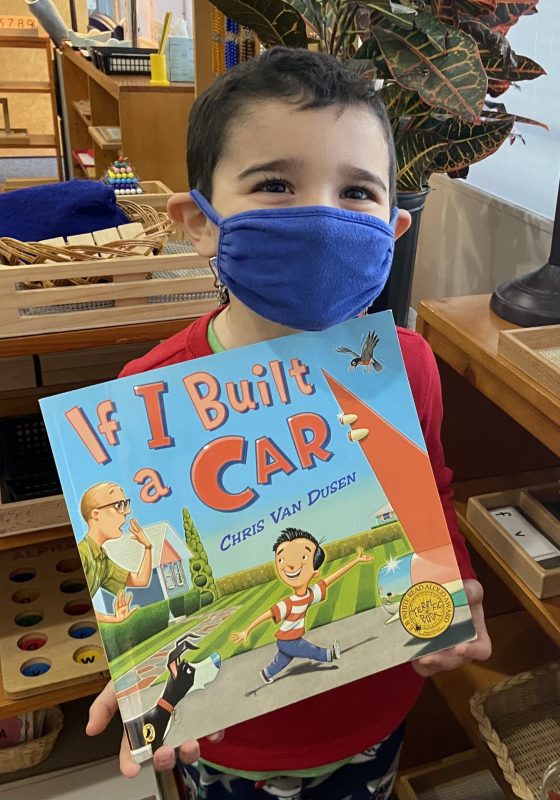
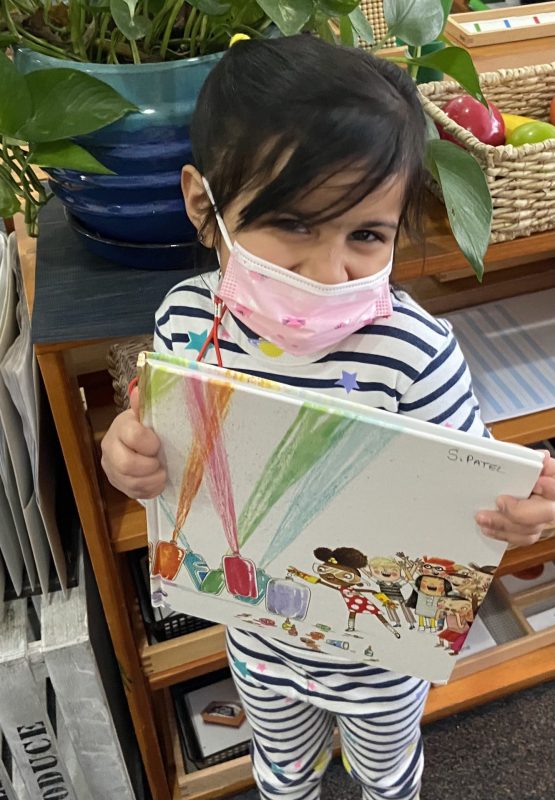
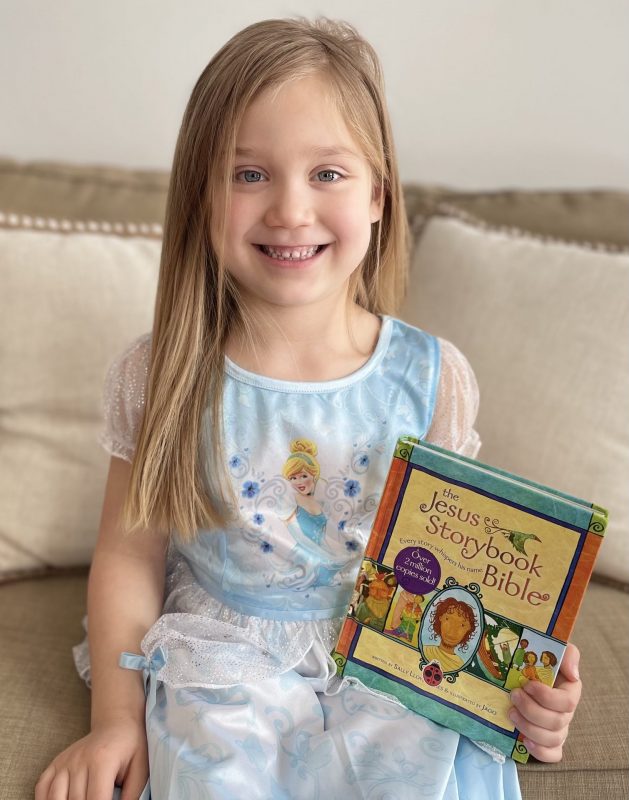
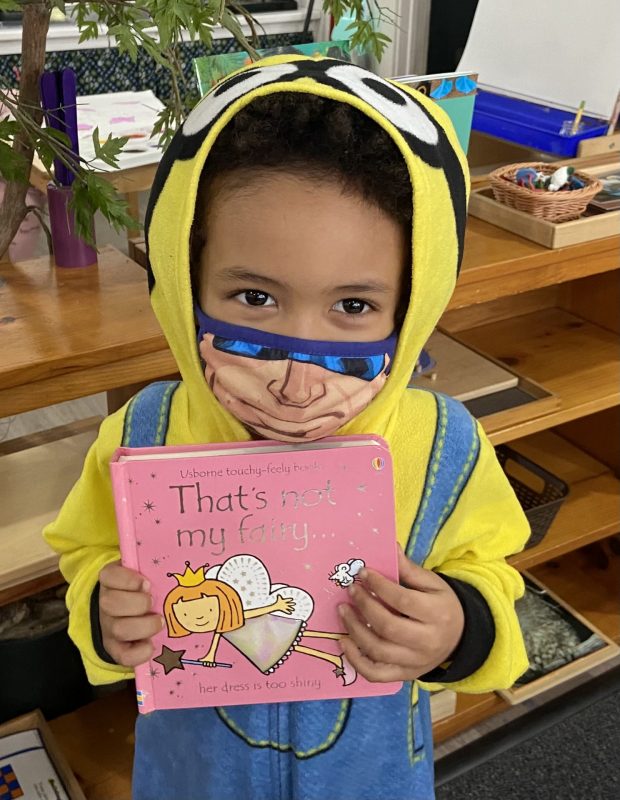
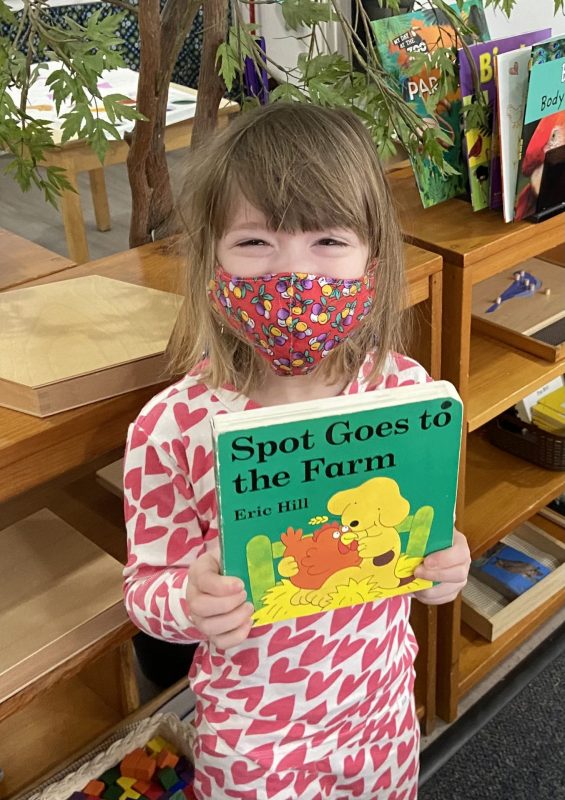
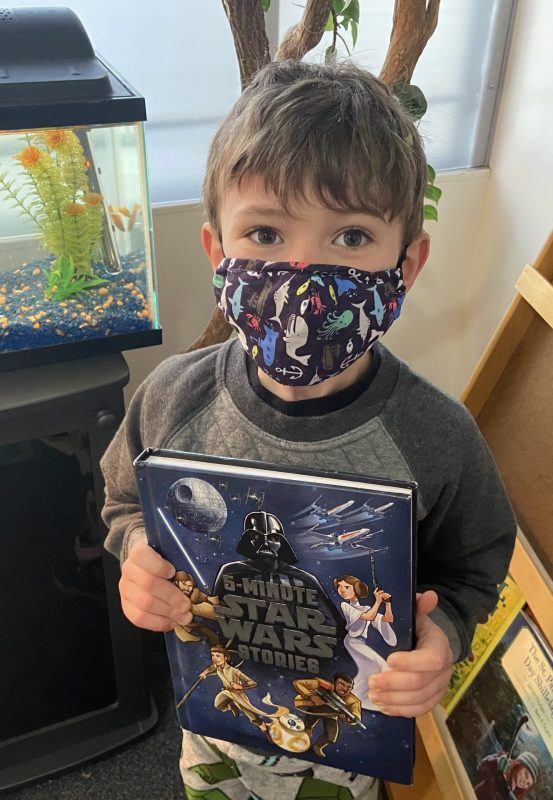
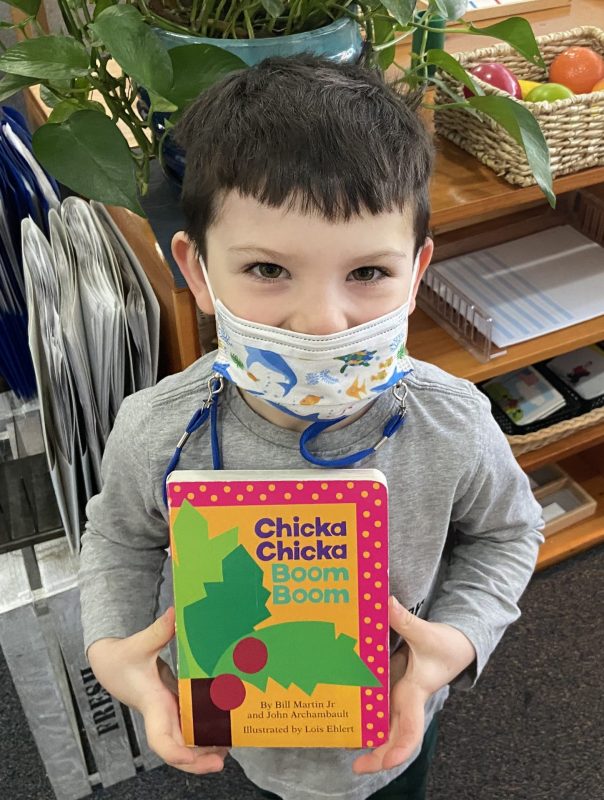
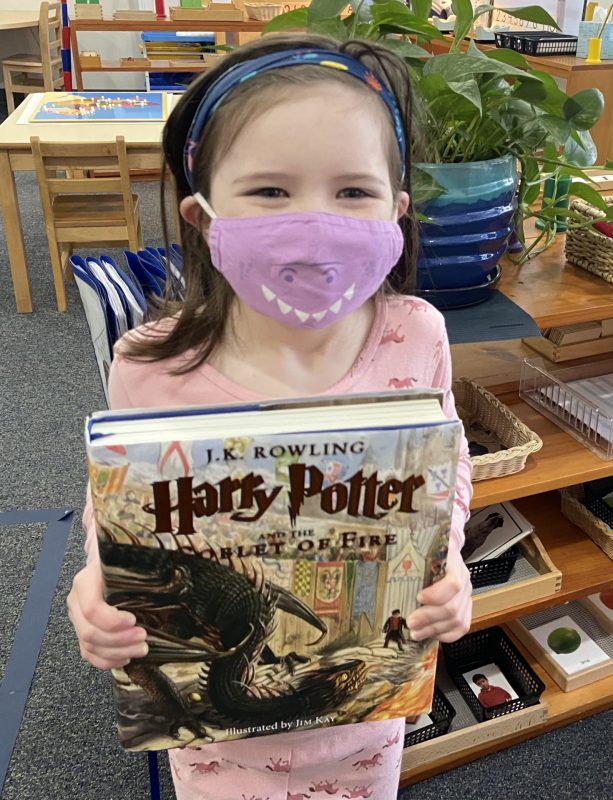
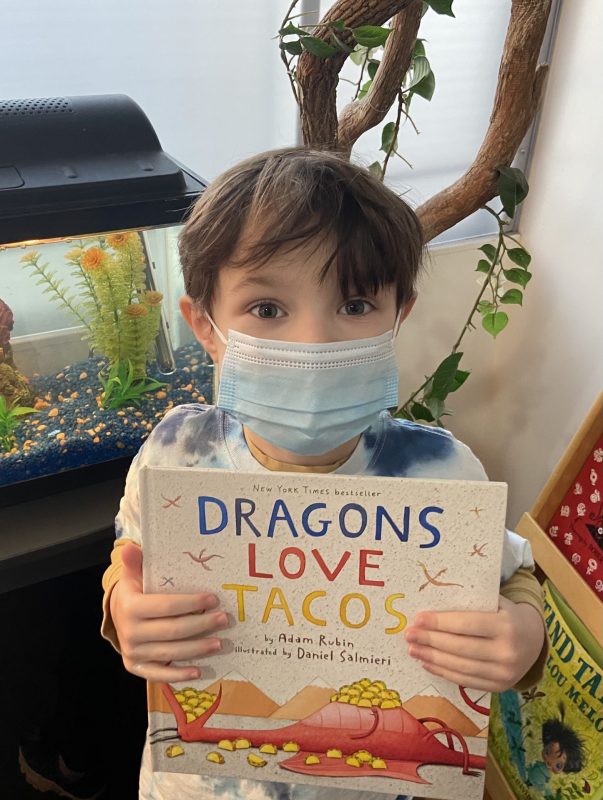
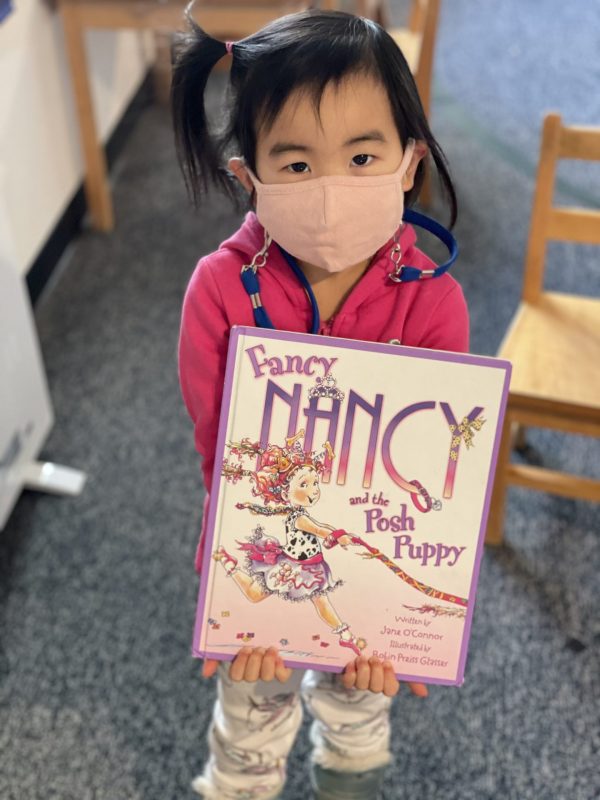
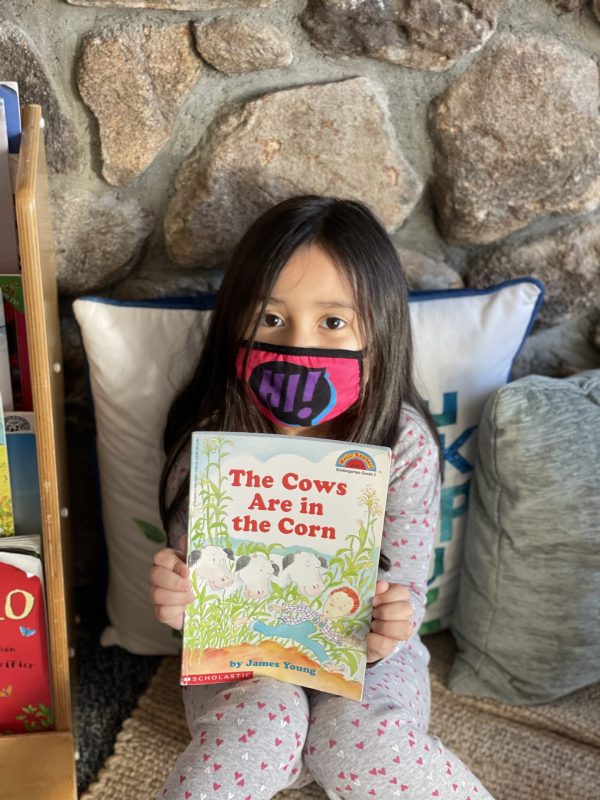
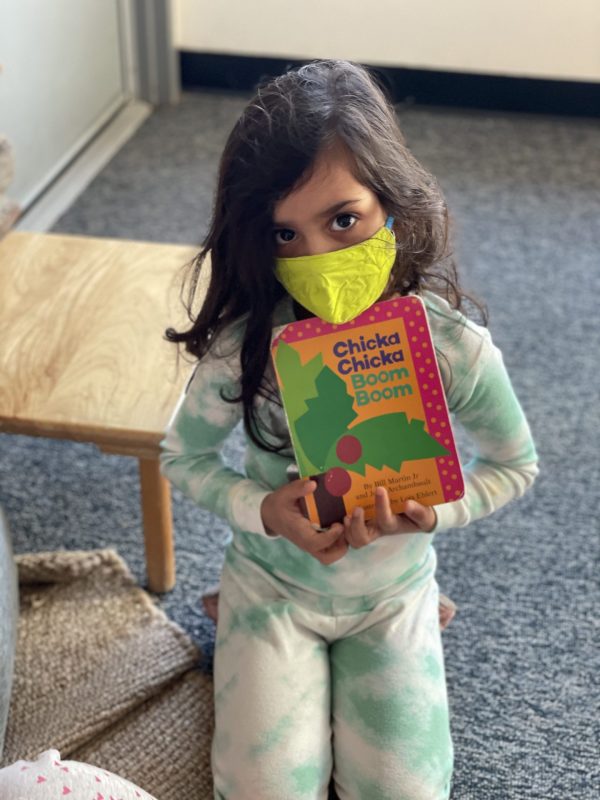
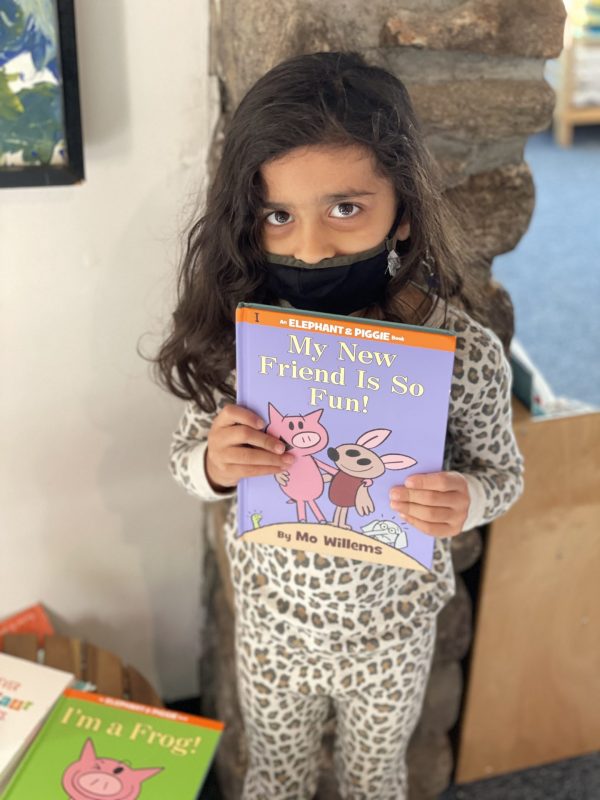
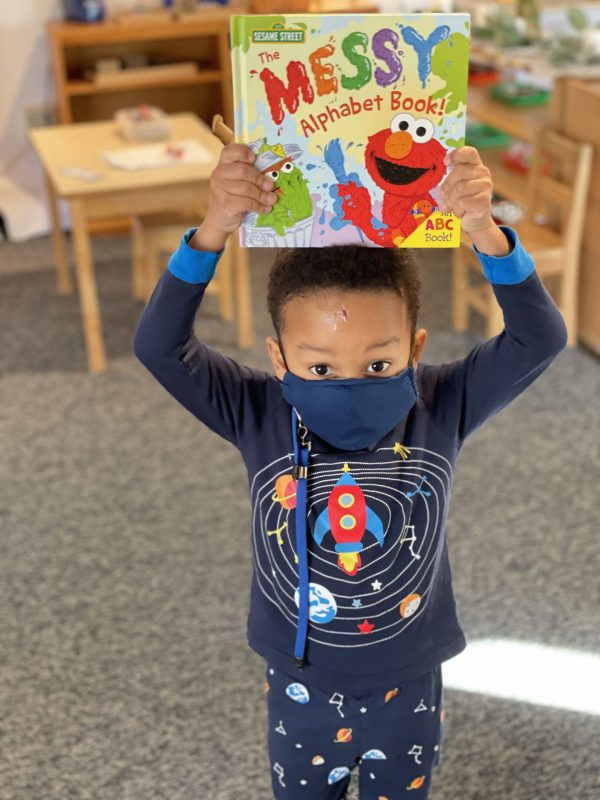
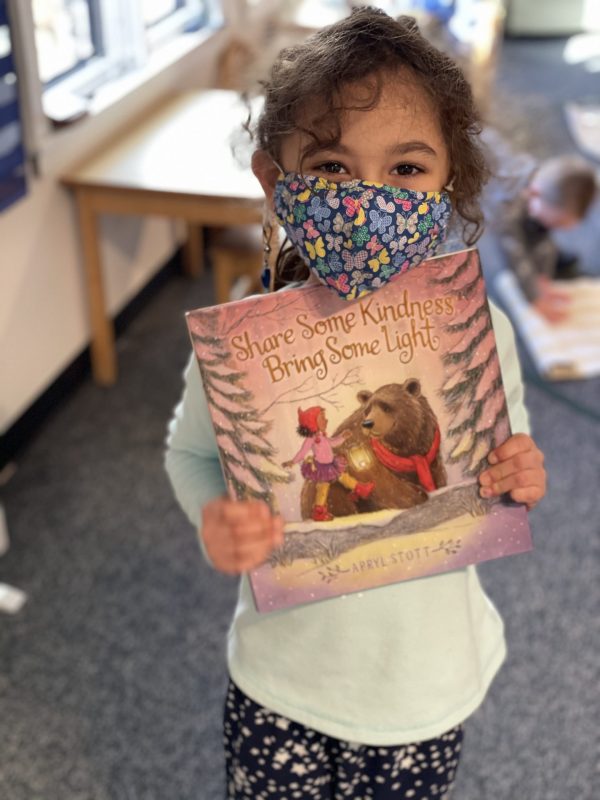
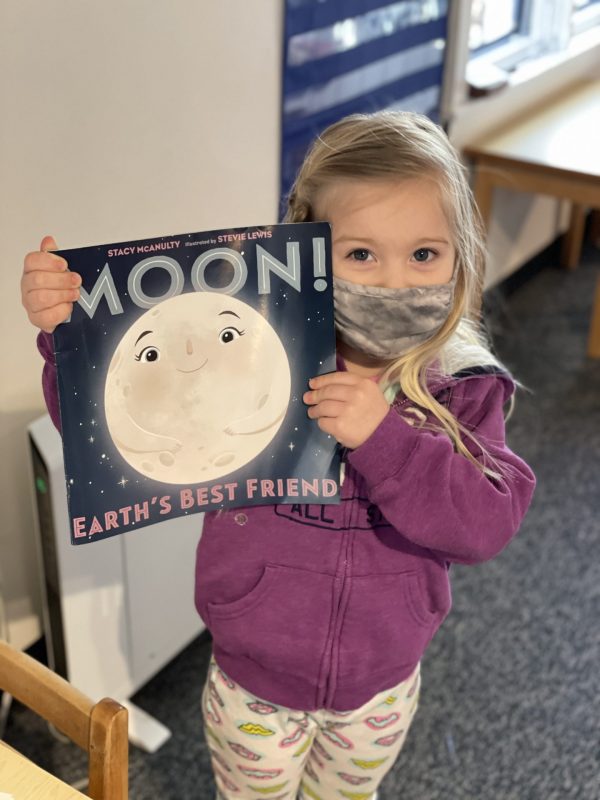
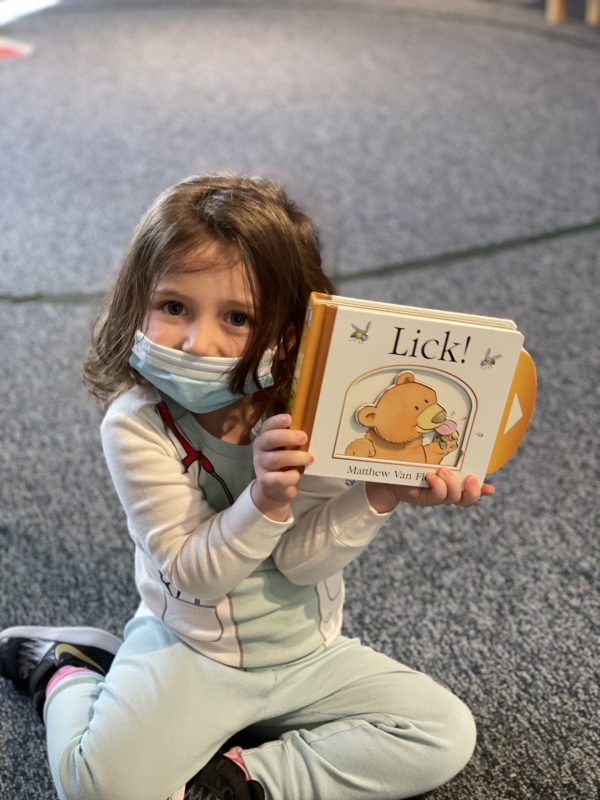
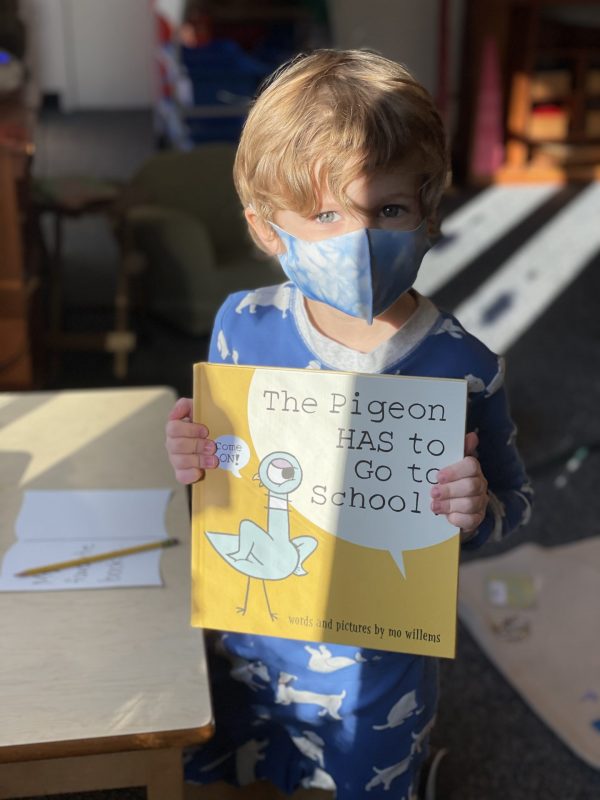
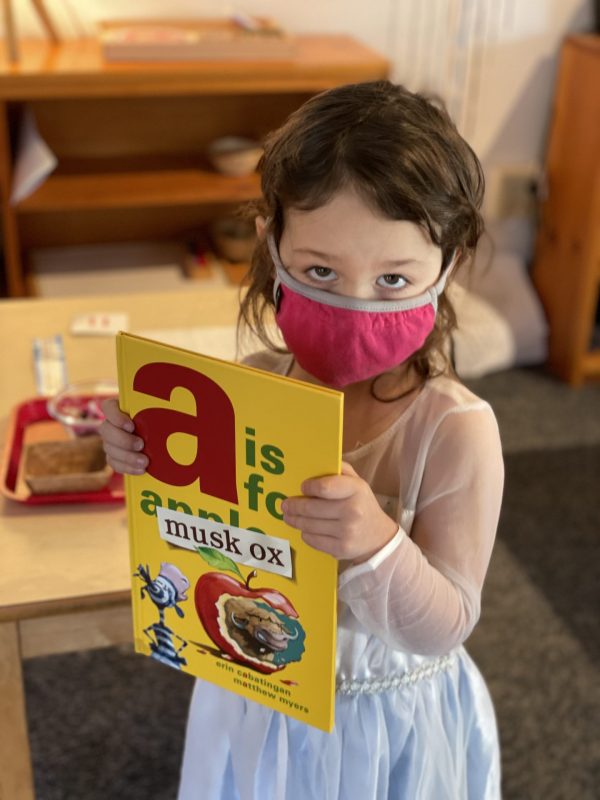
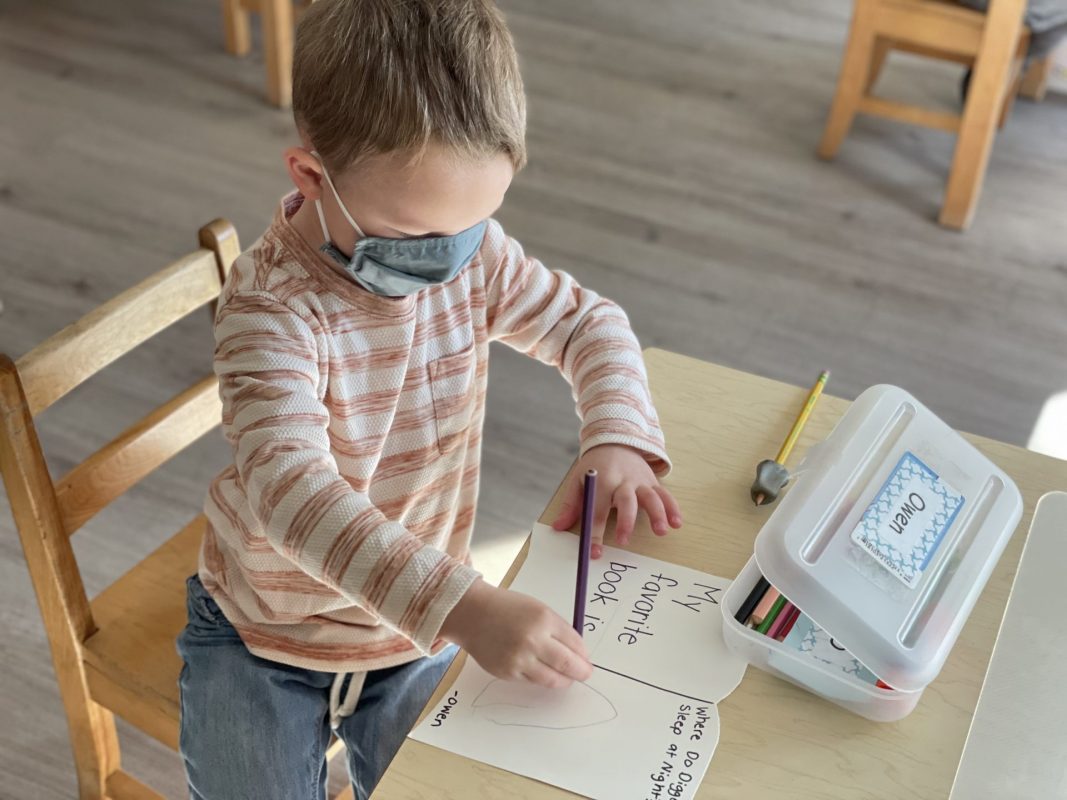
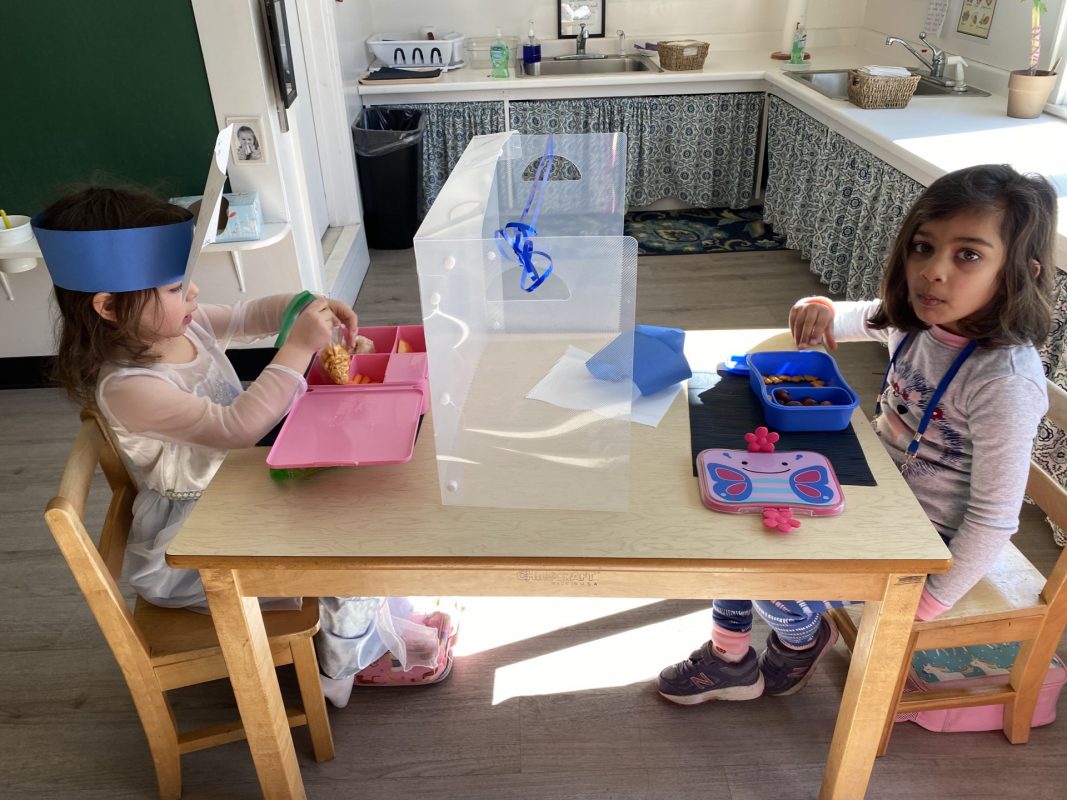
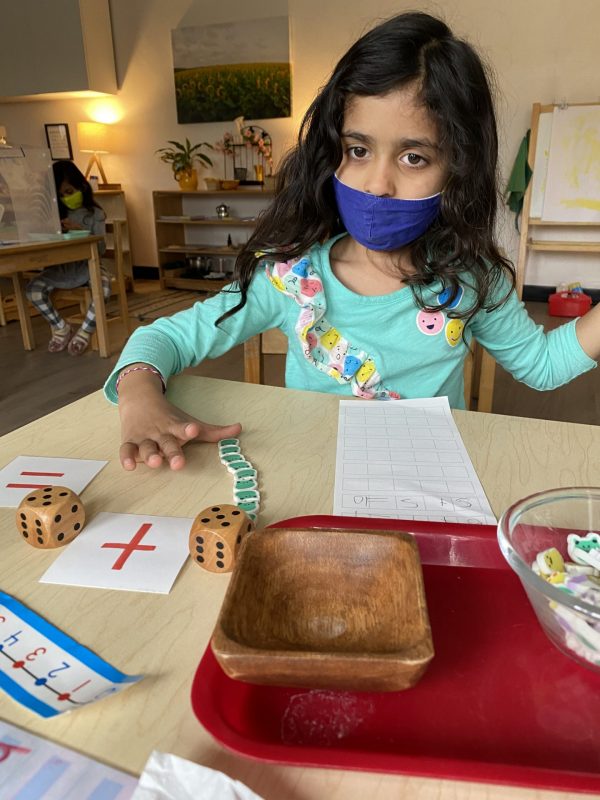
On Tuesday, March 2nd we celebrated Read Across America Day in our classroom.  The children enjoyed sharing their favorite books from home and we loved seeing their version of their favorite part of the story on their headbands.  Read Across America was launched in 1998 by the National Education Association (NEA) and is the nation’s largest celebration of reading.  The program focuses on motivating children and teens to read.
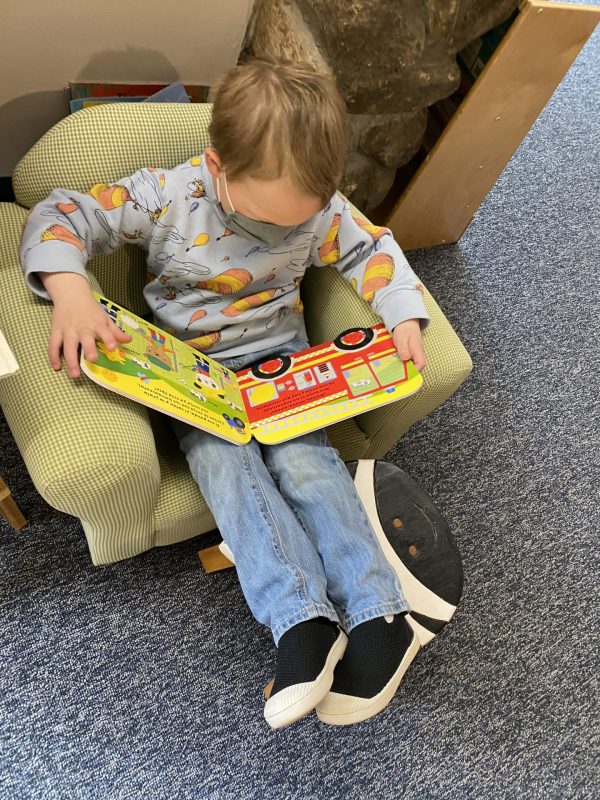
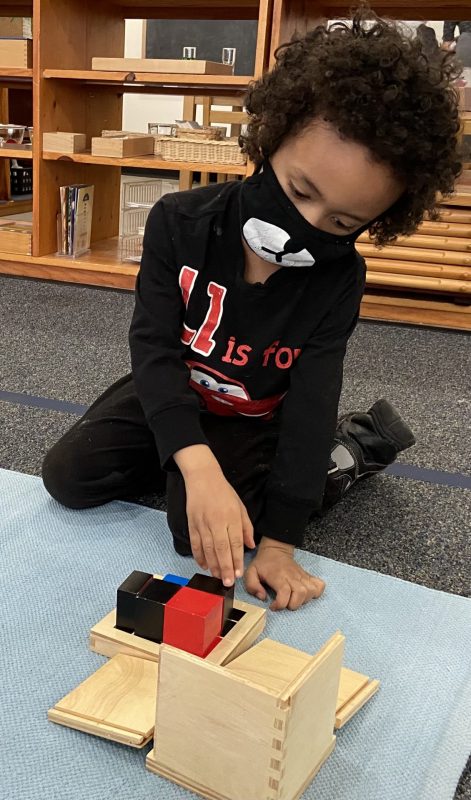
The titles and resources featured by NEA’s Read Across America “include books that students can see themselves reflected in, as well as books that allow readers to see a world or a character that might be different than them.  Readers who feel included, recognized, and a part of the world are engaged readers.”

Please use the link below to find books and resources associated with this wonderful program:

https://www.nea.org/professional-excellence/student-engagement/read-across-america

Happy Reading!

Amanda & Sharlene