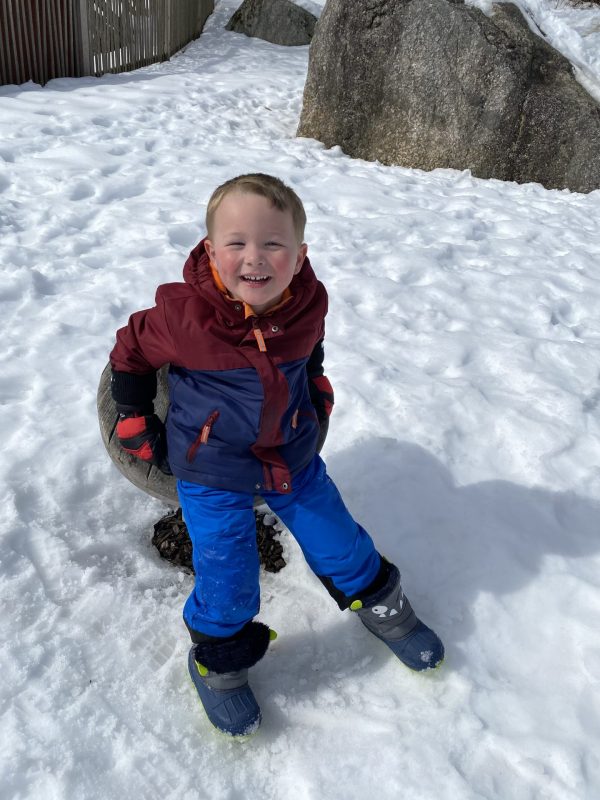
Mrs. Lopes’s Class: The Absorbent Mind


There exists in the small child an unconscious mental state which is of a creative nature. 
We have called it the “Absorbent Mind.” The tiny child’s absorbent mind finds all its nutriment in its surroundings…Especially at the beginning of life. We must, therefore, make the environment as interesting and attractive as we can. -Maria Montessori

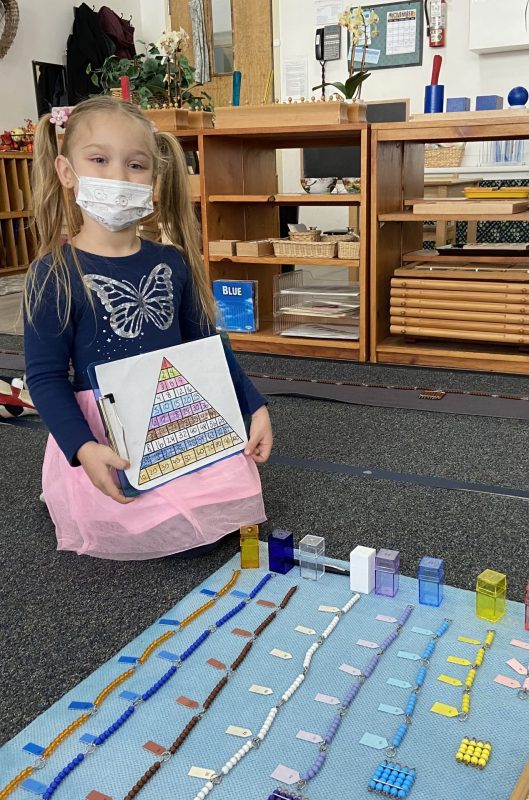
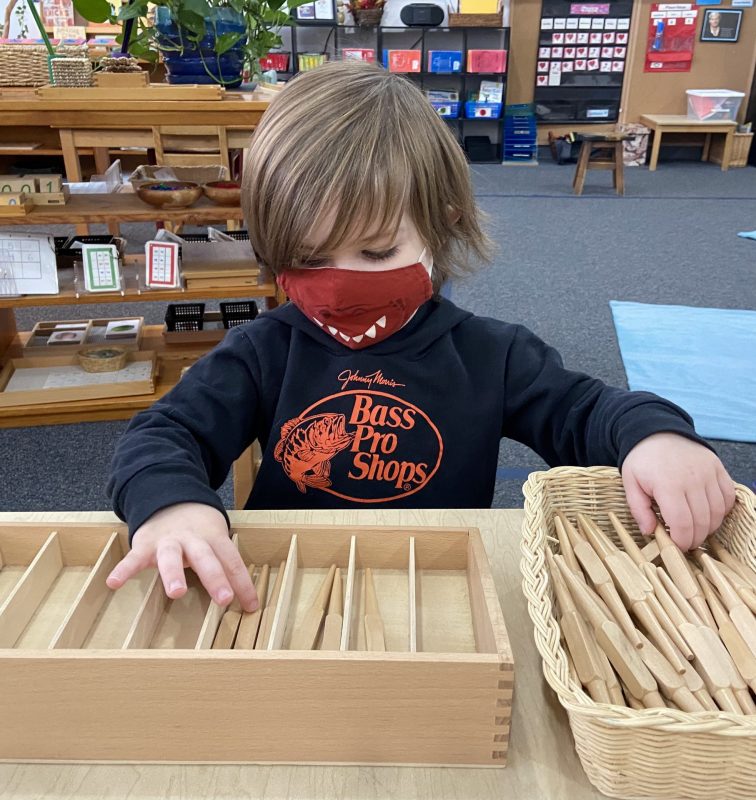
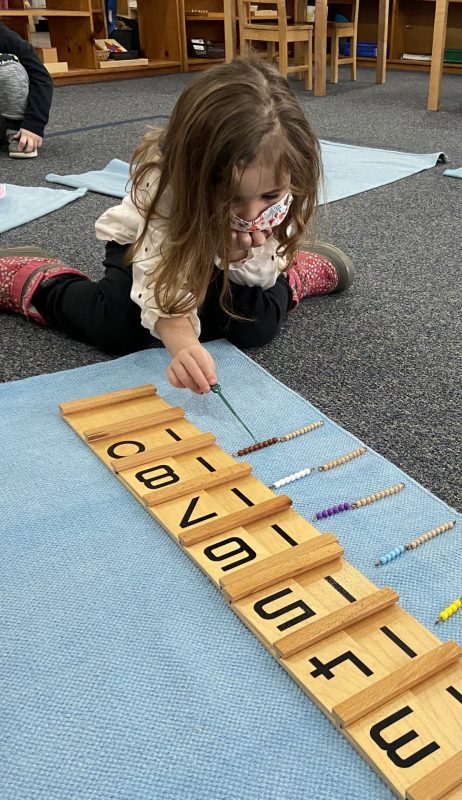
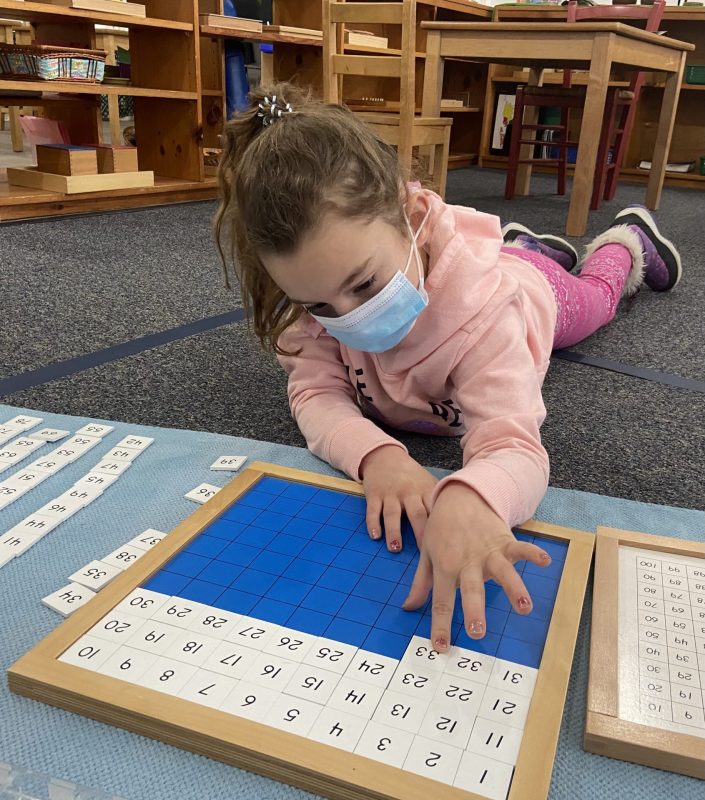
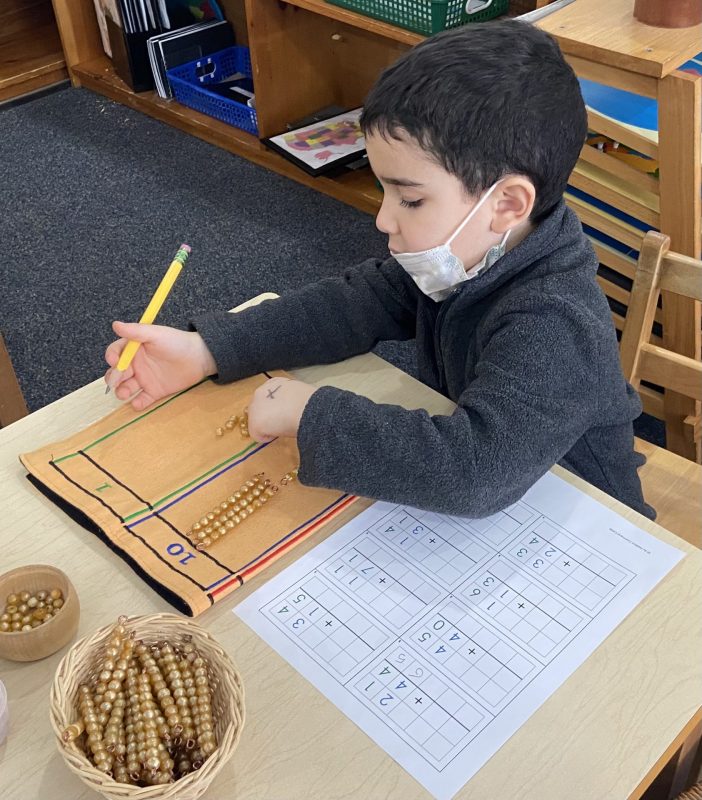
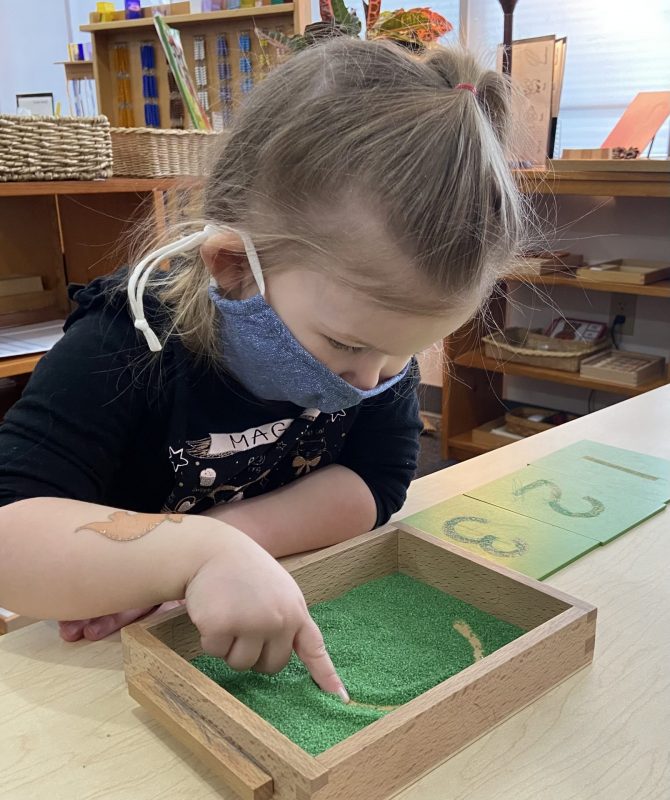
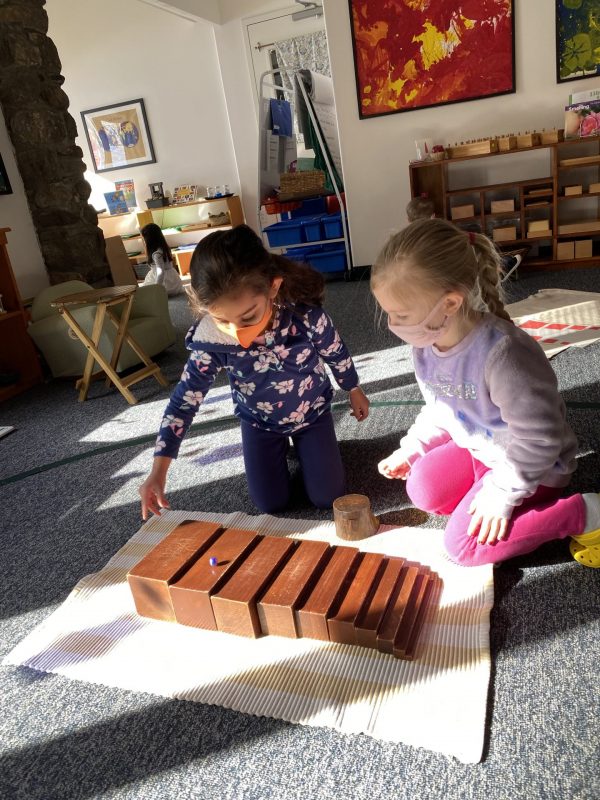
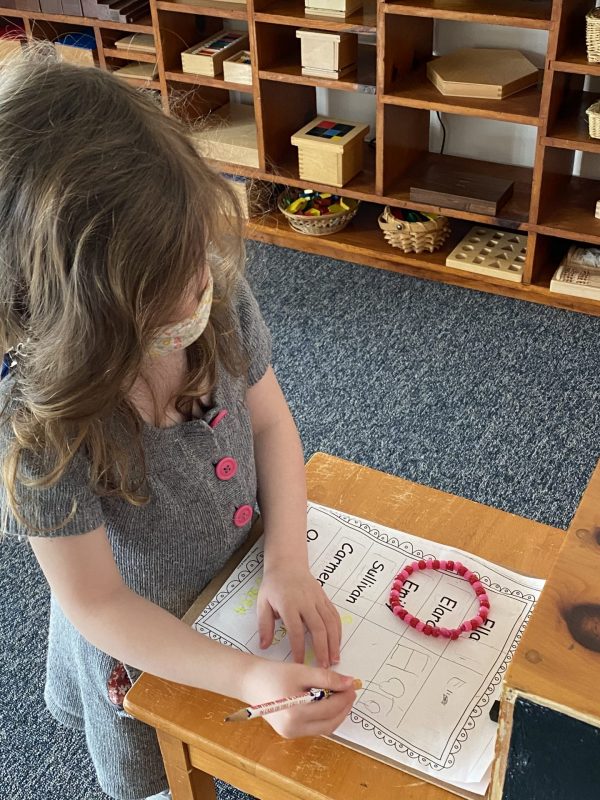
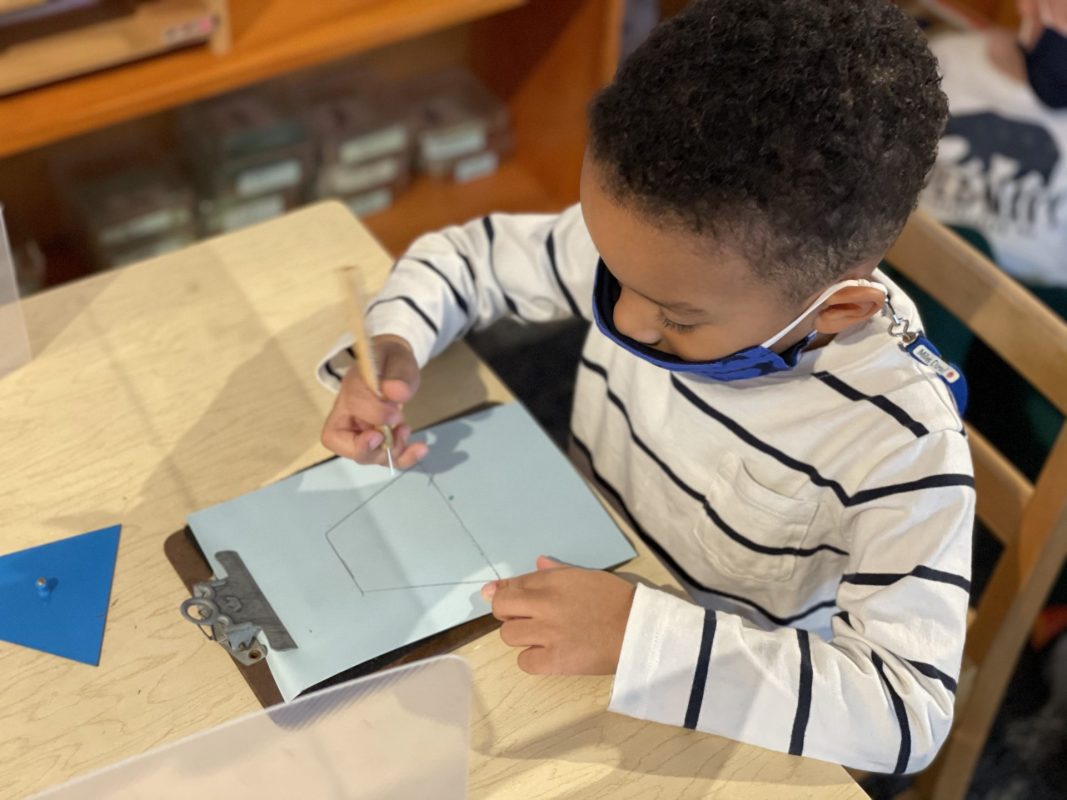
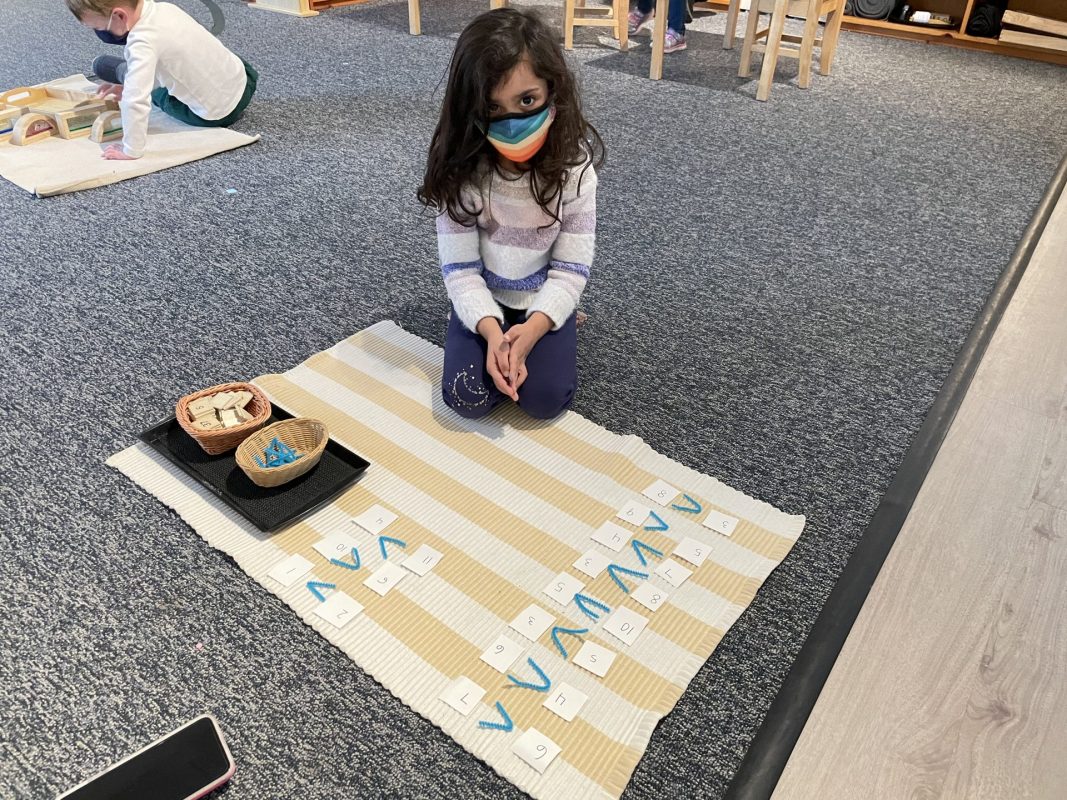
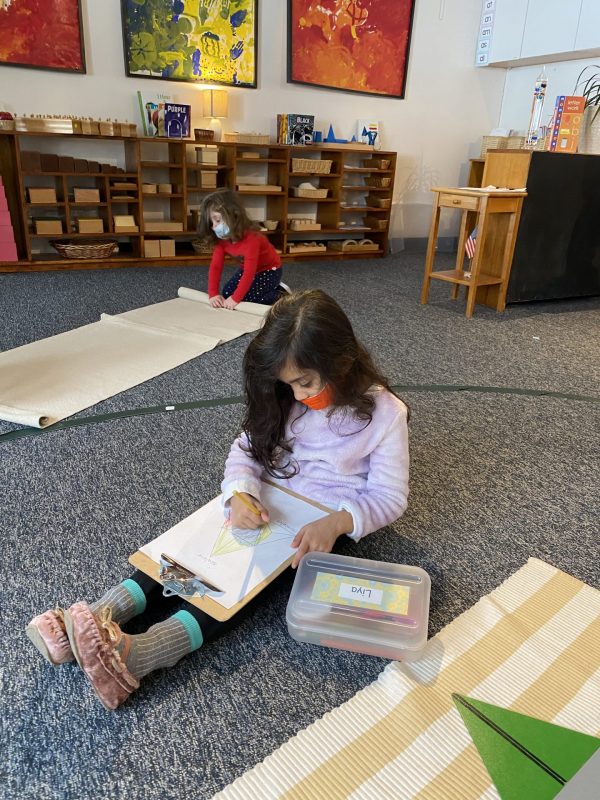
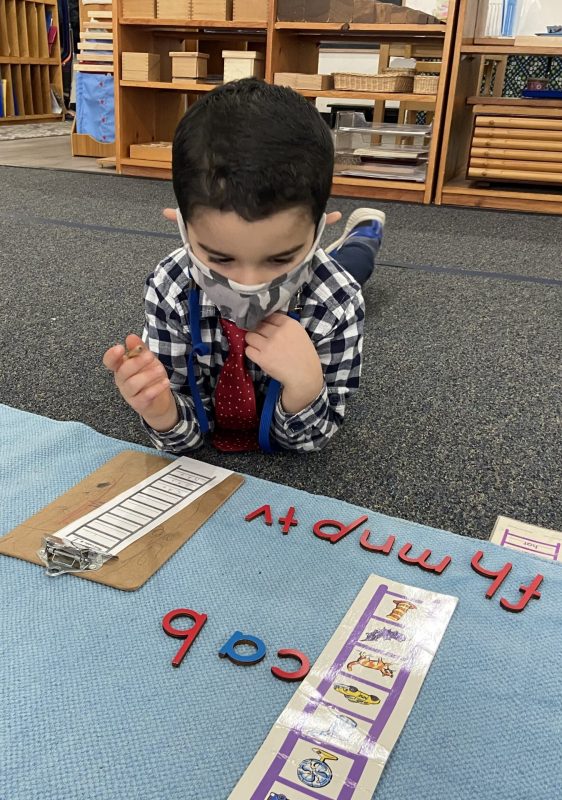
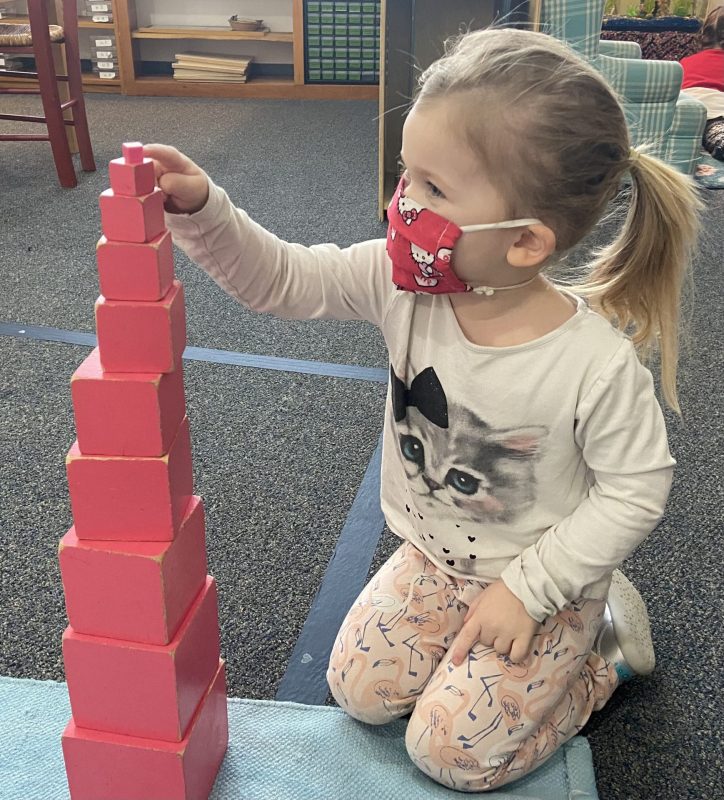
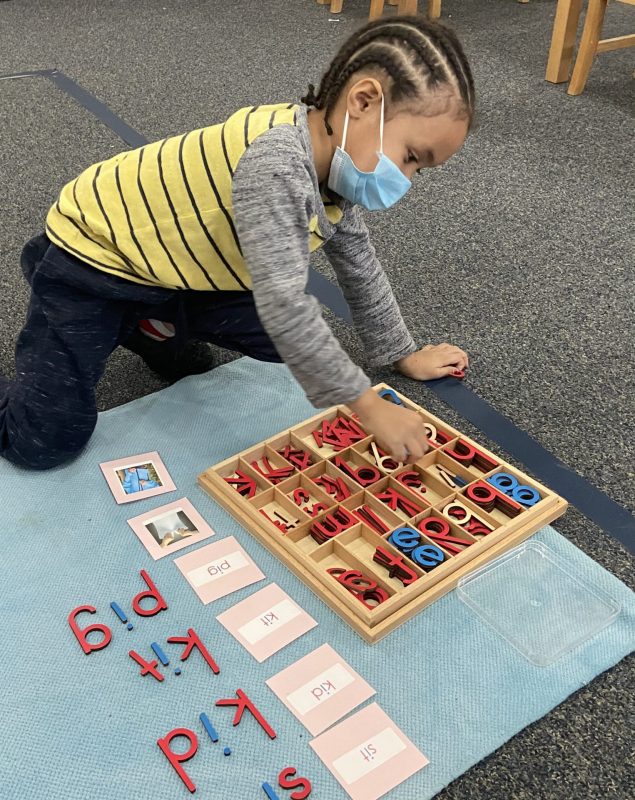
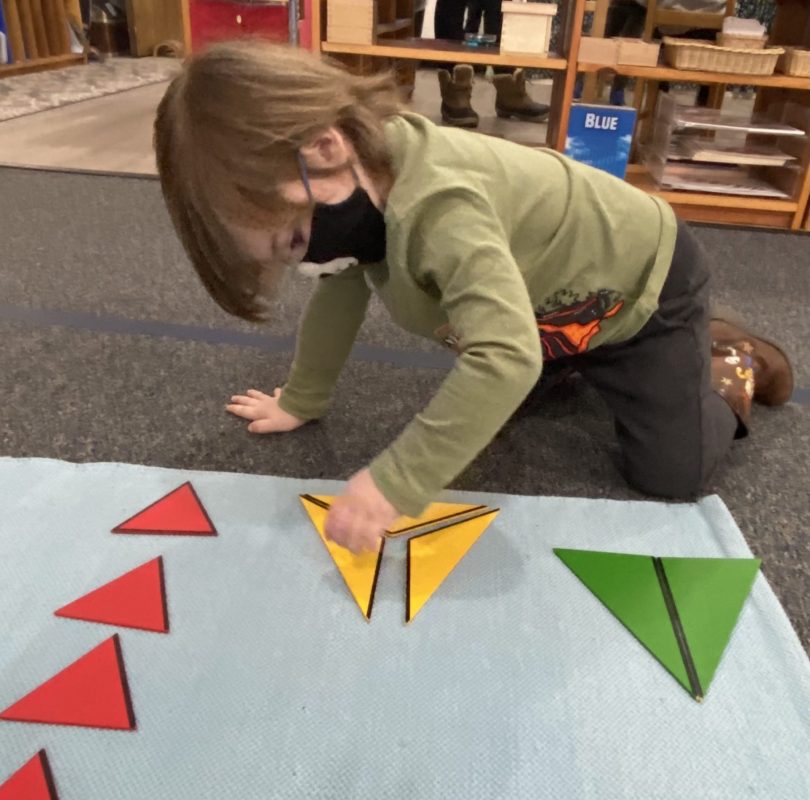
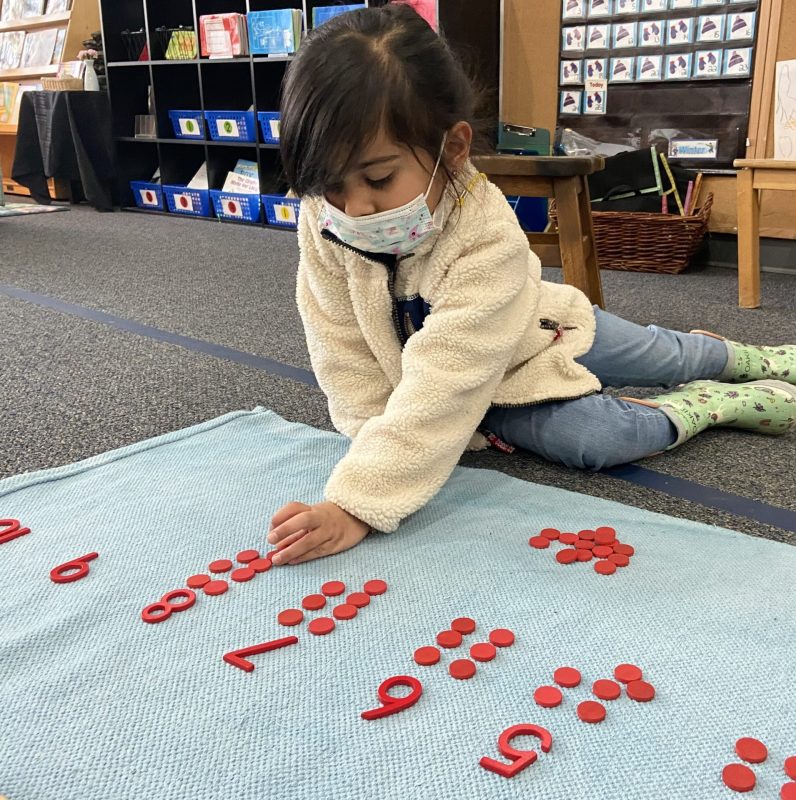
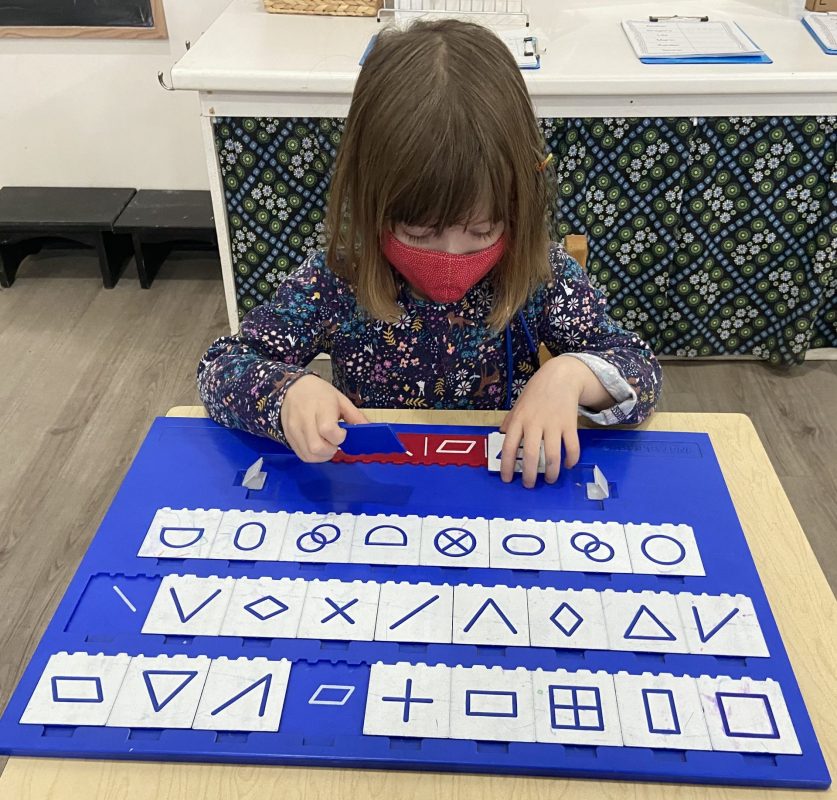
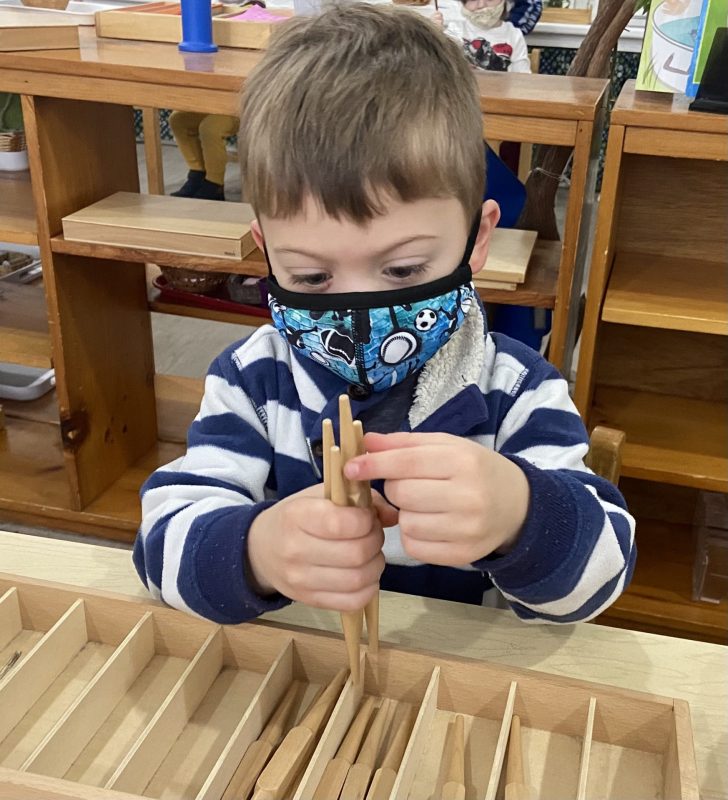
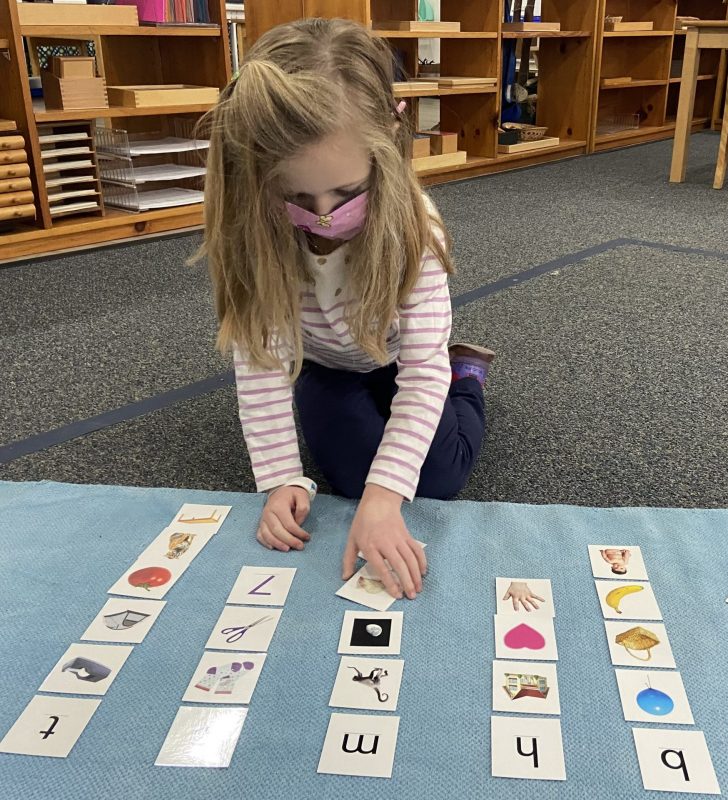
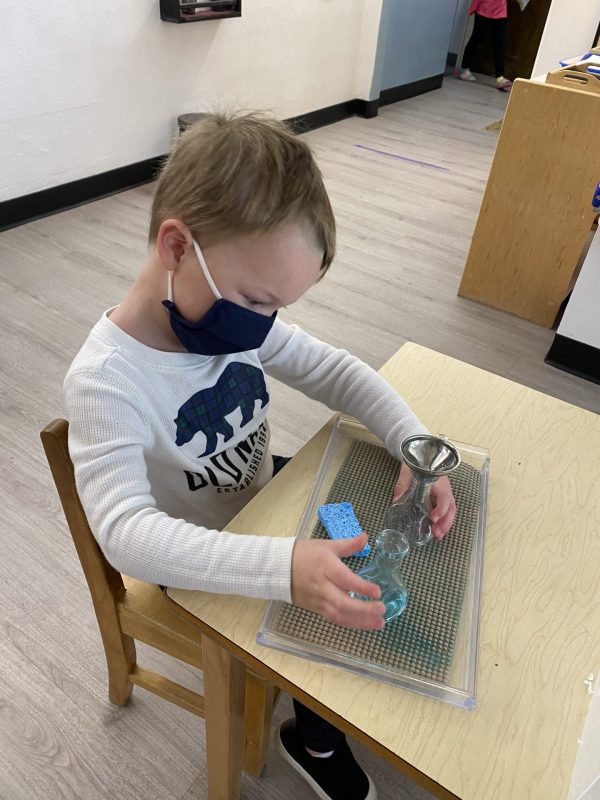
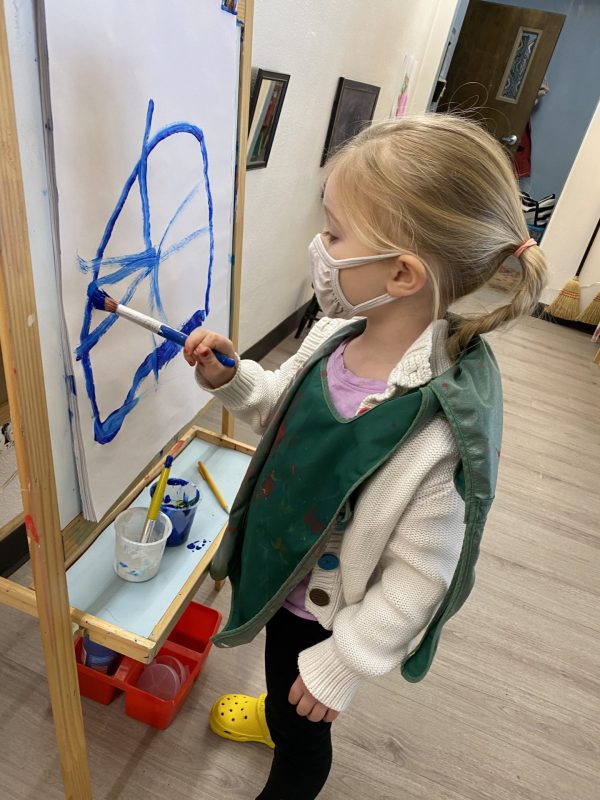
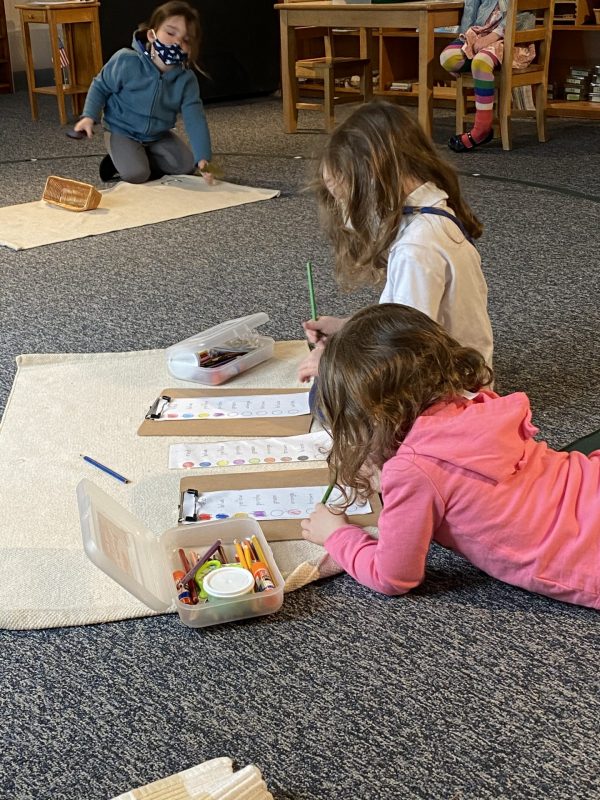
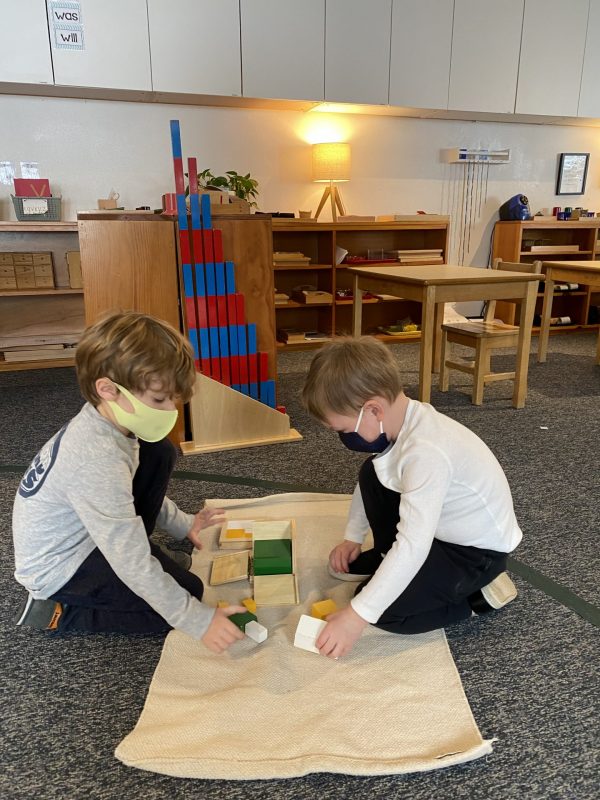
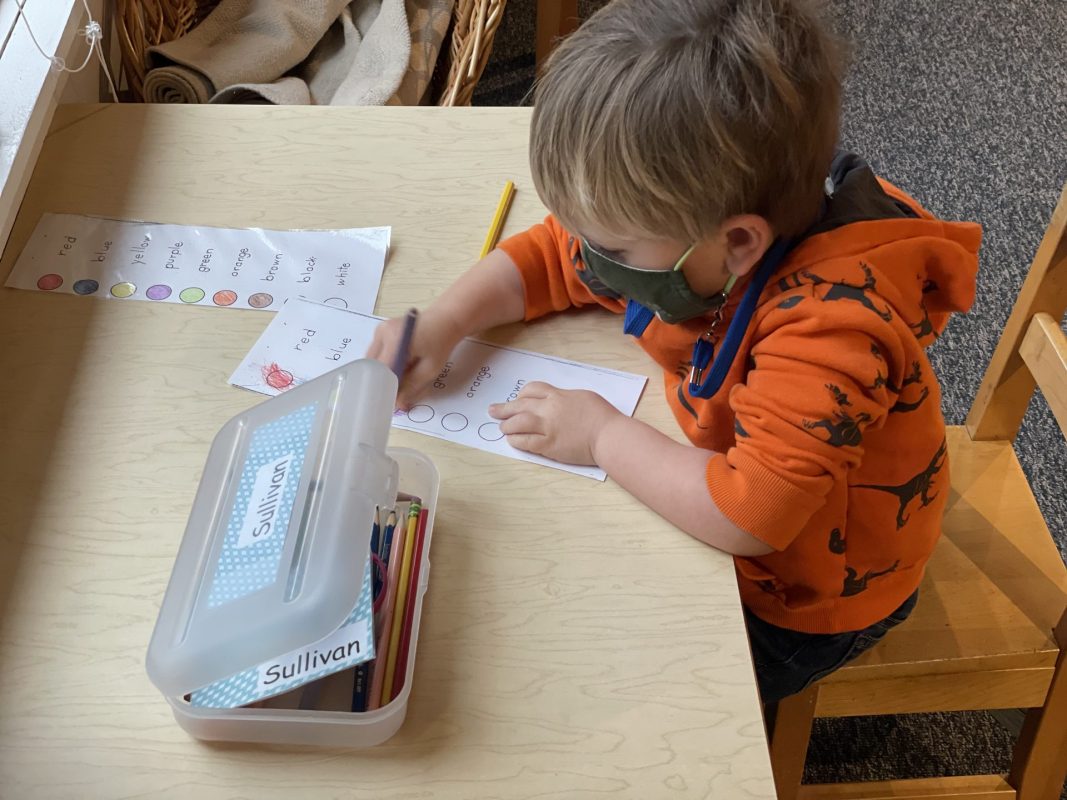
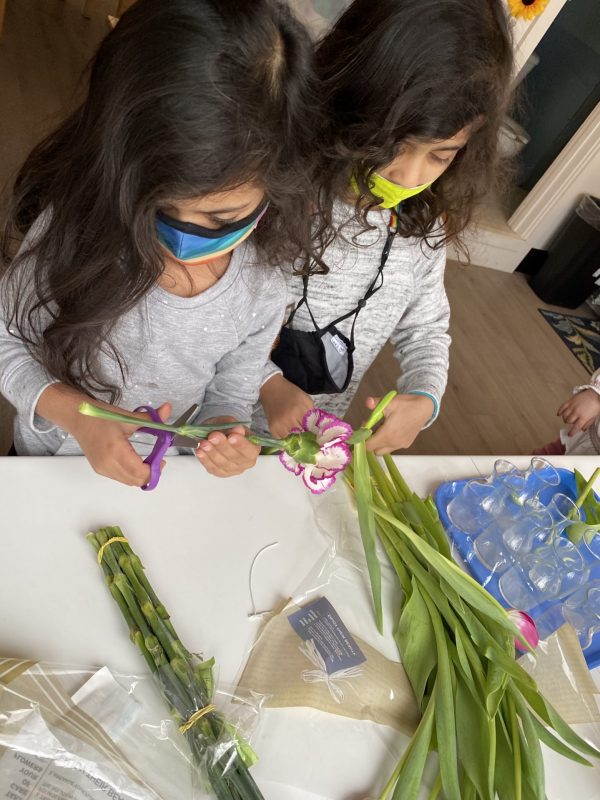
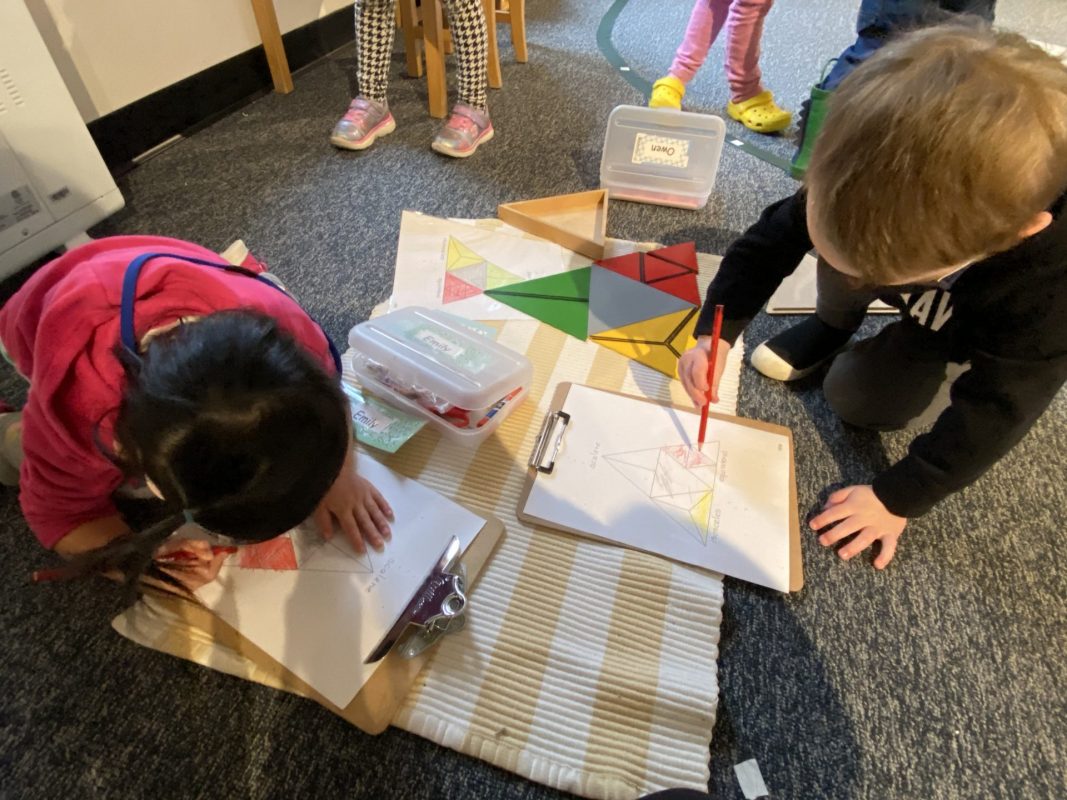
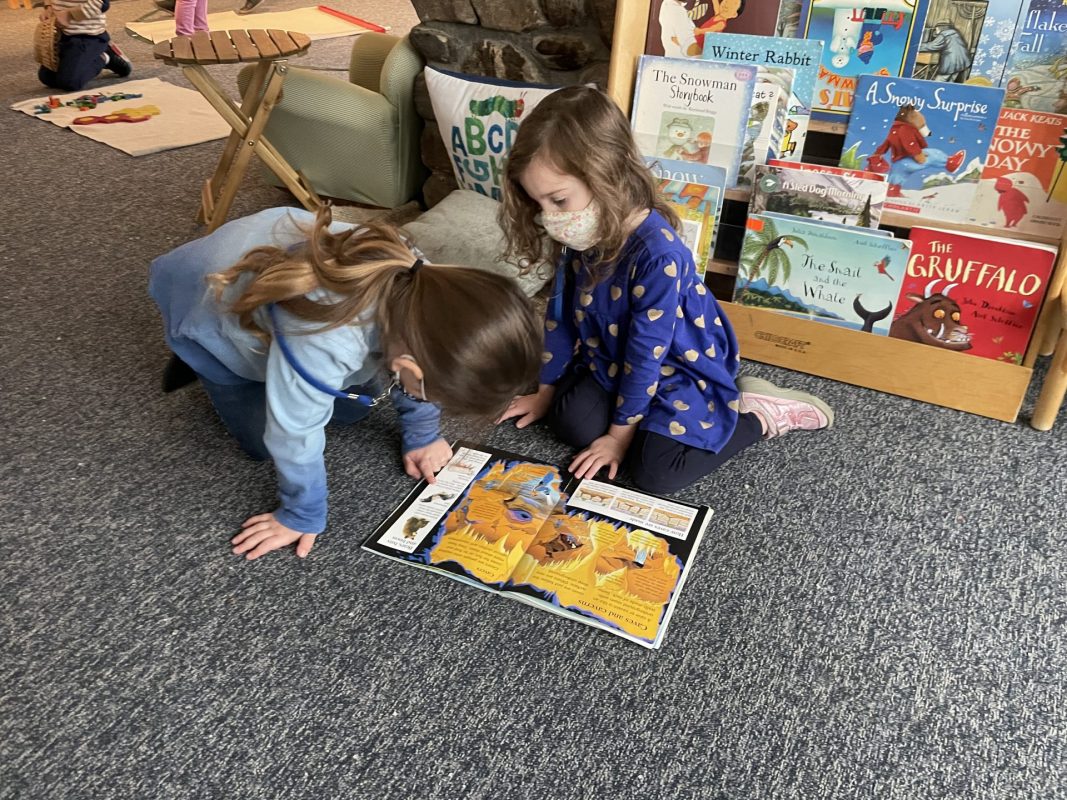
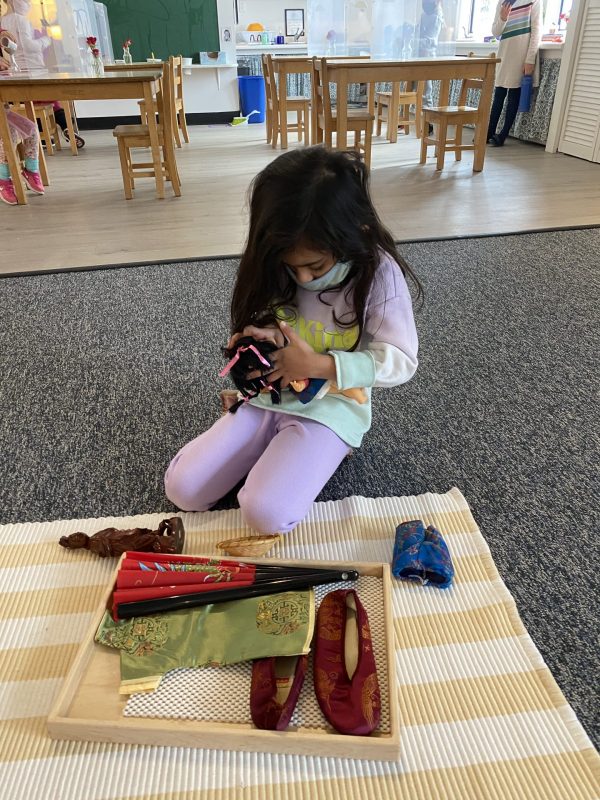
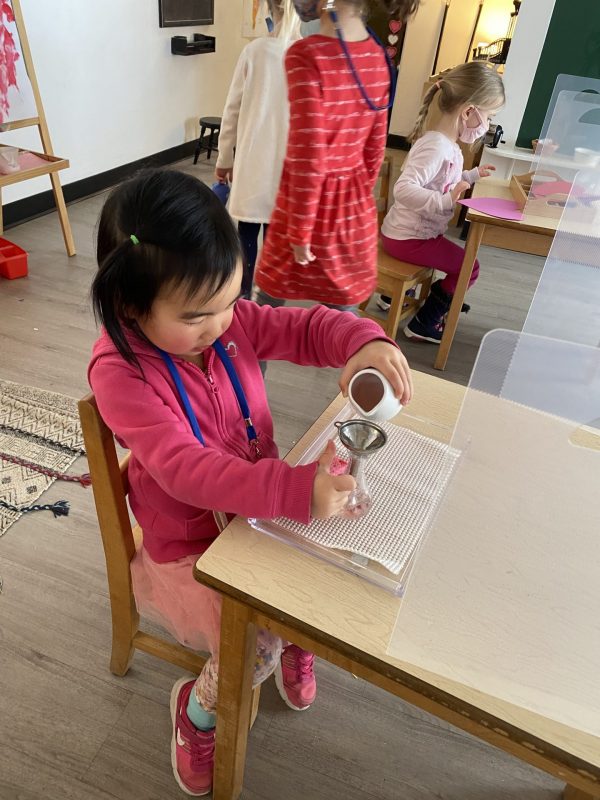
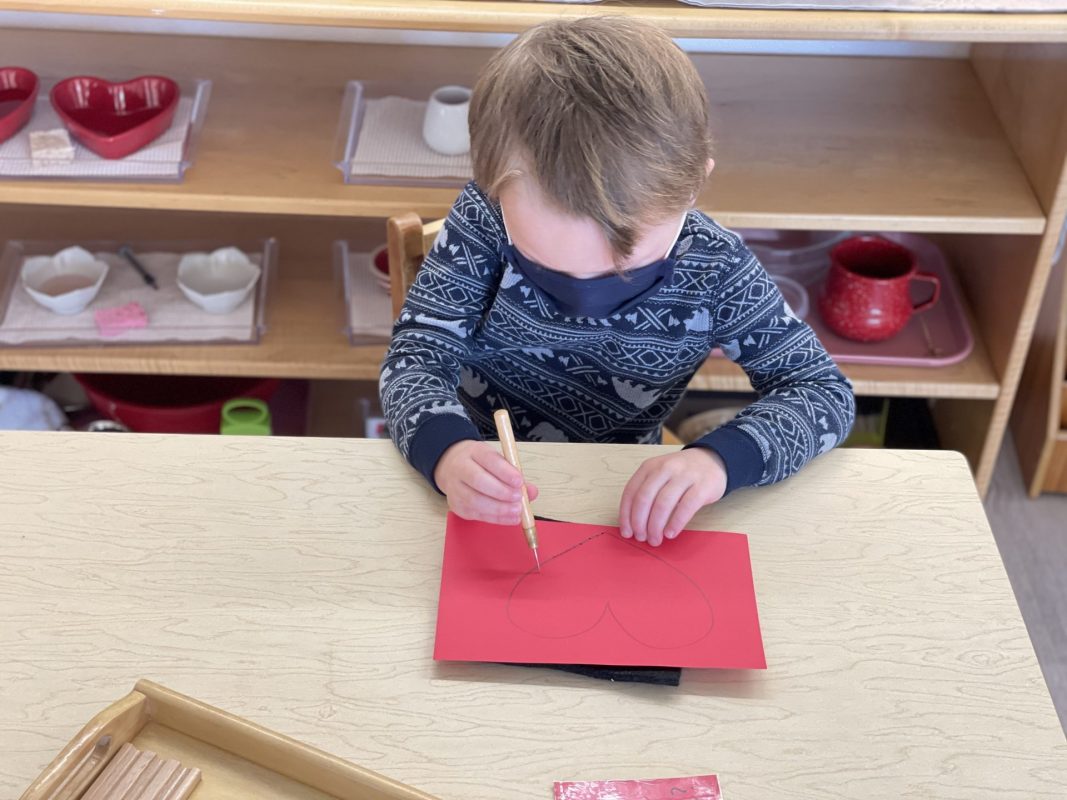
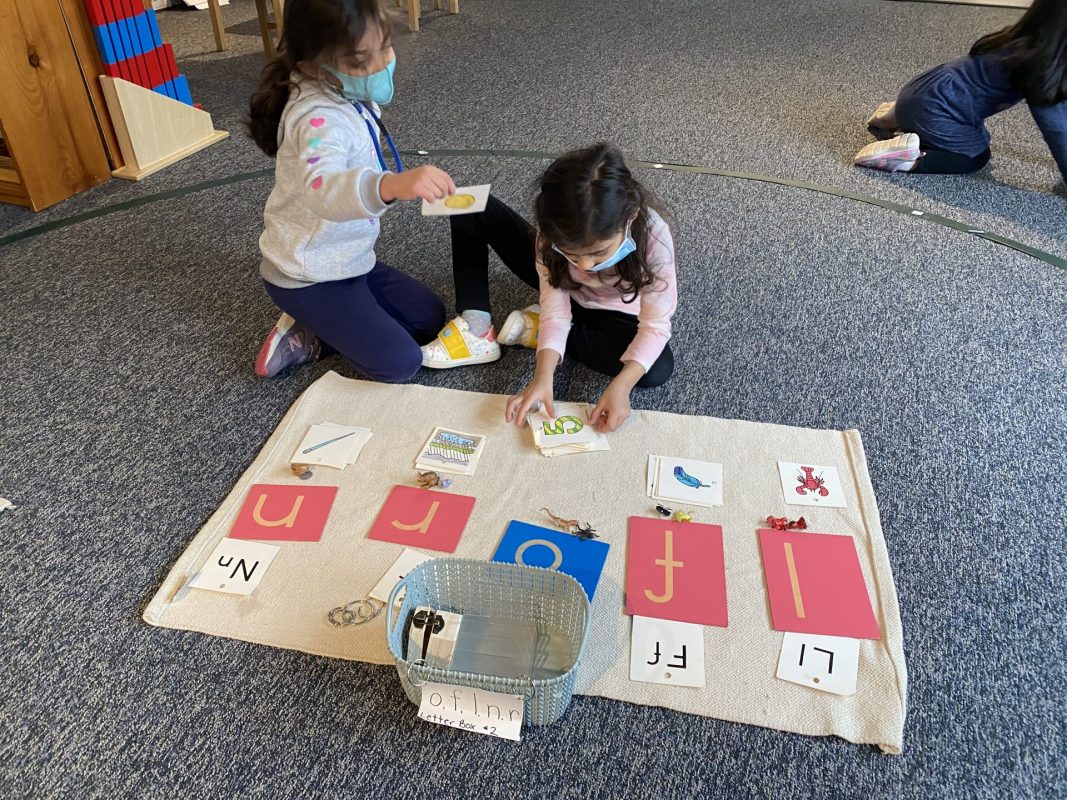
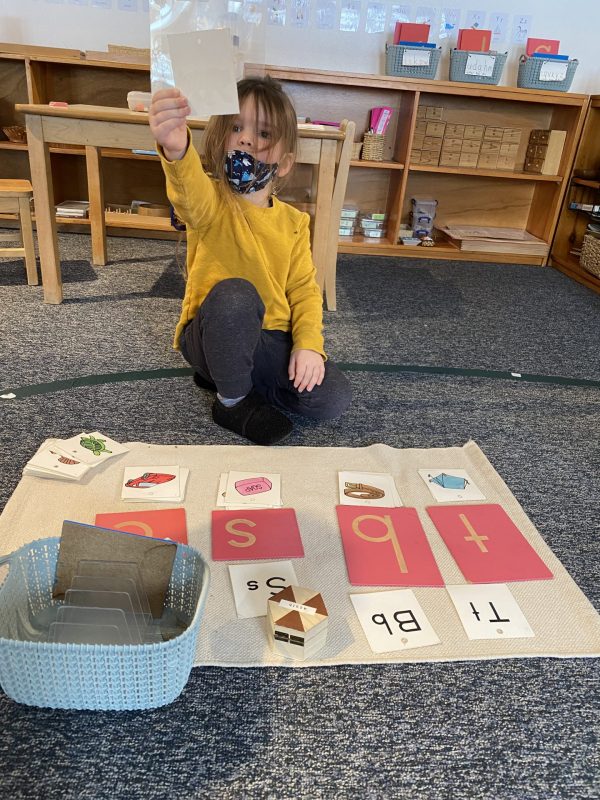
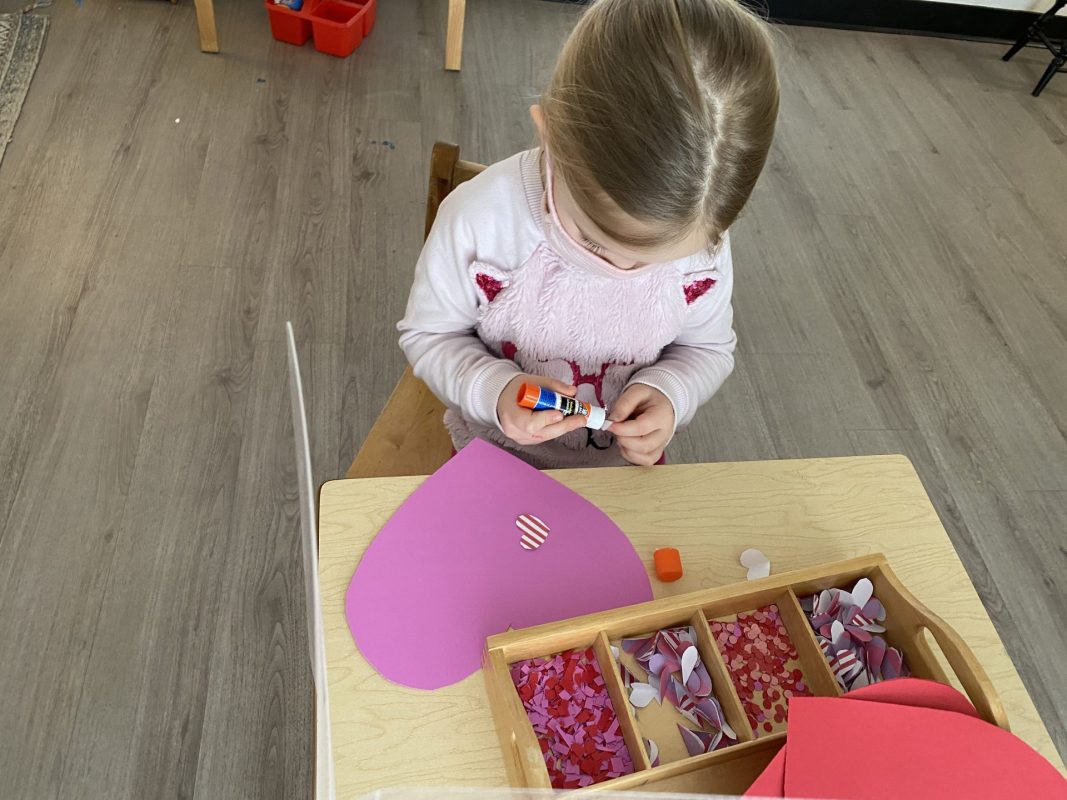
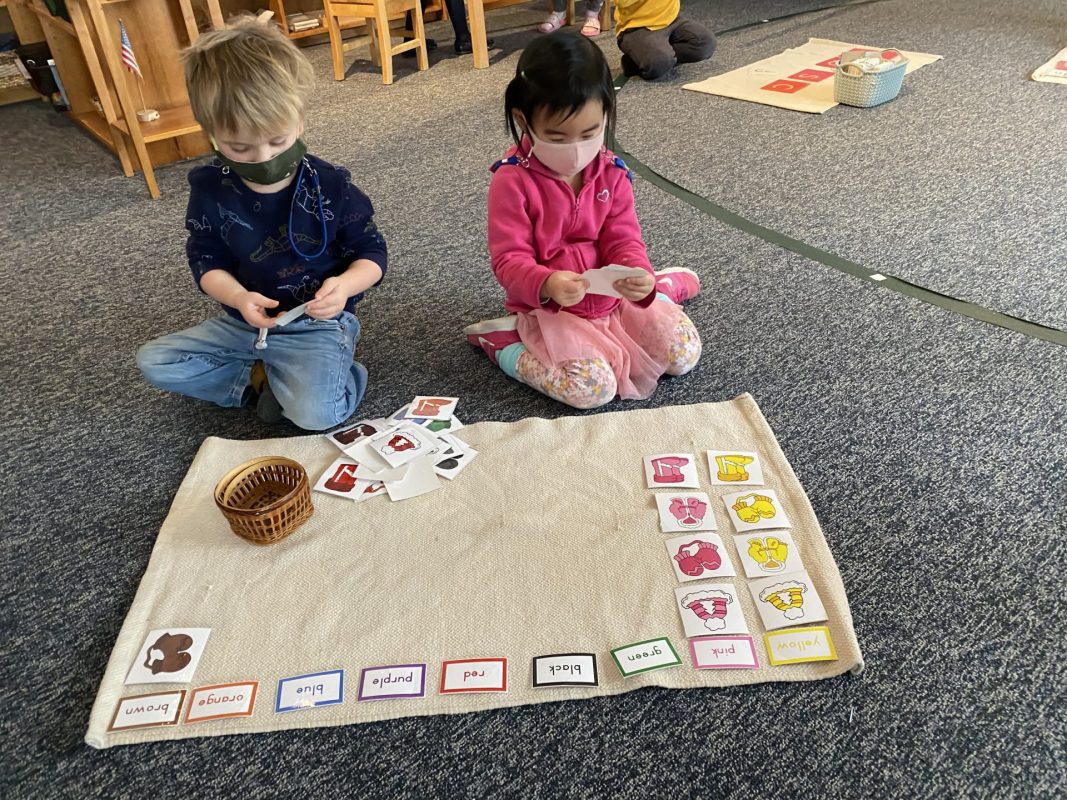
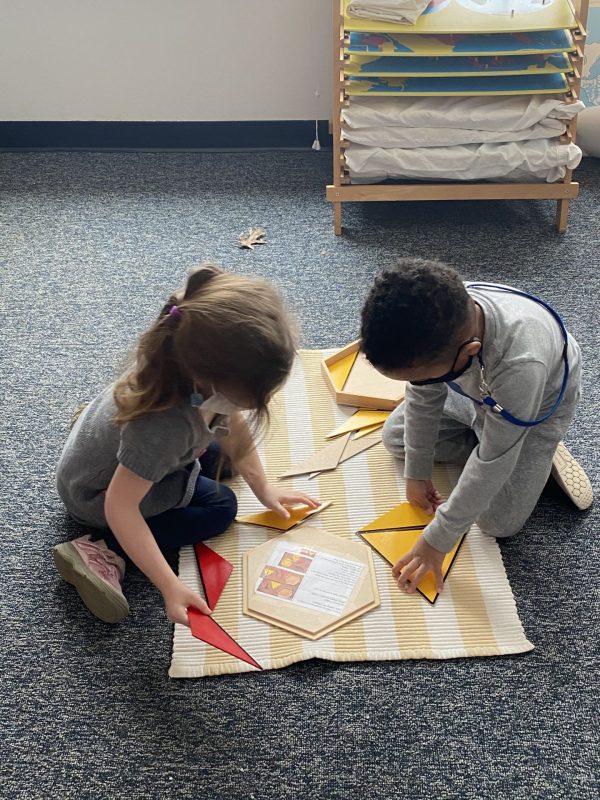
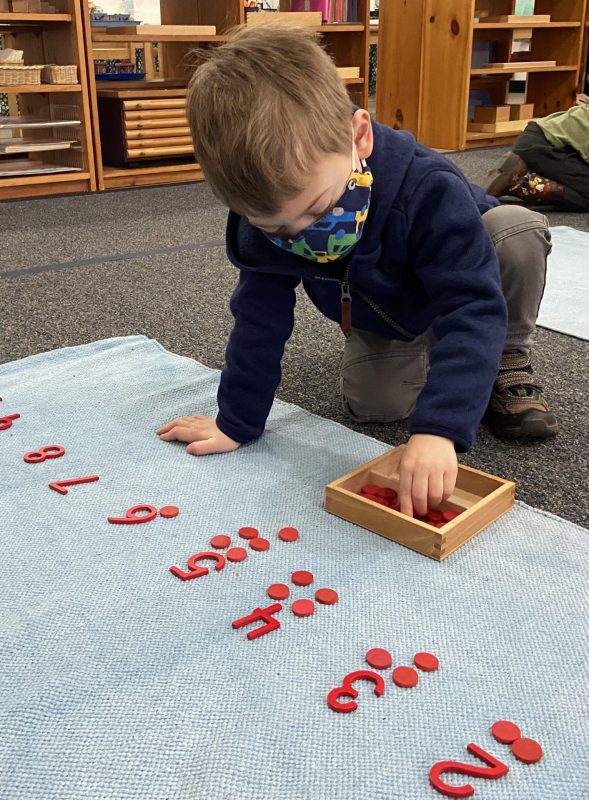
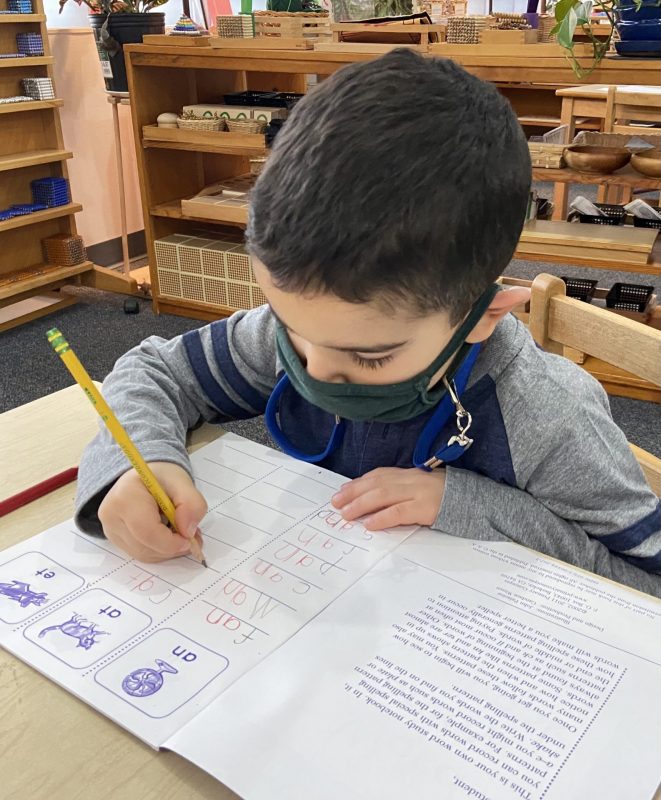
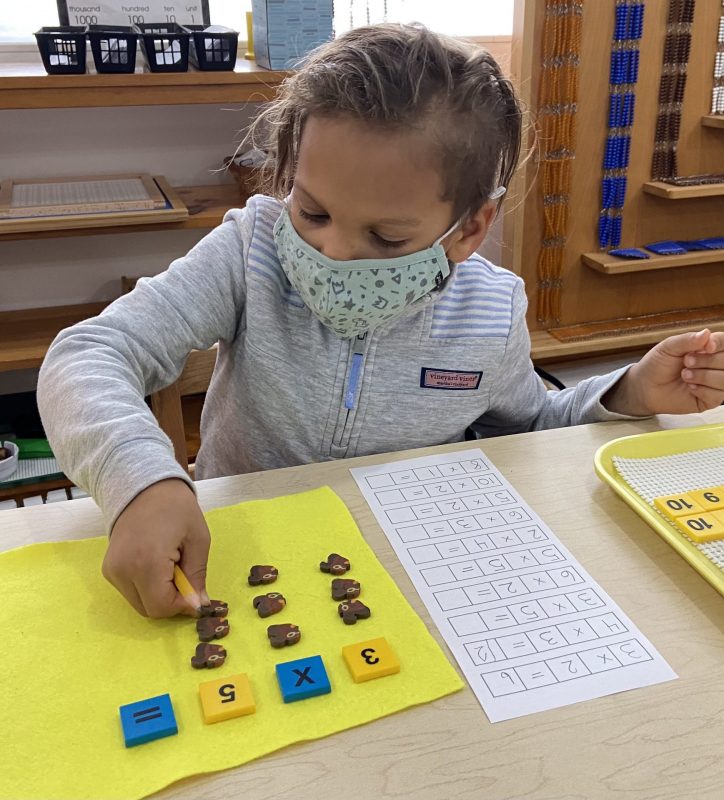
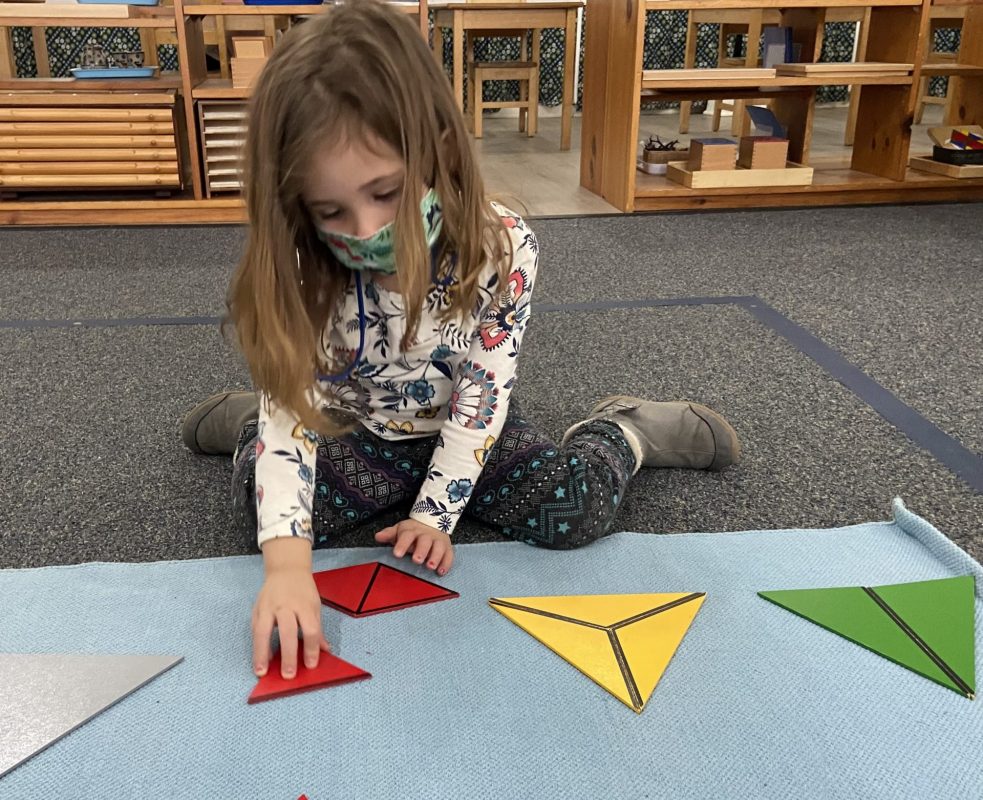
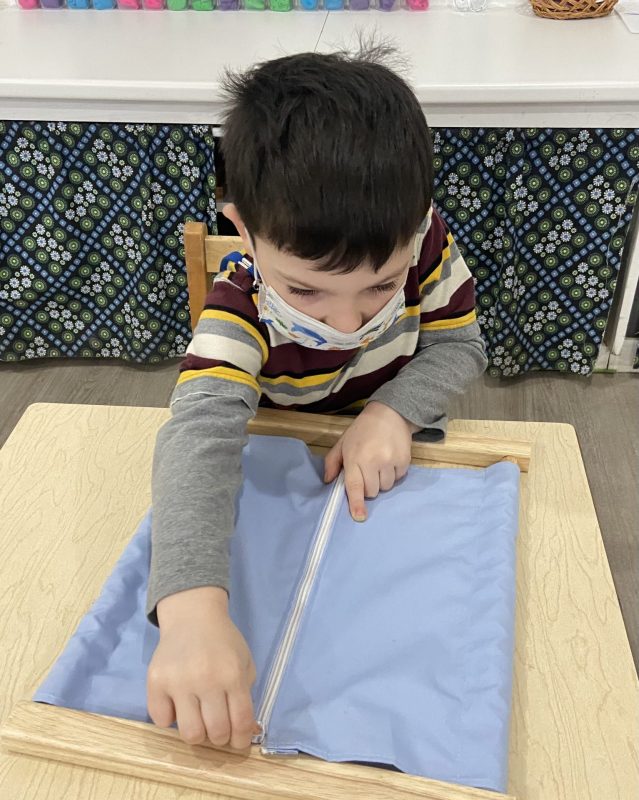
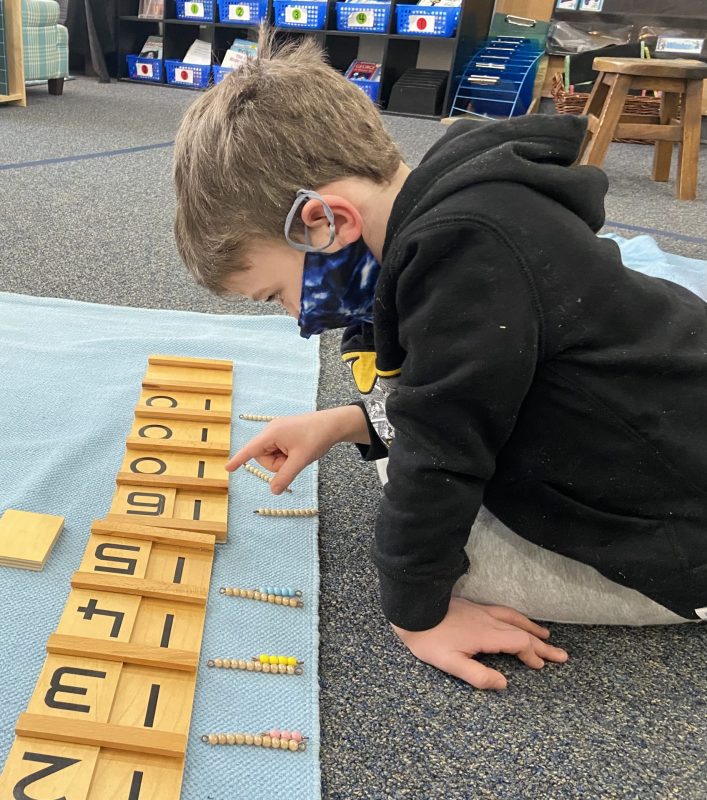
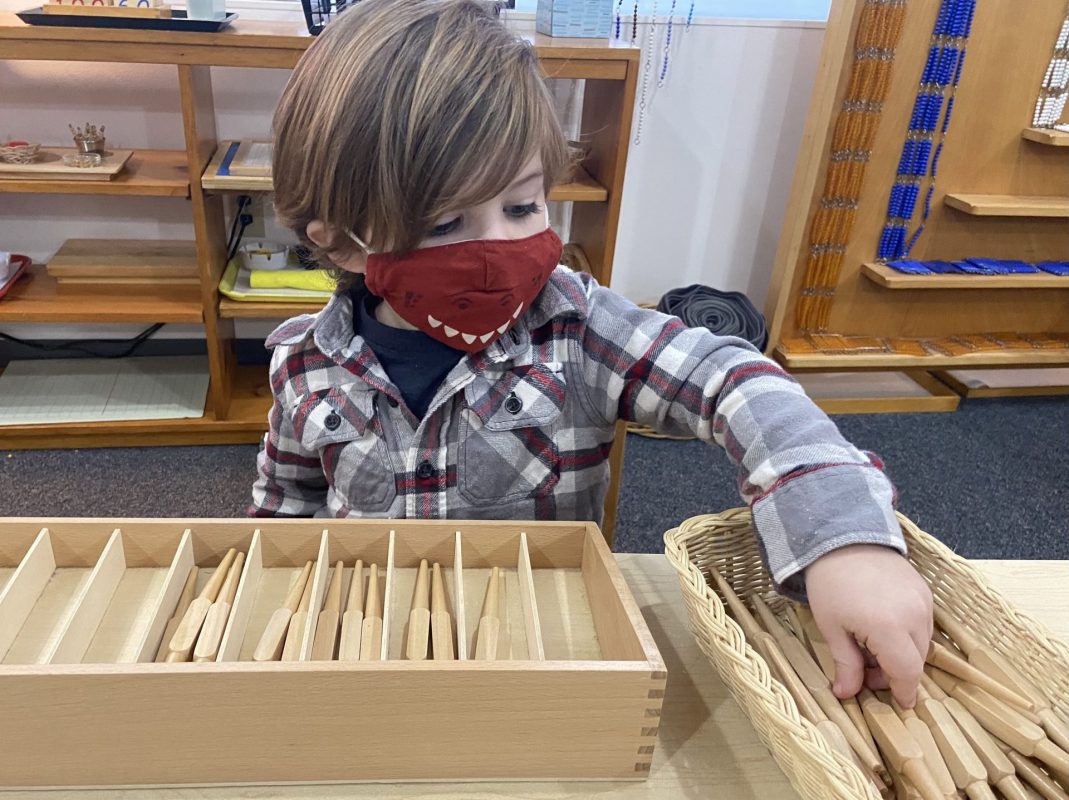
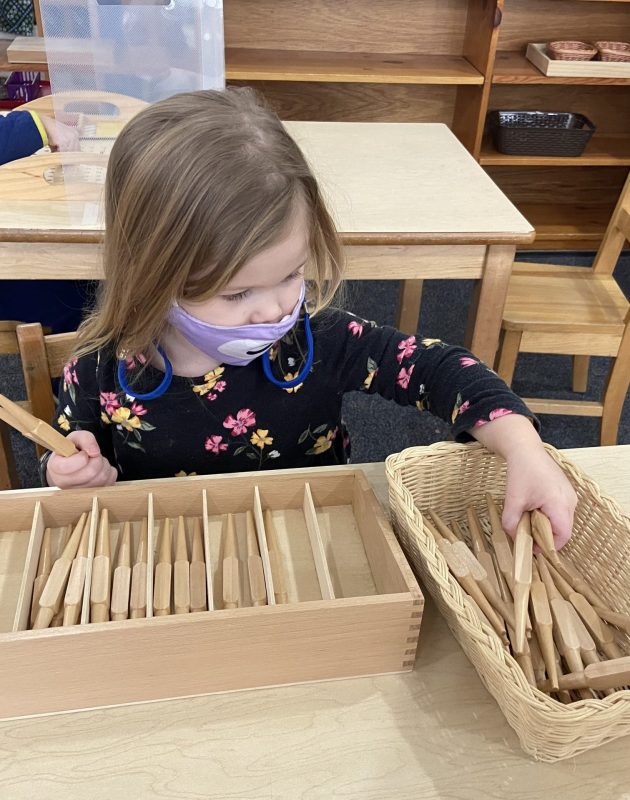
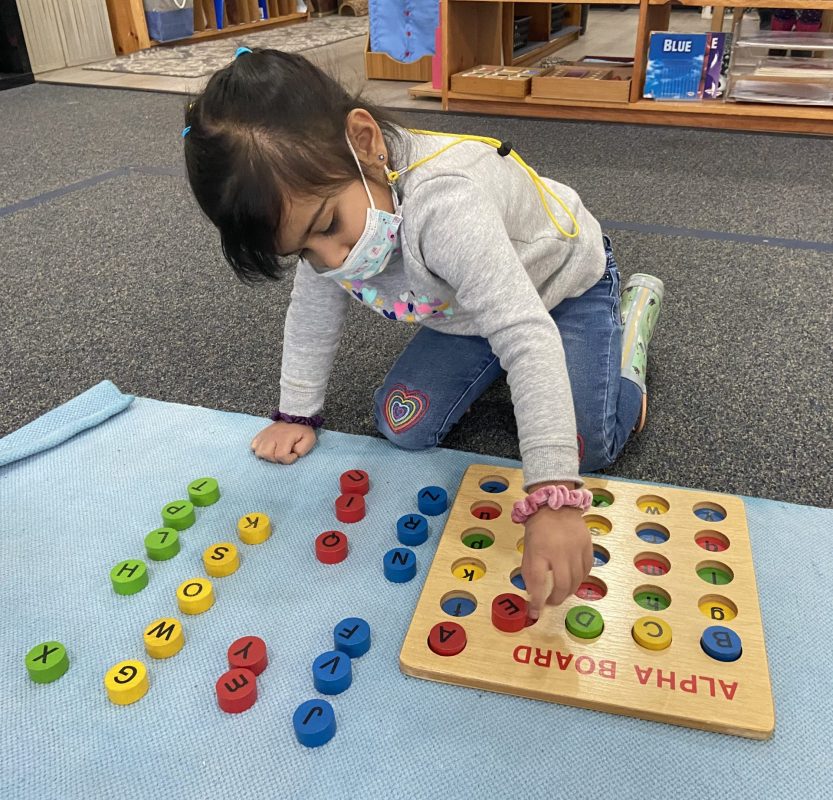
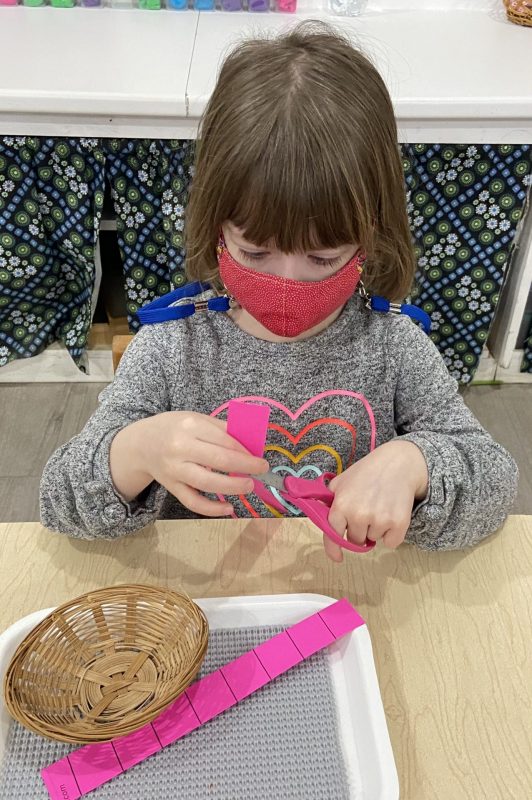
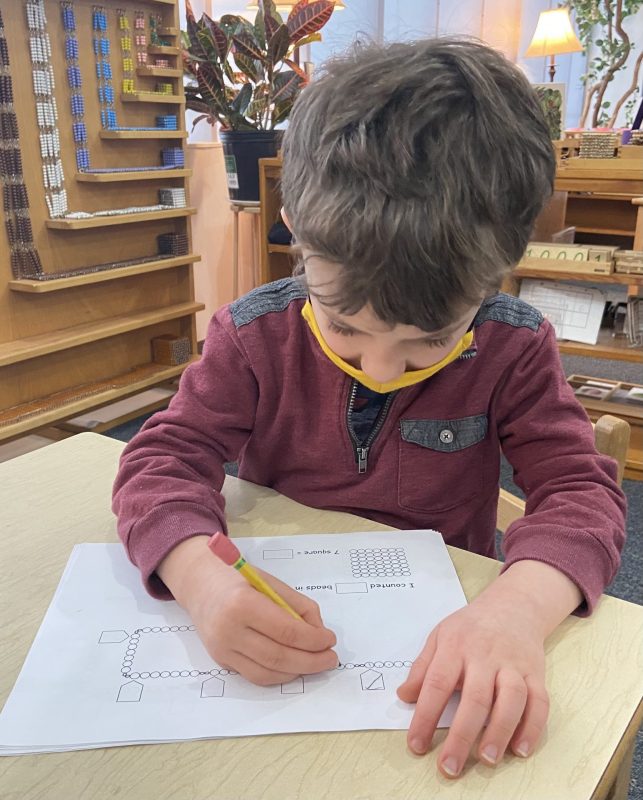
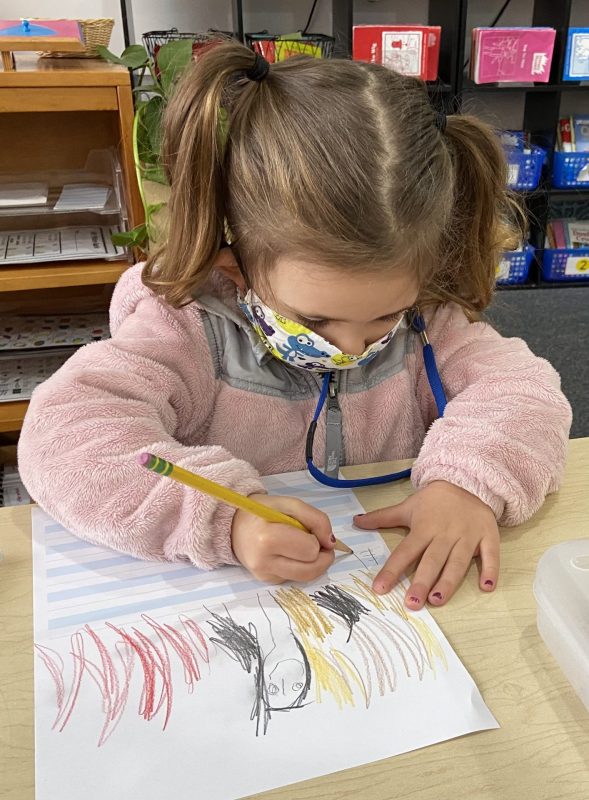
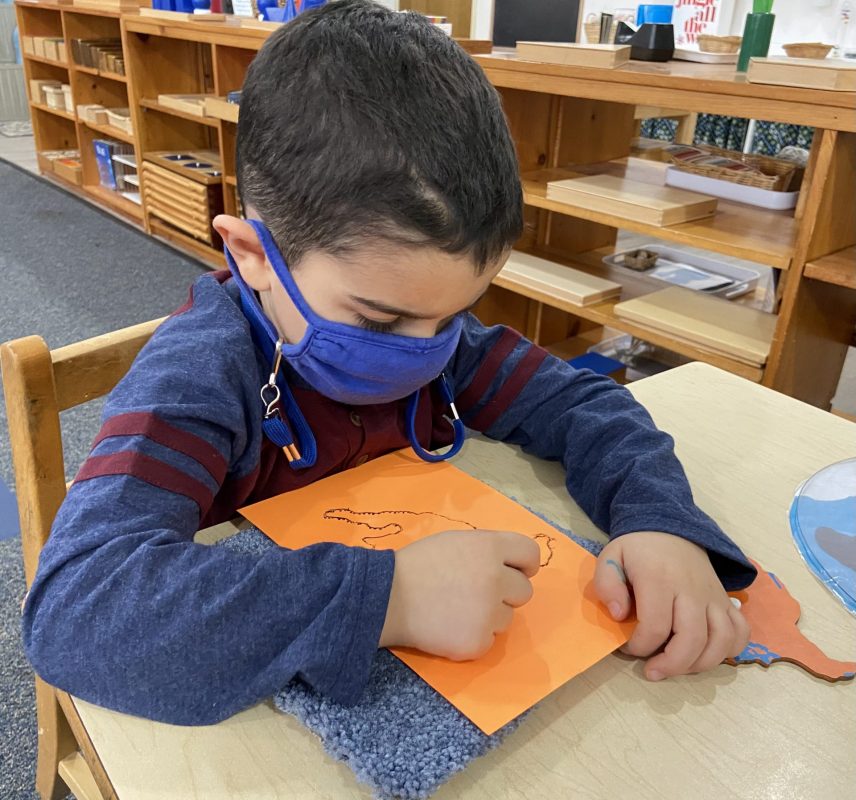
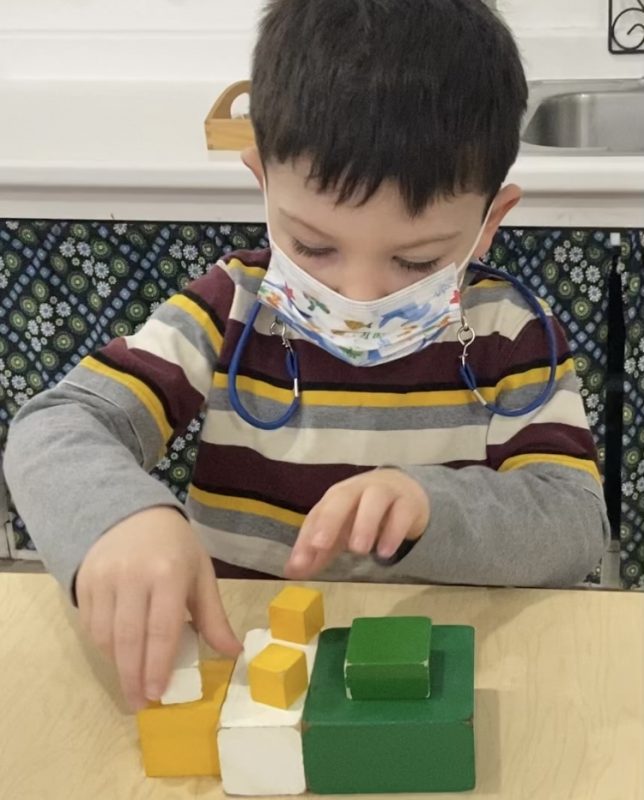
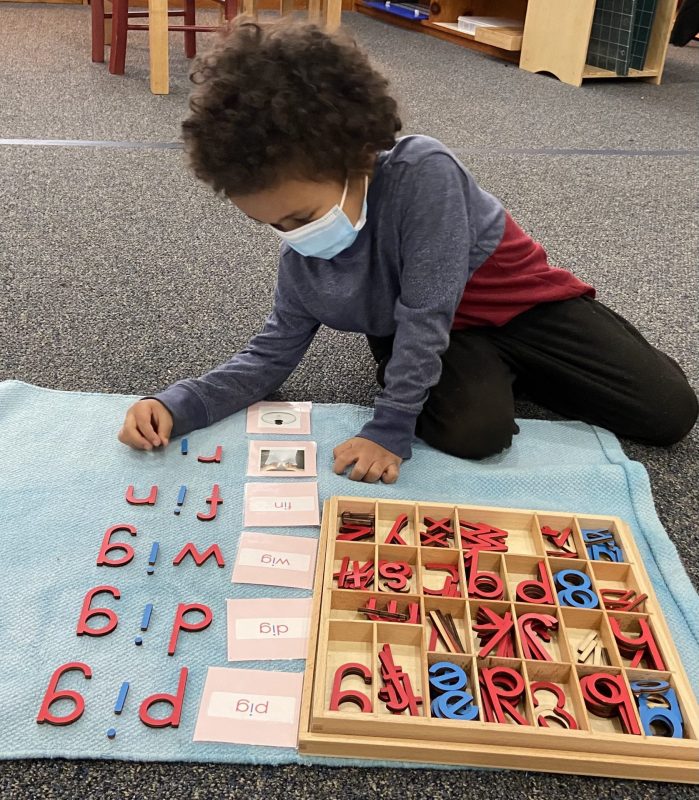
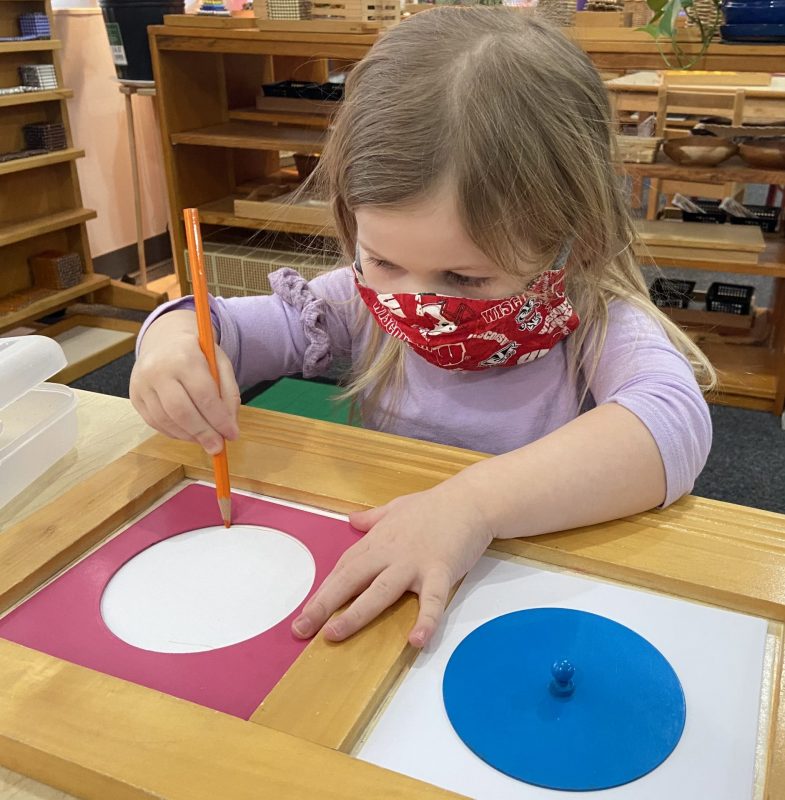
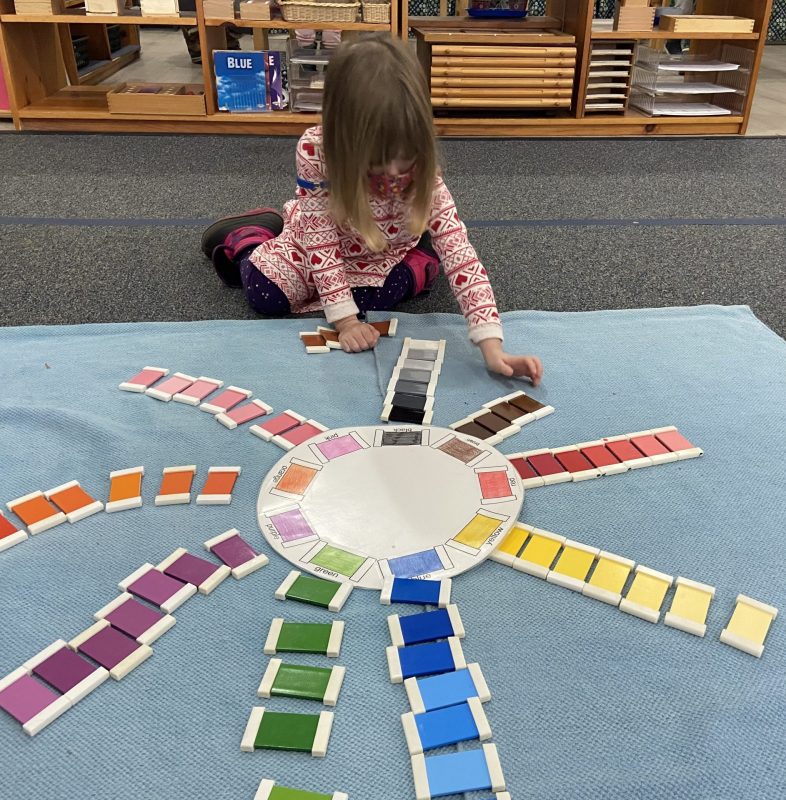
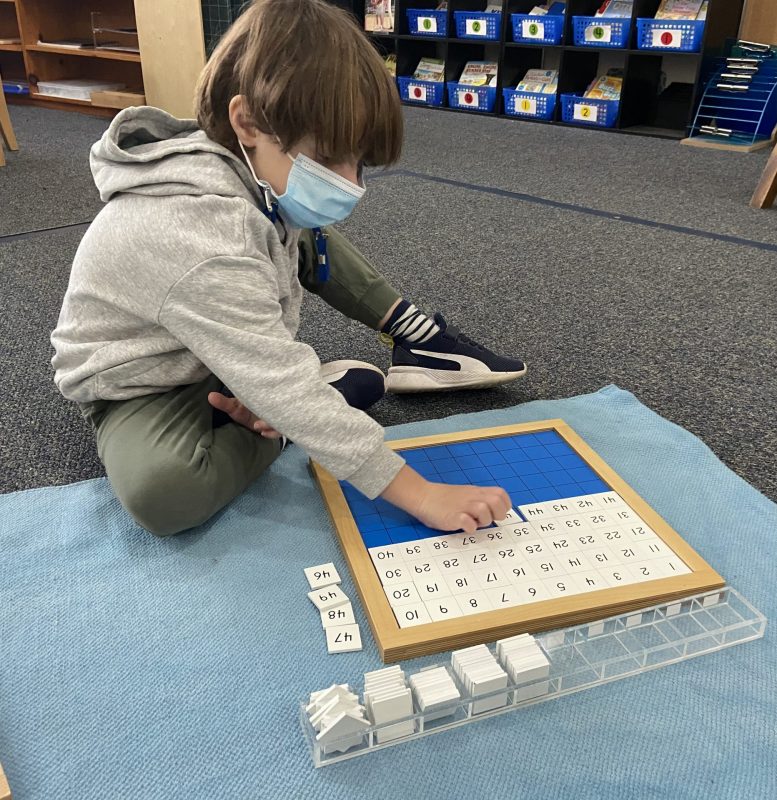
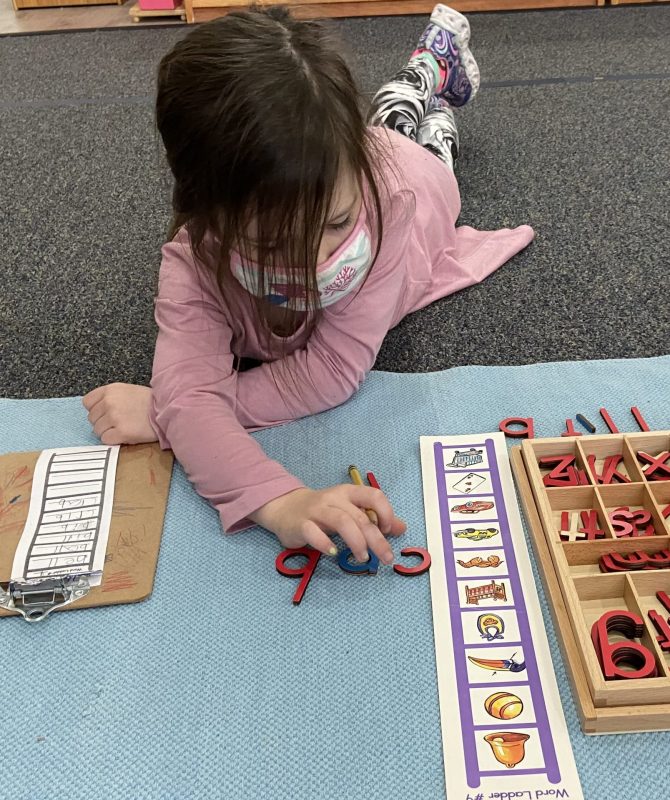
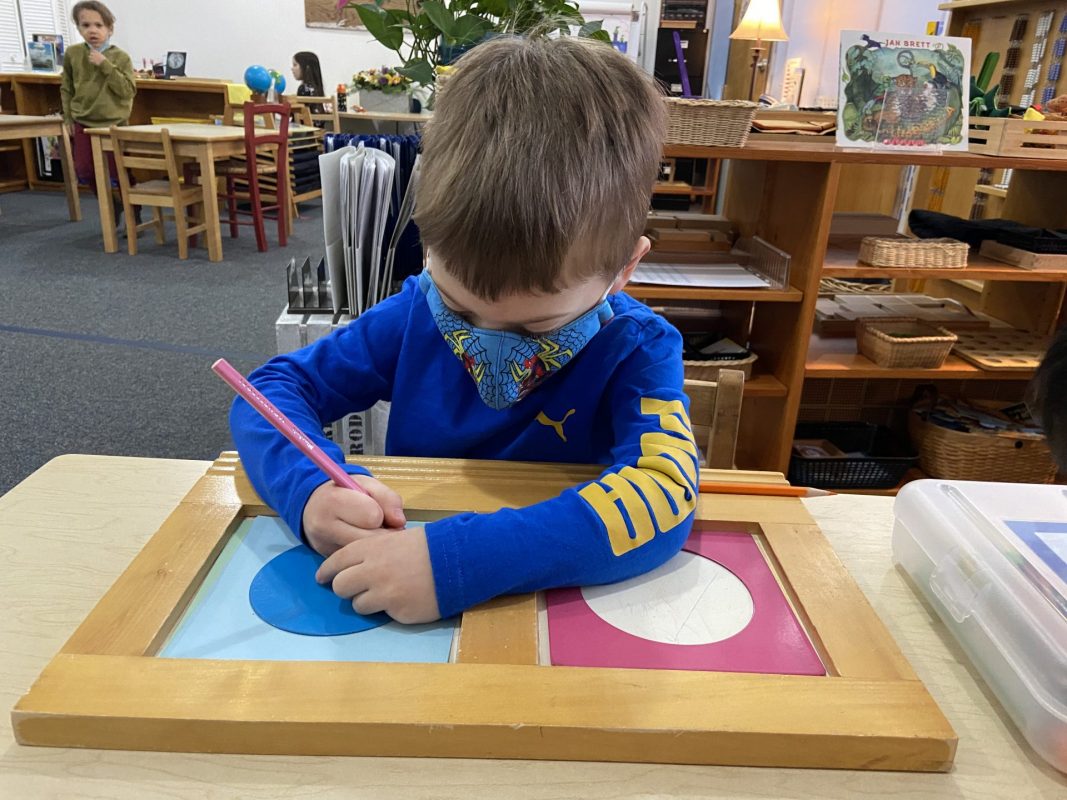
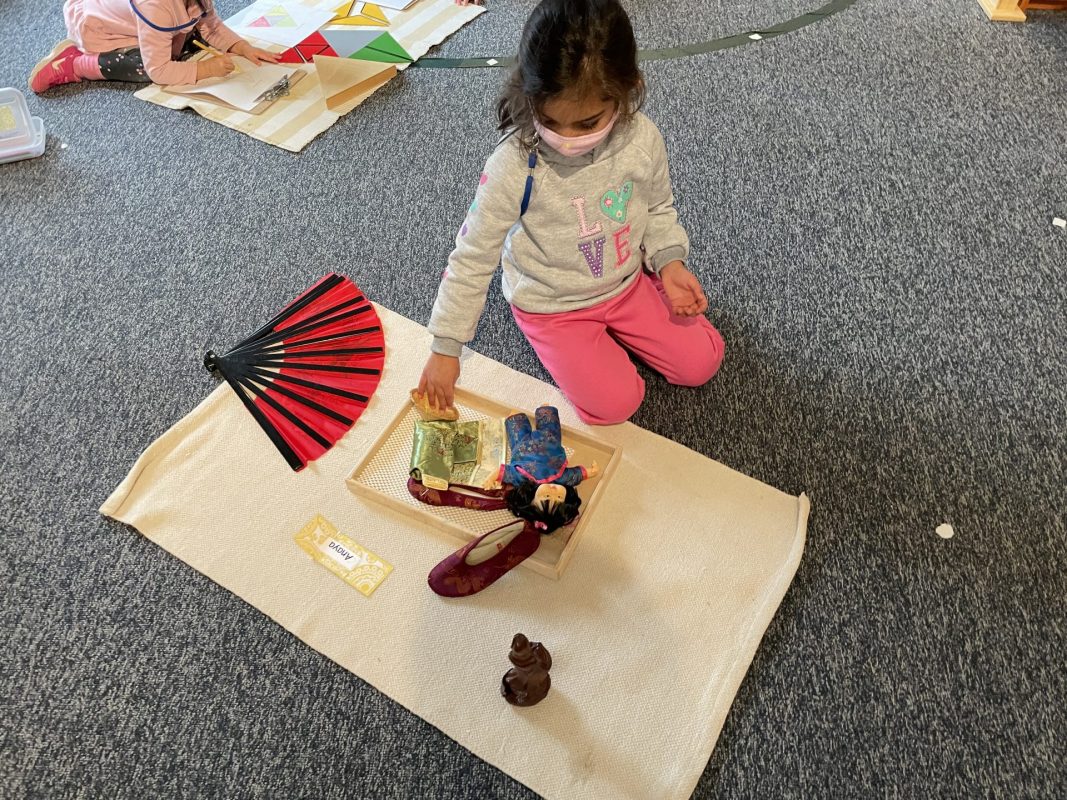
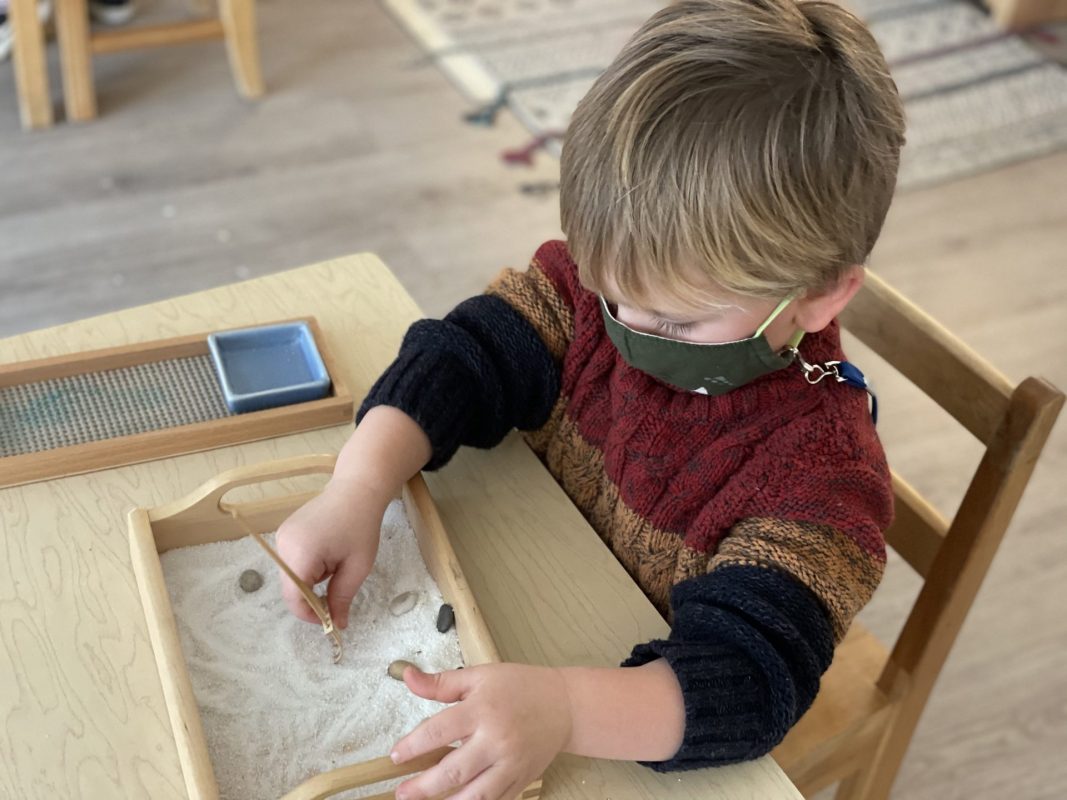
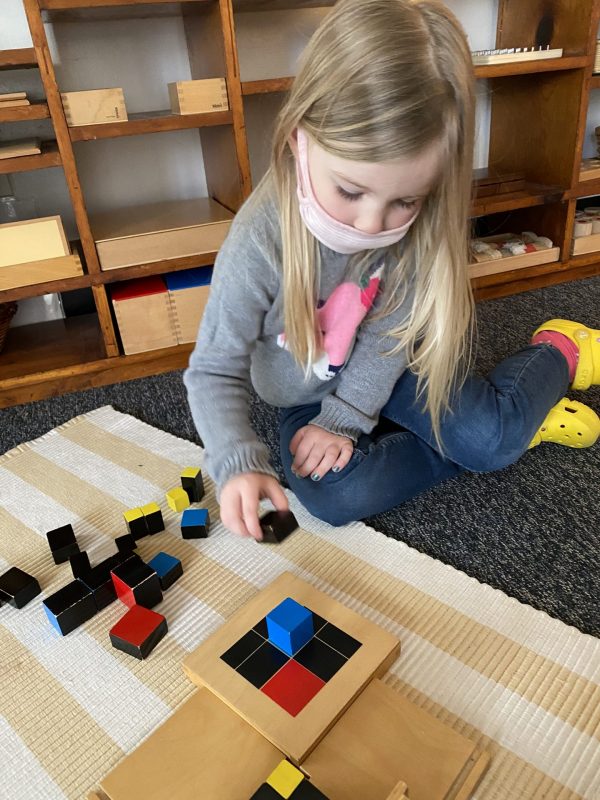
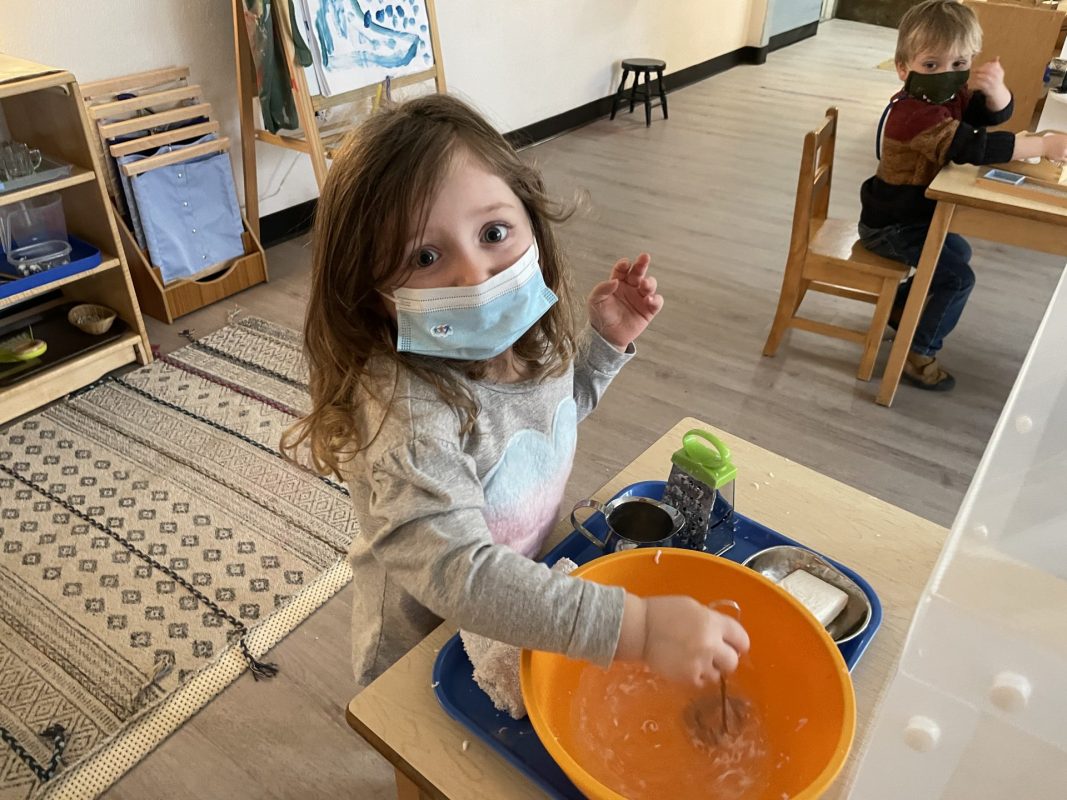
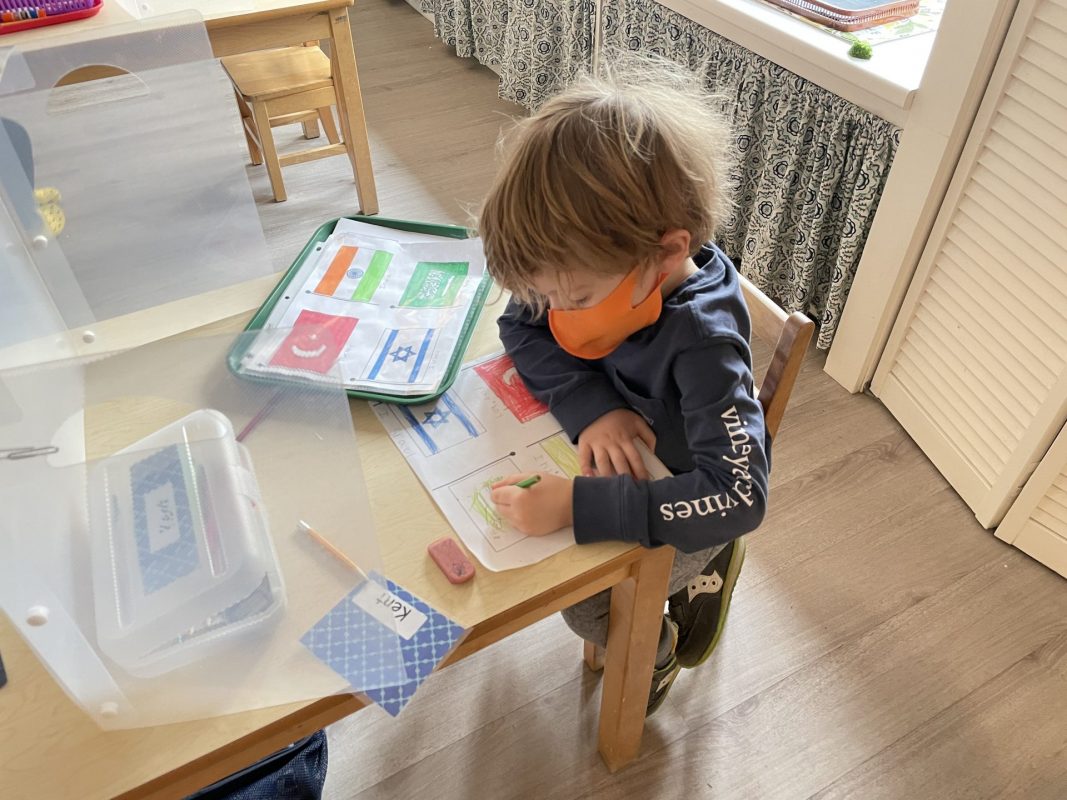
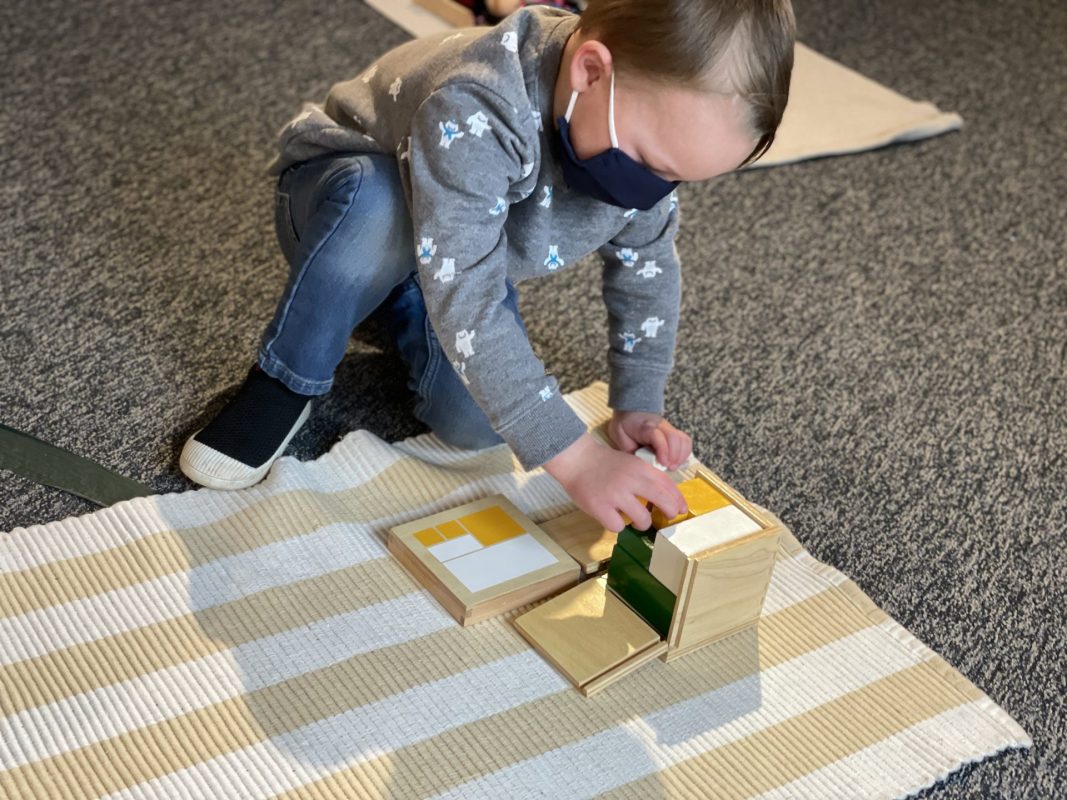
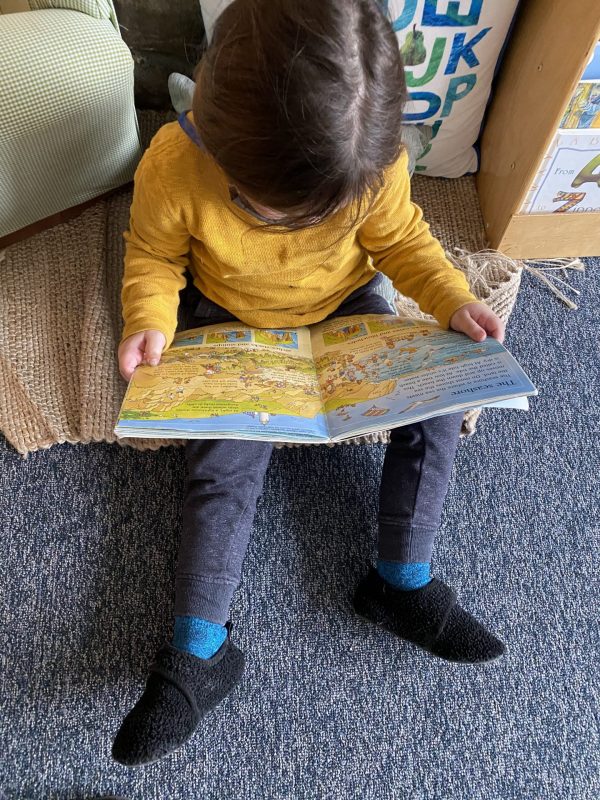
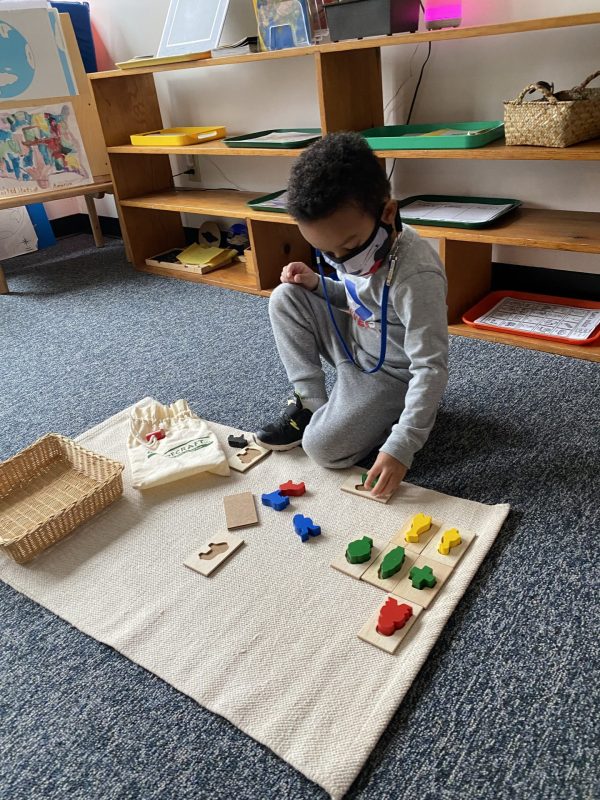
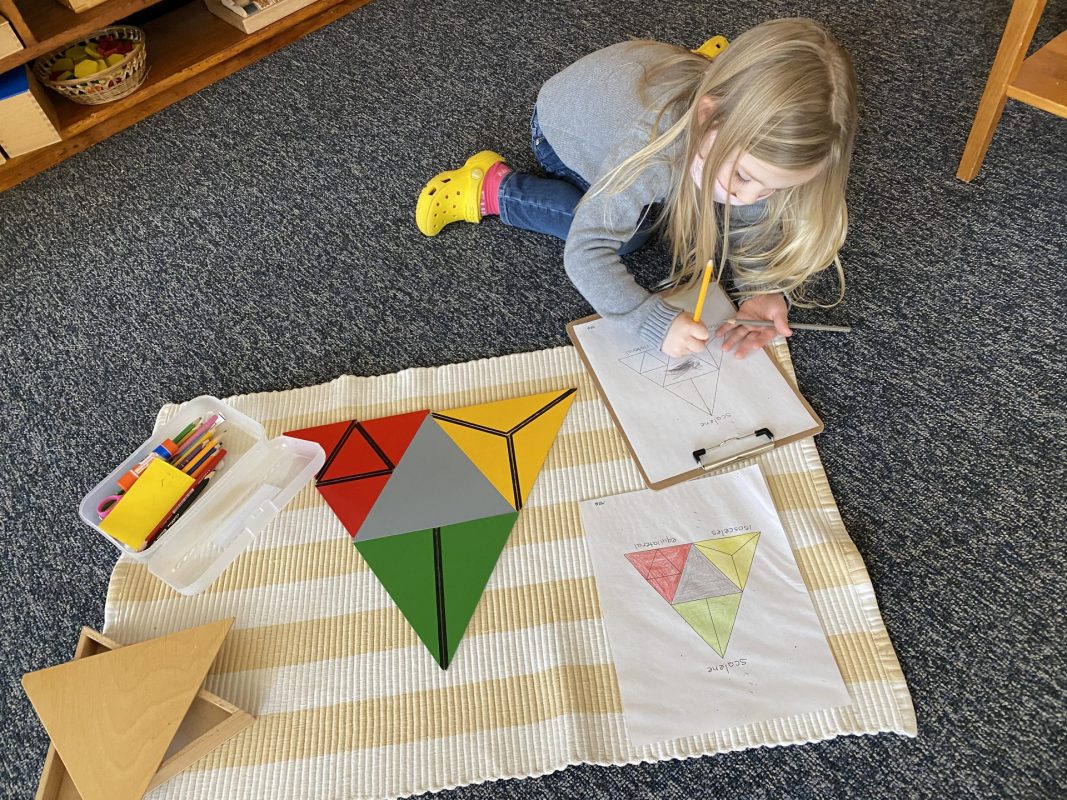
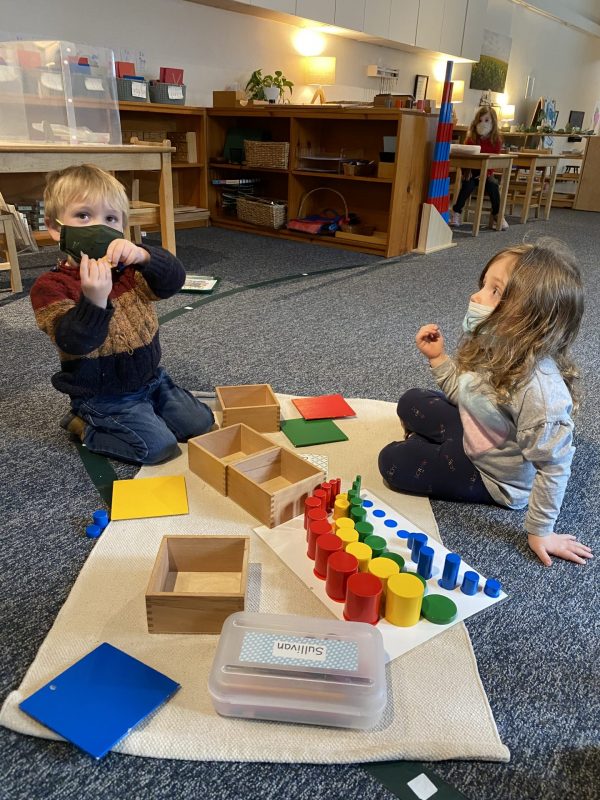
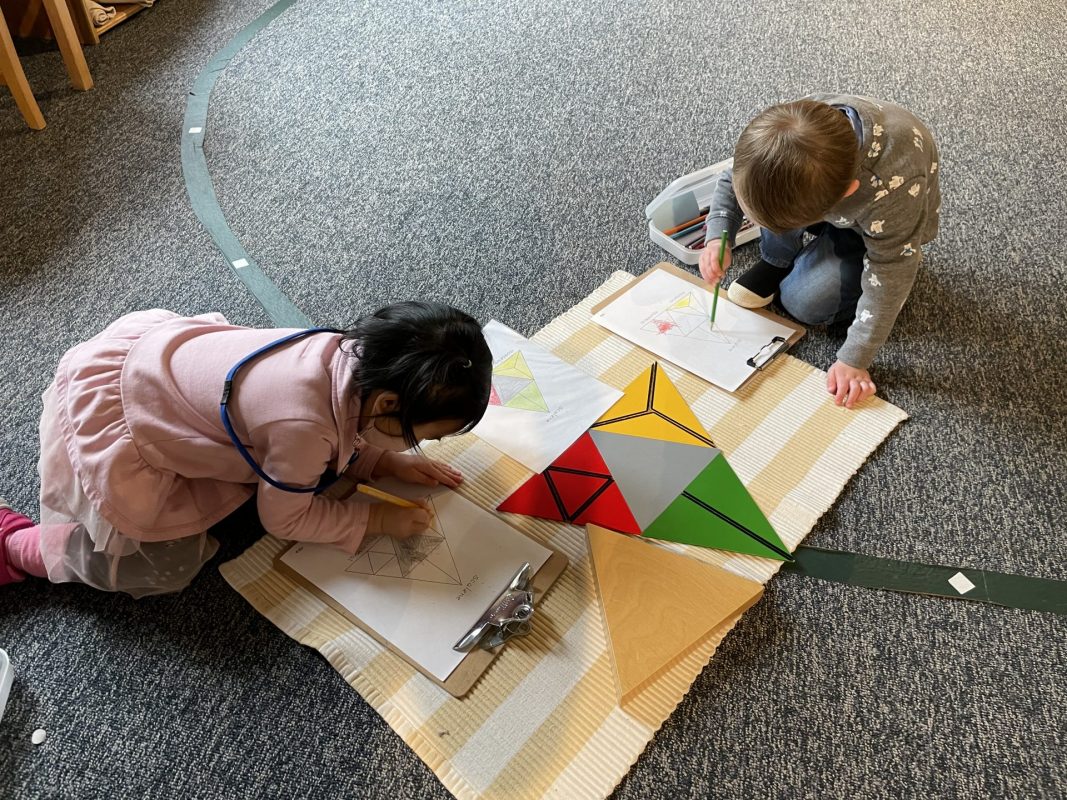
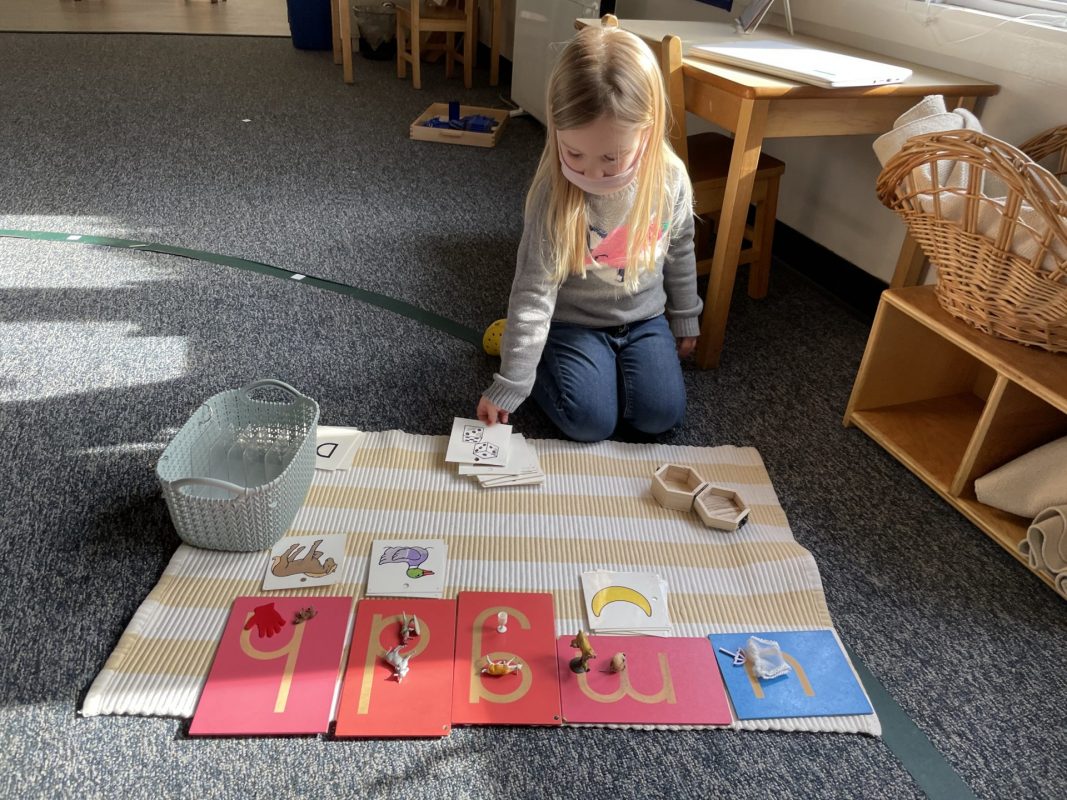
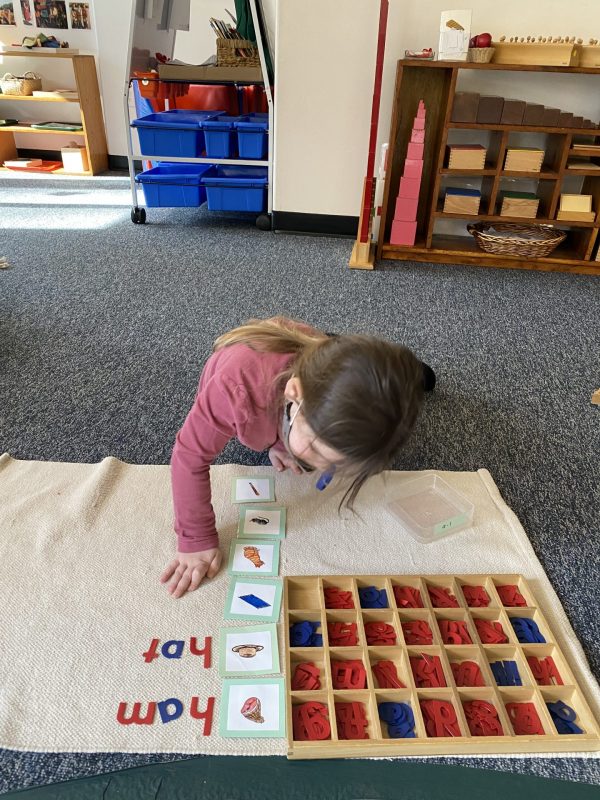
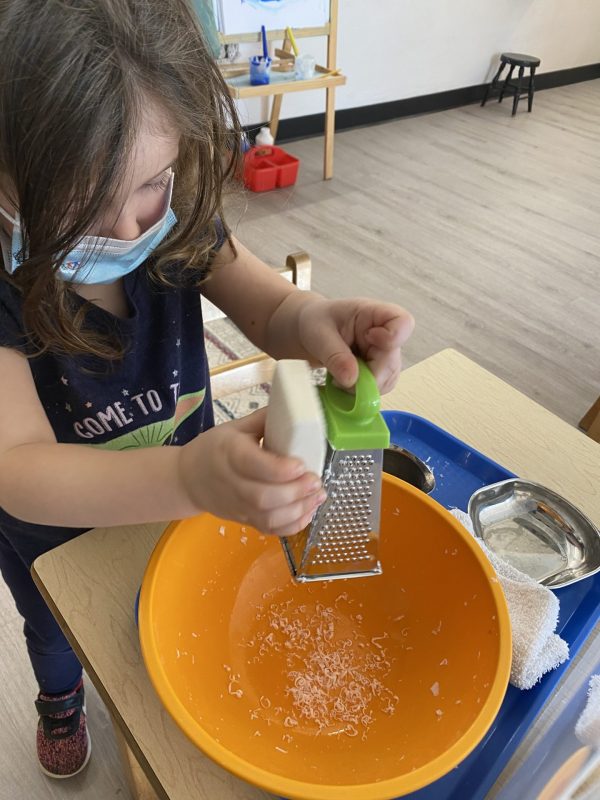
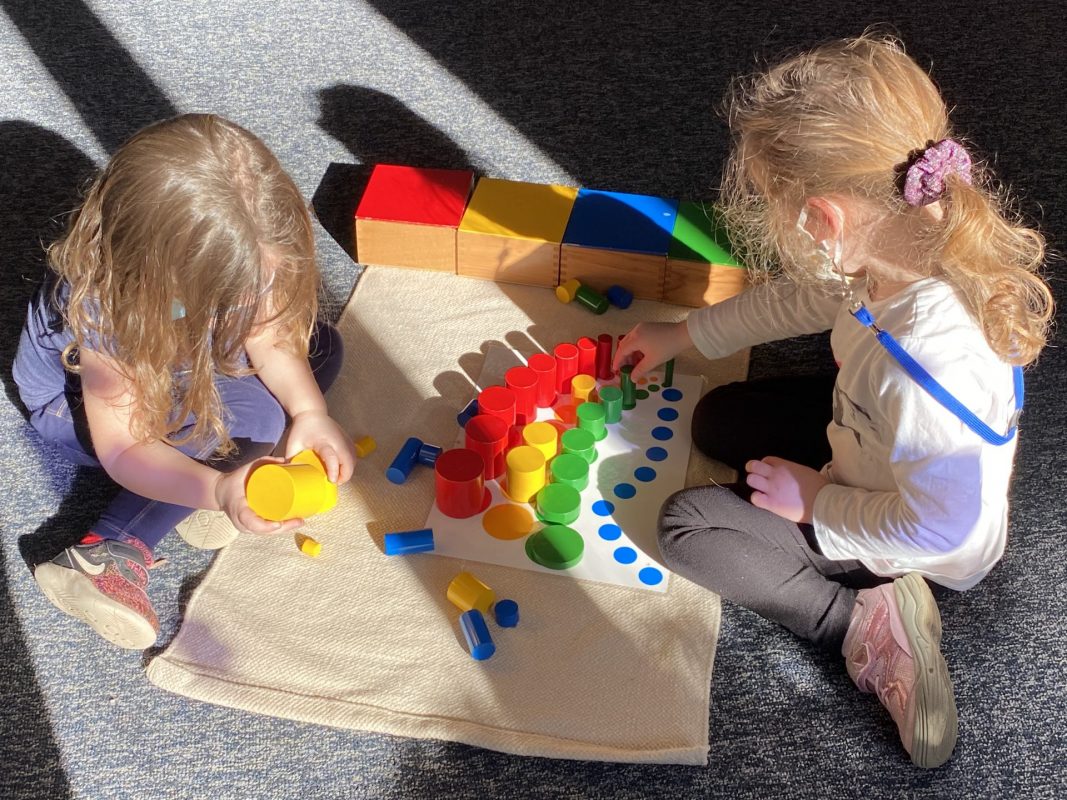
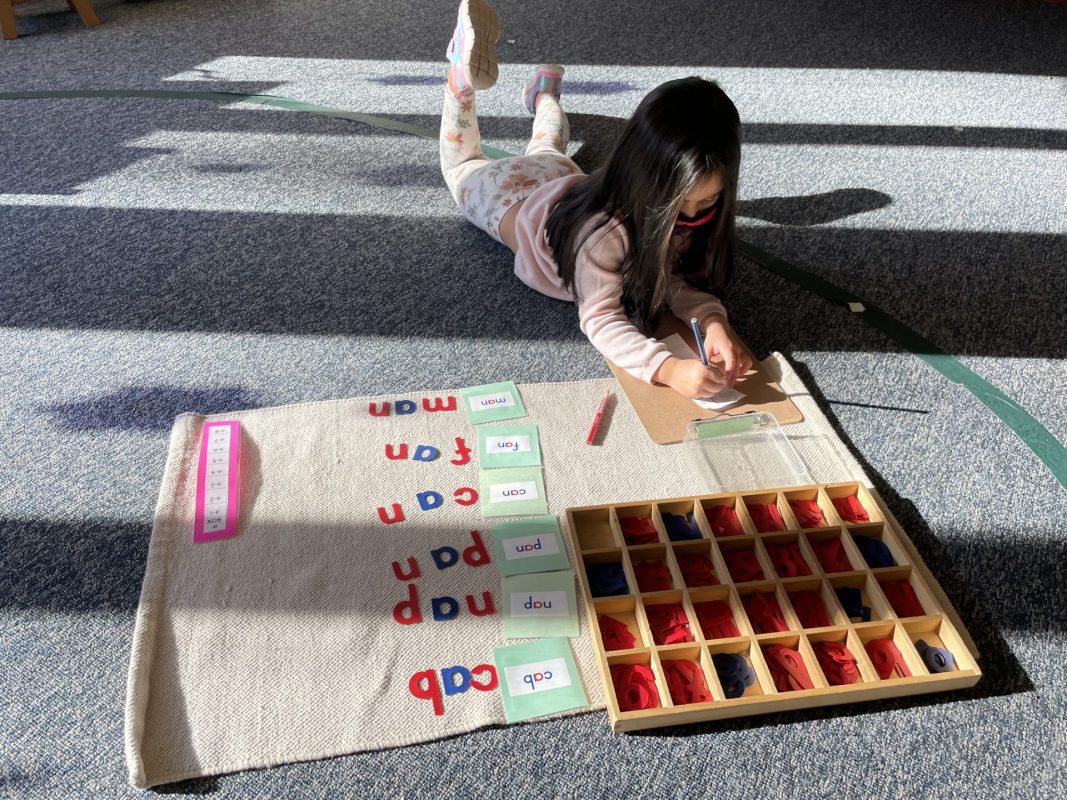
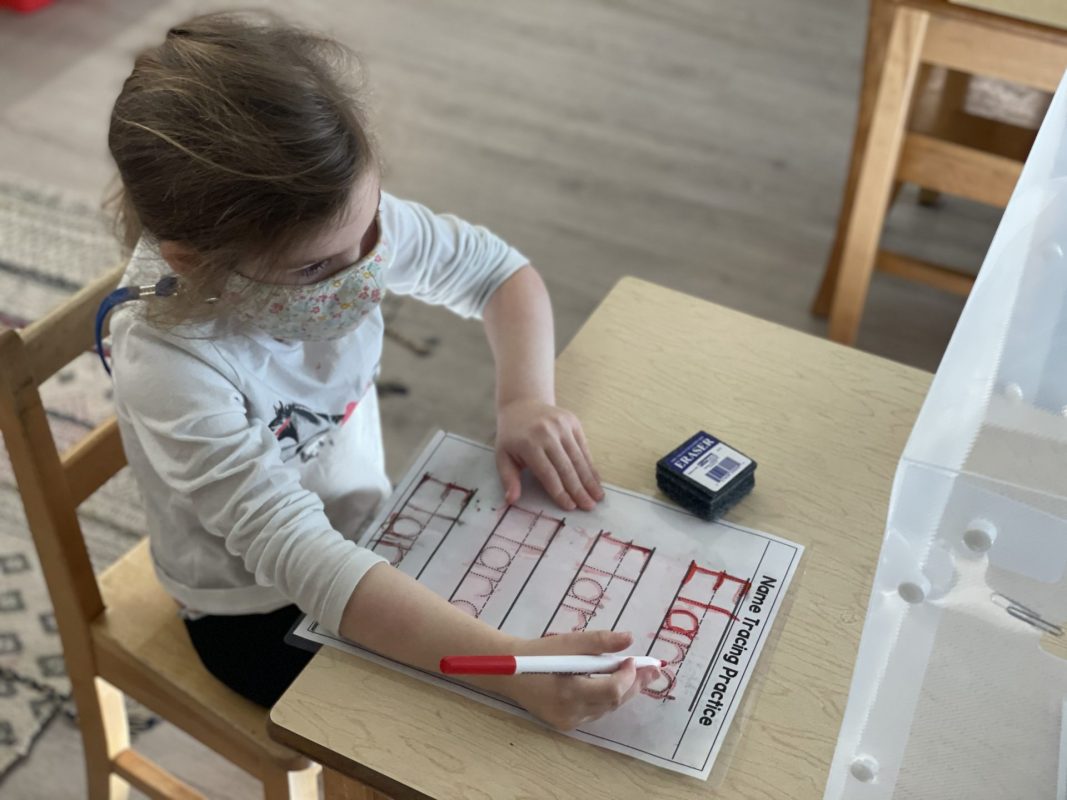
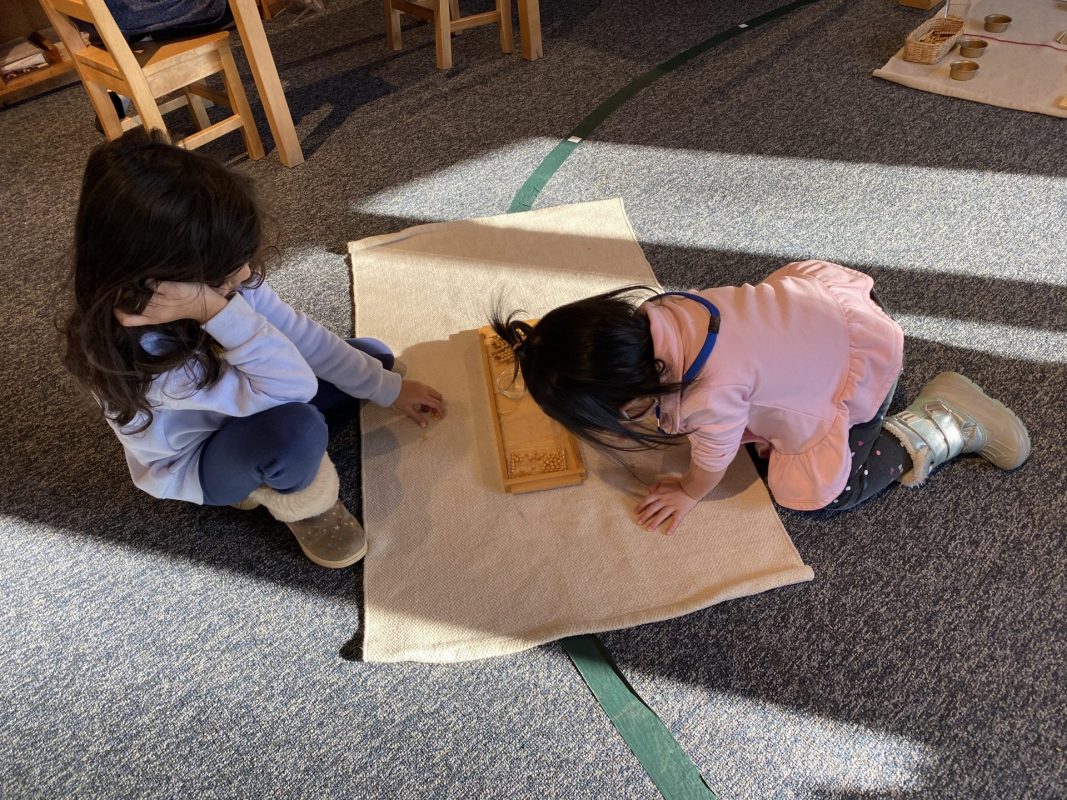
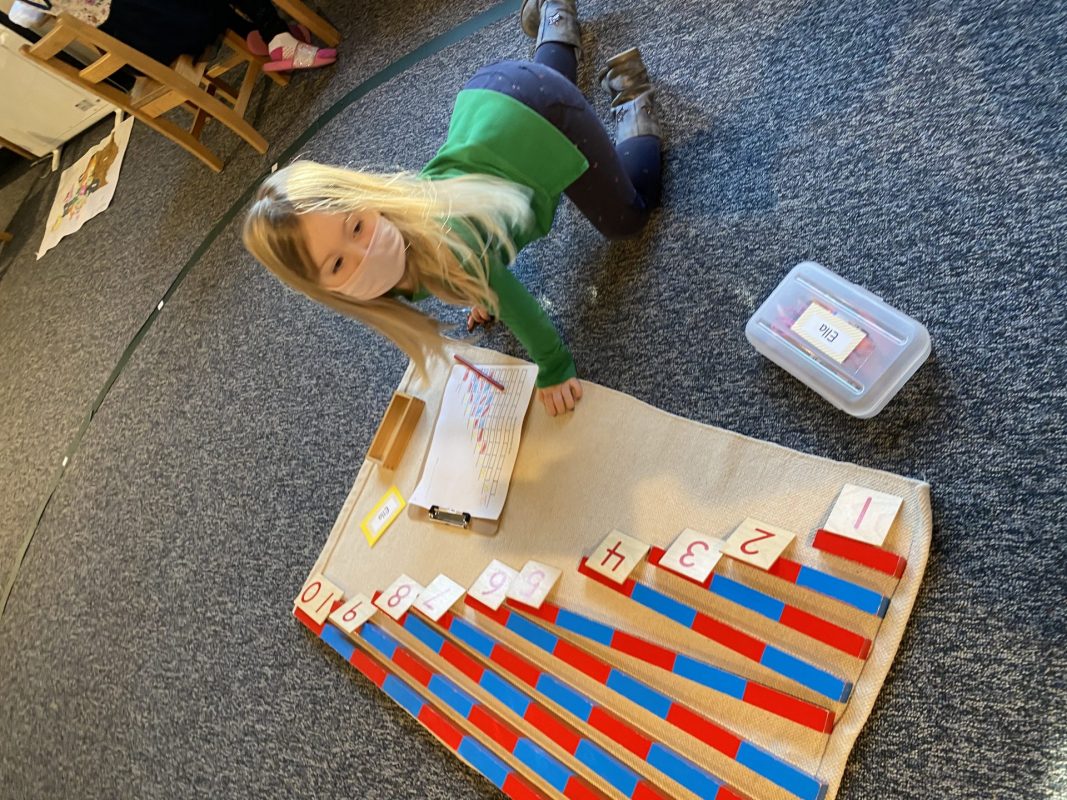
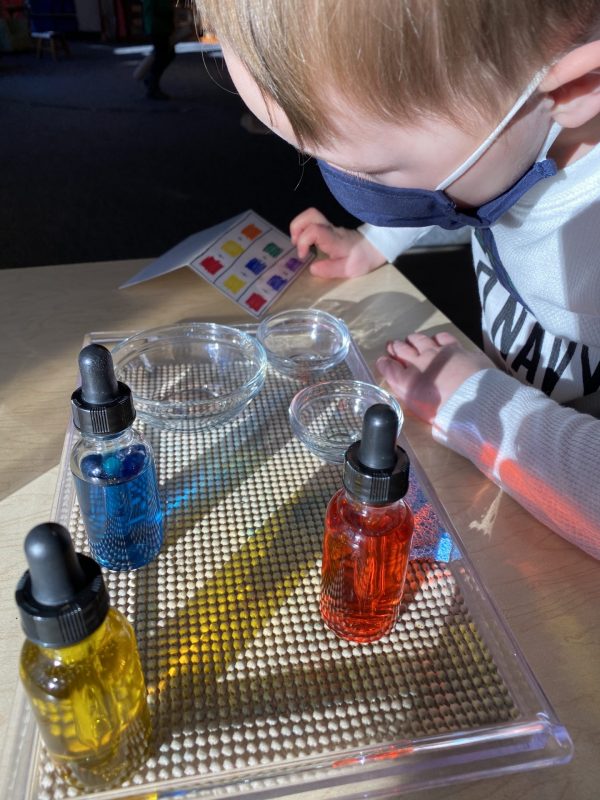
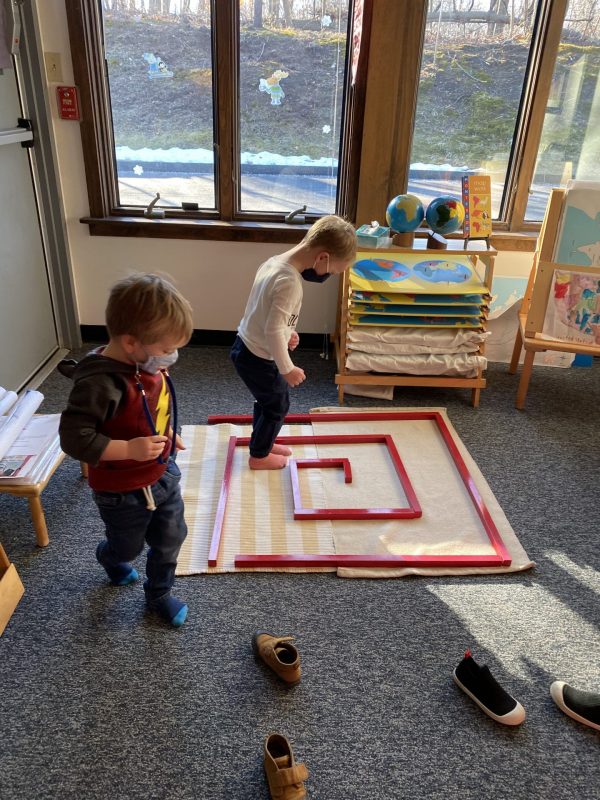
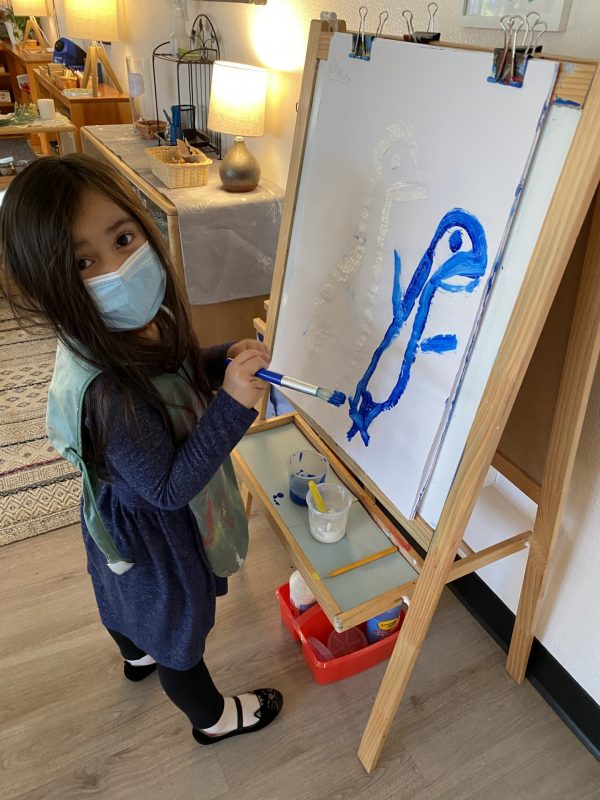
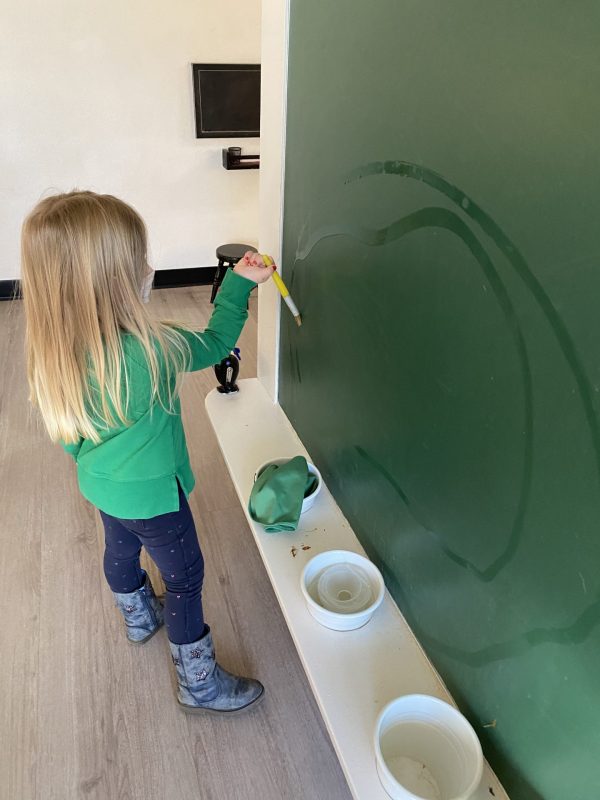
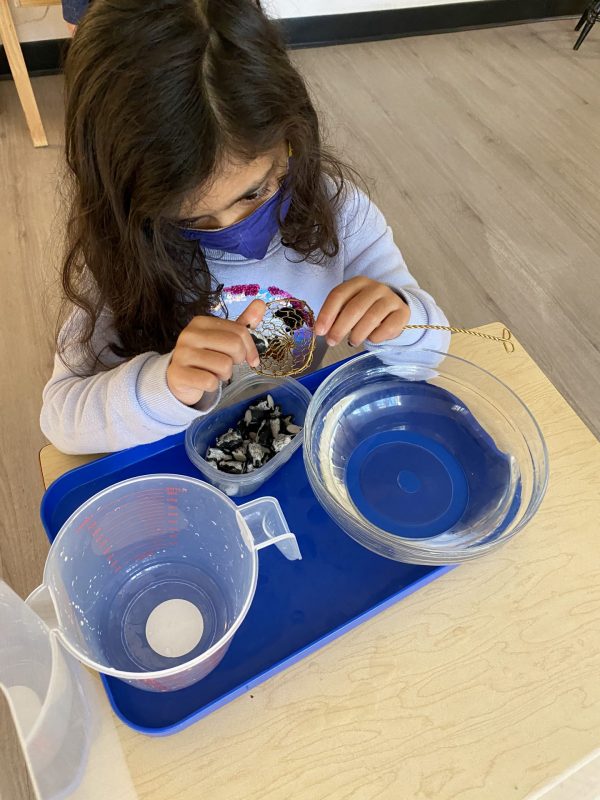
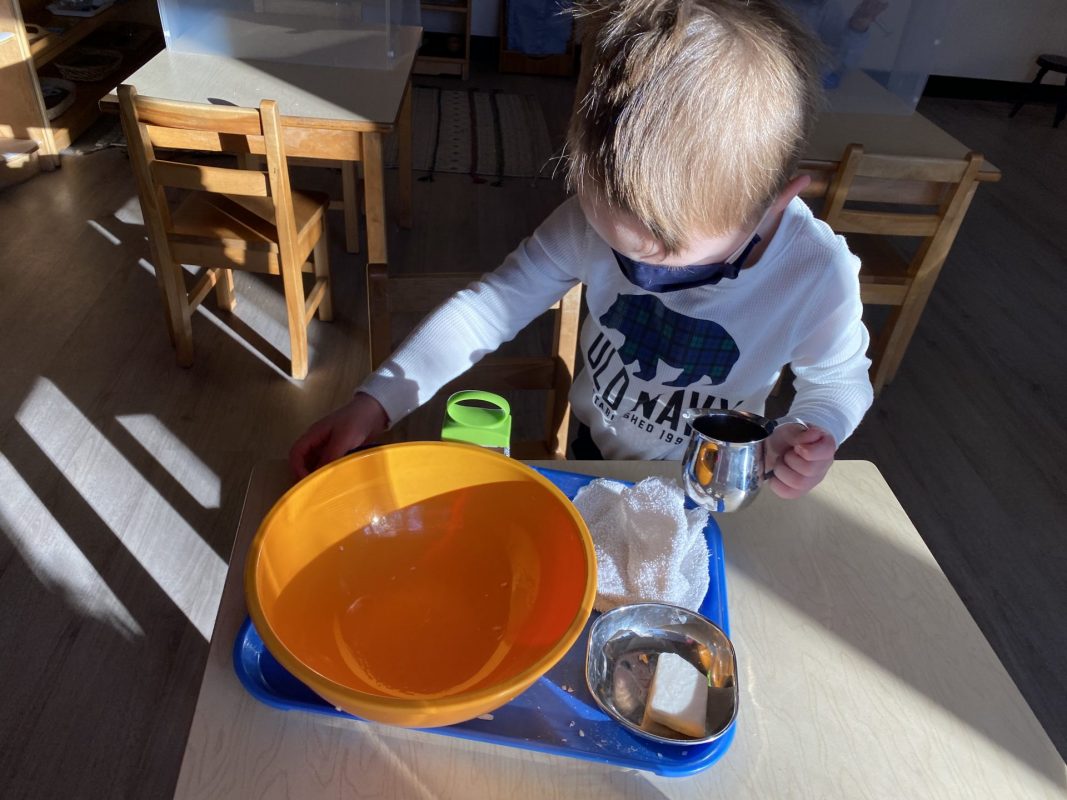
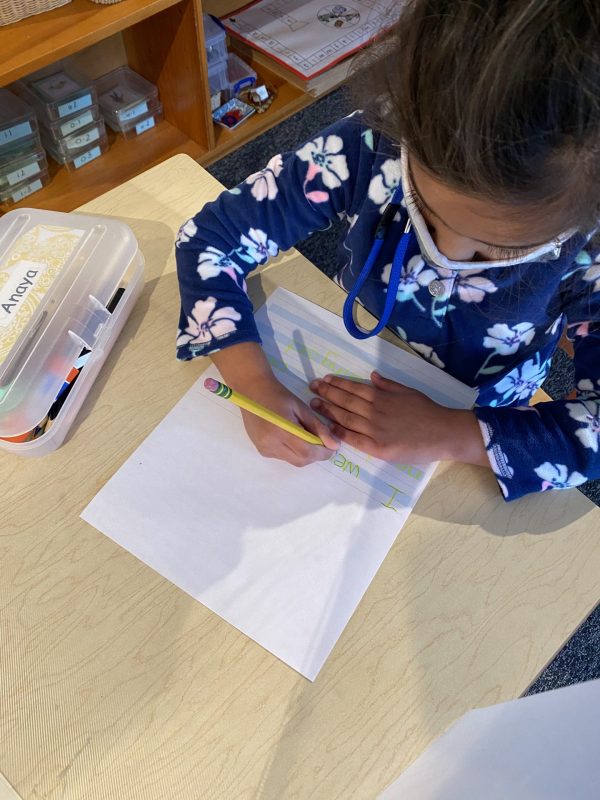
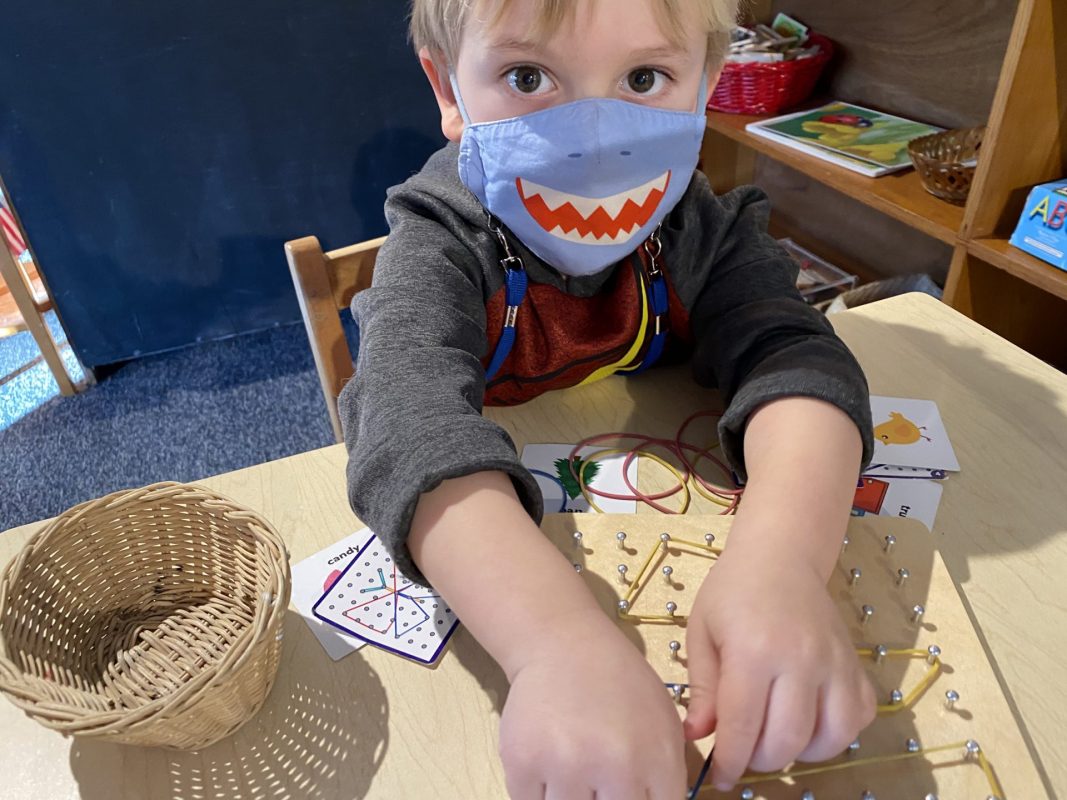
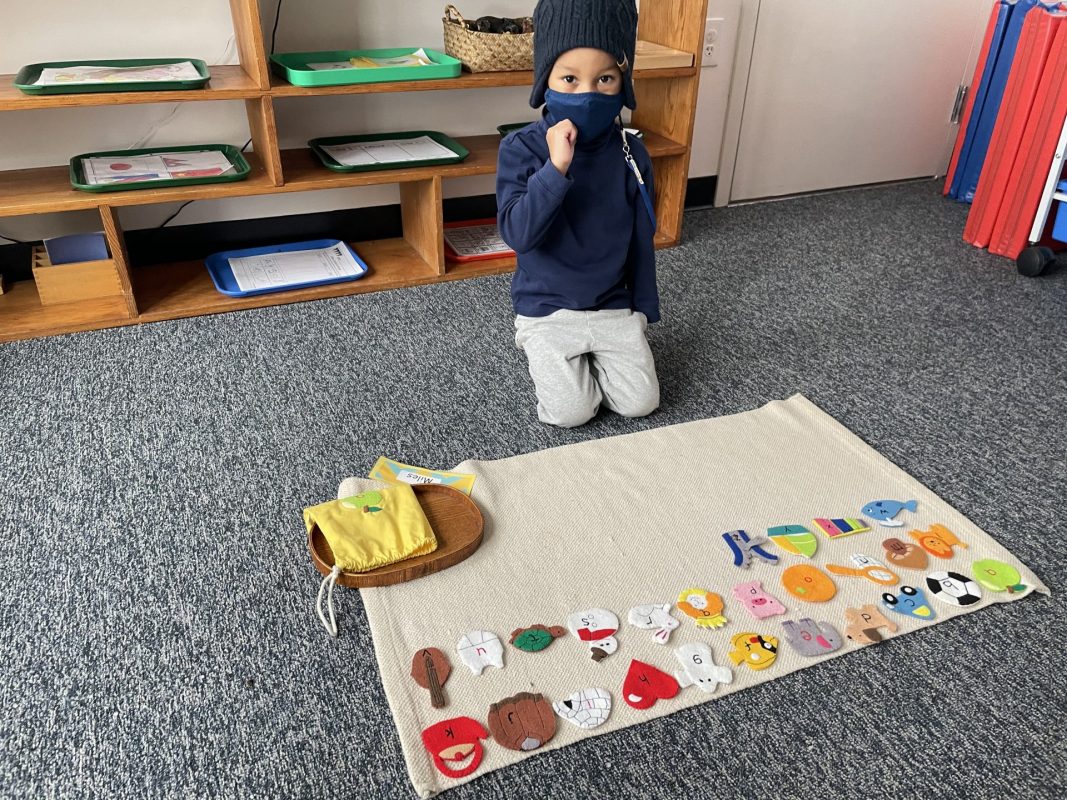
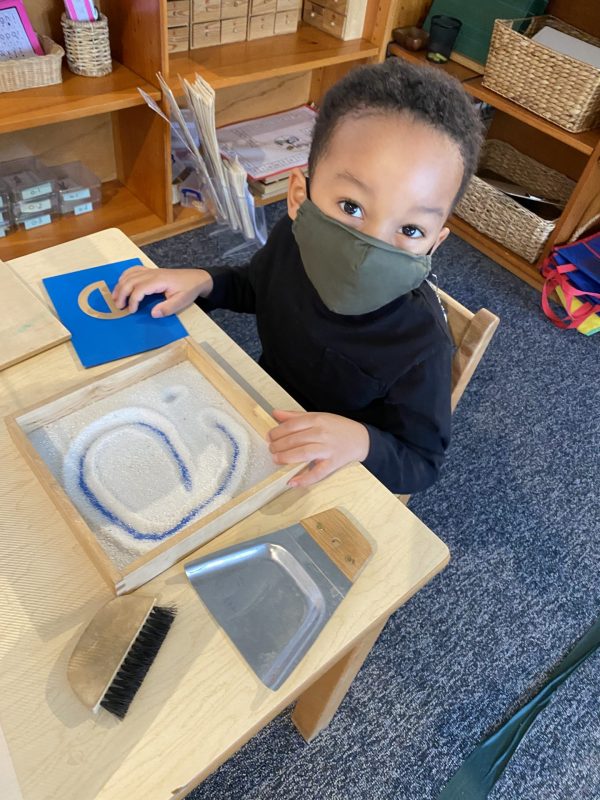
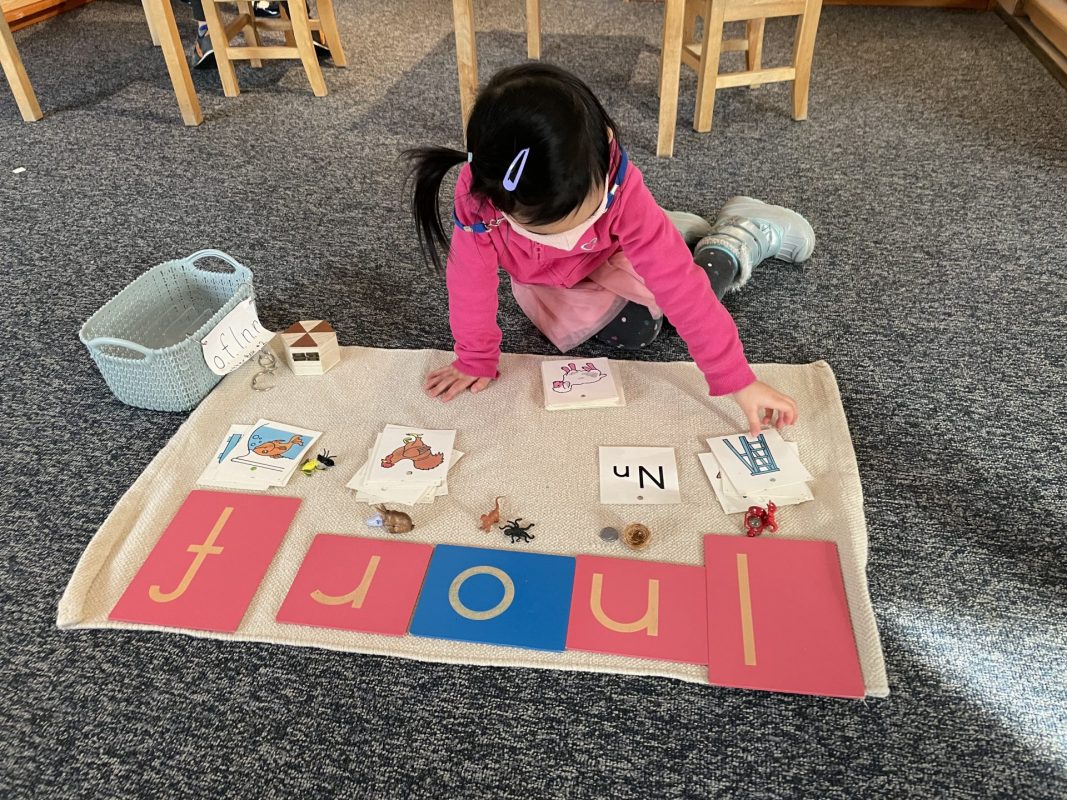
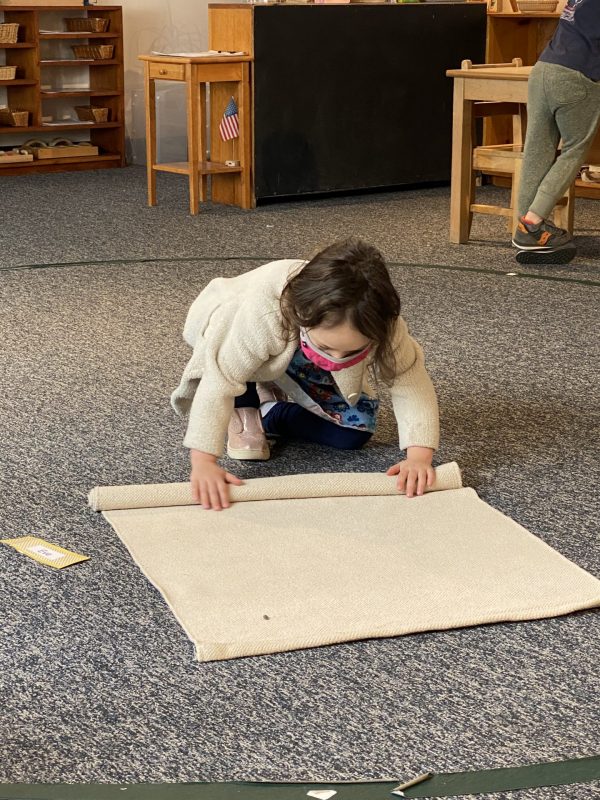
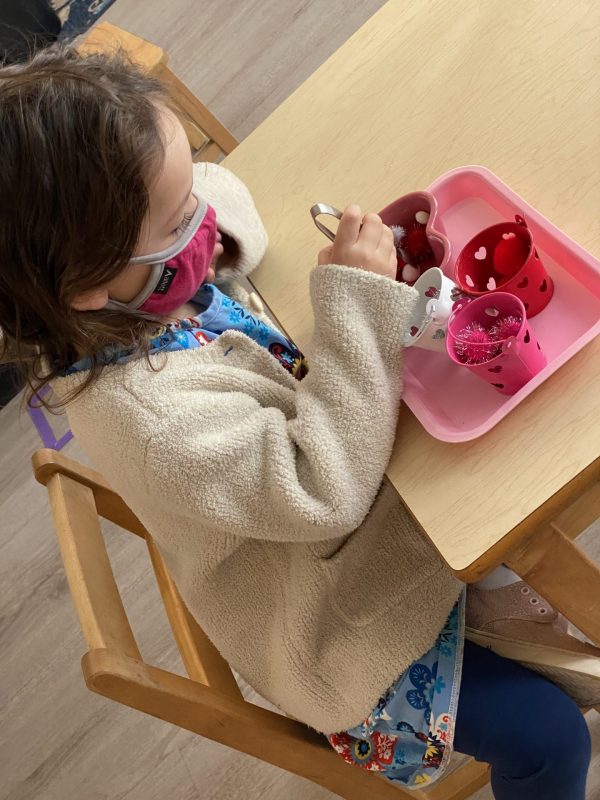
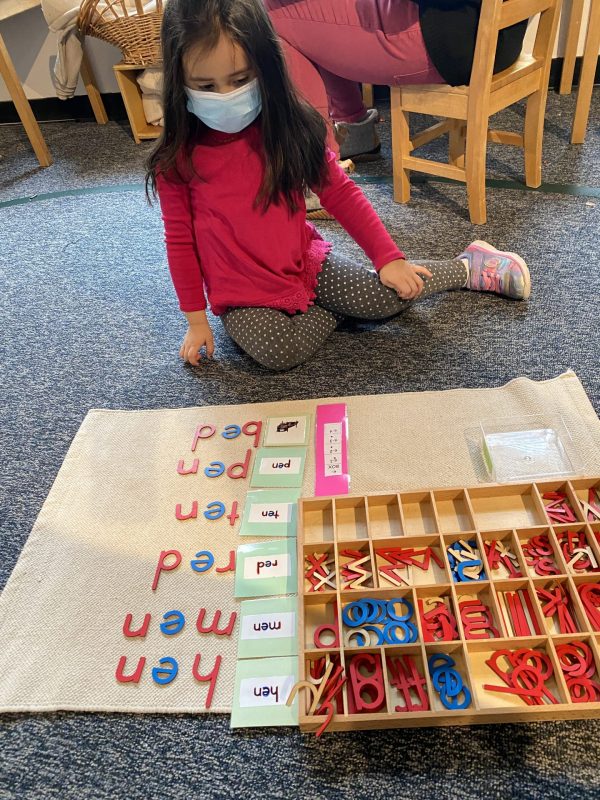
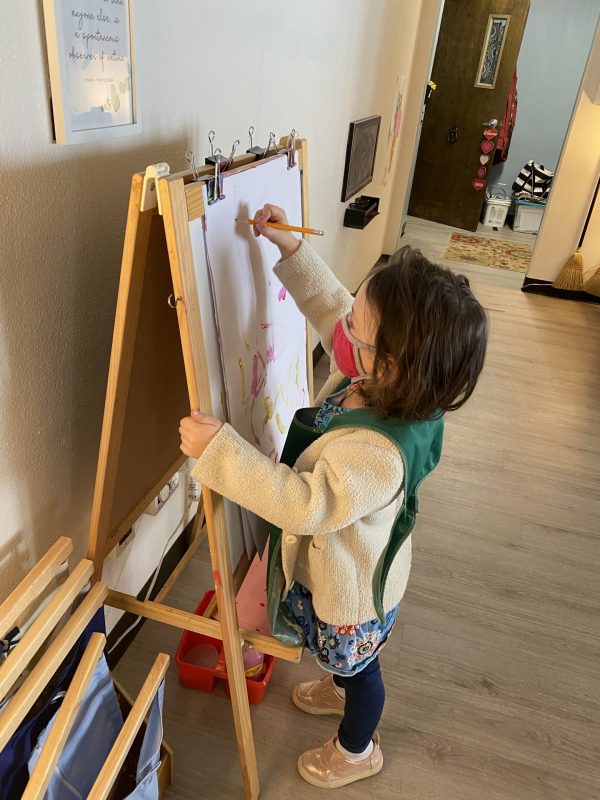
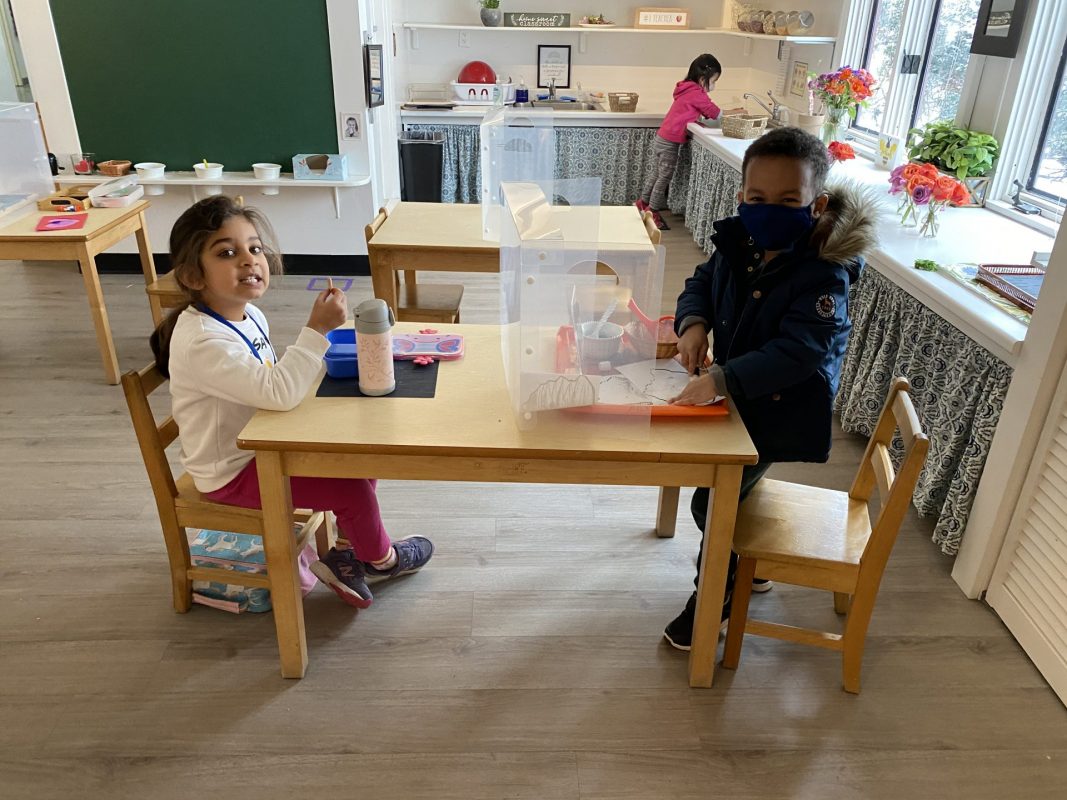
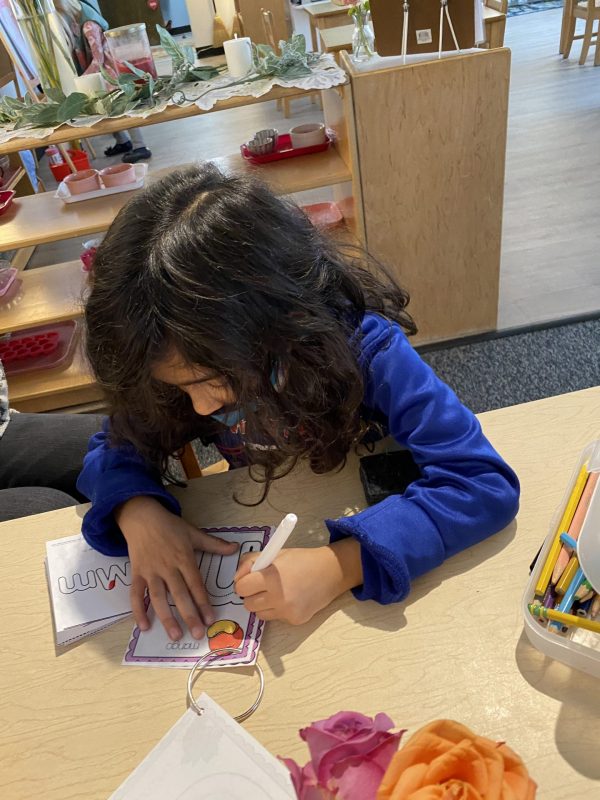
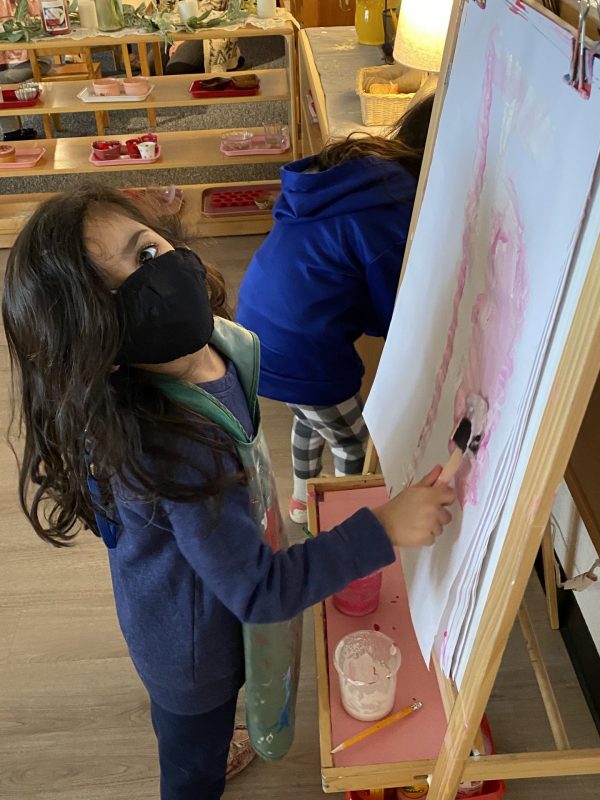
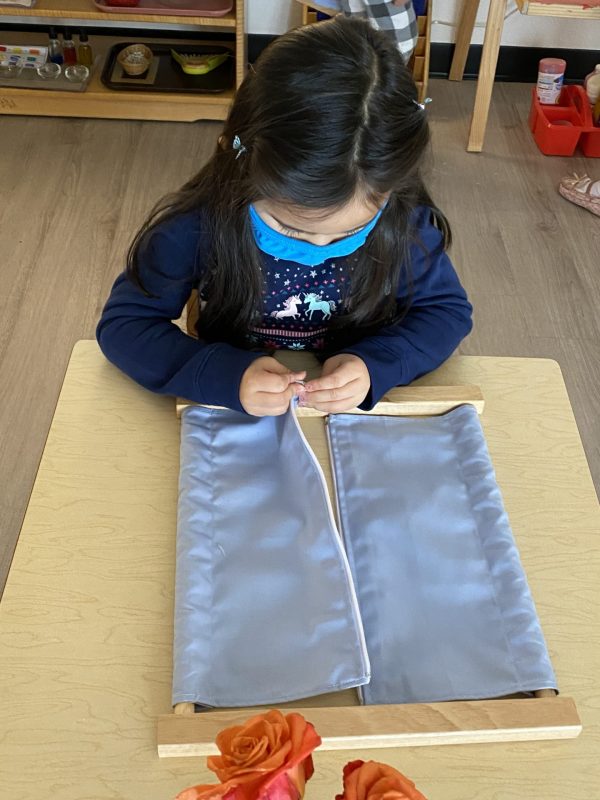
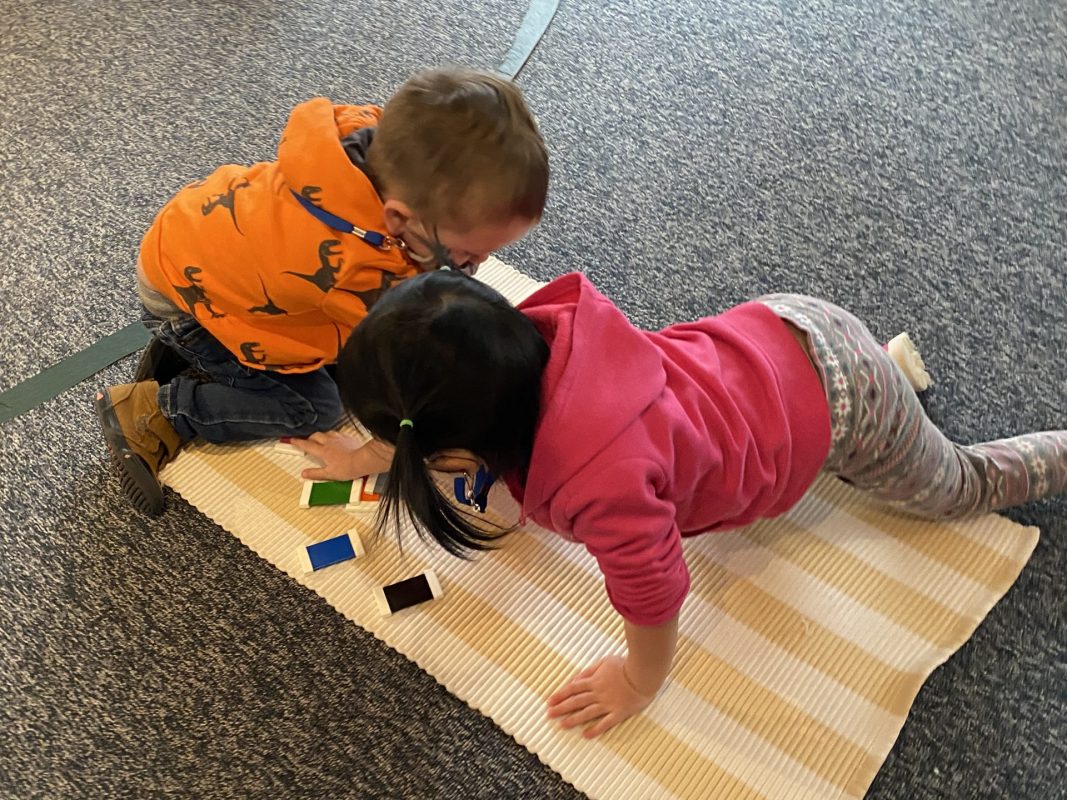
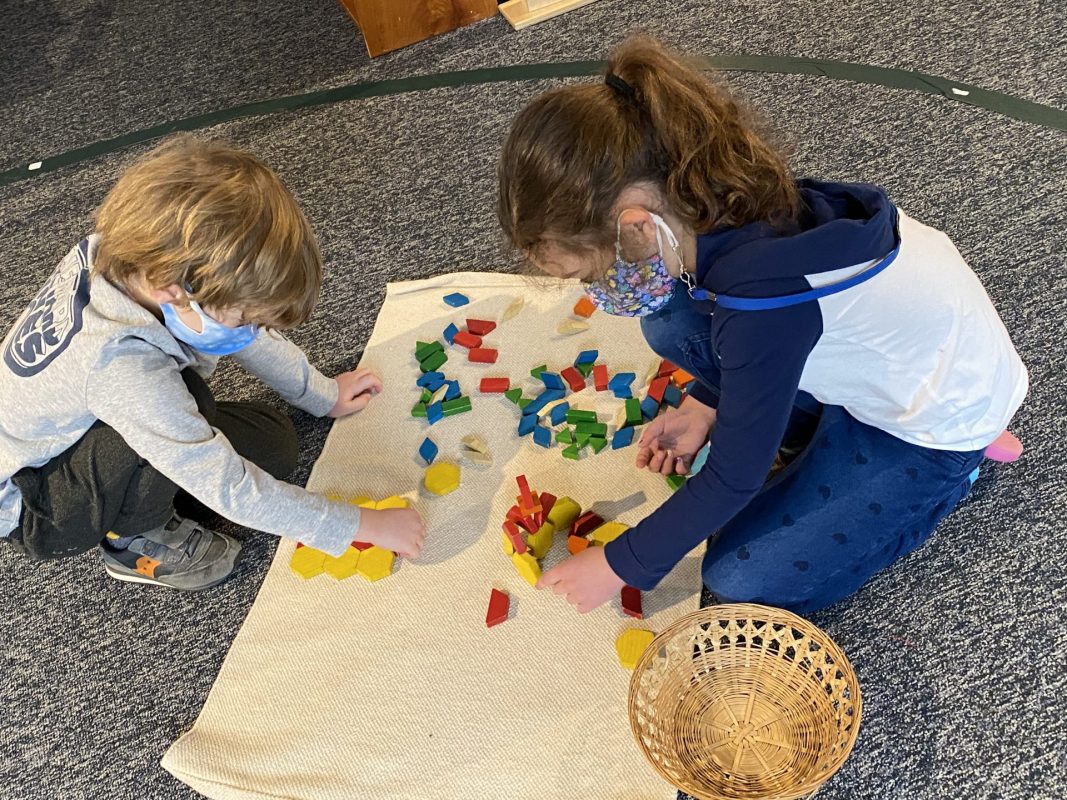
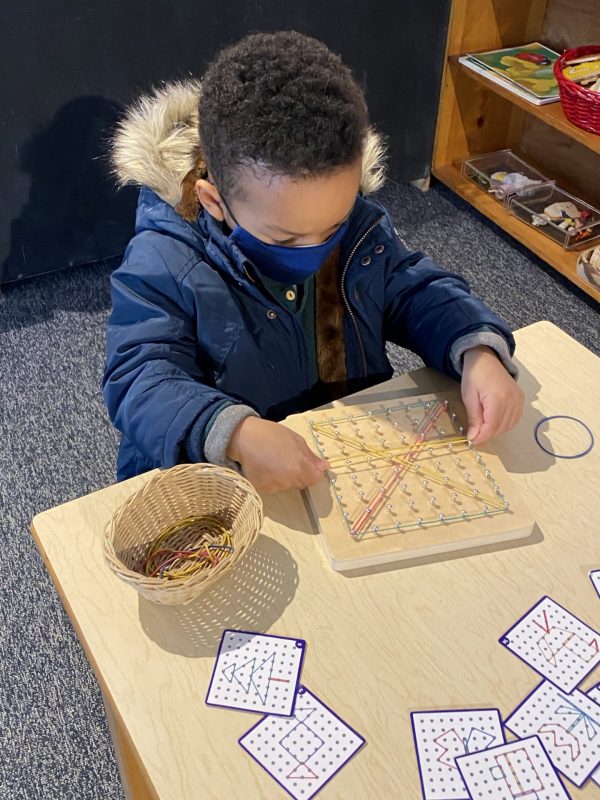
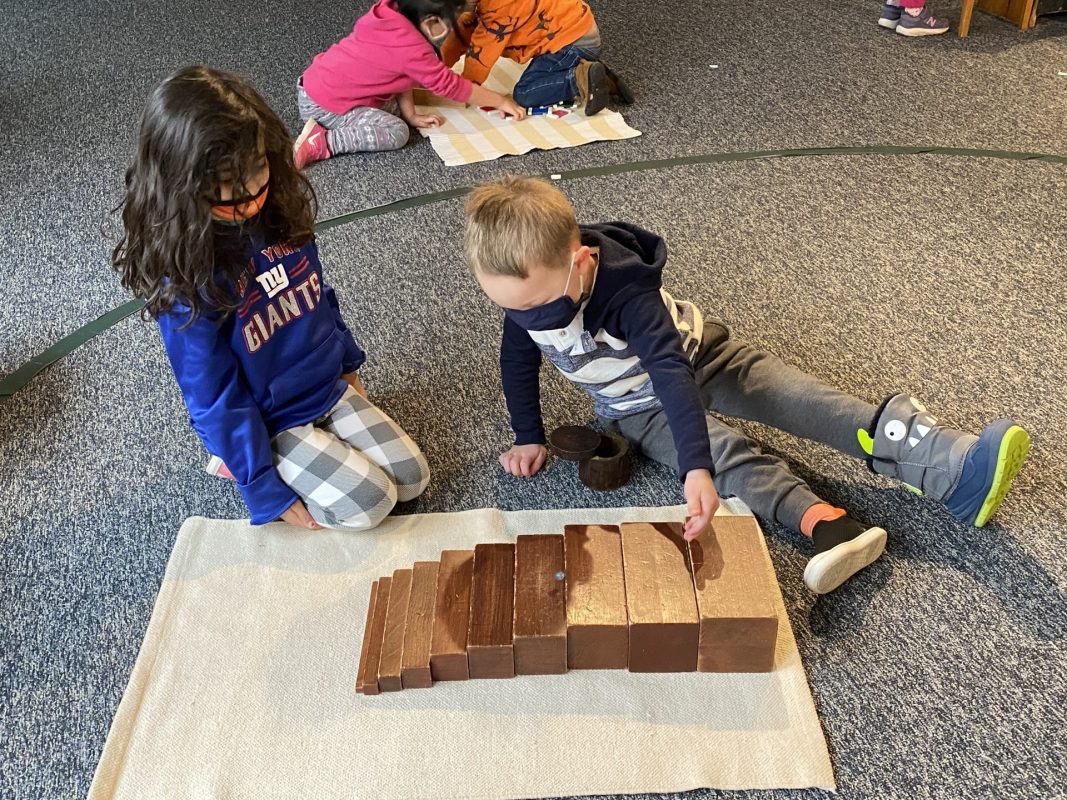
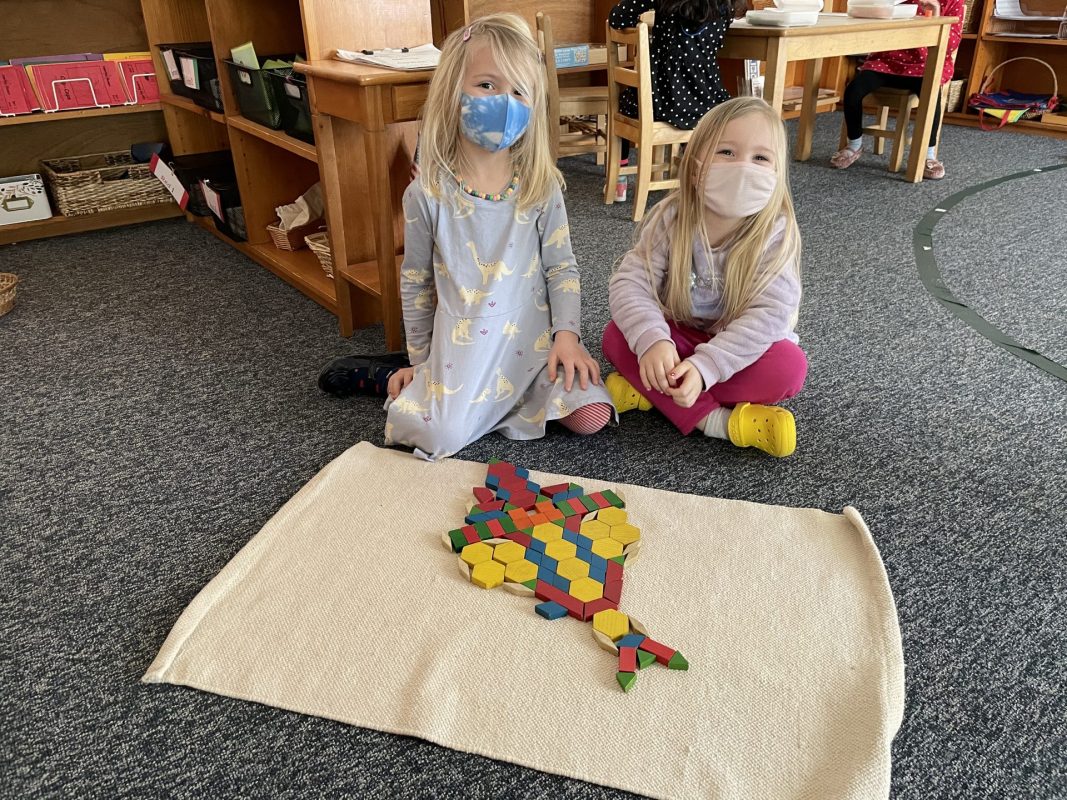
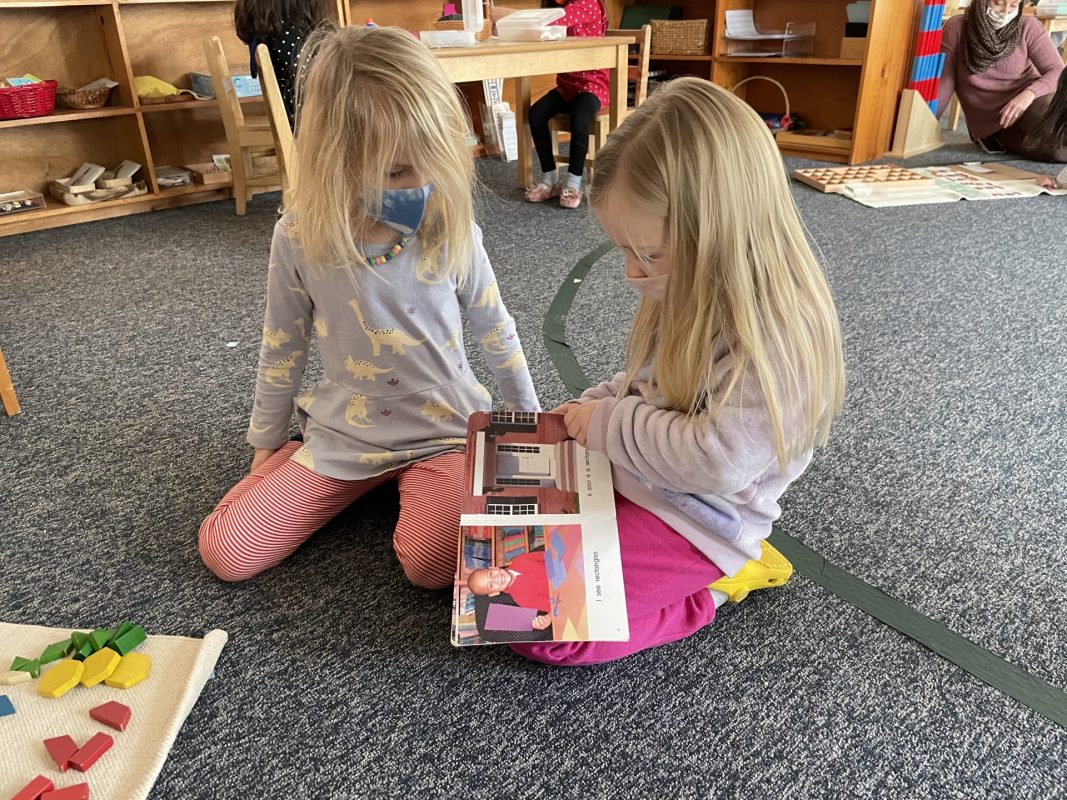
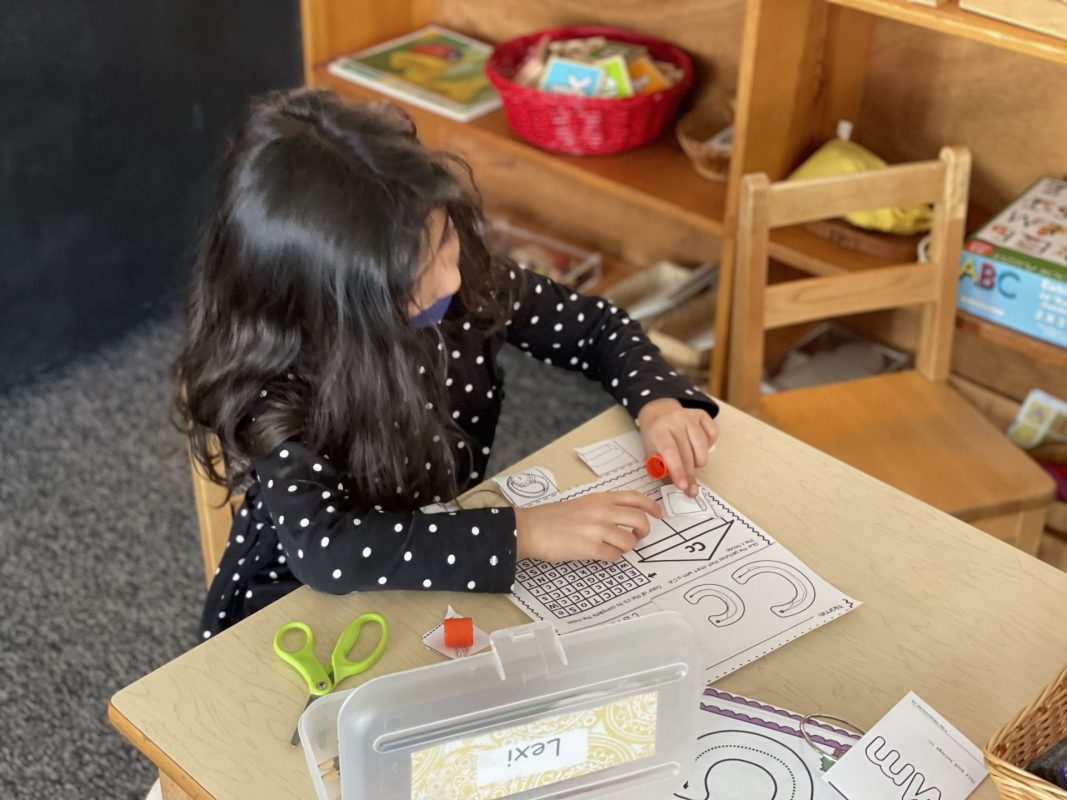
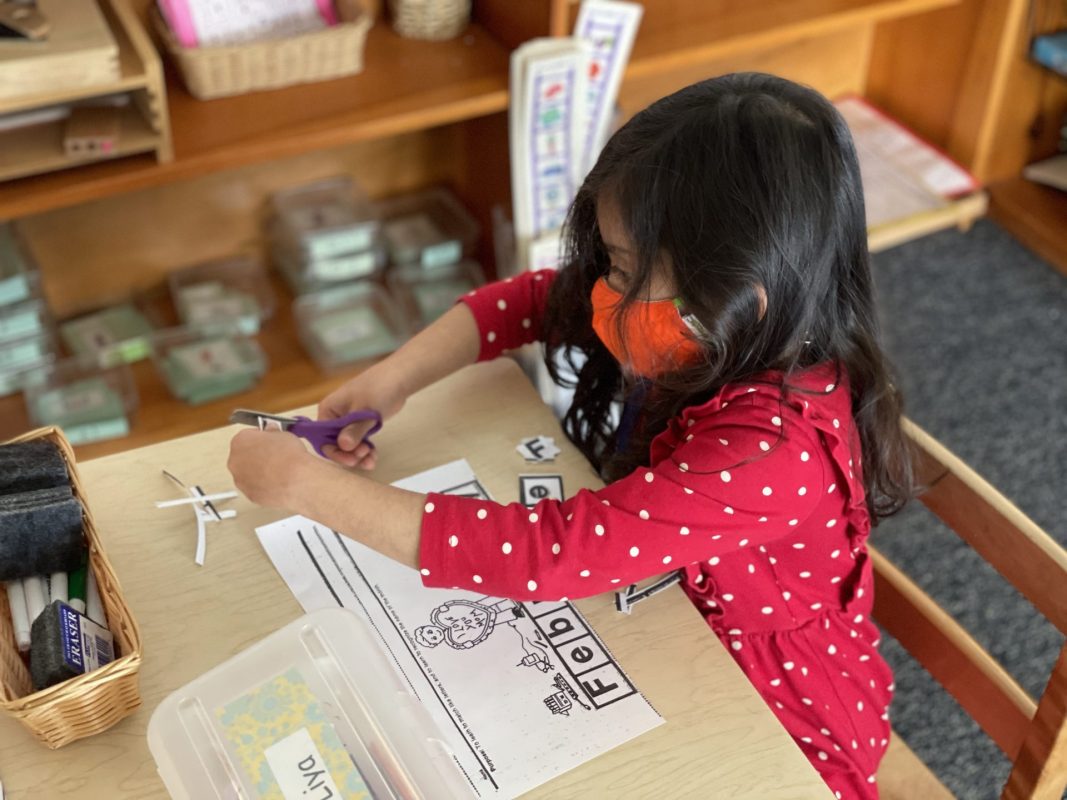
The Montessori Method is based on self-motivation to learn. Children are considered to be at work during the day, but they have fun doing it. They do go beyond life skills, learning geometry, geography, phonics, and much more. Young children have the capacity to absorb, learn, and do so much. They just need a controlled, creative environment to allow them to pursue their interests.

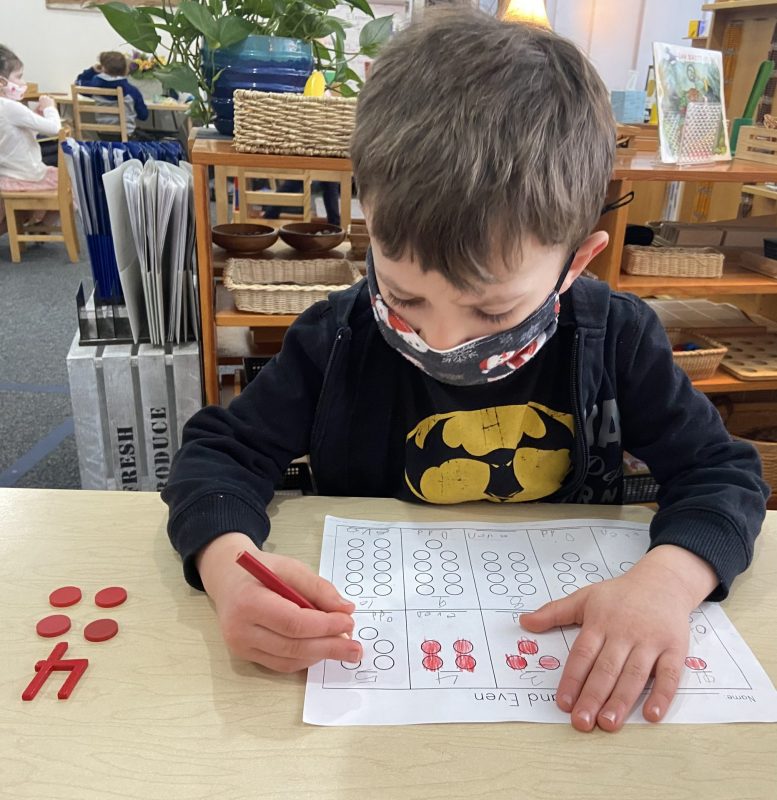
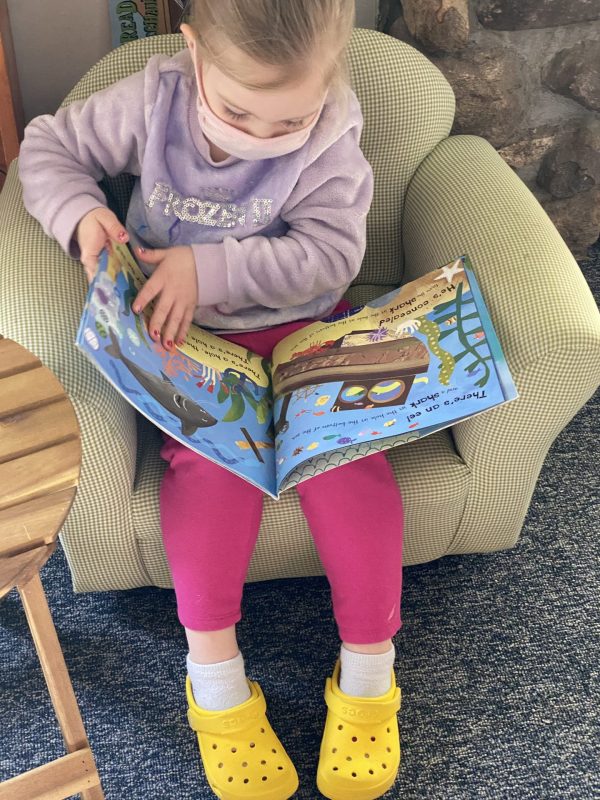
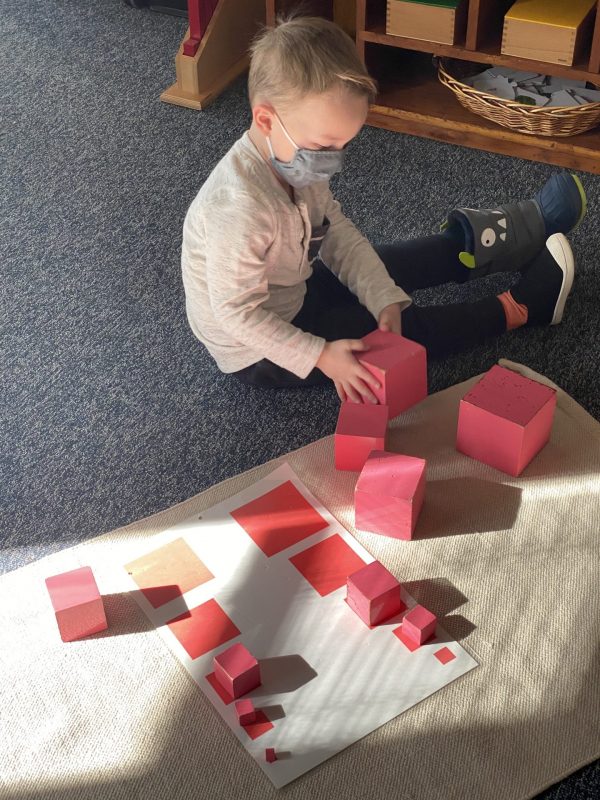
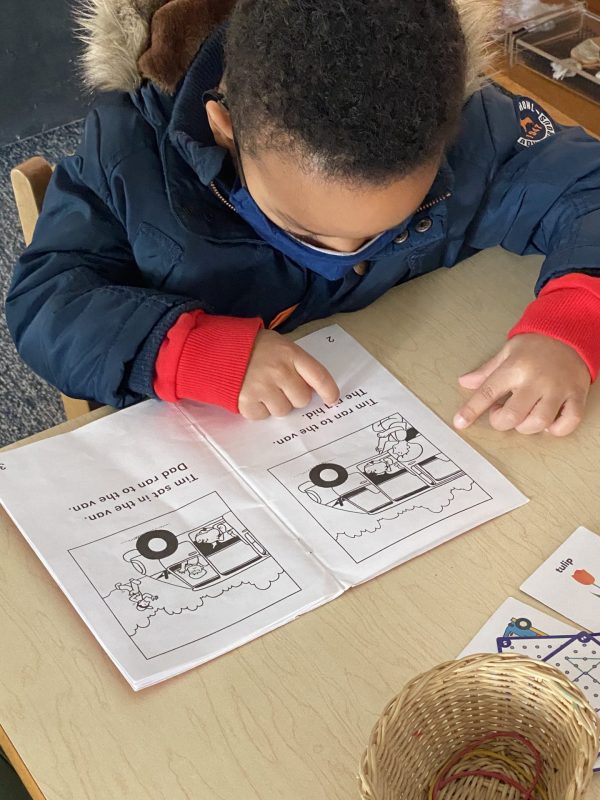
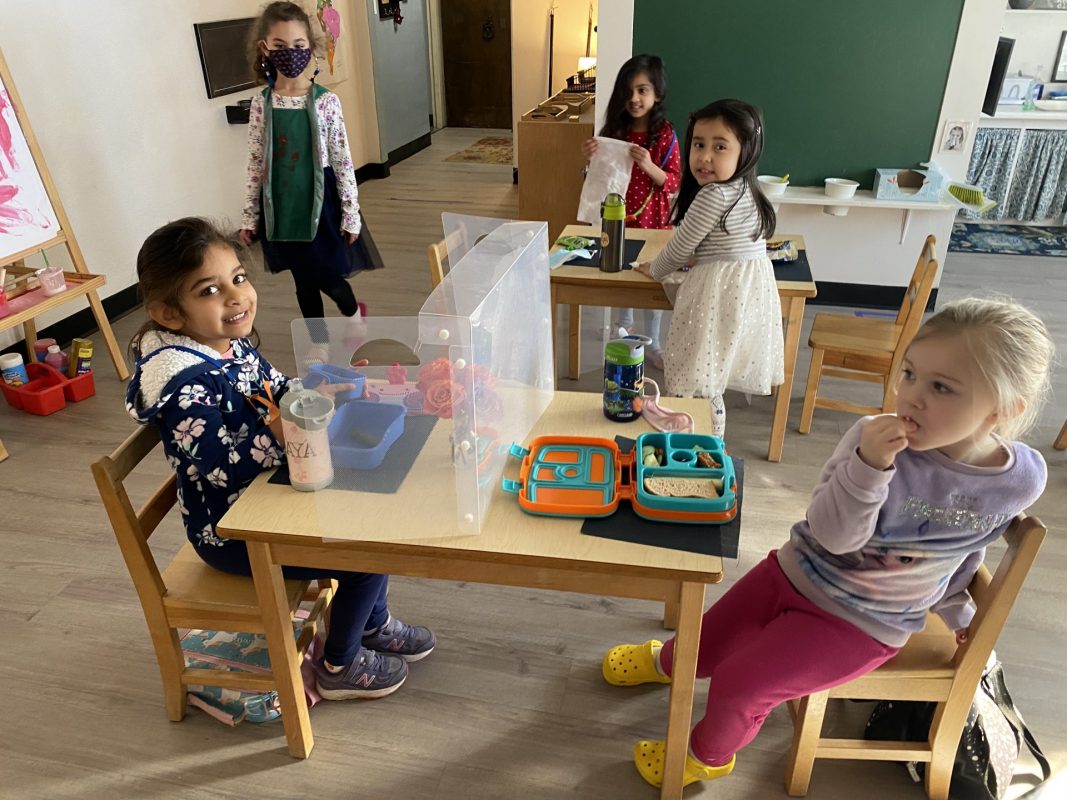
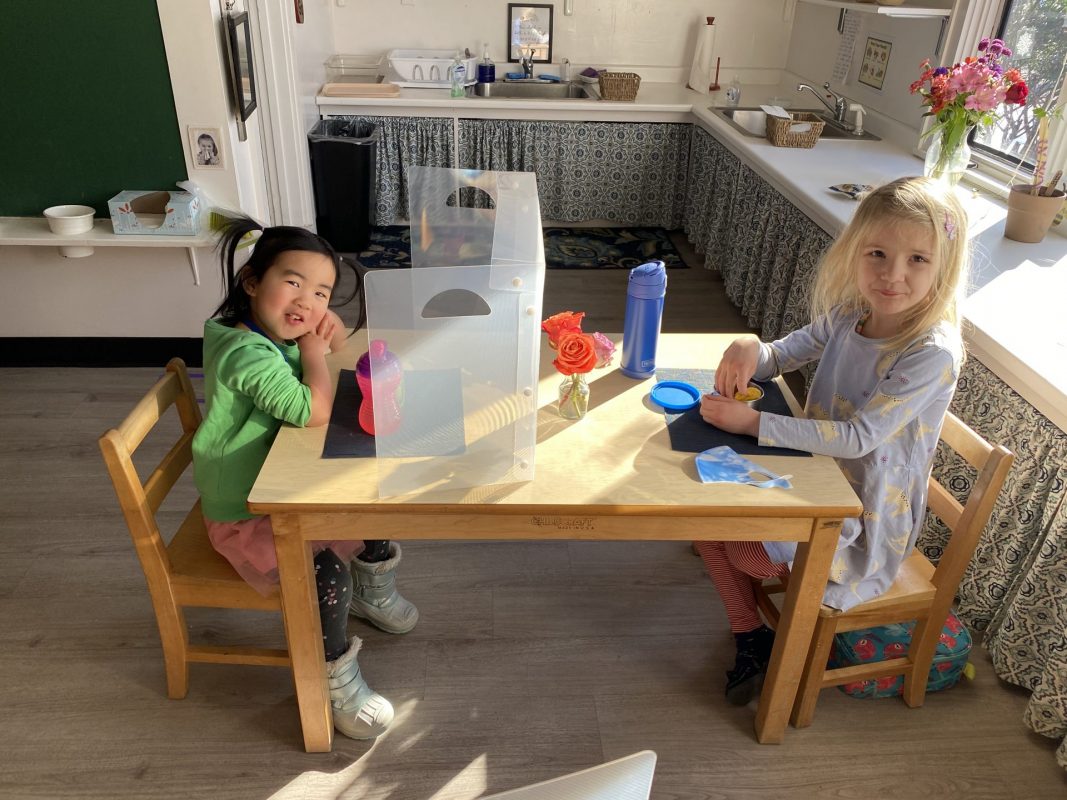
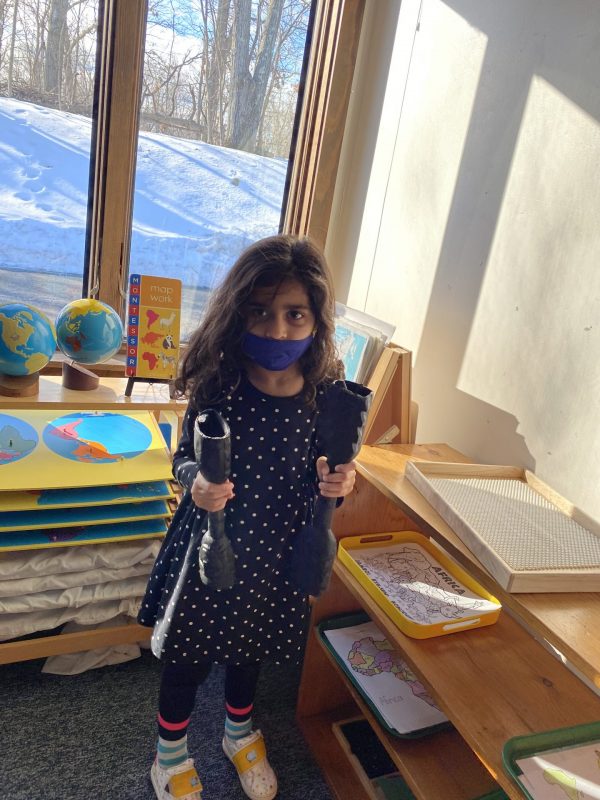
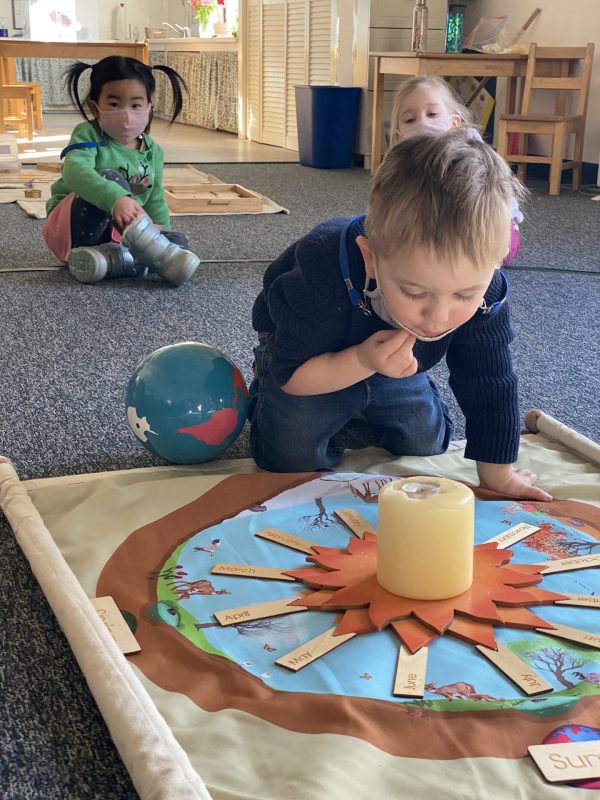
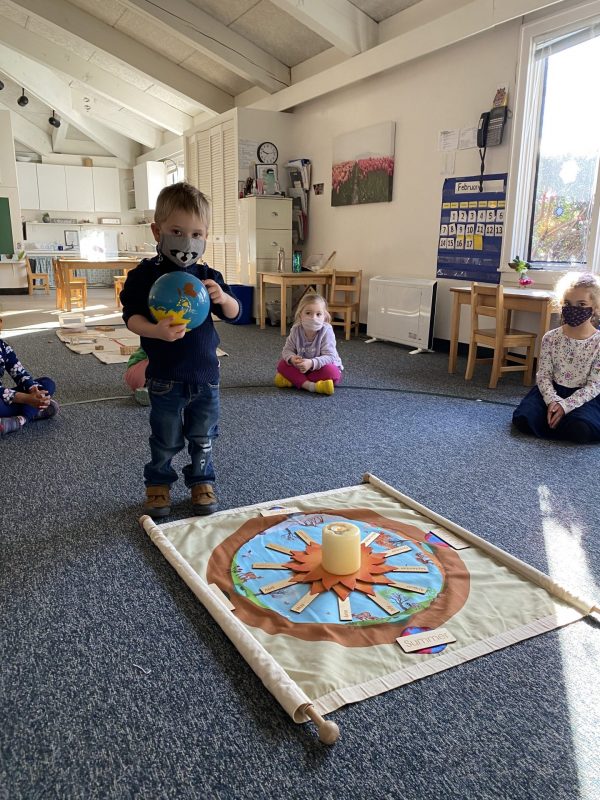
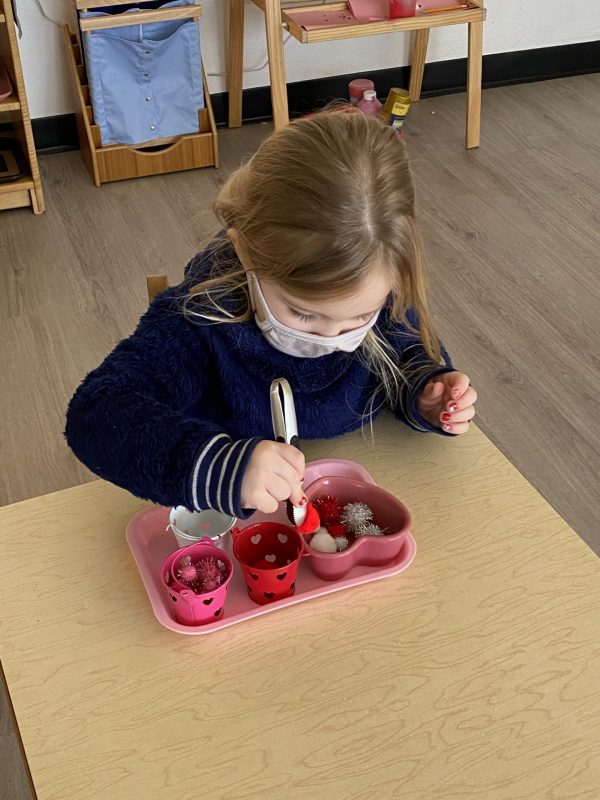
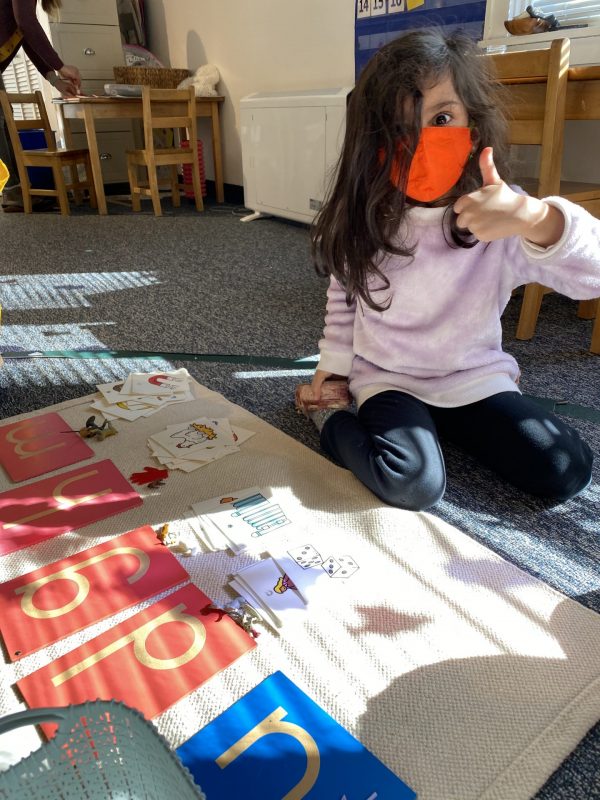
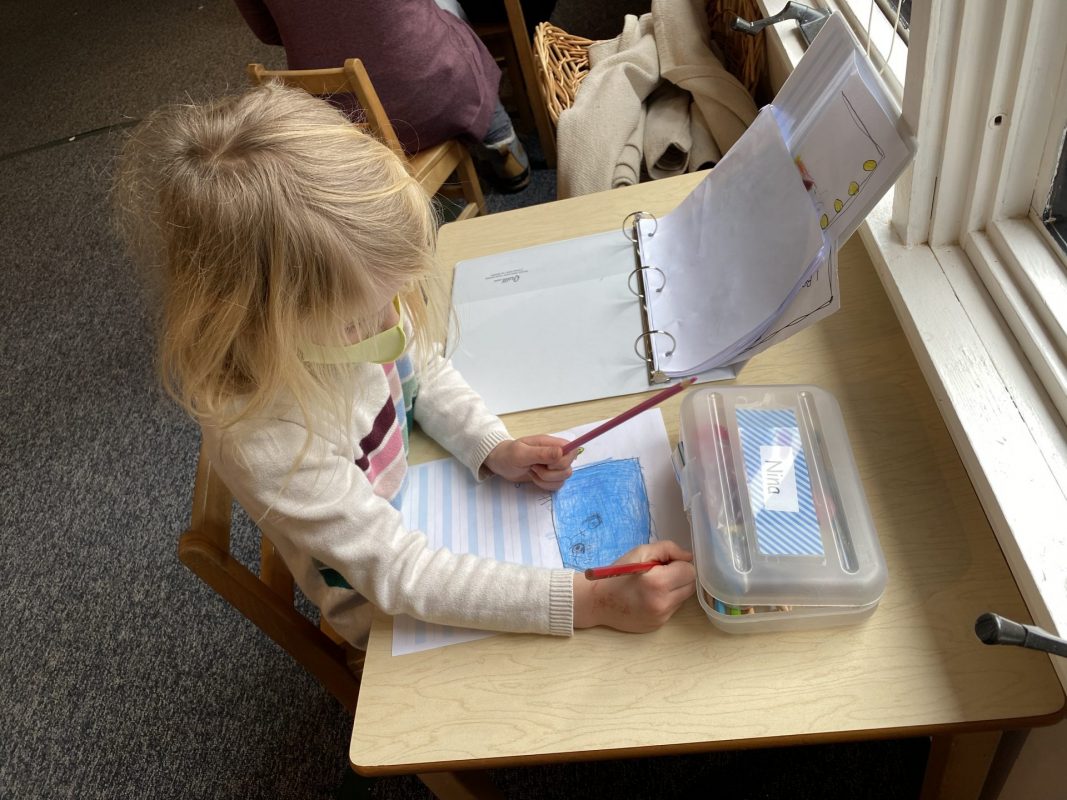
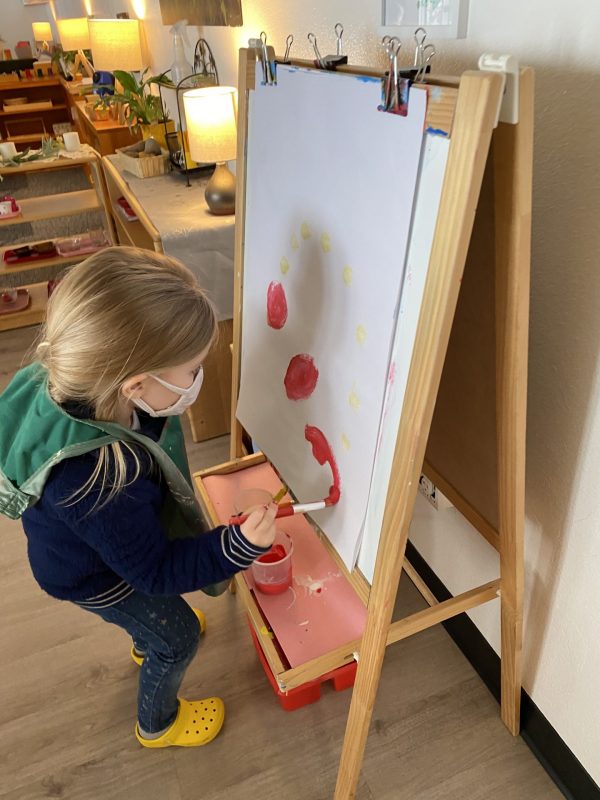
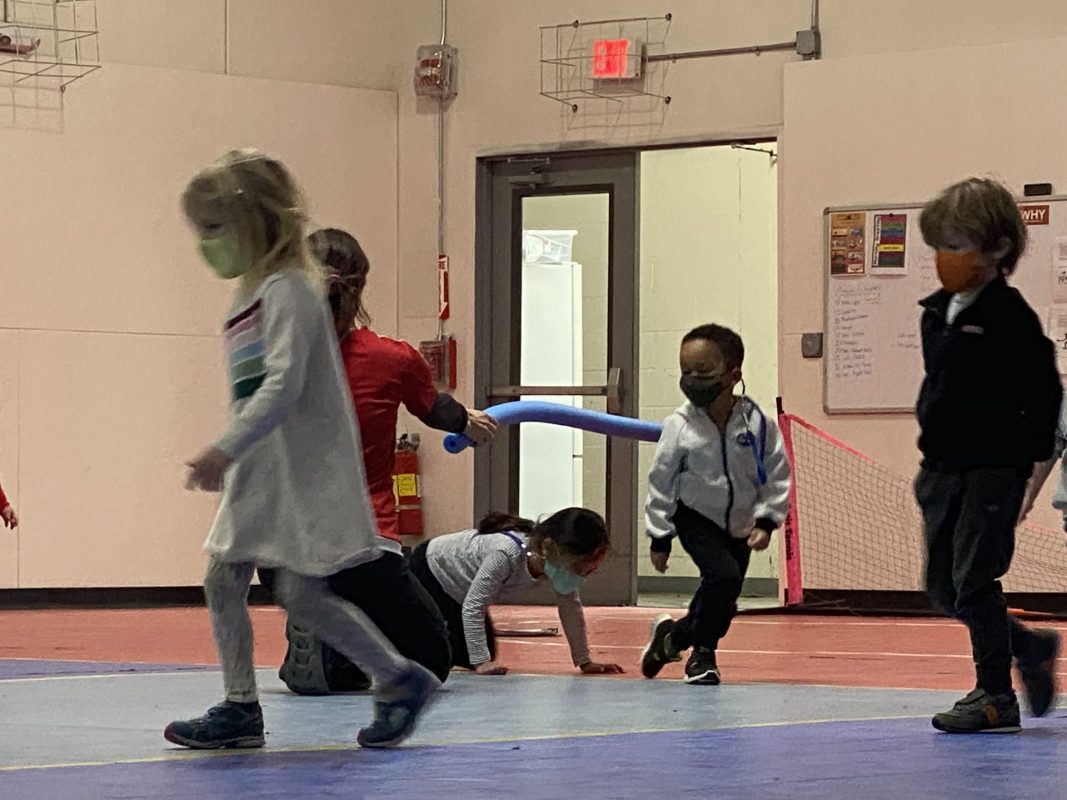
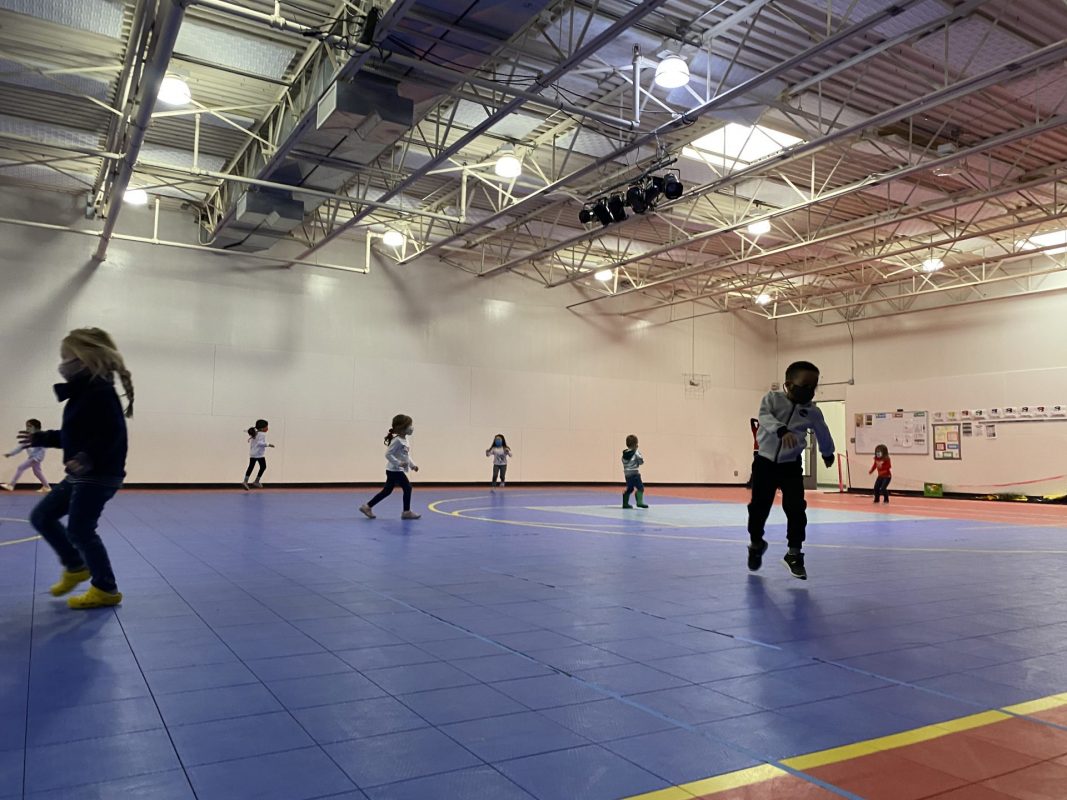
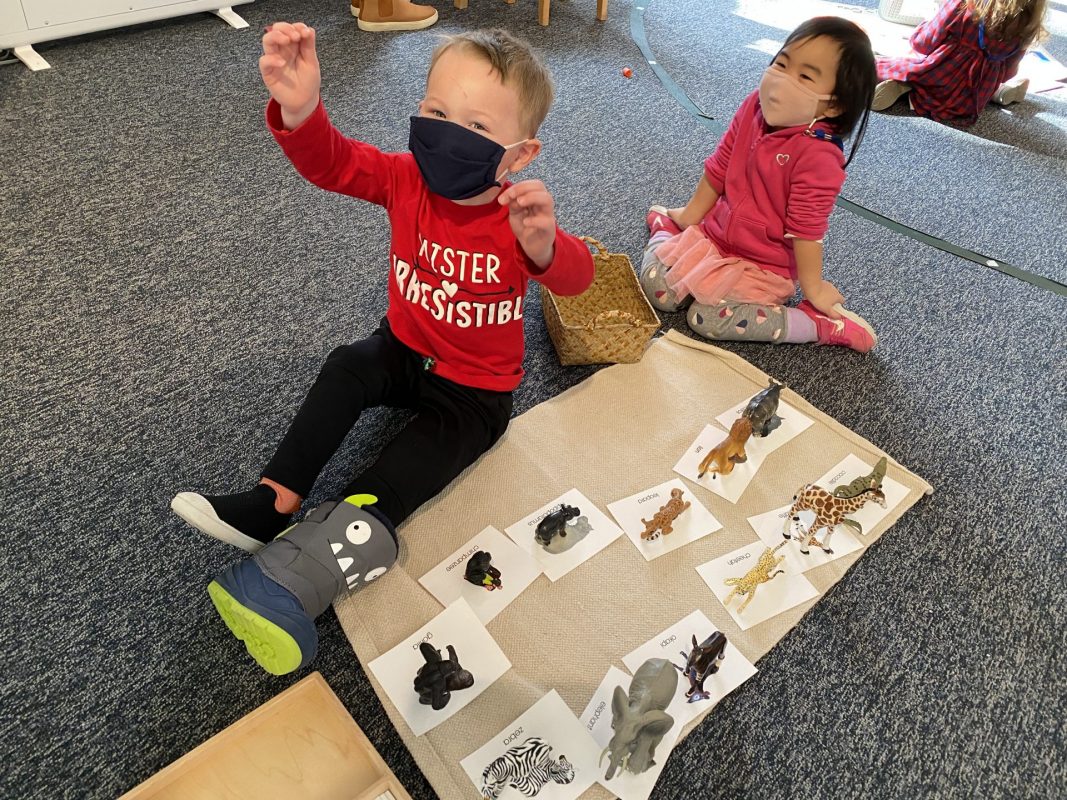
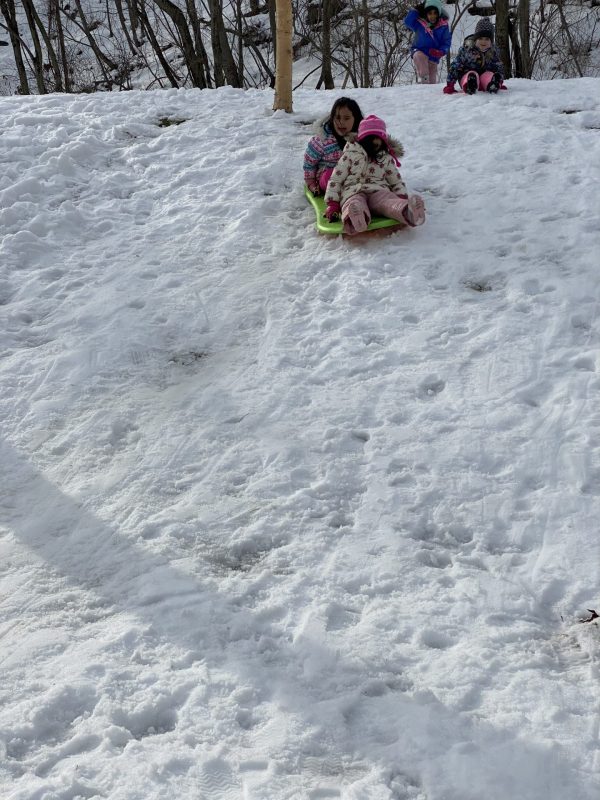
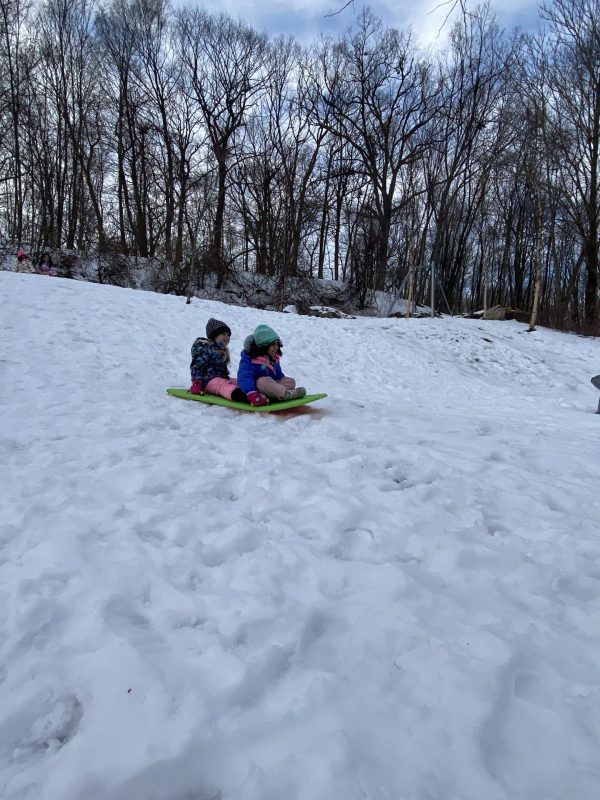
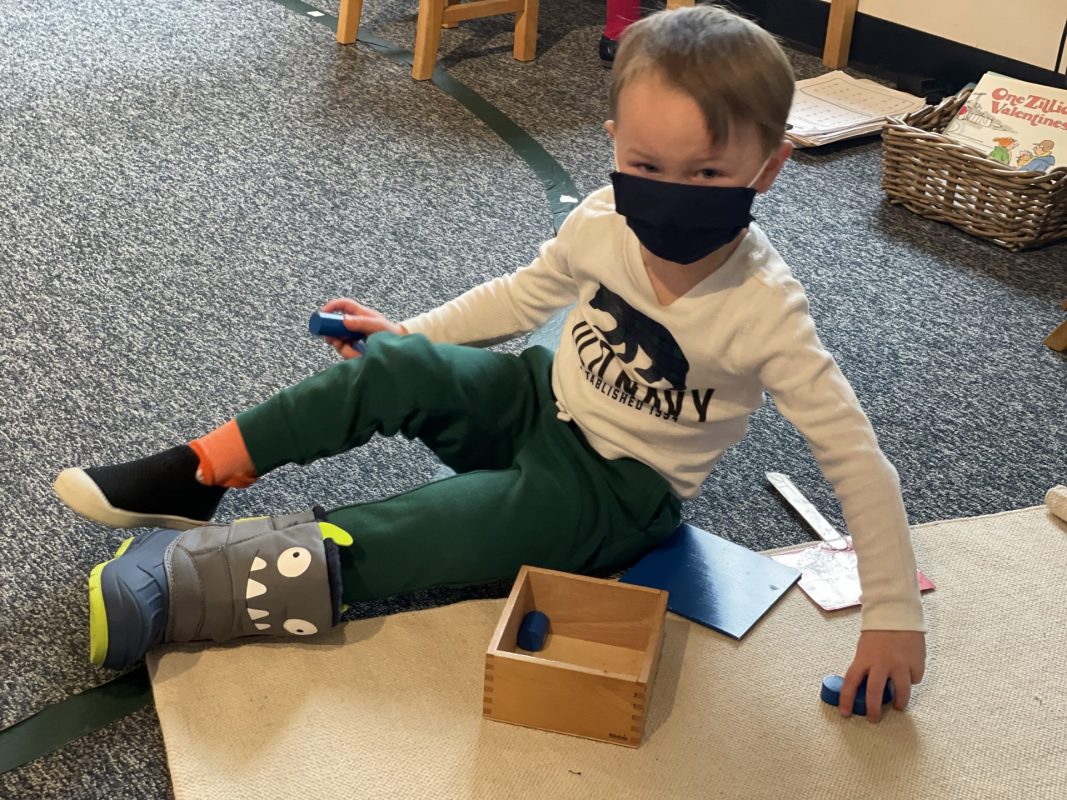
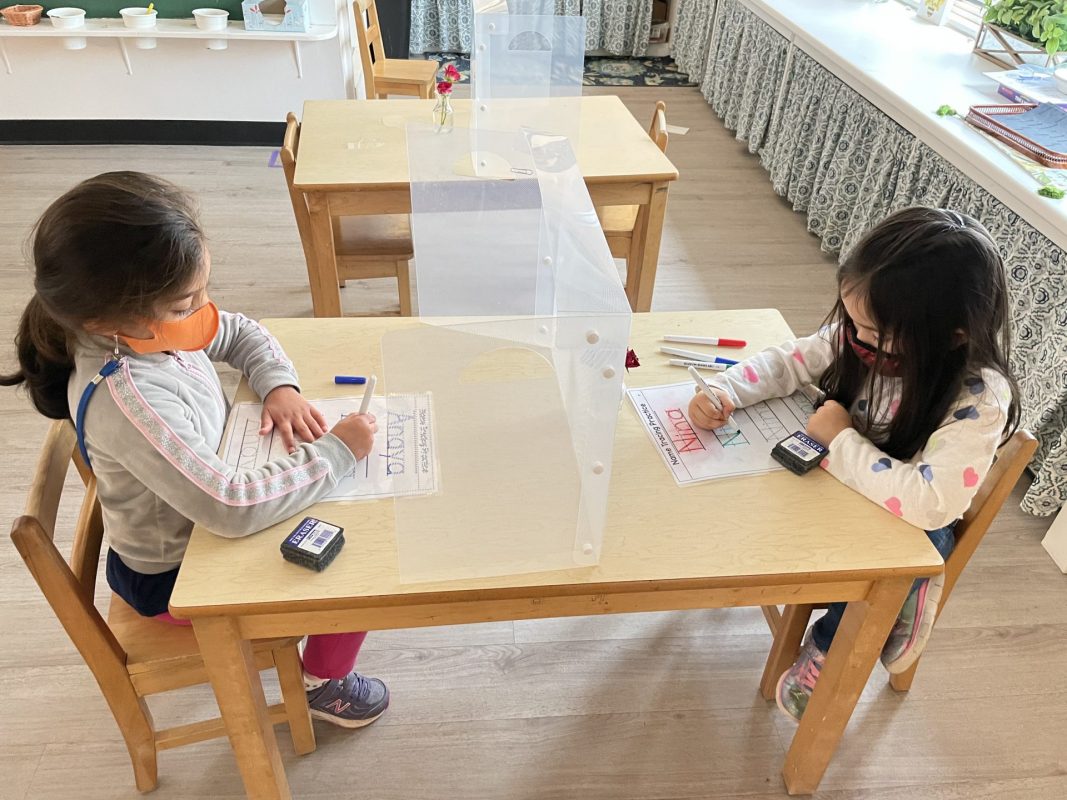
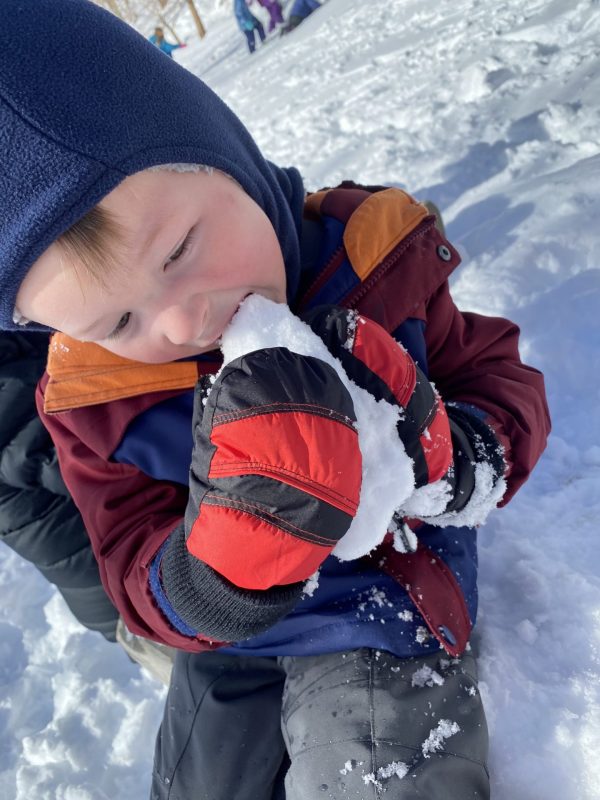
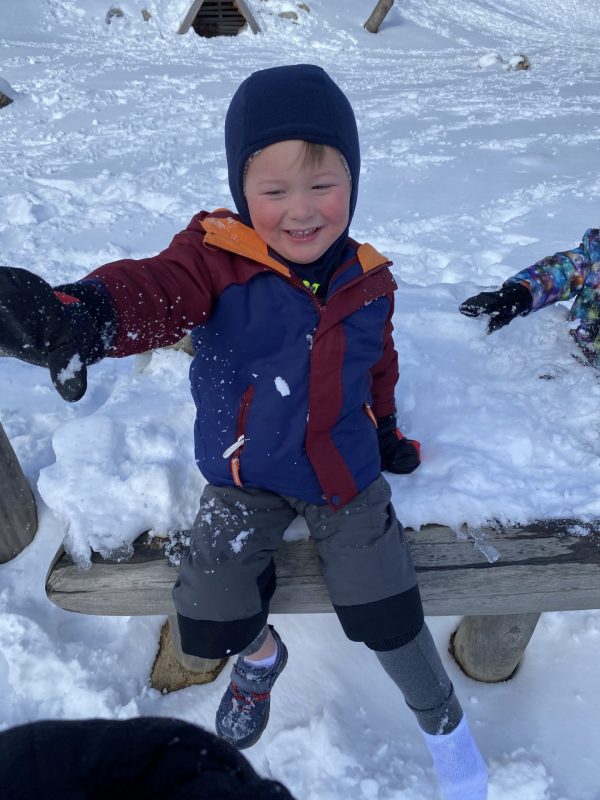
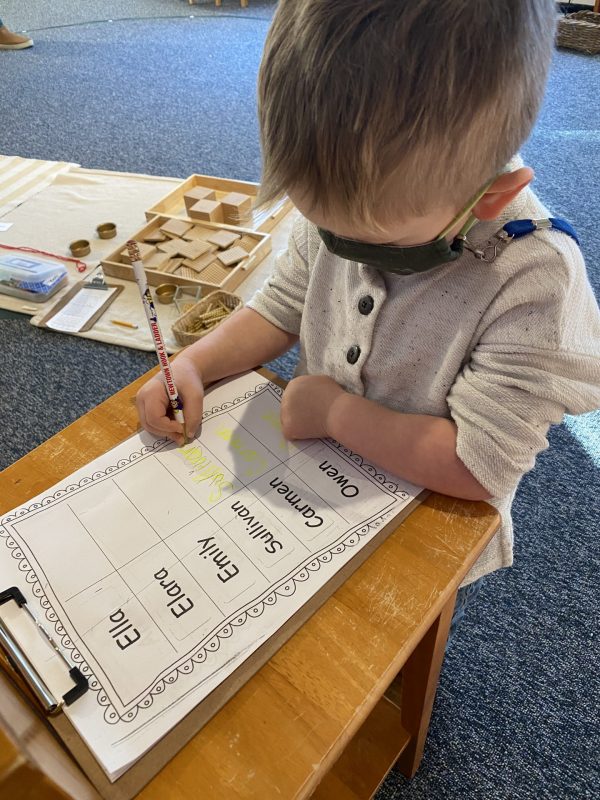
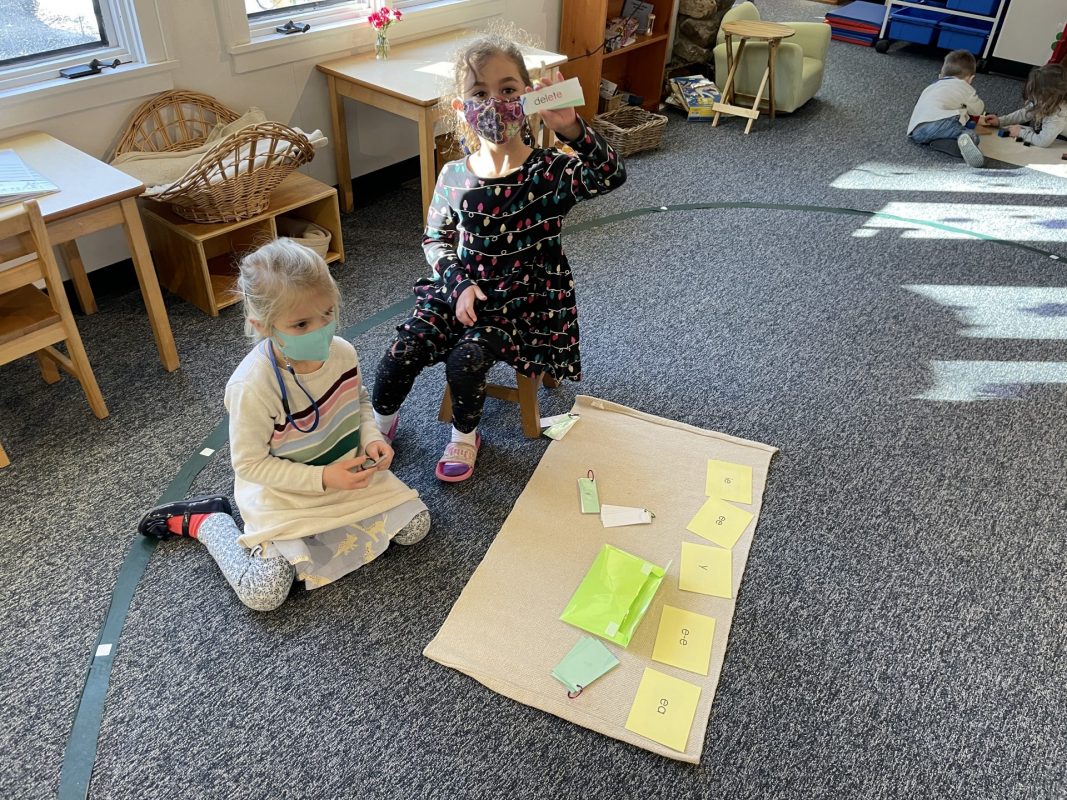
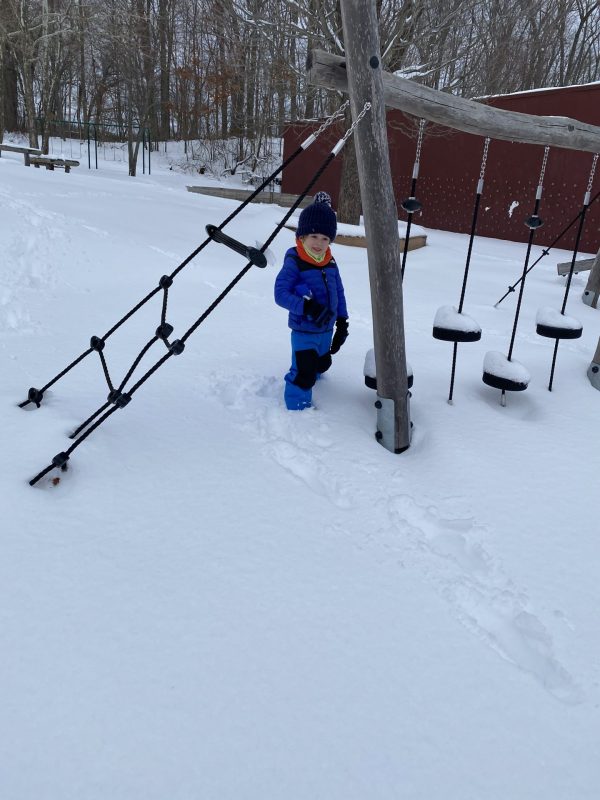
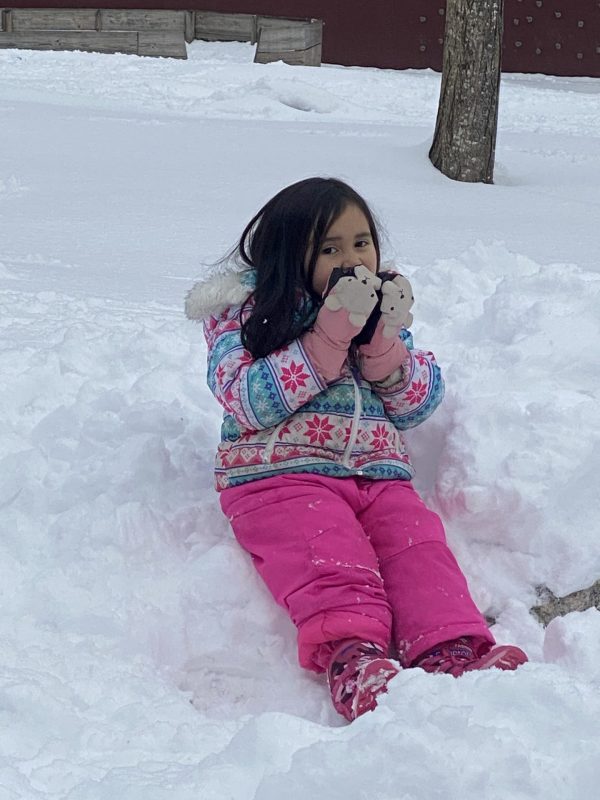
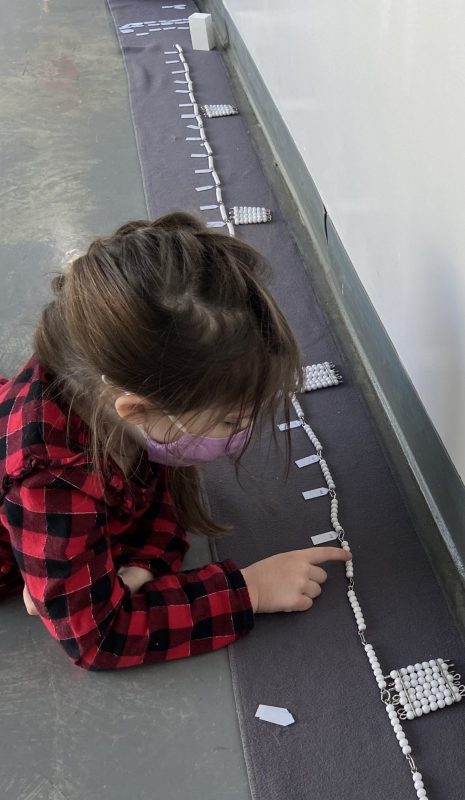
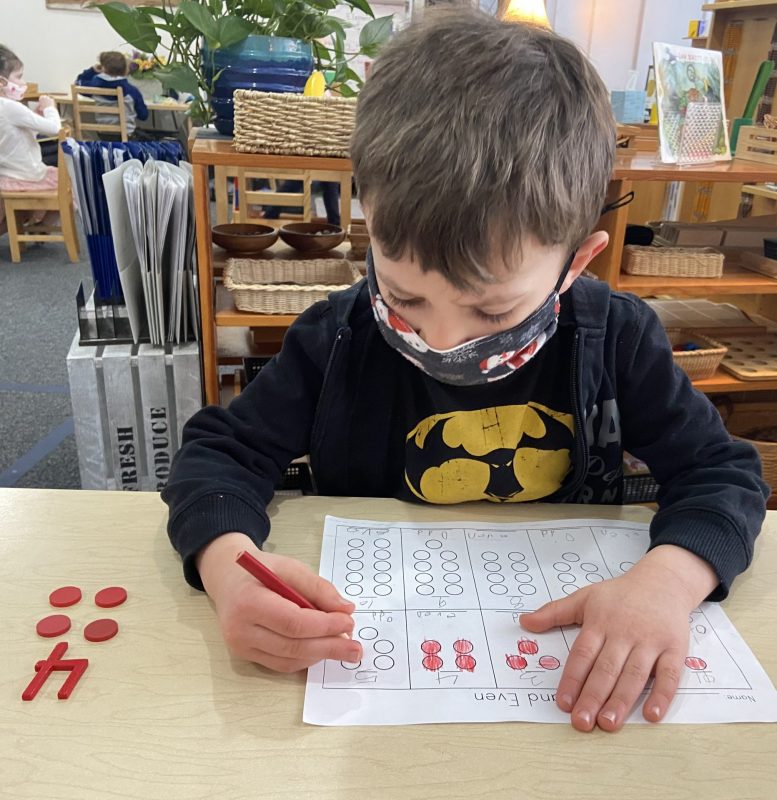
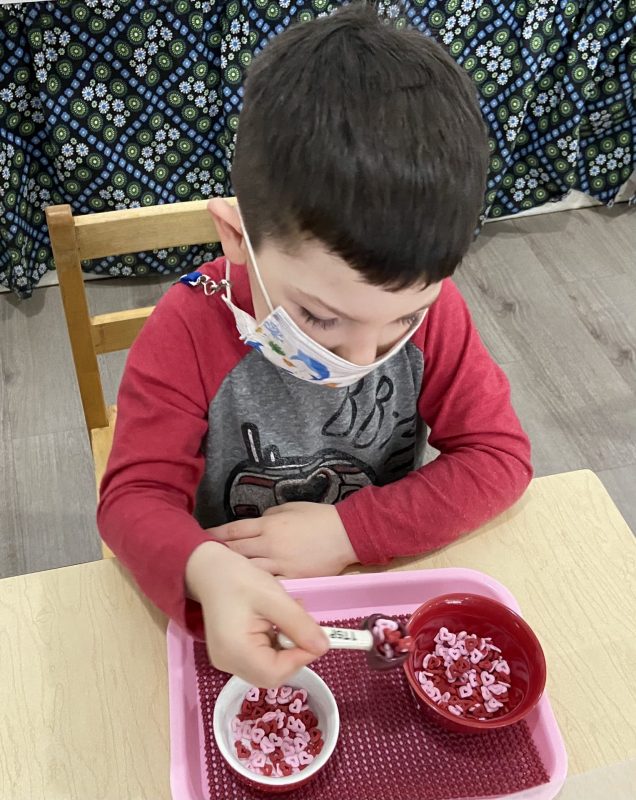
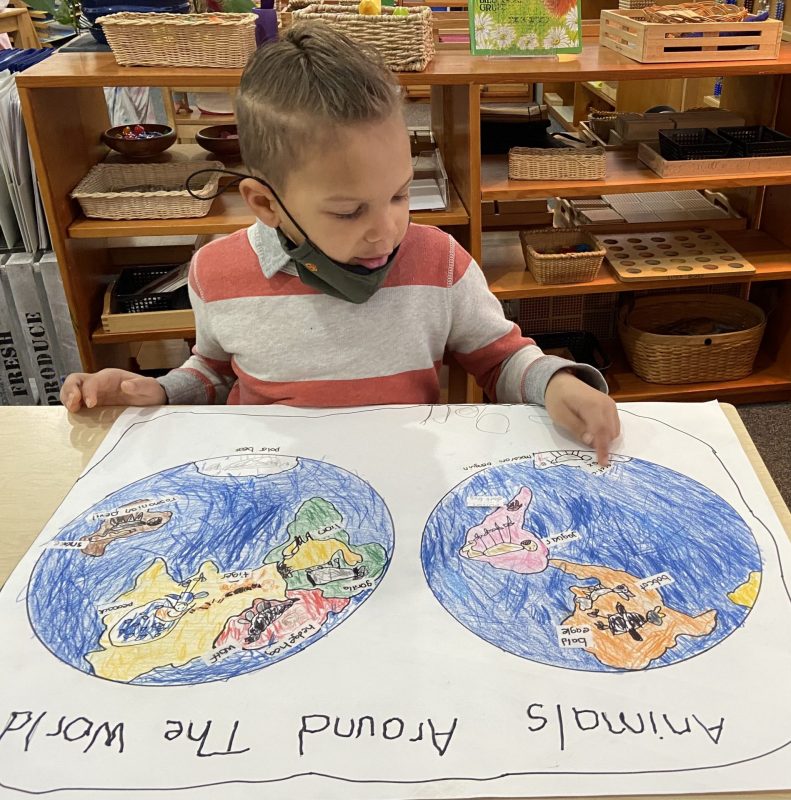
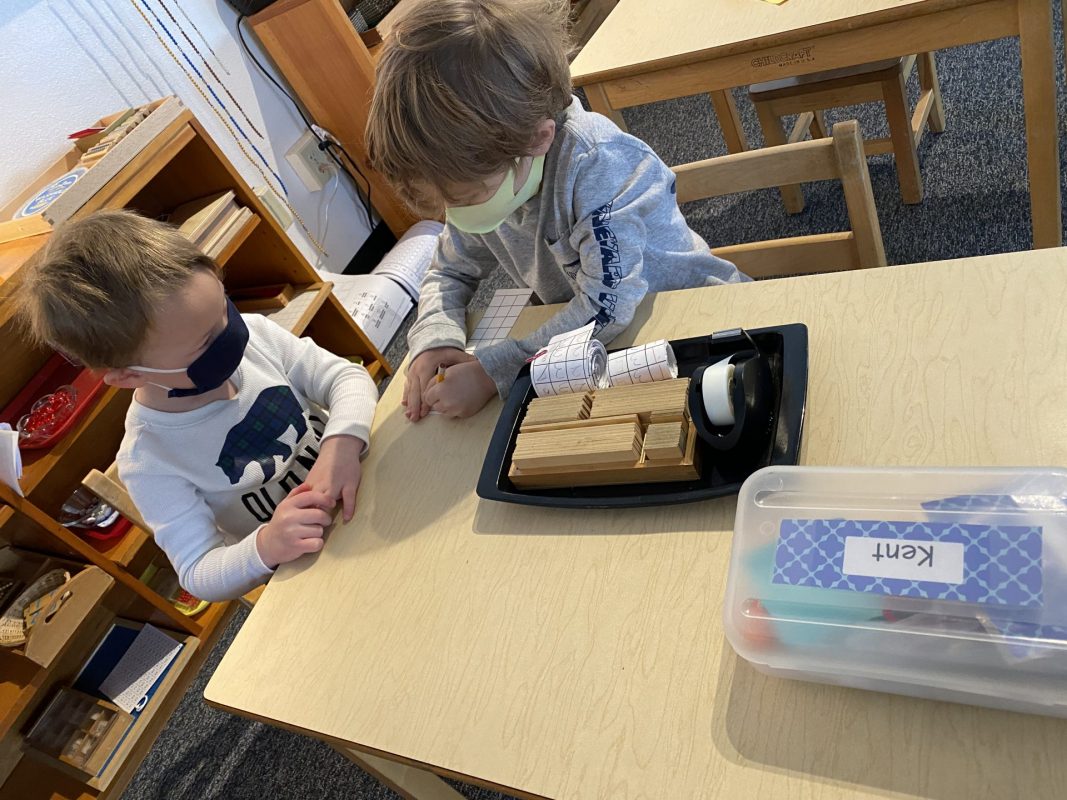
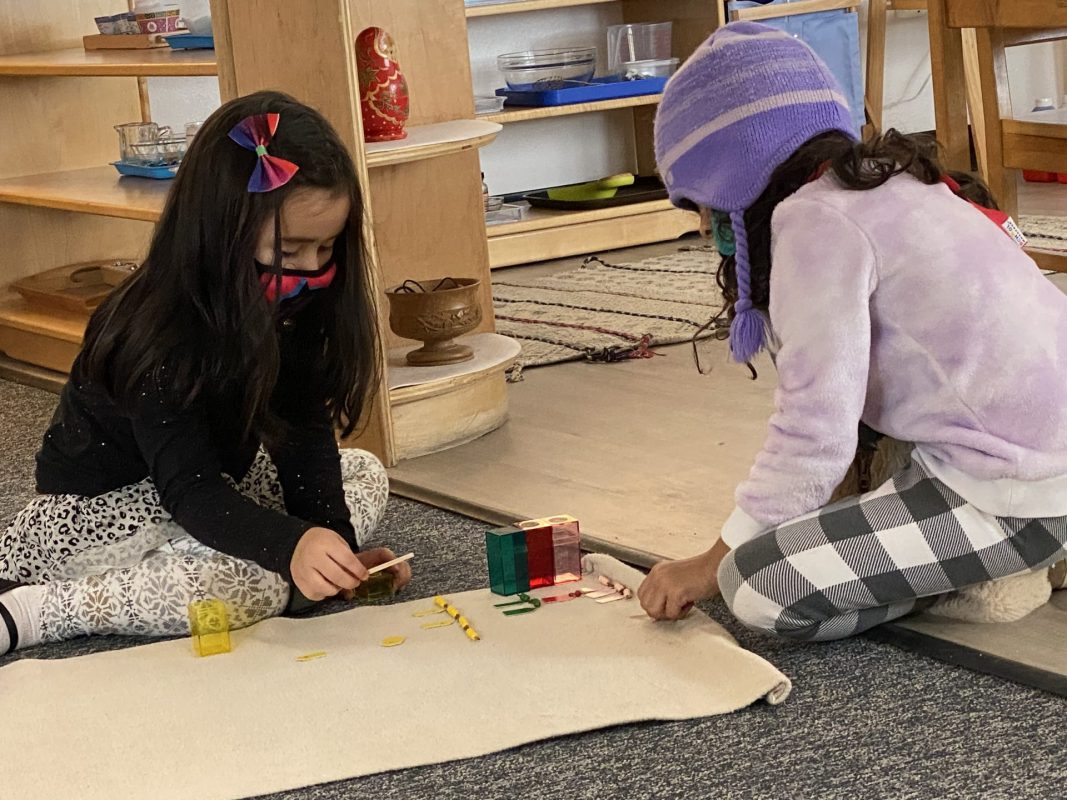
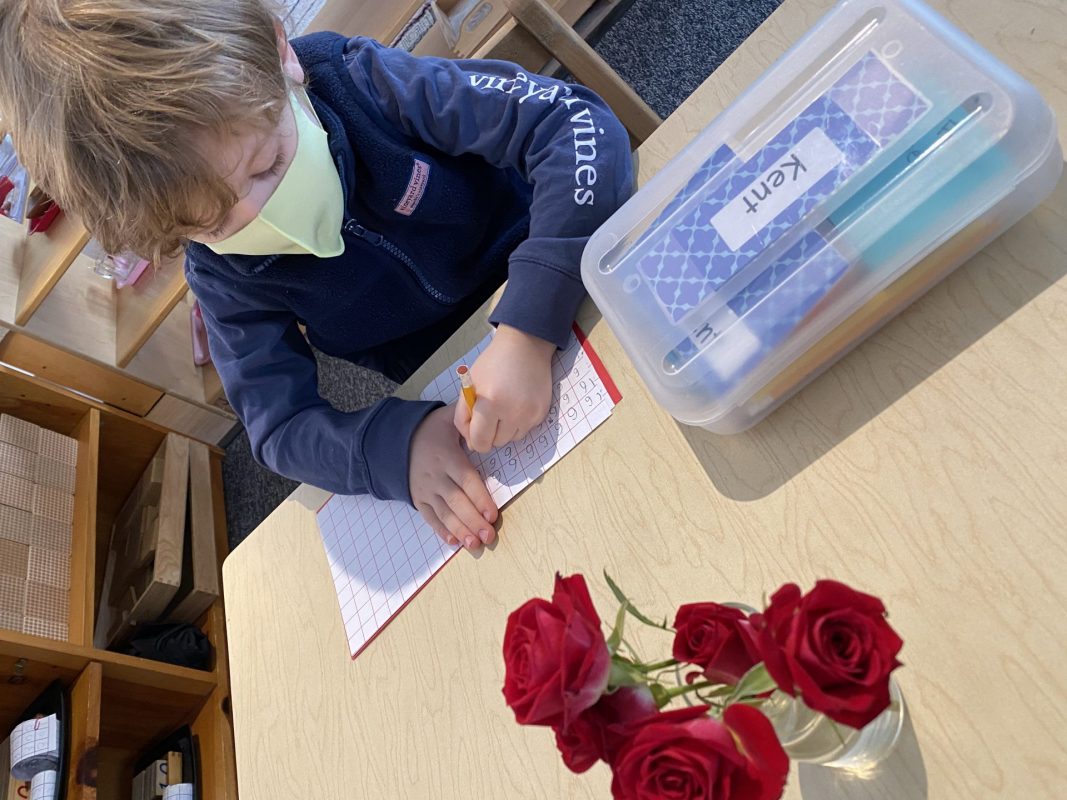
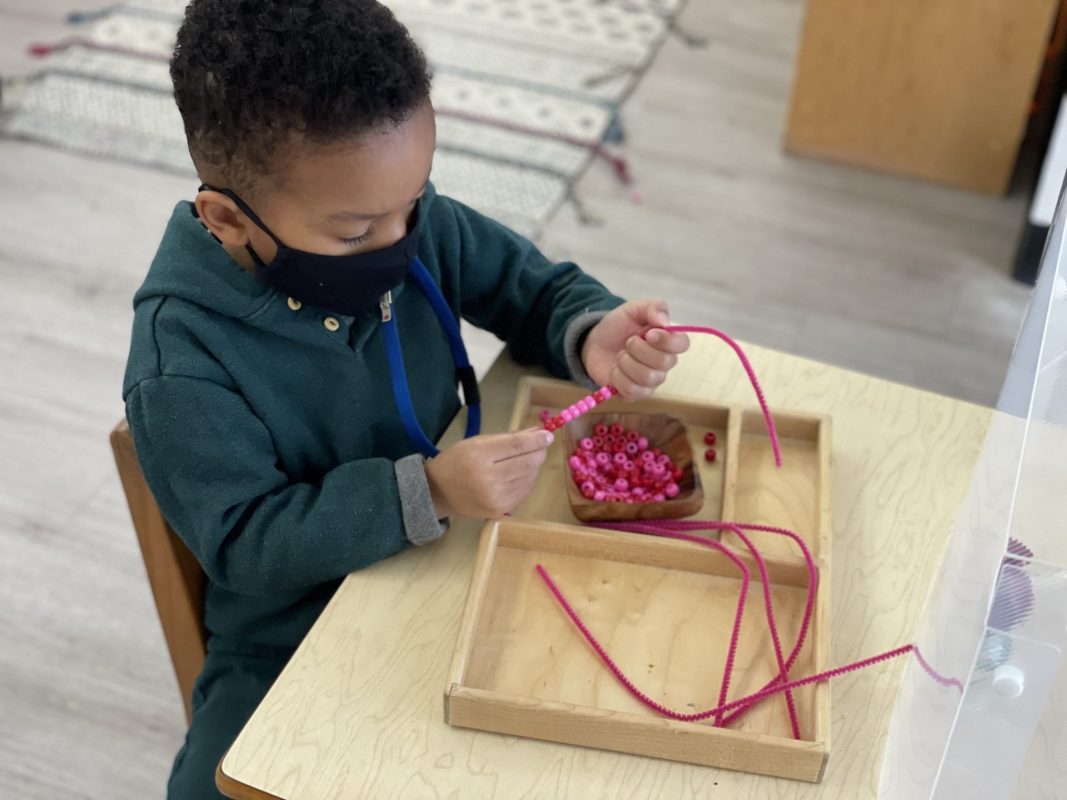
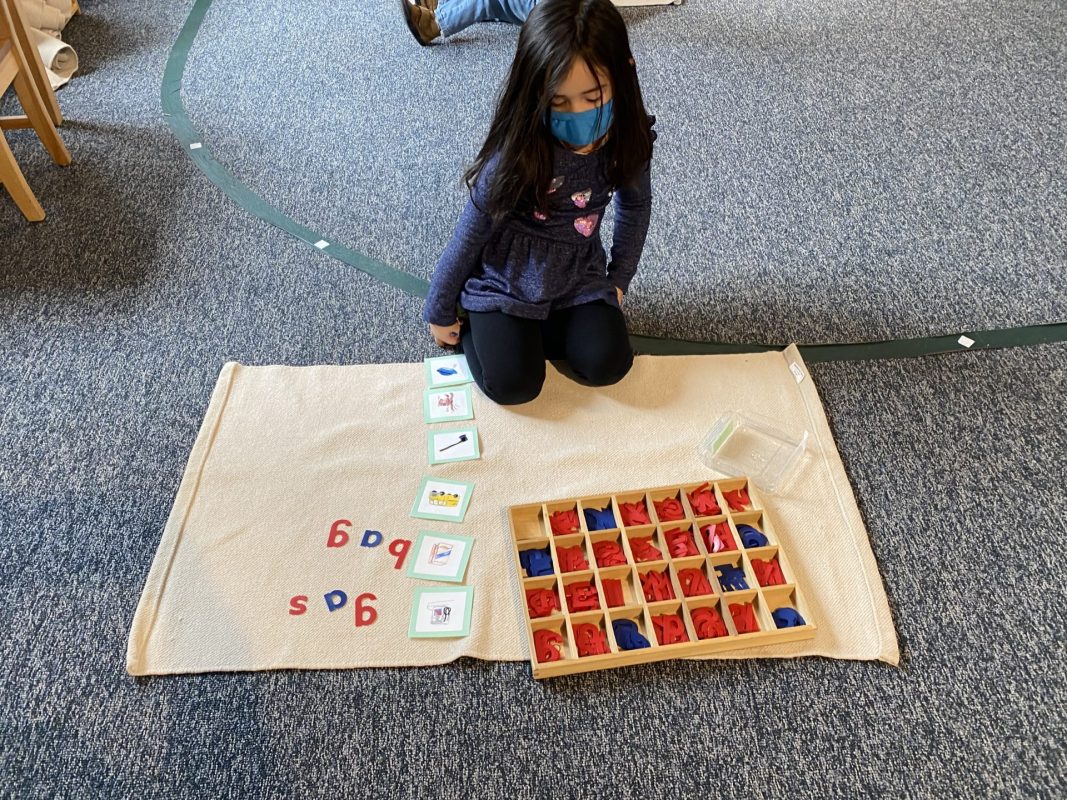
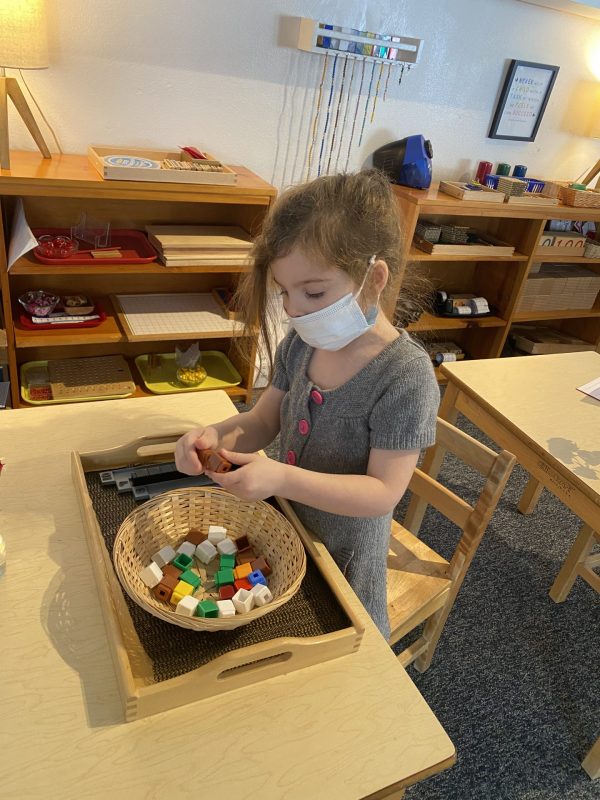
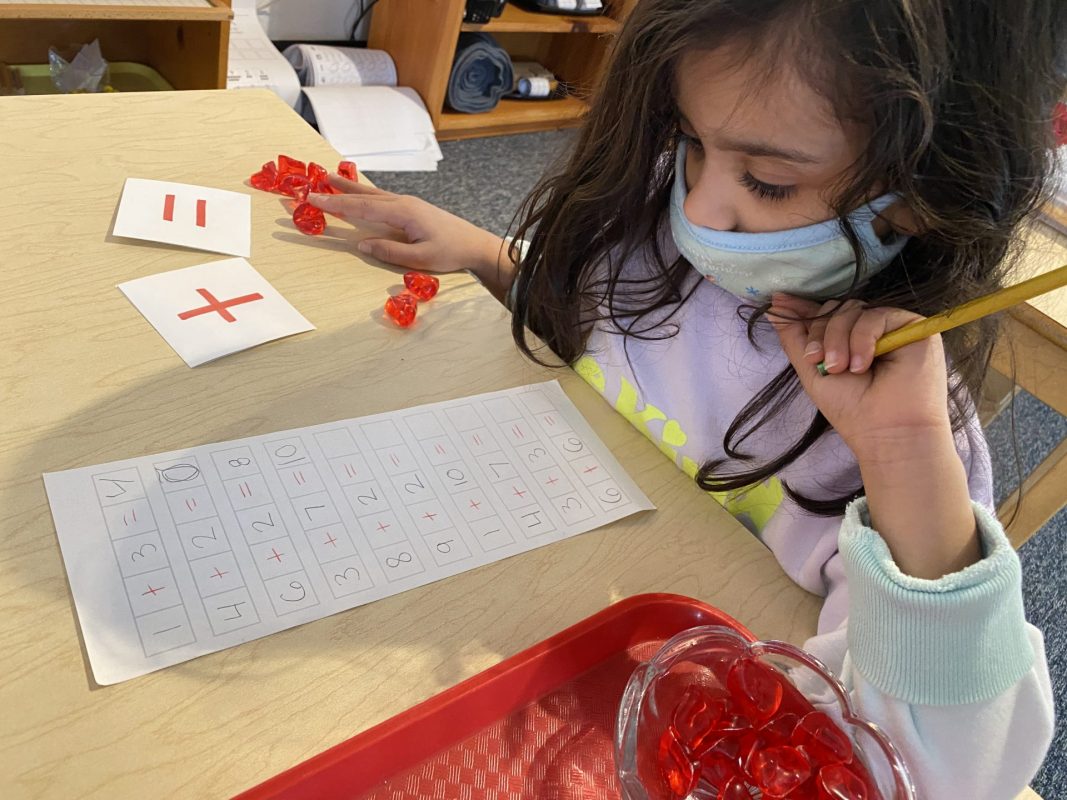
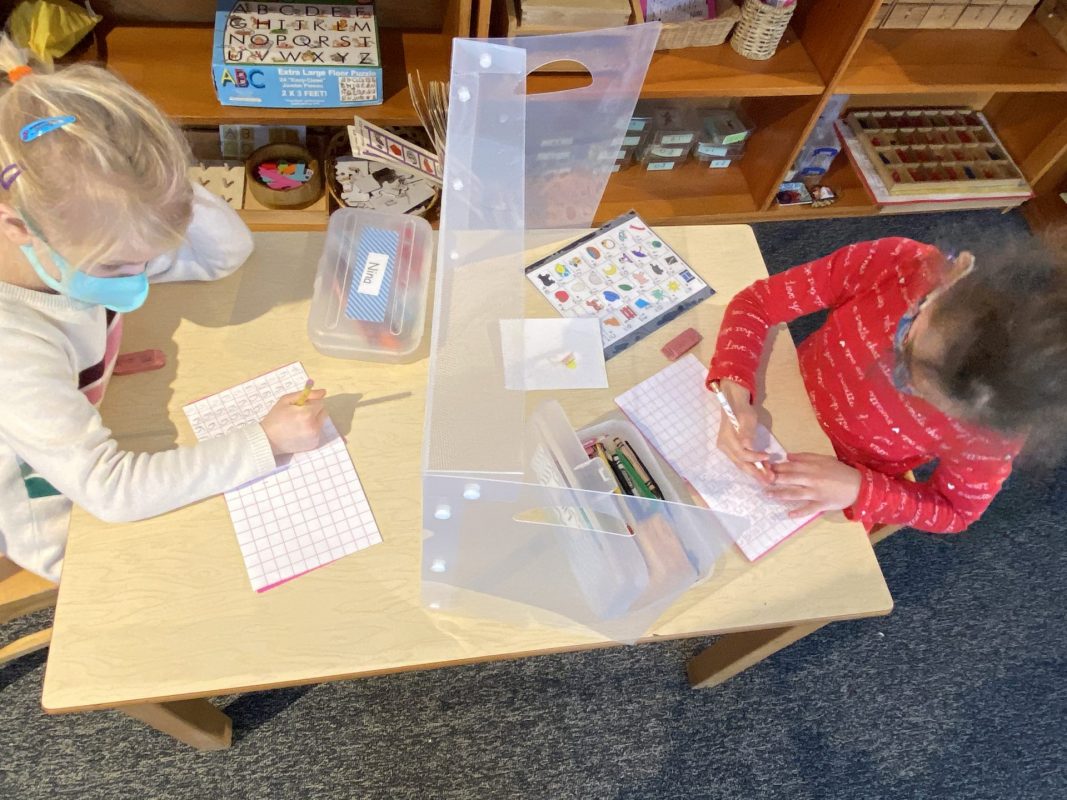
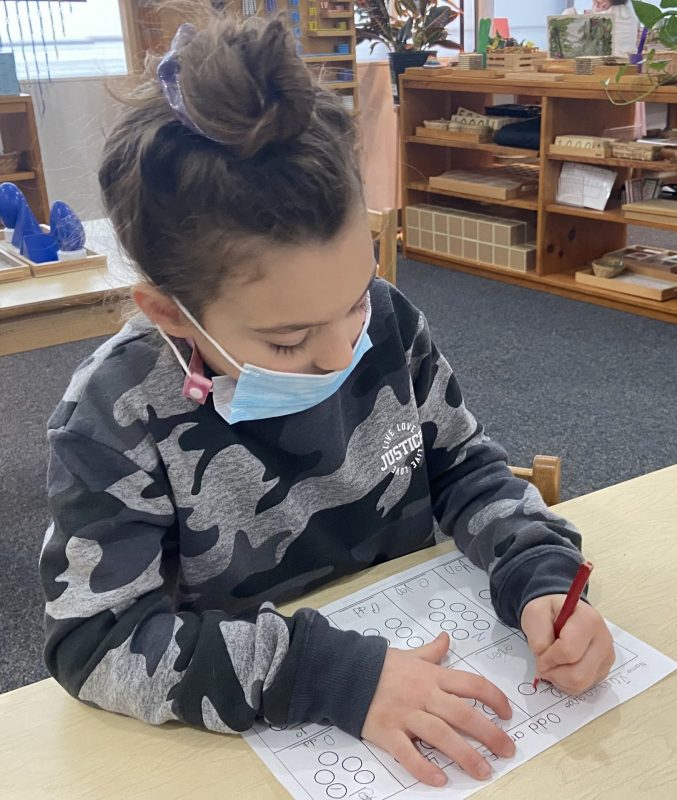
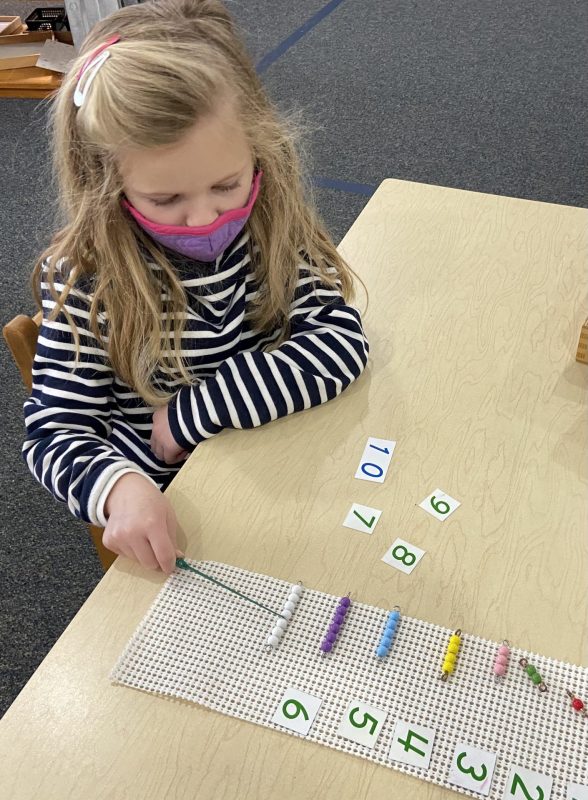
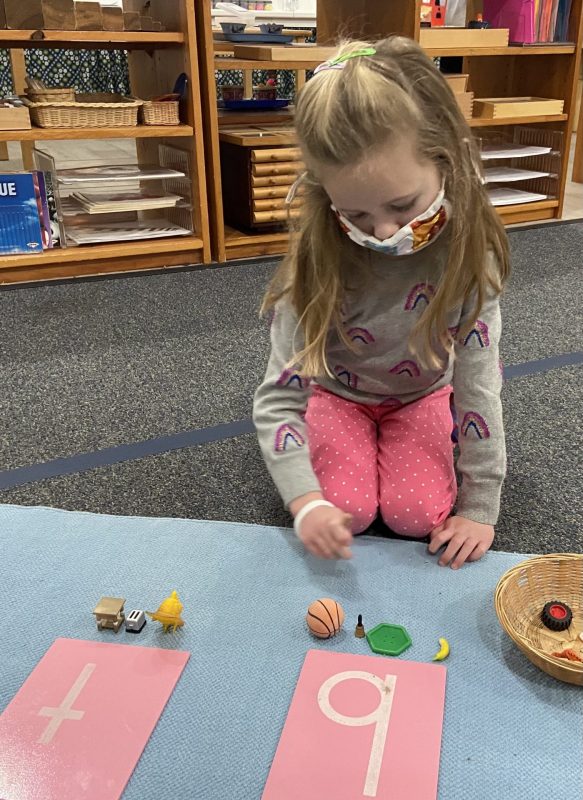
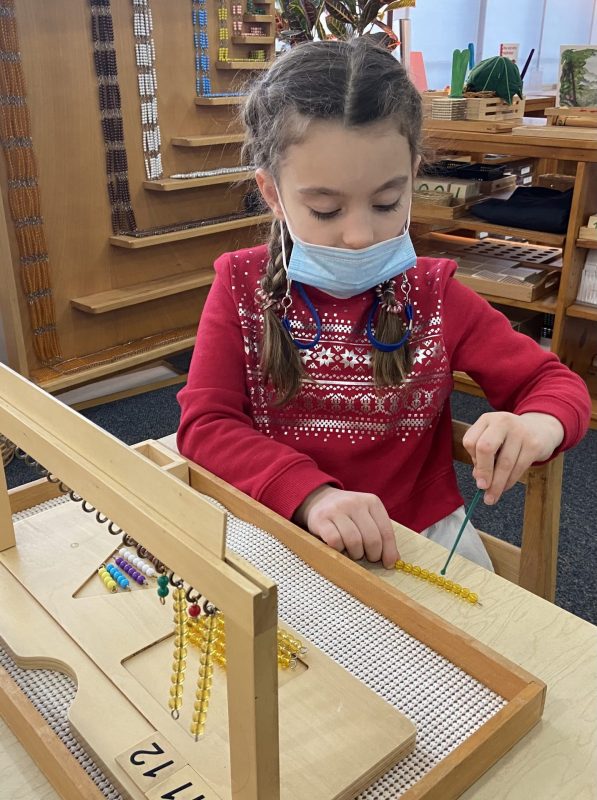
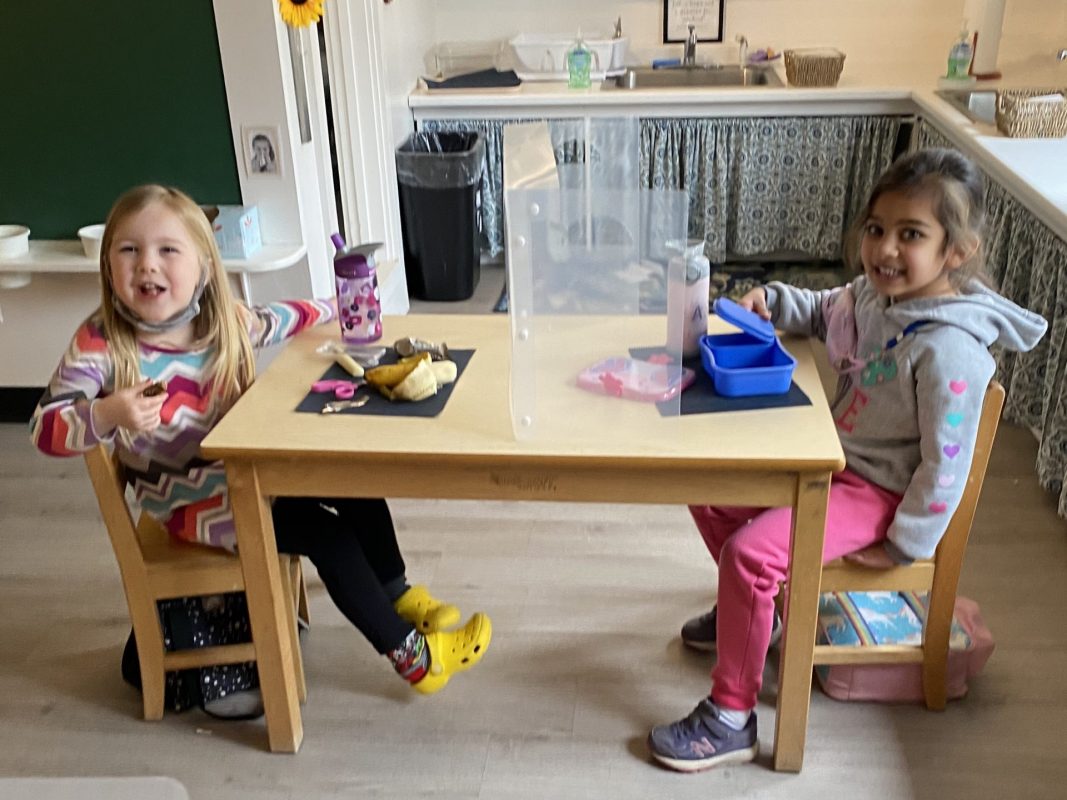
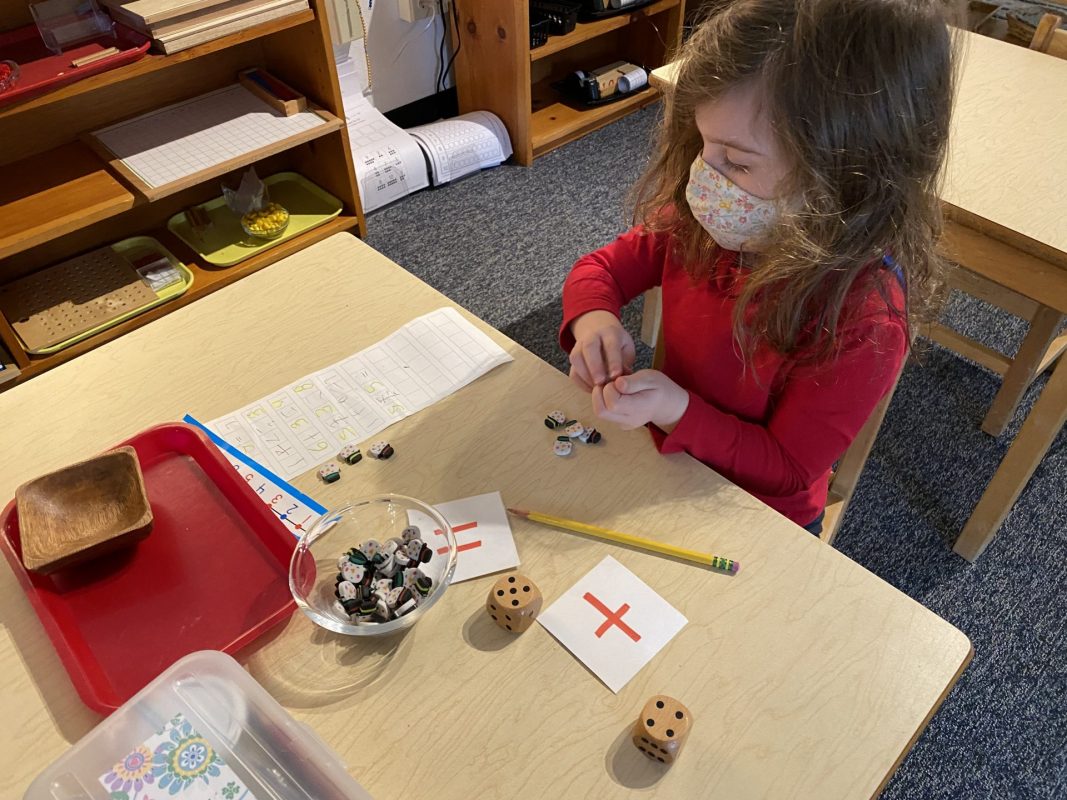
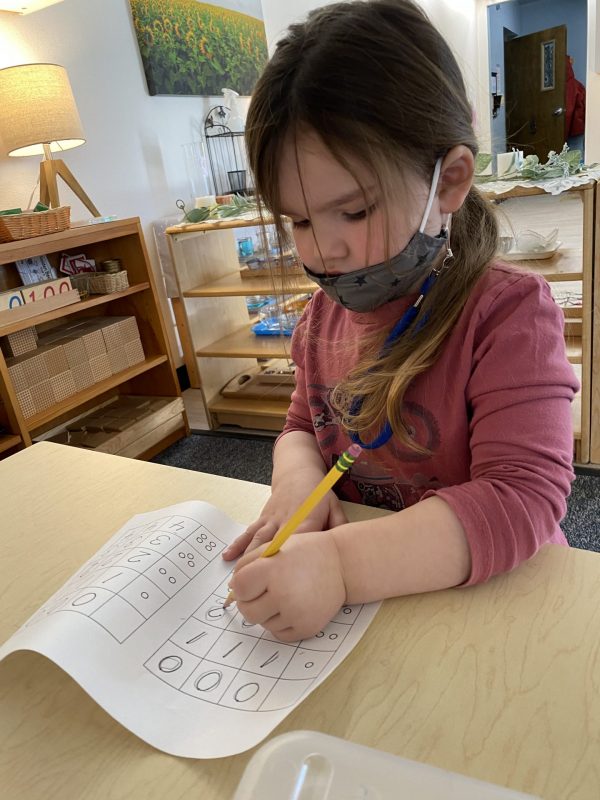
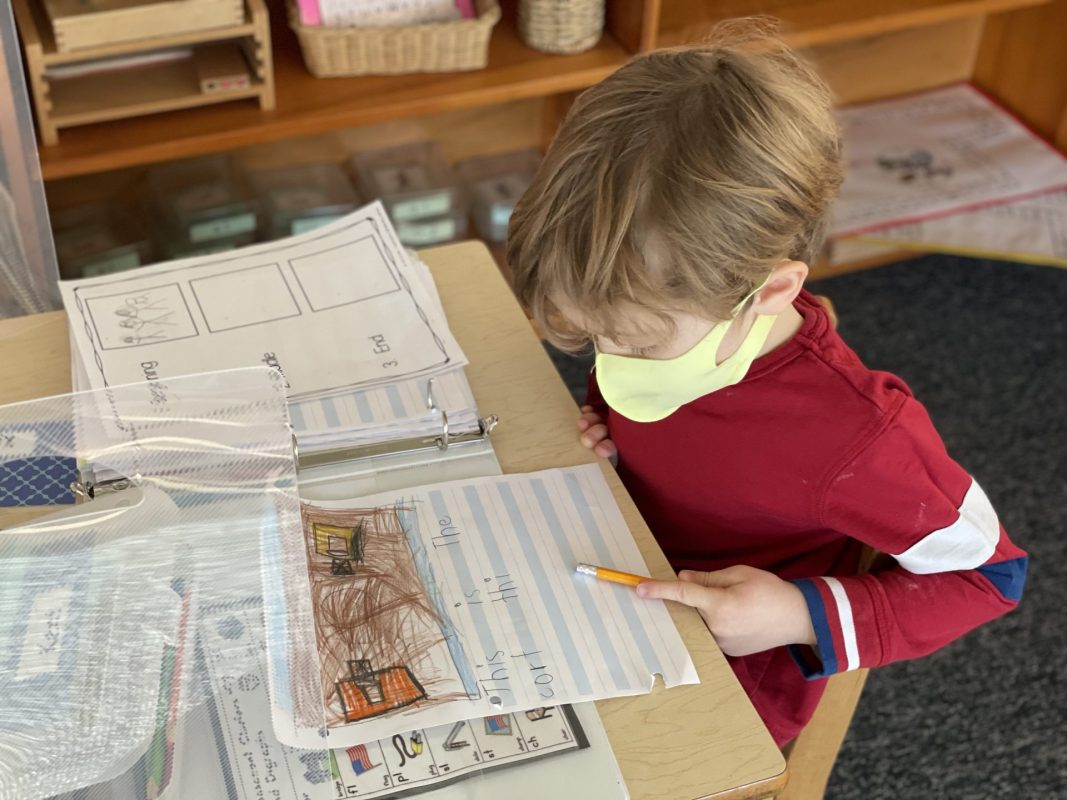
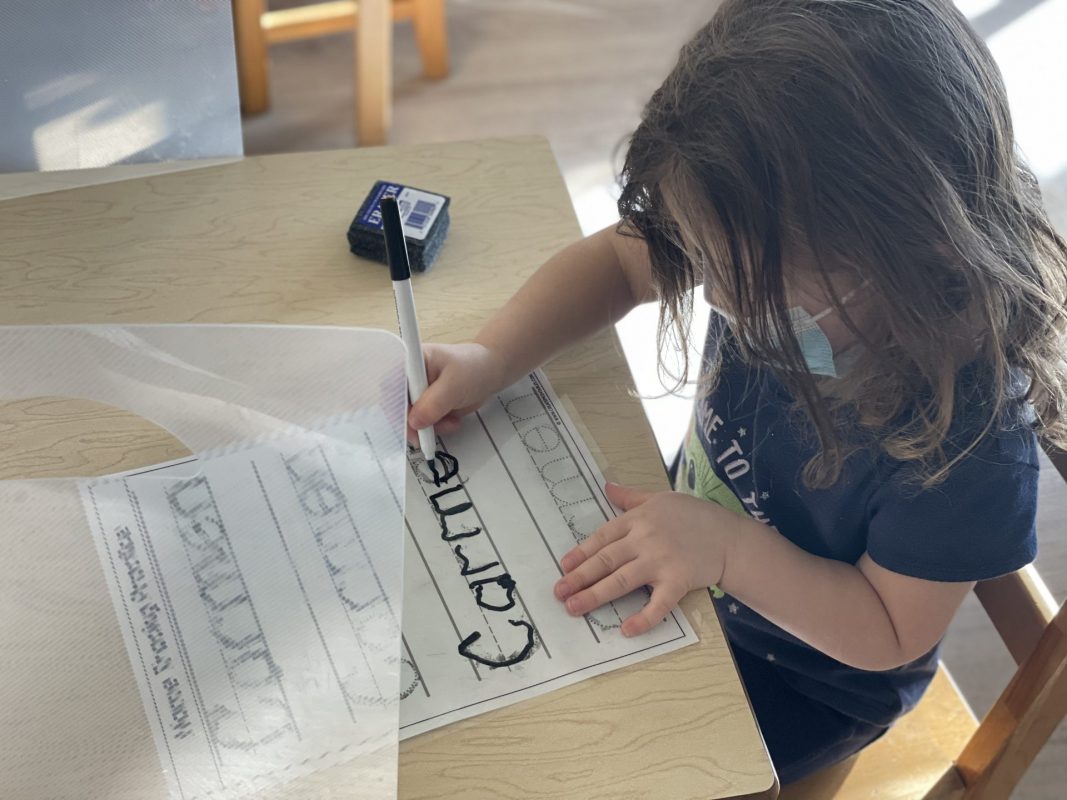
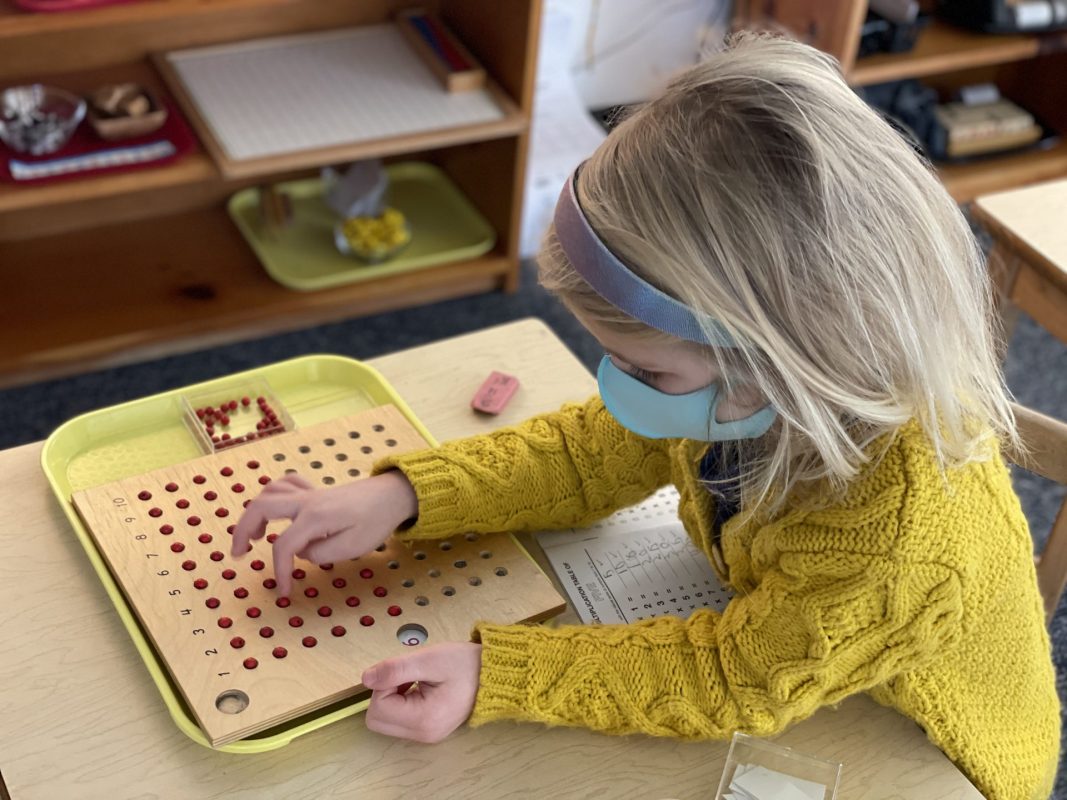
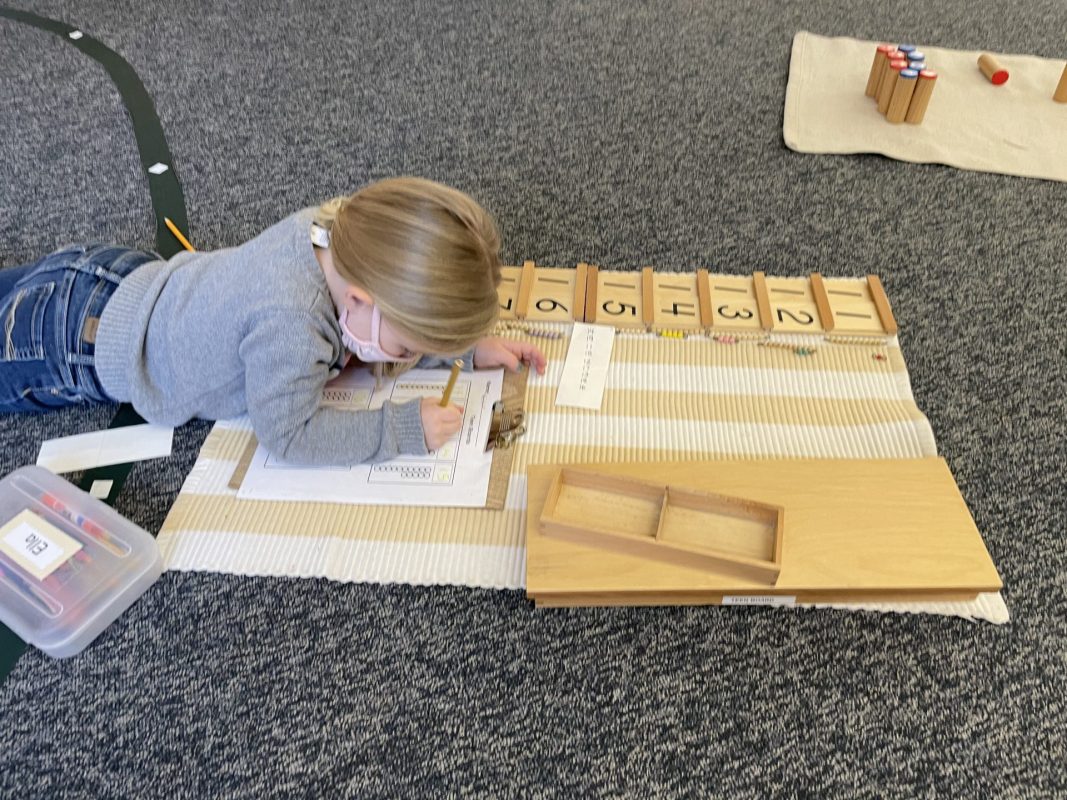
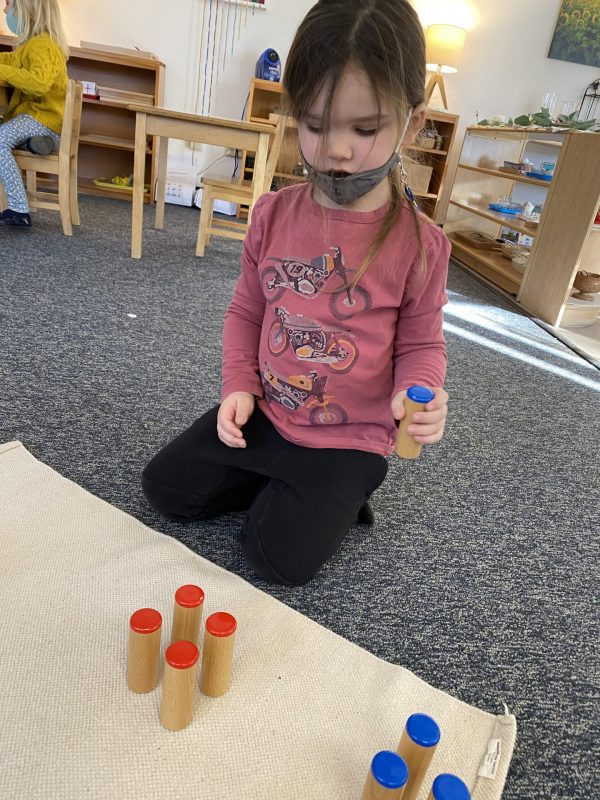
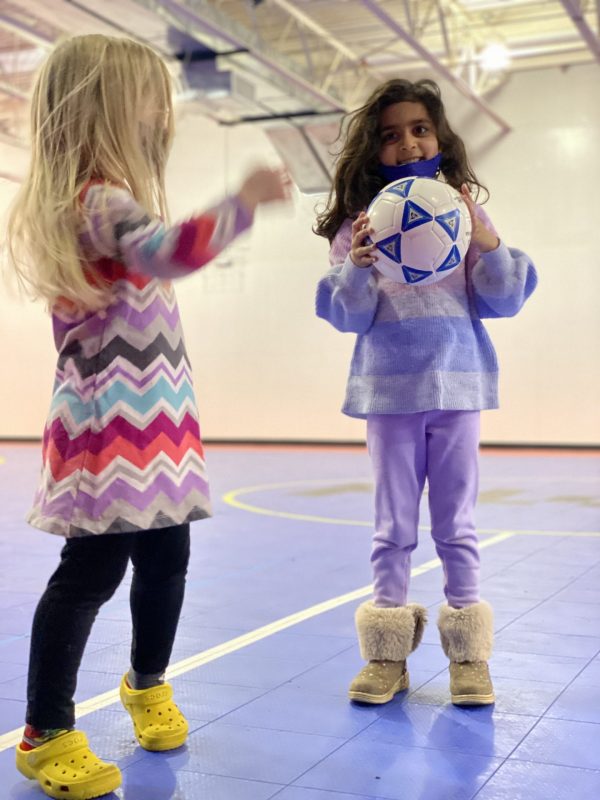
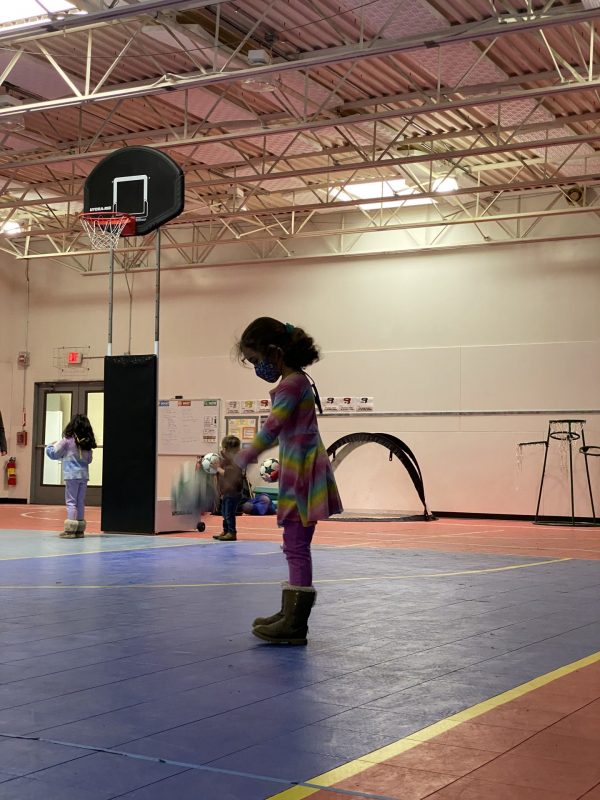
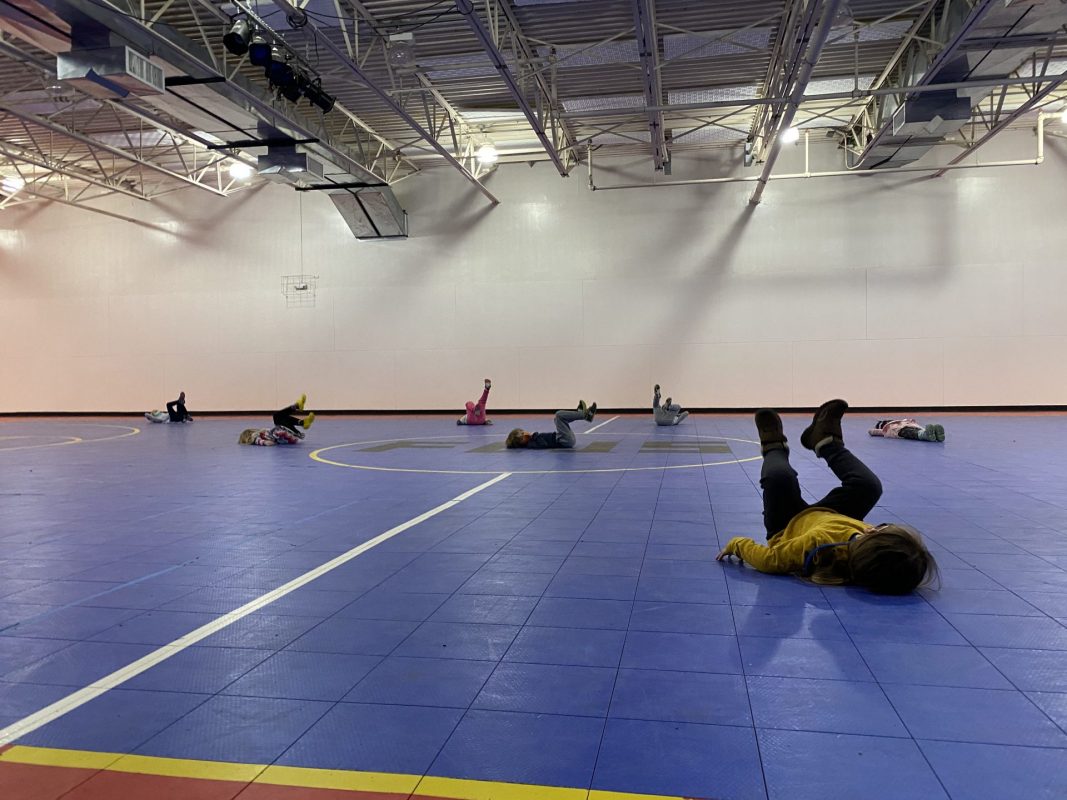
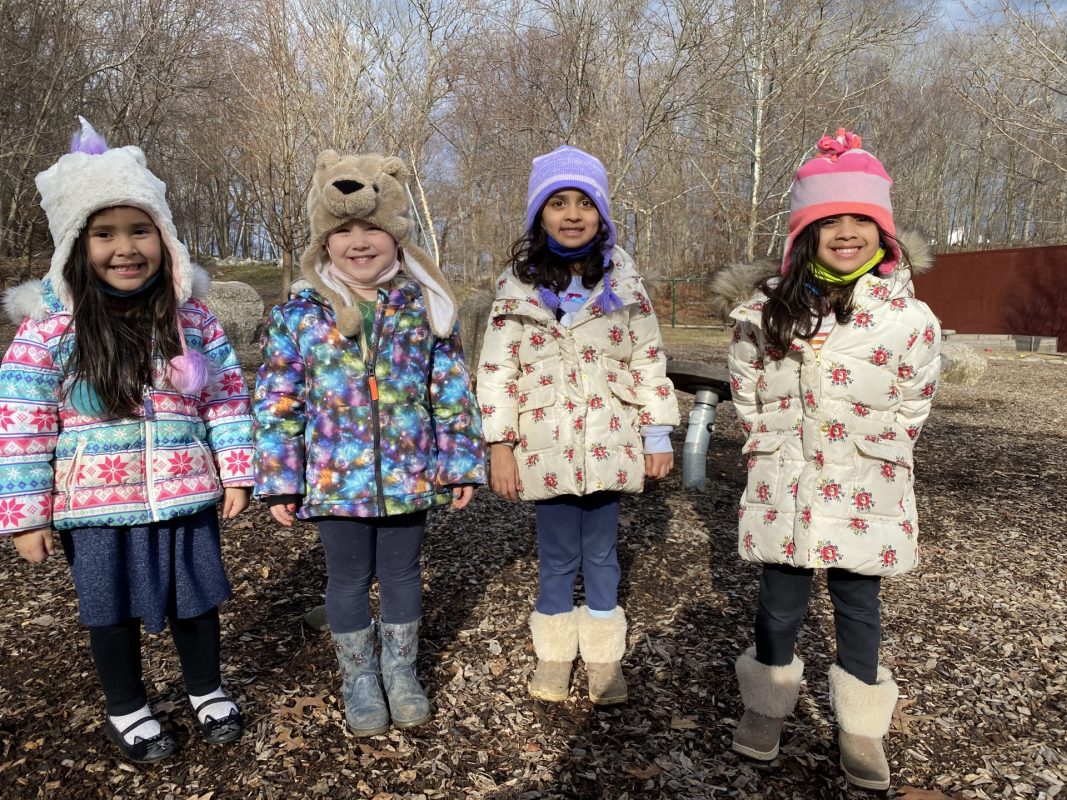
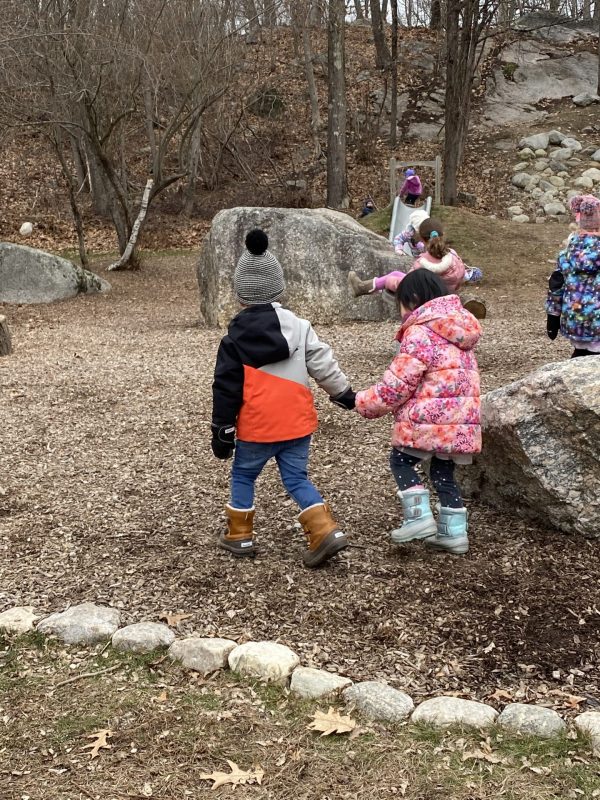
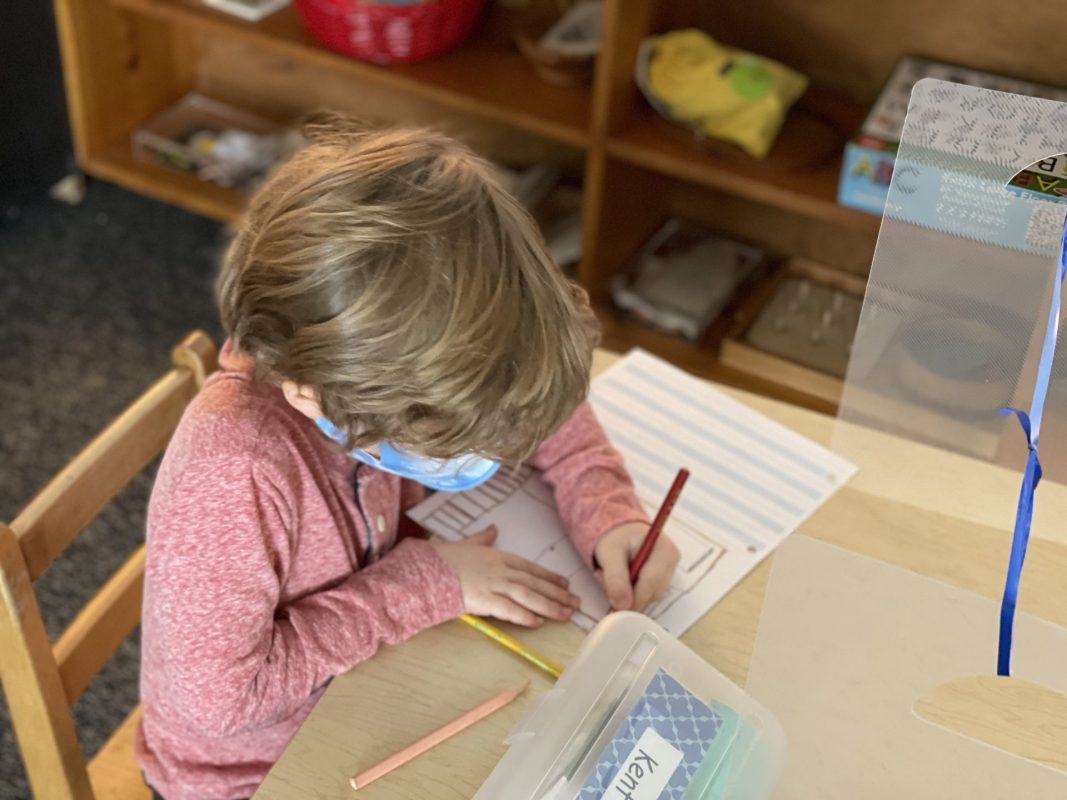
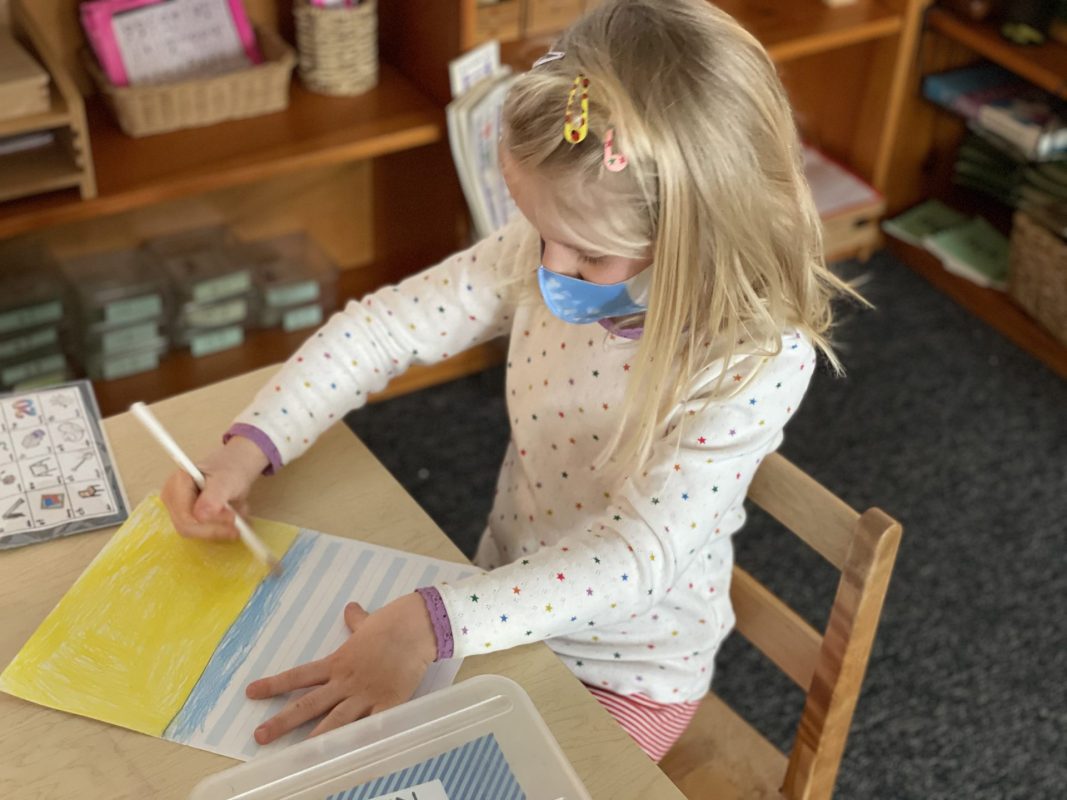
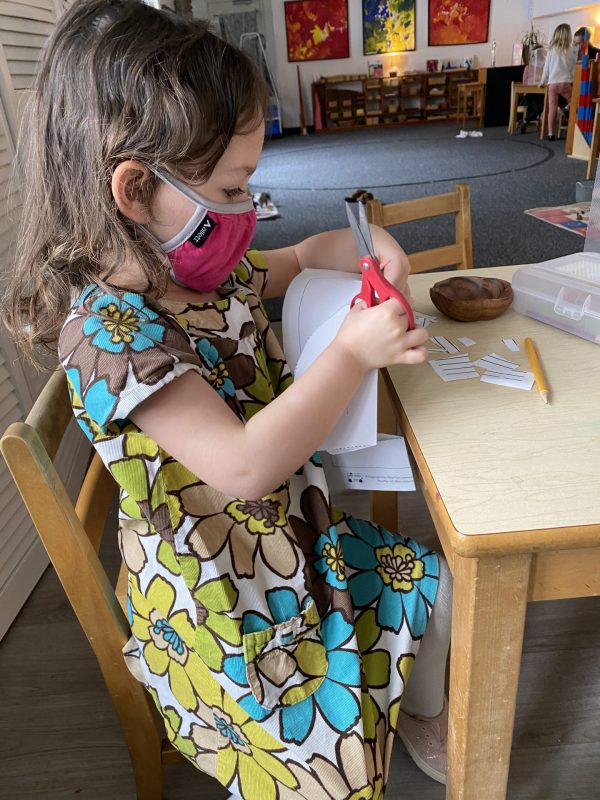
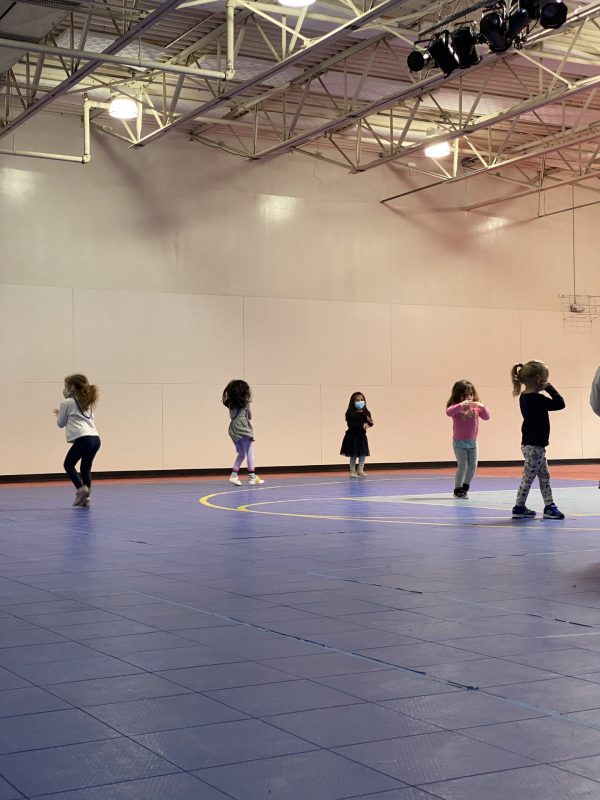
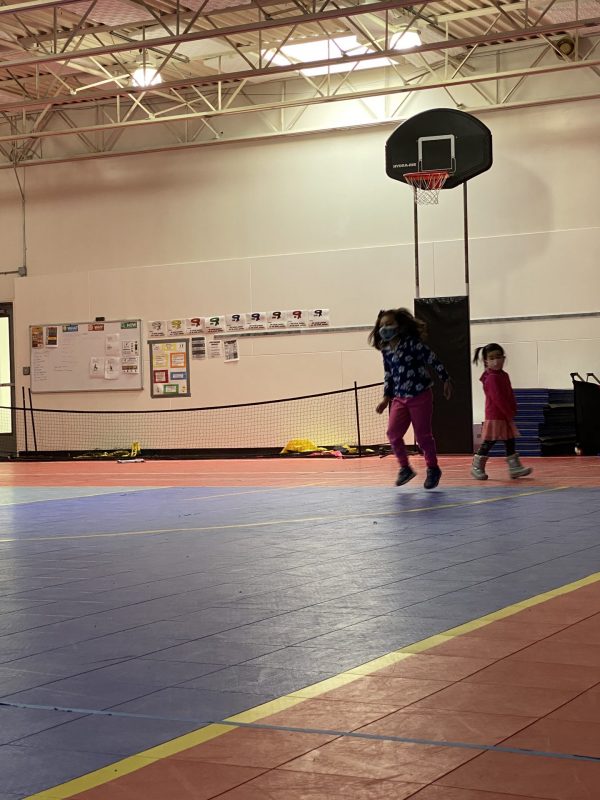
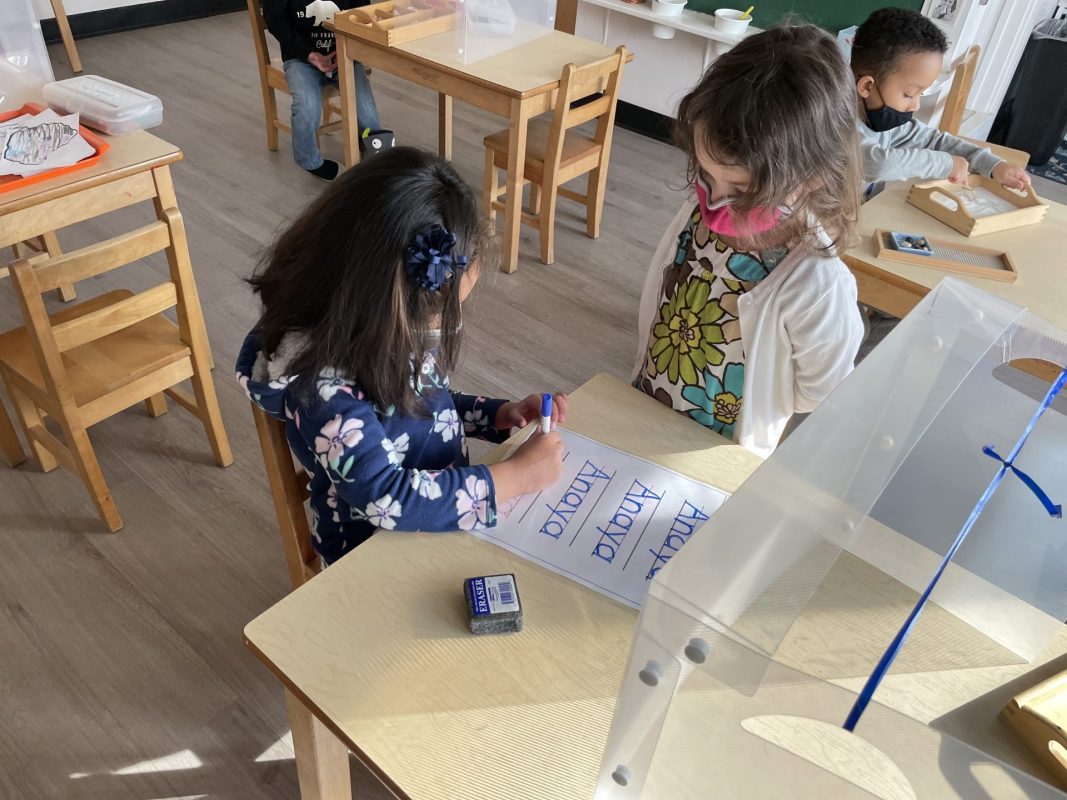
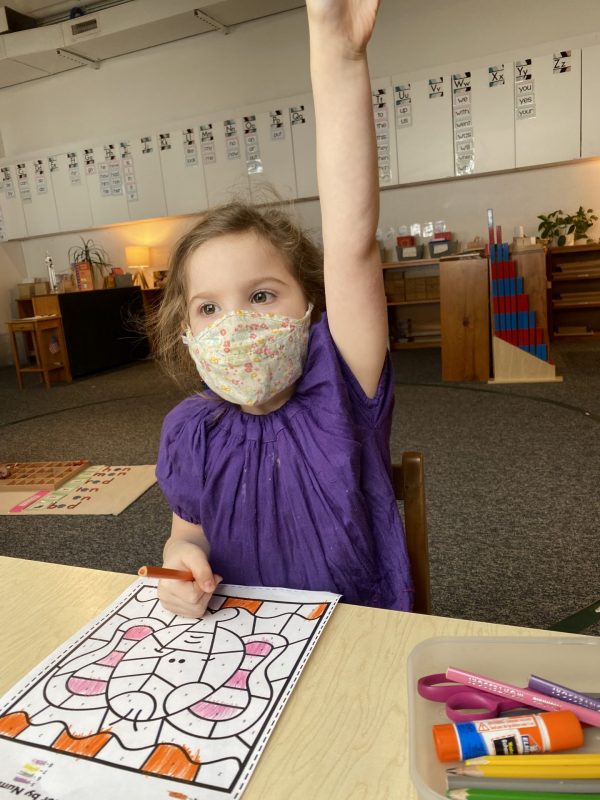
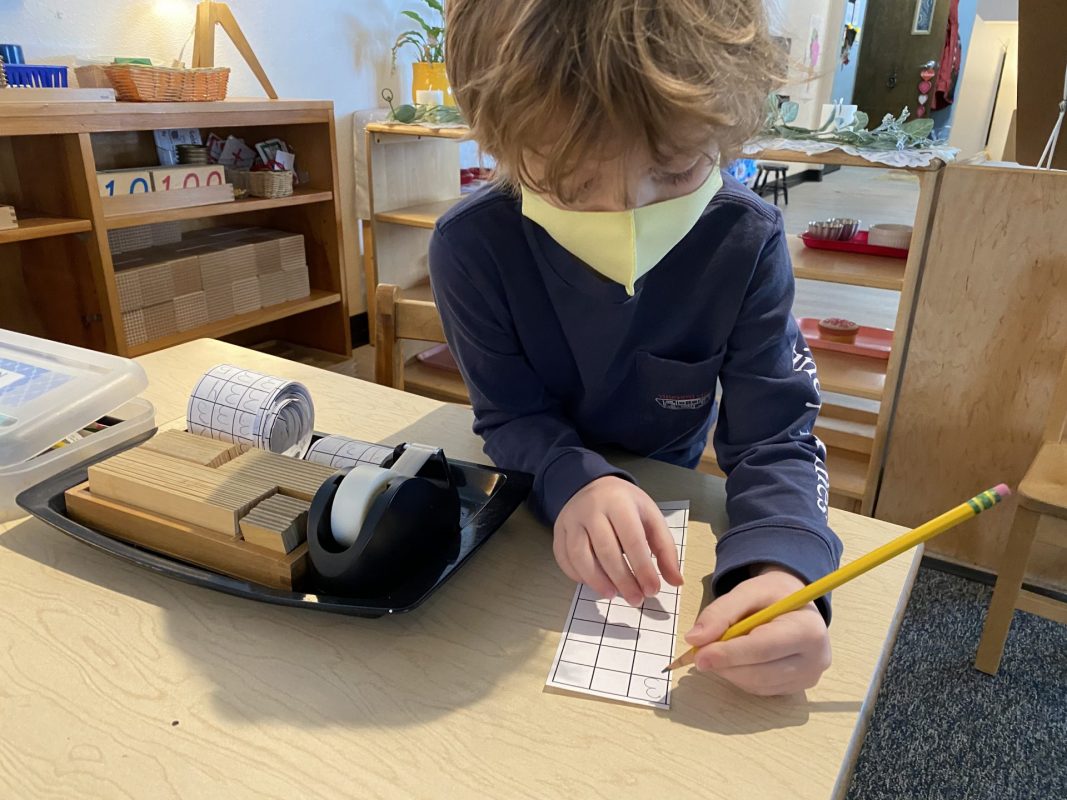
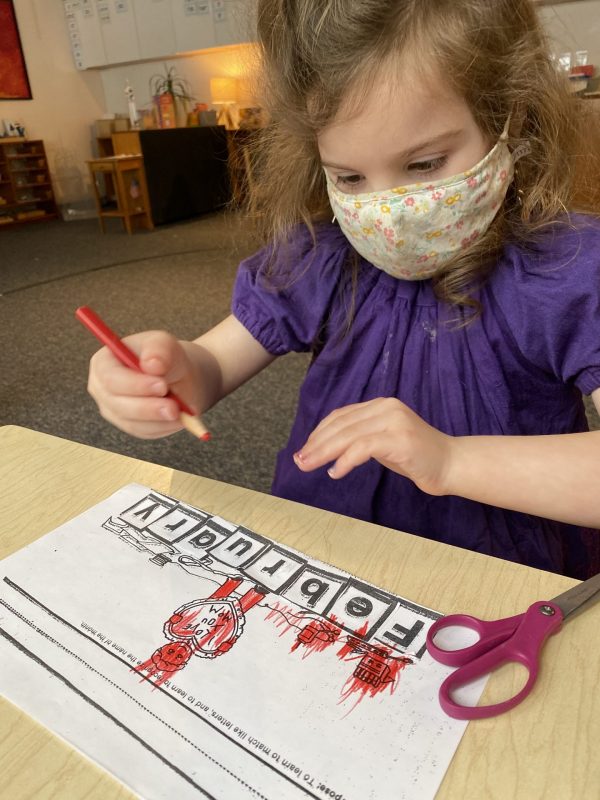
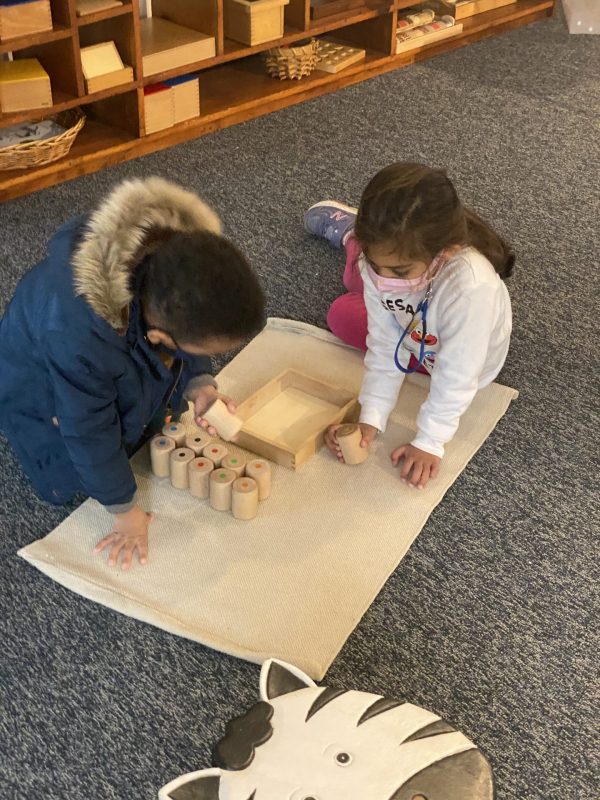
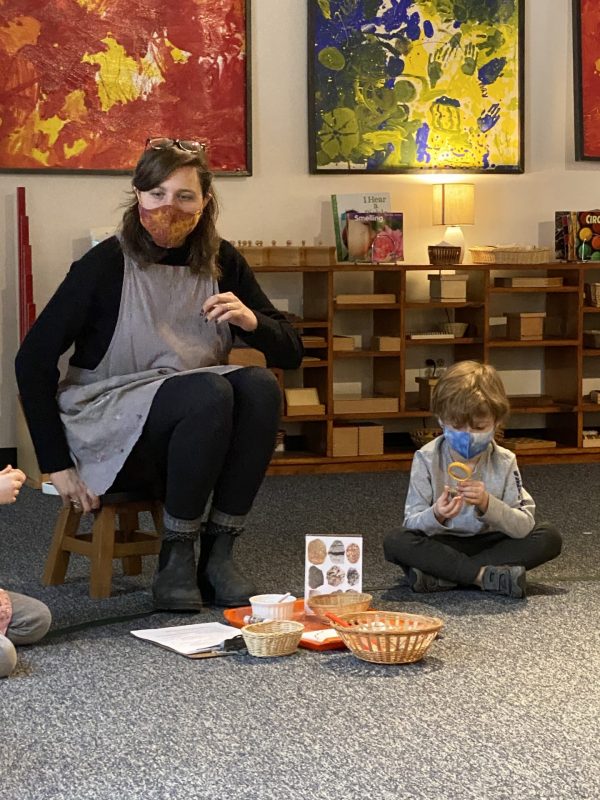
Enjoy these images of your children at “work”!

We welcomed two new students into our classroom this week!  Eve and Rowan.  The children were so wonderful making them both feel comfortable and a part of our classroom family!

Next Tuesday, March 2nd, we will be celebrating Read Across America Day!  Please look out for an email with more information about this fun event!

Wishing you a peaceful week,

Amanda & Sharlene
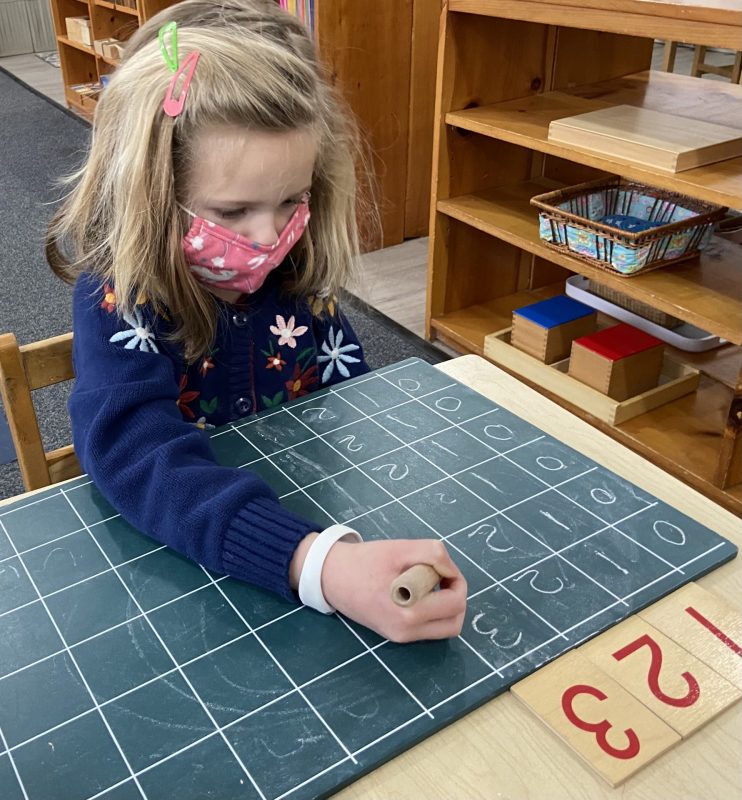

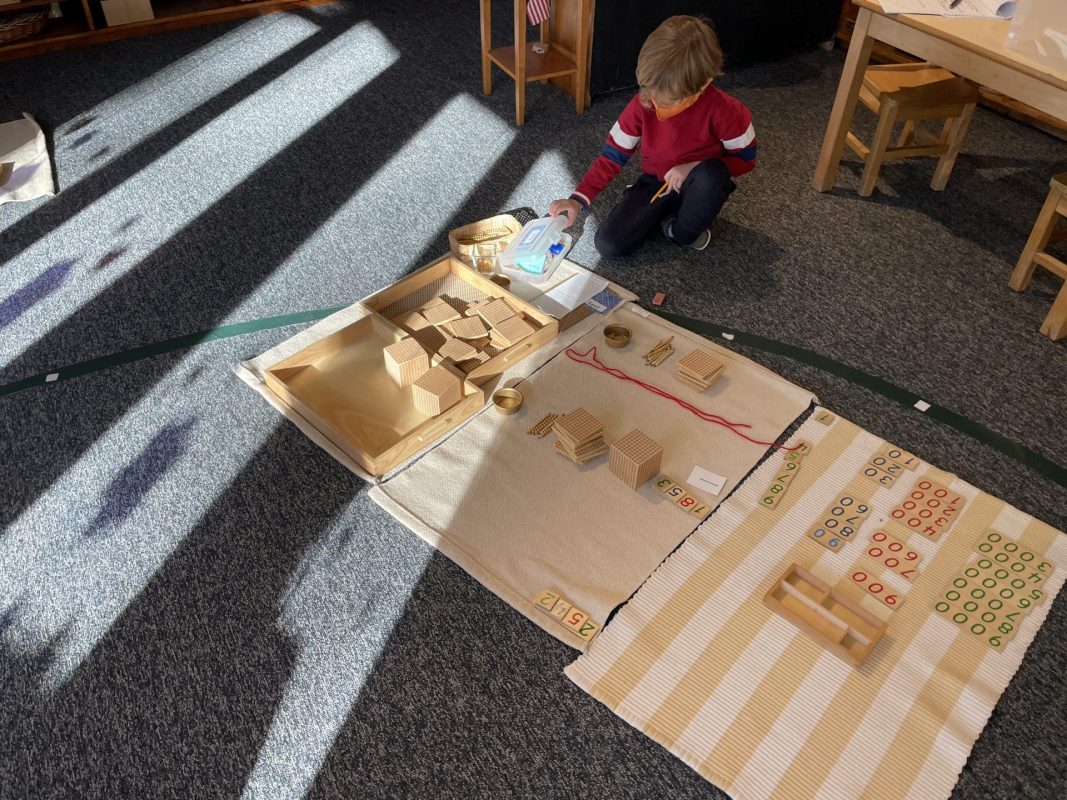
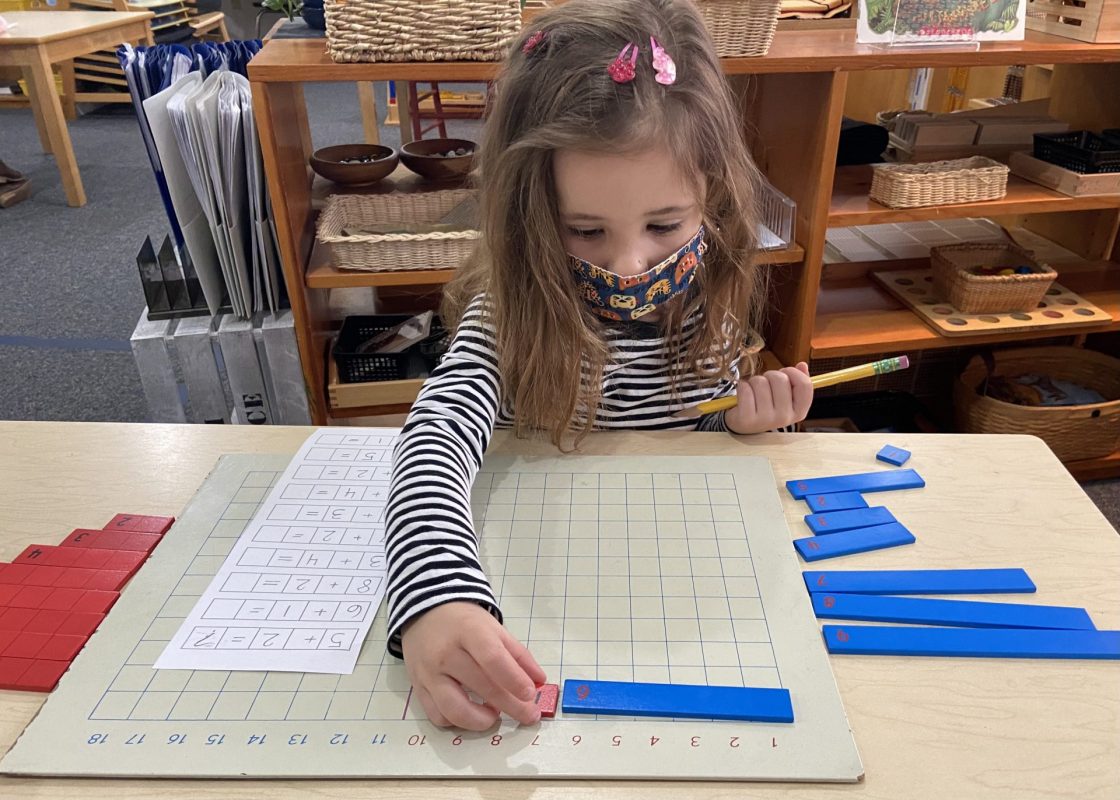
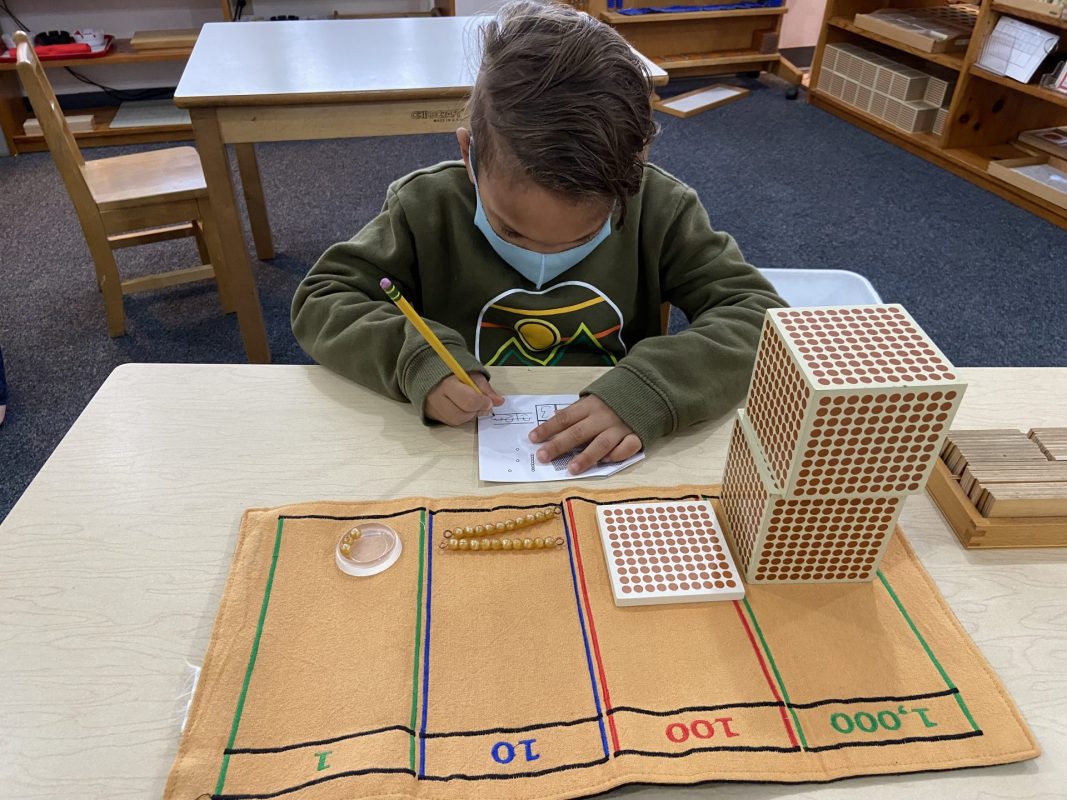
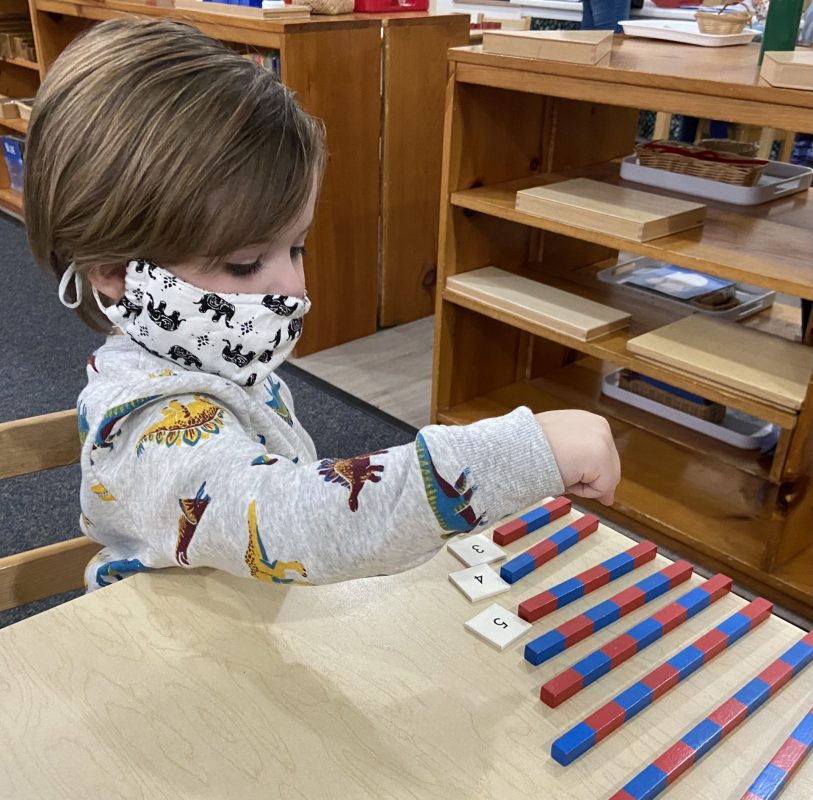
Mrs. Doyle’s Class: Montessori Math–It All Adds Up


“Children display a universal love of mathematics, which is par excellence the science of precision, order, and intelligence.”

~ Dr. Maria Montessori

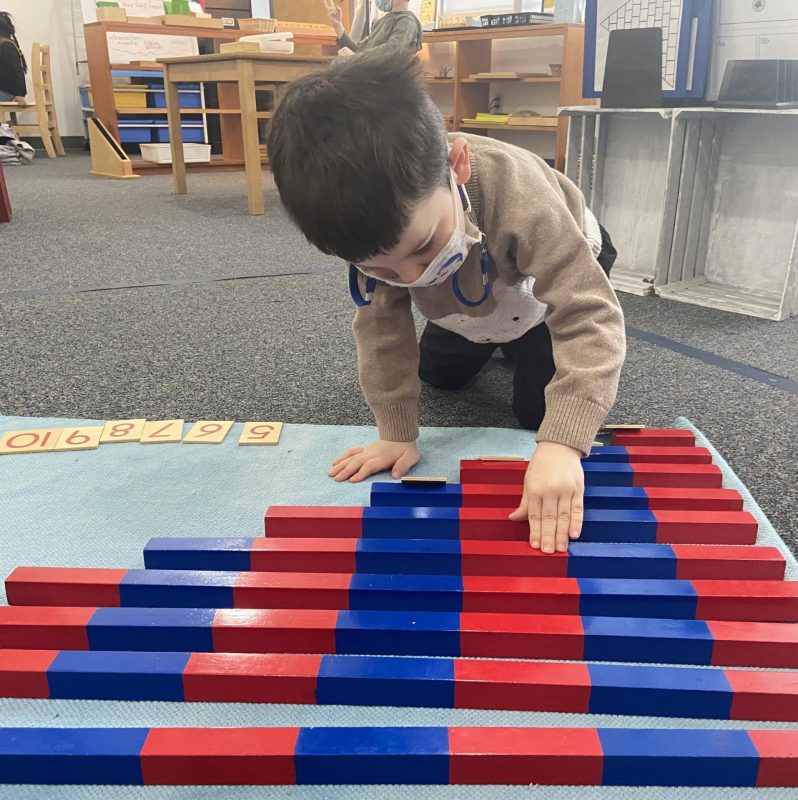
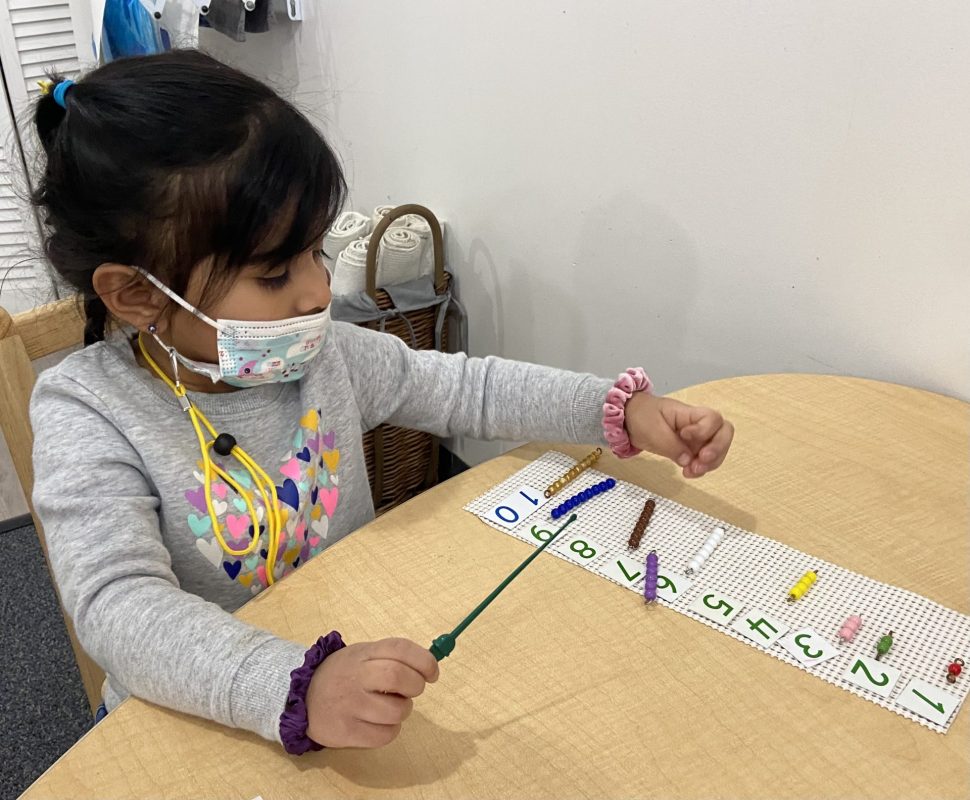
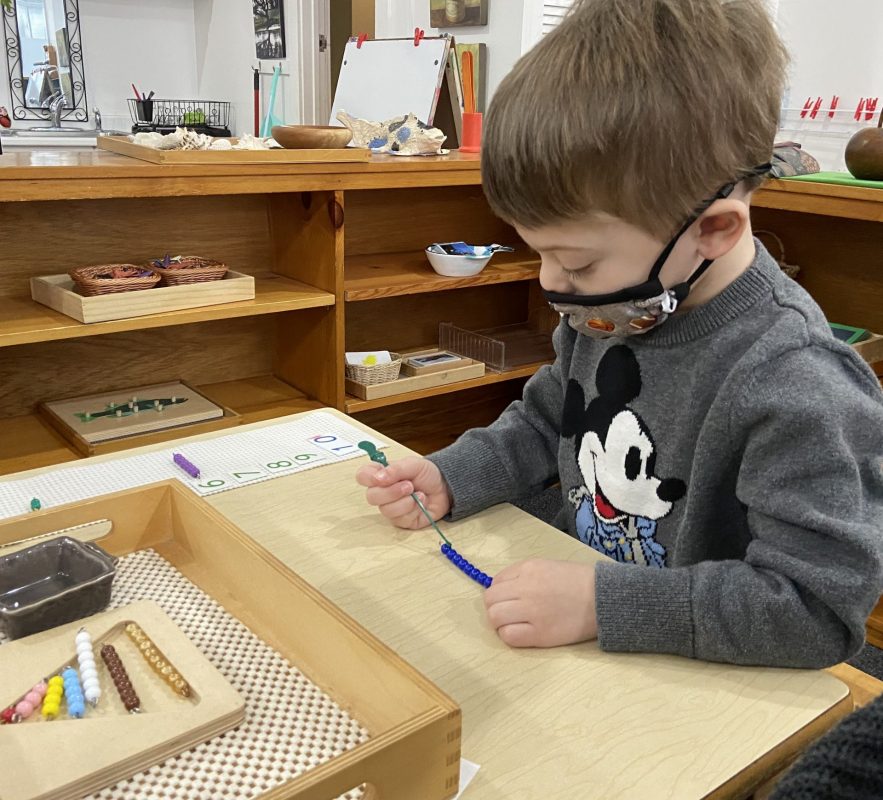
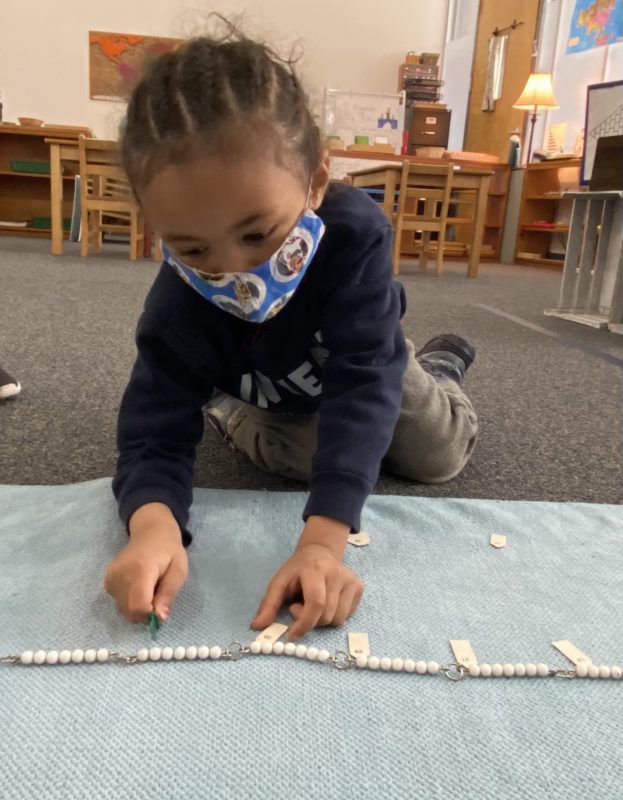
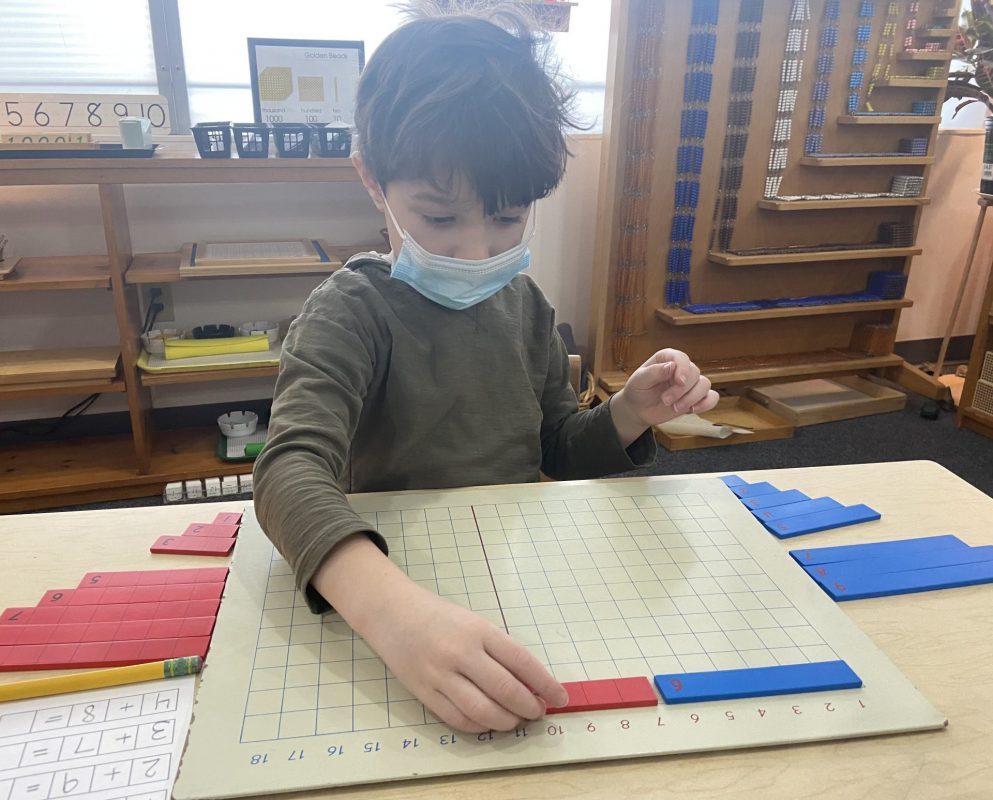
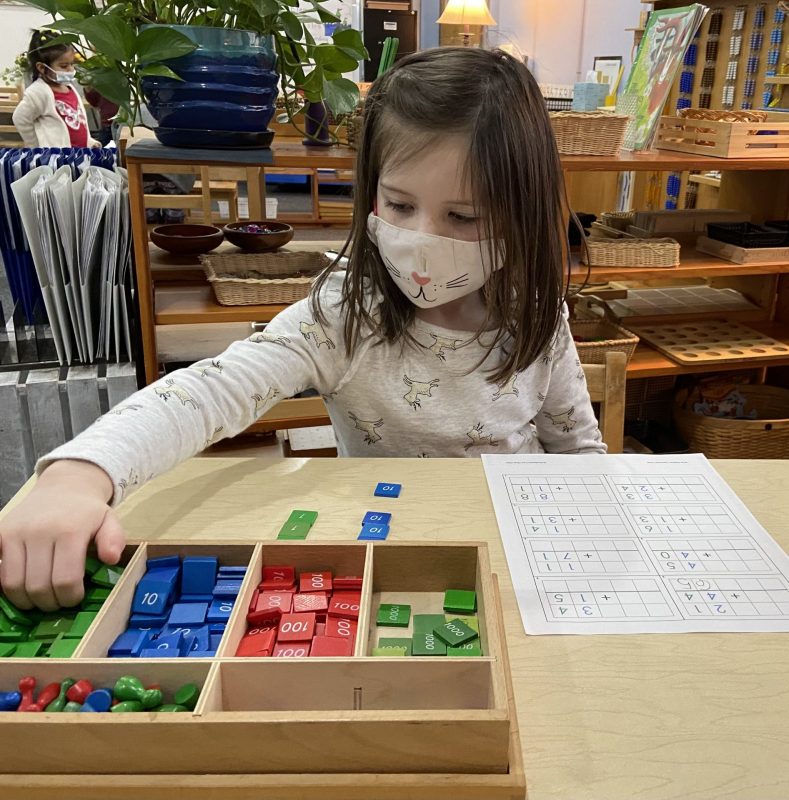
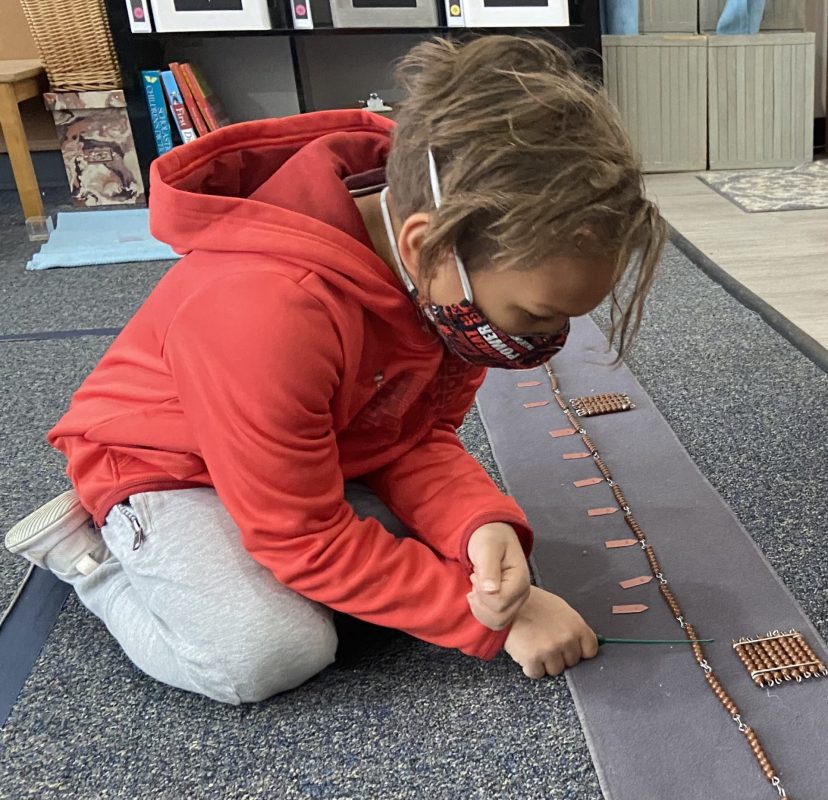
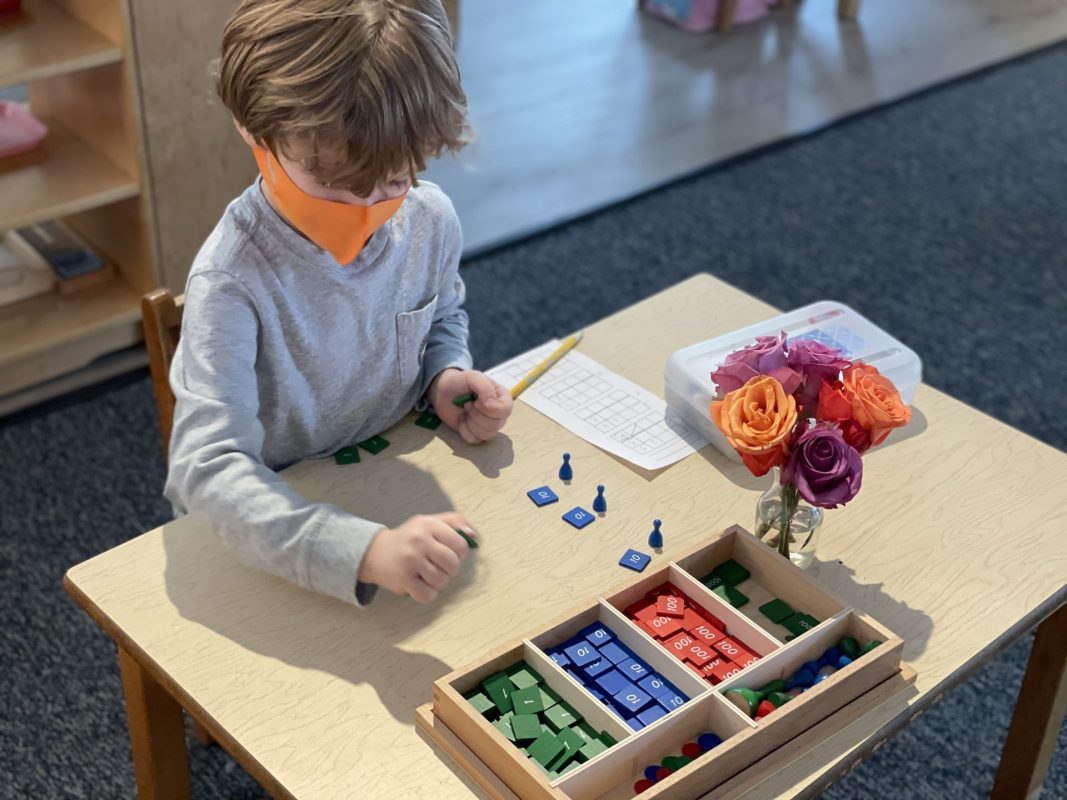
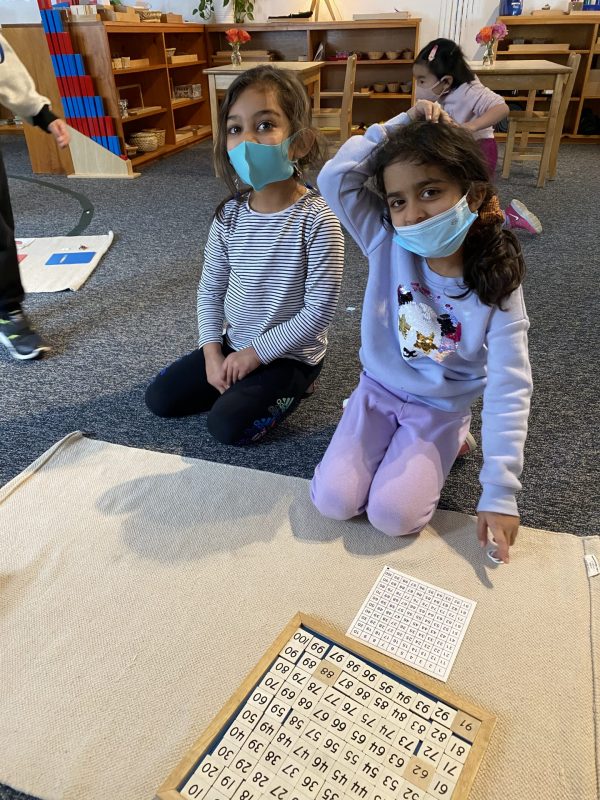
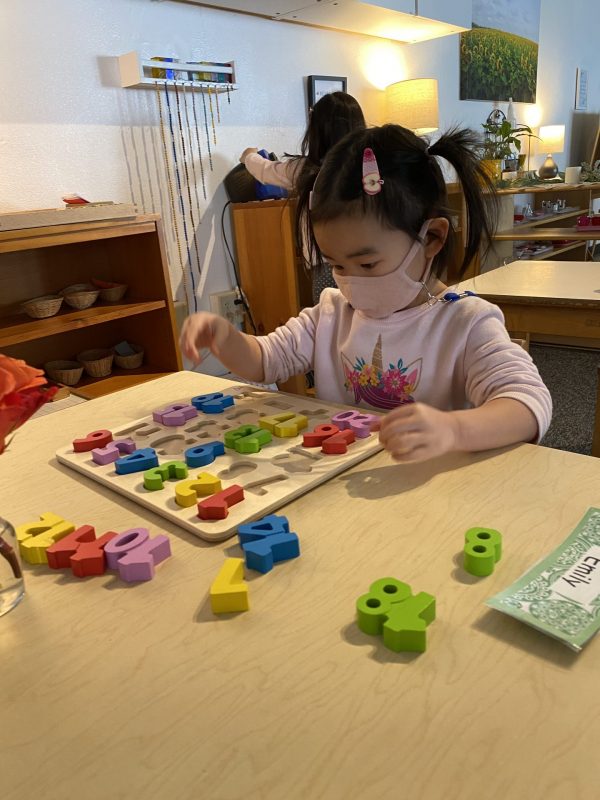
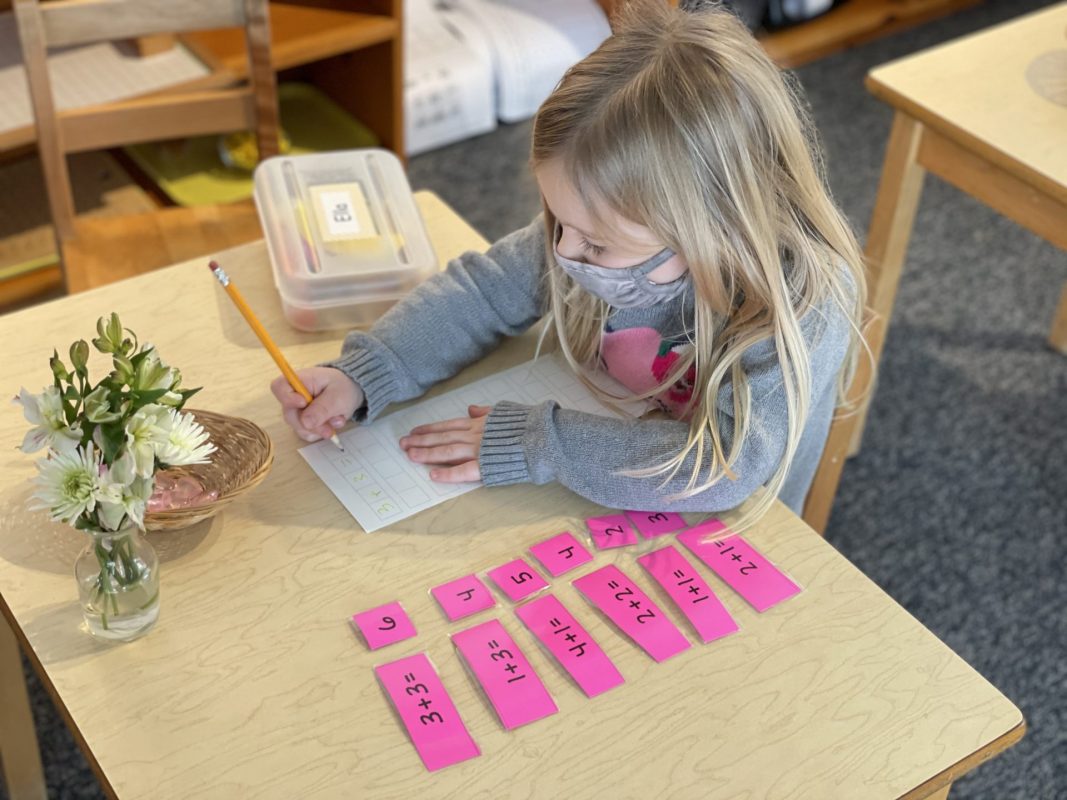
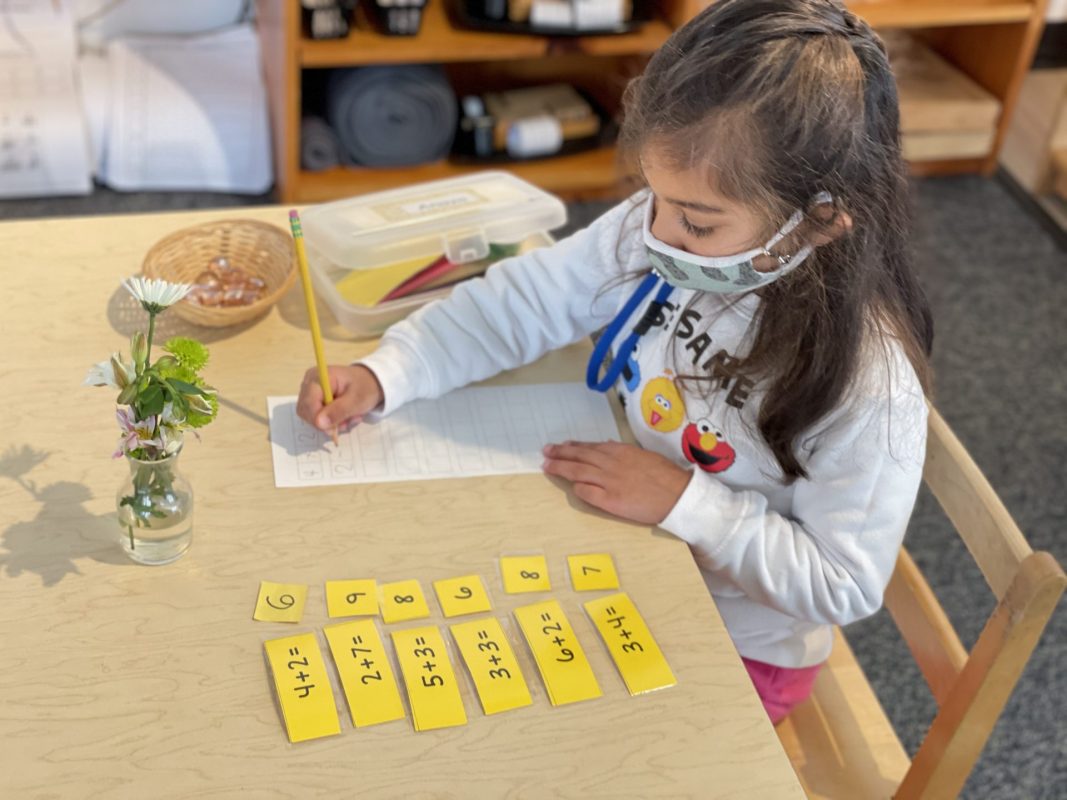
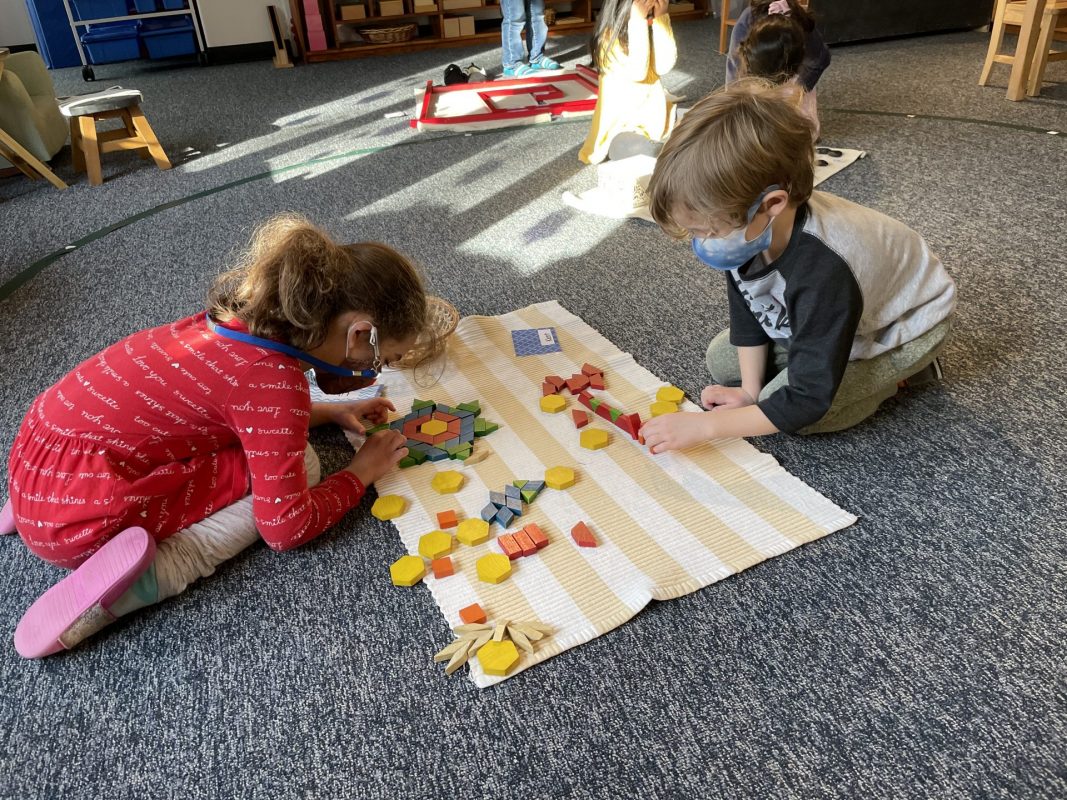
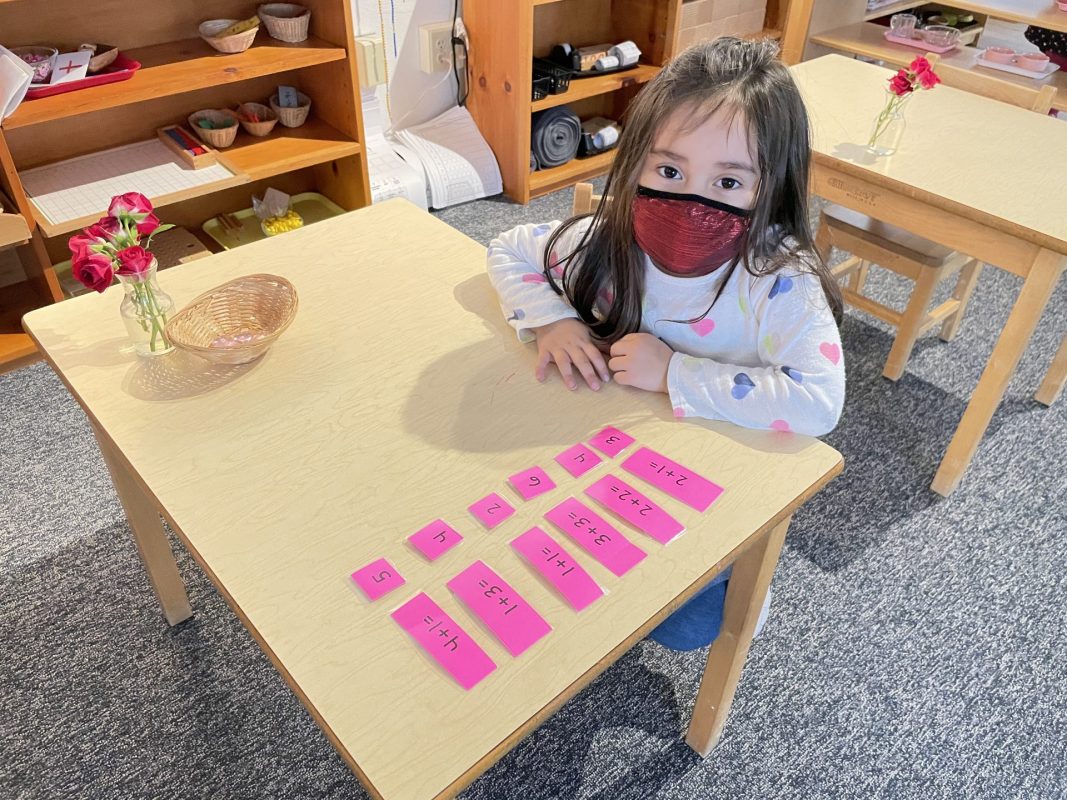
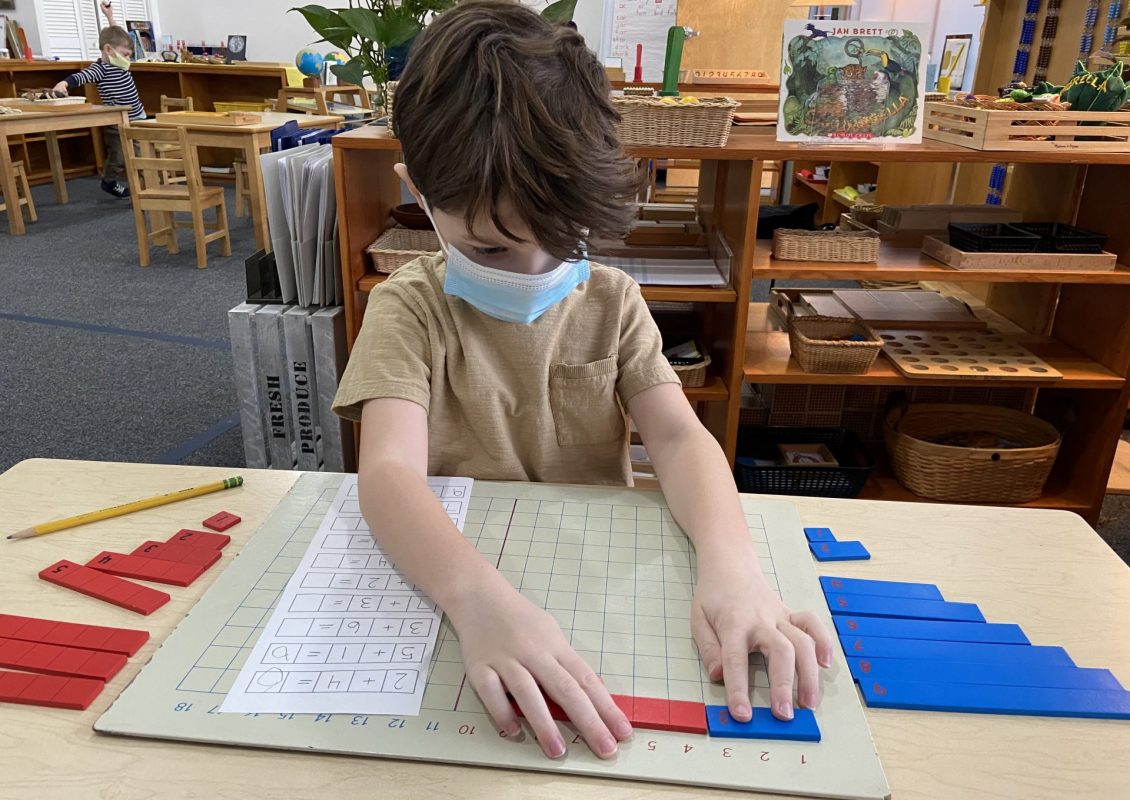
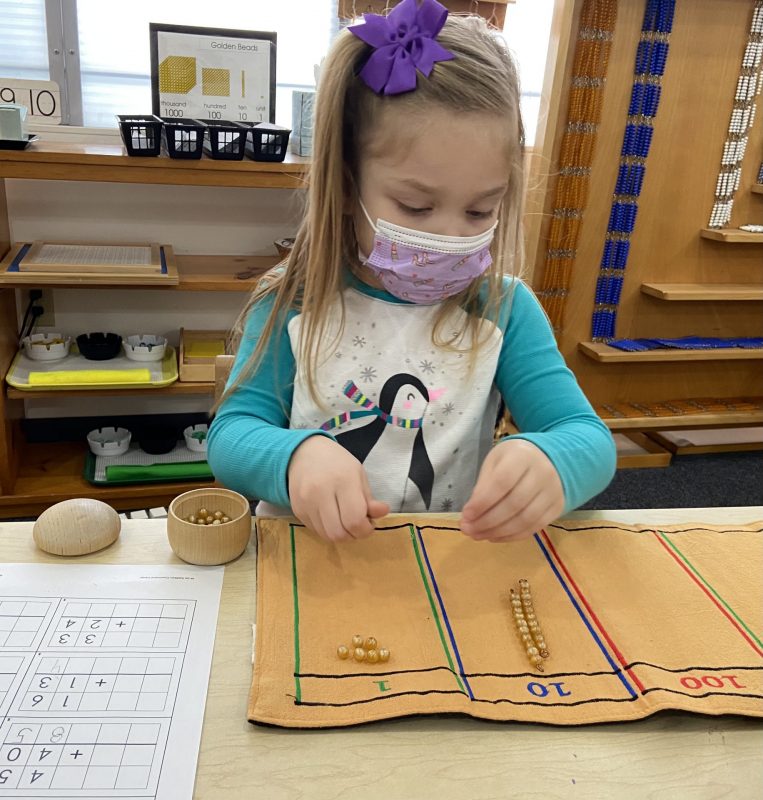
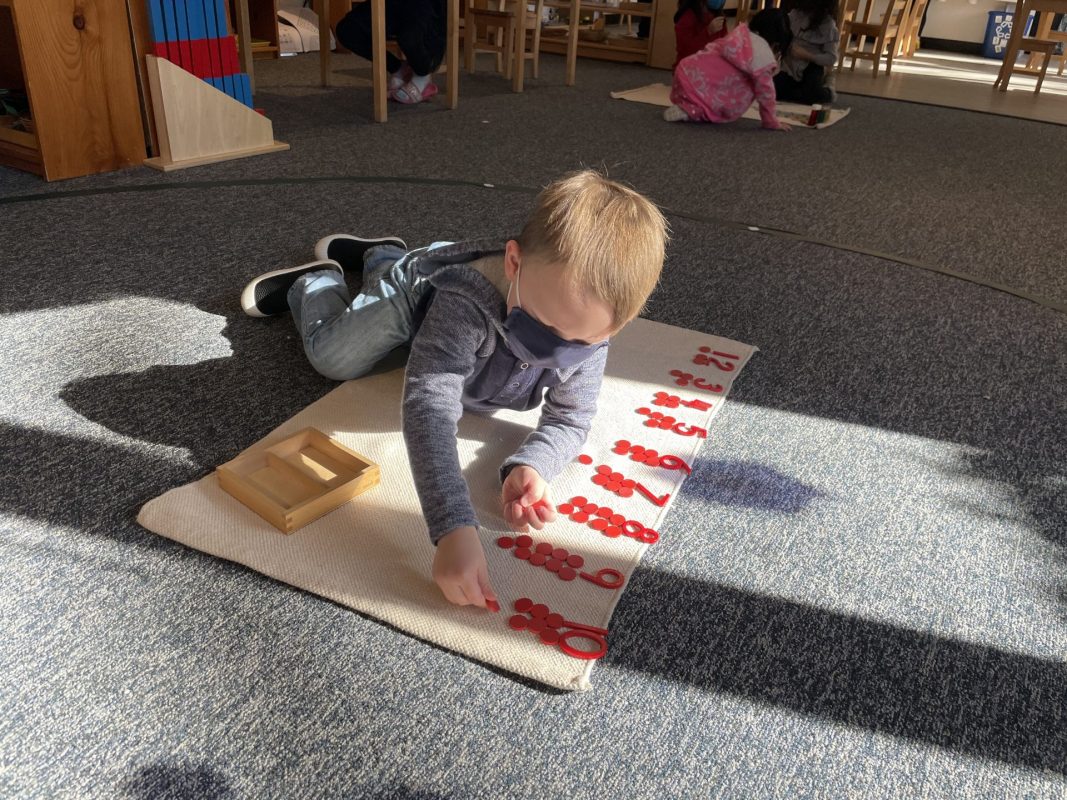
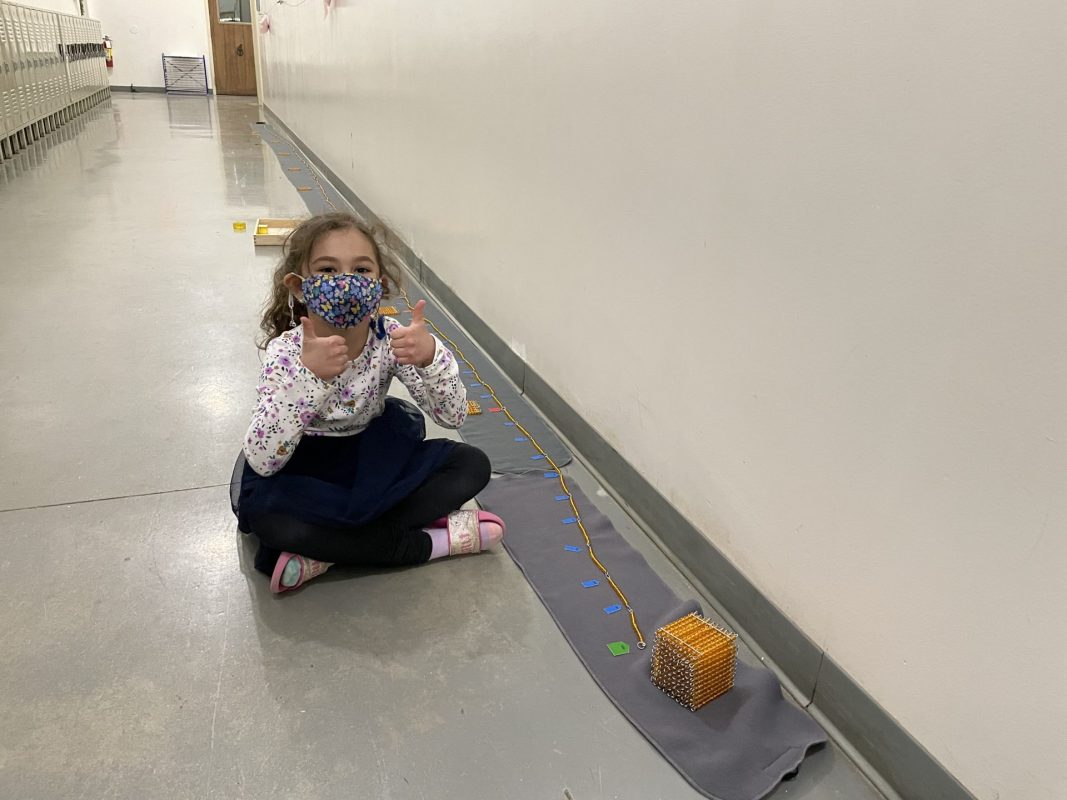
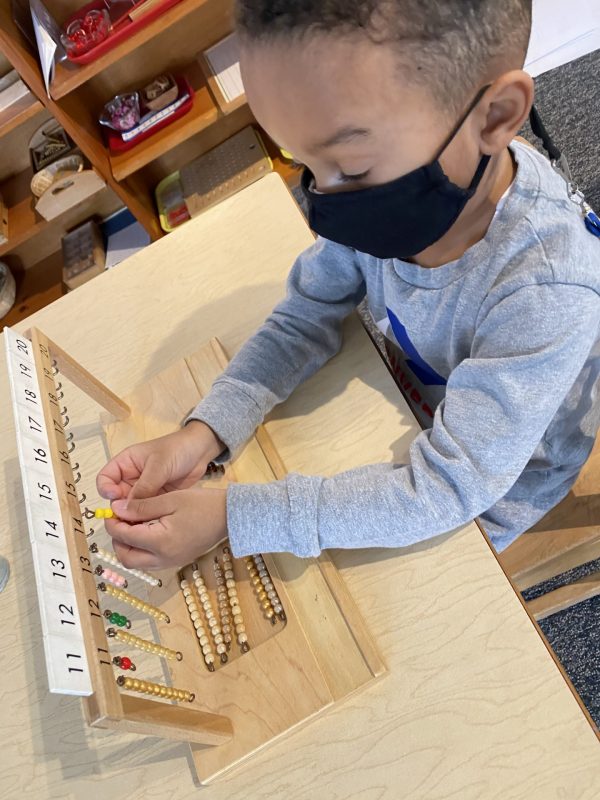
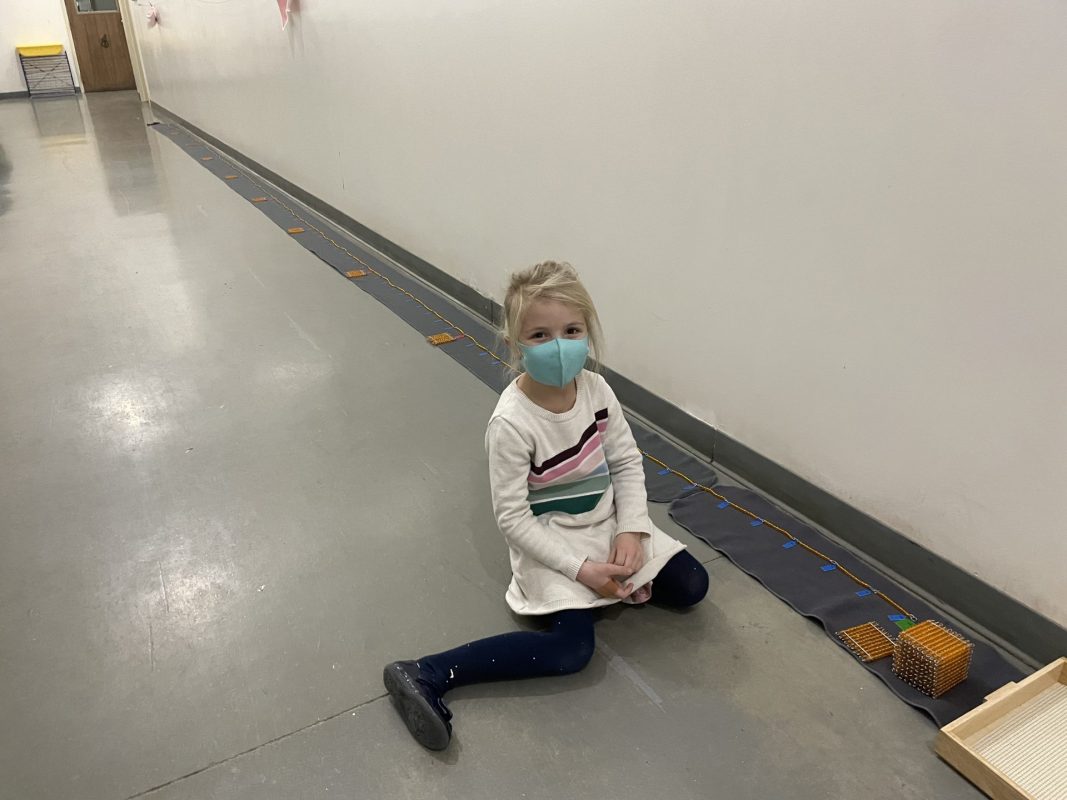
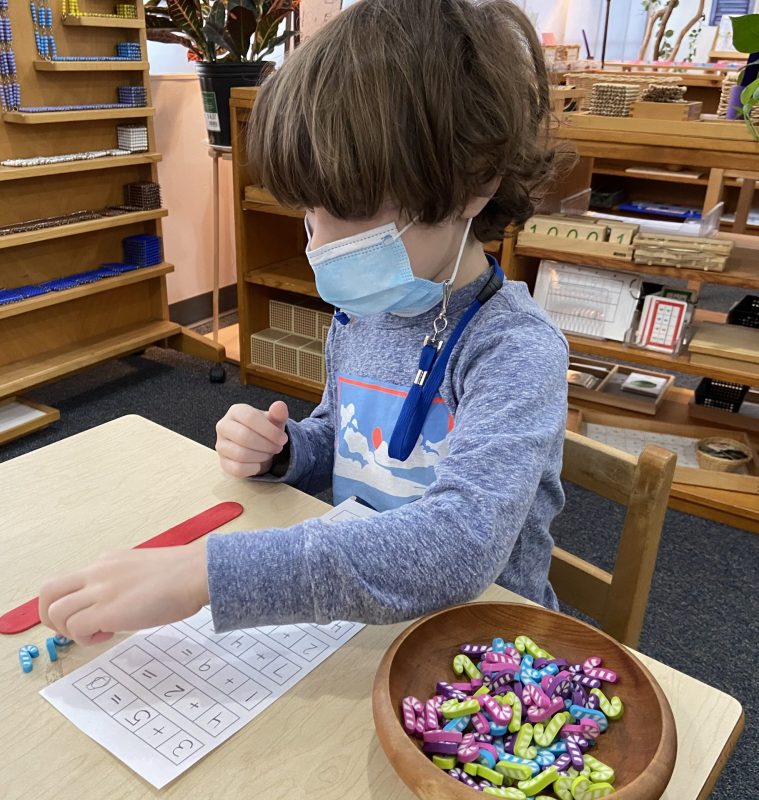
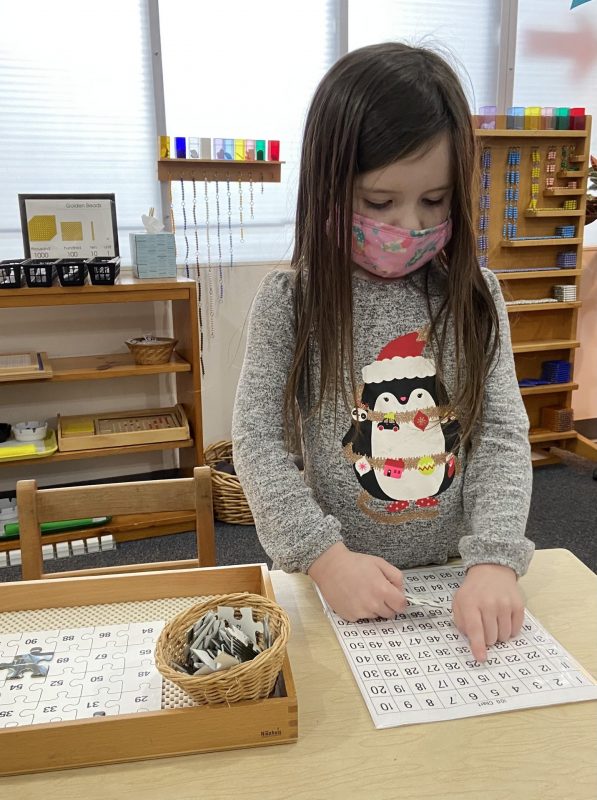
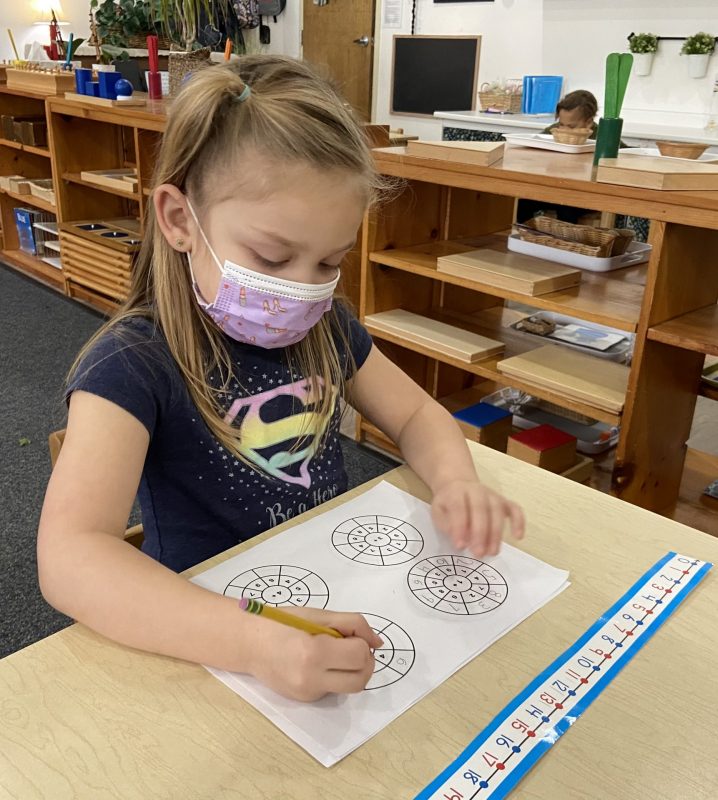
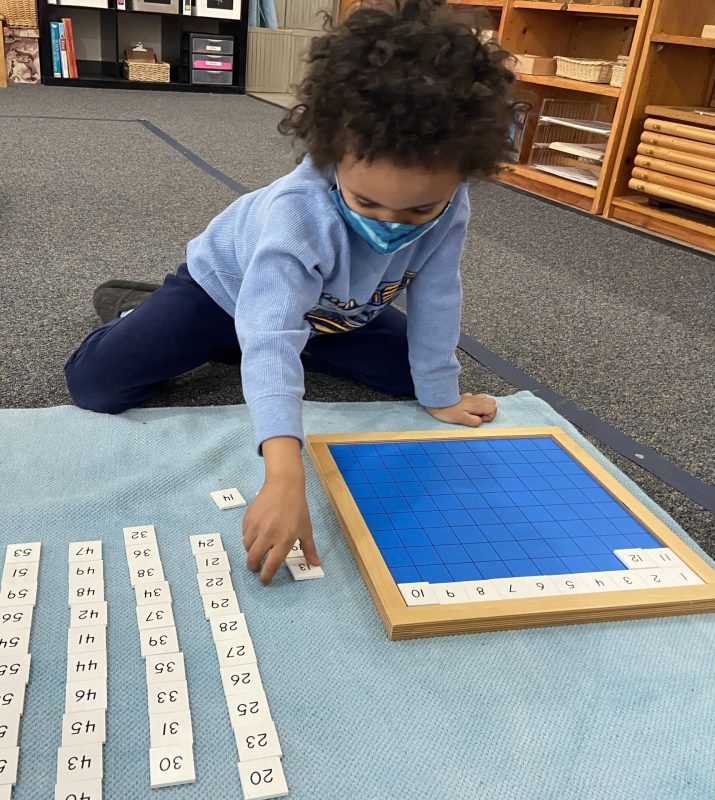
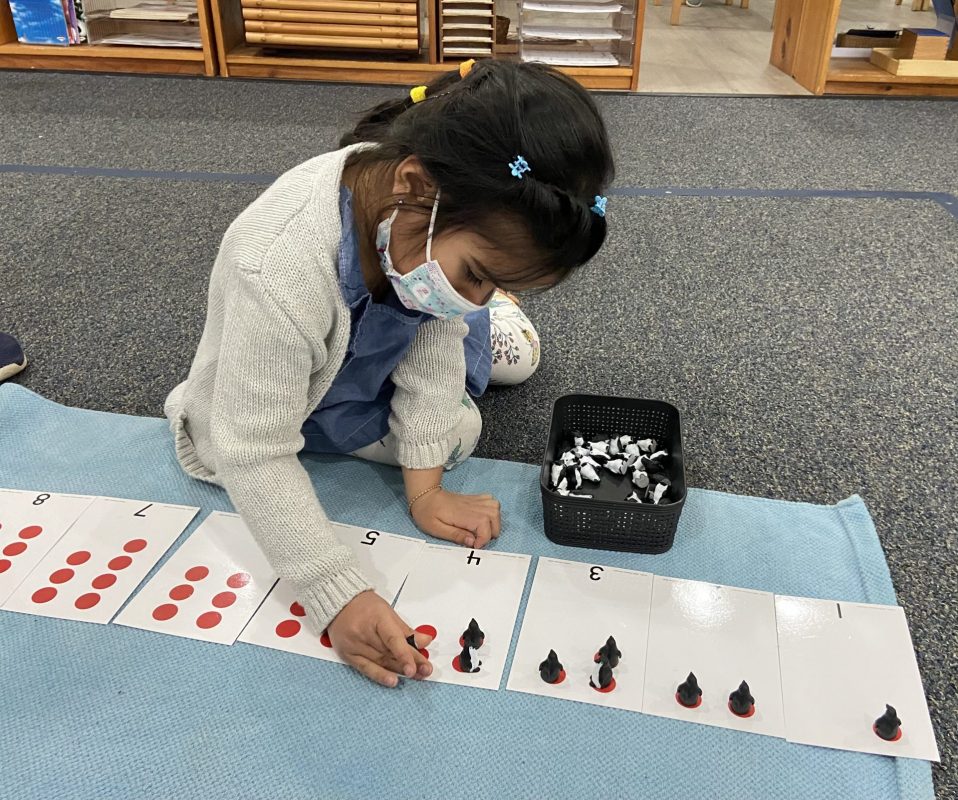
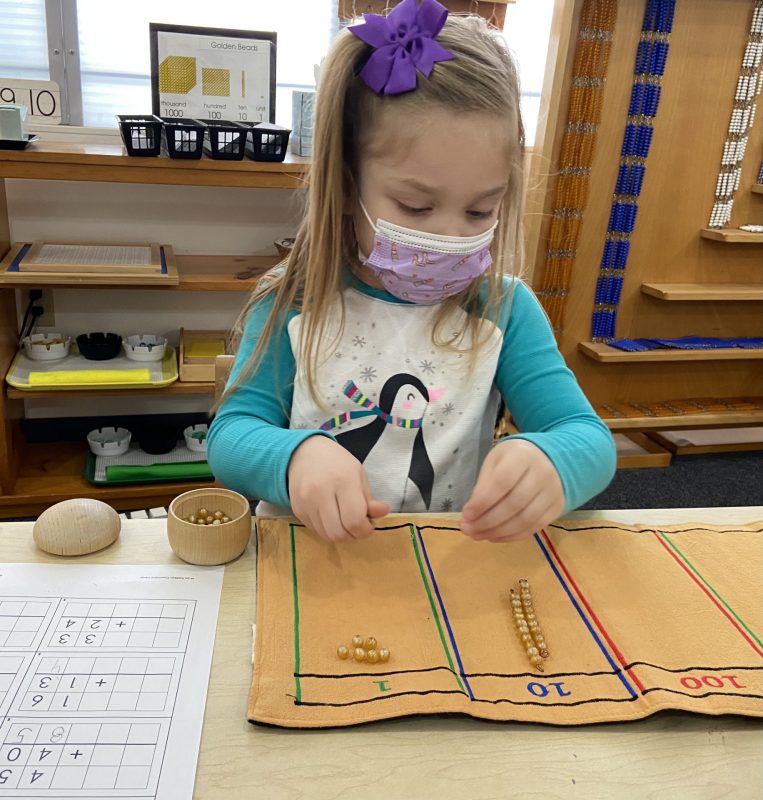
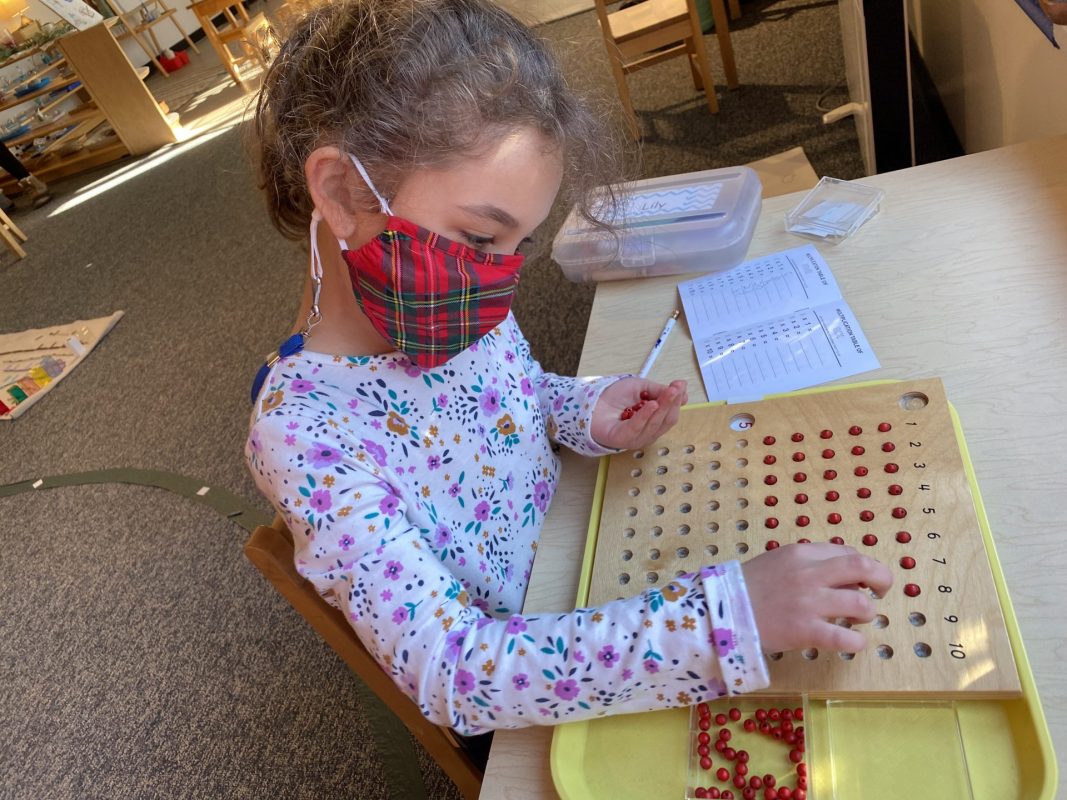
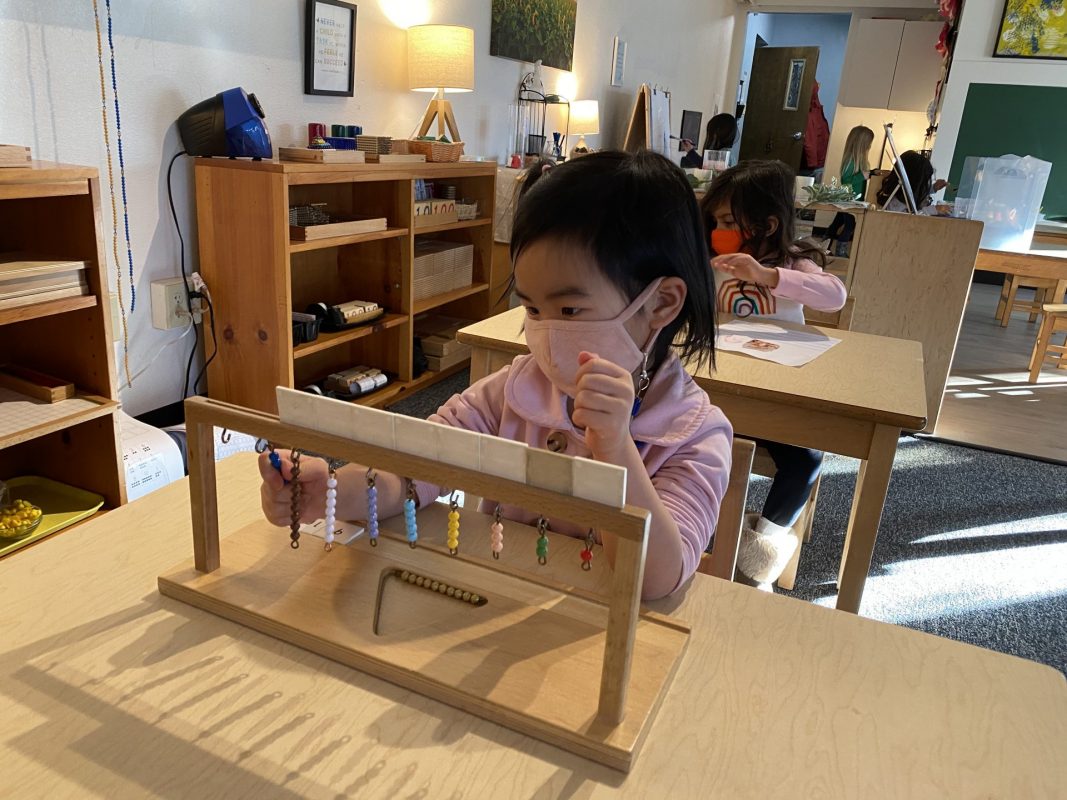
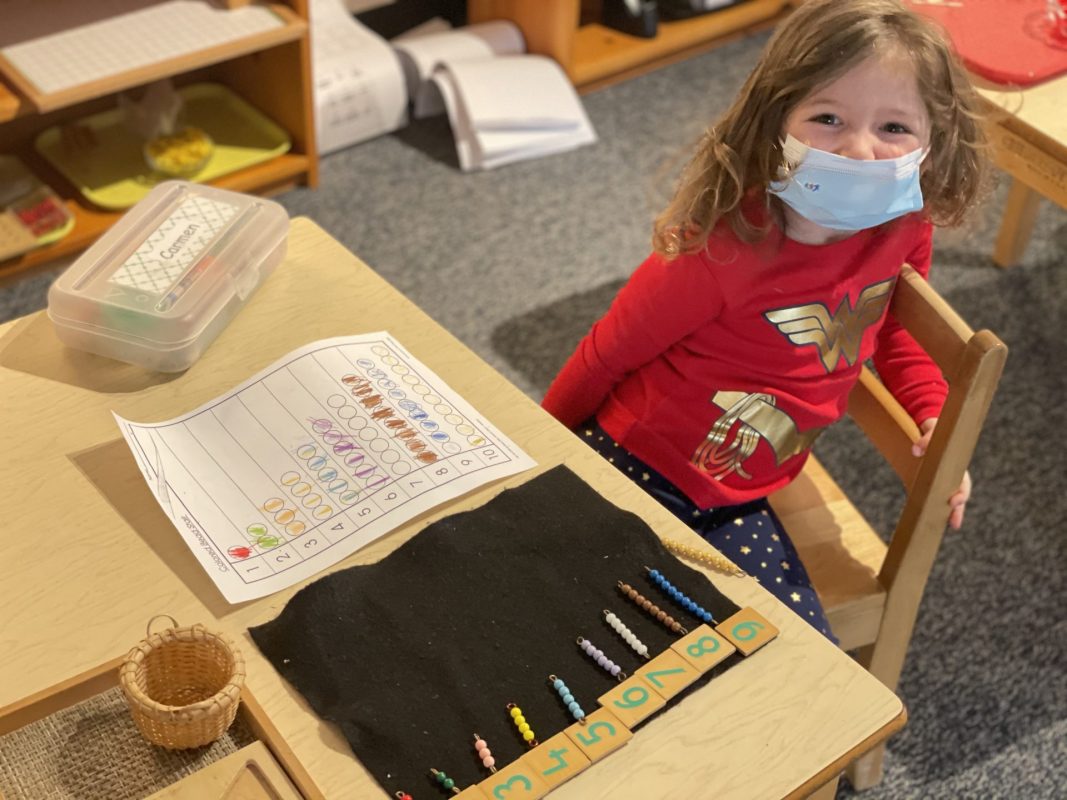
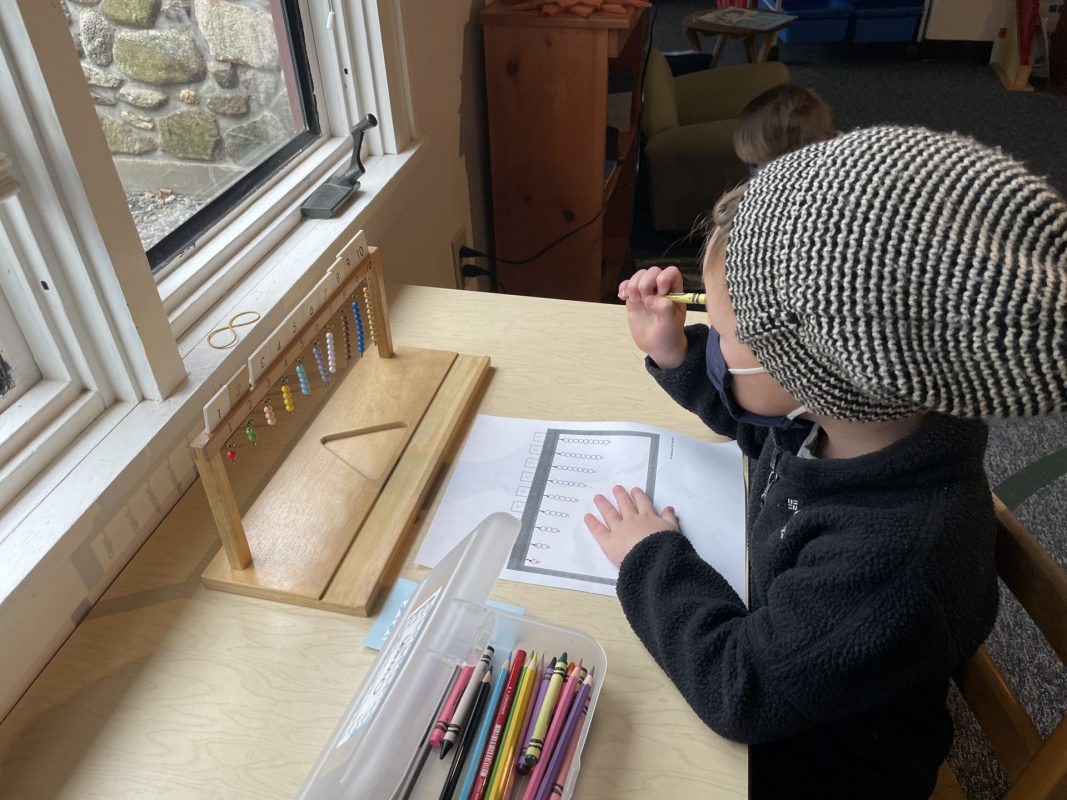
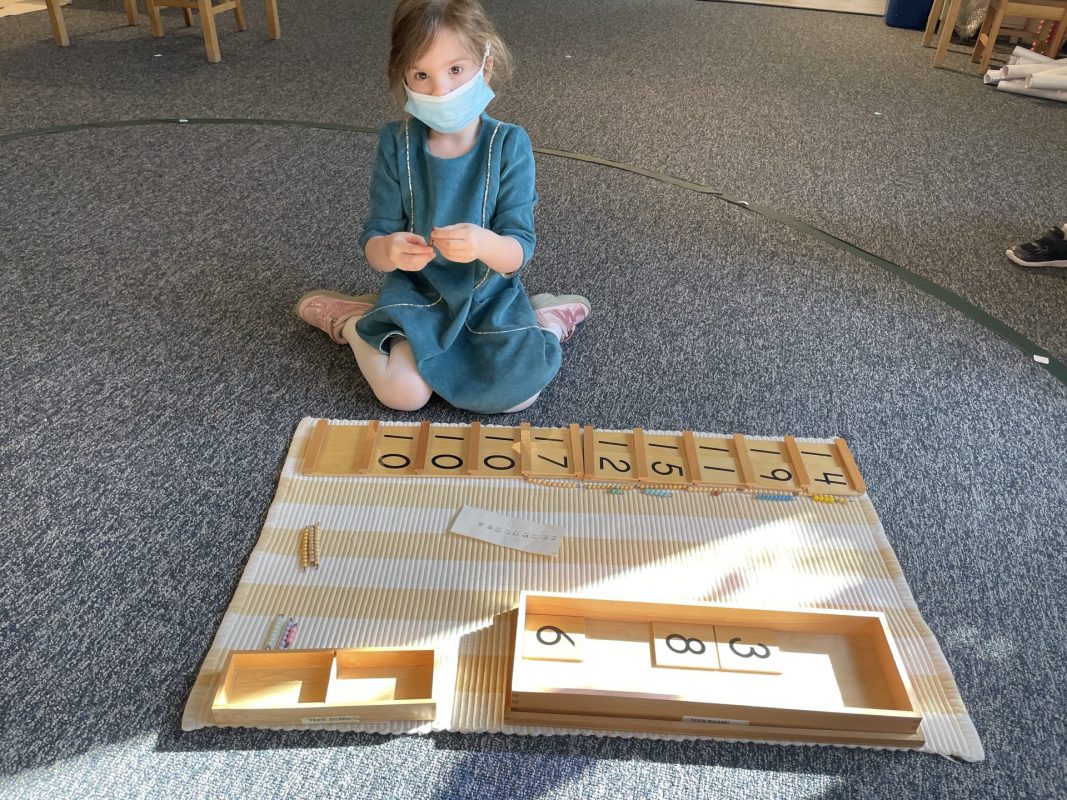
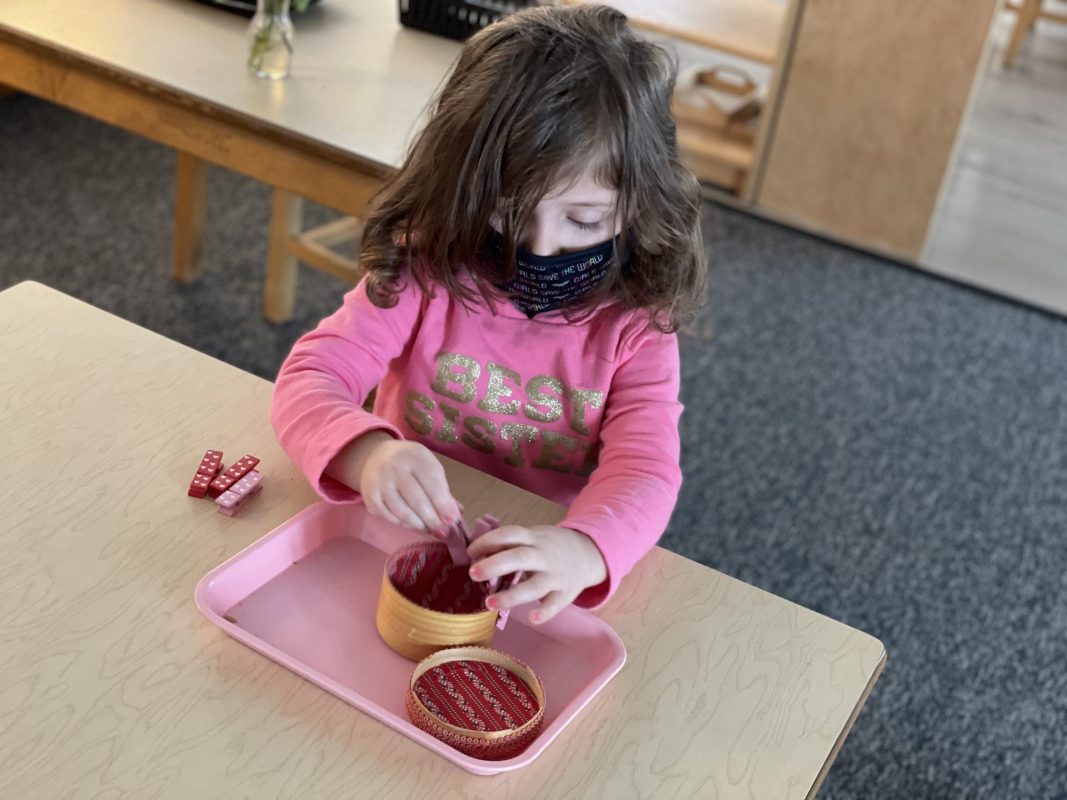
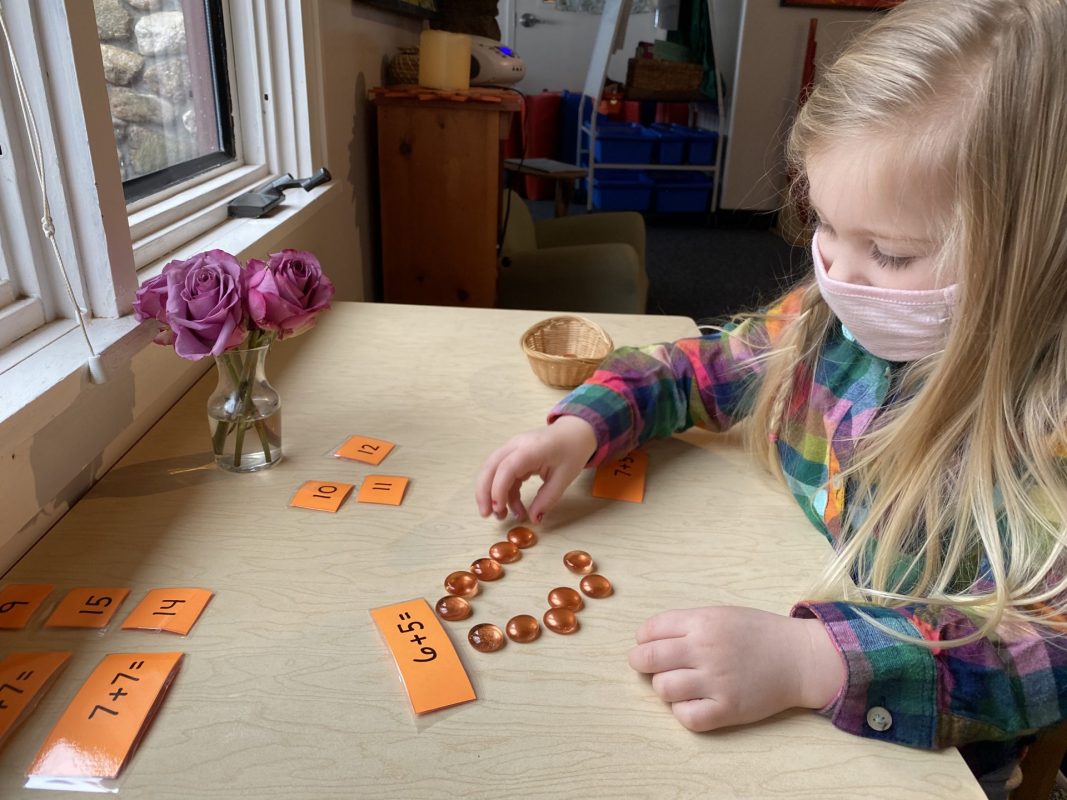
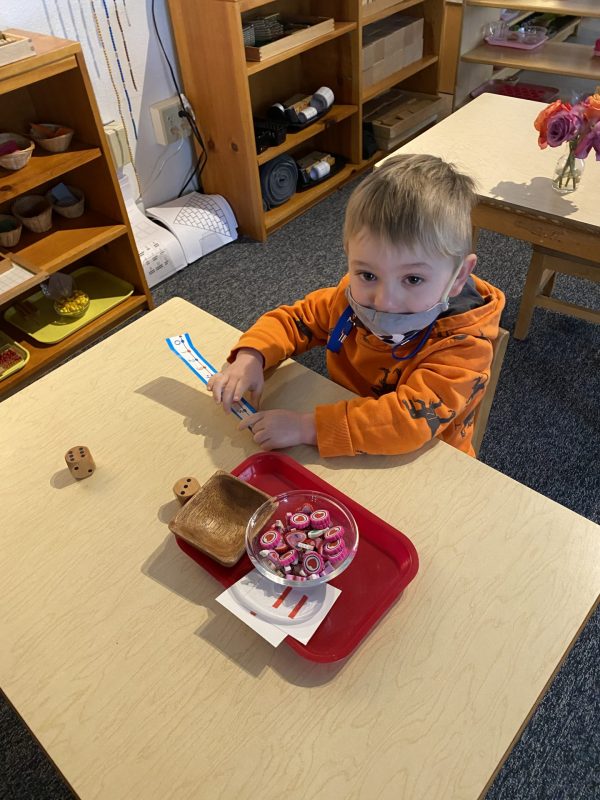
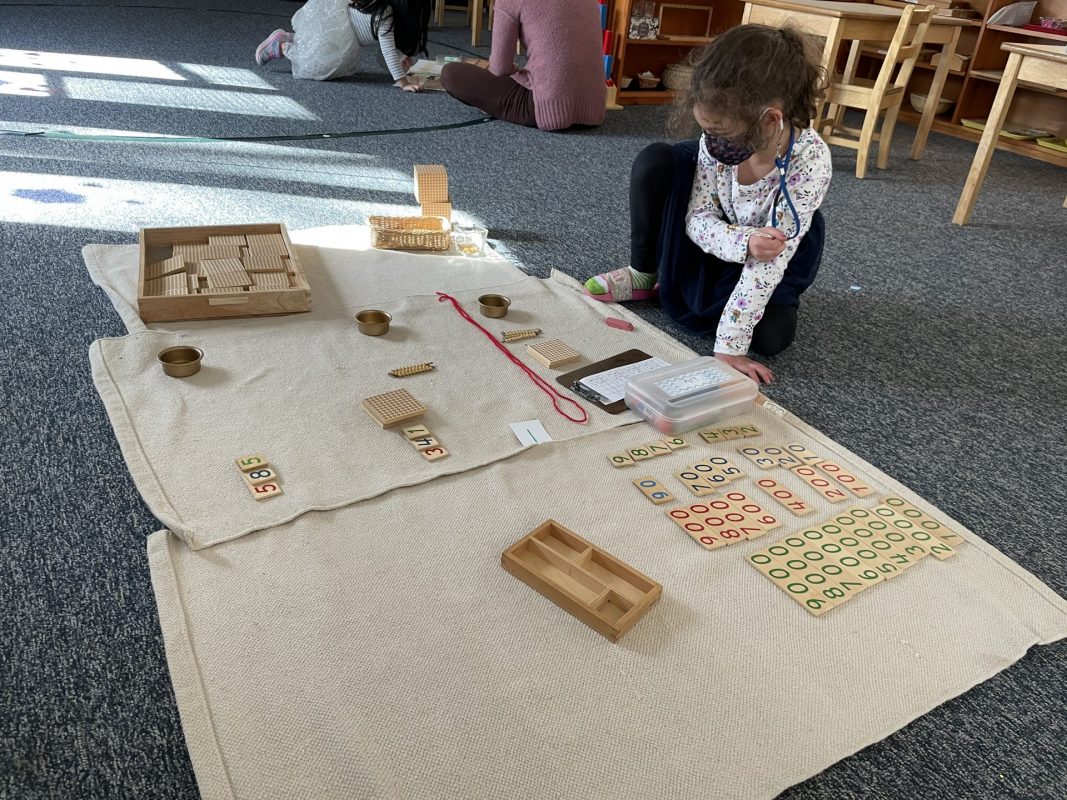
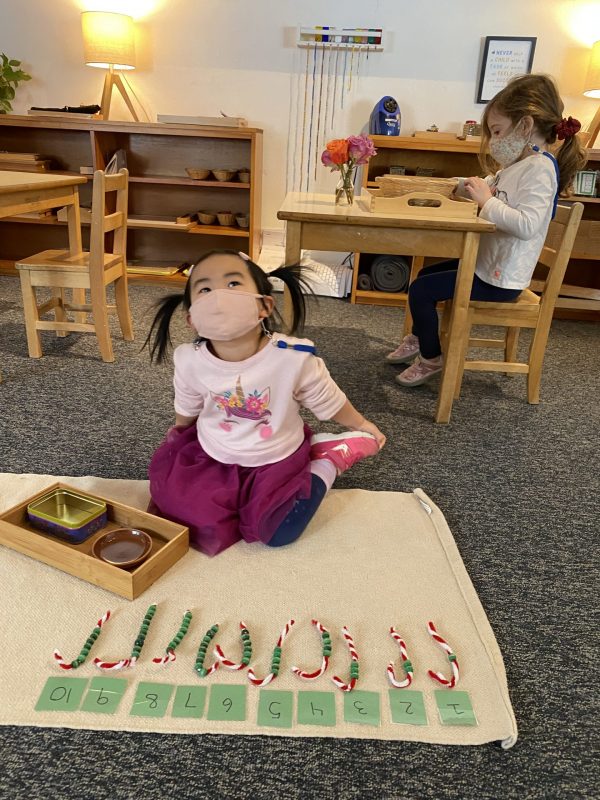
The Montessori math materials are visual and hands-on manipulatives, aiding in the ability of a child to concretely  understand mathematical concepts. After much repetition and when the child is ready,  we introduce the more complex and abstract concepts. We teach the process first because the goal is to develop a true understanding of mathematical concepts and not simply memorization. The materials are sequenced in a way that each success a child experiences, is a building block for the next concept to be introduced.

Maria Montessori believed that all children have a mathematical mind and an internal drive to understand the environment around them. We know that the Montessori math materials are exact and precise and allow the child to have positive experiences in math right from the beginning.  We also know that the Practical Life activities have helped the child to develop order, concentration, coordination and independence.  Likewise, the Sensorial materials have allowed the children to recognize and extend patterns.  Here’s the real secret behind the success of the Montessori math materials though, the children truly enjoy them.

Wishing you all a week filled with peace and love!

Michelle & Lizette


Mrs. Lopes’s Class: 100 Days and Counting…

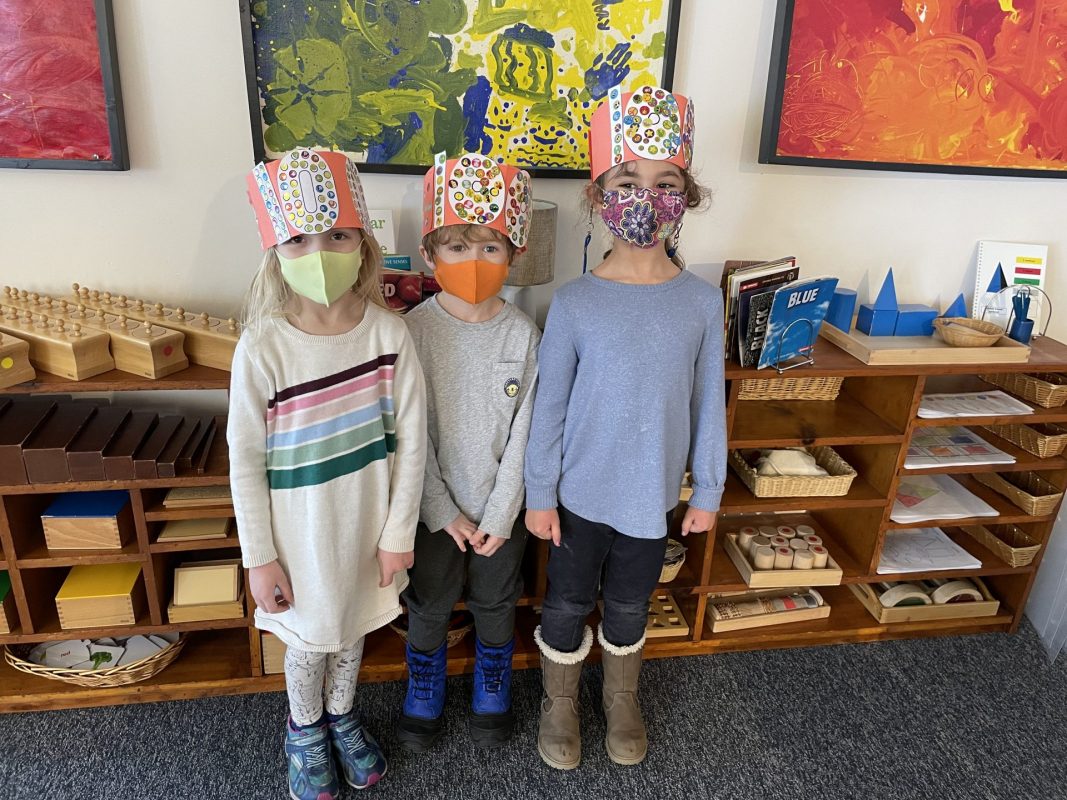
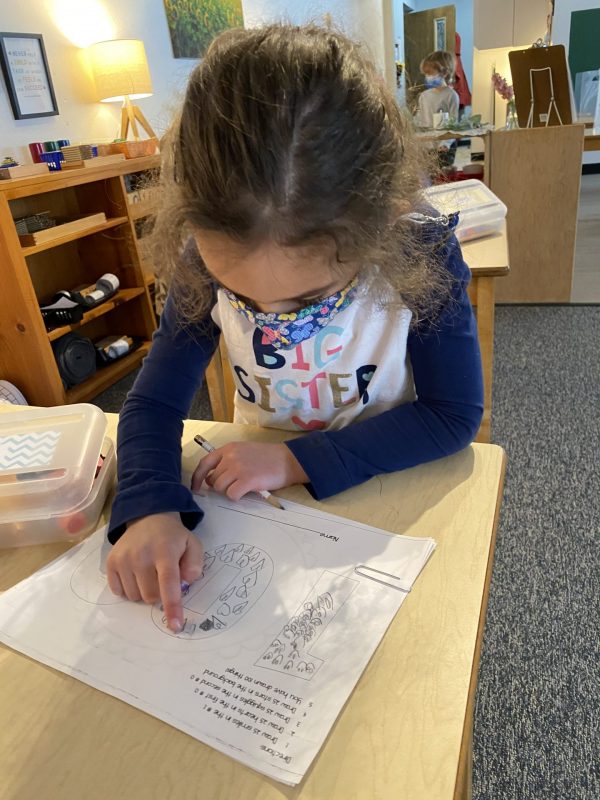
On Tuesday of this week we celebrated our 100th day of school!  It is unbelievable to think 100 days in our school year have already passed, but we are so grateful to have spent them watching your children grow and learn.  To celebrate the occasion, our Kindergarten children engaged in several 100 themed activities.  These activities included making a 100 day headband, drawing a portrait of themselves 100 years old, and what they would buy with $100.

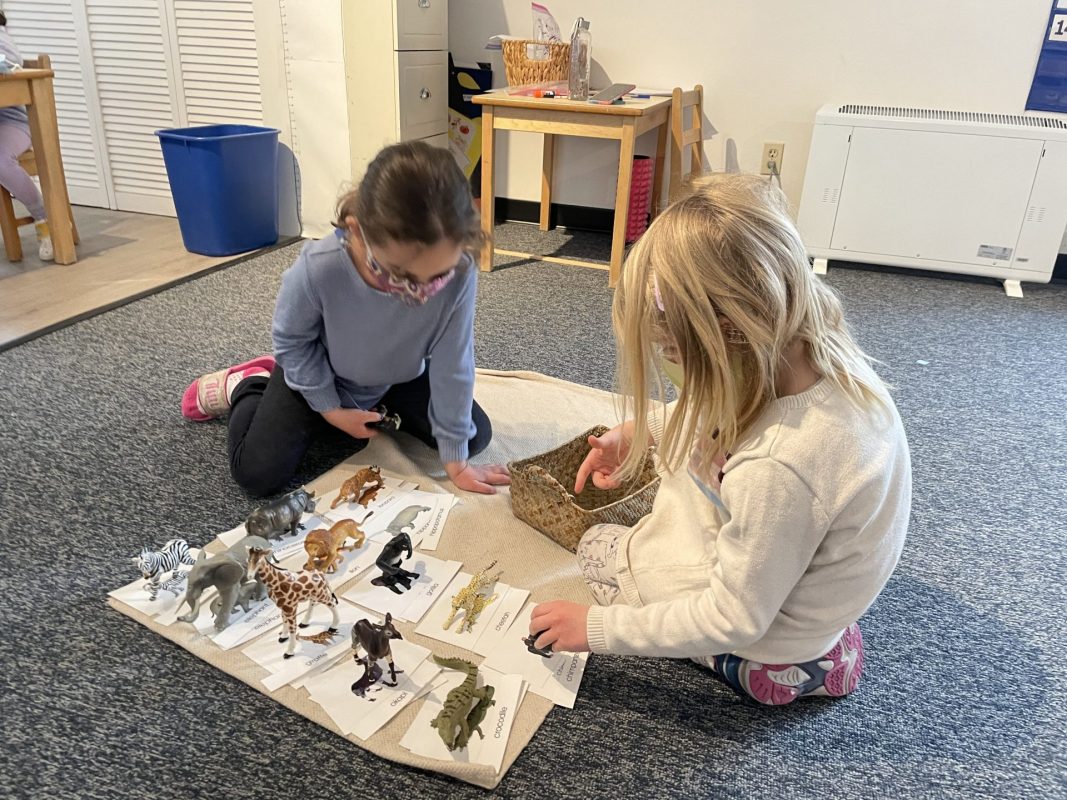
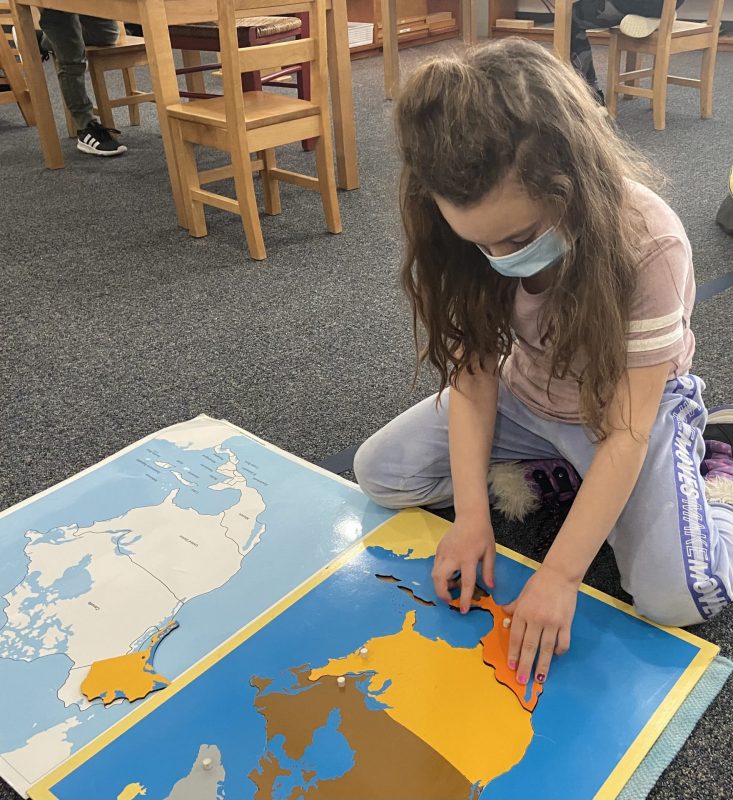
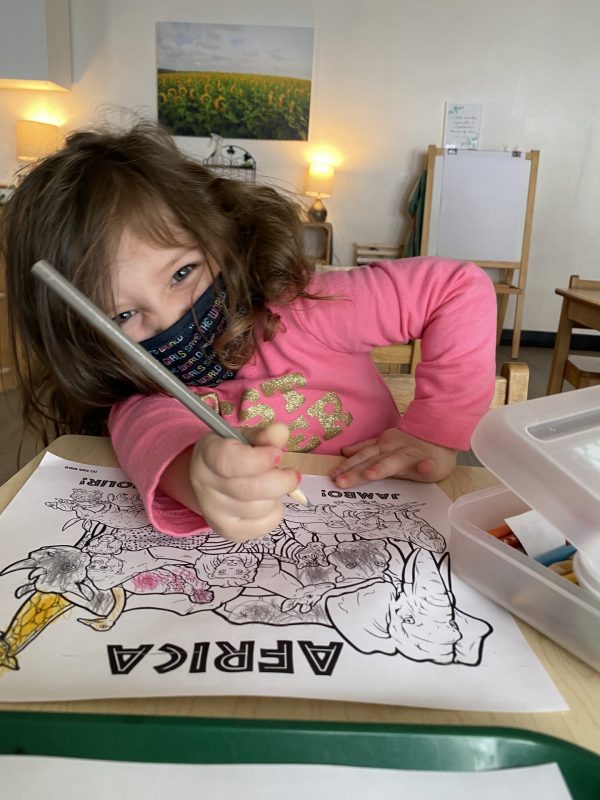
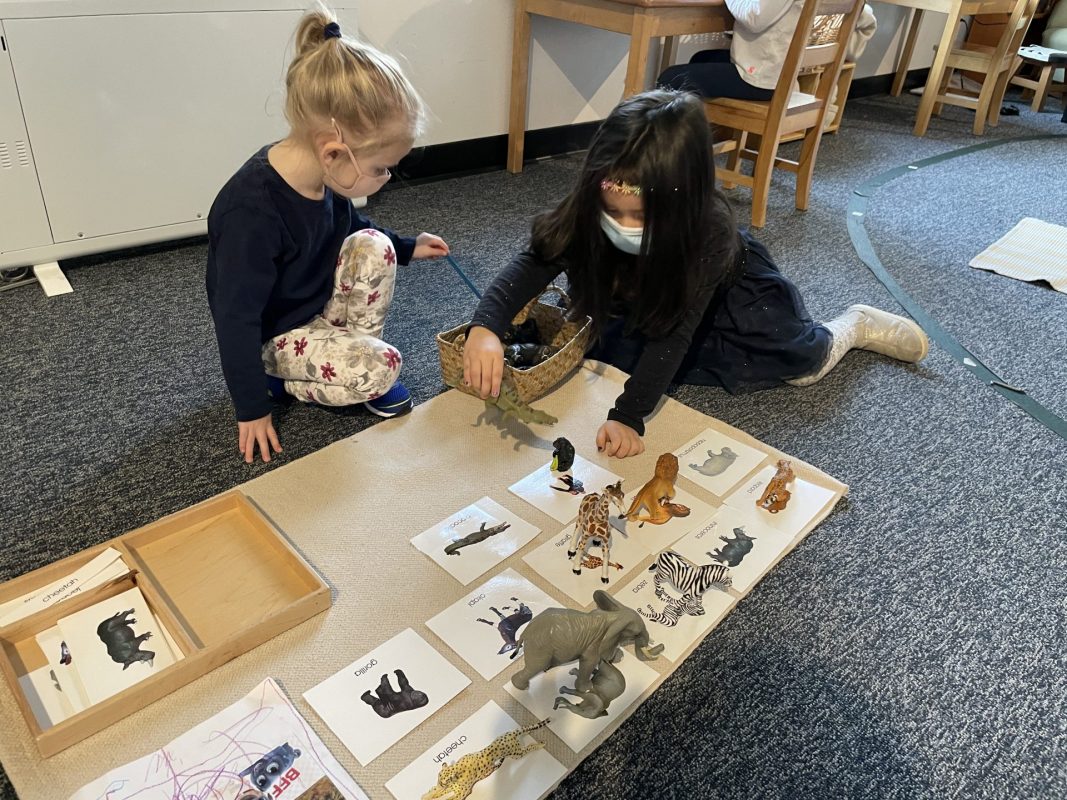
We also began our continent study of Africa this week. We located Africa on the continent map, talked about the interesting animals that live in Africa, and read an African folk tale.  Mrs. Reid also presented a wonderful lesson introducing the children to one of our favorite African animals, the giraffe. The children were invited to create their own giraffes by gluing and cutting paper, as well as a yarn tail. We look forward to continuing our study of Africa next week!

Wishing you a peaceful week,

Amanda & Sharlene
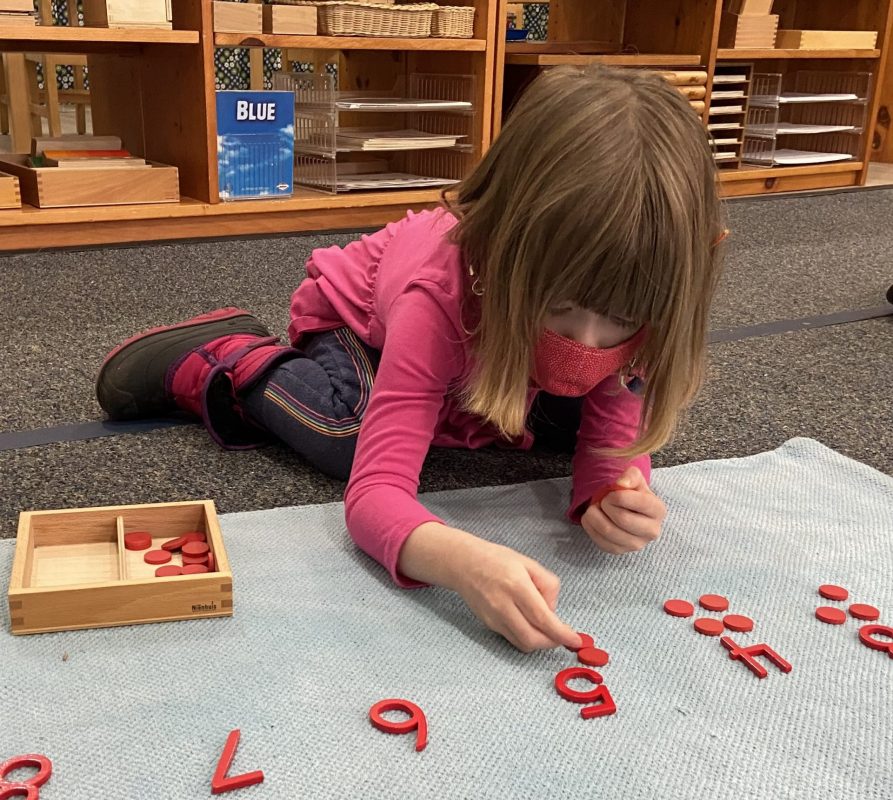

Mrs. Doyle’s Class: Amazing Africa

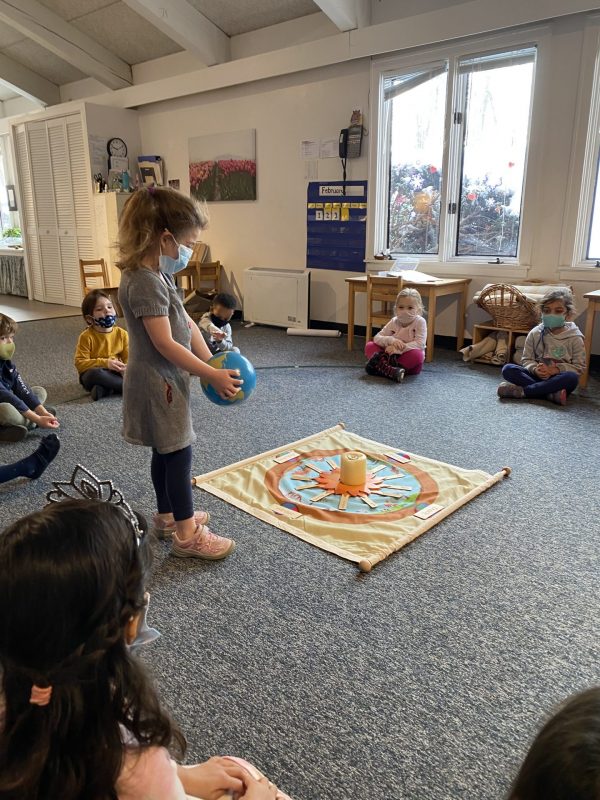
Each time we study a new continent, we first find it on the globe of the world, then we locate the continent on the world map, and finally, we study the individual continent, using the specific continent maps. Currently, the children are learning about the continent of Africa. We learn about the geography, culture, weather, animals, and people of Africa.

We are learning lots of fun and fascinating facts about the continent of Africa.

  • Africa is the second largest continent, with 54 countries.
  • The longest river in the world, the Nile, is located in Africa.
  • Over one thousand languages are spoken by the people in Africa.
  • The Sahara, the world’s largest desert is located here.
  • The highest mountain in Africa is Mount Kilimanjaro. It is so tall that glaciers can be found at its summit even though the mountain is near the equator.
  • Africa is the most centrally located continent in the world. Both the prime meridian and the equator cut across it.
  • The world’s tallest animal, the giraffe, and the largest land animal, the African elephant are found in Africa.

This Tuesday, we celebrated the 100th day of school. From the very first day of school, the kindergarten children have been learning to count by 1’s, 5’s, and 10’s to 100. They spent the afternoon going to different stations that all revolved around the number 100. They drew pictures of what they would like when they were 100, what they would buy with $100, what they wished they had a hundred of, made a 100 headband and then played a game called Race to 100. This year, more than ever, reaching 100 days in school was a reason to celebrate!!!

Wishing you a week filled with peace and love.

Michelle & Lizette


Mrs. Lopes’s Class: We Love…

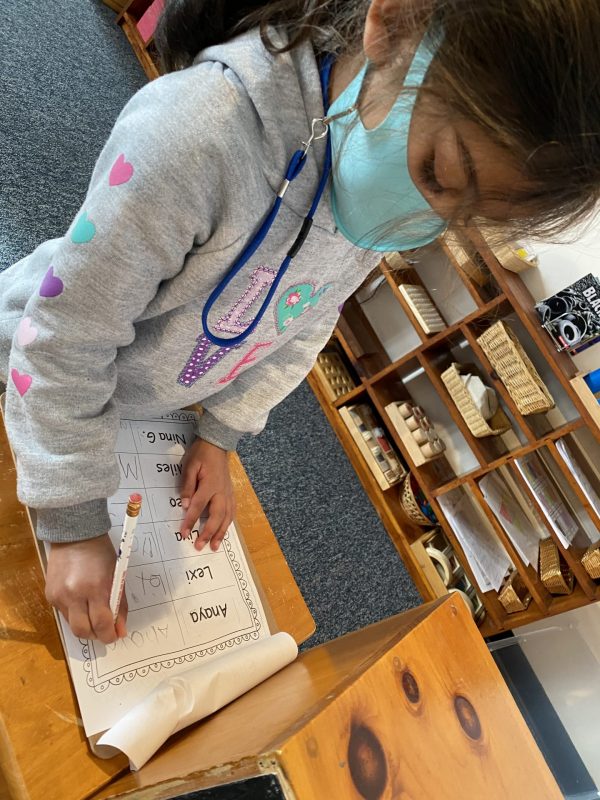
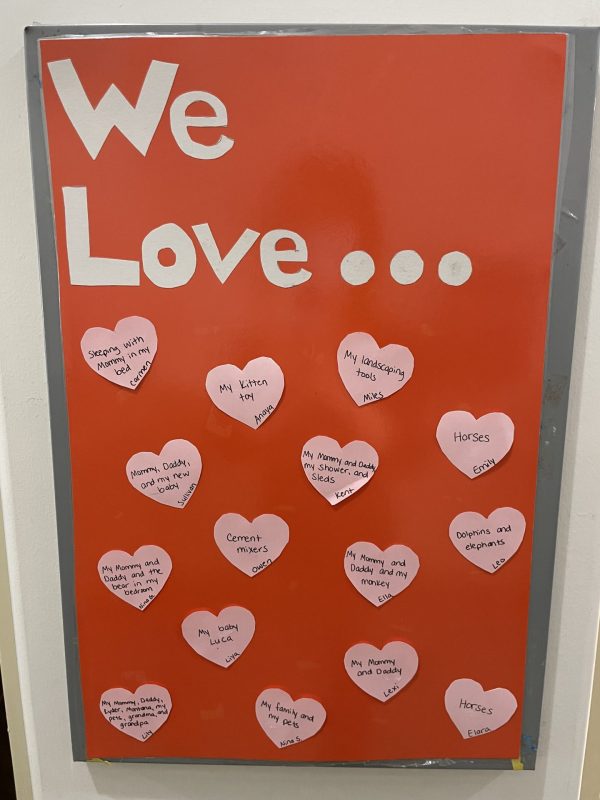
As we begin February, we start to talk about Valentine’s Day and why it is important to celebrate the people and things that we love.  This week we asked the children to name one thing that they love and created a small board with their answers to display outside our classroom.  Below are the responses your children gave.  The simplicity of their words will bring a smile to your face:

Anaya: My kitten toy

Carmen: Sleeping with Mommy in my bed

Elara: Horses

Ella: My Mommy and Daddy and my monkey

Emily: Horses

Kent: My Mommy and Daddy, my shower, and sleds

Leo: Dolphins and elephants

Lexi: My Mommy and Daddy

Lily: My Mommy, Daddy, Ryder, Montana, my pets, Grandma, and Grandpa

Liya: My baby Luca

Miles: My landscaping tools

Nina G: My Mommy and Daddy and the bear in my bedroom

Nina S: My family and my pets

Owen: Cement mixers

Sullivan: Mommy, Daddy, and my new baby

If you have not yet signed up for a time to meet on our Parent/Teacher conference day please take time to do so by clicking the link below. We look forward to “seeing” everyone on February 11th!

Conference Sign Up

Enjoy the week!

Amanda & Sharlene
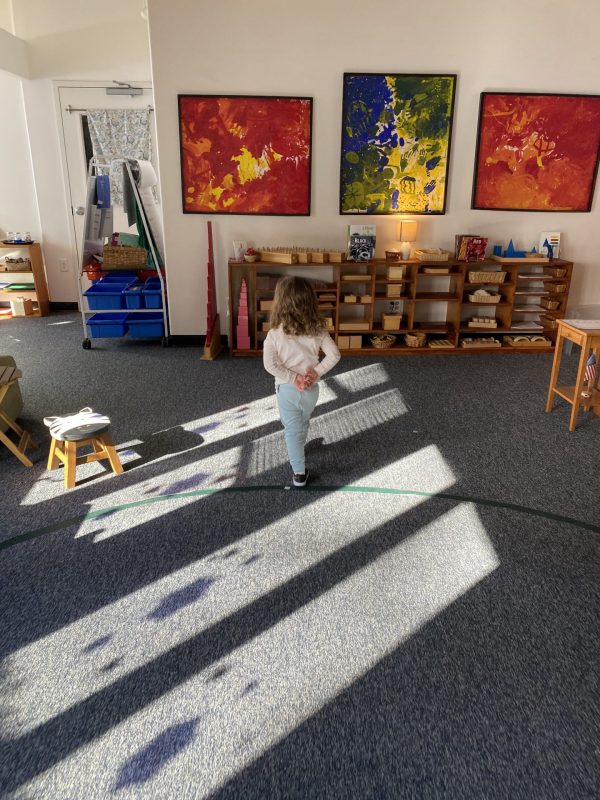

Mrs. Doyle’s Class: Love Is In the Air

As Valentine’s Day is quickly approaching, we thought we would ask the children what love means.  Their answers are sure to bring a smile to your face.  In similar posts that we’ve done in the past, we always say the world would do well to listen to these children. It couldn’t be more true with this post as well.
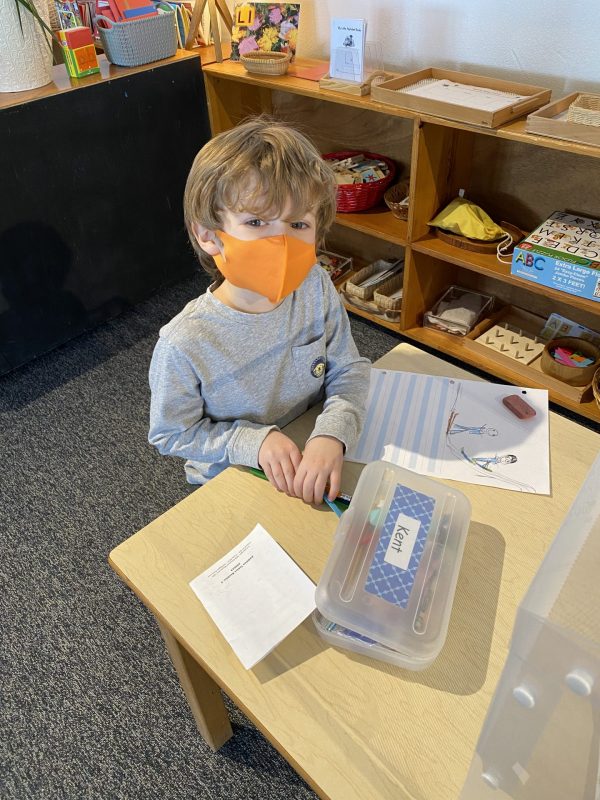
Anchor:  Love is people caring about other people.

Carmen:  Love is giving hugs and kisses to everyone.

Elliot:  Love is caring about people and sharing your toys with them.

Gregory G:  Love is always telling the truth because lying is not love.

Gregory L:  Love is giving something you really like to someone else.
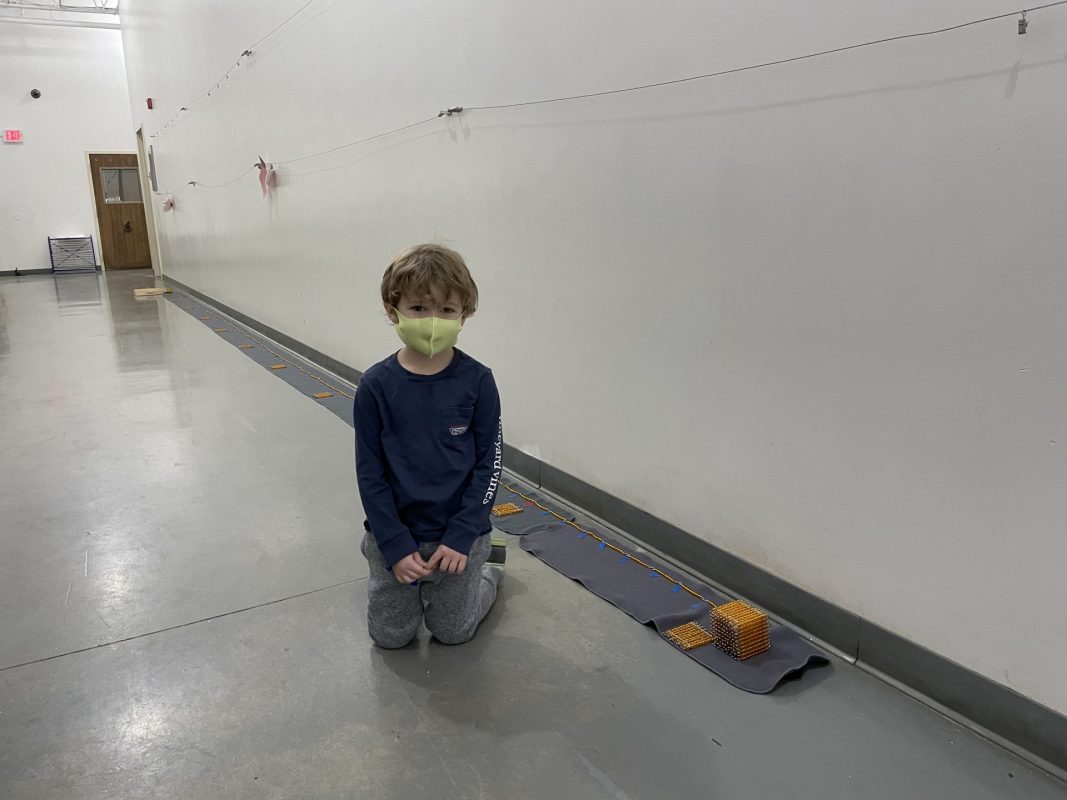
Greyson:  Love is being happy.
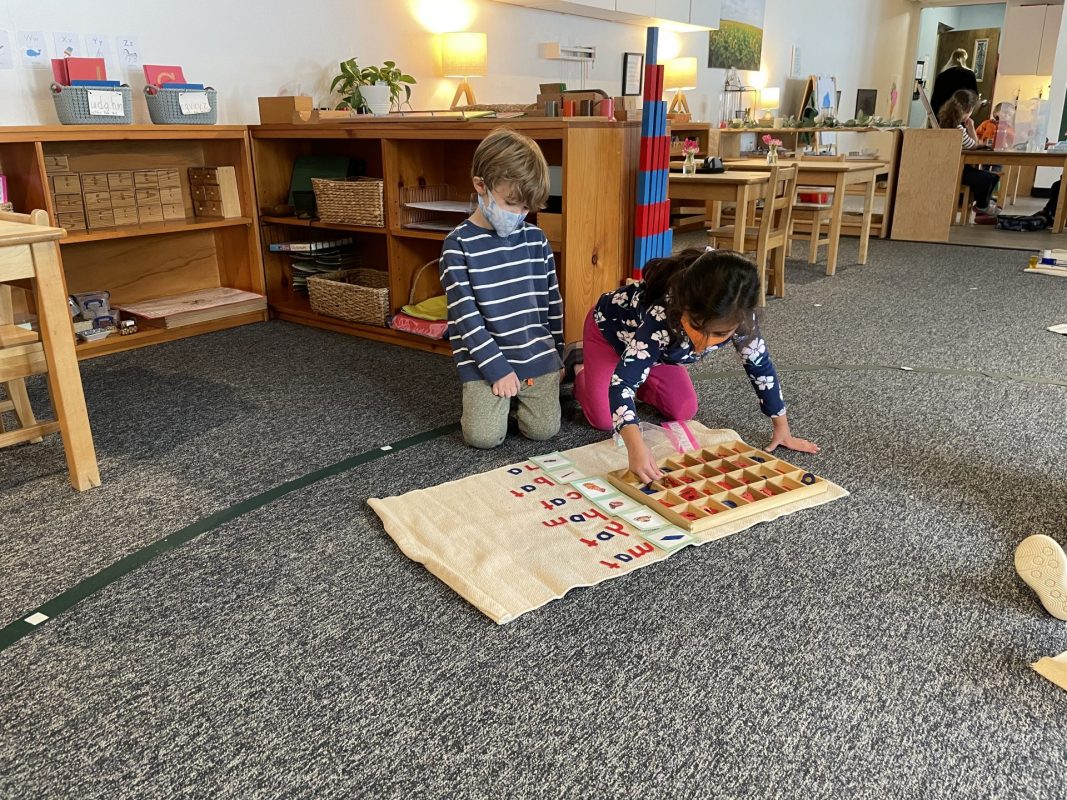
Harper:  Love is giving people a hug when they need it.

Julianna:  Love is being sweet to someone.

Landon:  Love makes you feel happy.

Lily:  Love is reading books and having pillow fights with your family.

Luca:  Love is giving flowers to everyone.

Marin:  Love is not hurting anyone you care about.

Mya:  Love is sharing with everyone you love.

Olivia:  Love is when my whole family comes to visit and we all play together.

Simrin:  Love is giving hugs to everyone.

Virginia:  Love is playing with my baby brother and Christmas.

Xander:  Love is giving kisses to your whole family.

Don’t forget Parent/Teacher Conferences are next Thursday.  If you have not already done so, please take the time to sign up.  We look forward to “seeing” everyone.

Wishing everyone a week filled with peace, love and friendship.

Michelle & Lizette


Mrs. Doyle’s Class: Animals In Winter

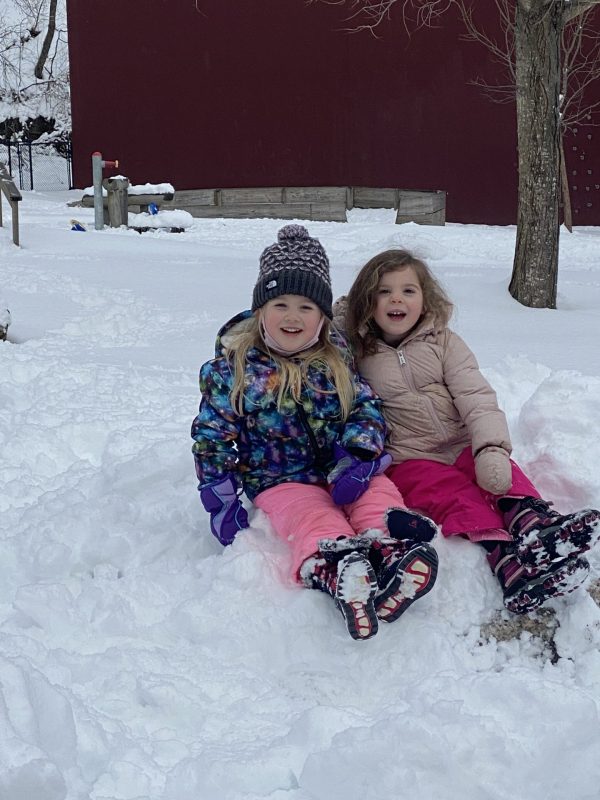
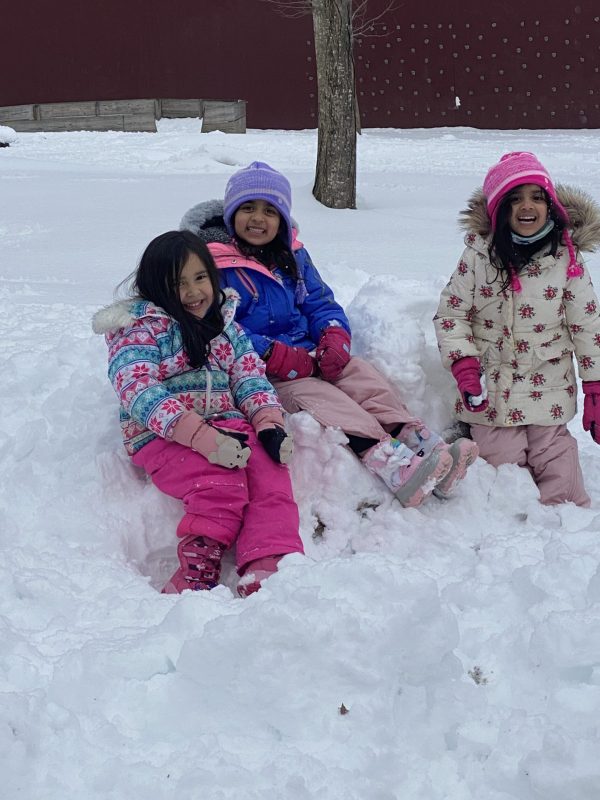
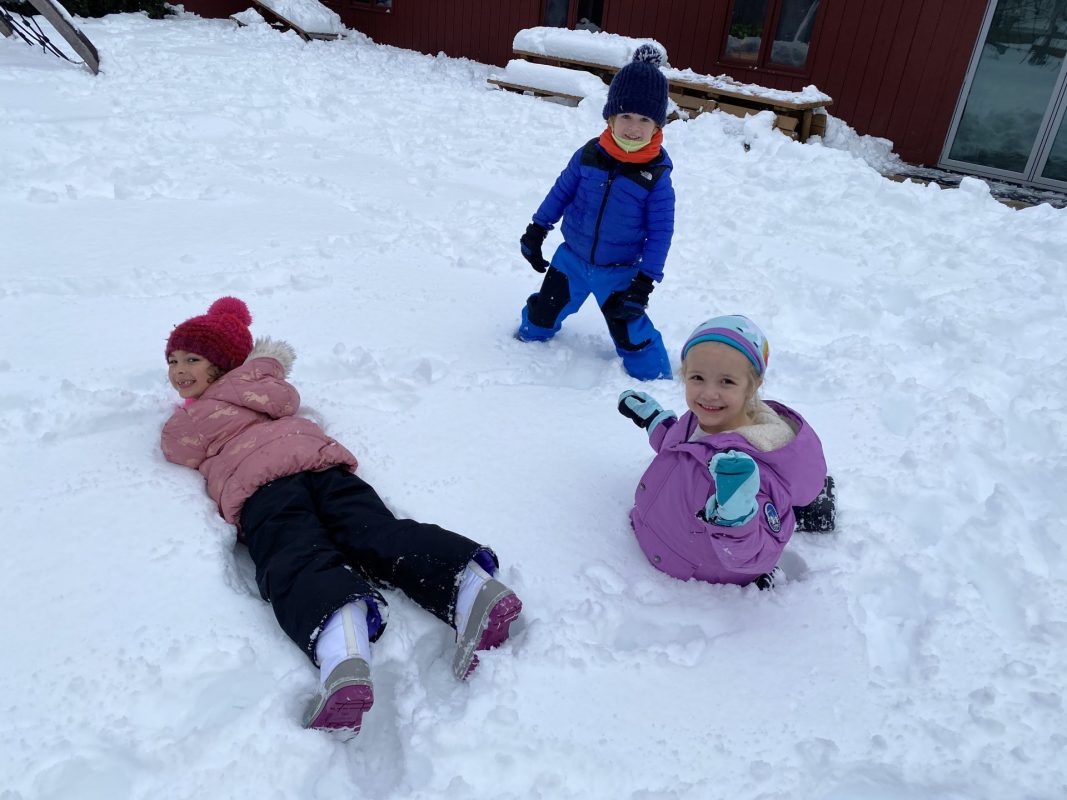
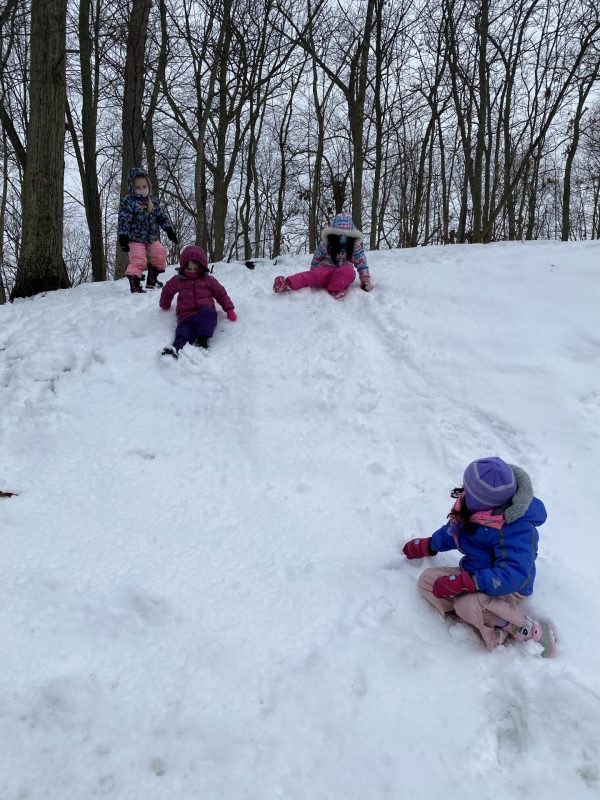
Over the course of the last few weeks,  we have been learning that winter can be very harsh for animals. The weather and lack of food can make their survival difficult. To help ensure their survival, animals will hibernate, migrate, or adapt to their surroundings.

Animals that hibernate for the winter go into a deep sleep. Their body’s temperature drops, their heartbeat and breathing slow down and they use very little energy. We’ve learned what animals hibernate as well as where they hibernate.  Places that animals hibernate can be above ground such as a cave, nest or den or they can be below ground such as a burrow, a hole or deep down in the mud.  We explored which animals migrated or traveled to other places where the weather is warmer and they will be able to find food. We also examined why animals would migrate and where they may go. Animals that adapt, remain and stay active in their environment. They adapt to the changing weather and their behavior and bodies may change too.  We talk about what changes animals may make to ensure they will have enough food for the winter.

So, as the cold weather is becoming more frequent, how many of us are thinking about hibernating or migrating?

Parent/Teacher Conferences are quickly approaching.  An email, with a link to sign up for a time slot will be shared today.  We look forward to meeting with all of you to share your child’s growth and progress since our last conference.  Please be sure to leave a comment on the sign up, stating whether you prefer a phone conference or zoom conference.

Have a warm and happy week!

Michelle & Lizette


Mrs. Lopes’s Class: Exploring the States of Matter

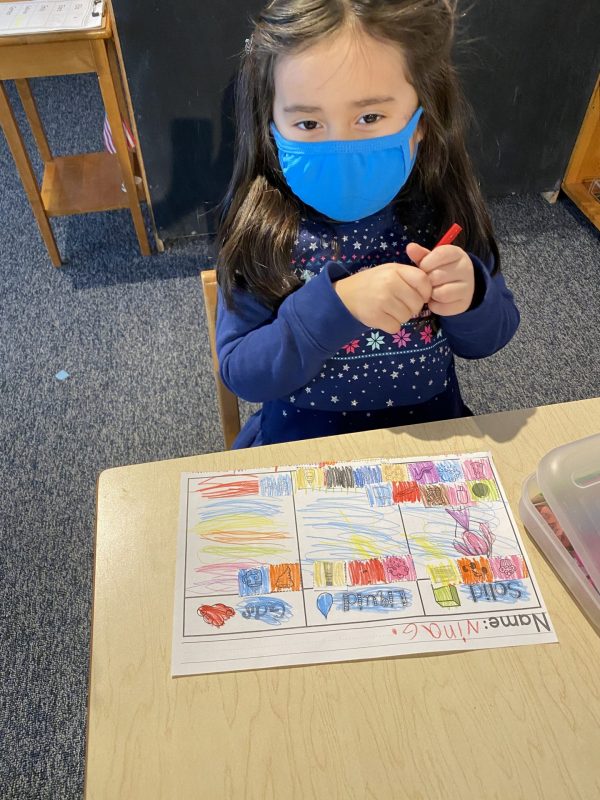
This week we started our unit on the states of matter! We learned that everything in our world is made of matter. We also identified the three states of matter: solid, liquid, and gas. The children enjoyed exploring each state of matter on our introduction tray and sharing examples of a solid, a liquid, and a gas. We discussed how the molecules move in each state of matter and what characteristics classify a solid, liquid, and gas.  Be sure to ask your child if they can give you an example of each state of matter. You may be surprised at all the kinds of solids, liquids, and gases they can name! We are looking forward to more exploration of this concept next week with hands-on experiments and activities!

As we are nearing the end of January, we are beginning to prepare for our February parent teacher conferences in a few weeks. Be sure to look out for an email with the link to sign up for a conference time. We look forward to meeting with you all soon to share how your children have been growing and progressing since our last conference!

Best,

Amanda & Sharlene