Mrs. Lopes’s Class: Defining a Work Space

The love of one’s environment is the secret of social evolution.—-Maria Montessori

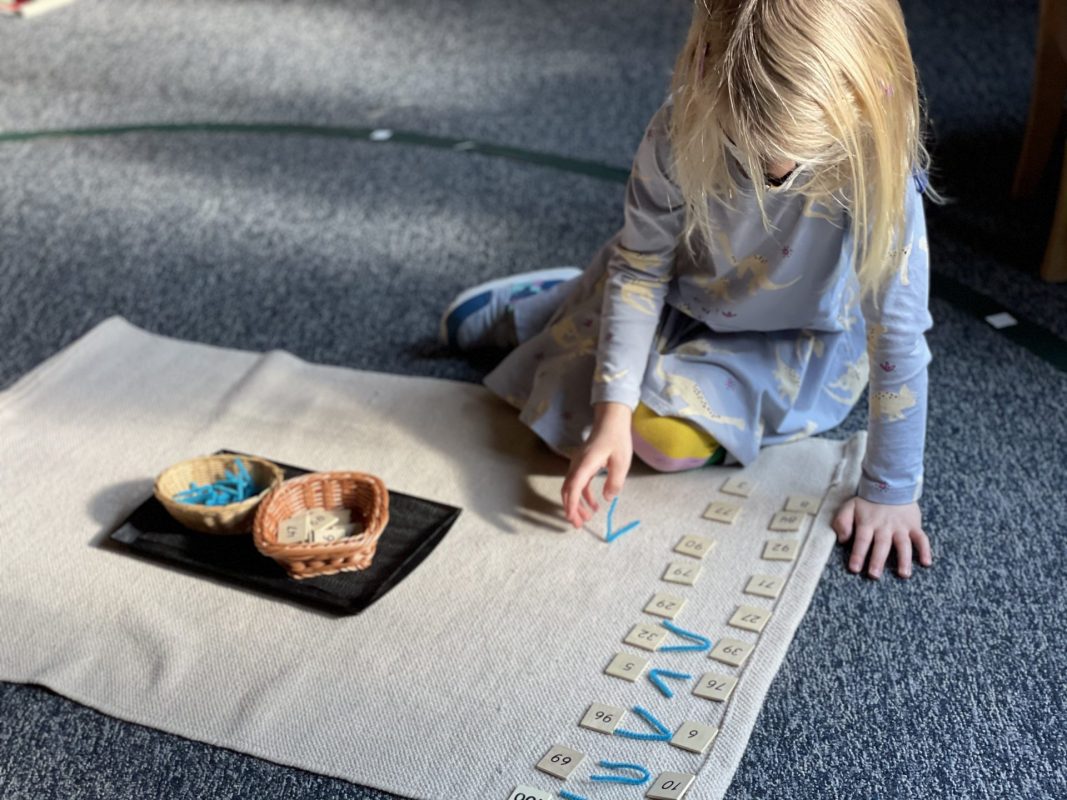
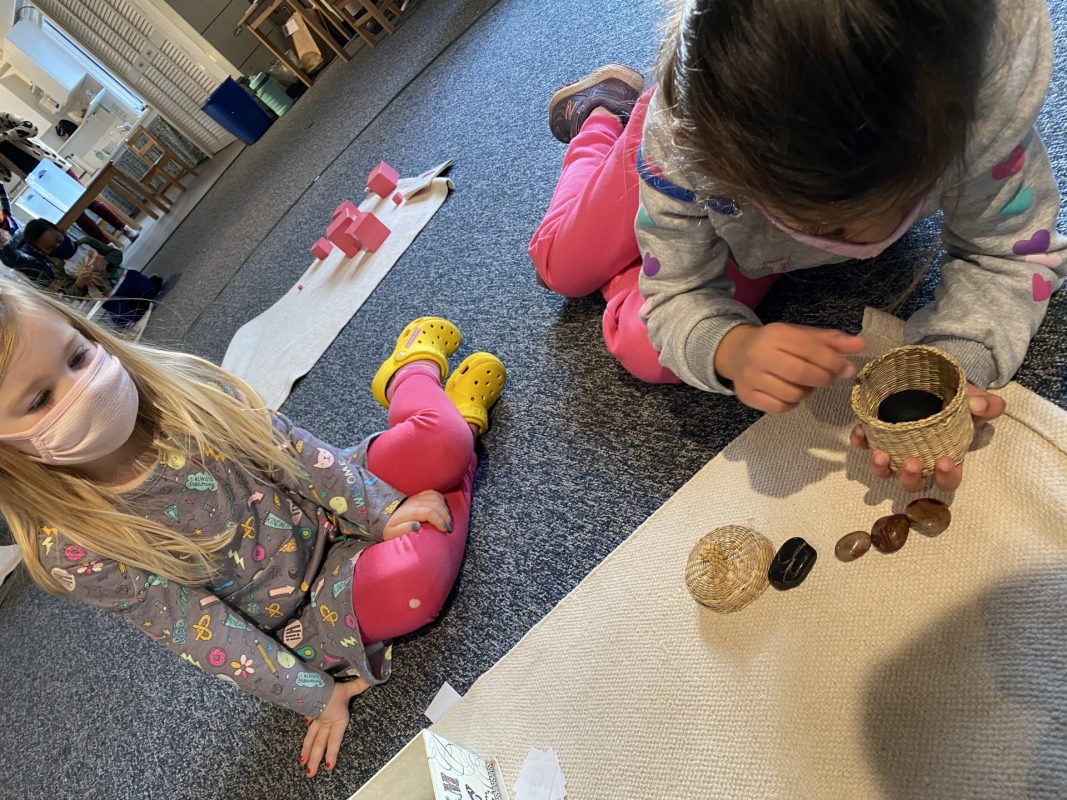
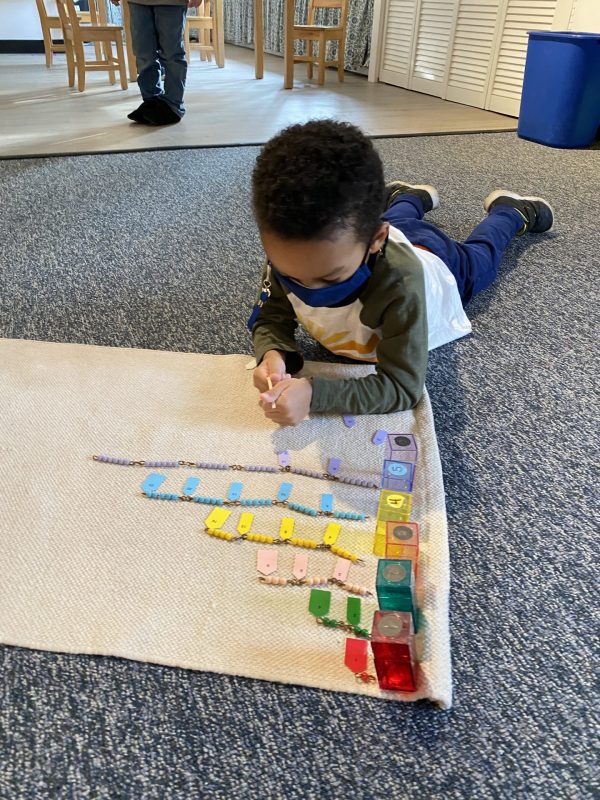
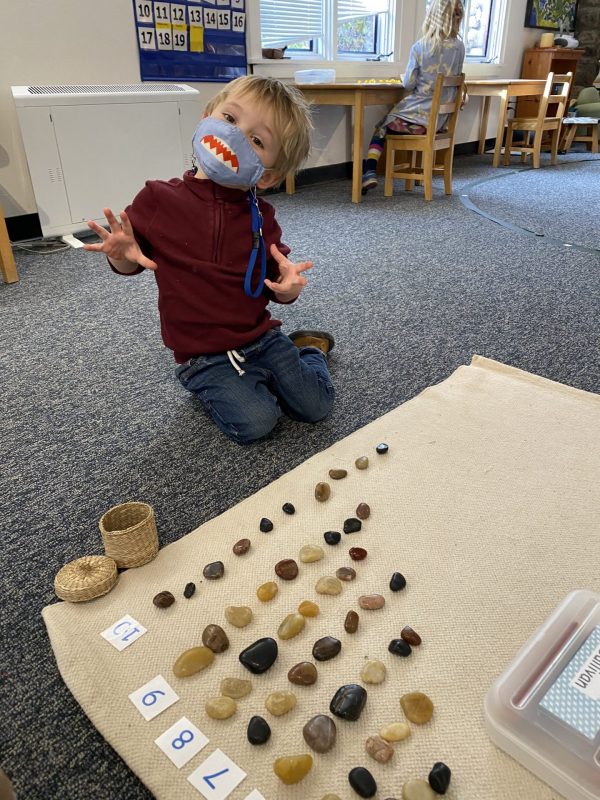
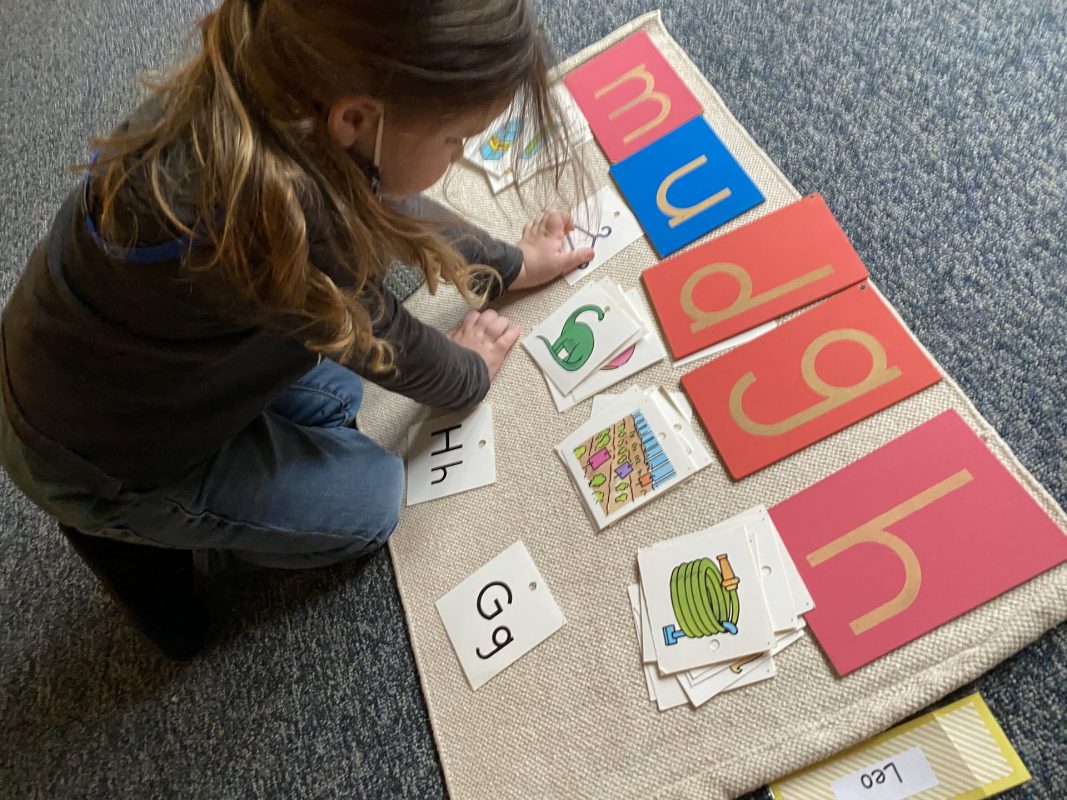
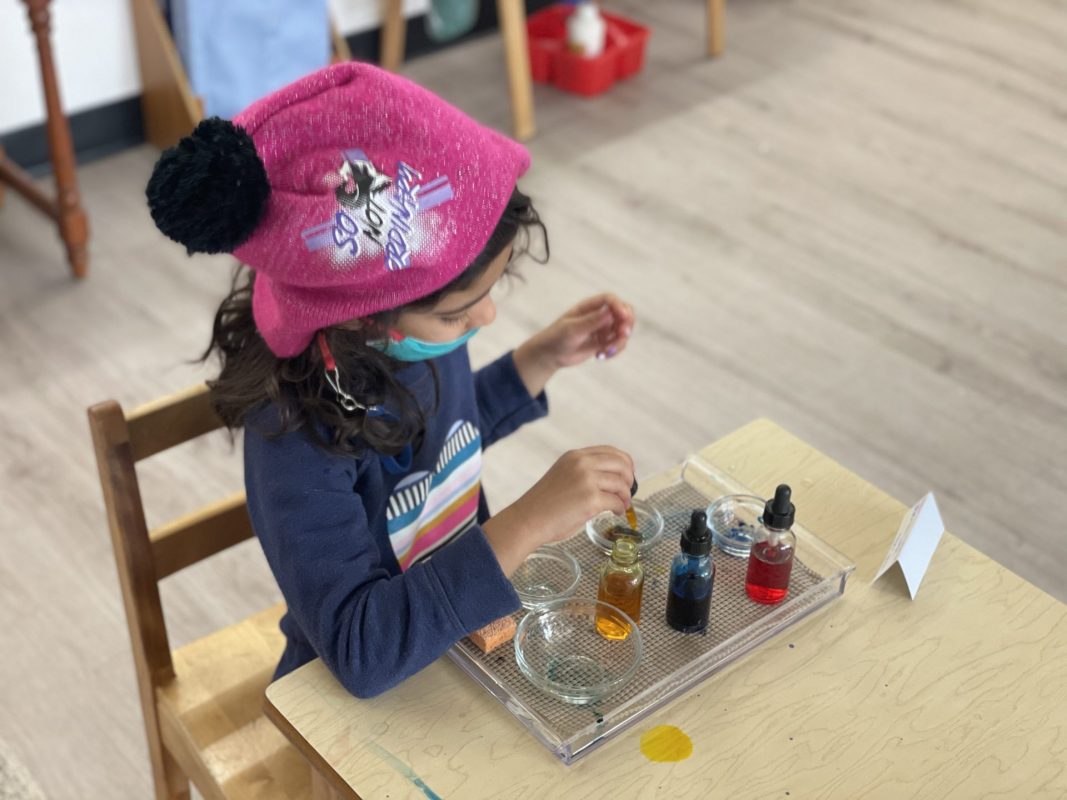
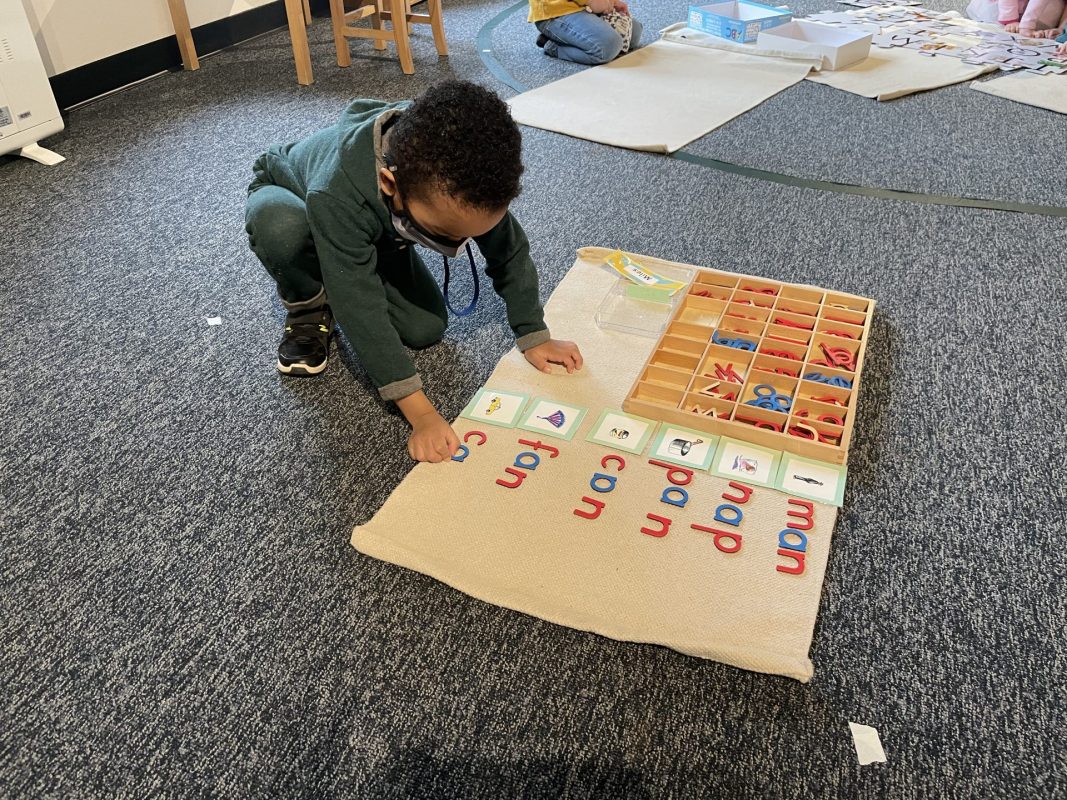
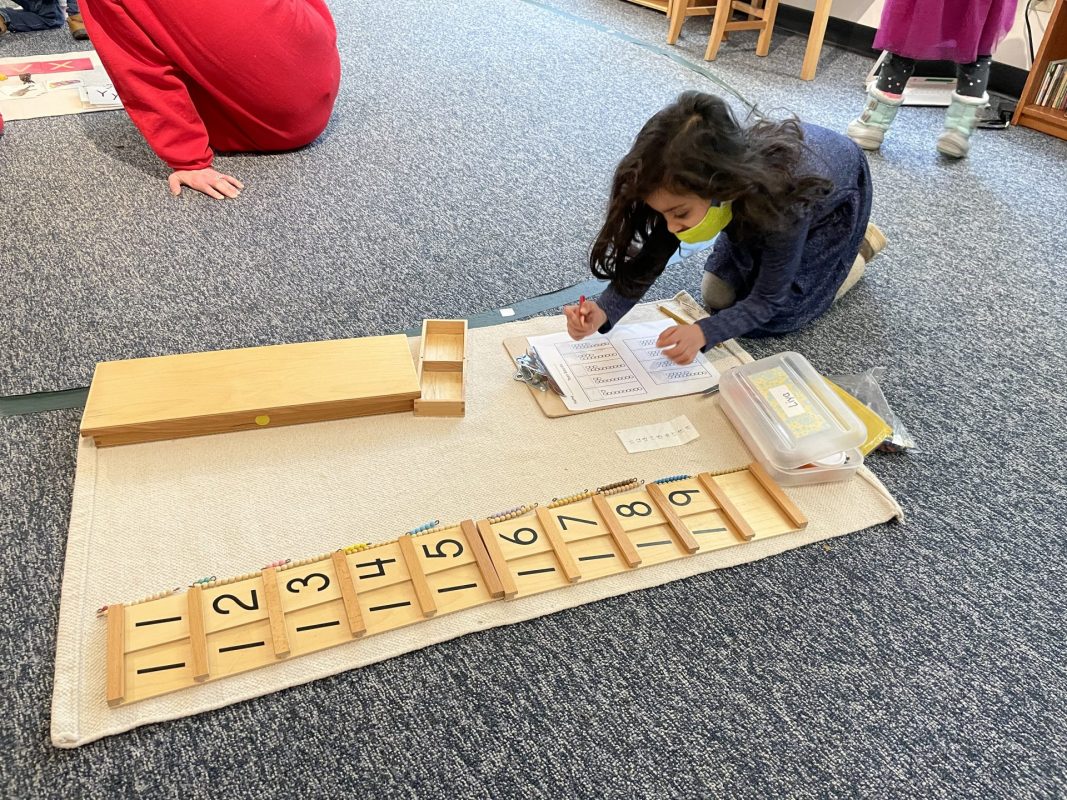
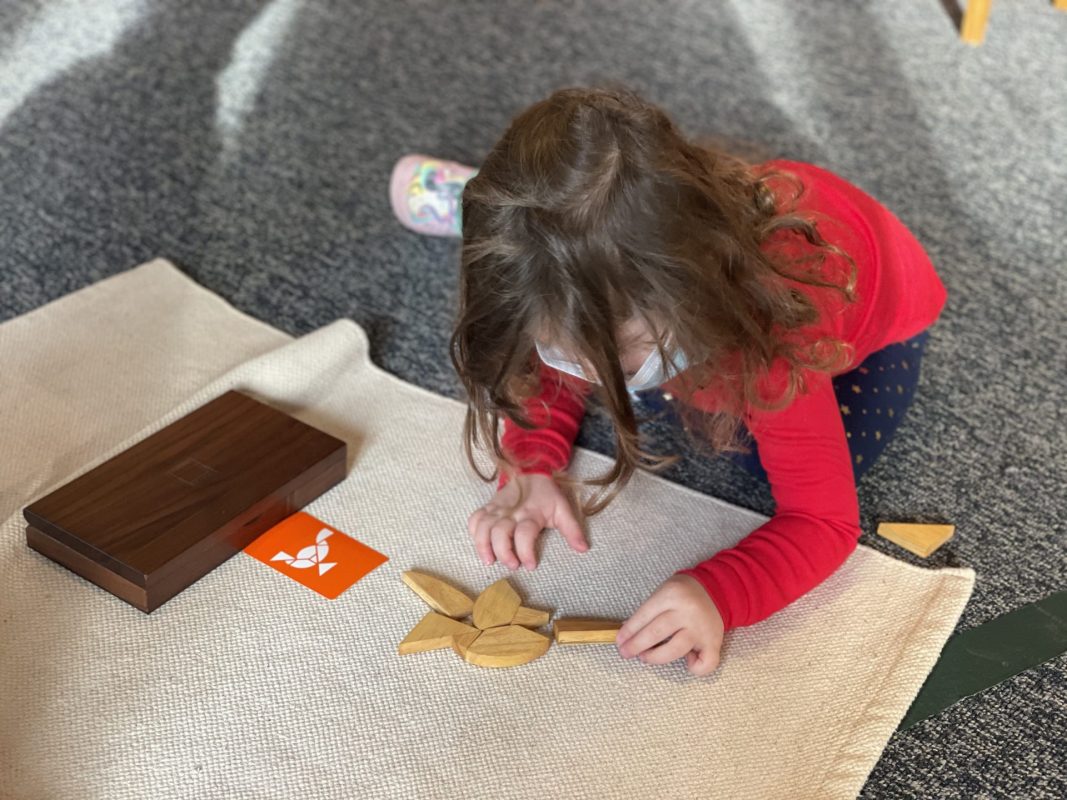
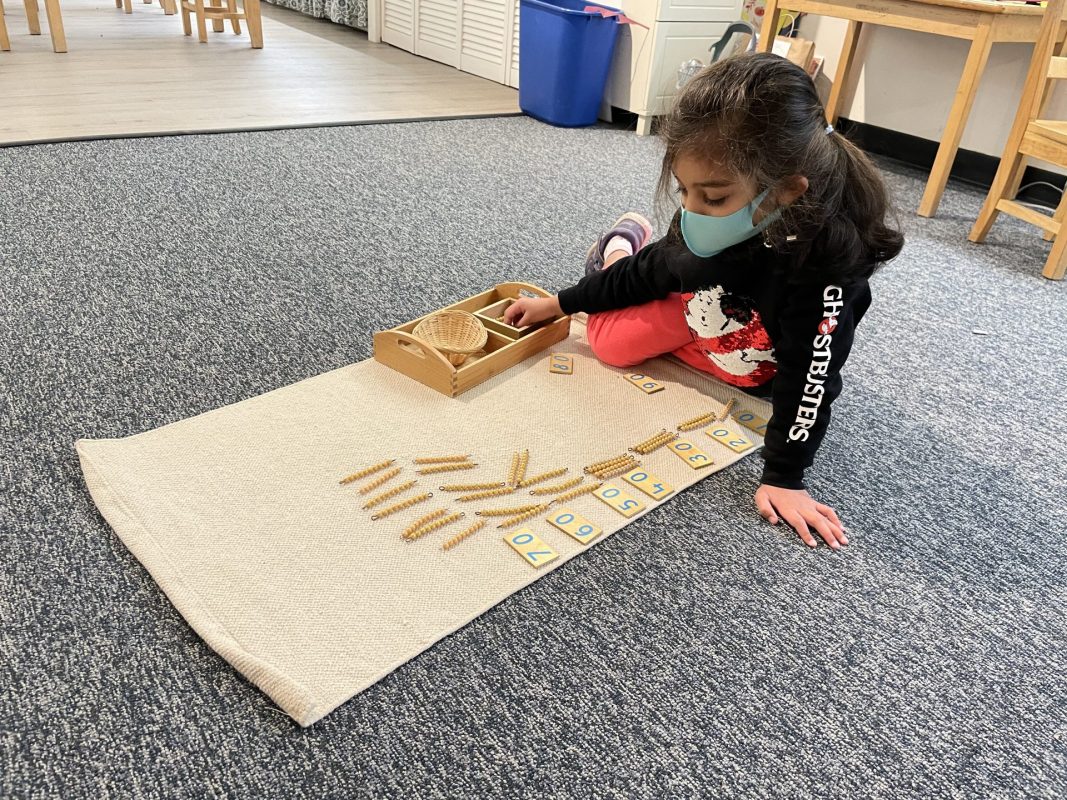
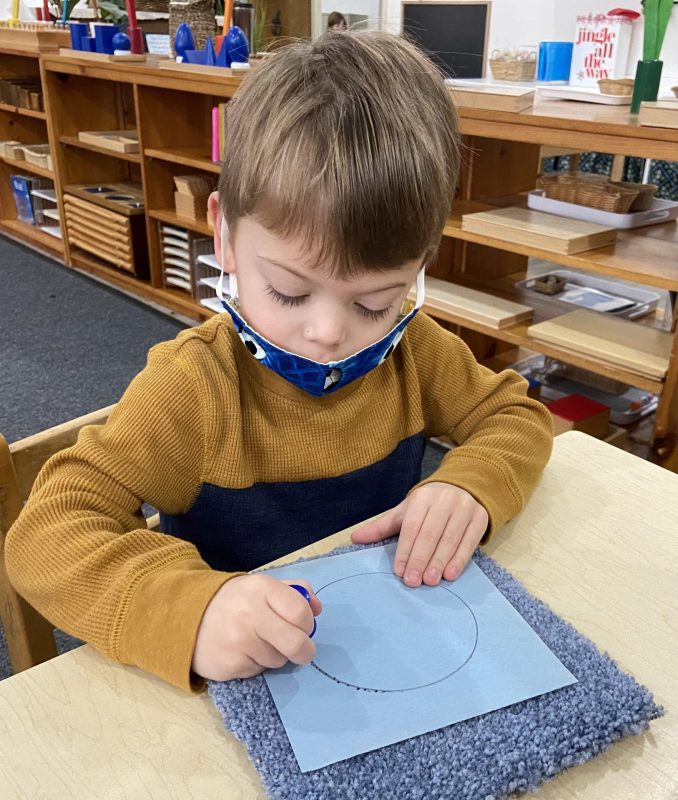
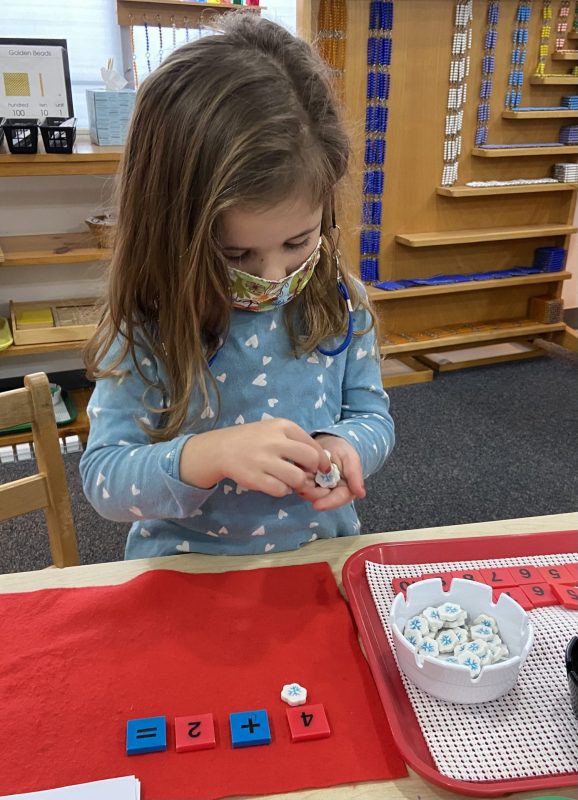
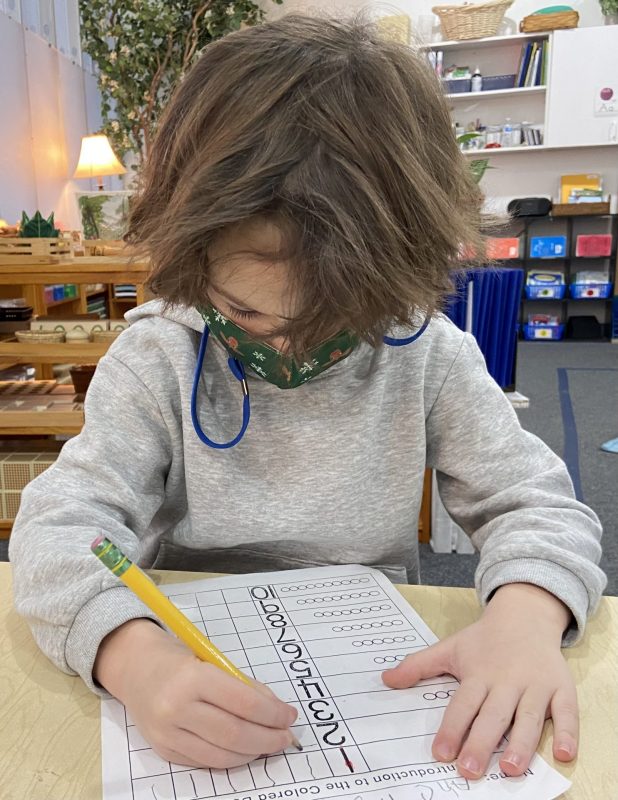
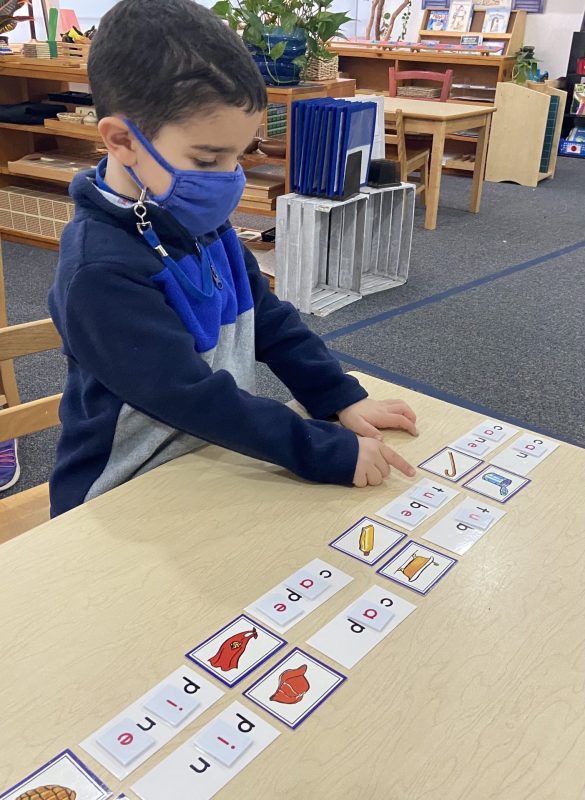
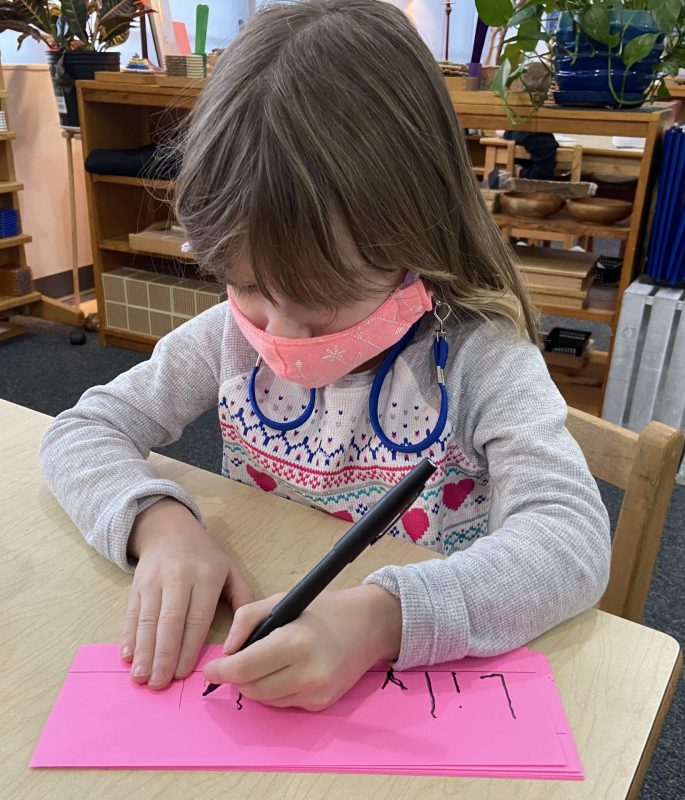
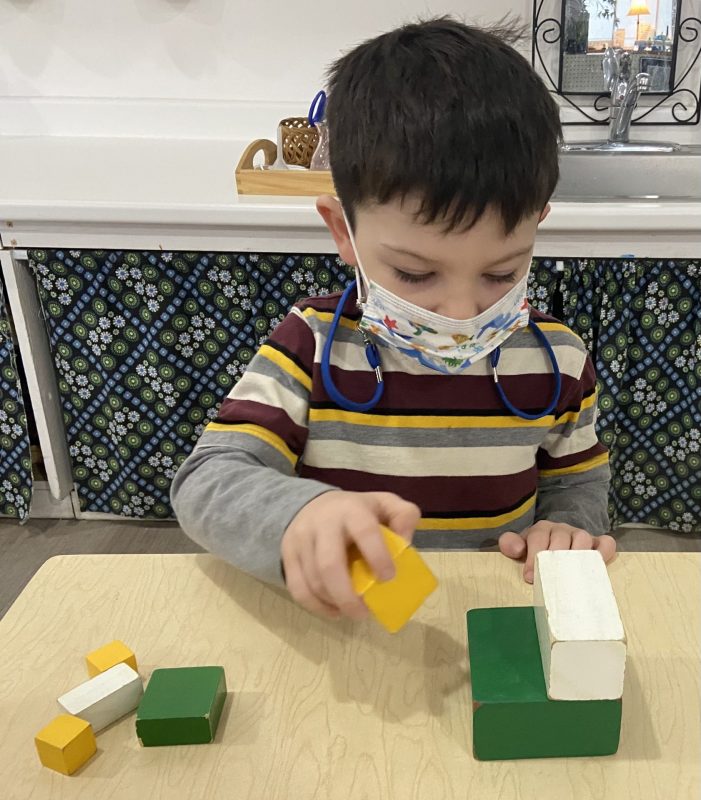
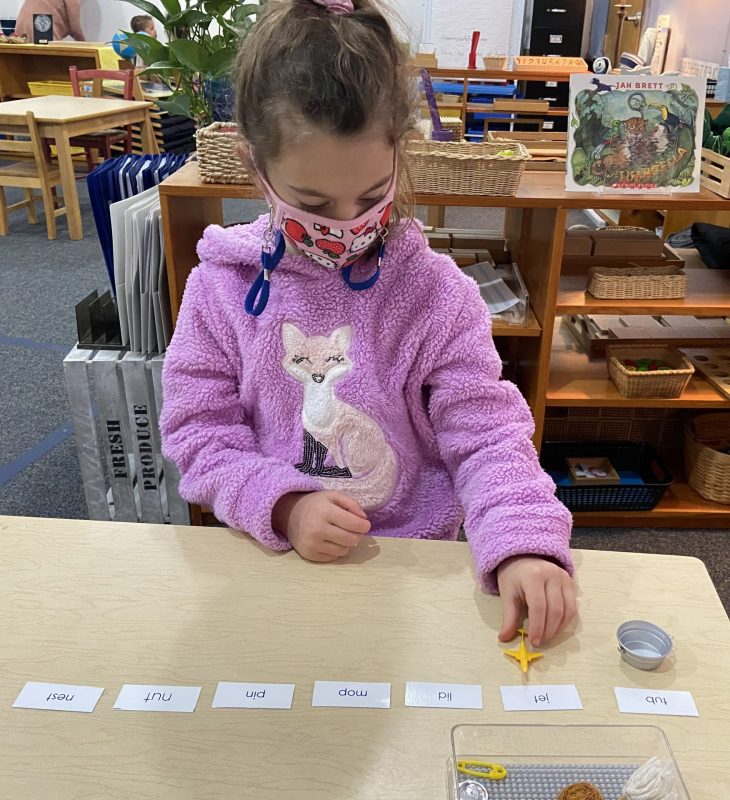
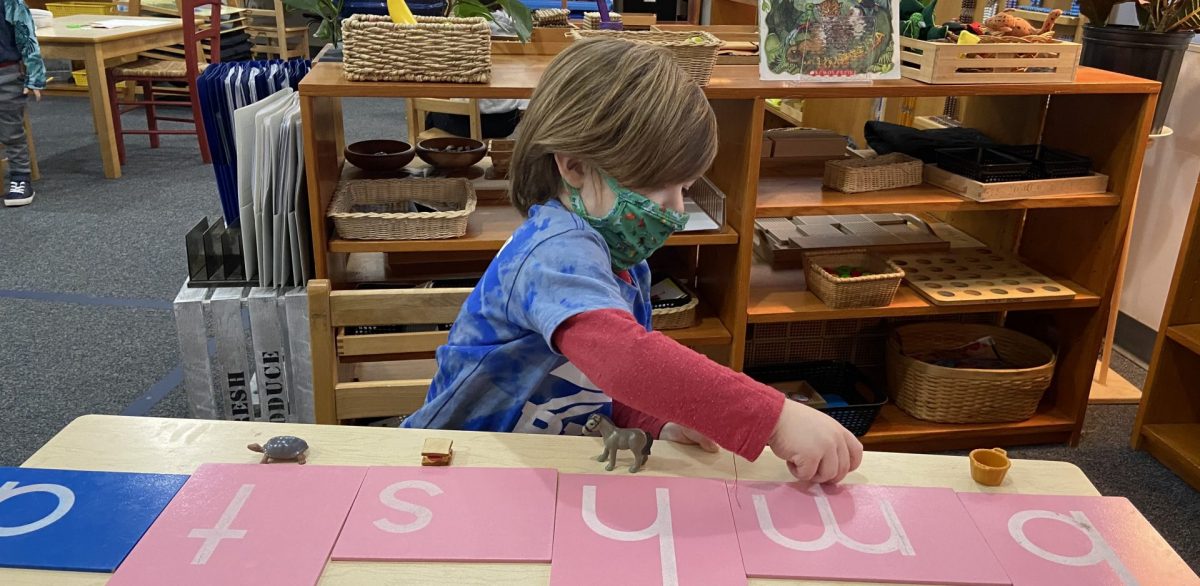
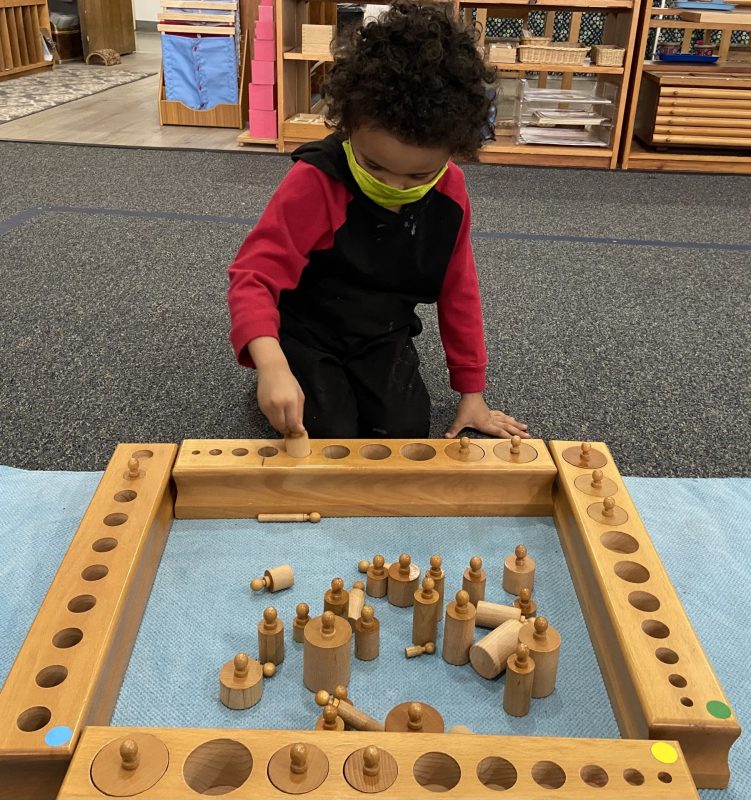
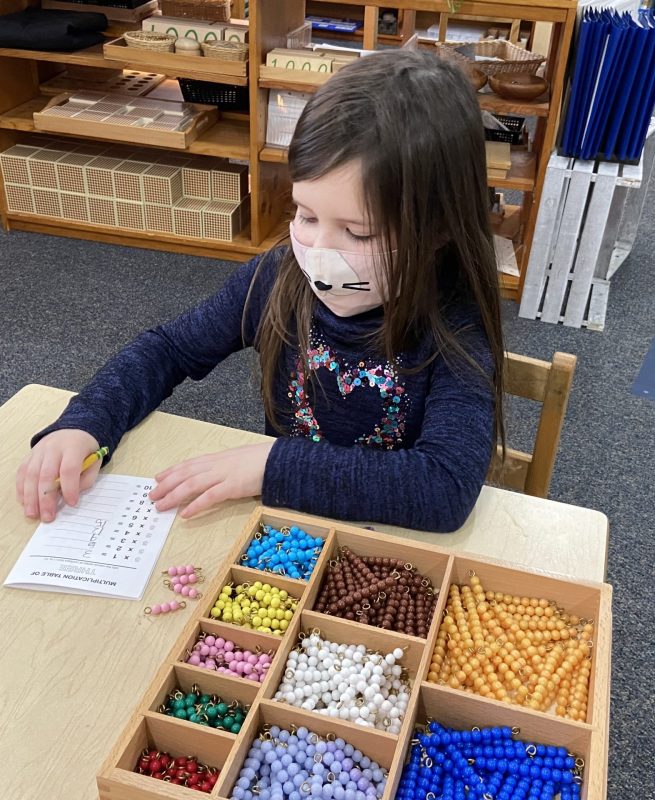
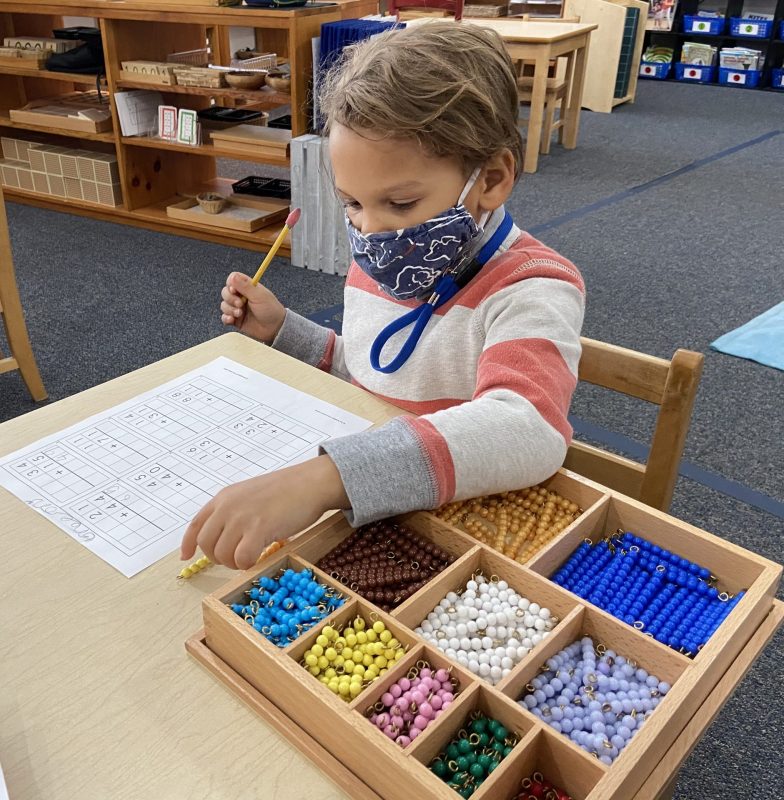
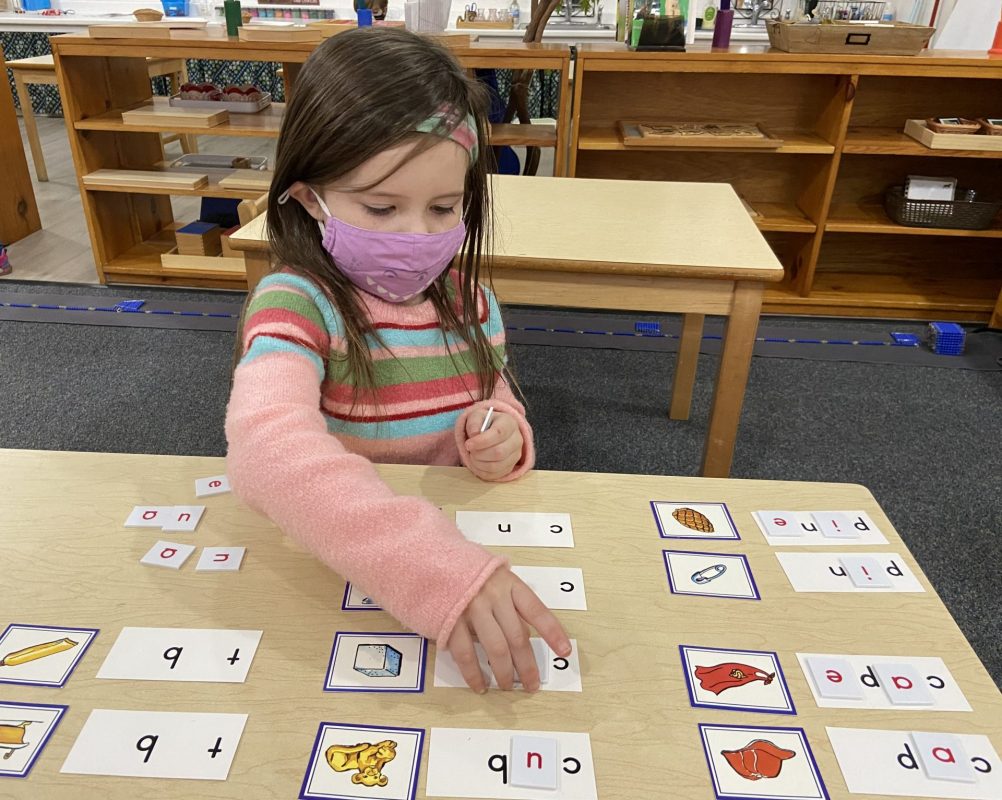
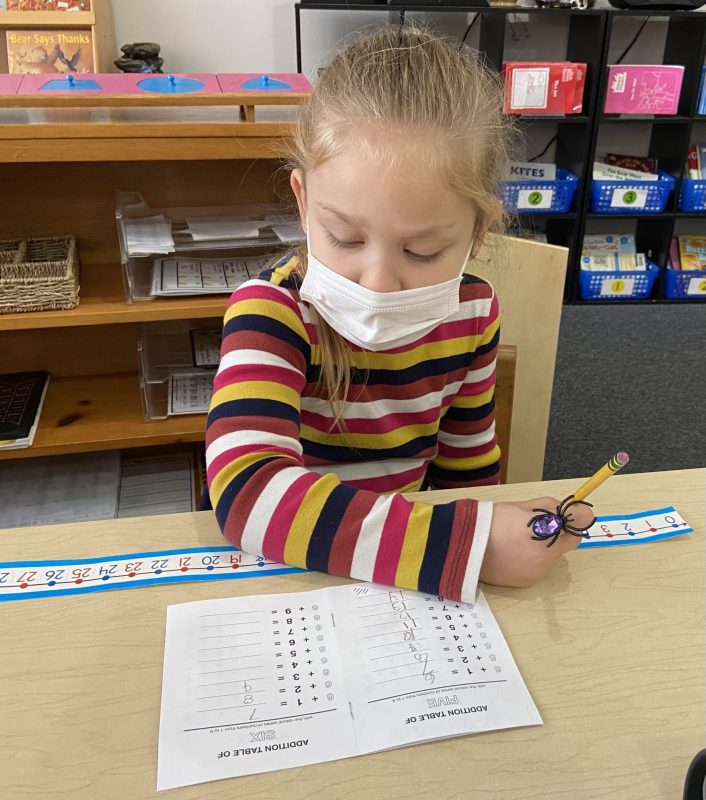
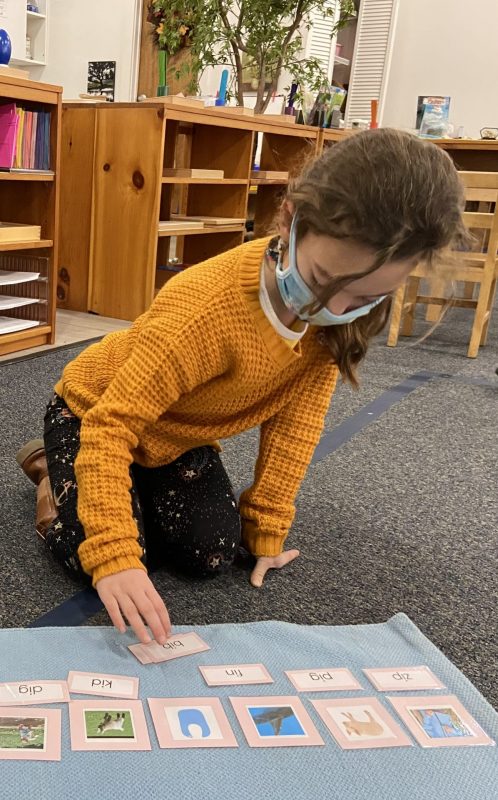
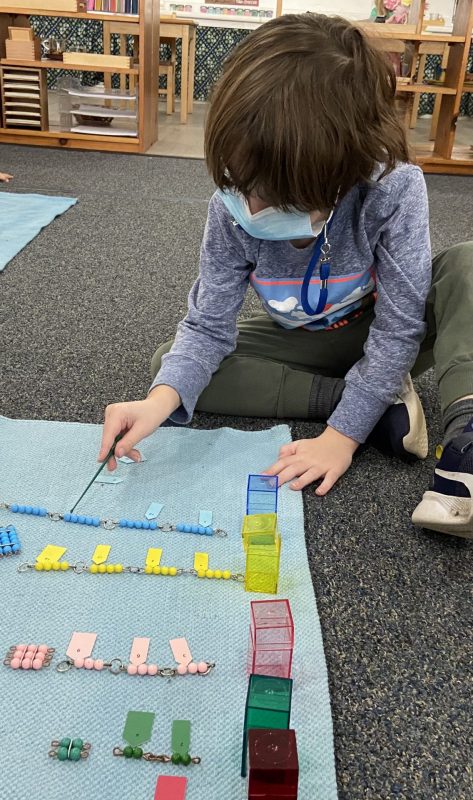
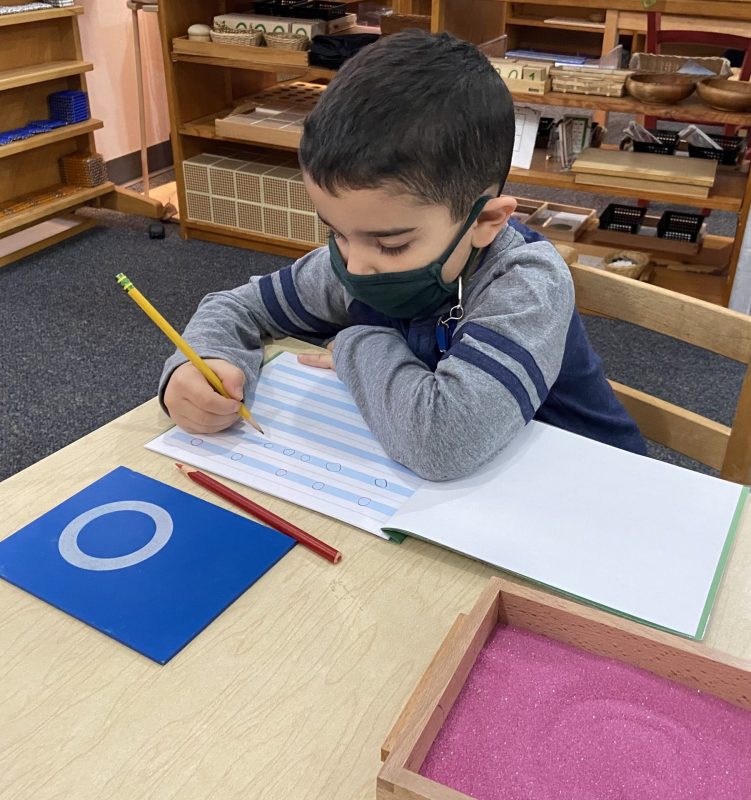
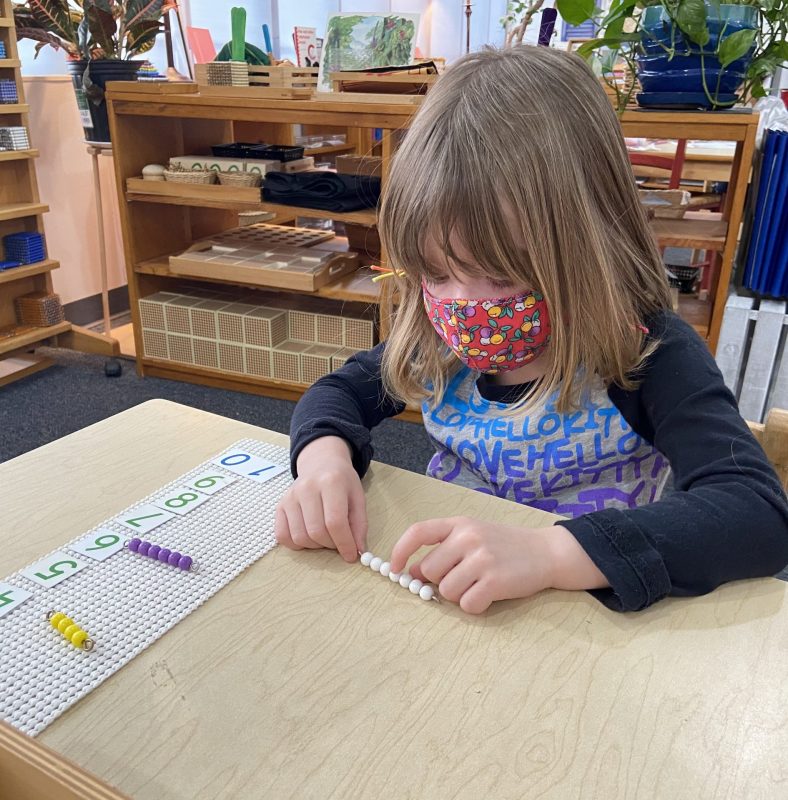
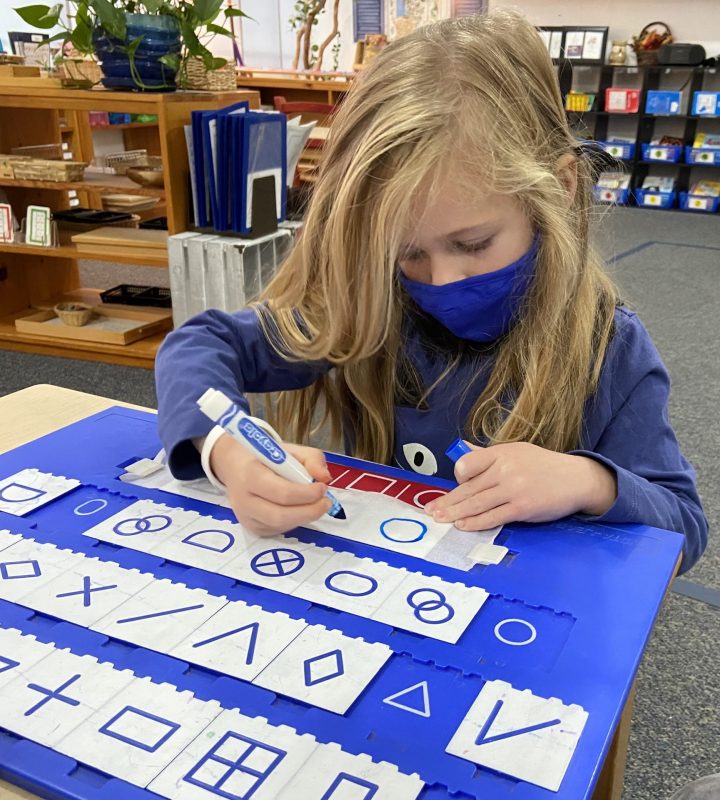
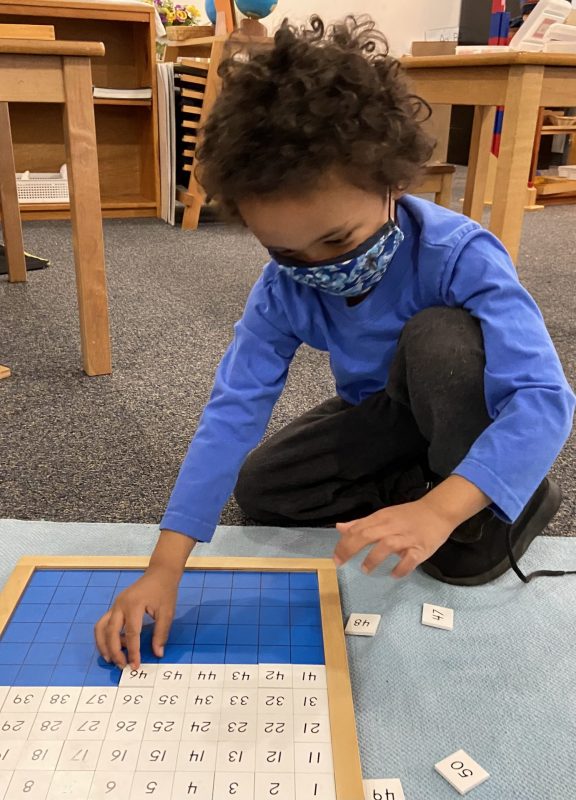
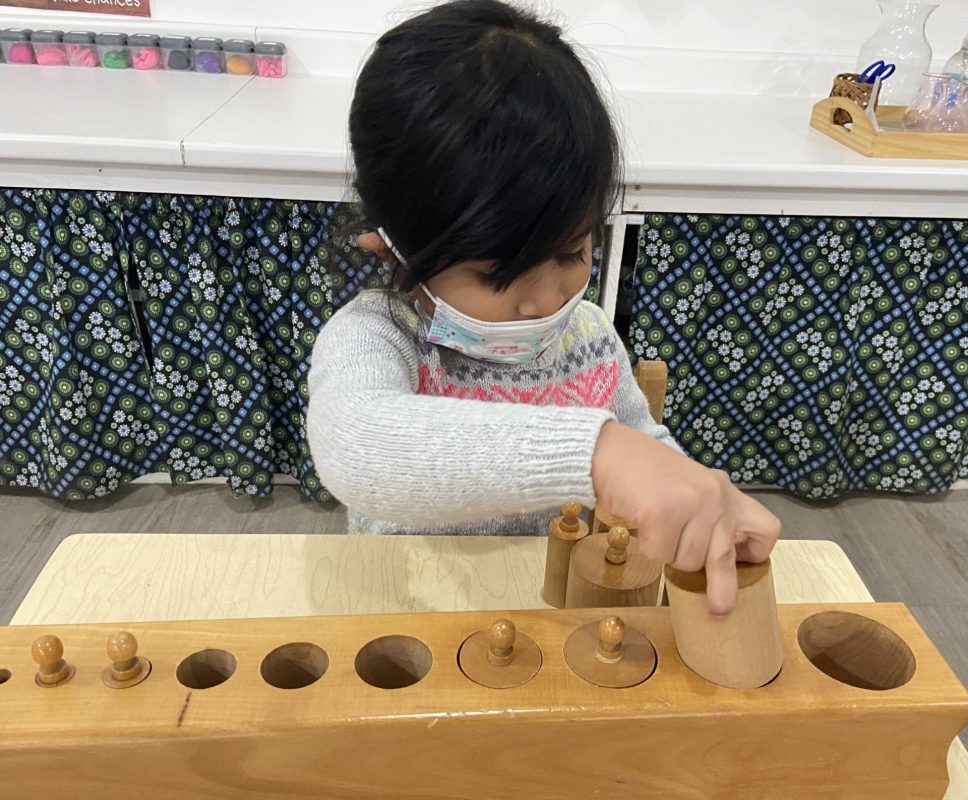
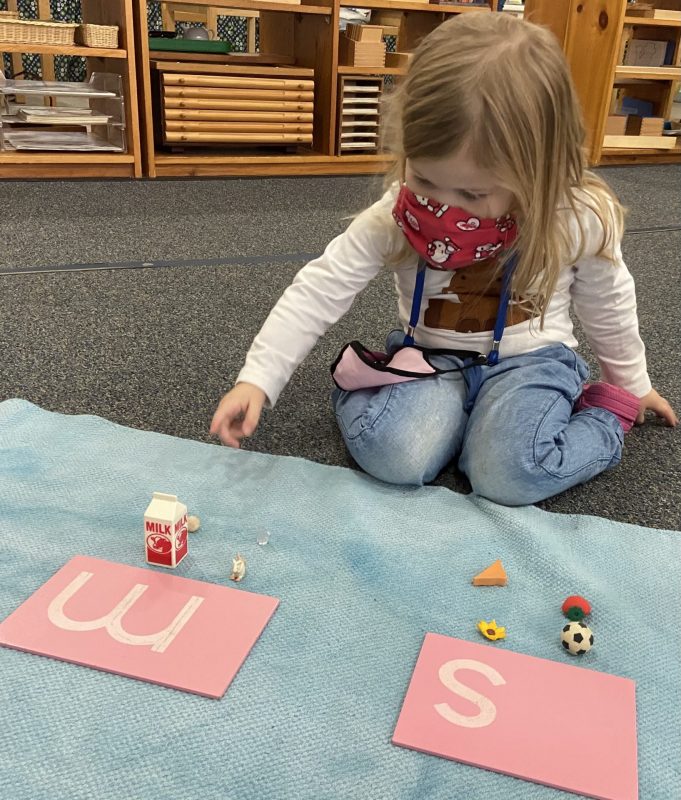
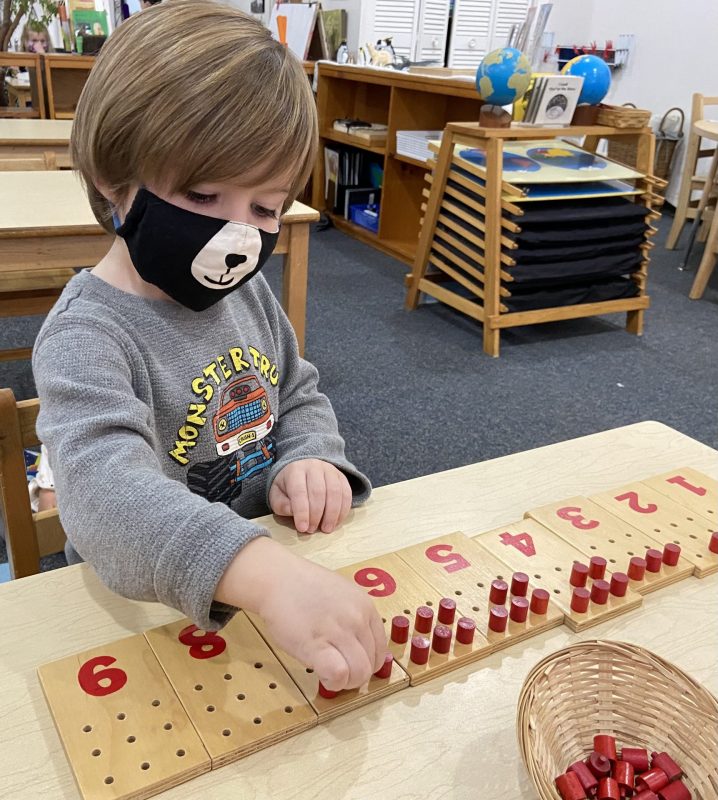
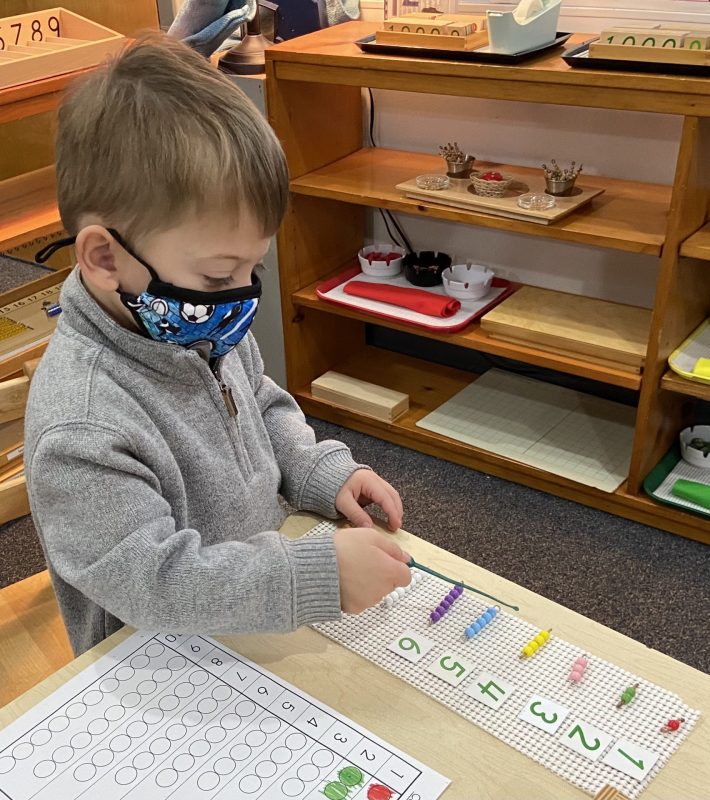
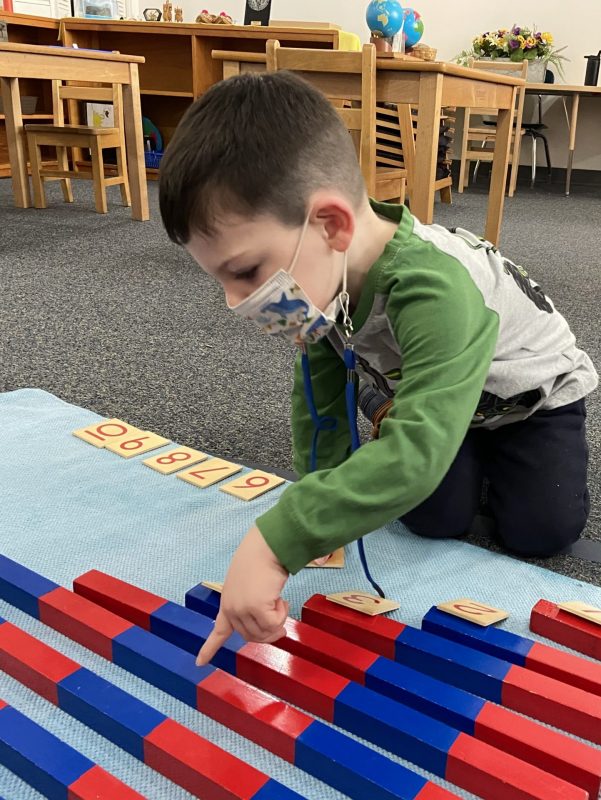
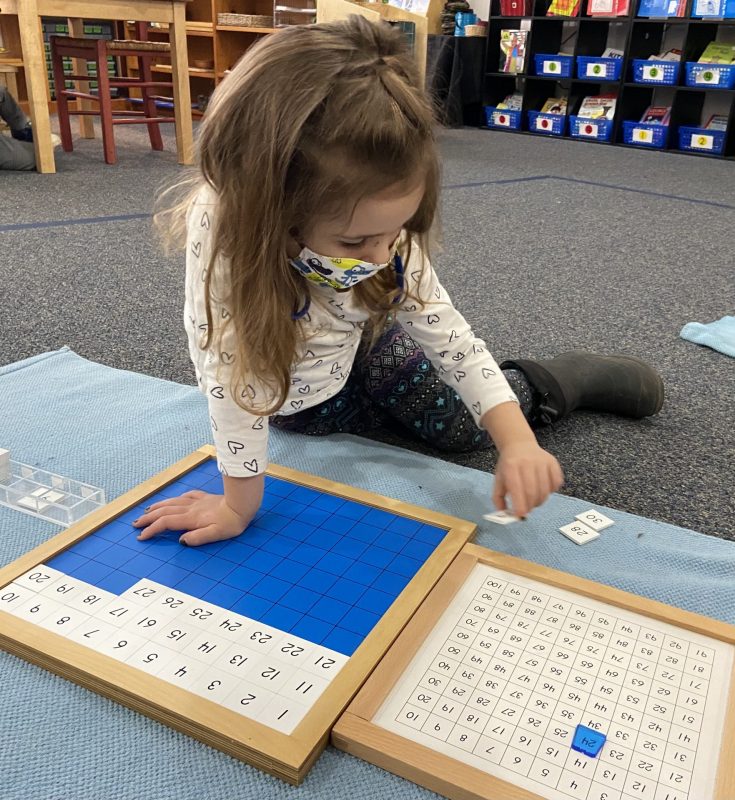
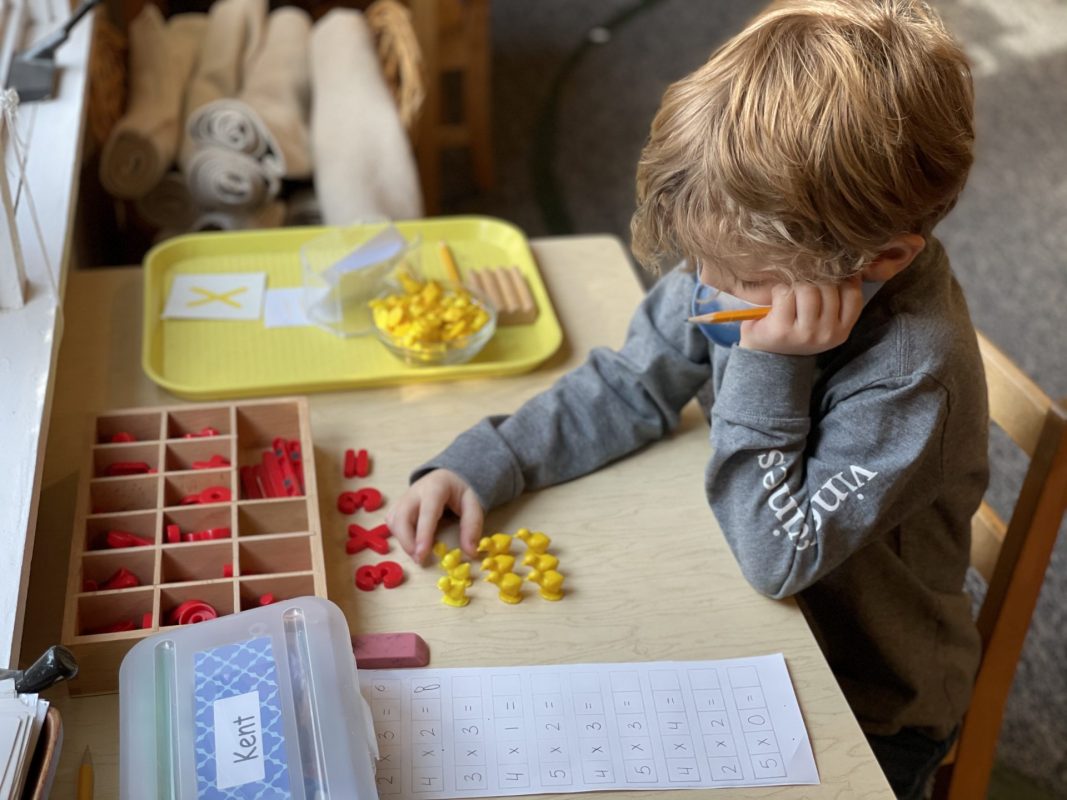
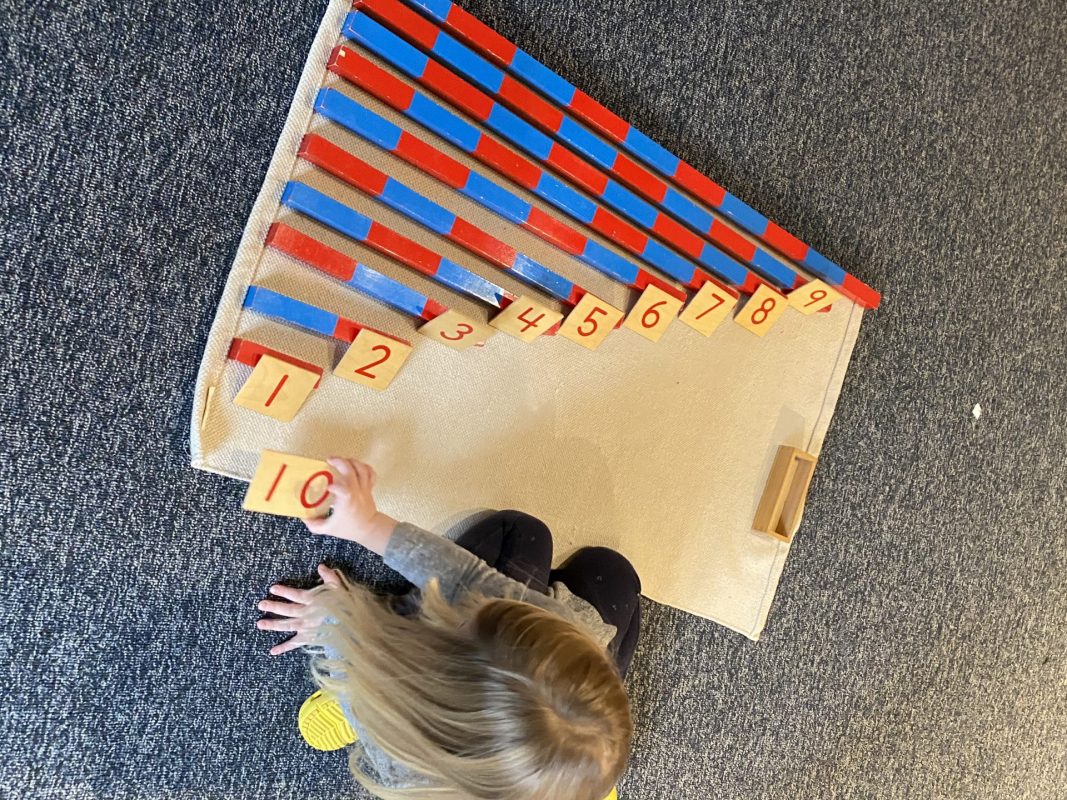
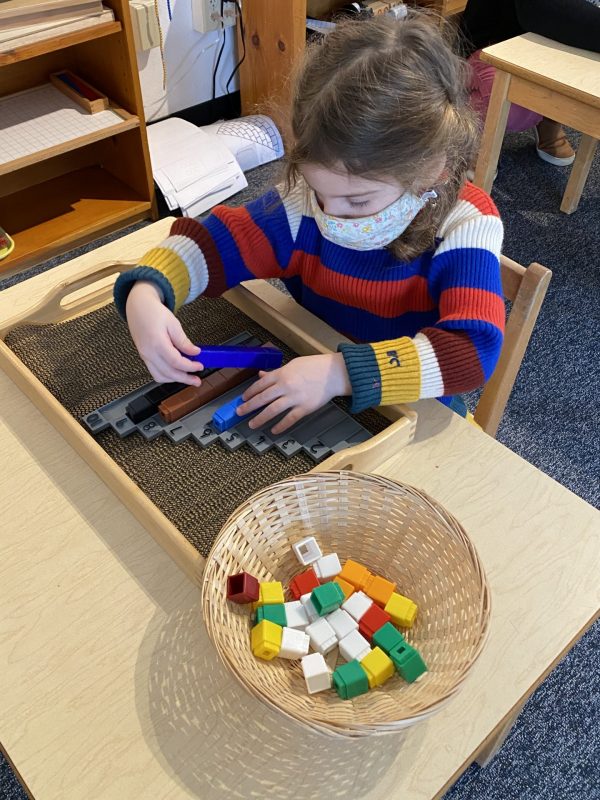
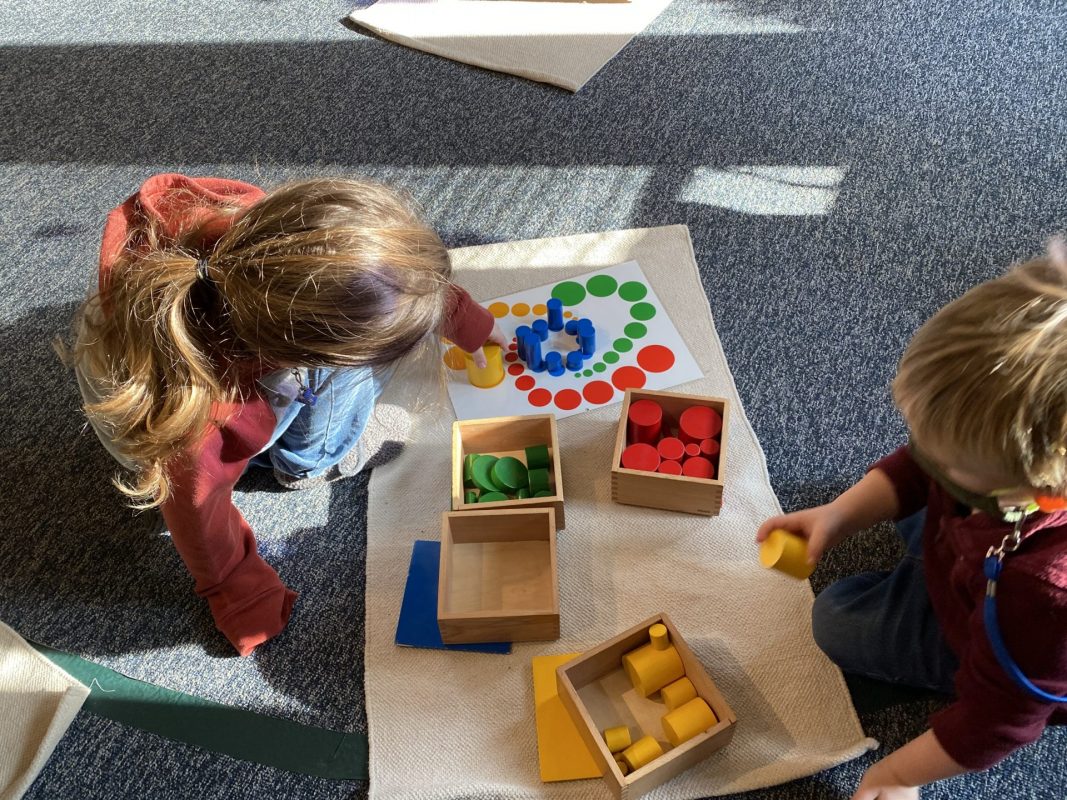
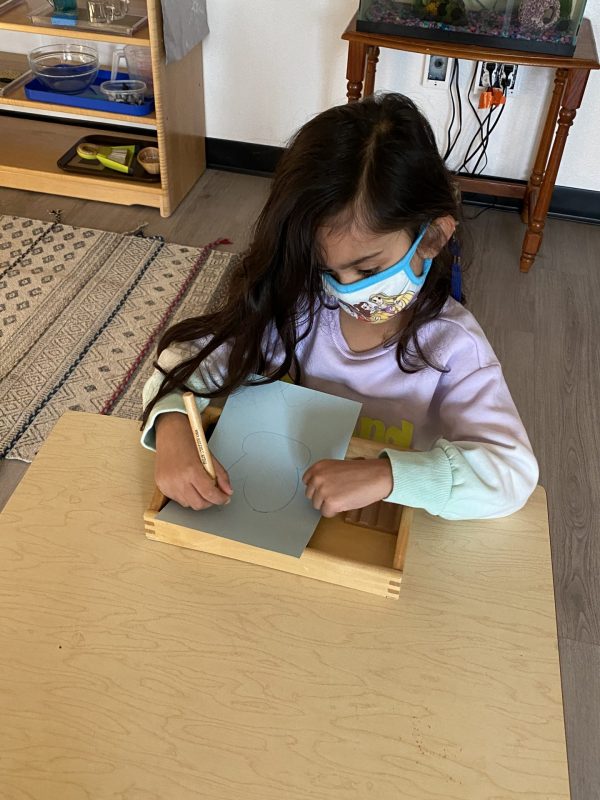
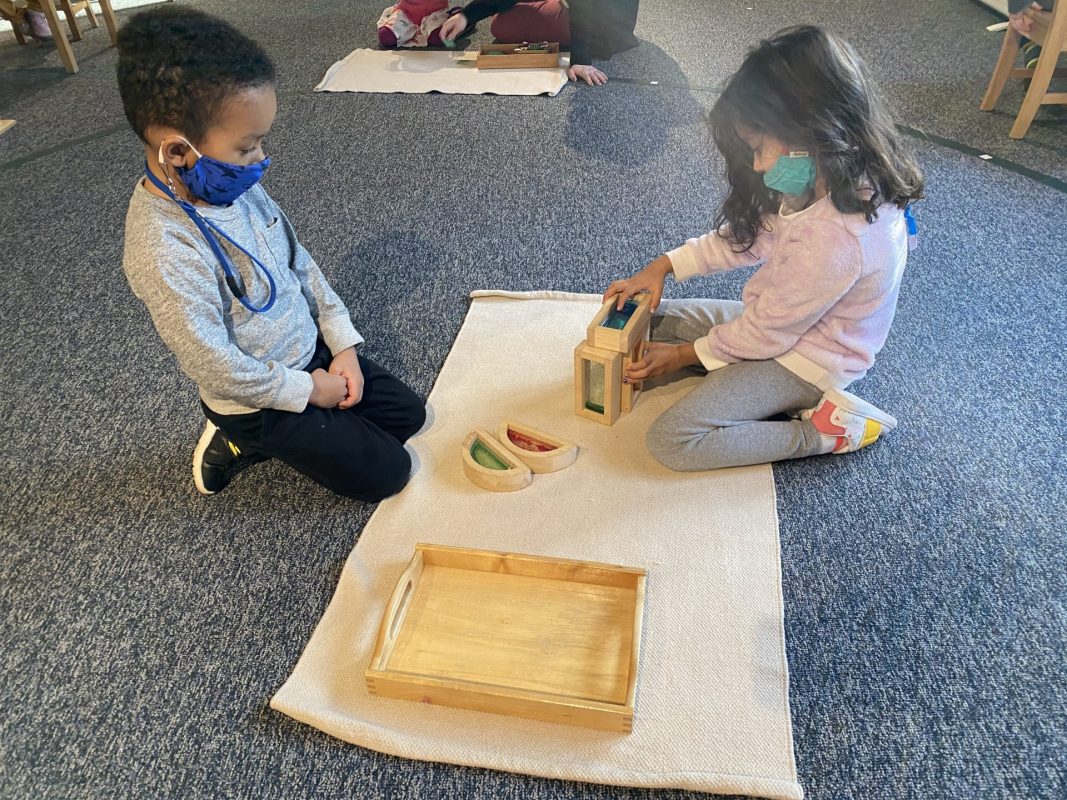
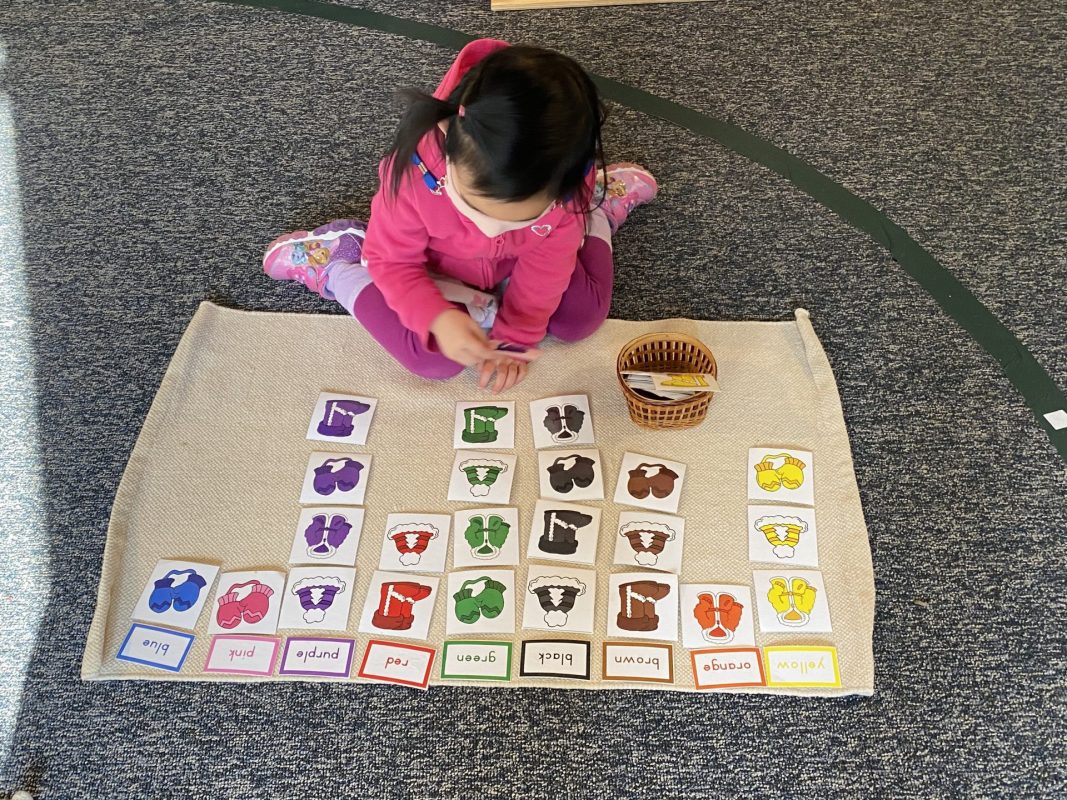
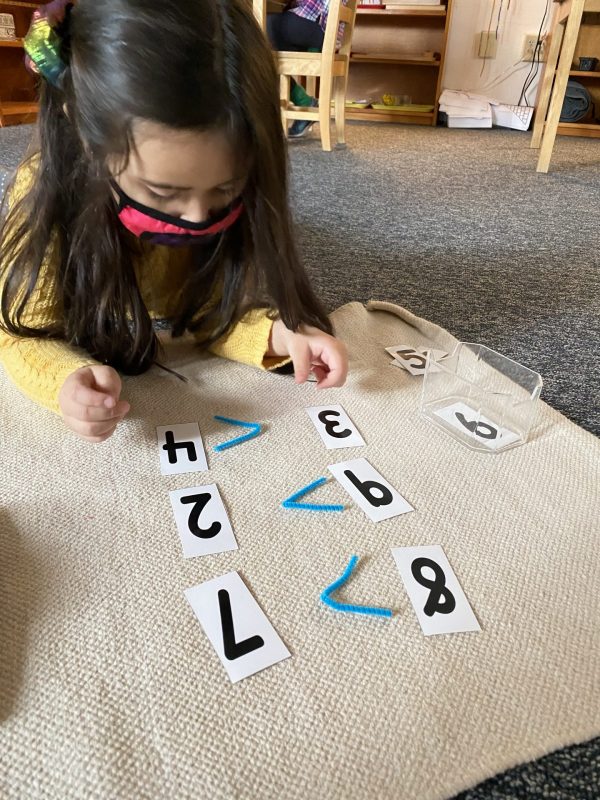
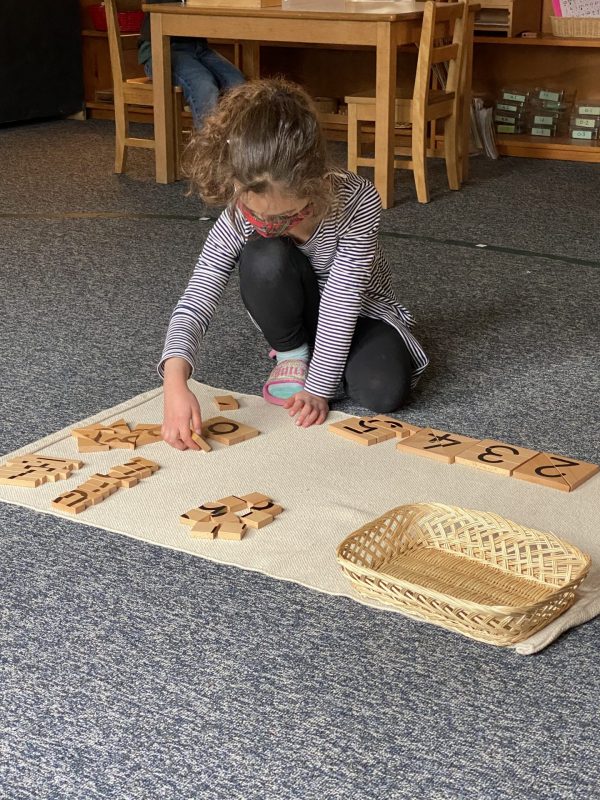
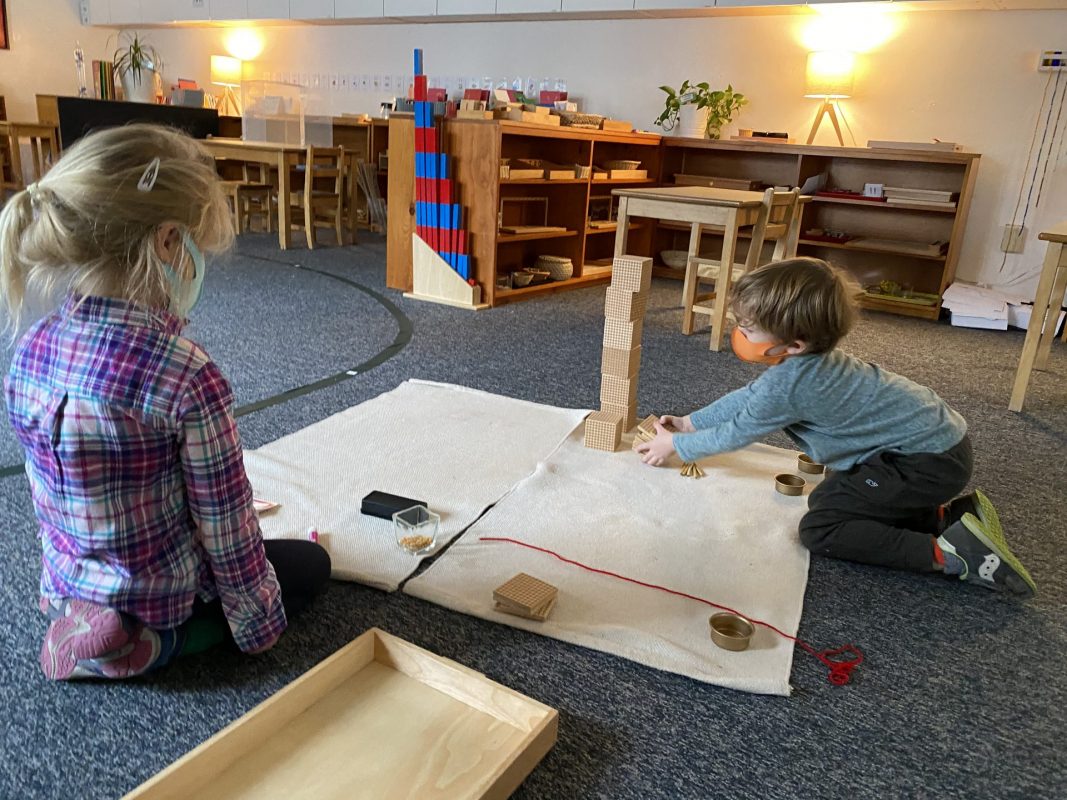
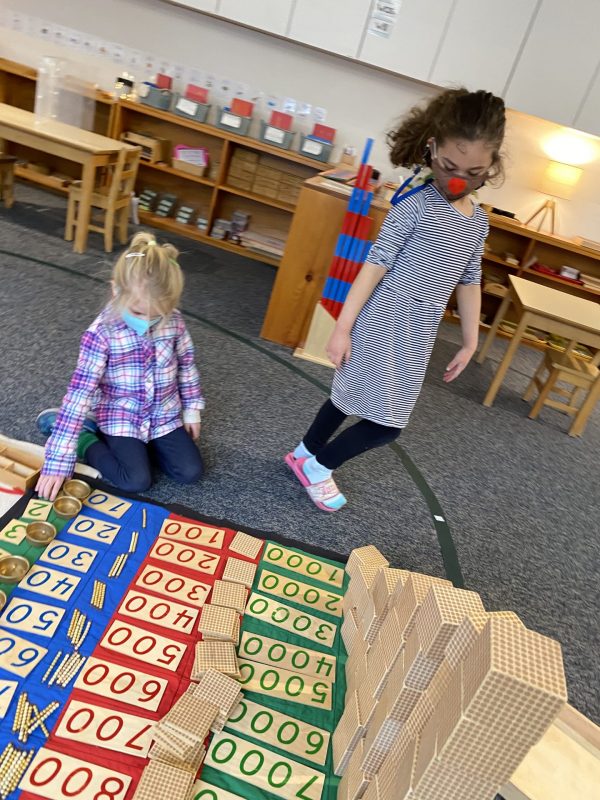
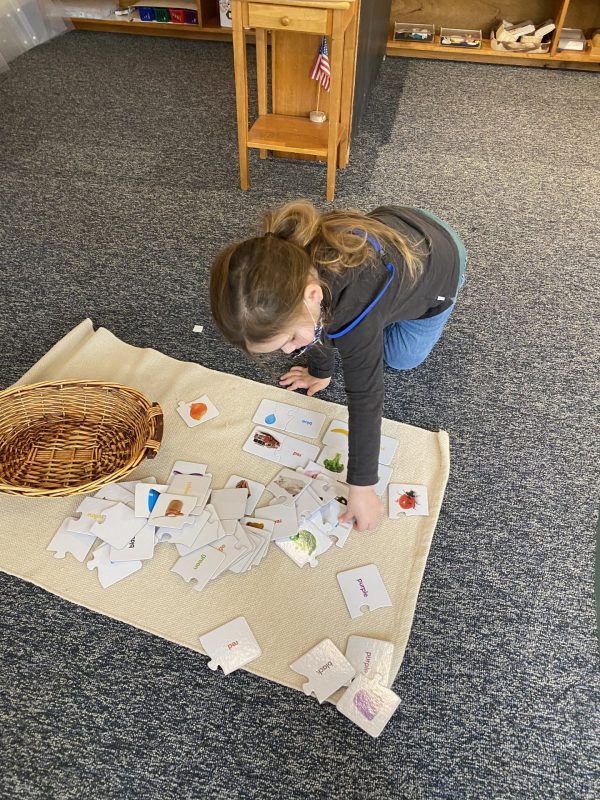
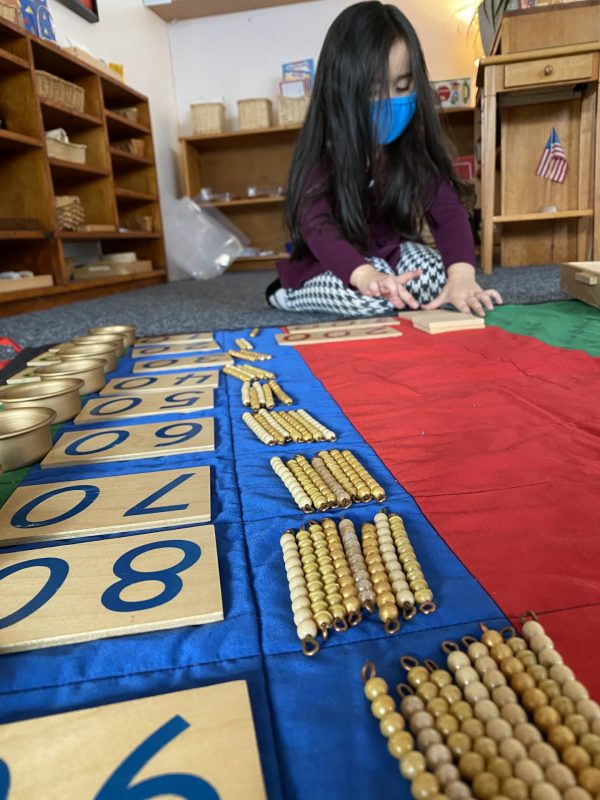
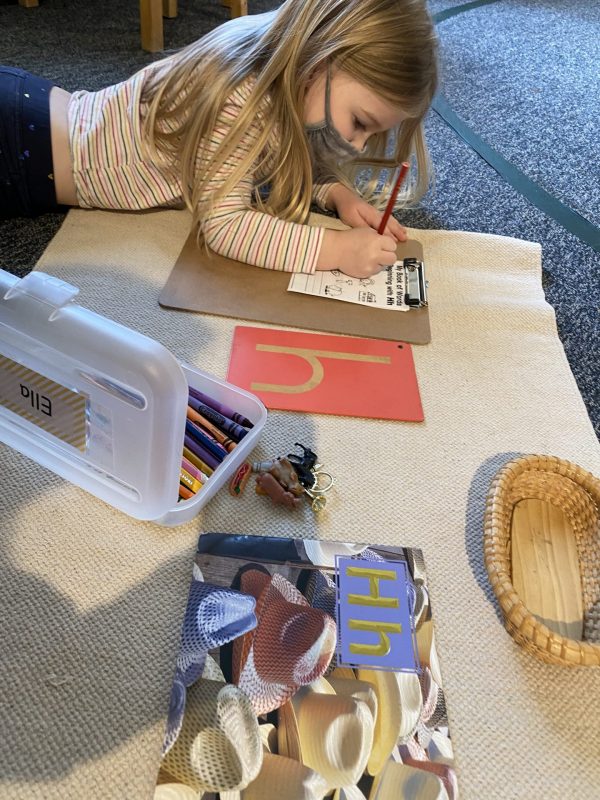
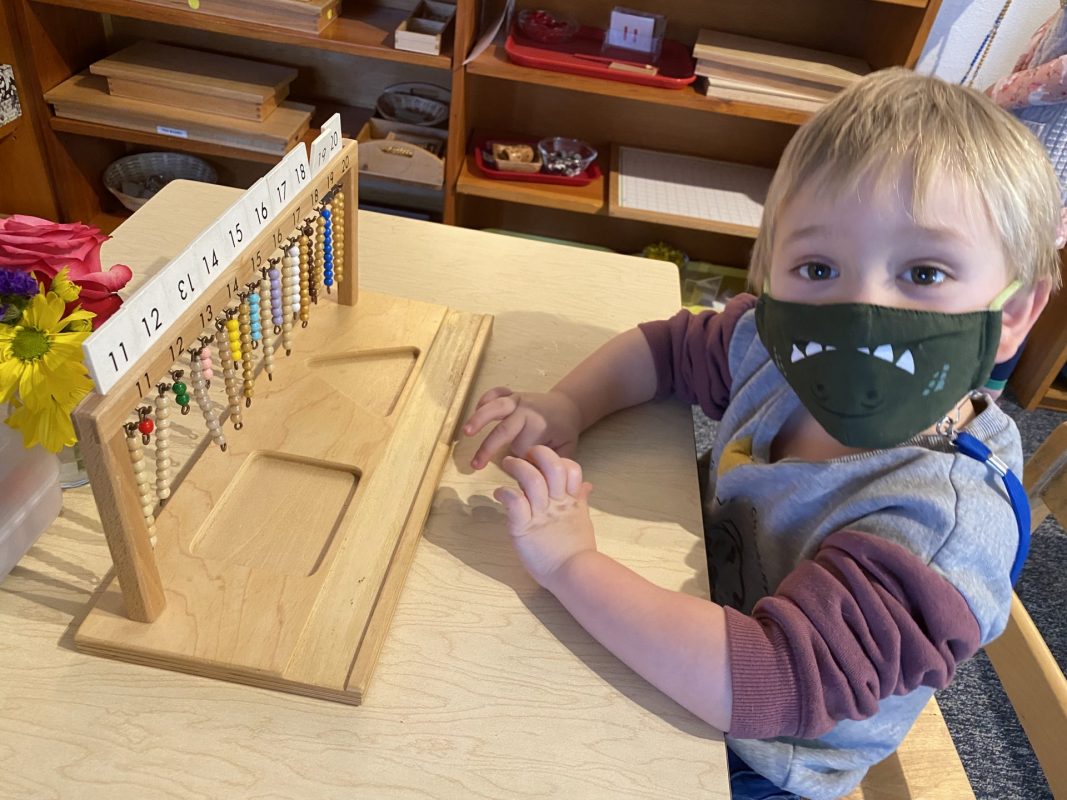
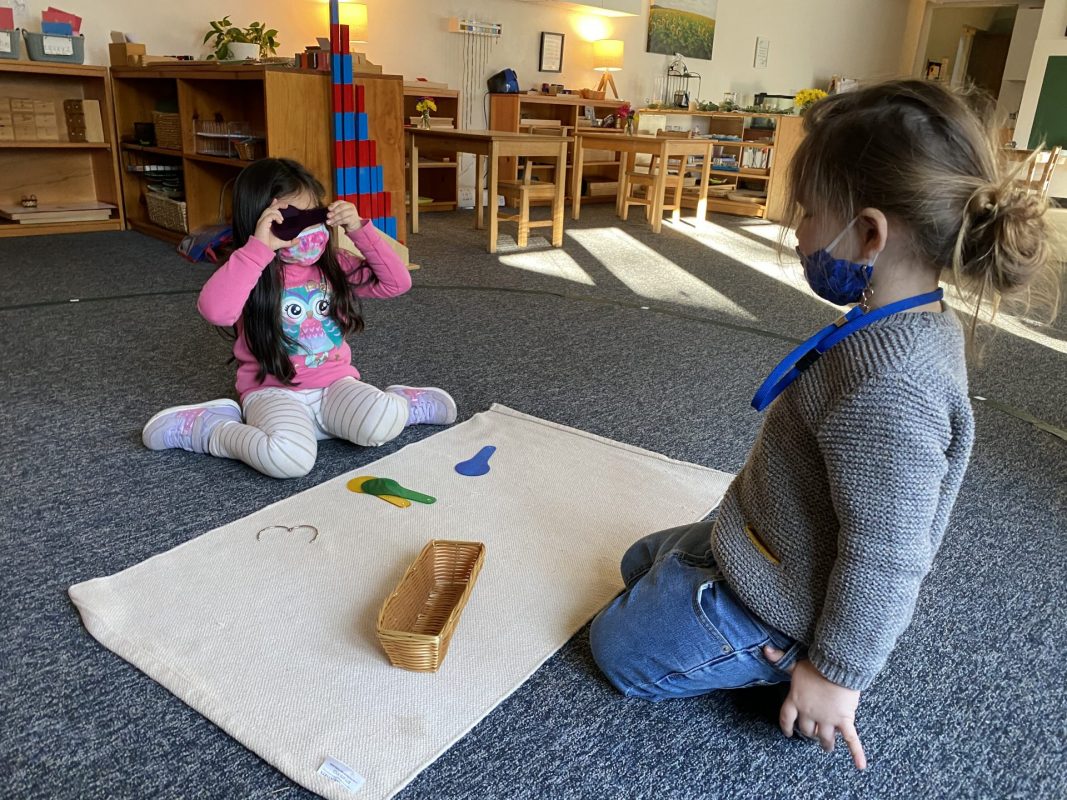
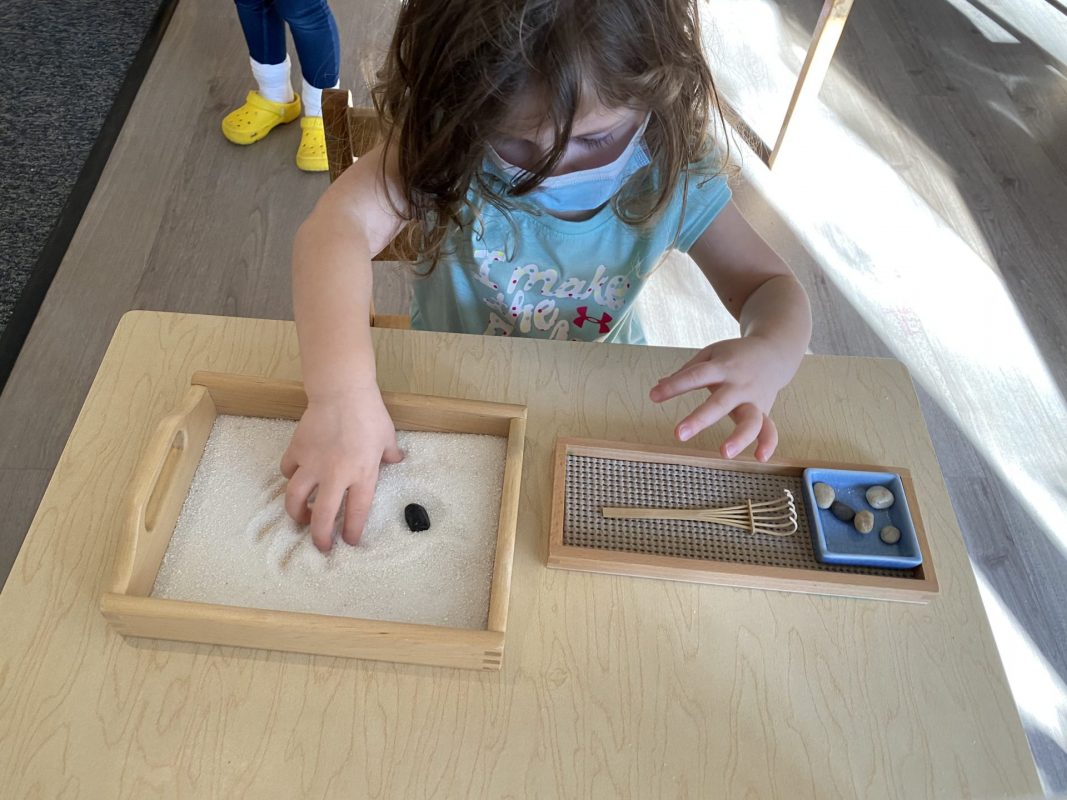
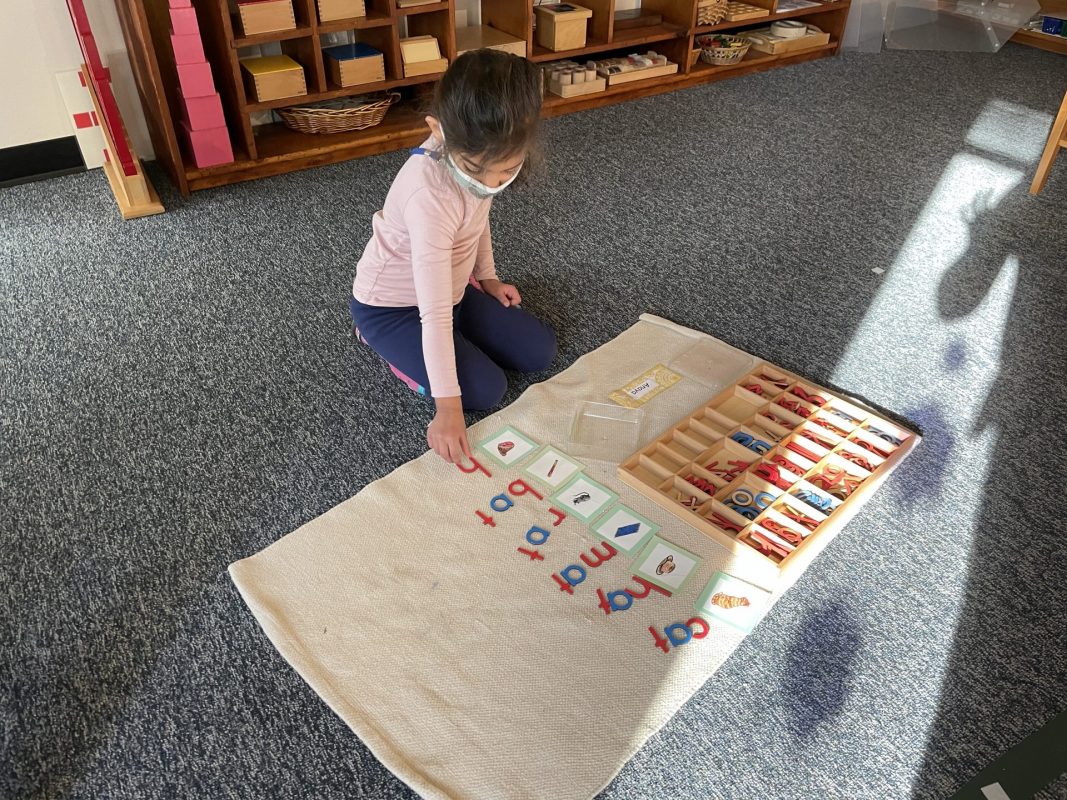
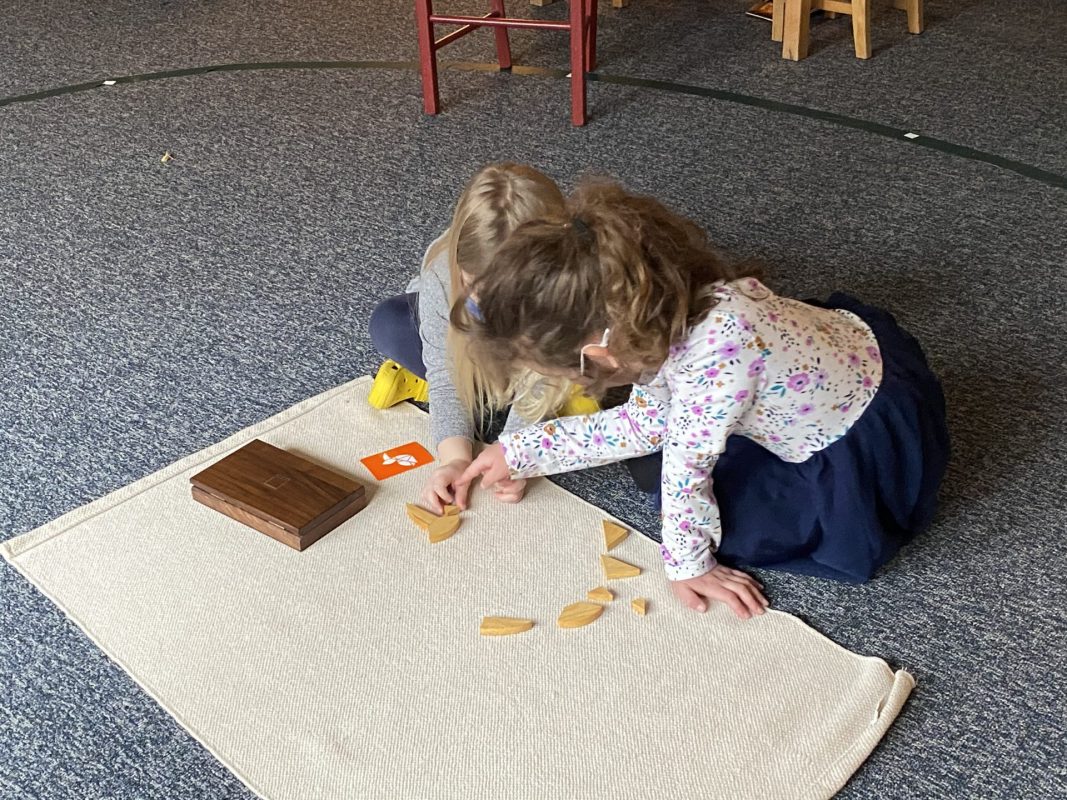
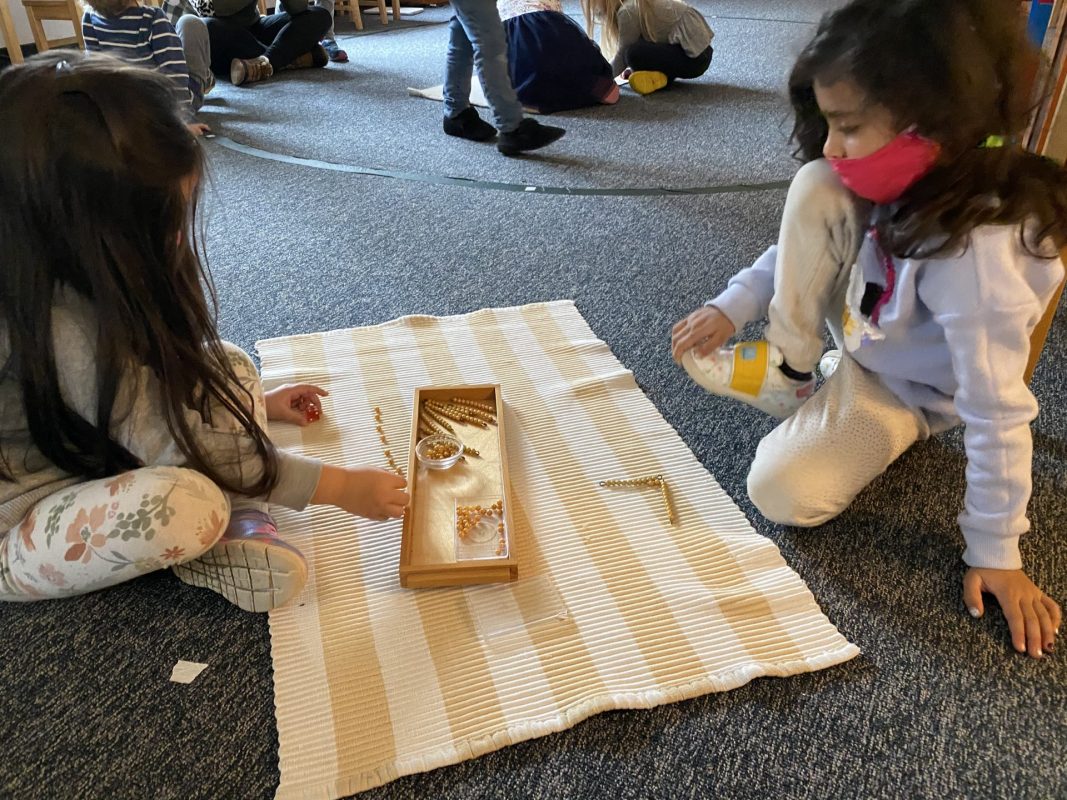
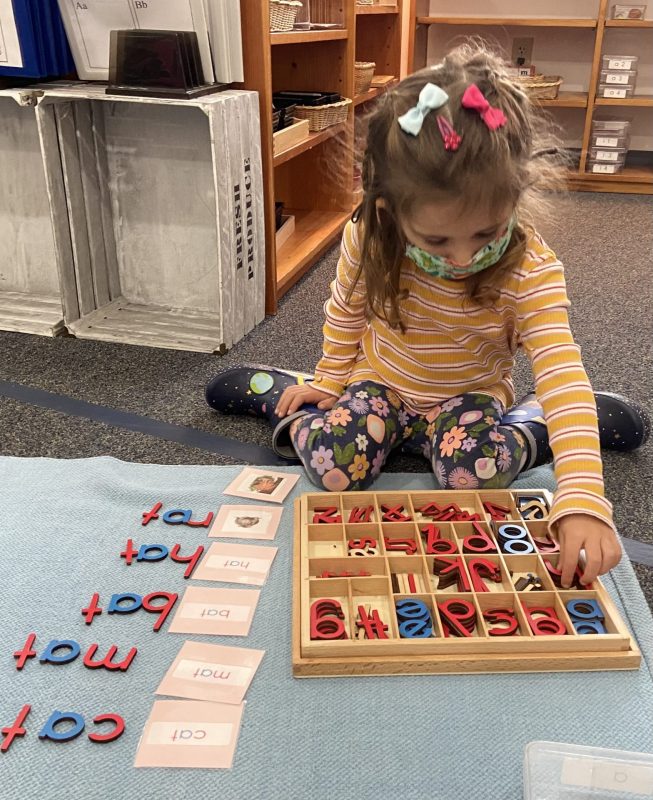
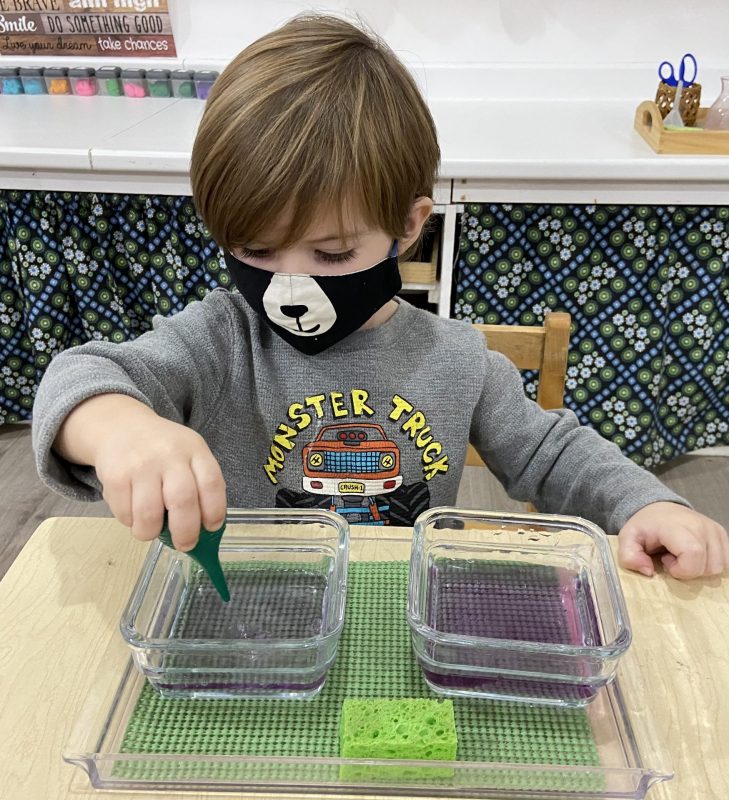
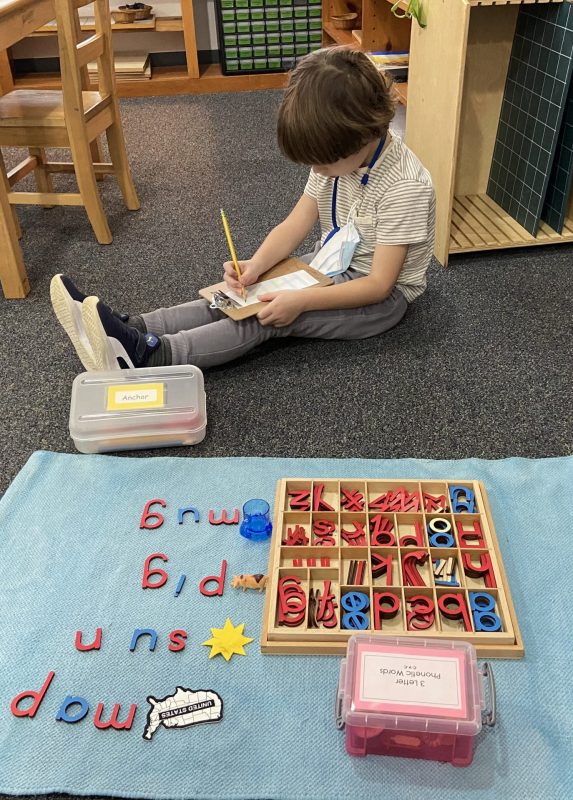
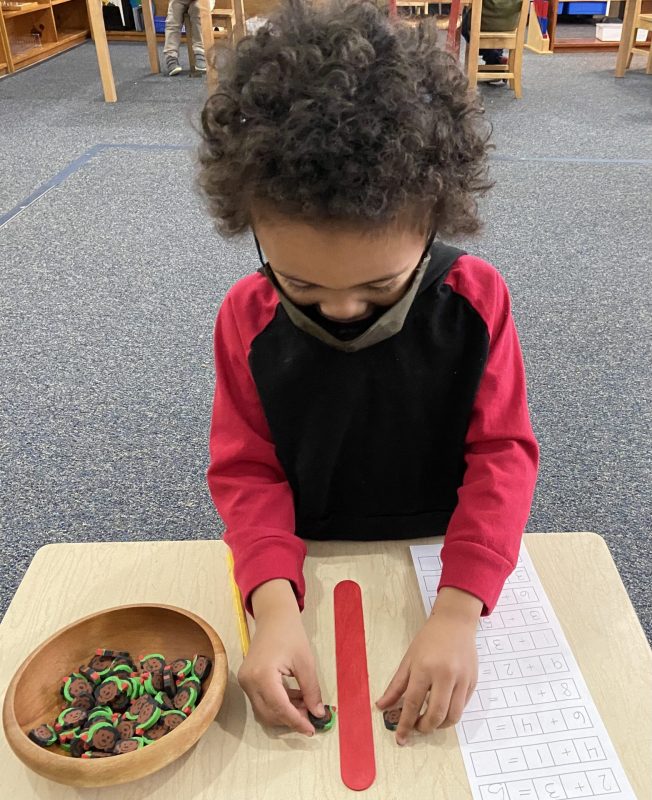
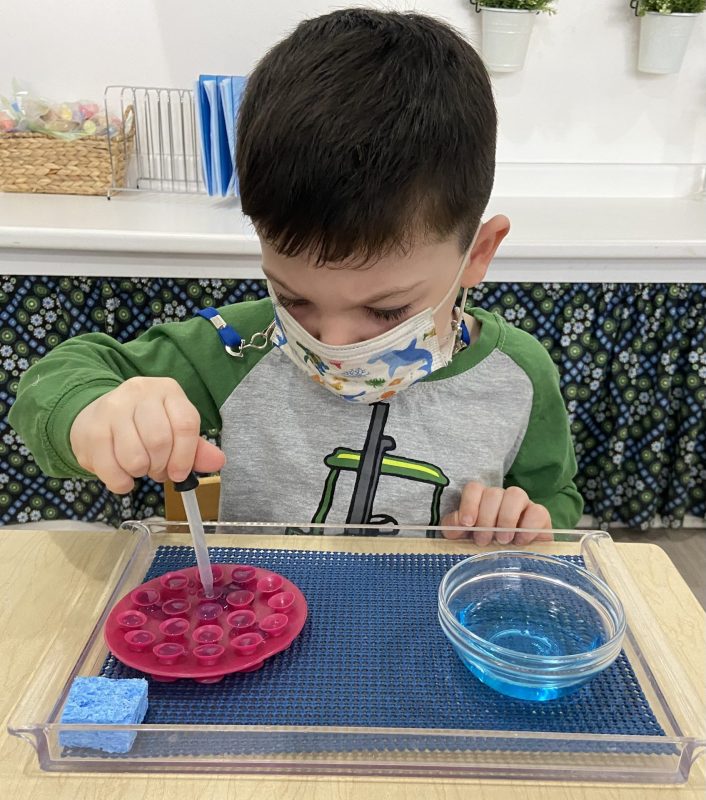
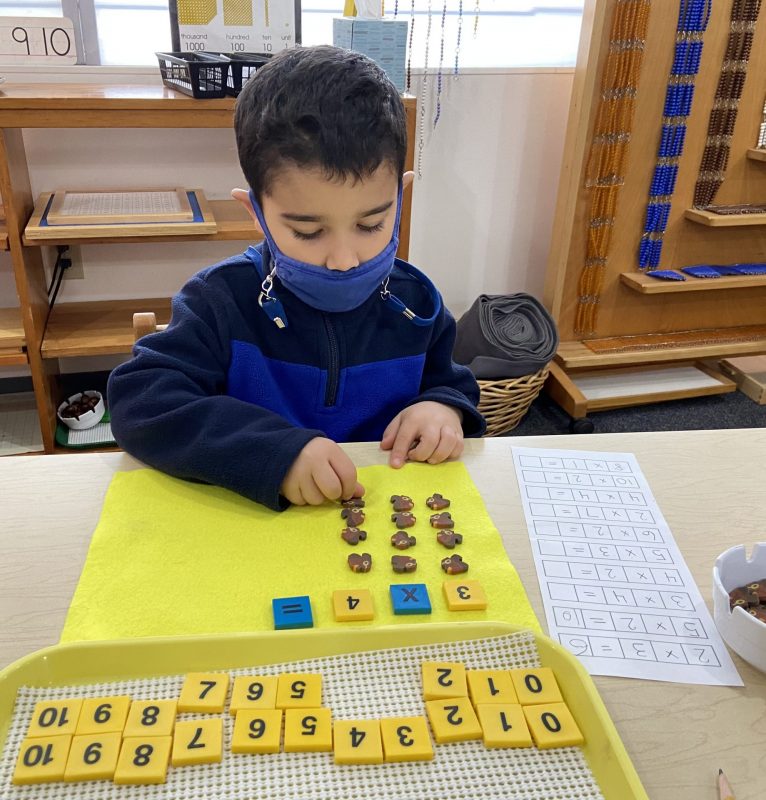
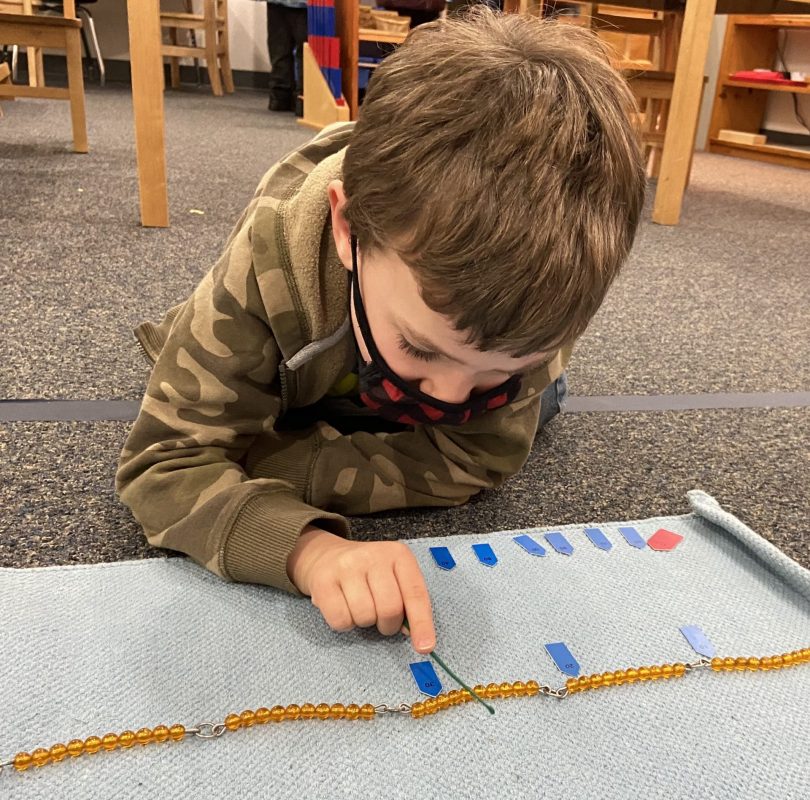
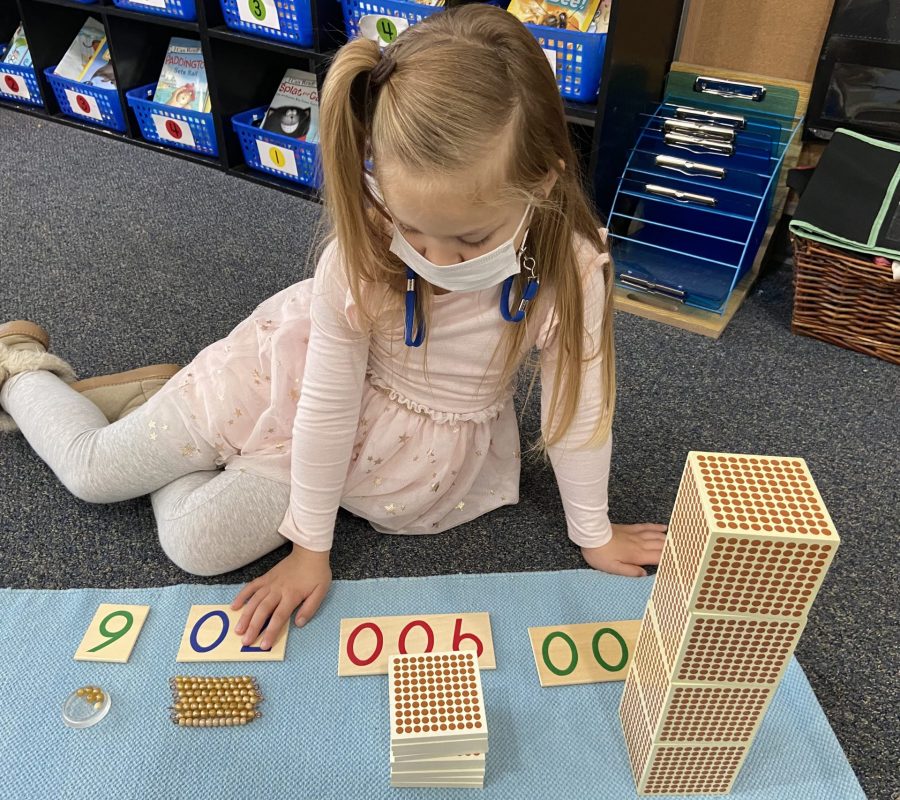
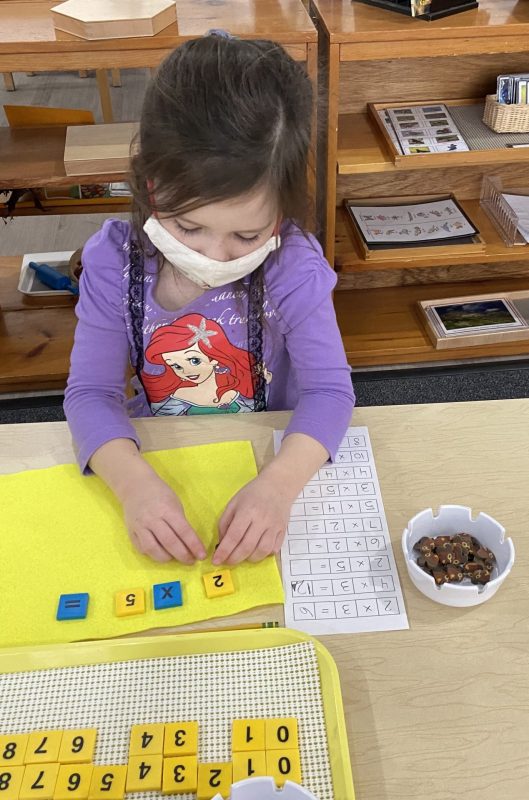
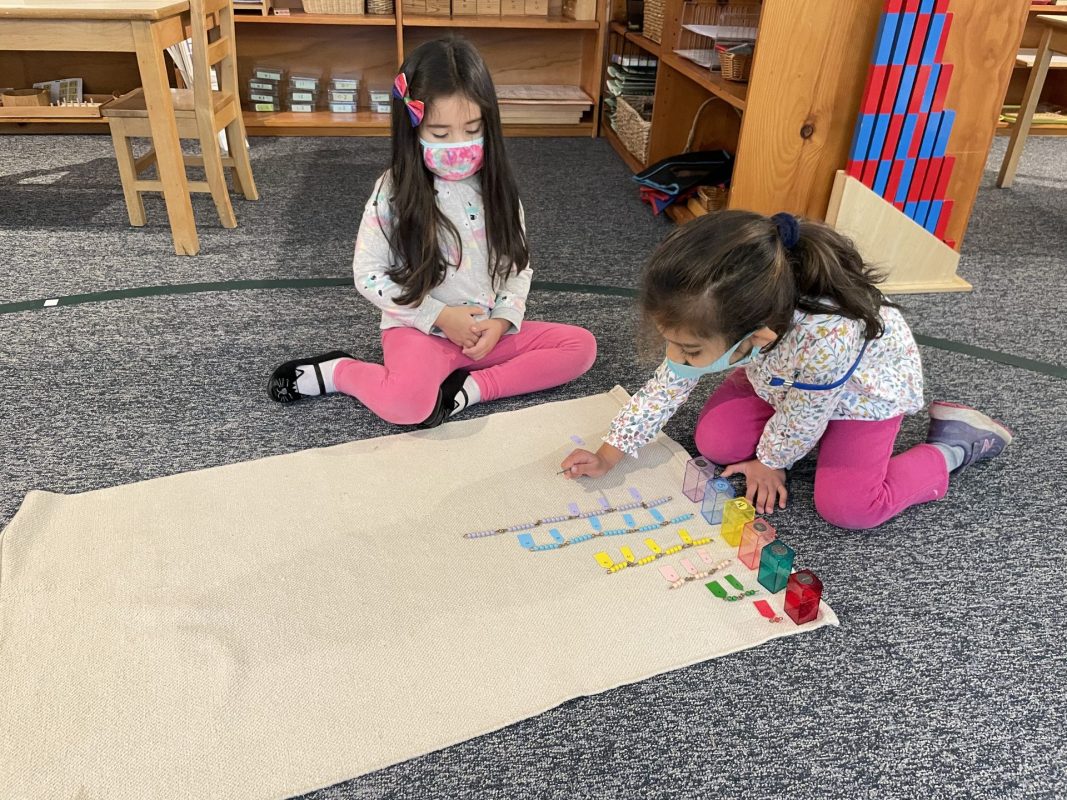
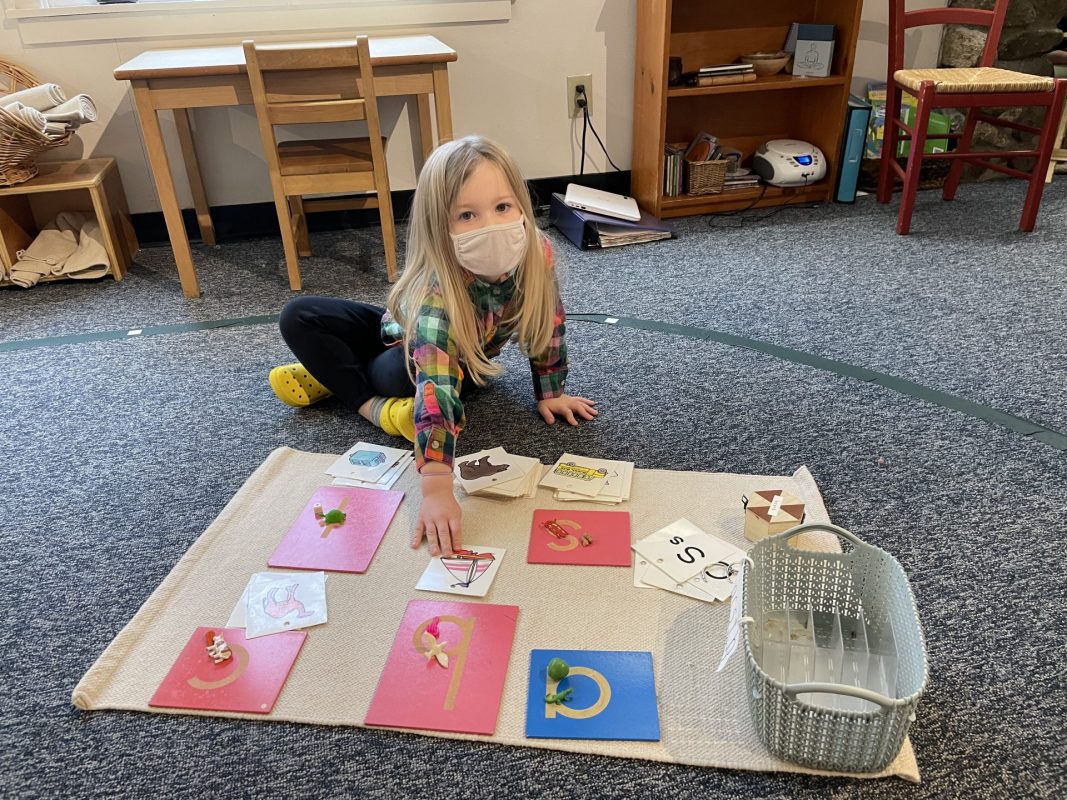
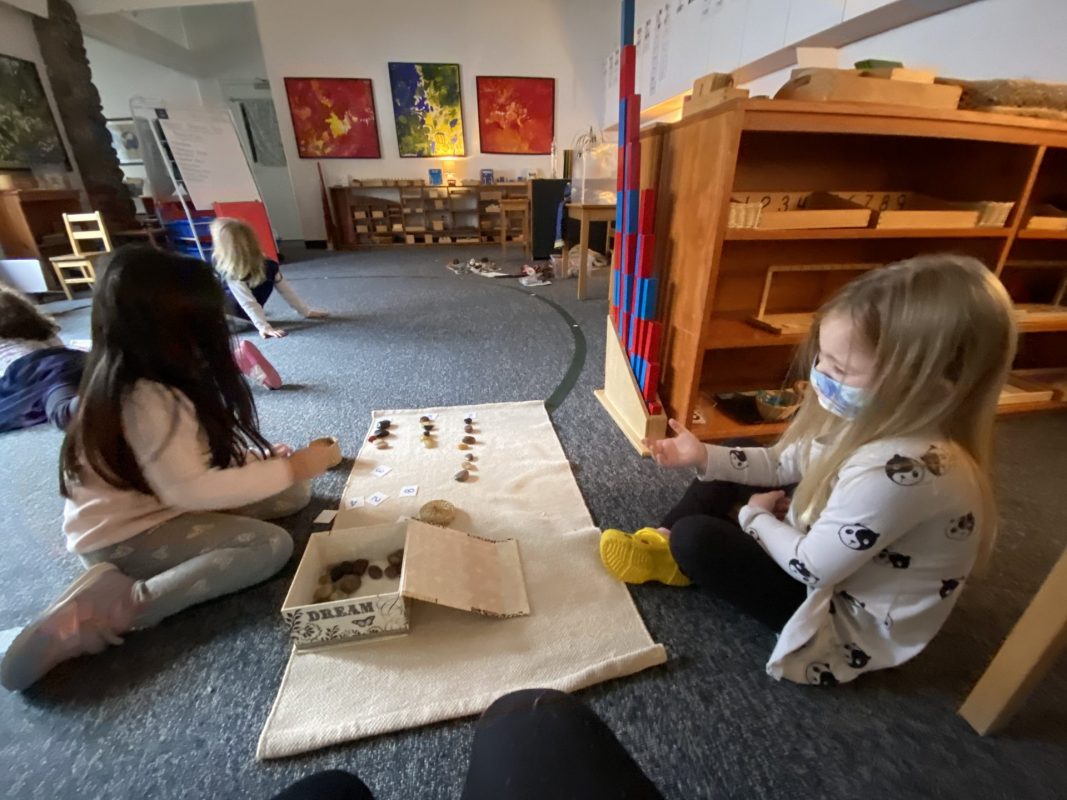
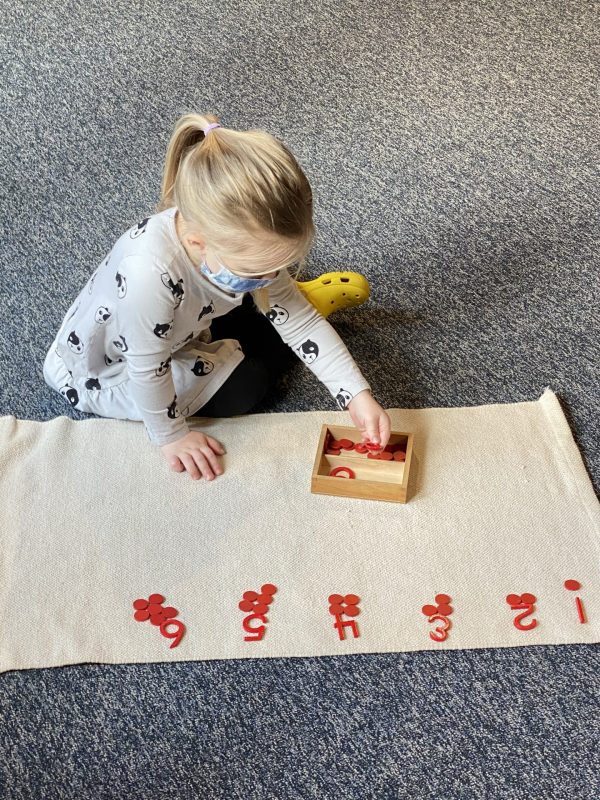
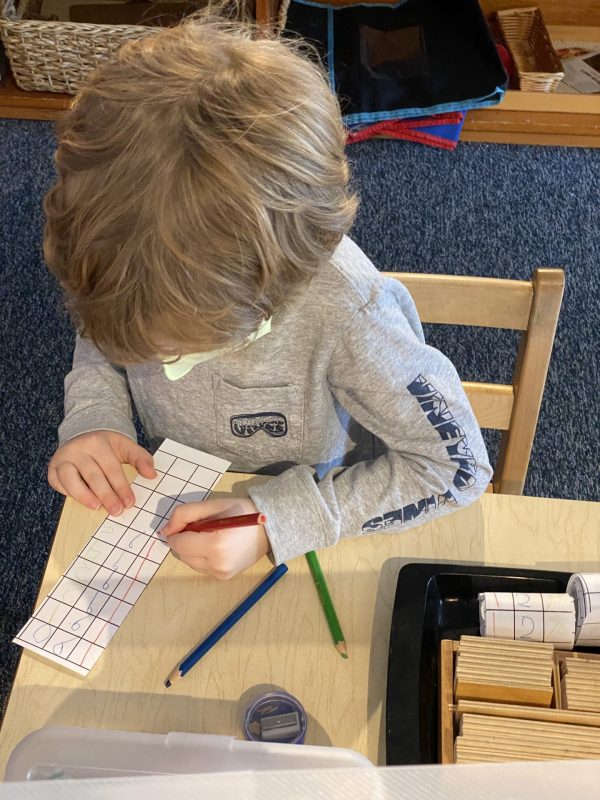
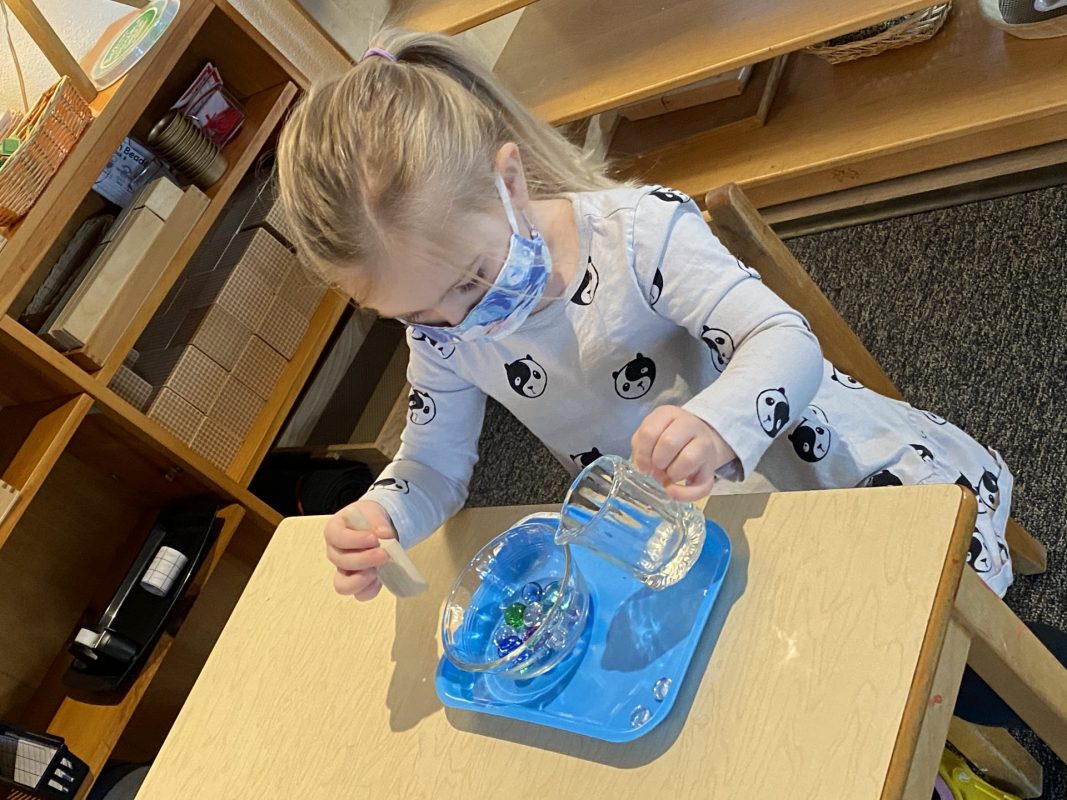
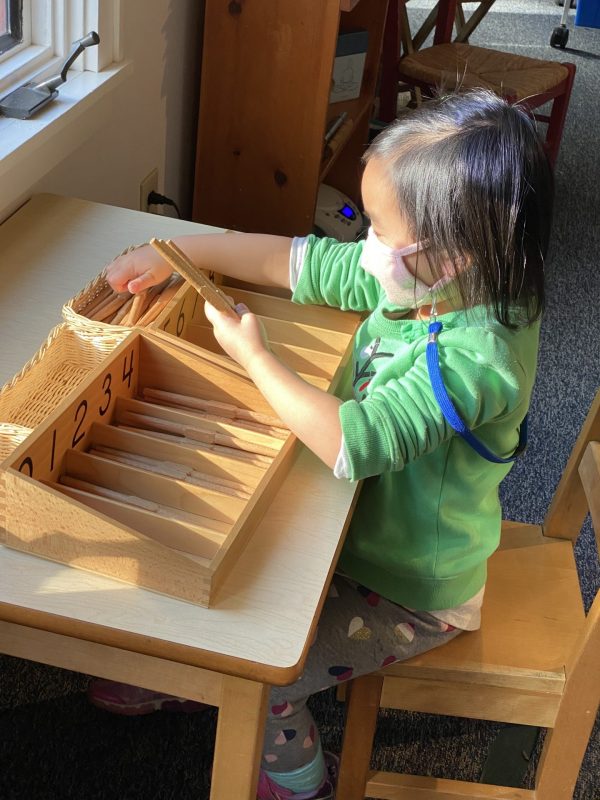
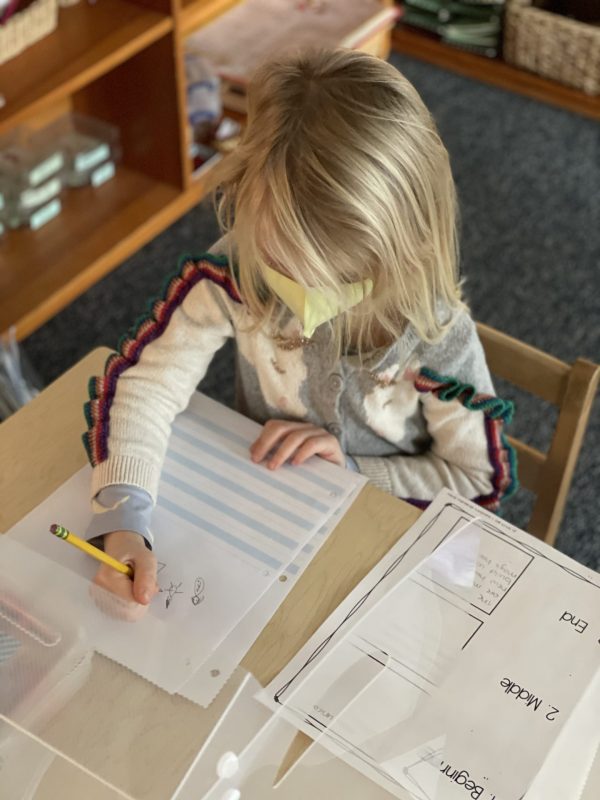
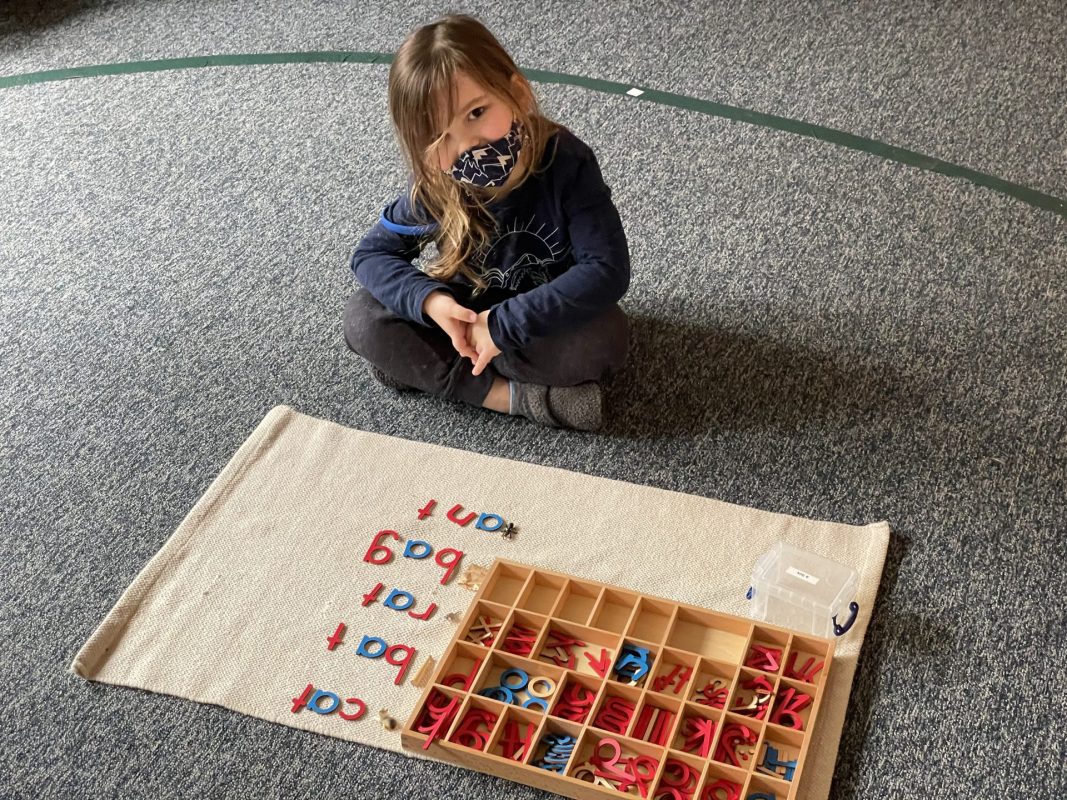
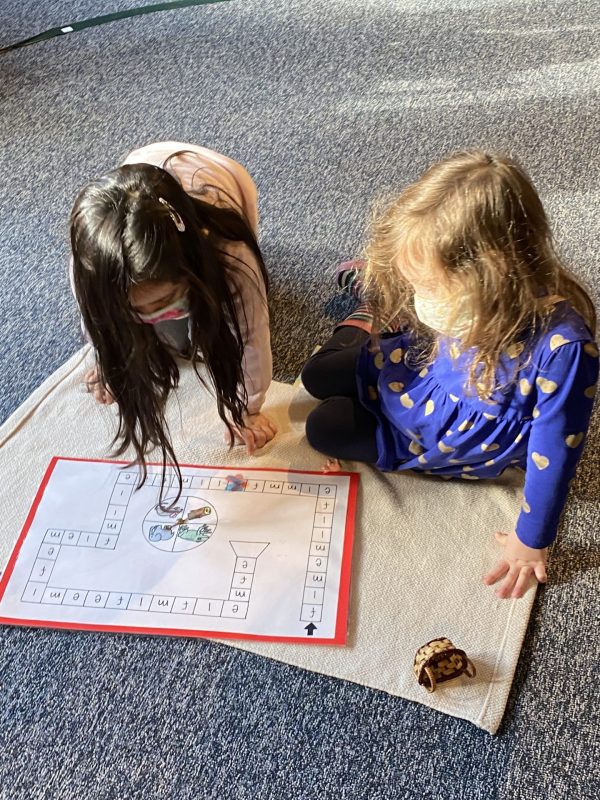
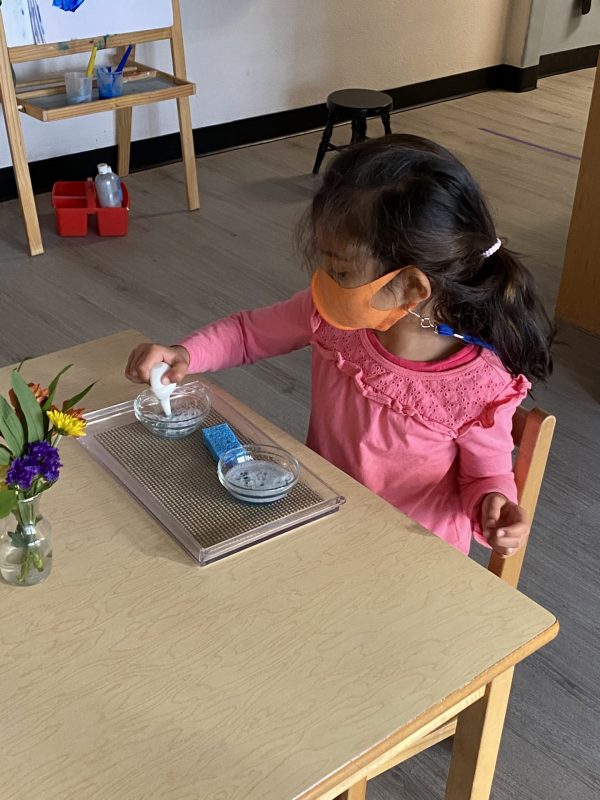
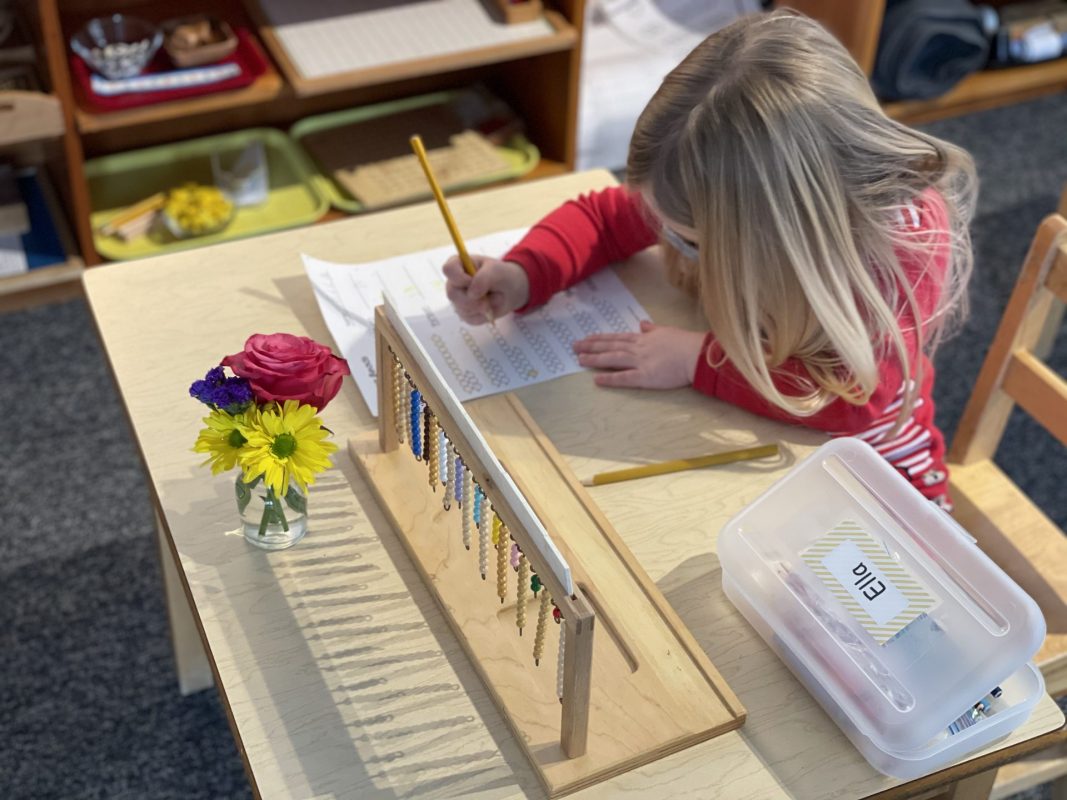
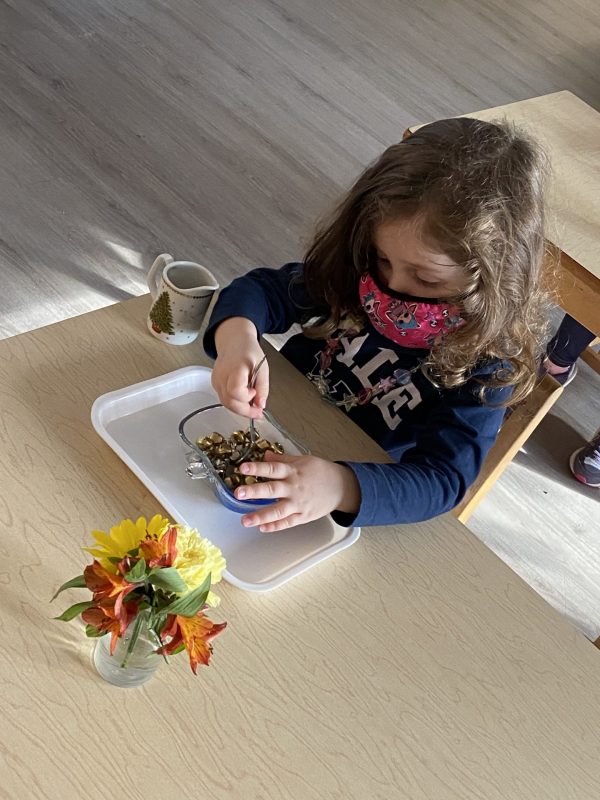
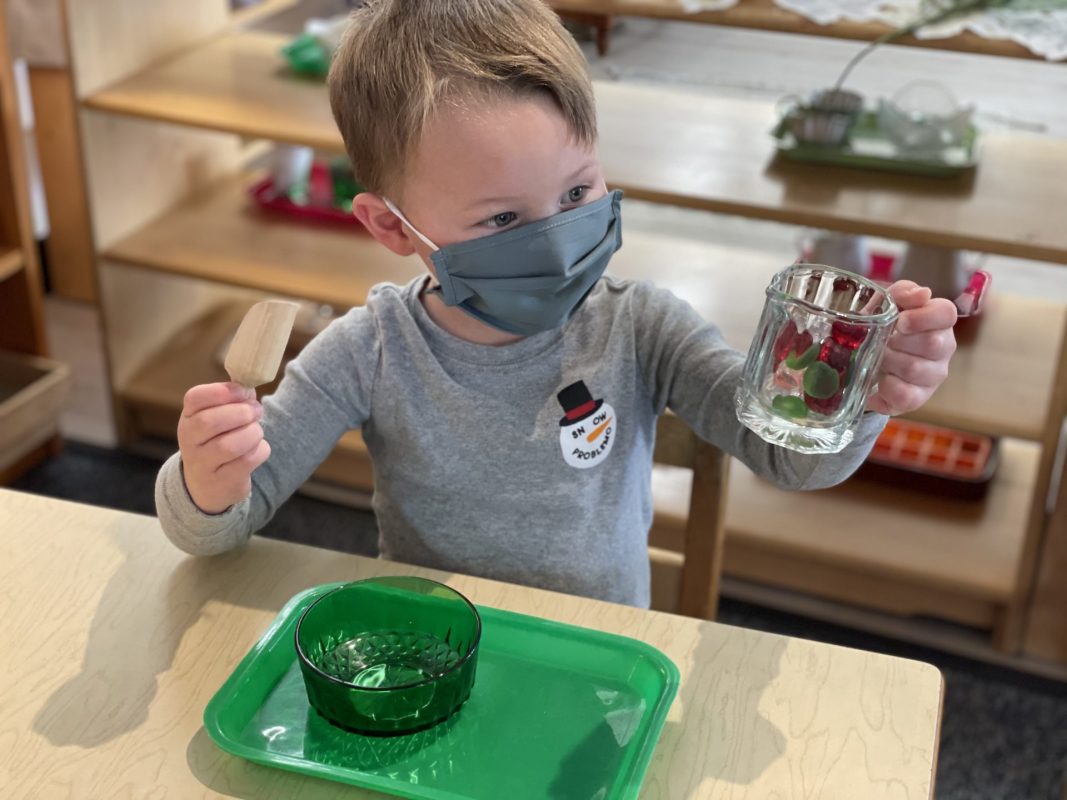
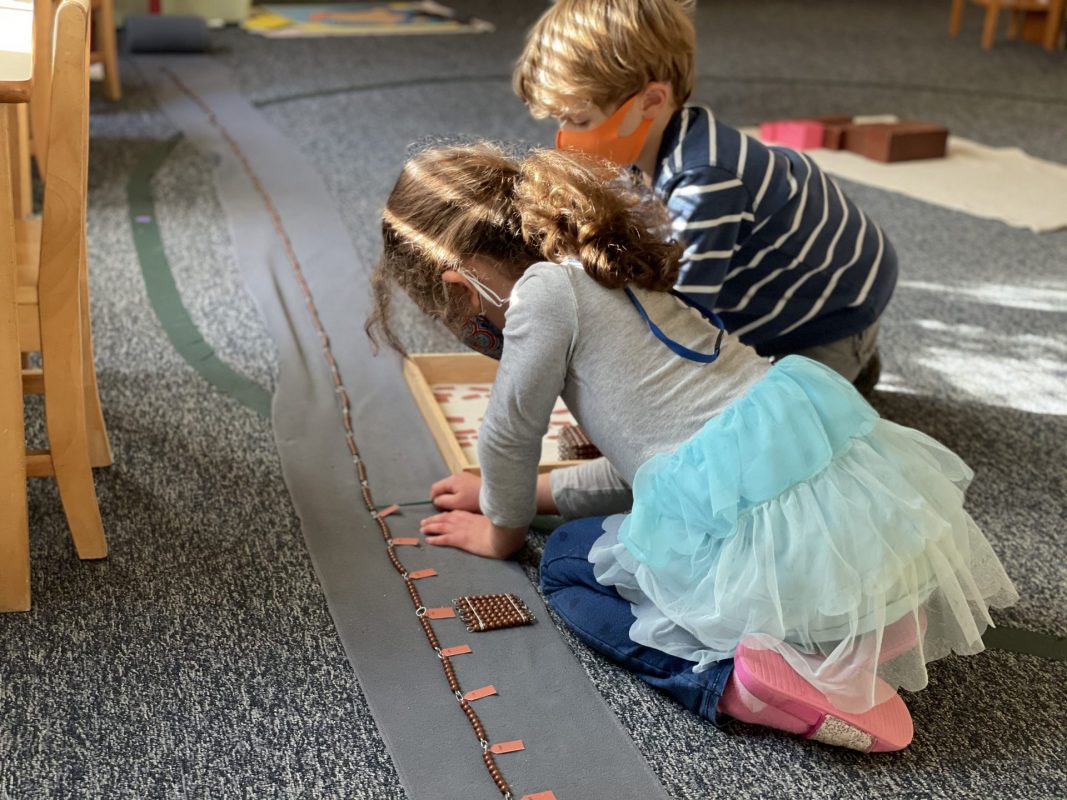
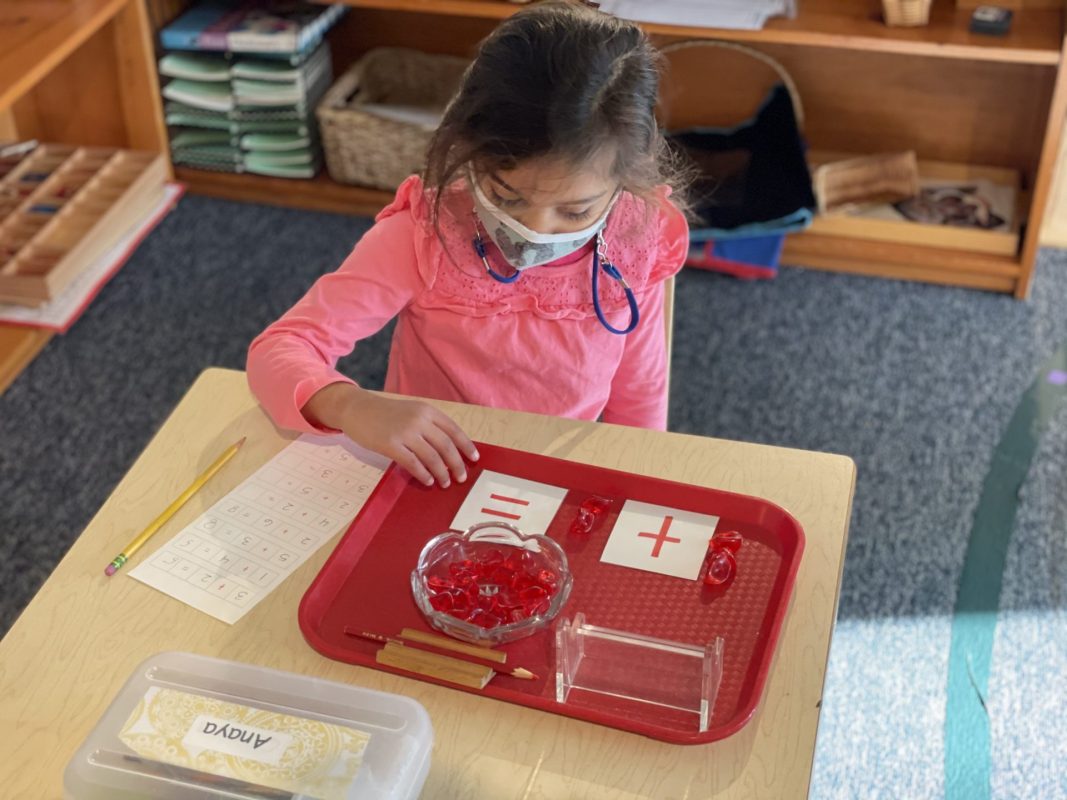
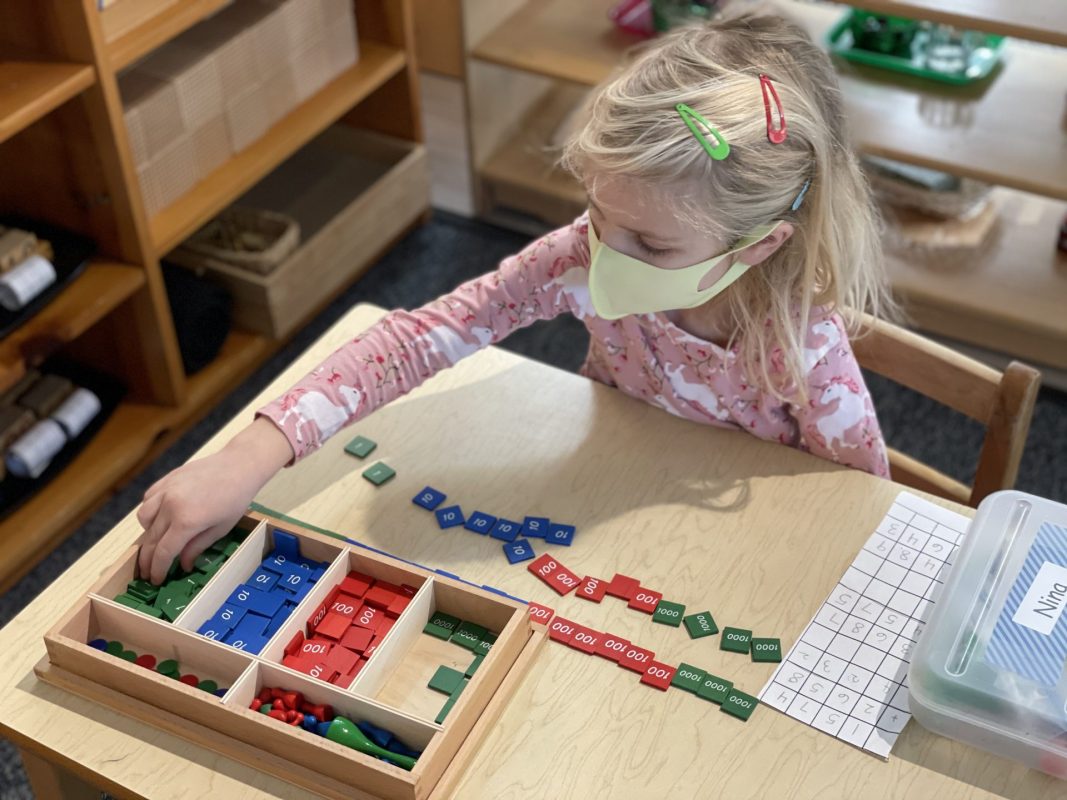
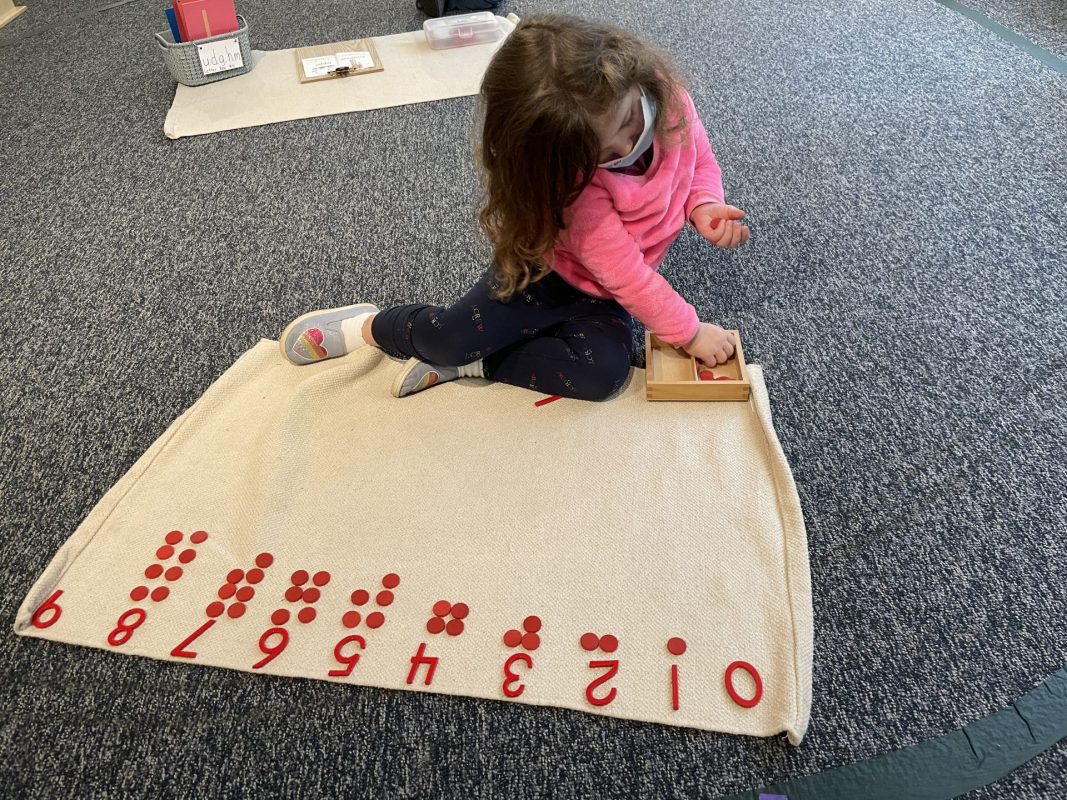
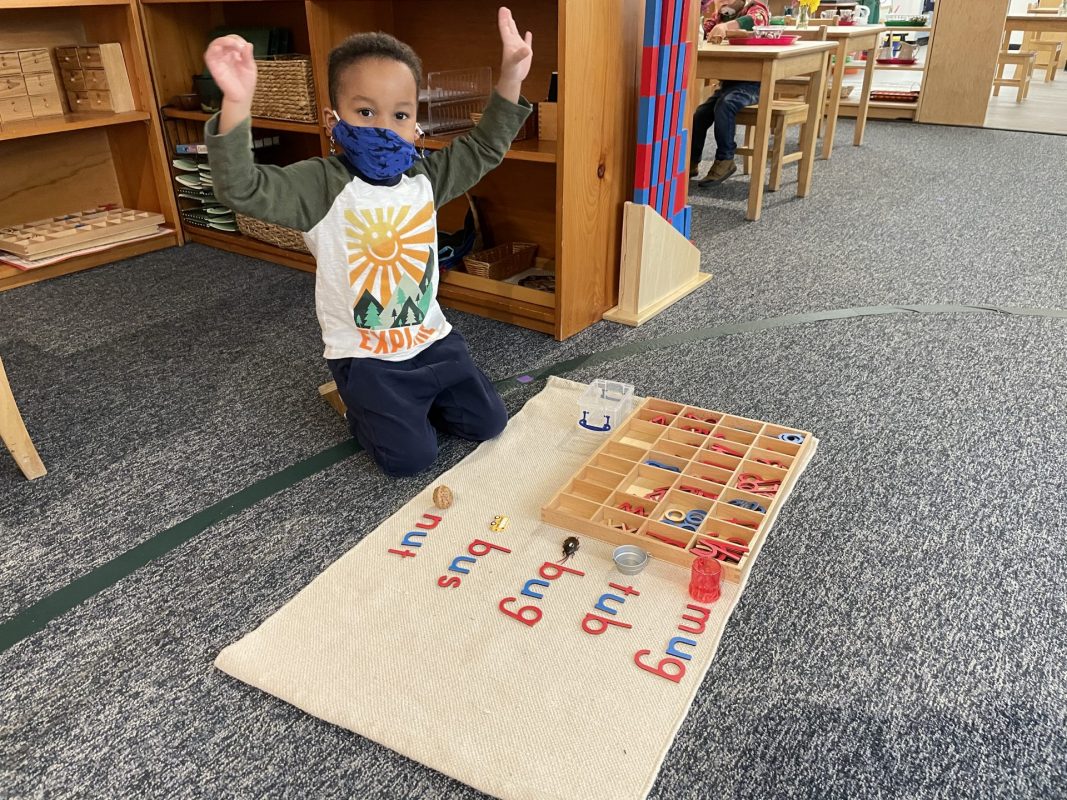
Walking to the basket to get a mat, picking it up carefully, finding the perfect spot to work, and rolling the mat out provides an opportunity to practice gross motor skills and body consciousness. Everything that gets placed on the mat thereafter becomes the responsibility (and privilege) of the child working on that mat.

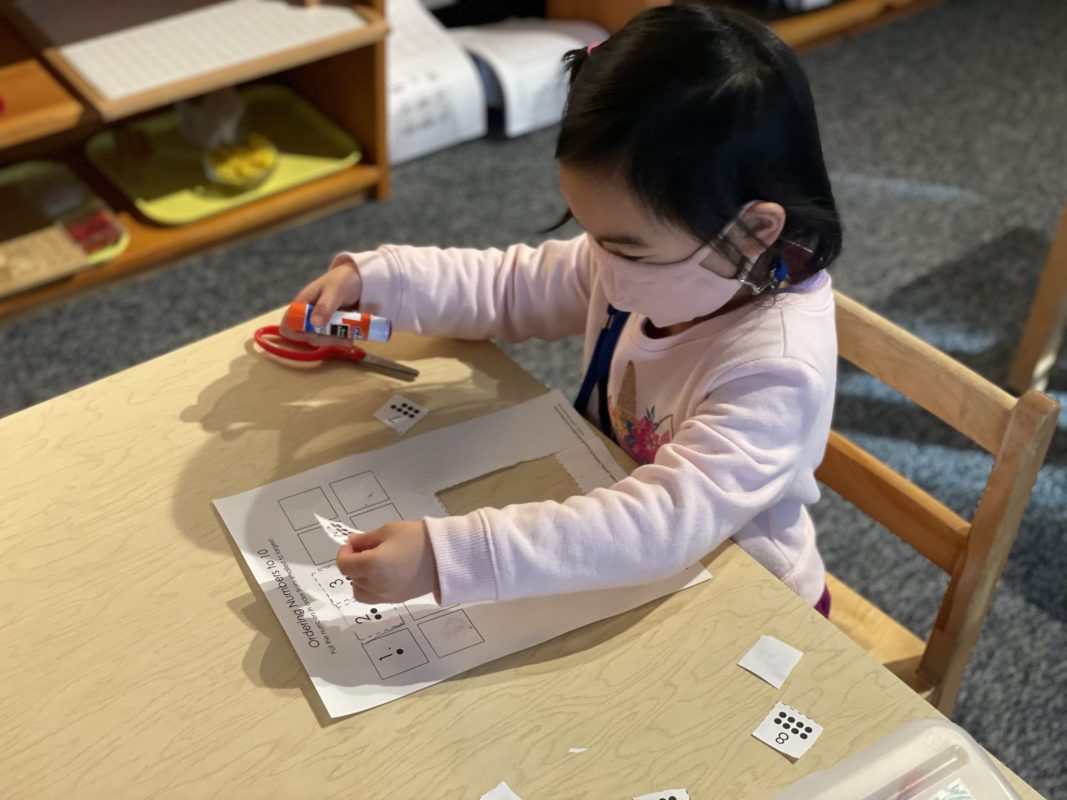
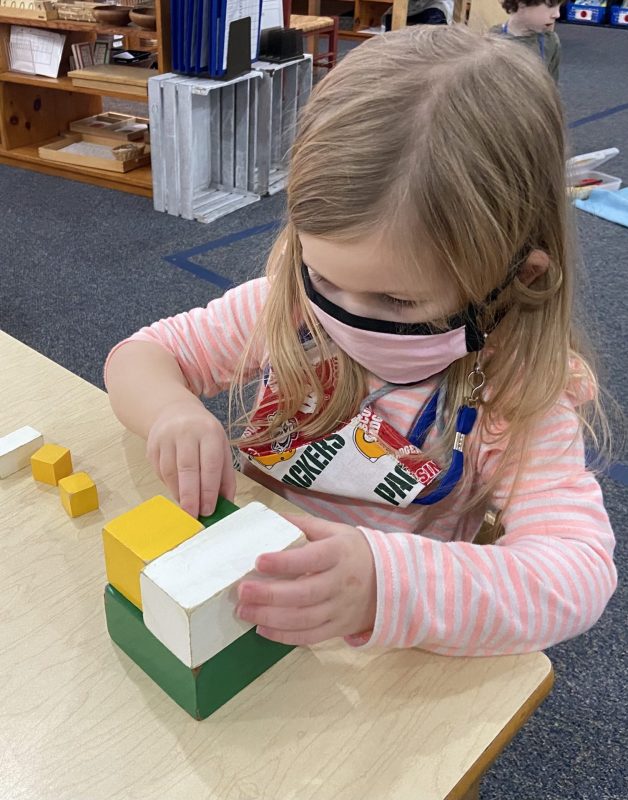
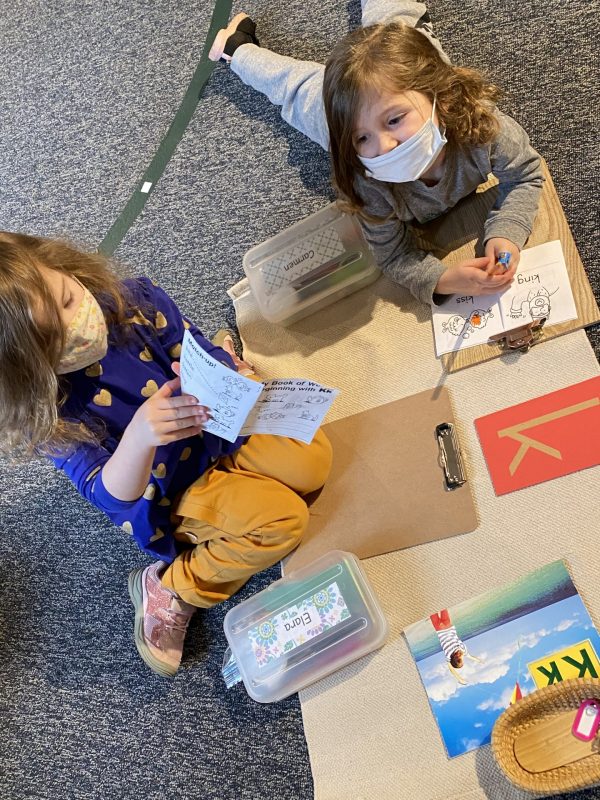
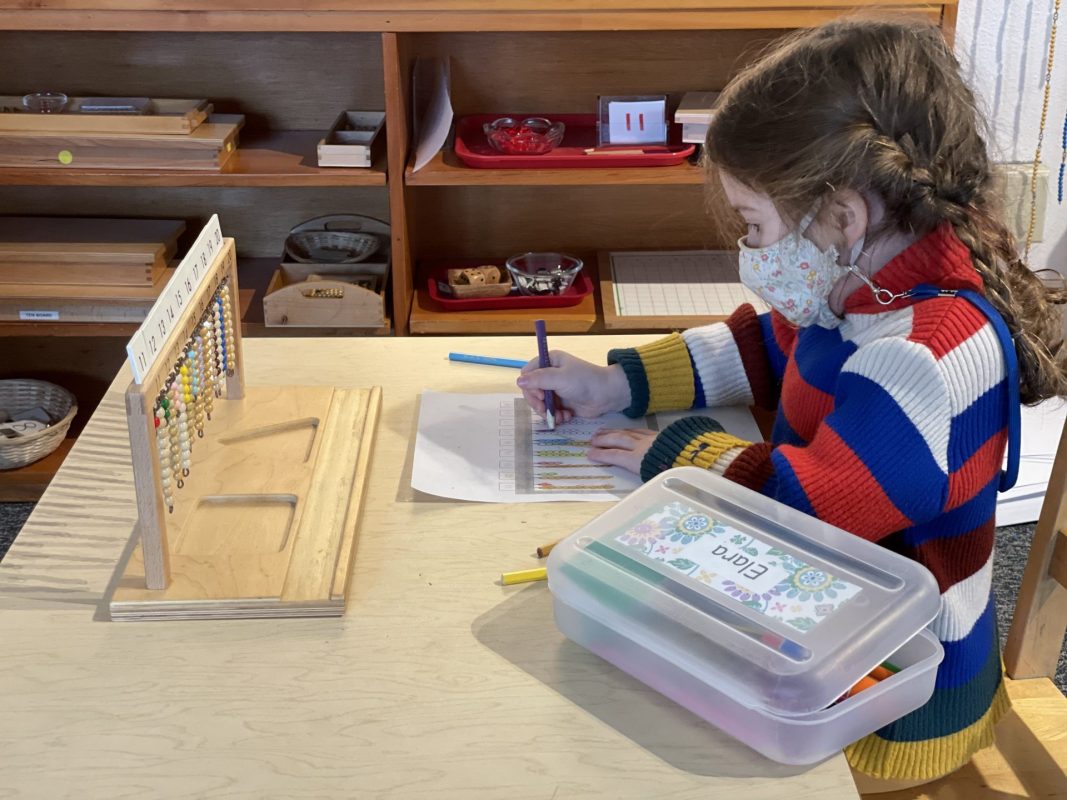
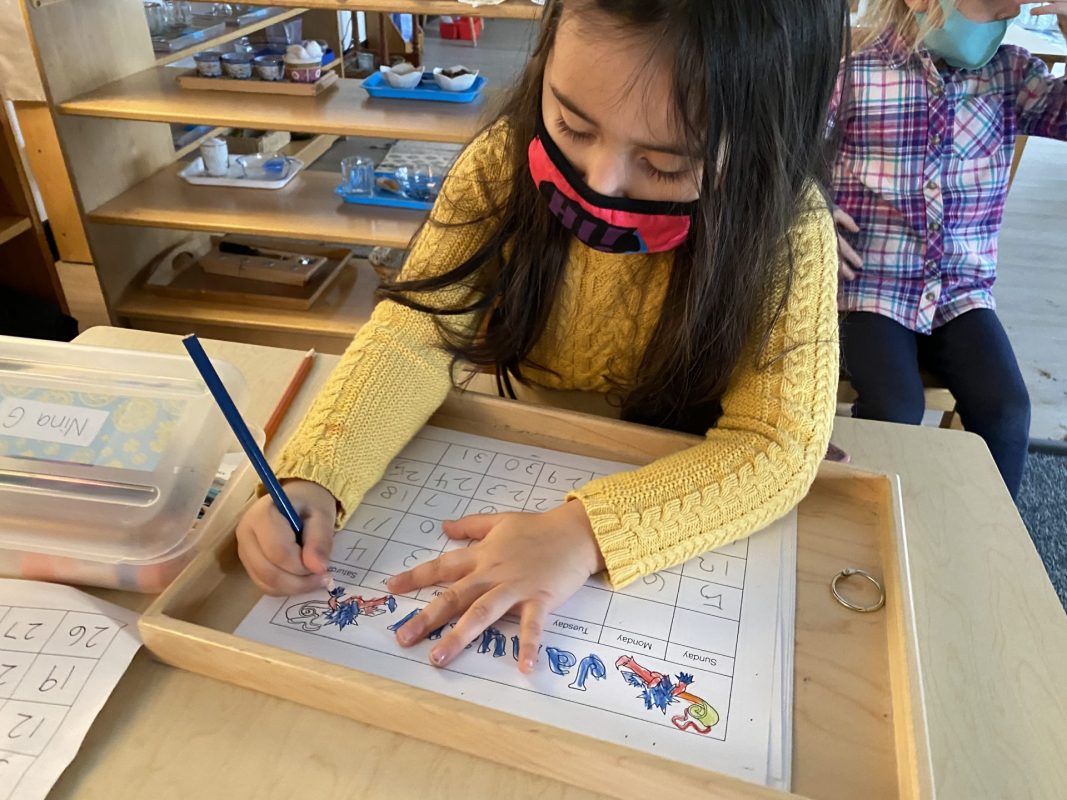
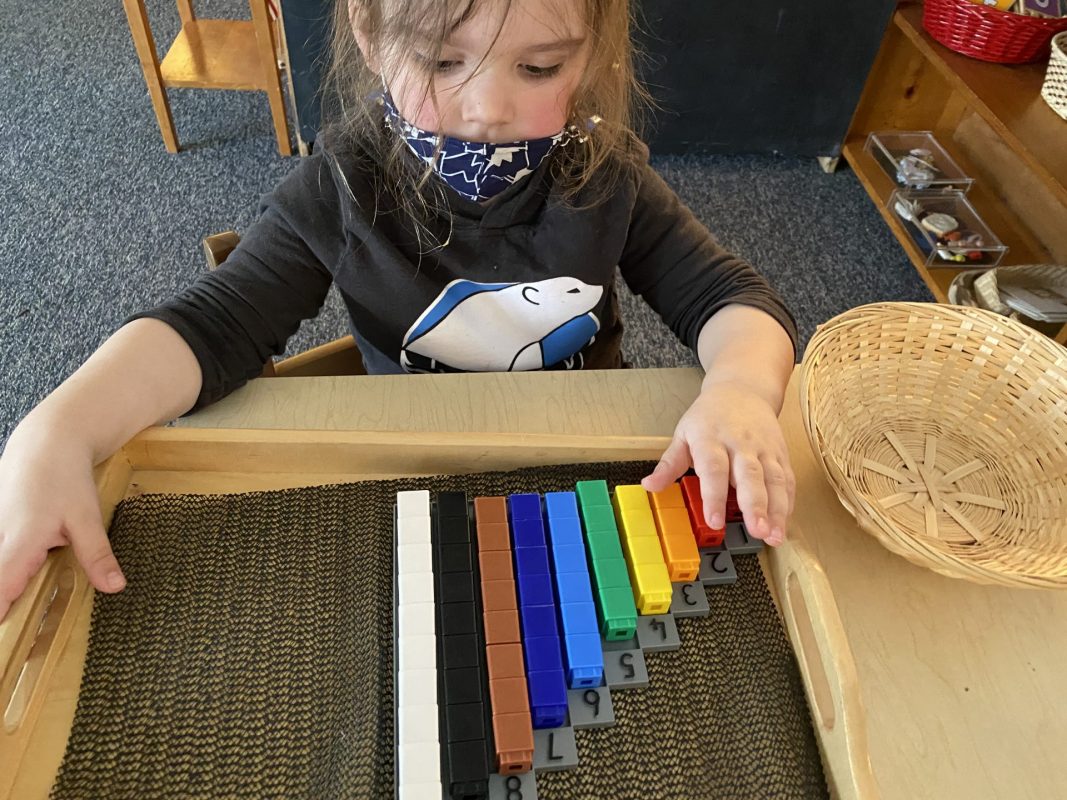
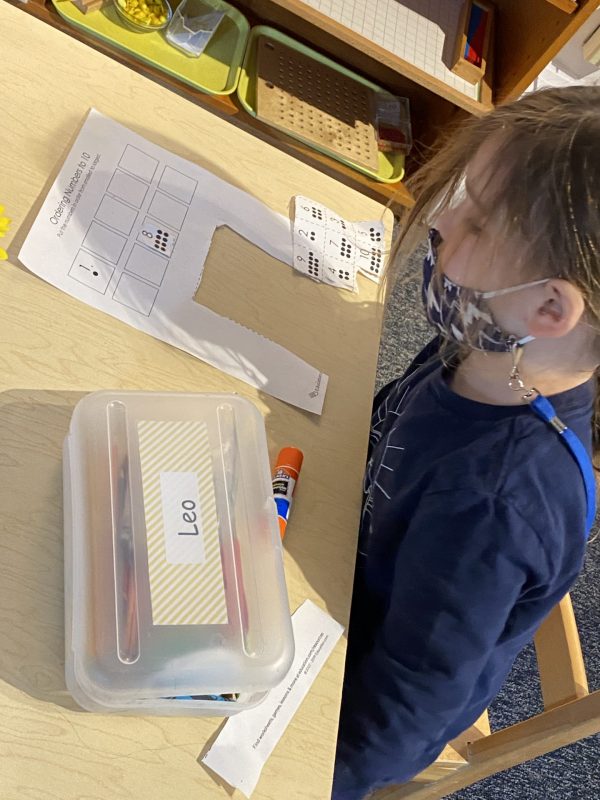
Montessori work mats define a work space as the child’s own and sets an intention to “work.” Not only does the child know that their lesson is exclusive to them (unless they invite someone to join them on their mat), they also have the responsibility to put their materials away when they are finished and to roll up their mat and bring it back to the basket.

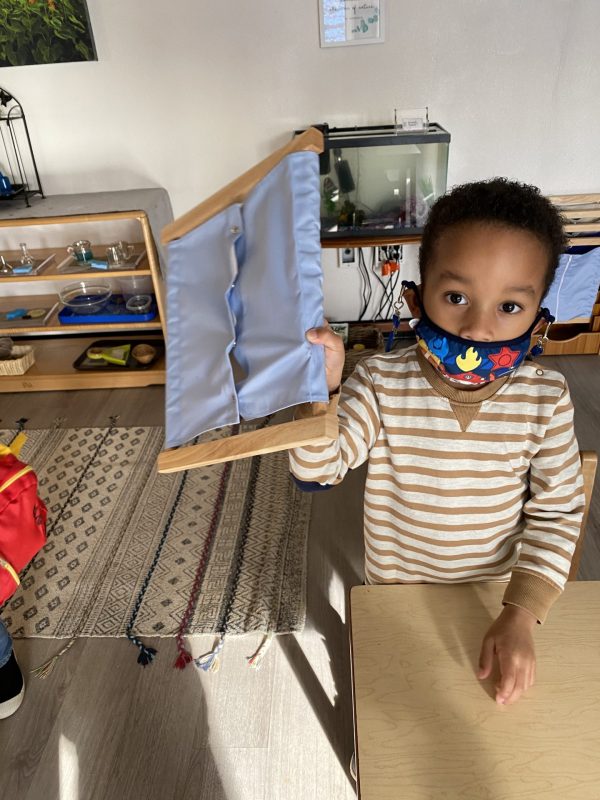
Our floors have been a sea of rugs! Your children are skillfully maneuvering themselves throughout the environment, careful not to disturb a friend’s work. I continue to be amazed at their growing control and respect for both friends and the environment.

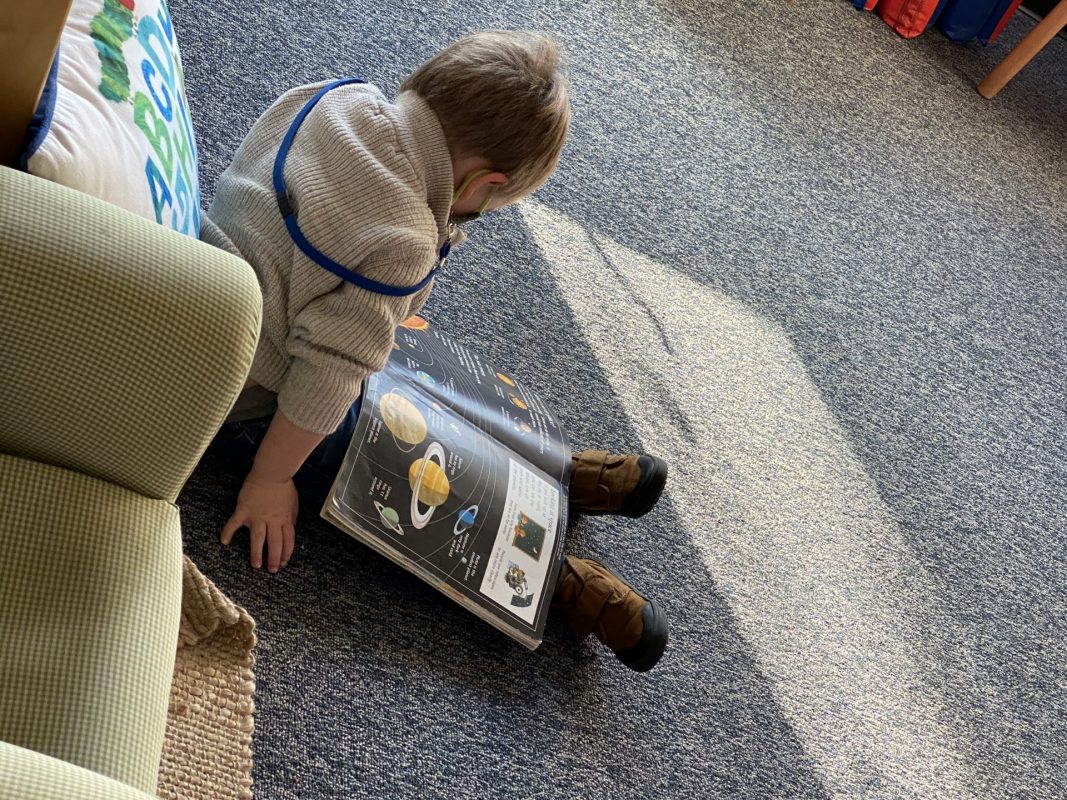
We continued our unit on the solar system this week.  Learning interesting facts about each of the planets, talking about our moon, and exploring concepts such as a black hole.  The children are enjoying exploring our solar system lessons on the shelf and have been asking great questions about our universe.

Have a wonderful weekend,

Amanda and Sharlene


Mrs. Doyle’s Class: 3..2..1..Blast Off!!!!


We especially need imagination in science. It is not all mathematics nor all logic, but it is somewhat beauty and poetry.     –Maria Montessori

We are beginning our study of the solar system. Bringing some of the wonders of the universe to the children is exciting and one of their favorite units that we study. By nature, children are inquisitive, observant, and eager to learn about the world around them. With their concrete thinking, understanding, and desire to label and name everything they learn about, we start by introducing the components of the universe, especially our own solar system.

We begin by discussing what the children think the Solar System is. We know that as we look up at the sky during the day we can see the sun and at night time we can see the moon, stars, and some planets.

We learned about our star, the sun. It is made of gas and gives us light and heat. Our sun is the center of our solar system, with planets orbiting around it.  The children then learned the names of the planets, in order from the sun. We also learned fun facts about each planet and will do hands-on activities to explain revolution and rotation. Below is the song we are singing to help us learn the names of the planets in our Solar System.

If you have not yet signed up for a time to meet for Parent/Teacher conferences on October 29th, please click on this link to access the Parent Teacher Conference Sign-Up.

Wishing you a wonderful week!

Michelle & Lizette

Mrs. Doyle’s Class: Yes, I Know The Continents!

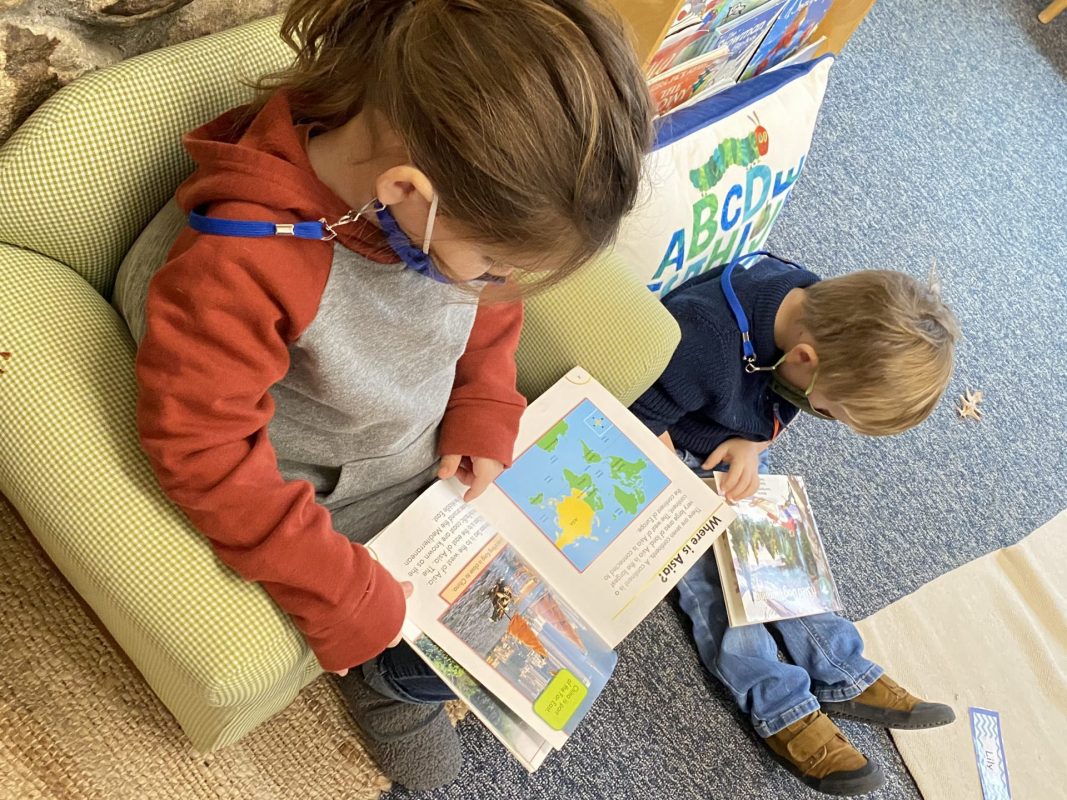
Have you heard your children singing The Continent Song?  We often hear the children sing this song spontaneously throughout the day.  The Geography materials are always fascinating to the children and are a springboard for wonderful discussions.

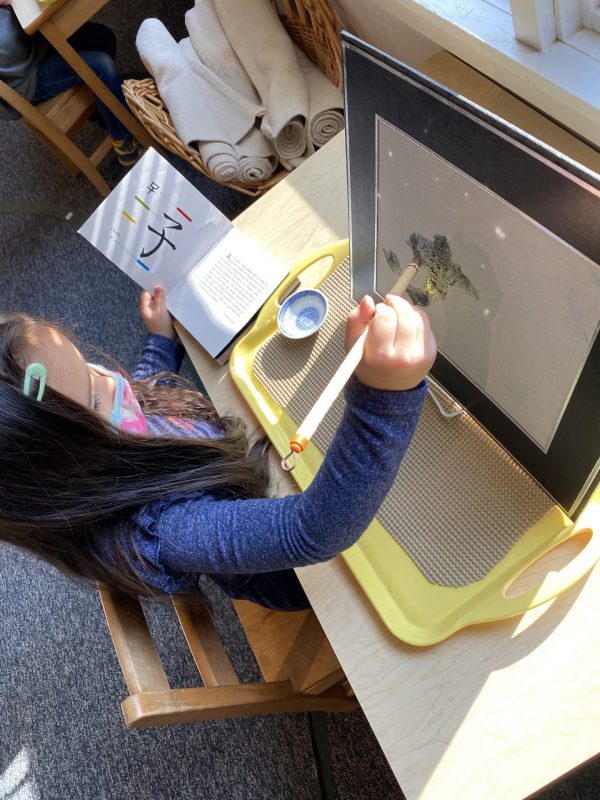
The Montessori approach to teaching Geography is unique and is comprised of two components,  physical geography and political geography, also known as Culture. From the beginning of the school year, we weave Geography lessons and terminology into our day as we learn about our physical world.

Early in our school year, we categorized the planet Earth into air, land, and water.  We then sorted what we would find in each of these different components of our world.  Next, we introduced the geometric solid known as a sphere to the children and compared it to the shape of the globe.  We start with a sandpaper globe that helps to distinguish land and water.  The colored globe comes next and we begin to teach the continent names.  We make a sphere out of playdough and cut it into half to help them visualize the concept of a hemisphere.  Simultaneously, the children are learning about land forms that introduce the concept of lake, island, bay, cape, peninsula, gulf, isthmus, strait, archipelago, and a system of lakes.  These sensory experiences help the children learn about their physical world.

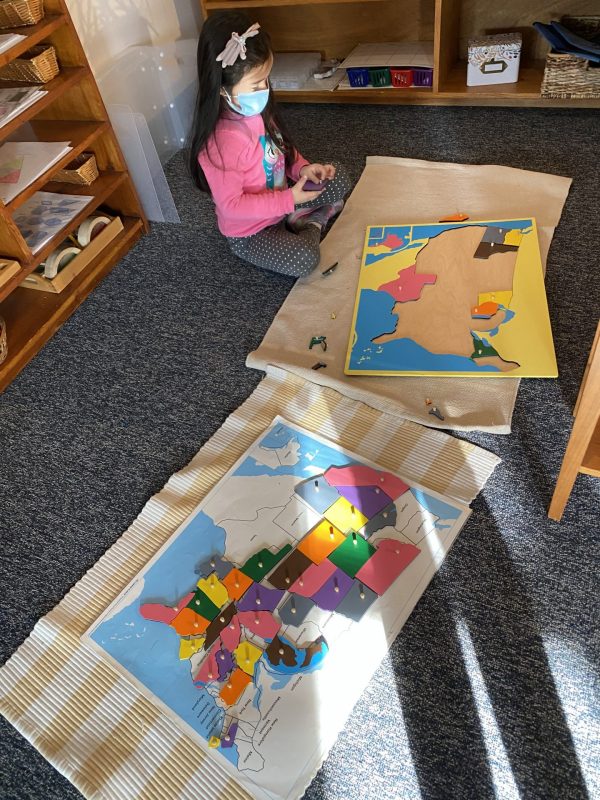
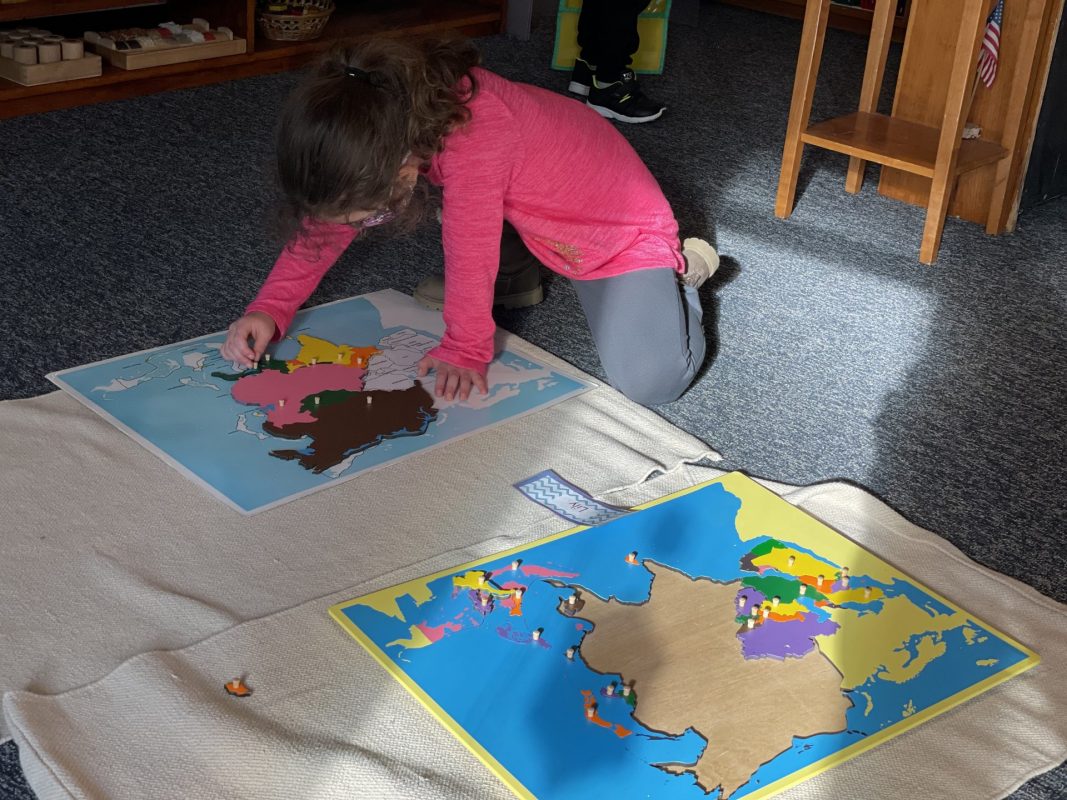
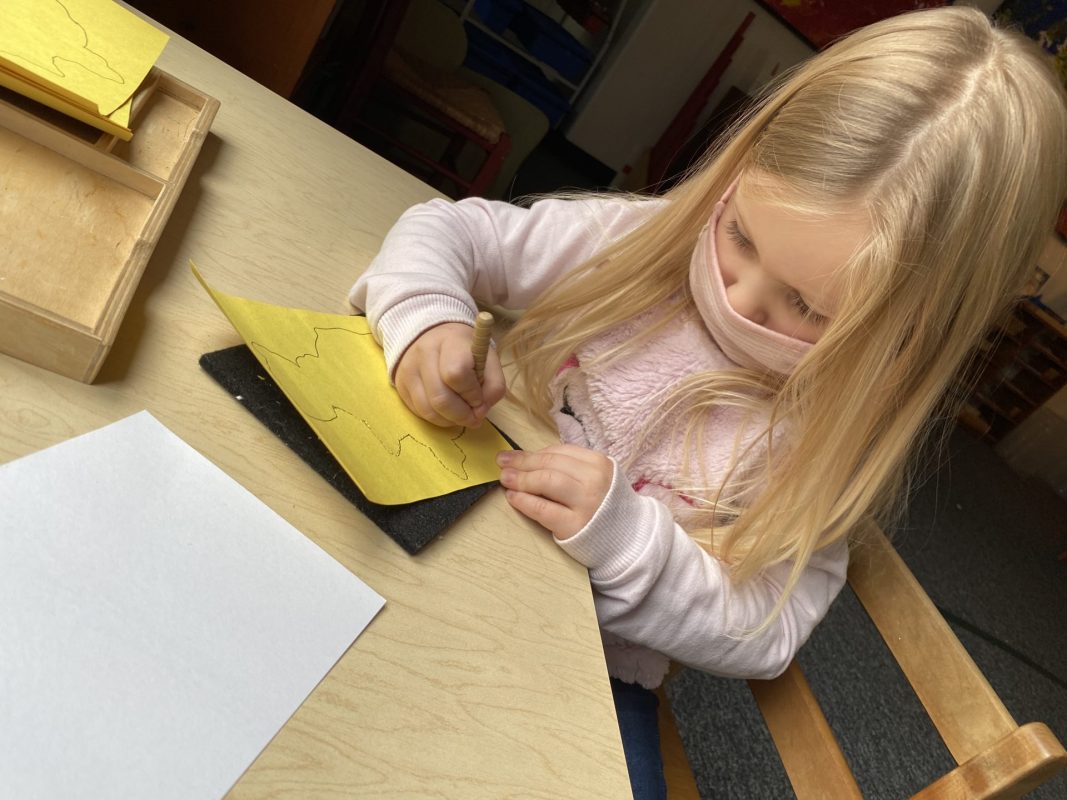
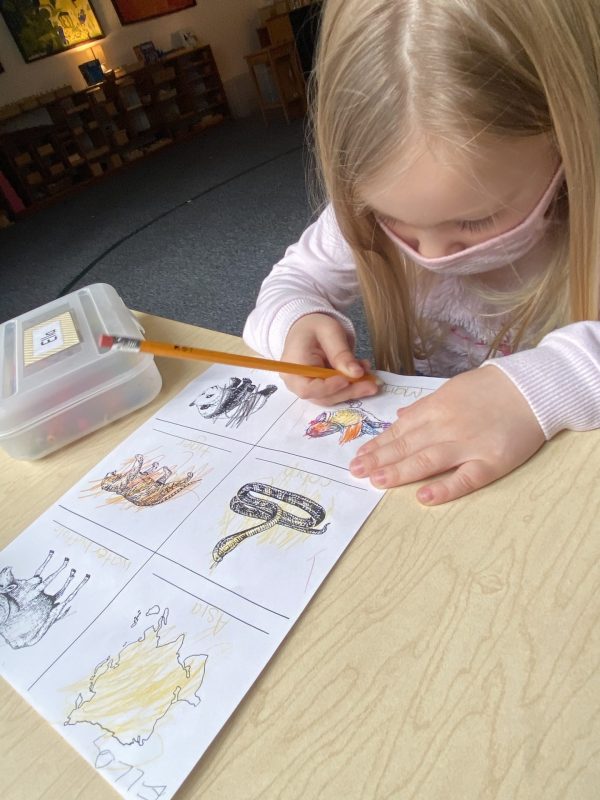
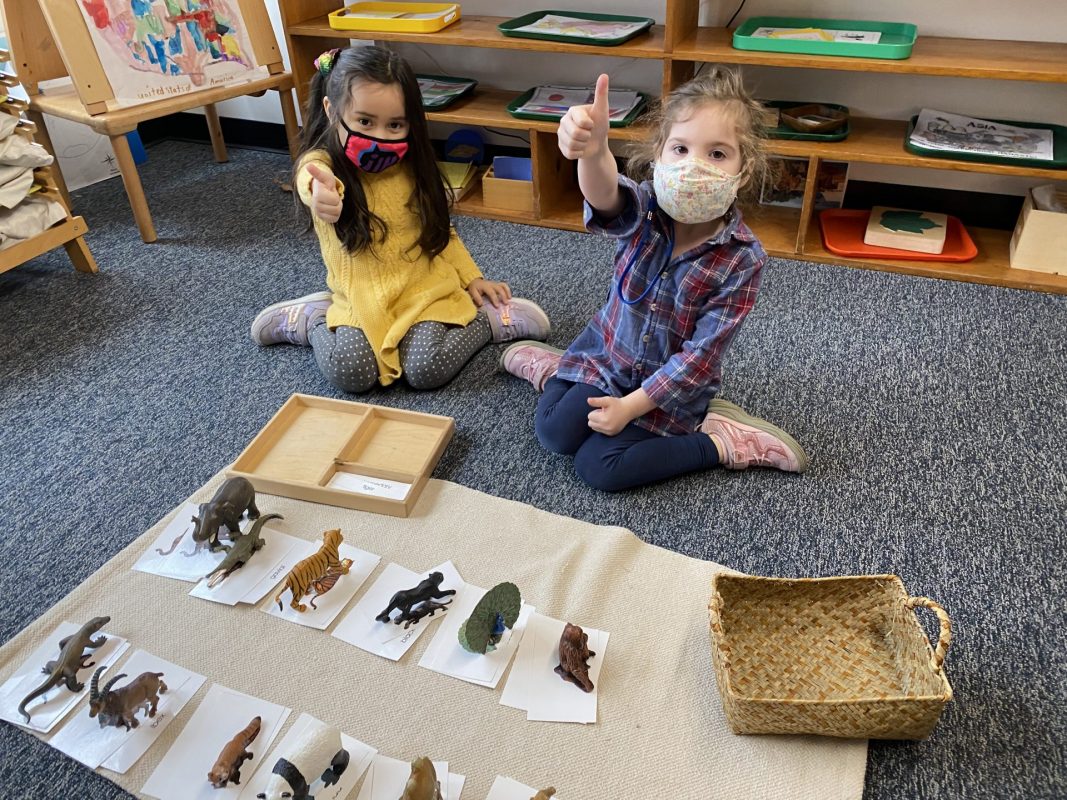
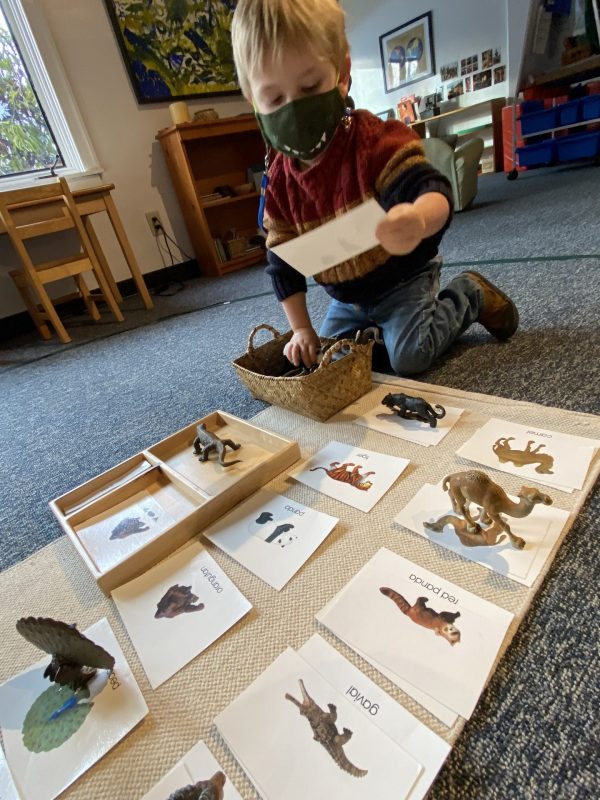
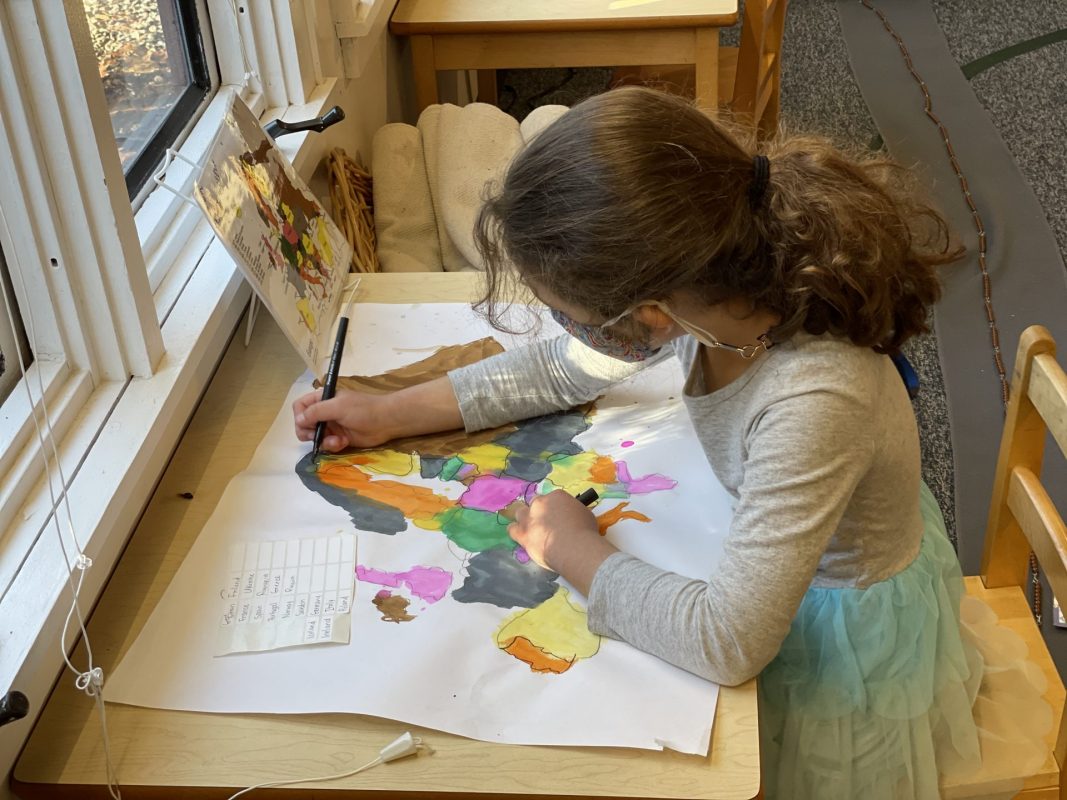
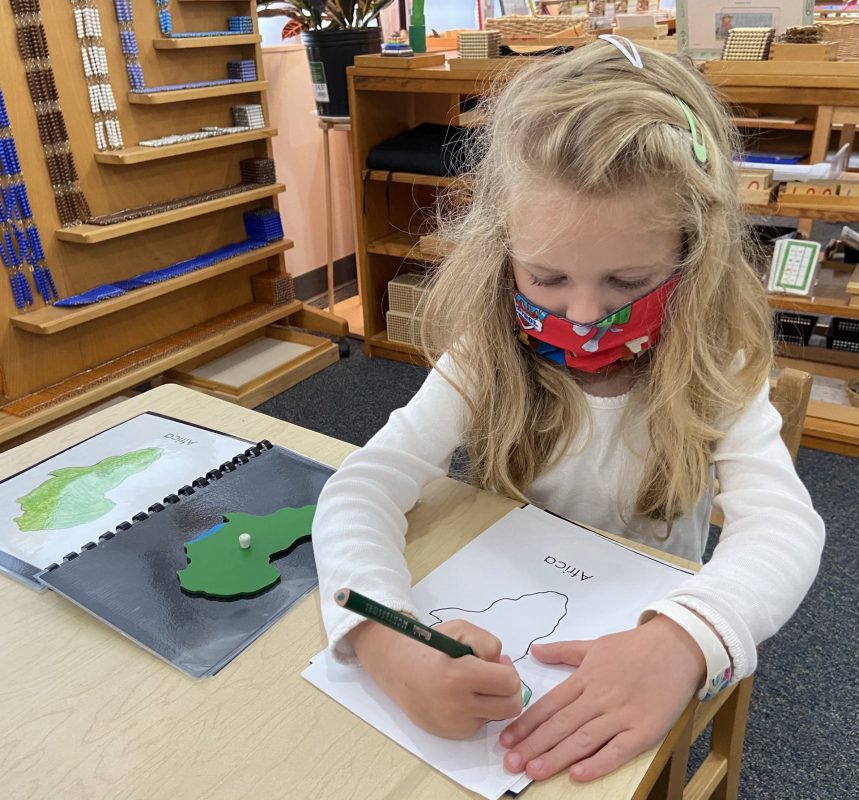
After learning the continent names, we introduce the puzzle maps for each continent, starting with North America in November. We learn that there are many countries in North America.  The older children will trace and paint each of the puzzle maps. We will learn about the animals, people, and climate often associated with each of the continents.  Our goal is to encourage the children to appreciate the beauty and wonder found in the similarities and differences around the world.

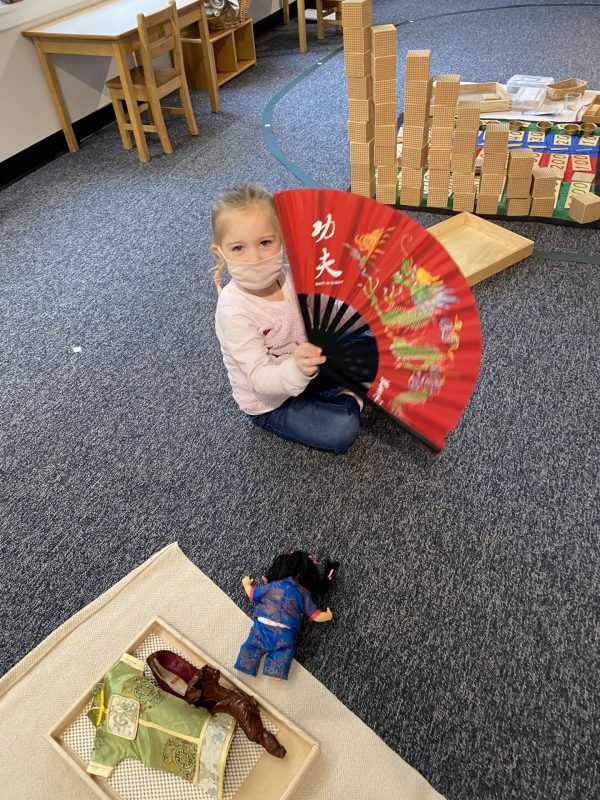
In our classroom, we have a cultural shelf with artifacts from each continent.

Wishing all of you a week filled with peace and love!

Michelle & Lizette

Mrs. Lopes’s Class: Our Solar System

“Let us give the child a vision of the whole universe. The universe is an imposing reality, and an answer to all questions.” -Maria Montessori 

We are beginning our study of the solar system. Bringing some of the wonders of the universe to the children is exciting and one of their favorite units that we study. By nature, children are inquisitive, observant, and eager to learn about the world around them.  A child’s concrete thinking, understanding, and desire to label and name everything they learn about makes this a wonderful unit of study.

We begin by discussing what the children think the Solar System is. We know that as we look up at the sky during the day we can see the sun and at night time we can see the moon, stars, and some planets.  We learned about the largest star, the sun.  It is made of gas and gives us light and heat. Our sun is the center of our solar system, with planets circling around it.  The children then learned the names of the planets, in order from the sun.  We also learned fun facts about each planet and sang a fun planet song.  Below I included a video we watched this week introducing each planet in a simple way and also the lyrics to the “8 Little Planets” song we have been singing, enjoy!

Wishing everyone a wonderful week!

Amanda & Sharlene


“8 Little Planets”

(sung to the tune of “10 Little Indians”)

One little, two little, three little planets,

Four little, five little, six little planets,

Seven little, eight little, eight little planets,

Orbiting around the sun.

Mercury, Venus, and the Earth,

Mars, Jupiter, and Saturn,

Uranus and Neptune,

Eight planets orbiting the sun.


Mrs. Doyle’s Class: More Than a Mat

The love of one’s environment is the secret of social evolution. -Maria Montessori

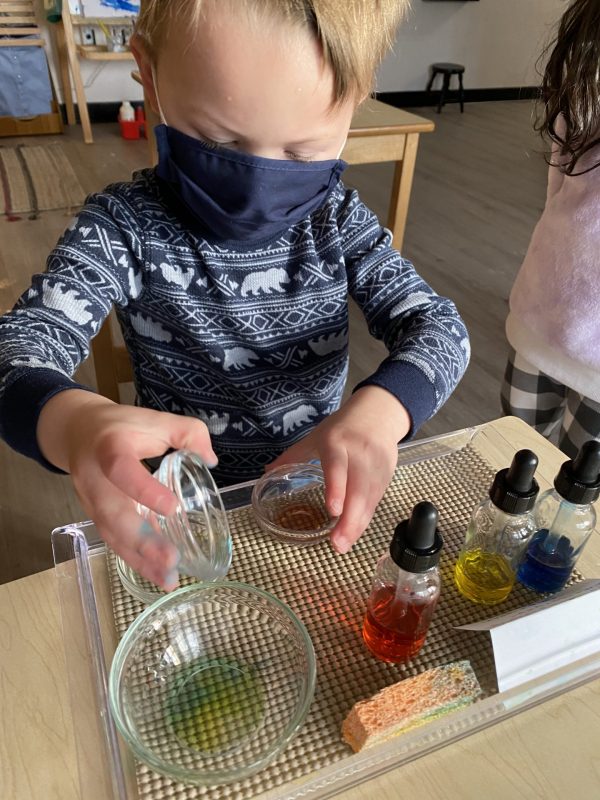
Retrieving a mat, picking it up carefully, finding the ideal space to work, and rolling it out provides an opportunity to practice gross motor skills and body consciousness. Everything that gets placed on the mat thereafter becomes the responsibility and privilege of the child working on that mat.

Montessori work mats delineate a work space as the child’s own and sets an intention to “work.”  Not only does the child know that their lesson is exclusive to them, they also have the responsibility to put their materials away when they are finished, before they roll up their mat and signal the end of their work session. This small rug actually helps to define a child’s work space and develop a child’s sense of order.

Our floors have been a sea of rugs! Your children are skillfully maneuvering themselves throughout the environment, careful not to disturb a friend’s work. We continue to be amazed at their growing control and respect for both friends and the environment.

Wishing you a peaceful week!

Michelle & Lizette

Mrs. Lopes’s Class: Welcome Fall


A chill to the air, the first fire in the fireplace, the smell of pumpkin spice. It’s finally fall!

This week your children experienced autumn, not just as a date on the calendar, but as an opportunity to use our sense of smell to really savor the season. The smells of cooking applesauce, spices, and newly fallen leaves brought smiles and created lasting memories.

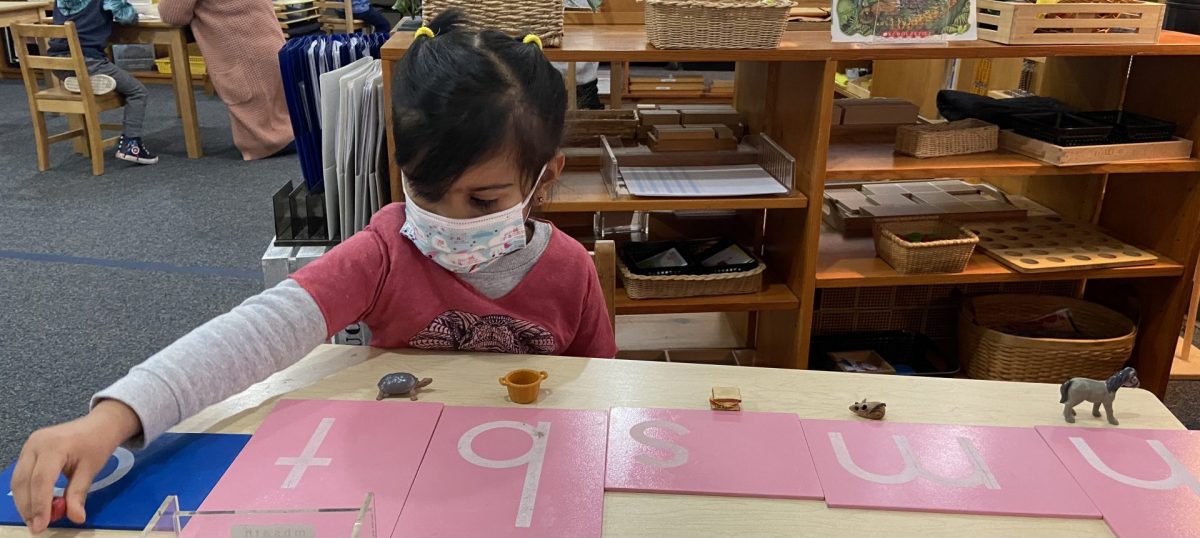
Maria Montessori believed there is a sensitive period for developing the senses. Although the senses are an integral part of our lives, children during the early years have the greatest potential to develop and retrieve them. It is precisely this idea that demonstrates the purpose of Sensorial materials in the Montessori classroom. The Sensorial materials are powerful tools, which allow children to become aware of their unconscious impressions and bring these impressions into conscious awareness. Additionally, they enable your children to create a basis of order in their mind, allowing for intelligent exploration of their environment.

Wishing you a wonderful week,

Mrs. Lopes and Mrs. Sharlene


Mrs. Doyle’s Class: Our Peaceful Classroom

Peace is what every human being is craving for, and it can be brought about by humanity through the child. –Maria Montessori

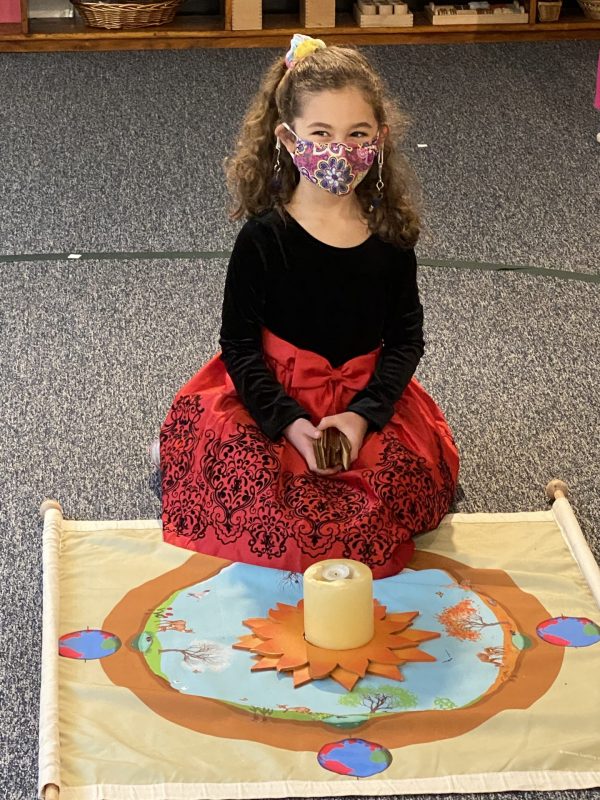
Peace education is a basic tenet of the Montessori philosophy.  In the 3-6 environment, studying the seven continents, including their people and cultures, provides a global view of our world. As Montessori teachers, practicing and teaching peace, kindness, and acceptance is a natural part of our day. Dr. Maria Montessori believed we should think of education as peace, not education for peace.  She also believed that young children were our hope for eliminating conflict and instilling peace throughout the world. Dr. Montessori, as always, knew that lecturing children would accomplish very little and that to truly understand peace they would need to discover it for themselves.

Typically to celebrate Peace Day, we participate in “Sing Peace Around The World.”  Beginning in New Zealand and ending in Hawaii, Montessori schools around the world sing “Light A Candle For Peace” for five minutes and during a specific time slot. So for 24 hours, this special song is being sung in a different part of the world by Montessori children. To keep the children and teachers safe, this year is different. We were so lucky that Ms. Ulacco came to our class to teach the children how to ‘sing’ “Light A Candle For Peace” in sign language.  Her video is shared below.

Wishing everyone a peaceful week!

Michelle & Lizette

Mrs. Lopes’s Class: A Peaceful Classroom

” We shall walk together on this path of life, for all things are part of the universe and are connected with each other to form one whole unity.”-Maria Montessori

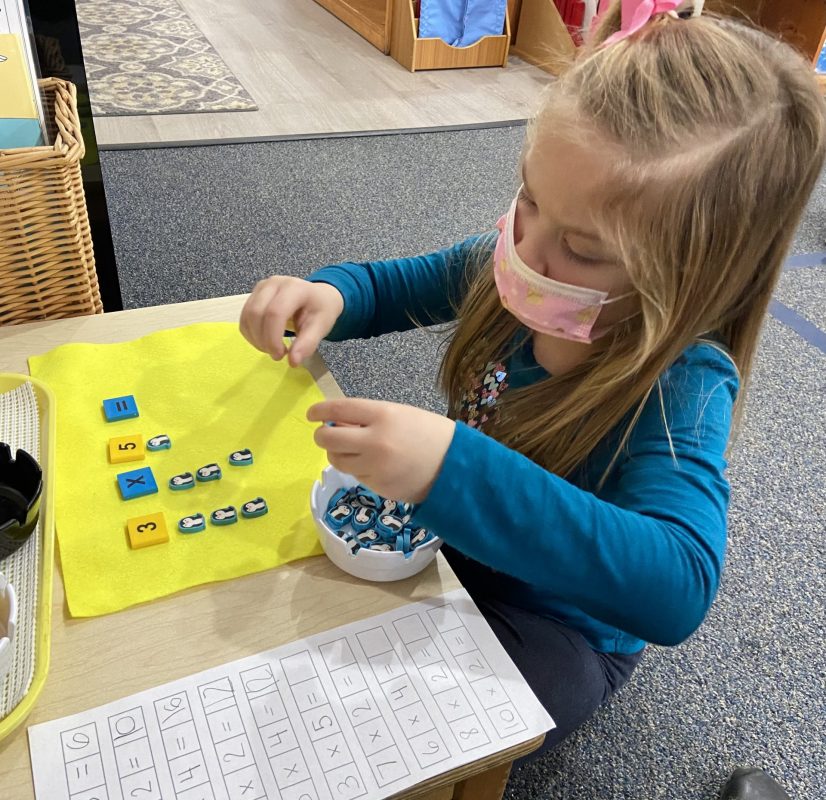
Peace truly begins in our homes and in our classrooms.  The basics of peace include providing day-to-day environments which operate under an understanding of respect, where our children can freely share concerns, feel safe, be productive, and enjoy one another.
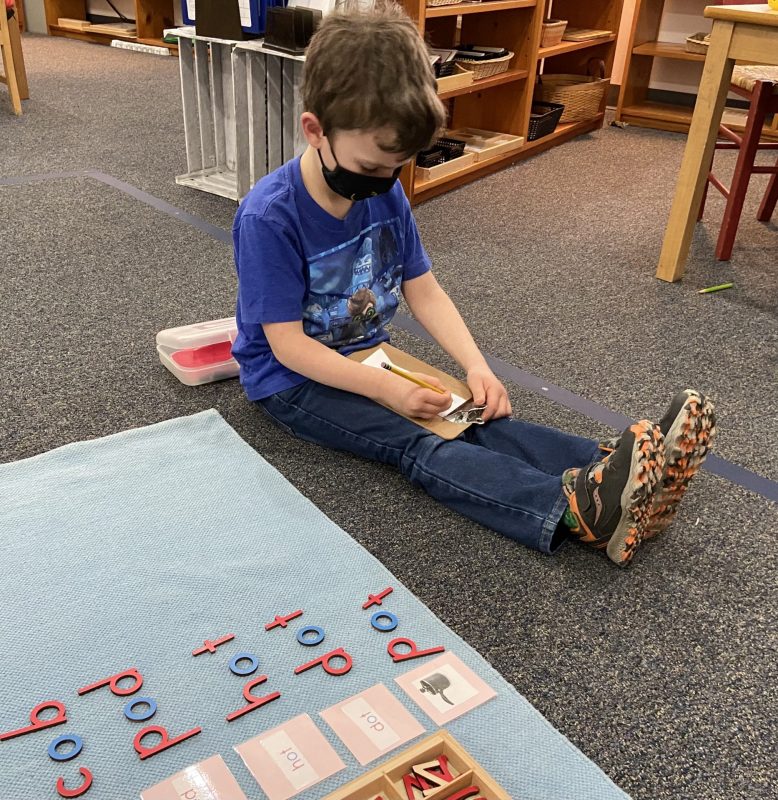
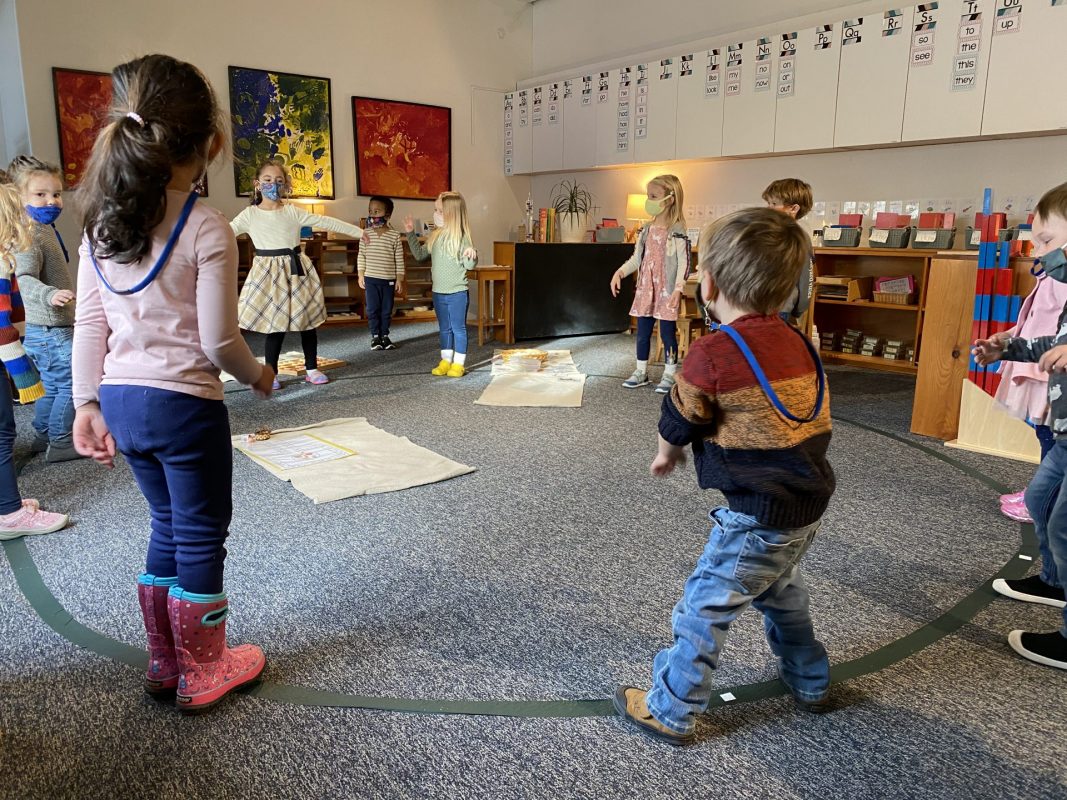
As is tradition, Fraser Woods celebrated the International Day of Peace on Monday, September 21st.  Normally we would gather together as a school to sing the song “Light a Candle for Peace,” but this year we had to be creative.  We were so lucky to have Ms. Danielle Ulacco come into our classroom and teach the children how to sign the song.  The children really enjoyed signing along with her while listening to the music.

May we all work together to create a world where everyone everywhere is able to enjoy and exercise their ‘right to peace.’ And may we all help our children learn how to carry on this important mission.
Wishing you all strength and peace,

Mrs. Lopes and Mrs. Sharlene