Mrs. Doyle’s Class: It’s Off To Work We Go!

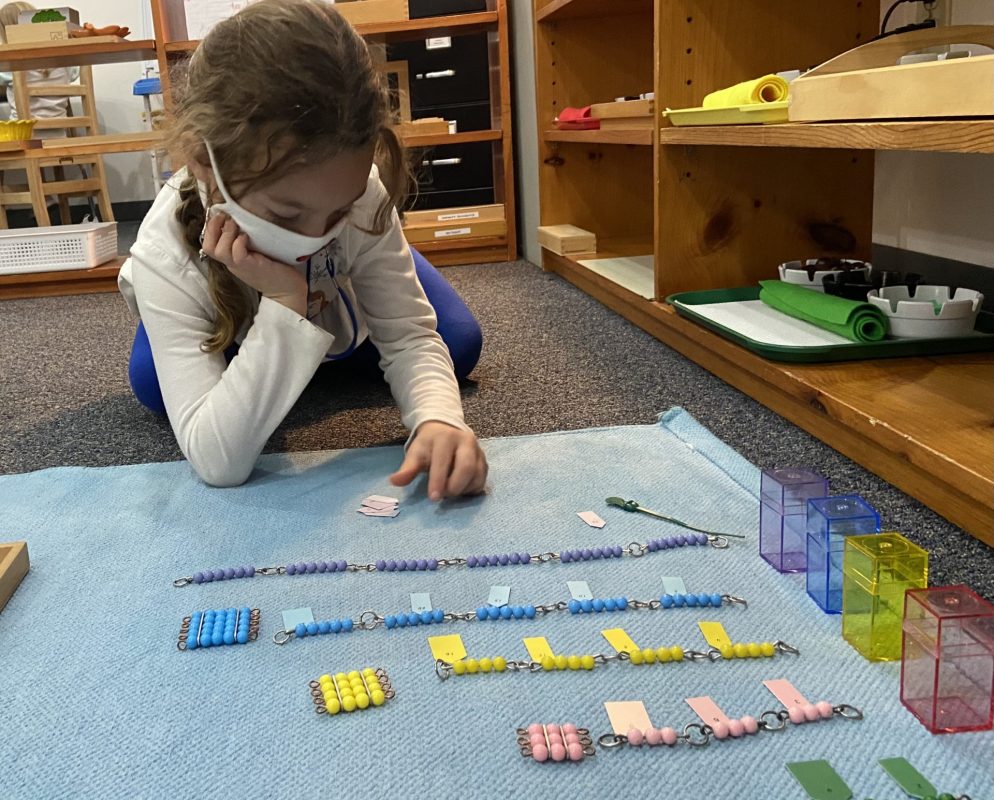
When a child works, he does not do so to attain some further goal.  His objective in working is the work itself. – Maria Montessori

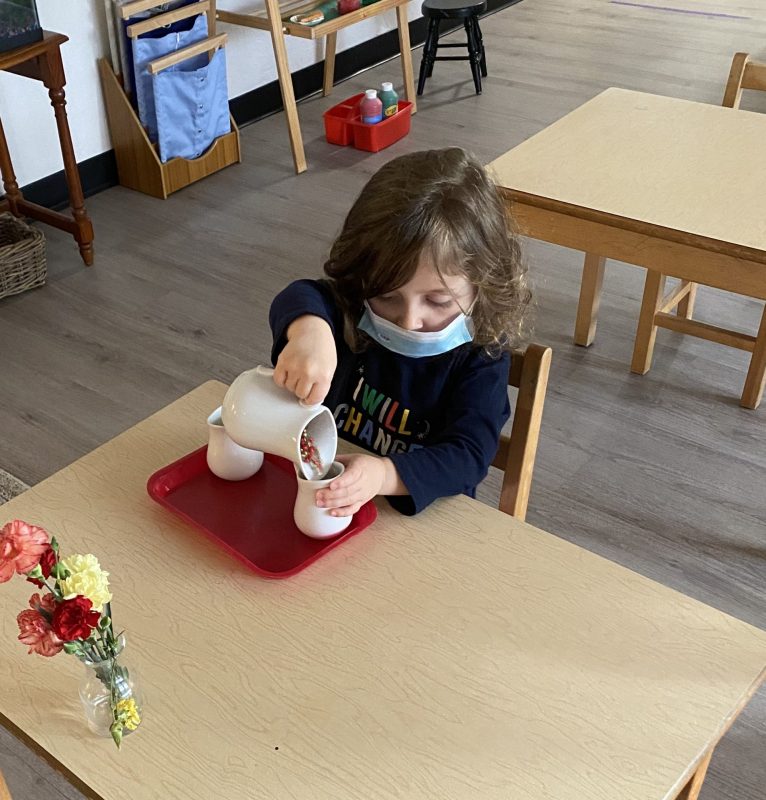
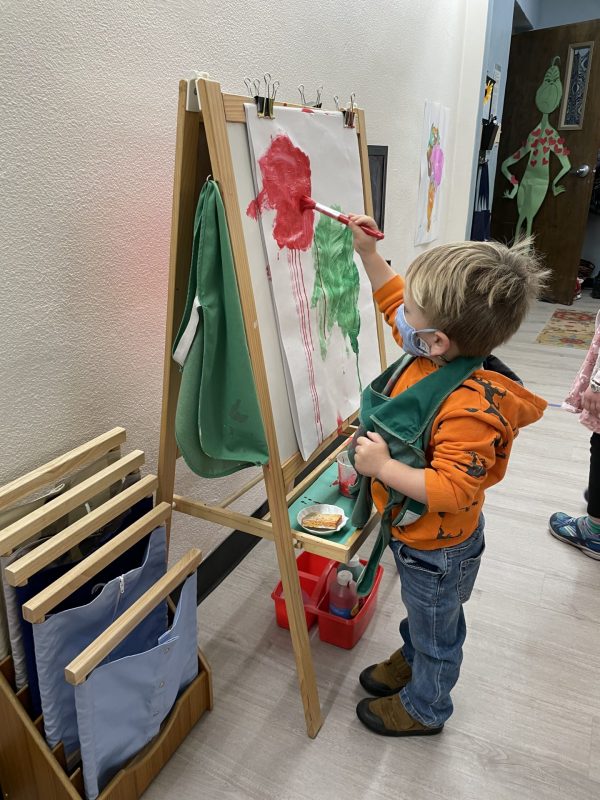
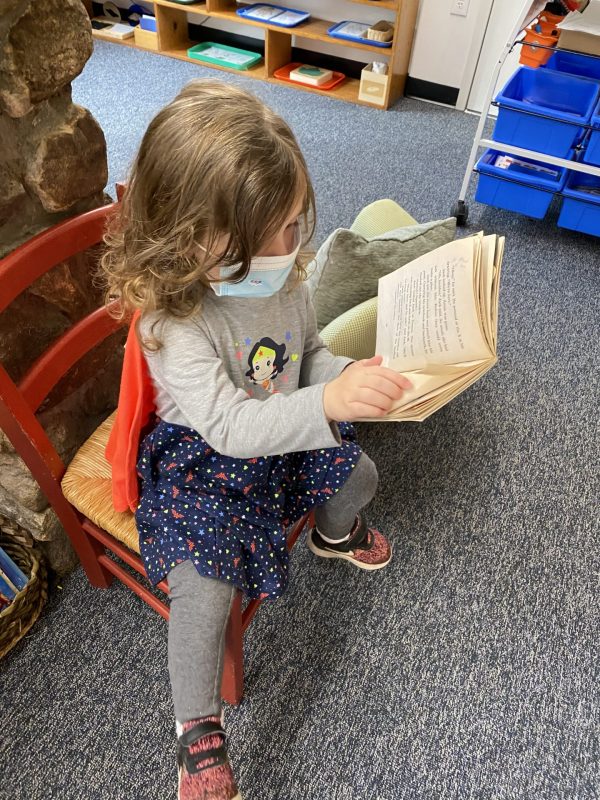
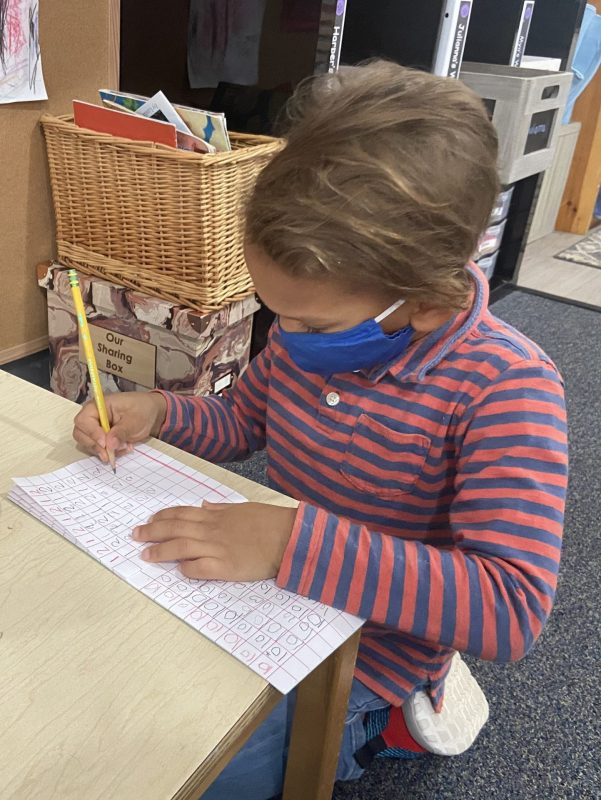
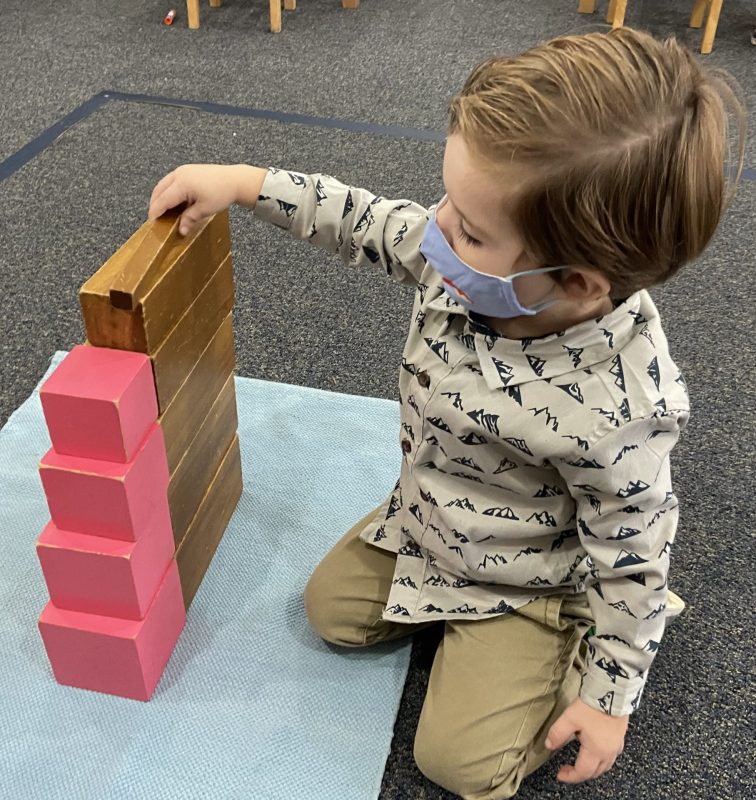
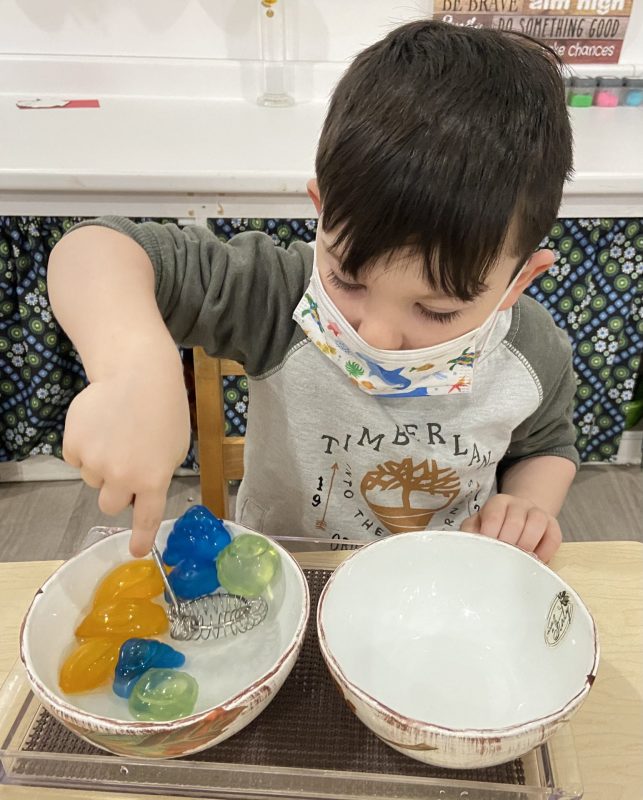
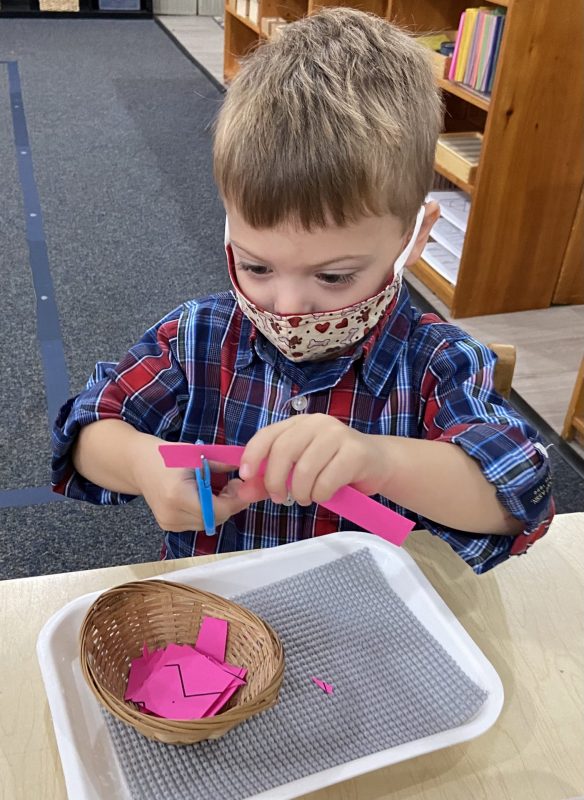
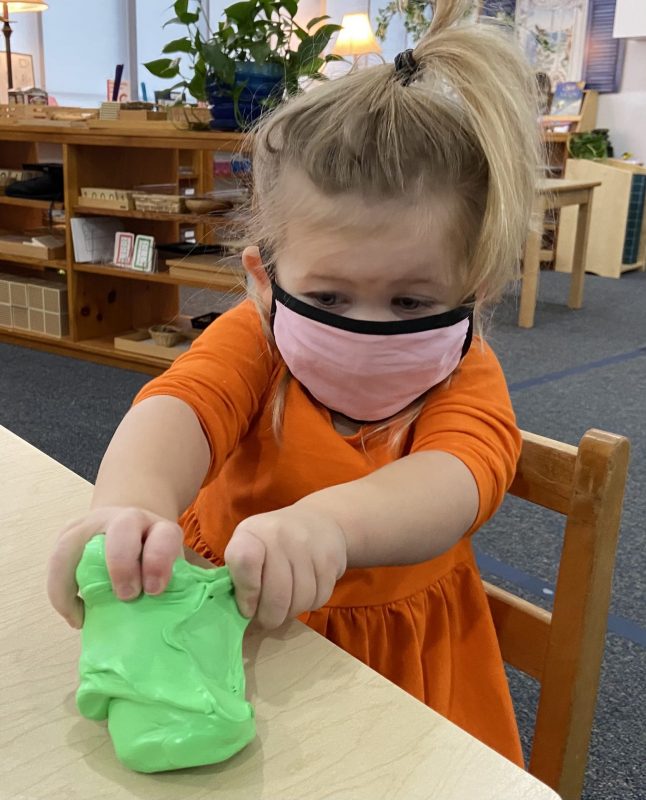
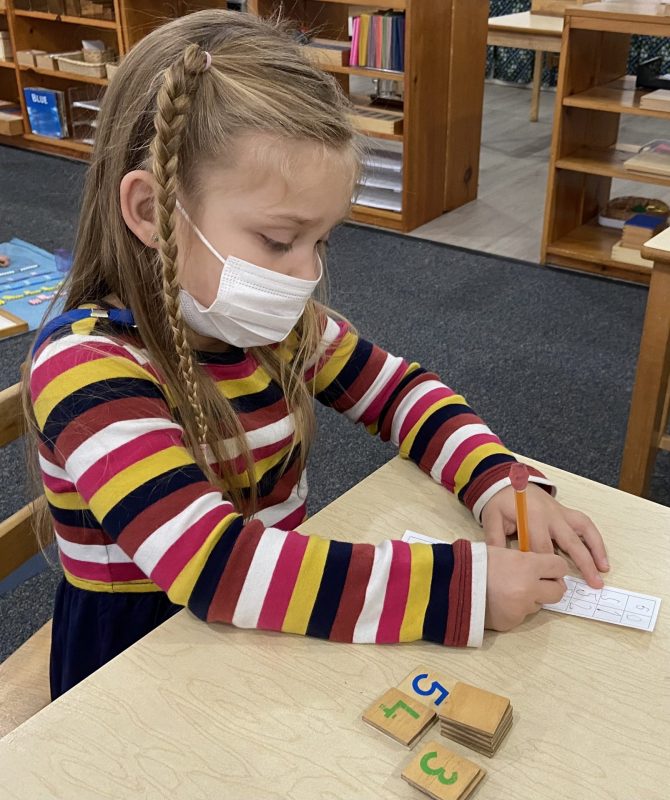
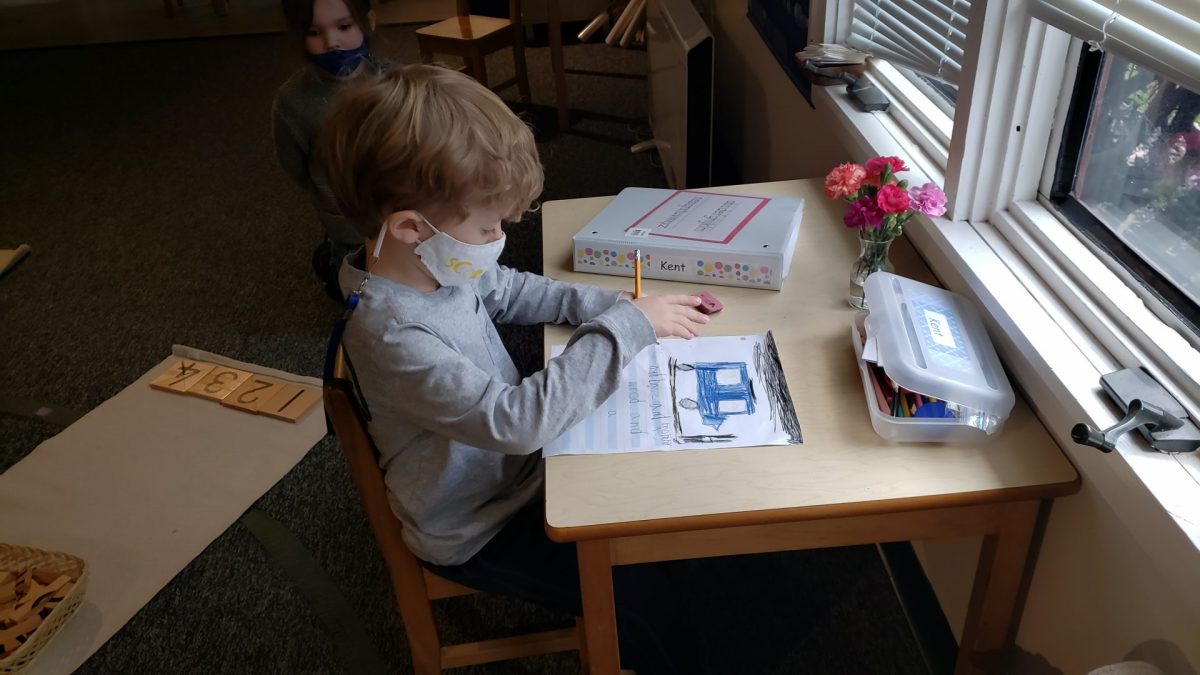
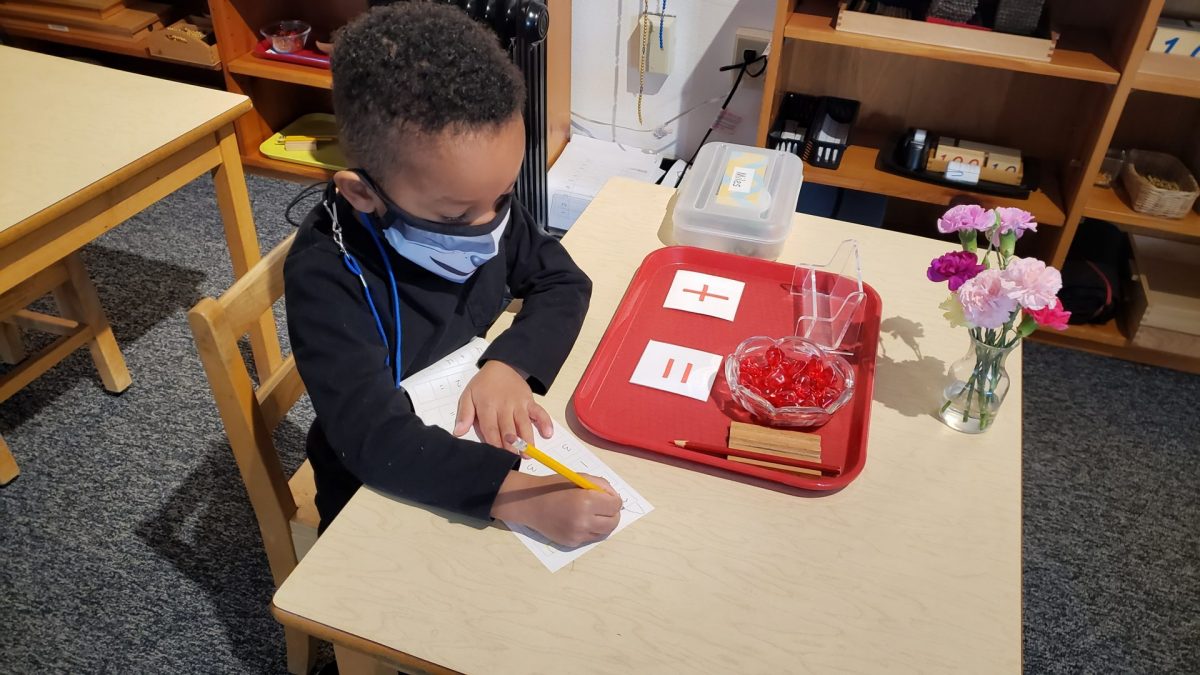
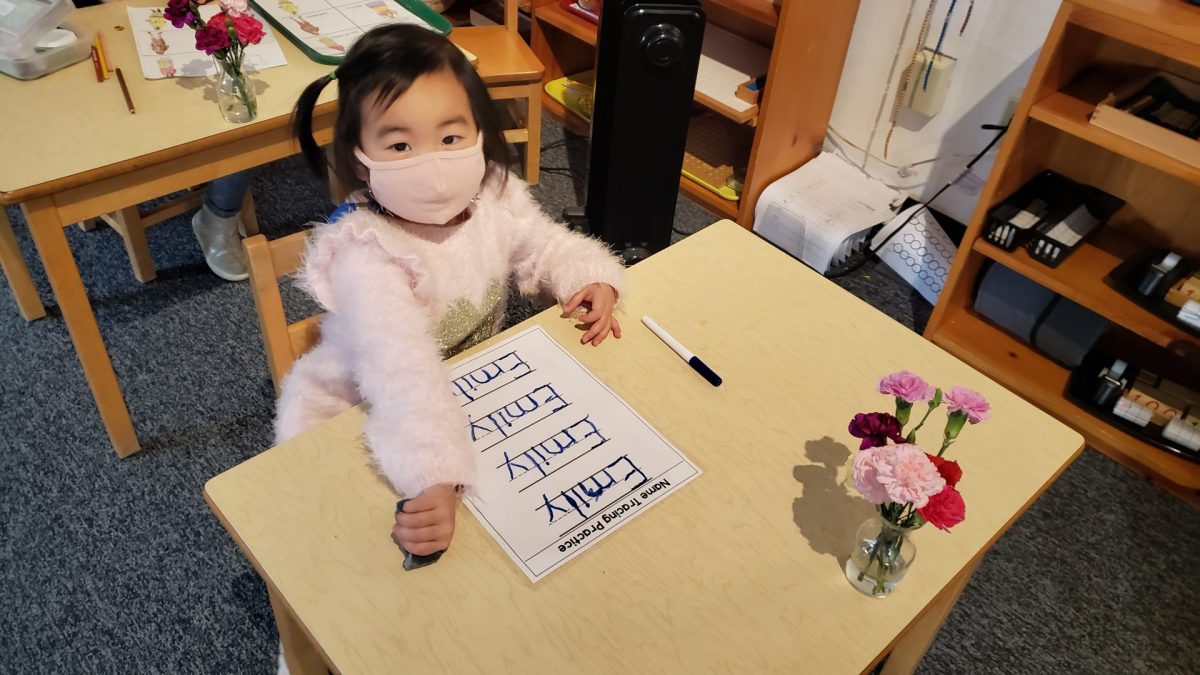
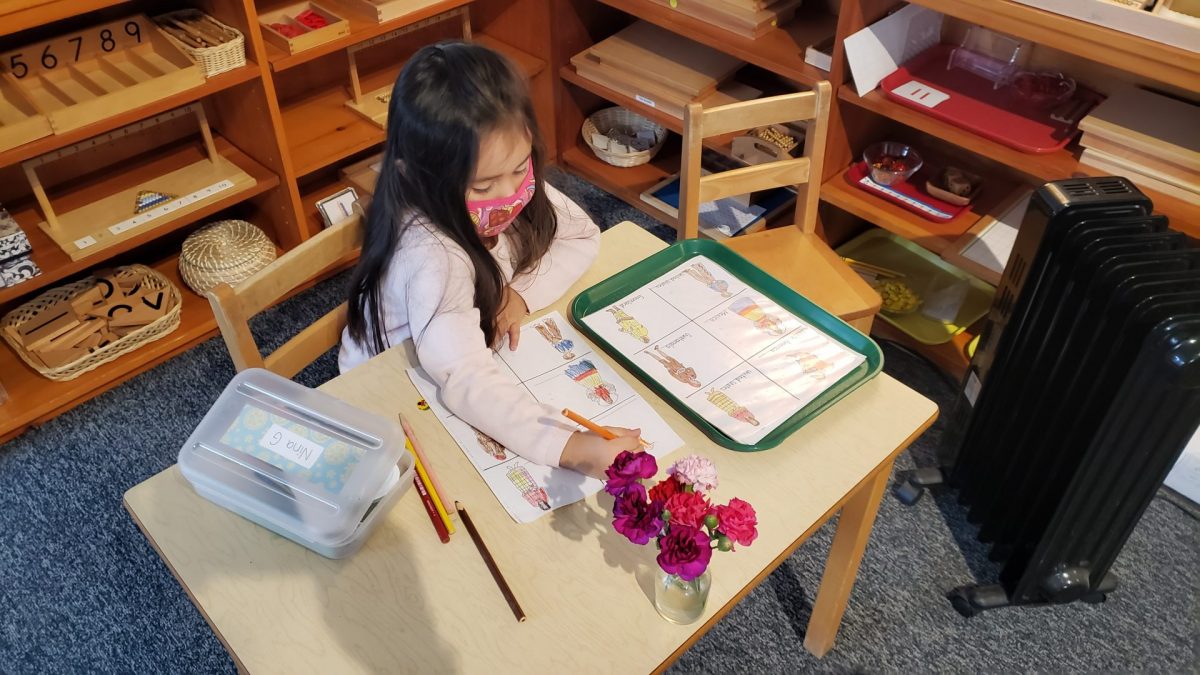
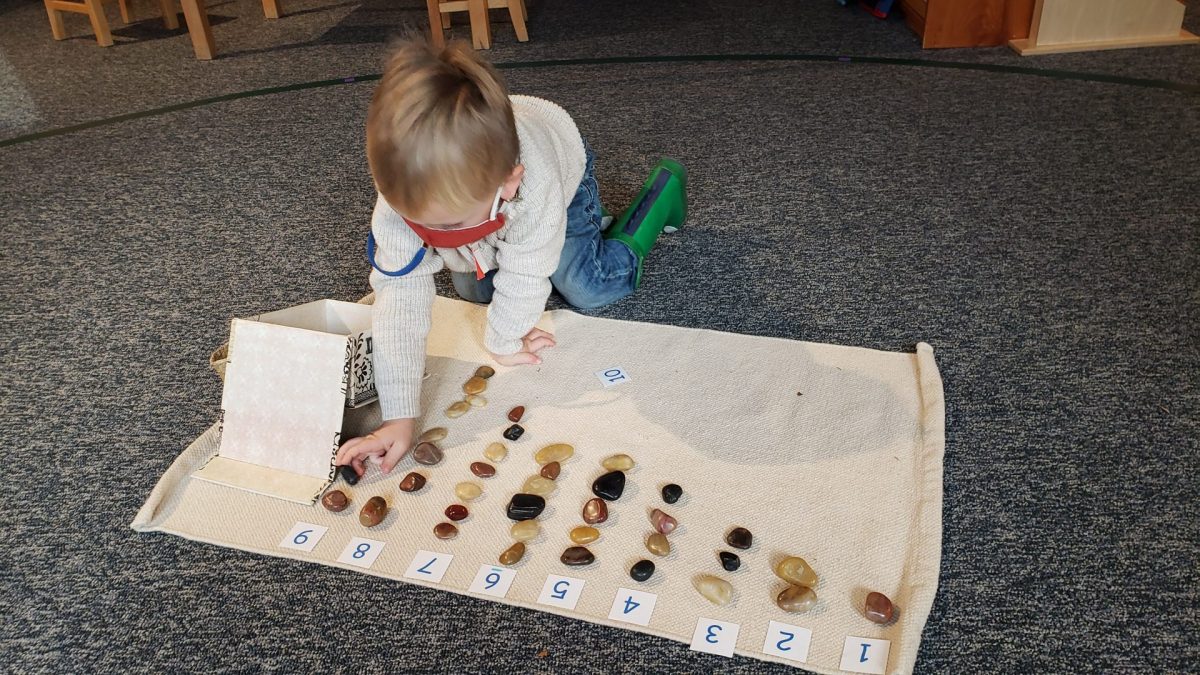
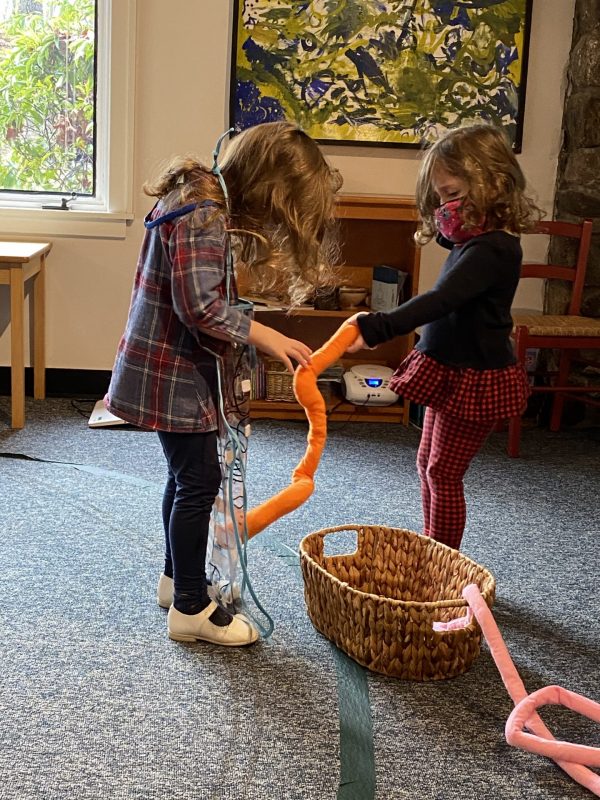
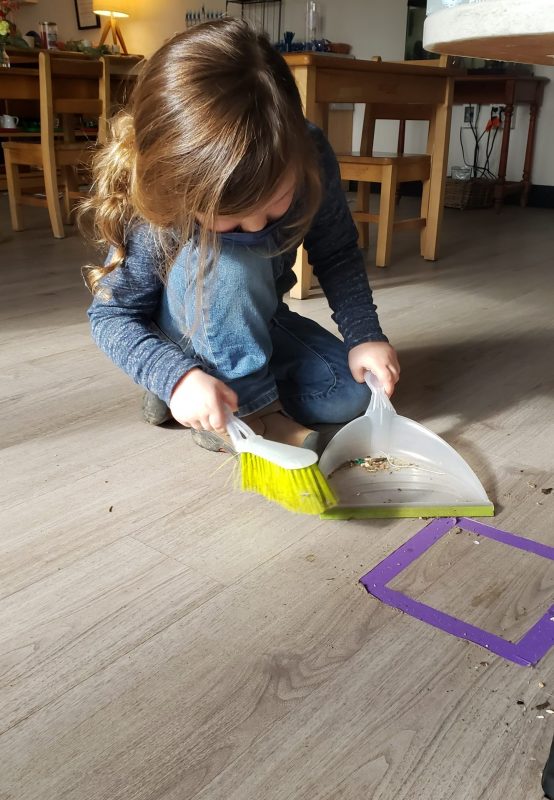
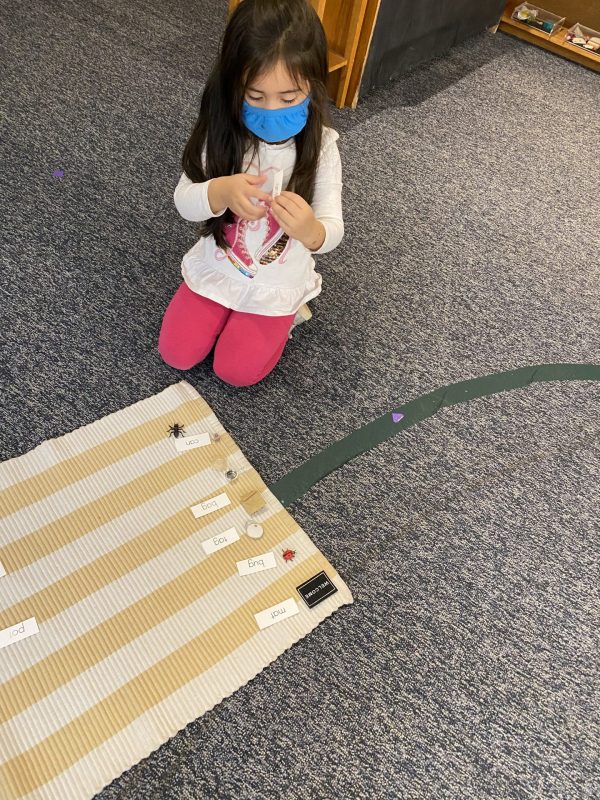
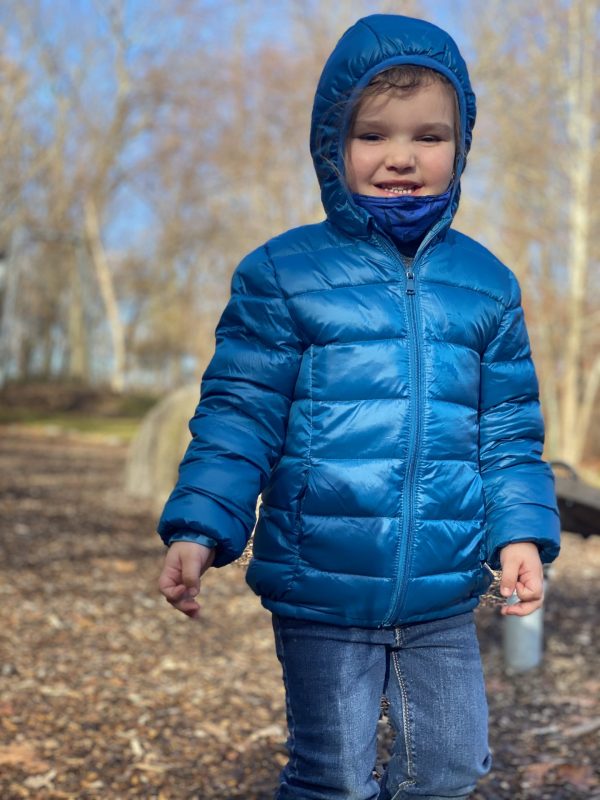
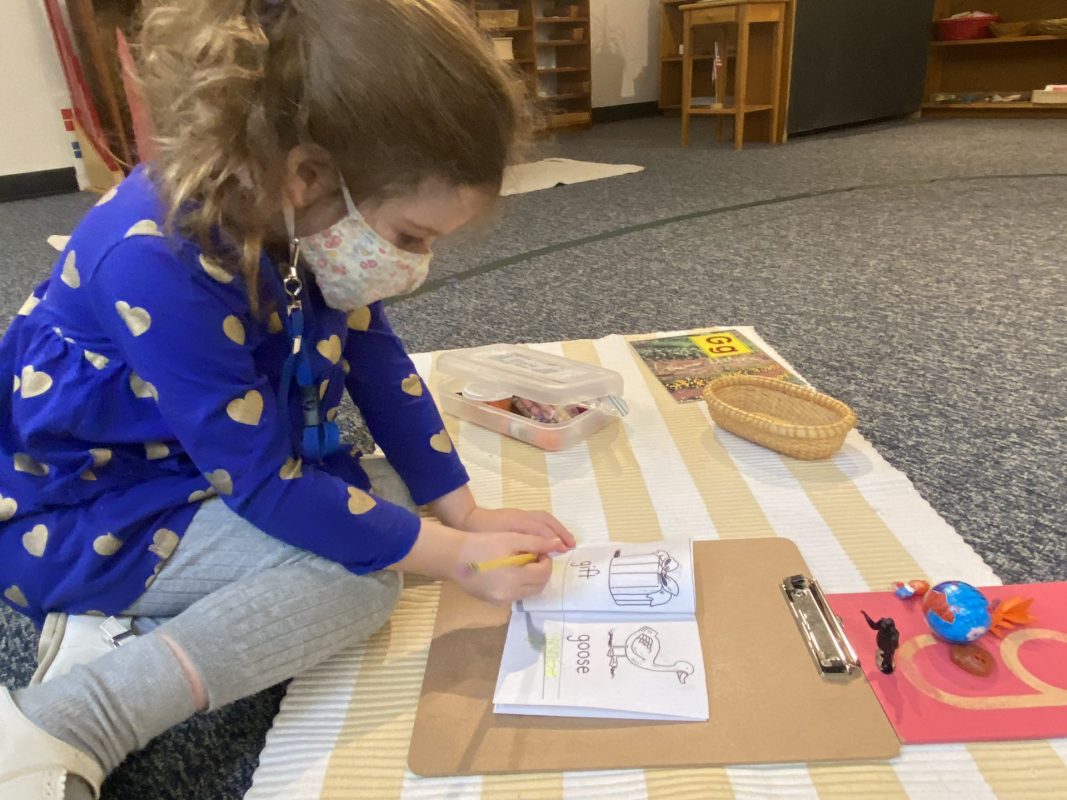
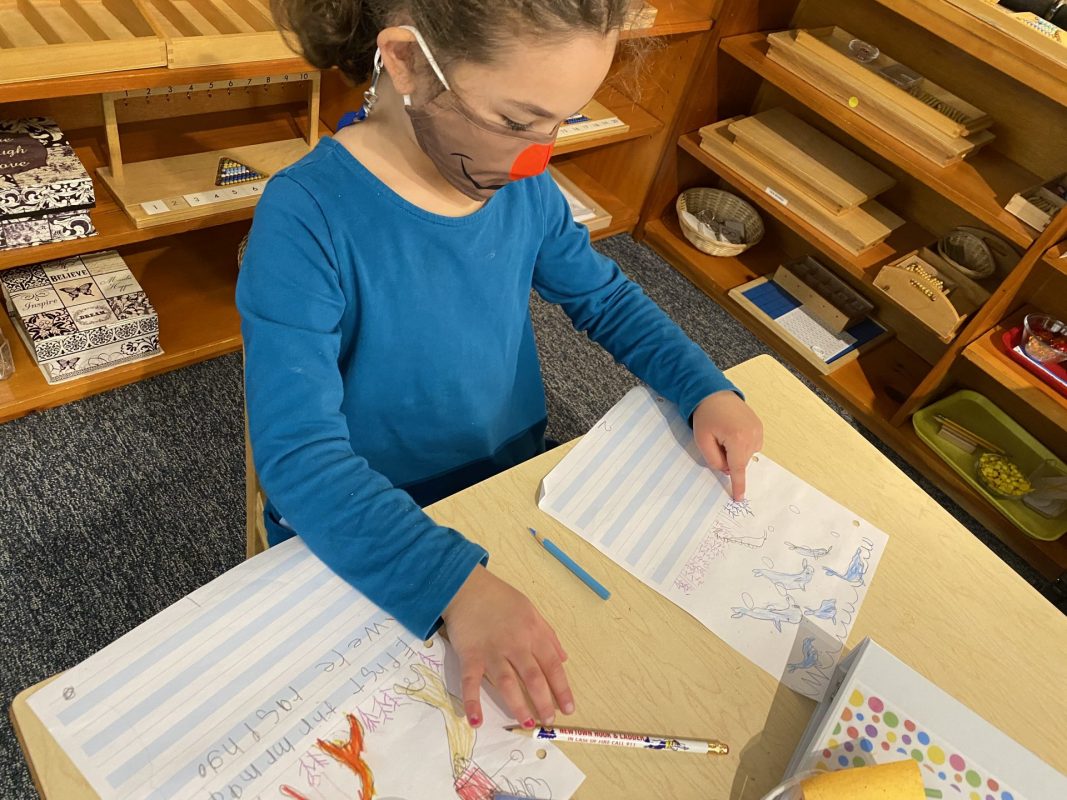
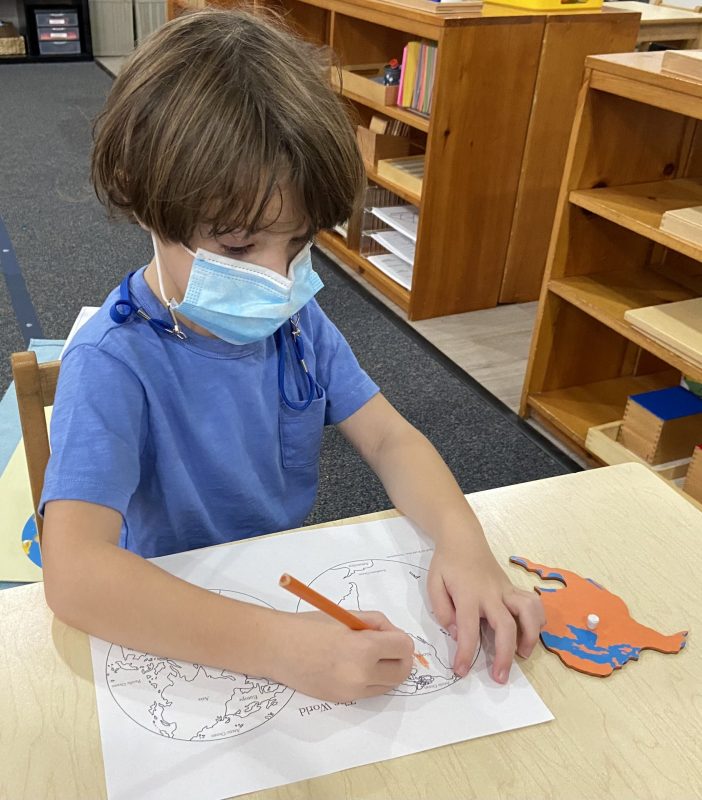
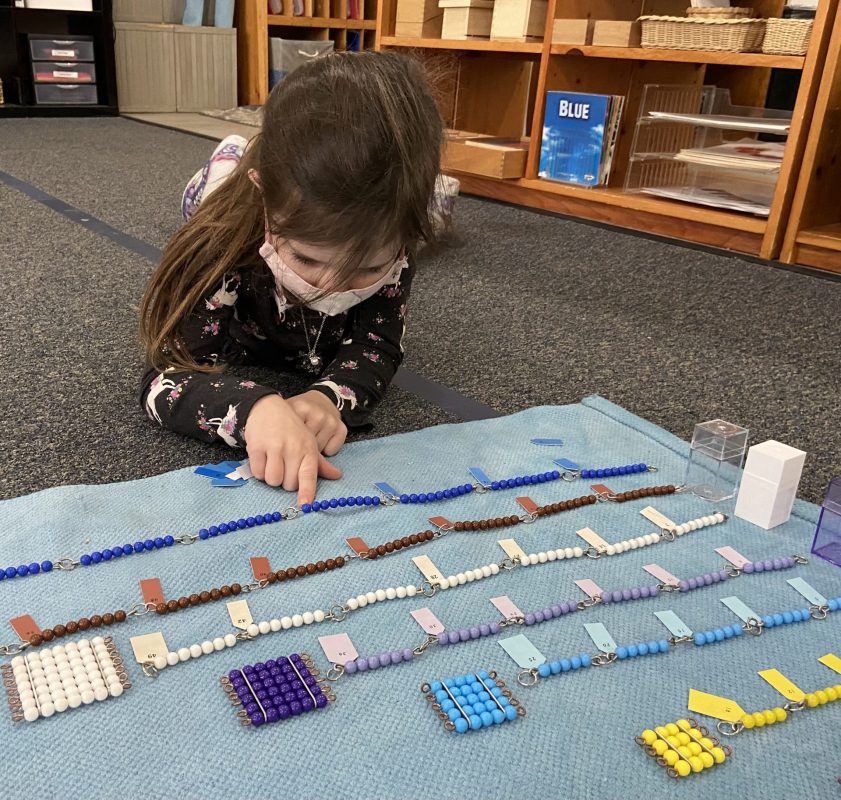
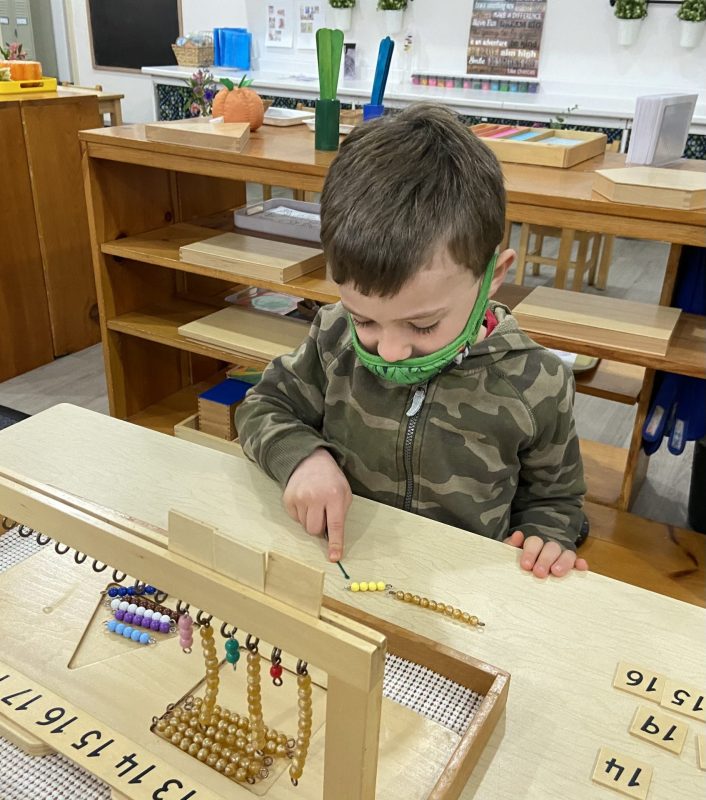
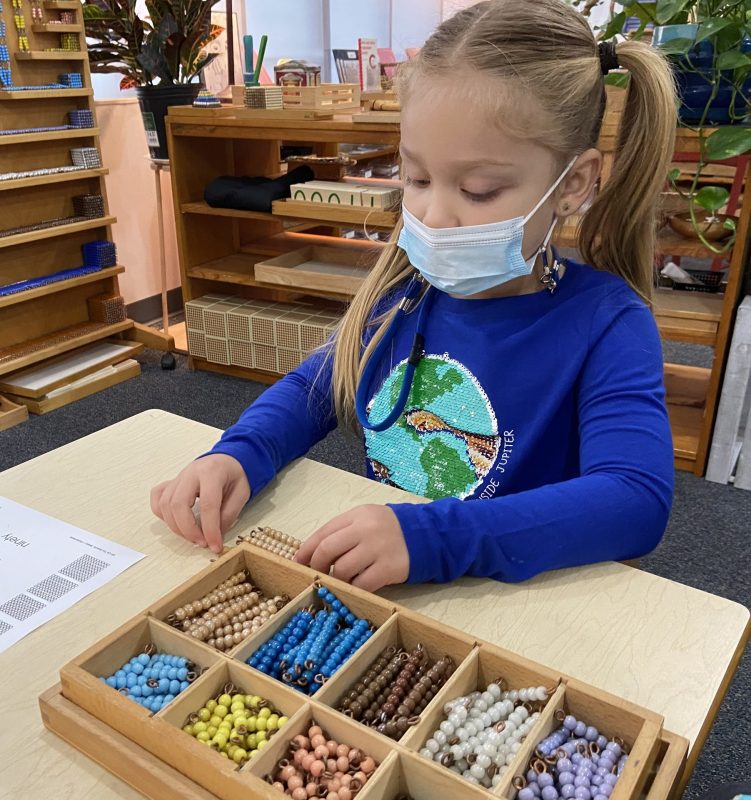
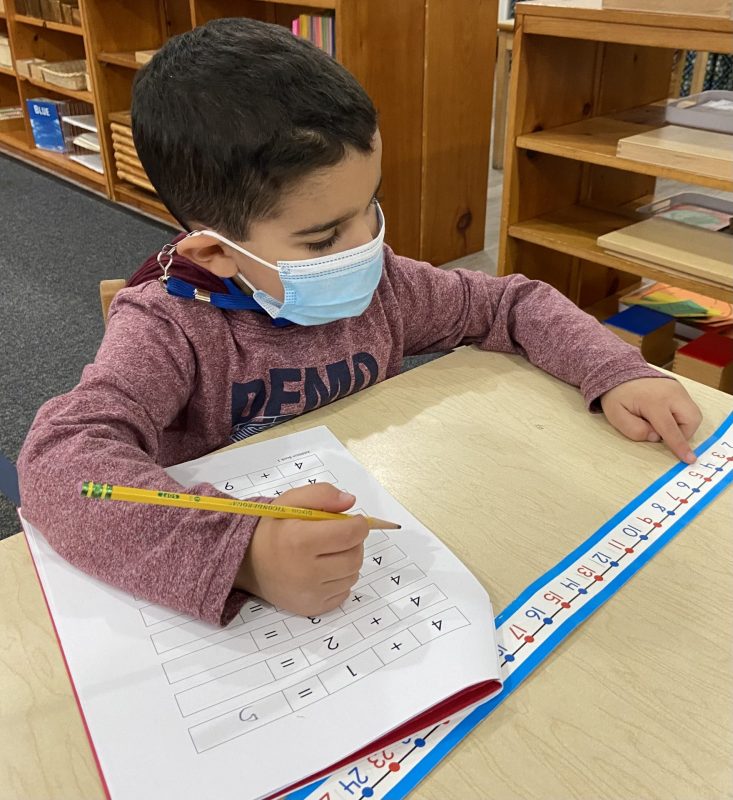
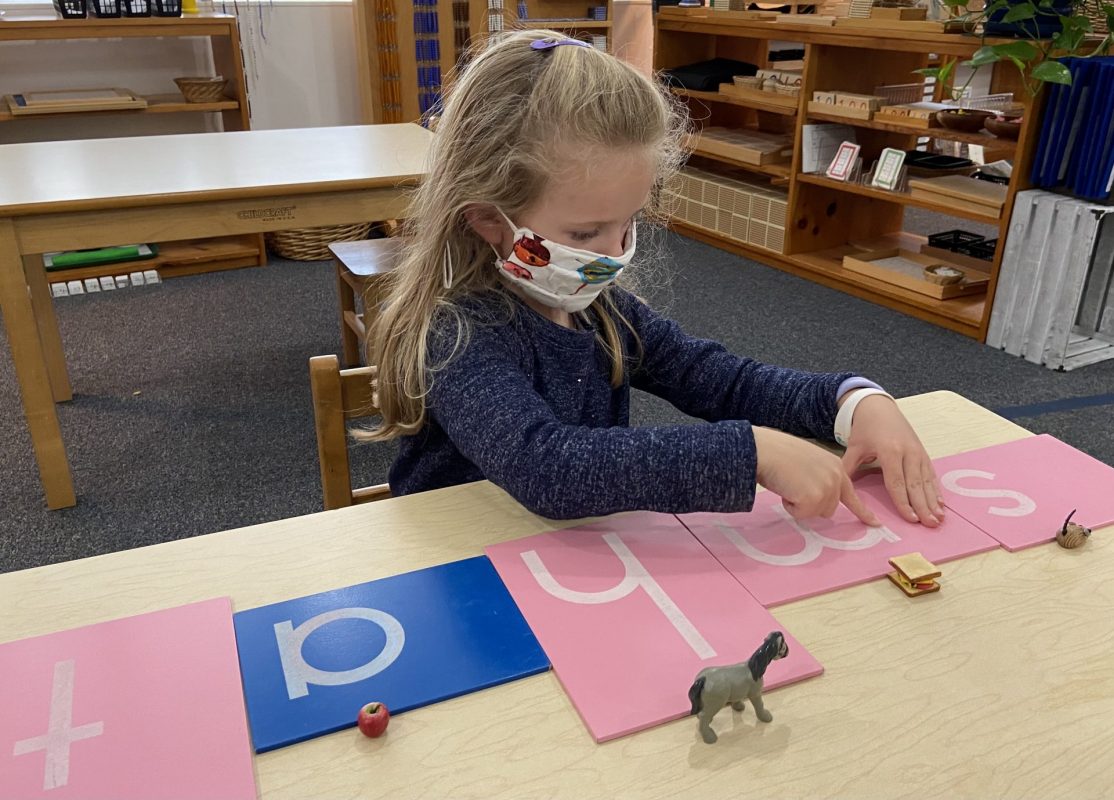
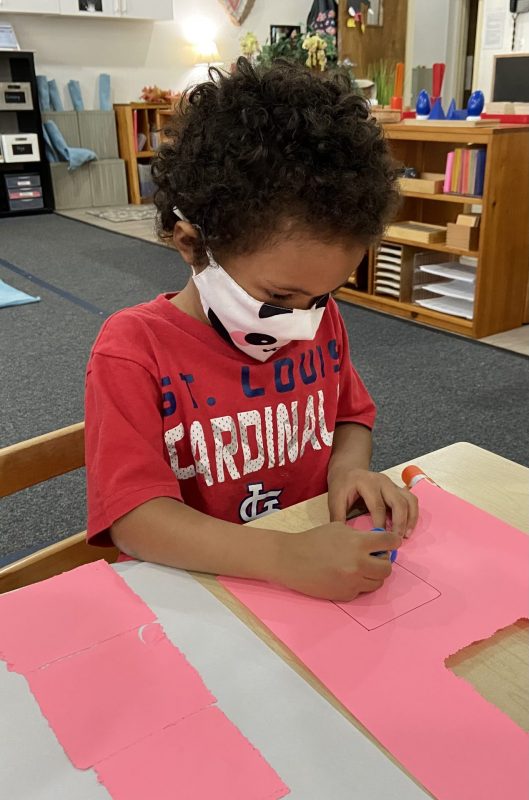
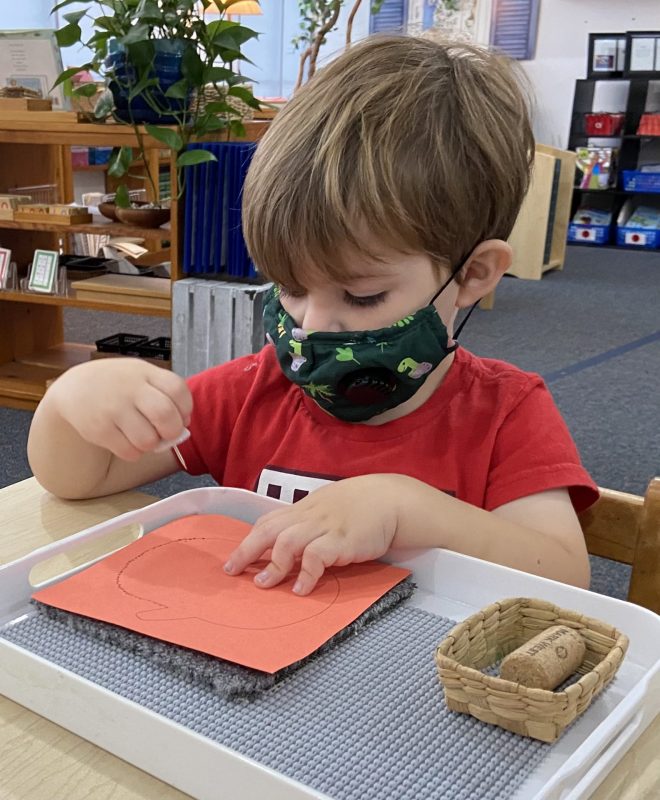
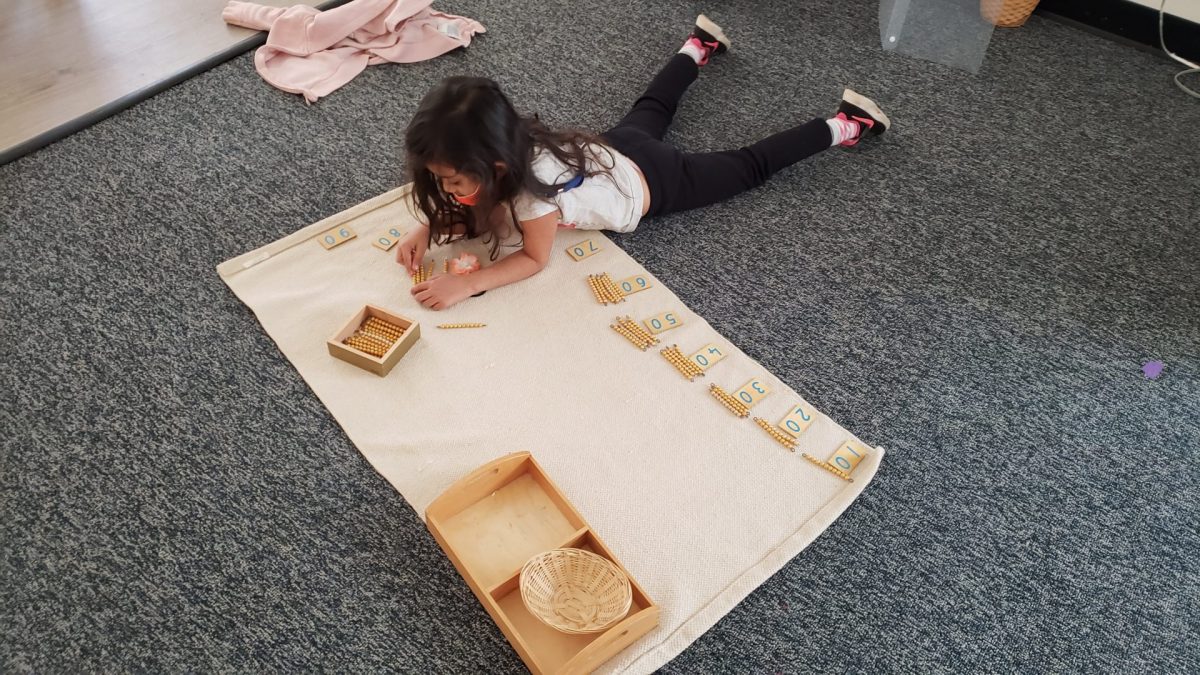
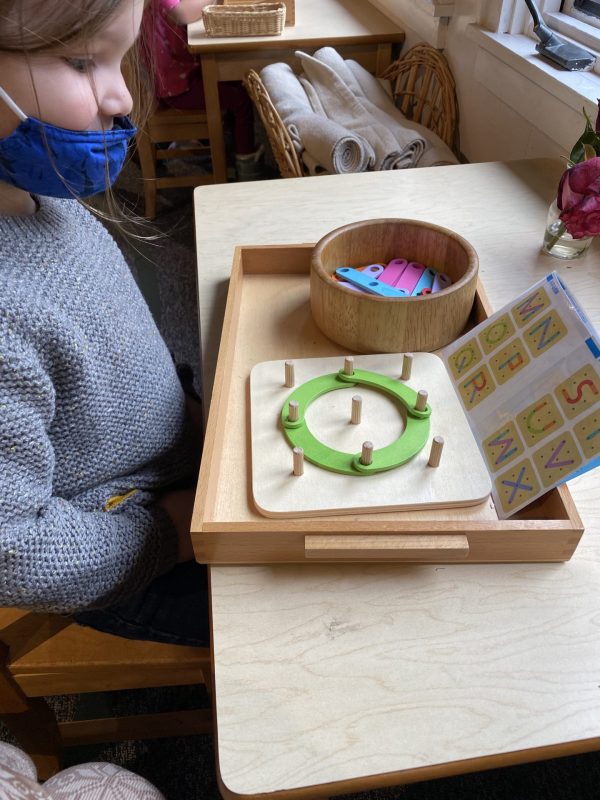
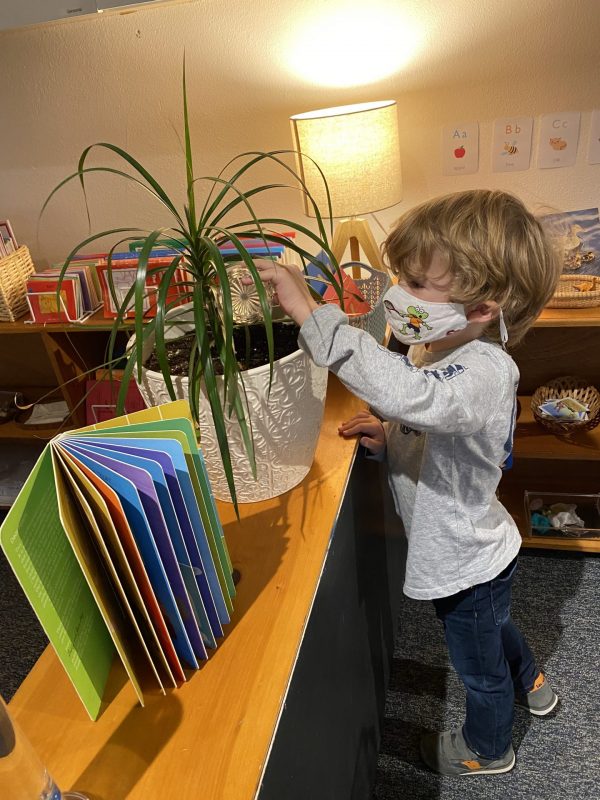
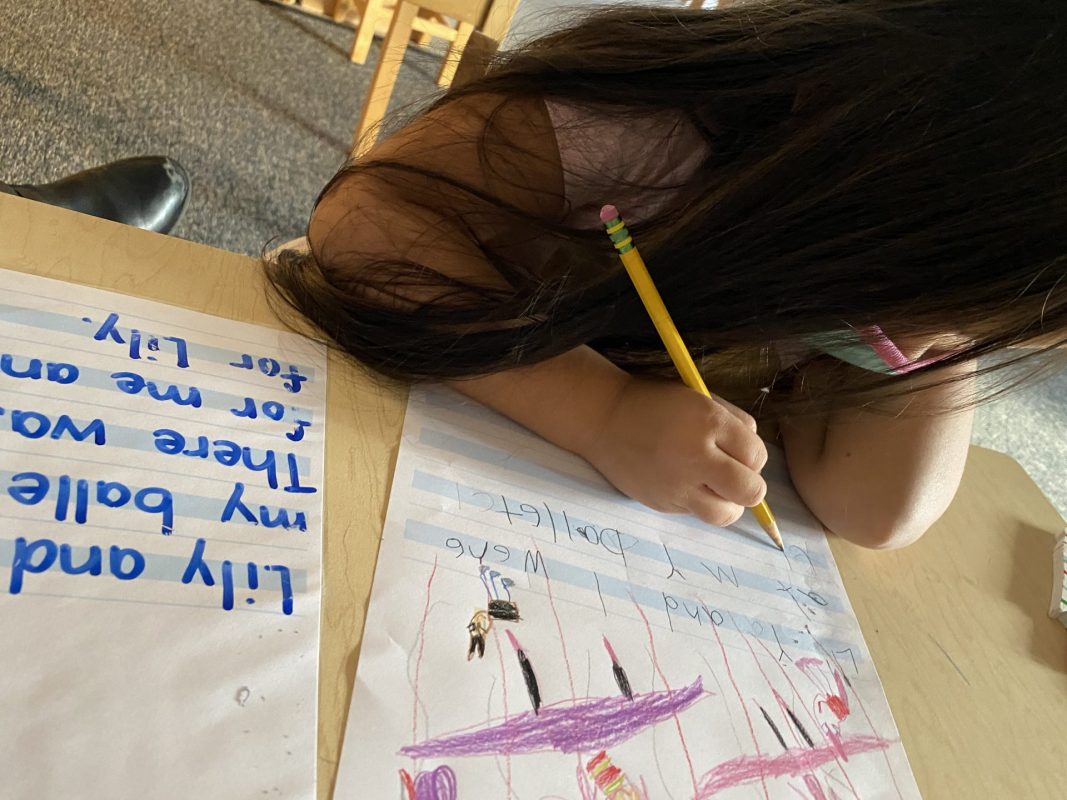
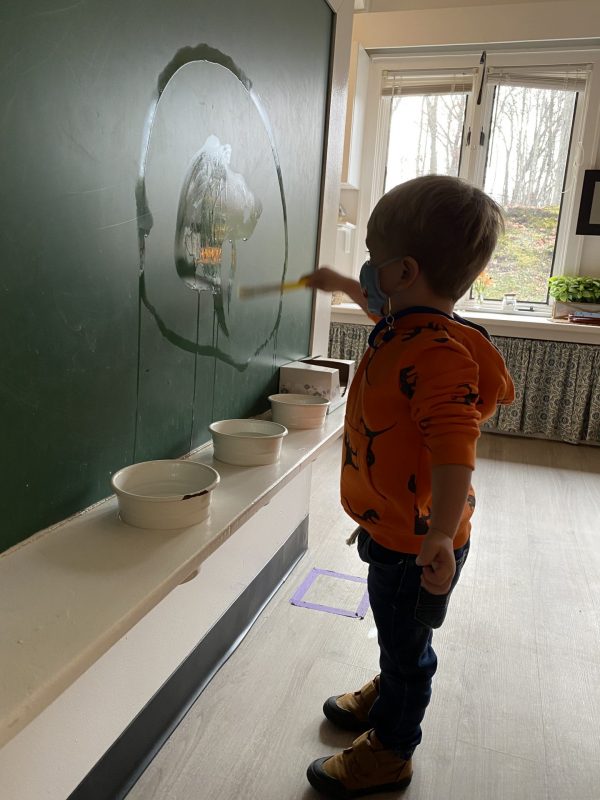
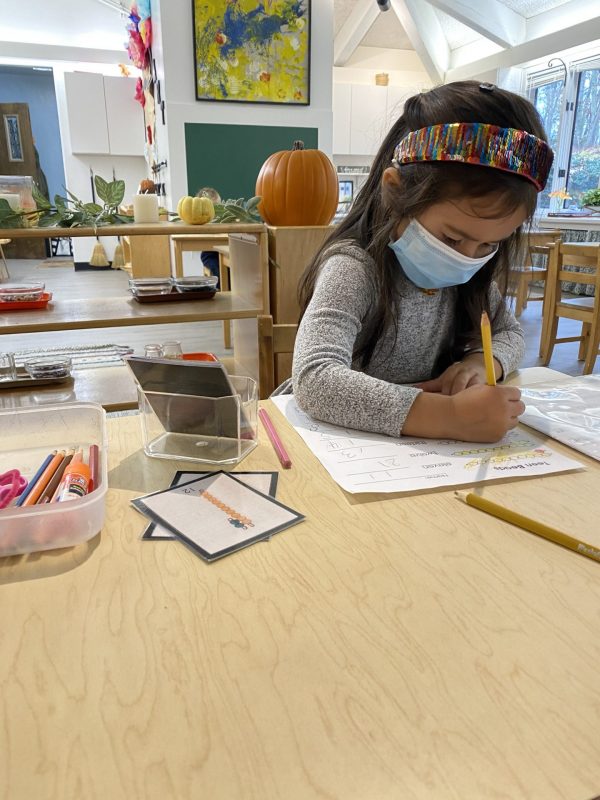
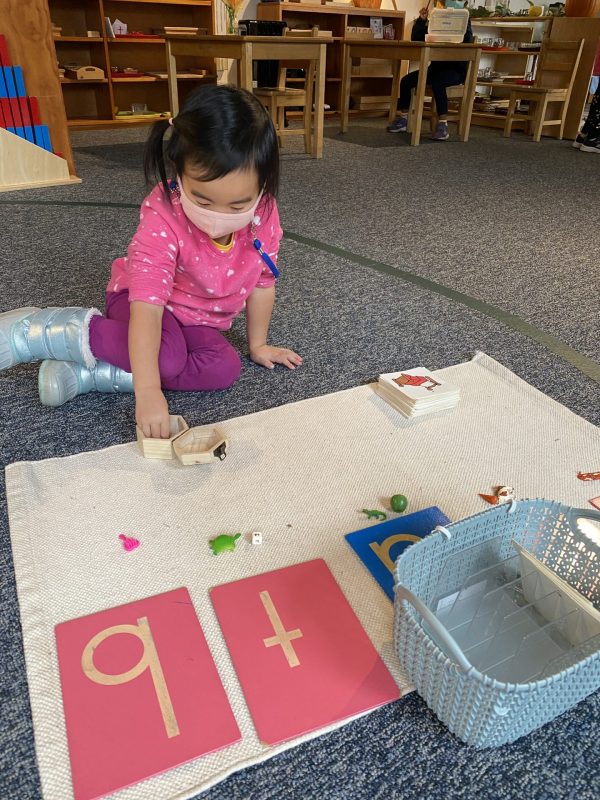
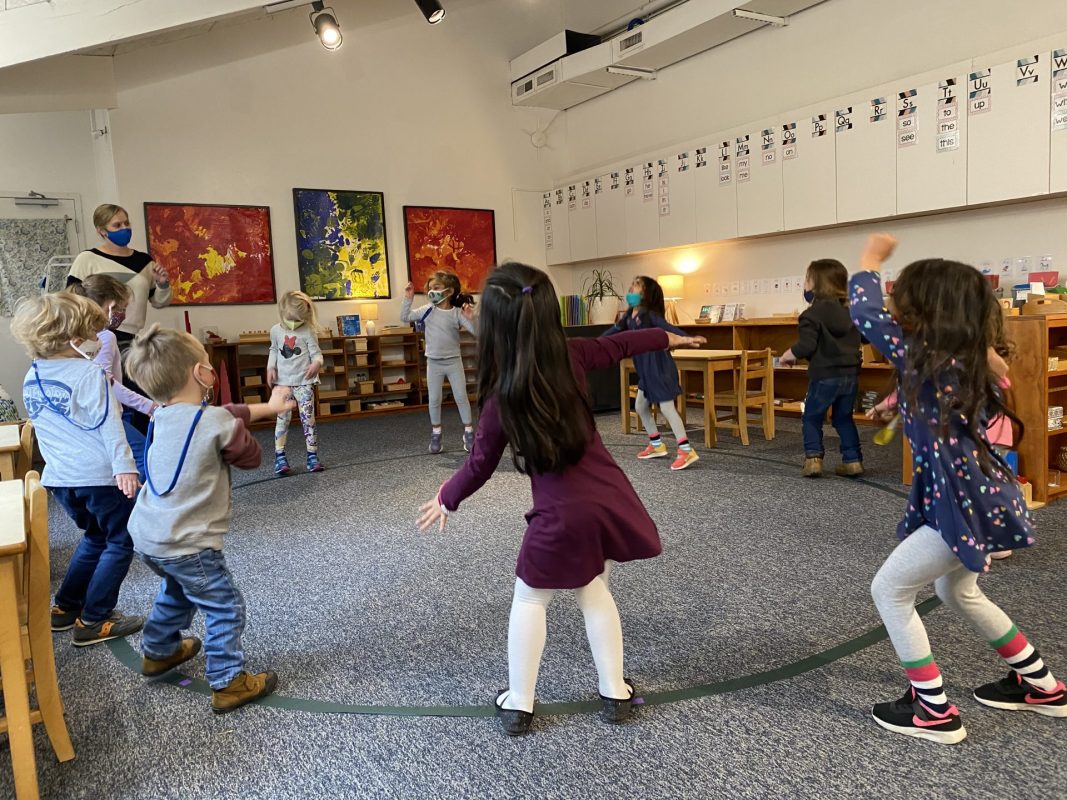
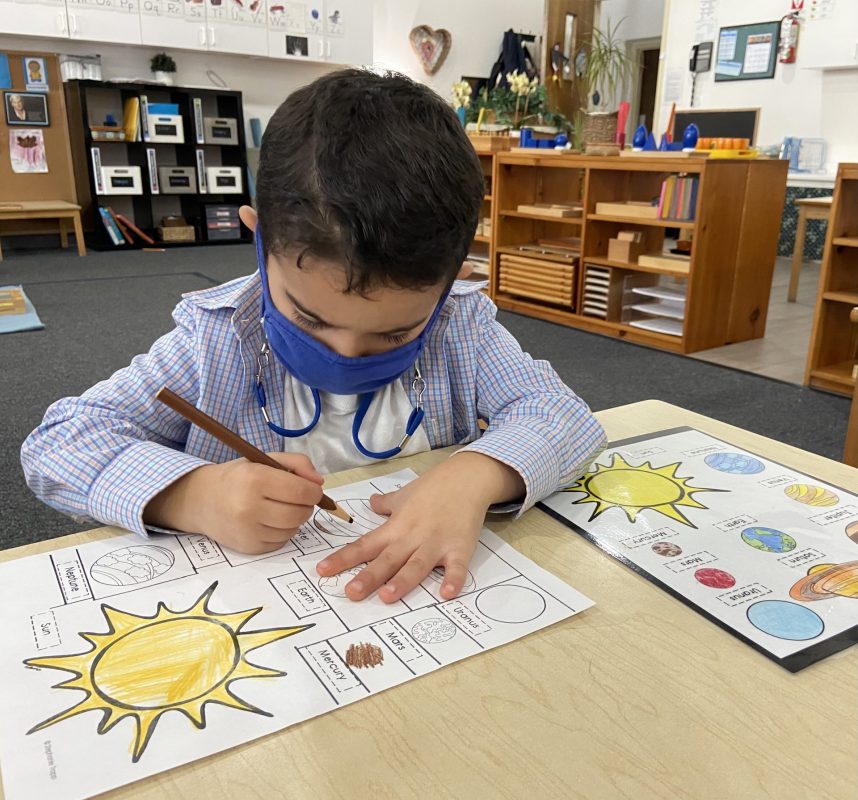
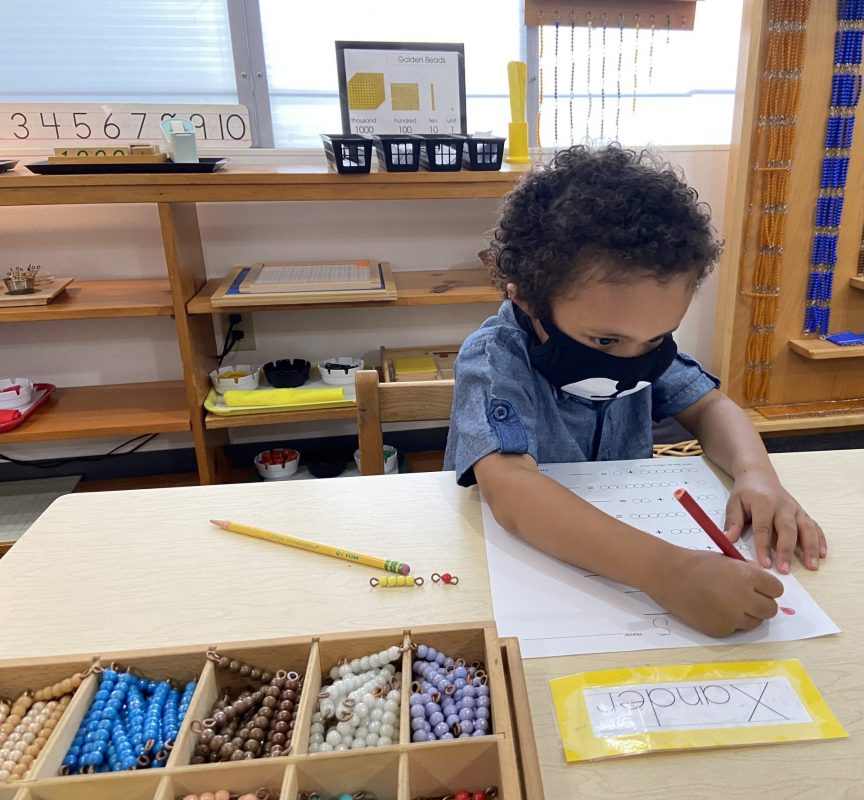
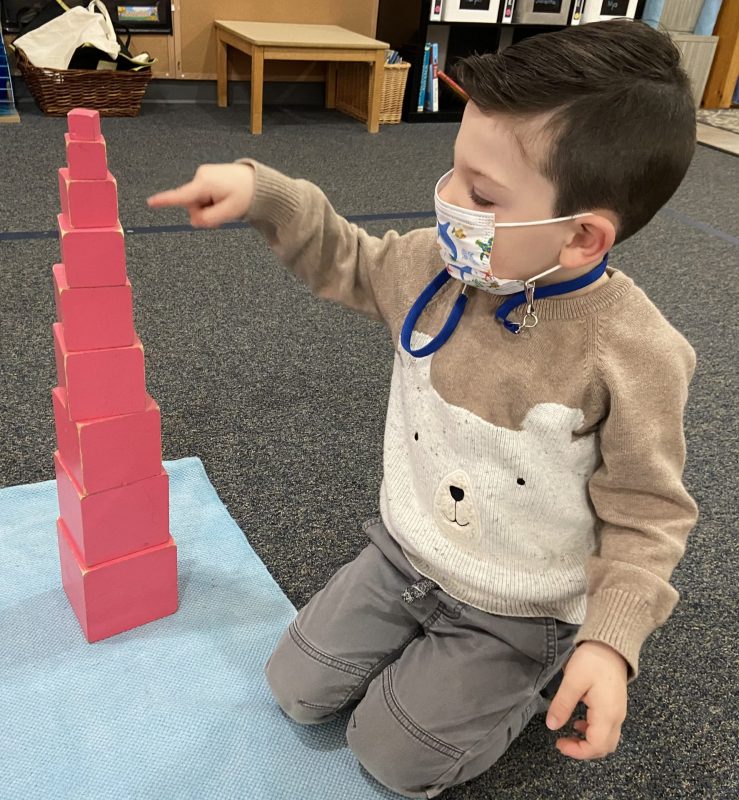
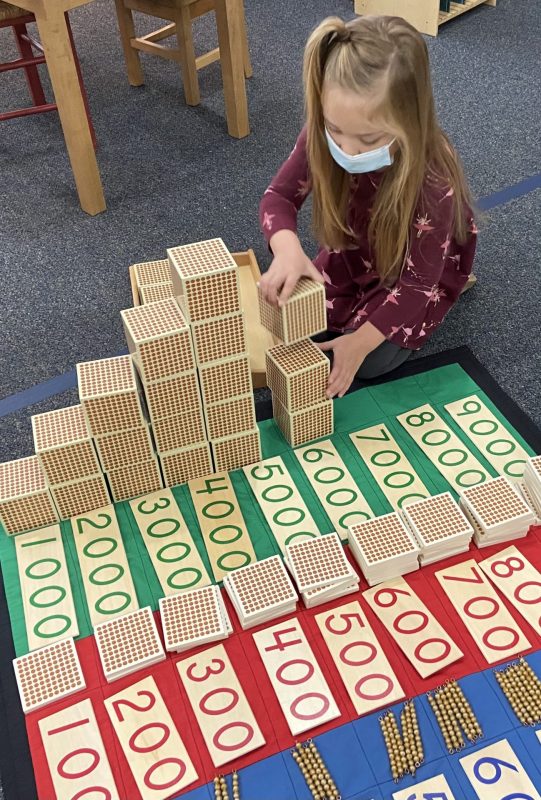
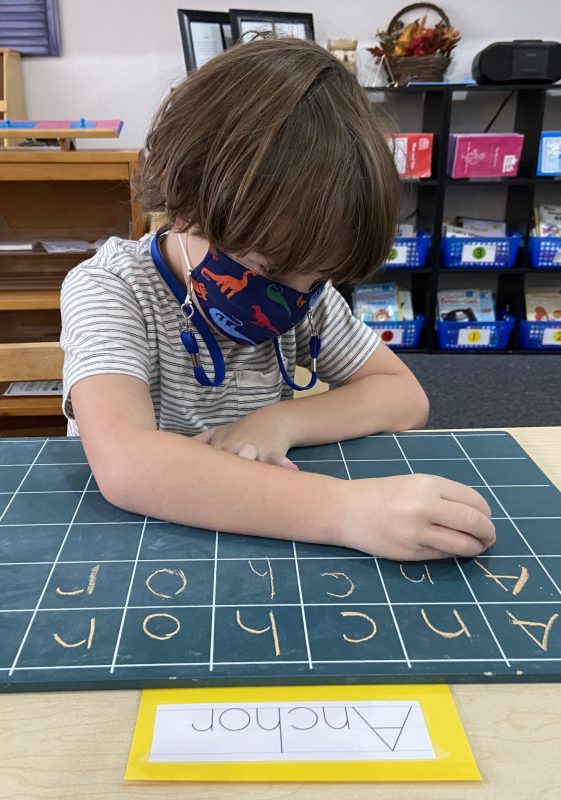
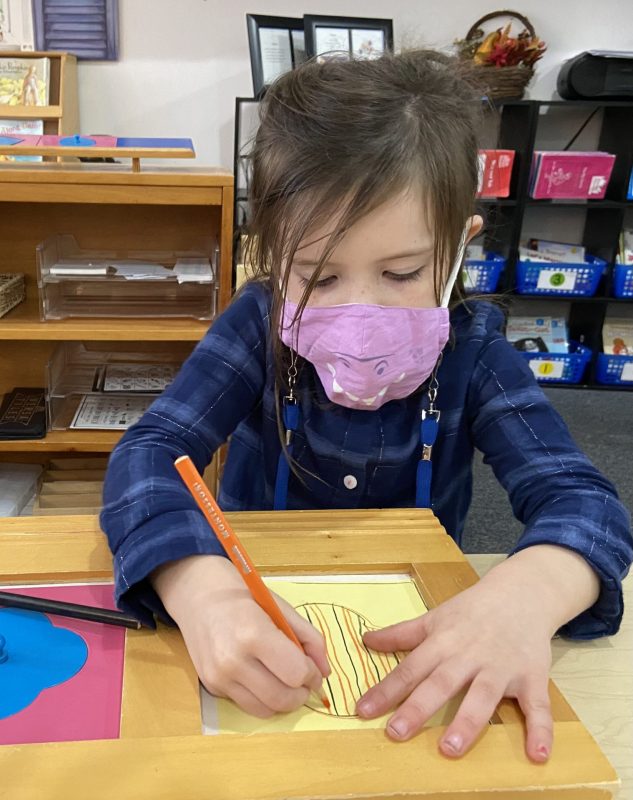
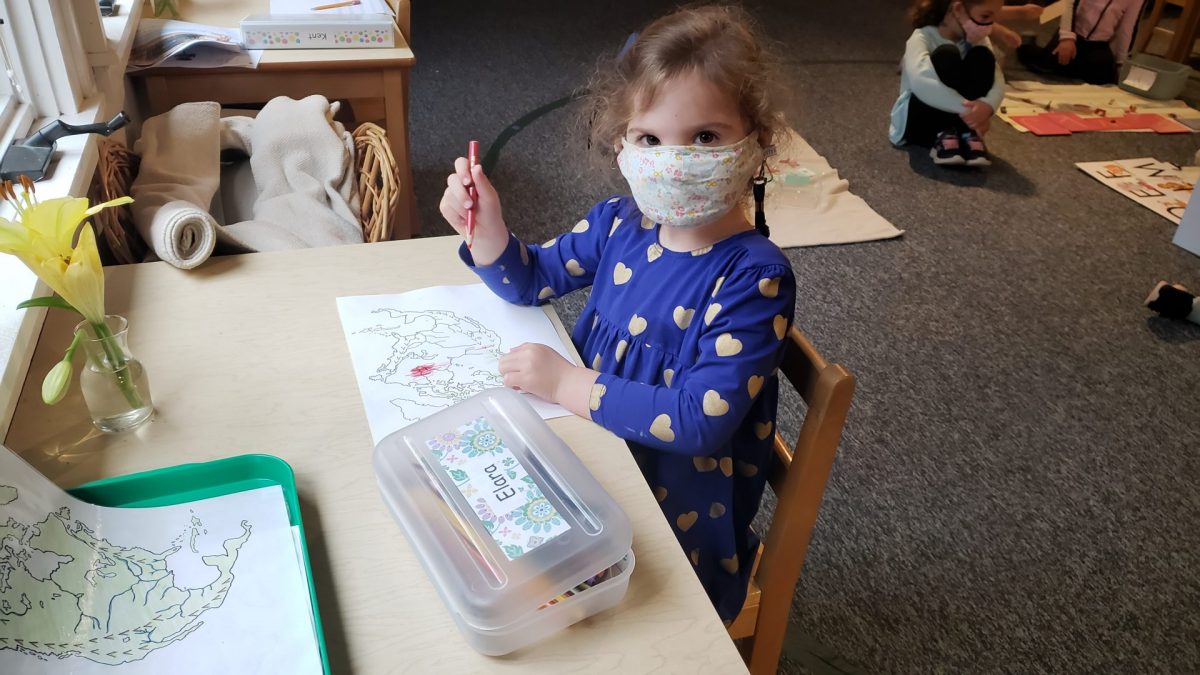
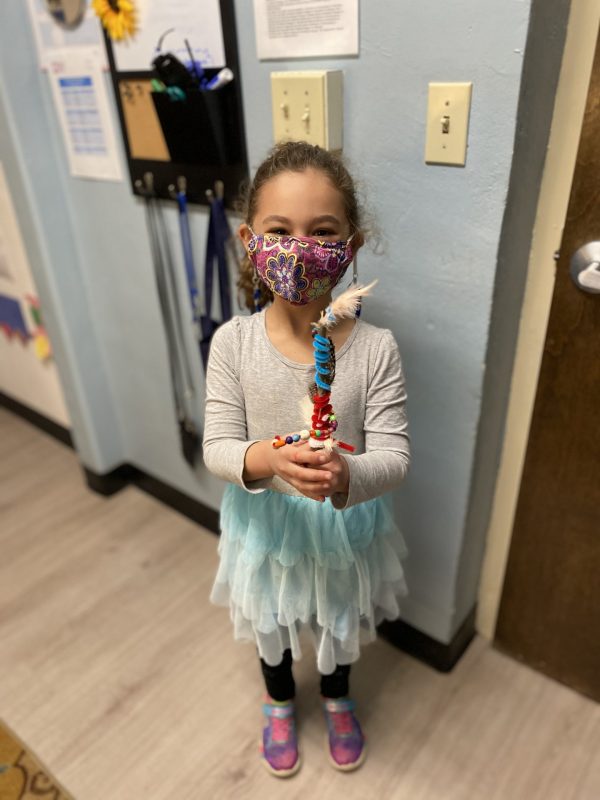
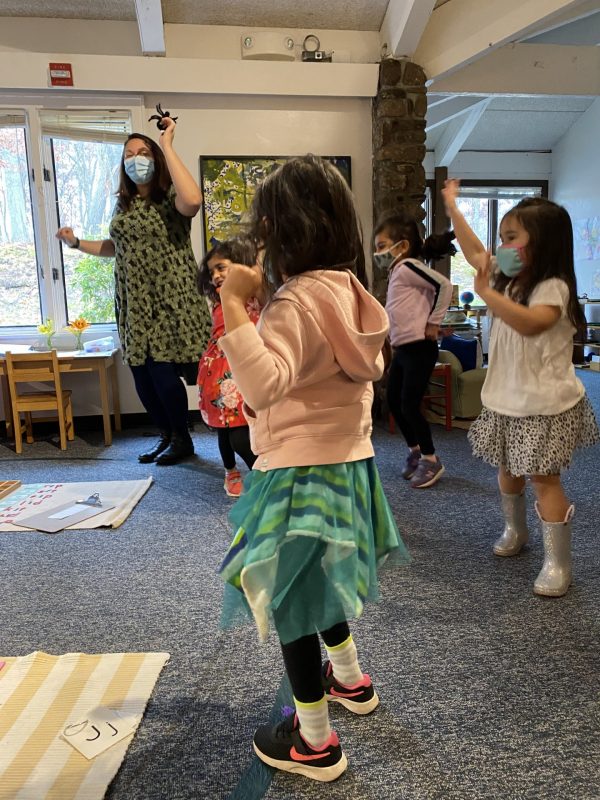
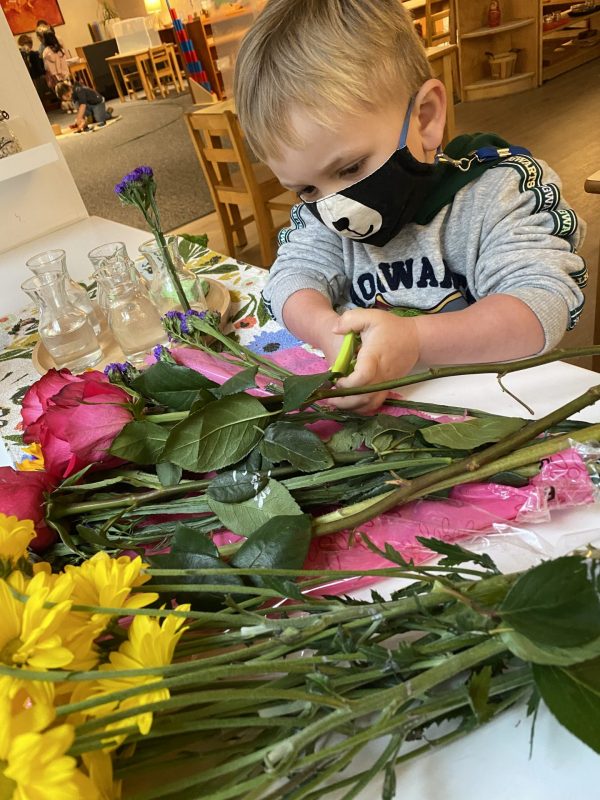
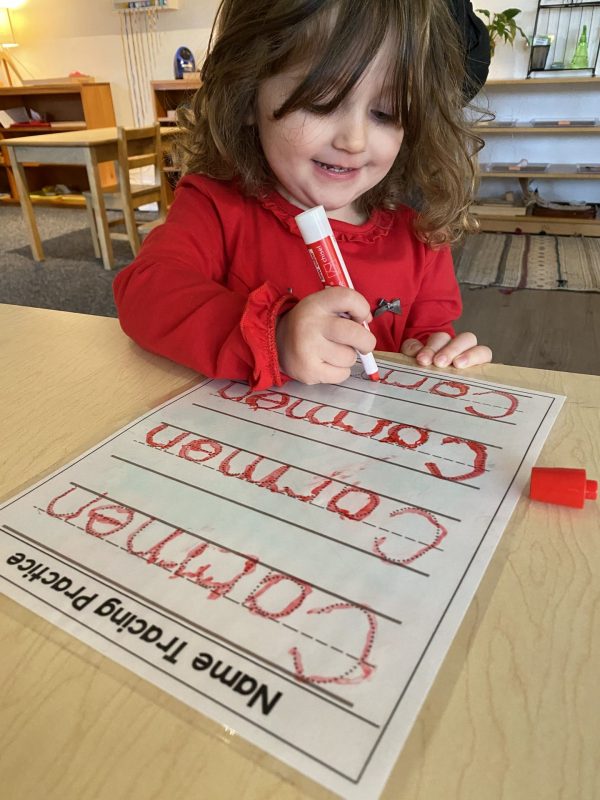
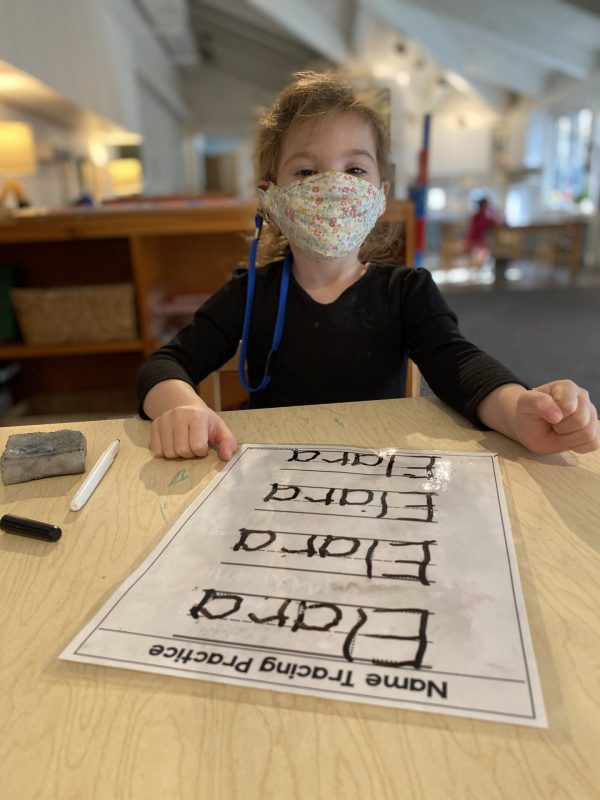
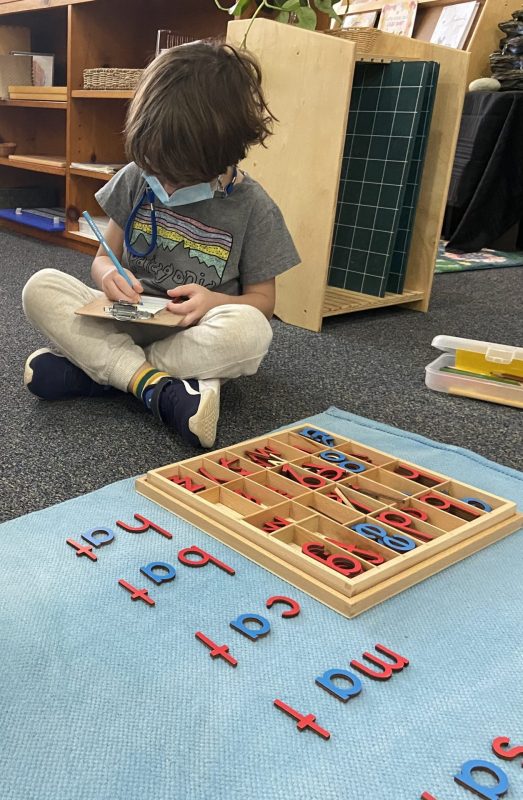
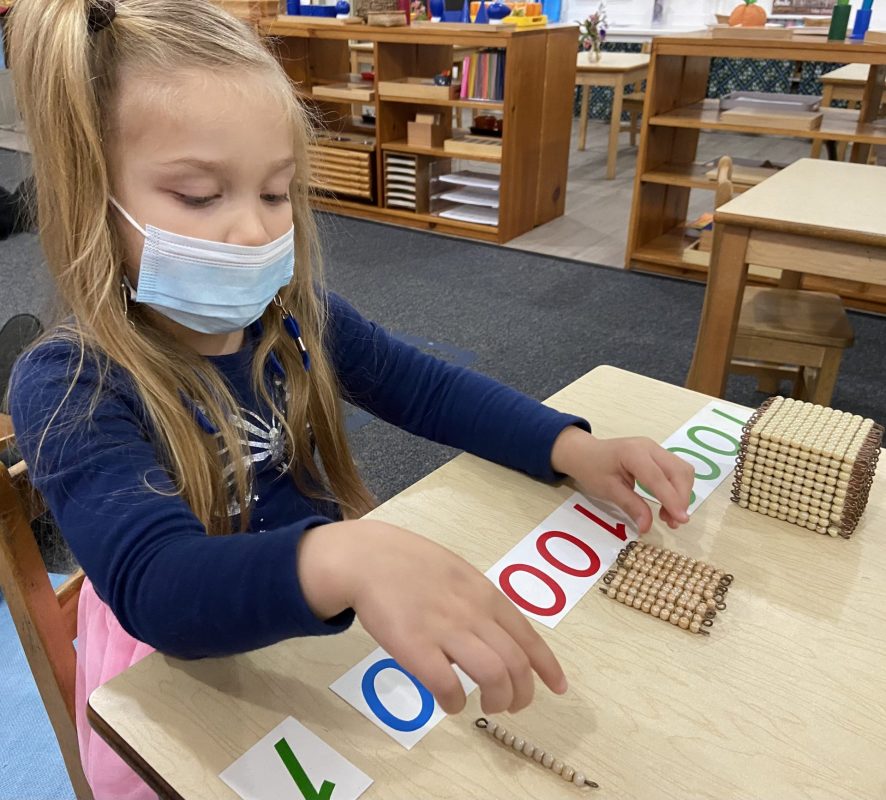
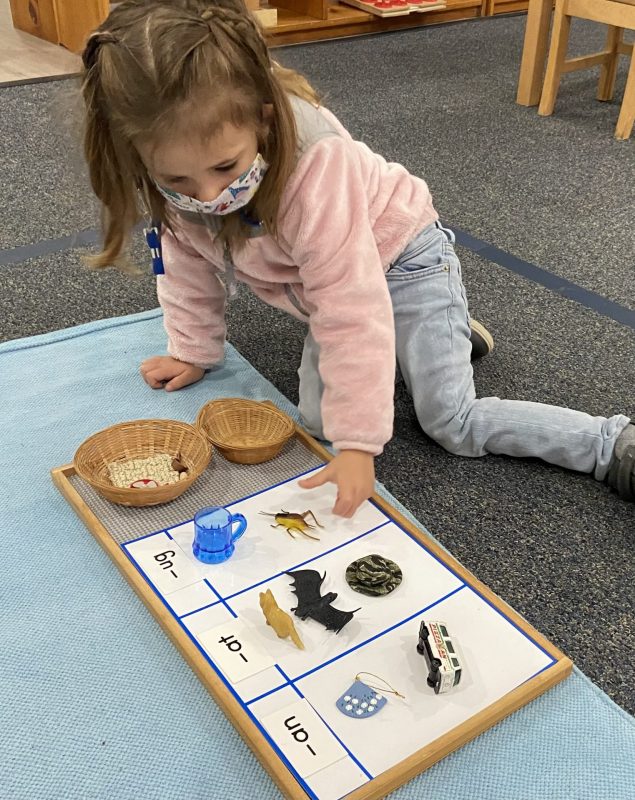
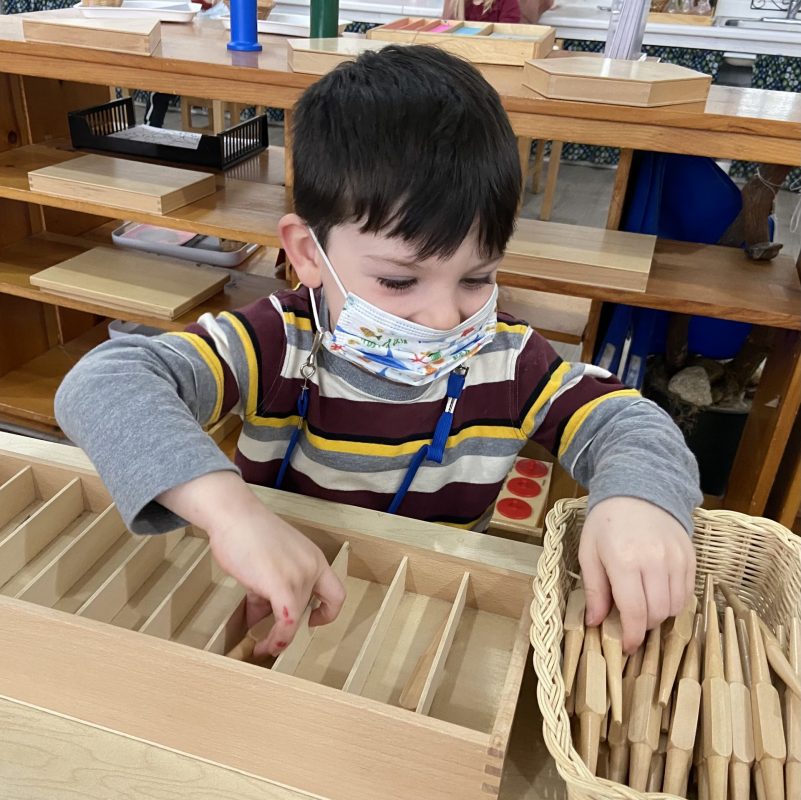
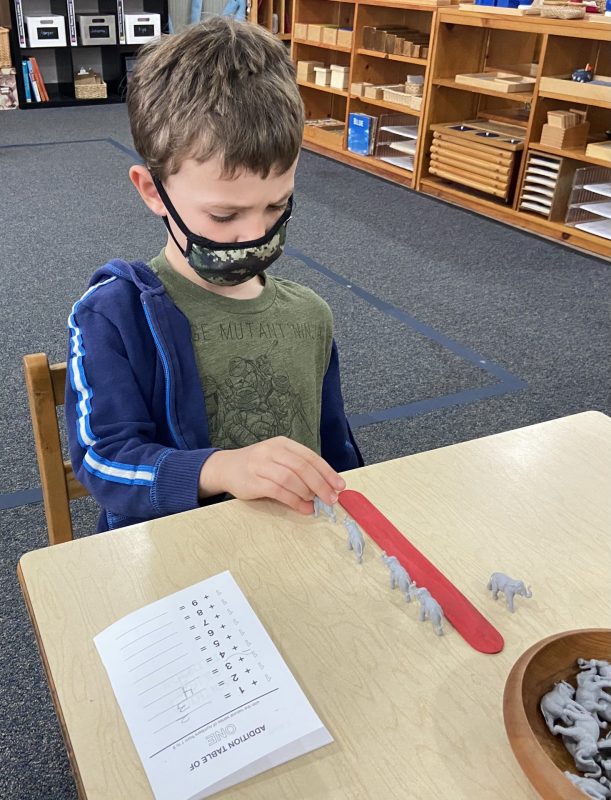
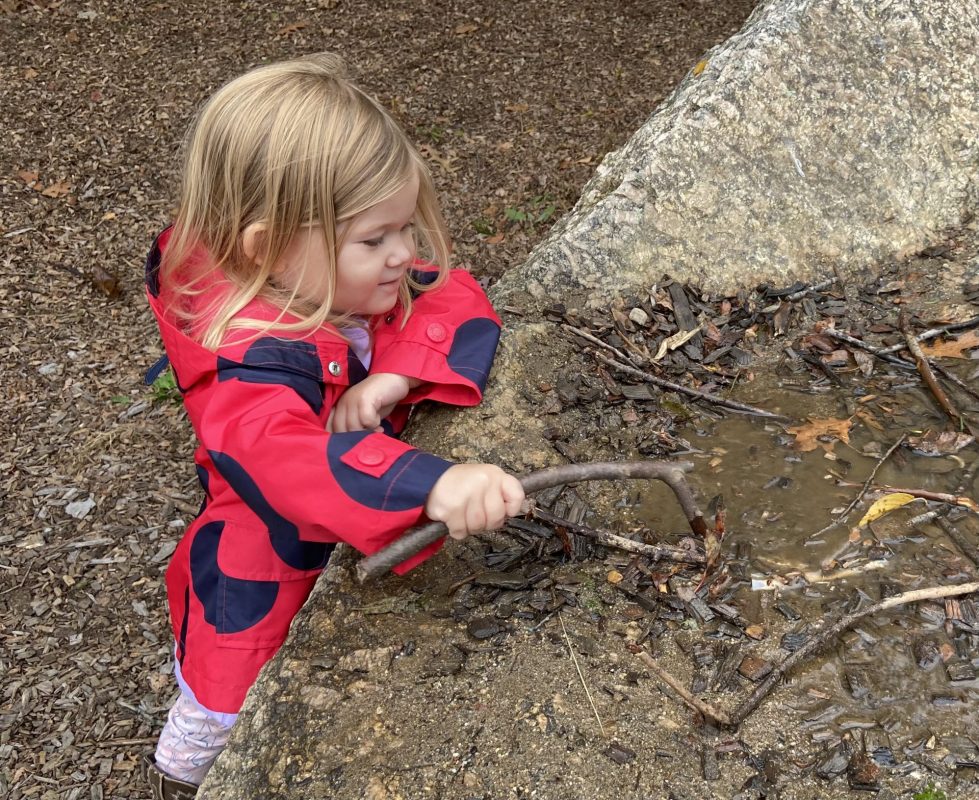
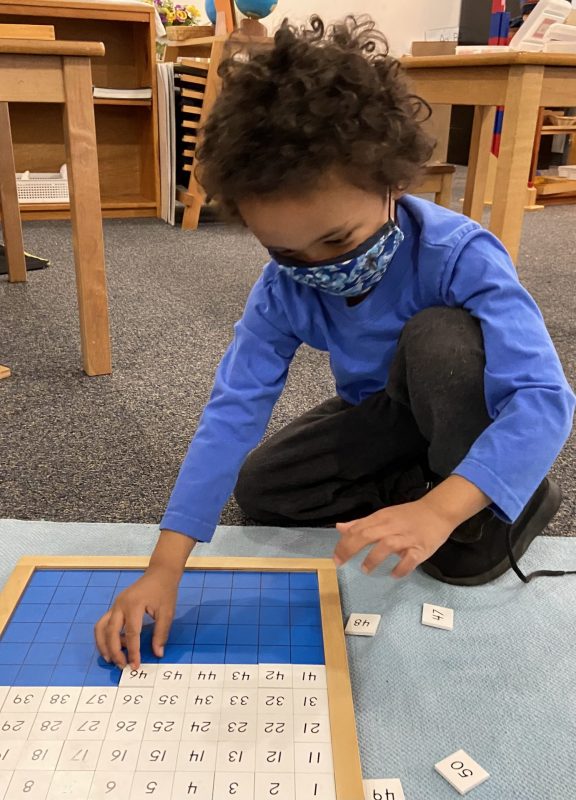
One of Maria Montessori’s more well known quotes is “play is the child’s work.”  We’re sure by now you have heard your child talk about their work at school. Maria Montessori preferred the word work rather than the word play, to describe the learning process children are constantly undergoing. Work conveys the amount of effort that children put into their physical, social, emotional, and academic growth. As adults, our definition of work has a very different meaning.

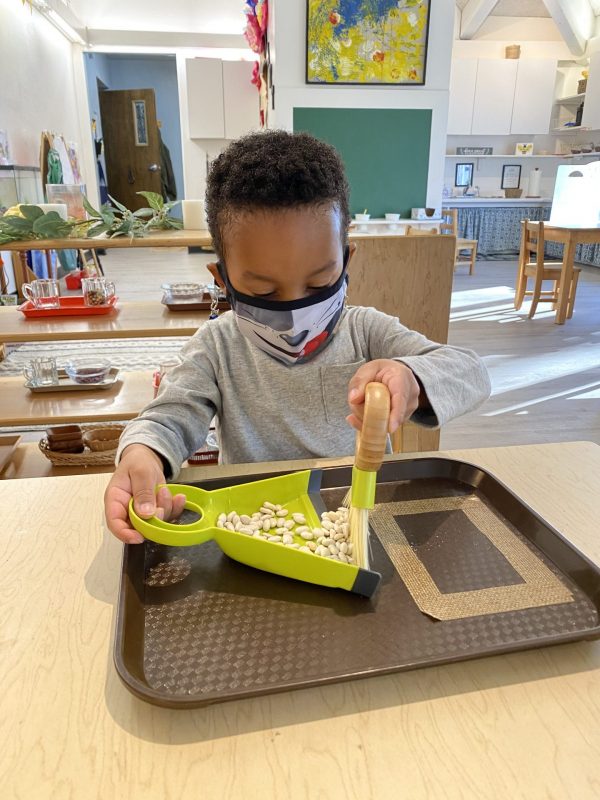
Children are driven by a strong unconscious internal growth process to seek out experiences that will meet their needs. Our role as Montessori teachers is to provide a well-prepared environment that encourages children to be independent and learn at their own pace. The children are free to choose their work and to use it repeatedly. So, while they are ‘working’ each child is also building independence, coordination, self-discipline, and concentration.

Enjoy your work!

Michelle & Lizette

Mrs. Lopes’s Class: Engaged in Meaningful Work

There exists in the small child an unconscious mental state which is of a creative nature. We have called it the “Absorbent Mind.” The tiny child’s absorbent mind finds all its nutriment in its surroundings…Especially at the beginning of life. We must, therefore, make the environment as interesting and attractive as we can. -Maria Montessori

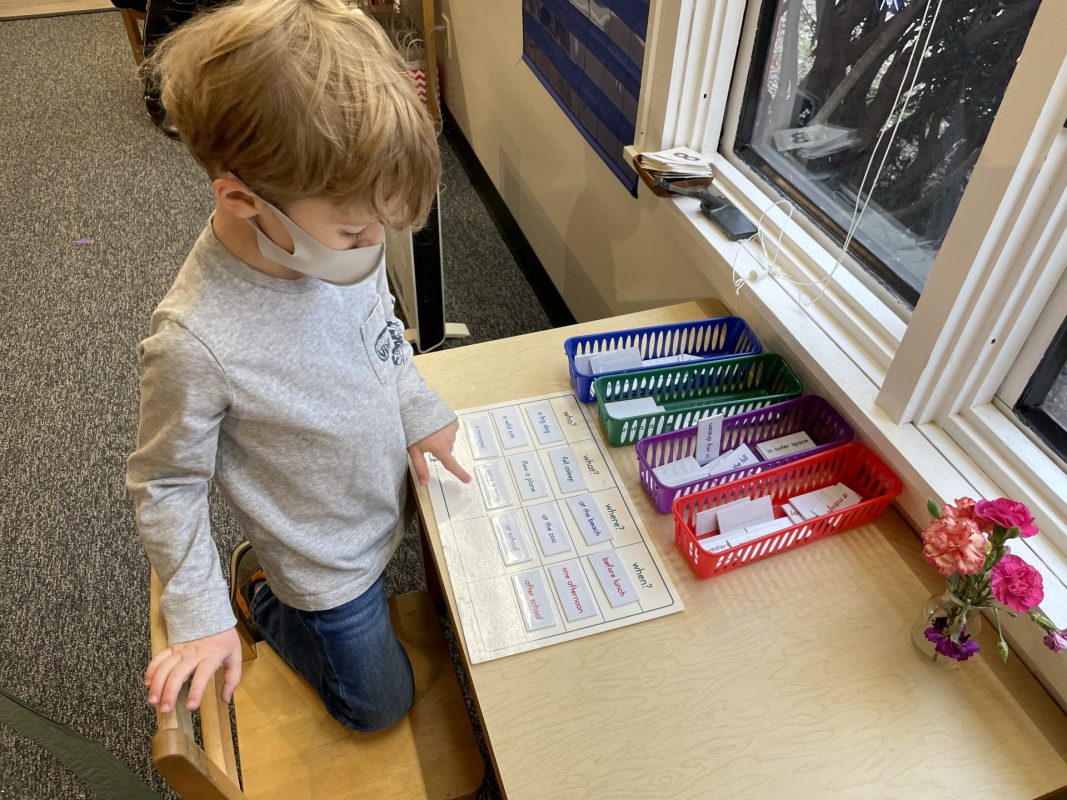
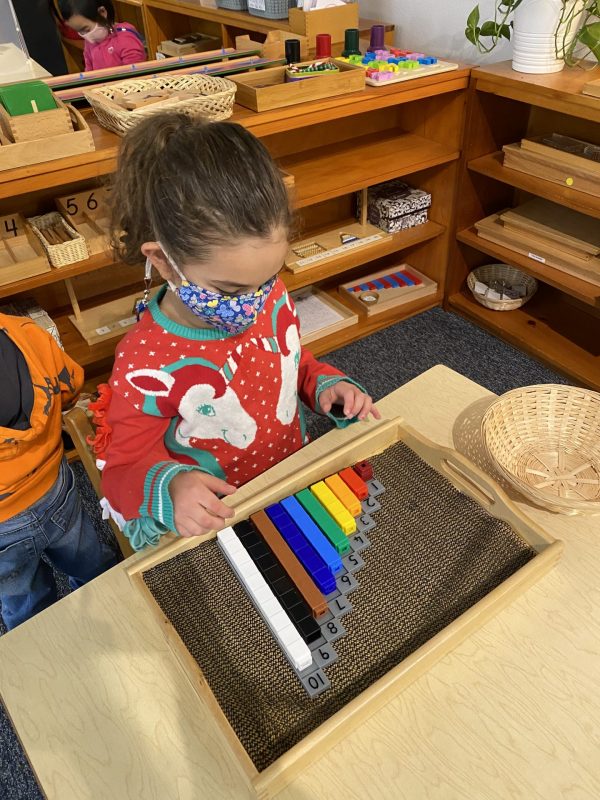
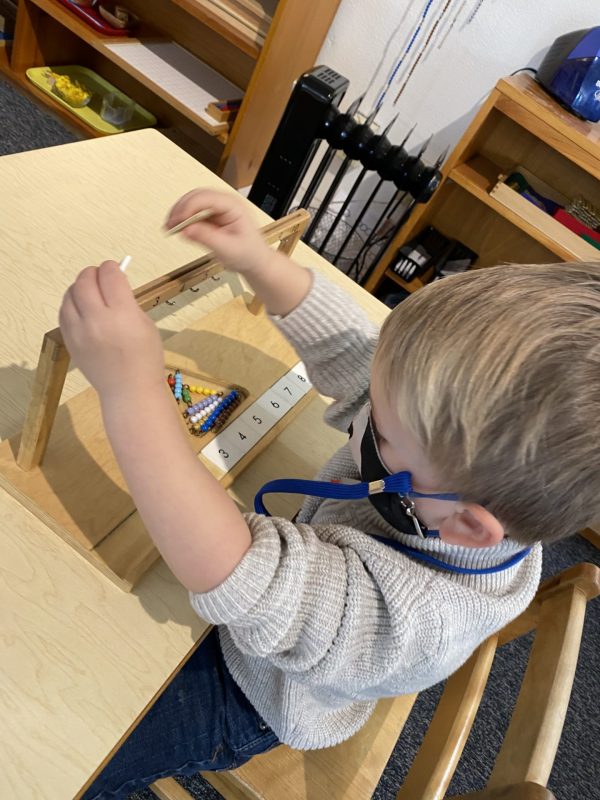
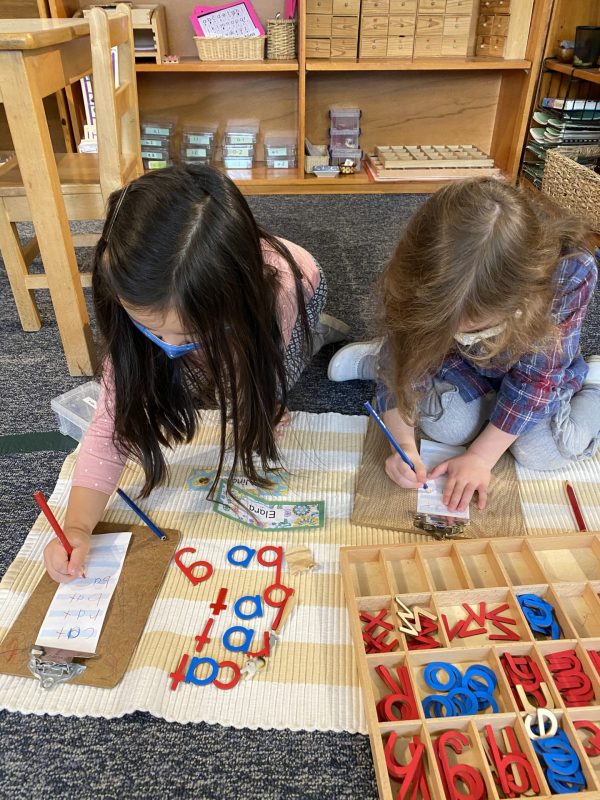
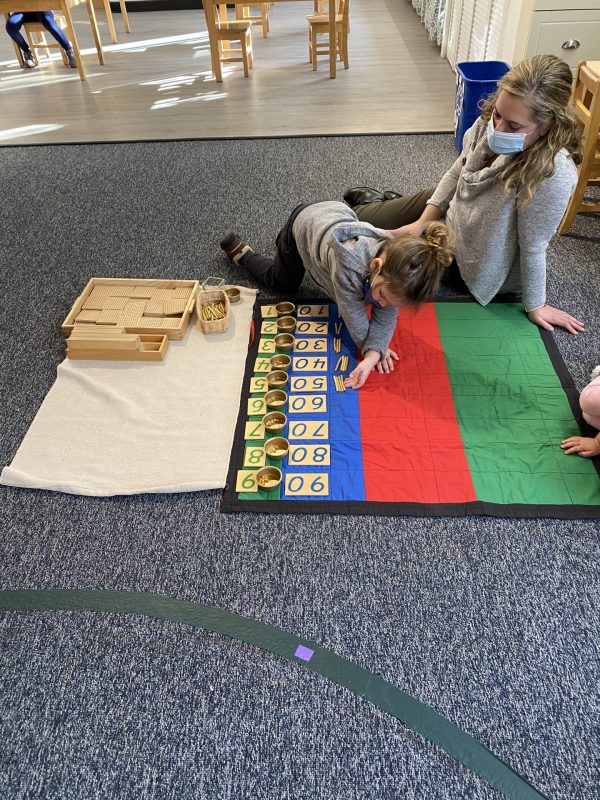
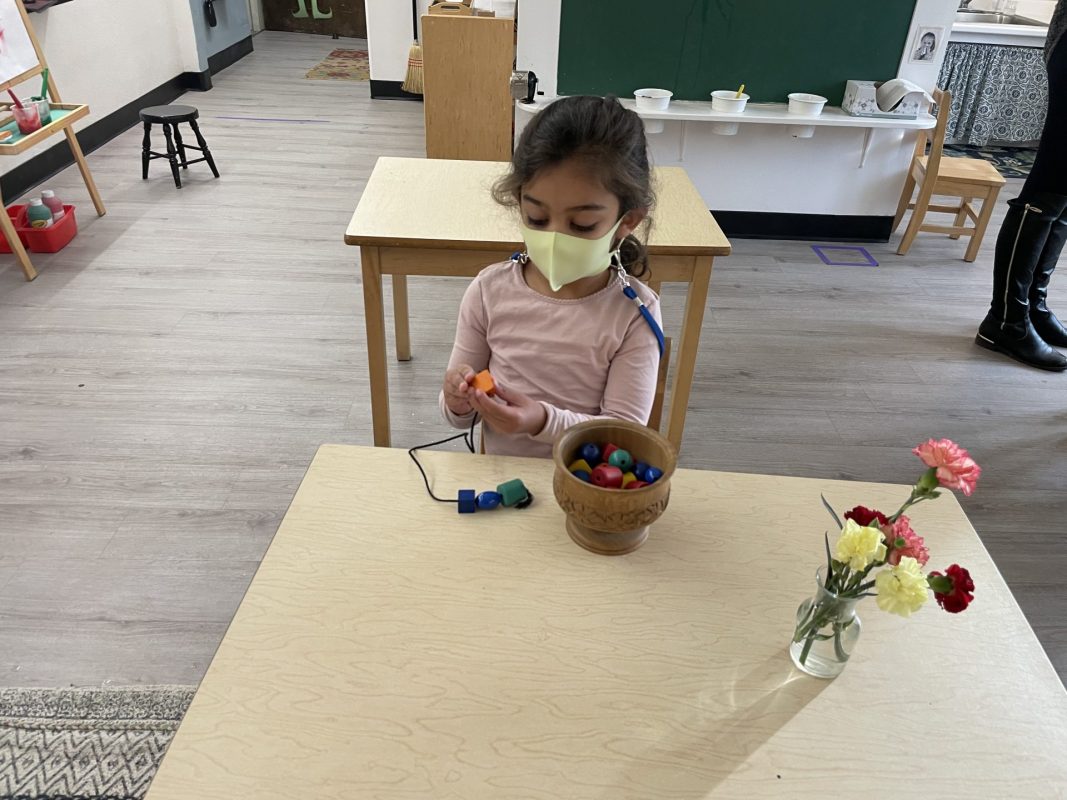
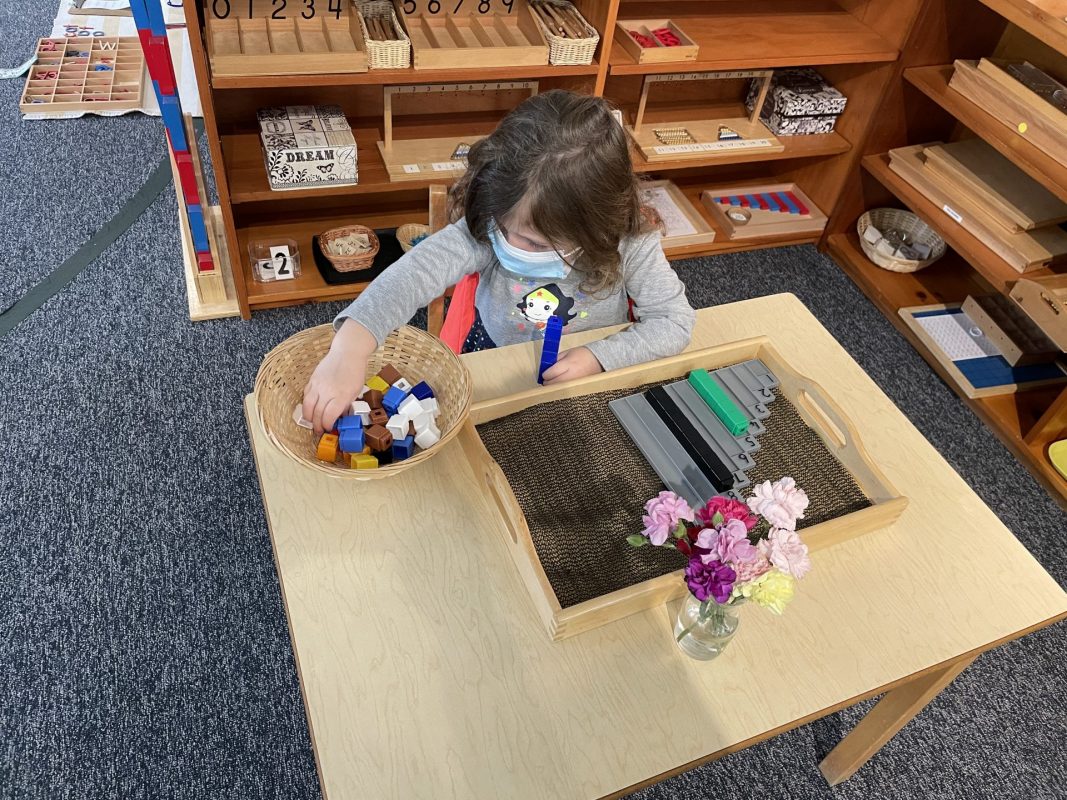
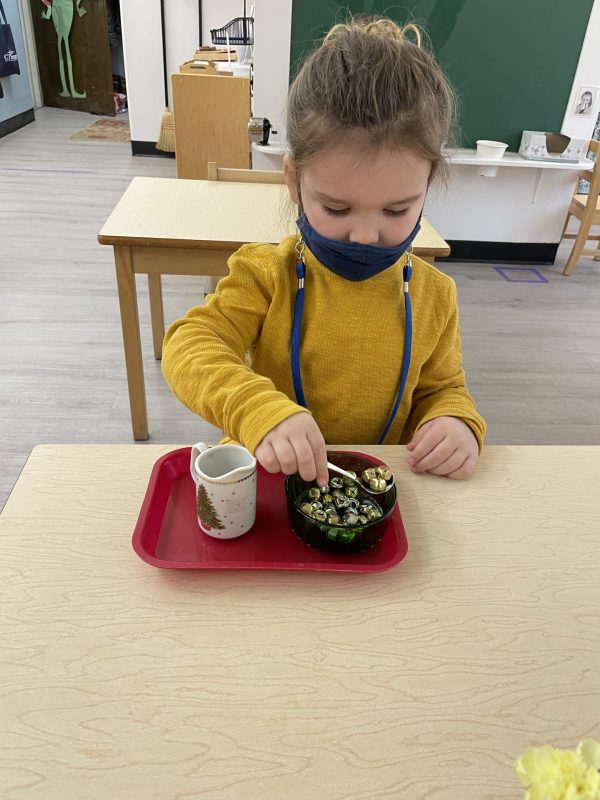
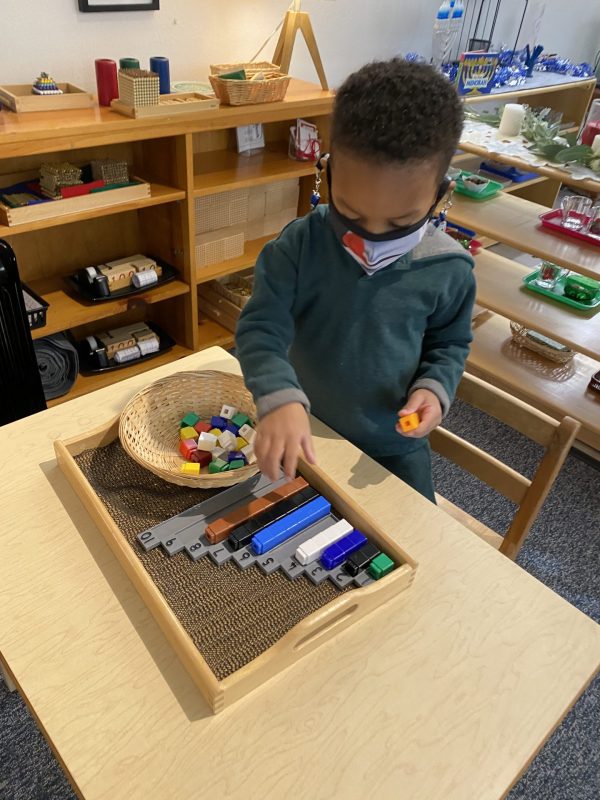
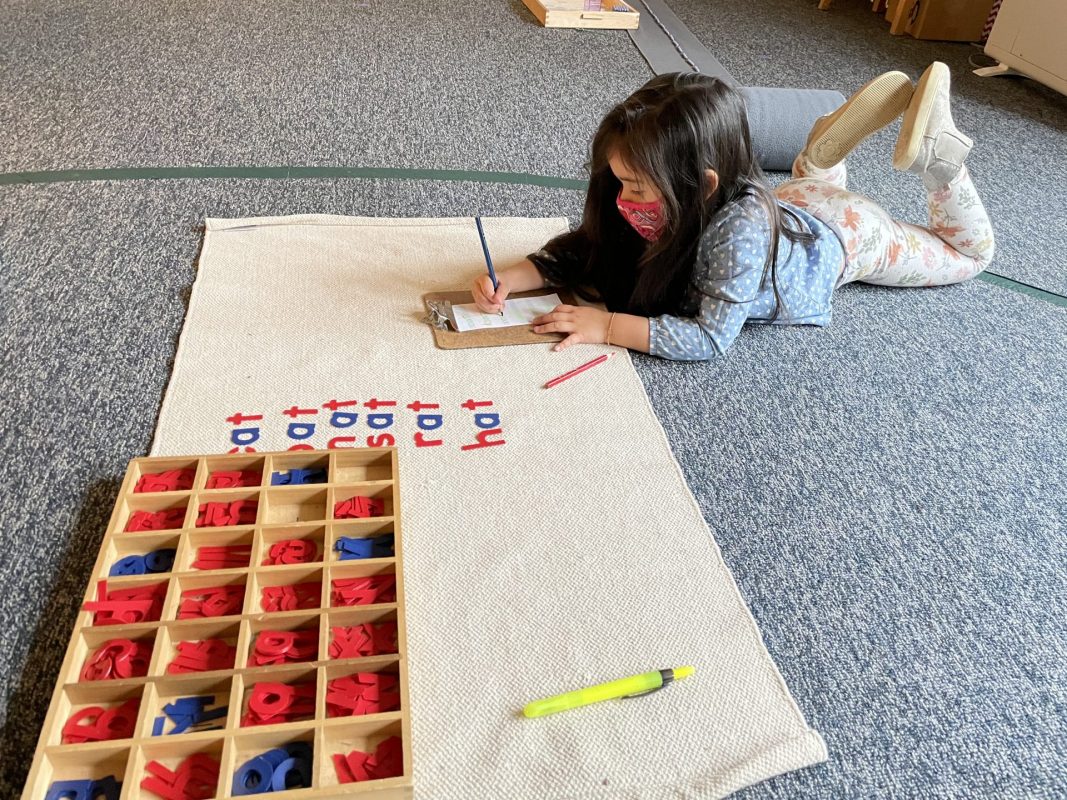
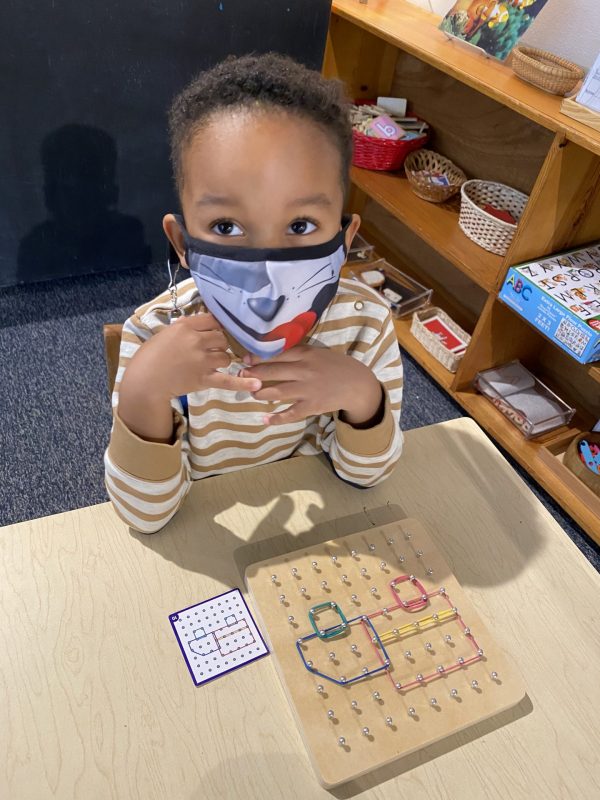
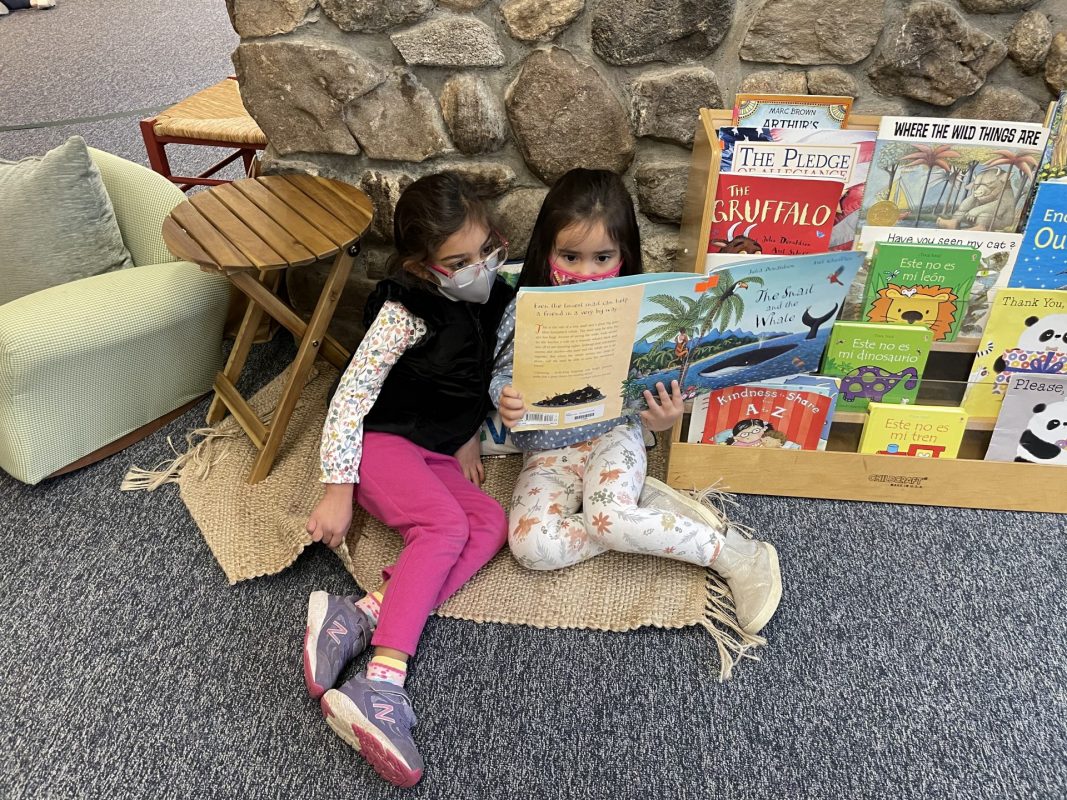
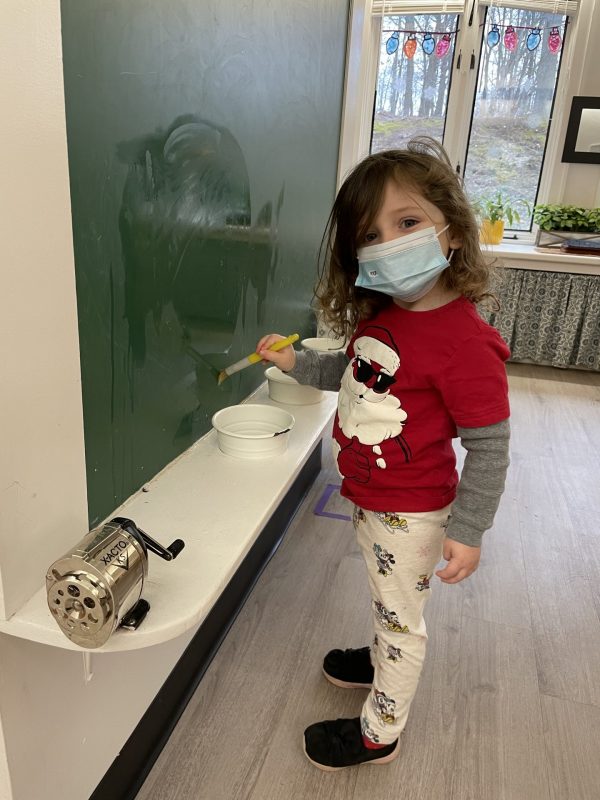
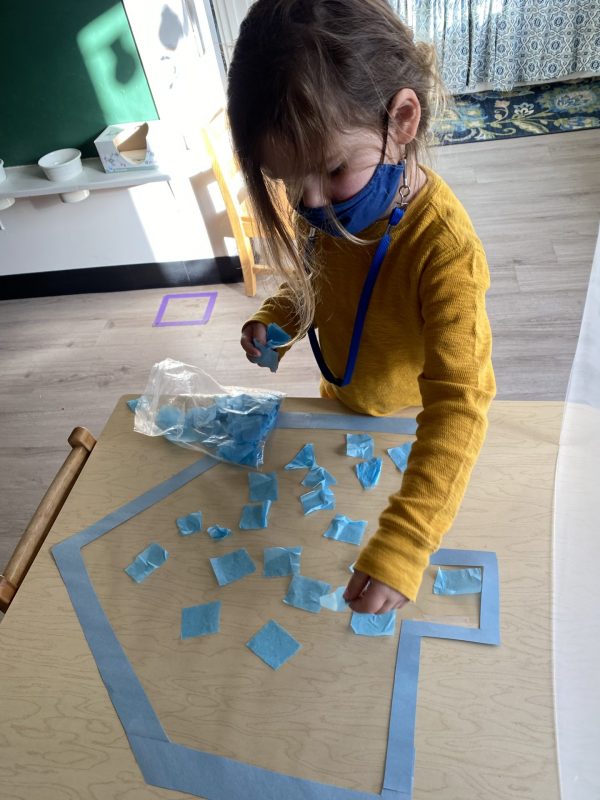
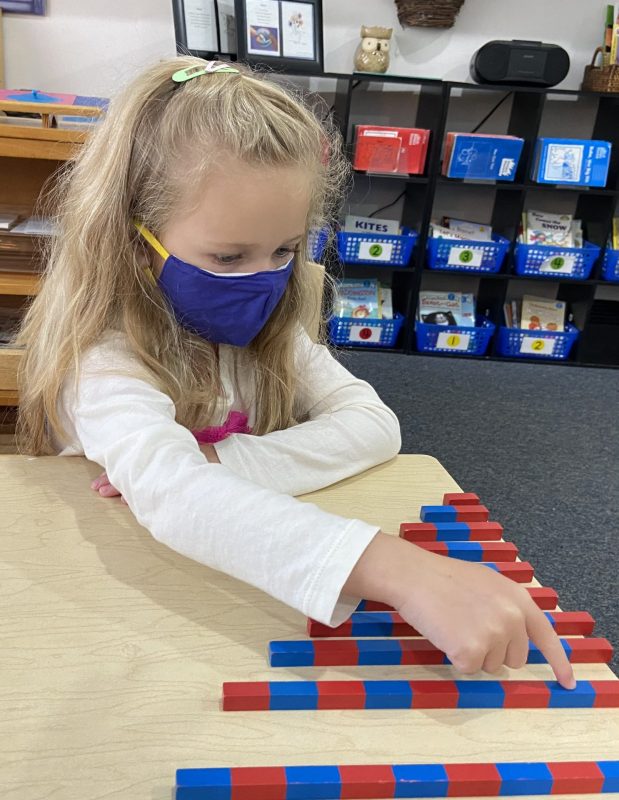
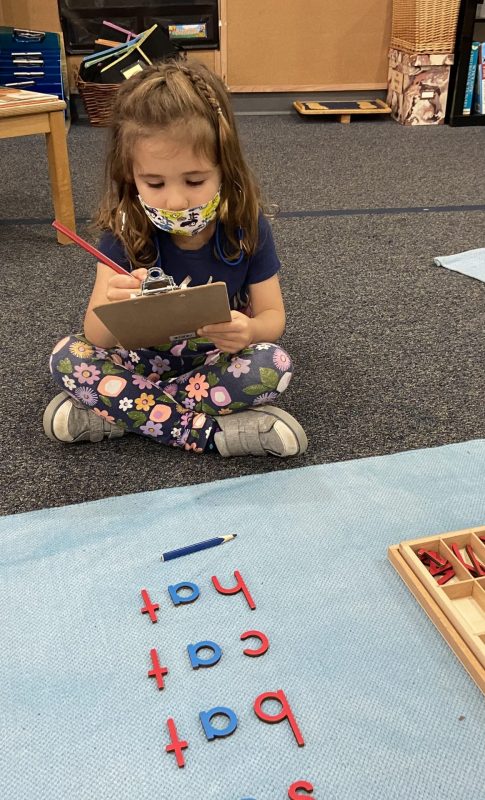
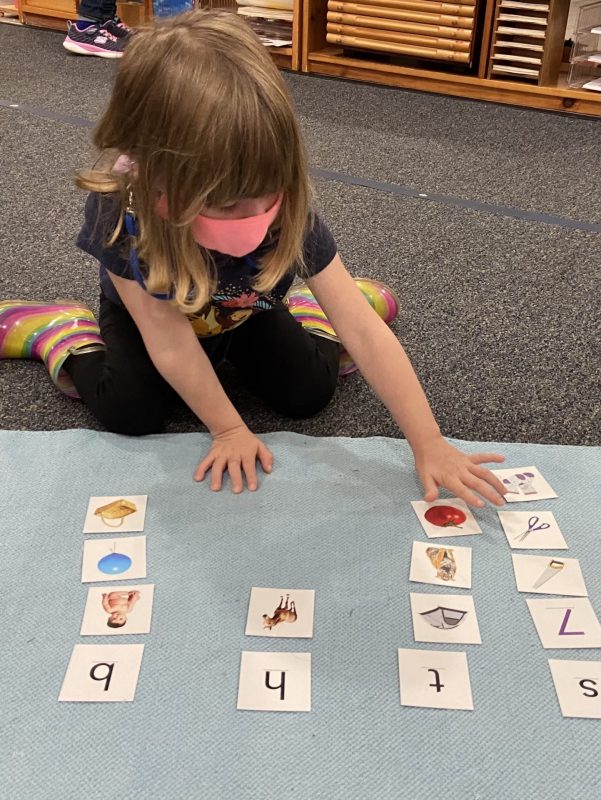
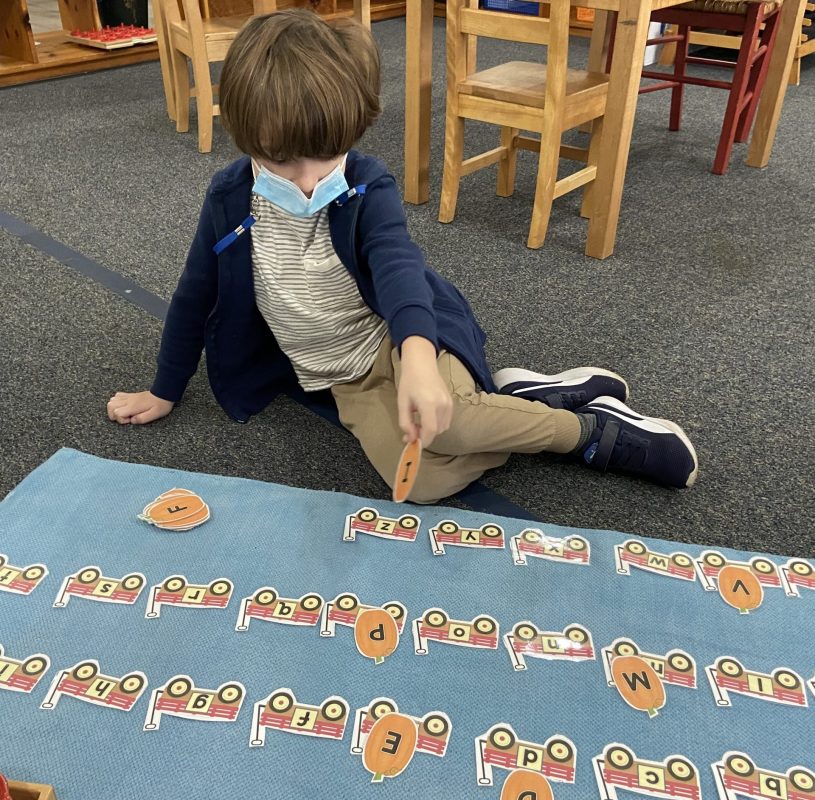
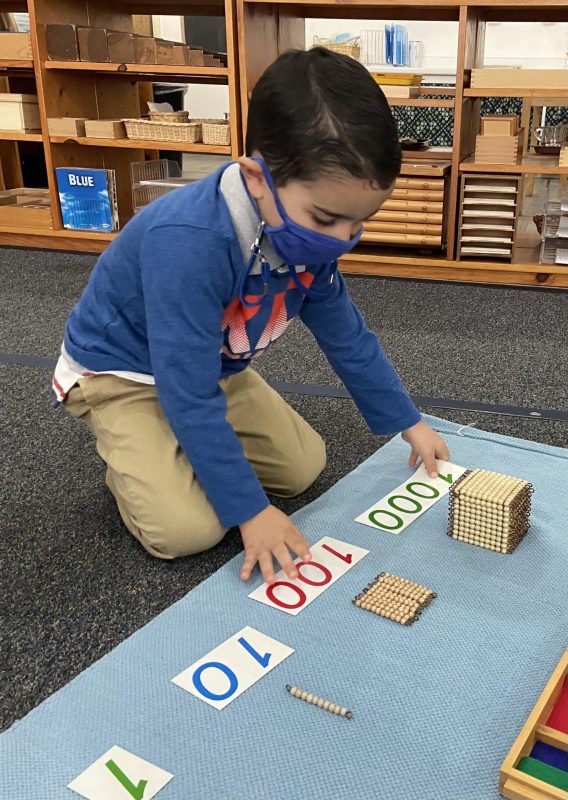
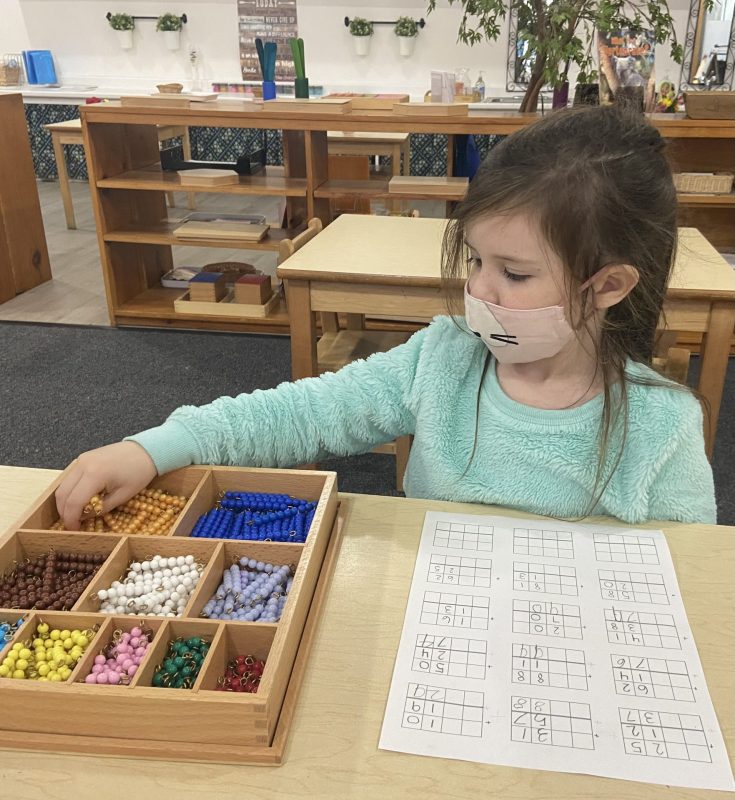
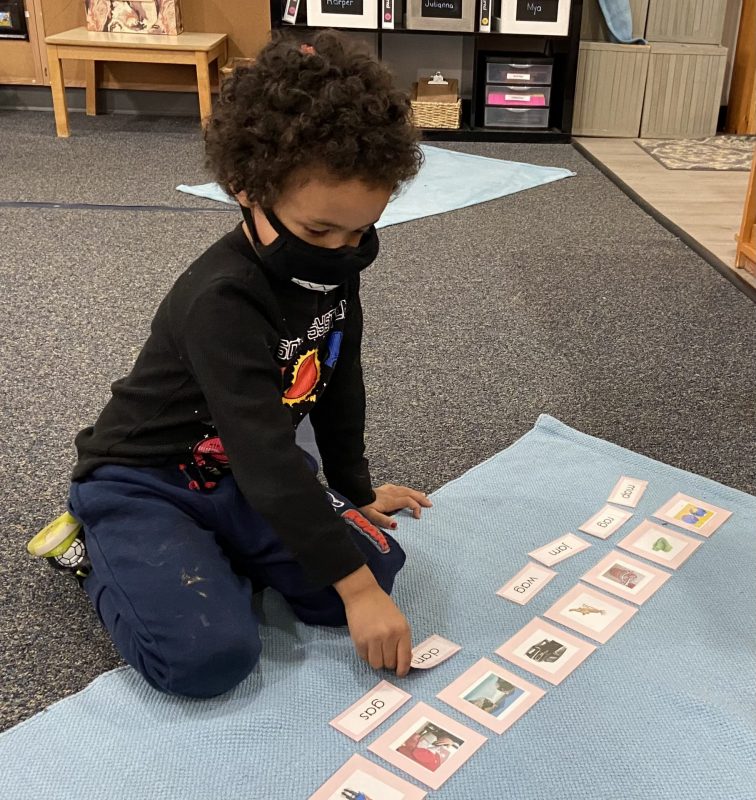
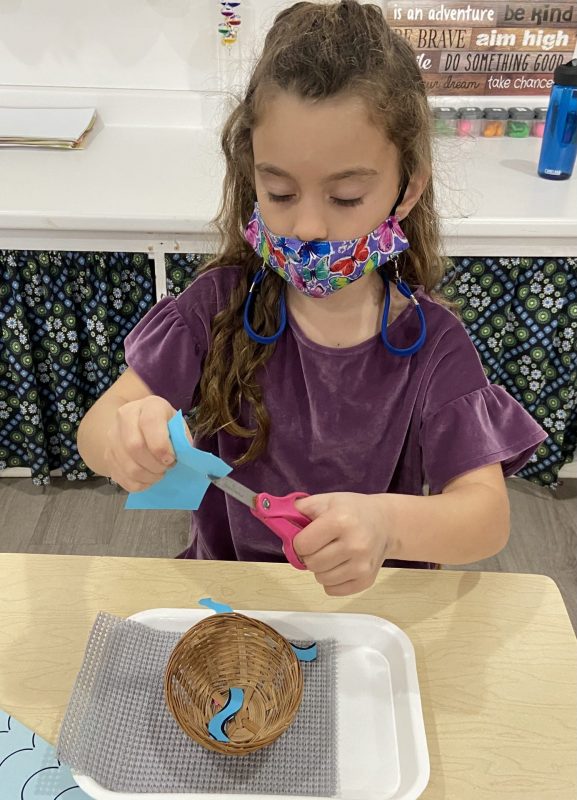
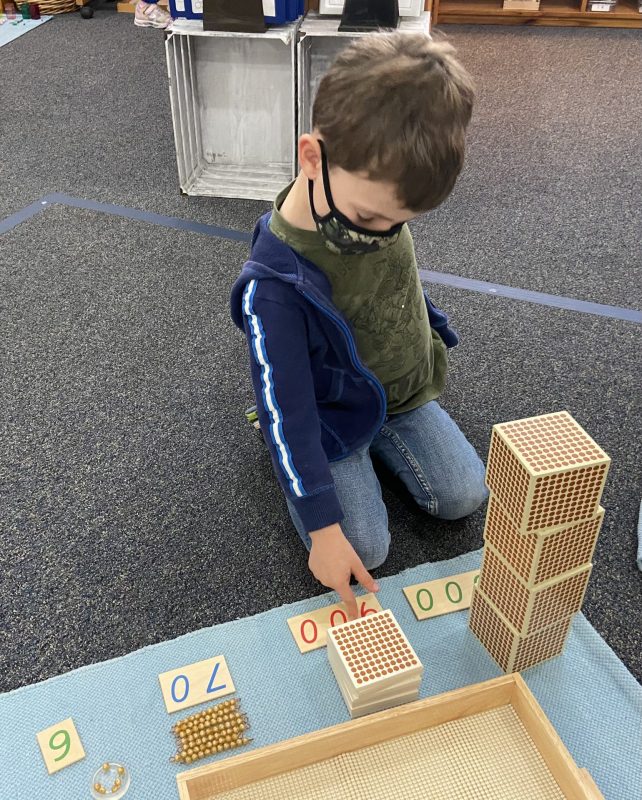
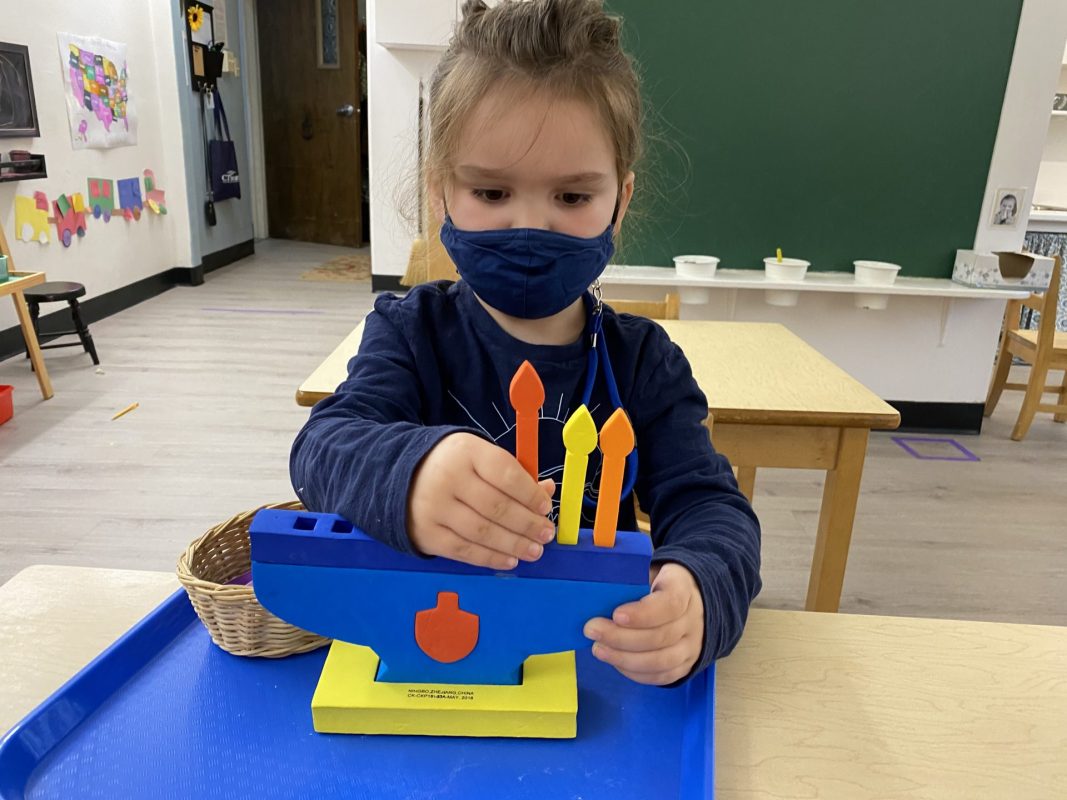
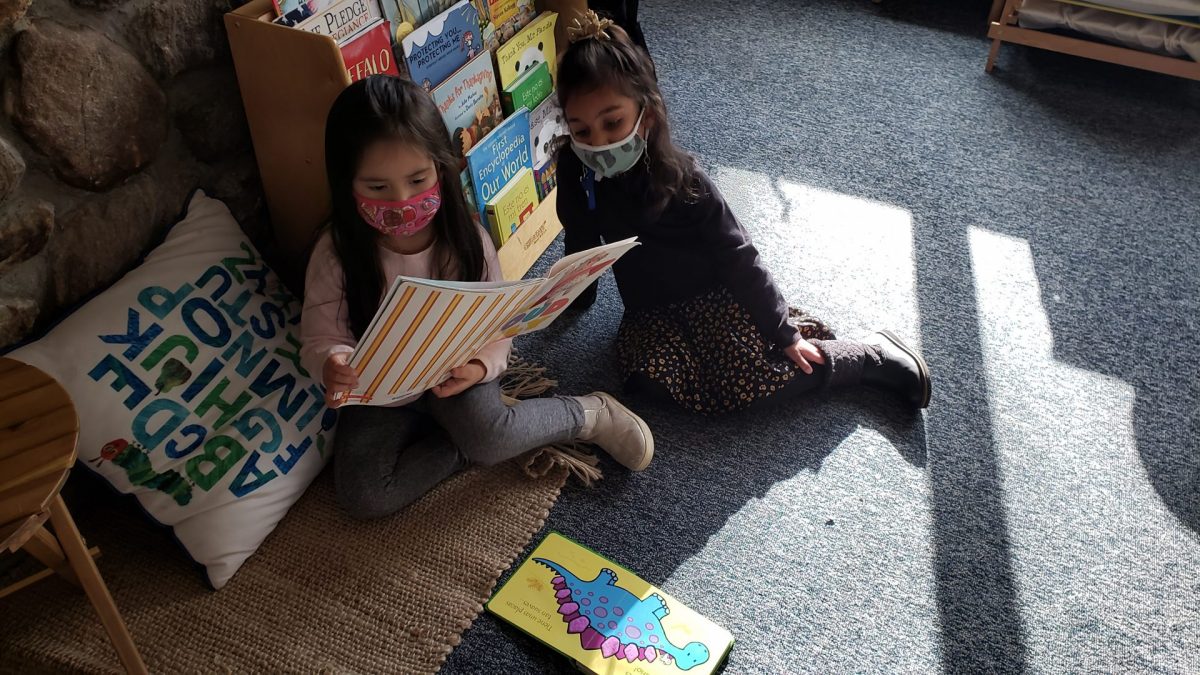
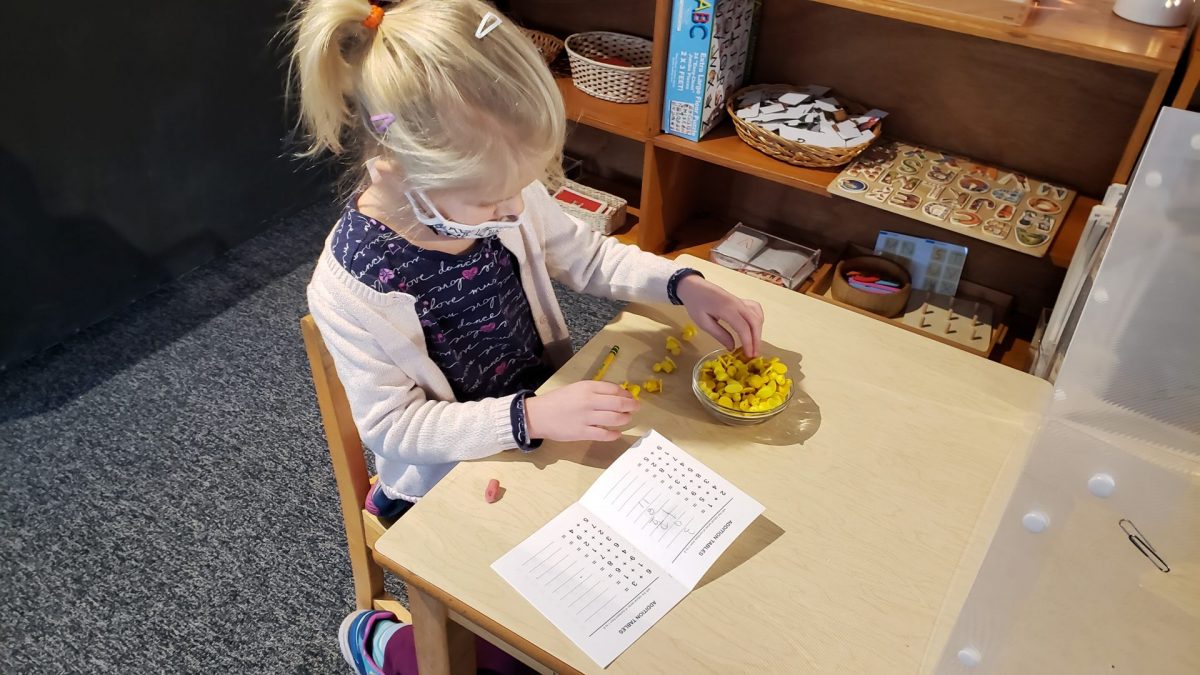
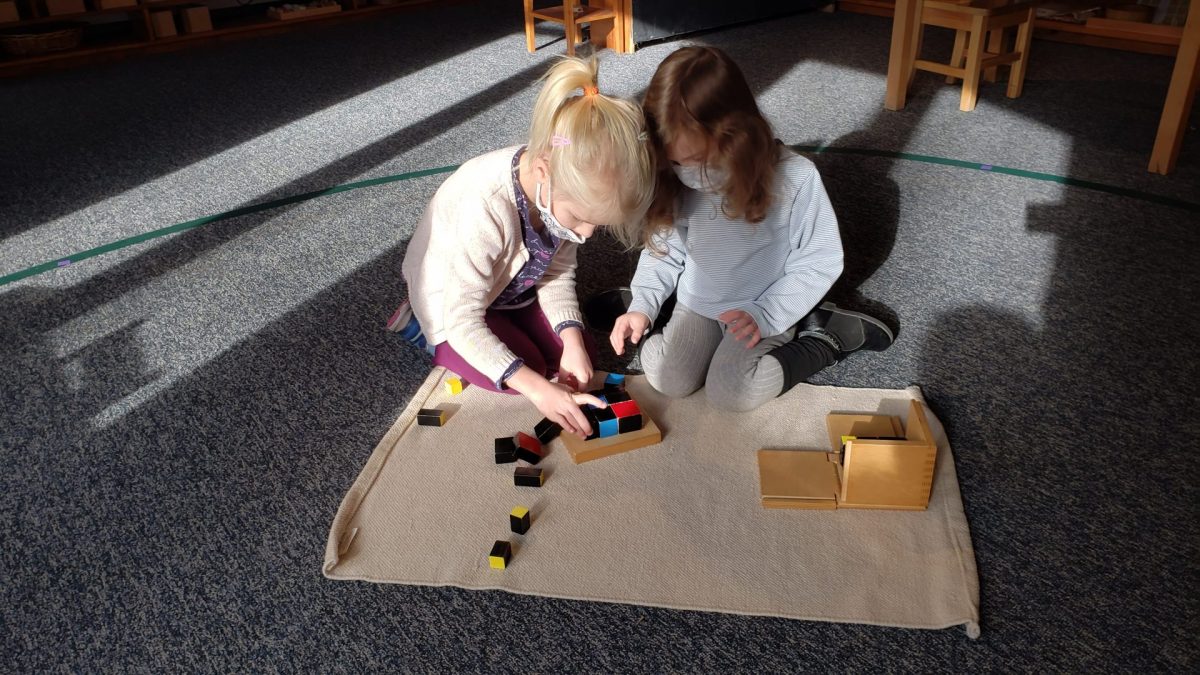
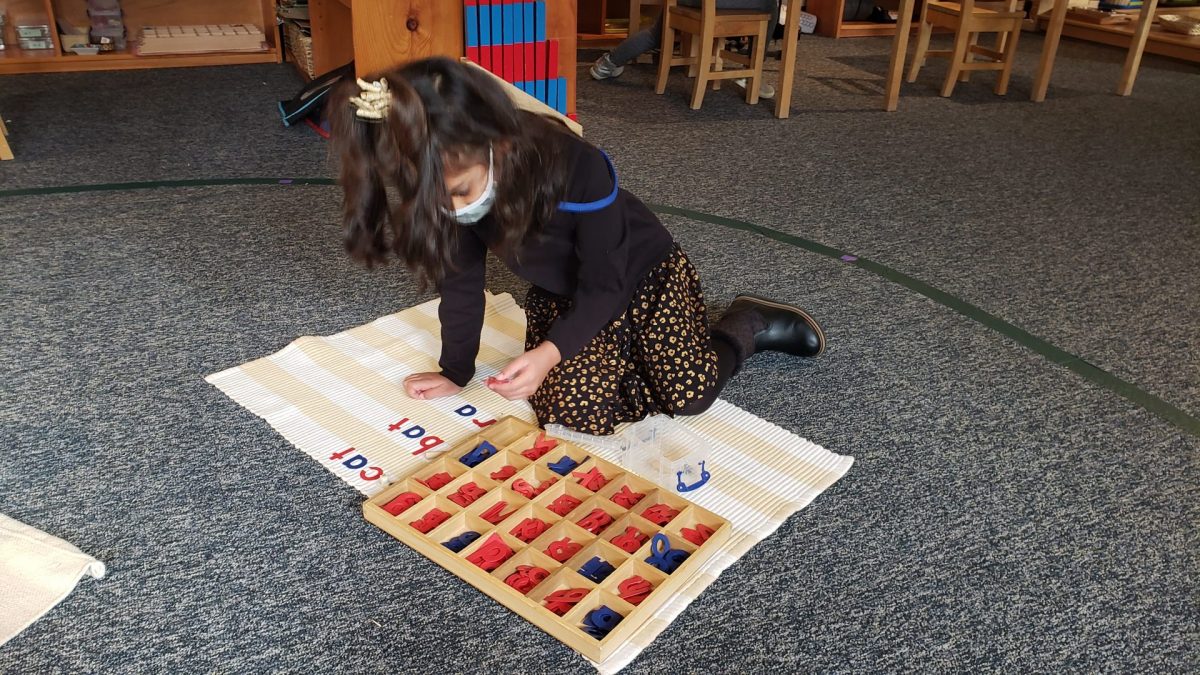
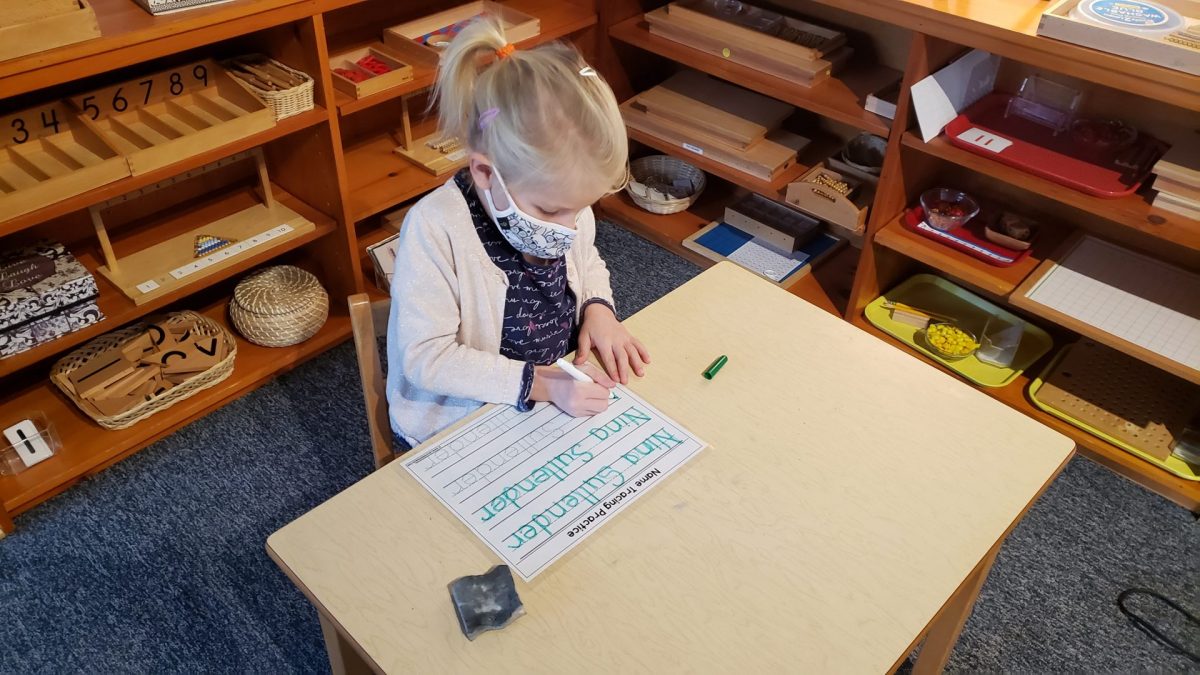
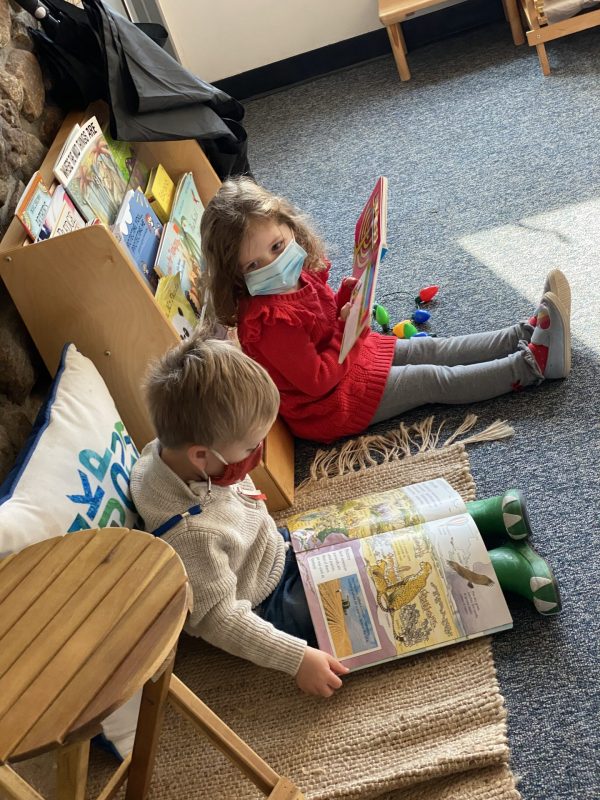
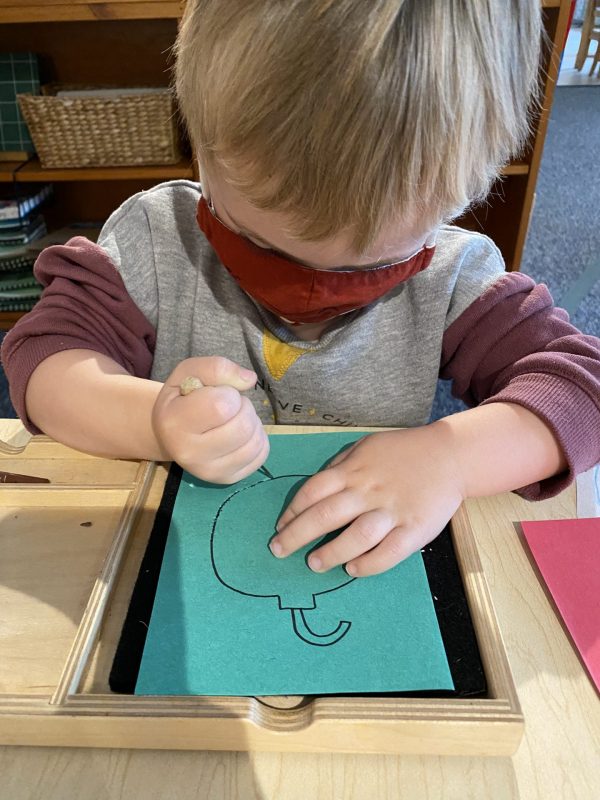
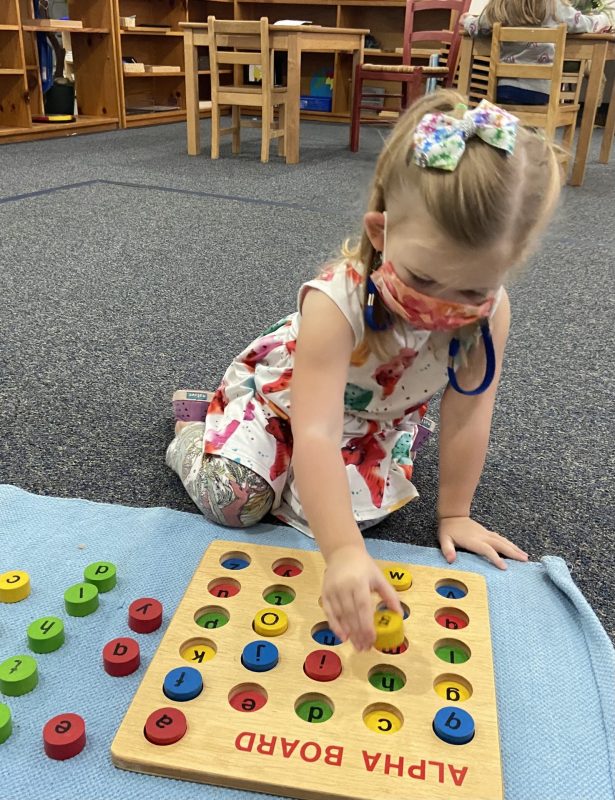
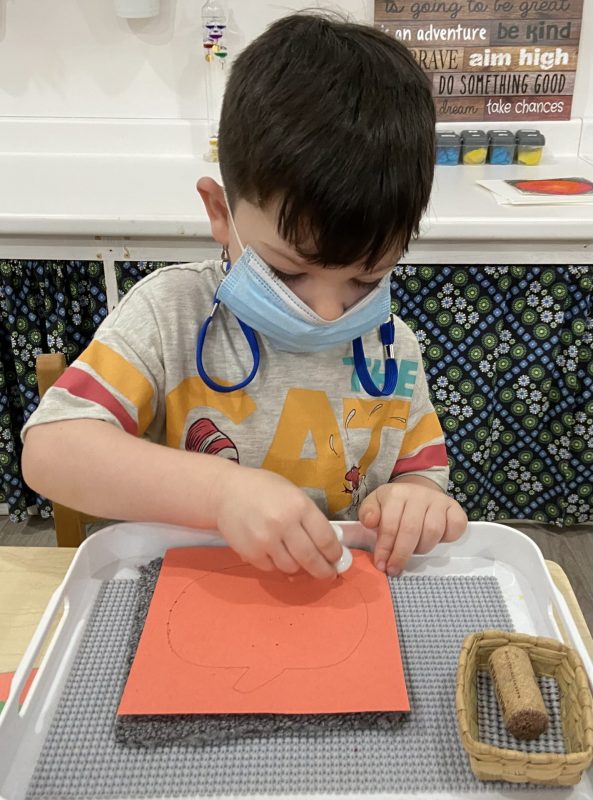
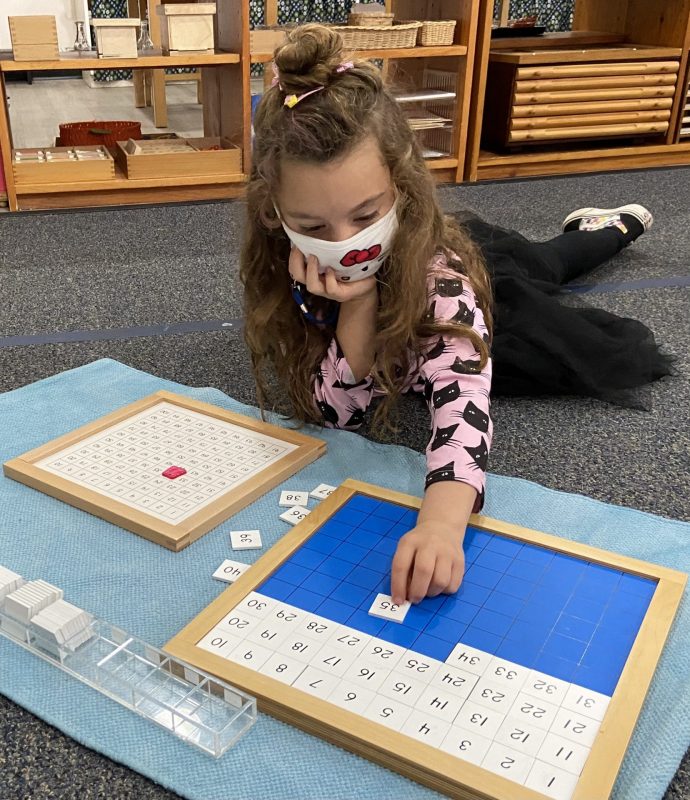
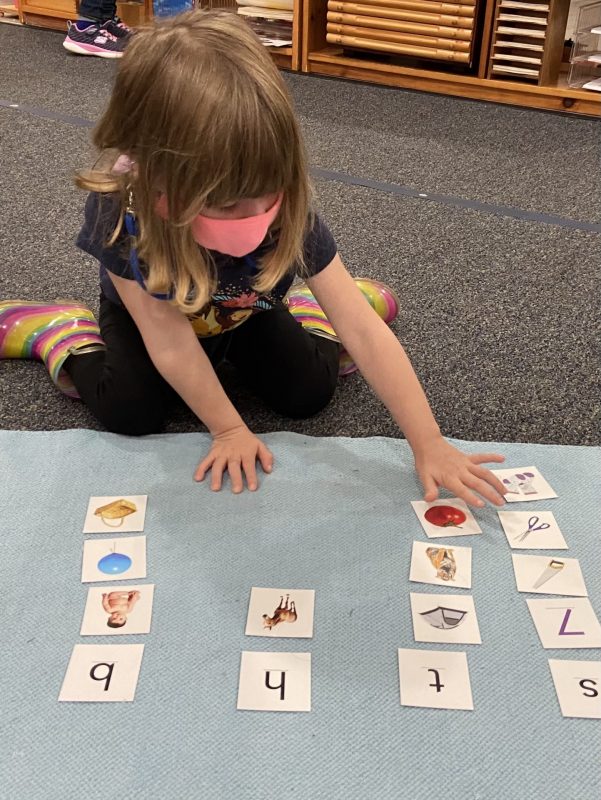
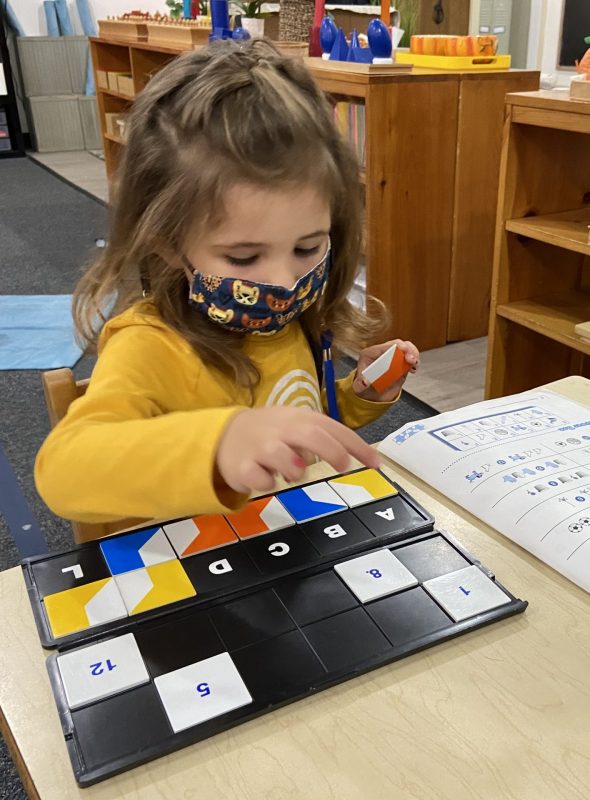
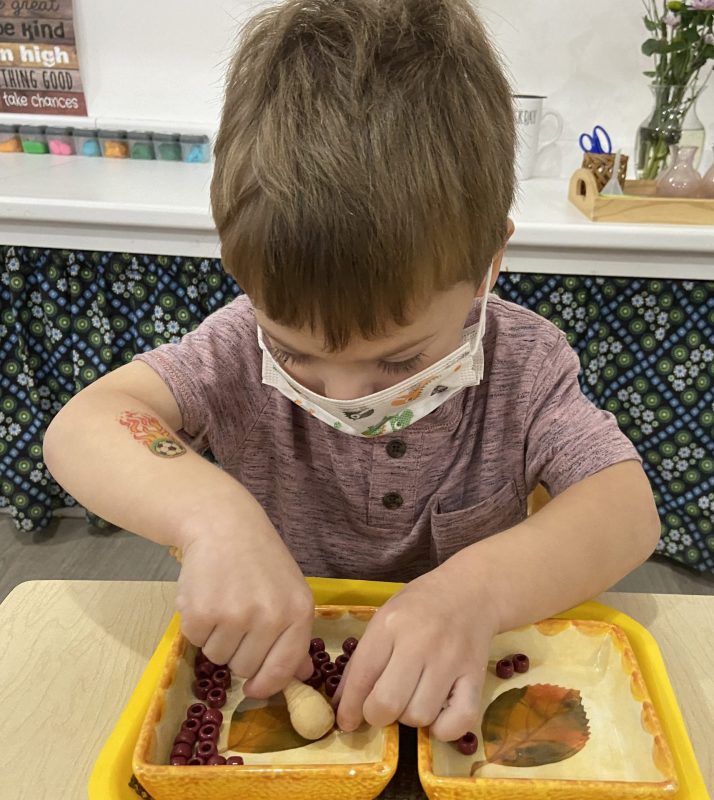
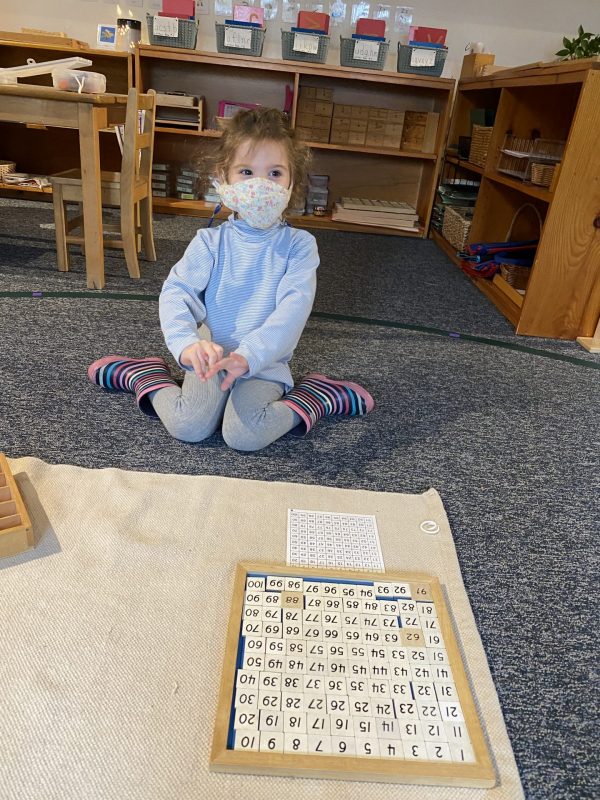
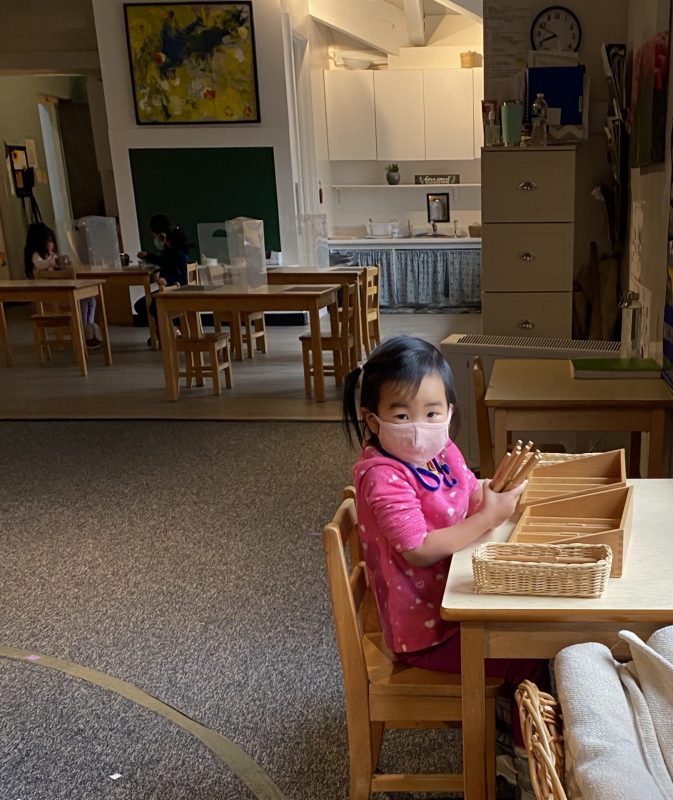
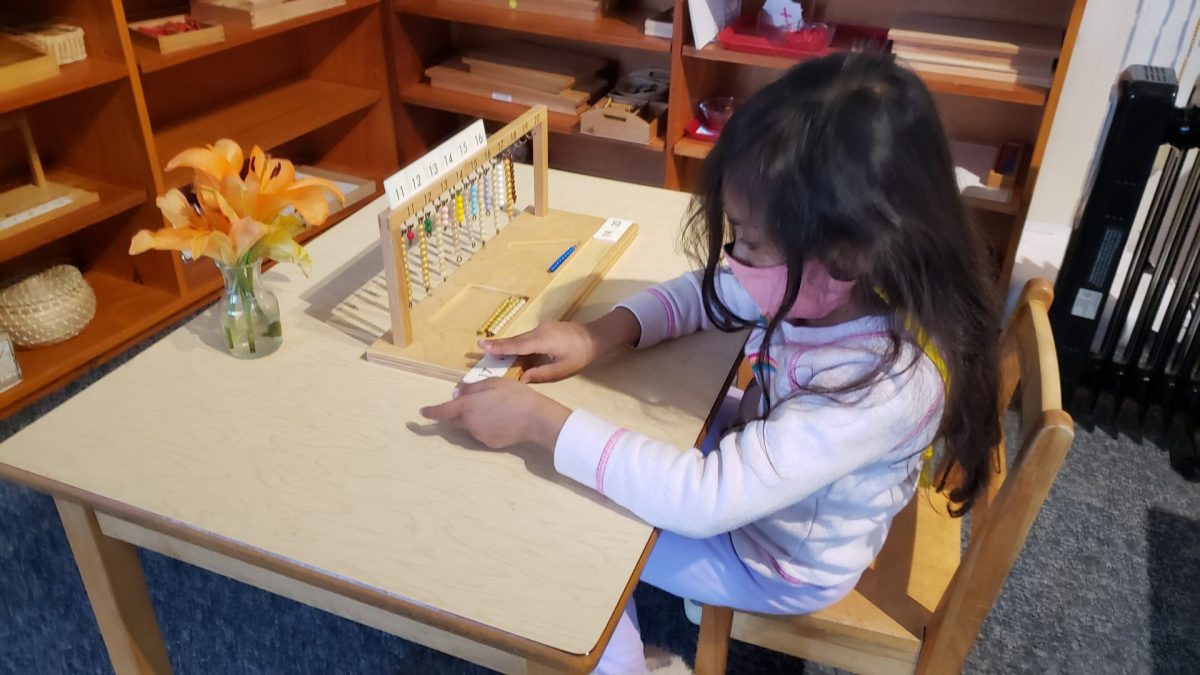
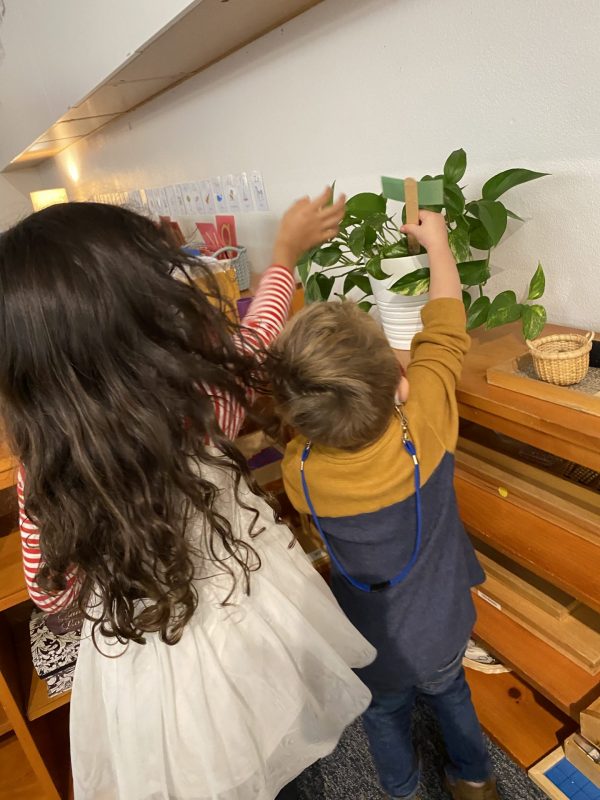
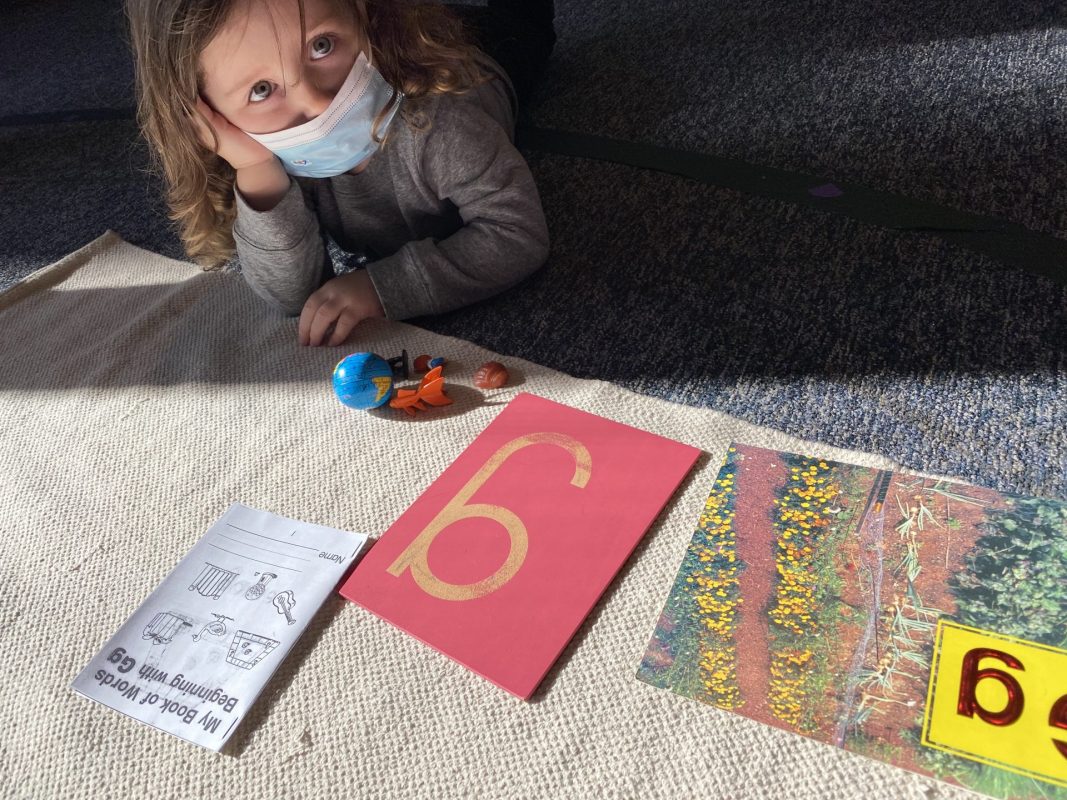
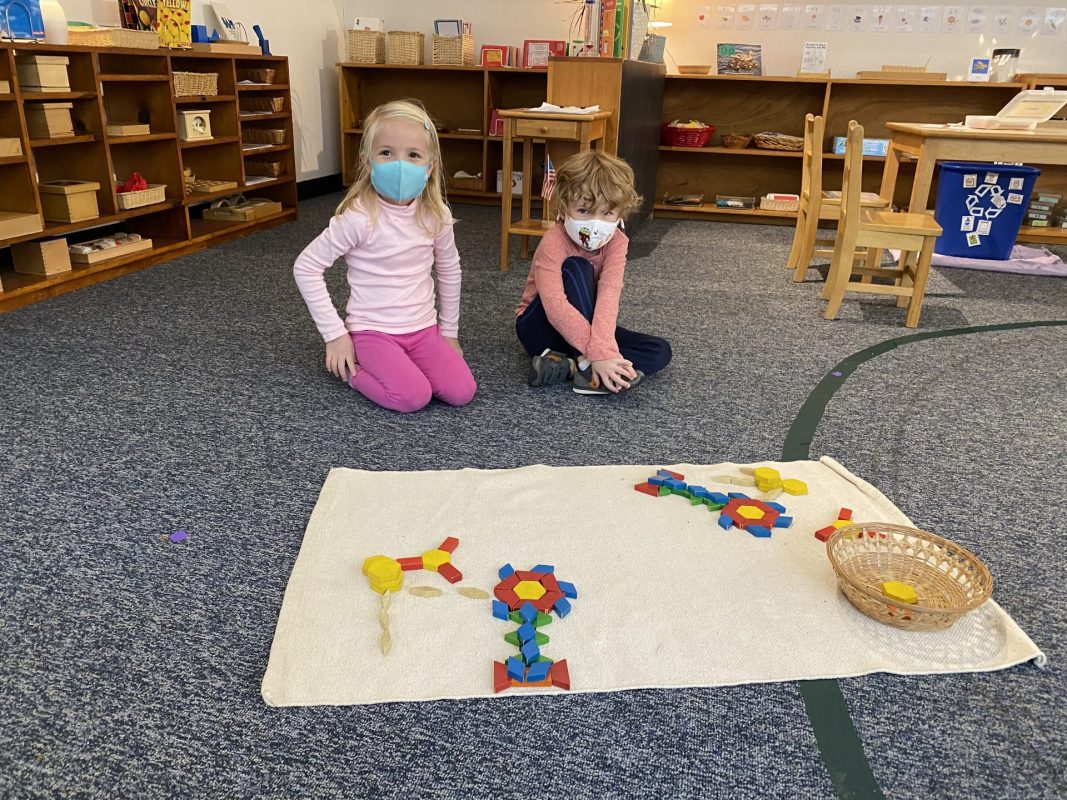
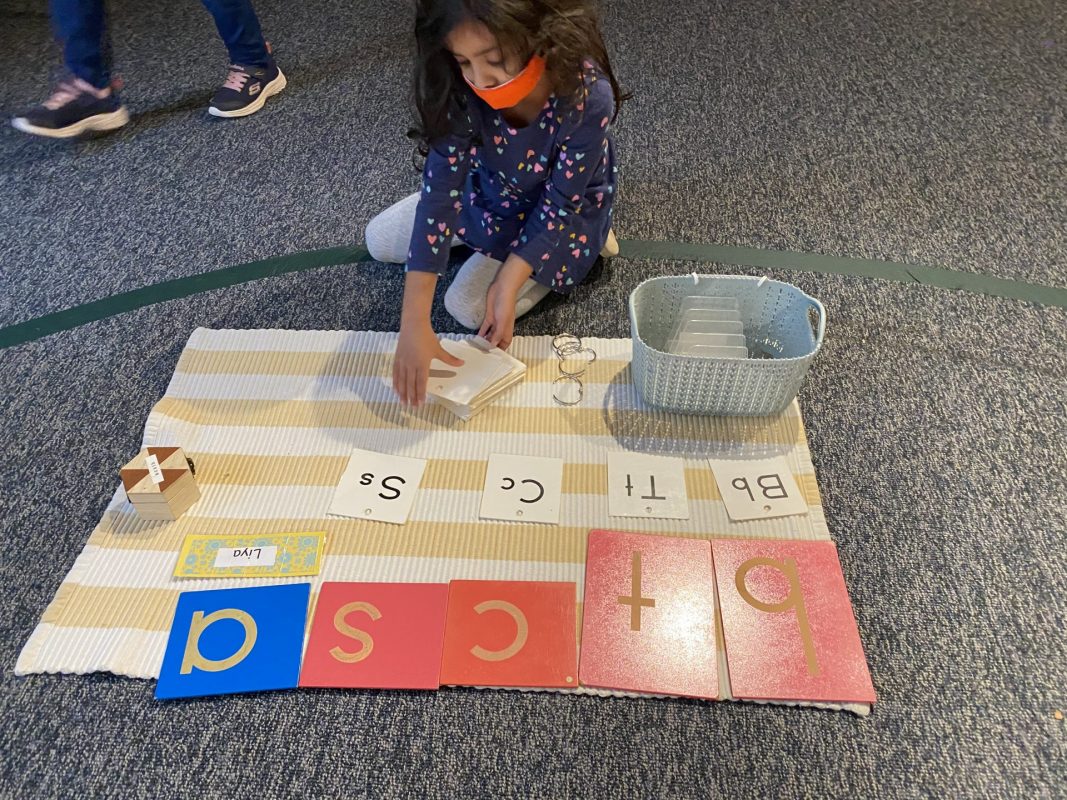
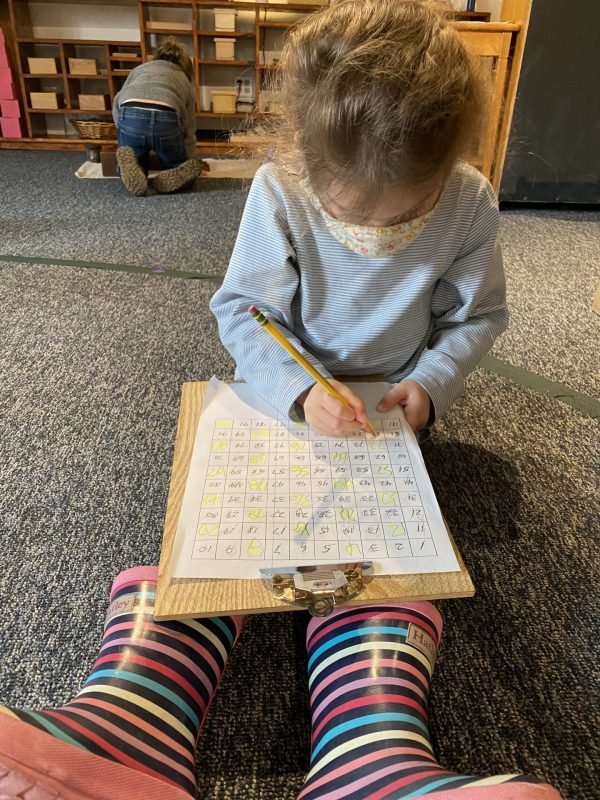
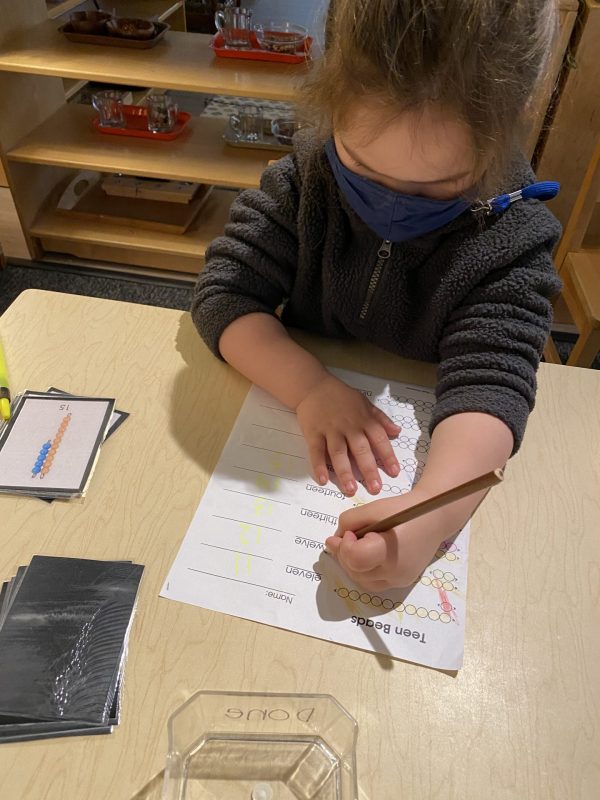
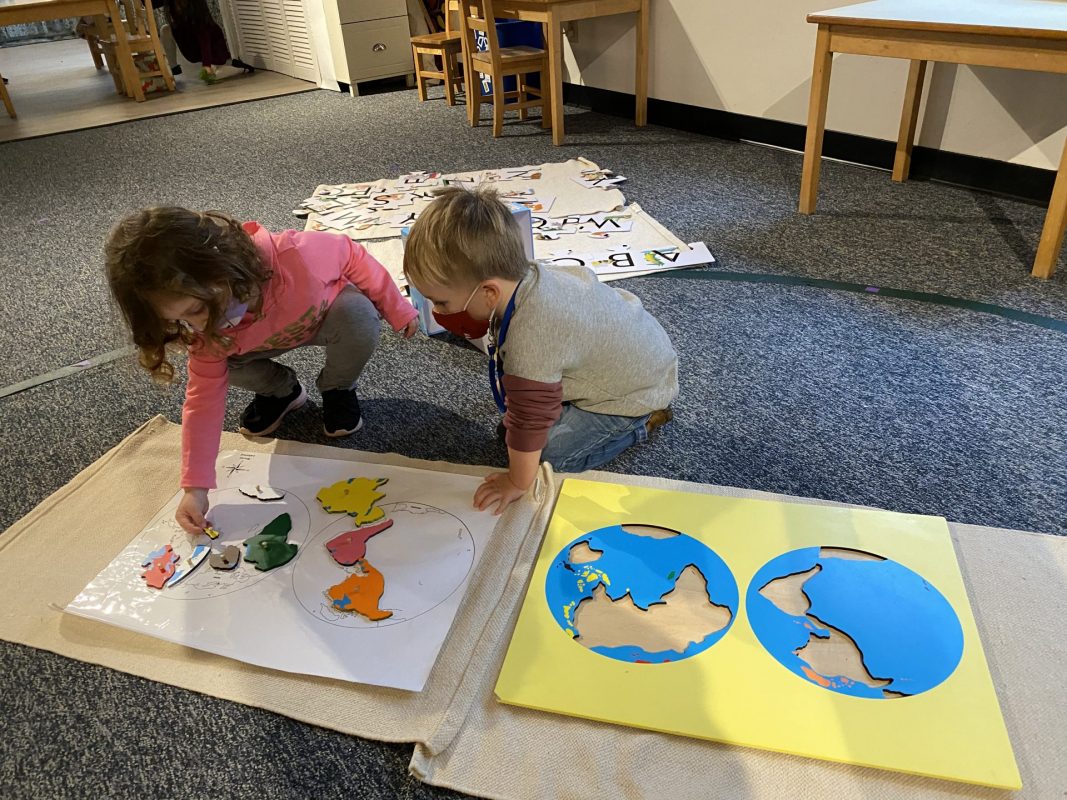
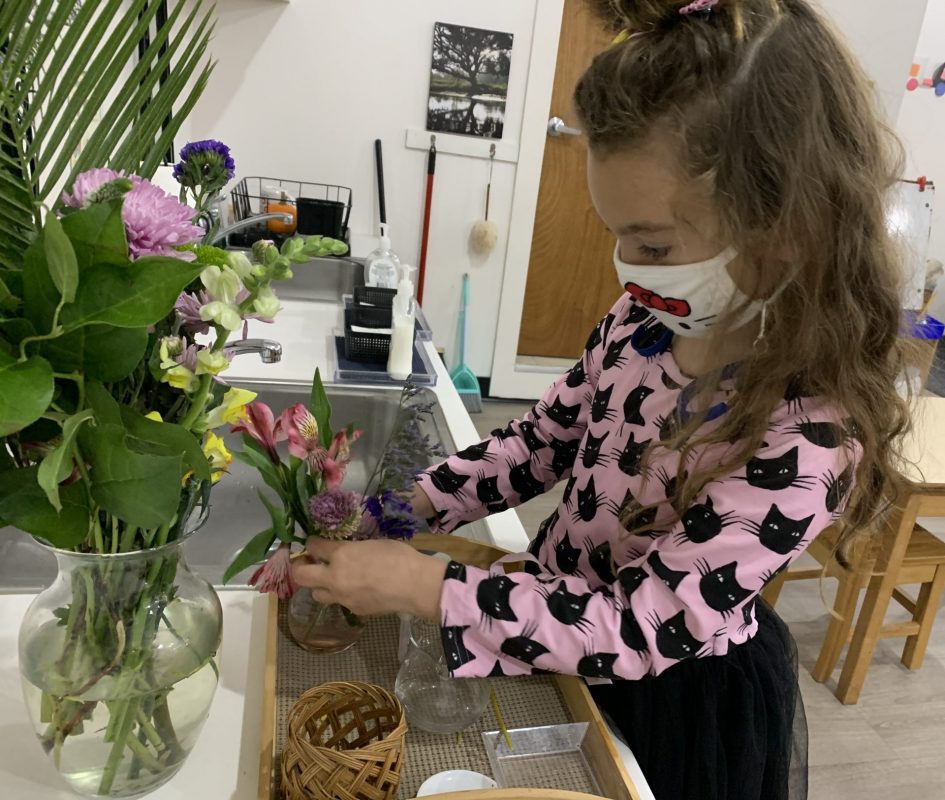
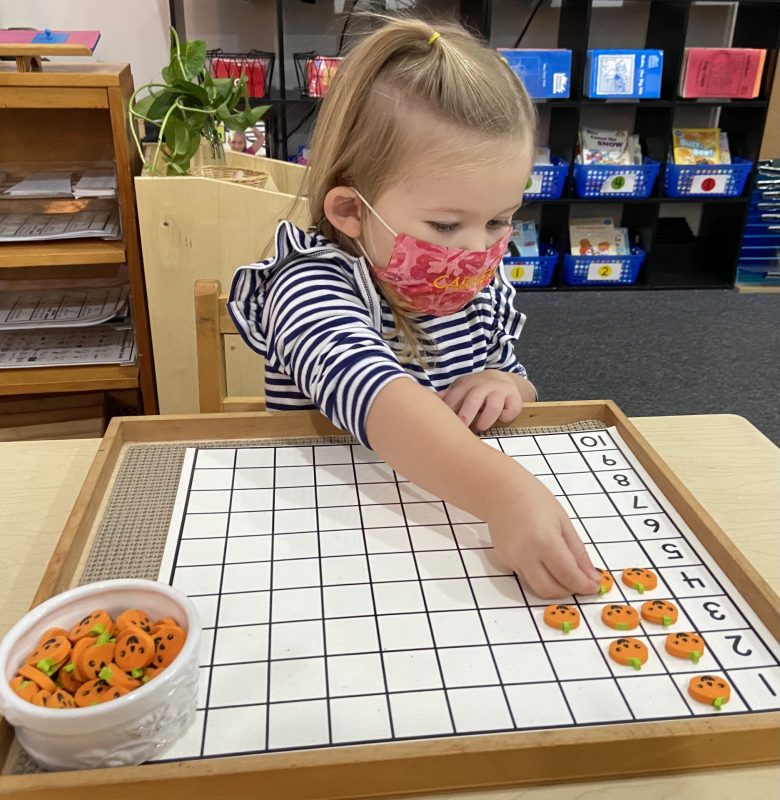
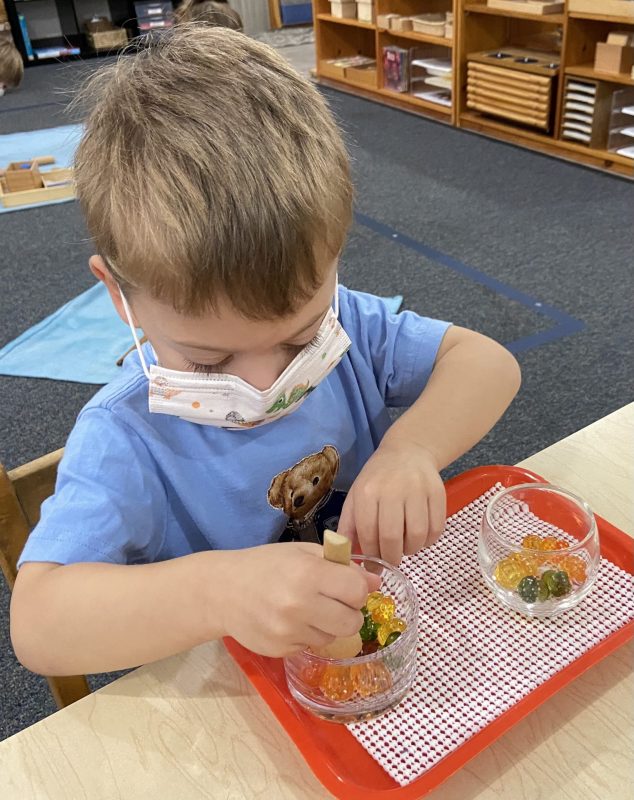
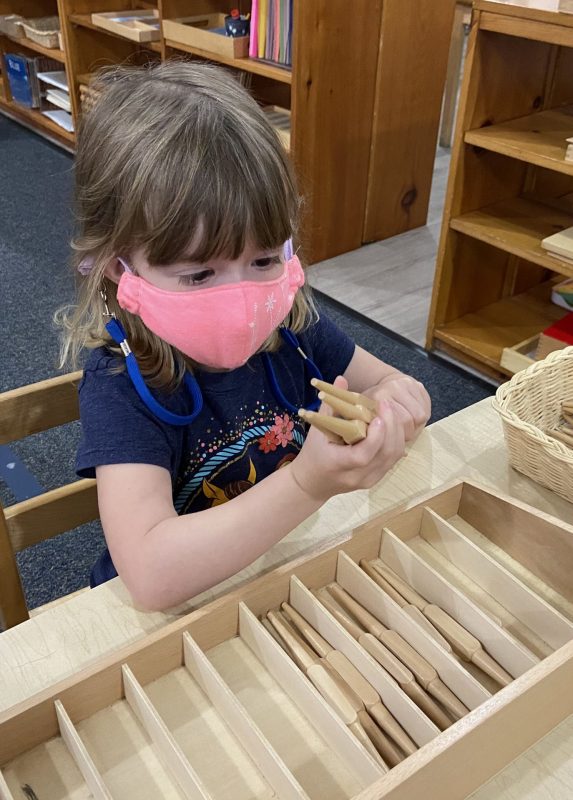
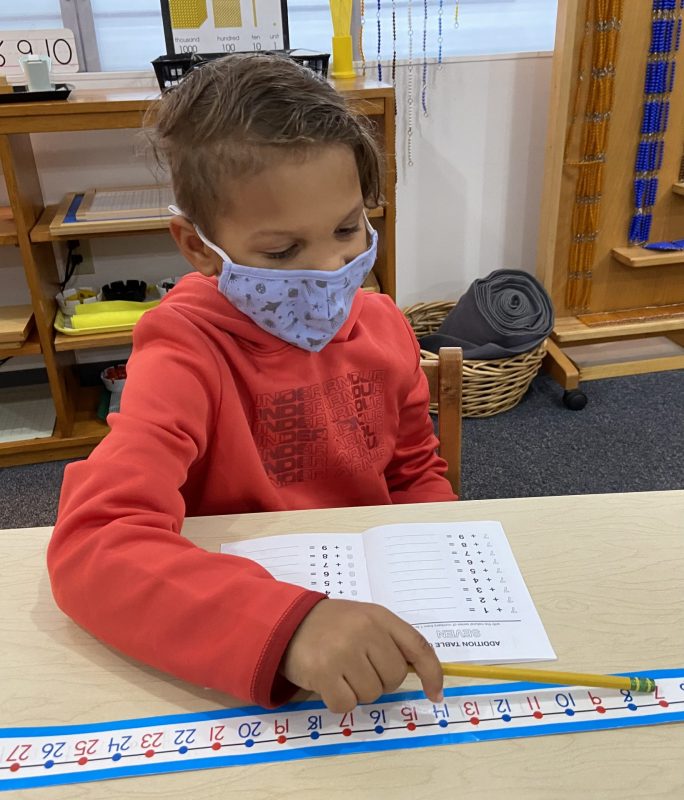
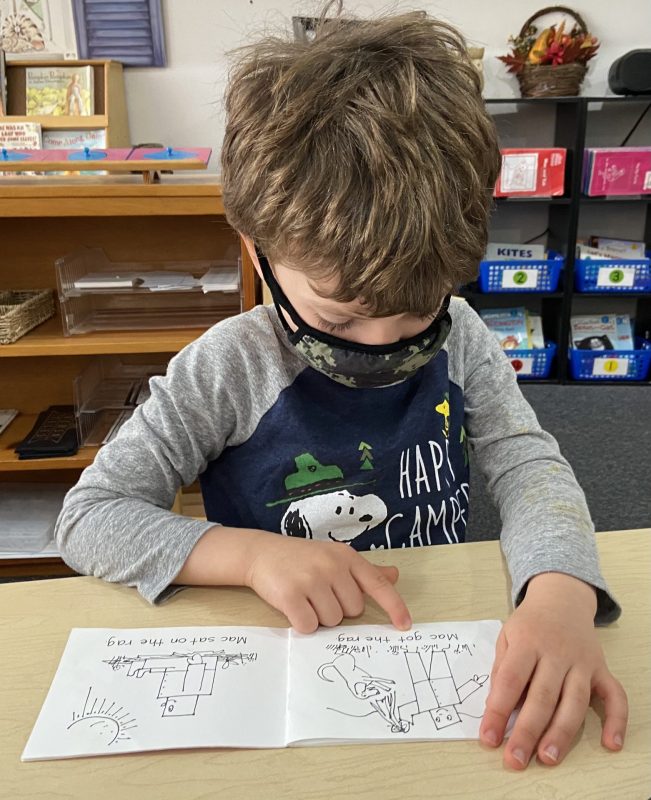
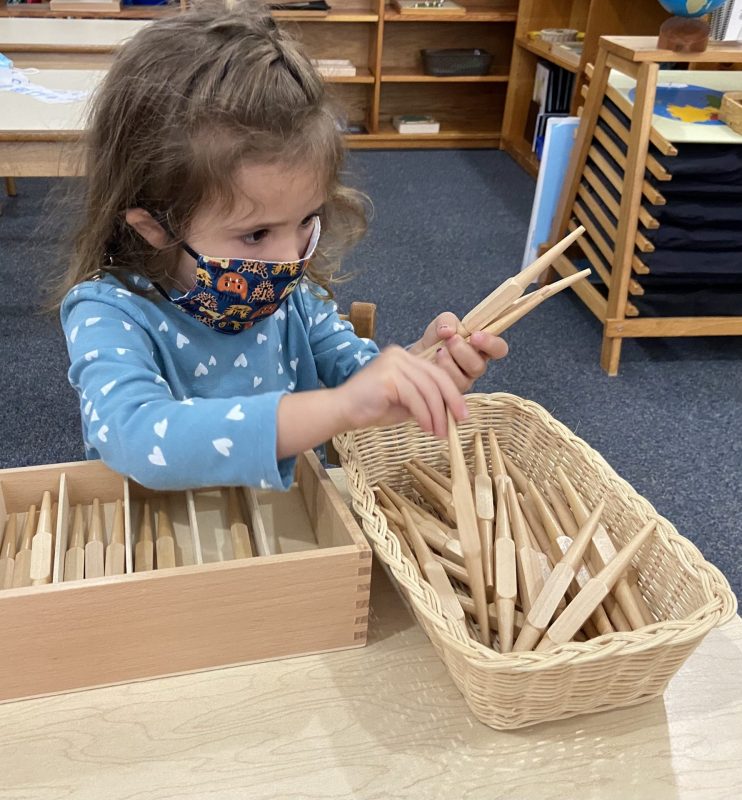
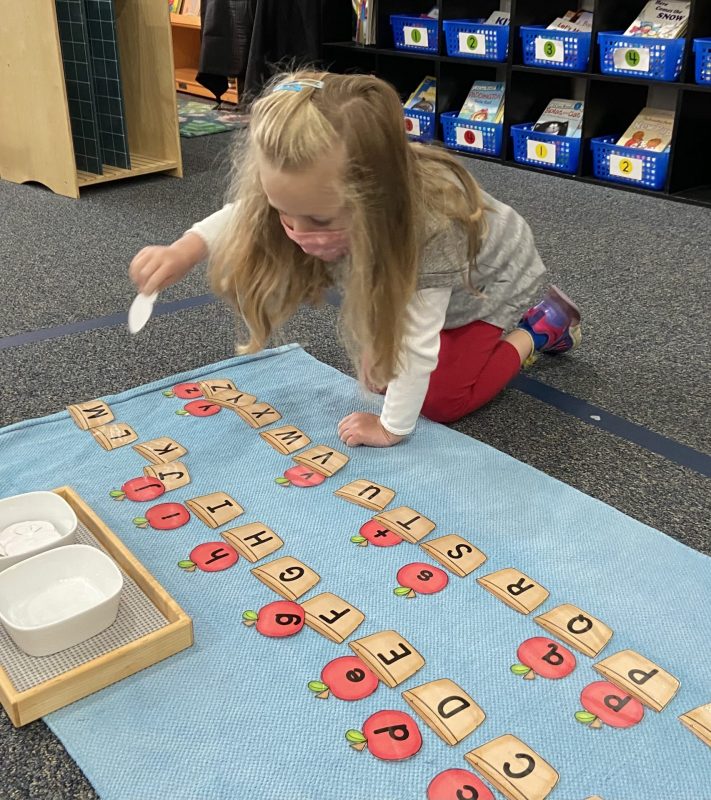
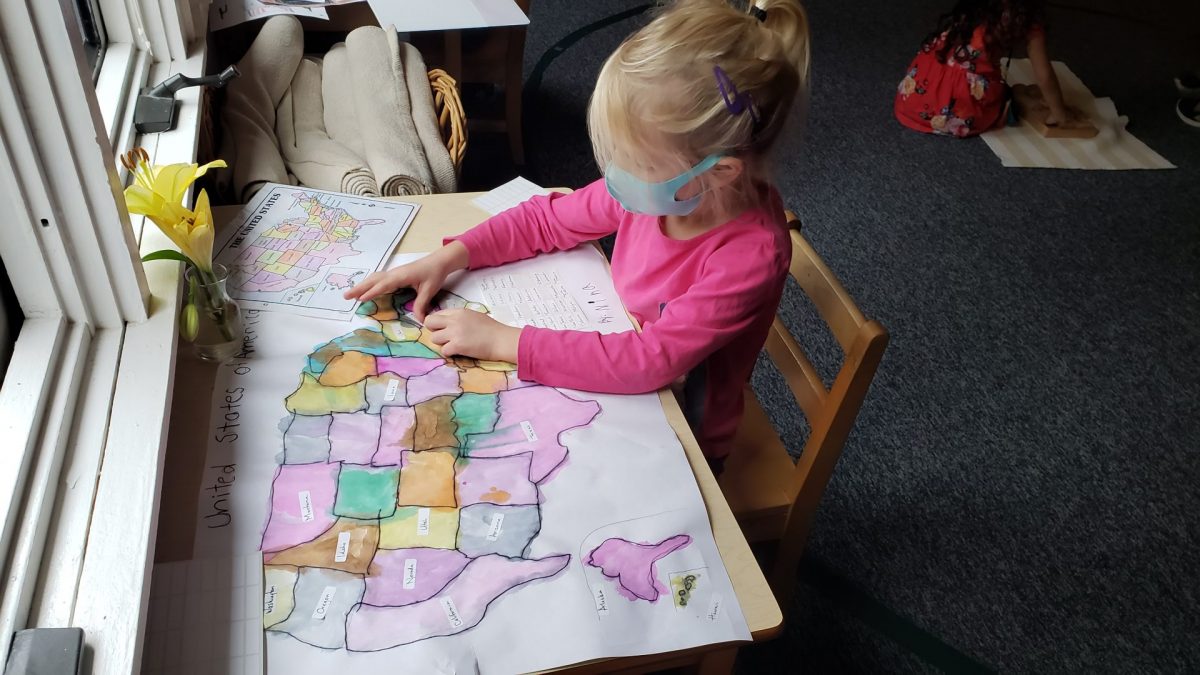
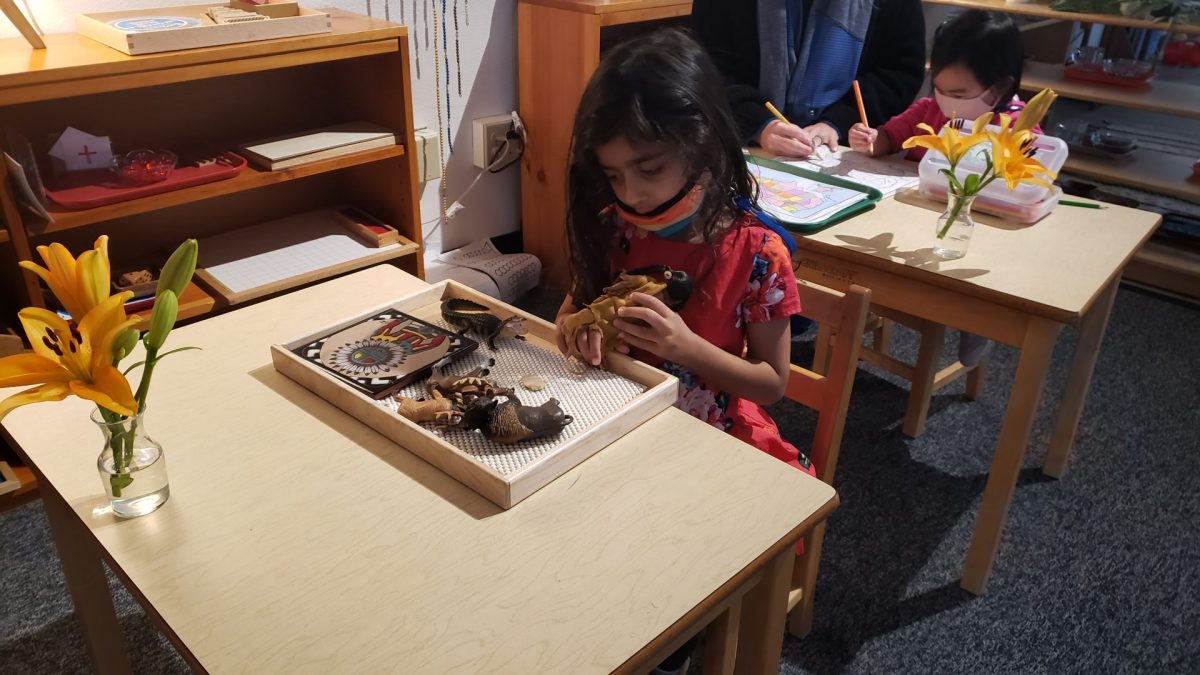
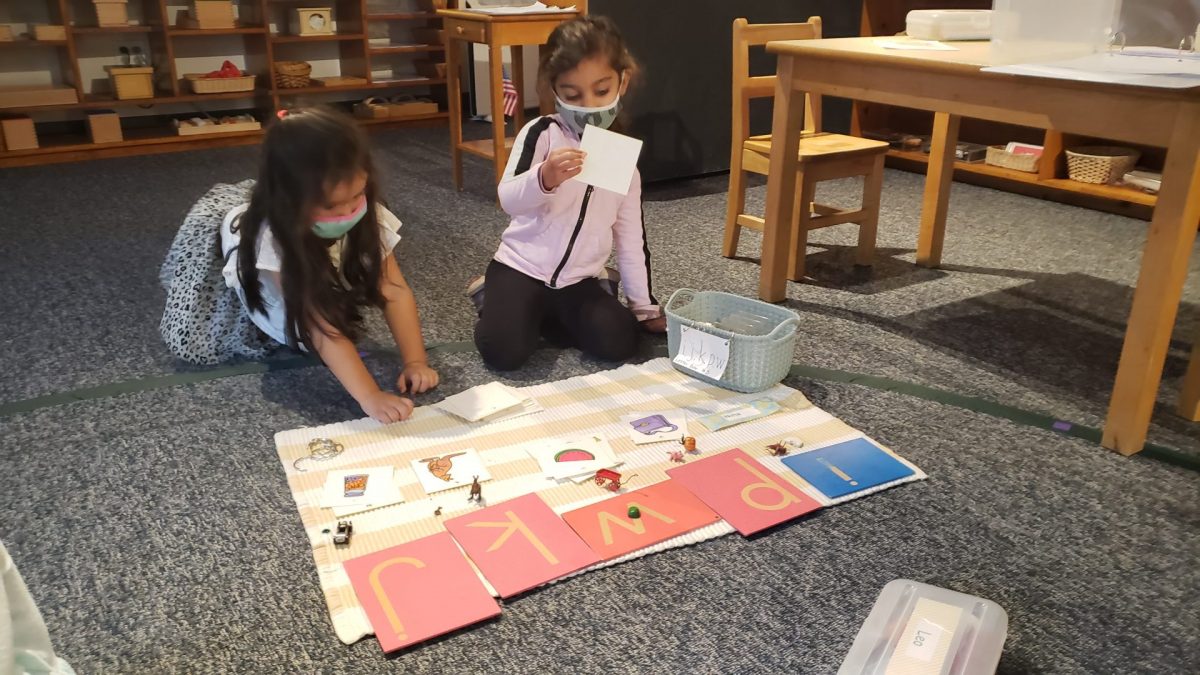
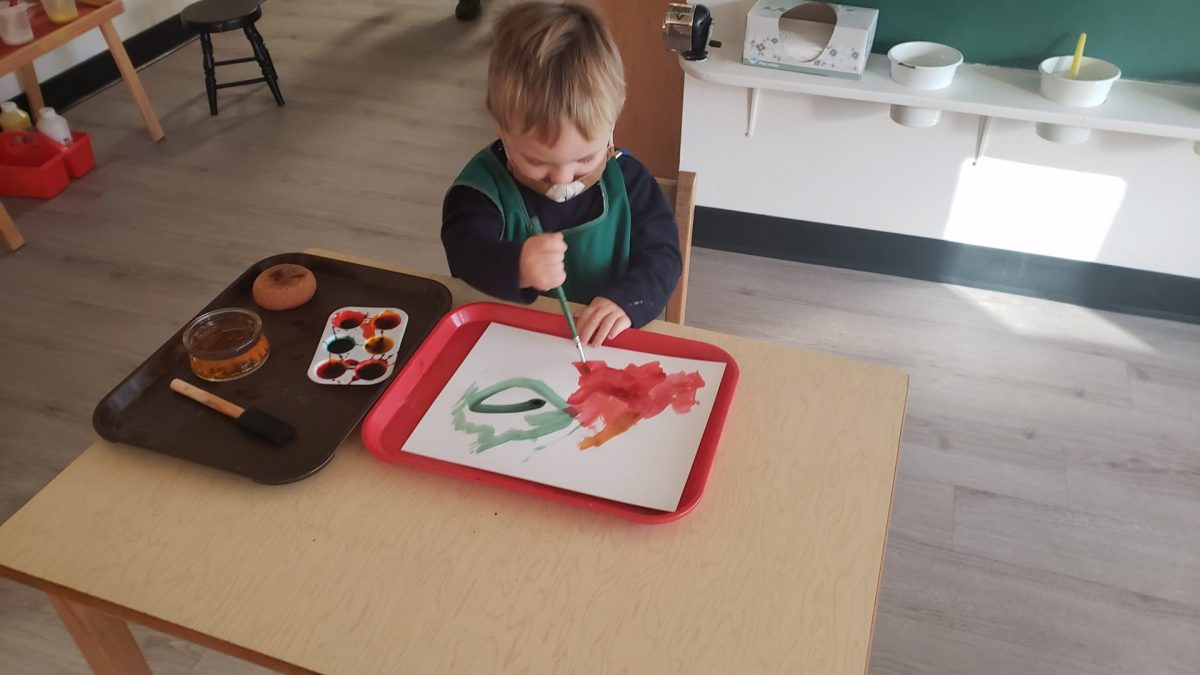
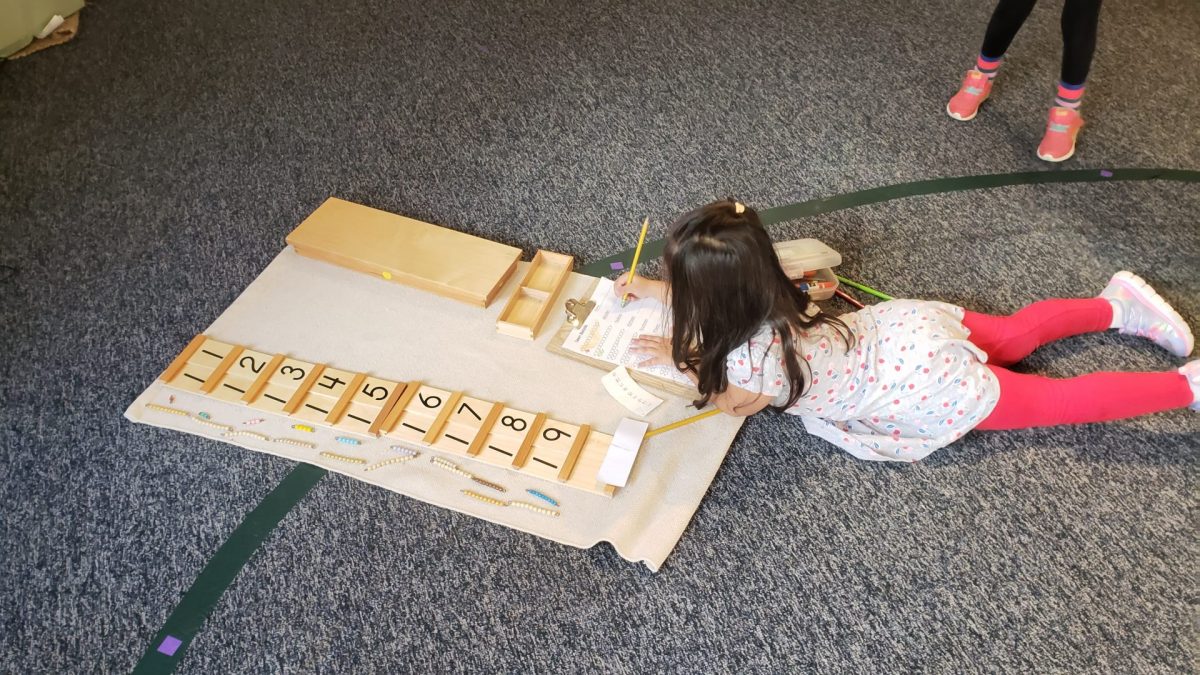
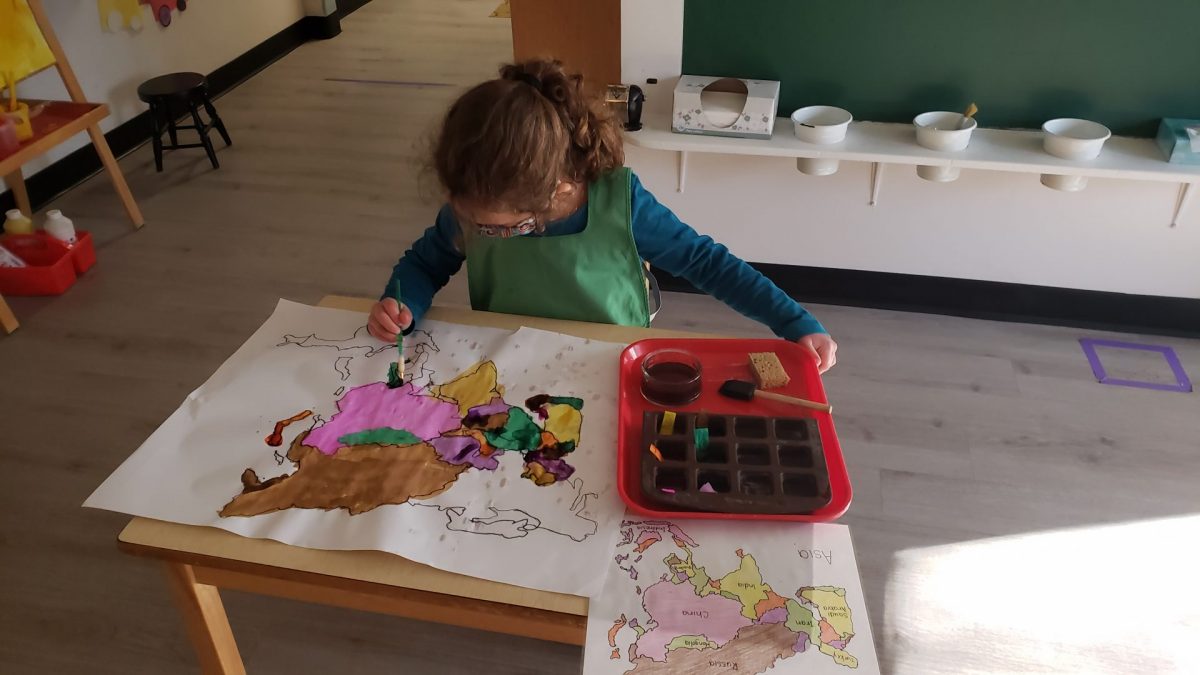
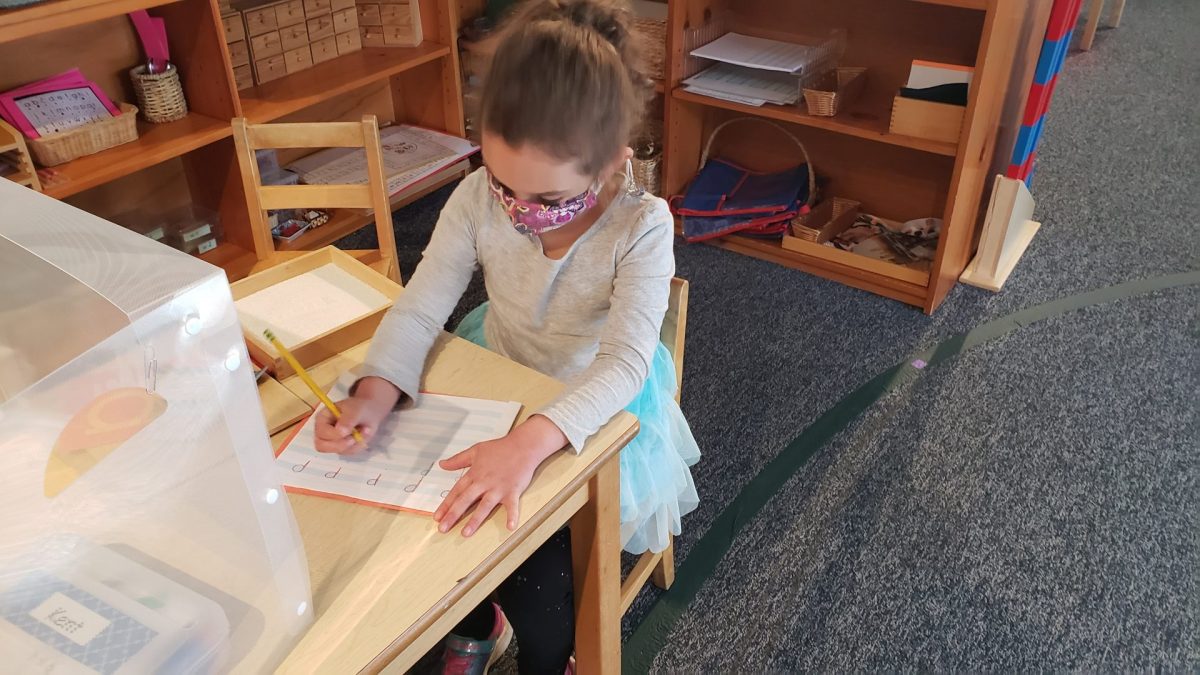
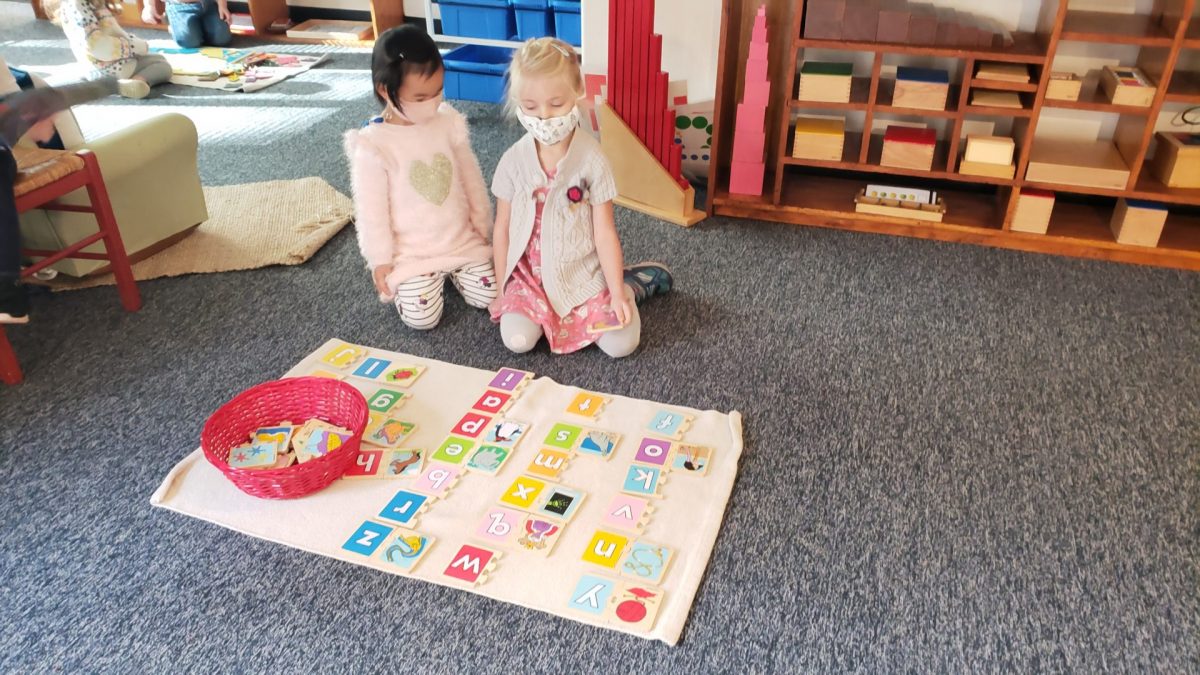
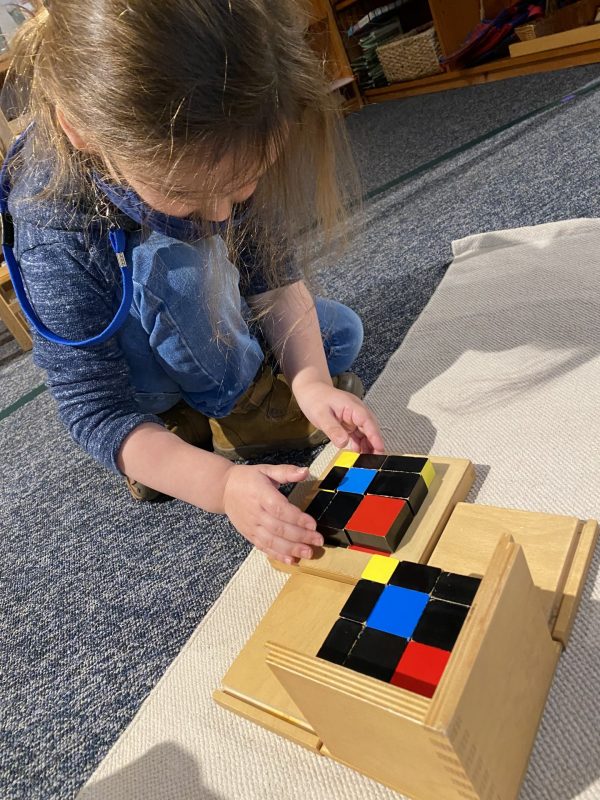
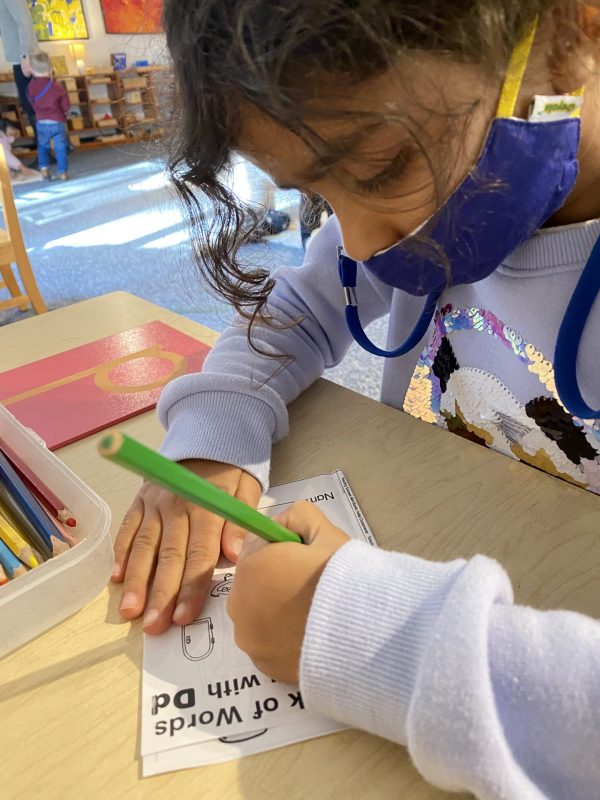
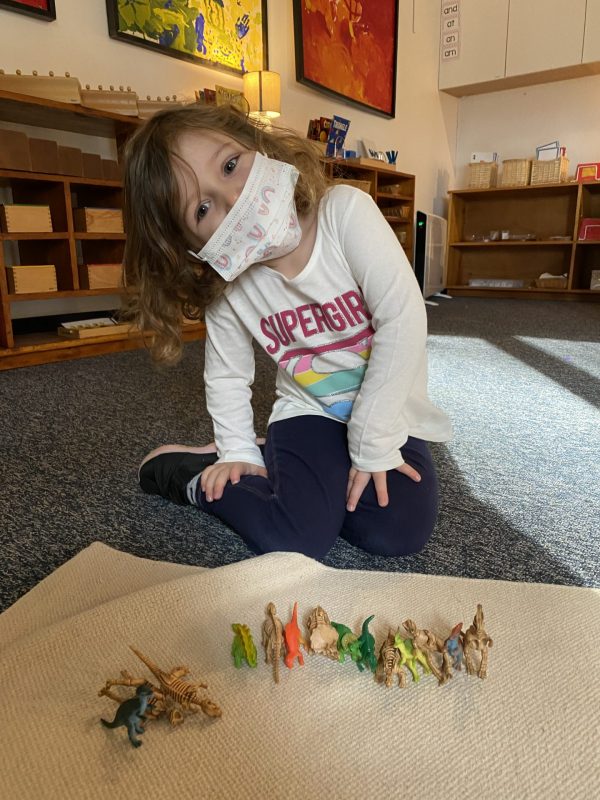
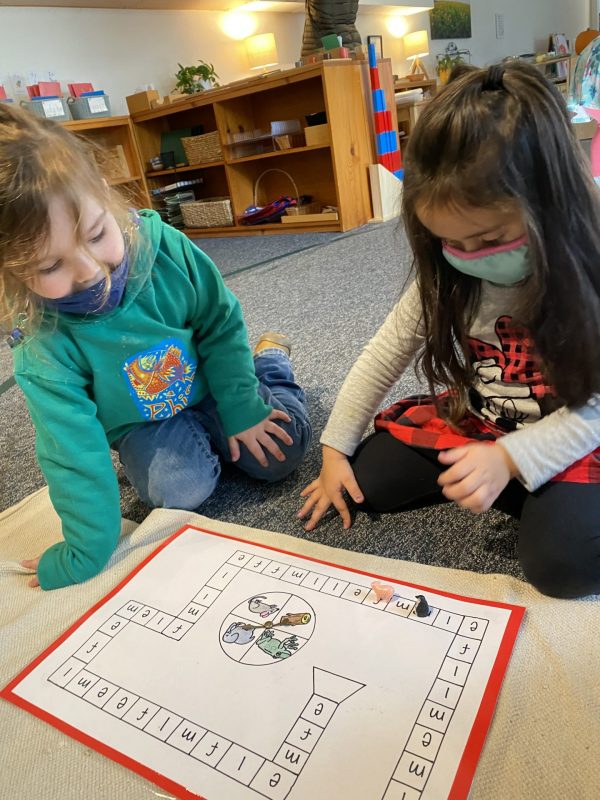
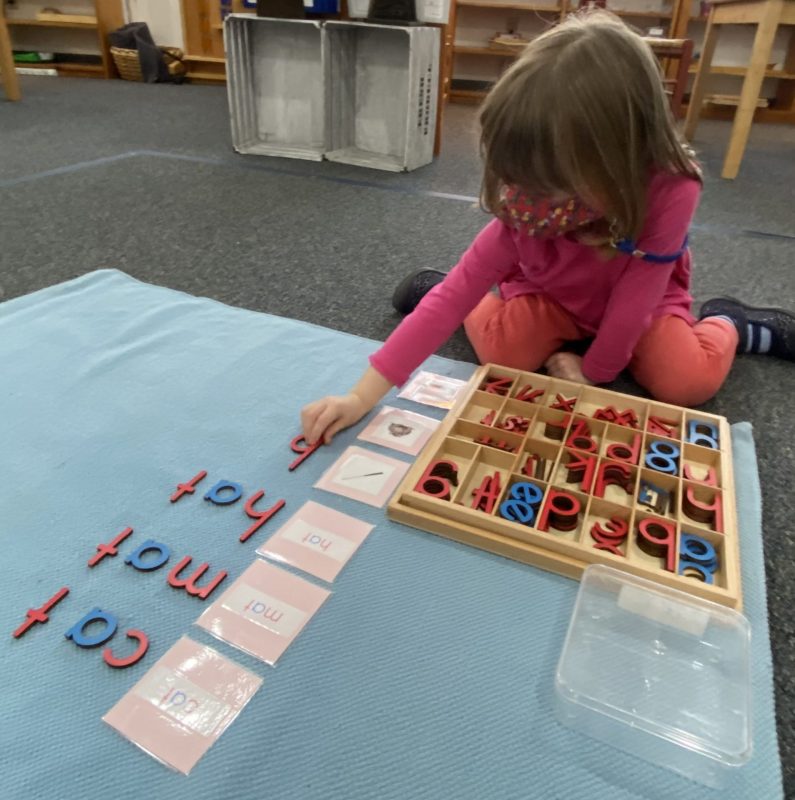
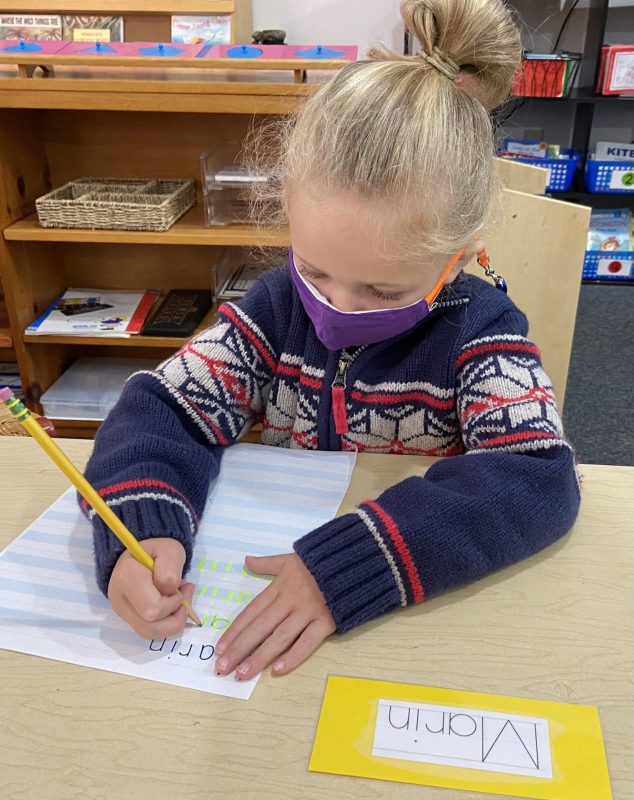
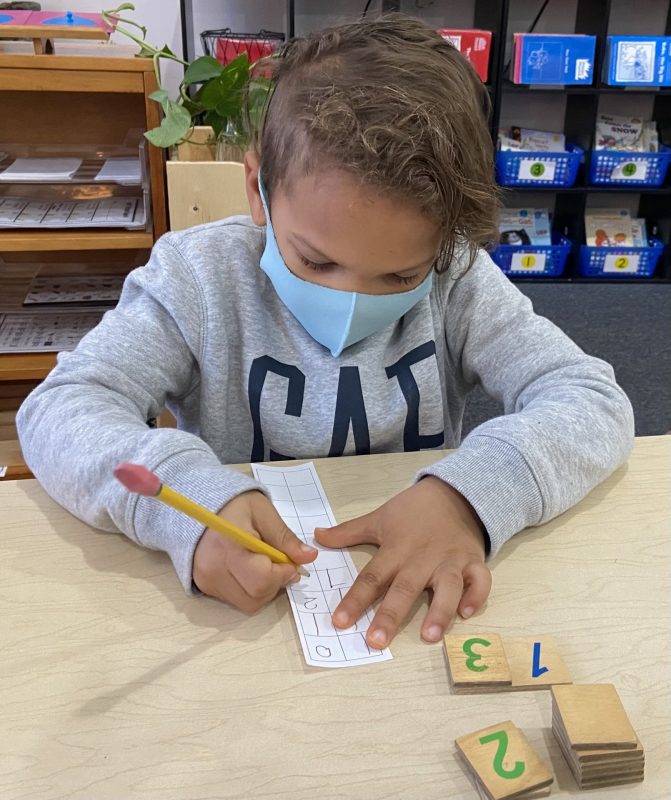
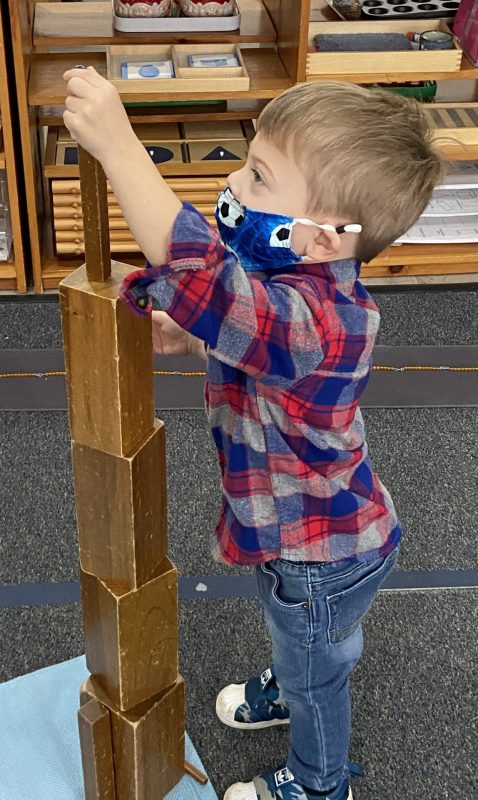
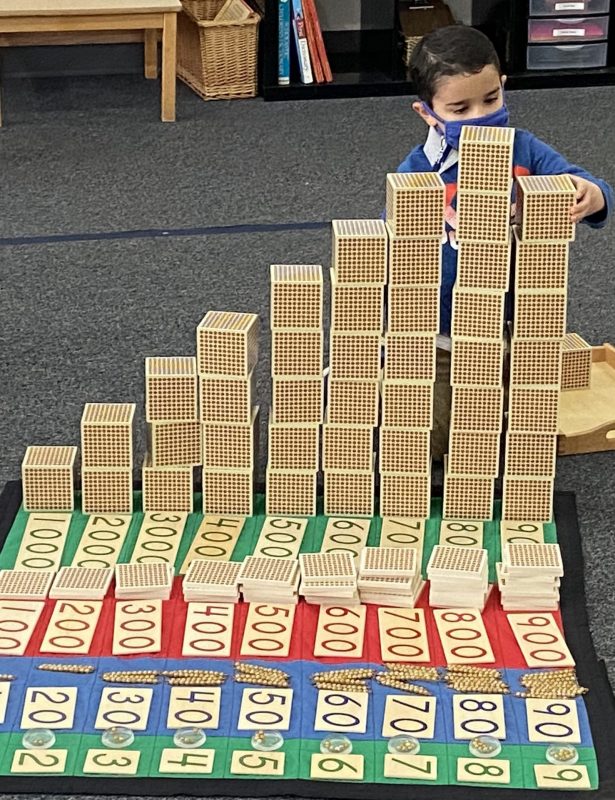
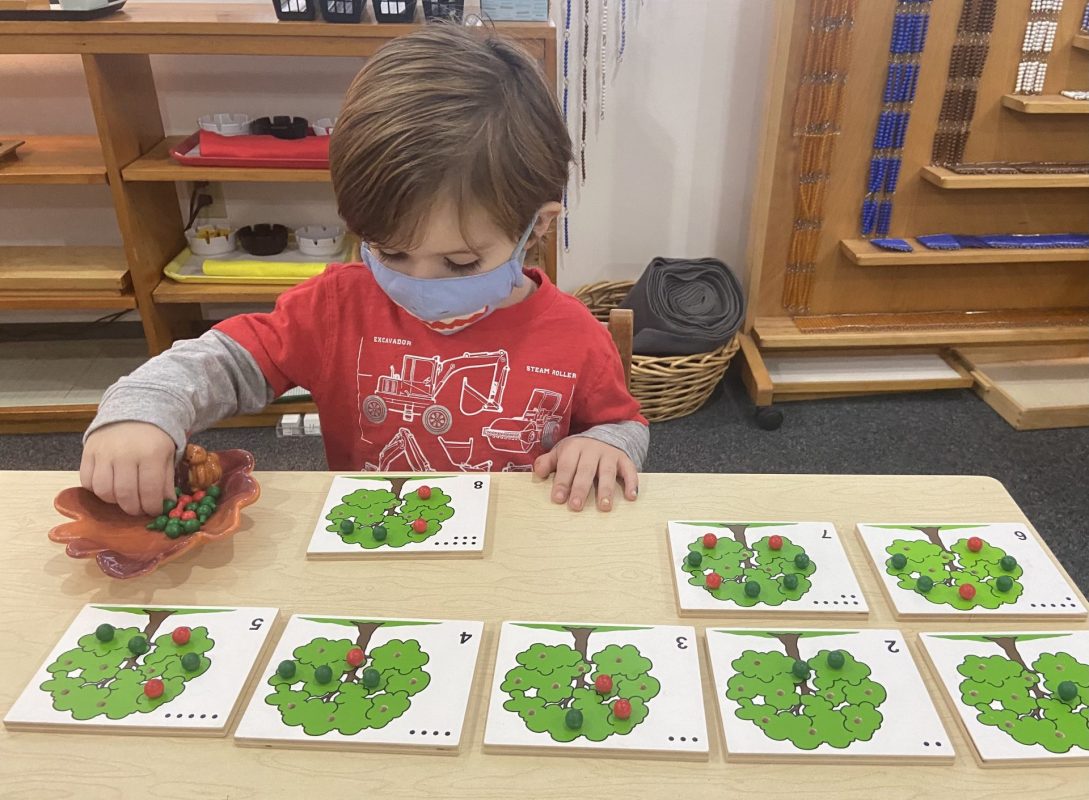
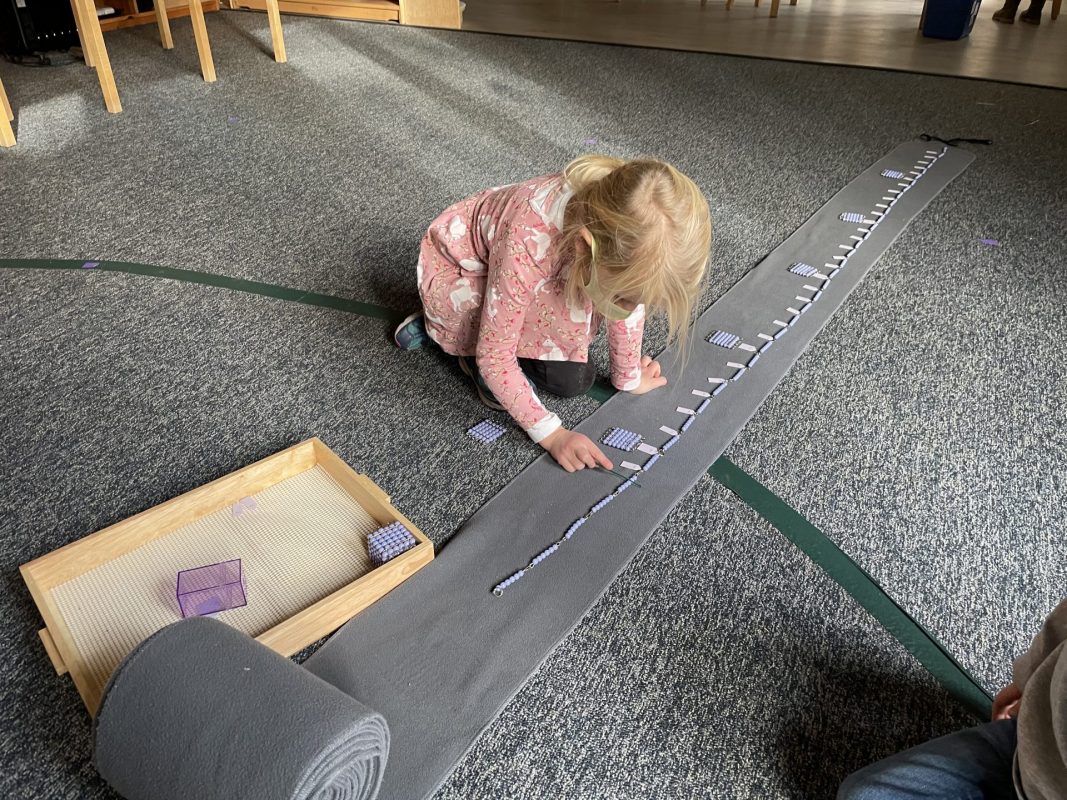
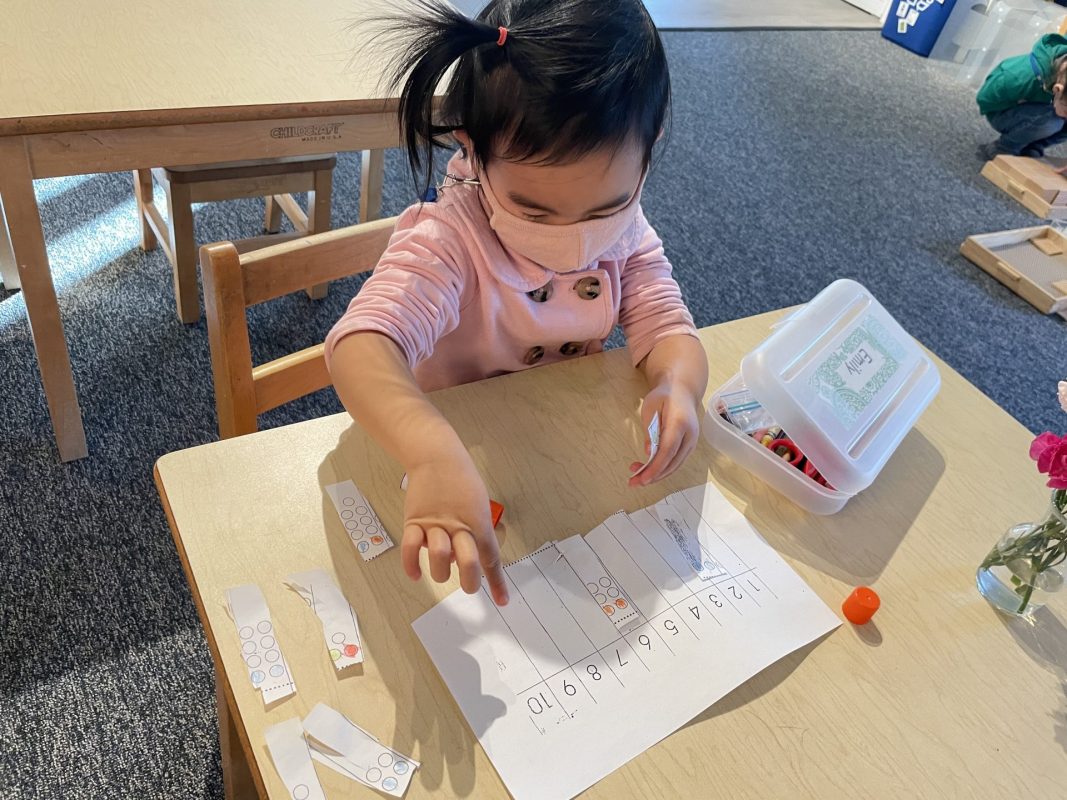
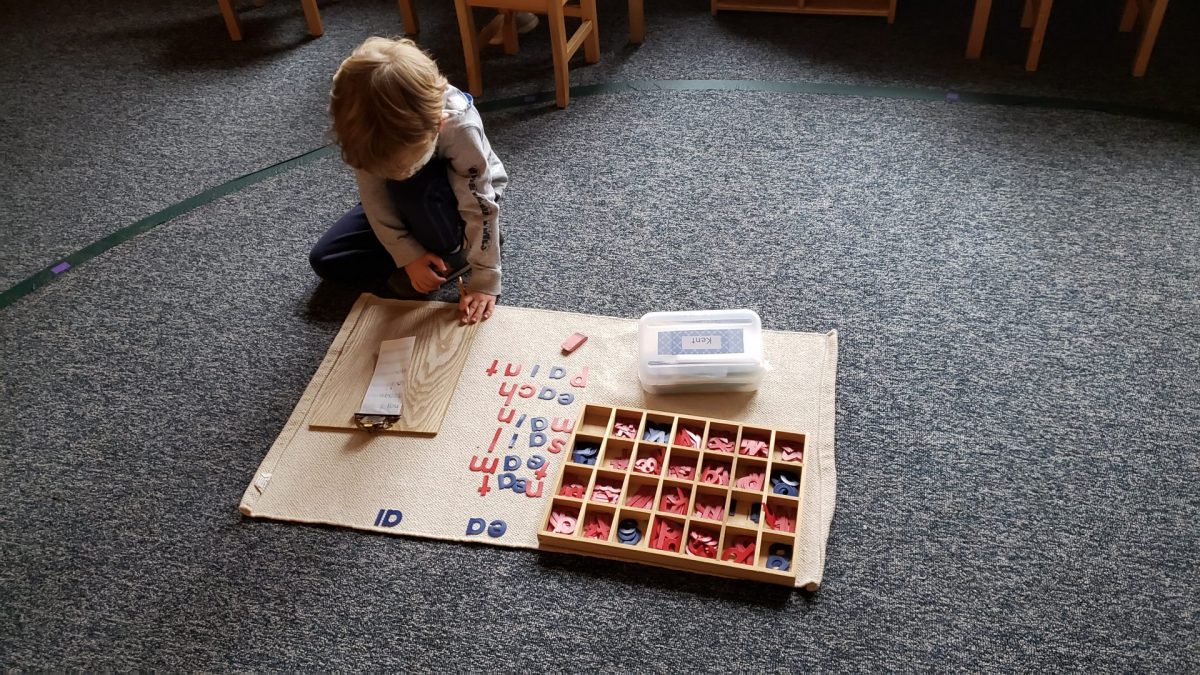
Has your child been telling you about all the “works” they have been doing in our classroom?  We refer to the lessons on our shelves as “works” because it reinforces the important work or learning they are doing each day.  Montessori Method is based on self-motivation to learn. Children are considered to be at work during the day, but they have fun doing it. They go beyond life skills, learning geometry, geography, phonics, and much more. Young children have the capacity to absorb, learn, and do so much. They just need a controlled, creative environment to allow them to pursue their interests.

Enjoy these images of your children at work!

Amanda & Sharlene


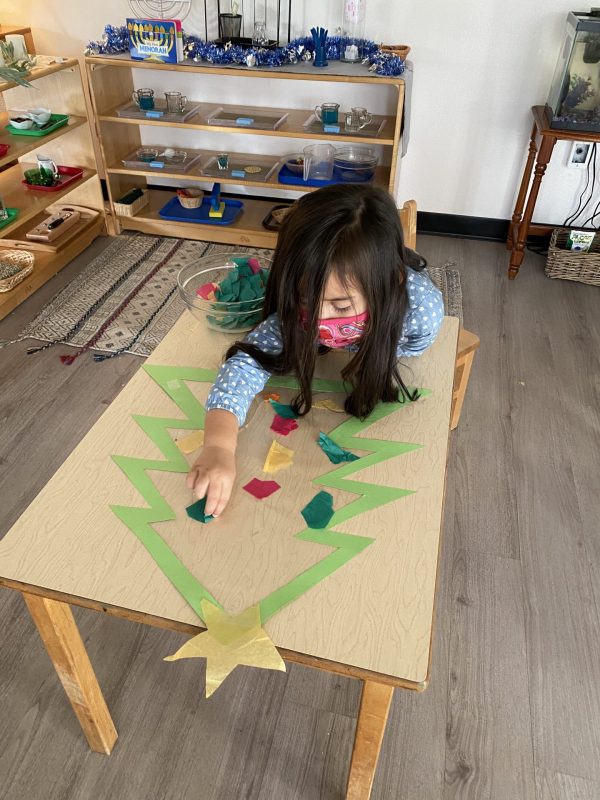
Mrs. Doyle’s Class: Entering the Holiday Season

A Grateful Heart Is A Magnet For Miracles

For many, the holiday season is a time for giving. Perhaps more than ever, it is so important for our children to understand that giving does not have to be a materialistic gift. Simple and heartfelt words of love and friendship will last much longer than most anything that can be bought on a shelf. It can be an amazing and powerful gift to our children, if in all the hustle and bustle of the holidays we take time to slow down and model being grateful.

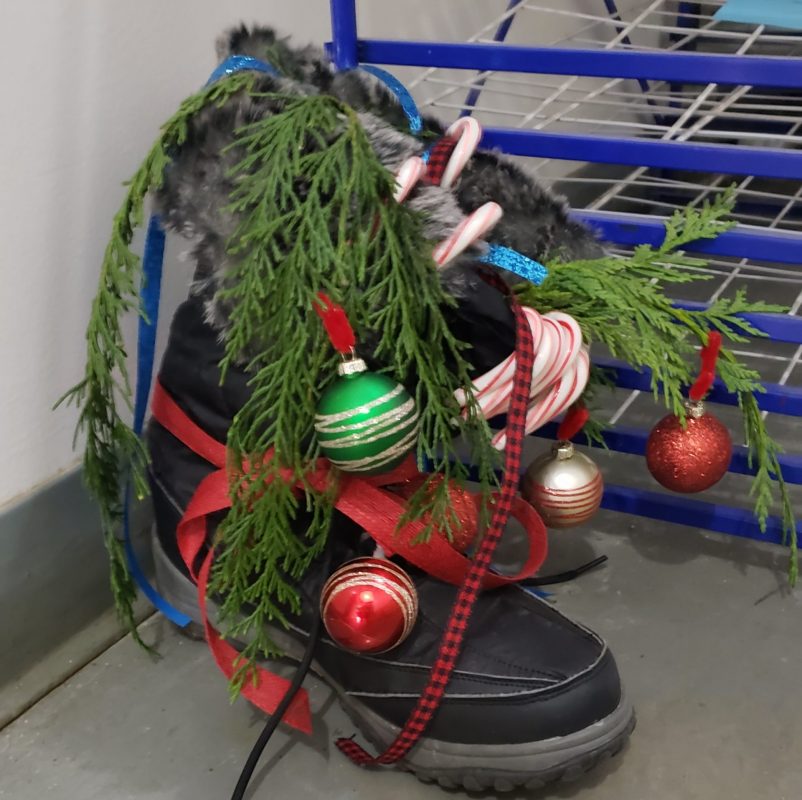
It was the perfect week to talk about St. Nicholas. St. Nicholas was a Bishop who inherited a lot of money from his family. He was also a very gentle, kind man who lived by the virtues of personal generosity, charity towards those in need, and taking care of the young and the most vulnerable. We learned that  St. Nicholas loved to perform random acts of kindness for those in need. Many people around the world celebrate St. Nicholas Day by leaving a pair of boots outside their door. So, we left boots outside our classroom door and, to our amazement, the boots were beautifully decorated and filled with candy canes the next morning.

Wishing you a week filled with peace and love.

Michelle & Lizette


Mrs. Lopes’s Class: Welcome December!

With the holidays approaching and the start of a new month, the children came back into an environment full of new lessons and materials to explore. This month we will be learning about the continent of Antarctica, food groups, and we’ll be discussing the various holidays celebrated around the world in December. One such holiday we talked about this week is St. Nicholas Day, which is celebrated on December 6.  St. Nicholas was a bishop in Europe. He was born into a wealthy family and at a young age made the choice to give away all his possessions to those with none. He is known for his kindness, generosity, and taking care of the young and in need. We learned that St. Nicholas would leave small gifts or treats during the night for the less fortunate in his community. St. Nicholas has evolved over the years into the Santa Claus we recognize today. Many people around the world celebrate St. Nicholas day by leaving a pair of boots outside their door. So in the spirit of the season, we decided to leave a pair of boots outside our classroom door. To our surprise, the boots were decorated and filled with candy canes the next morning!

Wishing you a peaceful week,

Amanda & Sharlene


Mrs. Doyle’s Class: Giving Thanks

The education of even a small child, therefore, does not aim at preparing him for school, but for life. 

Maria Montessori

For many, the holiday season is a time for giving. Perhaps more than ever, it is so important for our children to understand that giving does not have to be a materialistic gift. Simple and heartfelt words of love and friendship will last much longer than most anything that can be bought on a shelf. It can be an amazing and powerful gift to our children, if in all the hustle and bustle of the holidays we take time to slow down and model being grateful.

This week we asked each child to share what they are thankful for. While their messages will make you smile and warm your heart, there is beauty in their simplicity.

Anchor– I am thankful for my hot wheels cars that I can race

Carmen–I am thankful for my mommy because she likes to play games with me.

Elliot–I am thankful for Mrs. Doyle teaching me to read all the books in school.

Gregory G.–I am thankful for Mrs. Doyle helping me learn everything.

Gregory L.–I am thankful for Thanksgiving because it means my birthday is close.

Greyson–I am thankful for my robots that I can turn on and off

Harper–I am thankful for having a school and a home and that I am not homeless.

Julianna–I am thankful for my kitty that I love so, so much.

Landon–I am thankful for my Toy Story dolls because they are so fun to play with.

Lily–I am thankful for watching movies with my Mama, Daddy and Annie.

Luca–I am thankful for my puppy even though she gets crazy sometimes.

Marin–I am thankful for my Mommy, my Daddy, Anders, James and my Frozen toys.

Mya–I am thankful for my Mommy, my Daddy, Zara, my friends and my dolls.

Olivia–I am thankful for candy because it tastes so good.

Xander–I am thankful for my brother, Dante.

Miss Lizette and I are grateful for our relationship with each of you as well as your support, time, and effort to help in any way. We are all truly blessed to walk this journey together!  We would also like to wish everyone a very peaceful and Happy Thanksgiving.

Michelle & Lizette


Mrs. Lopes’s Class: Our Human Body

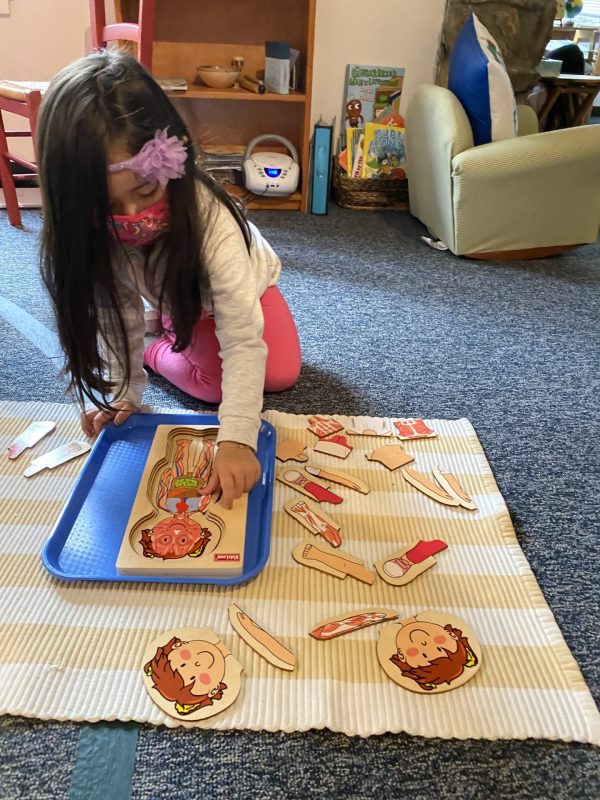
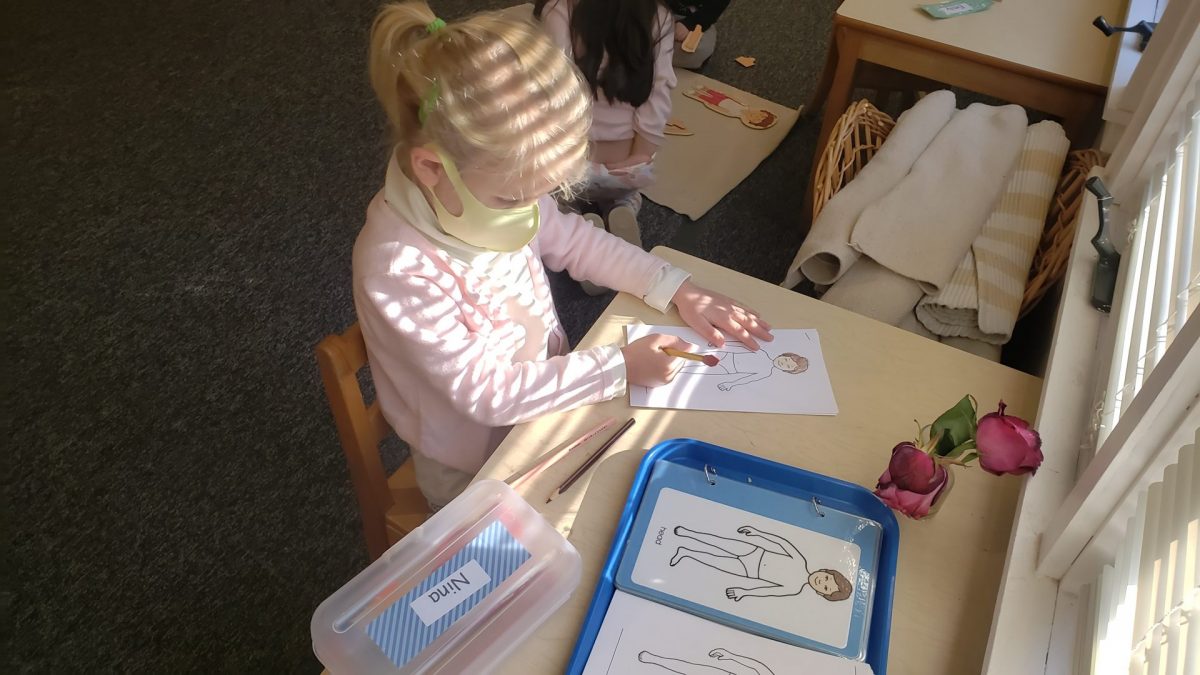
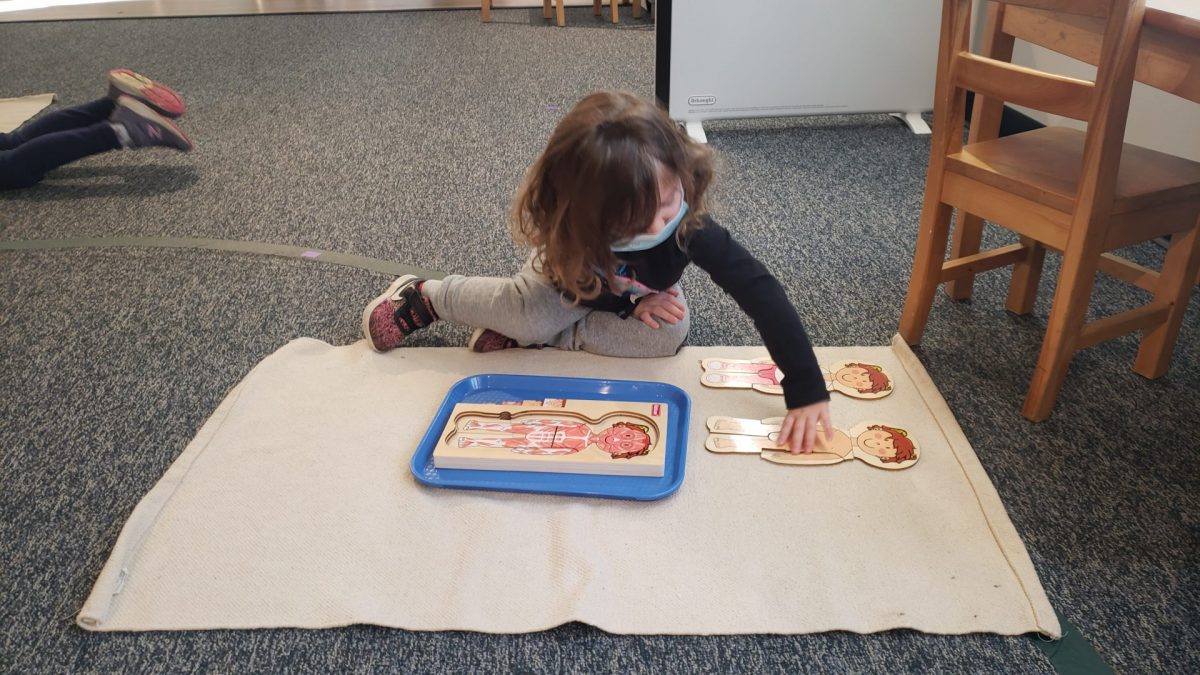
Do you remember wondering as a child how things worked in your body? Where does our food go? Why do we blink or sneeze? How do we get the hiccups? The human body is truly a mystery to the child’s mind and having an in-depth human anatomy lesson is a great way to explore these topics. Using Montessori materials is a wonderful tool for reinforcing the learning and expanding on a normally very difficult subject for children to grasp. Providing lessons like these to children is what sows the seeds for future scientists, doctors, and teachers!

This week your children were introduced to the wonders of our human body. We first introduced and named the parts of our body we can see from the outside. We then began to discuss how there are many parts of our body we cannot see from the outside. Your children were introduced to several of the major organs in our body and their purpose. The children enjoyed exploring and engaging in all the human body works on the shelf.

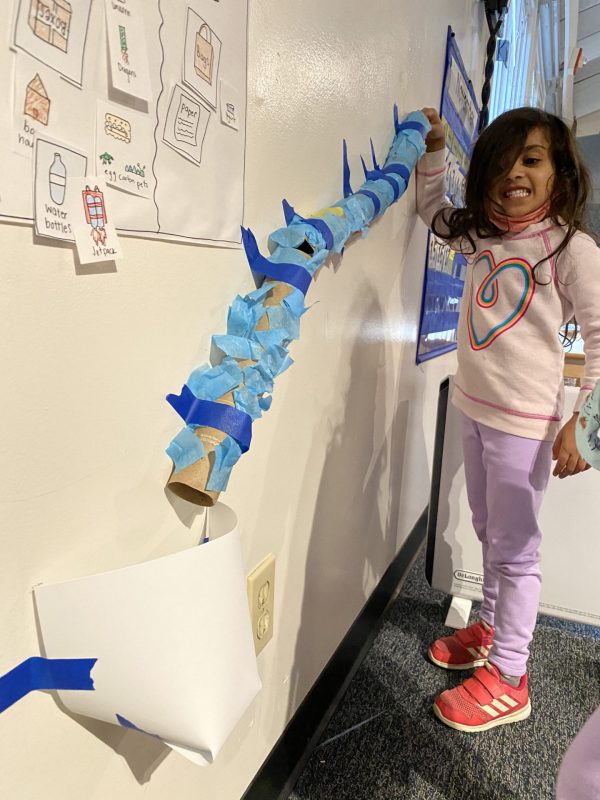
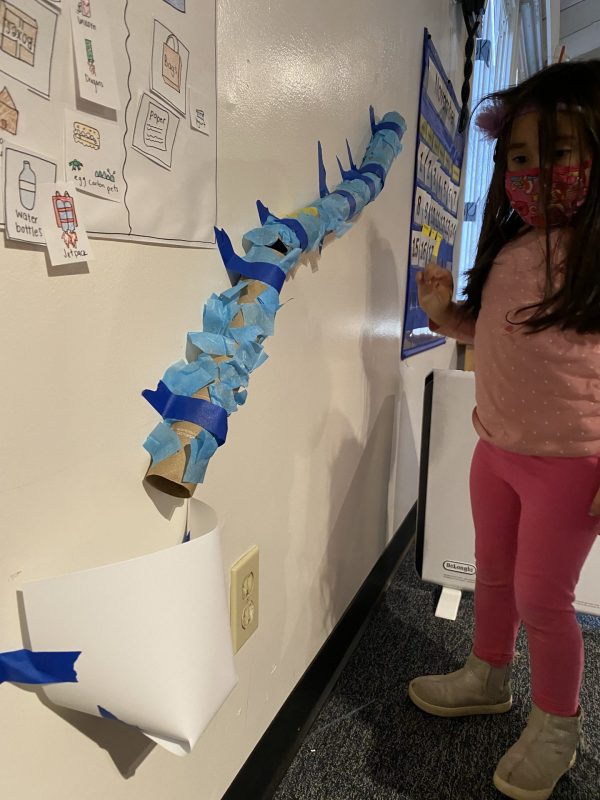
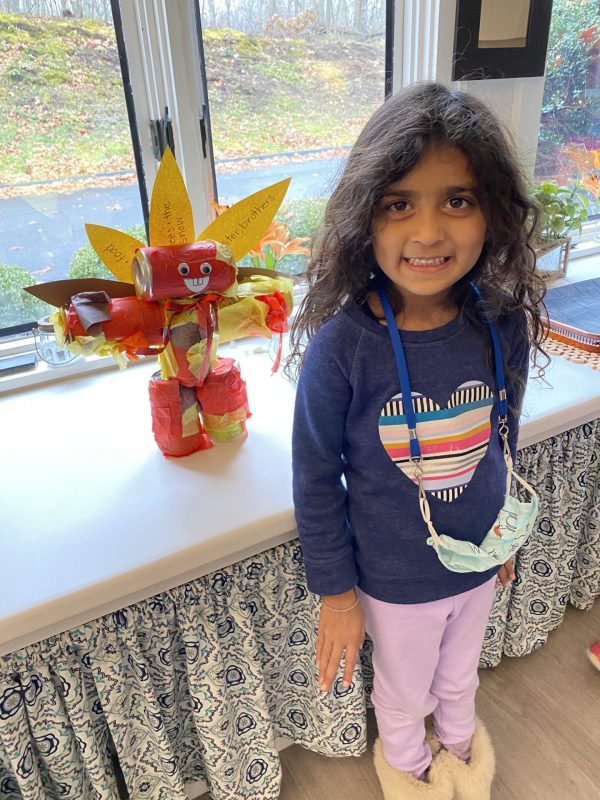
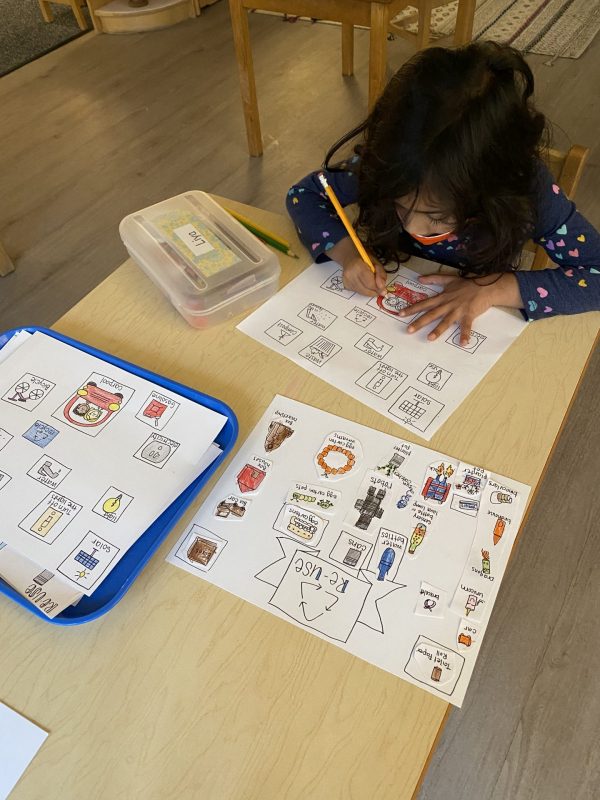
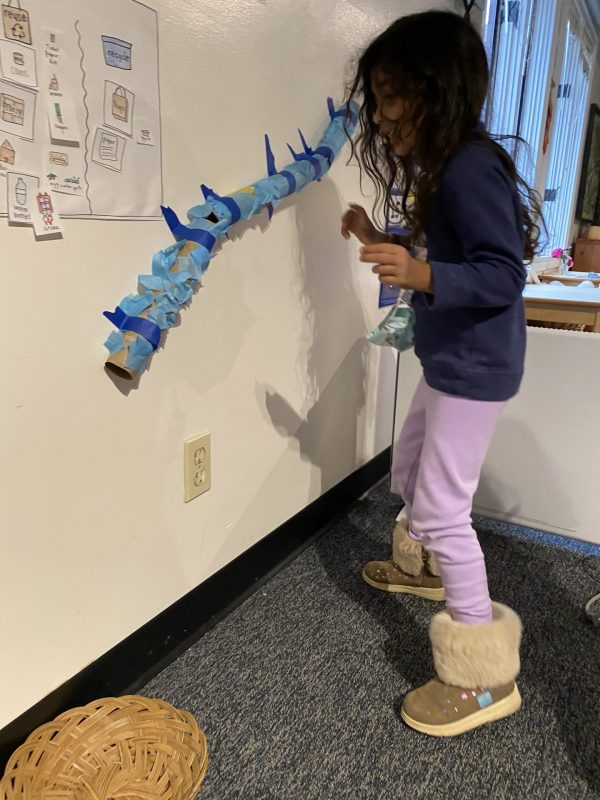
Our four year old children enjoyed learning about recycling this week!  They discussed what can be recycled and what cannot, as well as the Three R’s, “Reduce, Reuse, Recycle”.  Mrs. Sharlene encouraged the children to bring in recycled items that they could reuse to make new things.  The children made a marble run out of toilet paper rolls and a robot turkey out of cans!

Since there will be no blog next week as a result of our short school week, Mrs. Sharlene and I would like to wish you and your families a very Happy Thanksgiving! We are so grateful to be able to spend each day with your children and take part in watching them develop and grow into independent, confident, kind members of our community.

Lots of love and peace,

Amanda and Sharlene


Mrs. Doyle’s Class: Vertebrate or Invertebrate?

This year, we have learned that all things in the world are either living or non-living.  We also learned to classify living things as either an animal or a plant.  Now we are ready to go one step further and begin to study animals.

The children learn that the study of animals is called zoology. All animals can be classified as vertebrates or invertebrates. Vertebrates have a backbone and invertebrates are animals that do not have a backbone. We help the children understand this concept by having them run their fingers along their spine to feel their backbone.

The majority of animals that we think about, such as dogs, cats, birds, fish, alligators, and frogs are vertebrates.  However, there are actually more invertebrates living on our planet. More than 90% of all animals are invertebrates. Vertebrates tend to be larger in size because their backbones allow them to have muscles and a strong body. Invertebrates tend to be small, as no backbone means they can’t support a large body.

Learning about vertebrates and invertebrates is an important lesson. With this knowledge, we are ready to begin classifying vertebrates into five different groups: mammals, amphibians, fish, birds, and reptiles.

Wishing you a week filled with peace and love!

Michelle & Lizette

Mrs. Lopes’s Class: Learning About North America

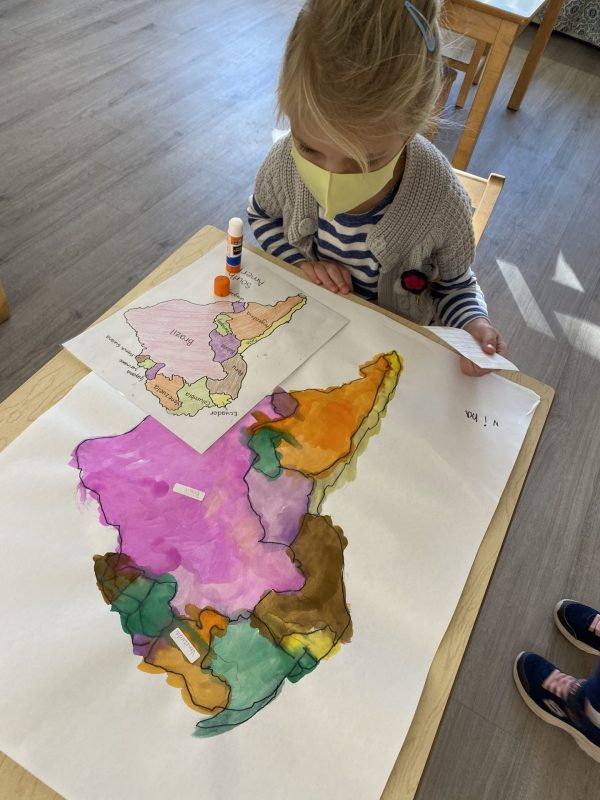
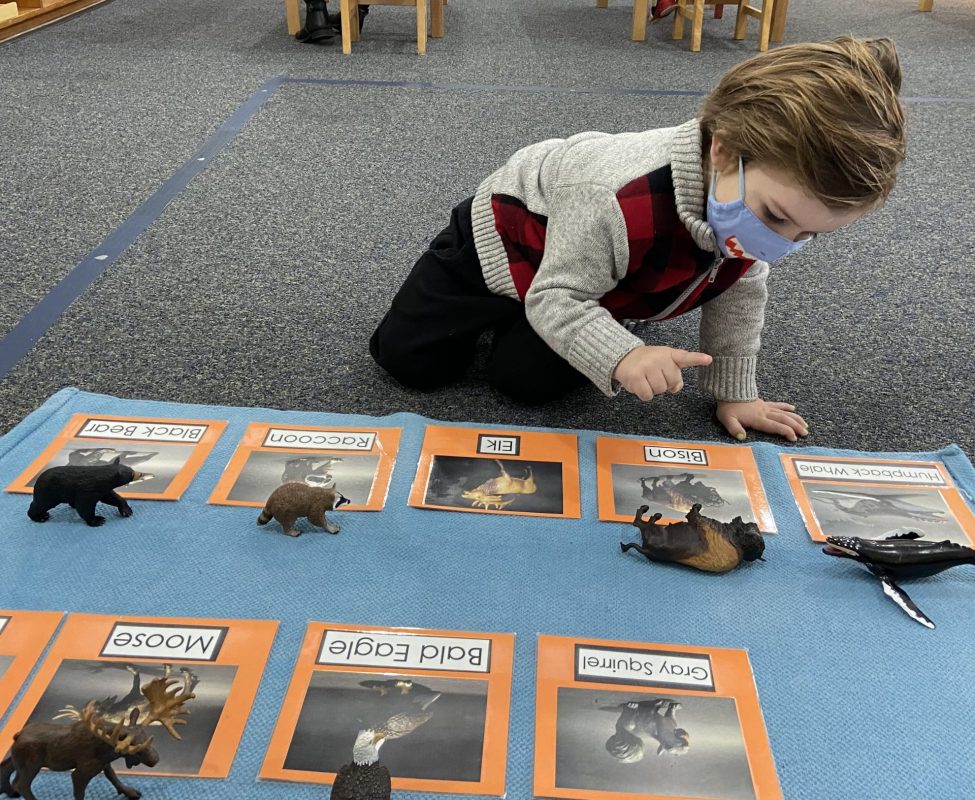
This week the children have been immersed in exploring the first of seven continents, the continent we live on, North America. At the beginning of the week we introduced the continent of North America with our continent puzzle map. When using this lesson, children are taught to take one country out of the puzzle at a time and match it to the control map. The control map helps the child see where each country is located on the continent and helps the child to independently put the puzzle back together. The children also enjoyed engaging in our other North American themed works on the shelves, which included native animals, traditional clothing, topography, and flags of North America.

The Montessori cultural studies curriculum provides children with an opportunity to explore the whole world, including the continents, countries, people, animals, terrain, music, and arts. Children use didactic Montessori materials to familiarize themselves with the needs of all humans for such things as food, housing, and clothing. This early cultural awareness helps cultivate independent, joyful citizens of our world.
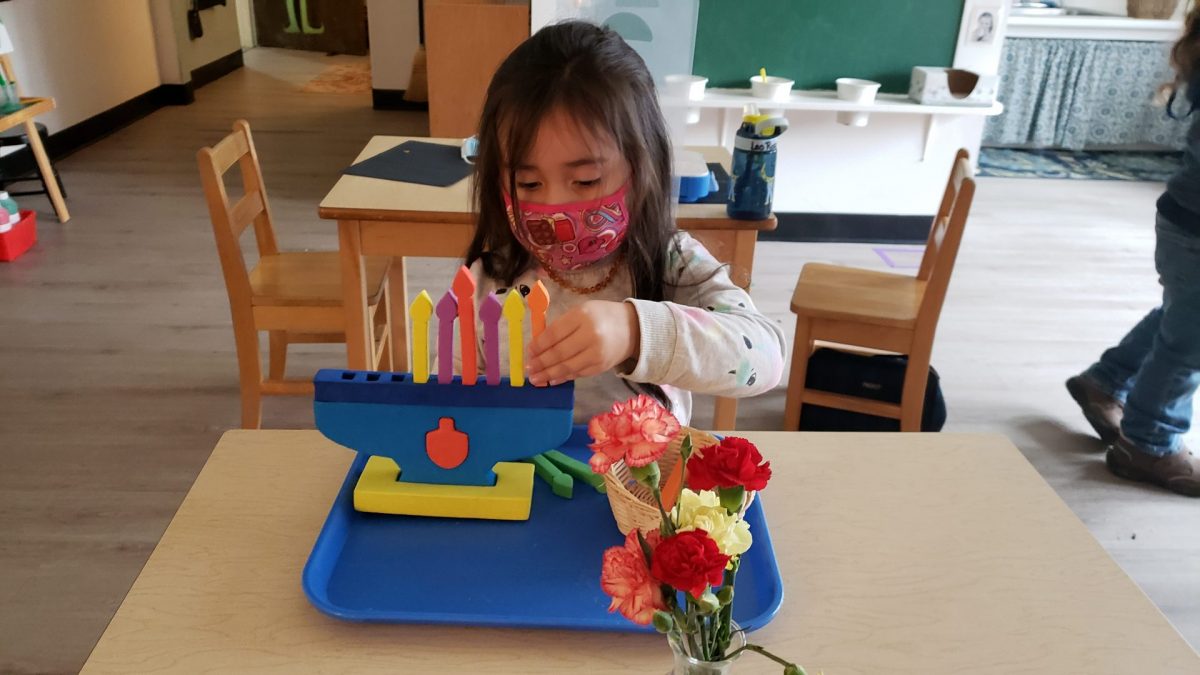
During our study of North America, we have also been discussing the importance of Thanksgiving and the feeling of gratitude. We have enjoyed sharing with each other what we are all thankful for!
Best,

Amanda & Sharlene