Mrs. Doyle’s Class: On To North America!!!

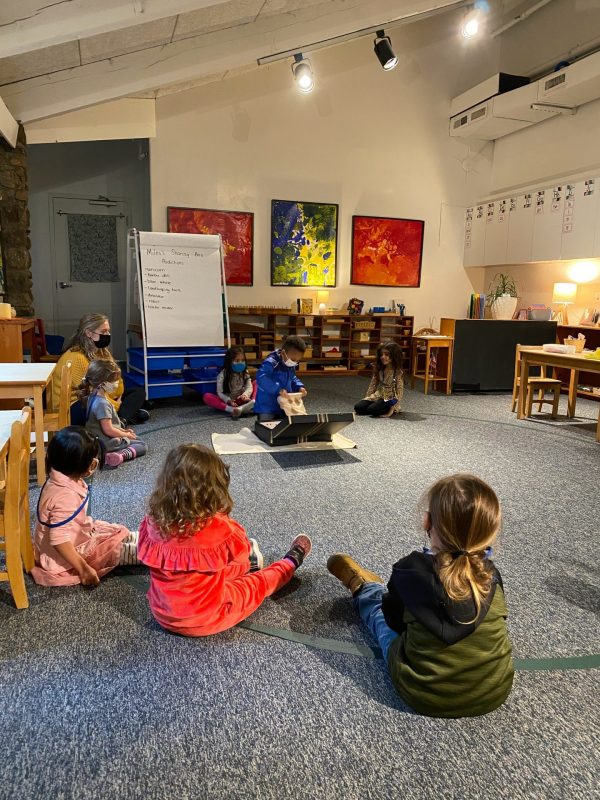
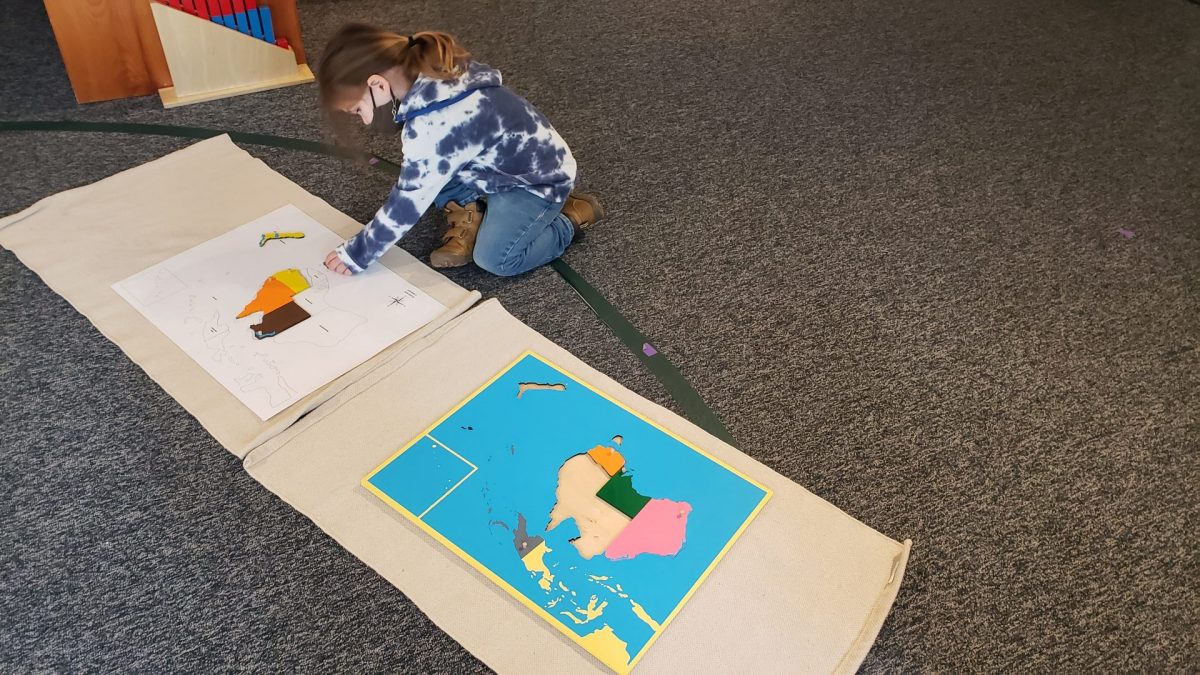
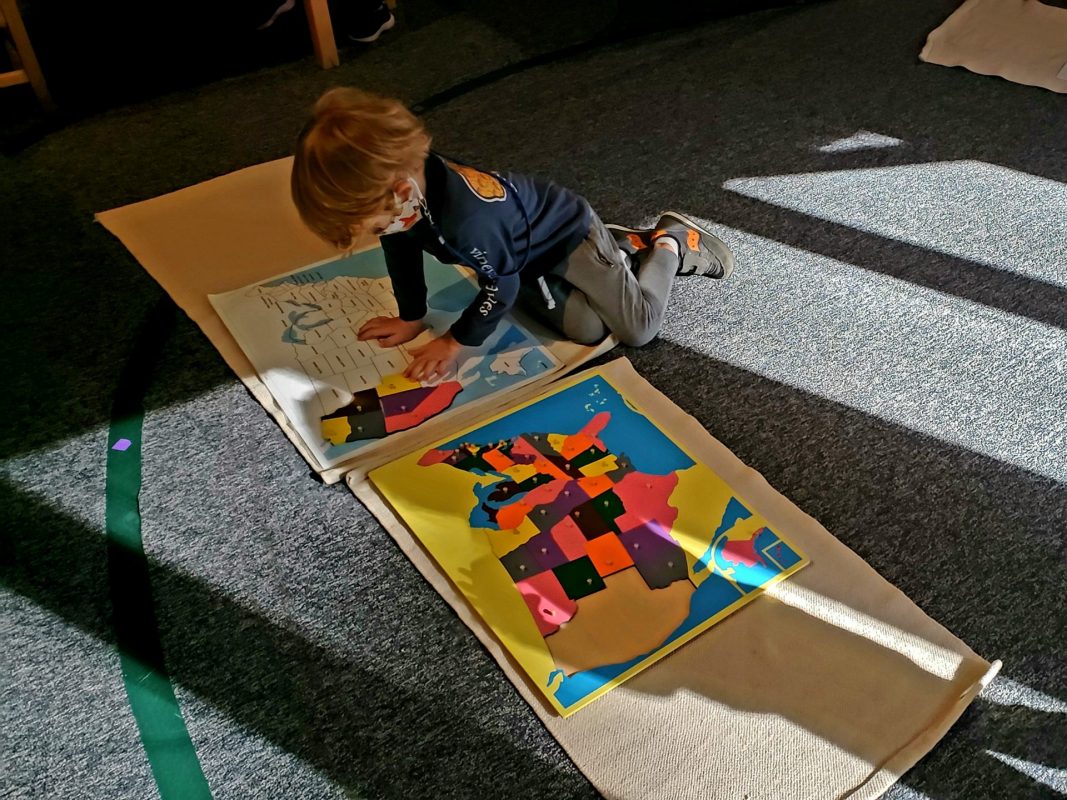
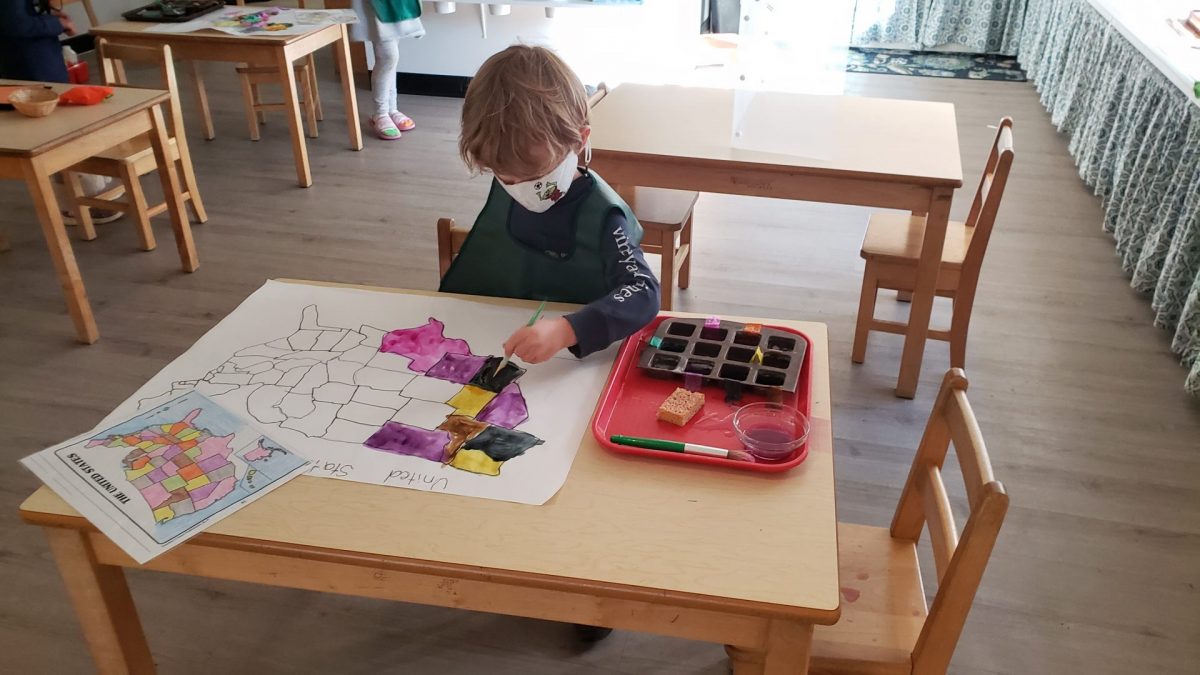
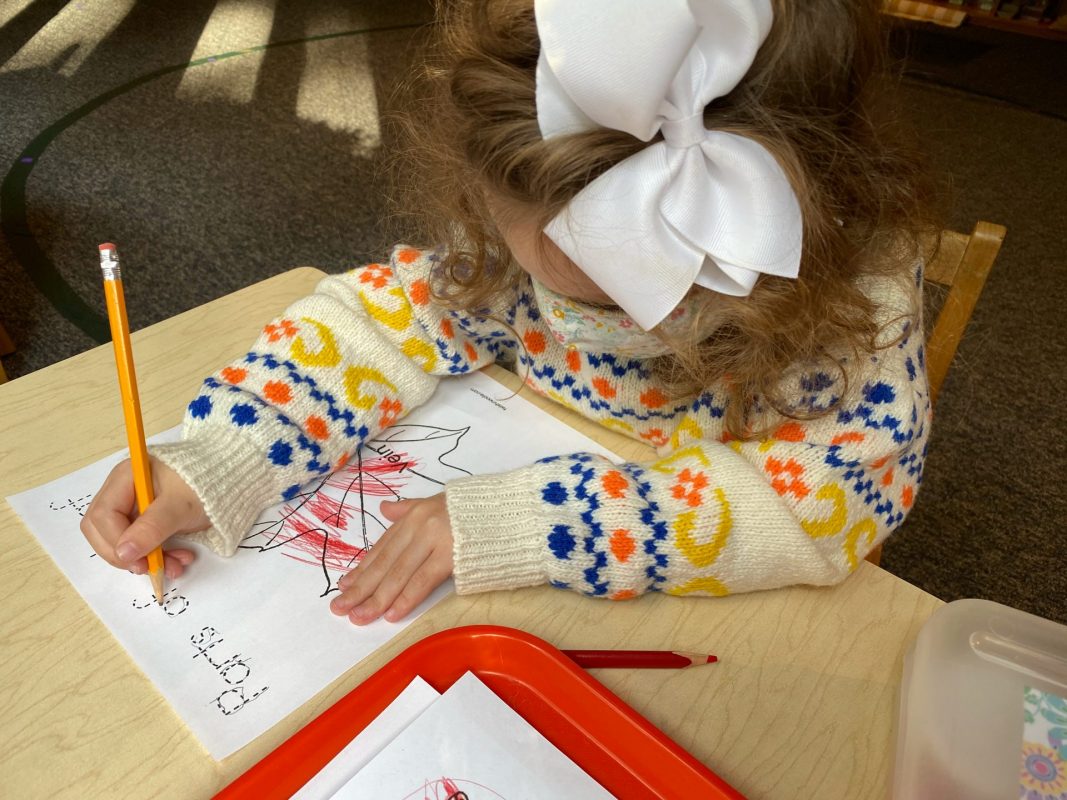
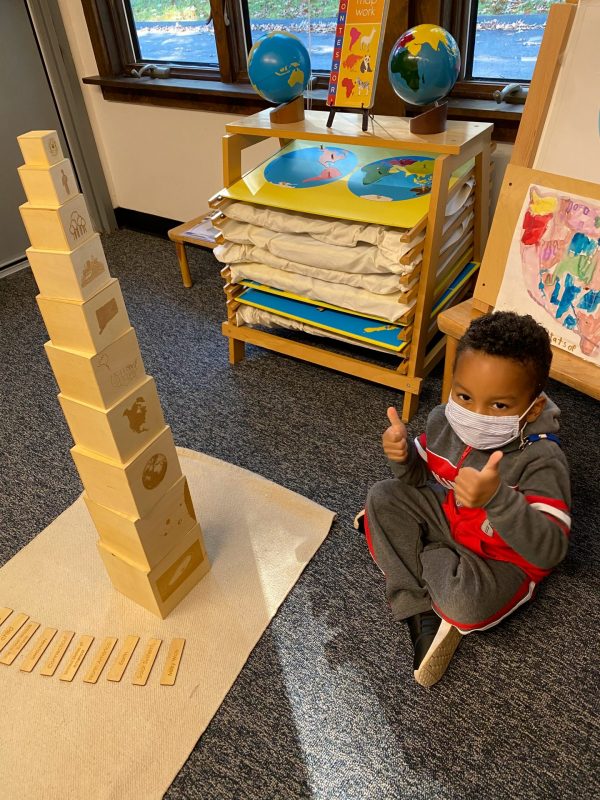
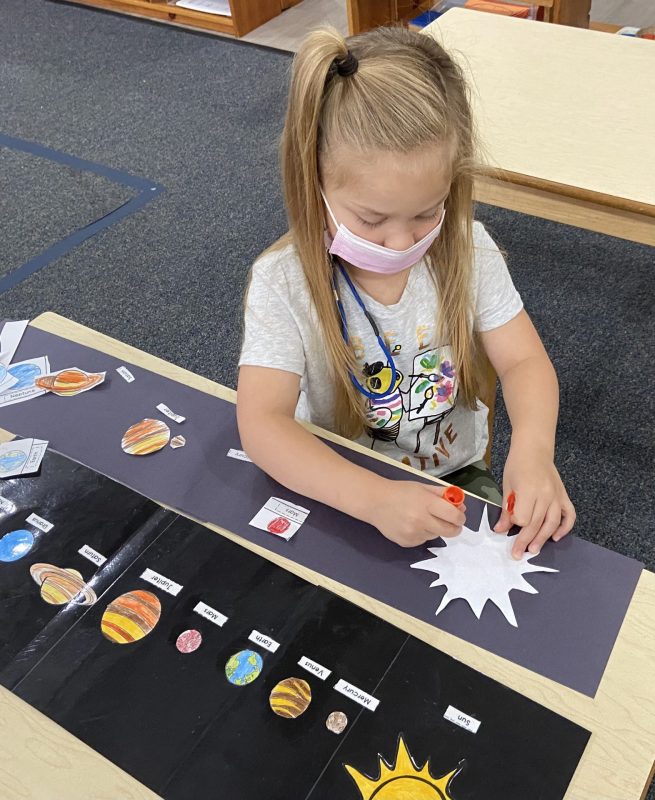
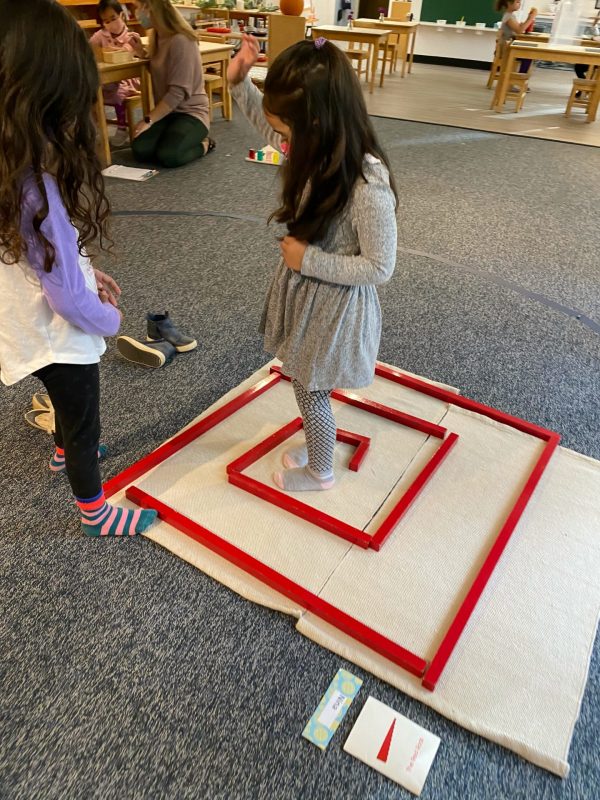
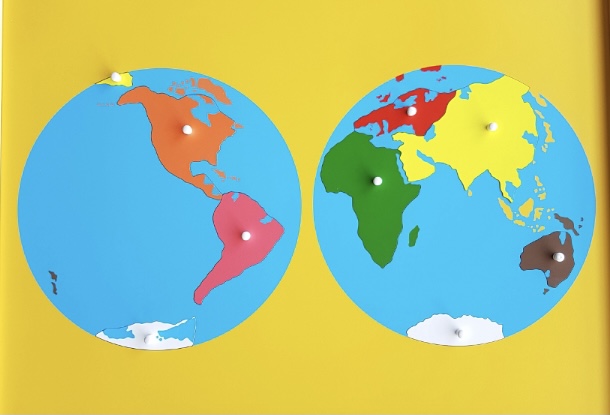
These last few weeks have been a particularly busy and exciting time with your children. We have traveled through space, explored the eight planets, discovered that the sun is a star, and rocketed back to the planet Earth. We are now exploring the first of seven continents, North America.  You may hear your children call it the orange continent. This is because on the Montessori globe and map, North America is indeed orange. We will continue to explore the animals native to our continent, map North America’s countries, examine topography, and study how a continent’s proximity to the equator impacts its climate.

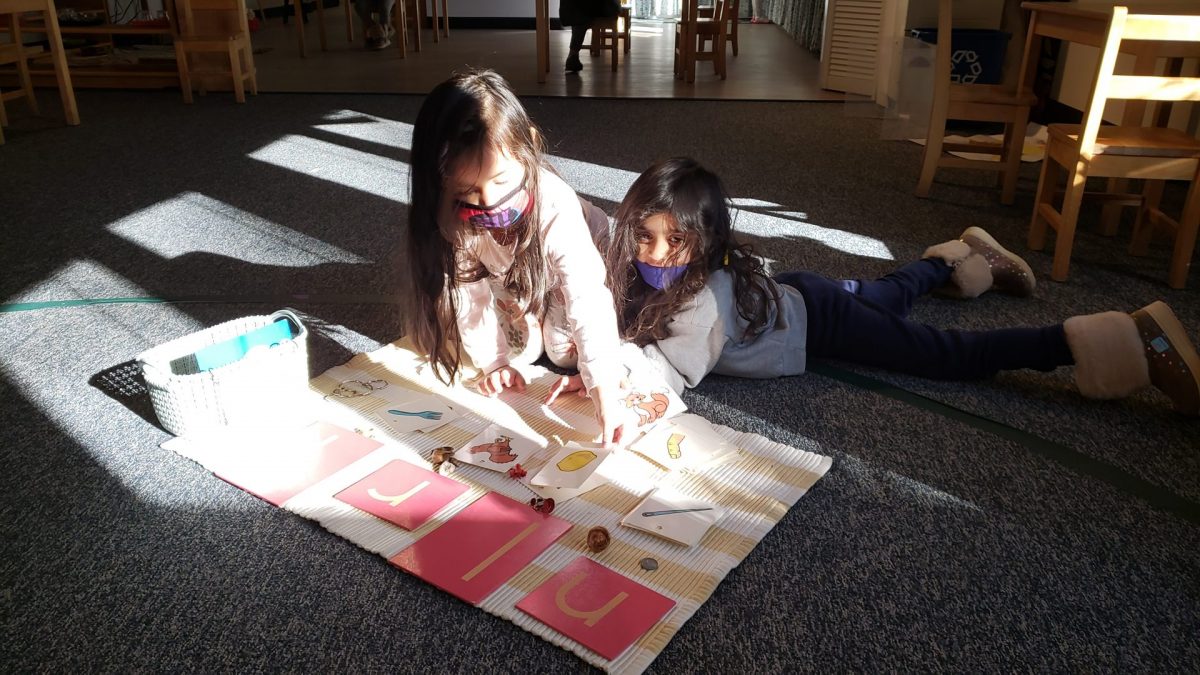
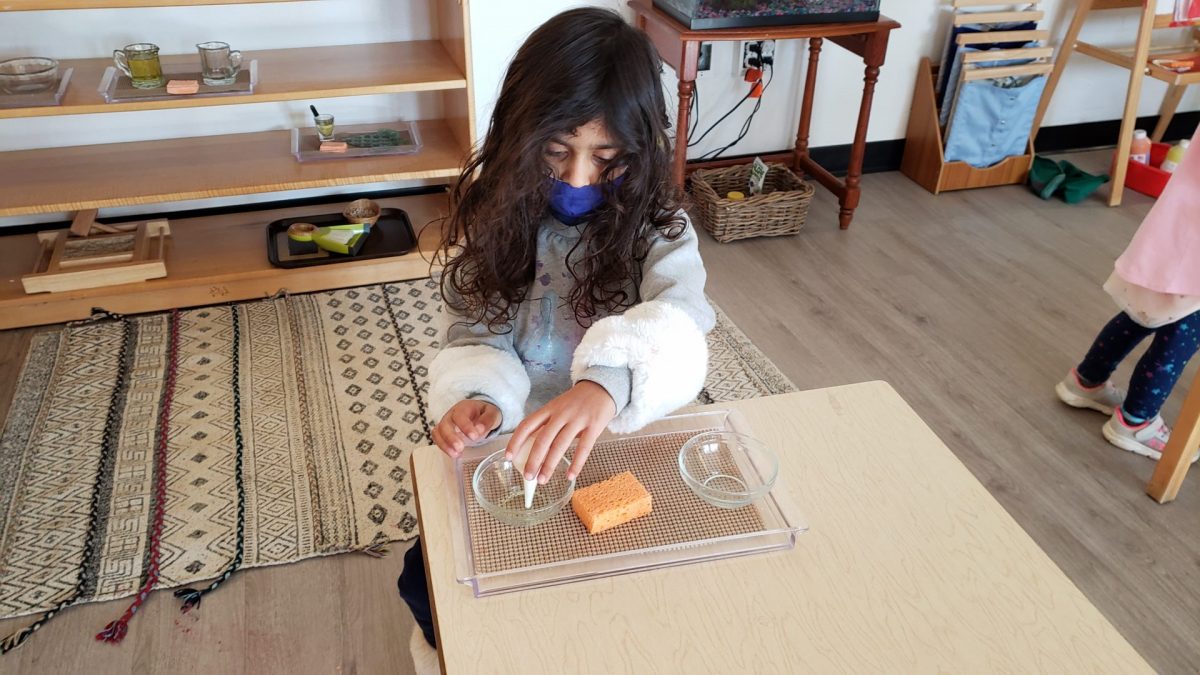
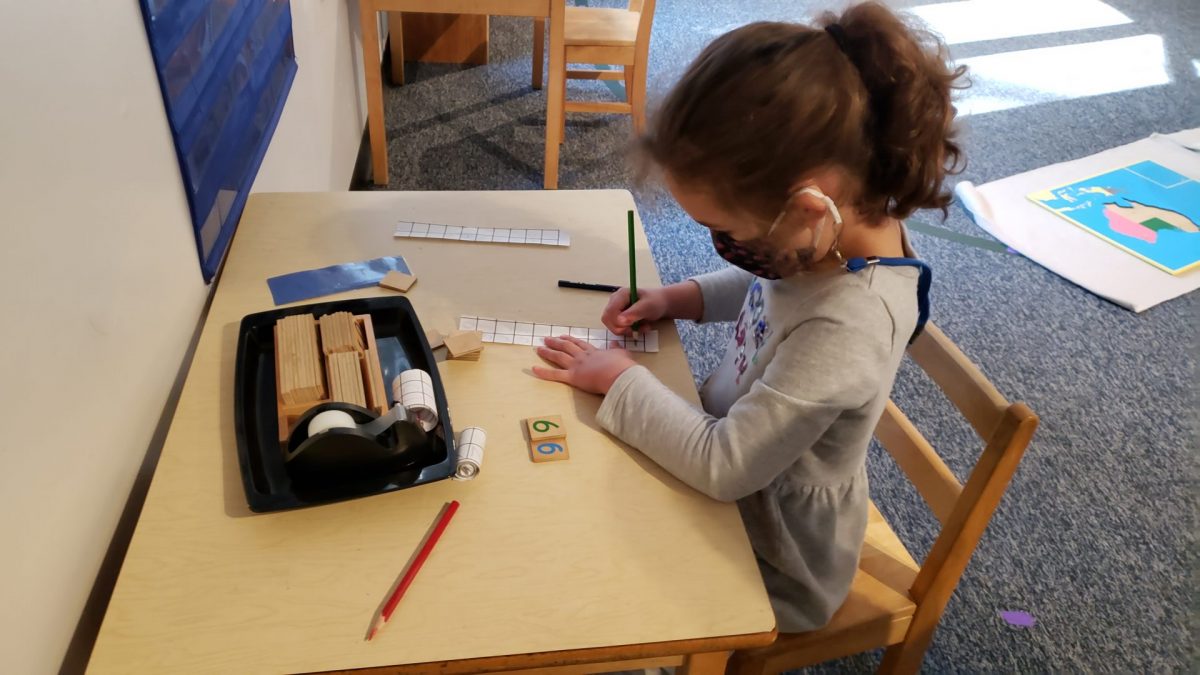
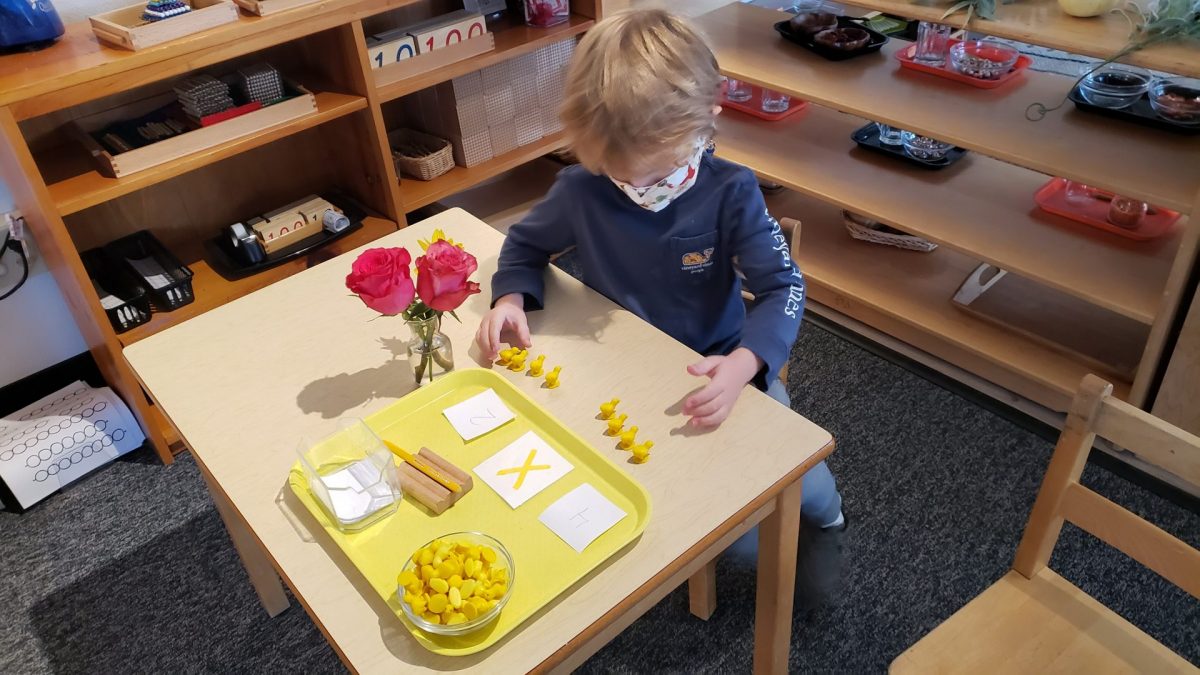
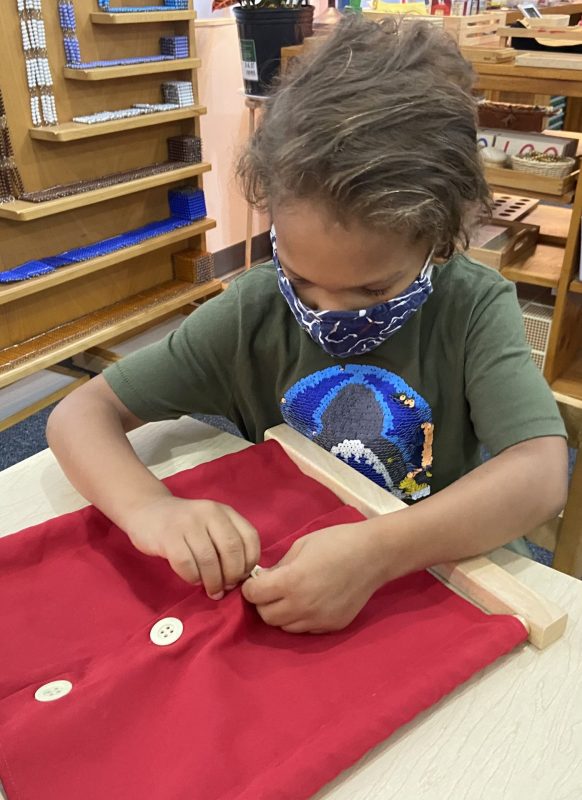
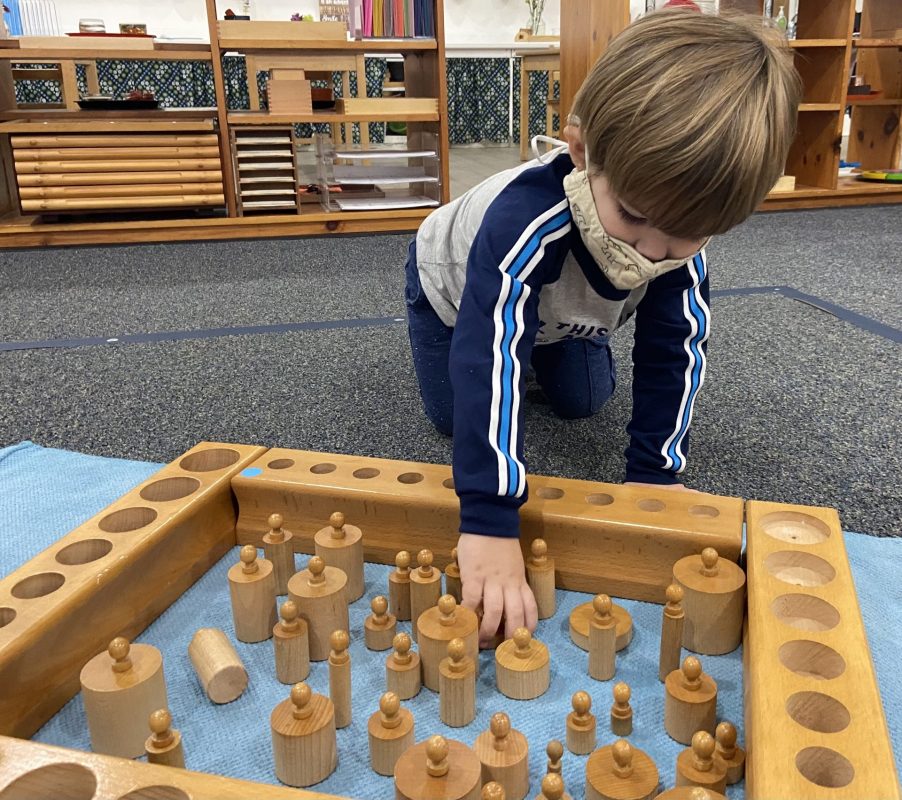
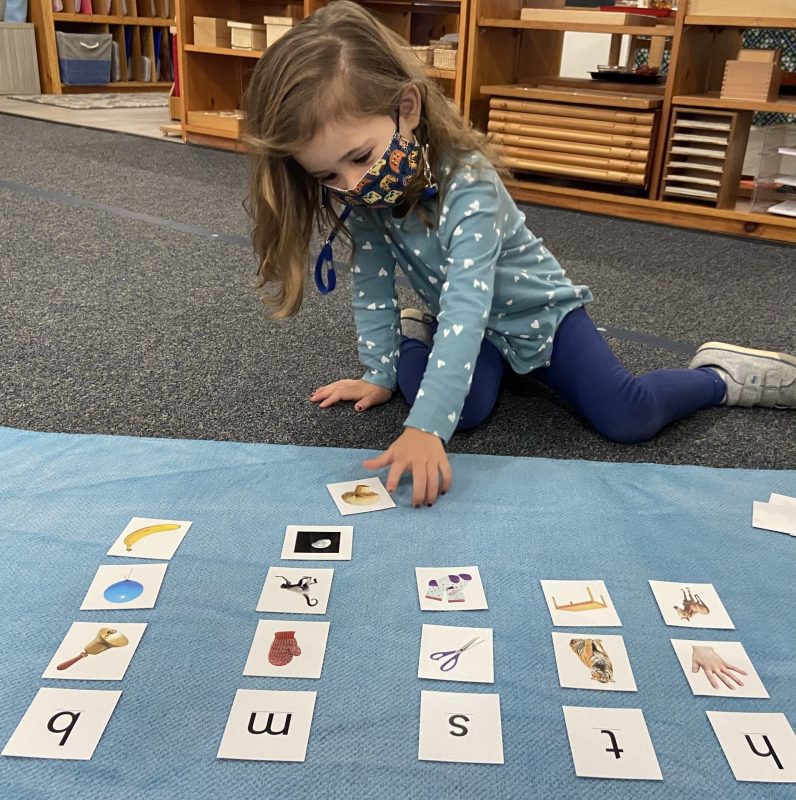
The Montessori cultural studies curriculum provides children with an opportunity to explore the whole world, including the continents, countries, people, animals, terrain, music, and arts. Children use didactic Montessori materials to familiarize themselves with the needs of all humans for such things as food, housing, and clothing. This early cultural awareness helps cultivate independent, joyful citizens of our world.

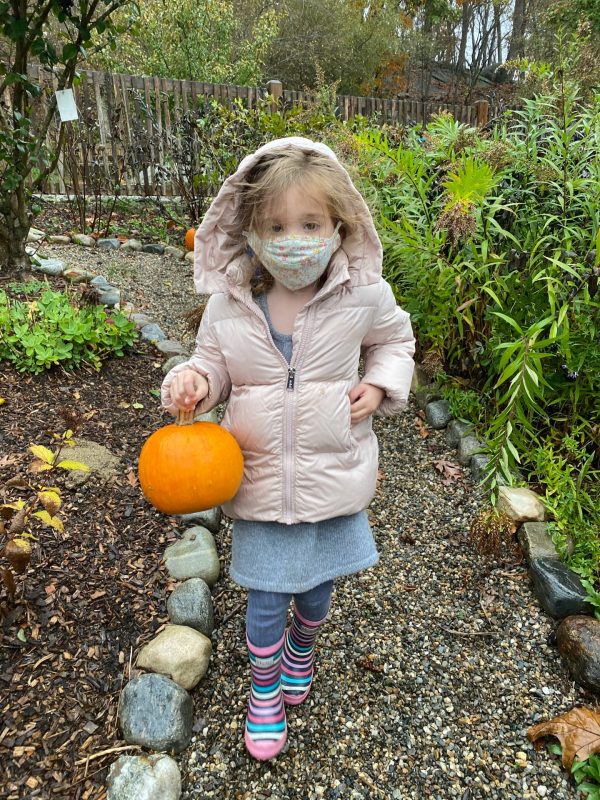
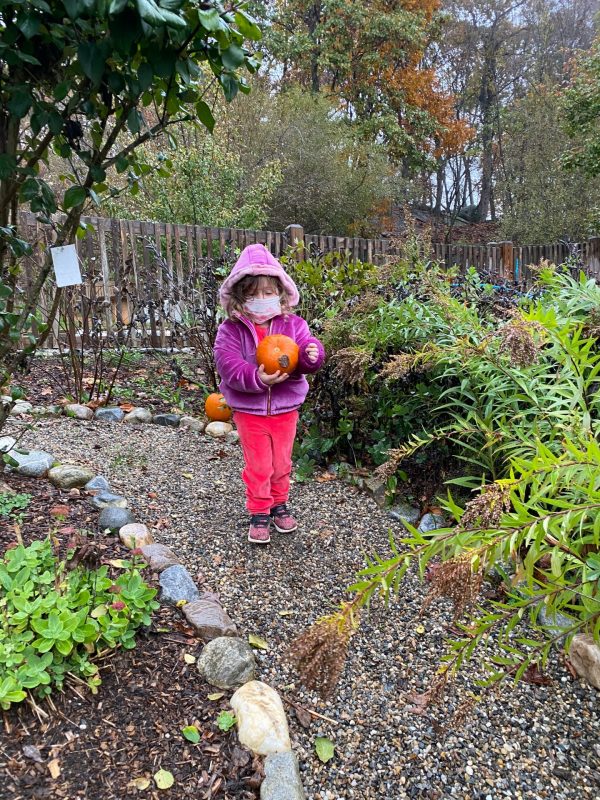
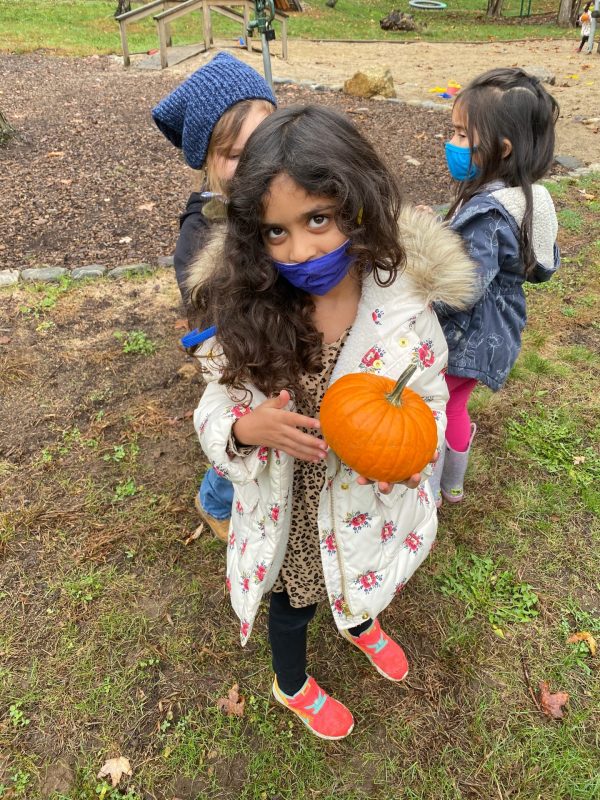
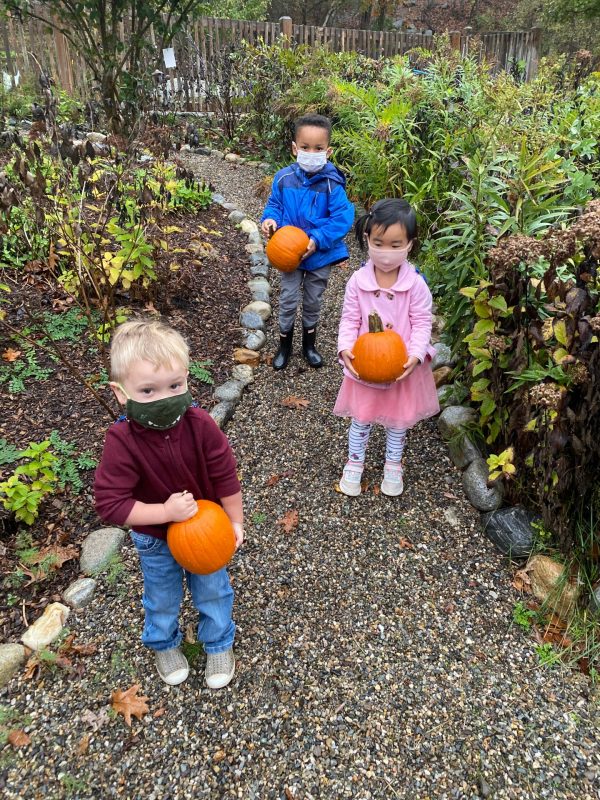
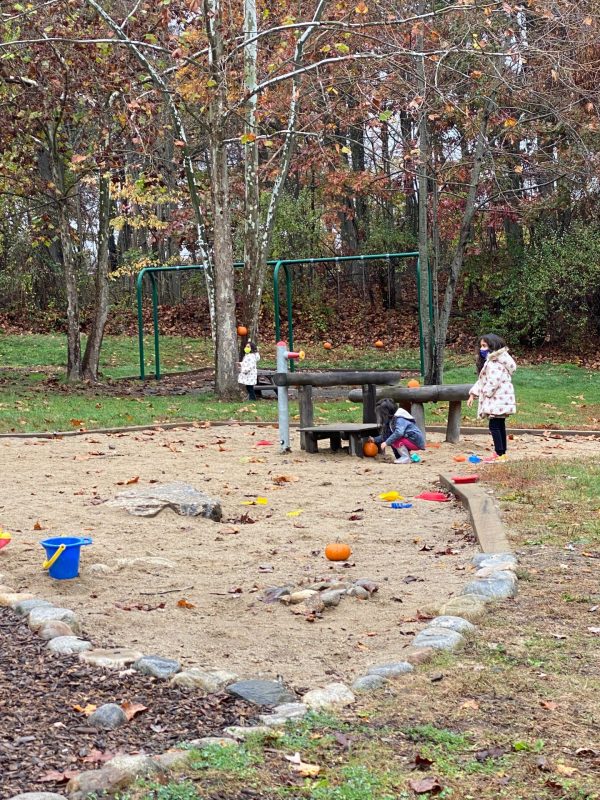
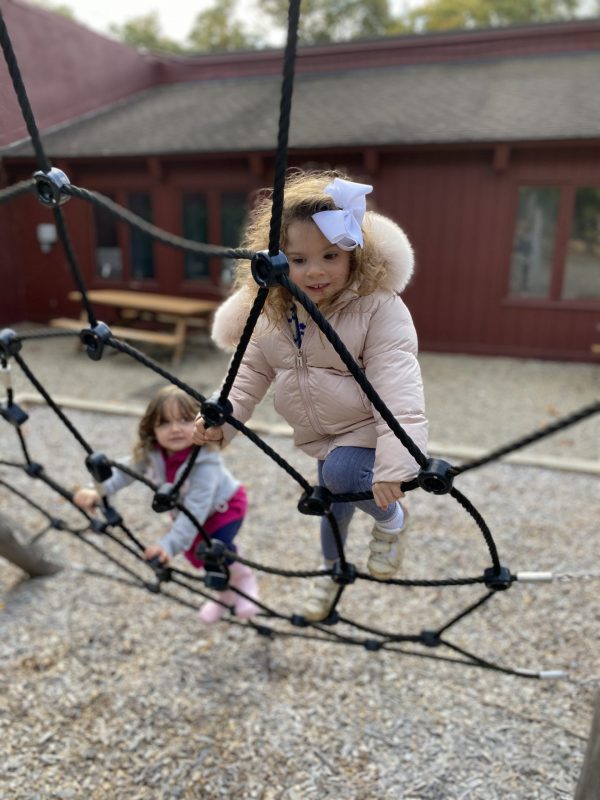
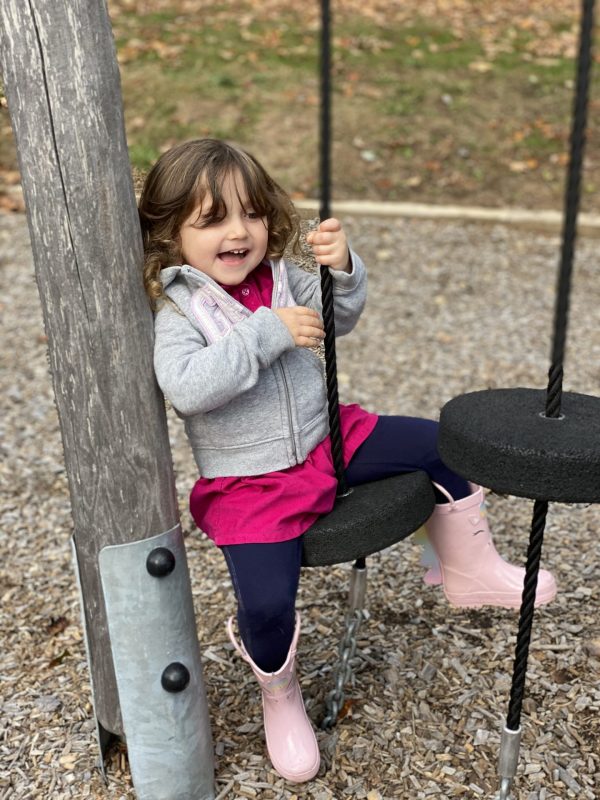
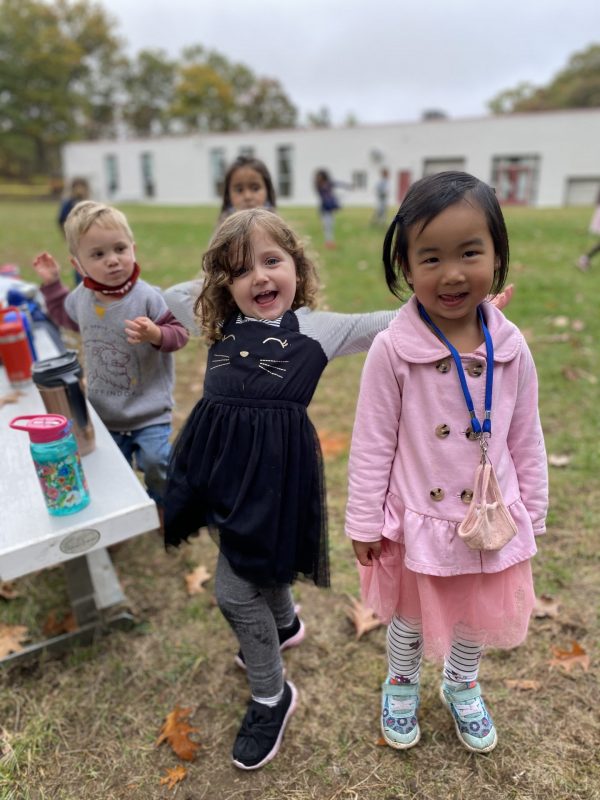
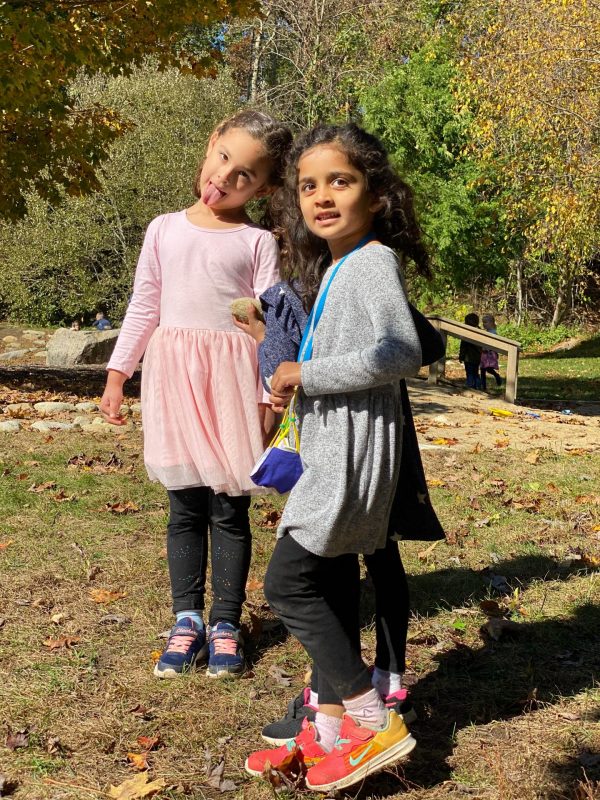
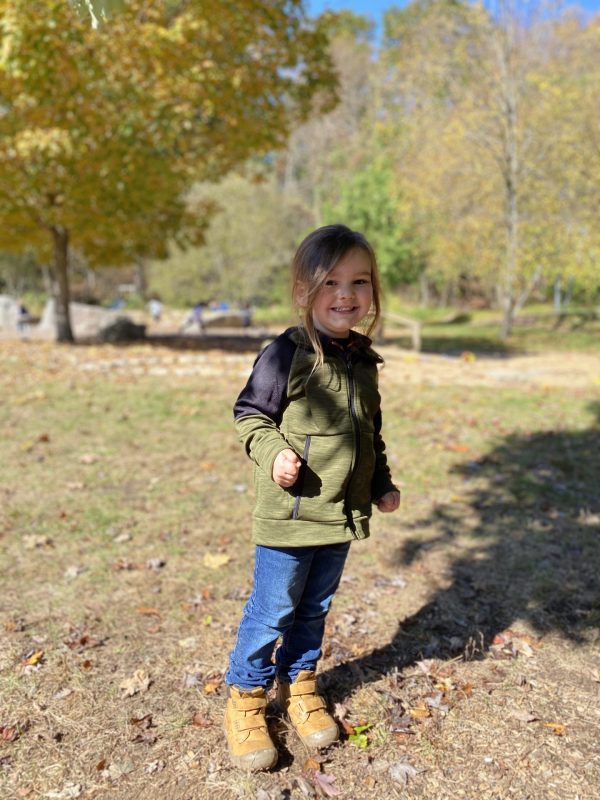
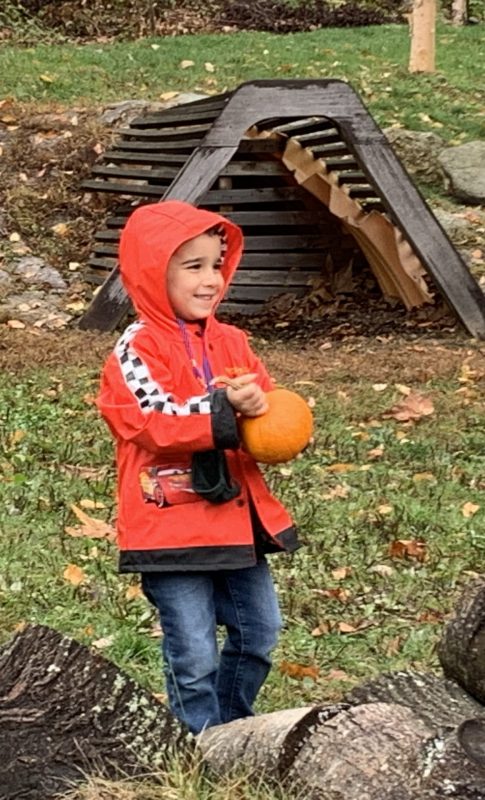
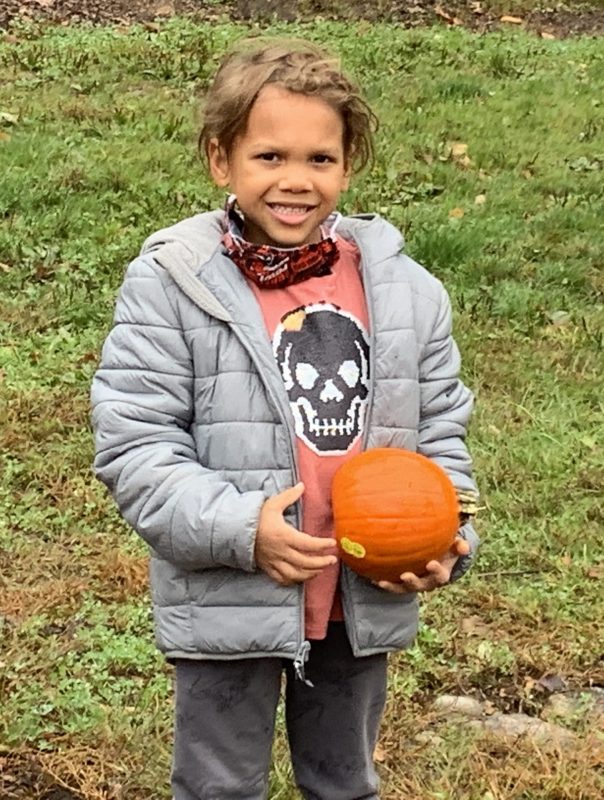
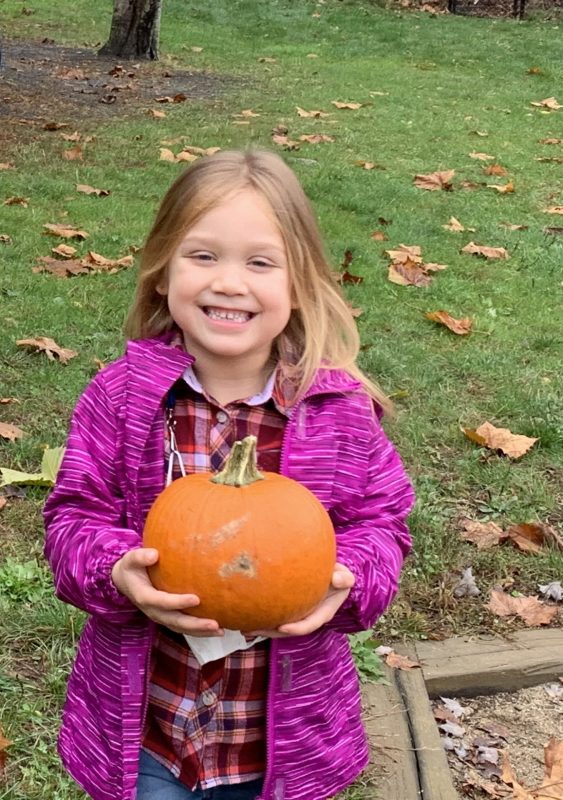
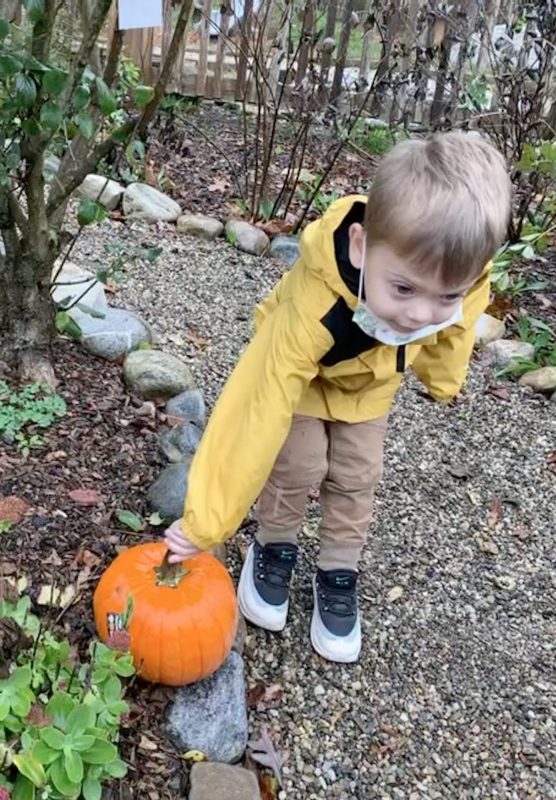
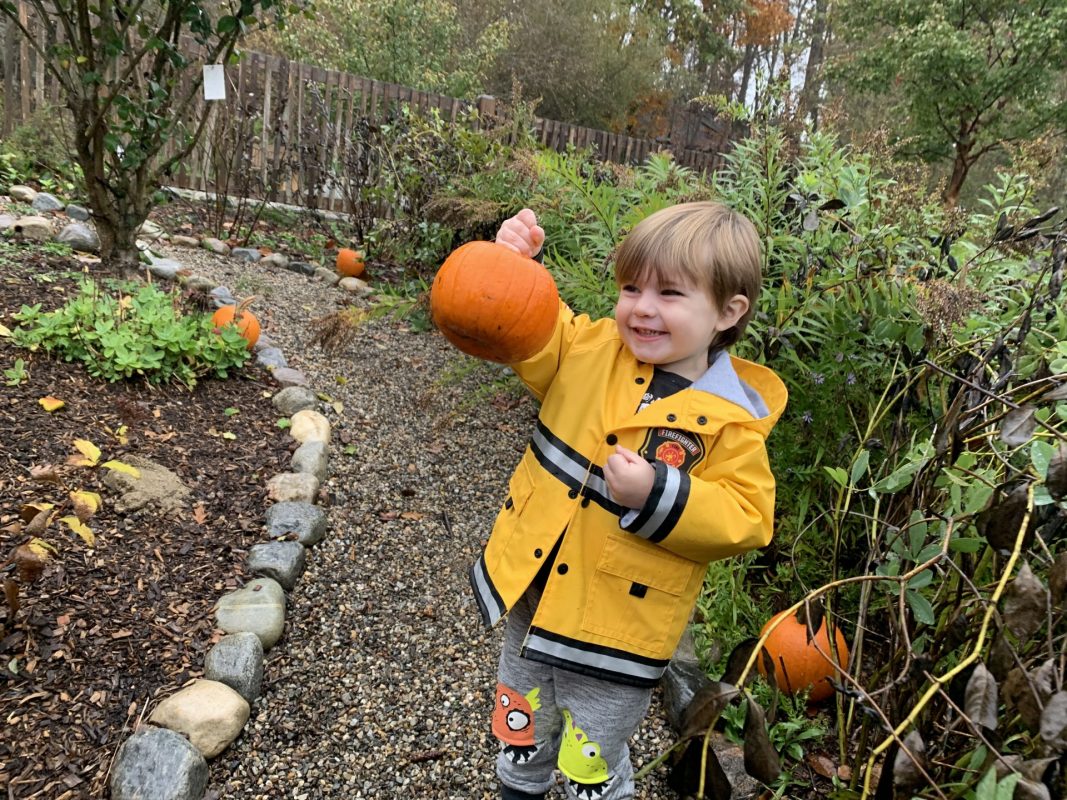
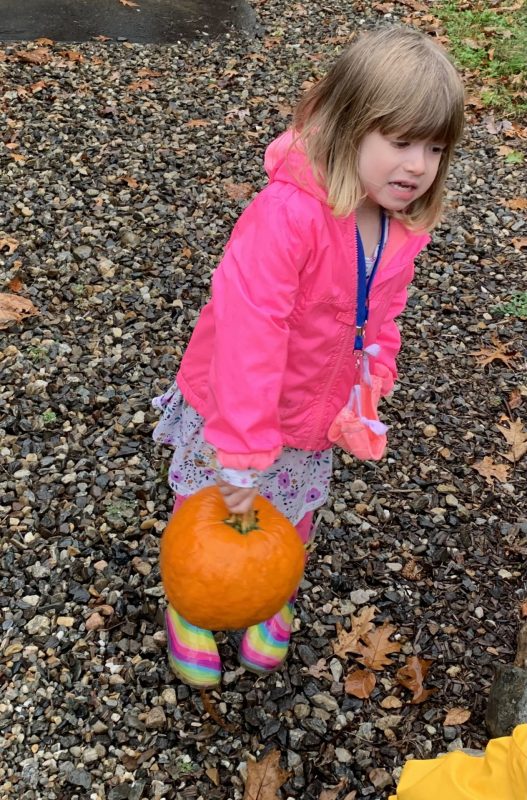
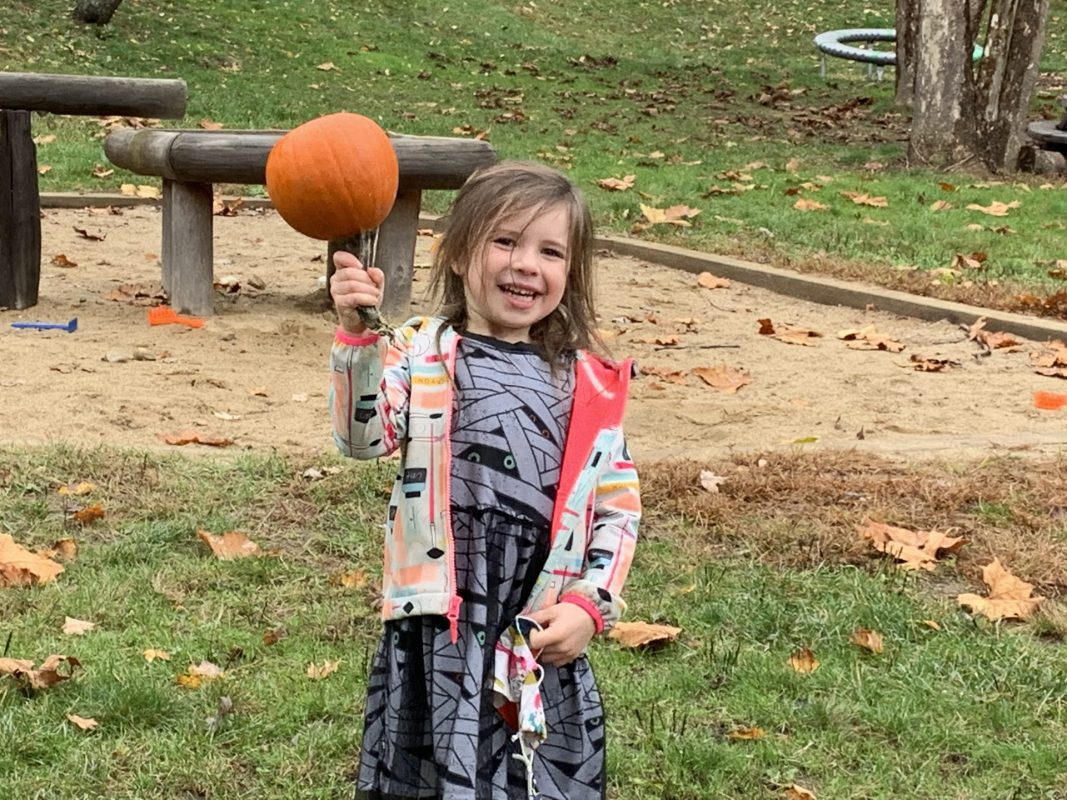
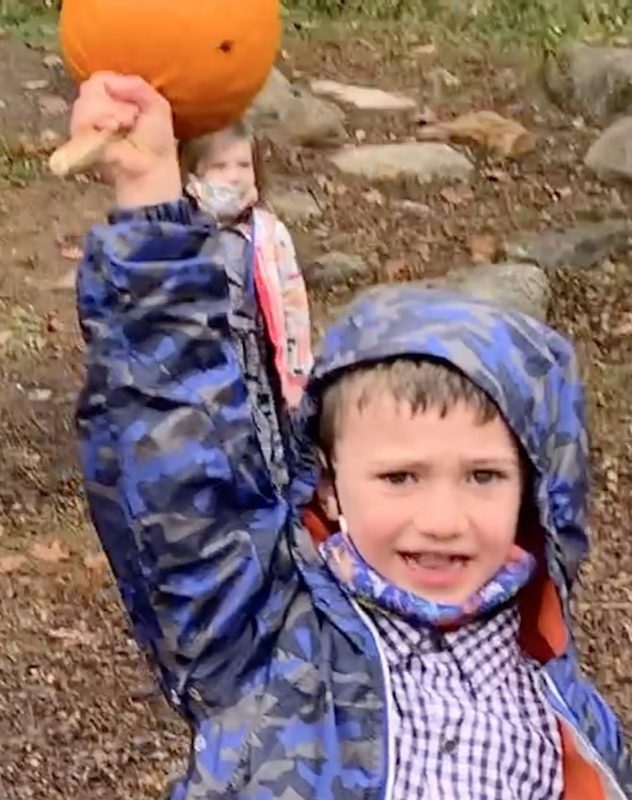
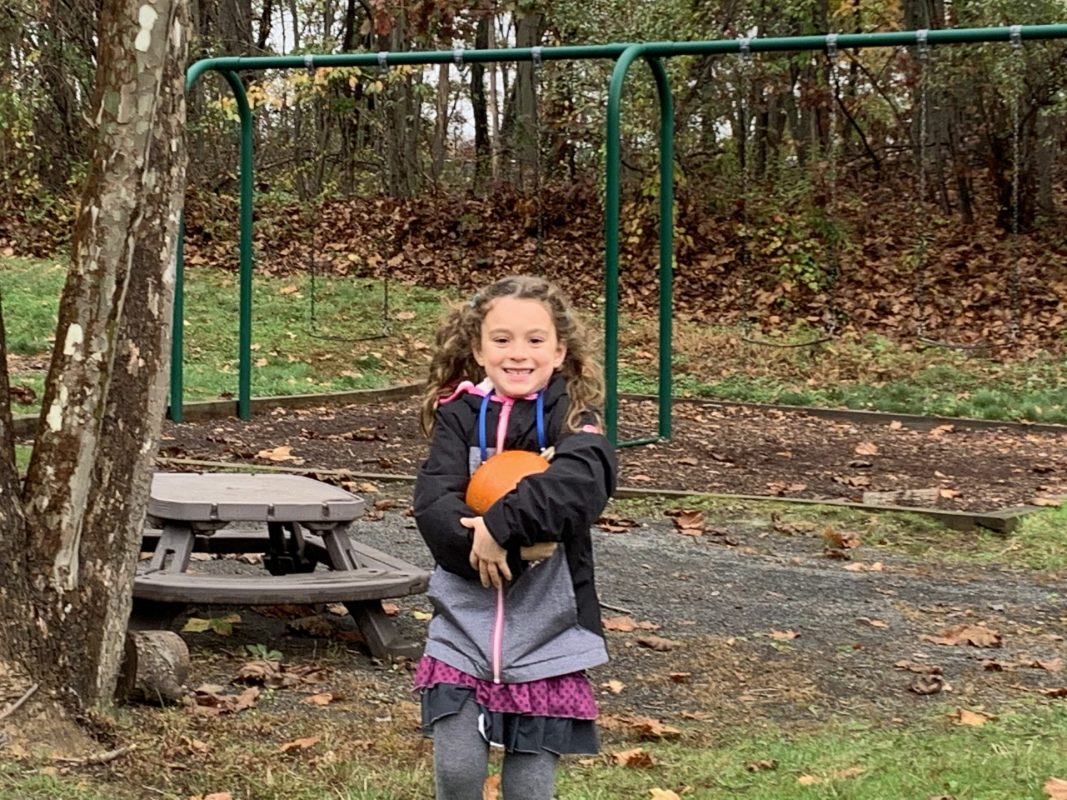
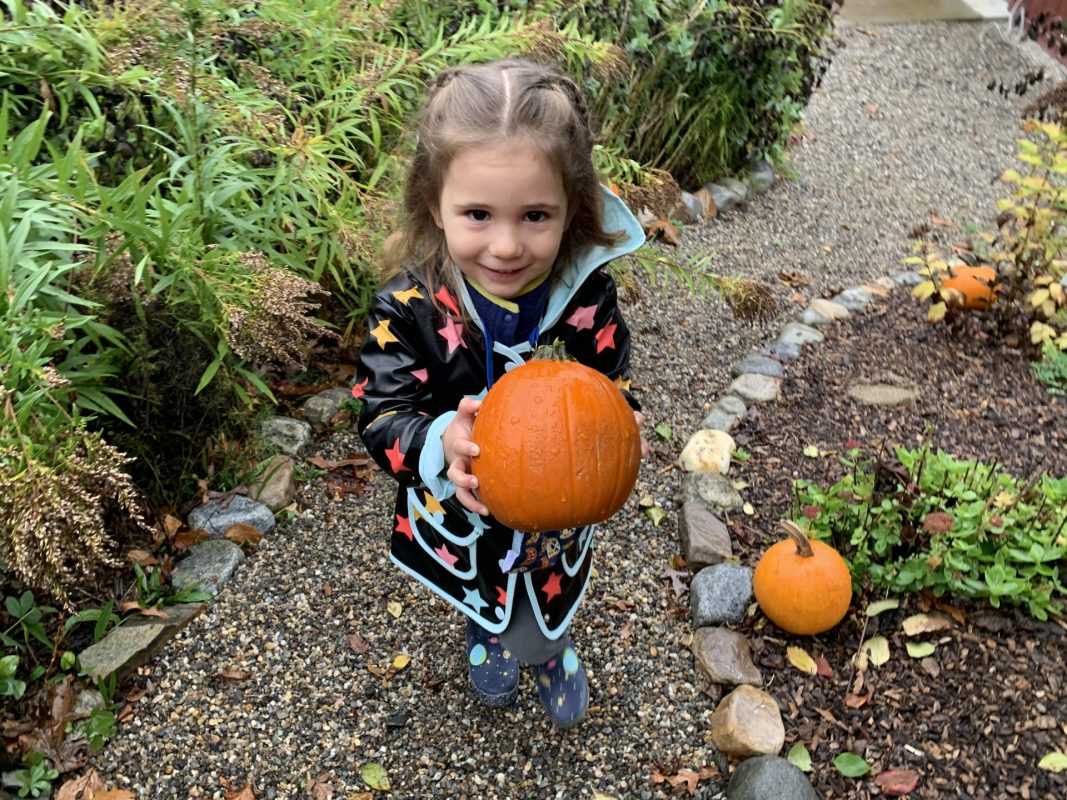
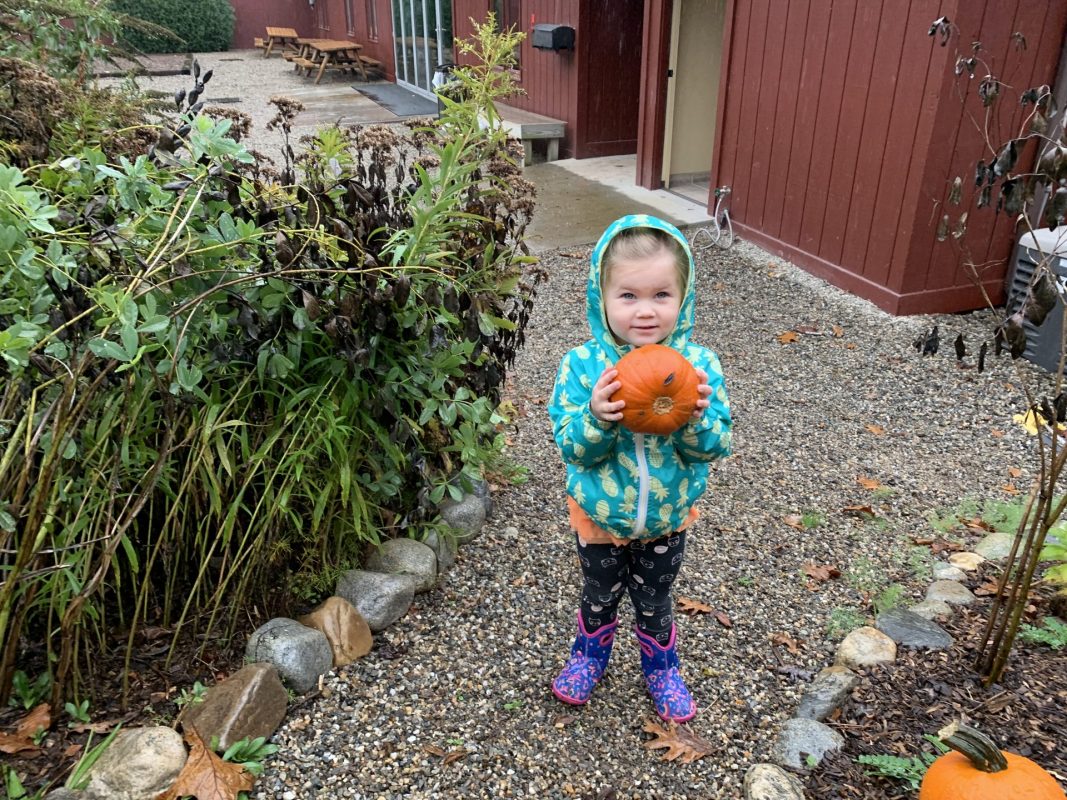
Being it is 2020, I don’t think anyone was shocked that it rained for our Pumpkin Patch. The important thing is the children didn’t seem to mind at all. We went out in small groups so that each child had a chance to find their pumpkin. There was a lot of laughter and fun to be had!

Wishing everyone a week filled with peace and love!

Michelle & Lizette

Mrs. Lopes’s Class: Discovering Dinosaurs

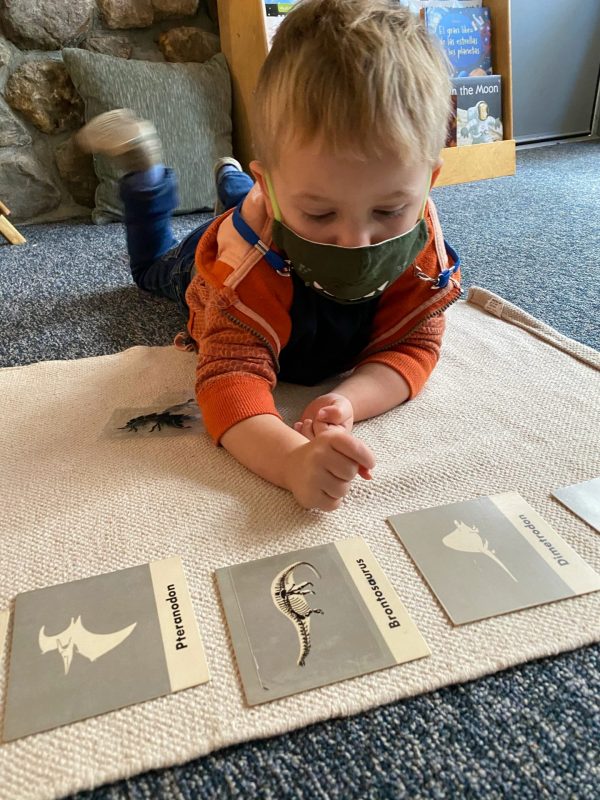
In our classroom, your children have been exploring the world around them by becoming biologists, astronauts, and now, paleontologists!  This week, your children have been immersed in the land of dinosaurs, learning all about what they looked like, where they lived, and what they ate. On our science shelf, the children have had an array of works that spark their creativity and curiosity about these giant reptiles from the past. They have been able to use crayons to make fossil rubbings, match dinosaurs with their fossils, and even sort dinosaurs according to if they walked on two feet or four feet. We have also been discussing the word “extinct” and possible reasons why the dinosaurs became extinct.

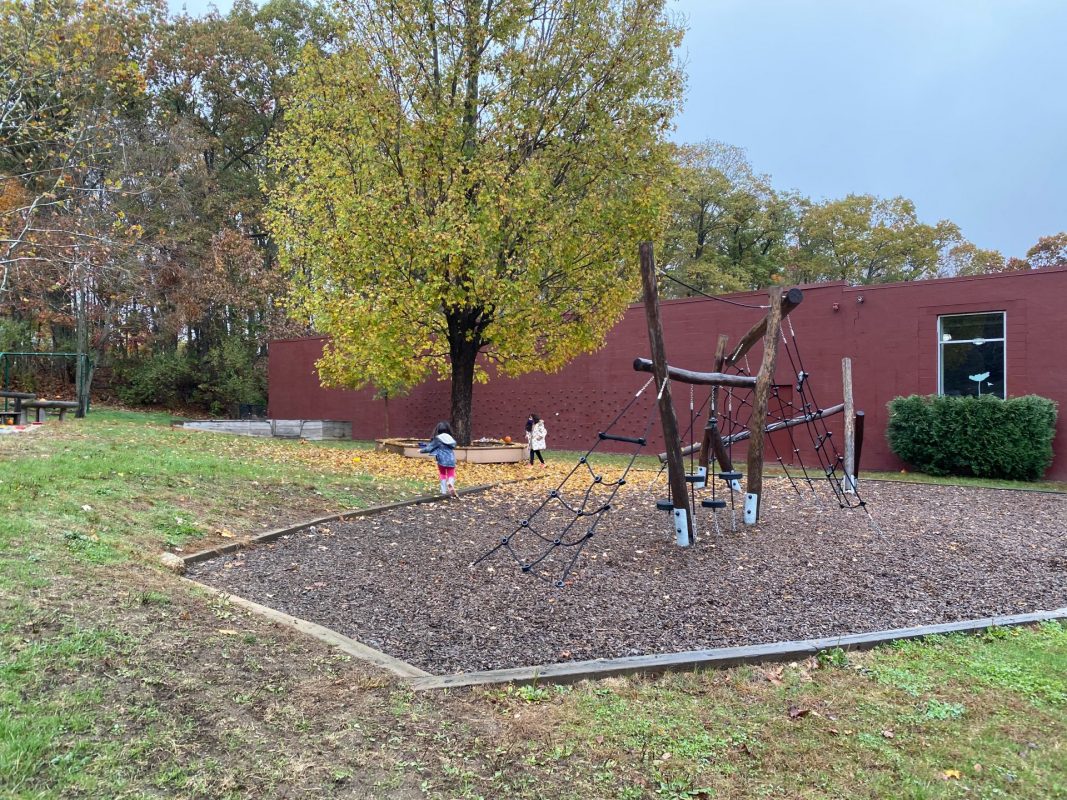
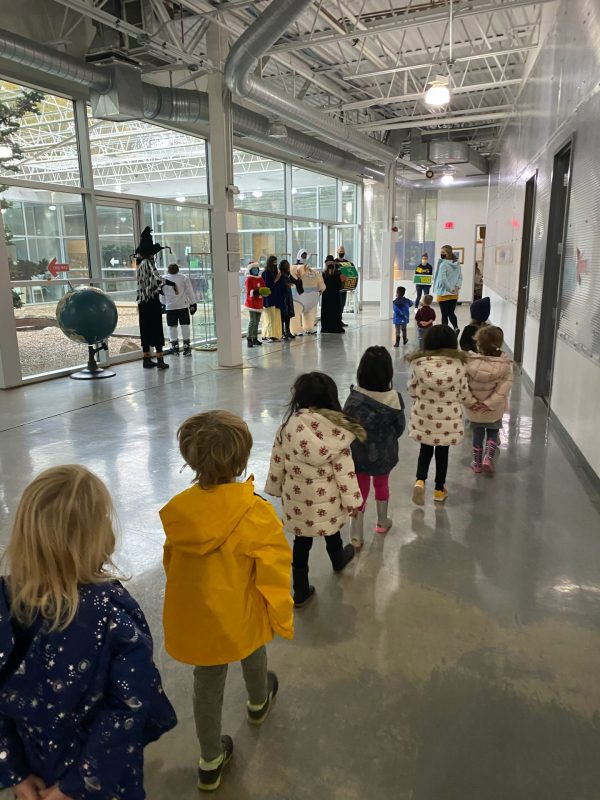
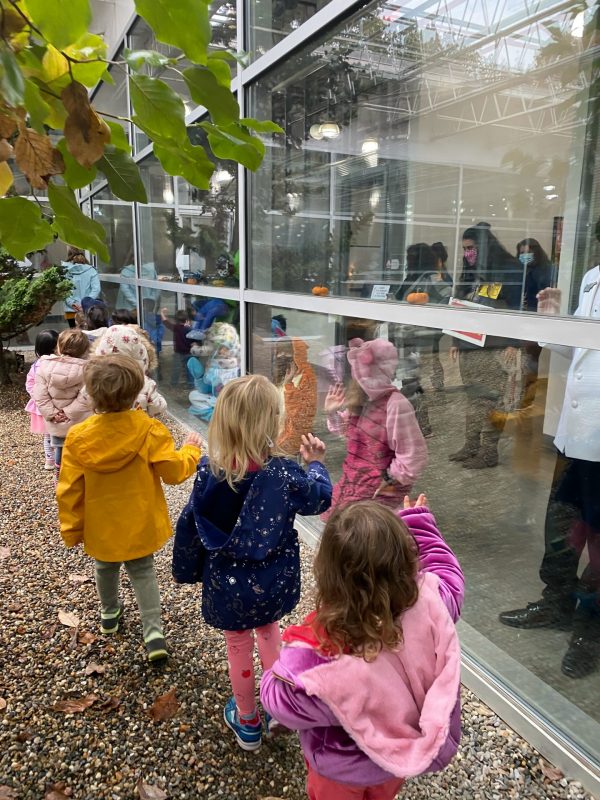
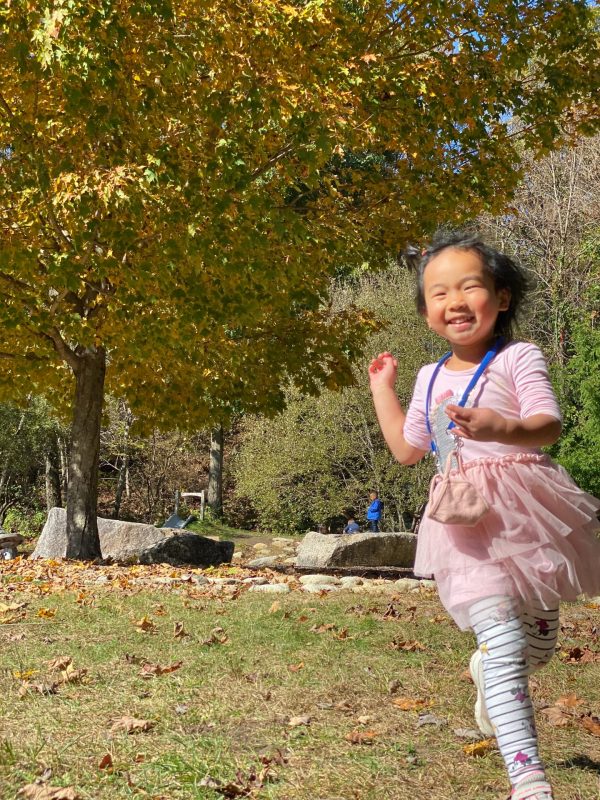
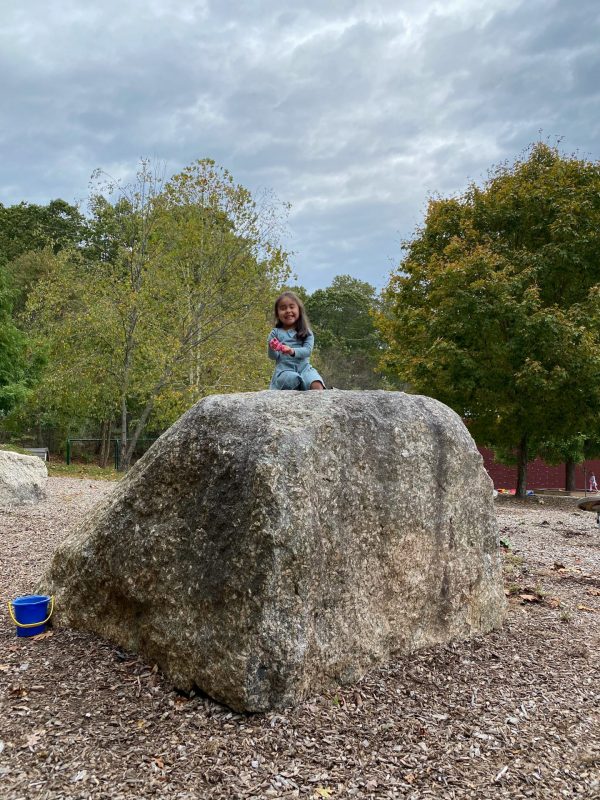
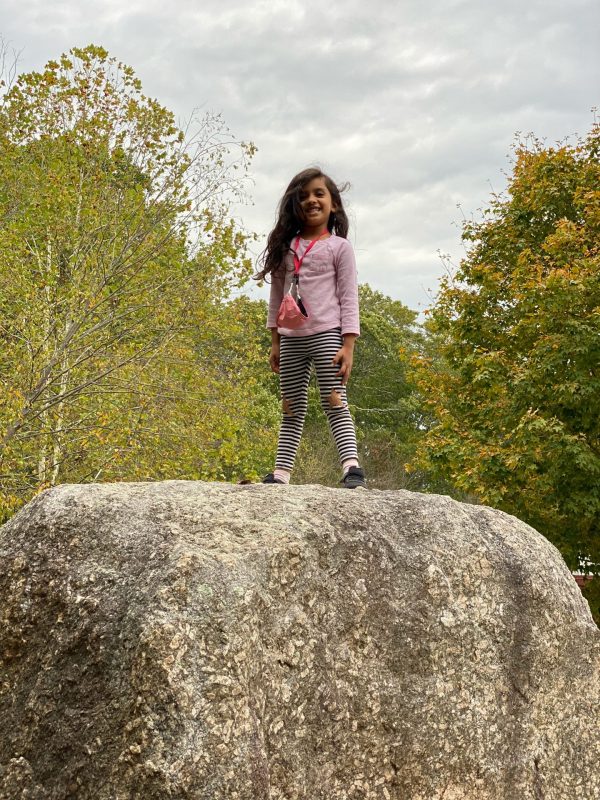
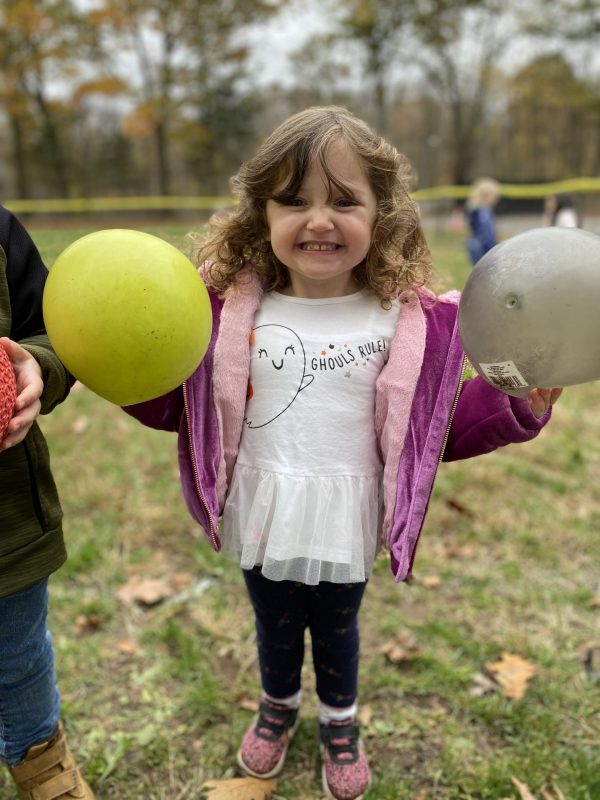
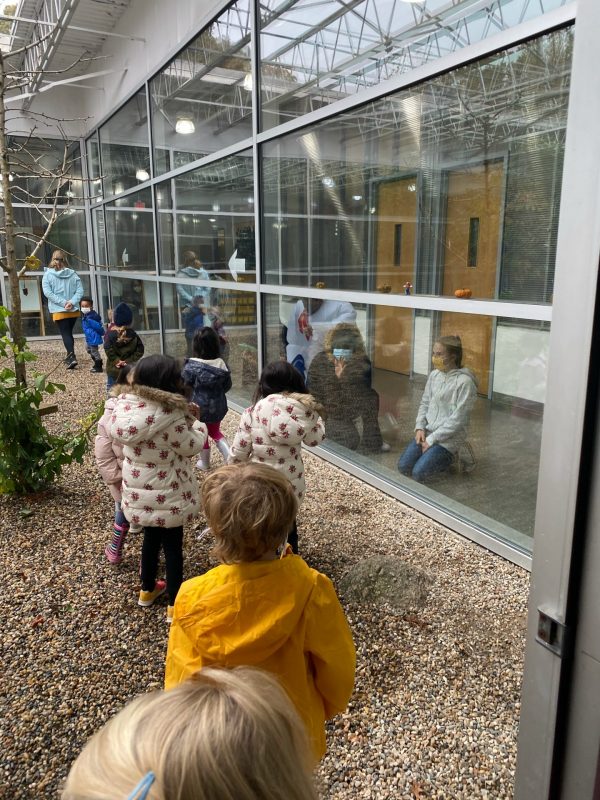
I would like to thank everyone who donated pumpkins to make our pumpkin patch a huge success!  The children were so happy and excited to search the playground for a pumpkin to bring home.  Our hearts were so full, seeing all the smiles and laughter!  The children also enjoyed seeing all the Middle School students dressed up for Halloween on a little parade through the zen garden.

Have a great week,

Amanda & Sharlene


Mrs. Doyle’s Class: Pumpkins, Pumpkins Everywhere!

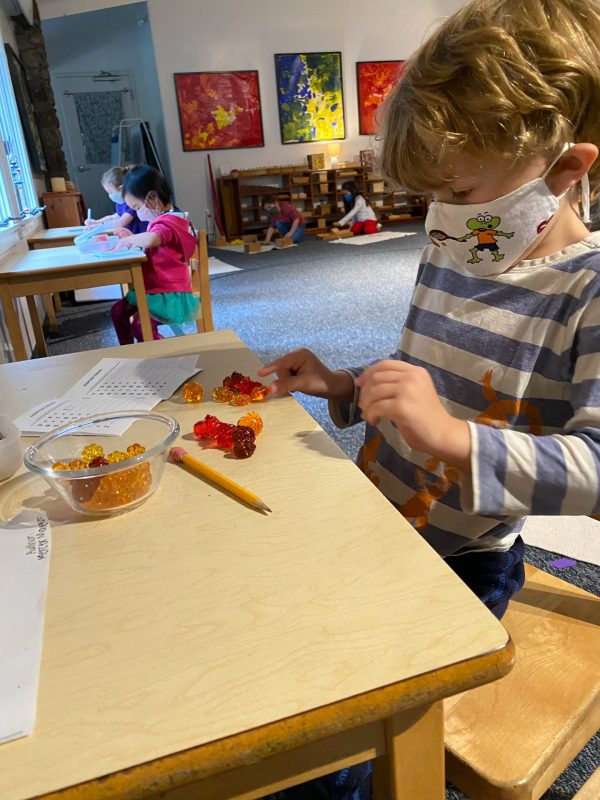
Welcome to our pumpkin patch!  There are pumpkins everywhere in our class. Having pumpkins in the classroom provides so many opportunities for the children to observe and to introduce basic science and math concepts.

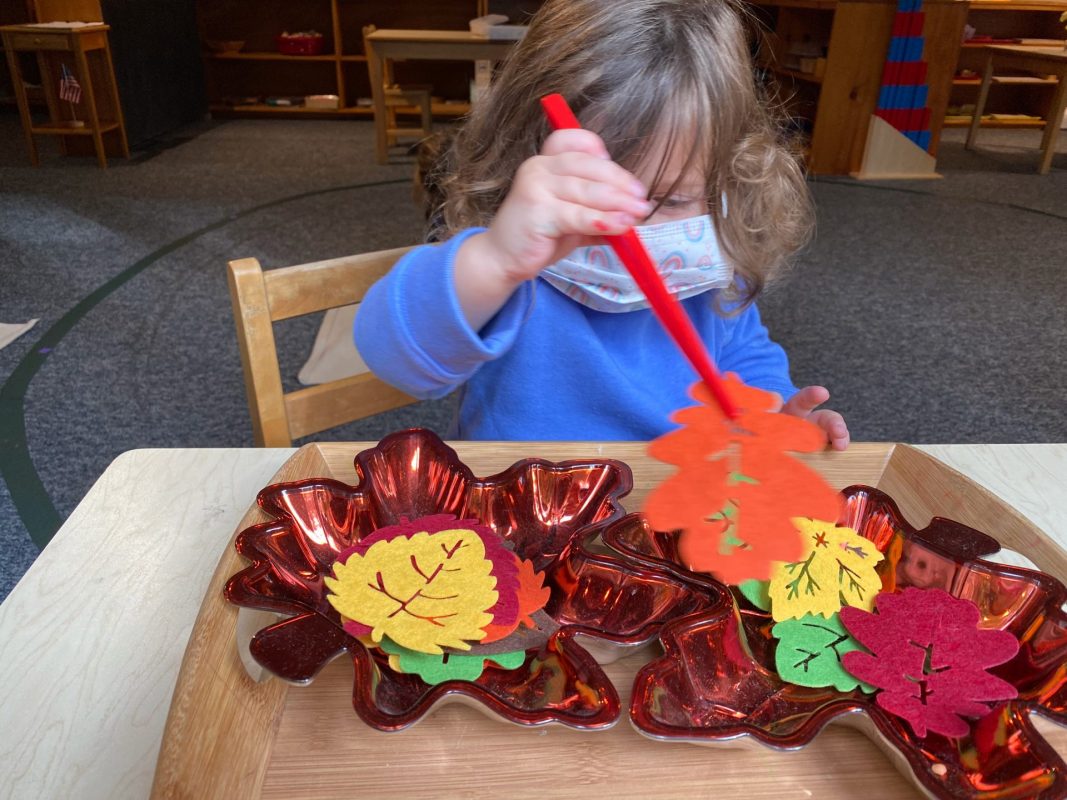
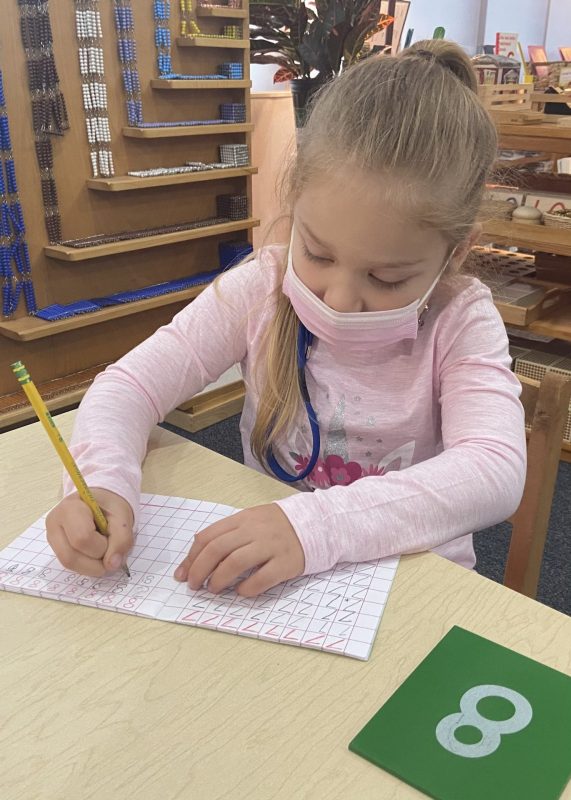
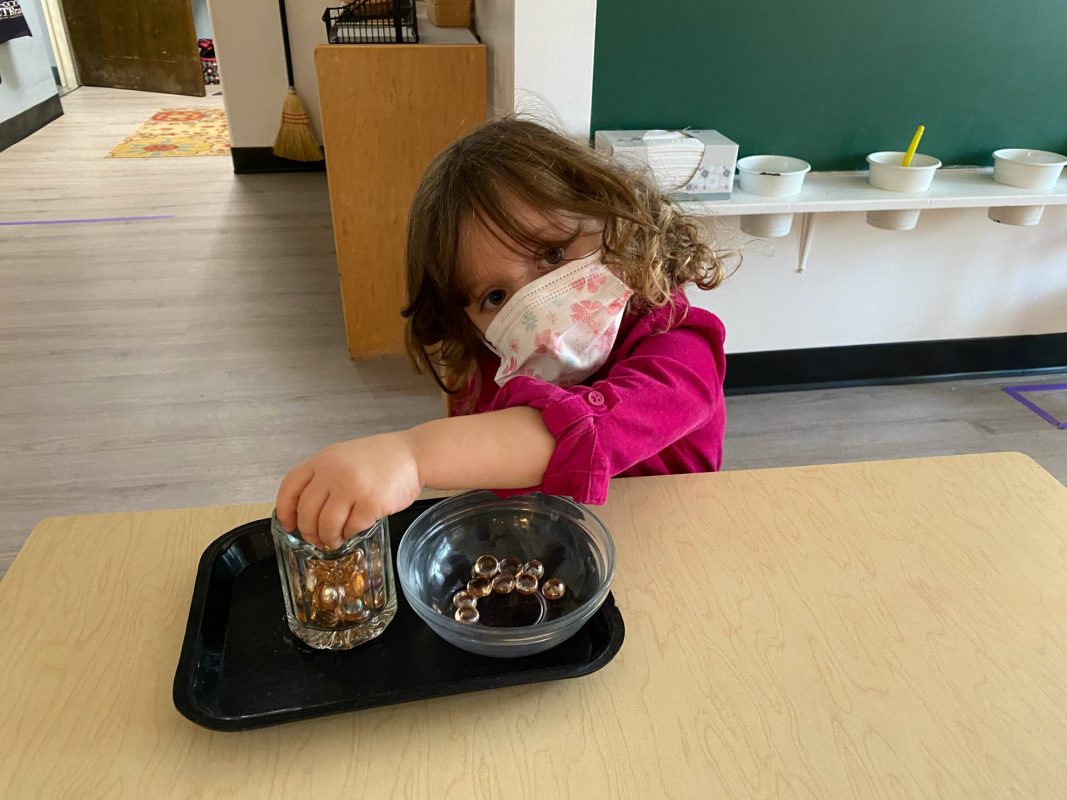
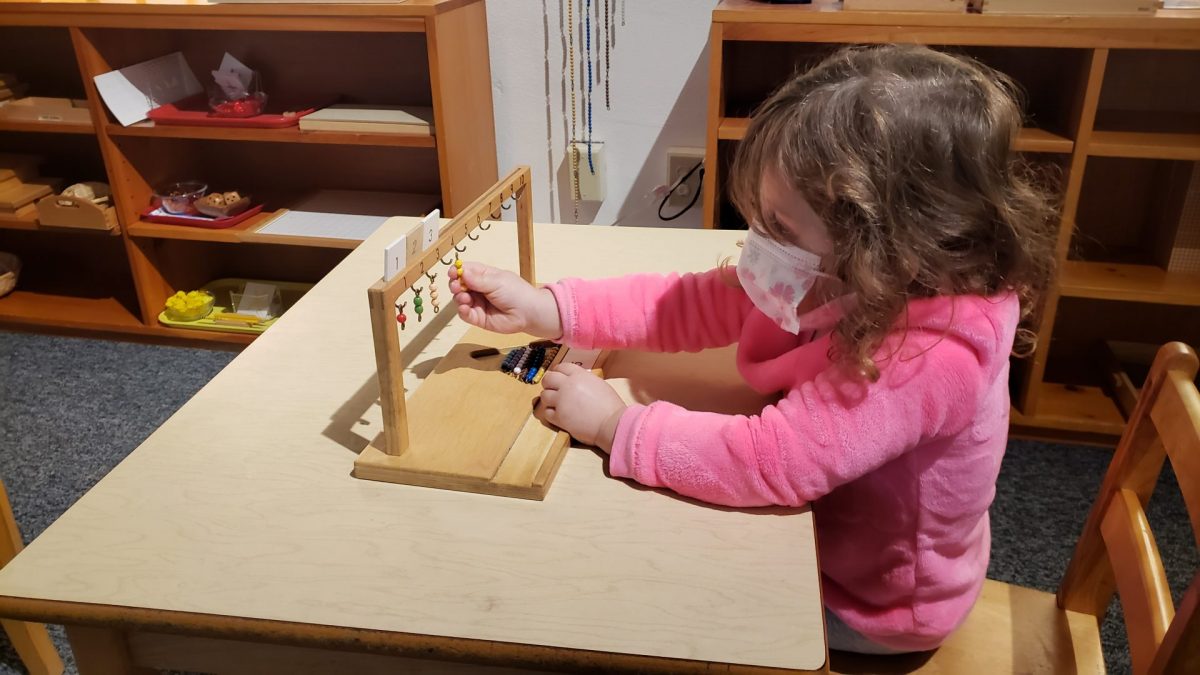
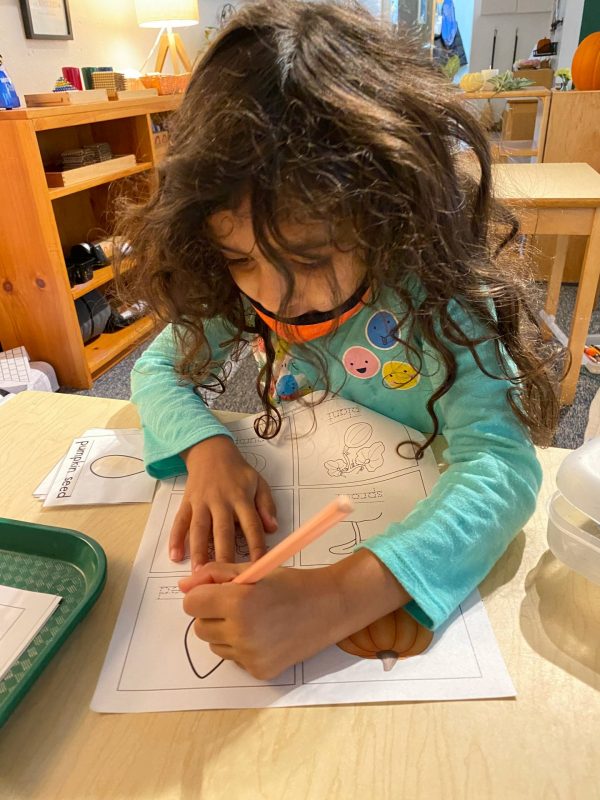
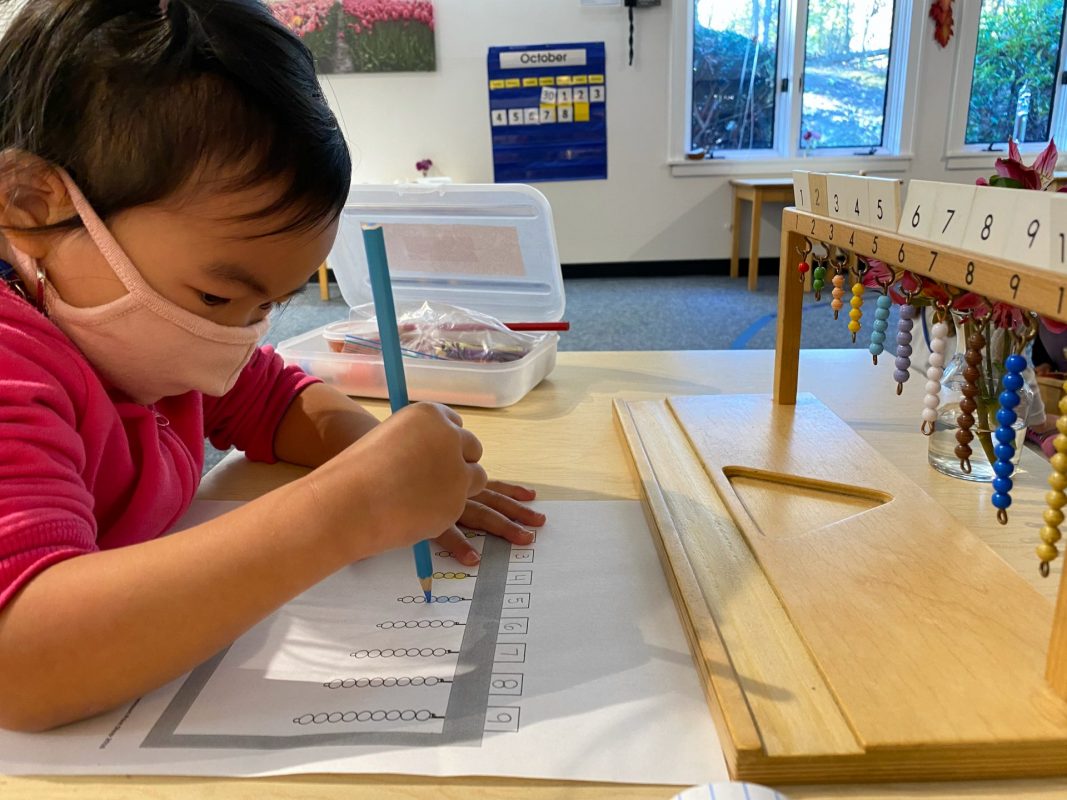
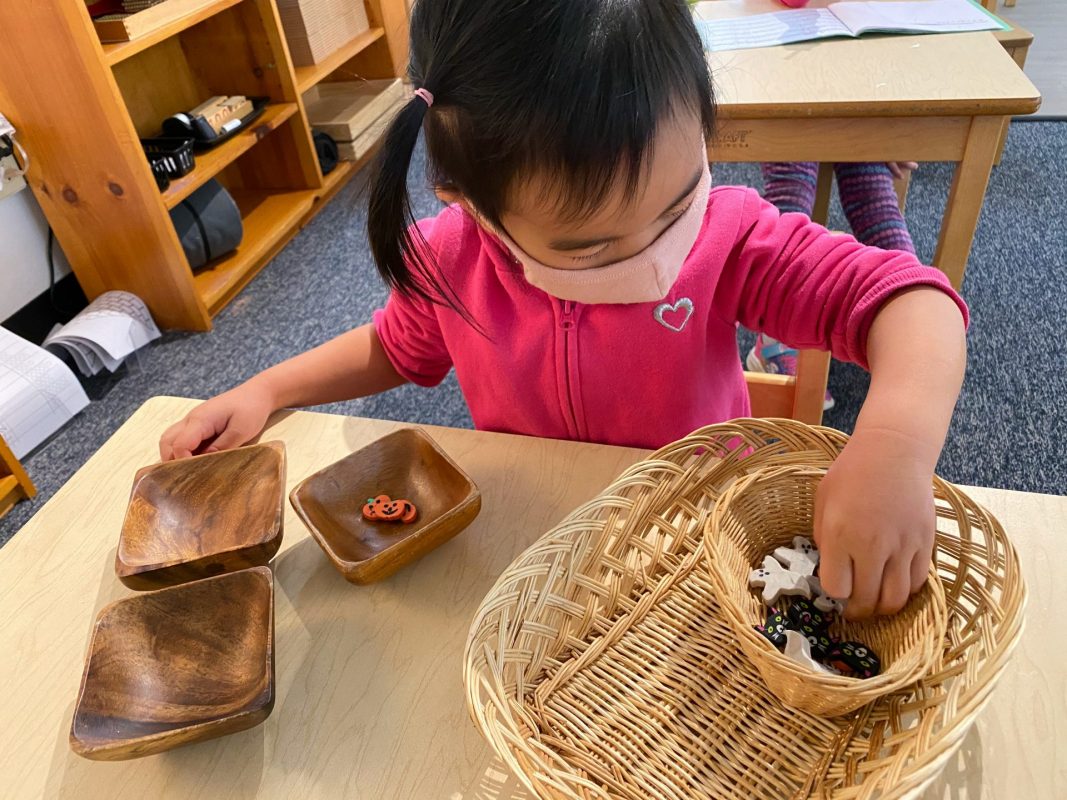
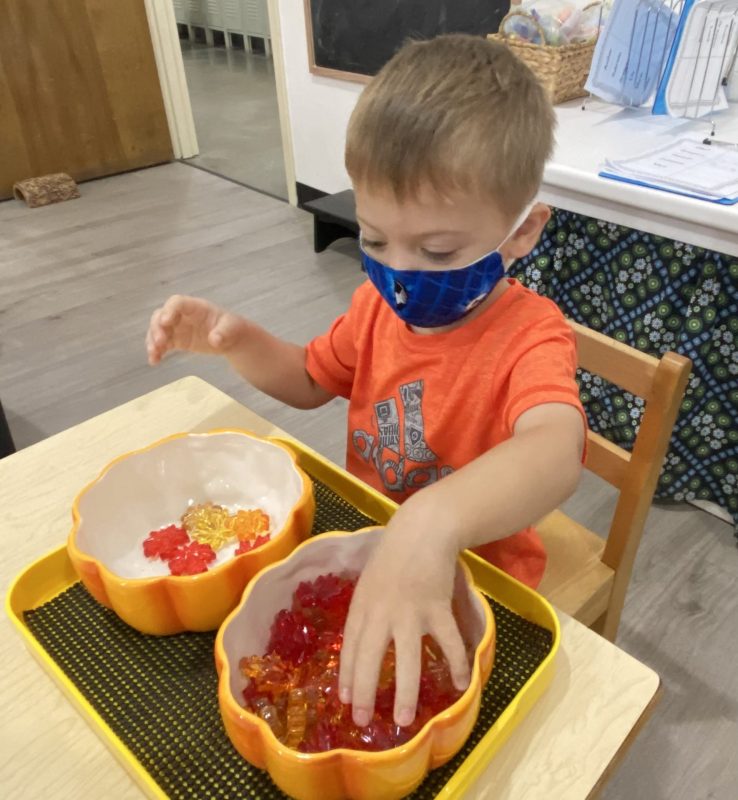
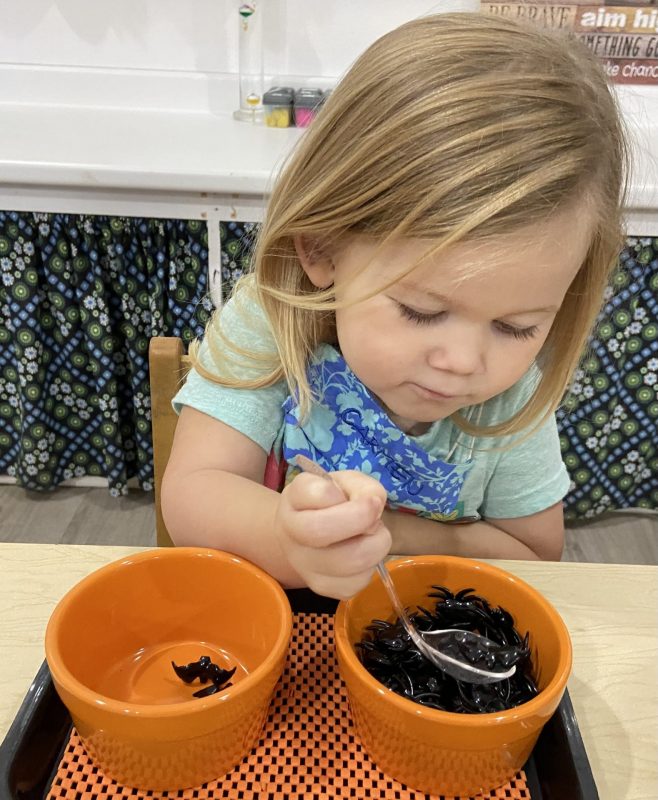
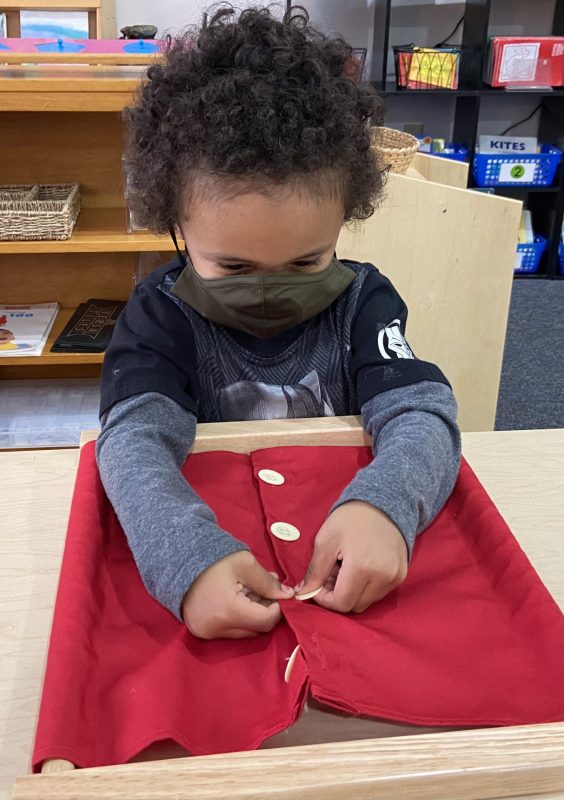
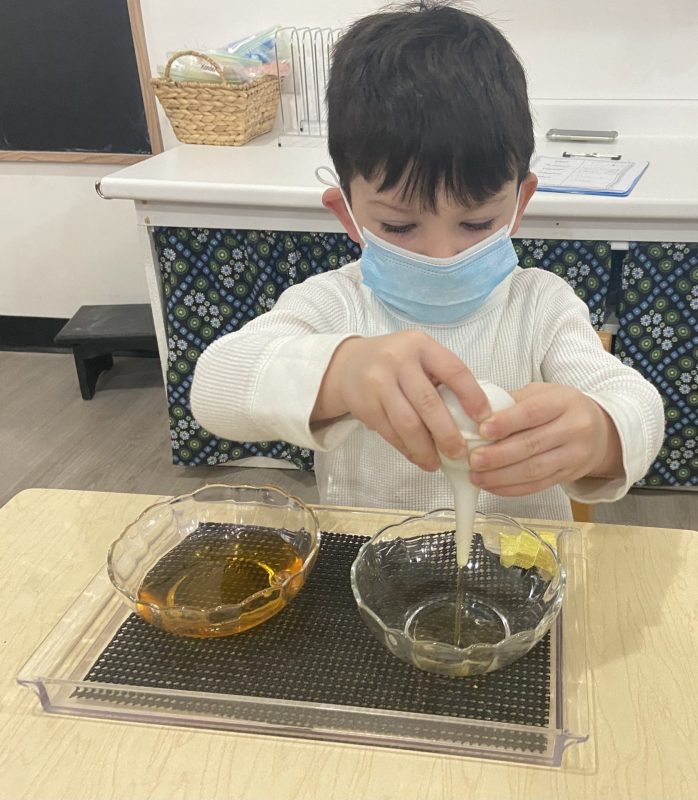
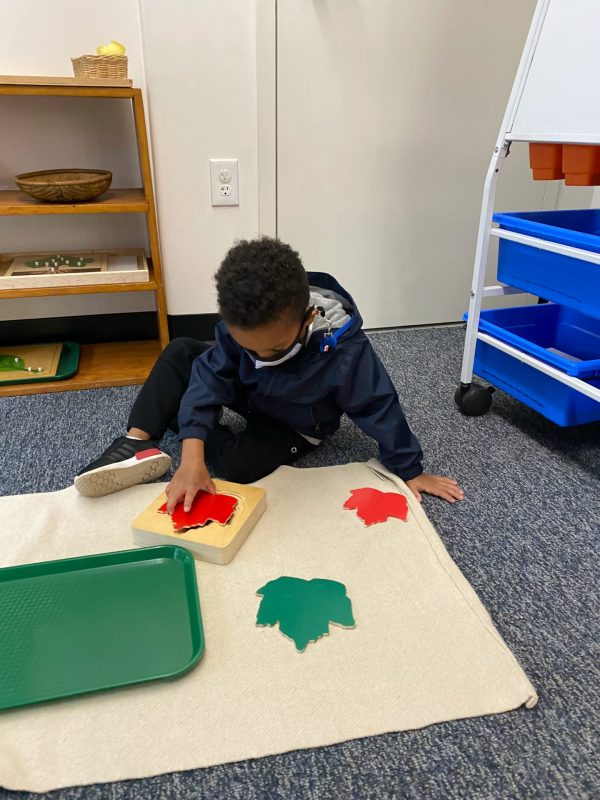
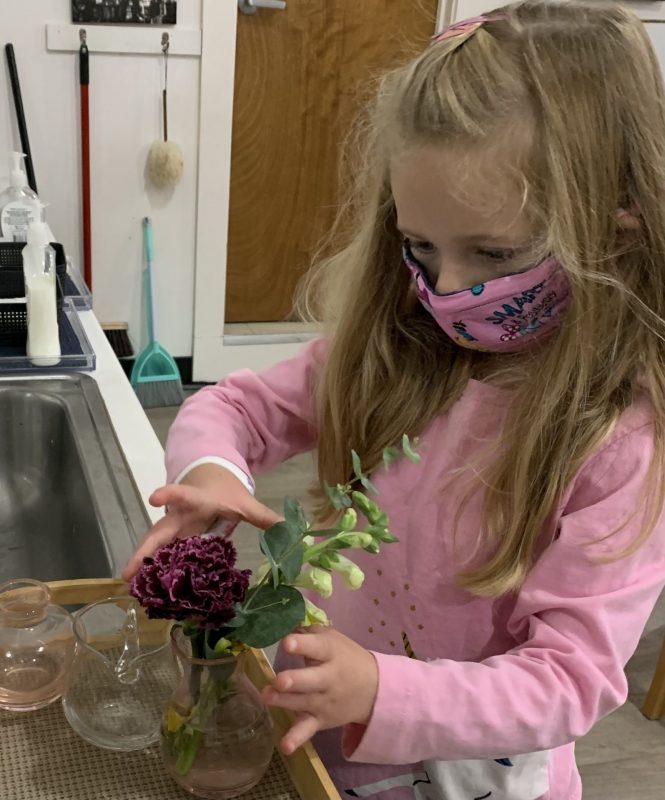
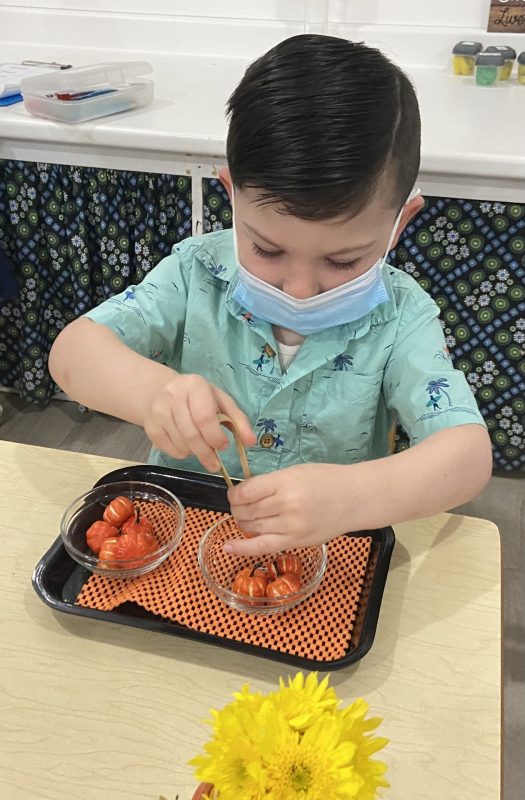
In Practical Life, we have pumpkin spooning, pumpkin pouring, and pumpkin grasping. In Science, we learned about the parts of a pumpkin and the pumpkin life cycle. We compared pumpkins and categorized them as small, medium, and large. We are using our five senses to determine what pumpkins look, smell, feel, sound, and taste like.  This year we can’t clean and roast the pumpkin seeds so we are relying on our memories of what pumpkin tastes like. In Math, we were faced with the very difficult question of how do you measure the circumference of a pumpkin. We counted the lines/ridges on pumpkins and learned why some pumpkins have more and some have less. We are experimenting to see if a pumpkin will sink or float.

Wishing everyone a week filled with peace and love!

Michelle & Lizette

Mrs. Lopes’s Class: The Three Period Lesson

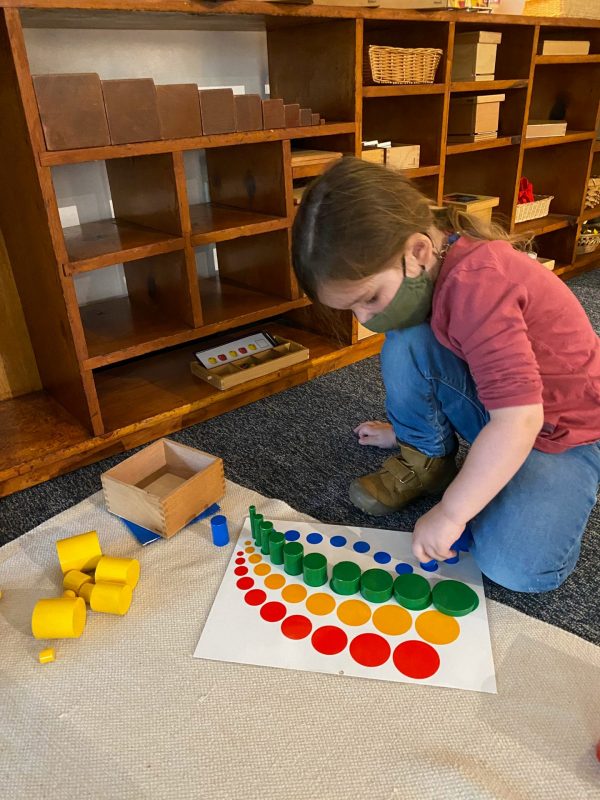
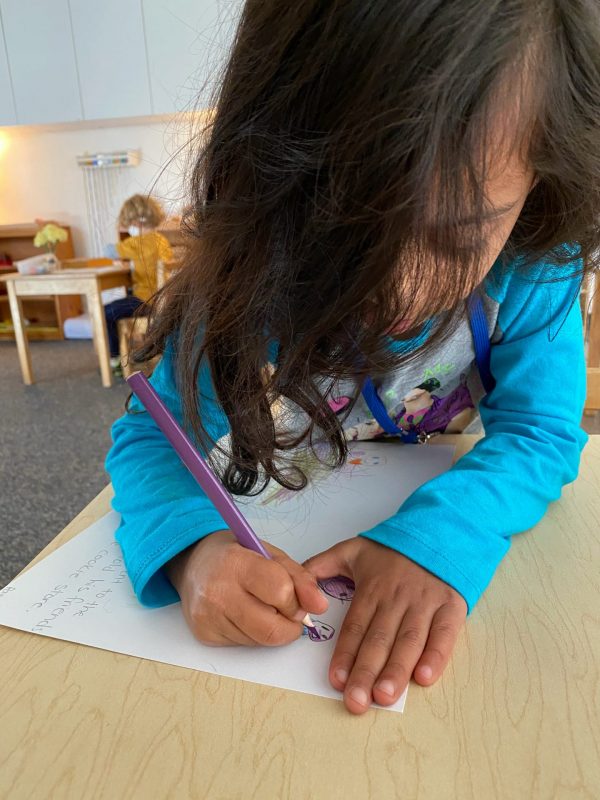
Maria Montessori described the developmental brain of the young child as the “absorbent mind” because of their ability to retain great deals of information during the early years.  She designed the three period lesson to utilize their brain development and interests to help move children from the introduction of a concept to retention.  When we introduce new concepts or materials to the children in our classroom, we often do so using a three-period lesson.

Period One is the introduction stage. In this stage we are isolating new vocabulary to the children. For example, if we are introducing the color tablets, we say, “This is blue.”  Repeating that statement and allowing the child to manipulate the blue color tablet are crucial during this stage.

Period Two is all about association and recognition. It is often a separate lesson. We do not ask the children to remember the vocabulary or recall the concept. We are simply reinforcing the concept taught in Period One. We use words such as, “Show me the blue tablet,” or, “Can you place the blue tablet on your lap?”

Period Three is the recall stage and the first time we ask the child to remember the concept independently. We ask them, “What is this?” when showing them the blue color tablet. We are careful not to begin Period Three until we know they are ready for success.

Every time a child masters a new concept it paves the way to move towards another one.

We are looking forward to meeting with you virtually next Thursday, October 29 to share all the growing and learning your children have accomplished over these last few months!  If you have any specific questions you would like answered during our meeting please email me before our conference so I can make sure to make the most of our time together.  Thank you in advance!

Best,

Amanda and Sharlene


Mrs. Lopes’s Class: Defining a Work Space

The love of one’s environment is the secret of social evolution.—-Maria Montessori

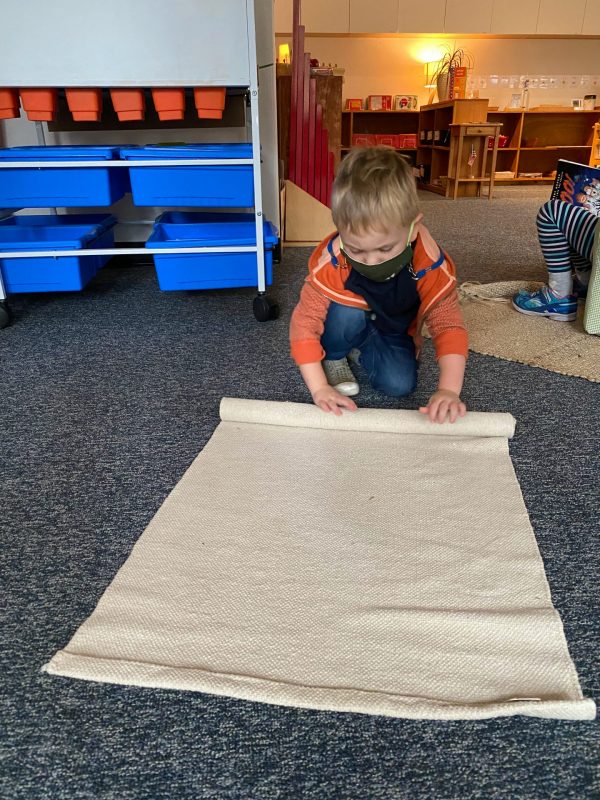
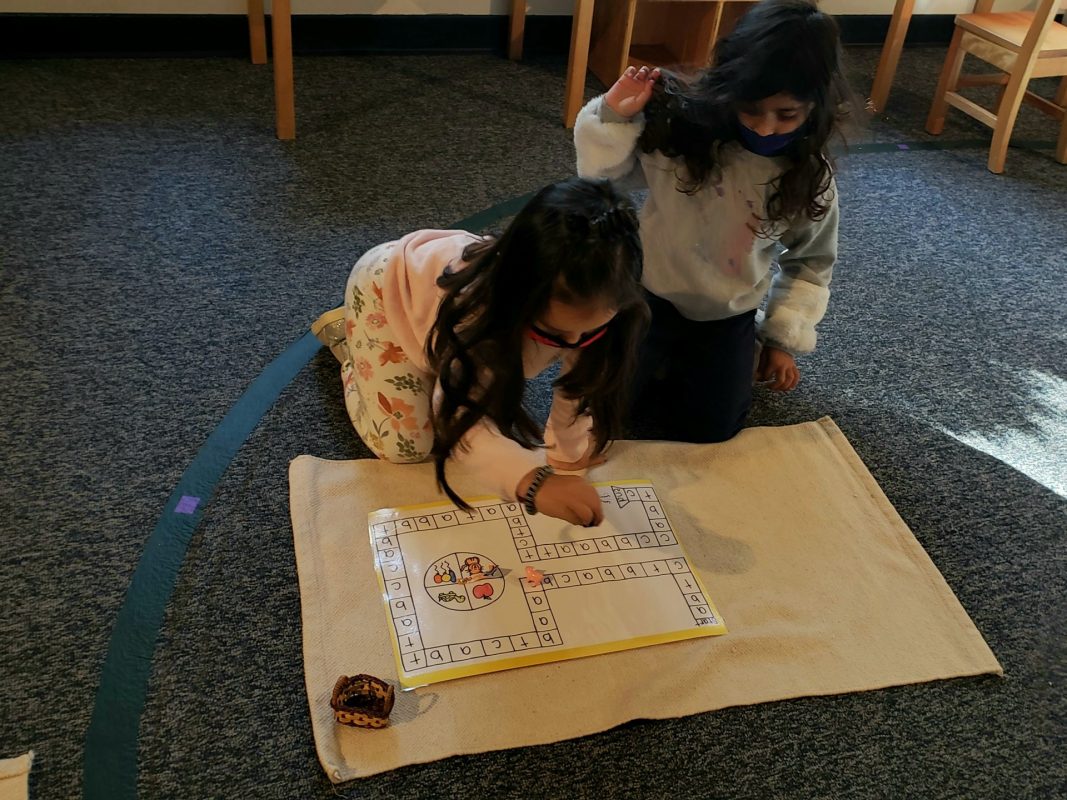
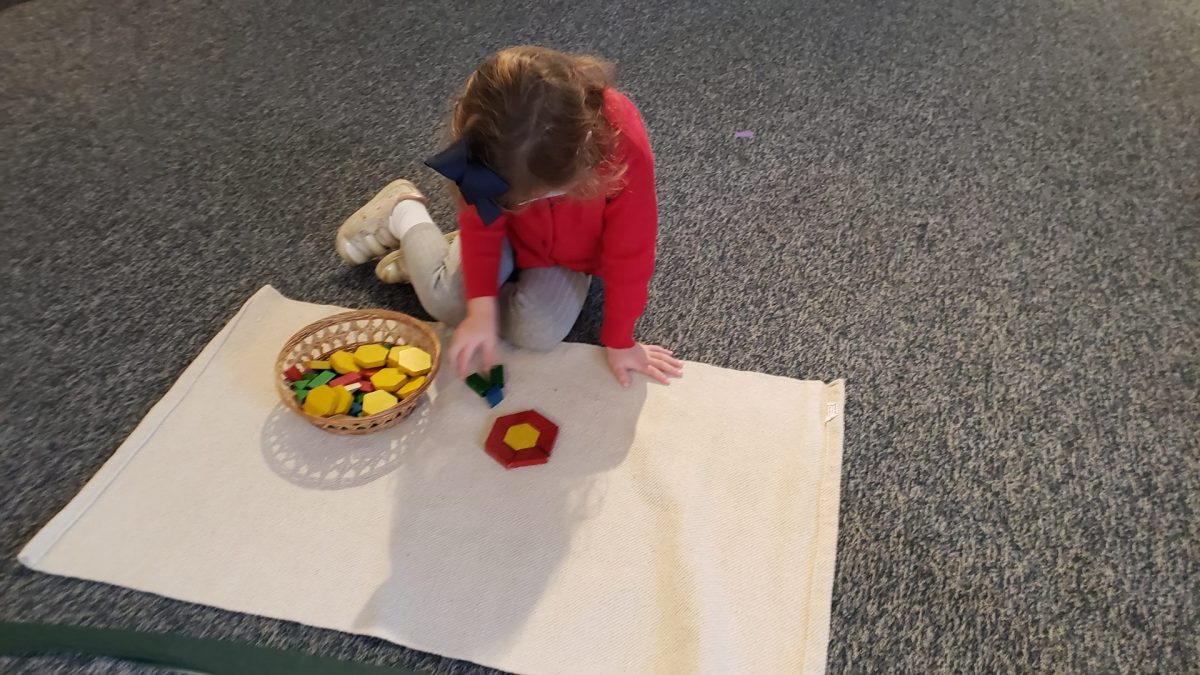
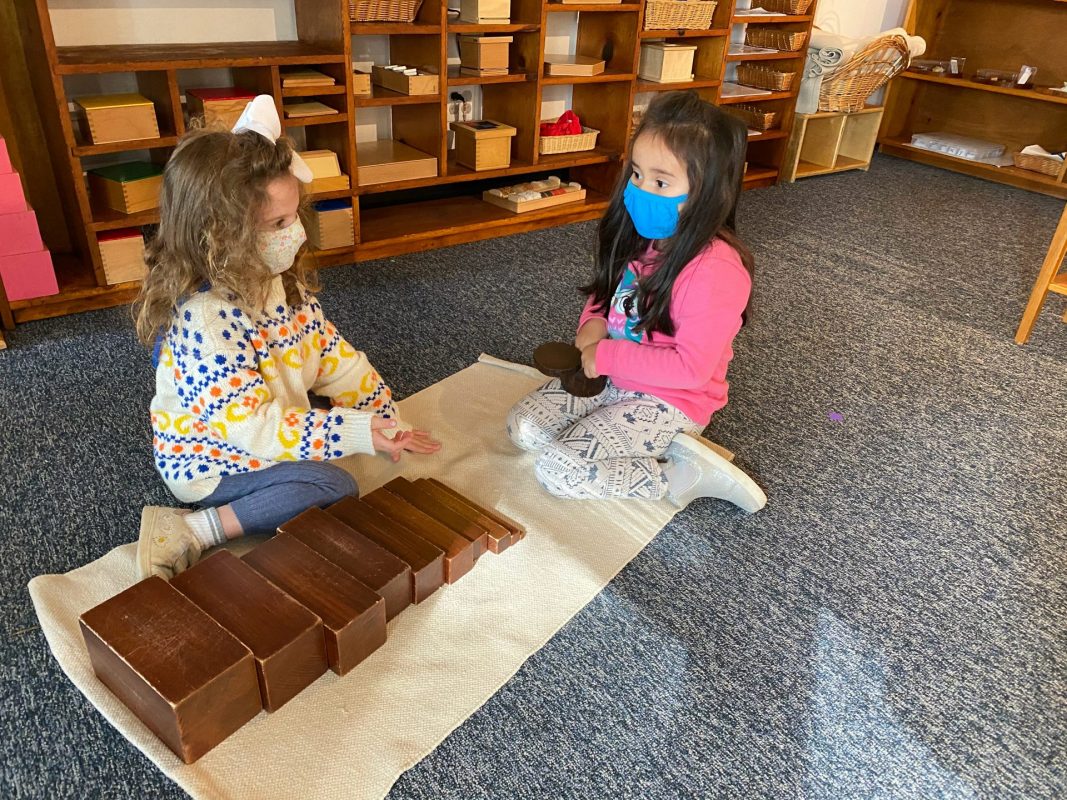
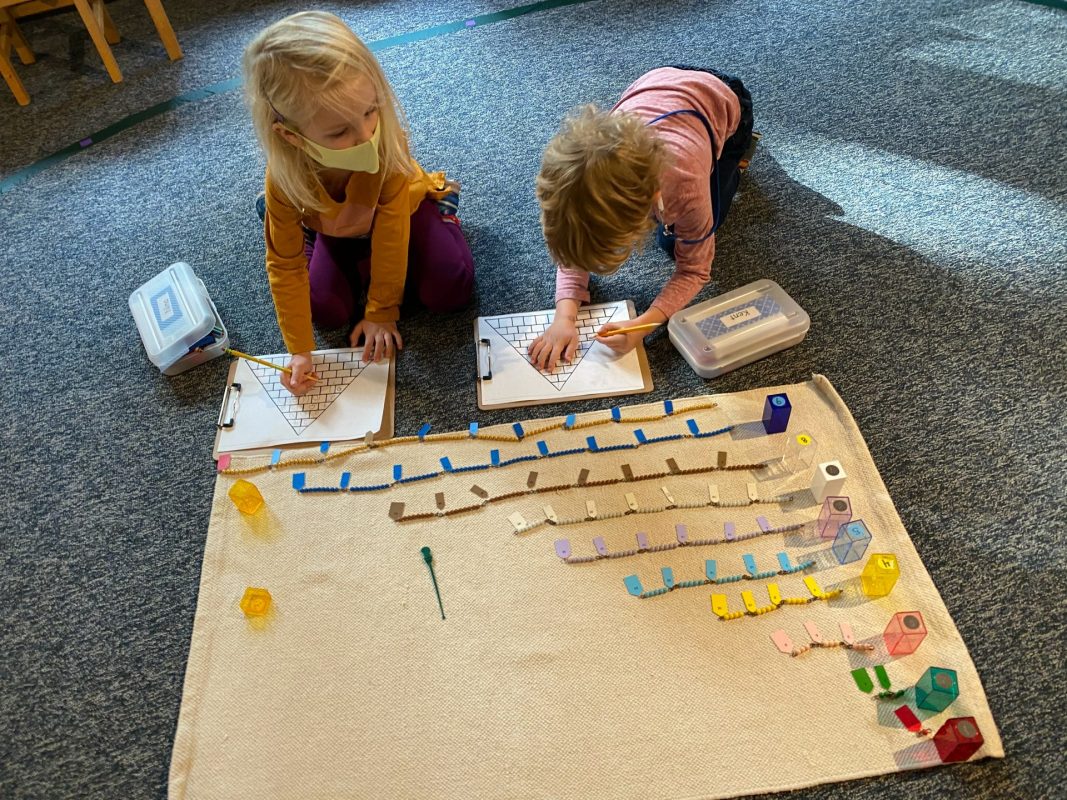
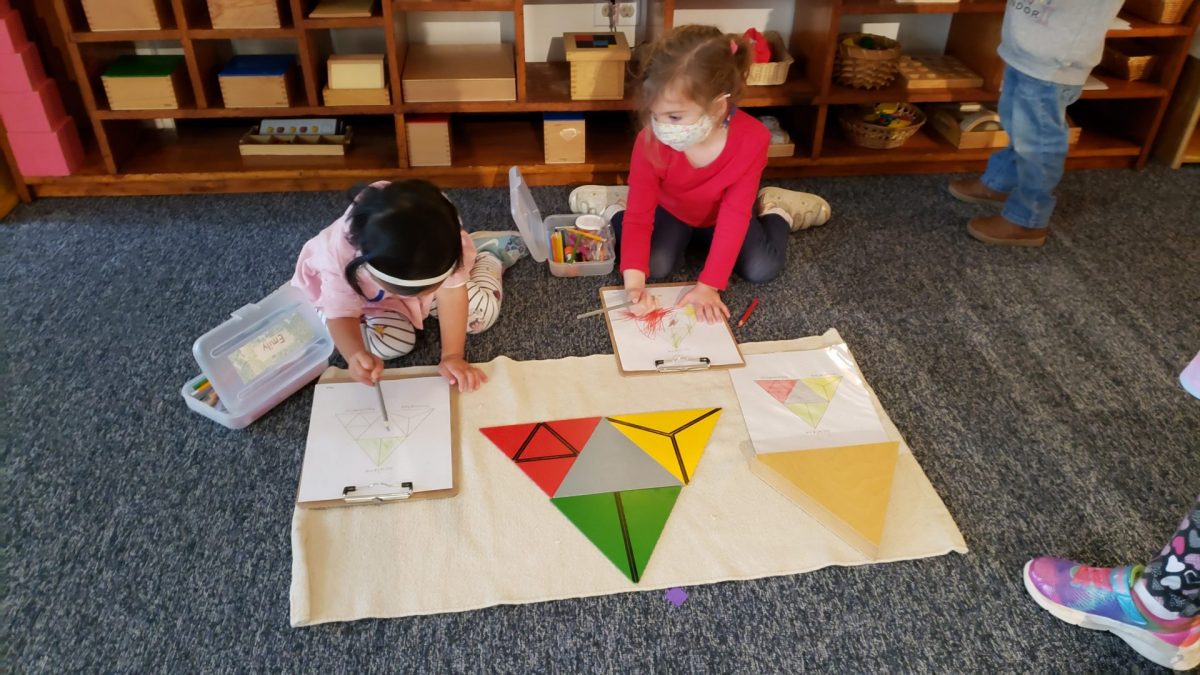
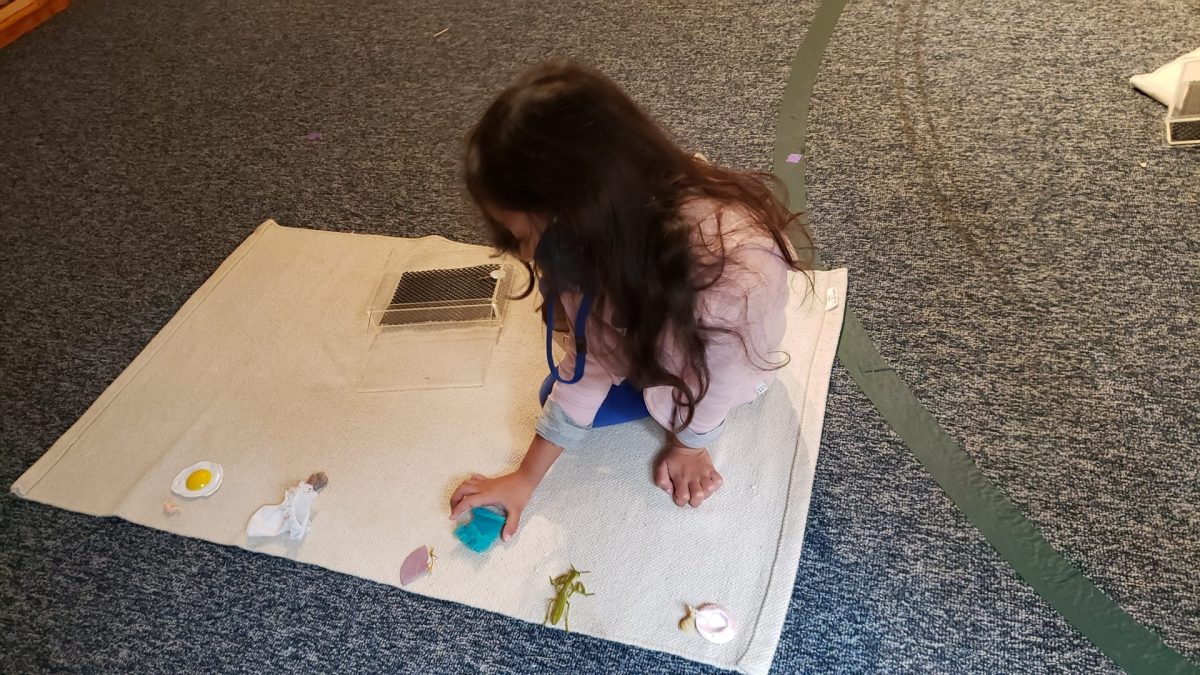
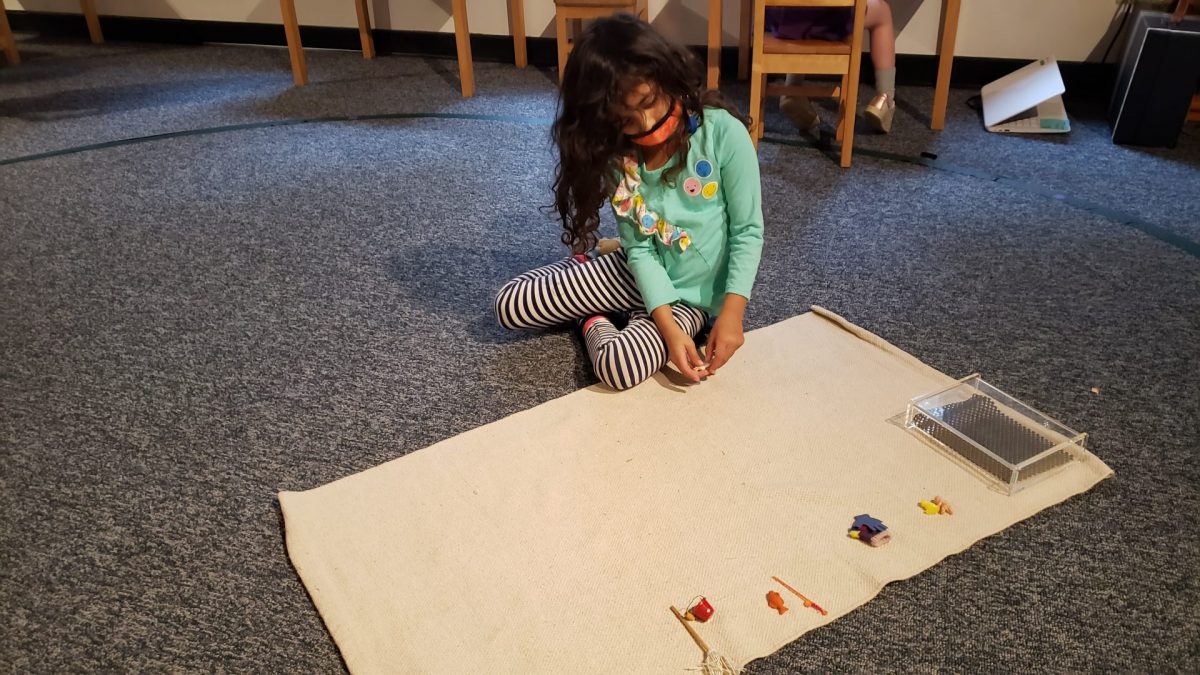
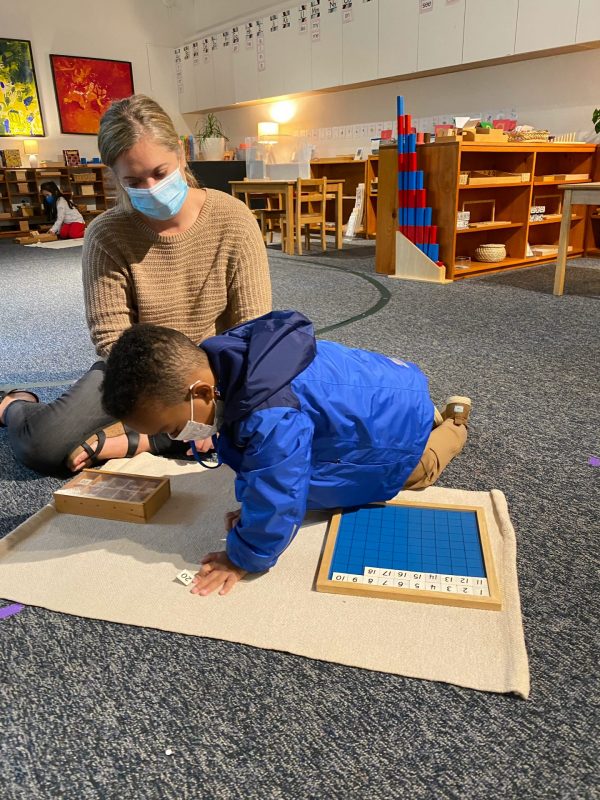
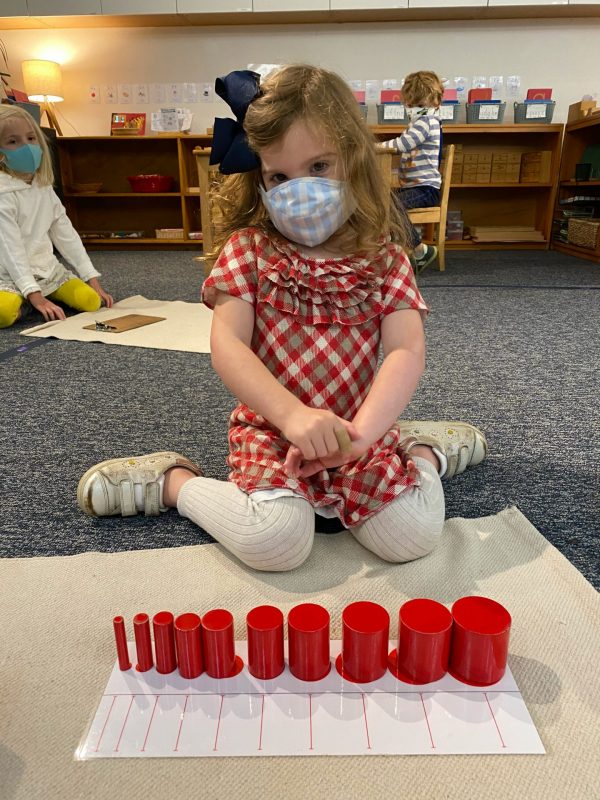
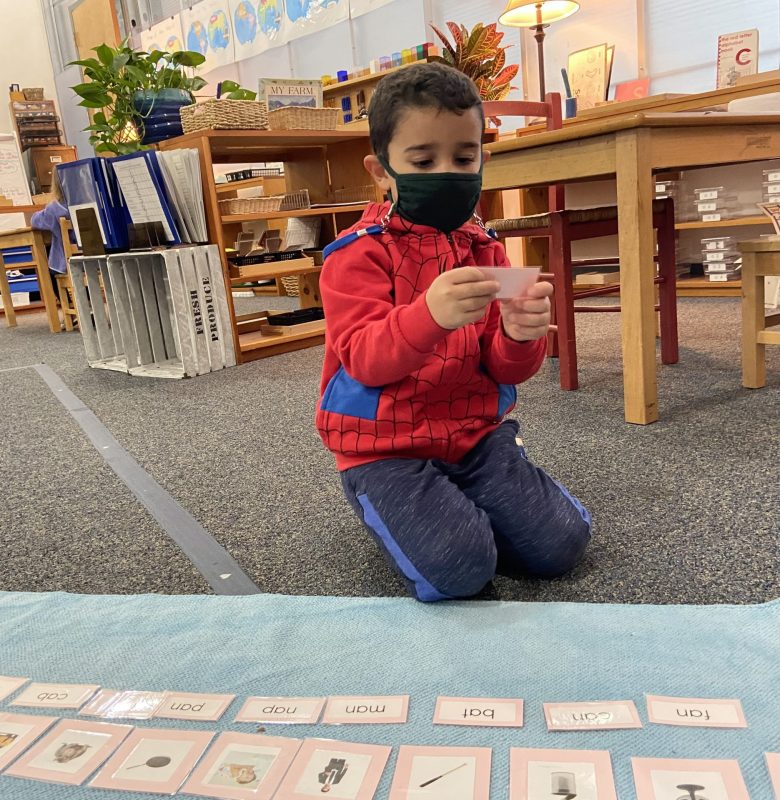
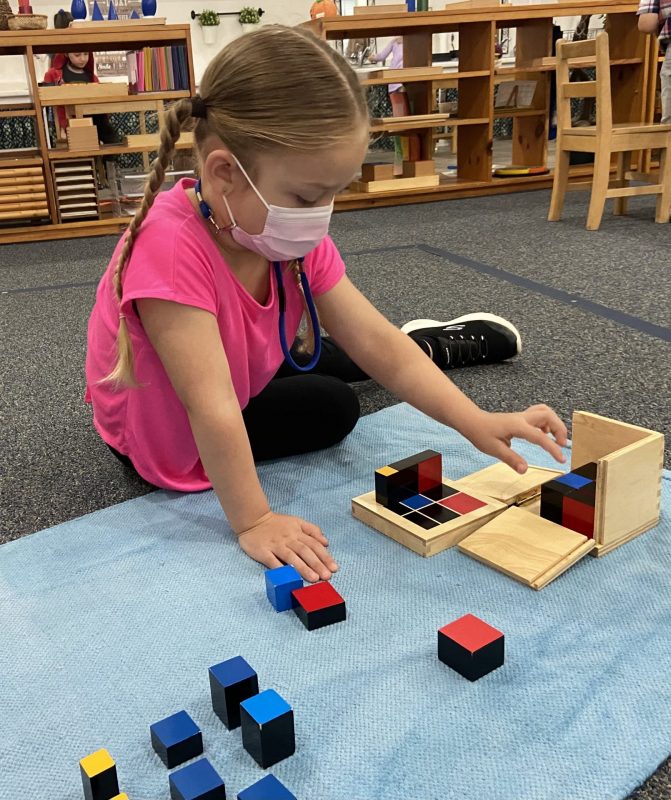
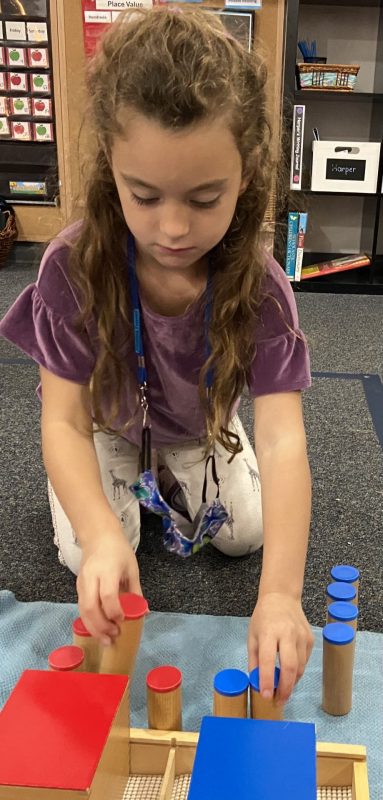
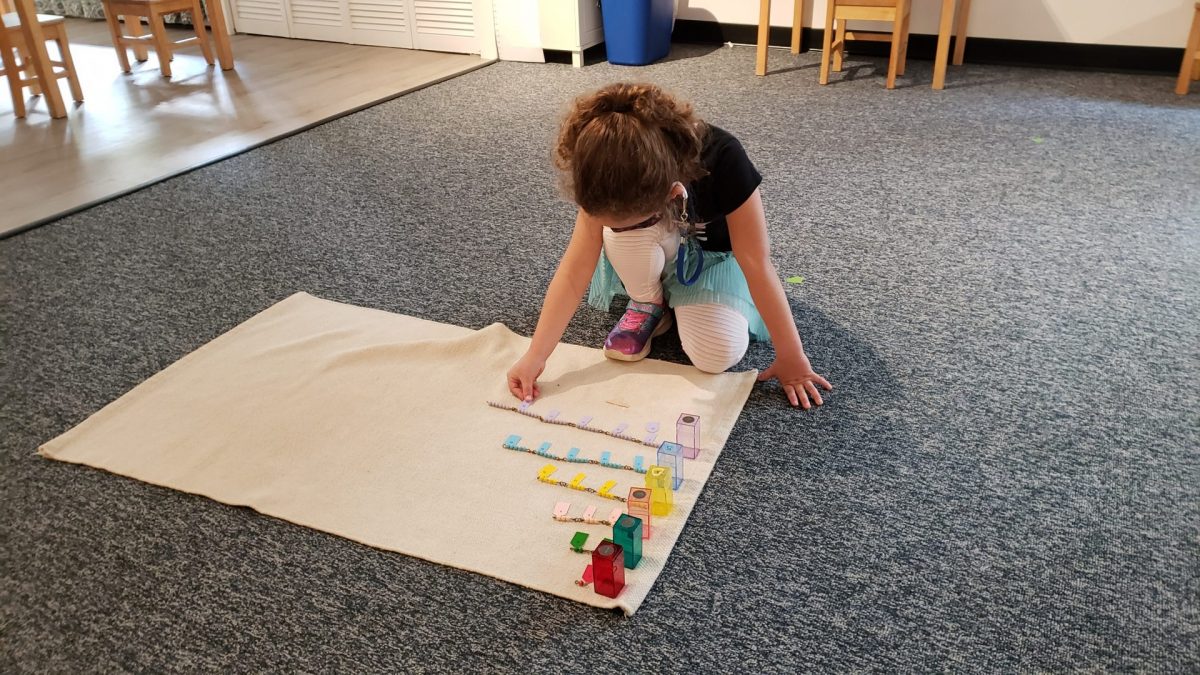
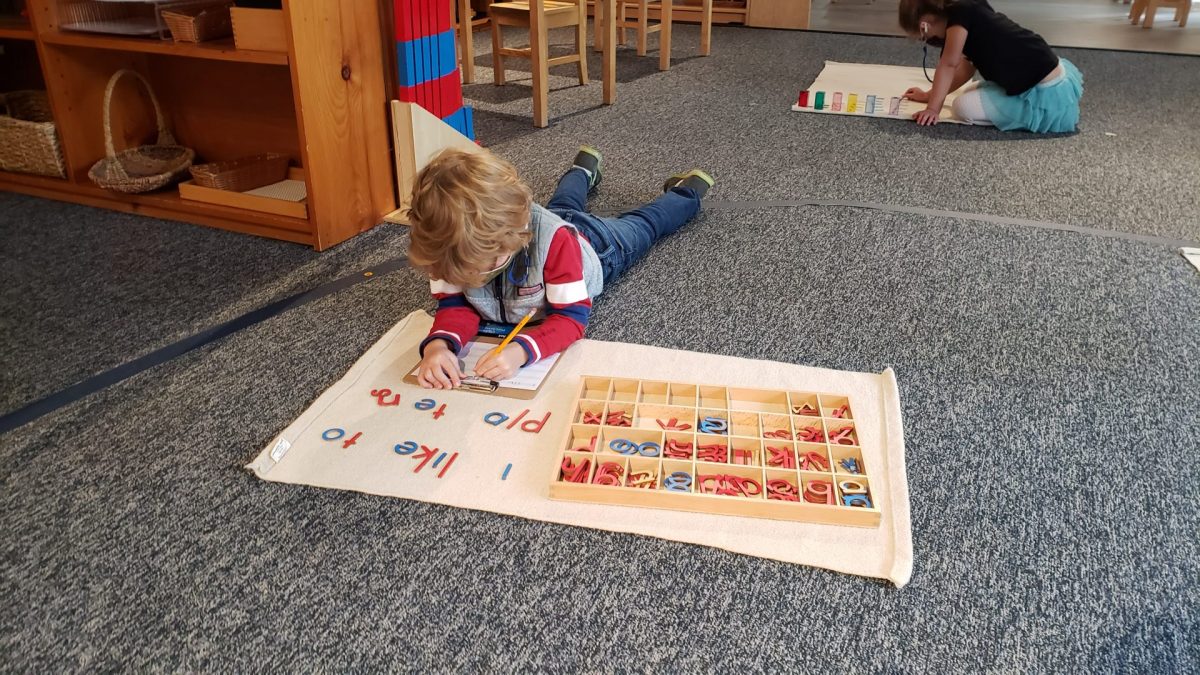
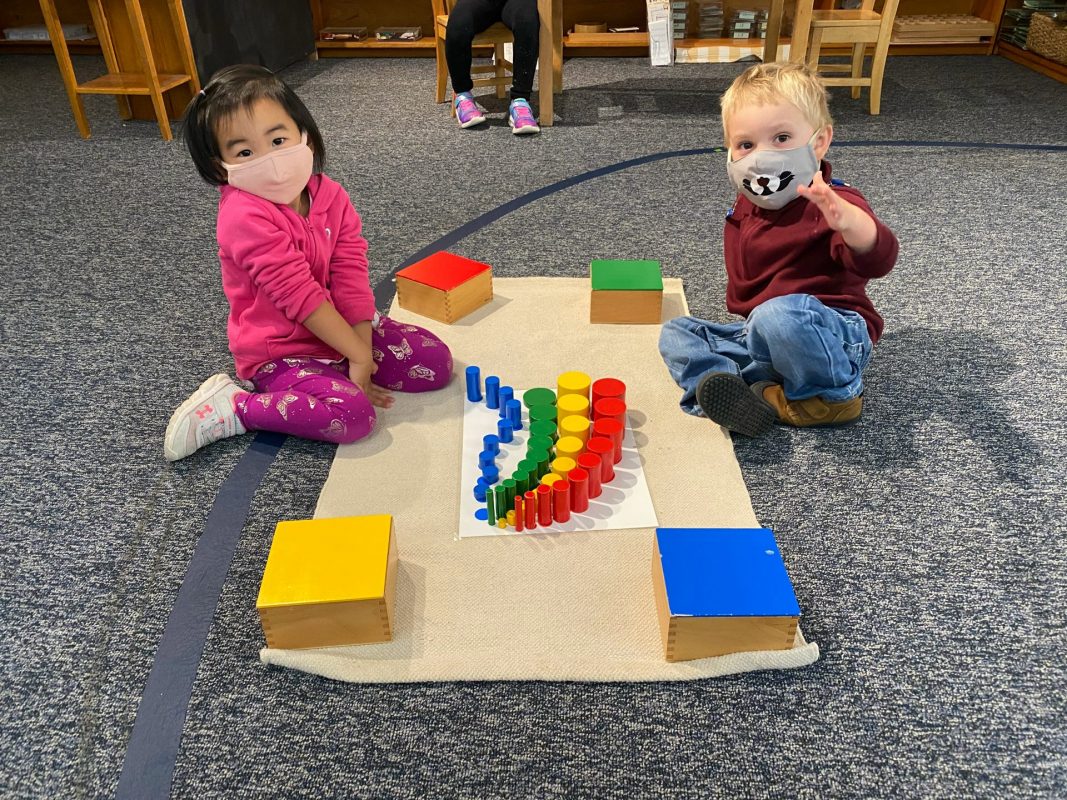
Walking to the basket to get a mat, picking it up carefully, finding the perfect spot to work, and rolling the mat out provides an opportunity to practice gross motor skills and body consciousness. Everything that gets placed on the mat thereafter becomes the responsibility (and privilege) of the child working on that mat.

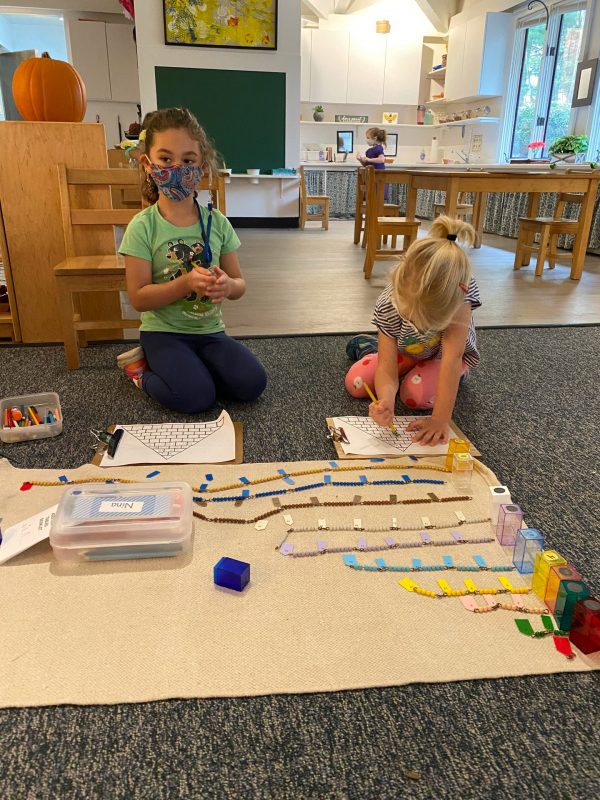
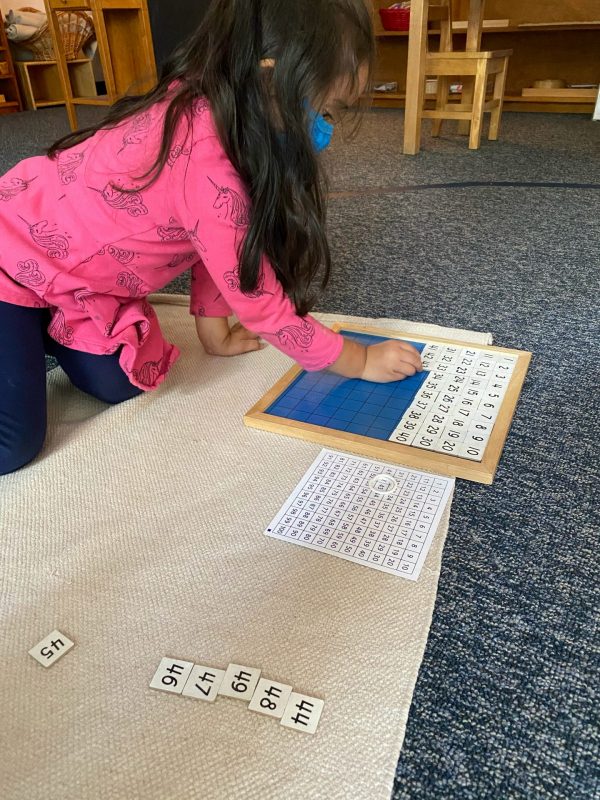
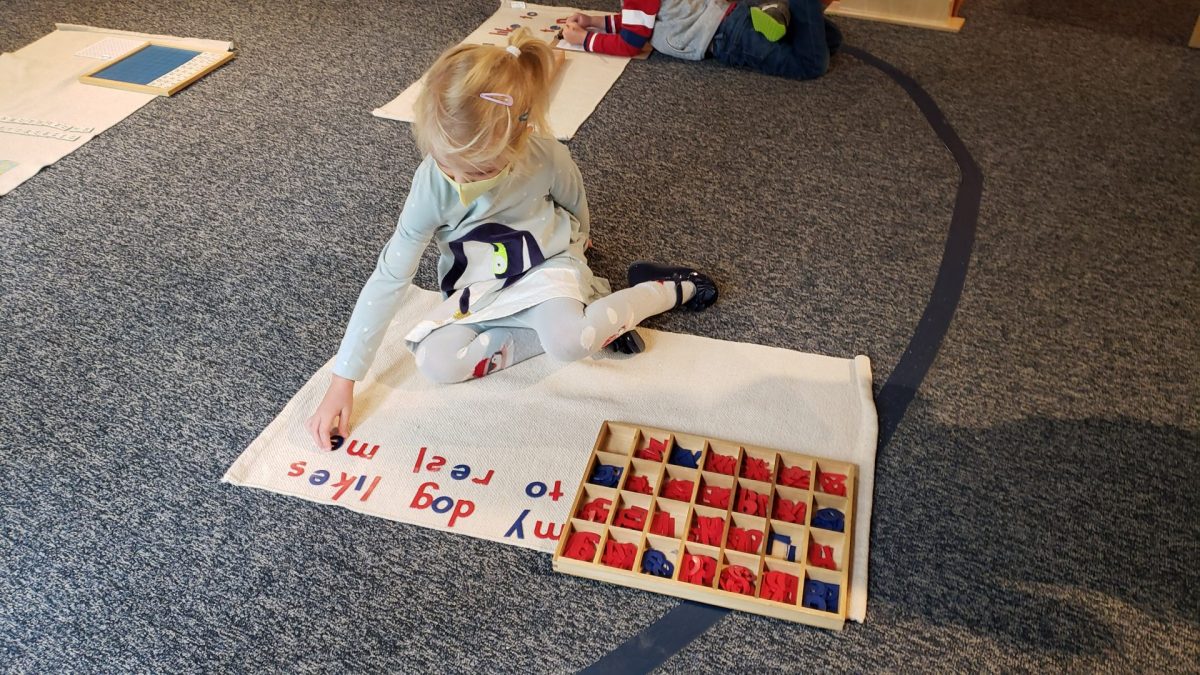
Montessori work mats define a work space as the child’s own and sets an intention to “work.” Not only does the child know that their lesson is exclusive to them (unless they invite someone to join them on their mat), they also have the responsibility to put their materials away when they are finished and to roll up their mat and bring it back to the basket.

Our floors have been a sea of rugs! Your children are skillfully maneuvering themselves throughout the environment, careful not to disturb a friend’s work. I continue to be amazed at their growing control and respect for both friends and the environment.

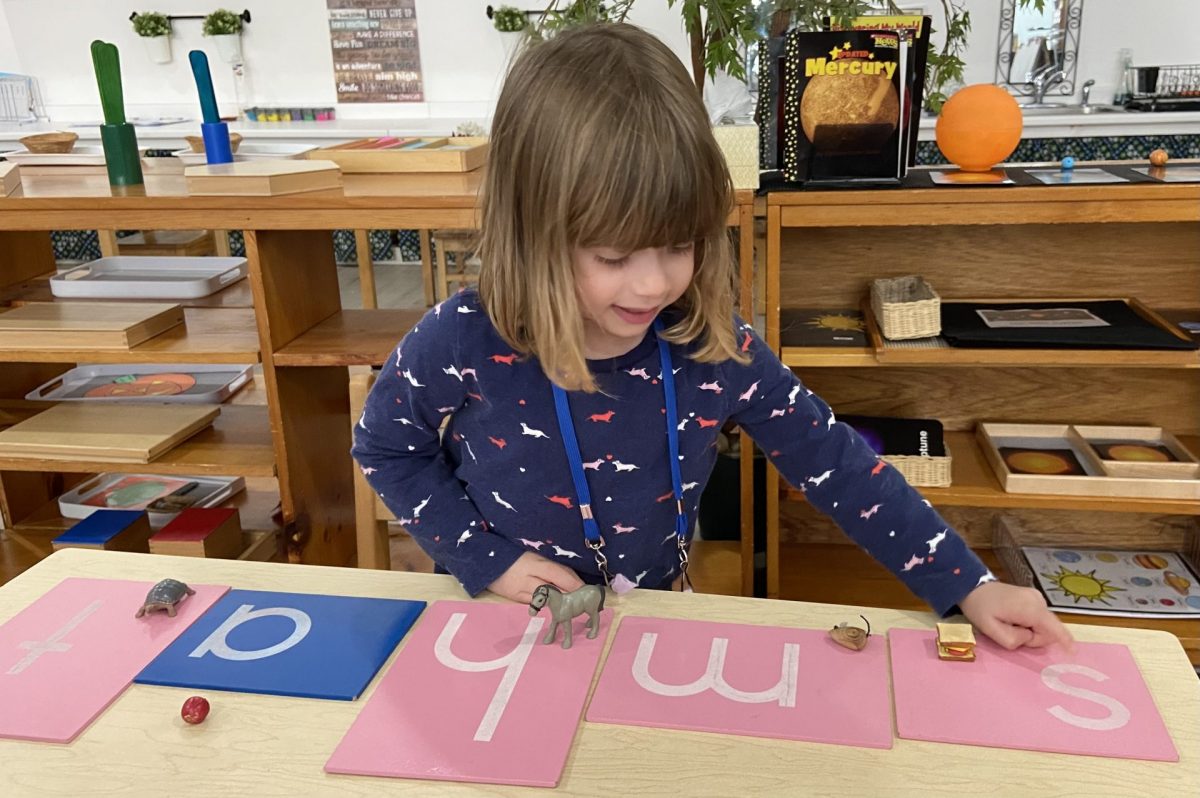
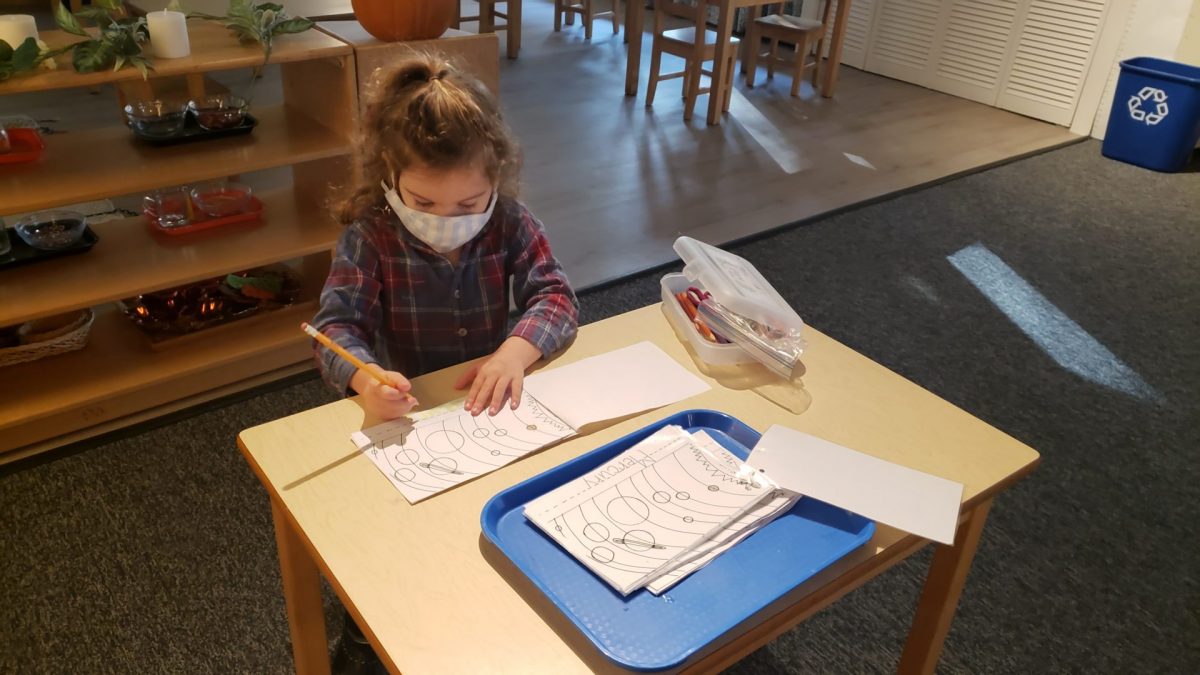
We continued our unit on the solar system this week.  Learning interesting facts about each of the planets, talking about our moon, and exploring concepts such as a black hole.  The children are enjoying exploring our solar system lessons on the shelf and have been asking great questions about our universe.

Have a wonderful weekend,

Amanda and Sharlene


Mrs. Doyle’s Class: 3..2..1..Blast Off!!!!


We especially need imagination in science. It is not all mathematics nor all logic, but it is somewhat beauty and poetry.     –Maria Montessori

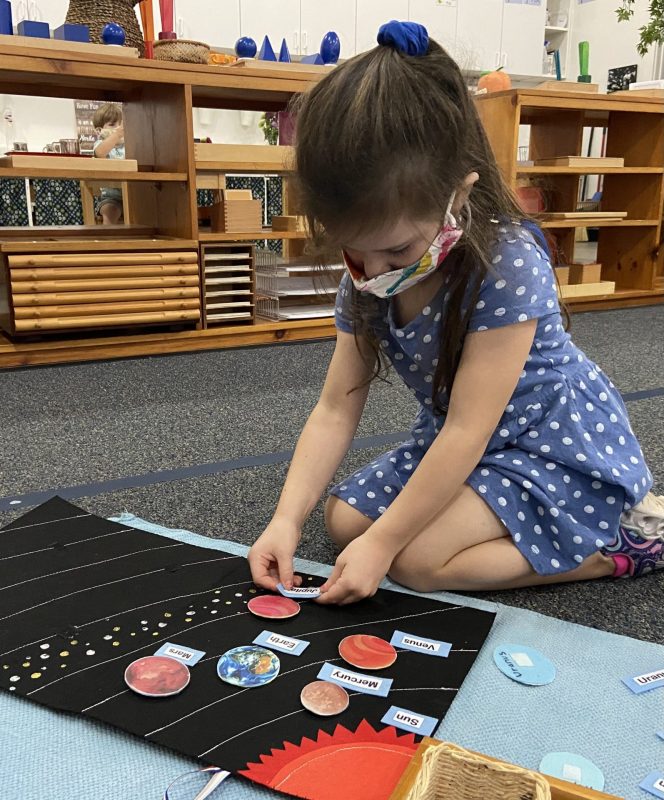
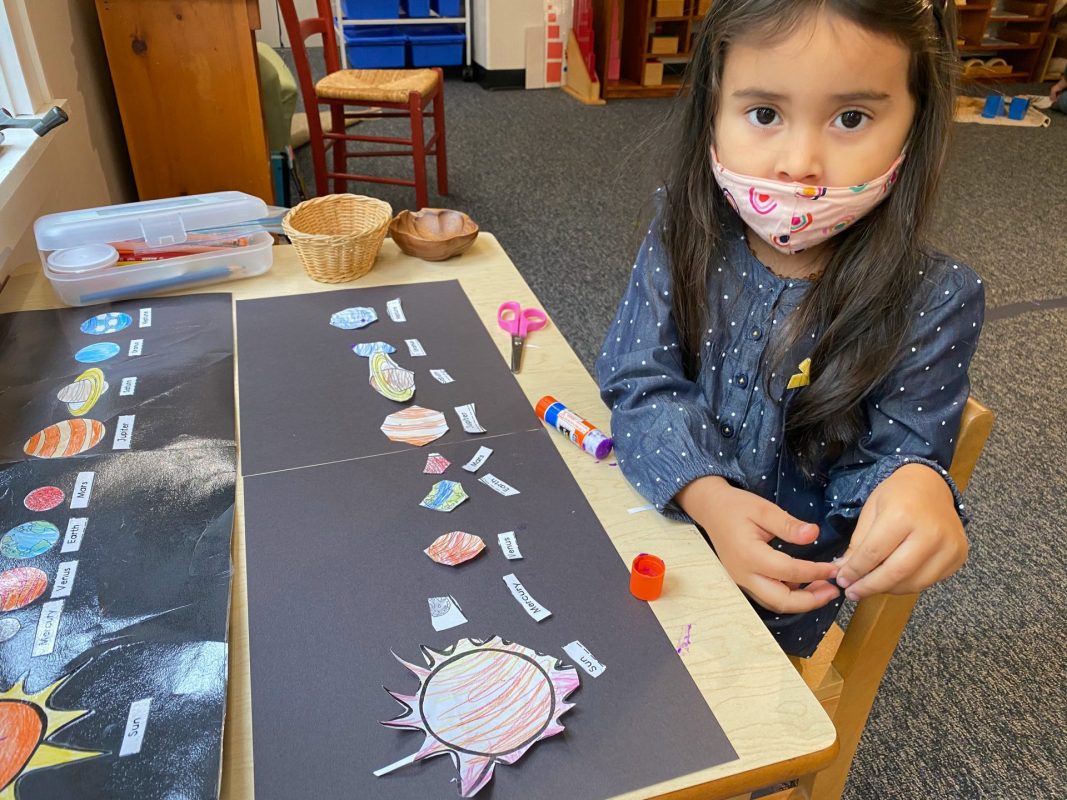
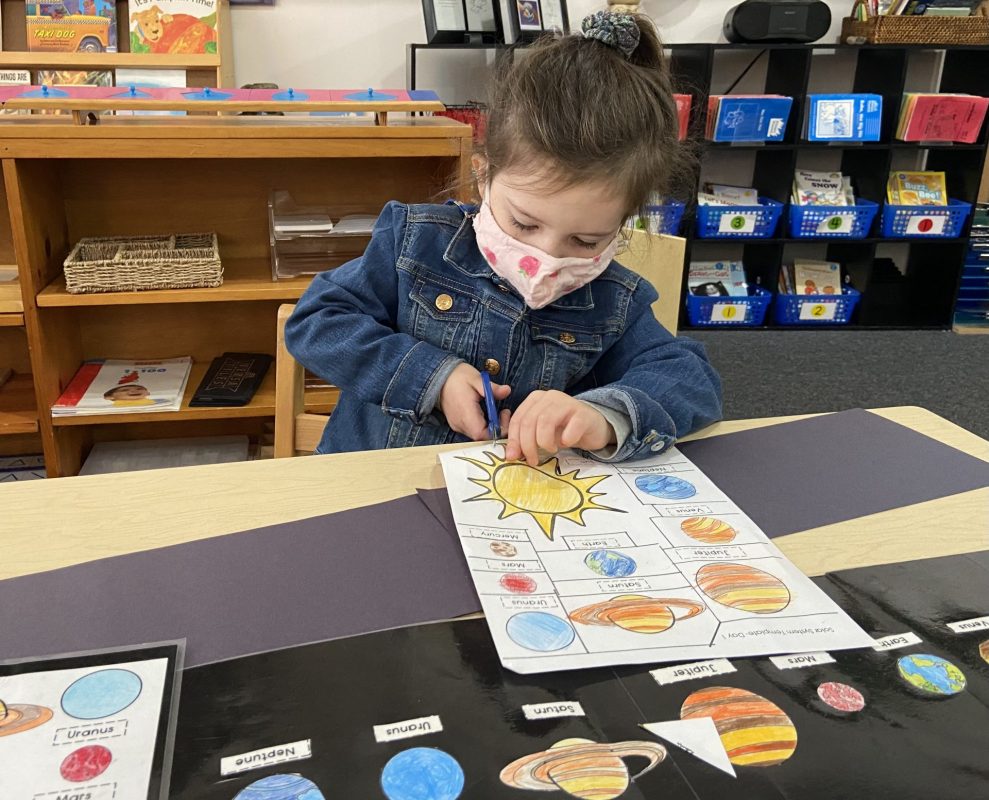
We are beginning our study of the solar system. Bringing some of the wonders of the universe to the children is exciting and one of their favorite units that we study. By nature, children are inquisitive, observant, and eager to learn about the world around them. With their concrete thinking, understanding, and desire to label and name everything they learn about, we start by introducing the components of the universe, especially our own solar system.

We begin by discussing what the children think the Solar System is. We know that as we look up at the sky during the day we can see the sun and at night time we can see the moon, stars, and some planets.

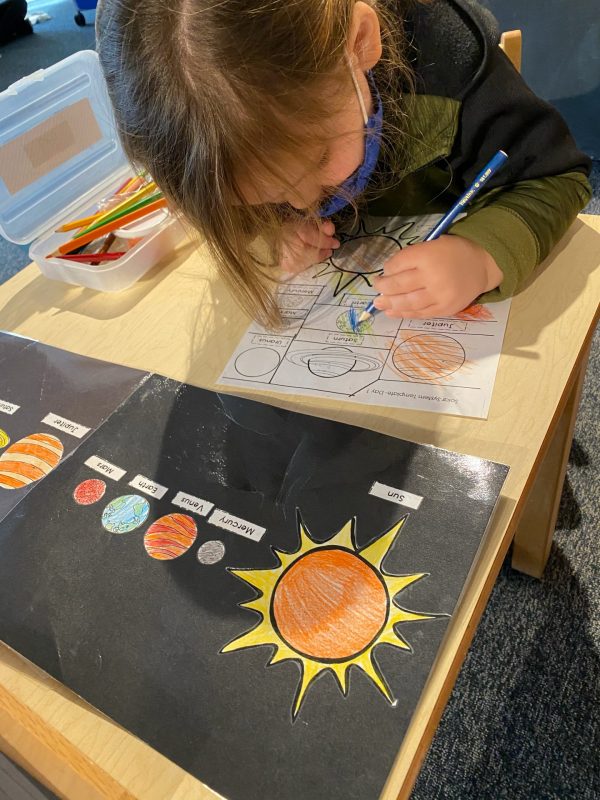
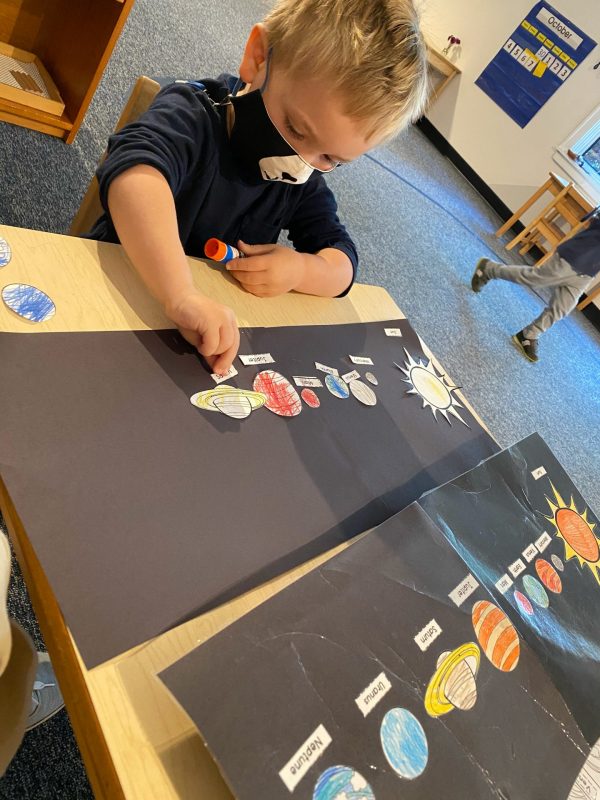
We learned about our star, the sun. It is made of gas and gives us light and heat. Our sun is the center of our solar system, with planets orbiting around it.  The children then learned the names of the planets, in order from the sun. We also learned fun facts about each planet and will do hands-on activities to explain revolution and rotation. Below is the song we are singing to help us learn the names of the planets in our Solar System.

If you have not yet signed up for a time to meet for Parent/Teacher conferences on October 29th, please click on this link to access the Parent Teacher Conference Sign-Up.

Wishing you a wonderful week!

Michelle & Lizette


Mrs. Doyle’s Class: Yes, I Know The Continents!

Have you heard your children singing The Continent Song?  We often hear the children sing this song spontaneously throughout the day.  The Geography materials are always fascinating to the children and are a springboard for wonderful discussions.

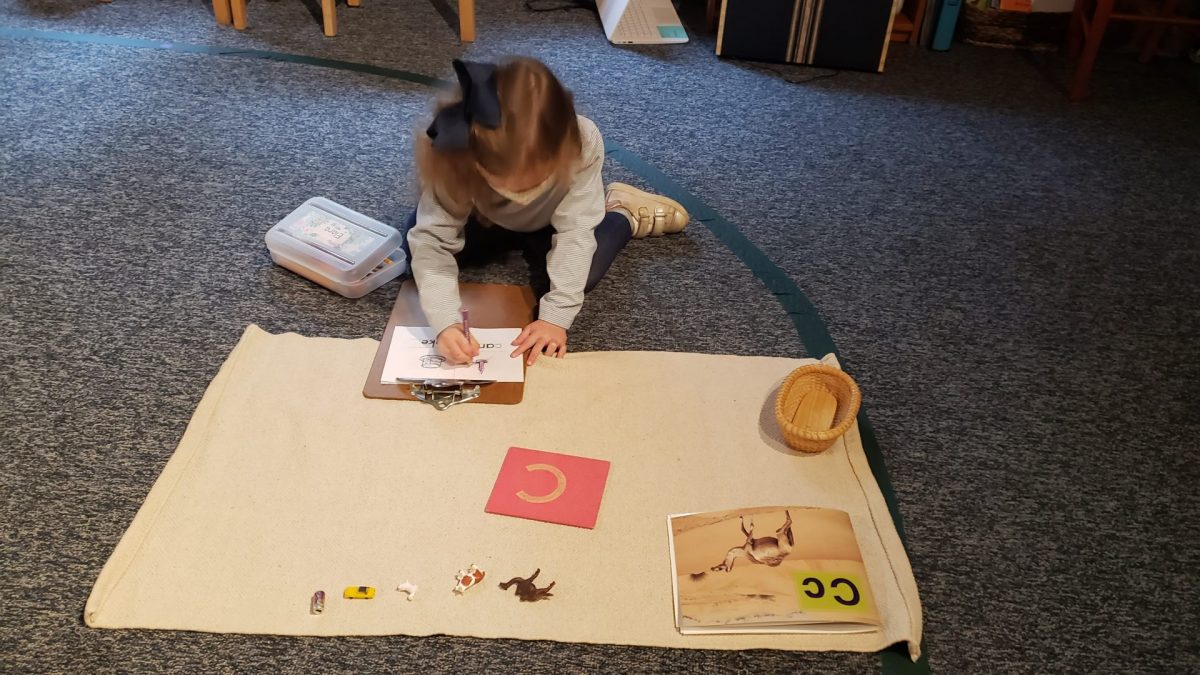
The Montessori approach to teaching Geography is unique and is comprised of two components,  physical geography and political geography, also known as Culture. From the beginning of the school year, we weave Geography lessons and terminology into our day as we learn about our physical world.

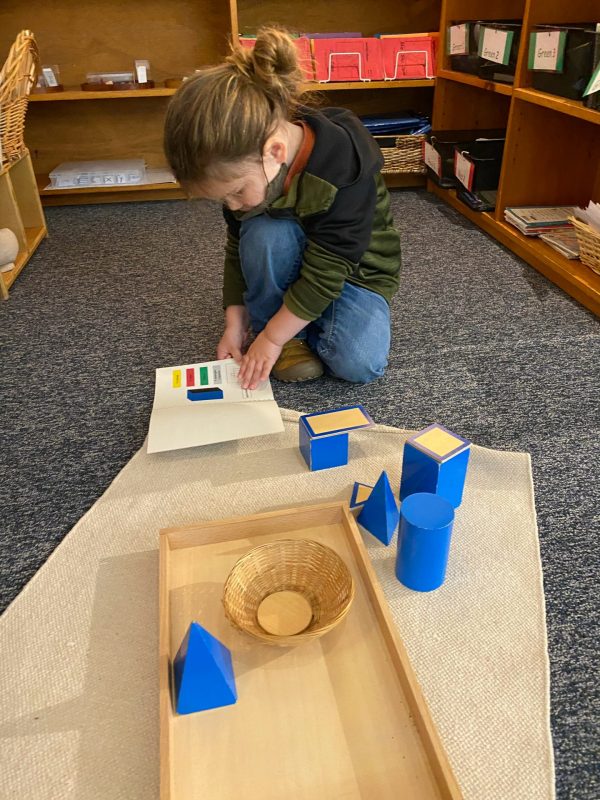
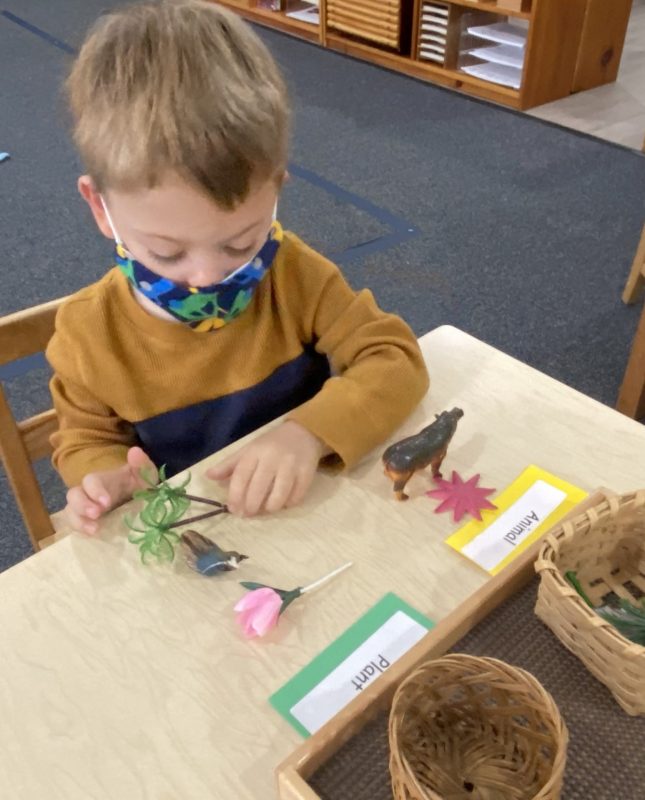
Early in our school year, we categorized the planet Earth into air, land, and water.  We then sorted what we would find in each of these different components of our world.  Next, we introduced the geometric solid known as a sphere to the children and compared it to the shape of the globe.  We start with a sandpaper globe that helps to distinguish land and water.  The colored globe comes next and we begin to teach the continent names.  We make a sphere out of playdough and cut it into half to help them visualize the concept of a hemisphere.  Simultaneously, the children are learning about land forms that introduce the concept of lake, island, bay, cape, peninsula, gulf, isthmus, strait, archipelago, and a system of lakes.  These sensory experiences help the children learn about their physical world.

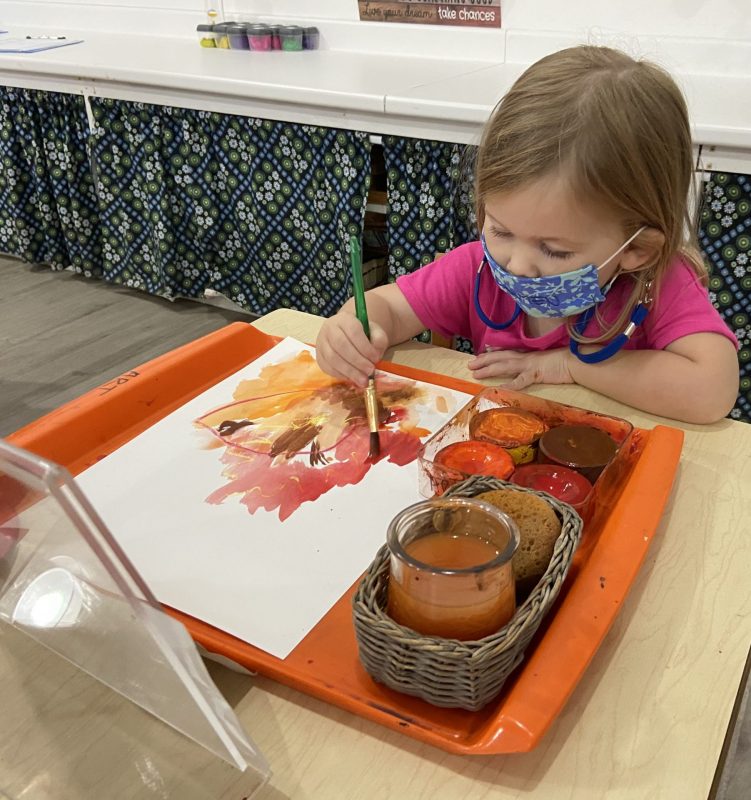
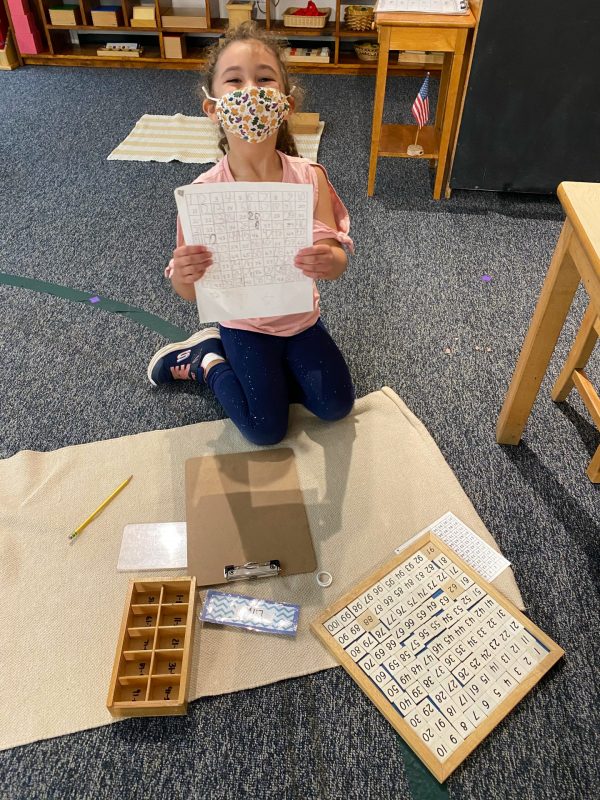
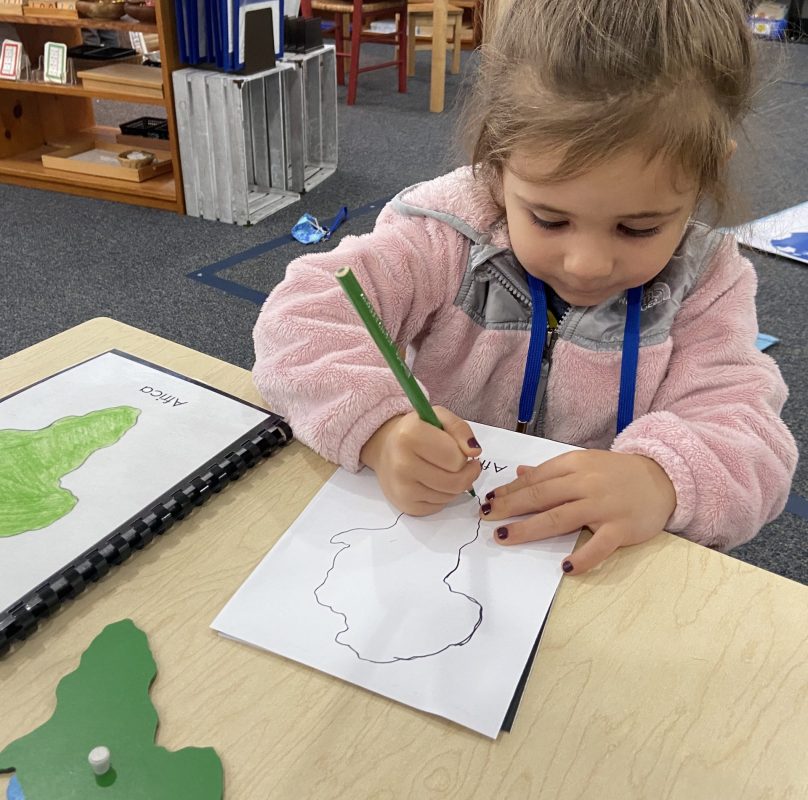
After learning the continent names, we introduce the puzzle maps for each continent, starting with North America in November. We learn that there are many countries in North America.  The older children will trace and paint each of the puzzle maps. We will learn about the animals, people, and climate often associated with each of the continents.  Our goal is to encourage the children to appreciate the beauty and wonder found in the similarities and differences around the world.

In our classroom, we have a cultural shelf with artifacts from each continent.

Wishing all of you a week filled with peace and love!

Michelle & Lizette


Mrs. Lopes’s Class: Our Solar System

“Let us give the child a vision of the whole universe. The universe is an imposing reality, and an answer to all questions.” -Maria Montessori 

We are beginning our study of the solar system. Bringing some of the wonders of the universe to the children is exciting and one of their favorite units that we study. By nature, children are inquisitive, observant, and eager to learn about the world around them.  A child’s concrete thinking, understanding, and desire to label and name everything they learn about makes this a wonderful unit of study.
We begin by discussing what the children think the Solar System is. We know that as we look up at the sky during the day we can see the sun and at night time we can see the moon, stars, and some planets.  We learned about the largest star, the sun.  It is made of gas and gives us light and heat. Our sun is the center of our solar system, with planets circling around it.  The children then learned the names of the planets, in order from the sun.  We also learned fun facts about each planet and sang a fun planet song.  Below I included a video we watched this week introducing each planet in a simple way and also the lyrics to the “8 Little Planets” song we have been singing, enjoy!

Wishing everyone a wonderful week!

Amanda & Sharlene


“8 Little Planets”

(sung to the tune of “10 Little Indians”)

One little, two little, three little planets,

Four little, five little, six little planets,

Seven little, eight little, eight little planets,

Orbiting around the sun.

Mercury, Venus, and the Earth,

Mars, Jupiter, and Saturn,

Uranus and Neptune,

Eight planets orbiting the sun.