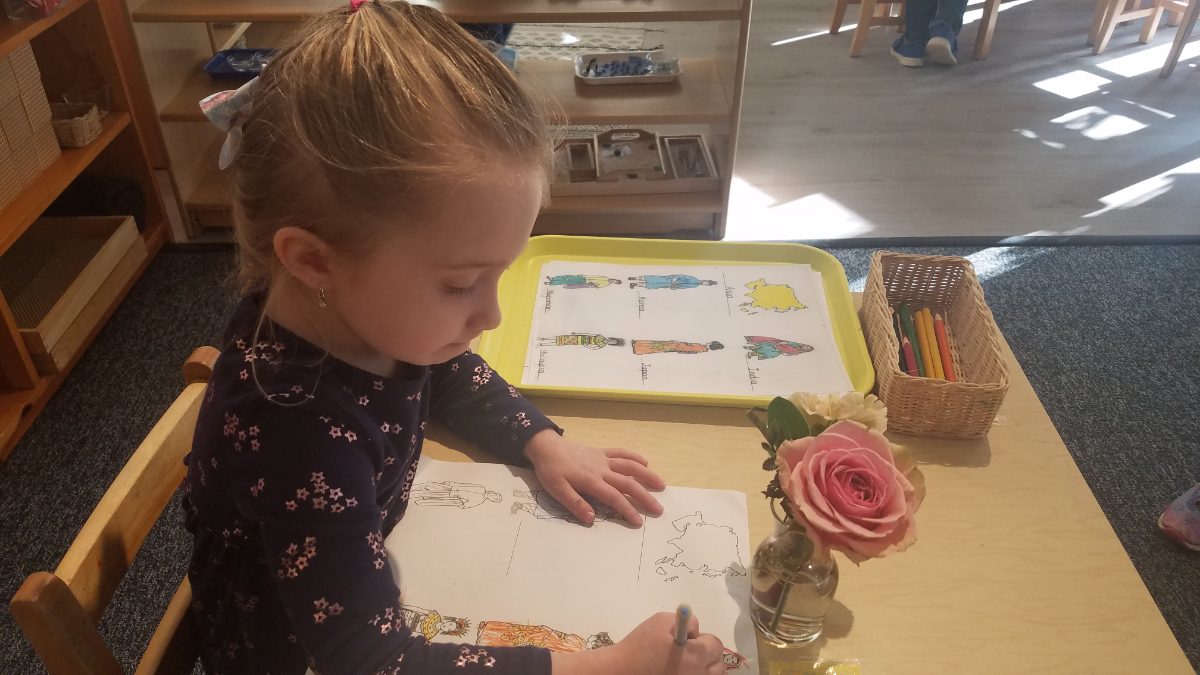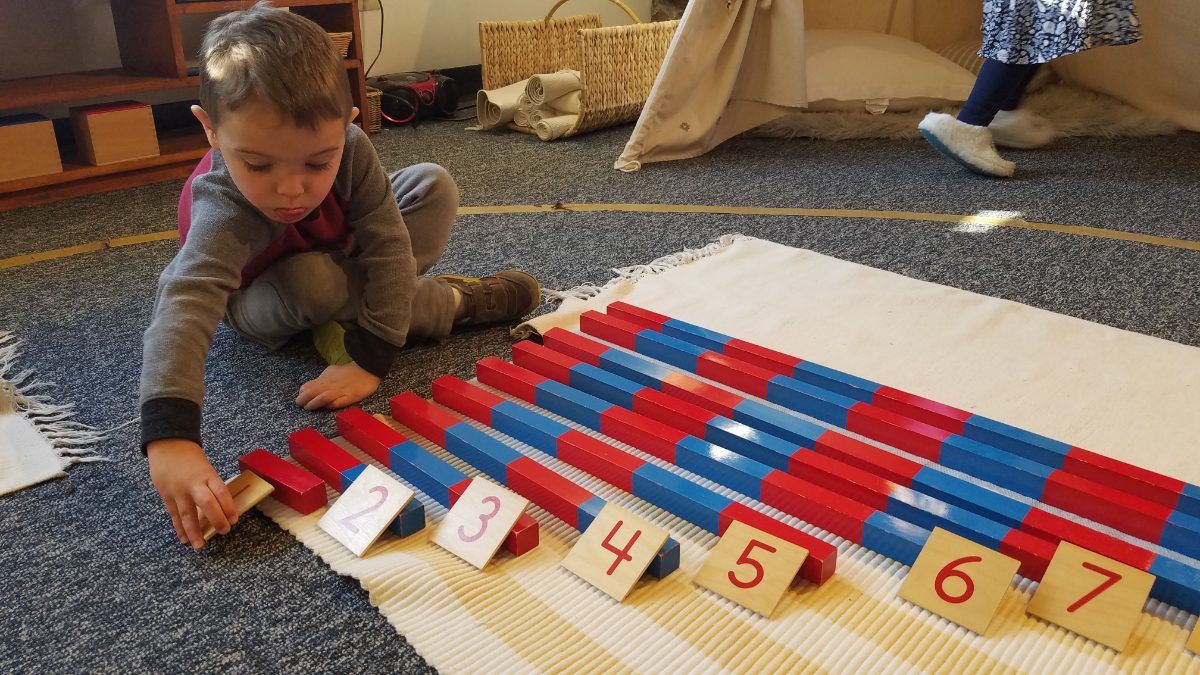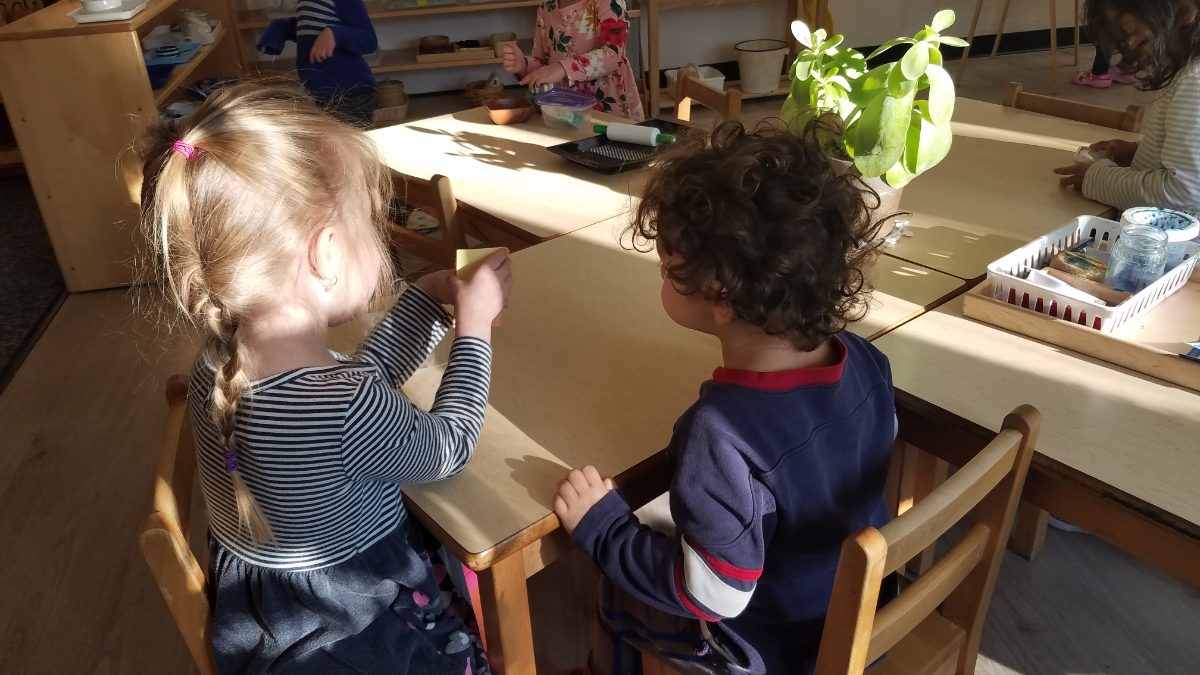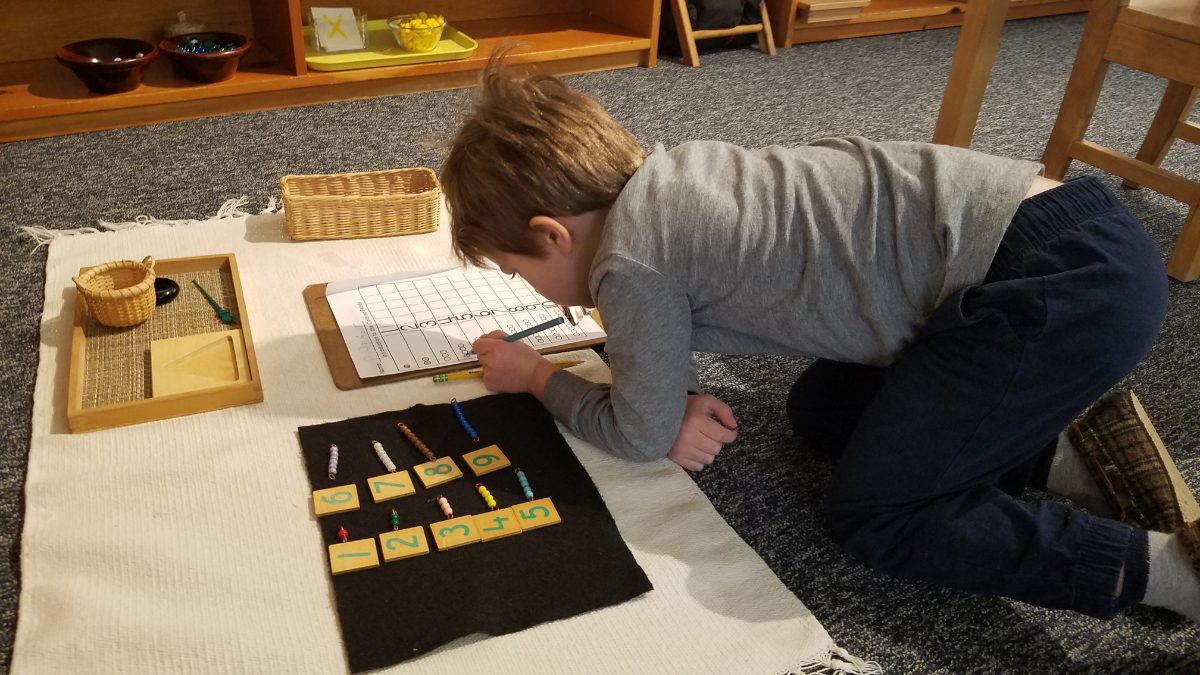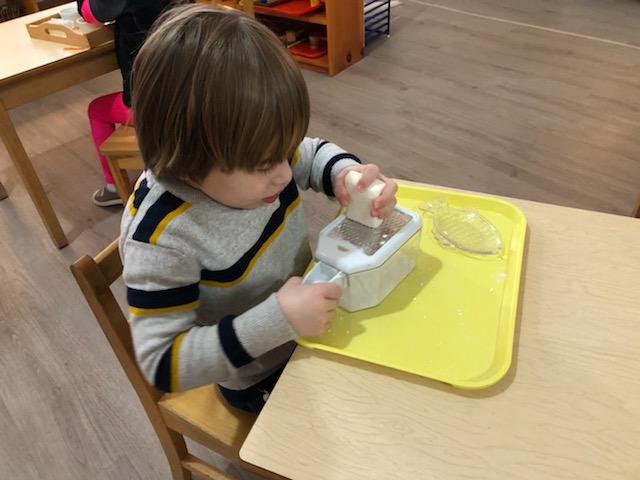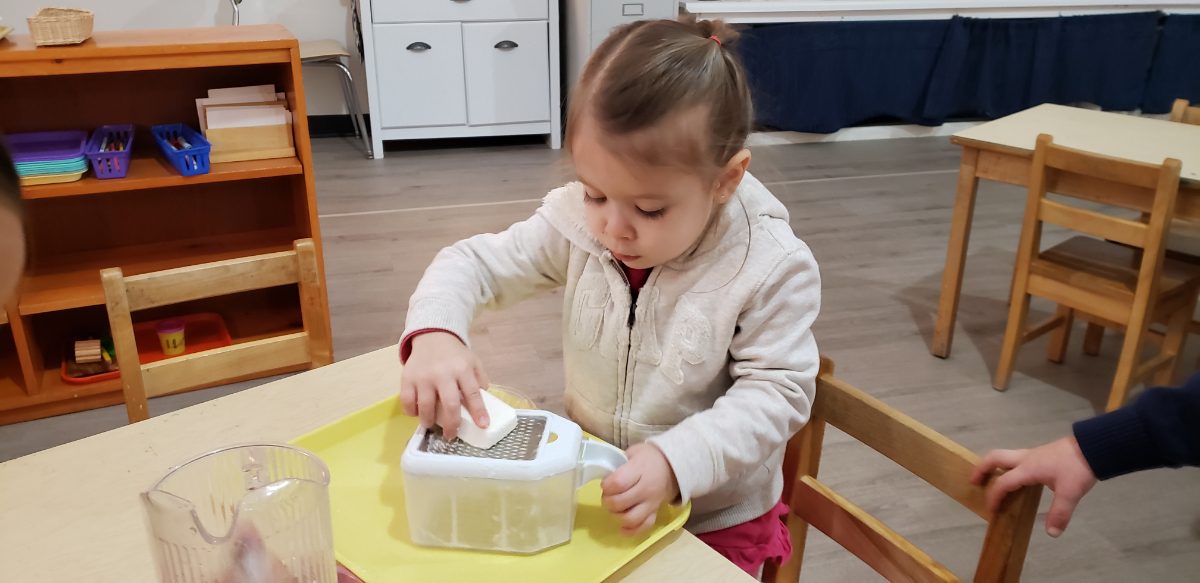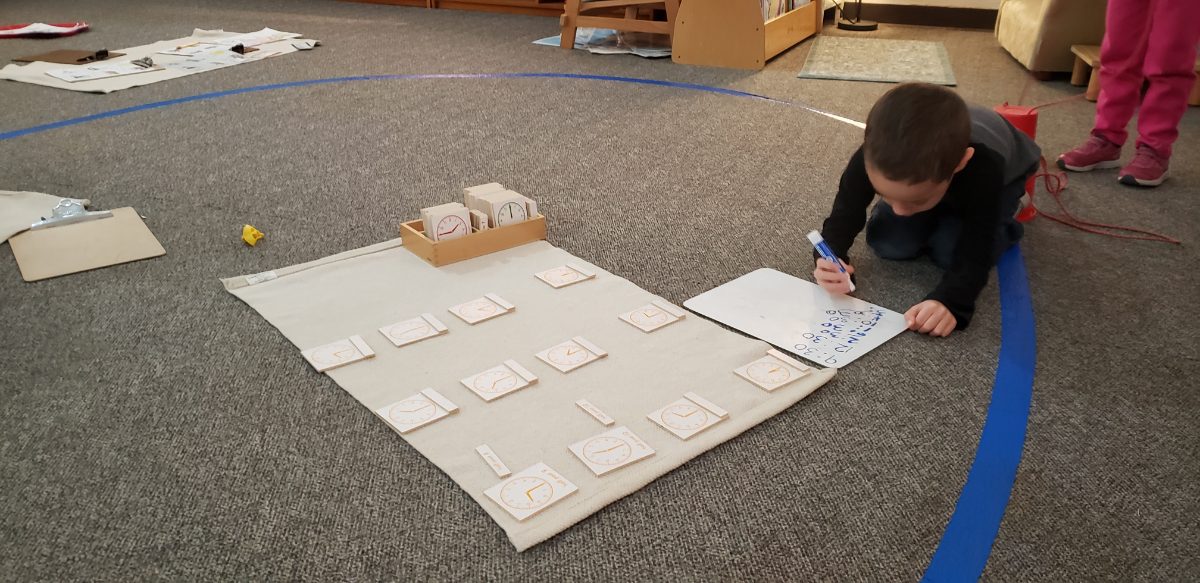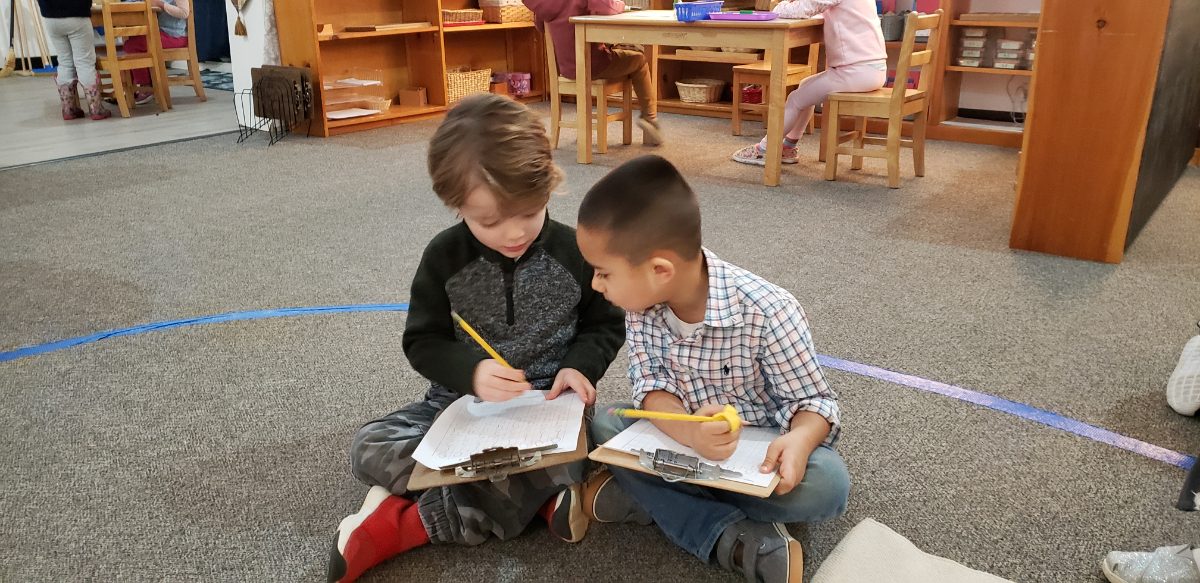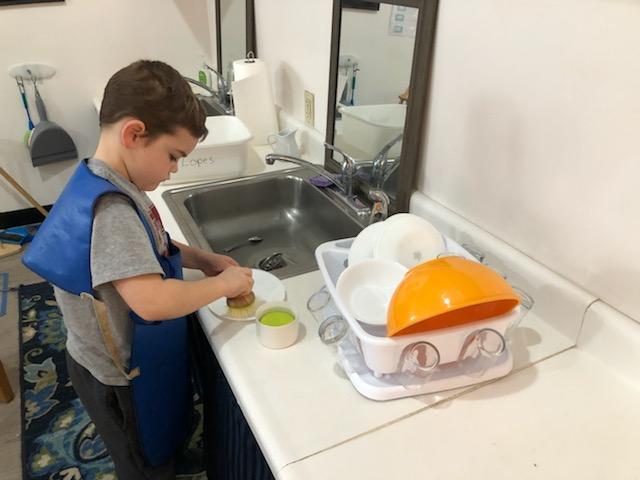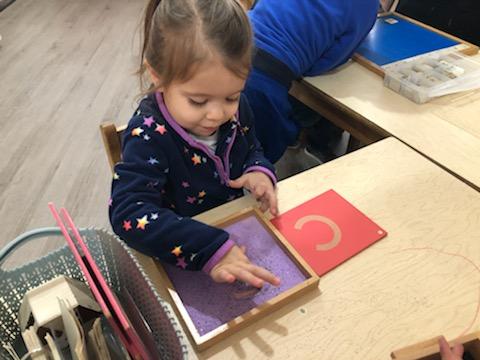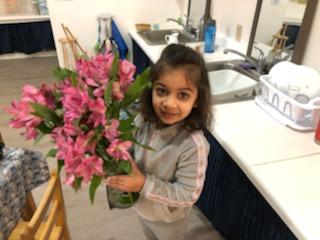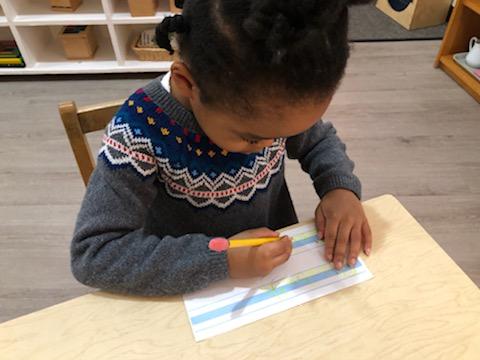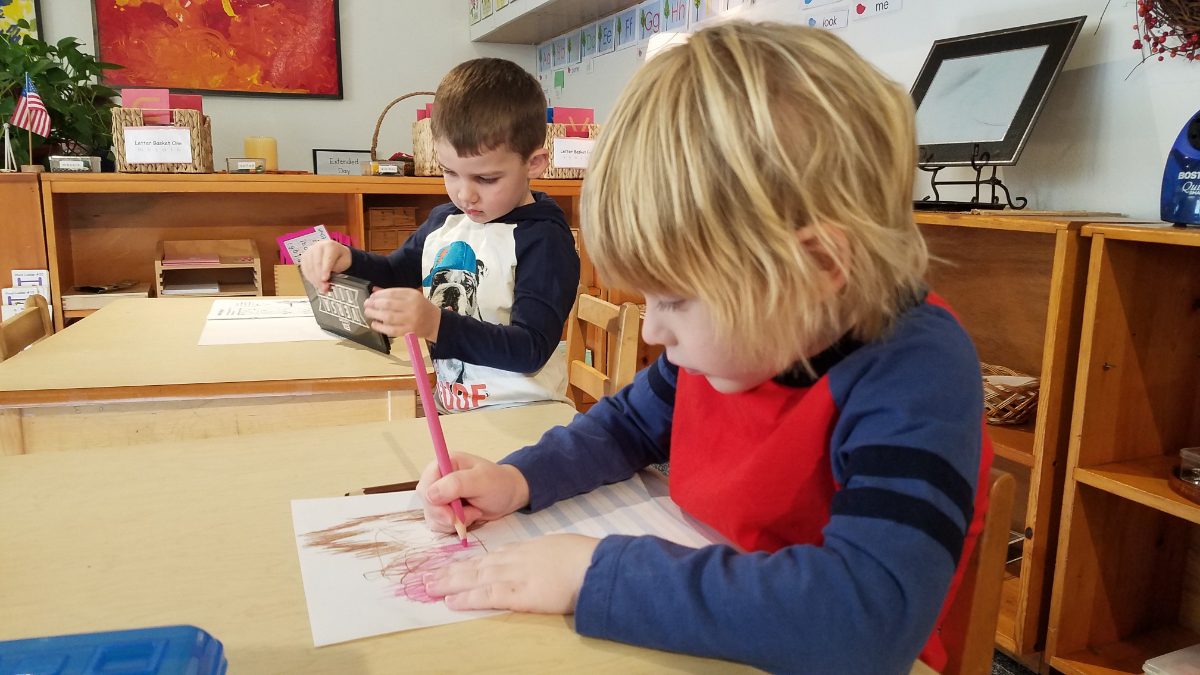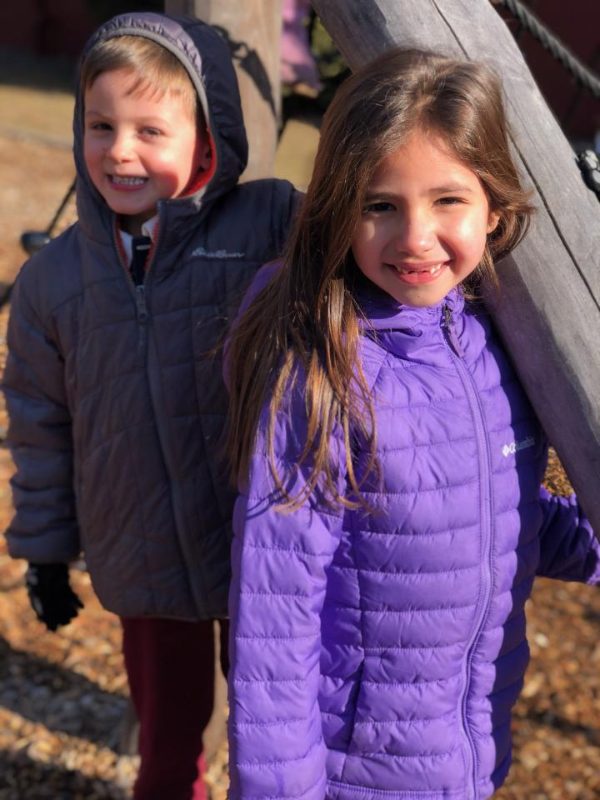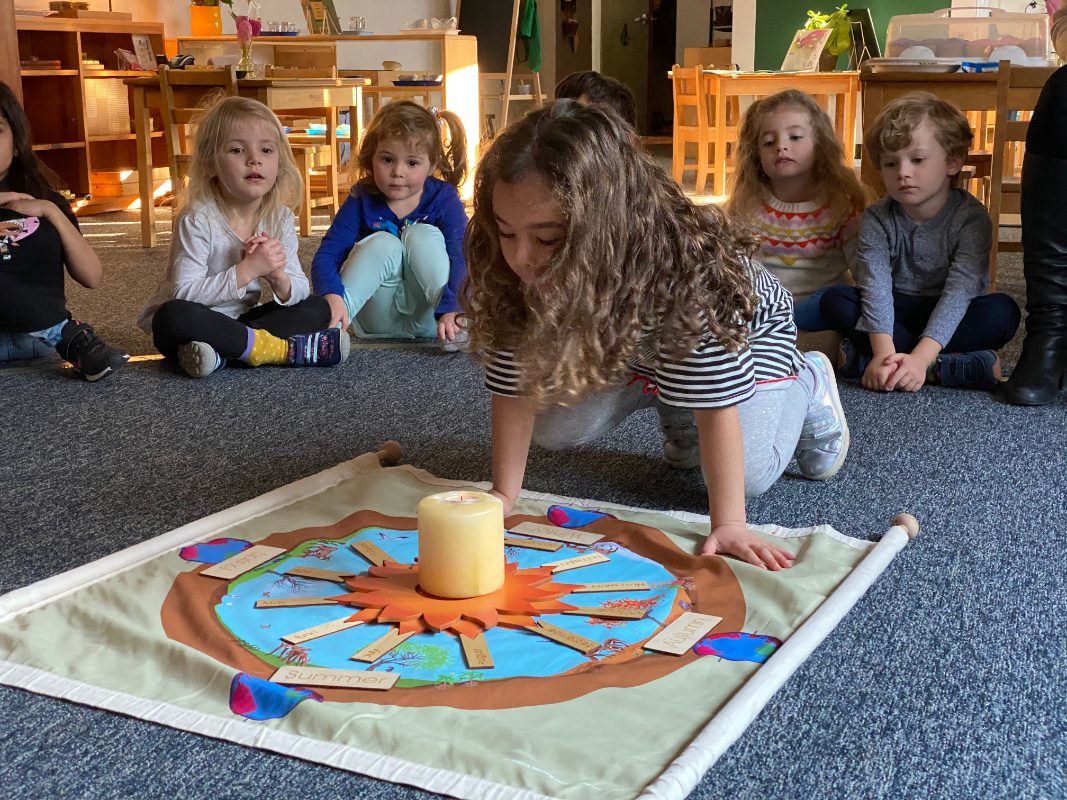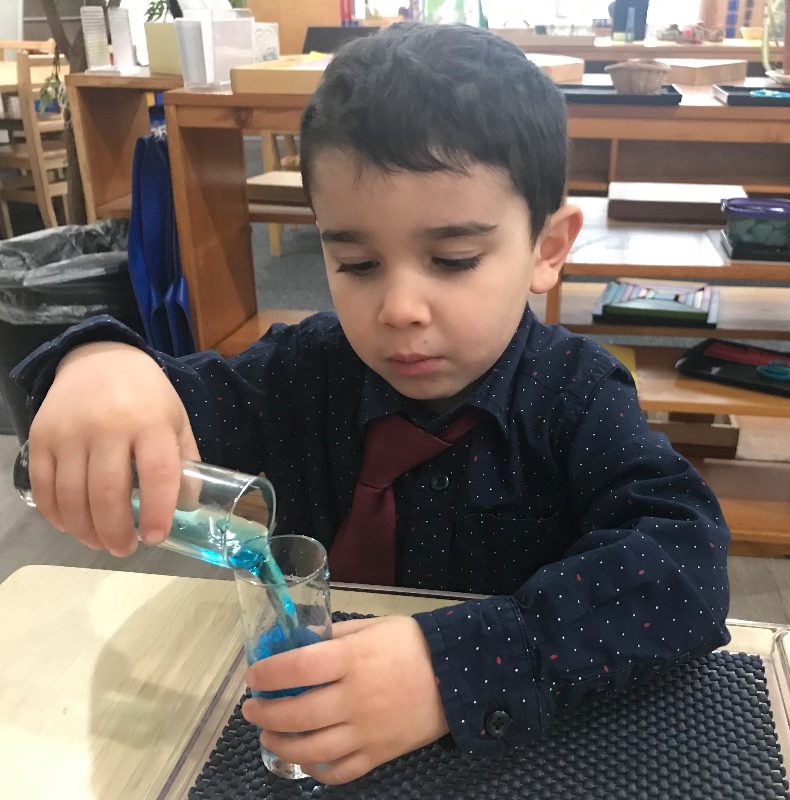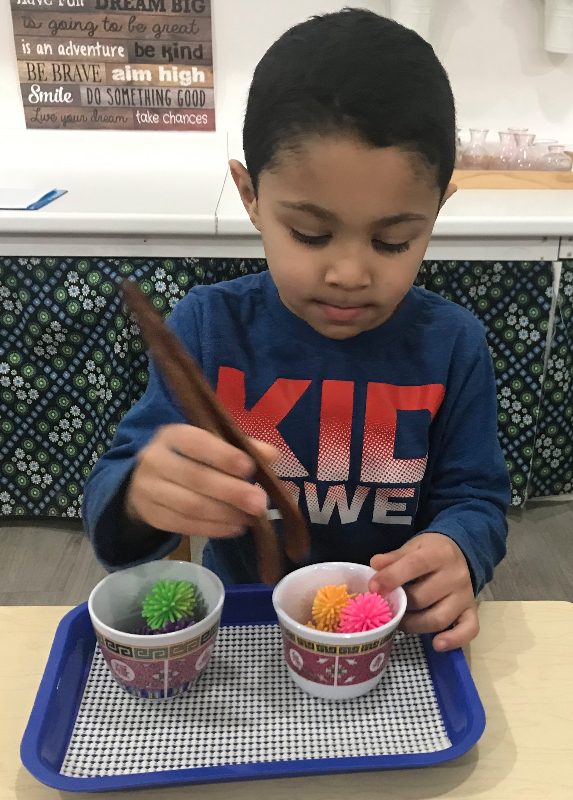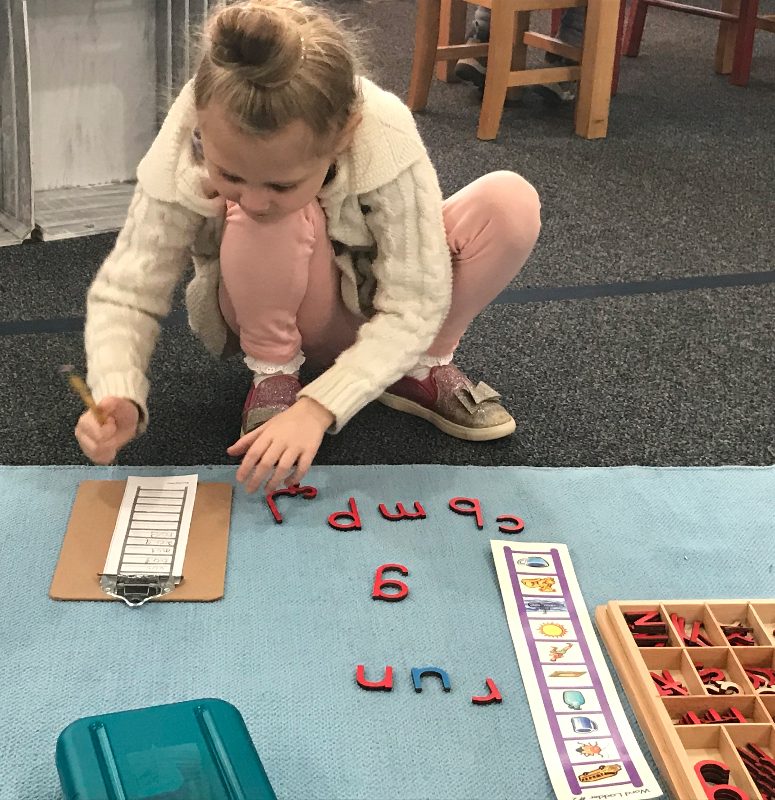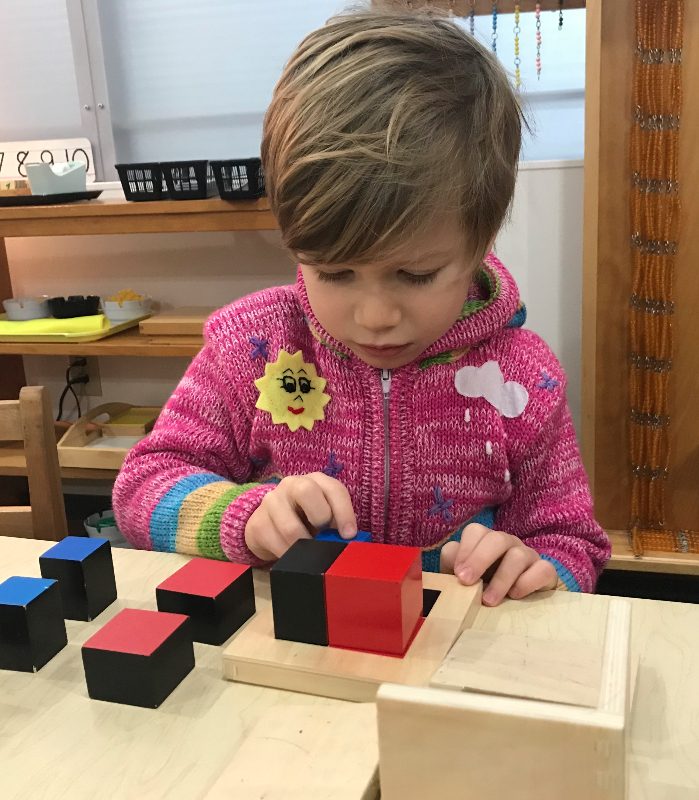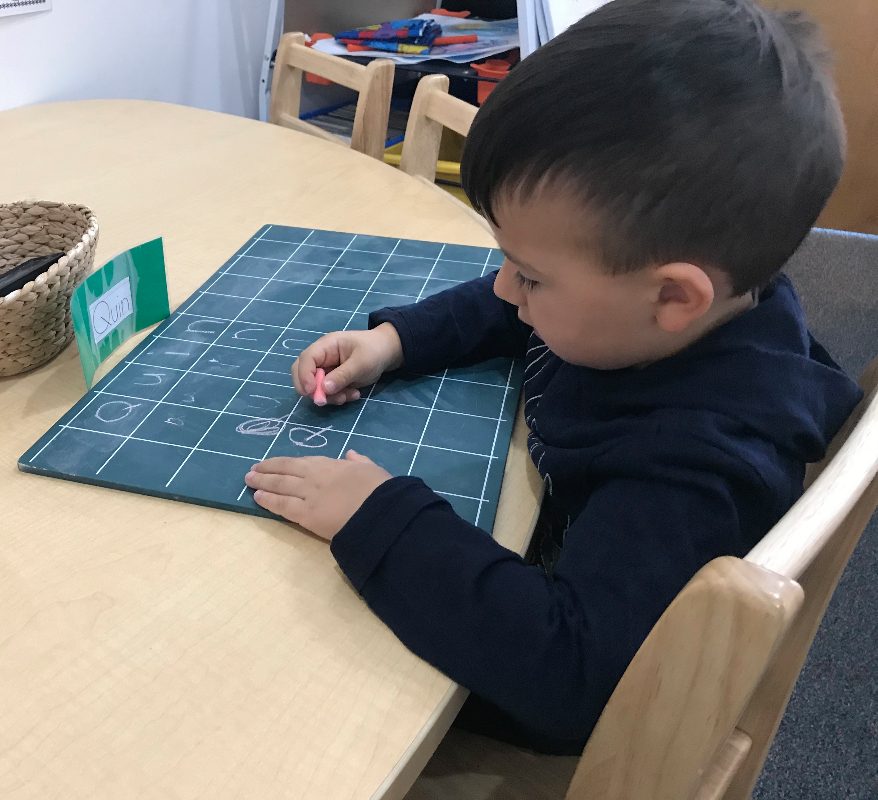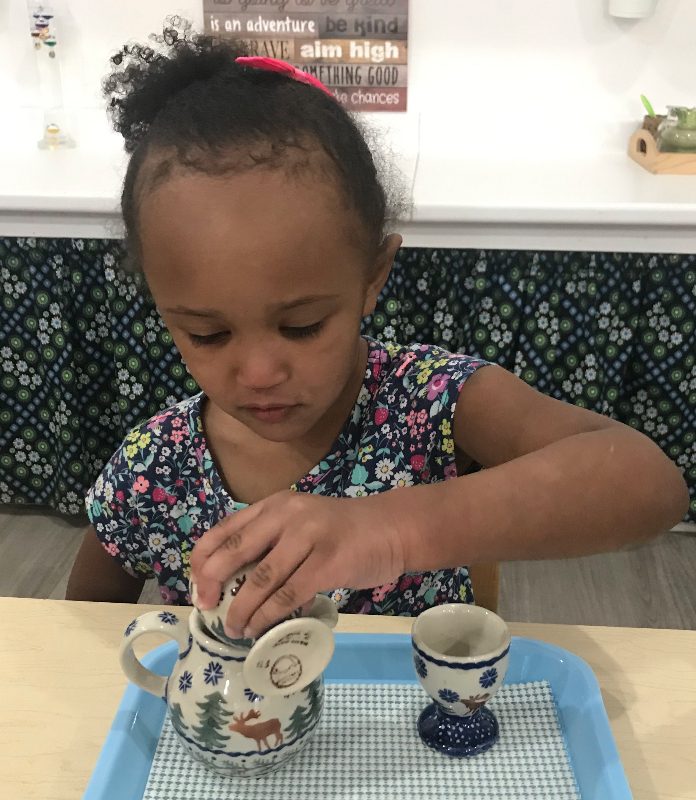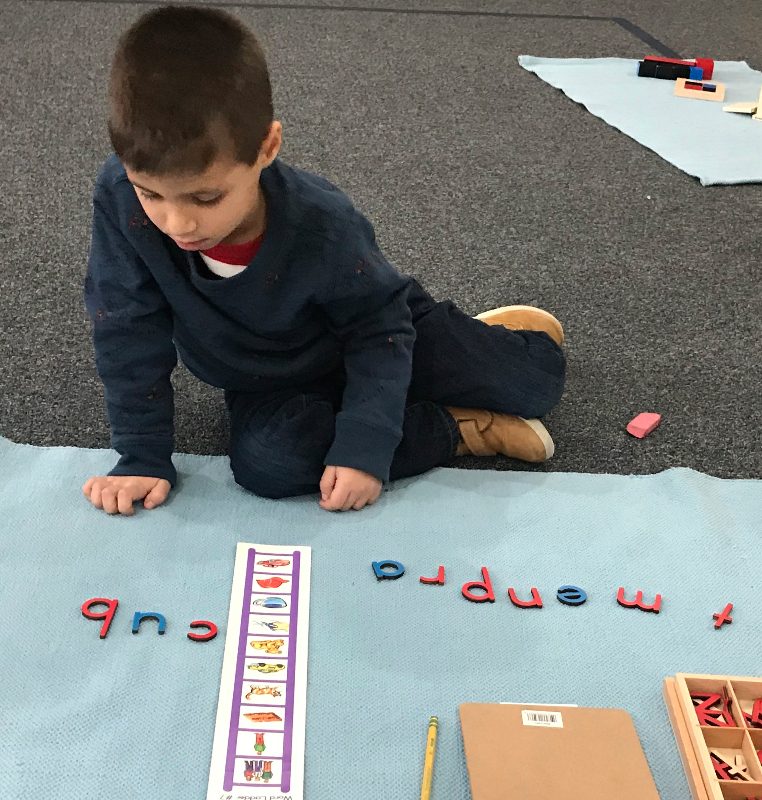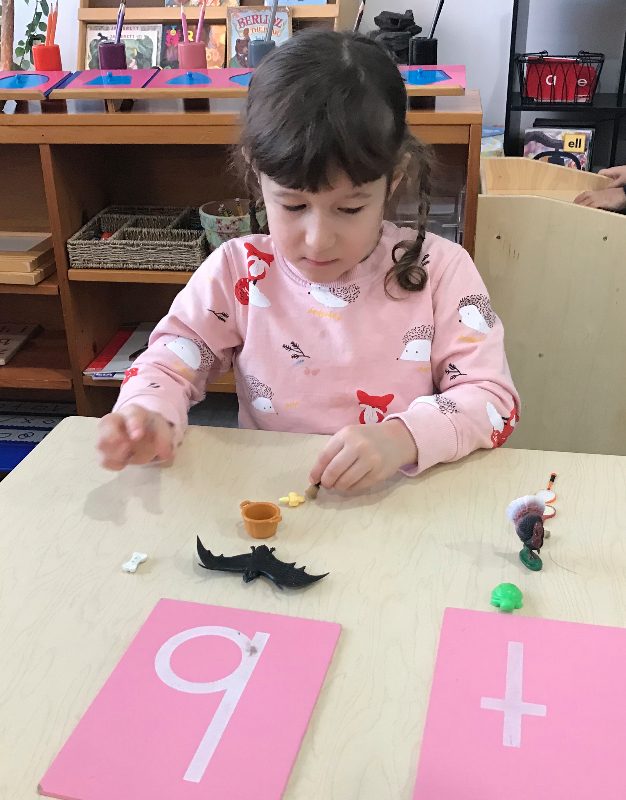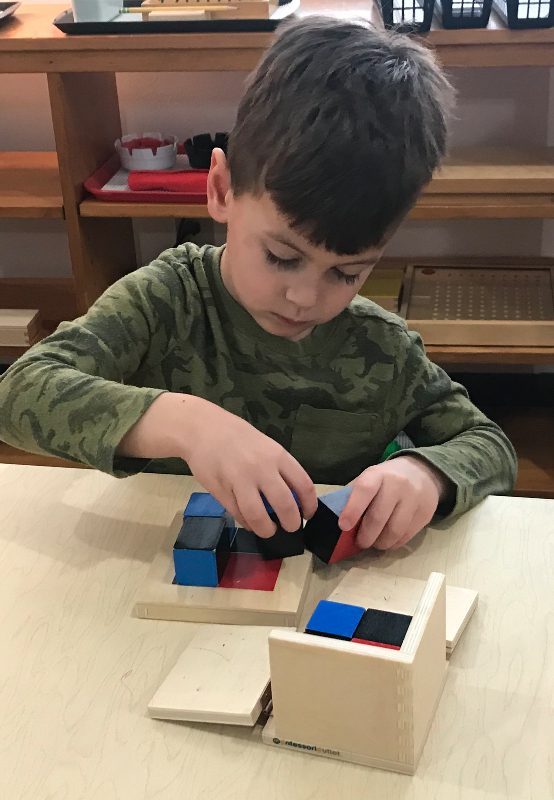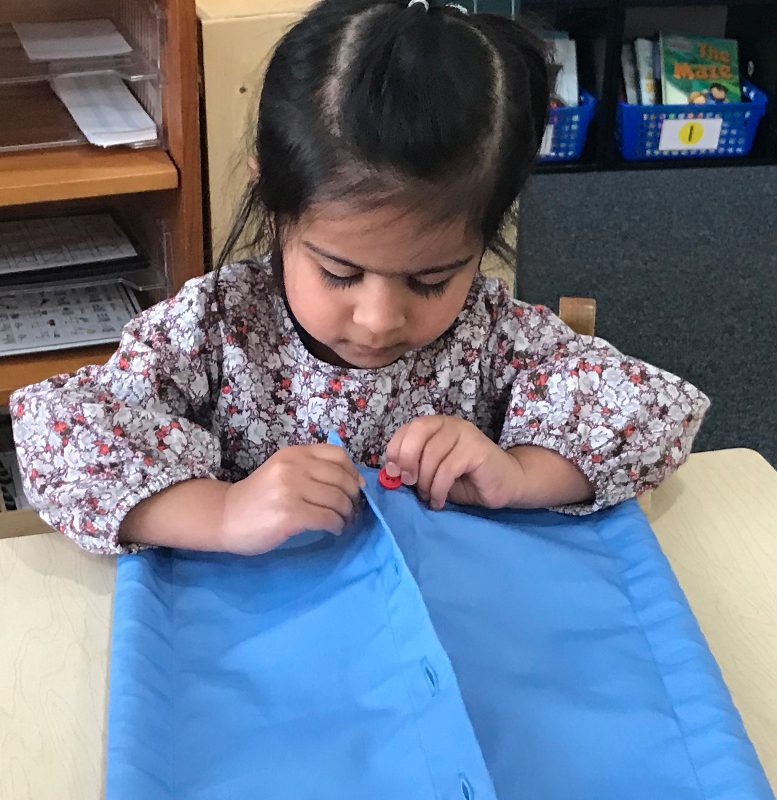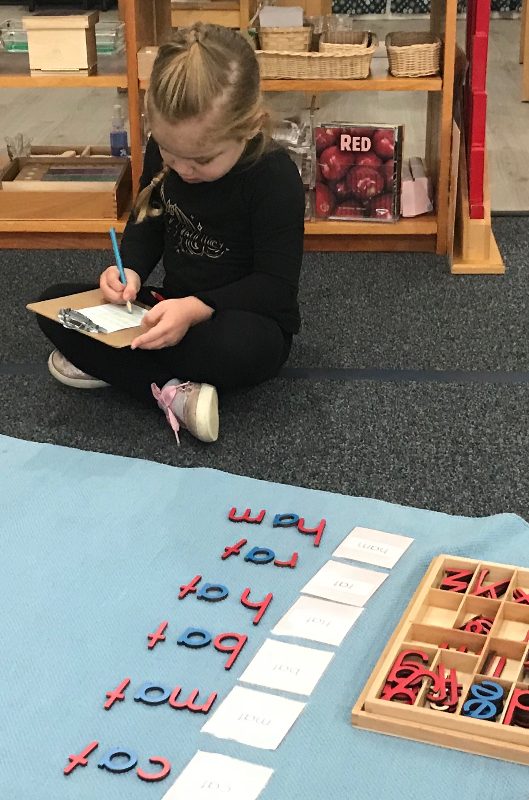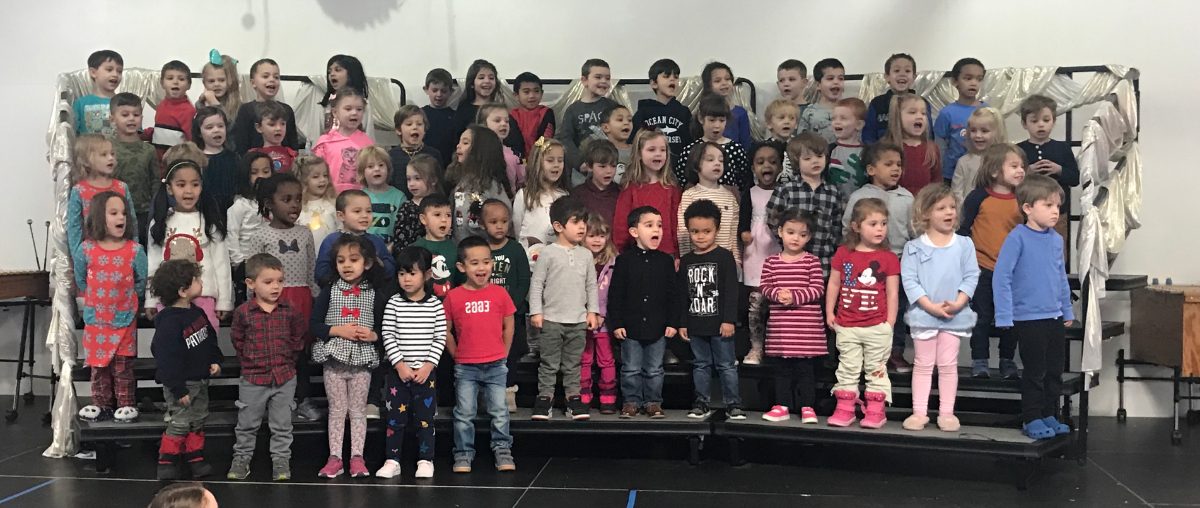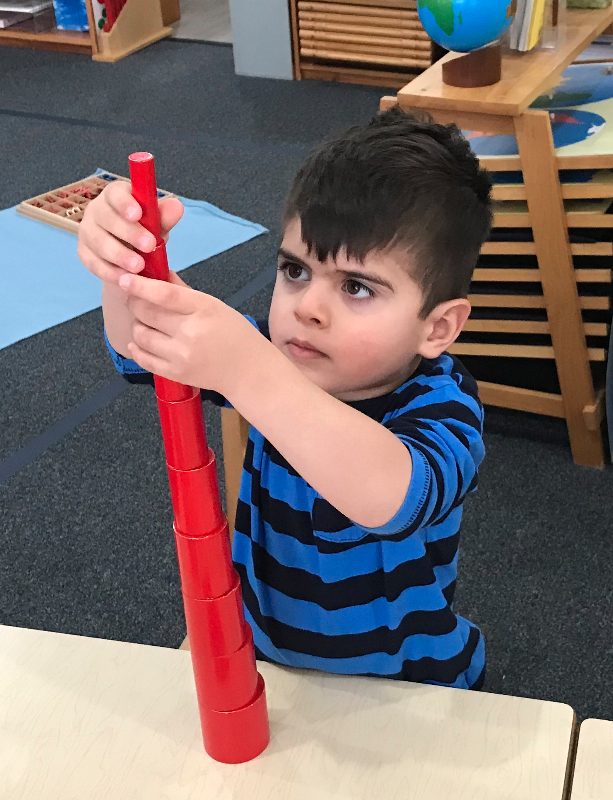
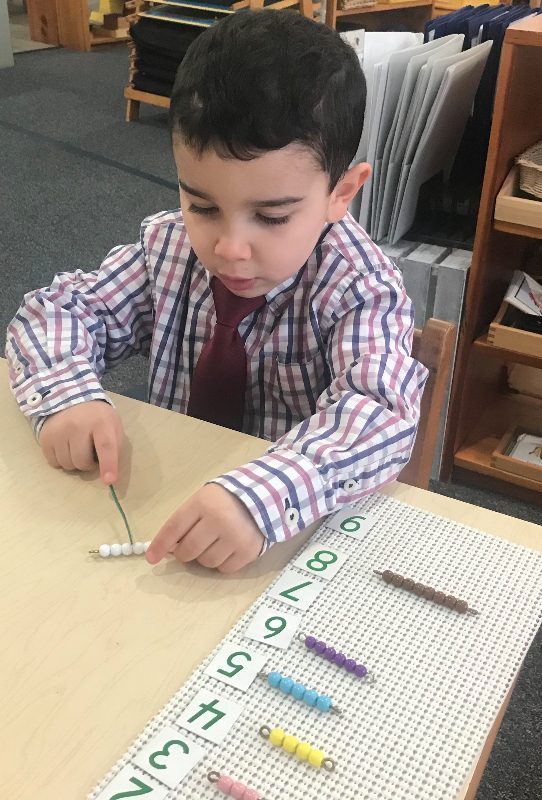
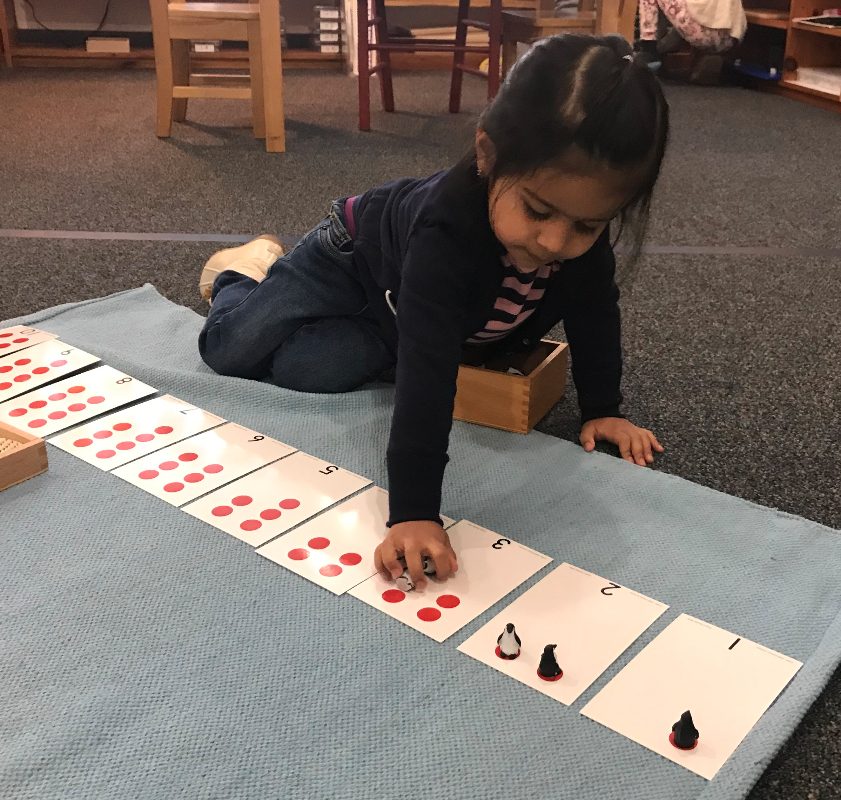
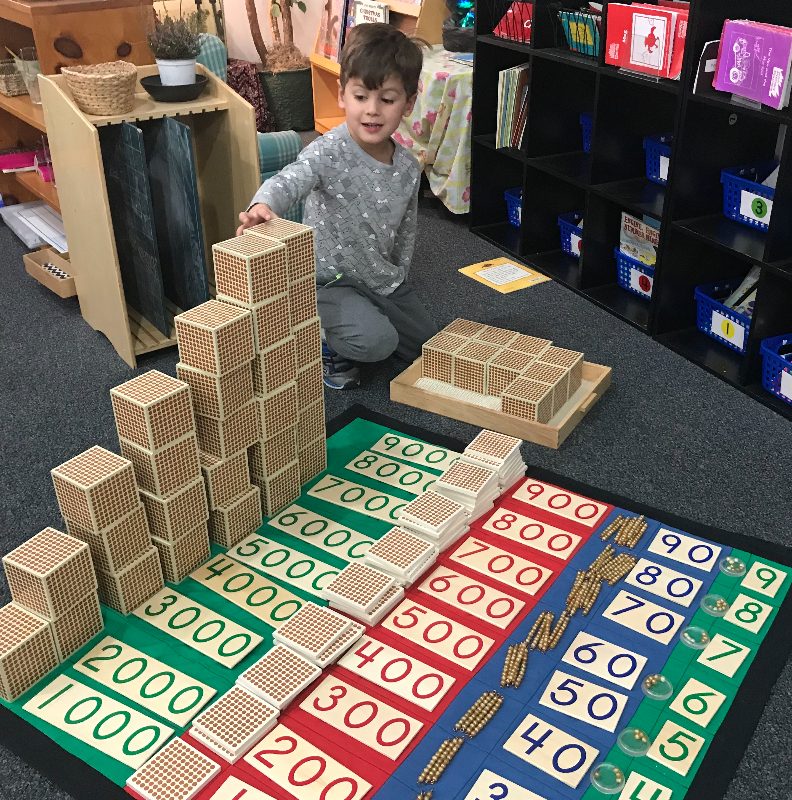
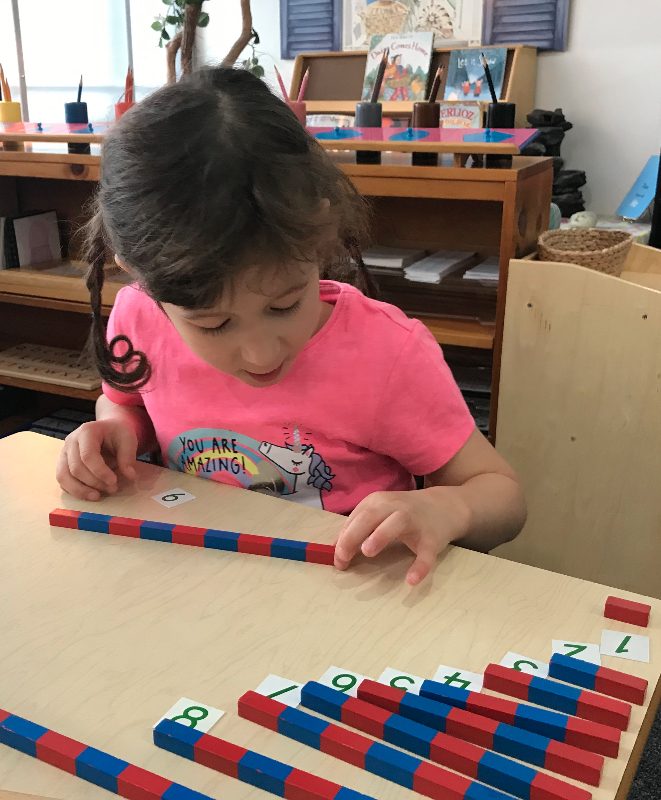
Mrs. Doyle’s Class: It’s Off To Work We Go!

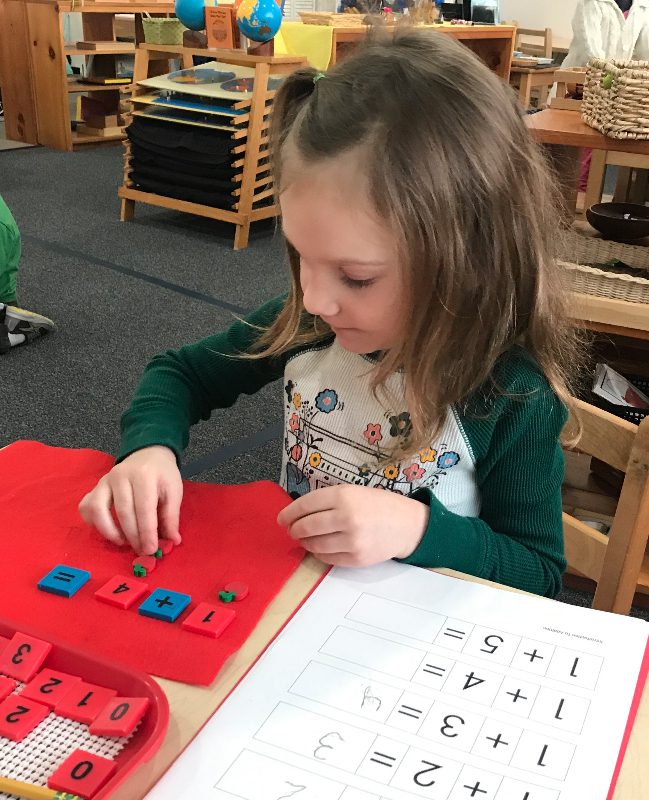
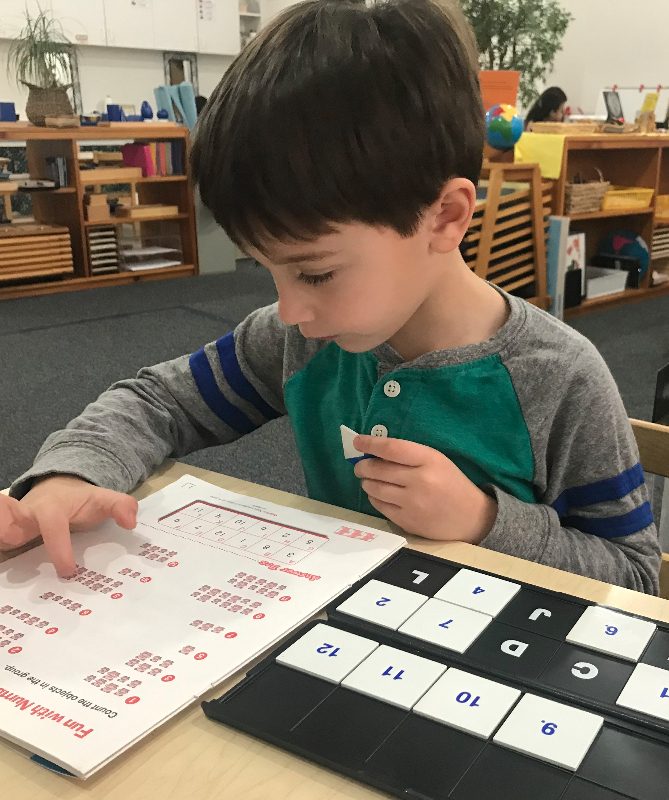
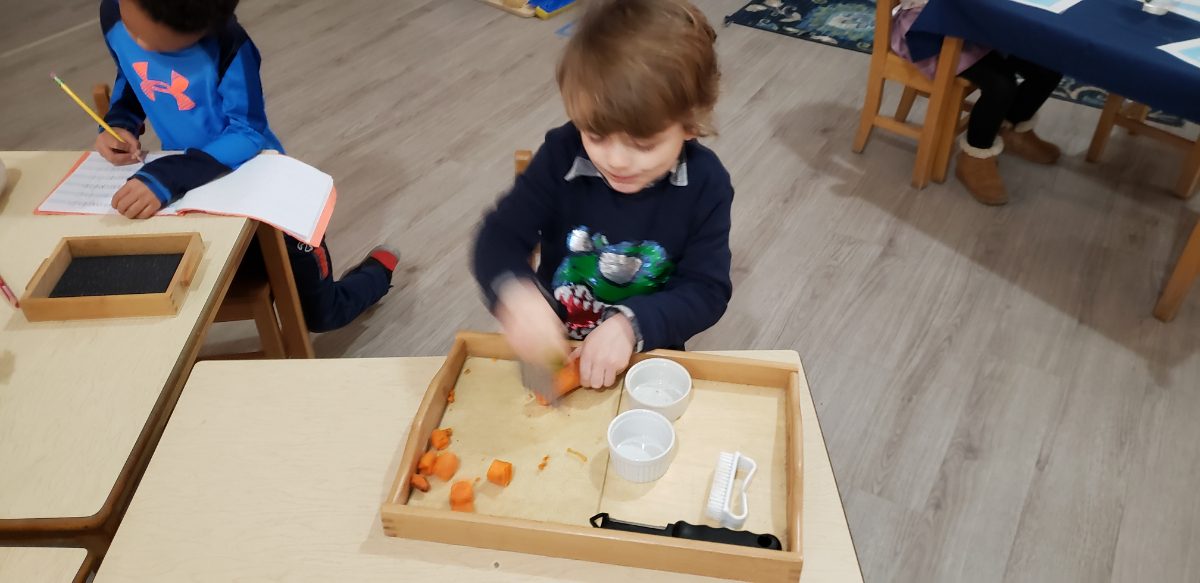
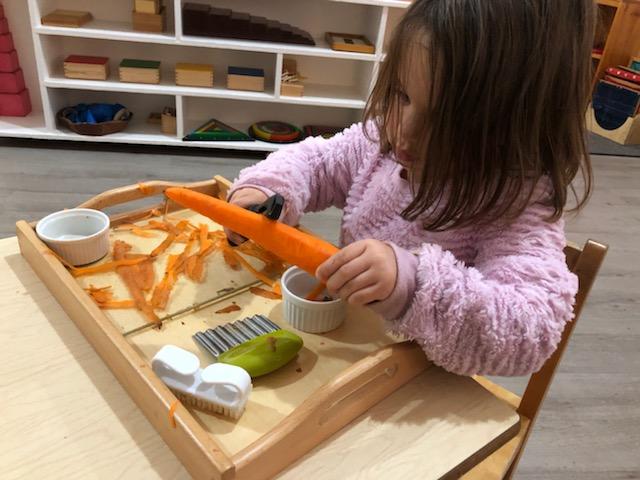
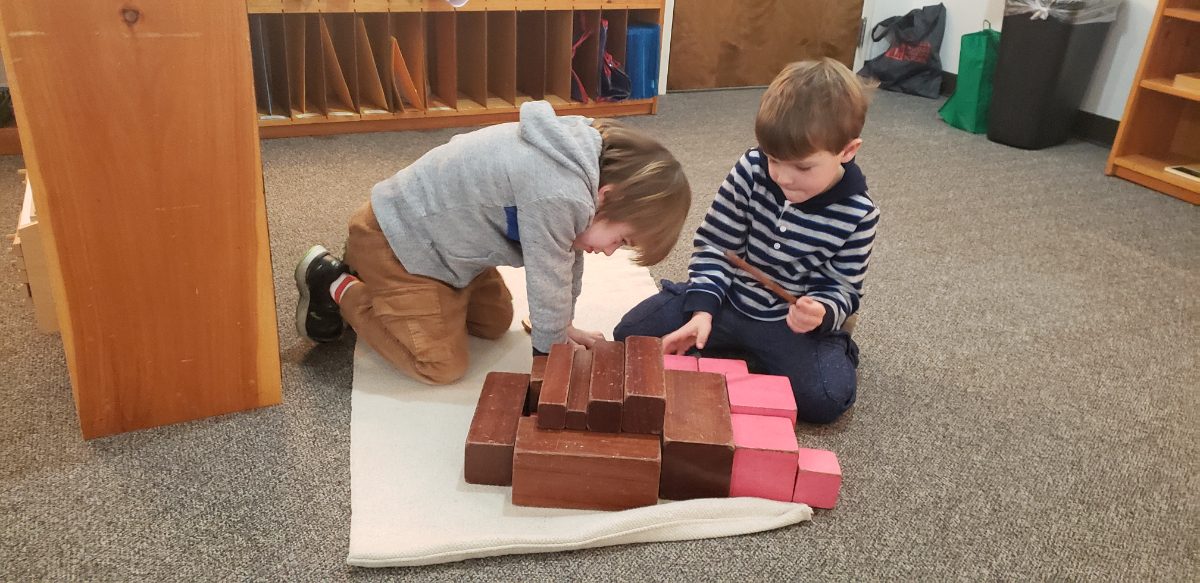
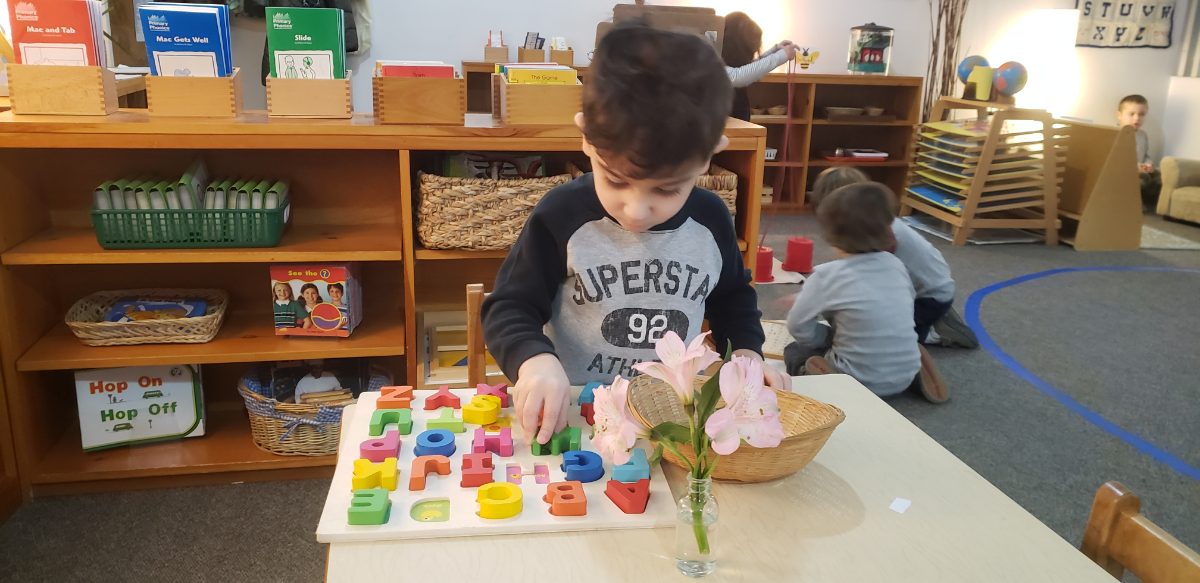
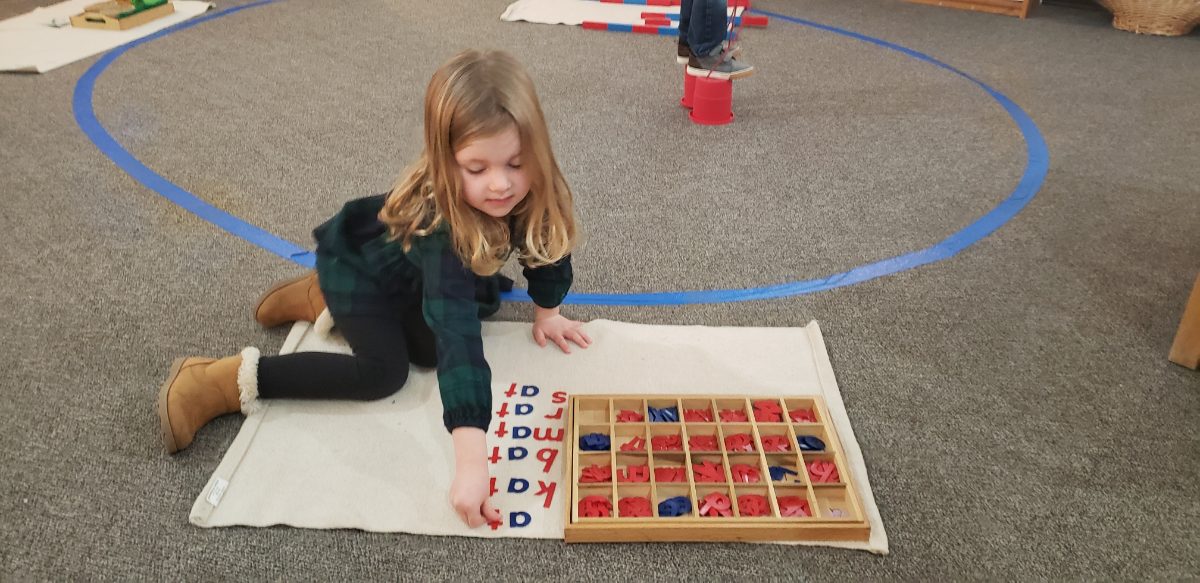
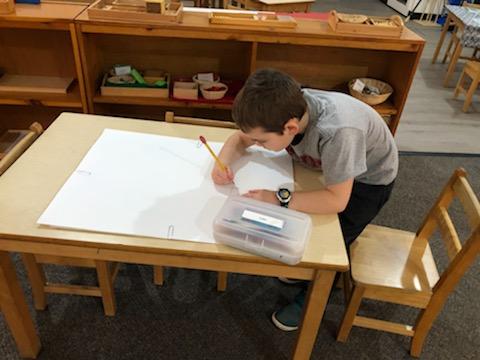
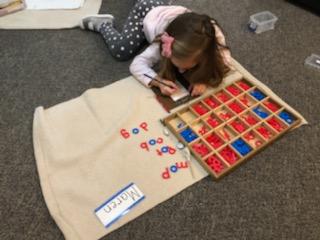
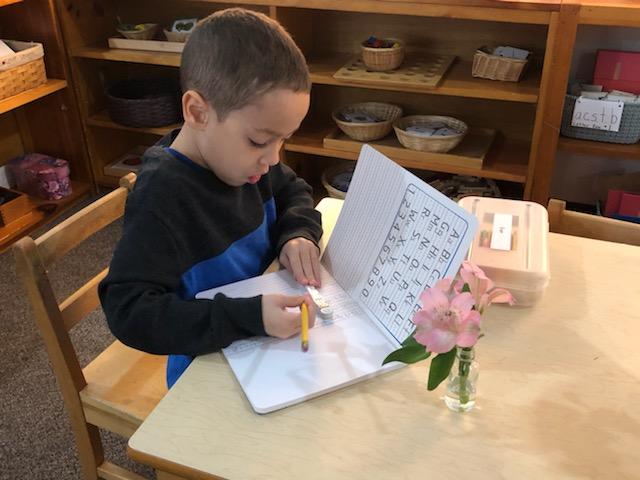
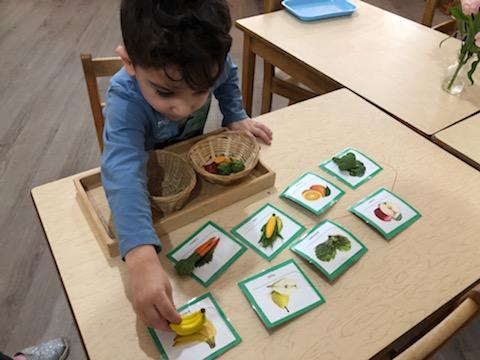
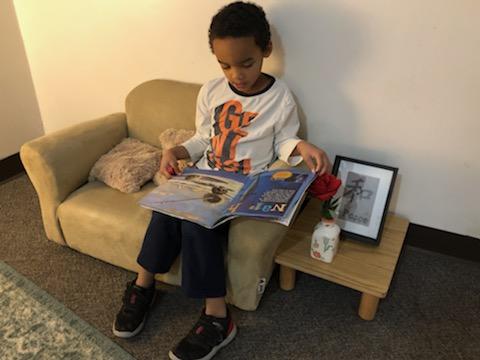
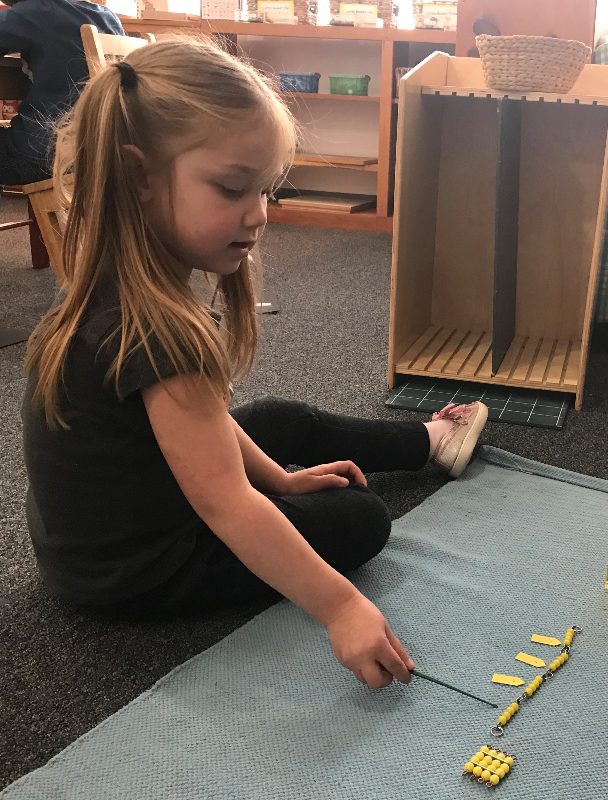
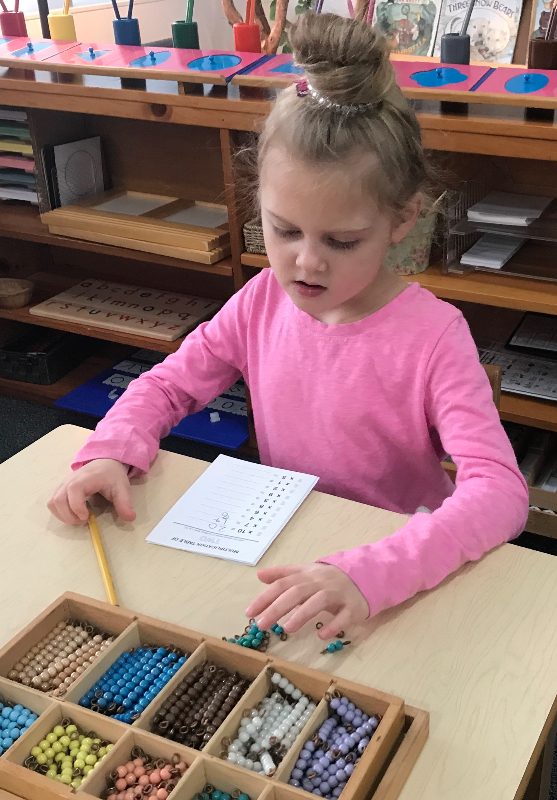
There exists in the small child an unconscious mental state which is of a creative nature. We have called it the “Absorbent Mind.” The tiny child’s absorbent mind finds all its nutriment in its surroundings…Especially at the beginning of life. We must, therefore, make the environment as interesting and attractive as we can.  -Maria Montessori

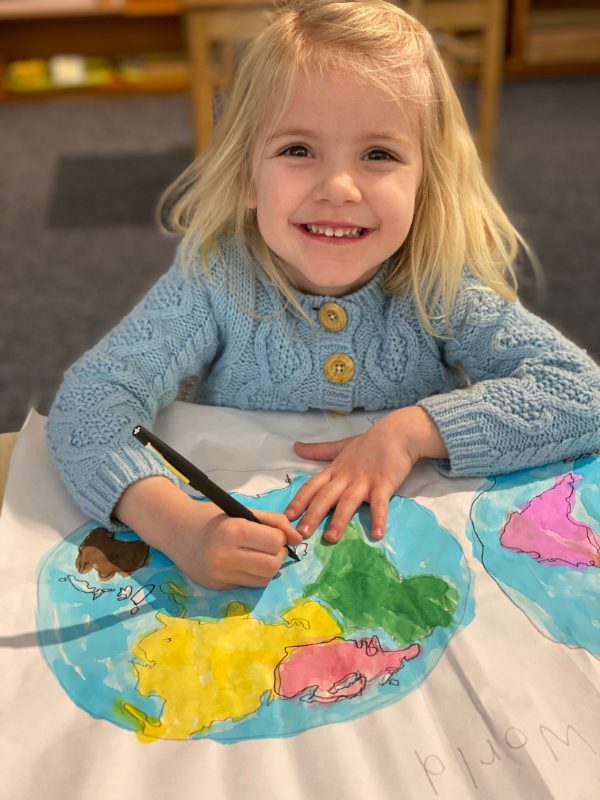
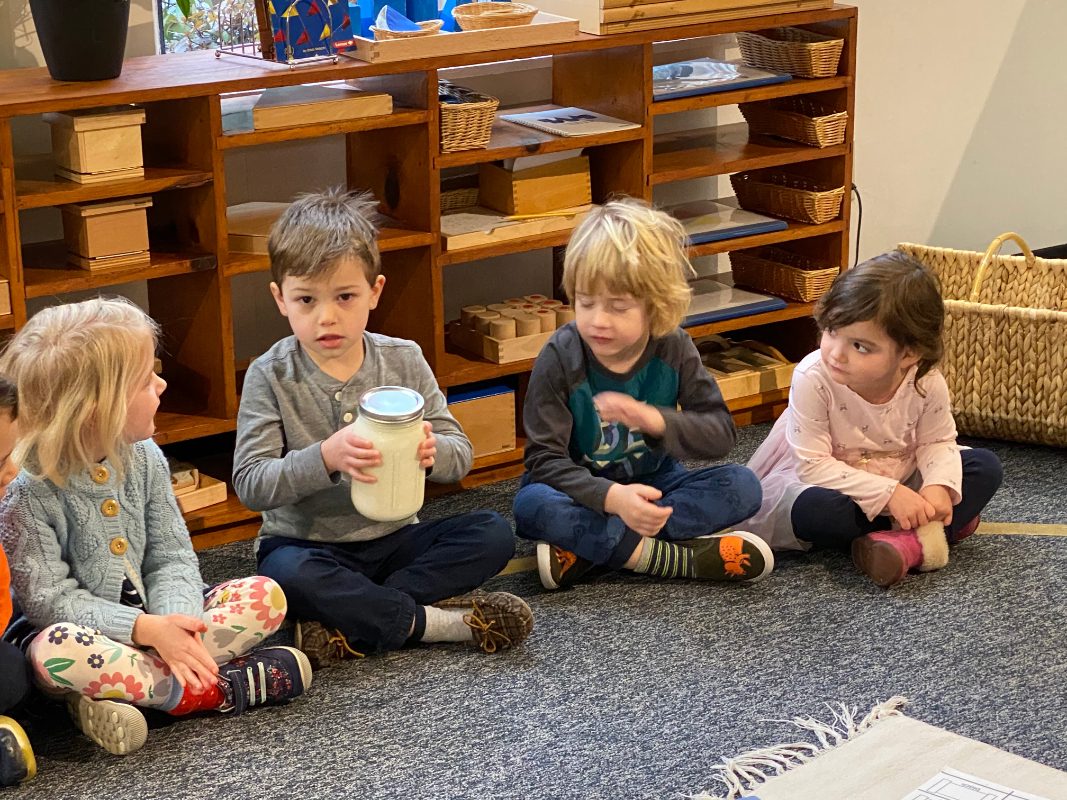
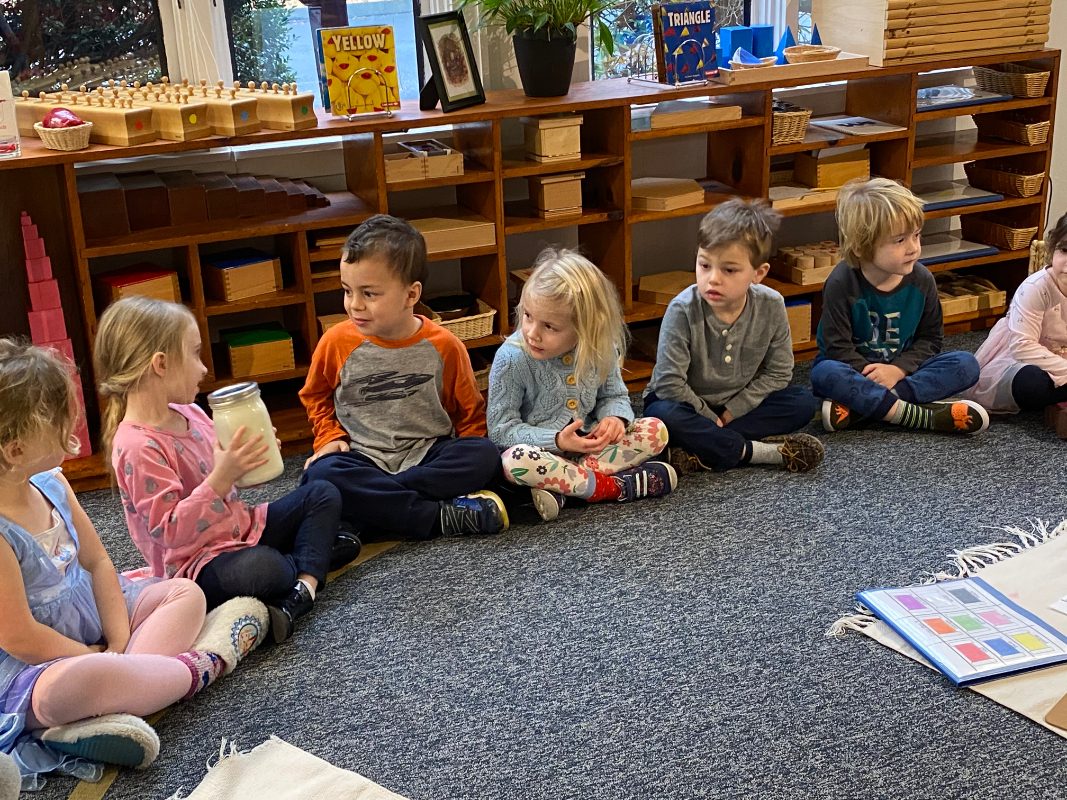
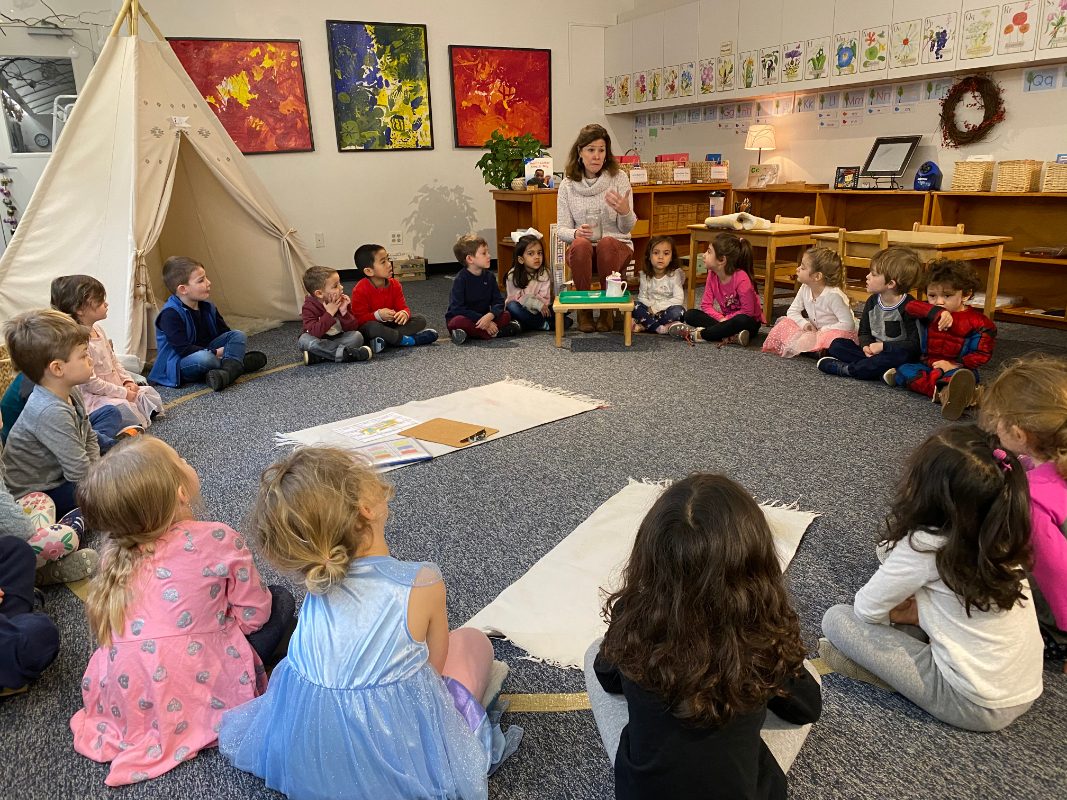
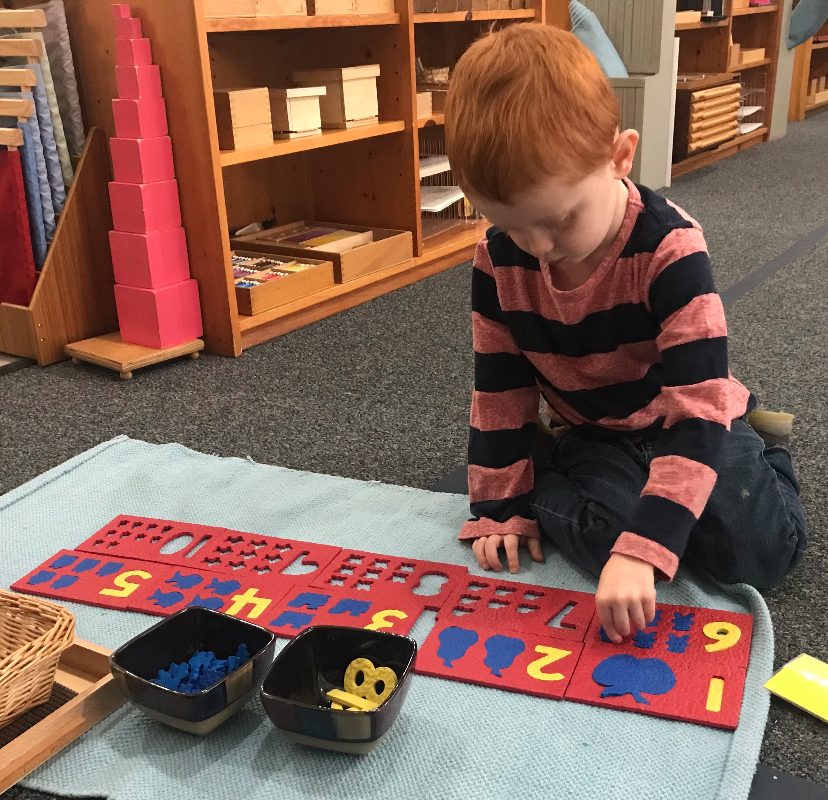
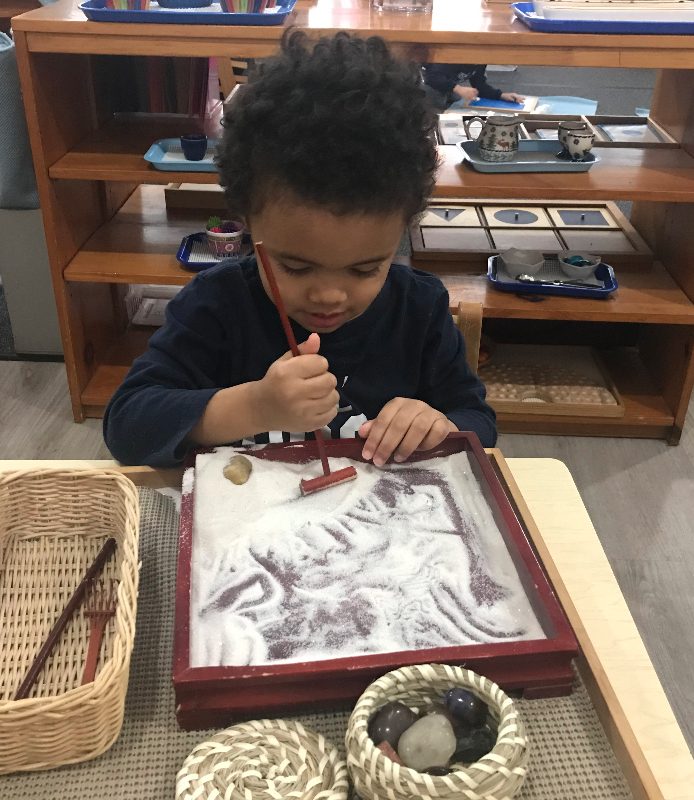
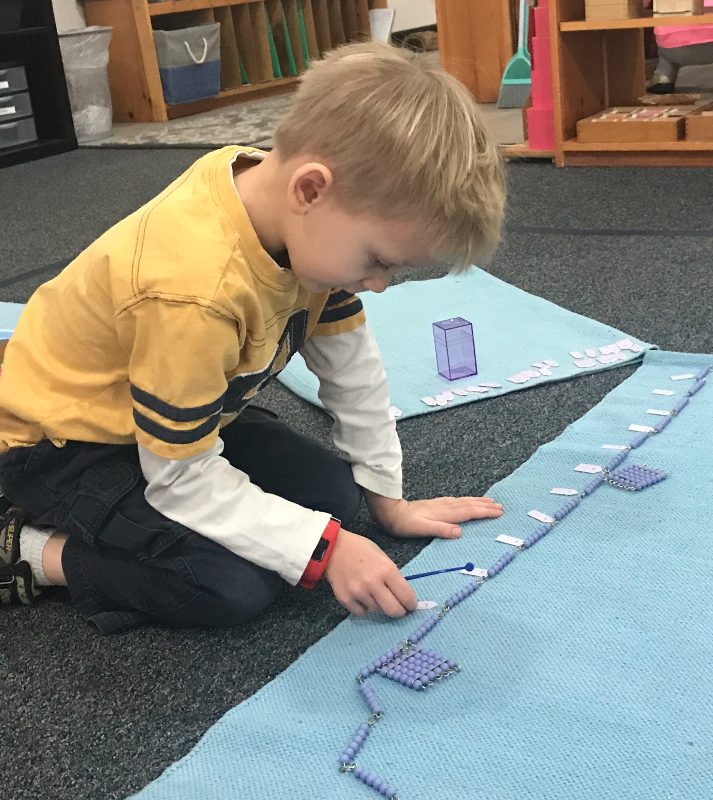
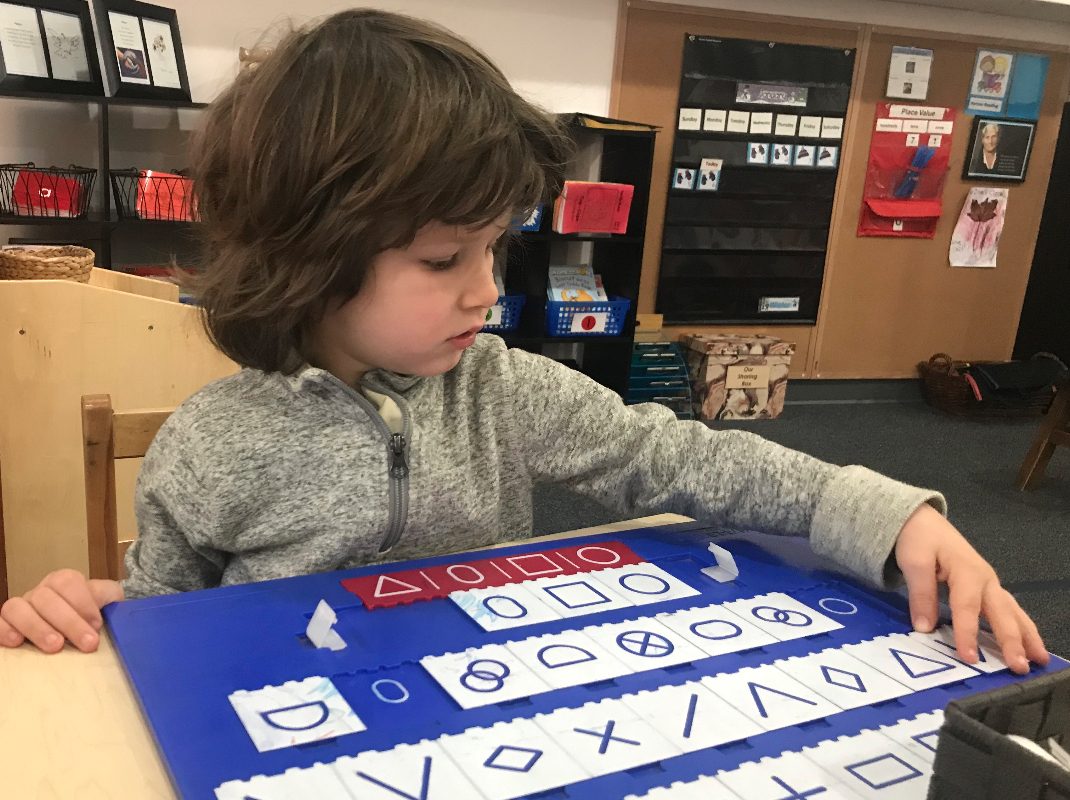
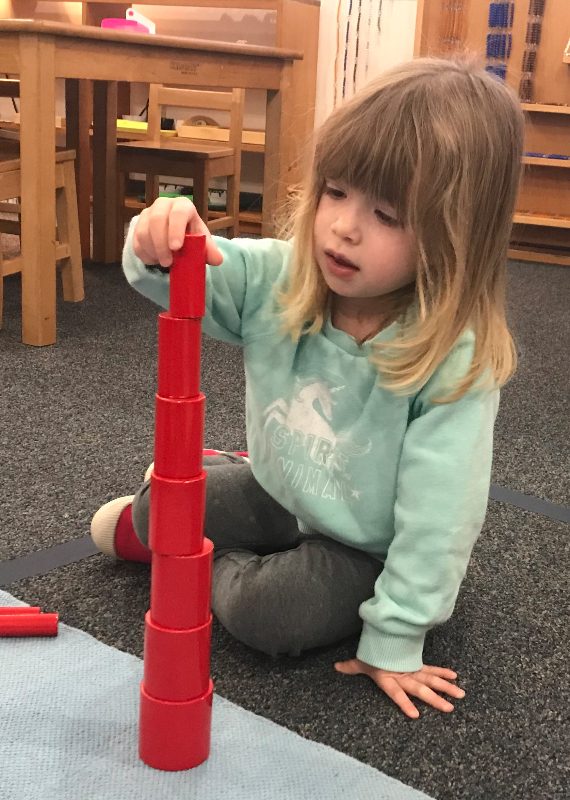
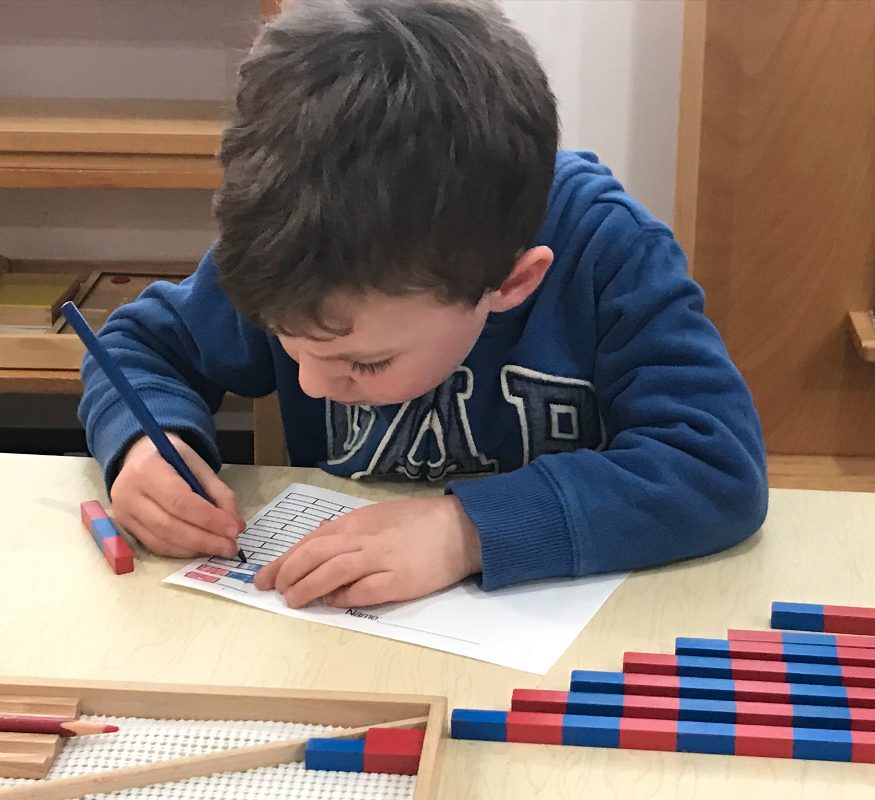
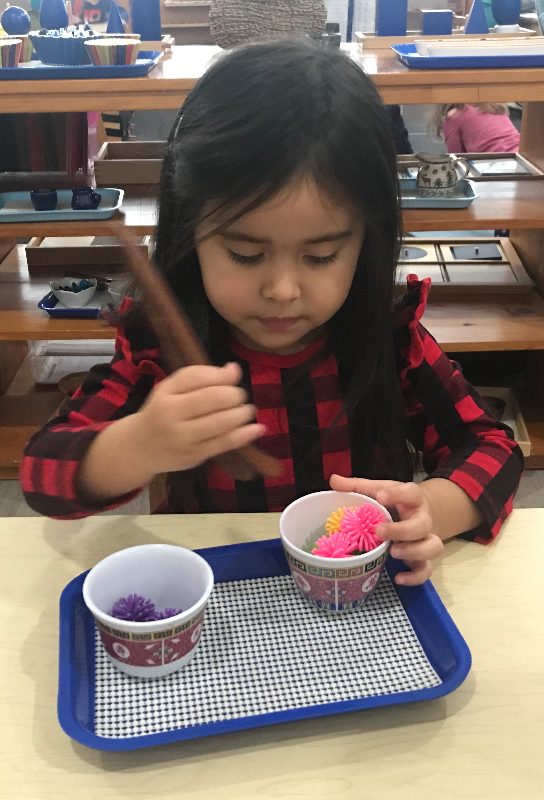
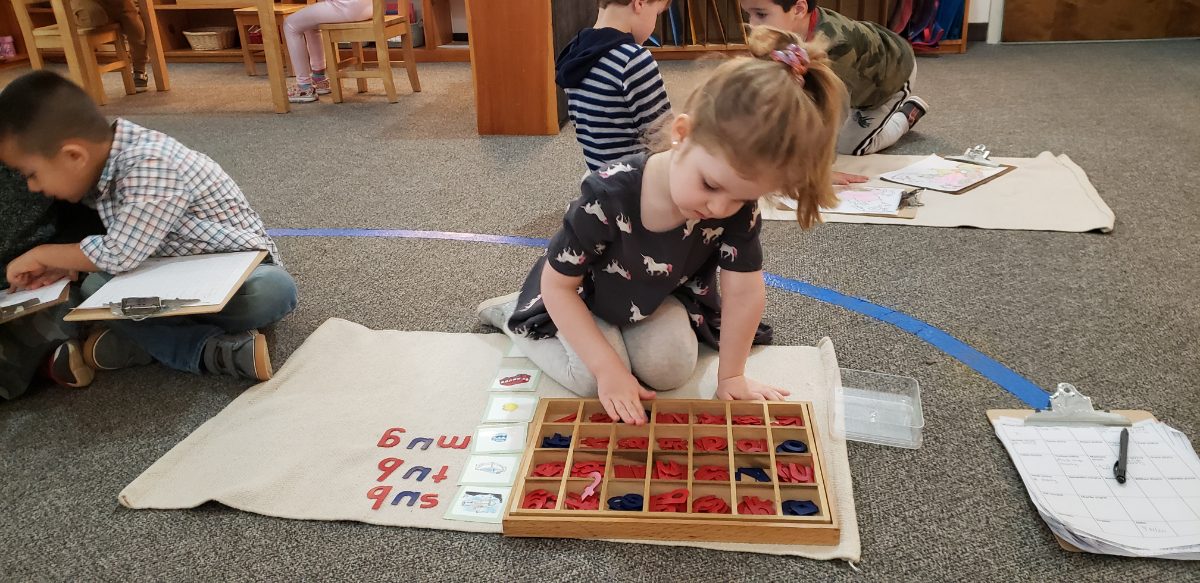
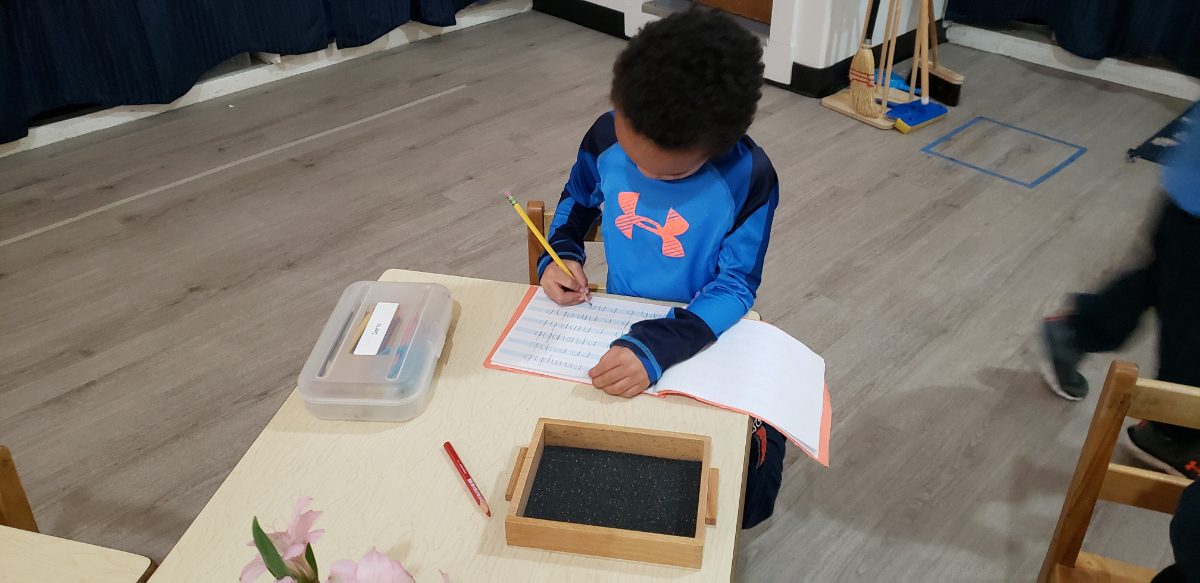
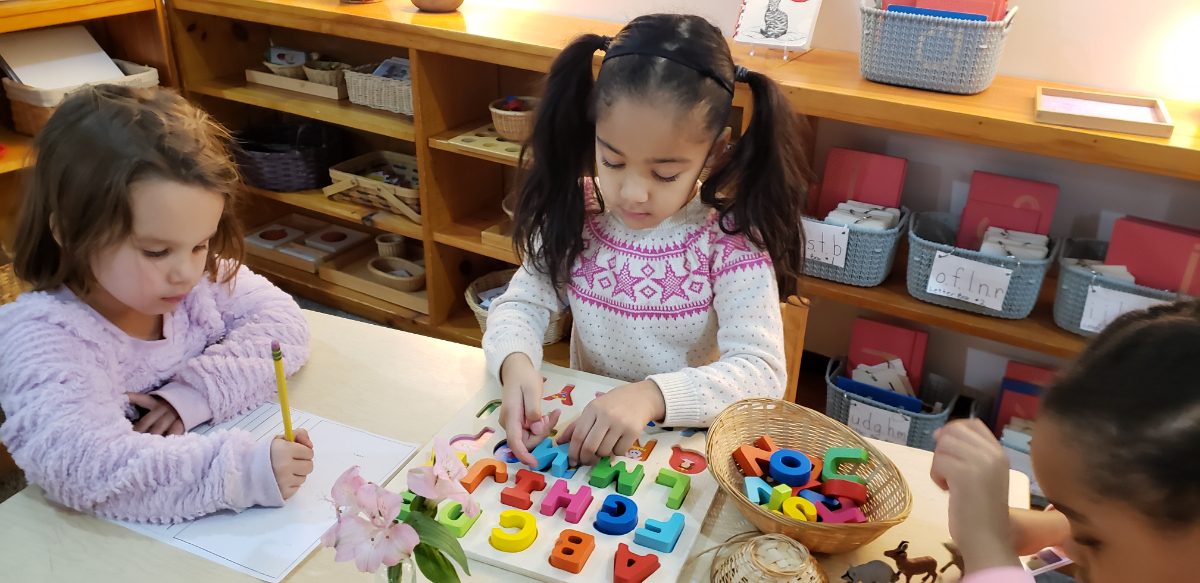
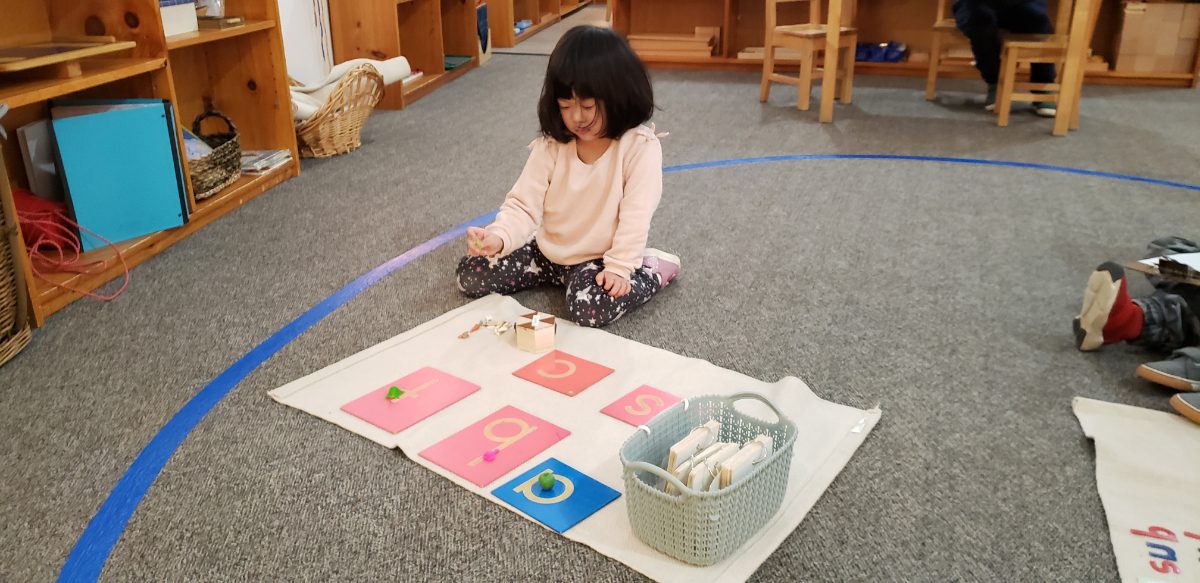
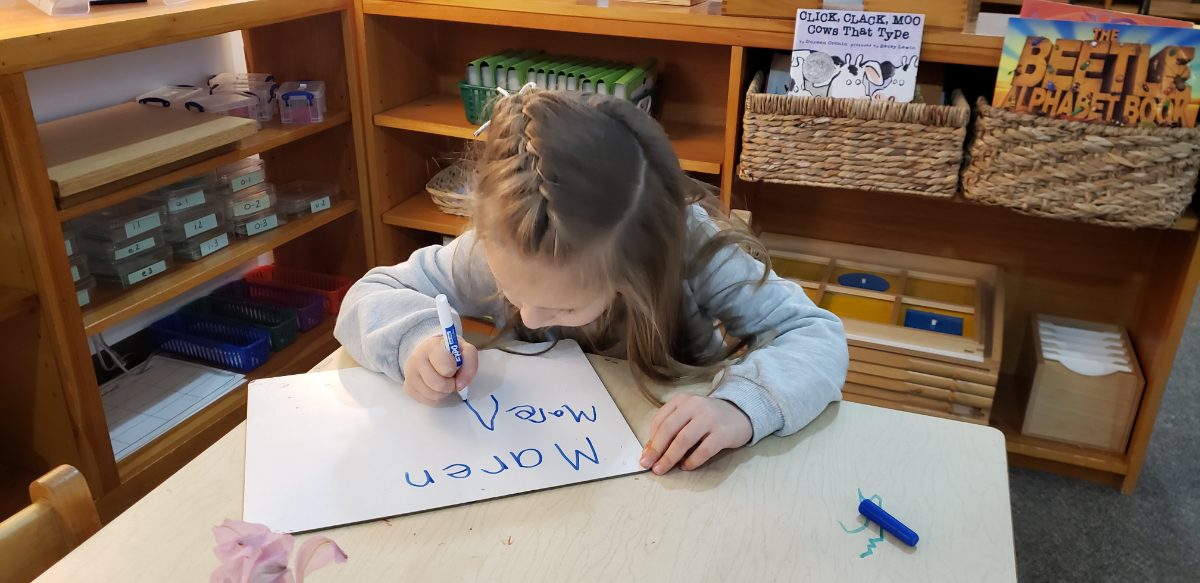
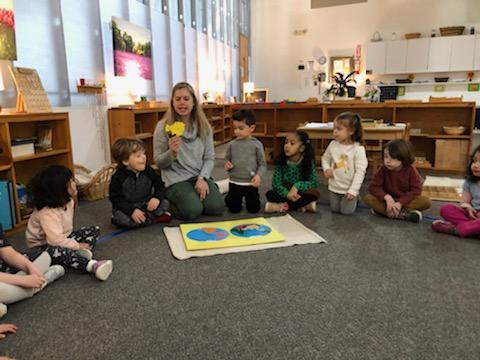
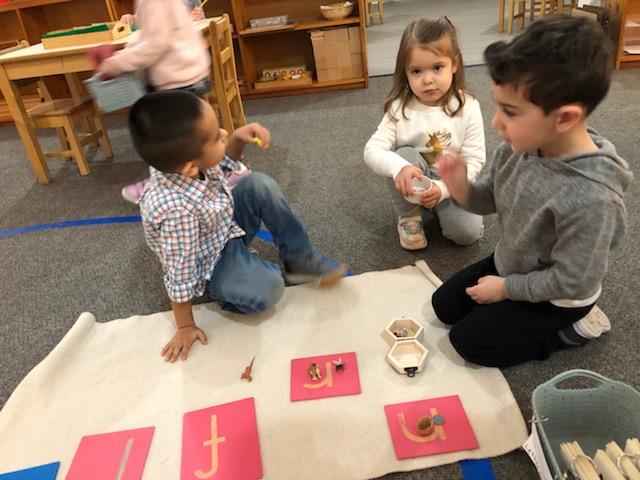
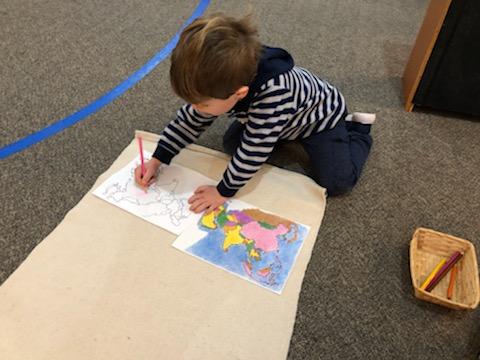
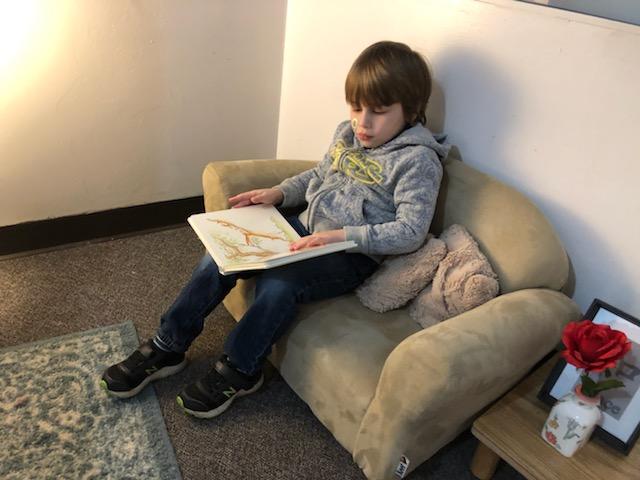
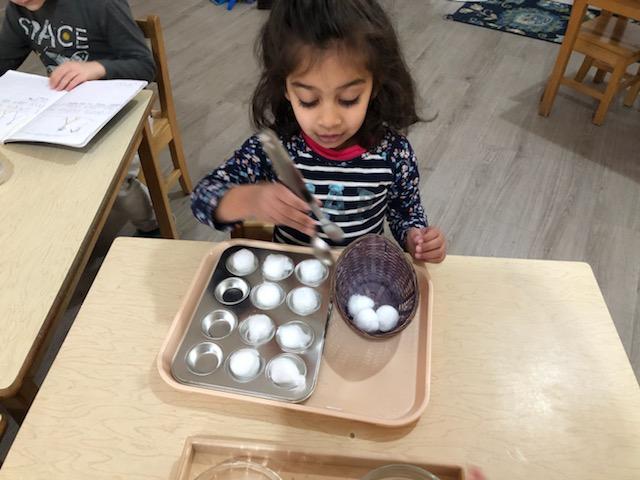
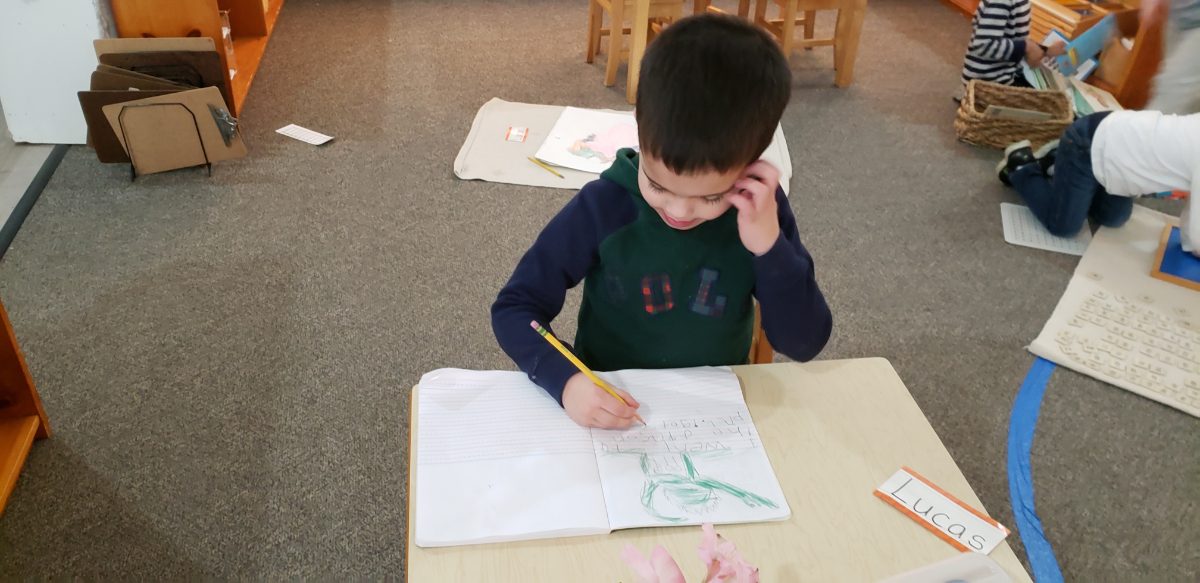
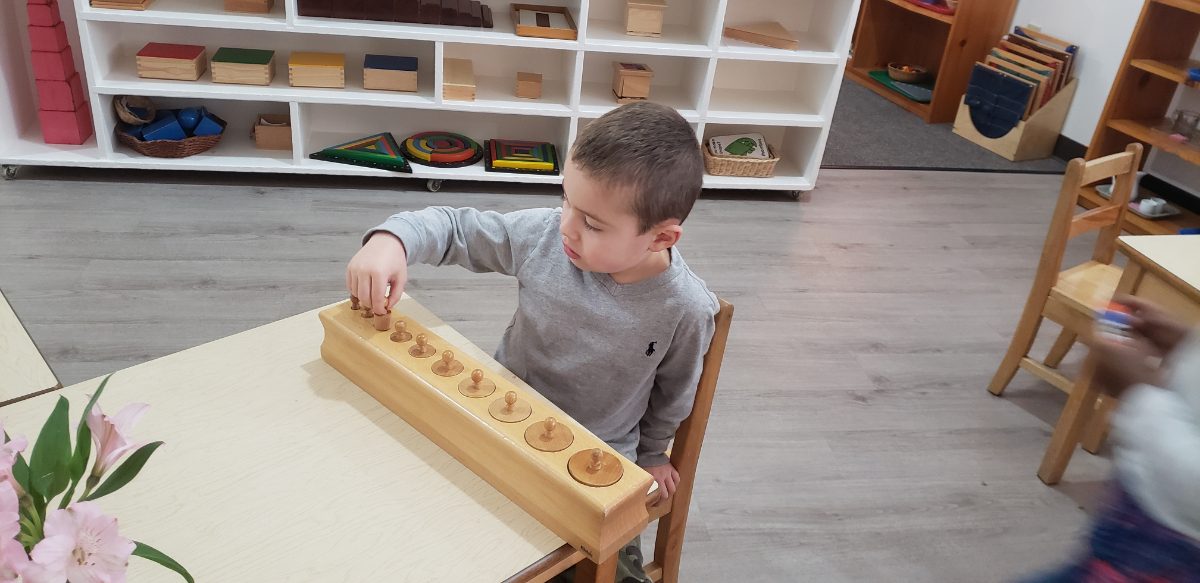
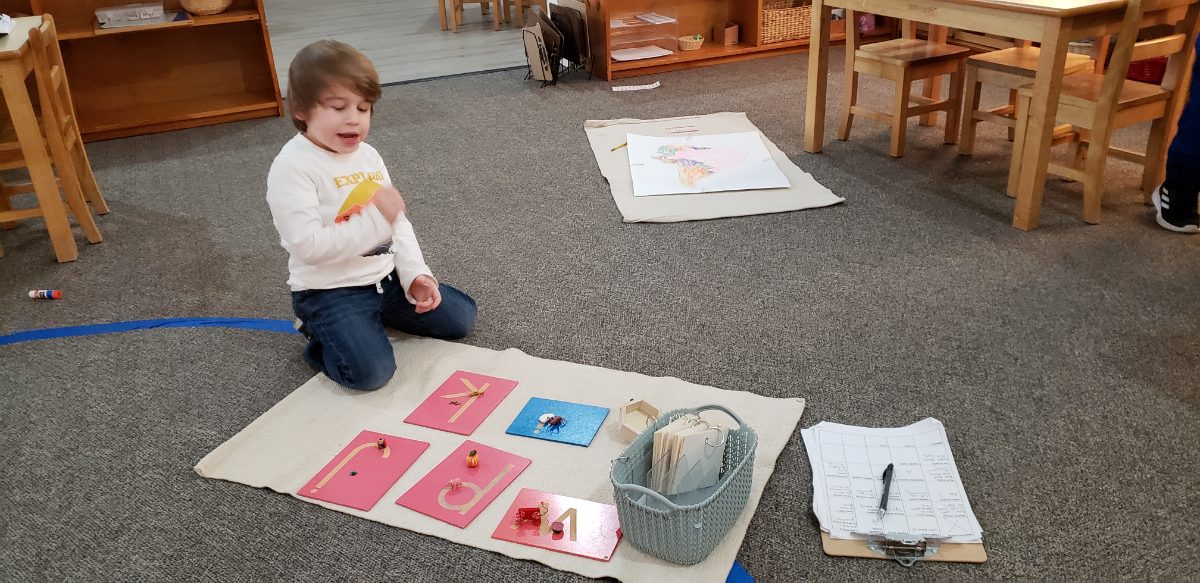
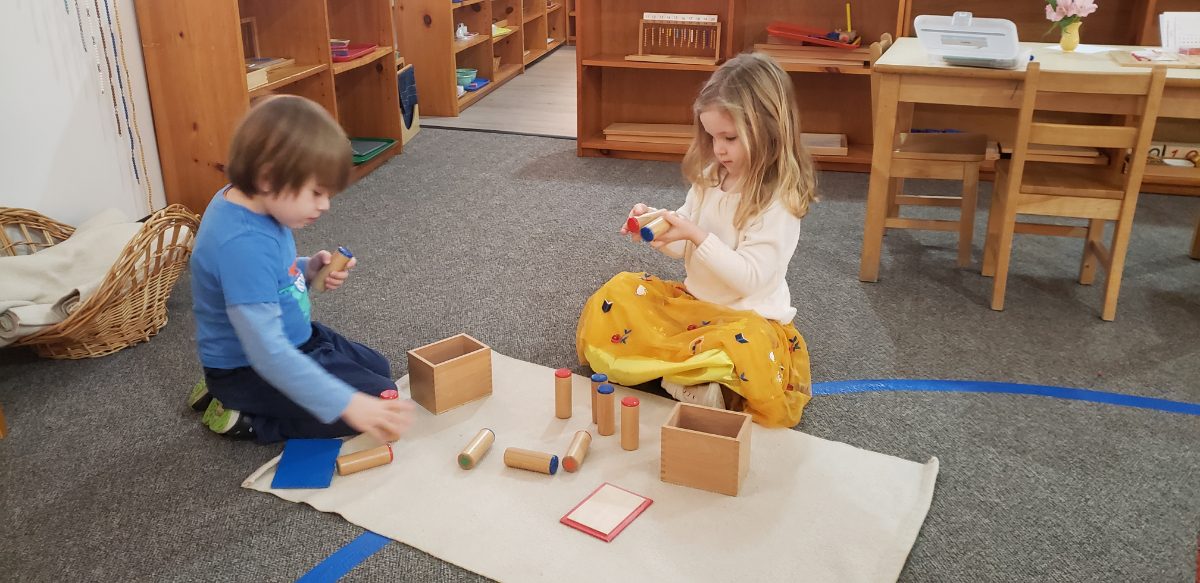
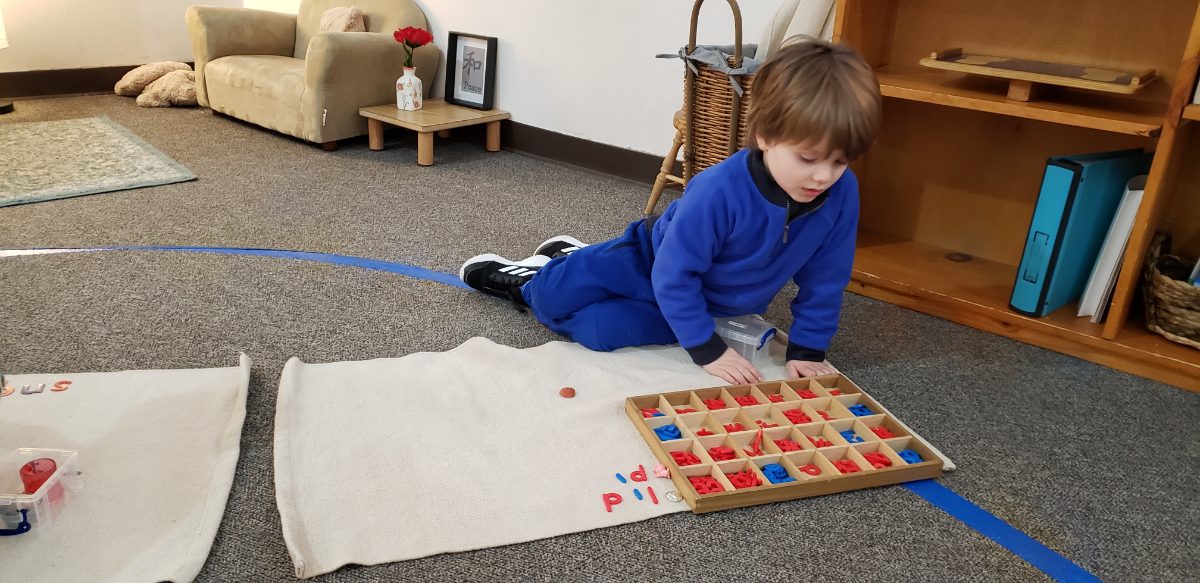
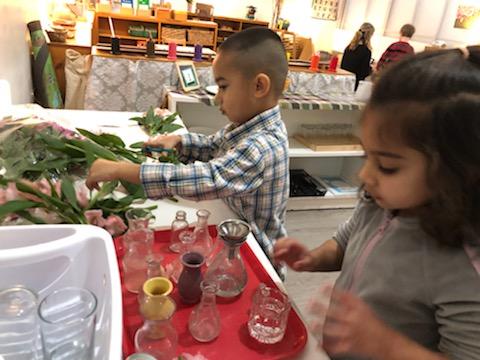
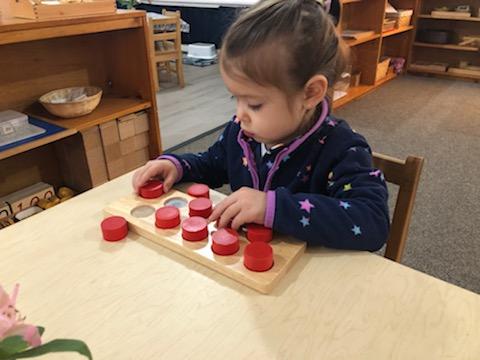
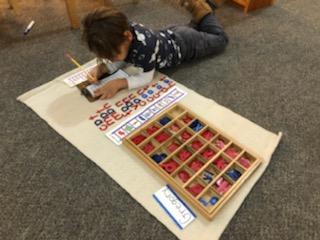
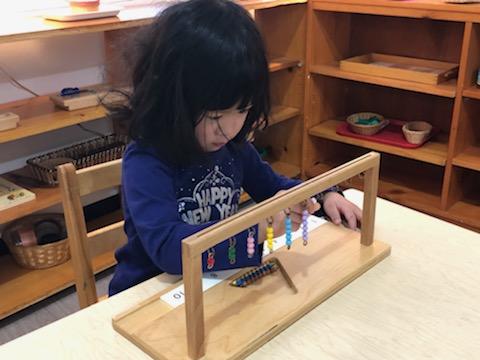
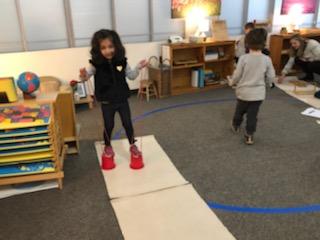
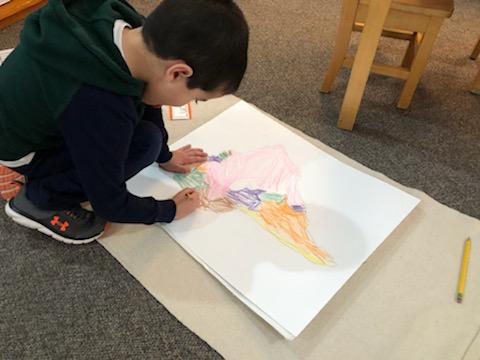
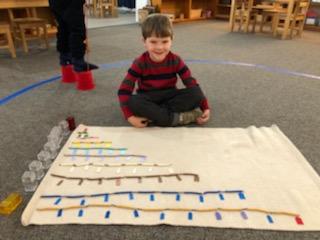
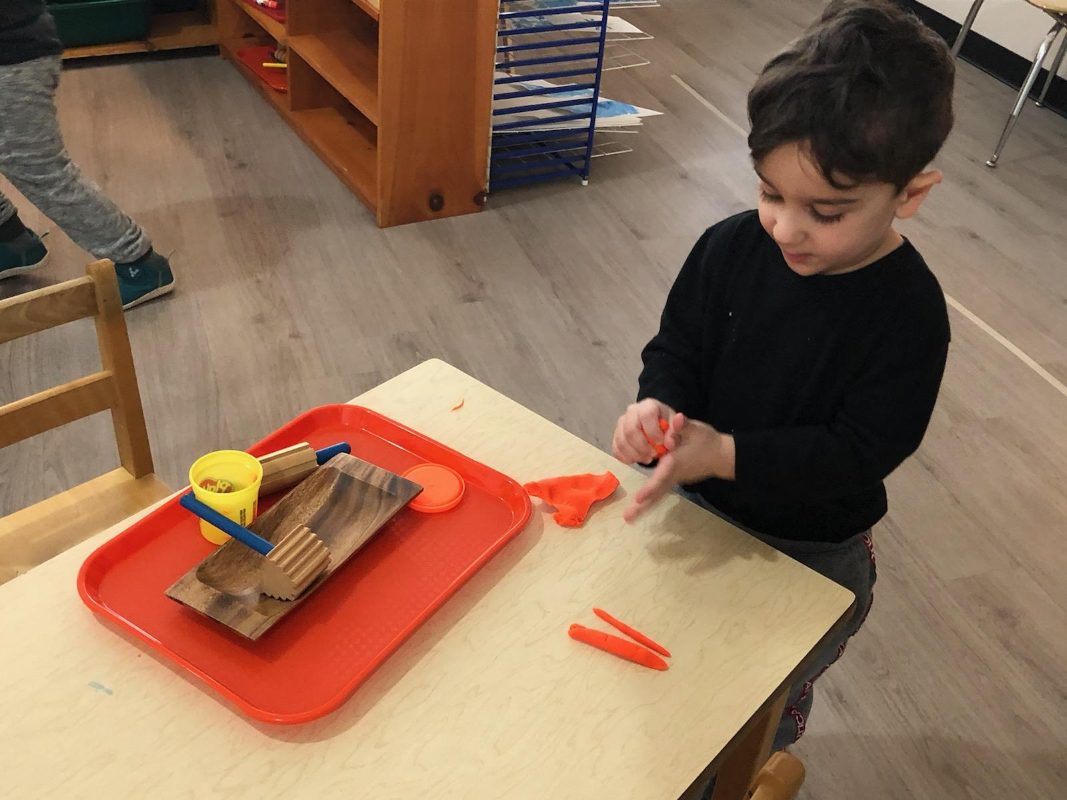
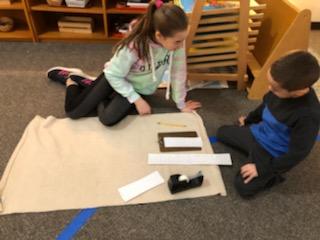
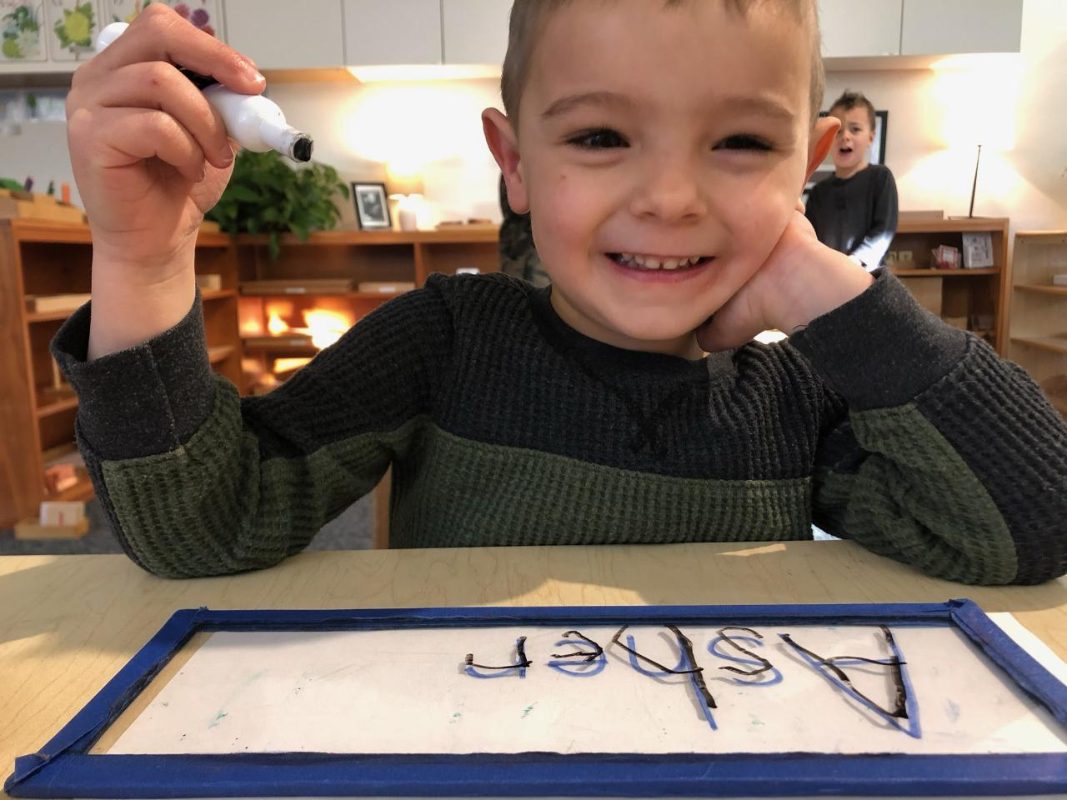
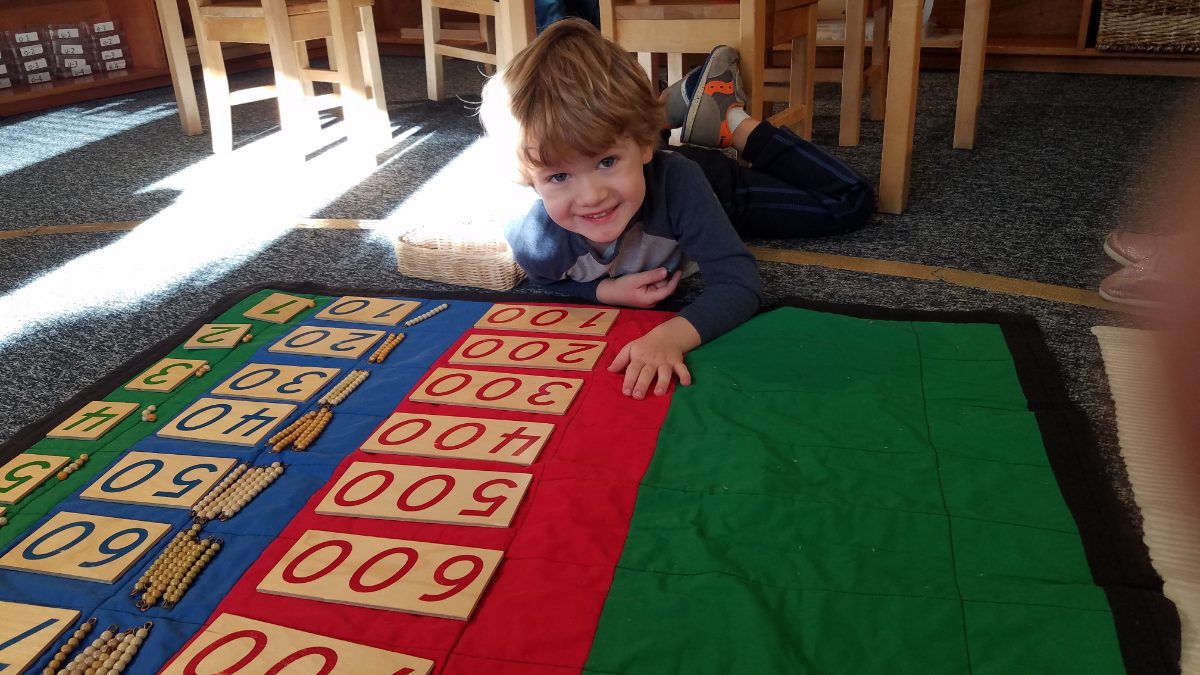
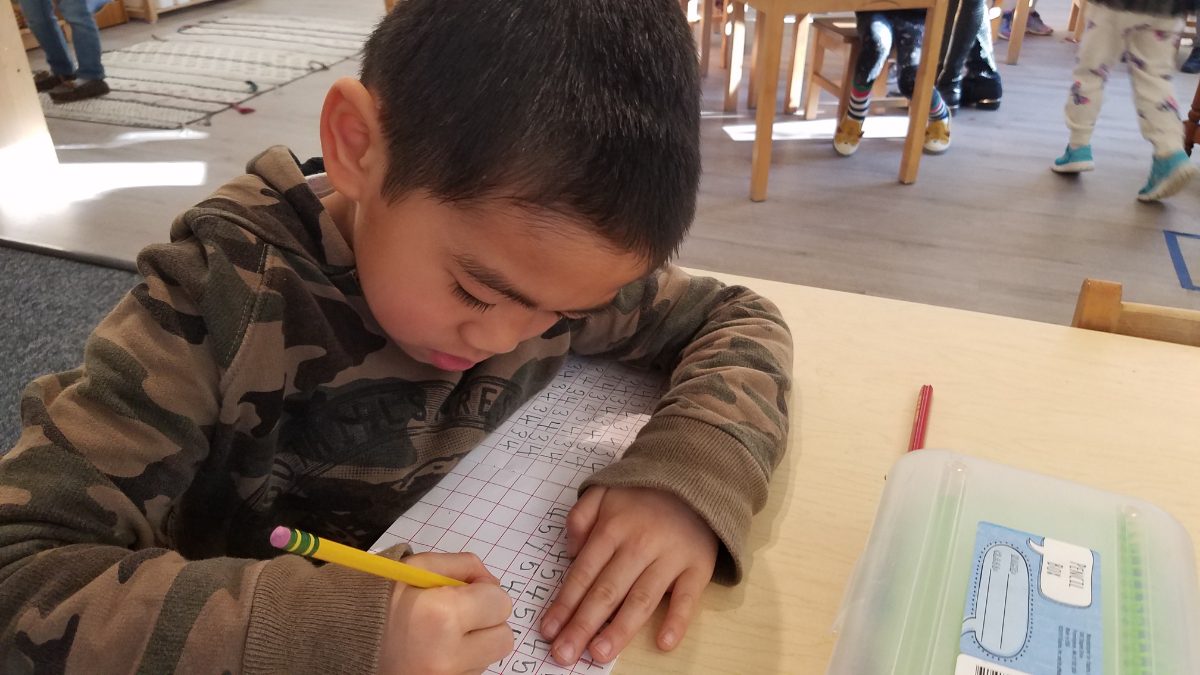
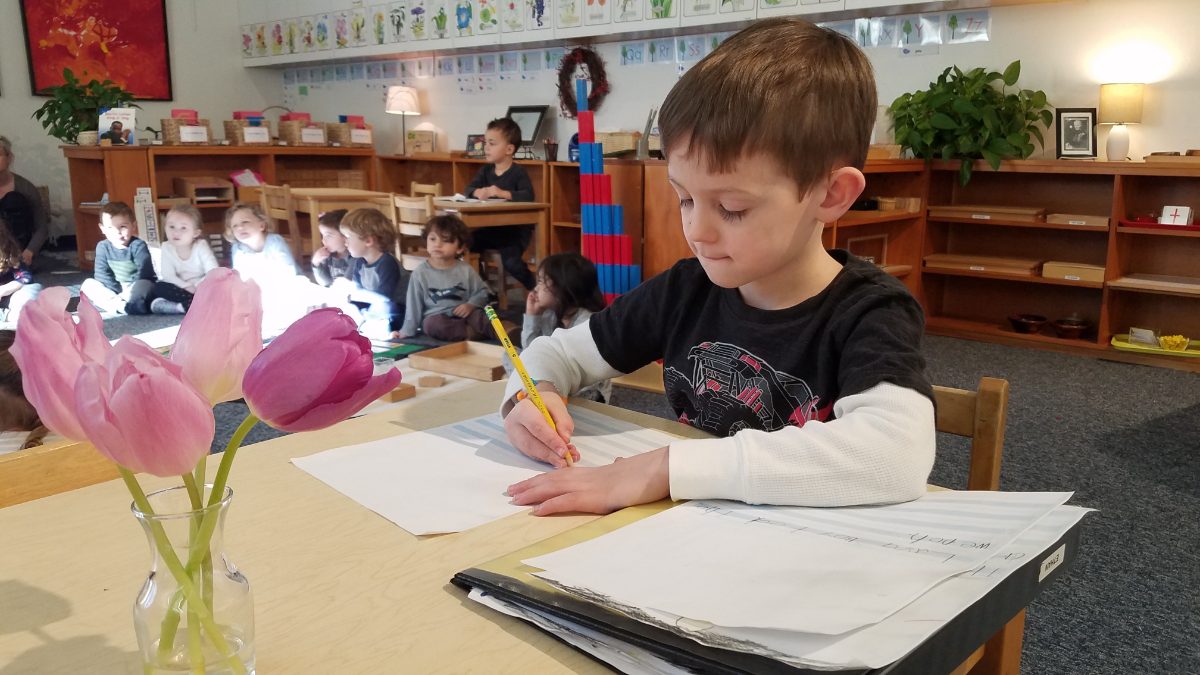
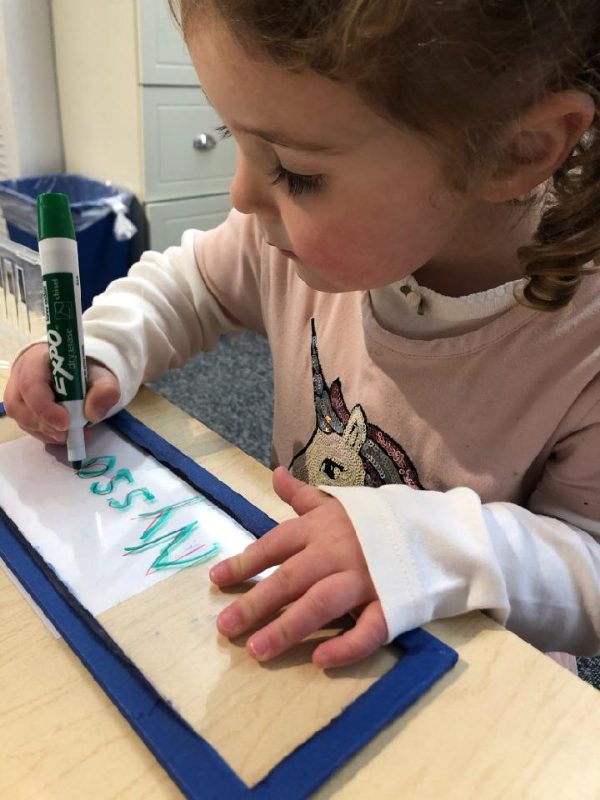
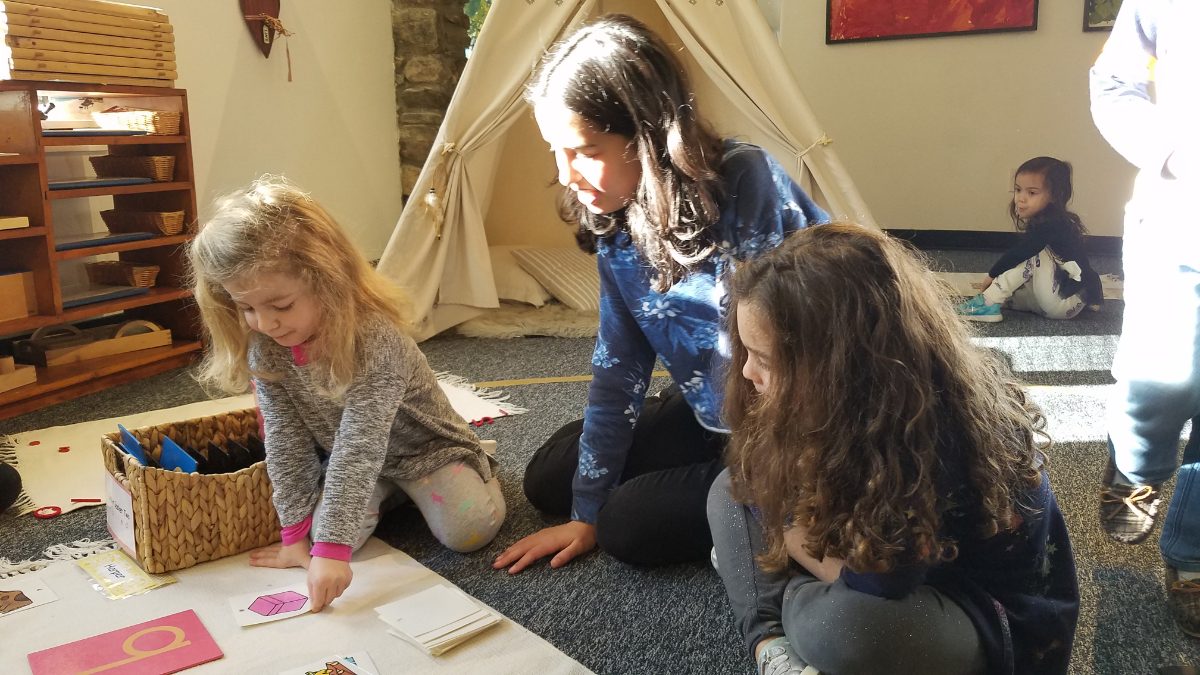
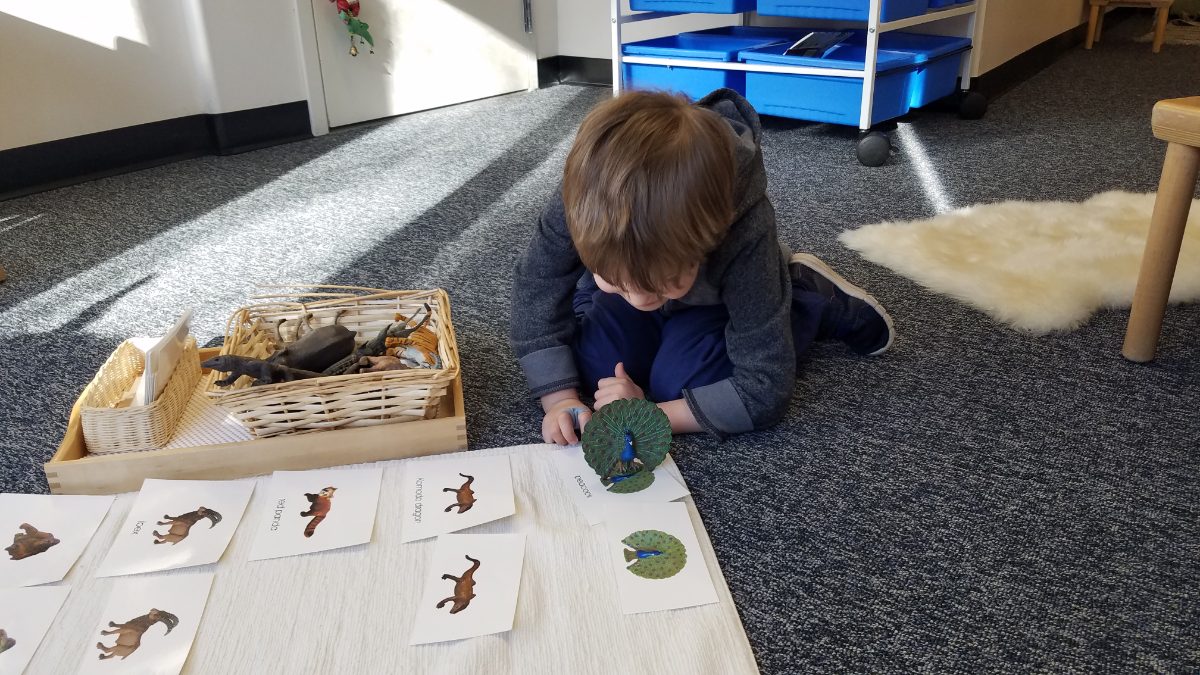
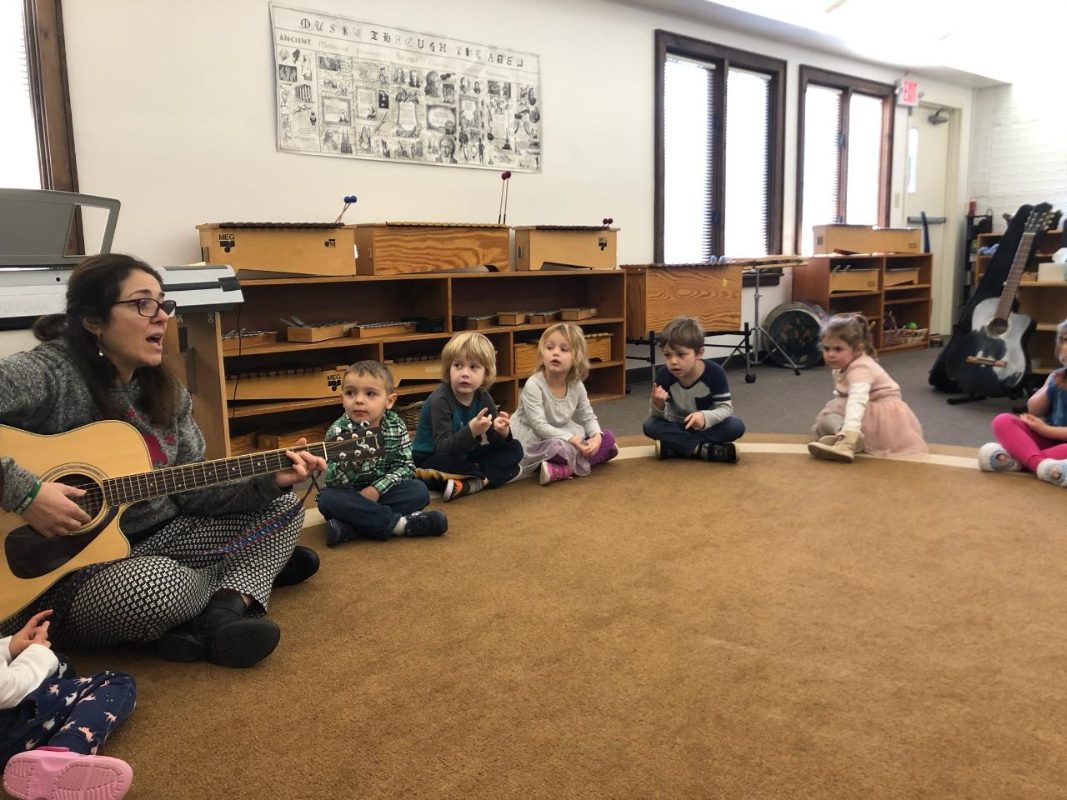
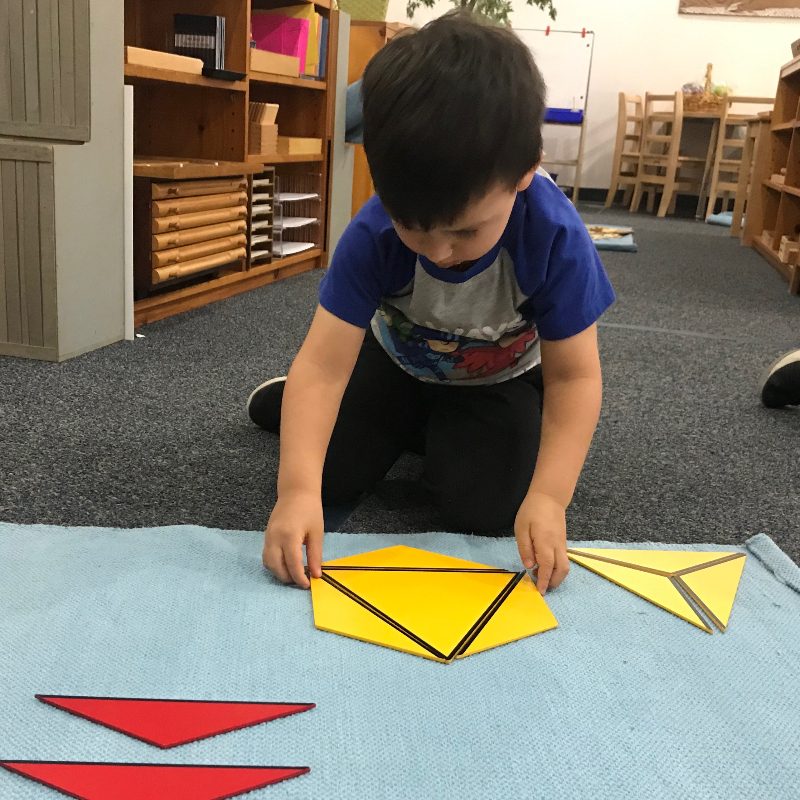
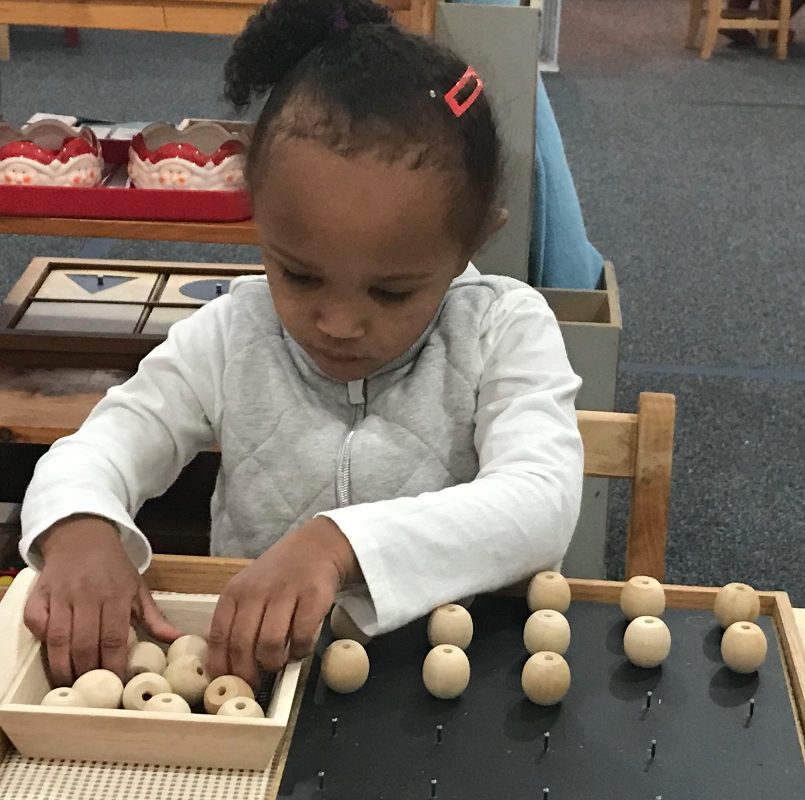
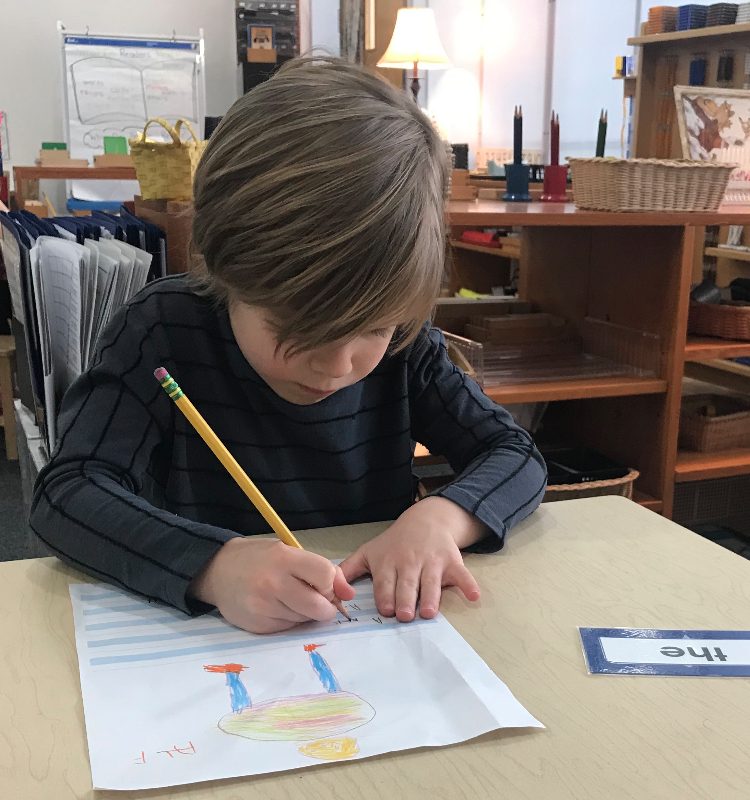
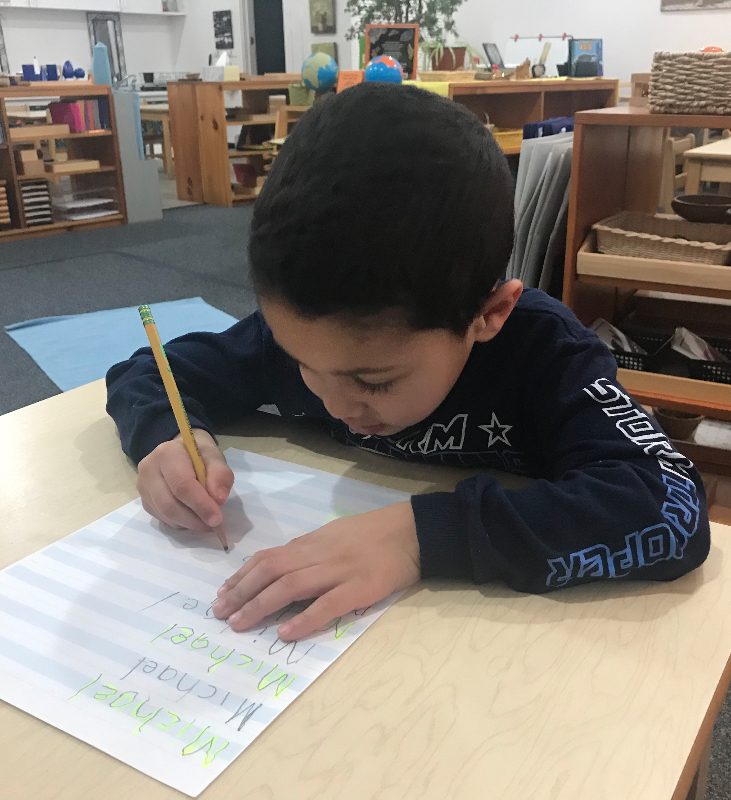
The Montessori Method is based on self-motivation to learn. Children are considered to be at work during the day, but they have fun doing it. They go beyond life skills, learning geometry, geography, phonics, and much more. Young children have the capacity to absorb, learn, and do so much. They just need a controlled, creative environment to allow them to pursue their interests.

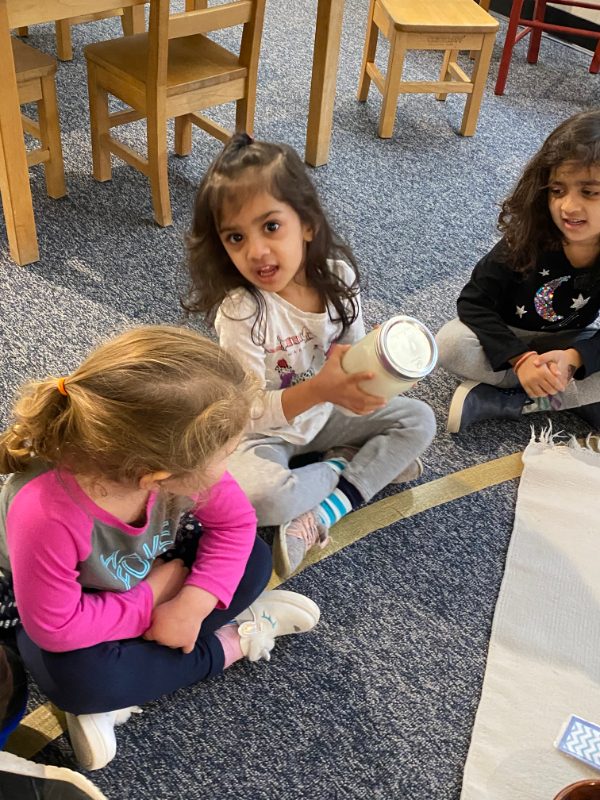
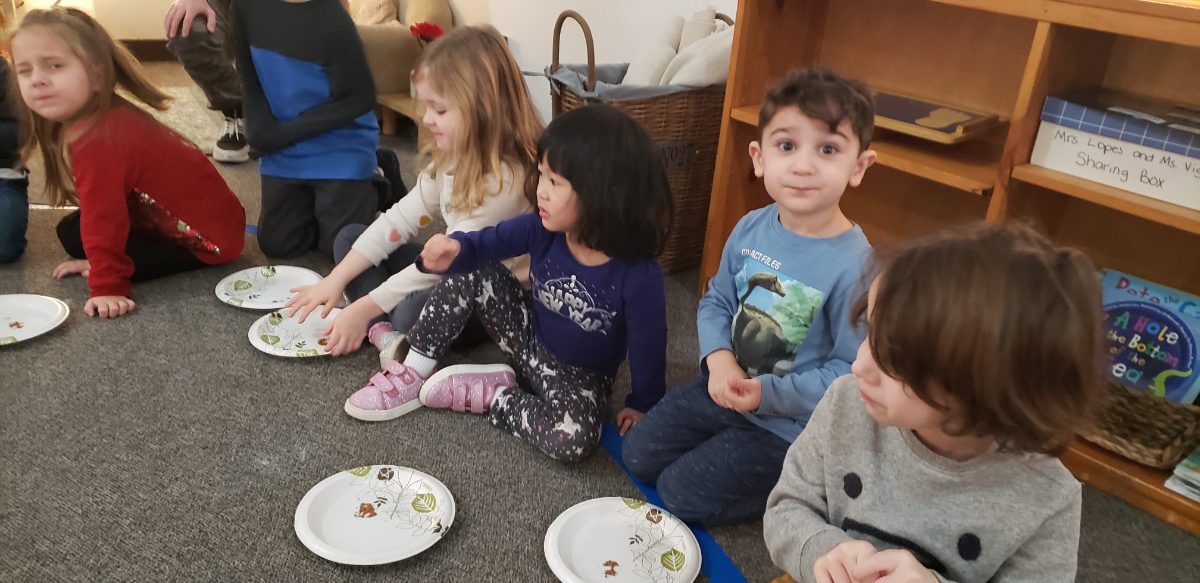
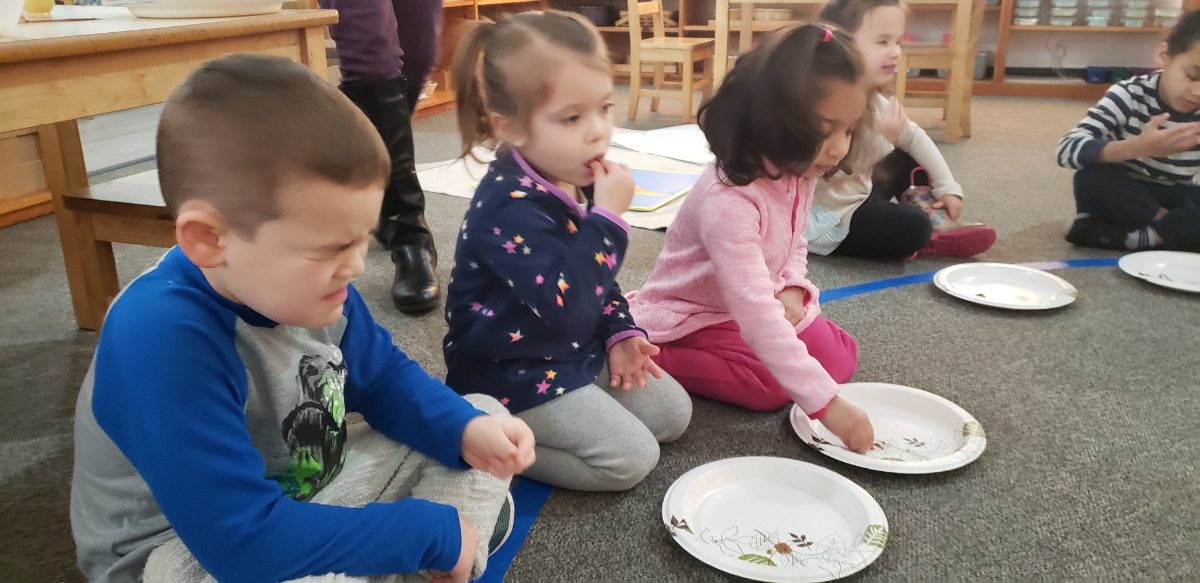
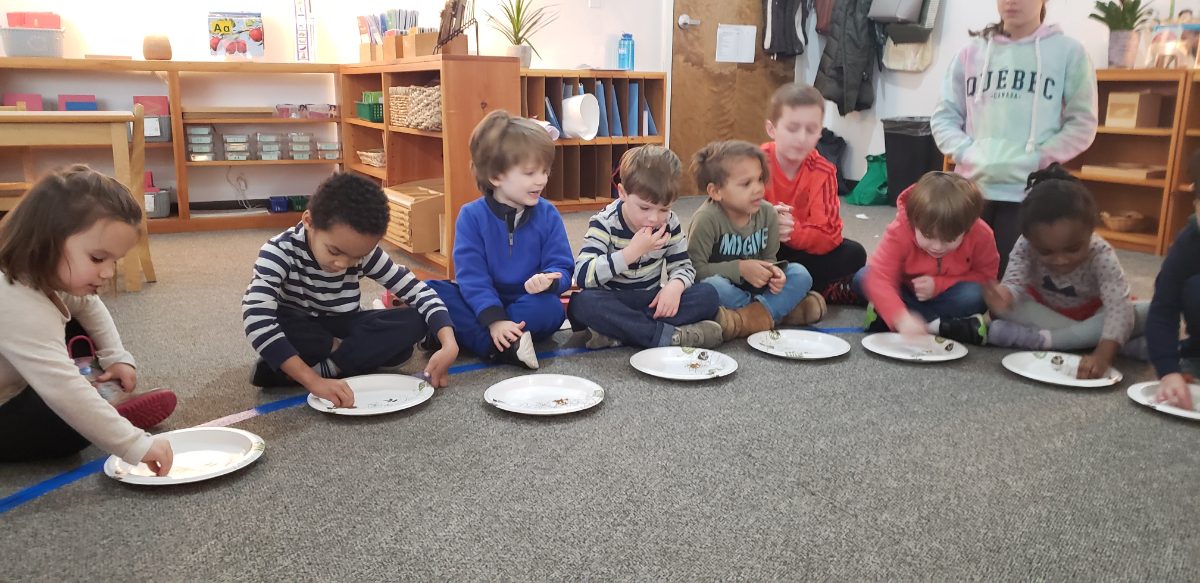
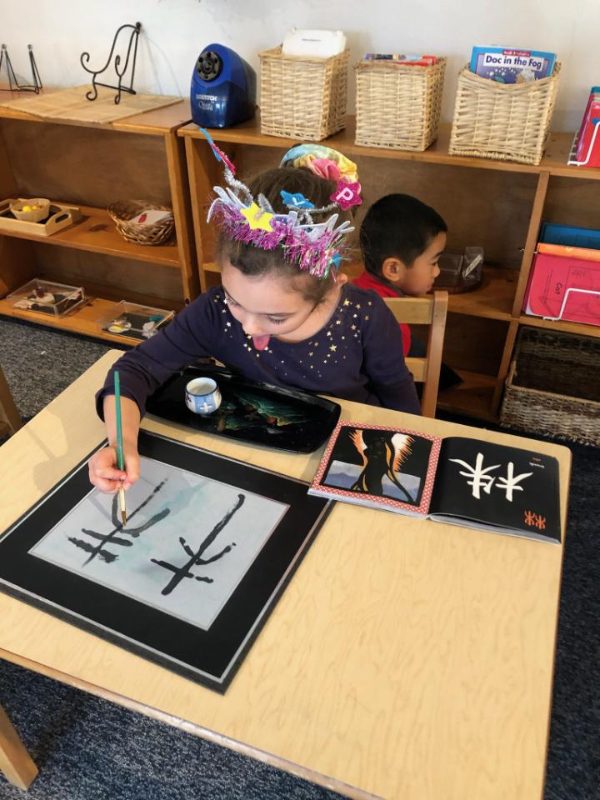
Enjoy these images of your children at work!

Michelle & Jeannine


Mrs. Lopes’ Class: Engaged in Meaningful Work


There exists in the small child an unconscious mental state which is of a creative nature. We have called it the “Absorbent Mind.” The tiny child’s absorbent mind finds all its nutriment in its surroundings…Especially at the beginning of life. We must, therefore, make the environment as interesting and attractive as we can. -Maria Montessori

Montessori Method is based on self-motivation to learn. Children are considered to be at work during the day, but they have fun doing it. They go beyond life skills, learning geometry, geography, phonics, and much more. Young children have the capacity to absorb, learn, and do so much. They just need a controlled, creative environment to allow them to pursue their interests.

Enjoy these images of your children at work!

Amanda & Deanna


Mrs. Lopes’ Class: Exploring Our World

These last few weeks have been a particularly busy and exciting time with your children. We have traveled through space, explored the eight planets, discovered that the sun is a star, rocketed back to the planet Earth, and are now exploring the first of seven continents; the orange continent, our continent, North America. We will continue to explore the plants and animals native to our continent, map North America’s countries, examine topography, and study how a continents’ proximity to the equator impacts its climate.

The Montessori cultural studies curriculum provides children with an opportunity to explore the whole world including the continents, countries, people, animals, terrain, music, and arts. Children use didactic Montessori materials to familiarize themselves with the needs of all humans for such things as food, housing, and clothing. This early cultural awareness helps cultivate independent, joyful citizens of our world.

Global Culinary Night is Thursday, November 14th, from 6:00-7:00 pm.

This community event is for FWM families to gather together and share a unique dish from their cultural, ethnic, or regional background while also sampling dishes from other FWM families’ cultures. The dish can be homemade or purchased from a local restaurant. We hope you join us as we celebrate the wonderful cultural diversity at our school! This is an entire family event not be missed. Kindly RSVP by November 11th.

Have a great weekend,

Mrs. Lopes and Ms. Vigue


Mrs. Carroll’s Class: Exploring Our World

These last few weeks have been a particularly busy and exciting time with your children. We have traveled through space, explored the eight planets, discovered that the sun is a star, rocketed back to the planet Earth, and are now exploring the first of seven continents; the orange continent, our continent, North America. We will continue to explore the plants and animals native to our continent, map North America’s countries, examine topography, and study how a continents’ proximity to the equator impacts its climate.

The Montessori cultural studies curriculum provides children with an opportunity to explore the whole world including the continents, countries, people, animals, terrain, music, and arts. Children use didactic Montessori materials to familiarize themselves with the needs of all humans for such things as food, housing, and clothing. This early cultural awareness helps cultivate independent, joyful citizens of our world.

Global Culinary Night is Thursday, November 14th, from 6:00-7:00 pm.

This community event is for FWM families to gather together and share a unique dish from their cultural, ethnic, or regional background while also sampling dishes from other FWM families’ cultures. The dish can be homemade or purchased from a local restaurant. We hope you join us as we celebrate the wonderful cultural diversity at our school! This is an entire family event not be missed. Kindly RSVP by November 11th.
Enjoy the week!
Cindy & Sharlene

Mrs. Doyle’s Class: Exploring Our World

These last few weeks have been a particularly busy and exciting time with your children. We have traveled through space, explored the eight planets, discovered that the sun is a star, rocketed back to the planet Earth, and are now exploring the first of seven continents; the orange continent, our continent, North America. We will continue to explore the plants and animals native to our continent, map North America’s countries, examine topography, and study how a continents’ proximity to the equator impacts its climate.

The Montessori cultural studies curriculum provides children with an opportunity to explore the whole world including the continents, countries, people, animals, terrain, music, and arts. Children use didactic Montessori materials to familiarize themselves with the needs of all humans for such things as food, housing, and clothing. This early cultural awareness helps cultivate independent, joyful citizens of our world.

Global Culinary Night is Thursday, November 14th, from 6:00-7:00 pm.

This community event is for FWM families to gather together and share a unique dish from their cultural, ethnic, or regional background while also sampling dishes from other FWM families’ cultures. The dish can be homemade or purchased from a local restaurant. We hope you join us as we celebrate the wonderful cultural diversity at our school! This is an entire family event not be missed. Kindly RSVP by November 11th. RSVP here today.
Enjoy the week!
Michelle & Jeannine
Mrs. Doyle’s Class: Stop And Smell The Pumpkins!

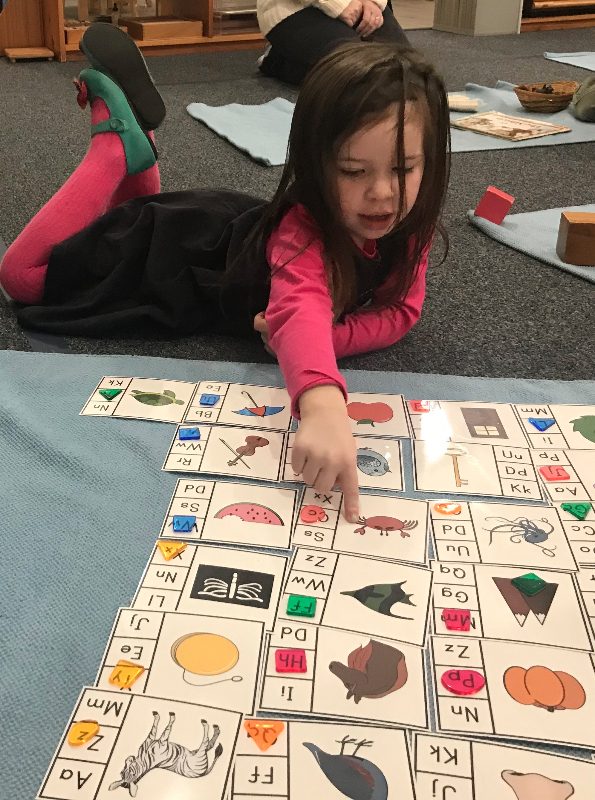
Pumpkins can be found everywhere in October. Who knew this squat symbol of fall was ripe with opportunities for learning?

This week your children explored the life-cycle of a pumpkin. They read books and authored stories of their own. We used math to estimate the number of seeds and measure the circumference of our class pumpkin. We carved, then smelled, touched and baked the treasures found inside our pumpkin. Your children had fun exploring and learning from nature.

Pumpkins can be found everywhere in October. We have enjoyed sharing pumpkins in a new light. A seasonal hands-on learning experience that supports math, science, sensory, and language development, as well as curiosity.

Take time to stop and smell the pumpkins!

Enjoy your week!

Michelle & Jeannine

Mrs. Carroll’s Class: Stop And Smell the Pumpkins!

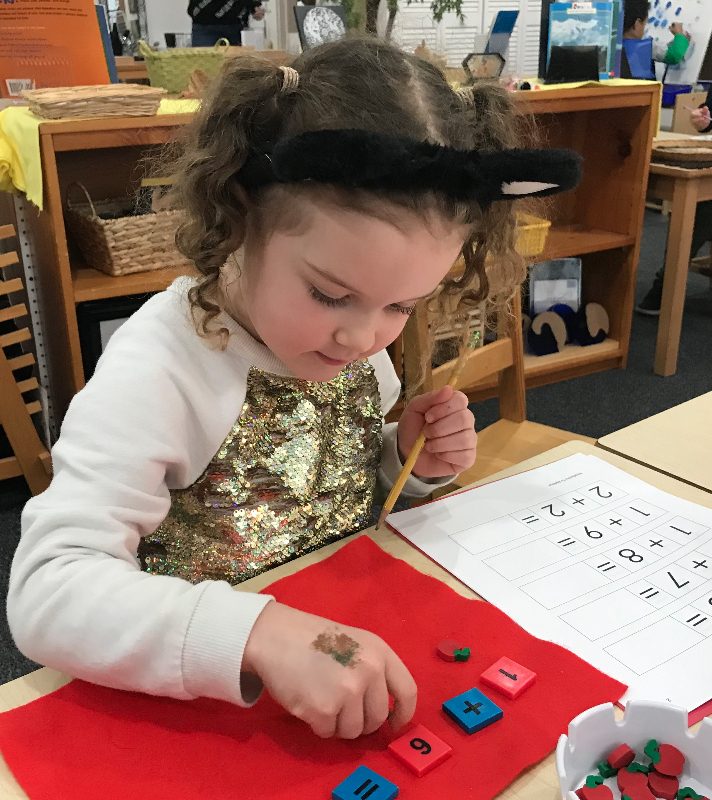
Pumpkins can be found everywhere in October. Who knew this squat symbol of fall was ripe with opportunities for learning?

This week your children explored the life-cycle of a pumpkin. They read books and authored stories of their own. We used math to estimate the number of seeds and measure the circumference of our class pumpkin. We carved, then smelled, touched and baked the treasures found inside our pumpkin. Your children had fun exploring and learning from nature.

Pumpkins can be found everywhere in October. We have enjoyed sharing pumpkins in a new light. A seasonal hands-on learning experience that supports math, science, sensory, and language development, as well as curiosity.

Take time to stop and smell the pumpkins!

Enjoy your week!

Cindy & Sharlene


Mrs. Lopes’ Class: Stop and Smell the Pumpkins!
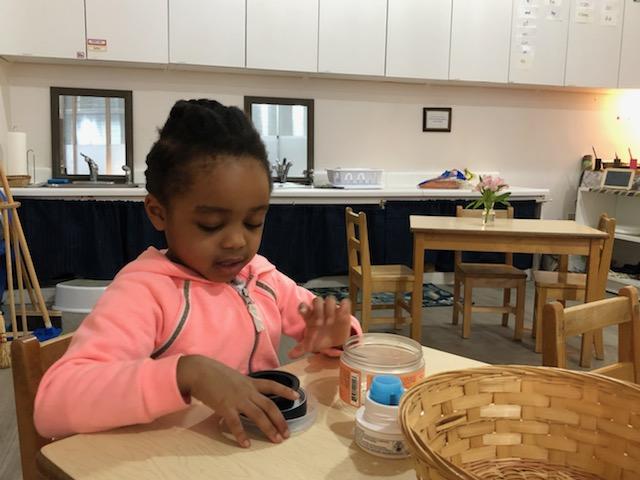
Pumpkins can be found everywhere in October. Who knew this squat symbol of fall was ripe with opportunities for learning?
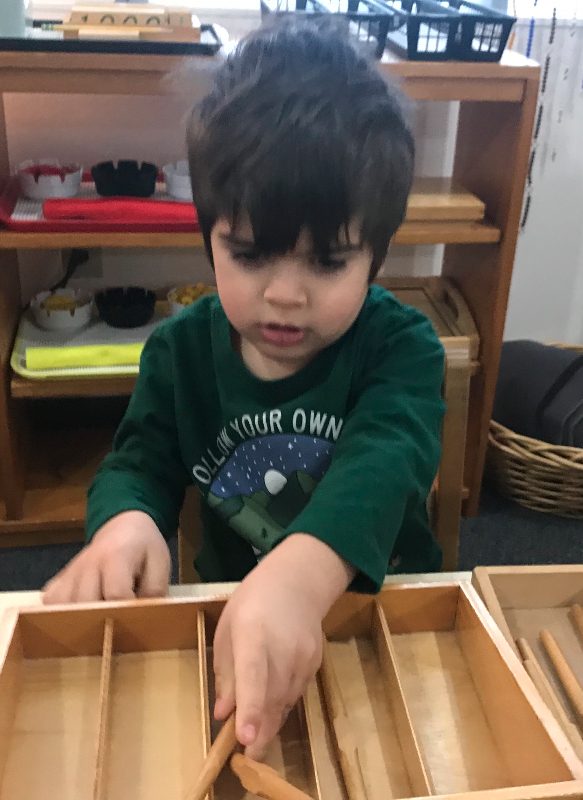
This week your children explored the life-cycle of a pumpkin. They read books and authored stories of their own. We used math to estimate the number of seeds and measure the circumference of our class pumpkin. We carved, then smelled, touched and baked the treasures found inside our pumpkin. Your children had fun exploring and learning from nature.

Pumpkins can be found everywhere in October. We have enjoyed sharing pumpkins in a new light. A seasonal hands-on learning experience that supports math, science, sensory, and language development, as well as curiosity.

Take time to stop and smell the pumpkins!

Enjoy your week!

Mrs. Lopes and Ms. Vigue