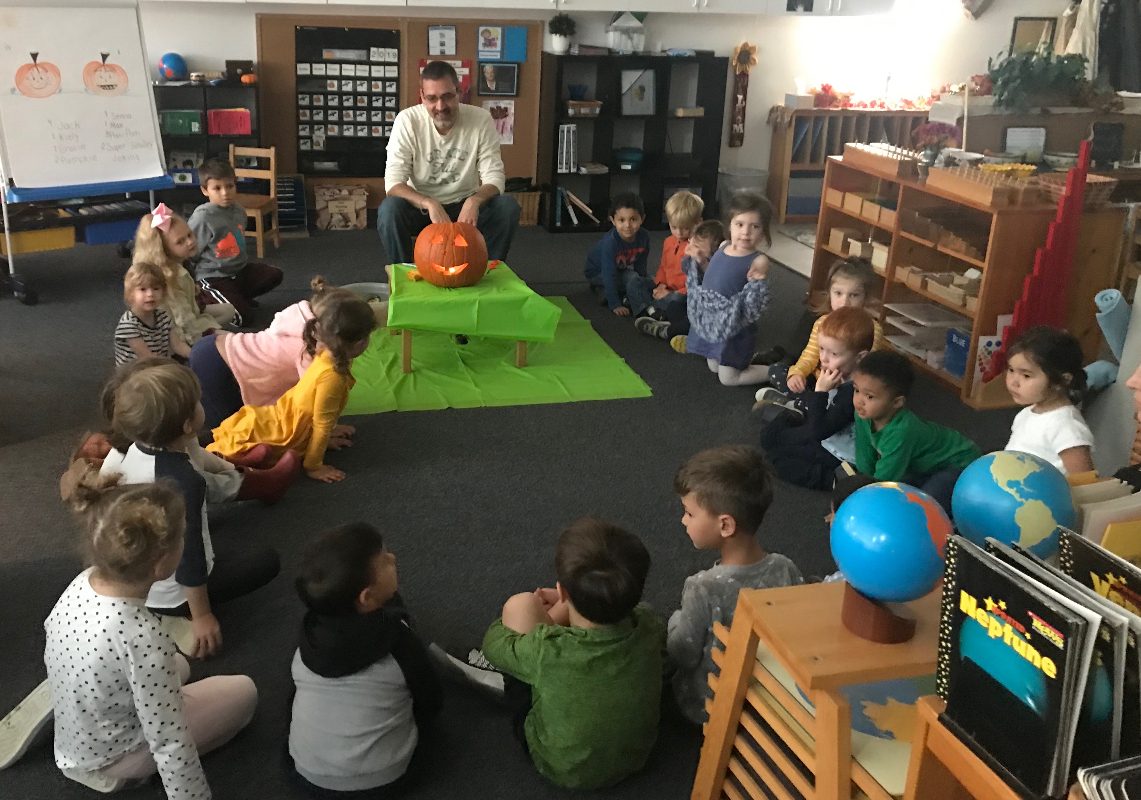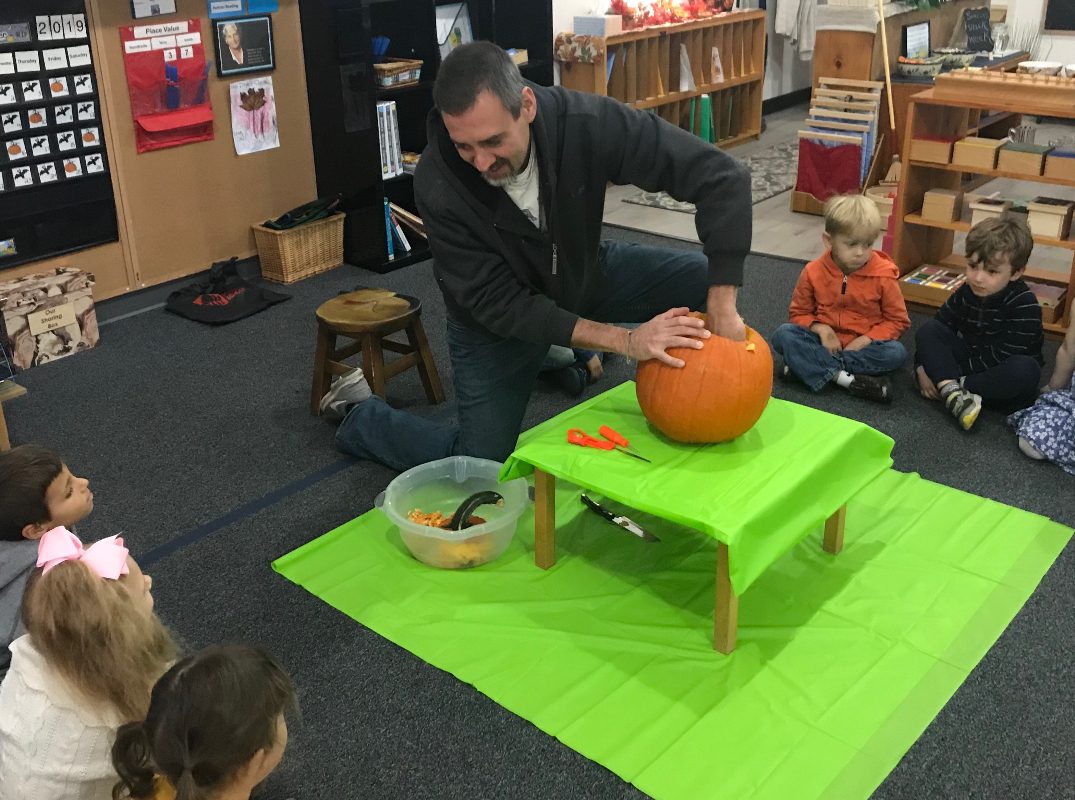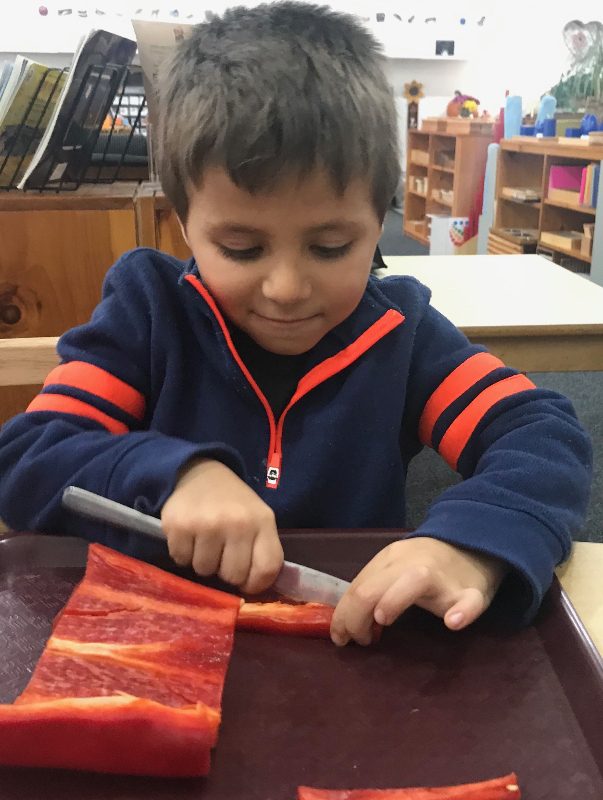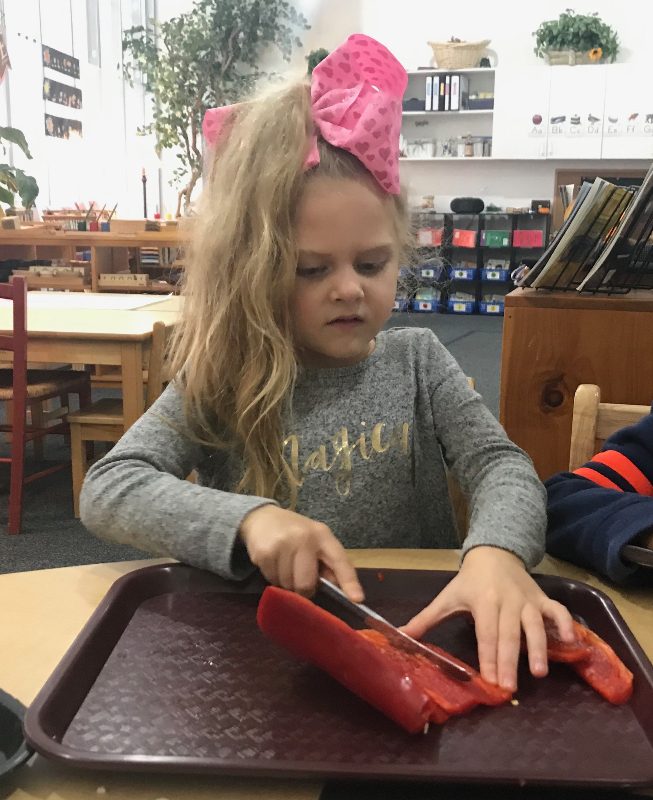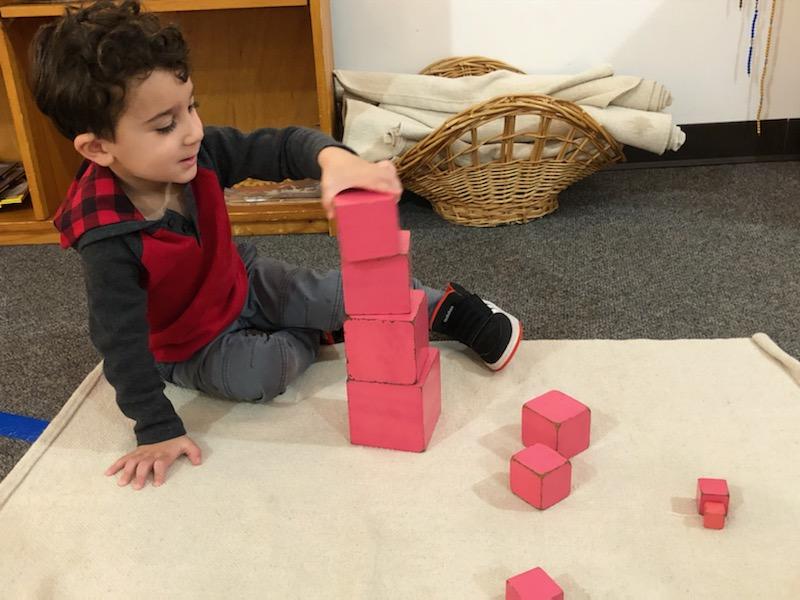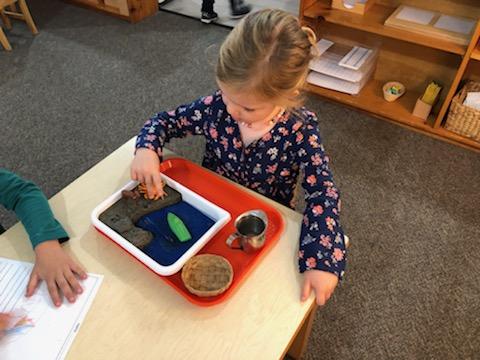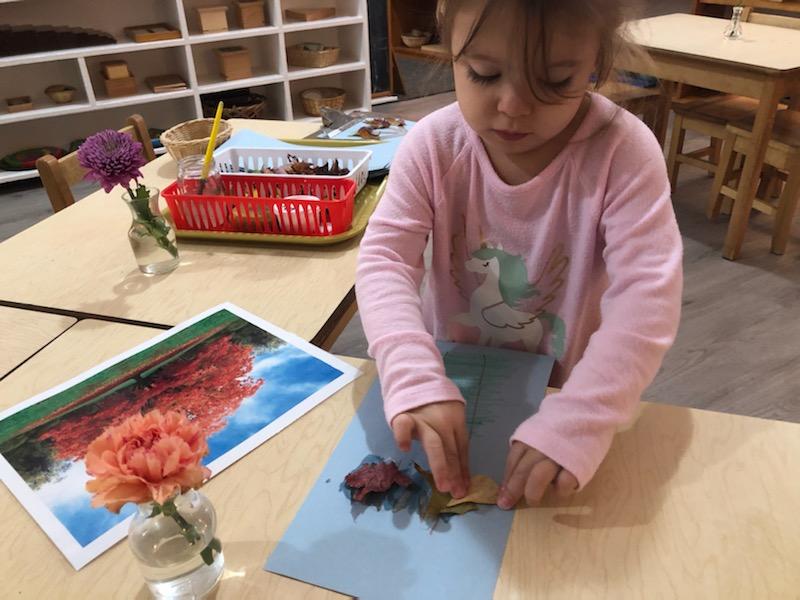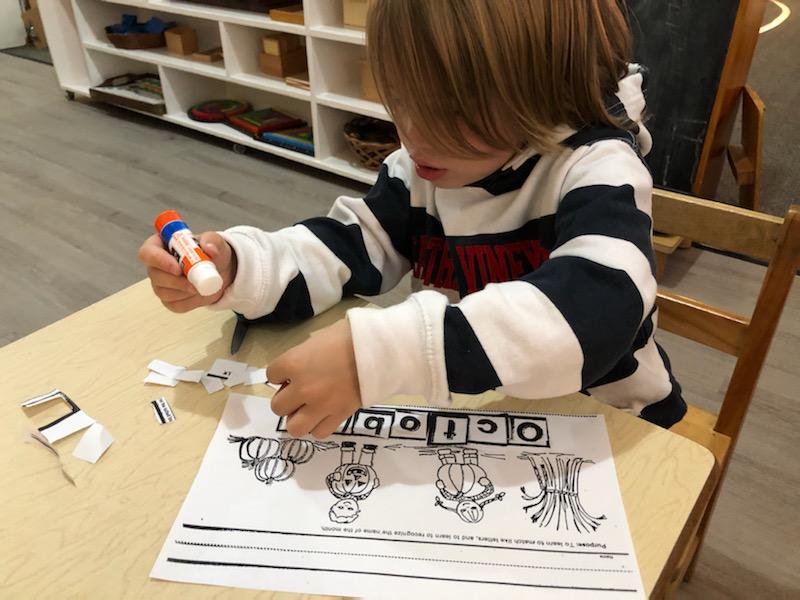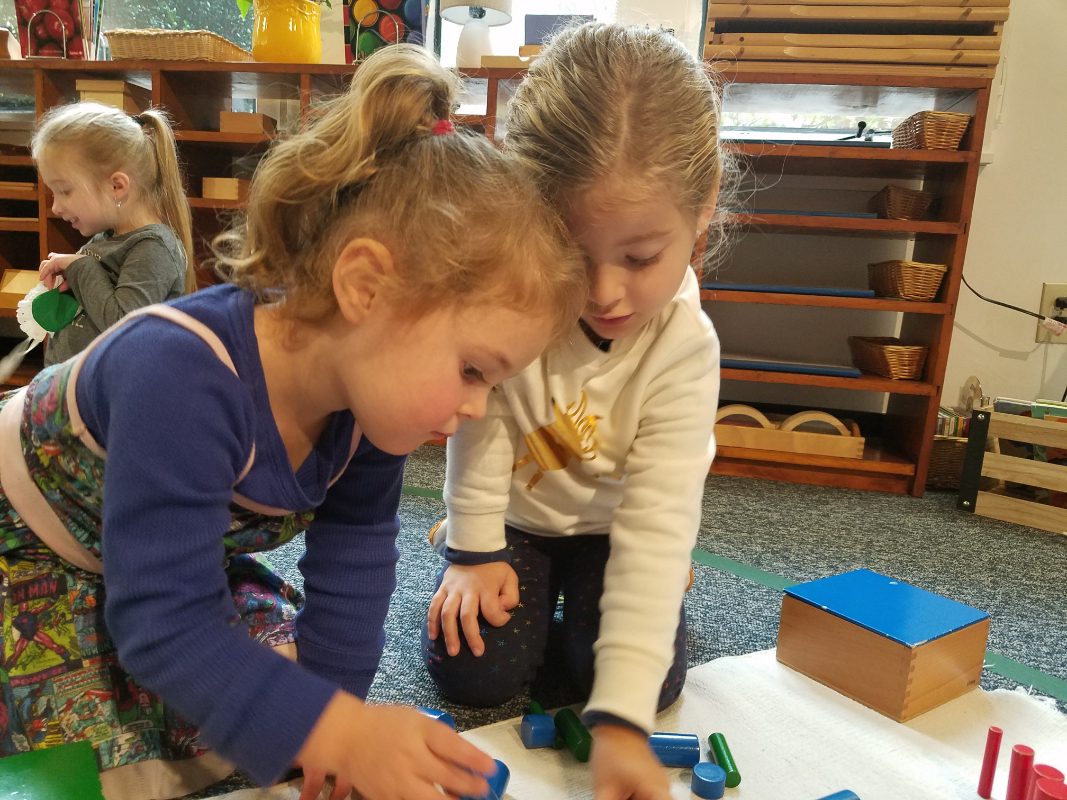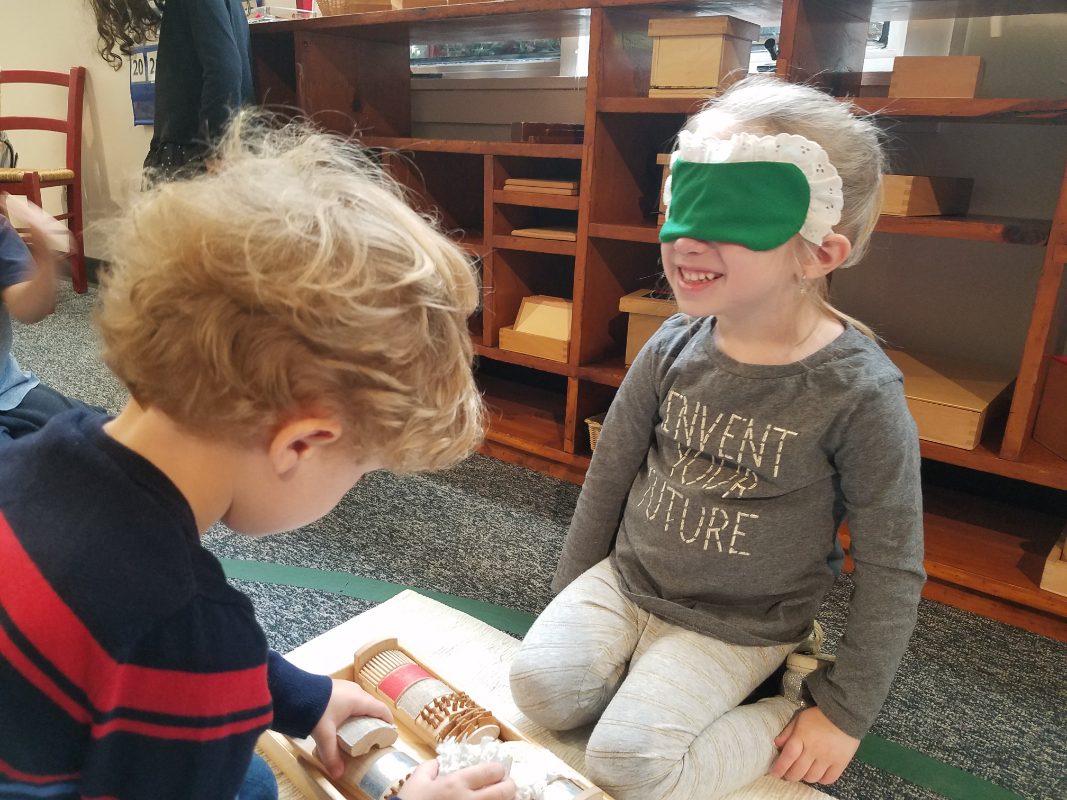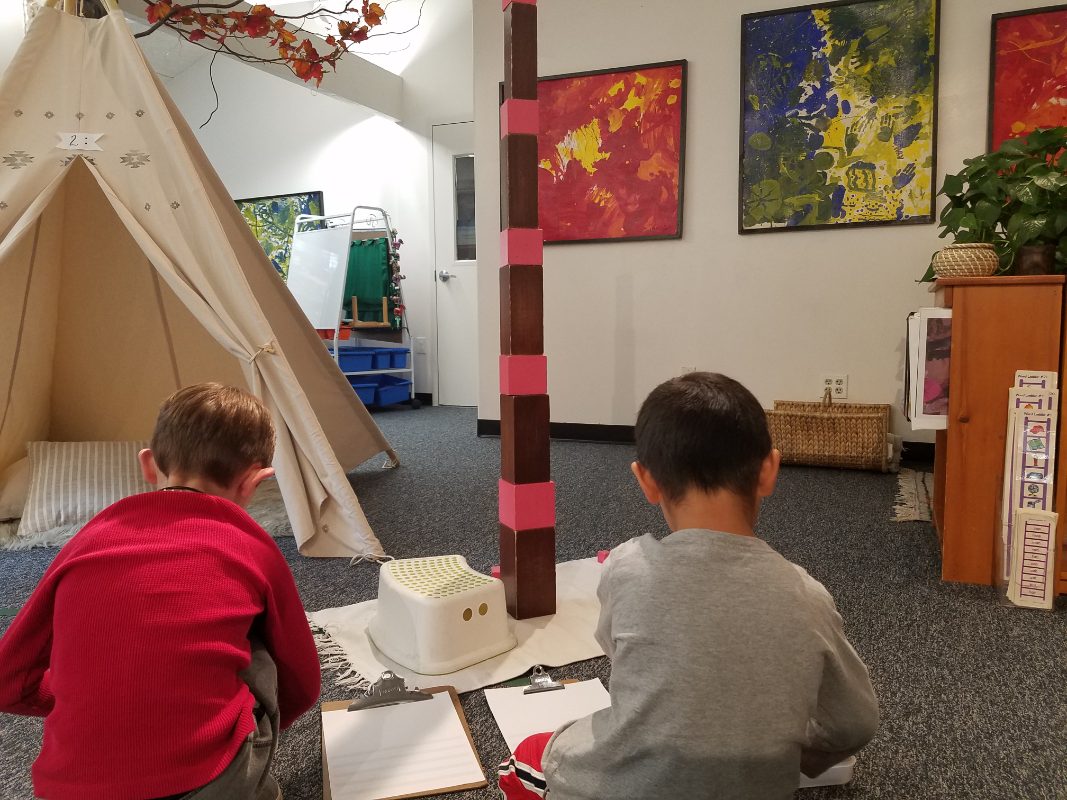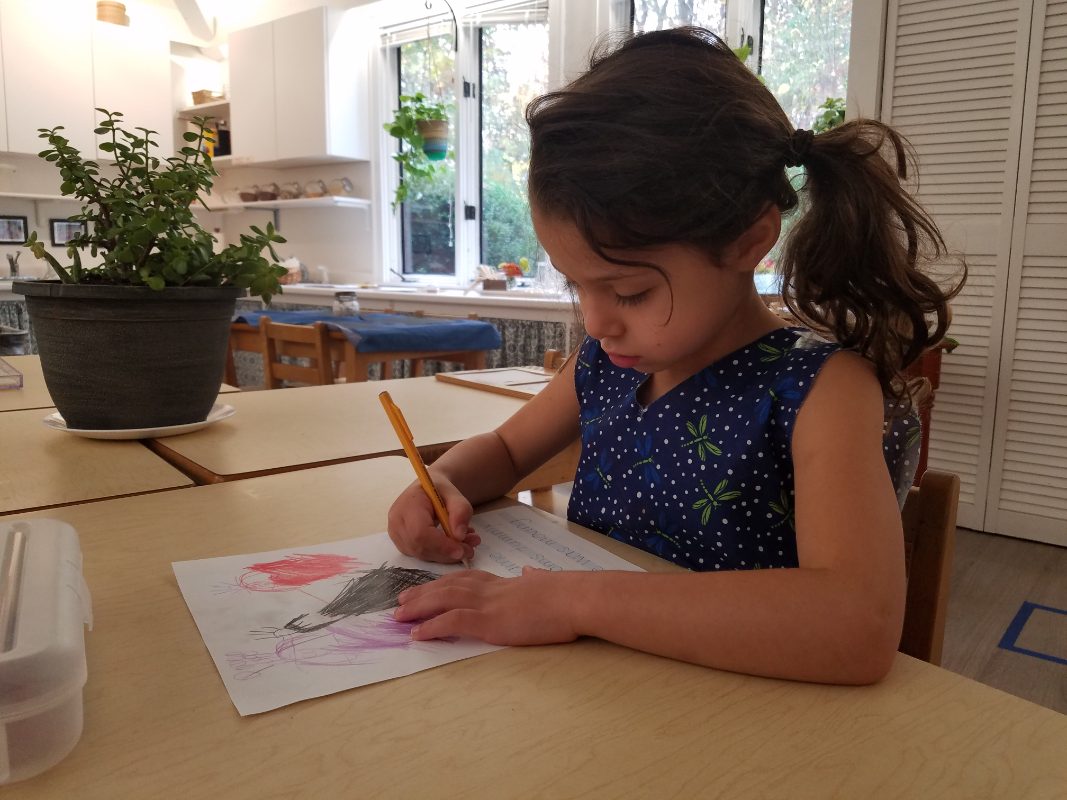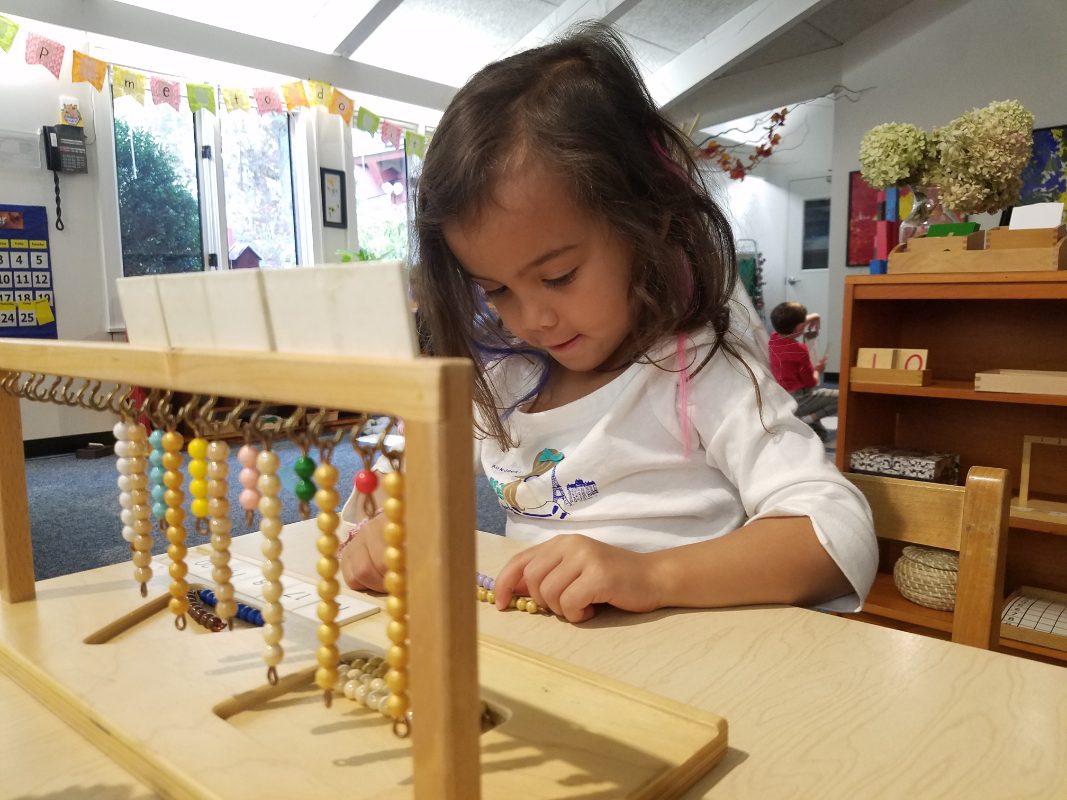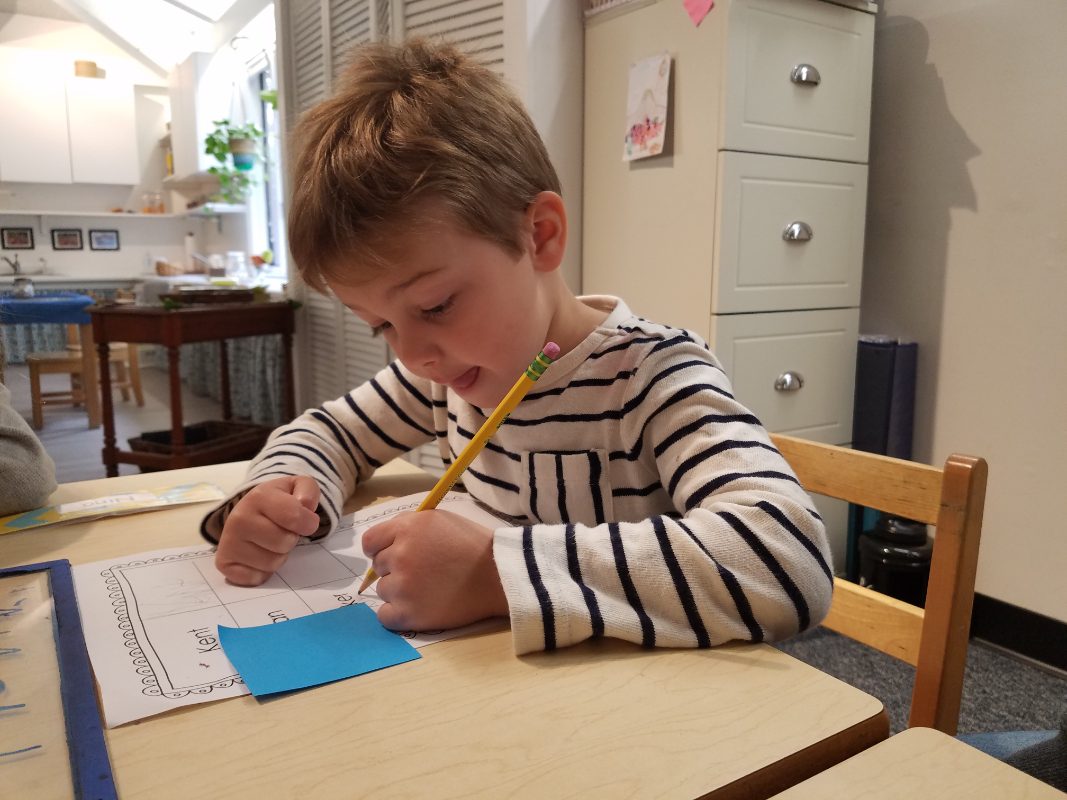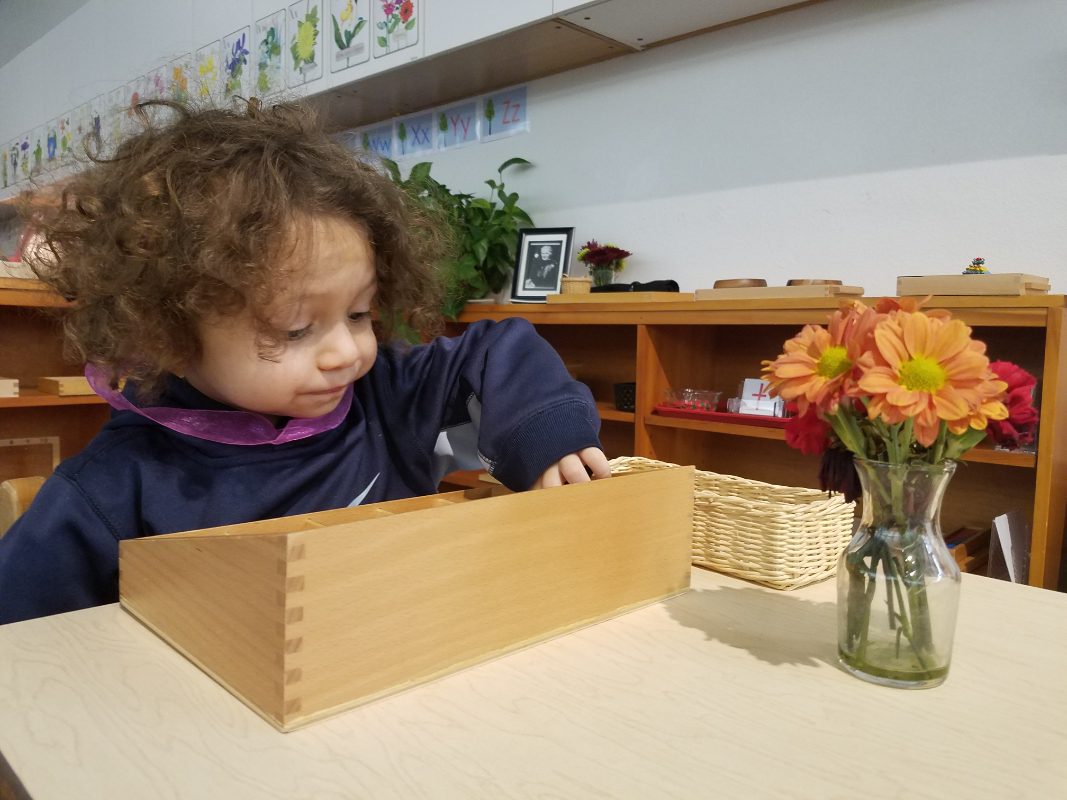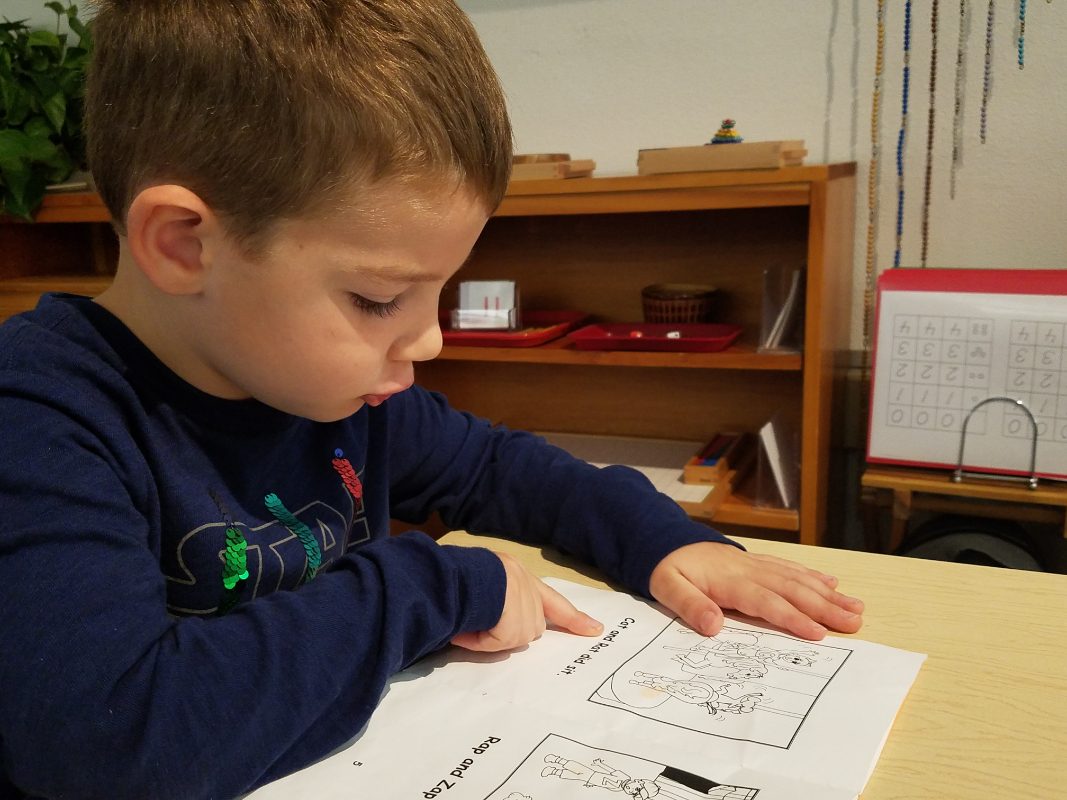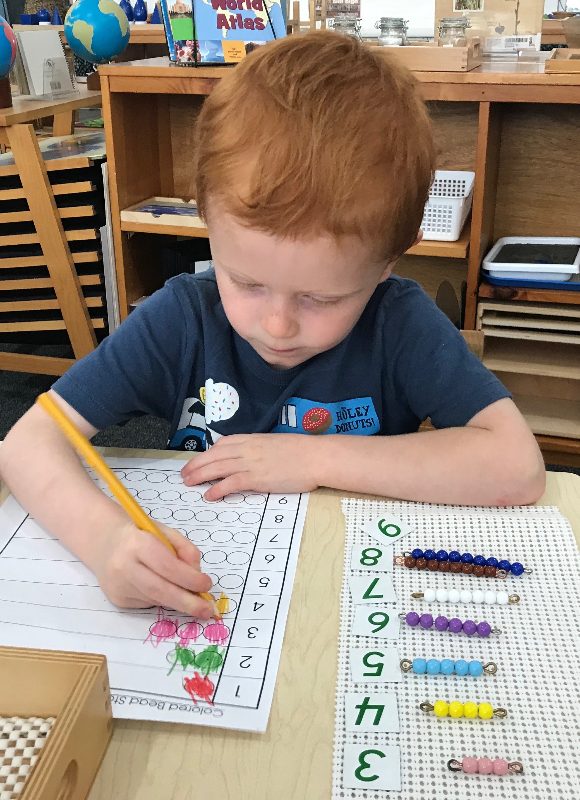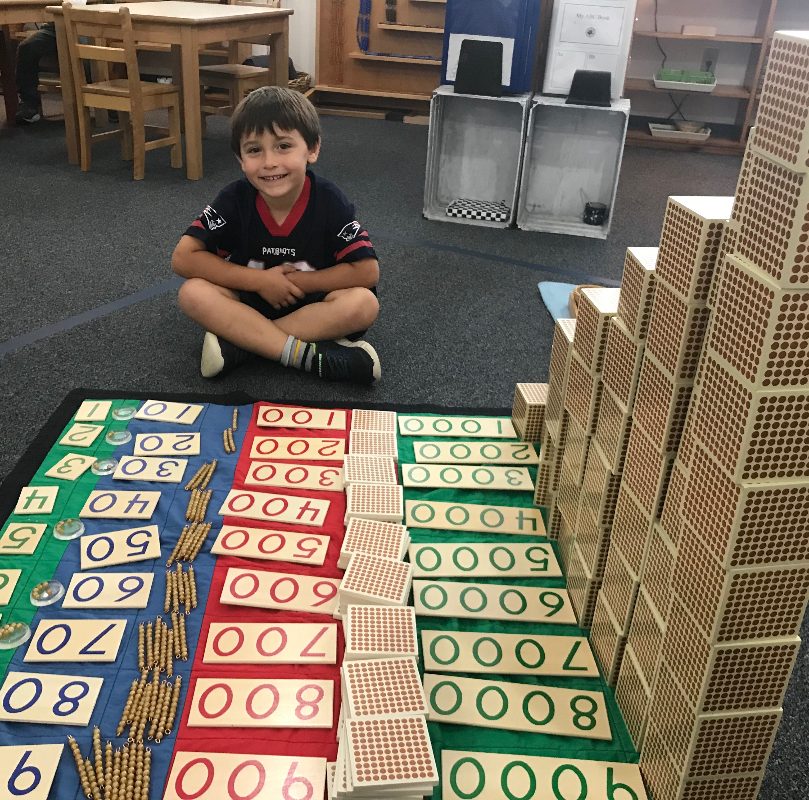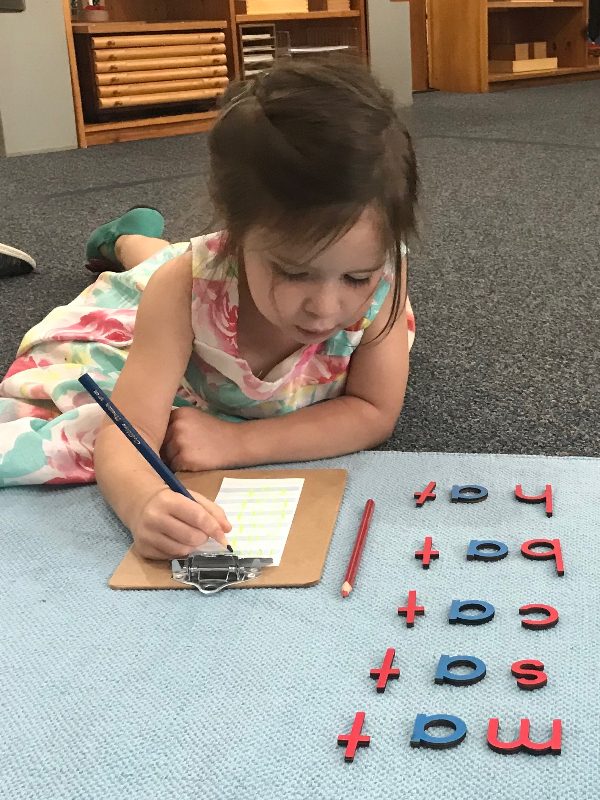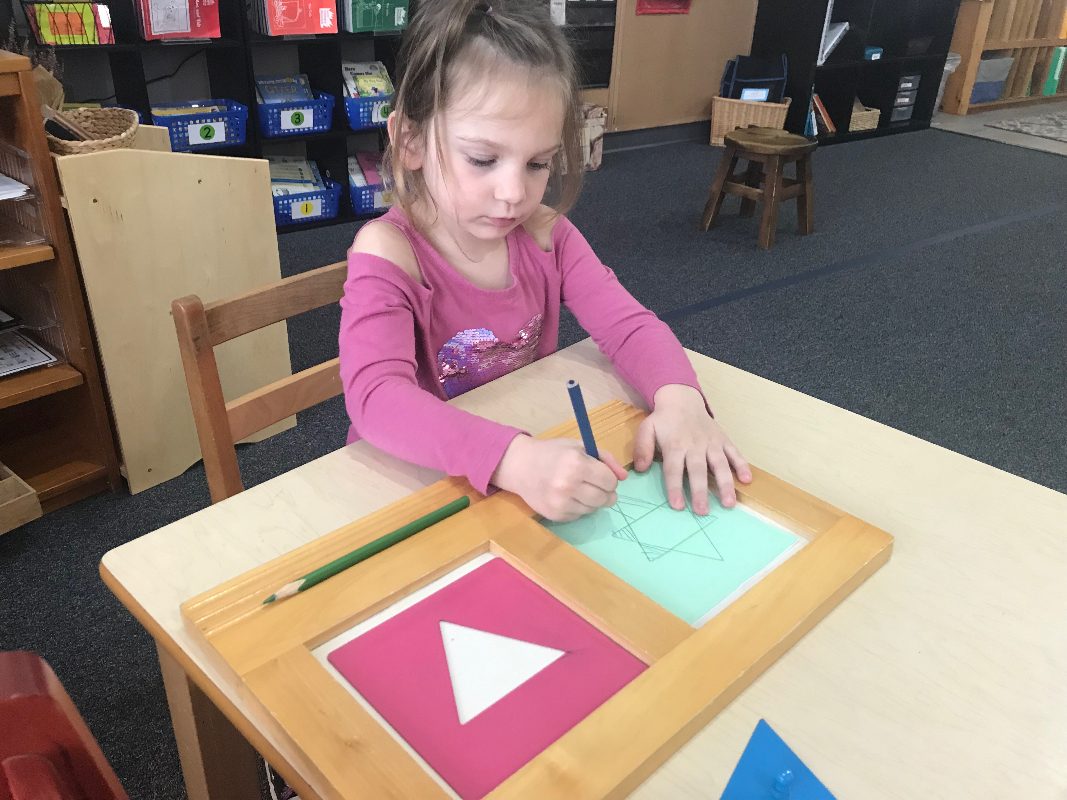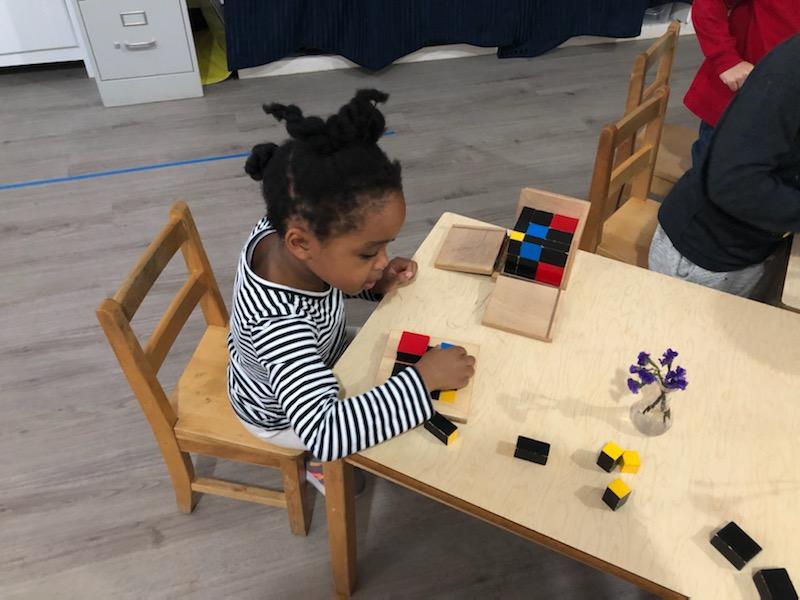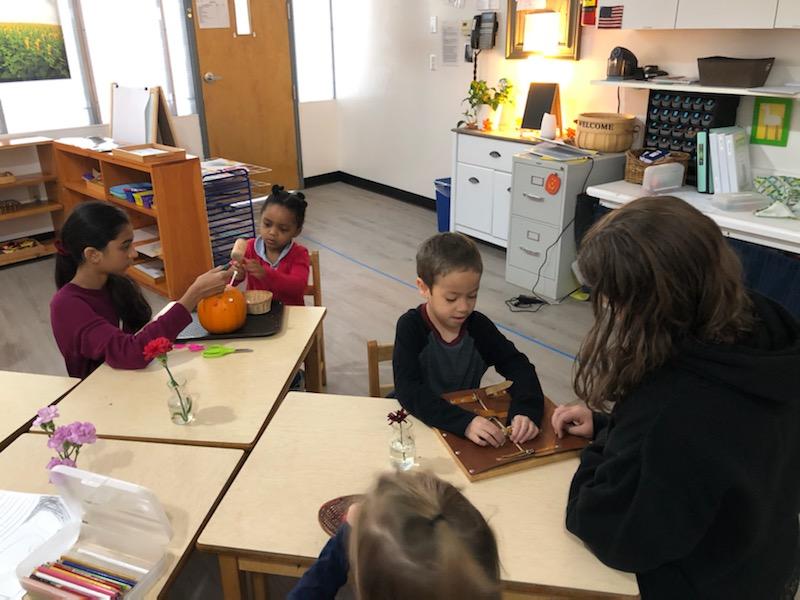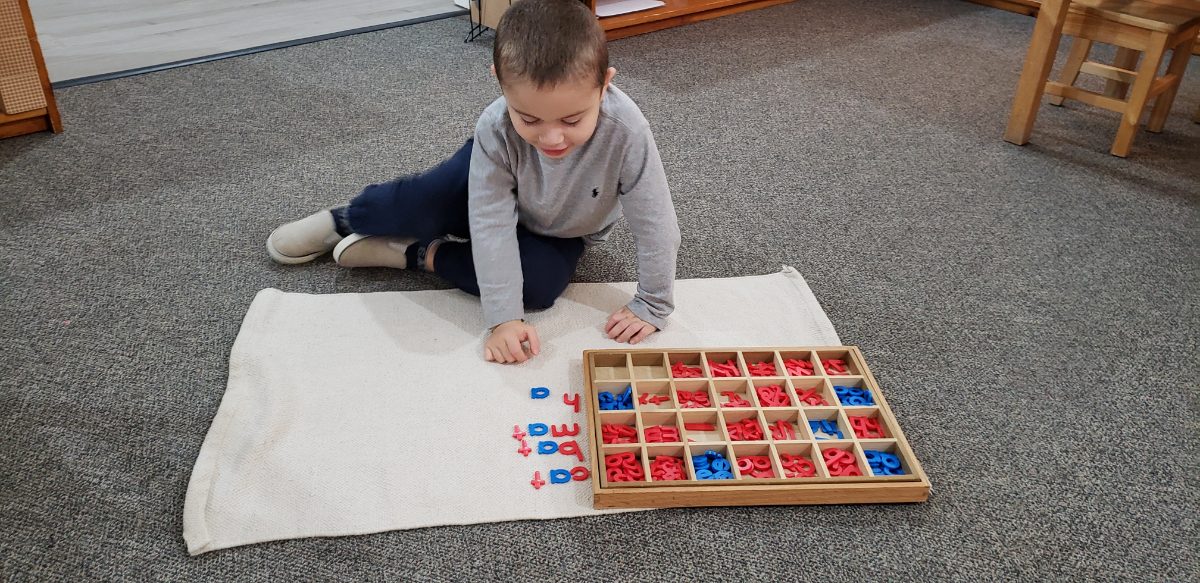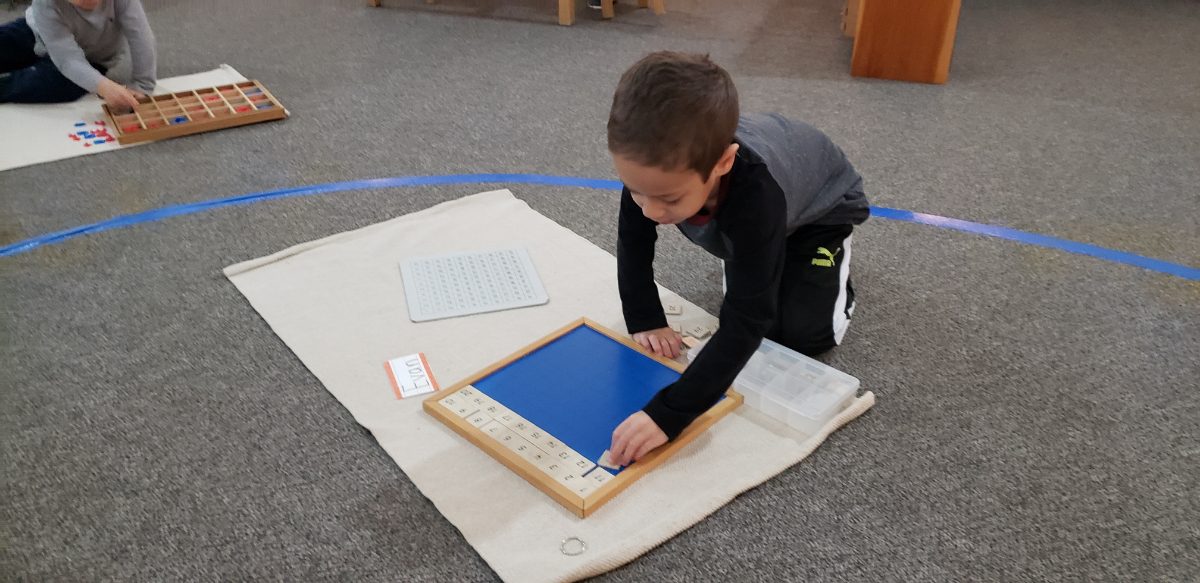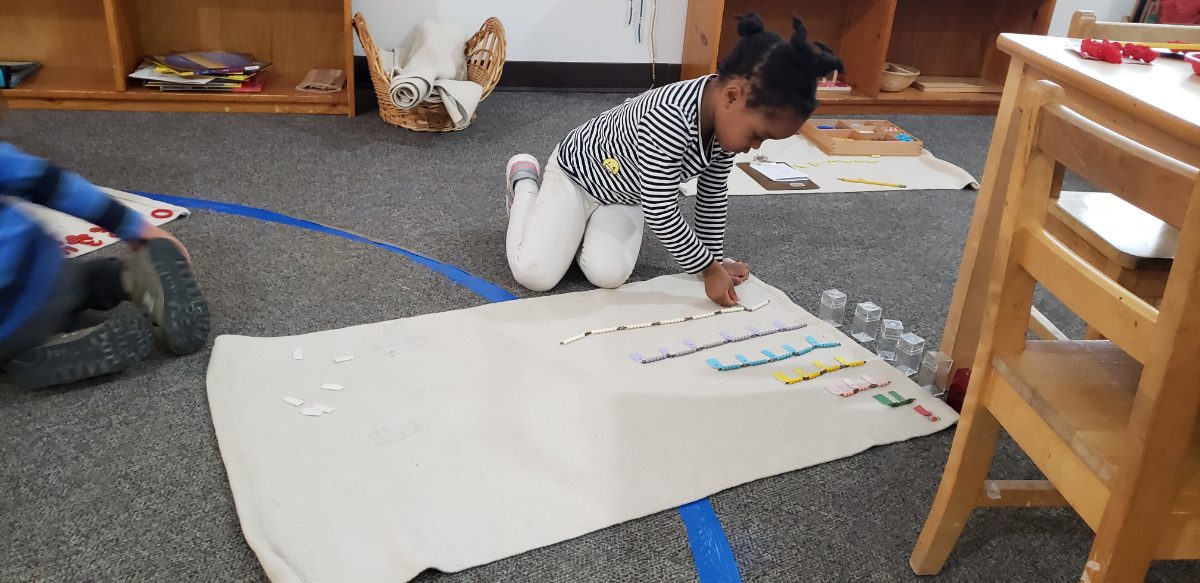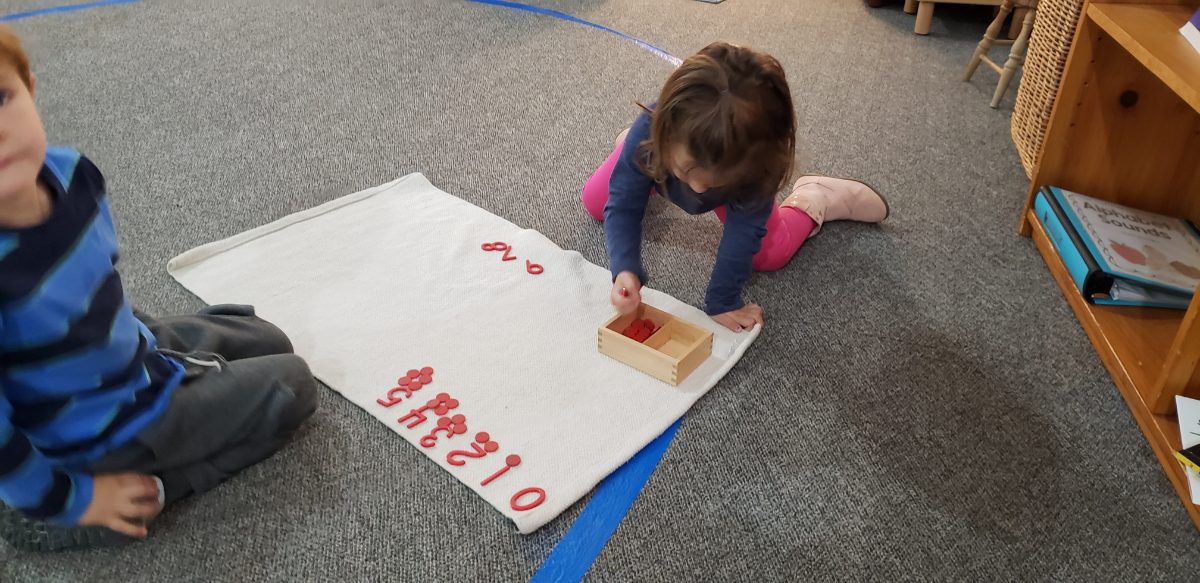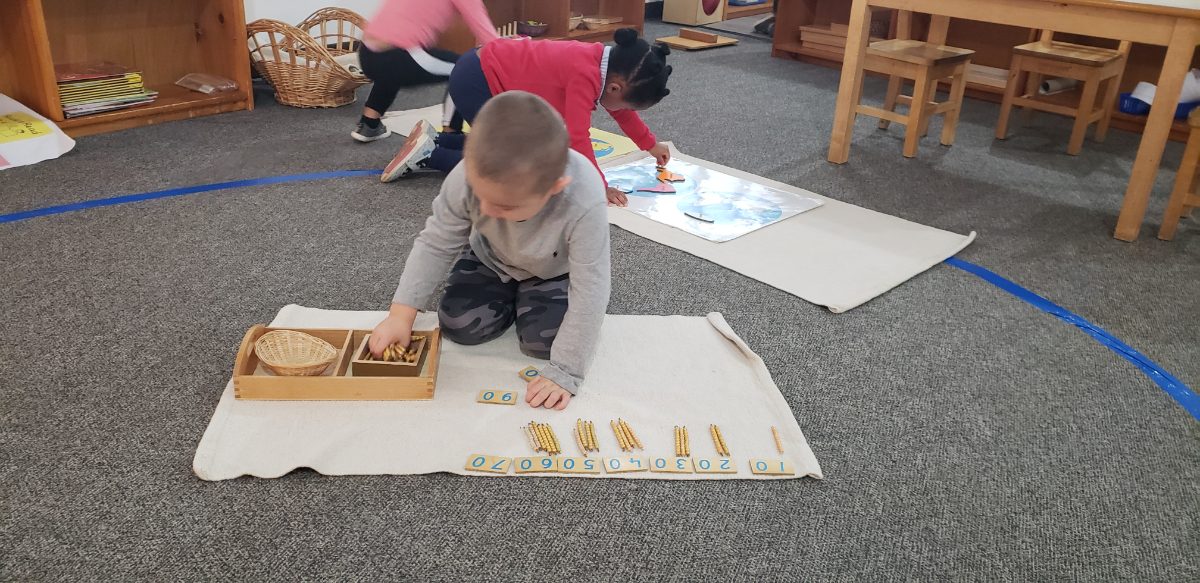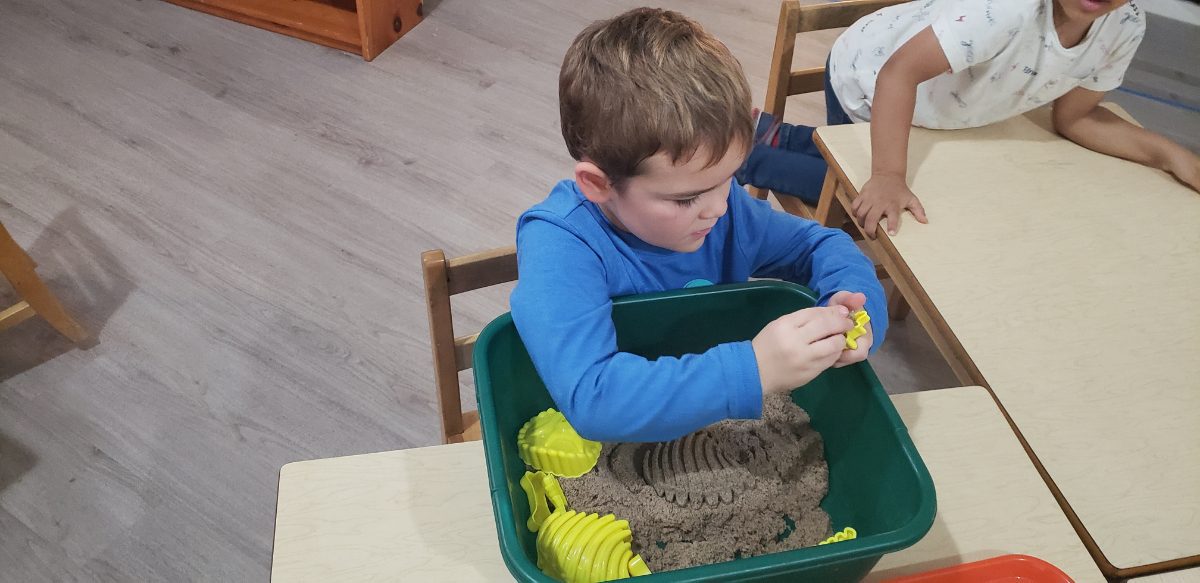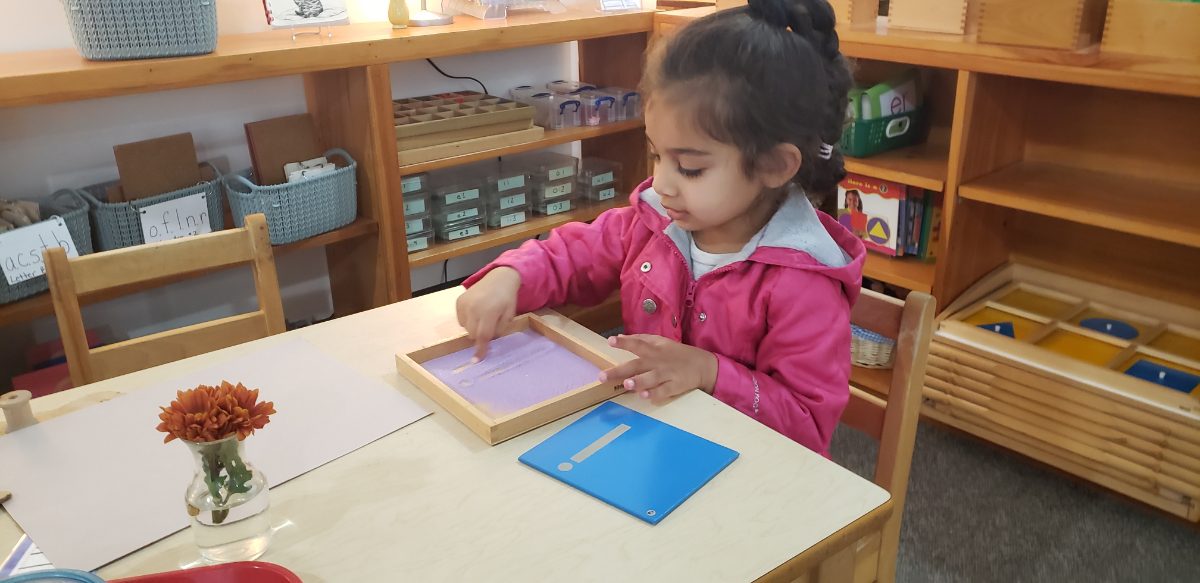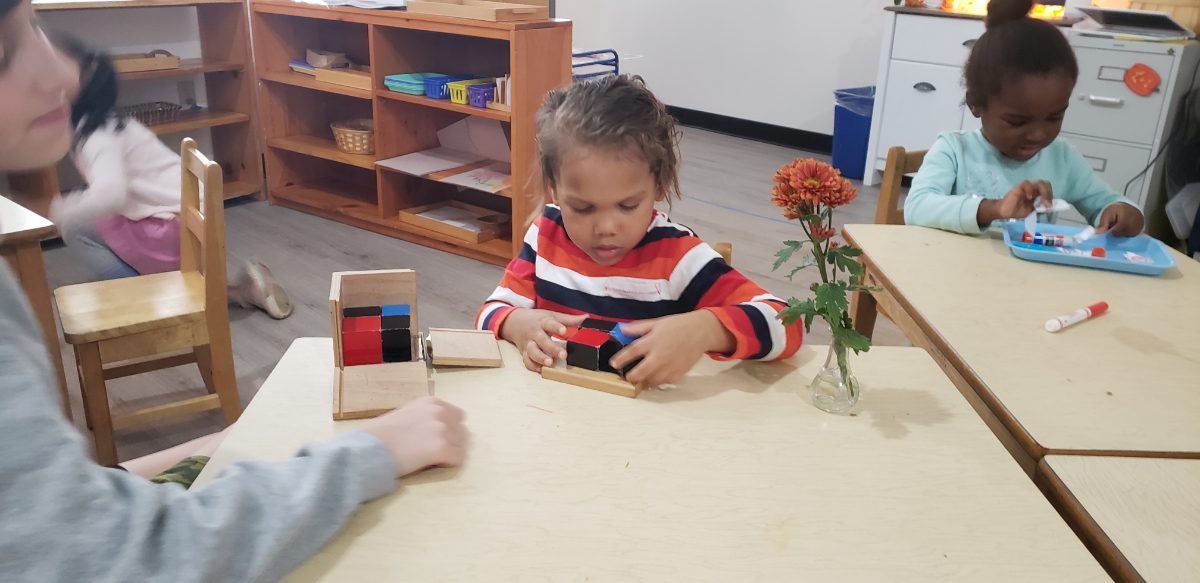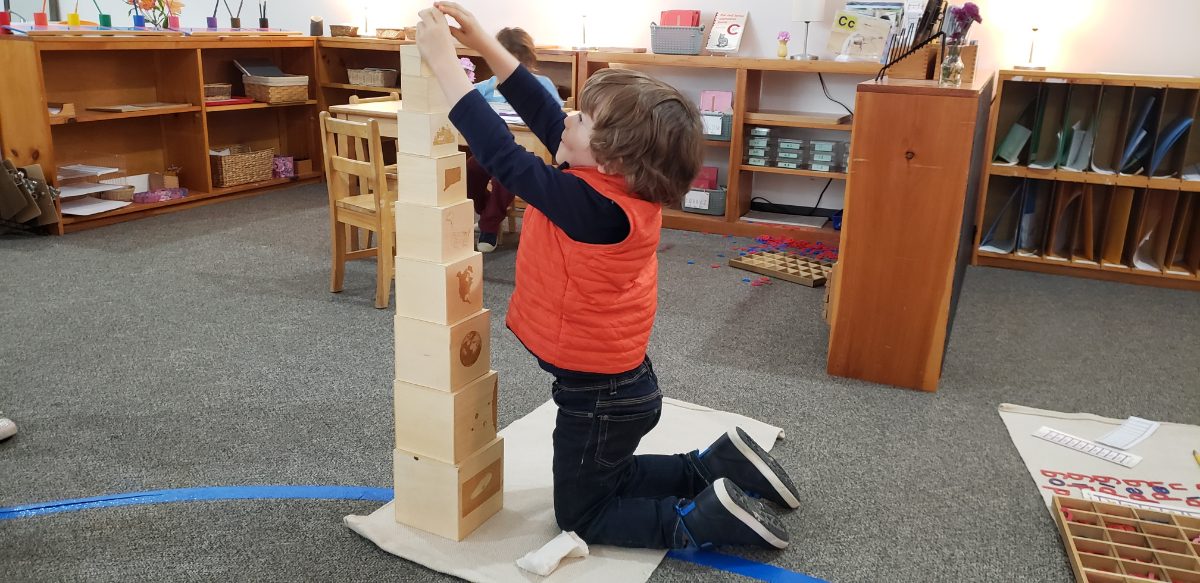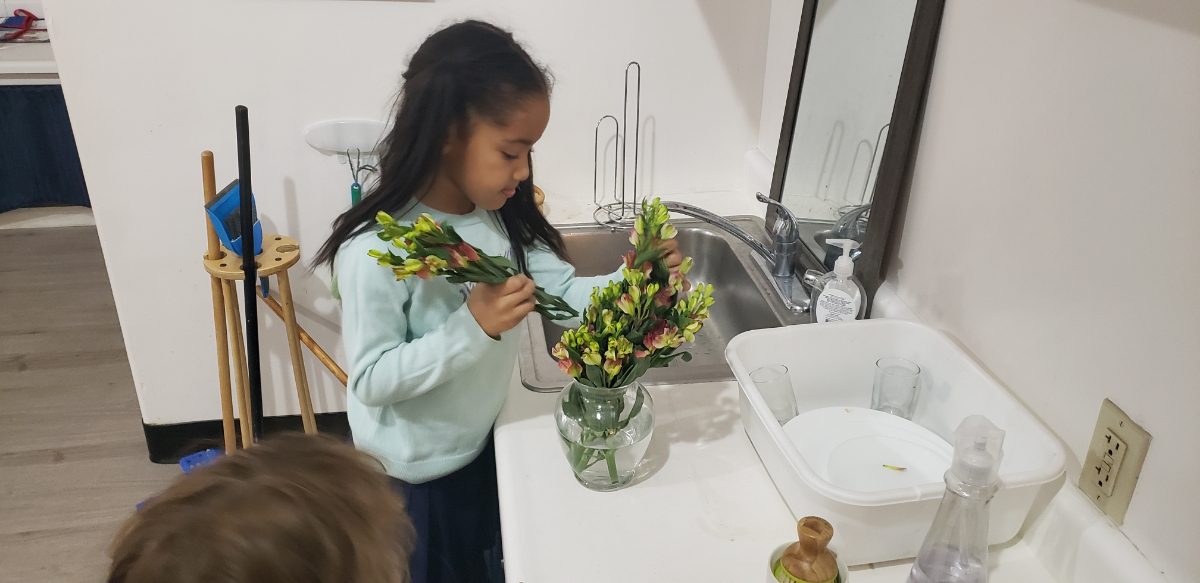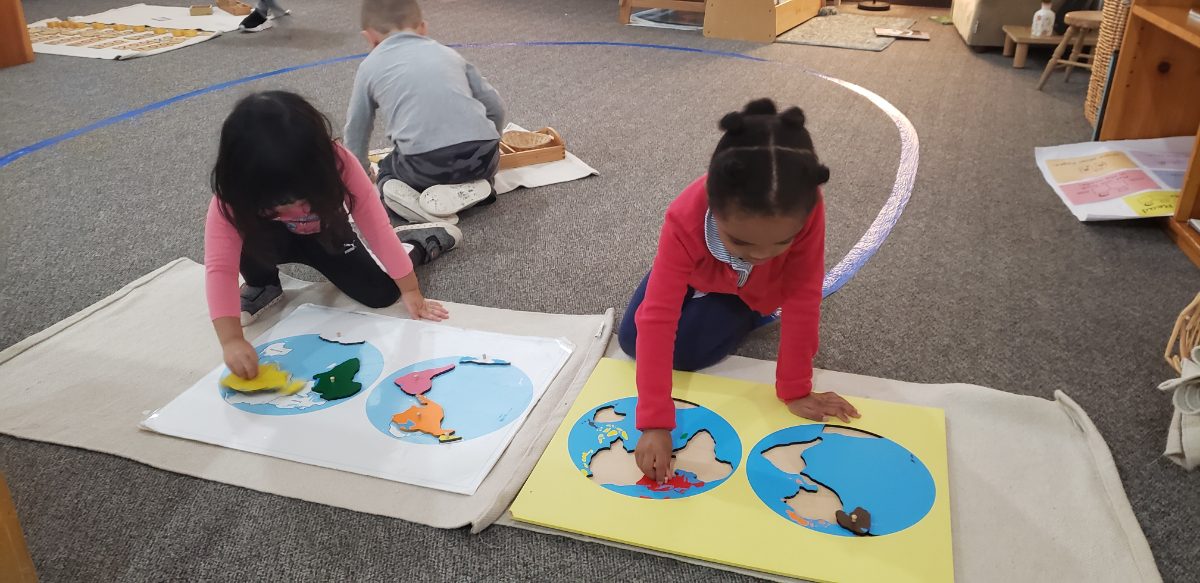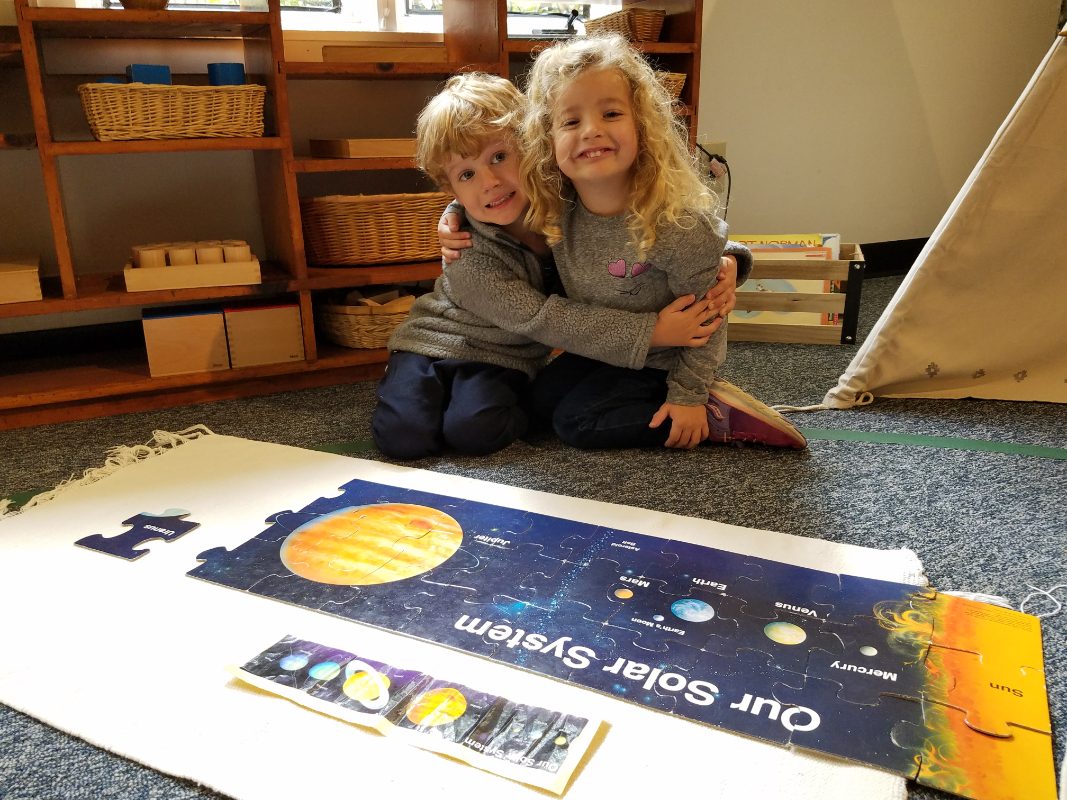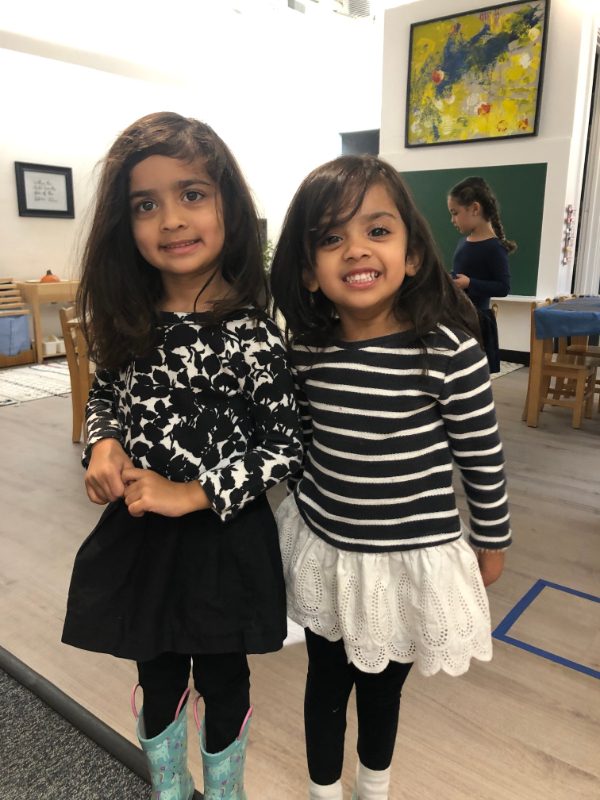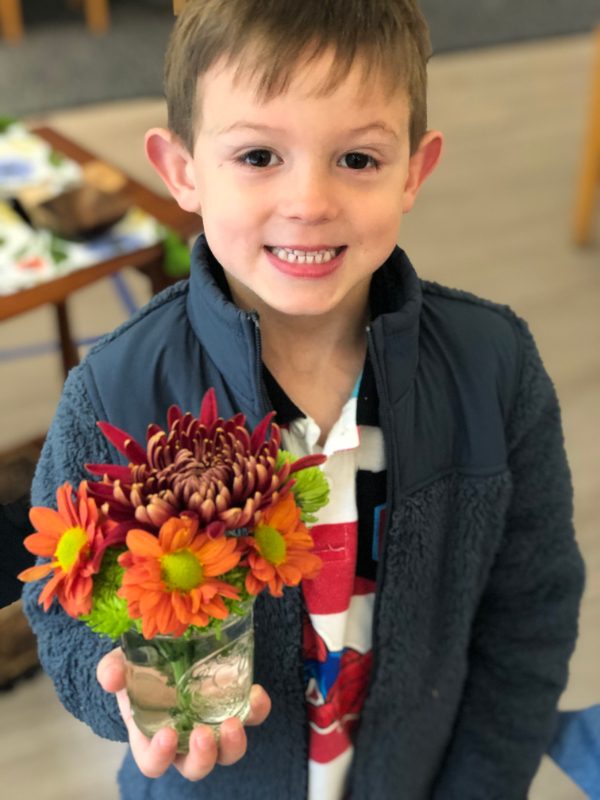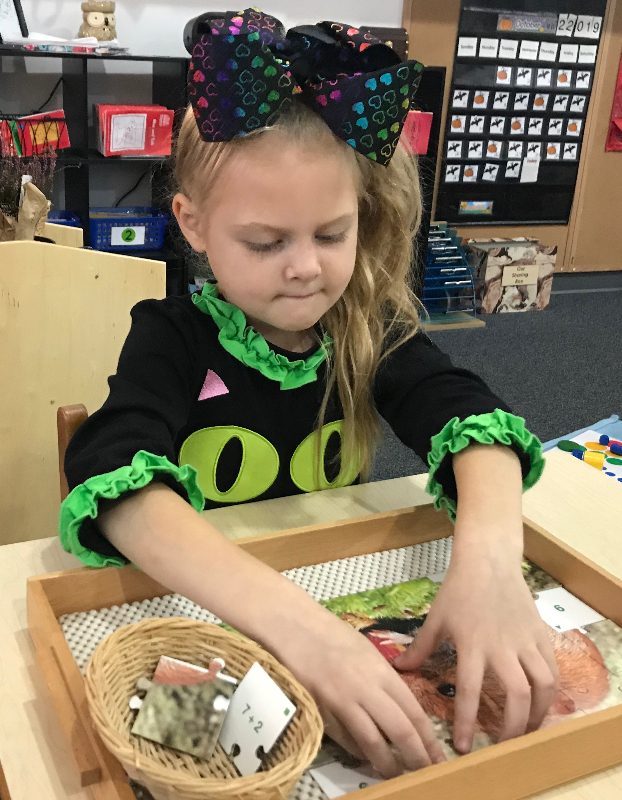
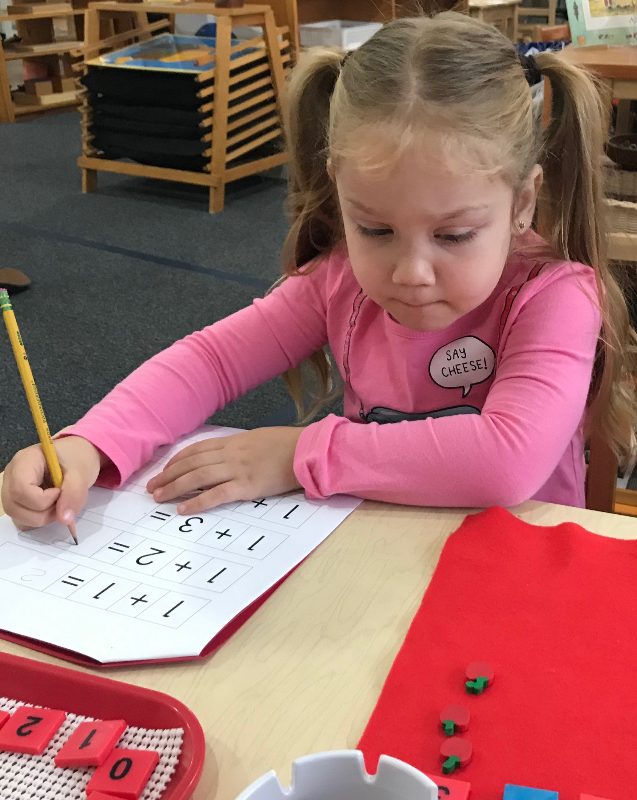
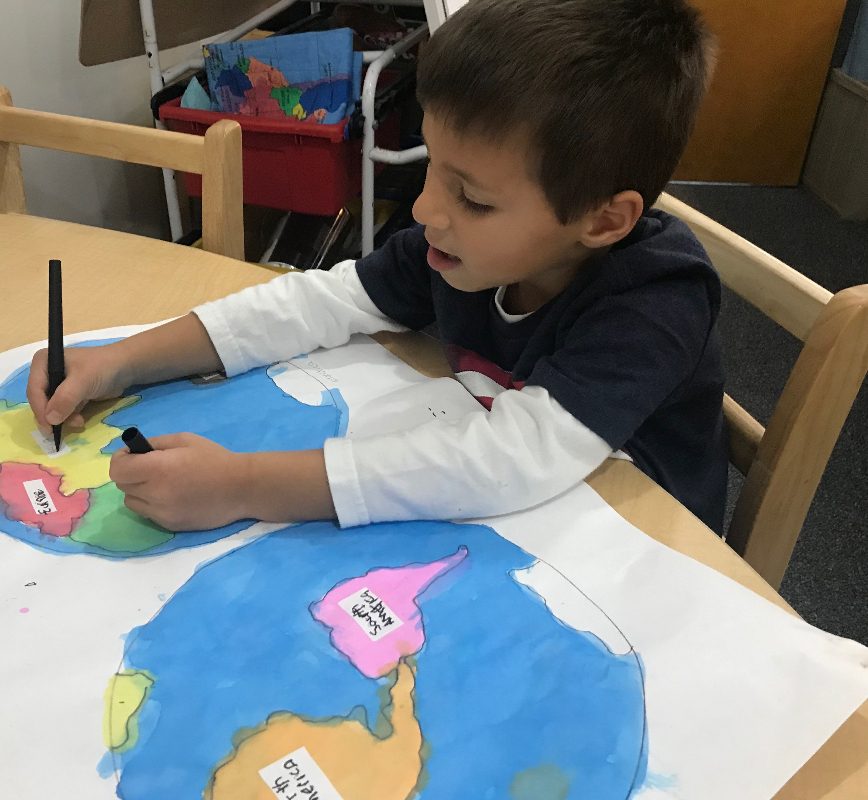
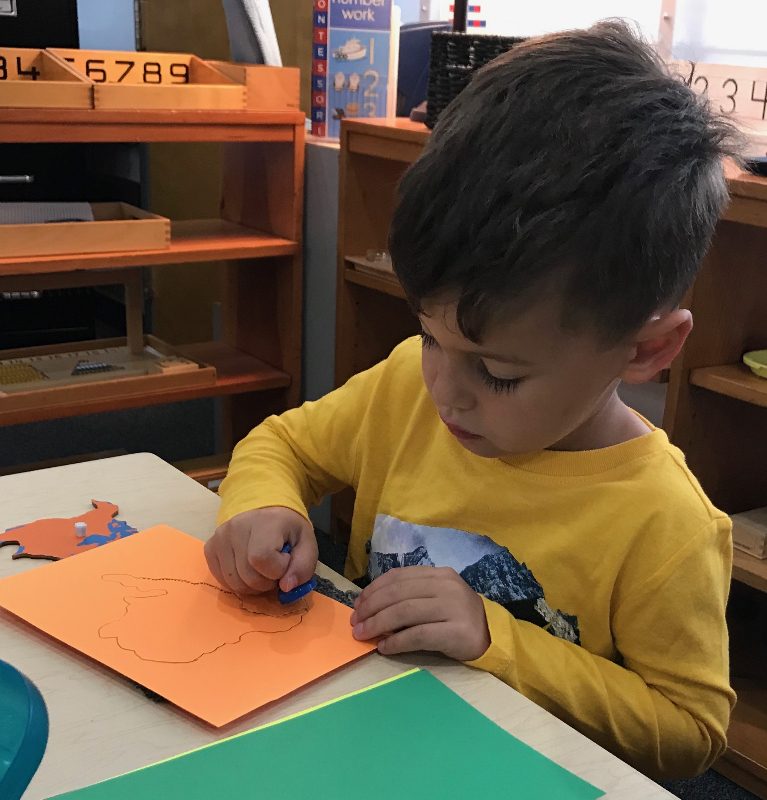
These last few weeks have been a particularly busy and exciting time with your children. We have traveled through space, explored the eight planets, discovered that the sun is a star, rocketed back to the planet Earth, and are now exploring the first of seven continents; the orange continent, our continent, North America. We will continue to explore the plants and animals native to our continent, map North America’s countries, examine topography, and study how a continents’ proximity to the equator impacts its climate.
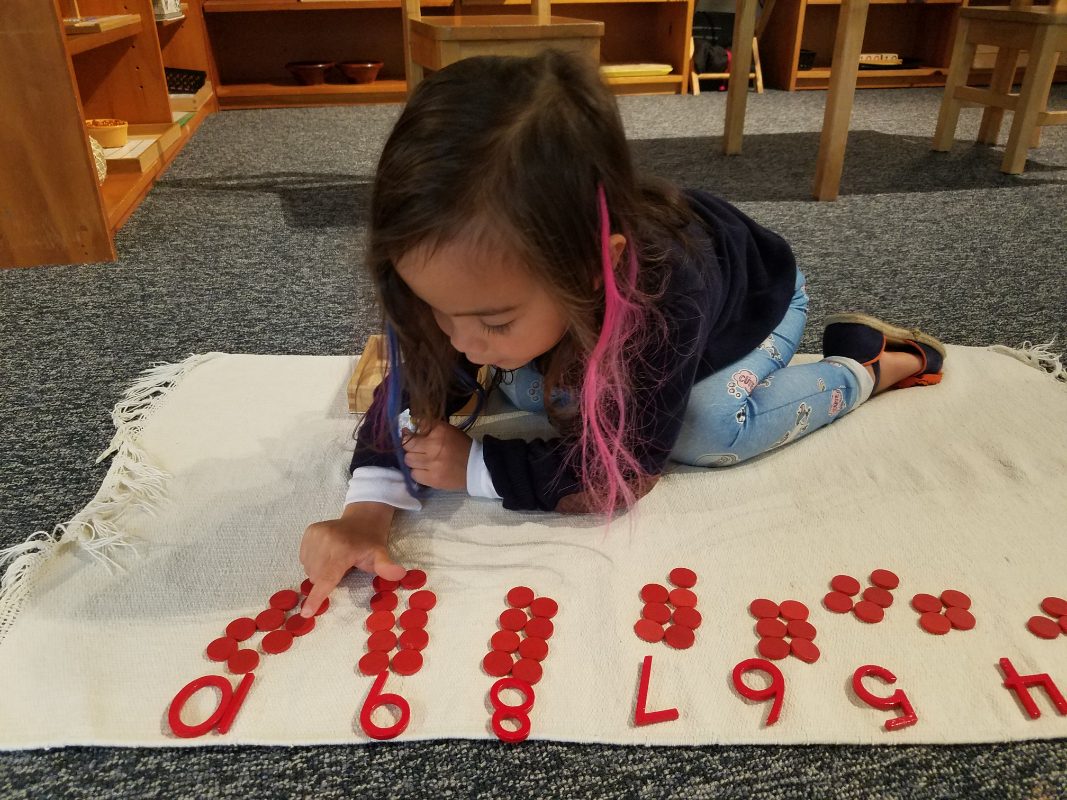
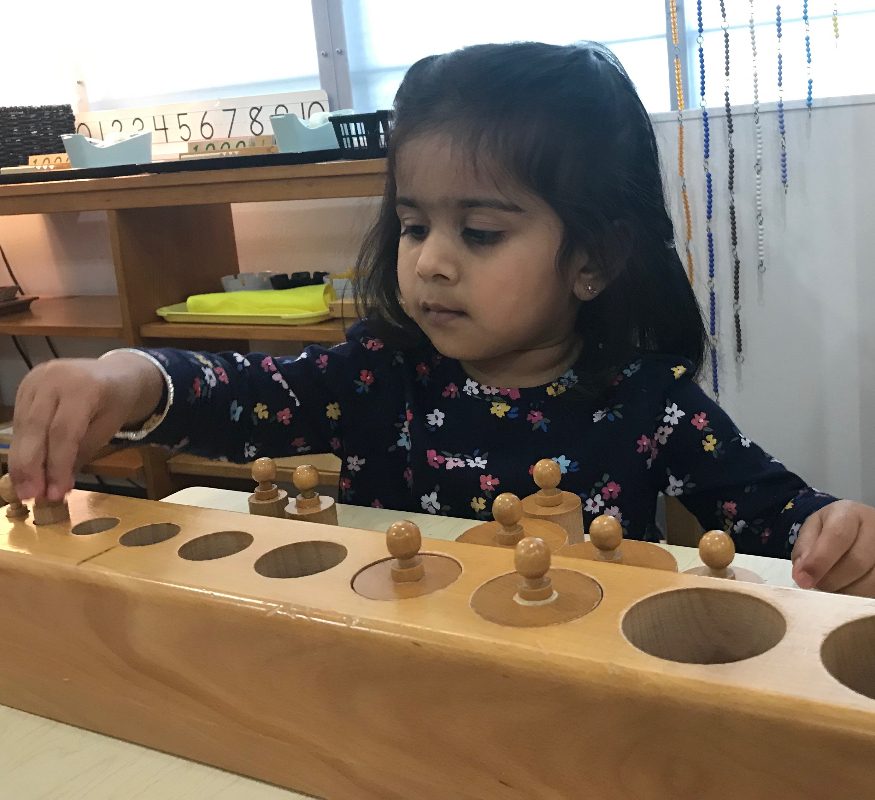
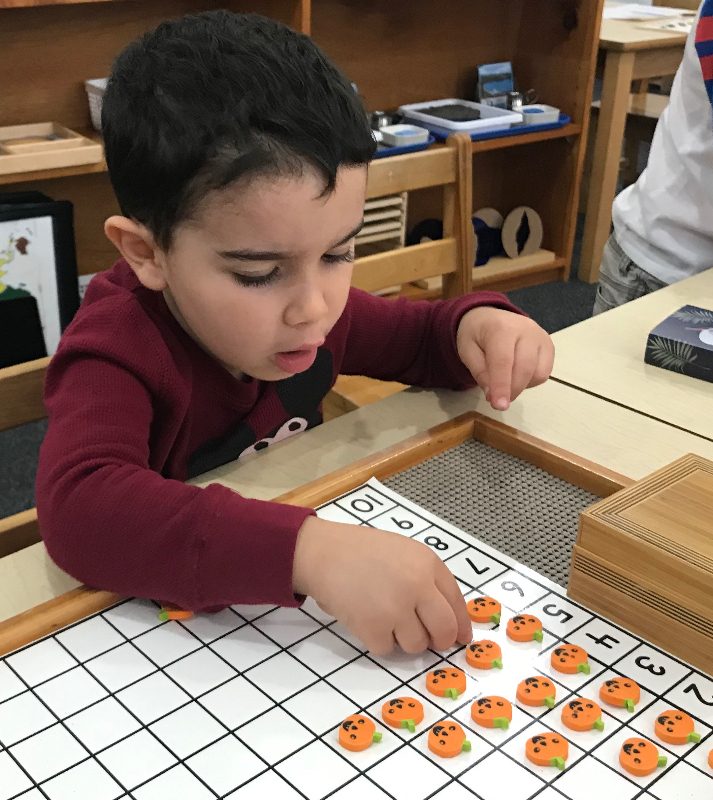
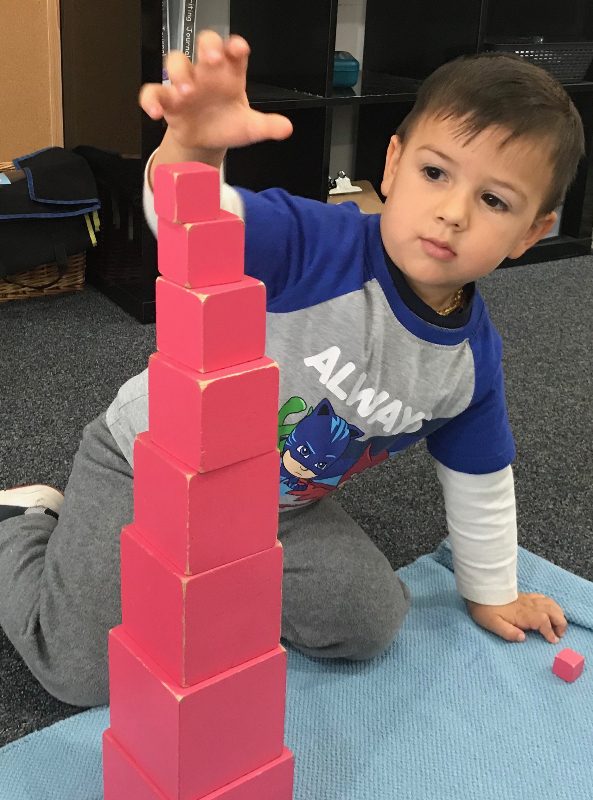
The Montessori cultural studies curriculum provides children with an opportunity to explore the whole world including the continents, countries, people, animals, terrain, music, and arts. Children use didactic Montessori materials to familiarize themselves with the needs of all humans for such things as food, housing, and clothing. This early cultural awareness helps cultivate independent, joyful citizens of our world.
Global Culinary Night is Thursday, November 14th, from 6:00-7:00 pm.