Mrs. Lopes Class: The Five Senses

A chill to the air, the first fire in the fireplace, the smell of pumpkin spice. It’s finally fall!

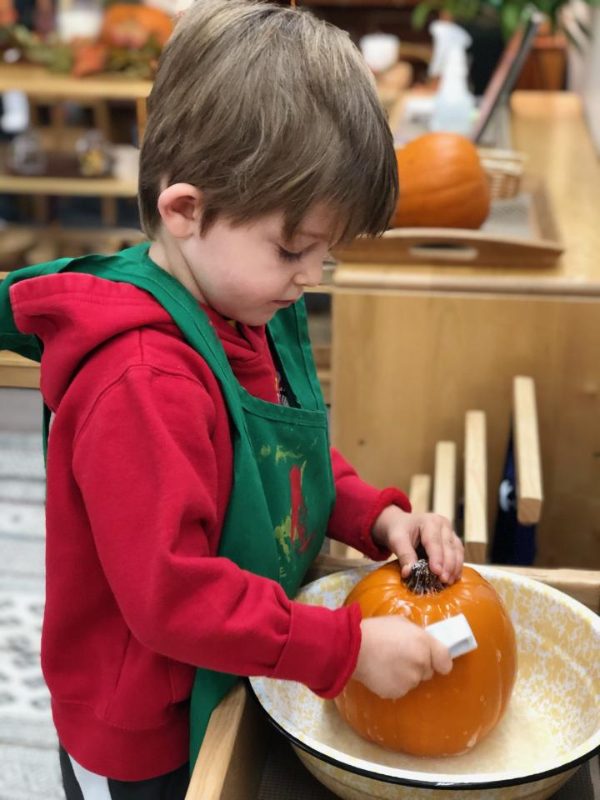
This week your children experienced autumn, not just as a date on the calendar, but as an opportunity to use our sense of smell to really savor the season. The smells of cooking applesauce, spices, and newly fallen leaves brought smiles and created lasting memories.
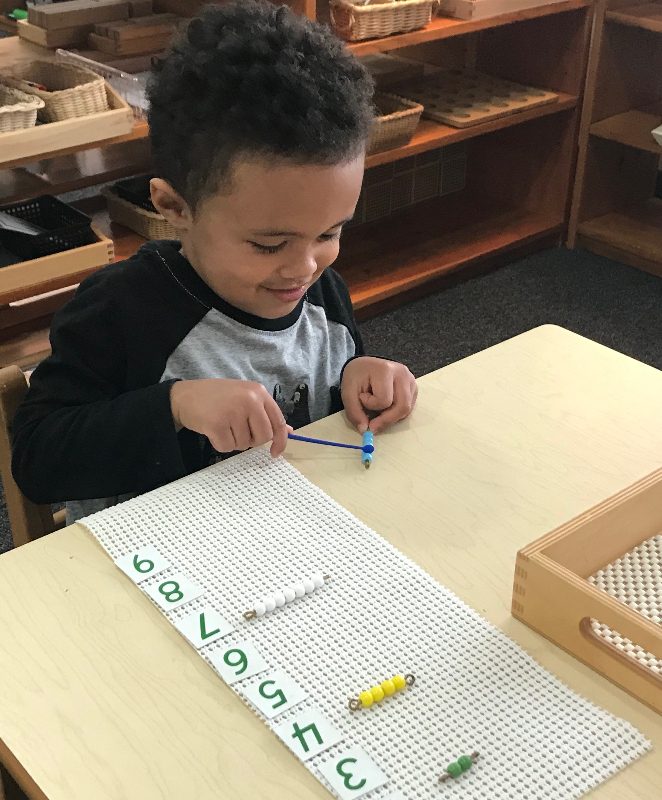
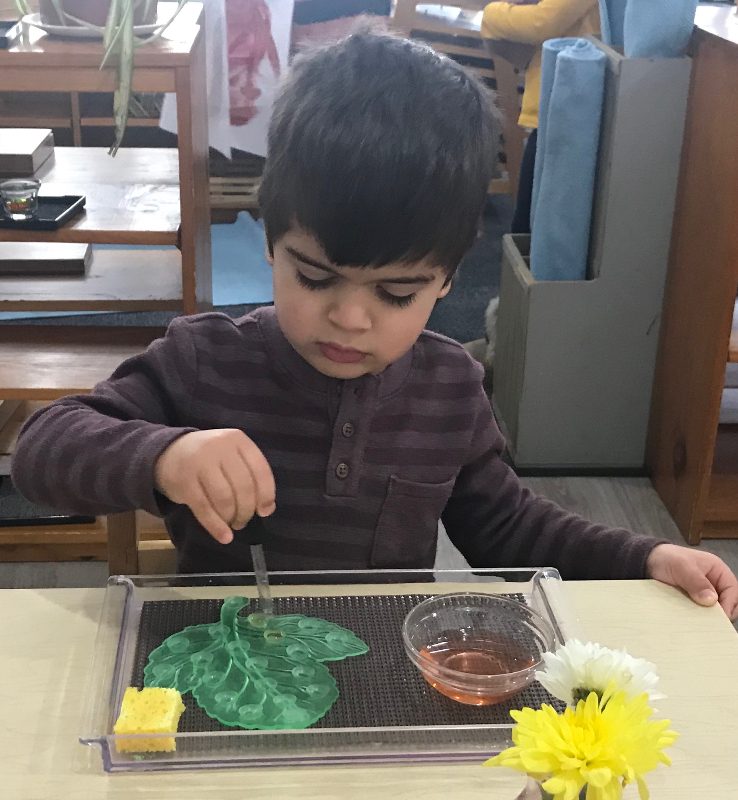
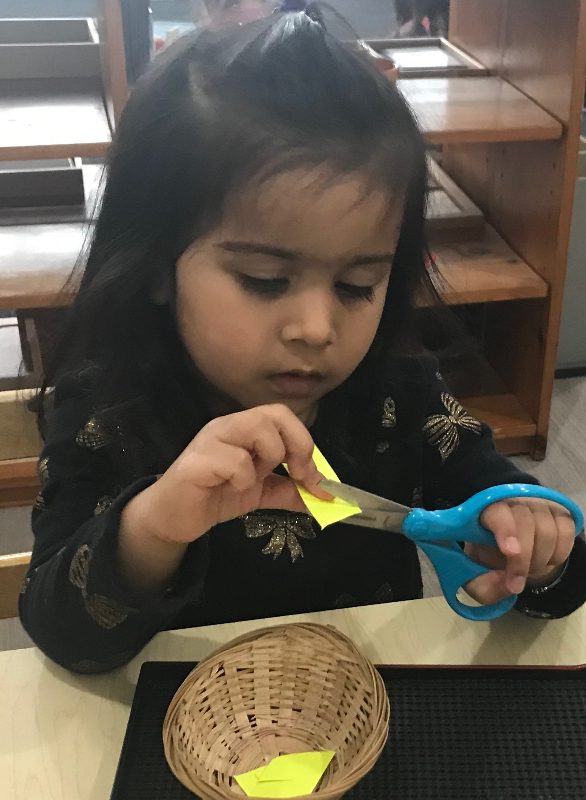
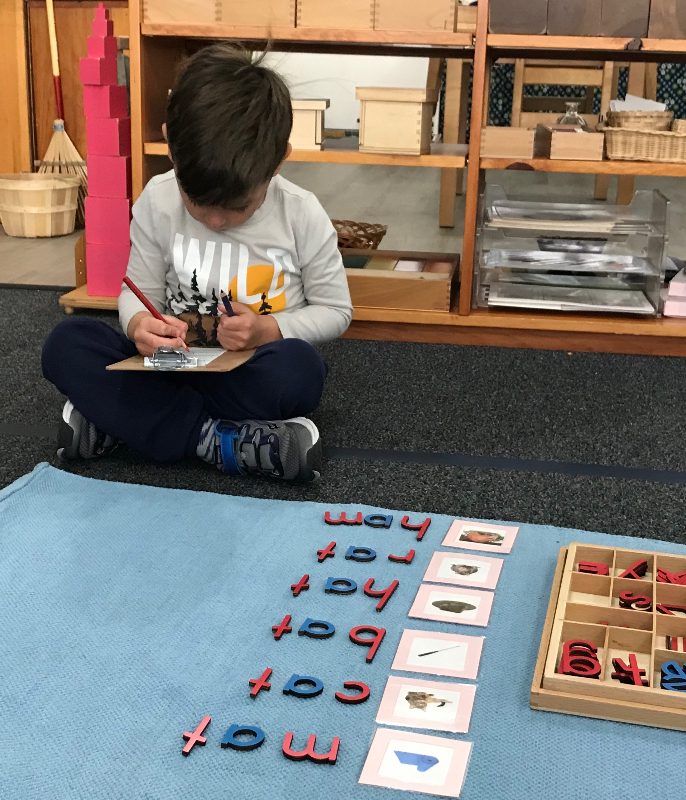
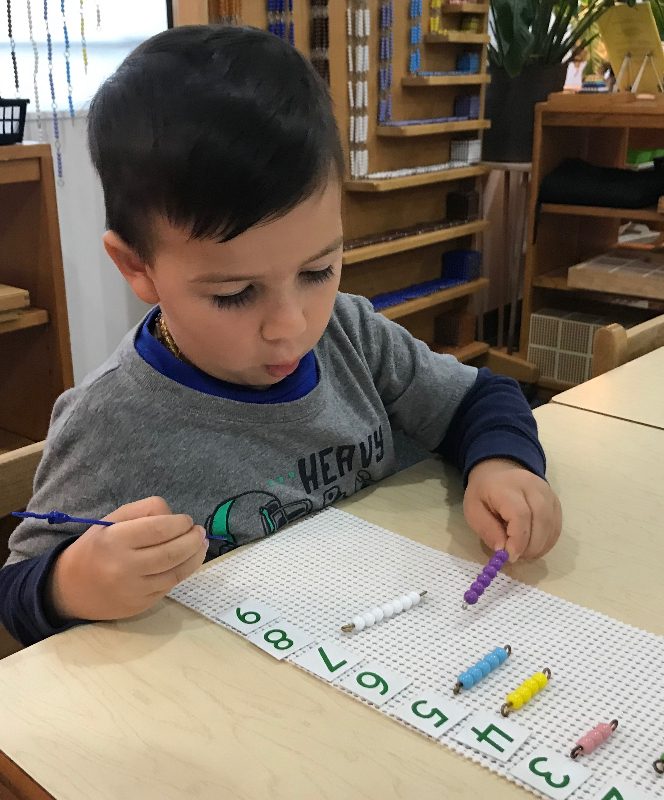
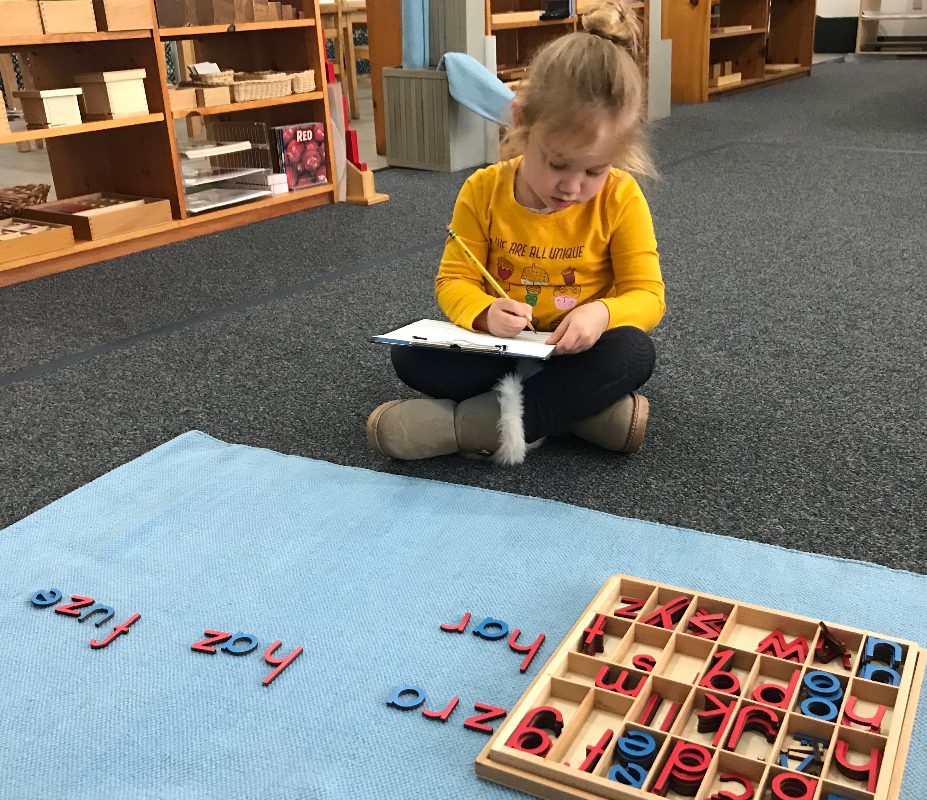
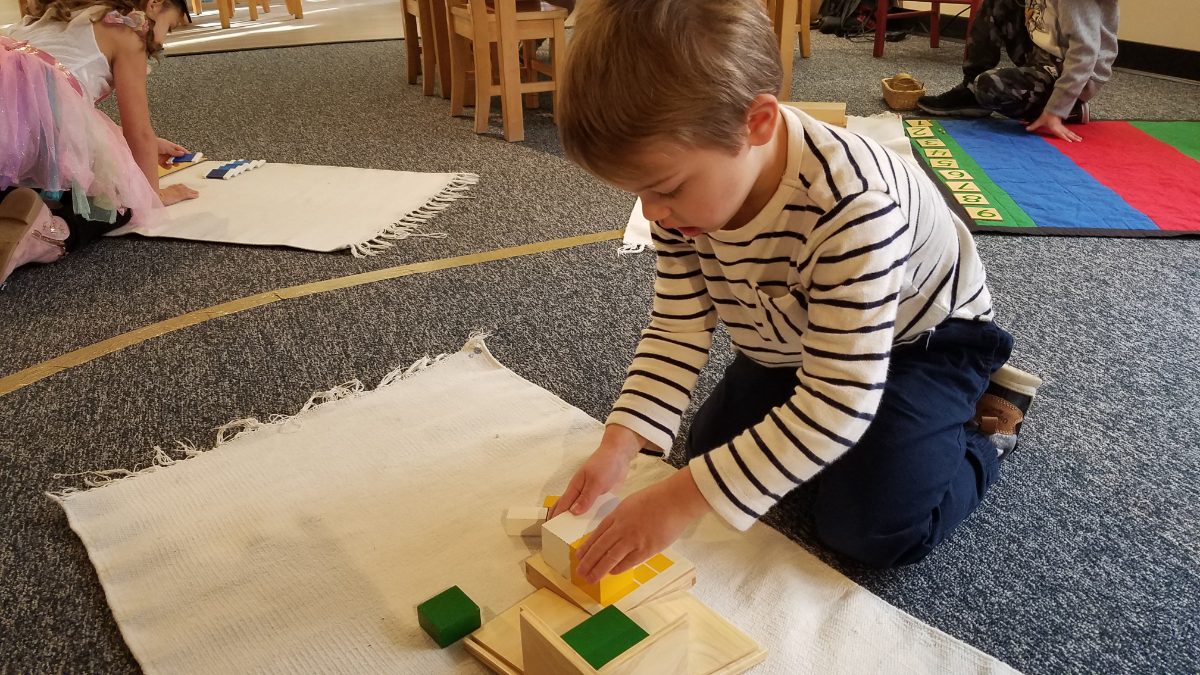
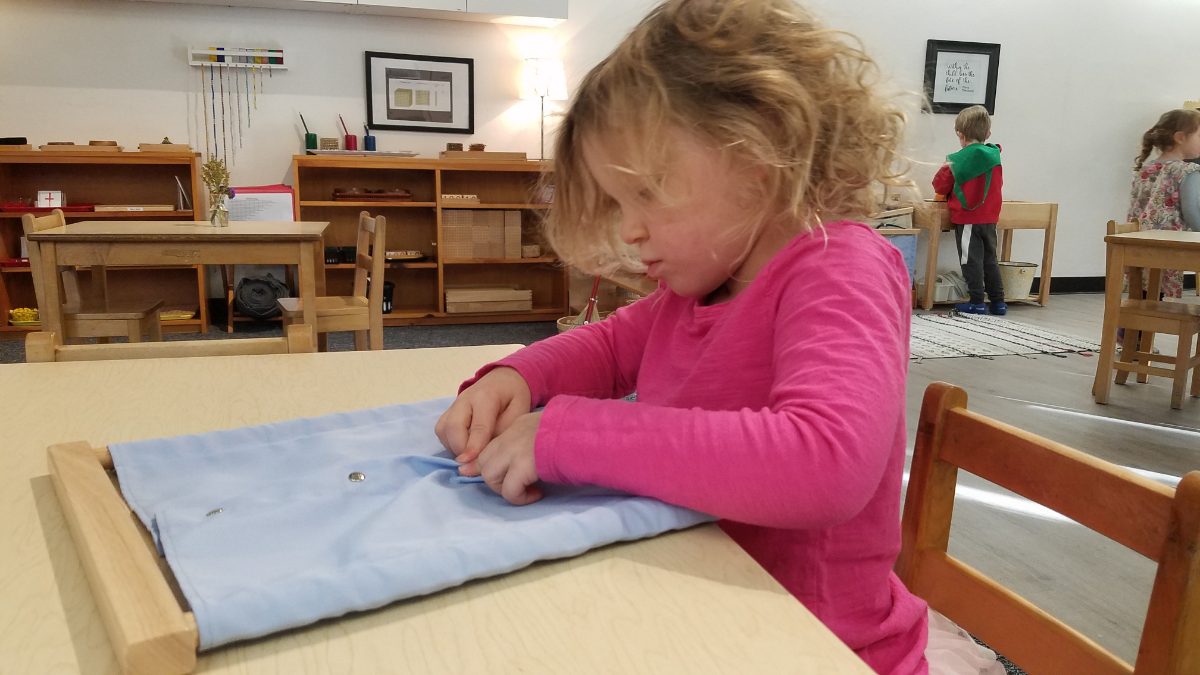
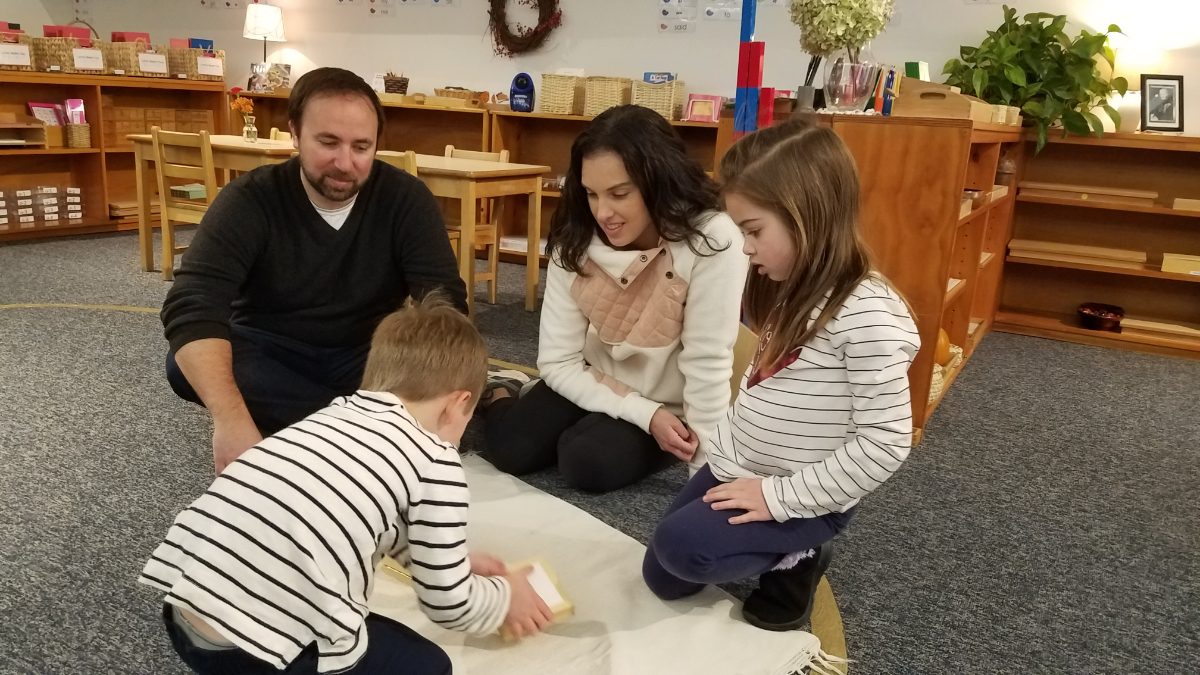
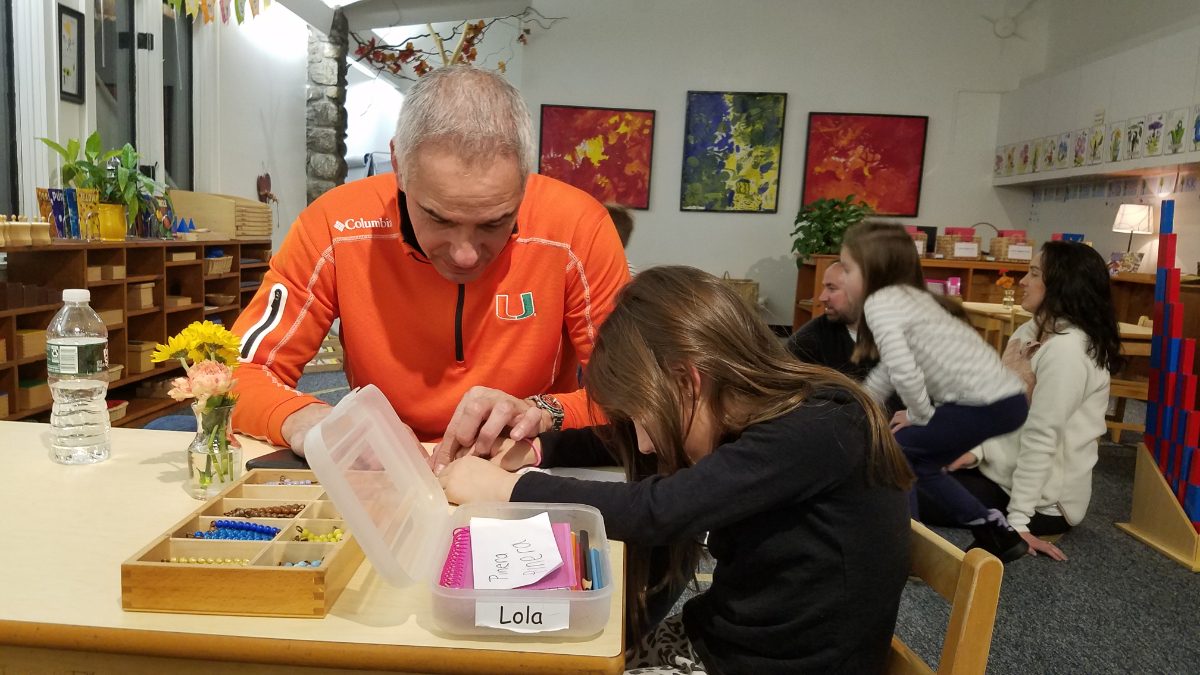
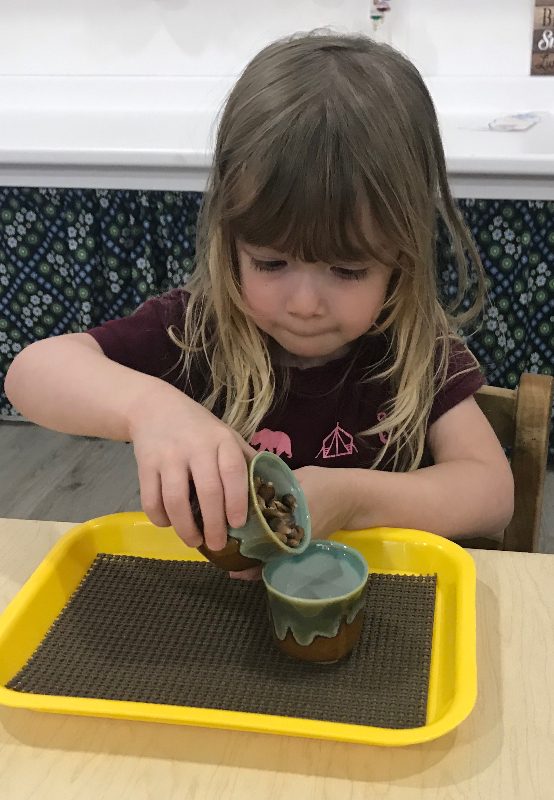
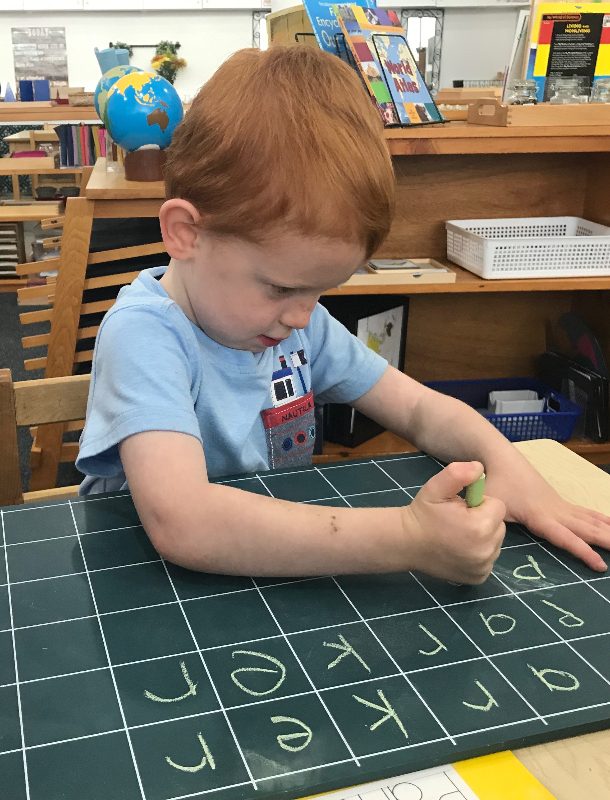
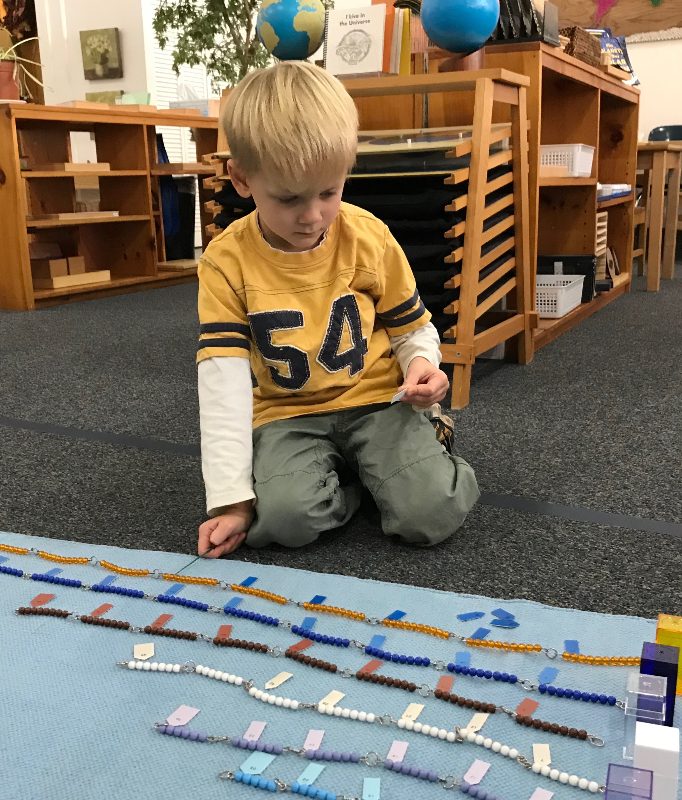
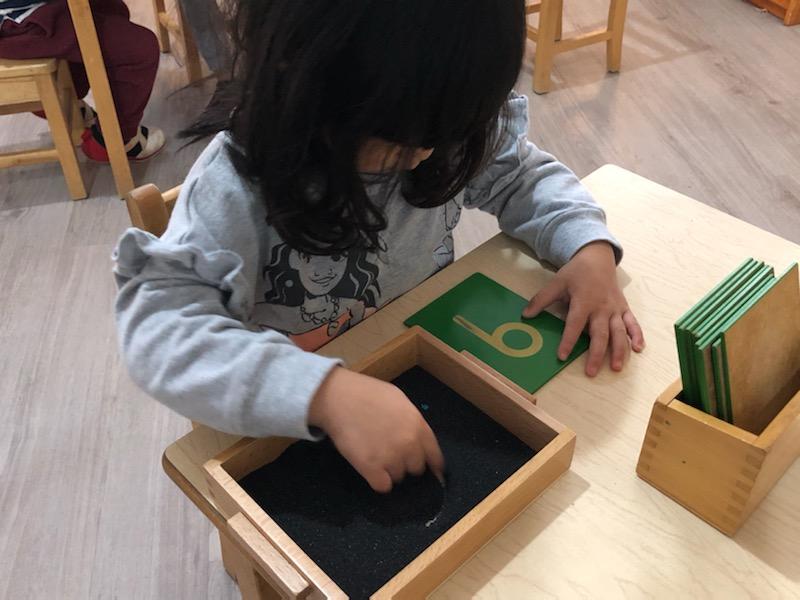
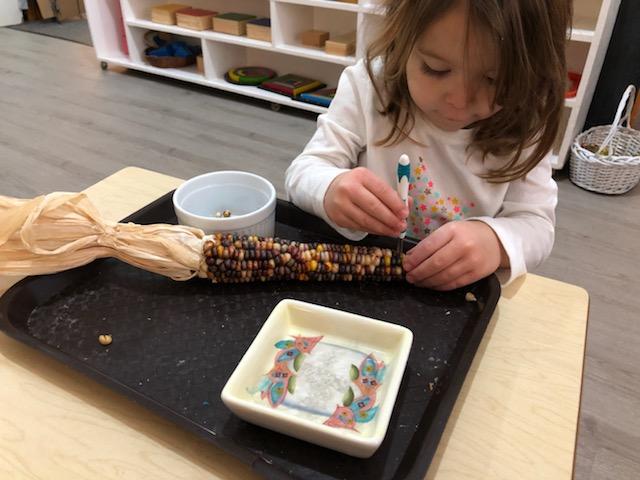
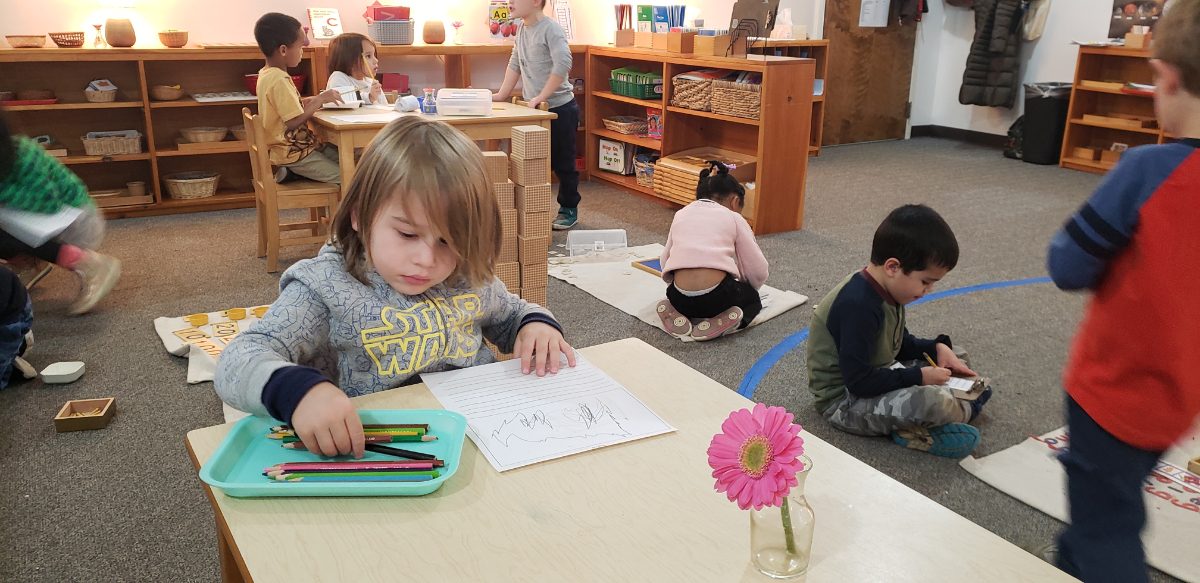
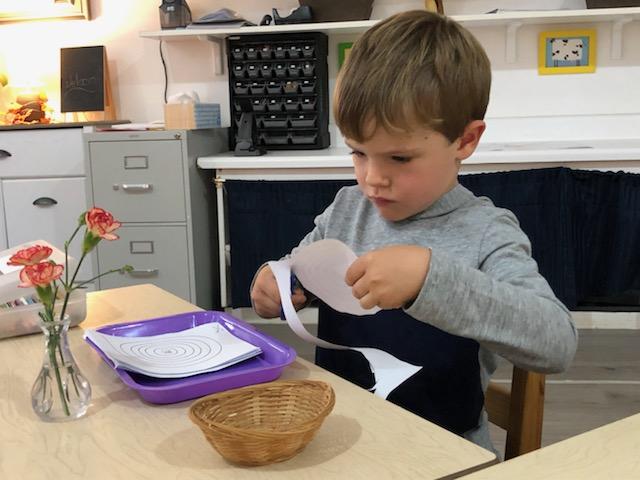
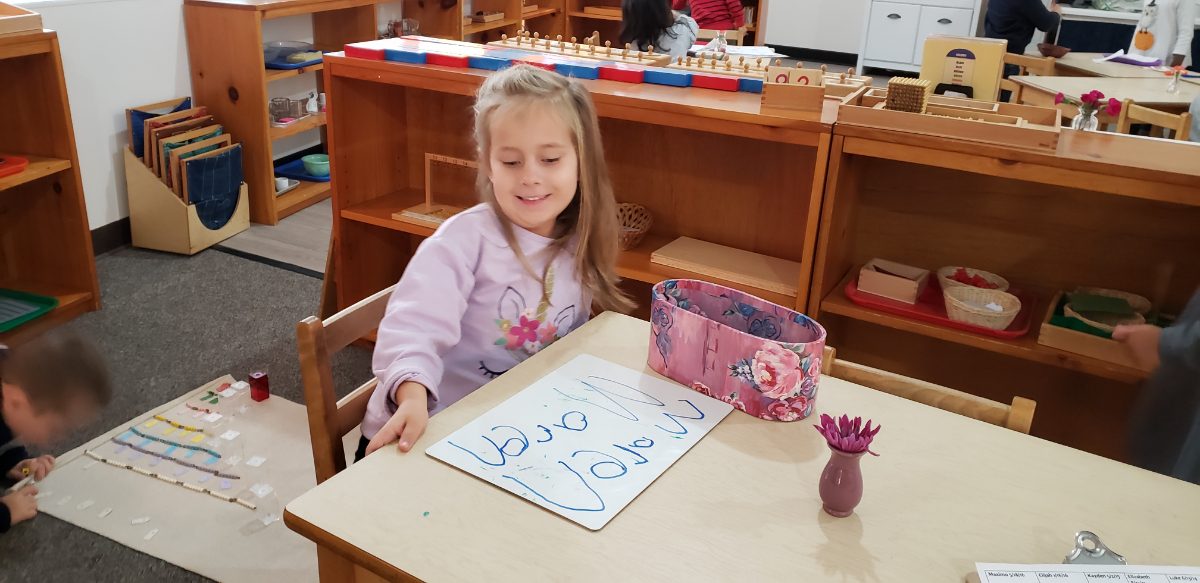
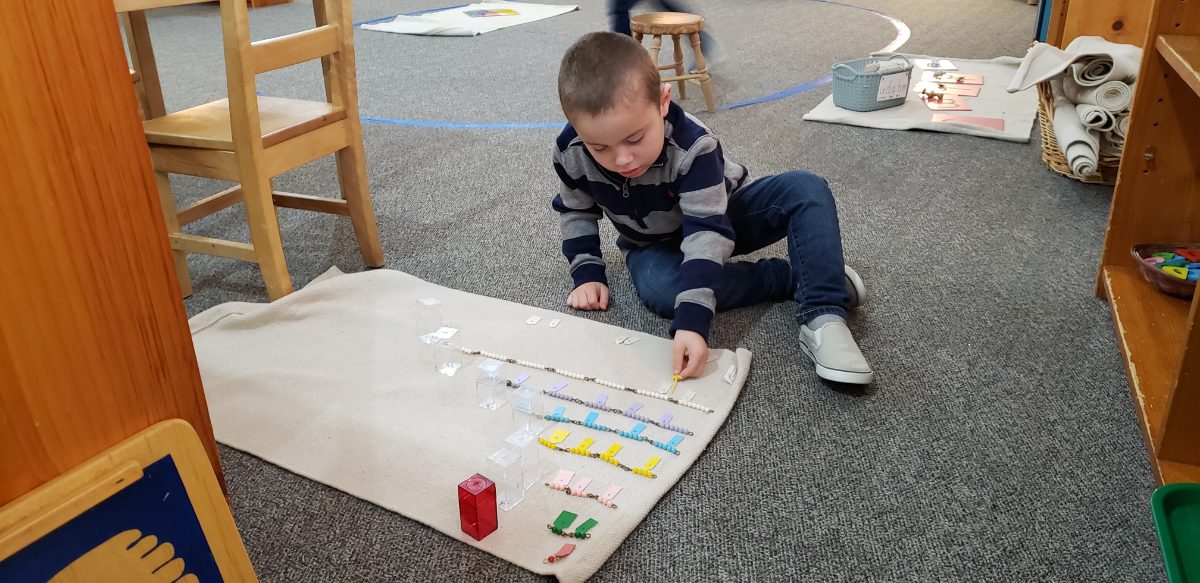
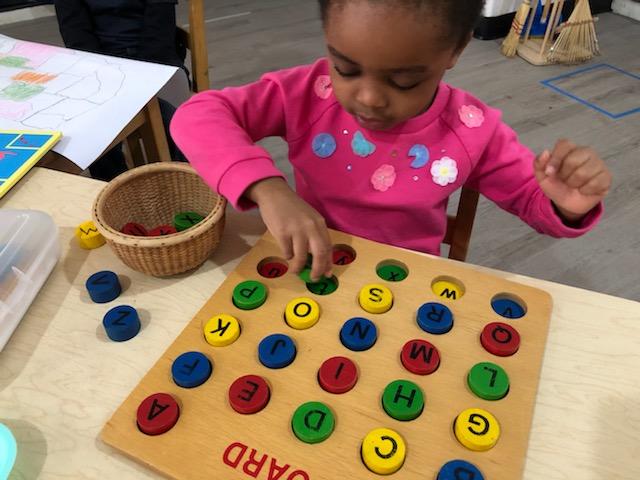
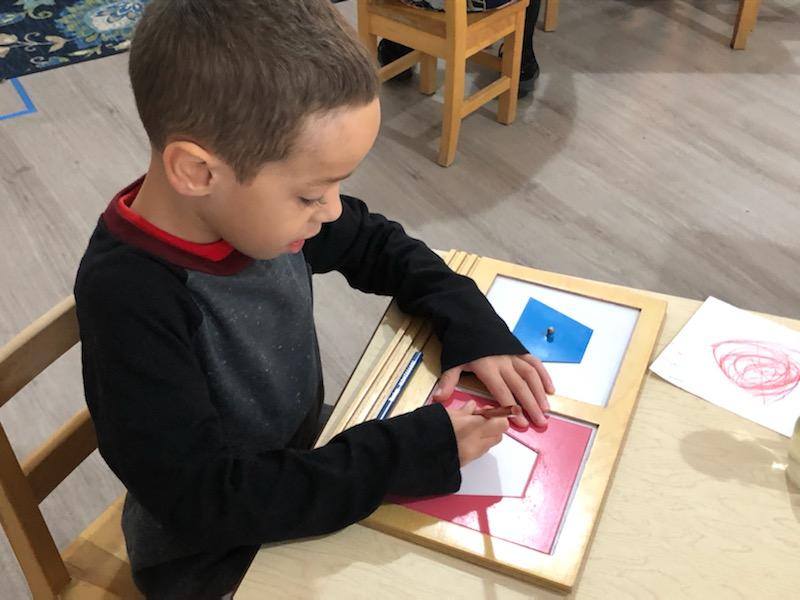
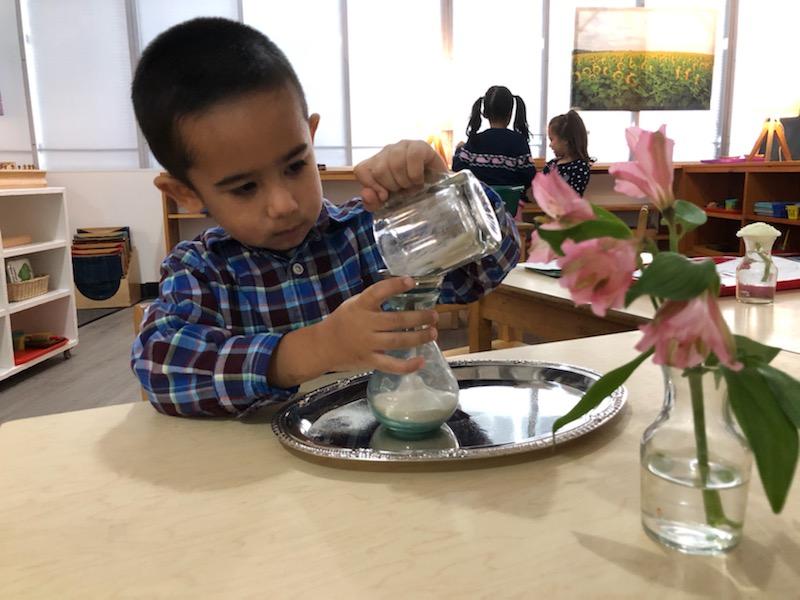
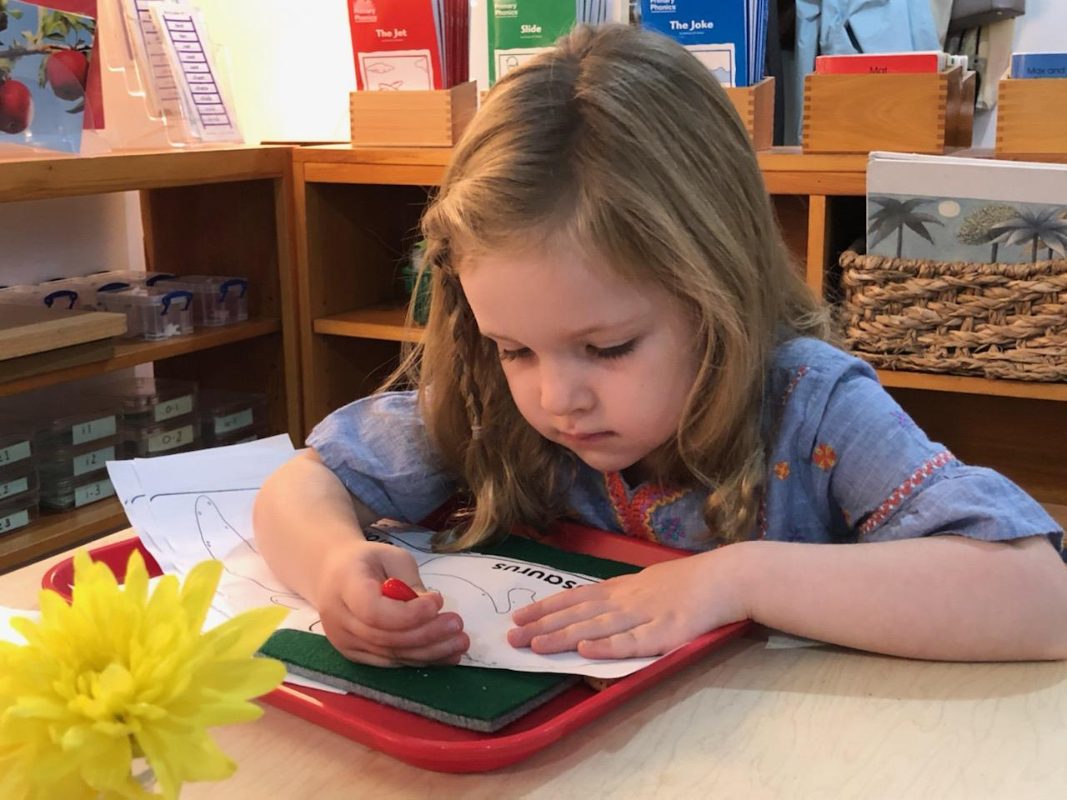
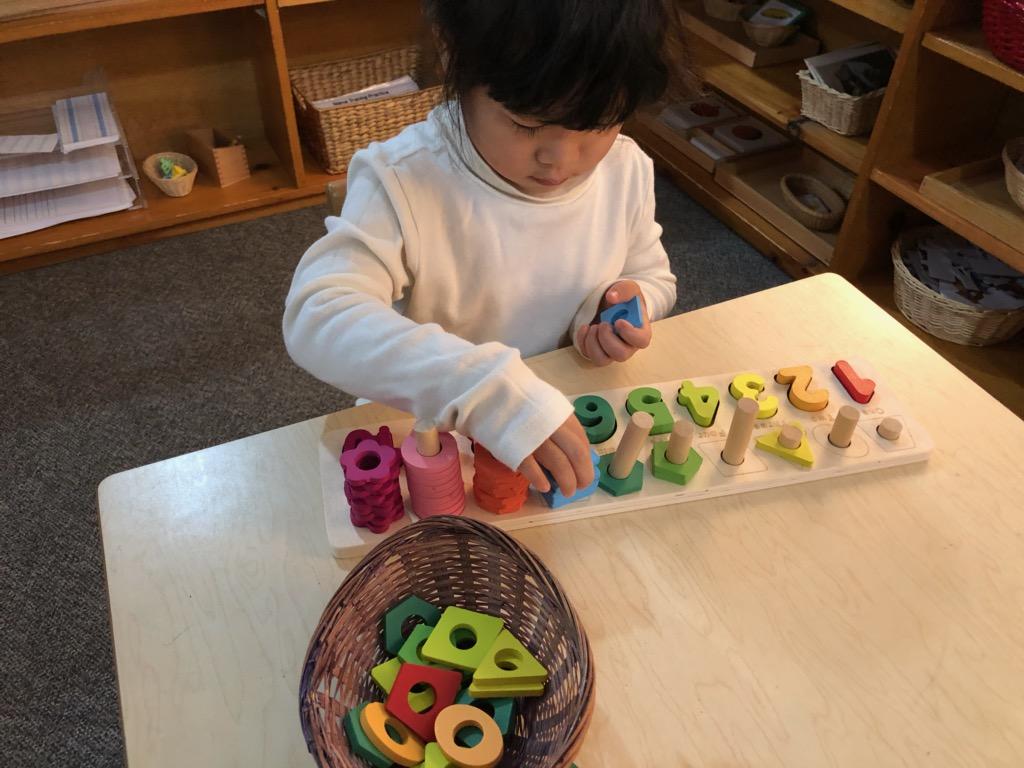
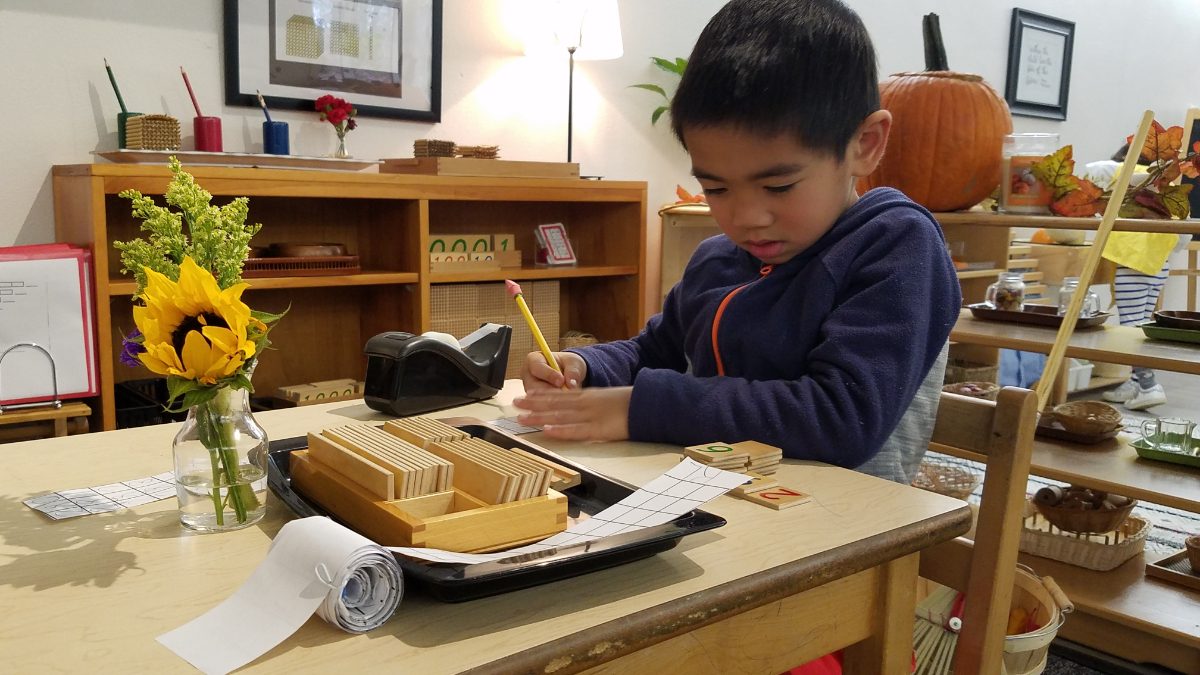
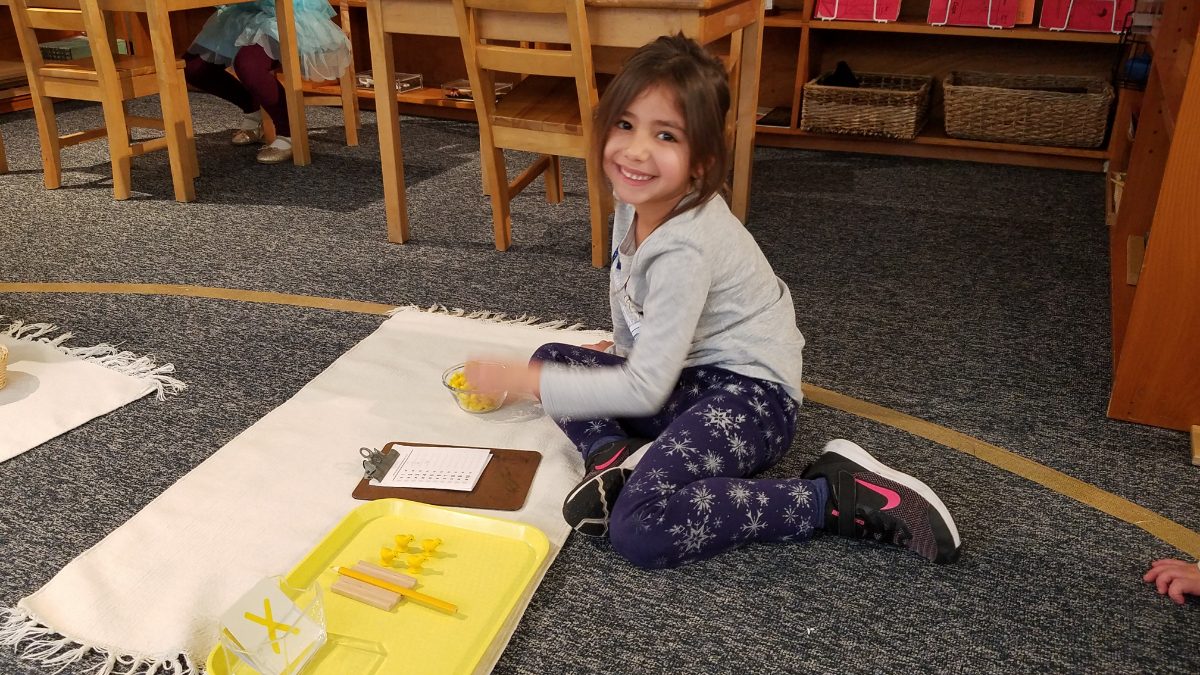
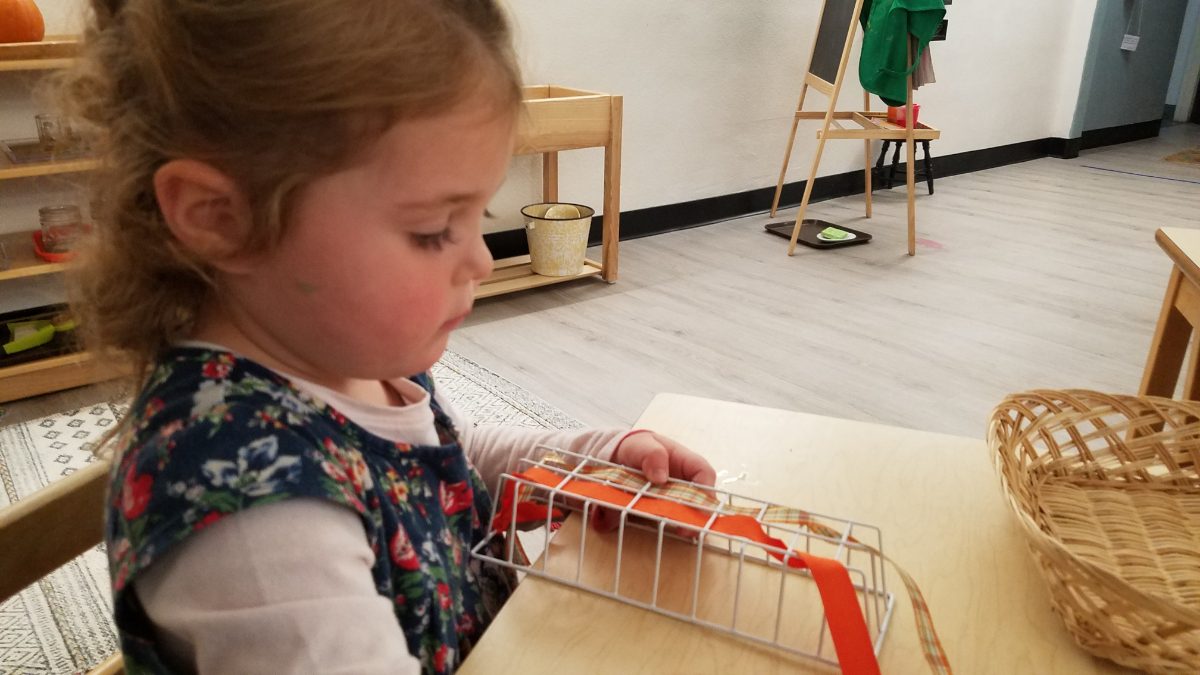
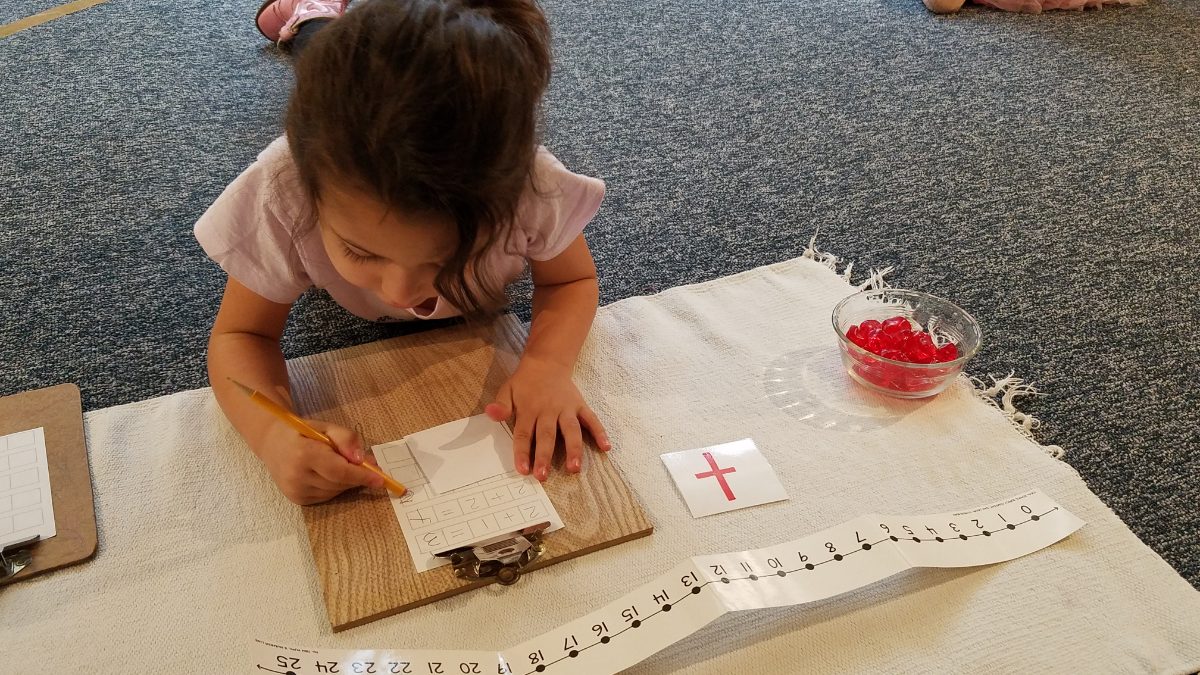
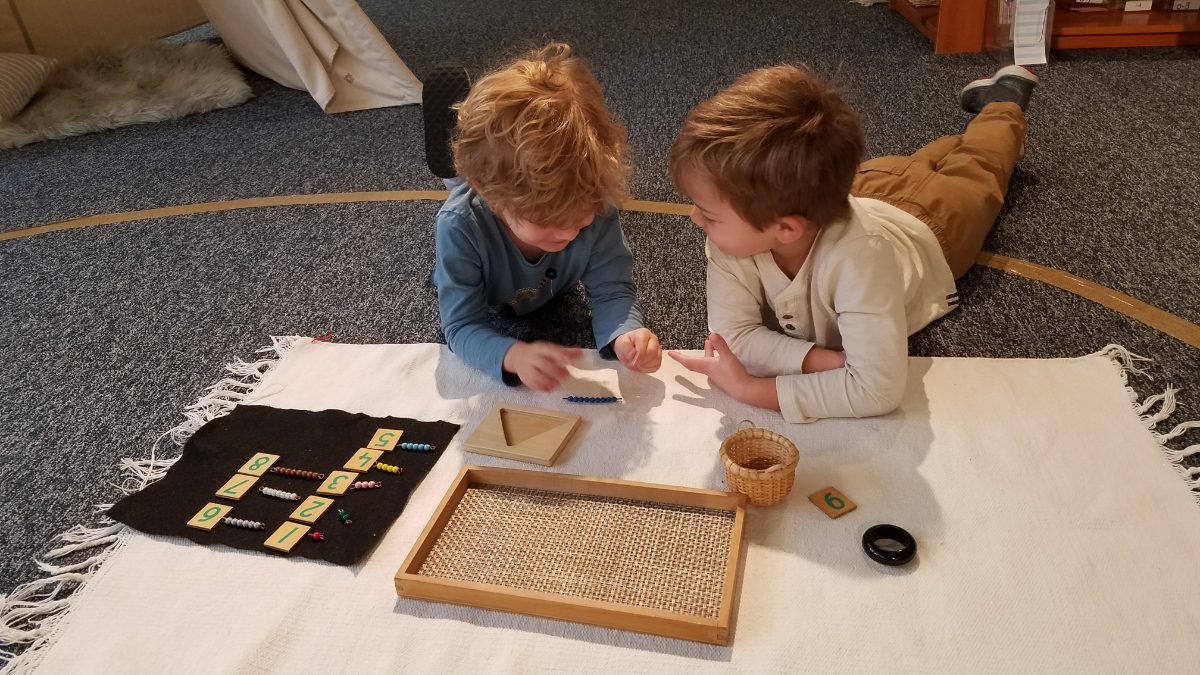
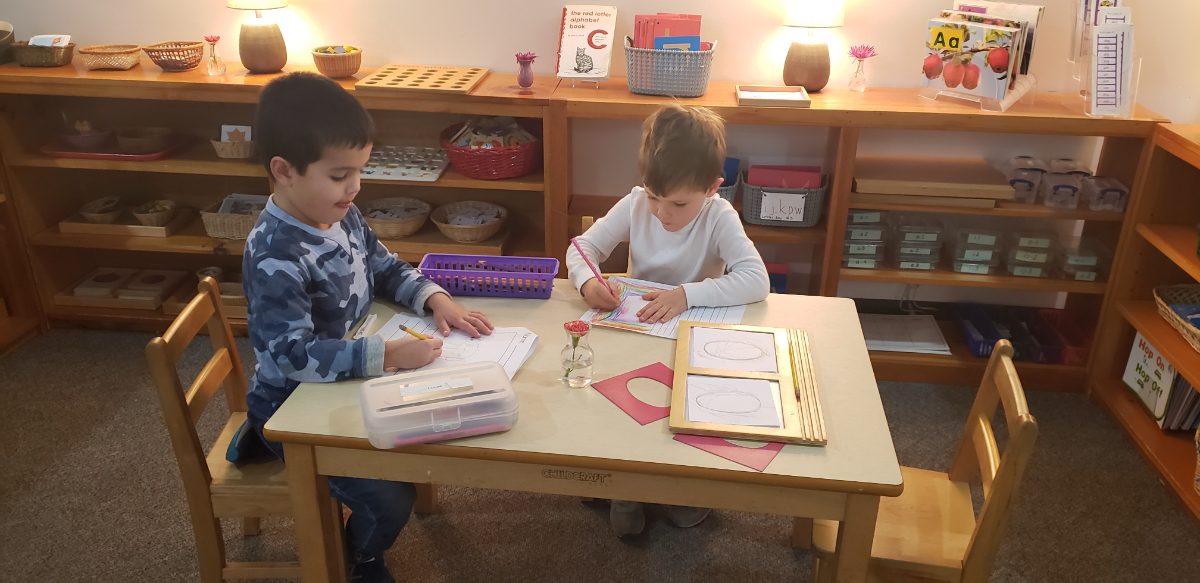
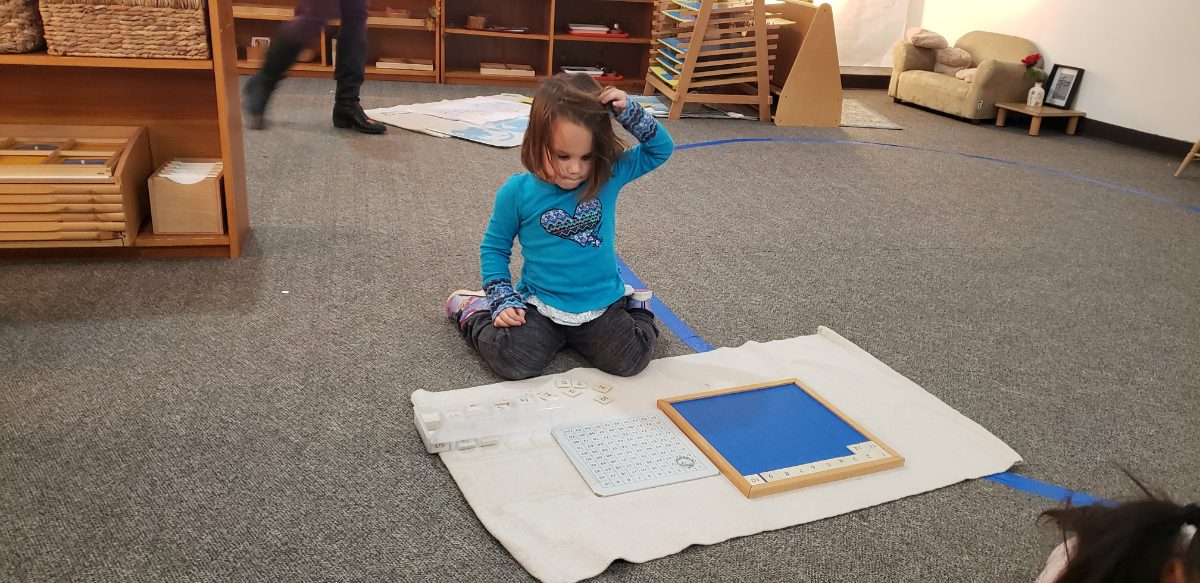
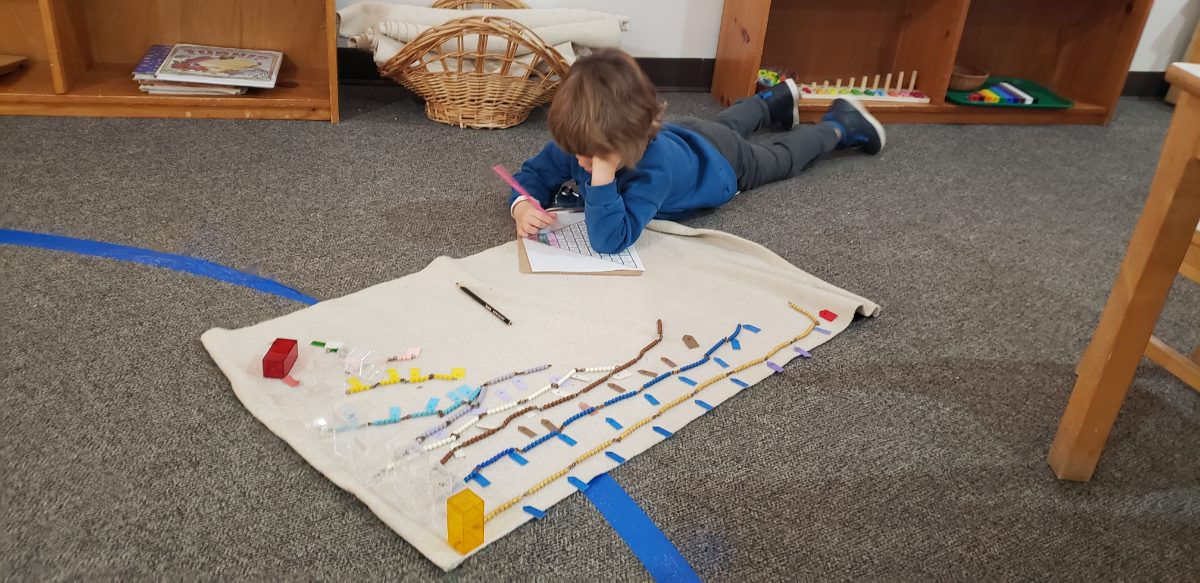
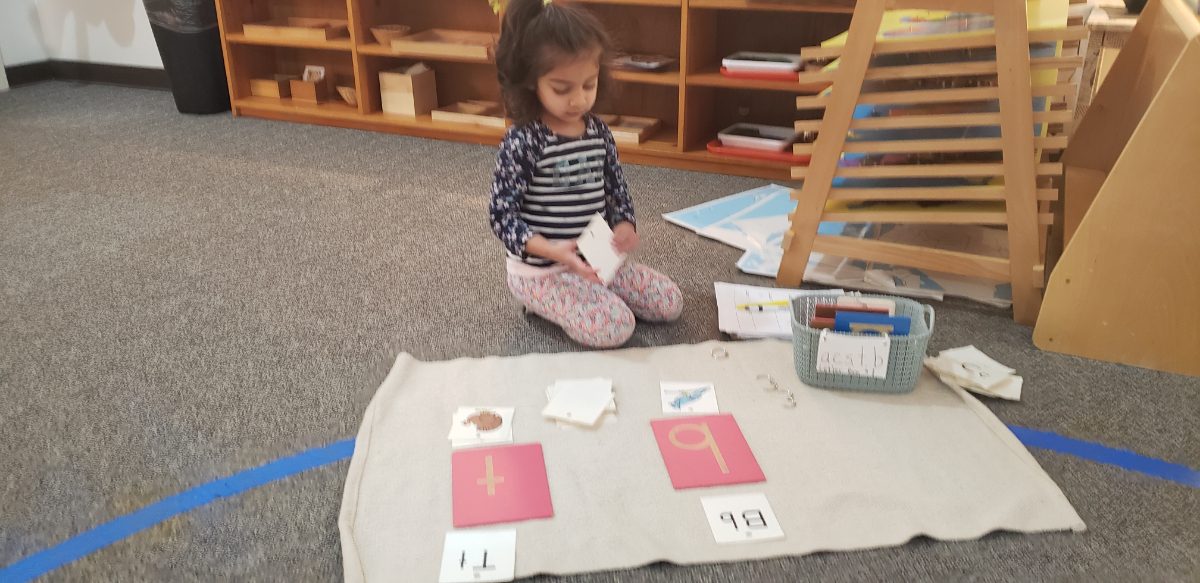
Maria Montessori believed there is a sensitive period for developing the senses. Although the senses are an integral part of our lives, children during the early years have the greatest potential to develop and retrieve them. It is precisely this idea that demonstrates the purpose of Sensorial materials in the Montessori classroom. The Sensorial materials are powerful tools, which allow children to become aware of their unconscious impressions and bring these impressions into conscious awareness. Additionally, they enable your children to create a basis of order in their mind, allowing for intelligent exploration of their environment.

Please use this link to sign up for your  Parent/Teacher Conference. We look forward to sharing your child’s many accomplishments.

Mrs. Lopes’ Conferences

Best,

Mrs. Lopes and Ms. Vigue


Mrs. Lopes Class: The Three Period Lesson

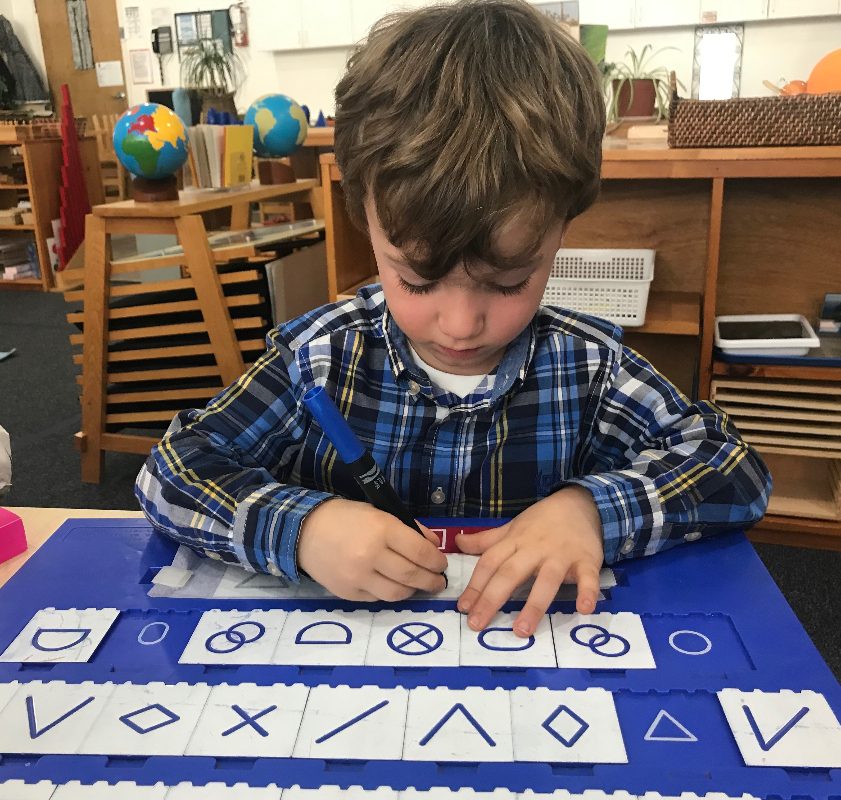
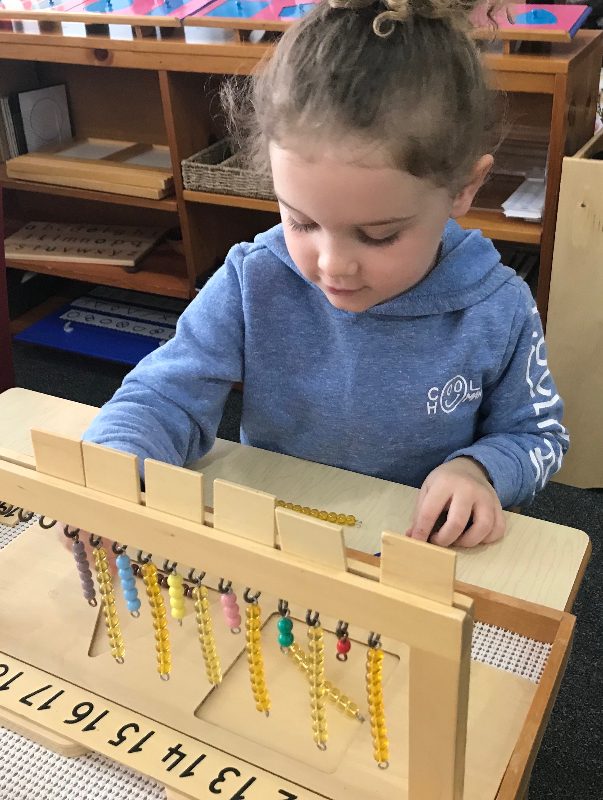
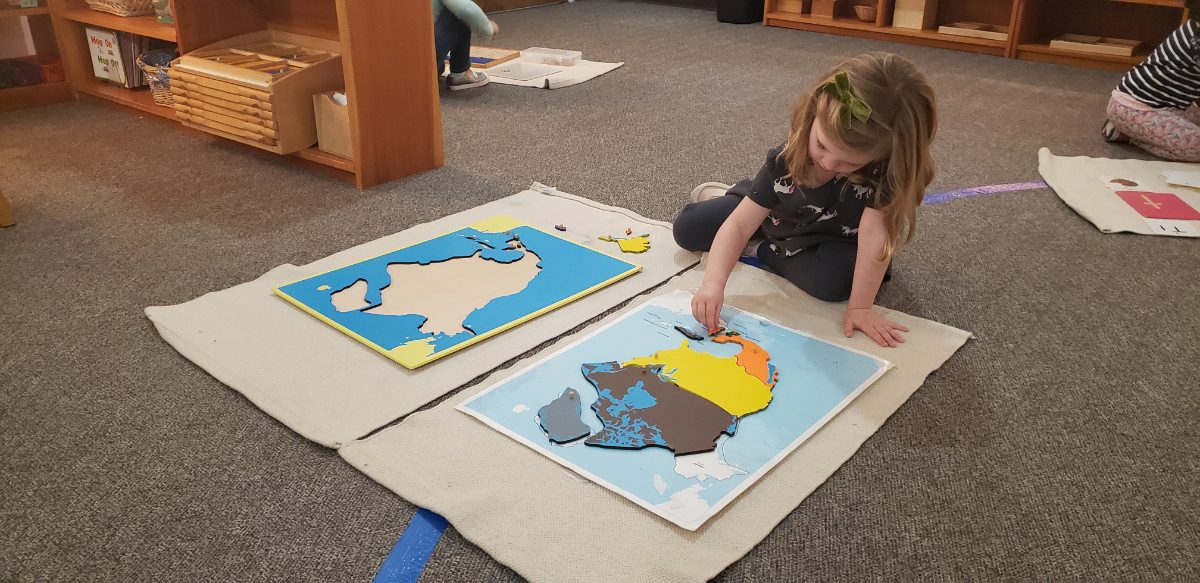
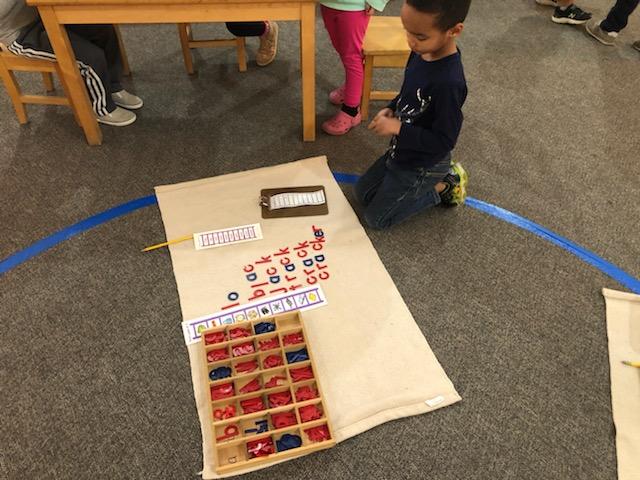
When we introduce new concepts or materials to the children, we often do so using a three-period lesson. This is an important tenet of Montessori education and it helps to move the child from basic understanding of a concept to mastery.

Period One is the introduction stage. In this stage we are isolating new vocabulary to the children. For example, if we are introducing the color tablets, we would say, “this is blue.”  Repeating that statement and allowing the child to manipulate the blue color tablet are crucial during this stage.

Period Two is all about association and recognition. It is often a separate lesson. We do not ask the children to remember the vocabulary or recall the concept.  We are simply reinforcing the concept taught in Period One. We use words such as “show me the blue tablet” or “can you place the blue tablet on your lap?”

Period Three is the recall stage and the first time we ask the child to remember the concept independently. We ask them “what is this” when showing them the blue color tablet. We are careful not to begin Period Three until we know they are ready for success.

Every time a child masters a new concept it paves the way to move towards another one.

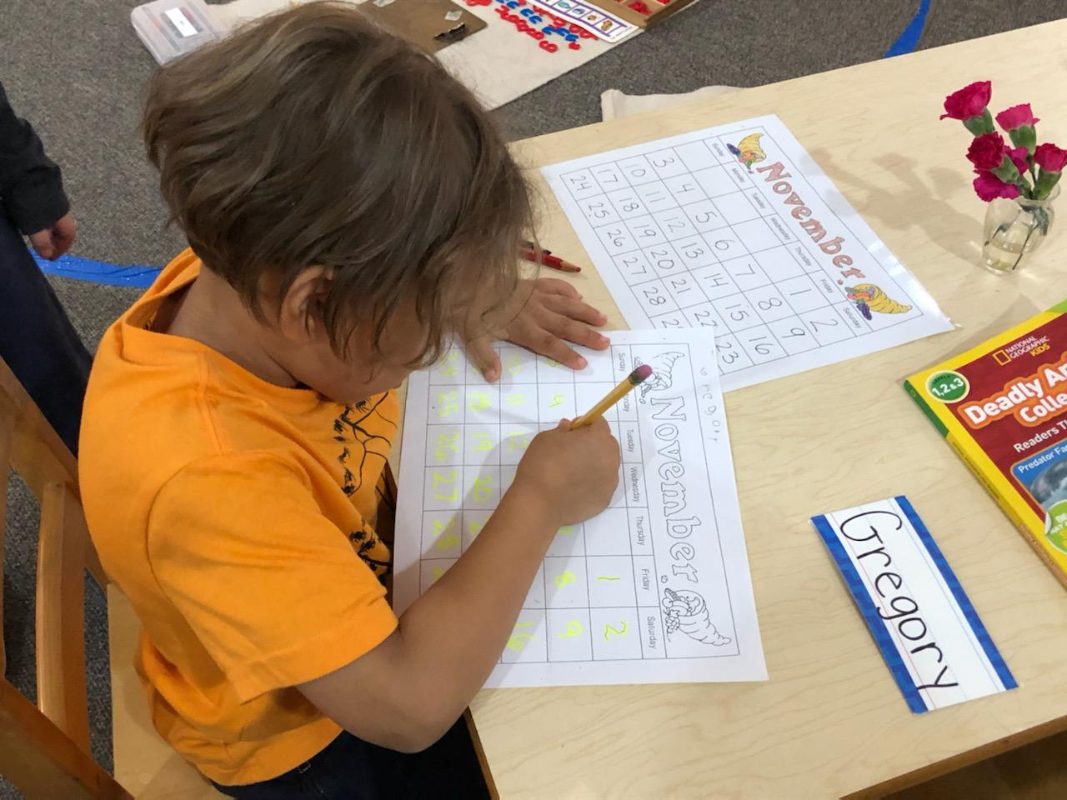
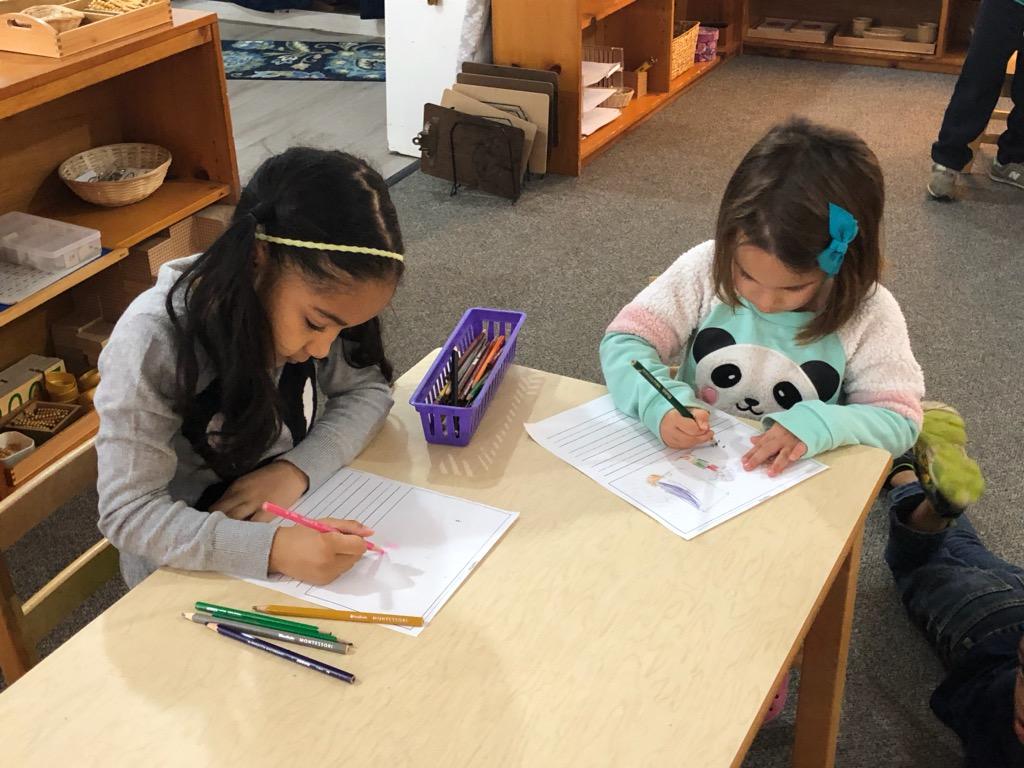
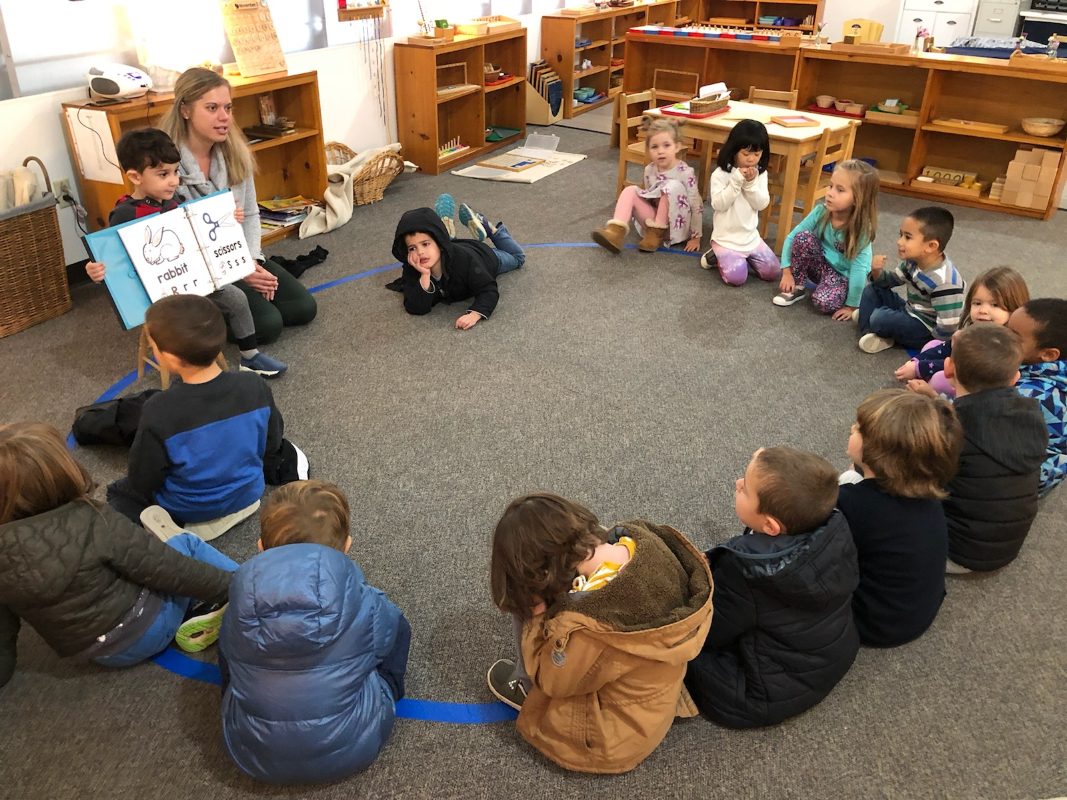
Beginning this week, our Primary teachers will be collaborating on the weekly blogs. Therefore, the written content will be similar each week.  Pictures for each classroom blog will be specific to your child’s classroom. Each Primary class follows a like curriculum and by aligning our classroom blogs, we can consistently communicate highlights in the Primary classrooms. More so, this platform is a wonderful way to share the beauty and wonder of the Montessori philosophy and materials with all of you.

Have a great week!
Mrs. Lopes and Ms. Vigue

Mrs. Doyle’s Class: The Three Period Lesson

When we introduce new concepts or materials to the children, we often do so using a three-period lesson. This is an important tenet of Montessori education and it helps to move the child from basic understanding of a concept to mastery.

Period One is the introduction stage. In this stage we are isolating new vocabulary to the children. For example, if we are introducing the color tablets, we would say, “this is blue.”  Repeating that statement and allowing the child to manipulate the blue color tablet are crucial during this stage.

Period Two is all about association and recognition. It is often a separate lesson. We do not ask the children to remember the vocabulary or recall the concept.  We are simply reinforcing the concept taught in Period One. We use words such as “show me the blue tablet” or “can you place the blue tablet on your lap?”

Period Three is the recall stage and the first time we ask the child to remember the concept independently. We ask them “what is this” when showing them the blue color tablet. We are careful not to begin Period Three until we know they are ready for success.

Every time a child masters a new concept it paves the way to move towards another one.

Beginning this week, our Primary teachers will be collaborating on the weekly blogs. Therefore, the written content will be similar each week.  Pictures for each classroom blog will be specific to your child’s classroom. Each Primary class follows a like curriculum and by aligning our classroom blogs, we can consistently communicate highlights in the Primary classrooms. More so, this platform is a wonderful way to share the beauty and wonder of the Montessori philosophy and materials with all of you.

Wishing everyone a wonderful week!

Michelle & Jeannine


Mrs. Carroll’s Class: The Three Period Lesson

When we introduce new concepts or materials to the children, we often do so using a three-period lesson. This is an important tenet of Montessori education and it helps to move the child from basic understanding of a concept to mastery.

Period One is the introduction stage. In this stage we are isolating new vocabulary to the children. For example, if we are introducing the color tablets, we would say, “this is blue.”  Repeating that statement and allowing the child to manipulate the blue color tablet are crucial during this stage.

Period Two is all about association and recognition. It is often a separate lesson. We do not ask the children to remember the vocabulary or recall the concept.  We are simply reinforcing the concept taught in Period One. We use words such as “show me the blue tablet” or “can you place the blue tablet on your lap?”

Period Three is the recall stage and the first time we ask the child to remember the concept independently. We ask them “what is this” when showing them the blue color tablet. We are careful not to begin Period Three until we know they are ready for success.

Every time a child masters a new concept it paves the way to move towards another one.

Beginning this week, our Primary teachers will be collaborating on the weekly blogs. Therefore, the written content will be similar each week.  Pictures for each classroom blog will be specific to your child’s classroom. Each Primary class follows a like curriculum and by aligning our classroom blogs, we can consistently communicate highlights in the Primary classrooms. More so, this platform is a wonderful way to share the beauty and wonder of the Montessori philosophy and materials with all of you.

Enjoy your week!

Cindy & Sharlene

Mrs. Carroll’s Class: Pathways to Peace


” We shall walk together on this path of life, for all things are part of the universe and are connected with each other to form one whole unity.”-Maria Montessori

Peace truly begins in our homes and in our classrooms. The basics of peace include providing day-to-day environments which operate under an umbrella of respect, where our children can freely share concerns, feel safe, be productive, and enjoy one another.

As is tradition, Fraser Woods celebrated an International Day of Peace with Montessori children from around the world on September 20th. We participated in singing “Light a Candle for Peace,” joining in the efforts of the organization Pathways to Peace to create a “Peace Wave” along with millions of others to honor and inspire the work we all are called upon to do in order to be peacemakers. The song was sung non-stop for twenty four hours by children from around the world.

May we all work together to create a world where everyone everywhere is able to enjoy and exercise their ‘right to peace’.  And may we all help our children learn how to carry on this important mission.

Wishing you all strength and peace.

Cindy and Sharlene


Mrs. Lopes Class: Welcome Fall

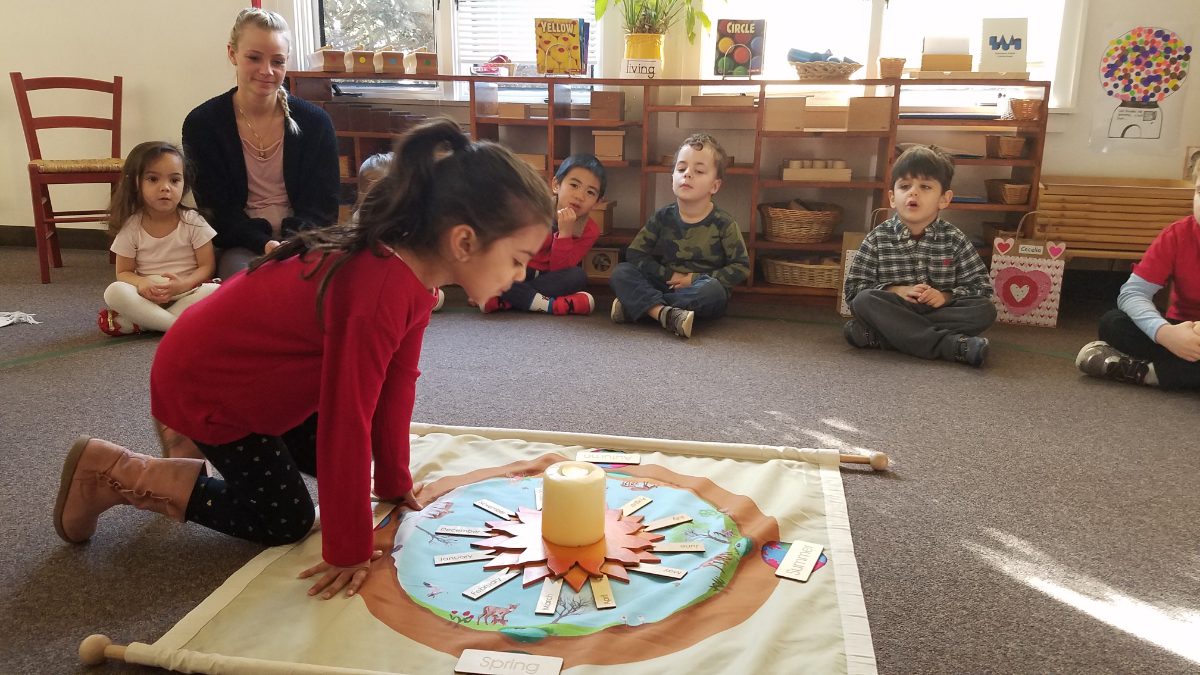
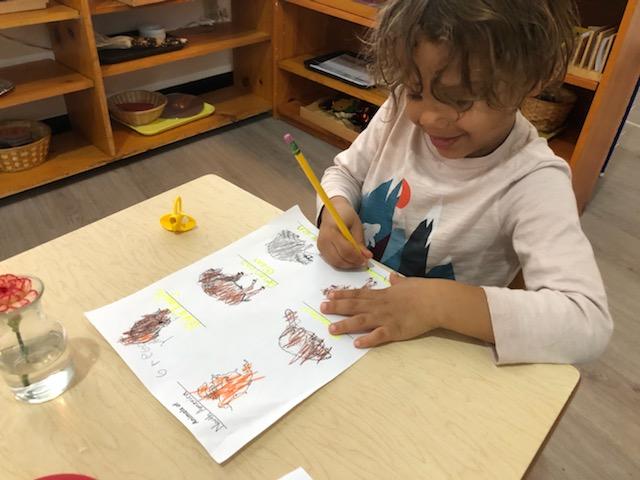
The weather is getting cooler and the leaves are starting to change as we welcomed the first day of fall. We have enjoyed spending some extra time outdoors this week with the gorgeous weather. In the classroom, we discussed what we like to do in the fall and one of our favorites was apple picking! We had so much fun learning more about apples this week. We studied the life cycle of an apple, talked about the parts of an apple, and even did an apple tasting. It was interesting to watch the children react to each kind of apple and describe how they looked and tasted different. We heard words such as “crunchy,” “juicy,” and “sour.”  At the end of the tasting, each child got to vote for their favorite…Granny Smith won!

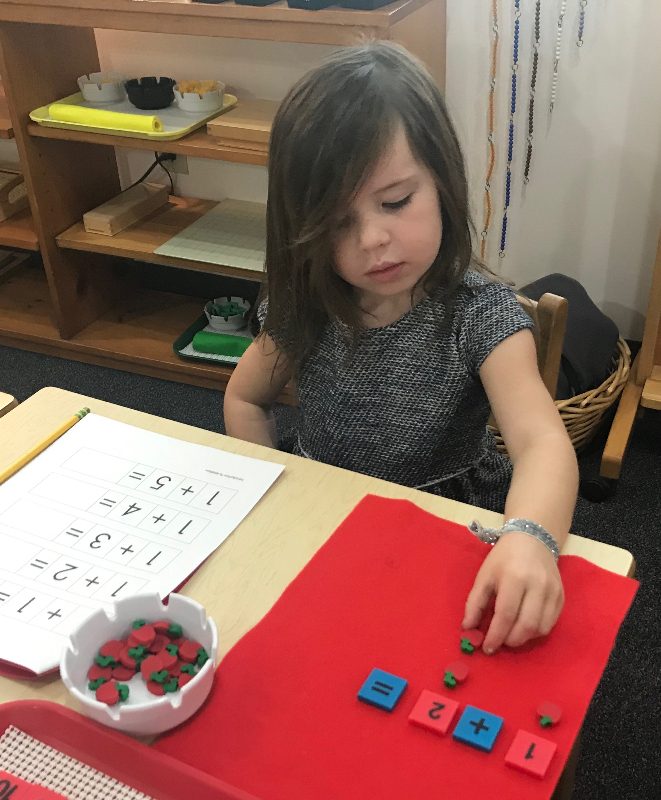
We observed the children engaging with the apple-themed works on the shelf in all areas of the classroom this week. We also did some marble painting to make our own apples and our art teacher, Mrs. Reid, shared a yarn apple project that is beautifully displayed on a branch outside our classroom. If you have a chance, make sure to stop by and check it out!

Warmly,

Mrs. Lopes and Ms. Vigue


Mrs. Doyle’s Class: Sing Peace Around the World

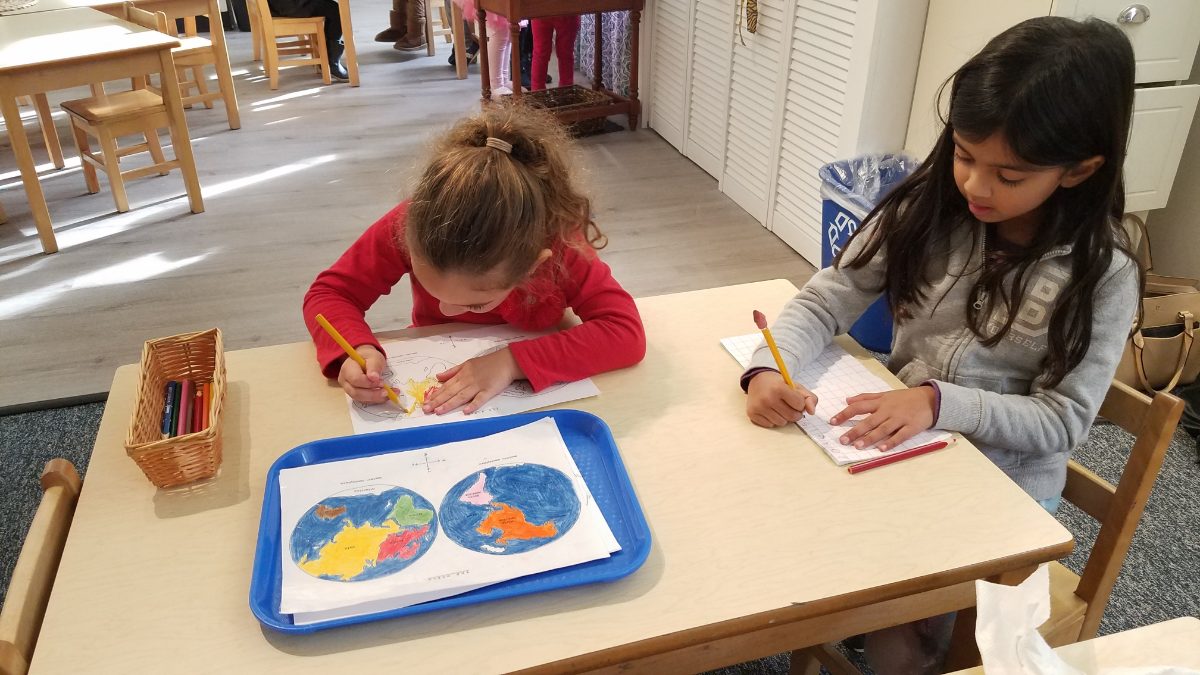
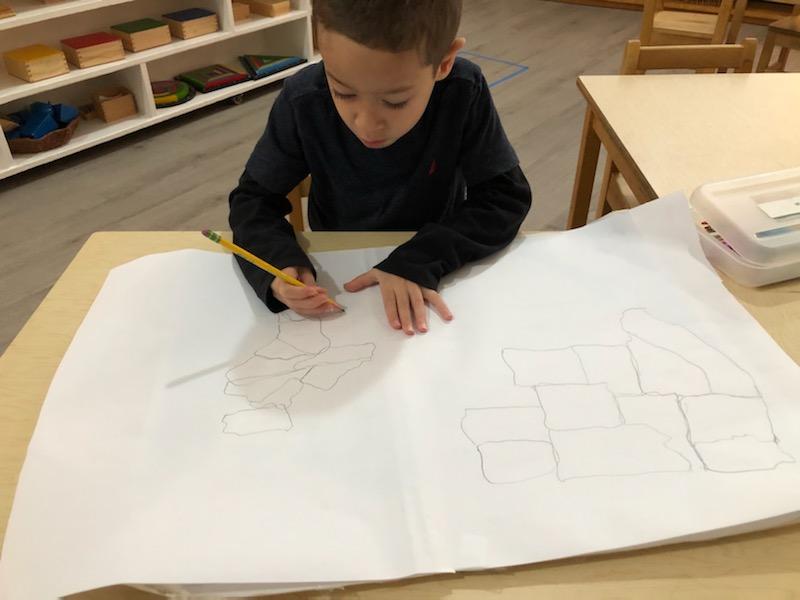
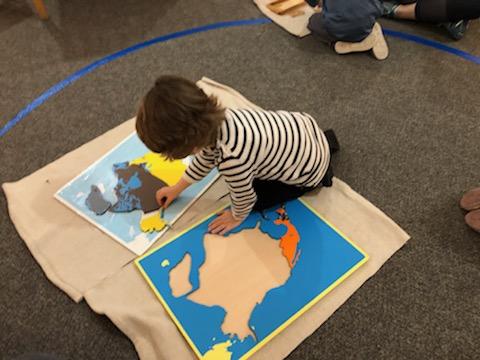
Peace education is a basic tenet of the Montessori philosophy.  In the 3-6 environment, studying the seven continents, including its people and cultures, provides a global view of our world. As Montessori teachers, practicing and teaching peace, kindness, and acceptance is a natural part of our day. Dr. Maria Montessori believed we should think of education as peace, not education for peace.  She also believed that young children were our hope for eliminating conflict and instilling peace throughout the world. Dr. Montessori, as always, knew that lecturing children would accomplish very little and that to truly understand peace they would need to discover it for themselves.

To celebrate the International Day of Peace, on September 20th, our school participated in “Sing Peace Around The World.”  Beginning in New Zealand and ending in Hawaii, Montessori schools around the world sang “Light A Candle For Peace” for five minutes and during a specific time slot. So for 24 hours, this special song was being sung in a different part of the world by Montessori children.

We hope you enjoy this short video and pictures of our school taking part in this simple yet beautiful ceremony.

   Peace is what every human being is craving for, and it can be brought about by humanity through the child.

                                                                                                                ——-Maria Montessori

Mrs. Lopes Class: Learning About Our World

In our second week, the children enjoyed a fun introduction to our science area.  We began with the concept of living vs non-living.  We discussed what makes something living; they move, they breath, need water, and need food. We then sorted several small objects to determine if they were living or non living. It was interesting to watch them sort and hear their reasoning on why an object was living or non-living. We also talked about the difference between land, water, and air.  The children studied jars containing land, water, and air.  They then explored lessons where they could sort animals and forms of transportation to the land, water, and air.

In preparation for our apple unit next week, the children have been learning the “5 Little Apples” song.  Ask them to sing it for you!  Here are the lyrics if you would like to sing it at home:

Way up high in the apple tree,

5 little apples smiled down at me,

I shook that tree as hard as I could,

Down came an apple,

Mmmmm was it good!

(We then repeat the song with 4, 3, 2, 1 apples until there are no apples left on the tree)

Best,

Mrs. Lopes & Ms. Vigue