Mrs. Hood’s Class: Pumpkin Guts!

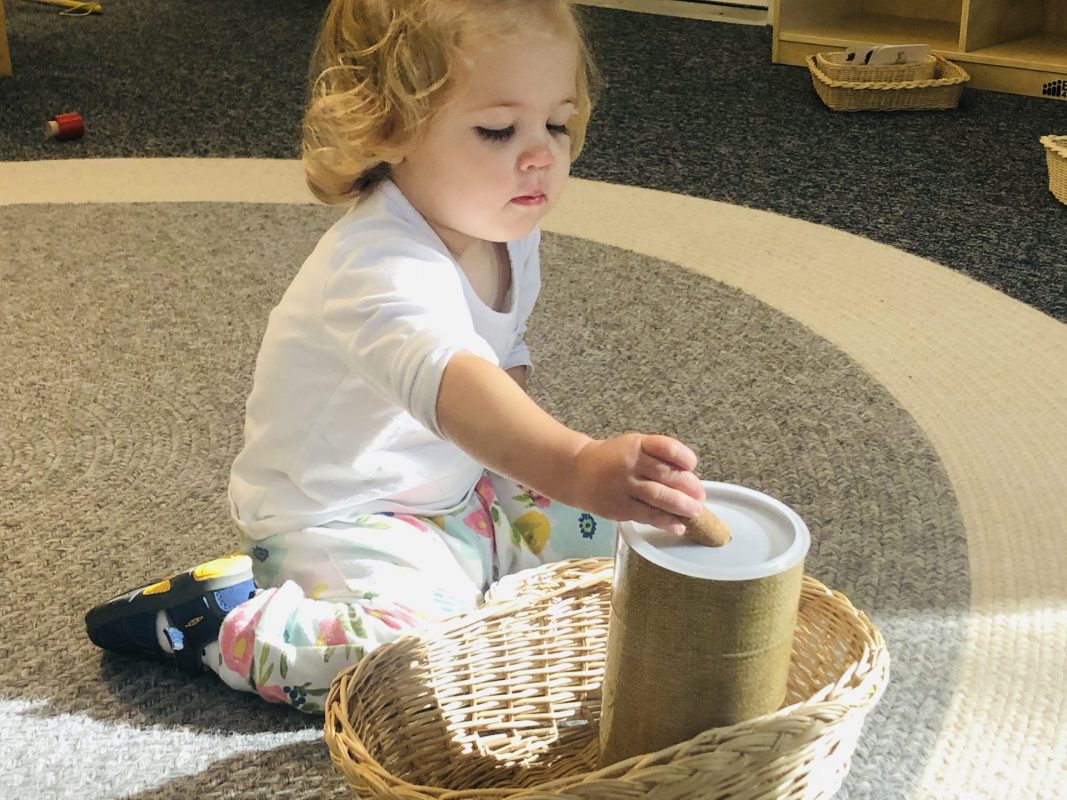
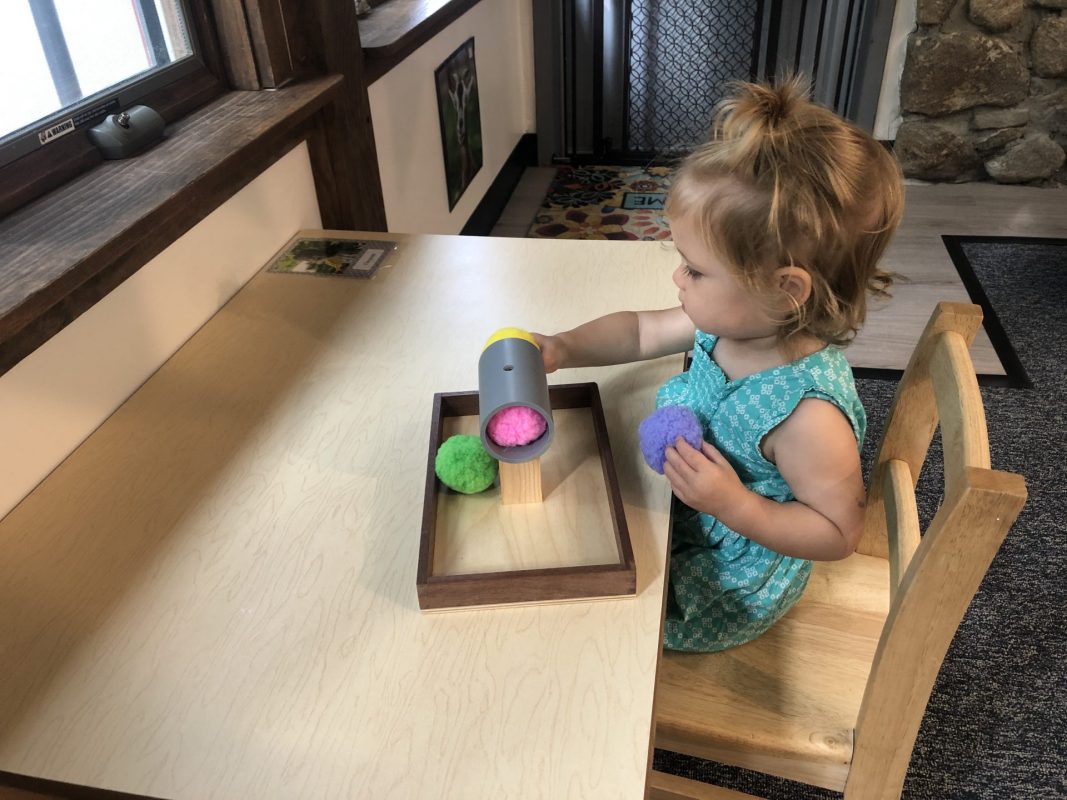
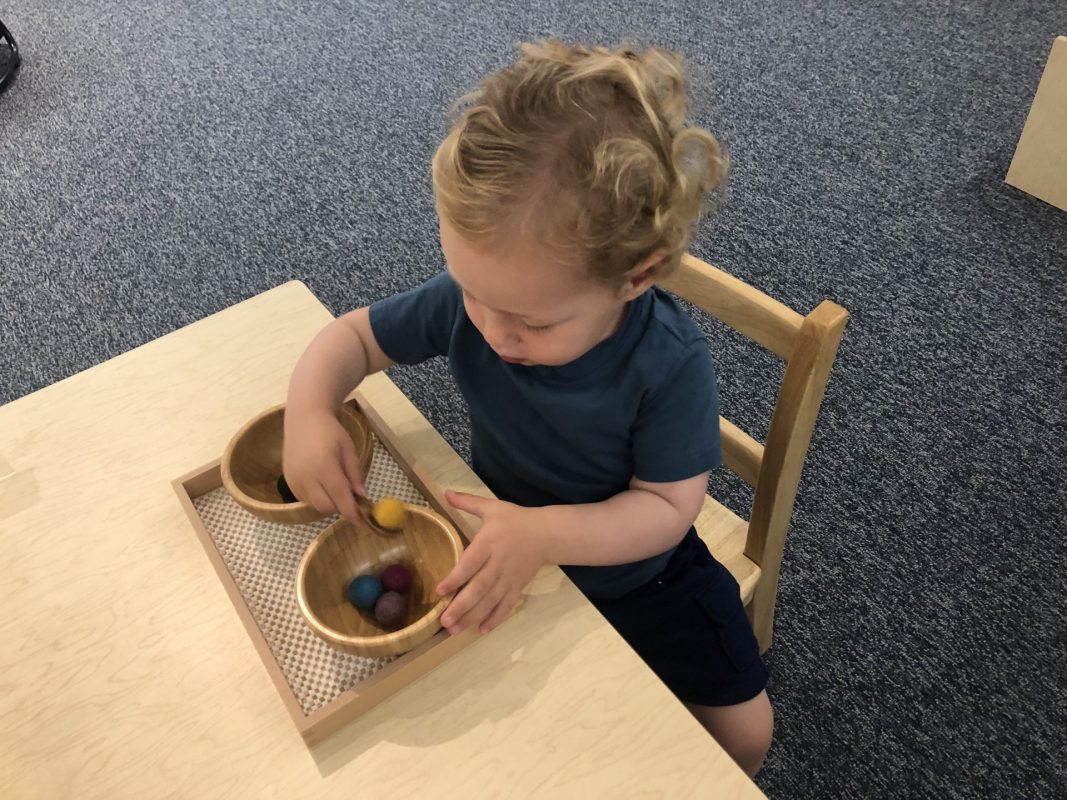
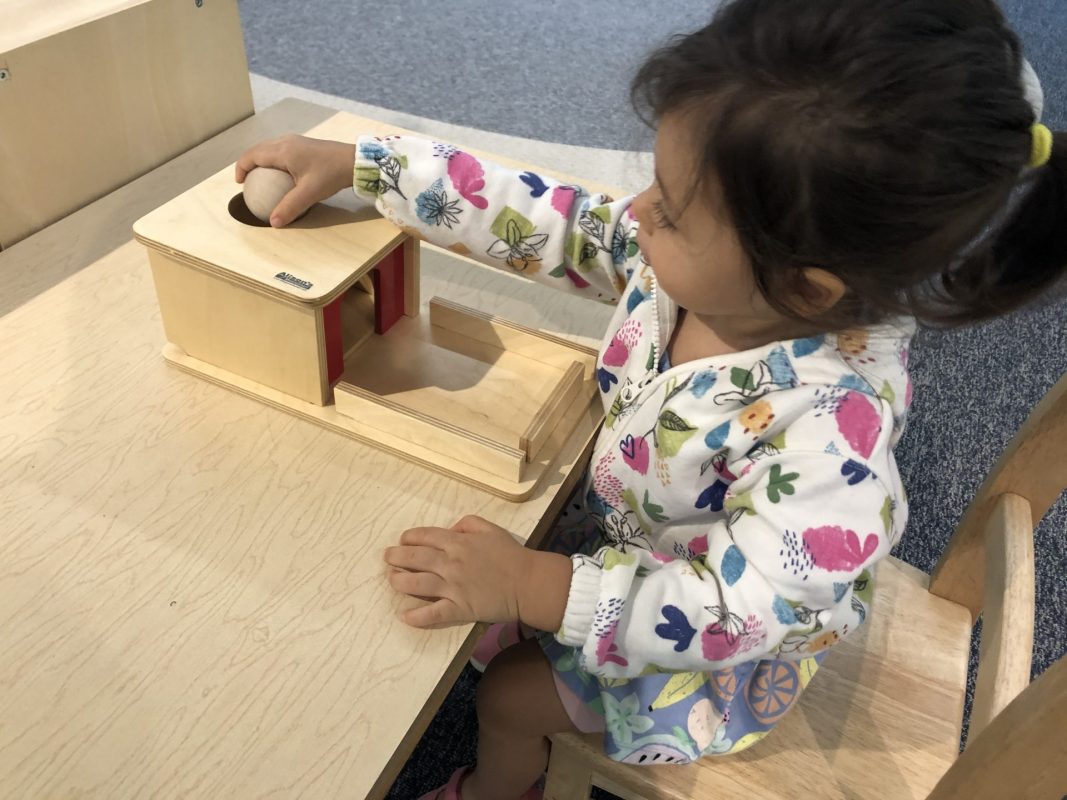
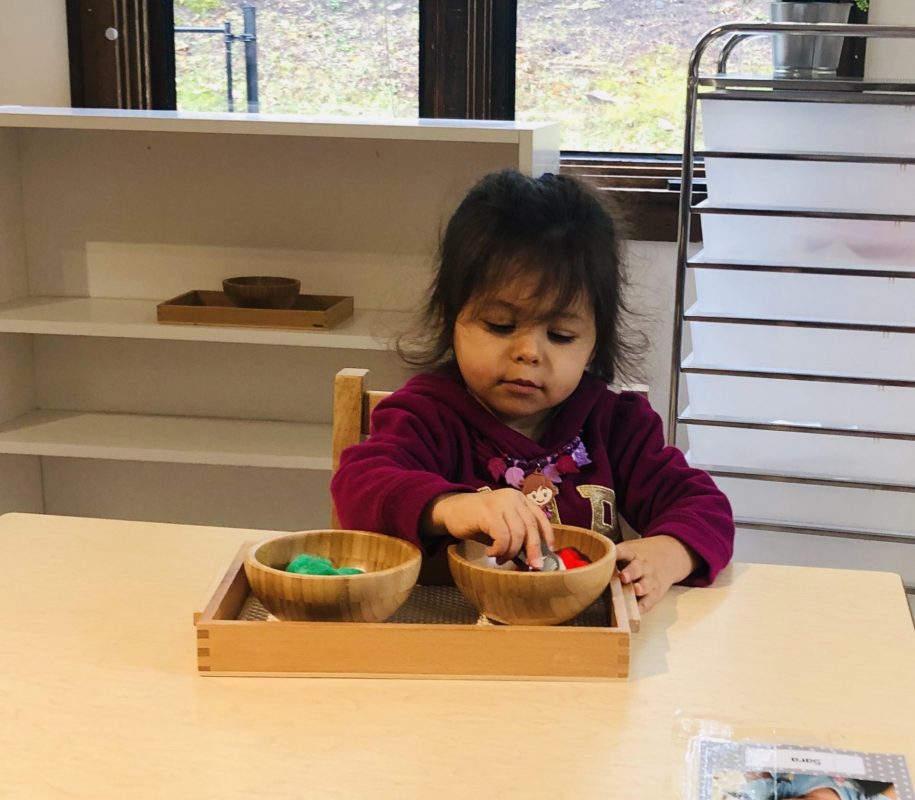
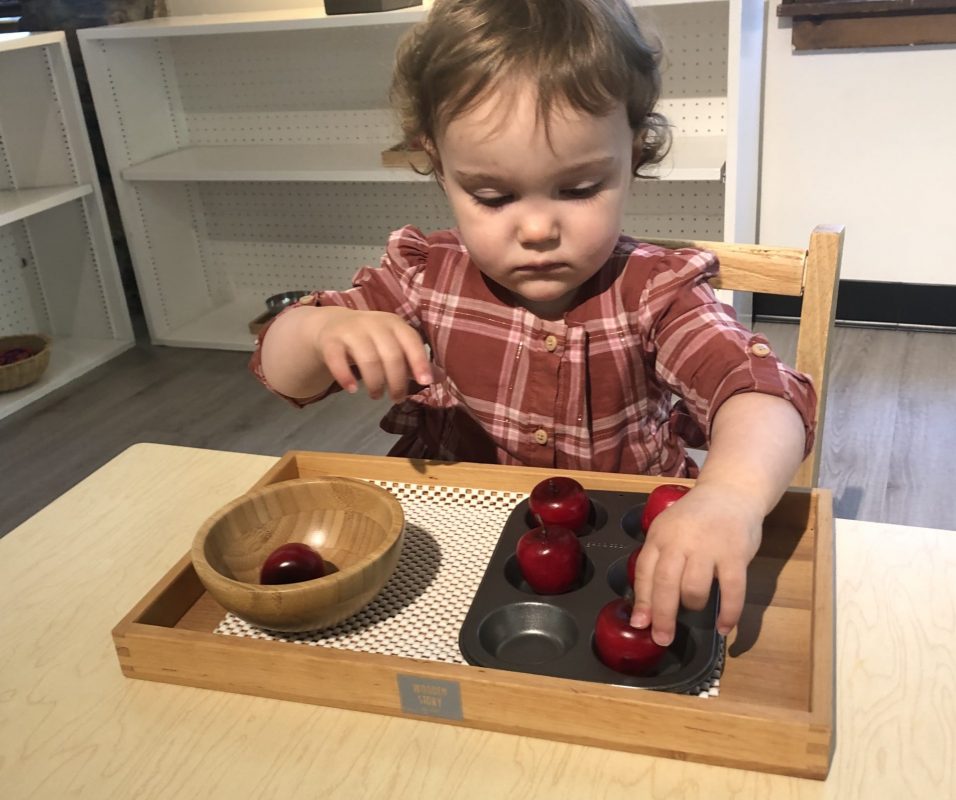
Maria Montessori believed that nothing comes into the mind except through the senses. During the early years, as children develop their senses, their attention is directed toward the environment. The purpose of the Sensorial activities is to help the child in their efforts to sort out the many varied impressions given by the senses. These activities are specifically planned to help the child develop discrimination, order, and to broaden and refine the senses. These experiences also help prepare them to be a logical, aware, and perceptive person.

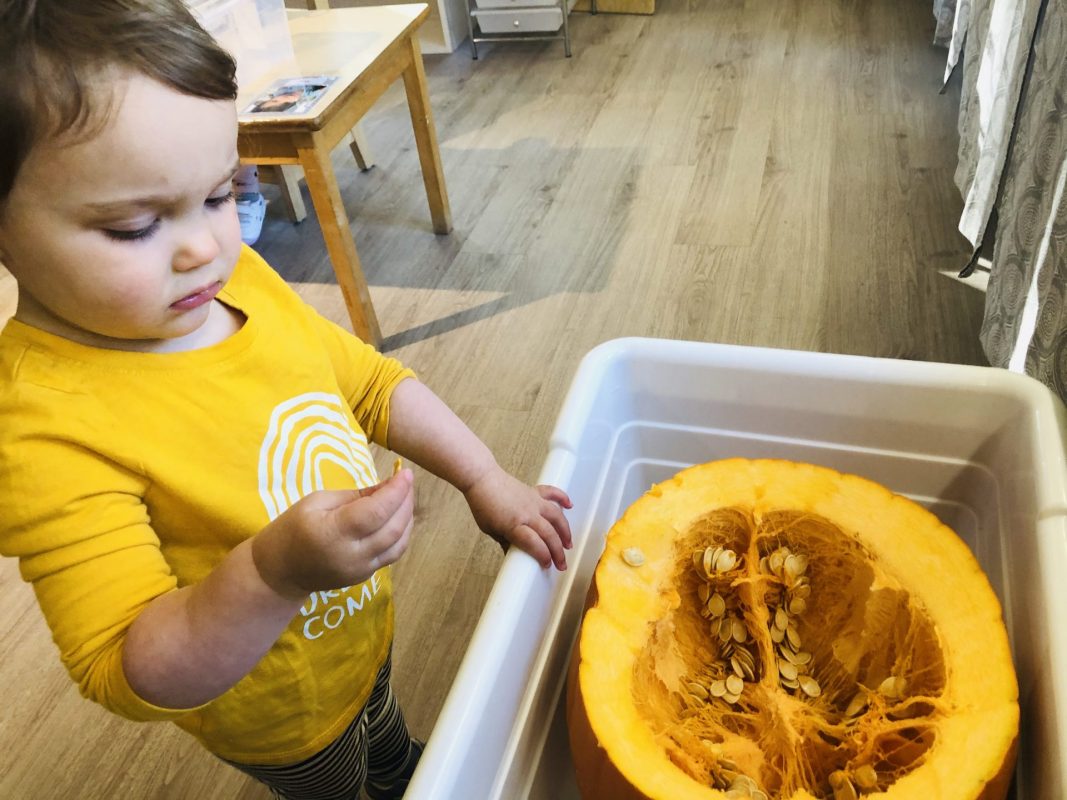
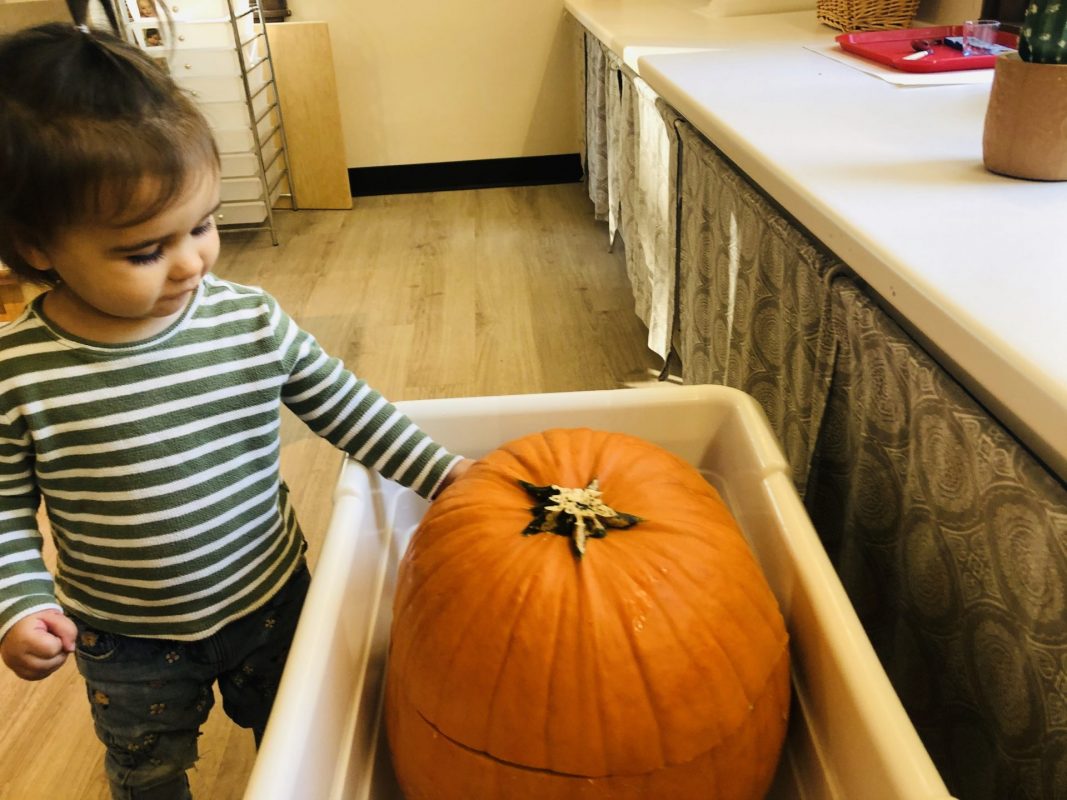
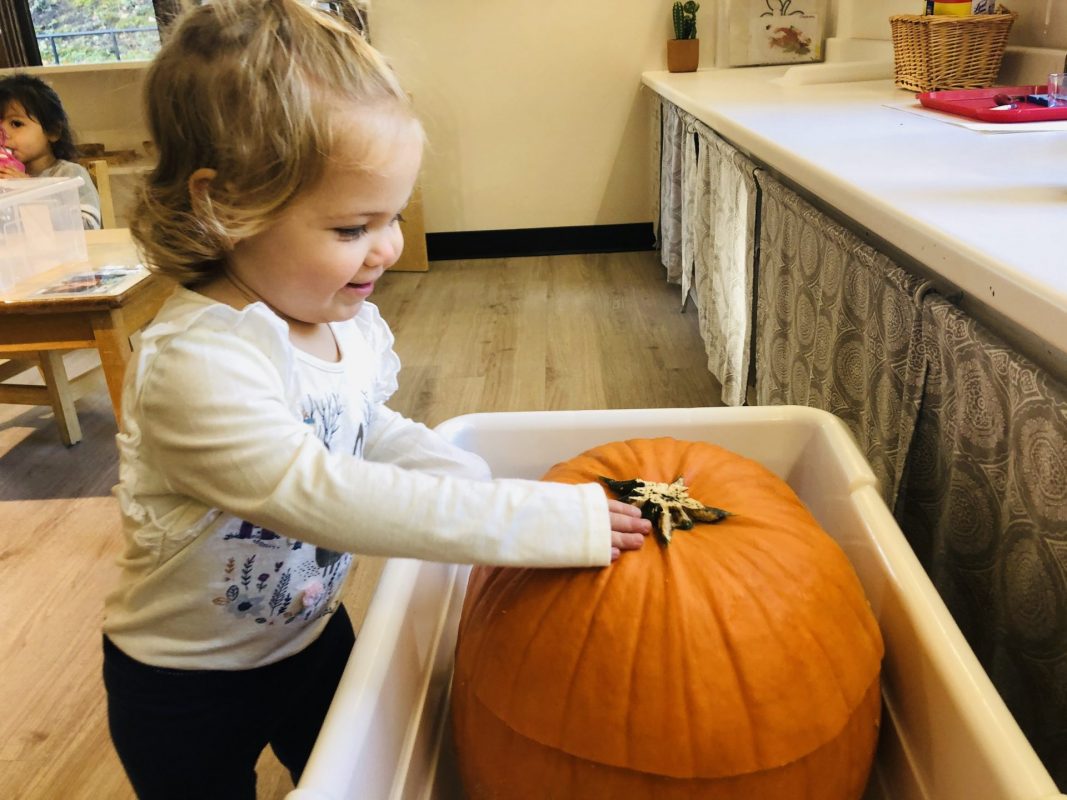
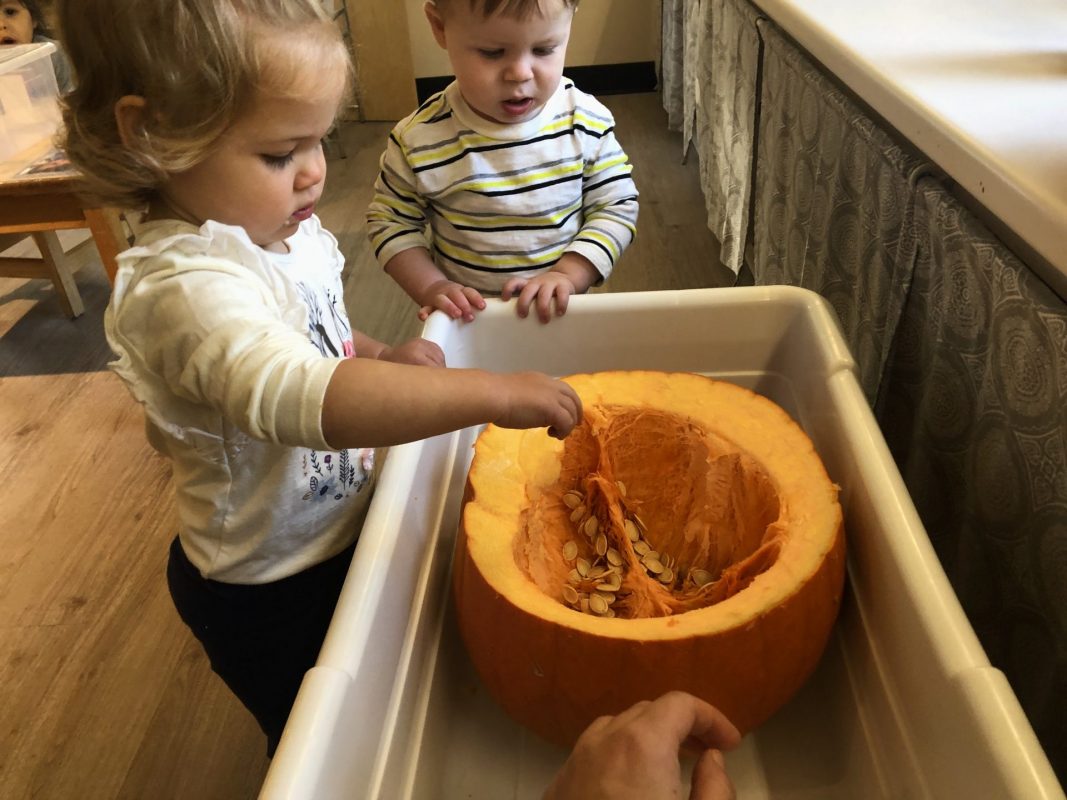
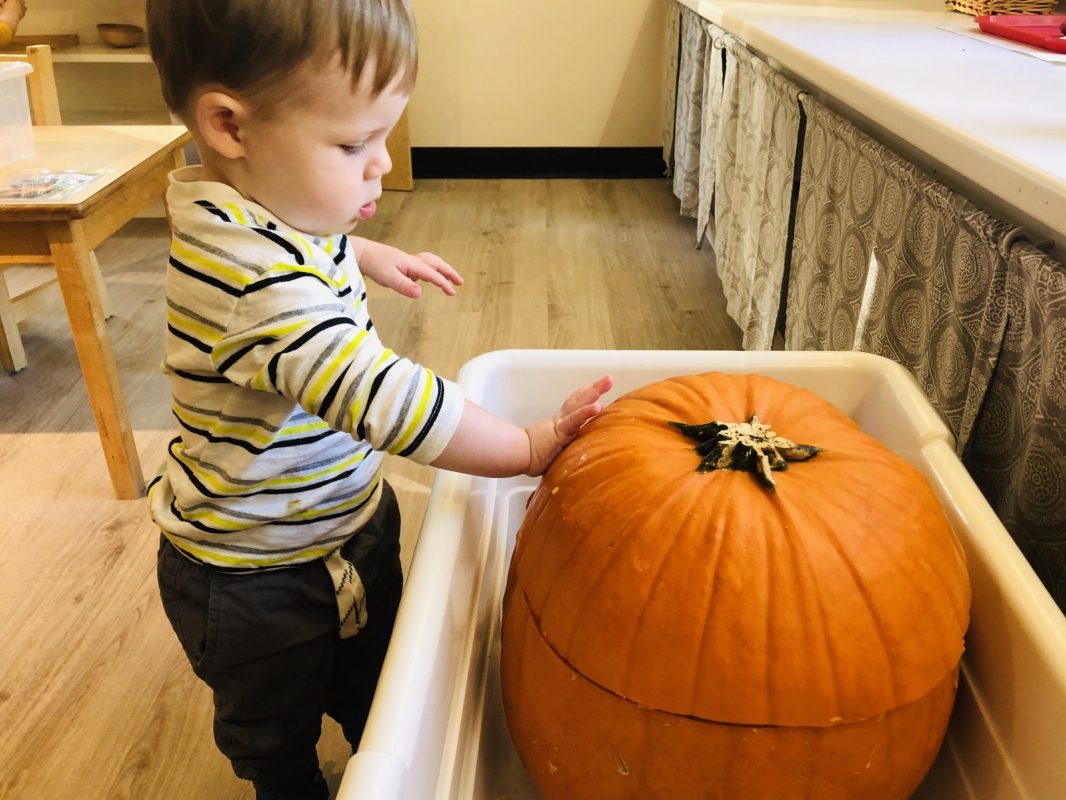
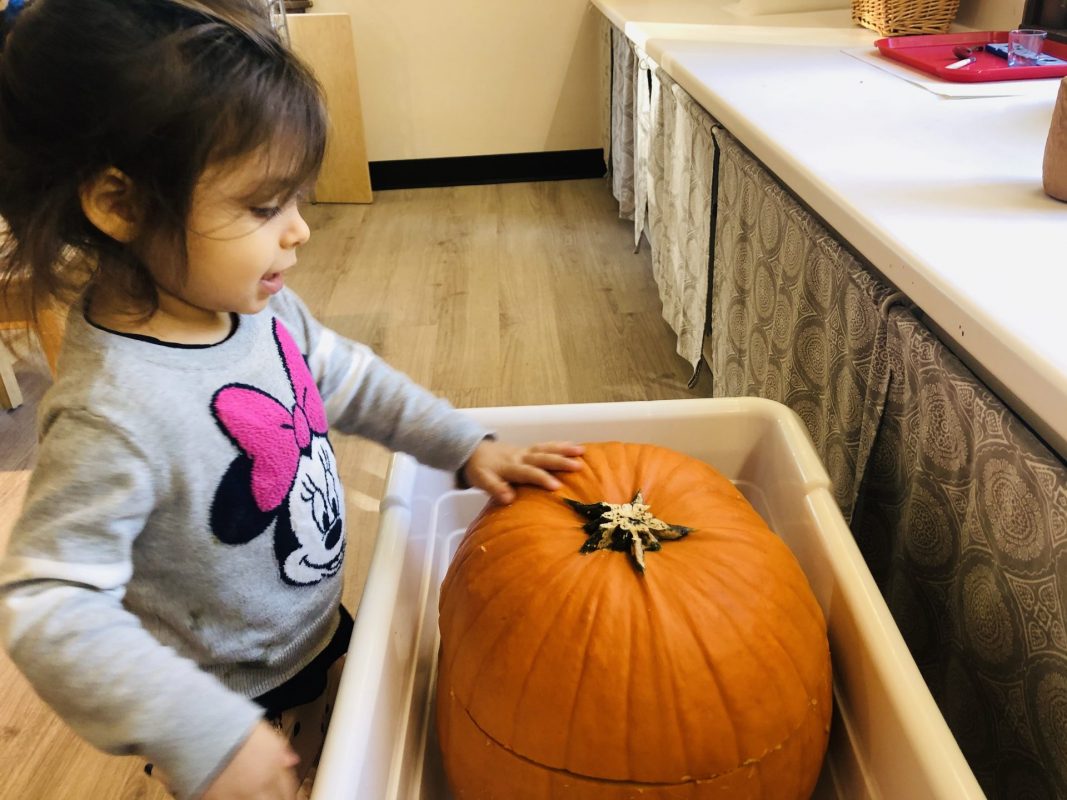
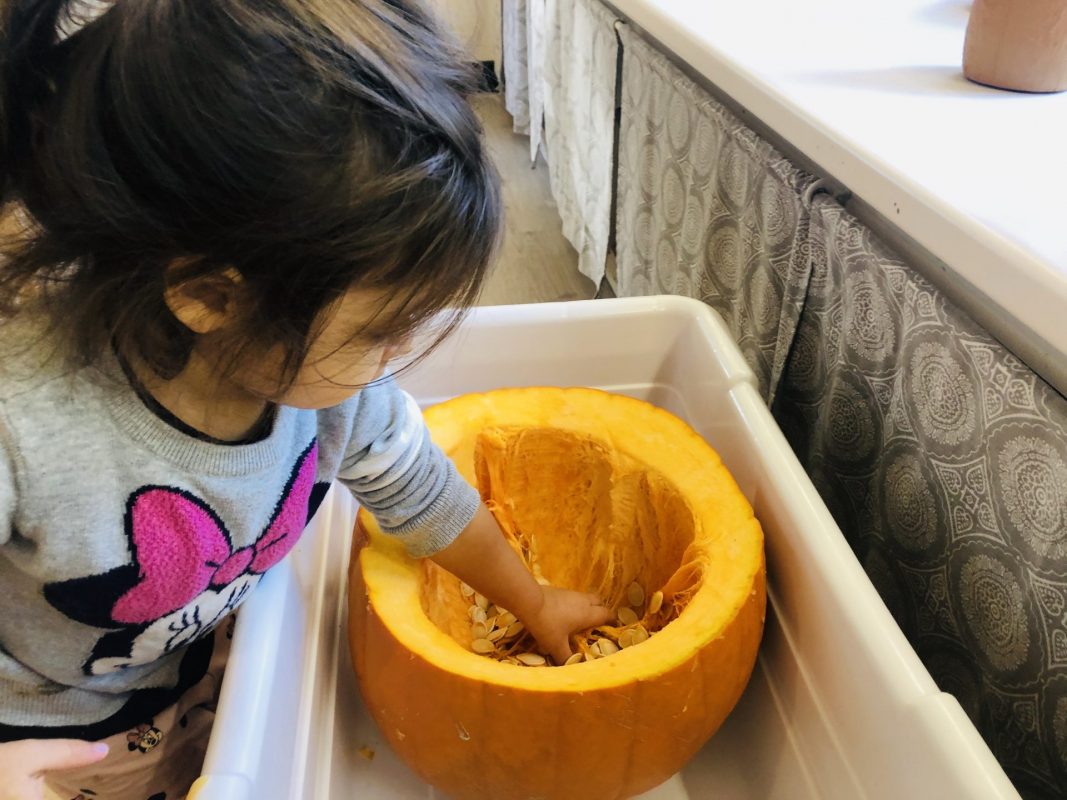
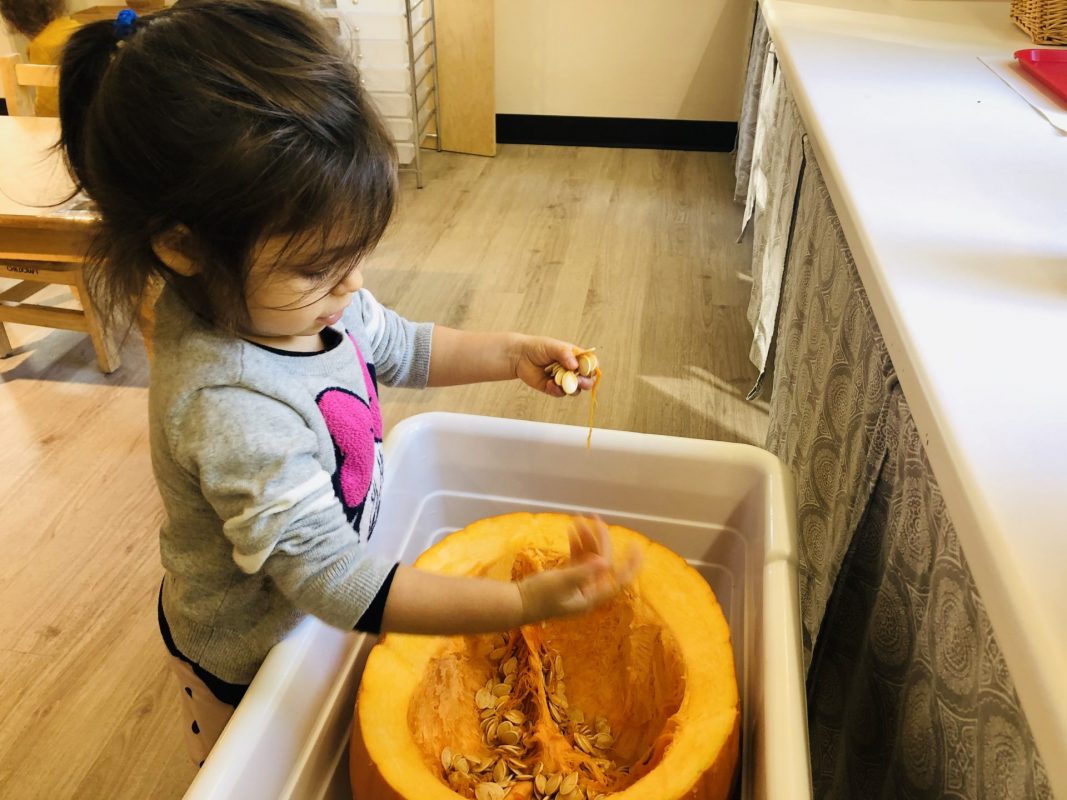
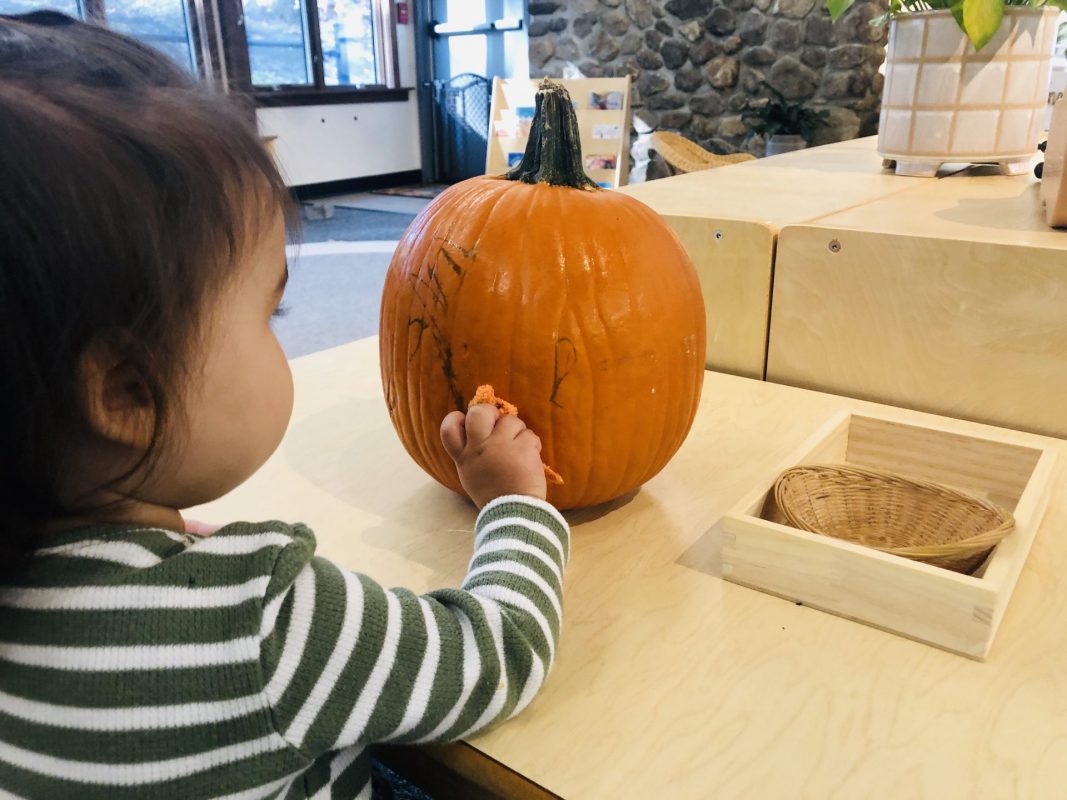
As we started our pumpkin unit this week, children had the opportunity to explore the outside and inside of a pumpkin! Skin, pulp, strands, and seeds were new vocabulary words used to describe the parts of a pumpkin. We also talked about the texture, color, and temperature of the pumpkin. Cold, bumpy, and soft were adjectives we repeated over and over as well as naming the color orange.  They were so curious and amazed to find out what it was inside! Some of them expressed wonder, some of them didn’t know how to react, and some just demonstrated plain disgust. Some were so excited to explore by placing their hand all the way inside. Others touched the skin and seeds carefully and were quite skeptical. It was so interesting to observe the different responses from the children to this exercise!

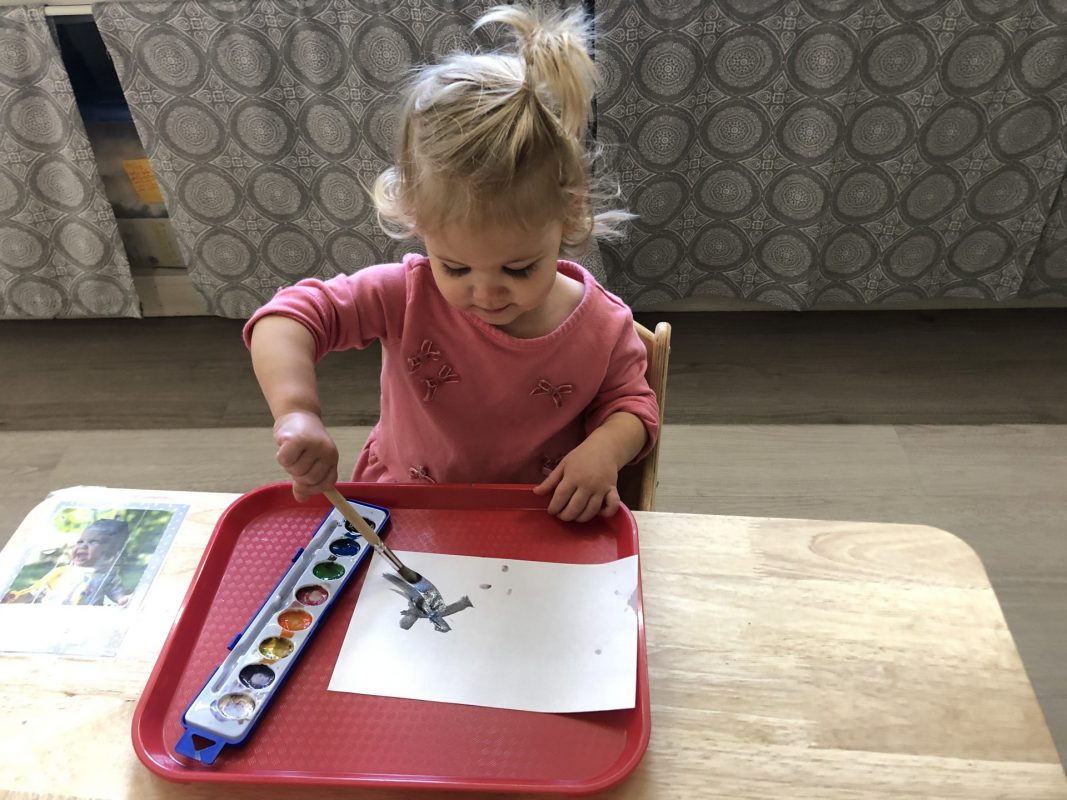
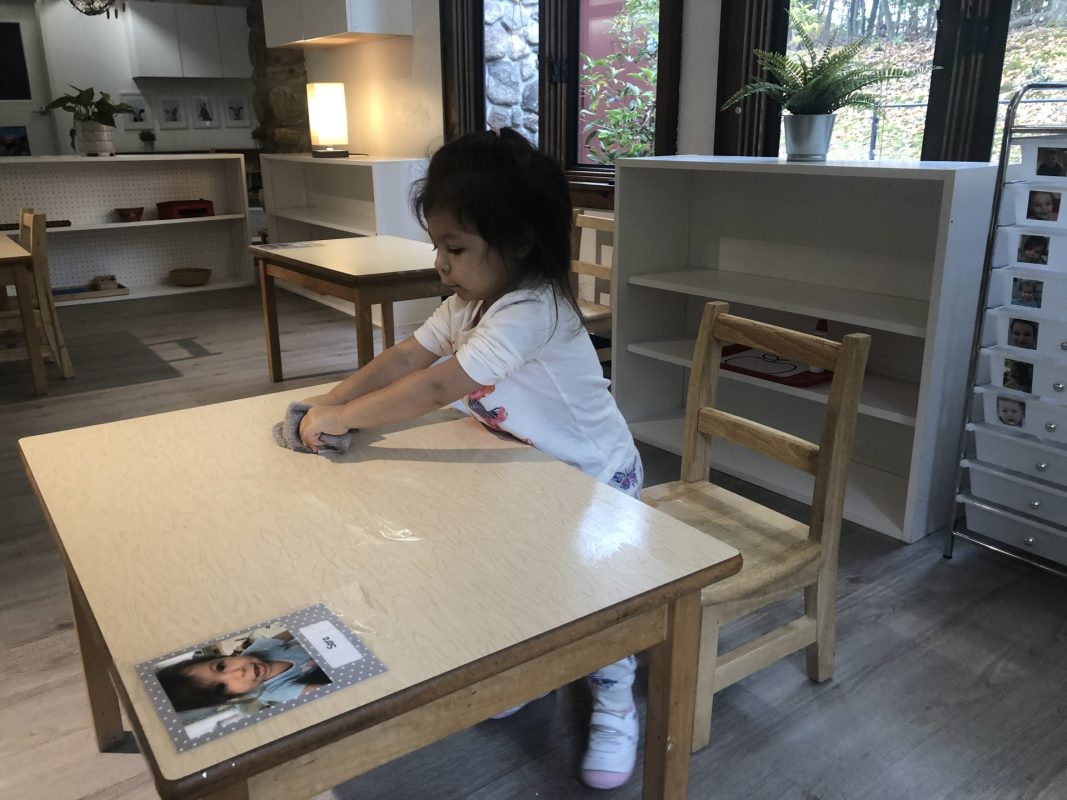
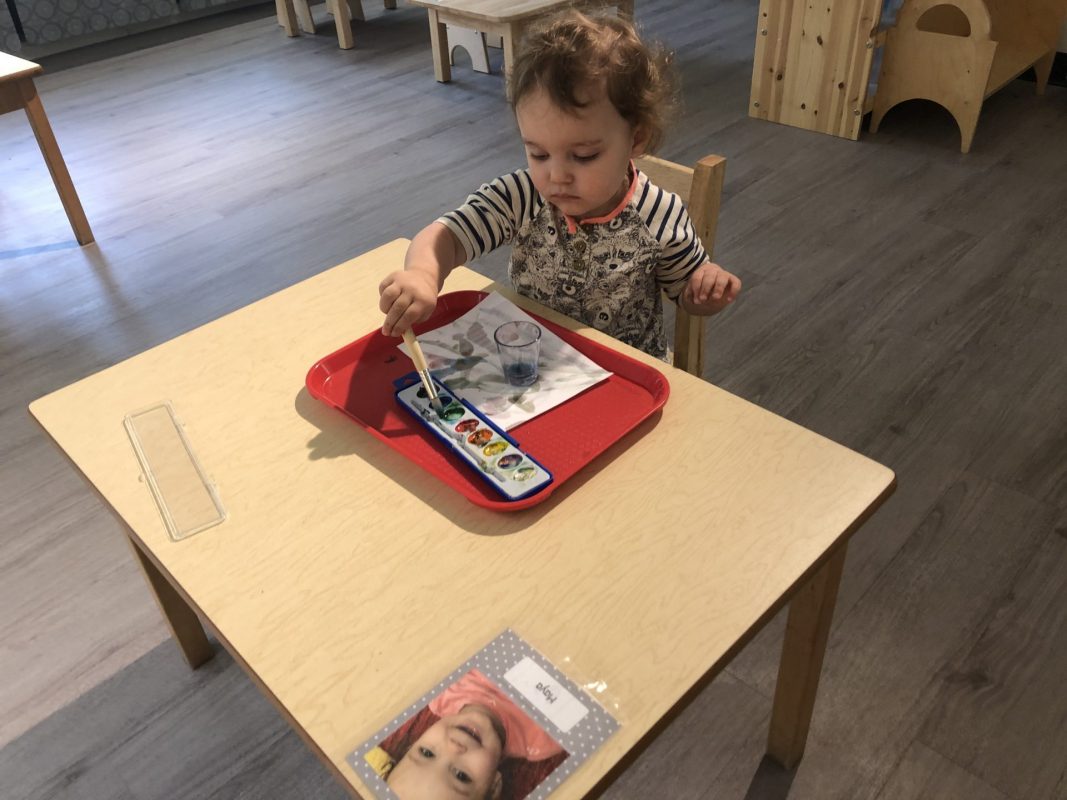
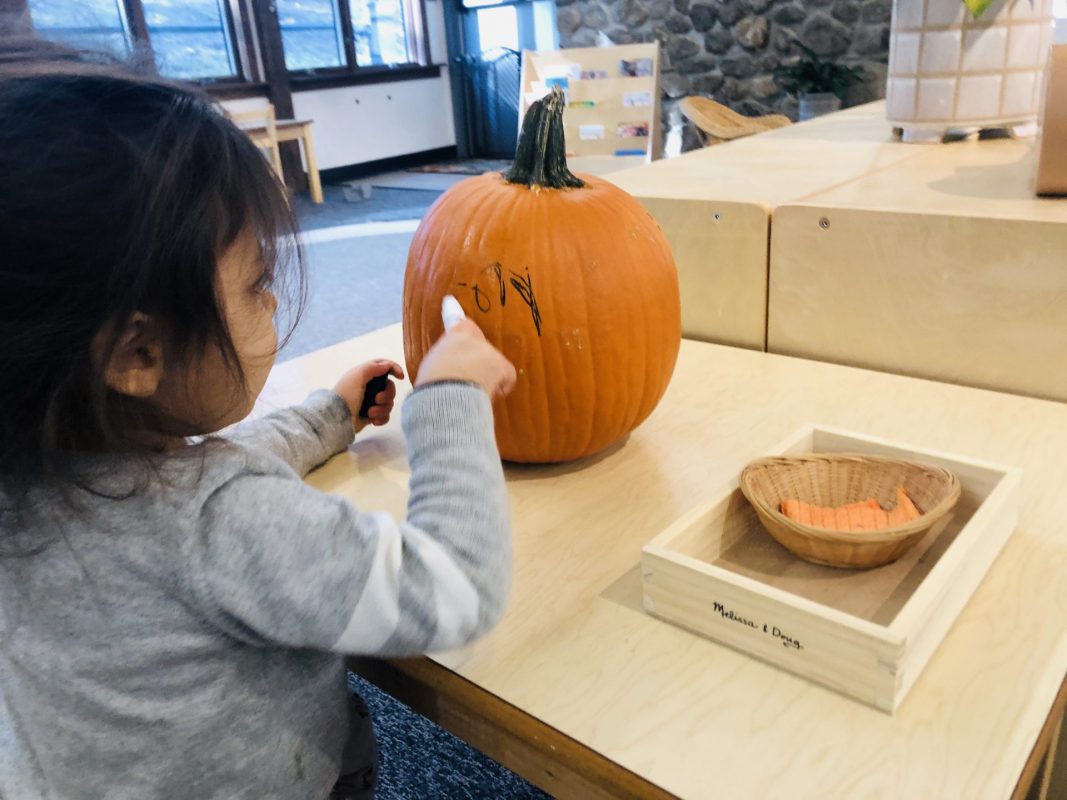
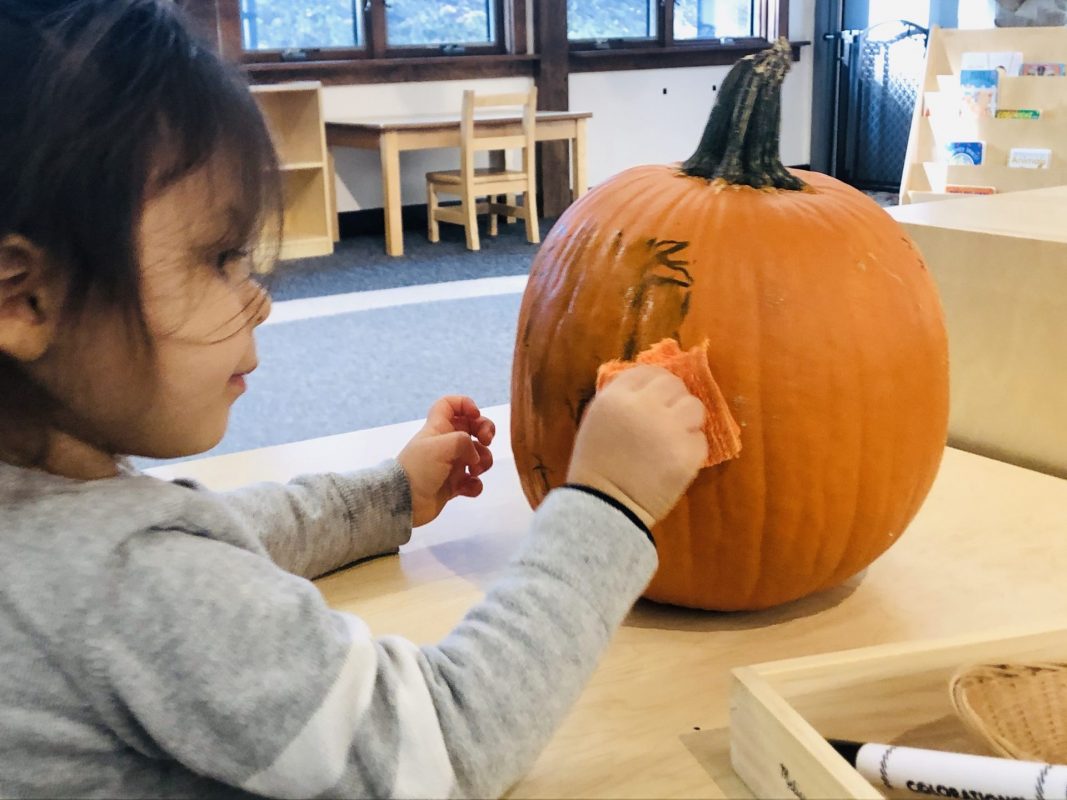
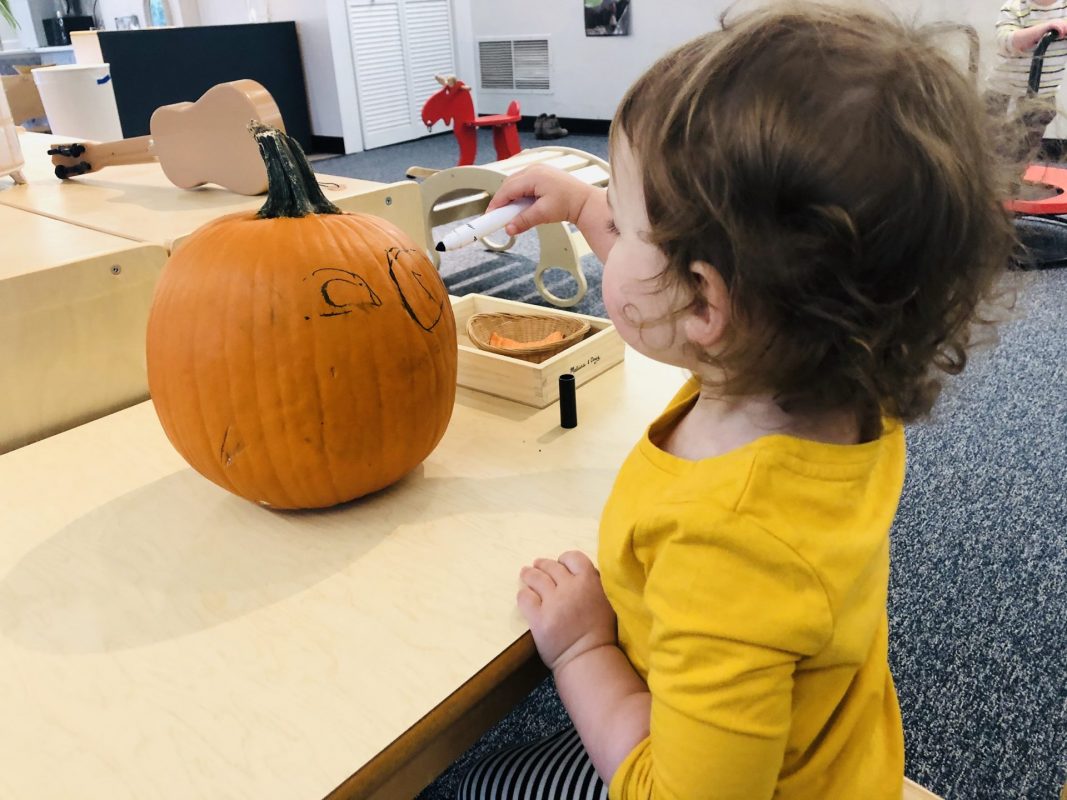
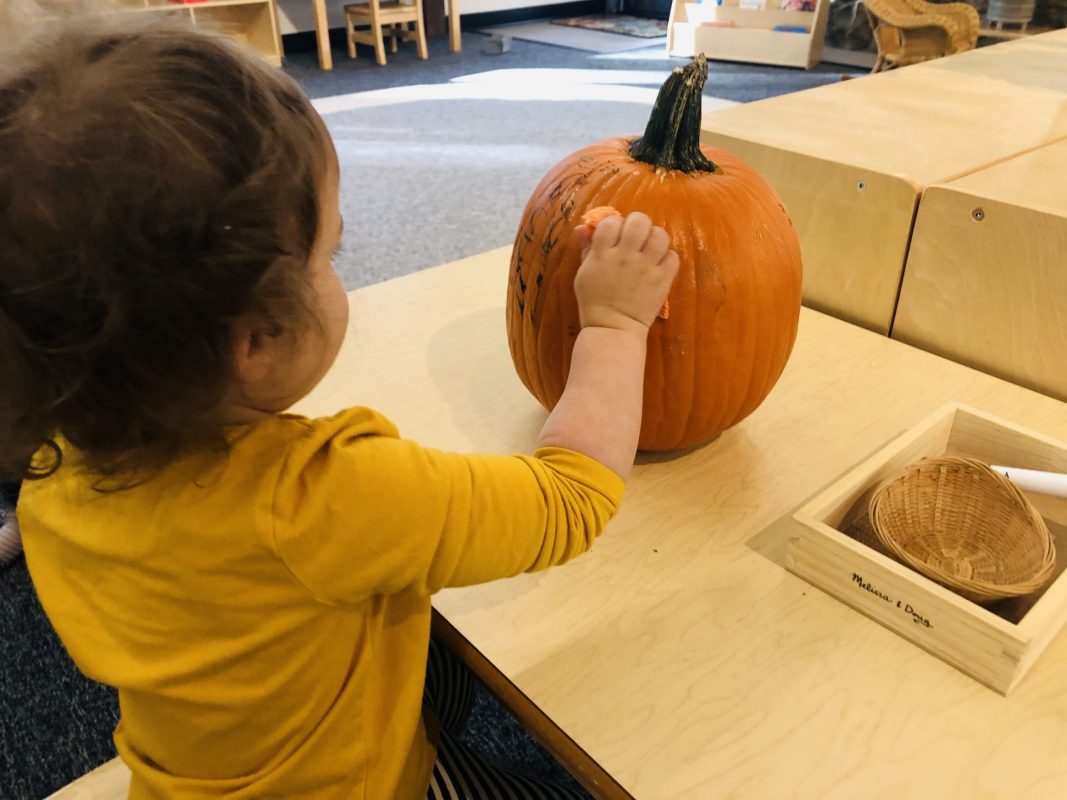
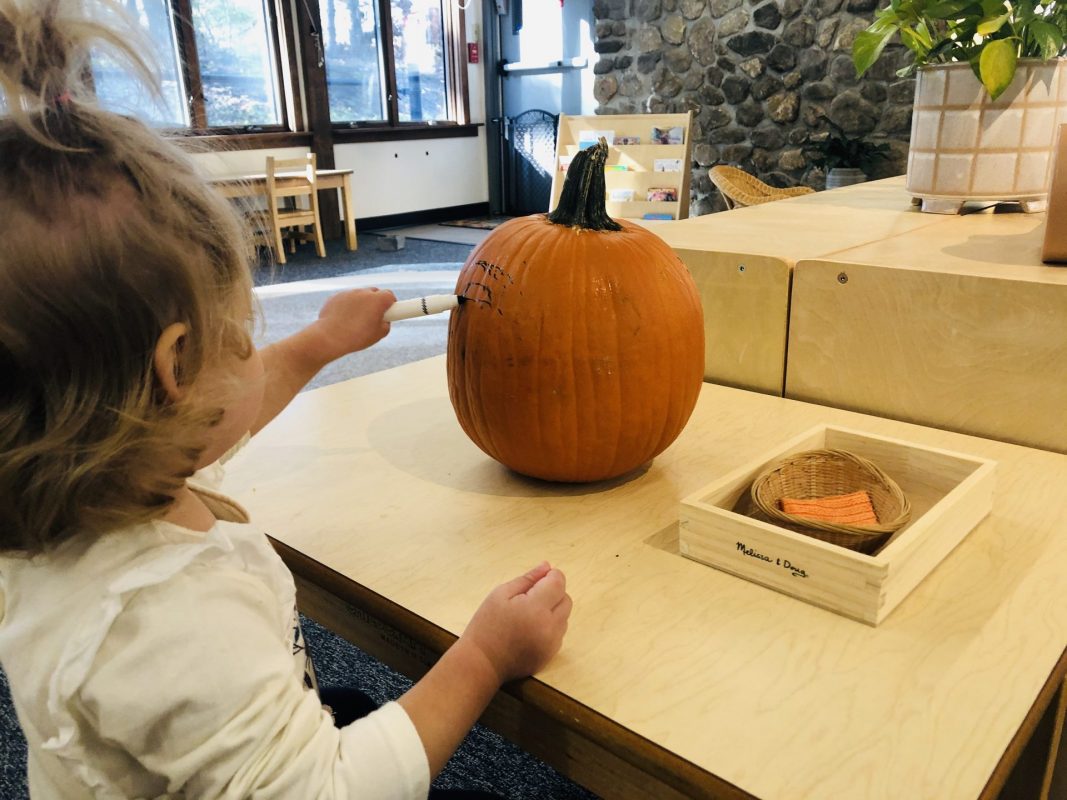
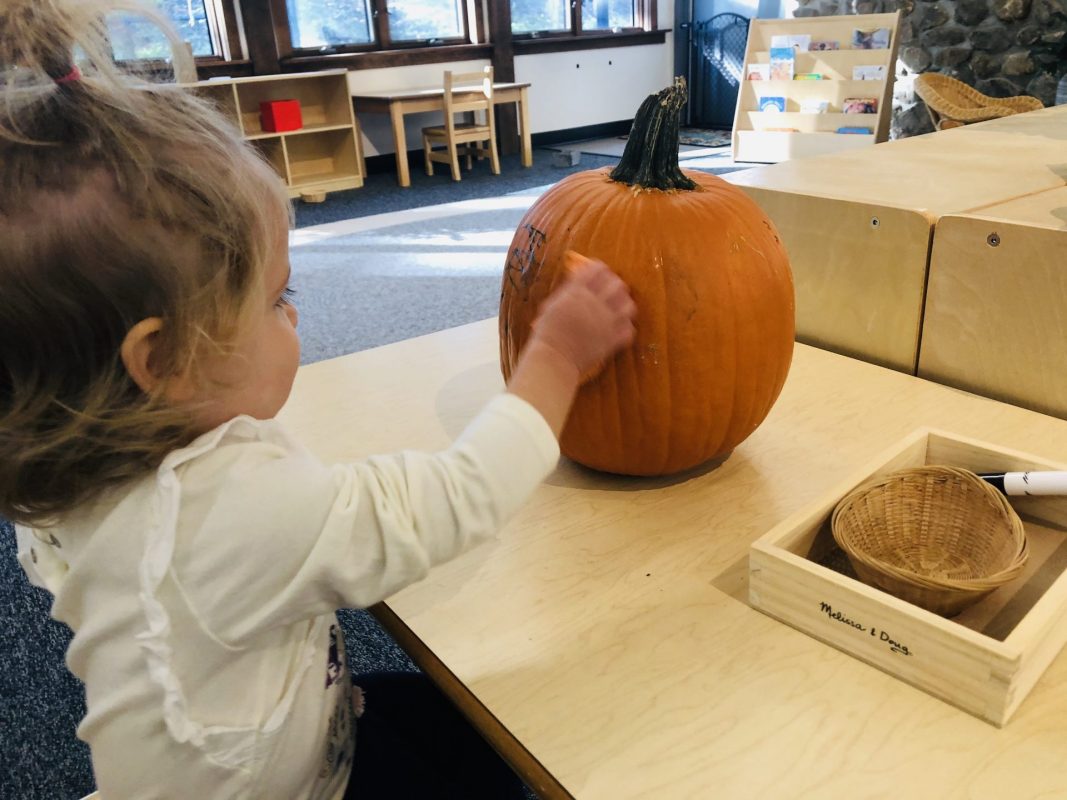
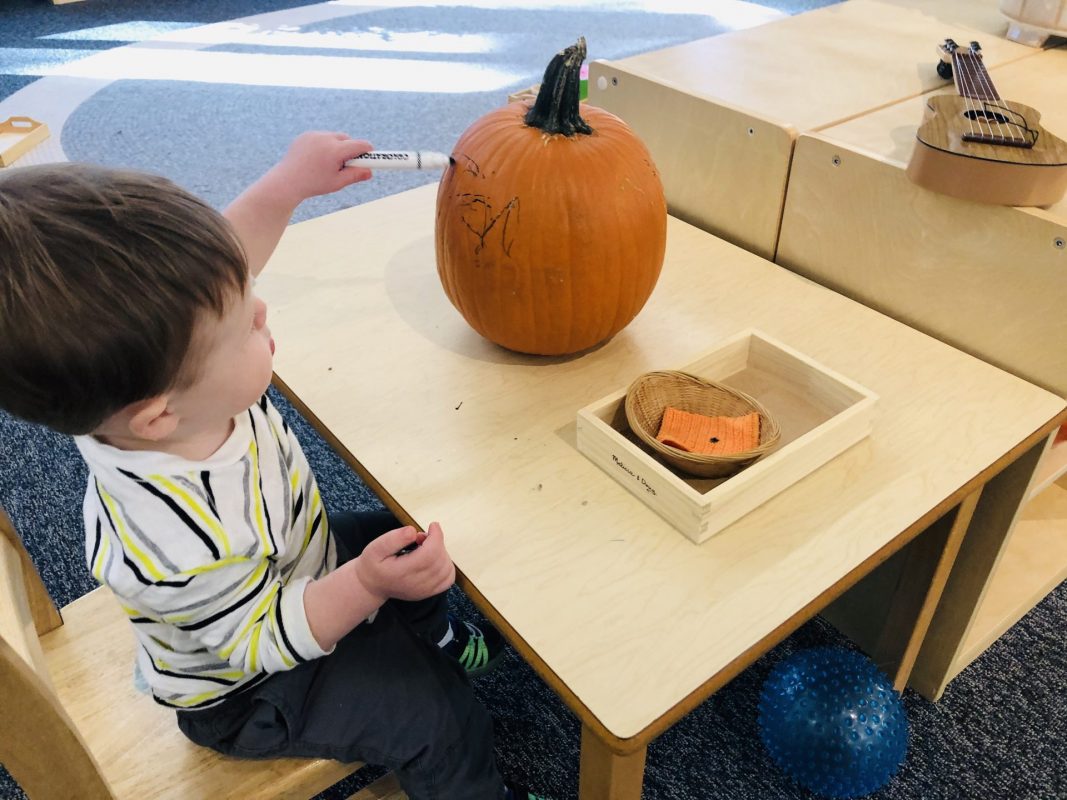
Another highlight of this short week was our new pumpkin art work. Children love to draw designs on a pumpkin but the most fun part of it all was using the wet microfiber towel to erase and clean the pumpkin. It seemed that children really enjoyed seeing the pumpkin shining at the end of their work!

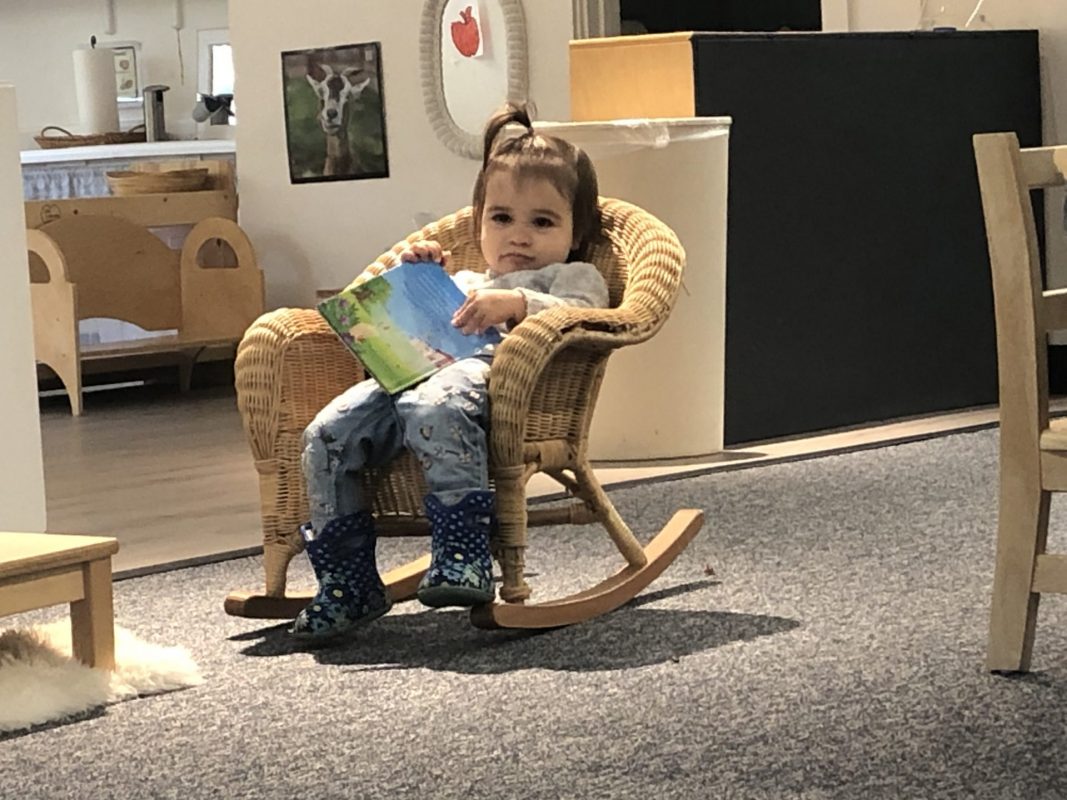
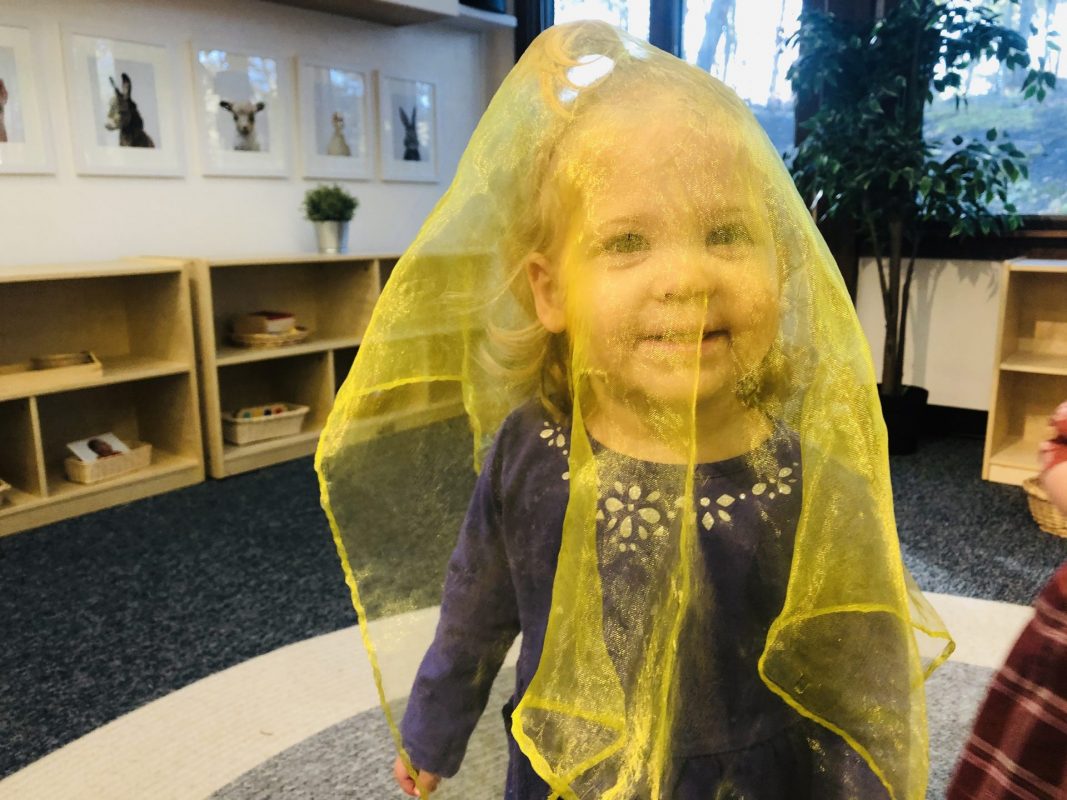
The favorite book this week was Itsy Bitsy Pumpkin by Sonali Fry and they really seemed to enjoy our new scarf dancing song: “Jiggle Your Scarf.” 

A big thanks to the Adler and Mooney family for the pumpkin donations!

Reminder: Parent- Teacher conferences are coming up. To maximize our 20 minutes together, we would greatly appreciate you emailing your questions to us prior to it. Please take some time to think about your questions, and send them to ahood@fraserwoods.com  by Wednesday, October 24th.

Best,

Mrs. Hood and Ms. Maria

Mrs. Hood’s Class: Apple Exploration!


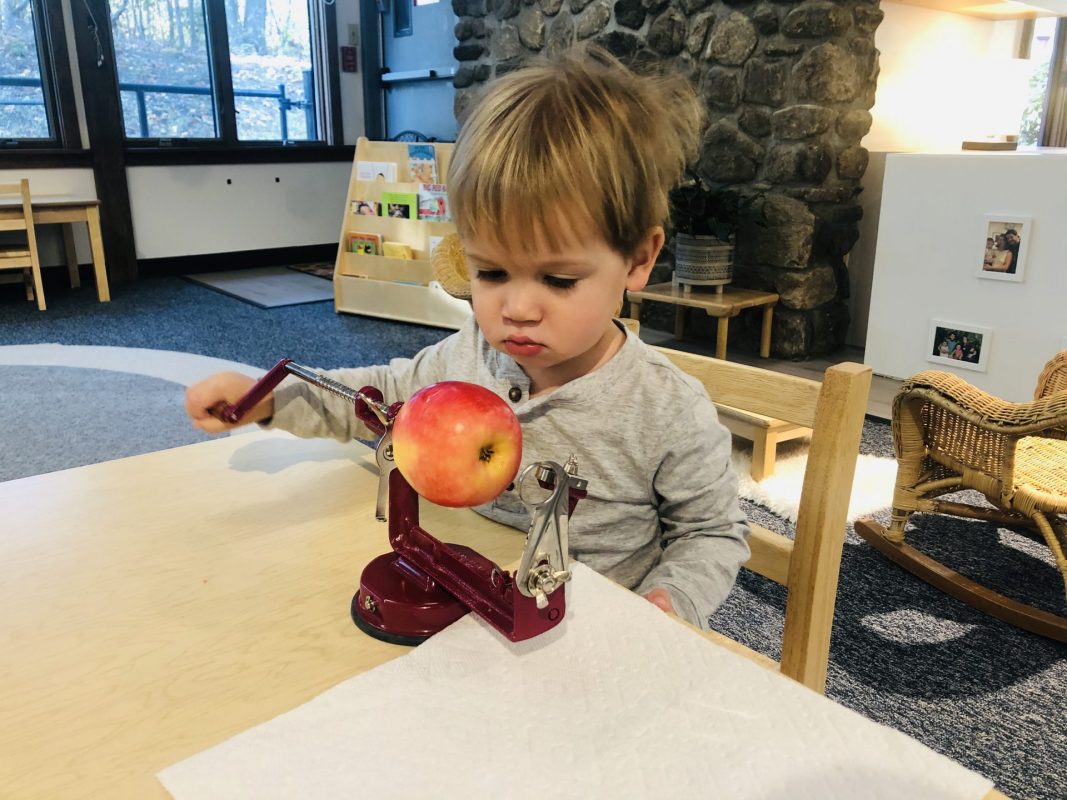
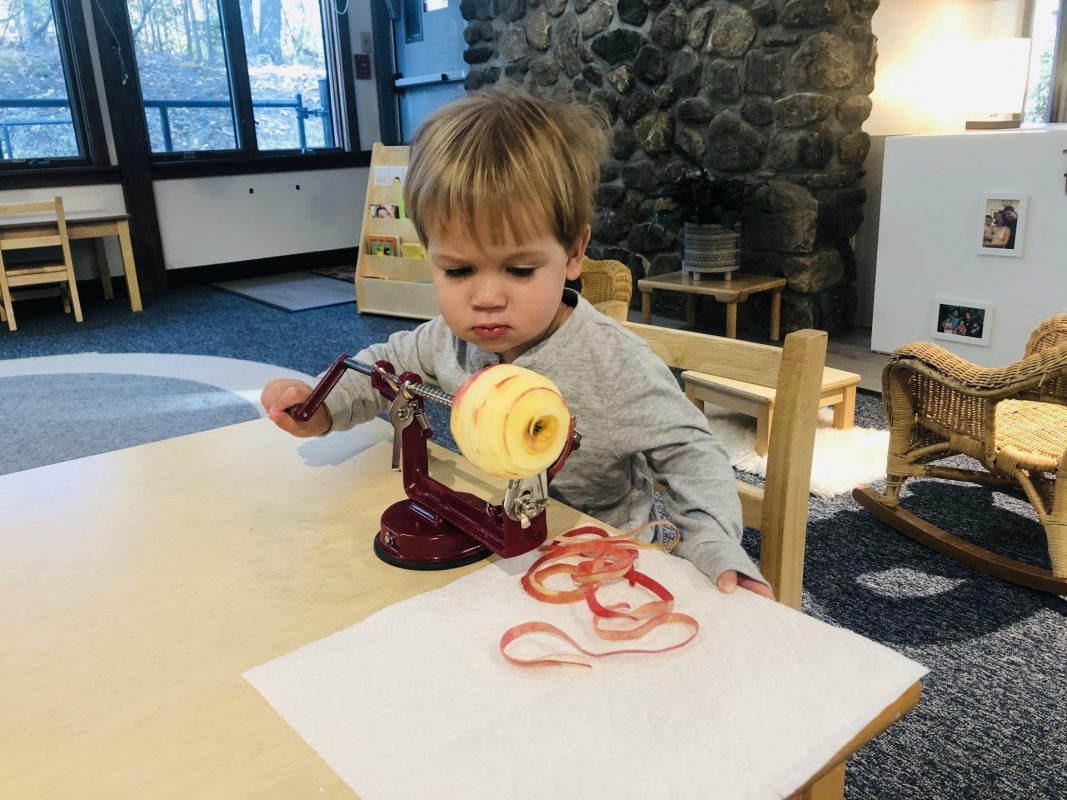
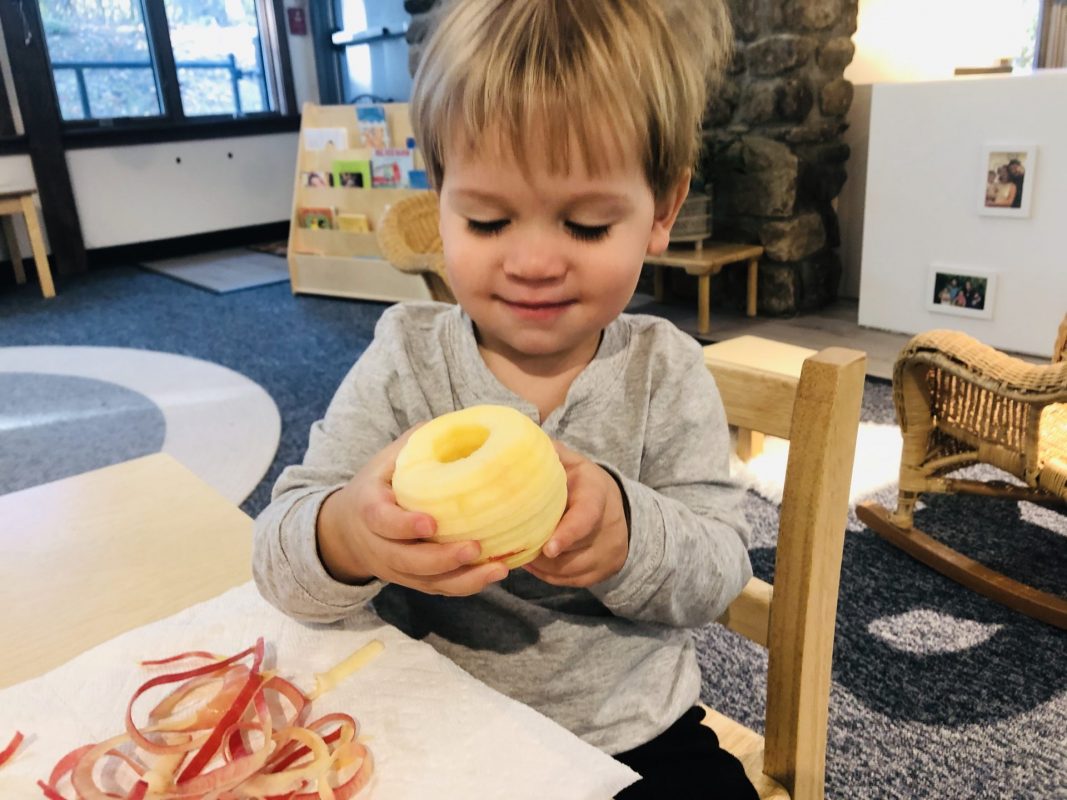
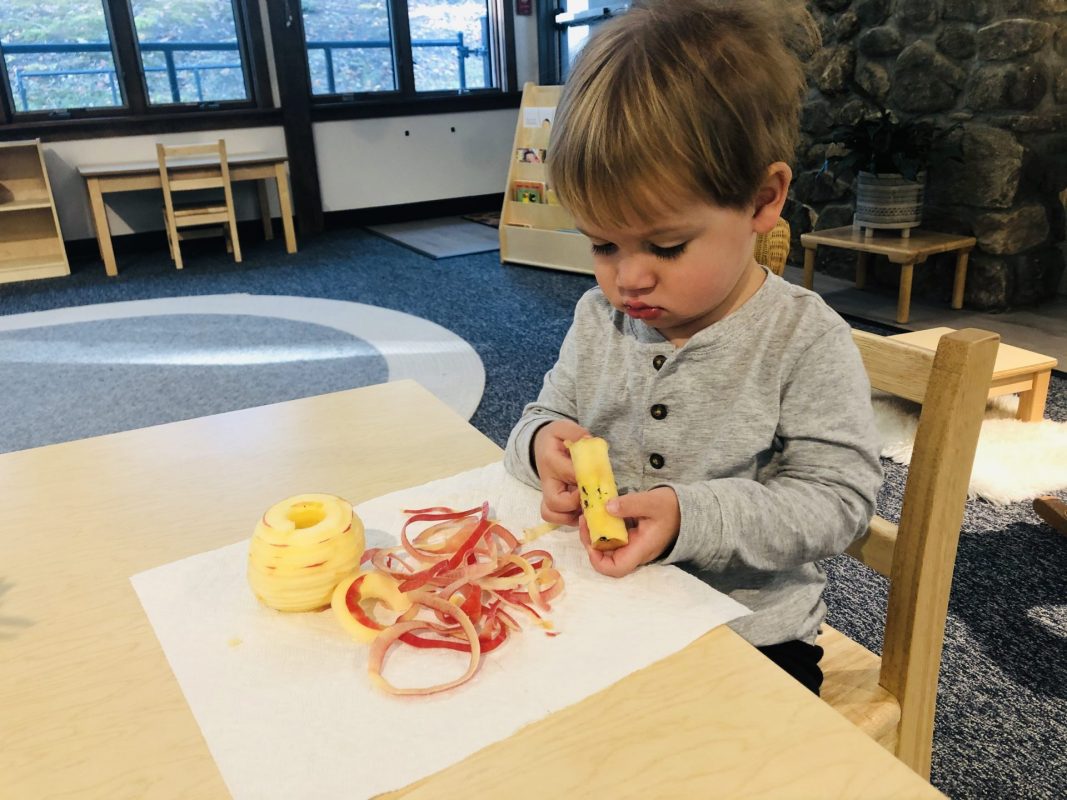
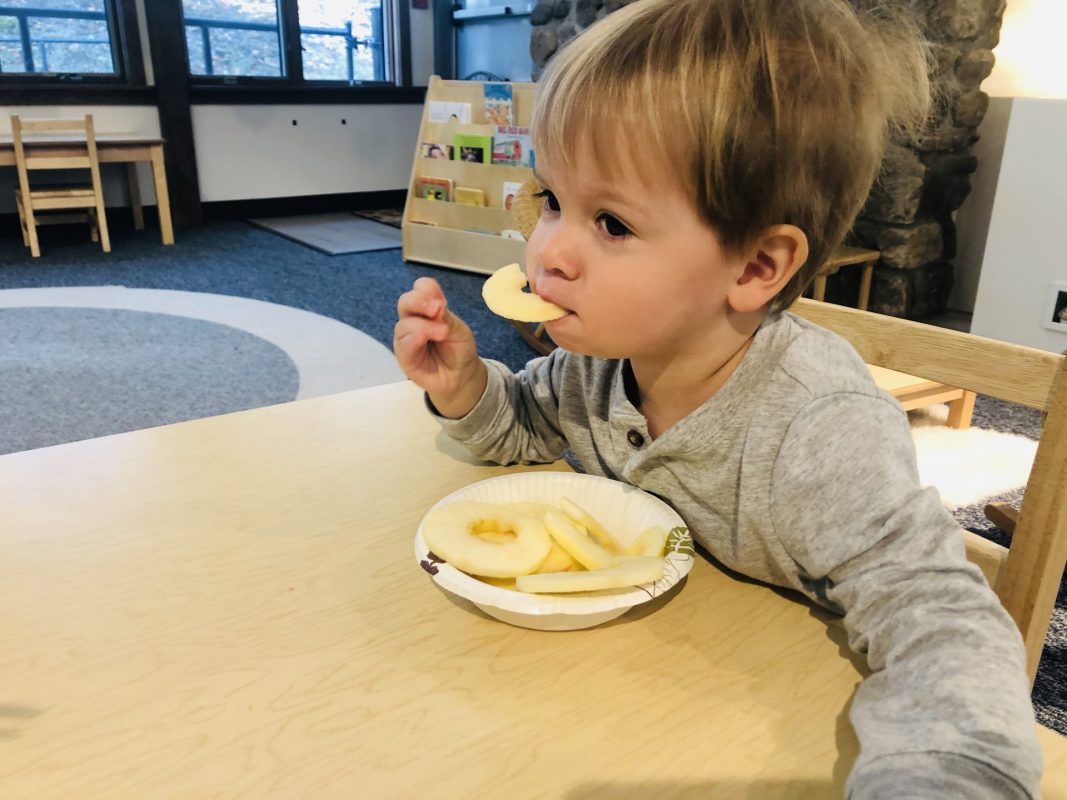
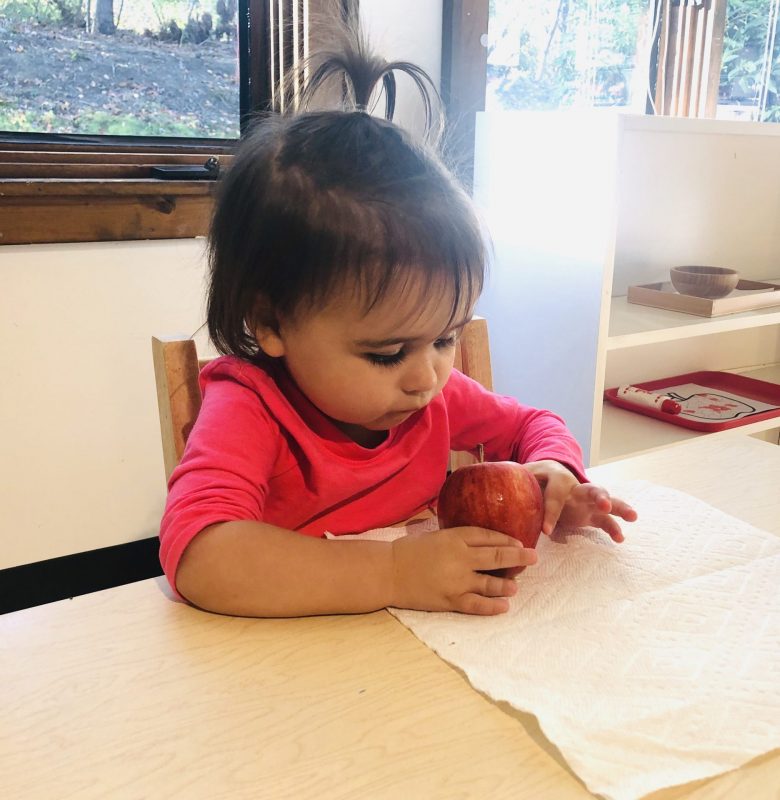
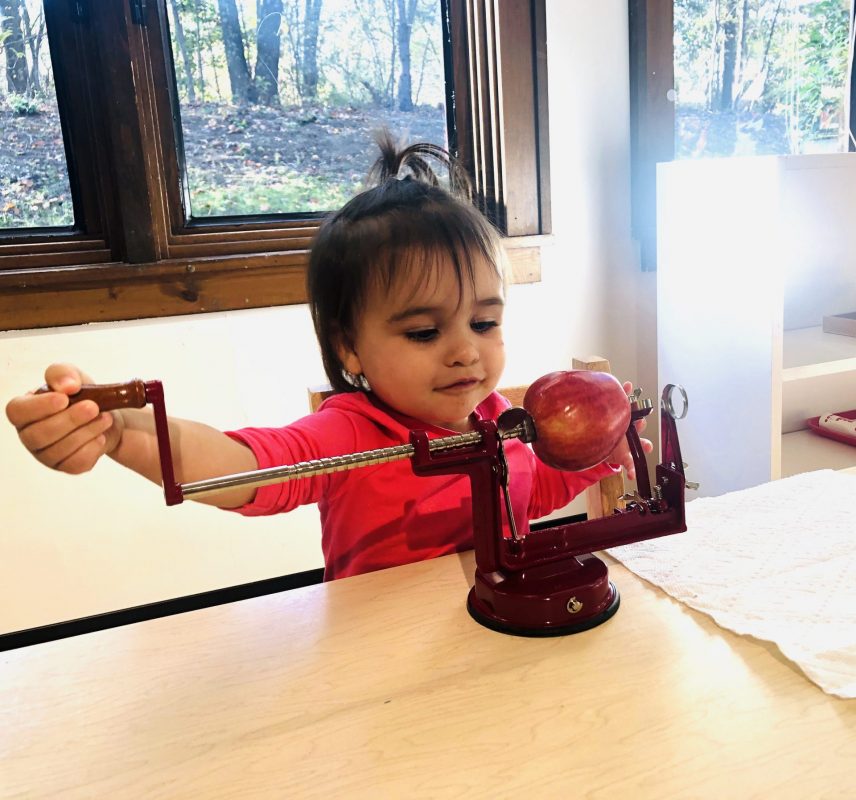
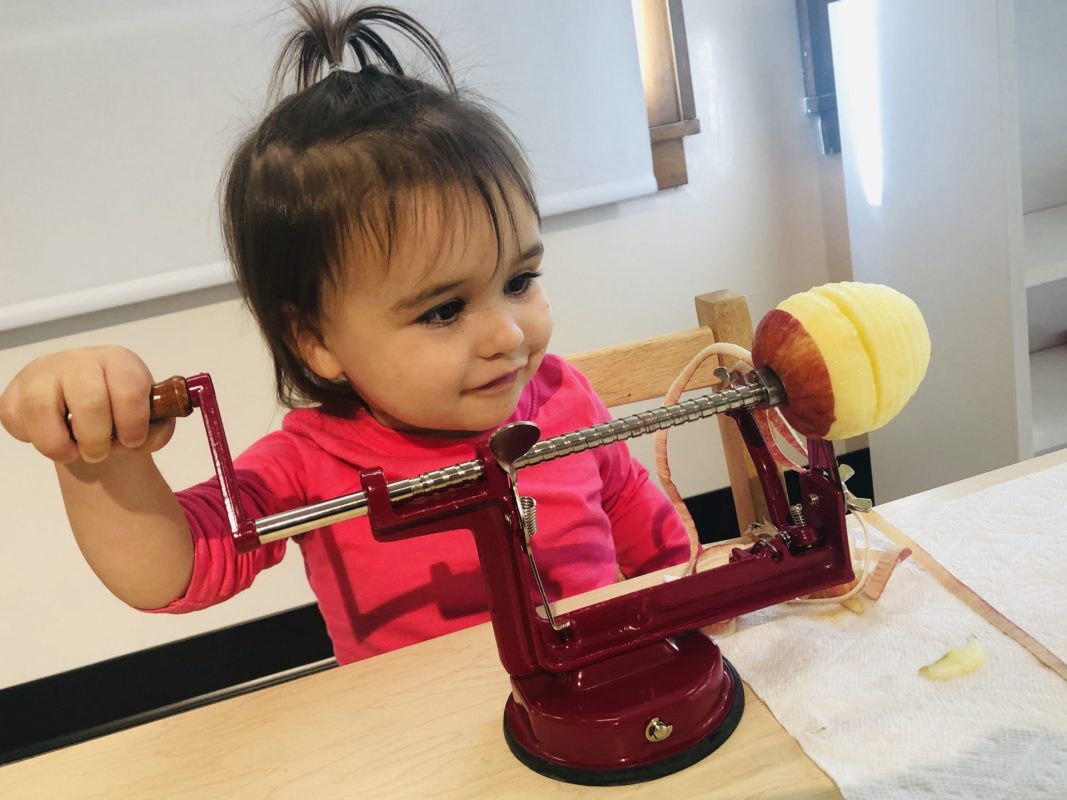
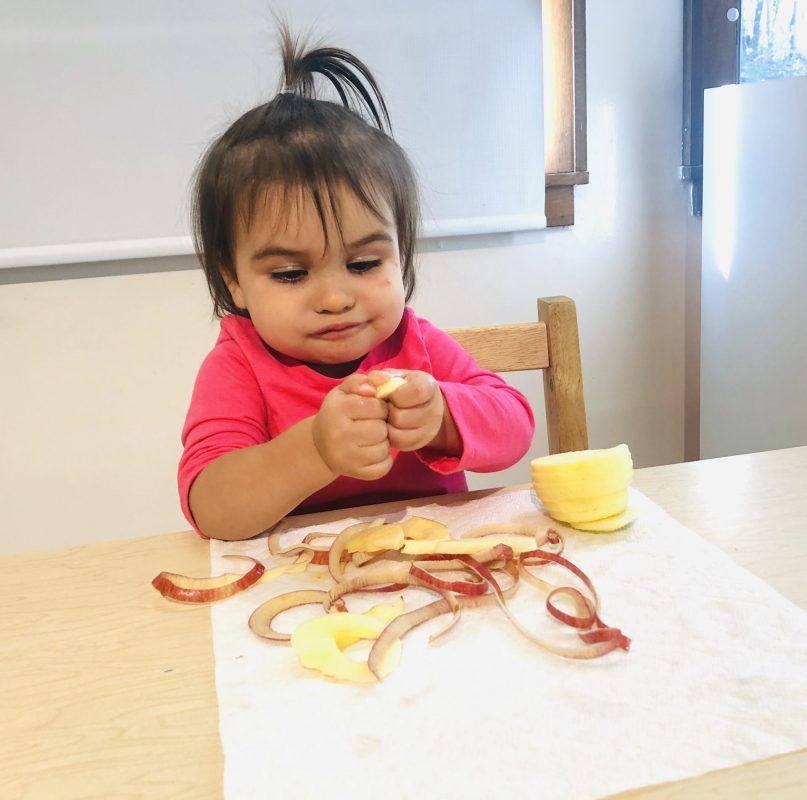
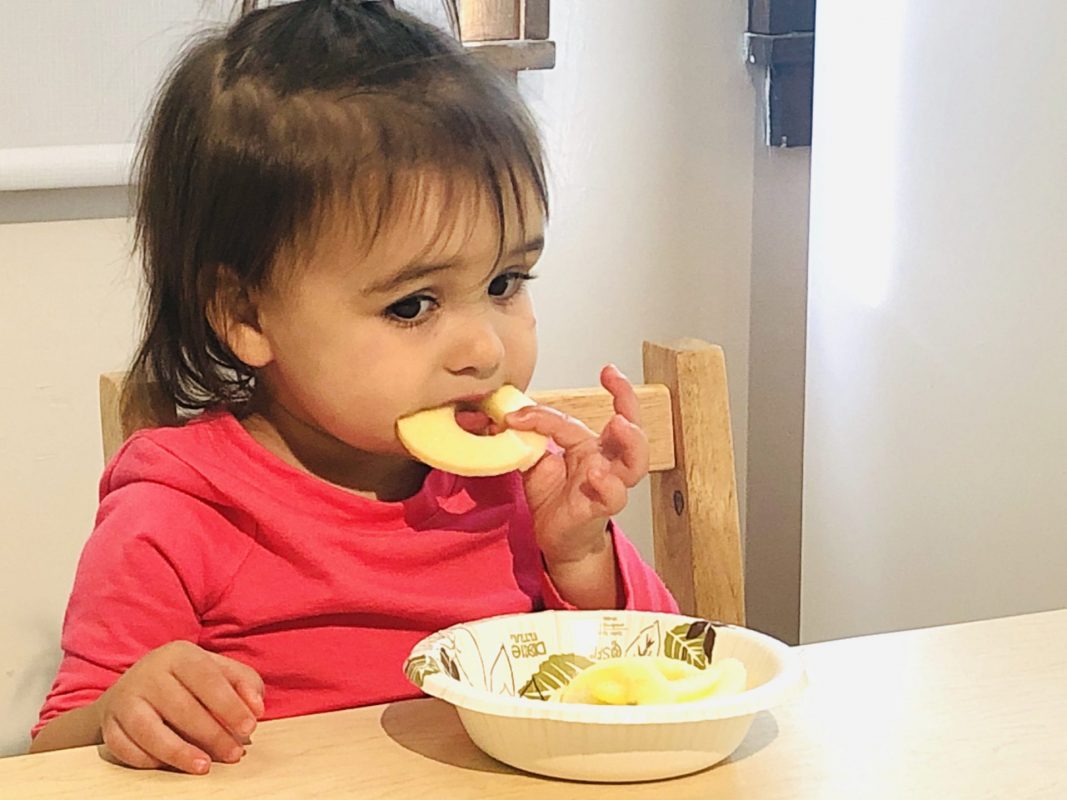
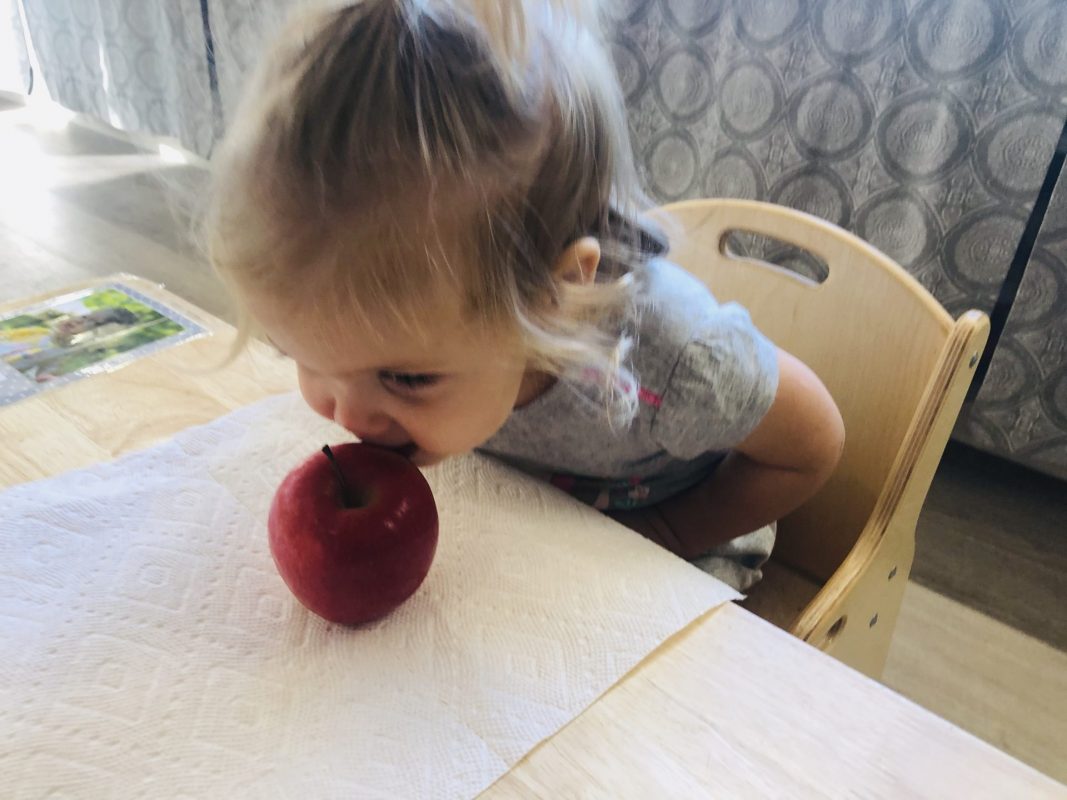
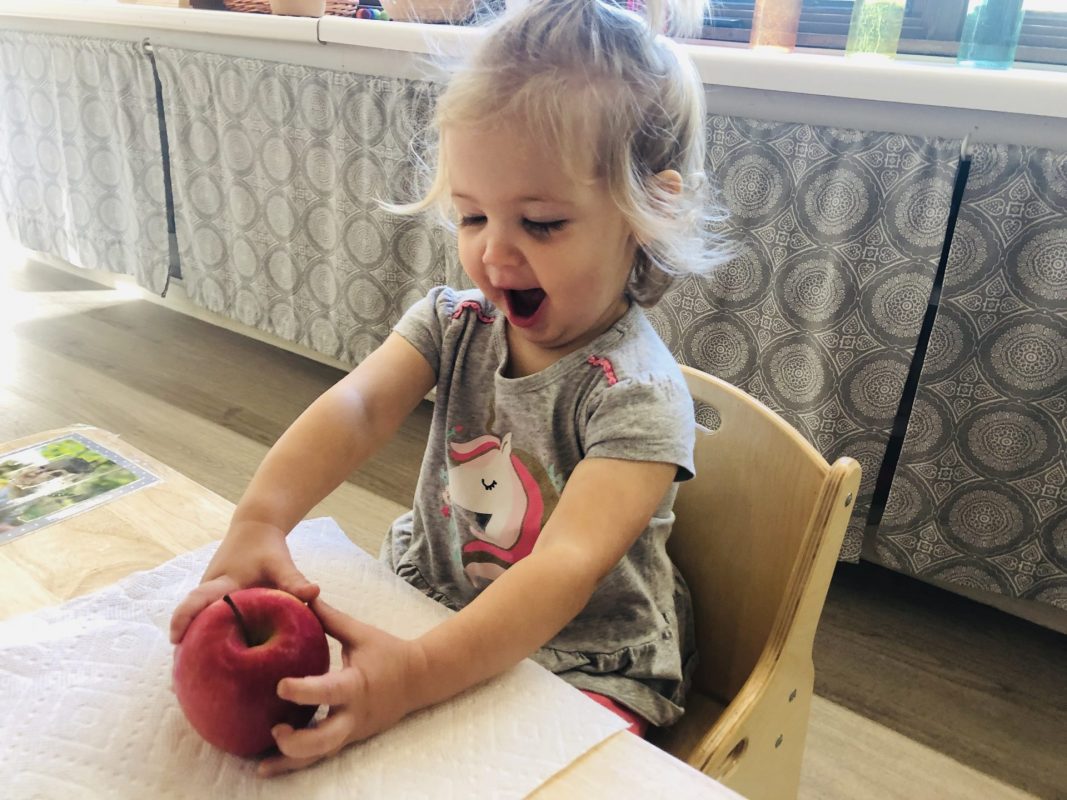
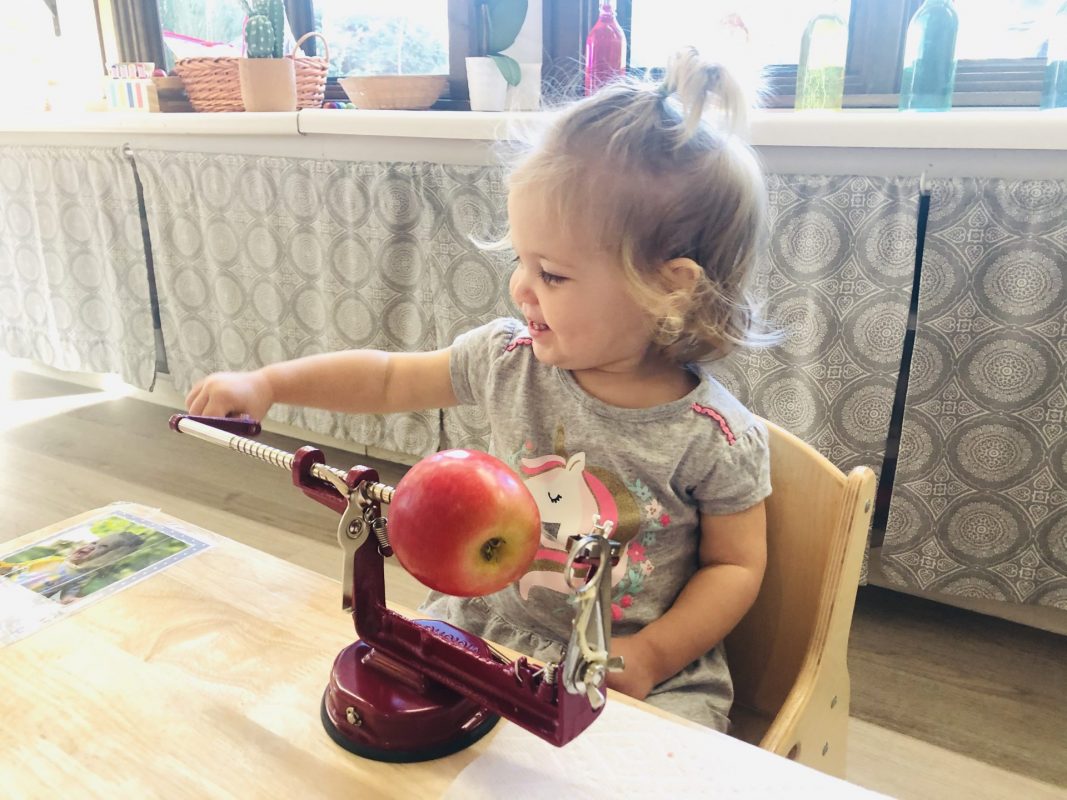
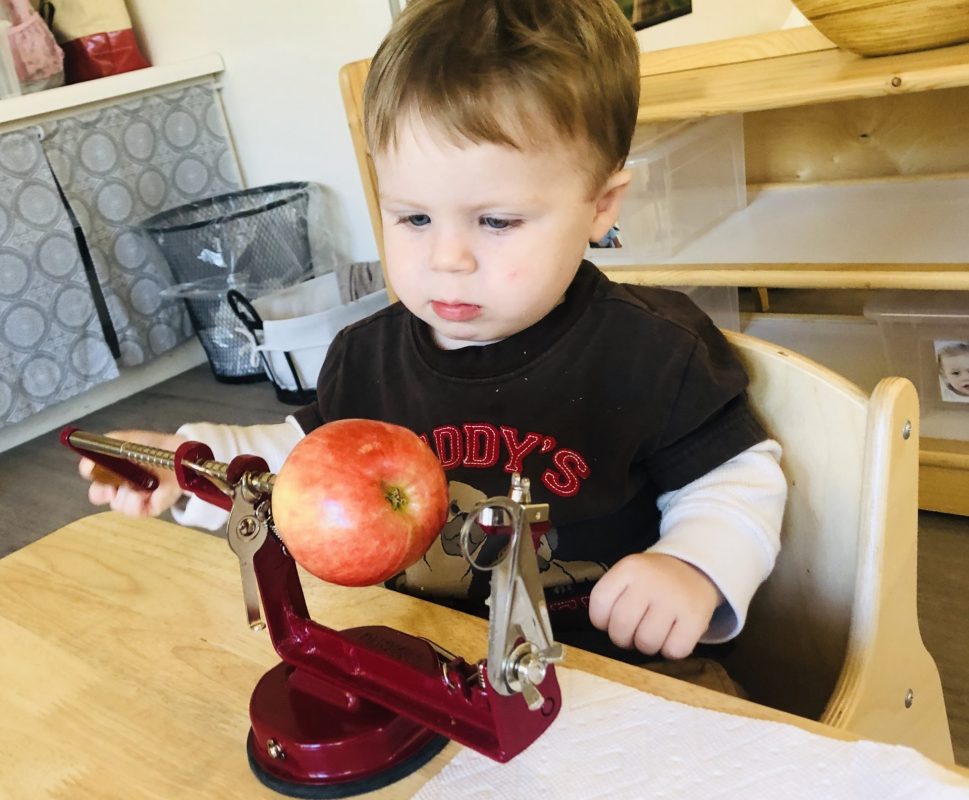
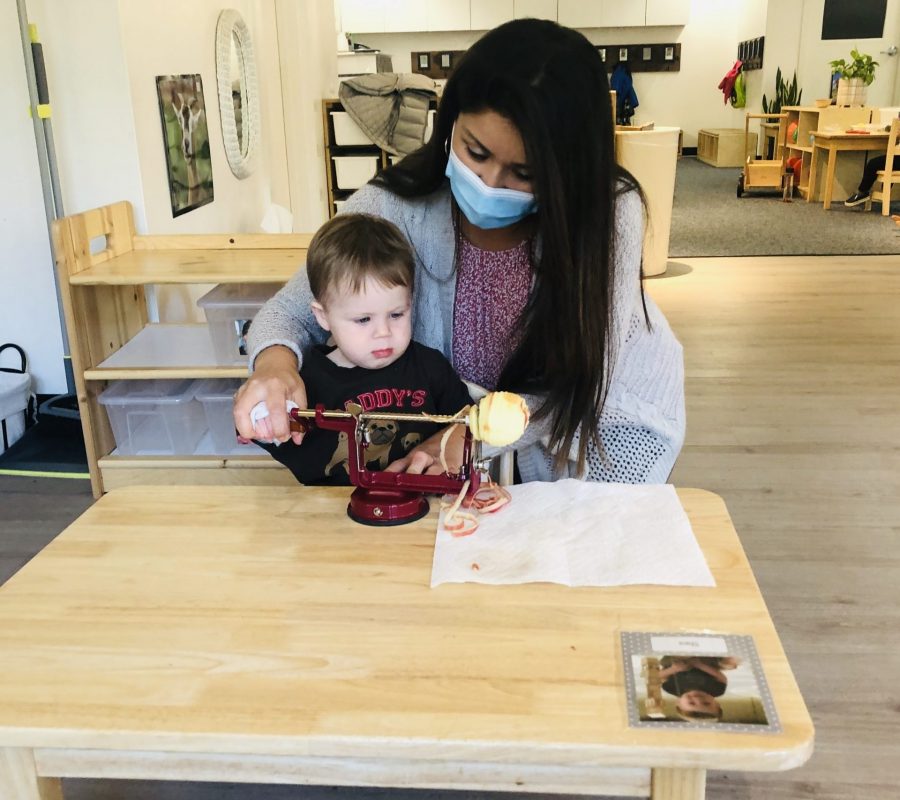
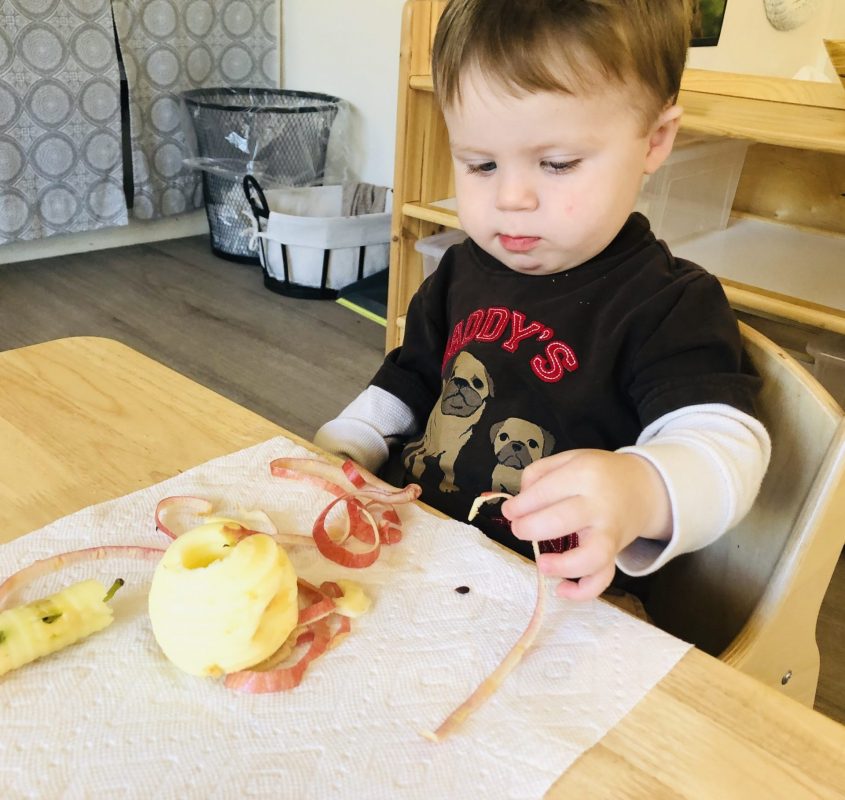
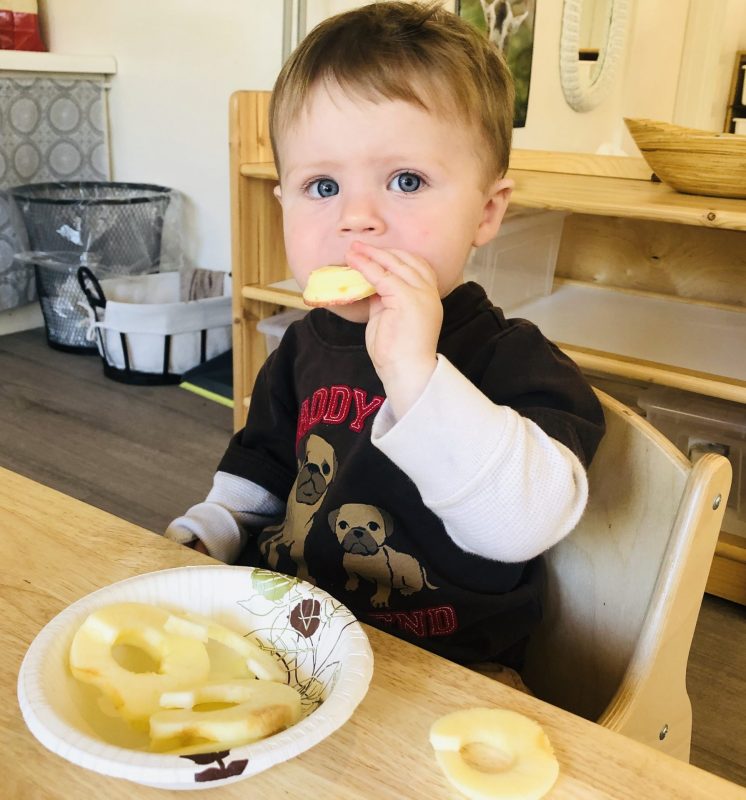
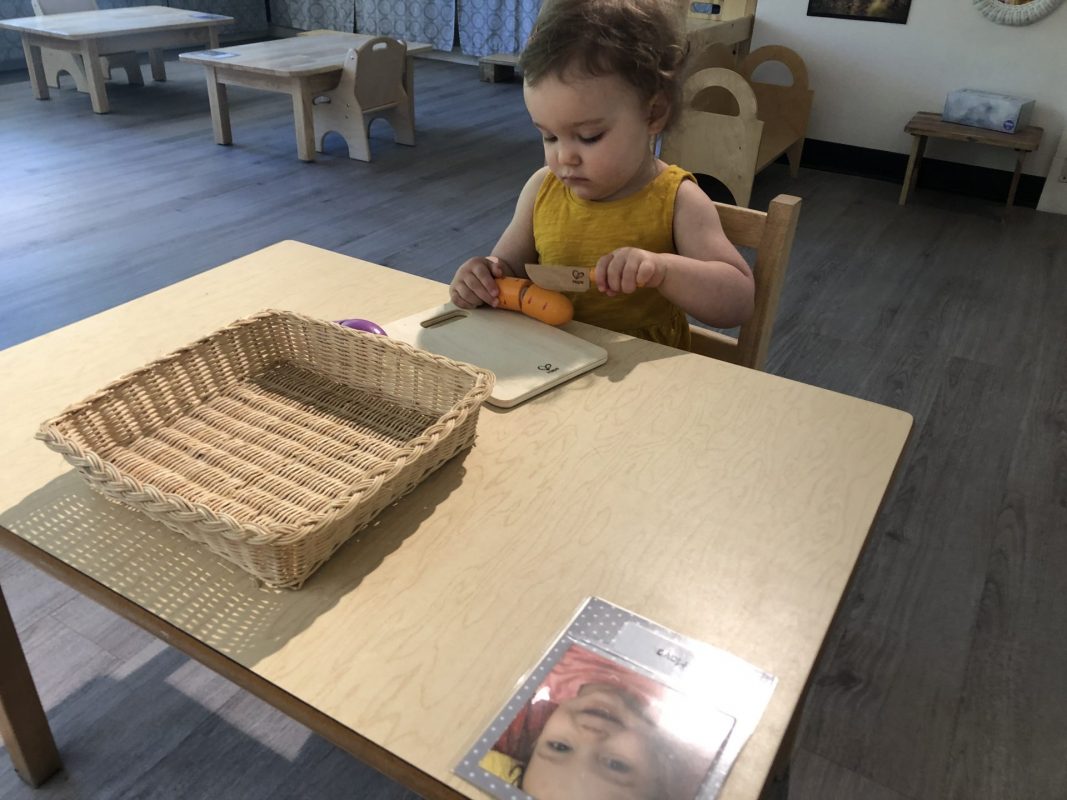
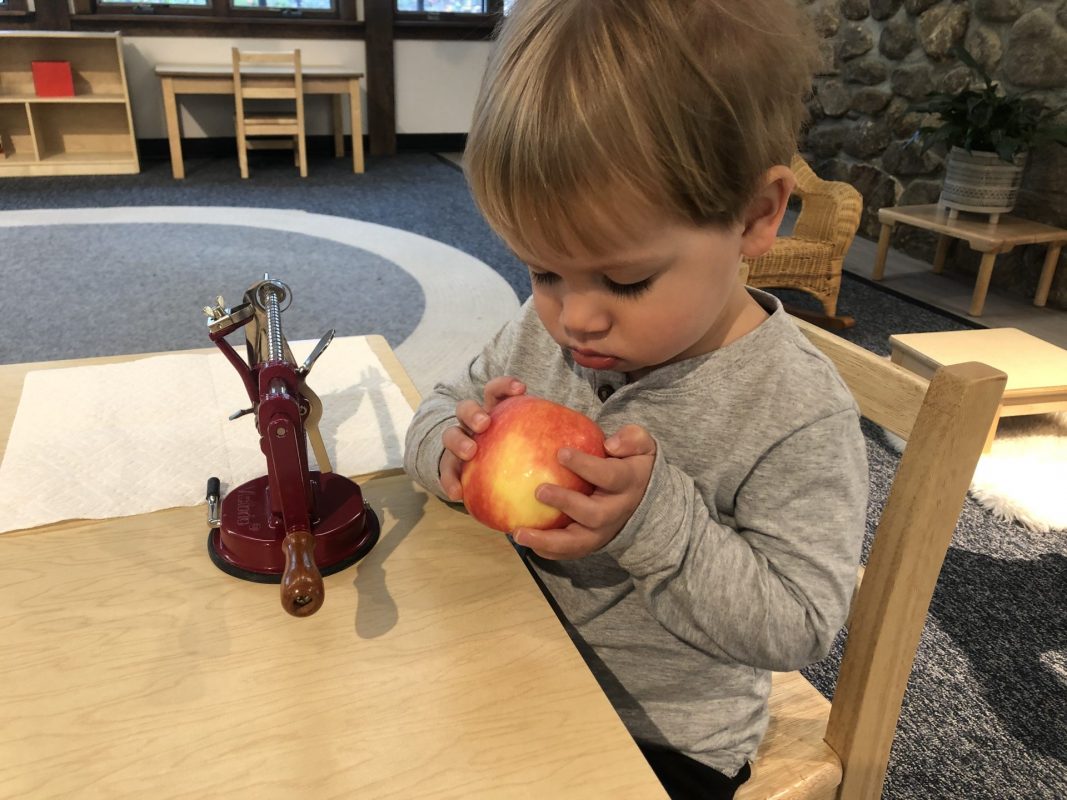
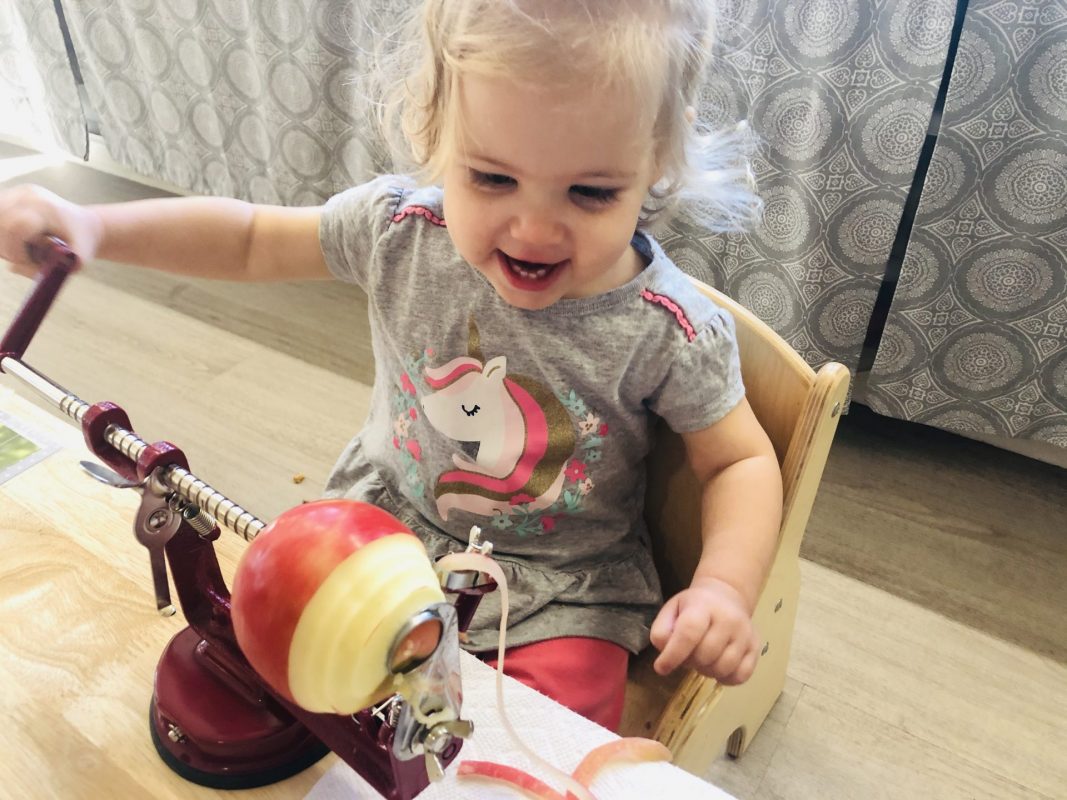
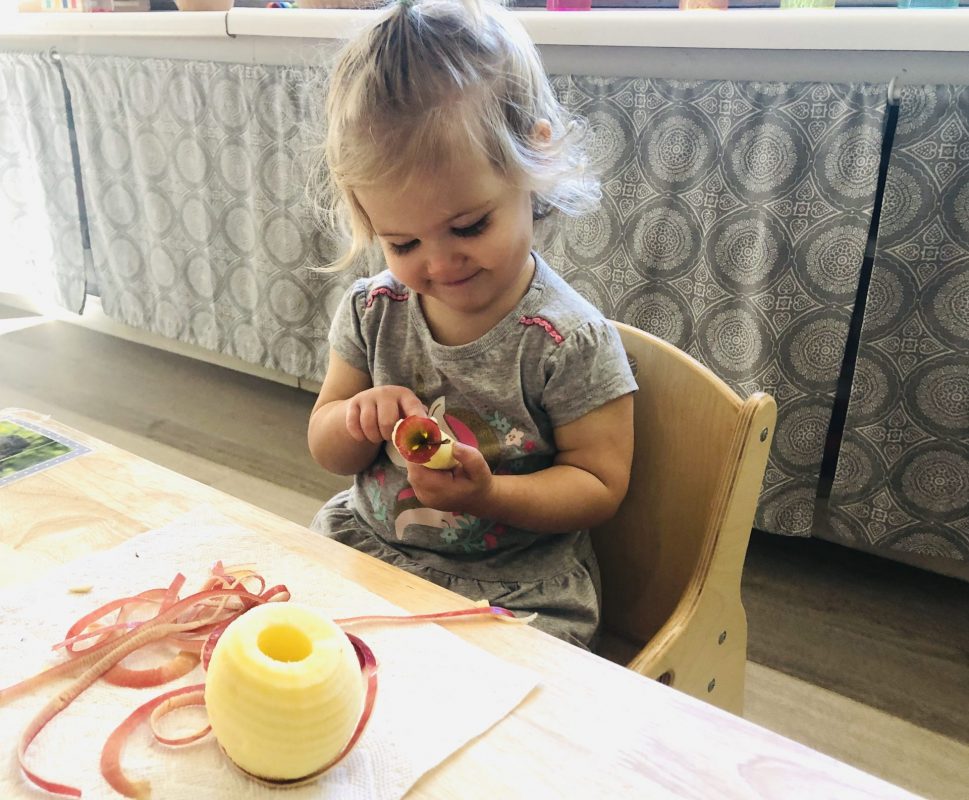
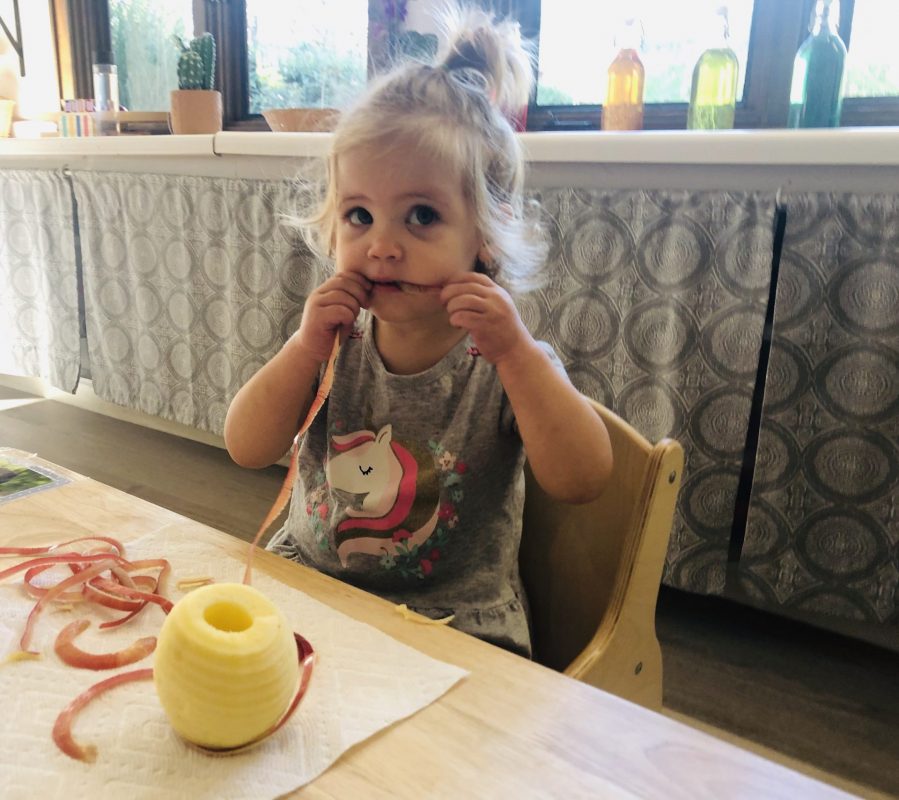
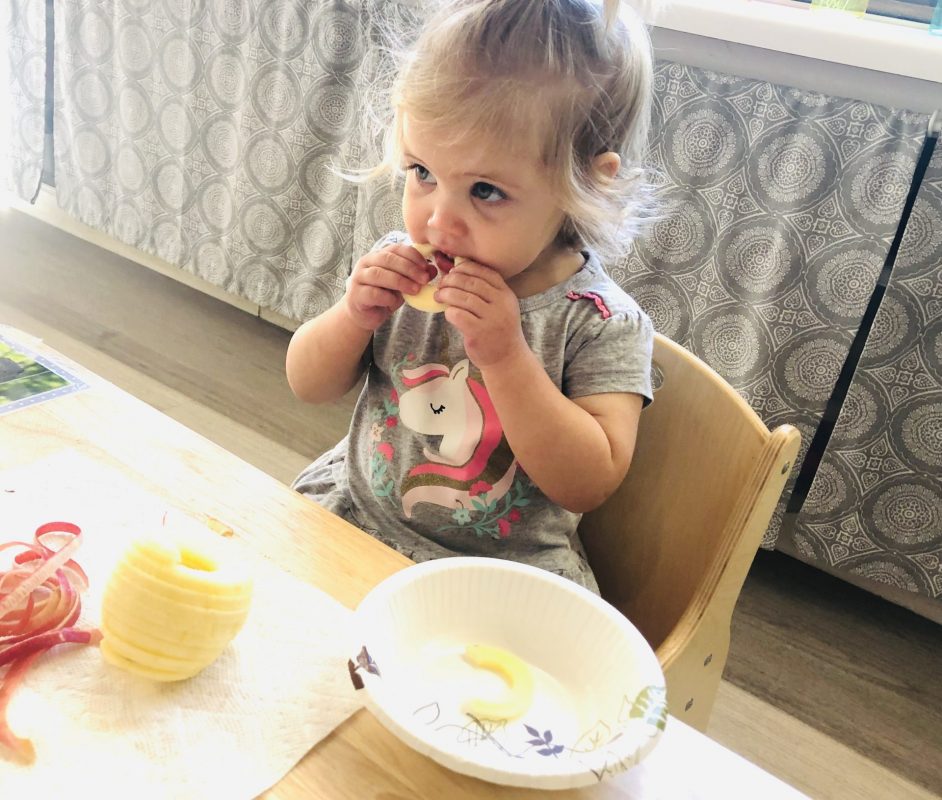
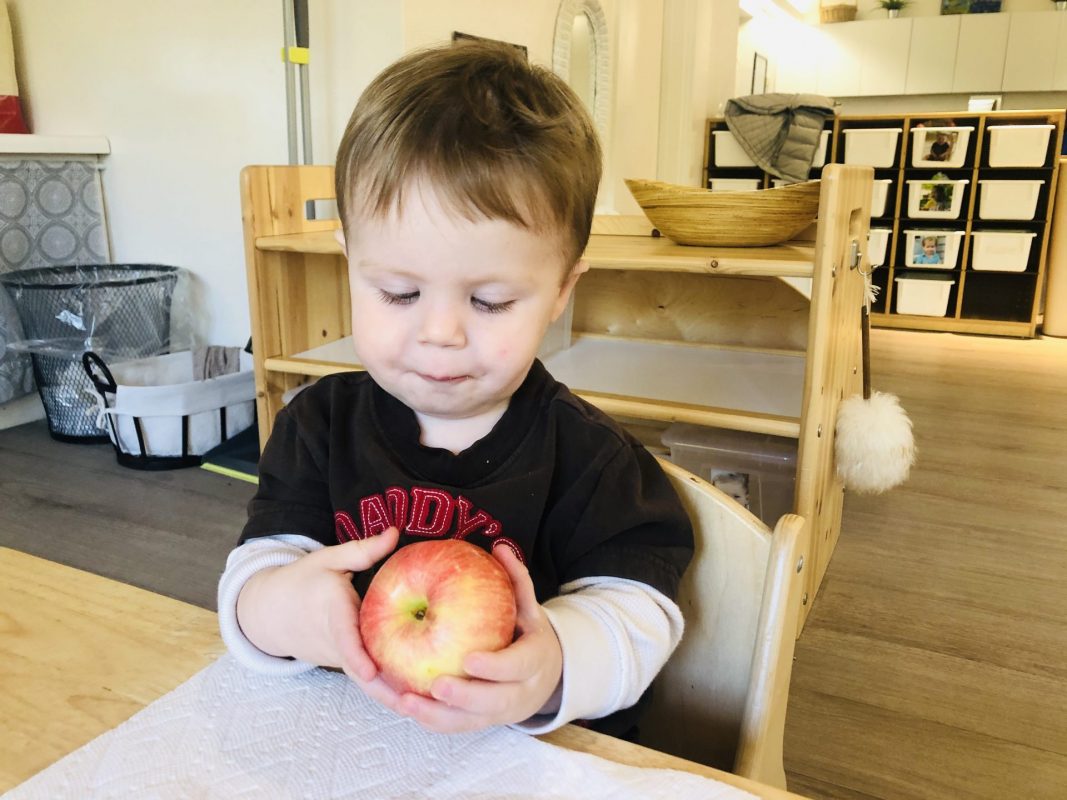
One of the main highlights this week was a fun Sensorial experience your children seemed to enjoy: dissecting an apple! With senses full of curiosity, children touched, observed, smelled, peeled, cored, and tasted a delicious apple. The children found it very fun and interesting to use the handle of the peeler but their eyes really sparkled and the smiles bloomed when they started watching the skin of the apple peeling and falling on the napkin. Children observed what parts we find in apples and were exposed to new vocabulary such as skin, flesh, and seeds. Some of them also experienced the difference in texture and flavor between the skin and flesh of the apple. 

Food preparation is one of the main areas in our Practical Life curriculum! Sadly, because of COVID-19 we are required to limit some of these exercises in our environment. However, I encourage you to make these types of experiences available at home. There are many benefits to involving children in food prep. Even the pickiest of eaters has been known to be more willing to try things when they have had a hand in preparing it. These works also help develop fine motor skills, build coordination, and create a sense of community, as well as increase knowledge of nutrition, science, and math.

Here are some examples on how you can include your toddler in food preparation at home:

  • Scoop cereal into bowl
  • Add milk to cereal
  • Wipe up spills with small towel
  • Take plate to the kitchen
  • Prepare a sandwich
  • Spread sun butter/jelly/cream cheese on crackers
  • Peel and slice a banana
  • Peel a mandarin orange
  • Peel and cut an apple with assistance
  • Wash fruits and vegetables
  • Make orange juice
  • Pour glass of water or milk using a small jug- use small amount of liquid to avoid large spill
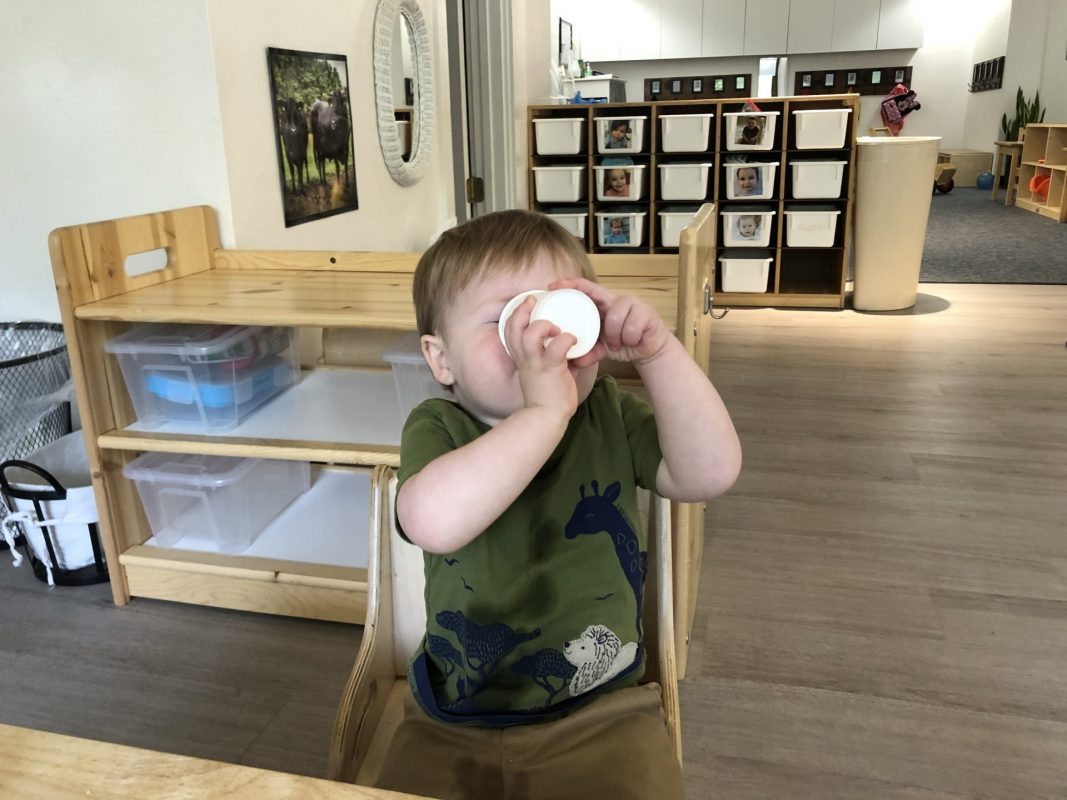
  • Drink from a glass
  • Follow a recipe with assistance using measuring cups
  • Set the table/clear the table
  • Wipe the table
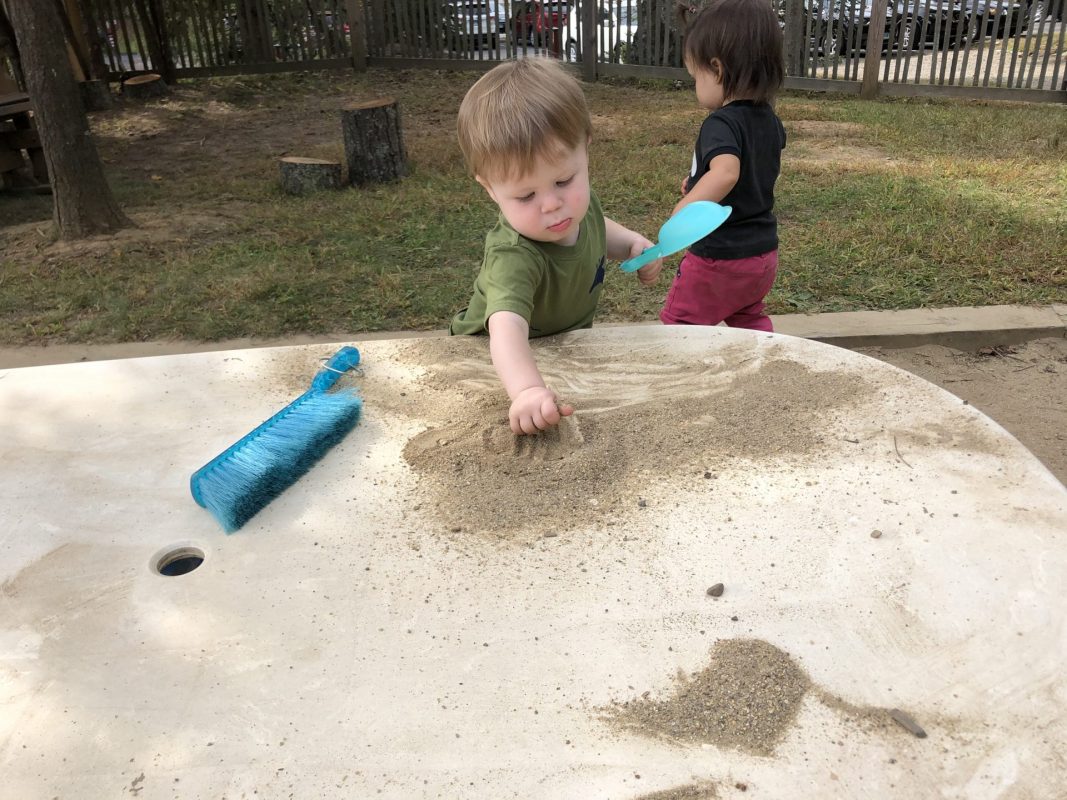
  • Sweep the floor -use  dustpan and brush

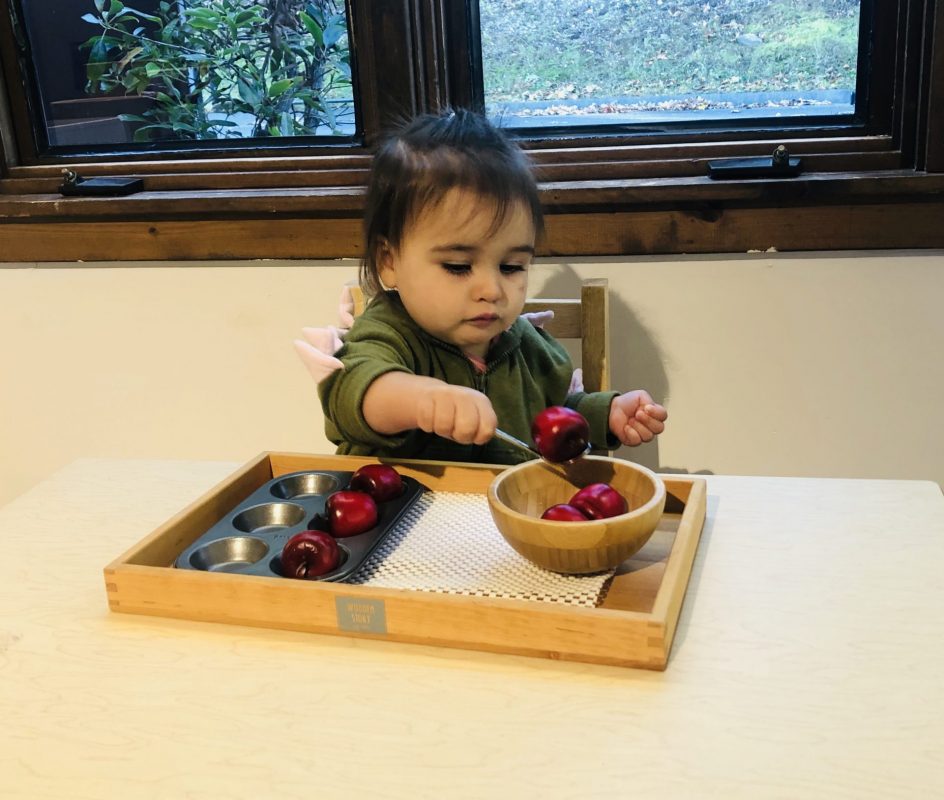
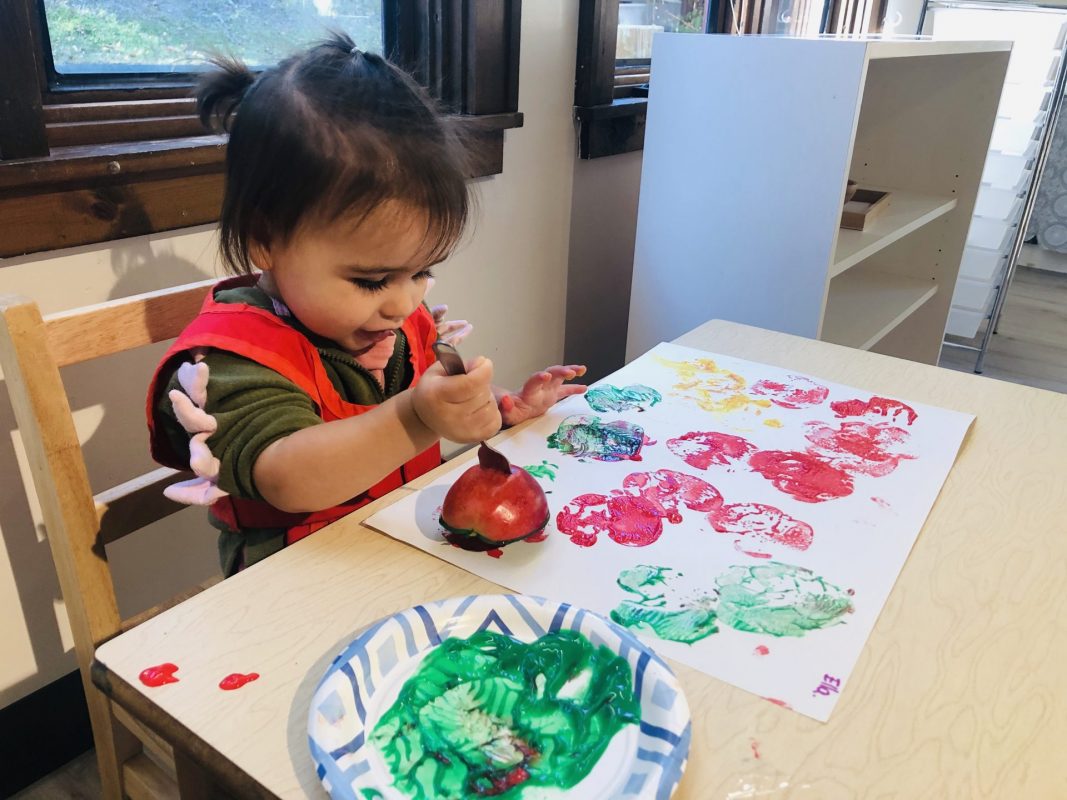
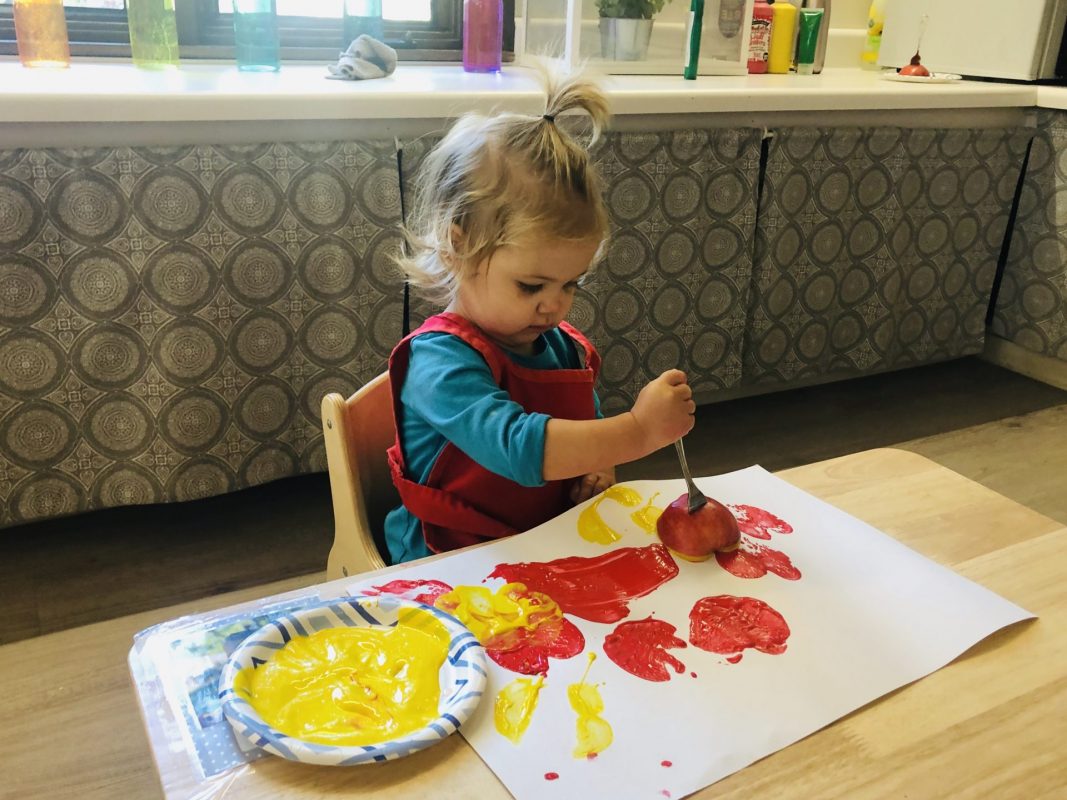
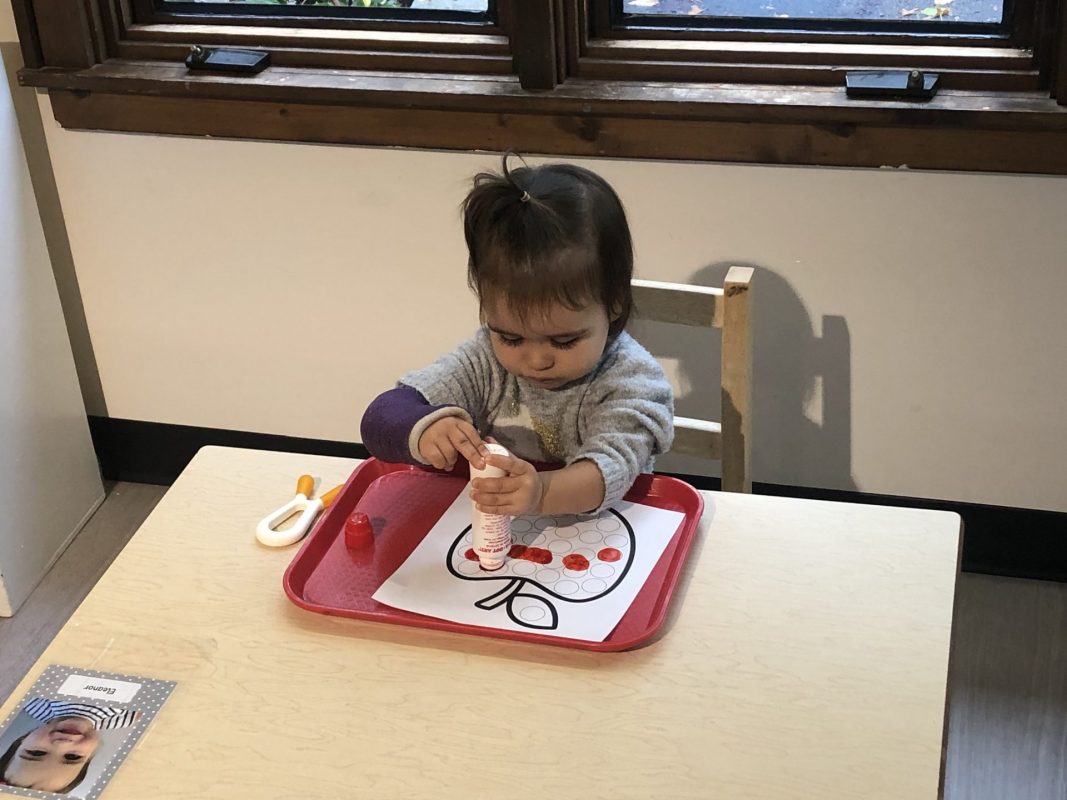
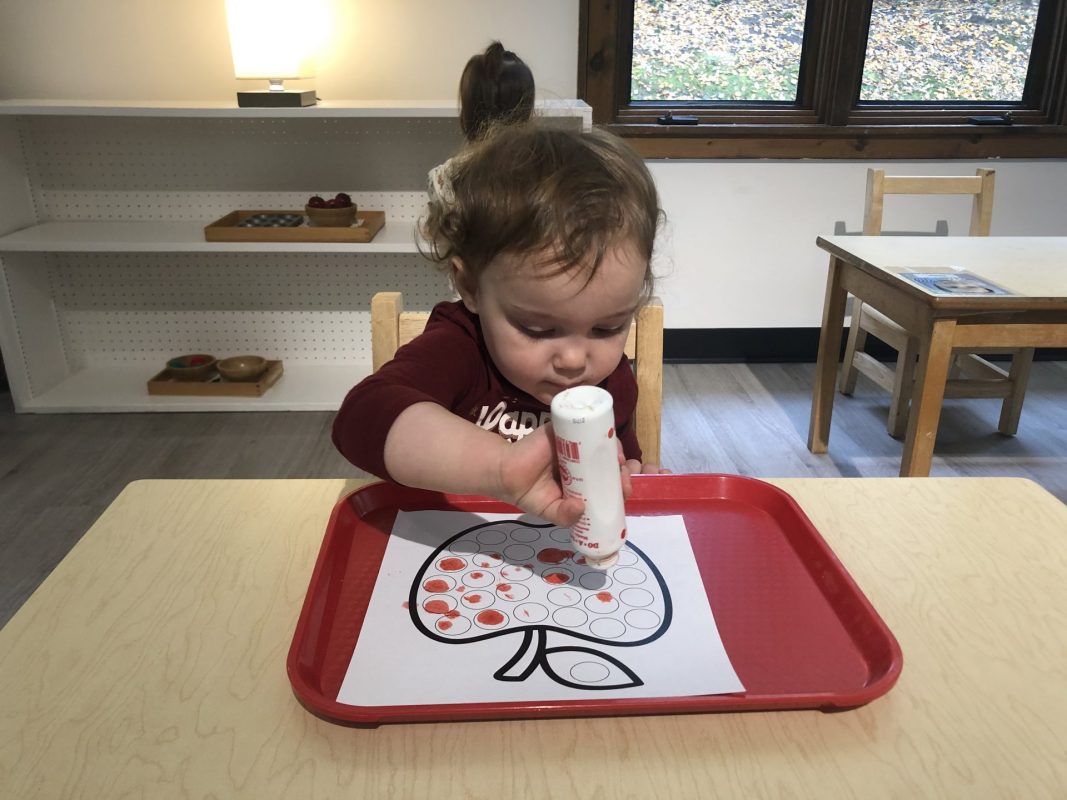
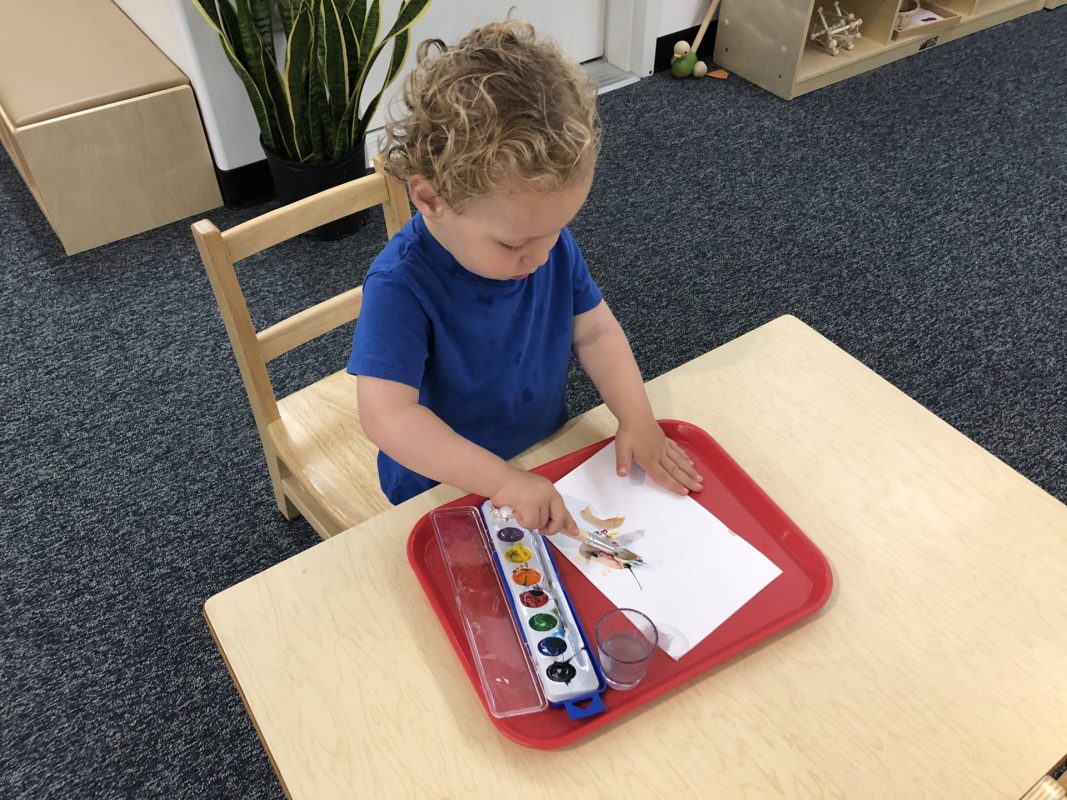
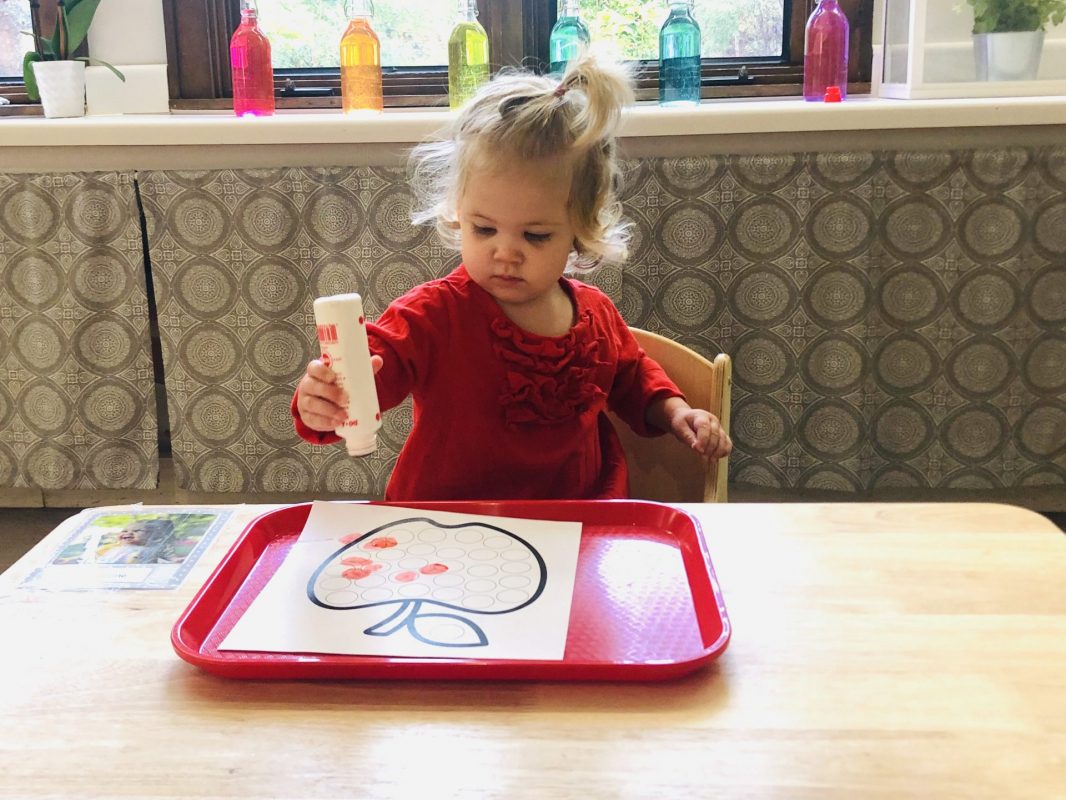
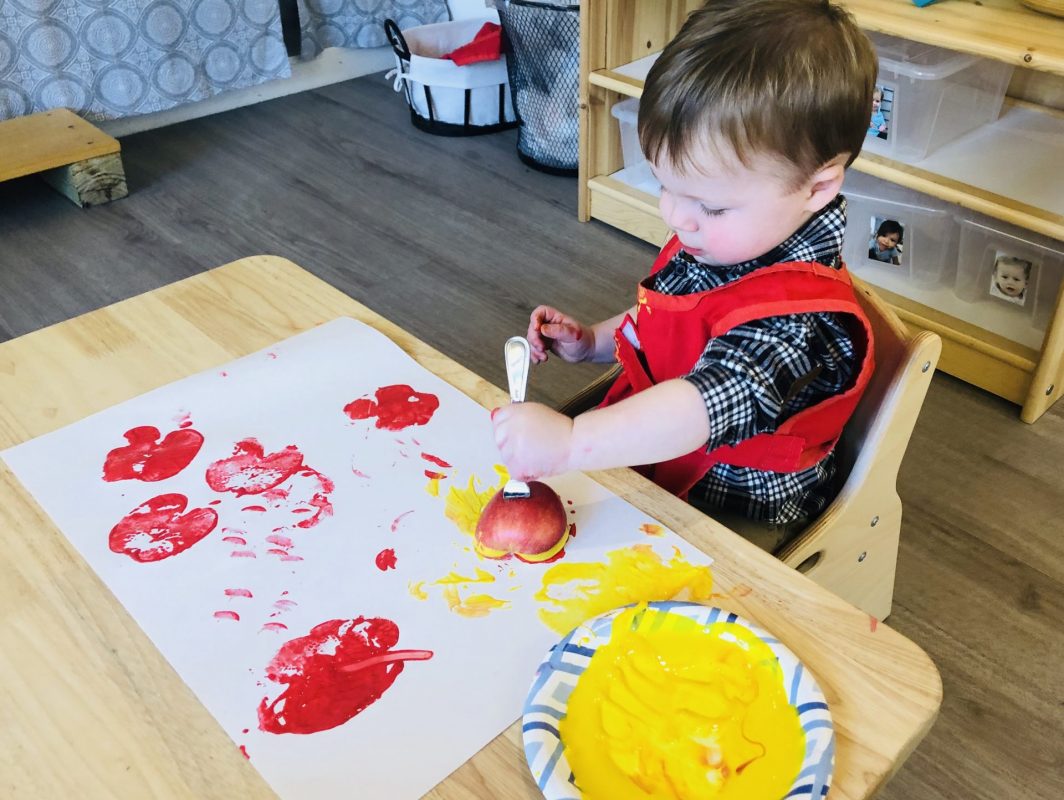
On another note, children also used apples to create some art this week! Children enjoyed dipping the half apples into different color paint and stamping them all over their papers! They were so proud of their work! 

I’ll leave you here with this easy apple pie recipe, so you can give it a try and experience the awesomeness of having your toddler in the kitchen! 

Have fun, 

Mrs. Hood and Ms. Maria

Mrs. Hood’s Class: Fall is Here!

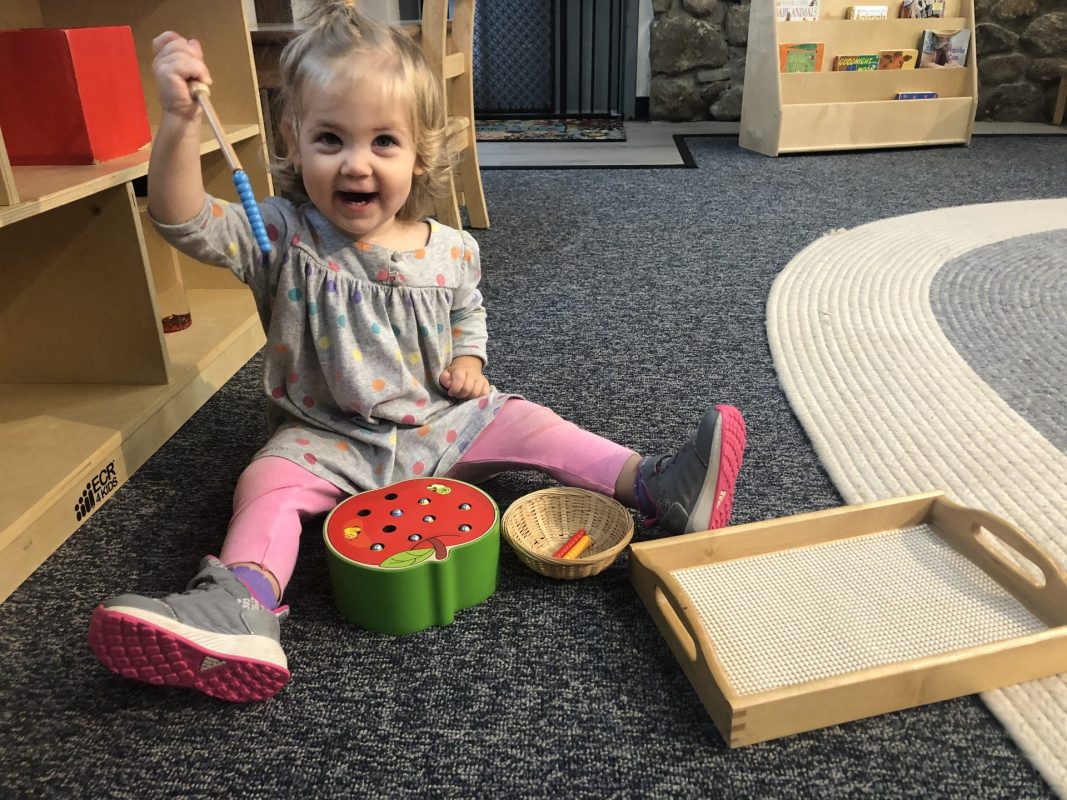
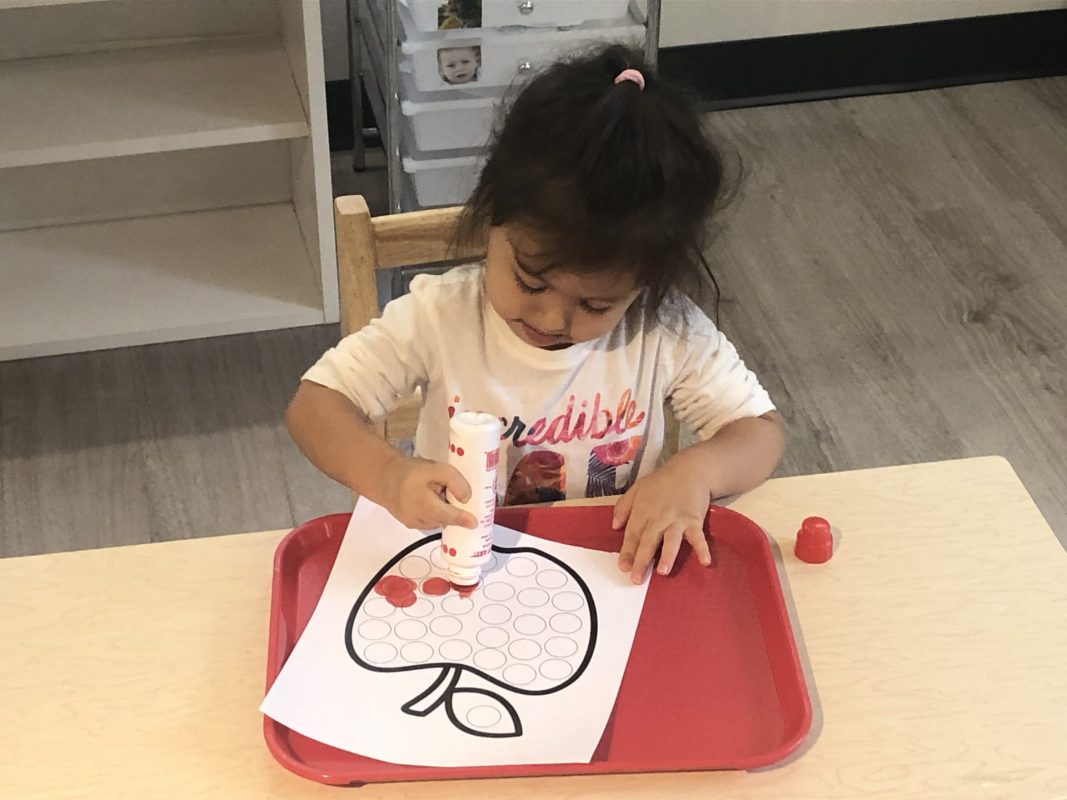
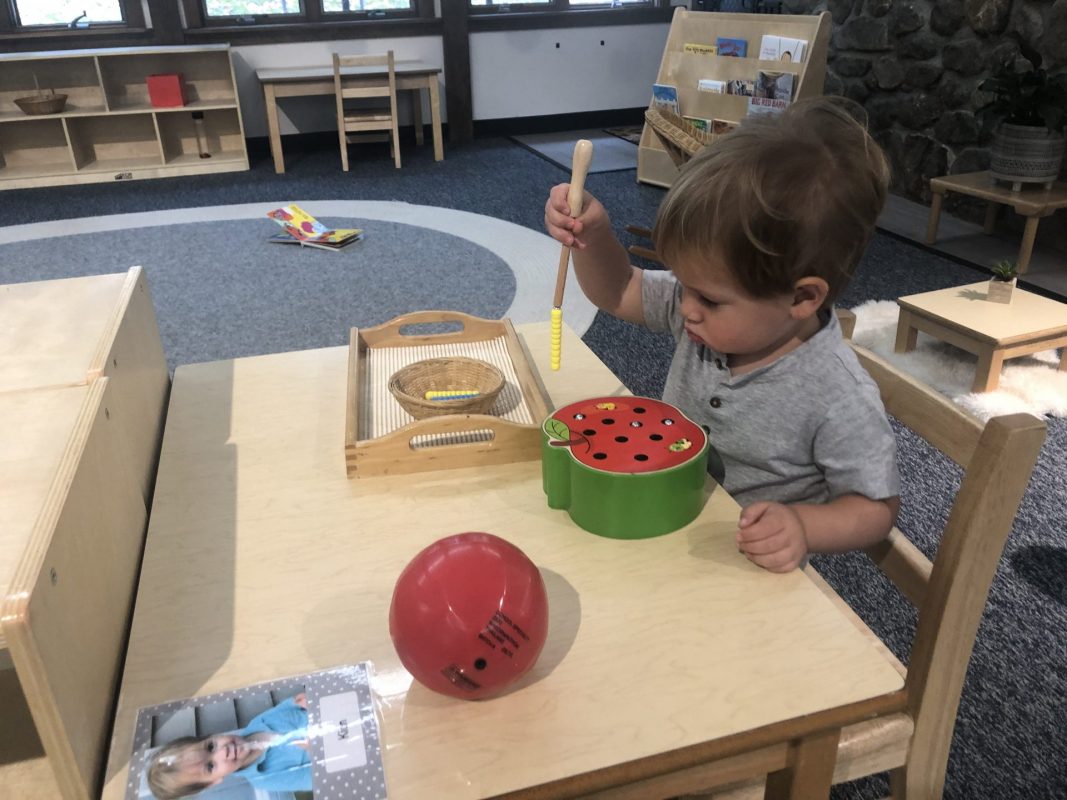
Fall is here everybody! As the season changes and temperatures start to drop slowly, this week we introduced one of the most delicious seasonal fruits, the apple! There are new works in all areas of the environment that expose your children to the characteristics of this great fruit.  

Next week we will be dissecting apples together and enjoying an individual yummy snack. To be able to do this activity and still follow the COVID safety guidelines, we will ask that each child bring one big whole apple on Tuesday, October 6th.  Please place it inside a resealable bag with your child’s name on it.   

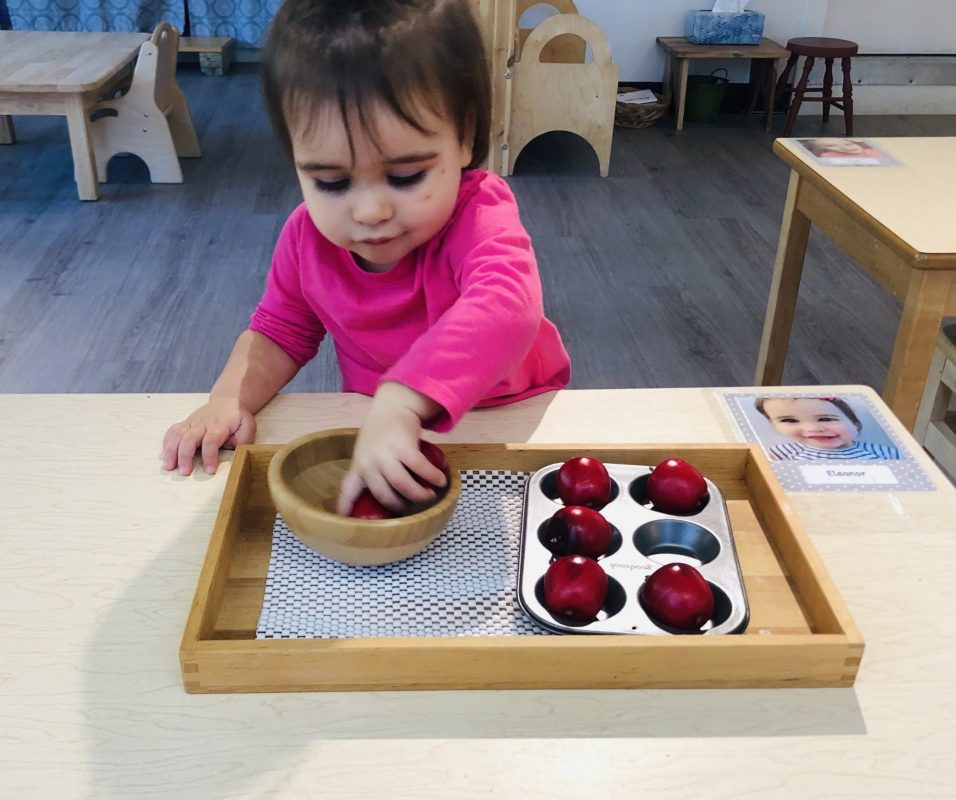
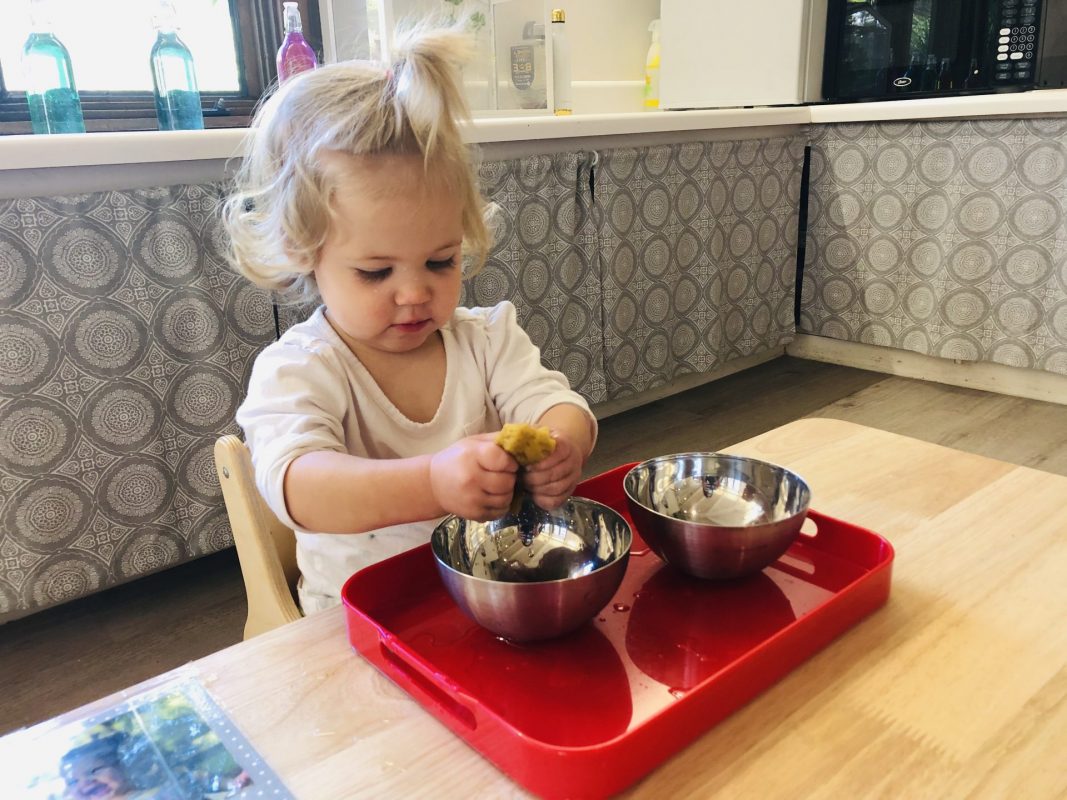
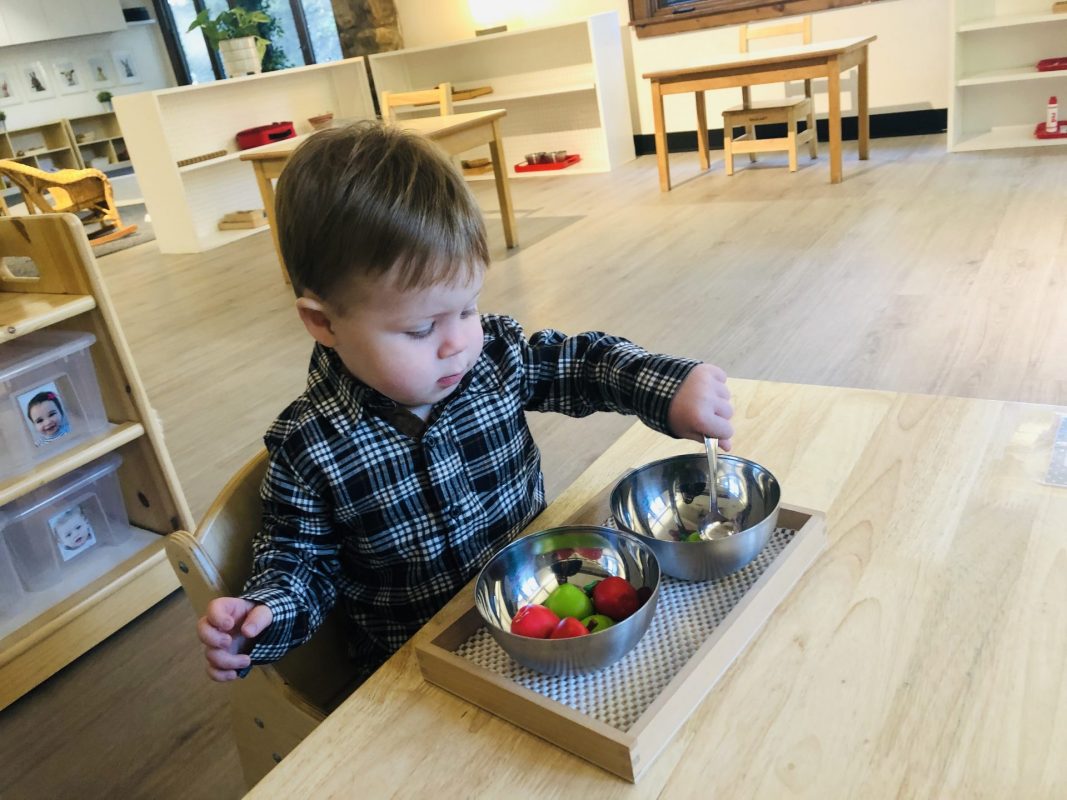
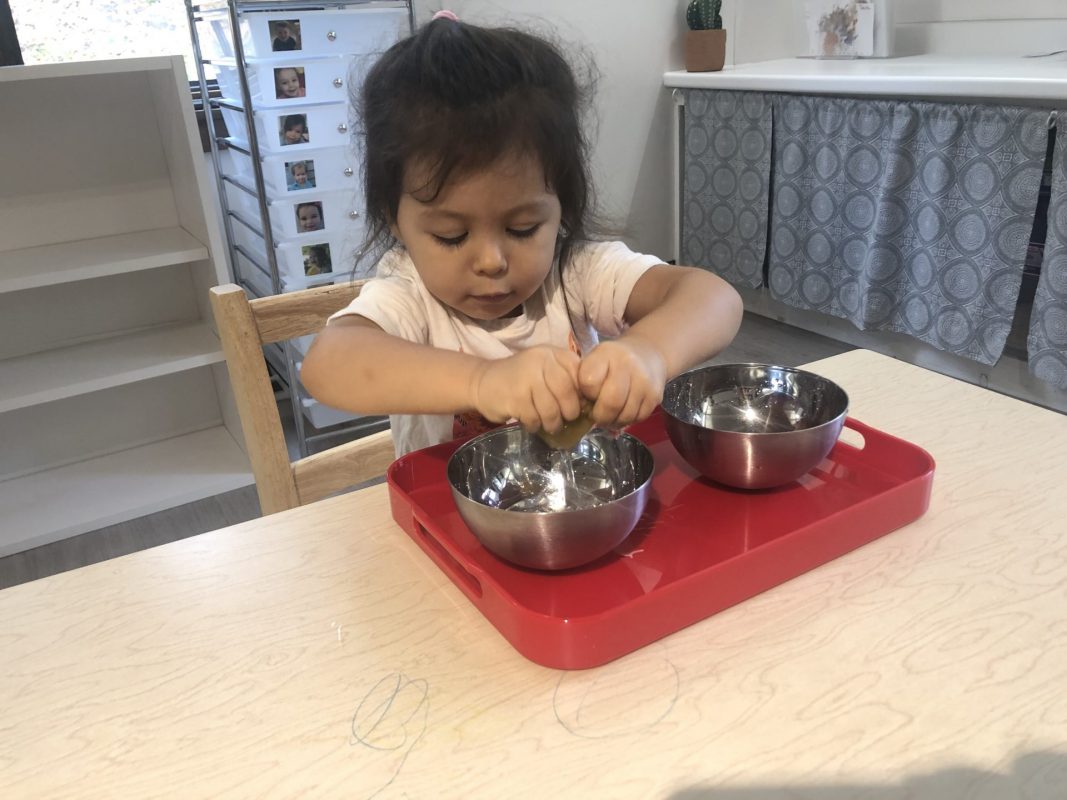
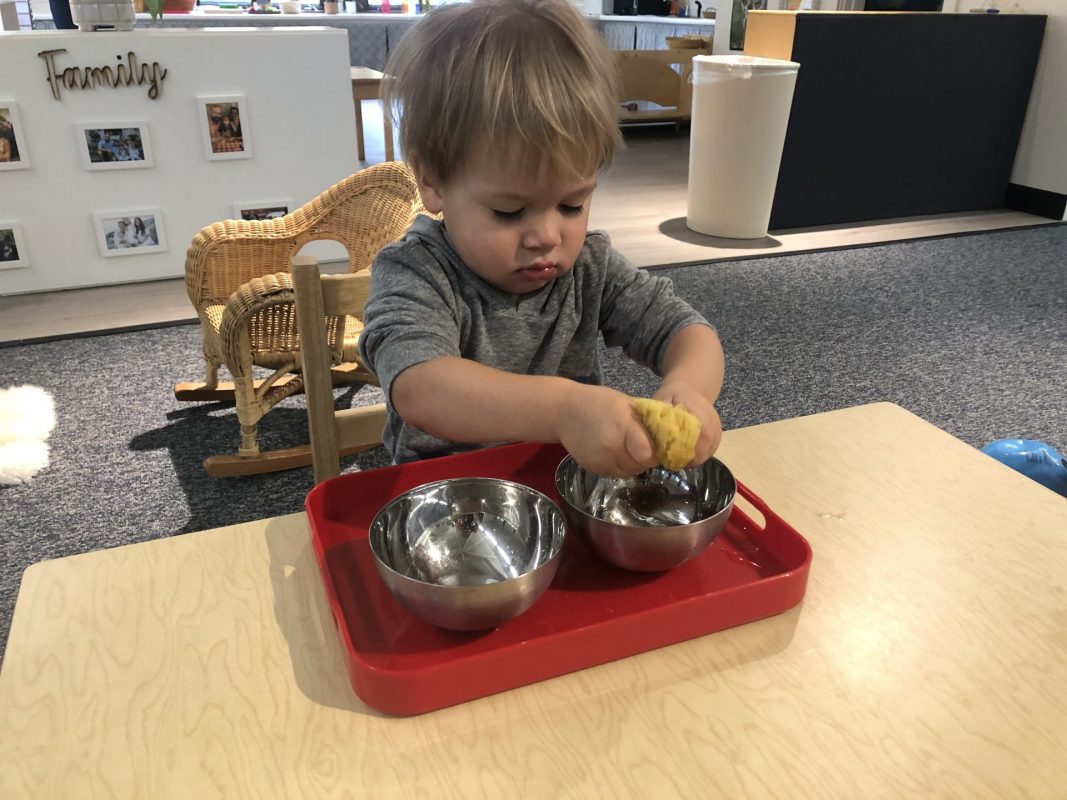
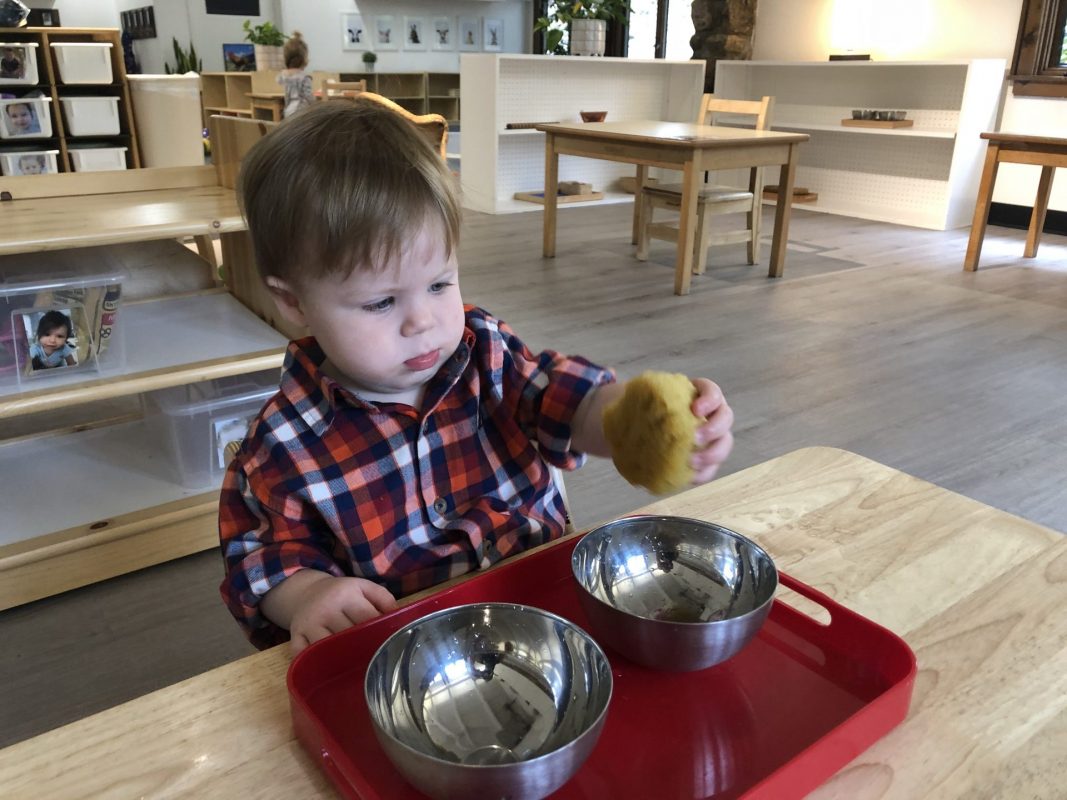
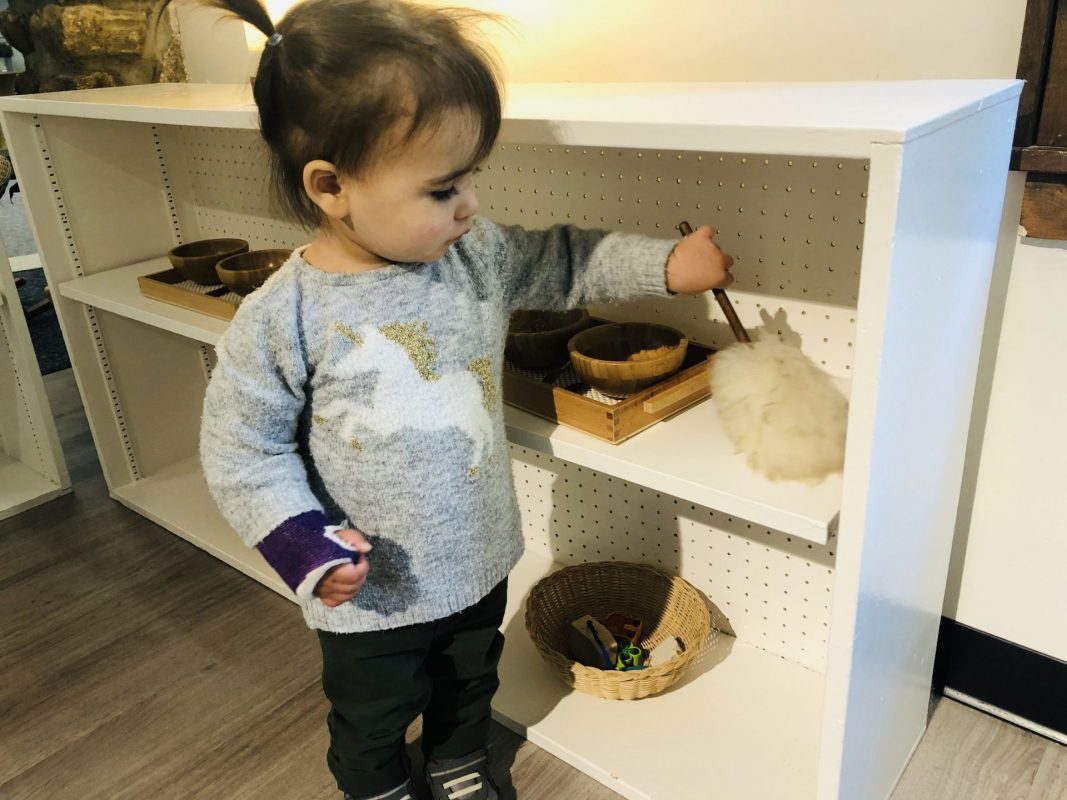
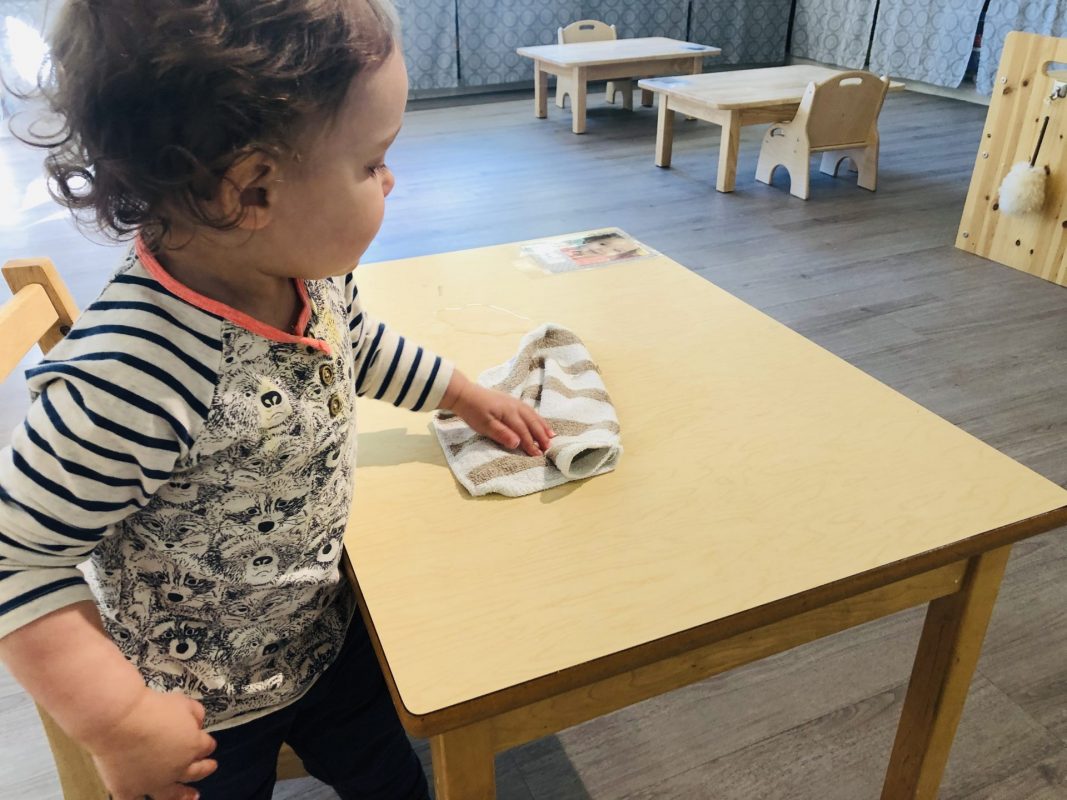
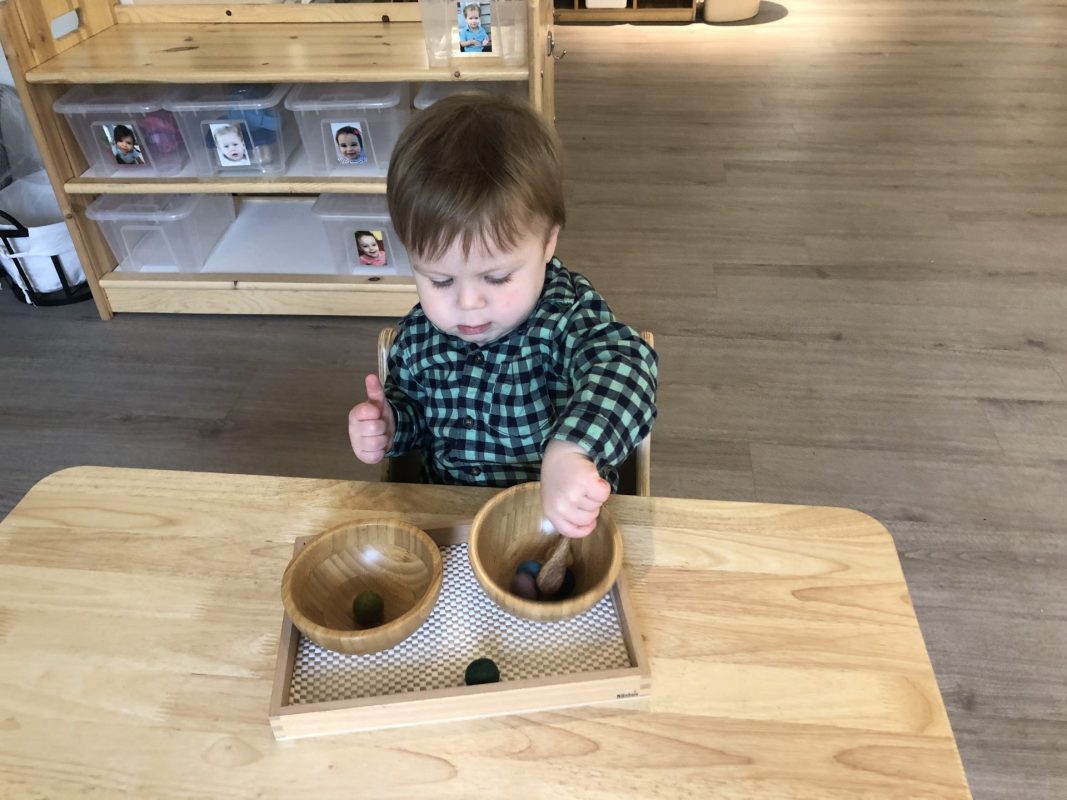
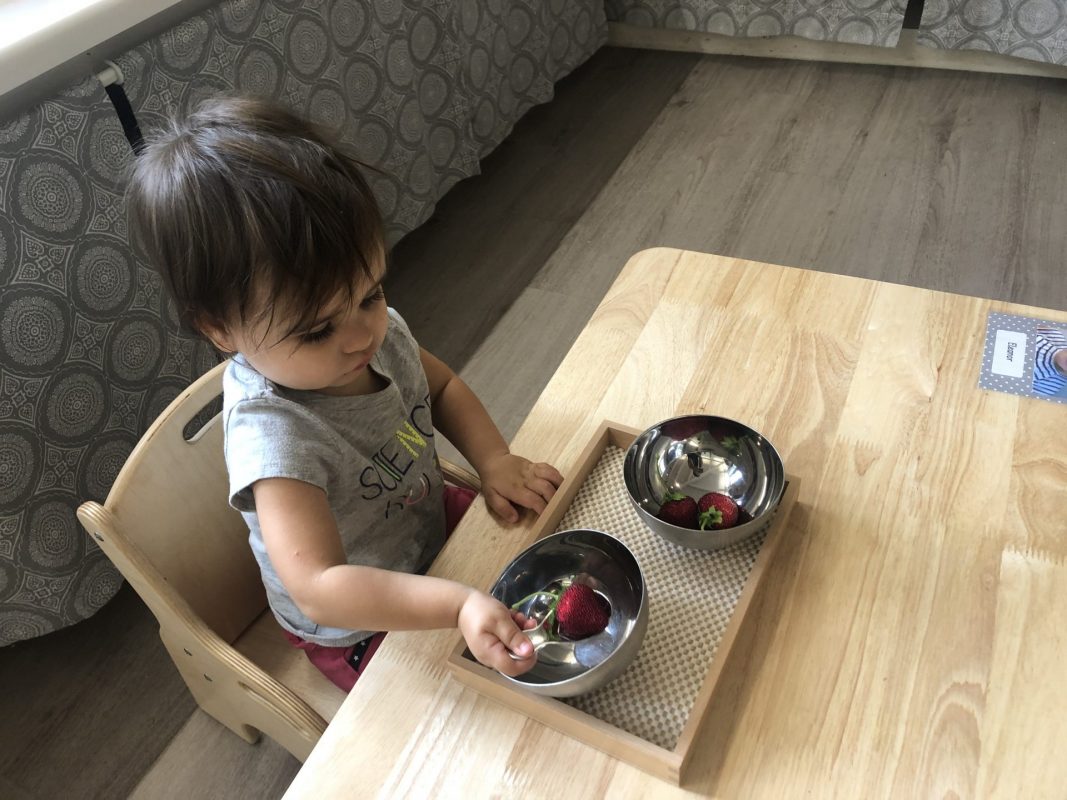
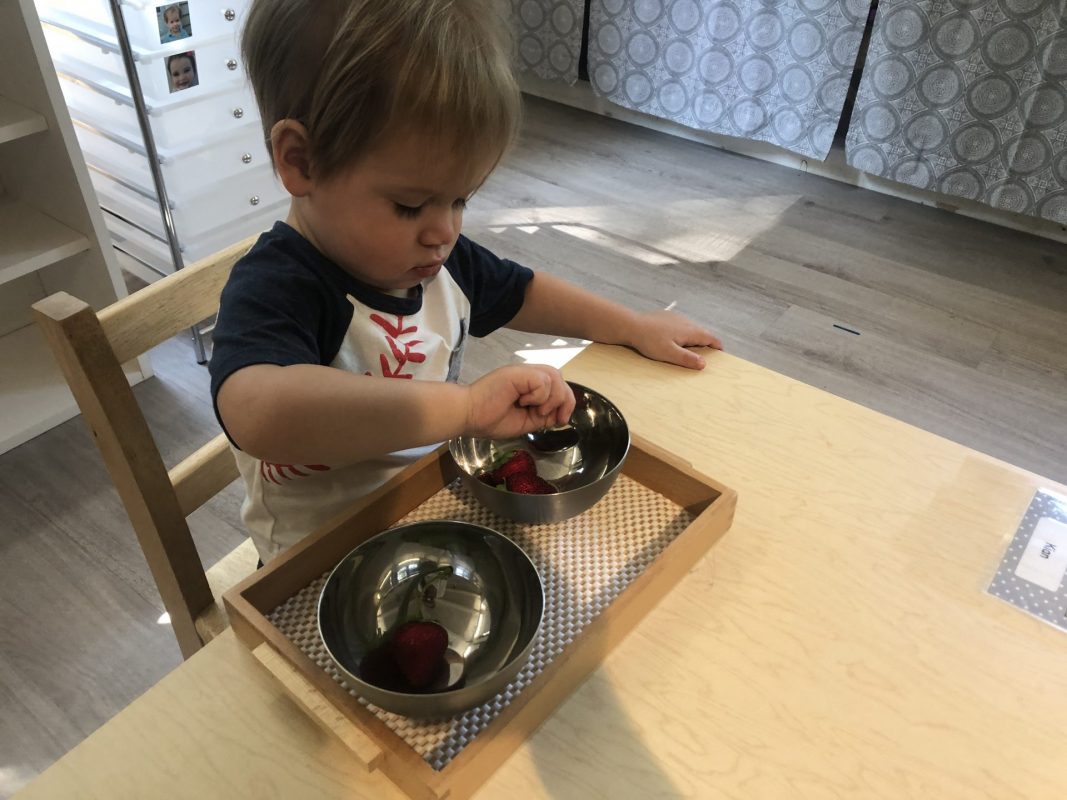
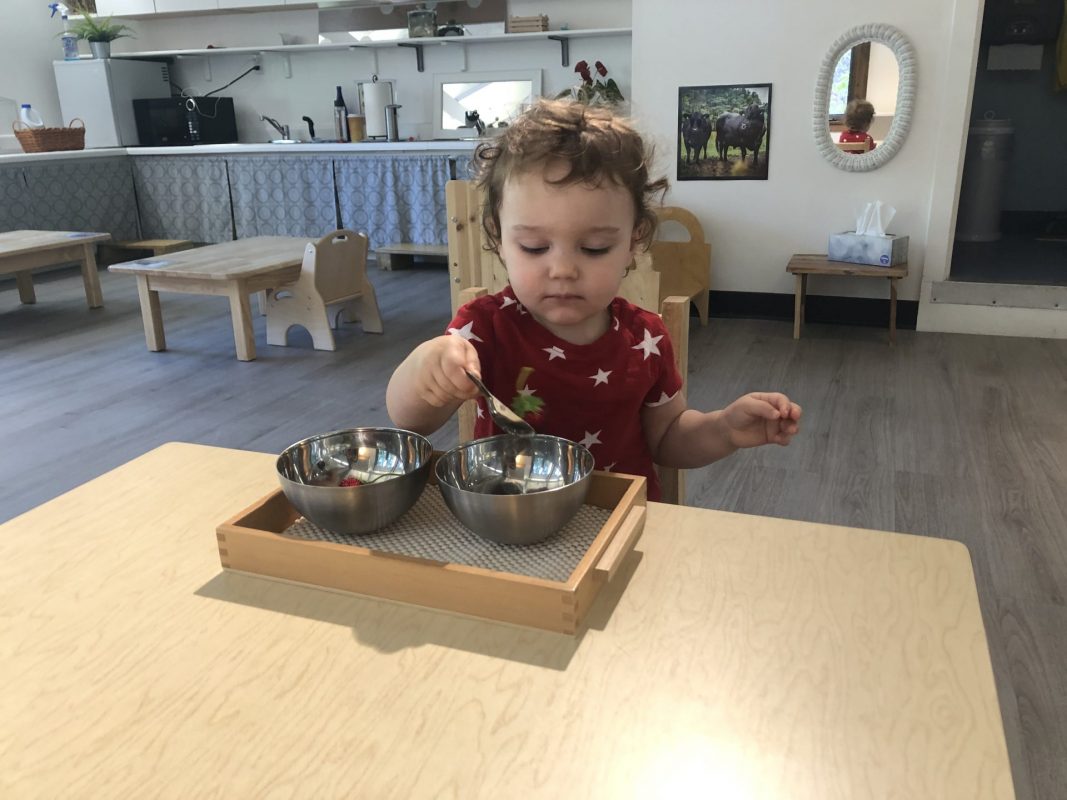
In the practical life area we added a great fundamental lesson, water transfer. To make it even more interesting we used a sea wool sponge for transferring. As basic as it sounds, this was one of the most popular activities of the week. The “magic” of watching the water disappear and get inside the sponge is fun but it’s even more fun when suddenly you squeeze the sponge and all the vanished water comes out. Children received two new vocabulary words when observing the bowls used for the transferring. They like to repeat them over and over: empty and full. At the end of the activity they were encouraged to look for spills and wipe up all the spills with a towel. 

Practical life activities present themselves as a highly logical, sequential chain of activities that indirectly lead the child to grander things. They are the most important activities for toddlers! Activities for care of the environment are both fun and great for developing order, concentration, coordination, and independence.

Other highlights of the week were the introduction to our new song, “Way Up High in the Apple Tree,” where children practiced the numbers one through five using their hands. In Spanish, children are now familiar with the terms: agua – water, vámonos -let’s go, and numbers from one to ten – uno, dos, tres, cuatro, cinco, seis, siete, ocho, nueve, diez. 

As the weekend approaches, we encourage you to enjoy the sunshine and the beautiful weather and visit an apple farm with your little one. It will be a great experience for them during the continuation of our apple studies.

Happy weekend,

Mrs. Hood and Ms. Maria

Mrs. Hood’s Class: “Help me to do it myself.”

“If teaching is to be effective with young children, it must assist them to advance on the way to independence. It must initiate them into those kinds of activities which they can perform themselves and which keep them from being a burden to others because of their inabilities. We must help them to learn how to walk without assistance, to run, to go up and down stairs, to pick up fallen objects, to dress and undress, to wash themselves, to express their needs in a way that is clearly understood, and to attempt to satisfy their desires through their own efforts. All this is part of an education for independence”.

Dr. Maria Montessori

Toddlers are naturally eager to learn these things. “Do it myself” might well be the refrain for the toddler years! Our day-to-day lives often make for less than ideal circumstances to help our children achieve the independence they crave. Our homes are not optimized around a little person with their height of less than three feet: Objects are hard to reach, too heavy, or too big for little hands to use. Our days are not set up to move at their speed: We rarely just happen to have ten spare minutes to wait while our almost two year old puts on their jacket!

Yet enabling a toddler to become more independent has huge benefits, both short-term and long-term. Power struggles decrease when a child feels more in control. Temper tantrums are less frequent when a toddler is busy doing things for themself rather than resisting their parent’s efforts to do things for them! A child who feels capable because they can act in the world, without needing to rely on Mom or Dad for every little thing, is a child who is developing self-confidence.

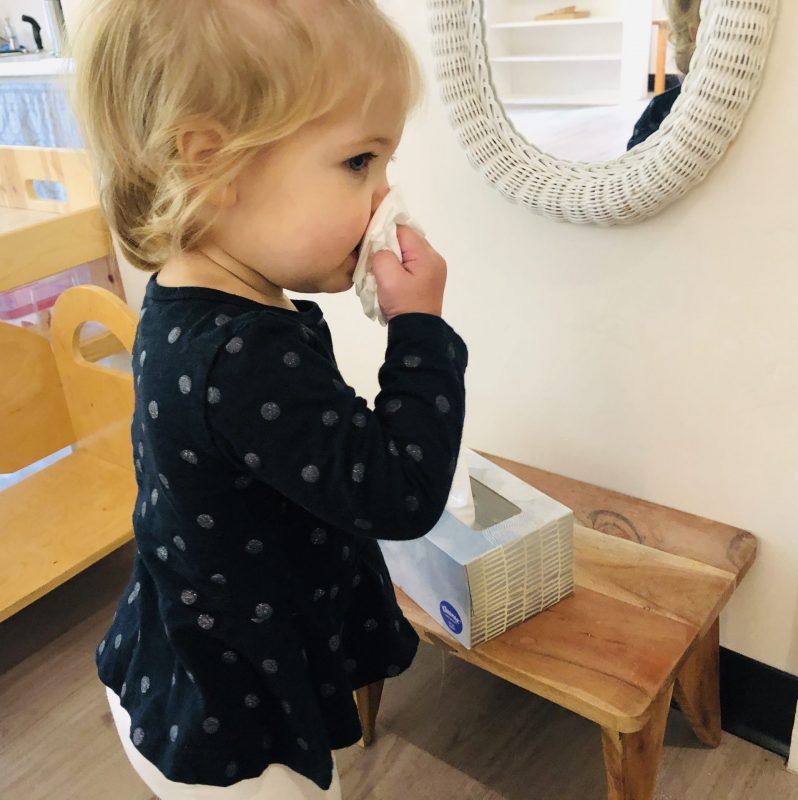
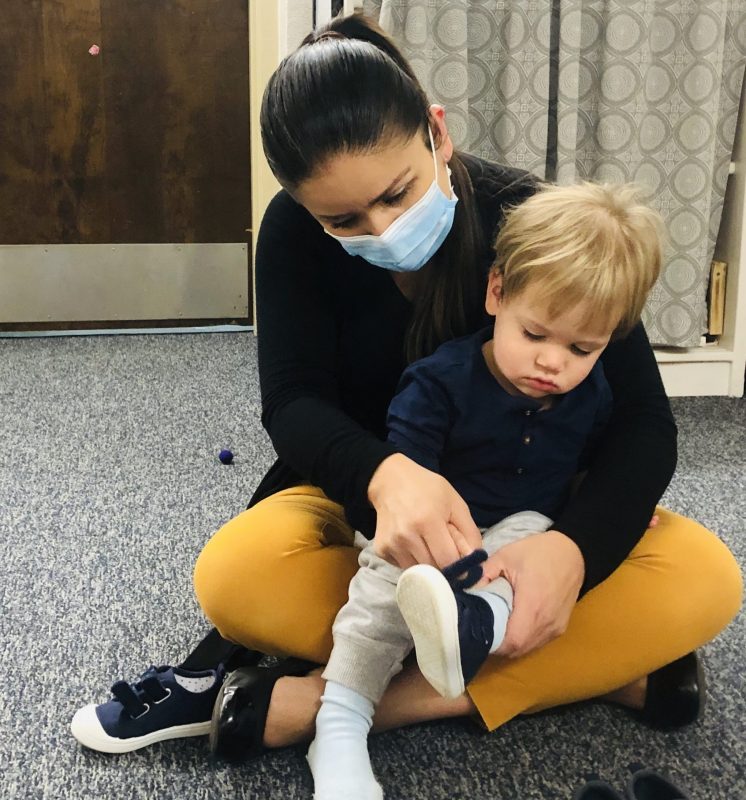
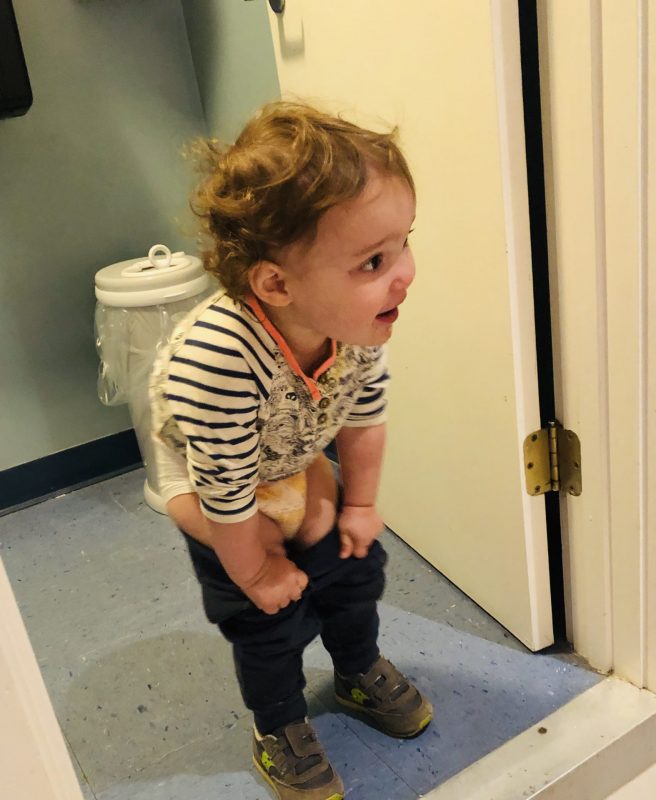
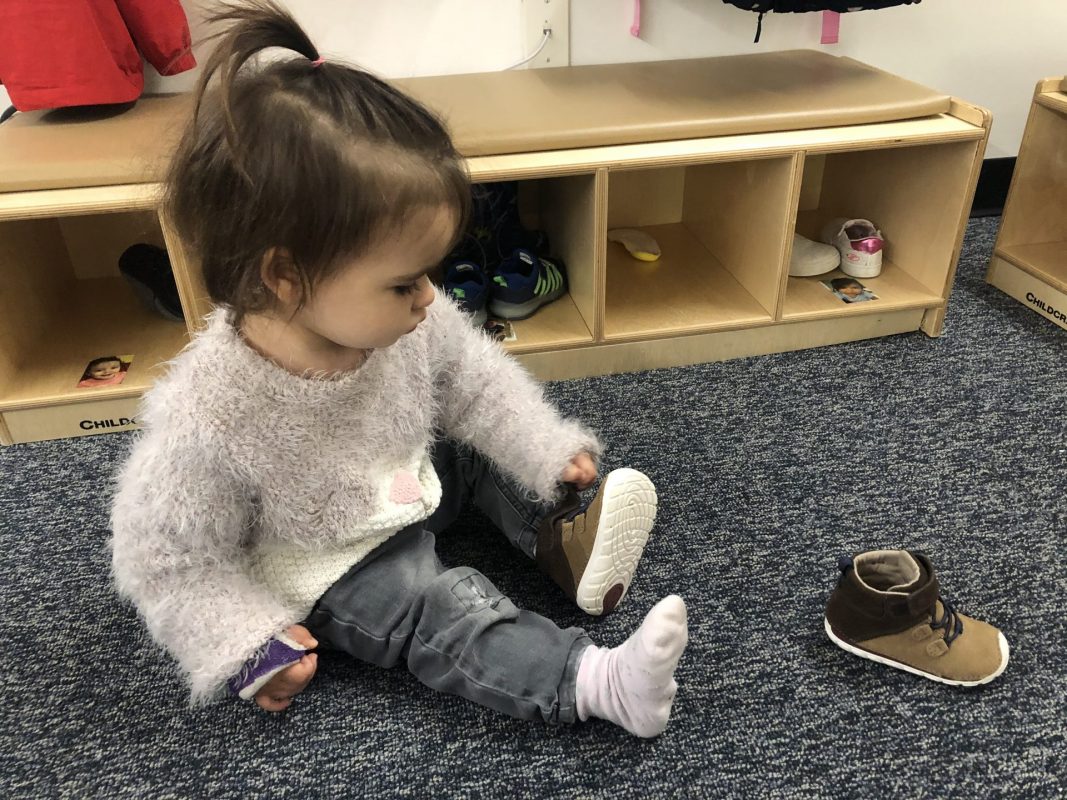
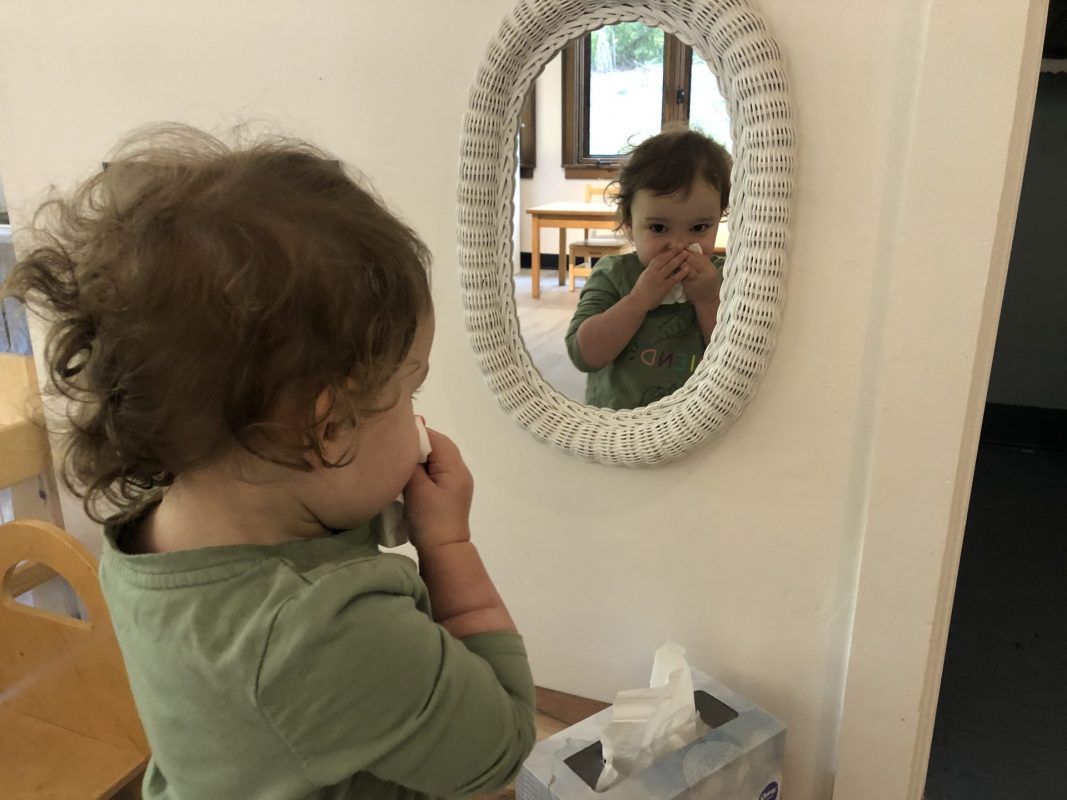
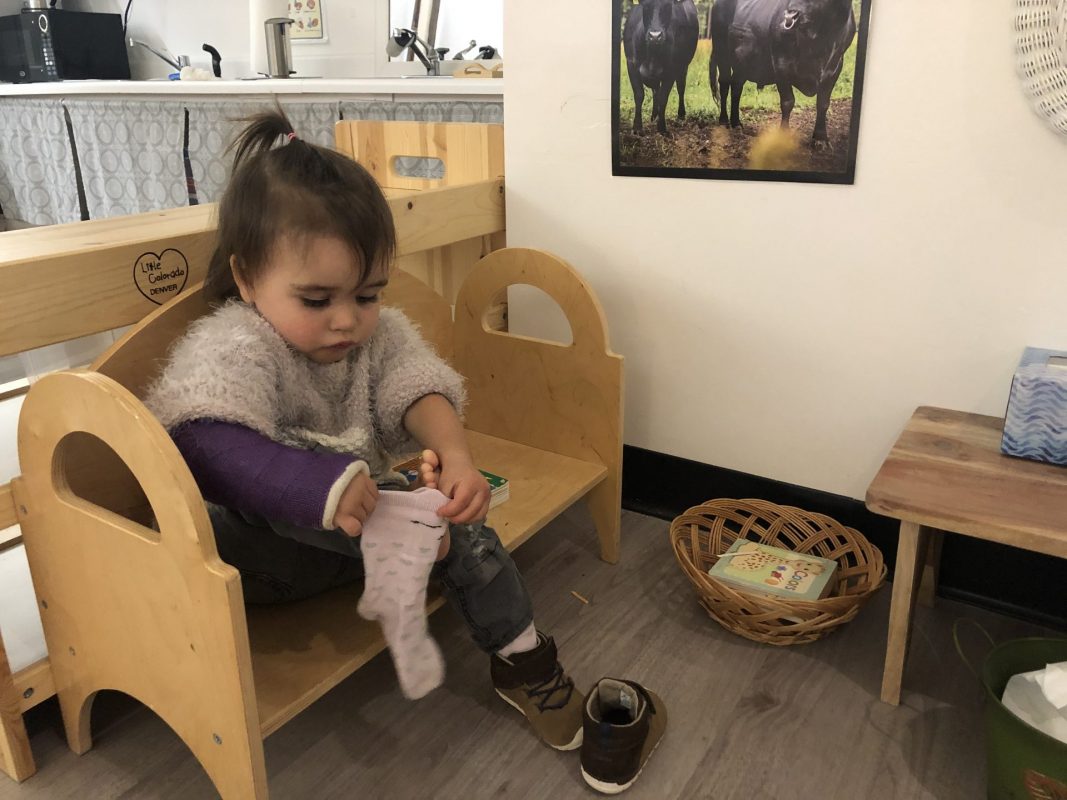
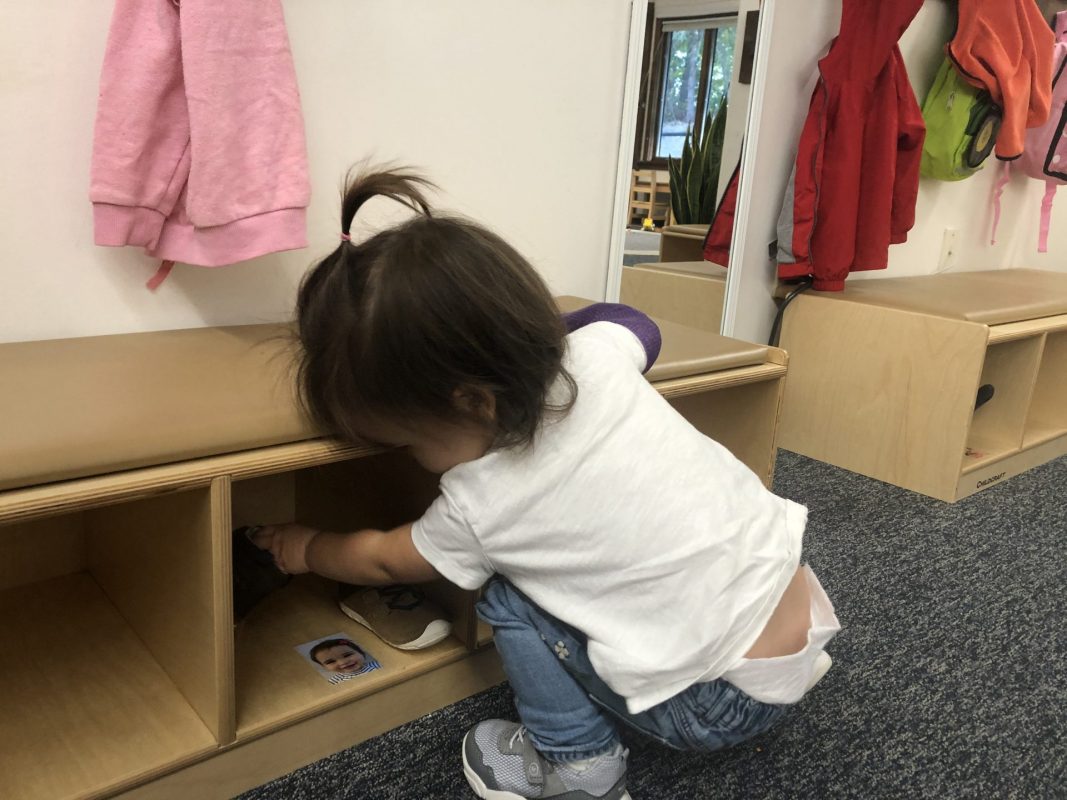
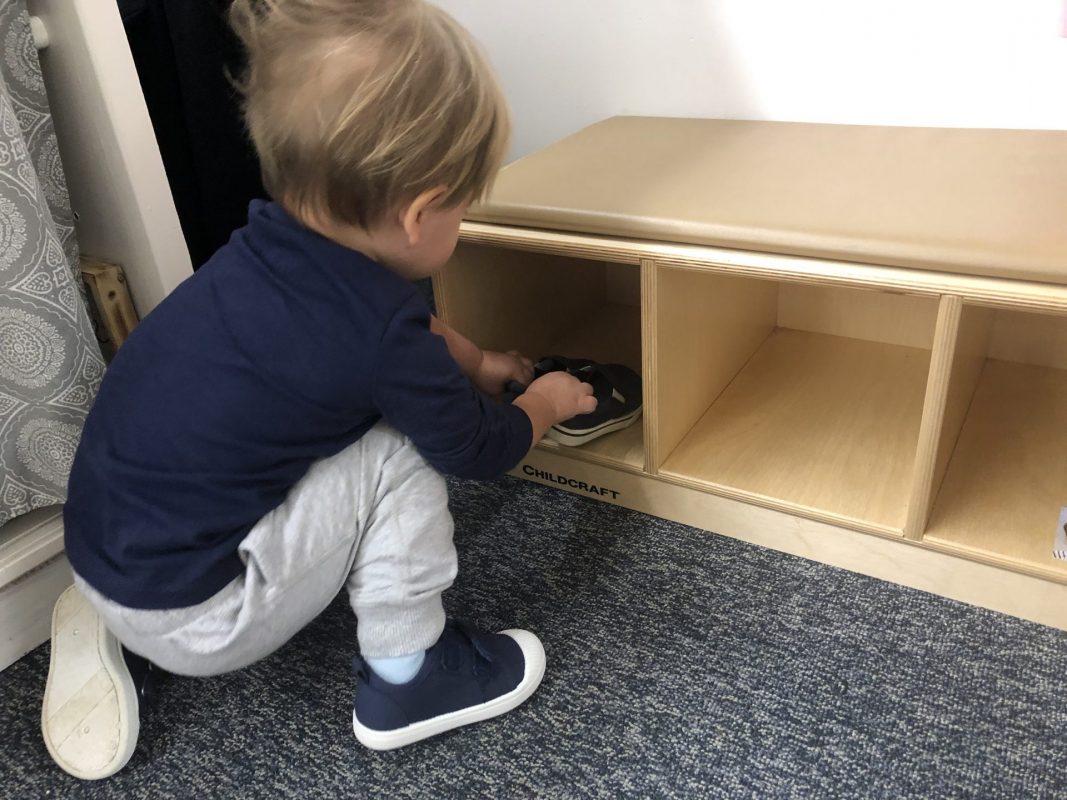
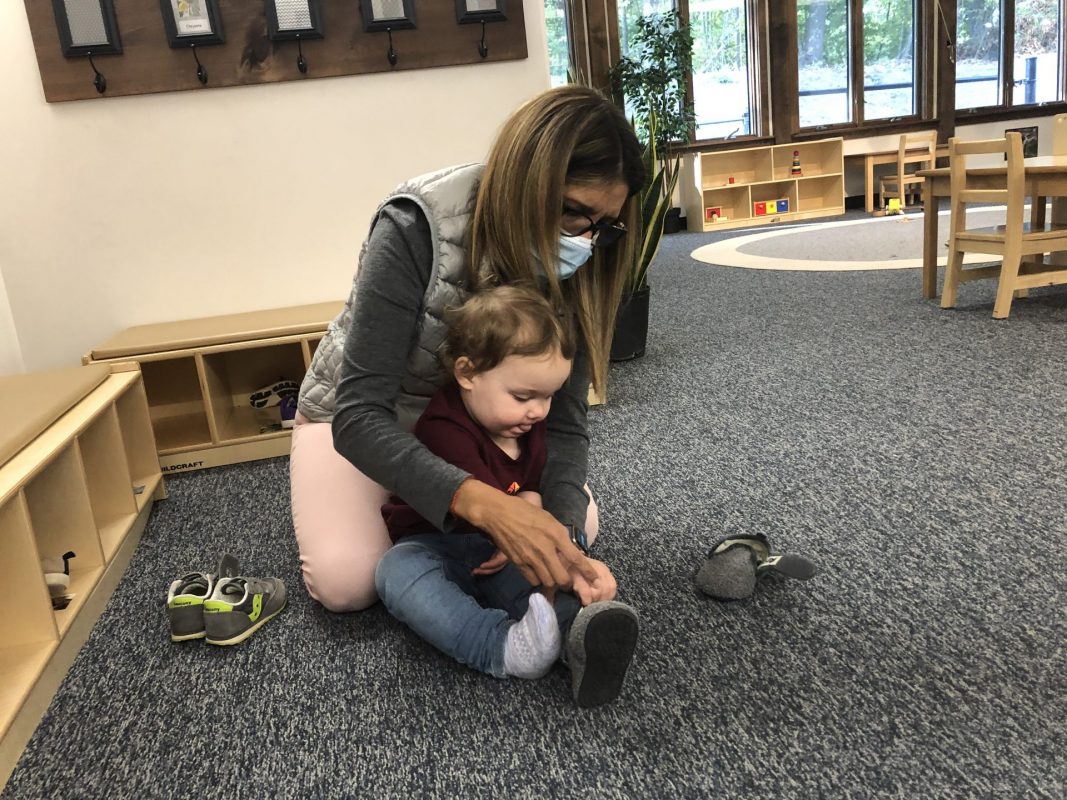
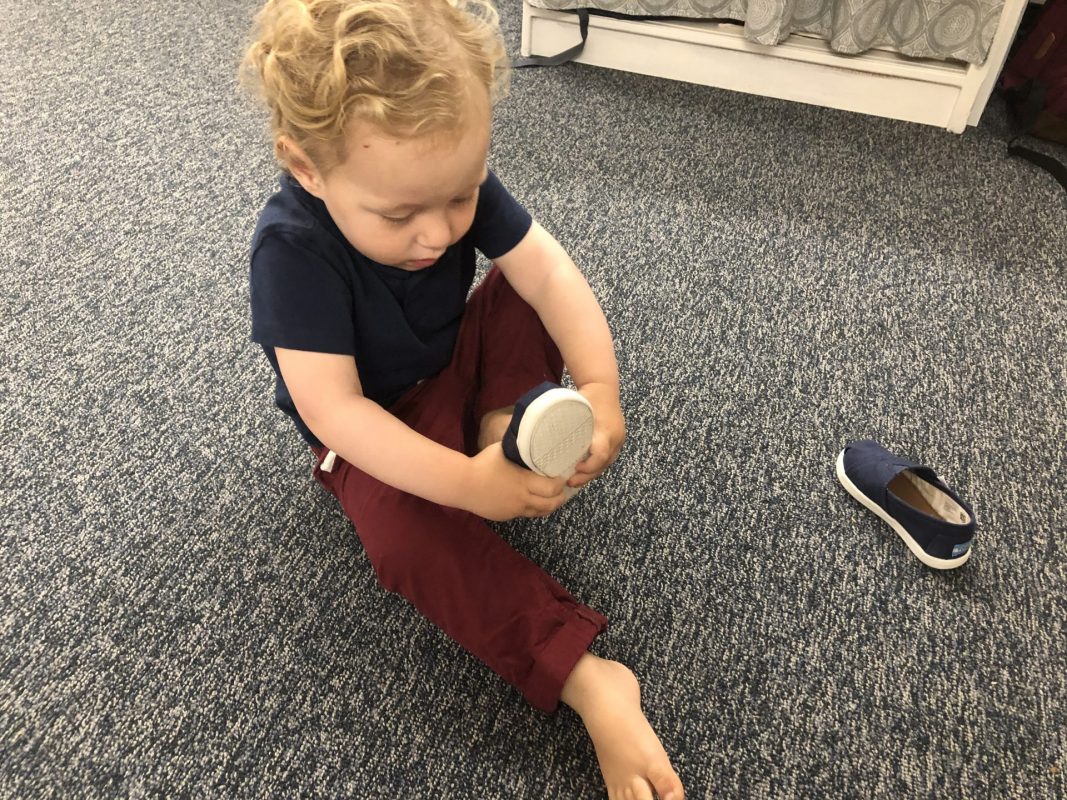
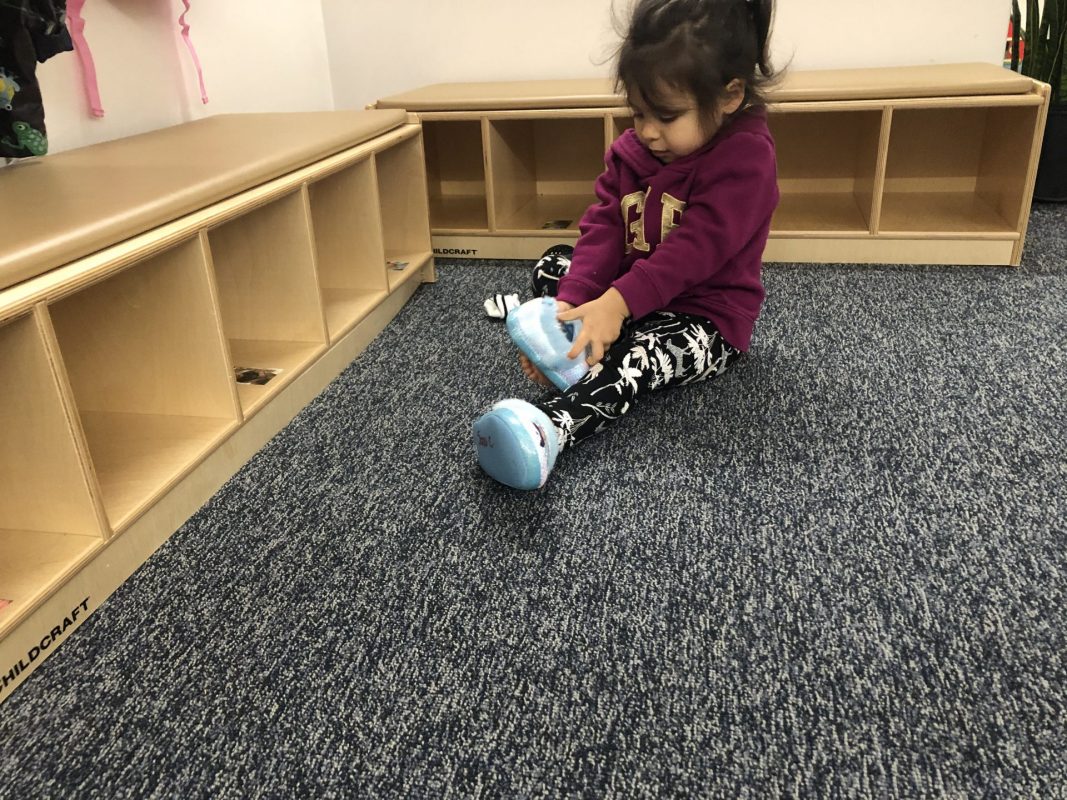
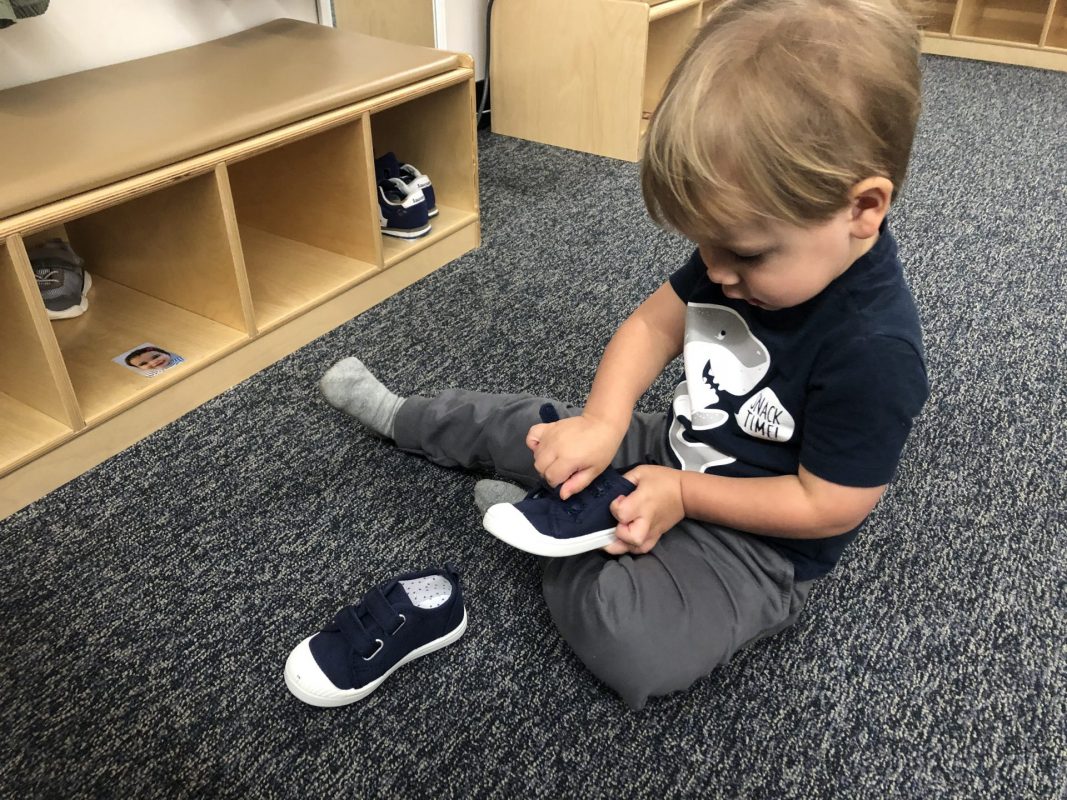
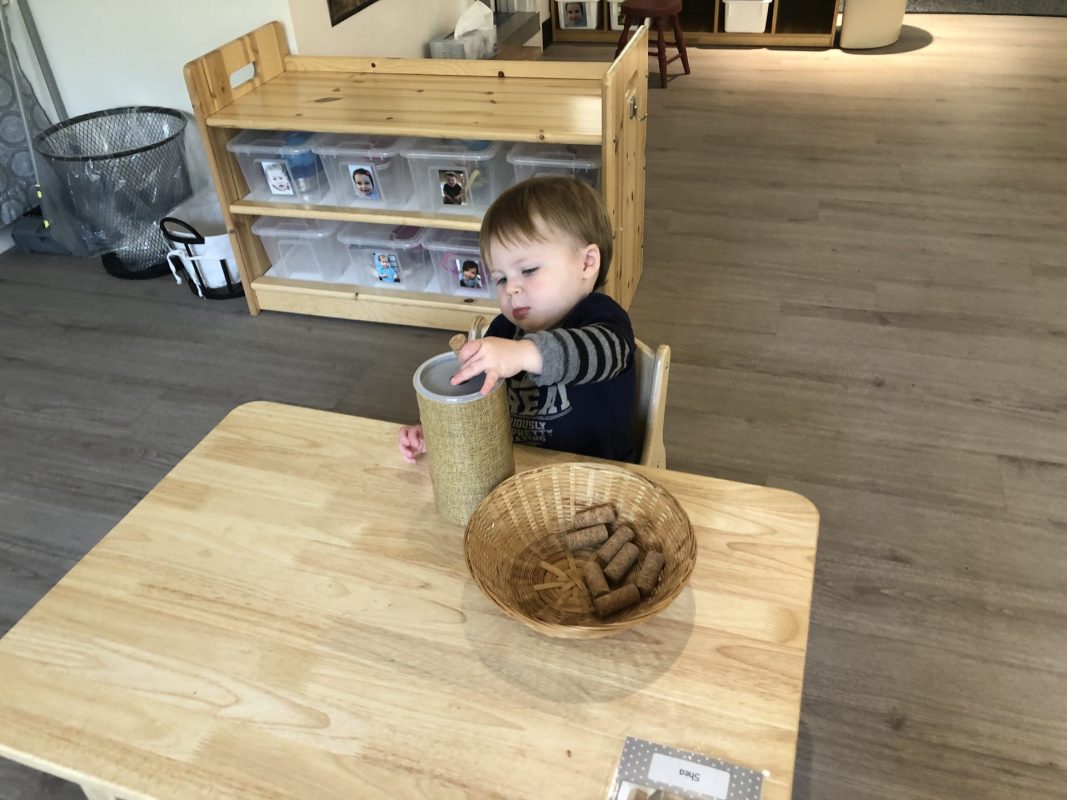
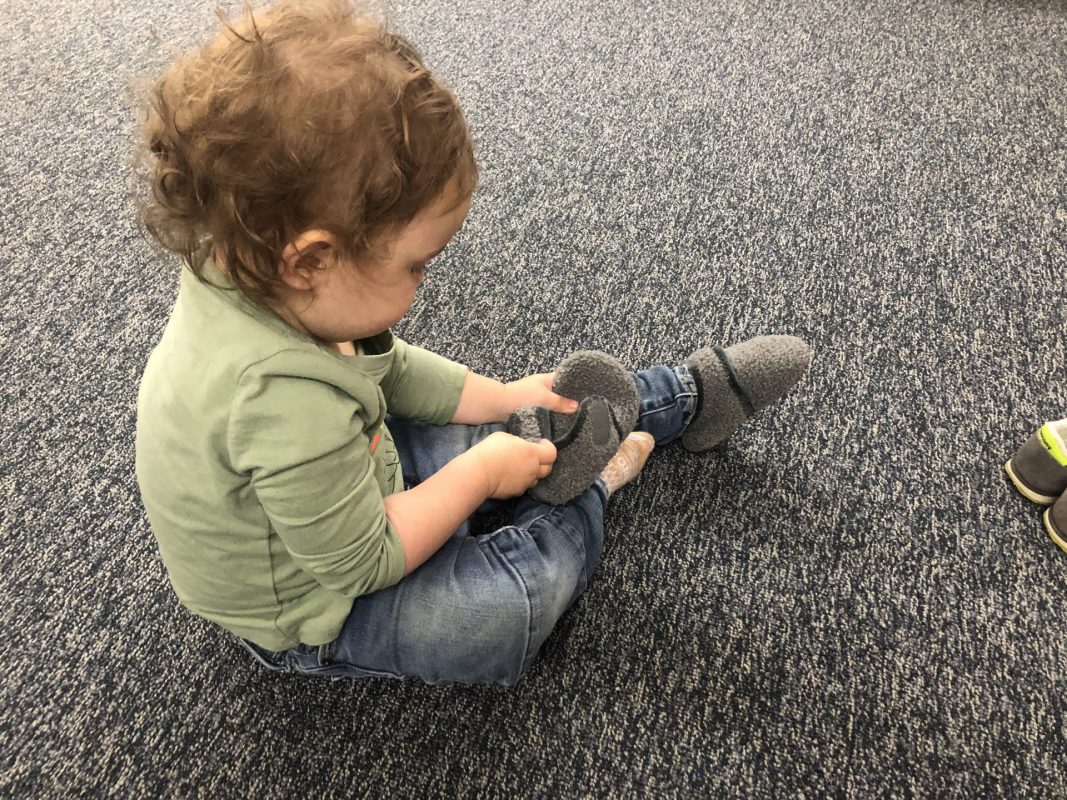
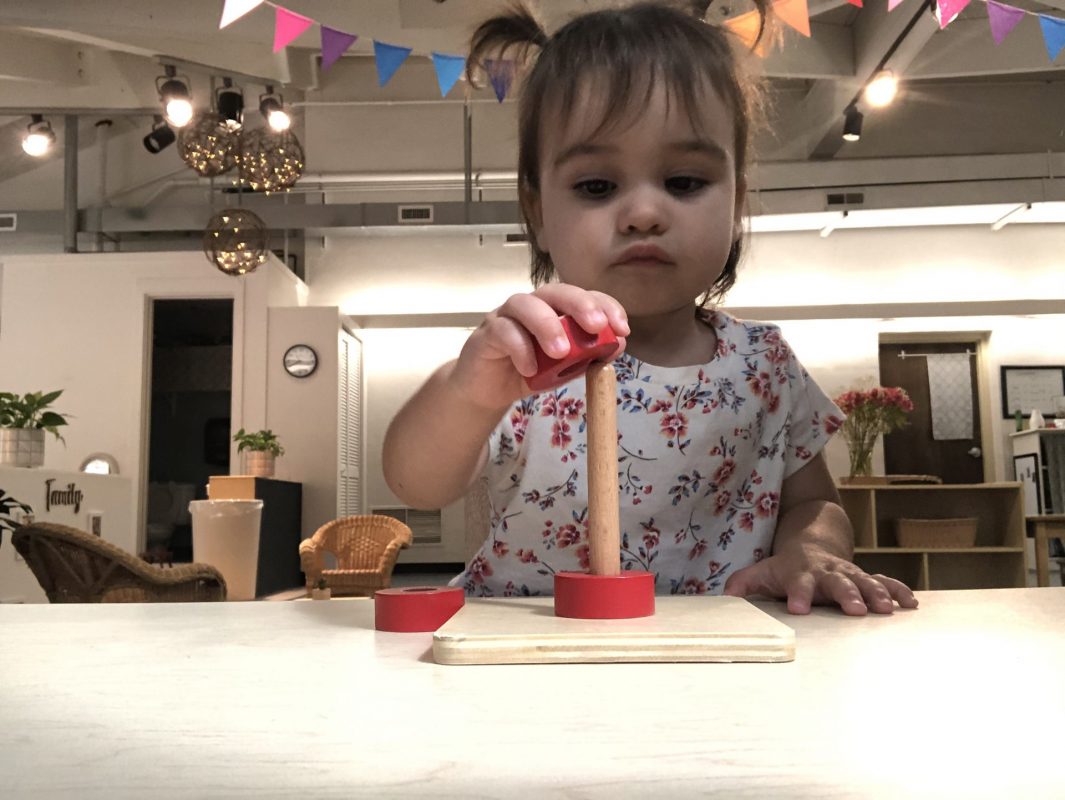
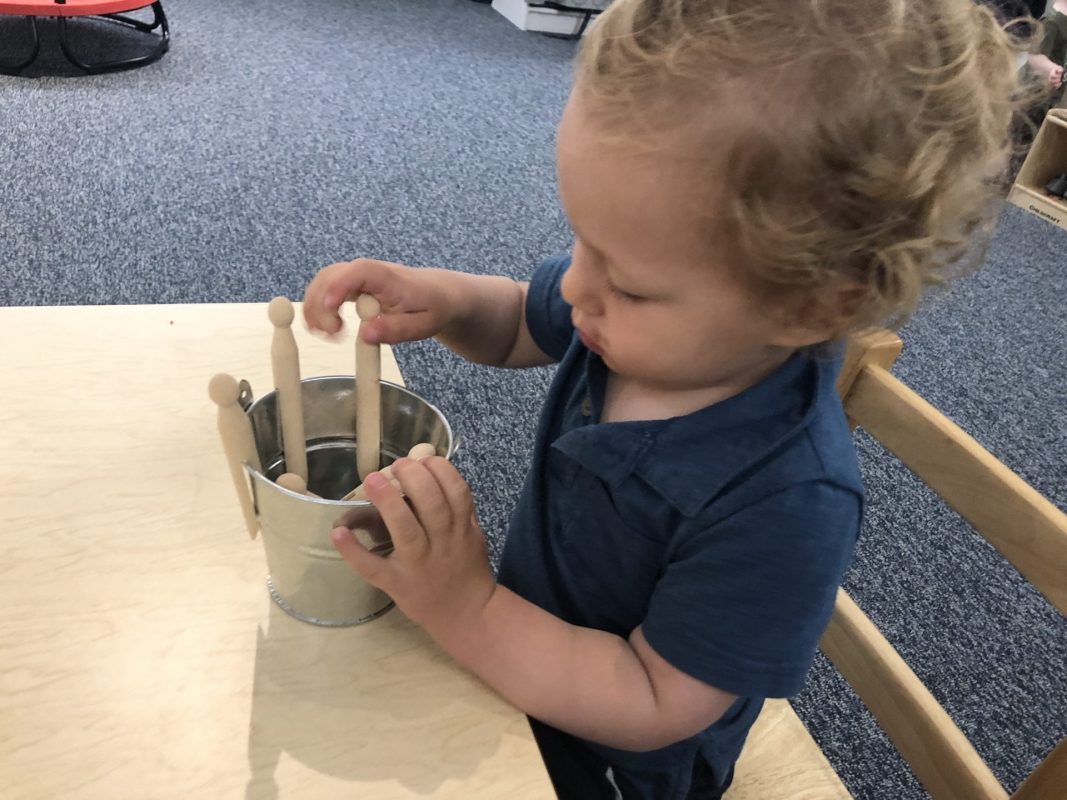
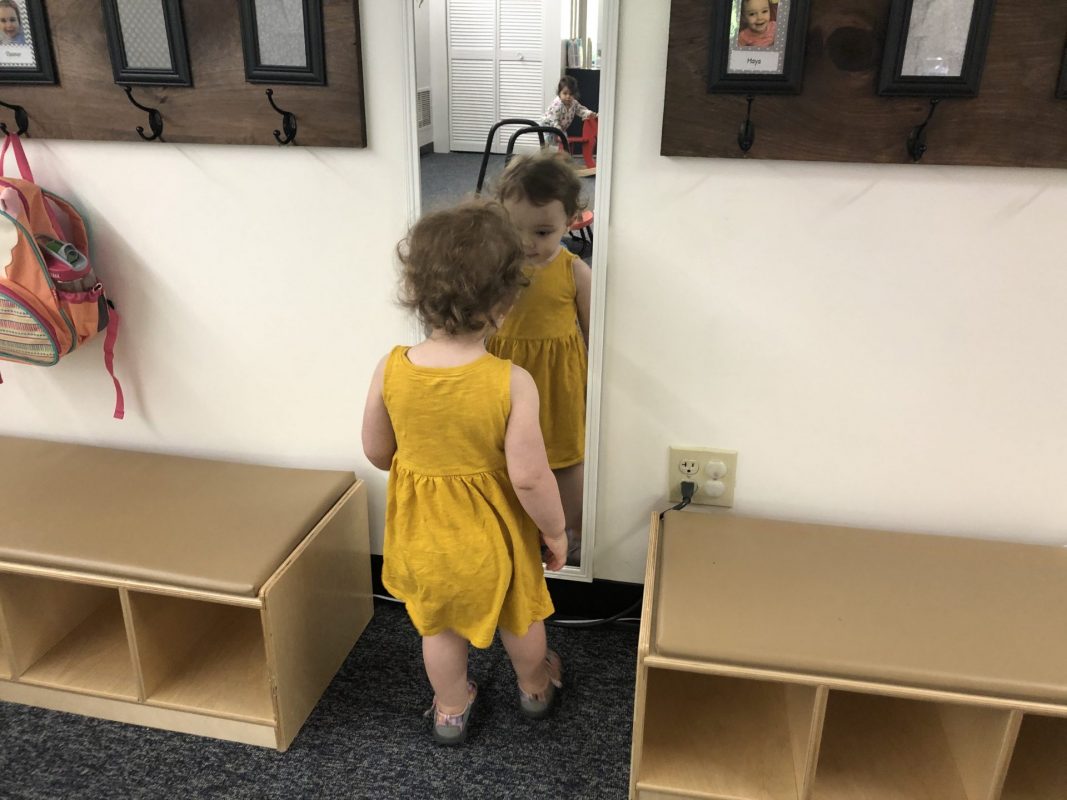
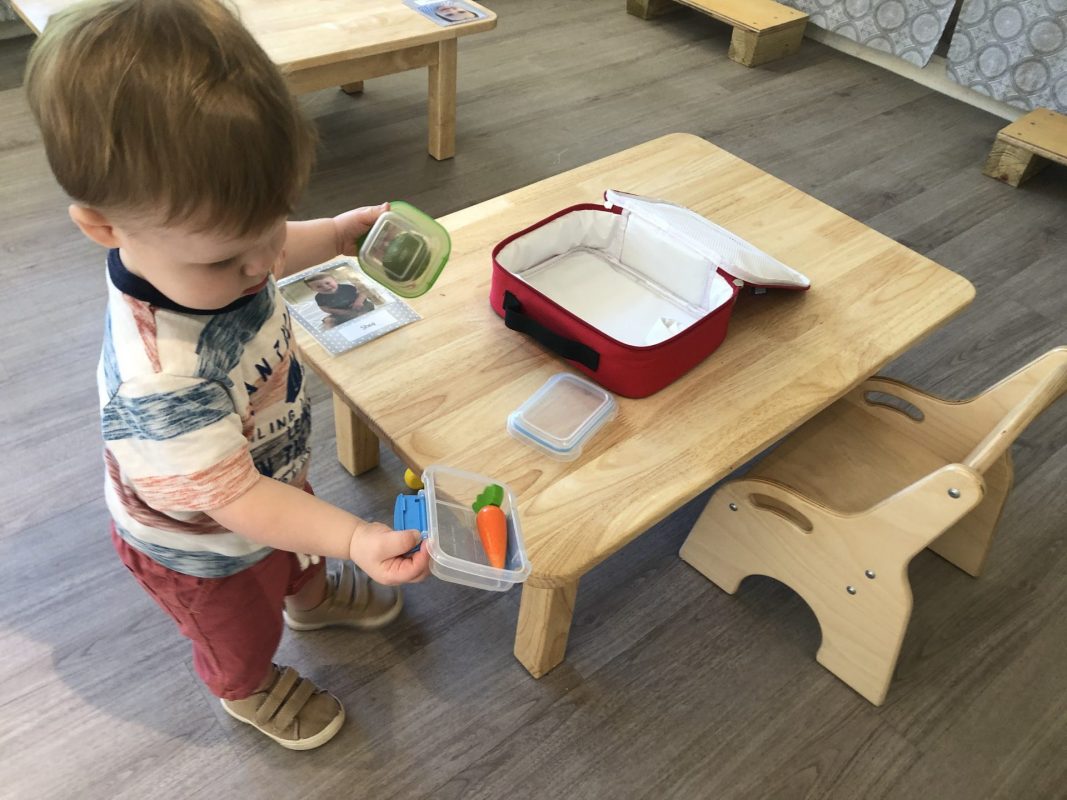
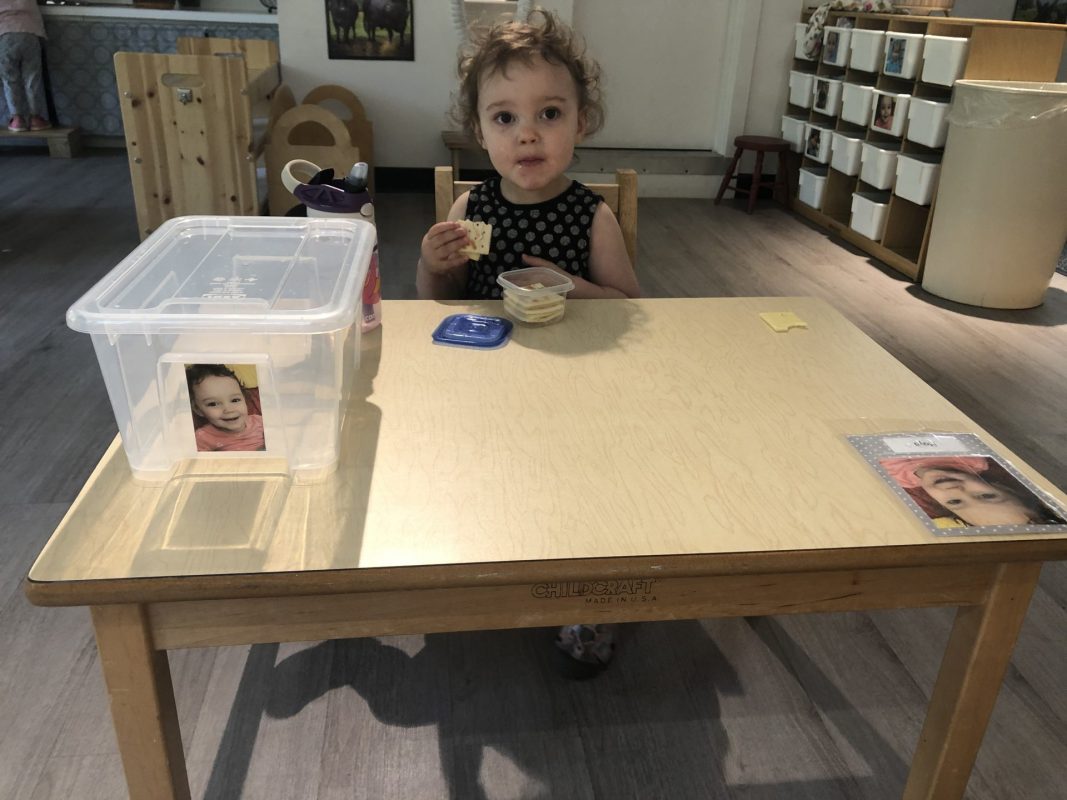
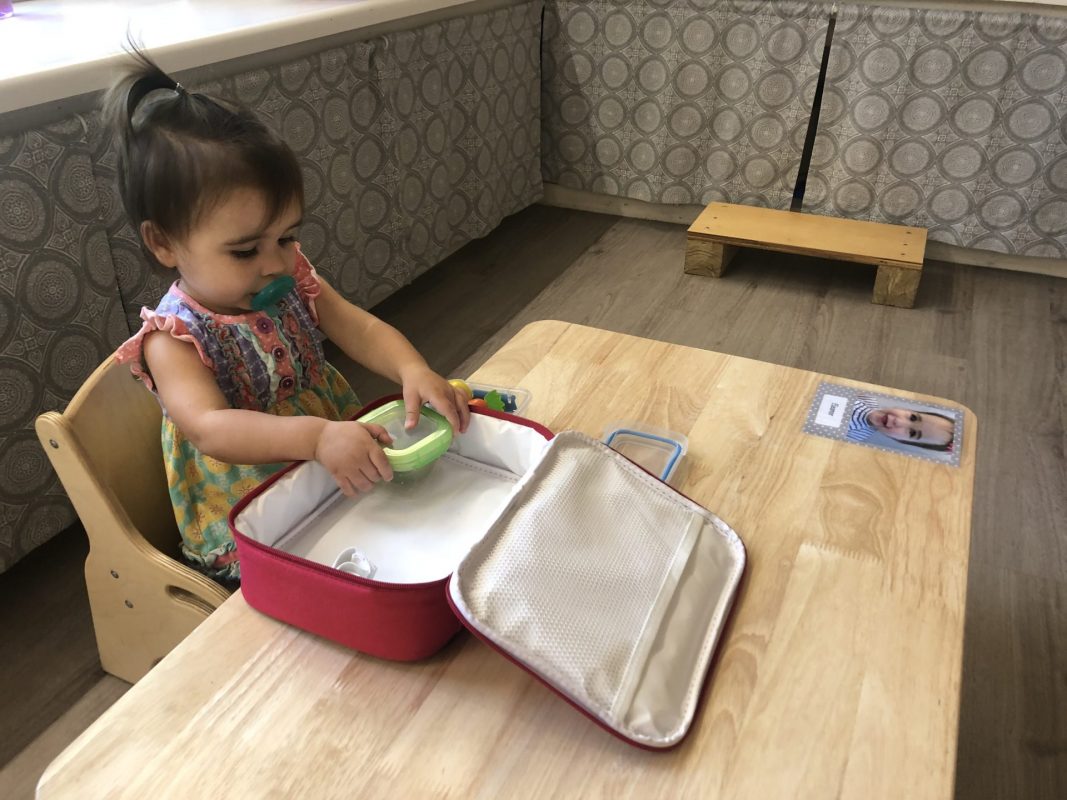
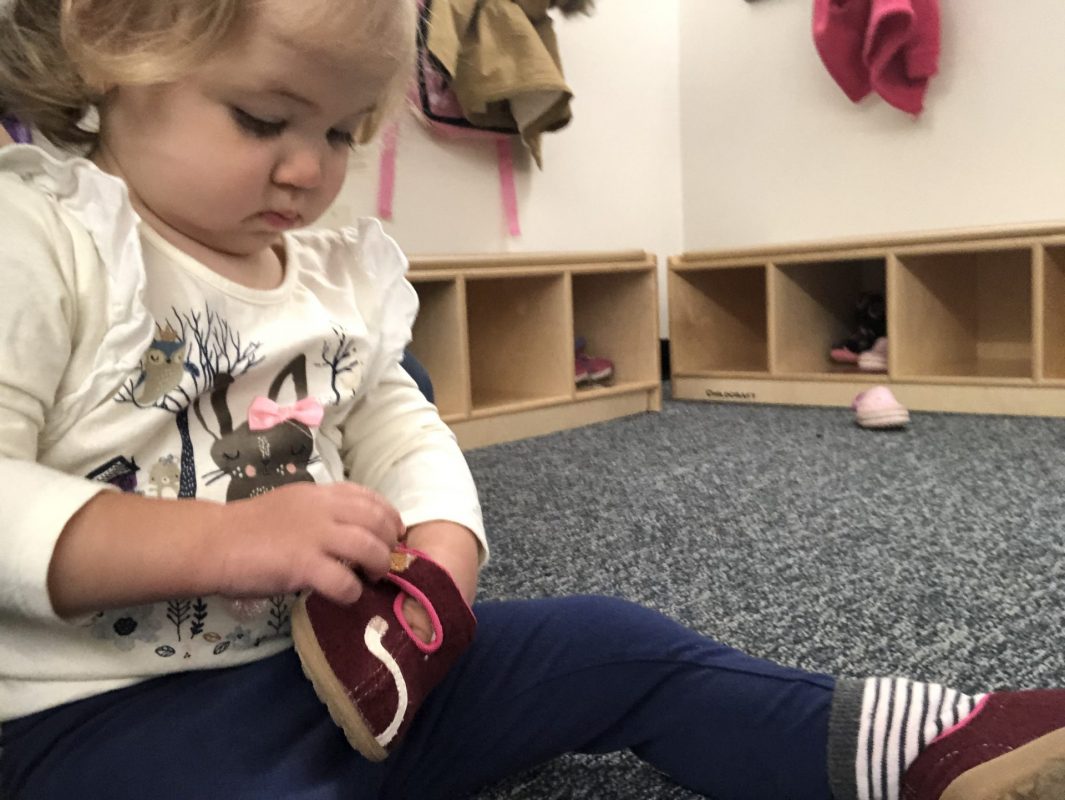
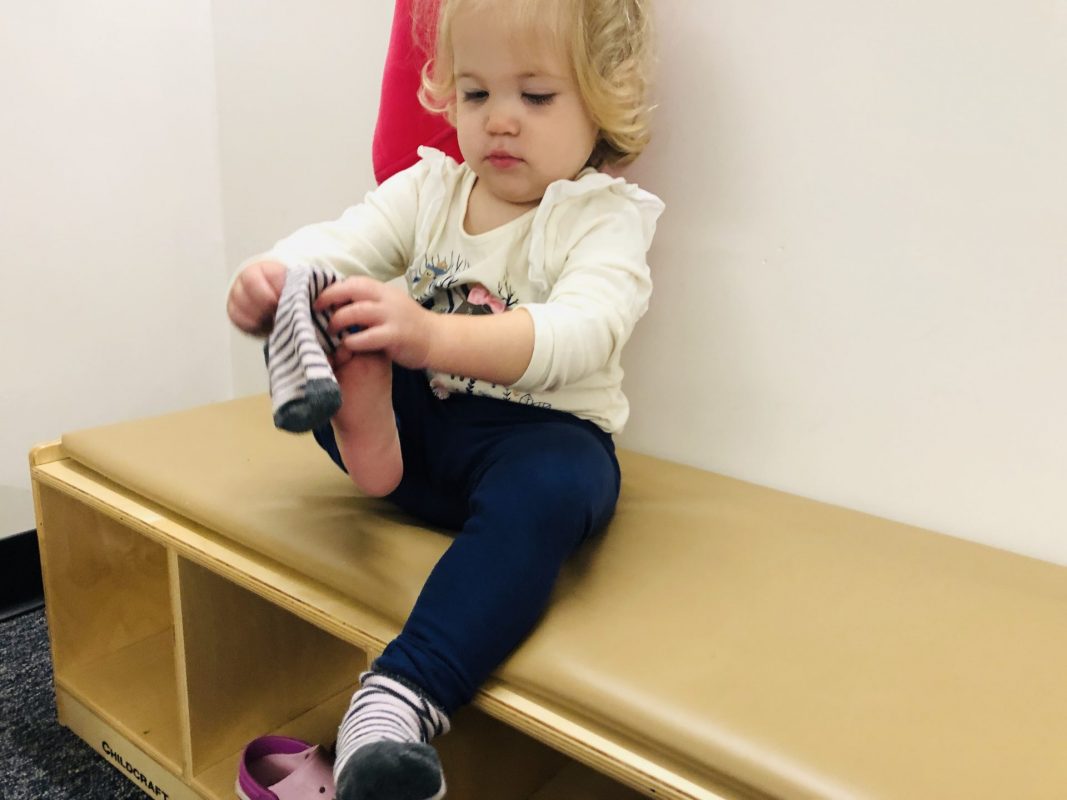
Last week we introduced the routine of changing into indoor shoes at the beginning of the morning! At this point, your children have learned to recognize their space and continue to work hard in the skill of removing their own shoes, coordinating their hands to get the new shoe on and pulling and closing the velcro tabs. Choosing a tissue, observing their faces in the mirror and wiping up their nose when needed has been a daily work for all as well, and so has placing their hands under the soap dispenser, opening the faucet, and properly washing and drying their hands independently. Your children have been mastering the skill of taking their snack box from the snack shelf, carrying it and bringing it to their respective table, opening the box and taking their snack out. They also have been learning the importance of asking for help when needed and remaining seated while eating. These are big steps for little people but your children have been absorbing the routines beautifully and their skills improve daily.

Reminder: When choosing clothing, please consider items that are easy for your child to manipulate independently. Please avoid overalls, belts, pants with buttons, zippers or snaps, tights, onesies, jeans, tight leggings, bulky or long dresses, and other clothing that restricts movement.

Pants with an elastic waist allow your child to participate successfully as opposed to becoming frustrated and causing a loss of interest in toileting. We also recommend shirts that are no longer than the waistline.

Have a great weekend,

Mrs. Hood and Ms. Maria 

Mrs. Hood’s Class: La Vaca Lola!


Have you heard of La Vaca Lola? Maria Montessori believed that the initial six years of a child’s life are crucial for a child’s language development; that from birth, a child must receive appropriate stimulation. This is also widely recognized by many specialists in language, also when referring to learning foreign languages.

Research shows that learning a second language boosts problem-solving, critical-thinking, and listening skills, in addition to improving memory, concentration, and the ability to multitask. Children proficient in other languages also show signs of enhanced creativity and mental flexibility. This is why one of our goals is to offer a Toddler Spanish immersion experience in our environment.

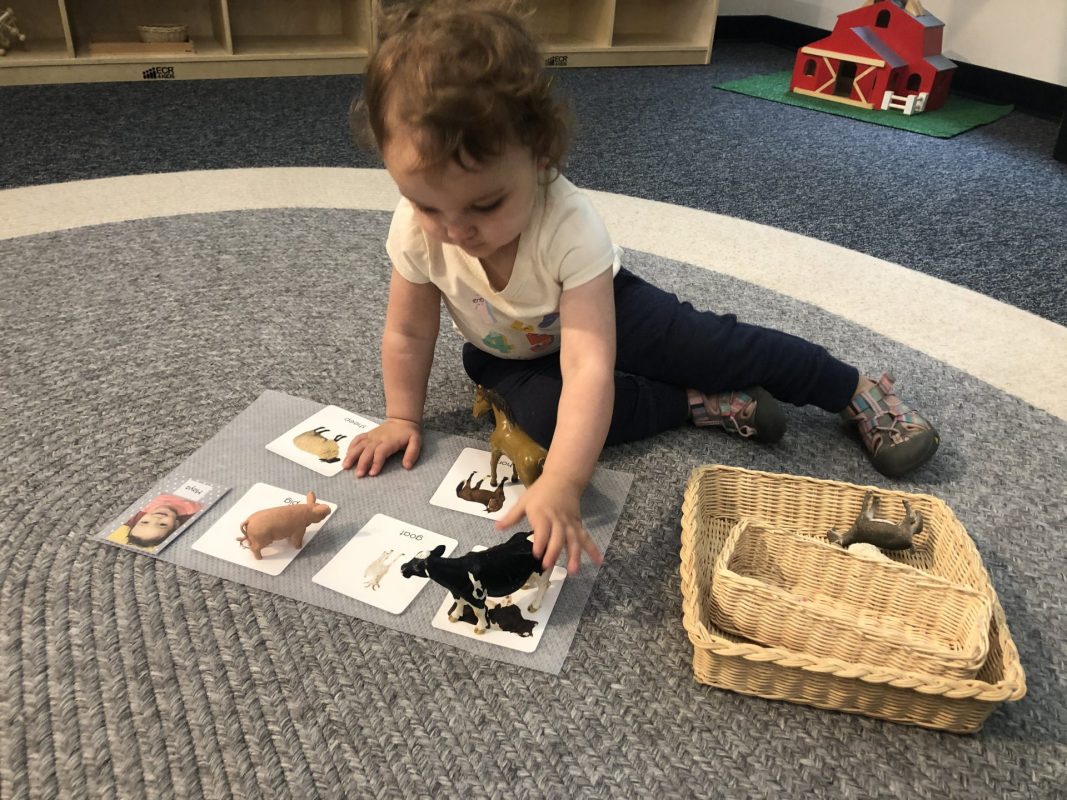
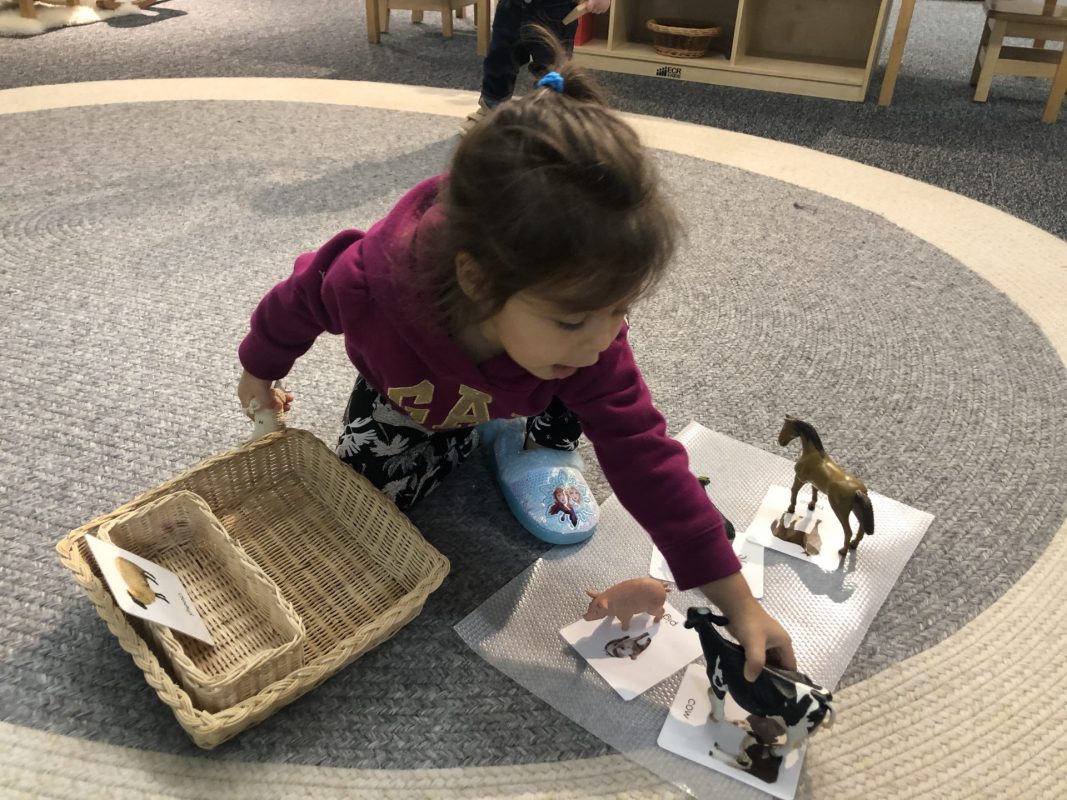
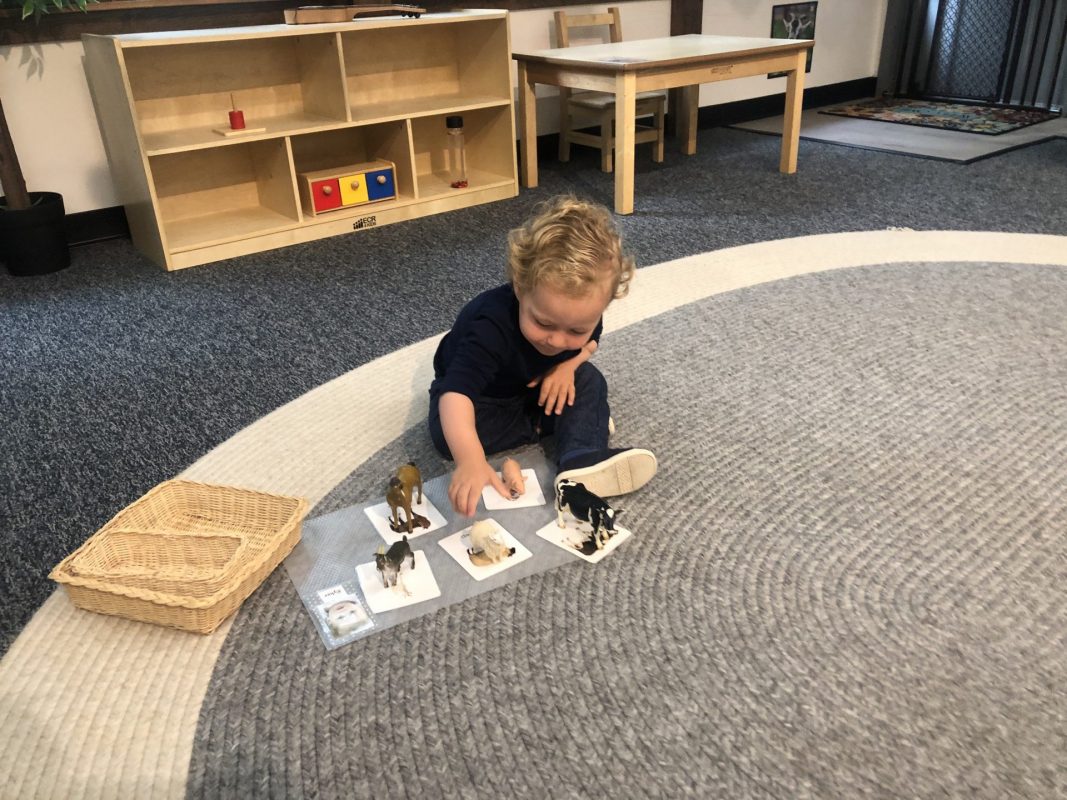
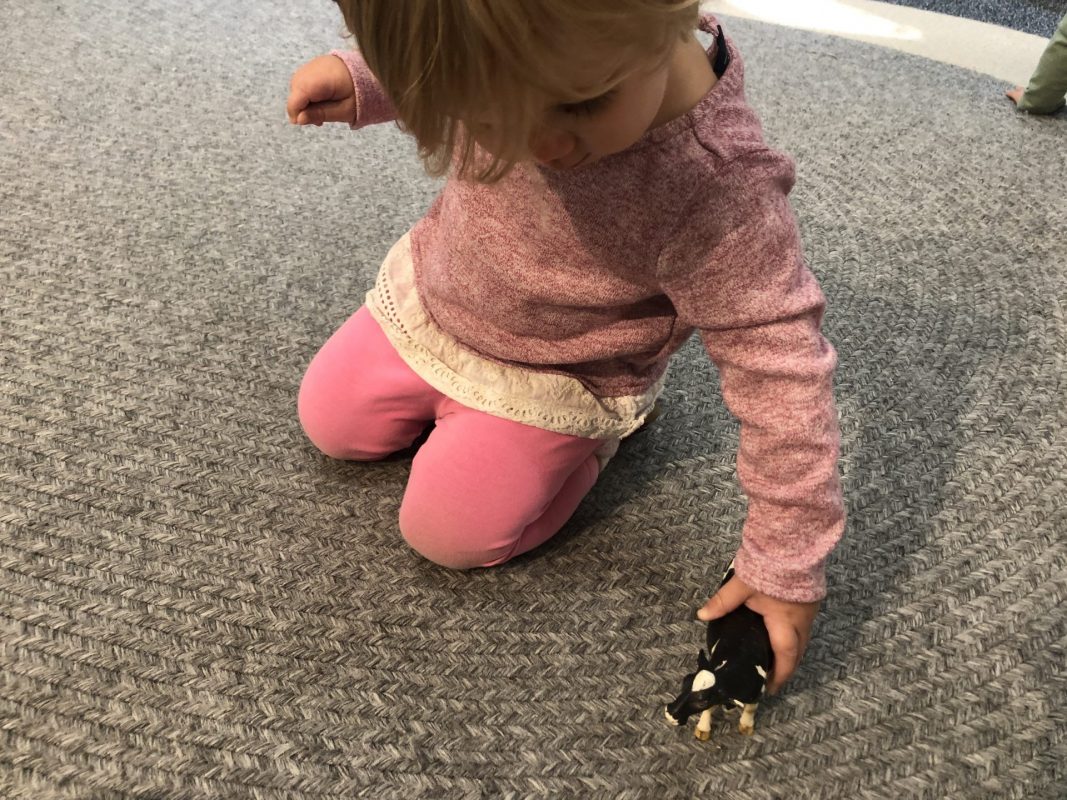
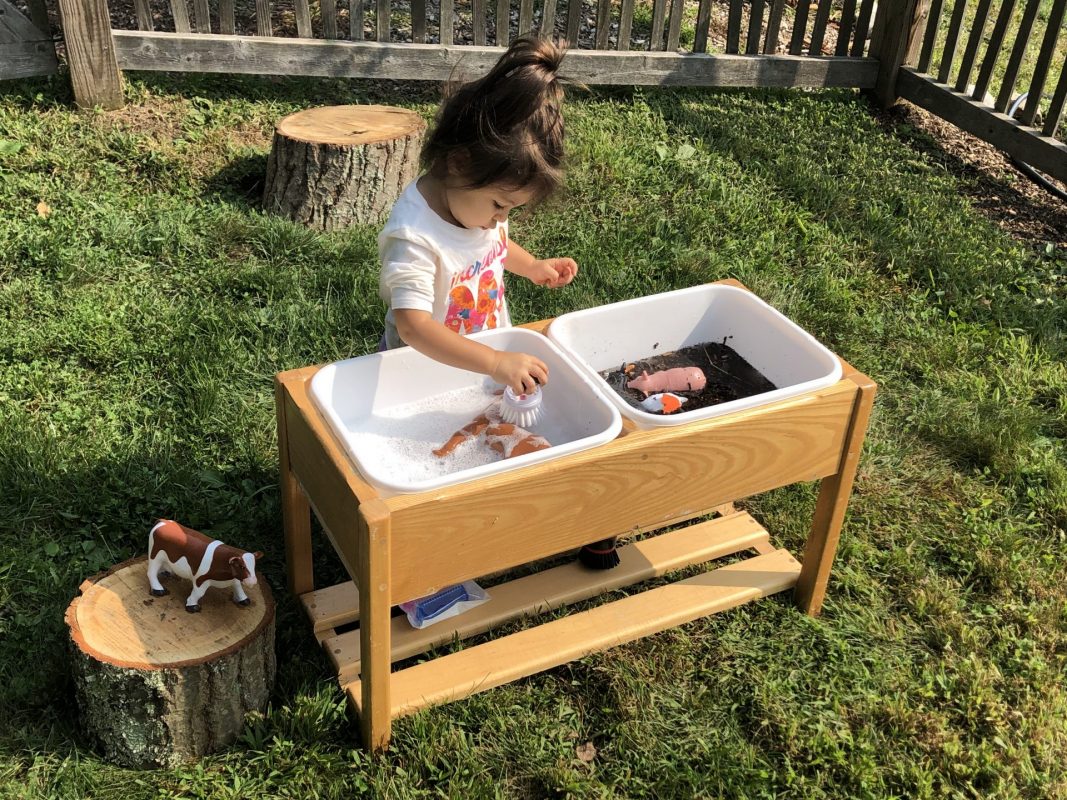
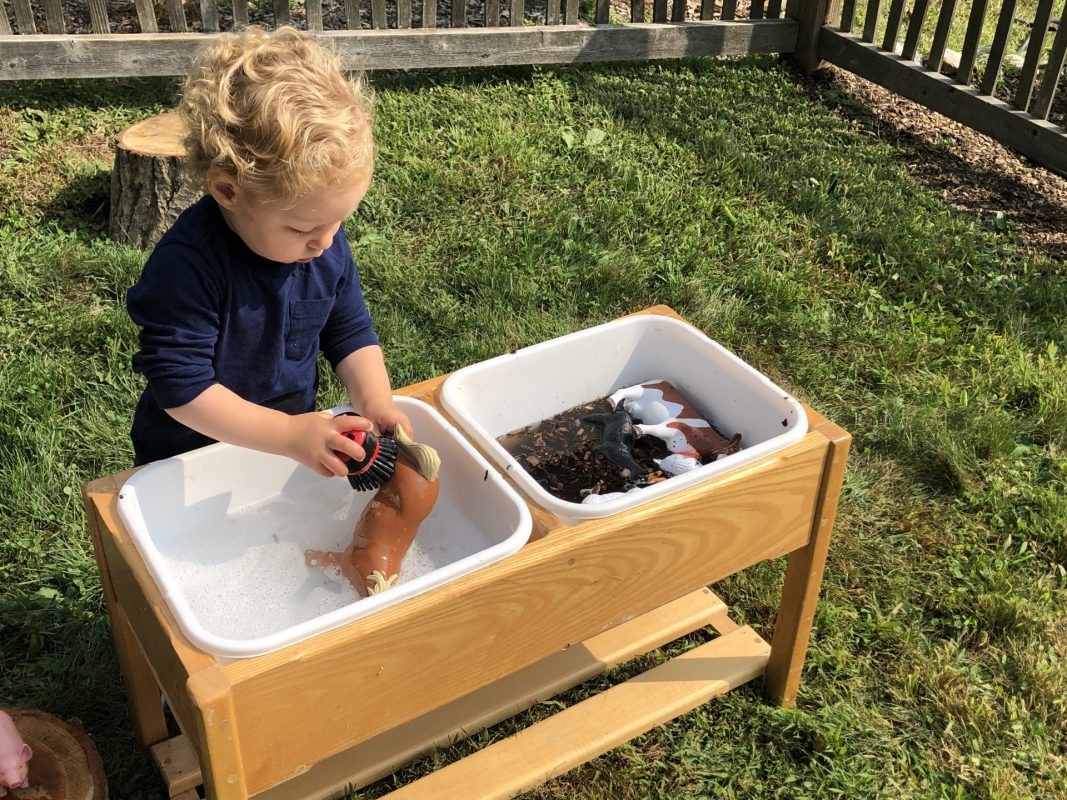
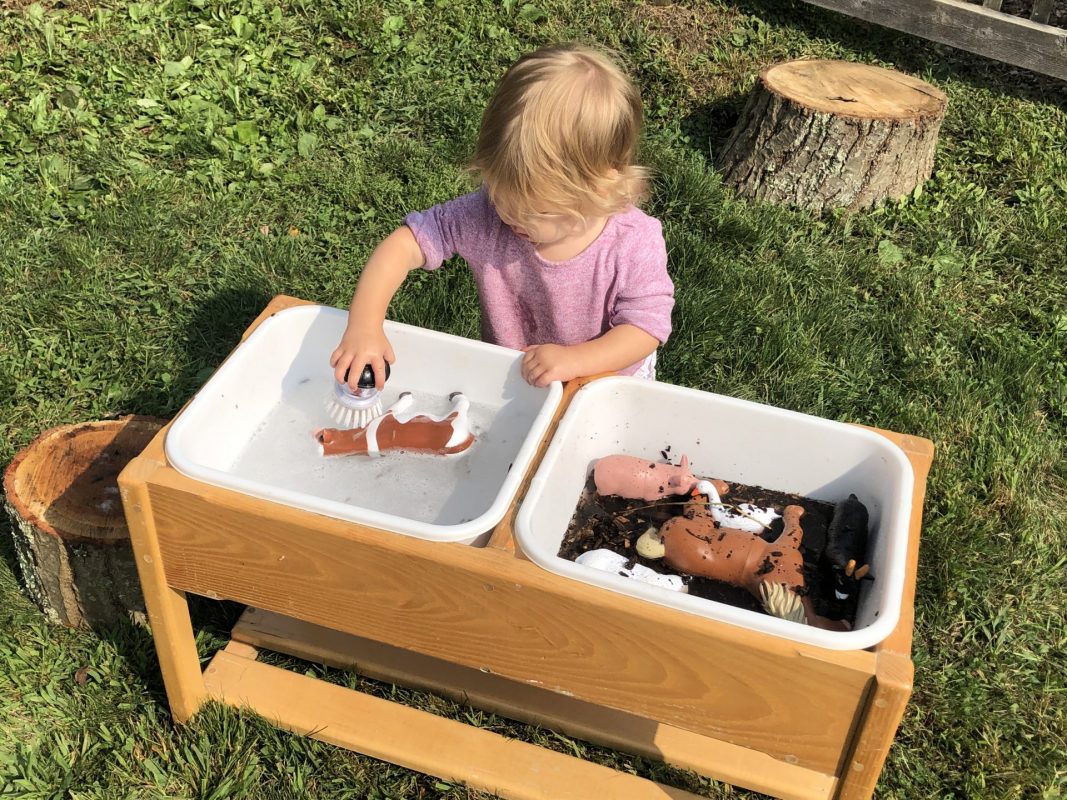
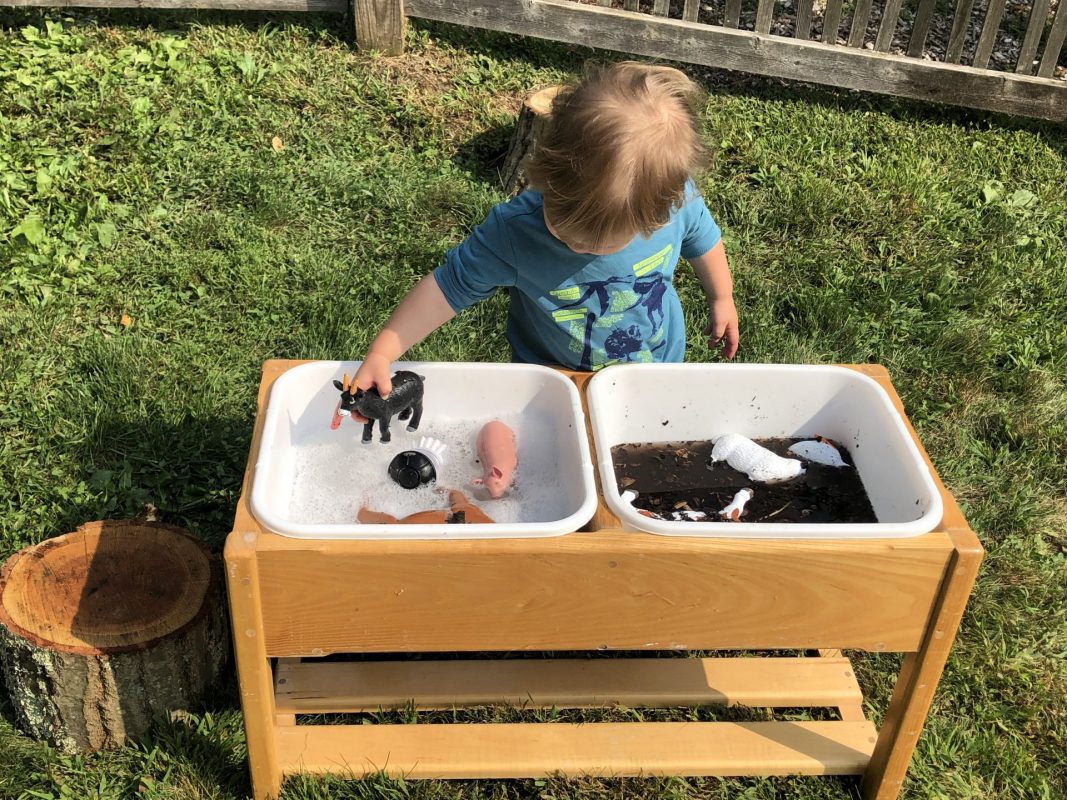
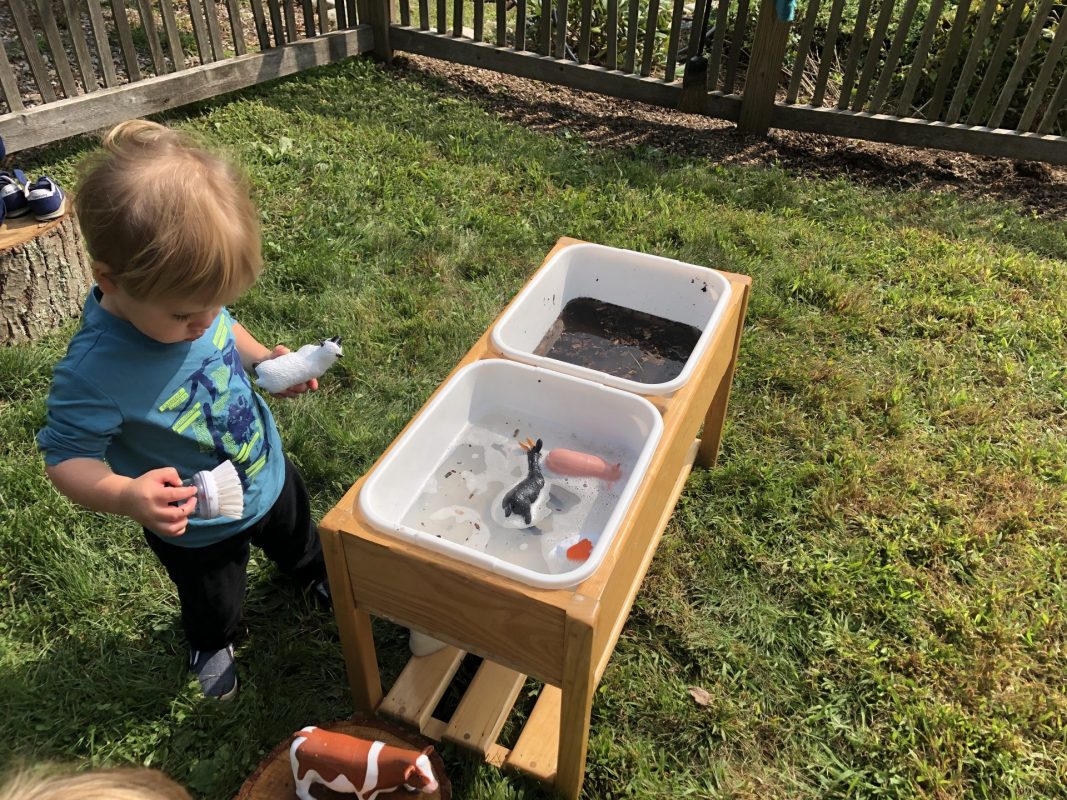
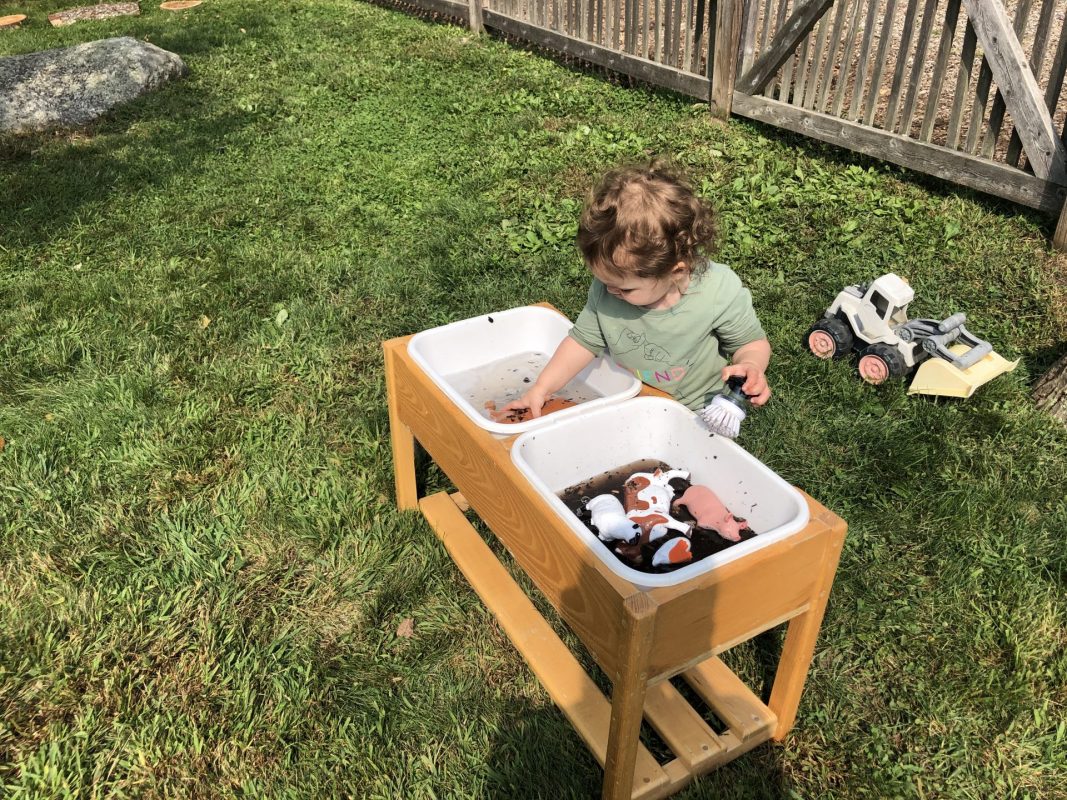
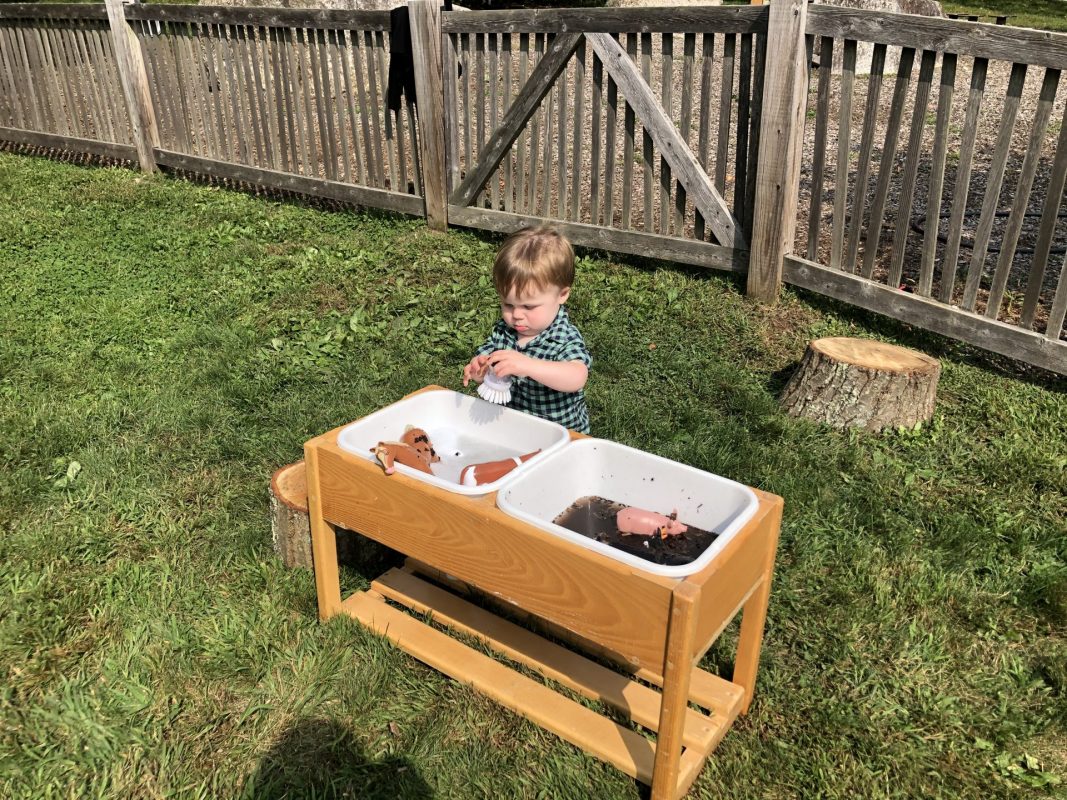
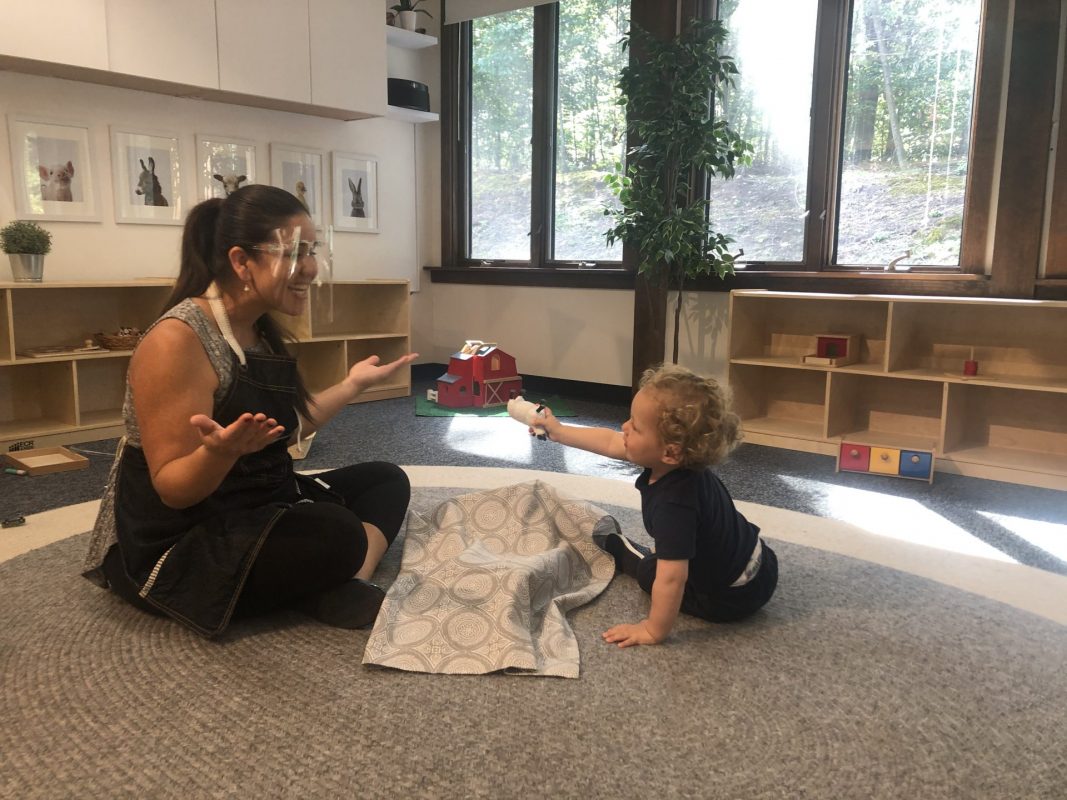
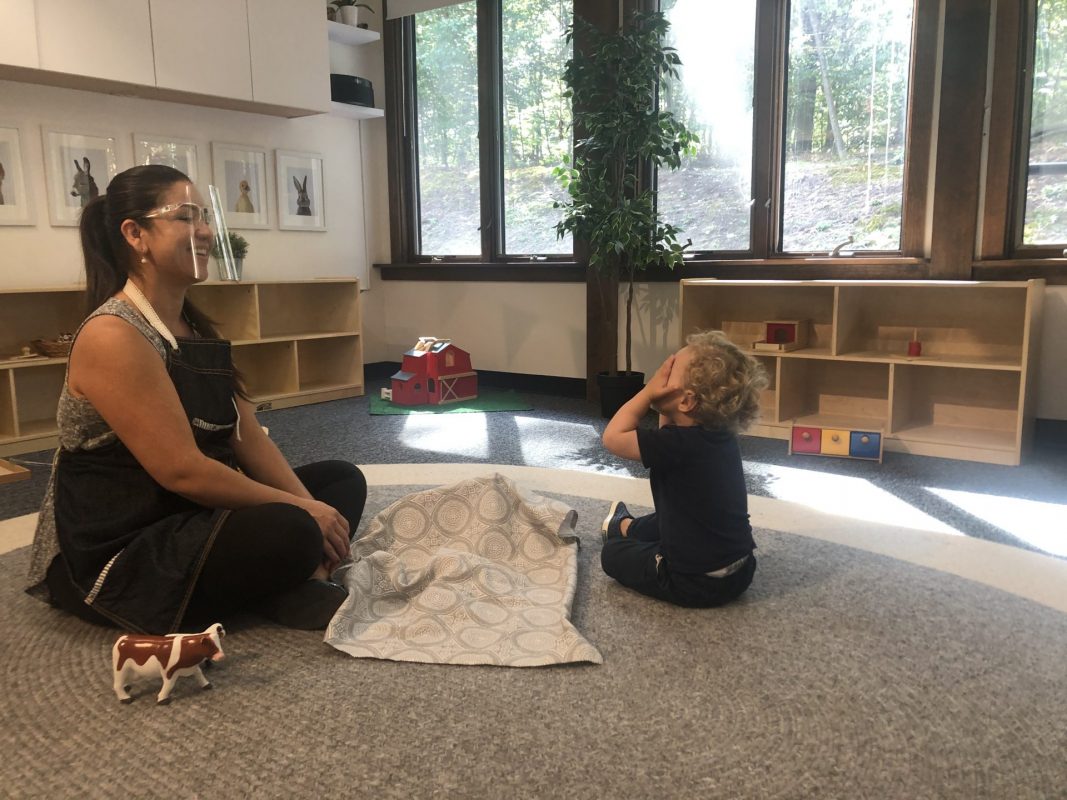
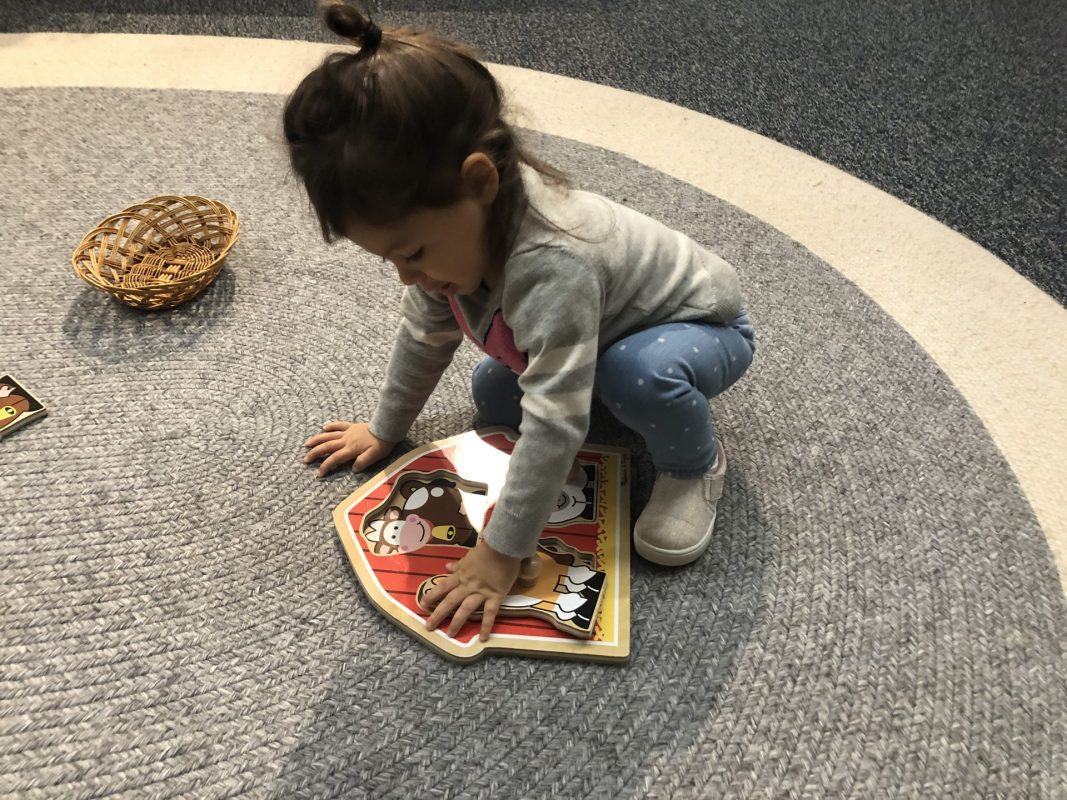
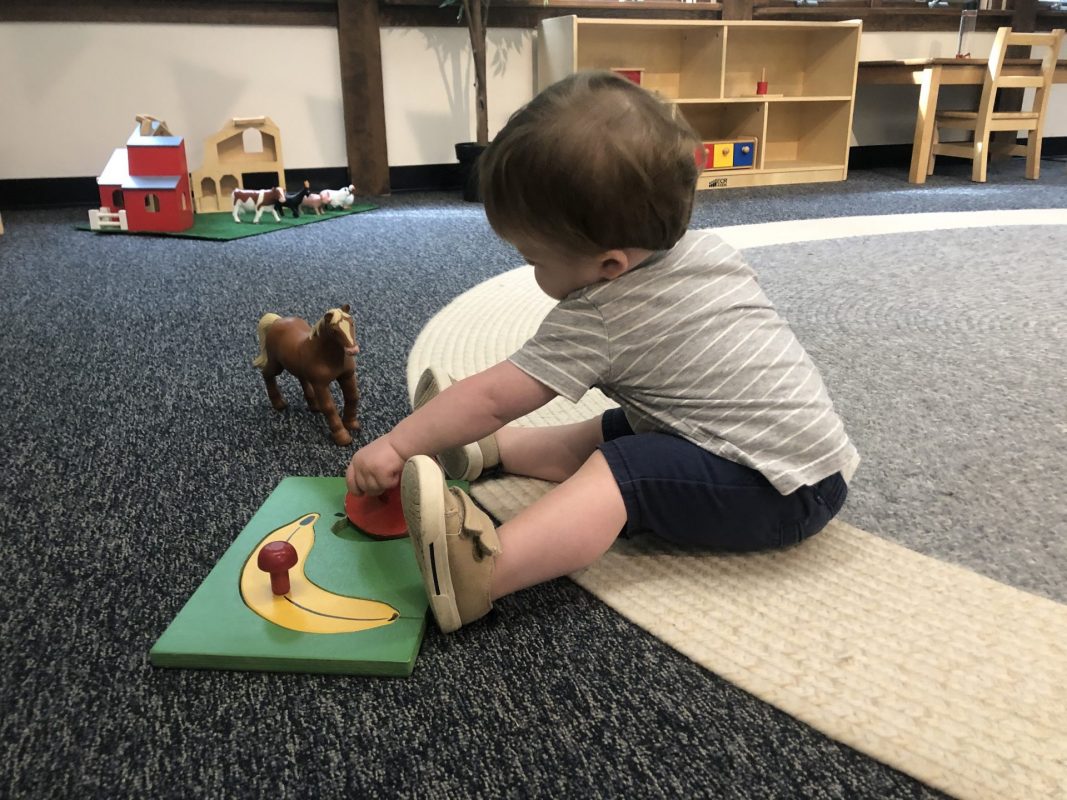
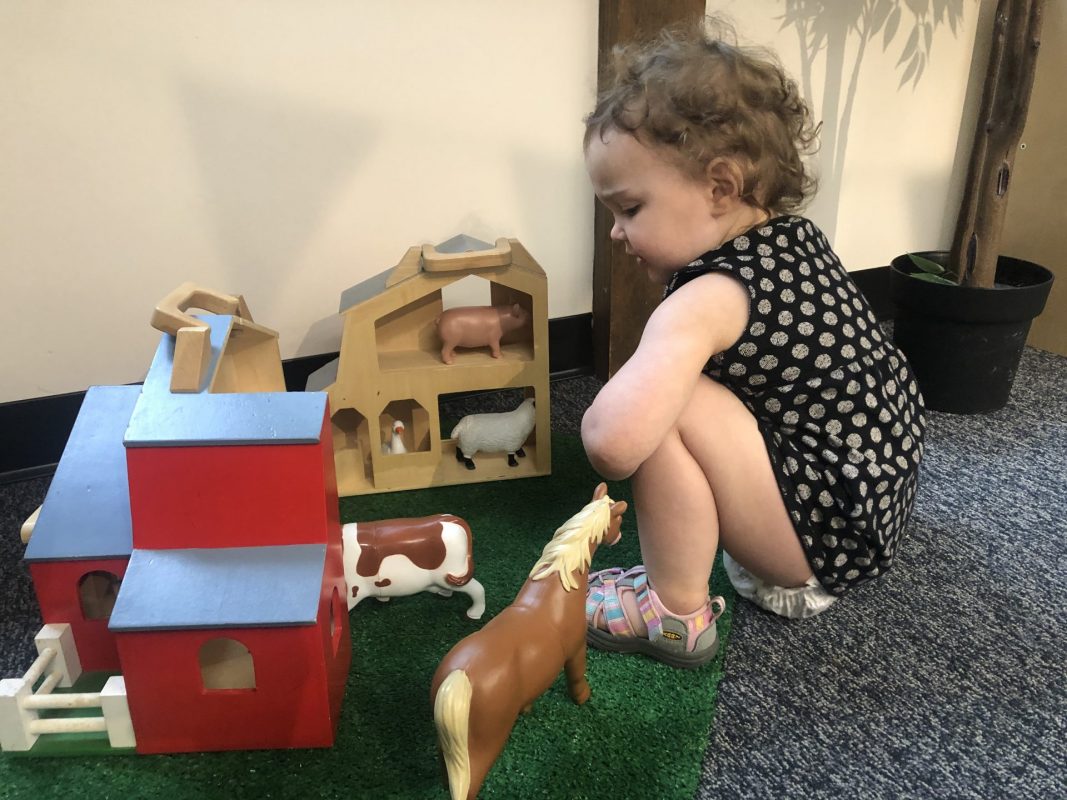
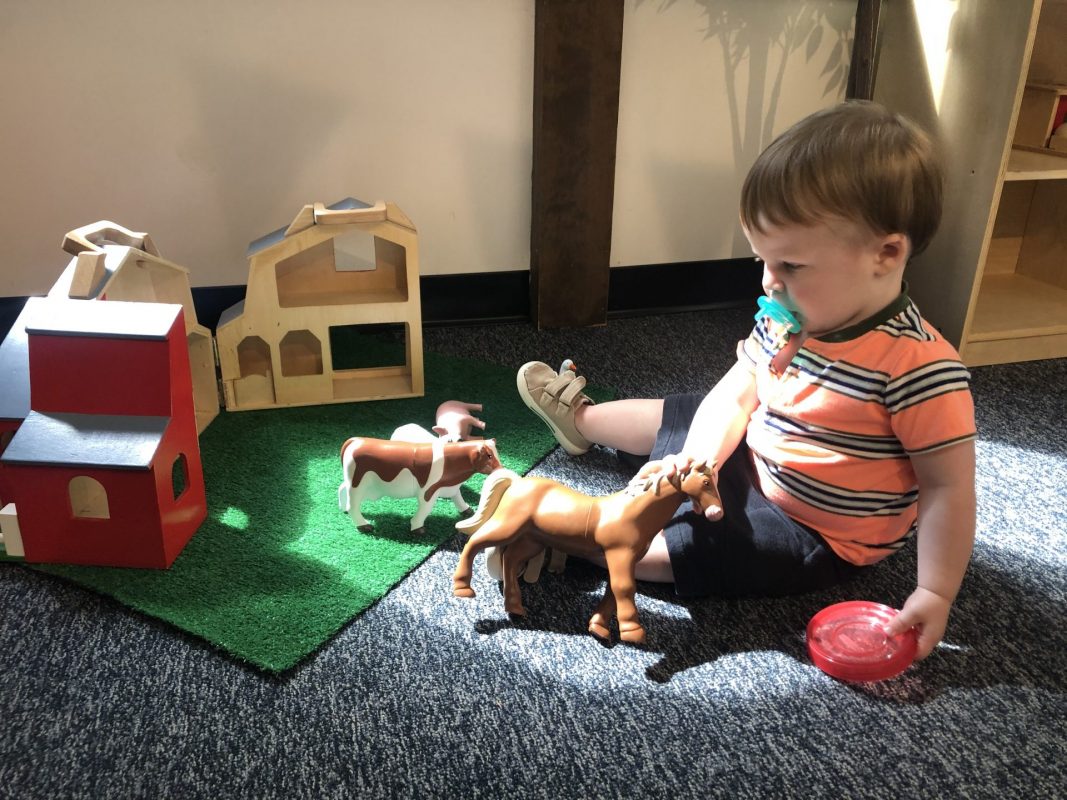
La Vaca Lola (The Cow Named Lola) was a song introduced this week to our students! And, oh boy! They loved it! Based on our farm theme, children have been learning names and sounds of different farm animals through books, object to picture matching works, games, puzzles, outdoor sensory activities, and movement.

Animals are a great source of encouragement for language development! This week we focused on one of the most beloved farm animals: the cow. Some new vocabulary words were given: Head, back, tail, horn, eye, hoof, udder, white and black.  Children also had fun practicing mooing around the classroom as we learned the sound the cow makes.

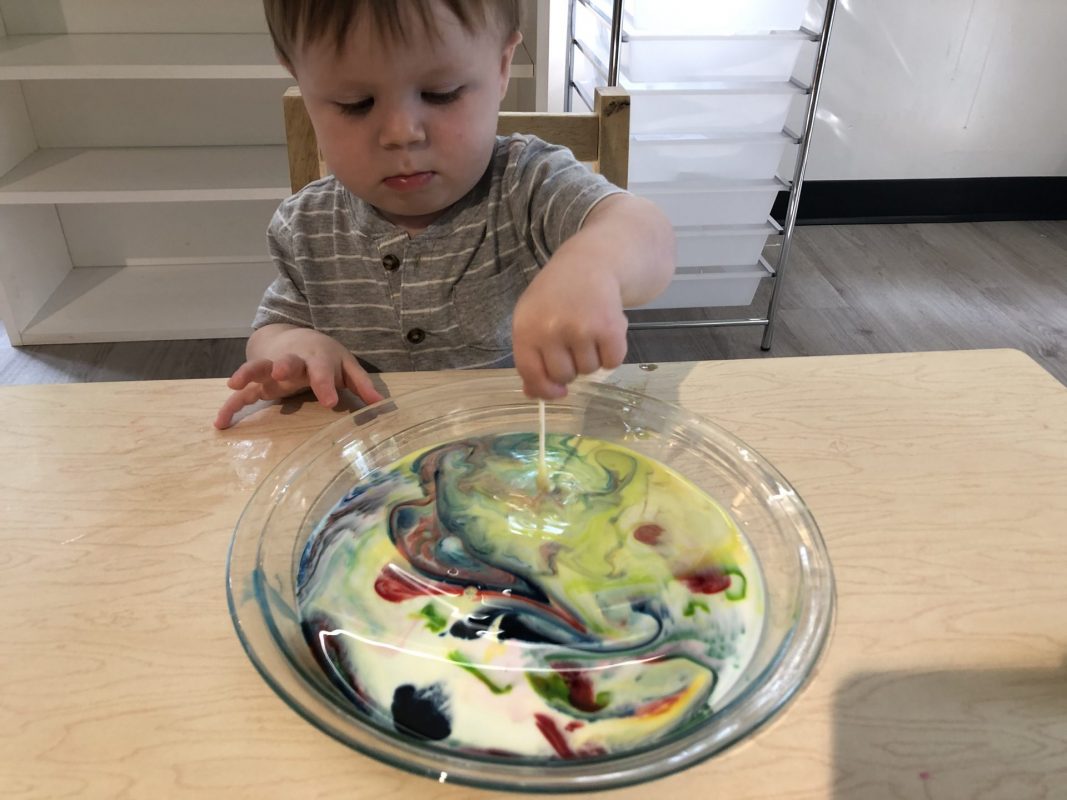
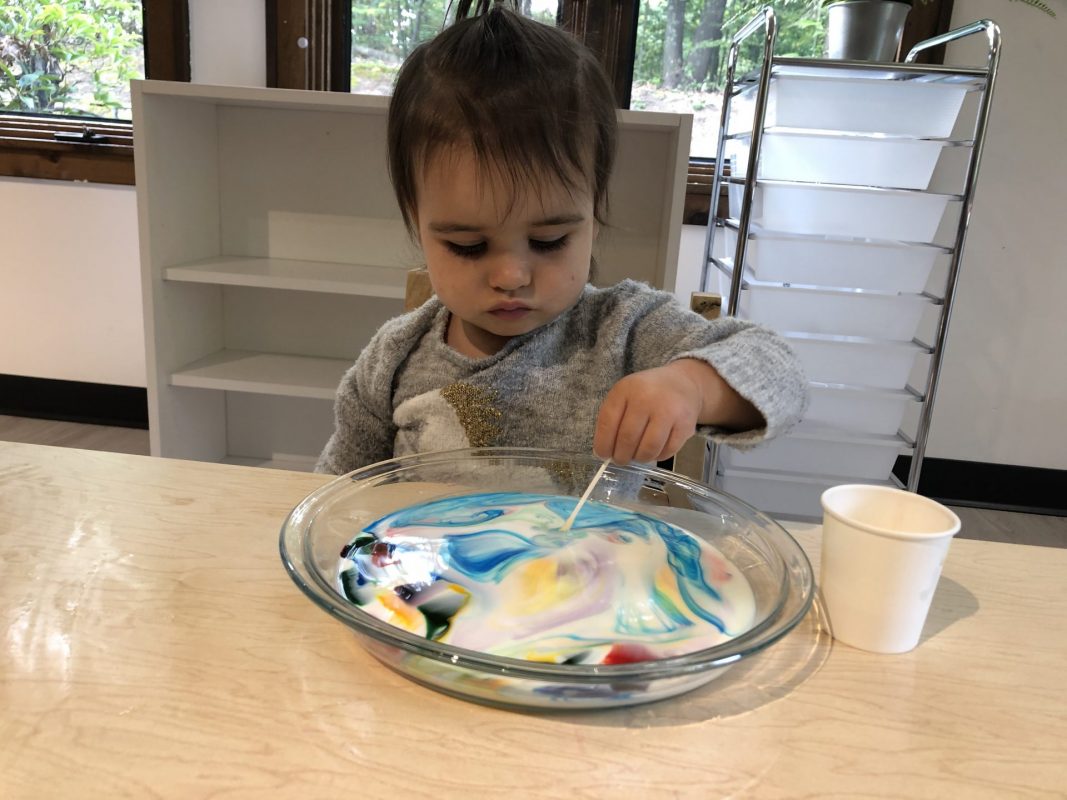
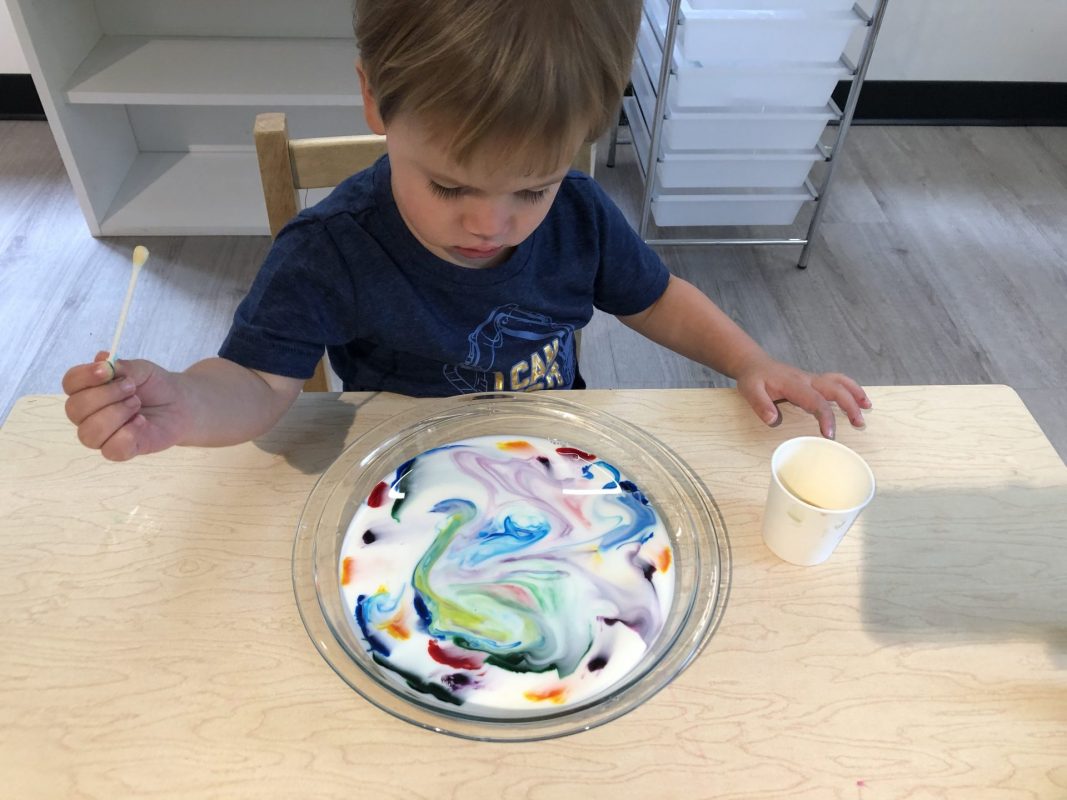
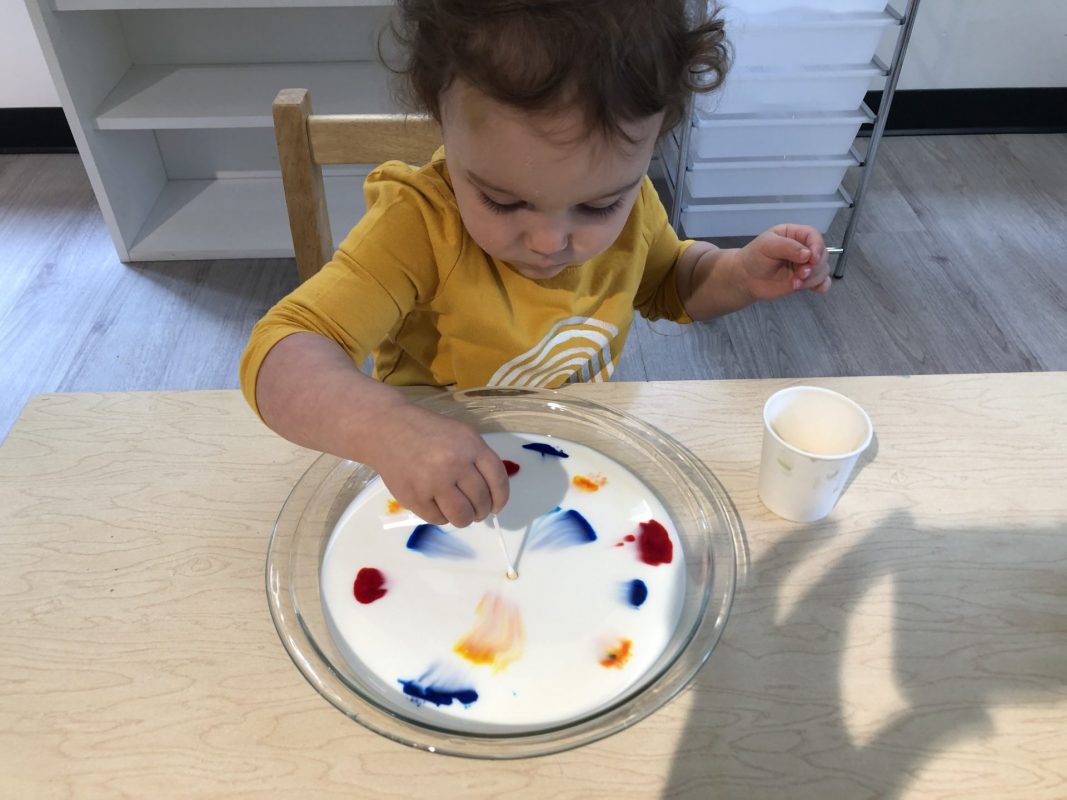
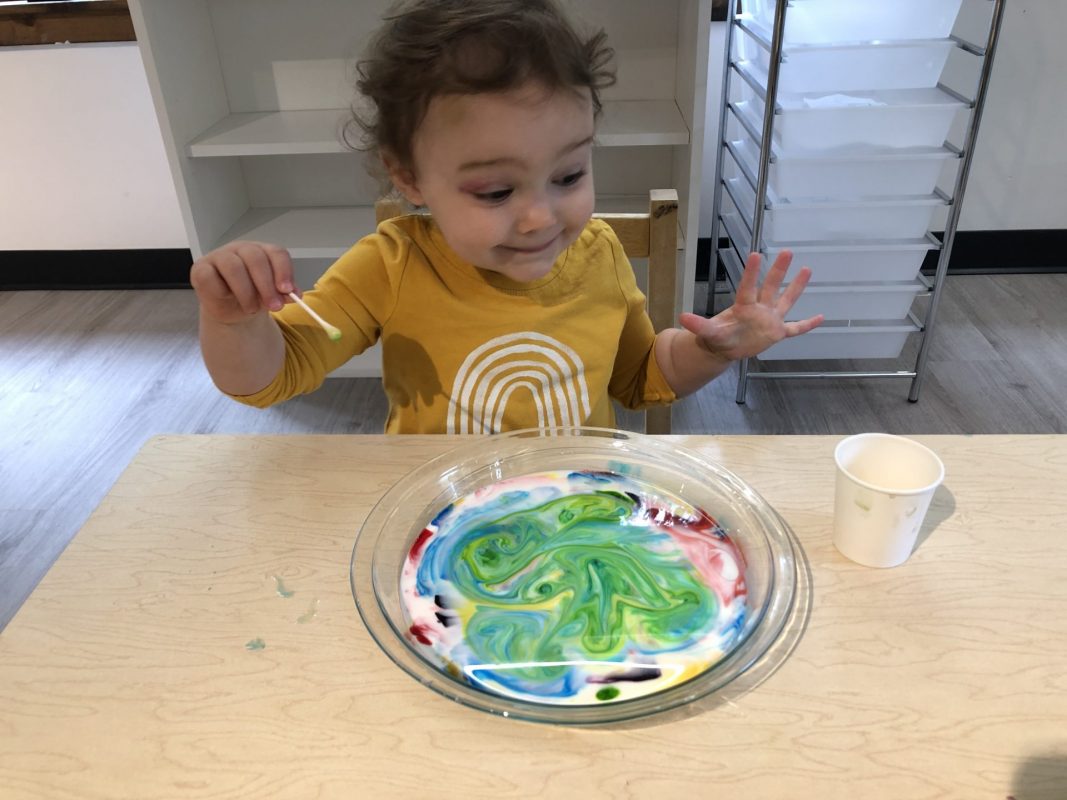
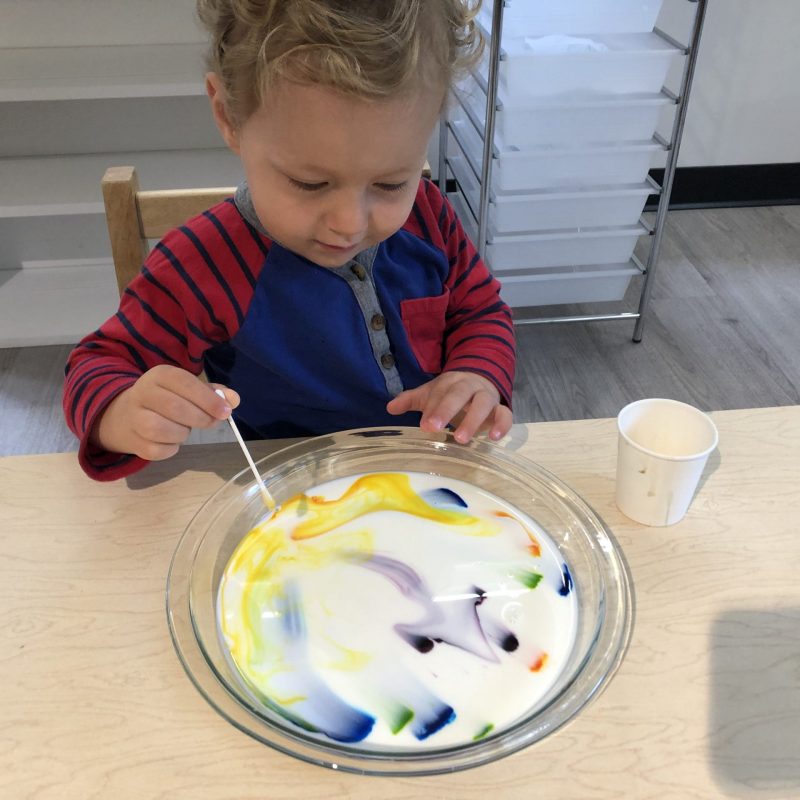
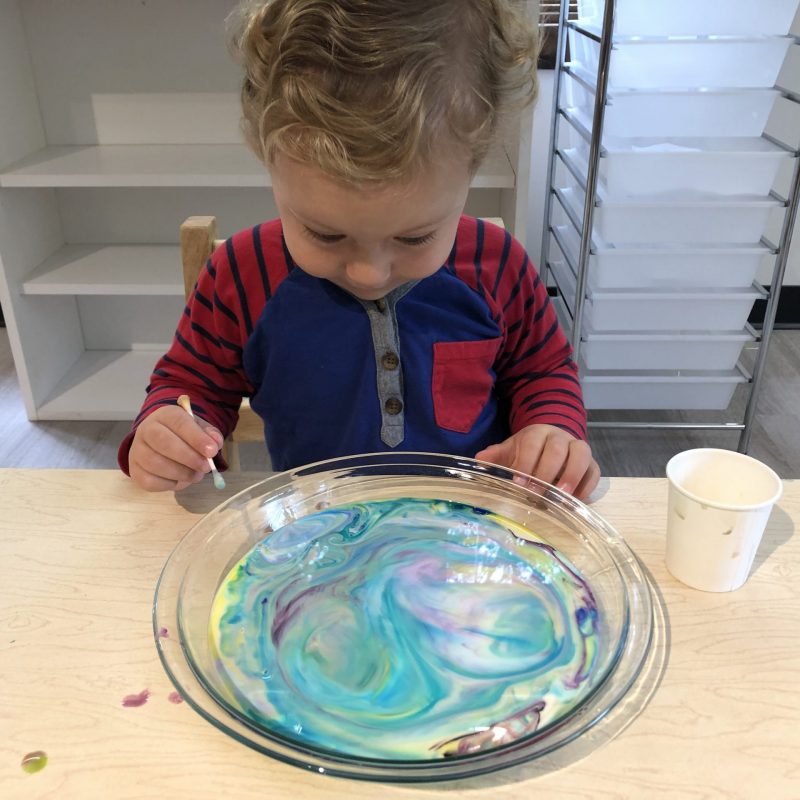
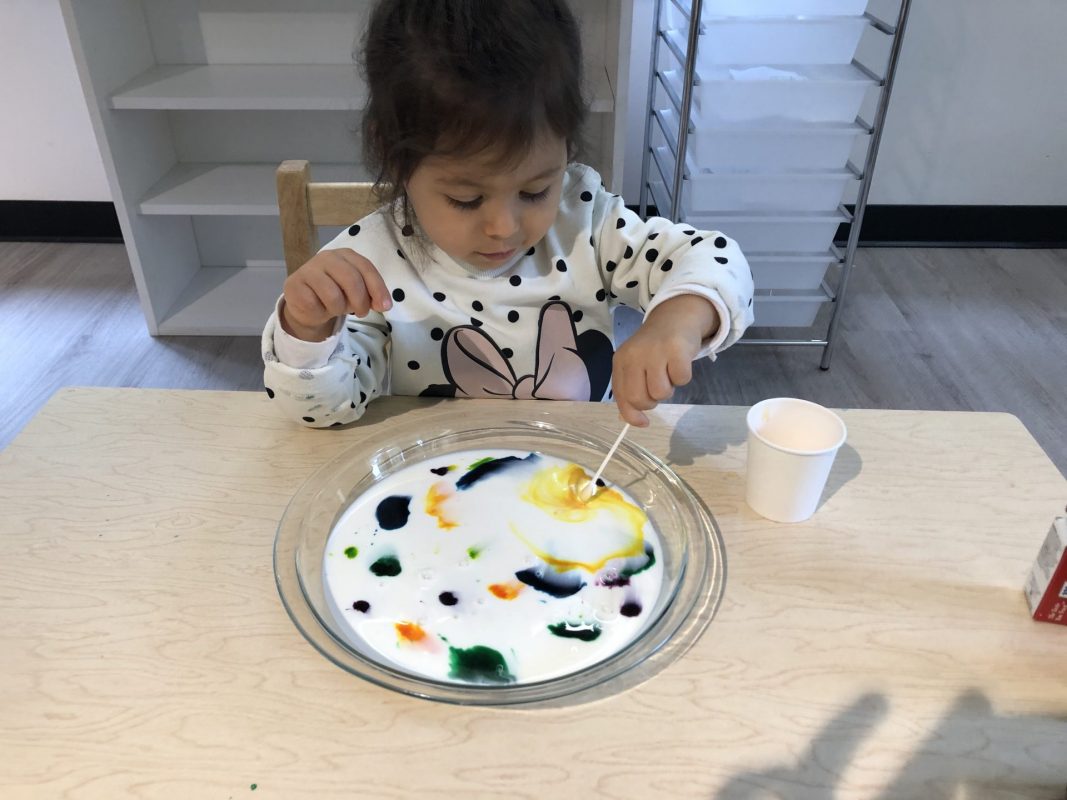
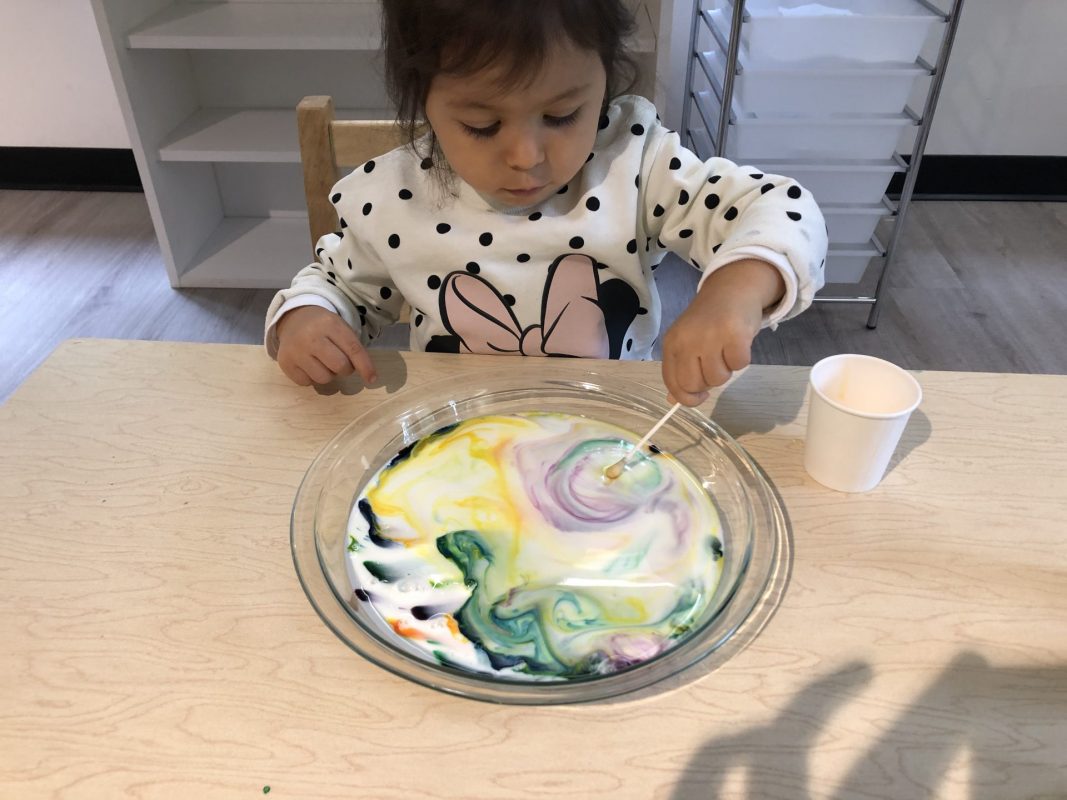
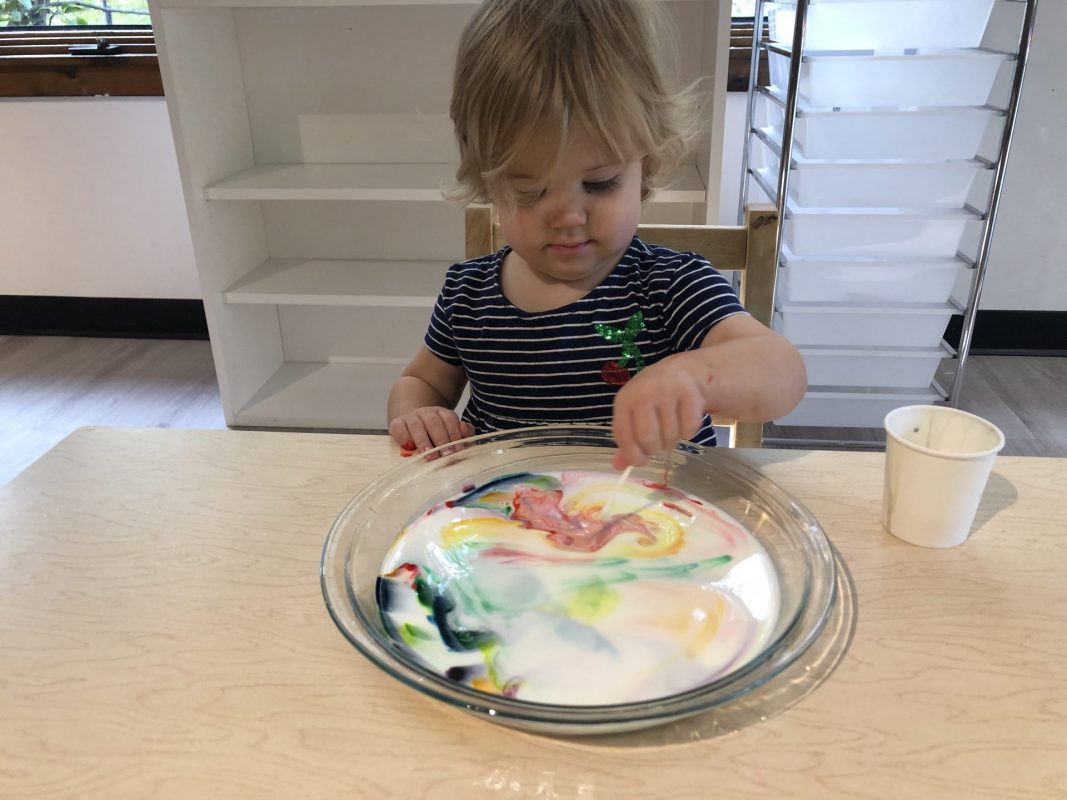
At the end of the week we also had a fun sensorial experience that resulted in a magical art project. For this we used food coloring, cotton swabs, dish soap, and of course, milk. As milk has fat in it, the food coloring can float on top of the fat. When you add the dish soap to the milk, the fat separates and moves, making magical milk art! The smiles on the faces of the children were priceless! At the end of the experience we placed watercolor paper in the milk and captured a print of the art they made.

Moo Brown Cow by Jakki Wood, Busy Farmyard by Betina Ogden, and The Farmyard Jamboree by Barefoot Books were the favorite books this week.

As we are looking to encourage language, I highly recommend you to take advantage of this beautiful weather and visit a farm near you! Practice naming all the animals and their sounds with your child and encourage him/her to repeat after you. And here, just in case you also want to join us in the fun, I will leave you the musical video of La Vaca Lola. Go ahead, turn up the volume and enjoy with your little ones.

Please have your child to wear something BLUE on Monday, September 21 to recognize and celebrate the International Day of Peace.  Blue is the universal color of peace.


Mrs. Hood’s Class: On the Move!

” Movement, or physical activity, is thus an essential factor in intellectual growth, which depends upon the impressions received from outside. Through movement we come in contact with external reality, and it is through these contacts that we eventually acquire even abstract ideas. ” -Maria Montessori

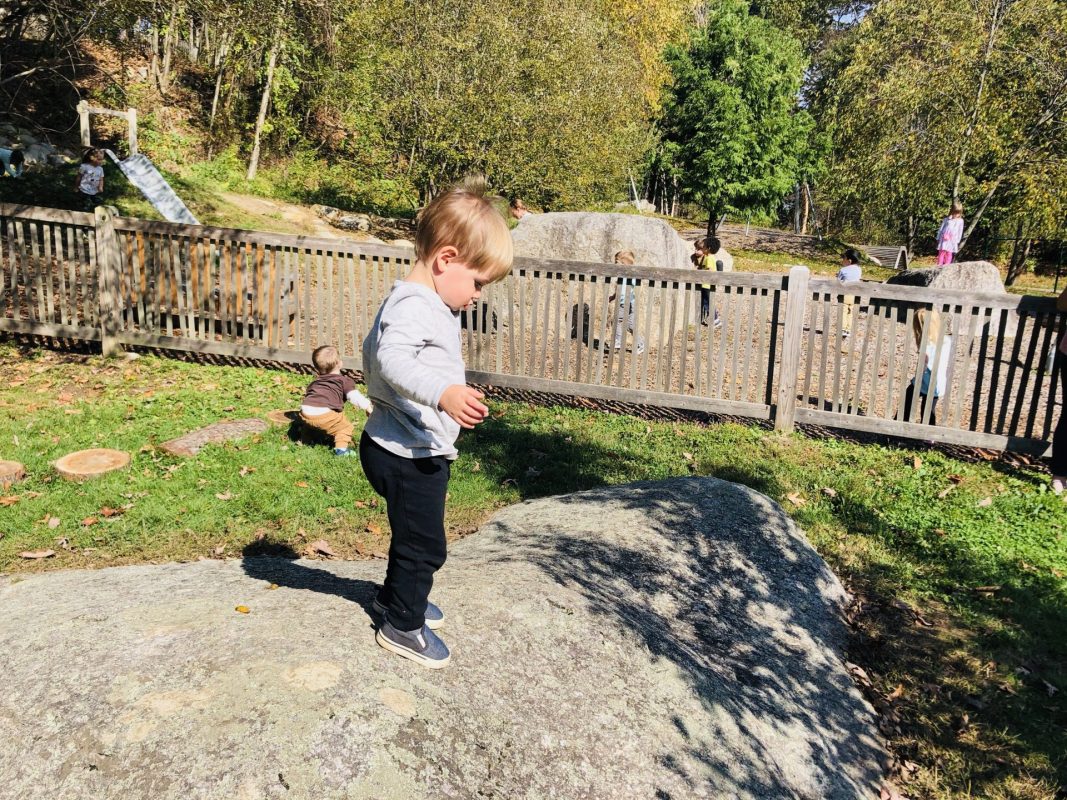
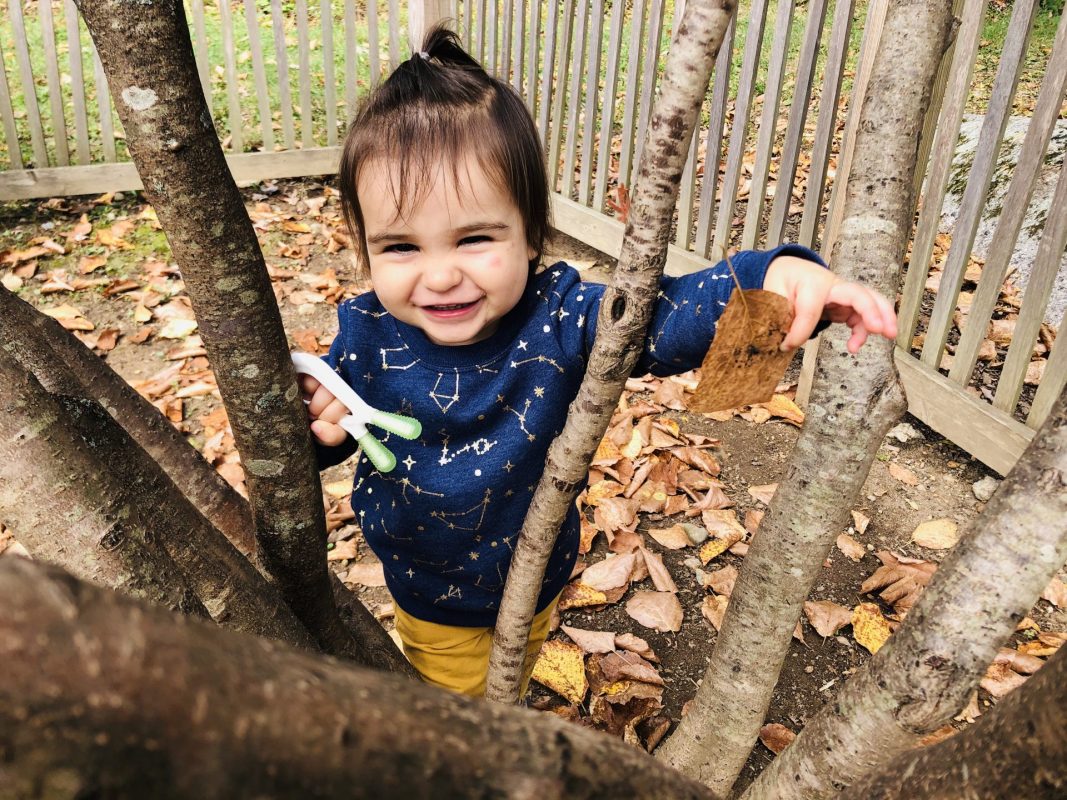
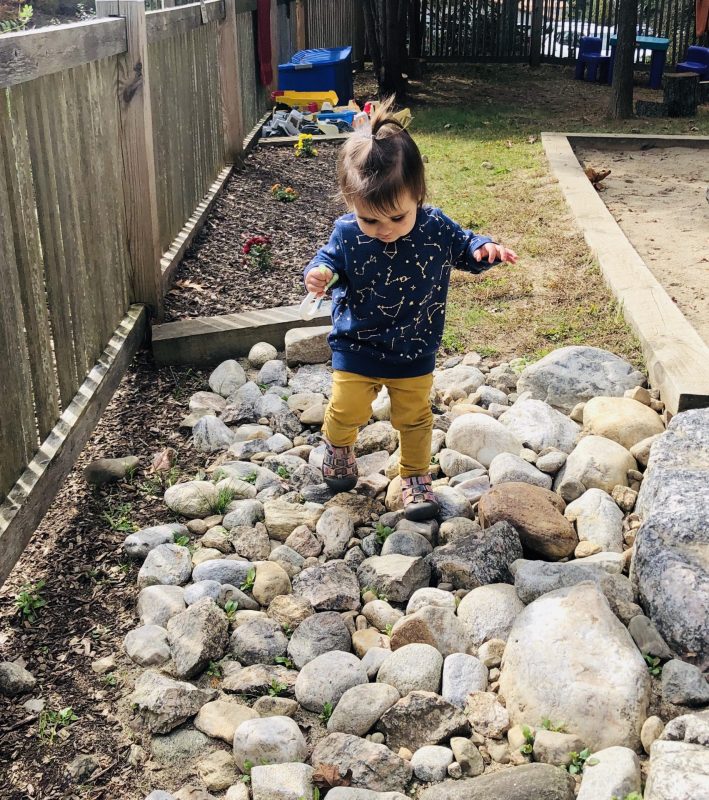
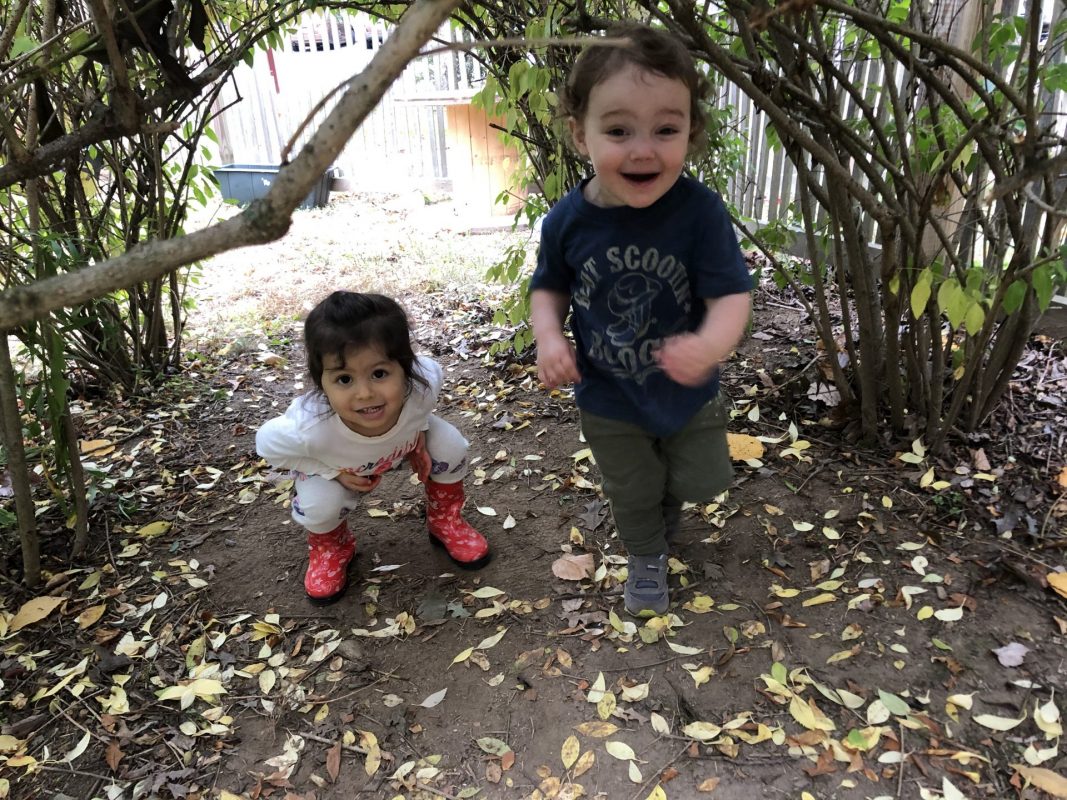
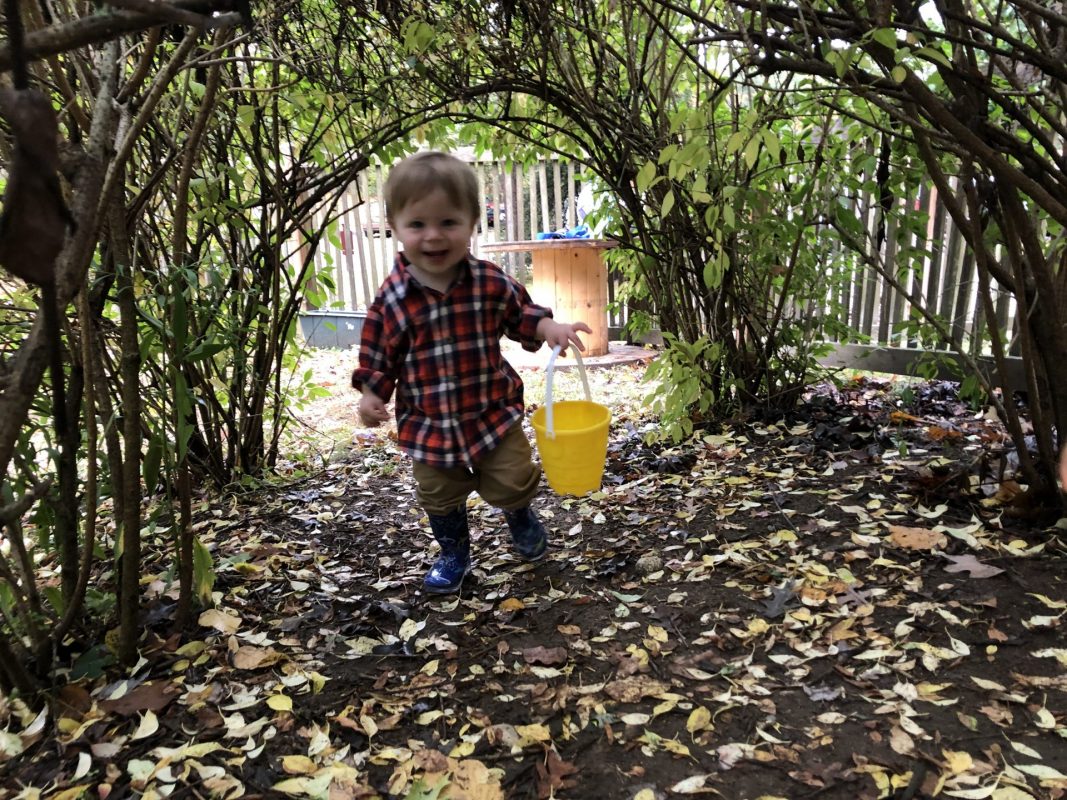
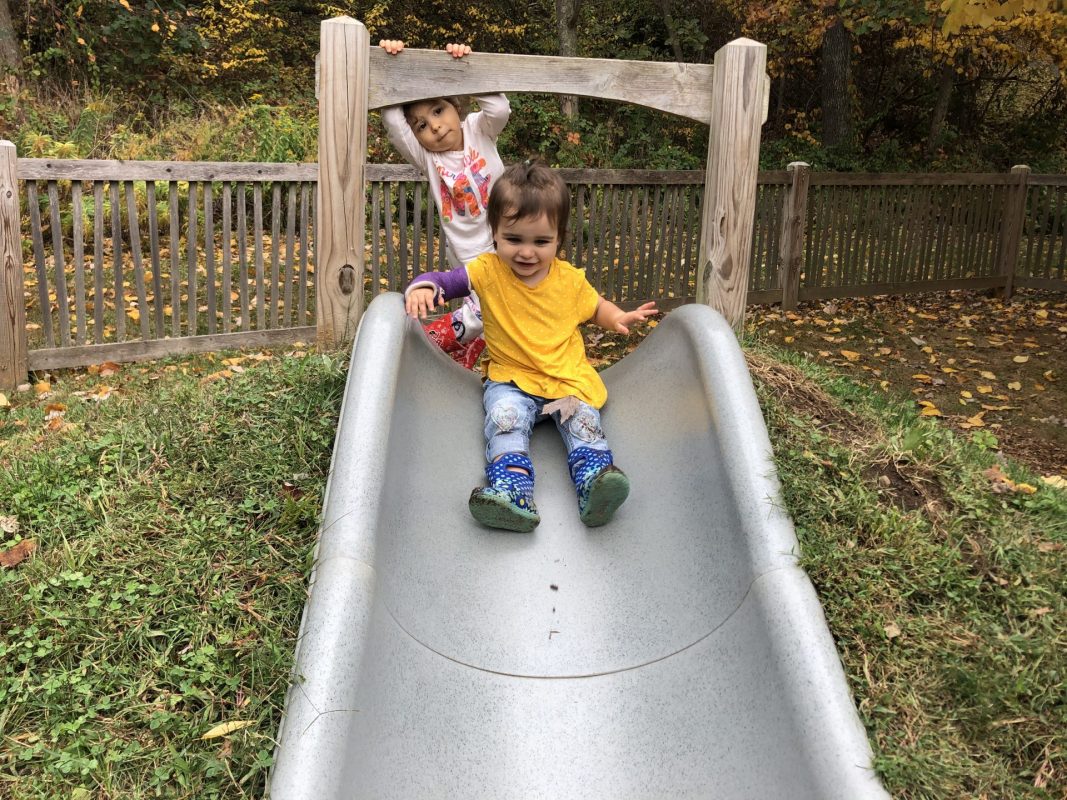
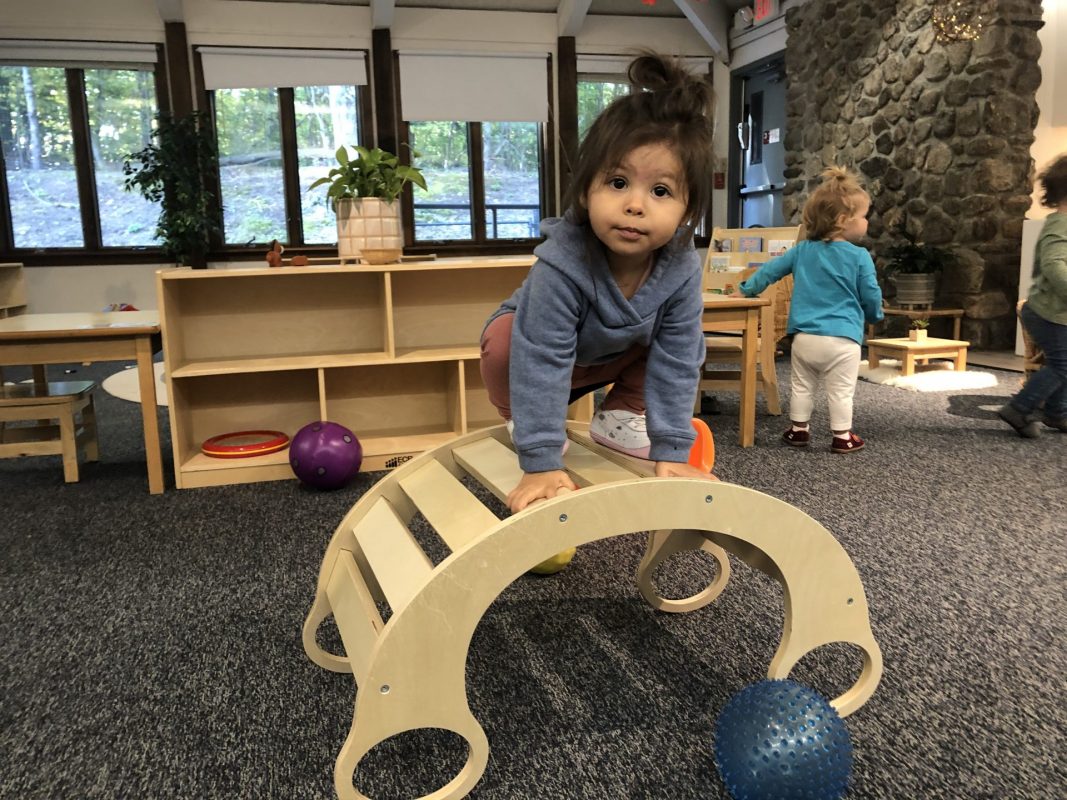
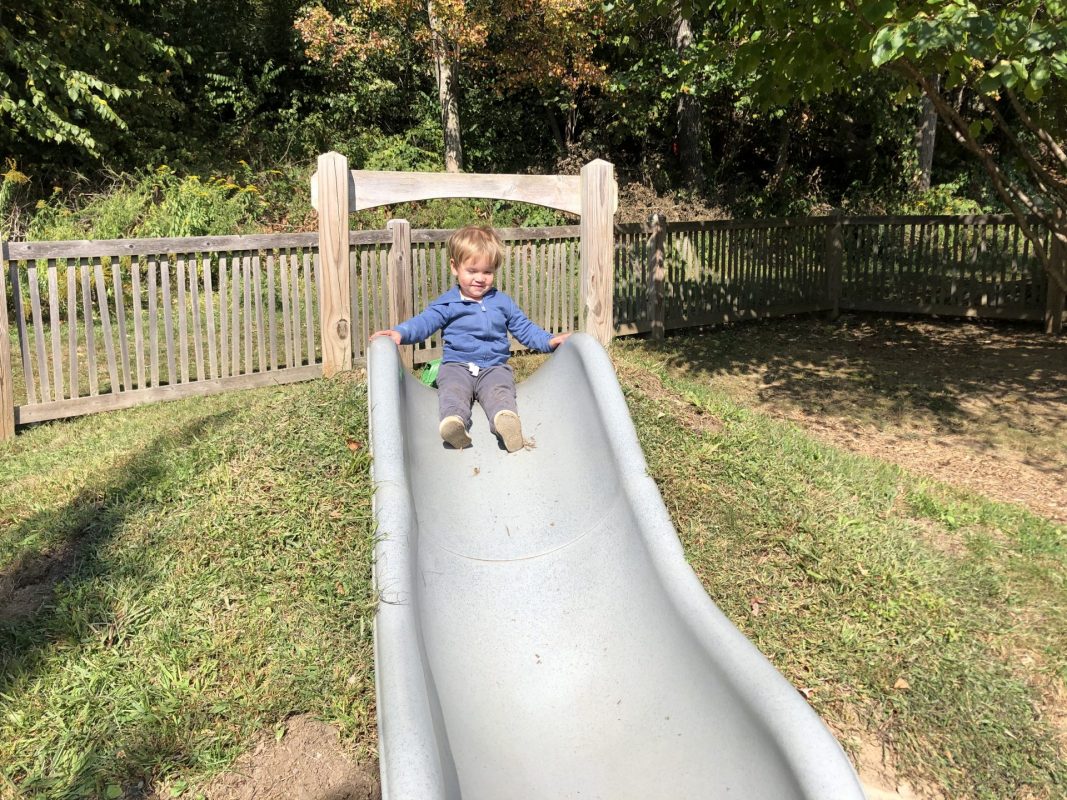
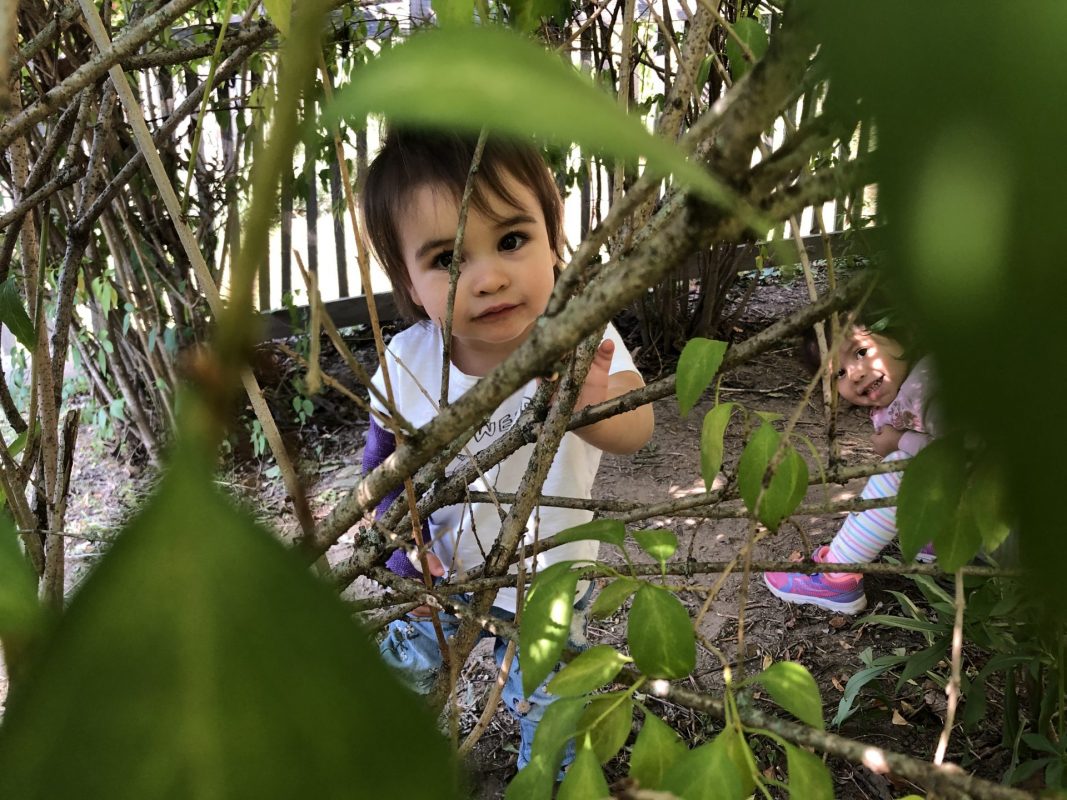
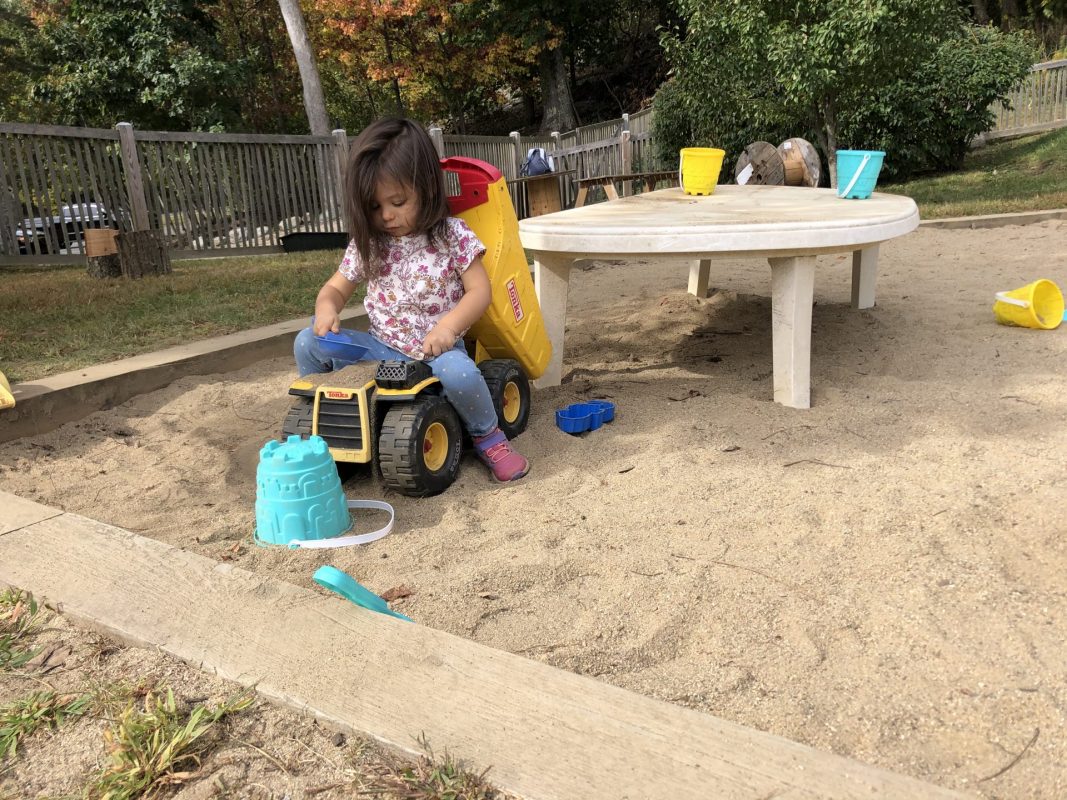
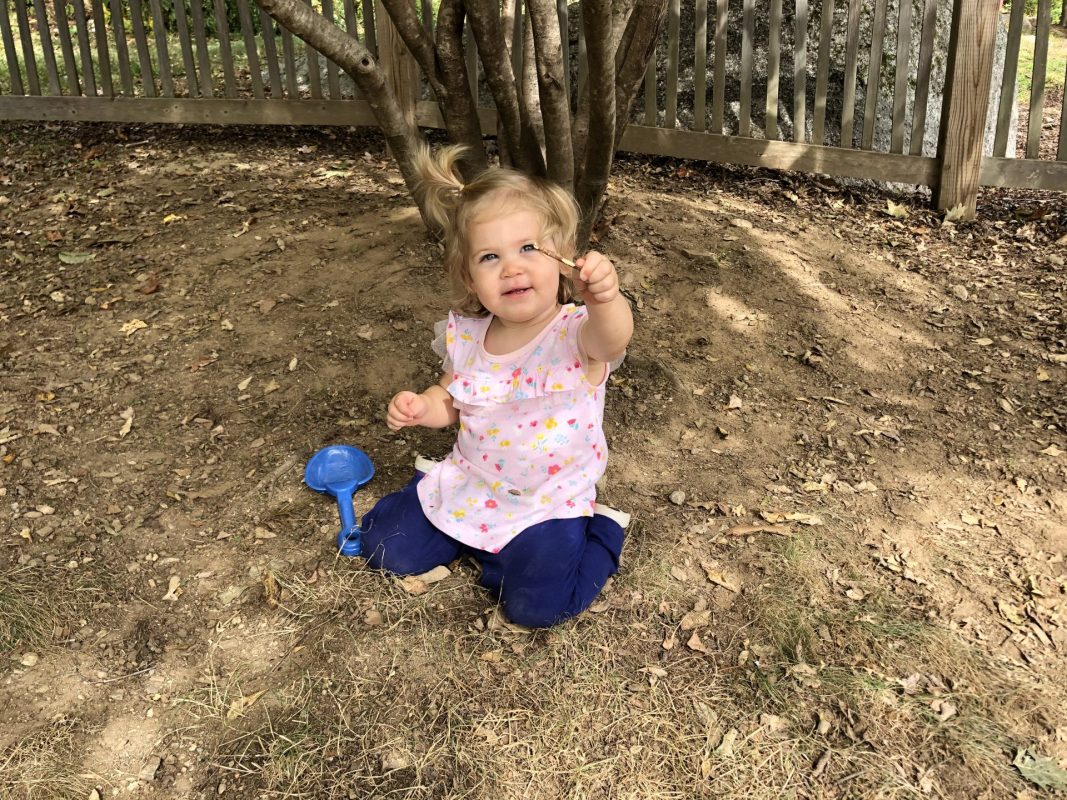
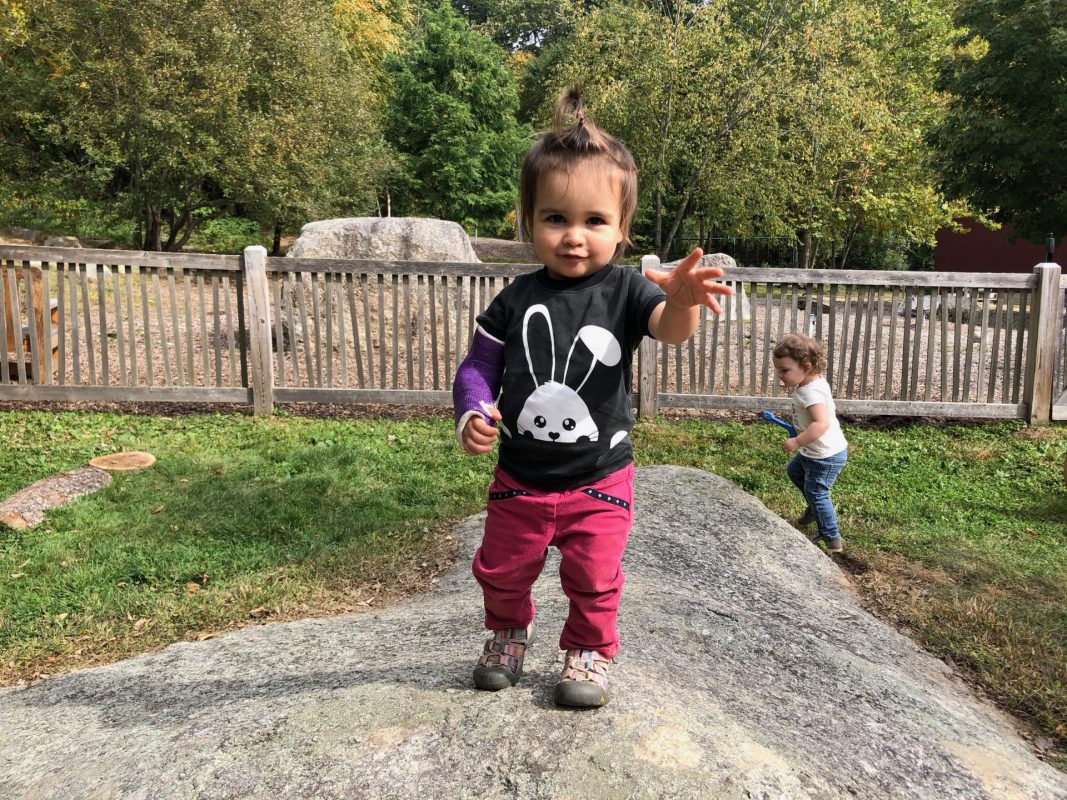
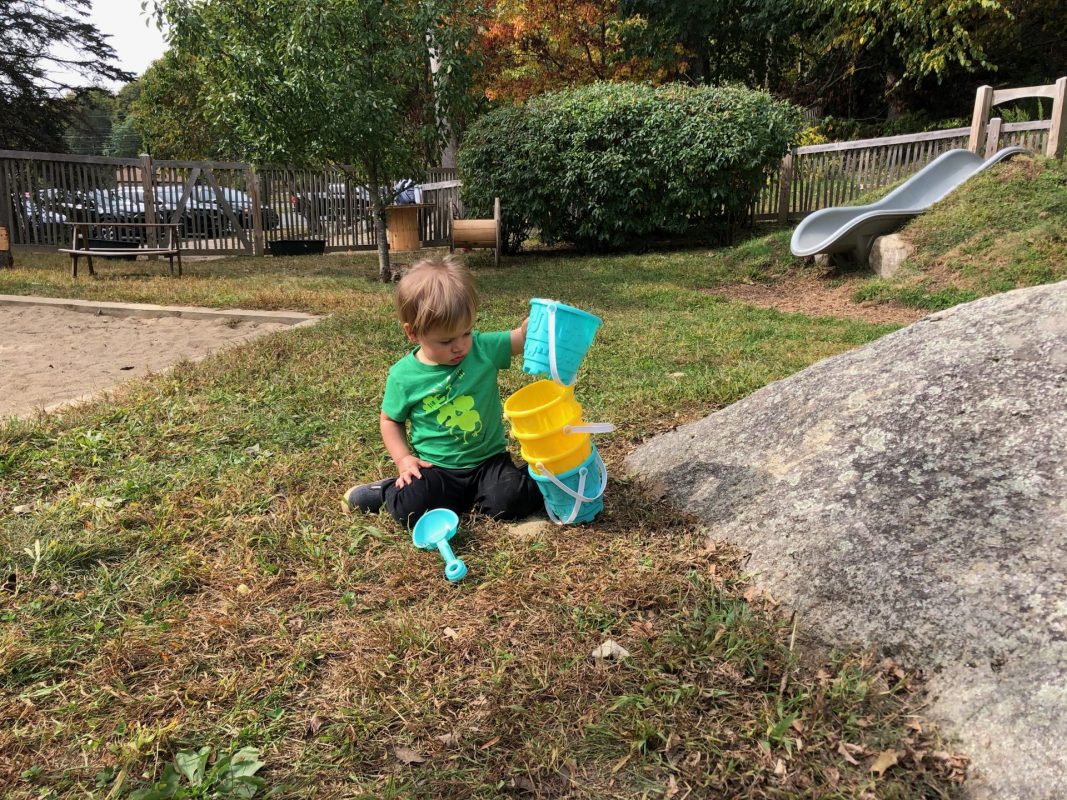
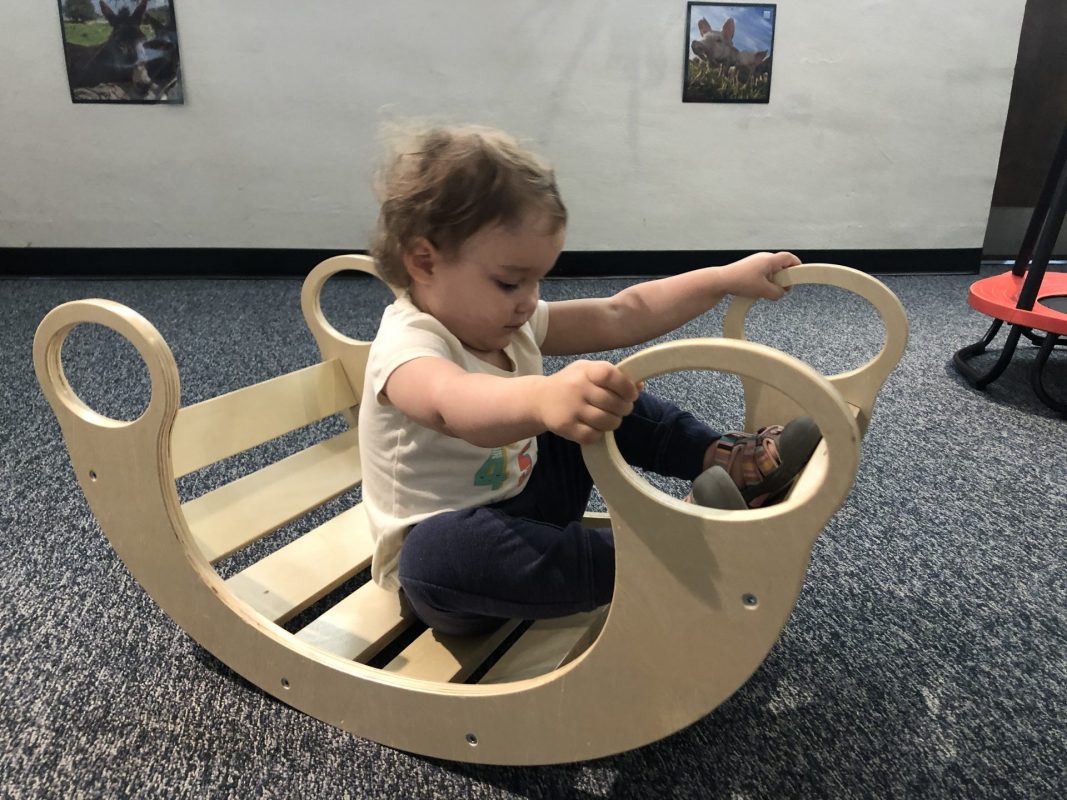
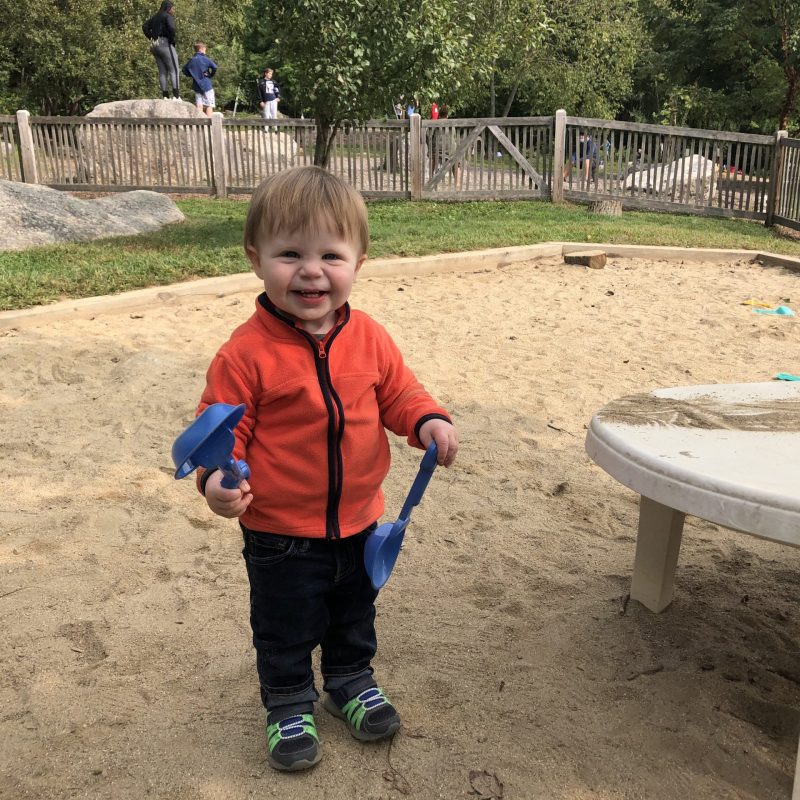
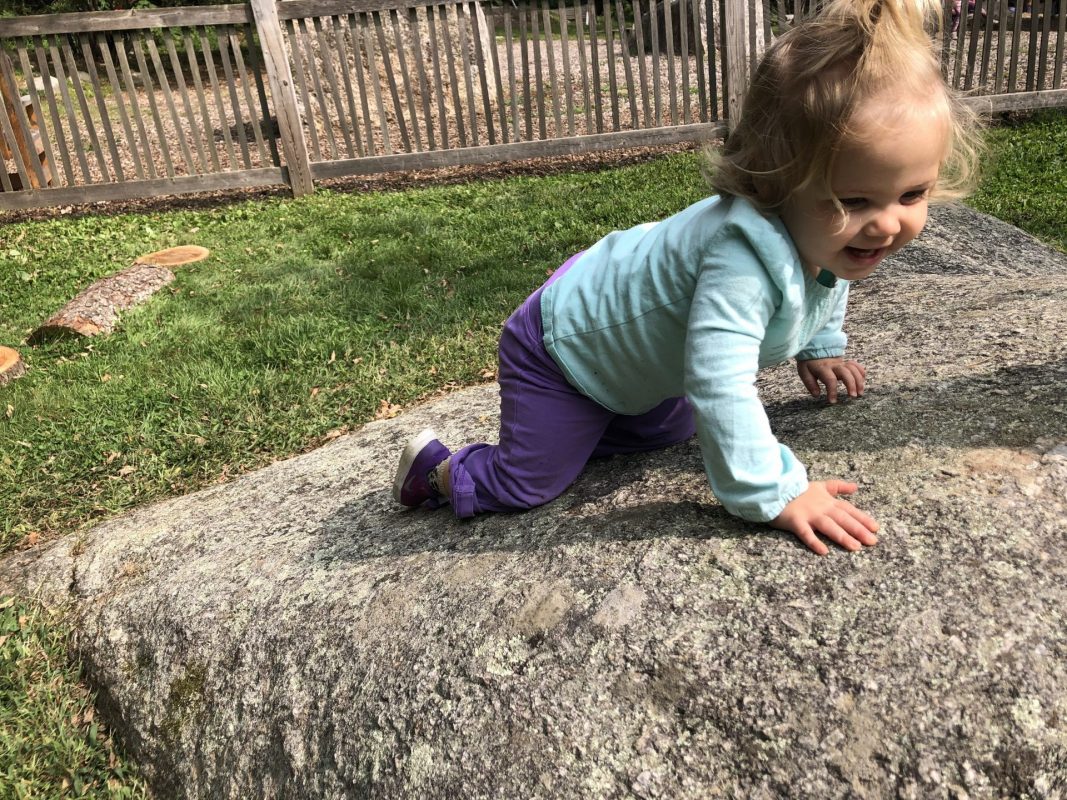
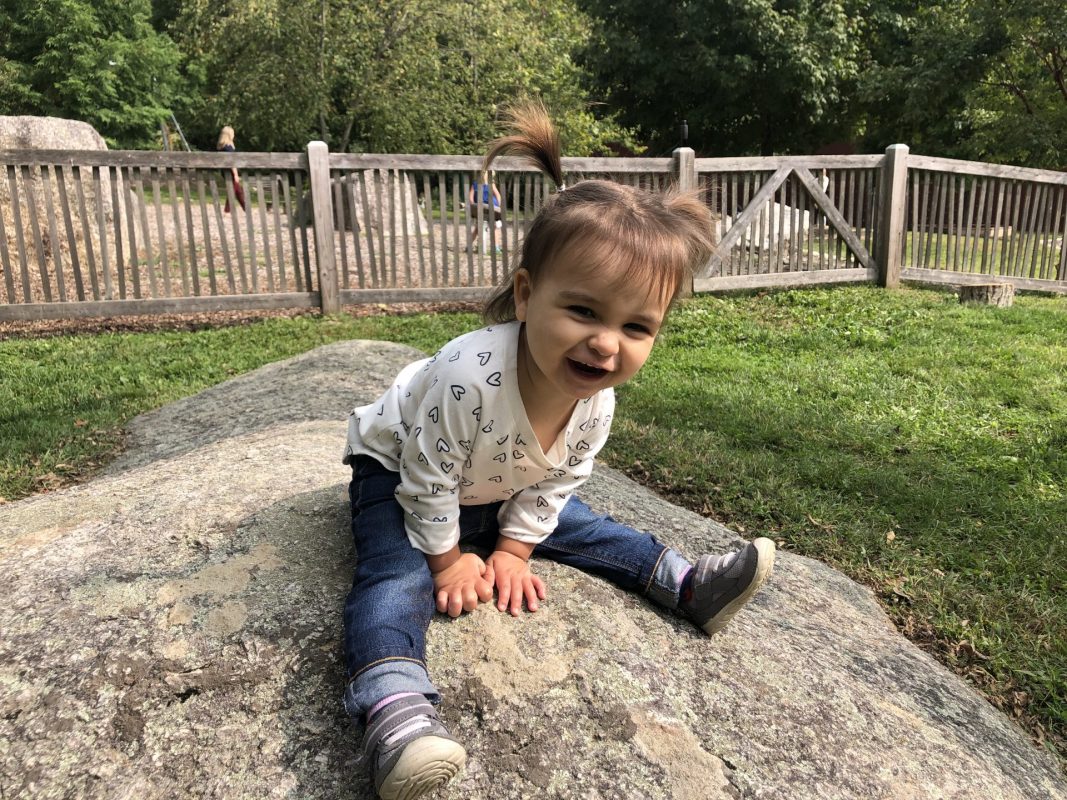
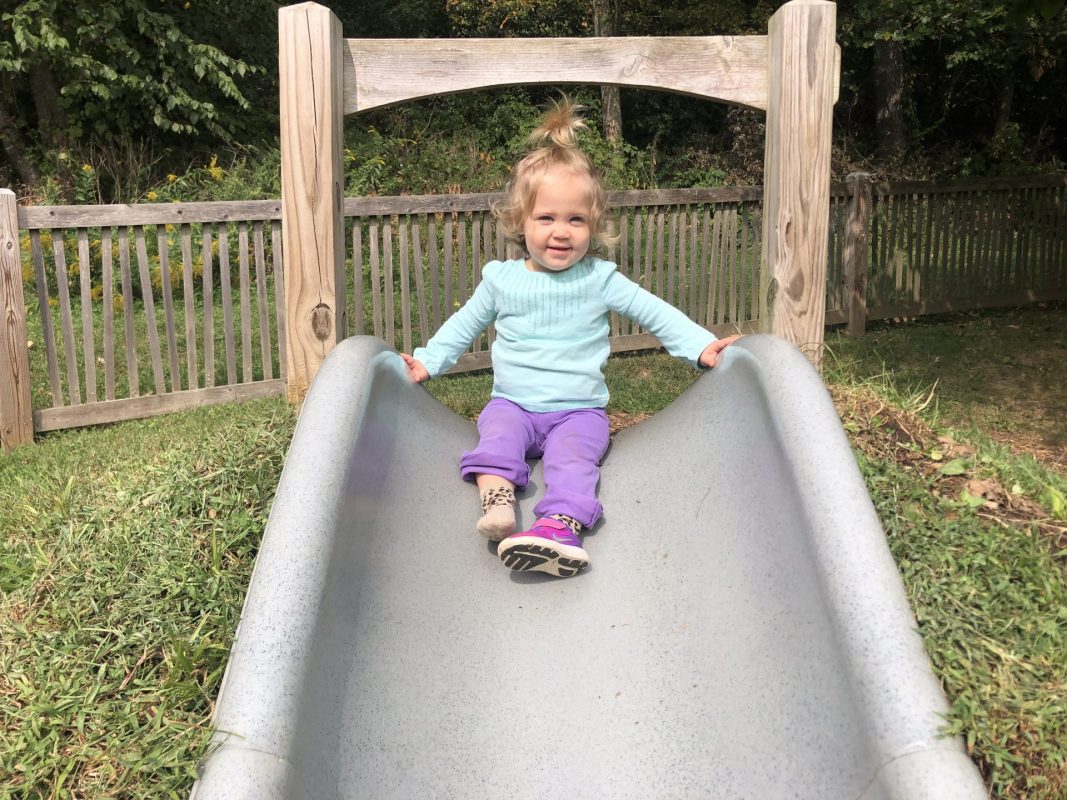
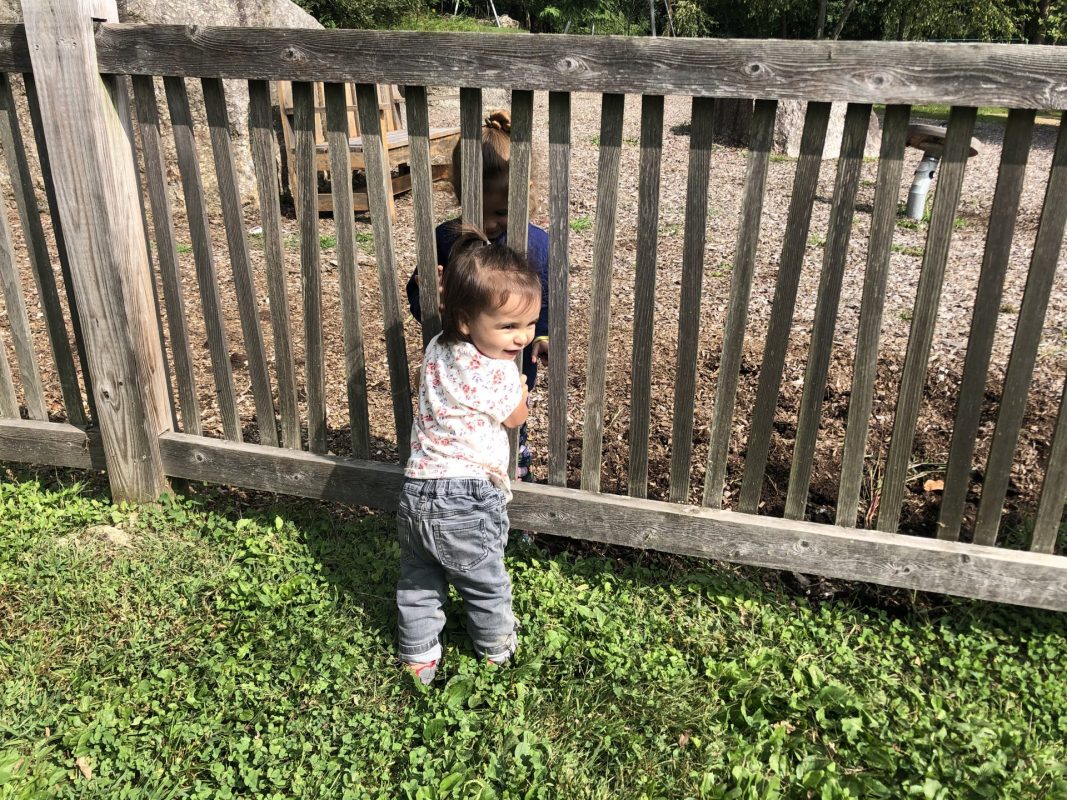
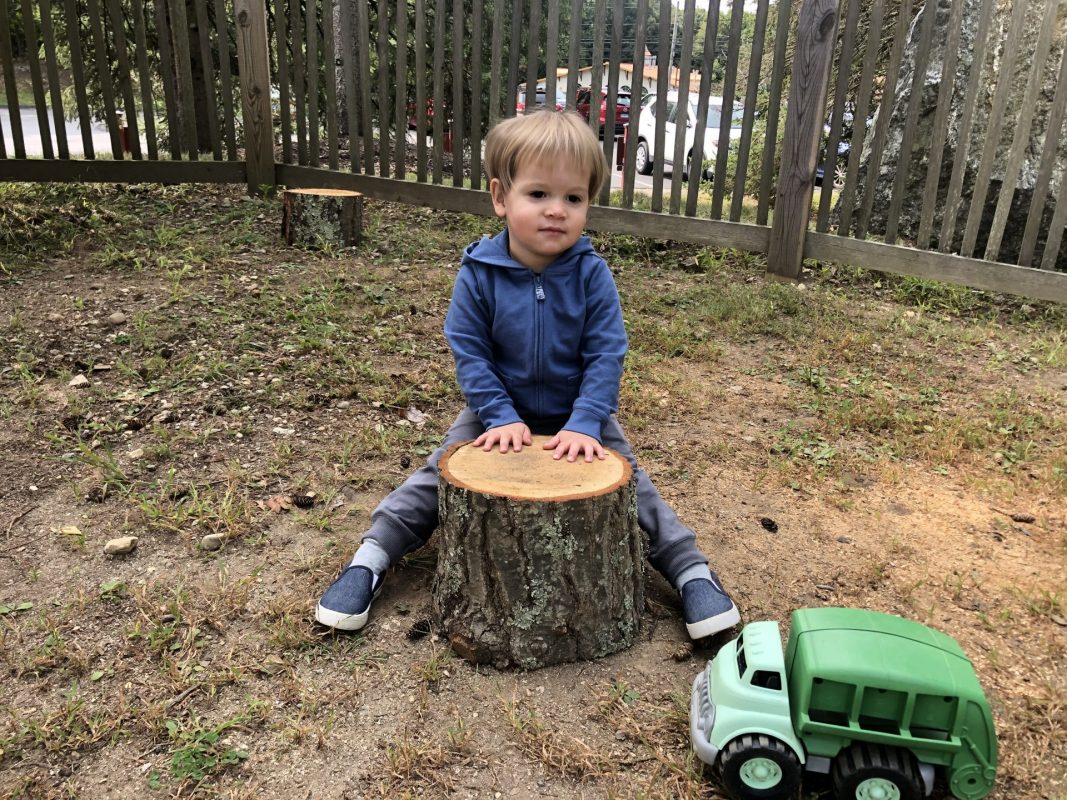
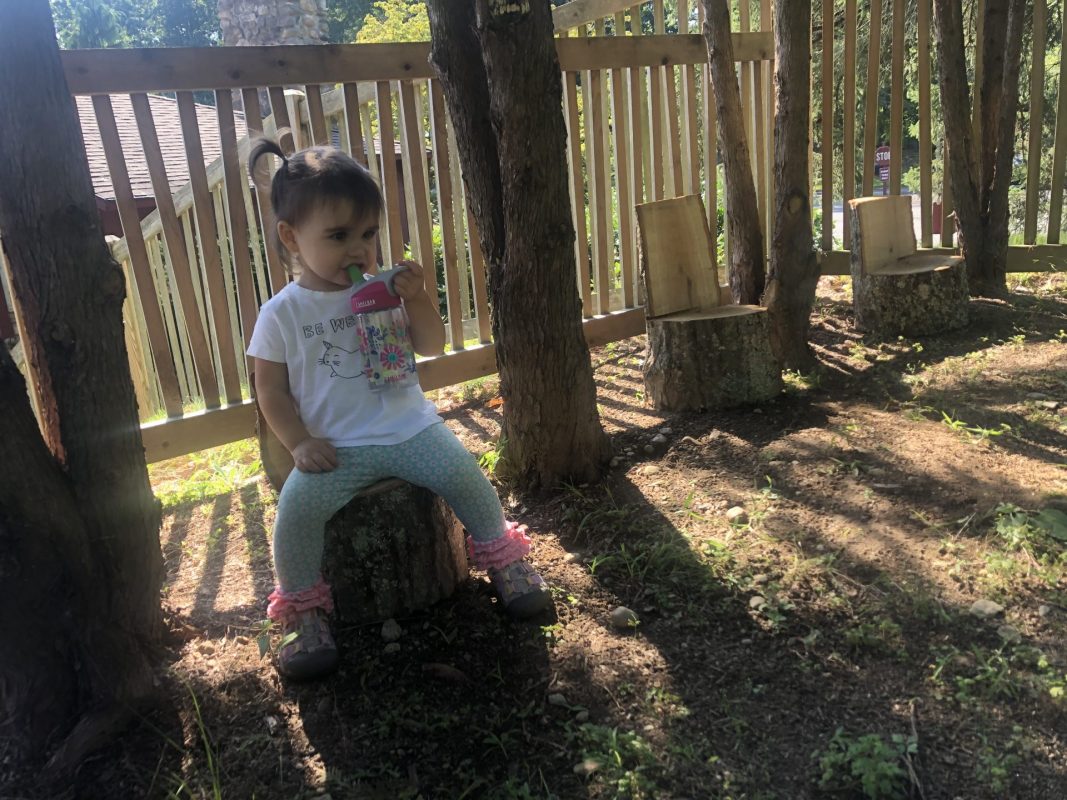
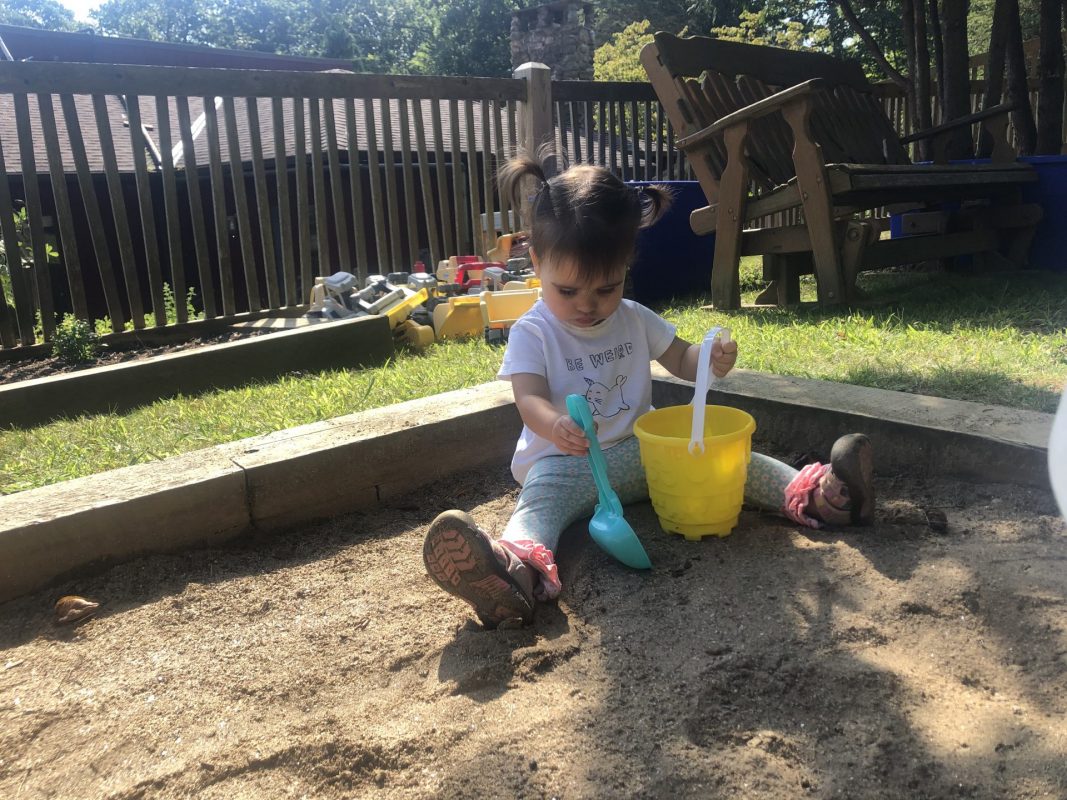
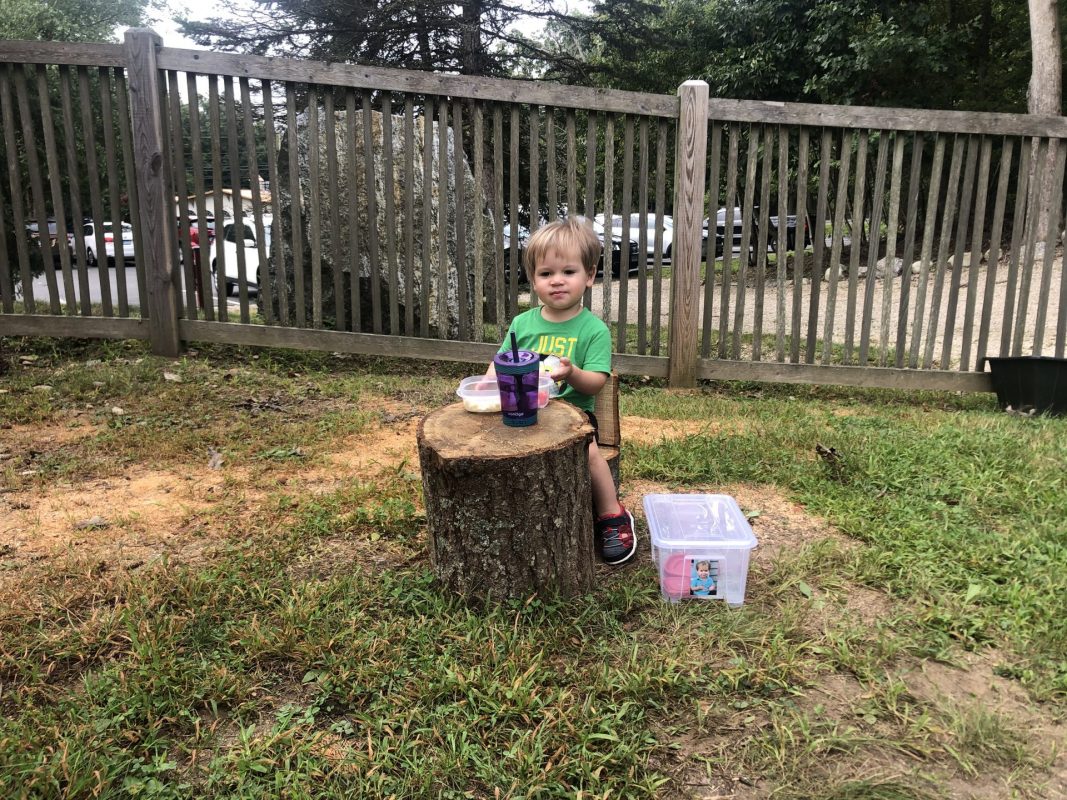
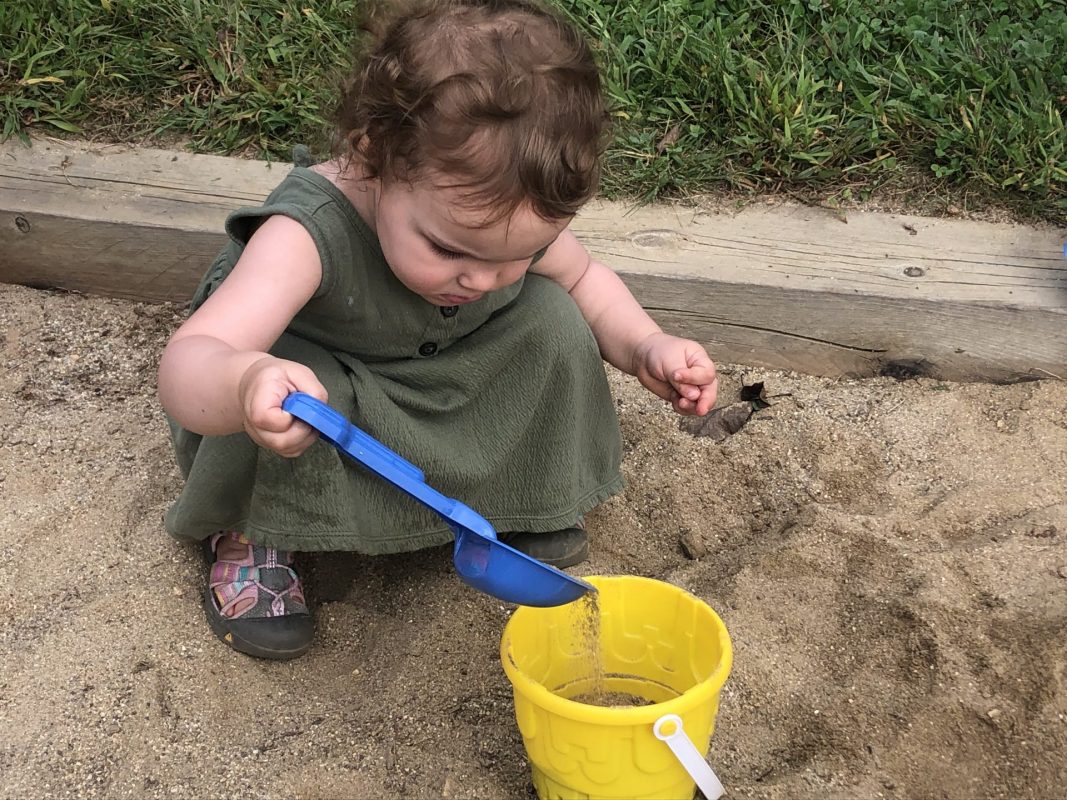
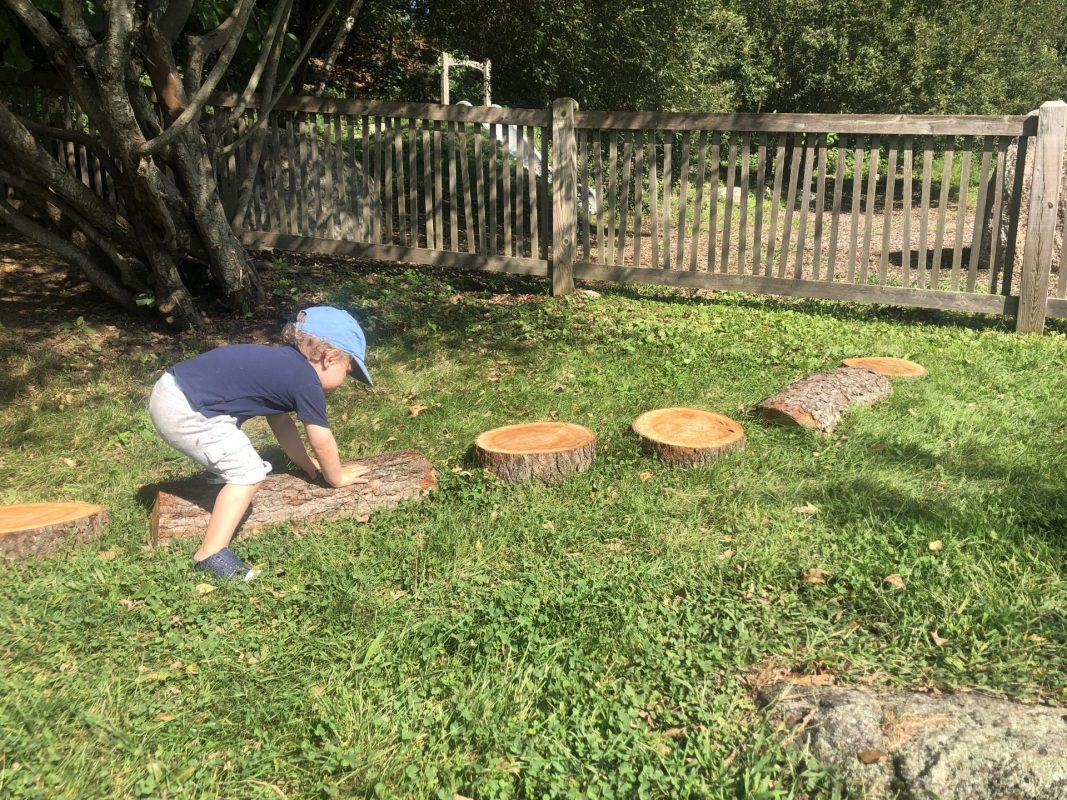
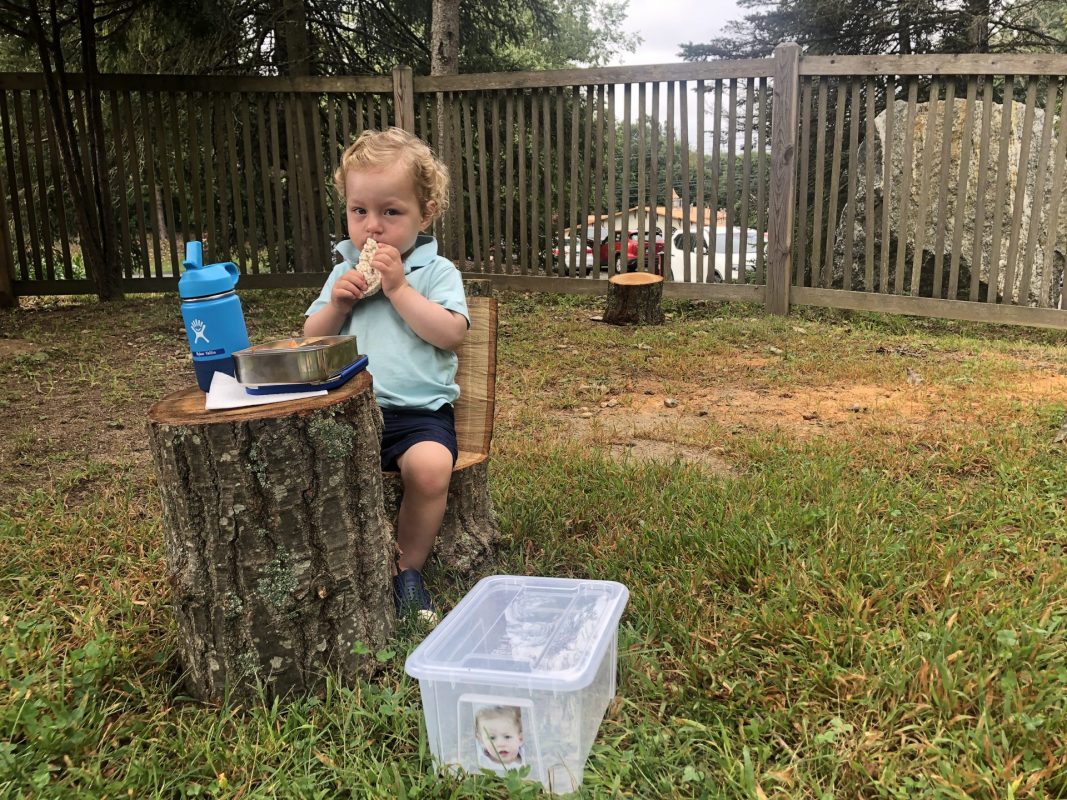
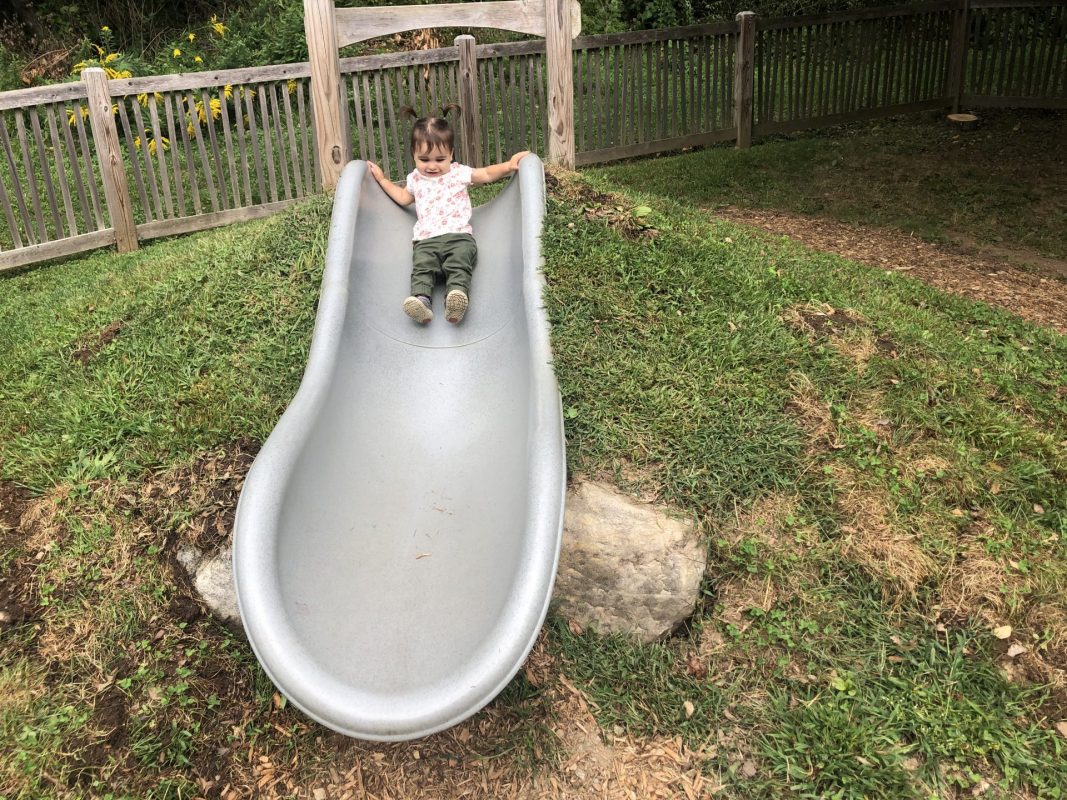
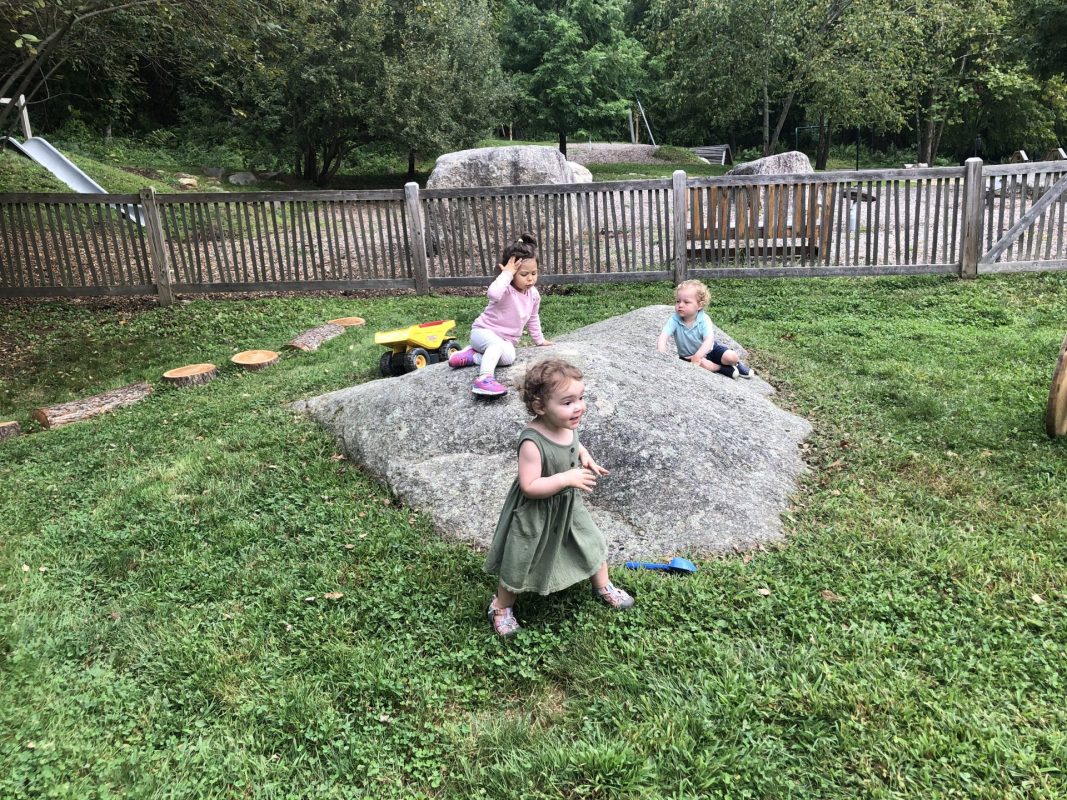
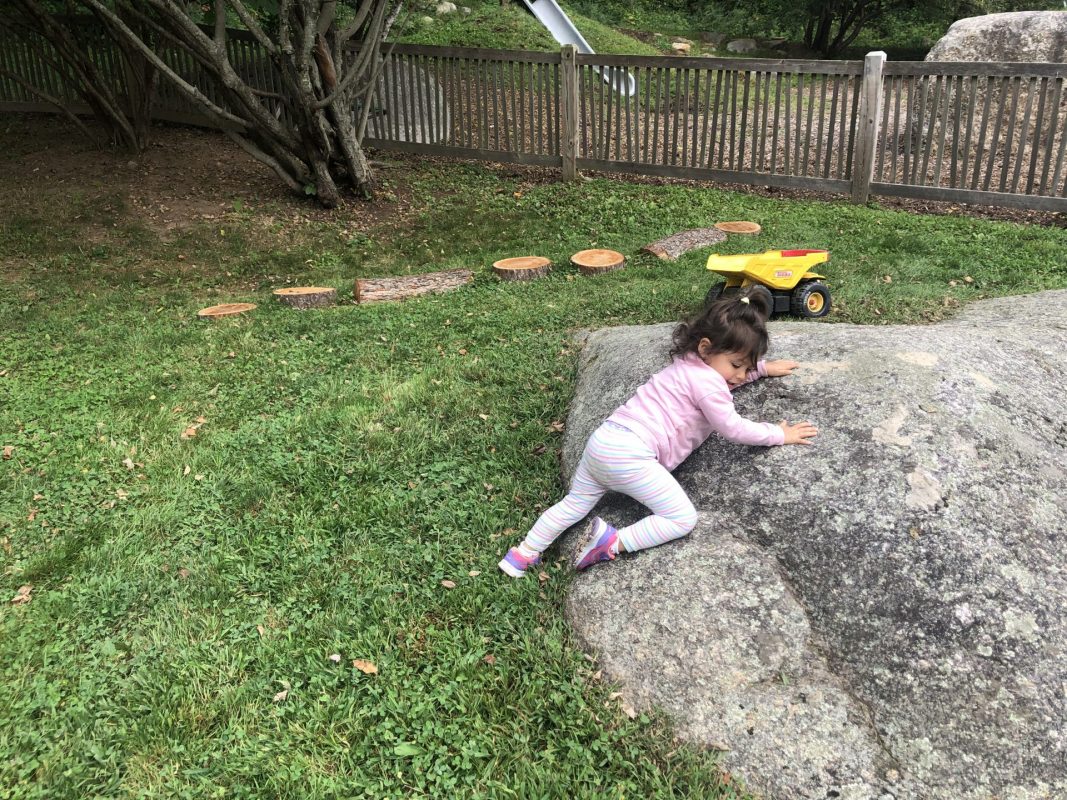
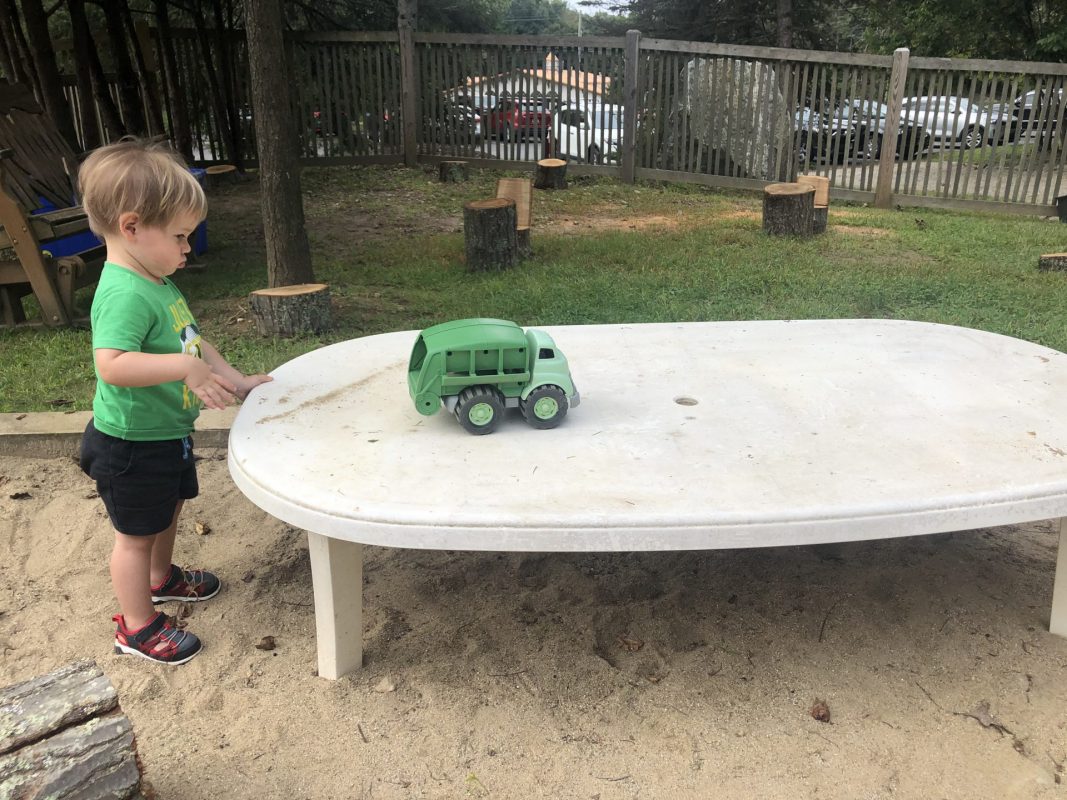
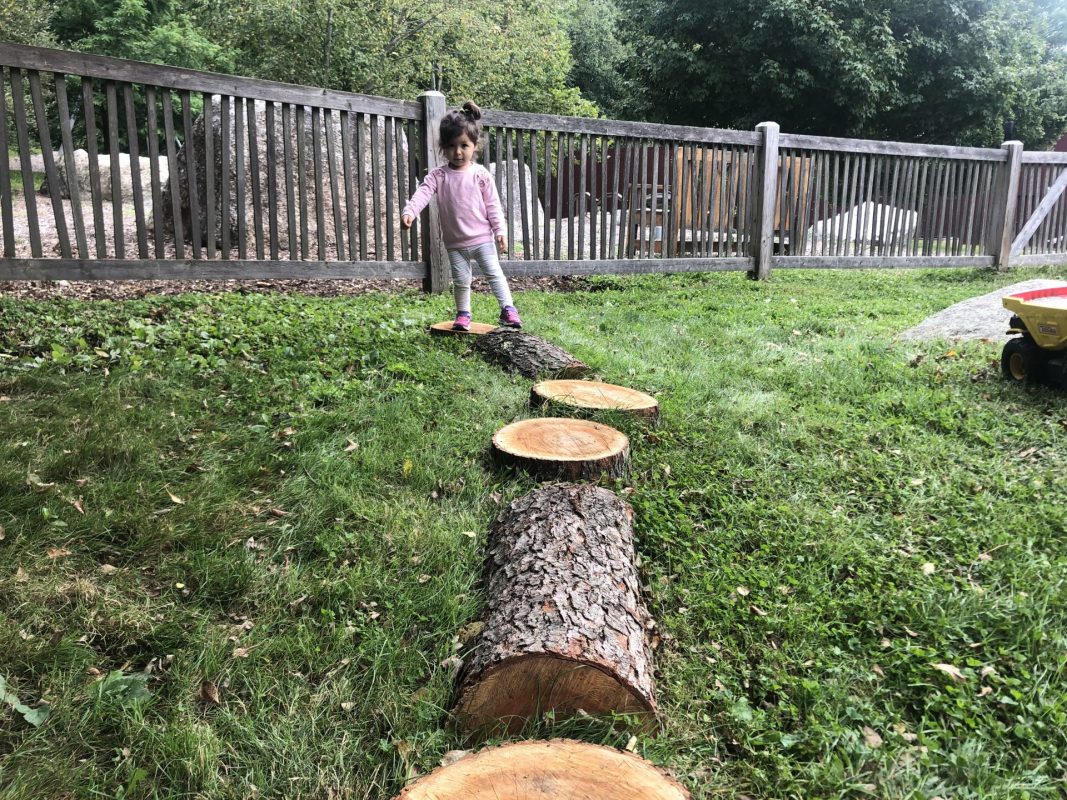
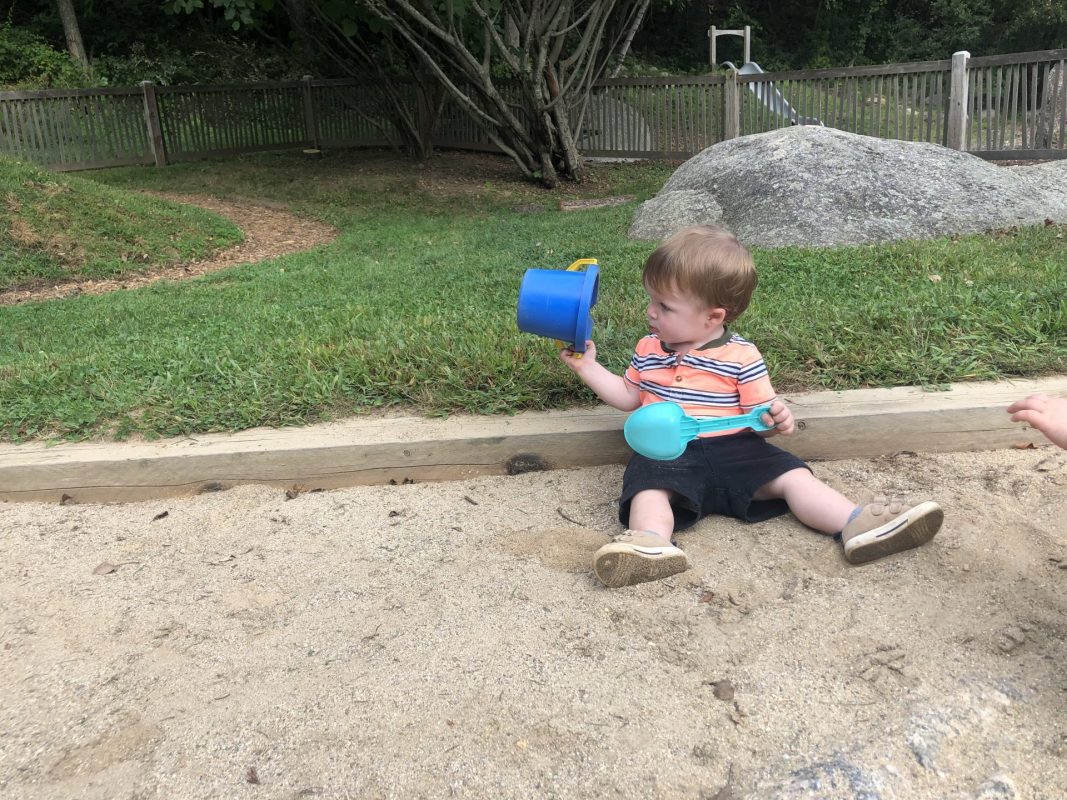
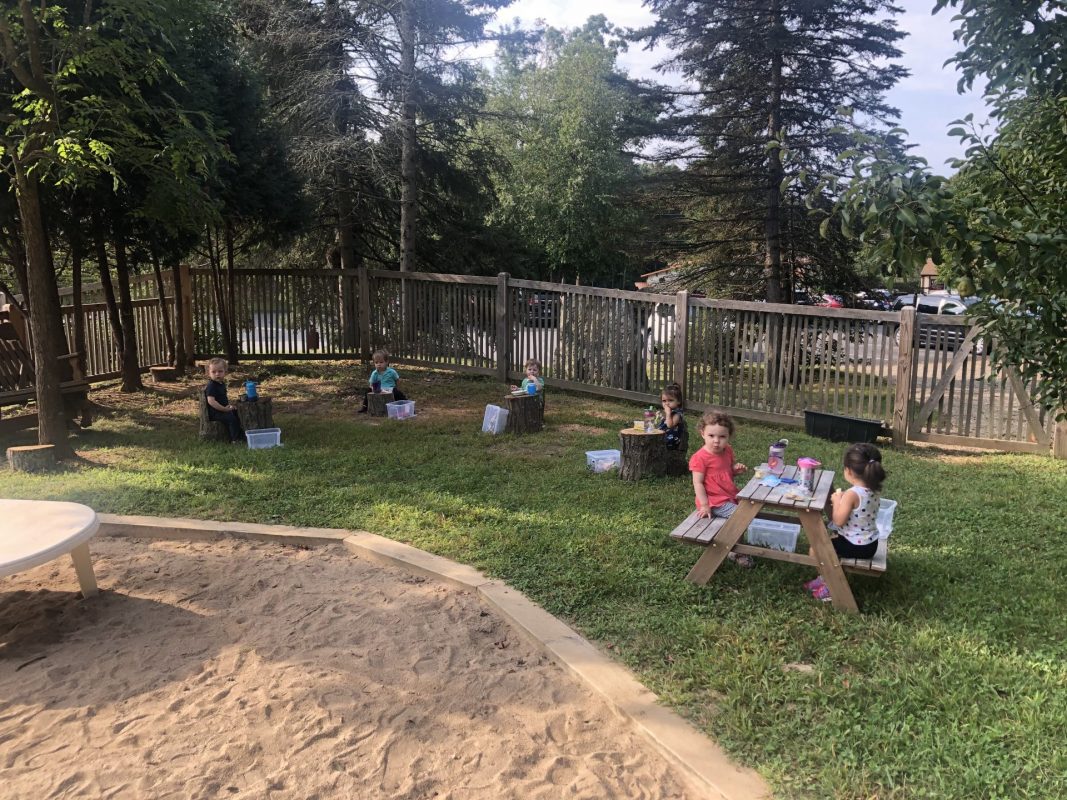
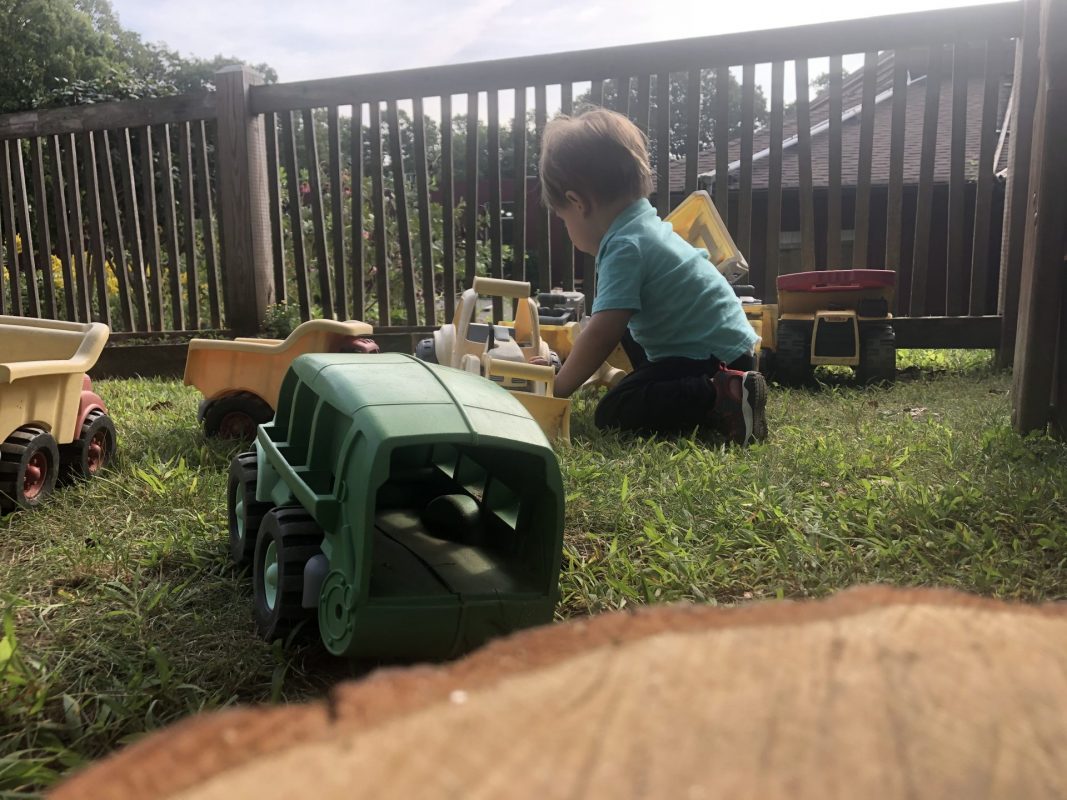
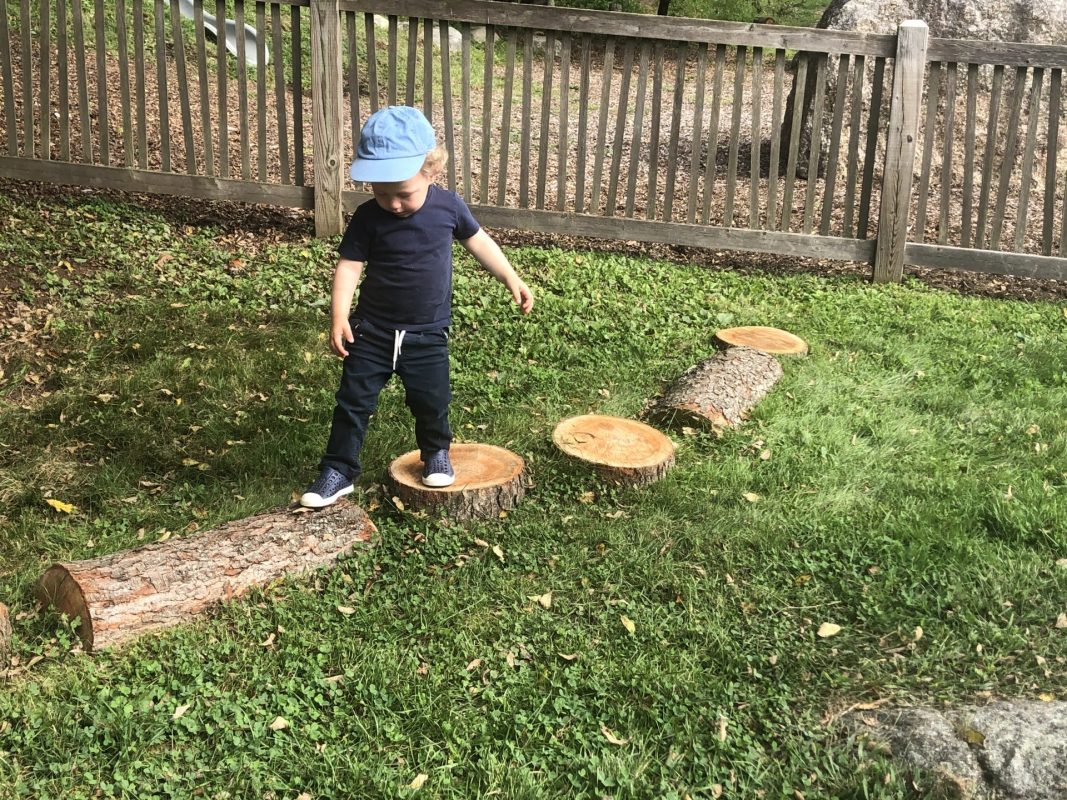
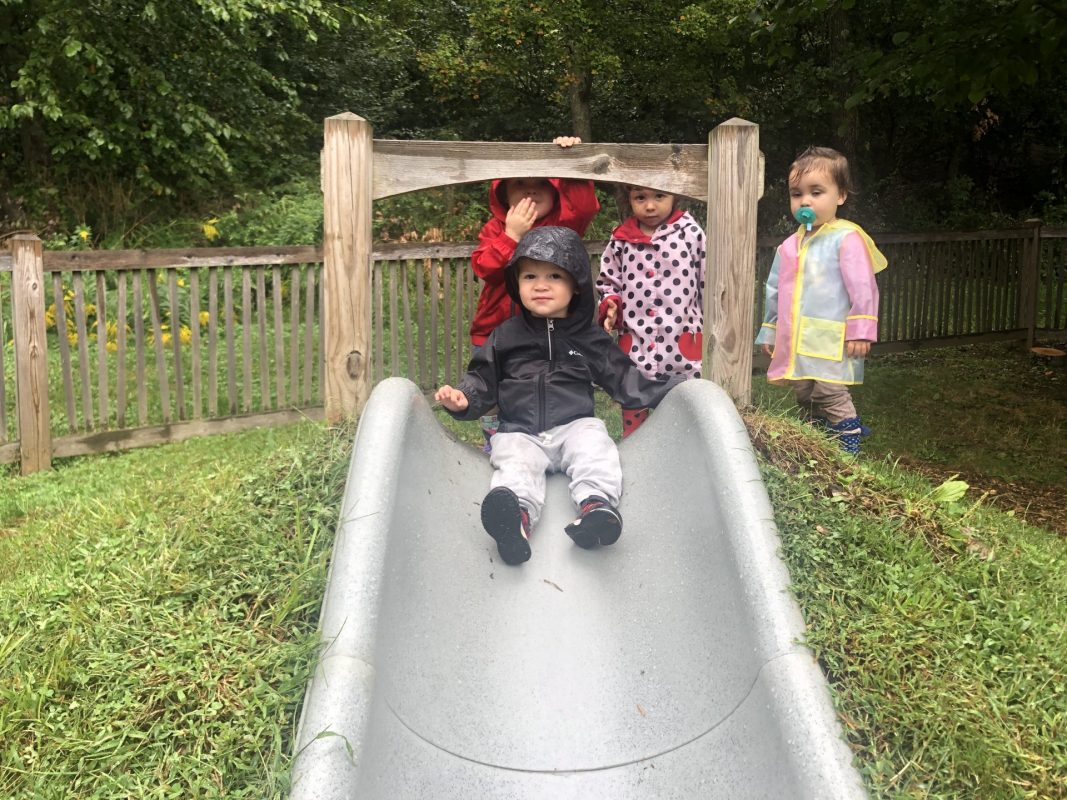
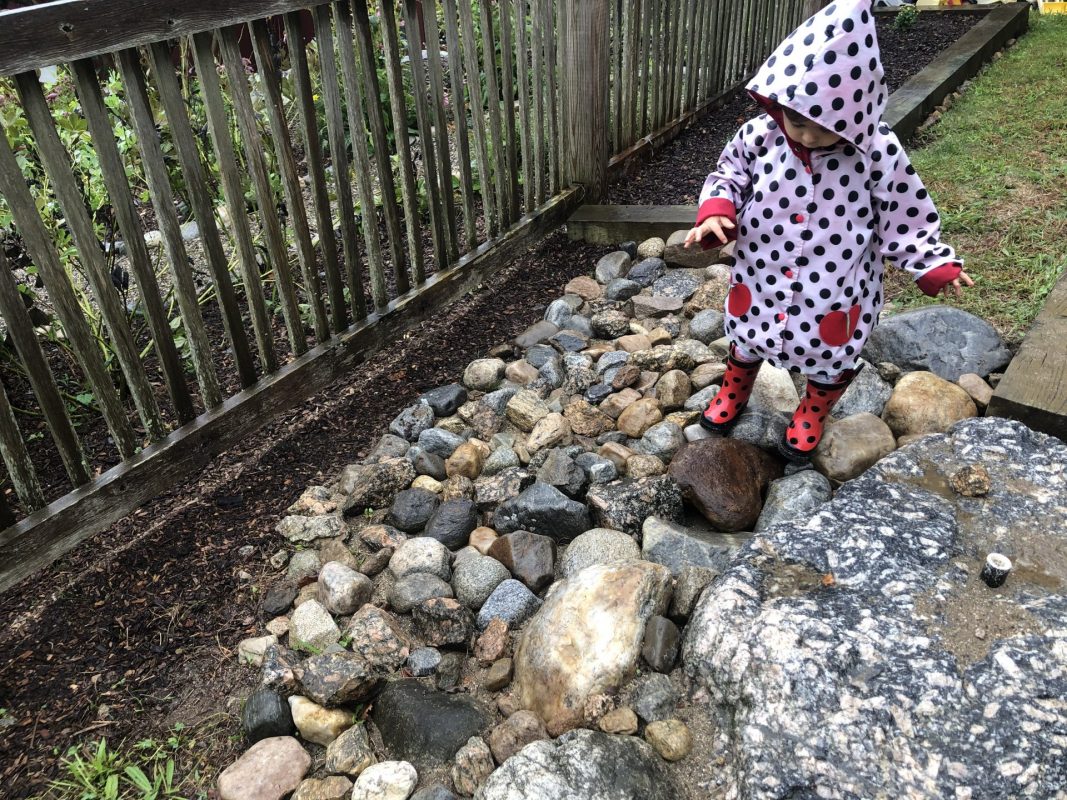
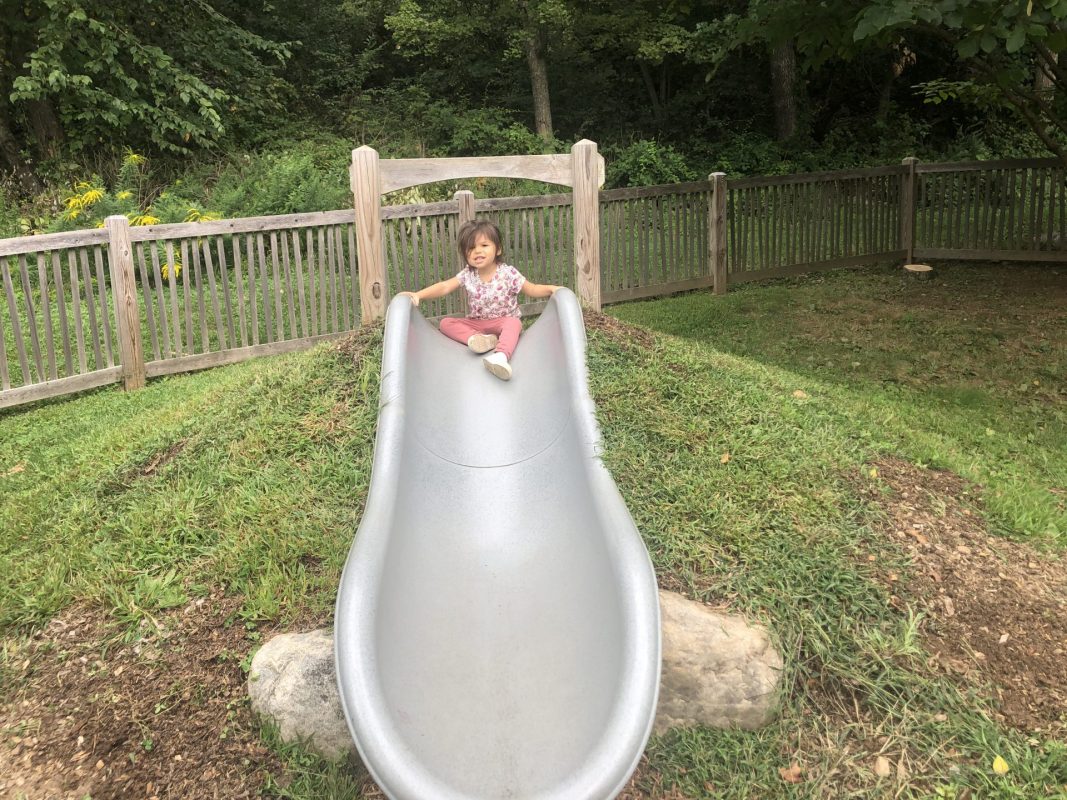
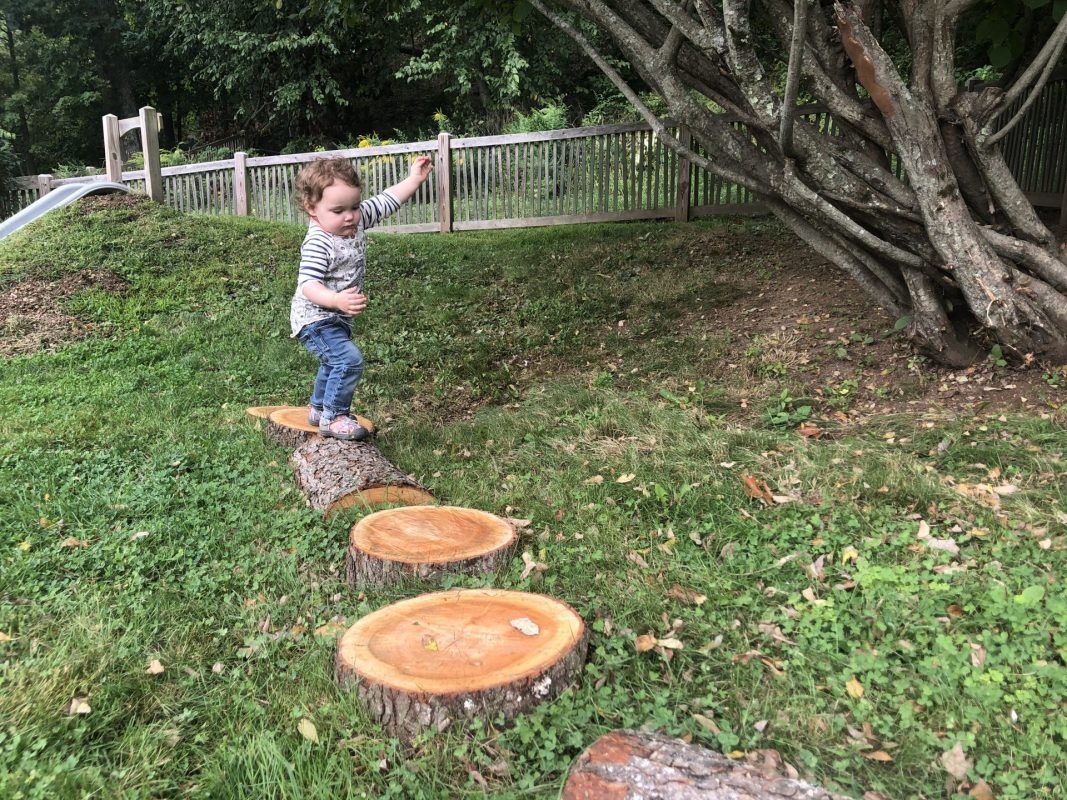
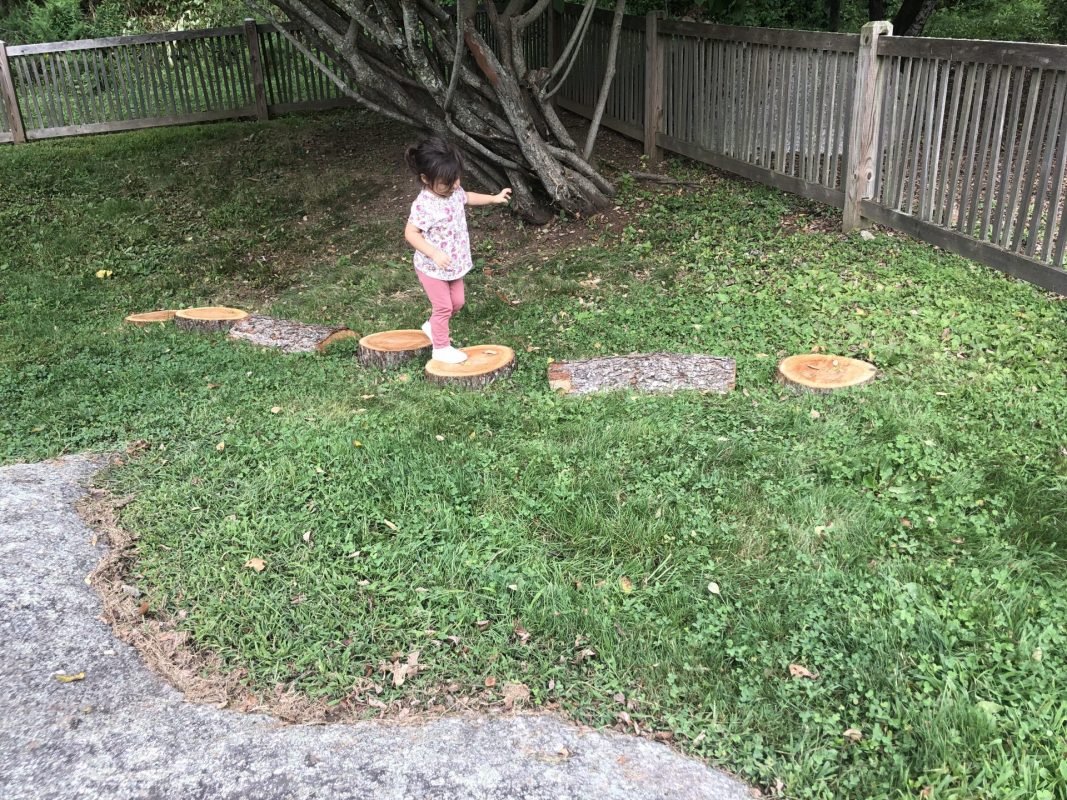
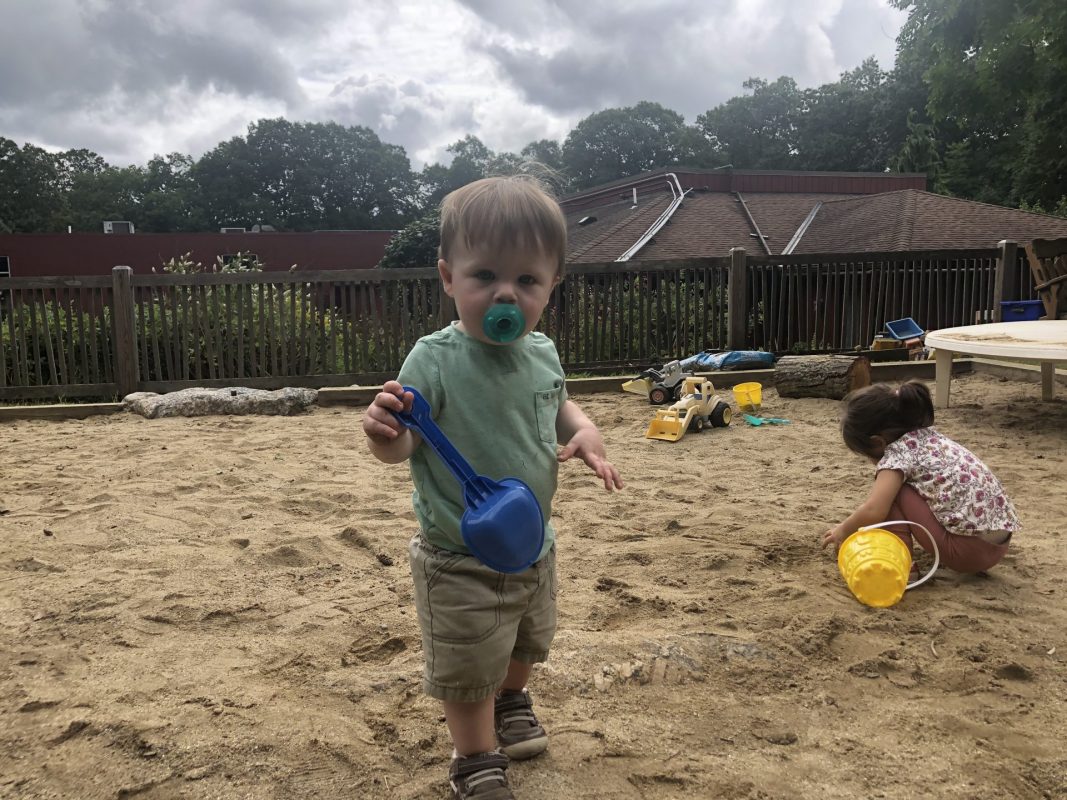
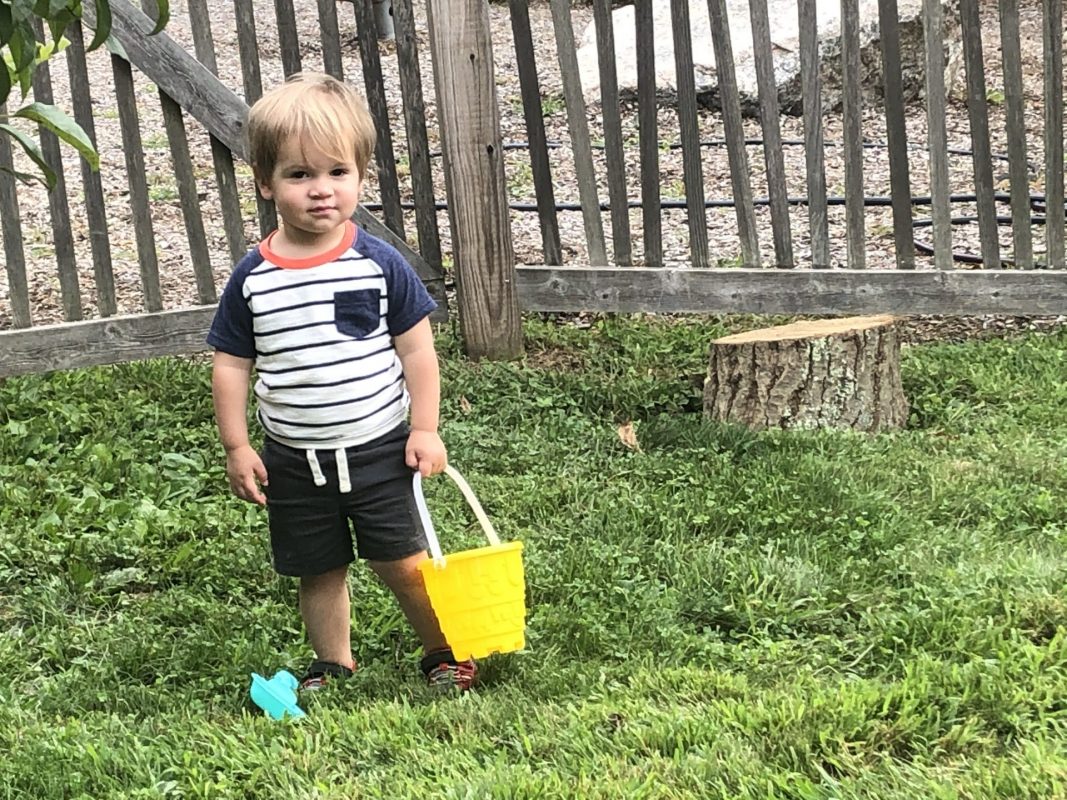
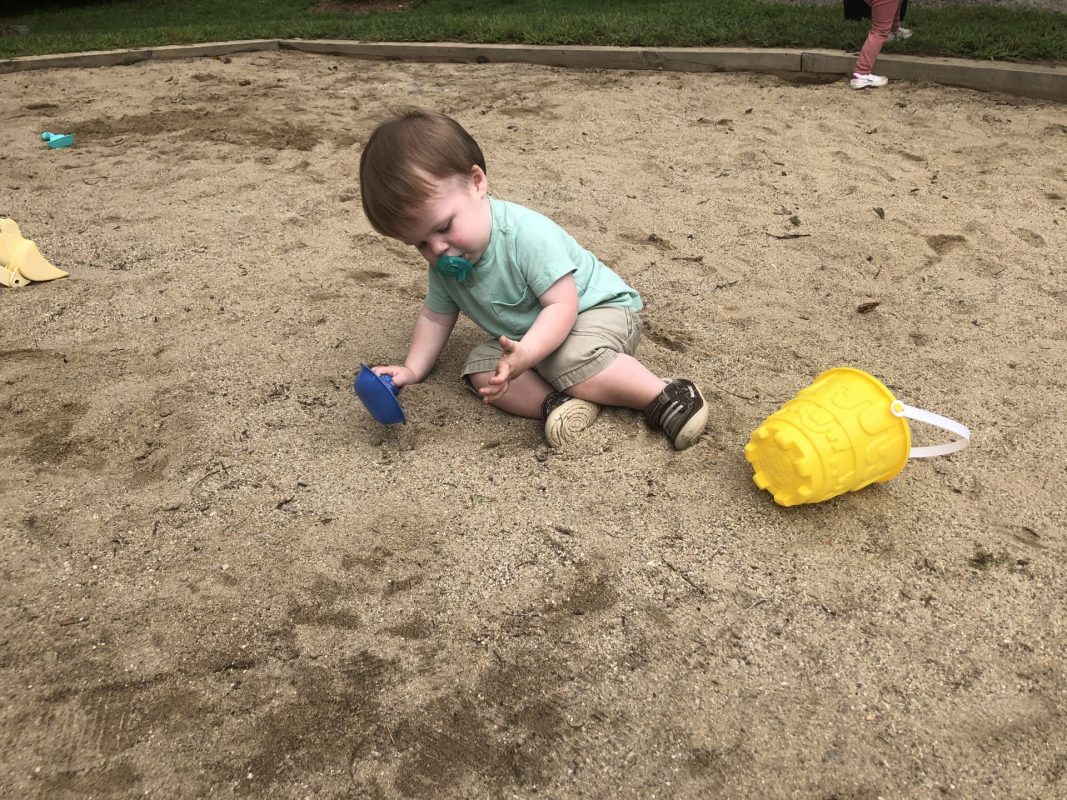
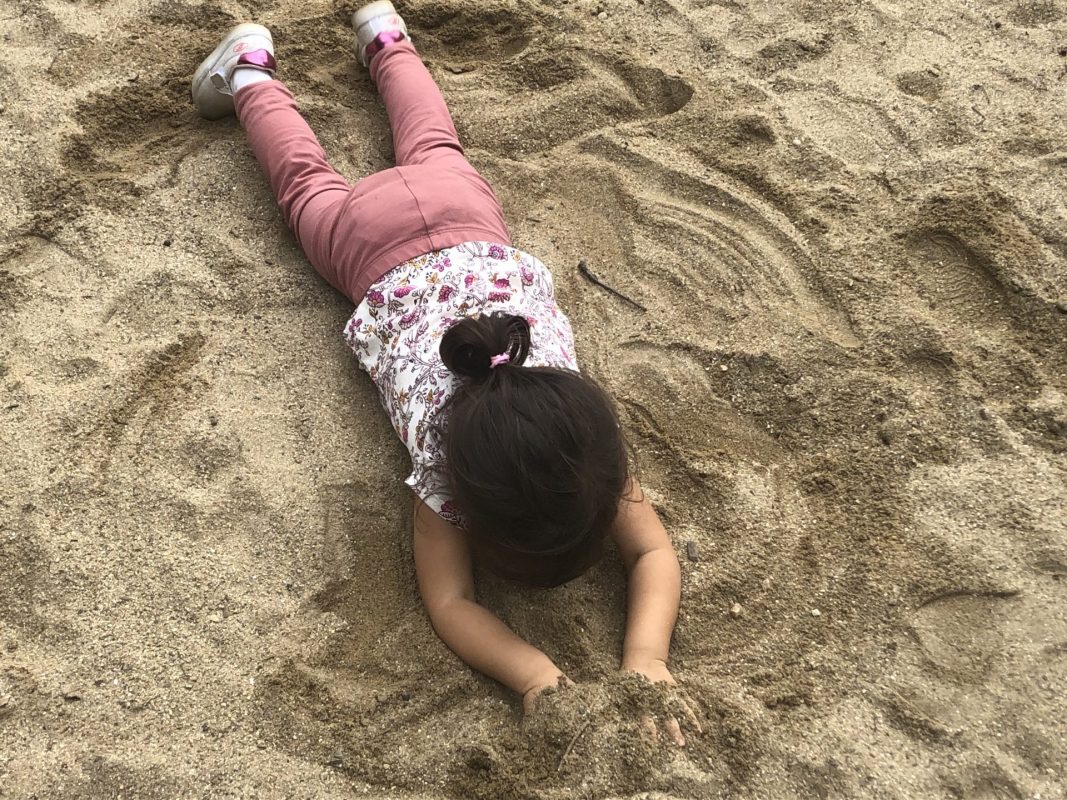
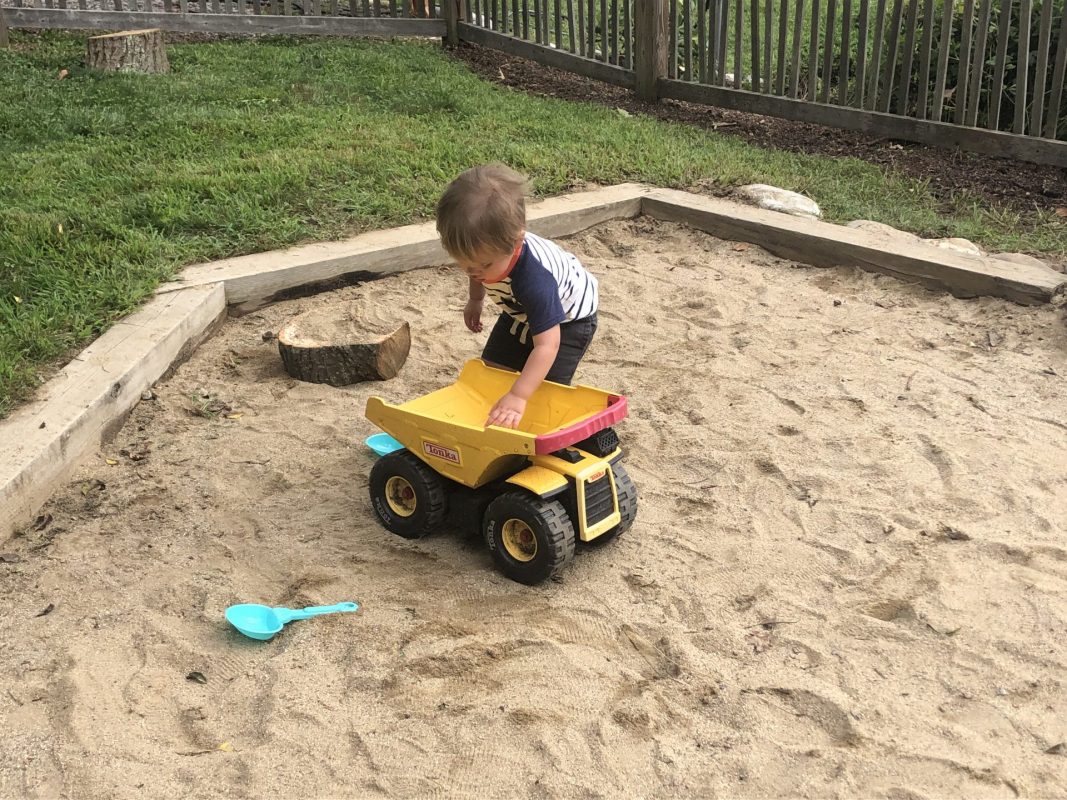
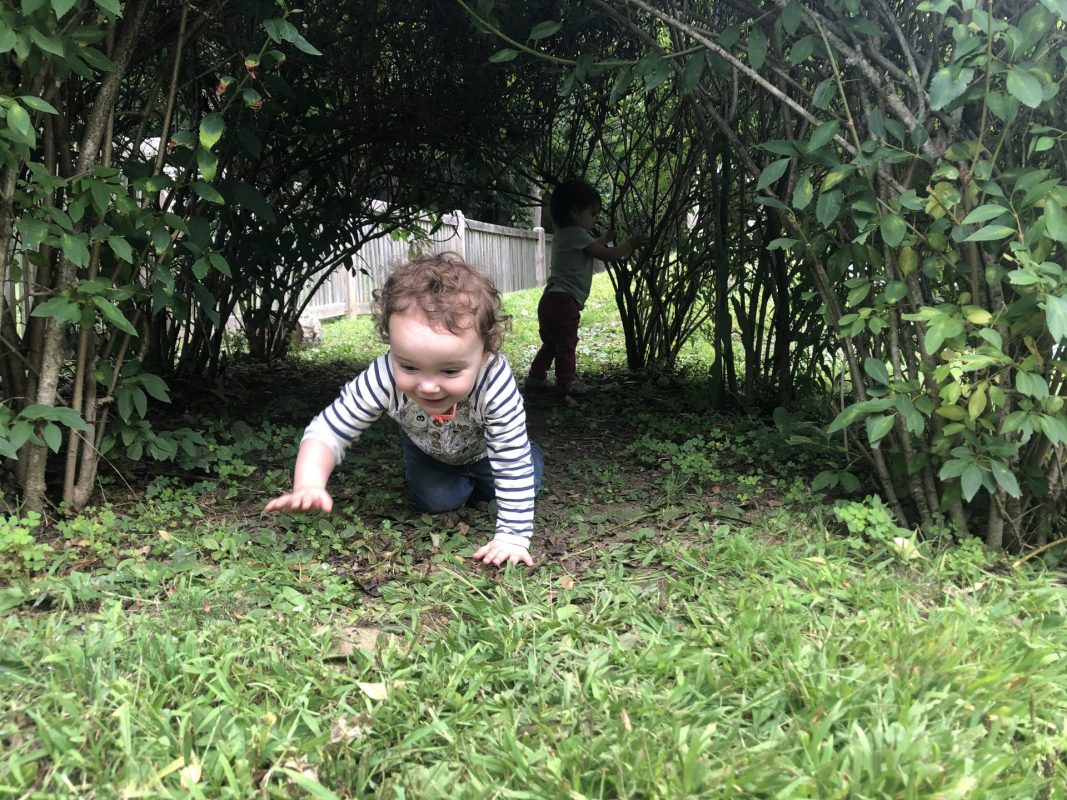
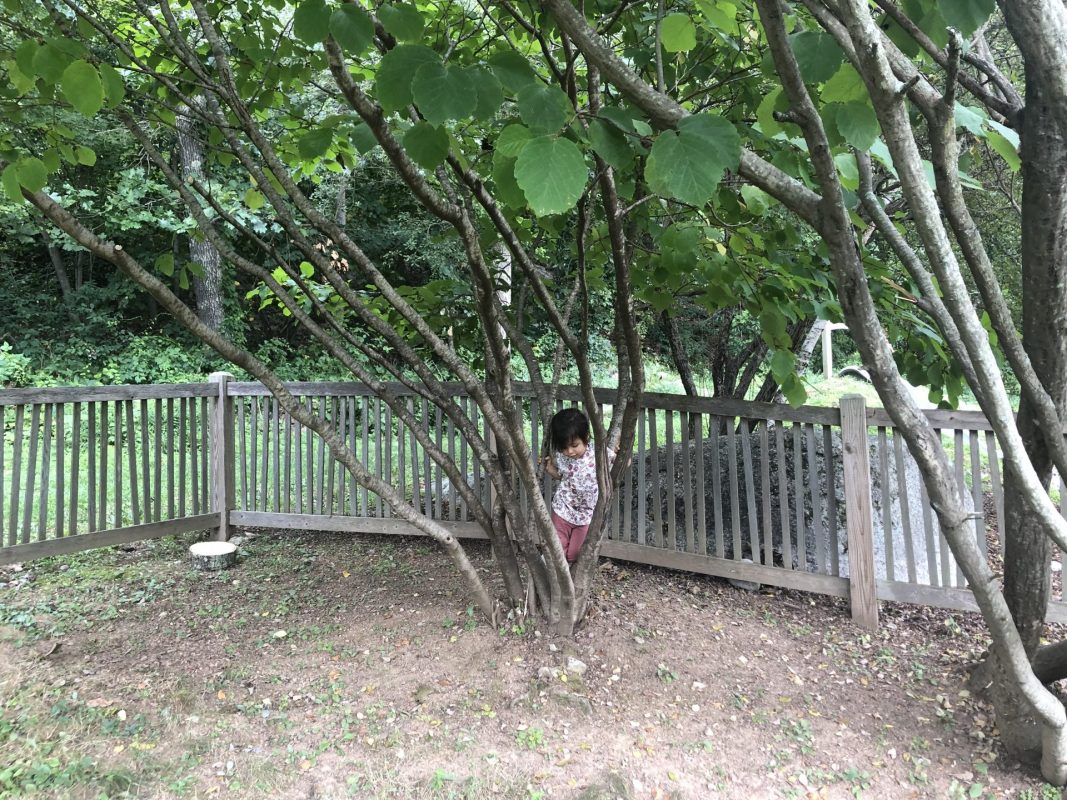
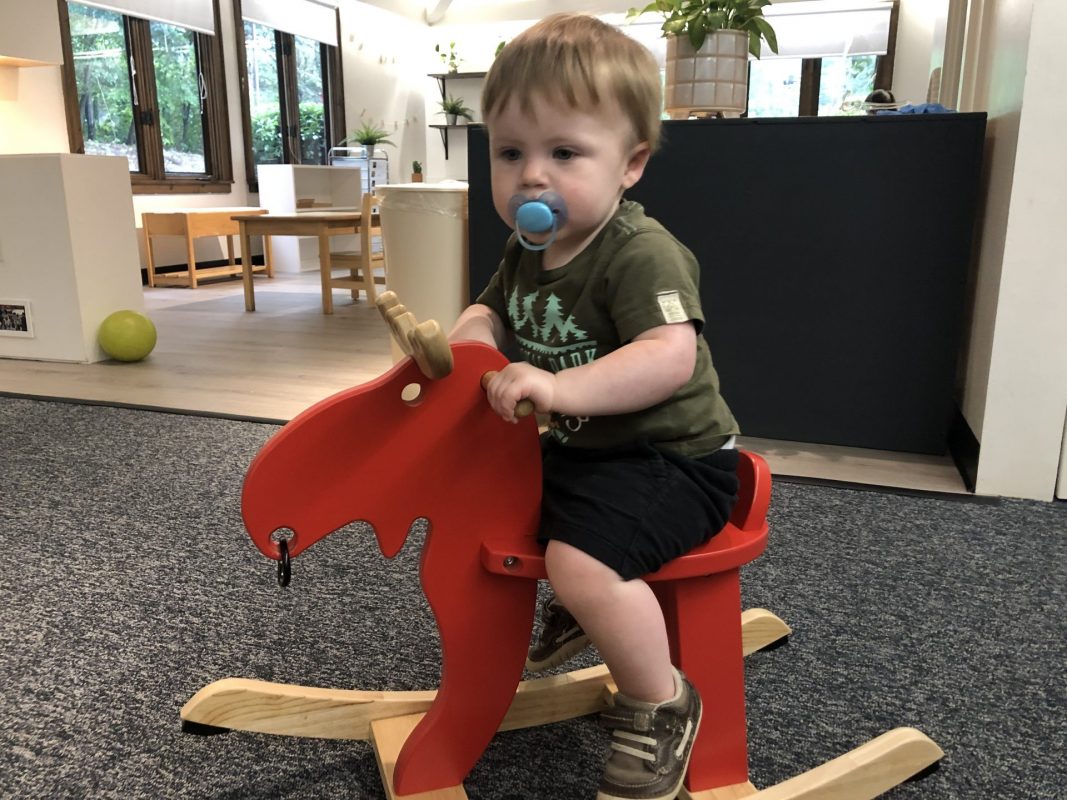
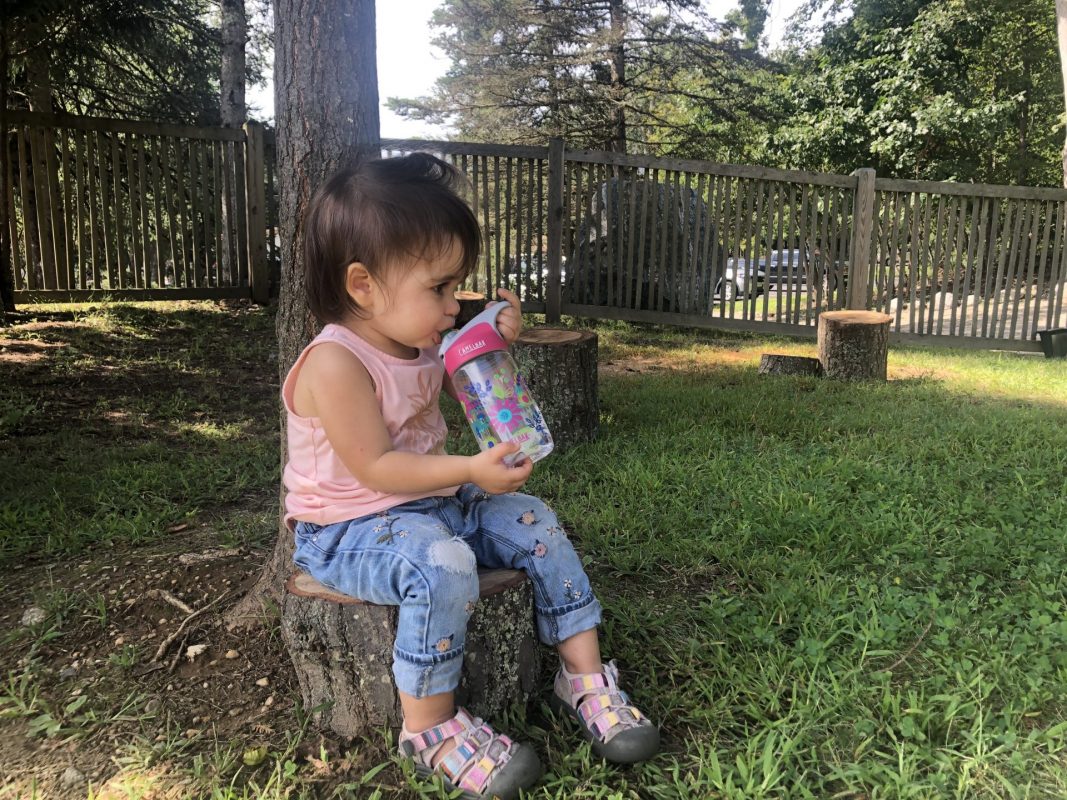
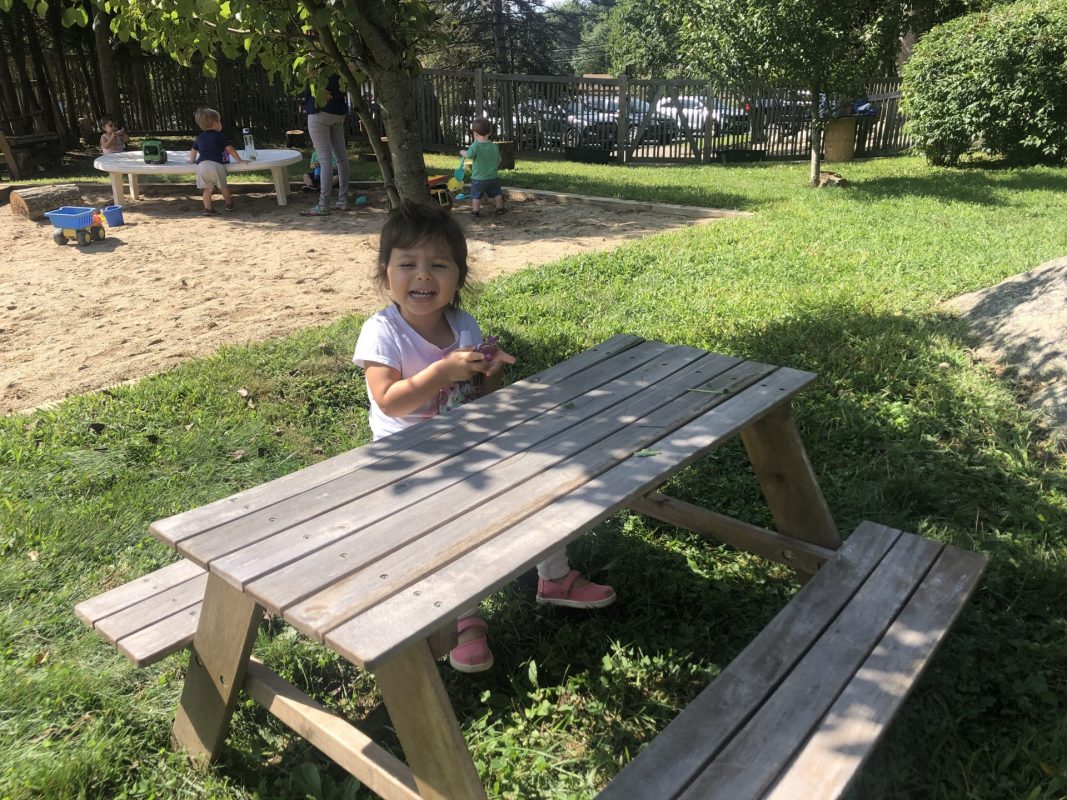
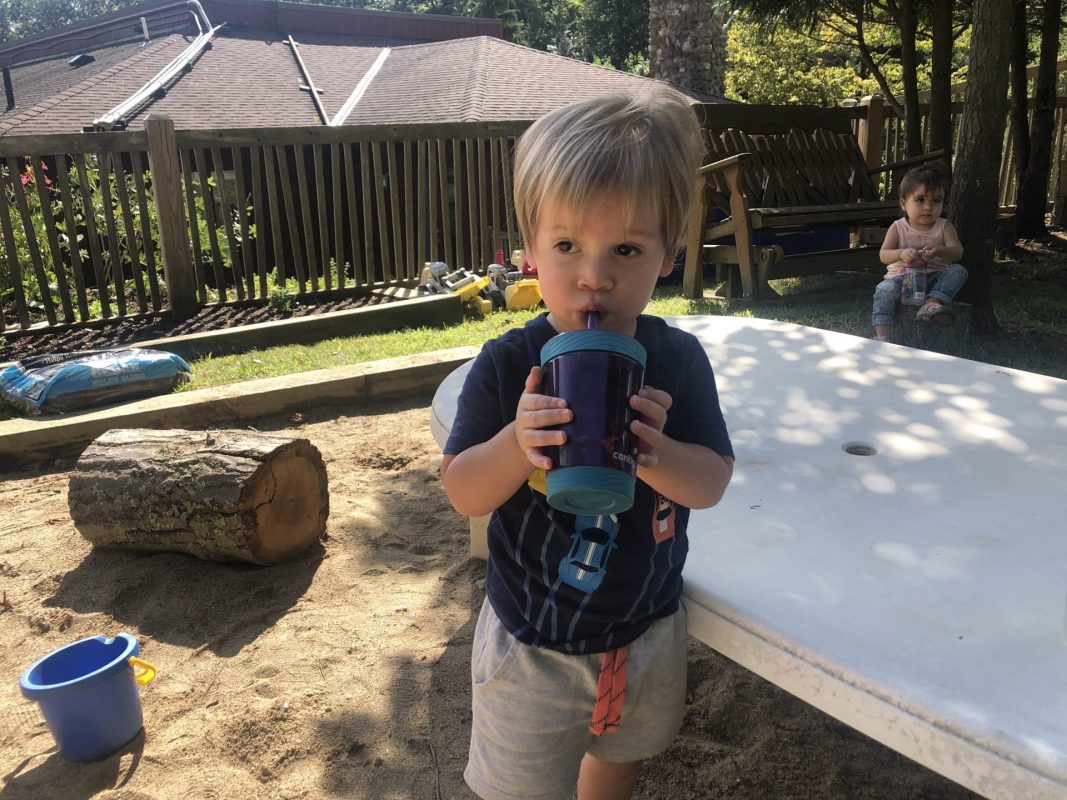
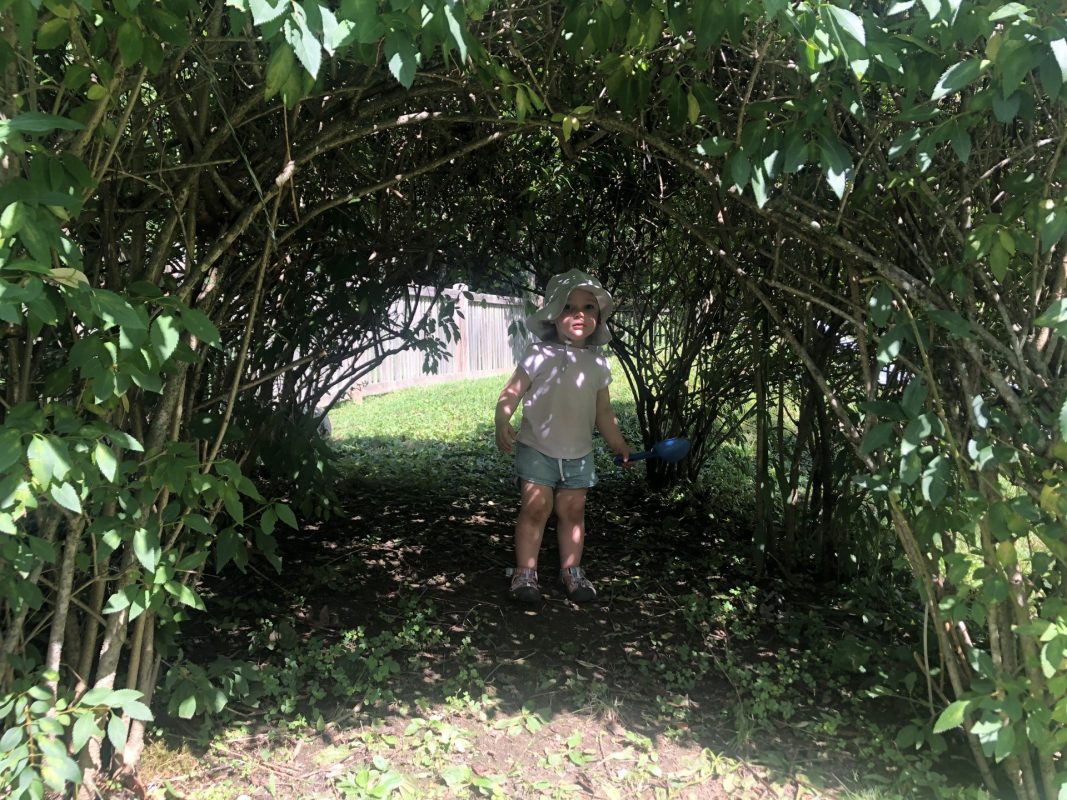
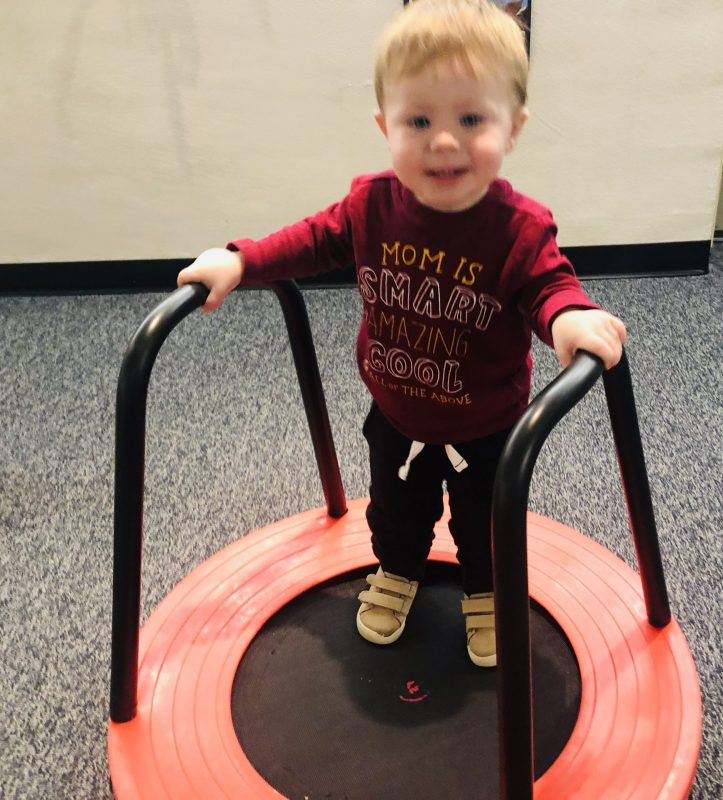
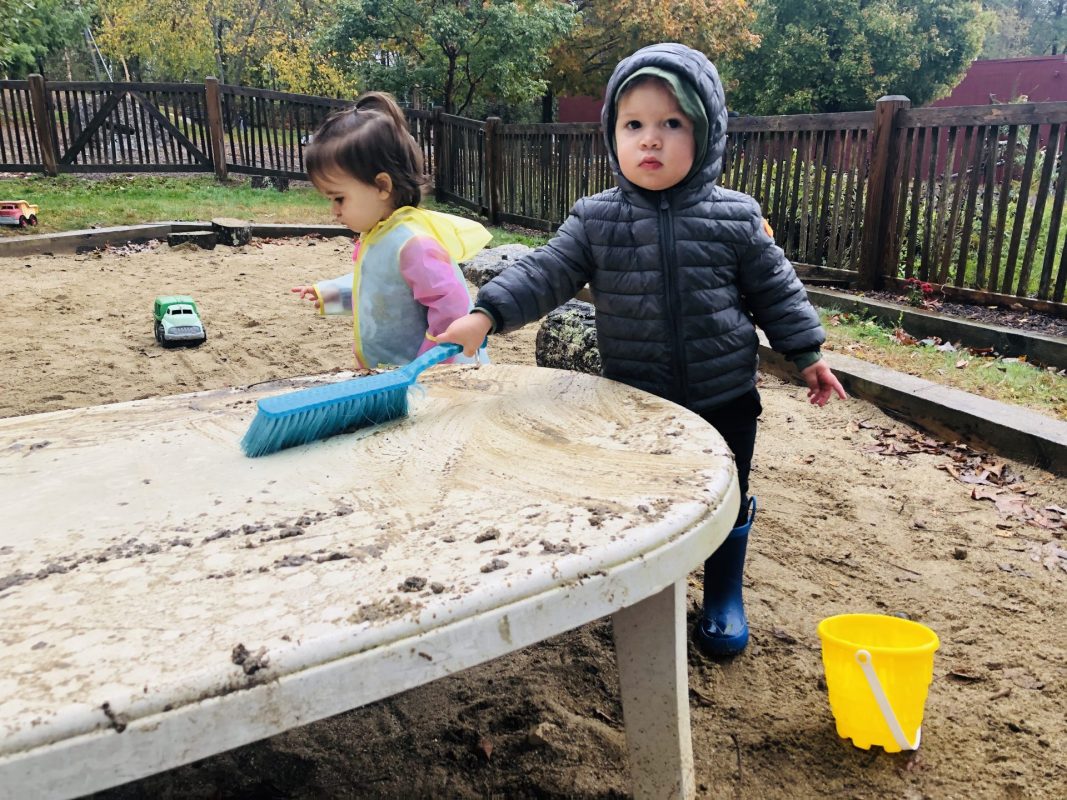
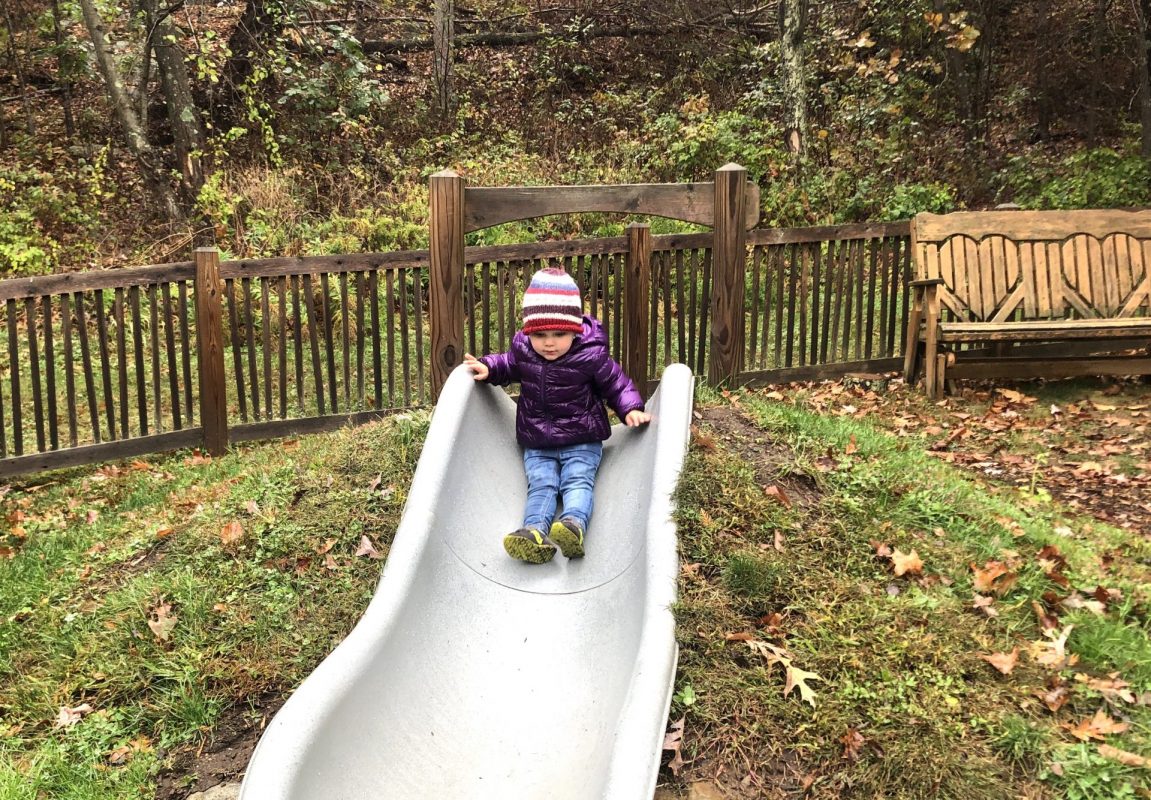
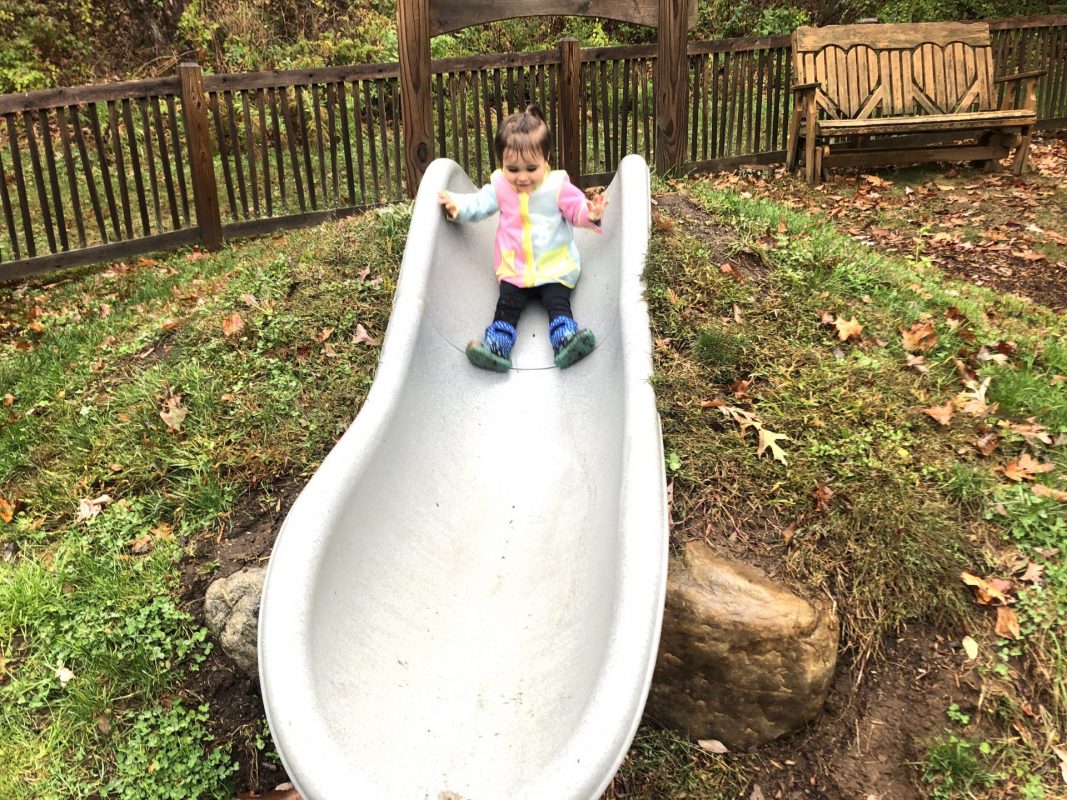
Your children have been enjoying our outdoor environment so much! They are developing their large motor skills by climbing our big rock and the hill to get to the top of the slide. They also like to practice walking on the big rocks path. They run and enjoy exploring in our forsythia tunnel! Some of them love walking around the sandbox frame and others seem to love the tree stump walking path which offers a bigger challenge for balancing!

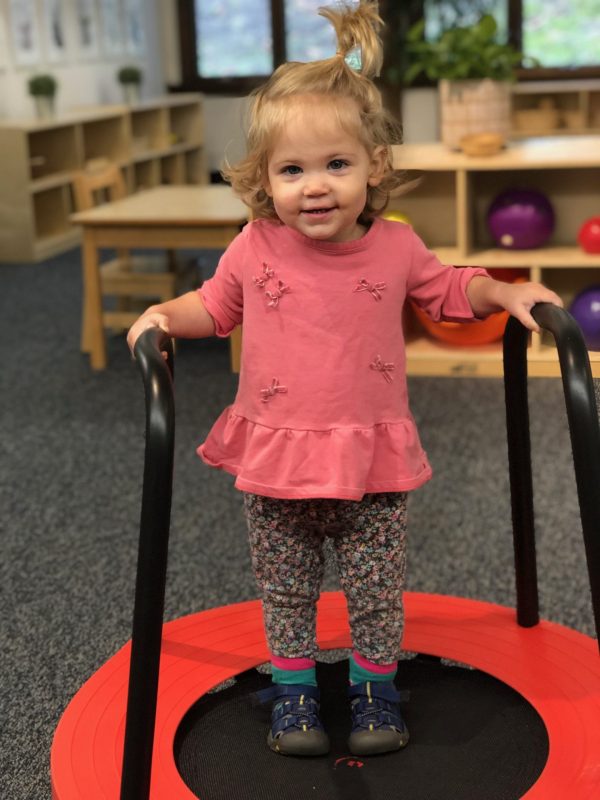
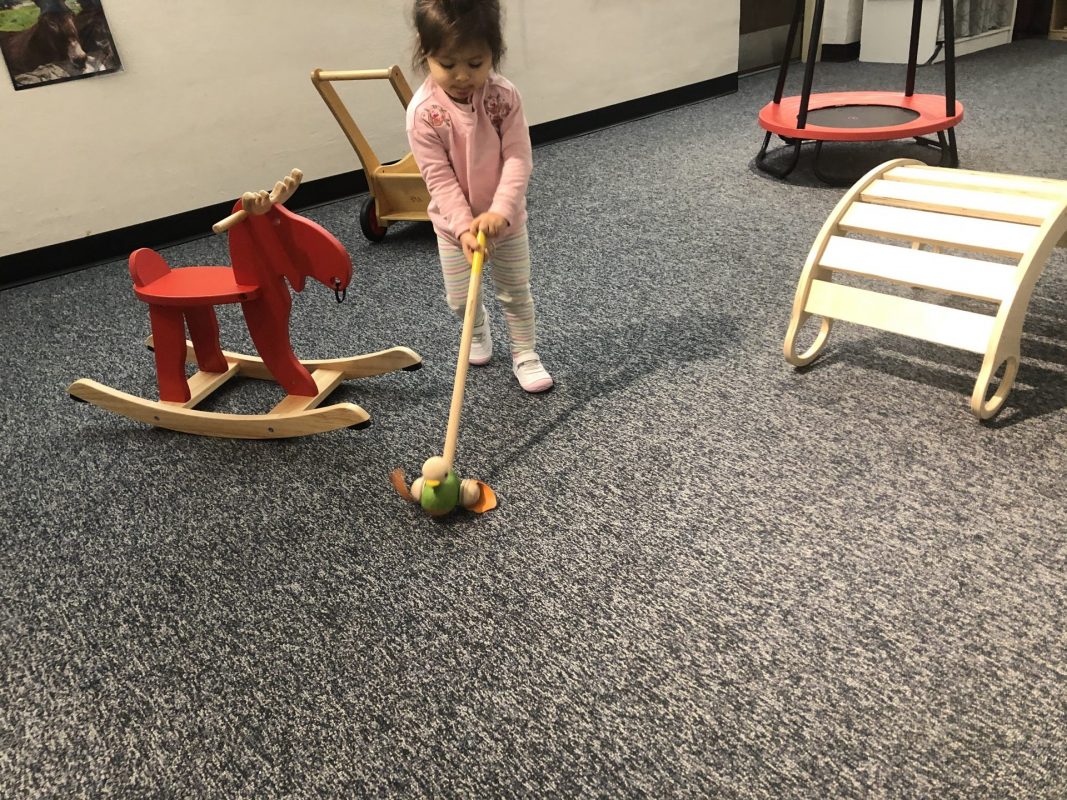
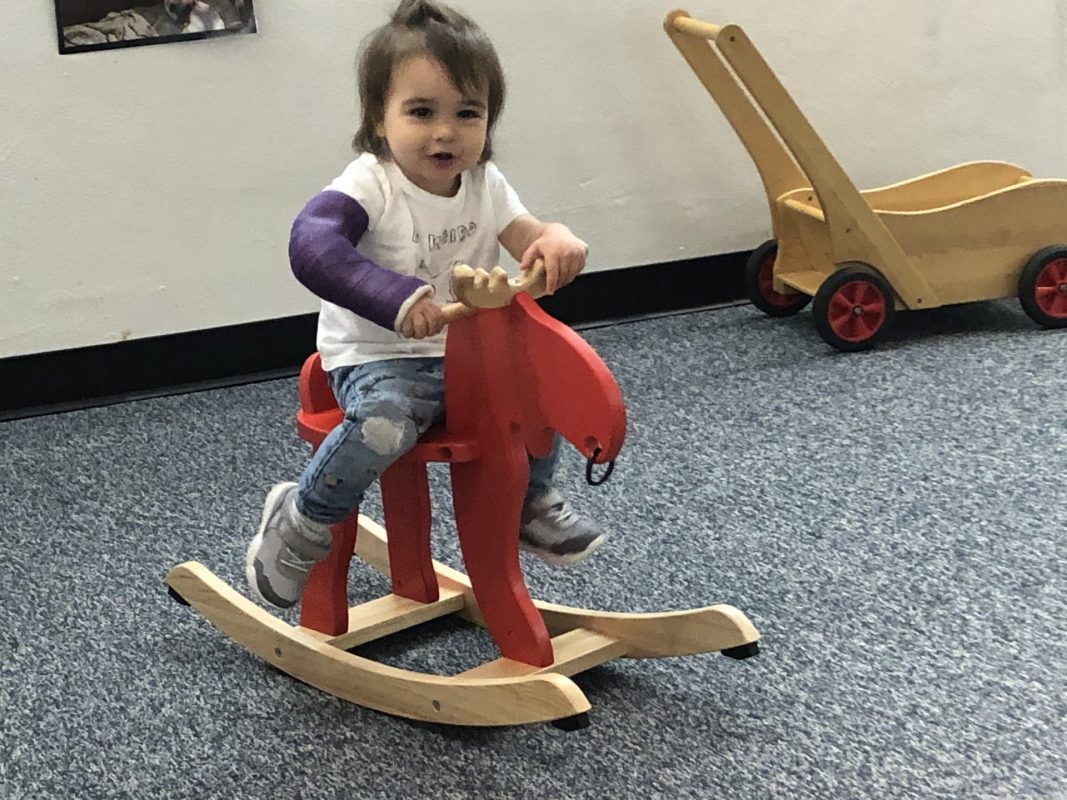
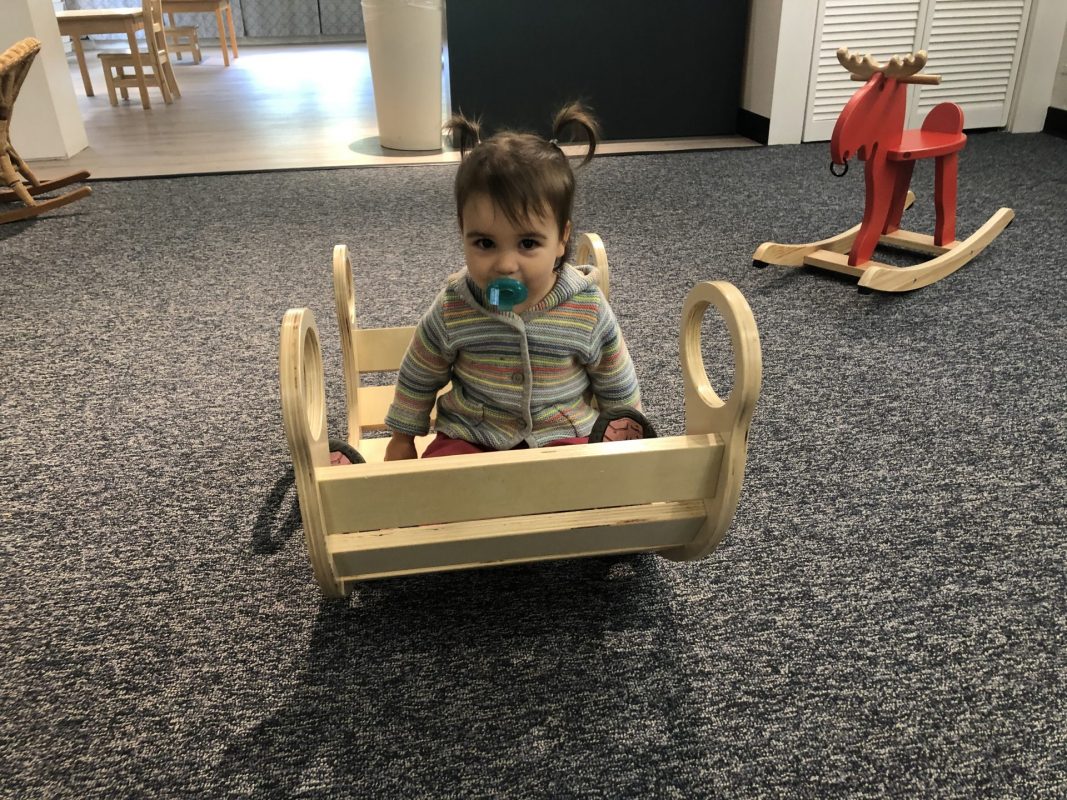
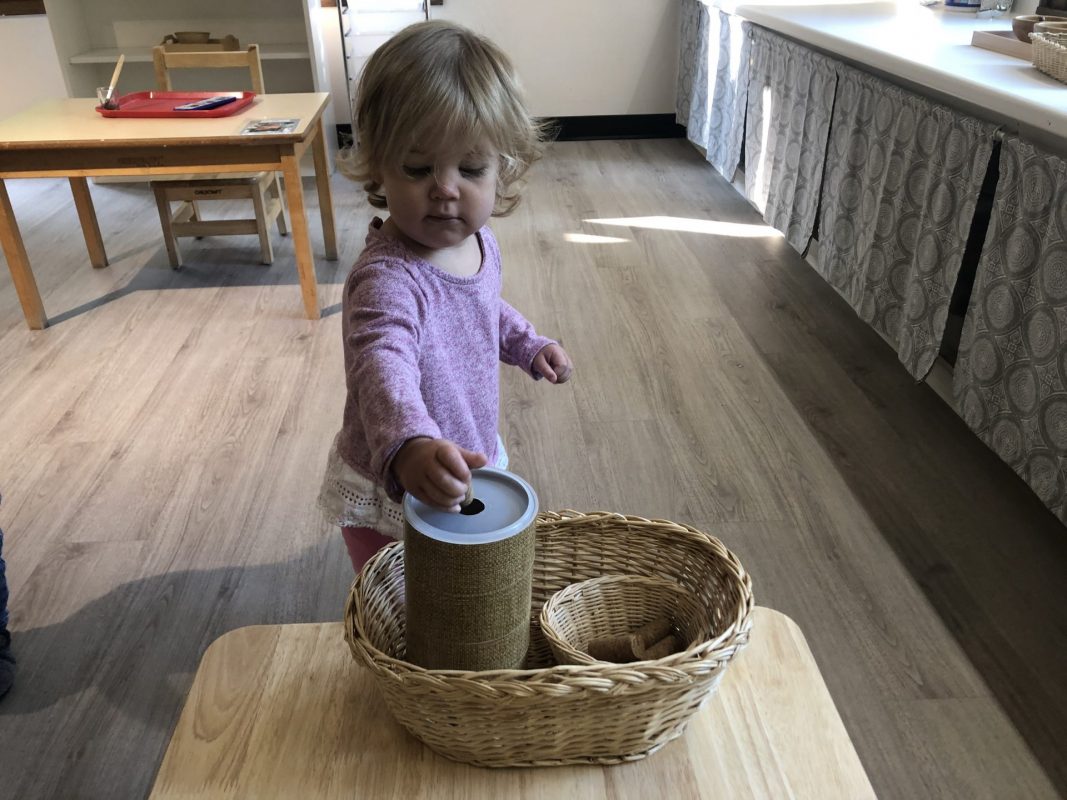
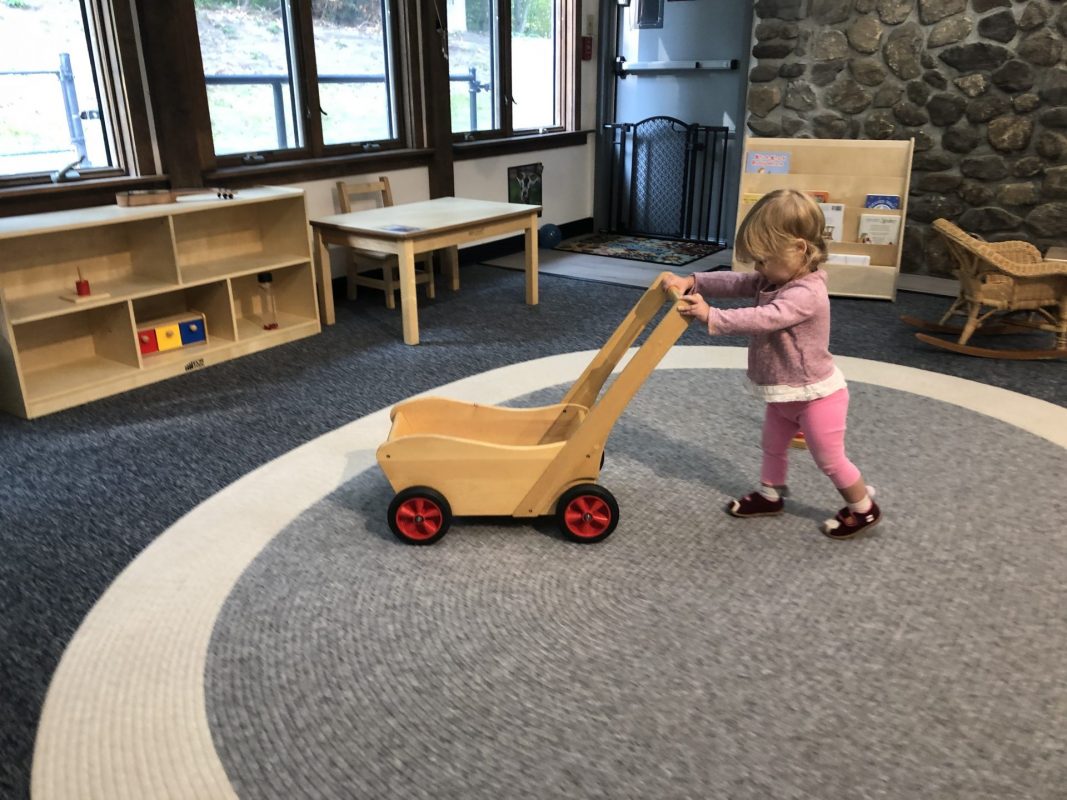
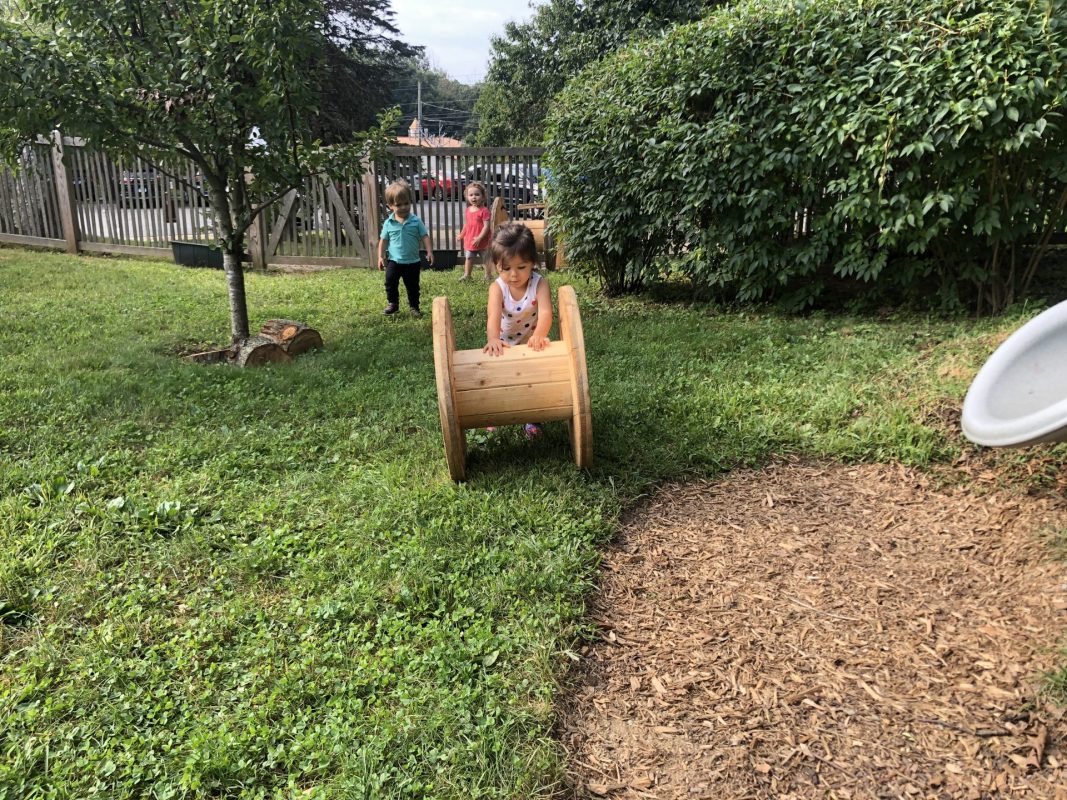
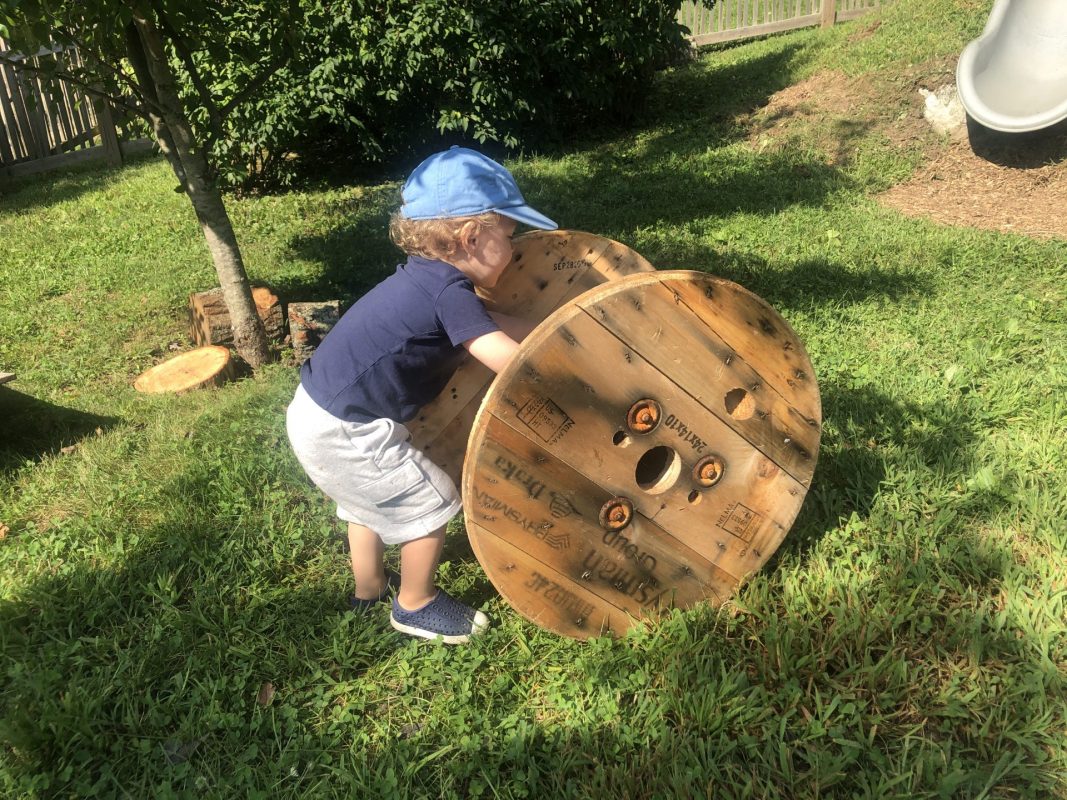
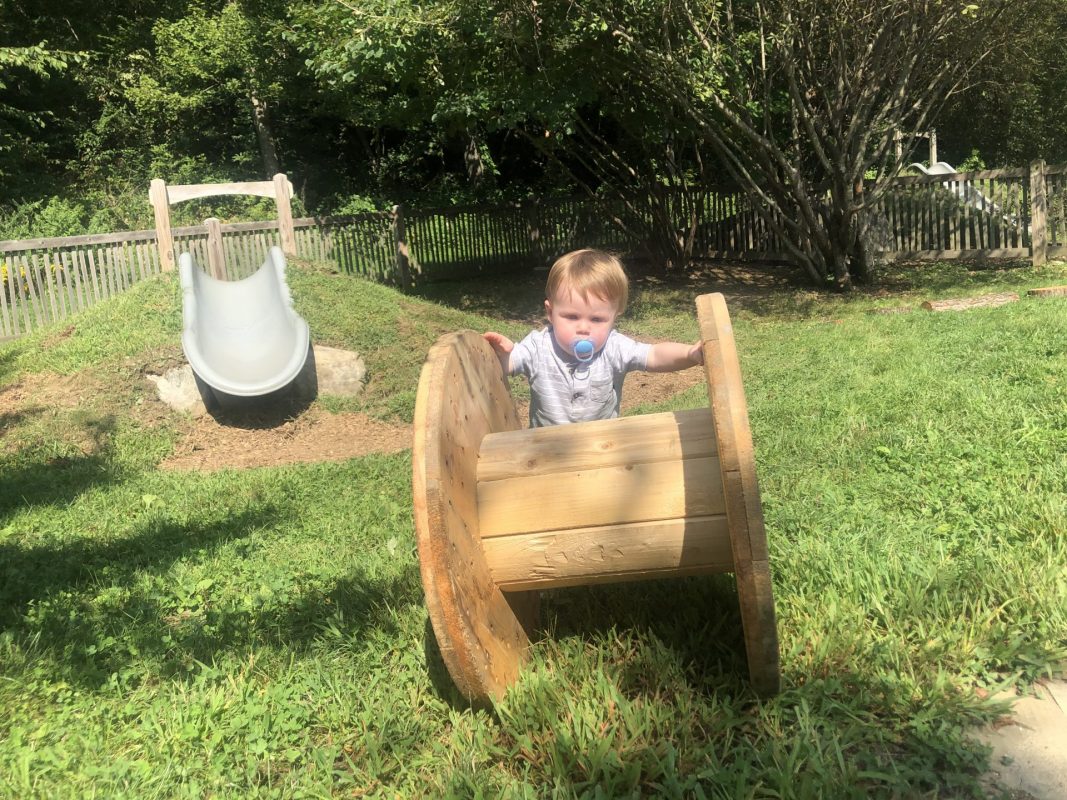
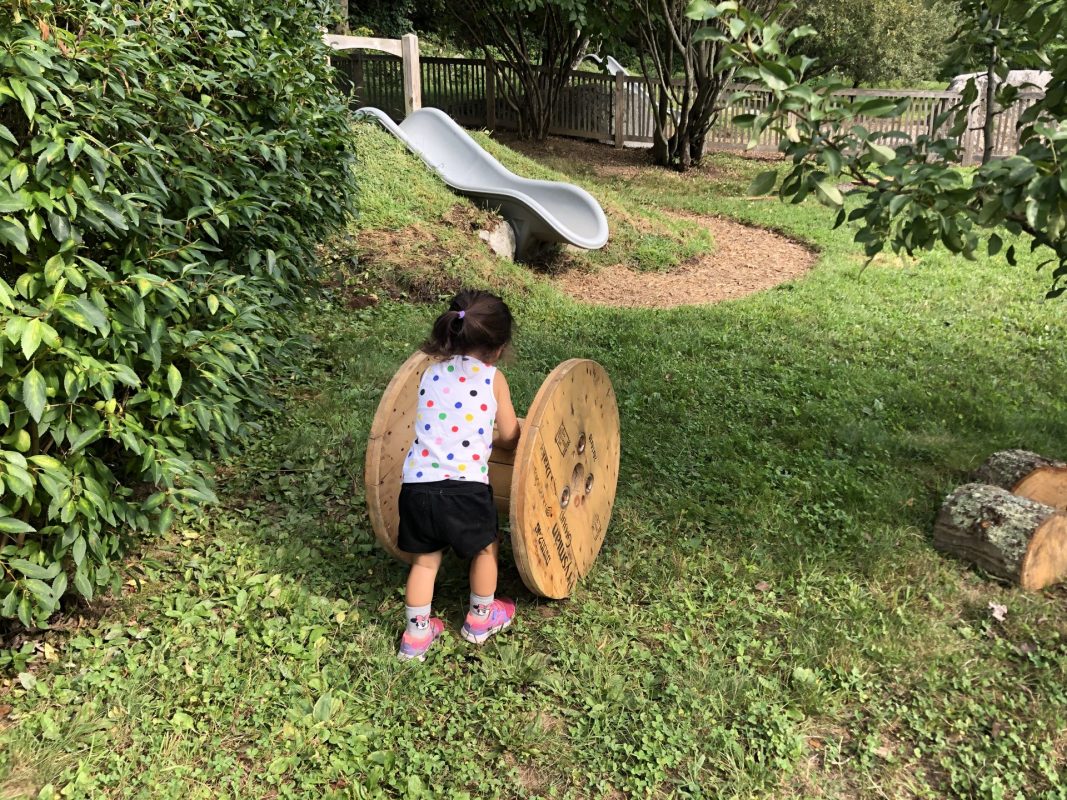
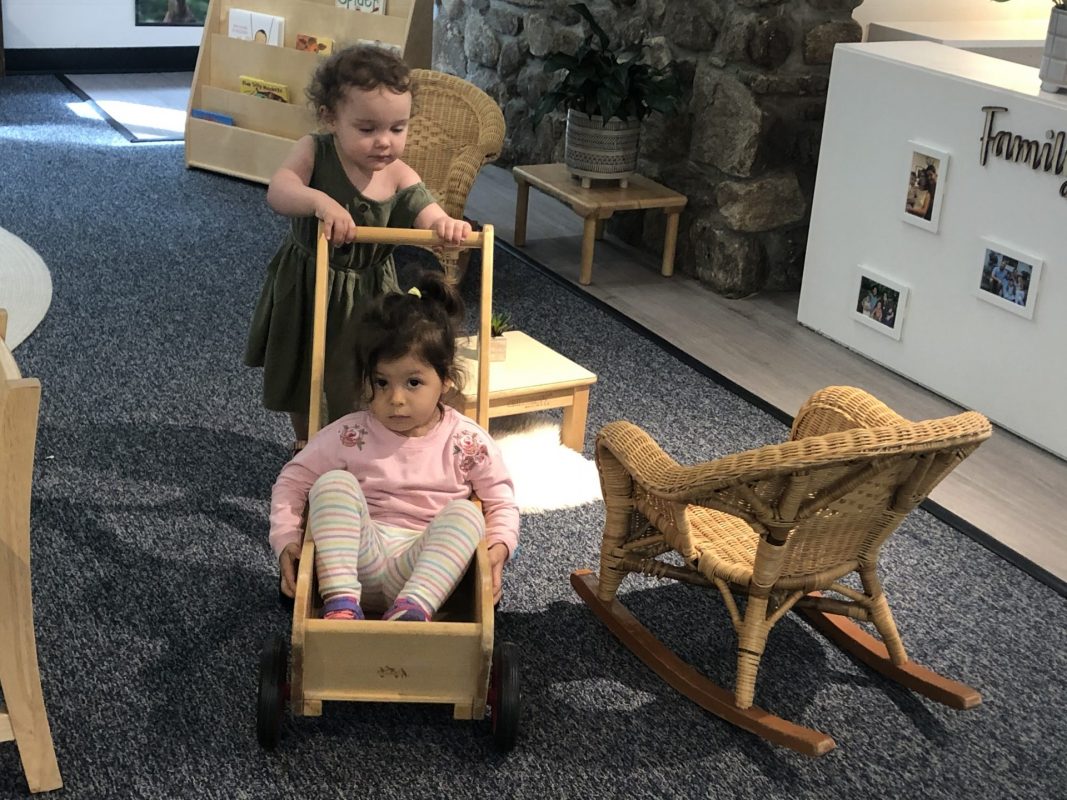
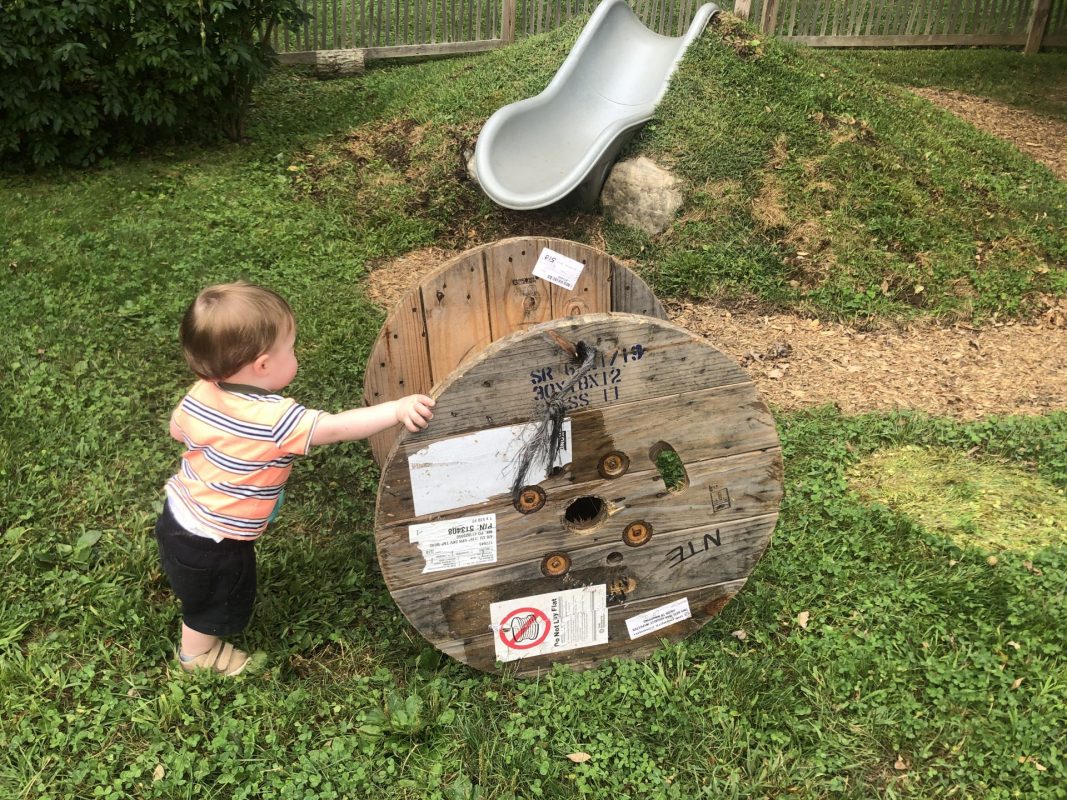
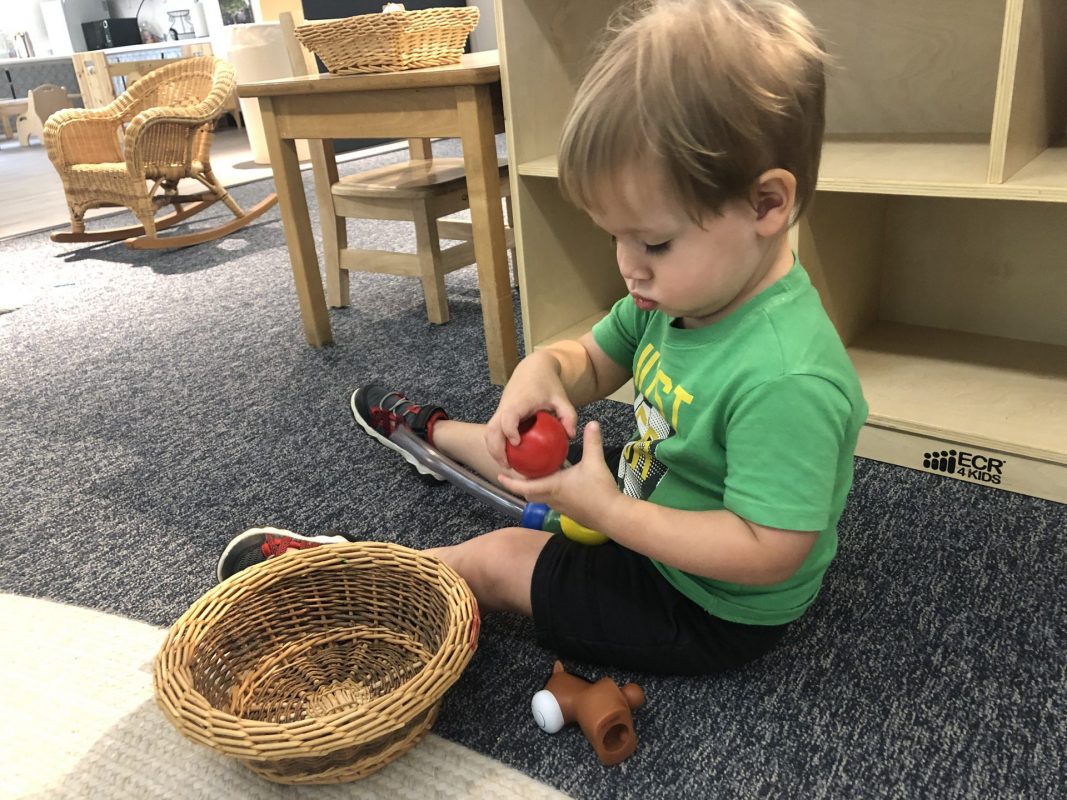
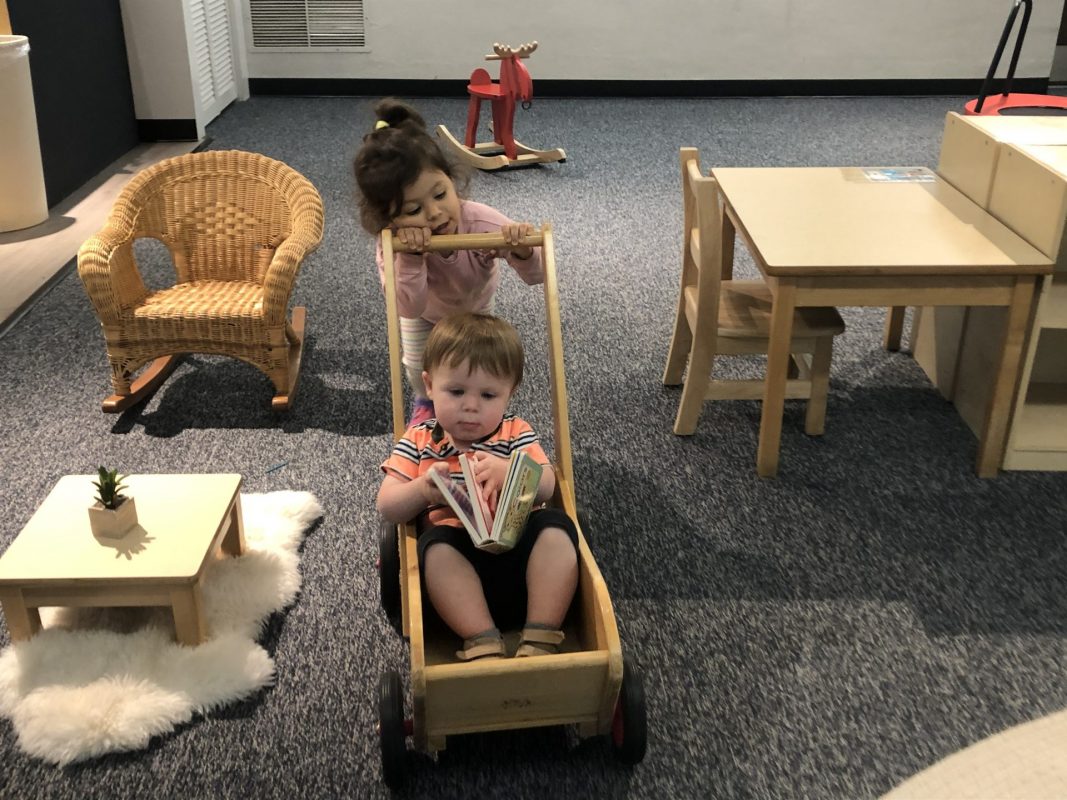
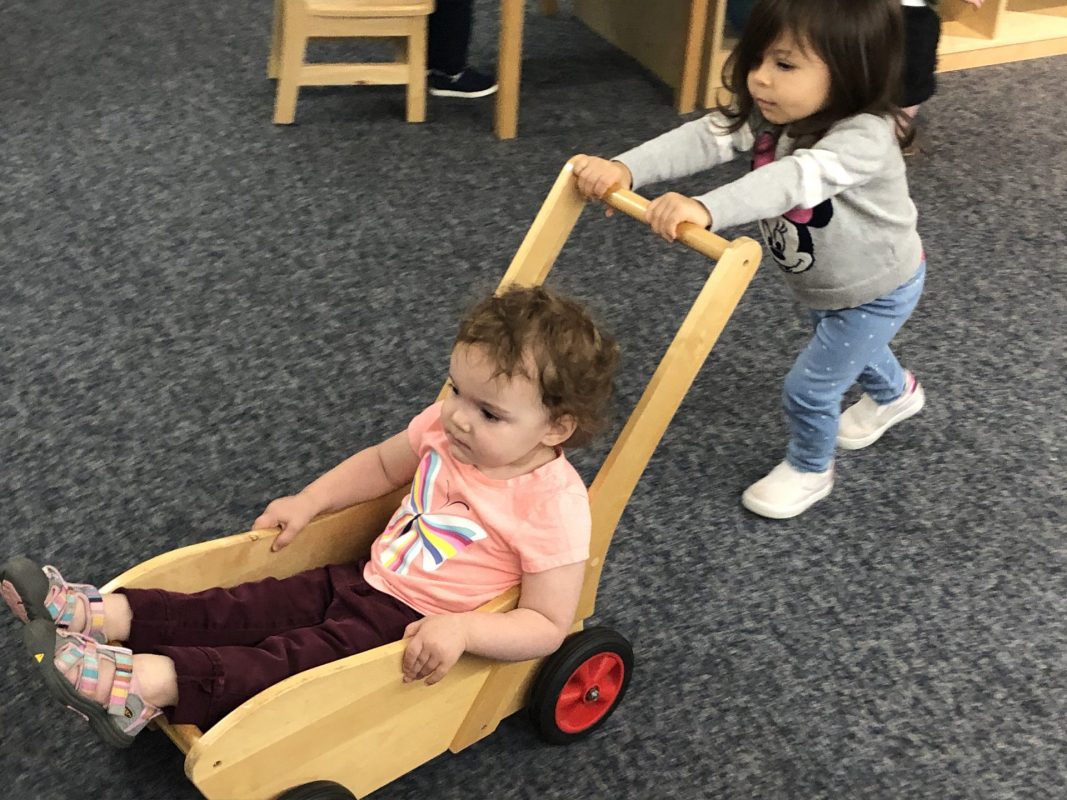
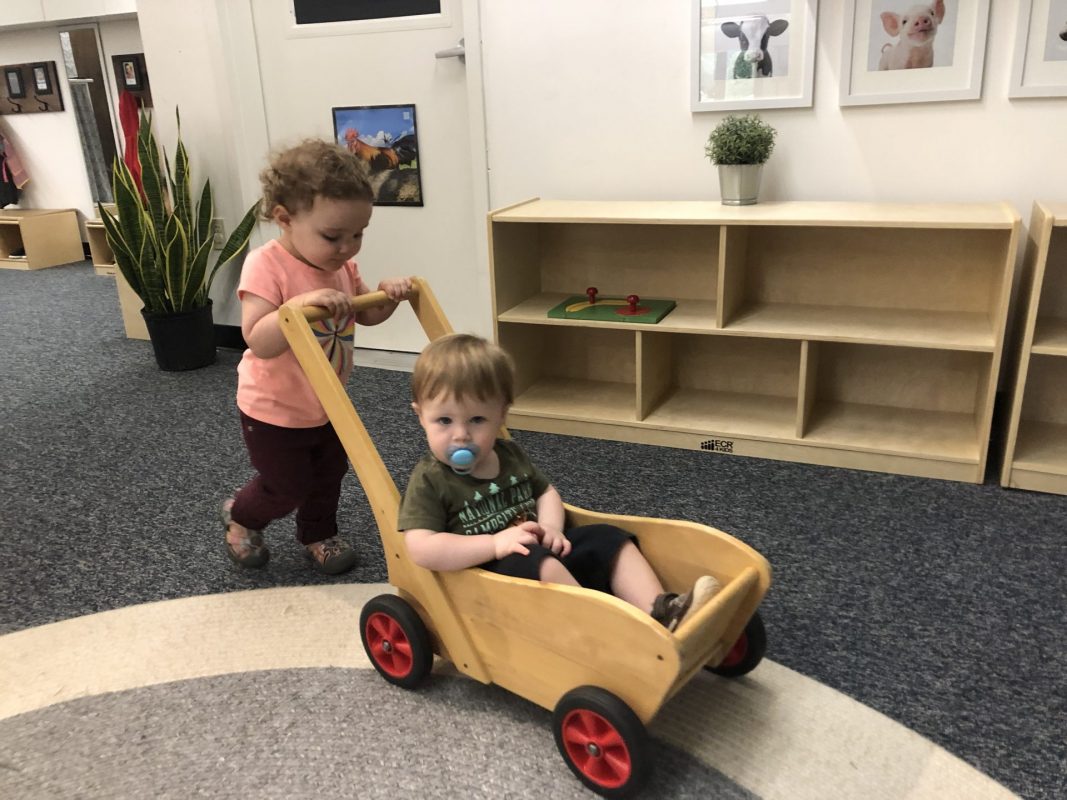
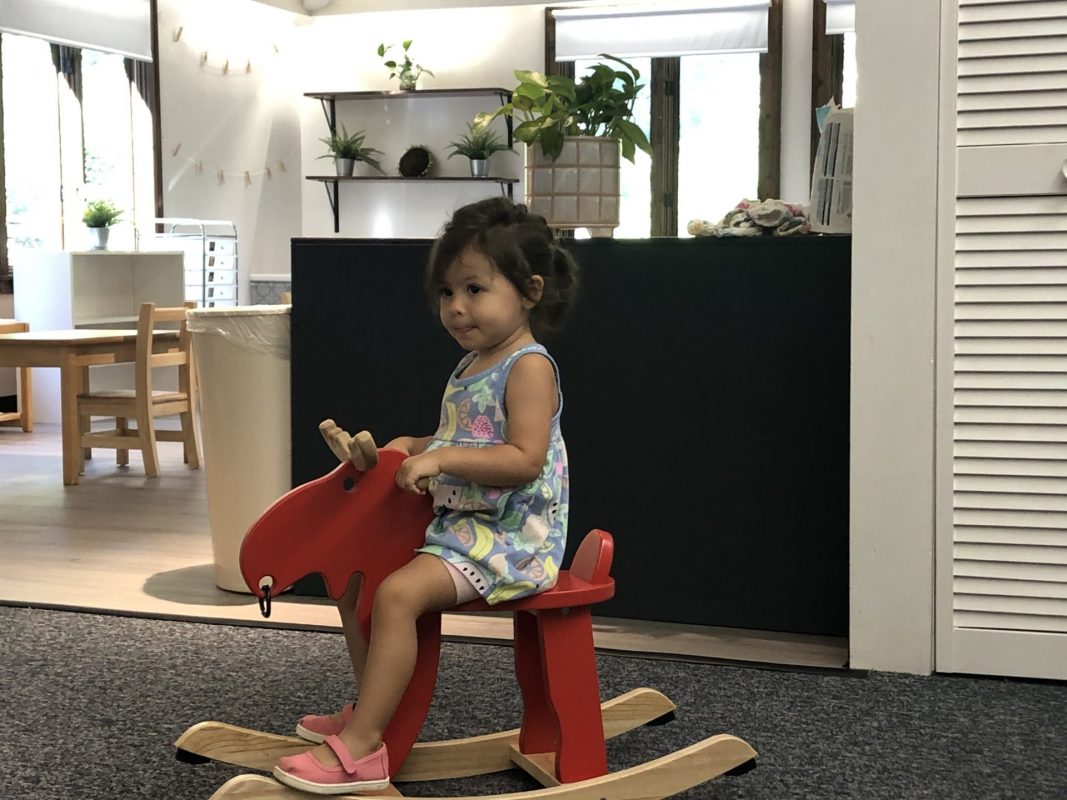
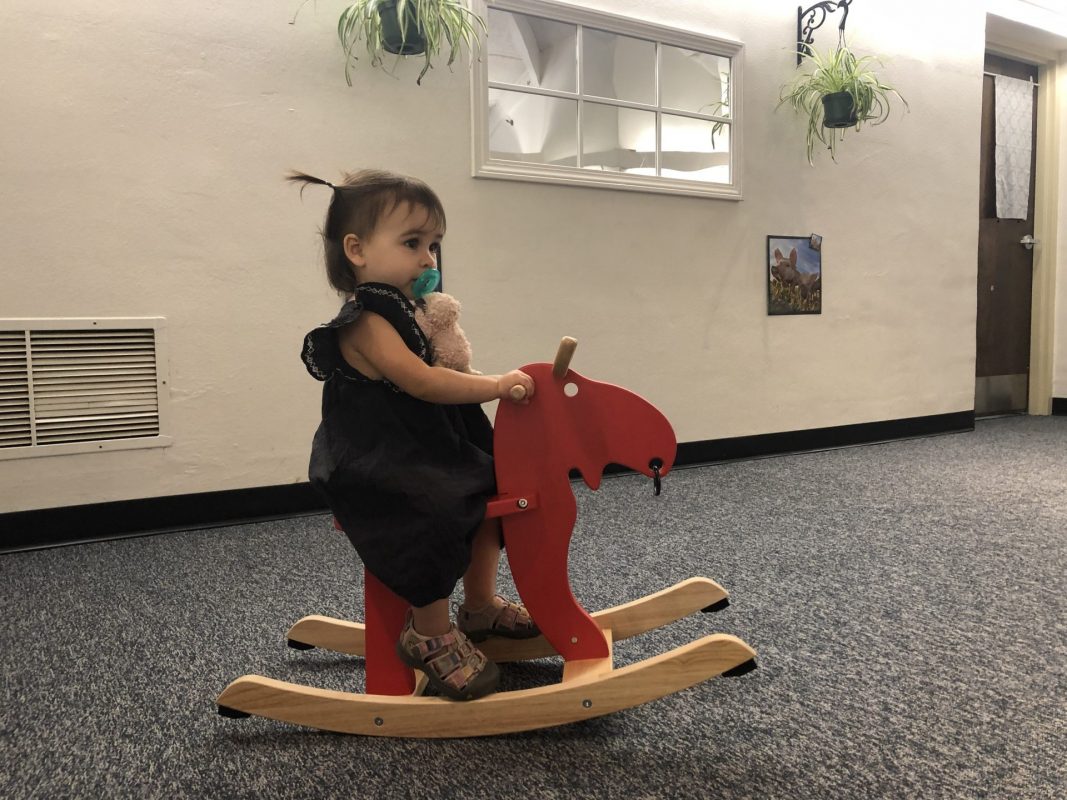
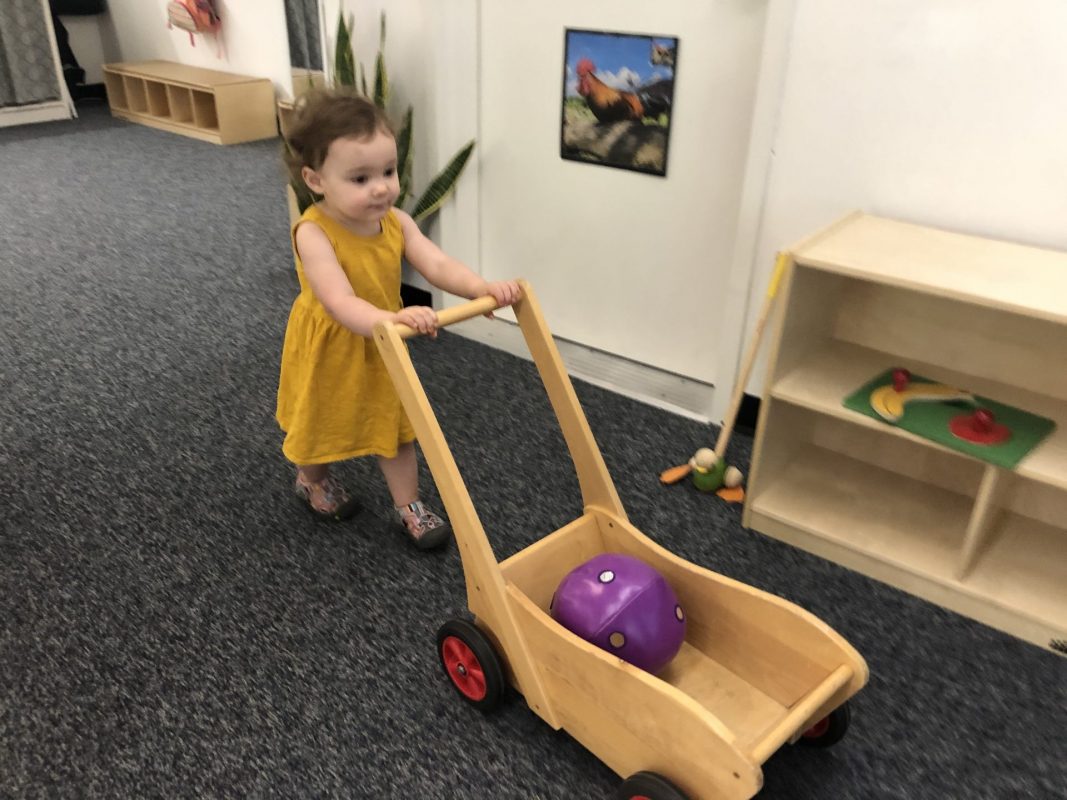
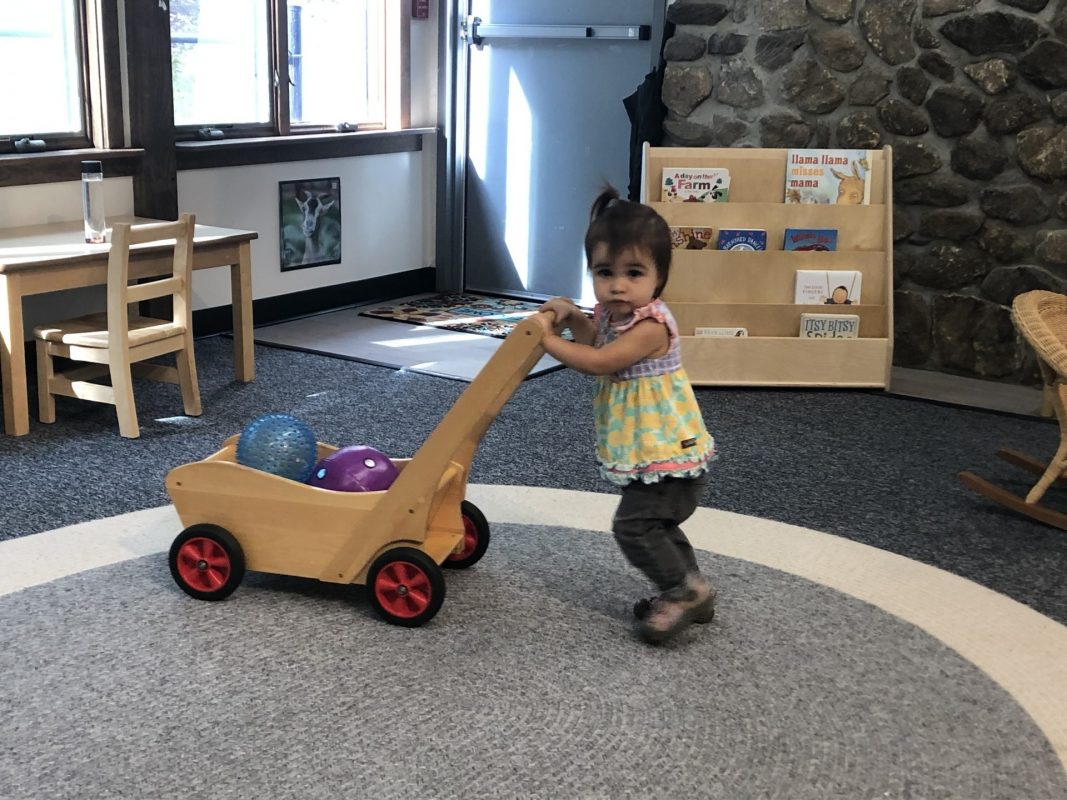
Toddlers have an inner need to reach their maximum effort. Hand-powered materials build upper body and arm strength as well as develop cardiovascular health. In the classroom your toddler fulfills this need using different materials. One of them is a heavy wagon. Some of the children like to push it empty, others like to put some materials or heavy balls in it, and some children really enjoy asking their friends to hop on so they can give them a ride around the environment. It’s usual to see some children struggling a bit when getting to the corners of the classroom but it’s fascinating to observe how they find ways to move it around. This week in our outdoor environment, we introduced some big wooden spools. Some of the children even attempted to push the spools up the hill! So fun!

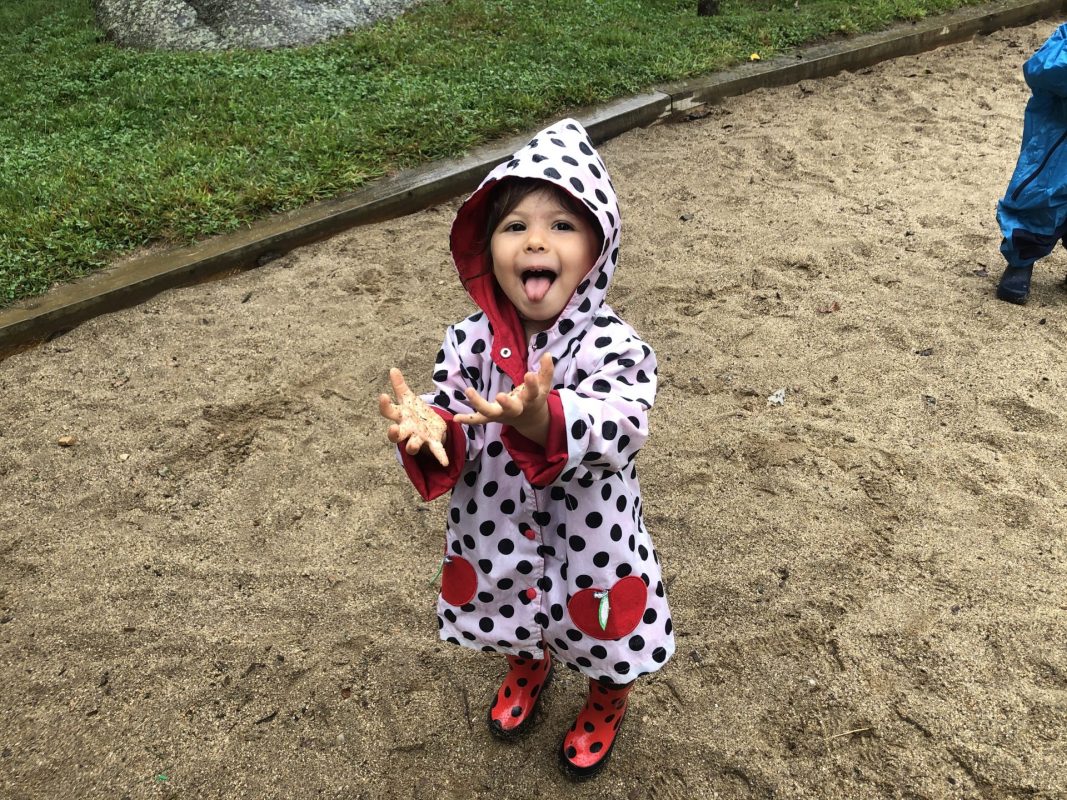
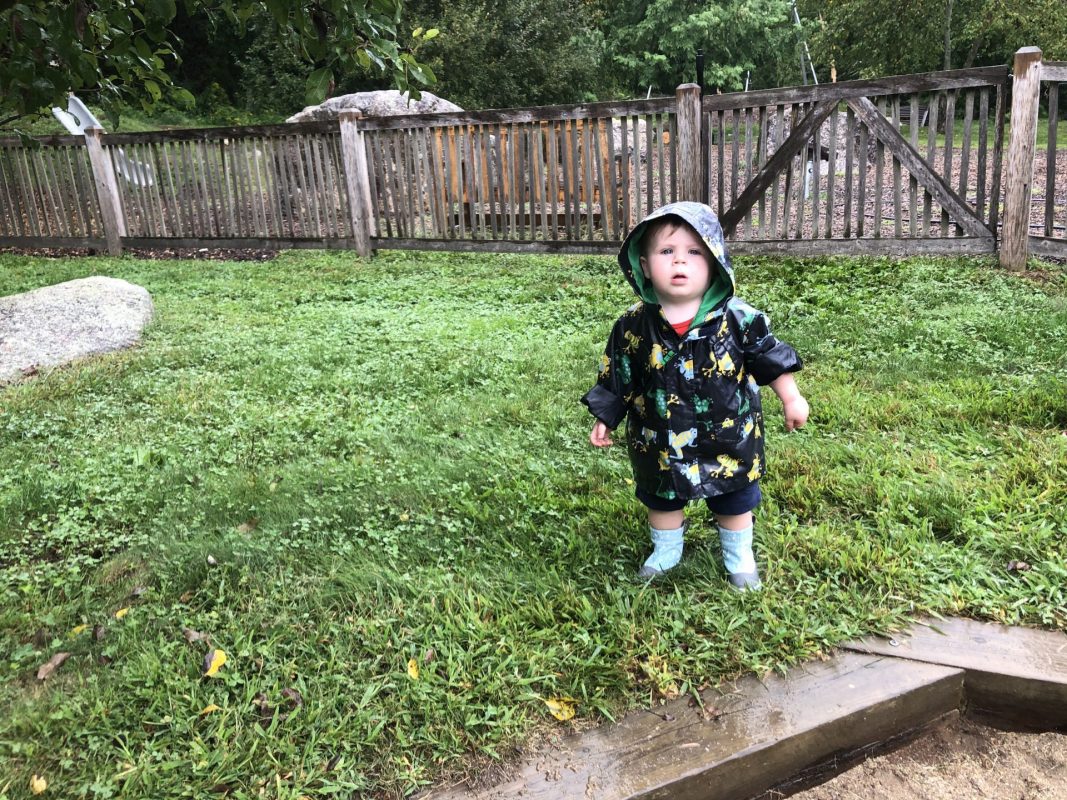
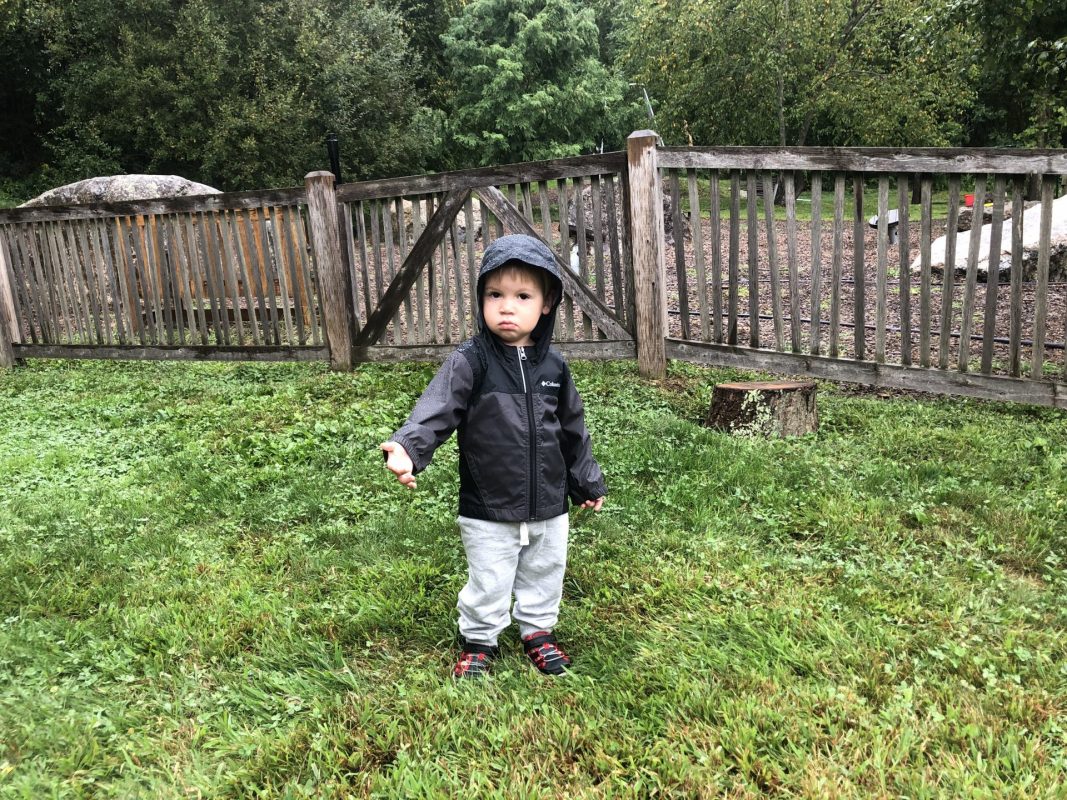
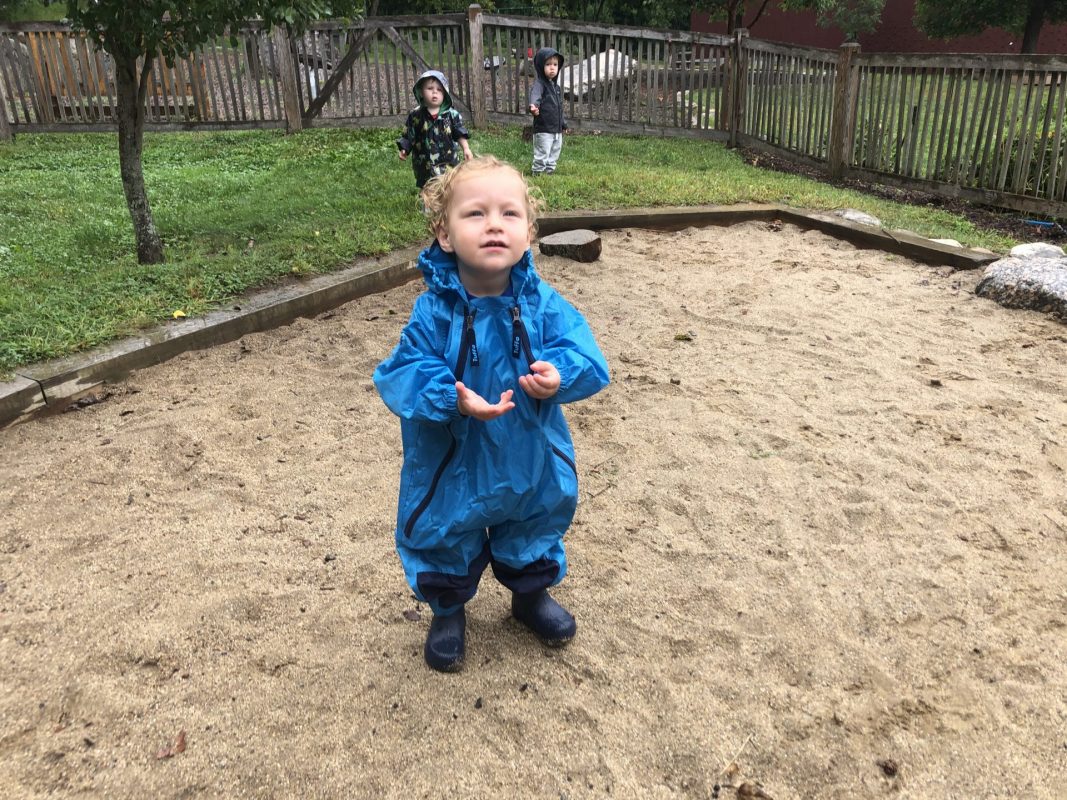
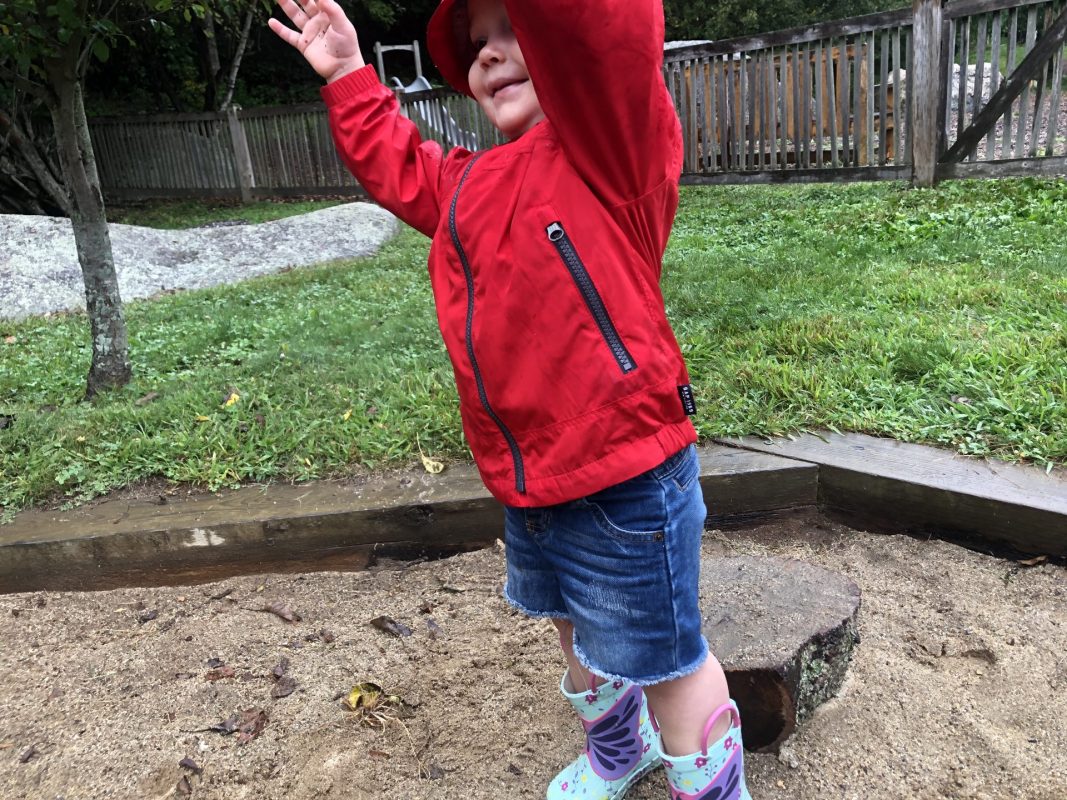
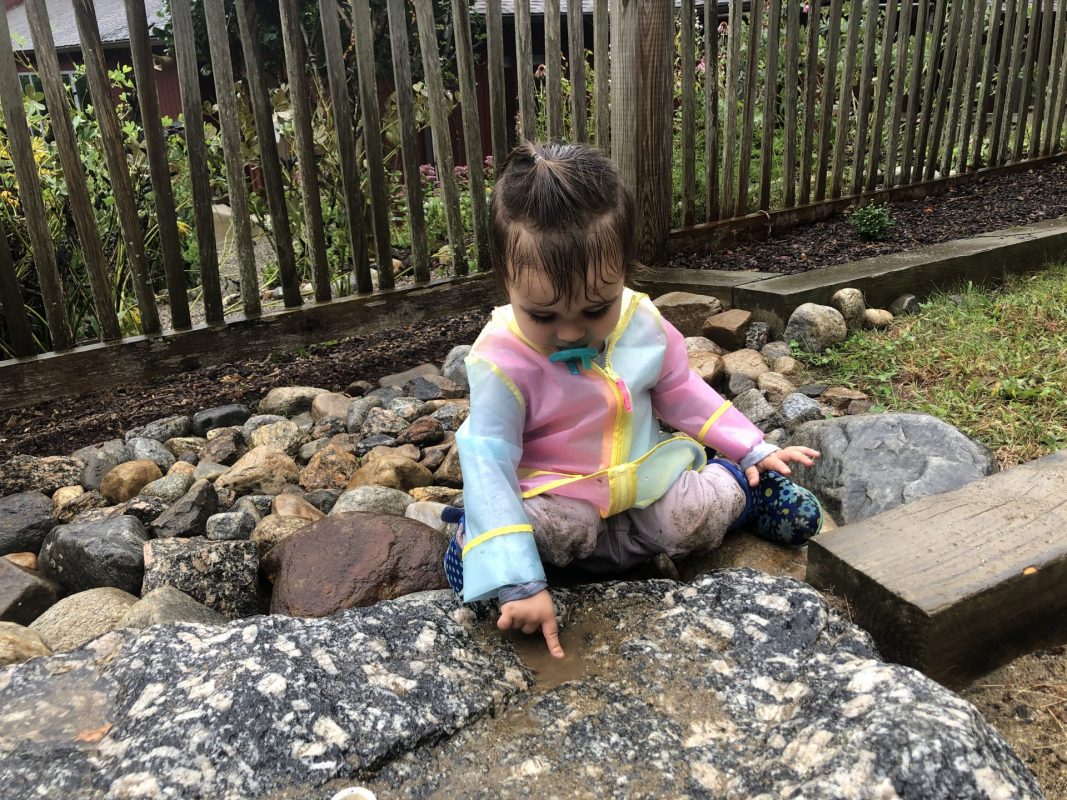
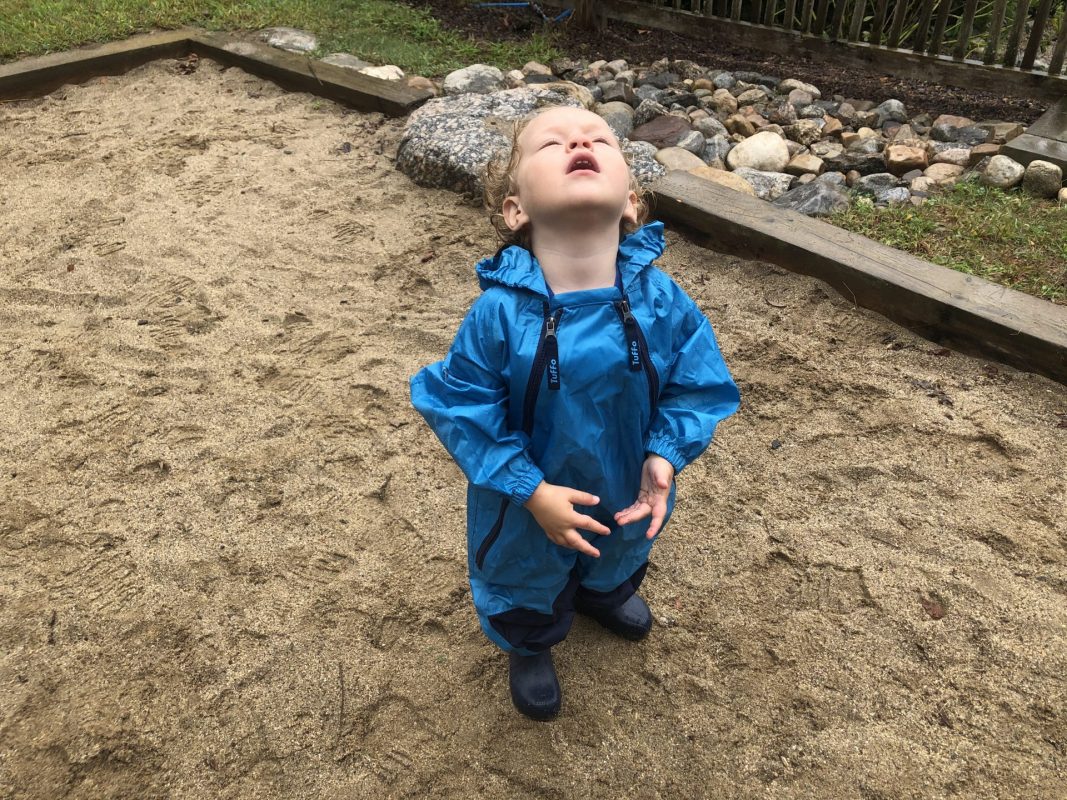
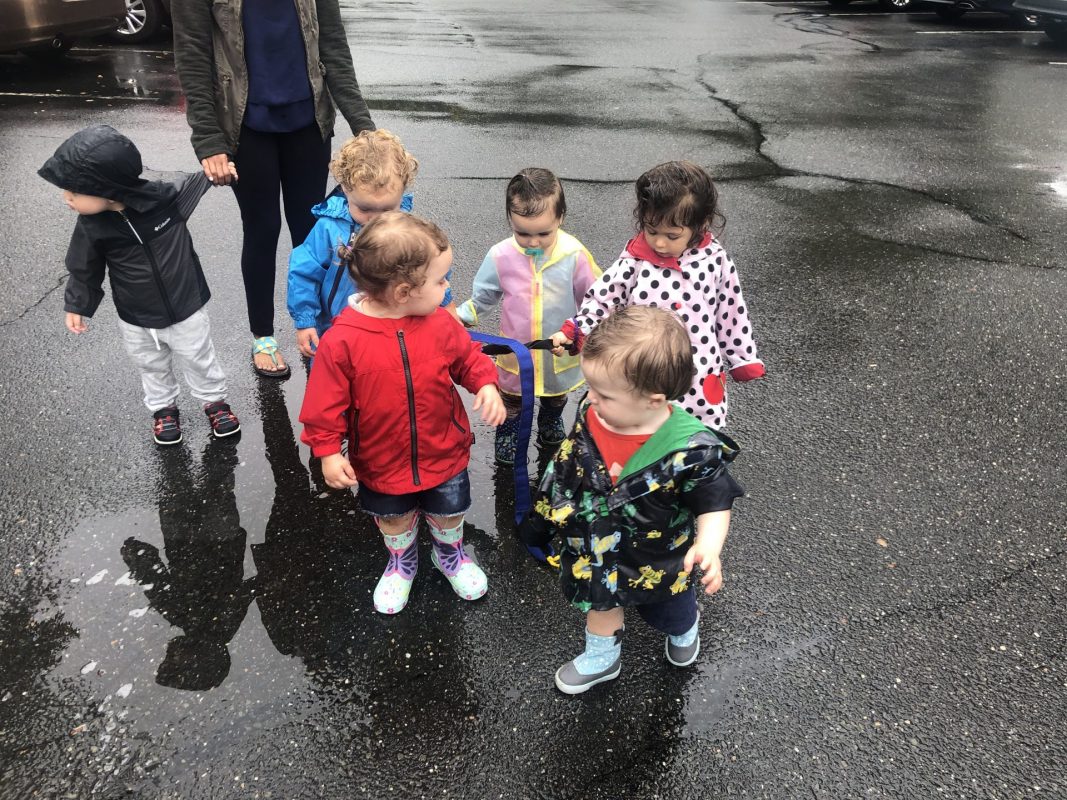
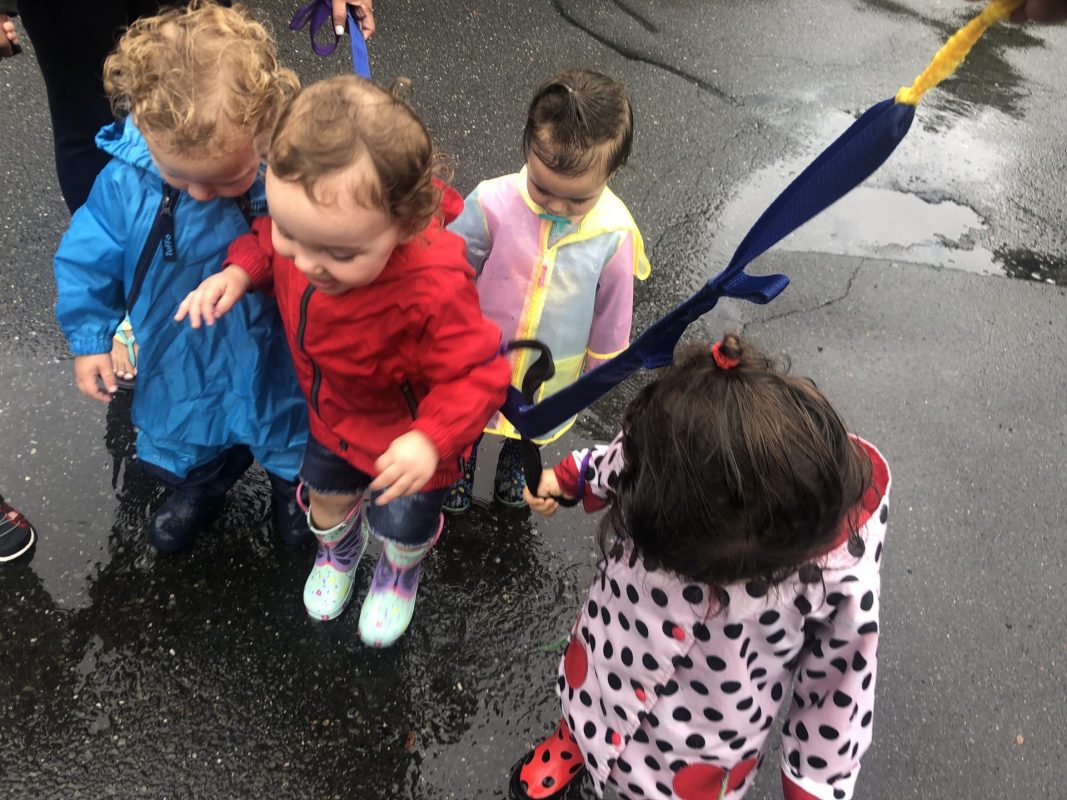
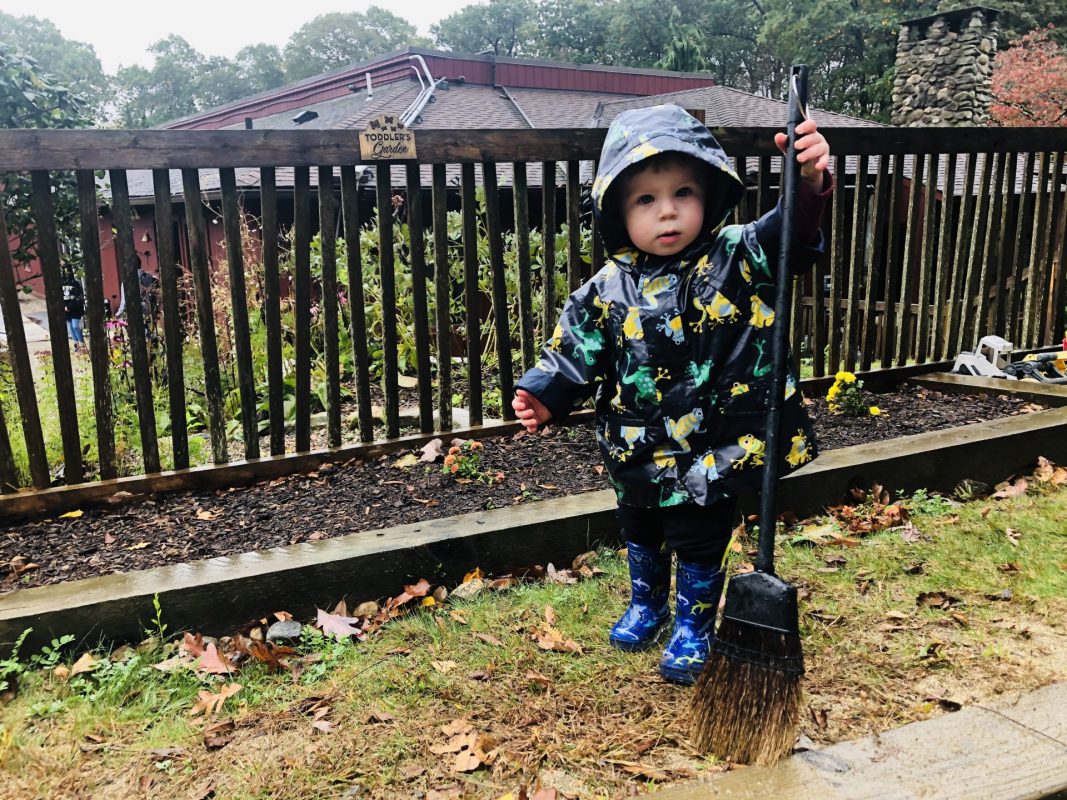
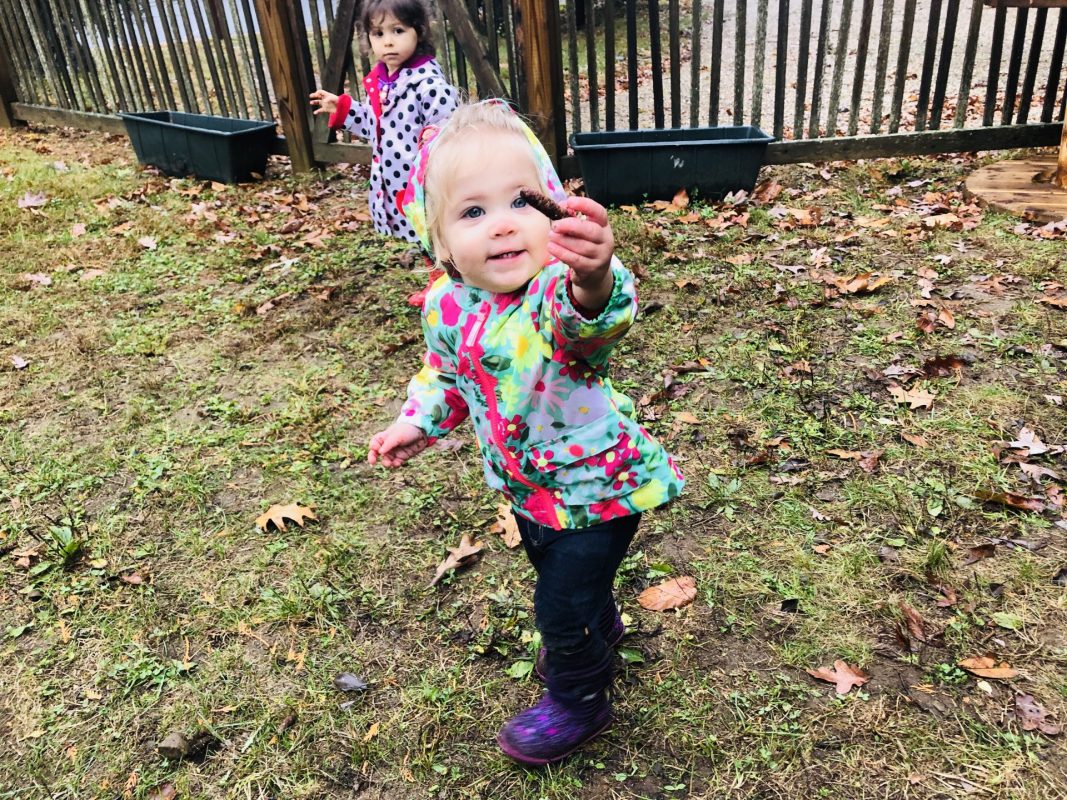
We also had the opportunity to enjoy playing in the rain this week! Some of the children were so excited to taste the rain and jump in the puddles, while some enjoyed watching the drops falling on their rain jackets and their friends jumping around.

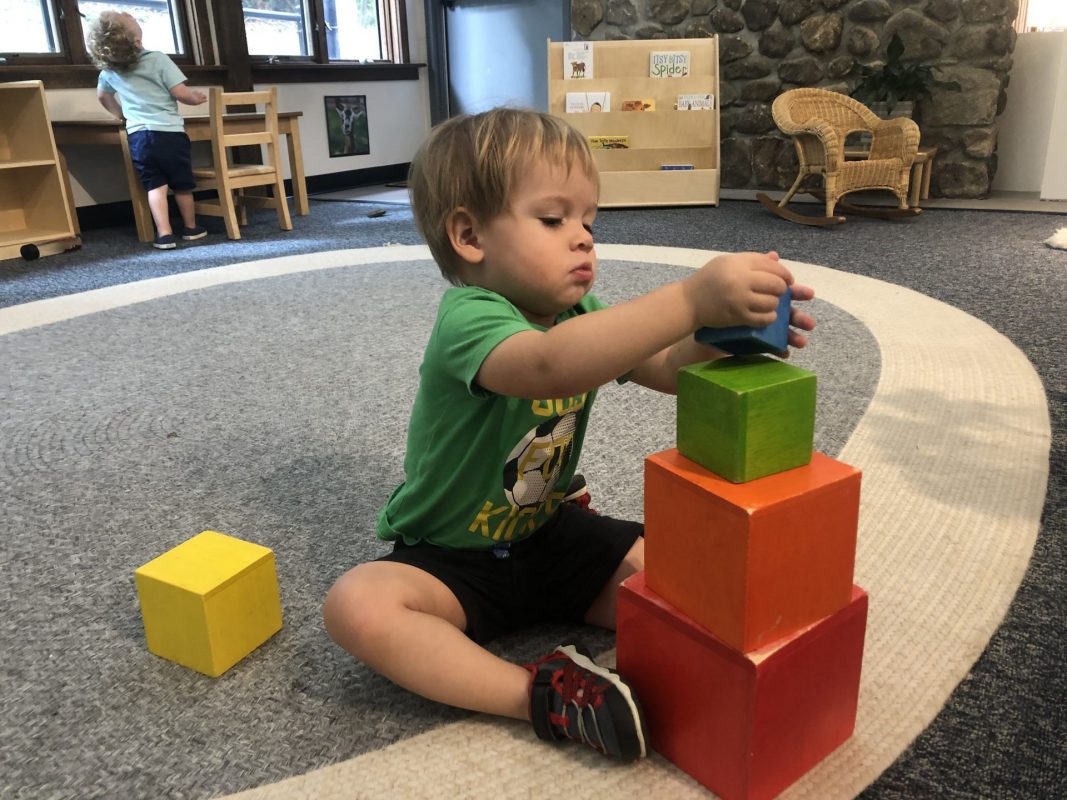
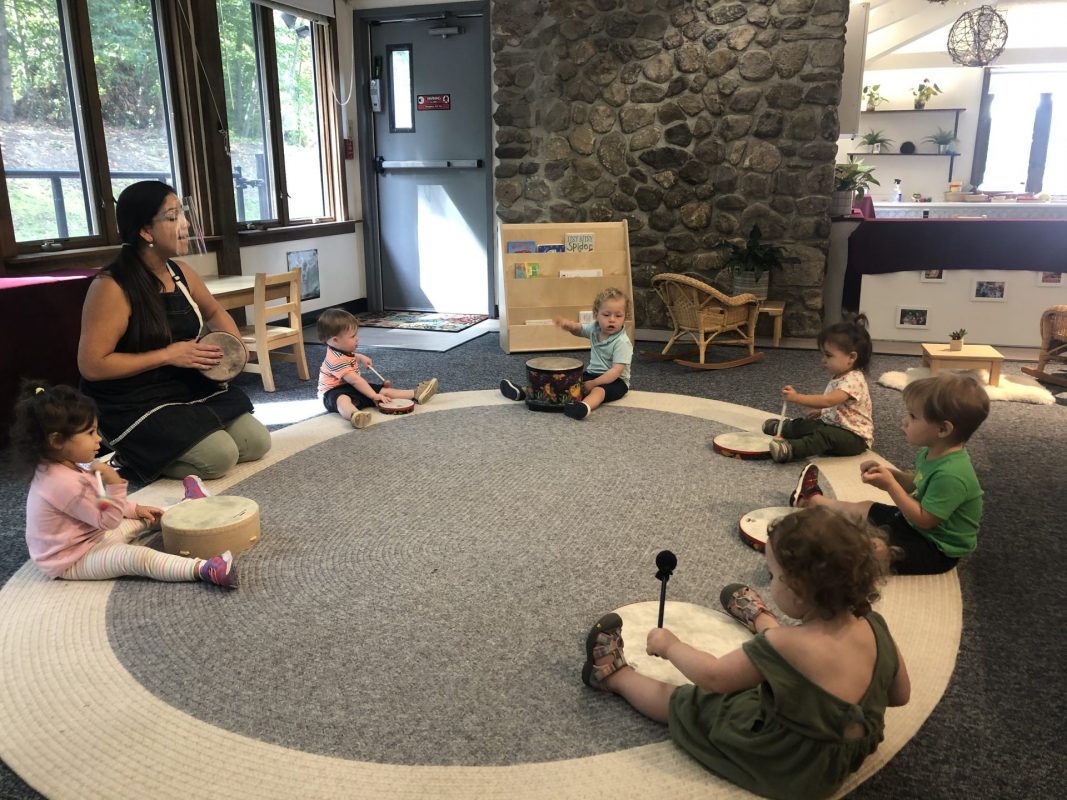
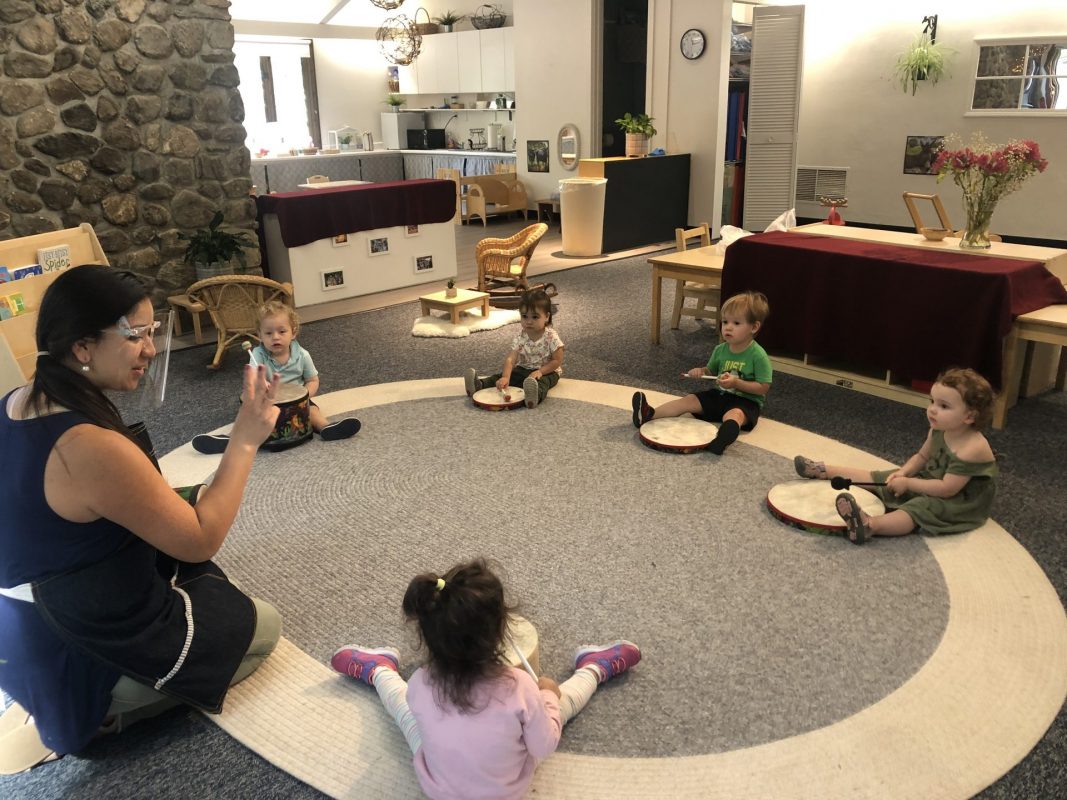
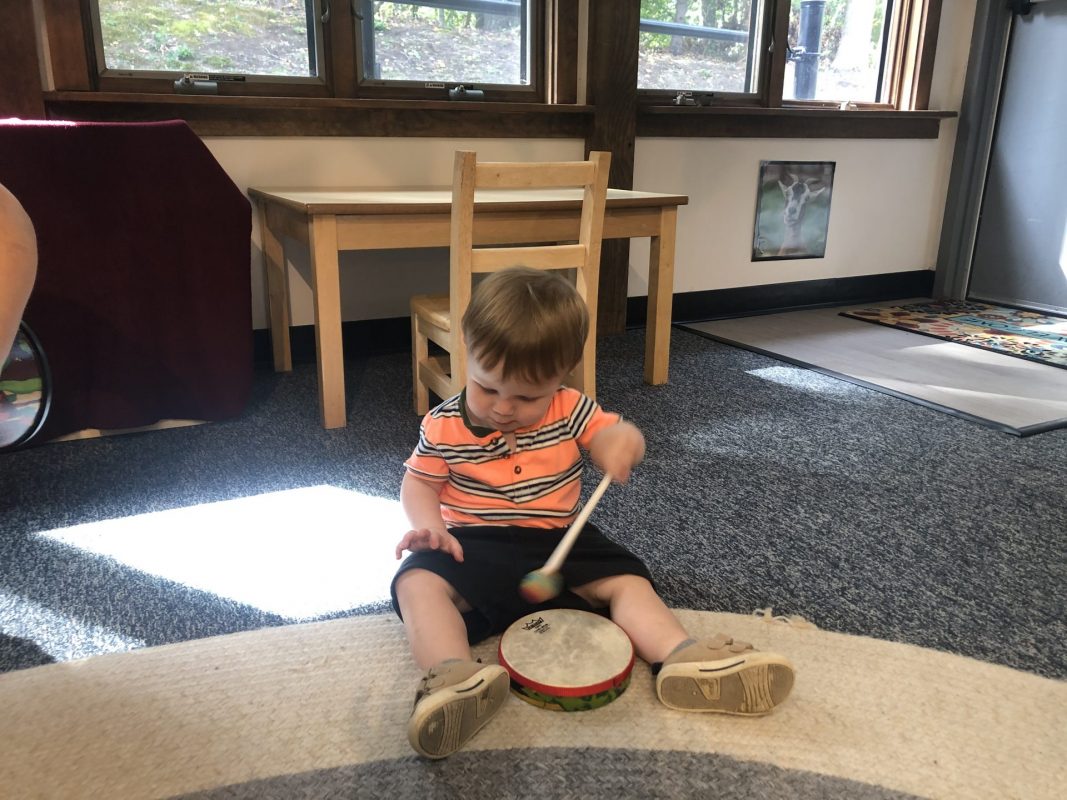
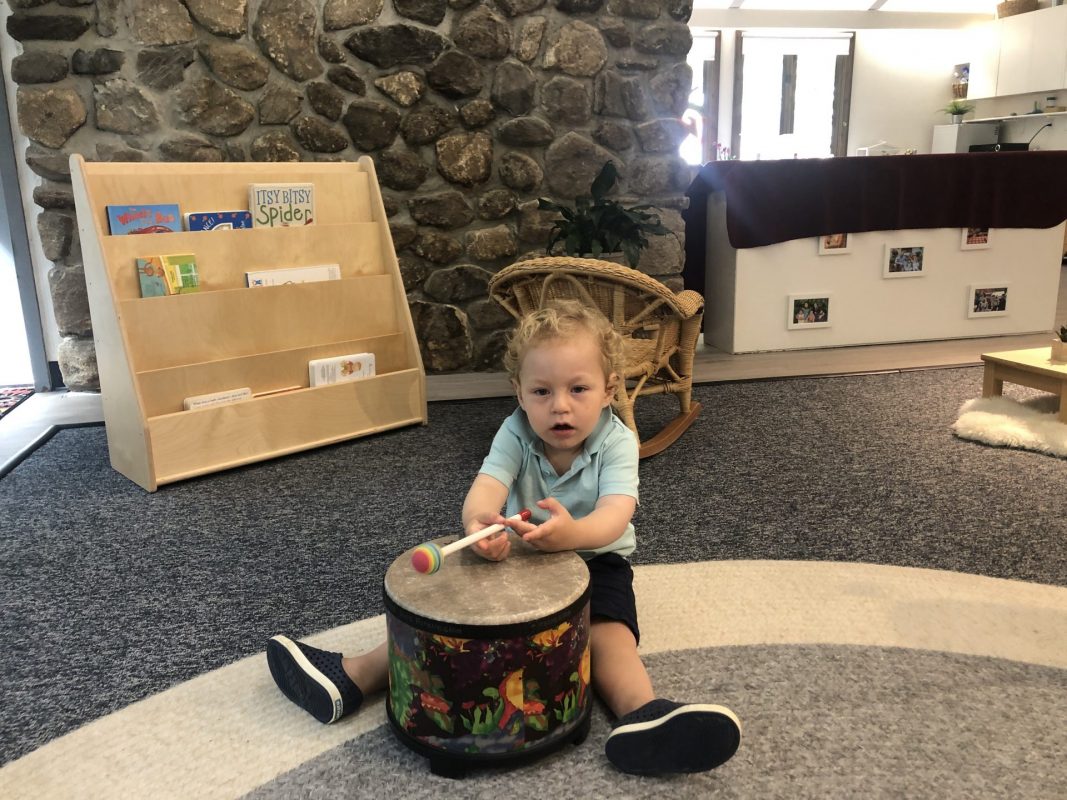
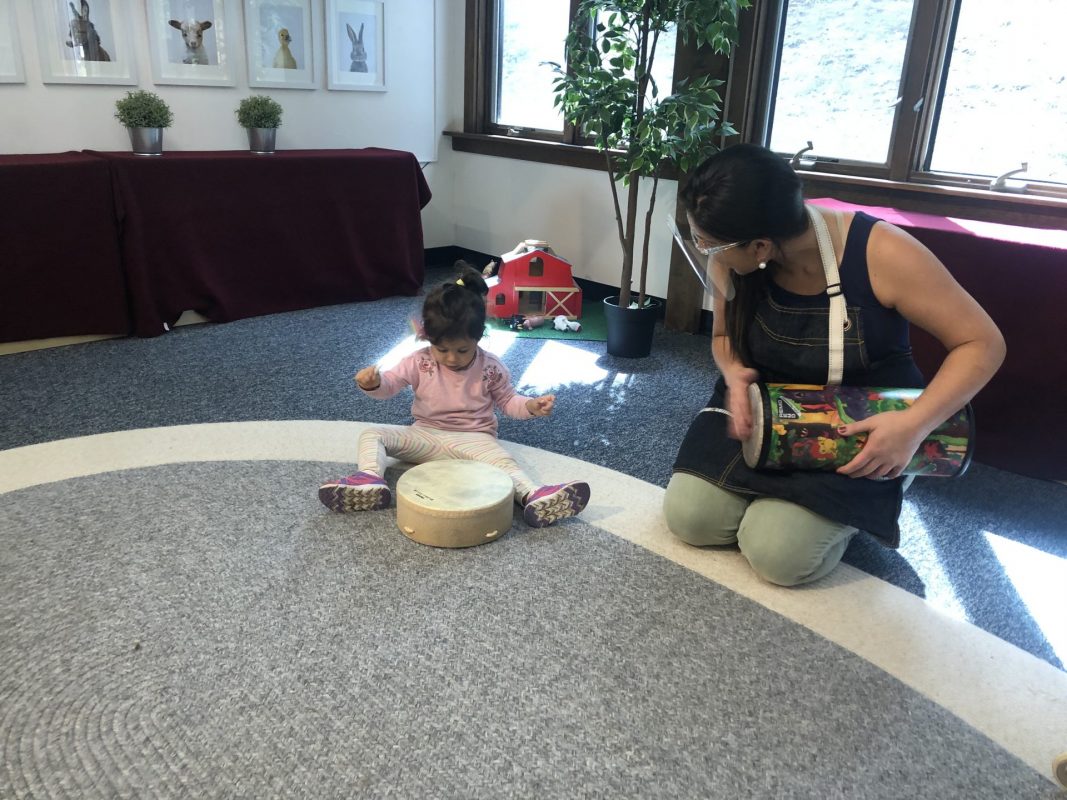
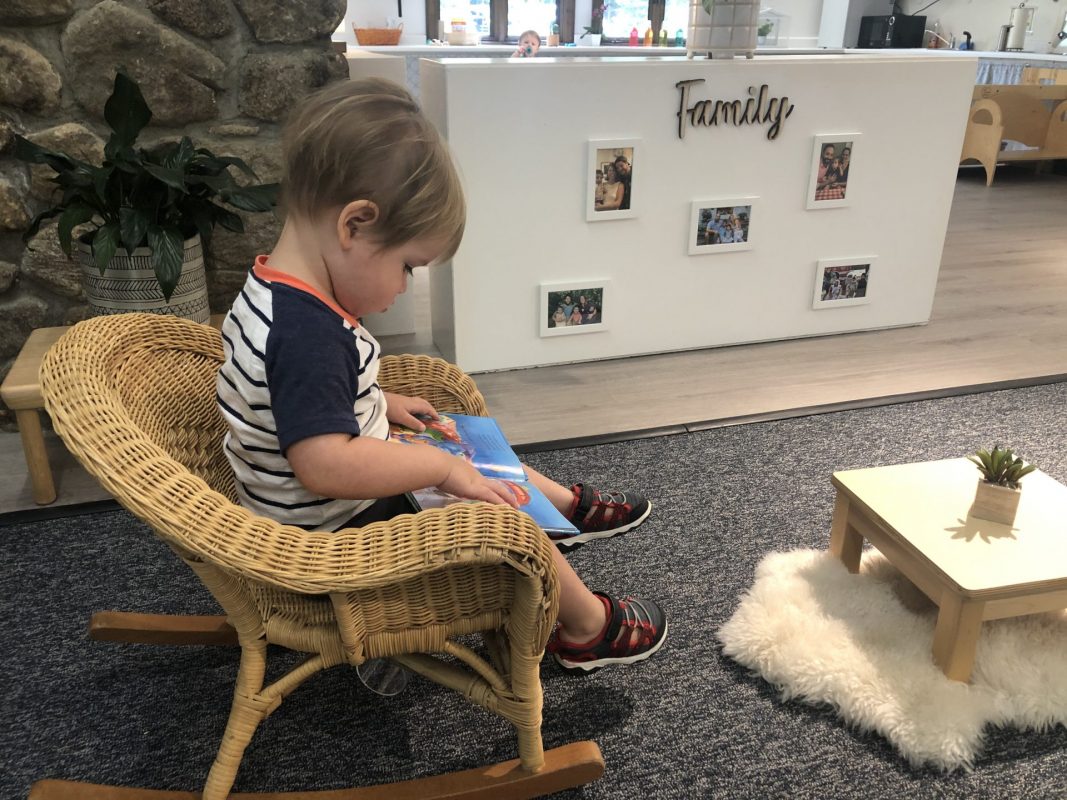
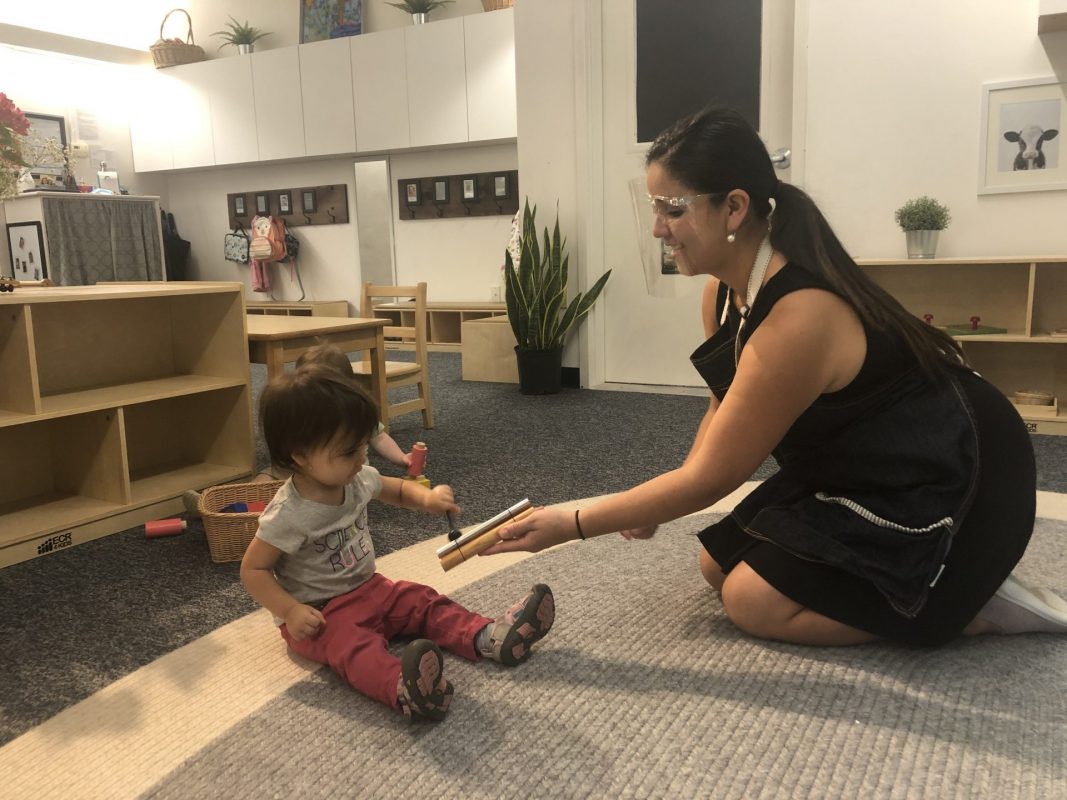
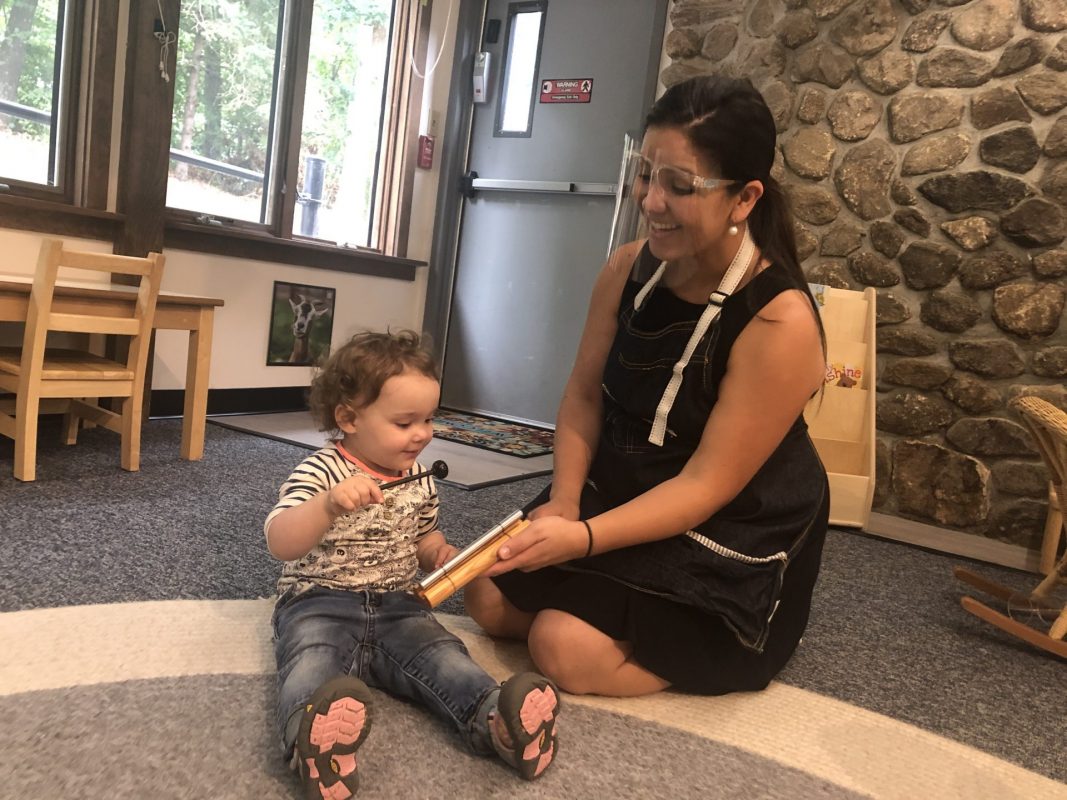
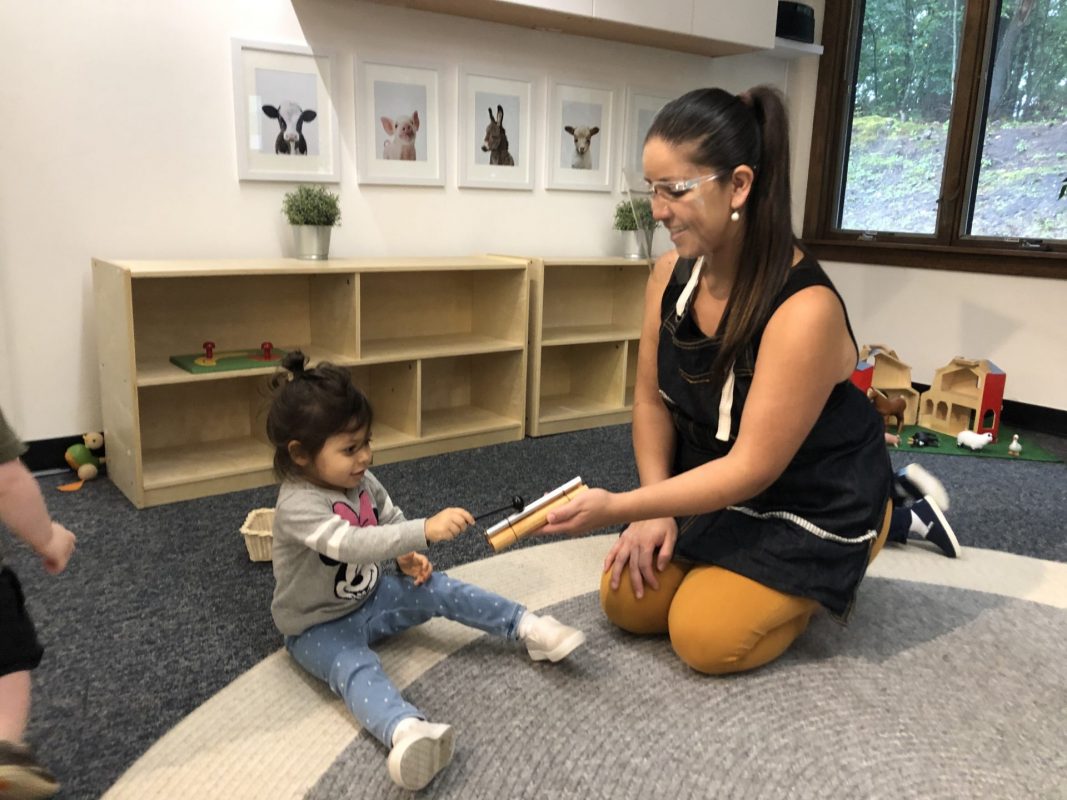
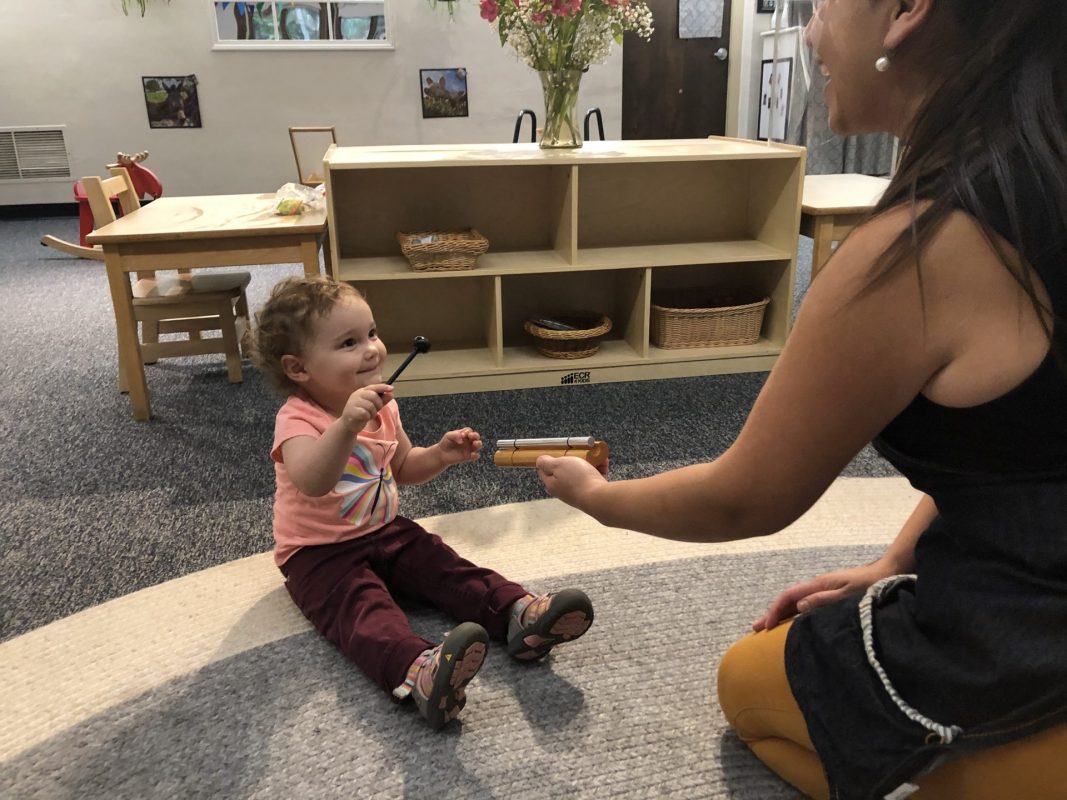
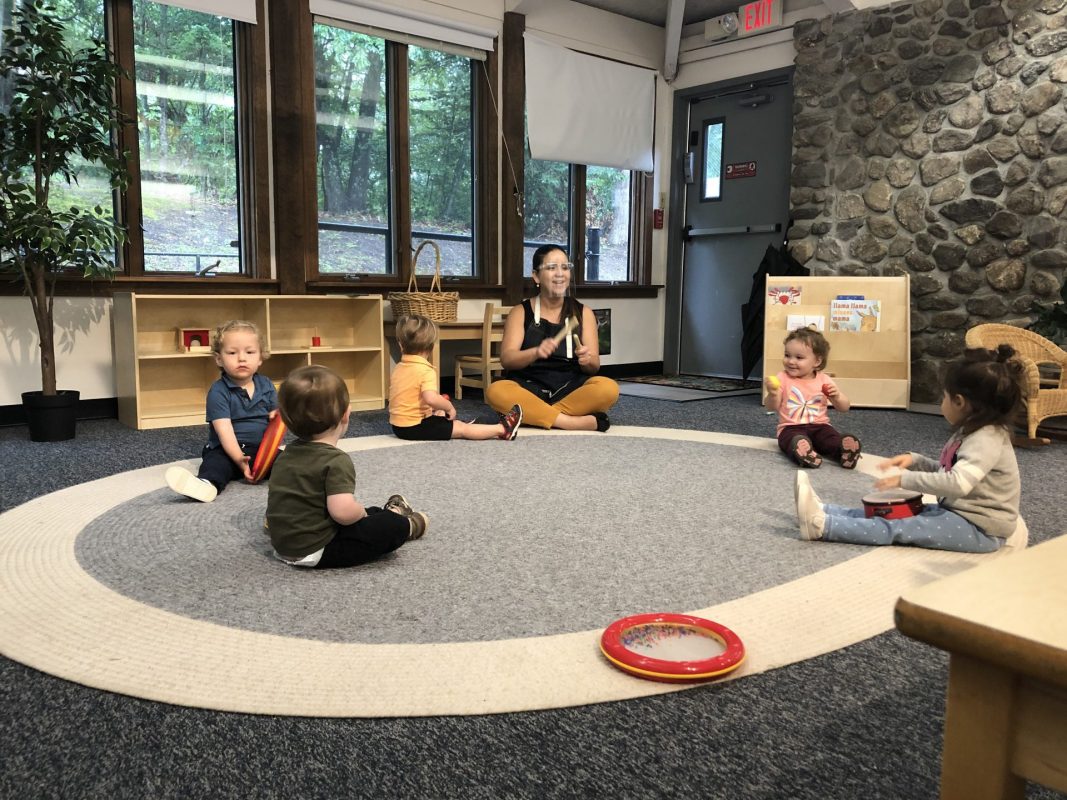
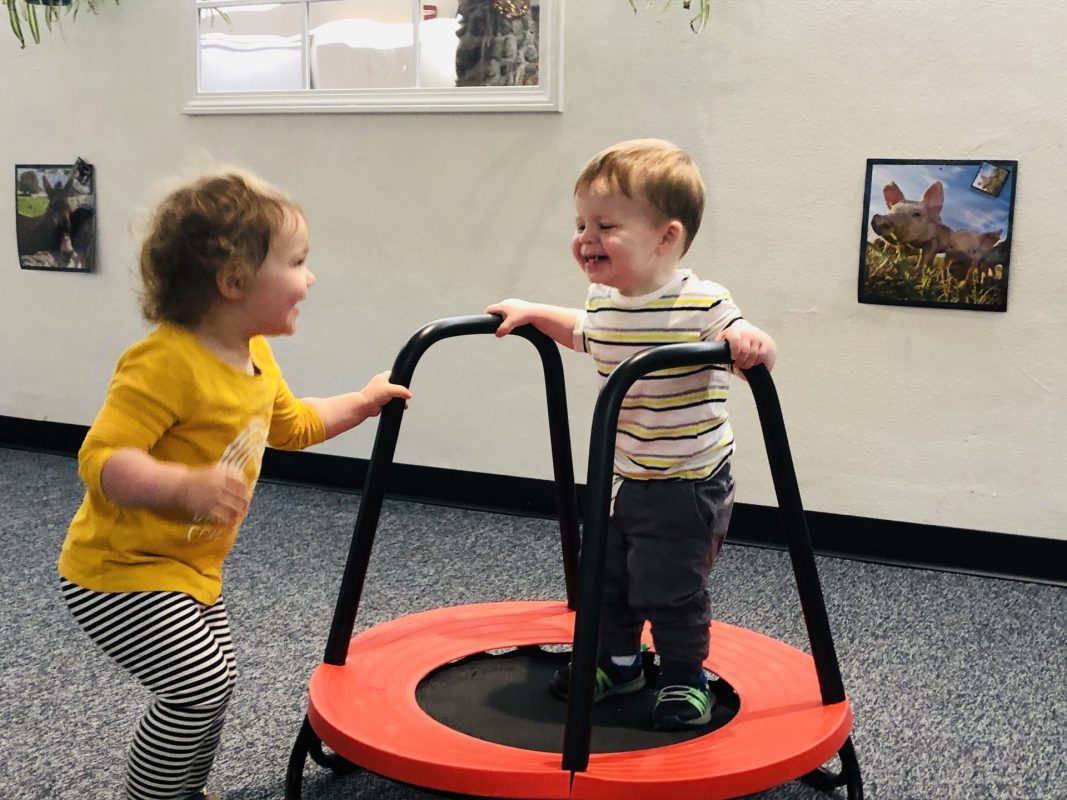
Children also enjoyed a drum session and exploring some new works in the environment! As your children continue to become aware of their peers, new friendships have been developing and children have been participating more and more in community gatherings. Some of the favorite songs this week were: “Listen and Move” by Greg and Steve and “Drive My Car” by Laurie Berkner. The Animal Boogie by Barefoot Books was the most acclaimed book by the children.

If you would like to access your child’s weekly schedule, including enrichment classes, you can do so on myfwm.org. Go to the Parents module and select Student Schedules. If you have more than one child at FWM, you can access all from this one location using the drop down menu.

Have a wonderful weekend!

Mrs. Hood and Ms. Maria 

Mrs. Hood’s Class: Slow and Steady!

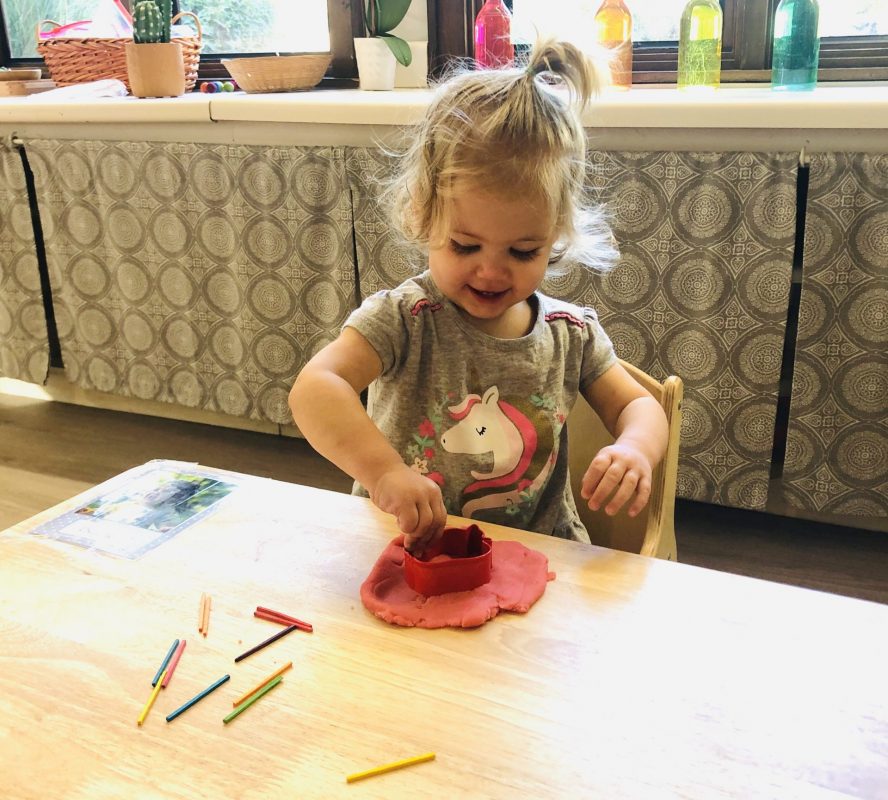
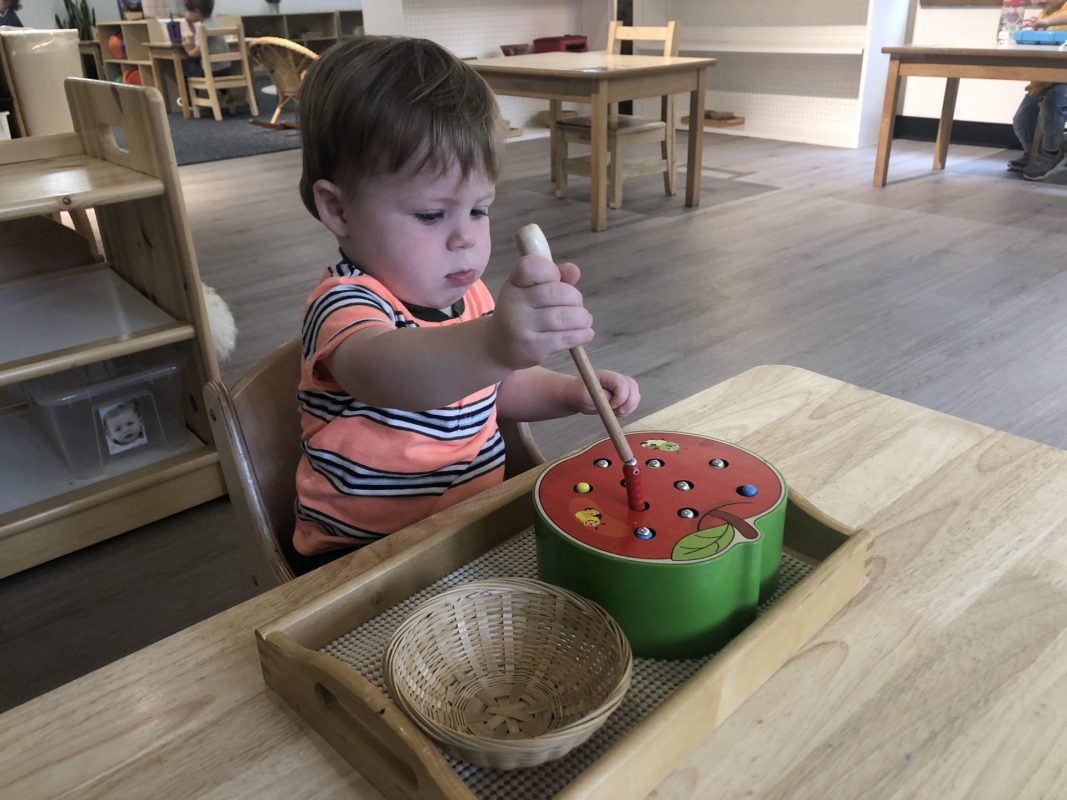
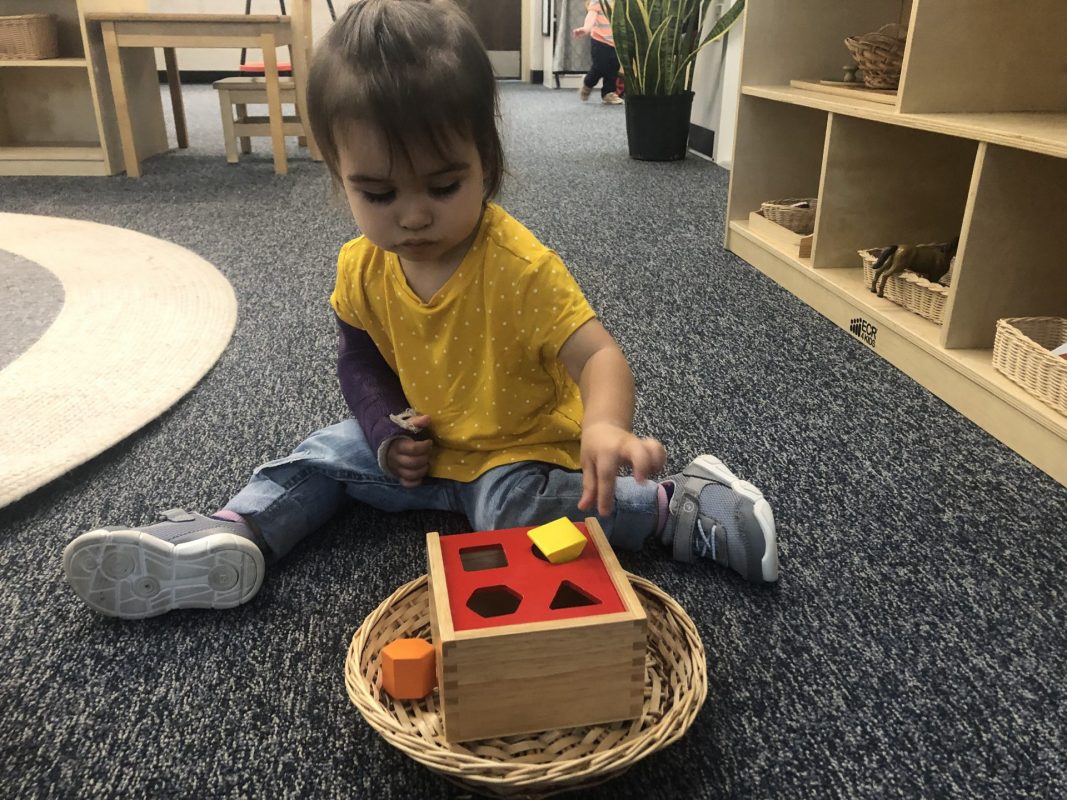
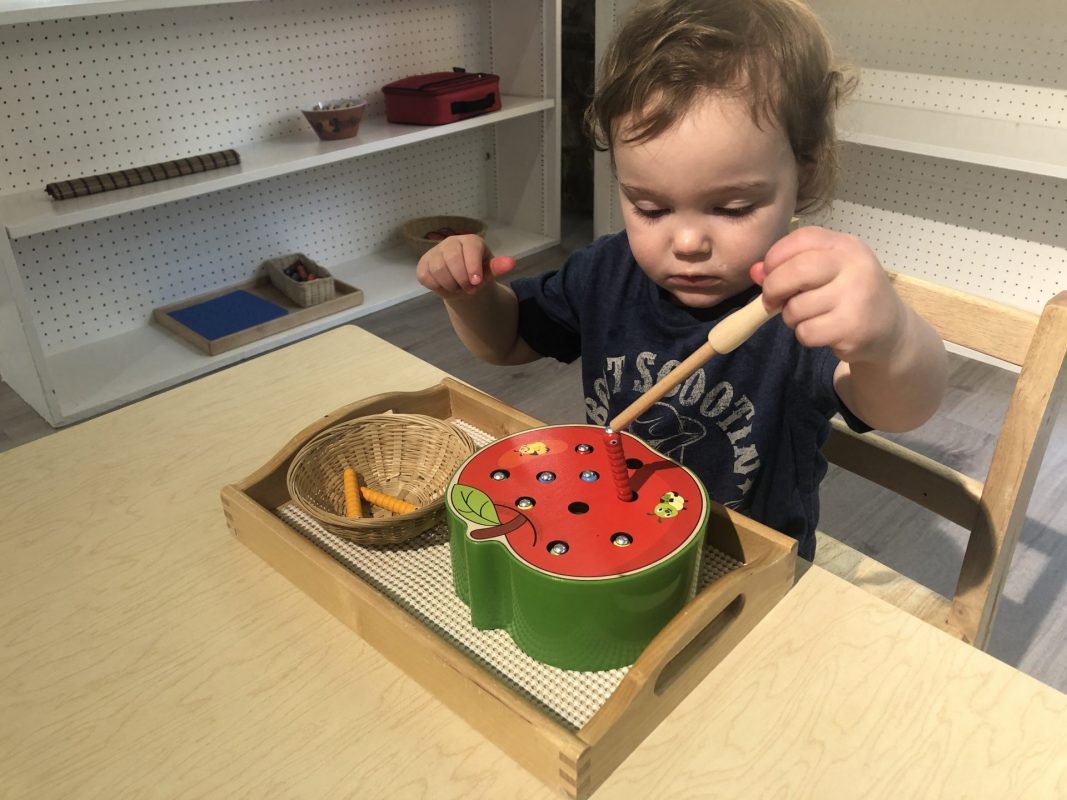
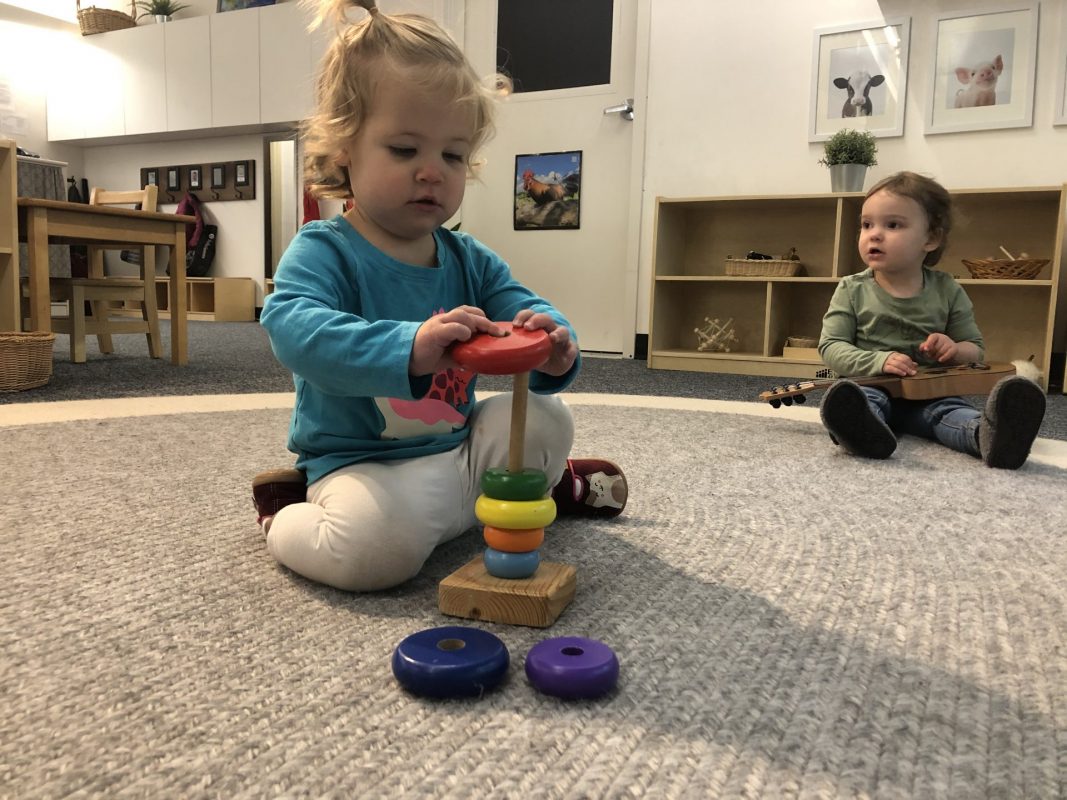
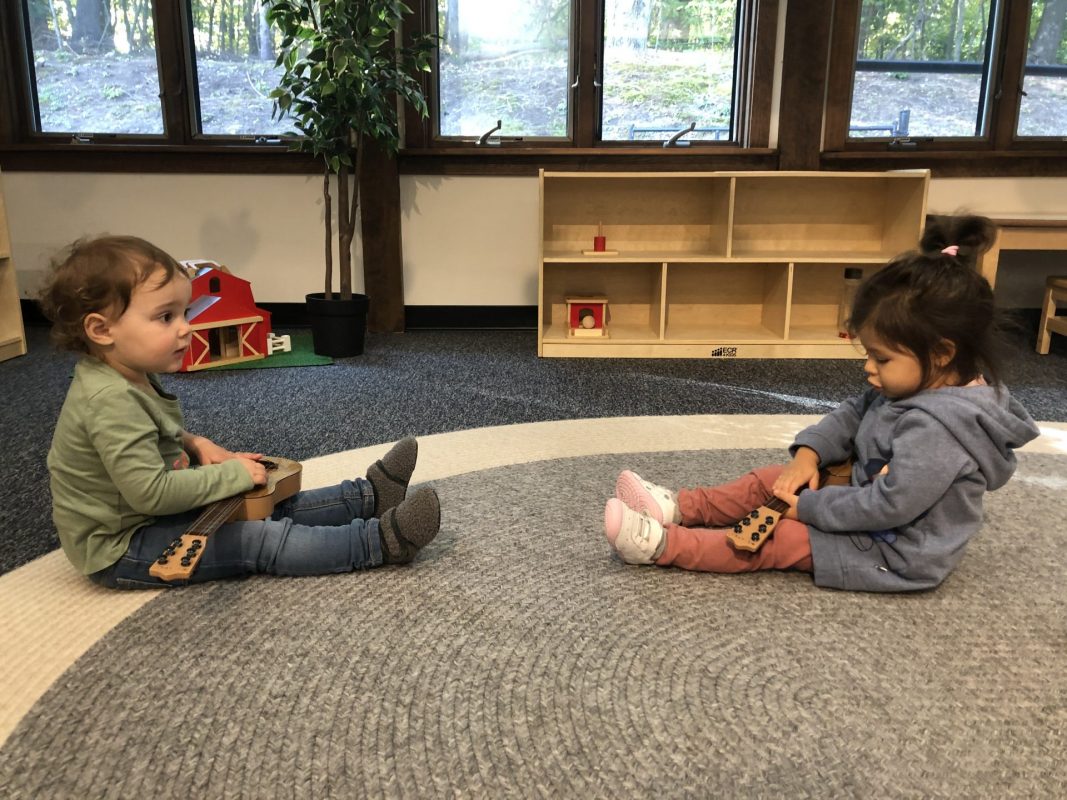
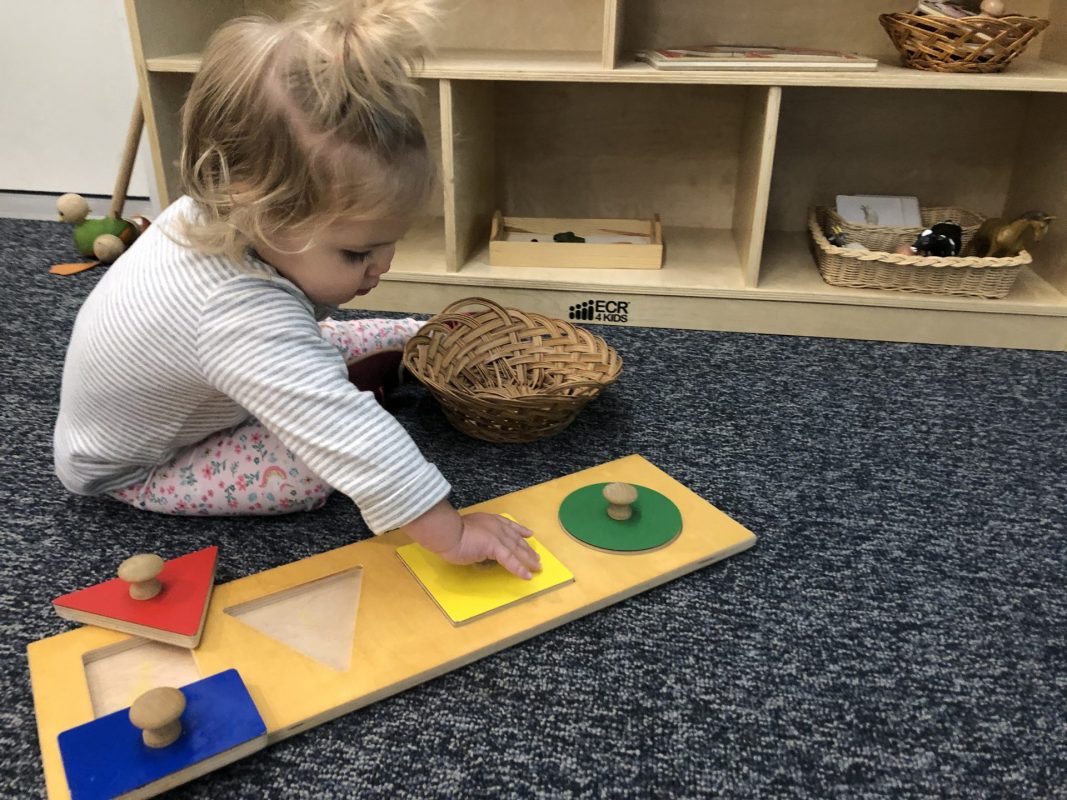
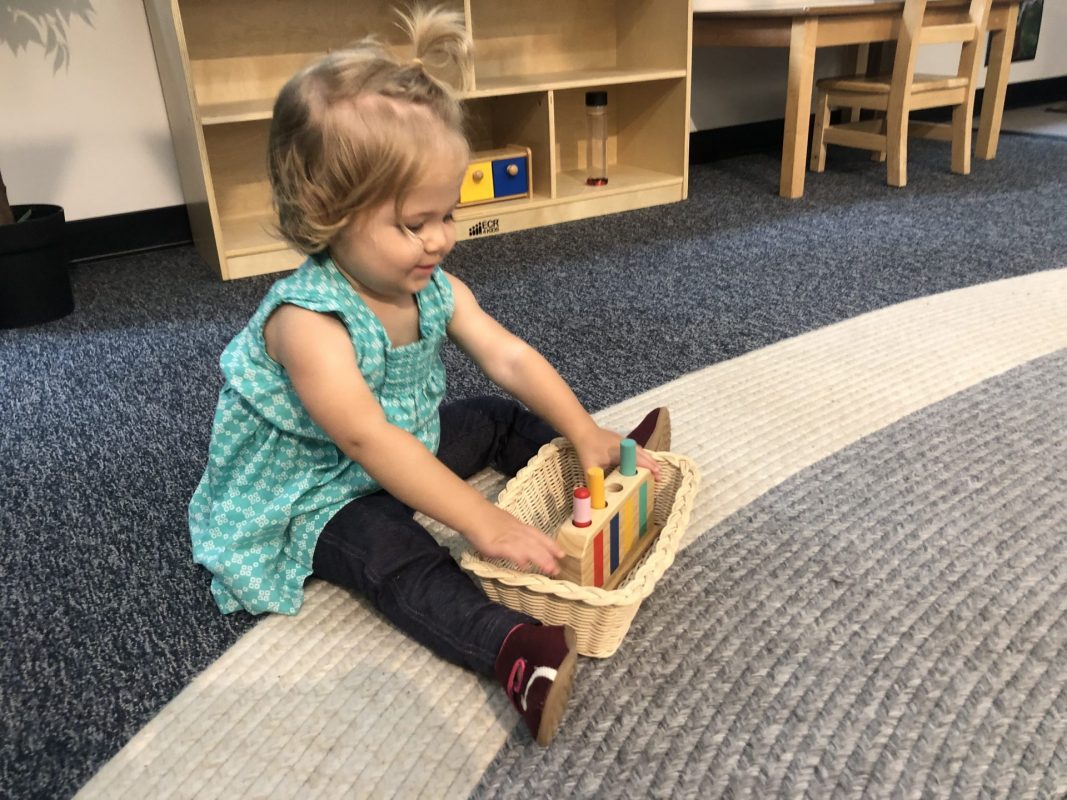
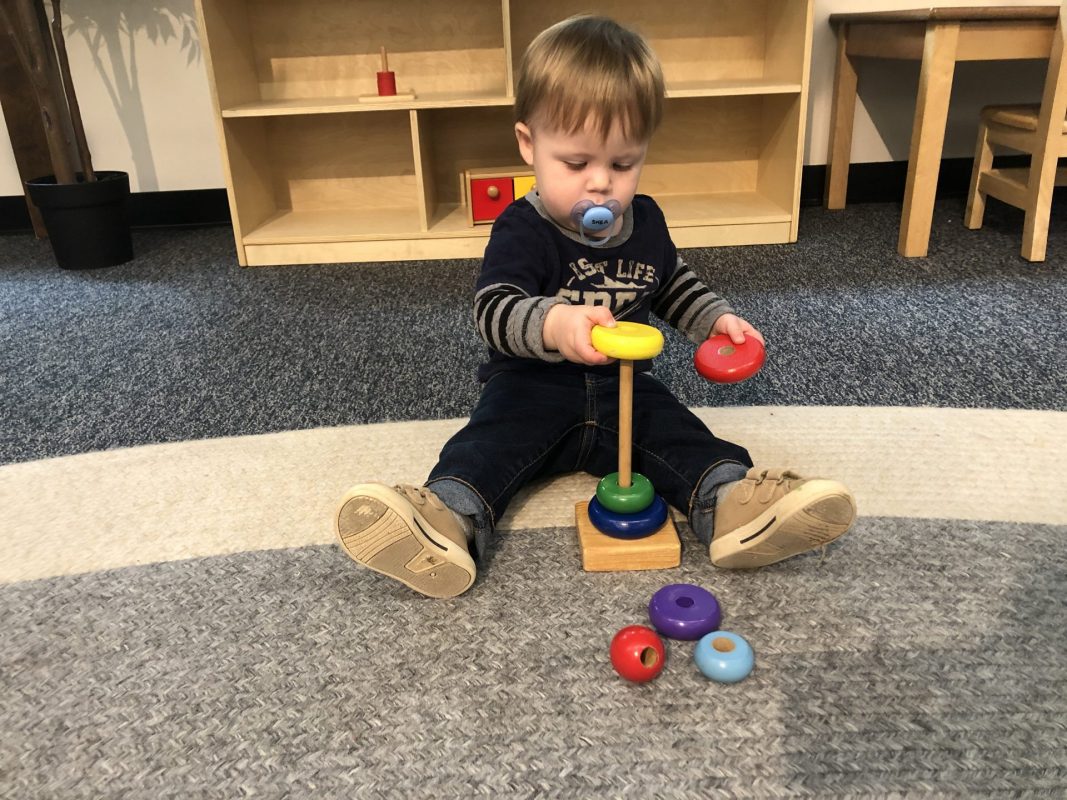
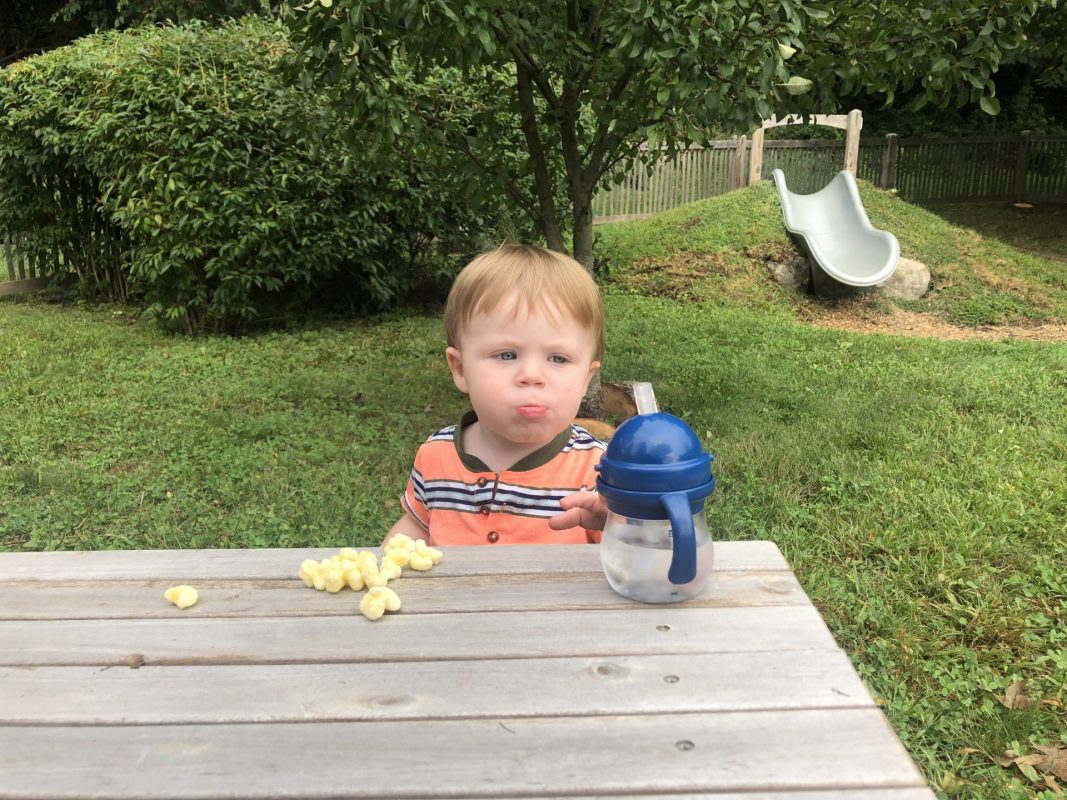
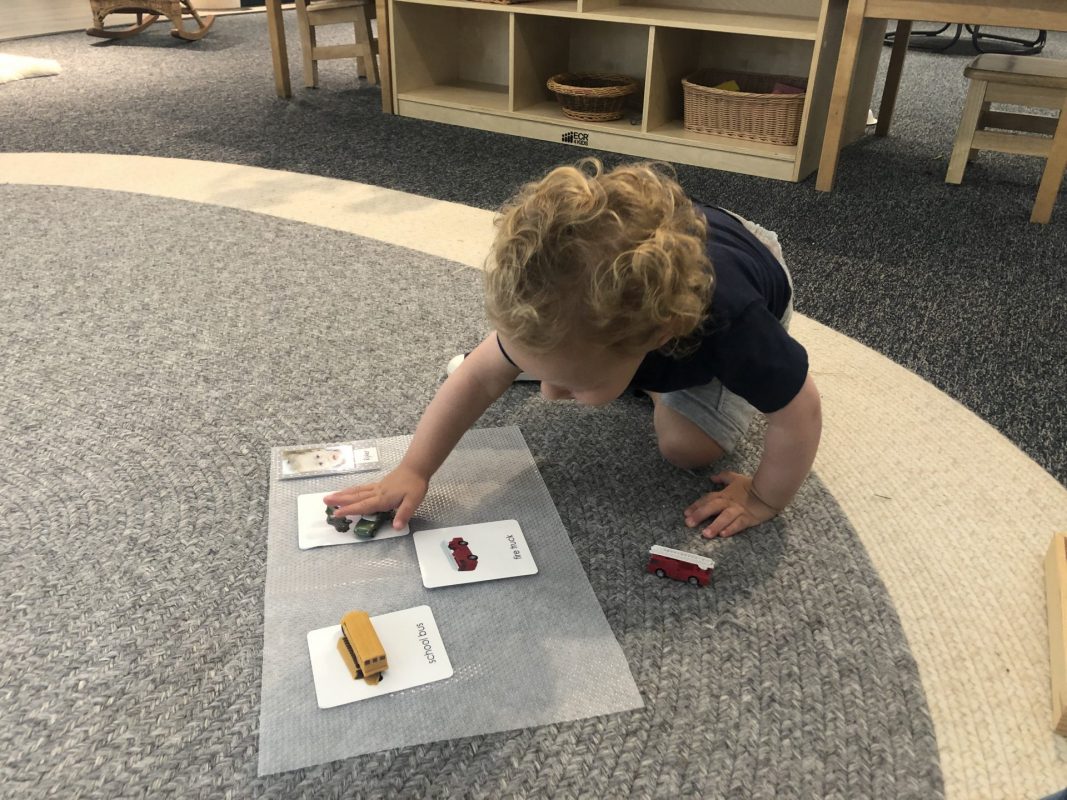
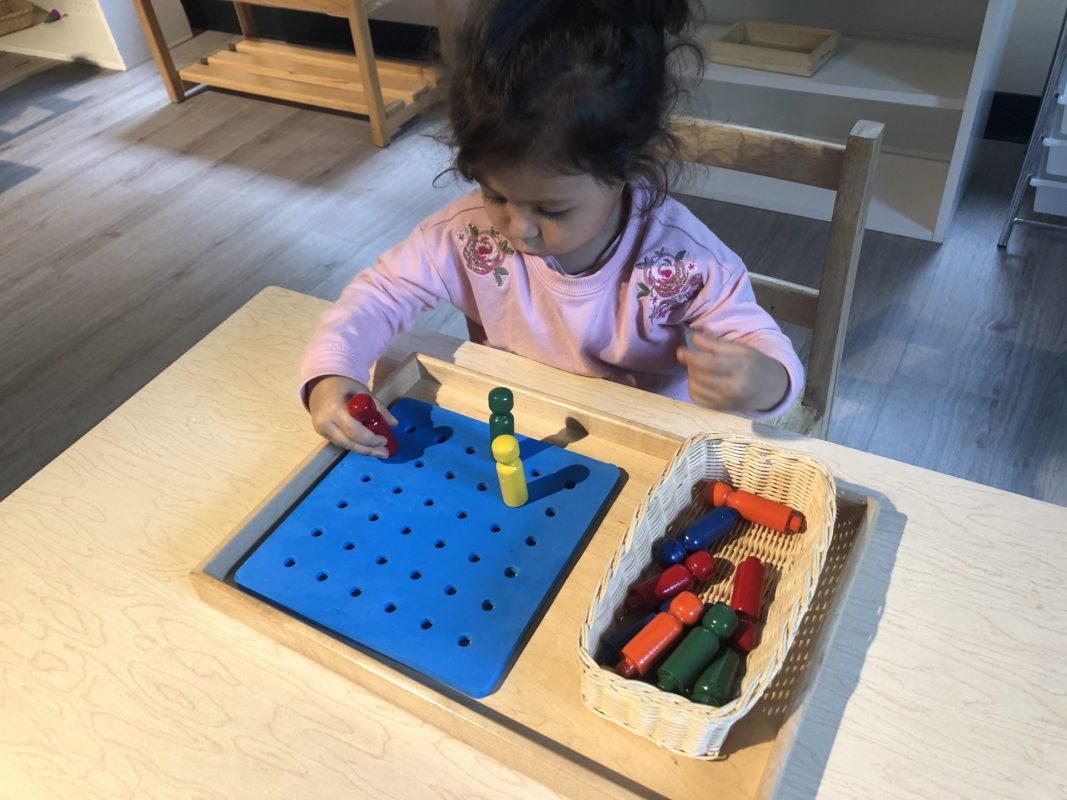
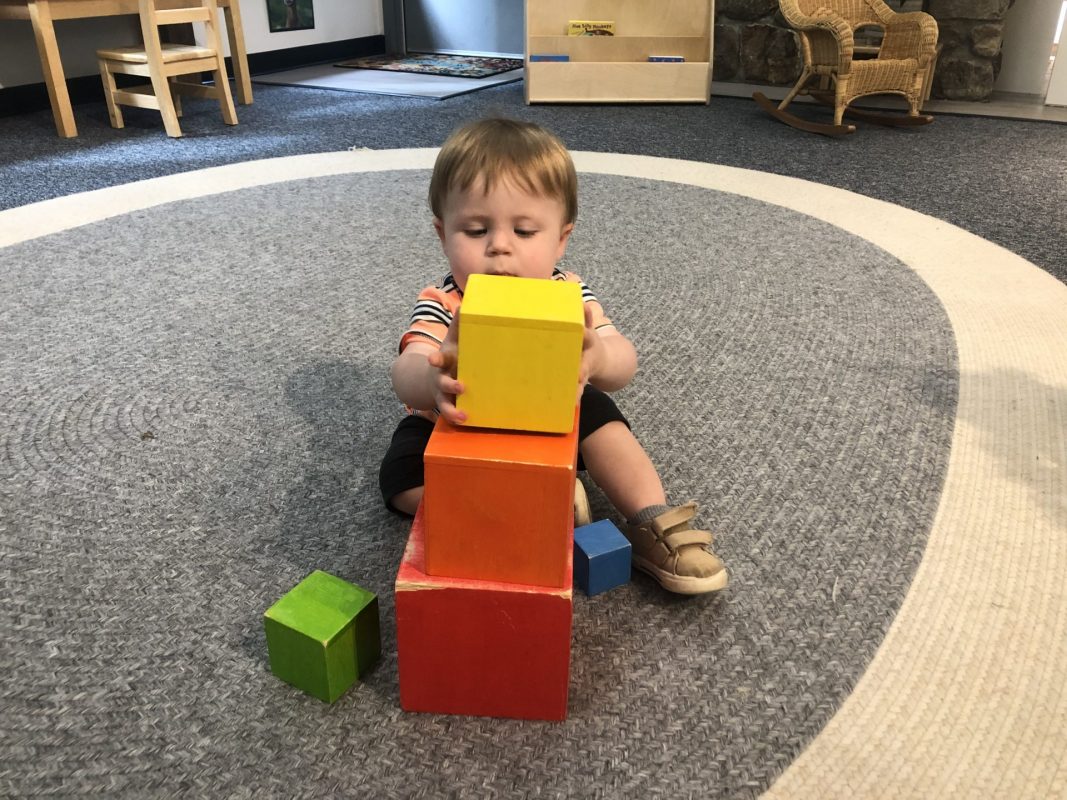
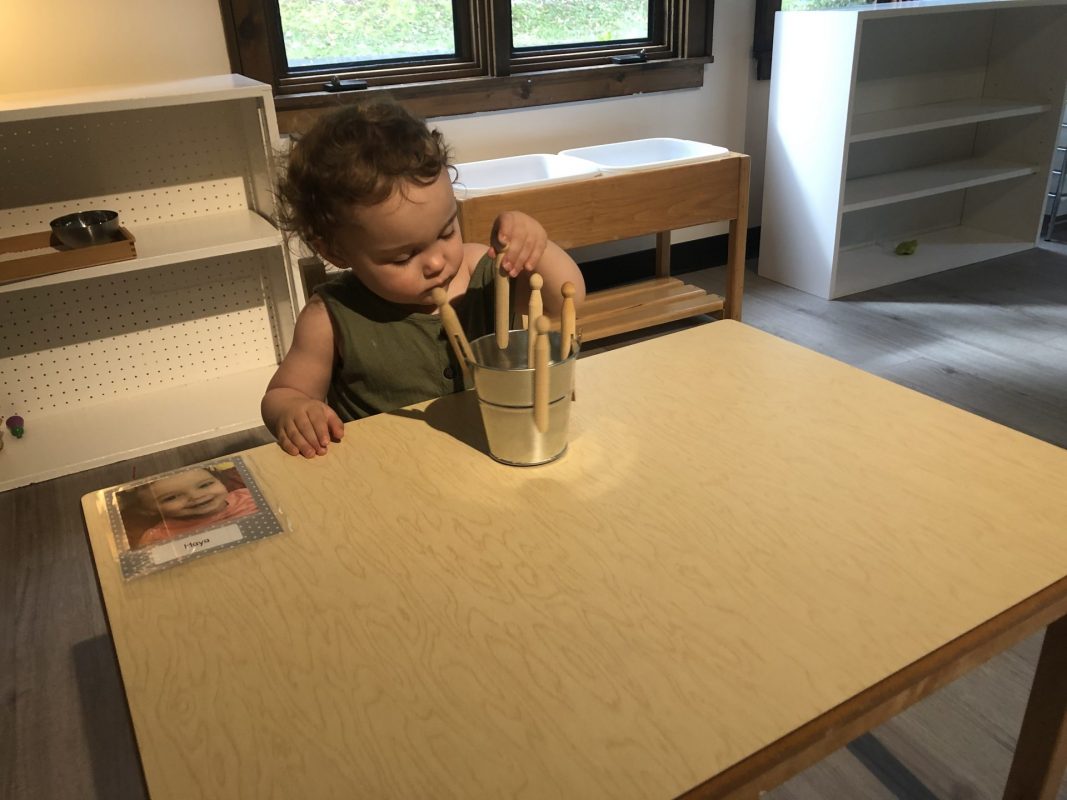
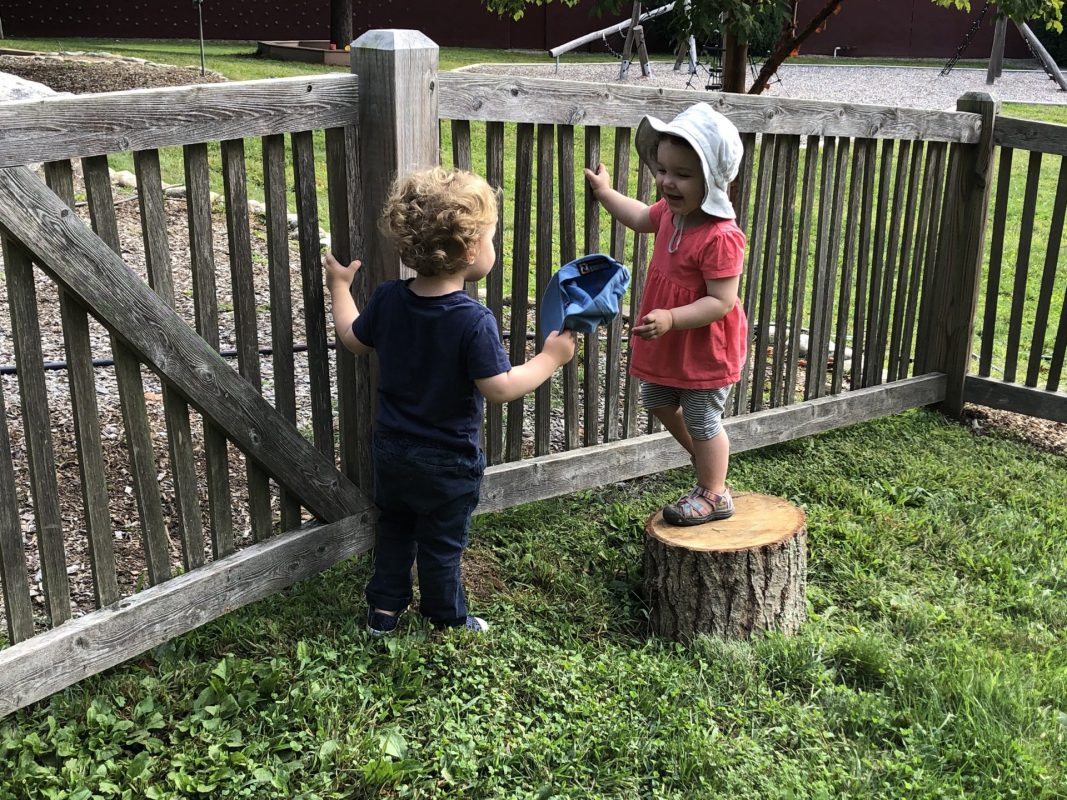
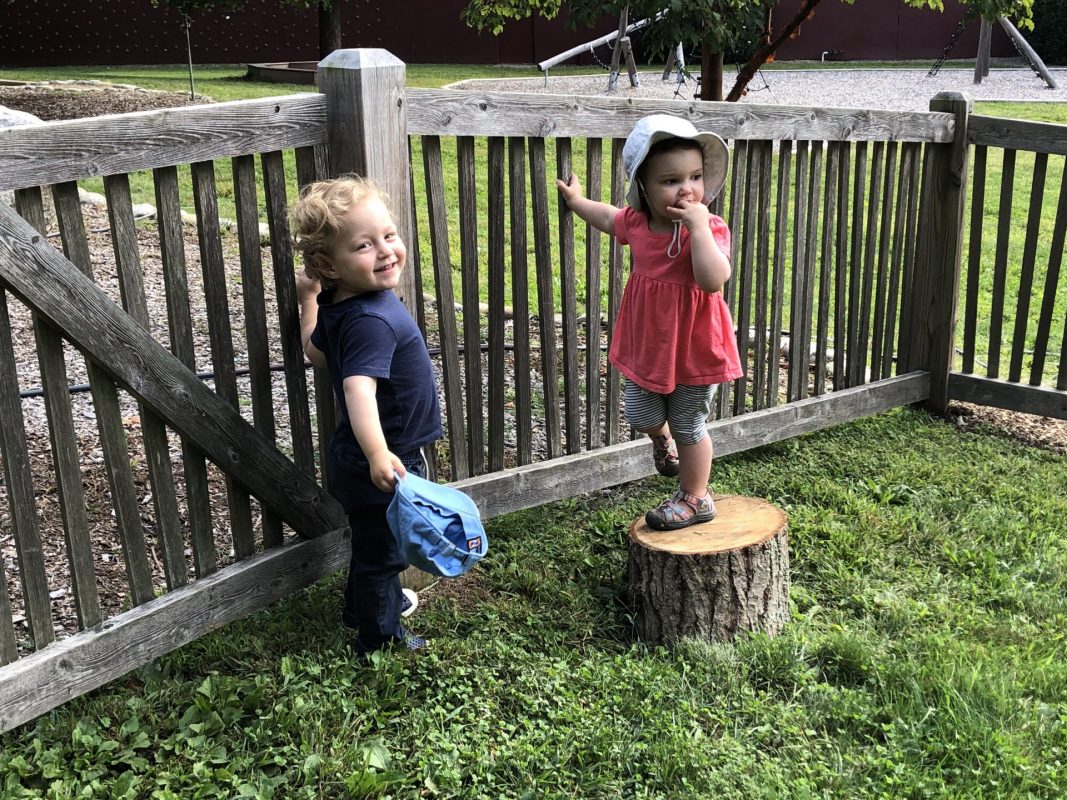
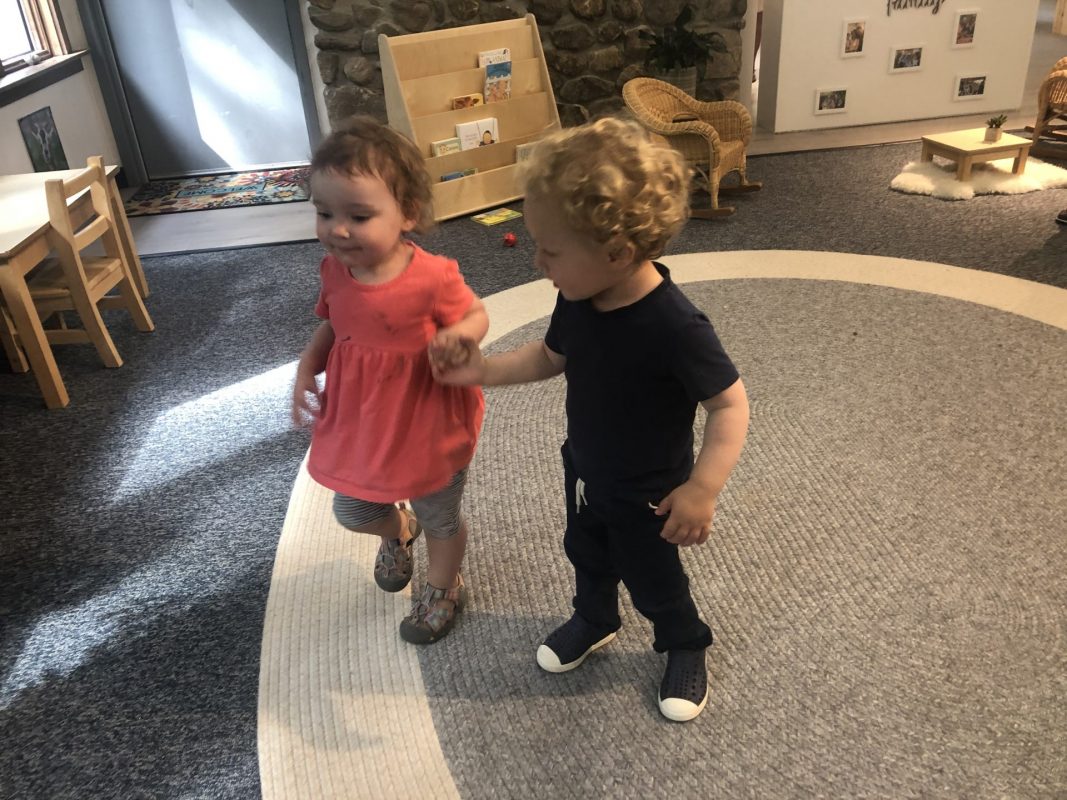
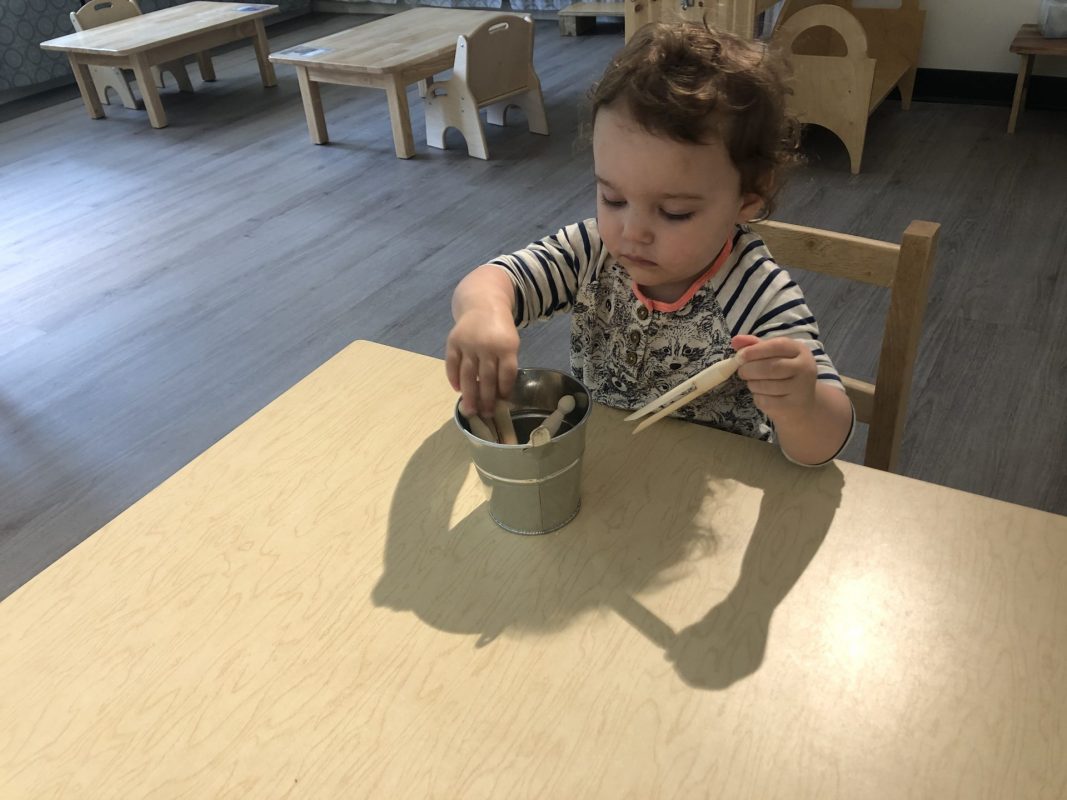
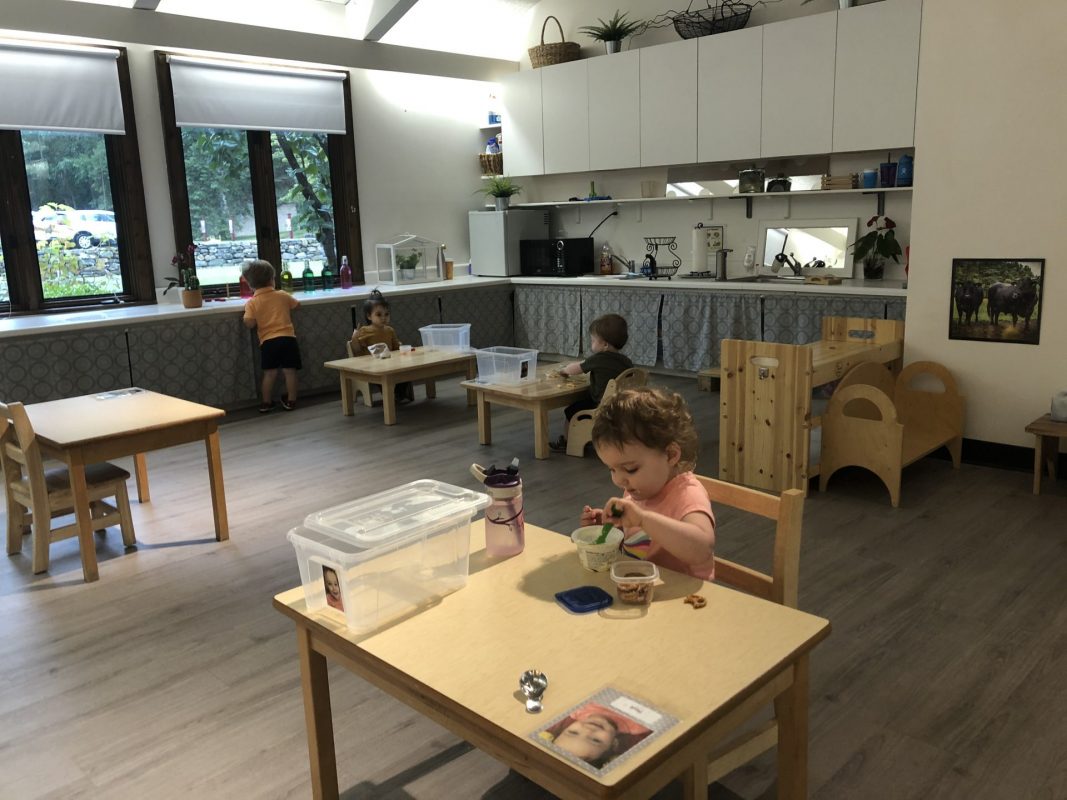
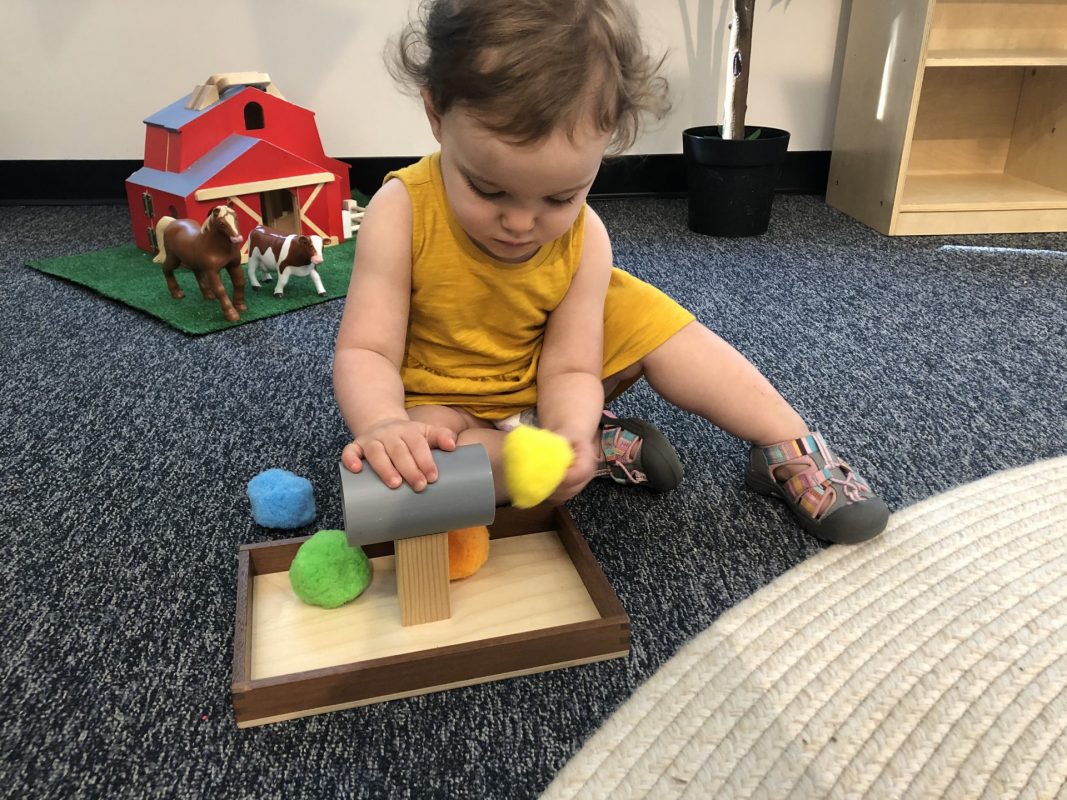
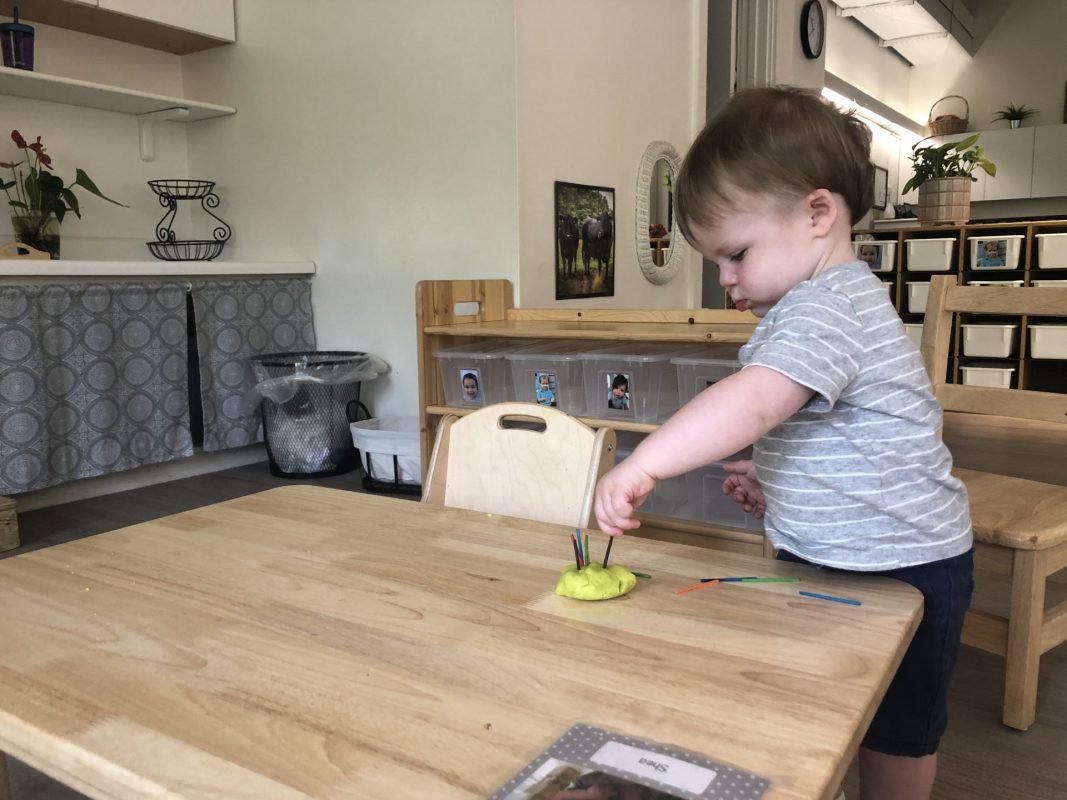
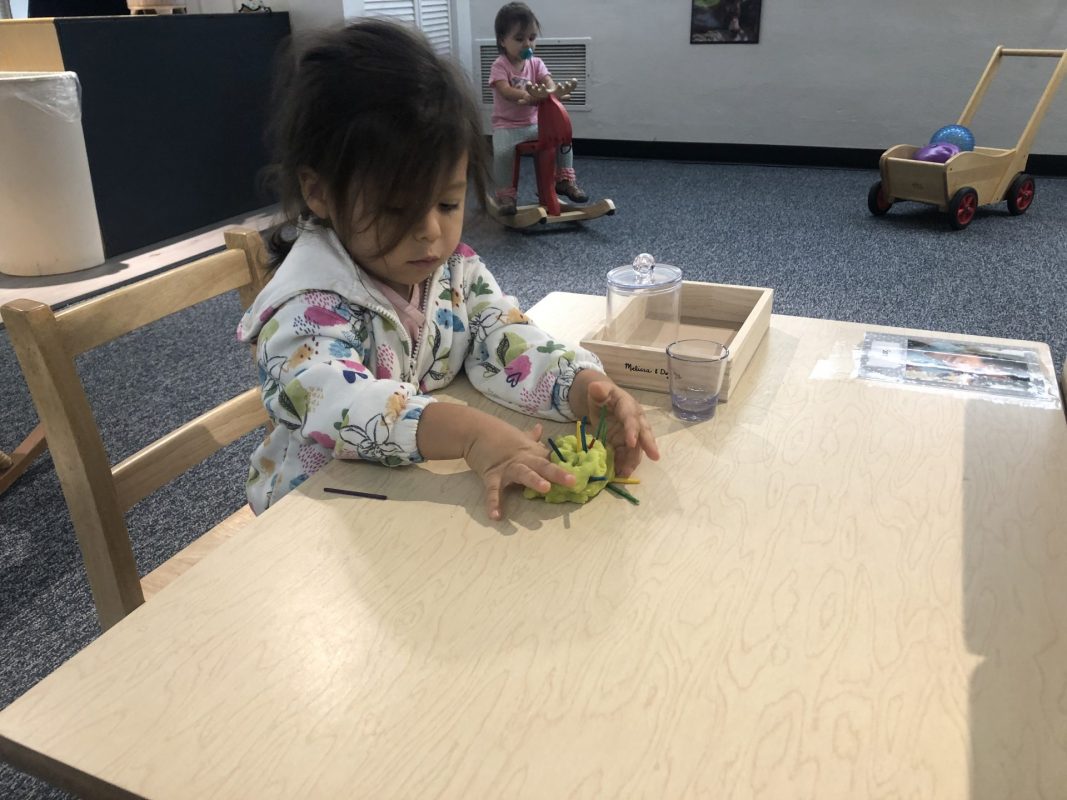
Your children have started to settle in little by little. There are less tears everyday at drop off time and more dancing and giggles throughout the morning. As your children’s confidence and trust have increased, they have started to explore the environment more intentionally. They have even started to socialize with some of their peers. Those that are able to say a few words have started to recognize and call their friends by their names.

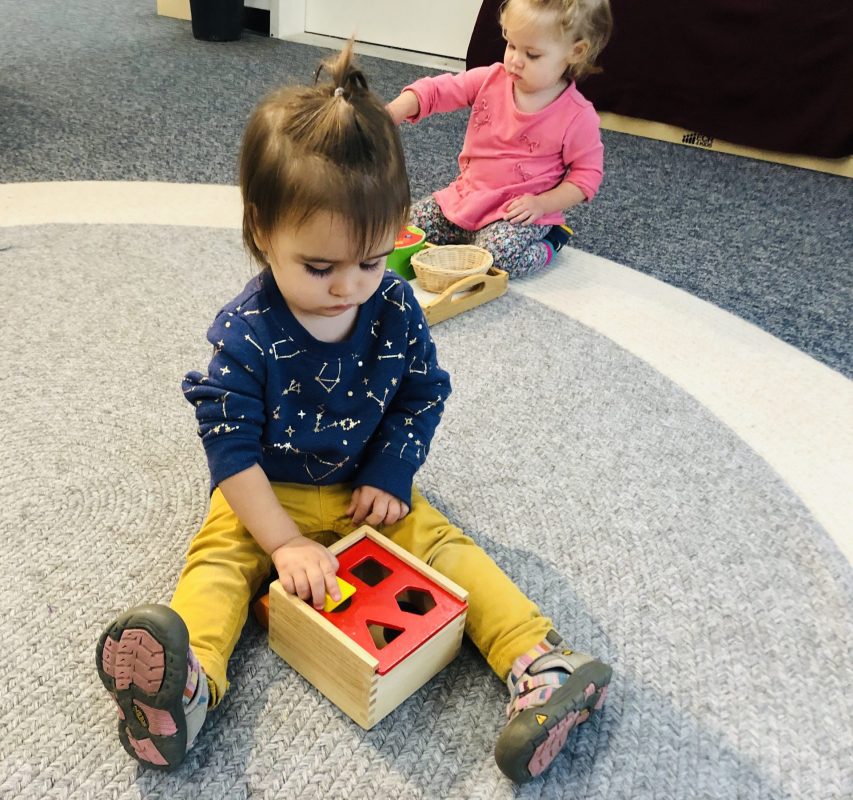
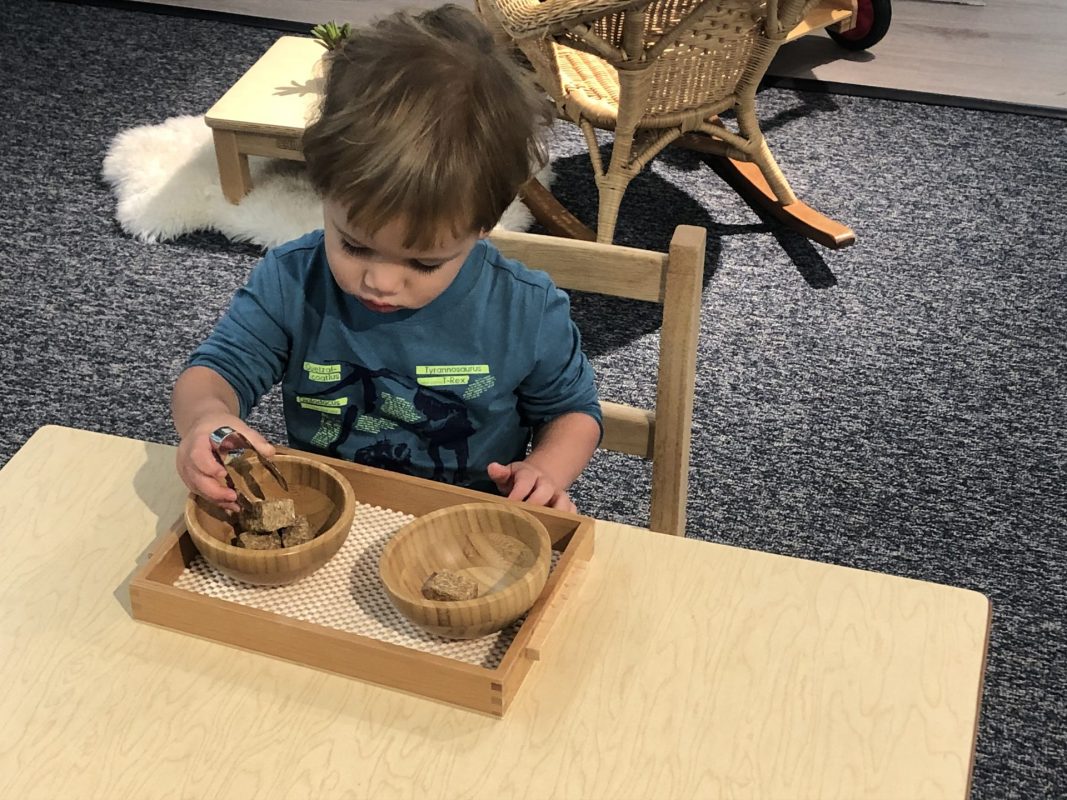
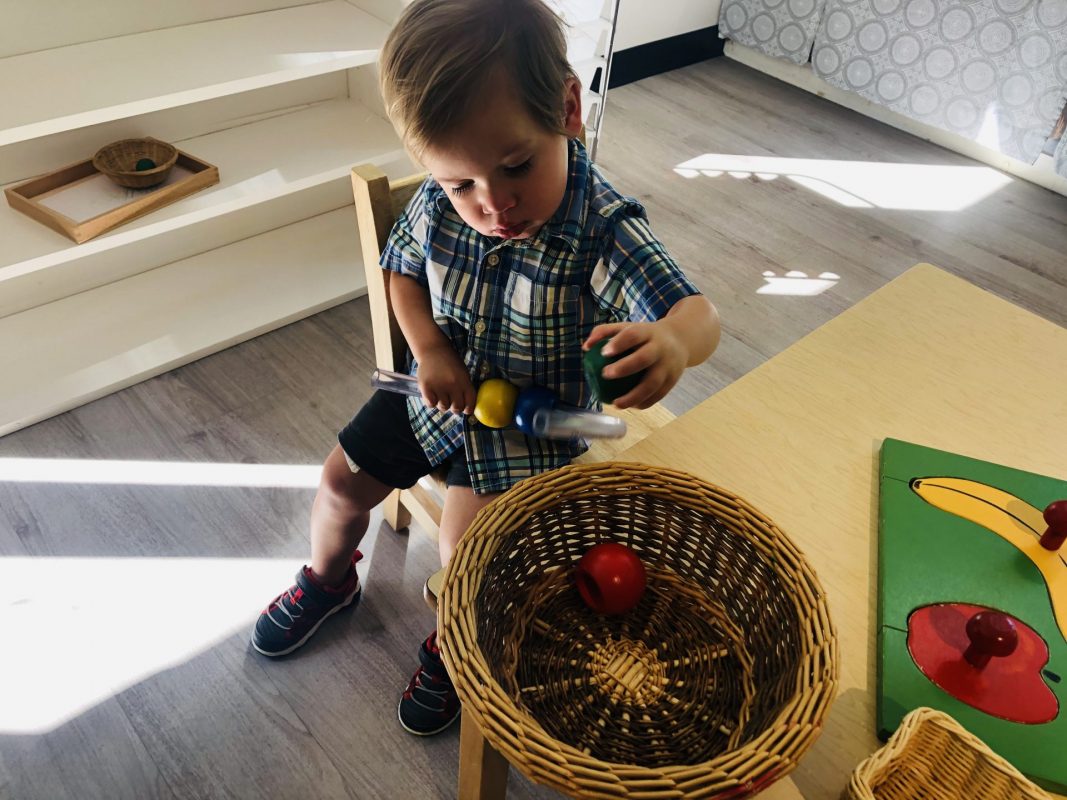
As the children continue to use their freedom of movement and freedom of choice, some ground rules have been introduced. One of those rules is Respect for Others’ Work. In traditional school settings children this age are encouraged and even expected to share. Sharing is a very important concept, but for children of this age it’s a task that they are not developmentally ready for. In our environment we encourage the concept of taking turns instead. This encourages patience, mindfulness, independence, order, and concentration. Children don’t feel threatened by the idea that another child will take their material away, instead they can peacefully work with the material until they are done. When children want to work independently we encourage them to say: “This is my work. Please don’t touch.” We also encourage the children to observe quietly how other children are working with a material. It’s so fun to see that even at this young age children are able to work on mastering these skills! They just need the encouragement to do so.

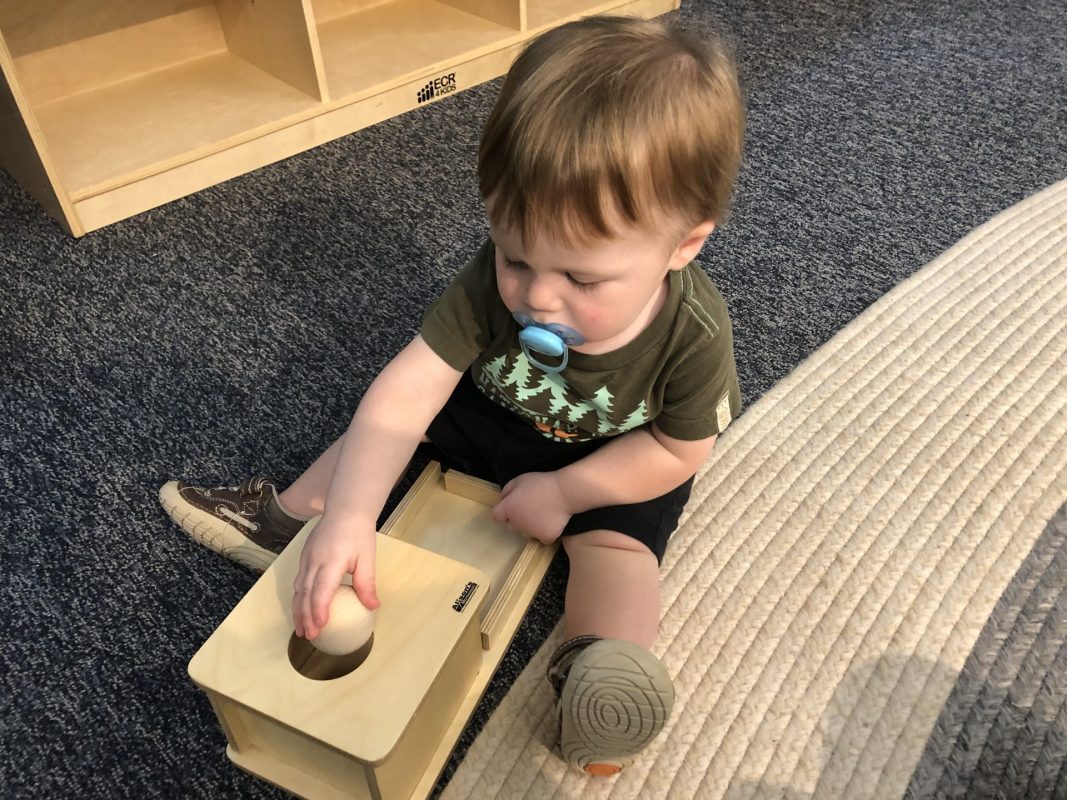
Another rule we introduced this week is We Respect our Materials. As guides, we model slowly and consistently throughout the morning the importance of carrying and handling our materials in a gentle way. If one of our students decides to throw a piece of material across the room, we encourage them to use one of the balls instead and we verbalize to them in a few words how we should use the materials. “We throw the ball.” “We are gentle with our materials.”

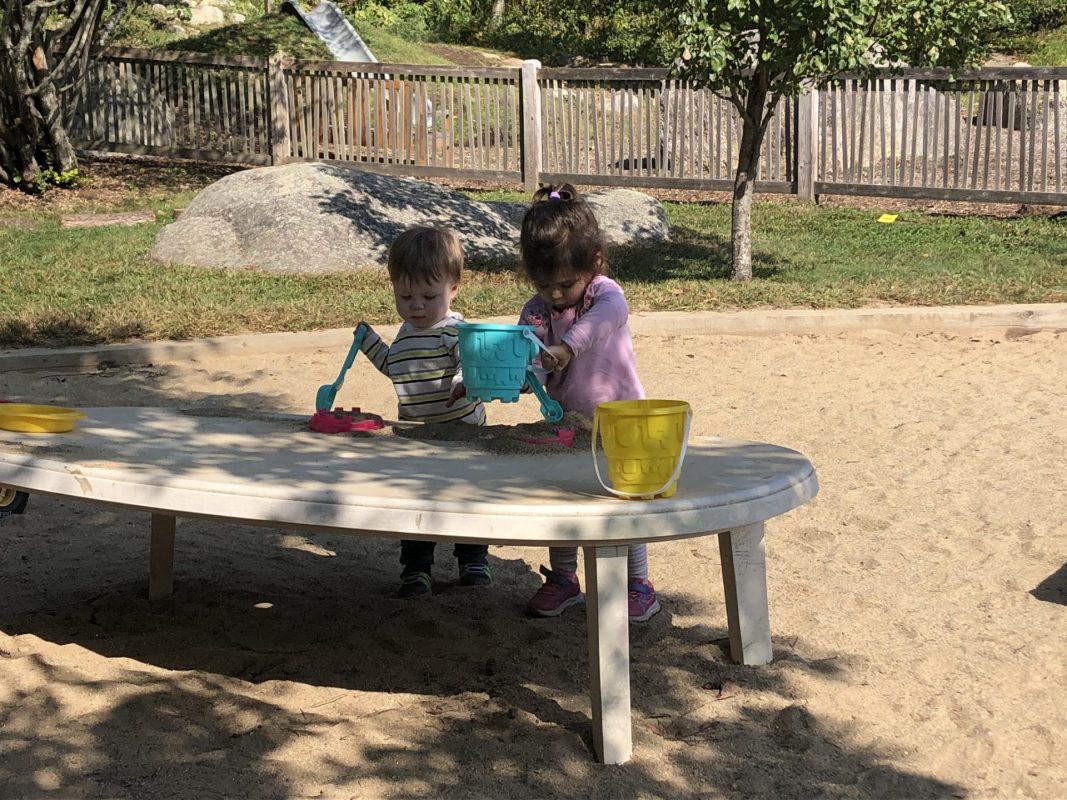
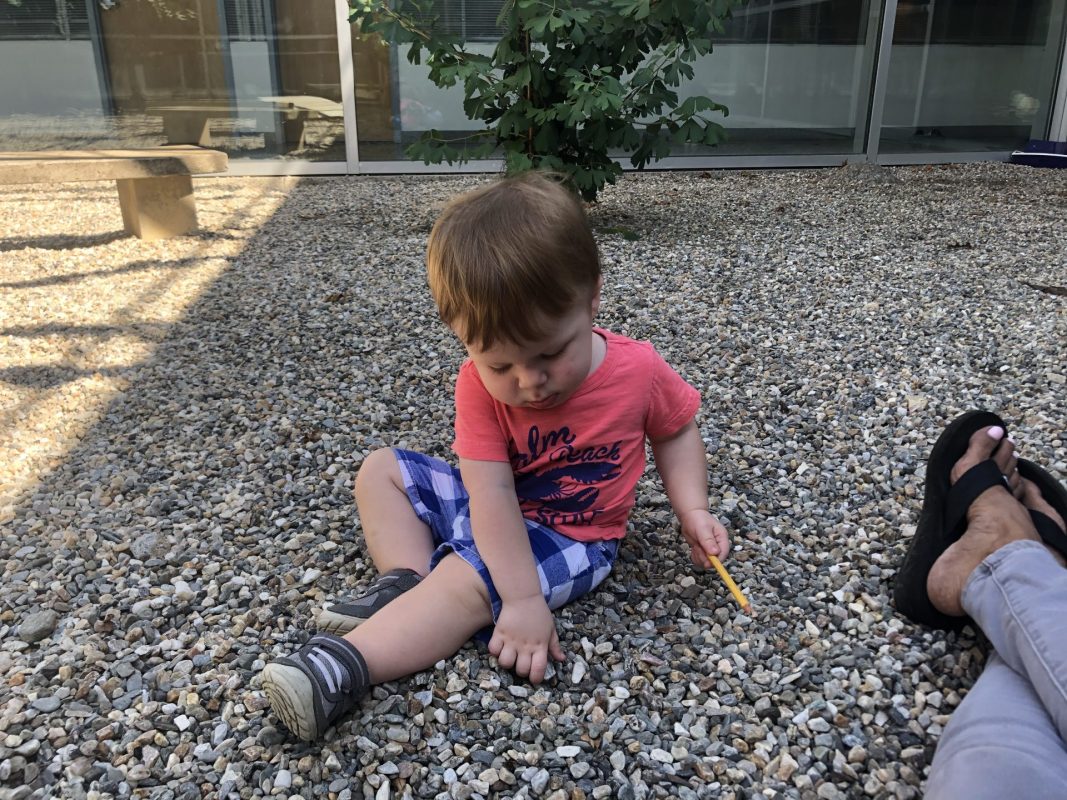
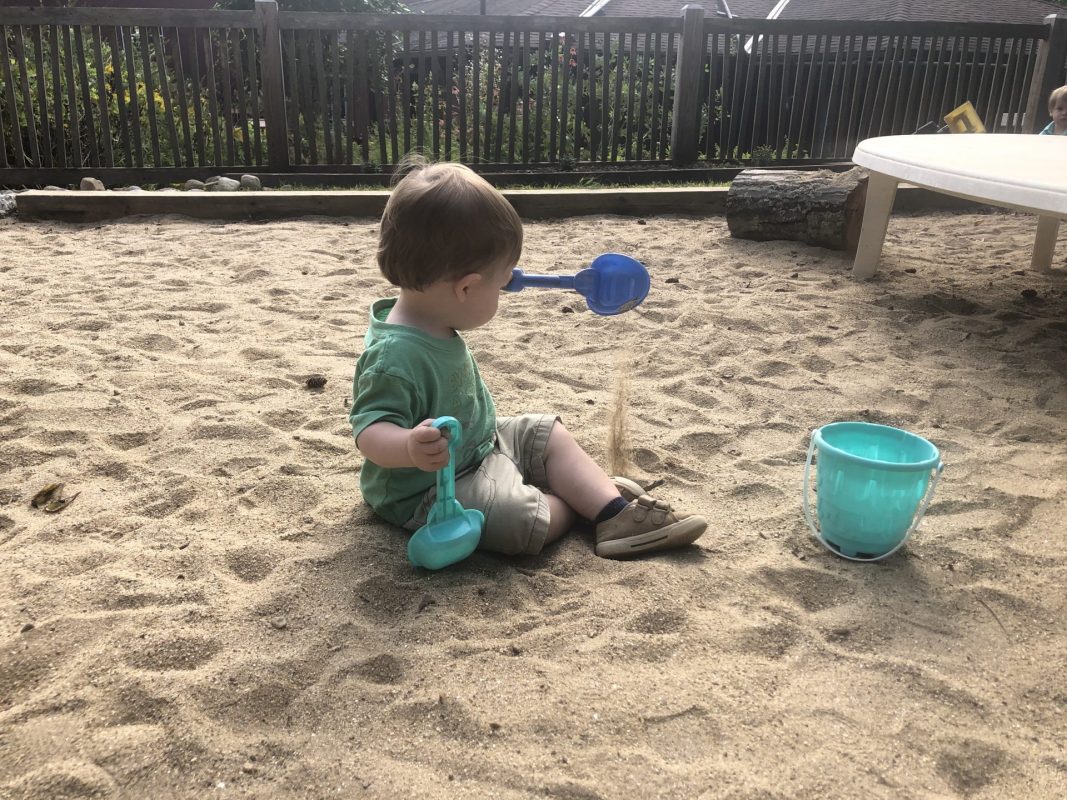
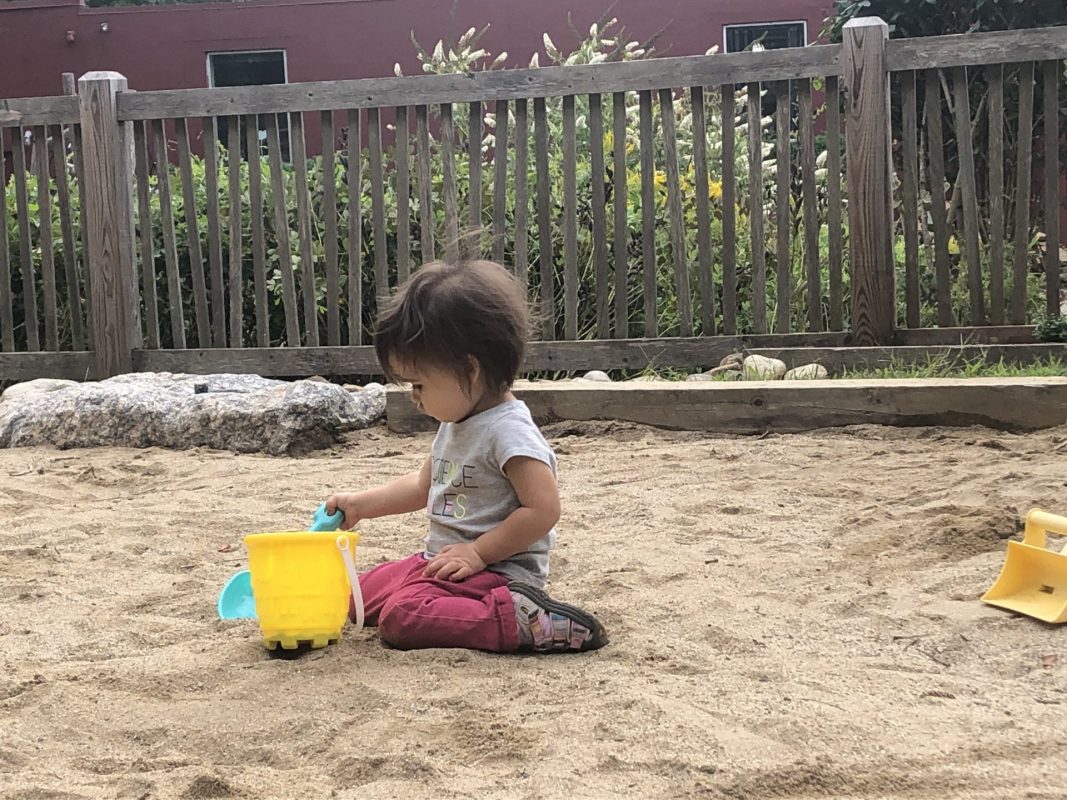
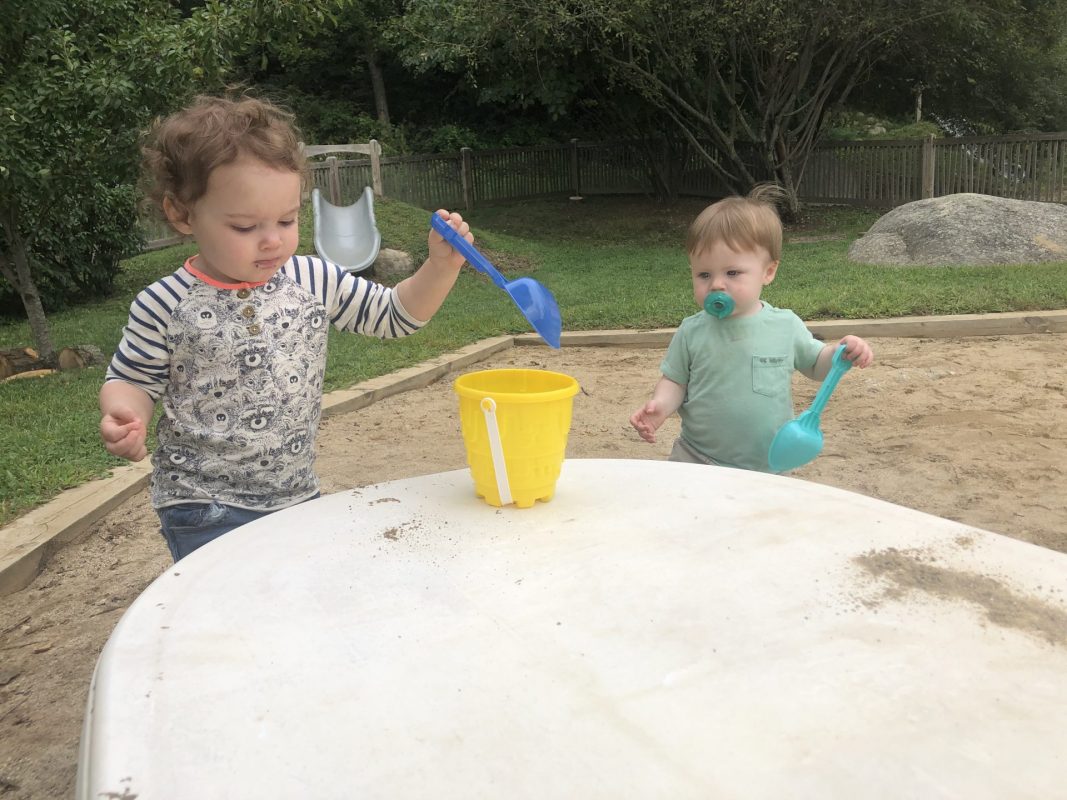
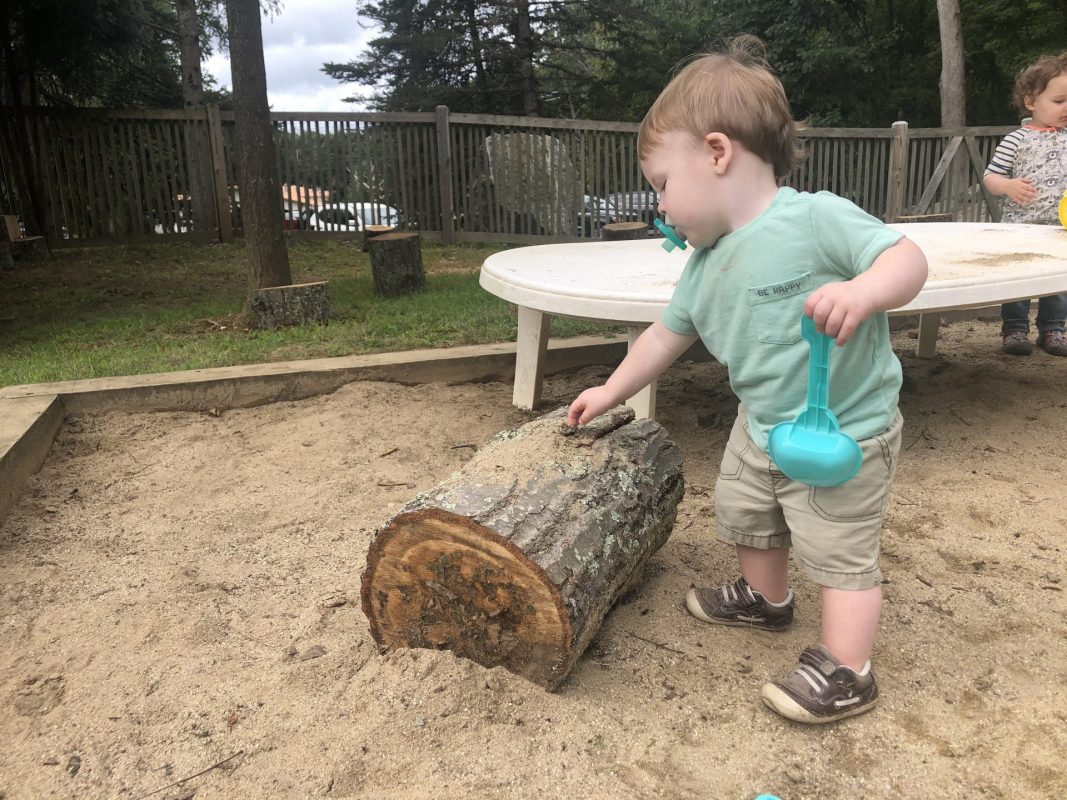
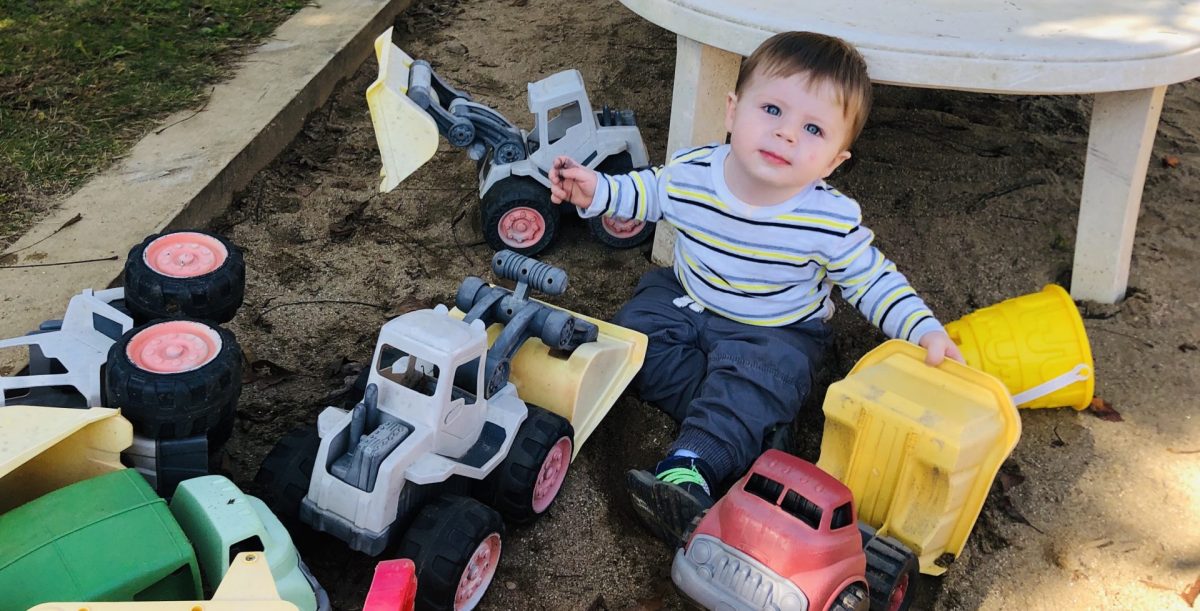
On another note, children had a blast exploring our toddler fun outdoor space and learning new songs. Some of the children’s favorite songs this week seemed to be: “Walking in the Jungle” by Super Simple Songs, “We are the Dinosaurs” by Laurie Berkner and “La Lechuza” by Plim Plim.

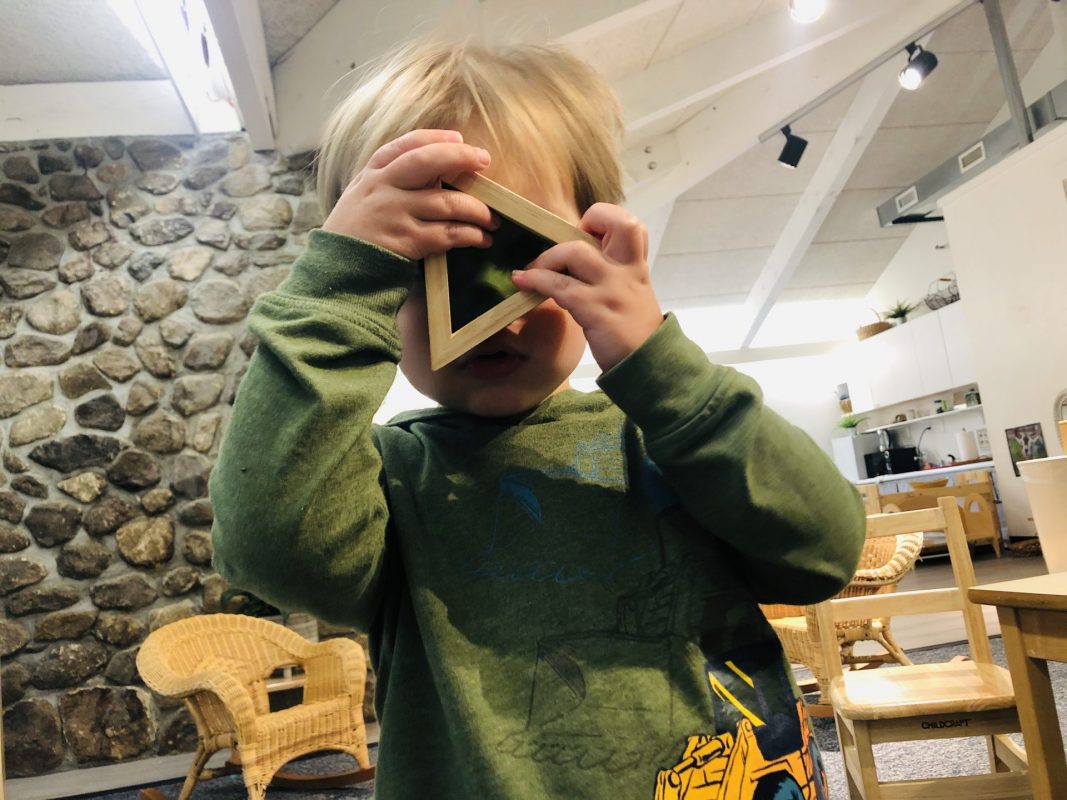
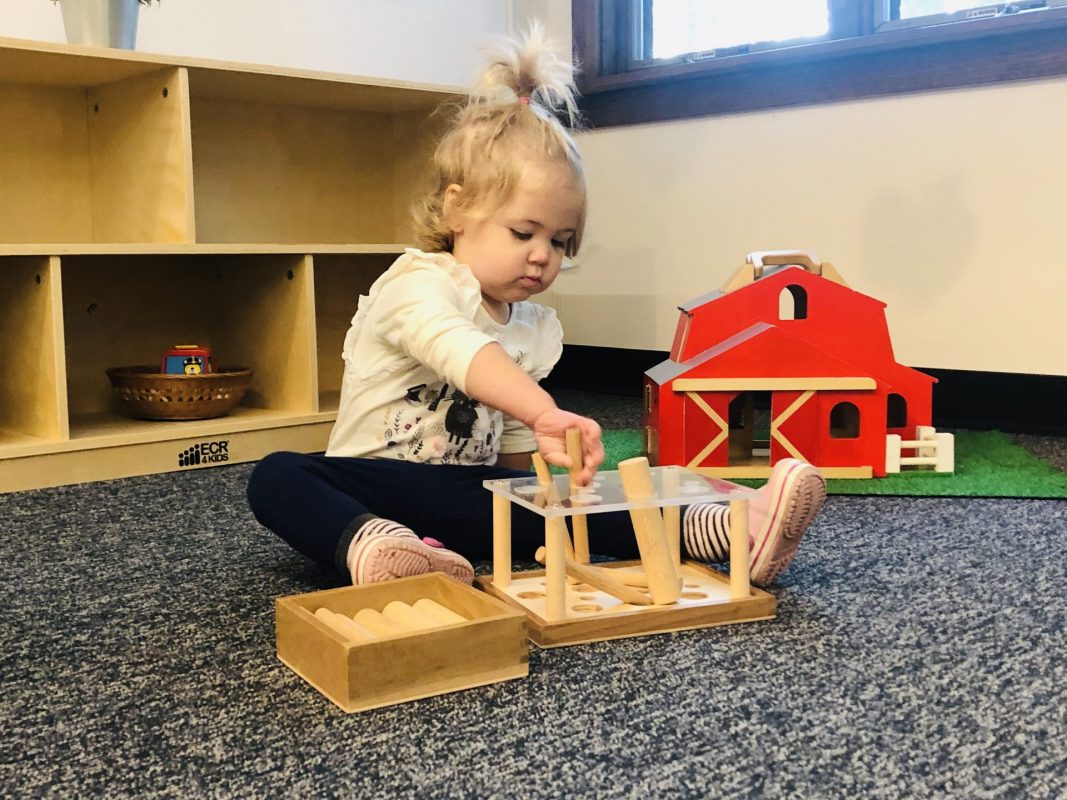
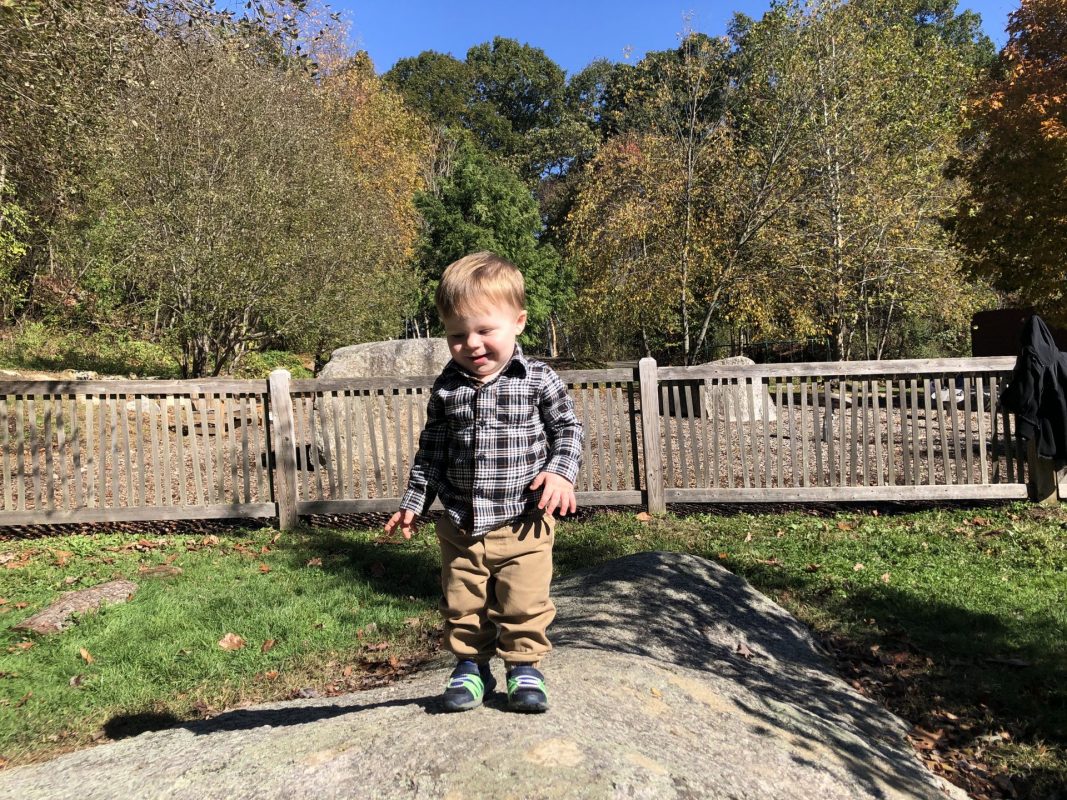
We are excited for a new month and all the fun we are about to have! Stay tuned and enjoy the pictures of your beautiful children!

Mrs. Hood and Ms. Maria 

Mrs. Hood’s Class: Building Trust!

Dear families,

Welcome to FWM 2020-2021 school year!

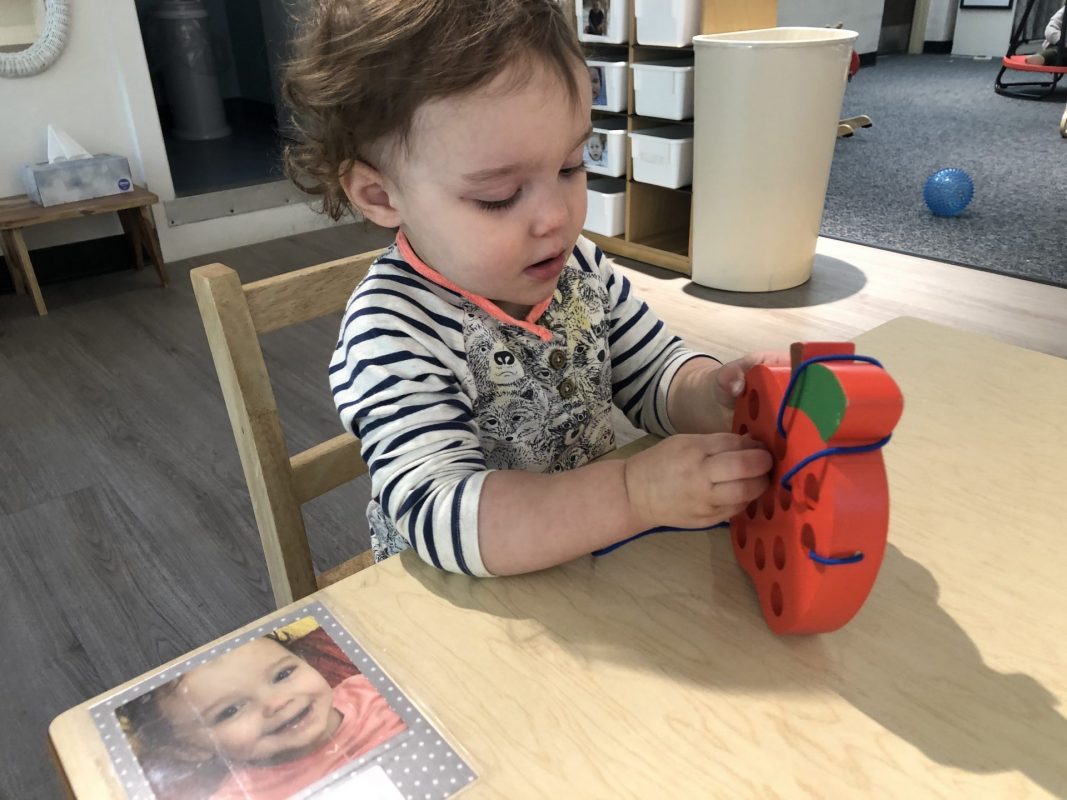
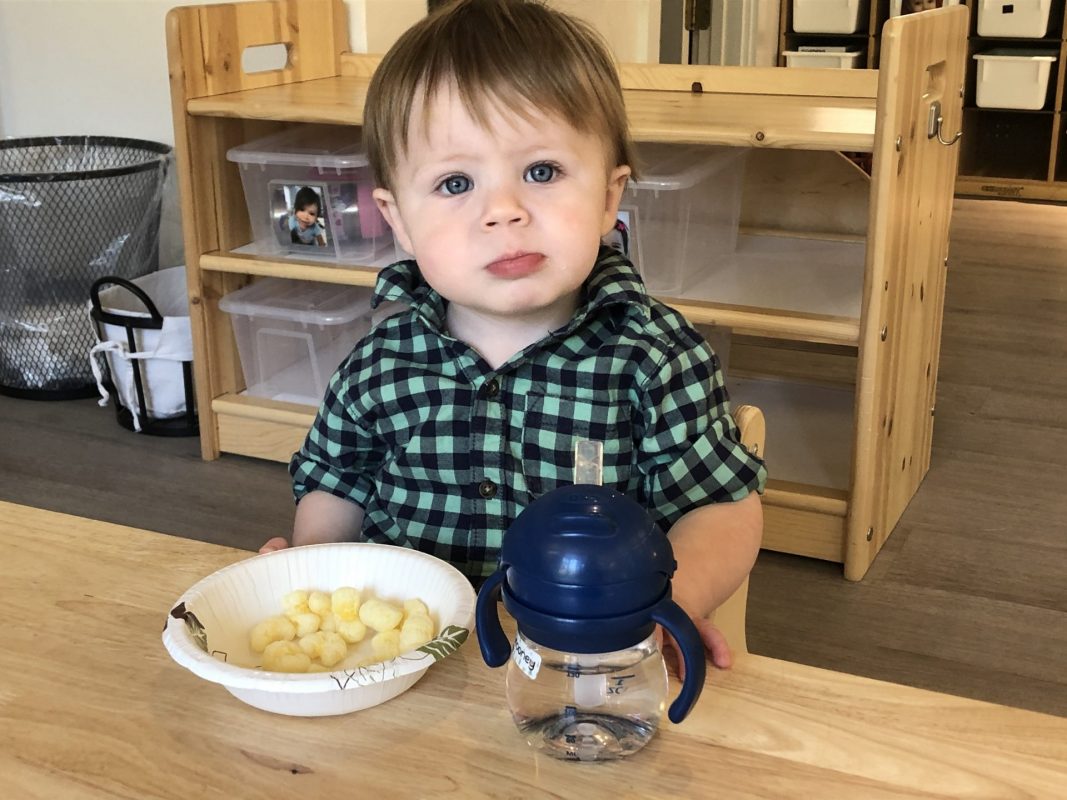
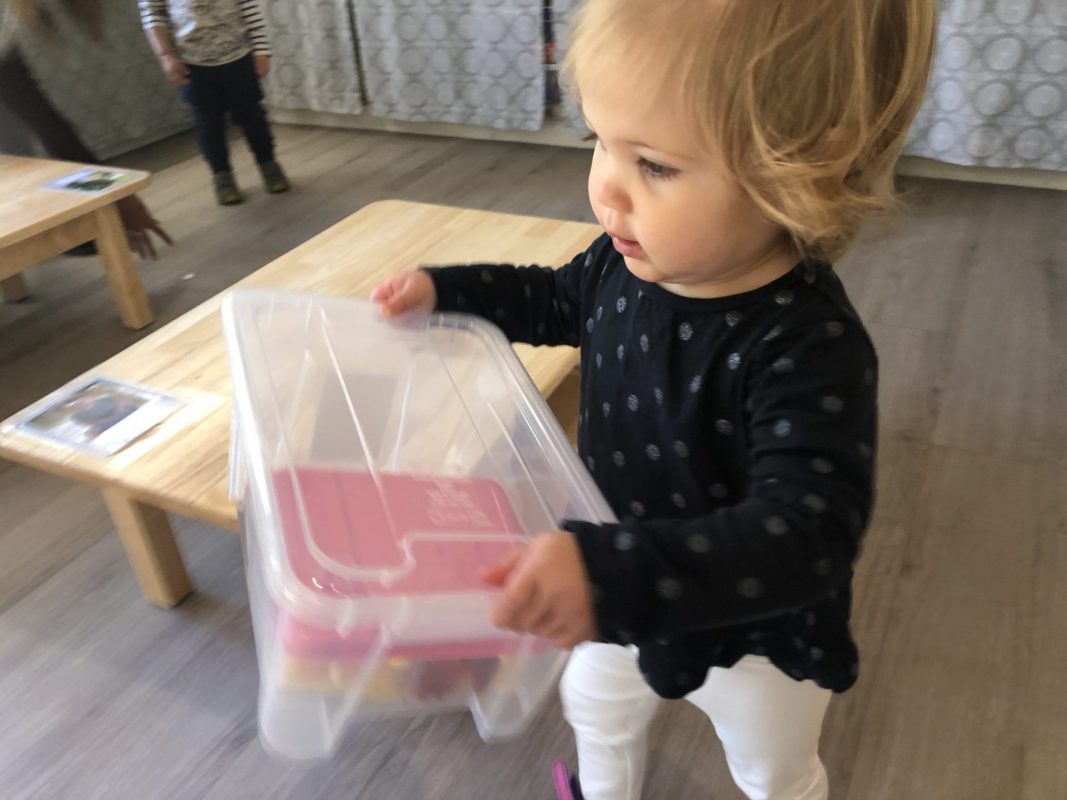
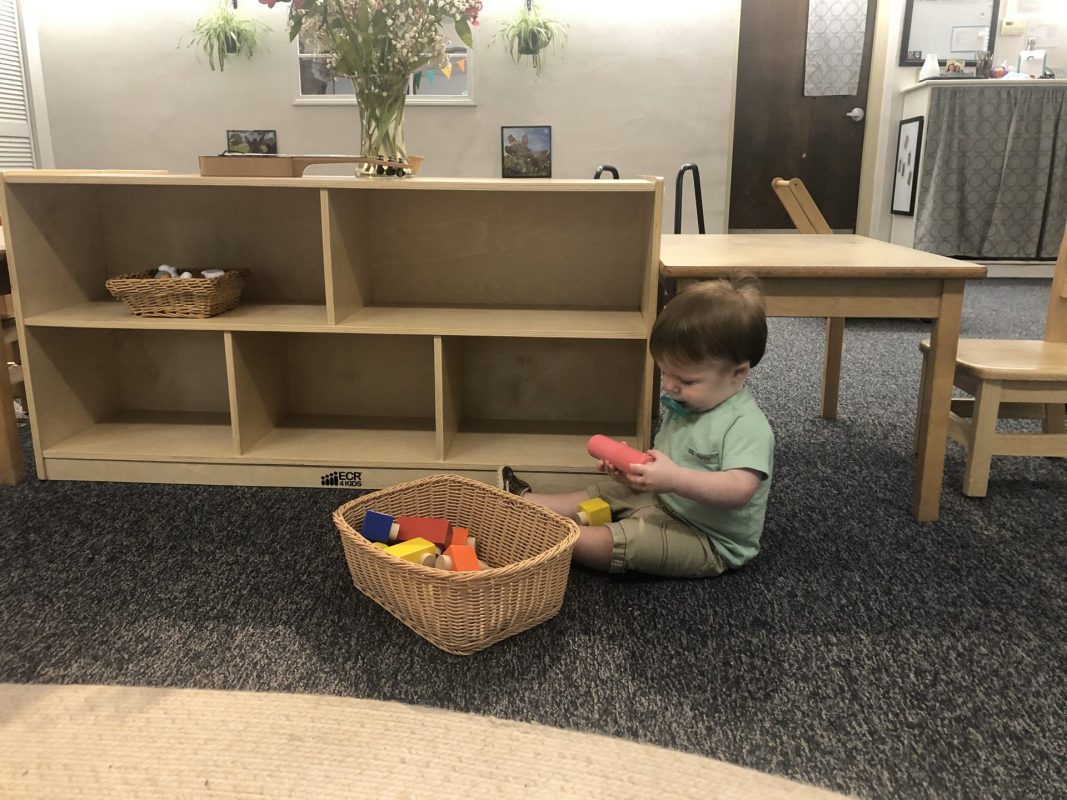
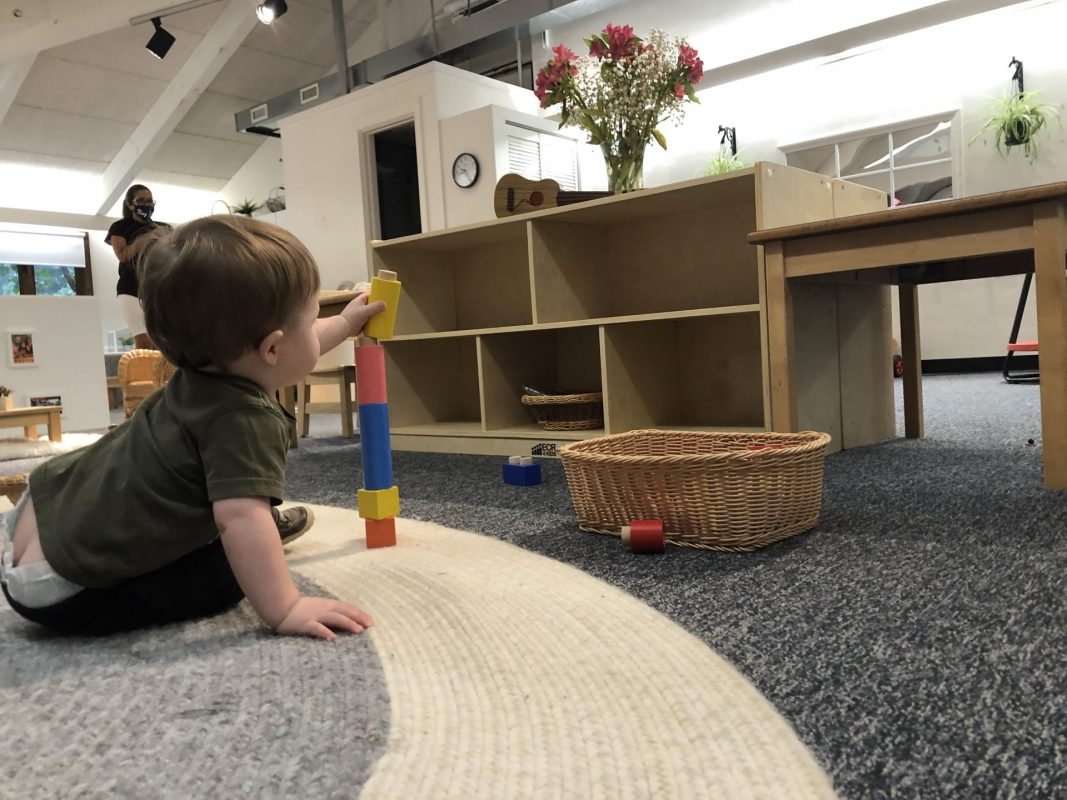
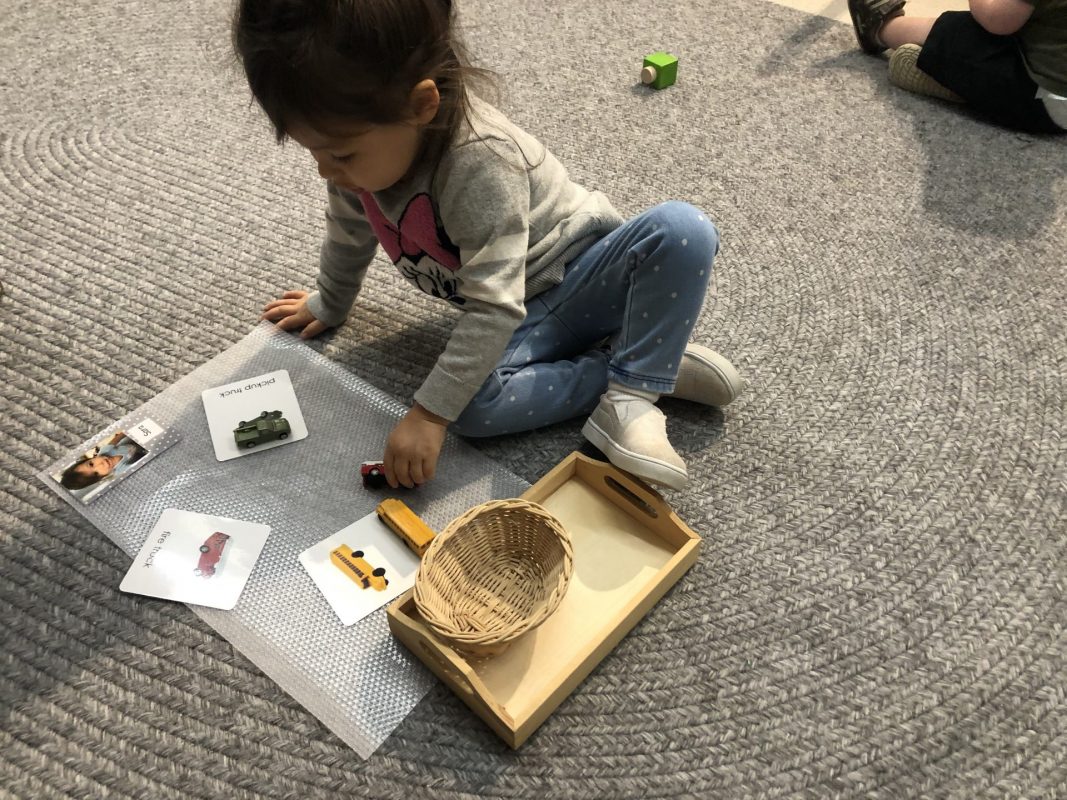
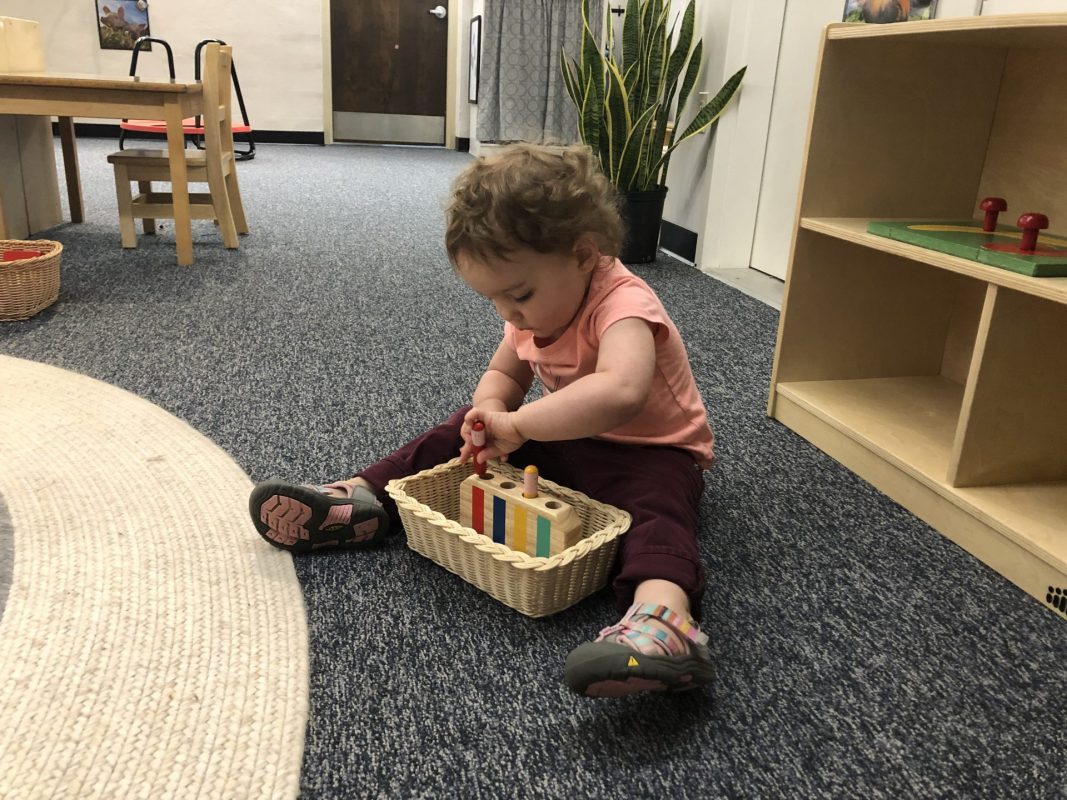
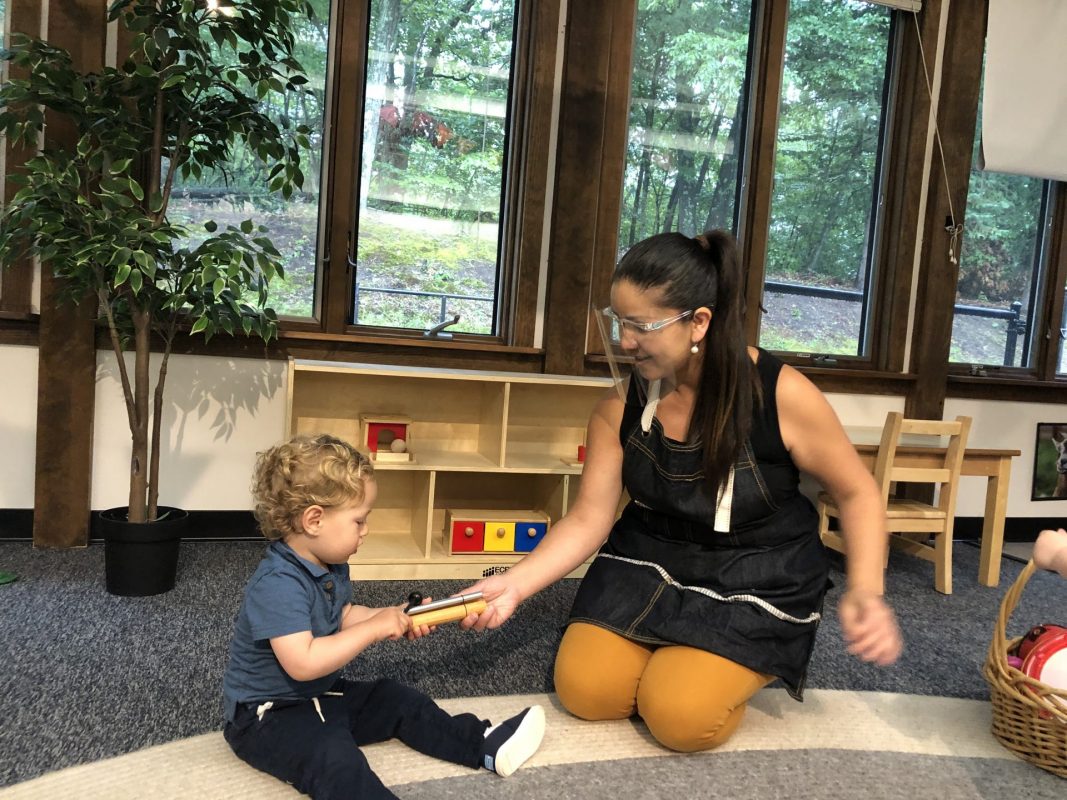
As we end our first week of the phase-in period, we couldn’t be happier and more amazed with the progress we have already observed in each of our students! This has been a special time of striving to create a peaceful and welcoming environment for your child as this is an important stabilizing period where the children and Guides get to know one another.
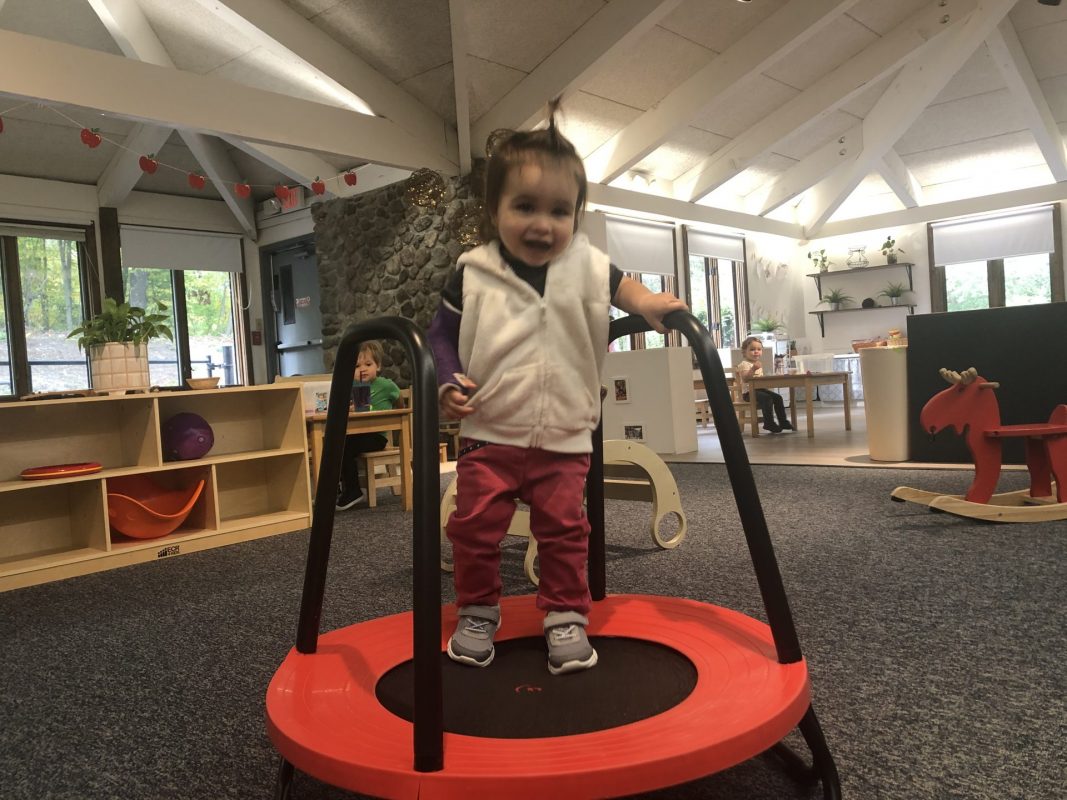
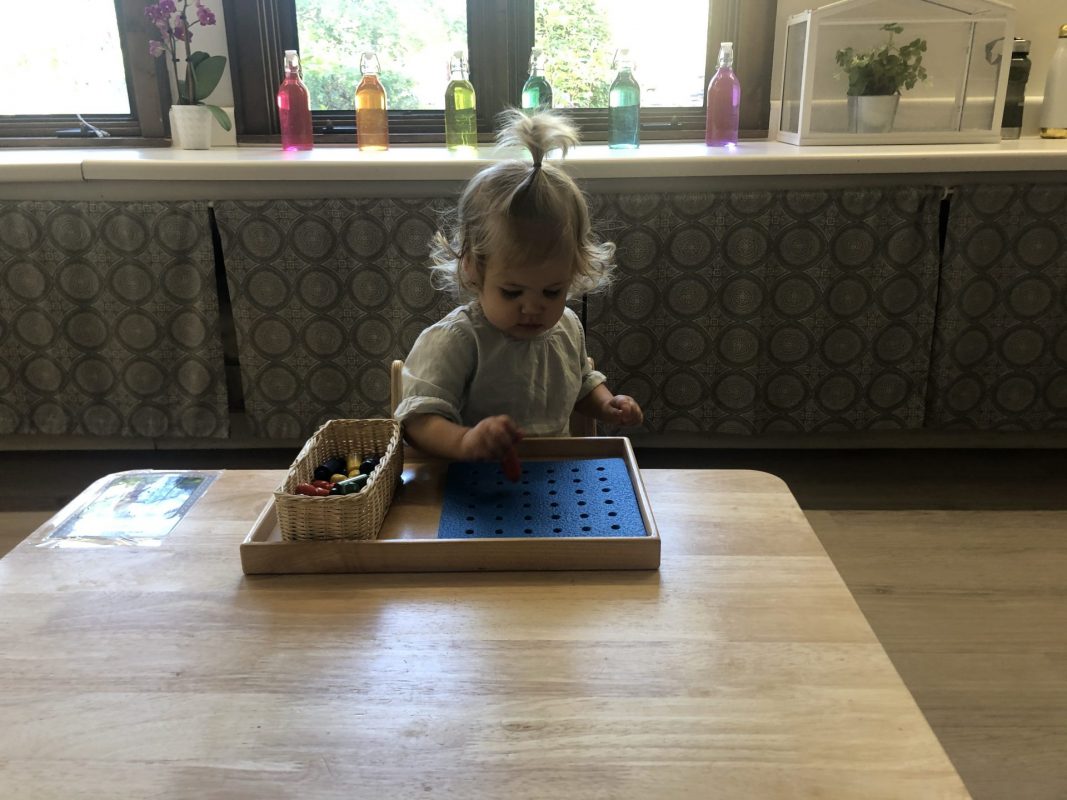
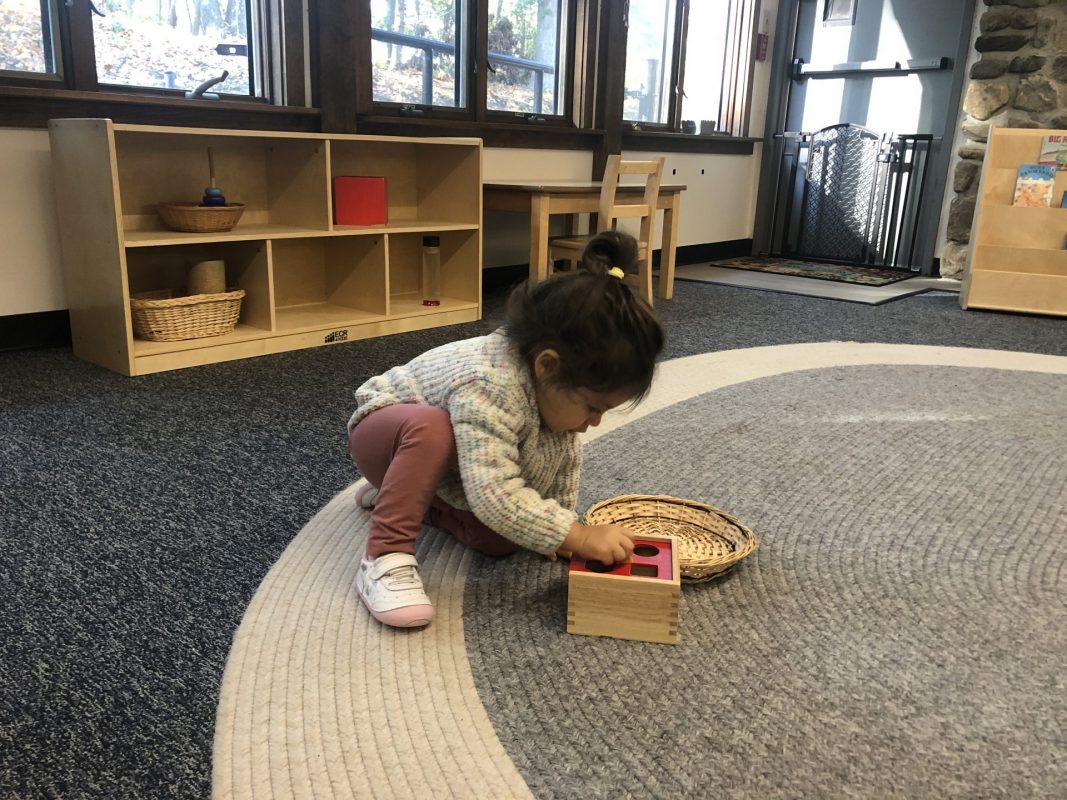
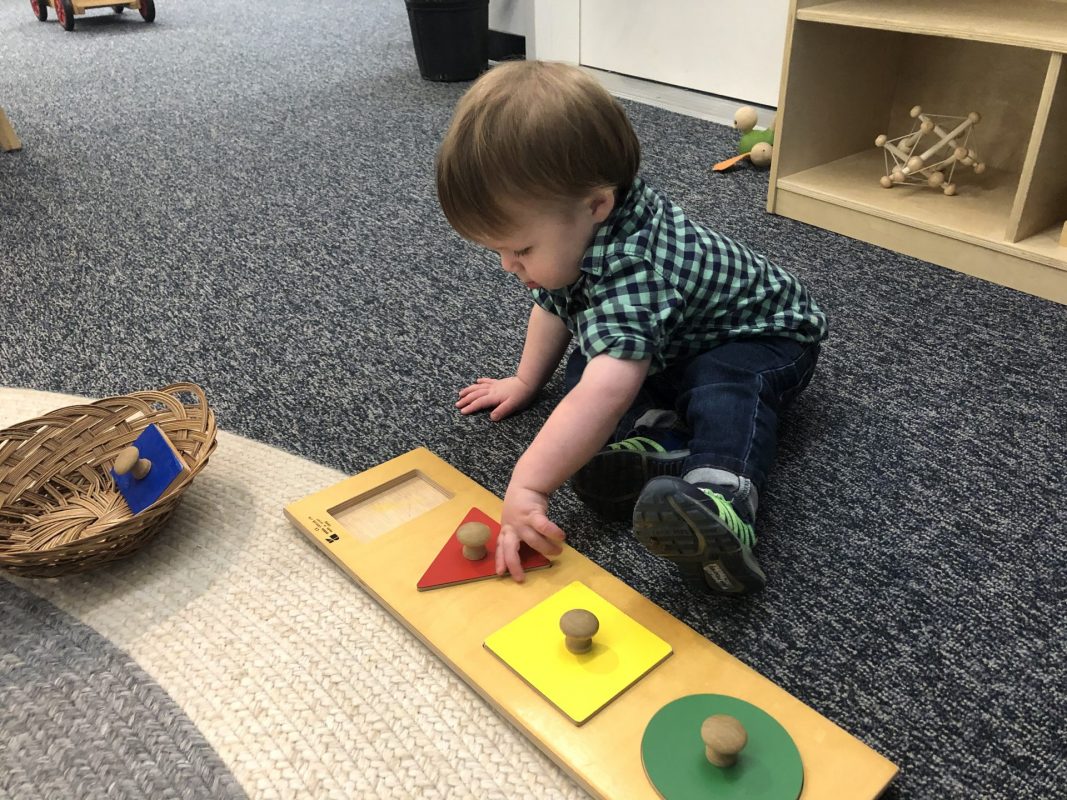
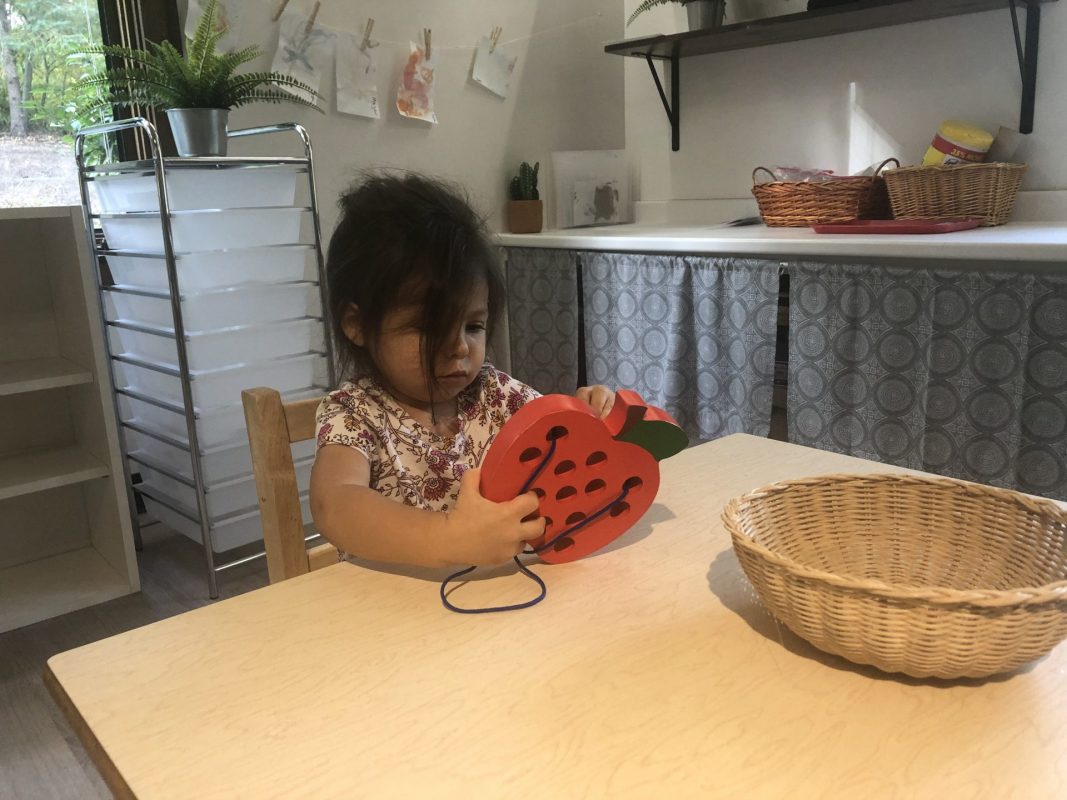
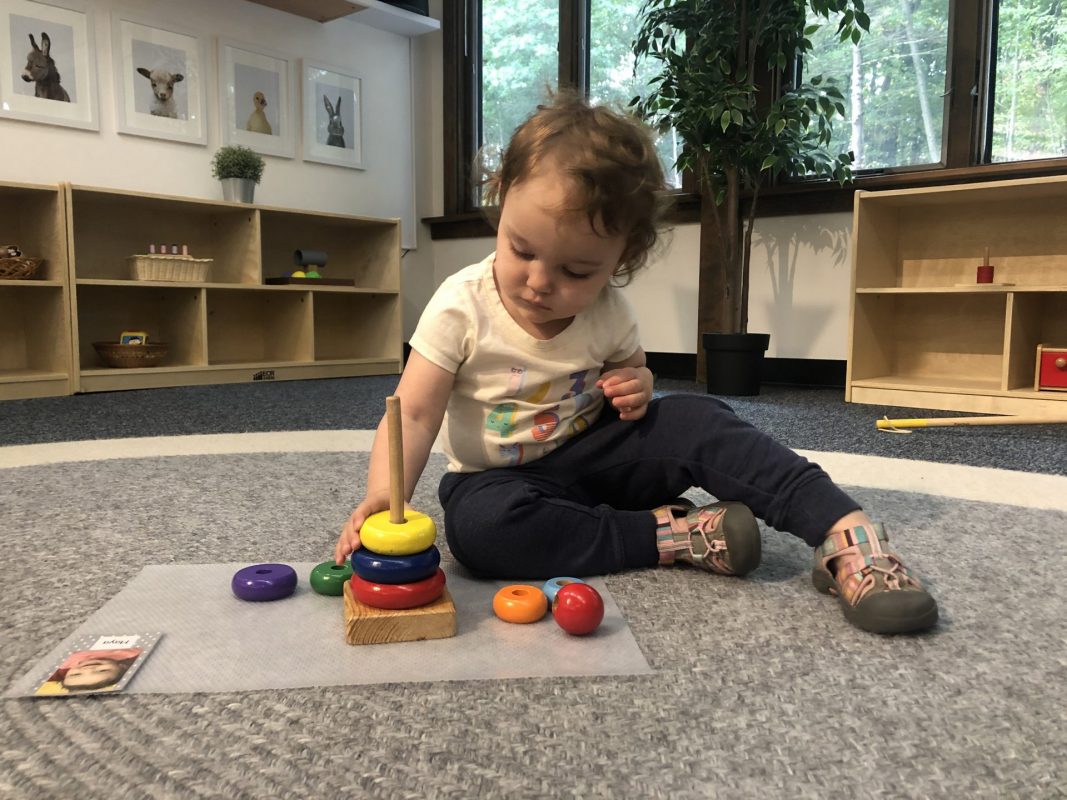
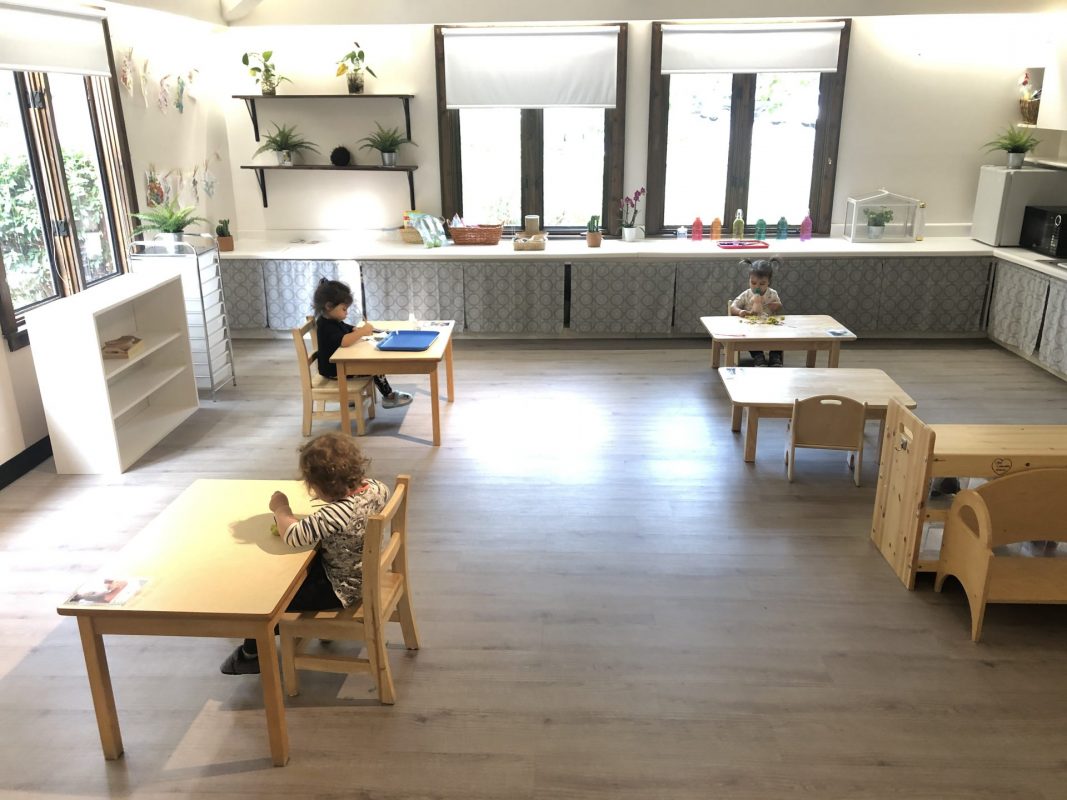
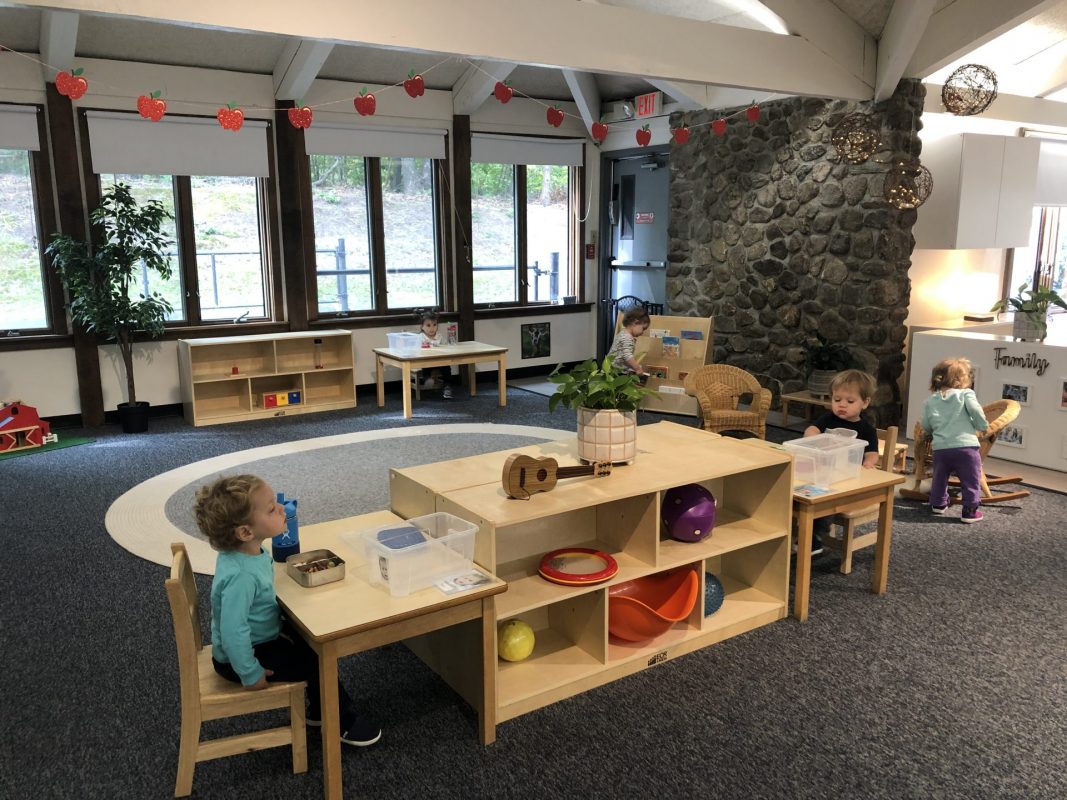
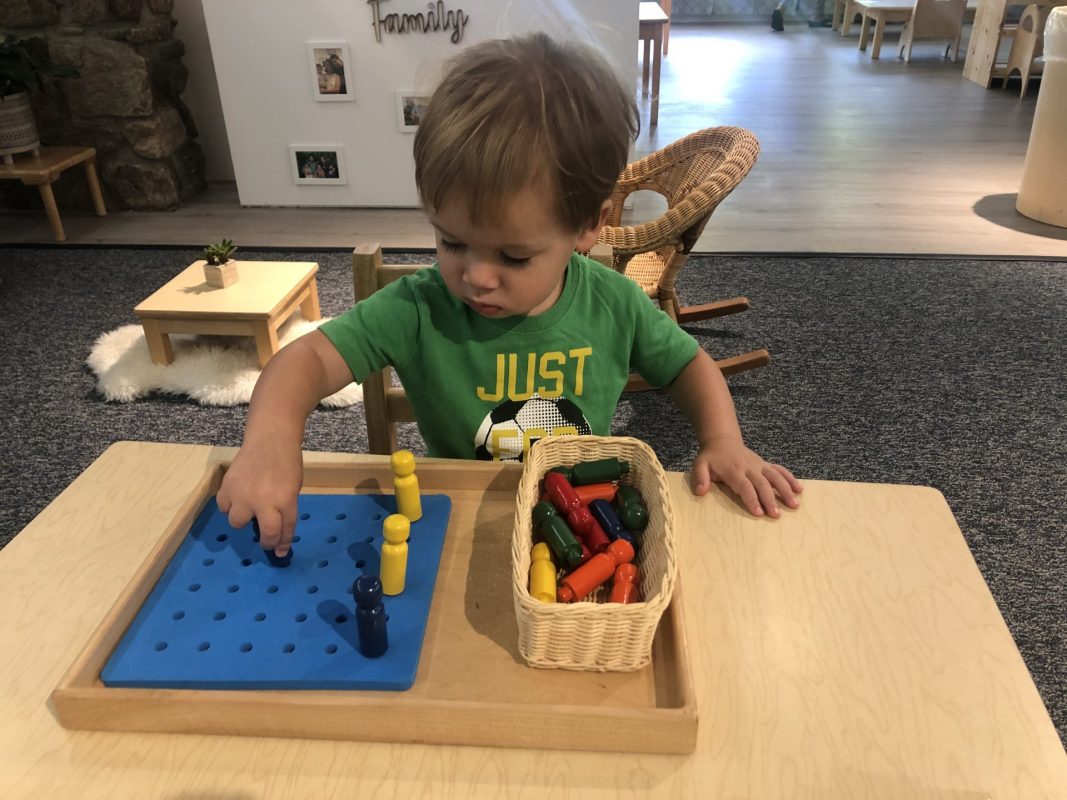
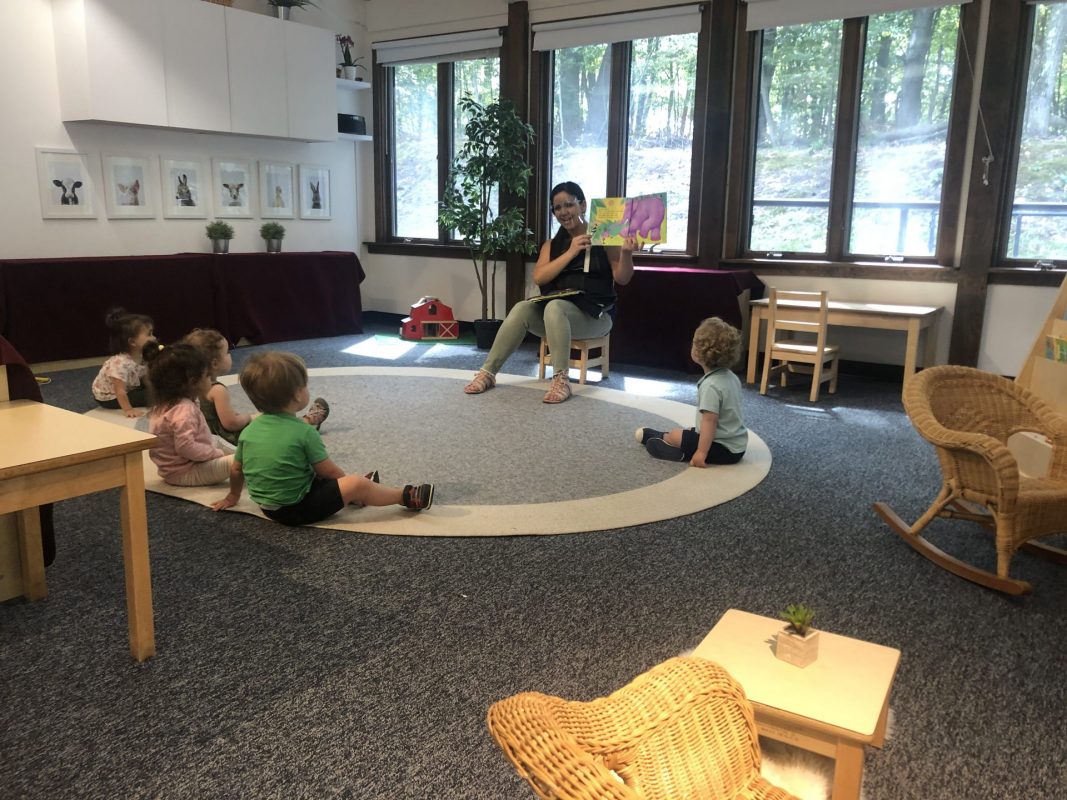
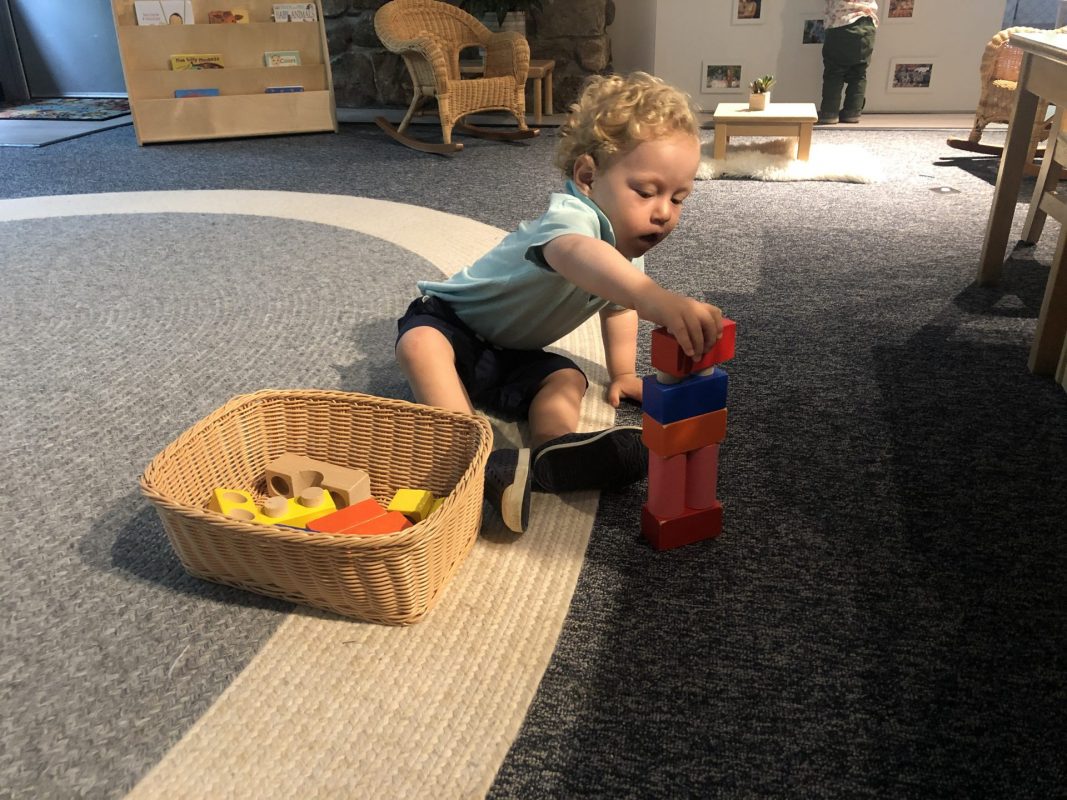
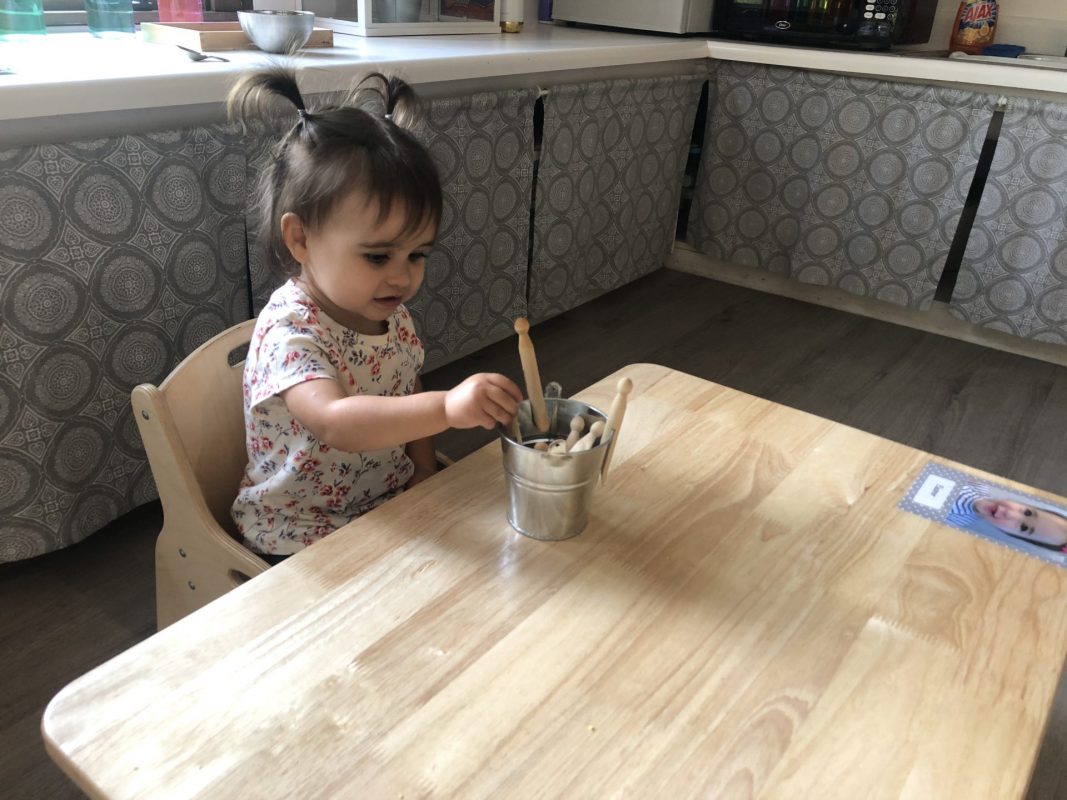
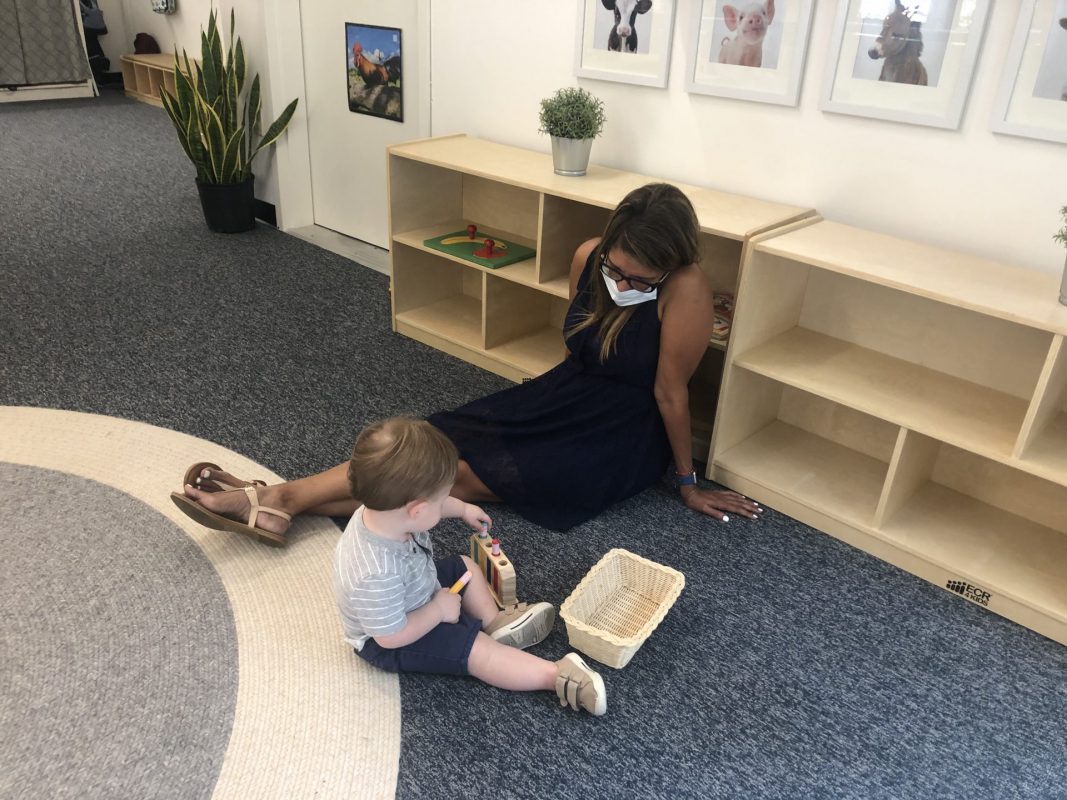
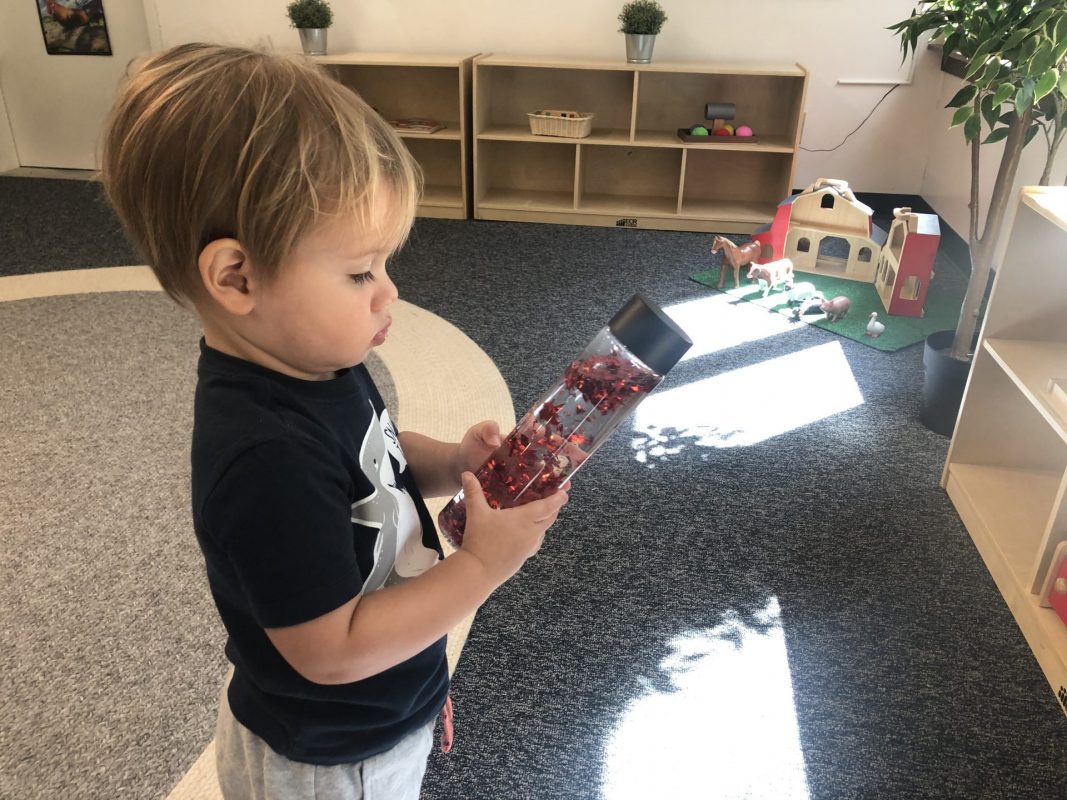
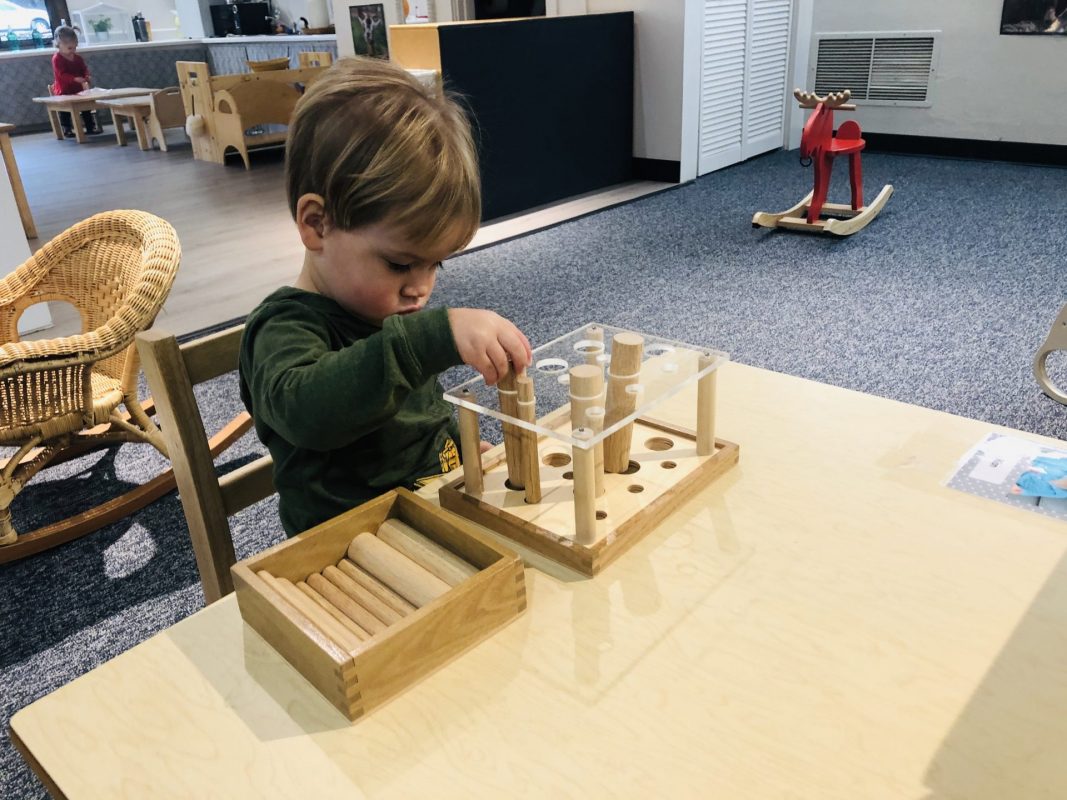
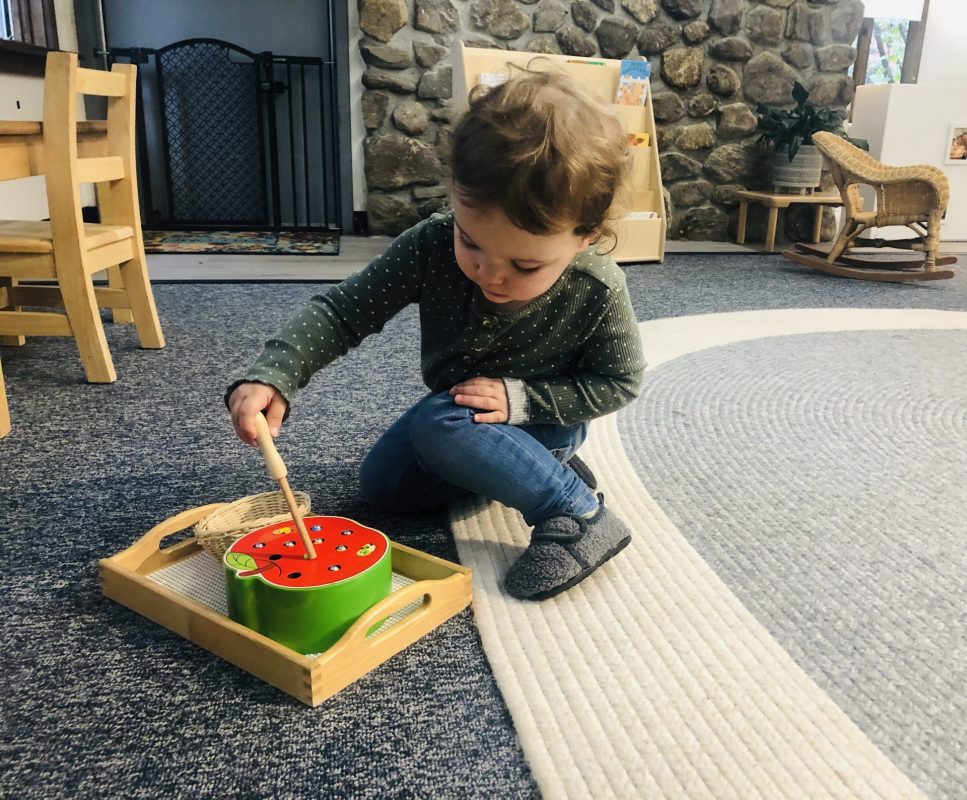
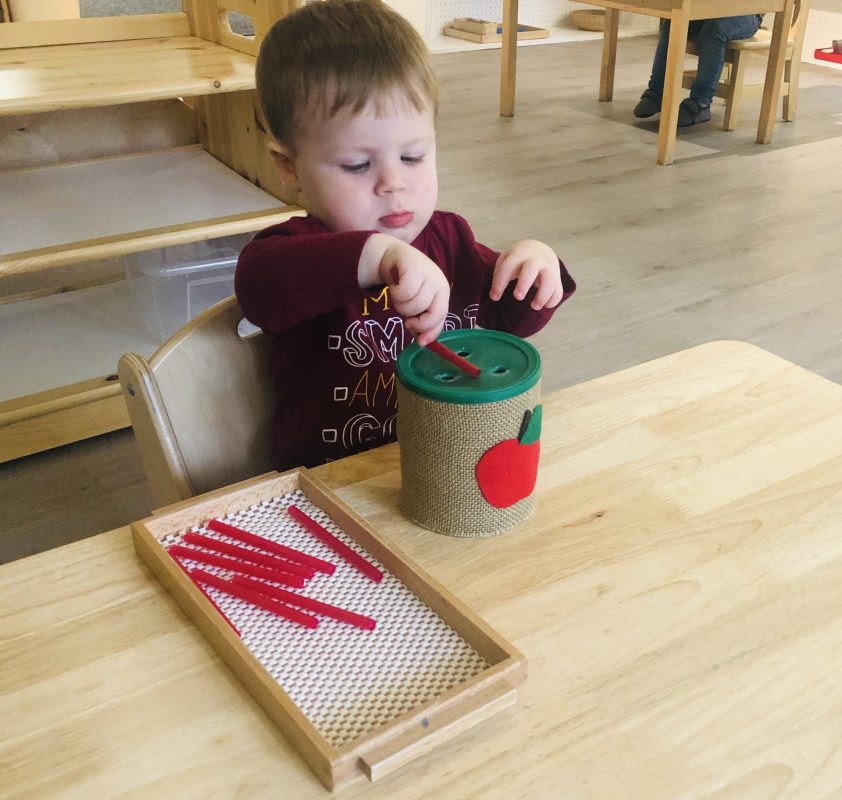
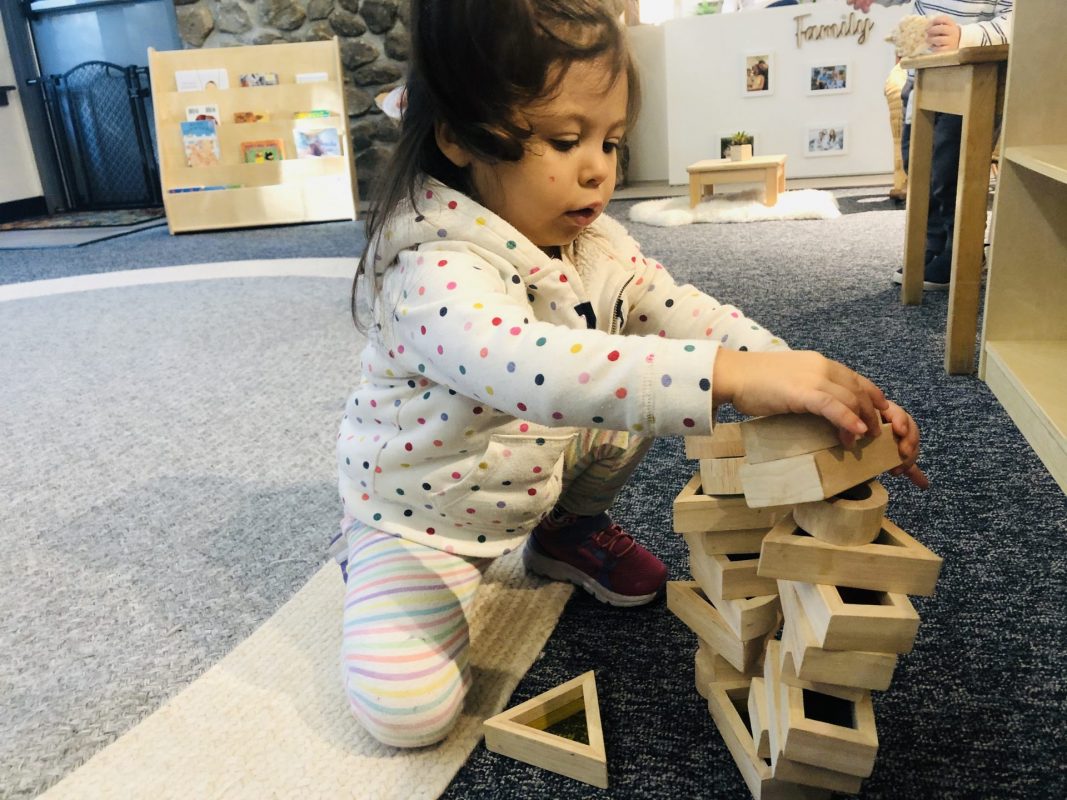
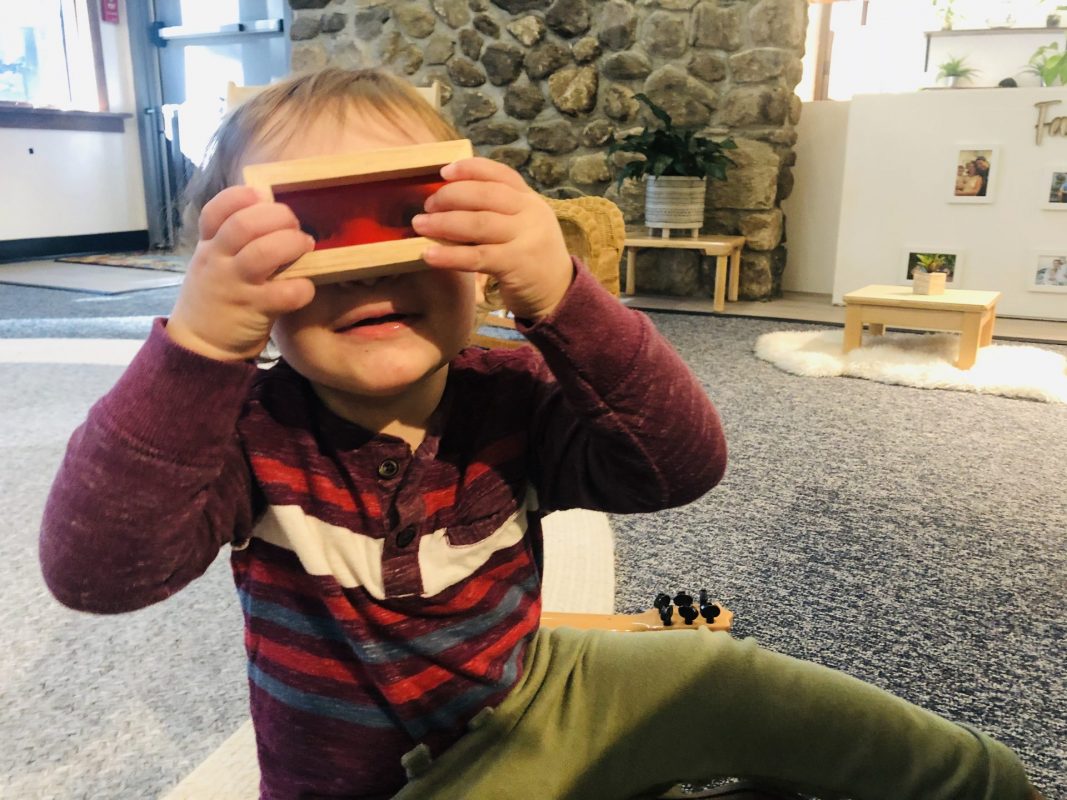
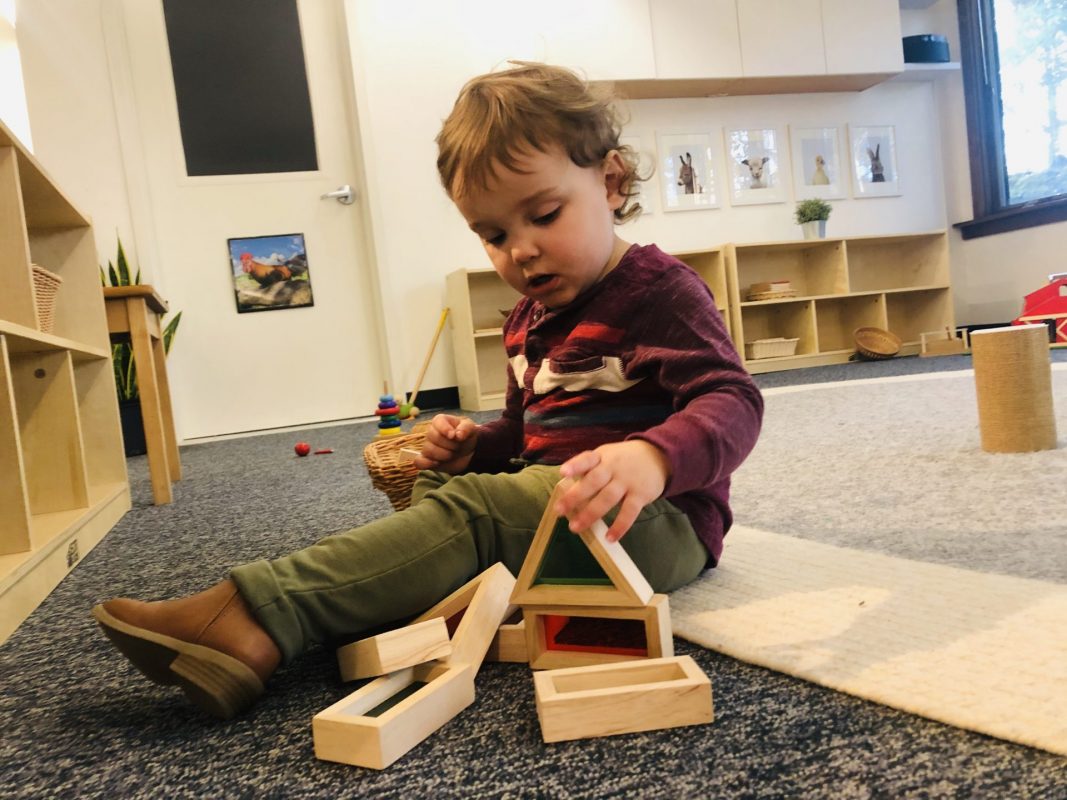
Children have been exploring the learning environment and getting familiar with the physical space. Our environment is a place where independence, freedom, and choice of materials are the rule. The children will gradually learn how to handle this choice and freedom while respecting and caring for each other, the materials, and the classroom!

We can’t wait to have the whole group together on Monday and continue this adventure! It’s going to be a great school year!

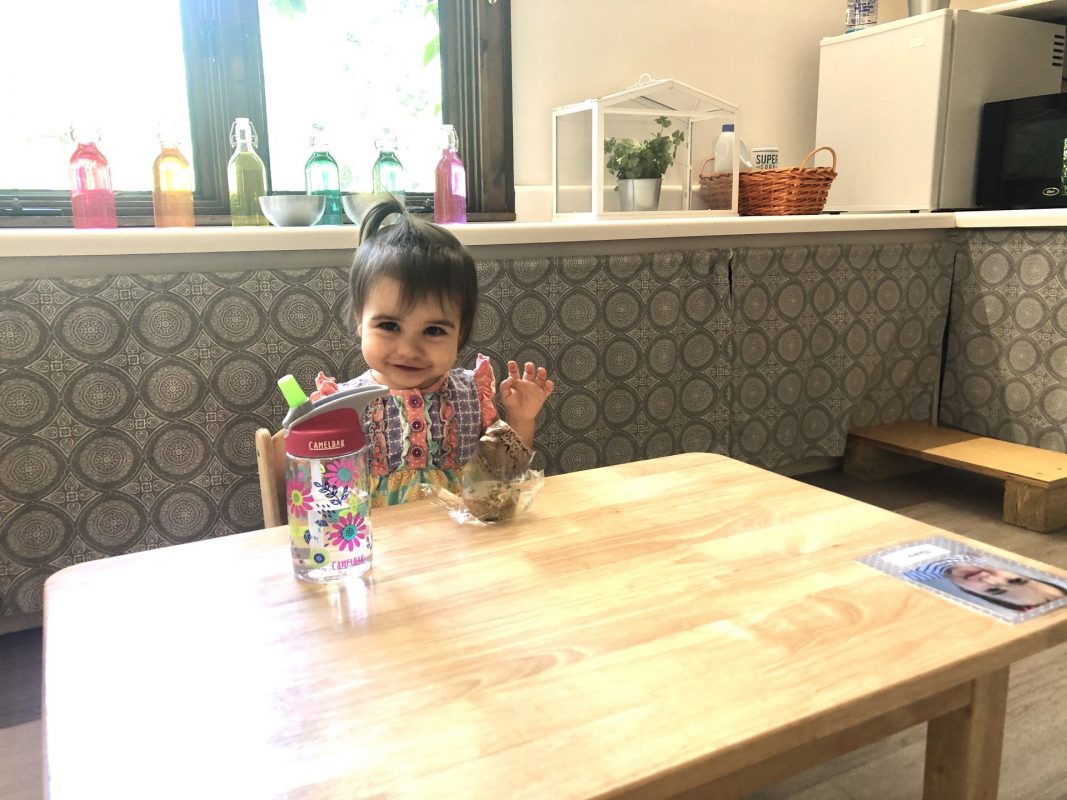
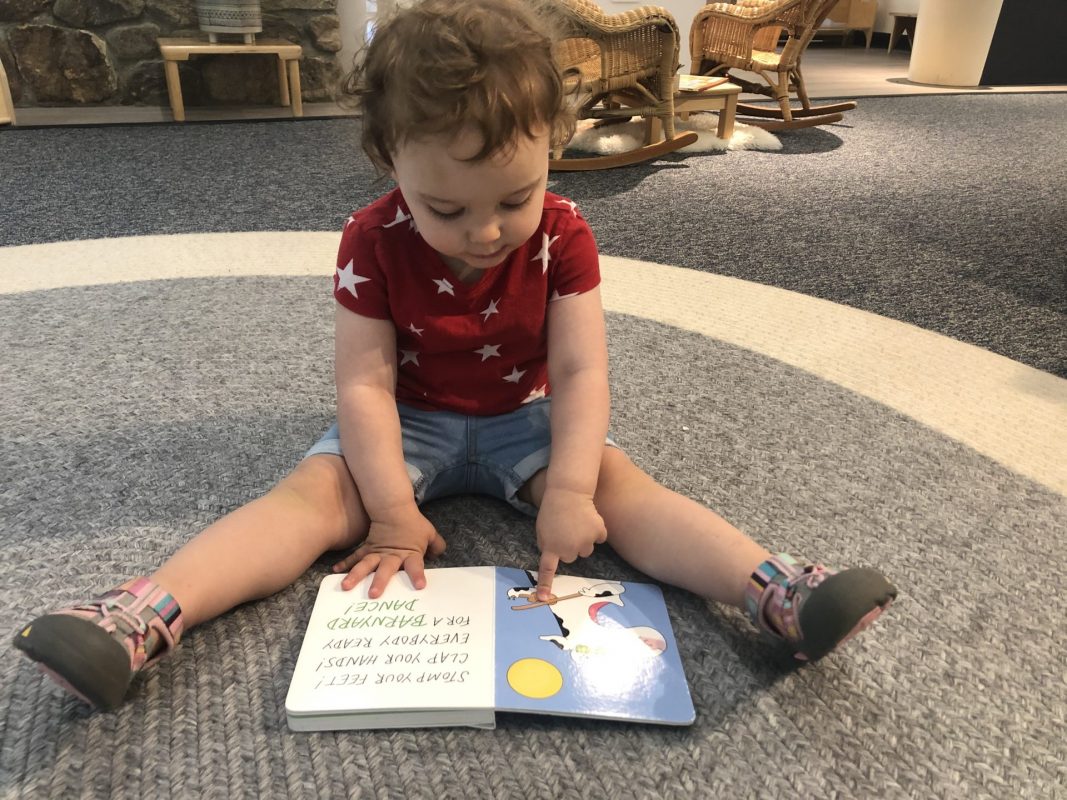
Enjoy the photos!

Warmly,
Mrs. Hood and Ms. Maria