Mrs. Hood’s Class: Rainbows and Energy!

Color recognition can provide children with essential learning tools in life. For example, in mathematics, color recognition is used to categorize, sort, compare, and organize. Additionally, as children learn to identify colors and use color as a language tool to describe things, it develops and strengthens their ability to communicate effectively.

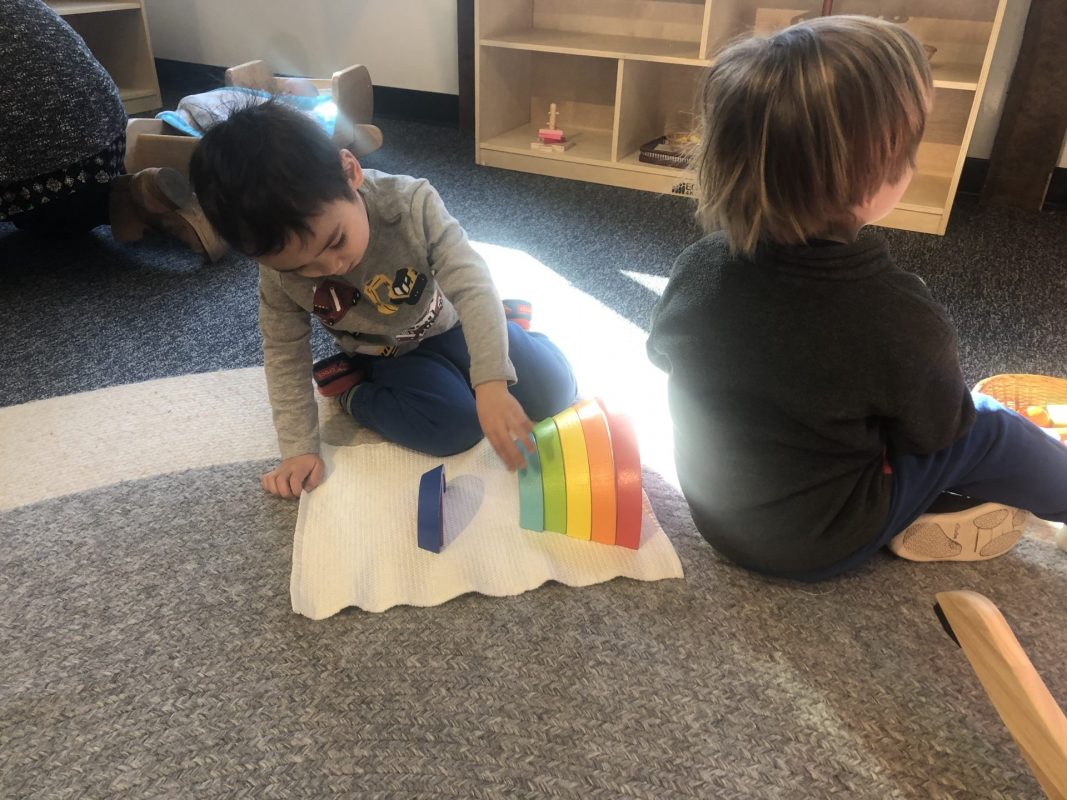
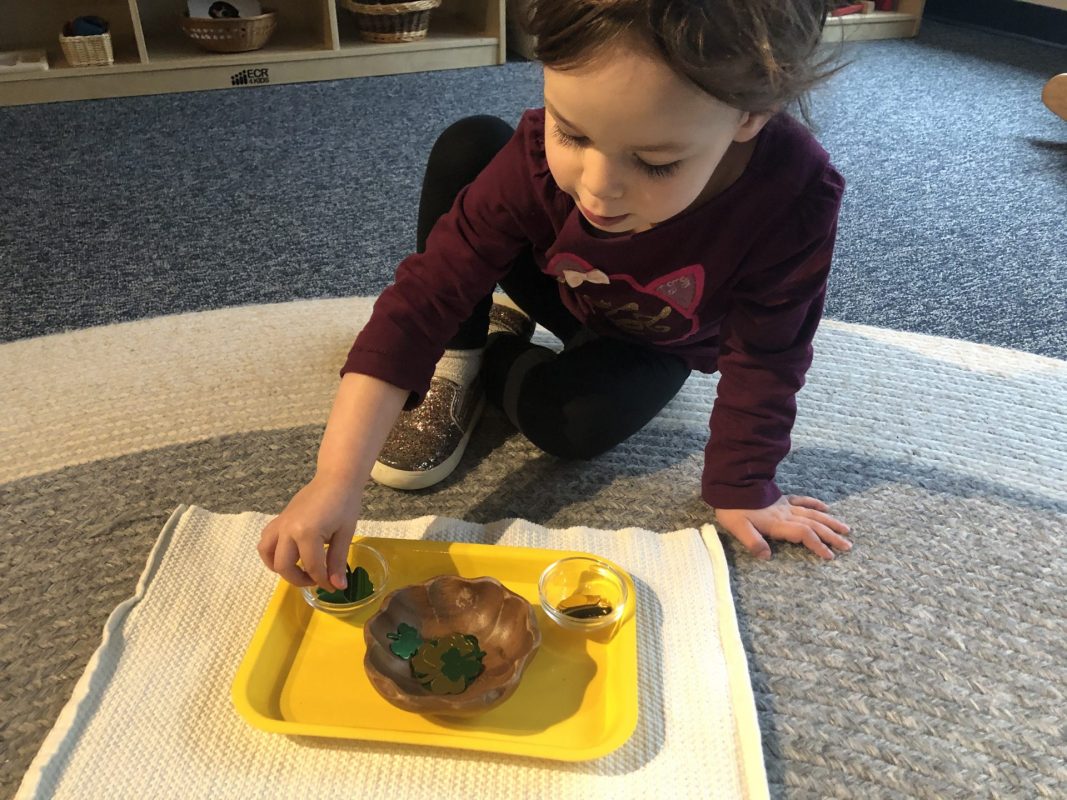
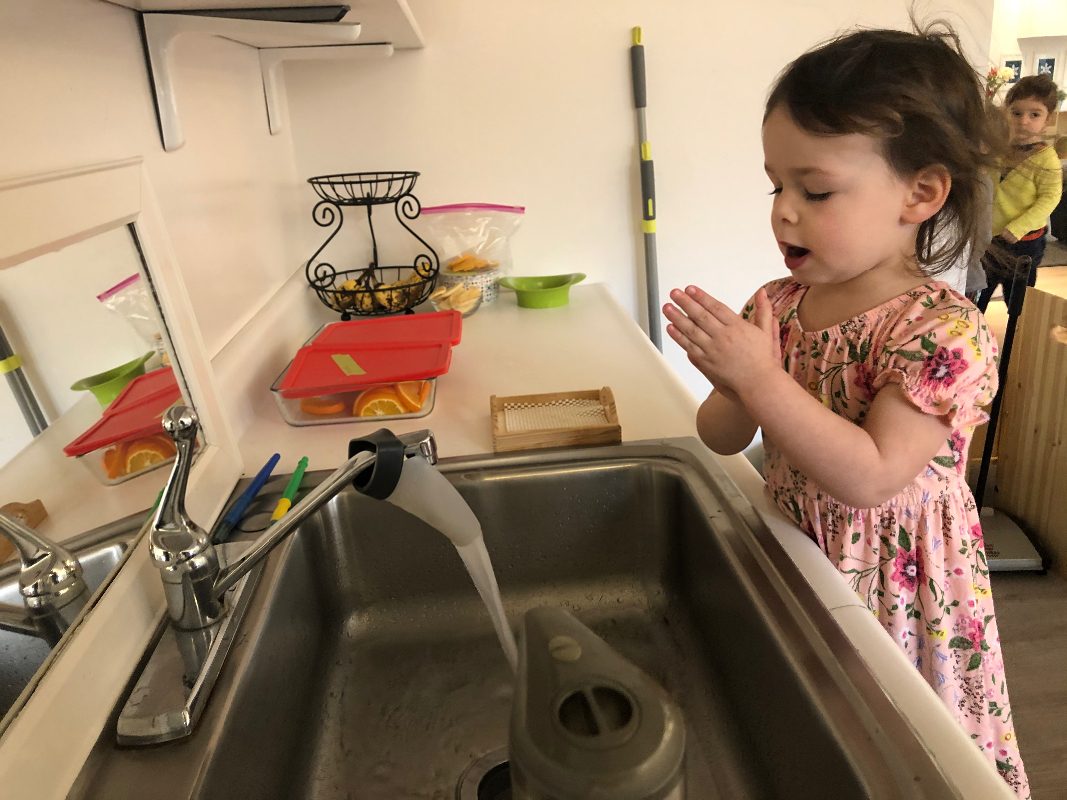
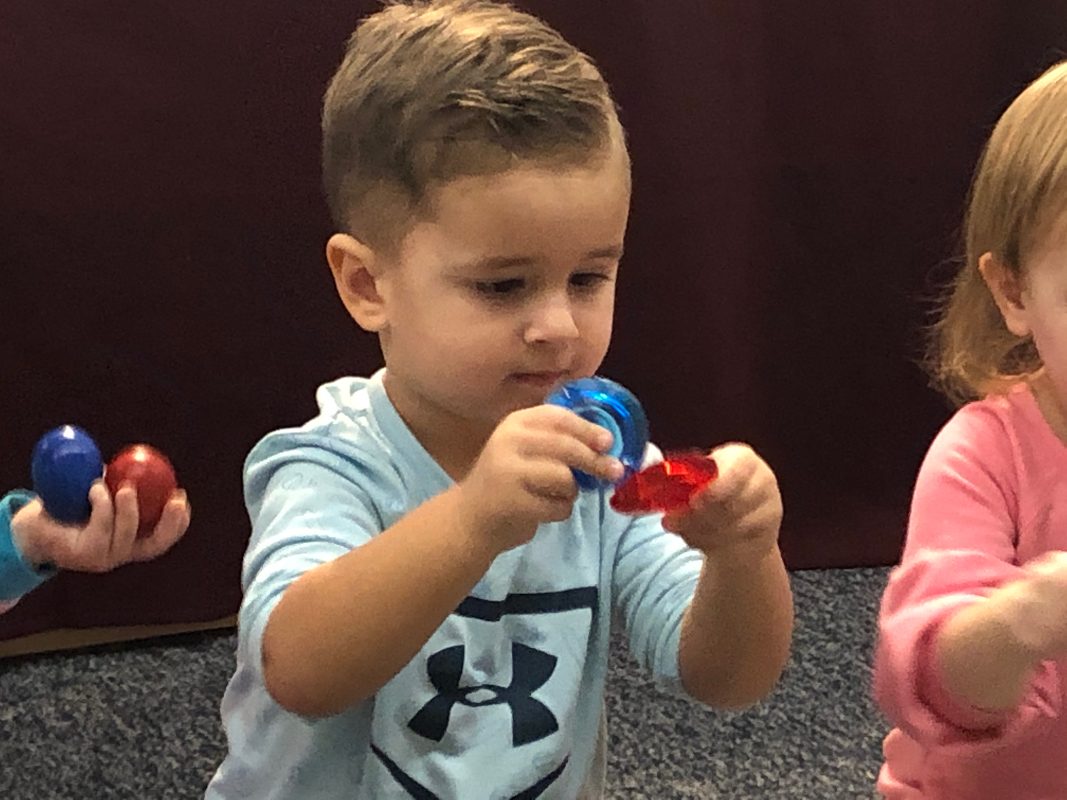
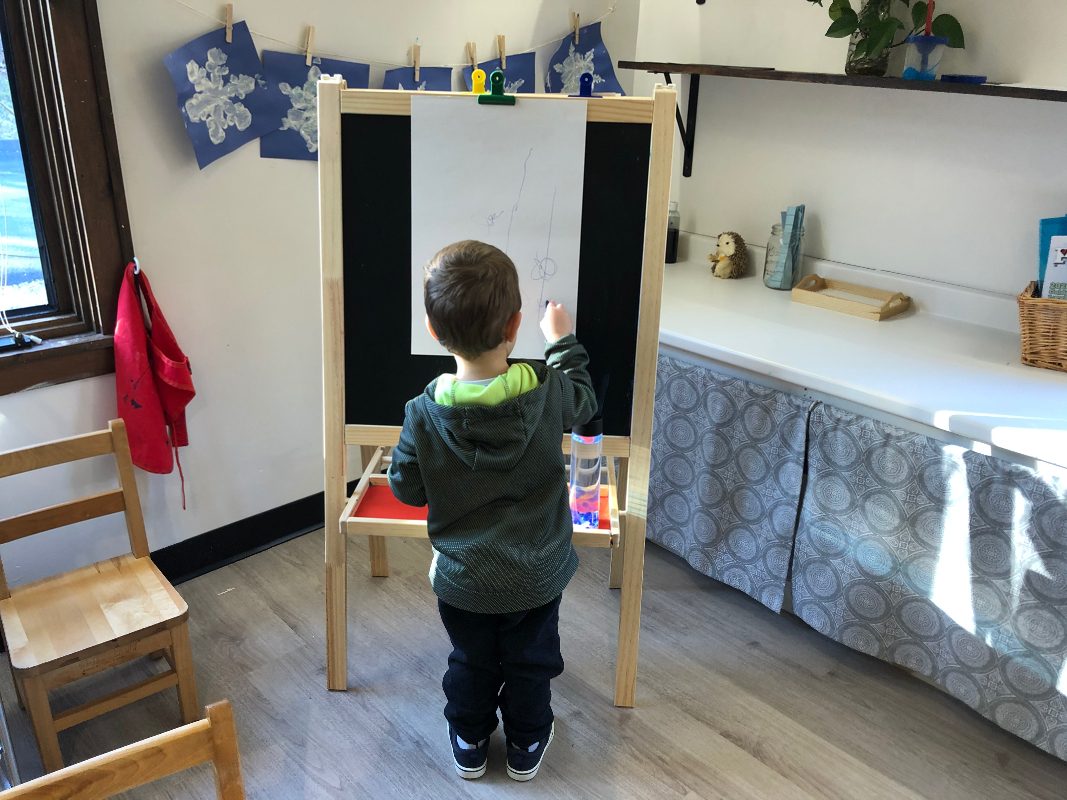
Colors are part of our daily lessons using the different materials, games, books, songs, and activities in our environment. However, this week we focused on studying the colors of the rainbow and children just loved it!

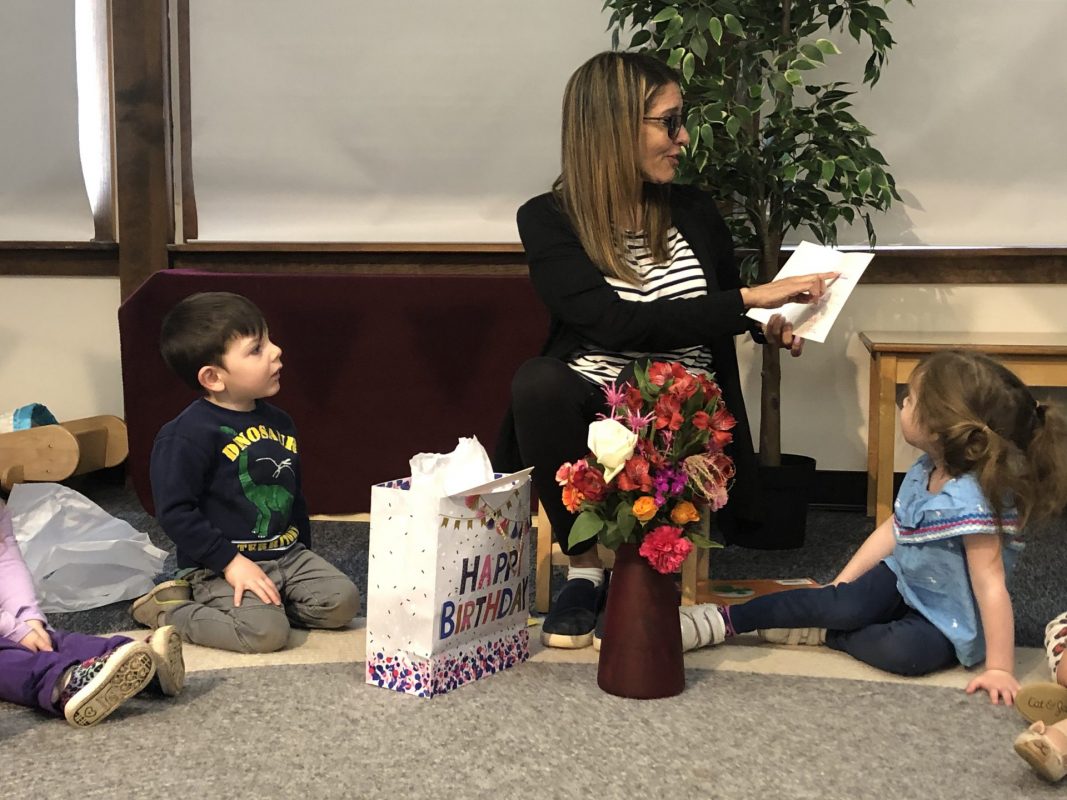
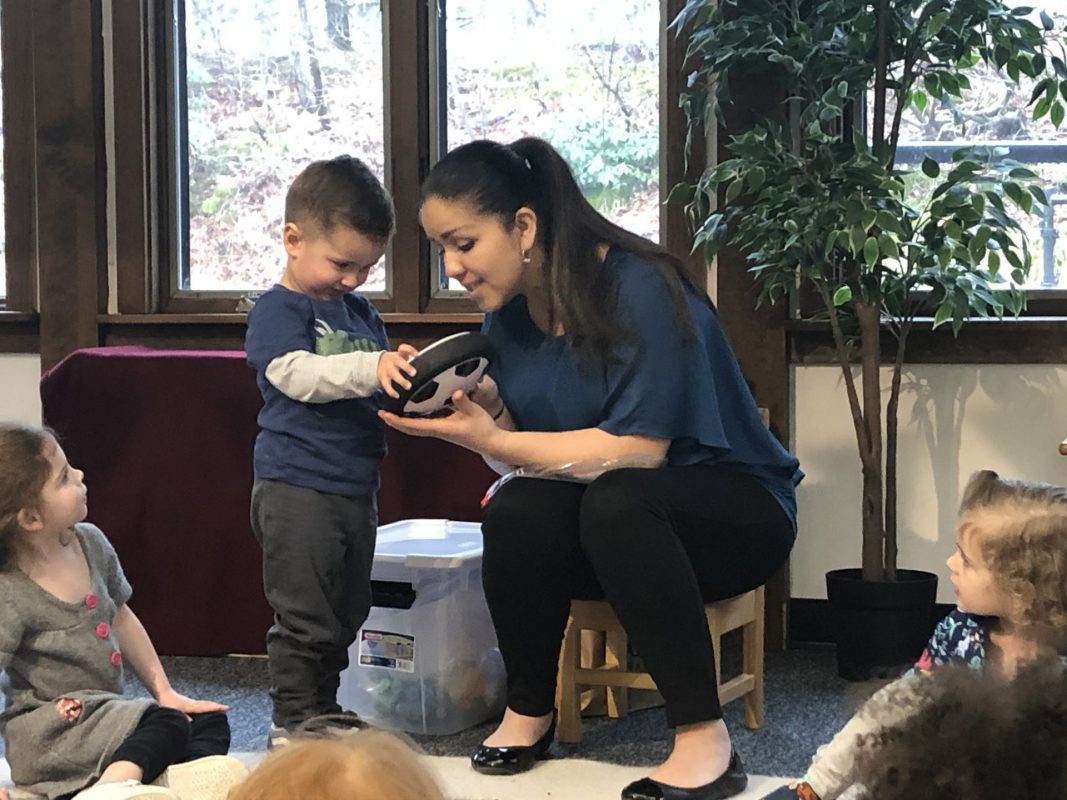
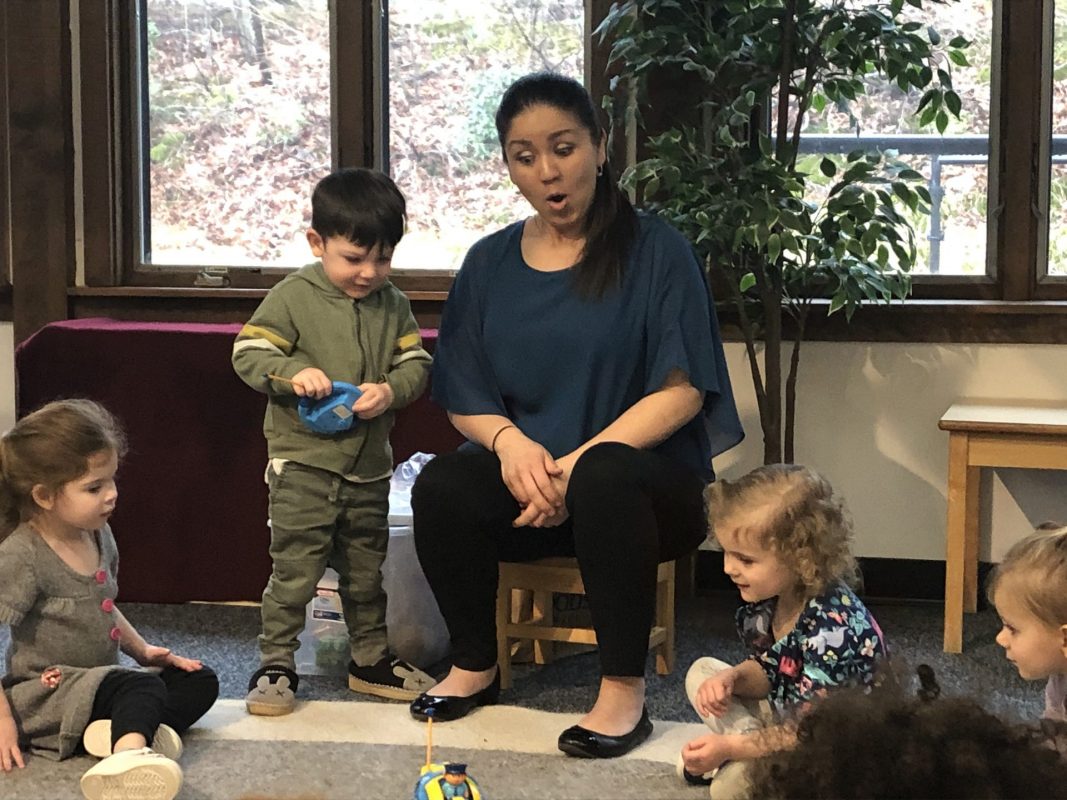
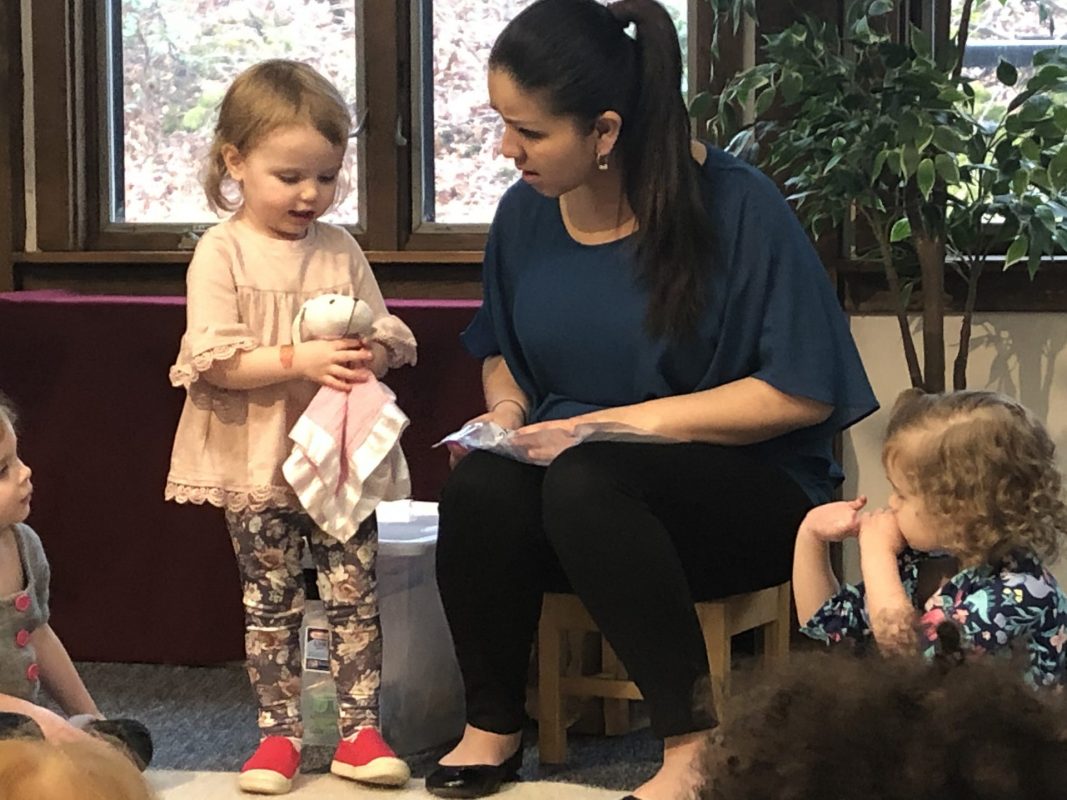
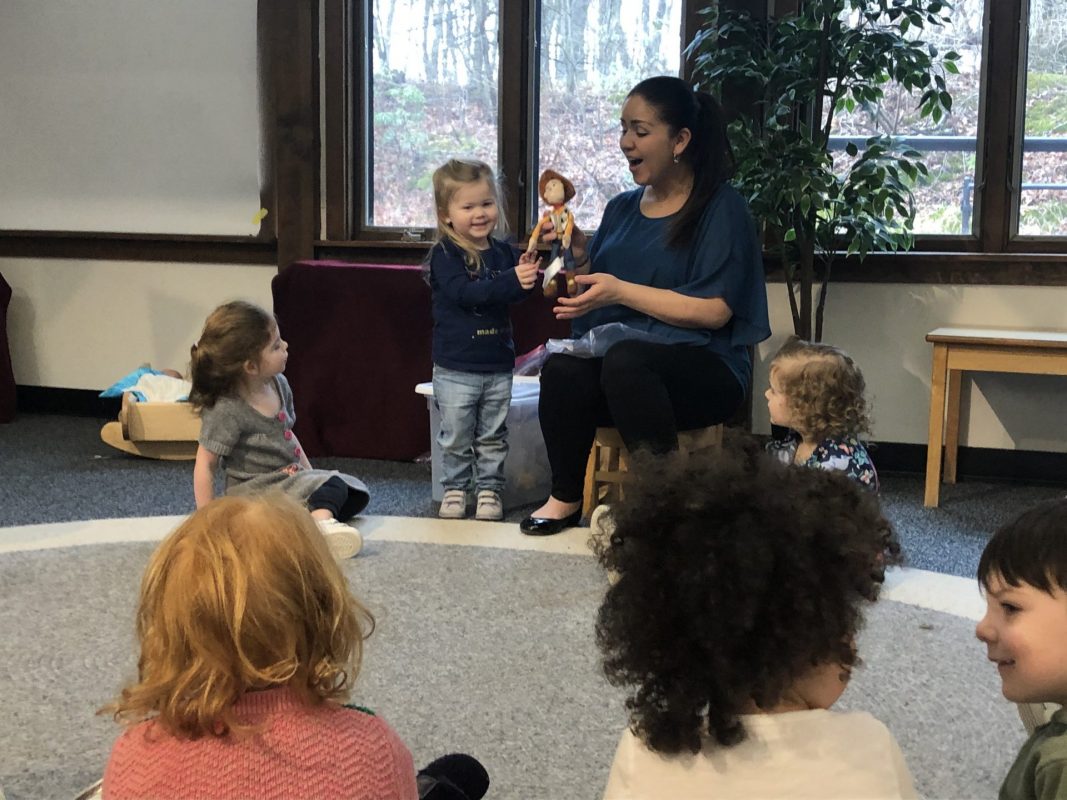
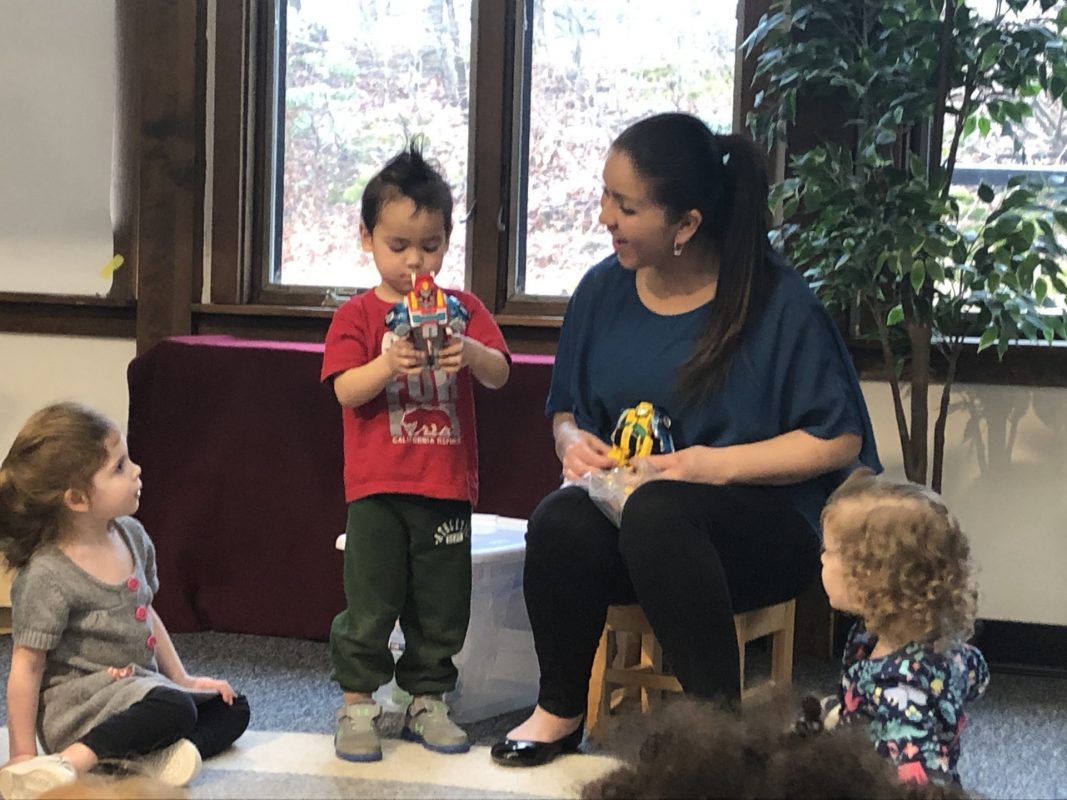
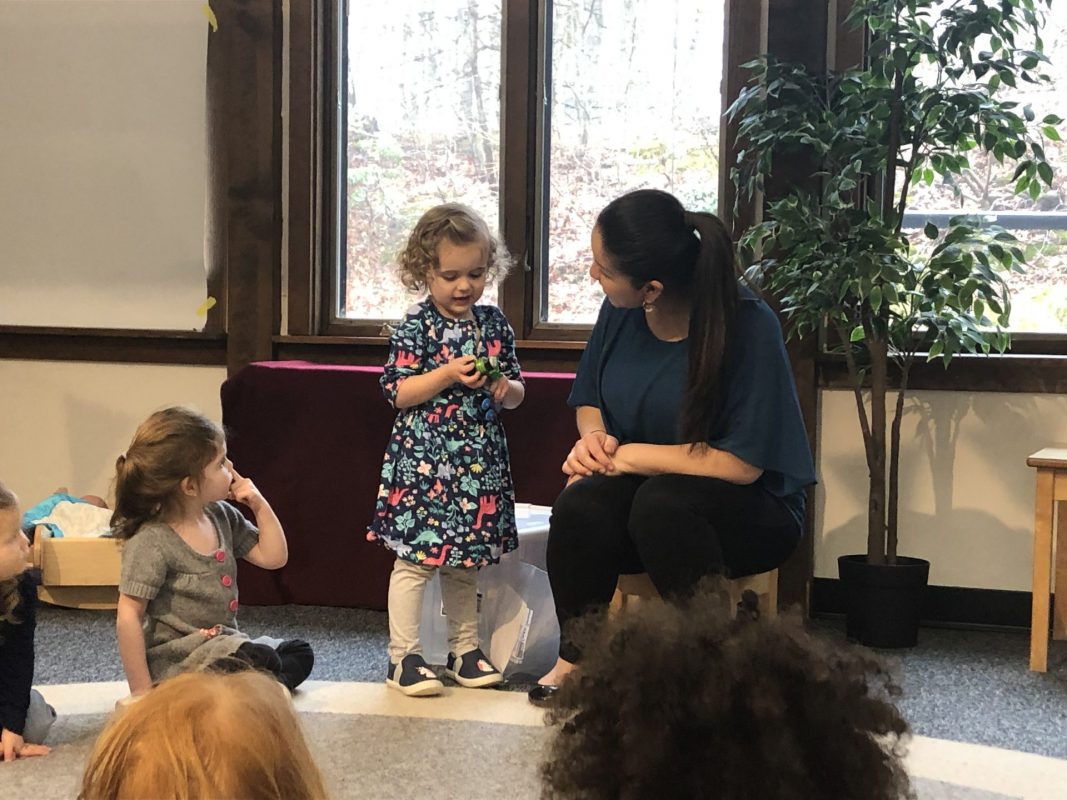
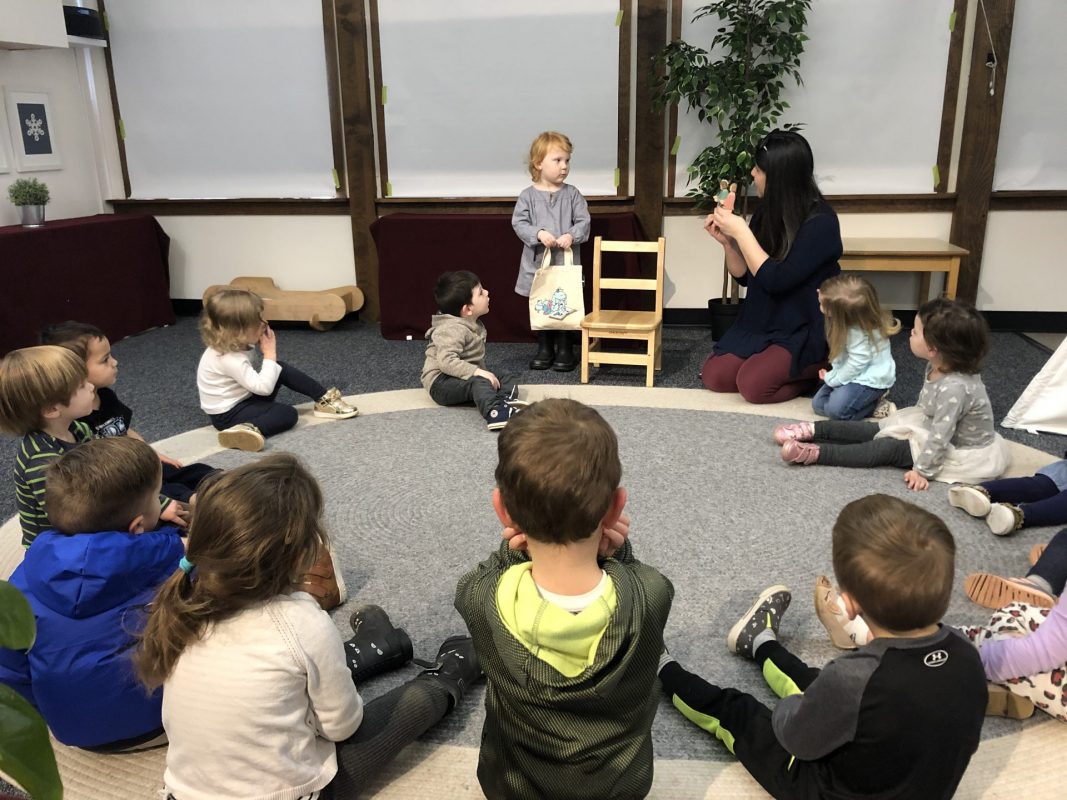
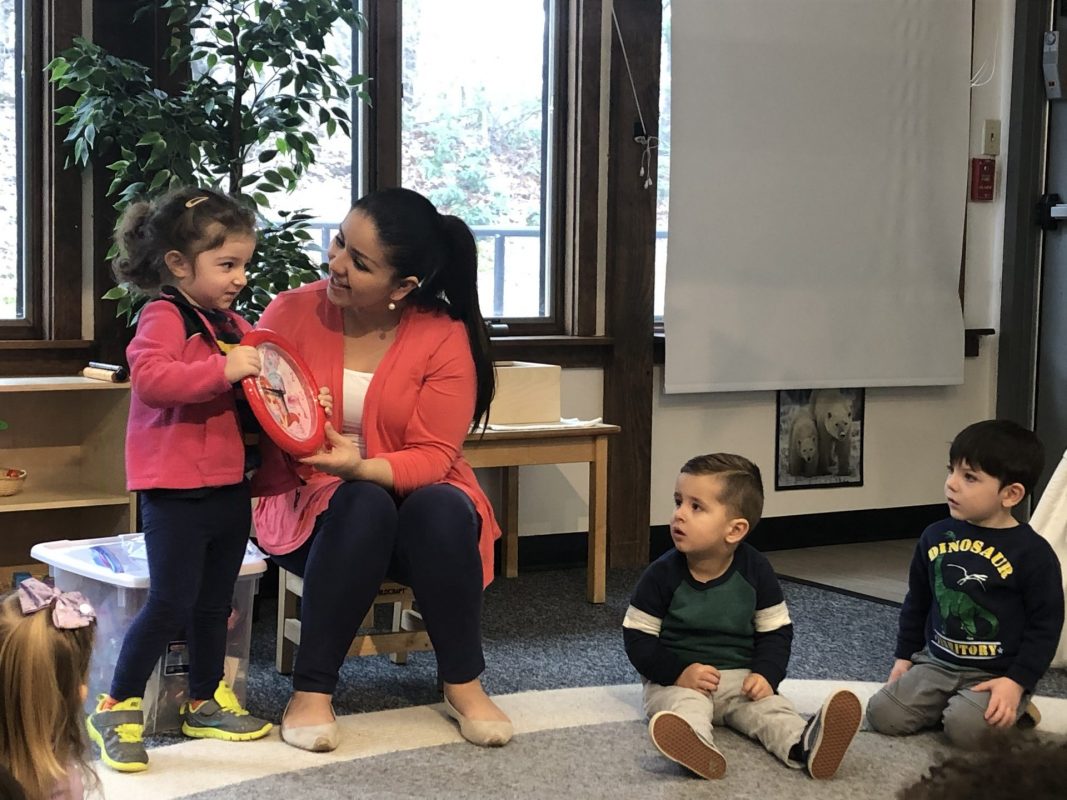
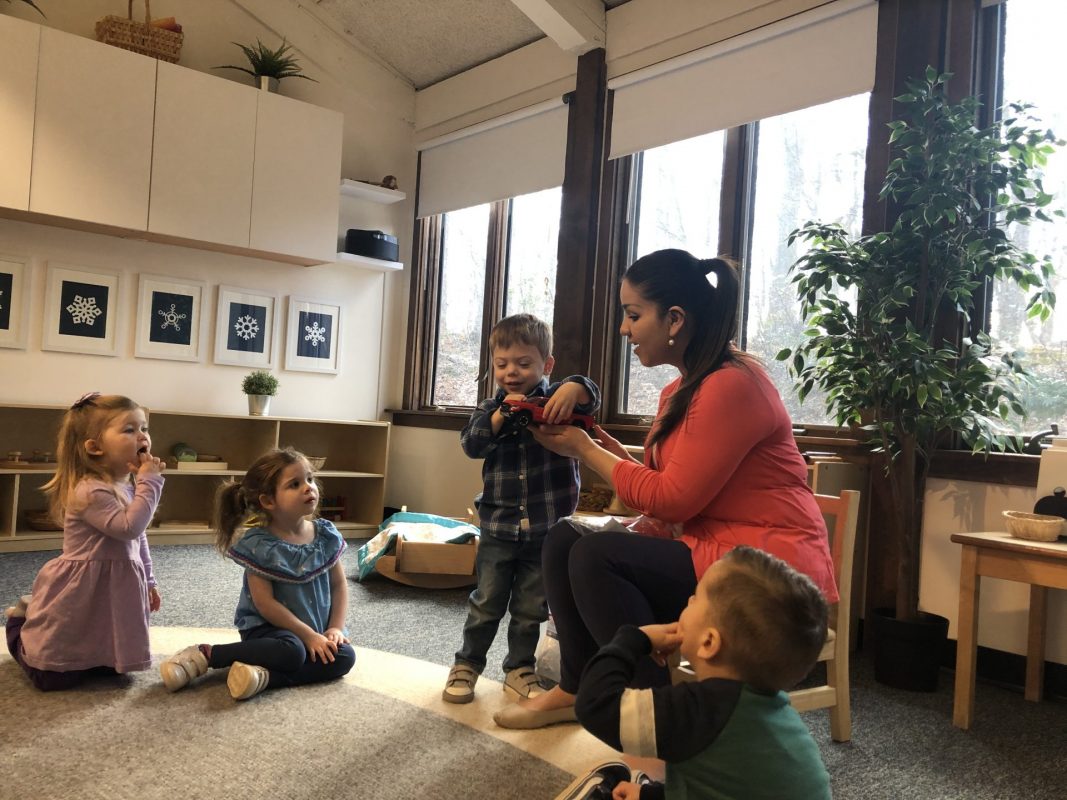
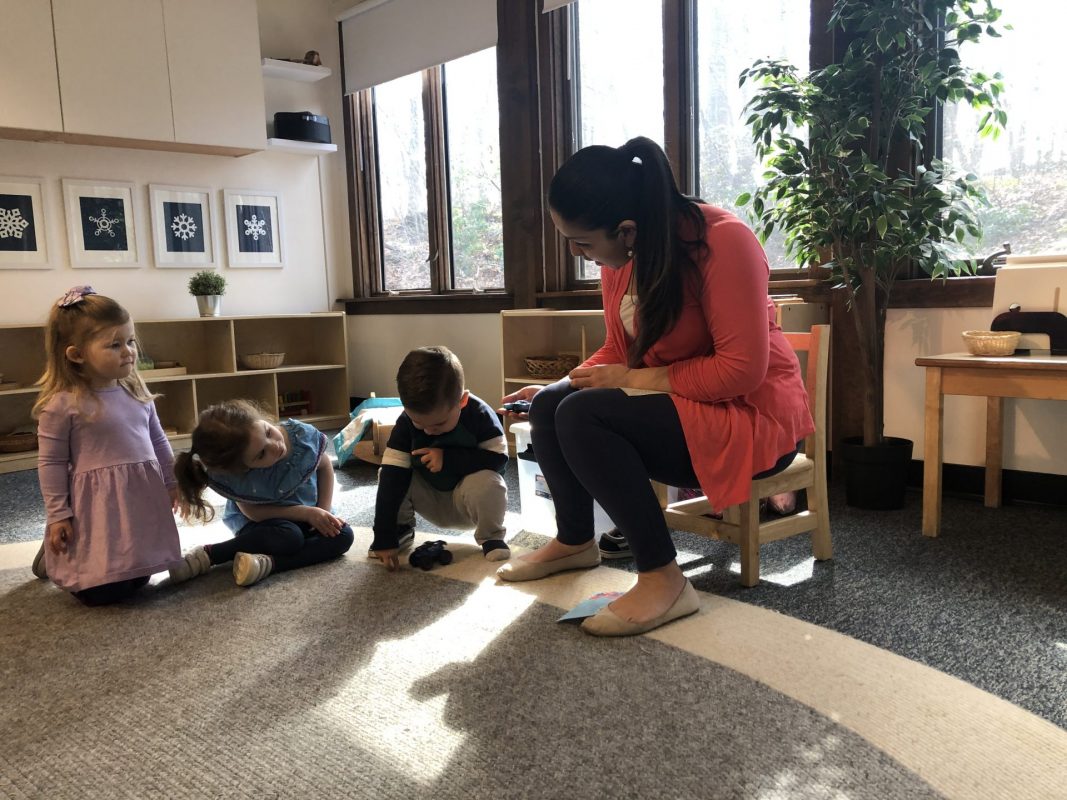
Even our show and tell time focused on children’s favorite colors. As expected, children enjoyed showing the items they brought and talking about them with their peers.

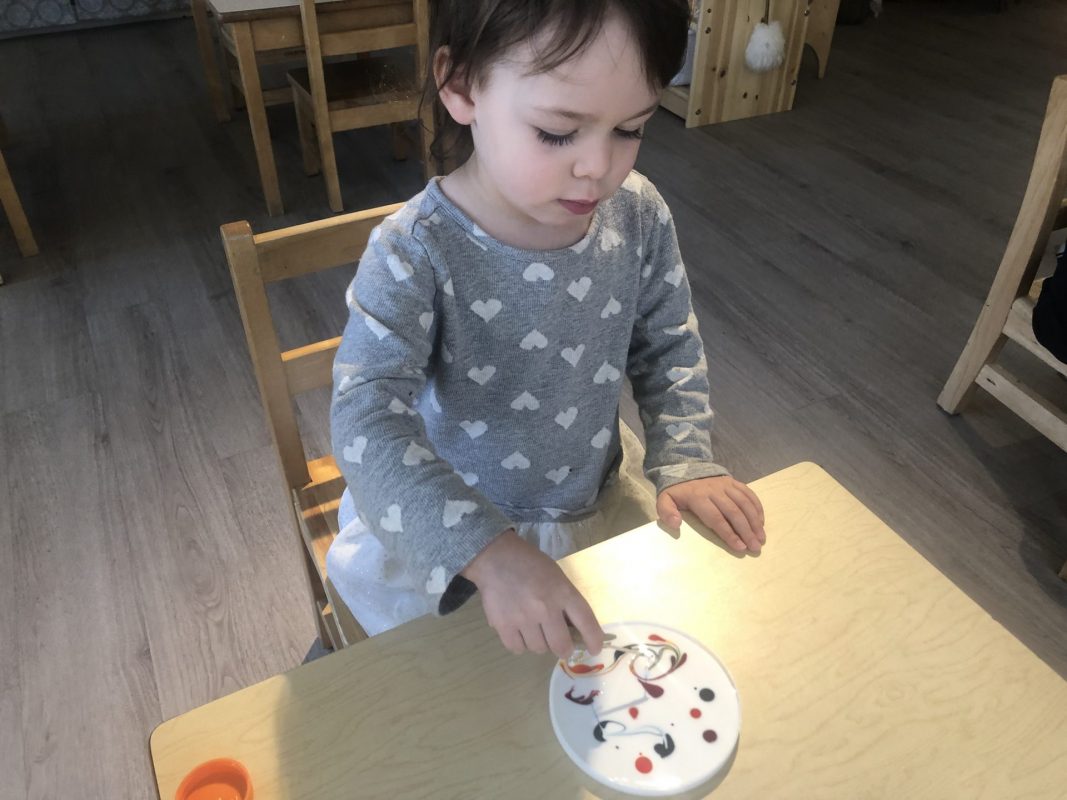
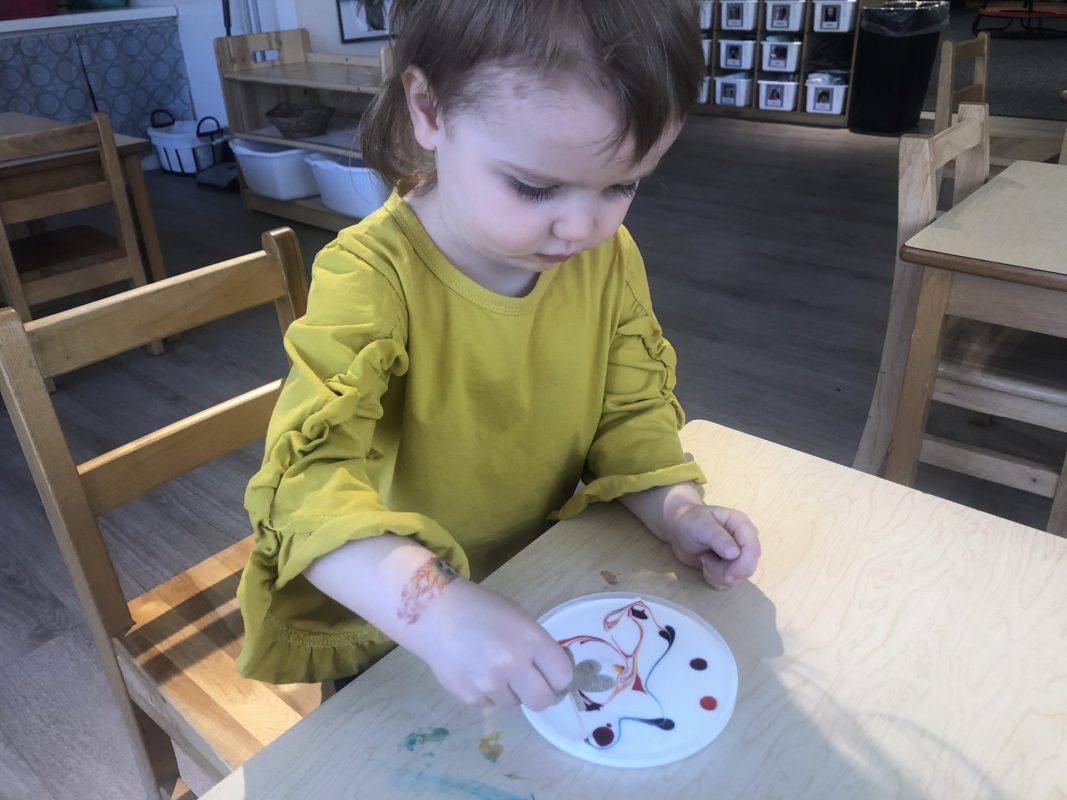
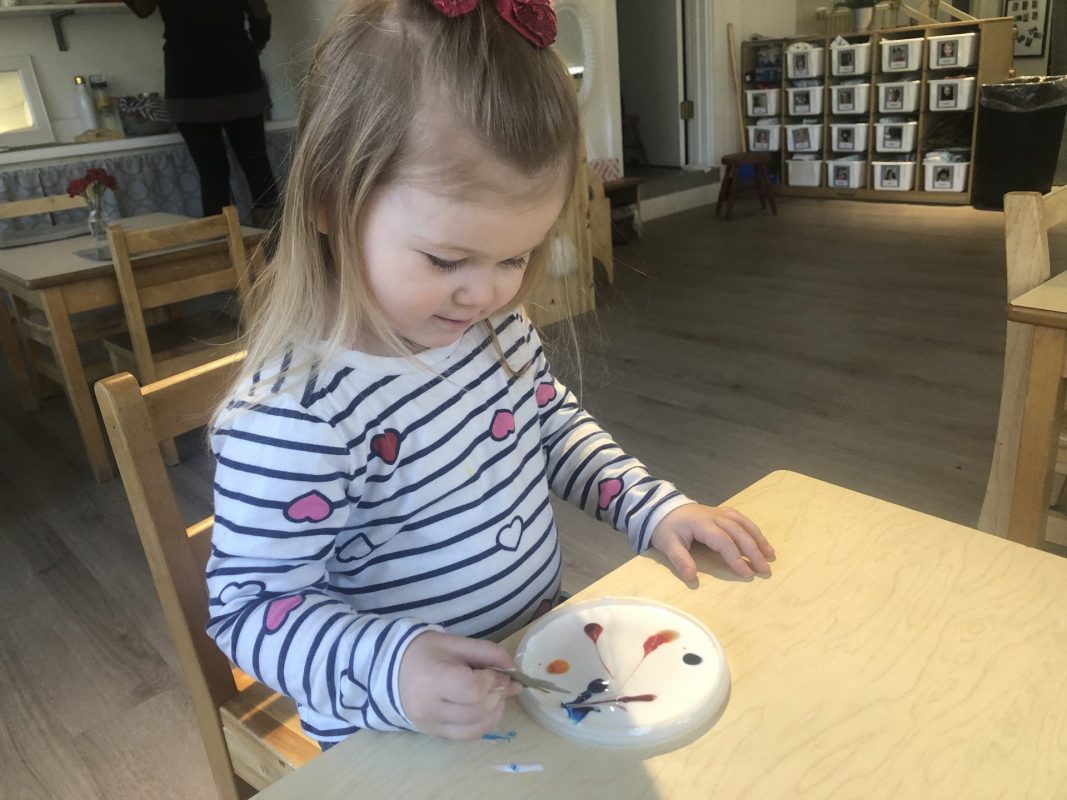
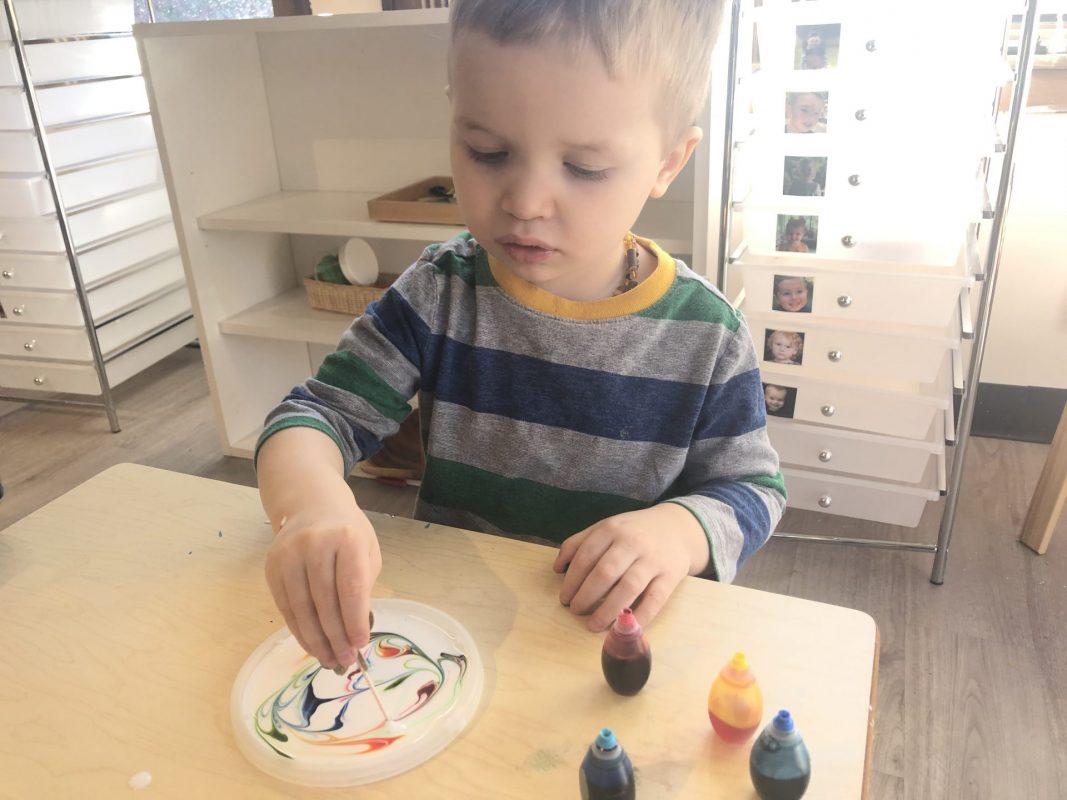
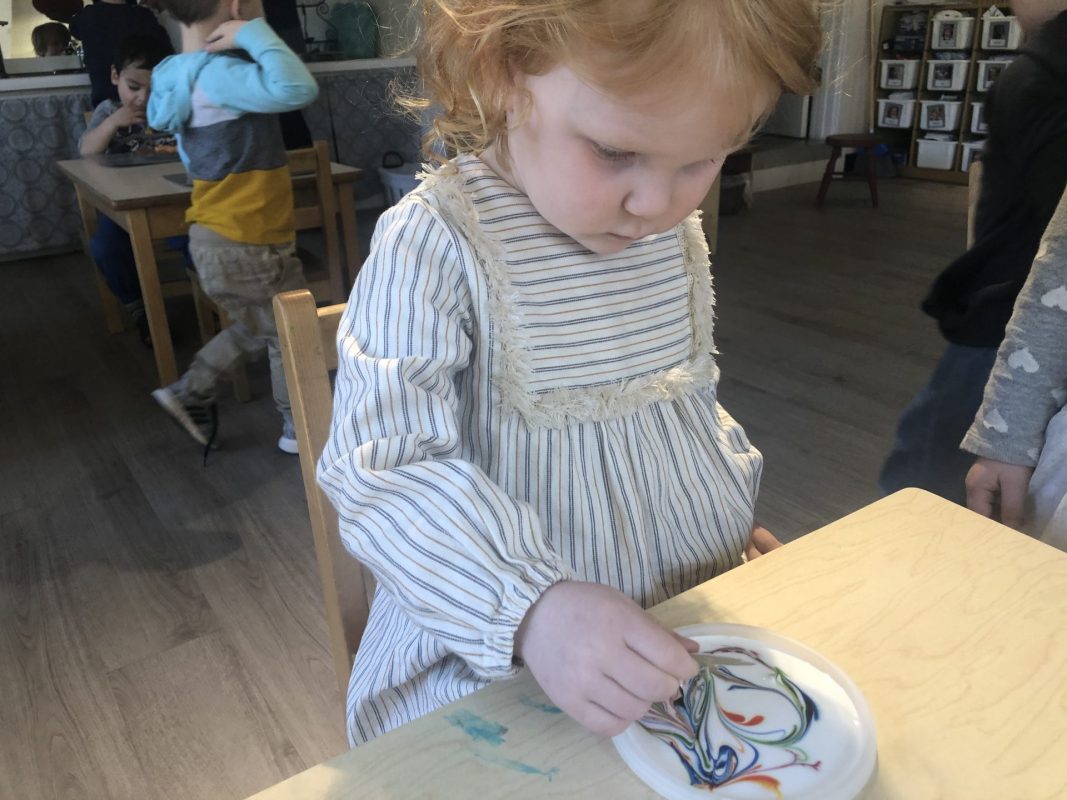
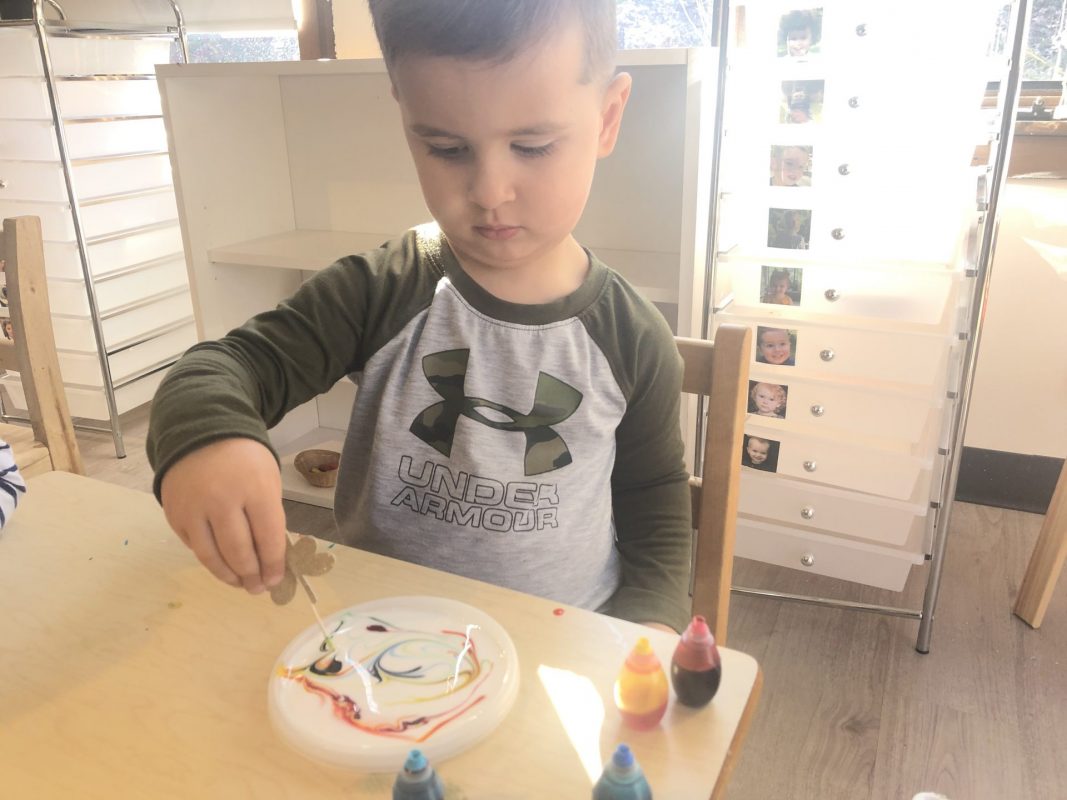
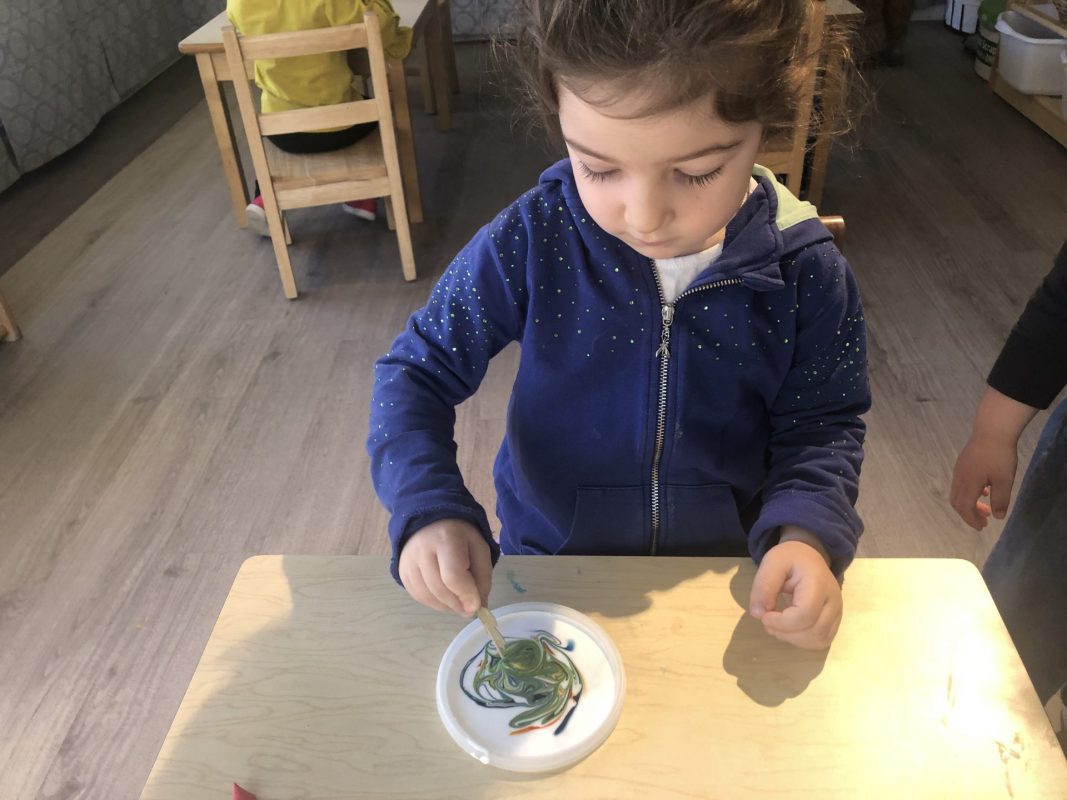
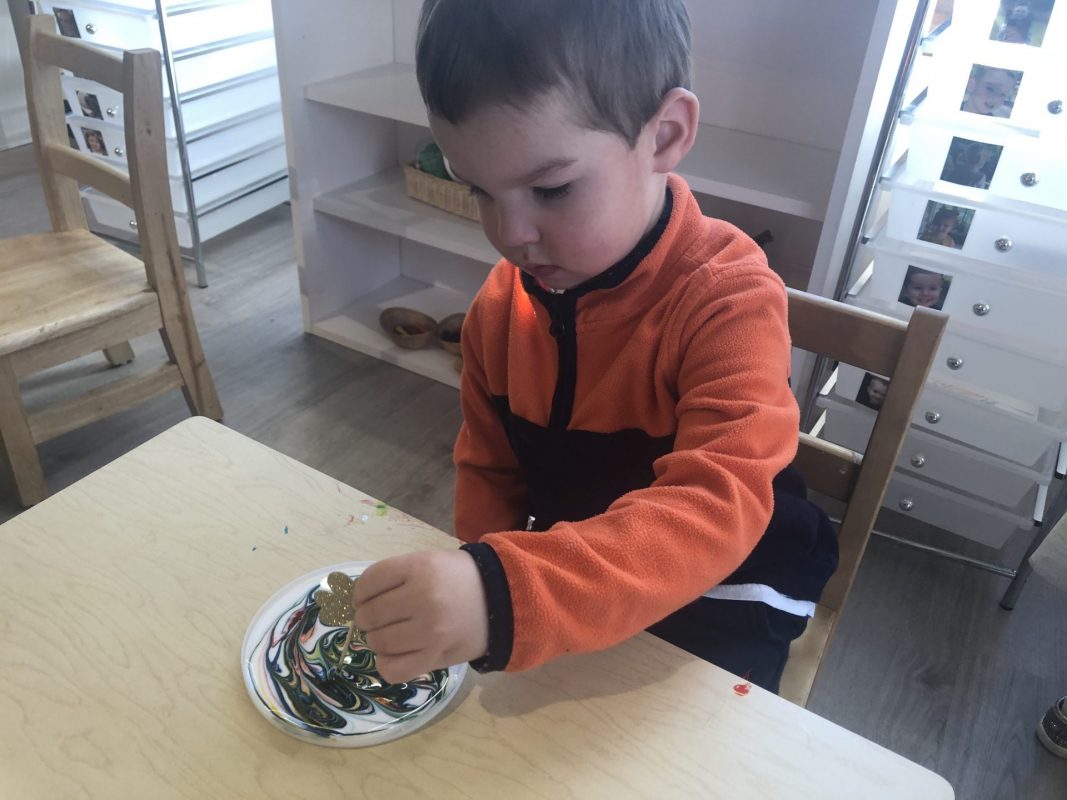
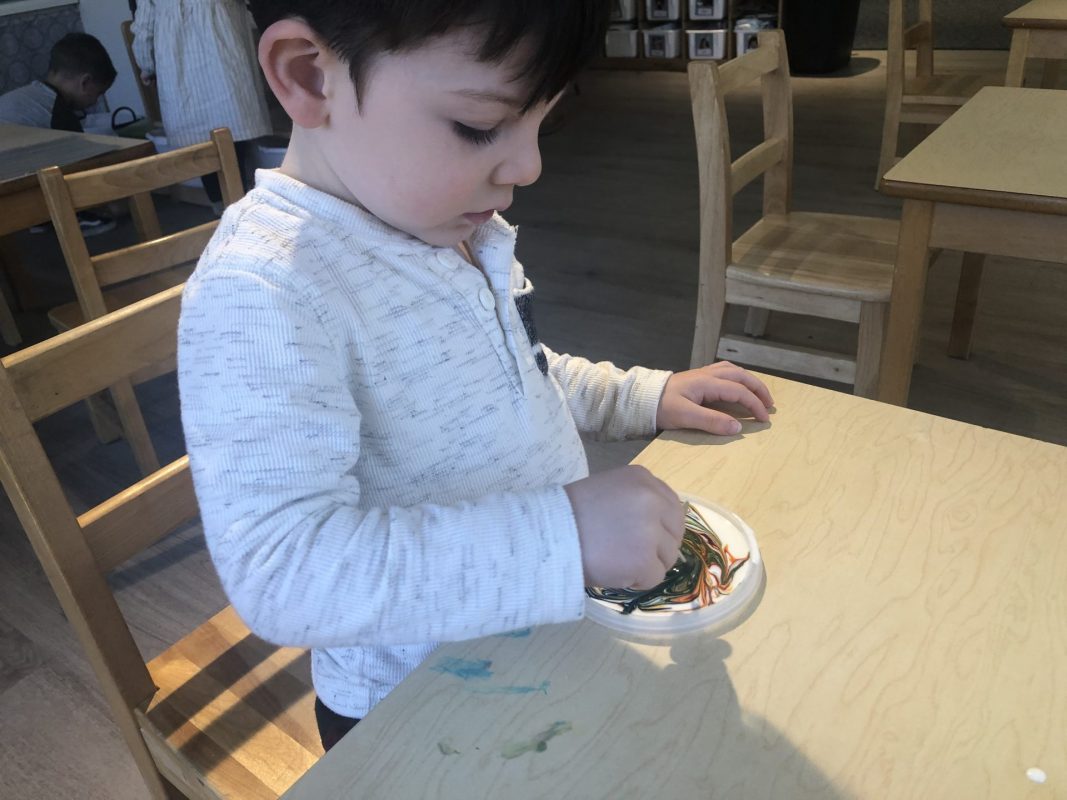
Children also enjoyed working on creating a beautiful rainbow marbled sun catcher using glue and food coloring. We can’t wait to use them to decorate our classroom windows!
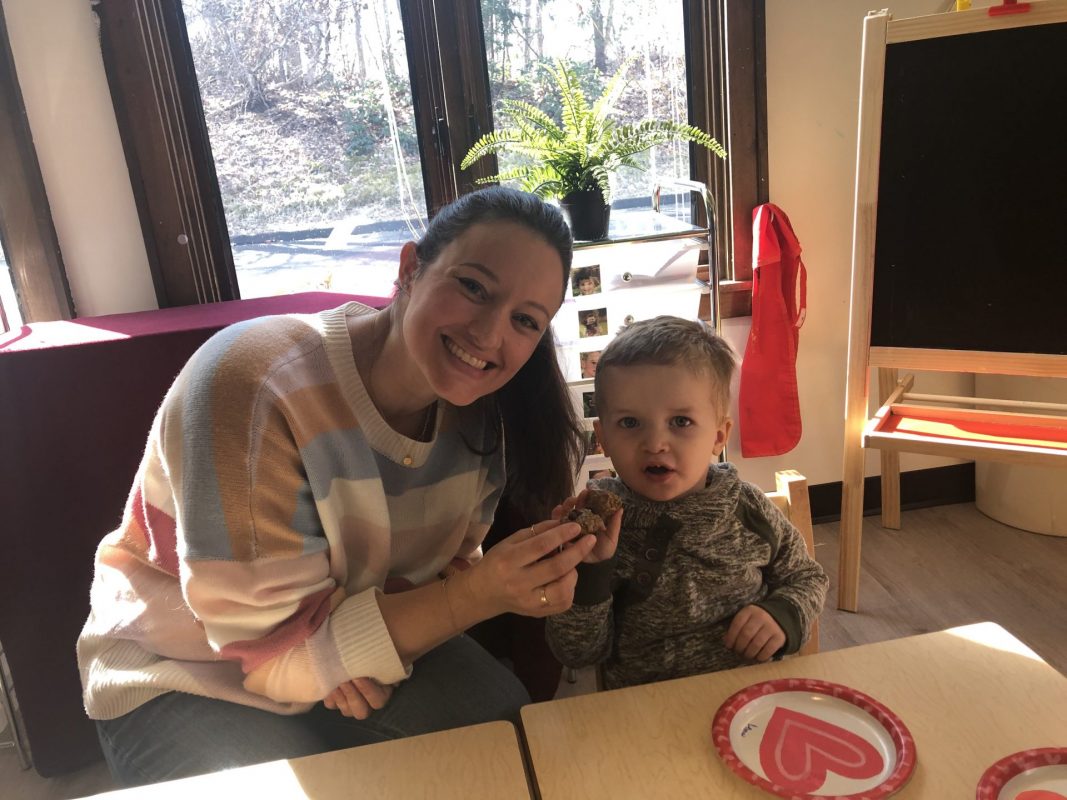
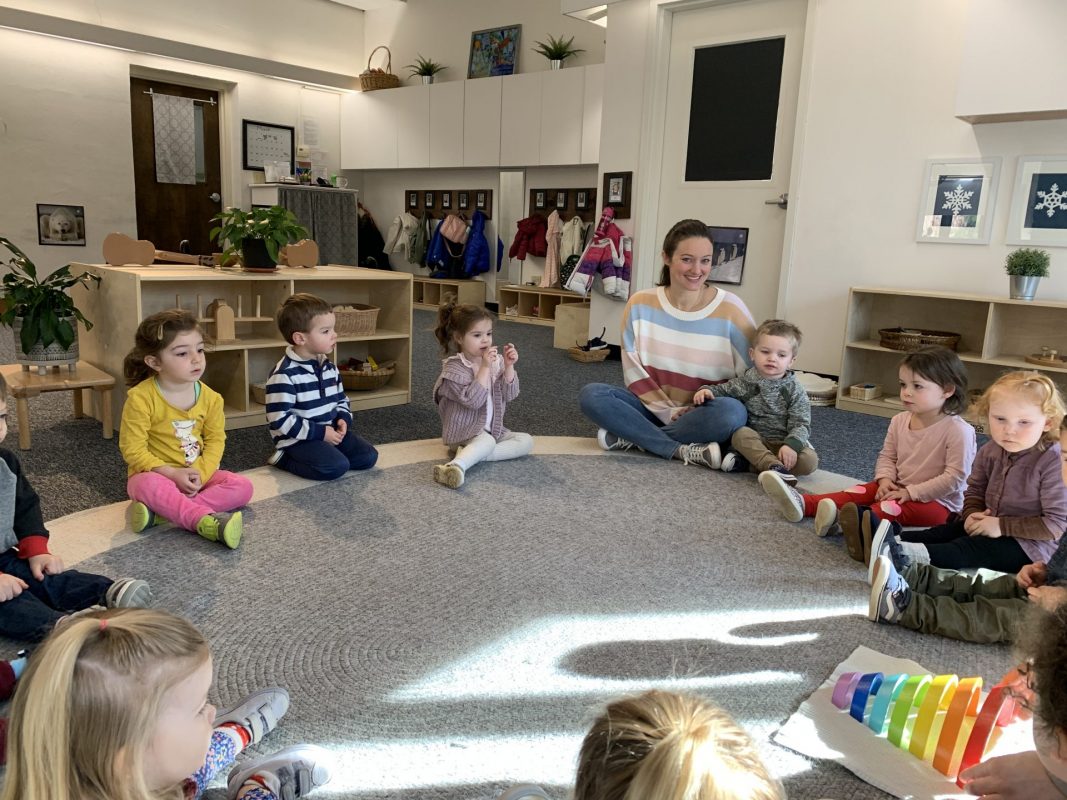
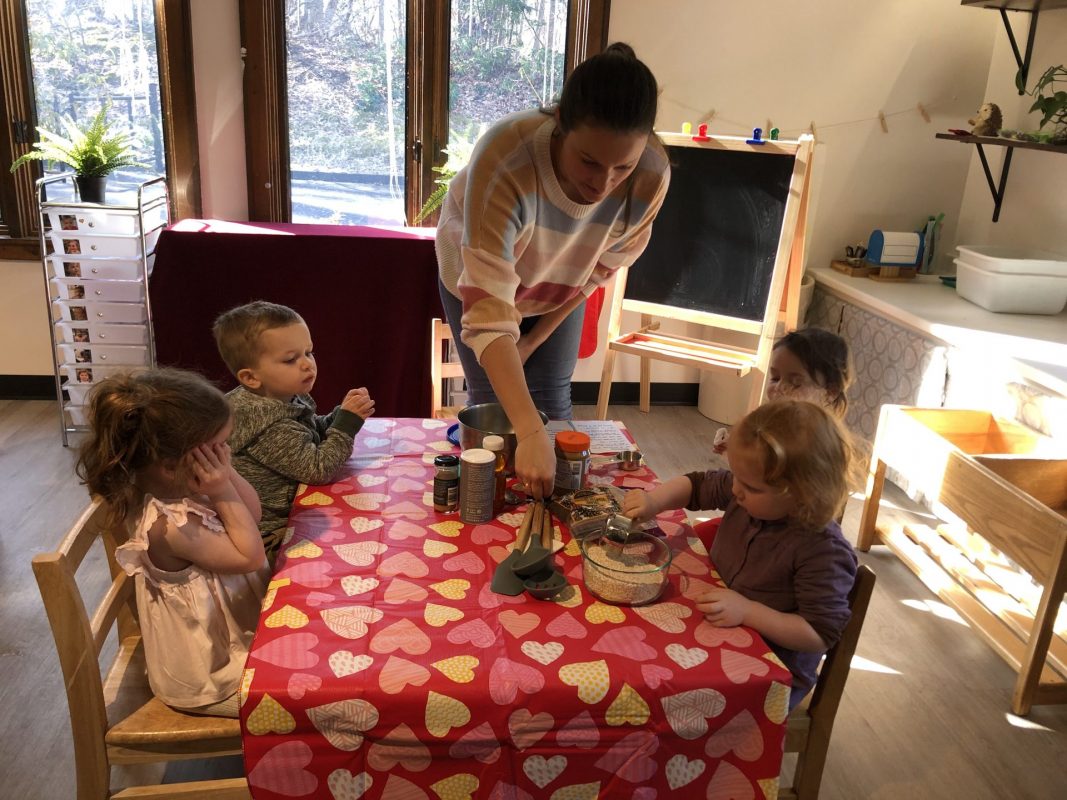
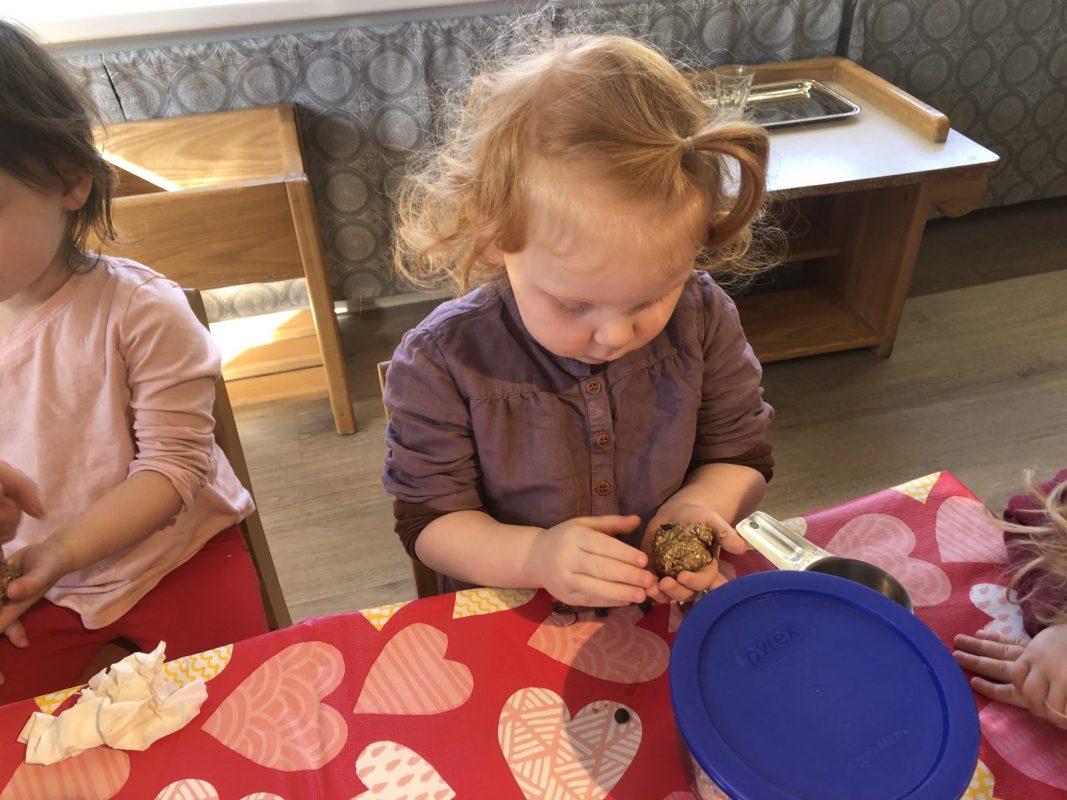
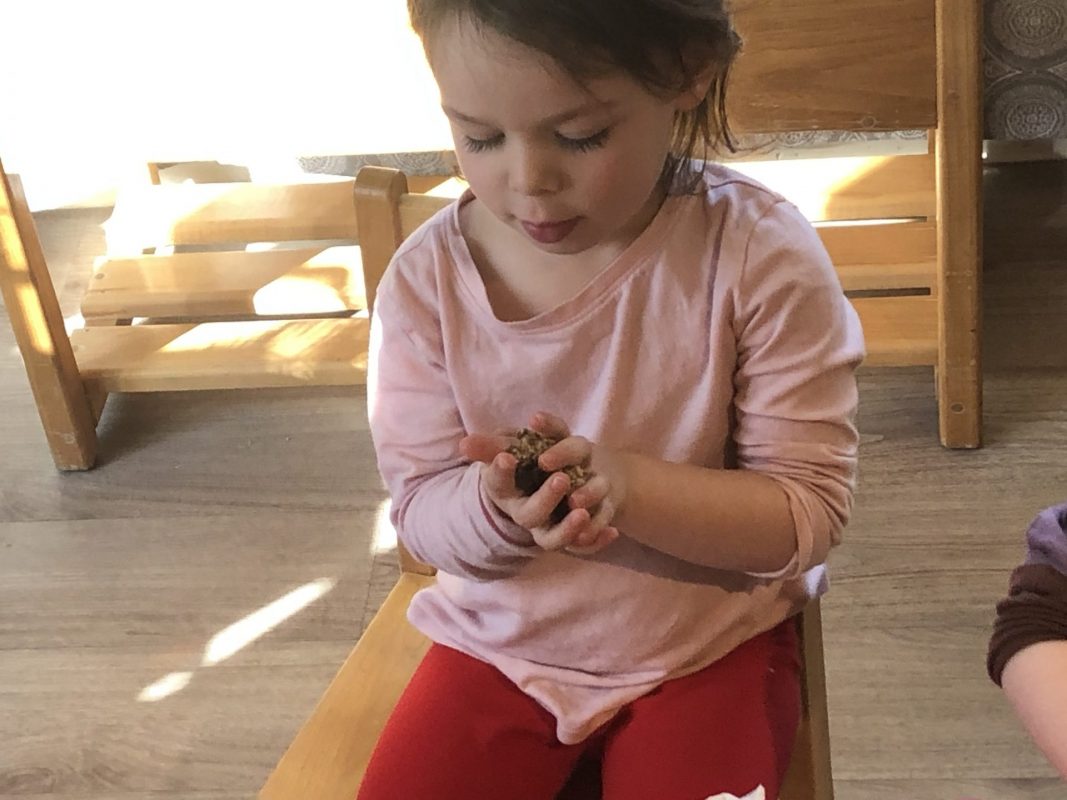
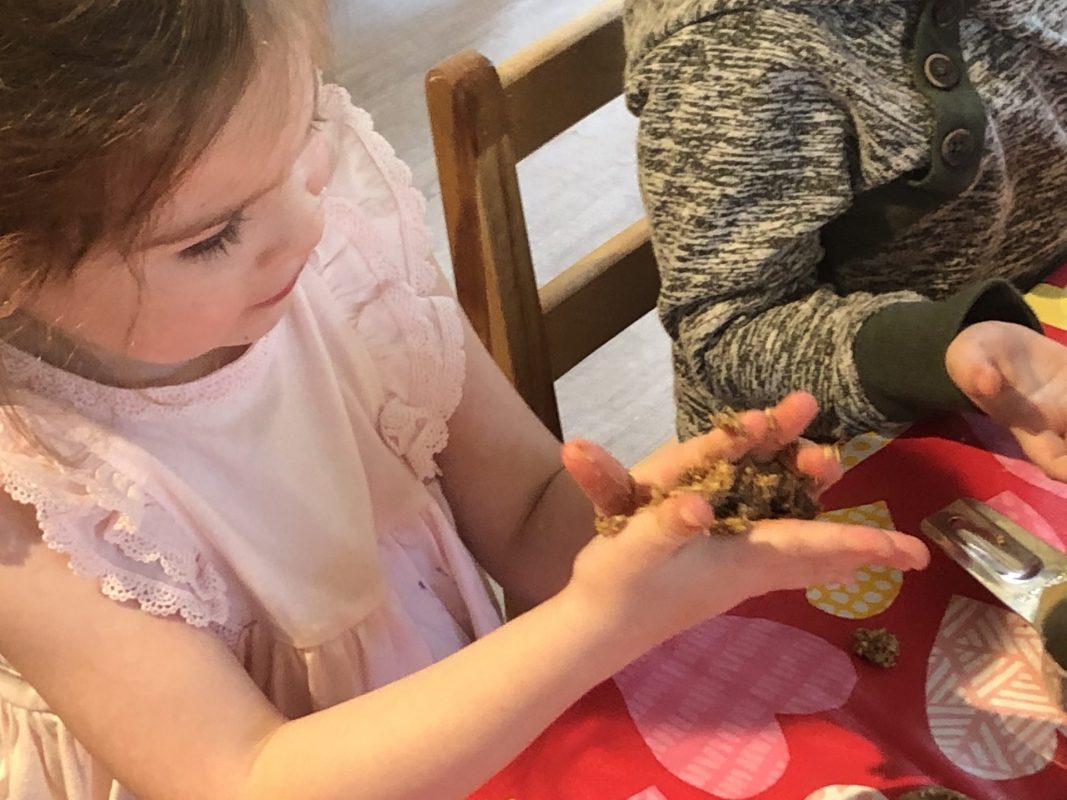
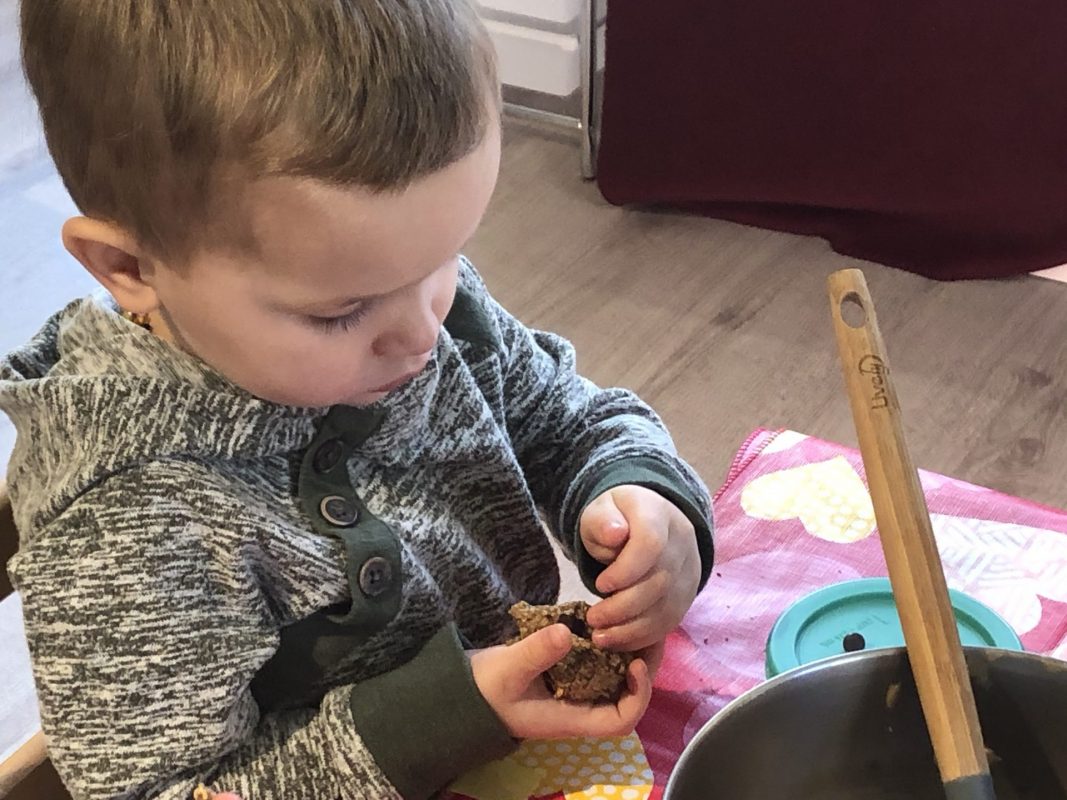
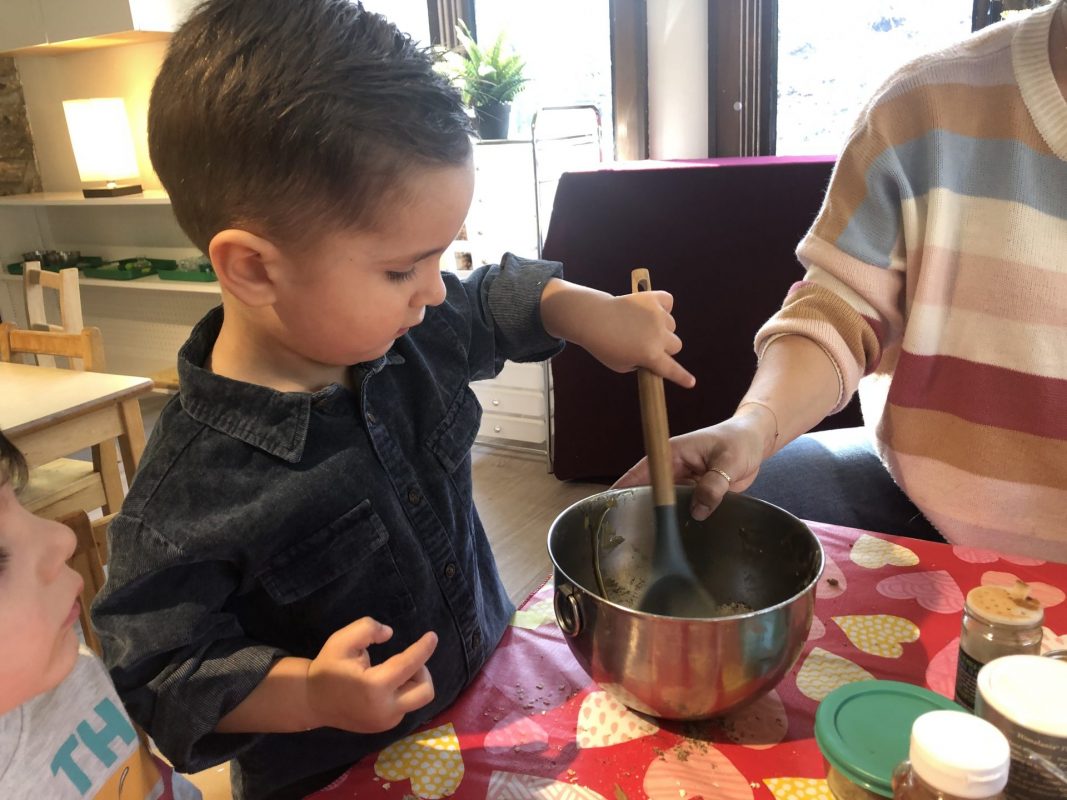
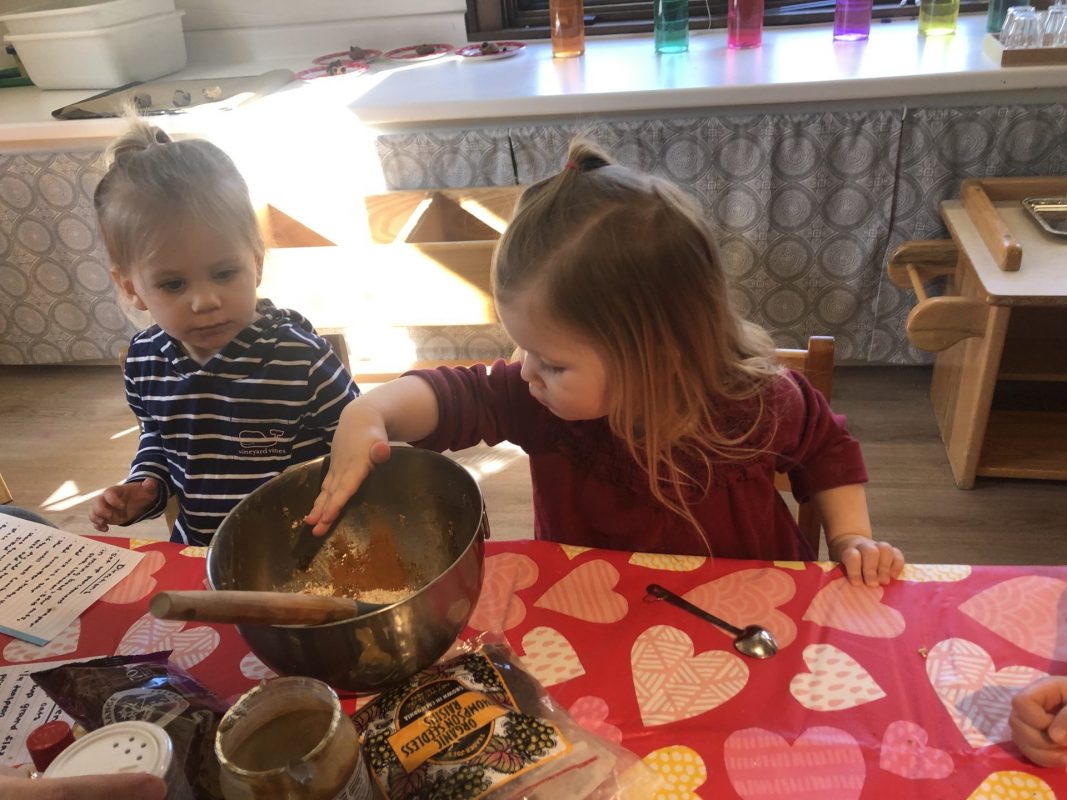
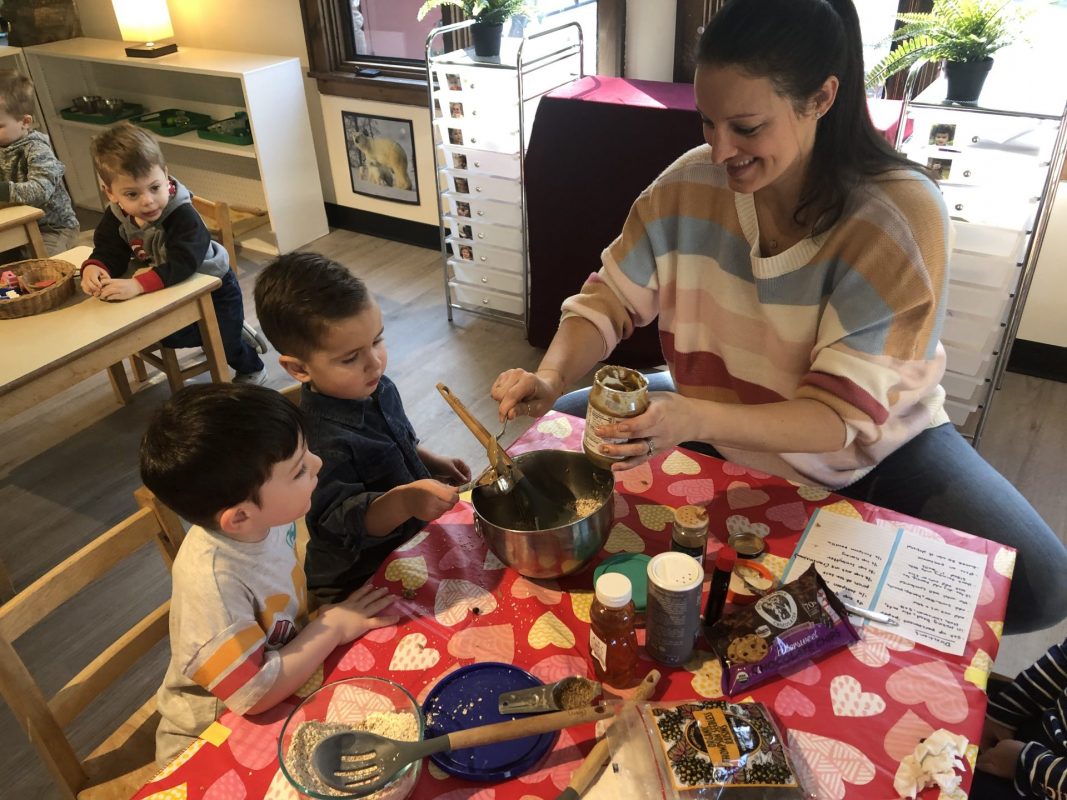
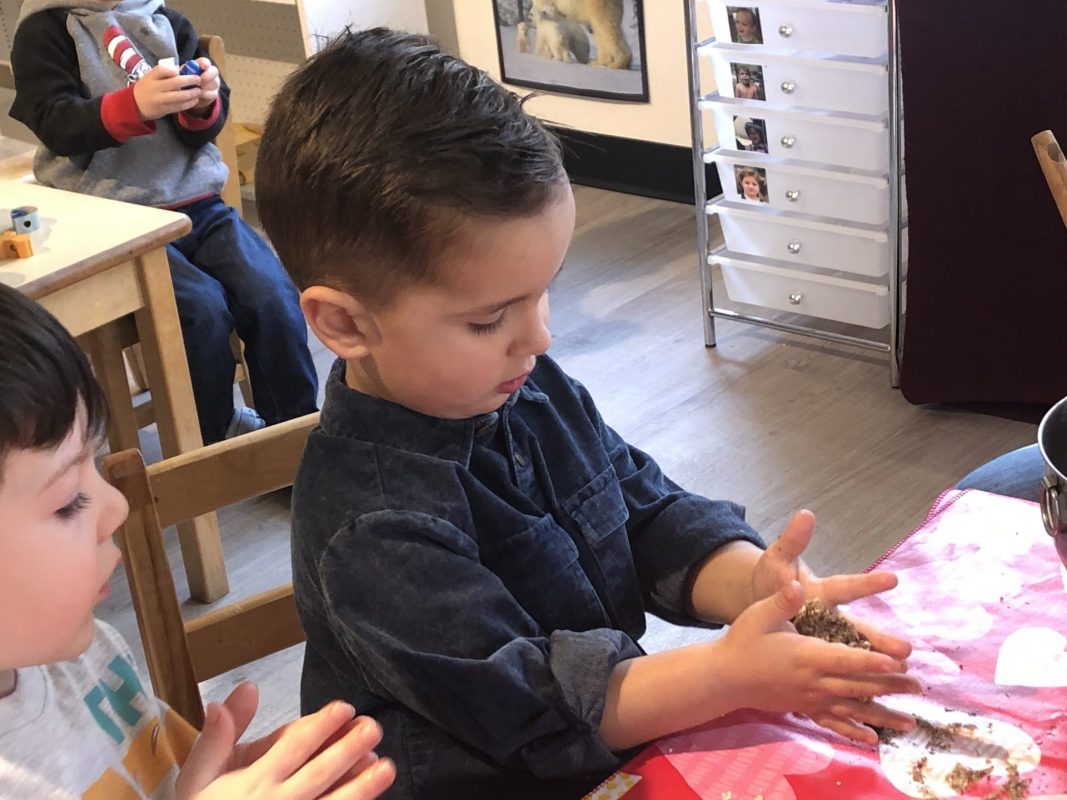
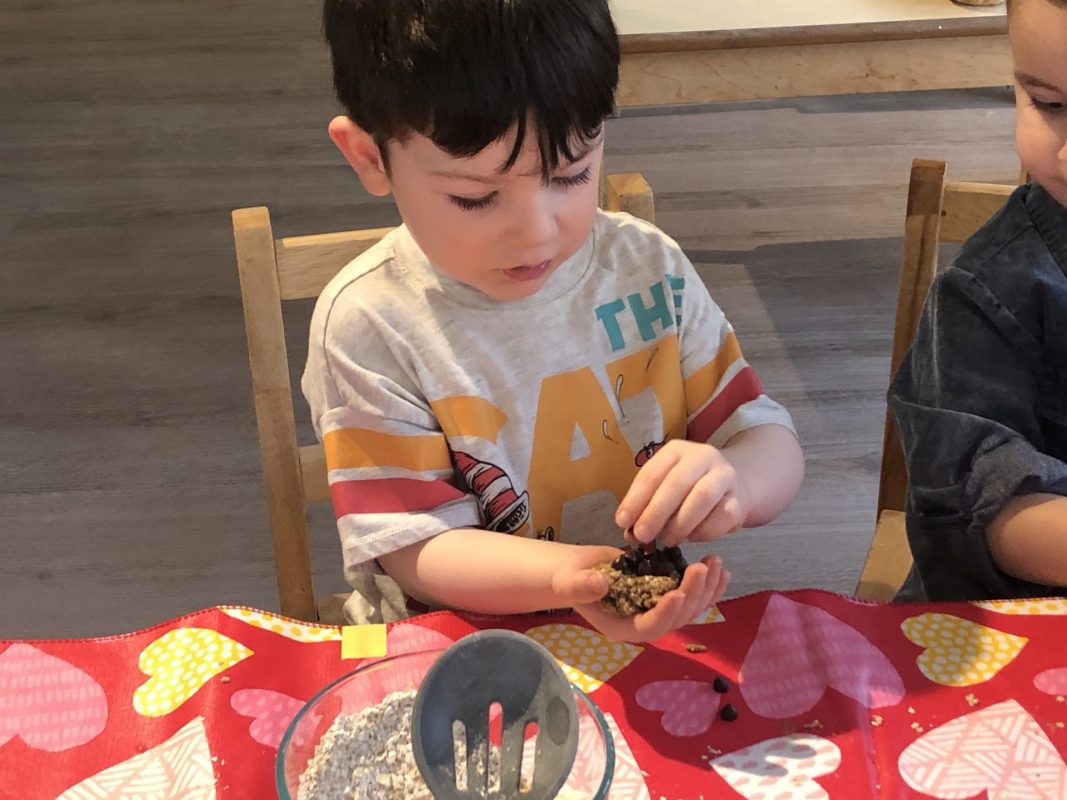
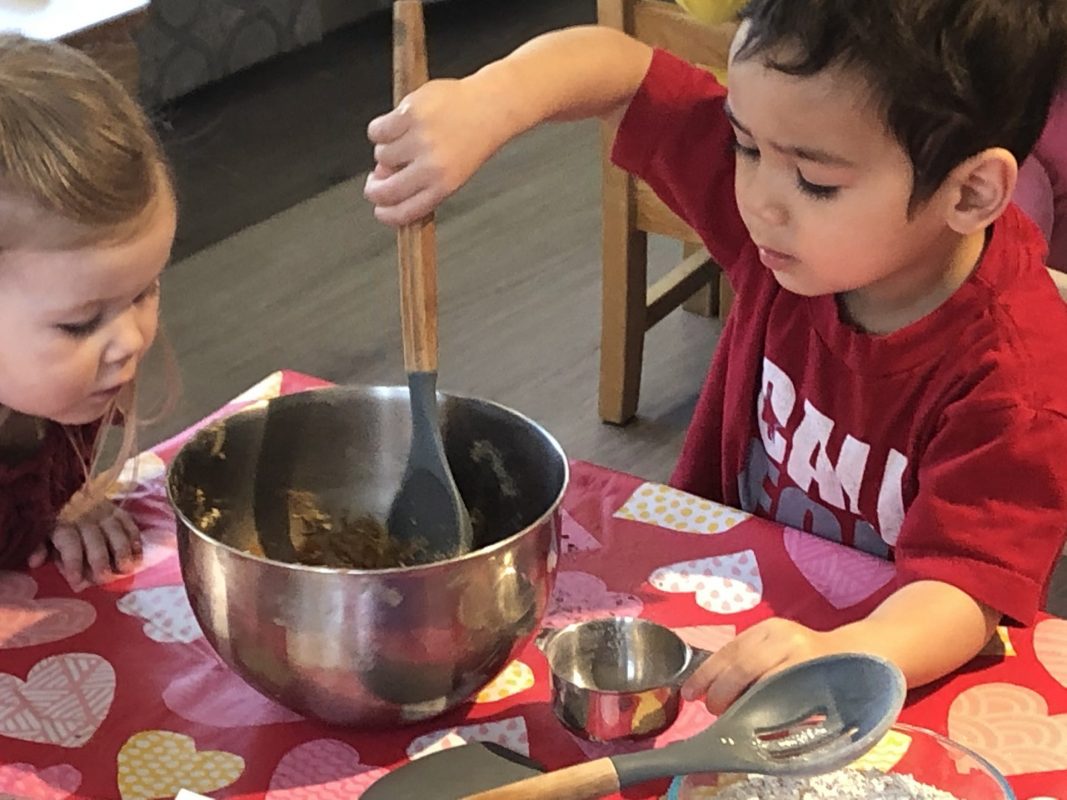
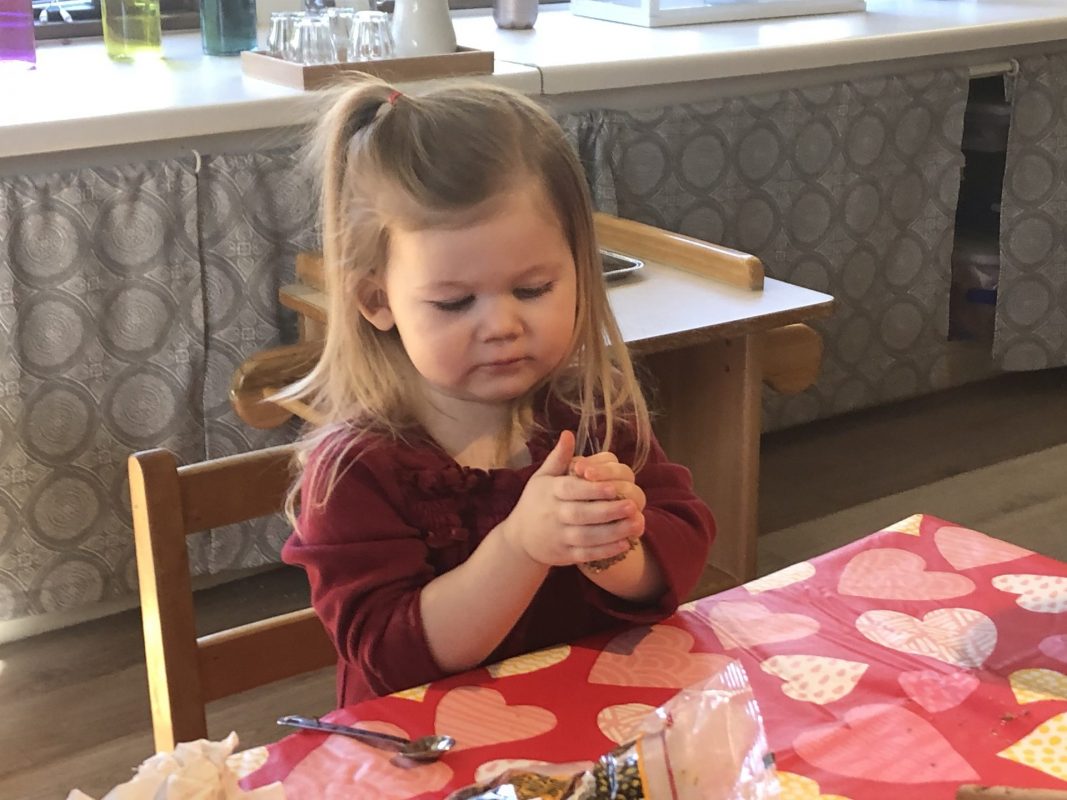
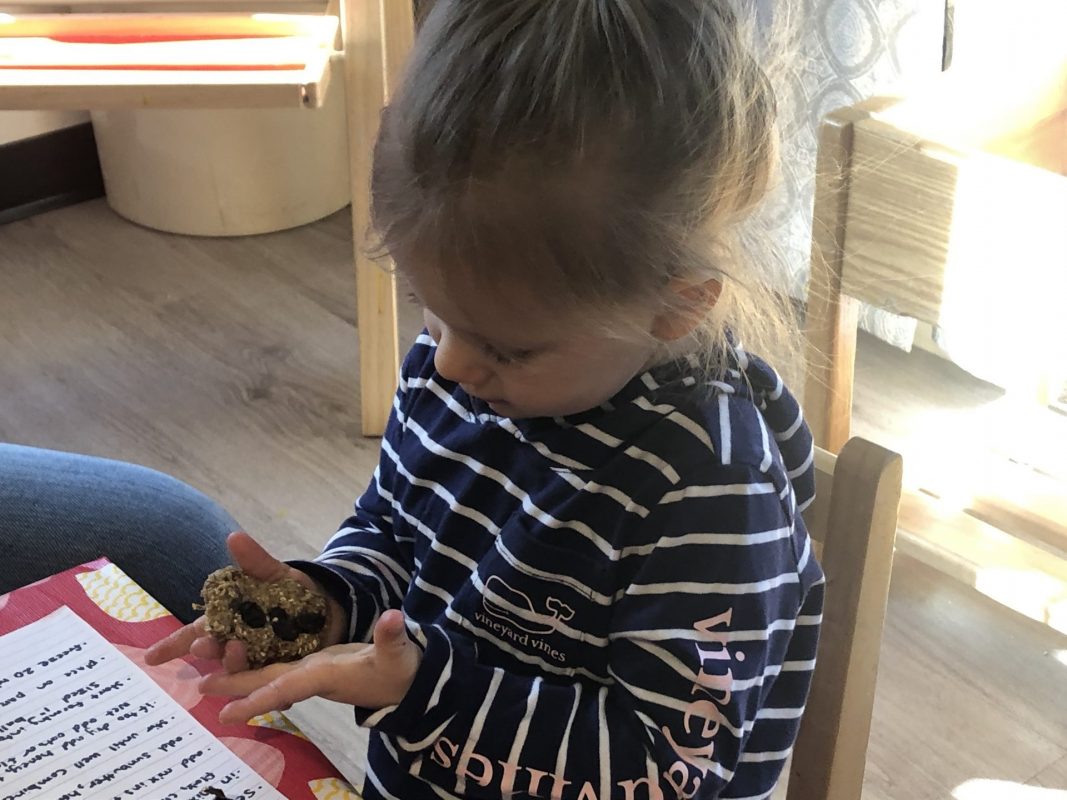
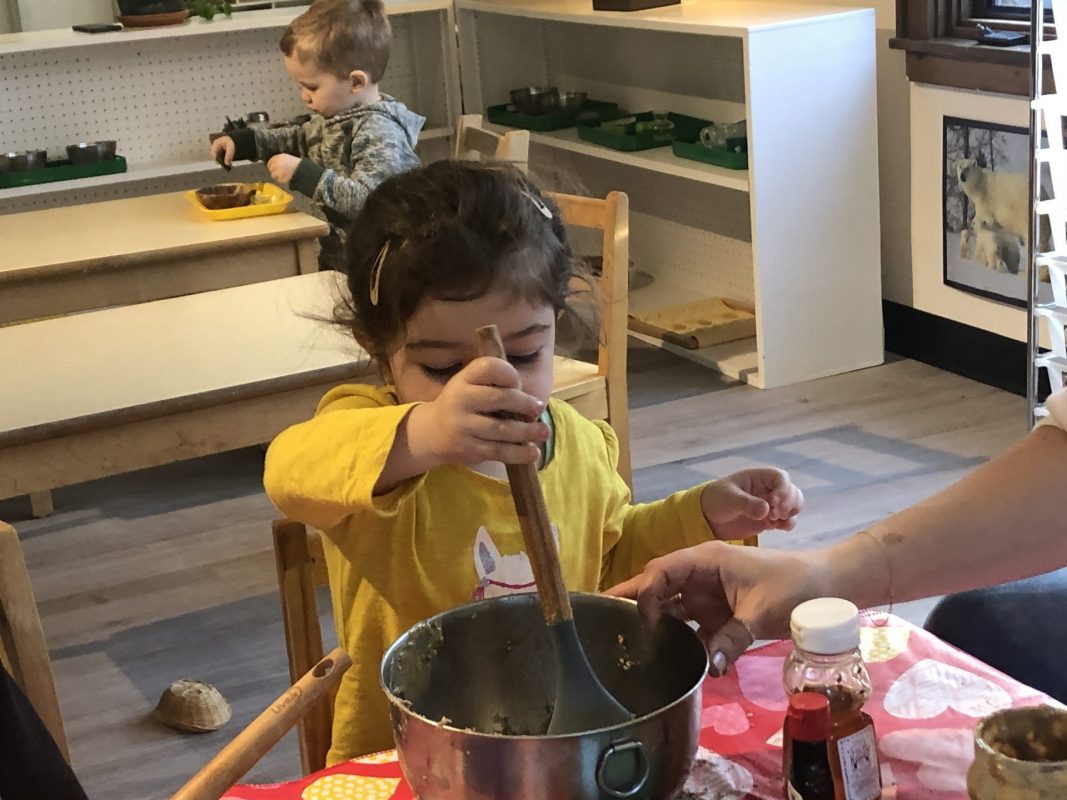
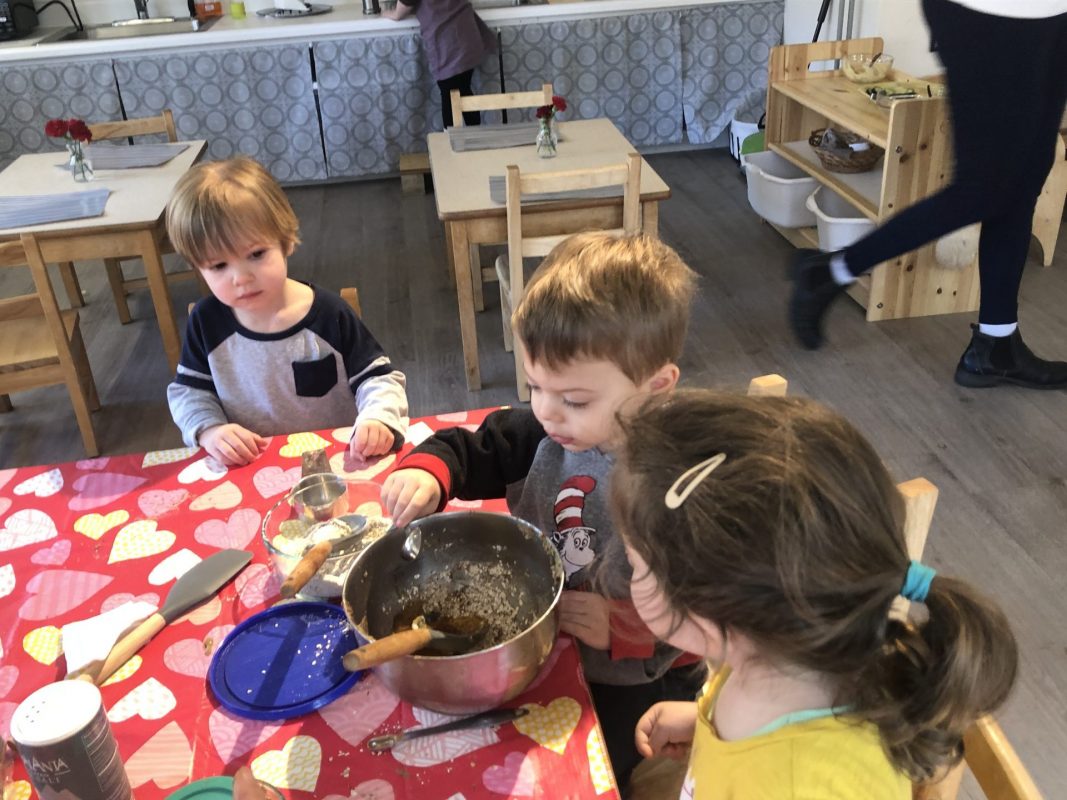
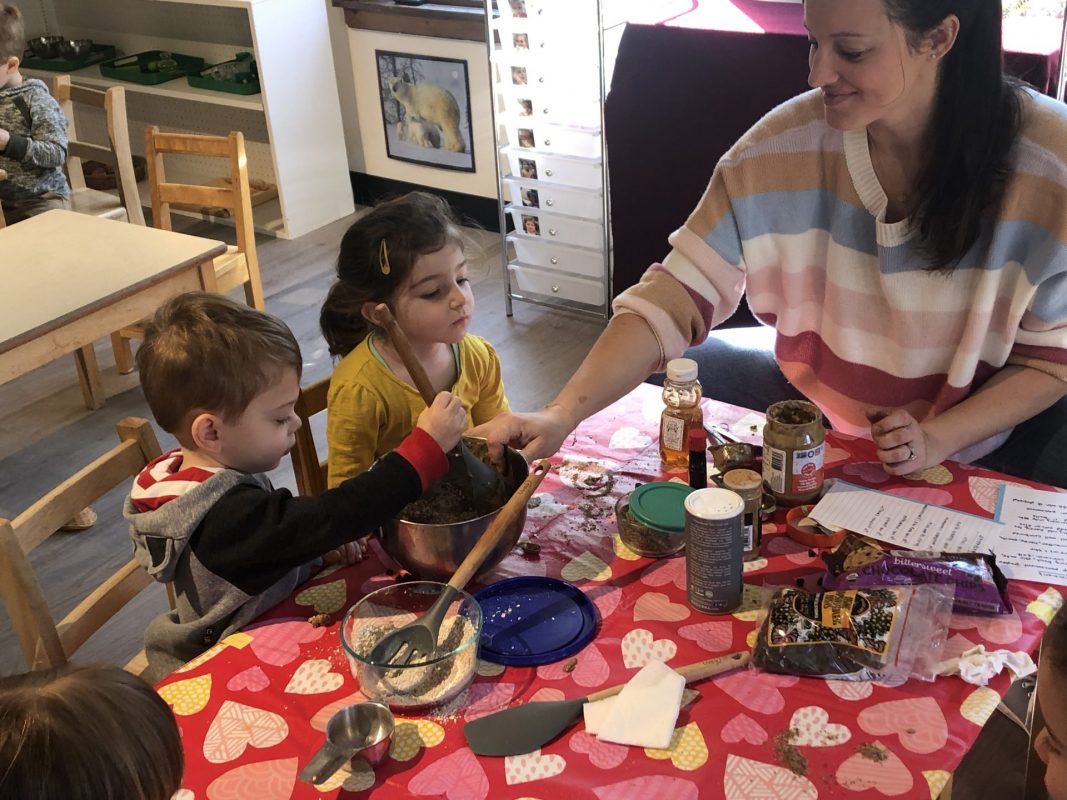
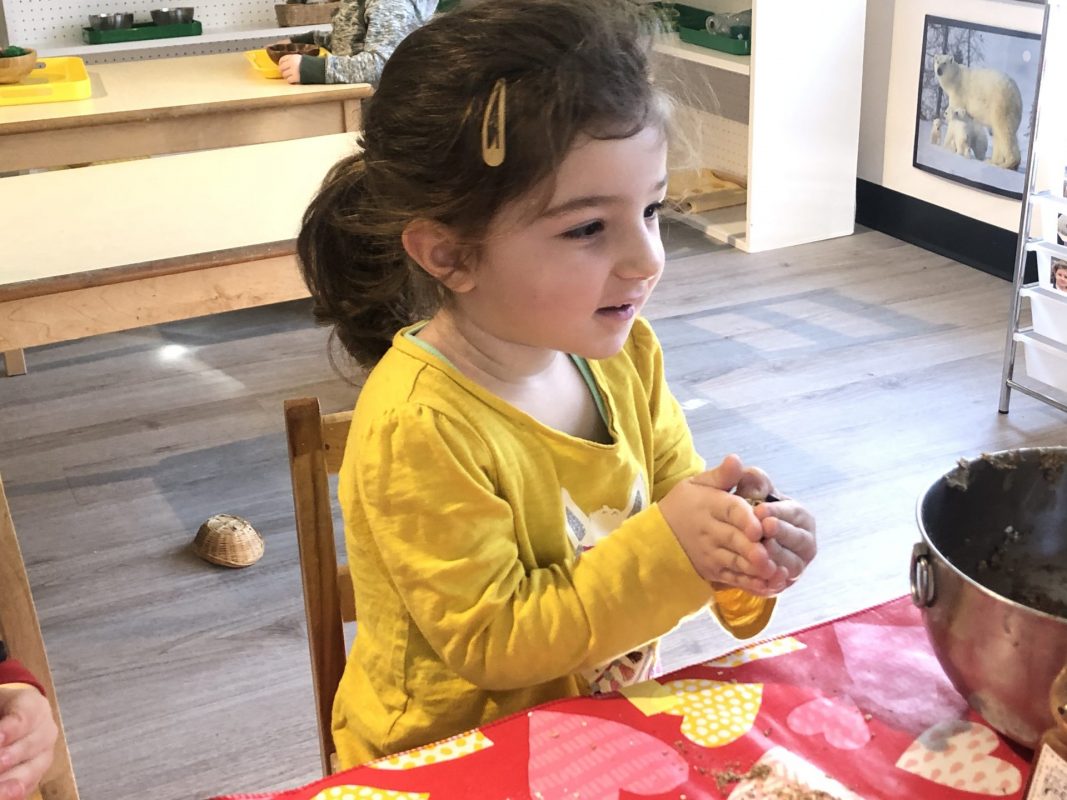
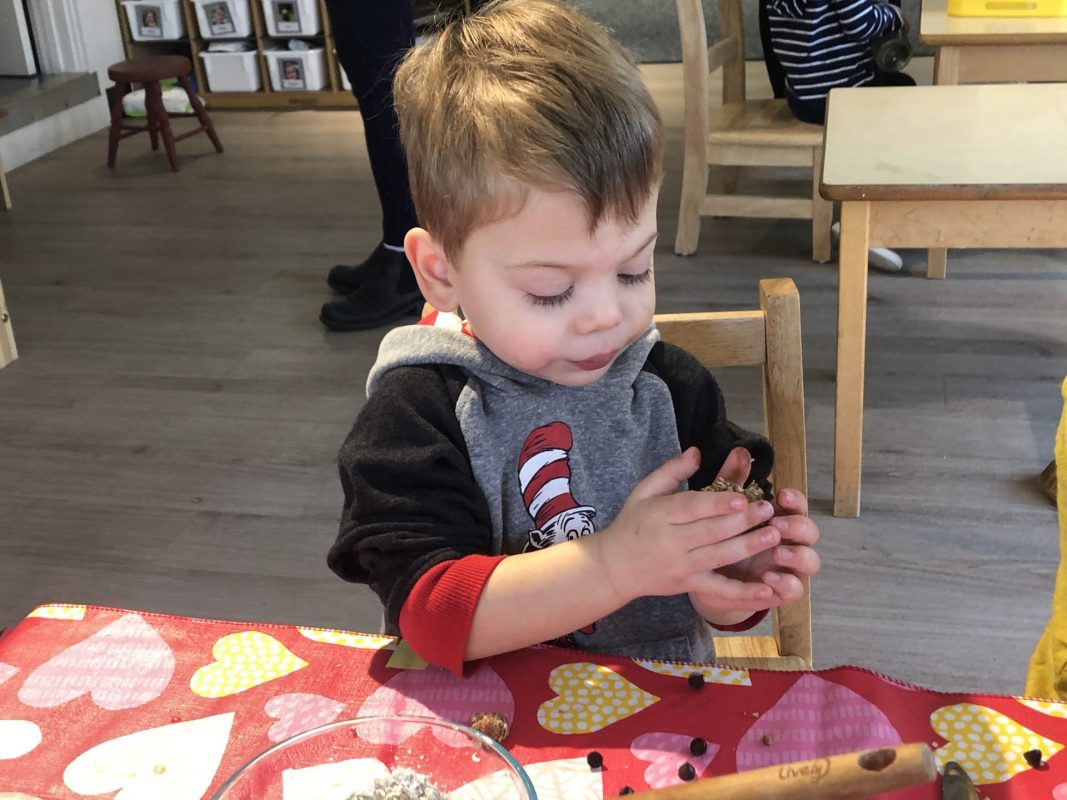
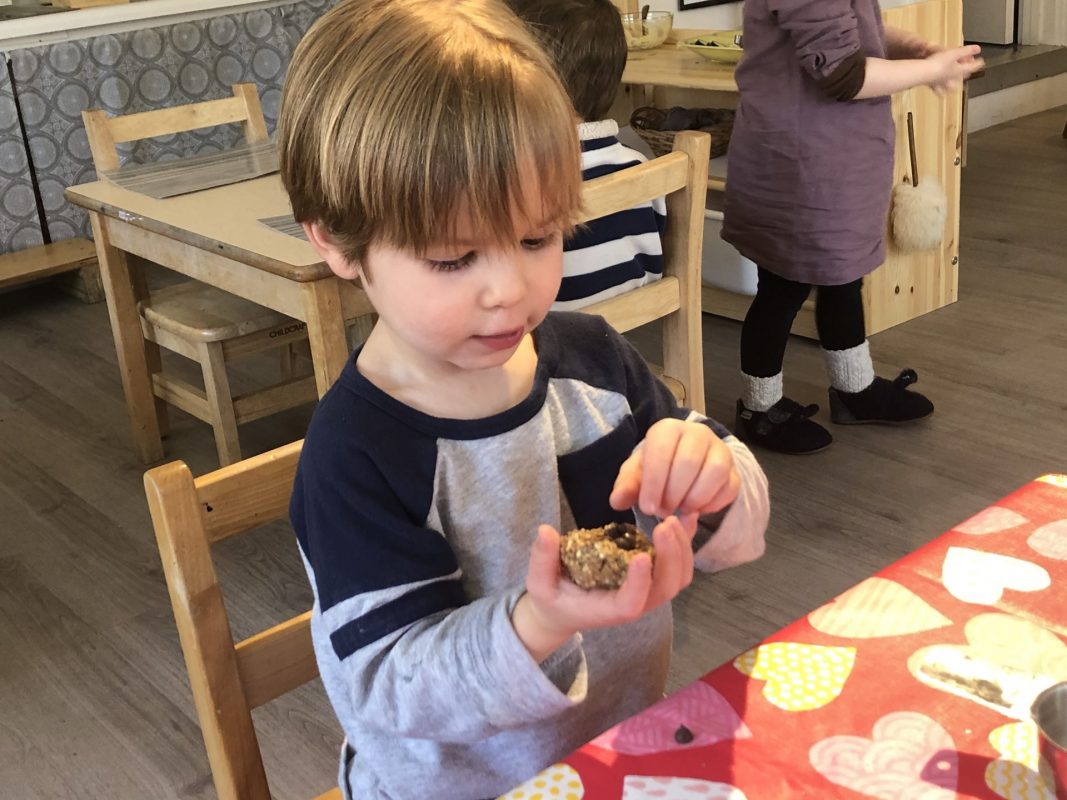
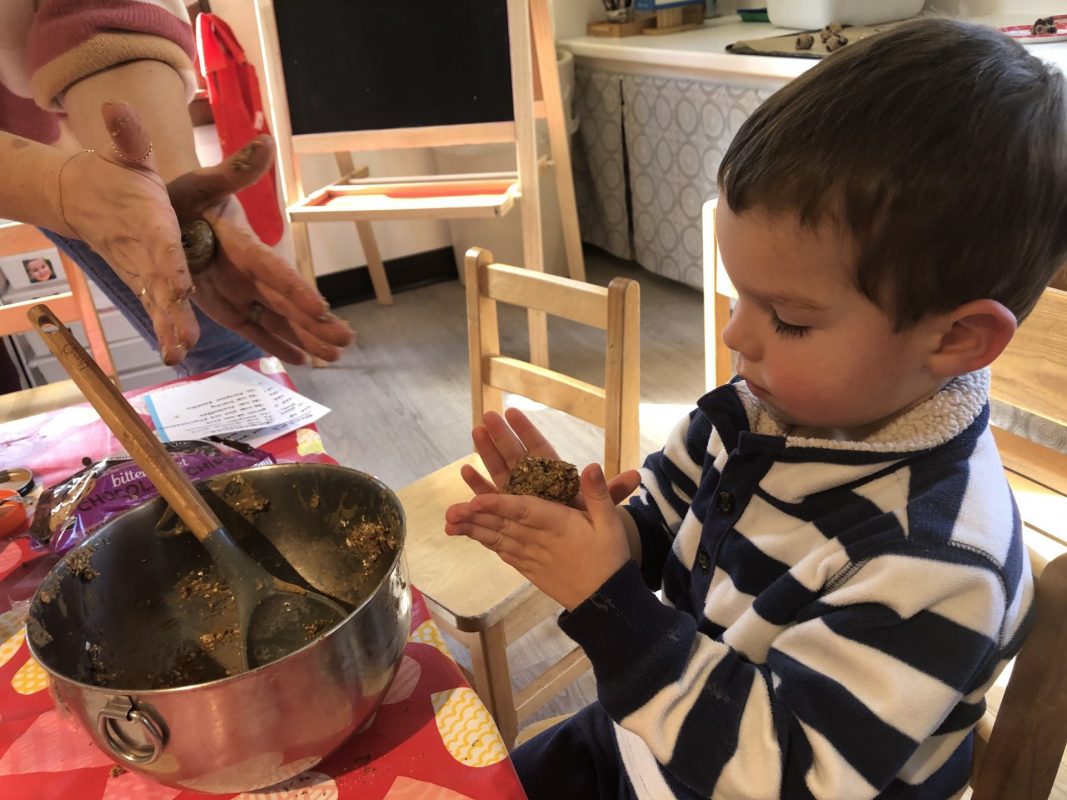
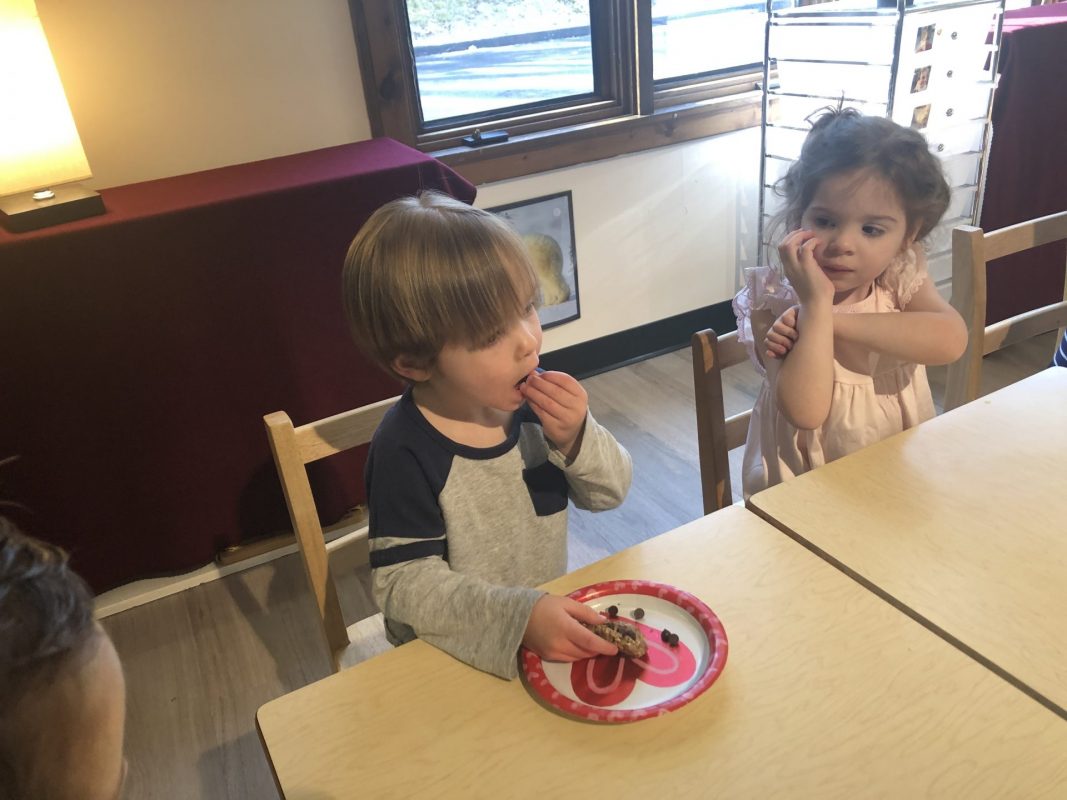
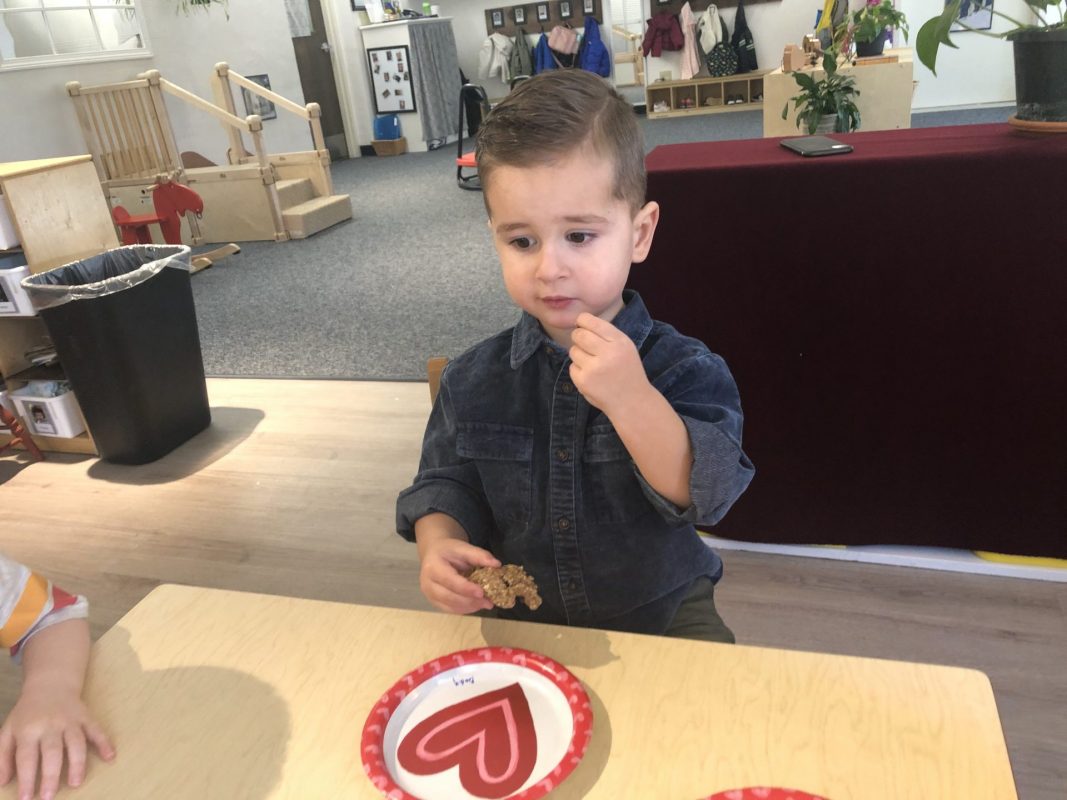
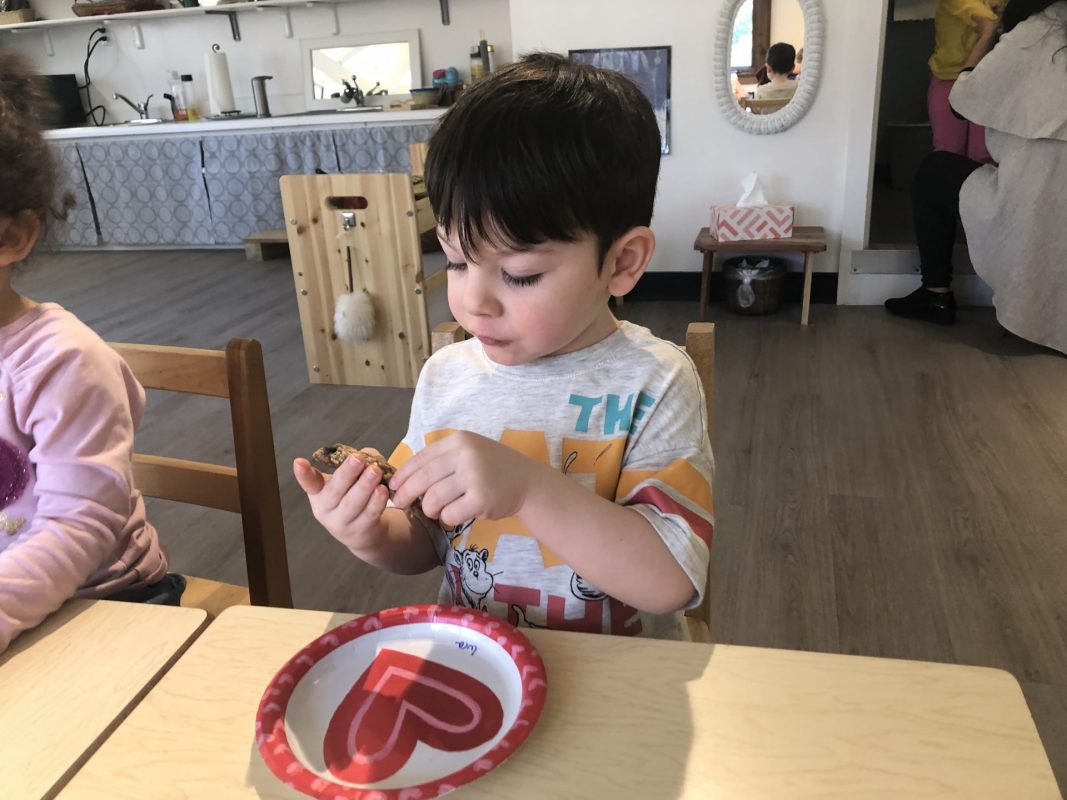
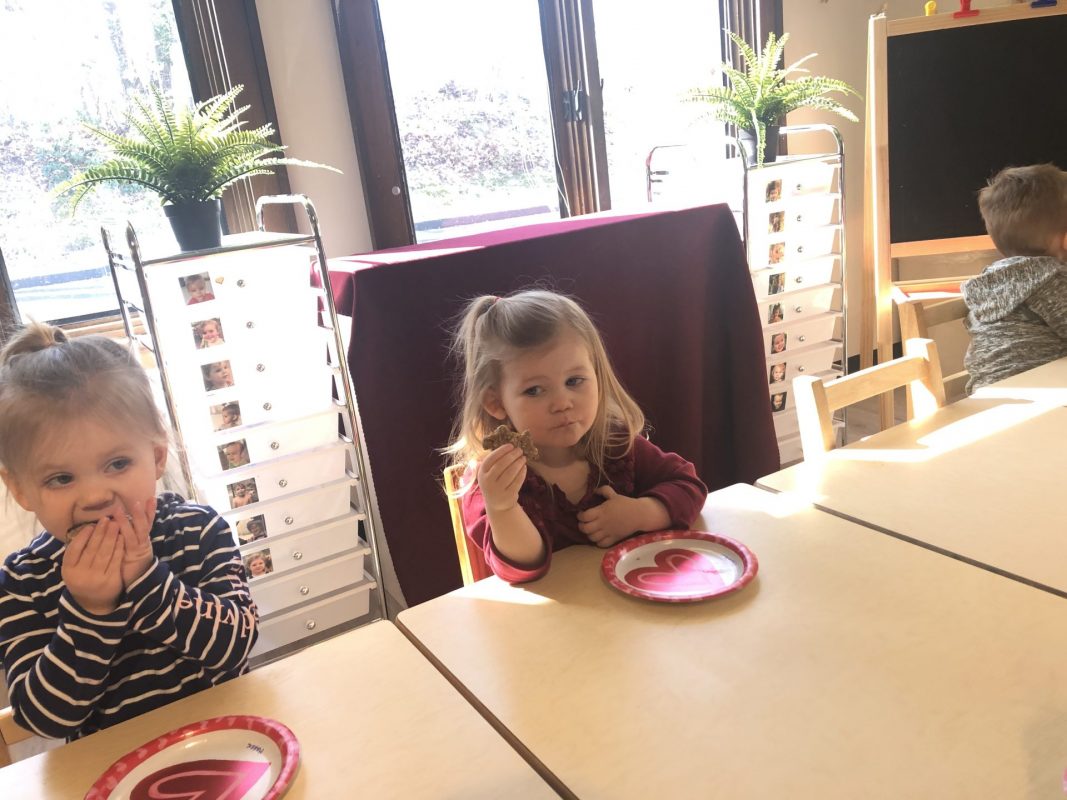
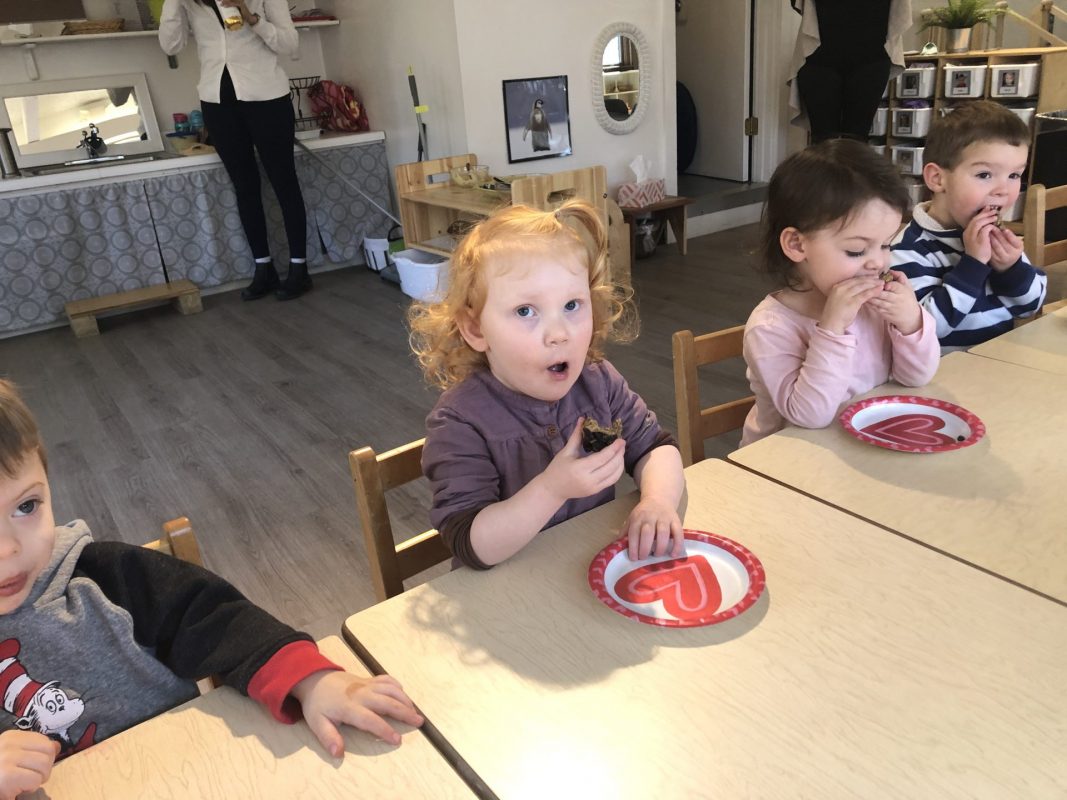
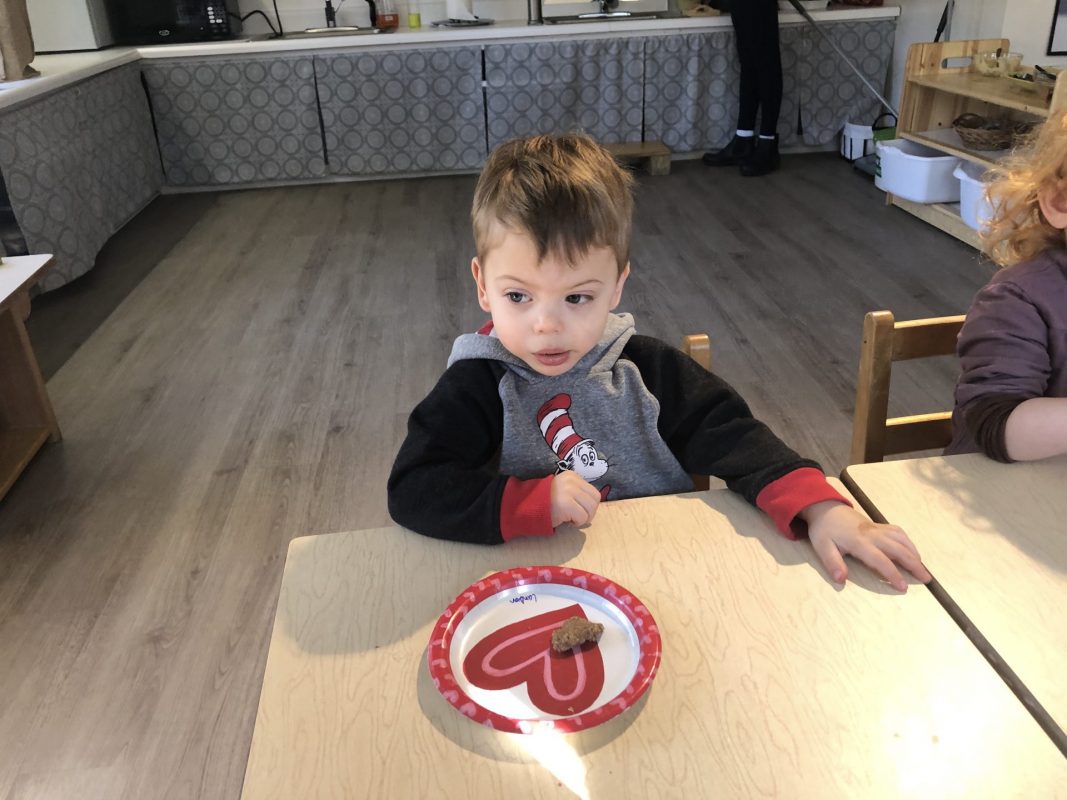
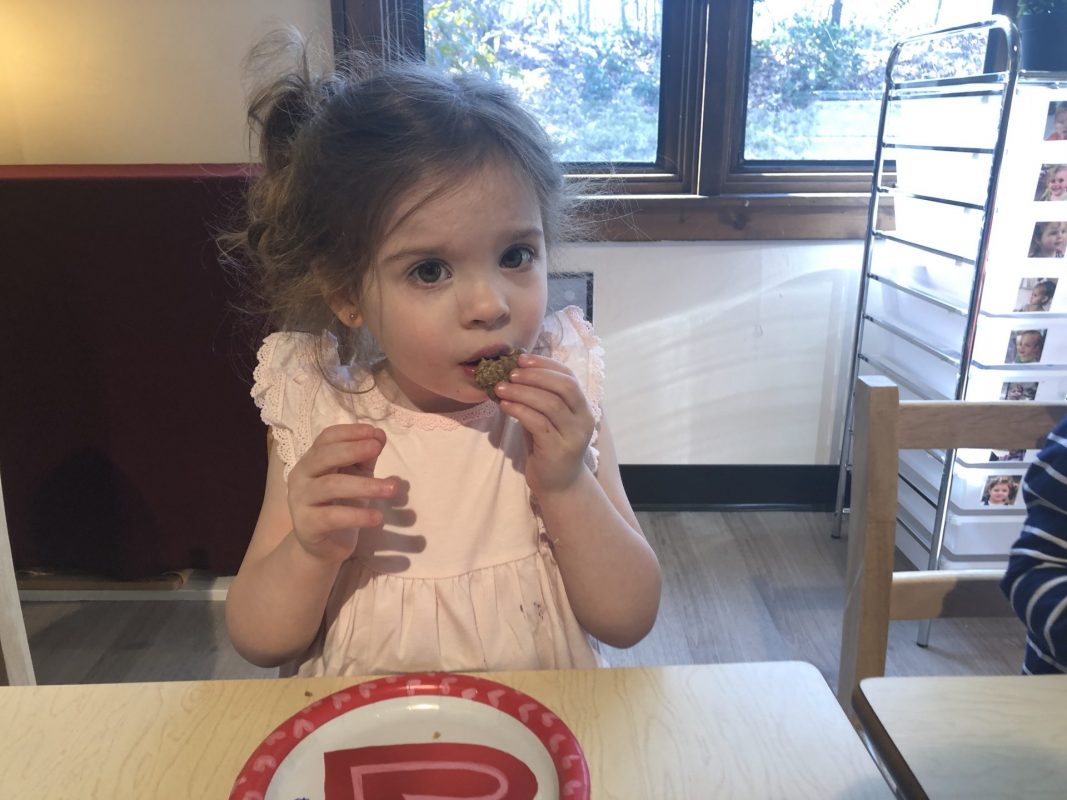
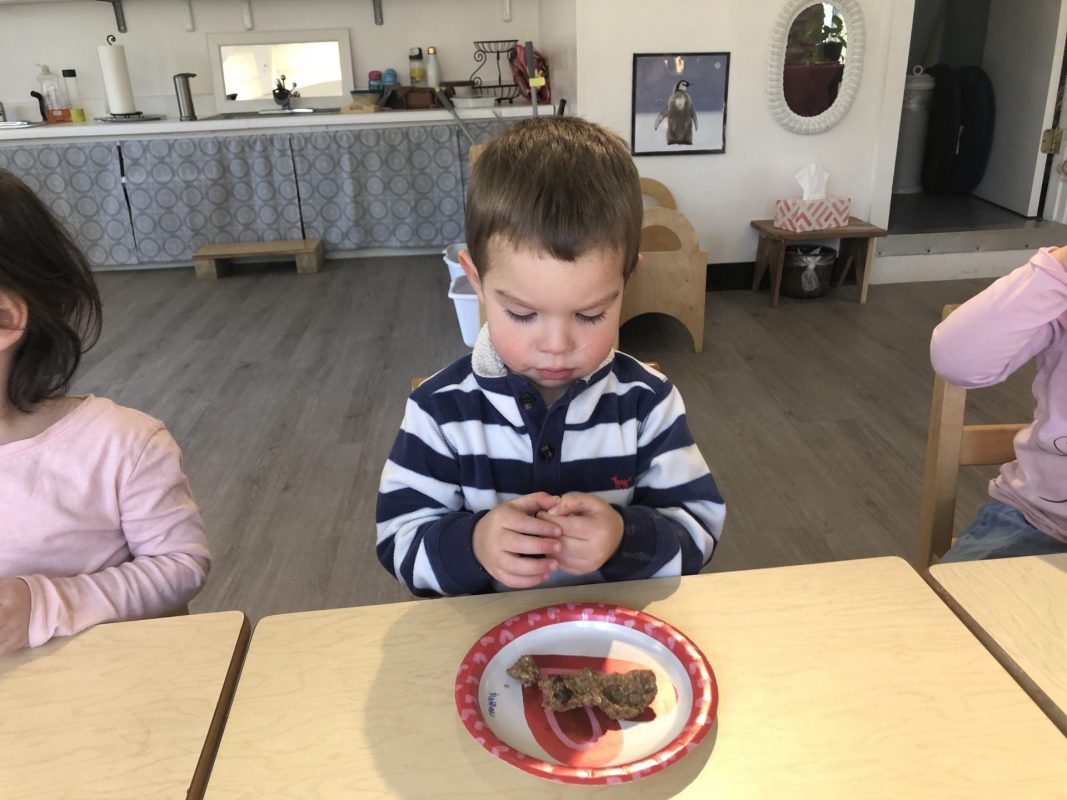
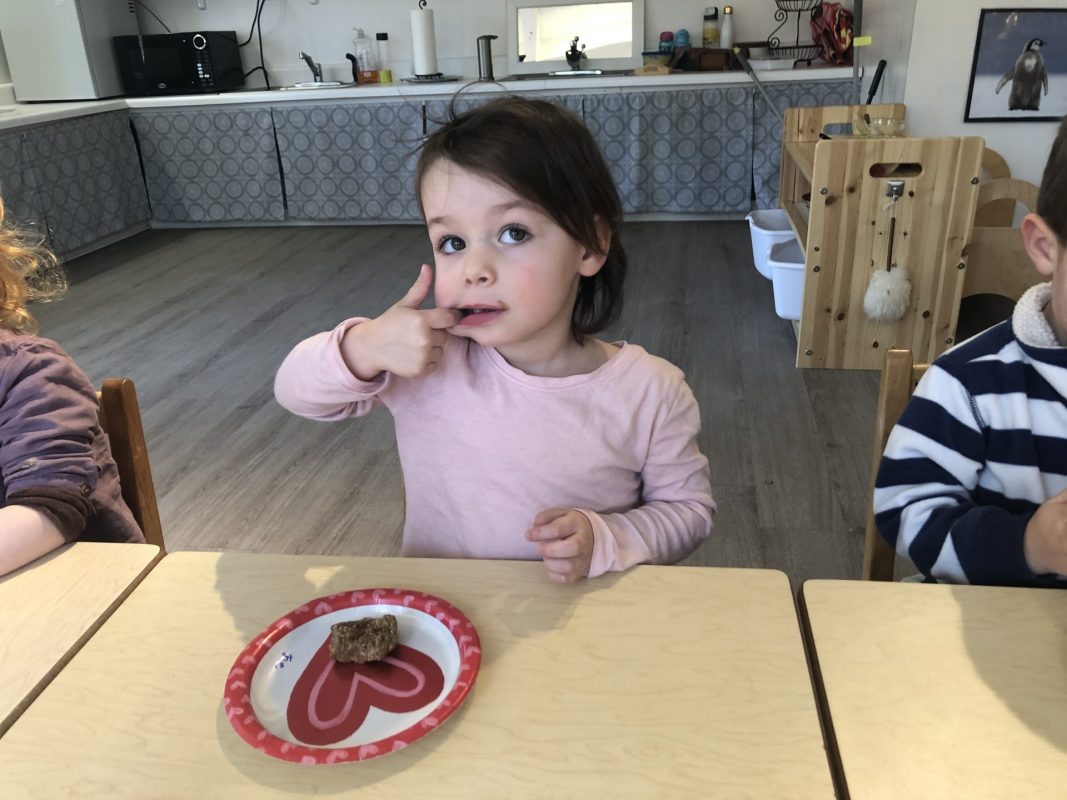
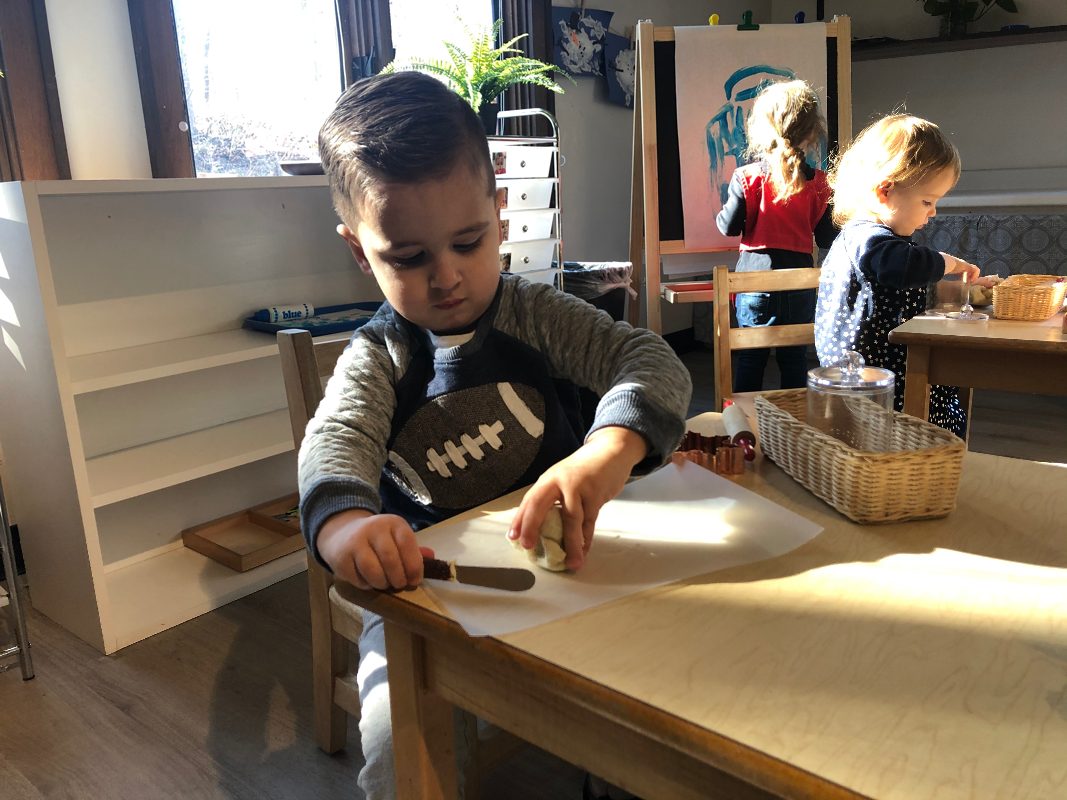
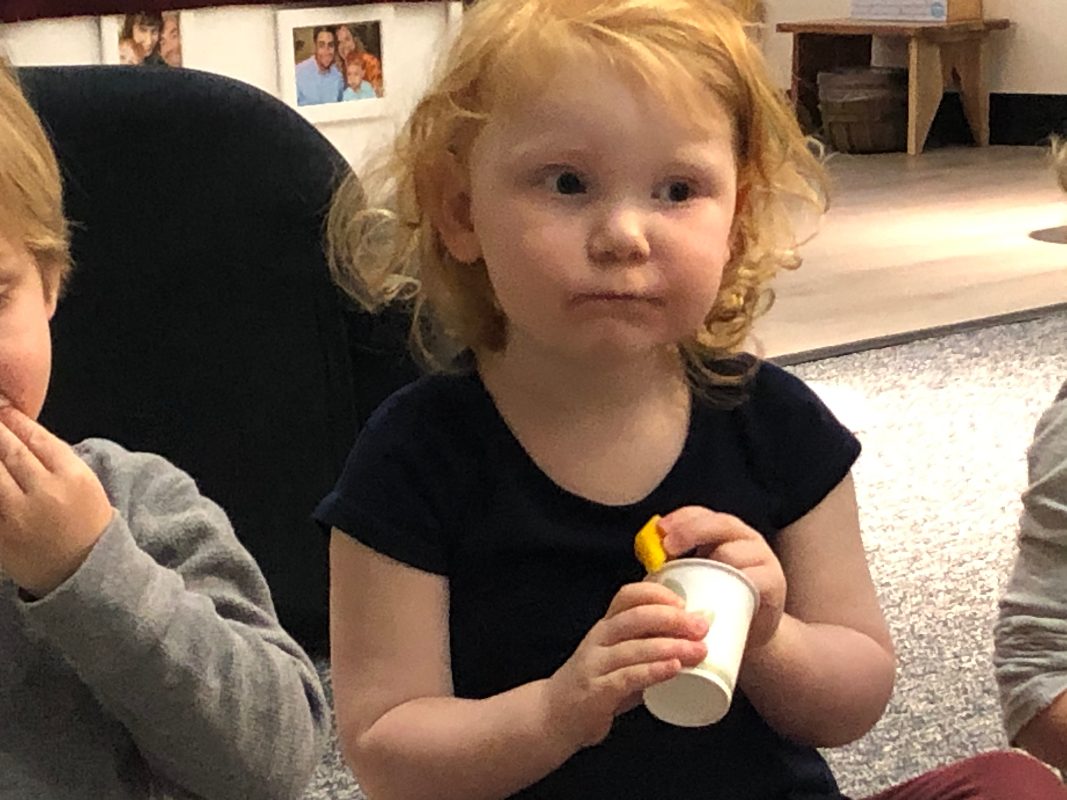
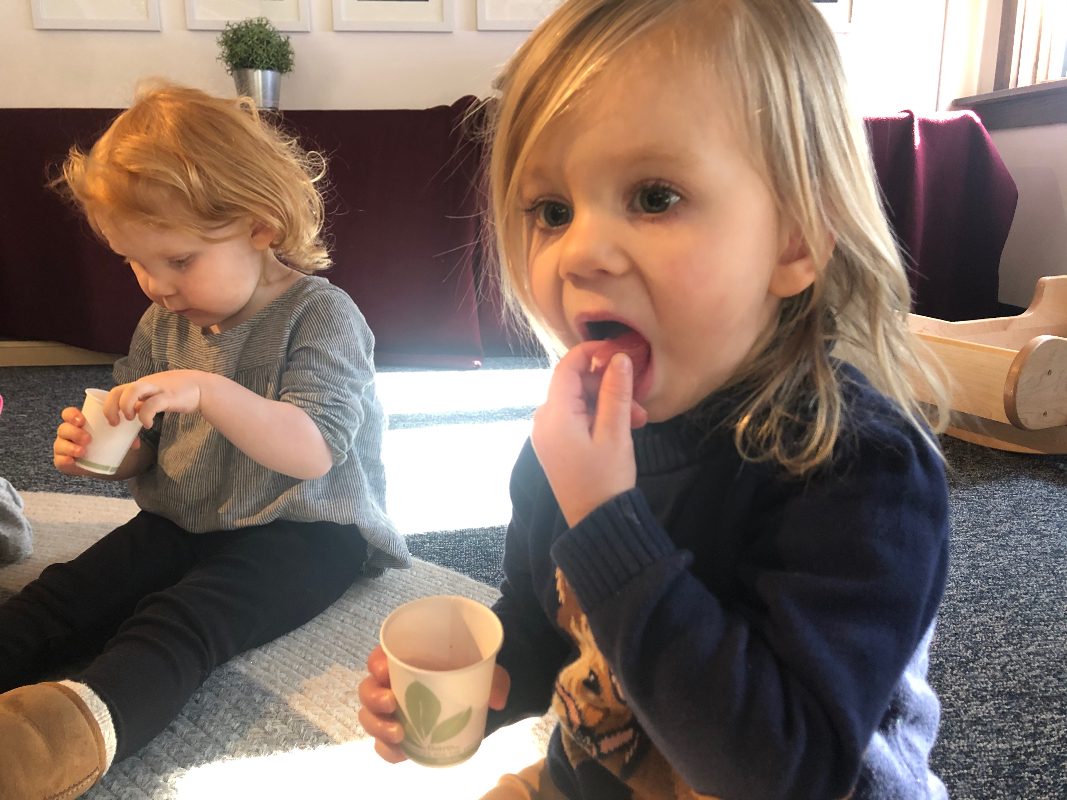
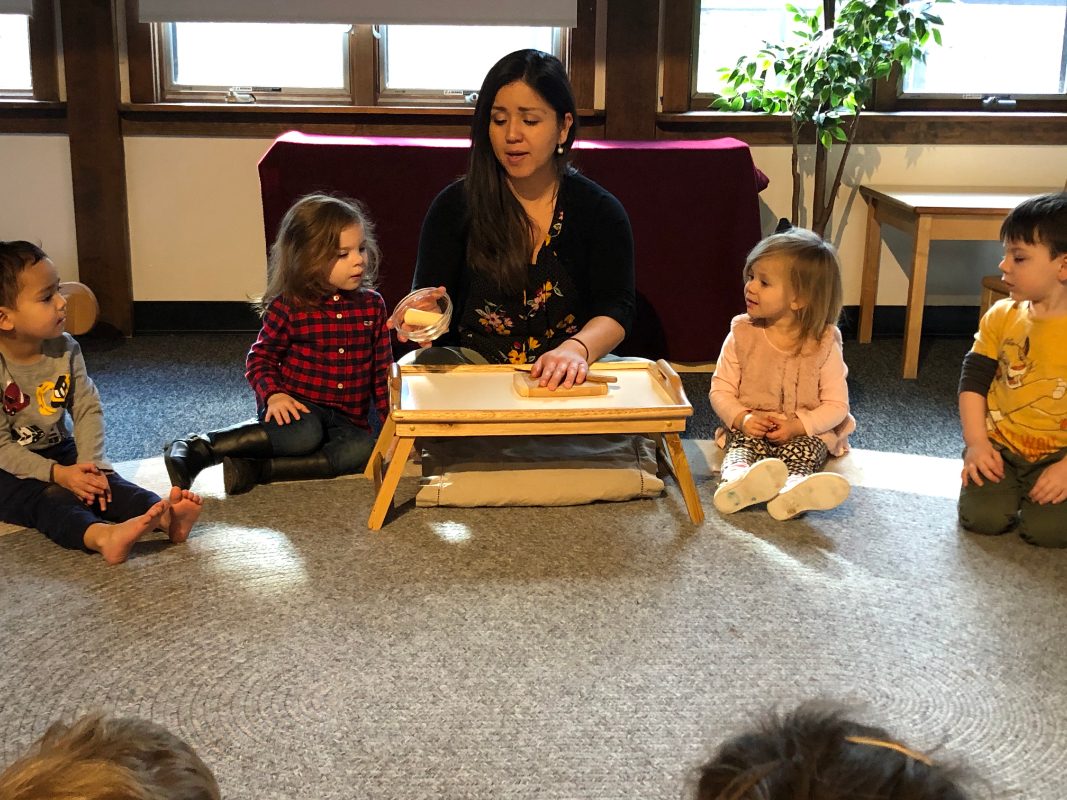
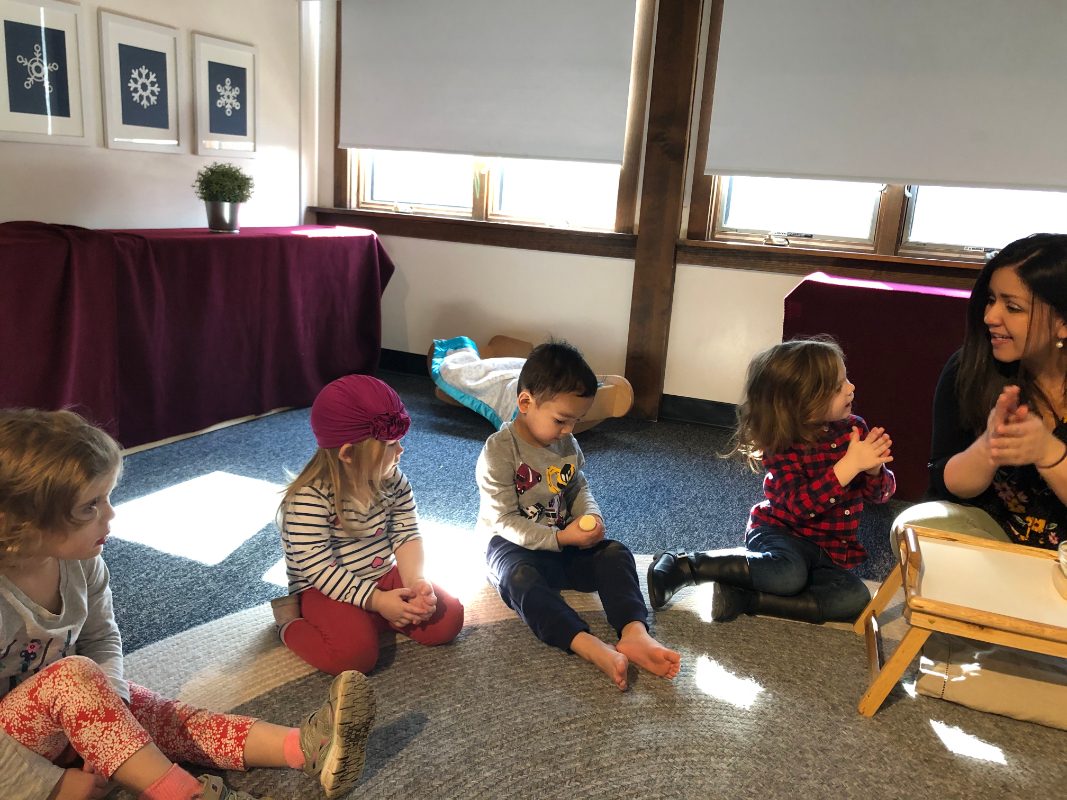
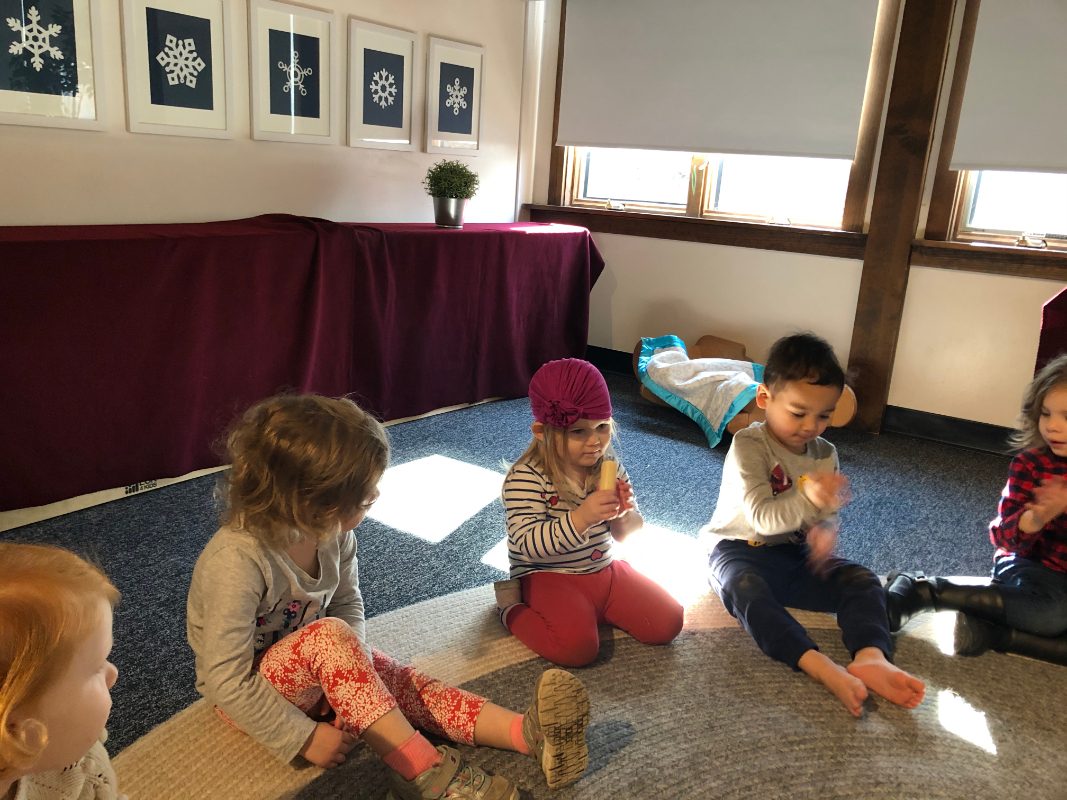
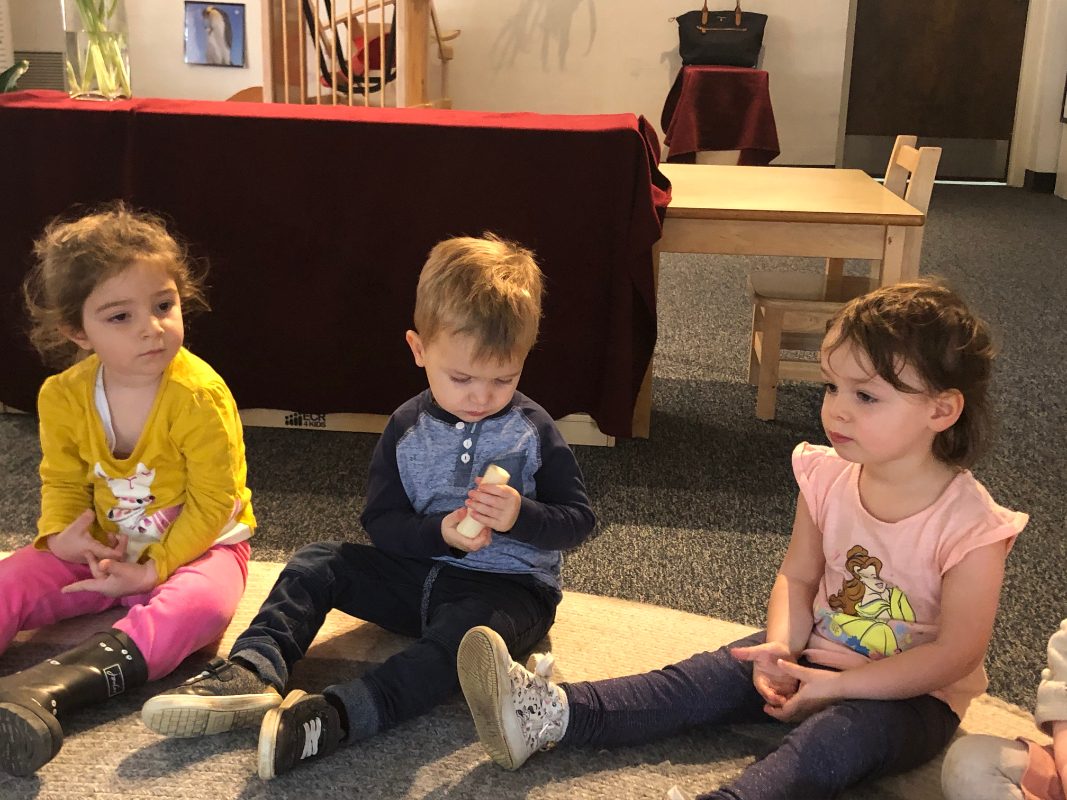
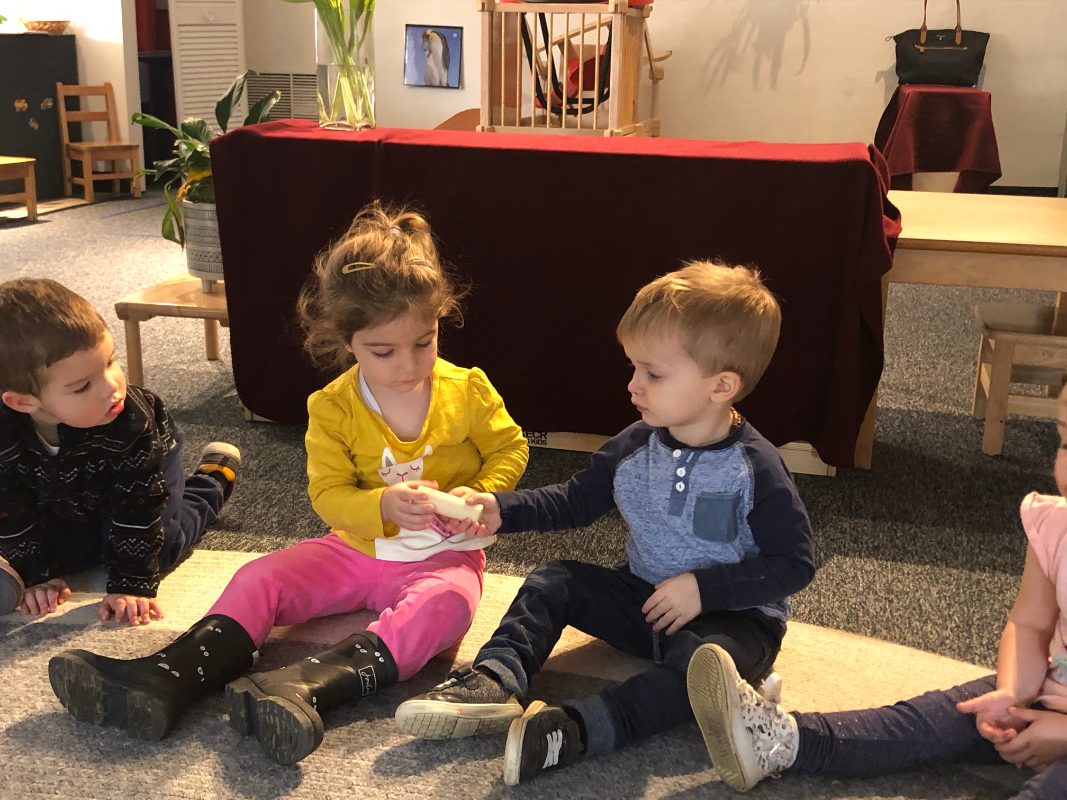
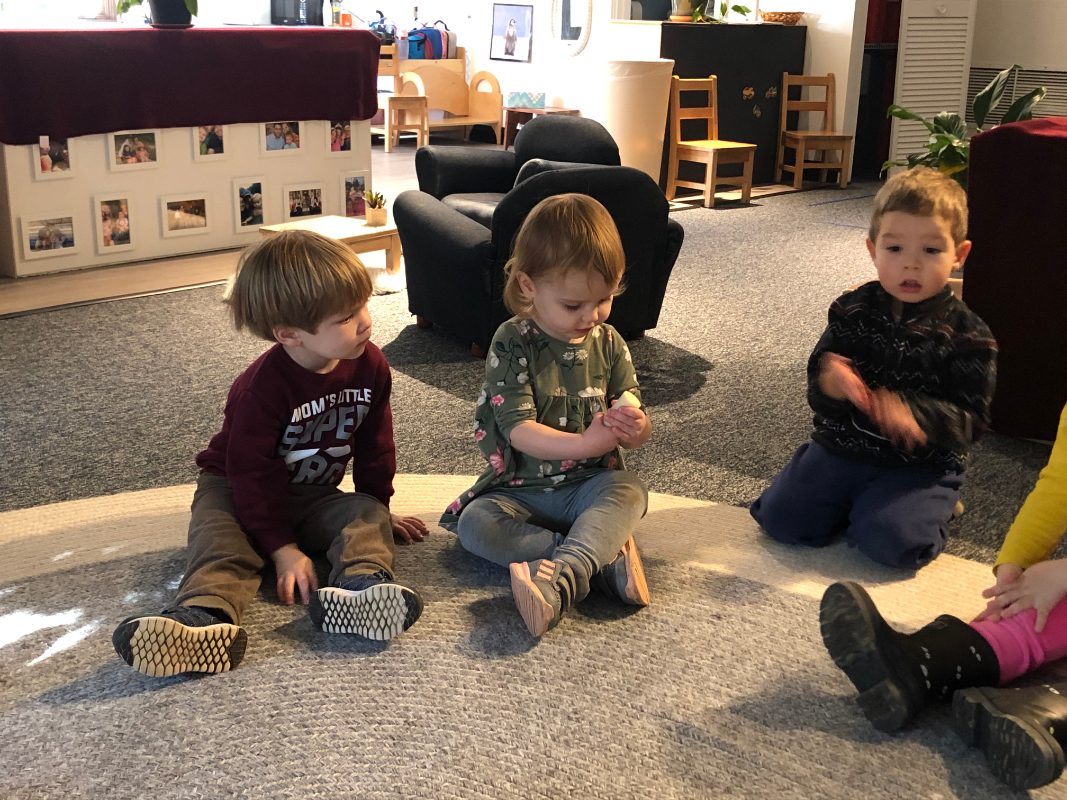
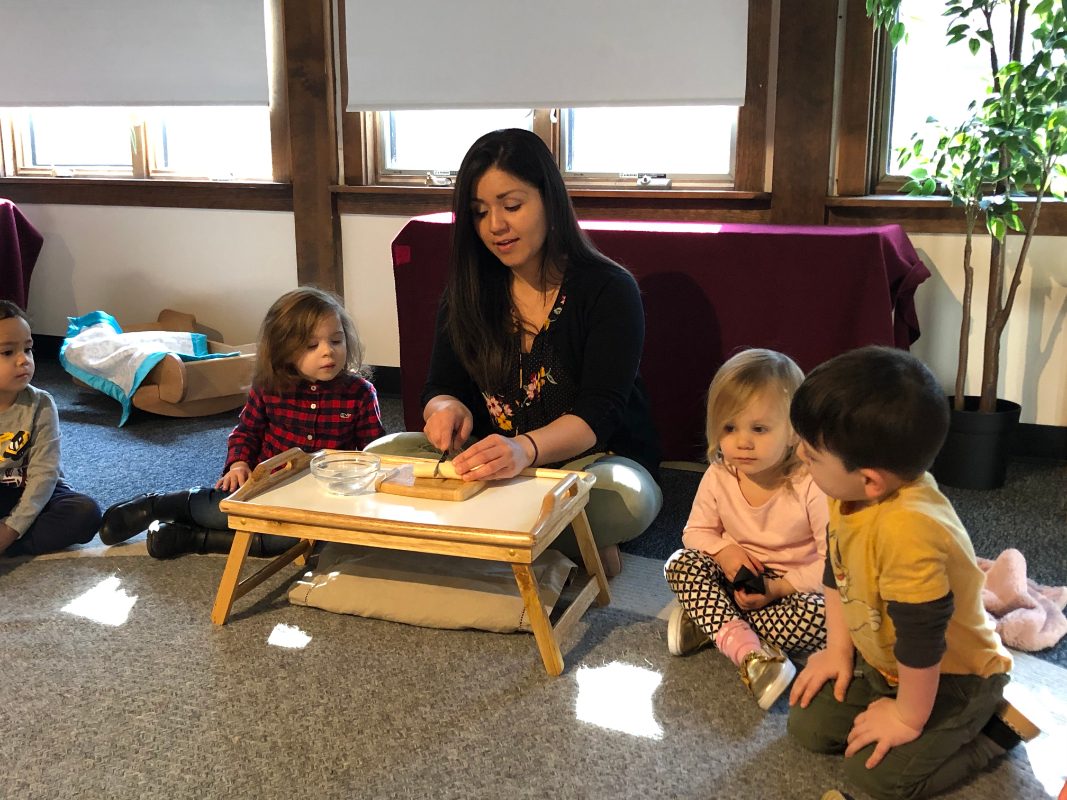
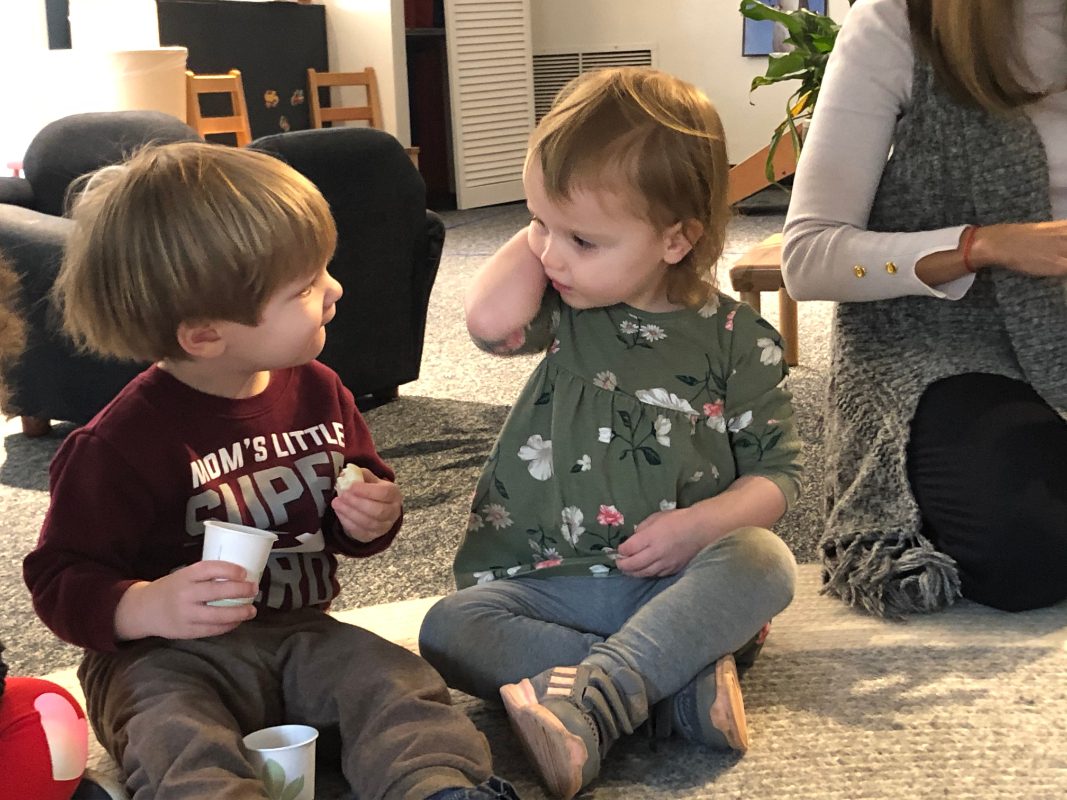
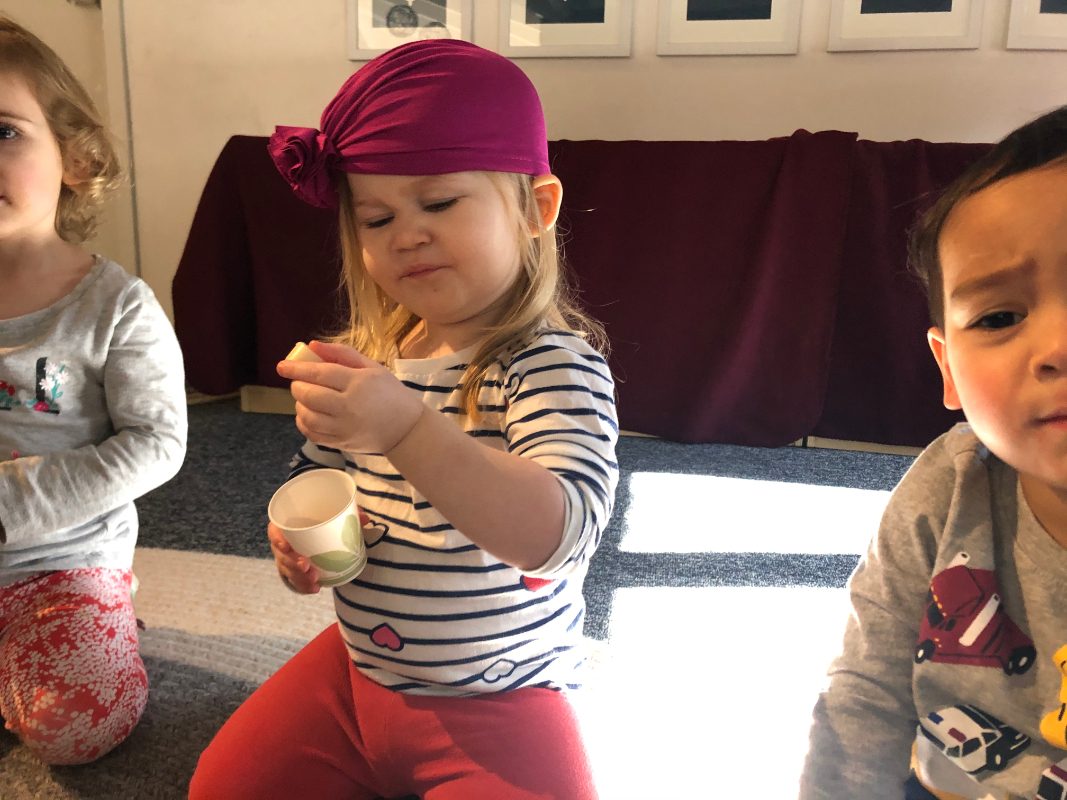
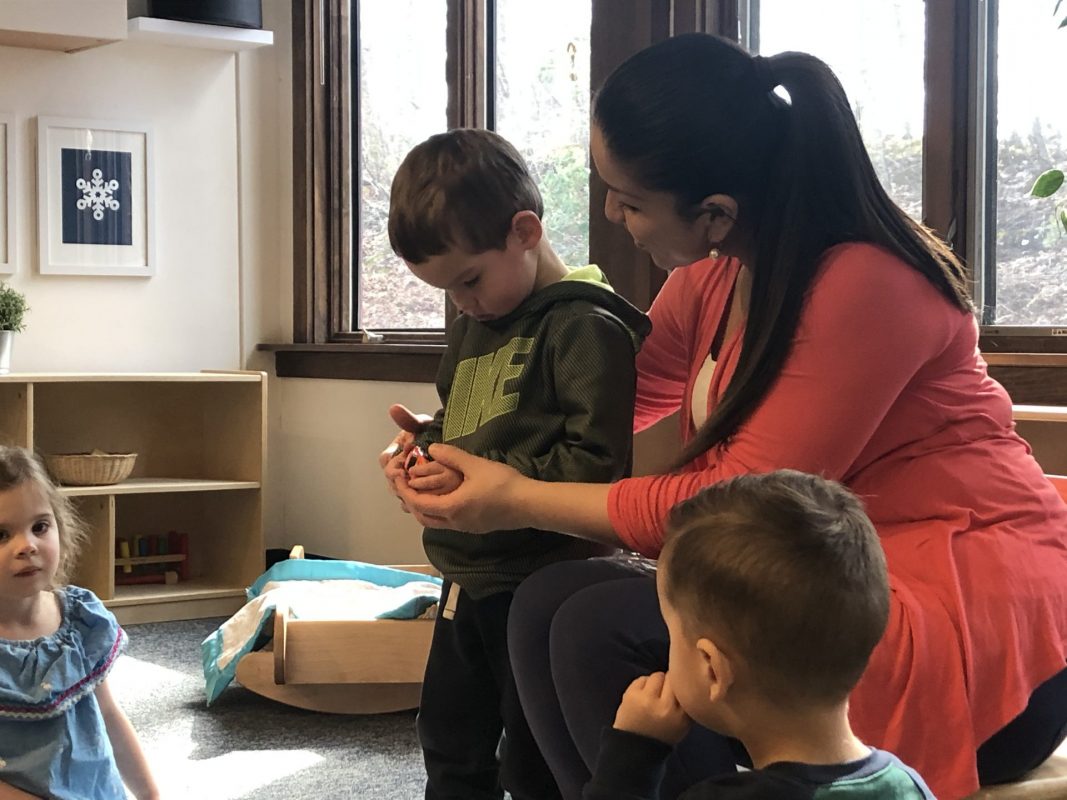
We had the great privilege to have our first parent volunteer working with the children this week. Children learned to make delicious energy balls, using gluten free oats, ground flax, cinnamon, sea salt, sunbutter, honey, vanilla, and they had a choice to finish it up with either raisins or chocolate chips…or both! So yummy!!! Children really seemed to enjoy participating in the mixing of ingredients, the sensorial experience of making their own ball, and devouring their finished product! It was a great day!

Here is the recipe if you would like to try it at home!
http://www.keeleymcguire.com/2016/02/nut-free-no-bake-sunbutter-energy-bites.html?m=1

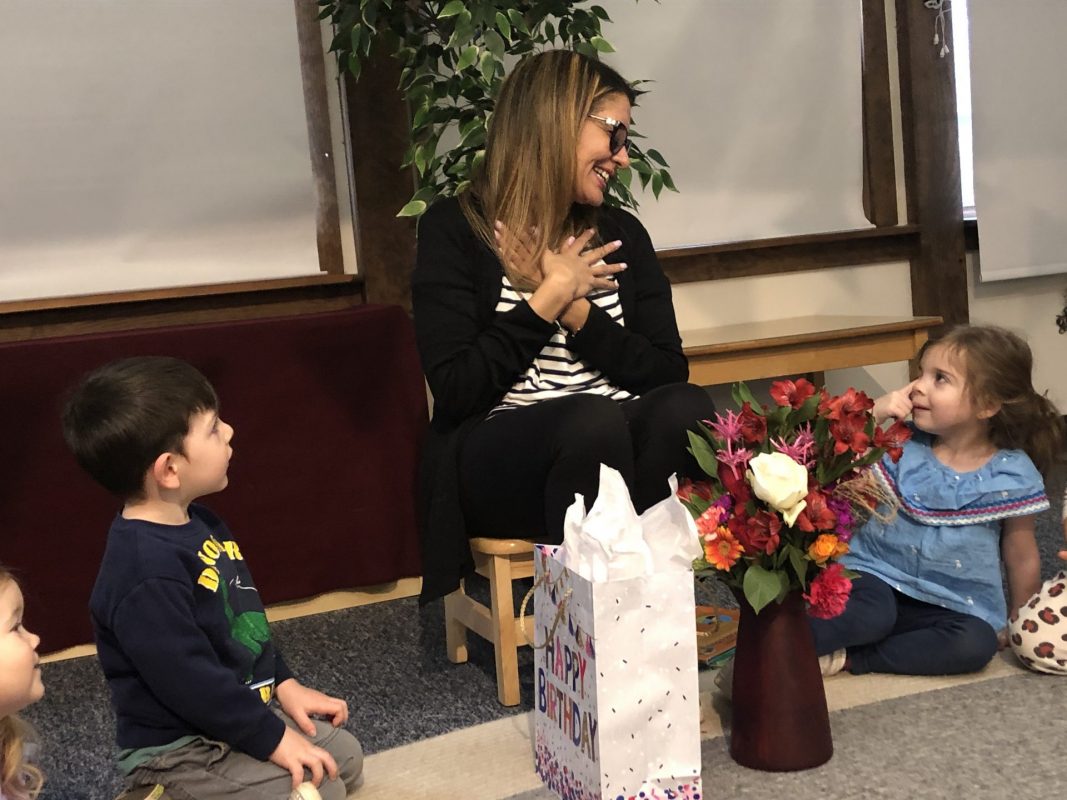
We strongly encourage all parents to share their talents with the children and schedule a visit. Is always so much fun when the children invite their parents into our special “world” at school. We love it and also appreciate your support in following the guidelines to make these visits a successful event.
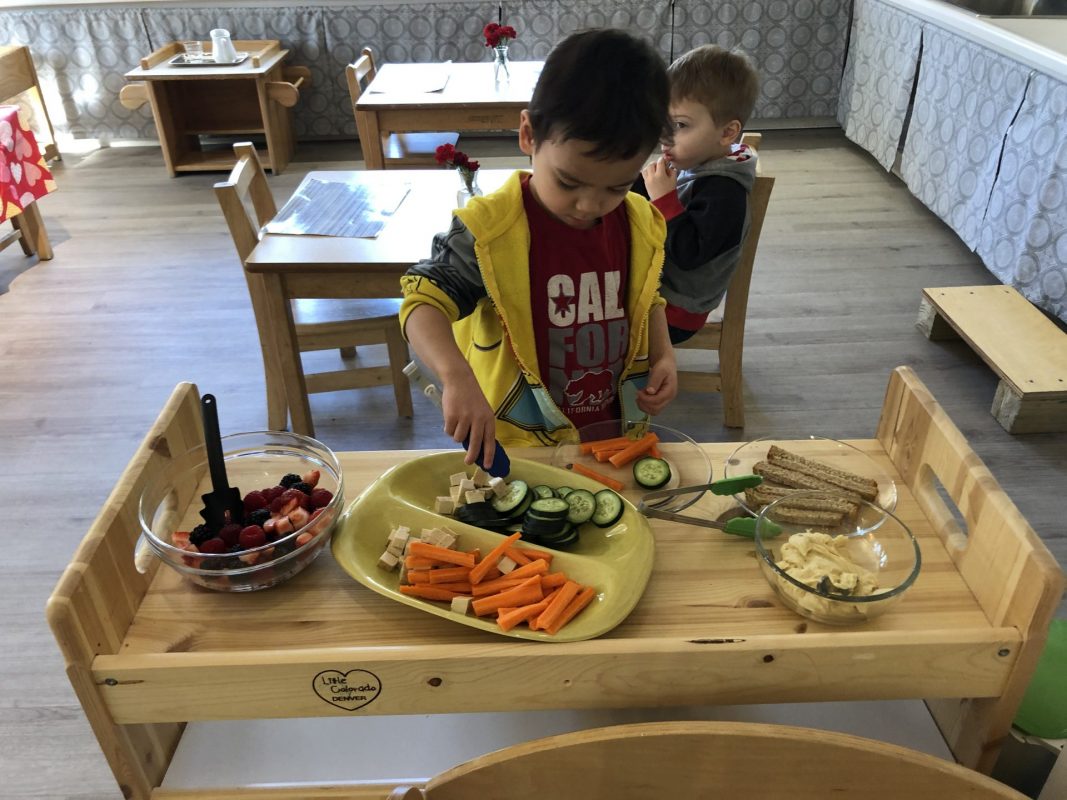
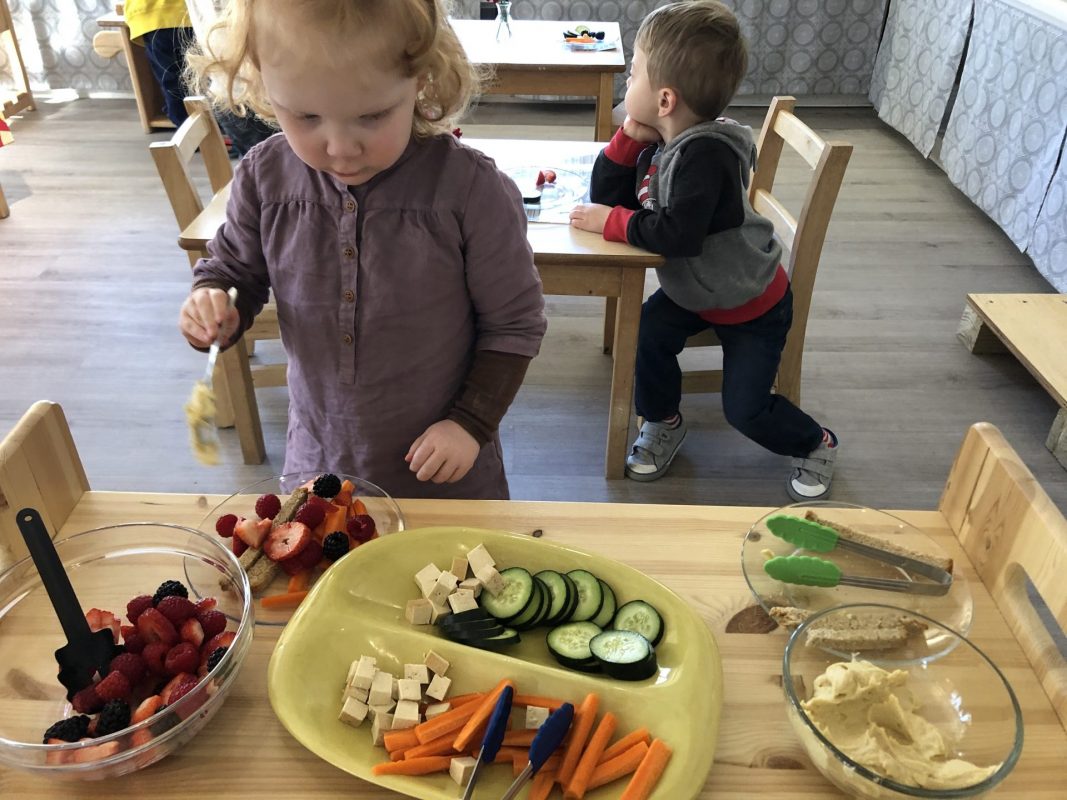
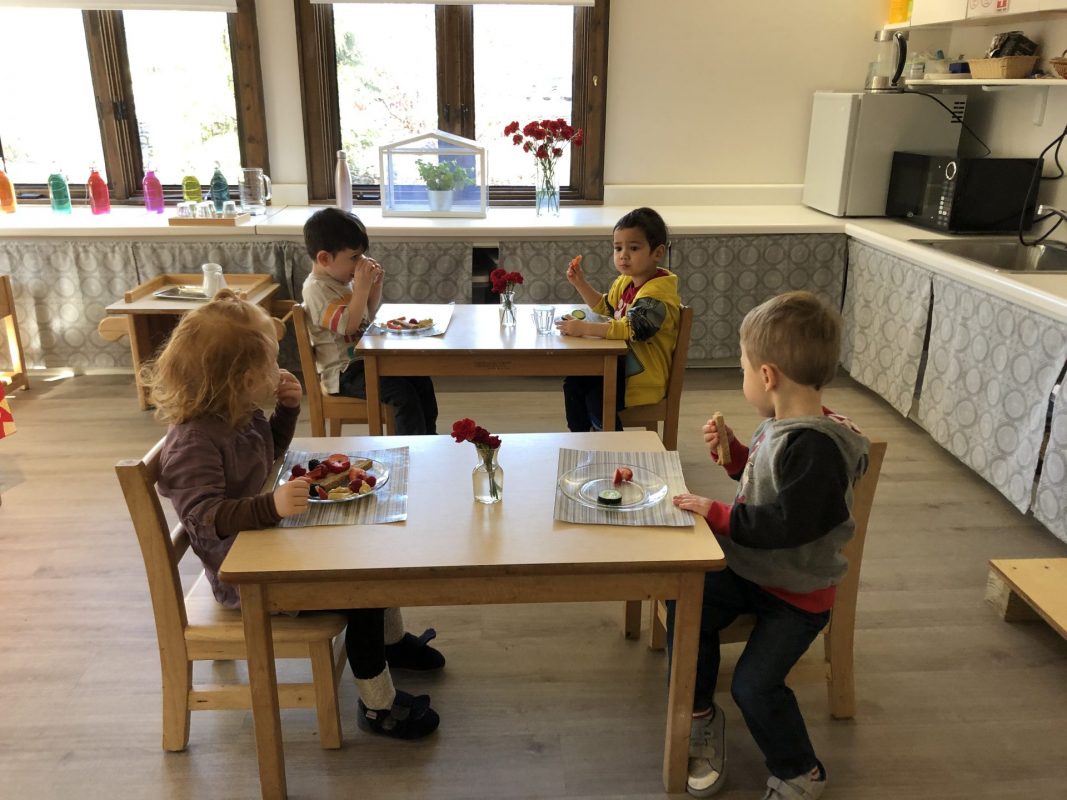
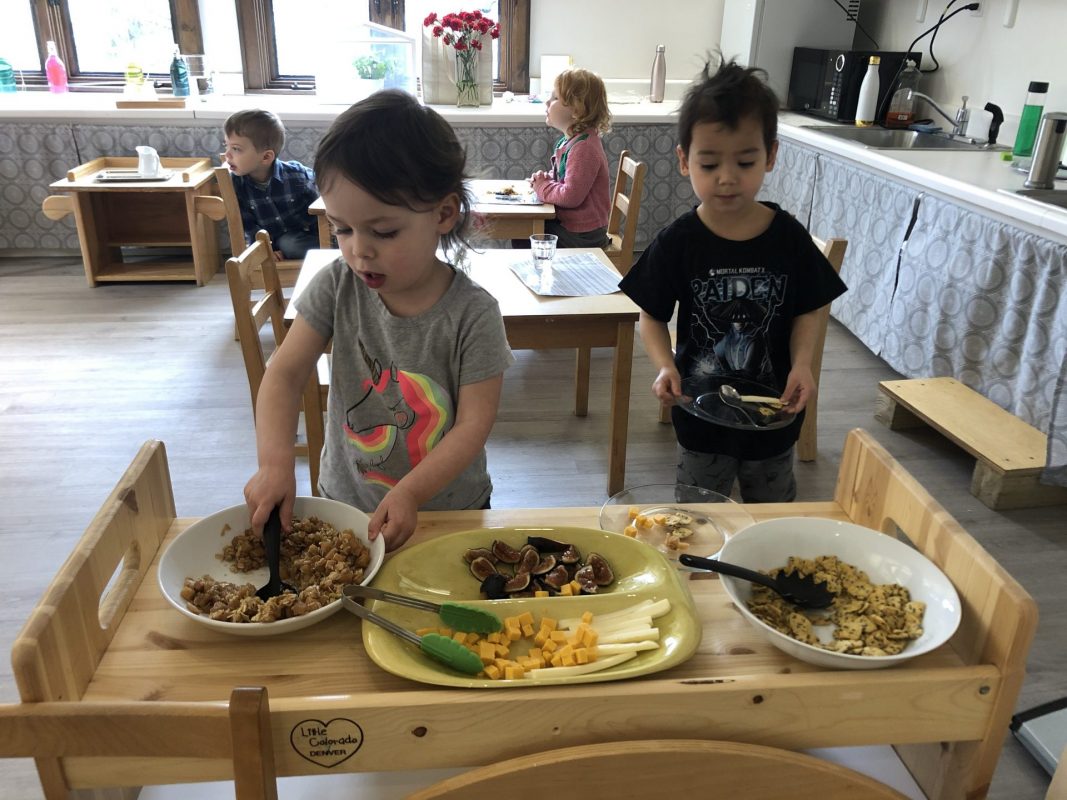
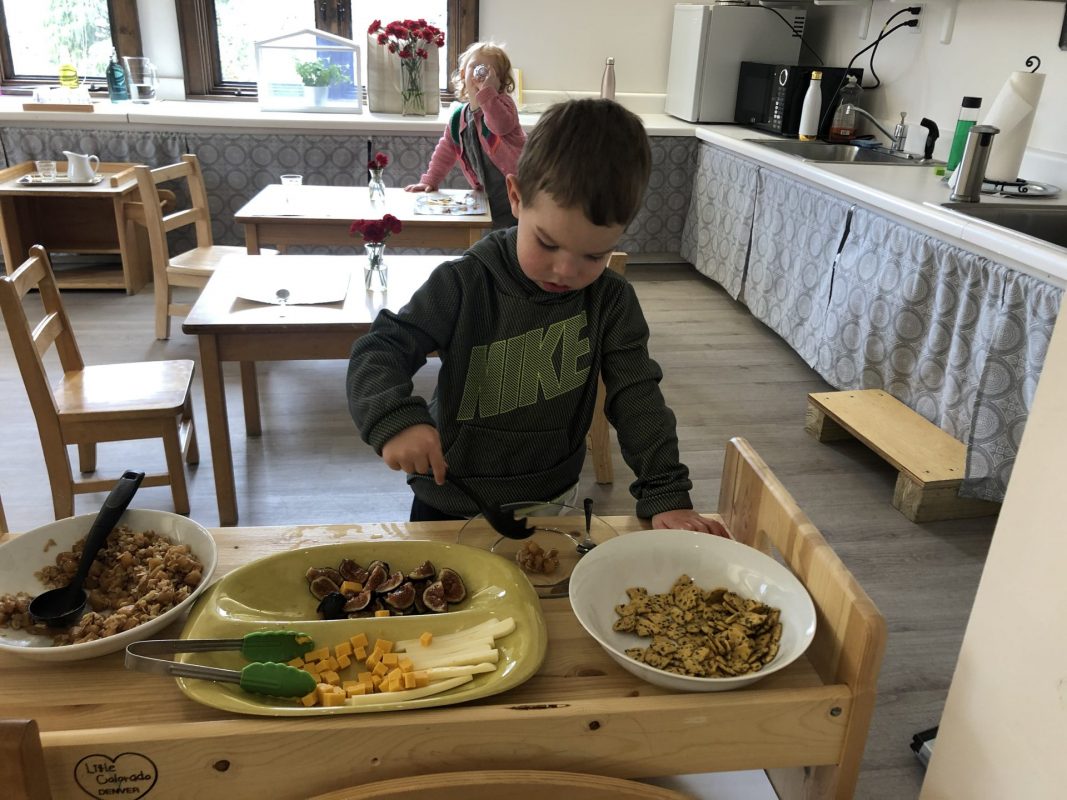
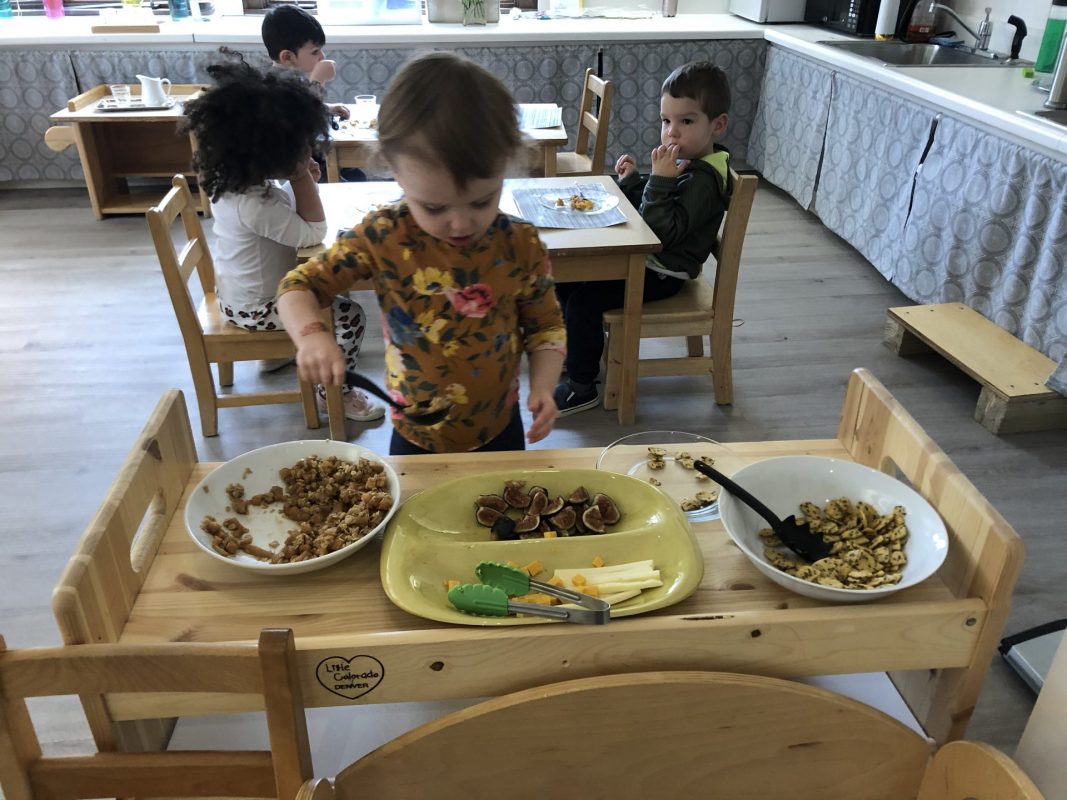
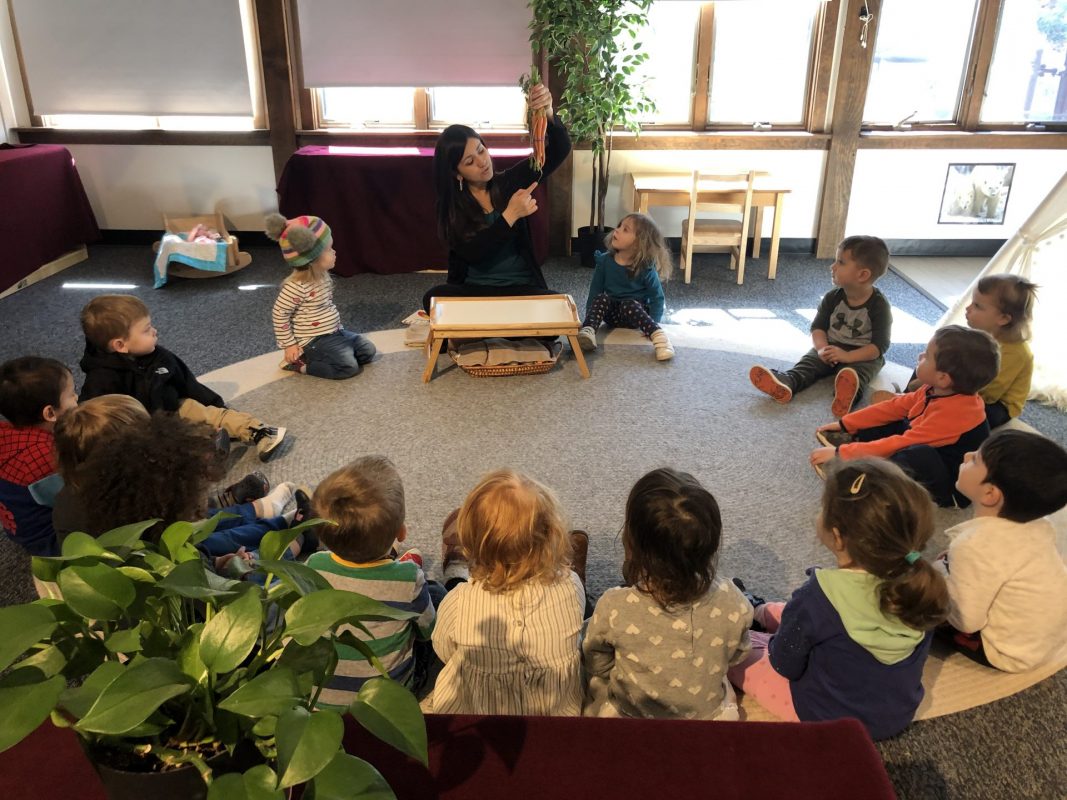
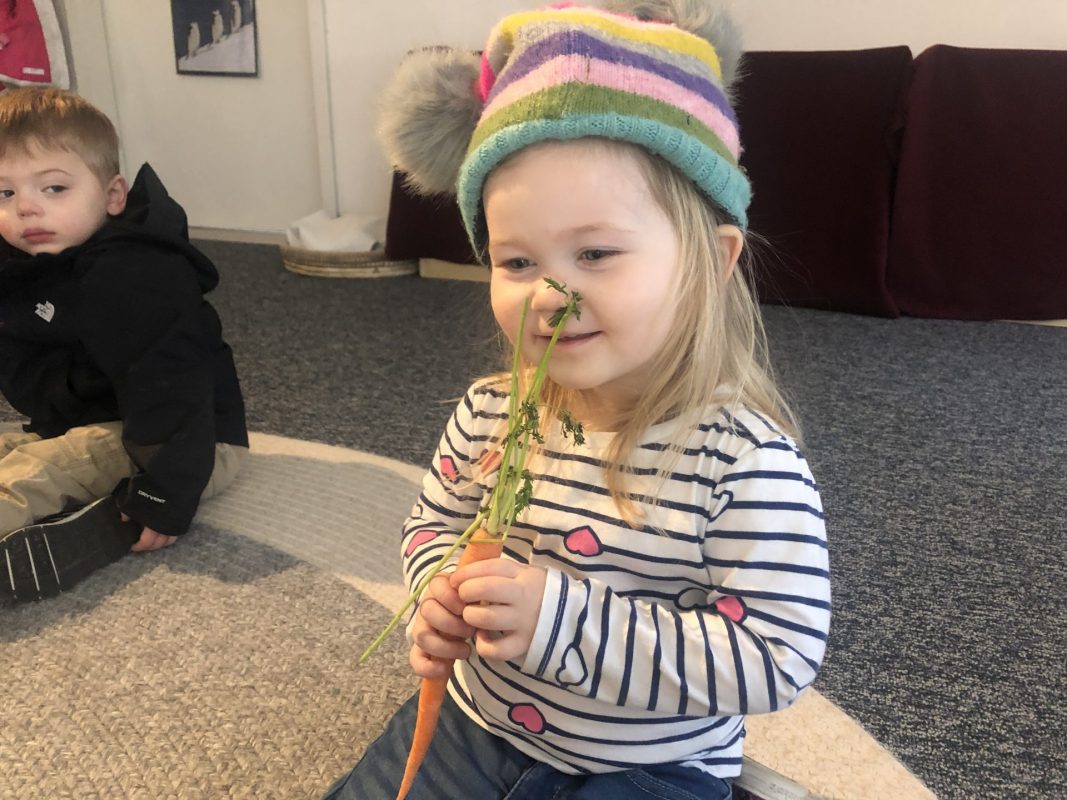
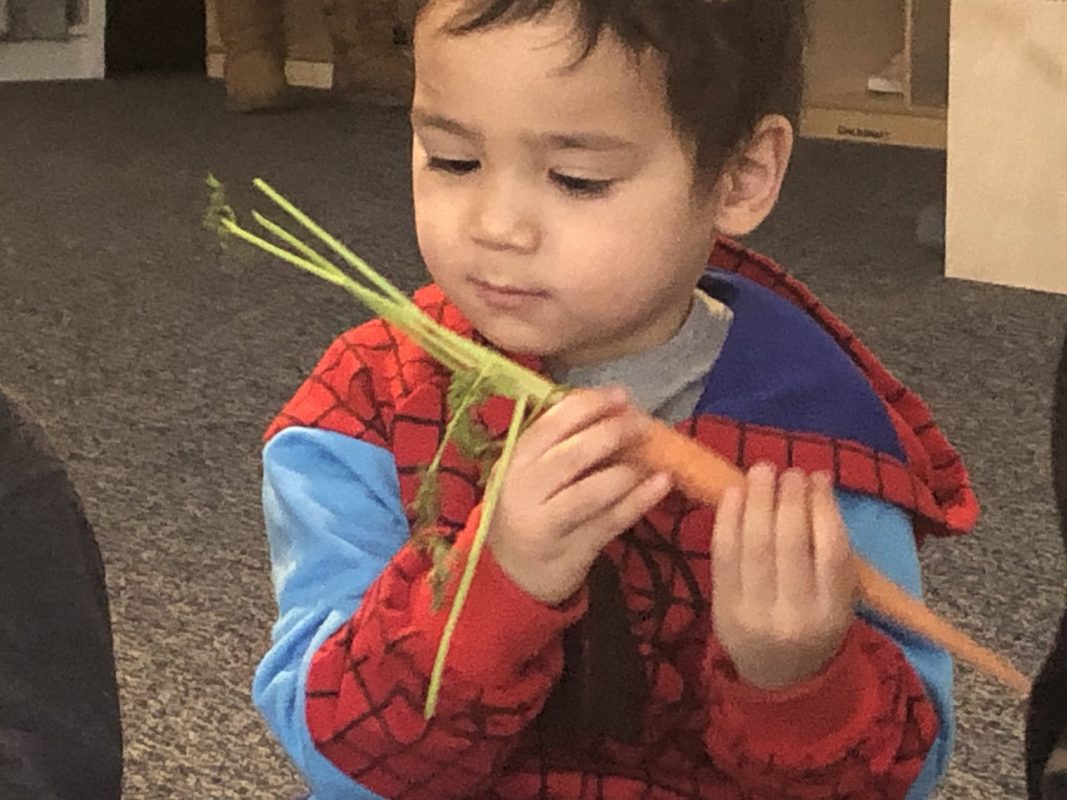
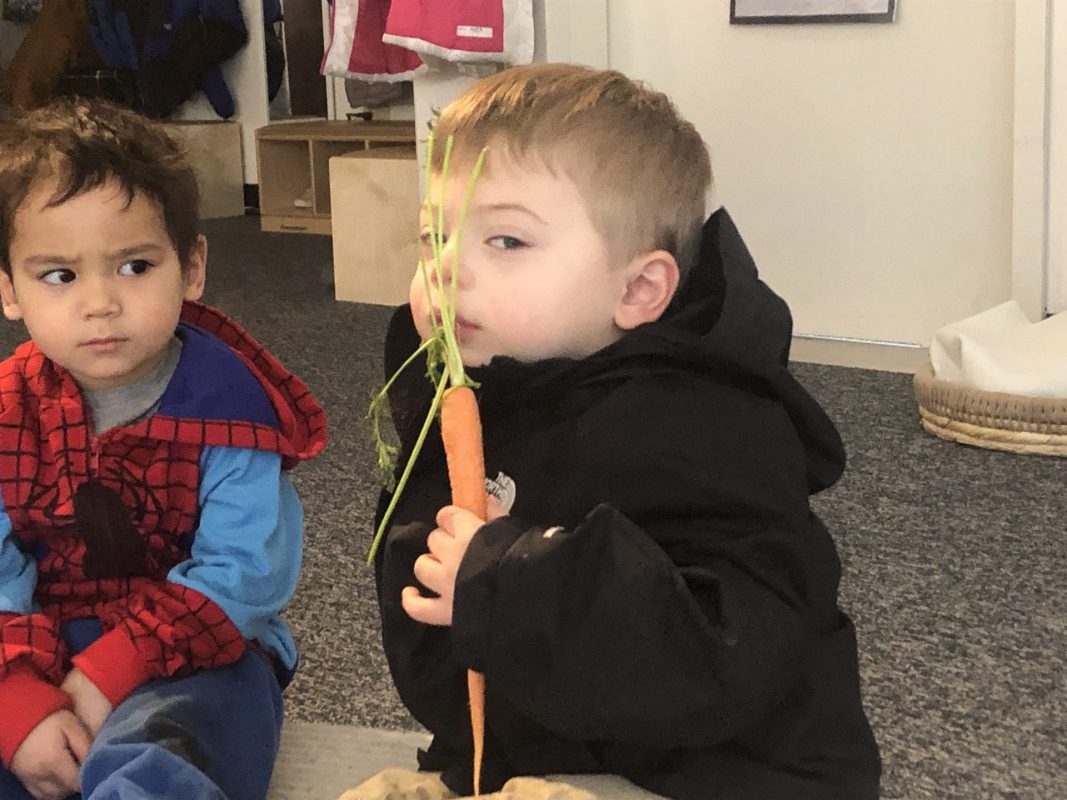
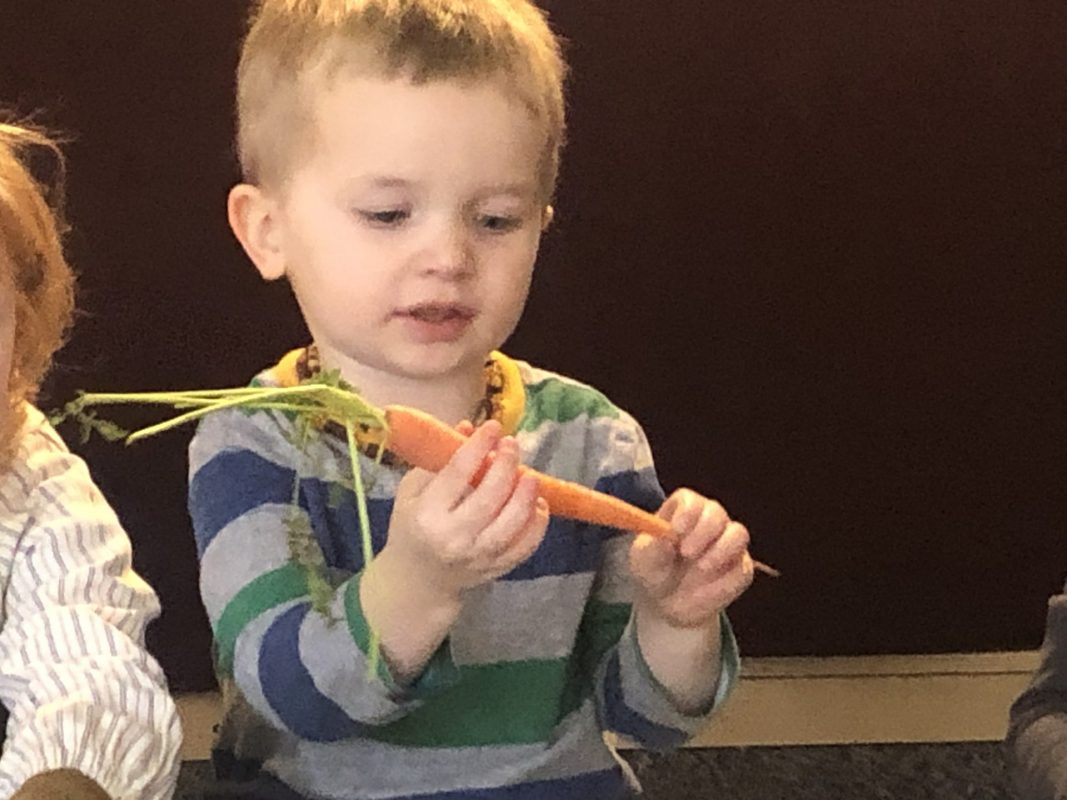
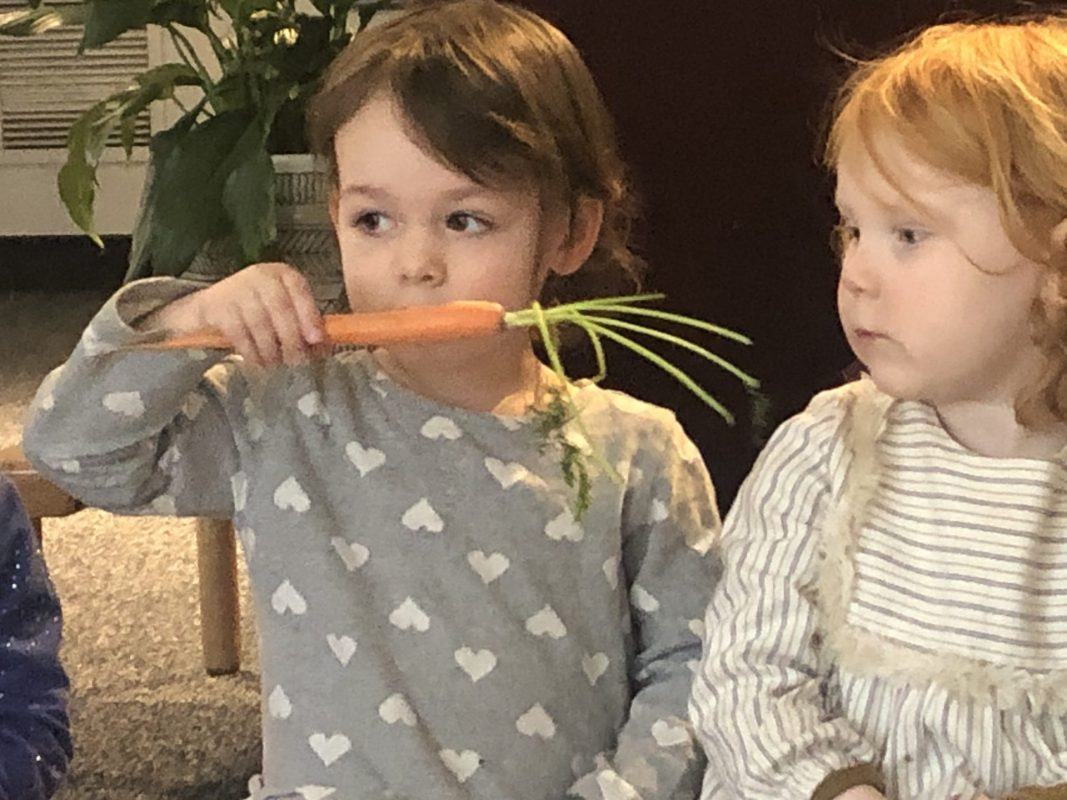
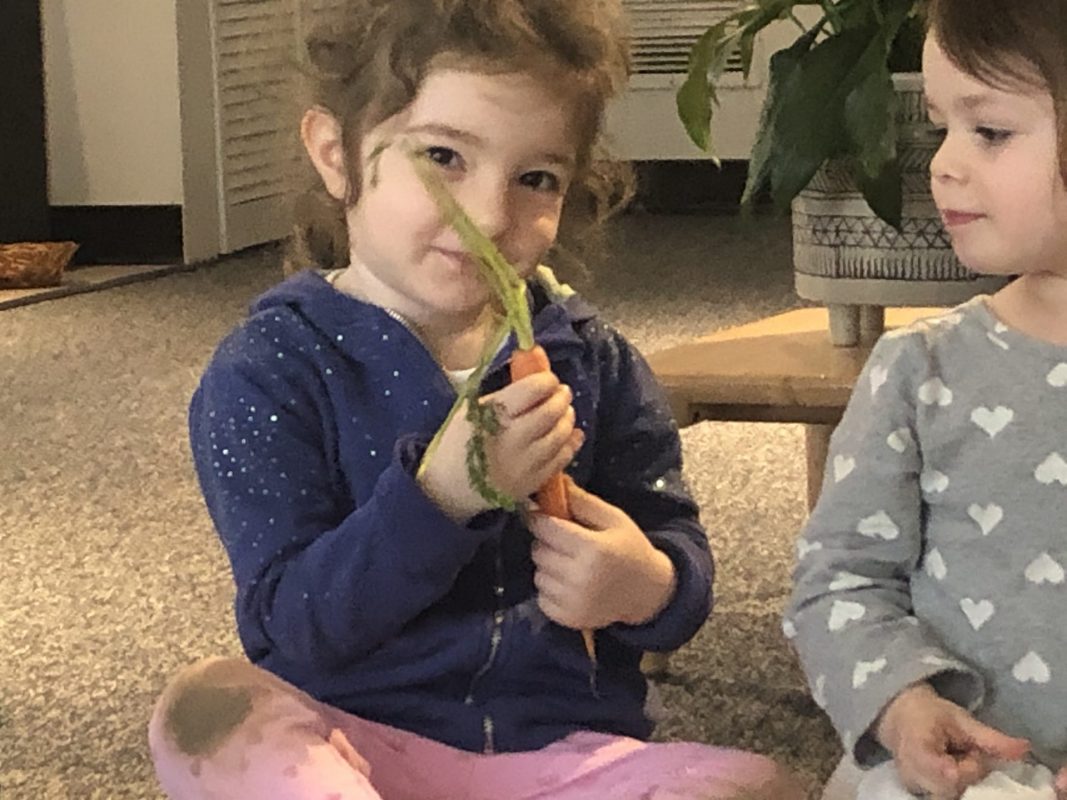
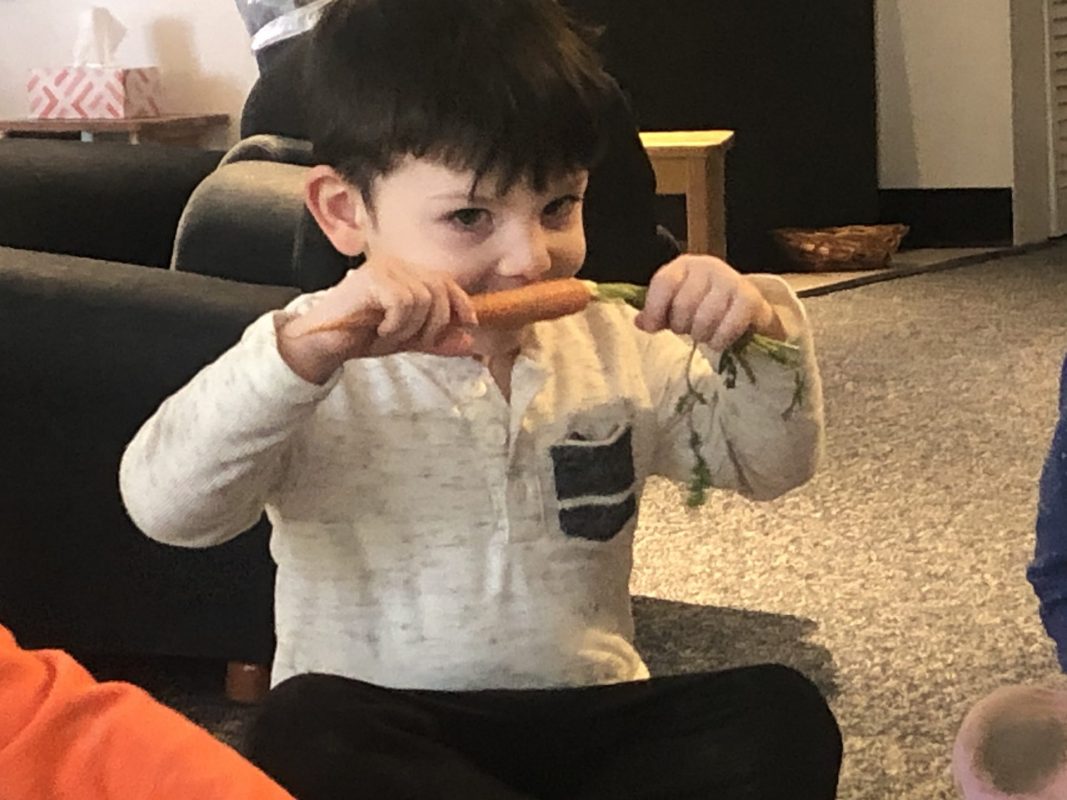
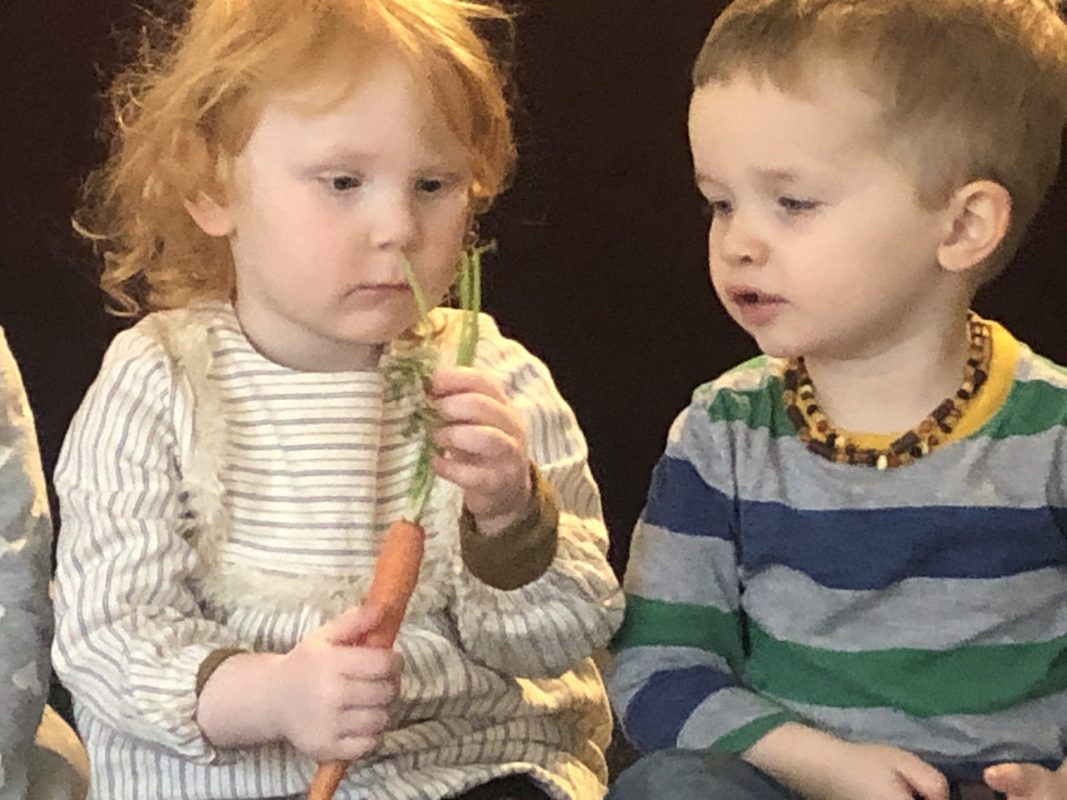
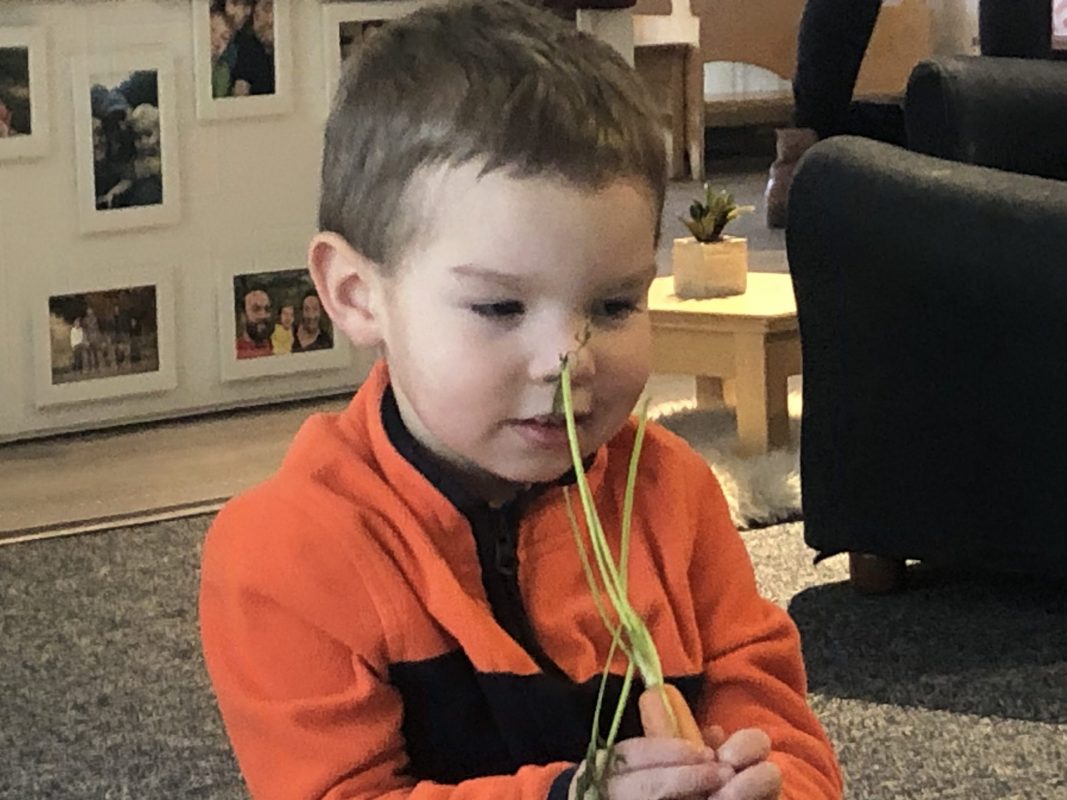
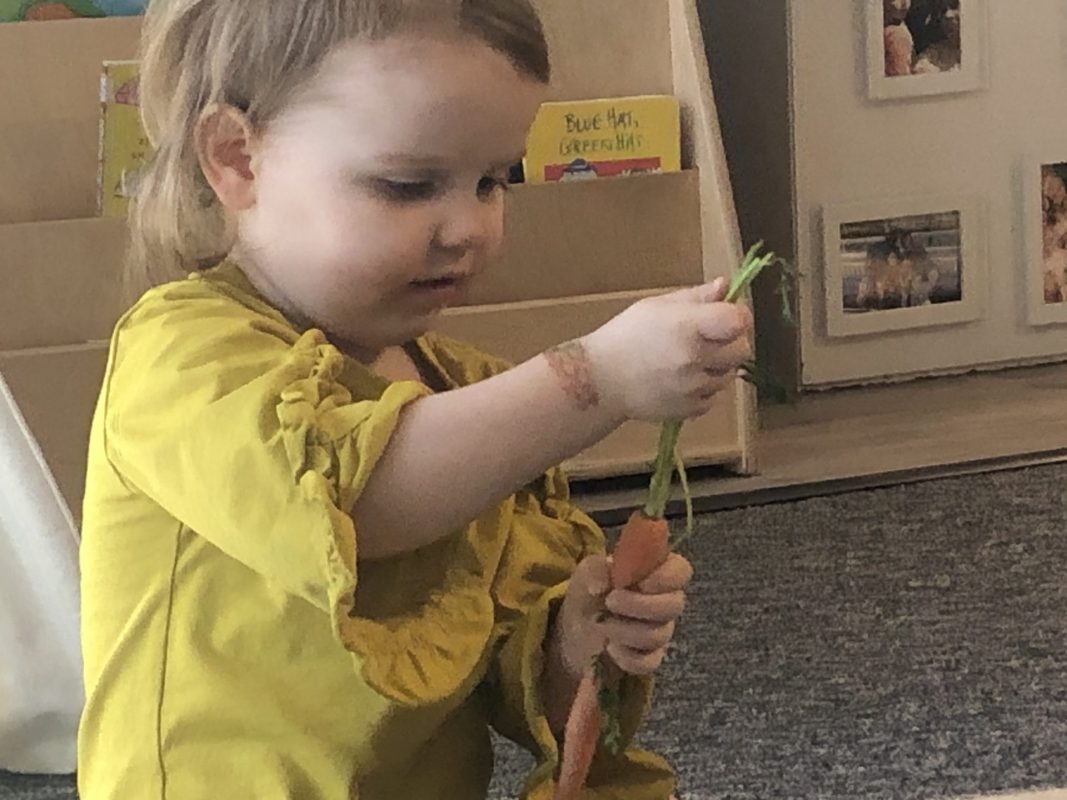
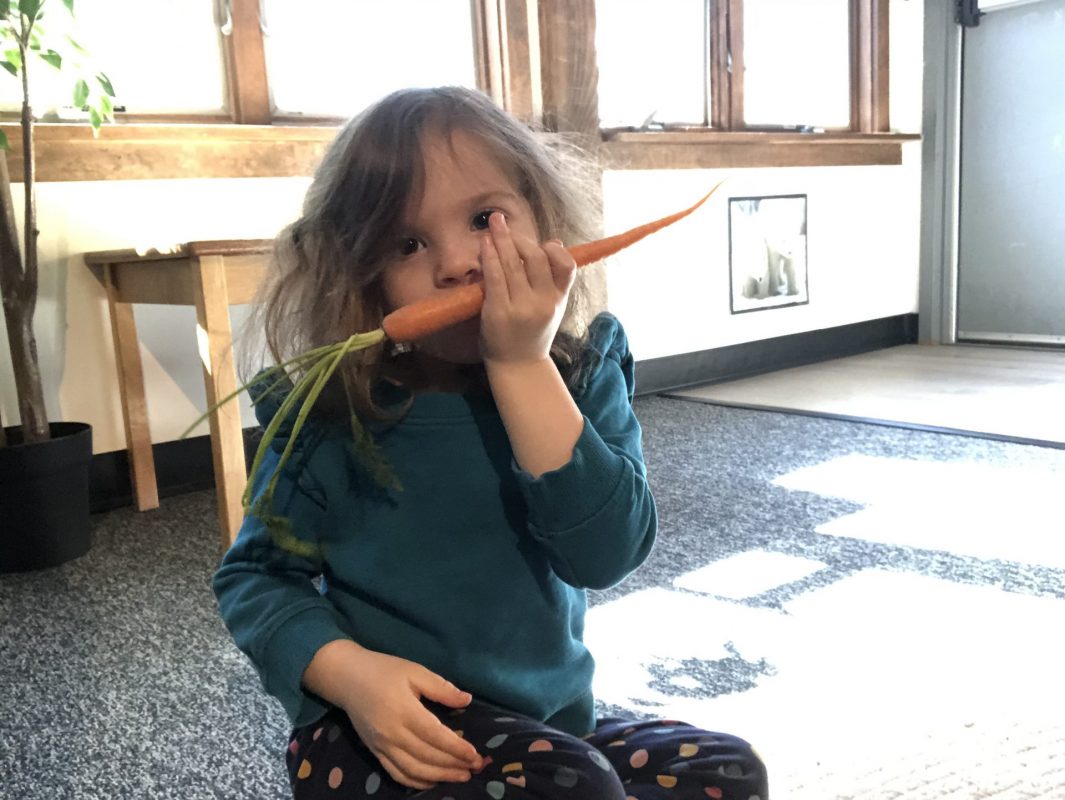
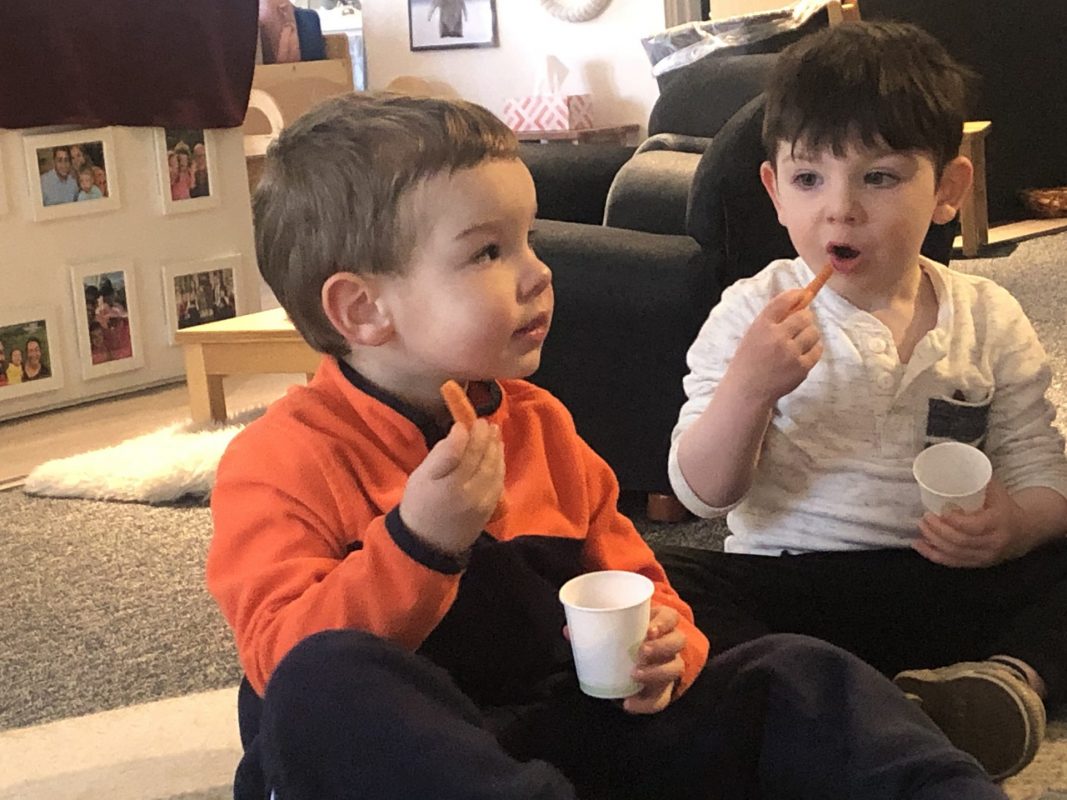
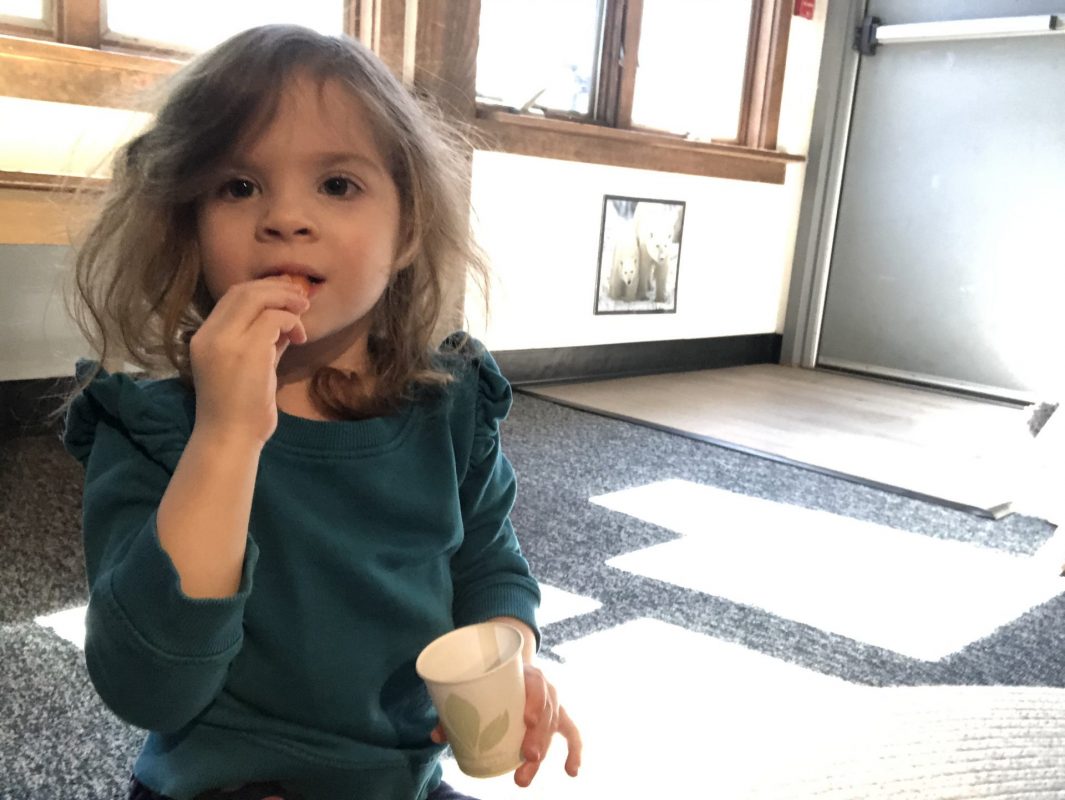
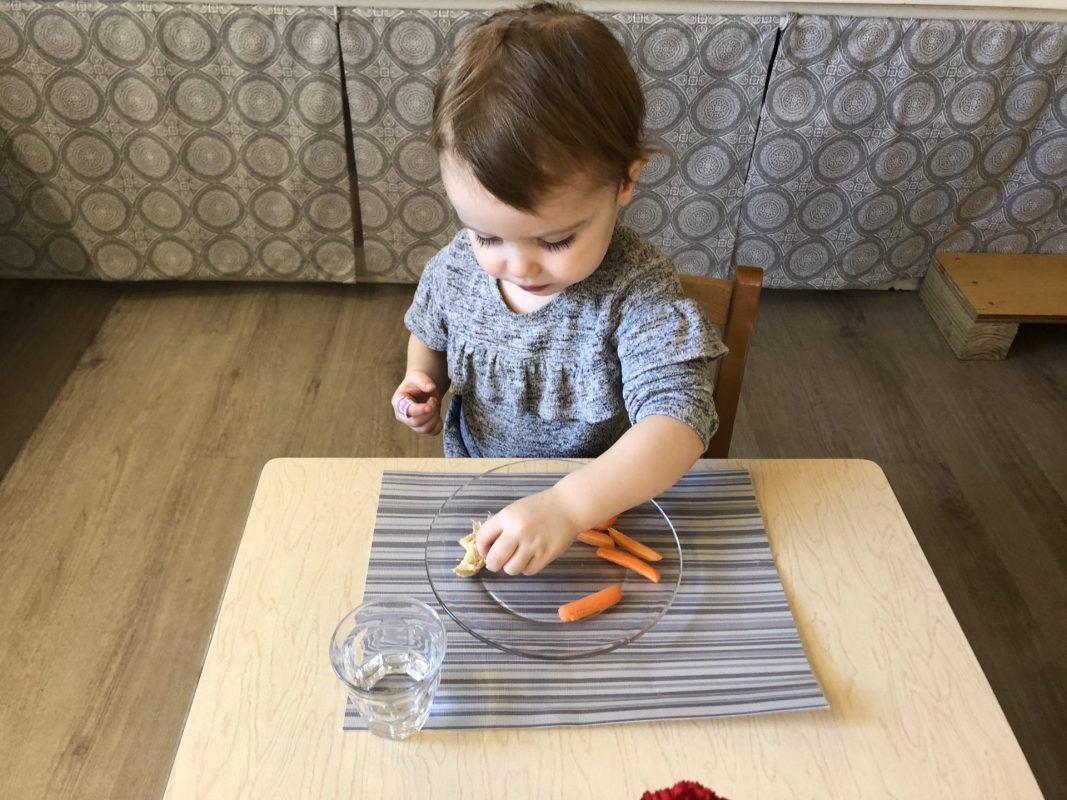
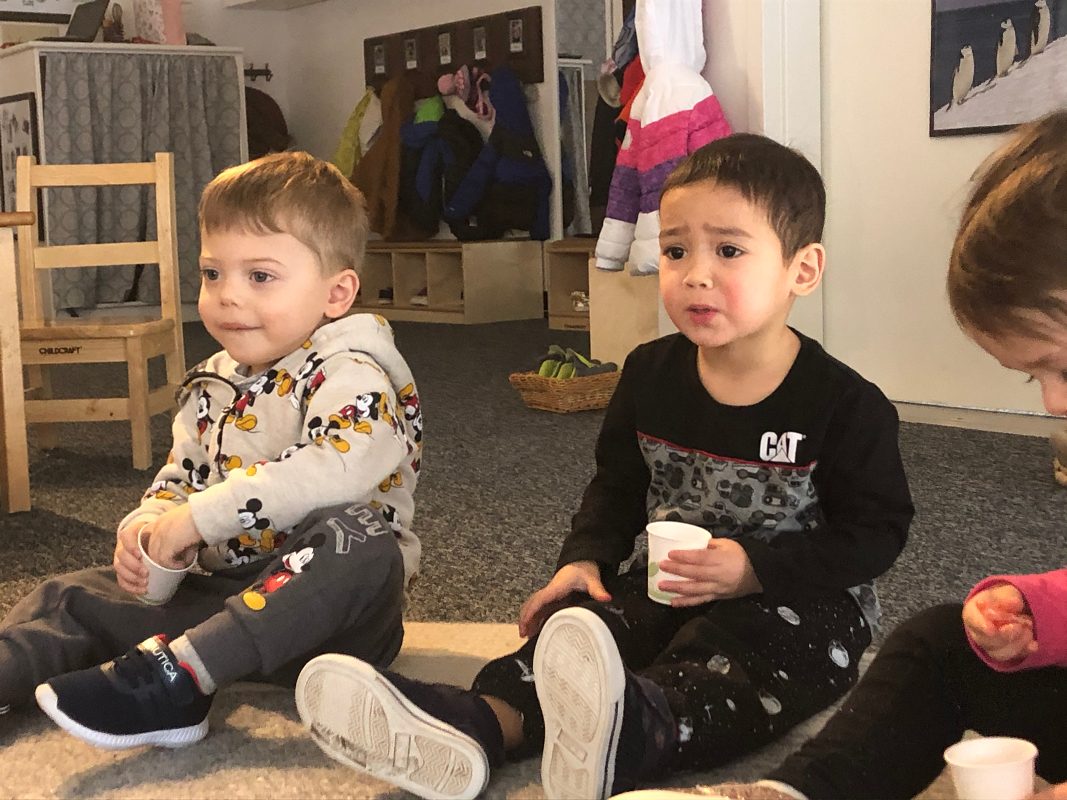
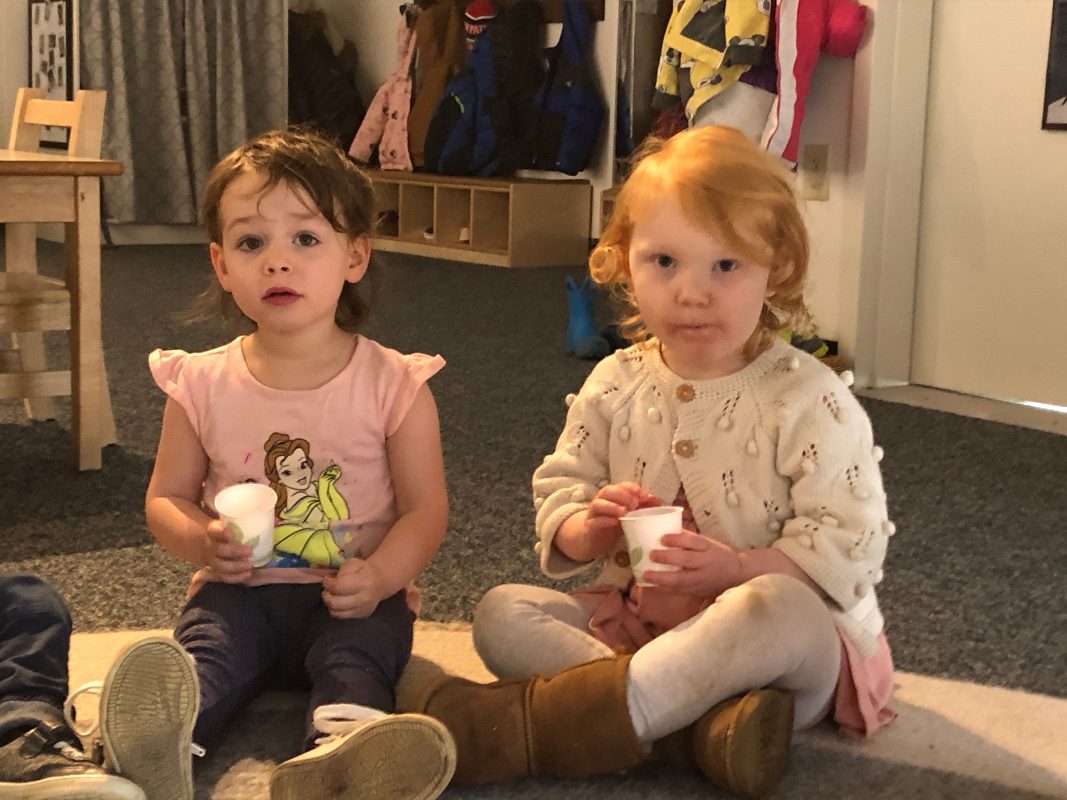
For food tasting, children enjoyed exploring rainbow carrots. That’s right! We studied the parts of purple, white and orange carrots! And we all enjoyed the sweetness and crunchiness of them! This vegetable received a standing ovation by all!

Note: We are excited to let you know that all our toddlers who will be moving up to our Primary program in the Fall of 2020 will be visiting a Primary classroom next week with the goal of  getting them acquainted  with the environment and teachers. Kindergarten students can’t wait to welcome our toddlers and work together in the environment. It’s going to be a great experience for all! 


Mrs. Hood’s Class: Show and Tell and More Fun!

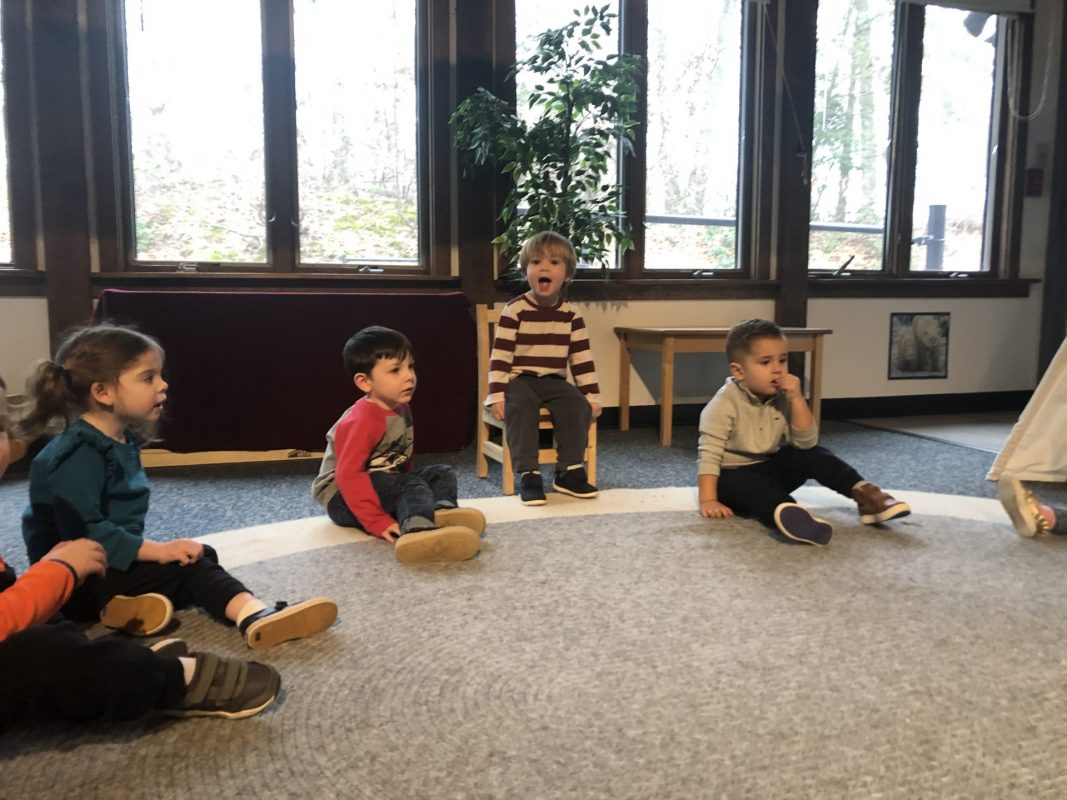
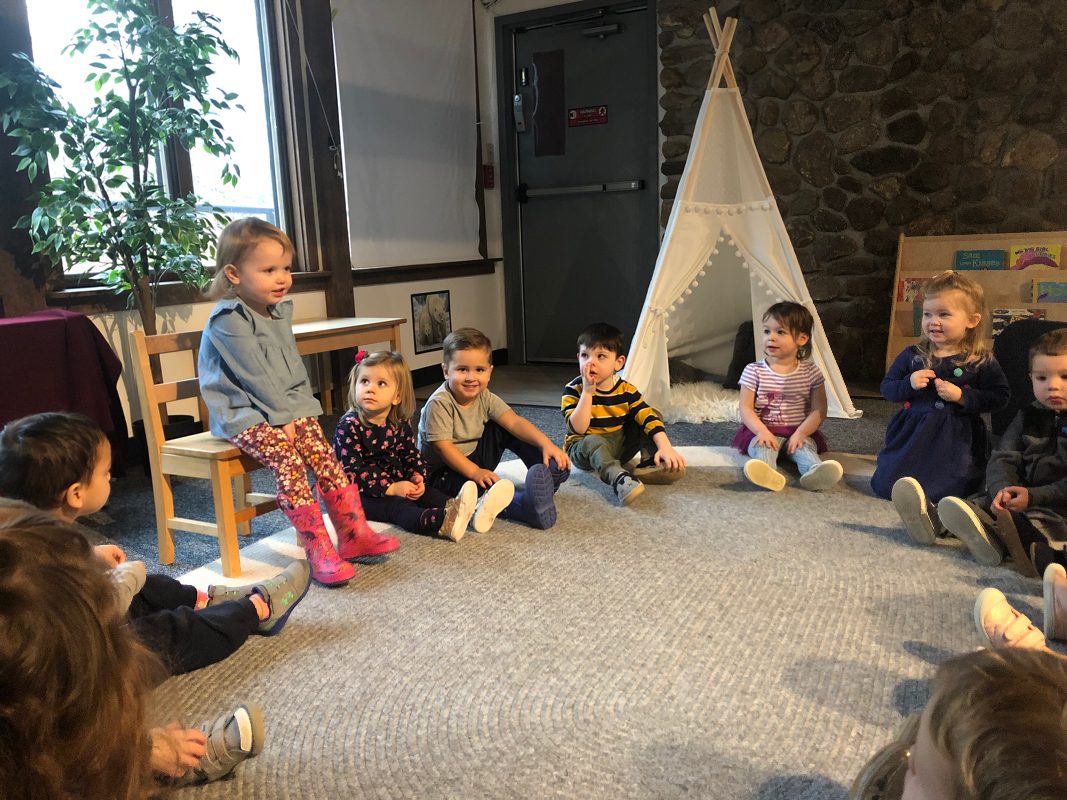
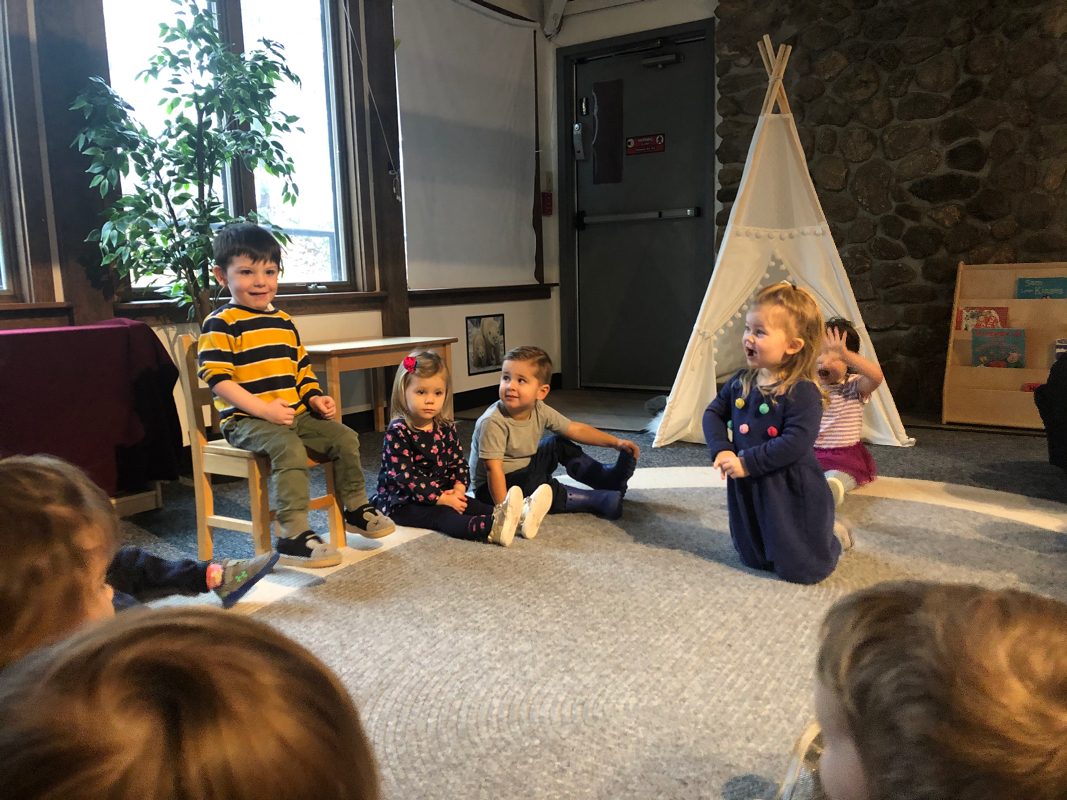
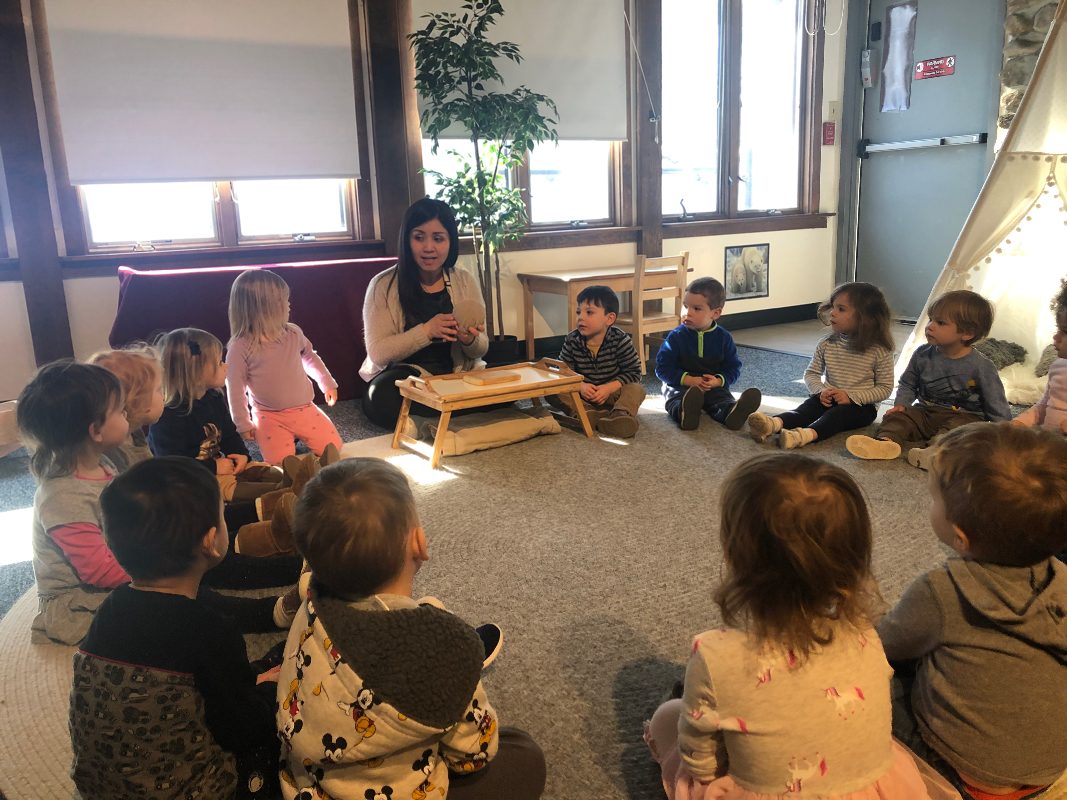
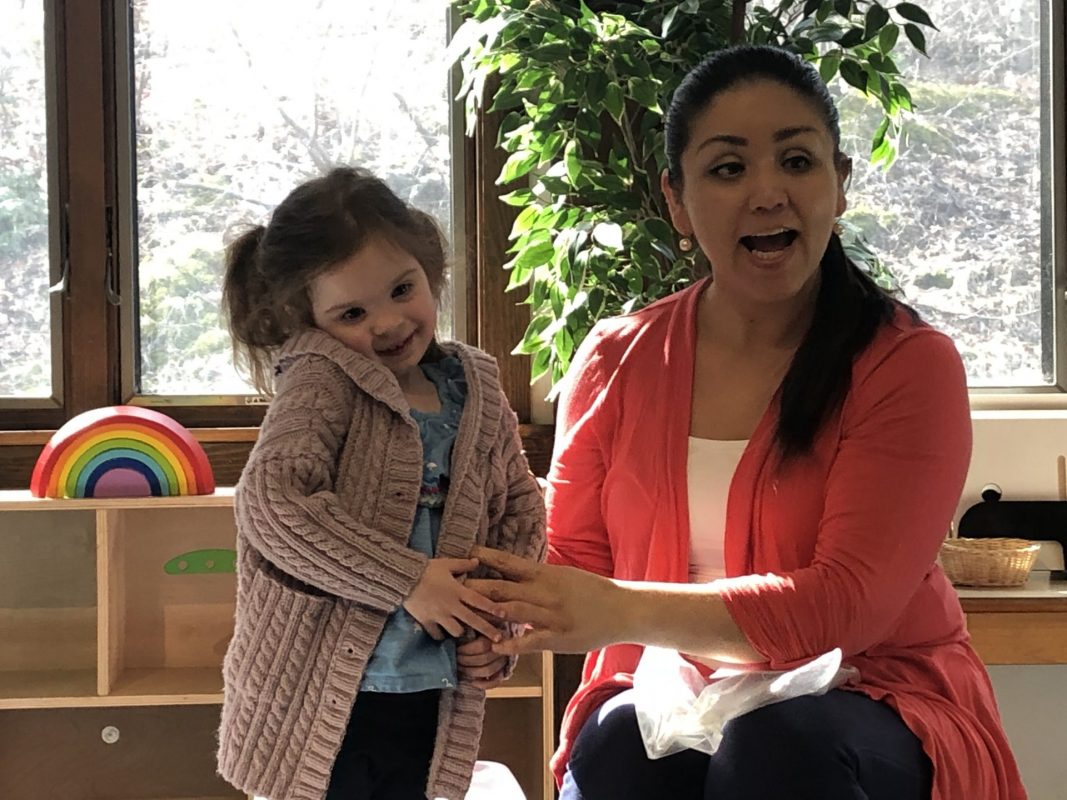
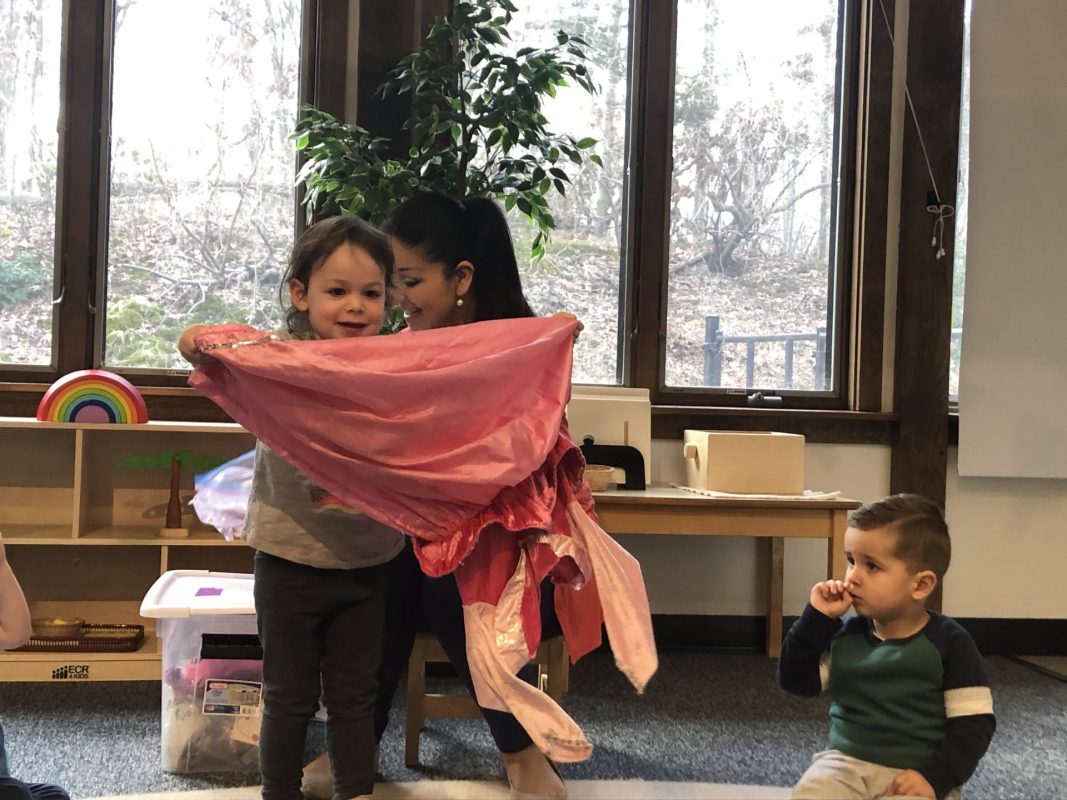
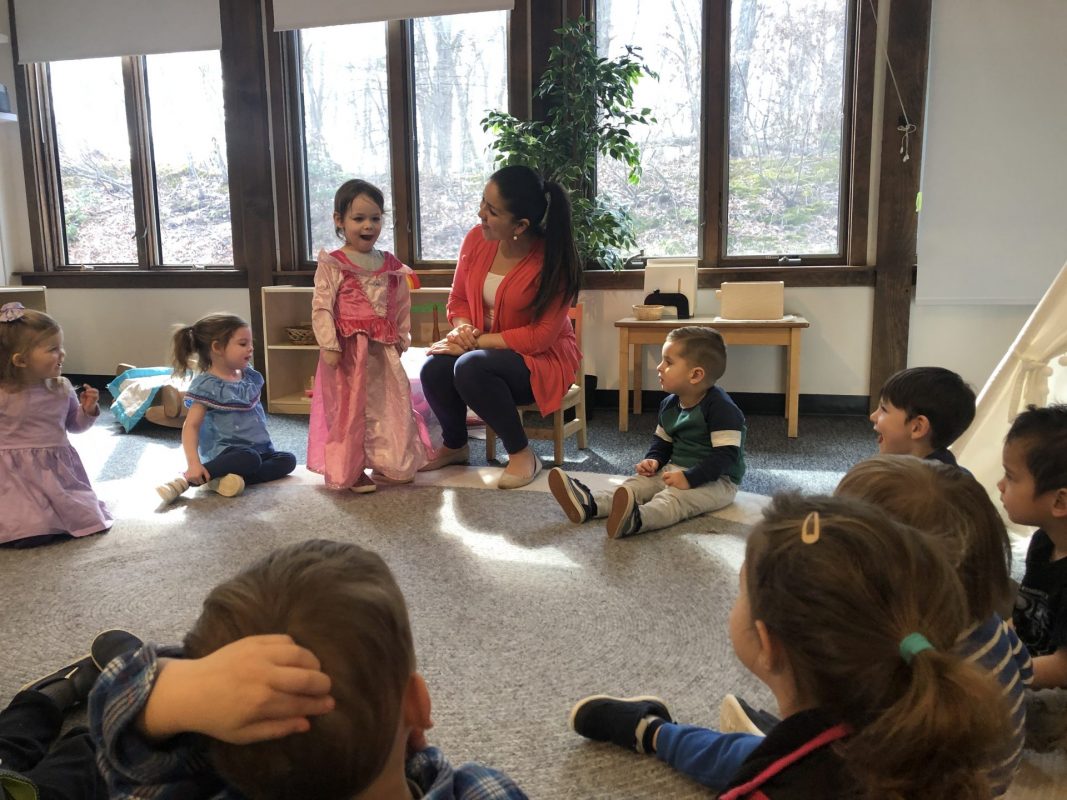
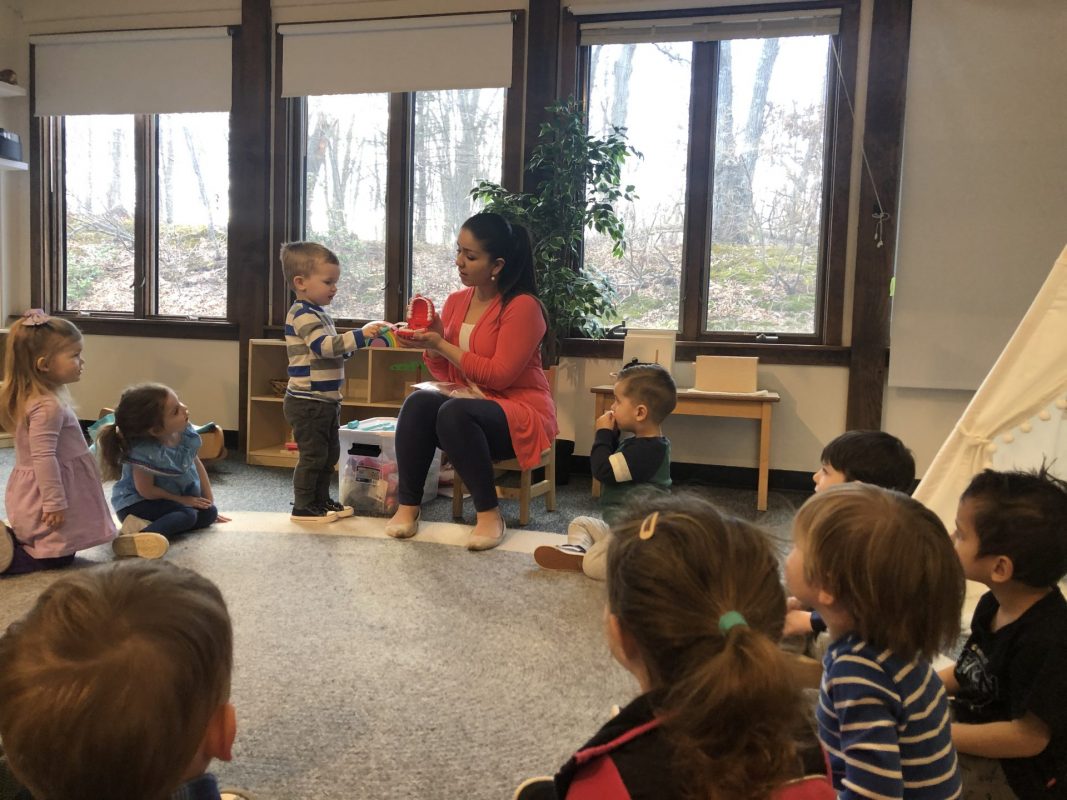
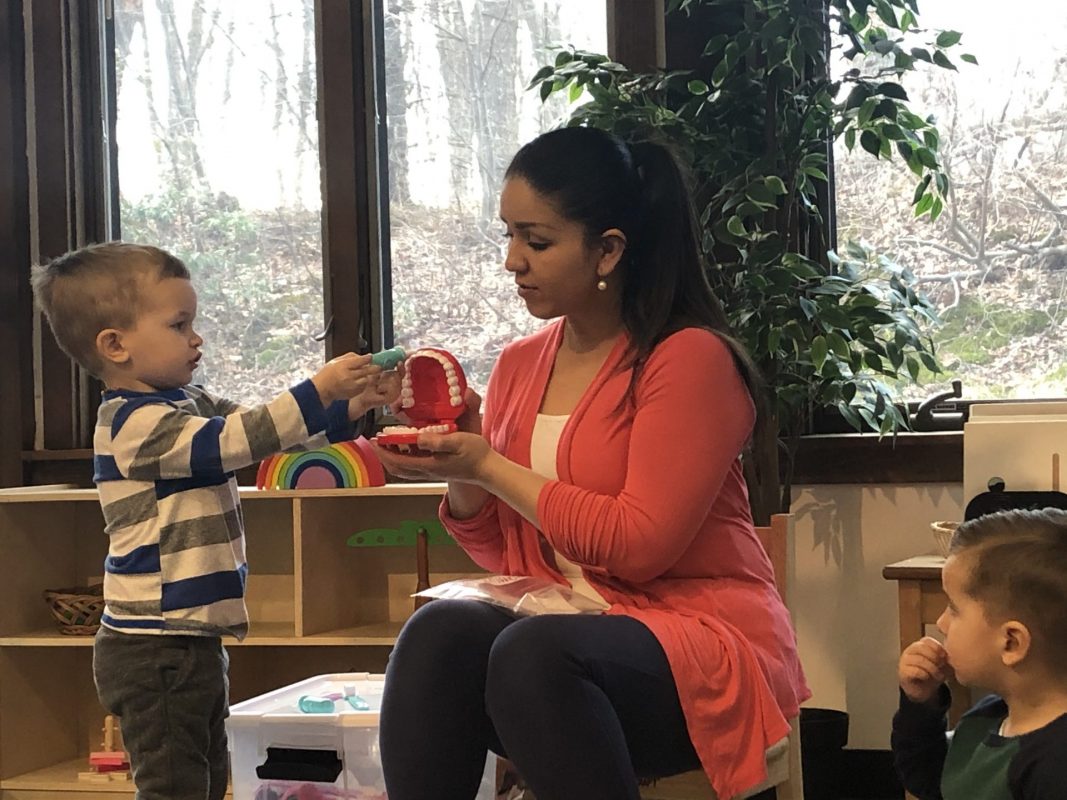
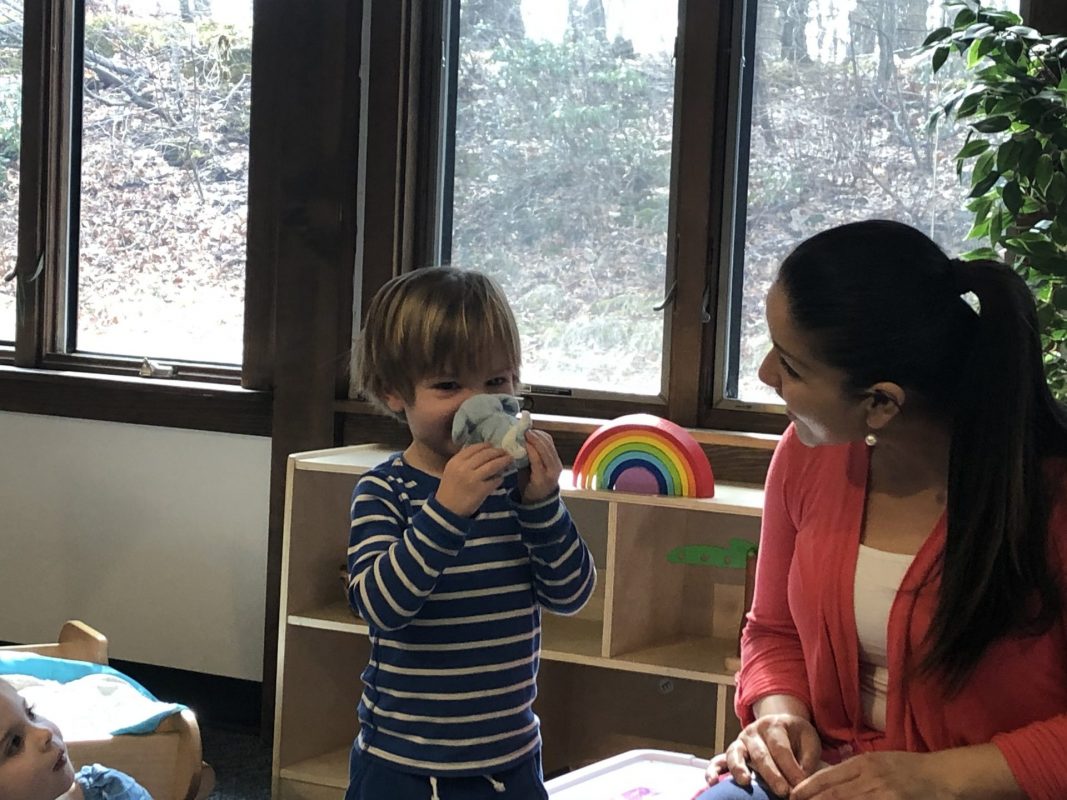
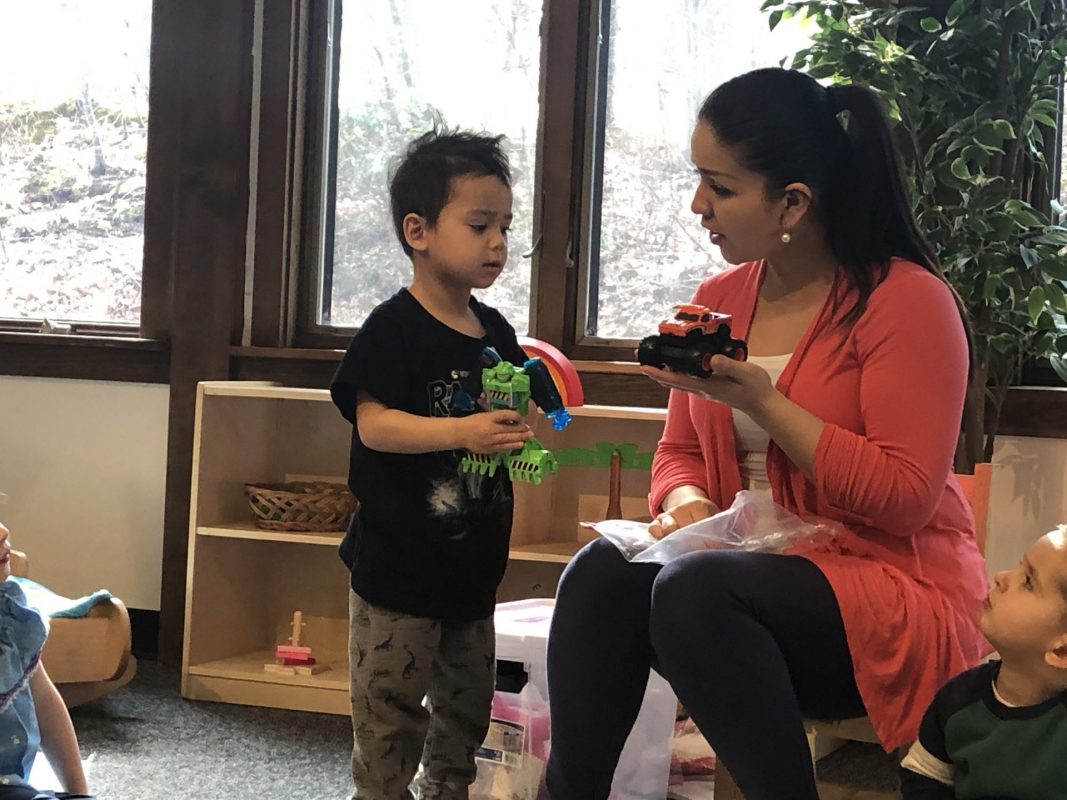
Due to the increasing amount of vocabulary your children use and recognize now, this week we introduced an activity beloved by all the children: Show and Tell!

I personally love this activity because it provides an opportunity for your child to develop expressive language as they learn to create and construct language. This act involves organizing ideas in sequence so they will make sense when communicated with others, choosing the words to say, and constructing a clear syntax. It’s a lot of work for our little friends but they ALL did such an amazing job!

Another reason why we added this activity to our environment was because of the enhancement of confidence it gives to your child: As they share something of themselves with one another, they gain confidence in becoming the focus of the group’s attention. They find out others are interested in them, they discover that there are things that they know about, and they feel good about themselves doing it! It was truly priceless to see their smiling faces and how proud they felt when they had a turn to share.  It is never too early to start practicing public speaking and there is nothing better than allowing confidence to develop in a safe and familiar environment. Also, receptive language development is promoted as children listen to and comprehend the meaning of the speaker’s words. Children were so present, respectful and engaged in the activity that it seemed they didn’t want to miss anything!
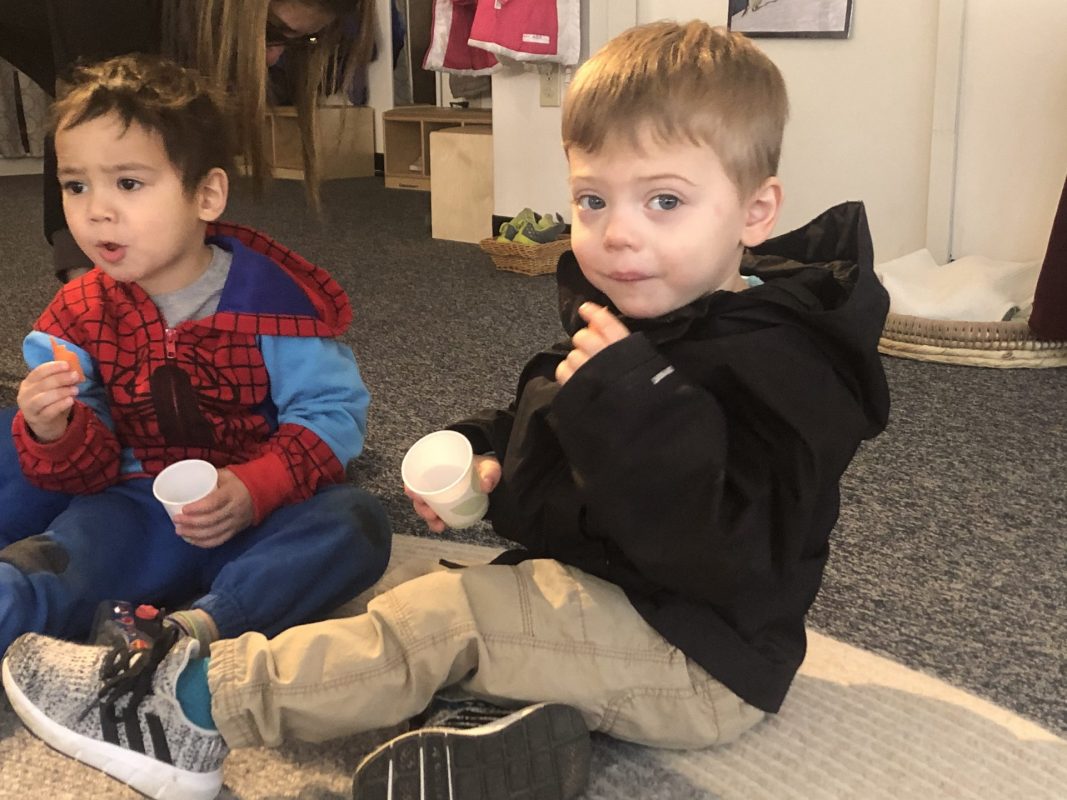
As guides, we also use Show and Tell as an opportunity for observation and informal assessment of abilities. It gives us a lot of information about speech and language skills, social skills, emotional needs, levels of independence, and self-esteem, as well as children’s interest.
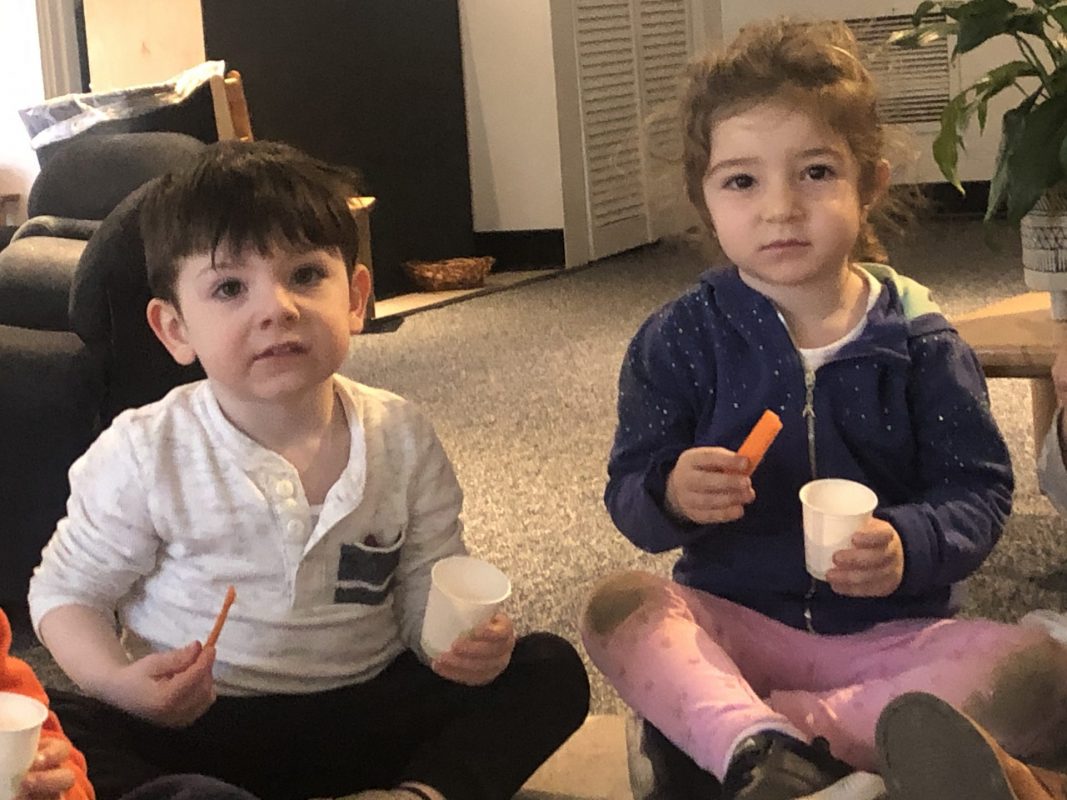
I cannot express how excited each child was to show their friends their favorite item and talk about it!  From the youngest to the oldest, from the most introverted to the most extroverted, the children were just so happy and engaged! We thank you all for your support and for taking the time to write those little notes in each child’s bags! It really helped us! We can’t wait for next Wednesday to come!

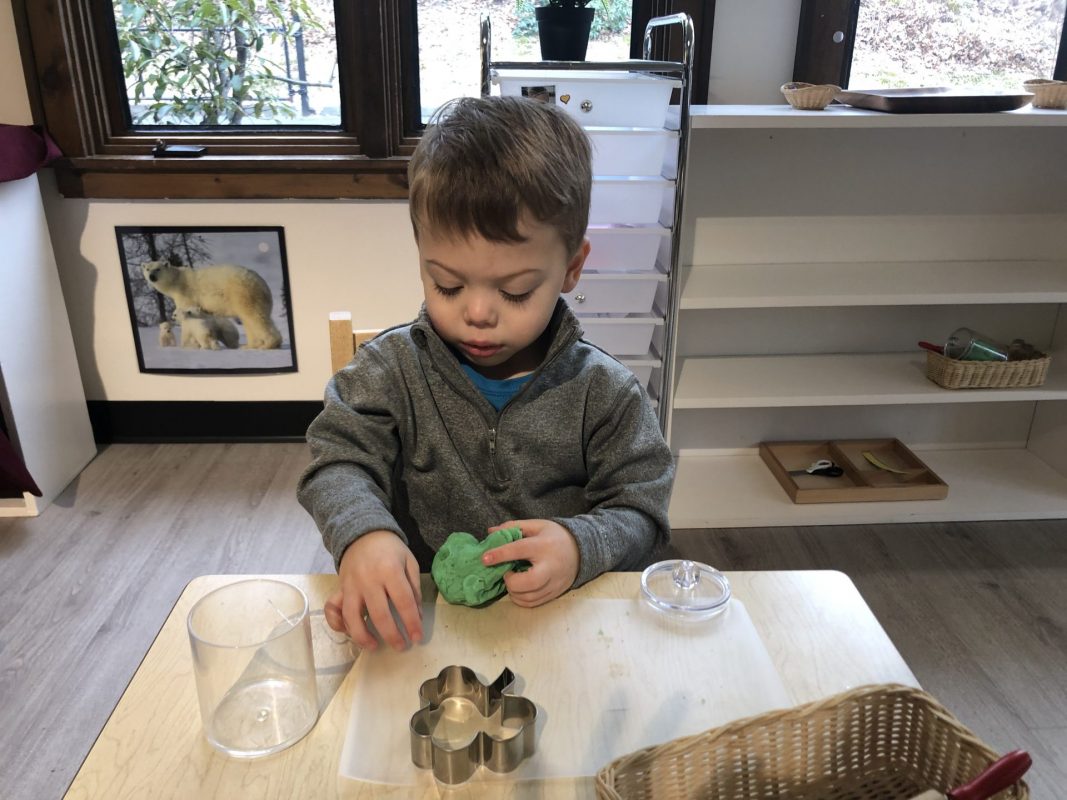
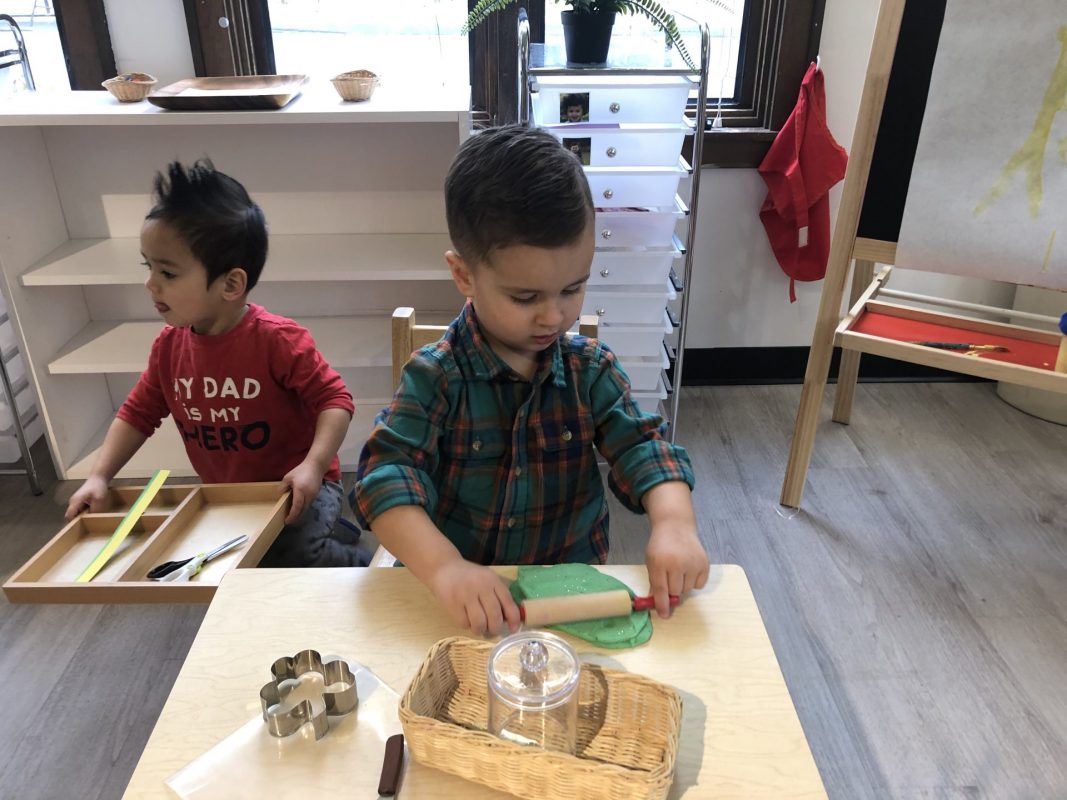
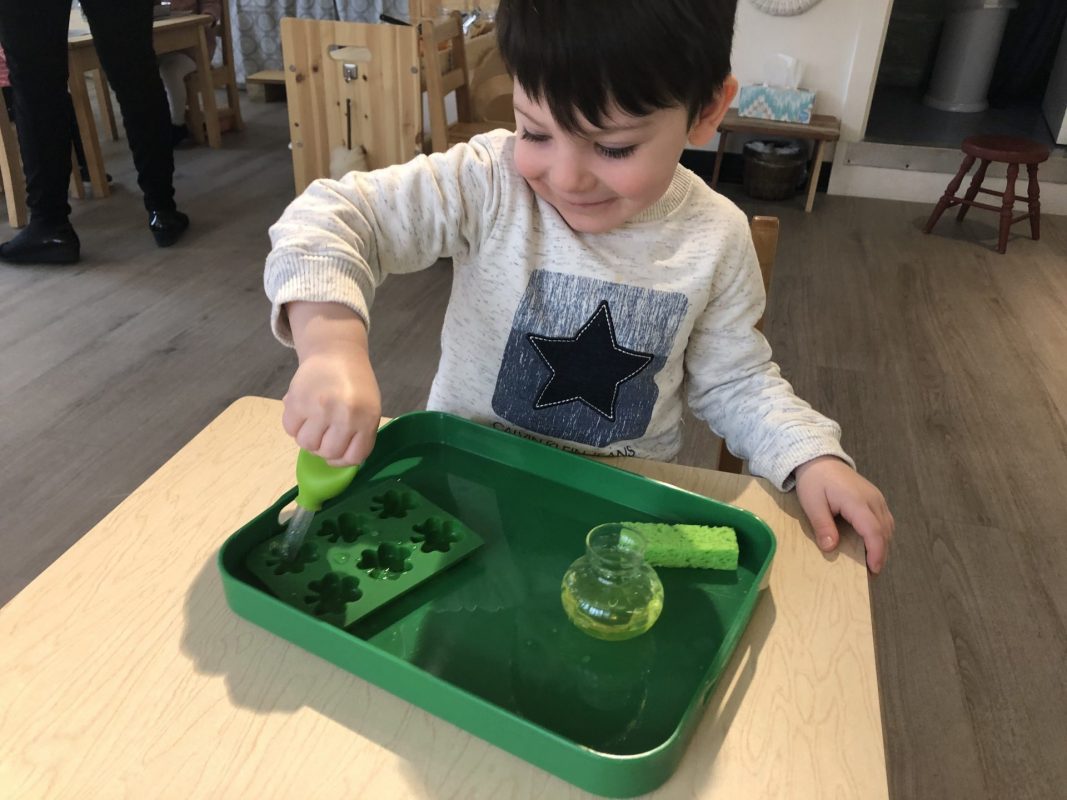
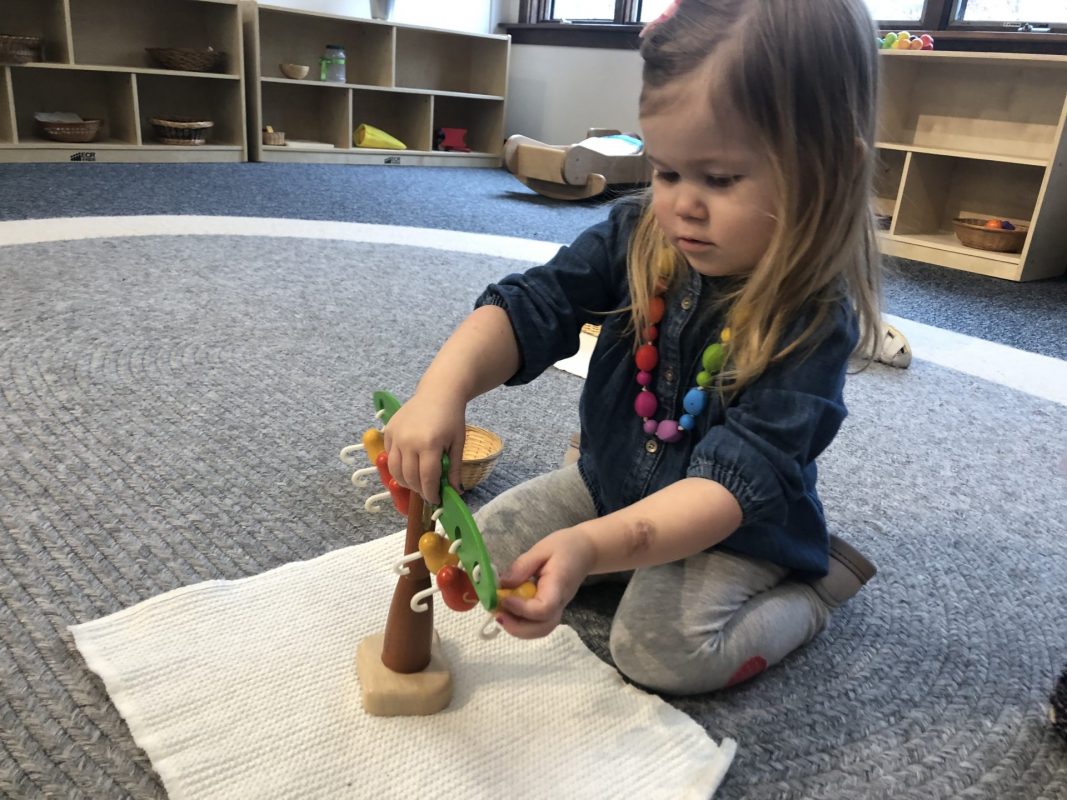
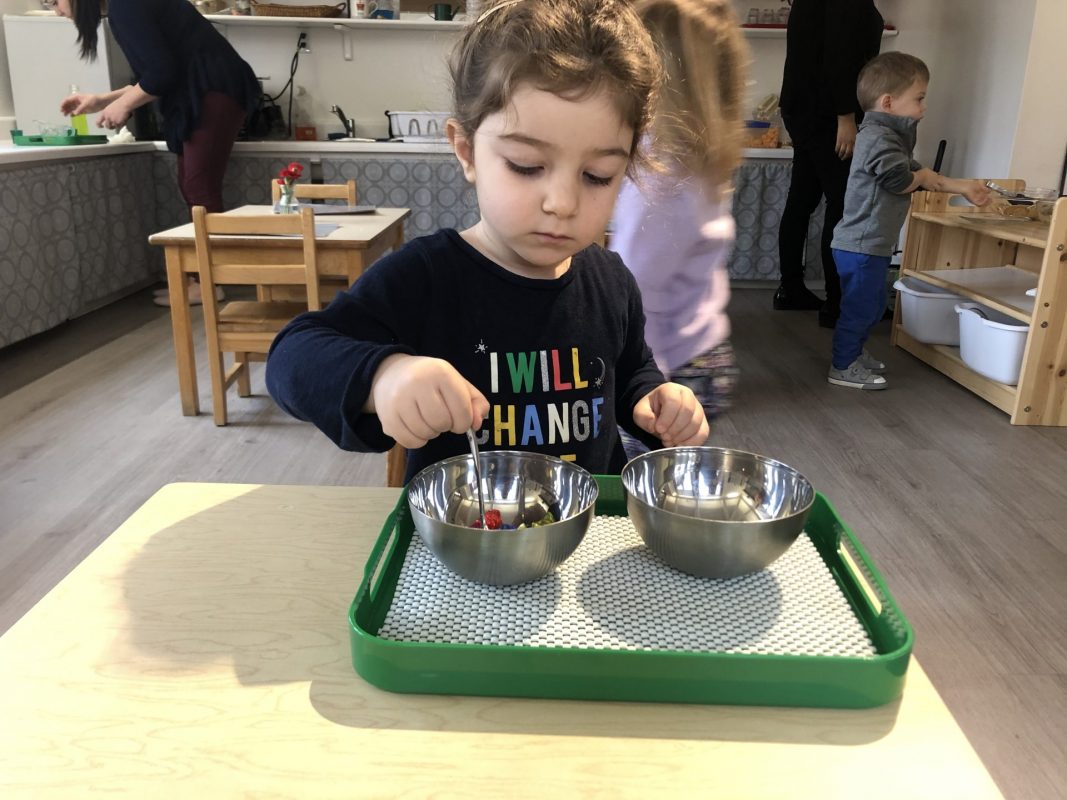
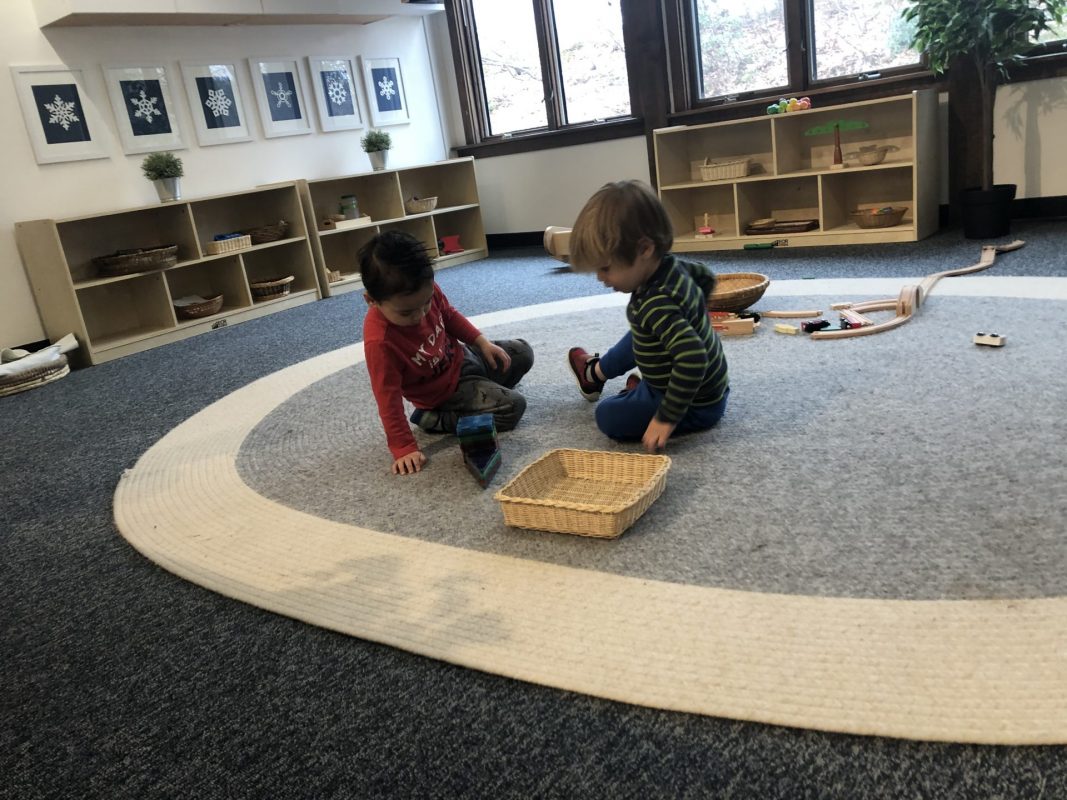
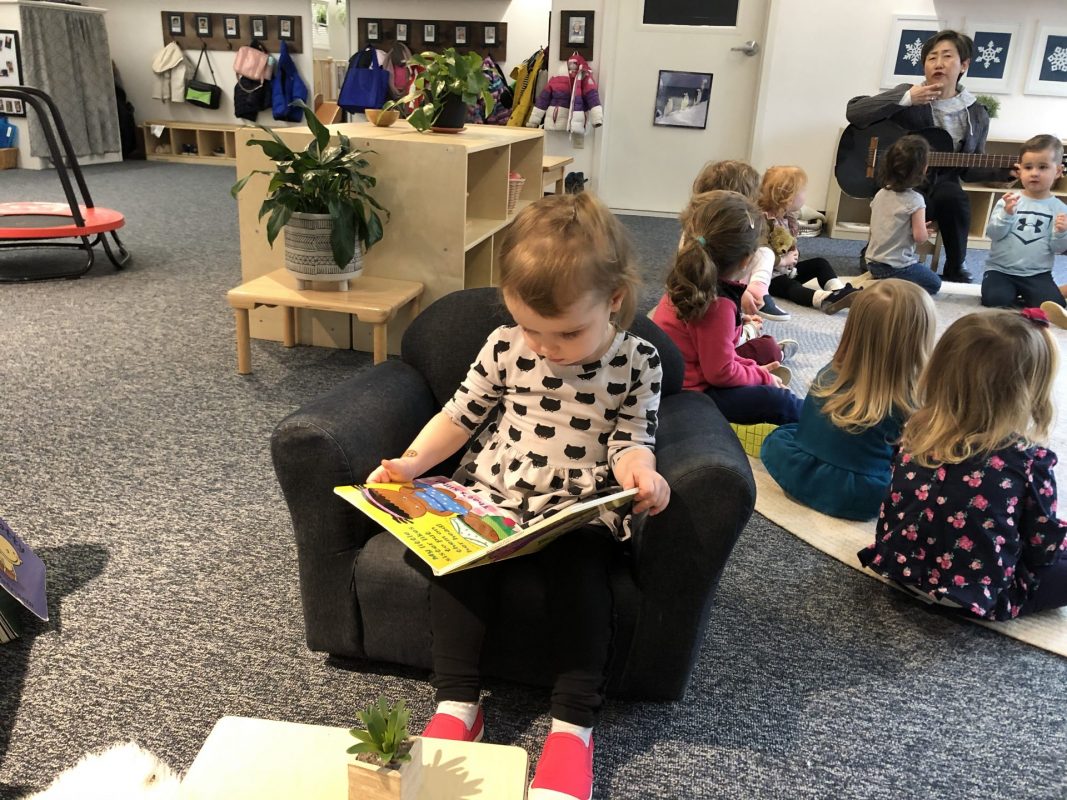
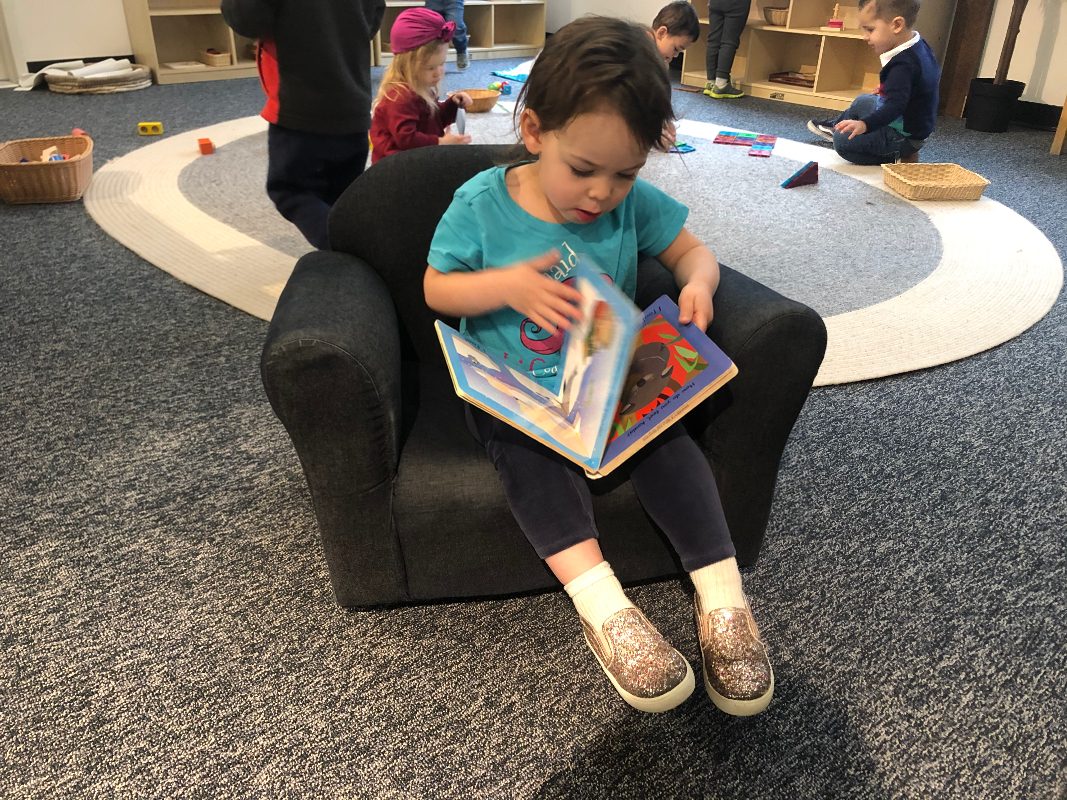
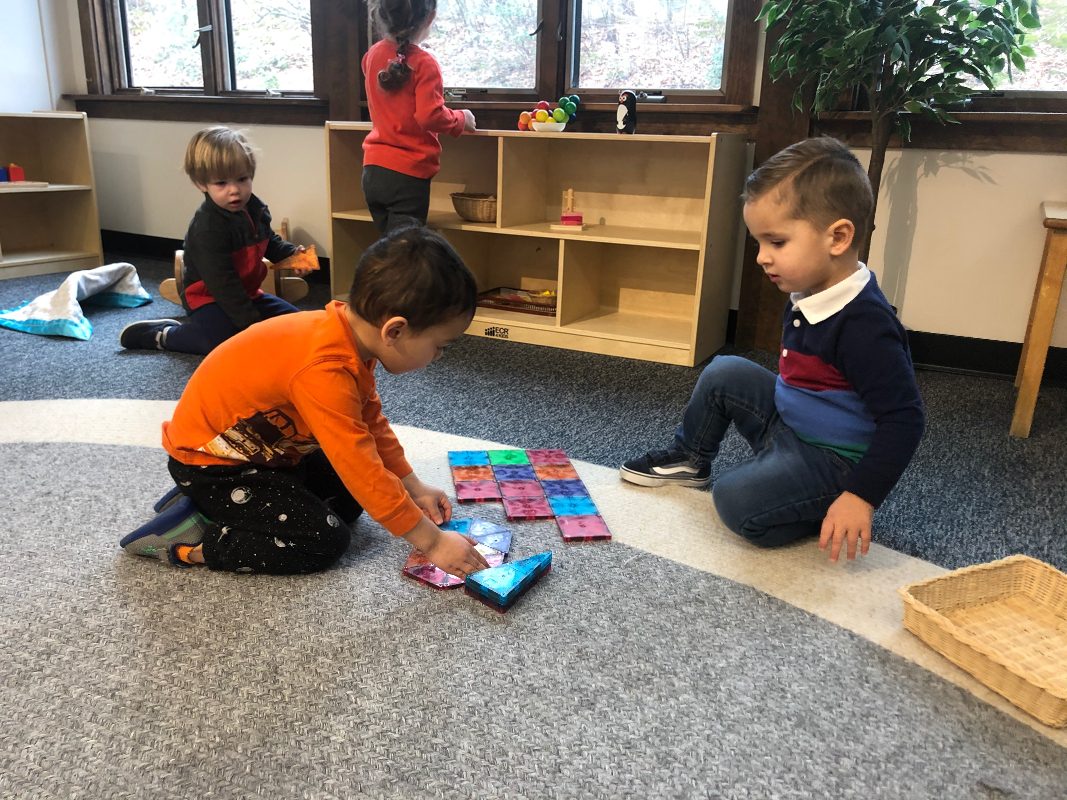
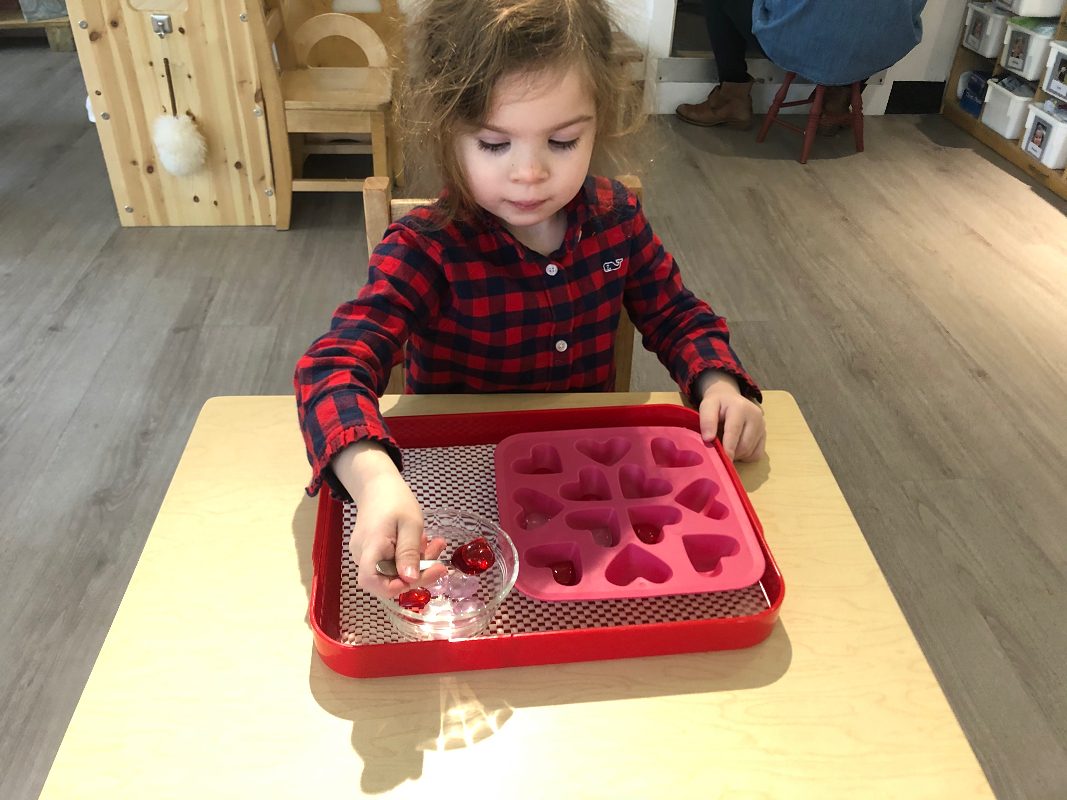
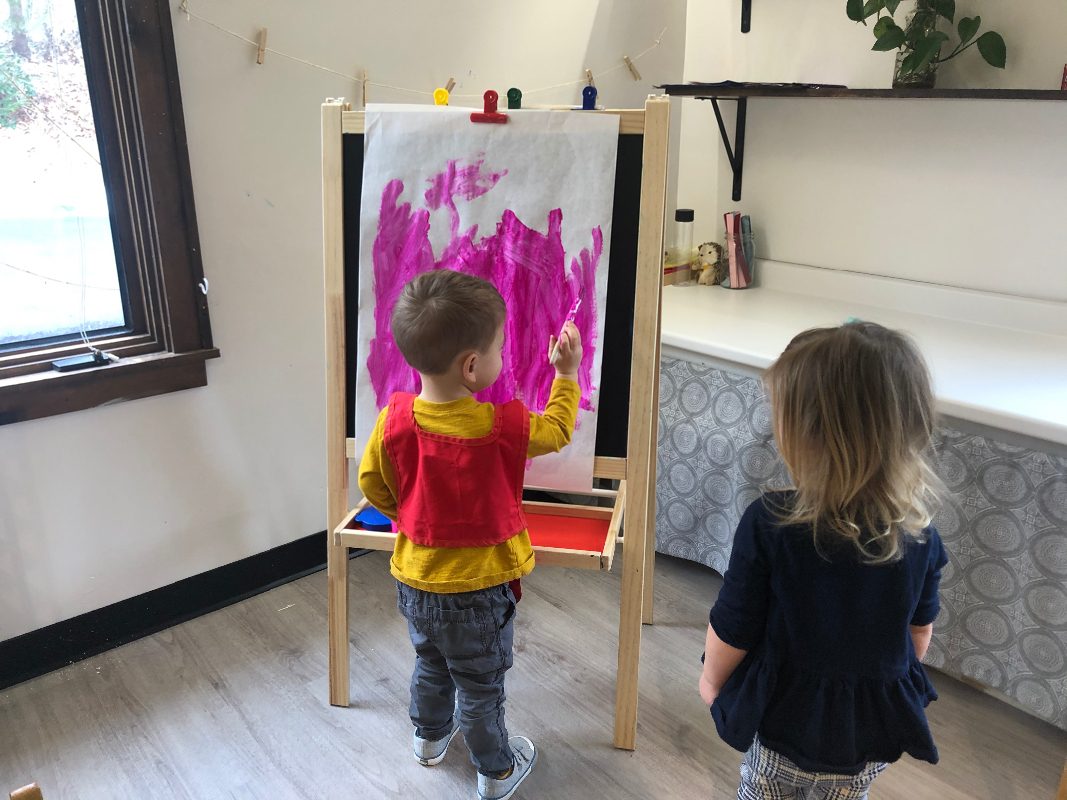
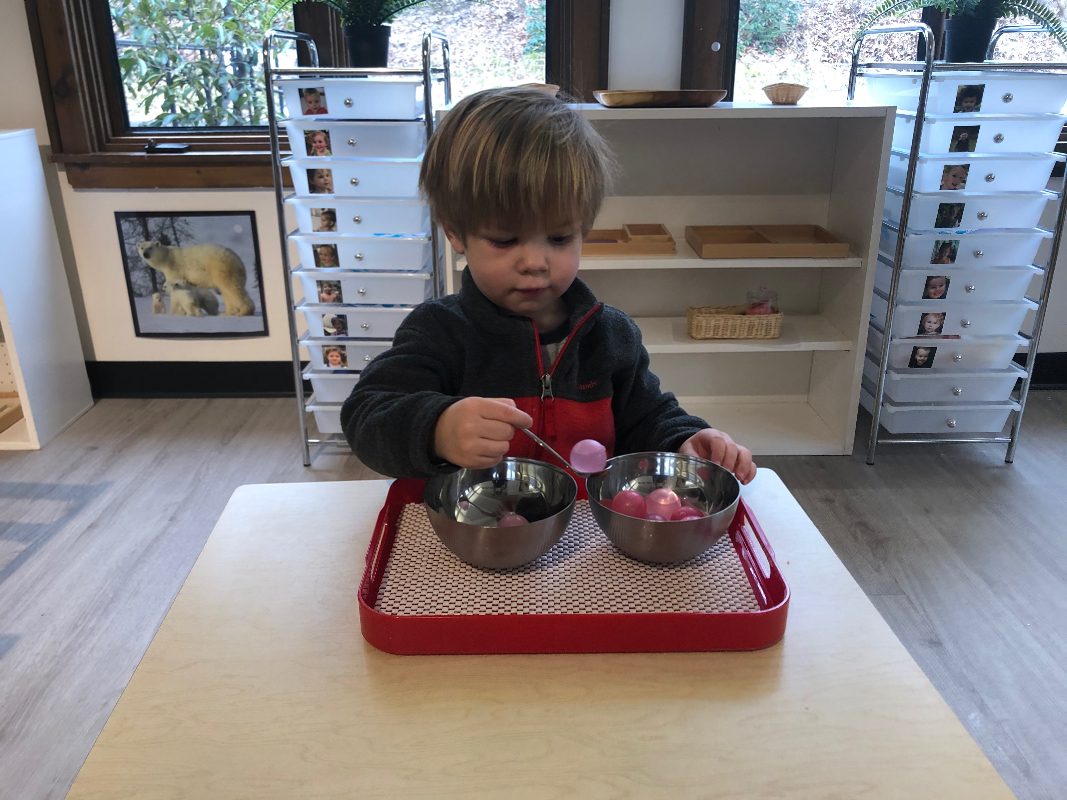
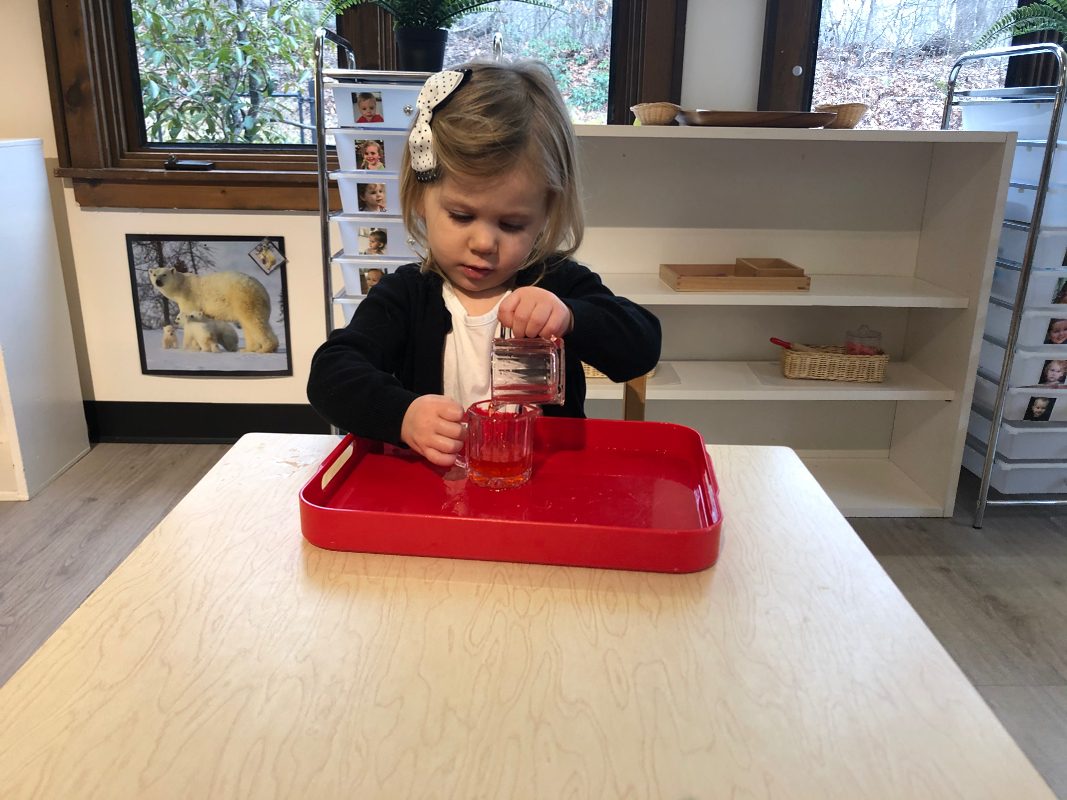
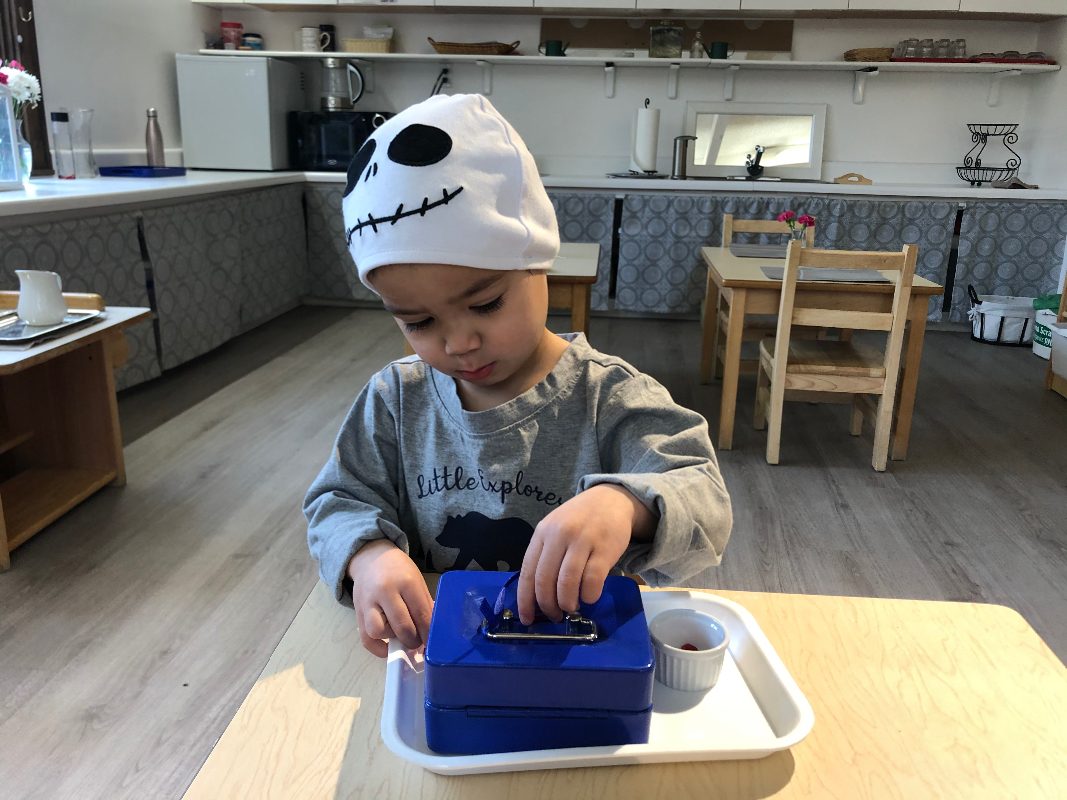
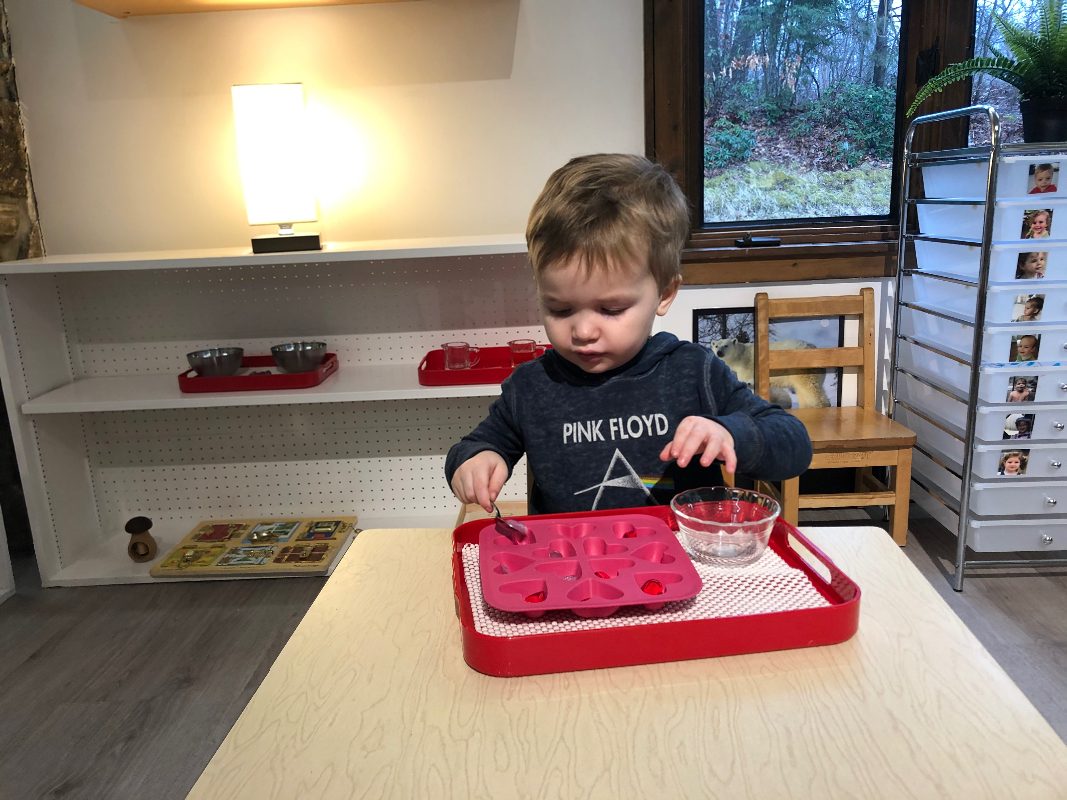
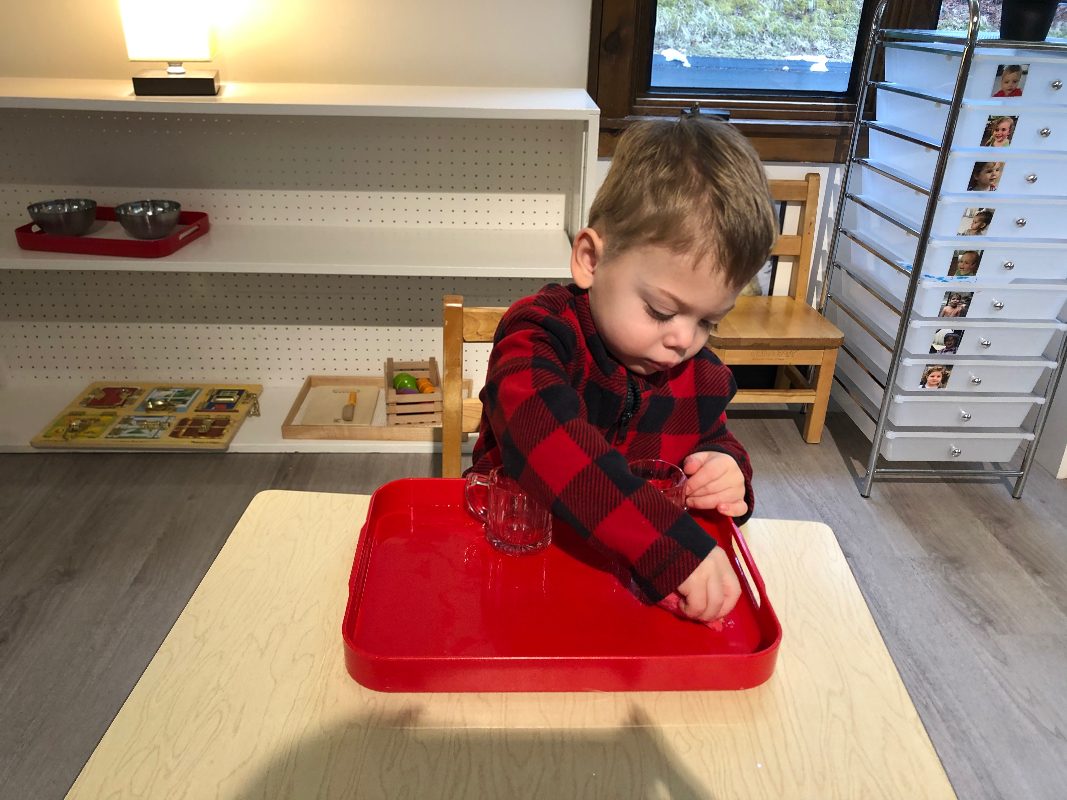
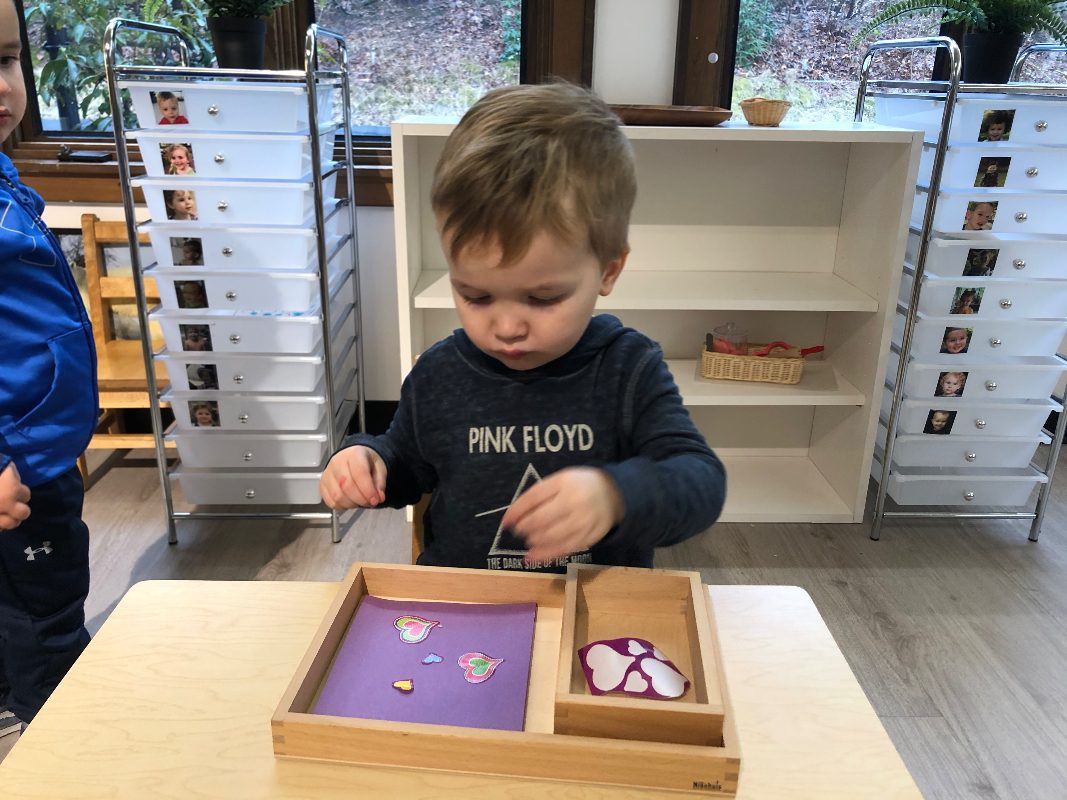
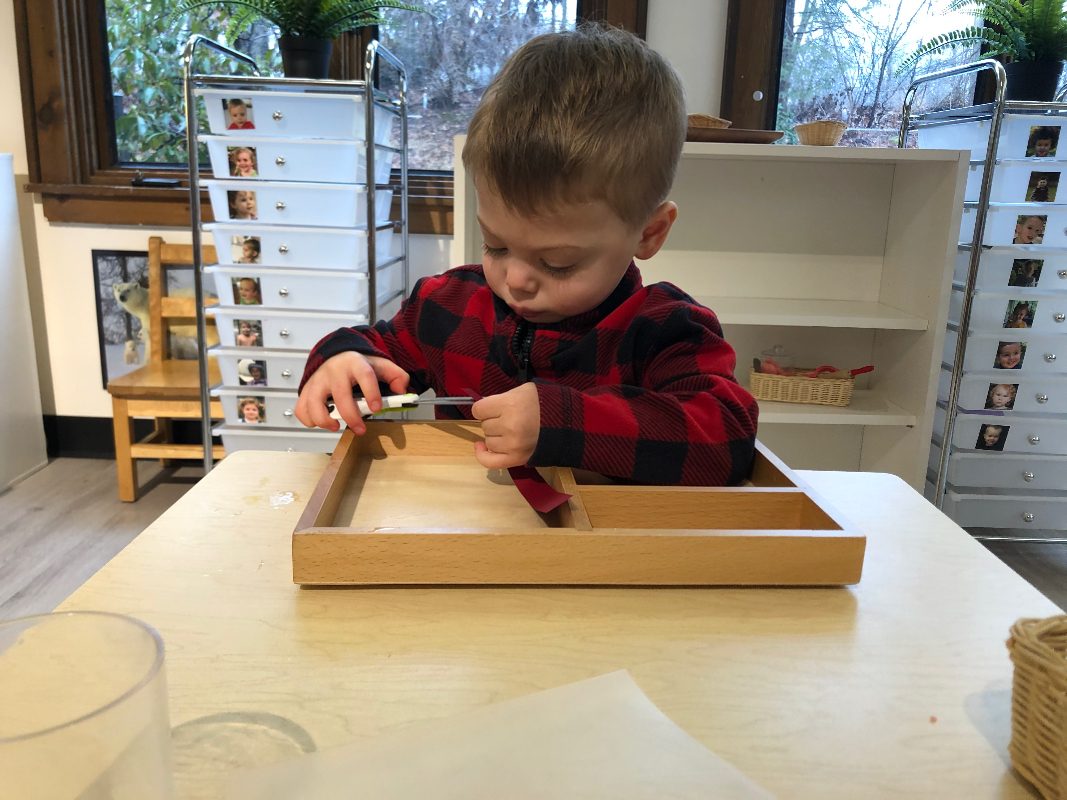
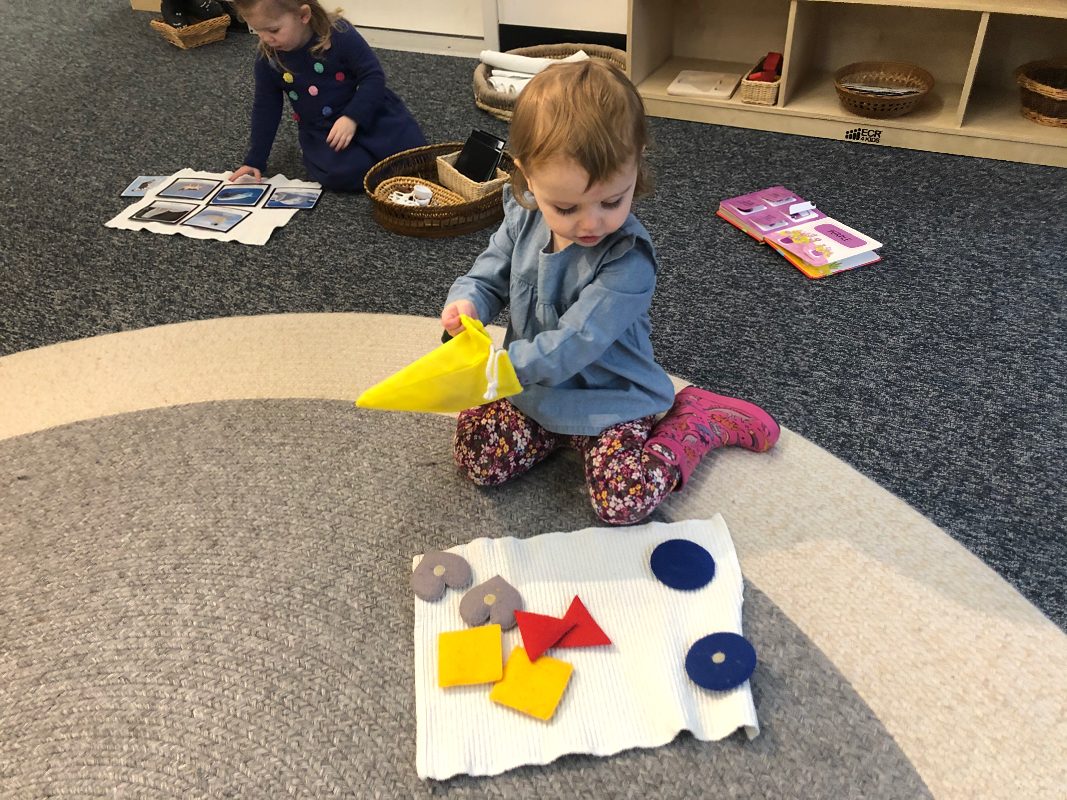
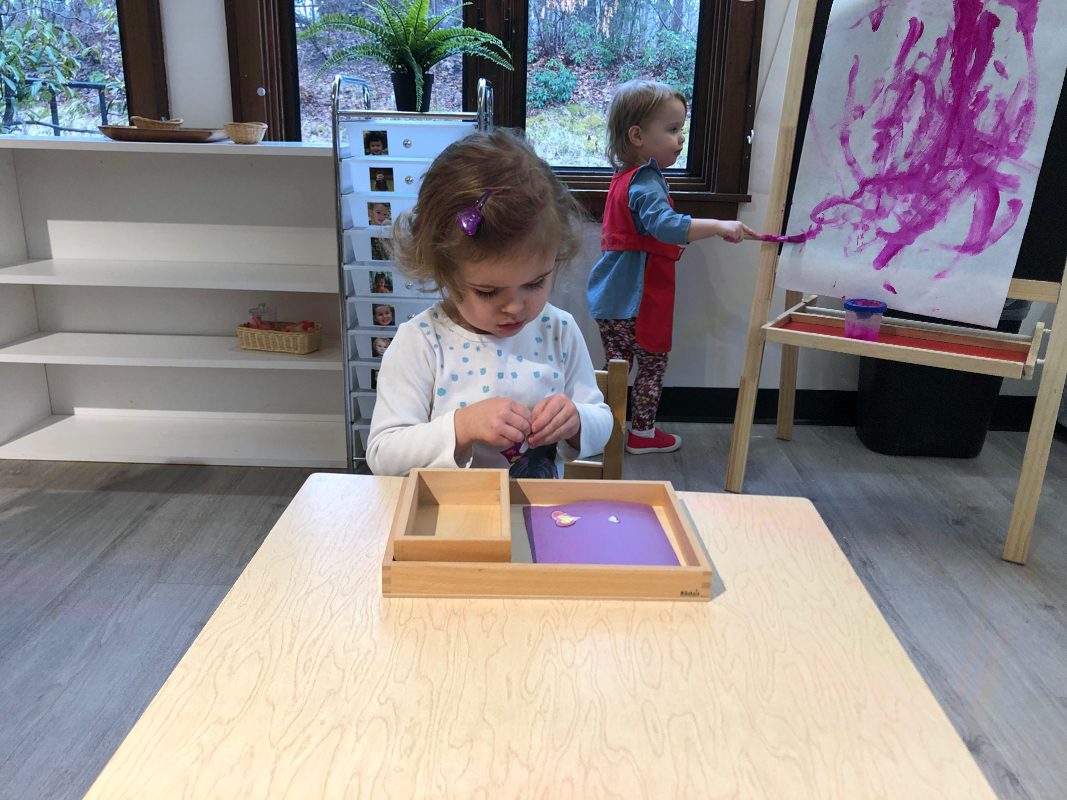
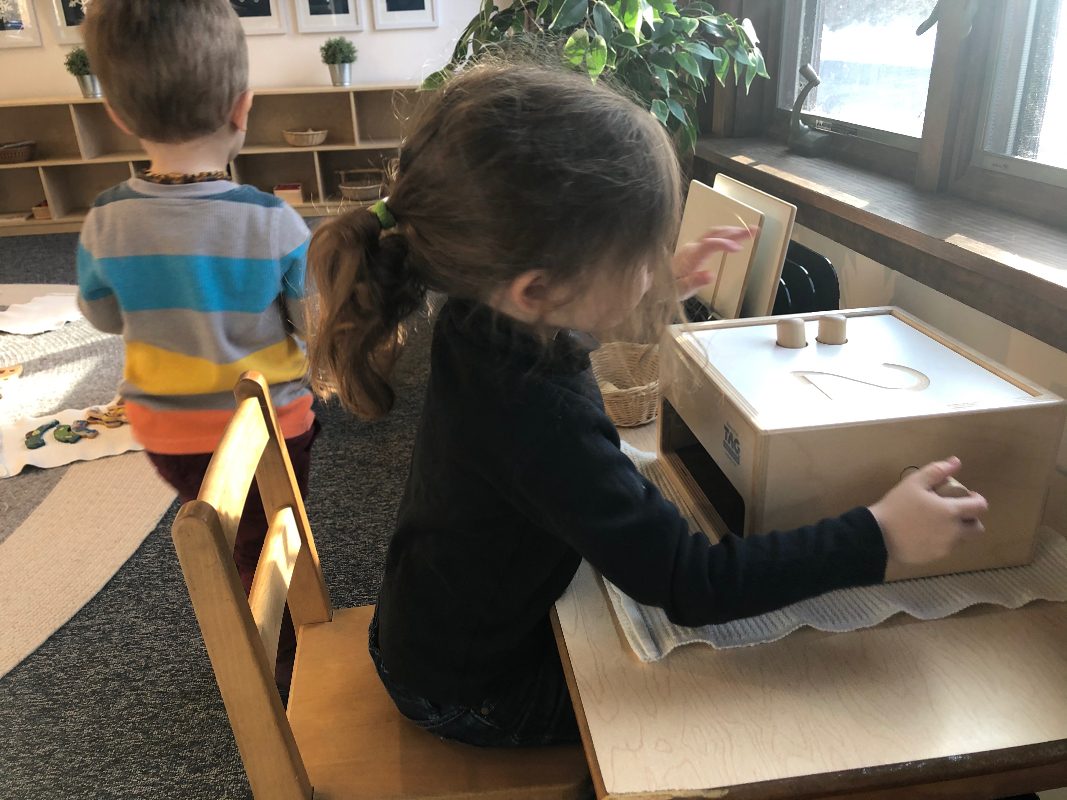
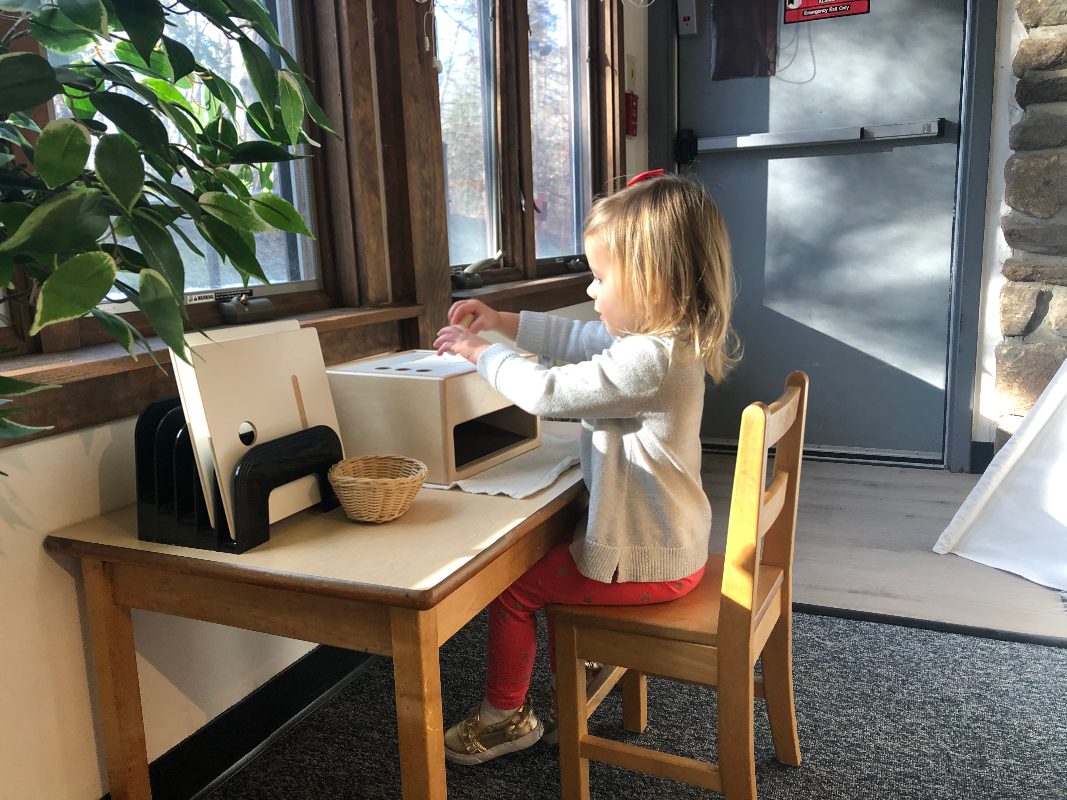
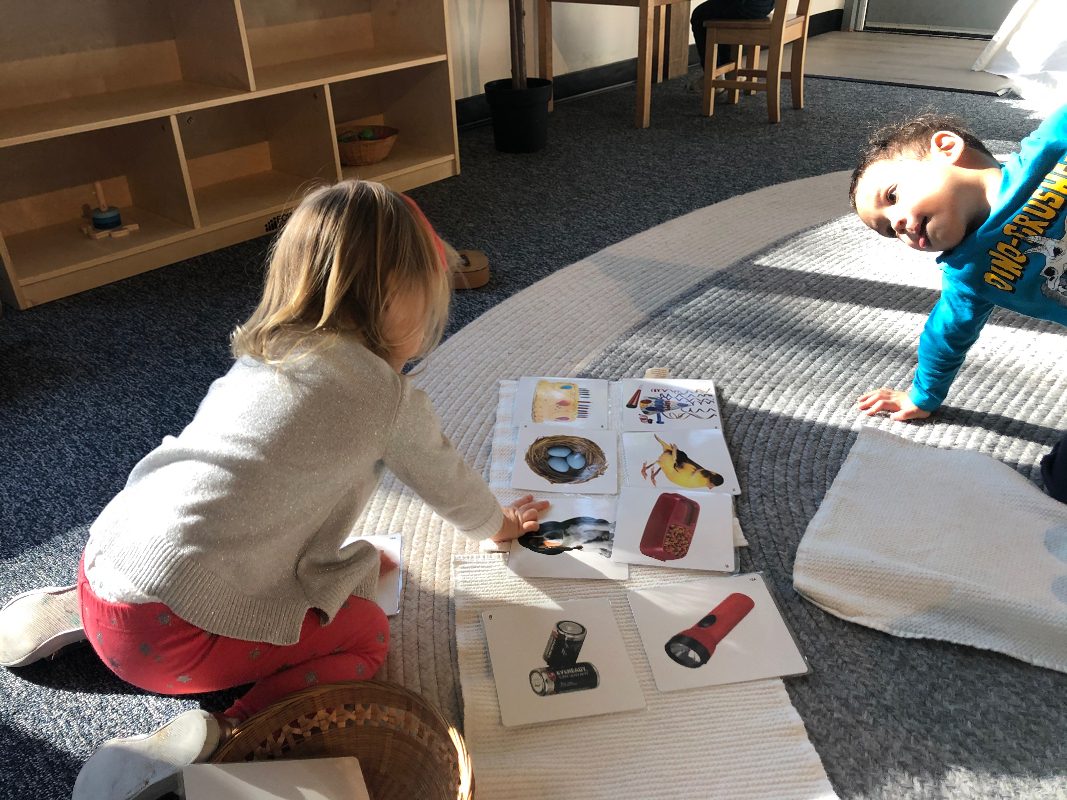
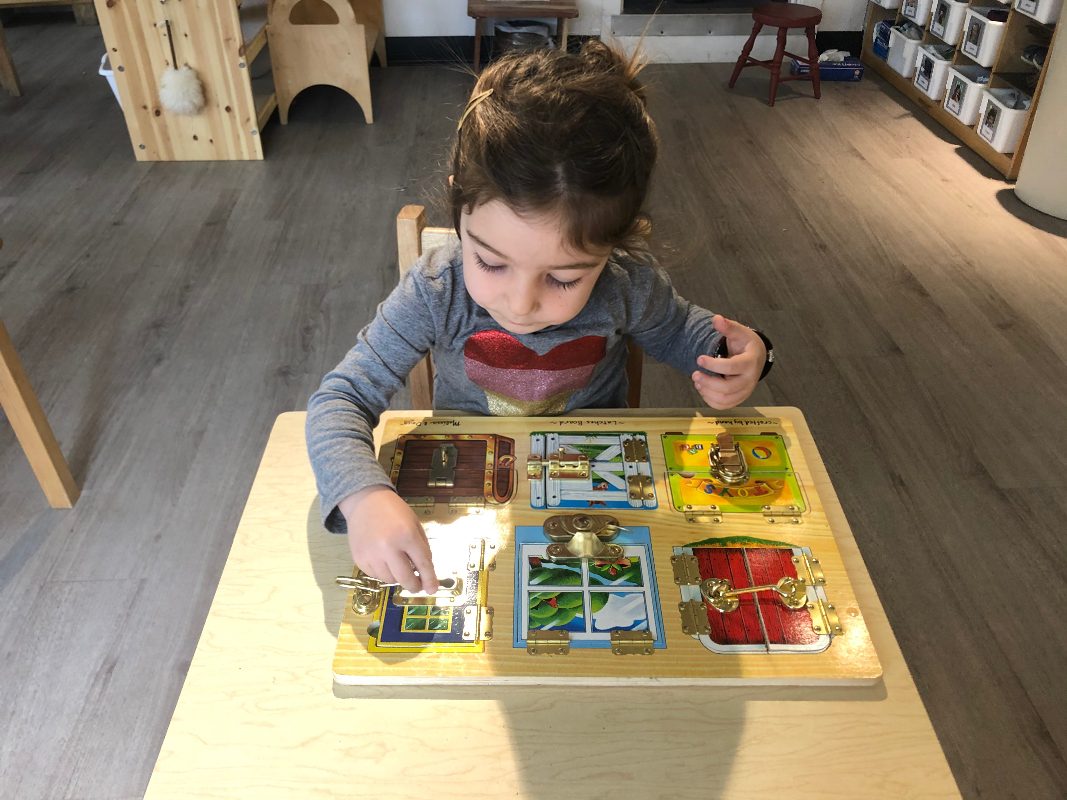
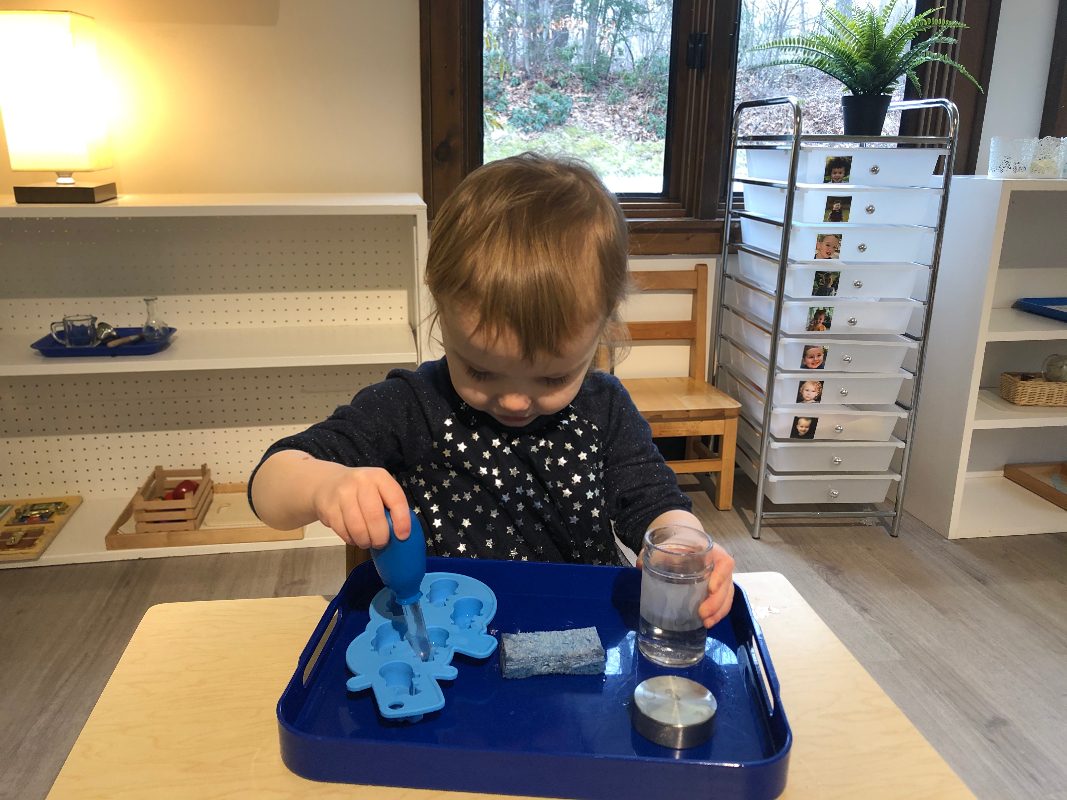
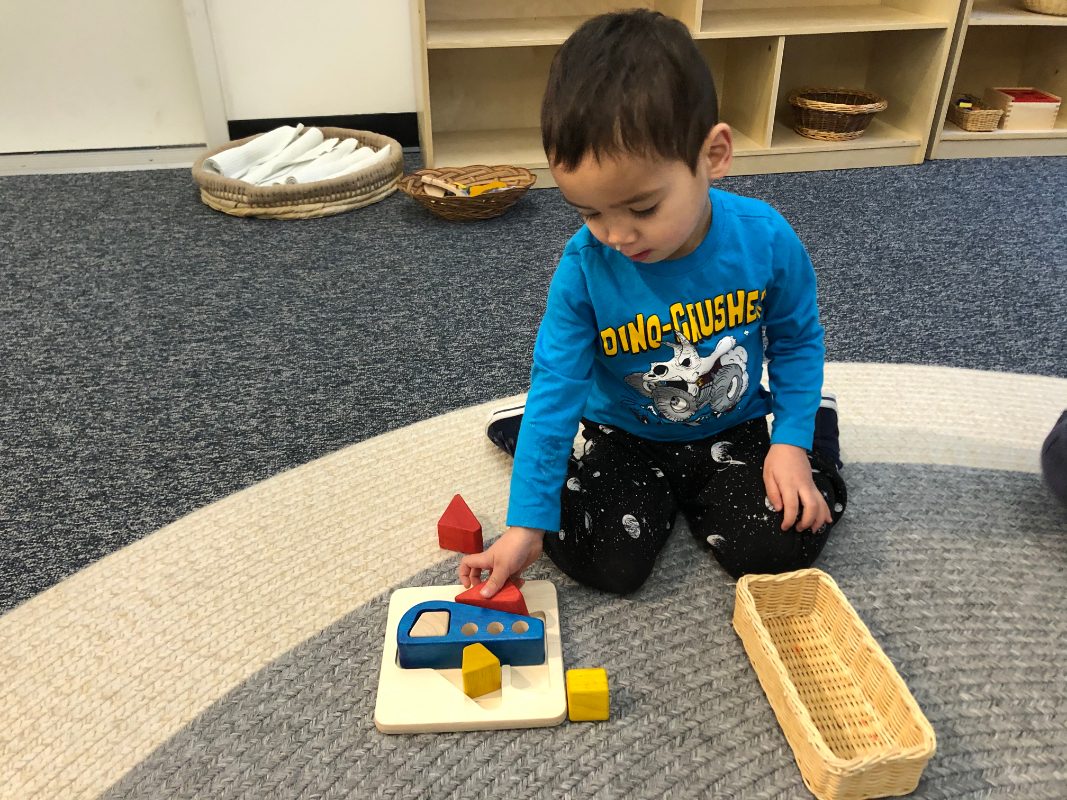
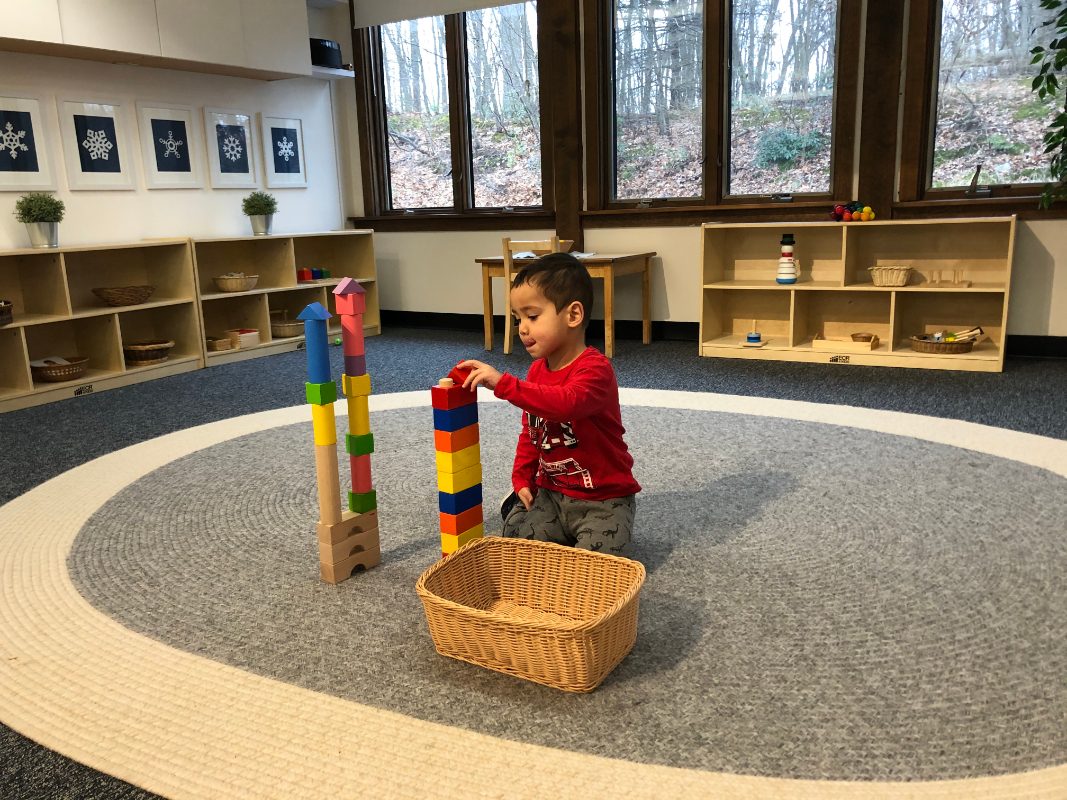
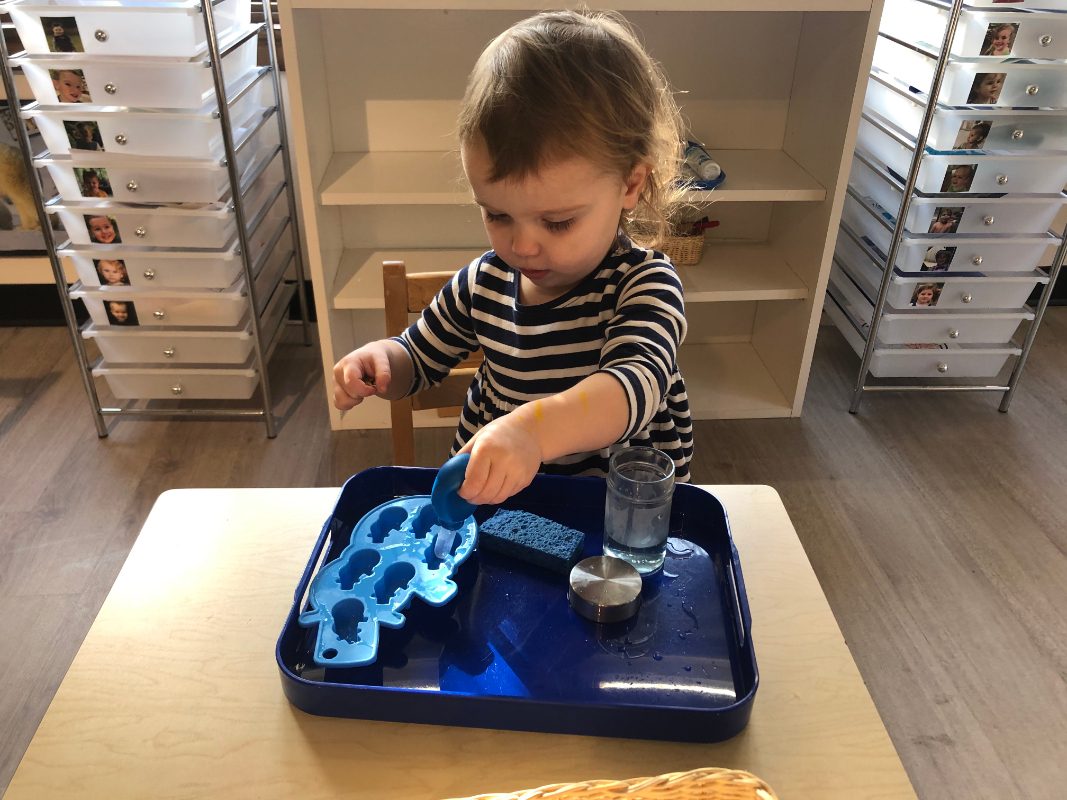
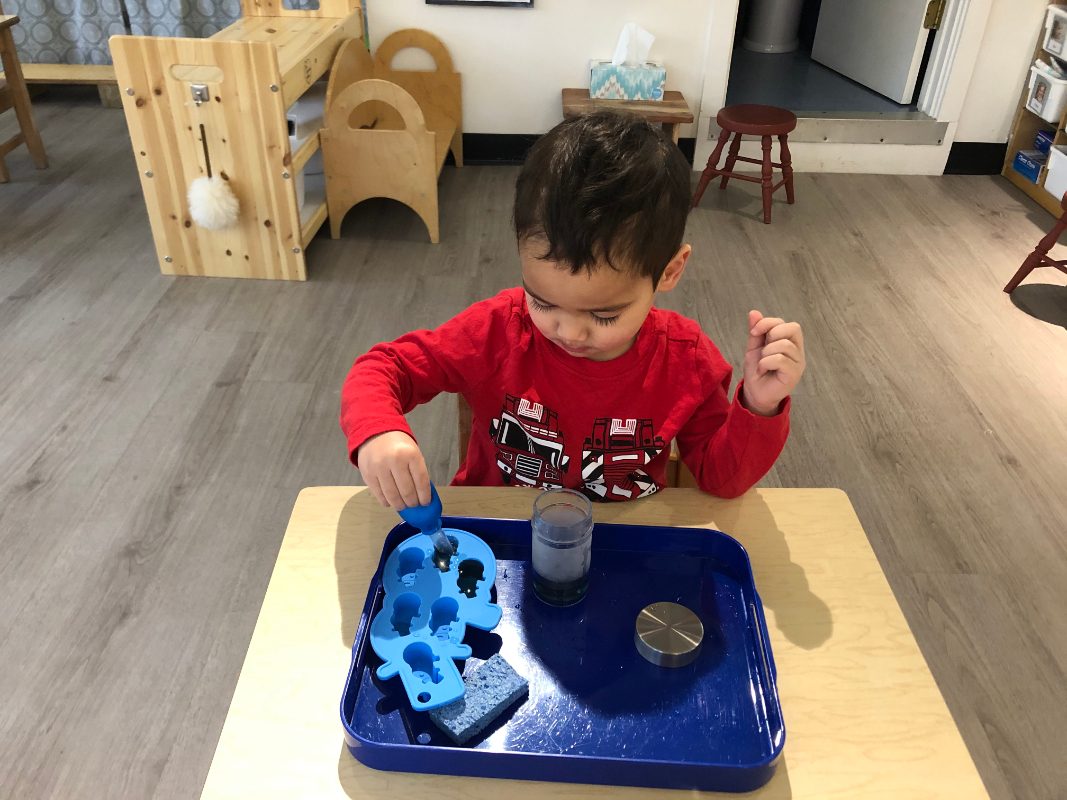
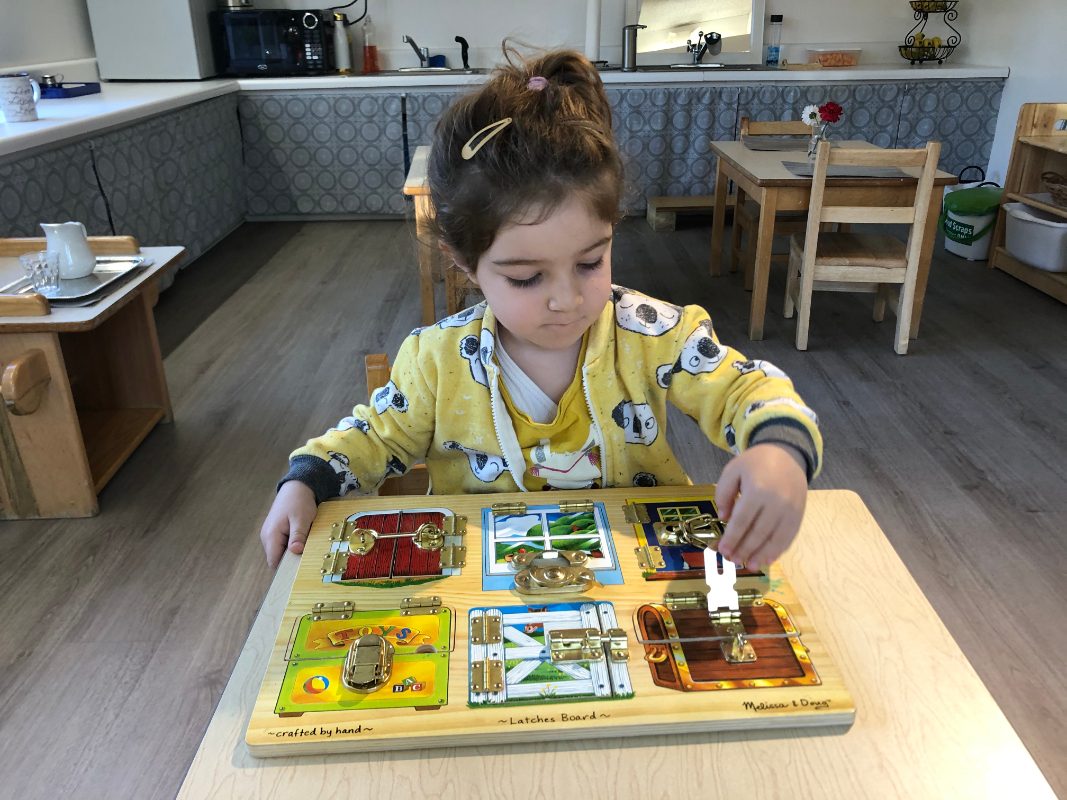
Children also enjoyed and engaged in all the new works in the environment throughout the week. They are truly like little busy bees!
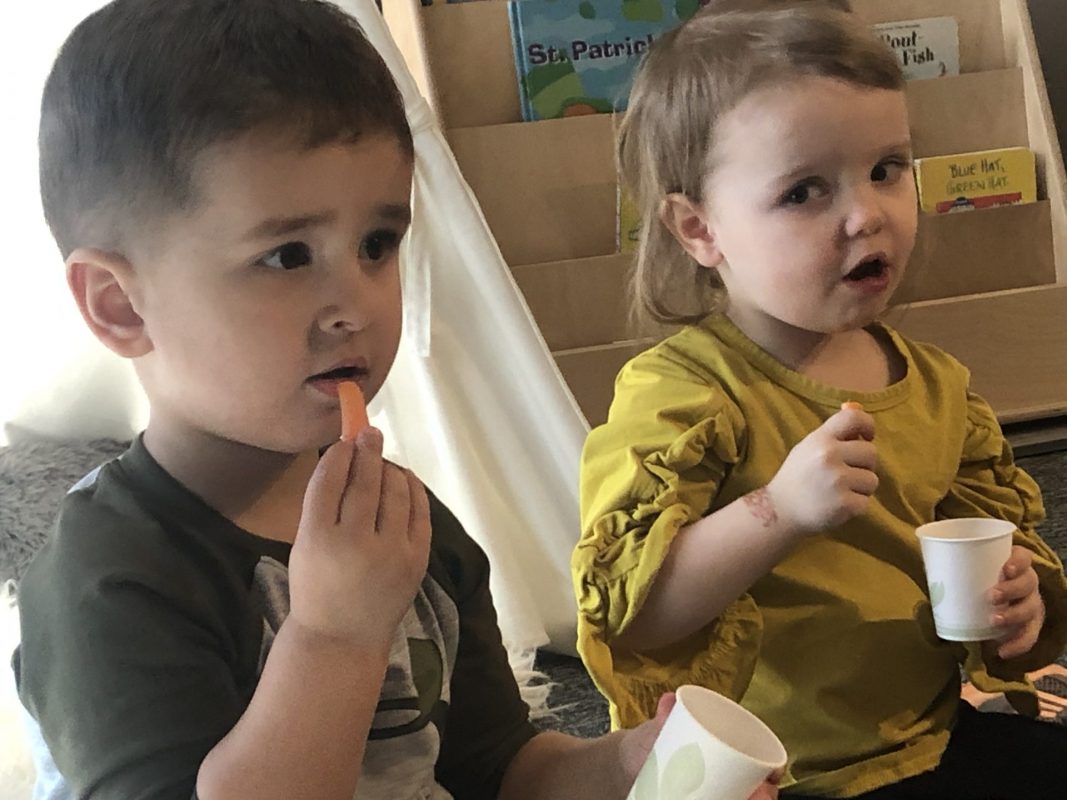
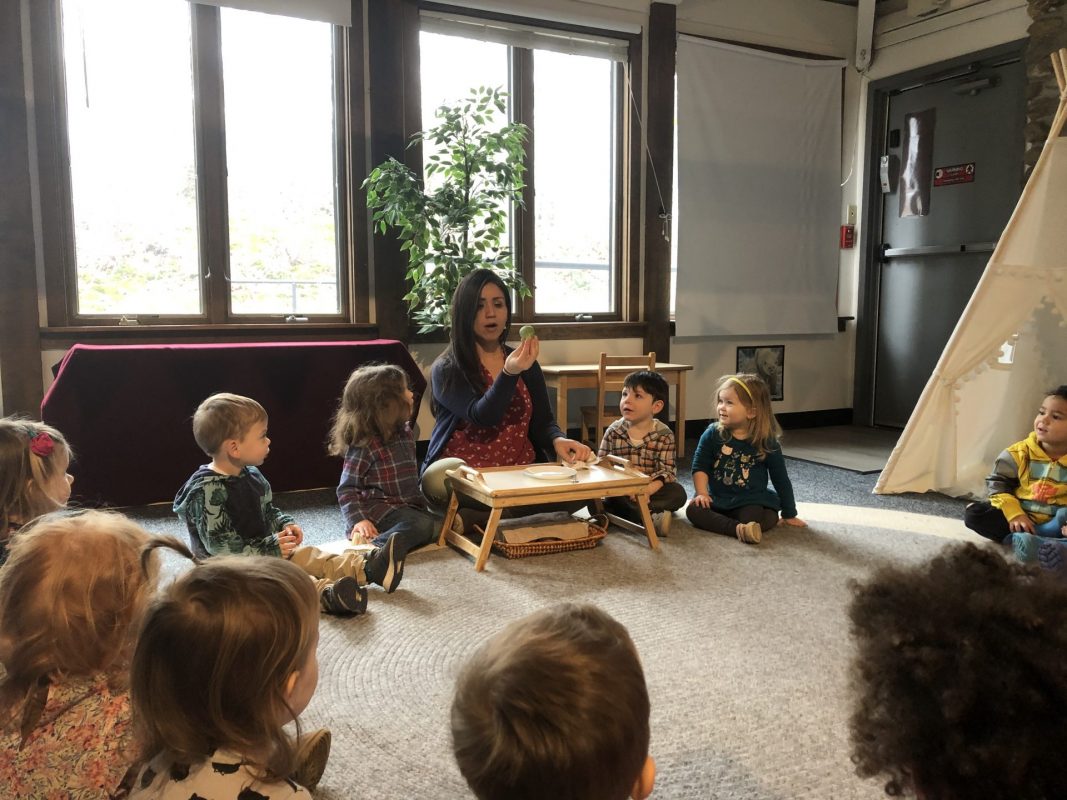
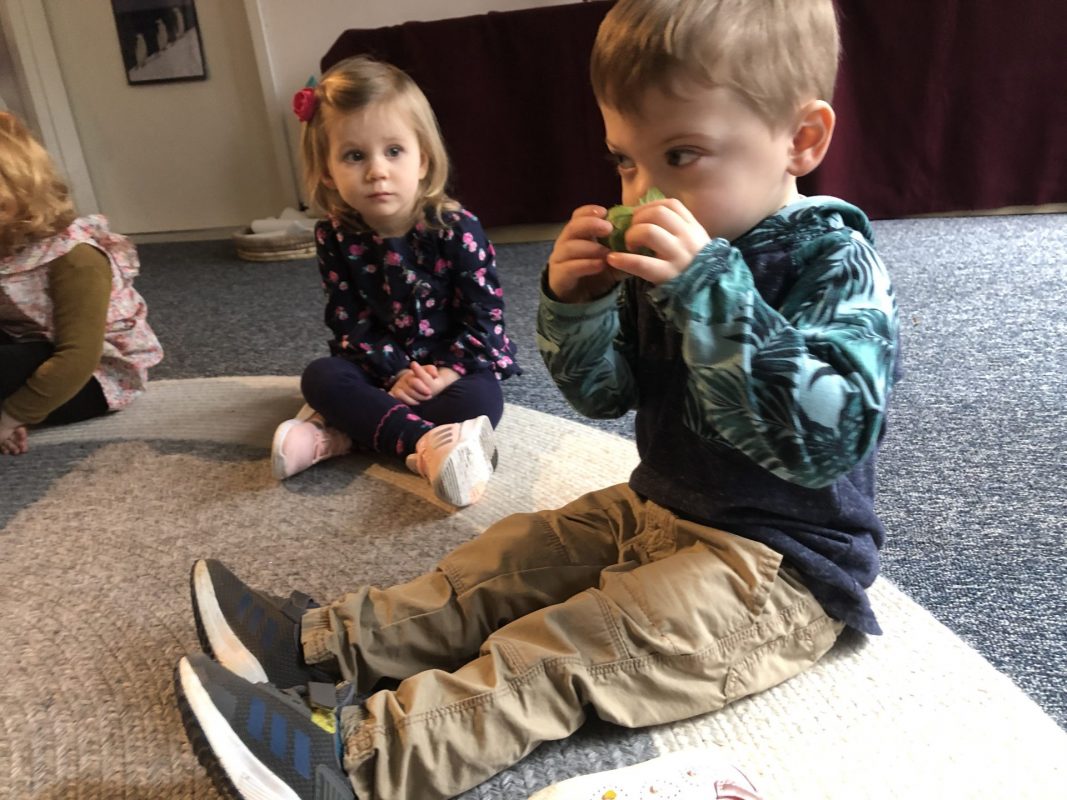
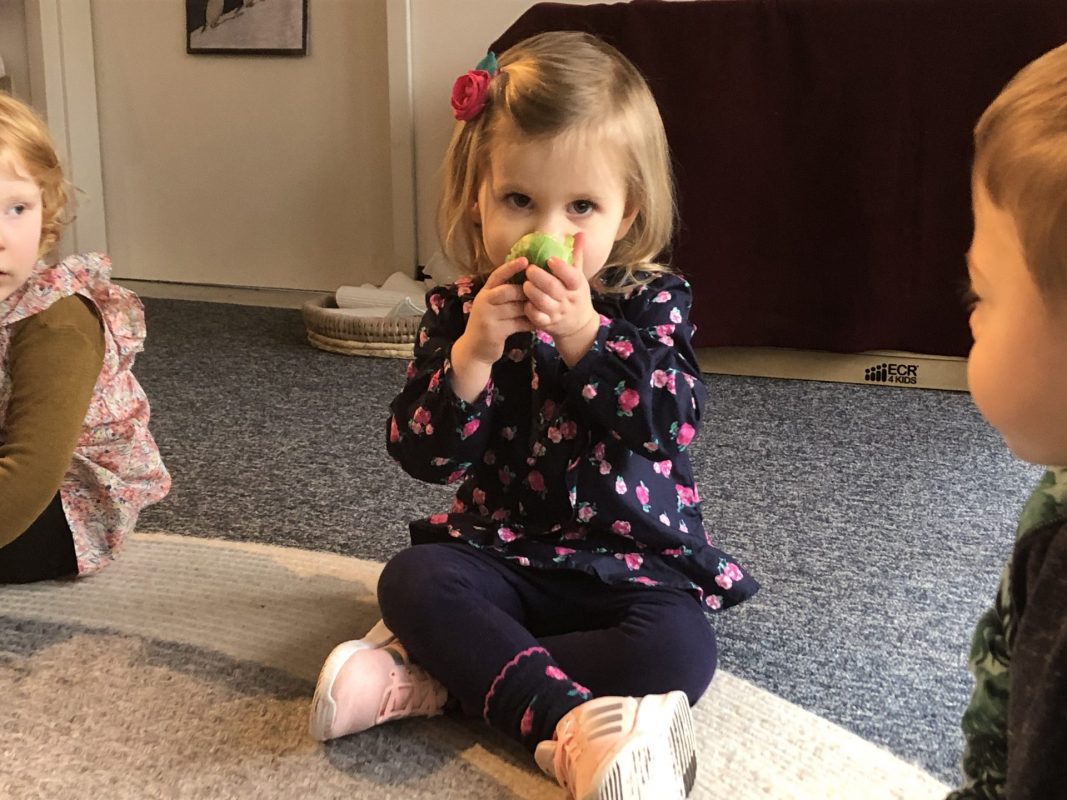
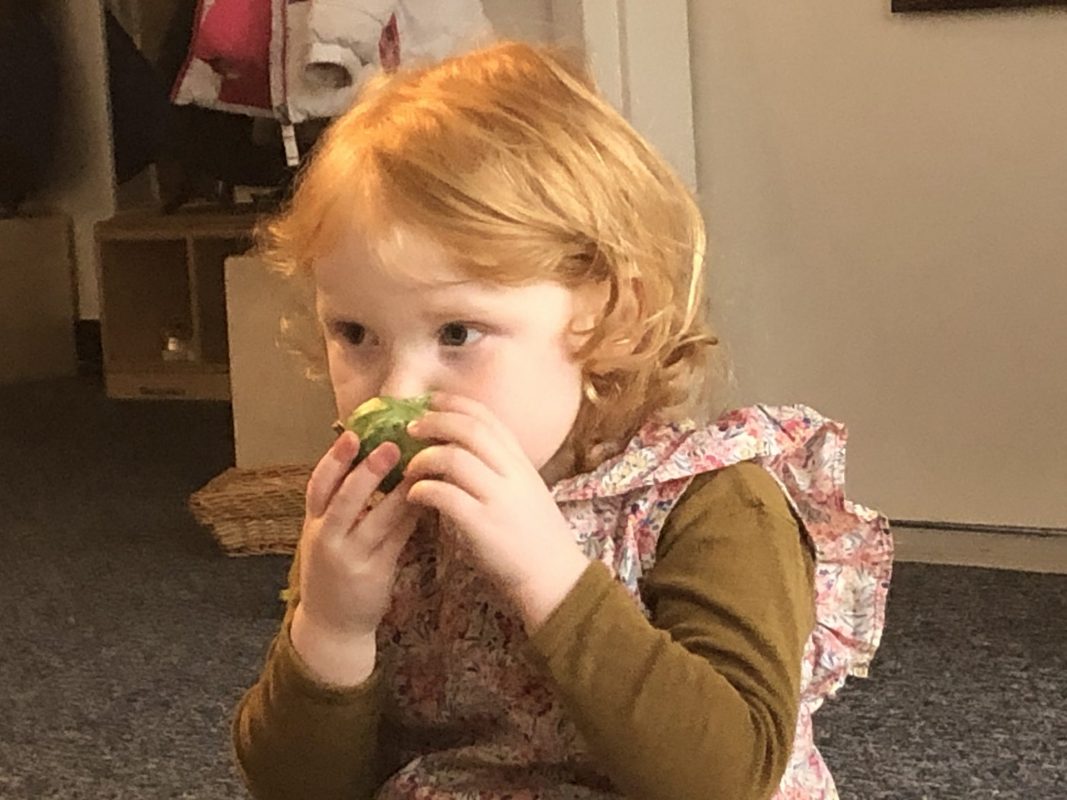
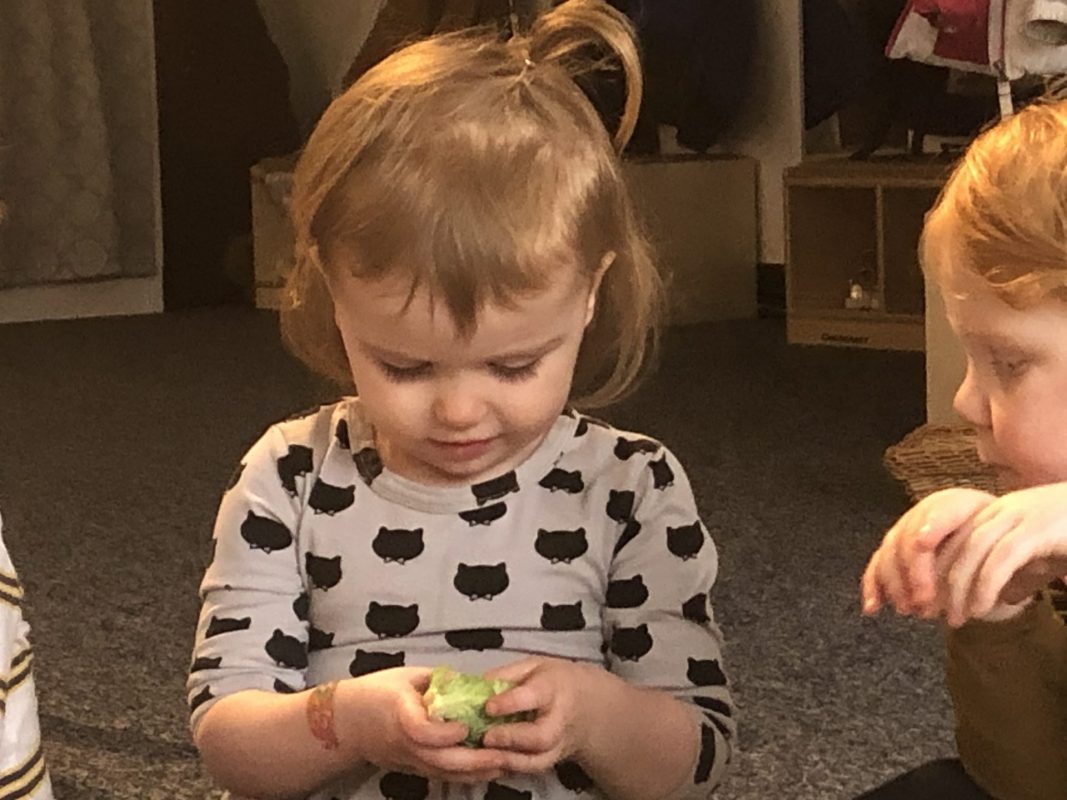
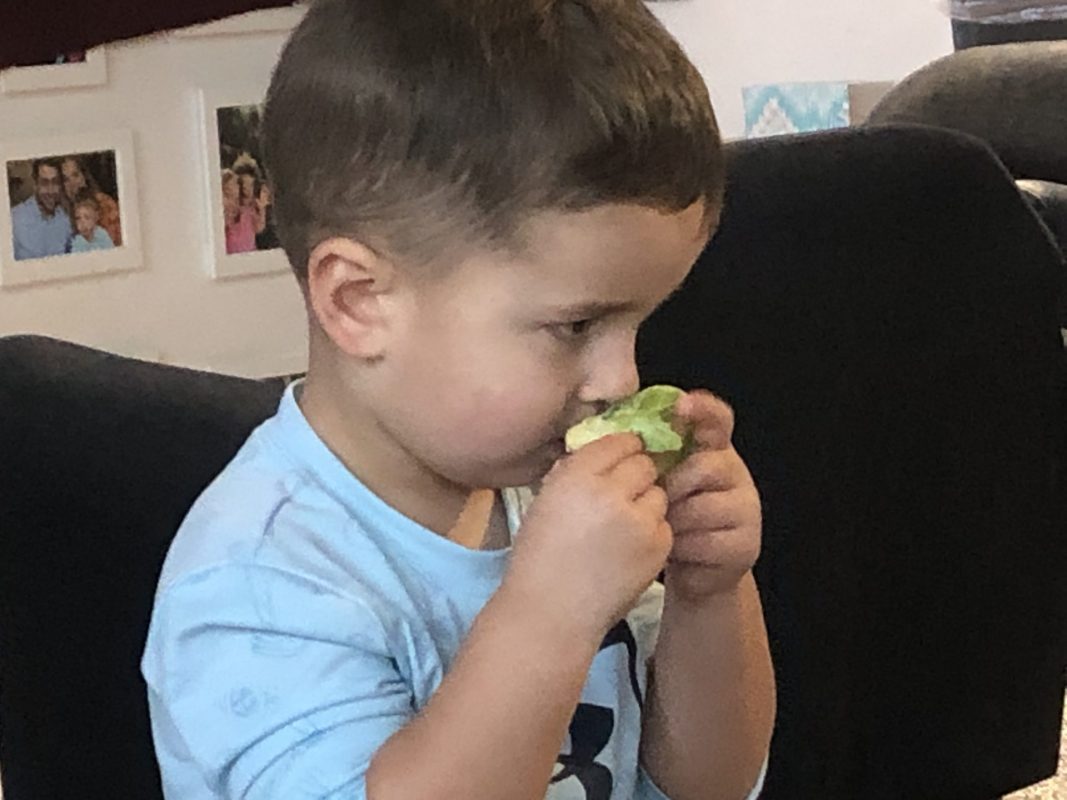
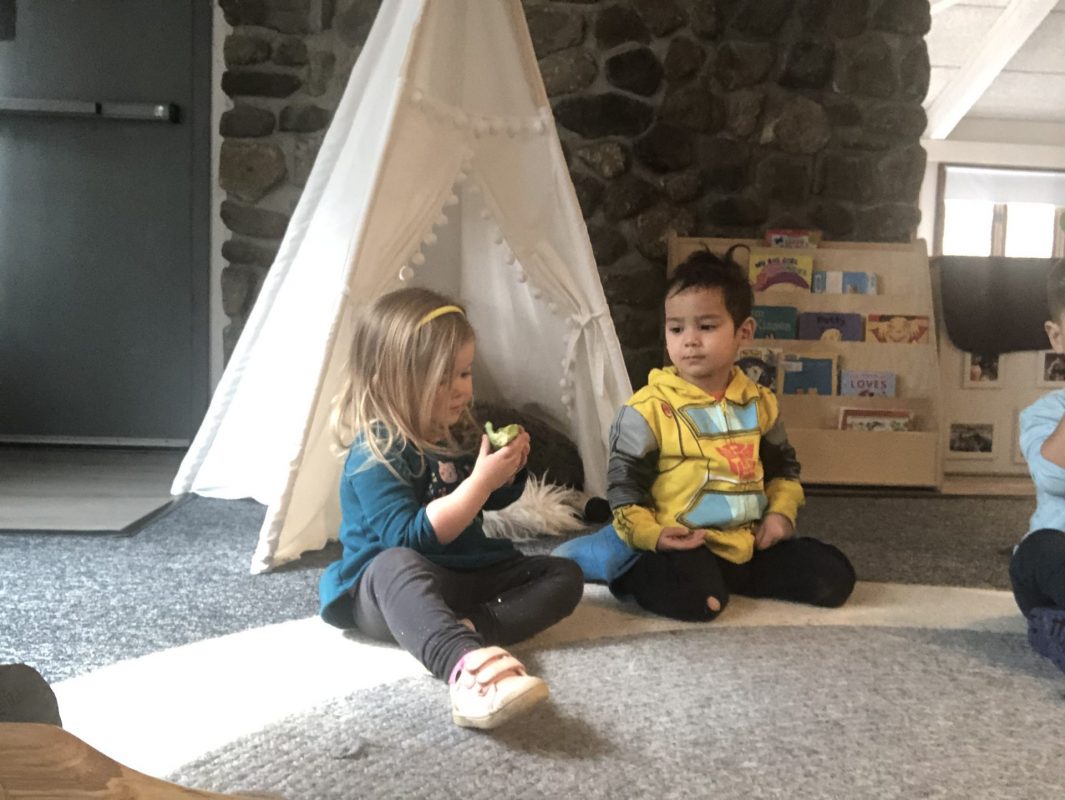
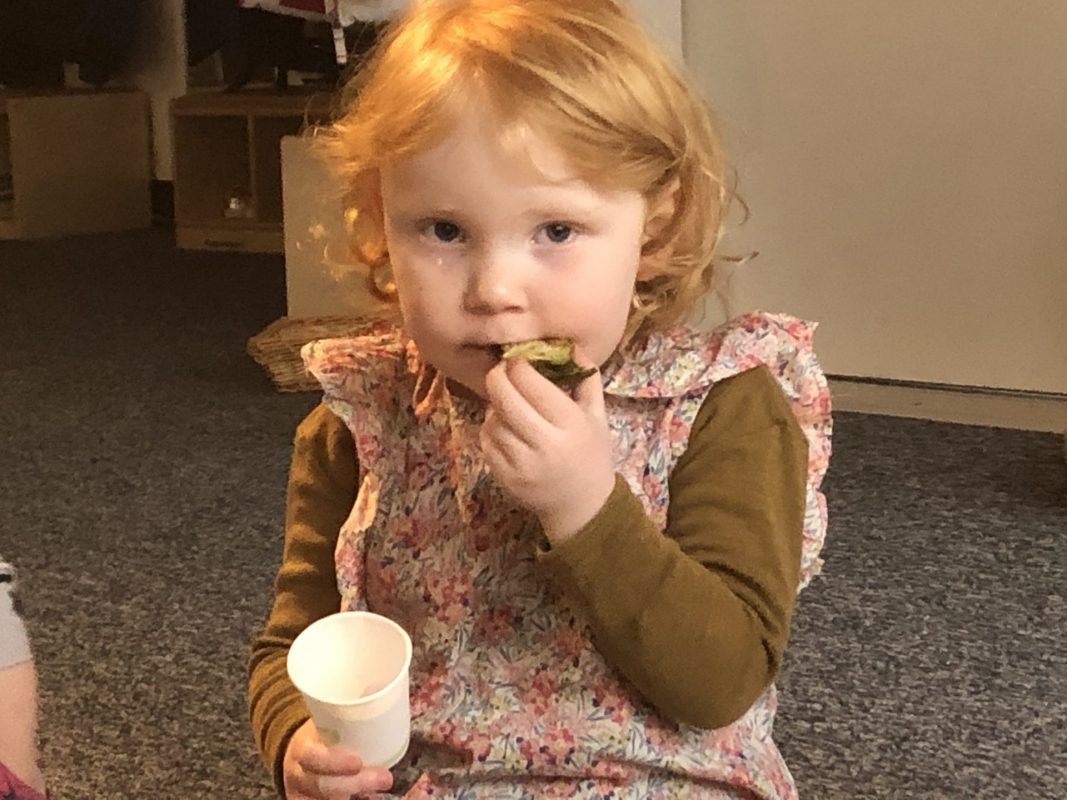
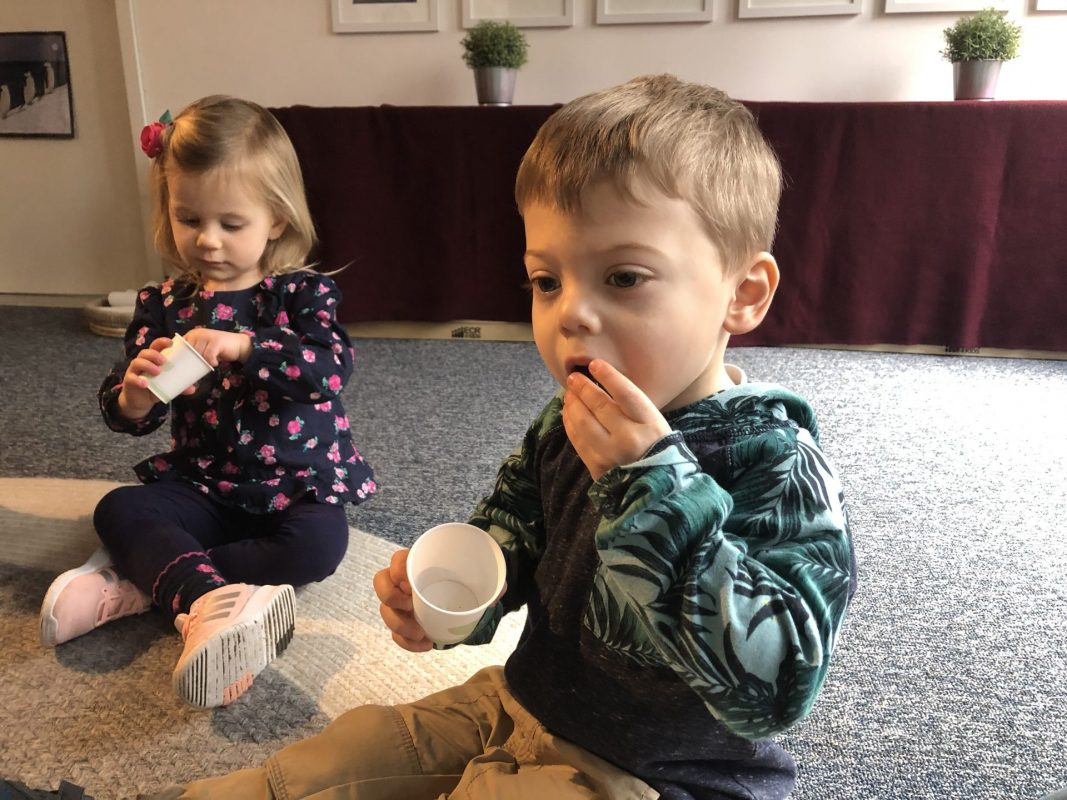
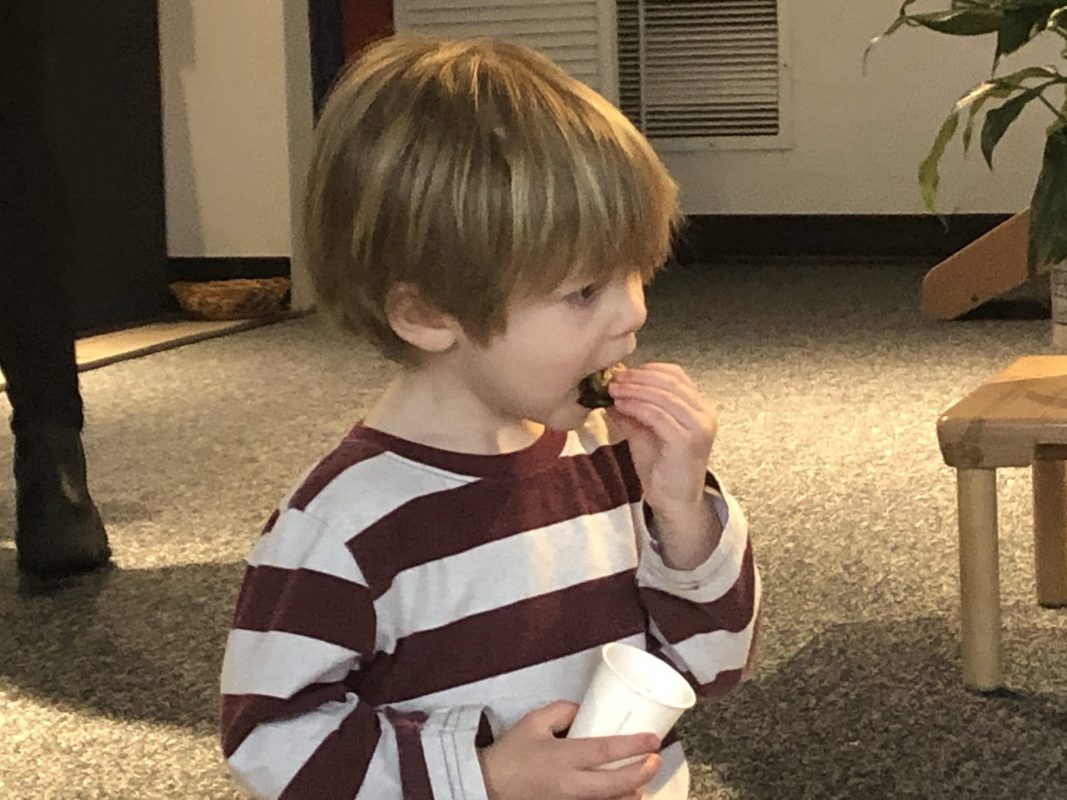
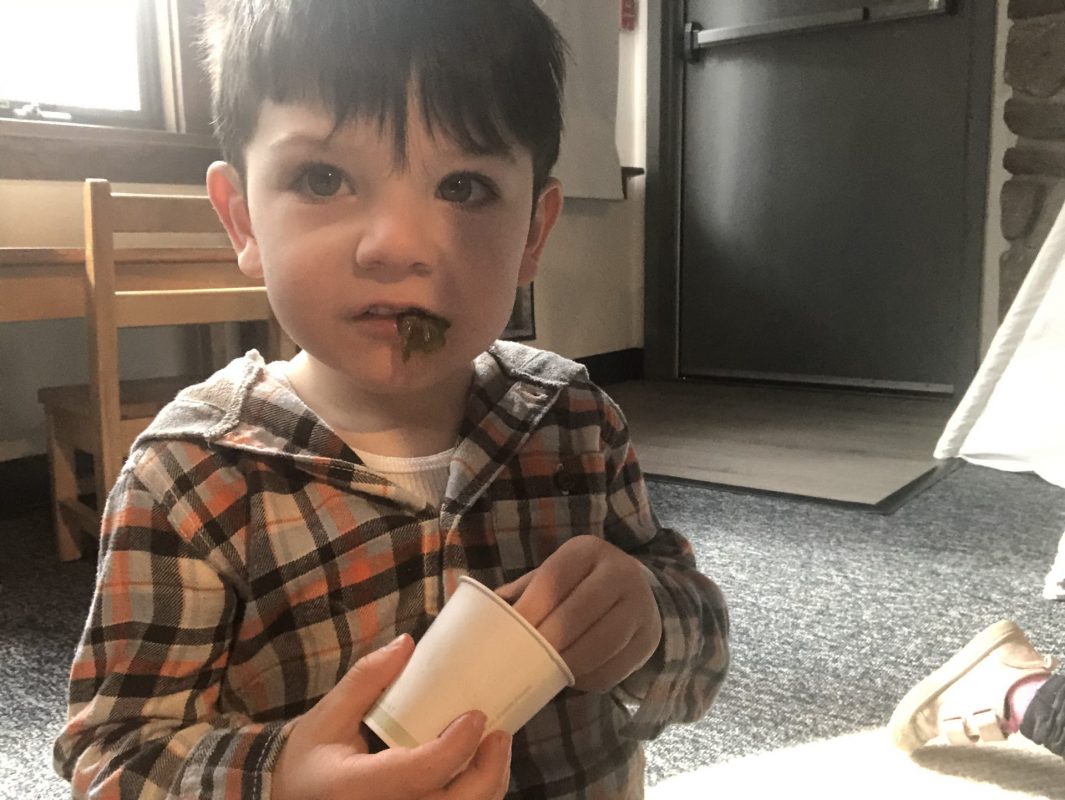
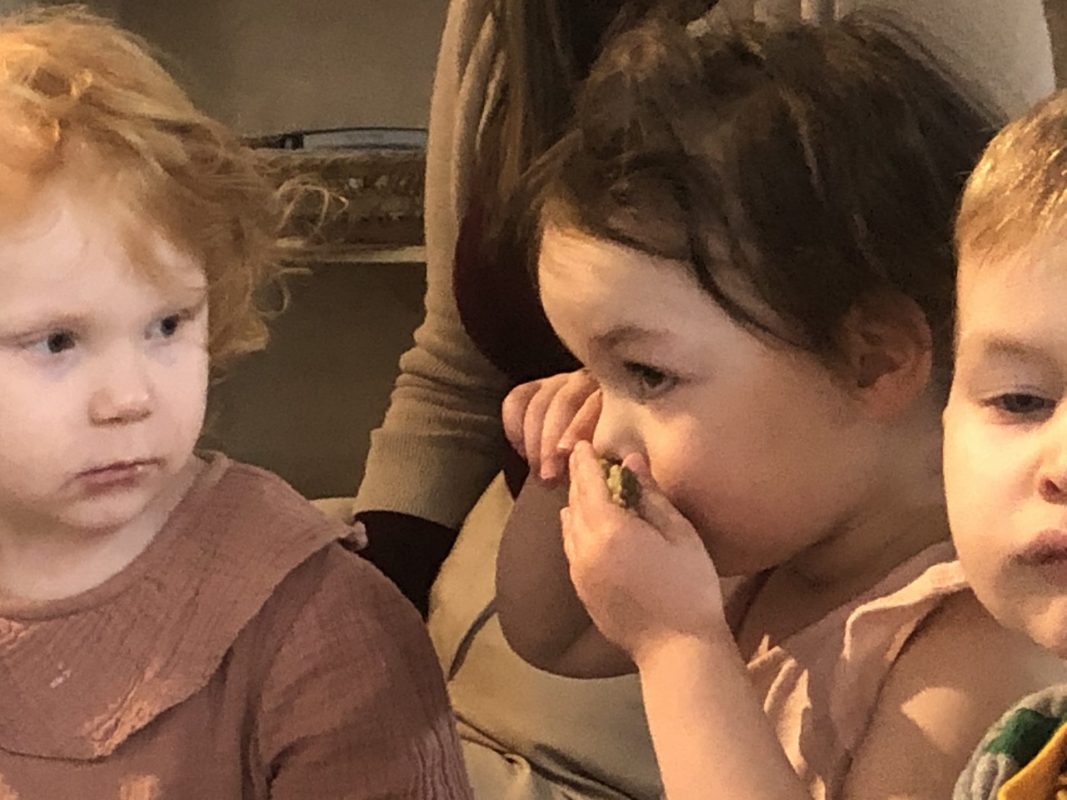
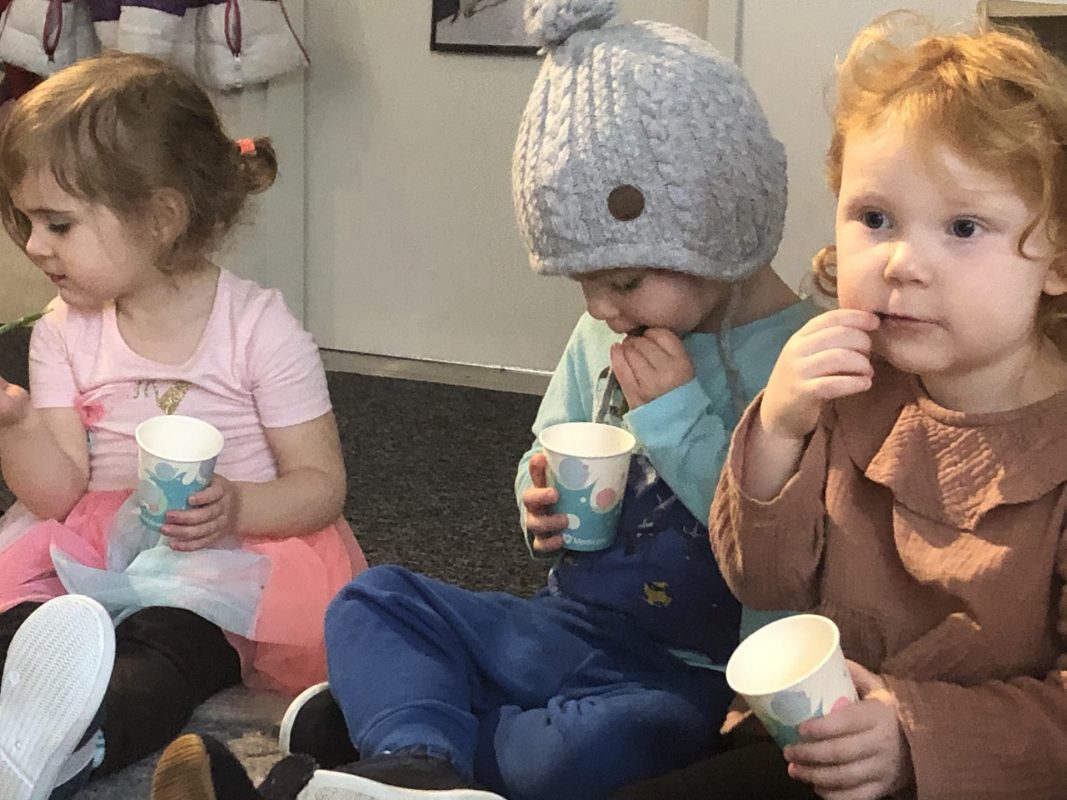
For food tasting we explored Brussels sprouts. Some children really enjoyed it and some not too much. At least we got a request for our next food tasting: chocolate corn! What do you think?… I will try to figure out how we can make that possible while you enjoy this week’s pictures!

Have a good weekend!


Mrs. Hood’s Class: Normalization!

In Montessori education, the term “normalization” has a specialized meaning. “Normal” does not refer to what is considered to be “typical” or “average” or even “usual.” “Normalization” does not refer to a process of being forced to conform. Instead, Maria Montessori used the terms “normal” and “normalization” to describe a unique process she observed in child development.

Montessori observed that when children are allowed freedom in an environment suited to their needs, they blossom. After a period of intense concentration, working with materials that fully engage their interest, children appear to be refreshed and content. Through continued concentrated work of their own choice, children grow in inner discipline and peace. She called this process “normalization” and cited it as “the most important single result of our whole work (The Absorbent Mind, 1949).”

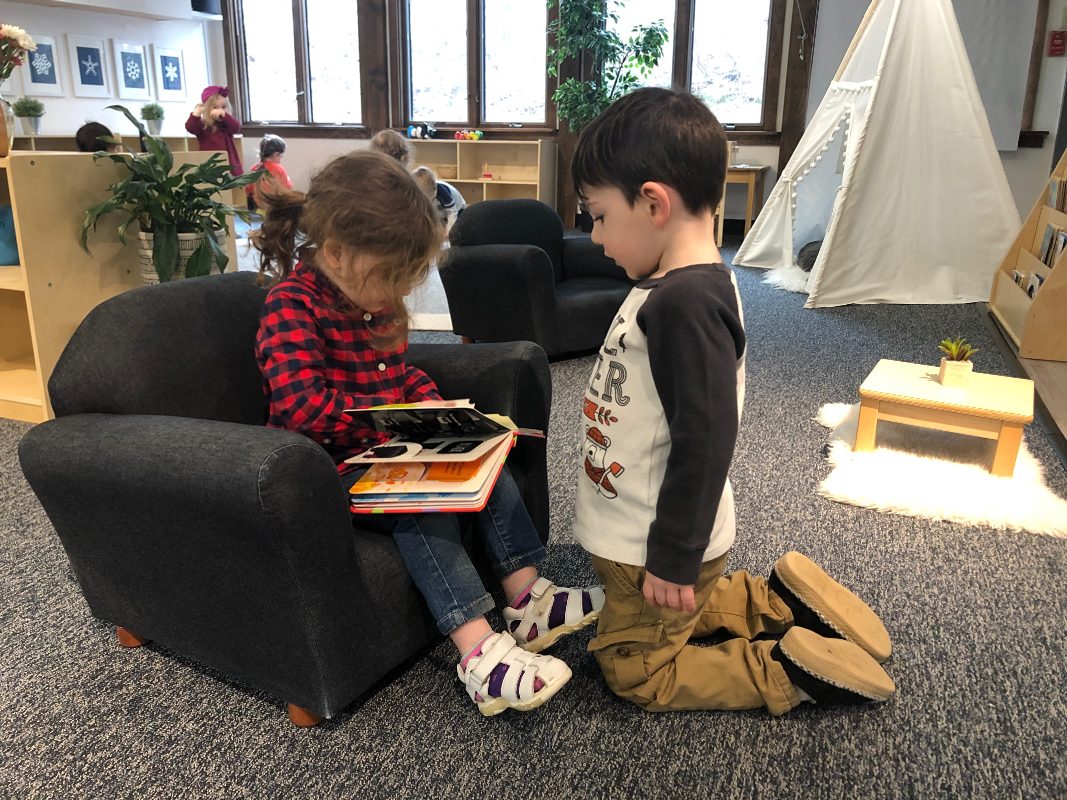
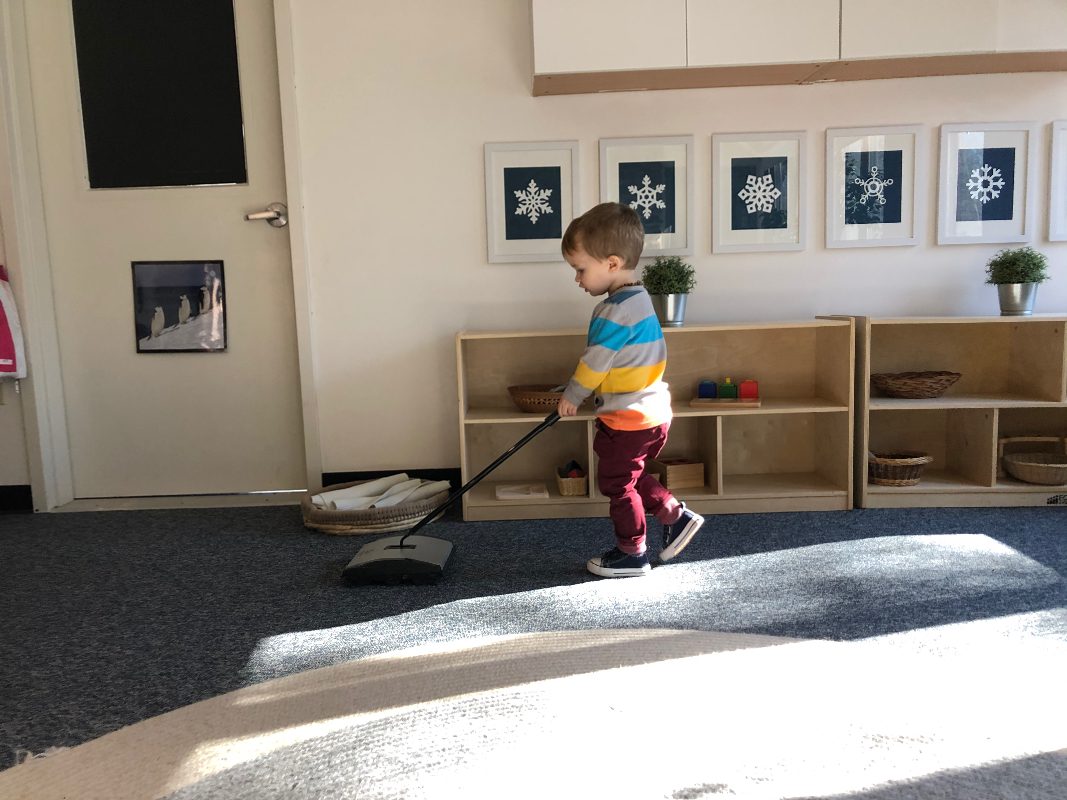
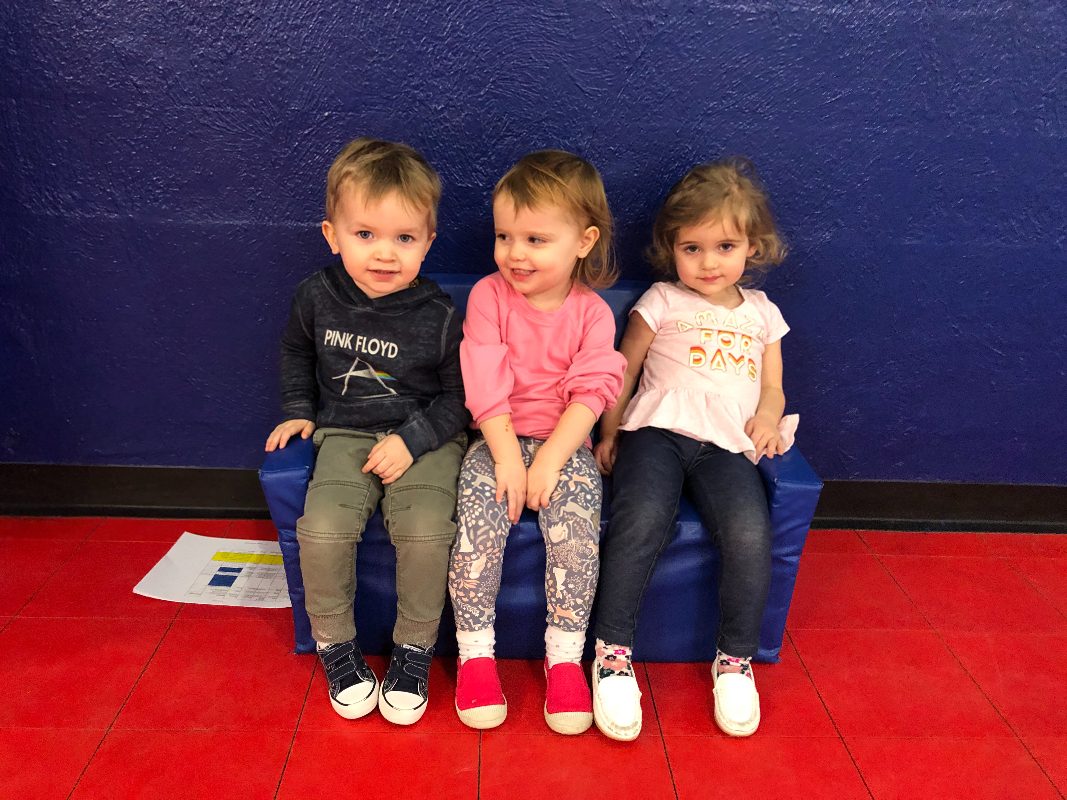
The children in our environment are on a great path to “normalization.” Every morning we get to see its signs! We also watch with joy how children have internalized the routines, and transitions are more peaceful! They recognize their friends and feel comfortable sharing and working together. Deep friendships are developing and expressions of love and care for each other are more evident.

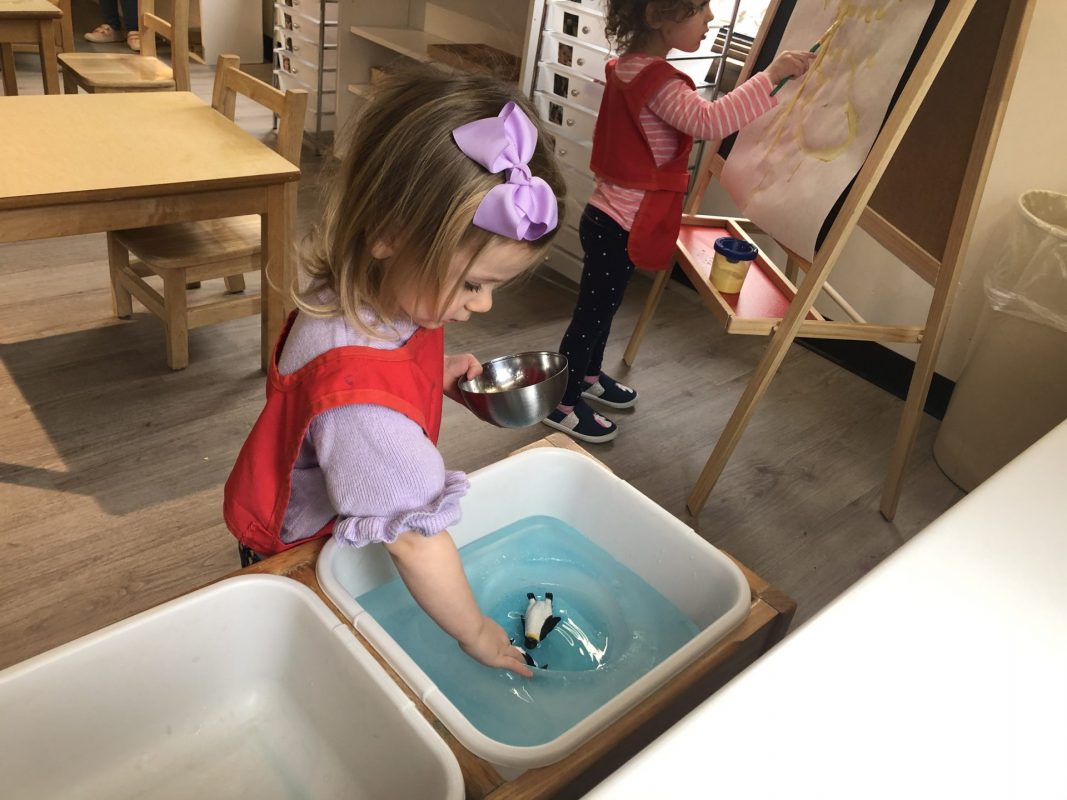
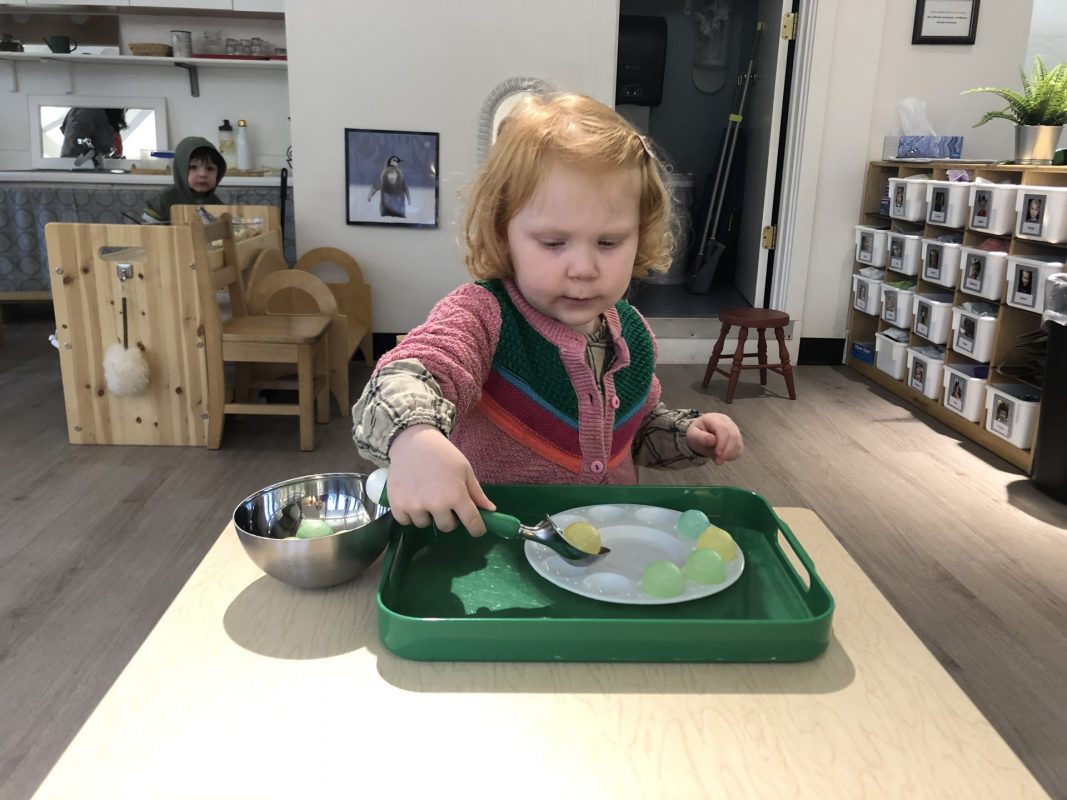
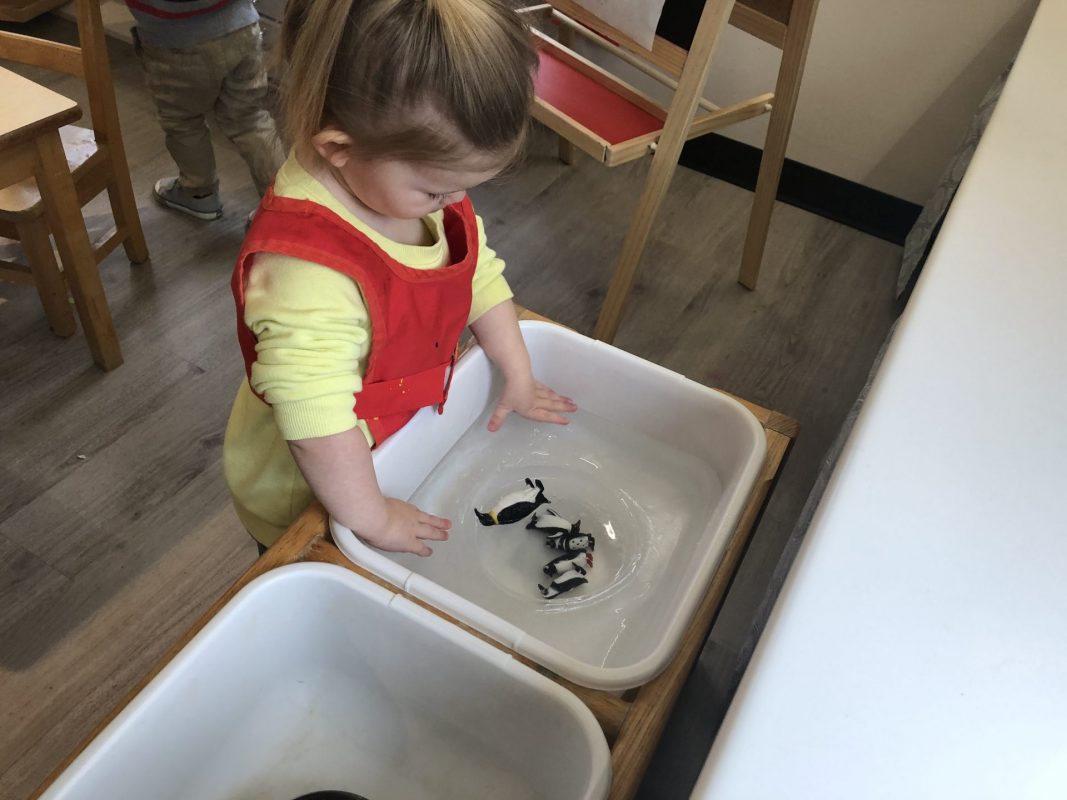
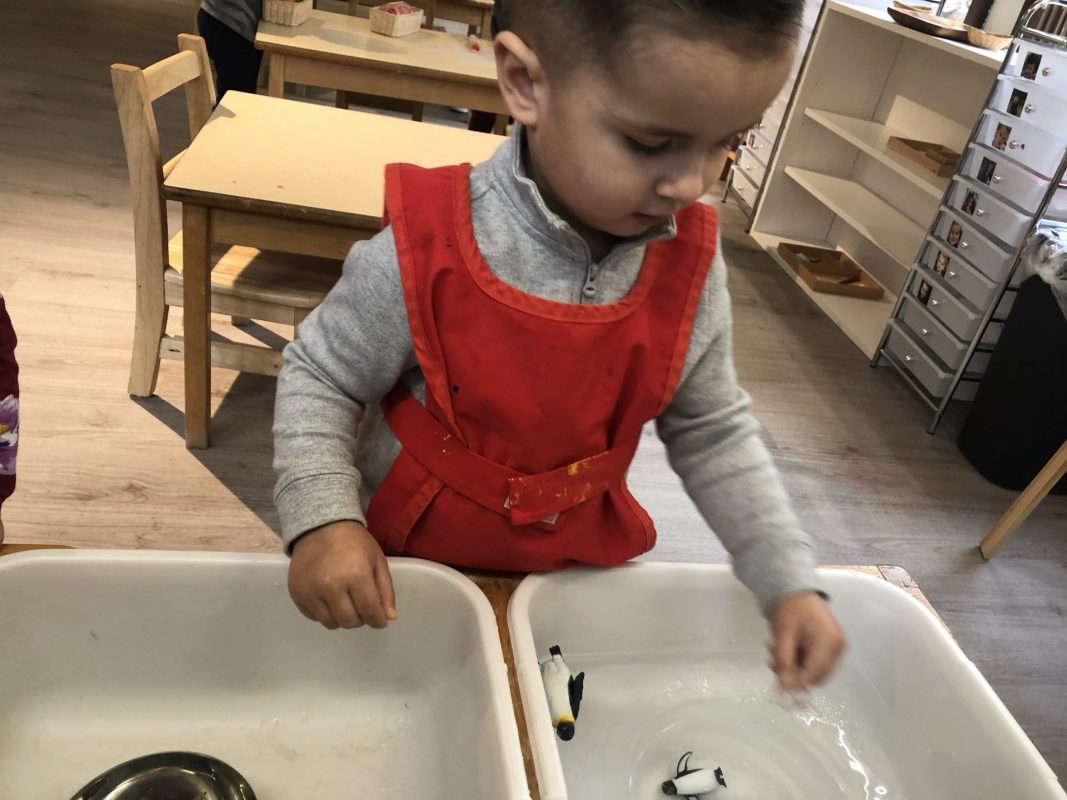
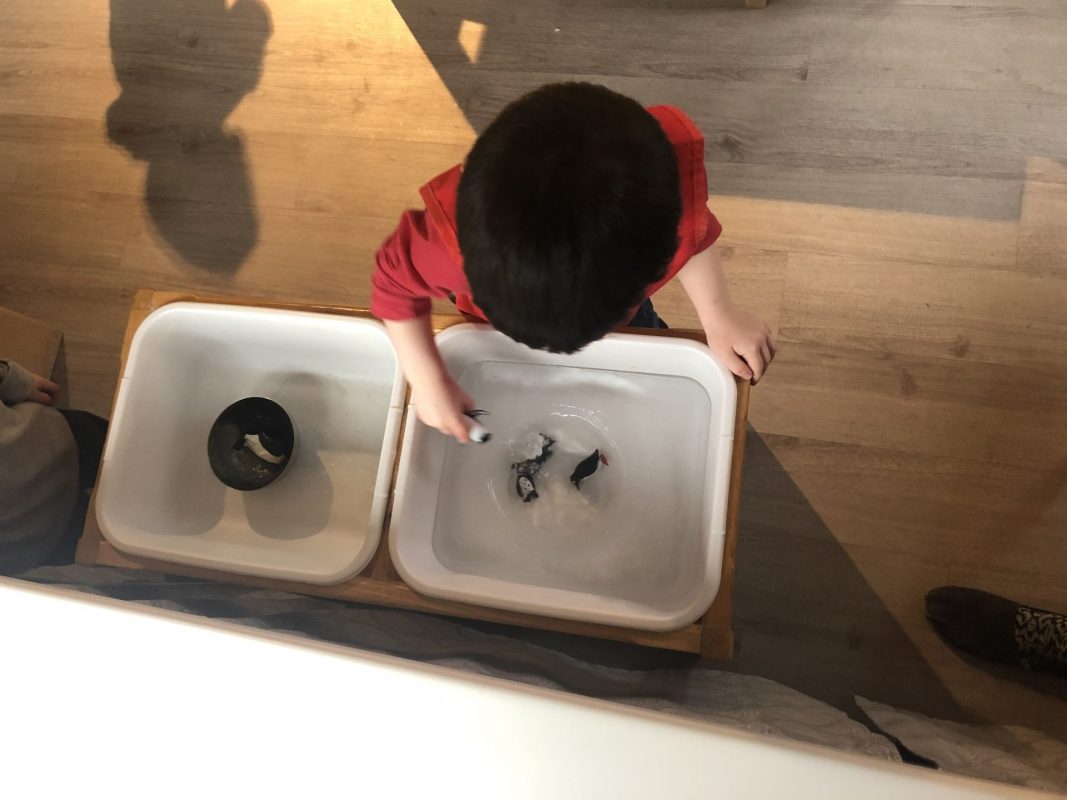
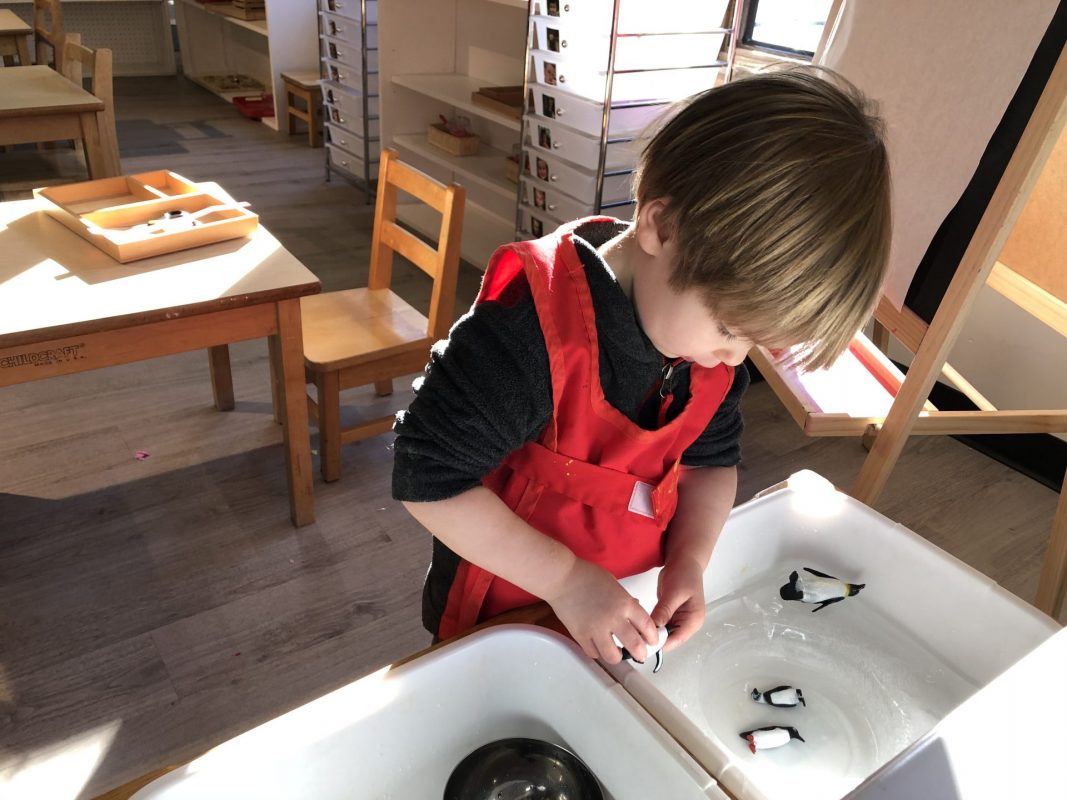
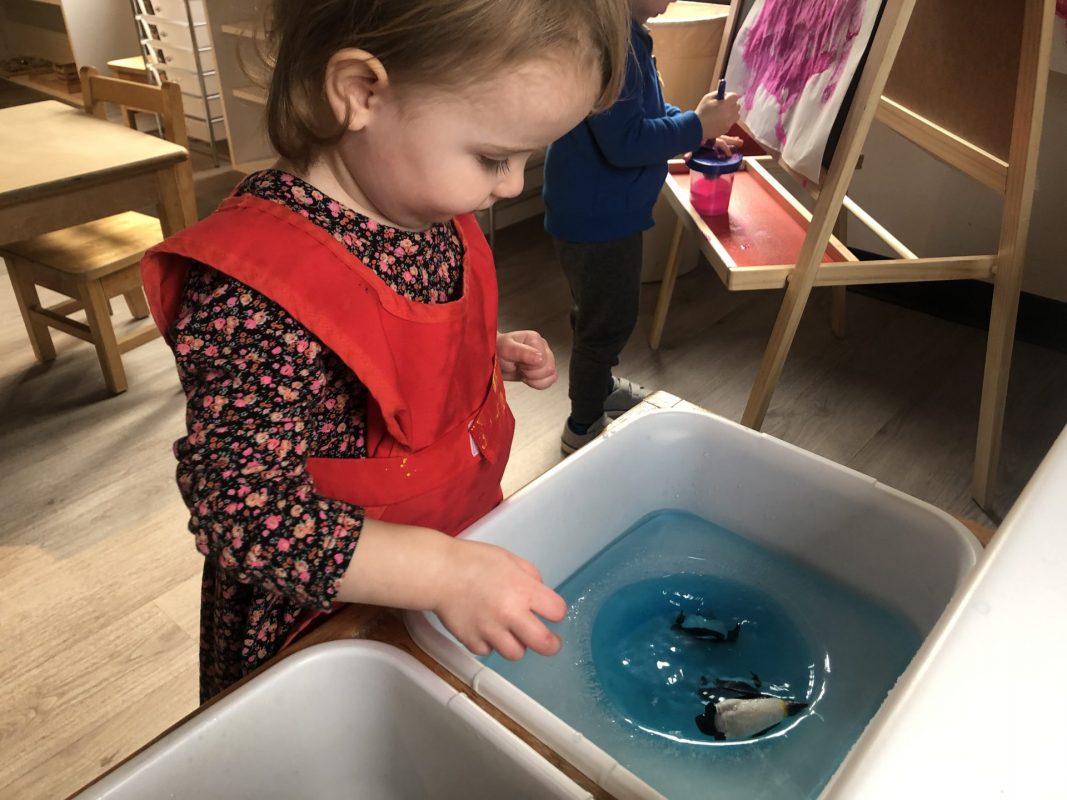
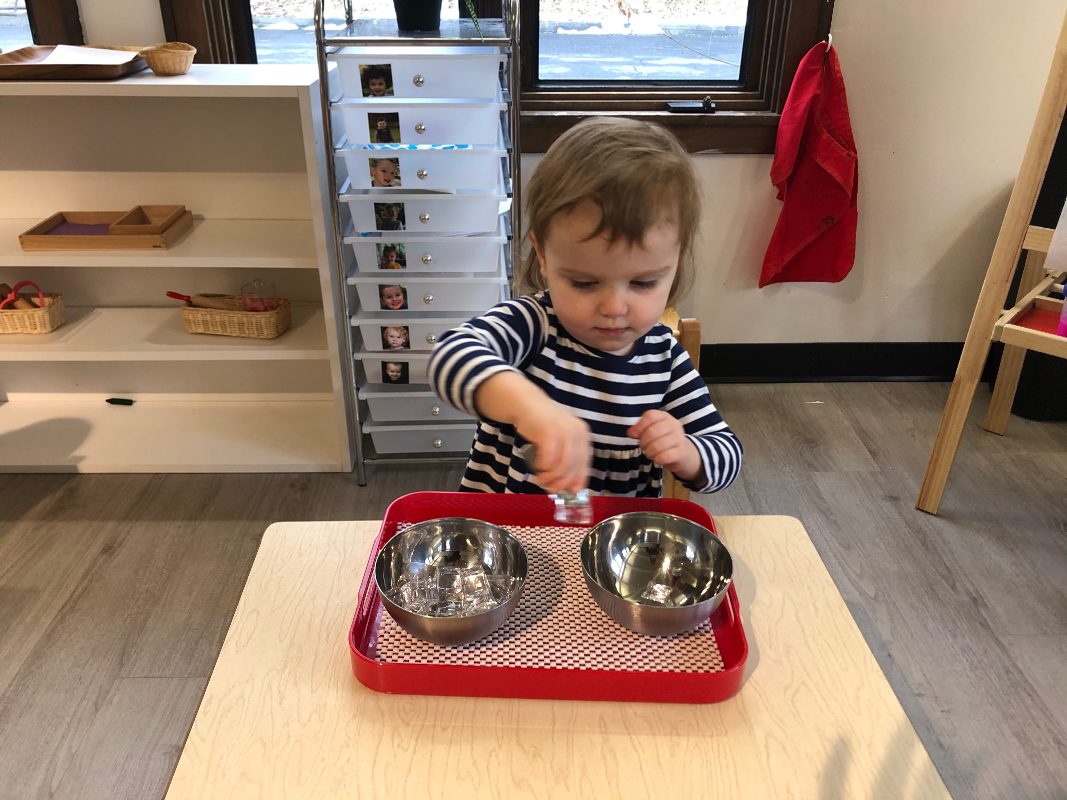
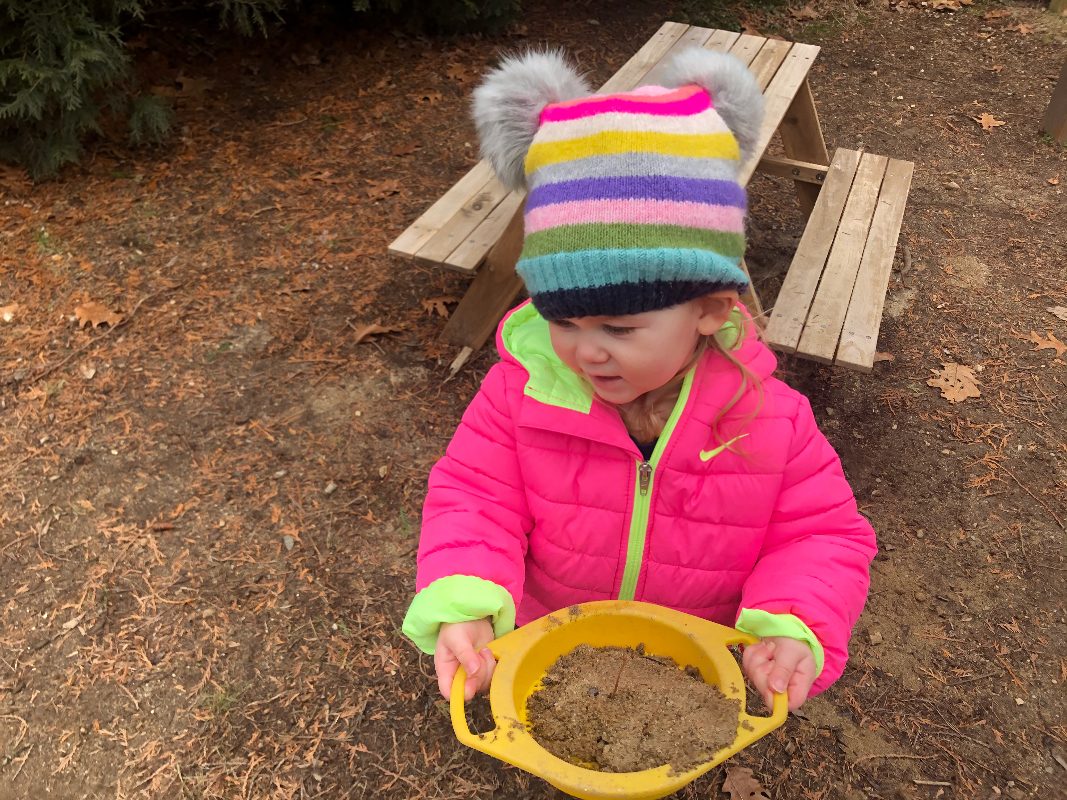
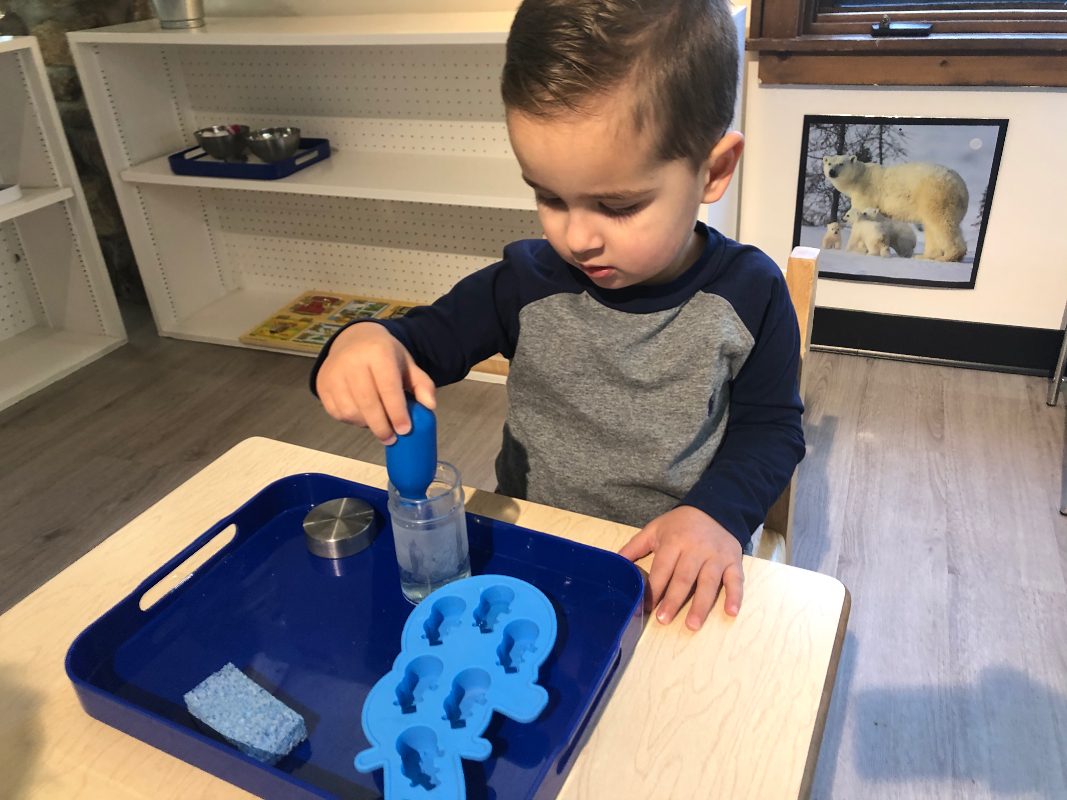
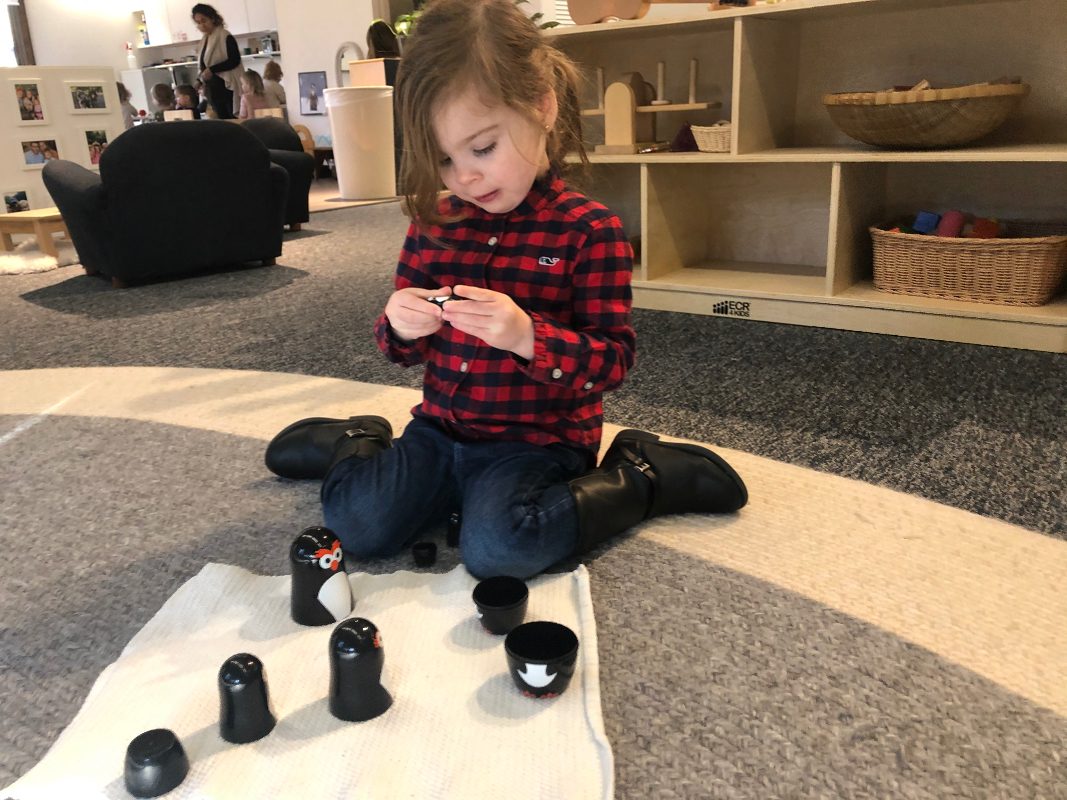
In another note and in continuation with our winter studies, children made an imaginary trip to the south pole where they met a family of penguins. Children learned that penguins are birds that don’t fly. Penguins also swim in cold water and eat fish and other sea life they catch underwater. Penguins also spend half of their time on land and half time inside the water. Children enjoyed the sensorial exploration of touching the solid ice and submerging their hands inside the cold pool to help the family of model penguins swim and catch some food.

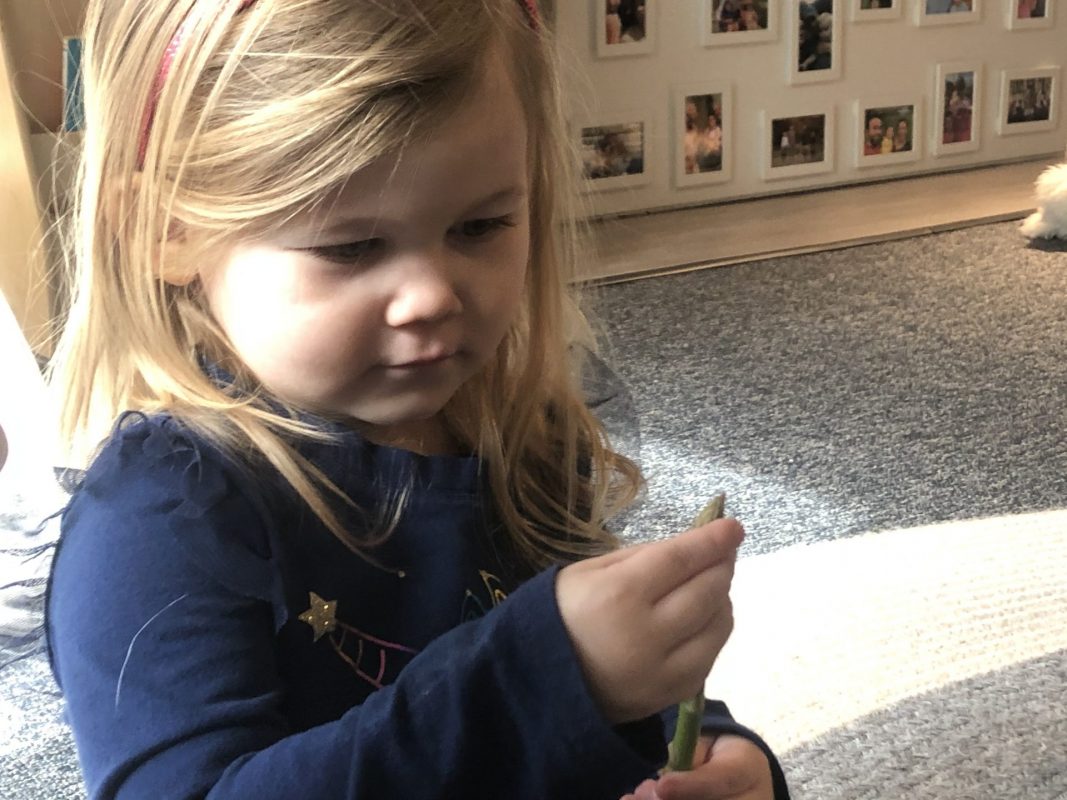
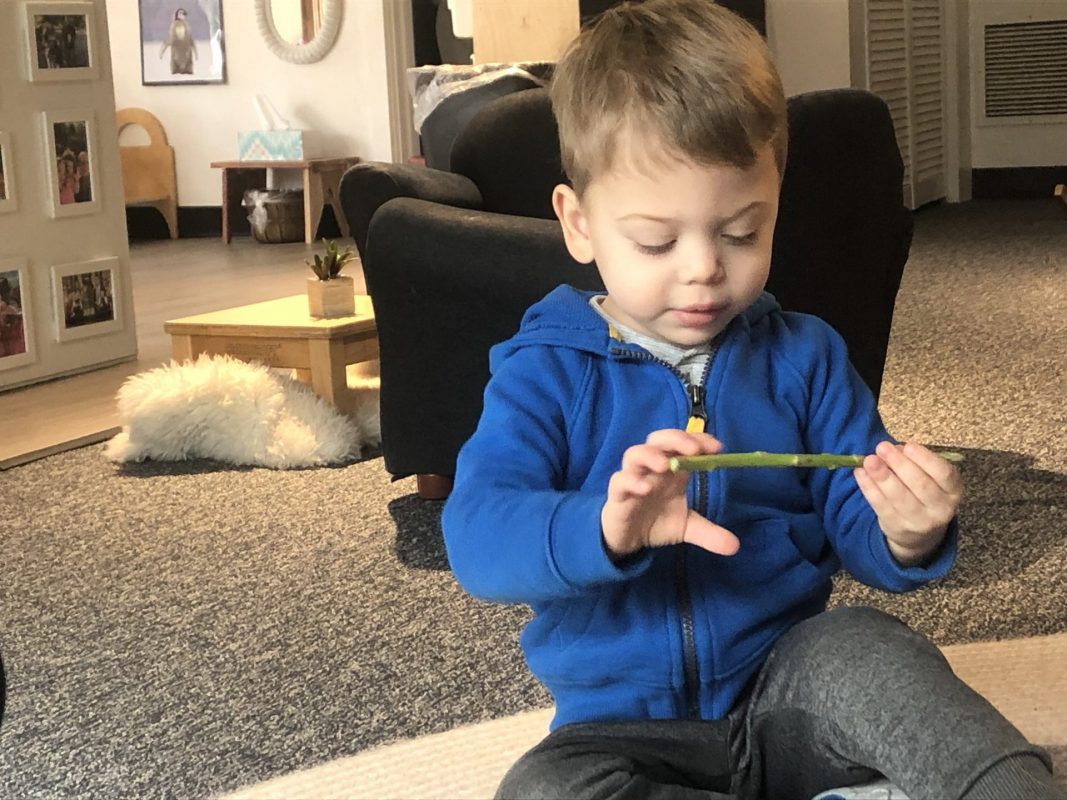
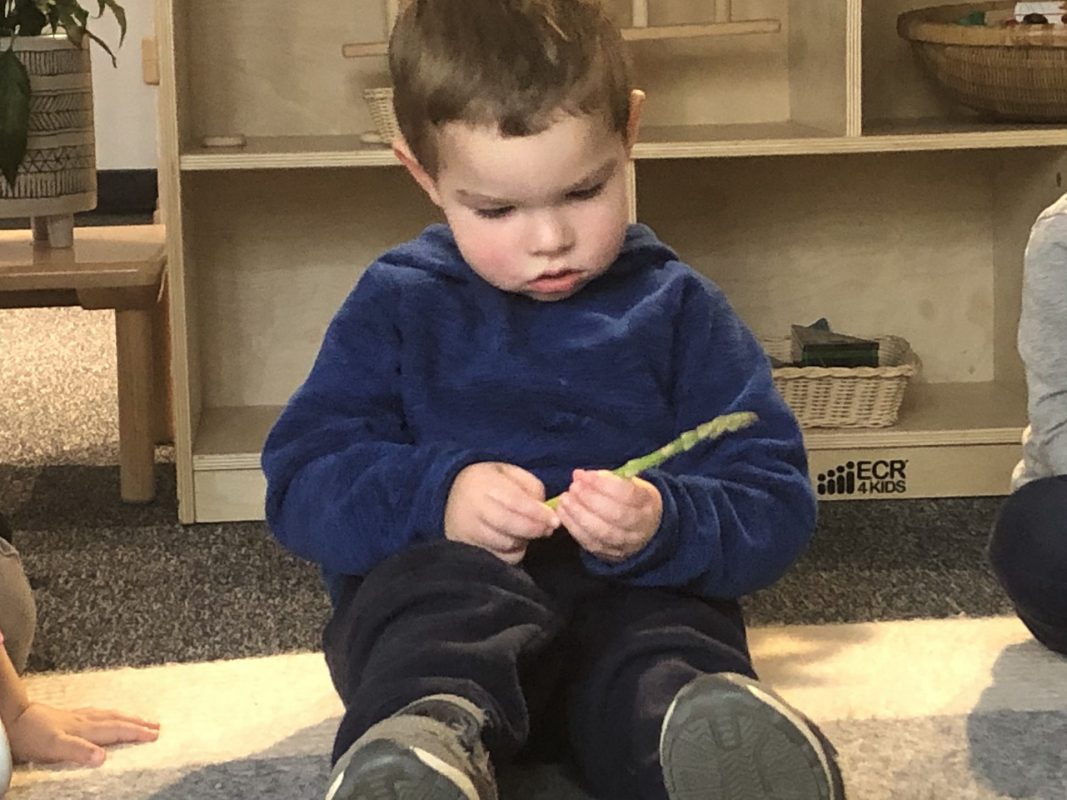
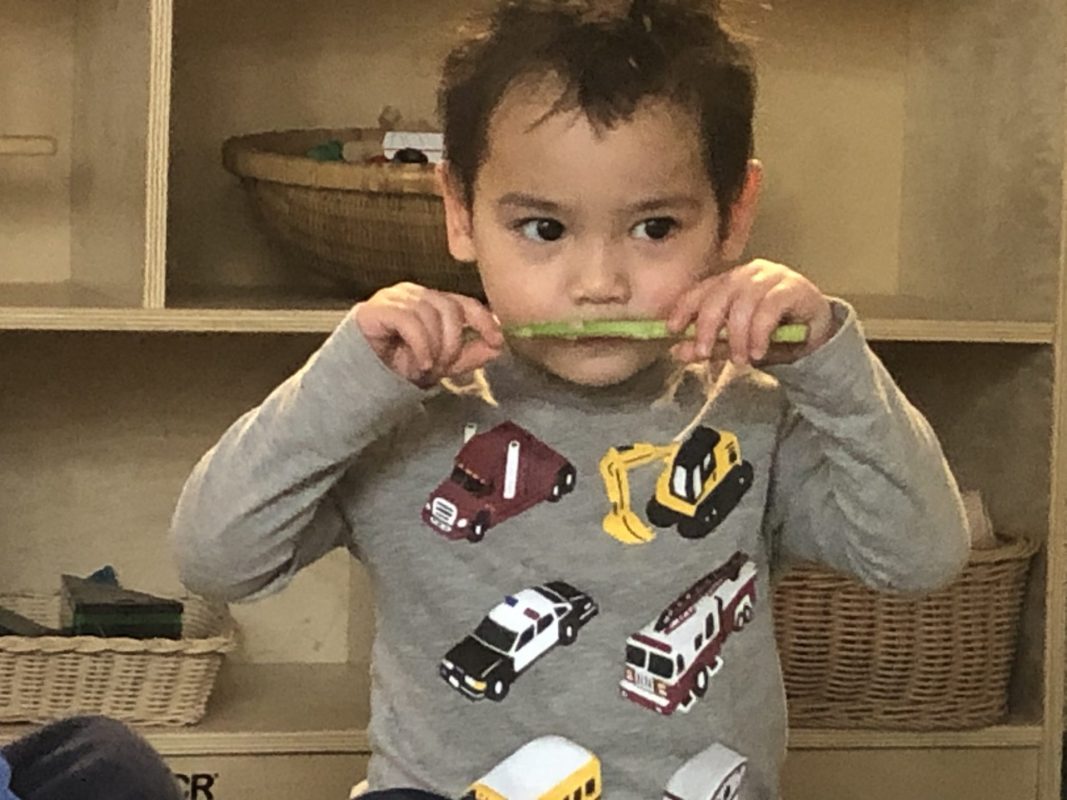
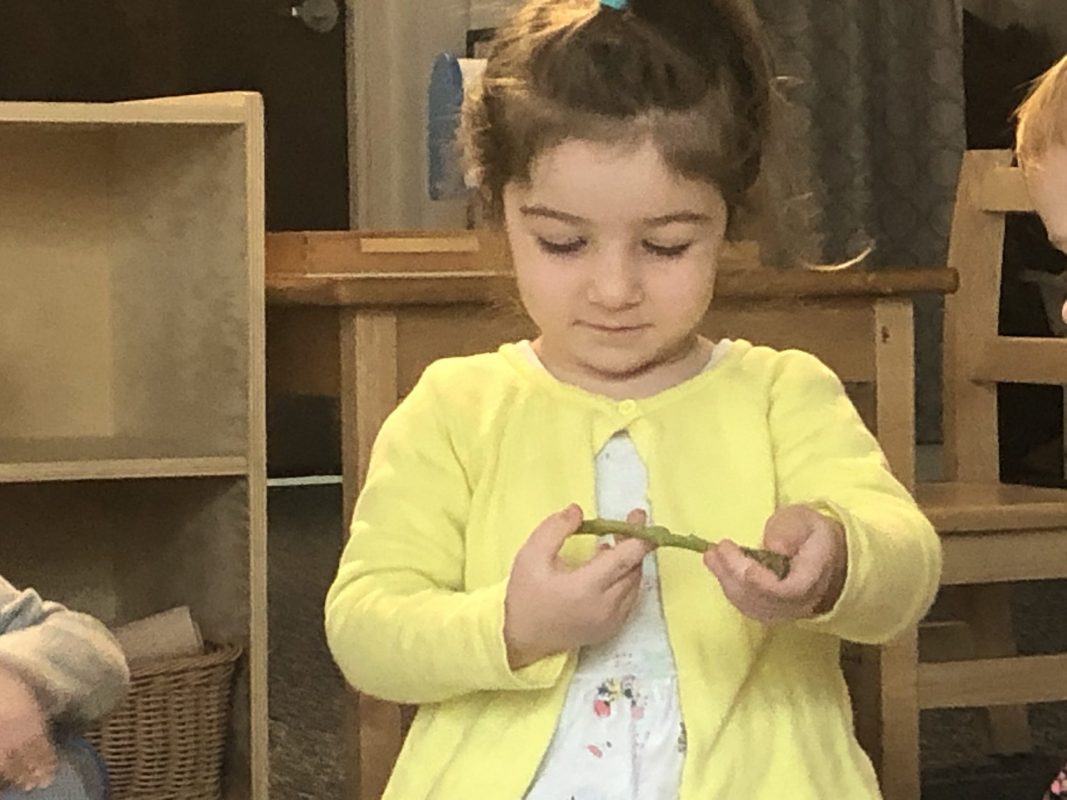
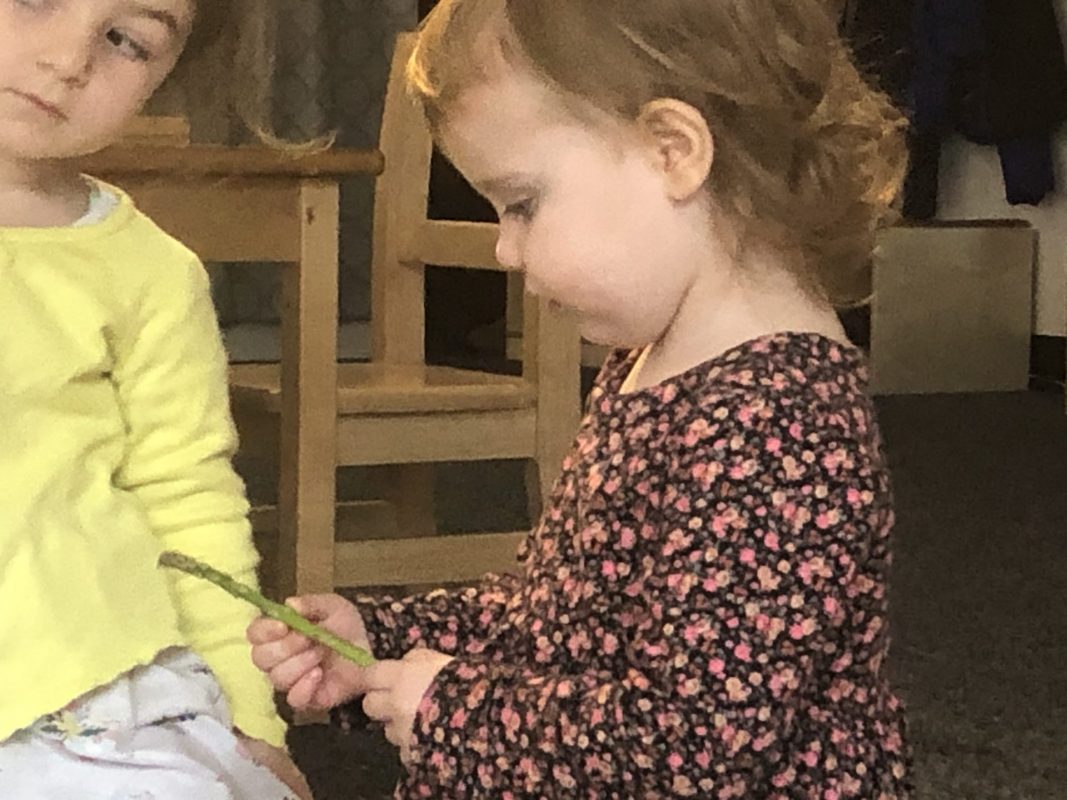
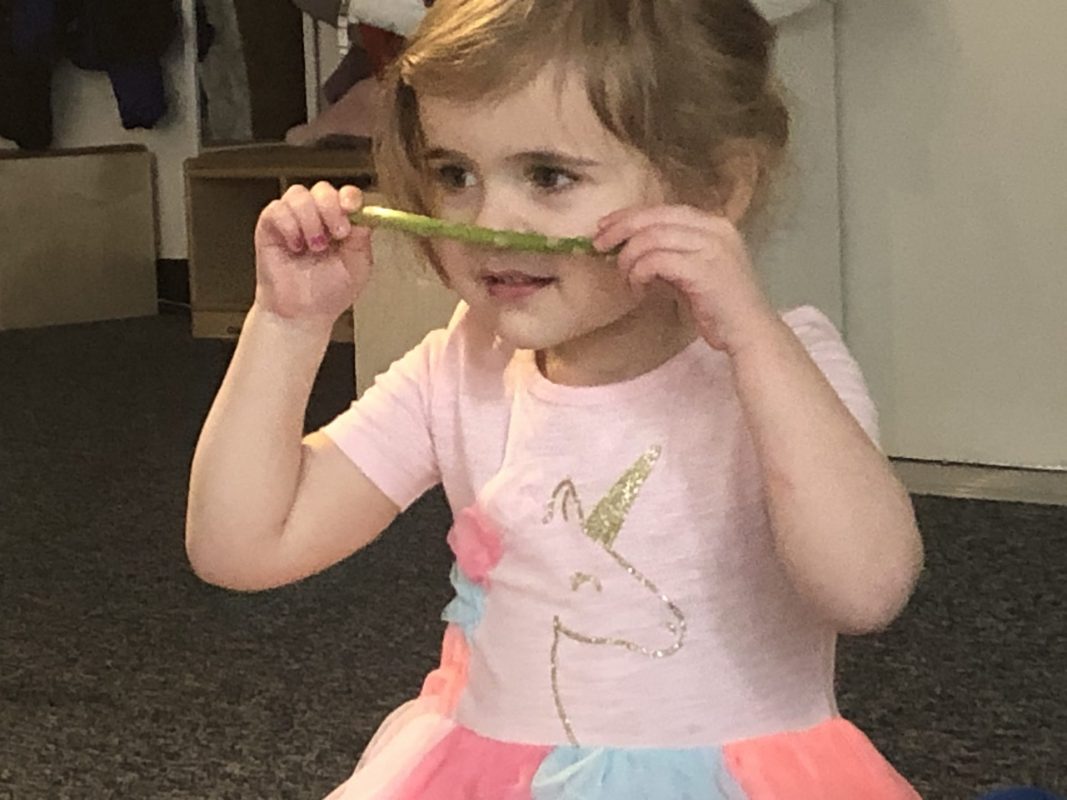
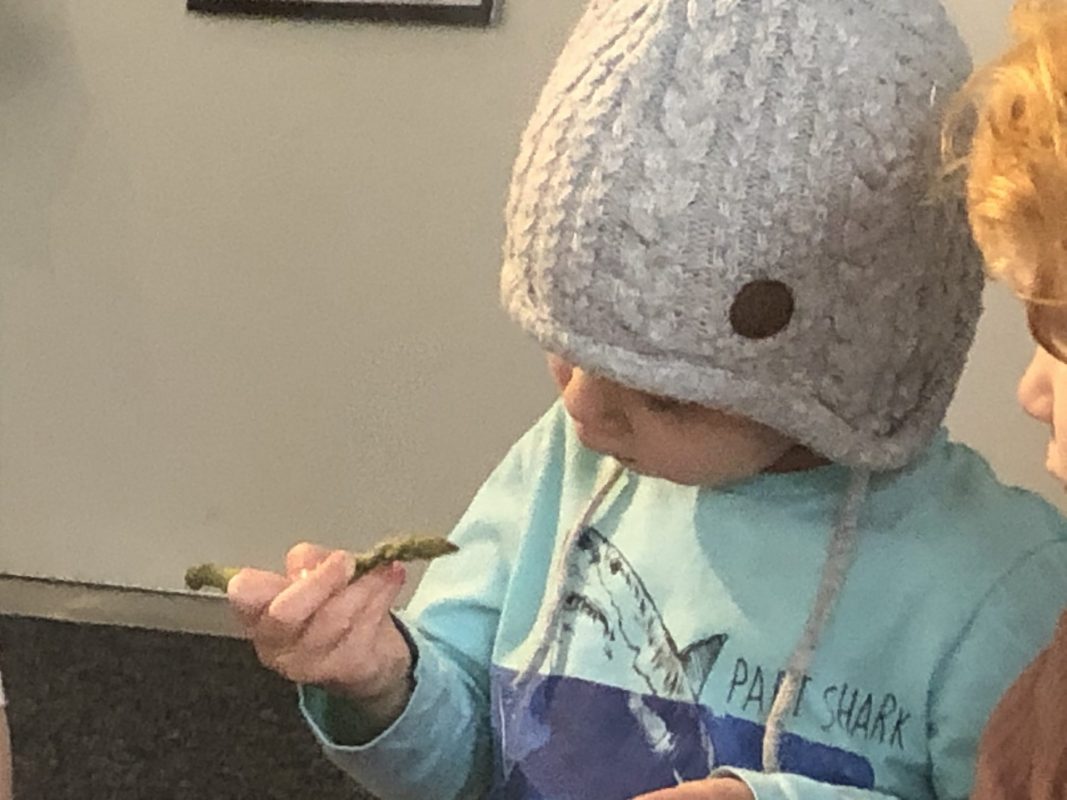
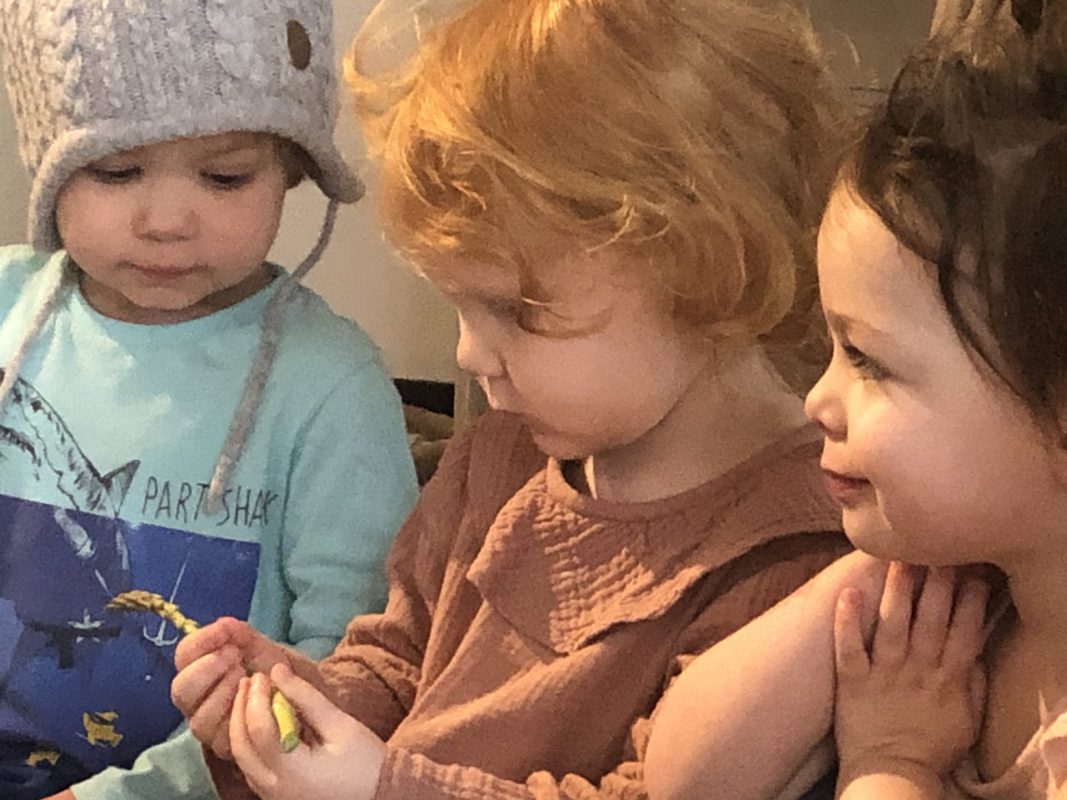
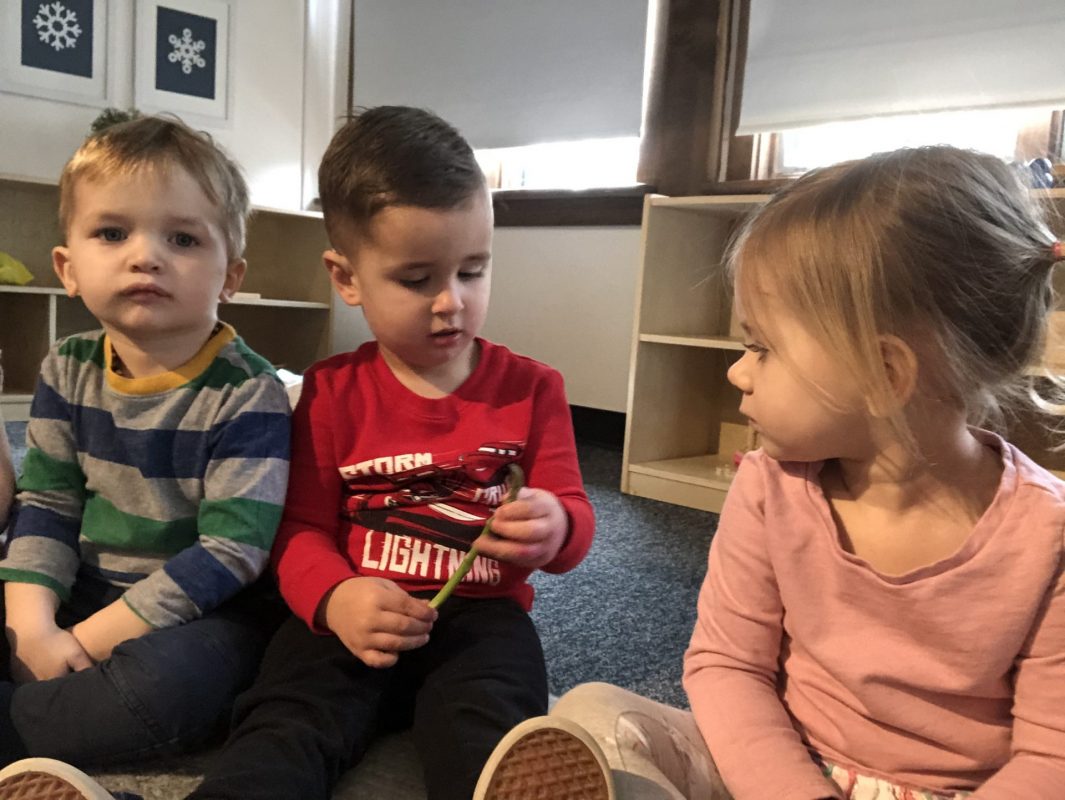
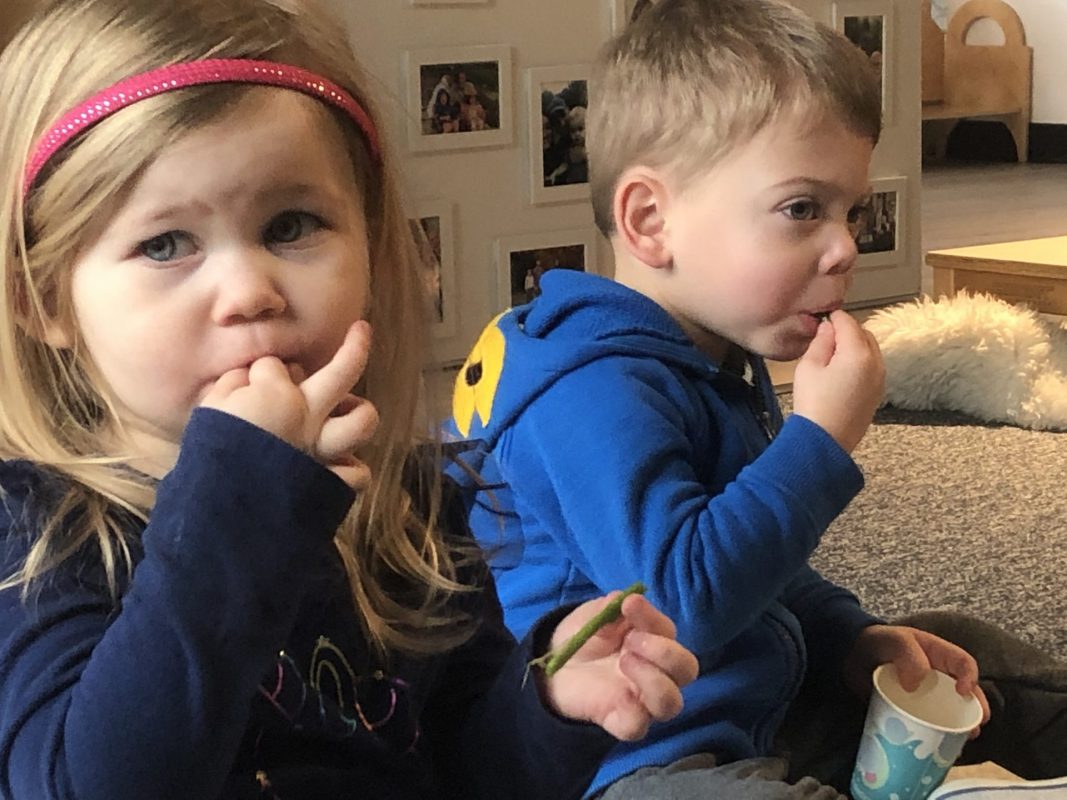
For food tasting, children enjoyed exploring asparagus! I remember presenting this food item last year to some of our current students. The result was not very positive then. However, this time most of the students kept asking for more! We hope this serves as encouragement to you in not giving up on reintroducing new foods to your toddlers. You (and they) will be surprised!


Mrs. Hood’s Class: Celebrating Friendship!

“A friend is one of the nicest things you can have and one of the best things you can be” – Douglas Pagels 

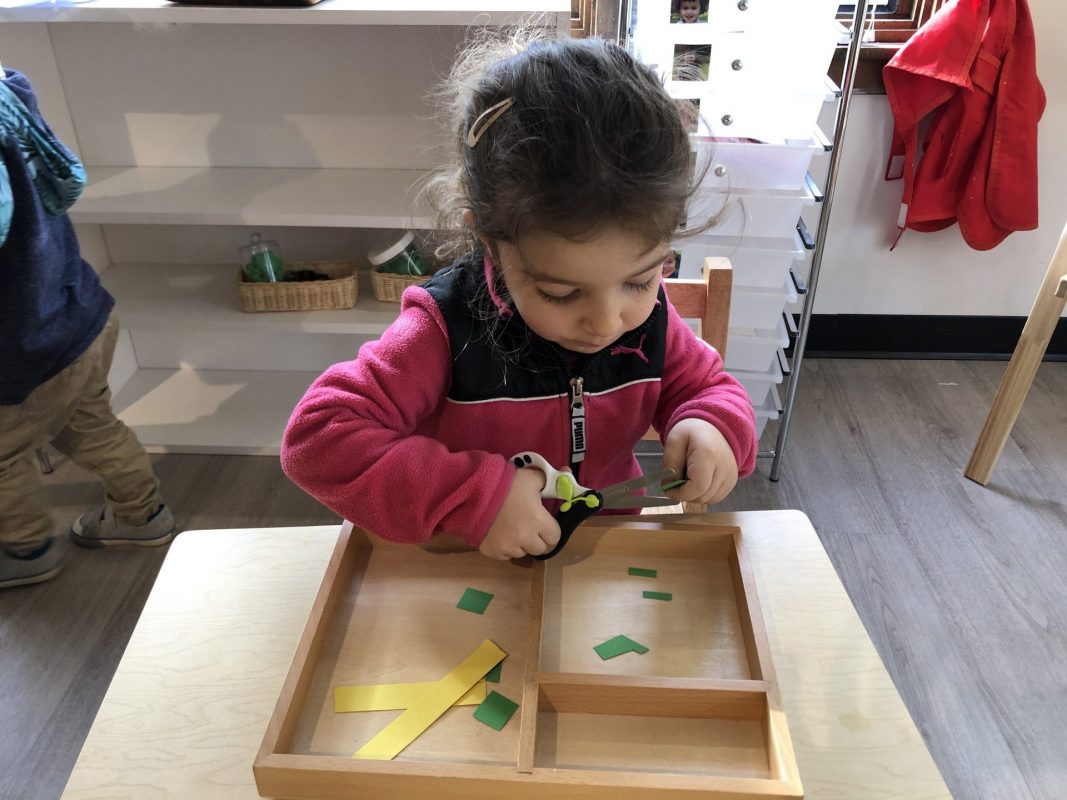
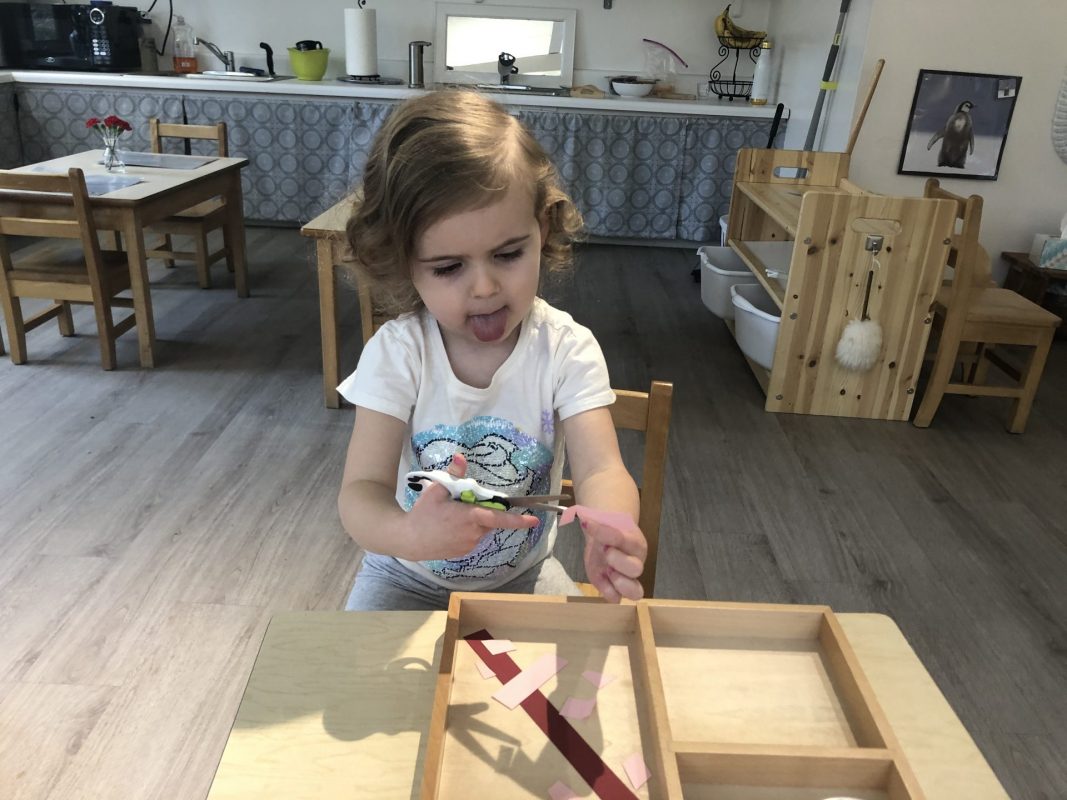
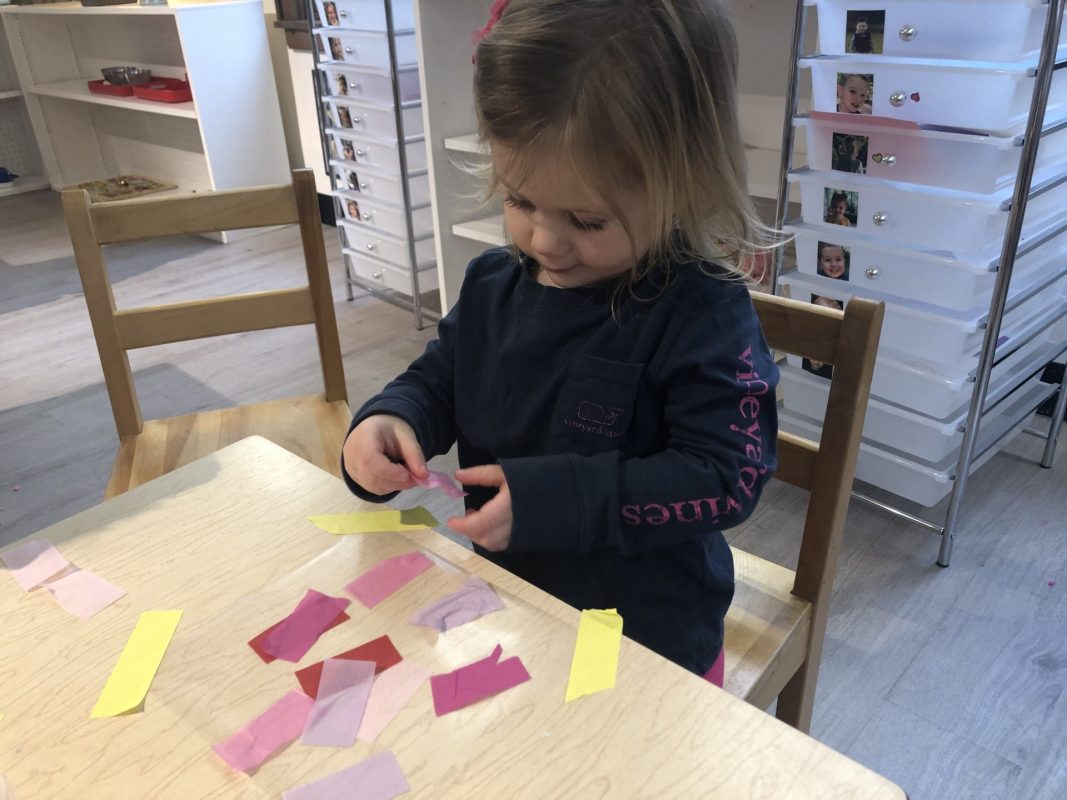
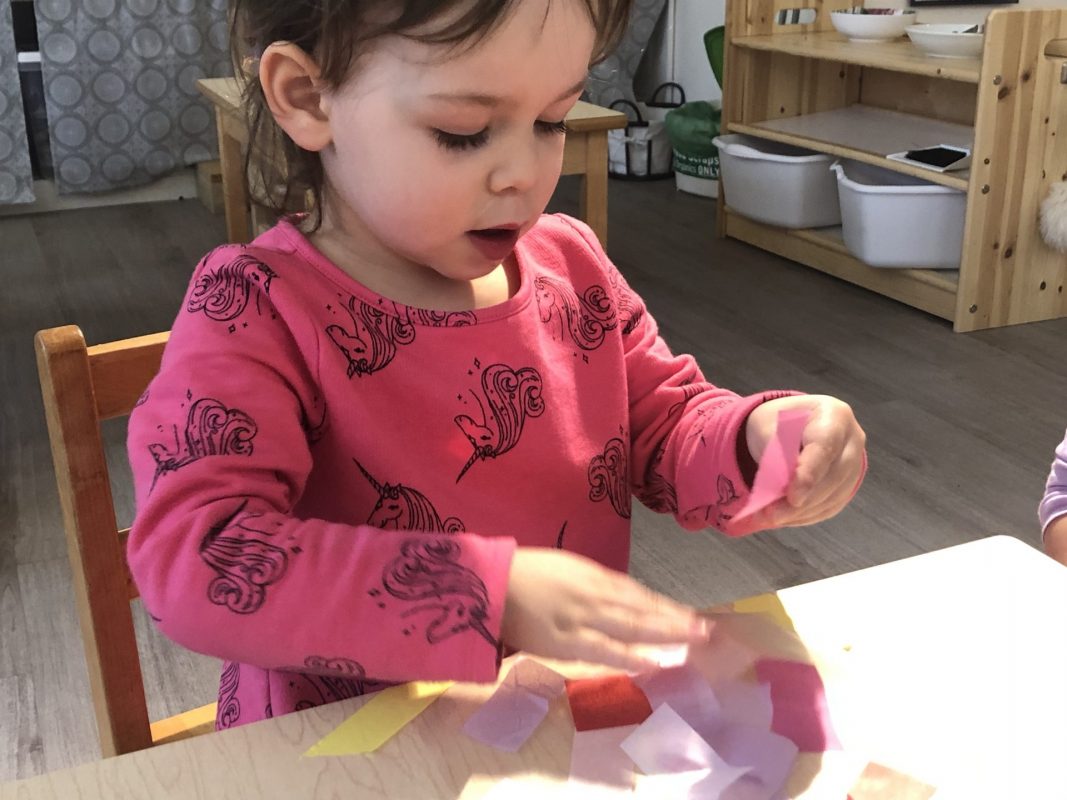
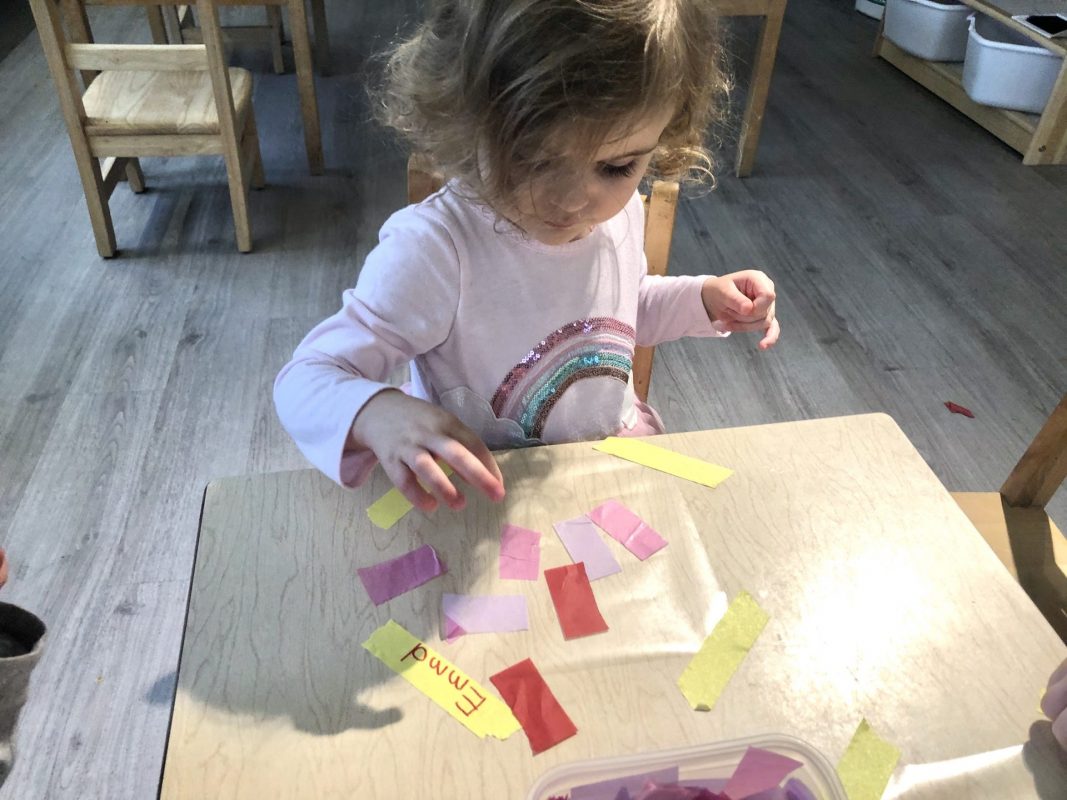
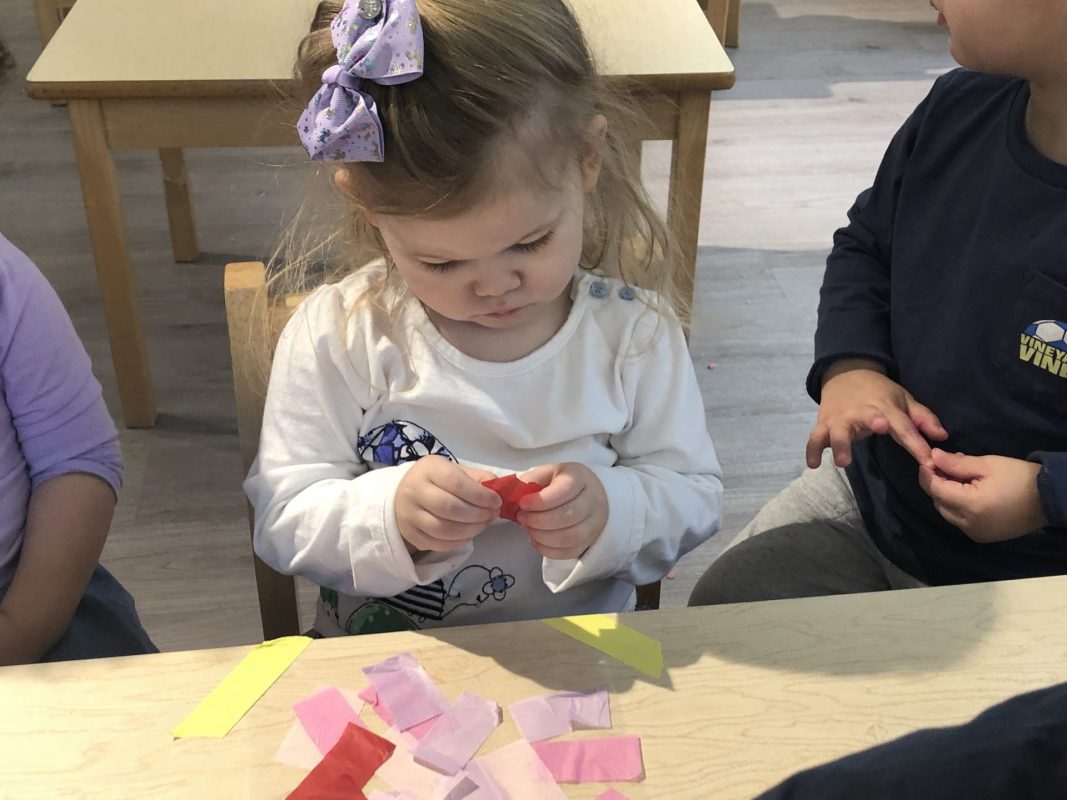
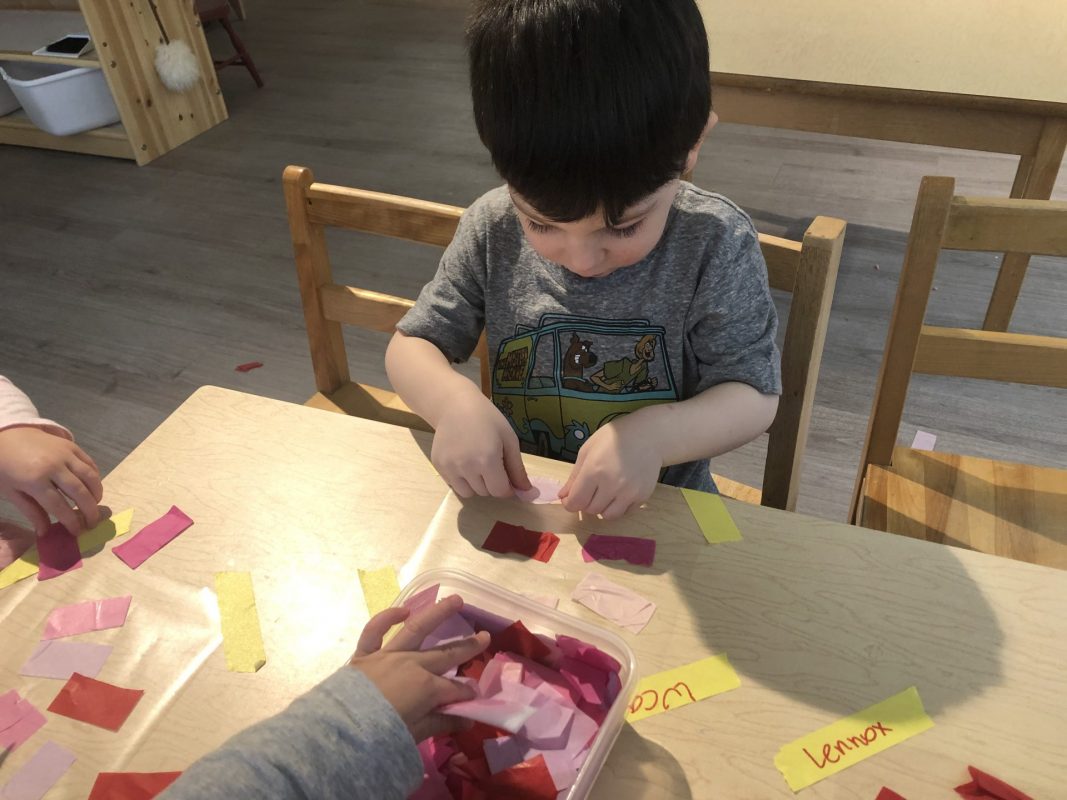
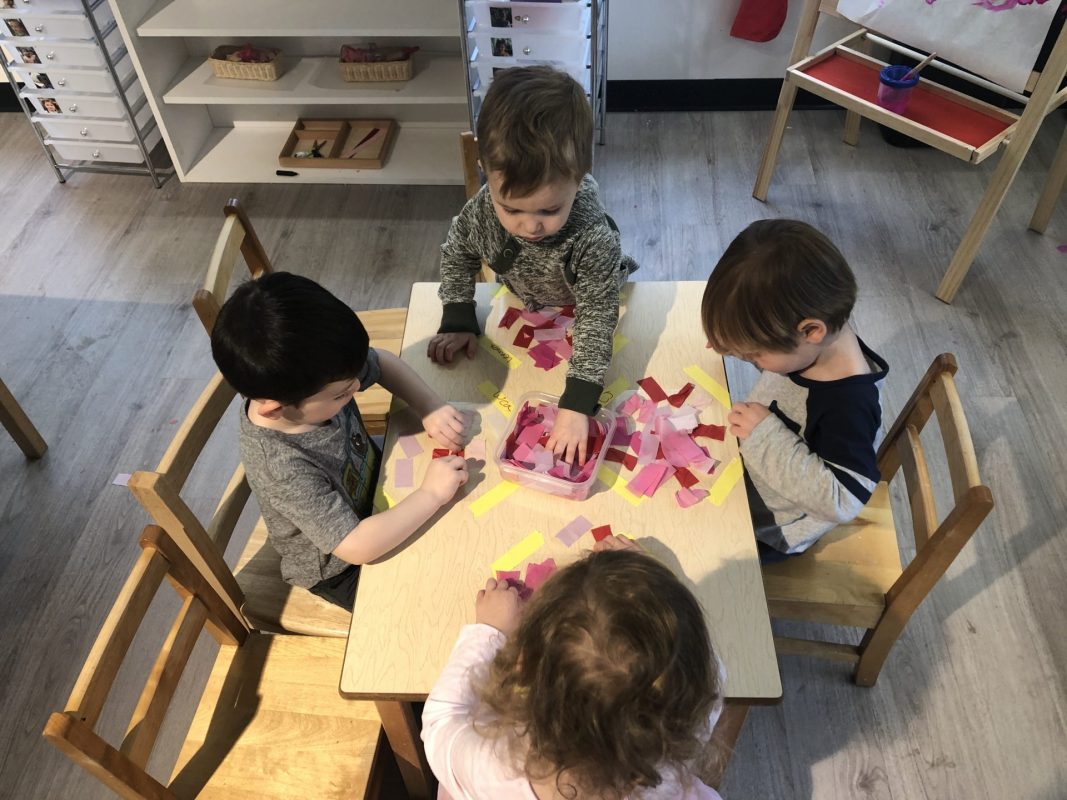
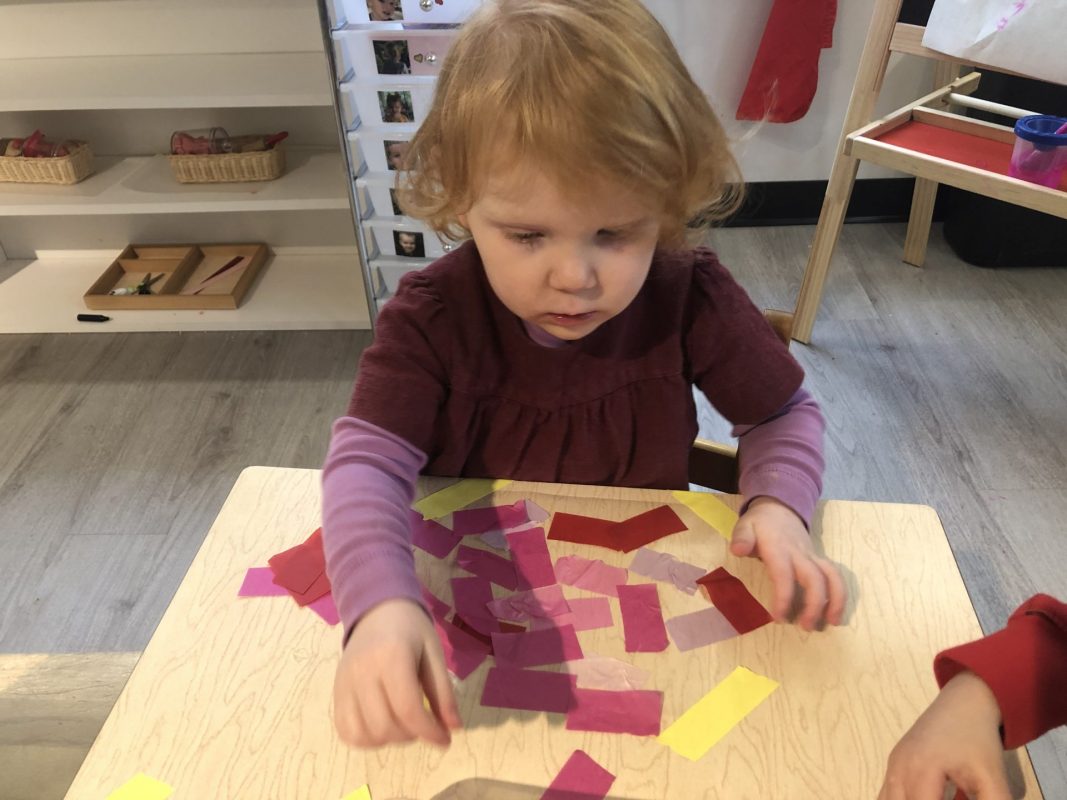
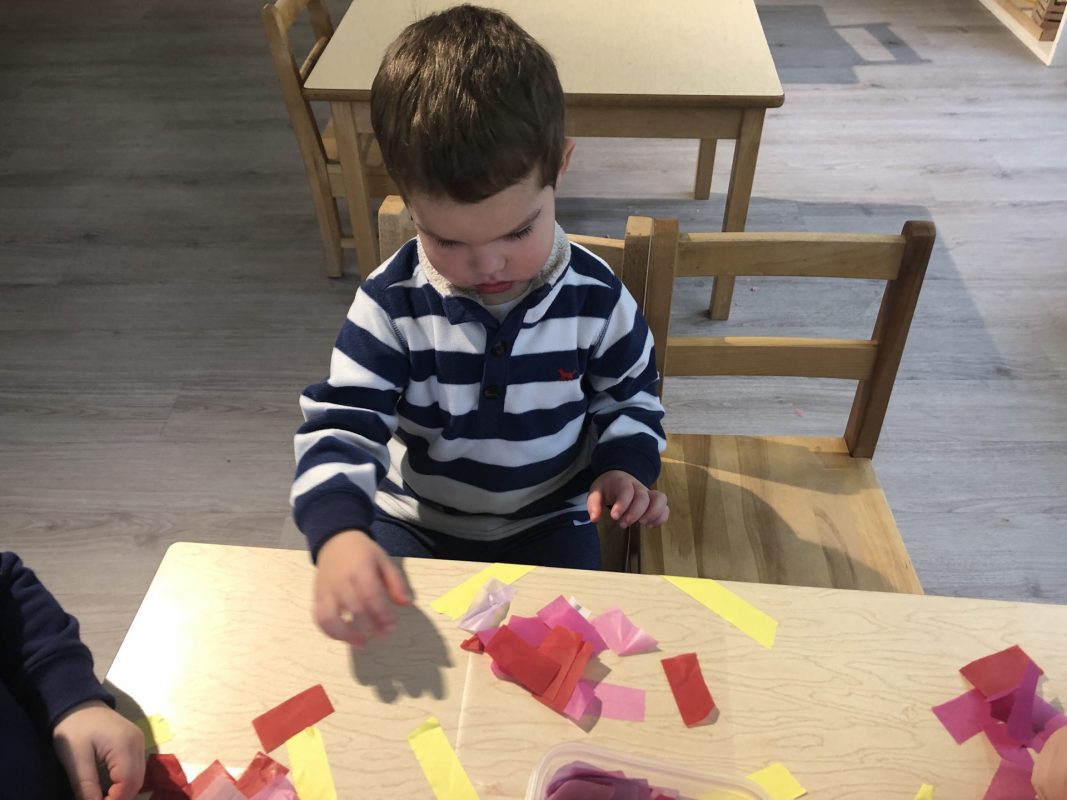
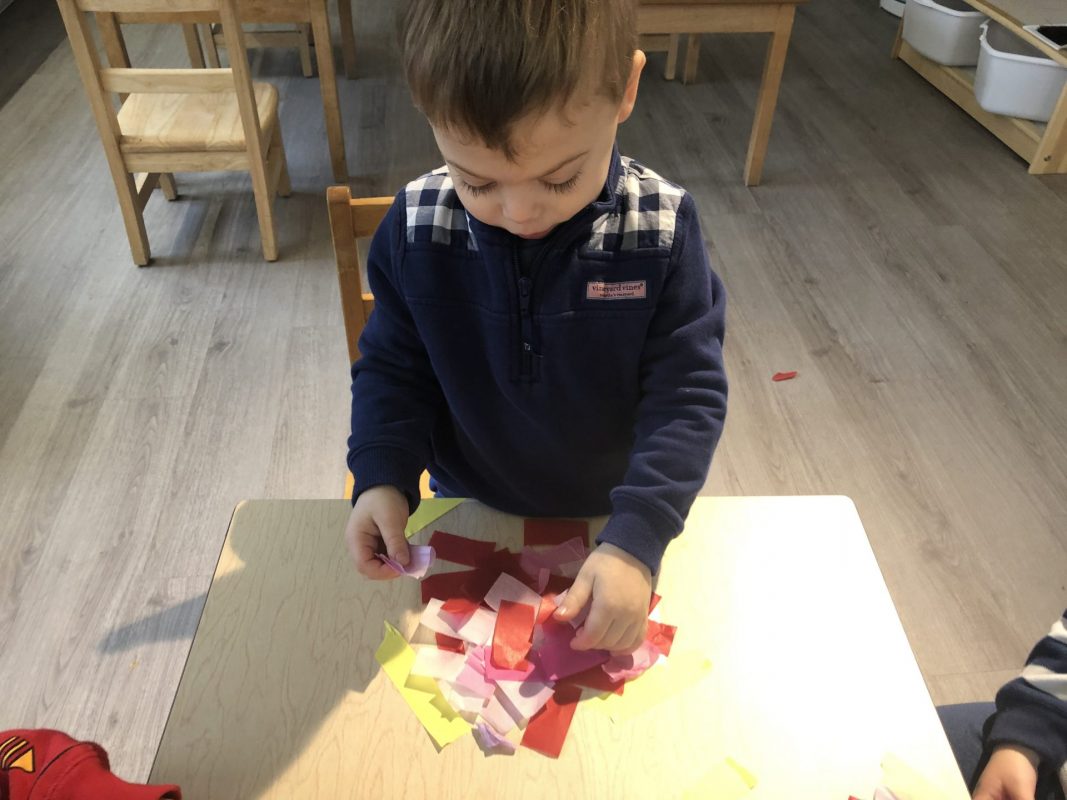
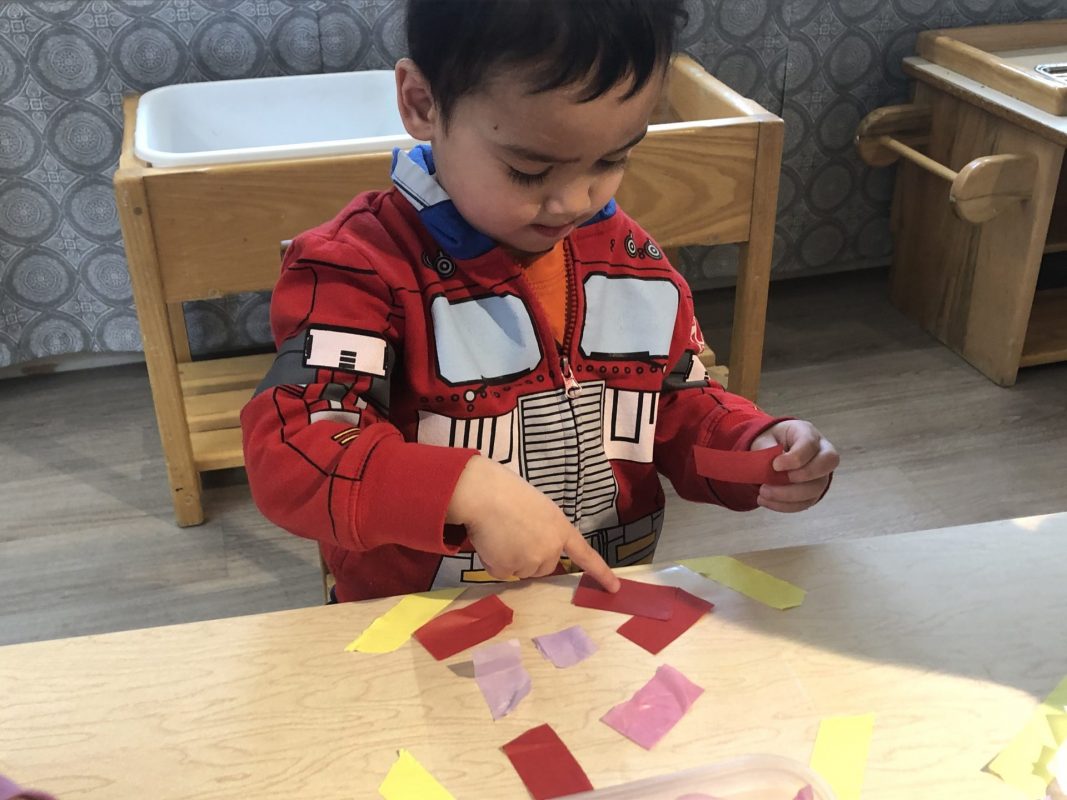
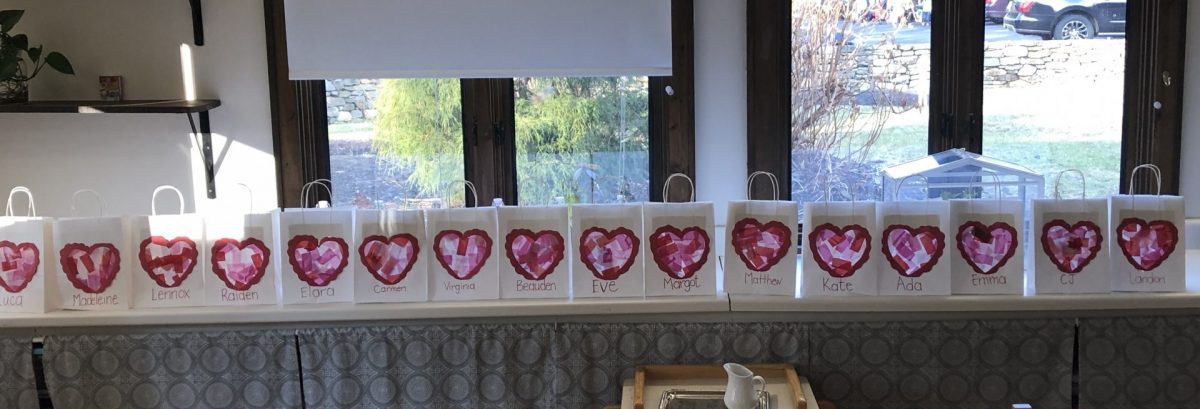
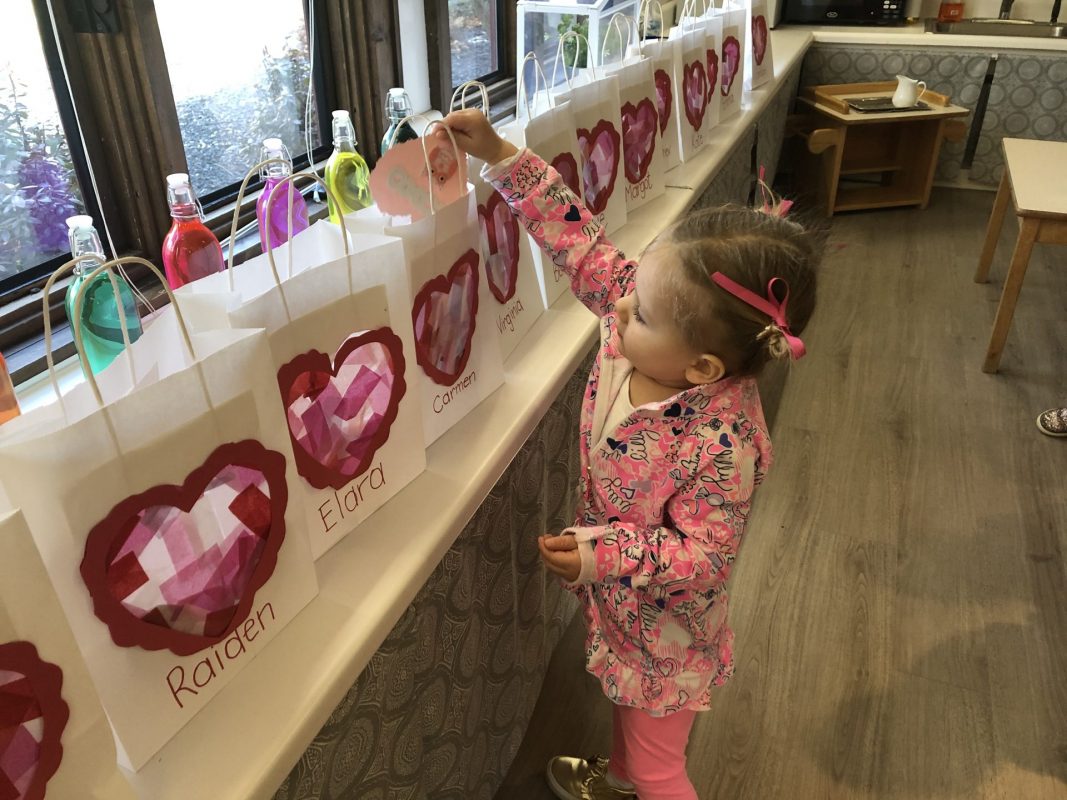
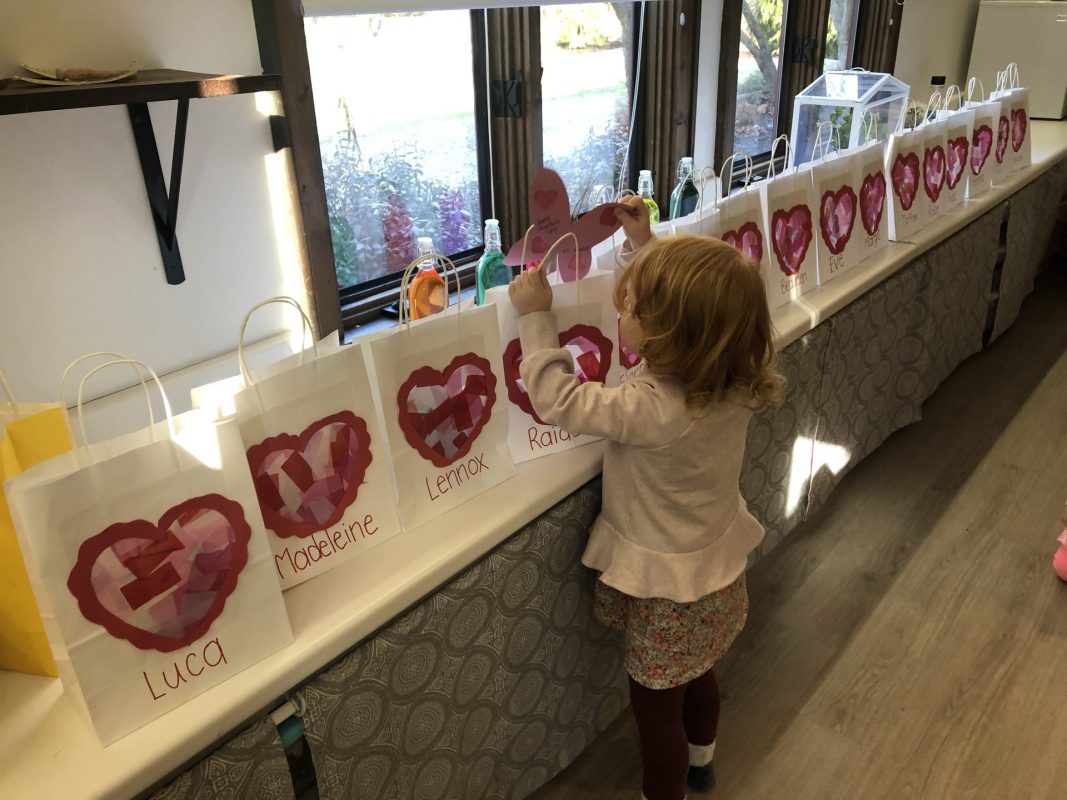
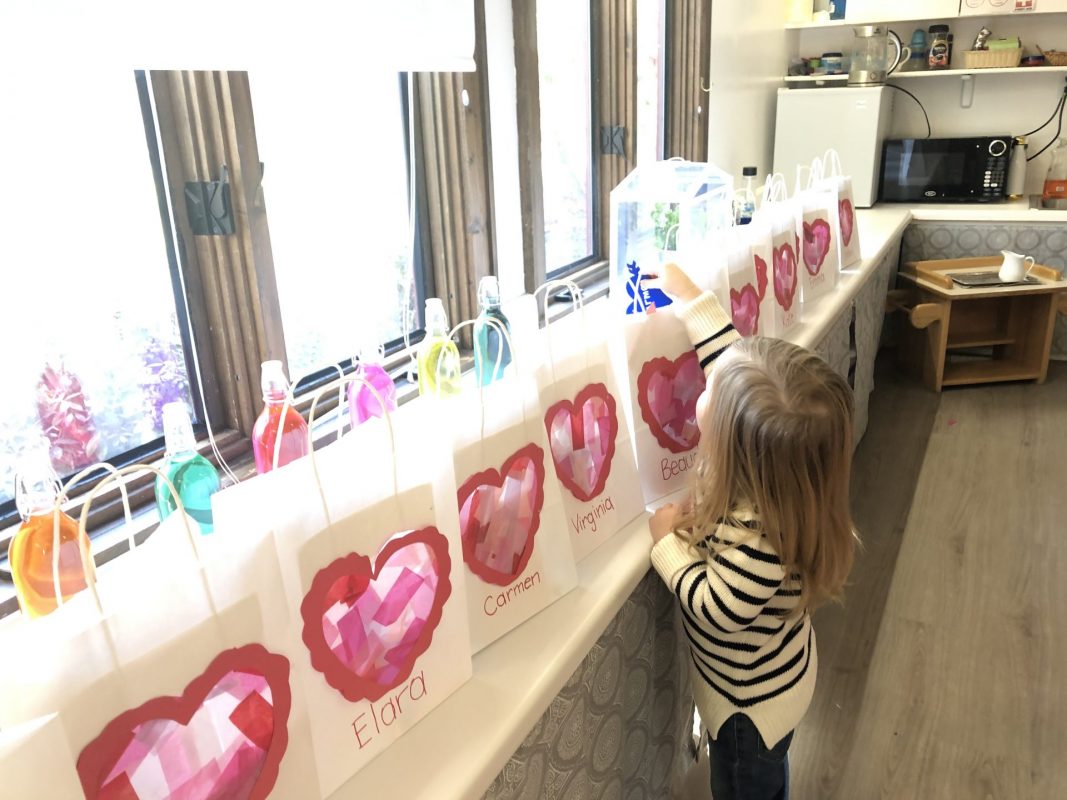
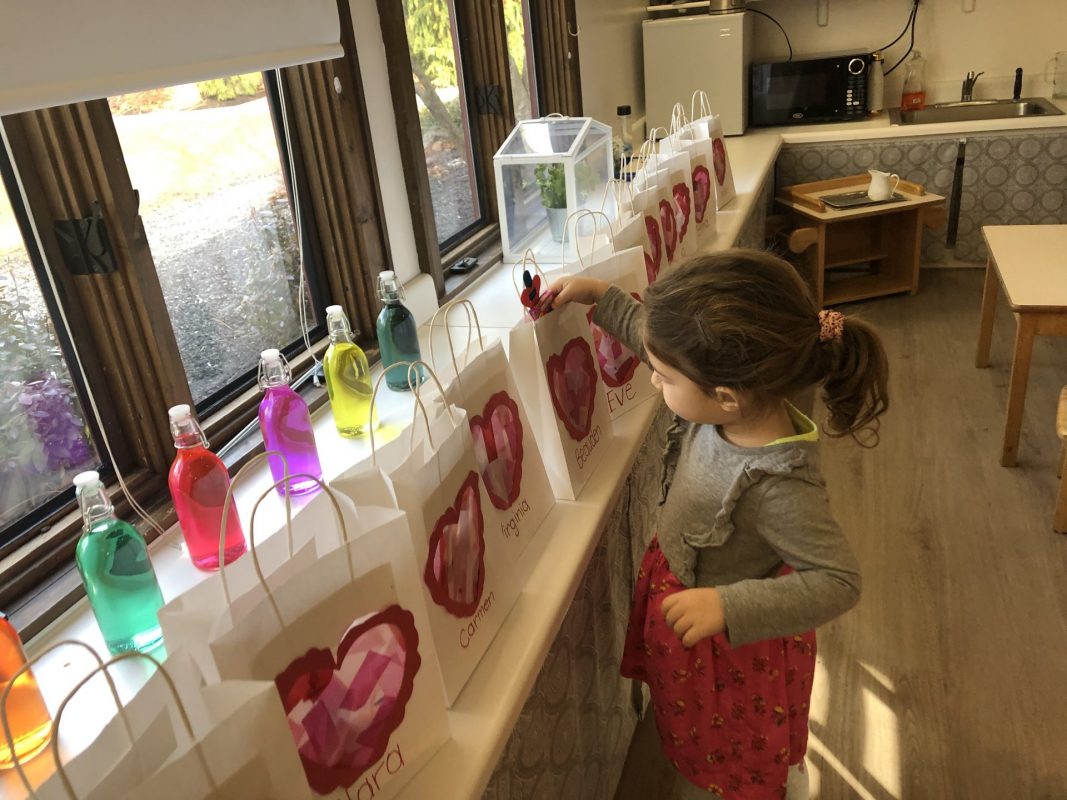
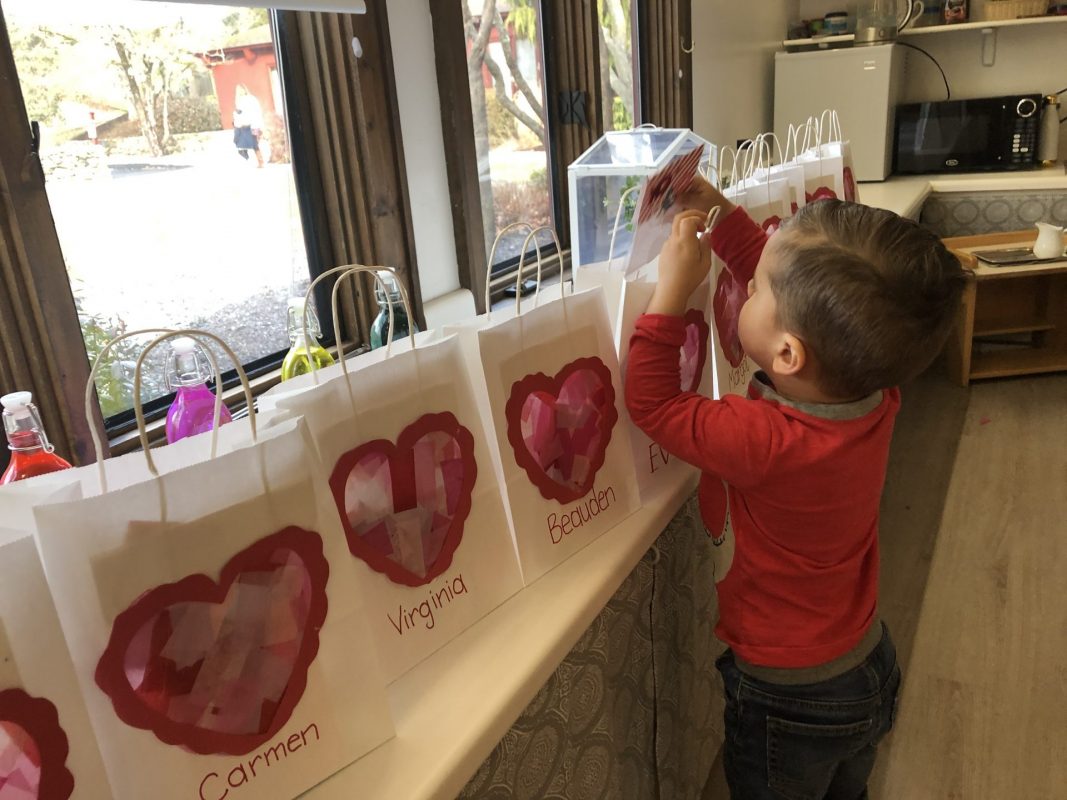
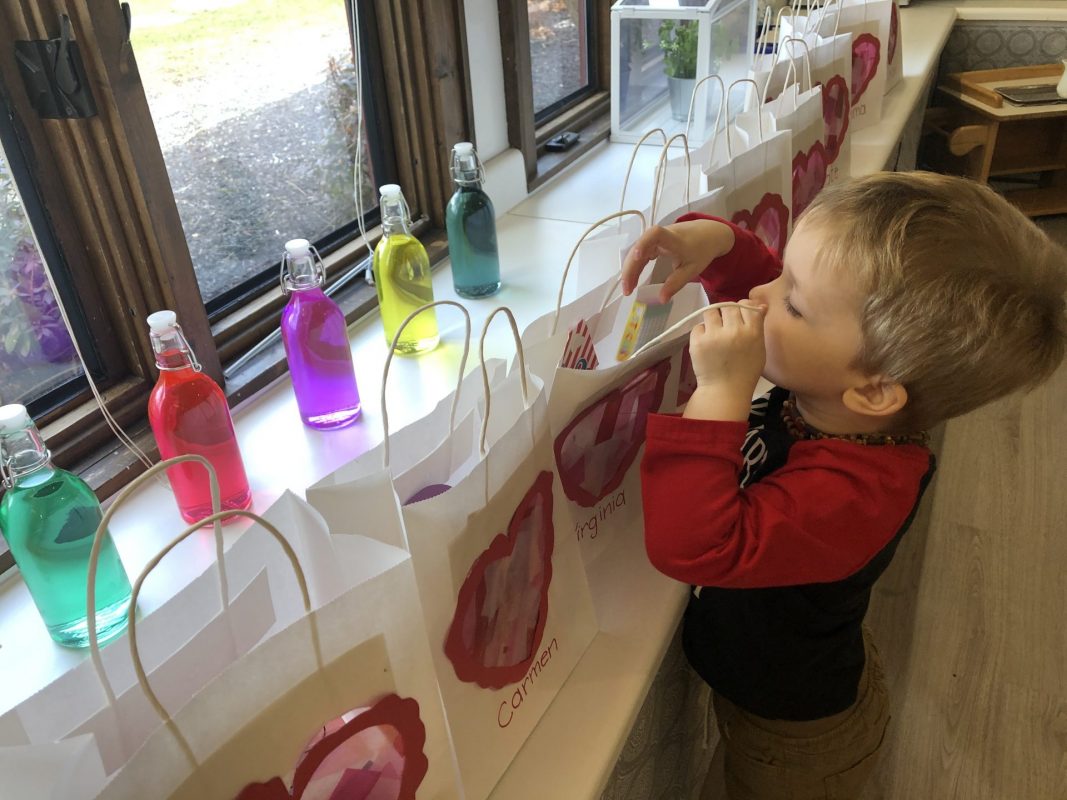
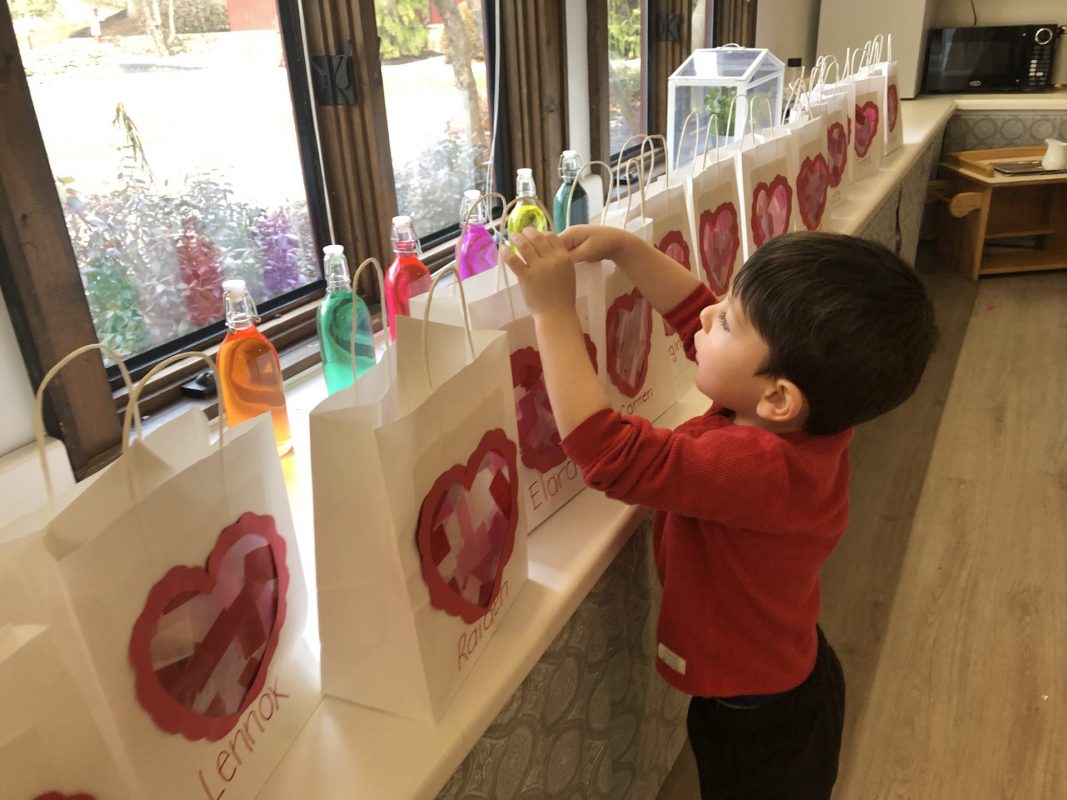
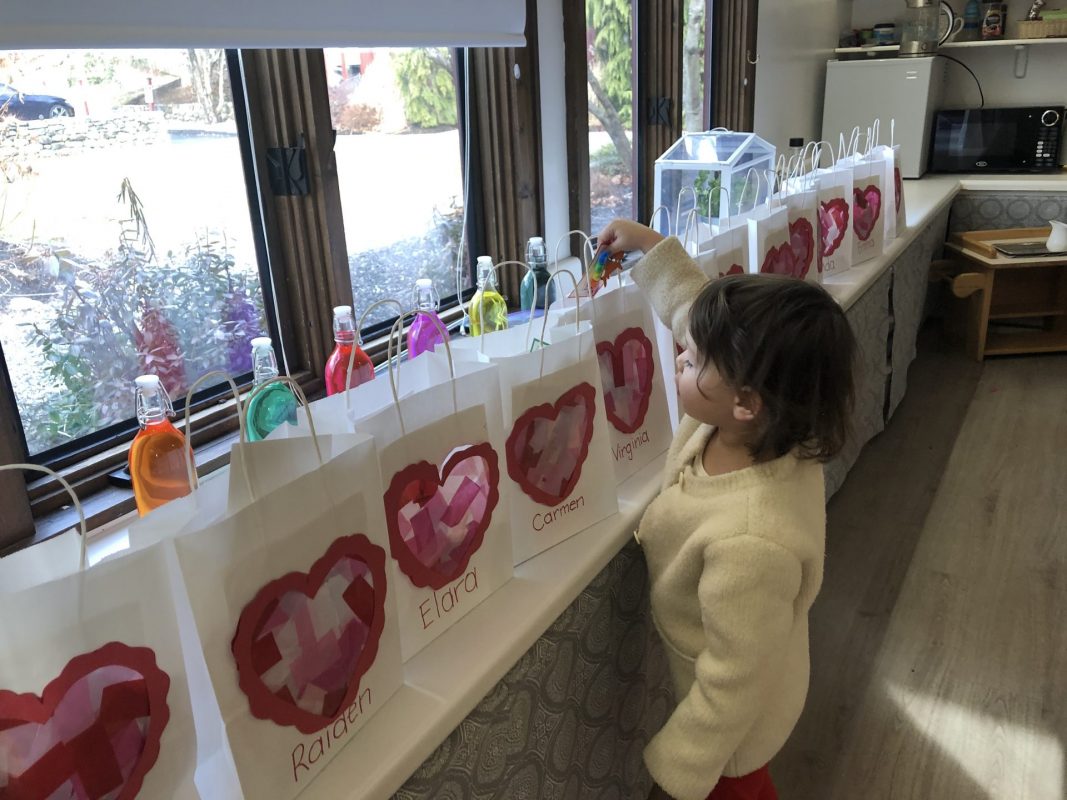
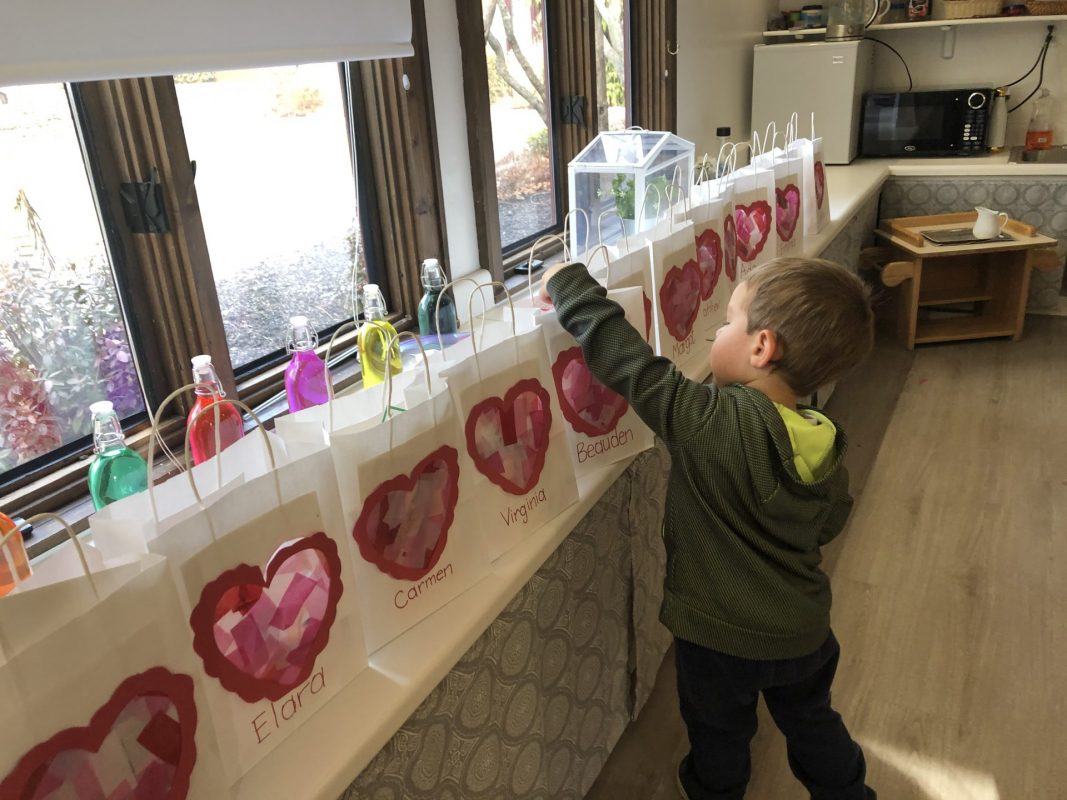
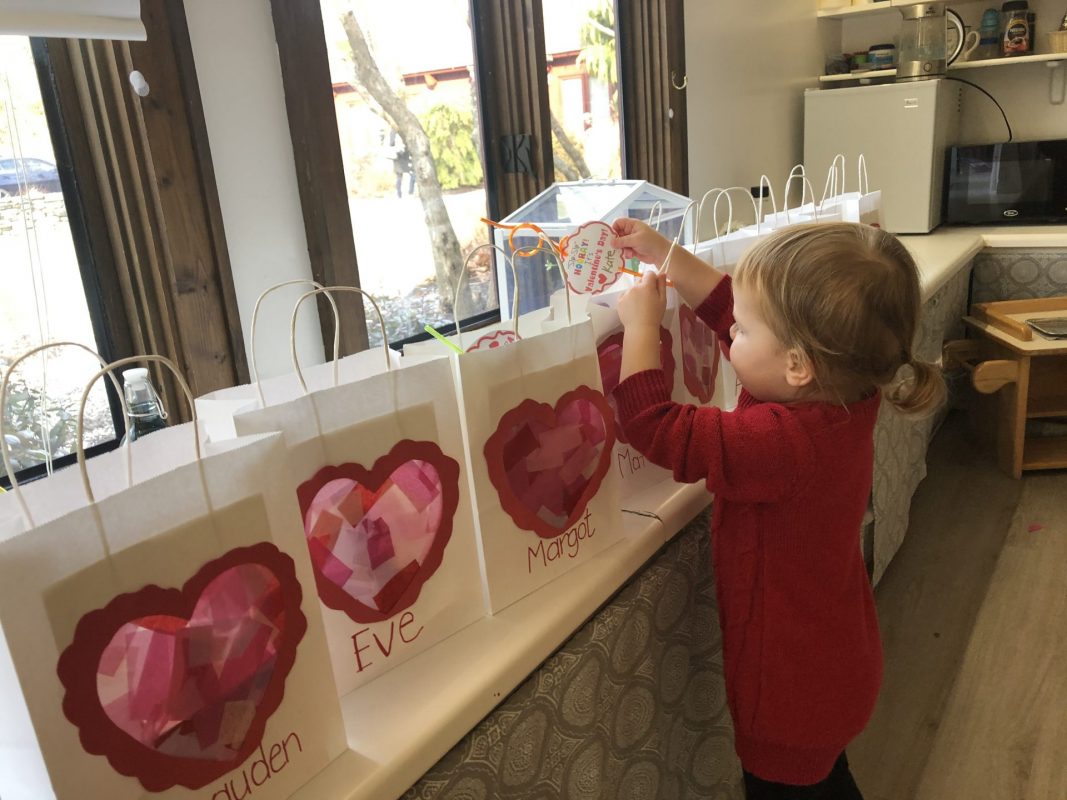
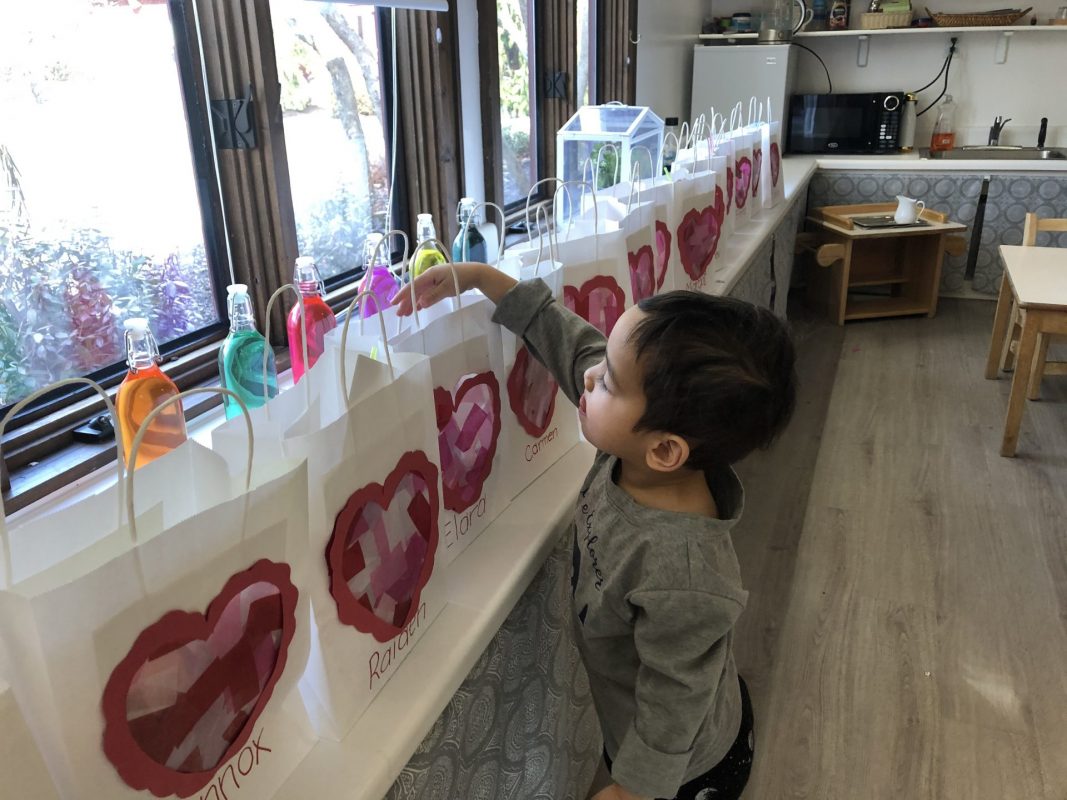
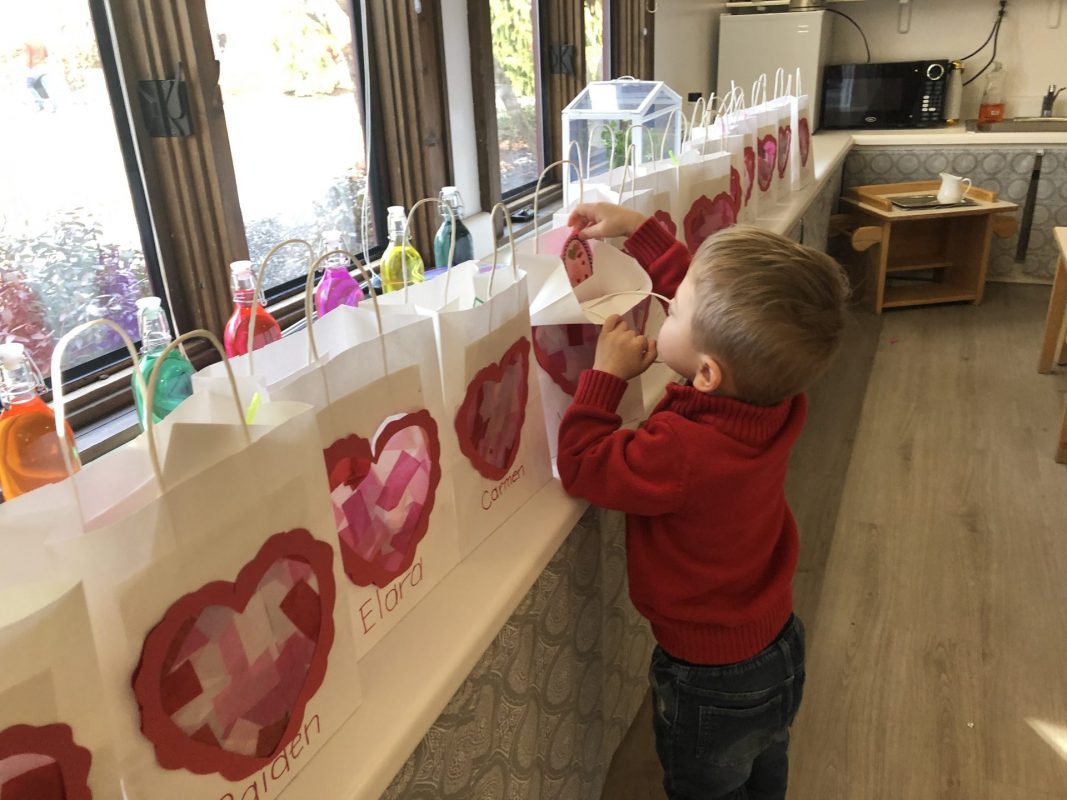
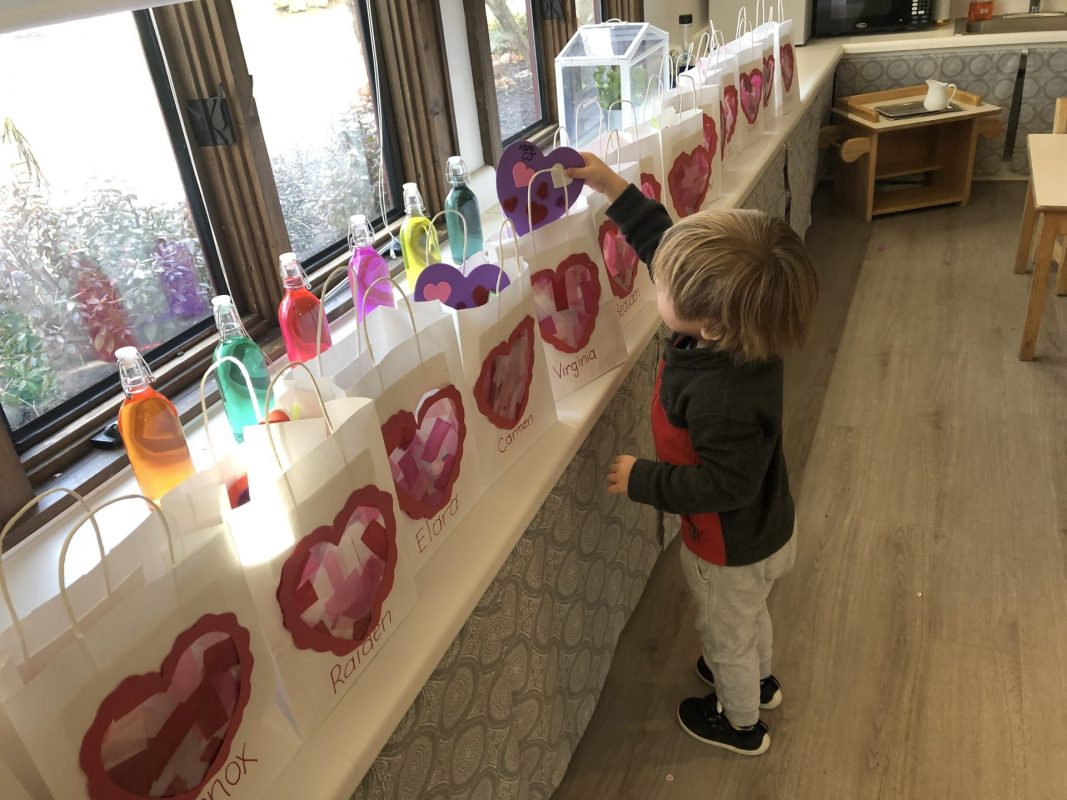
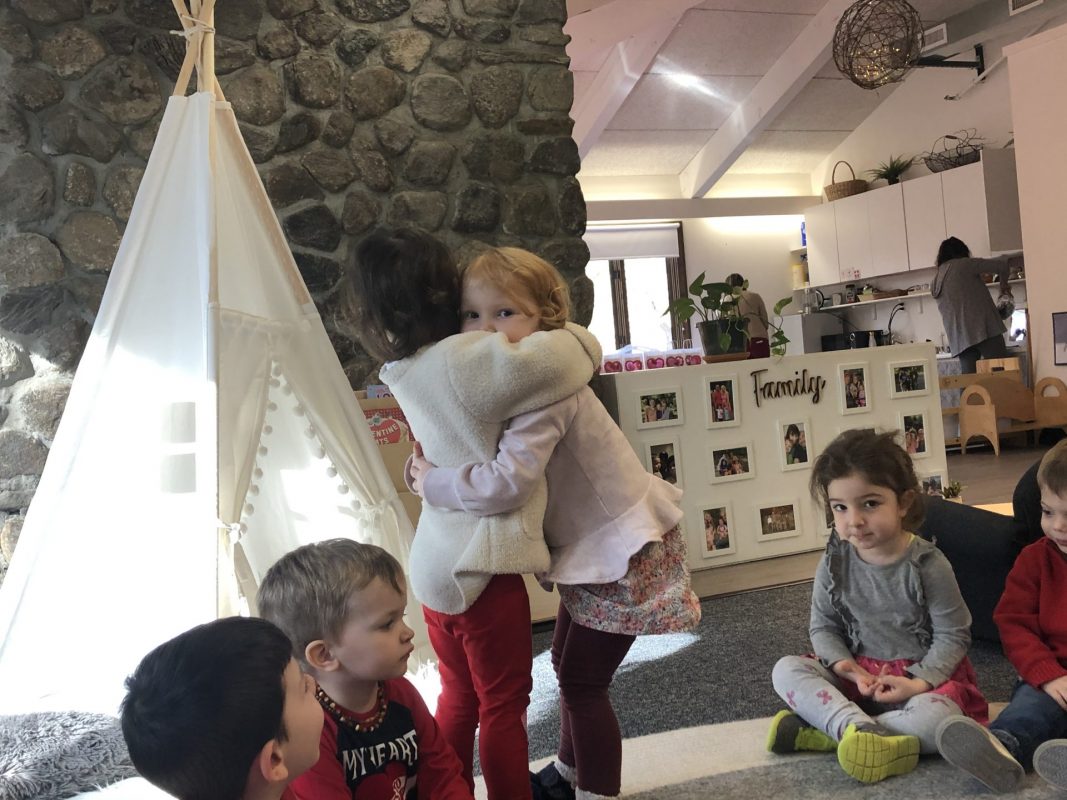
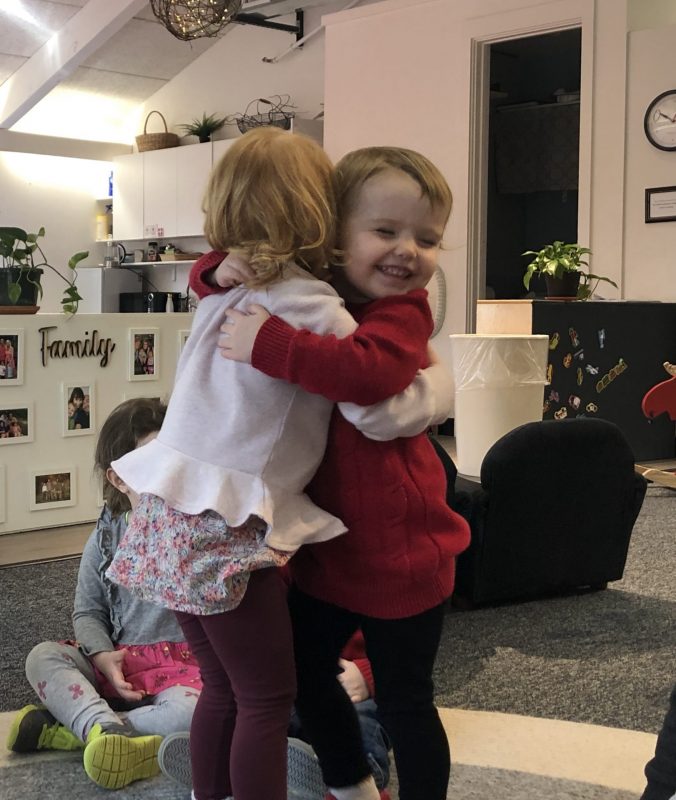
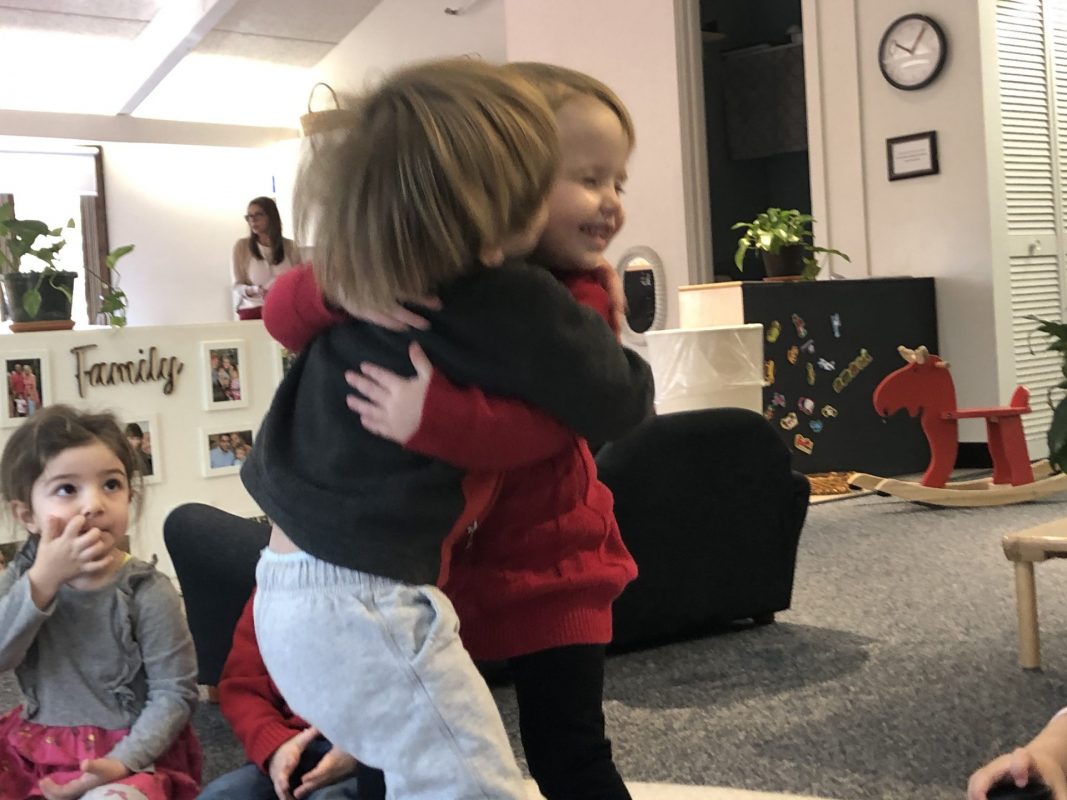
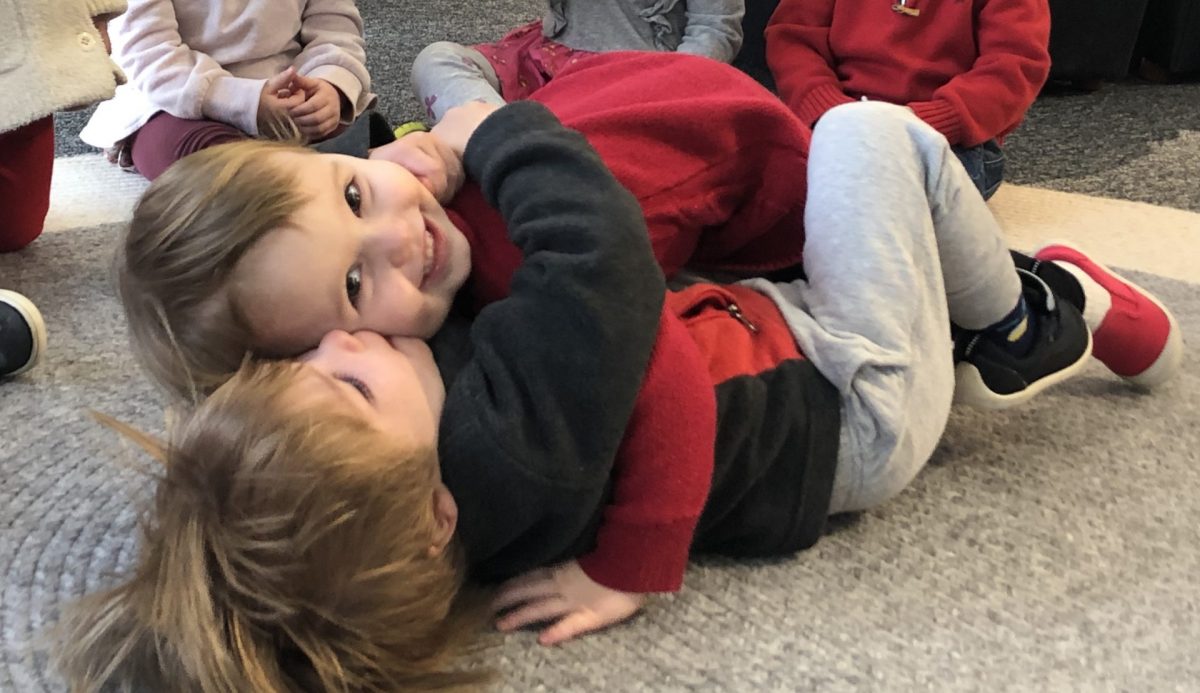
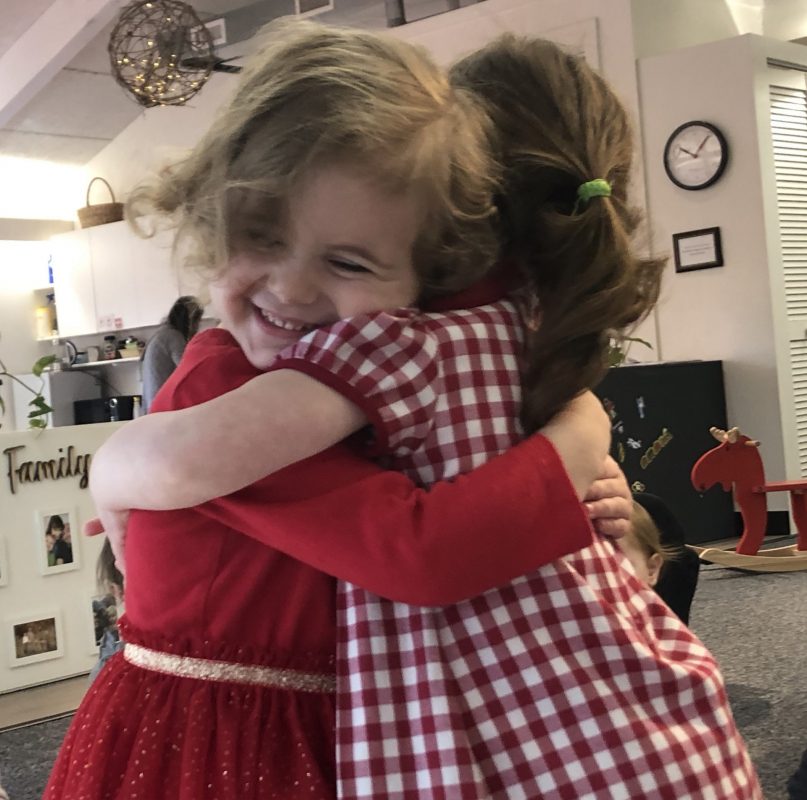
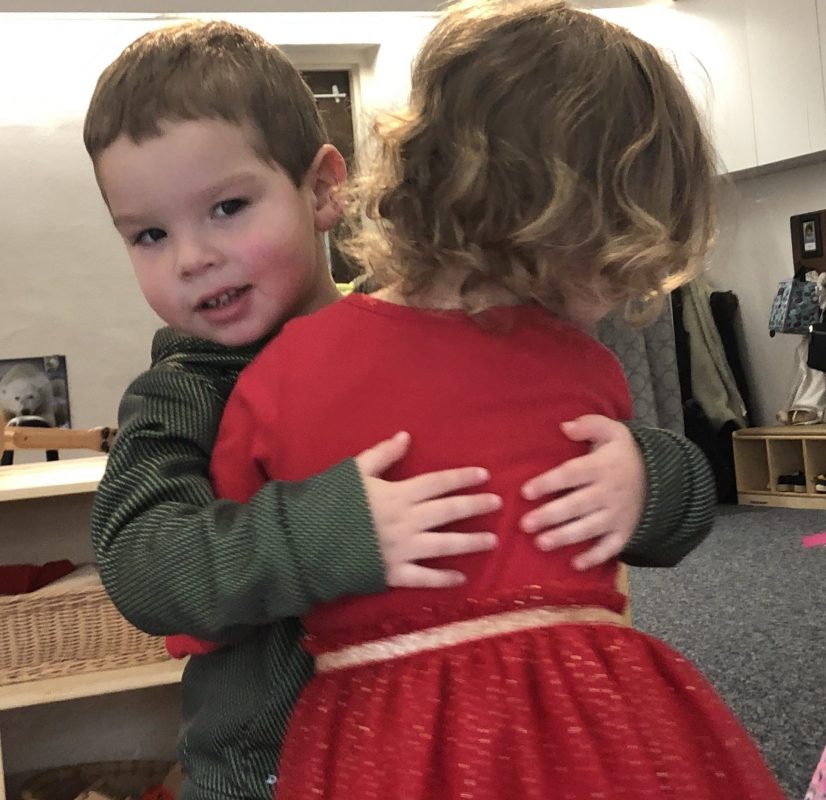
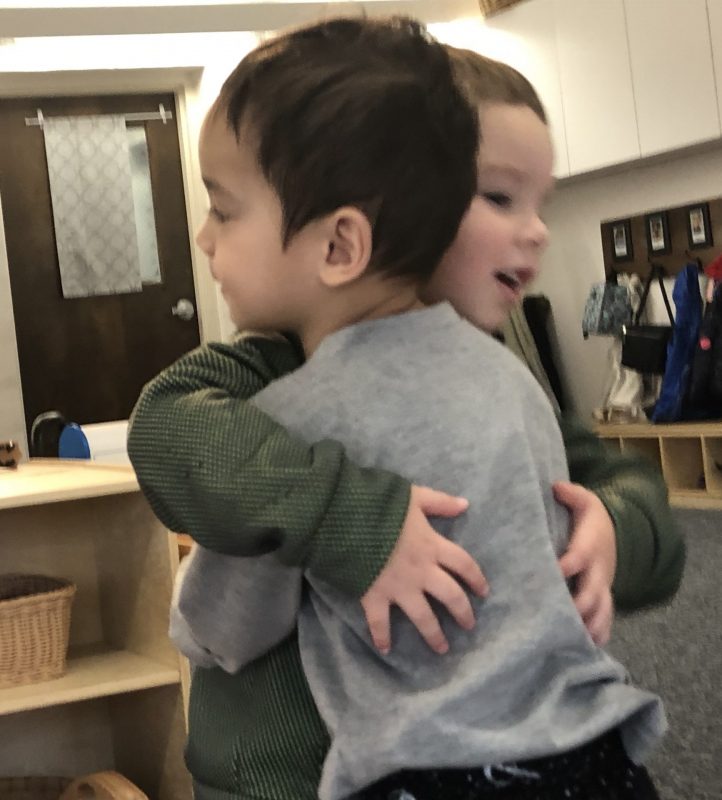
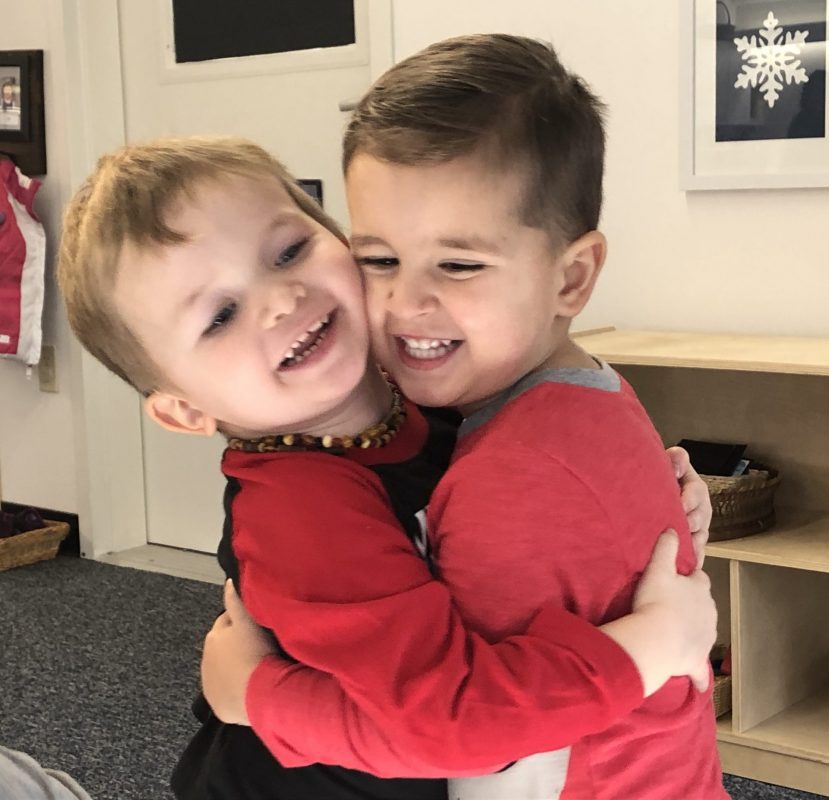
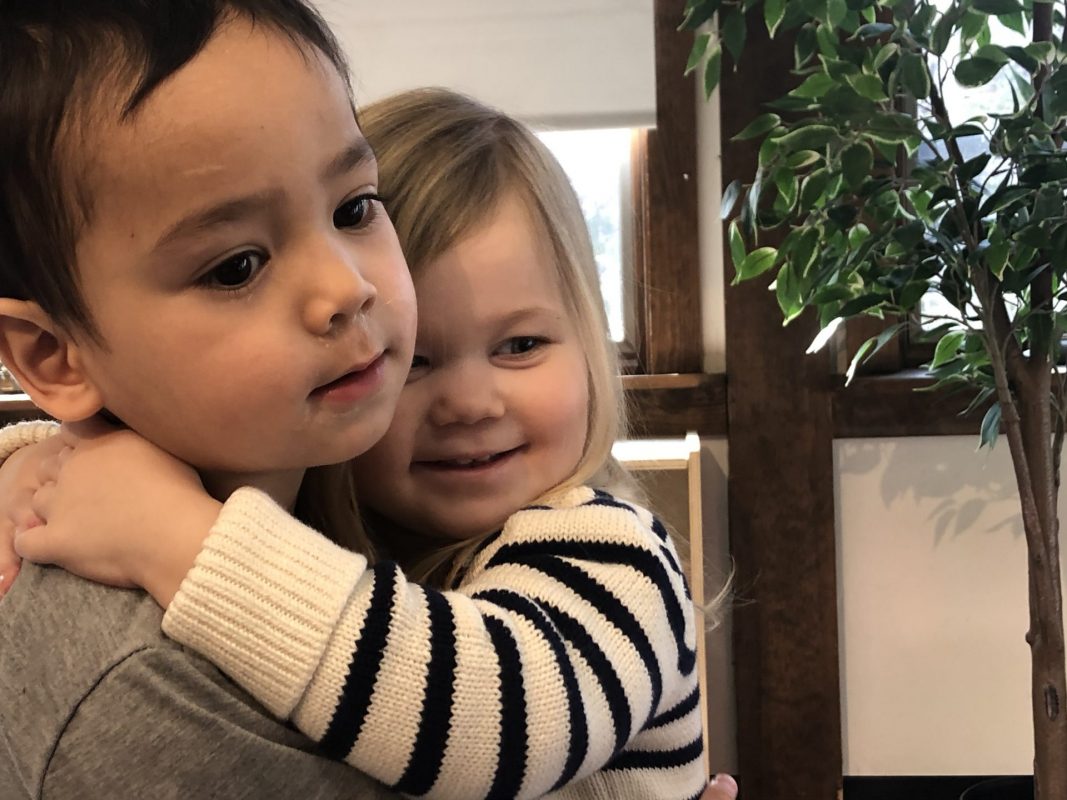
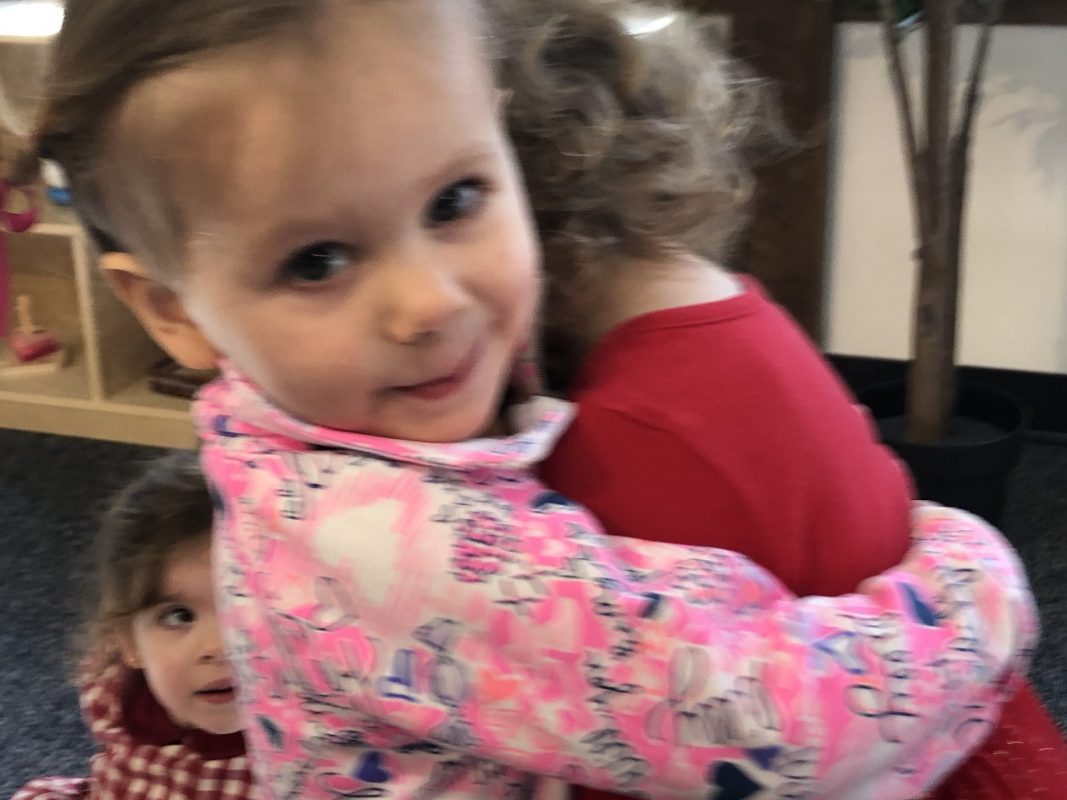
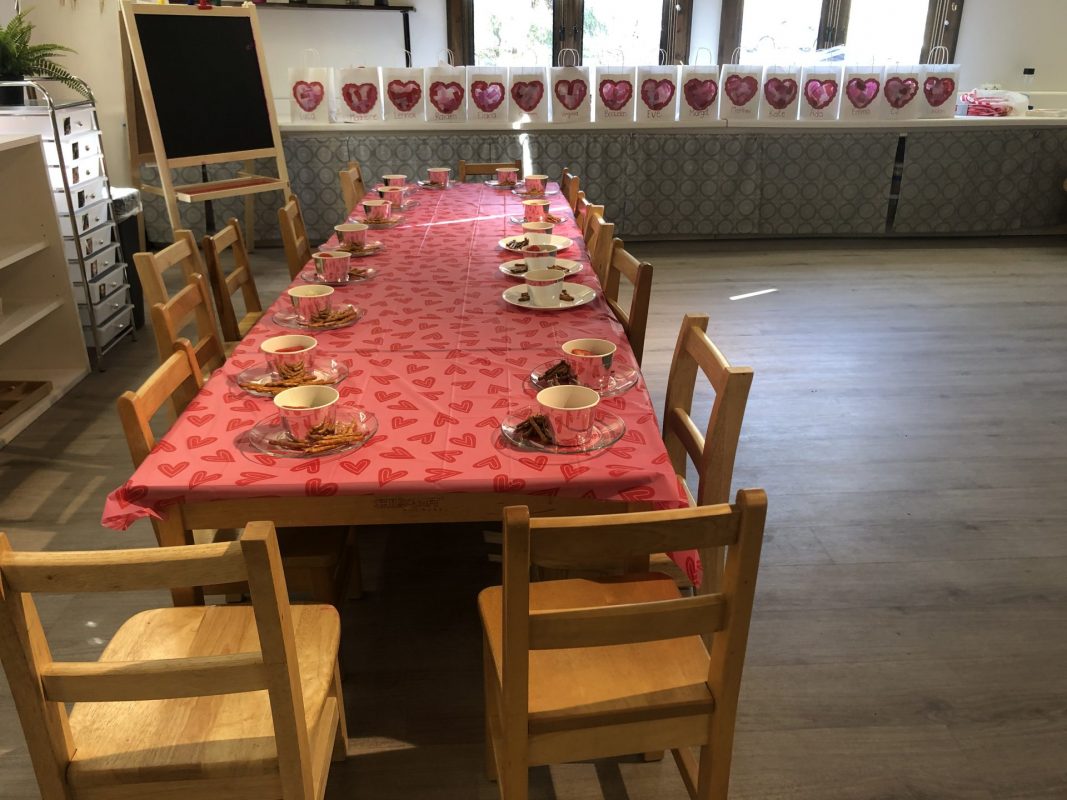
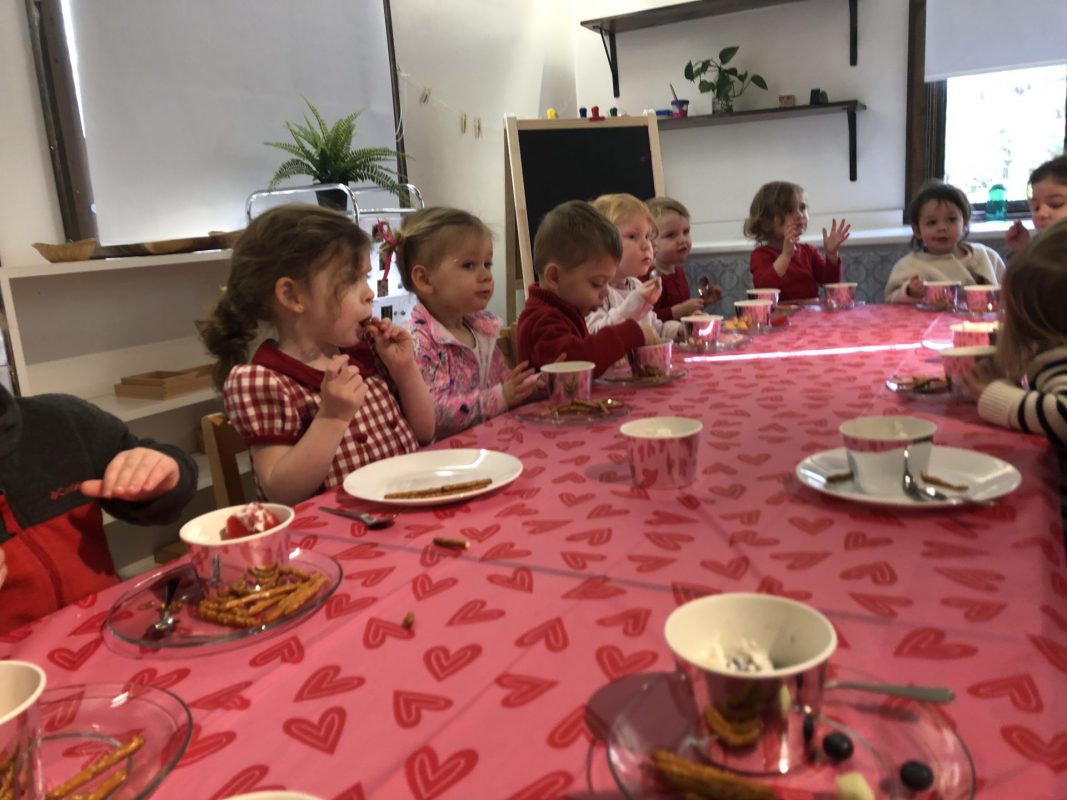
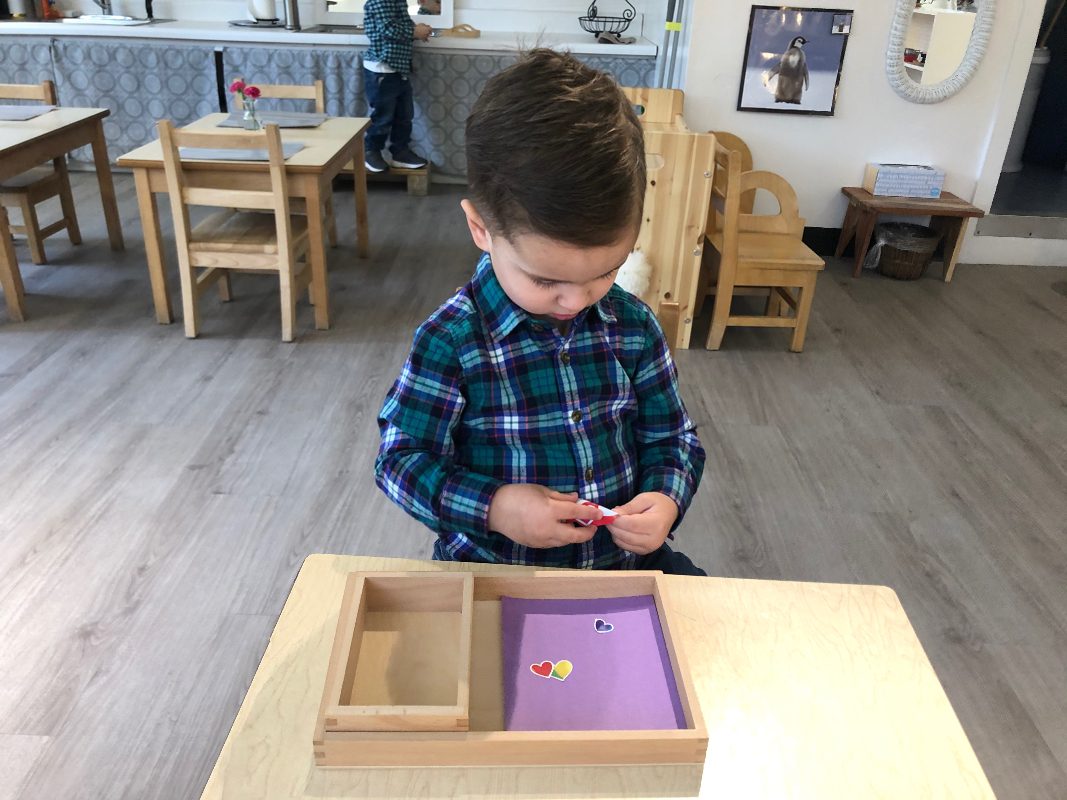
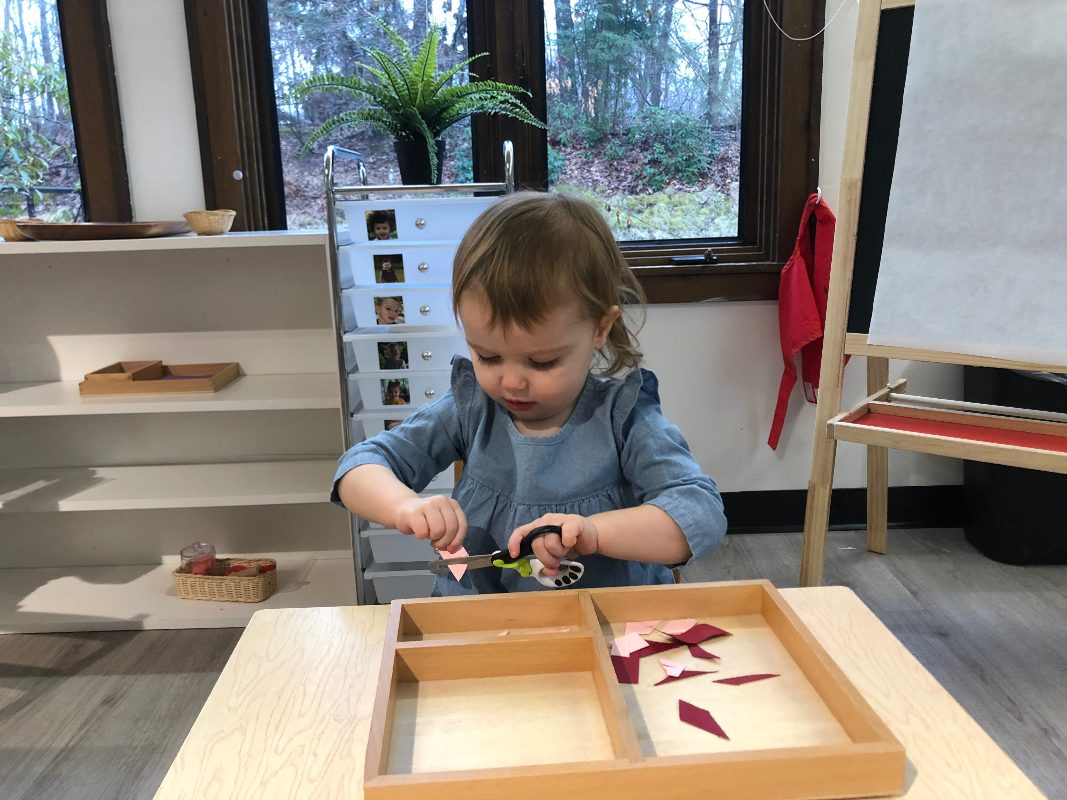
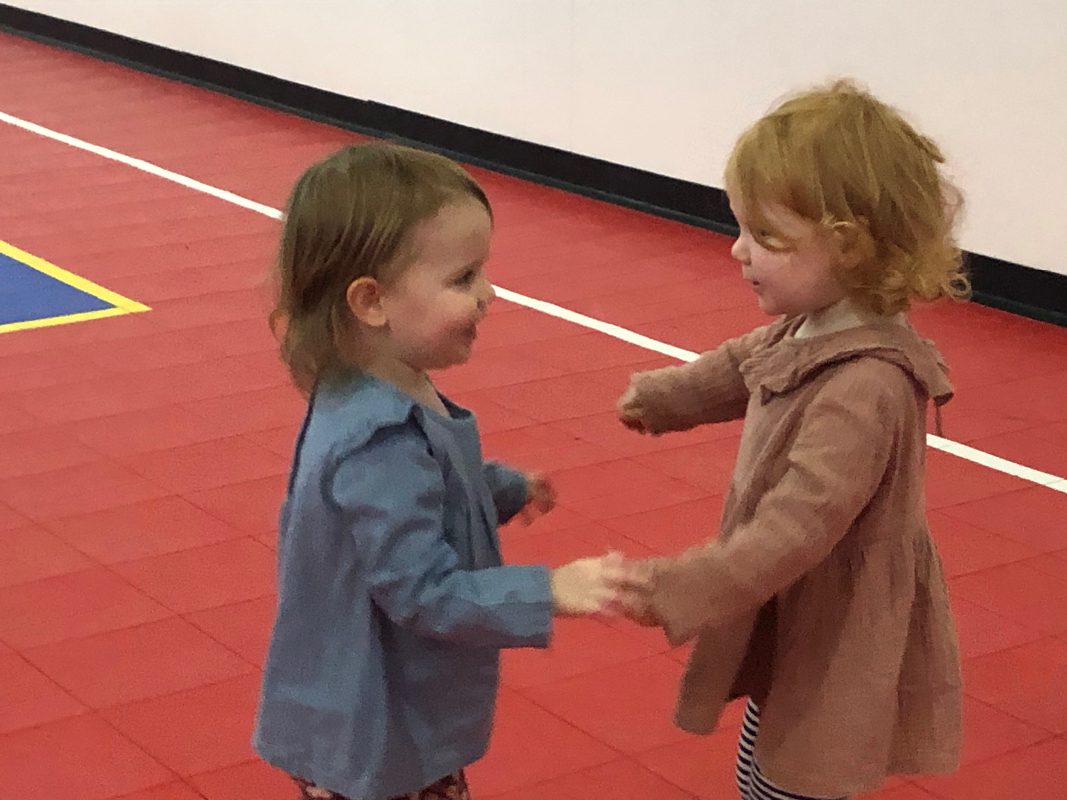
Children had a blast preparing for our Friendship Celebration! They exercised their fine motor skills to create their beautiful Valentine’s bags and they were super excited to share their valentines with each of their friends! We talked about the importance of being a good friend and ways we could demonstrate love and care for them. We focused on one expression that promotes happiness in our brains, a hug. Children had fun choosing friends to give big hugs! It was priceless!

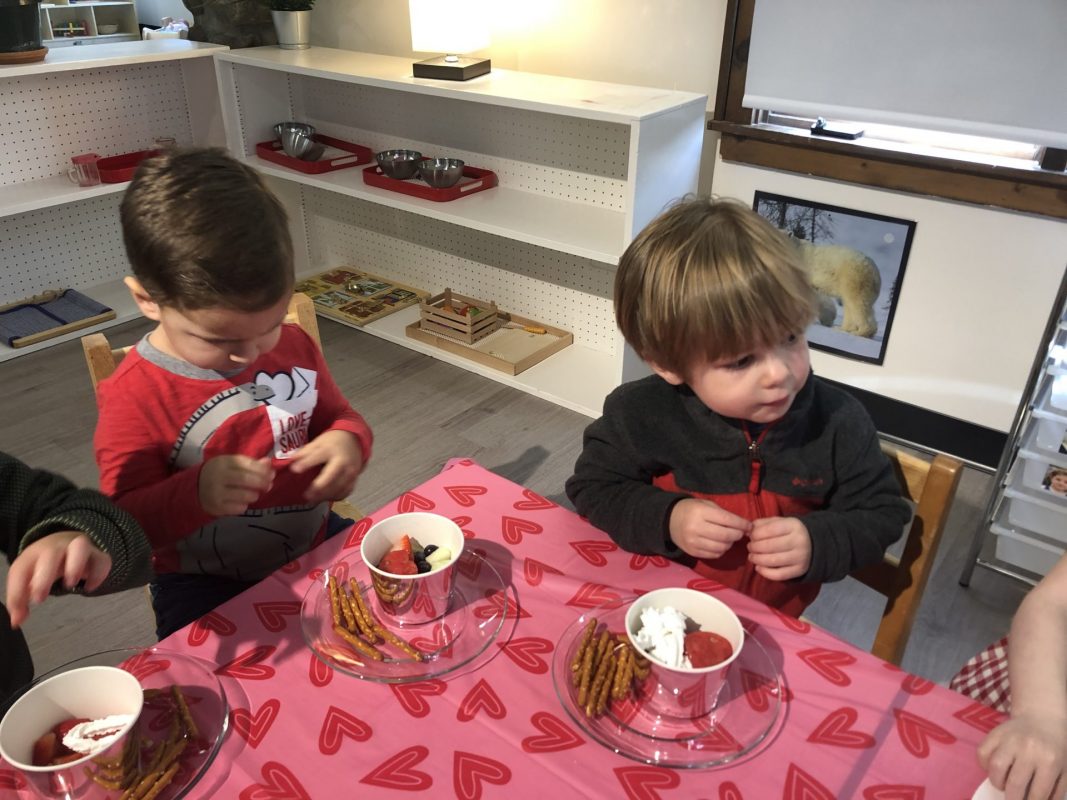
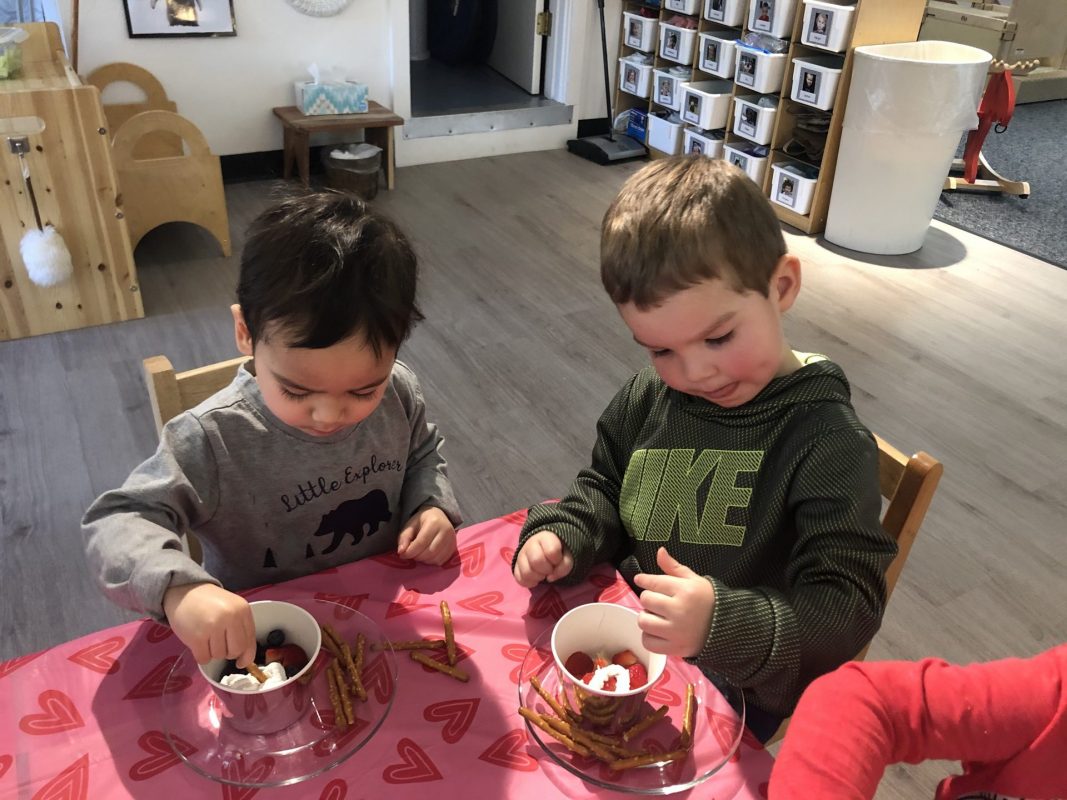
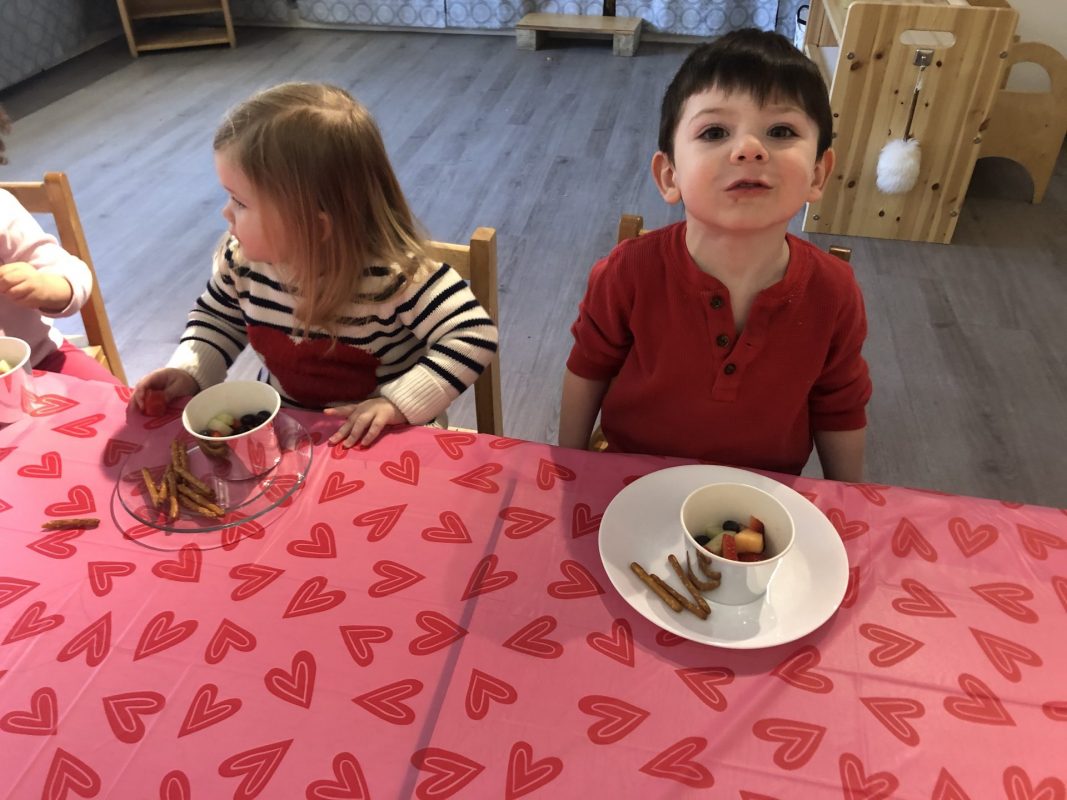
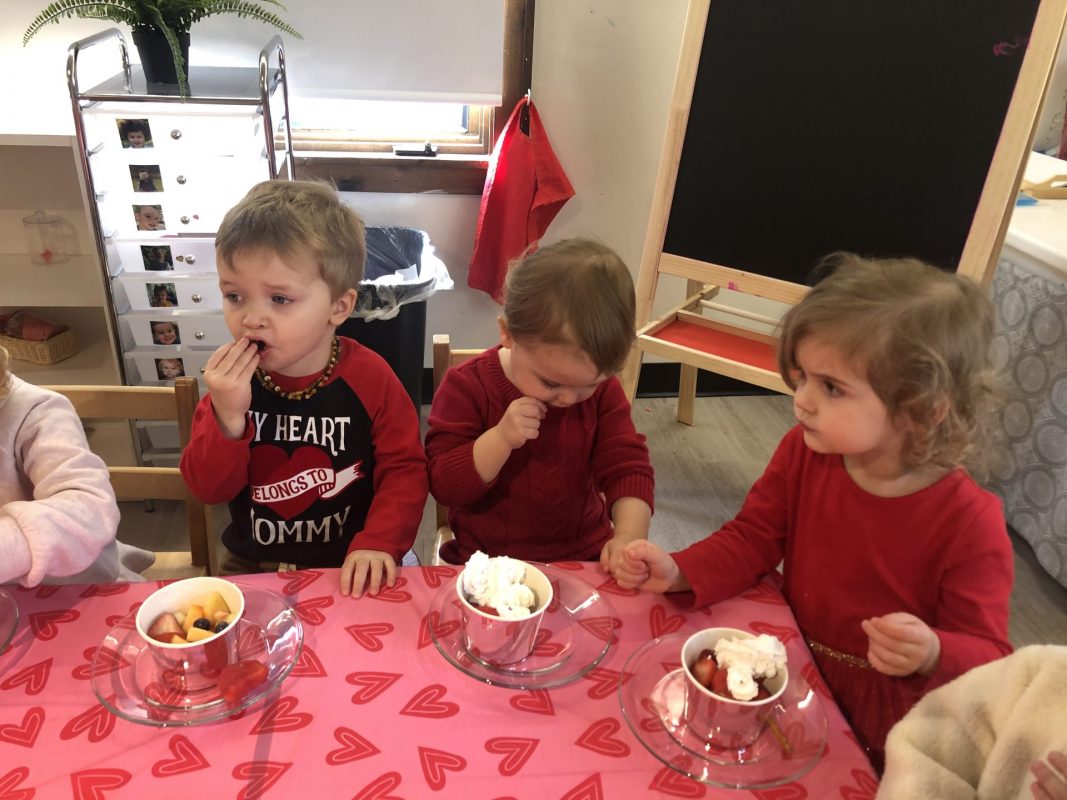
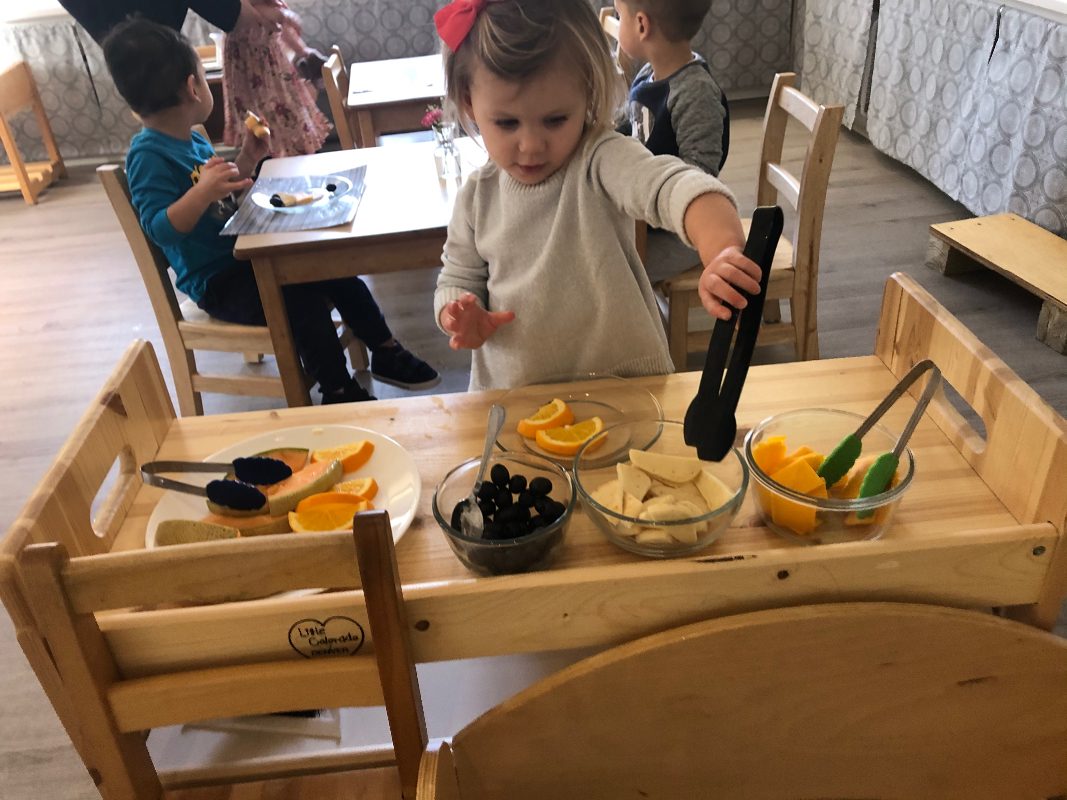
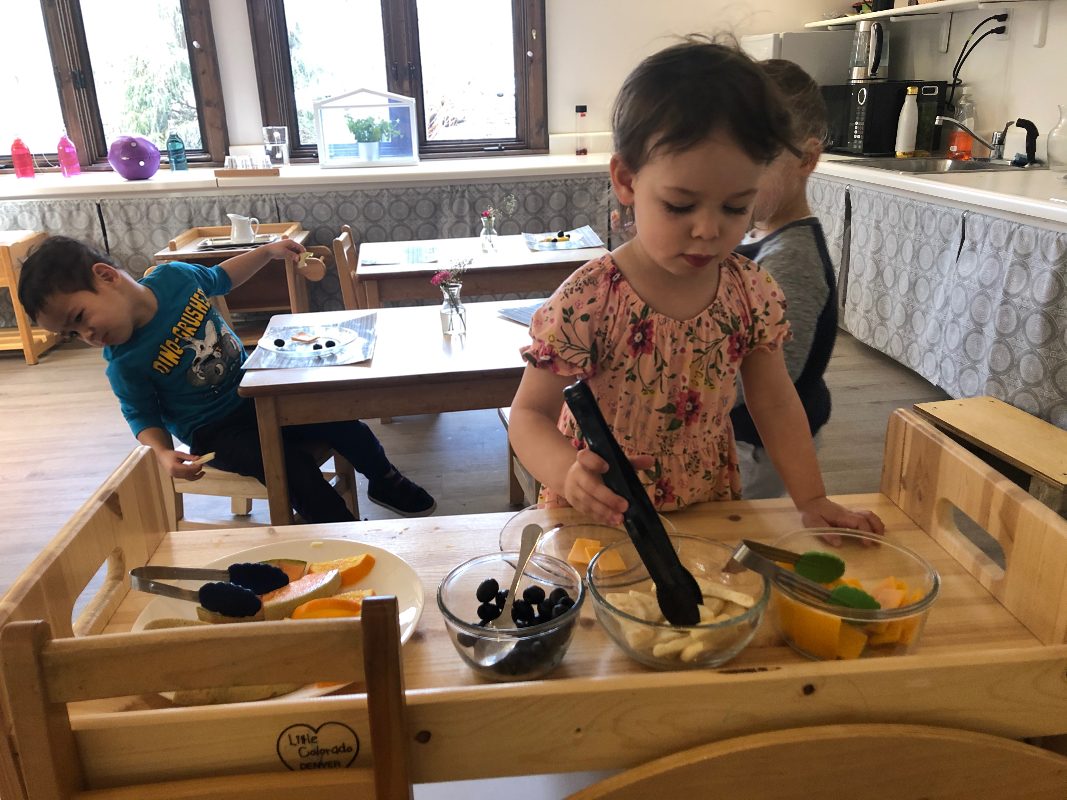
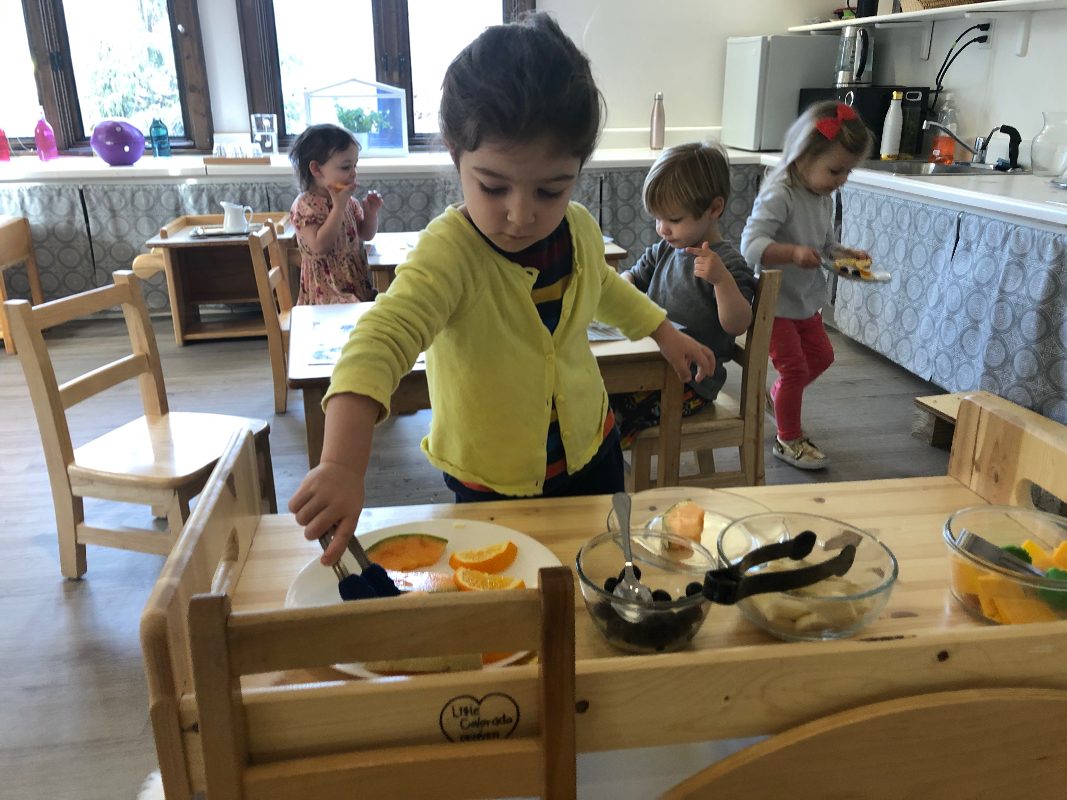
Children also enjoyed a special homemade fruit salad during our friendship celebration! There was so much love in the air!

We thank you for all your donations to make this day so special!

We hope you have a great little break and a Happy Valentine’s Day!


Mrs. Hood’s Class: Love Is In the Air!

“Of all things, love is the most potent.” – Maria Montessori

 As Valentine’s day is approaching we have taken the opportunity to talk more intentionally about love and friendship to the children. Through new books, games, songs and social opportunities, children have had the opportunity to practice kindness and express love.

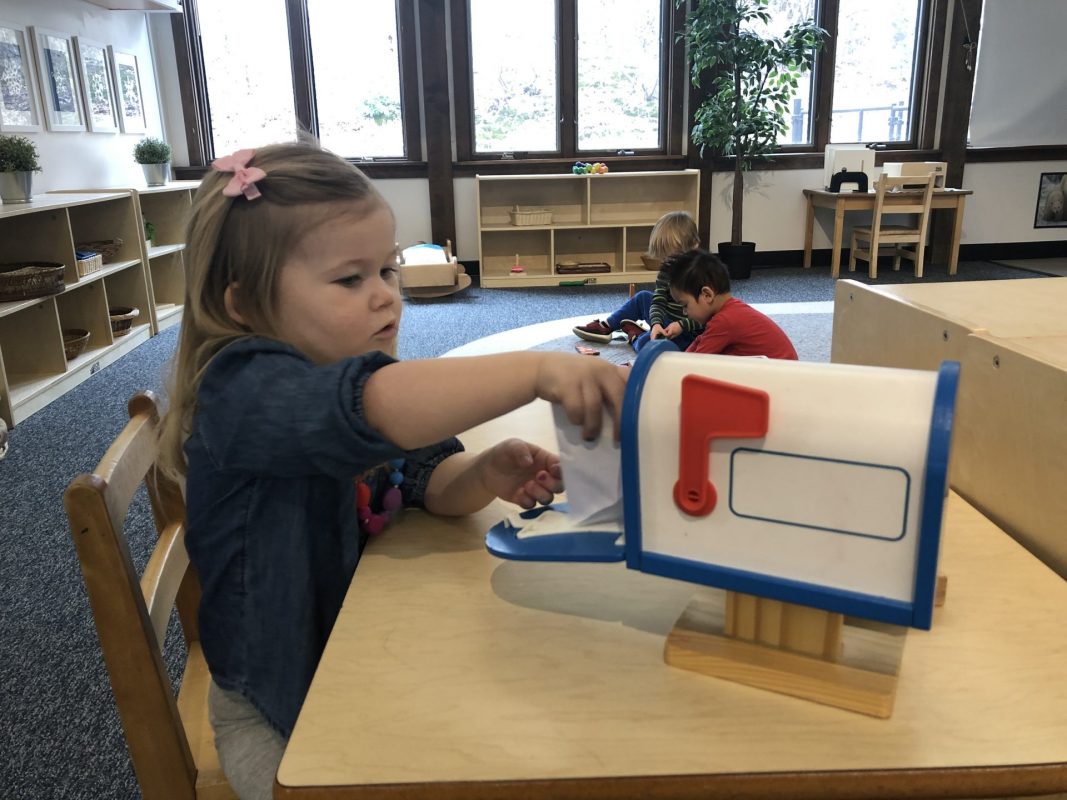
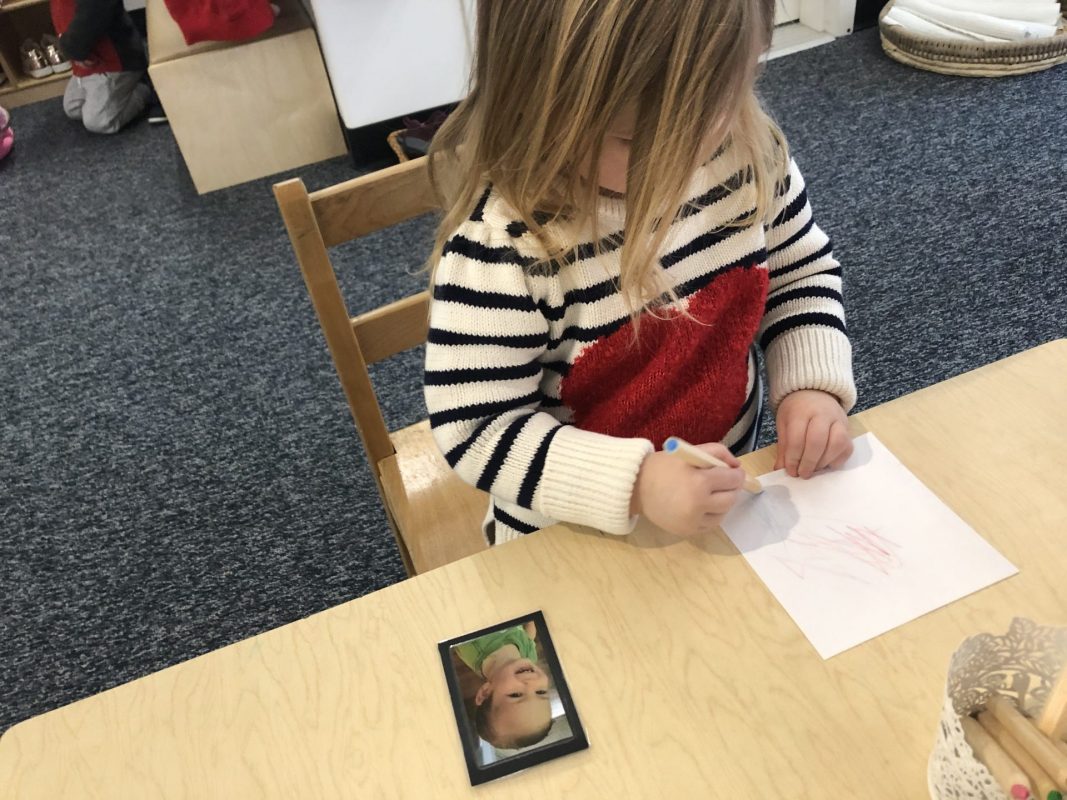
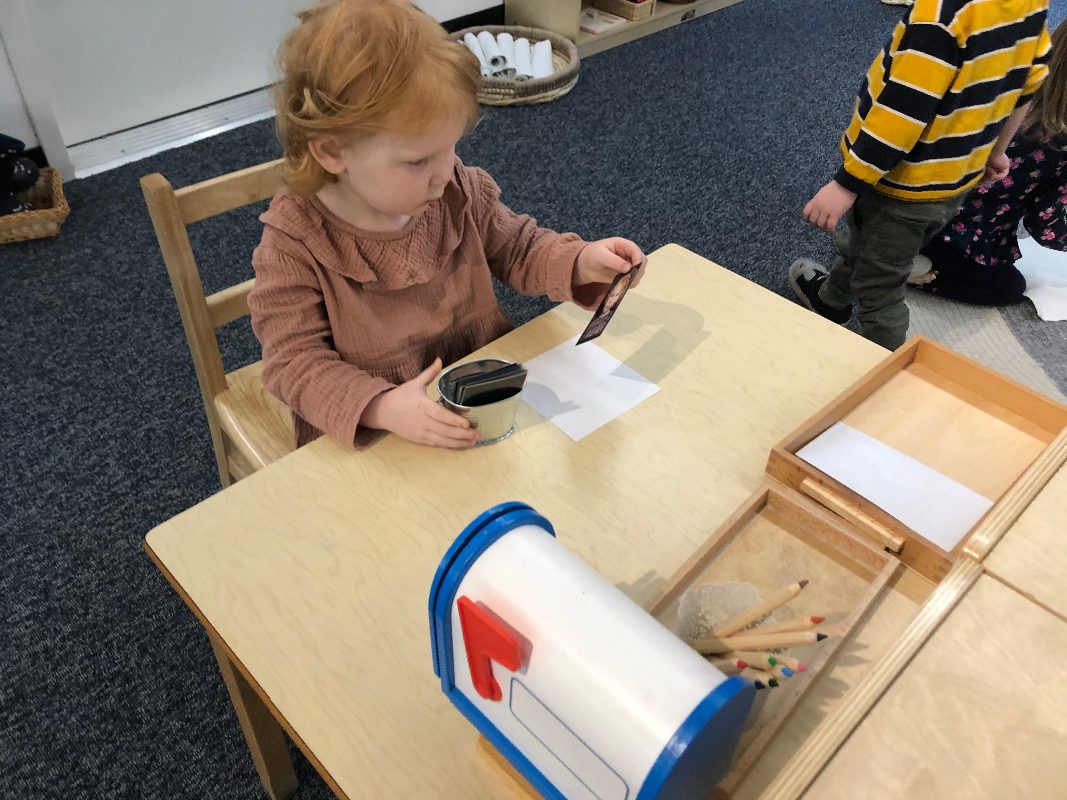
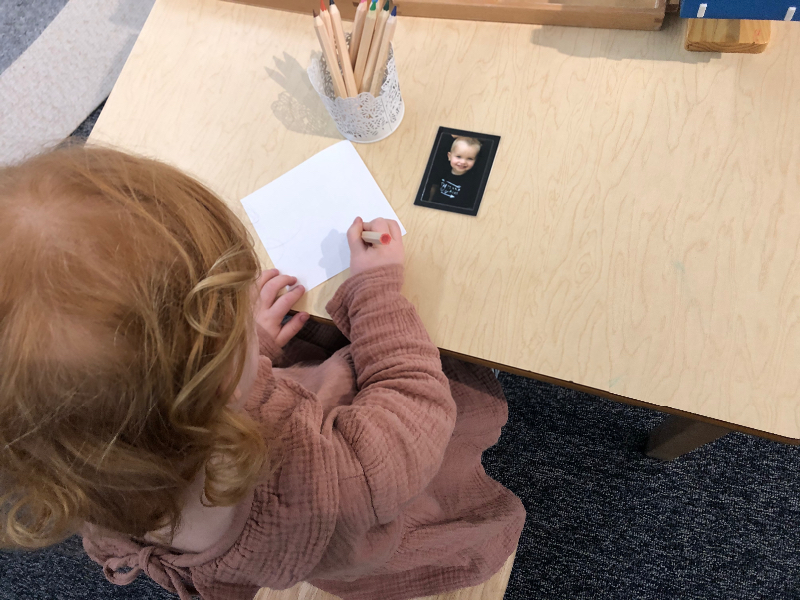
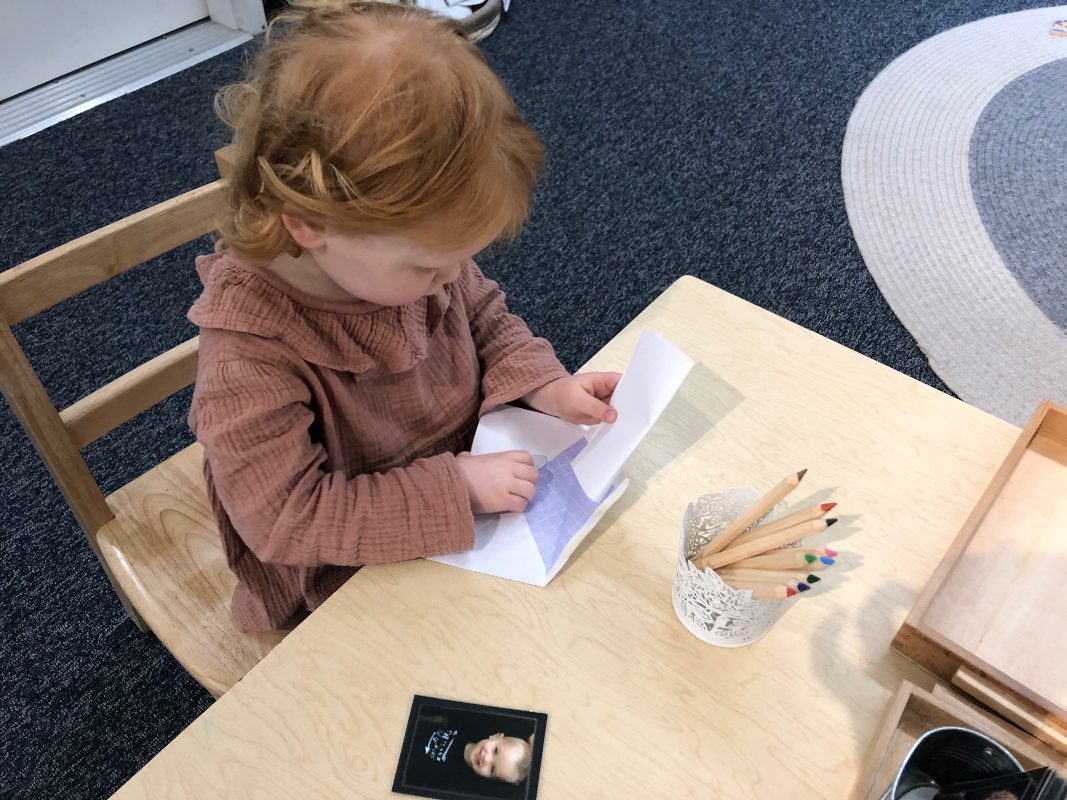
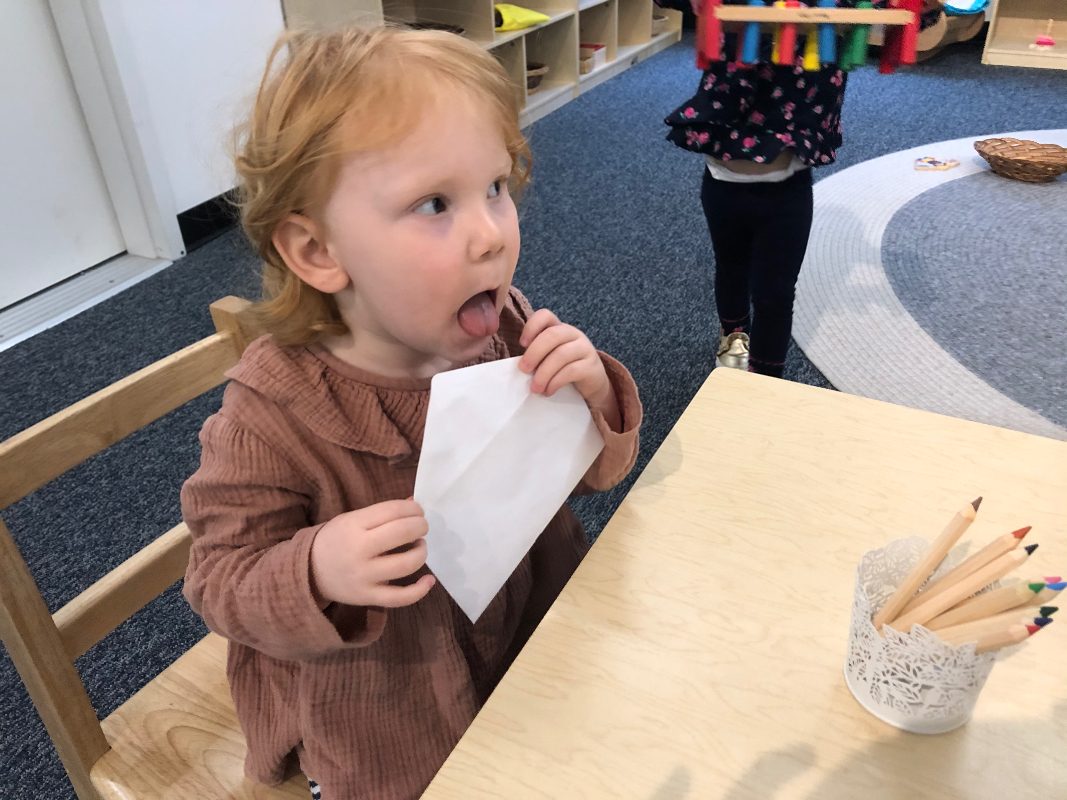
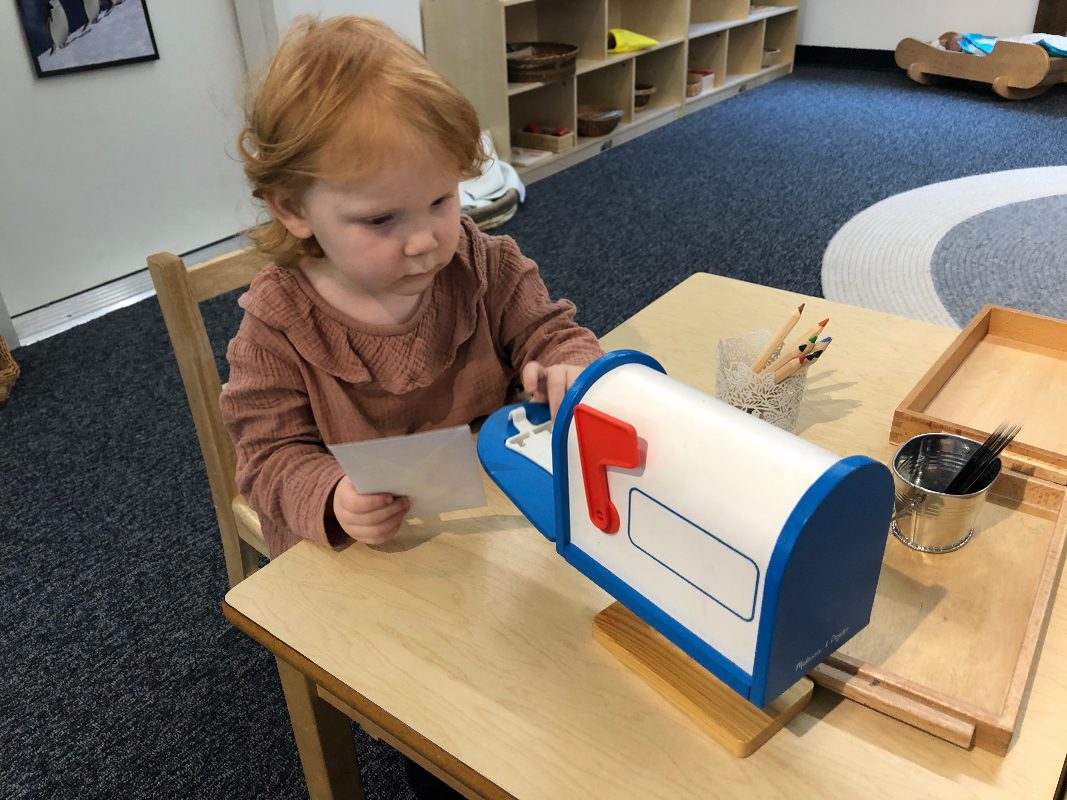
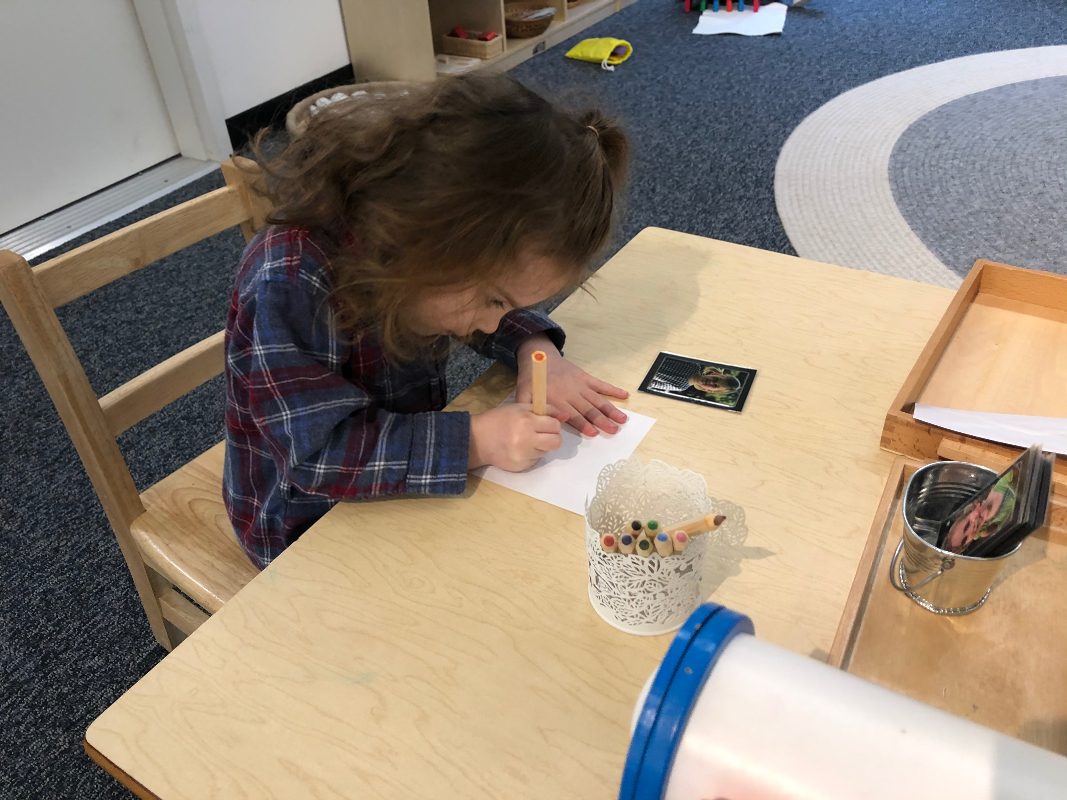
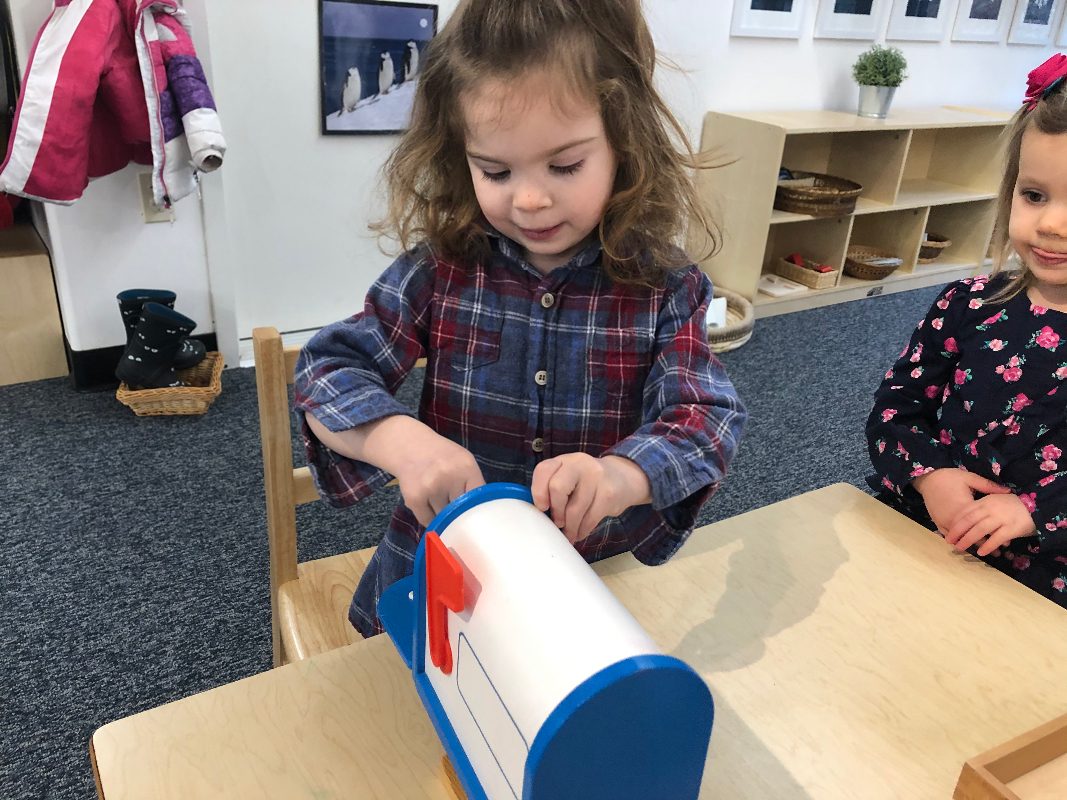
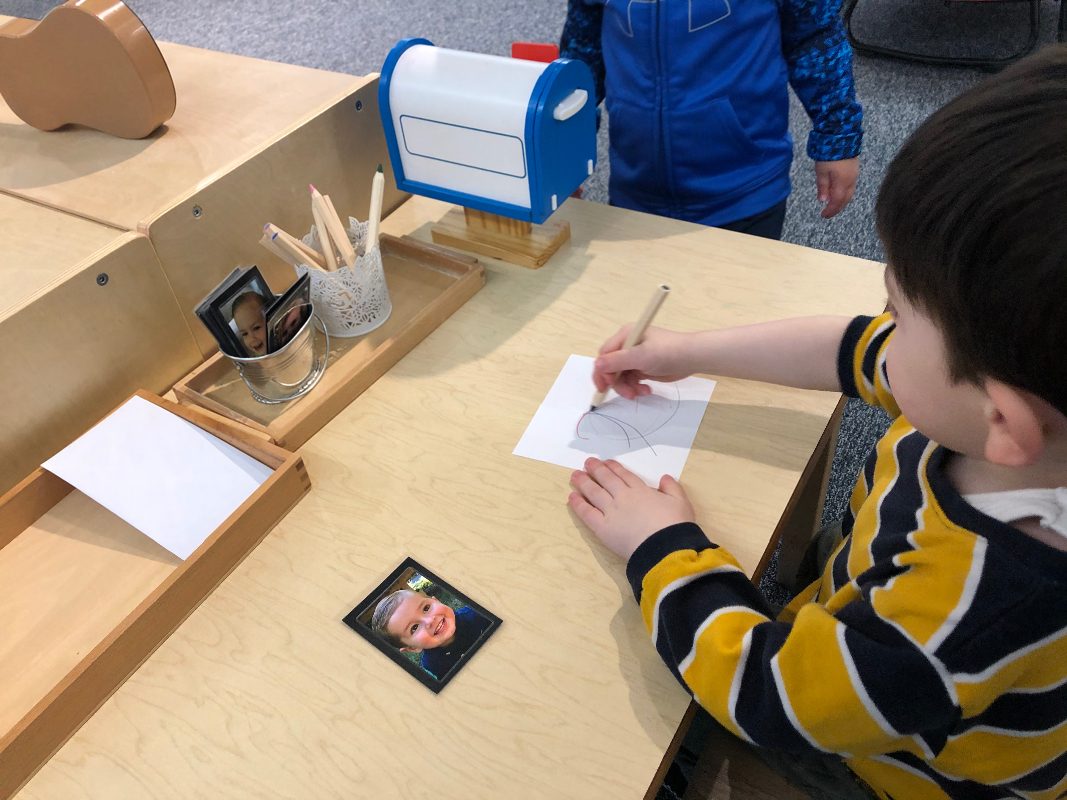
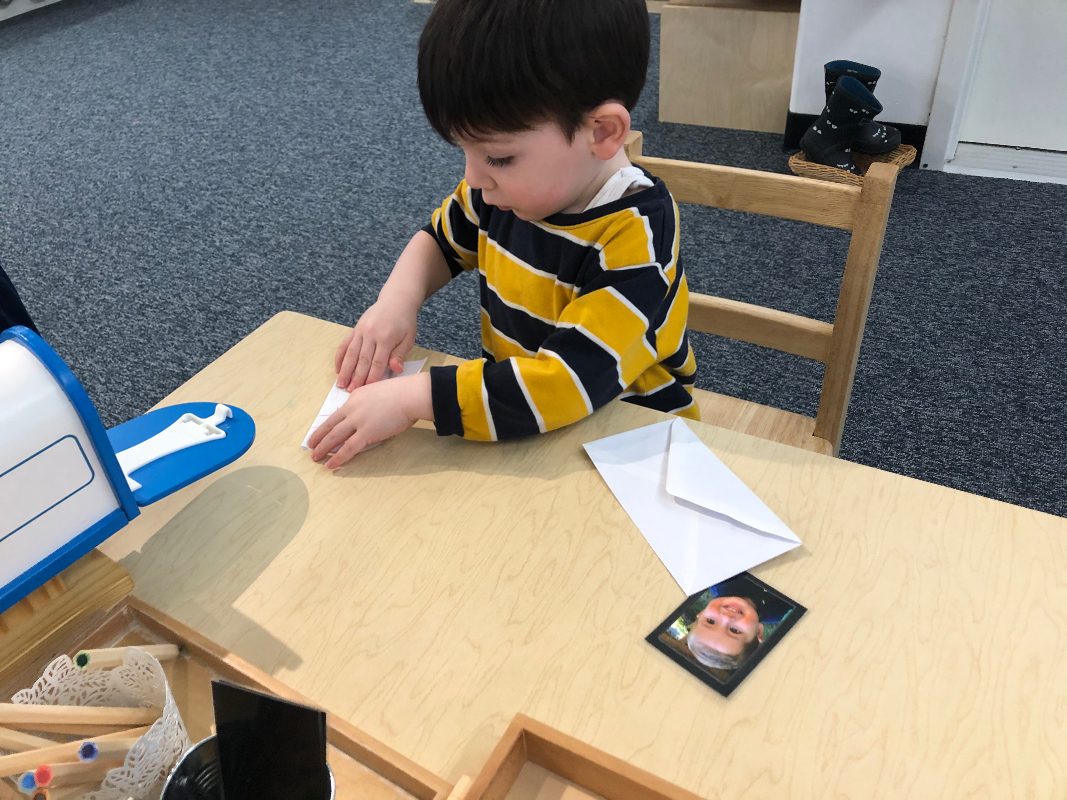
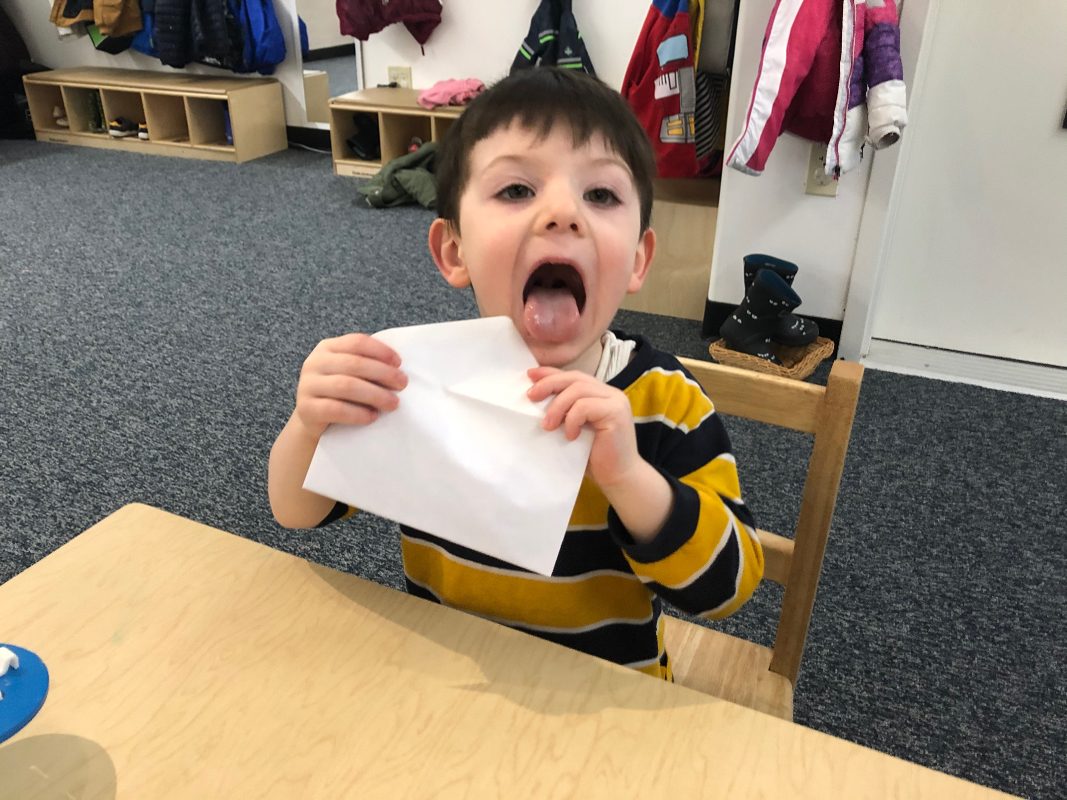
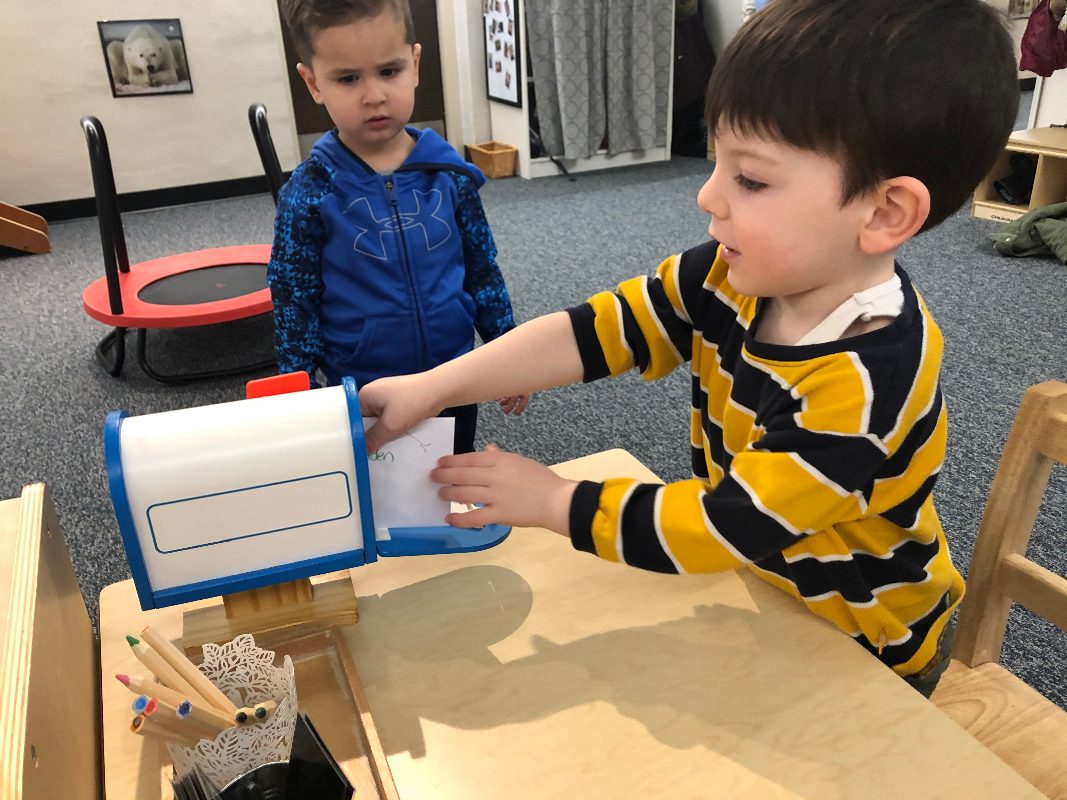
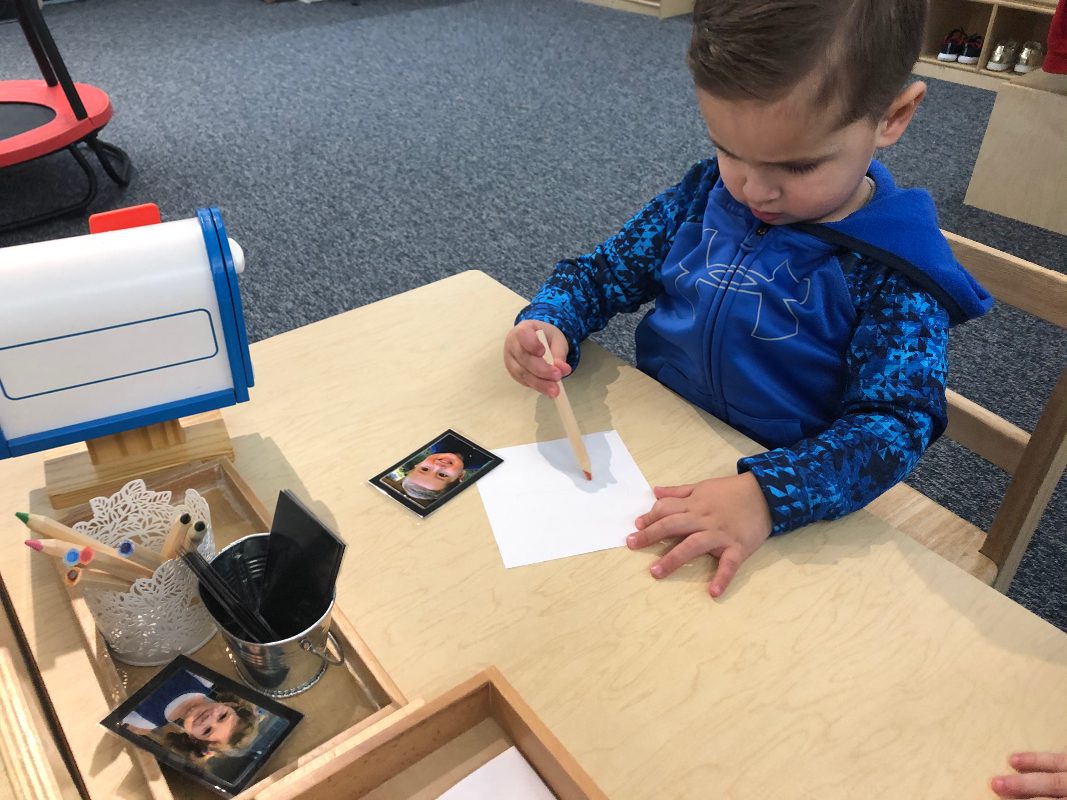
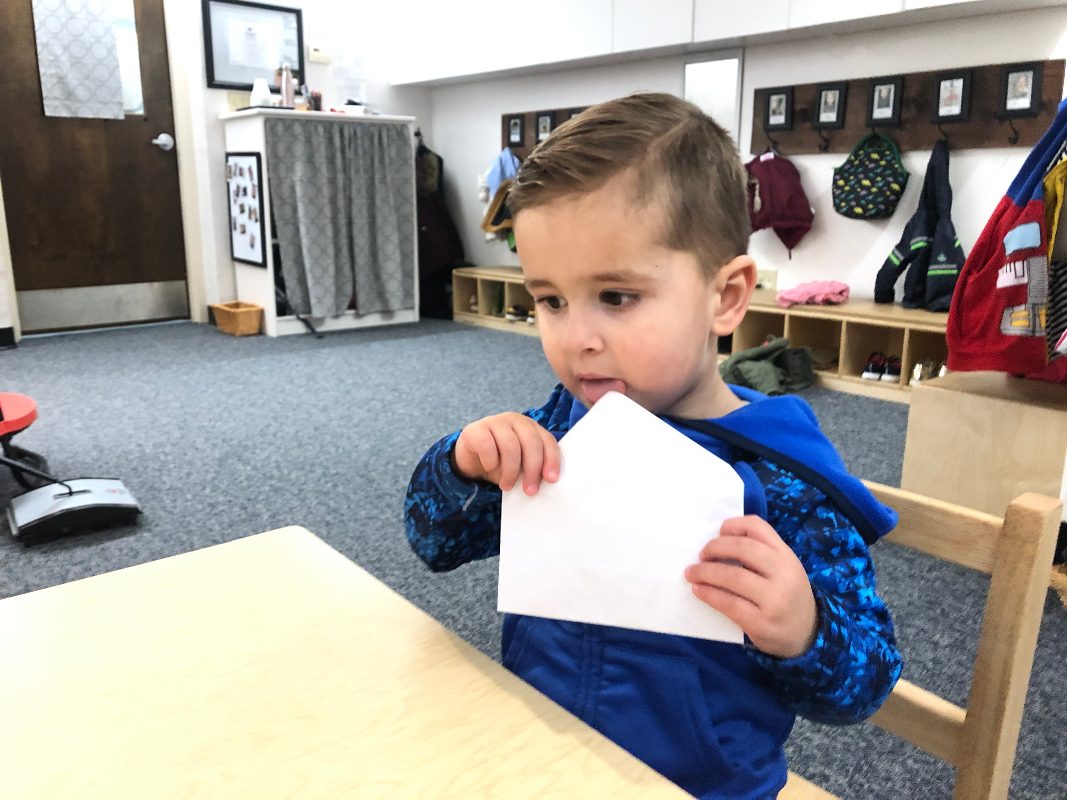
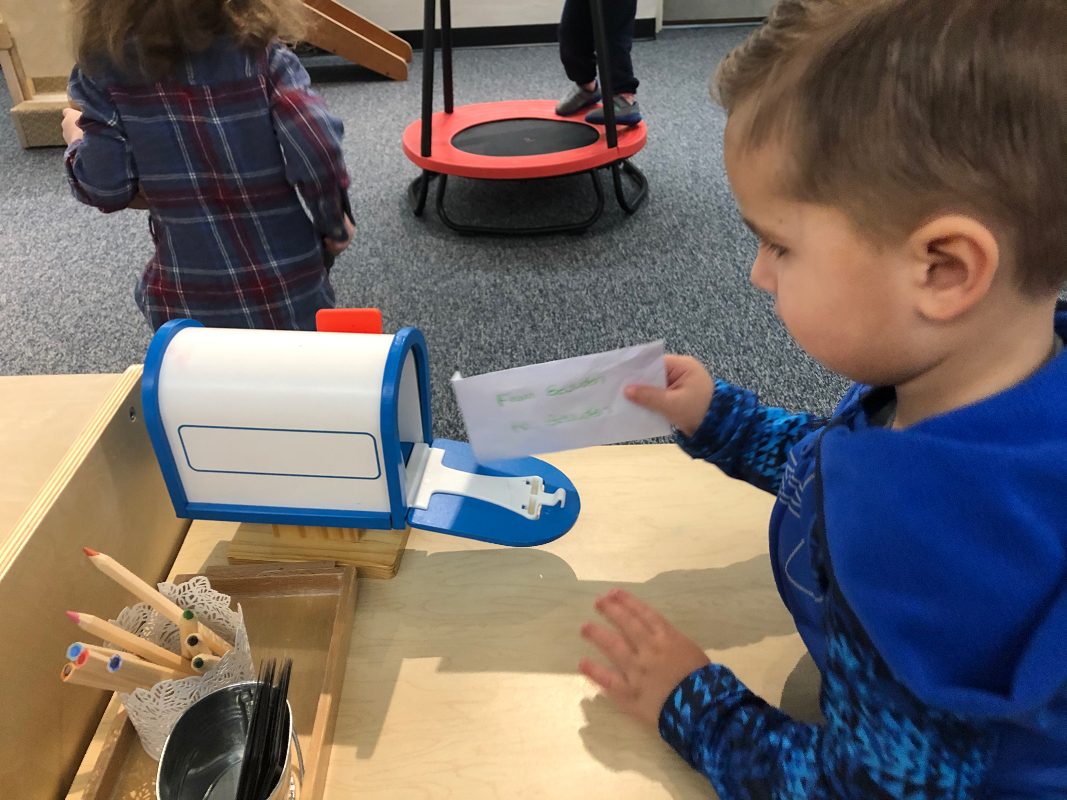
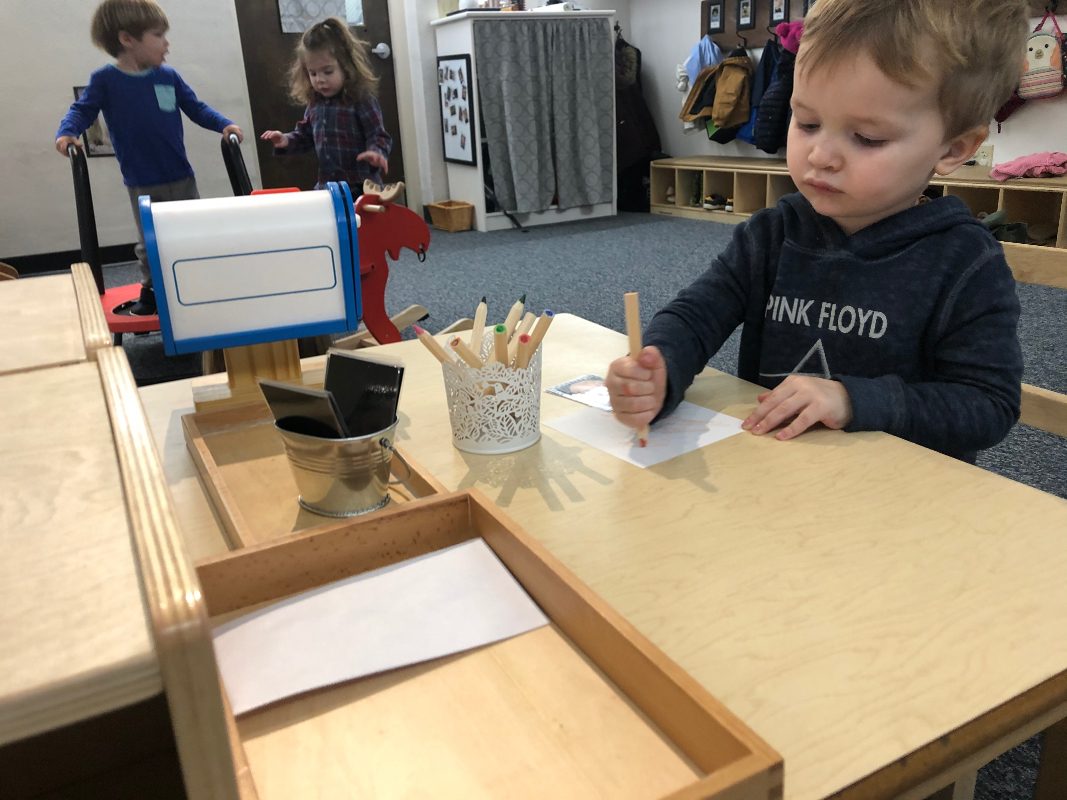
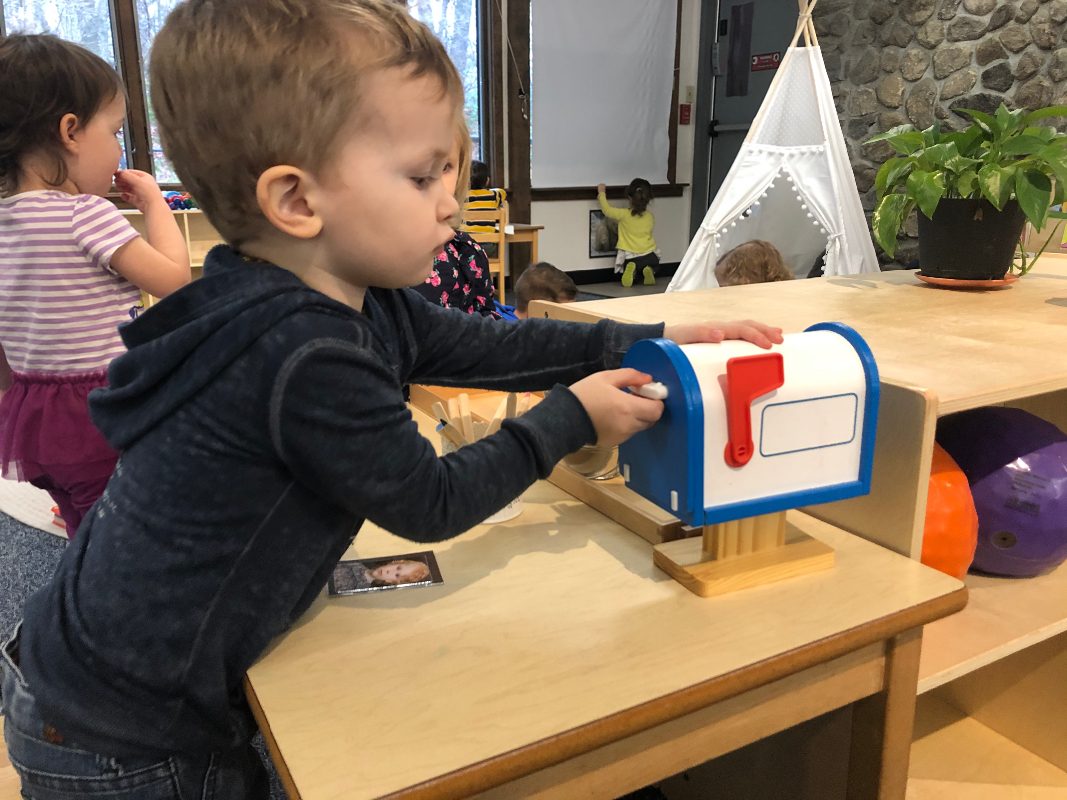
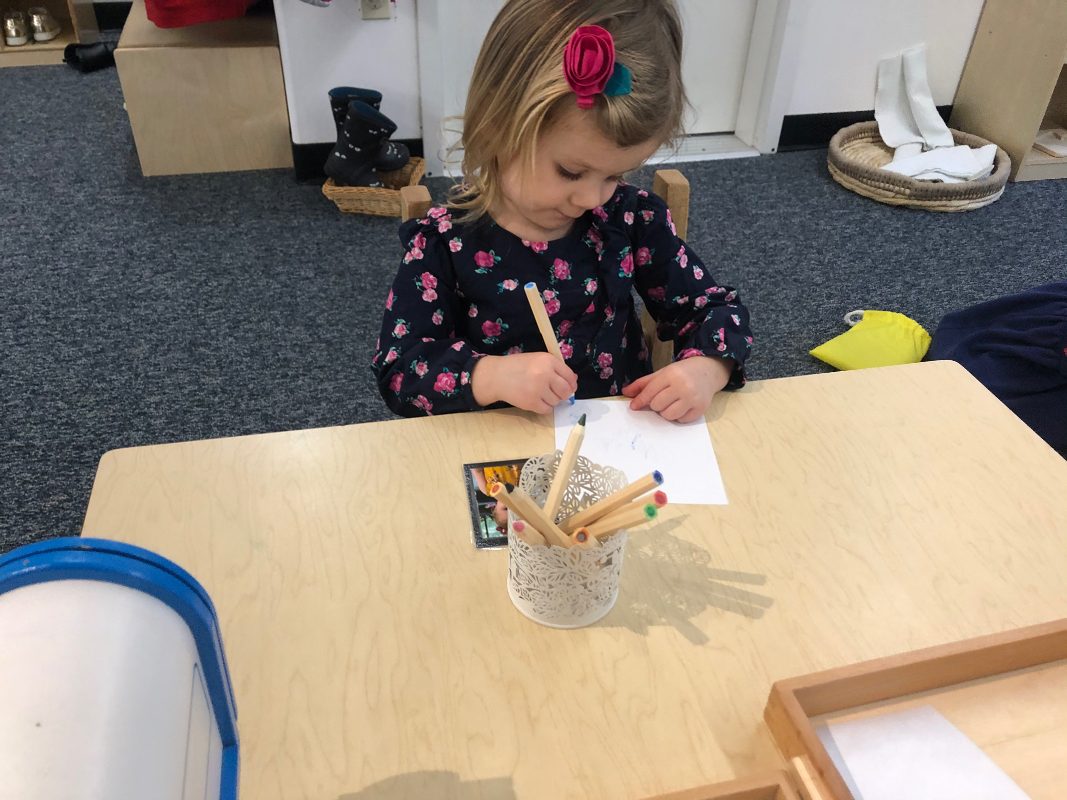
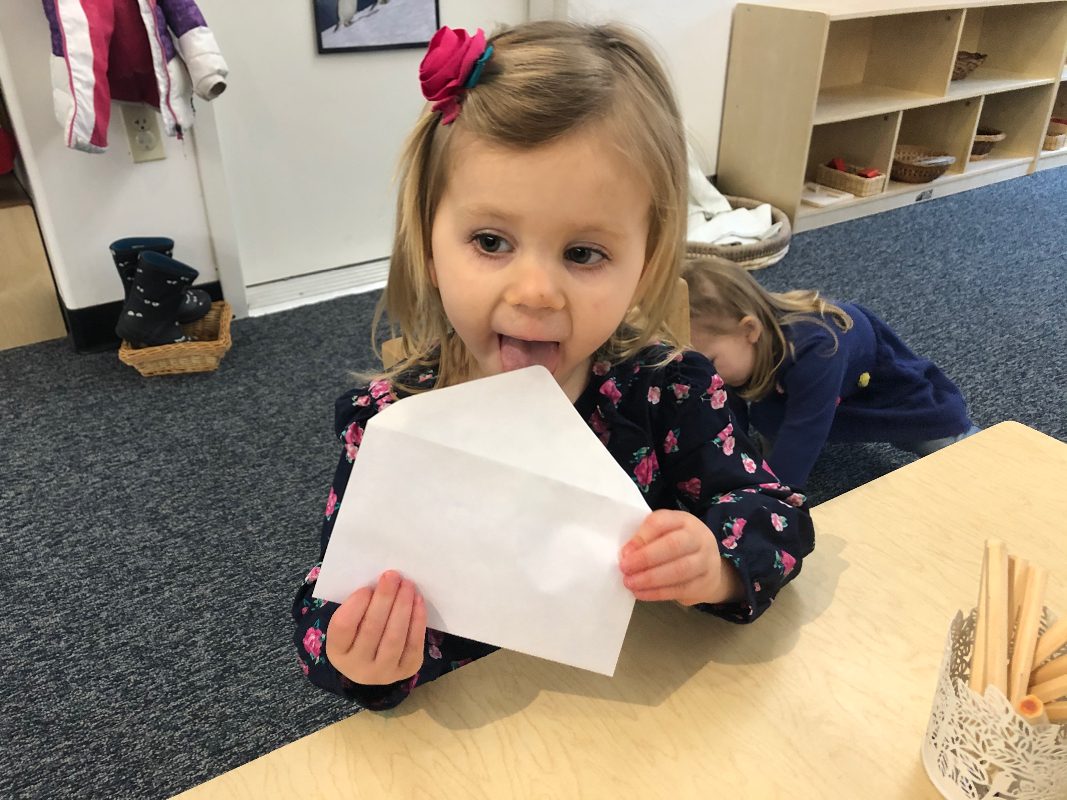
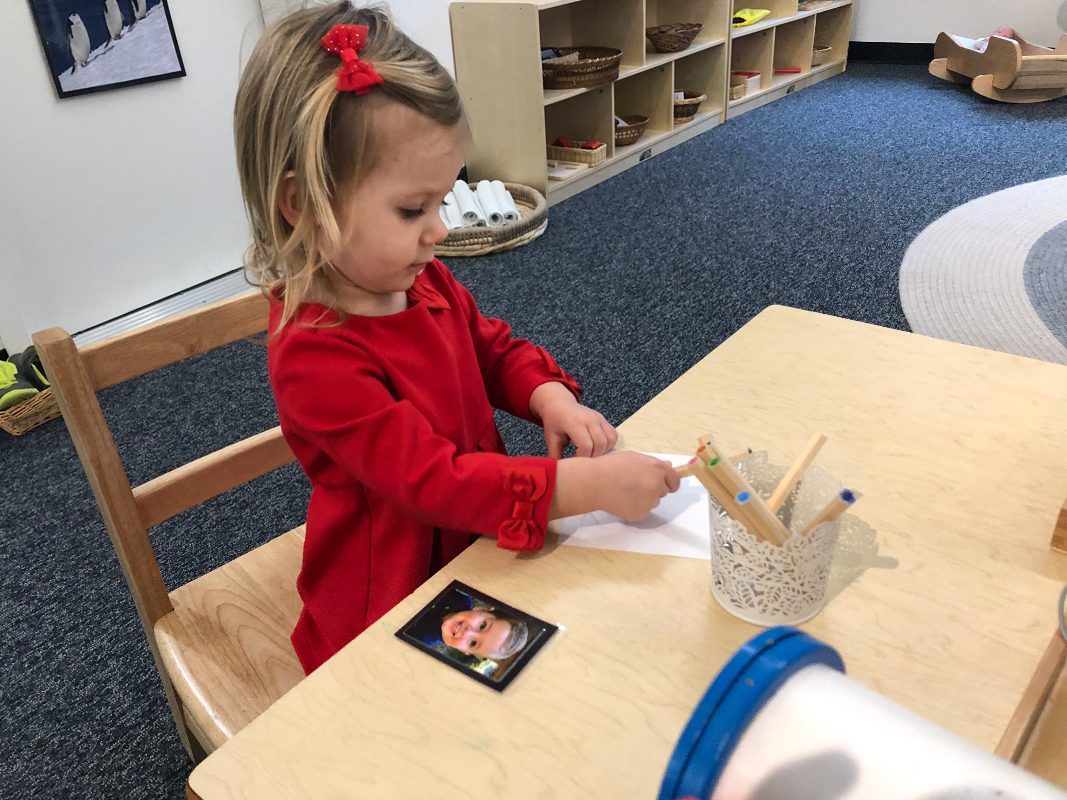
One of the main highlights this week was the introduction to a very special project. We call it “the mailbox work.” This is a multi-step work used to strengthen pre-writing skills in our students while reinforcing the concept of care for others. The first step is to choose a friend’s picture. This helps the child to maintain the focus on the activity. Then the child chooses a piece of paper and creates a beautiful card for his/her chosen friend using colorful pencils. The child then folds the card, place it inside the envelope and can ask one of the guides to help them write the name of the friend and then the child places it inside the mailbox. One of the details they seemed to like a lot was licking the border of the envelope to seal their message. 🙂 Children enjoyed making cards for their friends and at times for themselves. Self-love is equally important, right?

On February 12th, we will be having a friendship celebration in our classroom. Giving and receiving valentines is a special part of a child’s school experience and one they truly enjoy! This is a great opportunity to help children think about friendships. Whether you purchase or make cards, sit with your child as they create or sign them and talk about their classmates and what it means to be a good friend. There are 16 students in our class. Please have your child sign with your help the back of each valentine. Leave the envelope blank (with no specific name on it). This enables your child to distribute his/her valentines in a more independent and successful way.

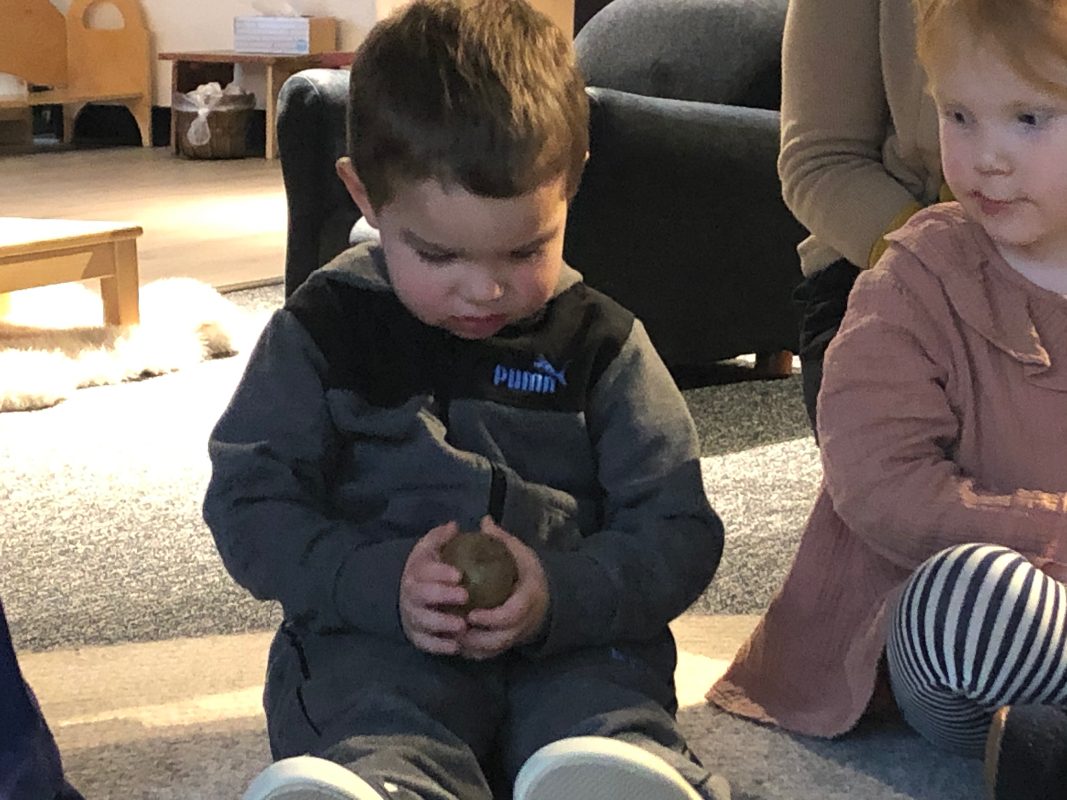
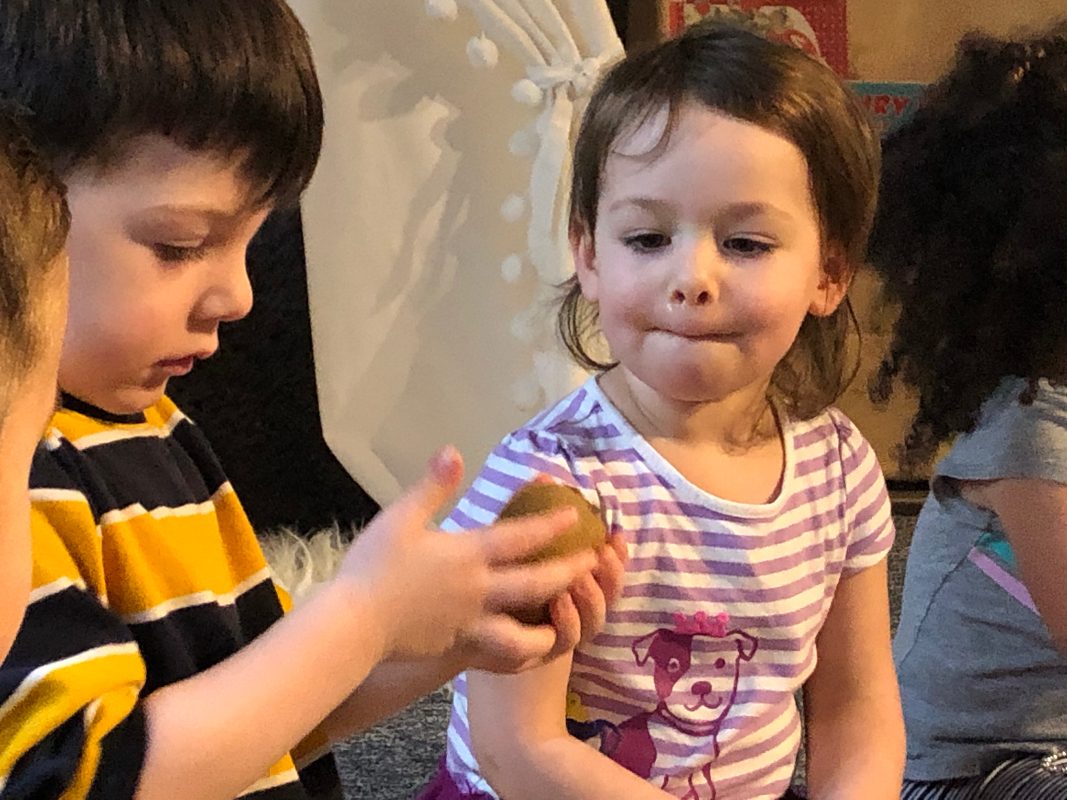
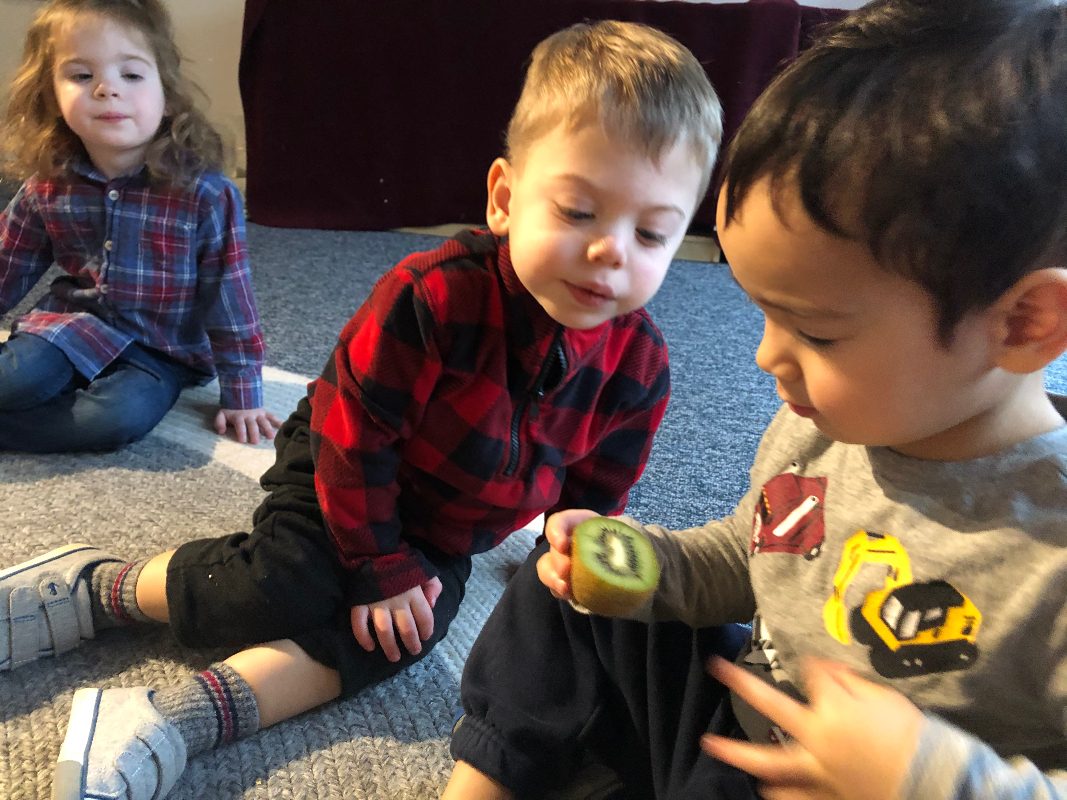
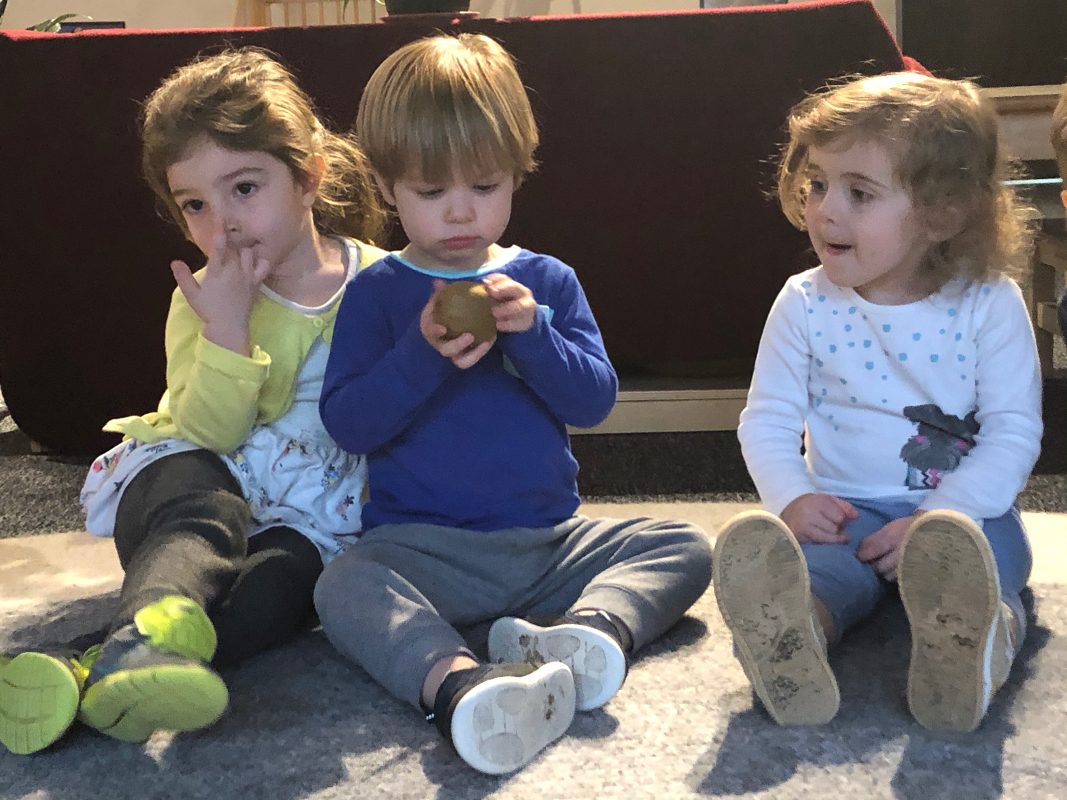
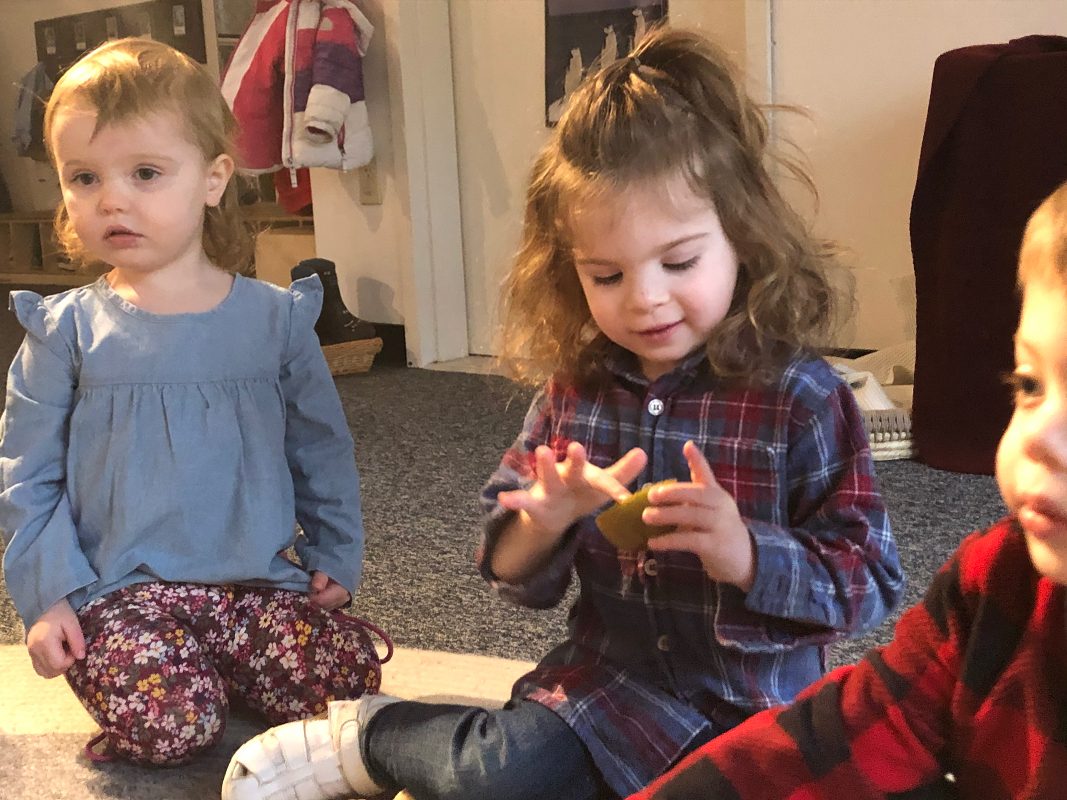
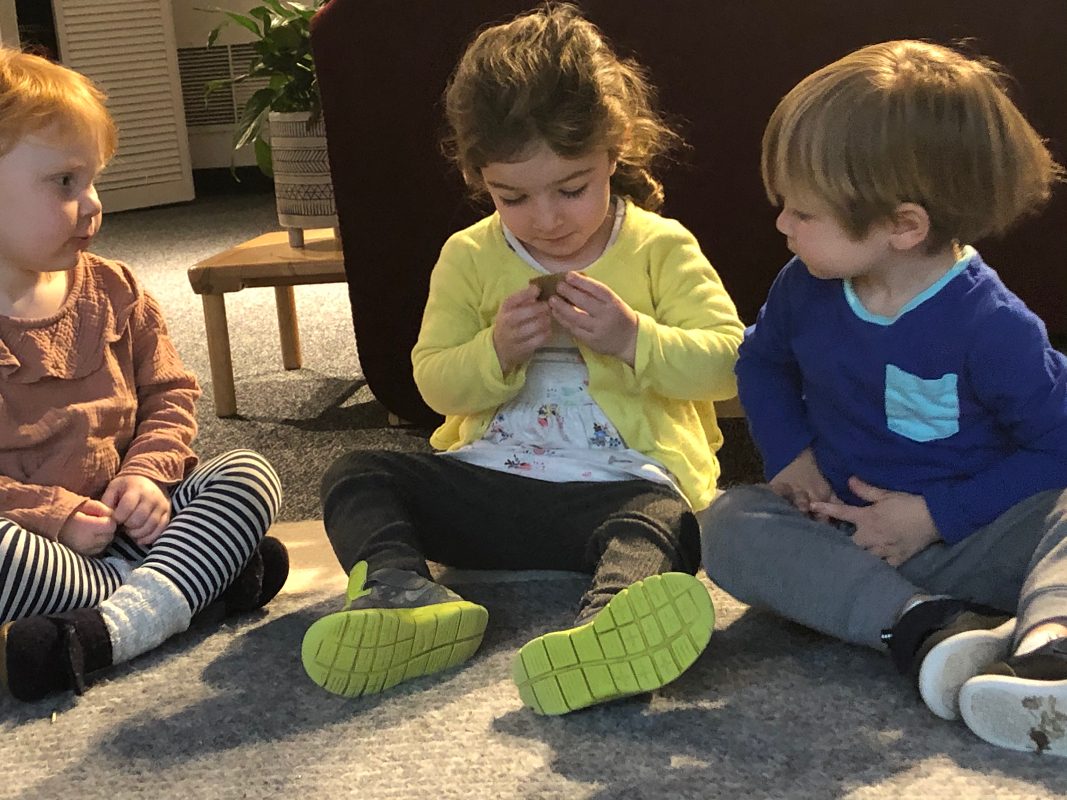
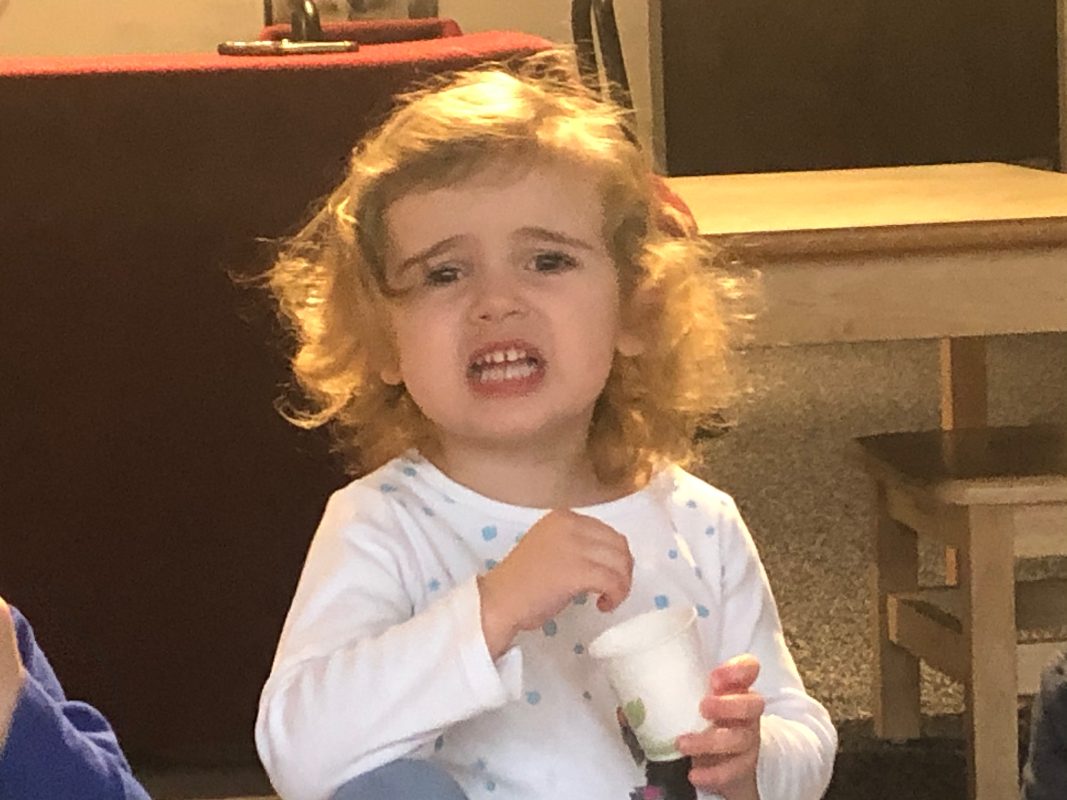
For food tasting, children enjoyed exploring a kiwi! And this one was a big winner! Children really liked it!

We are looking forward to meeting with you all at Parent-Teacher conferences next Thursday, February 13th and talking about your child’s progress at school.

Please enjoy one of our Spanish songs the children have been practicing for weeks. We are confident most of the children are able to sing it for you now. 

Saltan los conejitos (the bunnies jump) 

Saltan, saltan los conejitos ( They jump, they jump the bunnies)

mueven, mueven sus orejas largas. (They move, they move their long ears)

Cavan la tierra muy presurosos (They dig the earth very fast)

cuando escuchan alguien llegar (When they hear someone arrive)

¿Será mamá?, ¿Será papá? (Will it be mom ?, Will it be dad?)

Trala la la la larala.


Mrs. Hood’s Class: 1,2,3,4,5


“Children display a universal love of mathematics, which is
par excellence the science of precision, order, and intelligence.”
E.M. Standing: Maria Montessori: Her Life and Her Work p. 344

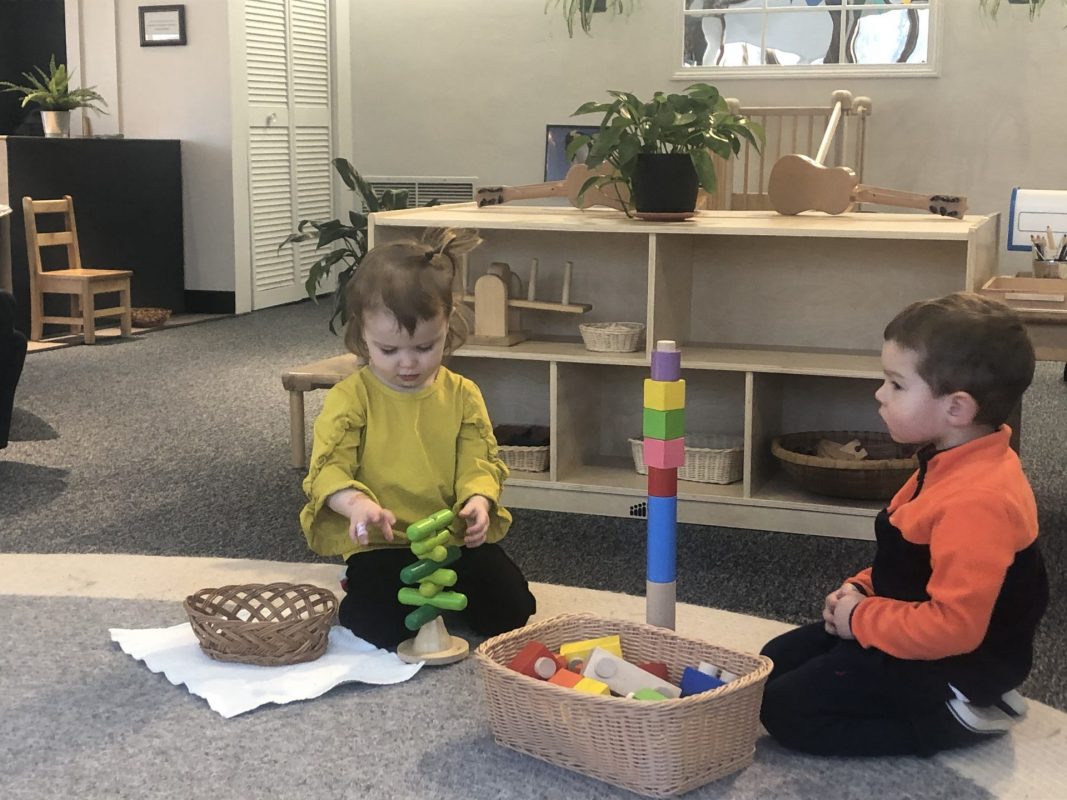
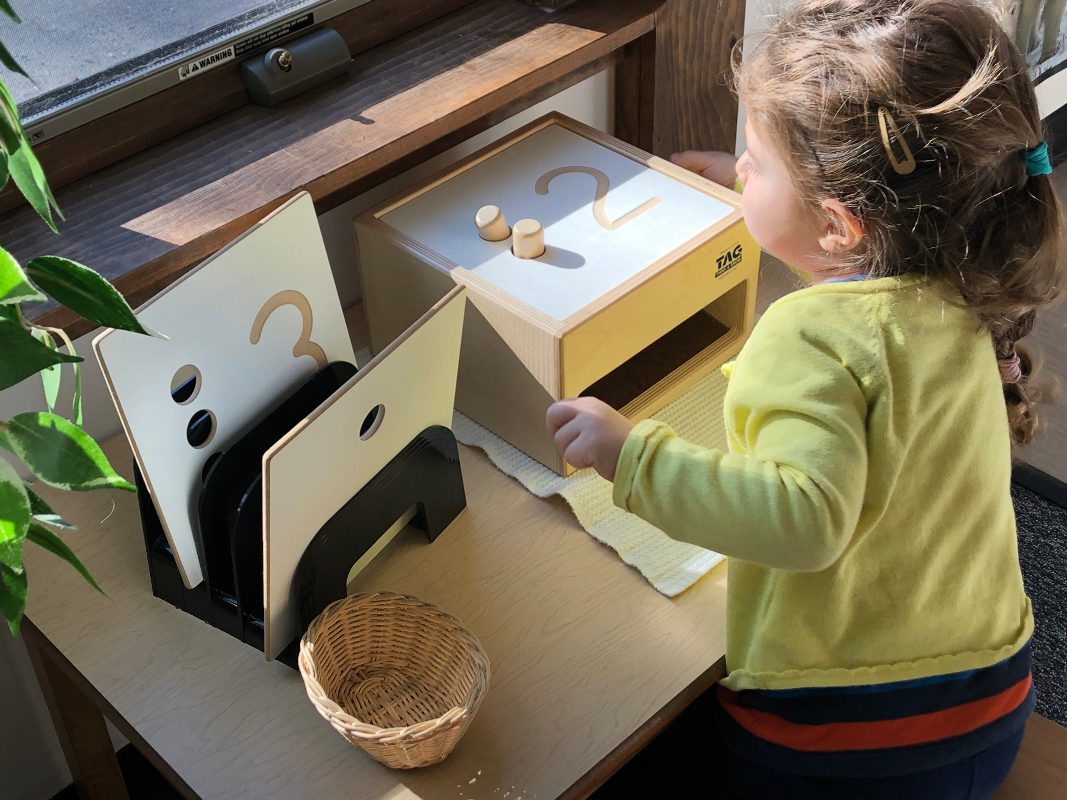
Dr. Montessori observed that young children learn early mathematical concepts through touching, stacking, sorting, and handling objects as they count them. It is through this manipulation of various materials that children learn to recognize quantities, sequence, and patterns. This is the groundwork for basic mathematical principles.

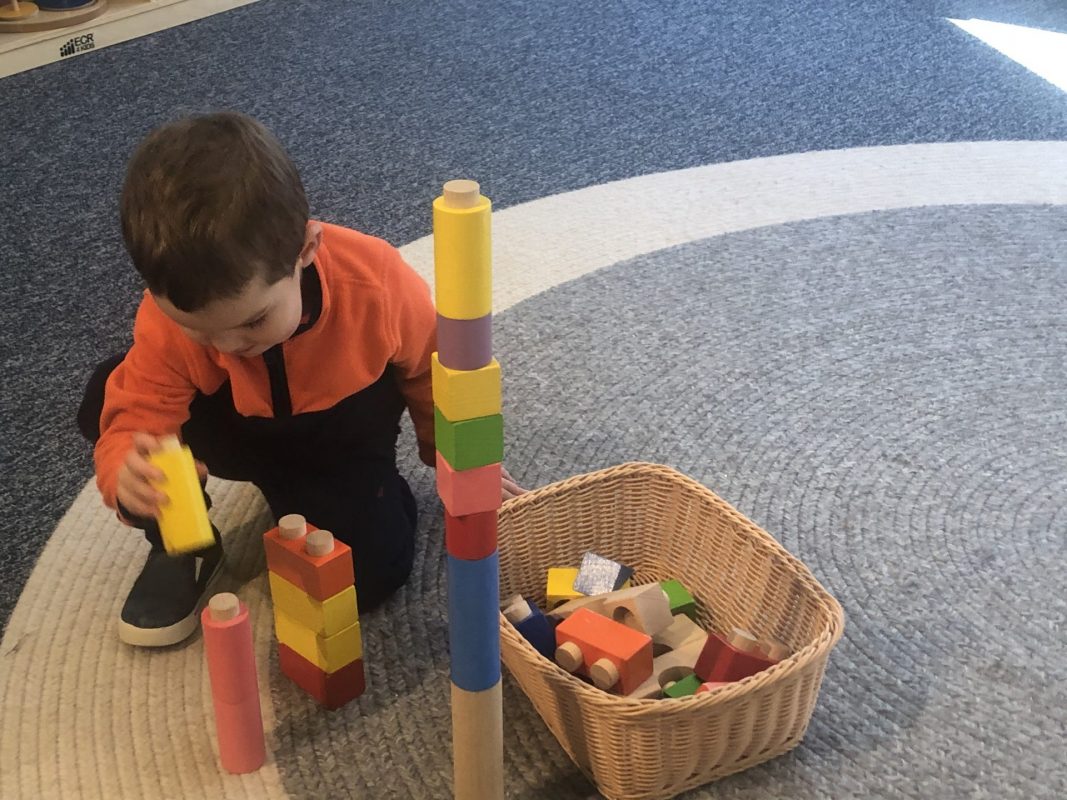
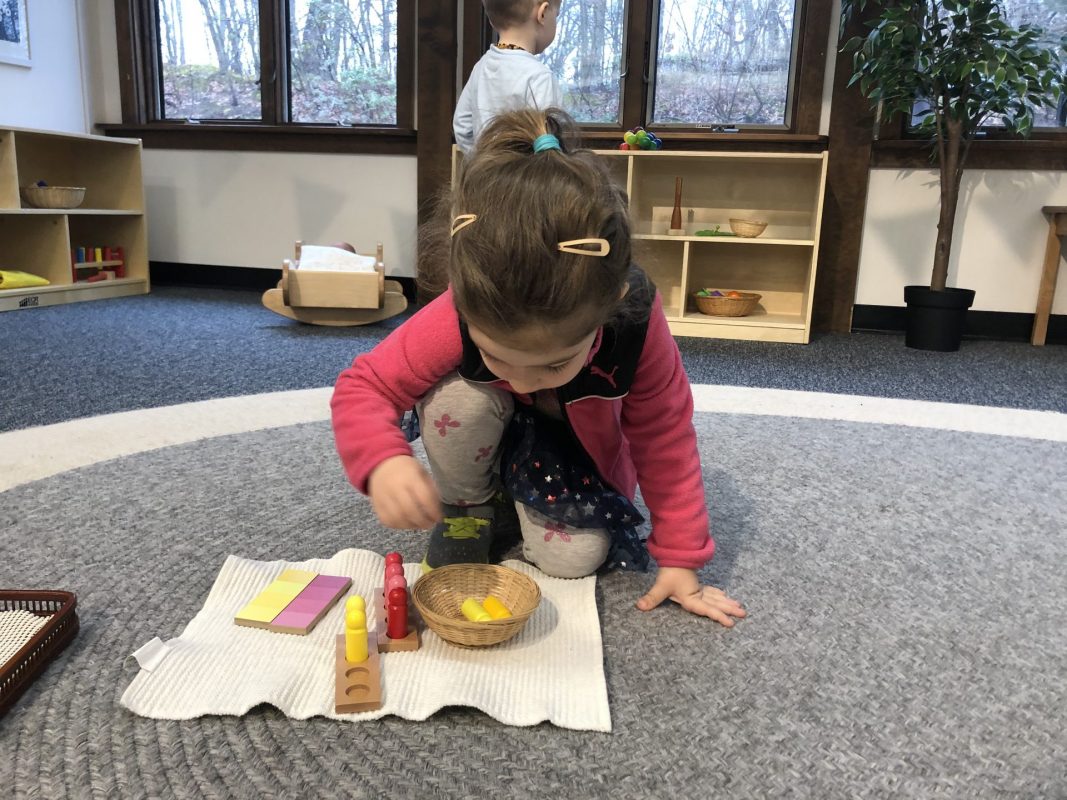
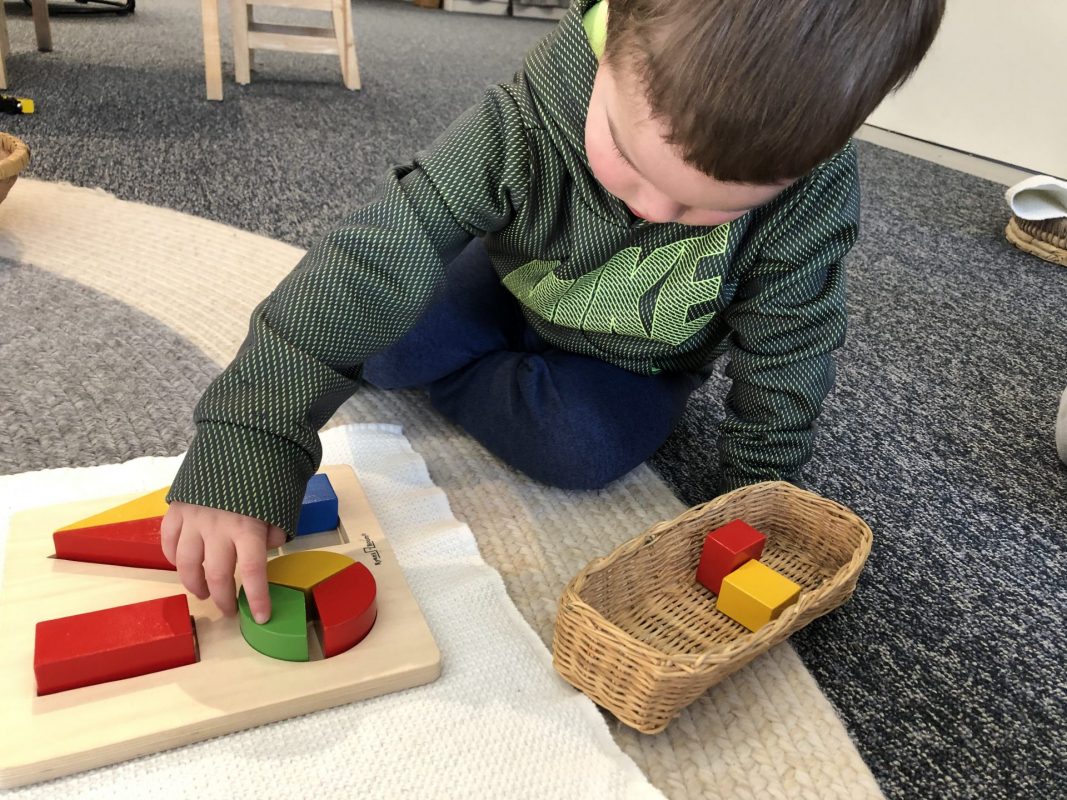
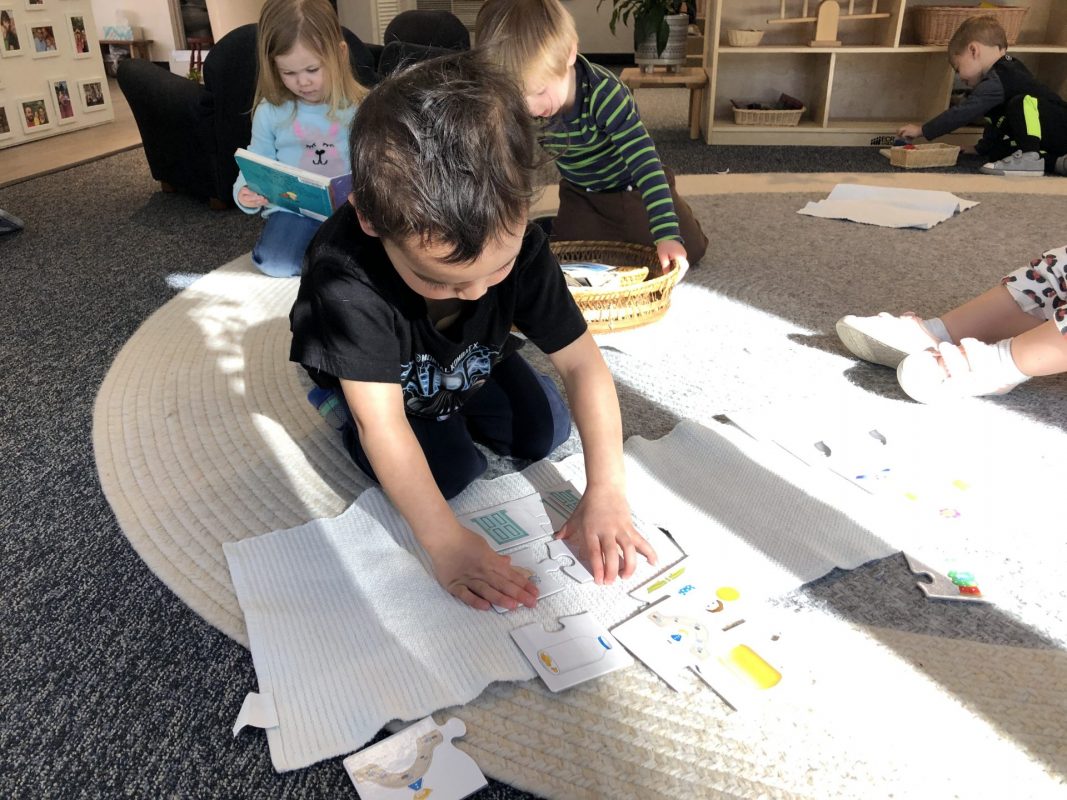
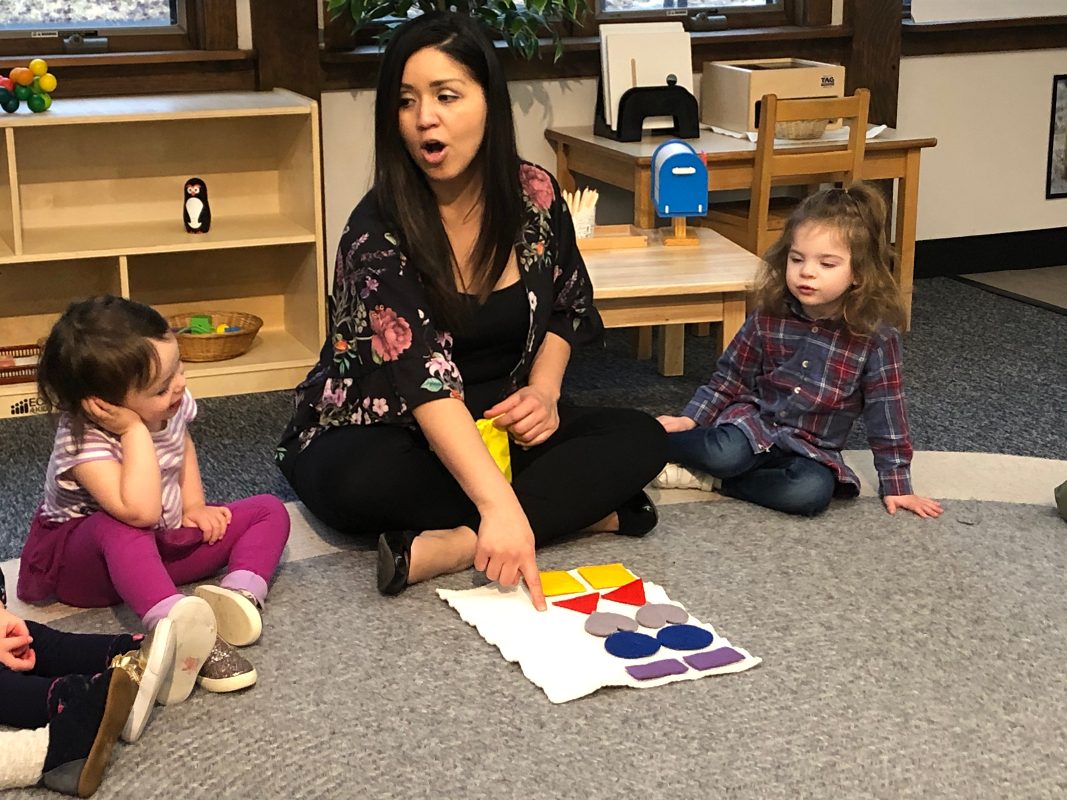
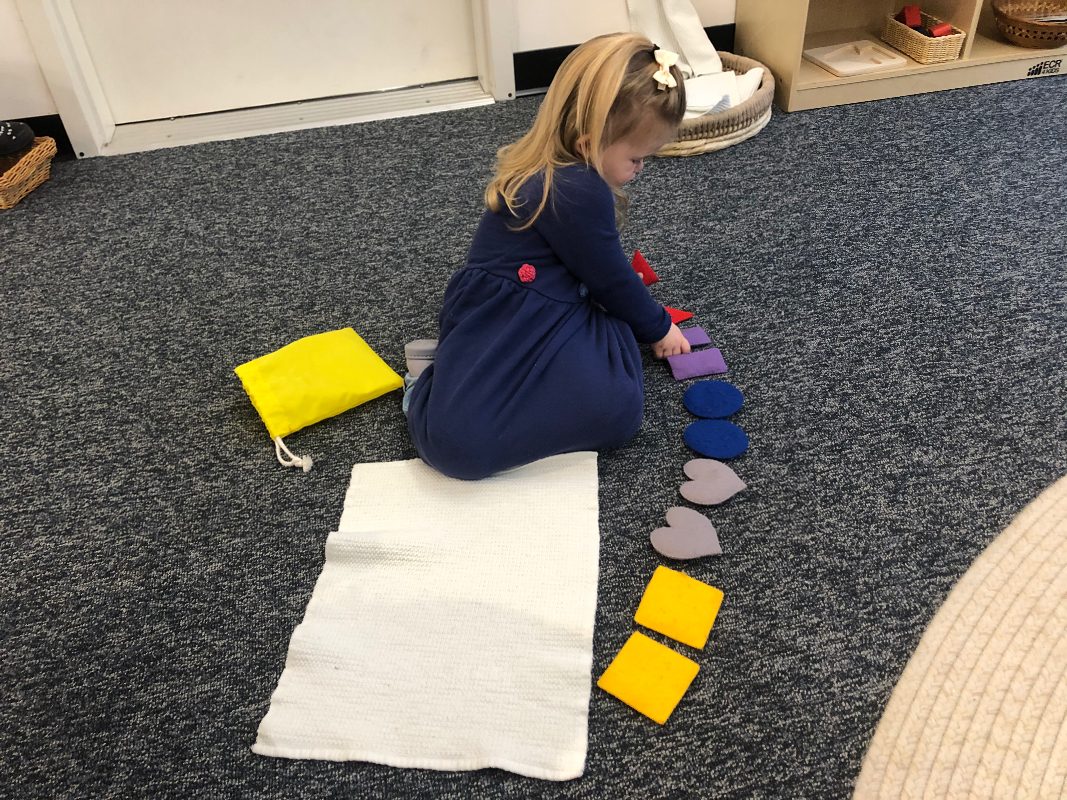
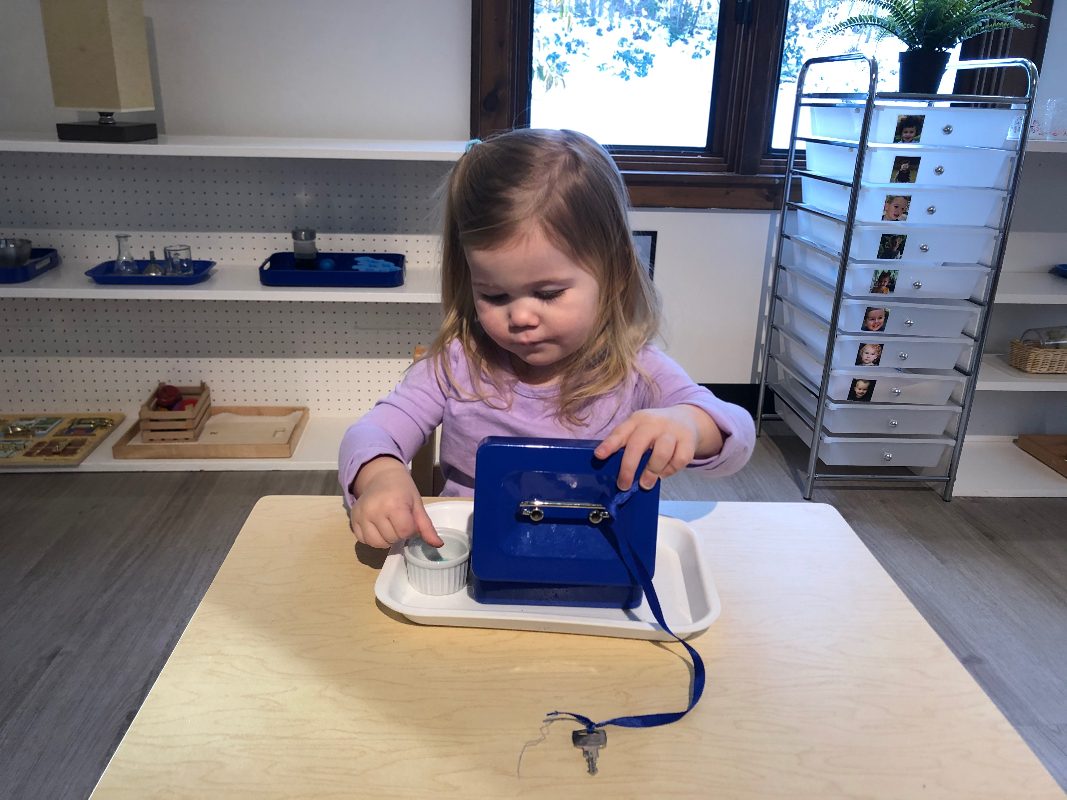
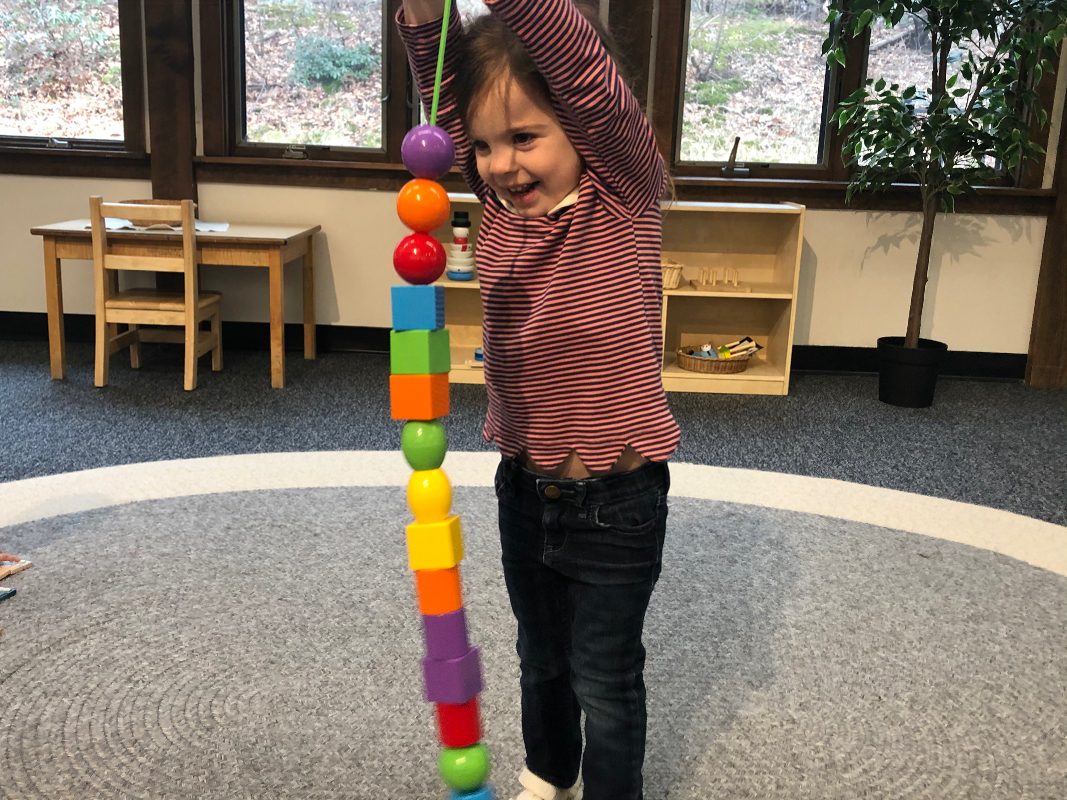
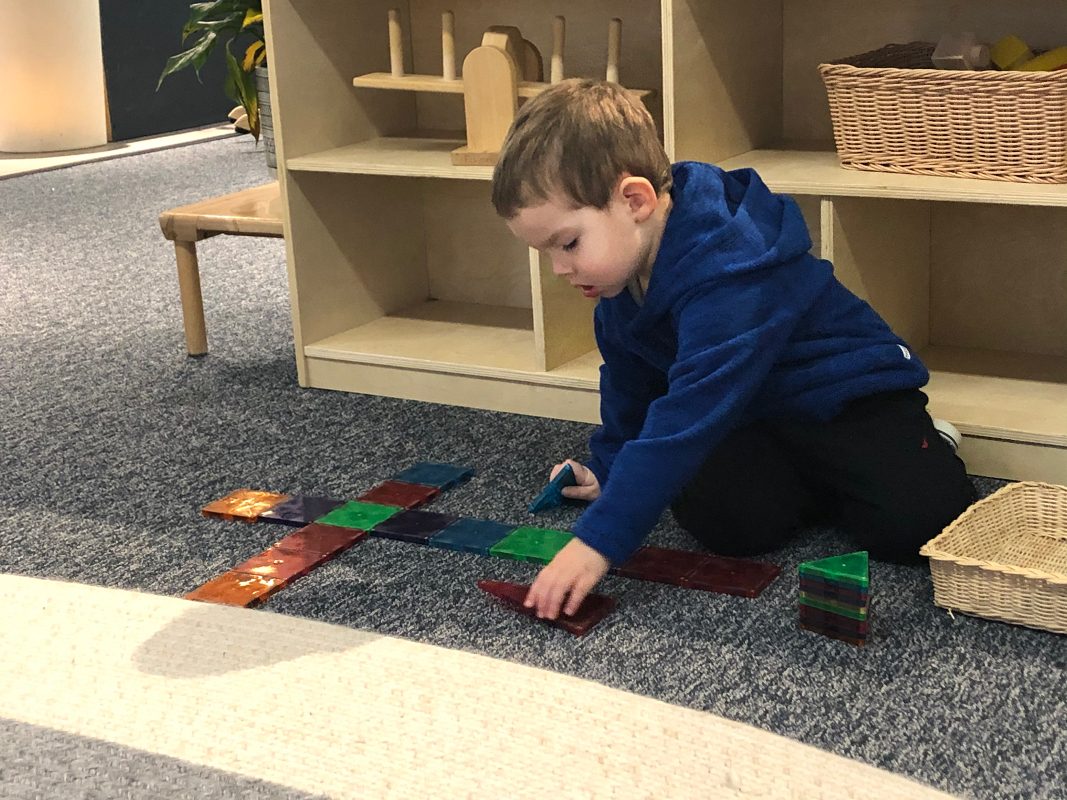
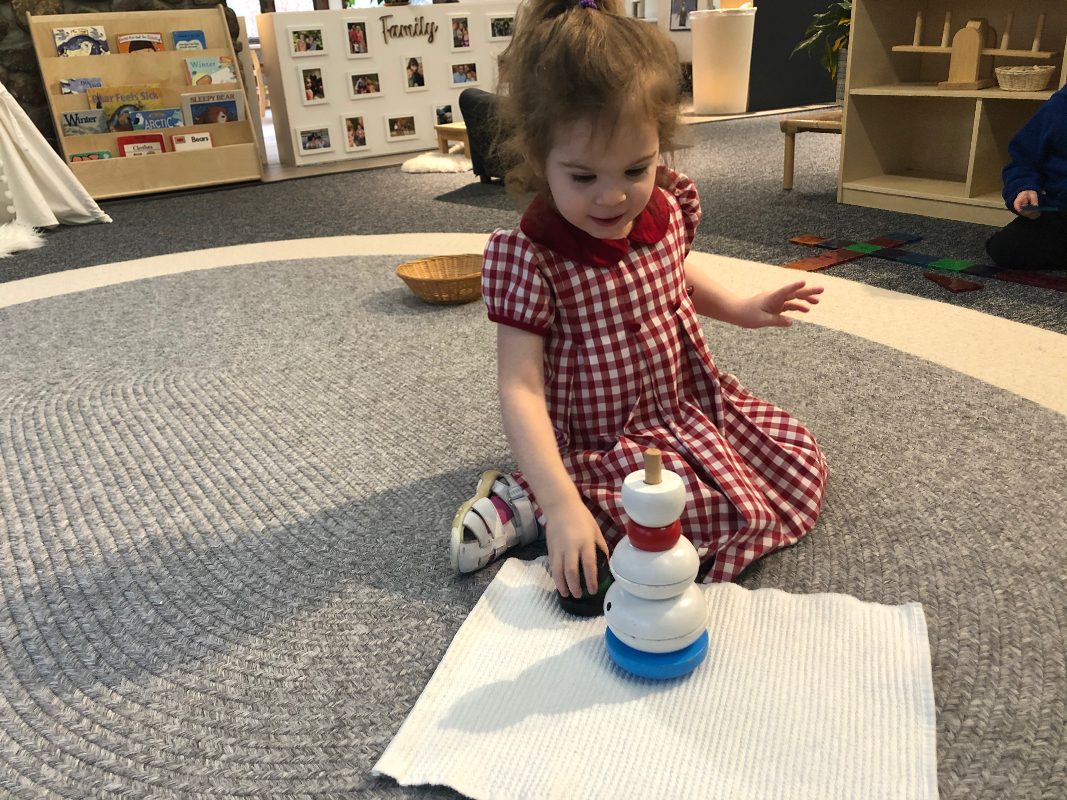
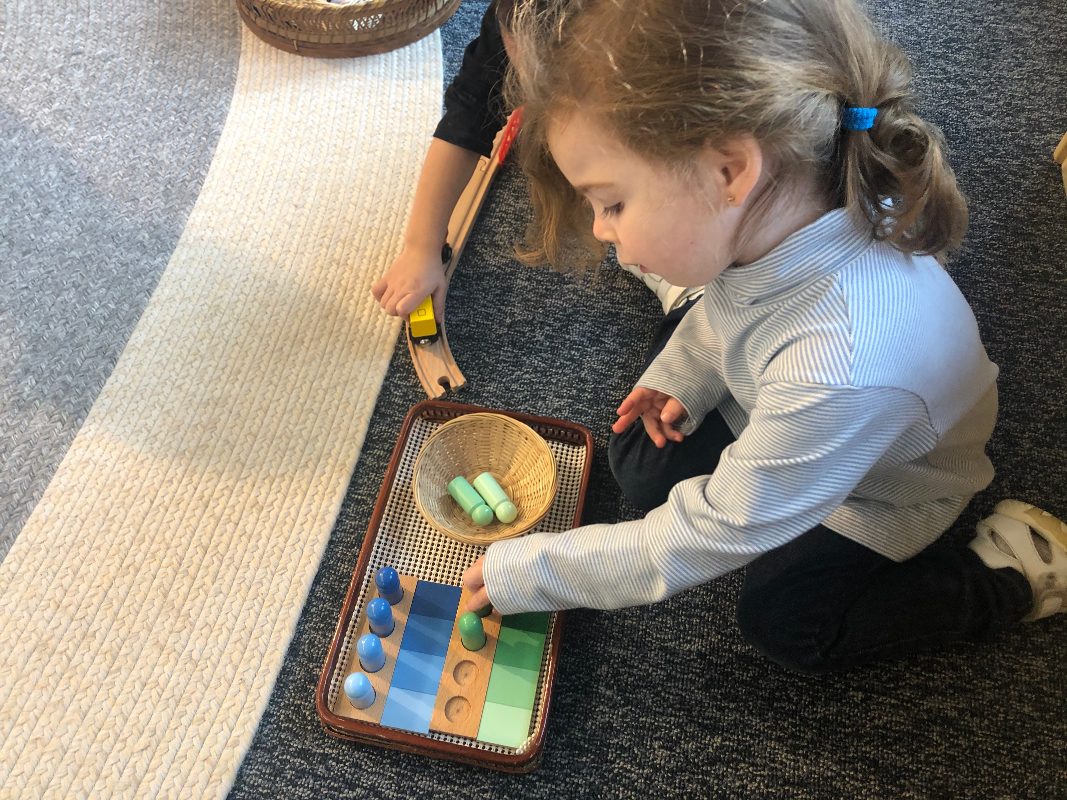
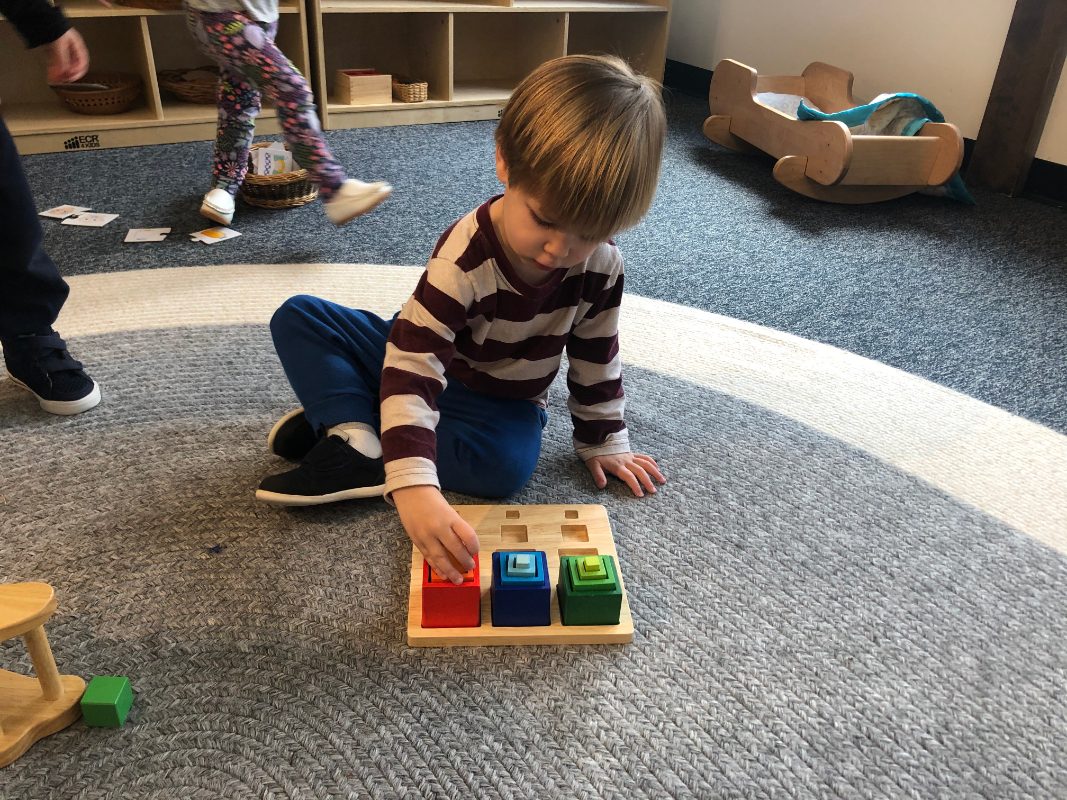
In our toddler environment math can be found in all areas of the classroom, providing indirect foundations for higher-level math skills developed in the Early Childhood environments. Some examples of Toddler math materials include stacking and nesting cubes/bowl/rings, blocks, puzzles, sorting, games, and counting materials. Other mathematical concepts like colors, patterns, shapes, and sizes are also explored daily through play/work.

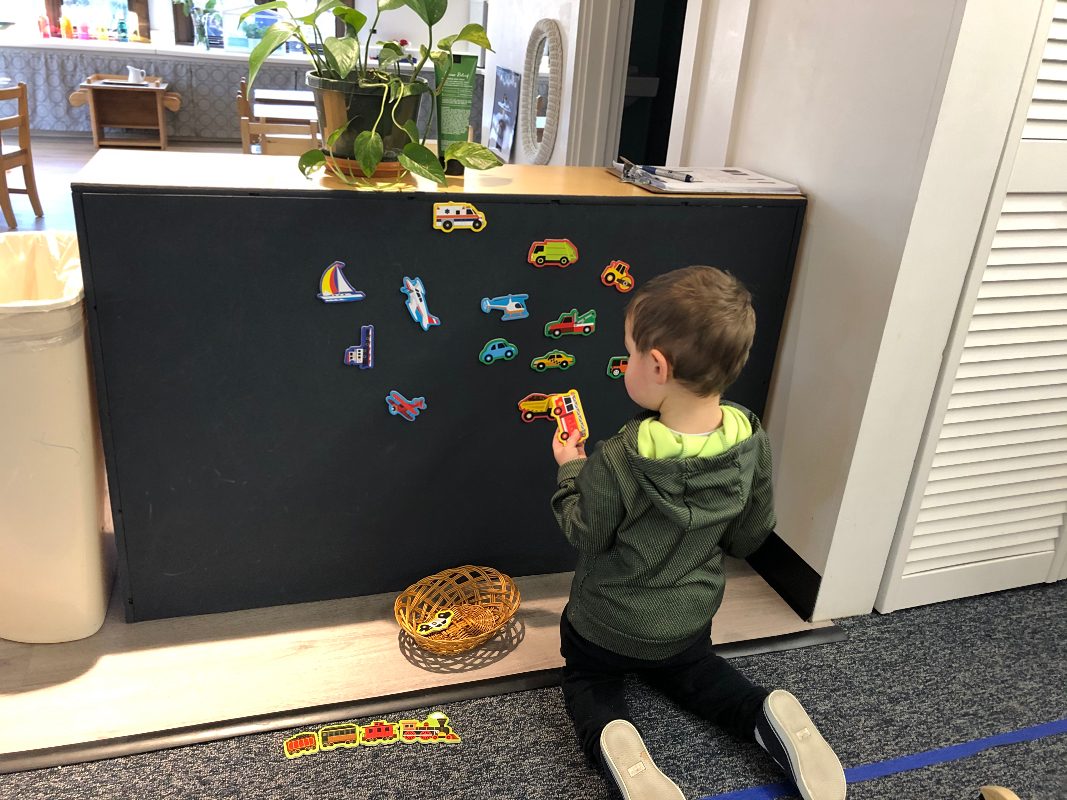
One of the activities children seem to enjoy are concrete exercises such as counting out loud how many peers are present using the magnet pictures they use to transition inside of the environment. Also, how many peers are absent. They love books, songs, and fingerplays that encourage them to count. This week we introduced a lovely fingerplay song called: Five Little Snowmen. As they loved it and kept asking to repeat over and over, I promised them I would send it to you so they could practice it at home and teach it to you.

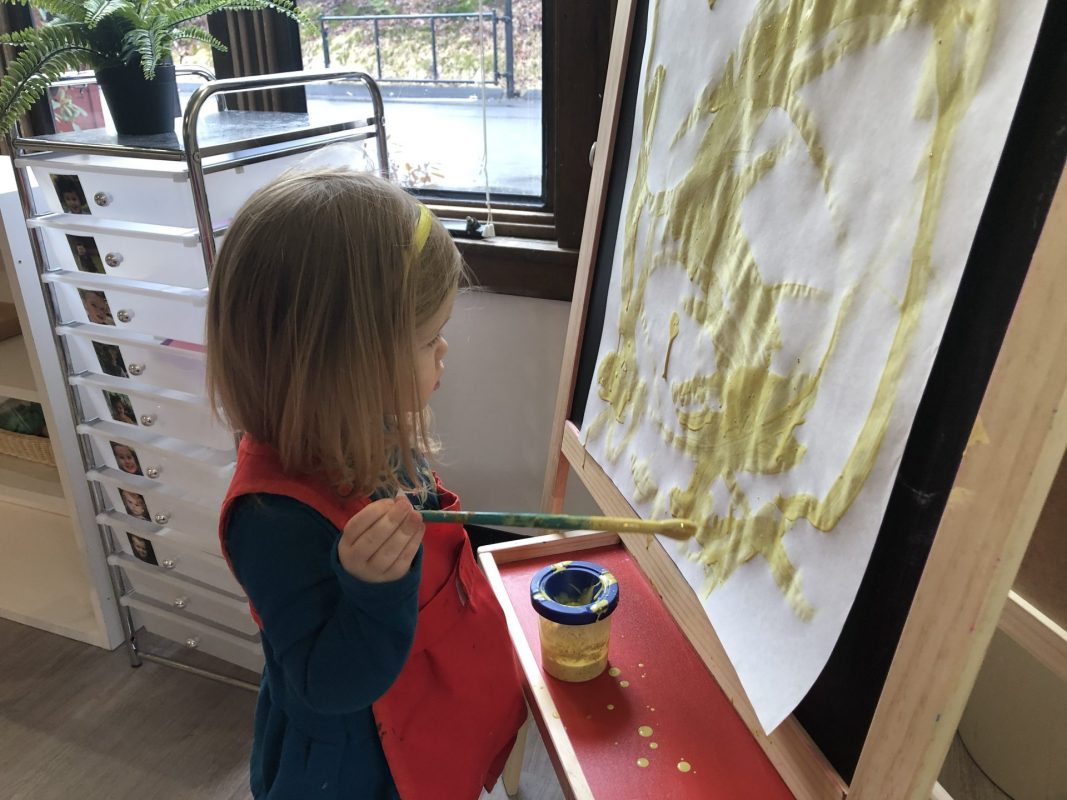
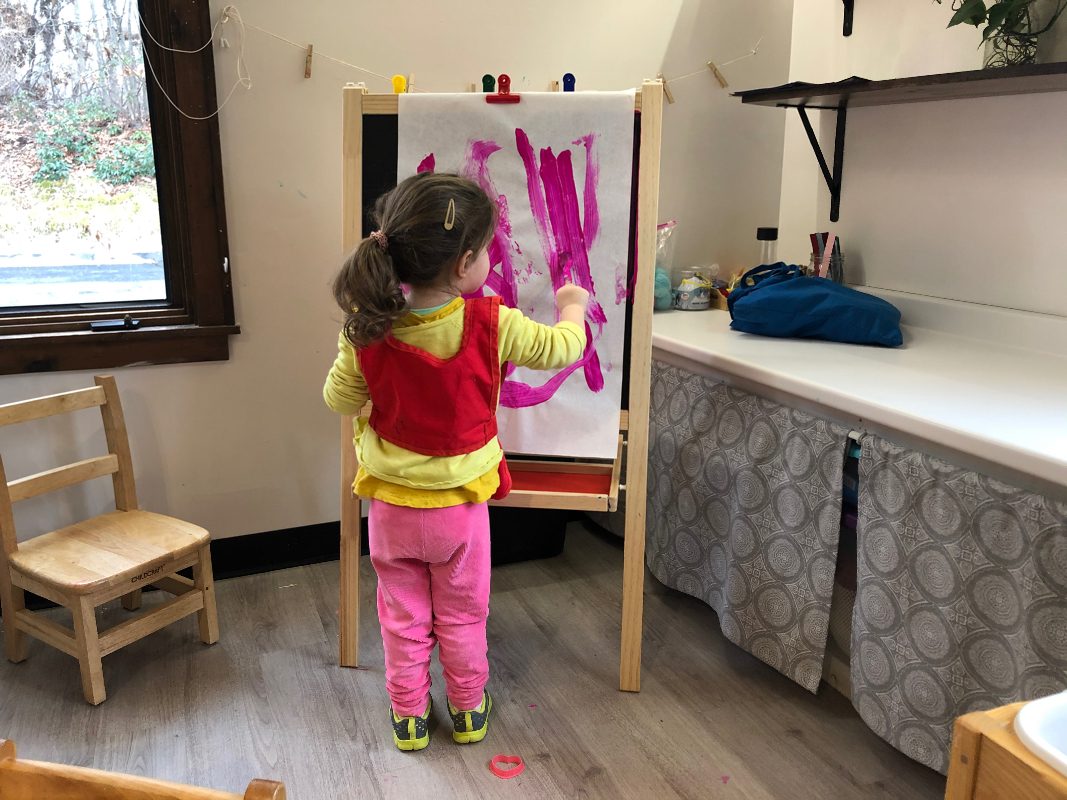
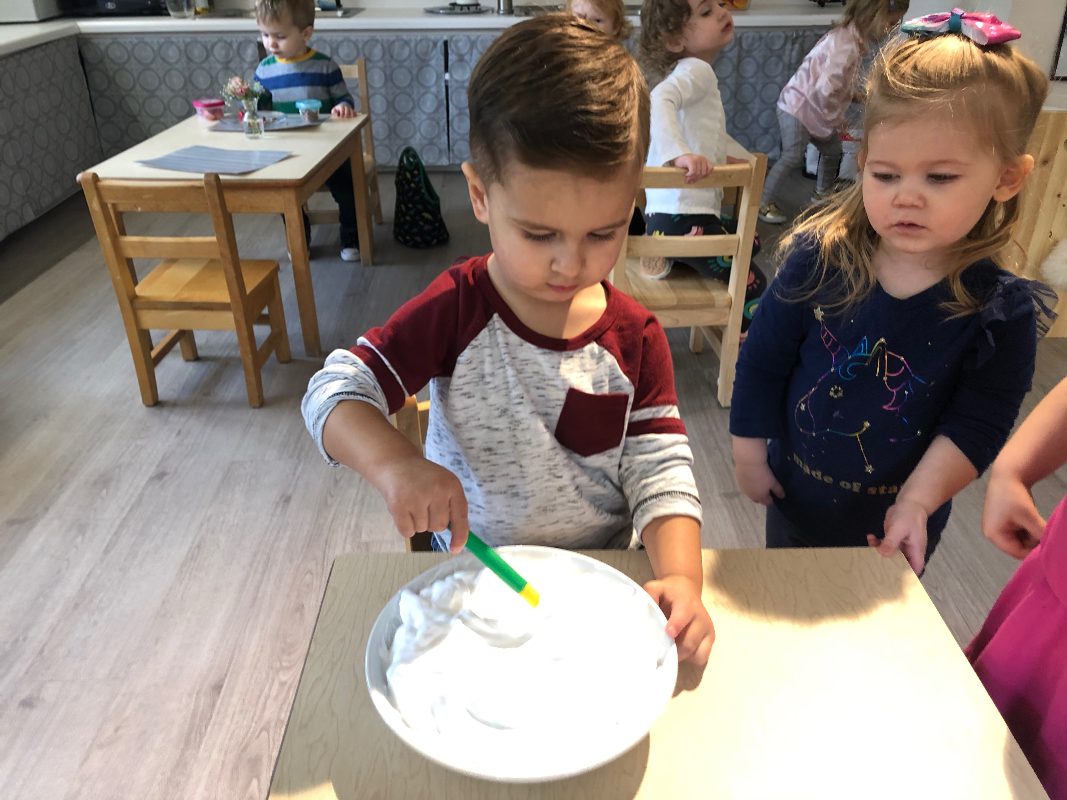
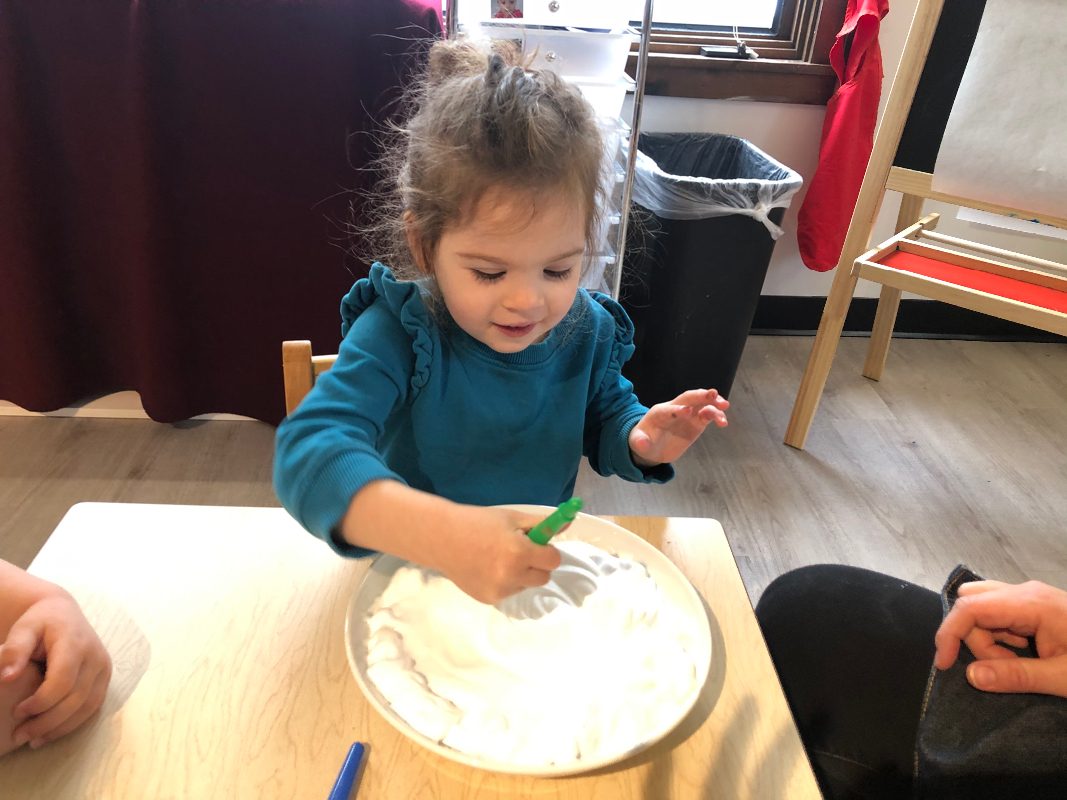
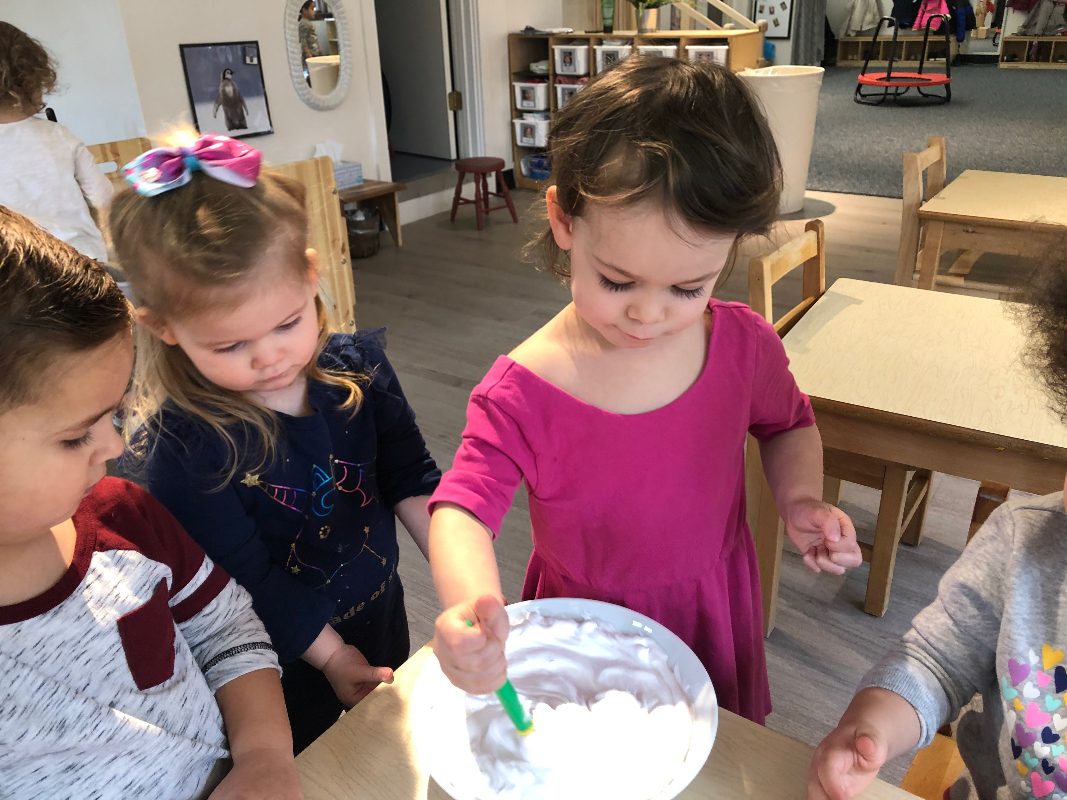
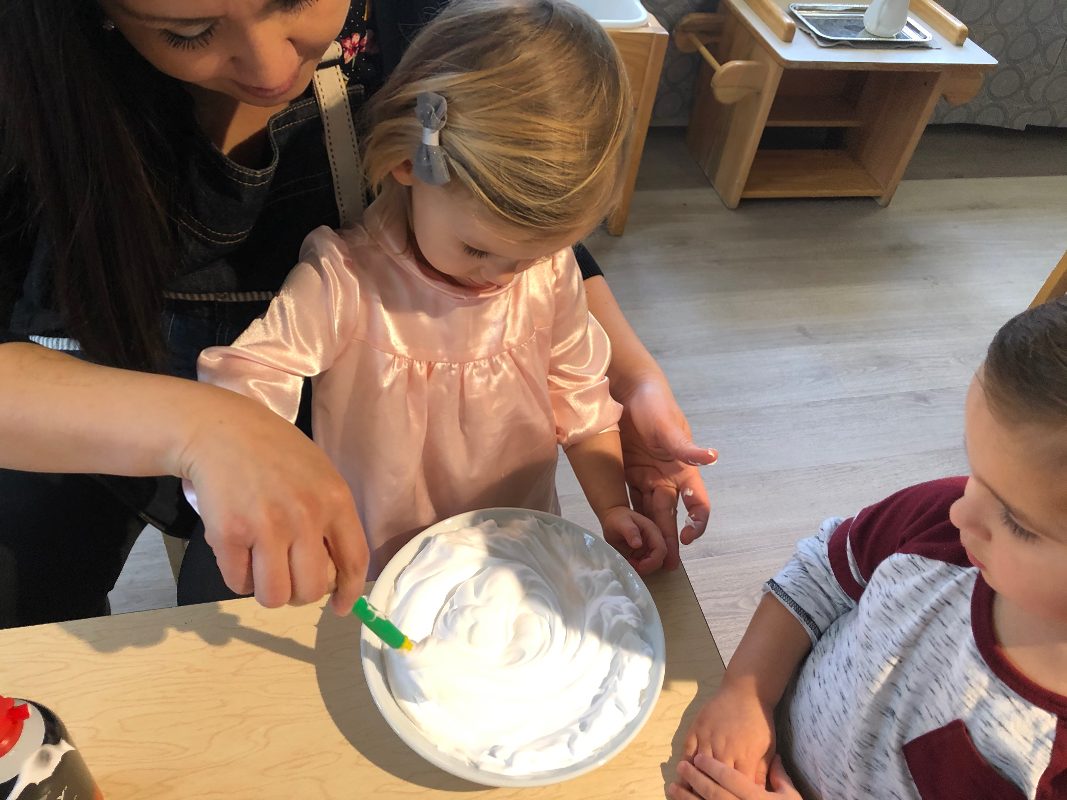
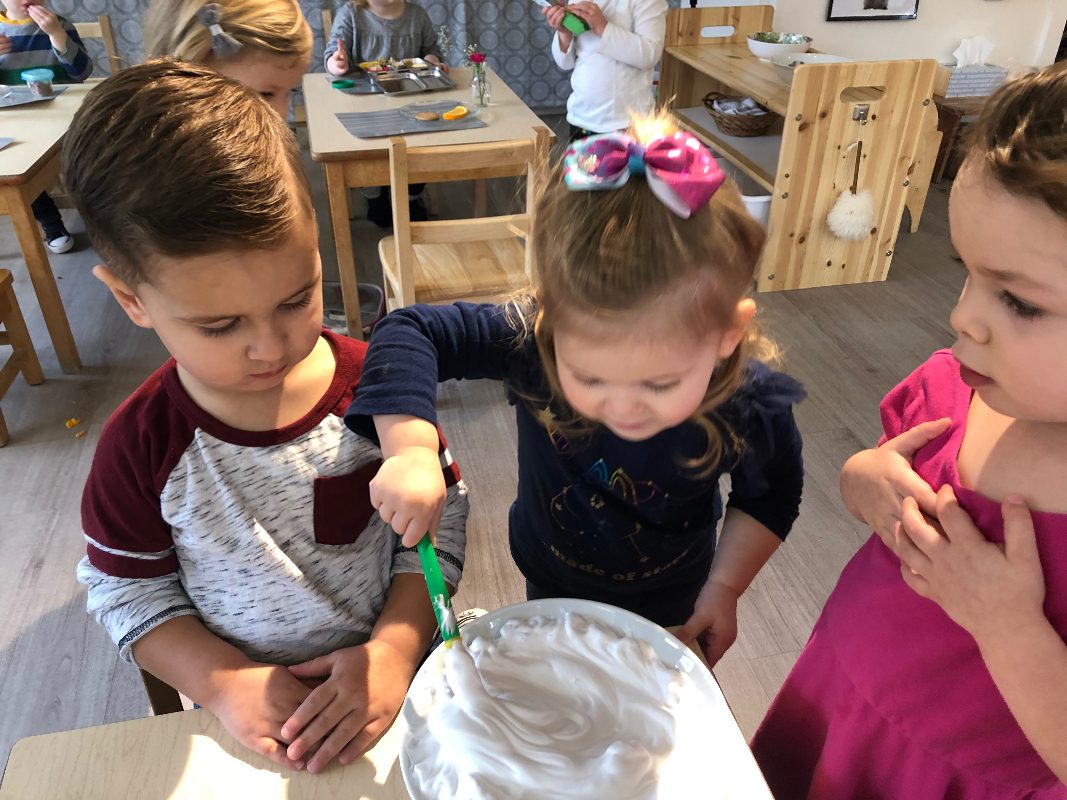
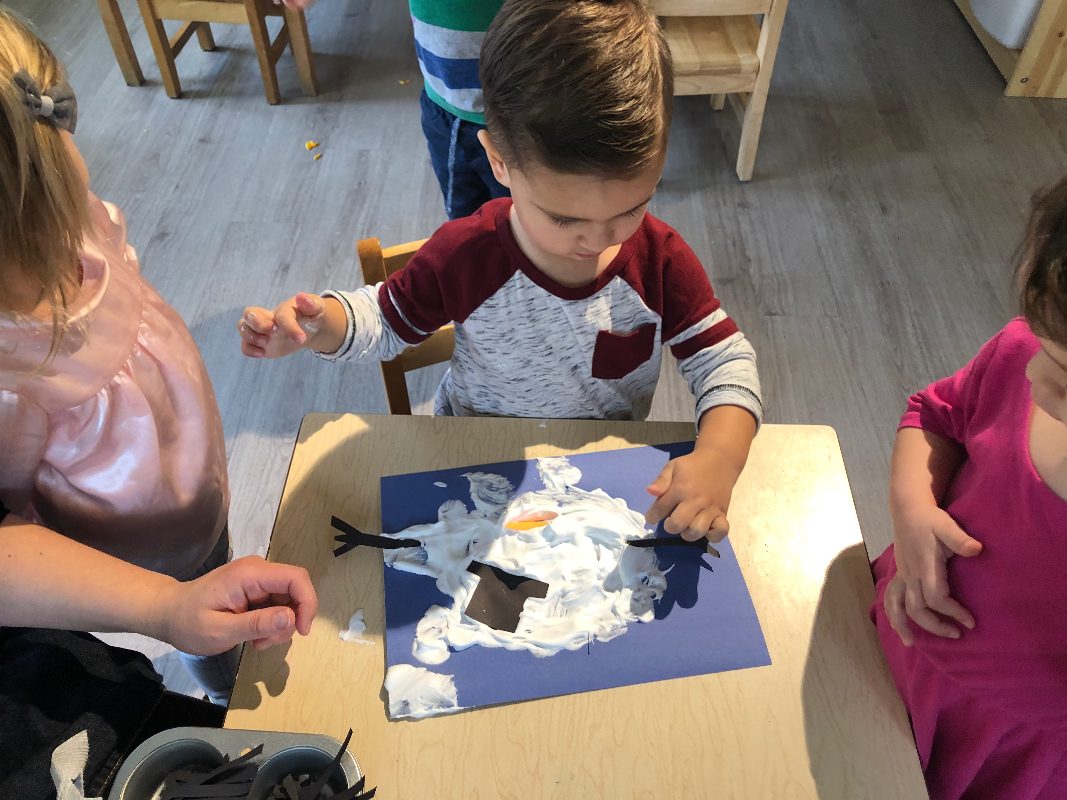
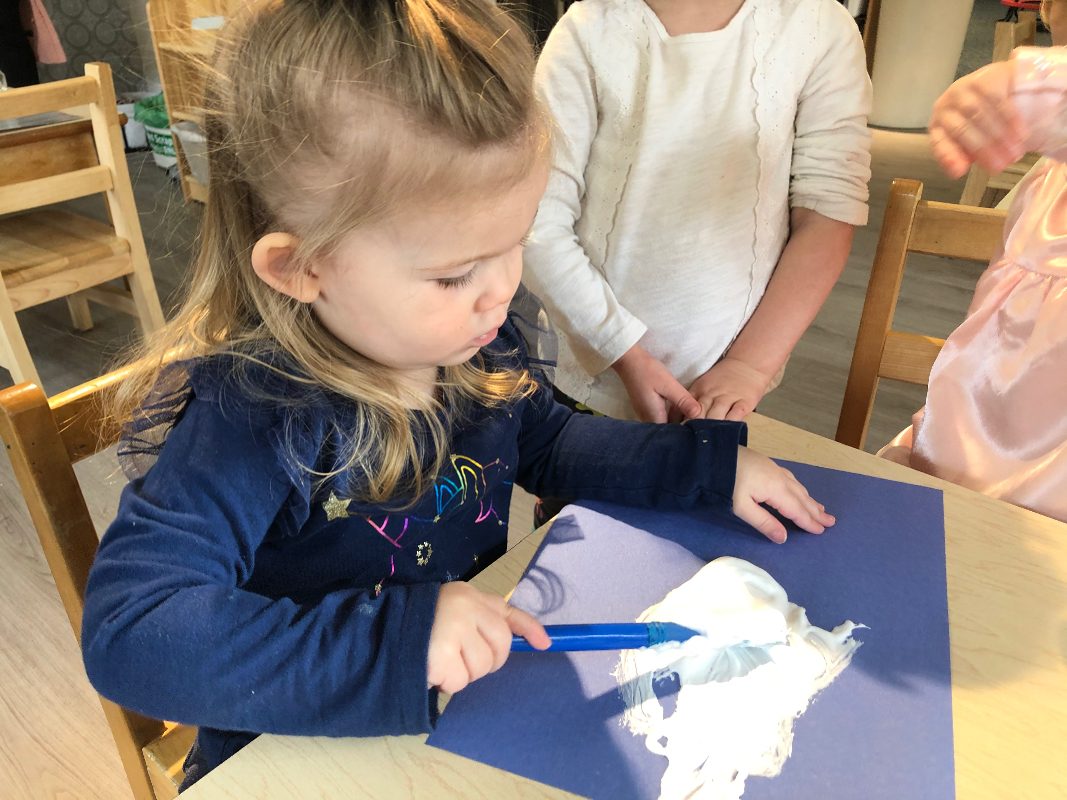
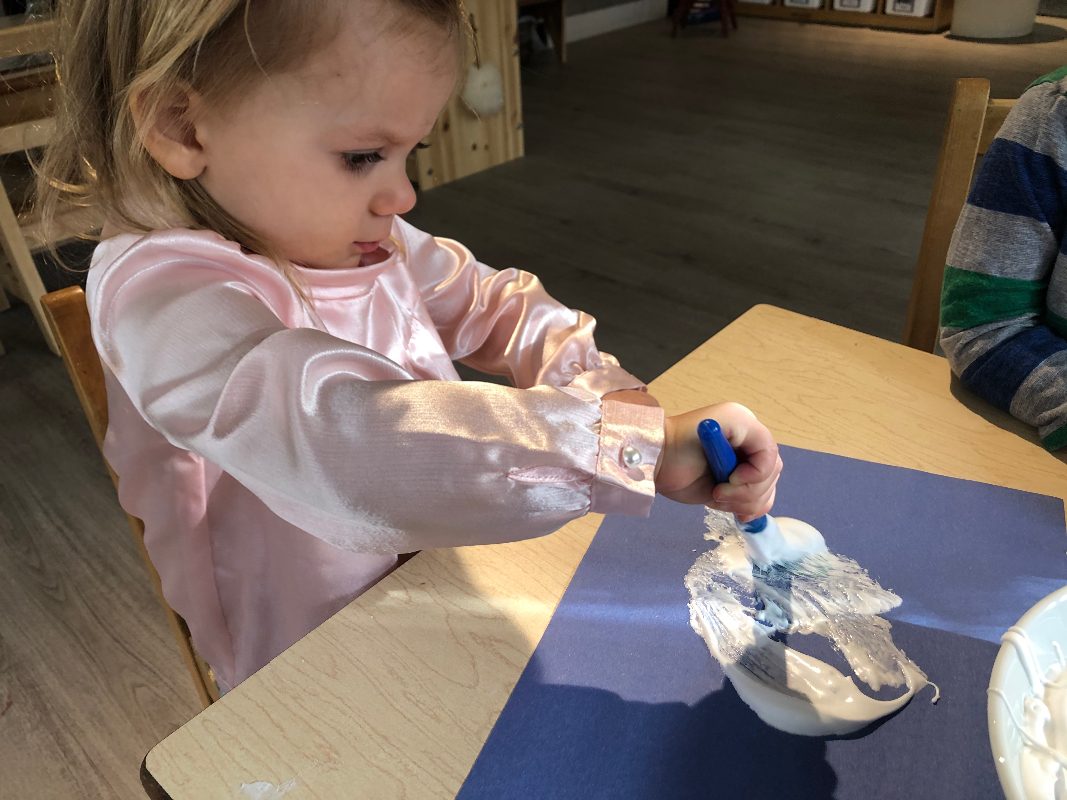
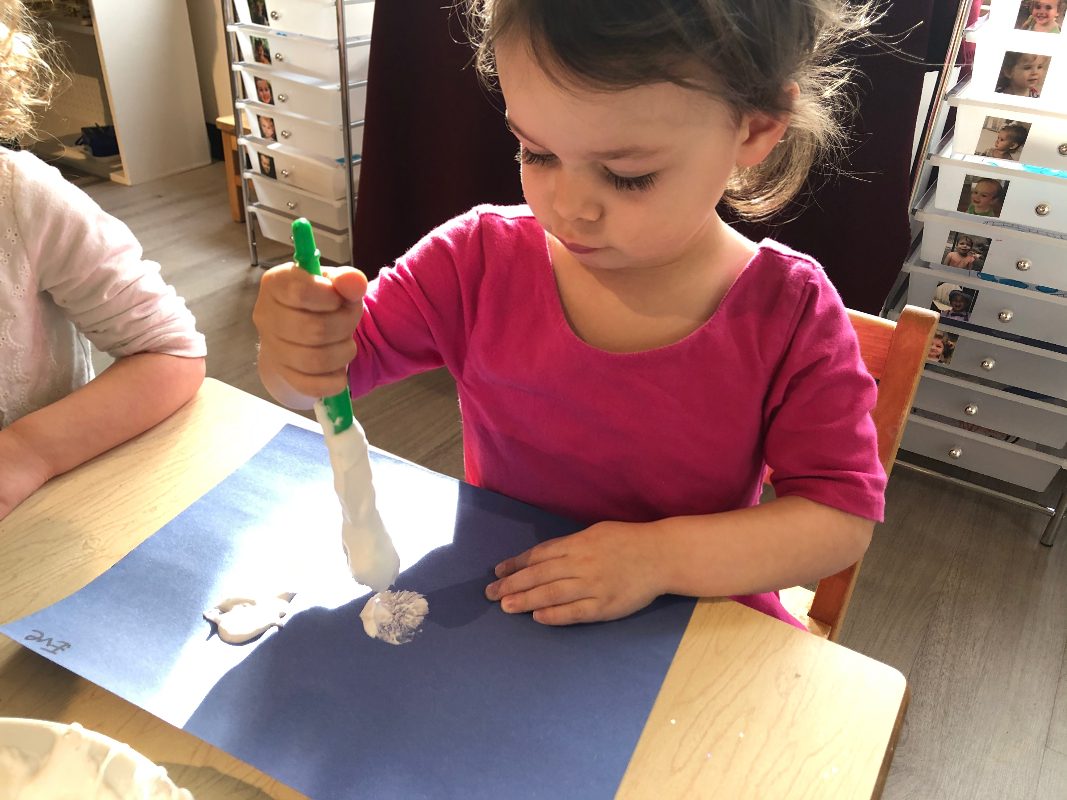
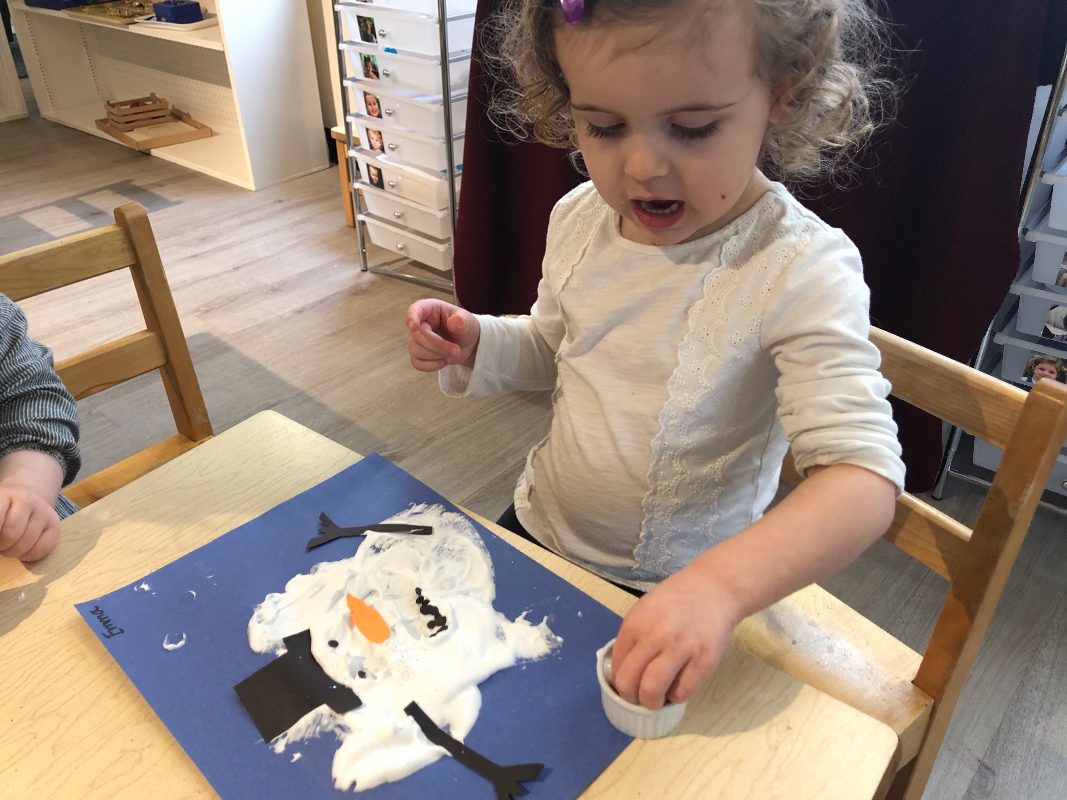
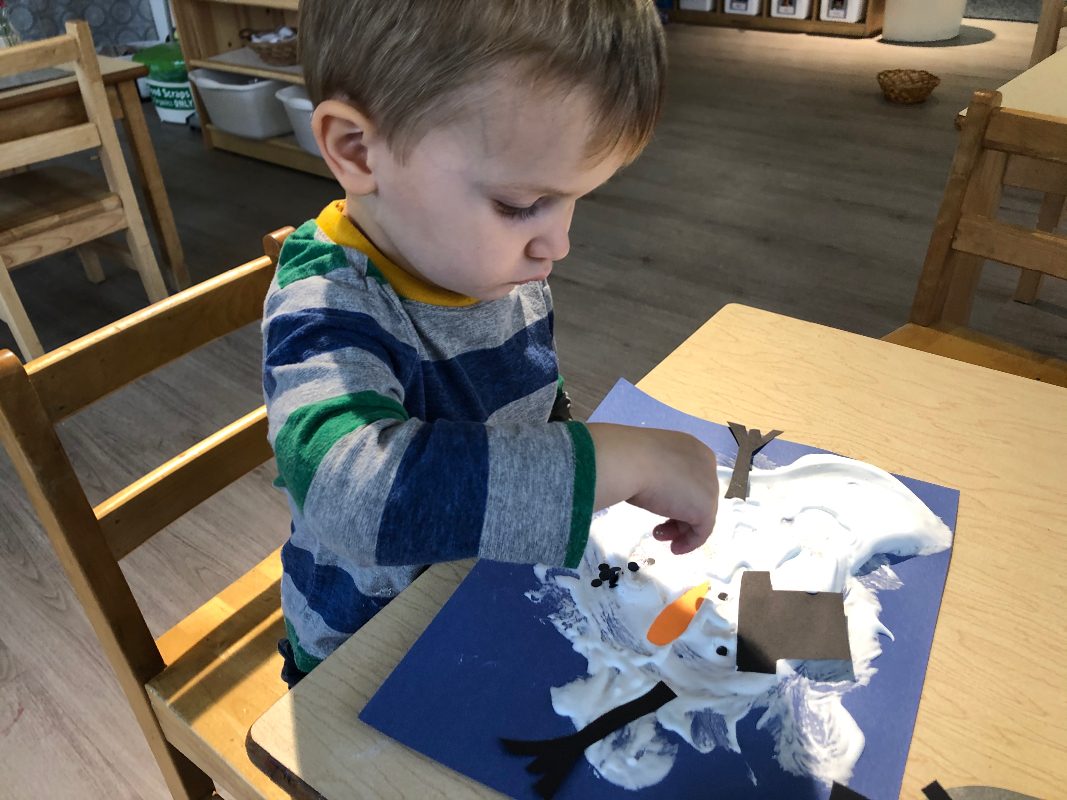
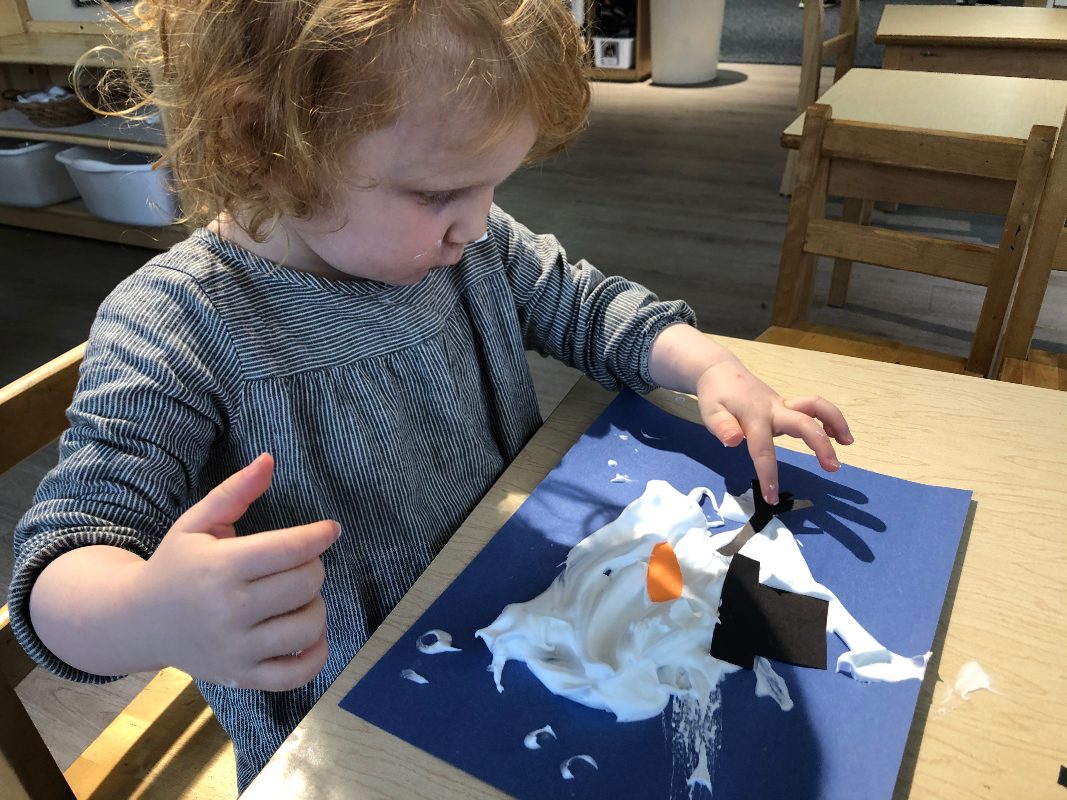
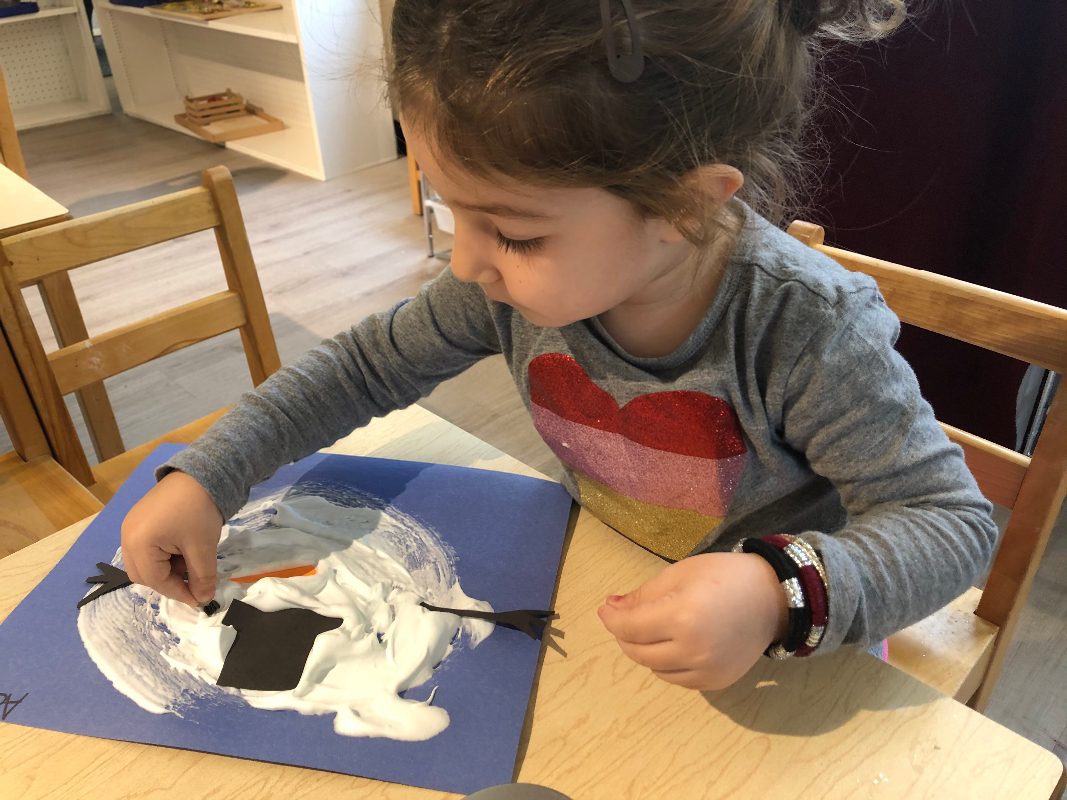
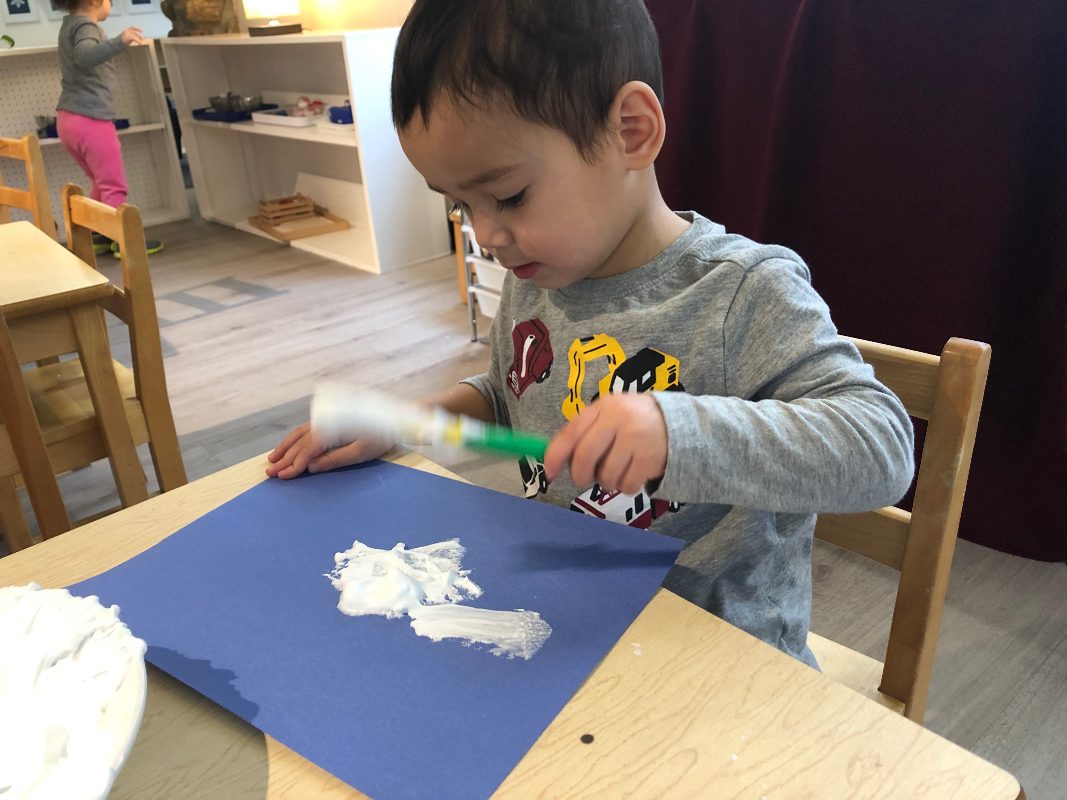
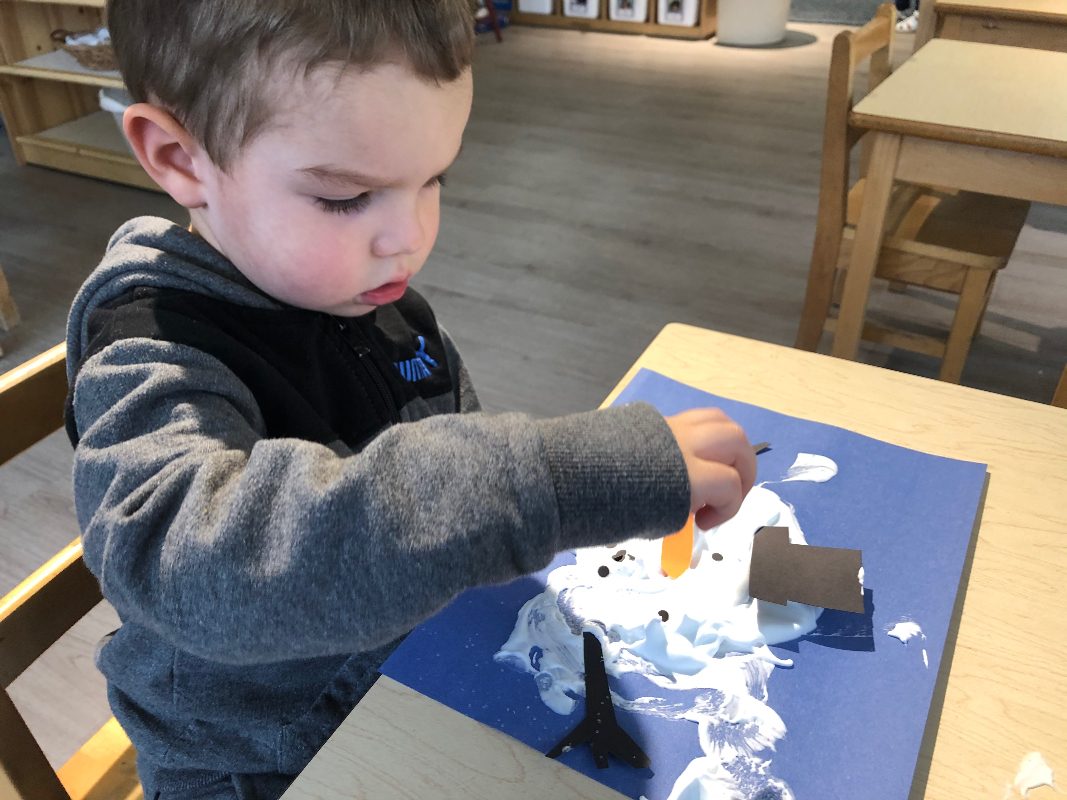
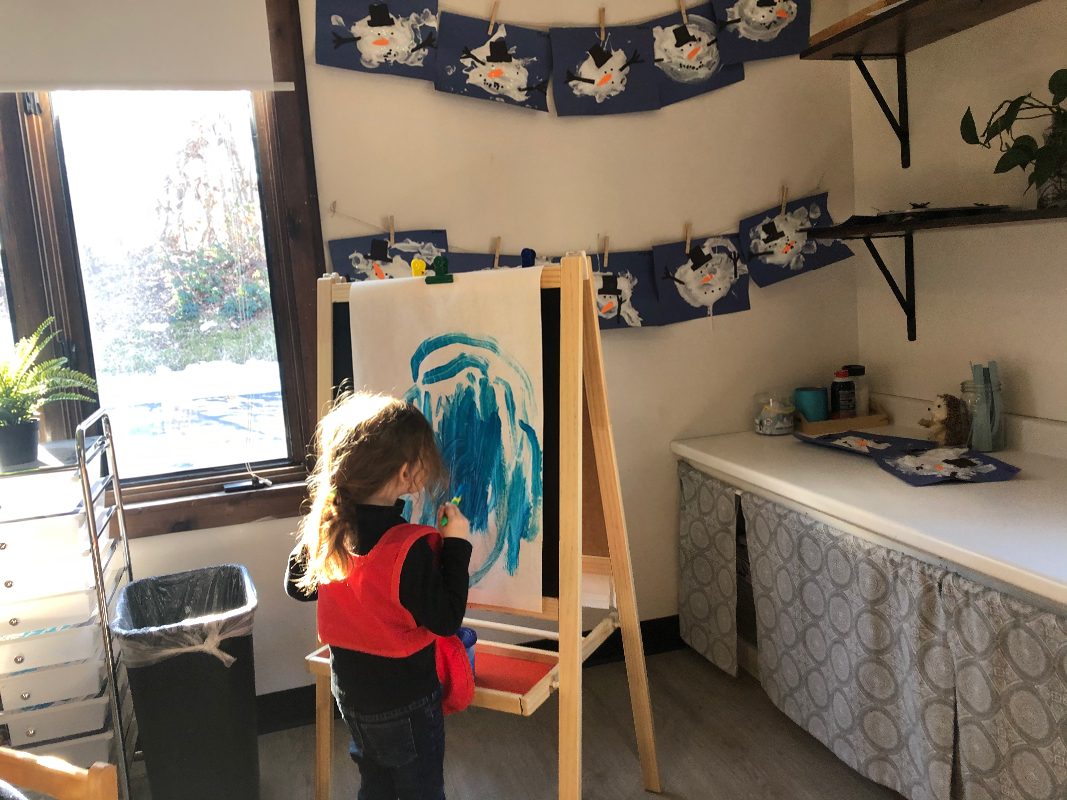
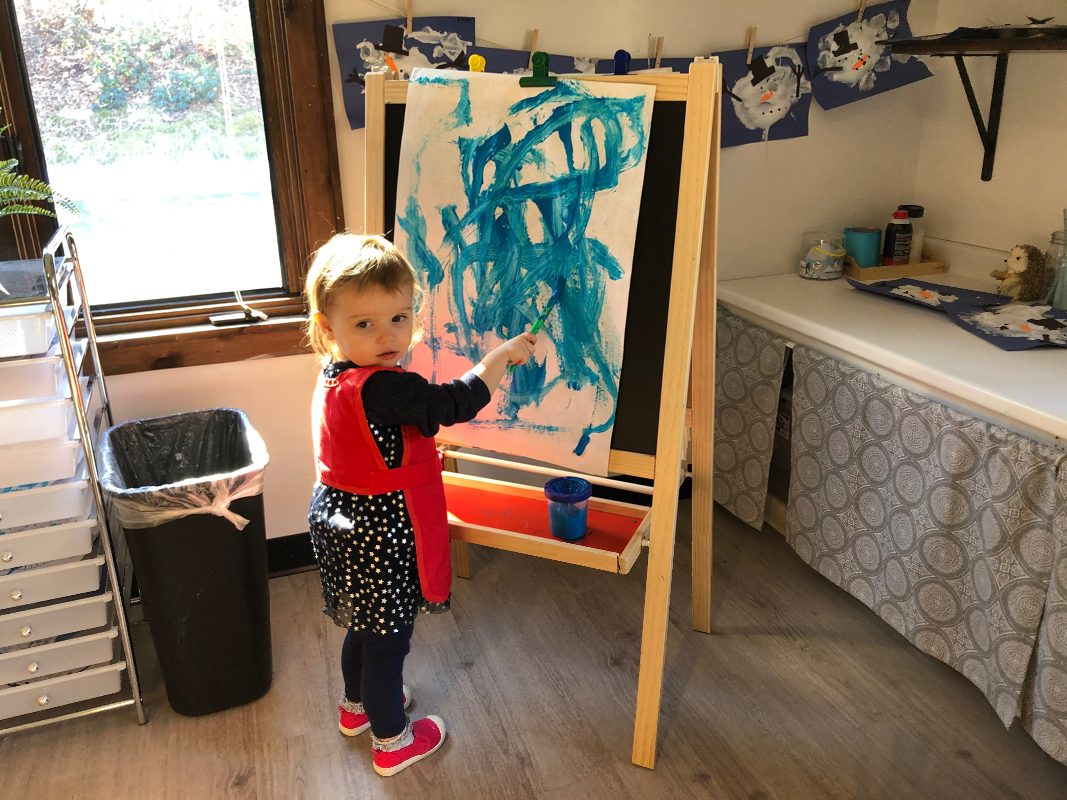
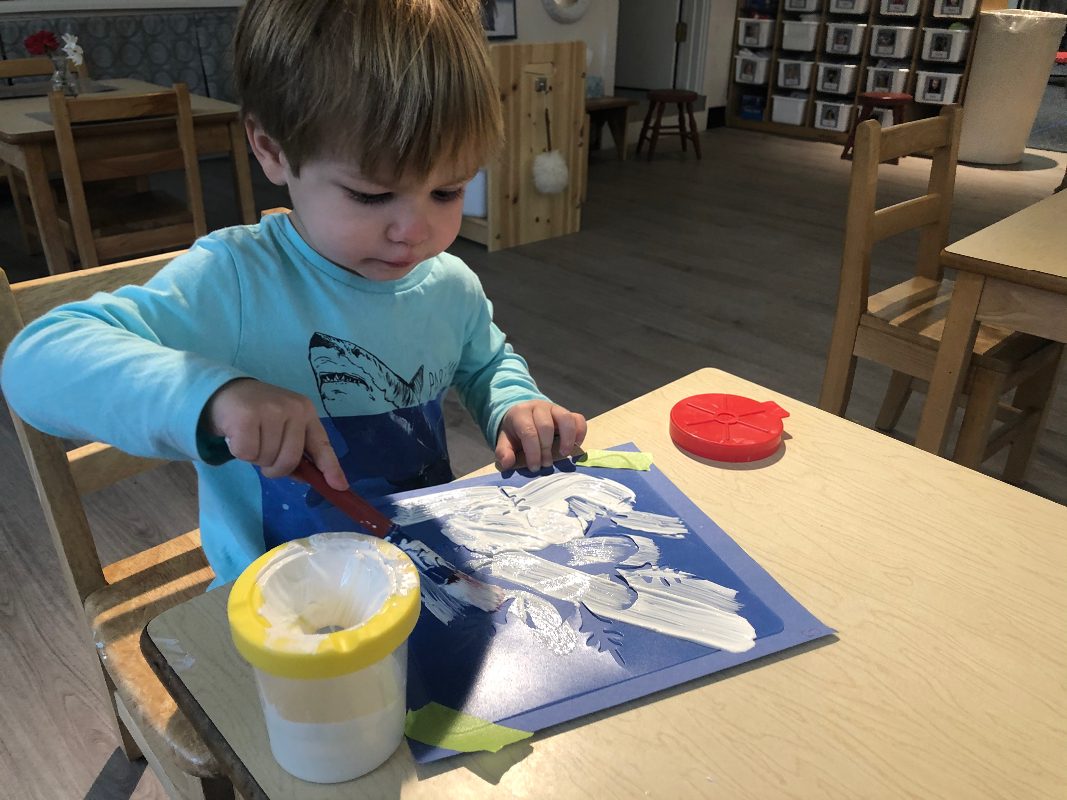
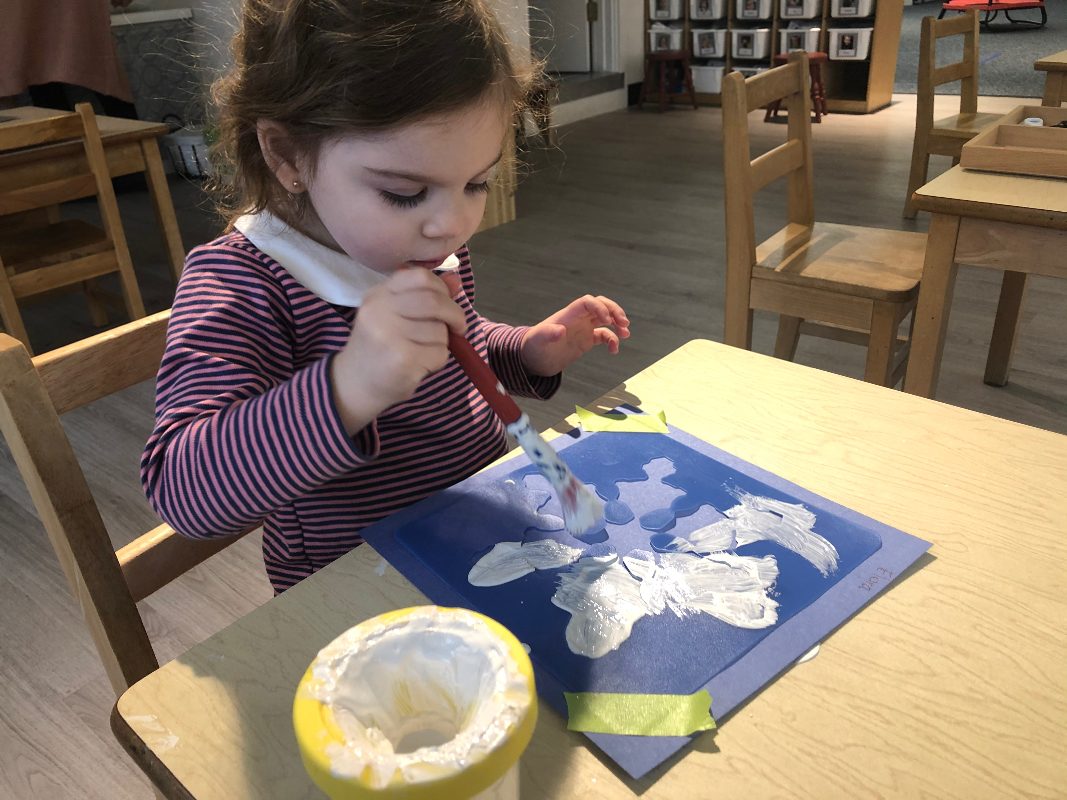
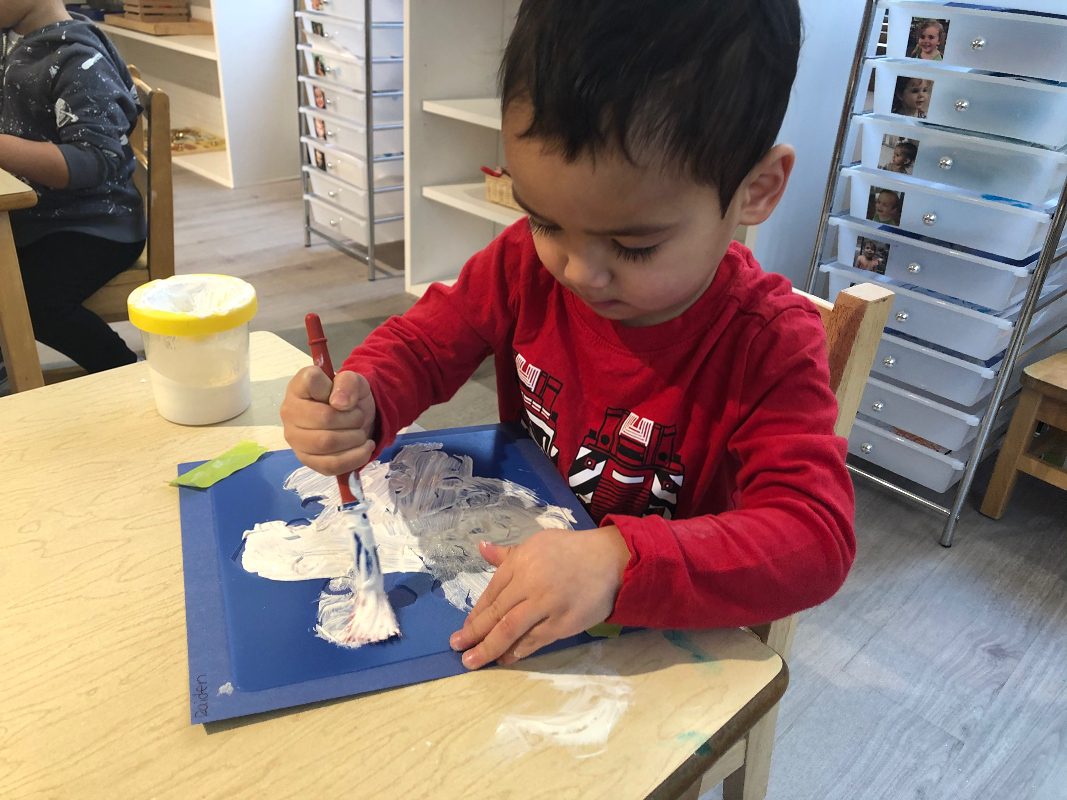
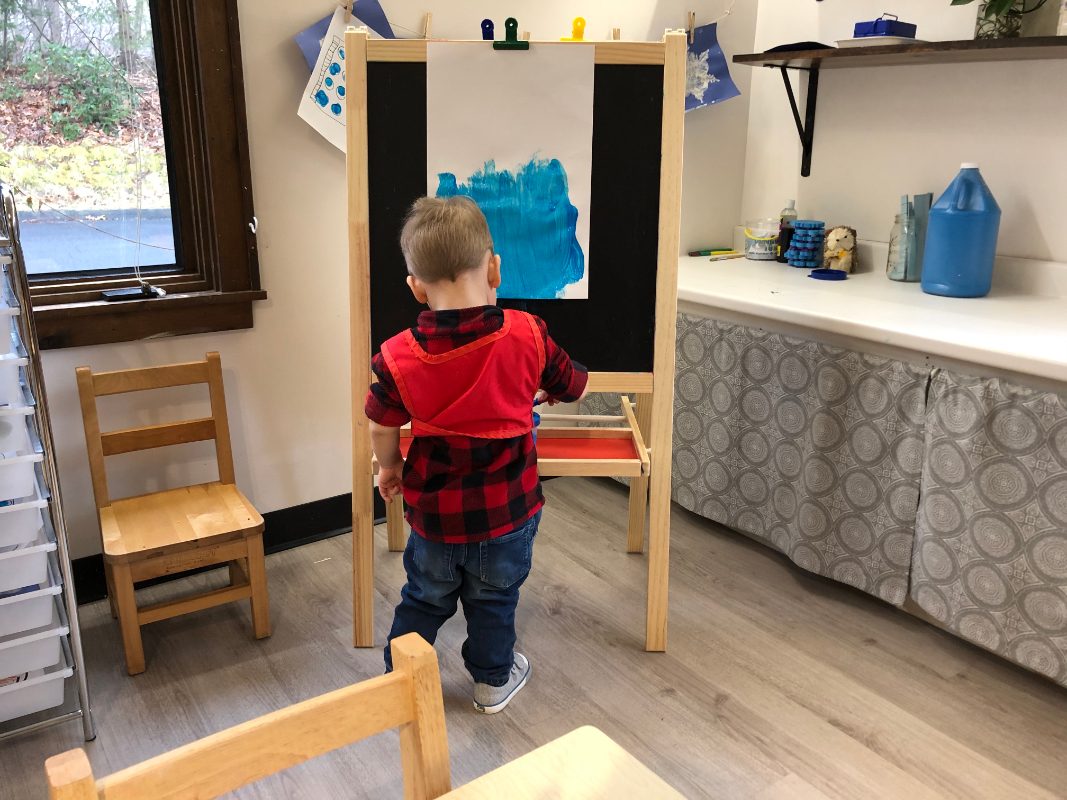
On the subject of snowmen, another highlight of the week was a lovely art piece the children created called: “My Melted Snowman.” Children had fun helping me mix glue and shaving cream to create snow puff paint and then explore the mixture while painting their own piece of art. They added a hat, arms, nose, eyes, and smile as they pleased, finishing it with the magic of glitter. Even though the result was adorable, it seems what they loved the most was the experience and process of this fun project. Their smiles throughout the activity were just priceless.

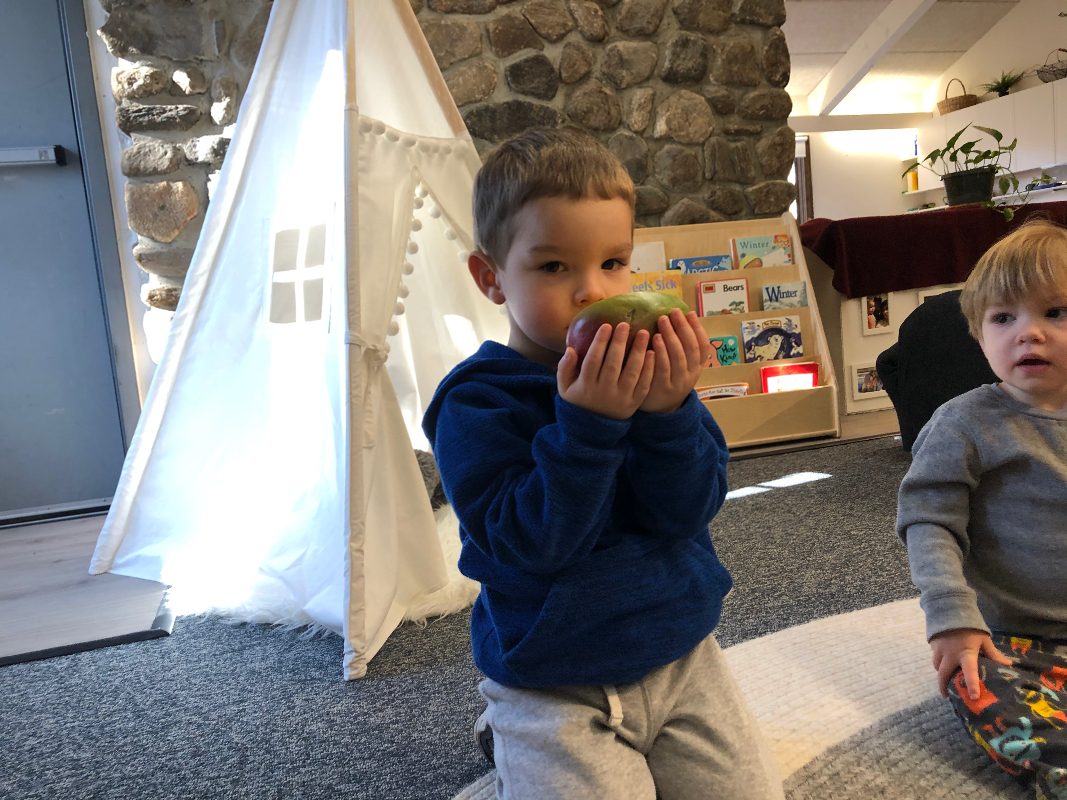
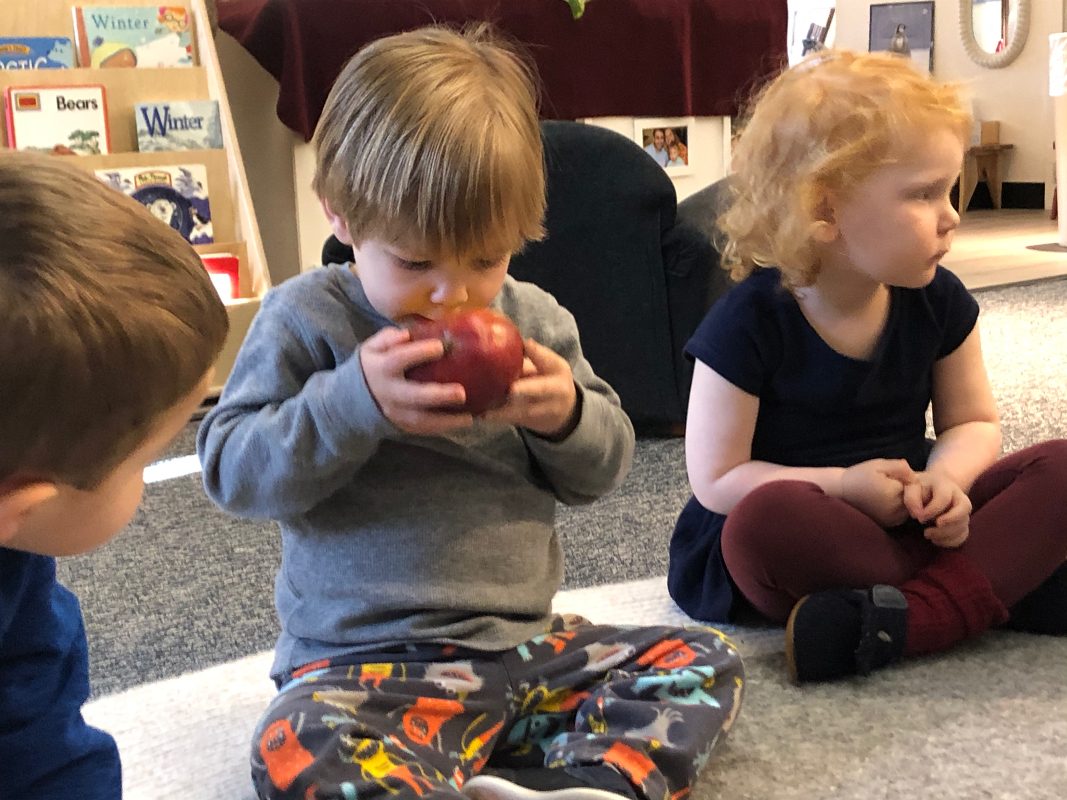
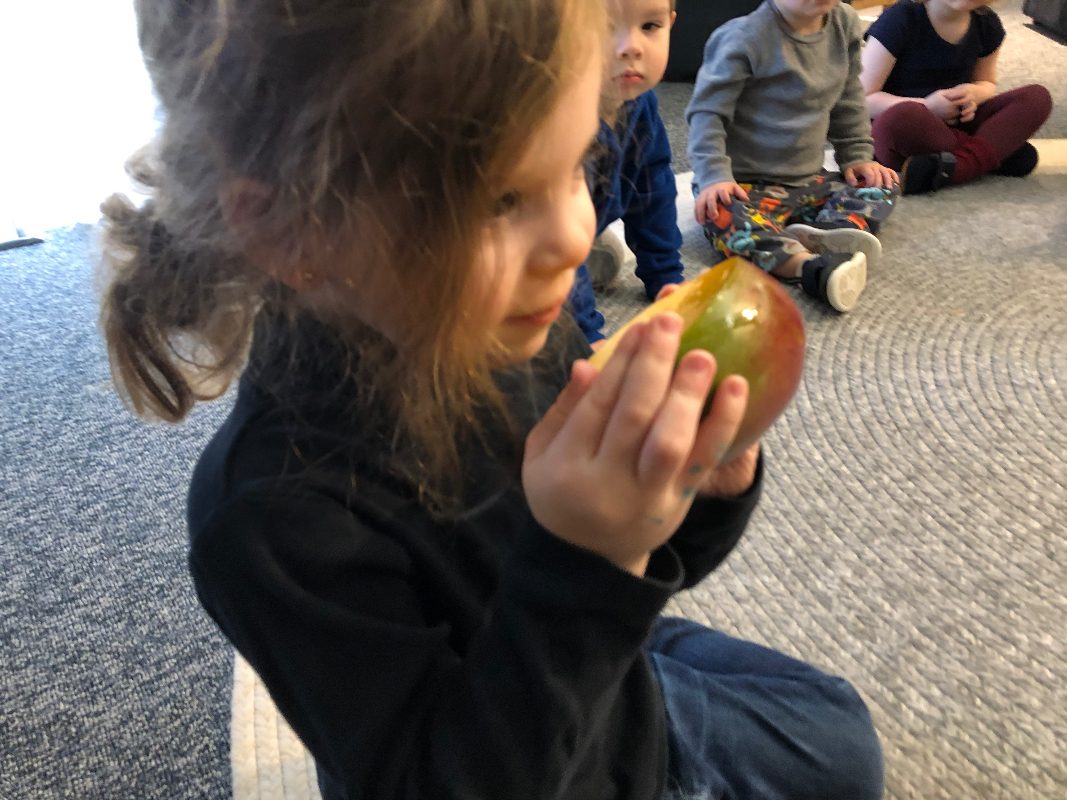
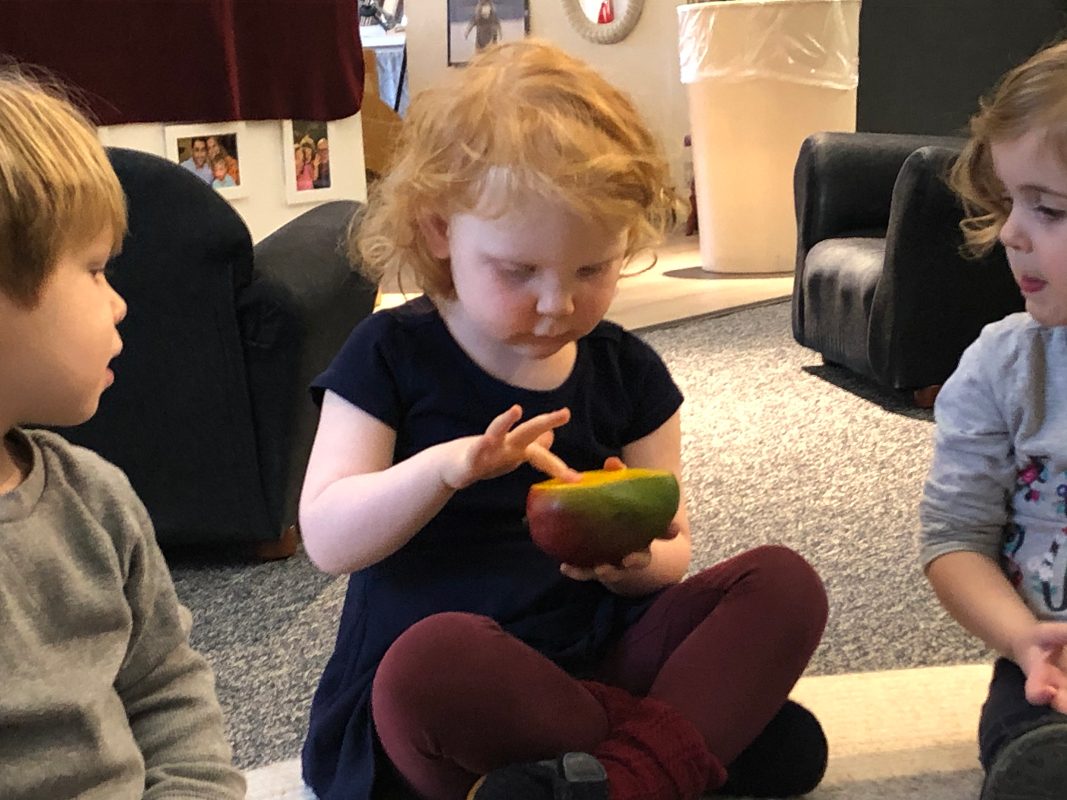
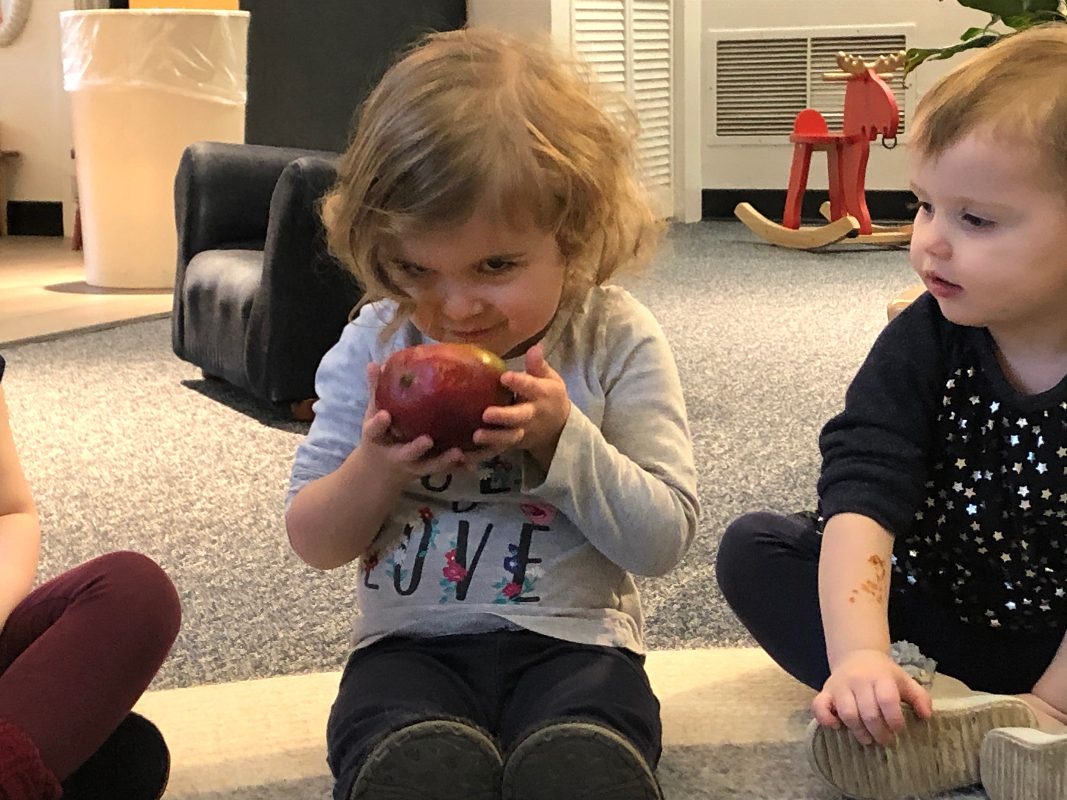
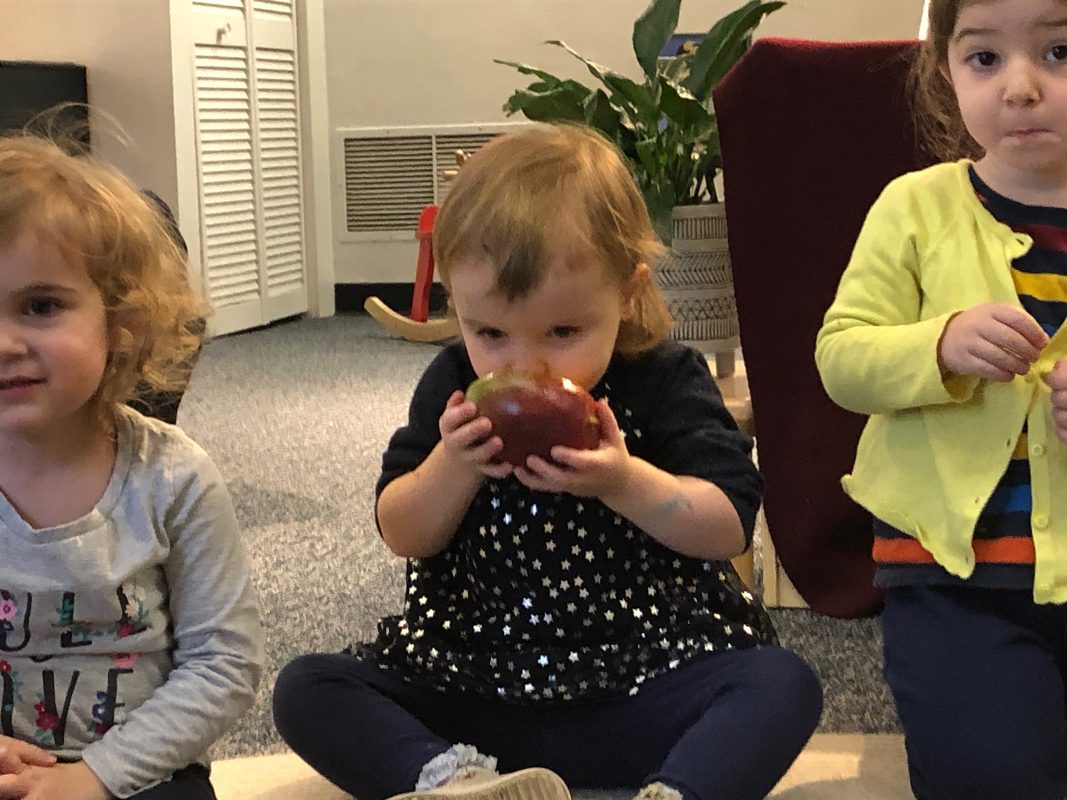
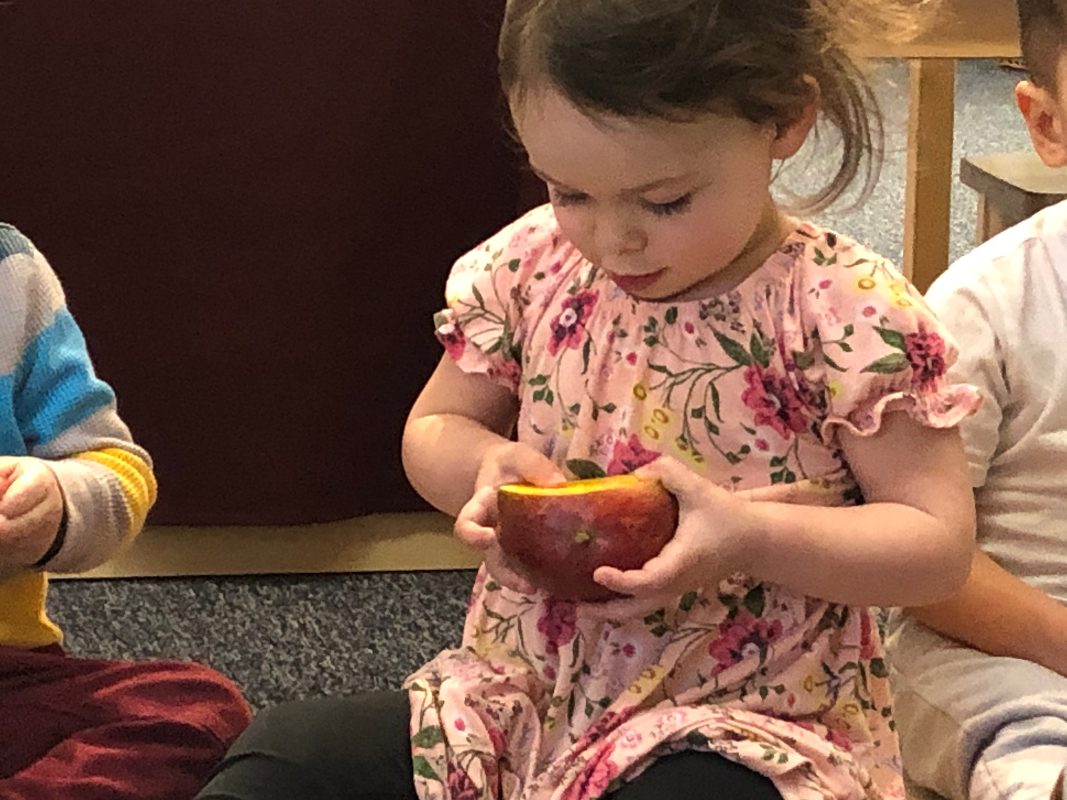
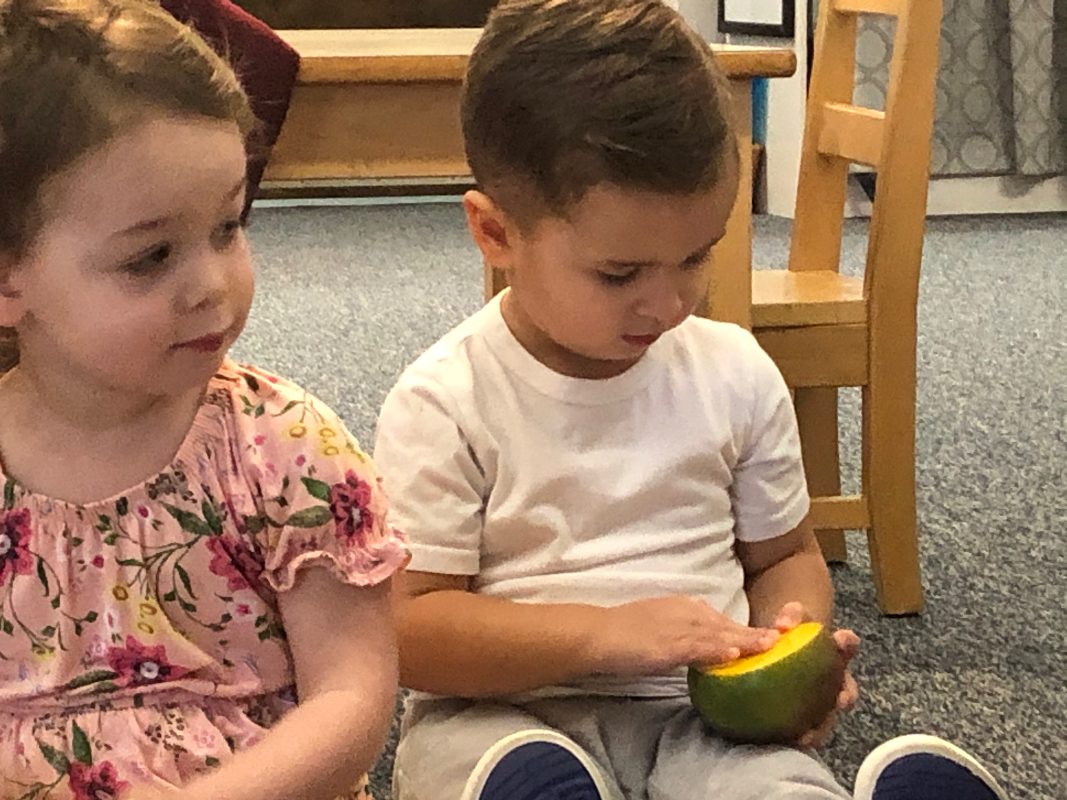
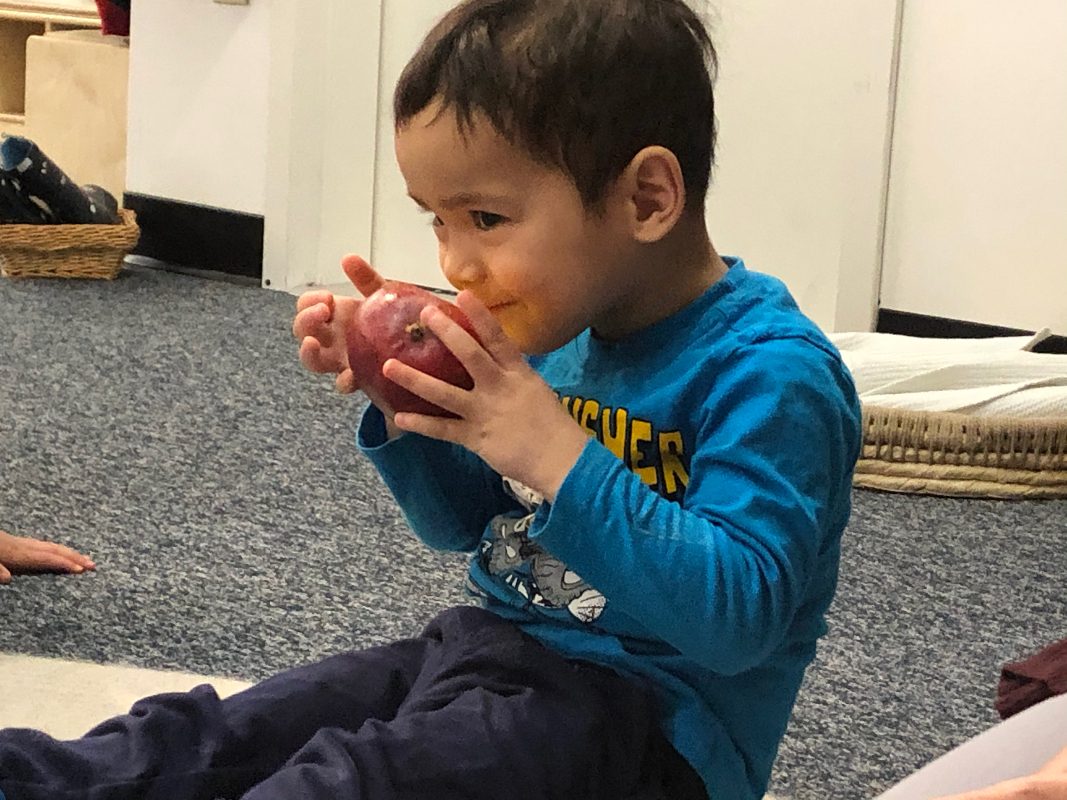
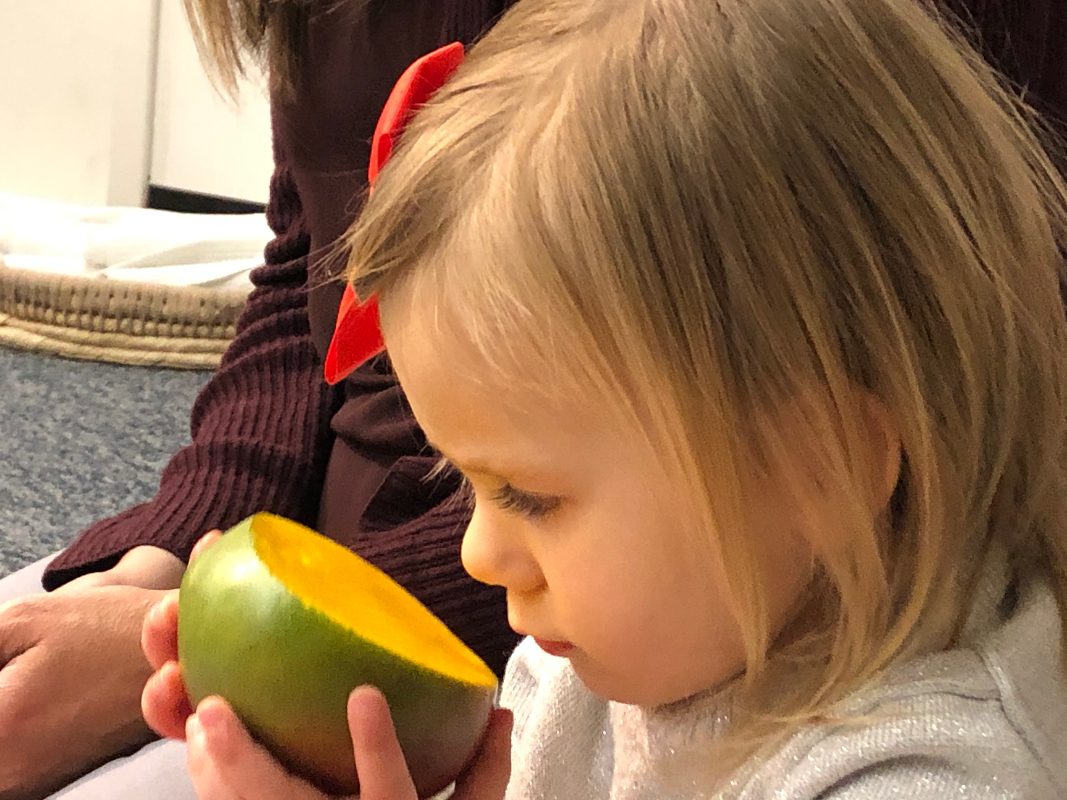
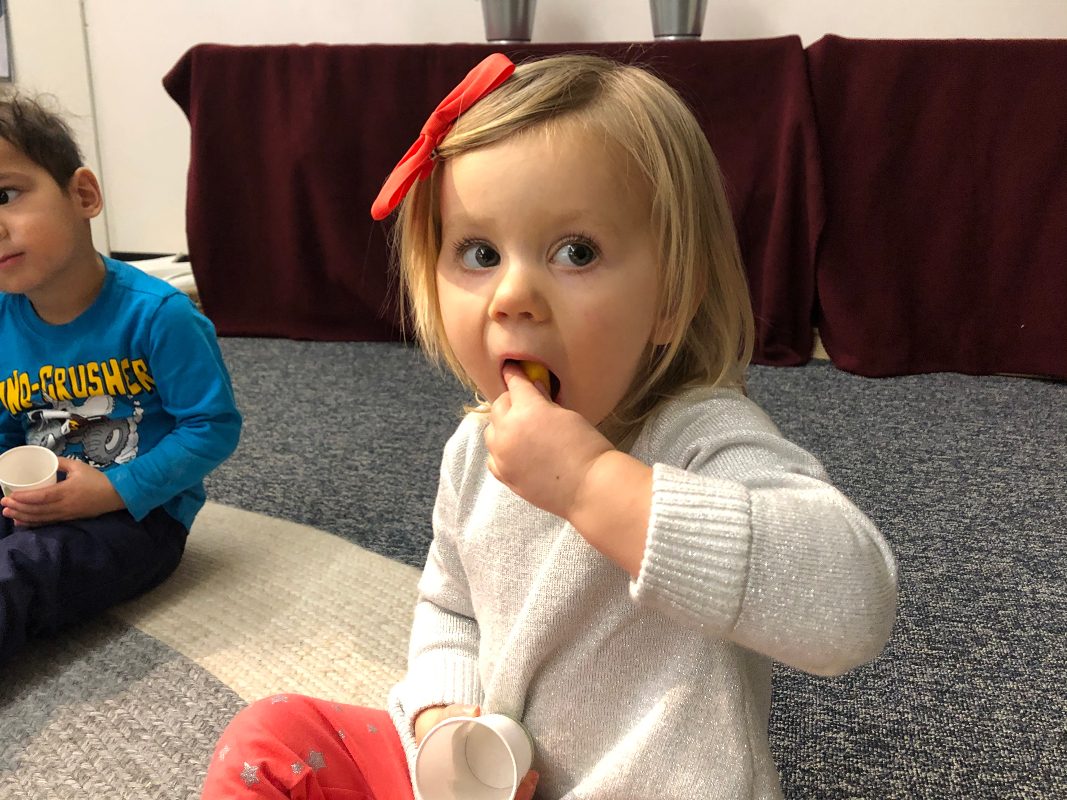
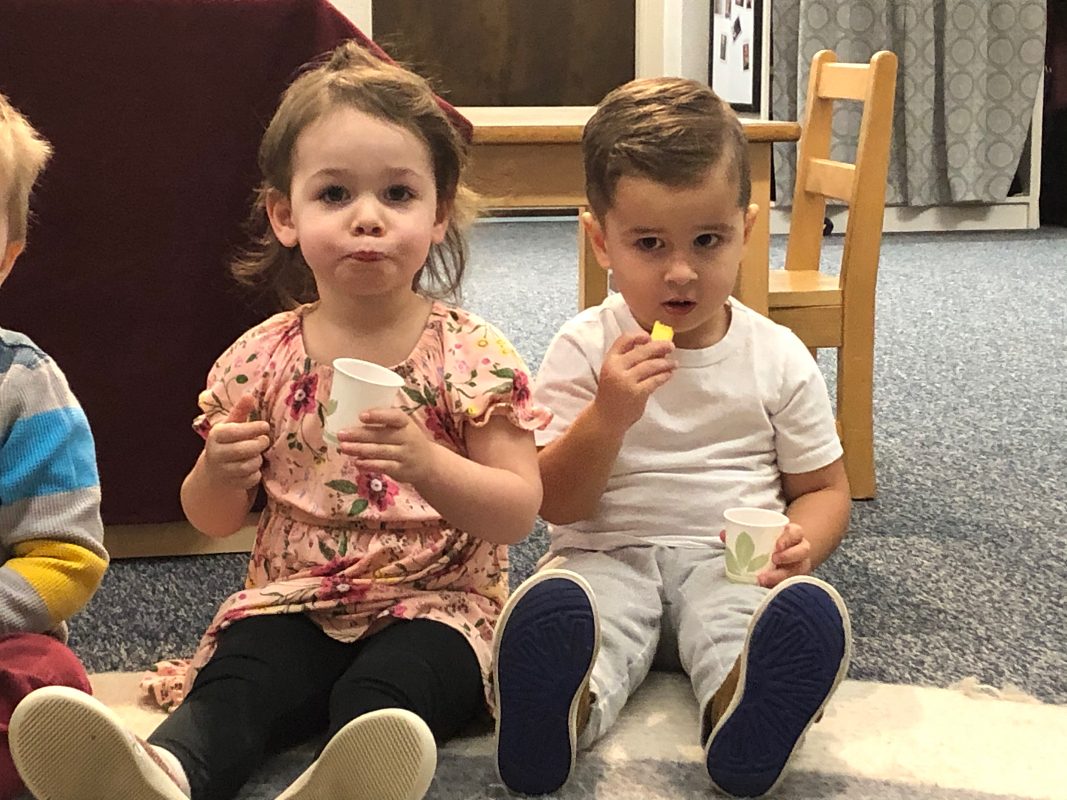
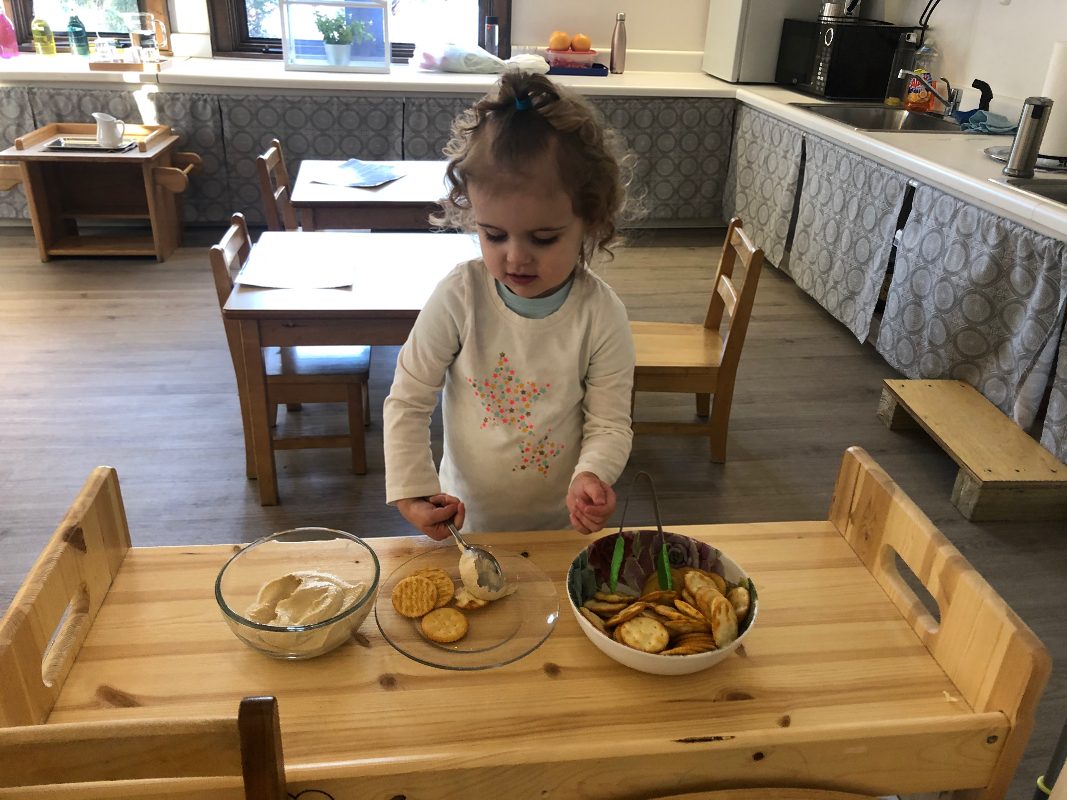
For food tasting this week, children used all their senses to explore a mango! They seemed to be in awe of the color of the skin being red on one side and green on the other side. They seemed to be very surprised to find out the mango was yellow inside as well. Most of the children thought it was either blue, black or red inside. 🙂 Needless to say, children enjoyed the mango and kept asking for more, so go ahead and add it to your grocery shopping. Also, bring your toddler with you and make them part of the experience!  Grocery shopping (and cooking) is one of the best ways to encourage and lay mathematical foundations that will benefit your child’s development tremendously.

As promised, here is the song your child loved this week. Hope you have fun with it too.

Five little snowman standing in a row (hold your hand up showing your 5 fingers)

Each with a hat (pat your head) 

and a big red bow (touch your neck) 

up came the sun and it stayed all day (bring your other hand high pretending to be the sun)

and one little snowman melted away (hide one finger) 


Mrs. Hood’s Class: The Secret of Perfection!

“To have learned something for the child is only a point of departure. When he has learned the meaning of an exercise, then he begins to enjoy repeating it, and he does repeat it an infinite number of times, with the most evident satisfaction”- Maria Montessori – The Montessori Method

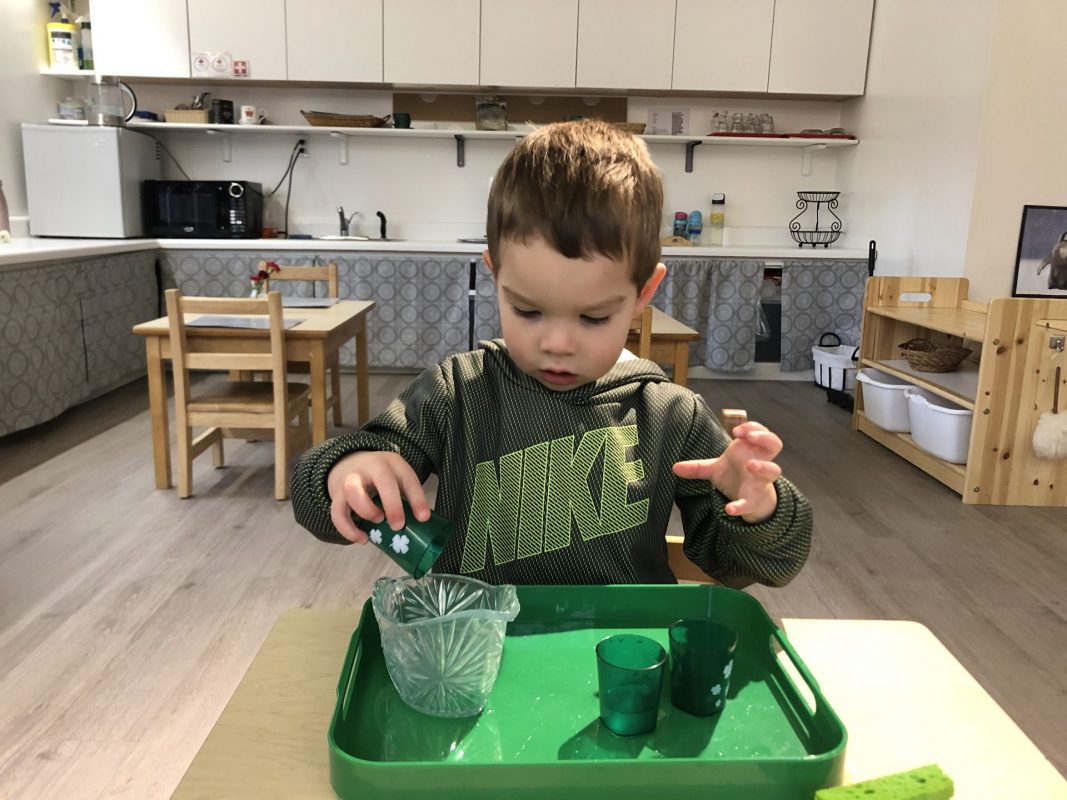
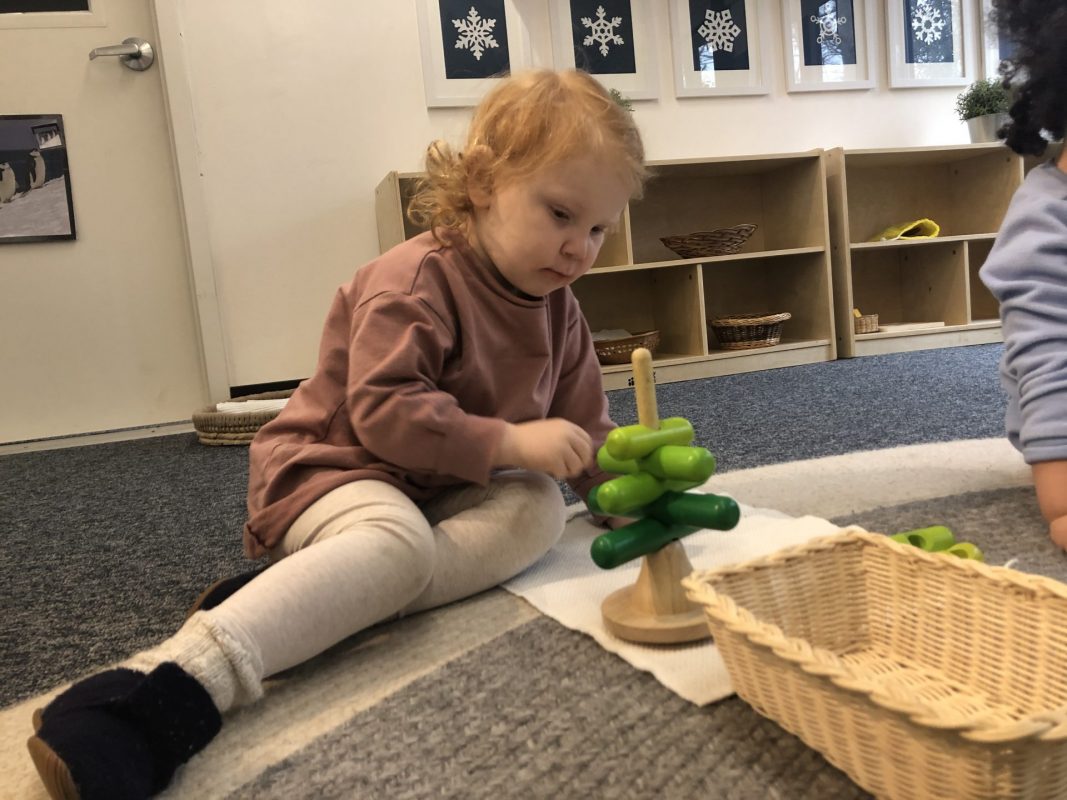
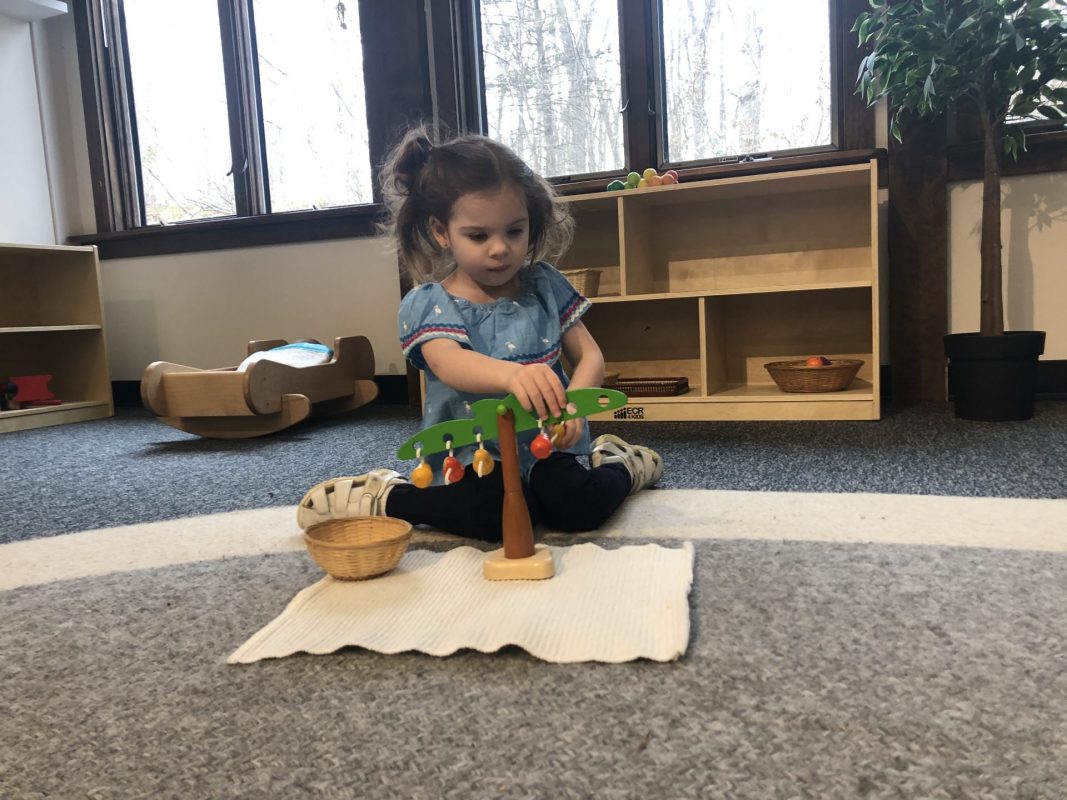
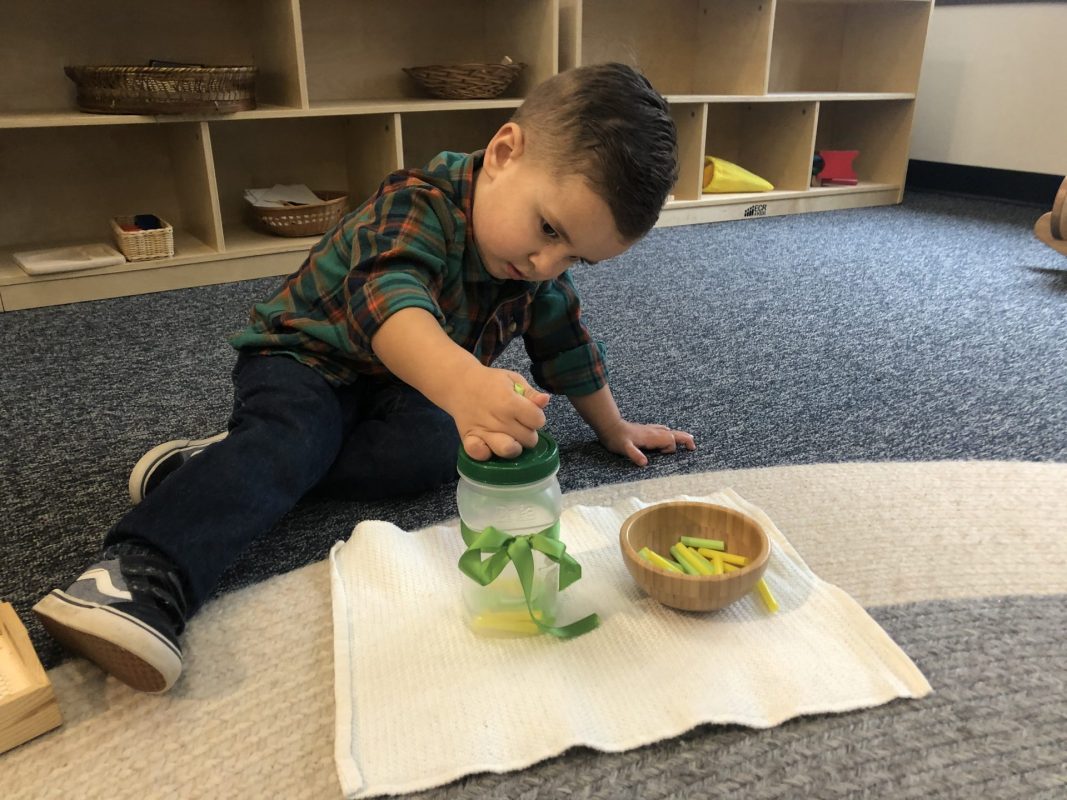
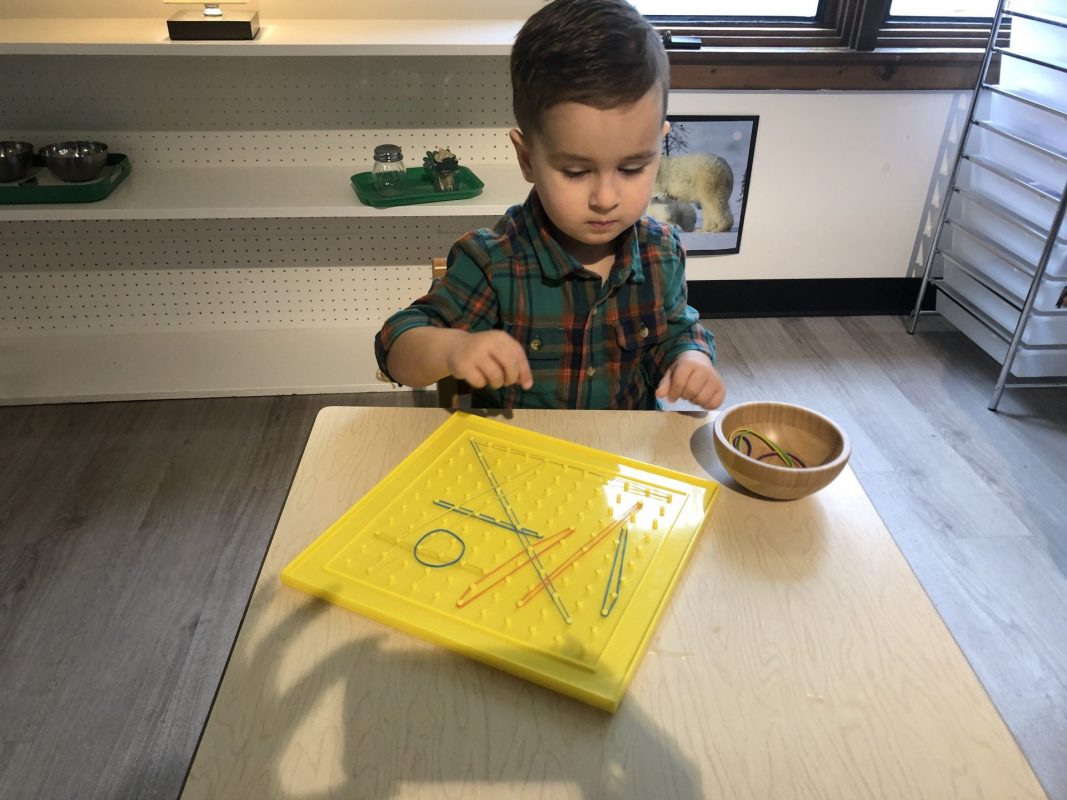
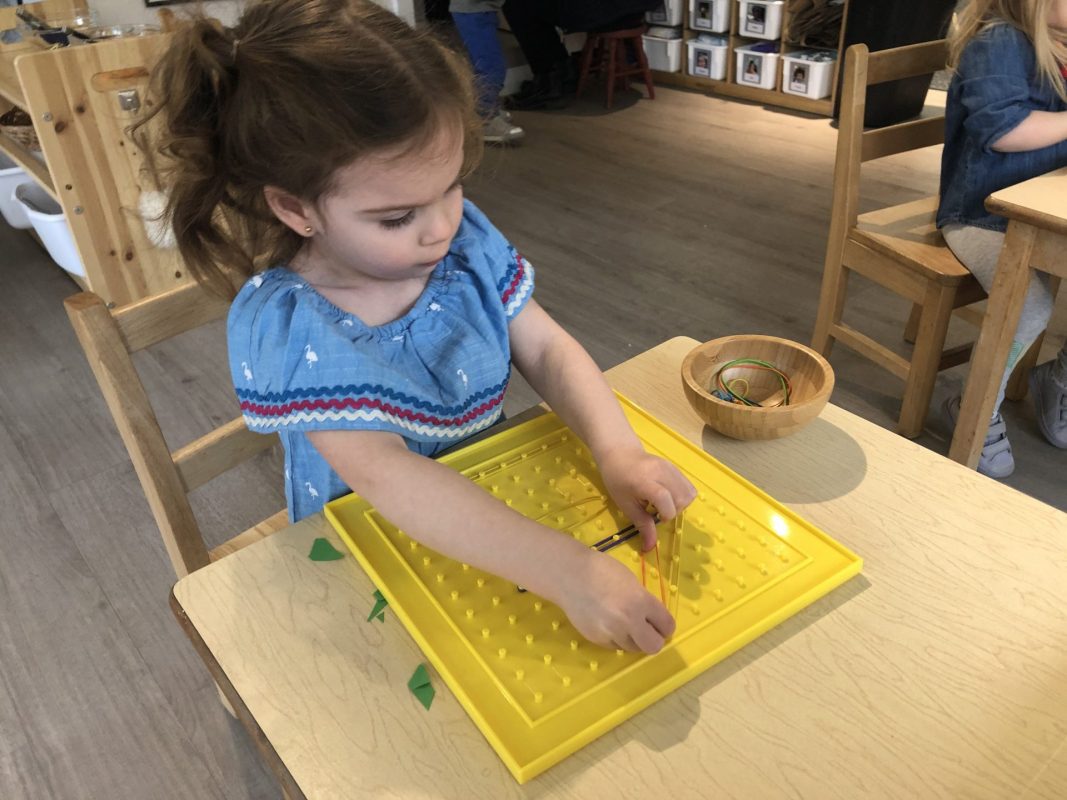
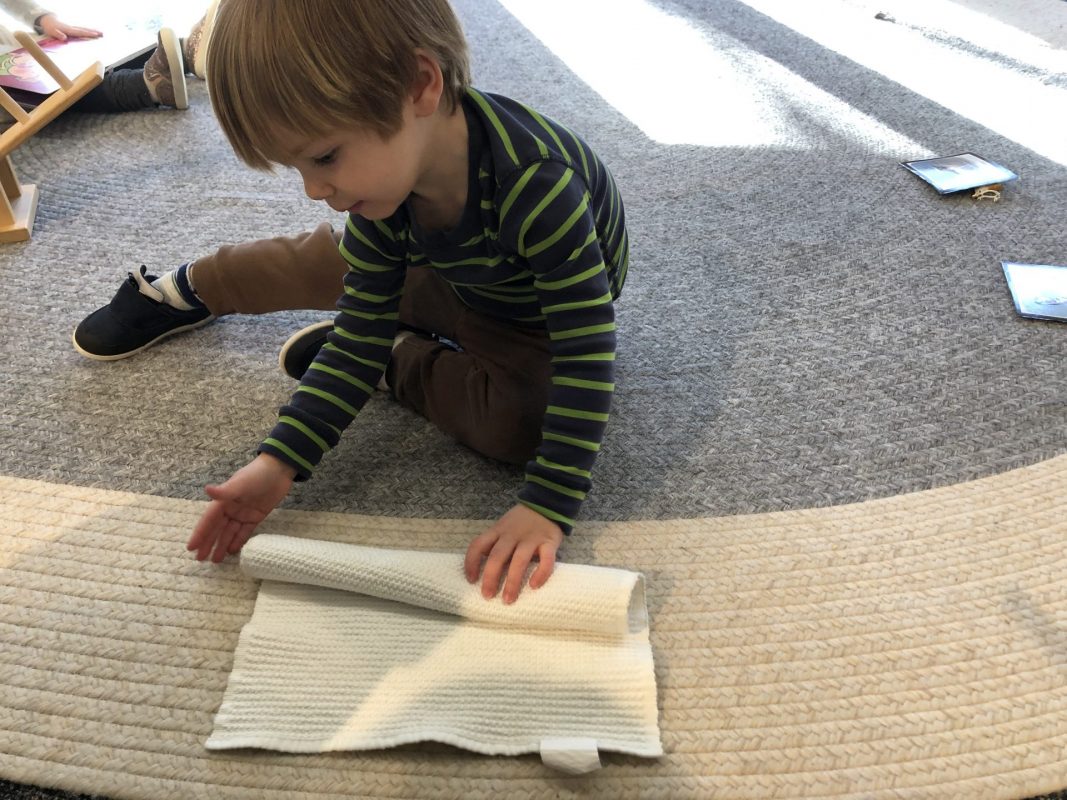
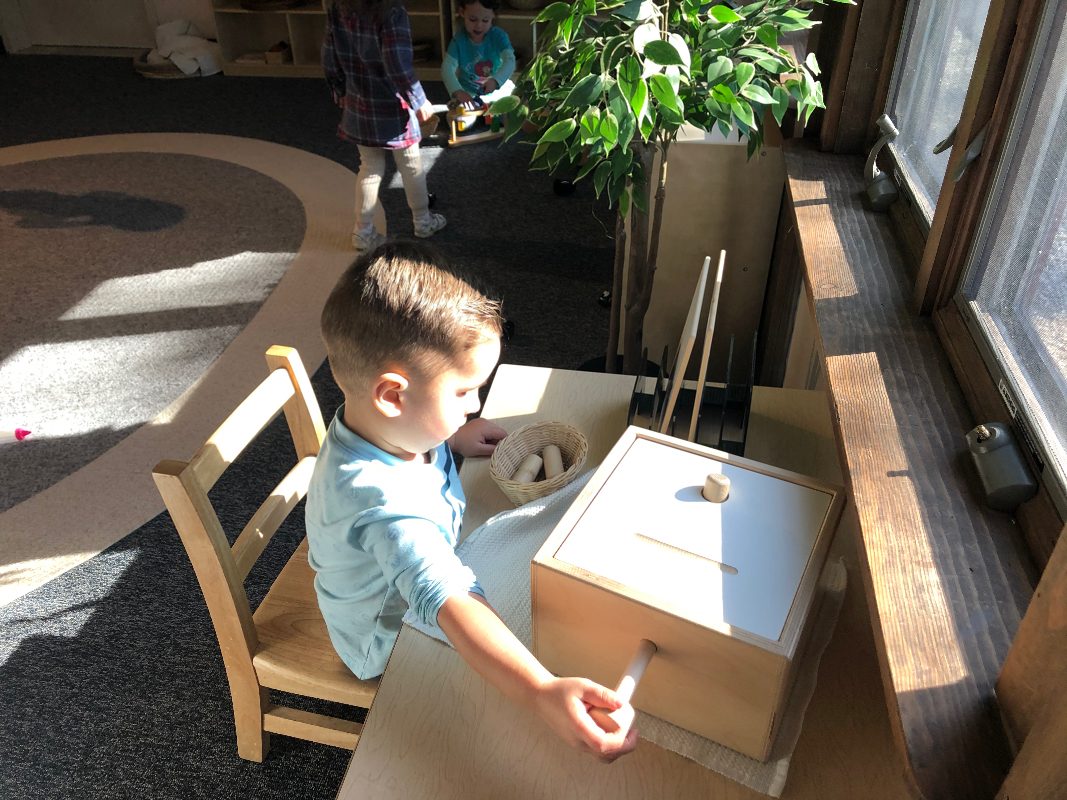
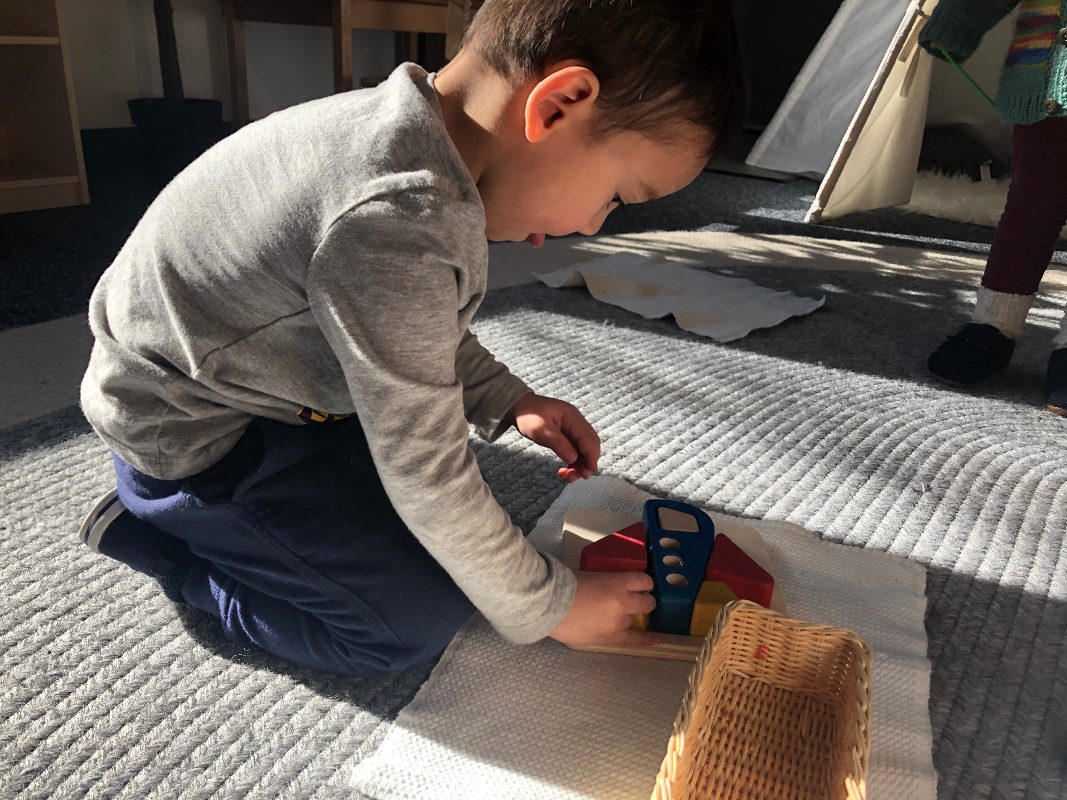
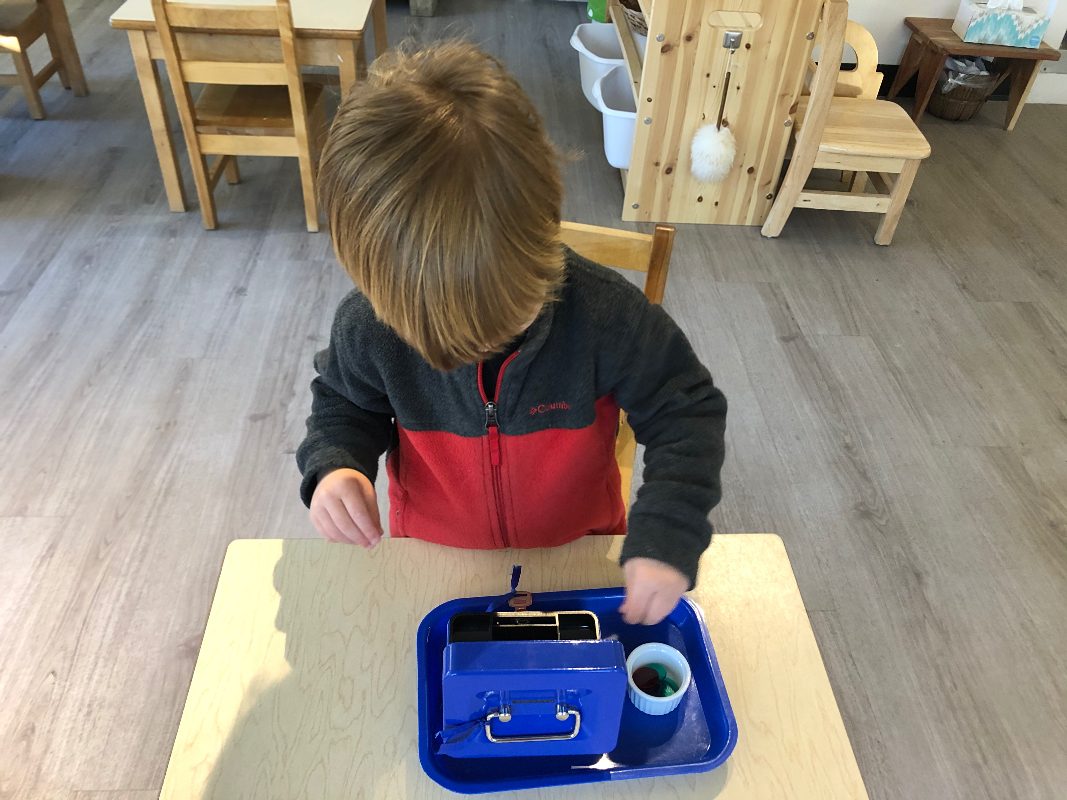
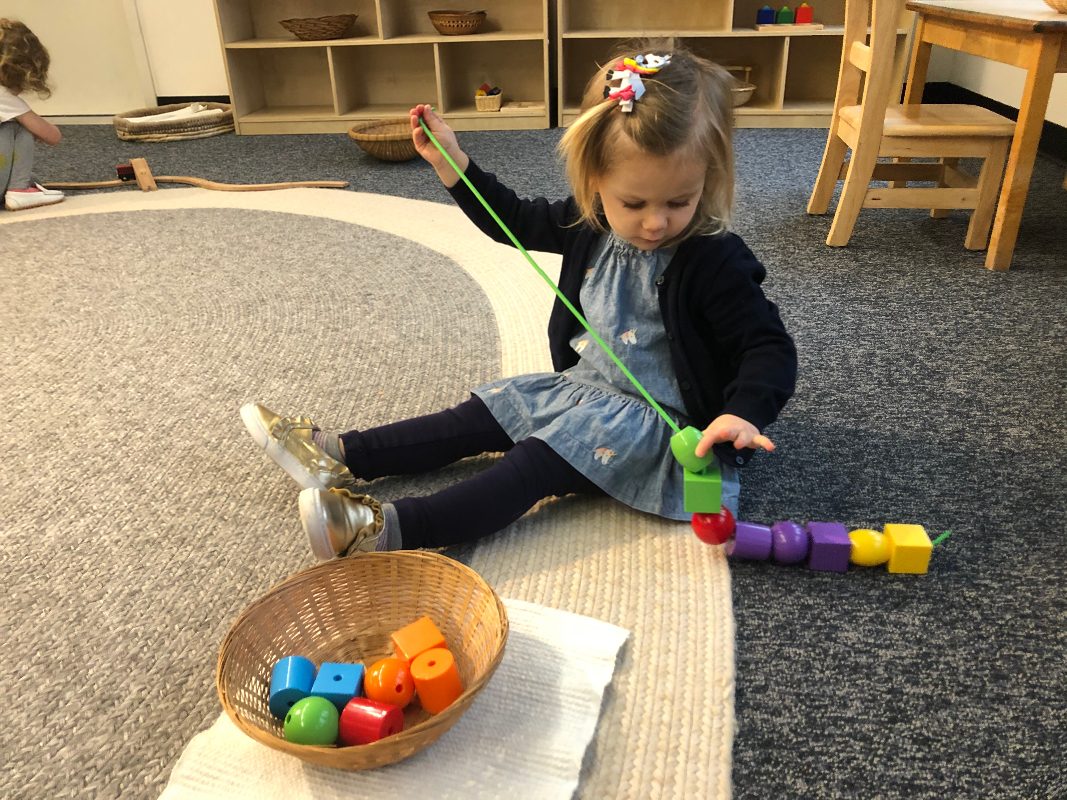
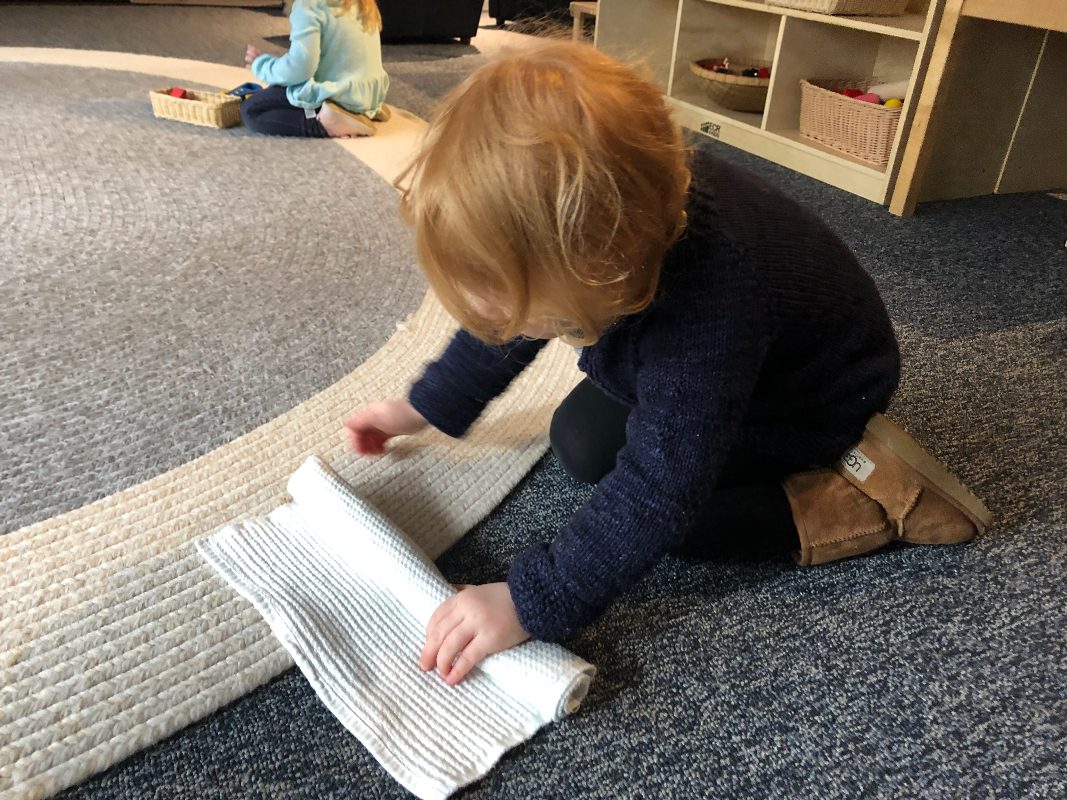
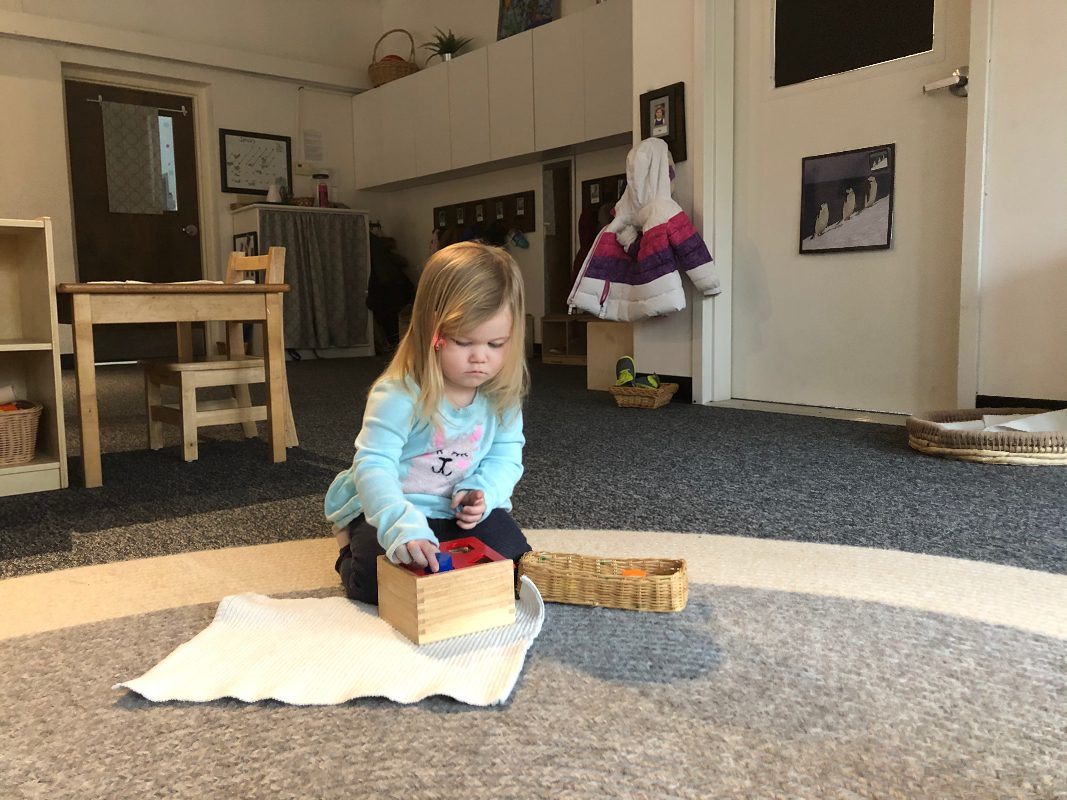
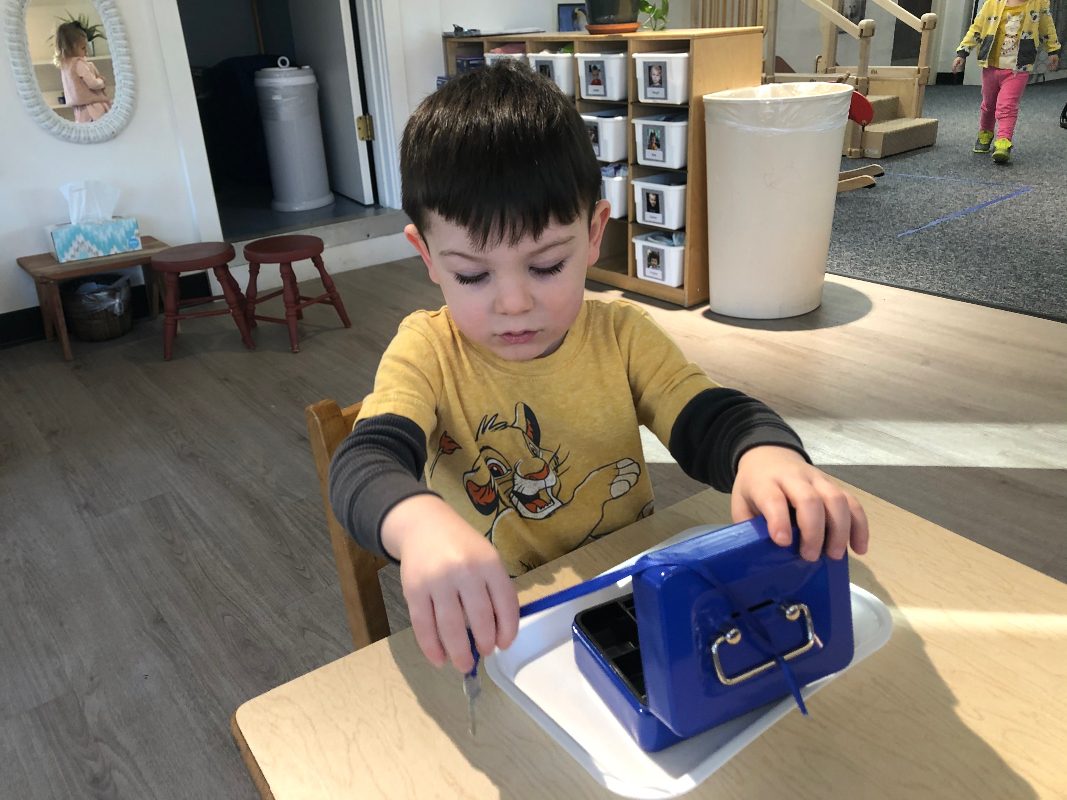
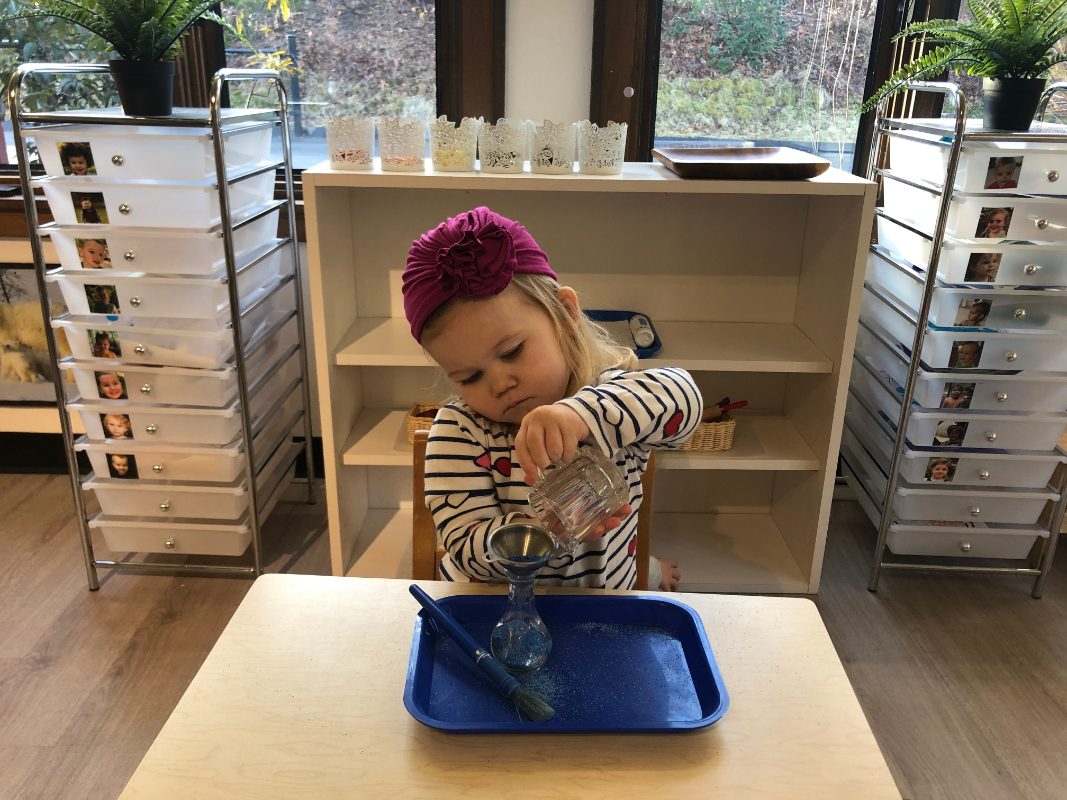
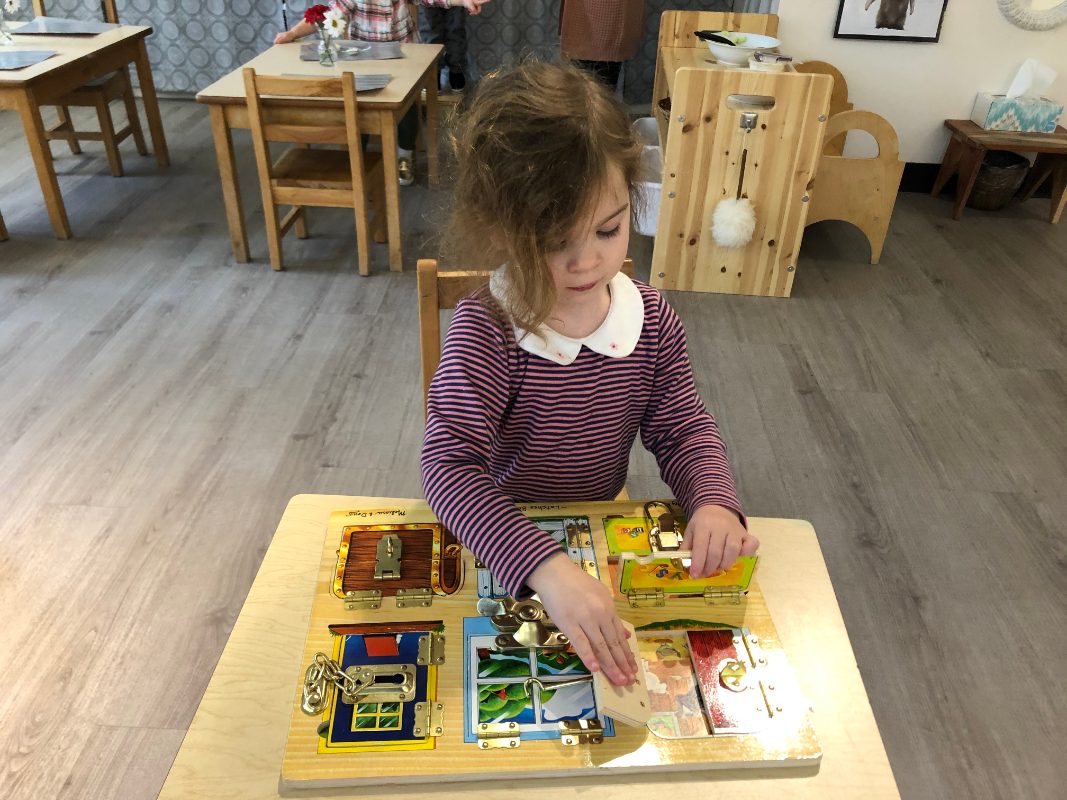
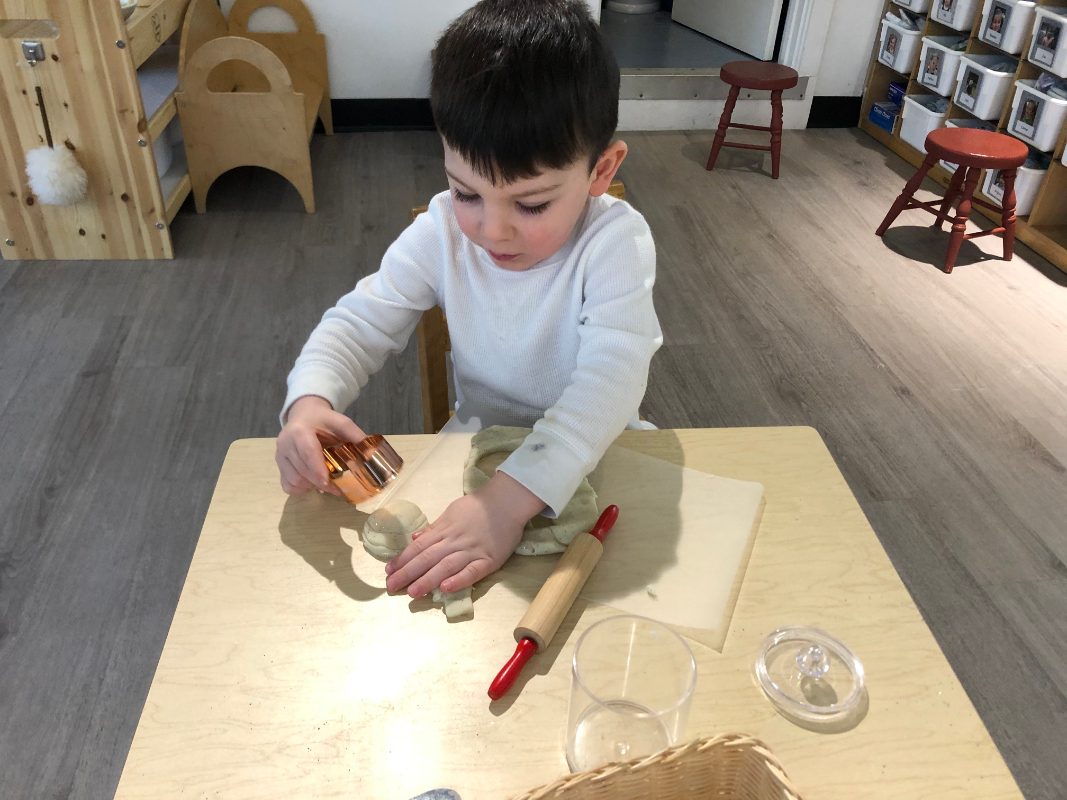
Children had a great time this week exploring and repeating some of the new materials in the environment. In a Montessori environment, repetition does not necessarily mean that the child has to engage in the same exact work over and over again. Anything that provides the child with practice of a previously learned skill, including extensions and games, is repetition. Dr. Montessori said, “Repetition is the secret of perfection.”

Through repetitive exploration your children are able to look at a material from different angles and explore it, letting it become part of their understanding of the world. At the same time, it allows them to self-critique: they look at how they are doing something and make slight changes in order to perfect the action, making it more efficient. The Montessori environment is designed to support exactly this kind of learning. Children choose their own work, allowing their interest to guide them to a choice. They are drawn by desire and that allows them to return to an activity with frequency, working with it until they have perfected it. It is, in fact, a developmental need. A common phrase you can hear in our environment is the children saying: “I want to do it again!” Dr. Montessori wrote, “When a child has attained this stage, of repeating an exercise, he is on the way to self-development, and the external sign of this condition is his self-discipline.”

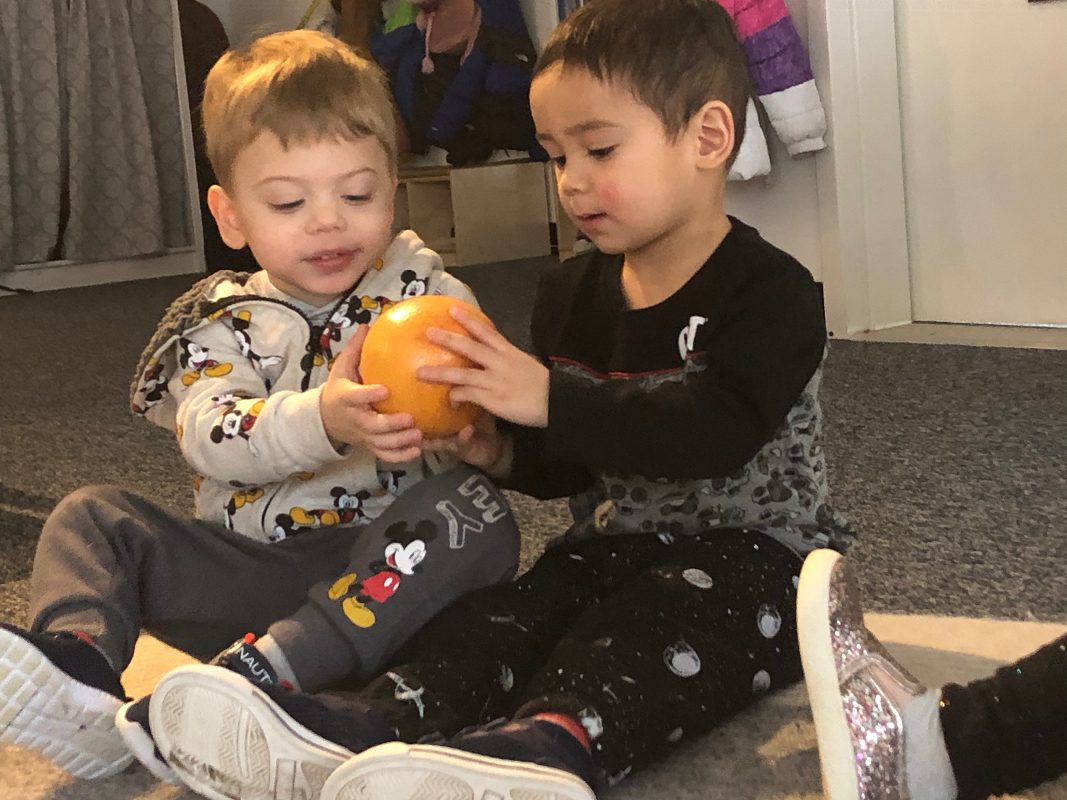
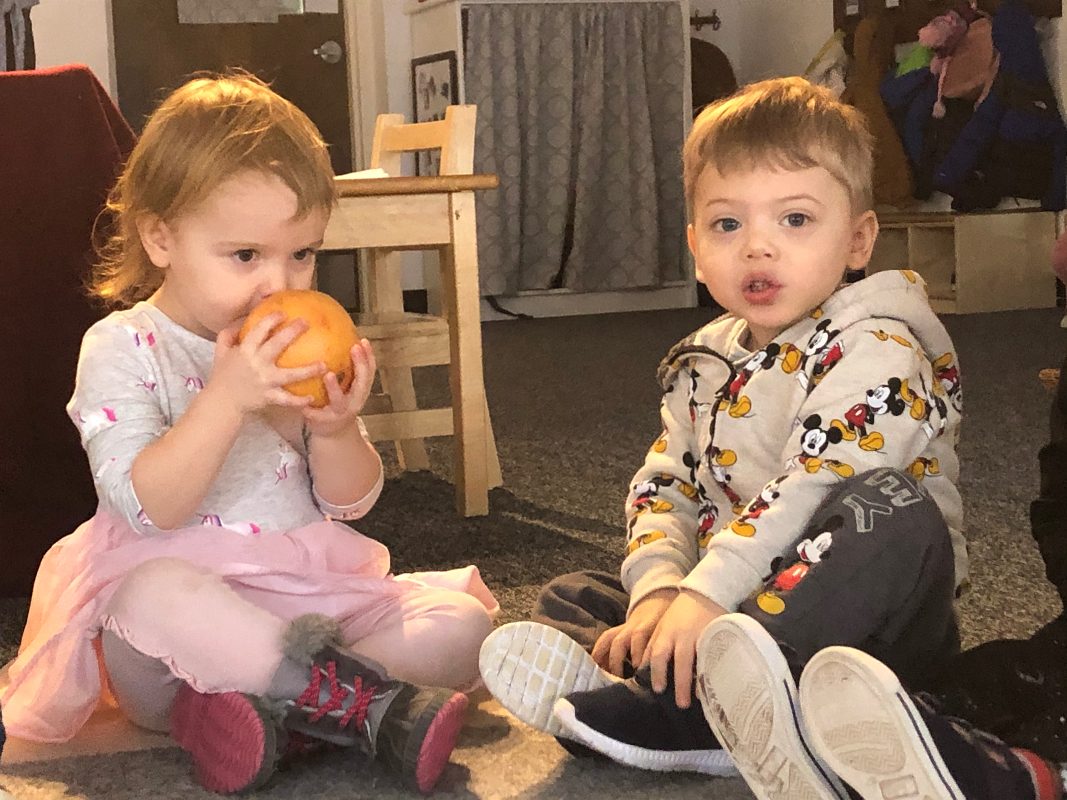
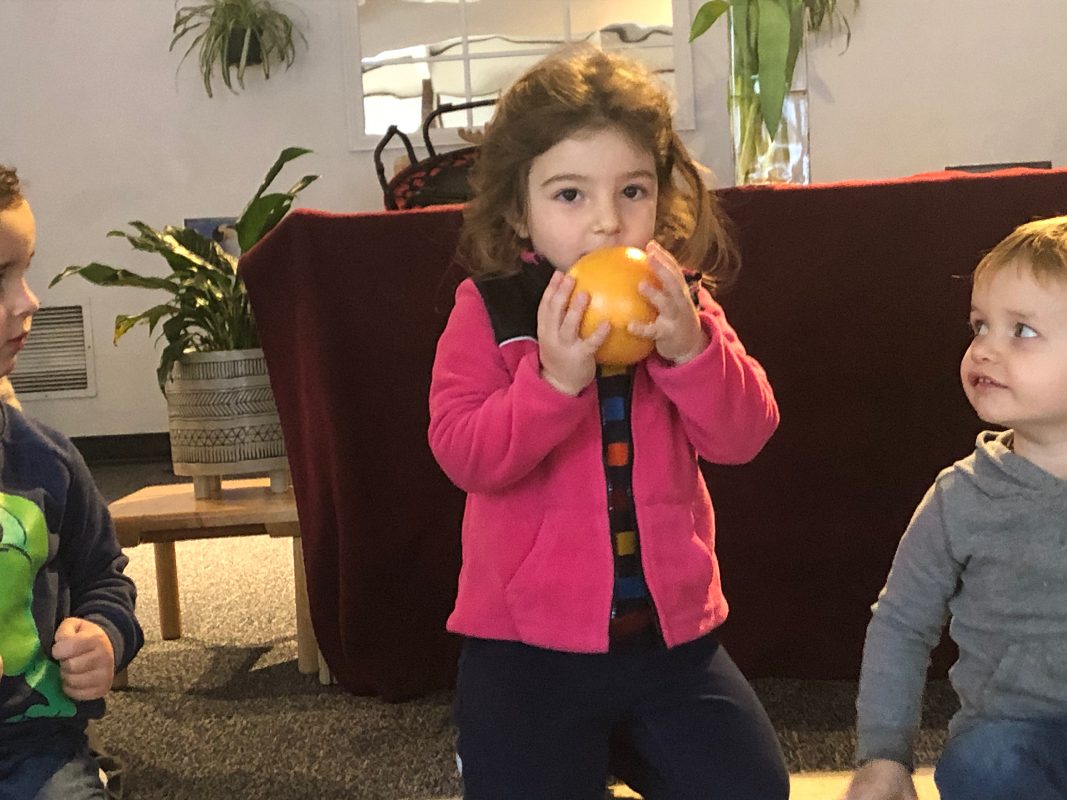
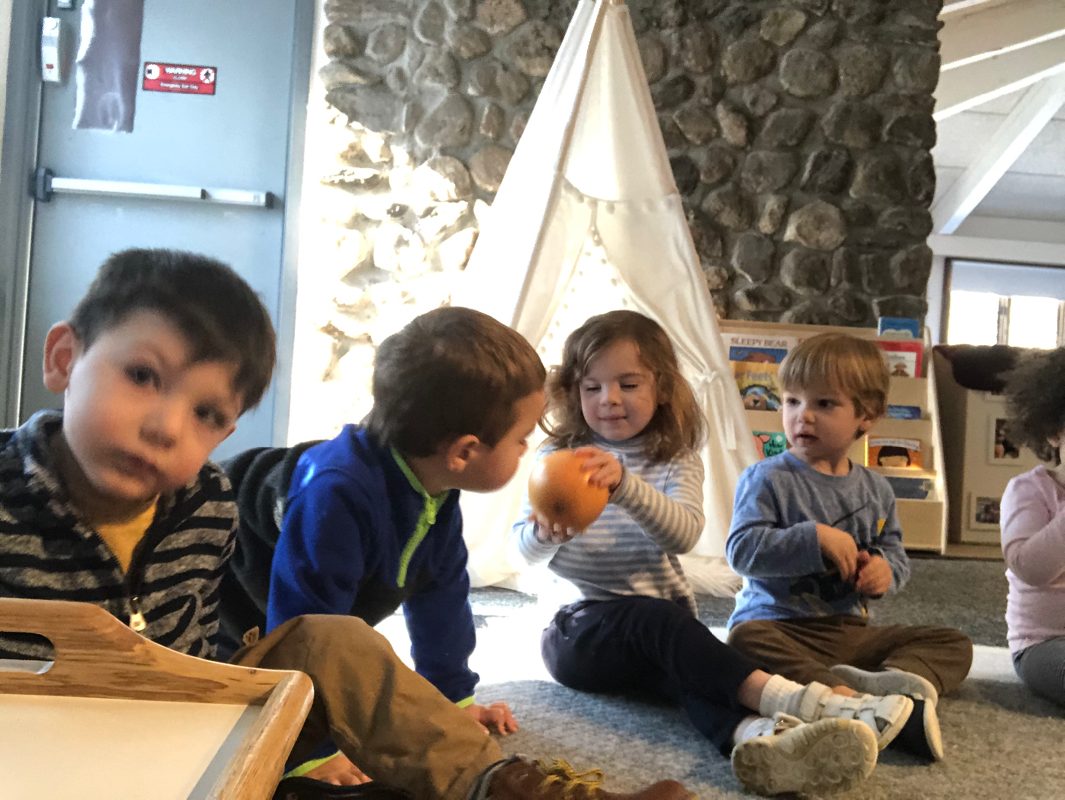
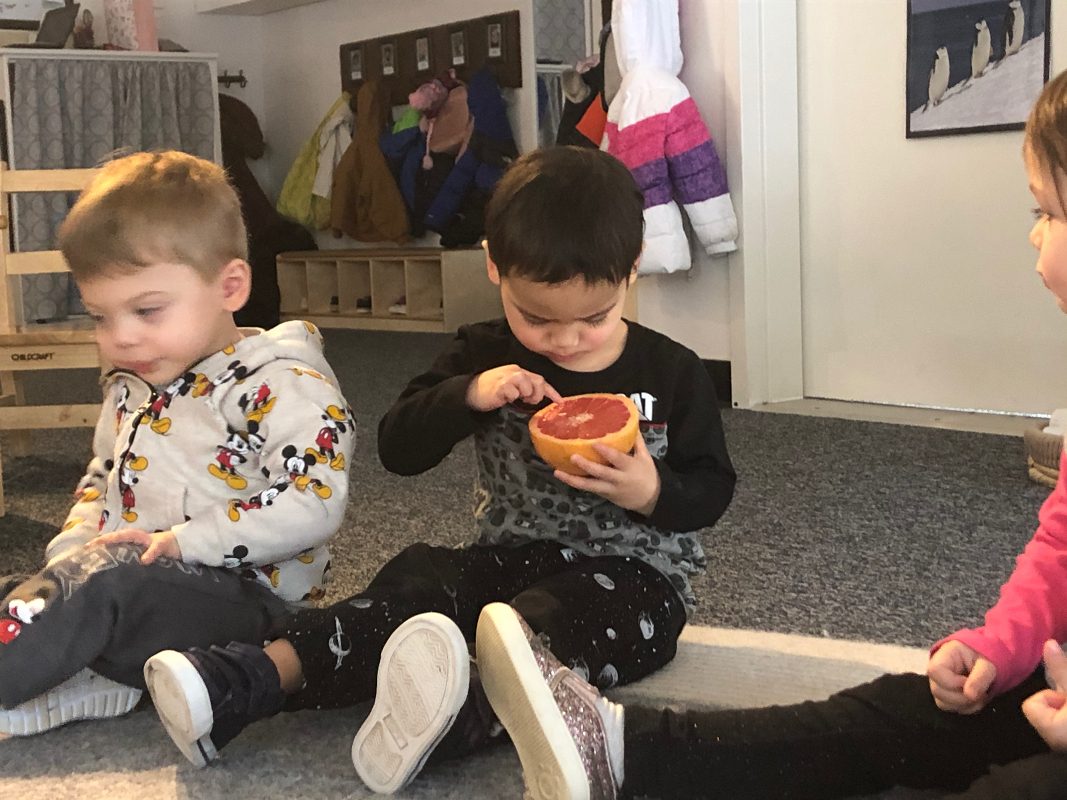
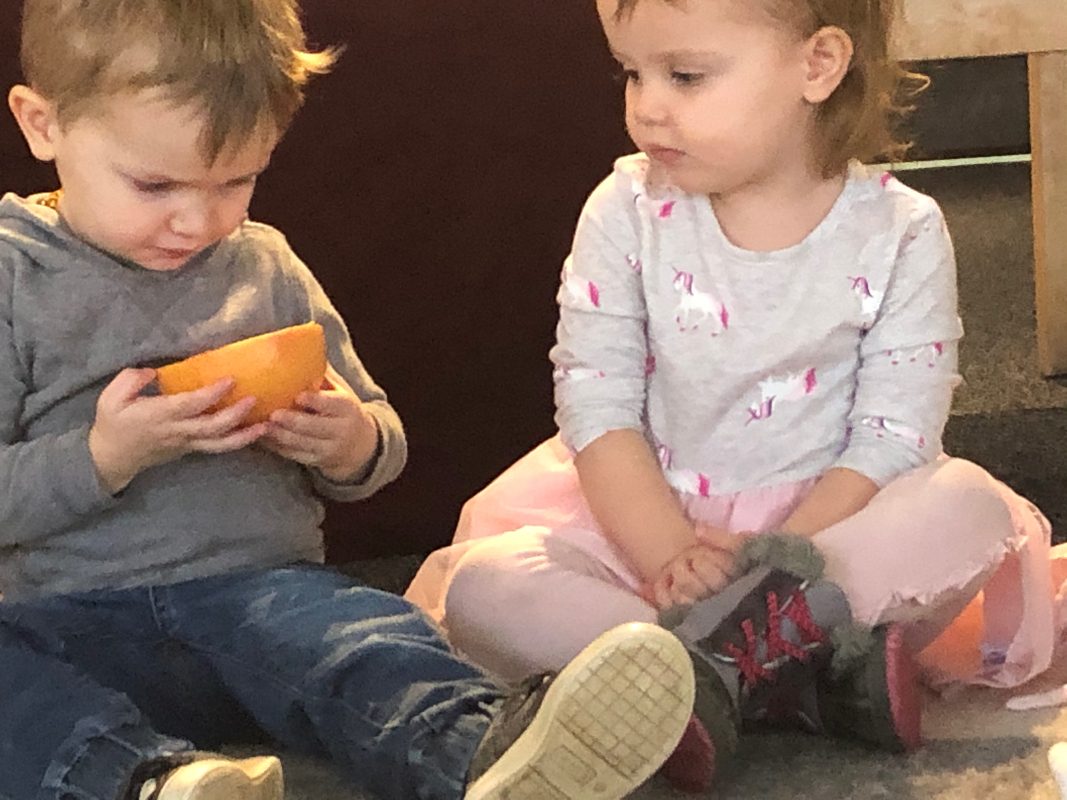
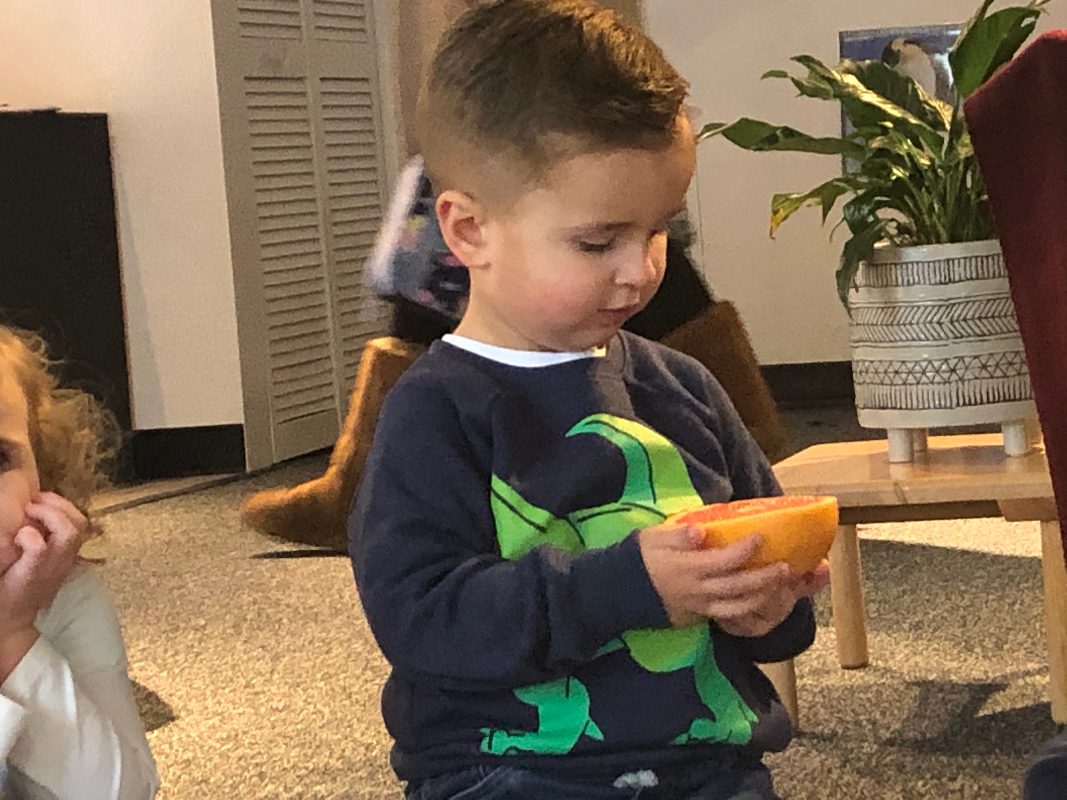
On another note, children enjoyed exploring a ruby red grapefruit for food tasting. It was a fun and tangy experience! 🙂

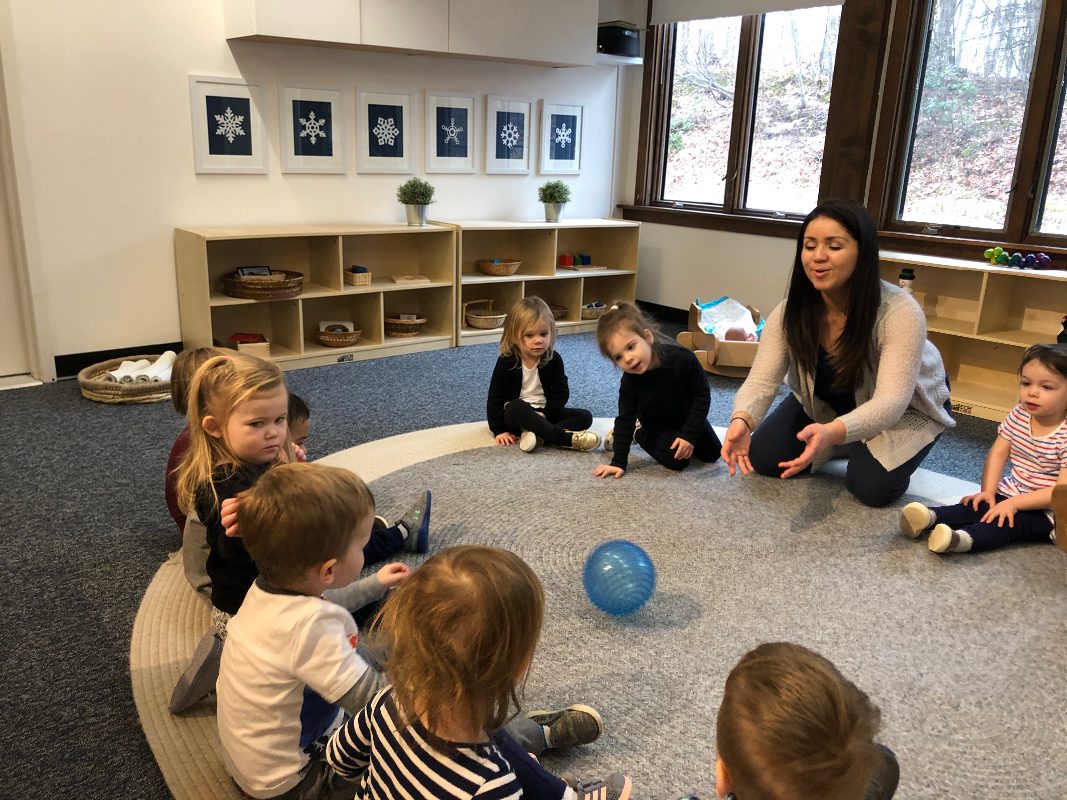
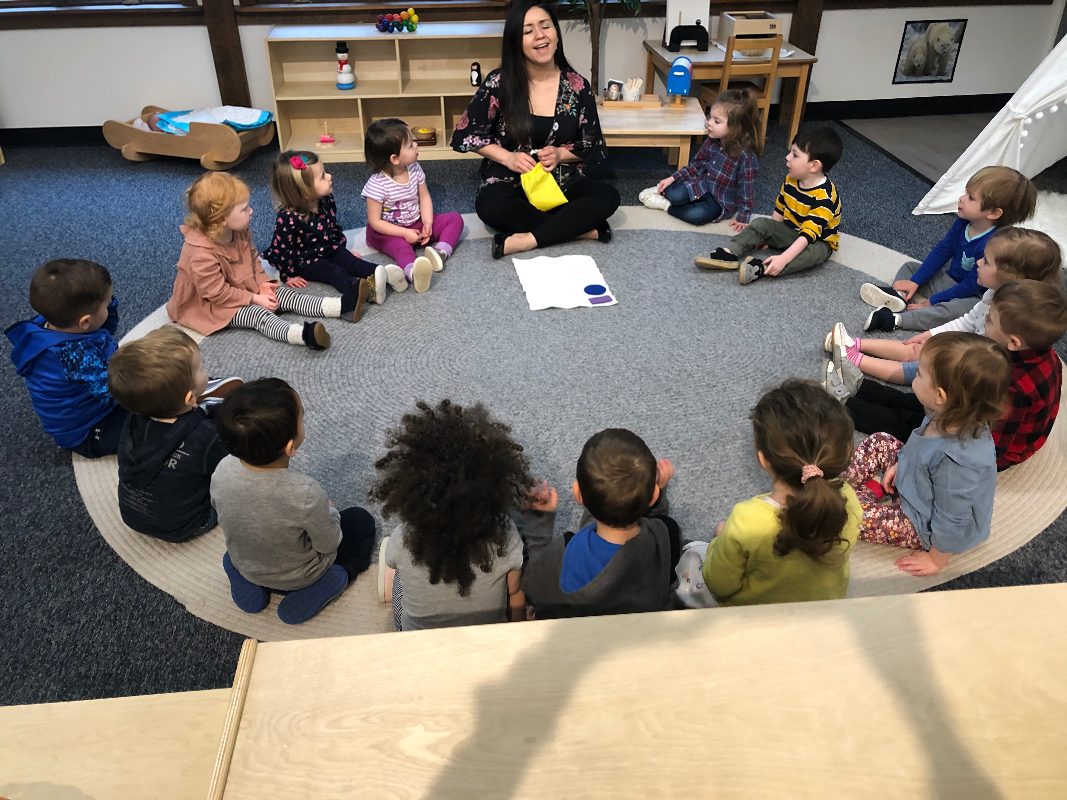
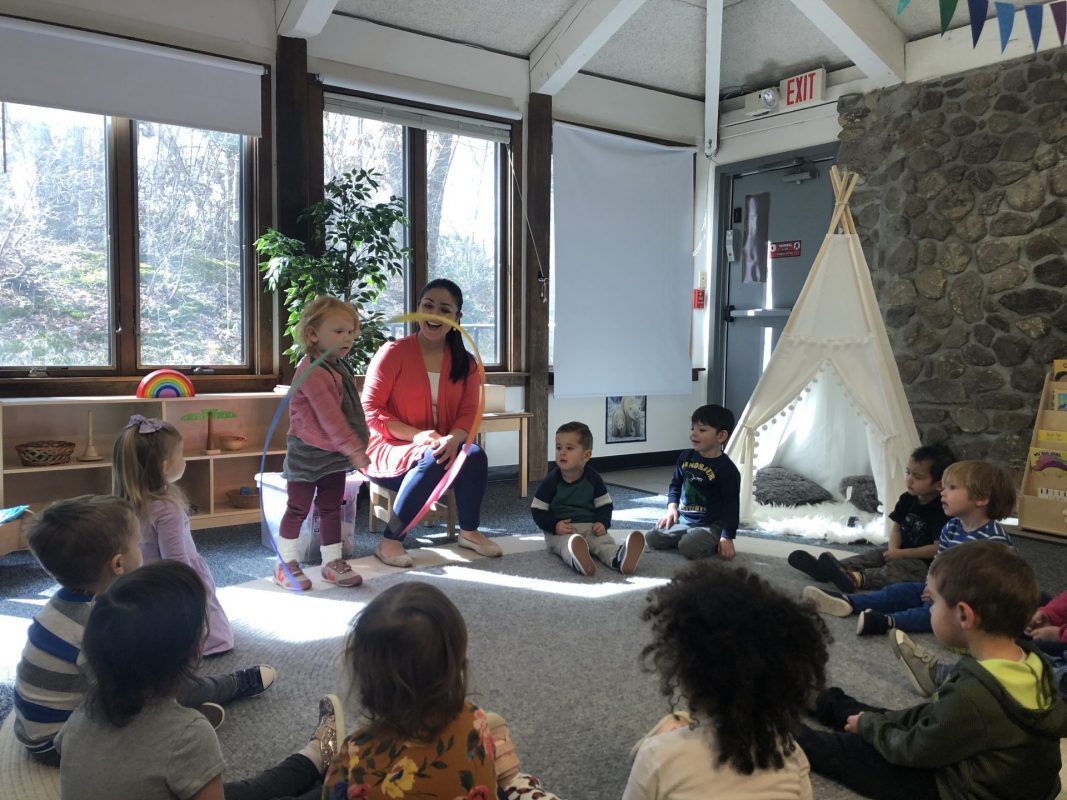
With the goal of building confidence and encouraging verbal expression we also introduced a new game where the children get the opportunity to be the teacher and lead their peers during circle times. This week, children chose a song to lead and the boost of confidence was so visible to observe when the other peers would follow their lead! There were big smiles and giggling all around! It was precious! We will continue to add these types of exercises to our morning routines!

Your children are blooming and we are honored to witness it.


Mrs. Hood’s Class: Absorbing Minds At Work

Maria Montessori used the scientific method to study children’s natural learning processes. She found that the child absorbs the culture they are in effortlessly and without fatigue between the ages of 0 – 6. Whatever the child is exposed to is internalized by the child and accepted into the child’s own being, imprinted on their soul. If a child is surrounded with music, the child will be a musical person. If a child hears their parents singing, the child will sing. If a child sees their parents dancing, the child will dance. She called this the child’s “absorbent mind.”

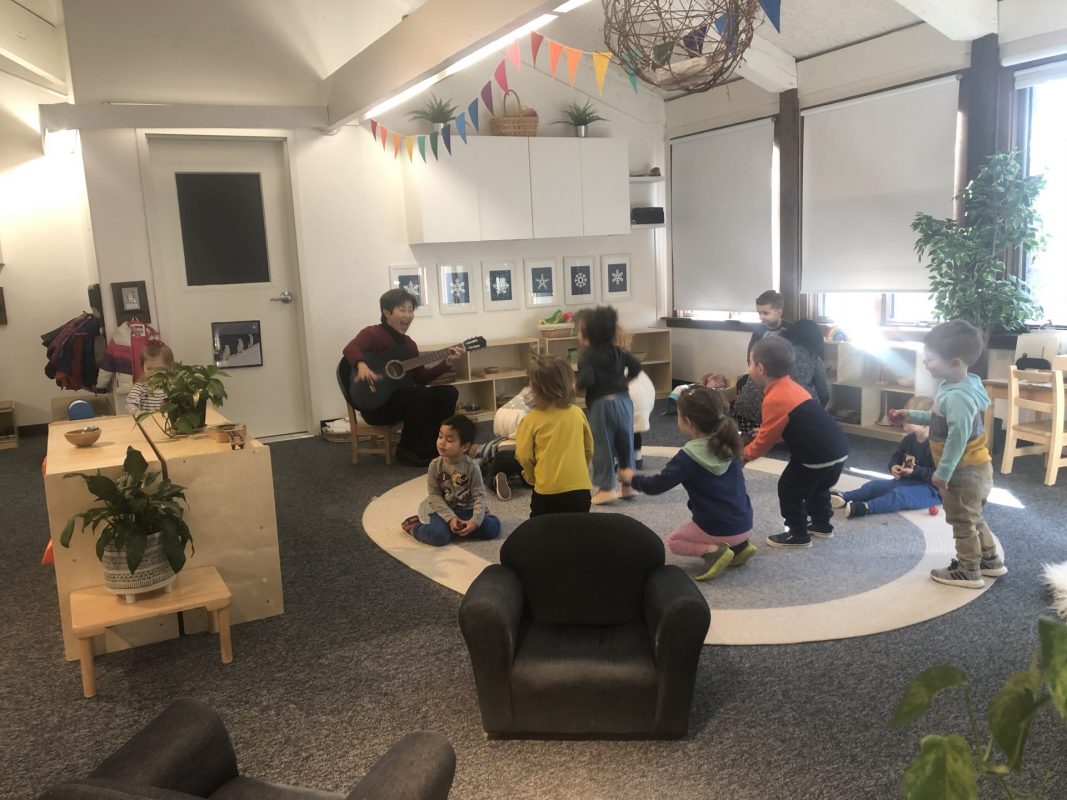
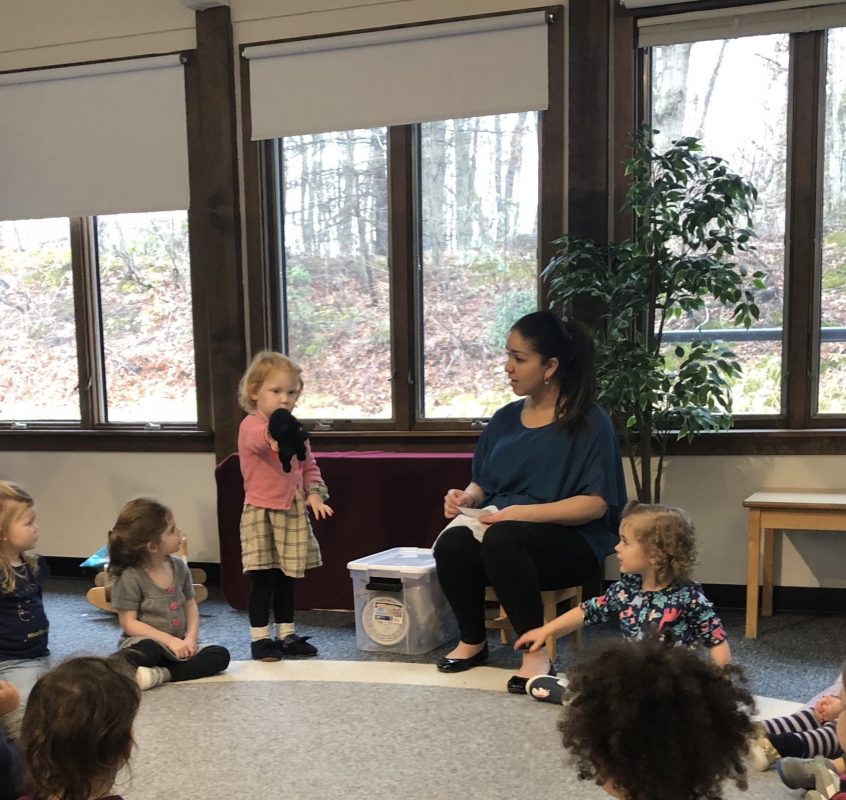
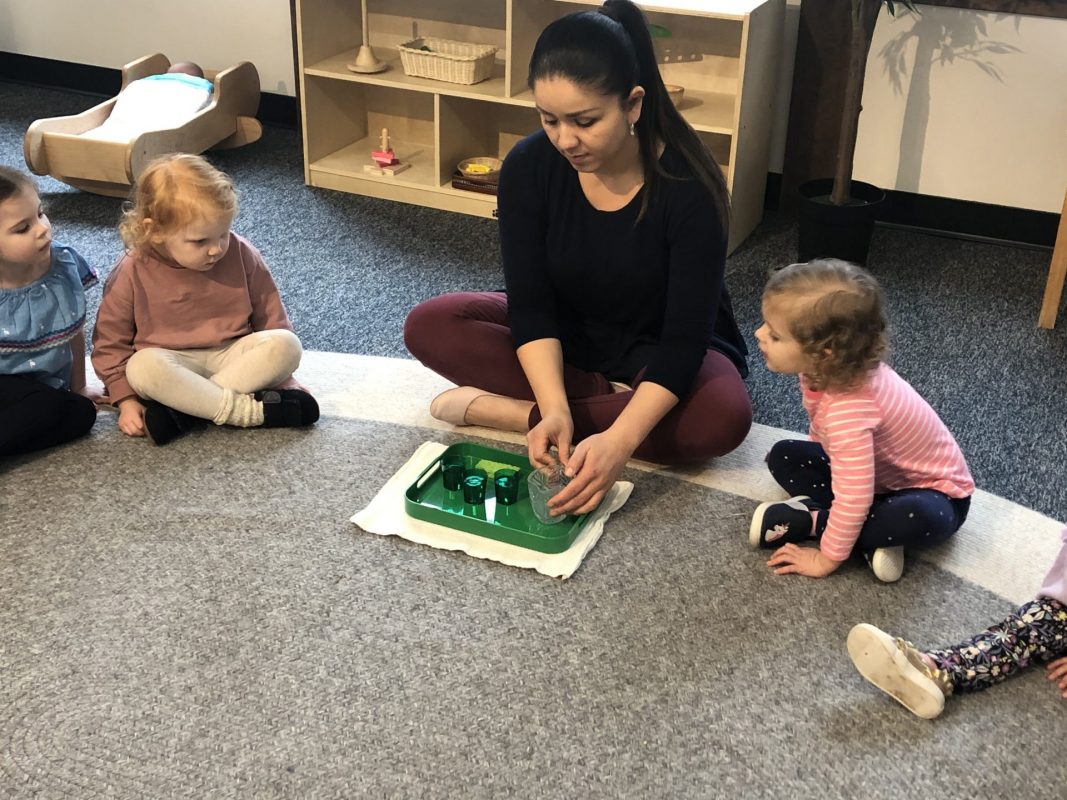
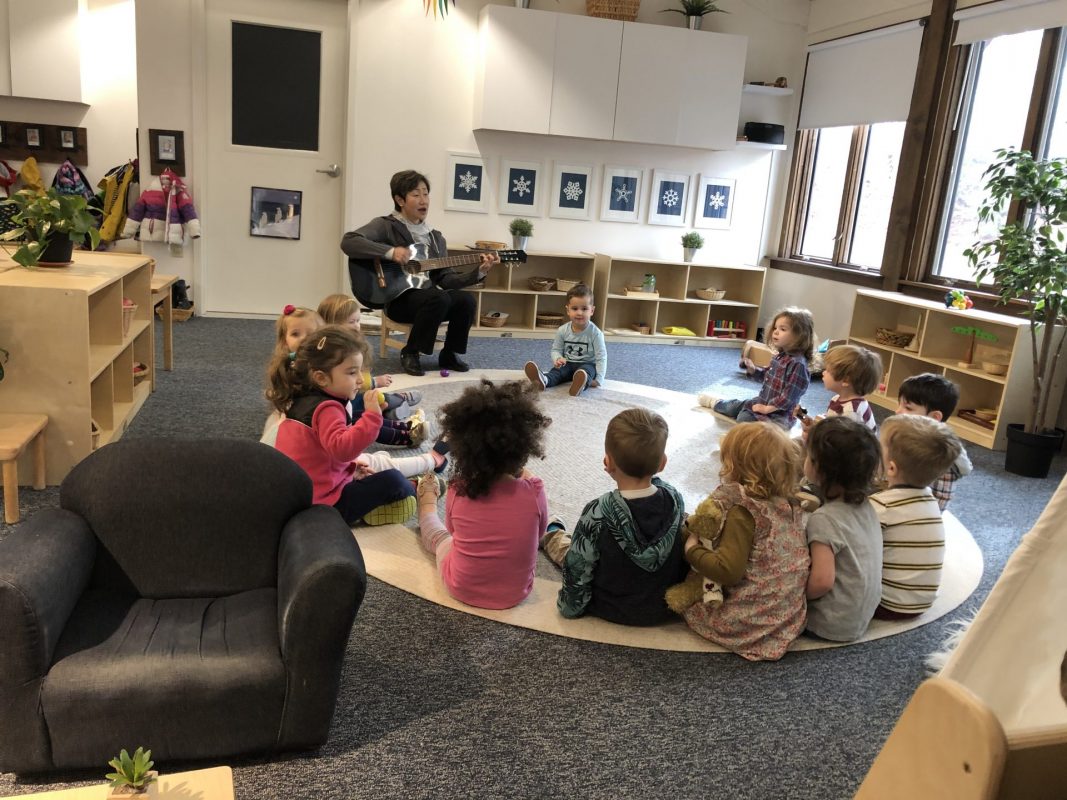
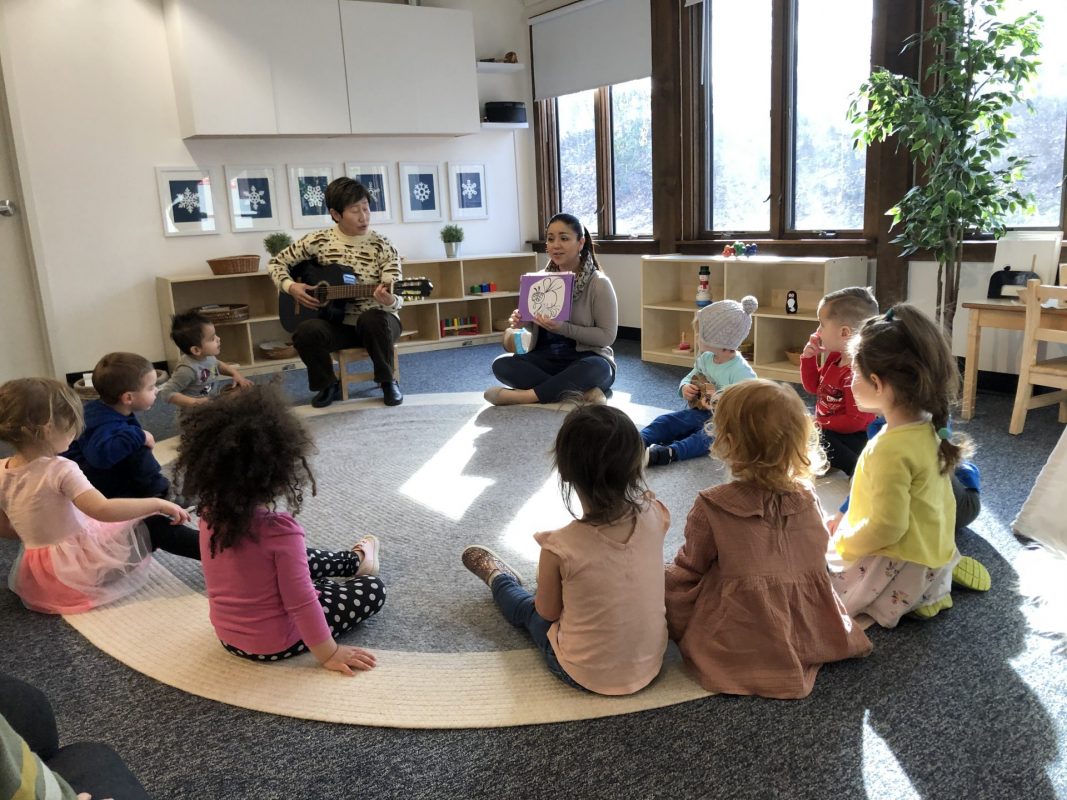
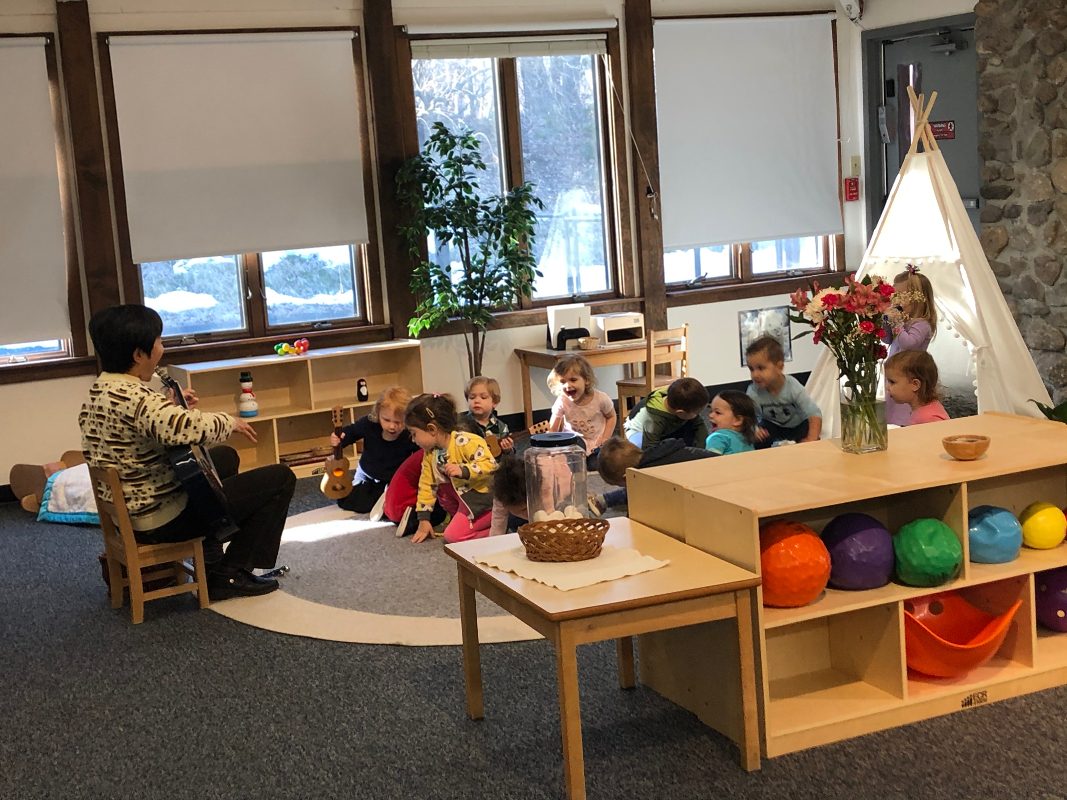
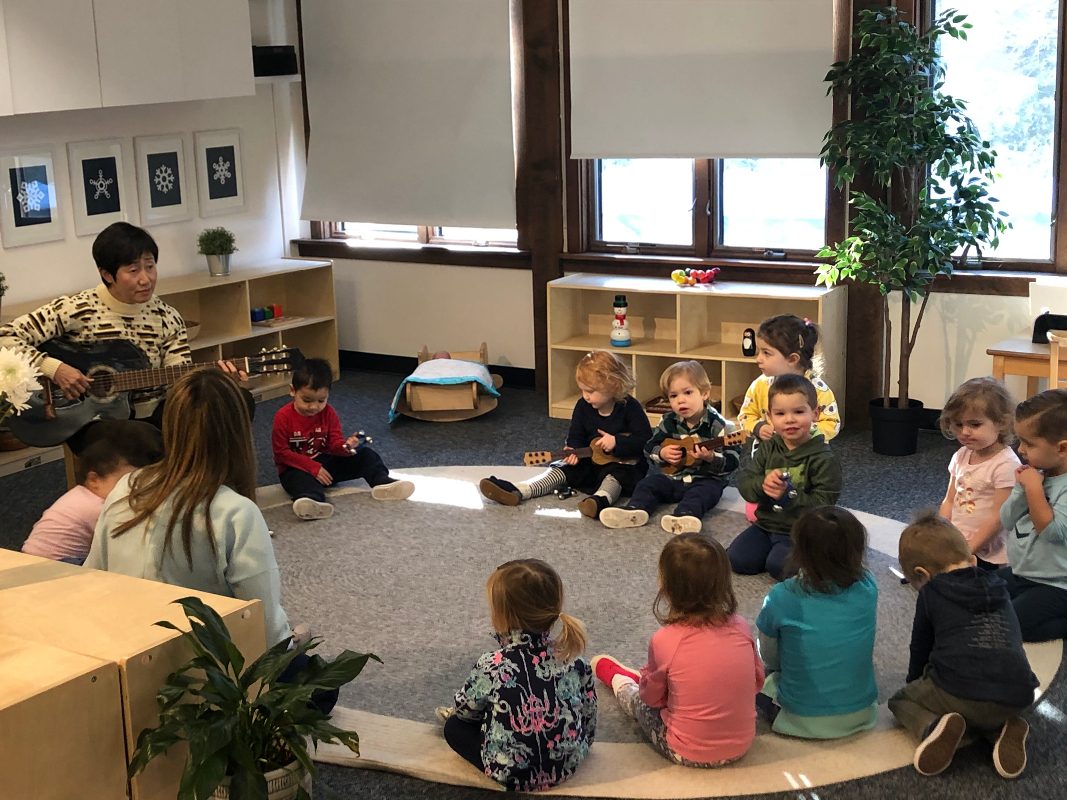
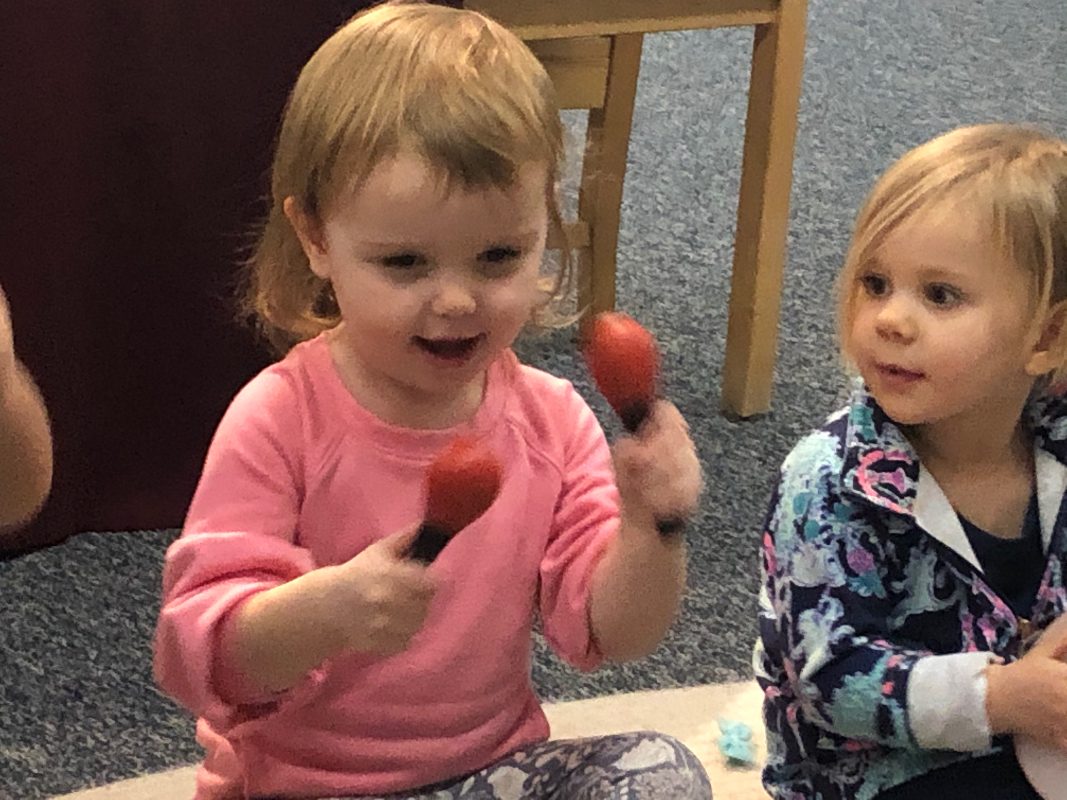
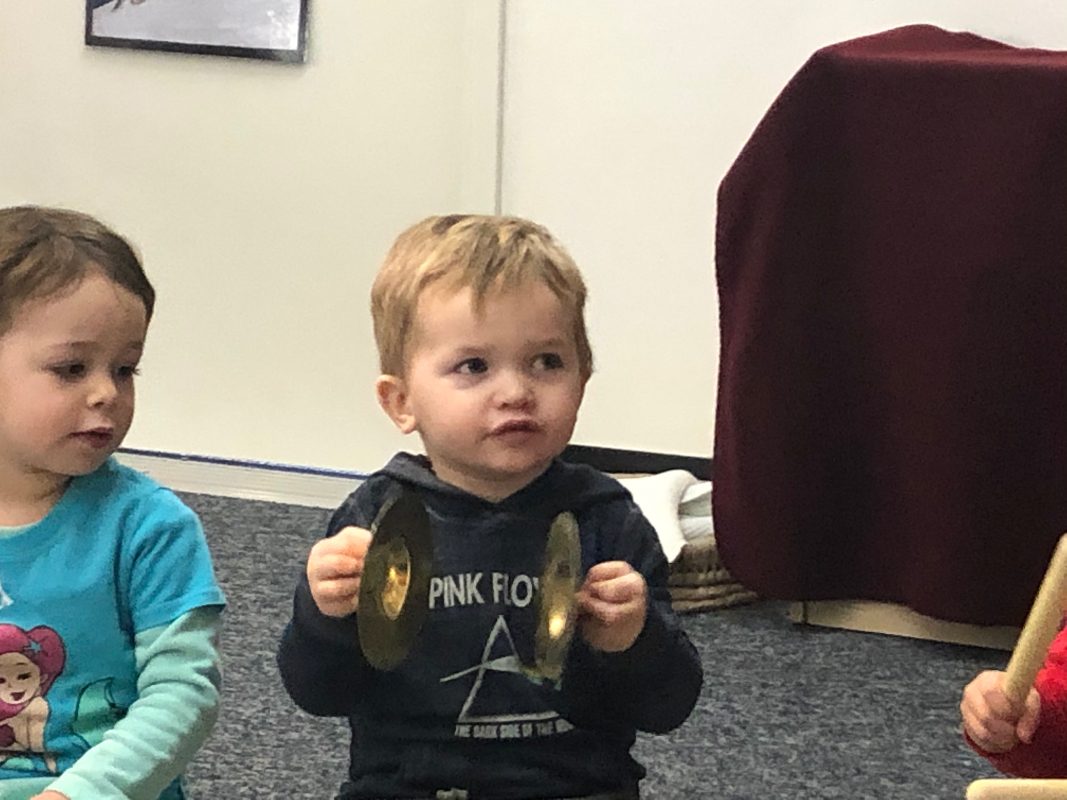
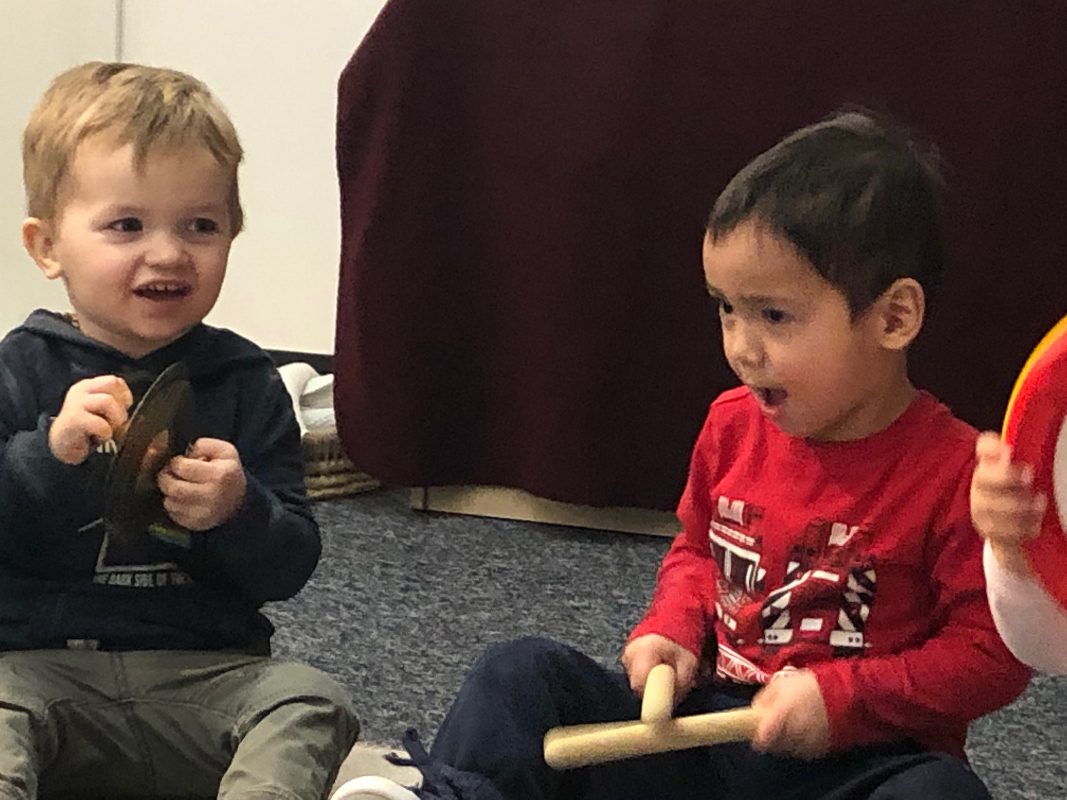
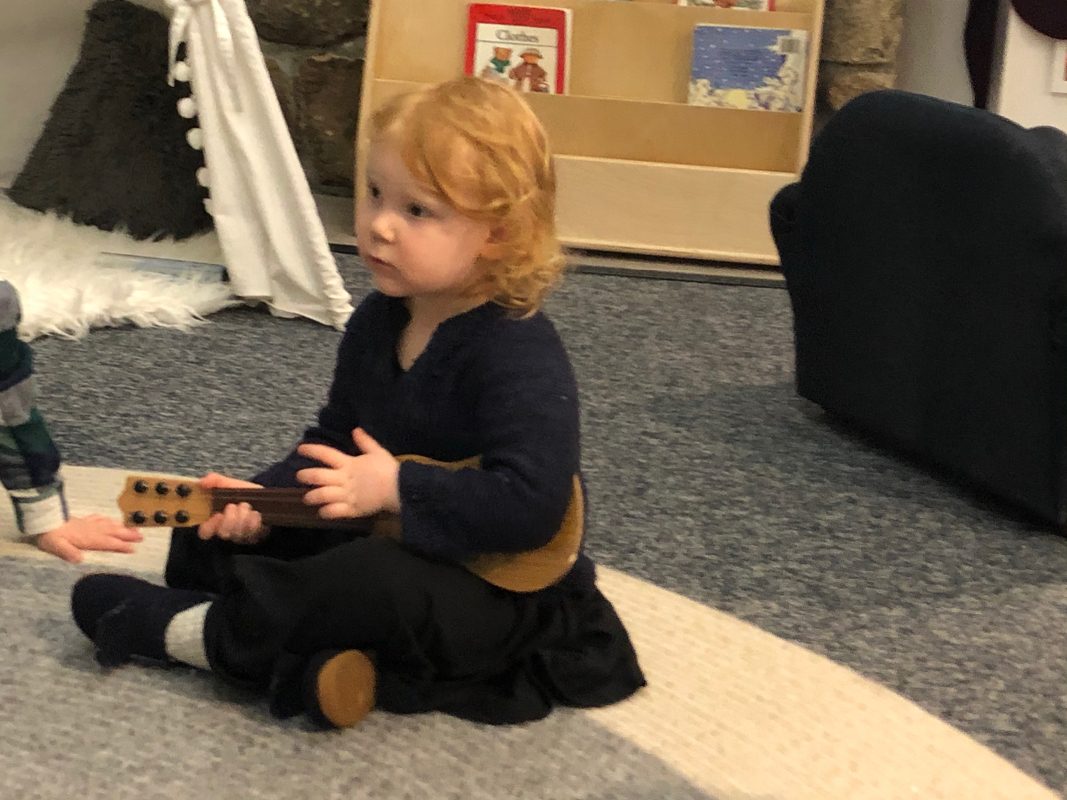
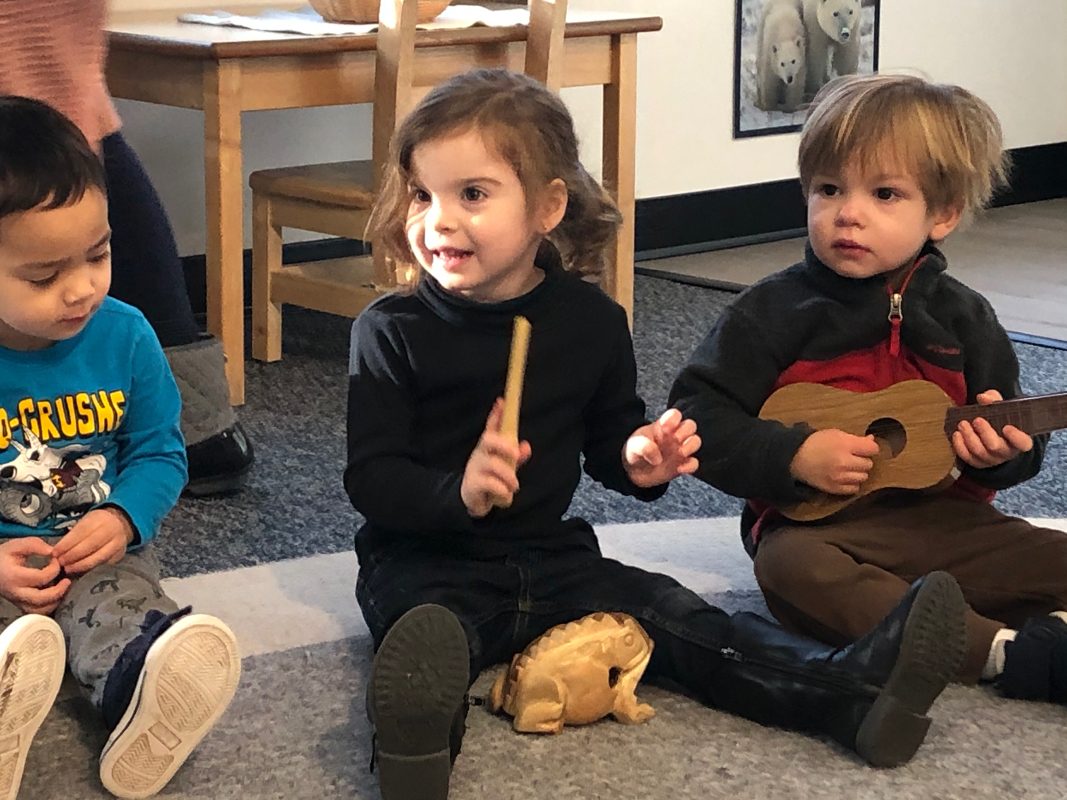
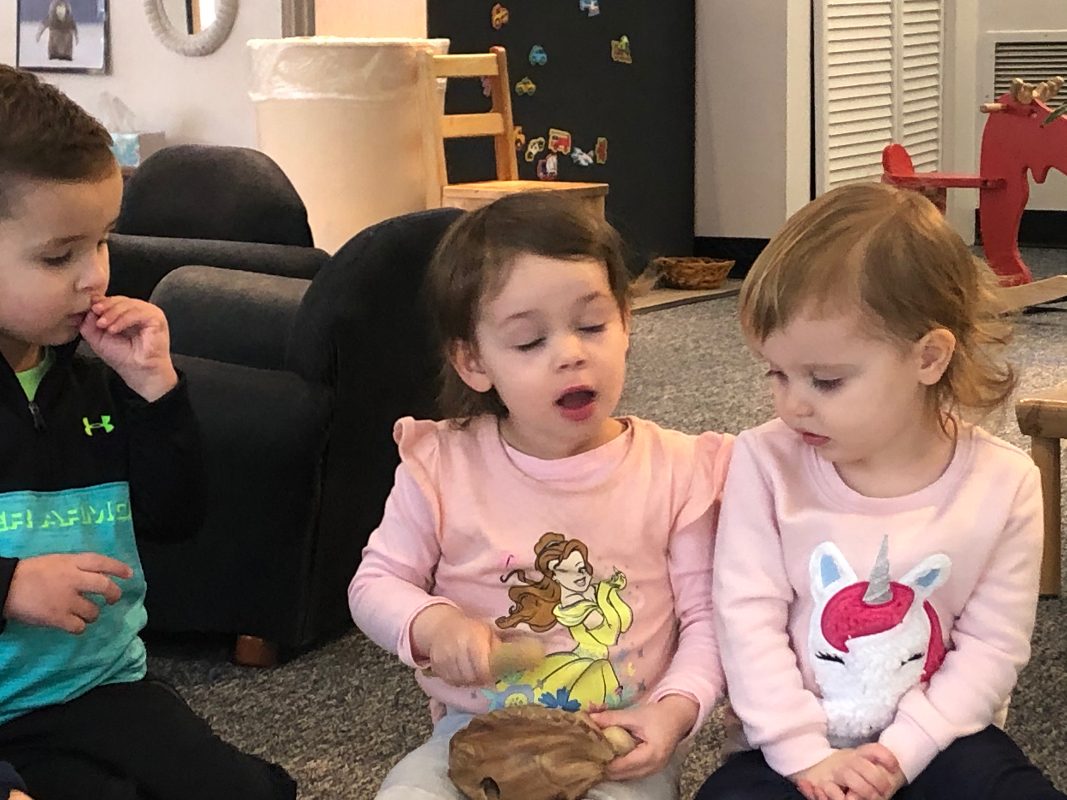
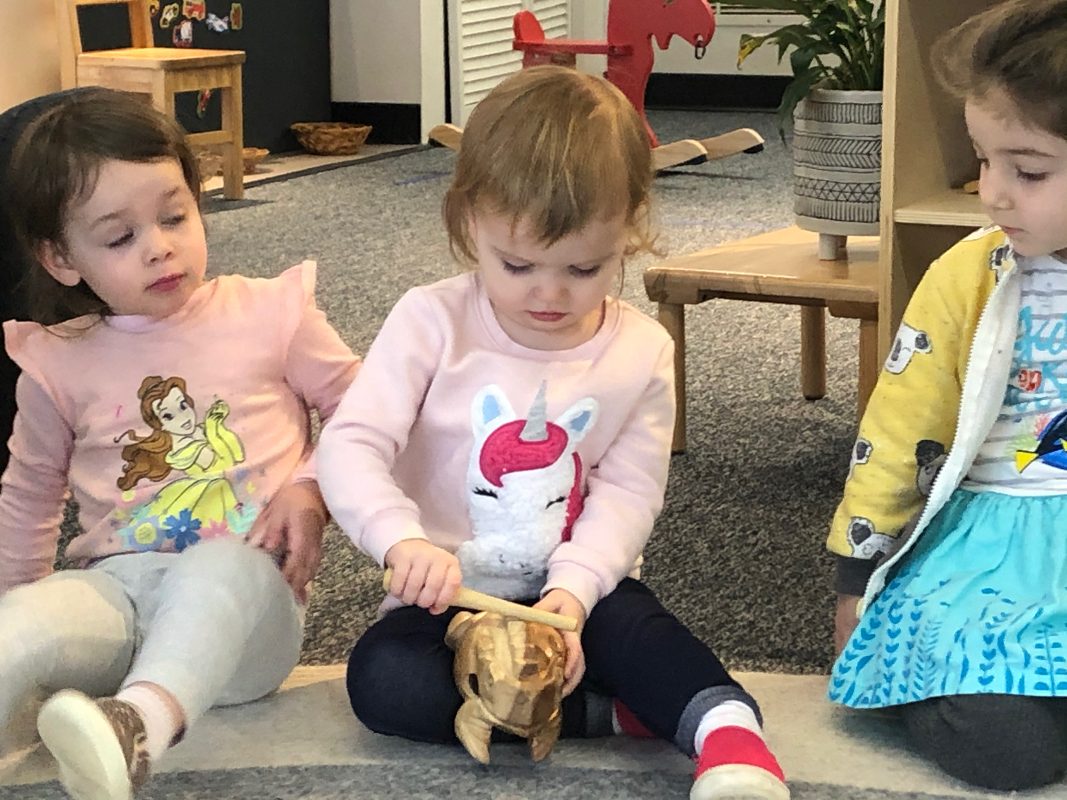
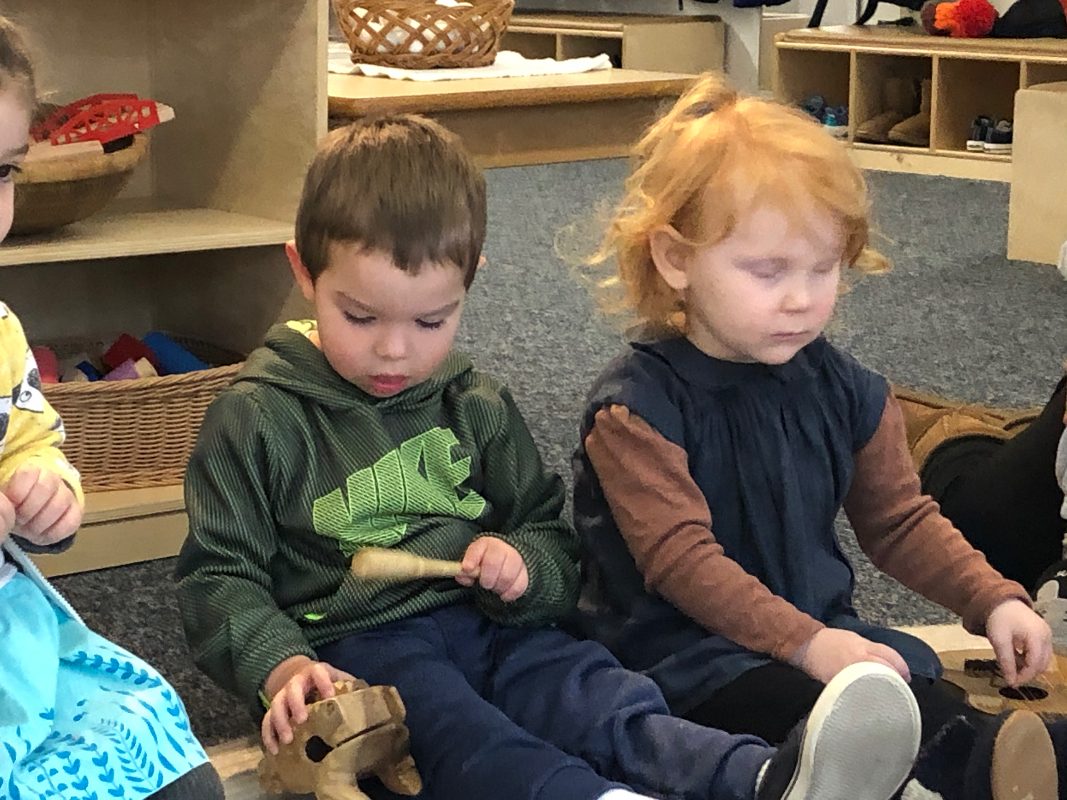
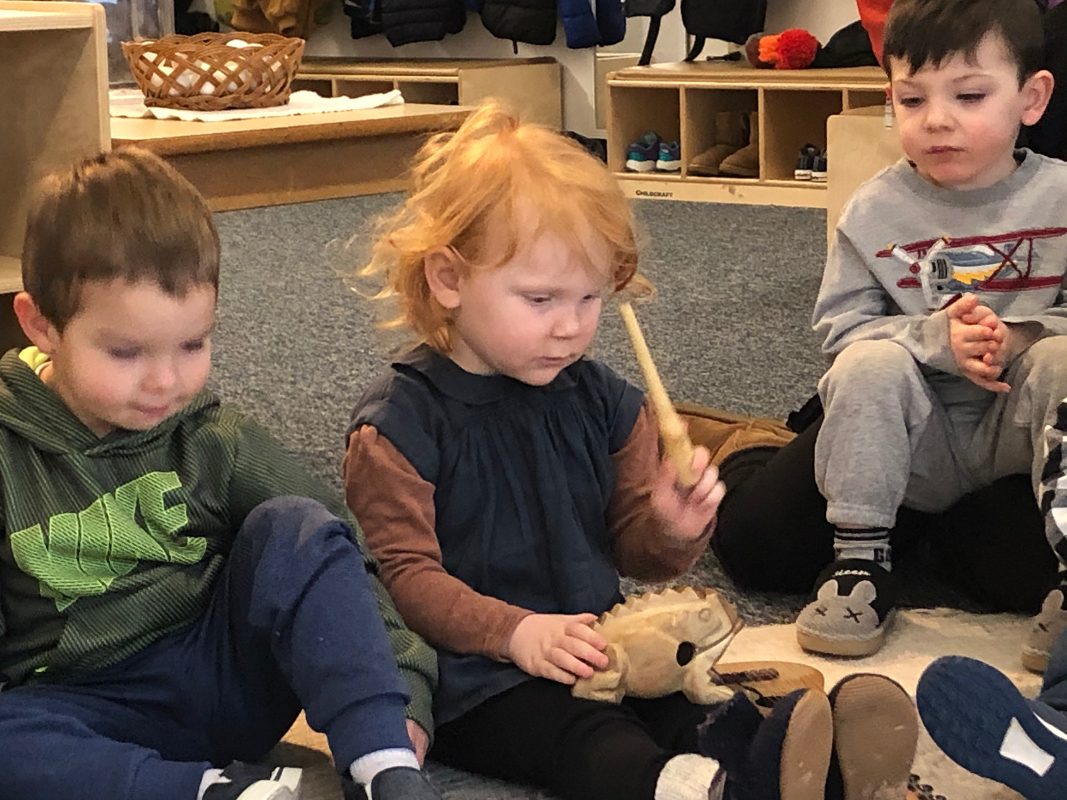
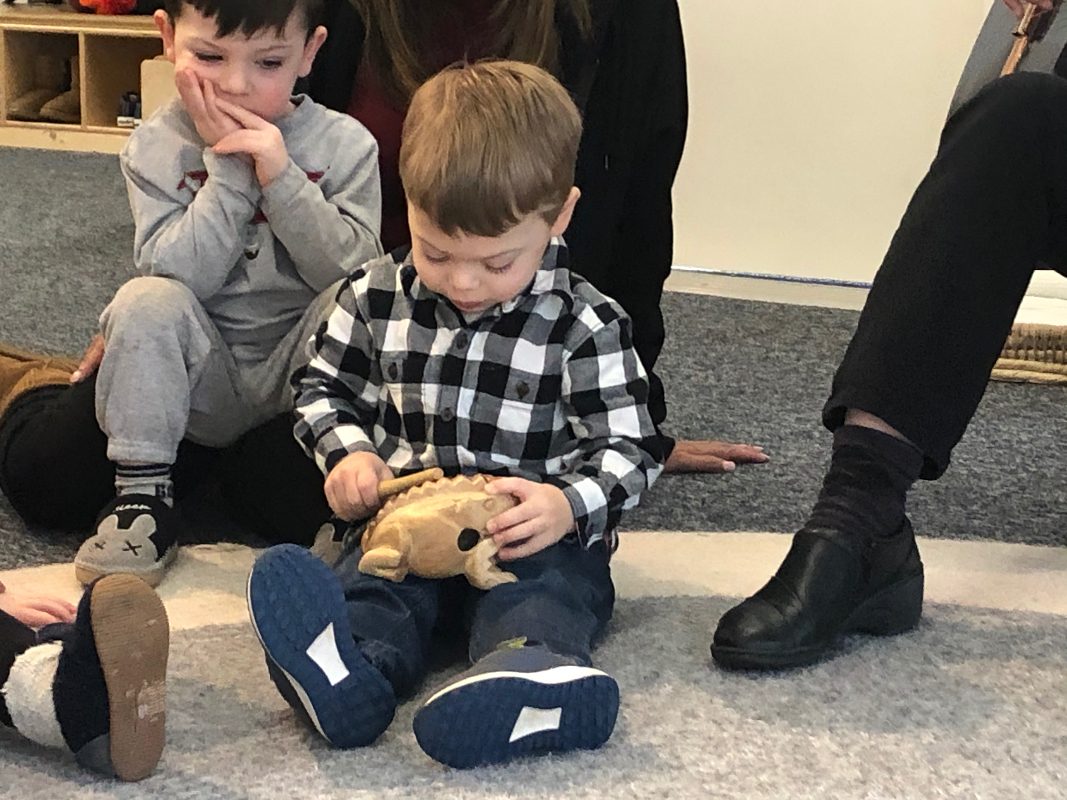
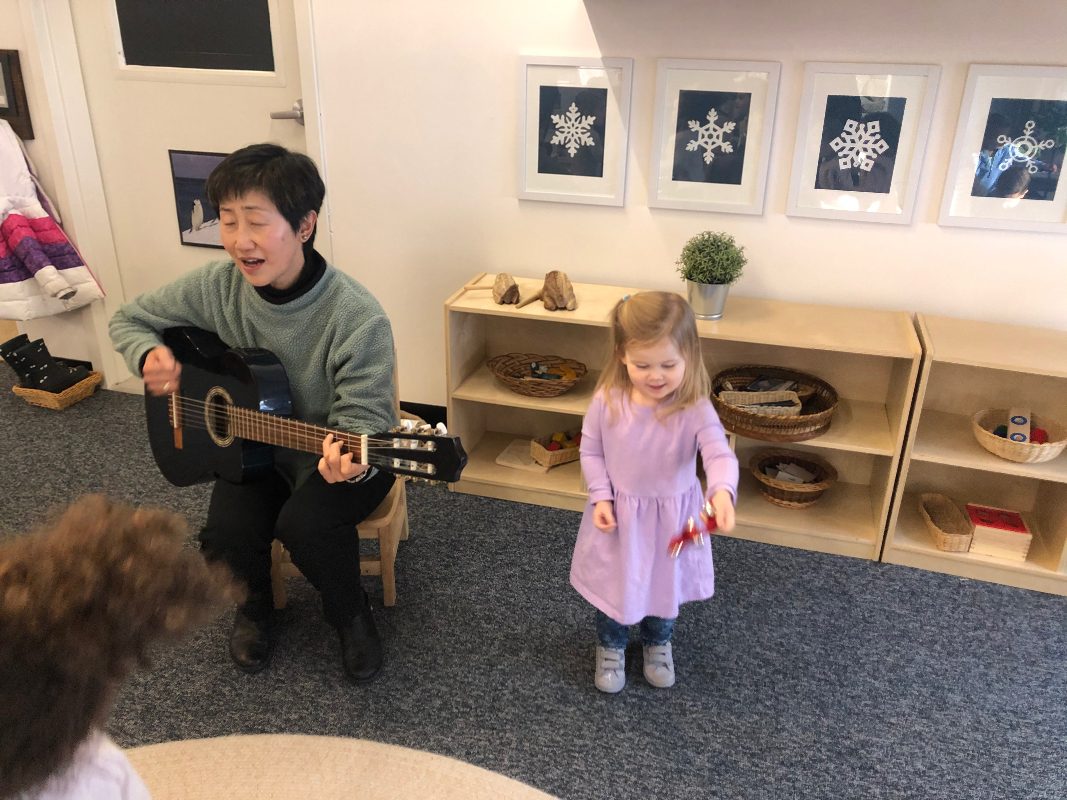
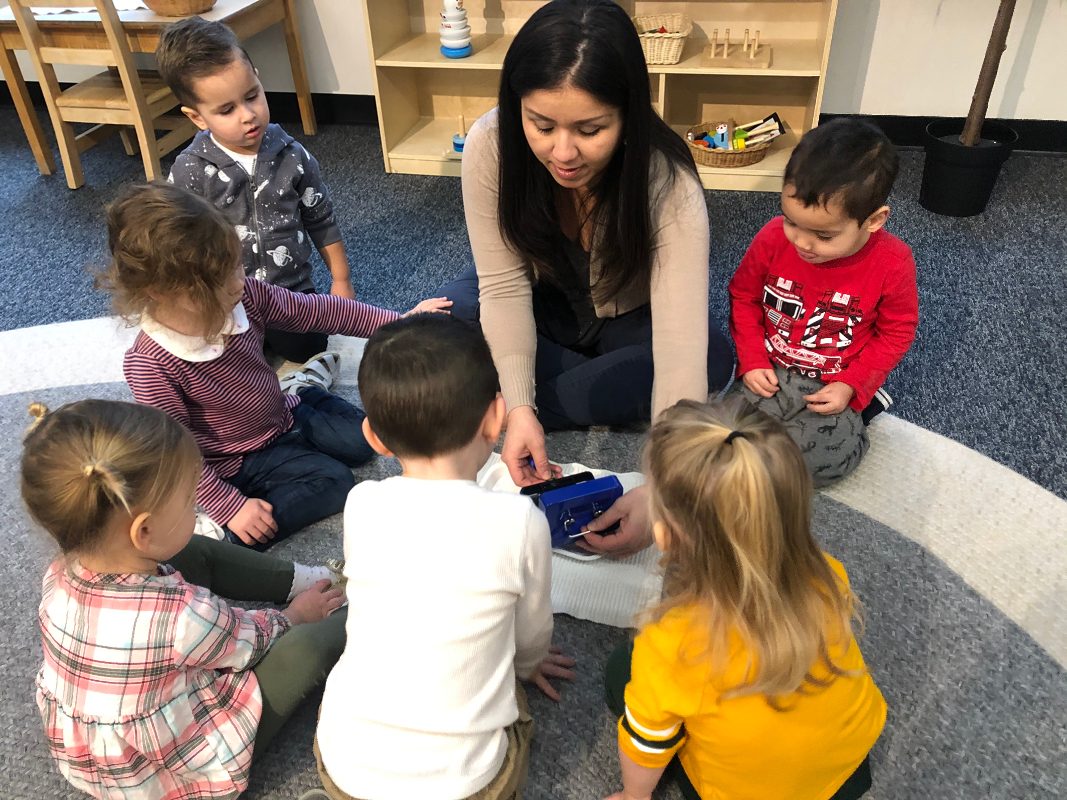
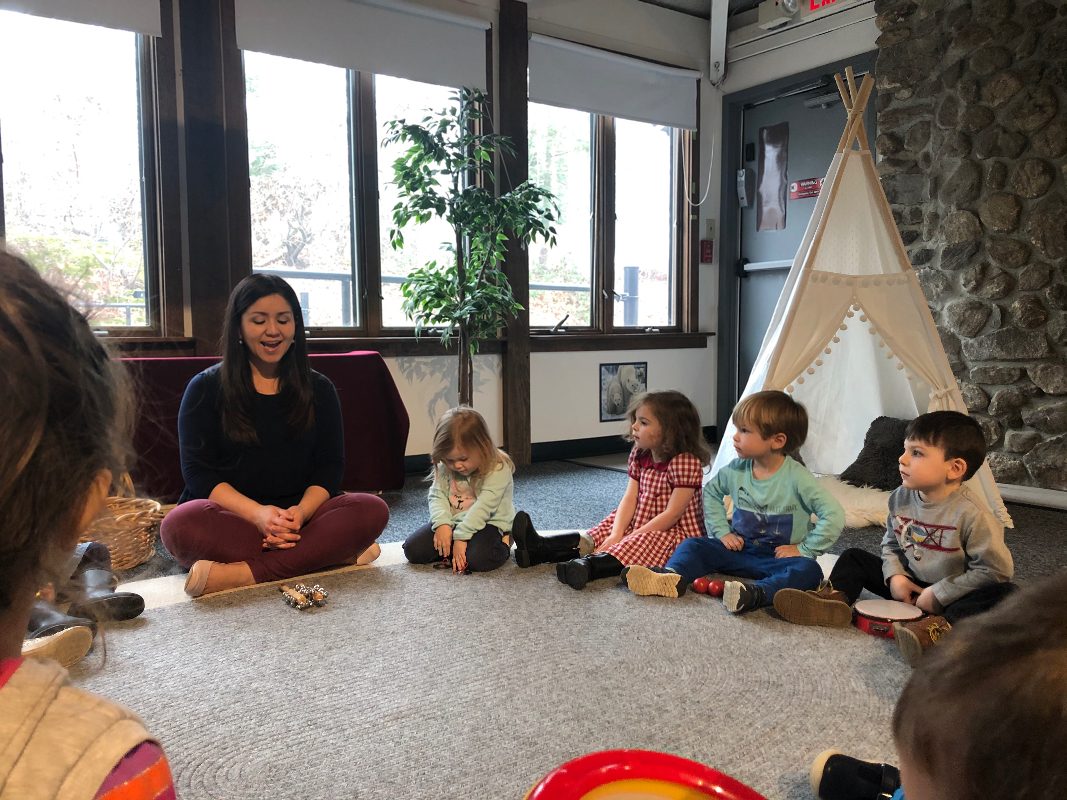
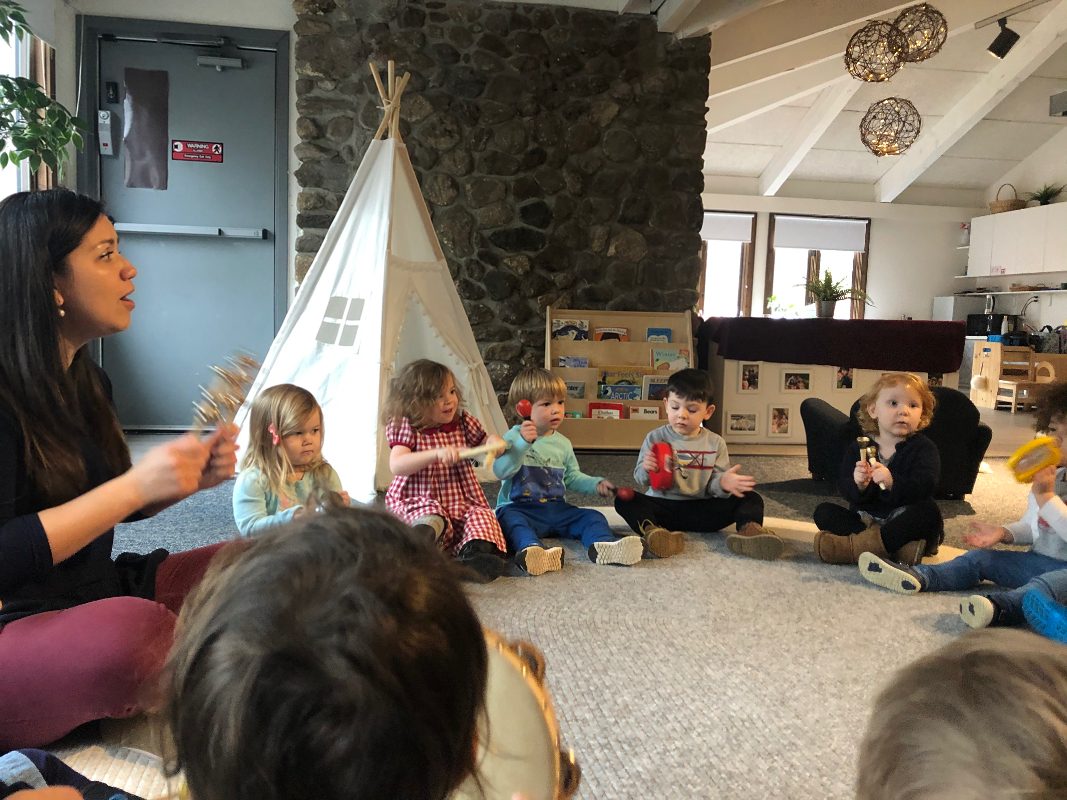
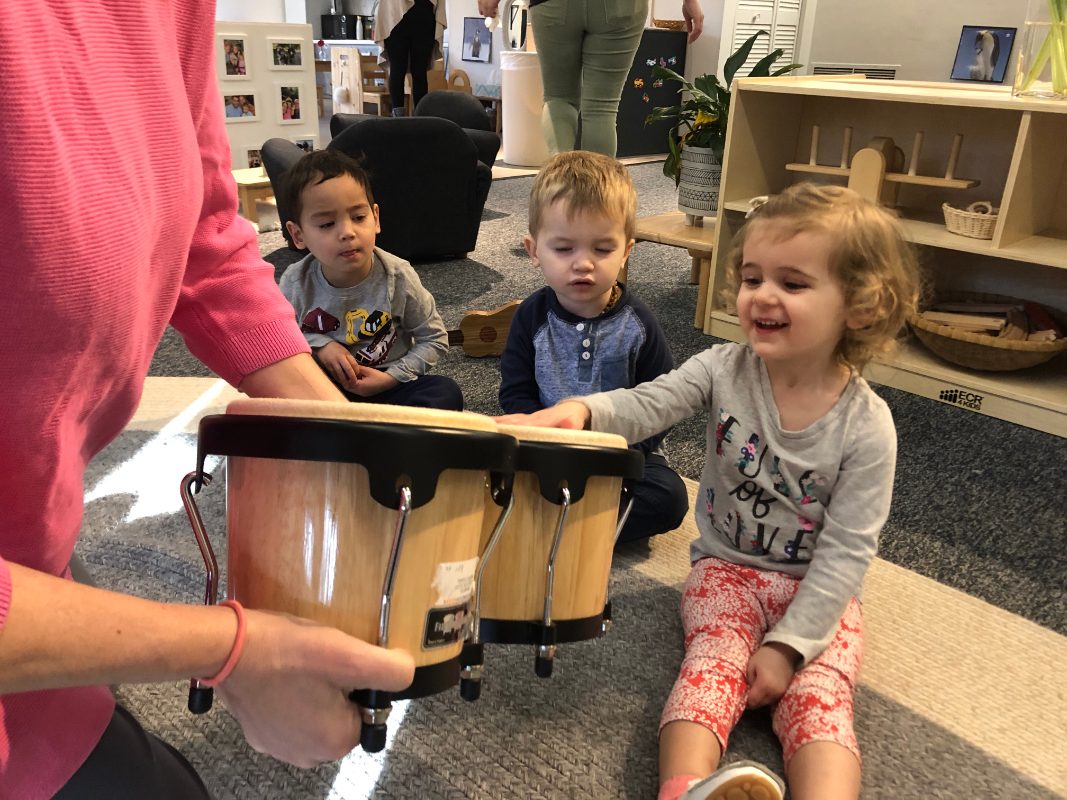
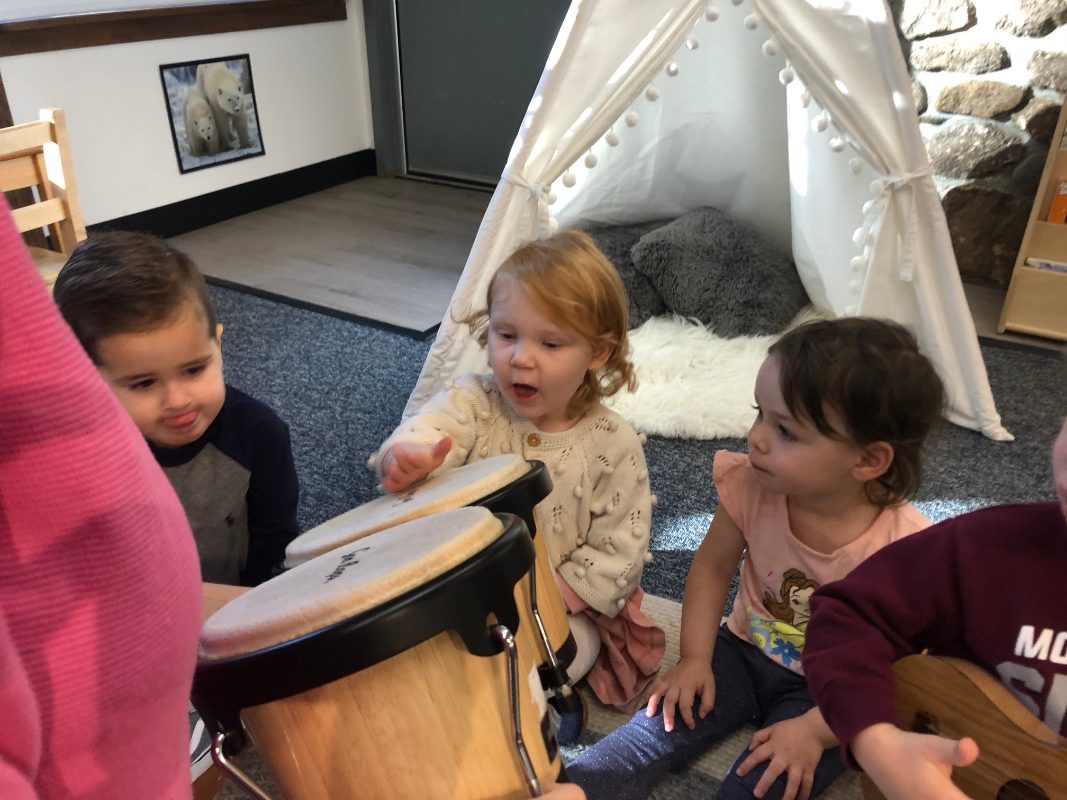
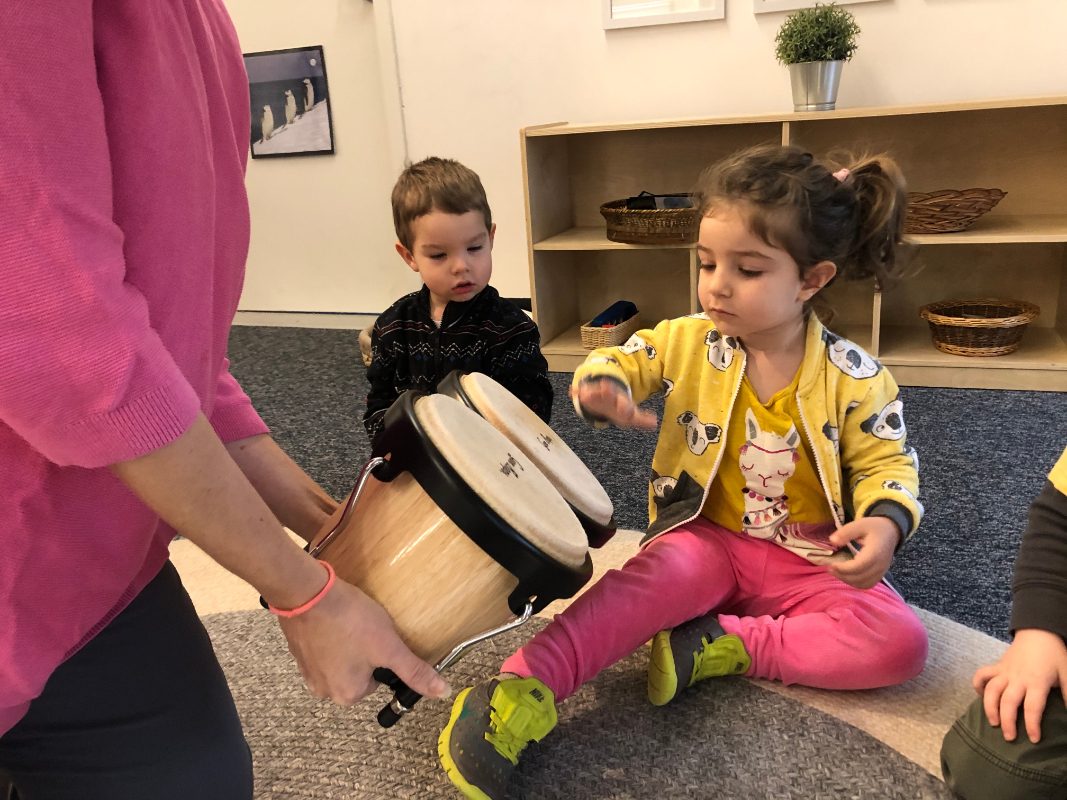
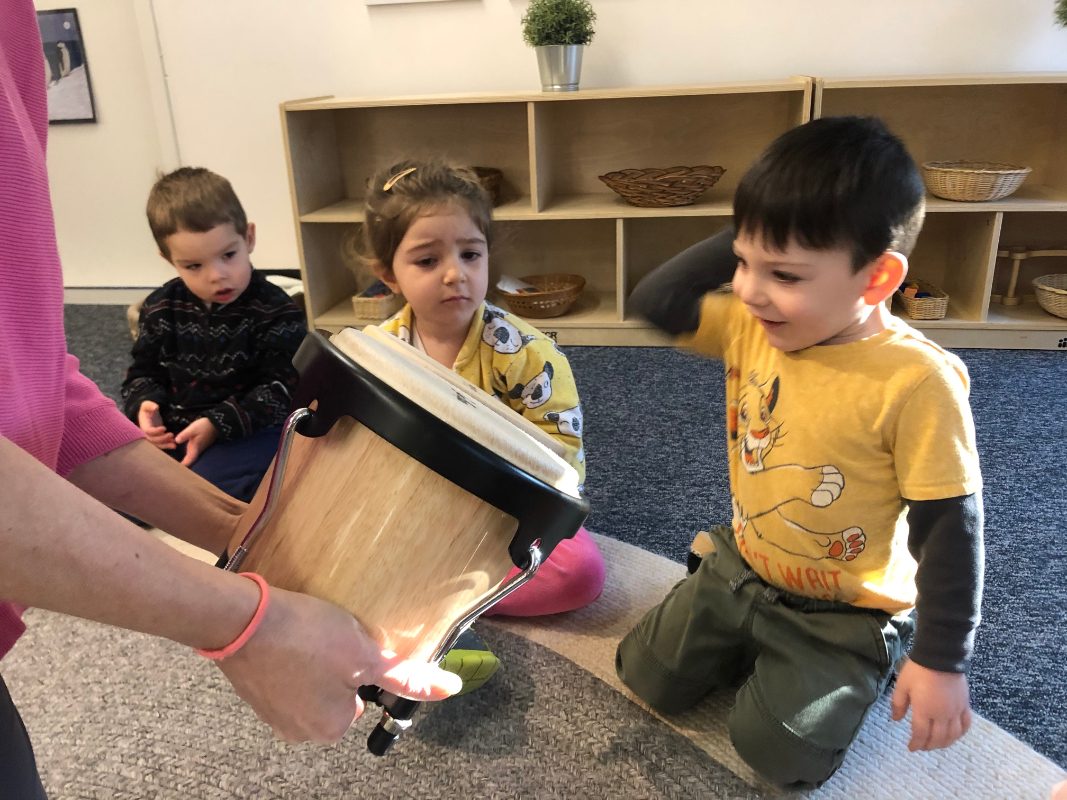
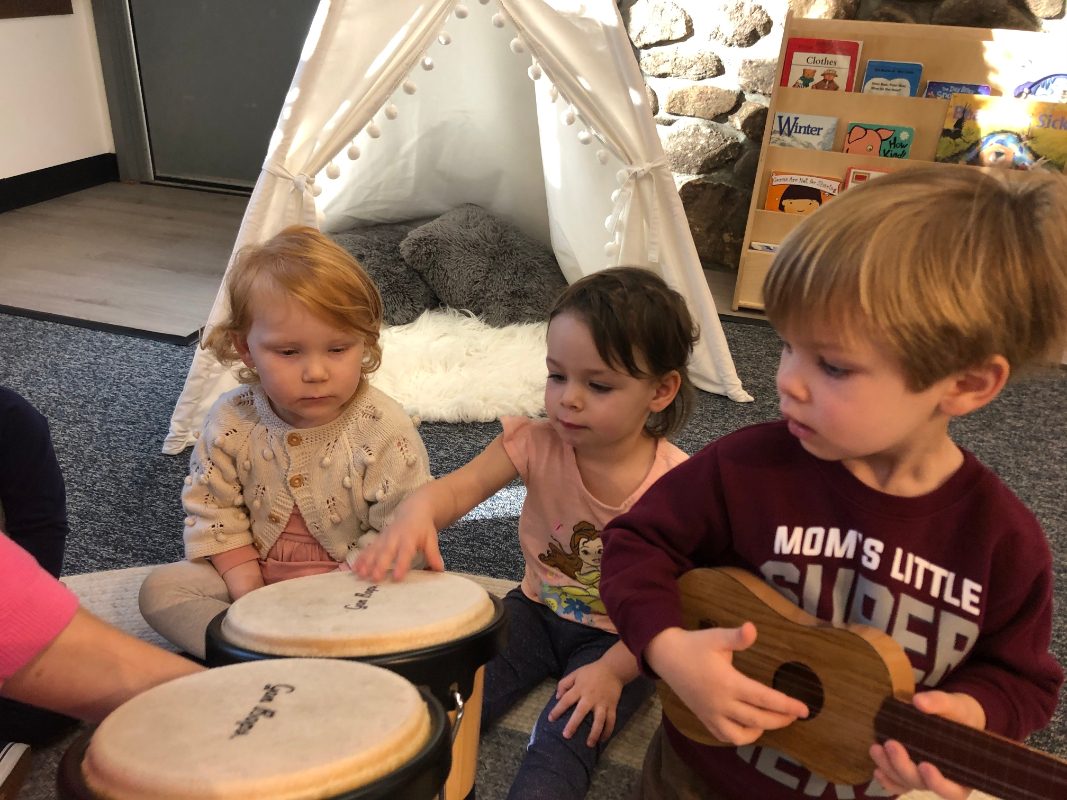
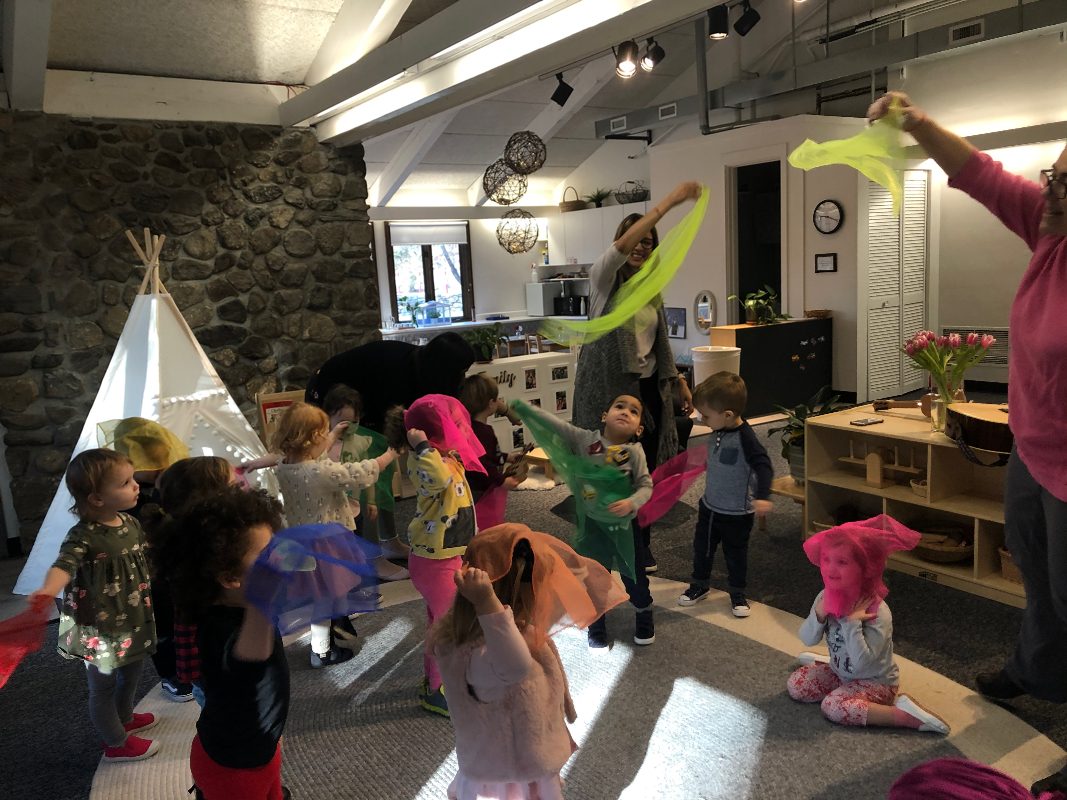
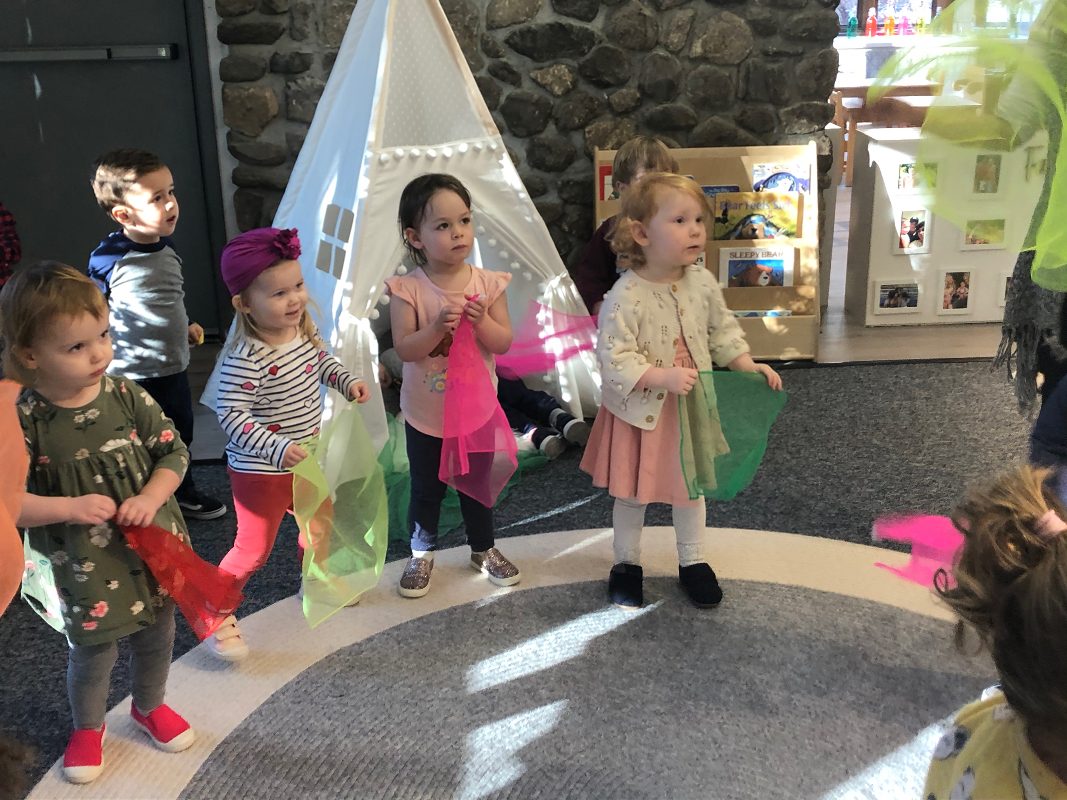
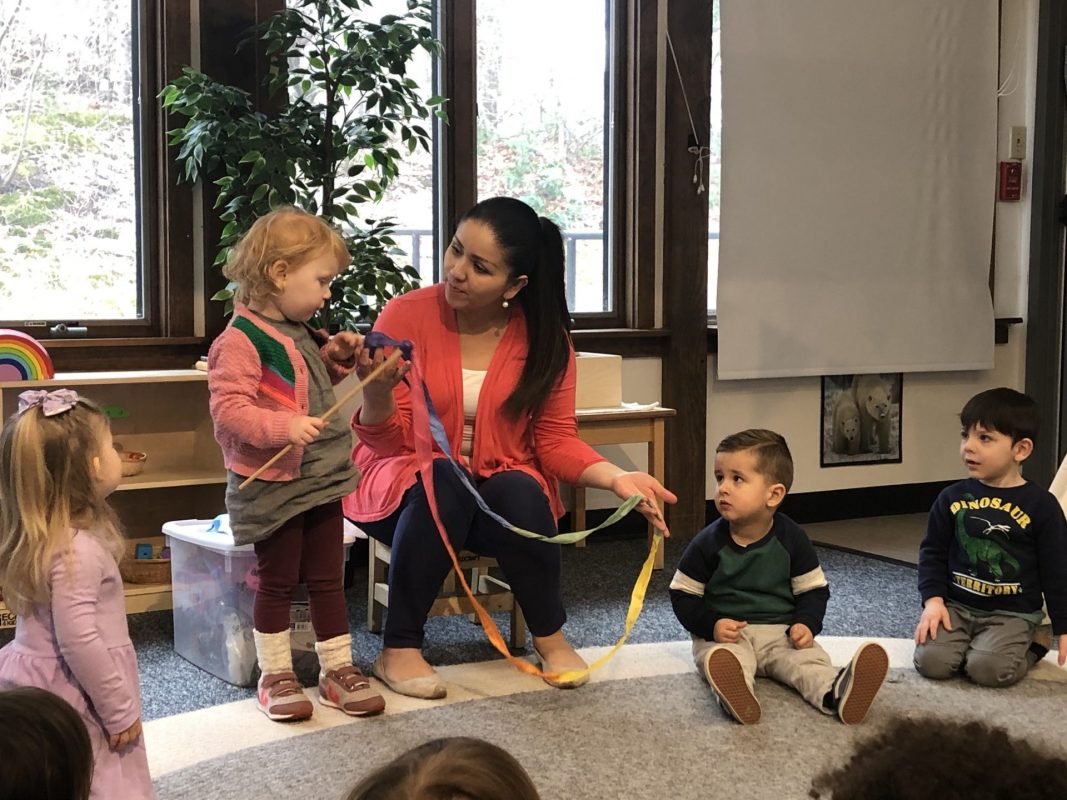
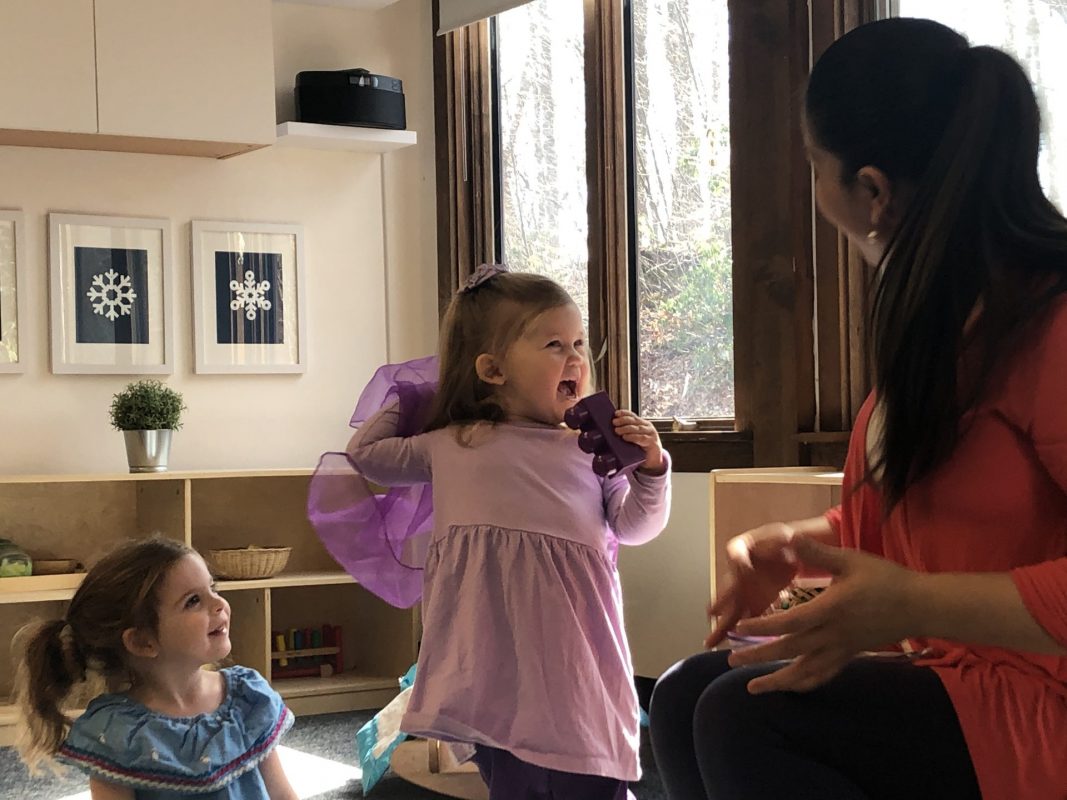
In addition to our music enrichment class every Thursday, children are exposed to meaningful music experiences everyday. They learn the names of the instruments they are playing and they learn how to properly play them. This week, we focused on the importance of being polite and waiting until everybody gets their instrument before selecting a song and grabbing their instrument to play! Children were directed to recognize hand gestures for tempo, dynamics, and their favorite: the closing of the song. They all love to hold their fists up and watch how everybody’s instrument stops at the same time! Their smiles say it all! We call this our “band time.”
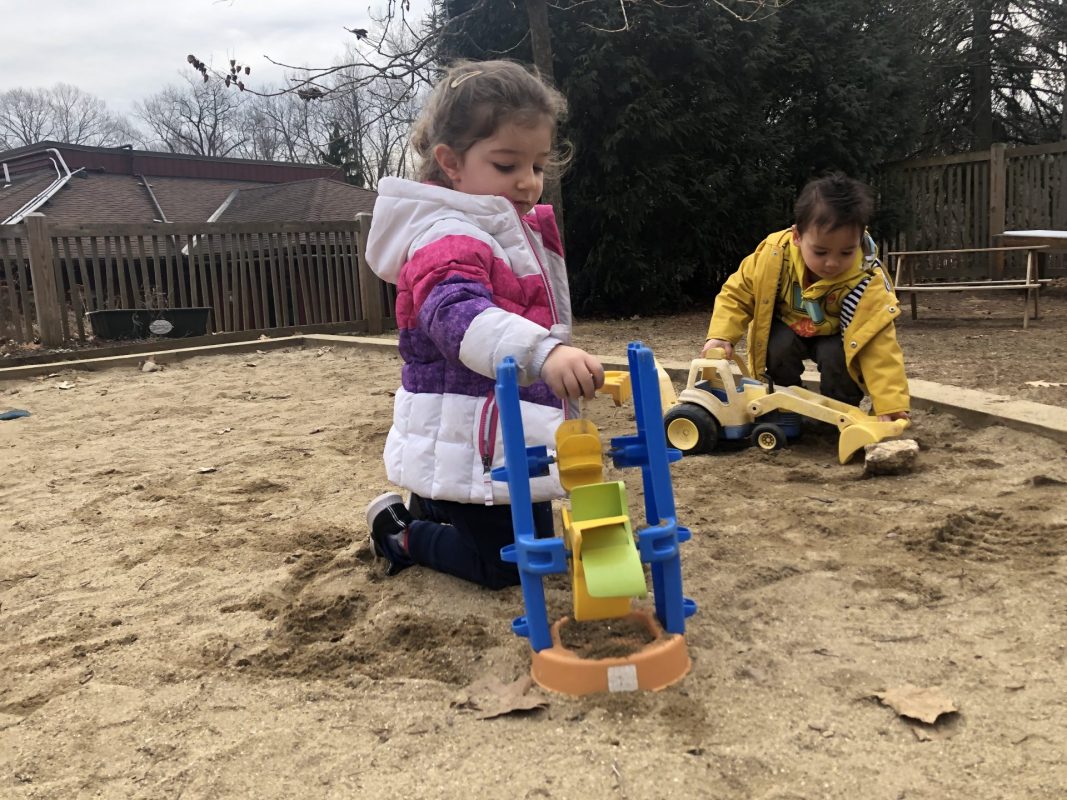
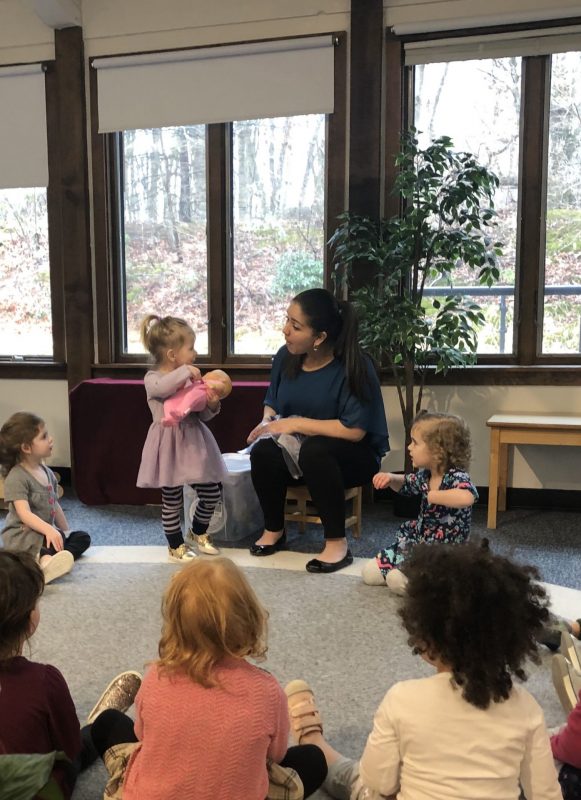
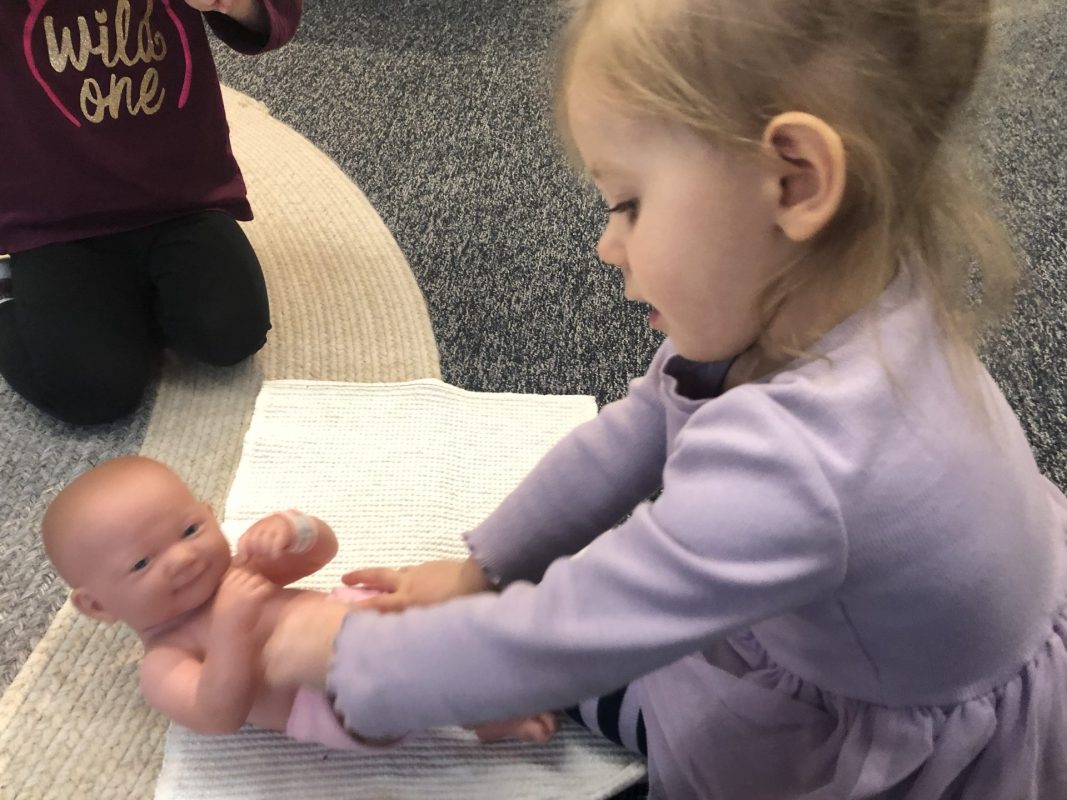
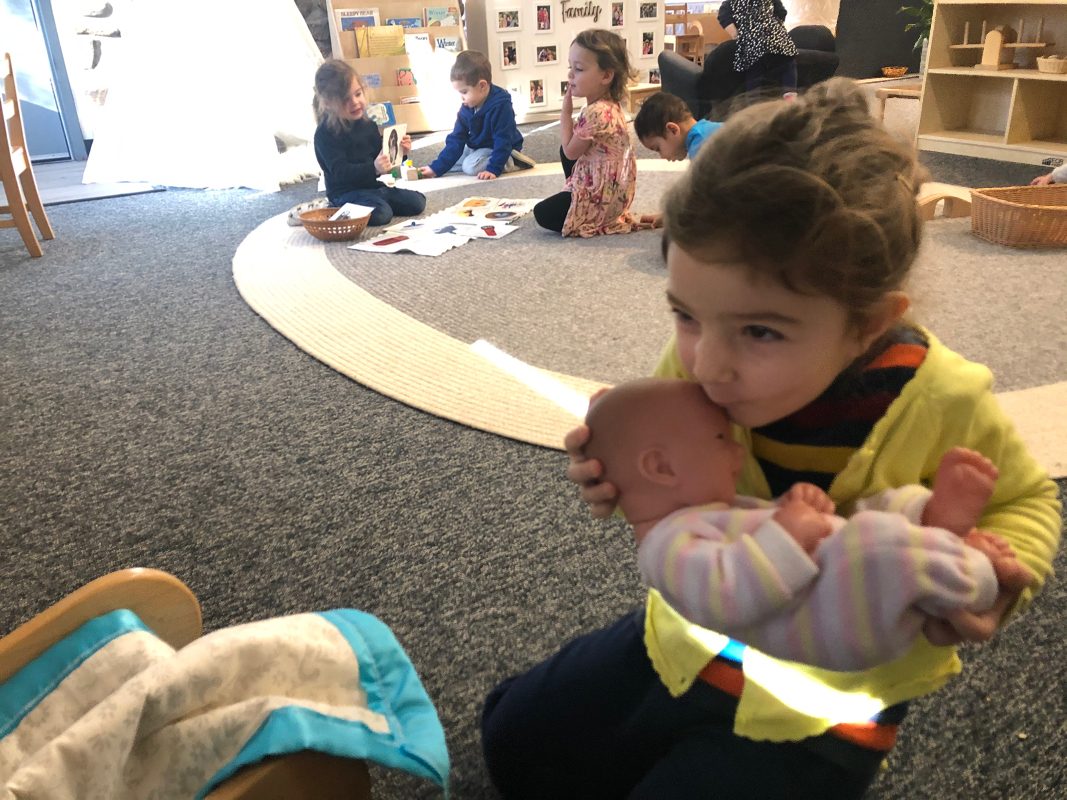
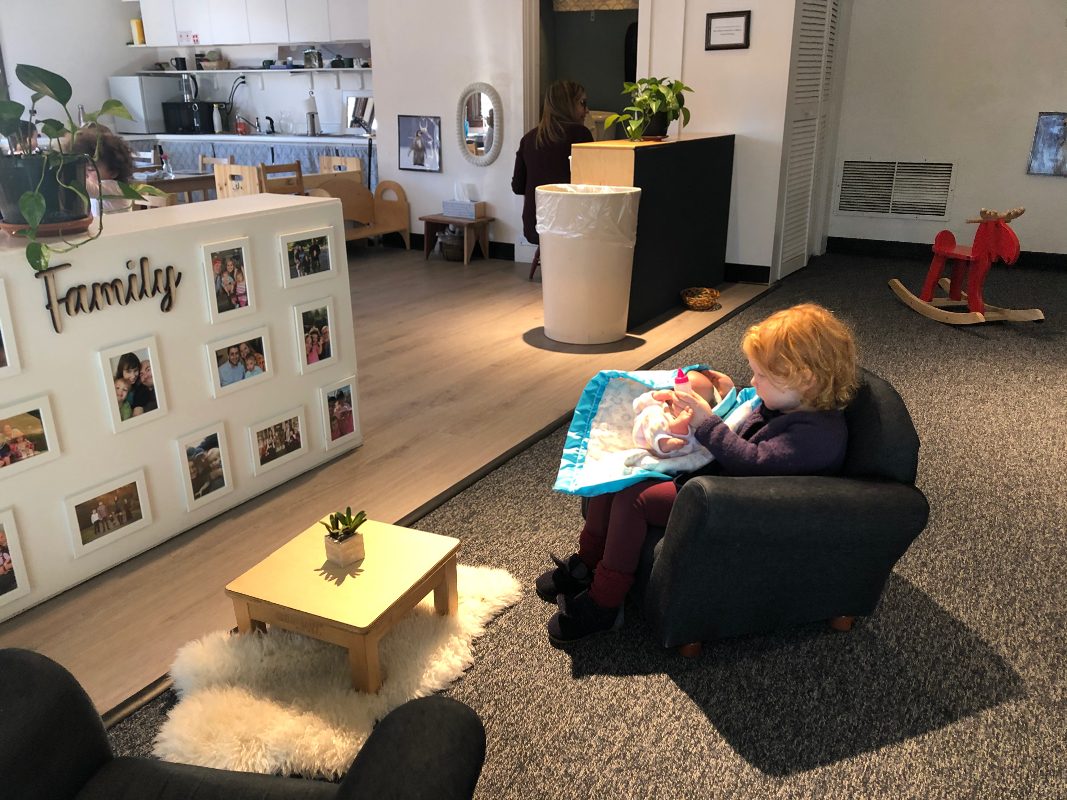
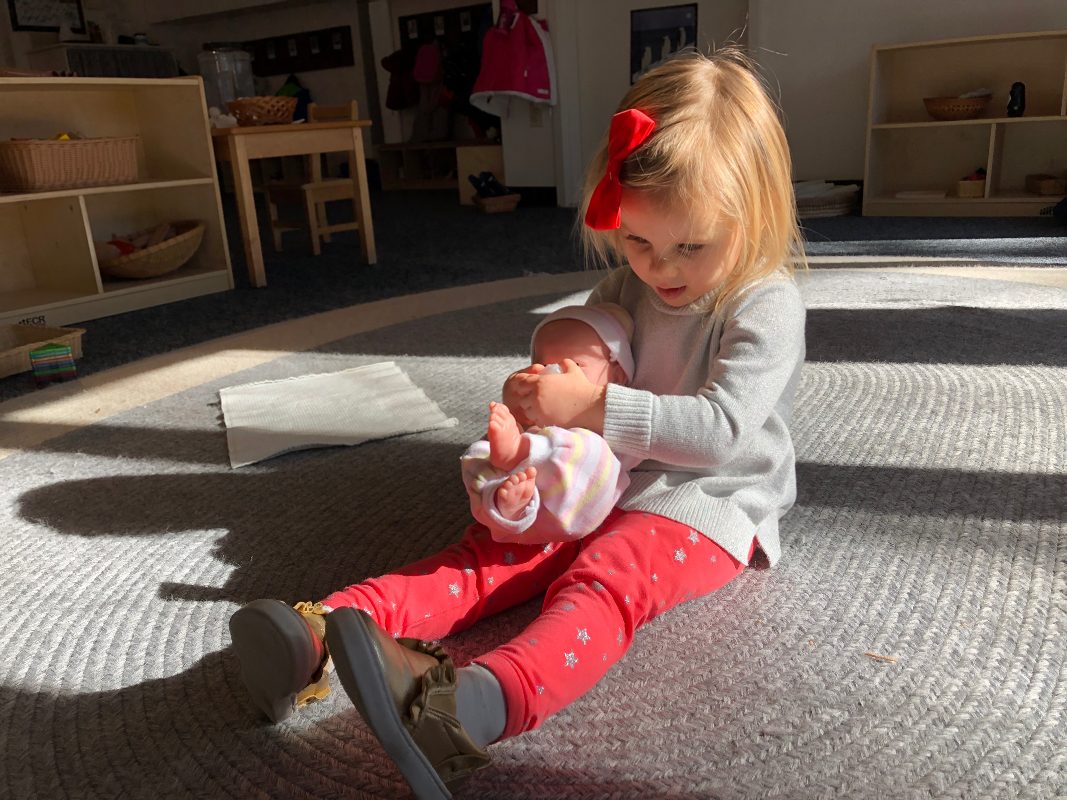
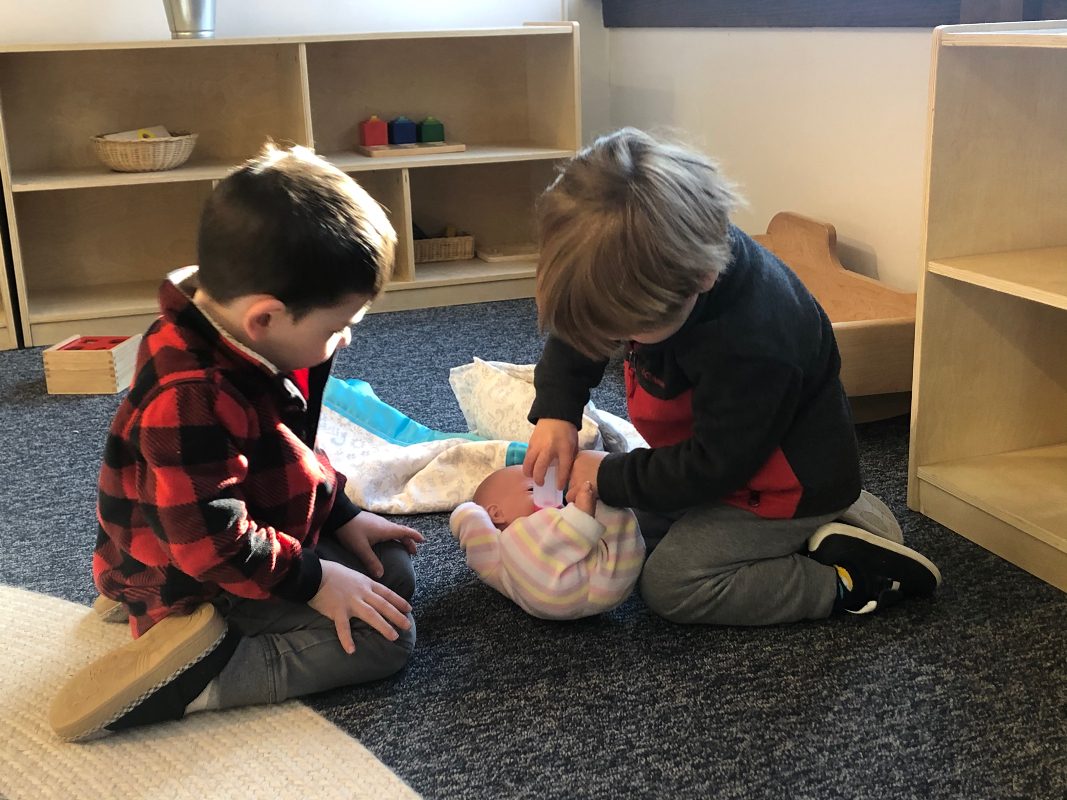
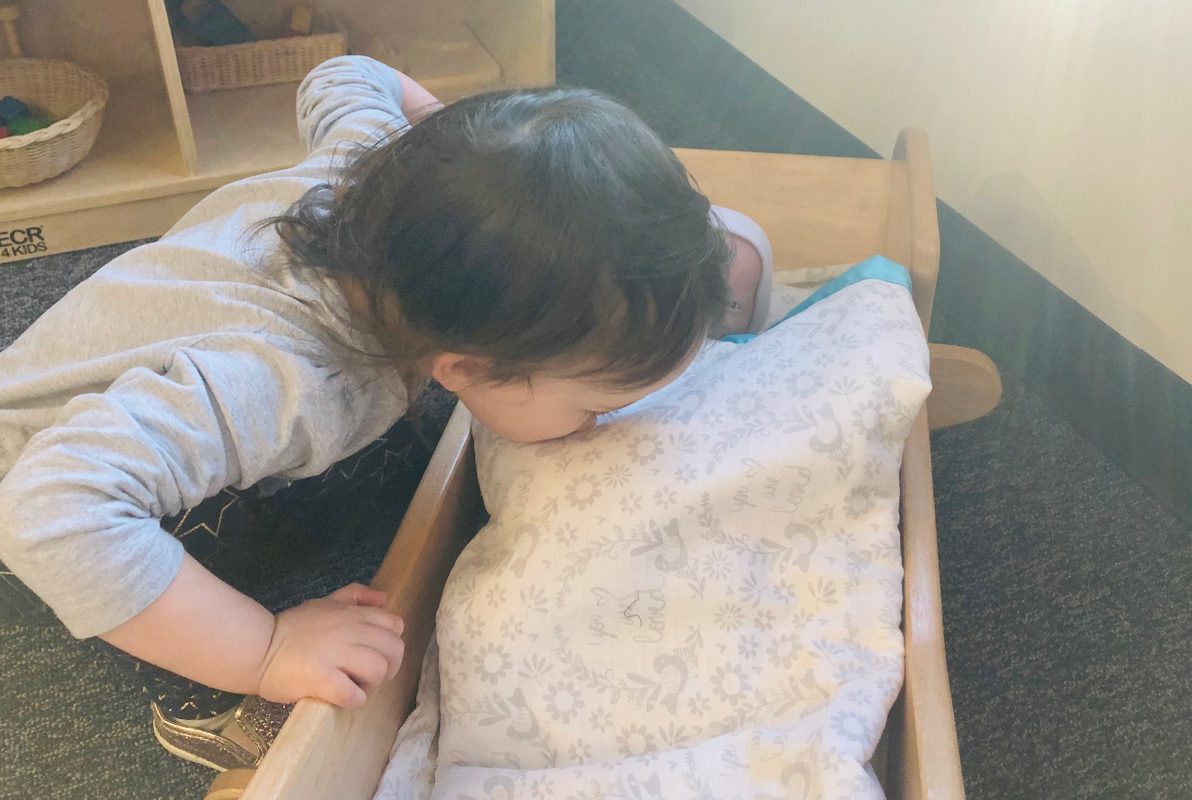
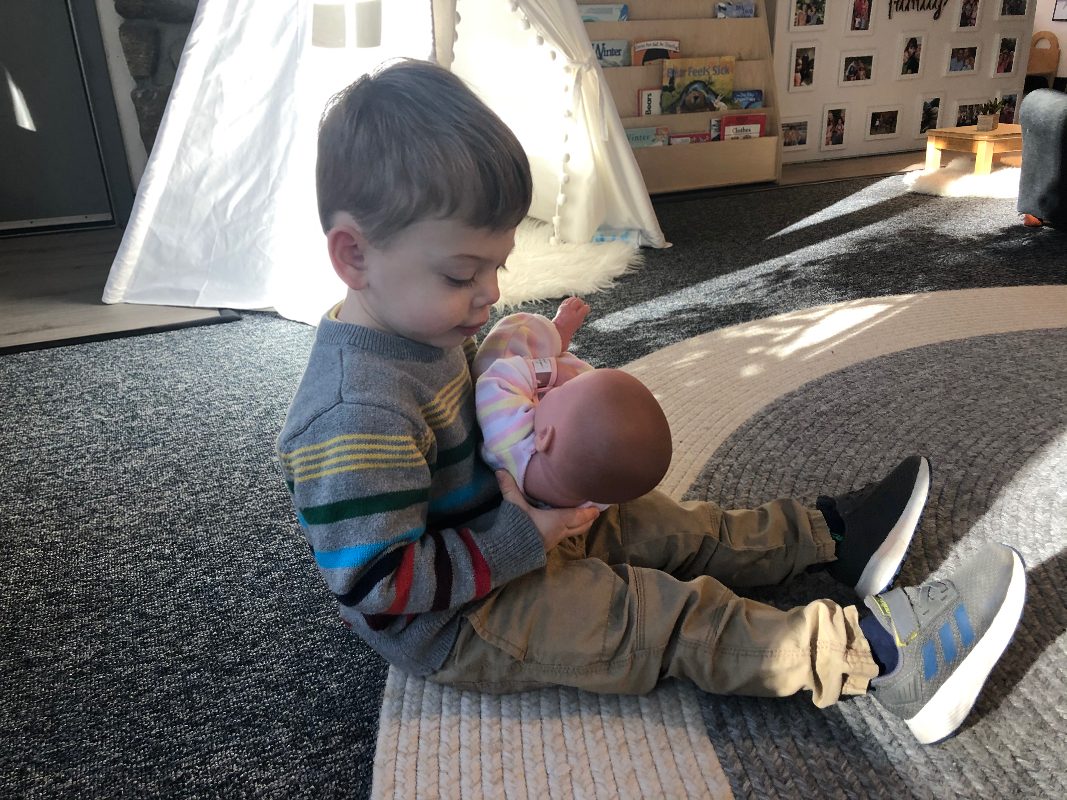
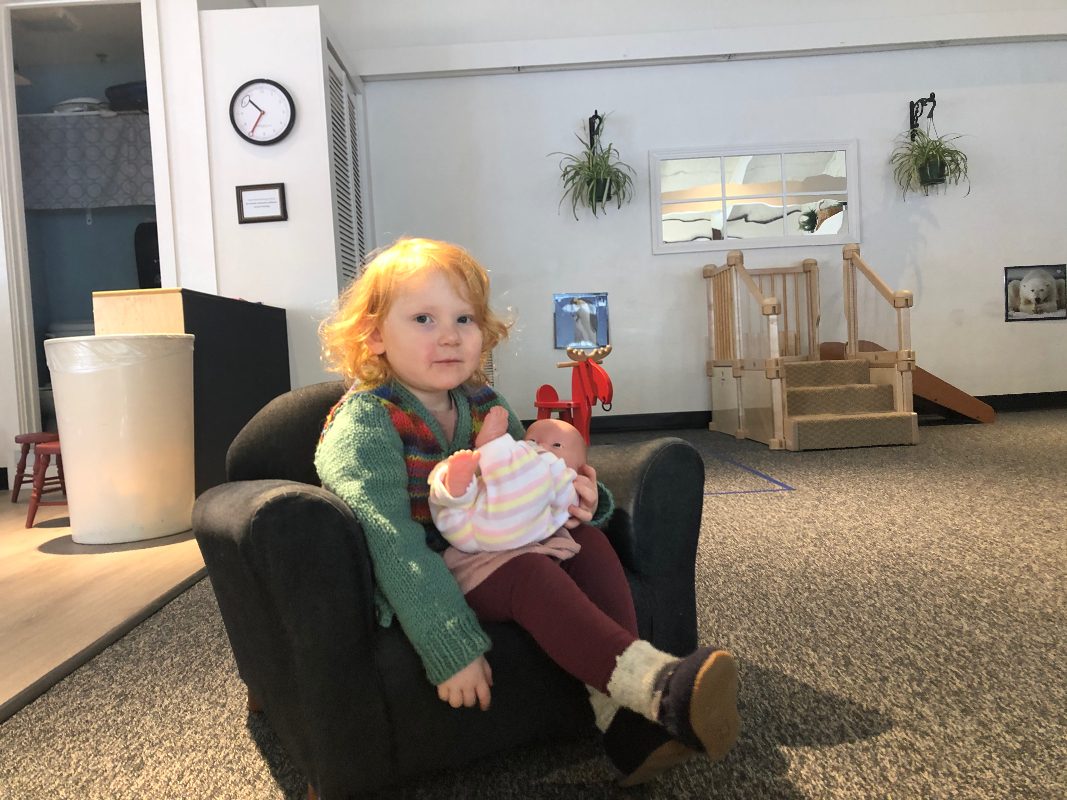
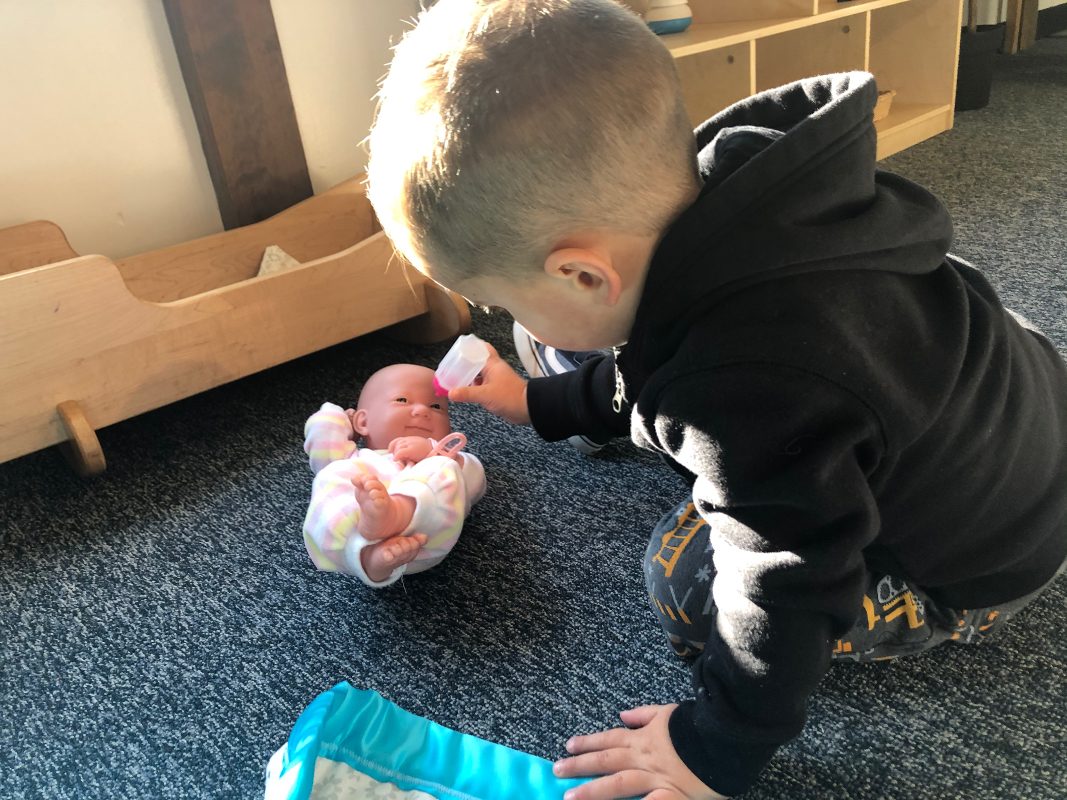
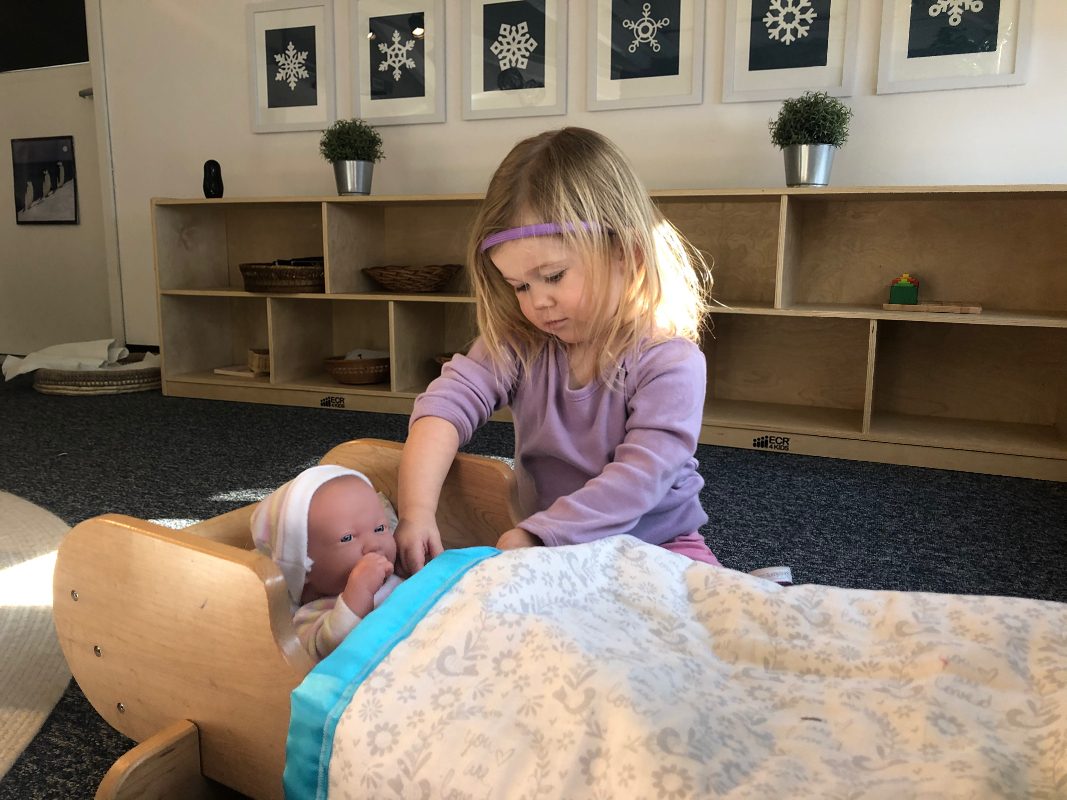
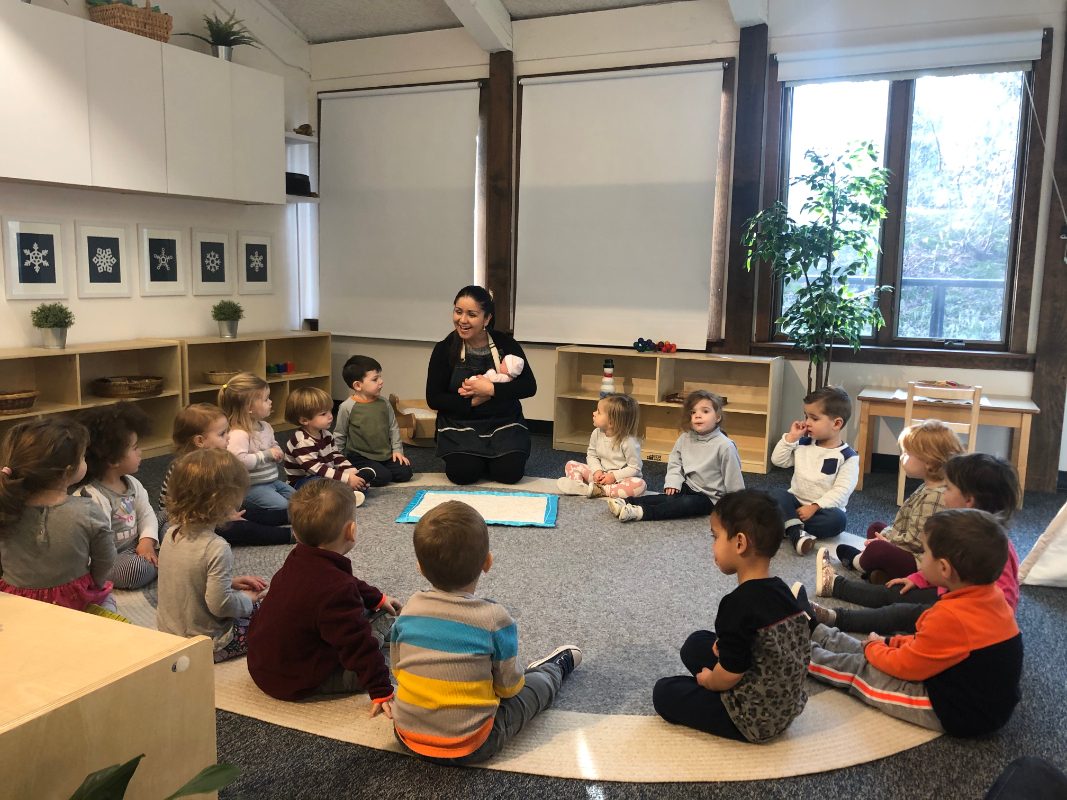
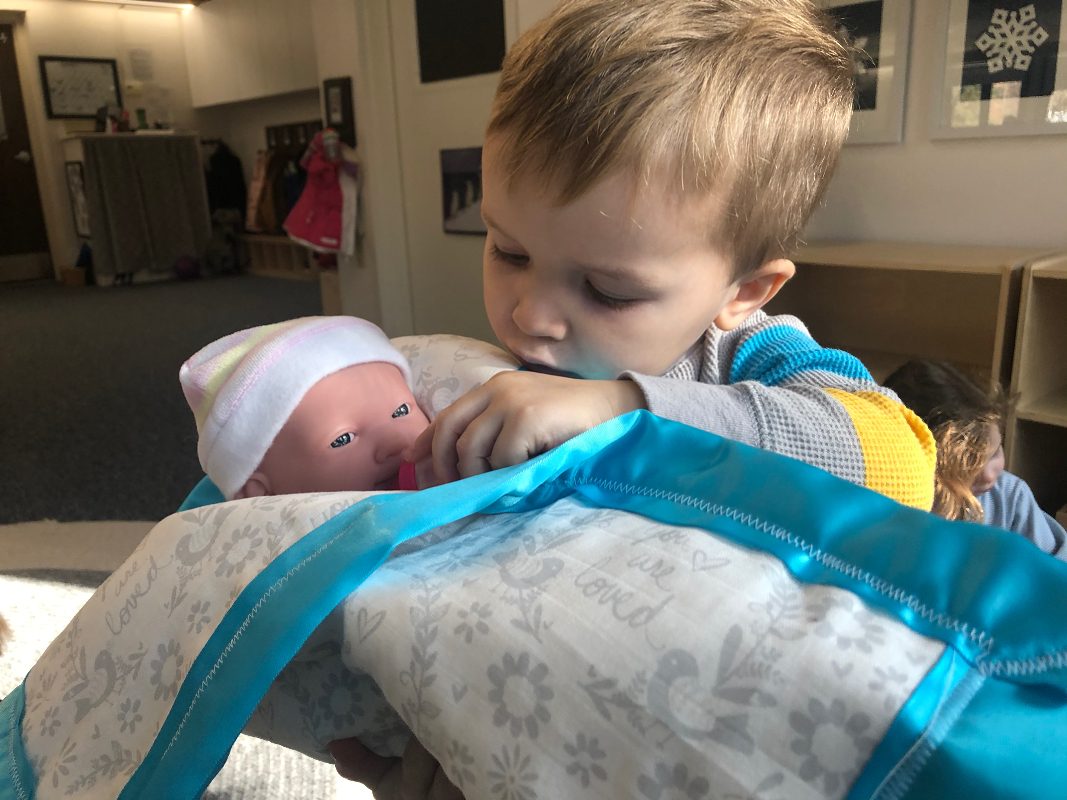
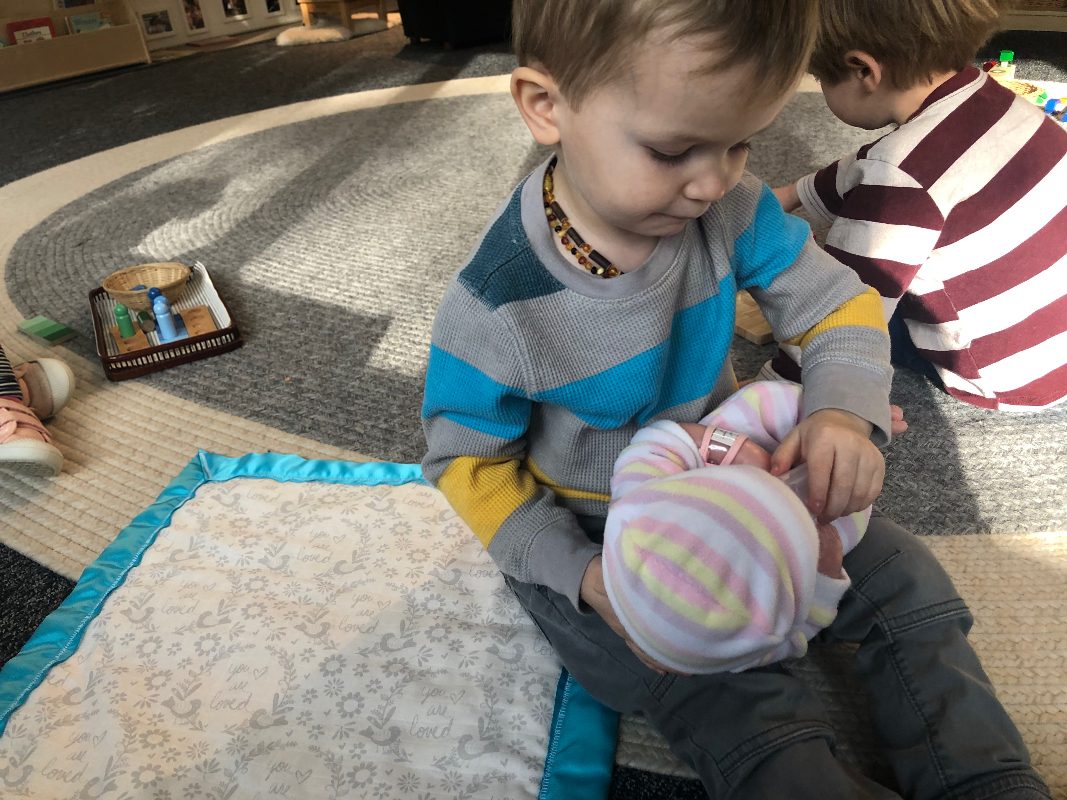
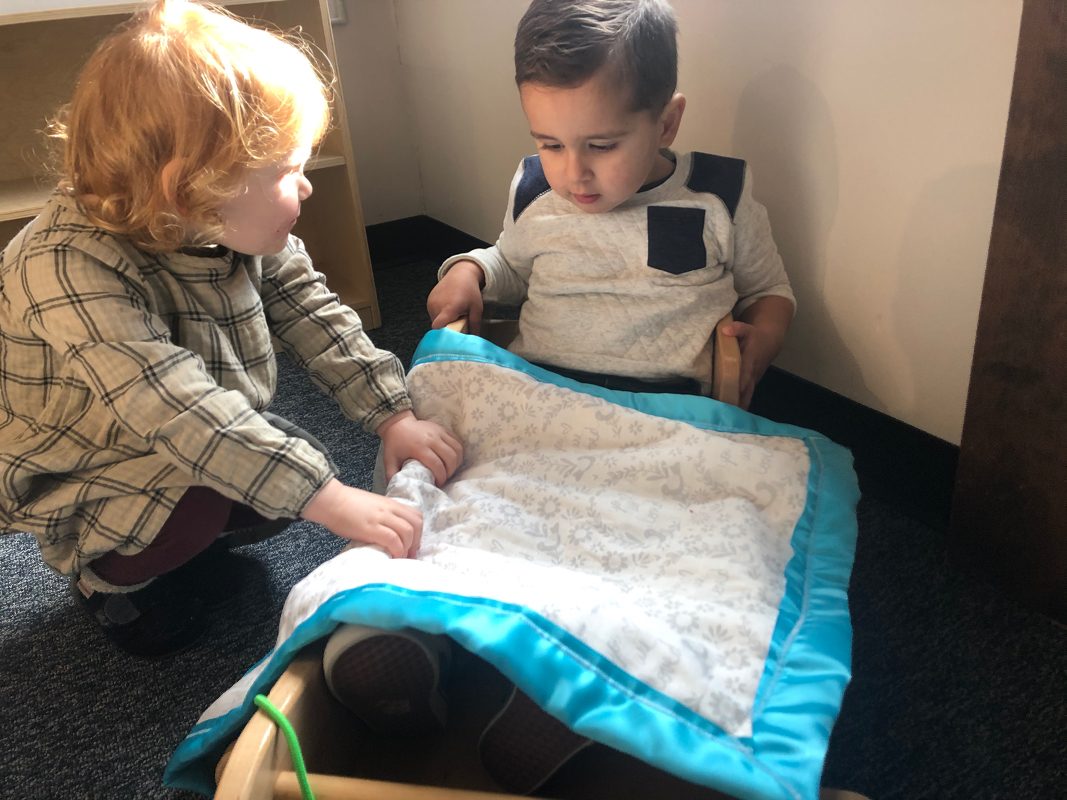
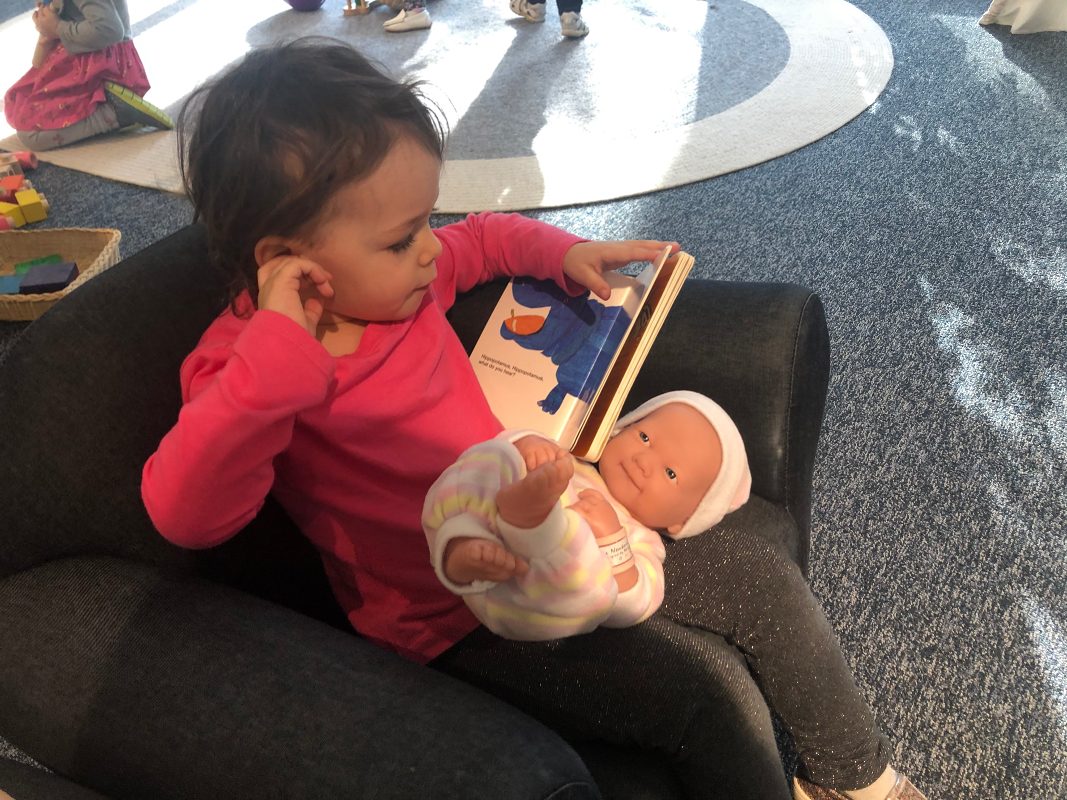
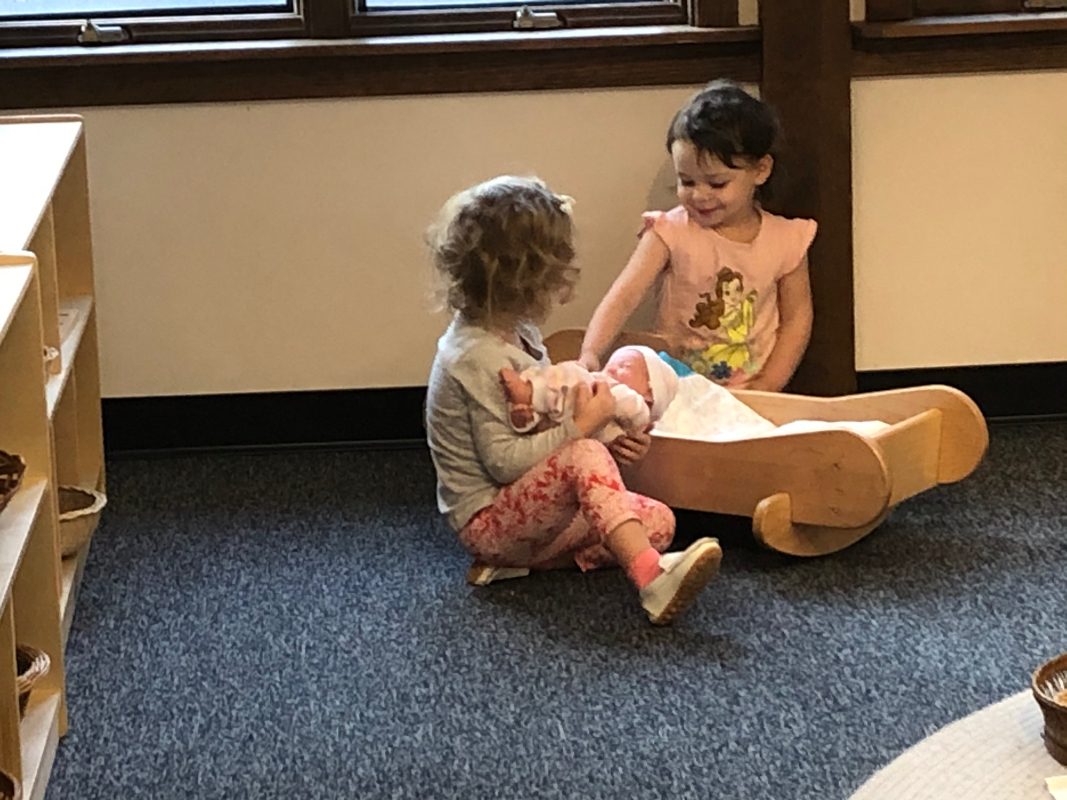
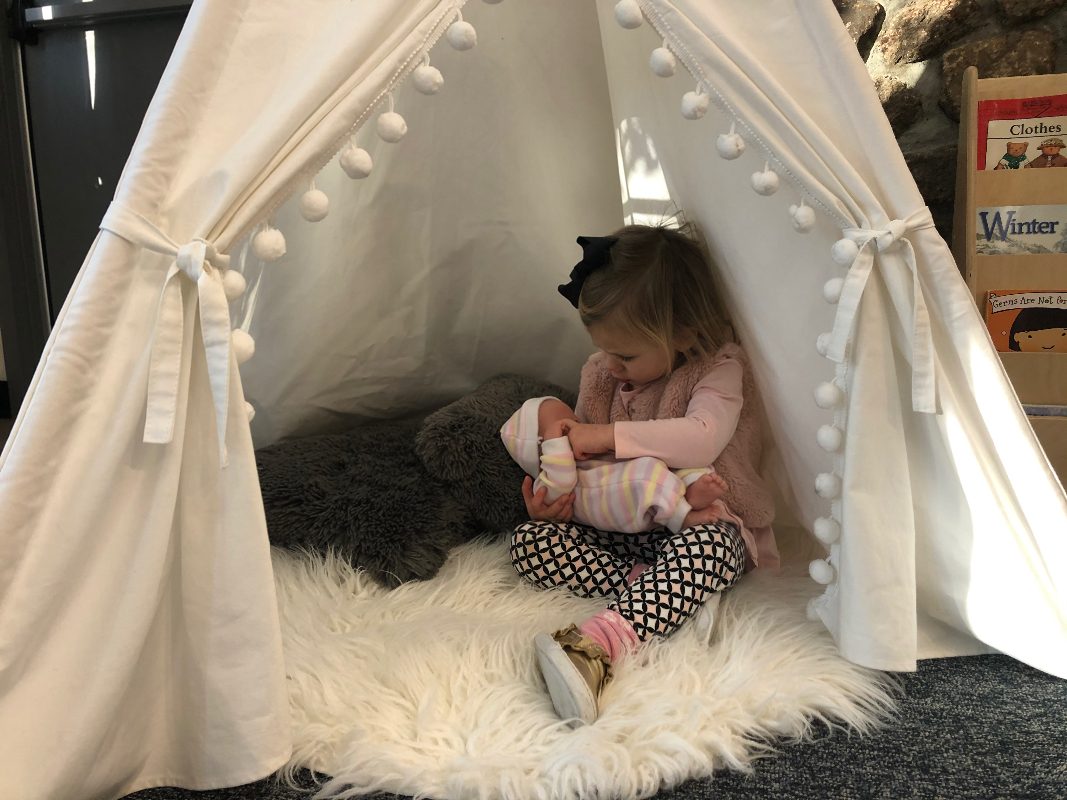
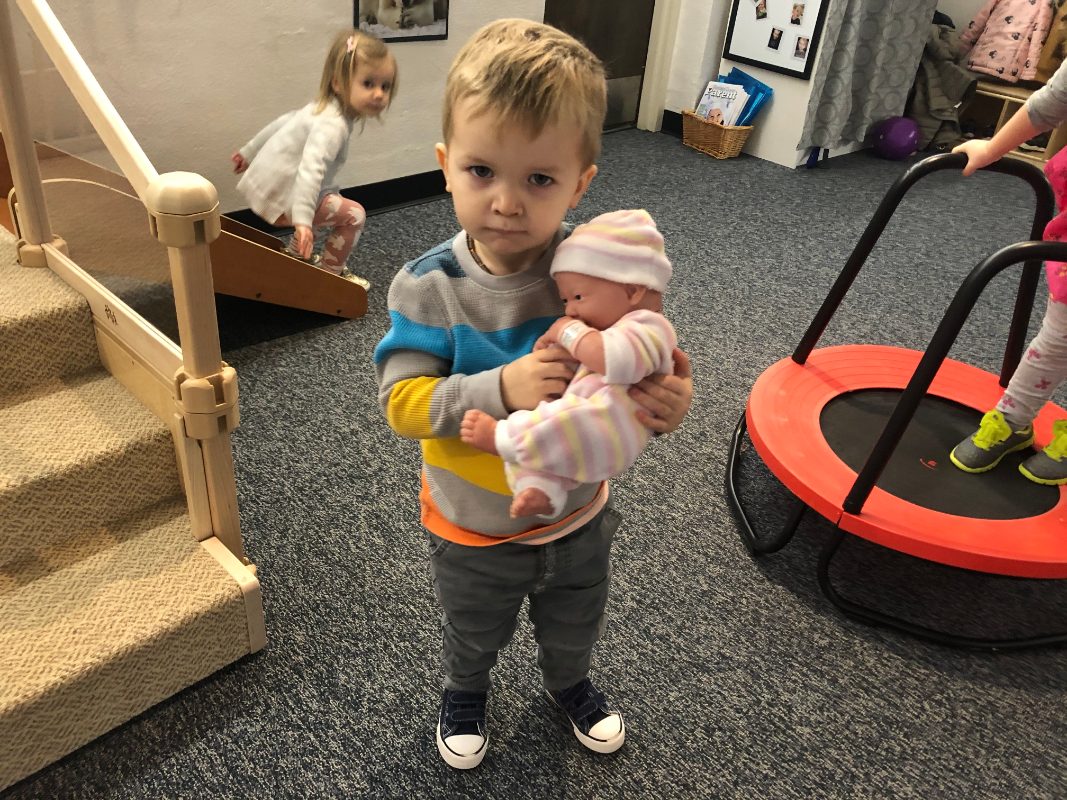
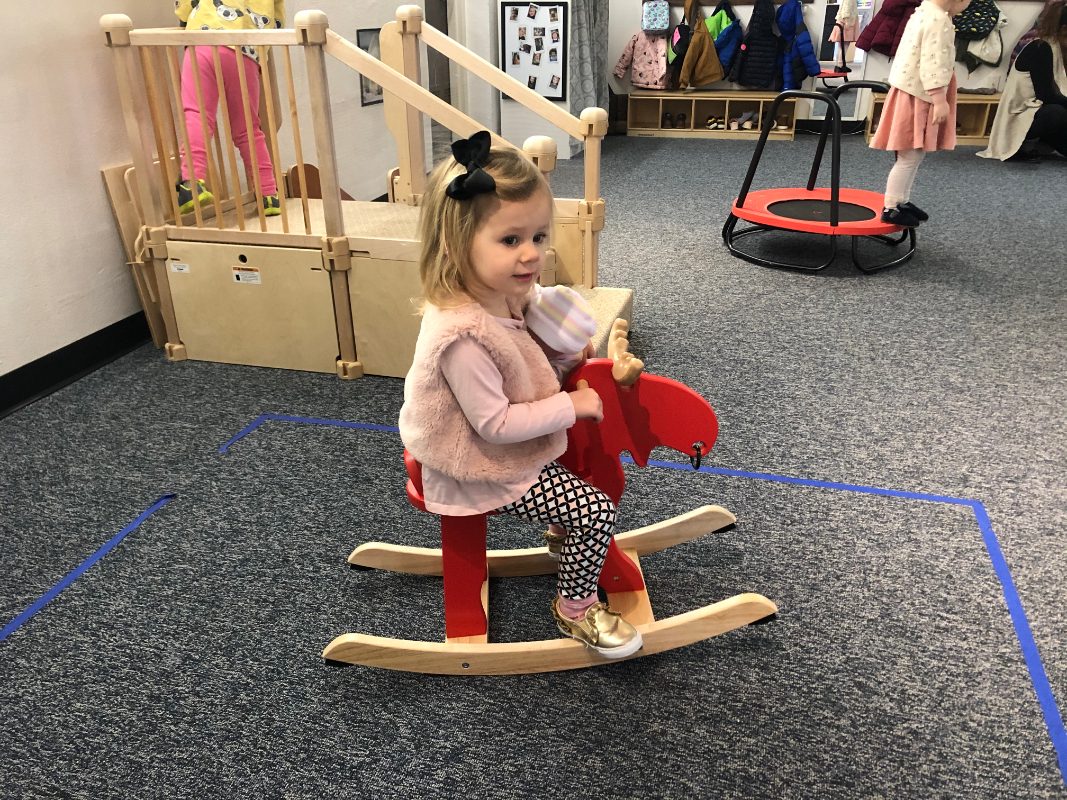
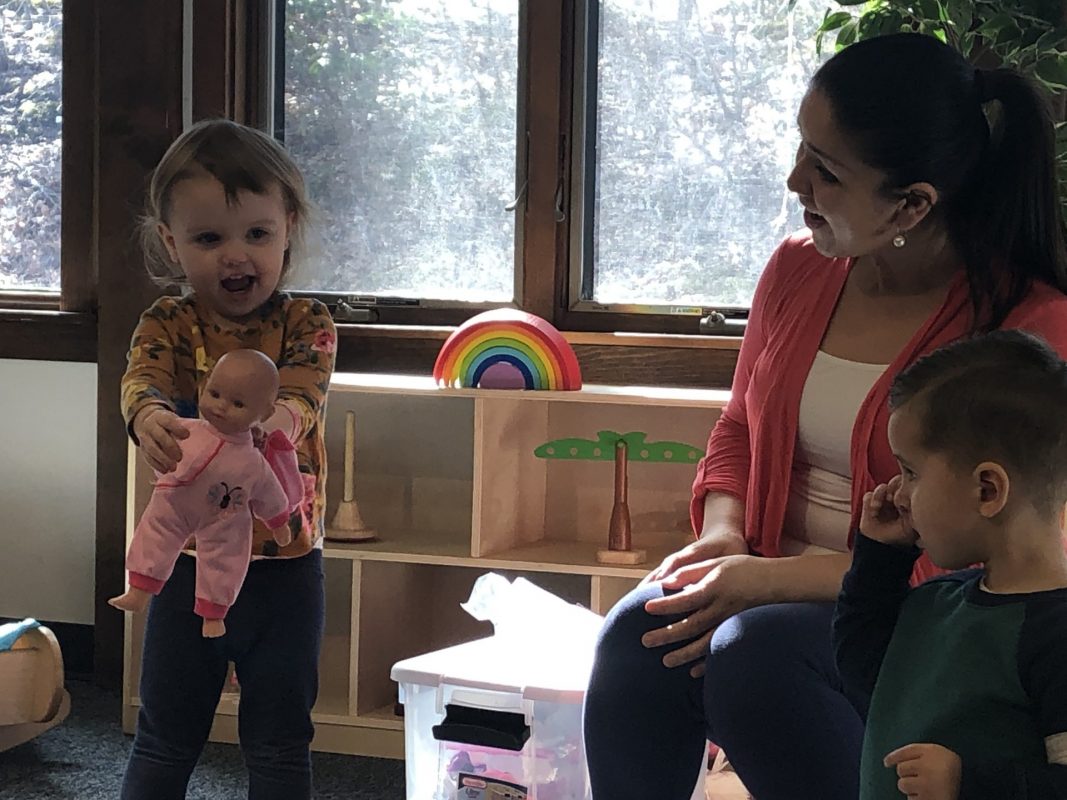
Another highlight of this week was the introduction of a beloved work by all the children: a baby doll. Her name is Rosie. Through this work children practice grace and courtesy, gentleness, and a lot of patience since everybody wants to take care of the baby. Children enjoyed this work so much! Some of them cuddle Rosie with such a care, others explored her body parts using it as an enrichment of vocabulary work. They worked together to make sure Rosie felt loved. They read, sang and kissed her. They walked her around and showed her the environment. Some of them even gave her lessons. Children also role played by taking turns to be the baby and getting into the crib while other classmates took care of them. It was so precious! We want to thank Ms. Ulacco and Ms. Benoit for using their talents in making for us the beautiful baby’s crib bedding. Children loved this work! We can’t wait to present to them the feeding and bathing extensions of this work.
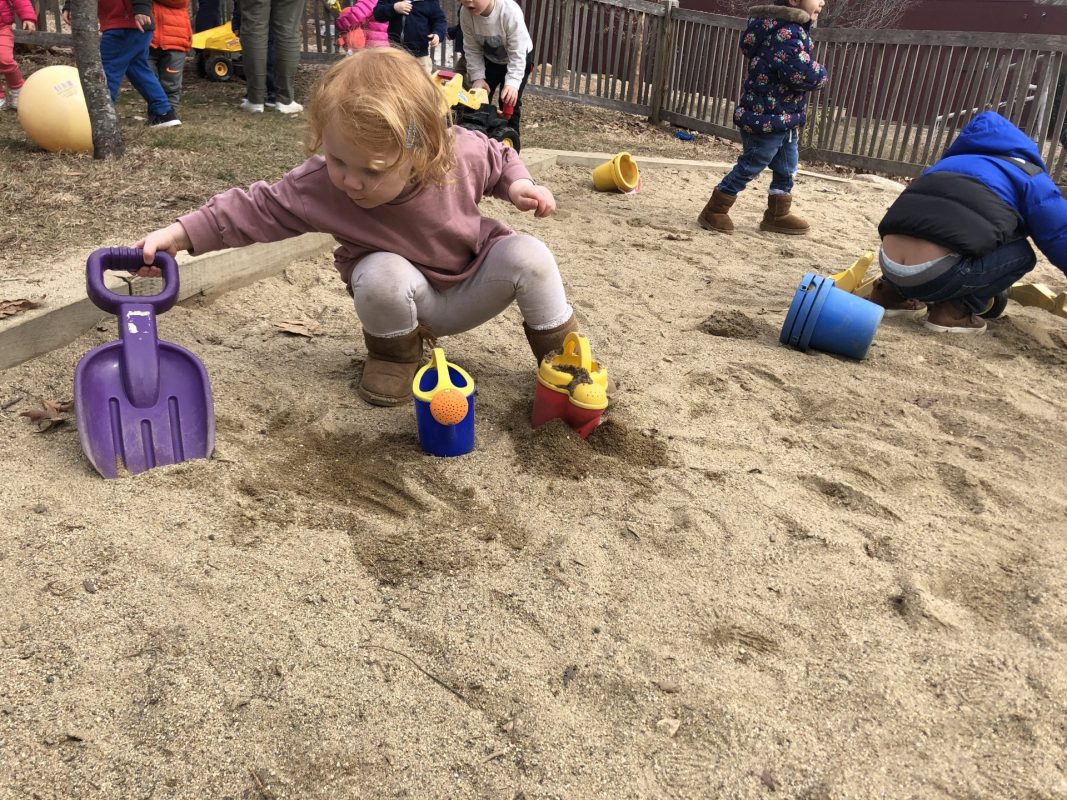
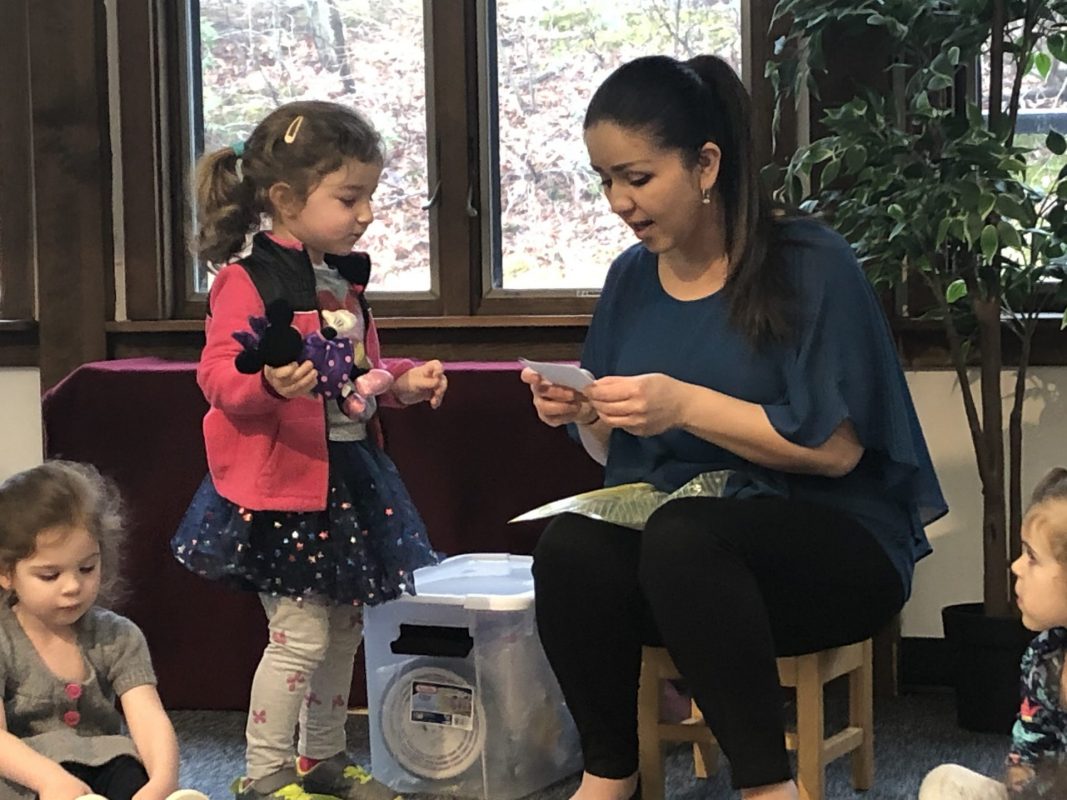
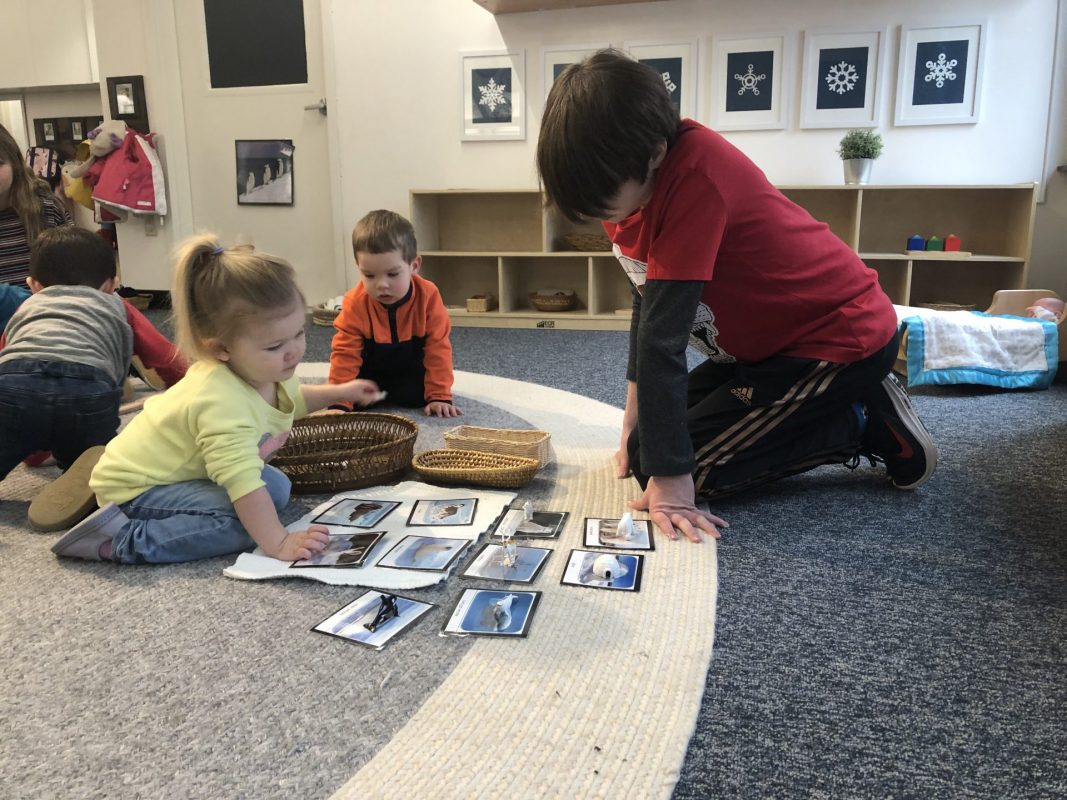
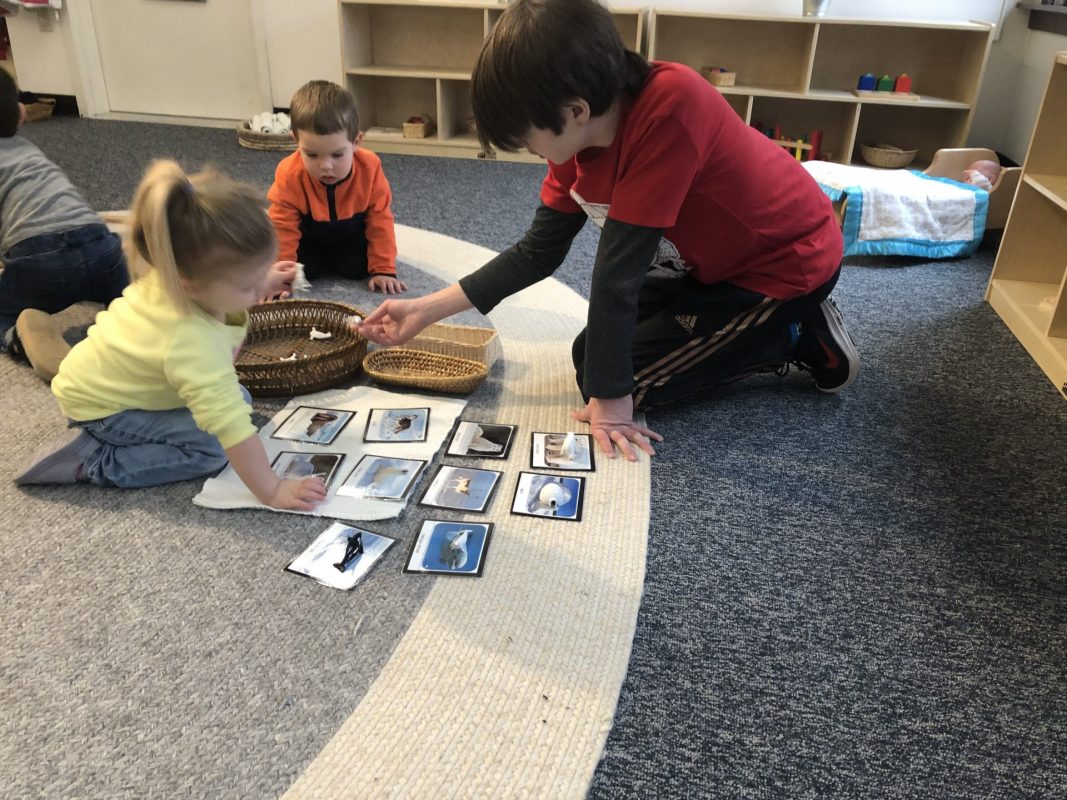
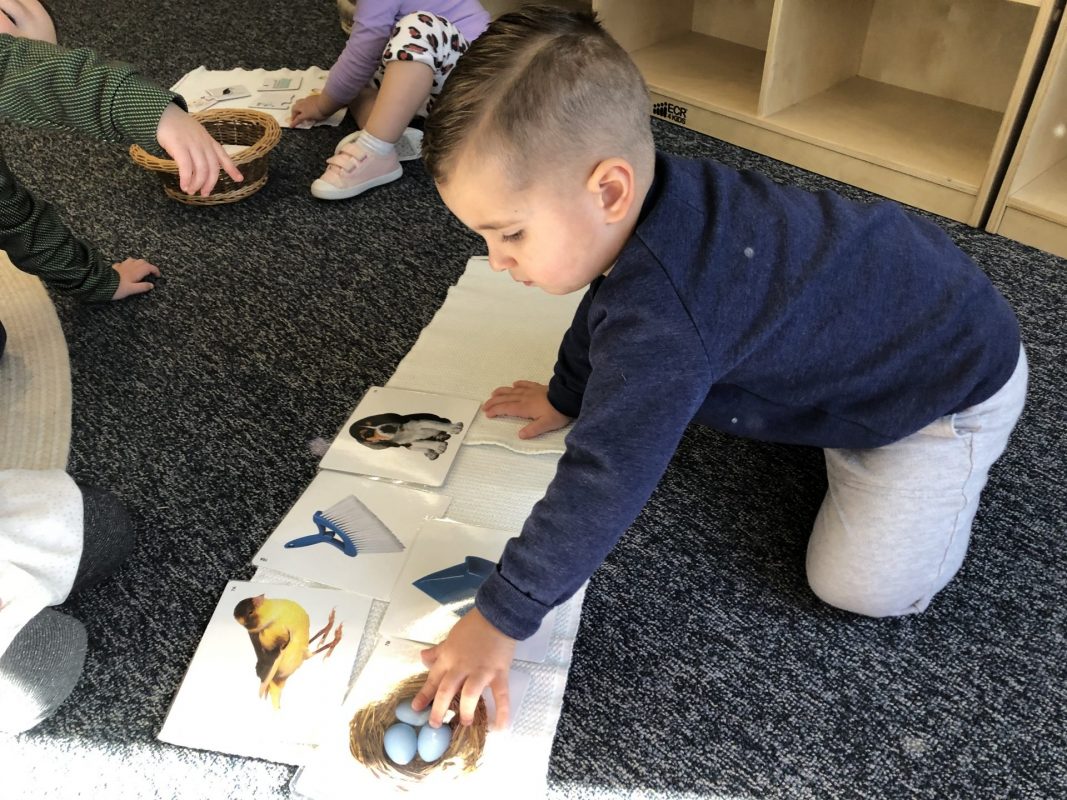
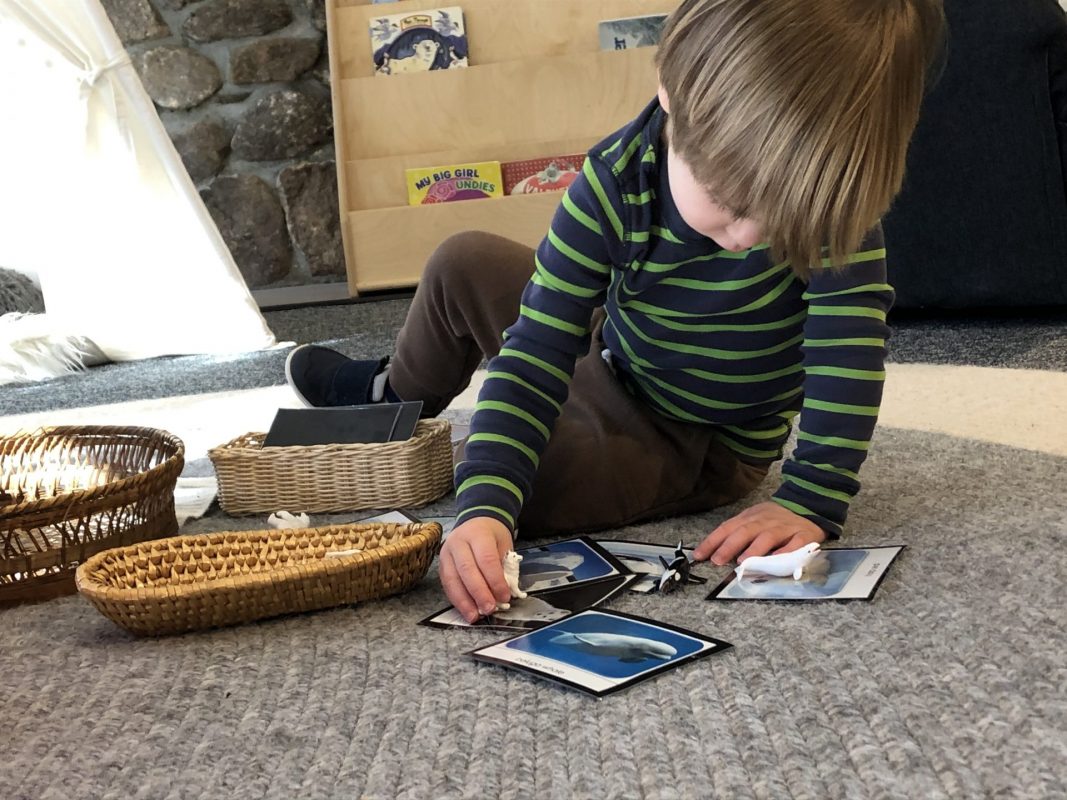
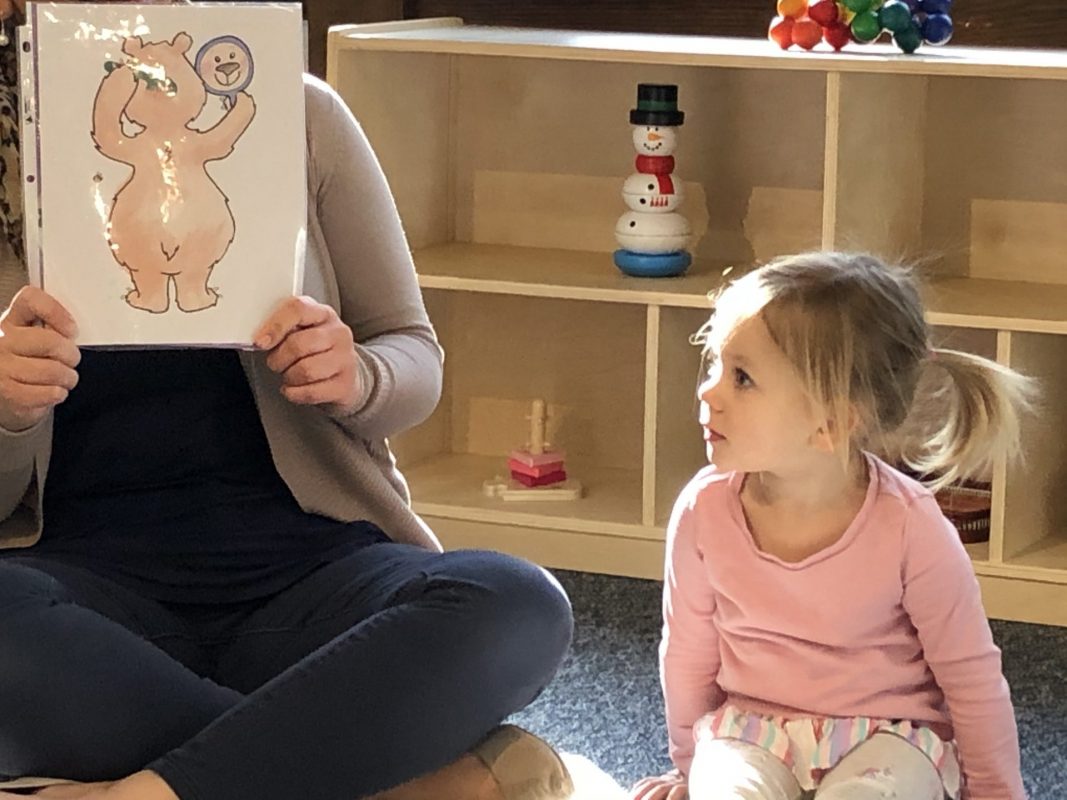
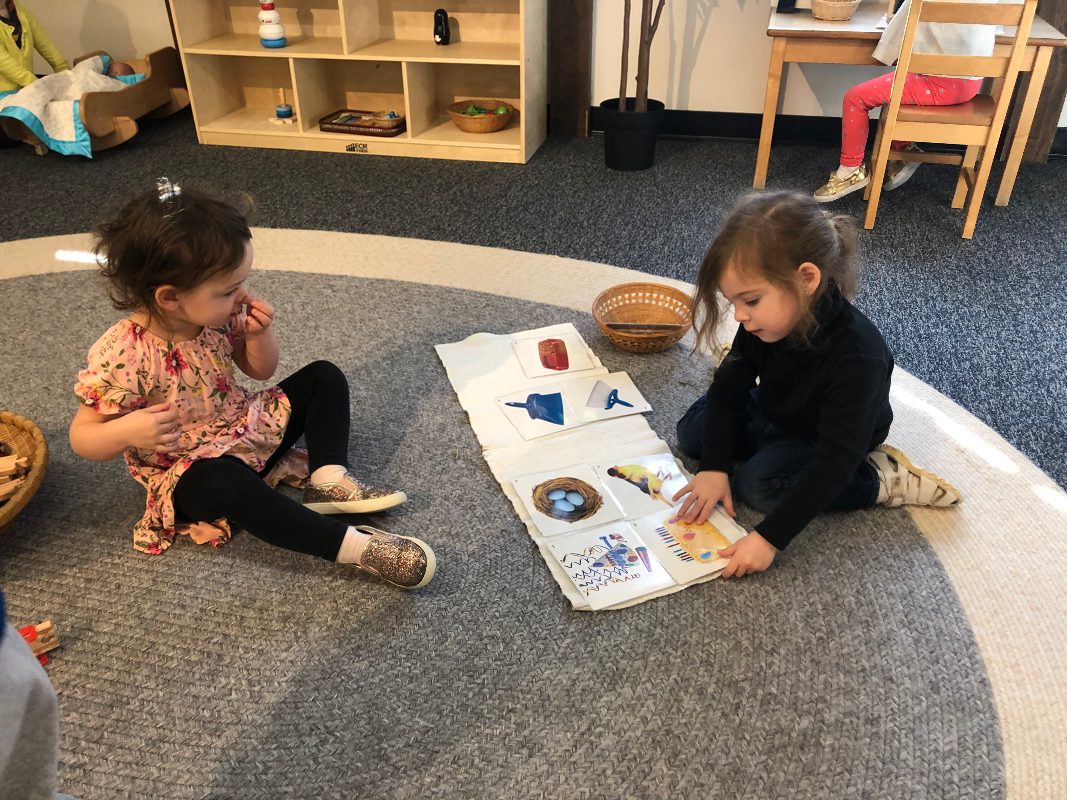
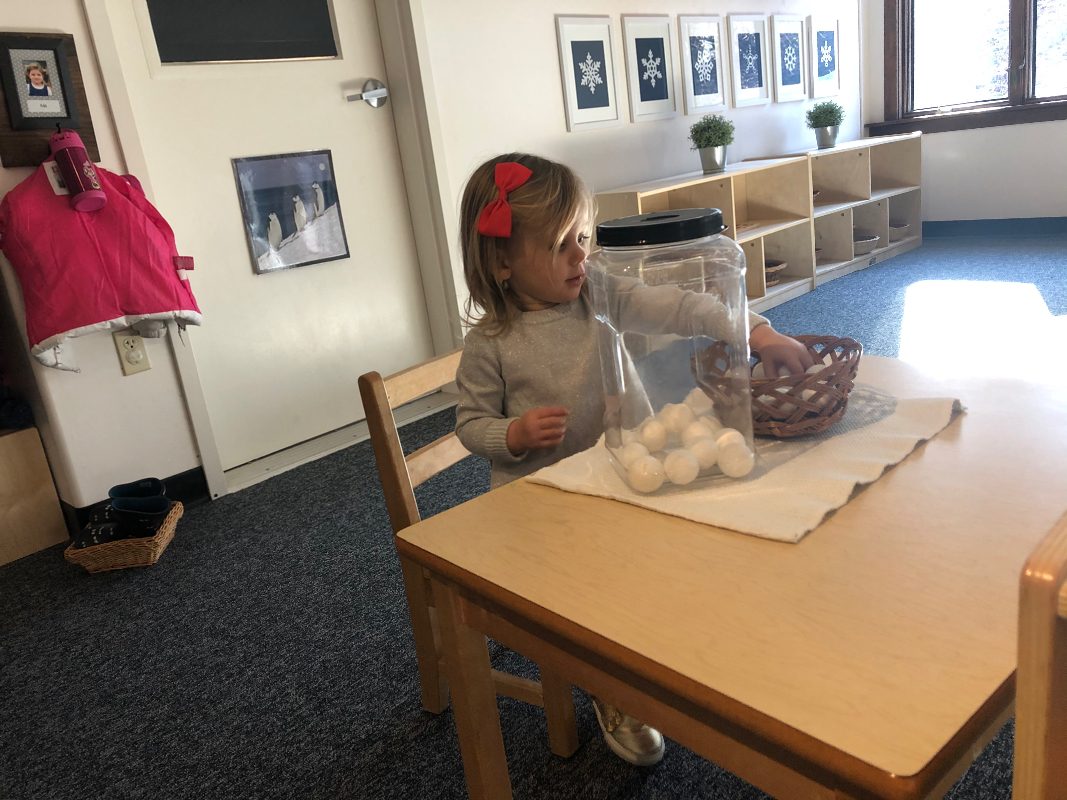
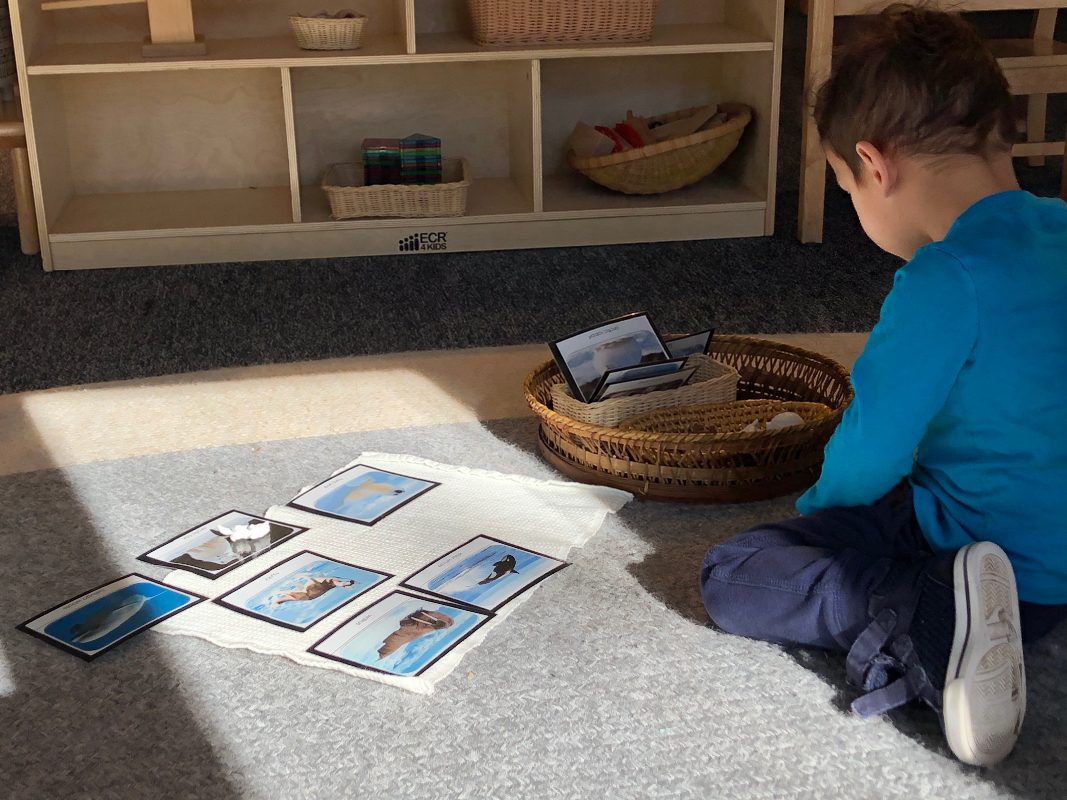
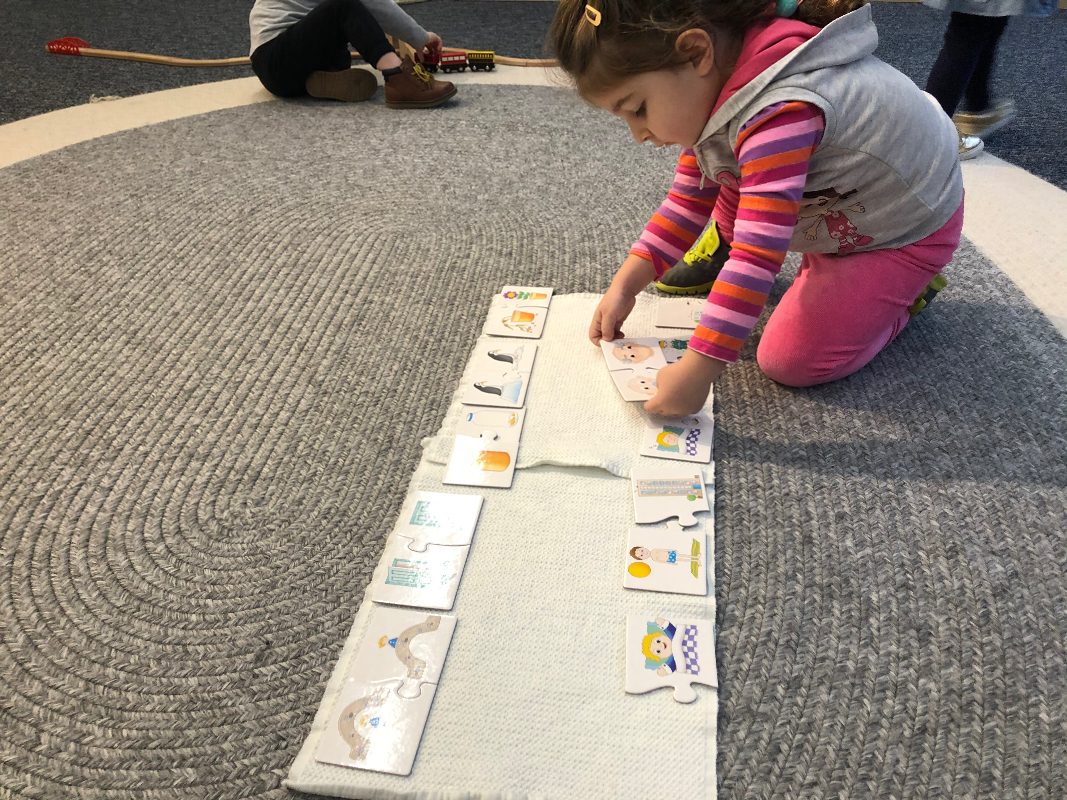
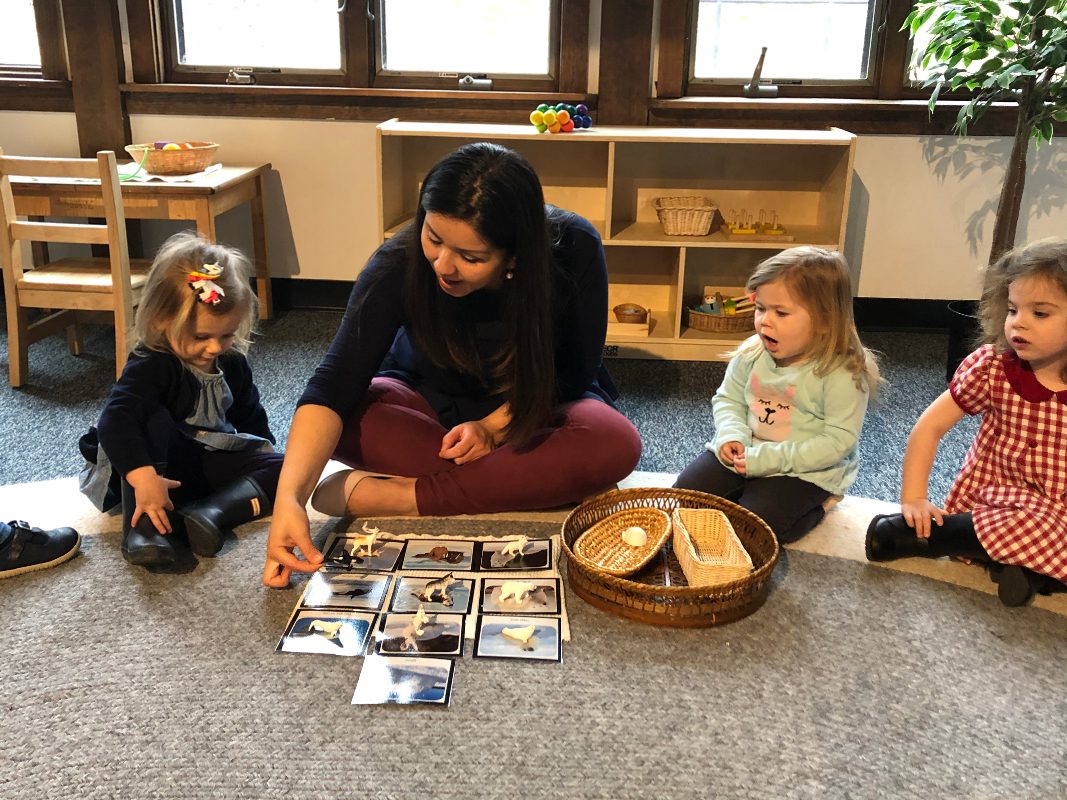
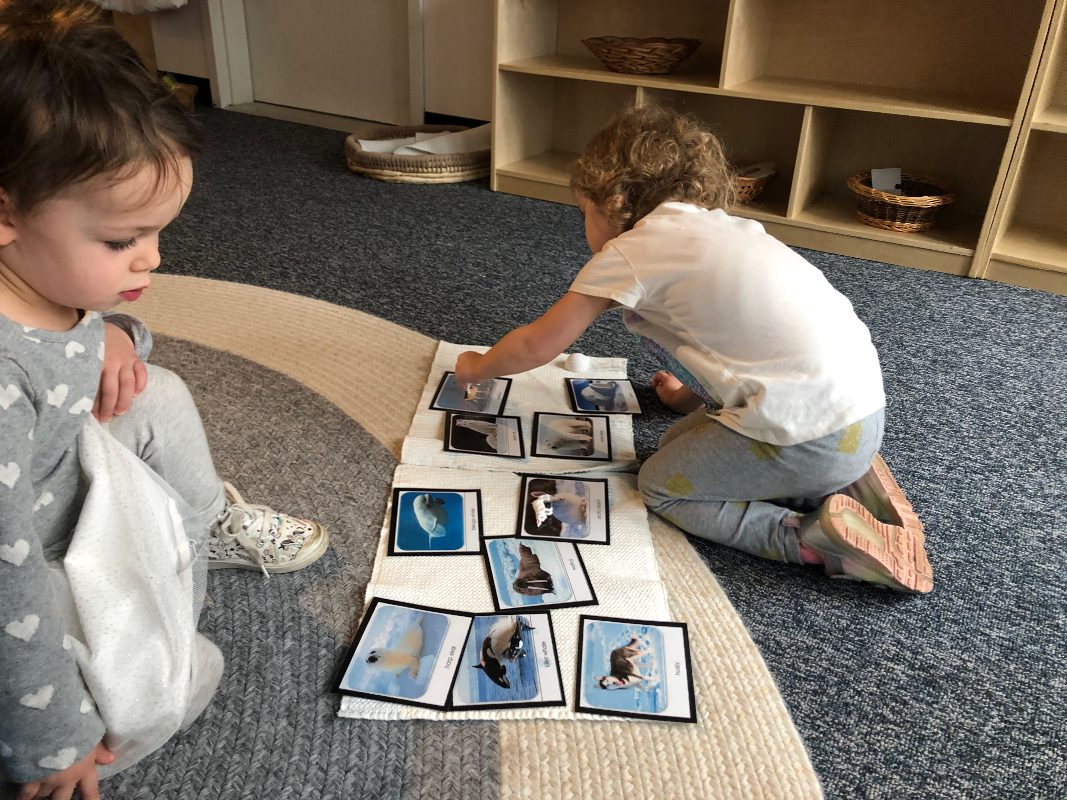
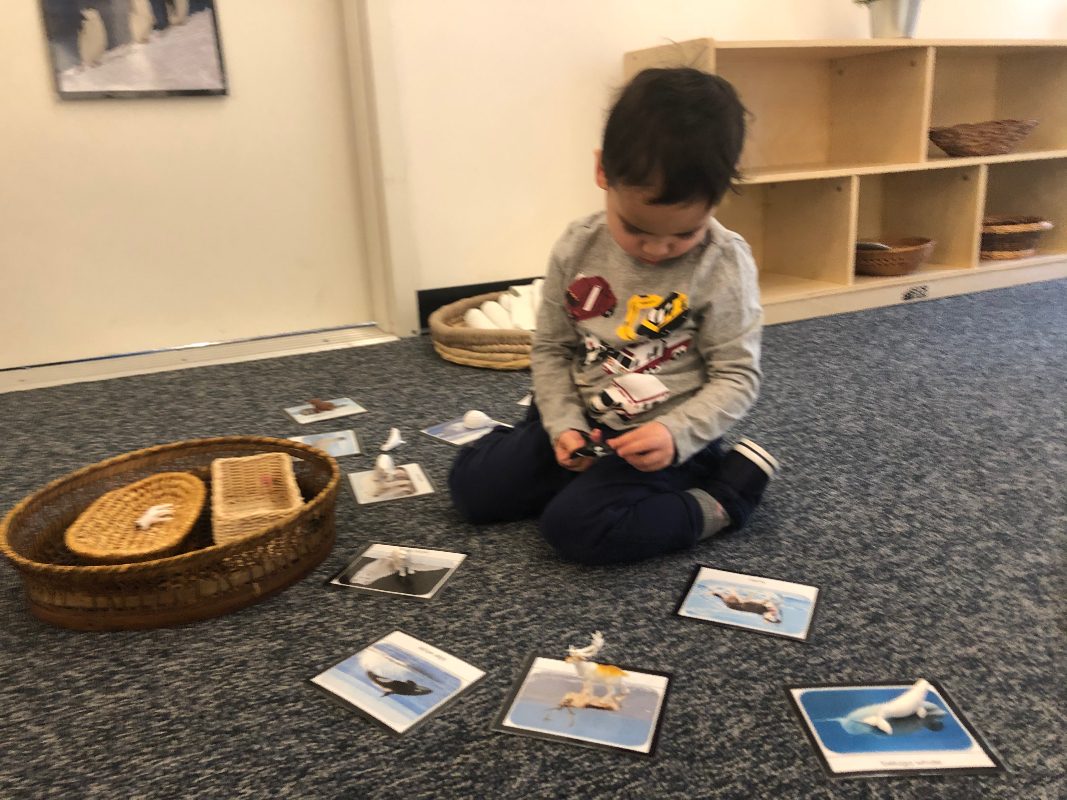
Based on our winter theme, we introduced in the language area an object to picture matching work focused on arctic animals. Children learned to recognize a harp seal, an arctic fox, a killer whale, a walrus, a husky, a caribou, an arctic rabbit, a beluga whale, a polar bear, and they also received a lesson on what is an igloo.

For food tasting we explored hearts of palm. As children observed this food they asked if it was a cheese stick or a tortilla. 🙂 They learned that this vegetable comes from the inner core of a palm tree. At the moment of tasting it only a couple of children really enjoyed it and asked for more, however all loved the slimy exploration of this vegetable.

We hope you all enjoyed the long weekend, and this beautiful and unusual January weather.