Mrs. Hood’s Class: Copo de nieve!

Happy New Year, Families!

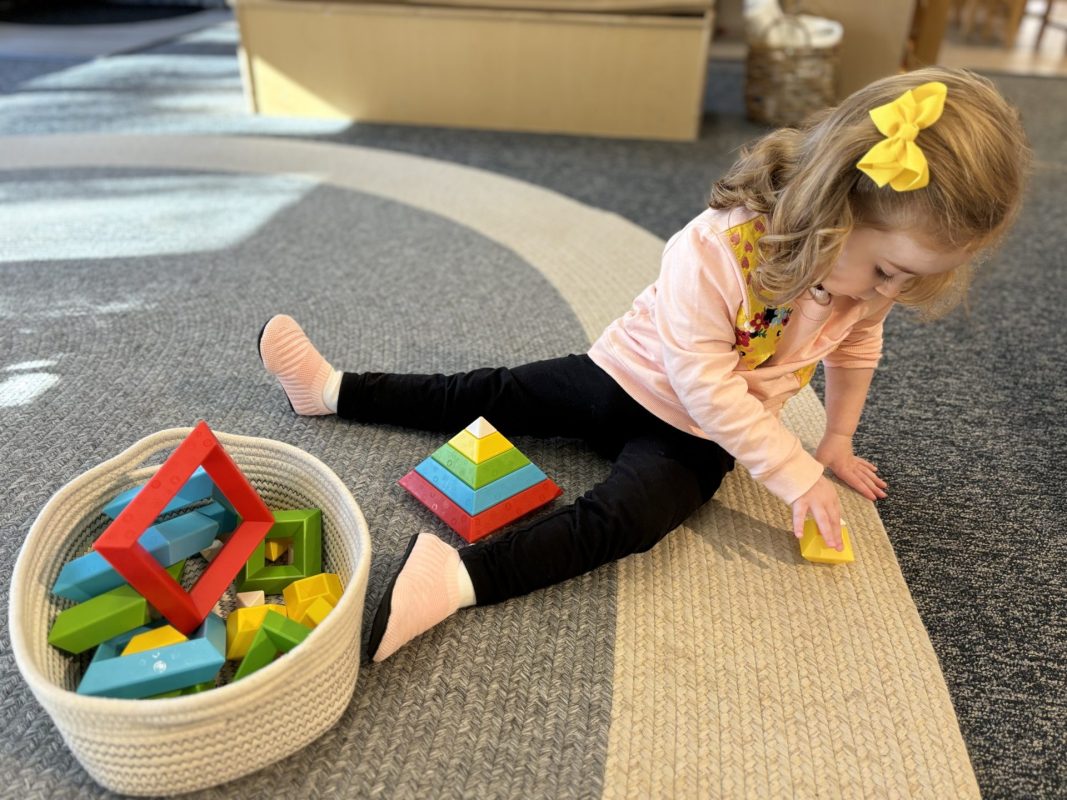
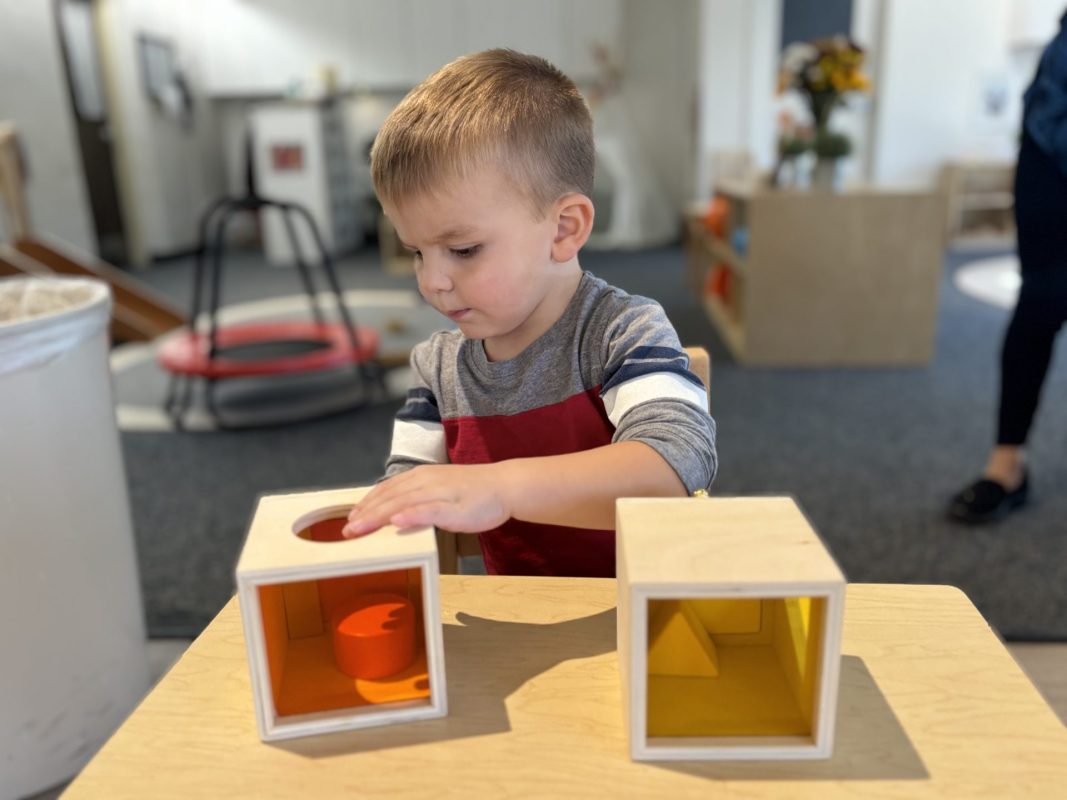
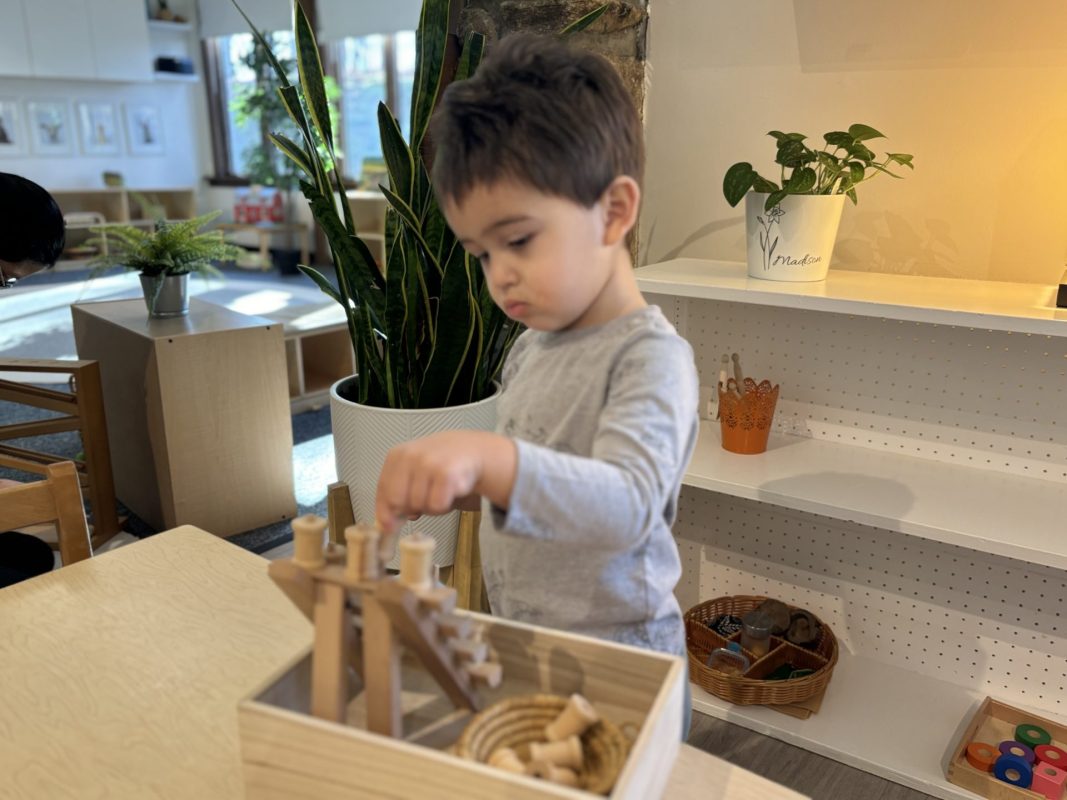
We hope you had a wonderful holiday break filled with relaxation and meaningful time with your loved ones. It has been a joy to welcome your children back to the classroom. They transitioned peacefully after the break, arriving eager and ready to explore their environment and engage with the exciting new works on our shelves.

As winter is now in full swing, we’ve embraced the season in our classroom activities and lessons. This month, we are focusing on water and its various stages, offering rich opportunities for conversations and hands-on sensorial experiences.

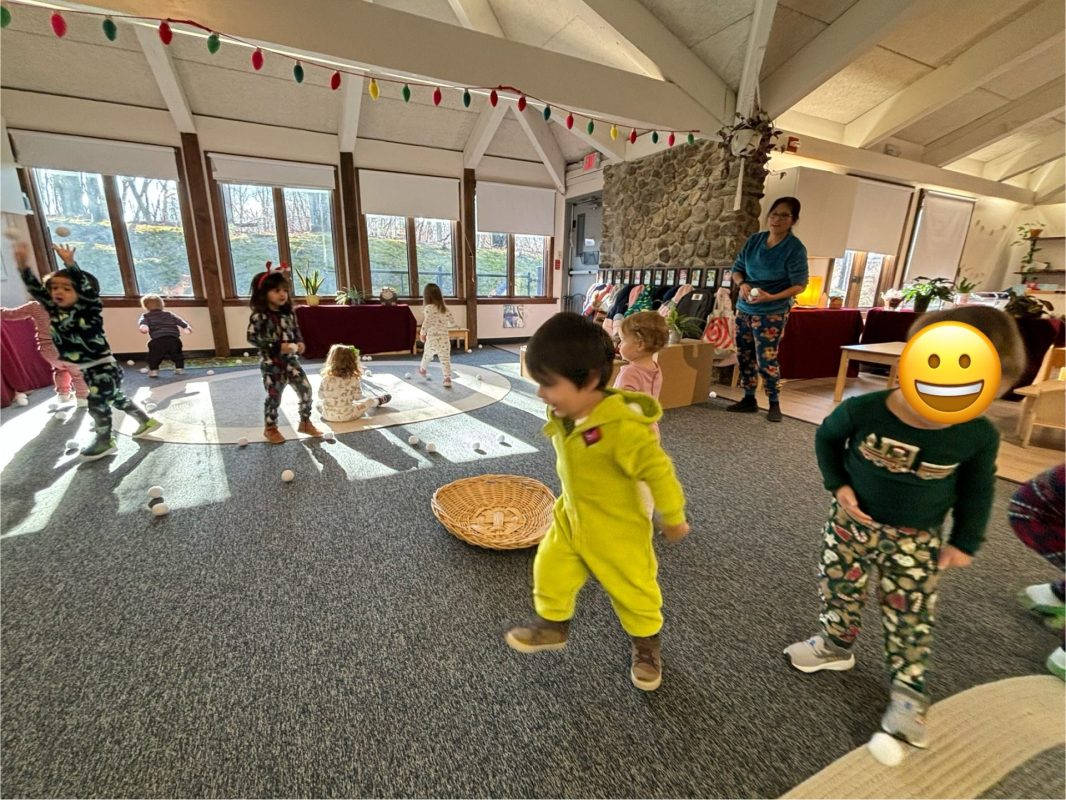
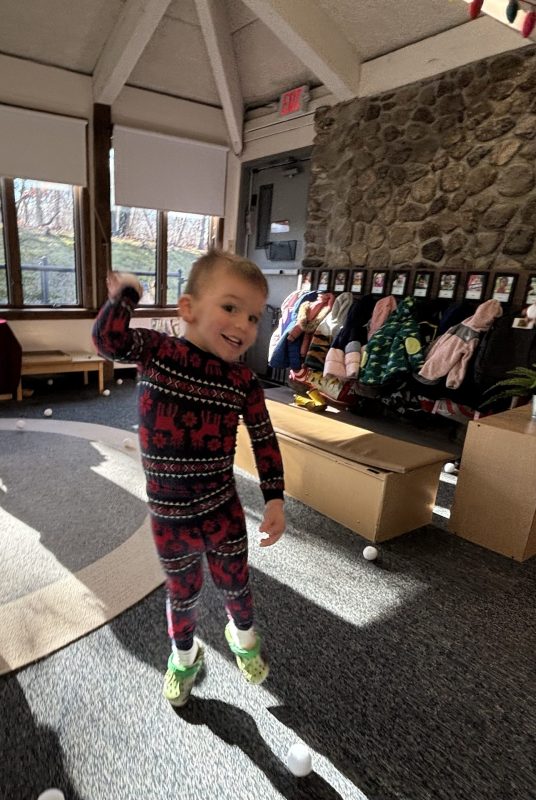
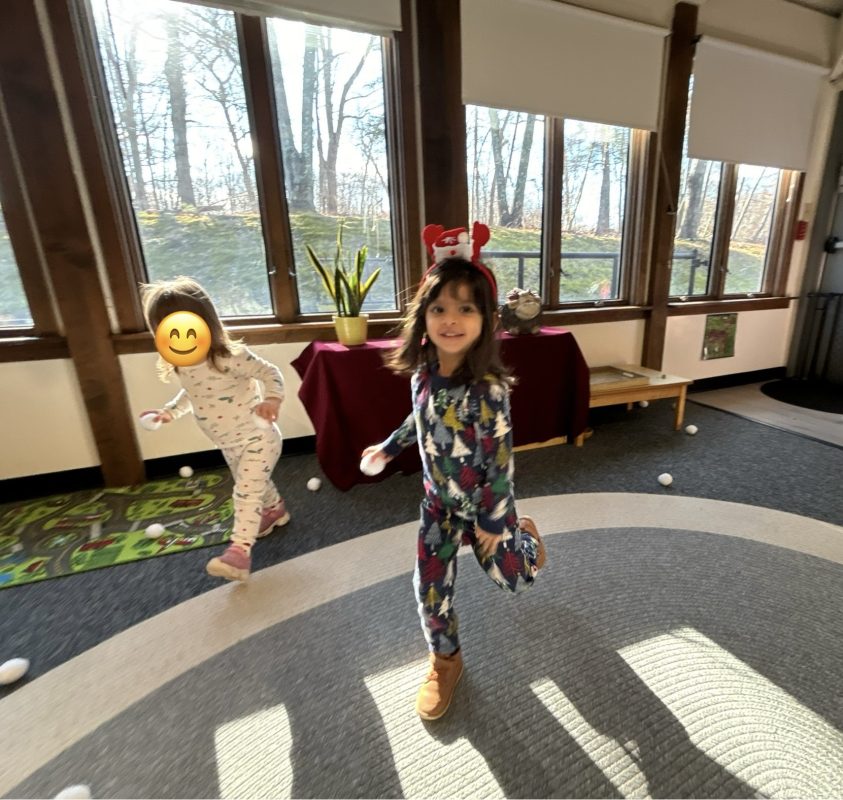
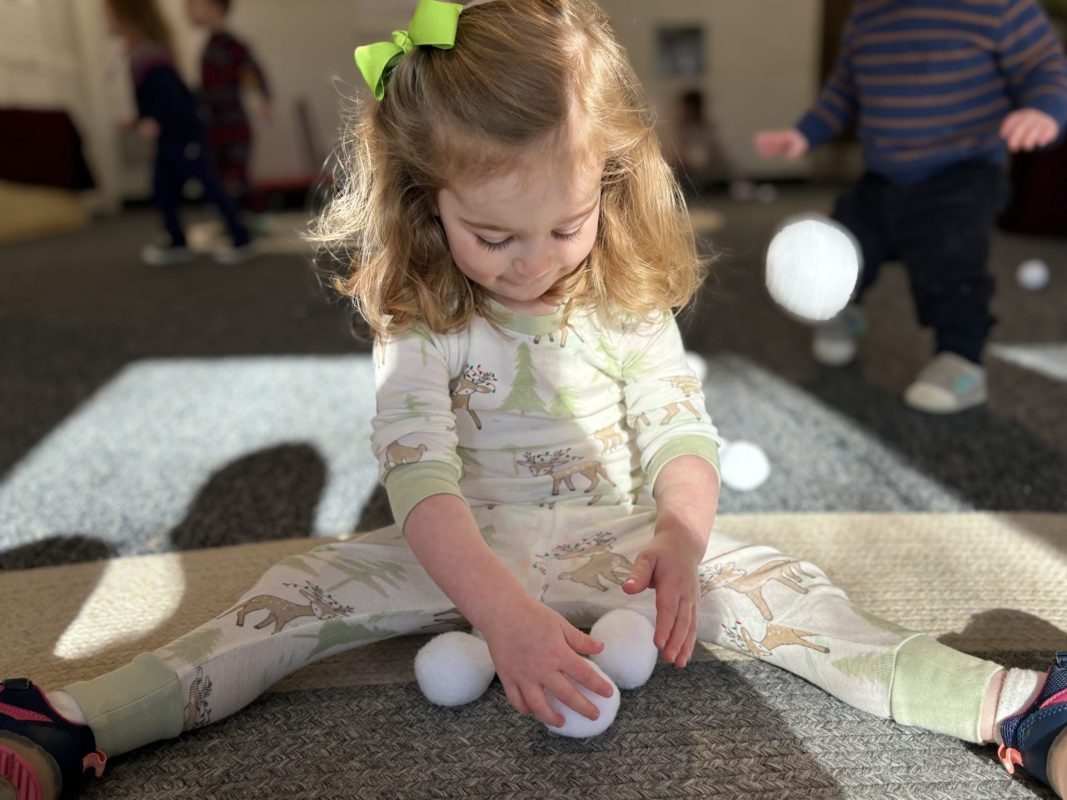
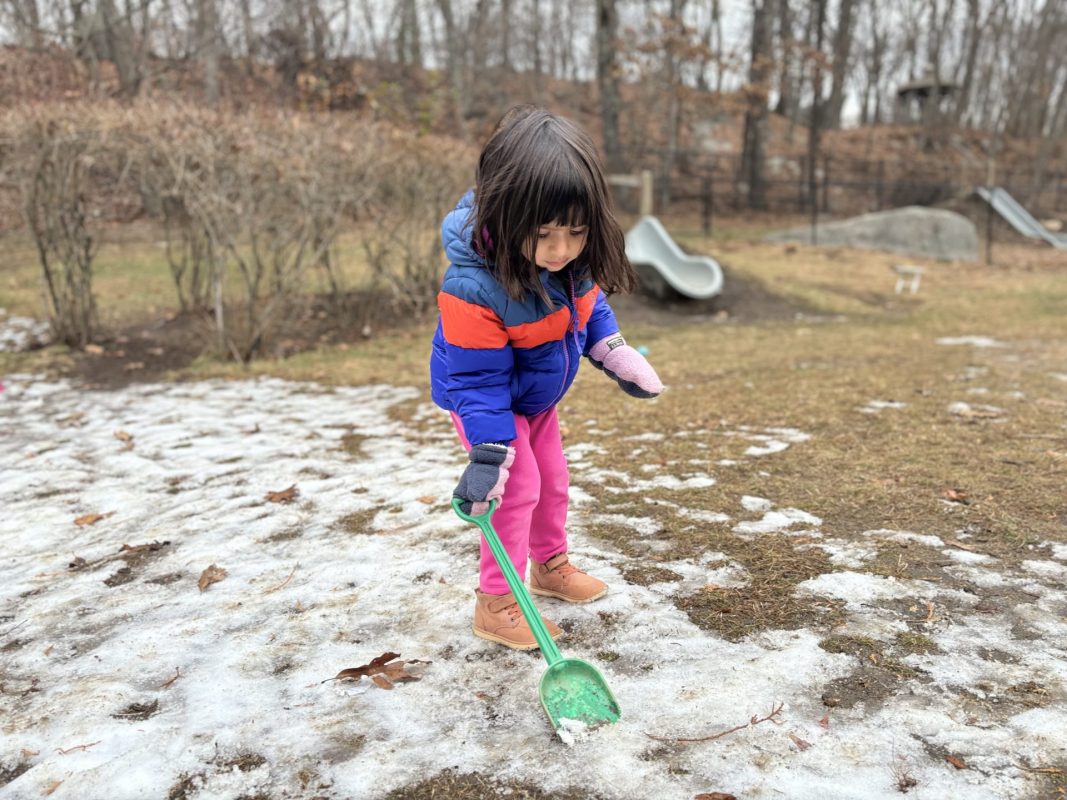
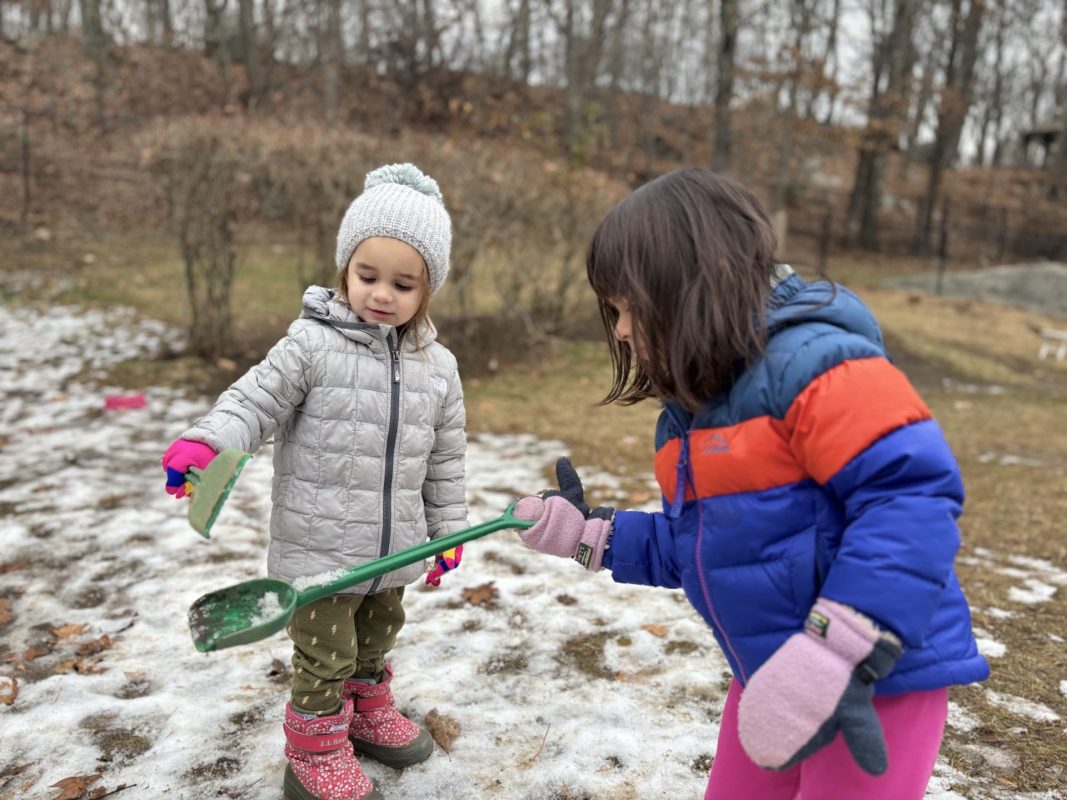
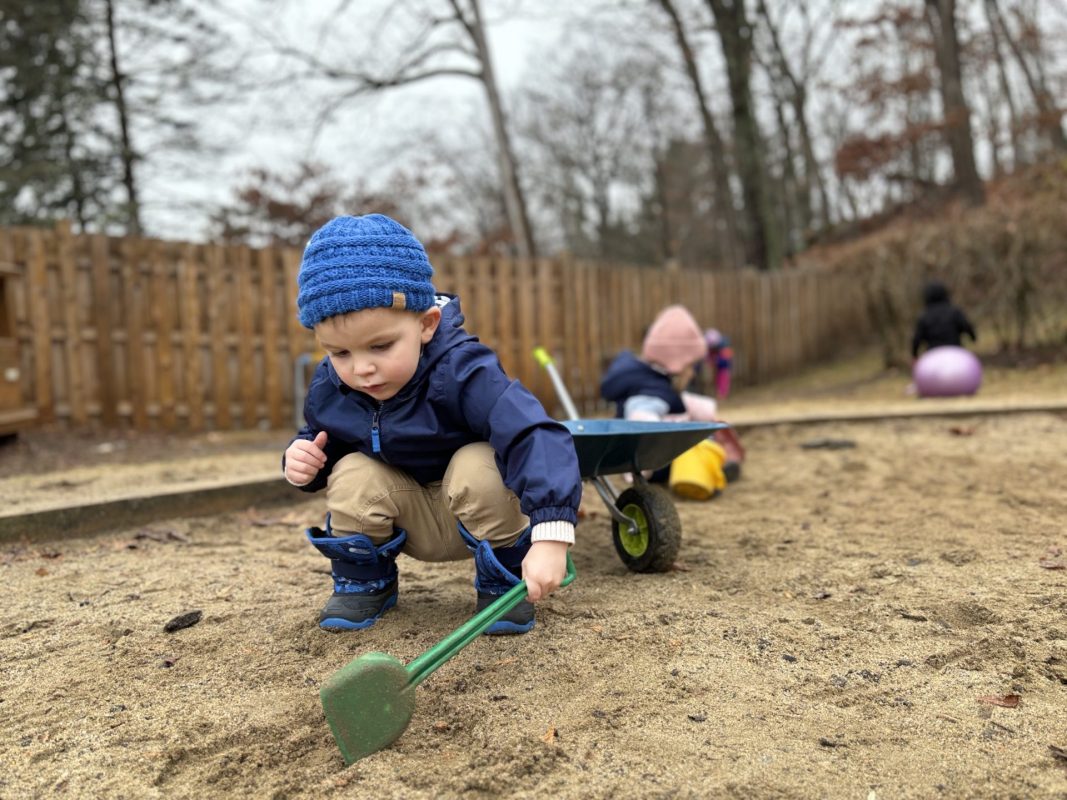
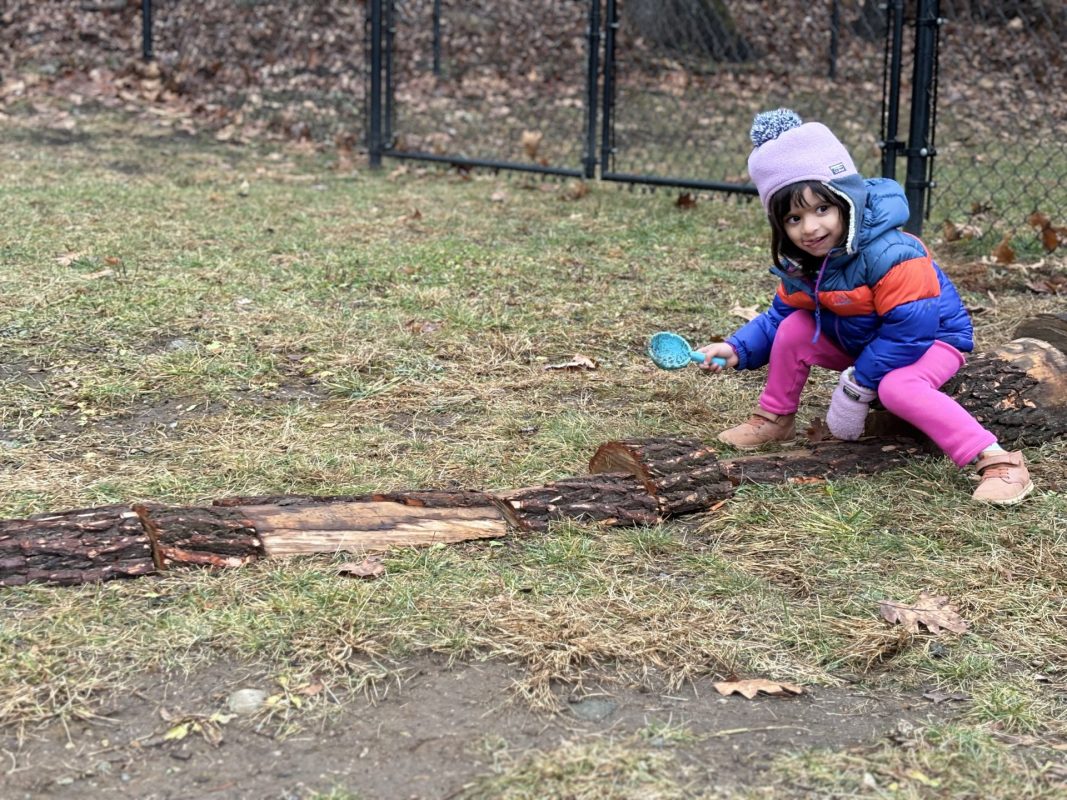
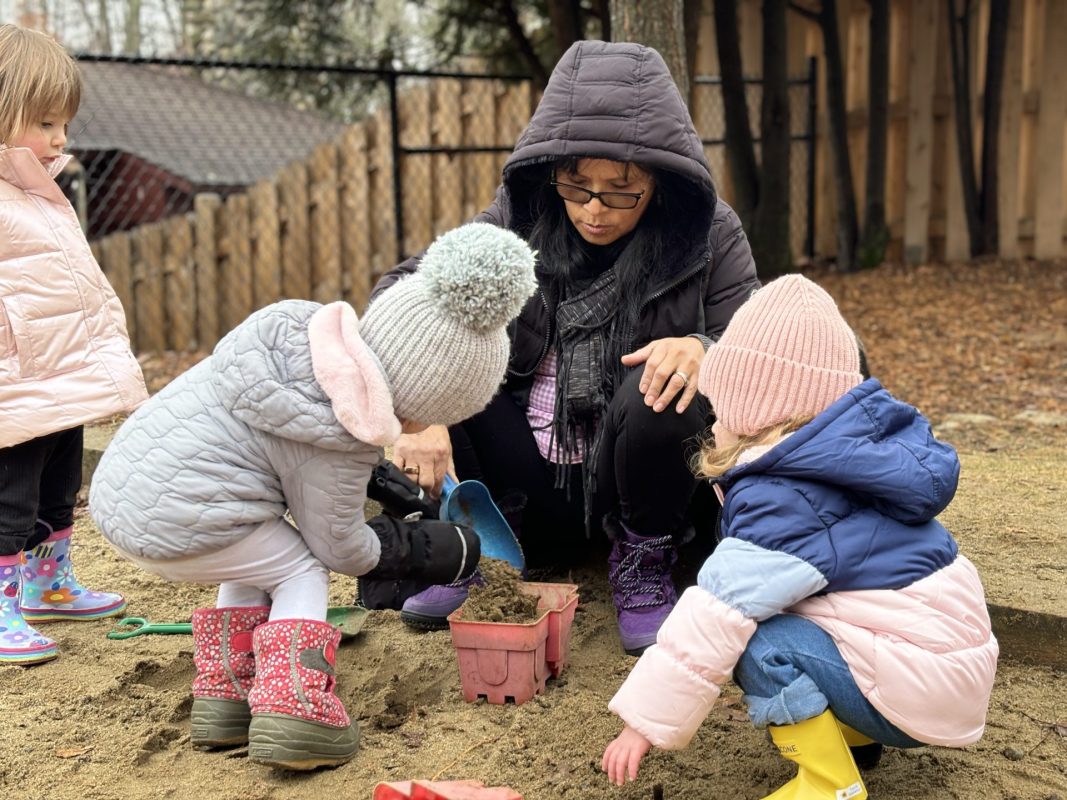
This week, we introduced one of the most magical forms of water: snowflakes. Thanks to the weather, we had a chance to observe snow falling during playground time, and the children enjoyed trying to catch them with their tongues. We also observed snowflakes falling outside the windows, sparking curiosity and awe. (We’re hoping for more snow soon so we can enjoy it even more hands-on!)

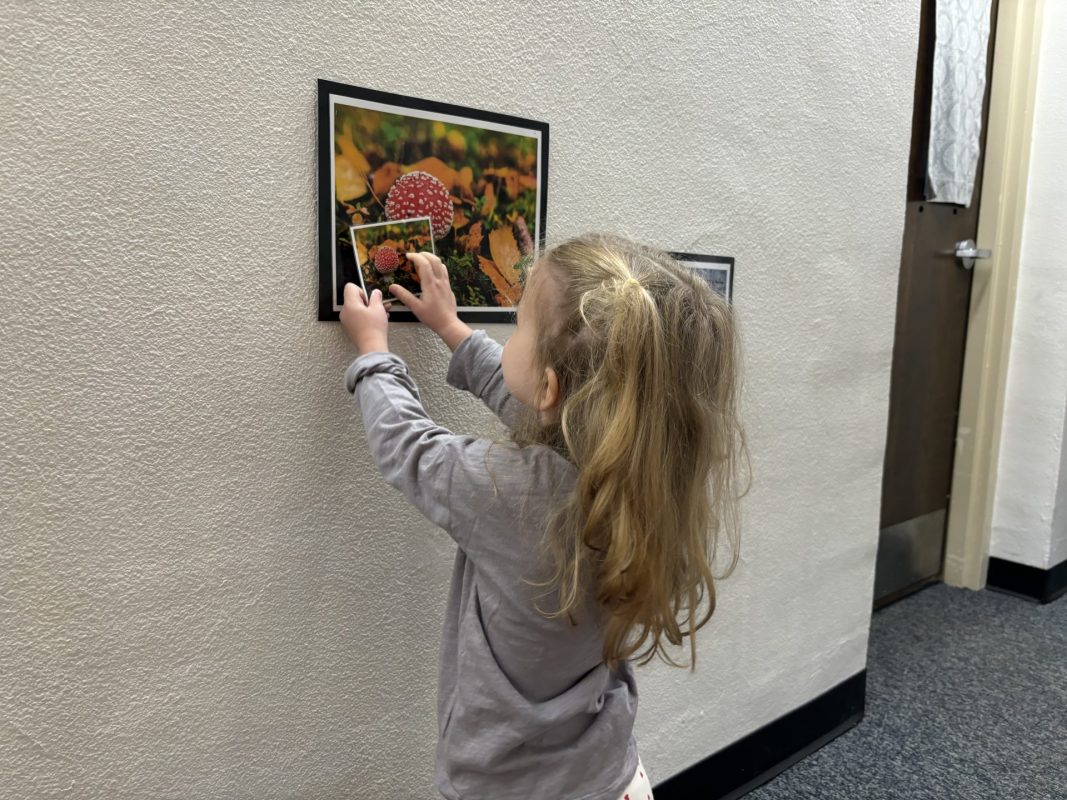
Through simple and relatable language, we explained that while all snowflakes share symmetry and a hexagonal structure, each one is unique. This concept fascinated the children, who eagerly observed examples of snowflake structures displayed around the classroom. They spent time marveling at their differences and expressing their observations. This exploration of snowflakes feels like a beautiful metaphor for your children—each one unique, precious, and full of their own individual beauty. We feel so grateful to witness and support their growth every day.

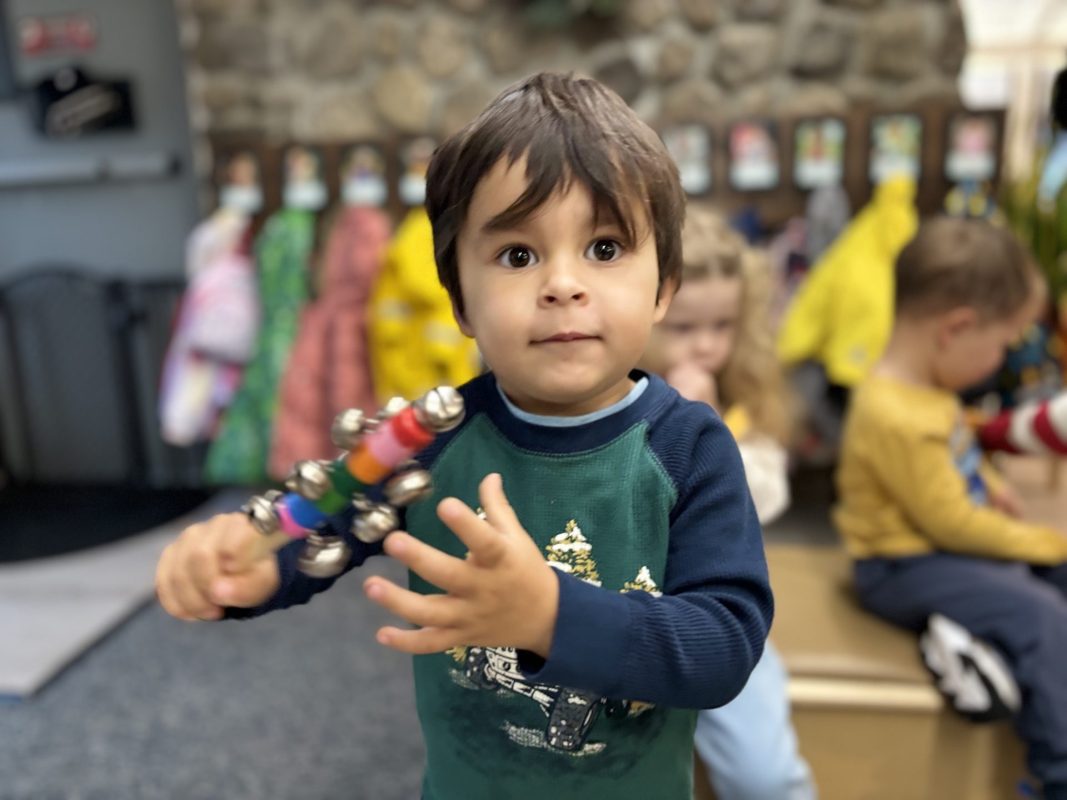
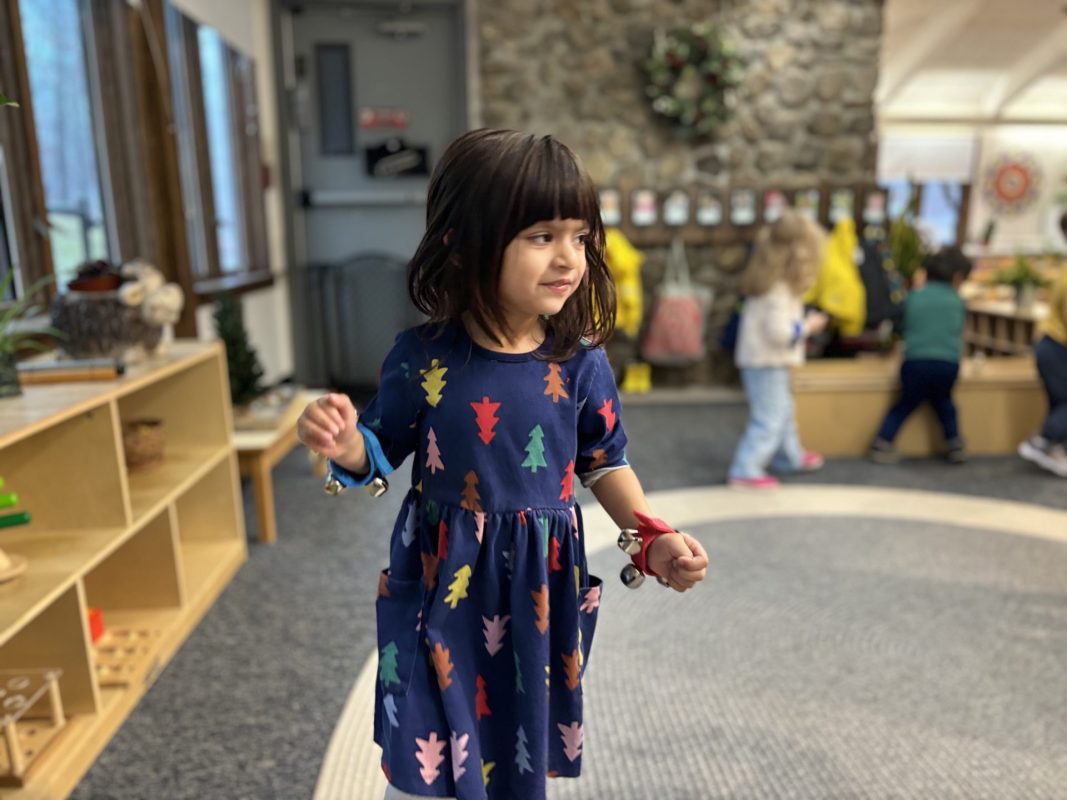
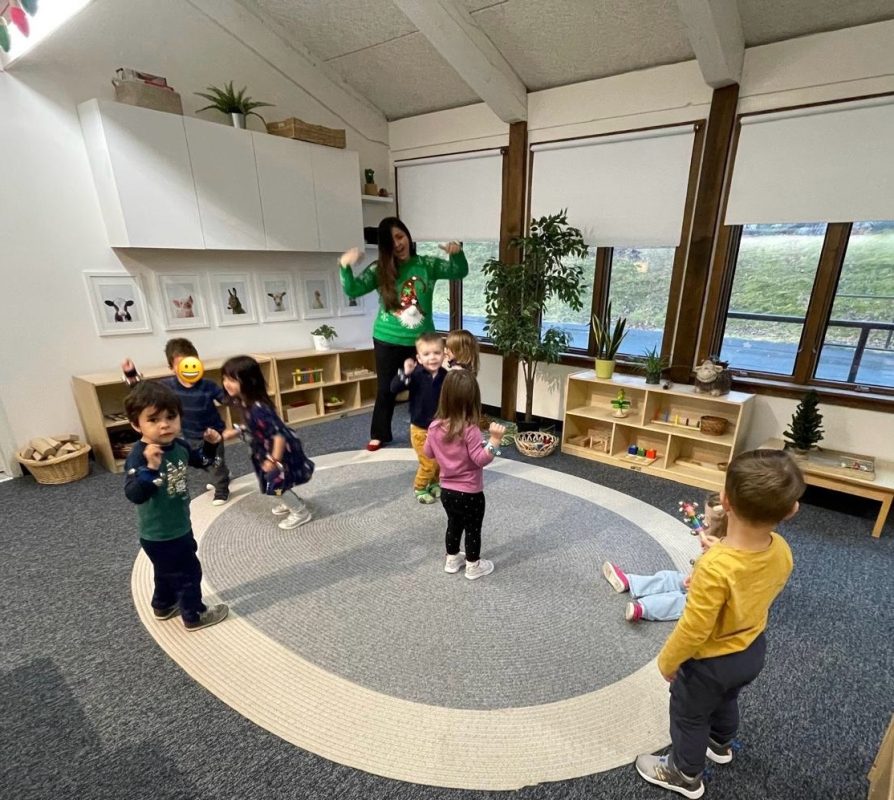
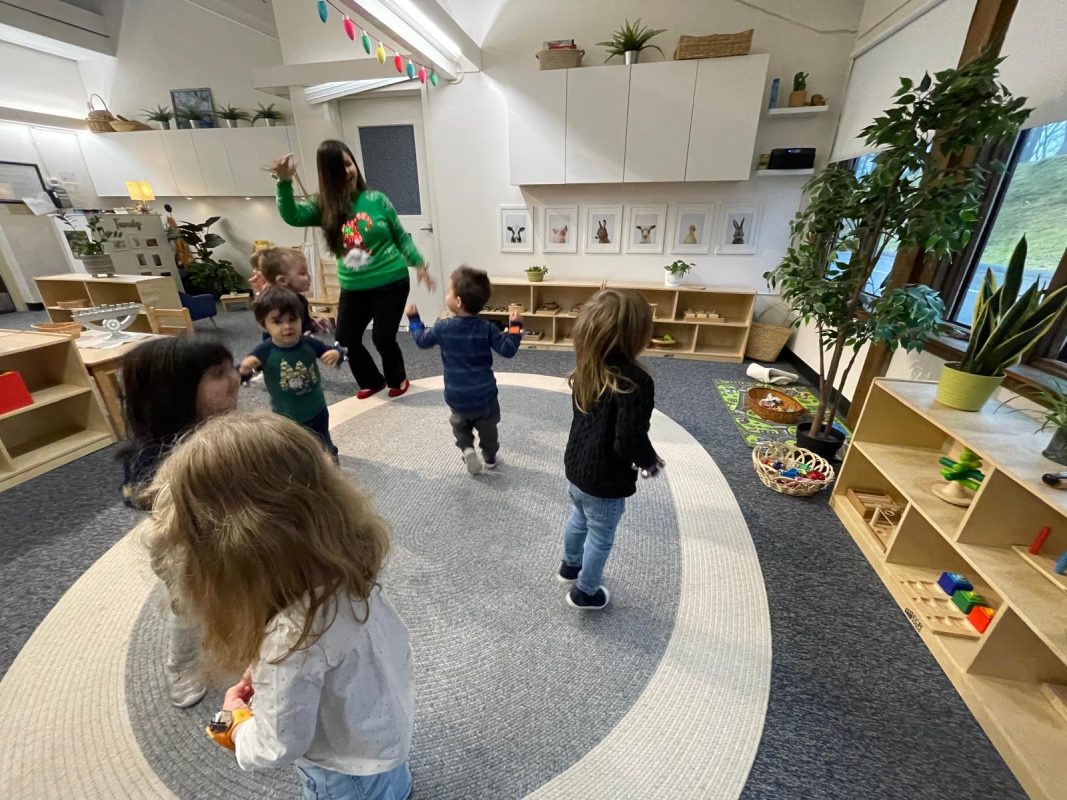
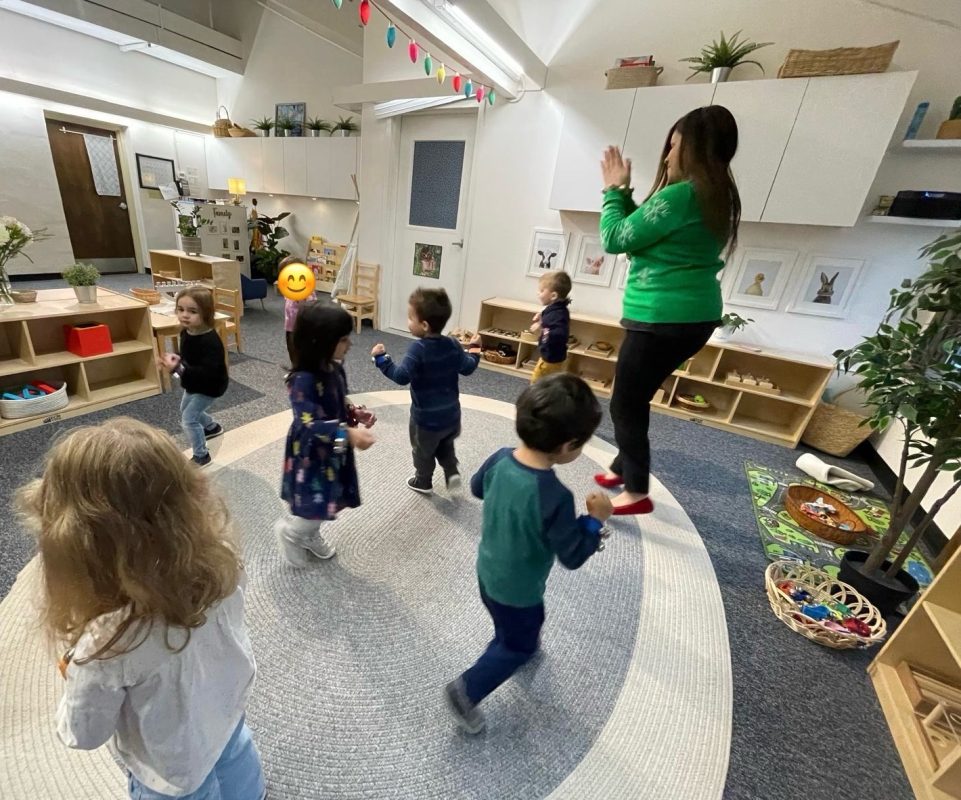
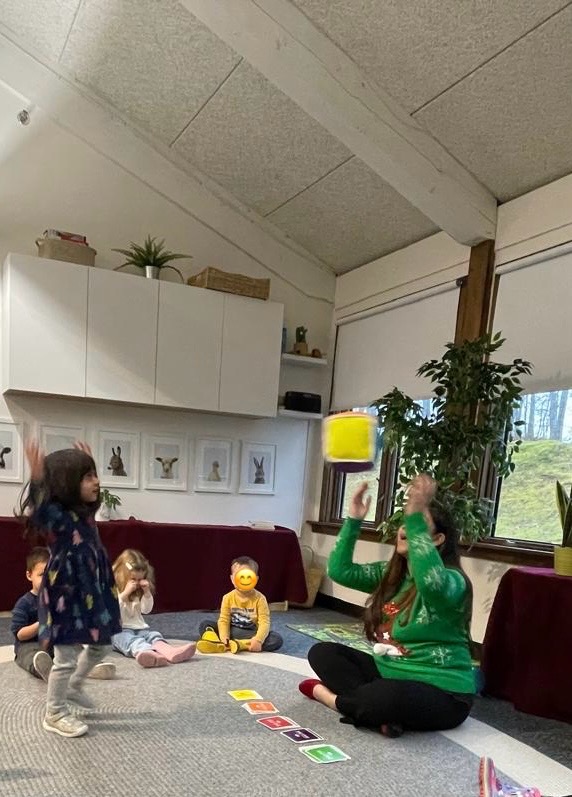
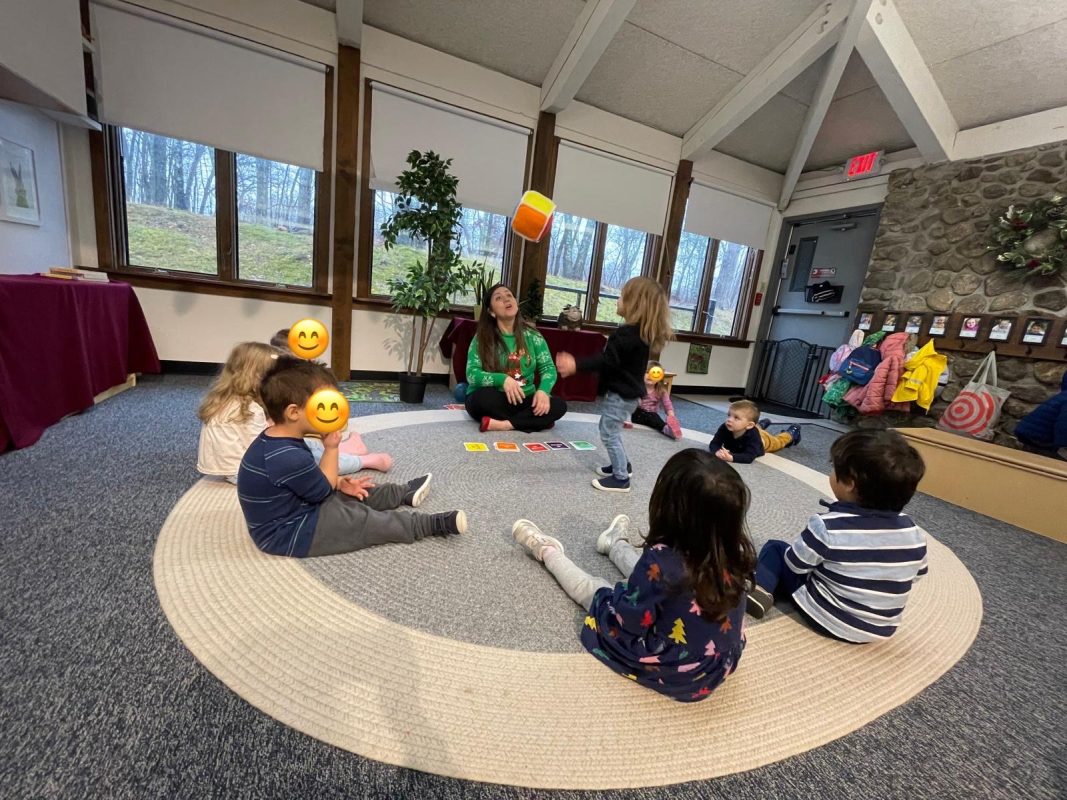
To complement our lesson on snowflakes, we introduced a Spanish song called “Copo de Nieve” (Snowflake) by Super Simple Español. Using pretend snowflakes of various sizes, the children followed the song’s steps and acted out snowflakes falling from the sky. Along the way, they practiced naming body parts in Spanish, such as cabeza (head), nariz (nose), and mano (hand). We encourage you to add this delightful song to your playlist and sing along with your child at home—it’s a fun and engaging way to reinforce Spanish vocabulary together!

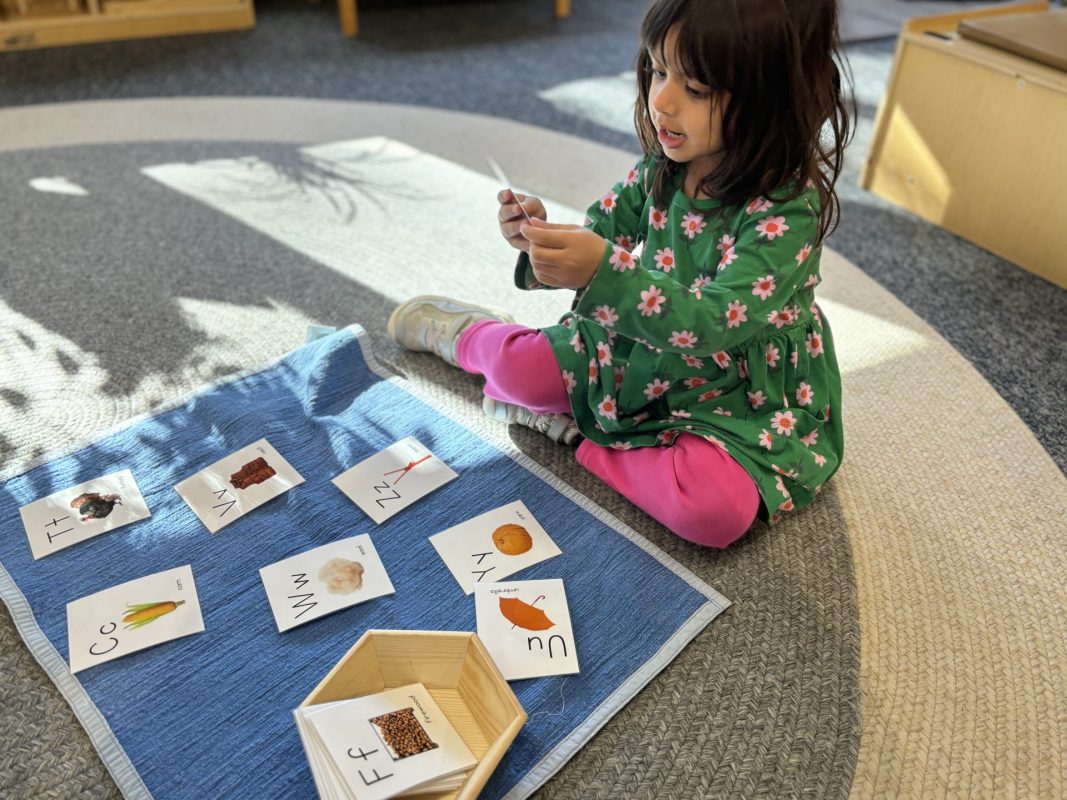
In our language area, we’ve journeyed to the Arctic! The children have been learning about arctic animals, including harp seals, arctic foxes, killer whales, walruses, huskies, caribou, beluga whales, and, of course, polar bears. This week’s focus was on polar bears, sparking curiosity and excitement as we discussed their unique adaptations to life in the cold.

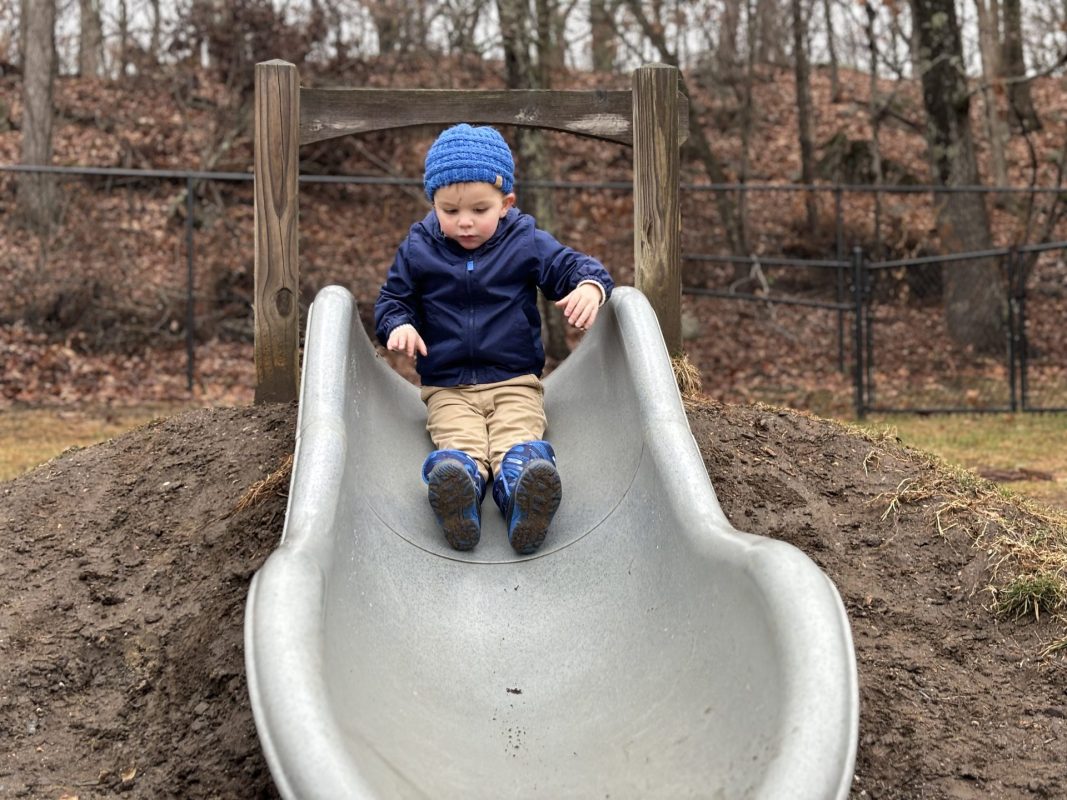
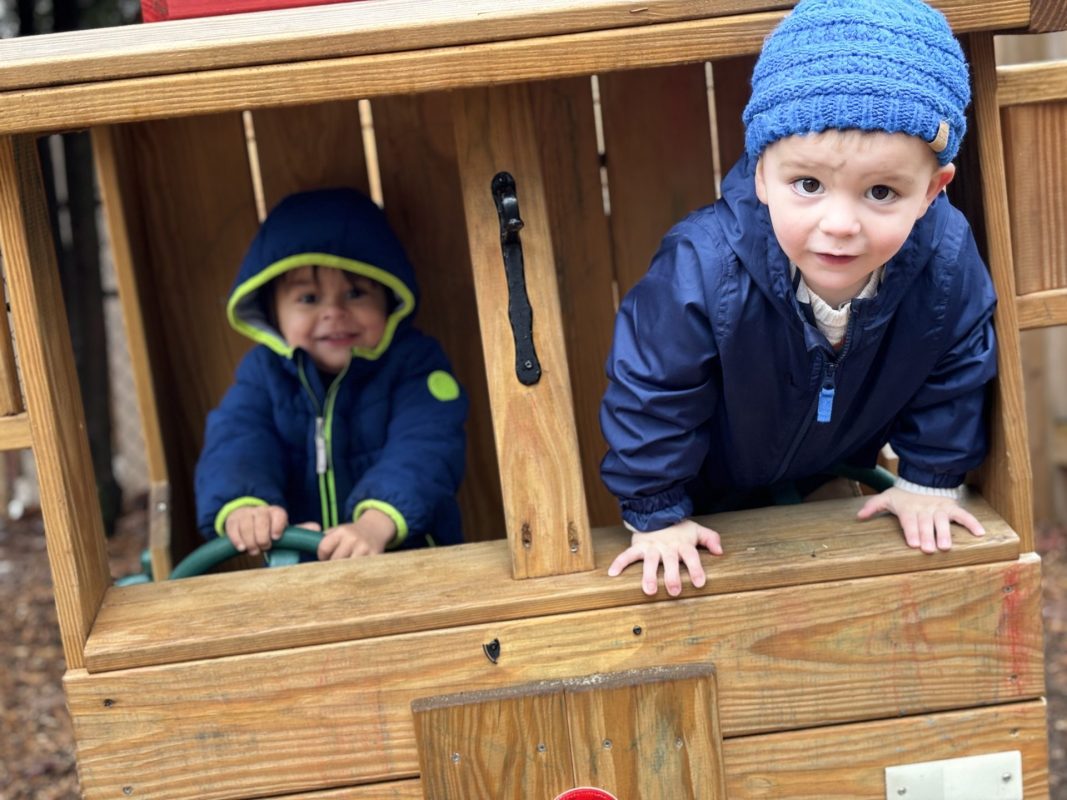
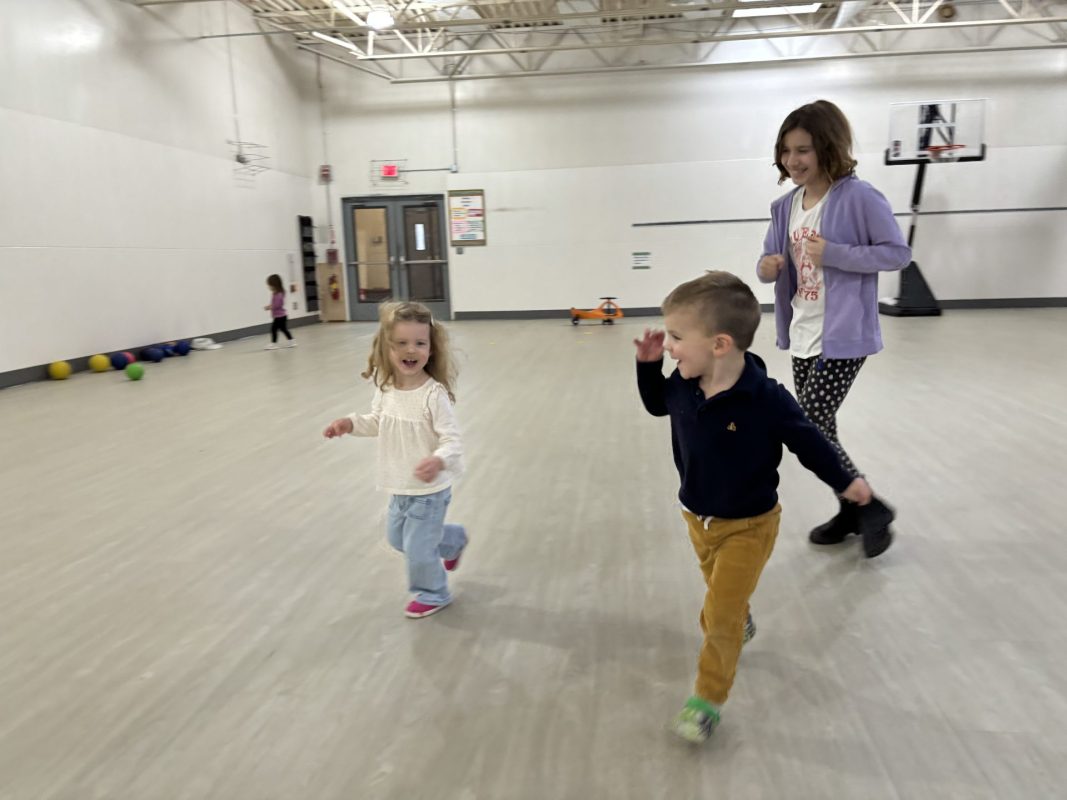
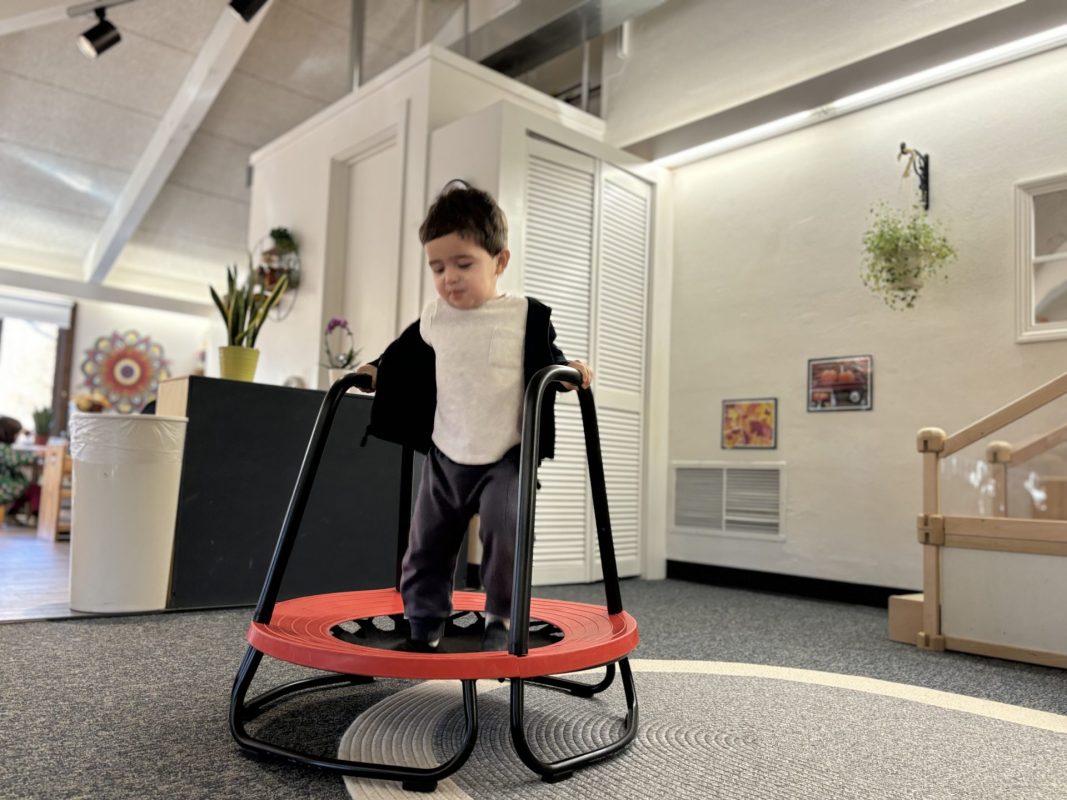
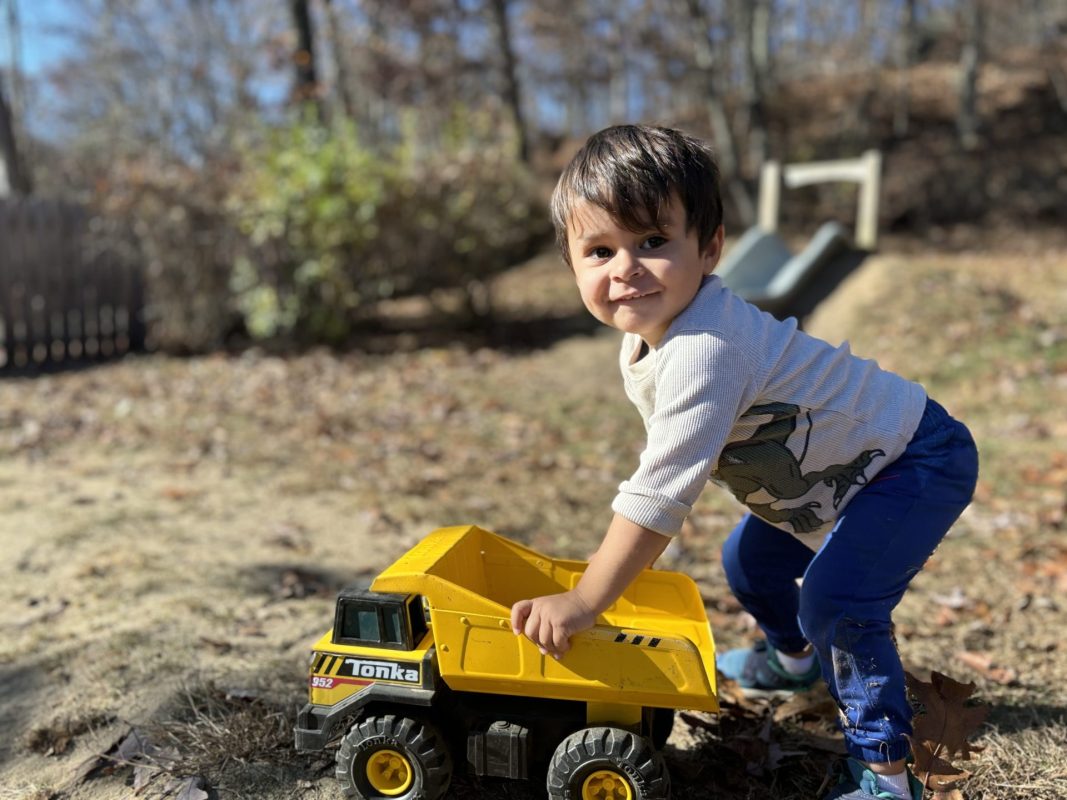
On another note, a new and thrilling addition to our classroom has been the new climbing structure with a taller slide and a swing. If you’re not familiar with the benefits of swinging for toddlers, it’s more than just fun! Swinging promotes physical exercise, enhances sensory integration, and improves balance. As children swing, they engage their vestibular system, which is essential for spatial orientation and coordination. It also provides proprioceptive input, fostering body awareness and control. The rhythmic motion has a calming effect, helping children relax and regulate their emotions. The children have been absolutely captivated by this new movement structure,  spending significant time climbing, sliding, and swinging with joy.

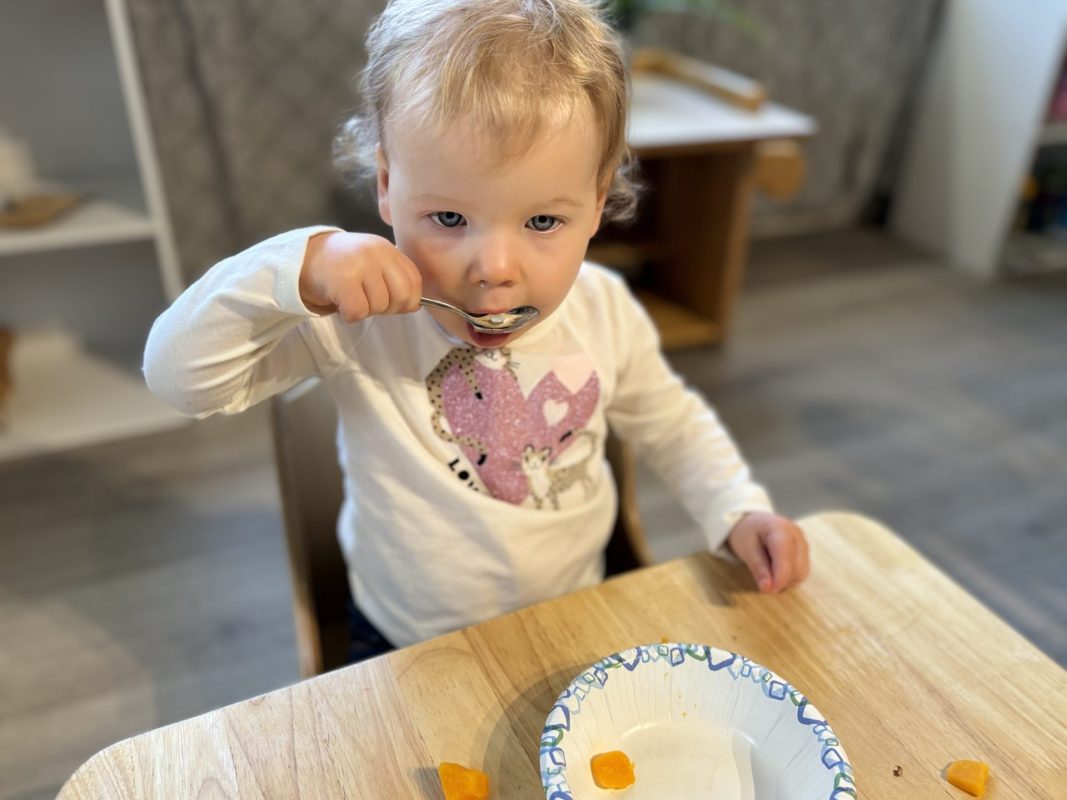
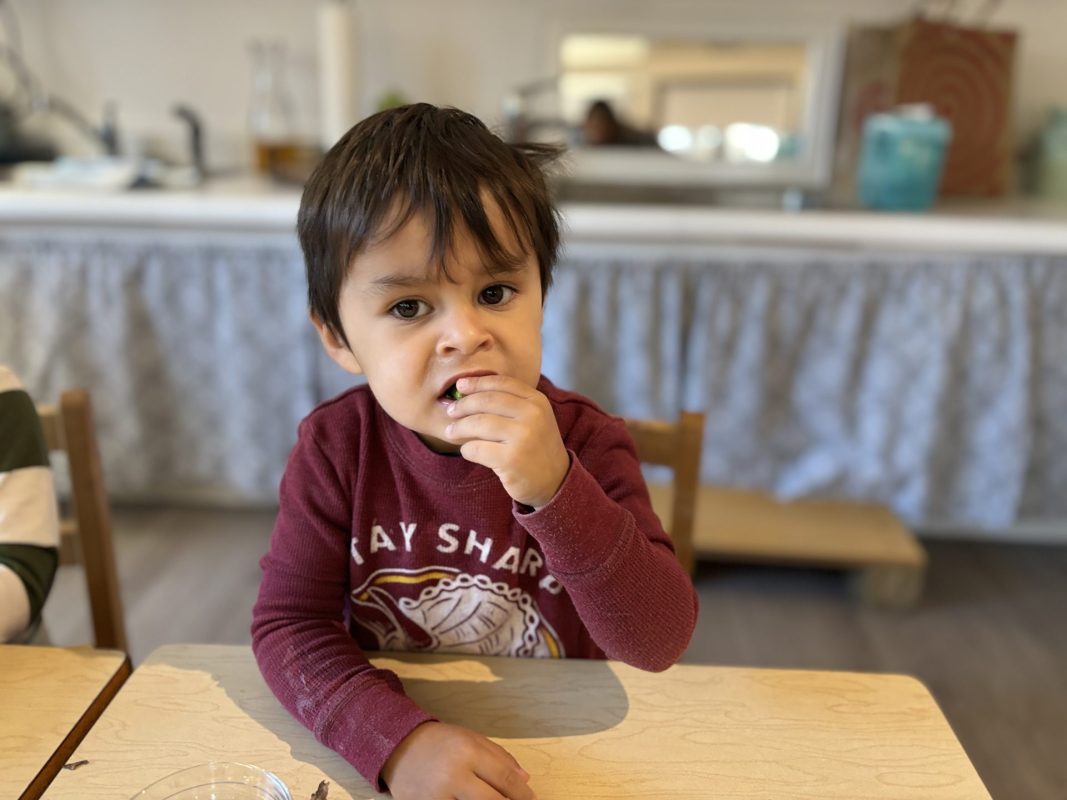
For our food-tasting activity this week, we introduced kale, and it was a resounding success! Every child enjoyed it, thanks to the magic of homemade kale chips. If you haven’t tried this yet, we highly recommend adding kale to your shopping list. Kale chips are easy to make and a wonderful way to introduce this nutritious vegetable to your family. Check the recipe shared by the Micas here.

As we look forward to all the fun this month has in store, we’d like to share a gentle reminder to ensure your child has the necessary winter outdoor gear. Please send snow pants, waterproof mittens with mitten clips, snow boots, a winter hat, and a jacket in a labeled reusable bag. These items will allow your child to fully enjoy outdoor play while staying warm and comfortable.

We are so excited to continue this winter journey with your children and can’t wait to share more wonderful experiences in the coming weeks. Thank you for your continued support and partnership.

Warmly,

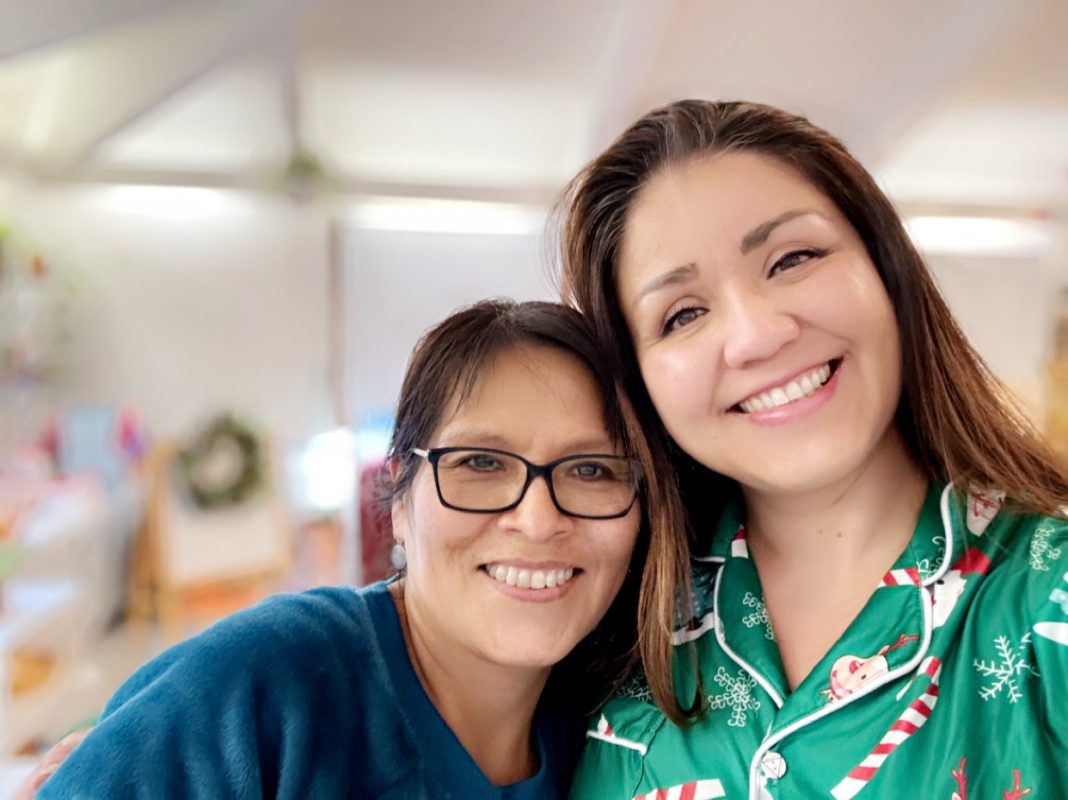
Mrs. Hood and Ms. Patty

Mrs. Hood: Tis’ the Season!

And just like that, our first trimester comes to a close, leaving us with so many cherished moments and heartwarming stories. Your children are truly blooming, and their joy, curiosity, and laughter bring so much love and life to our classroom. We are deeply honored to witness their growth and to see each of them unfolding so beautifully.

Thank you for your unwavering support and trust—it means the world to us. We are so grateful to partner with you on this incredible journey. A special thank you as well for your generous and thoughtful gifts; your kindness is truly appreciated!

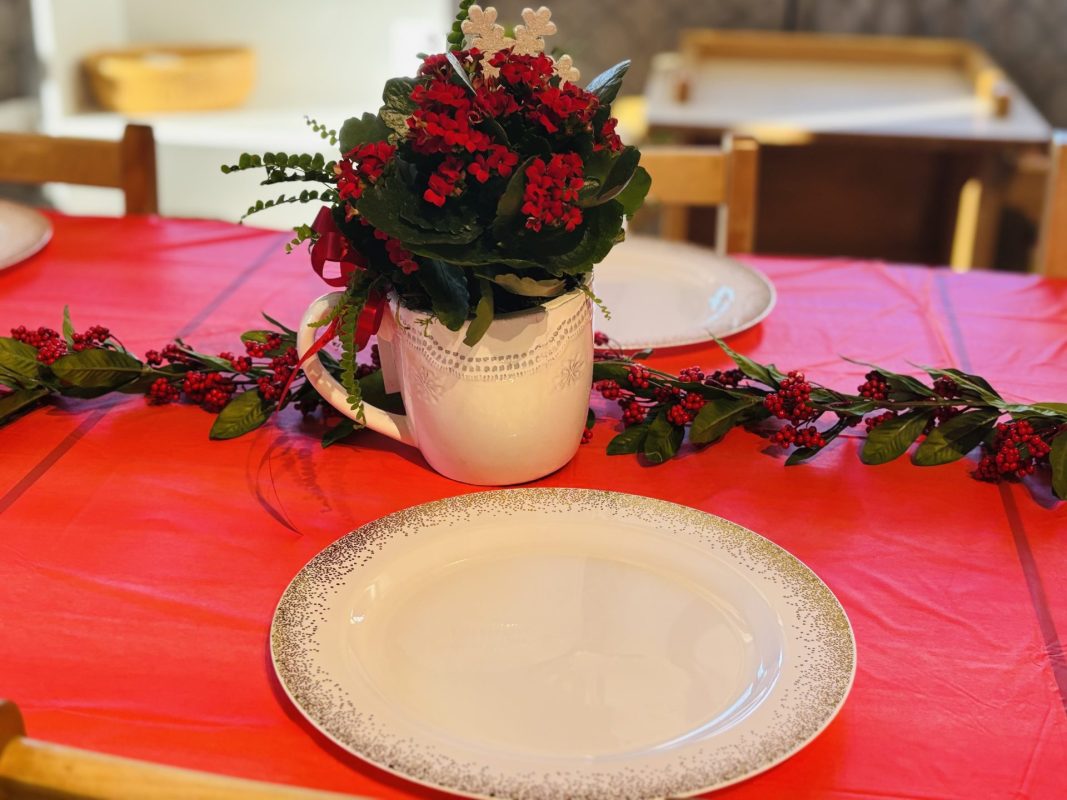
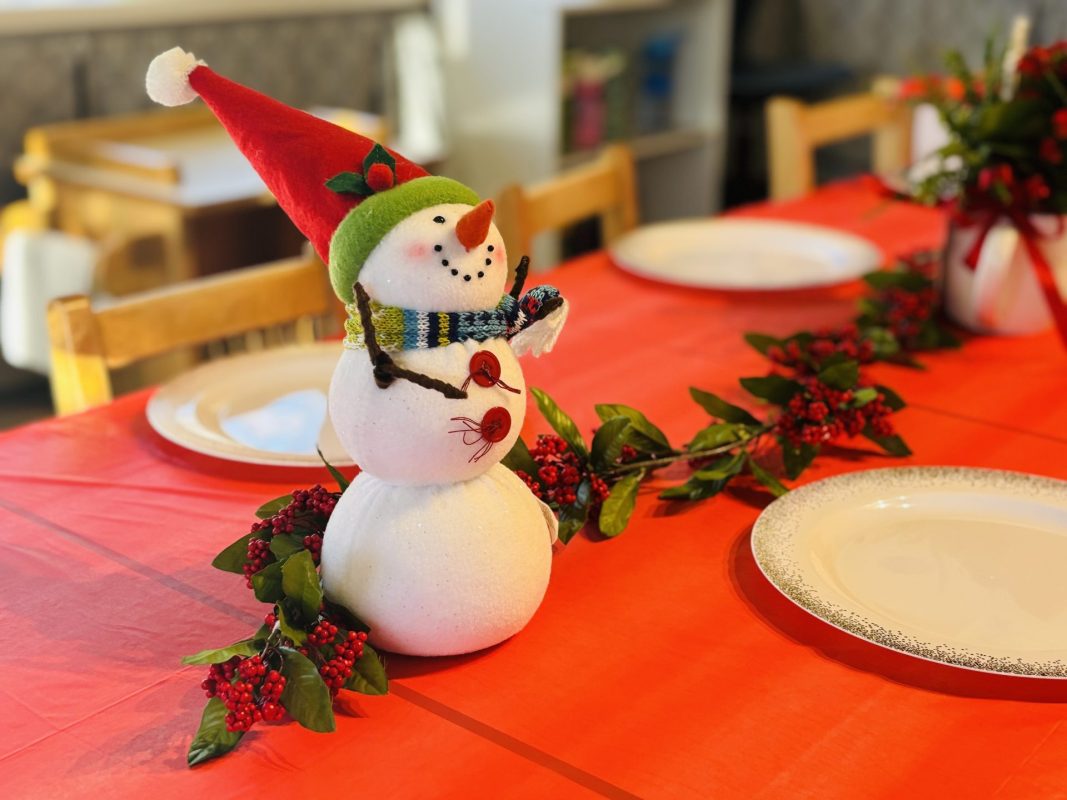
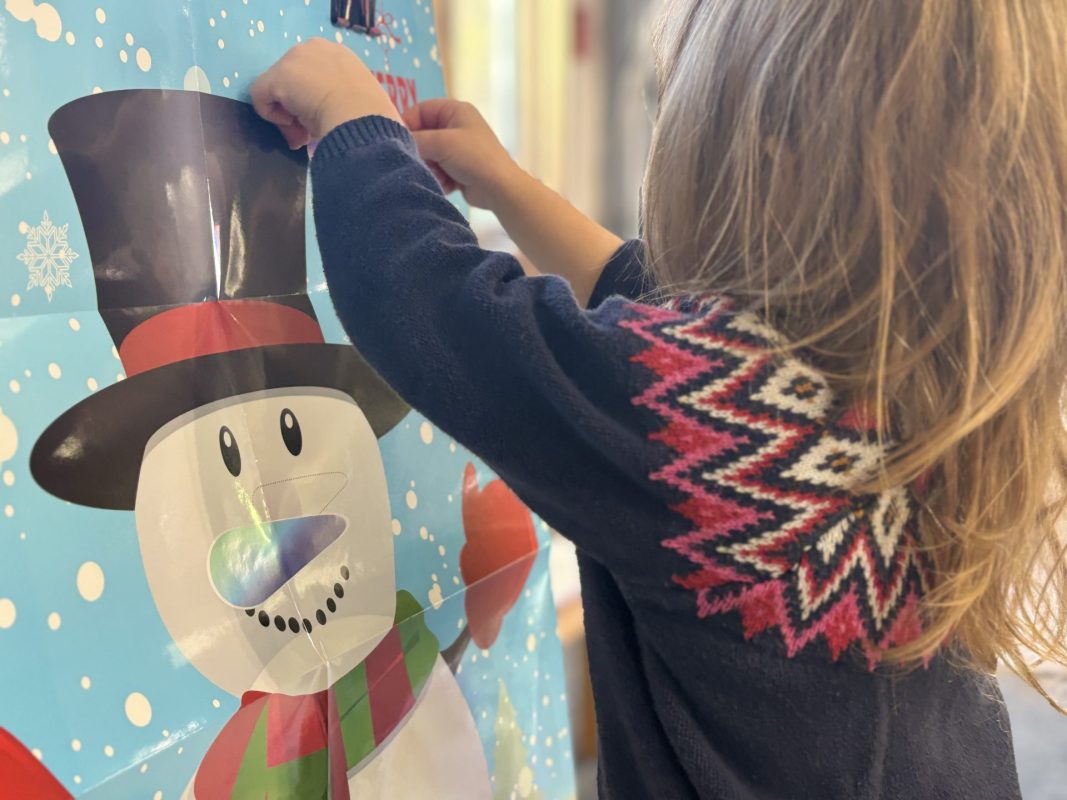
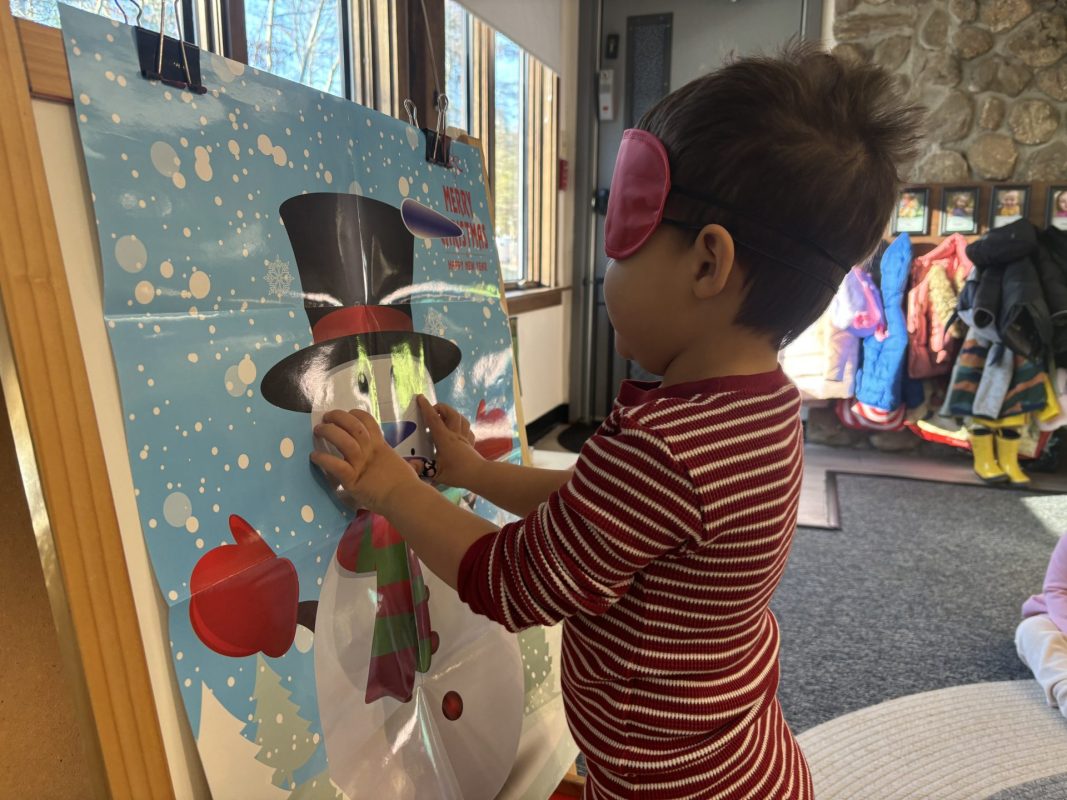
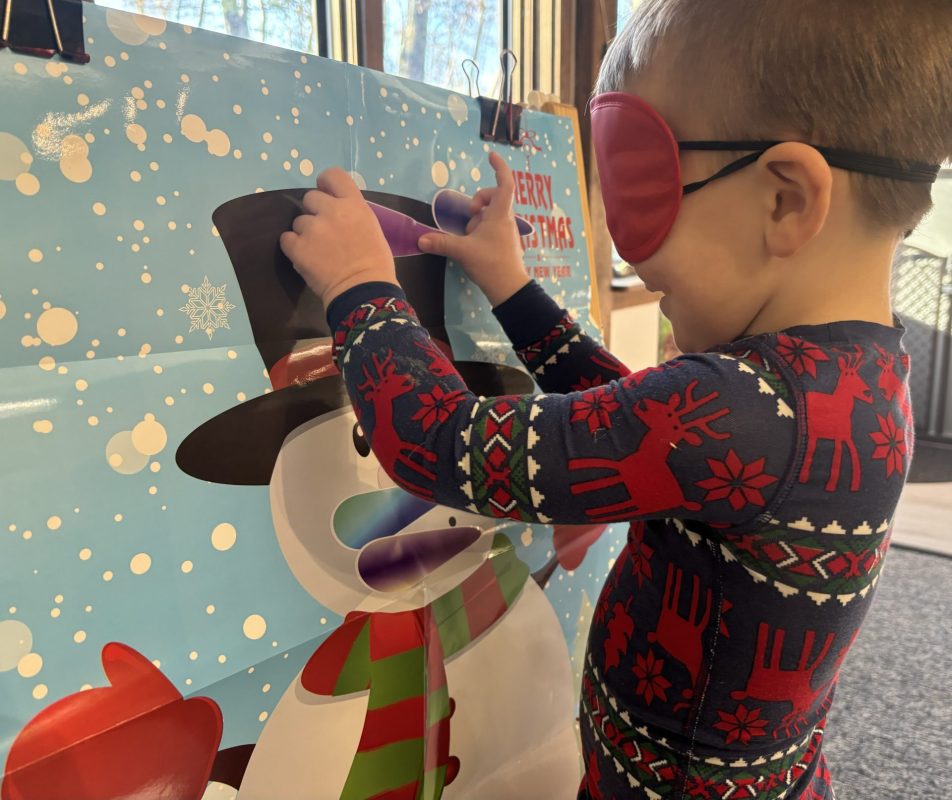
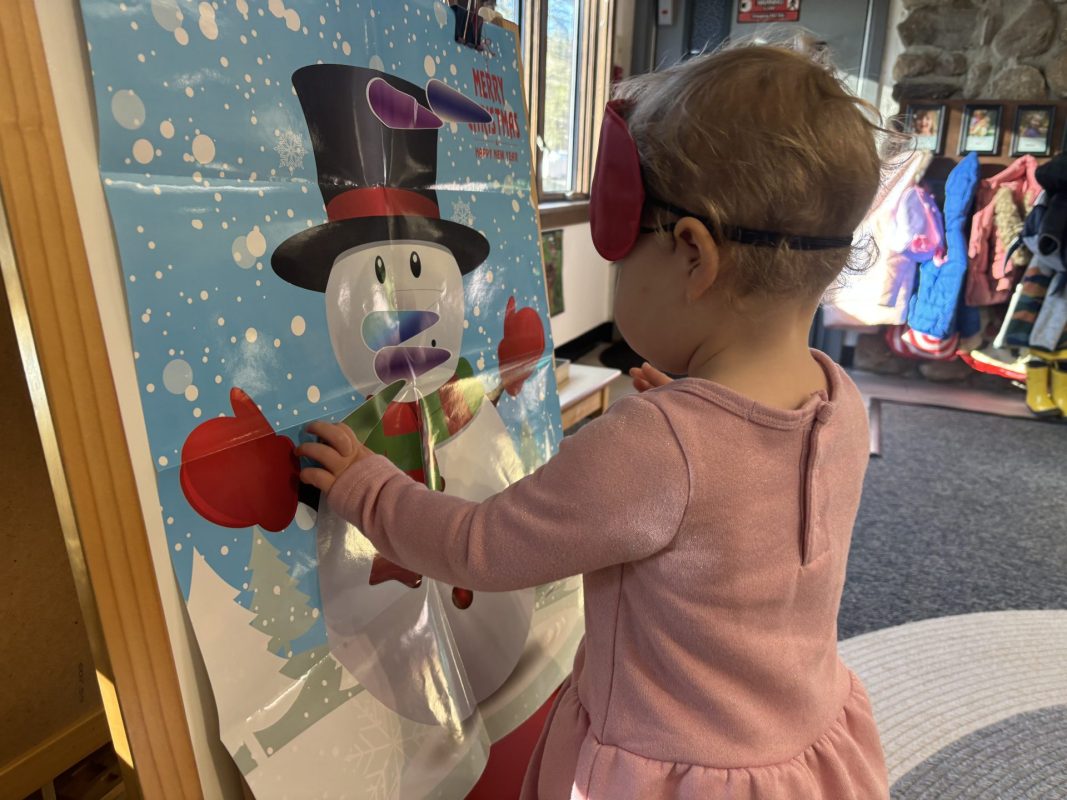
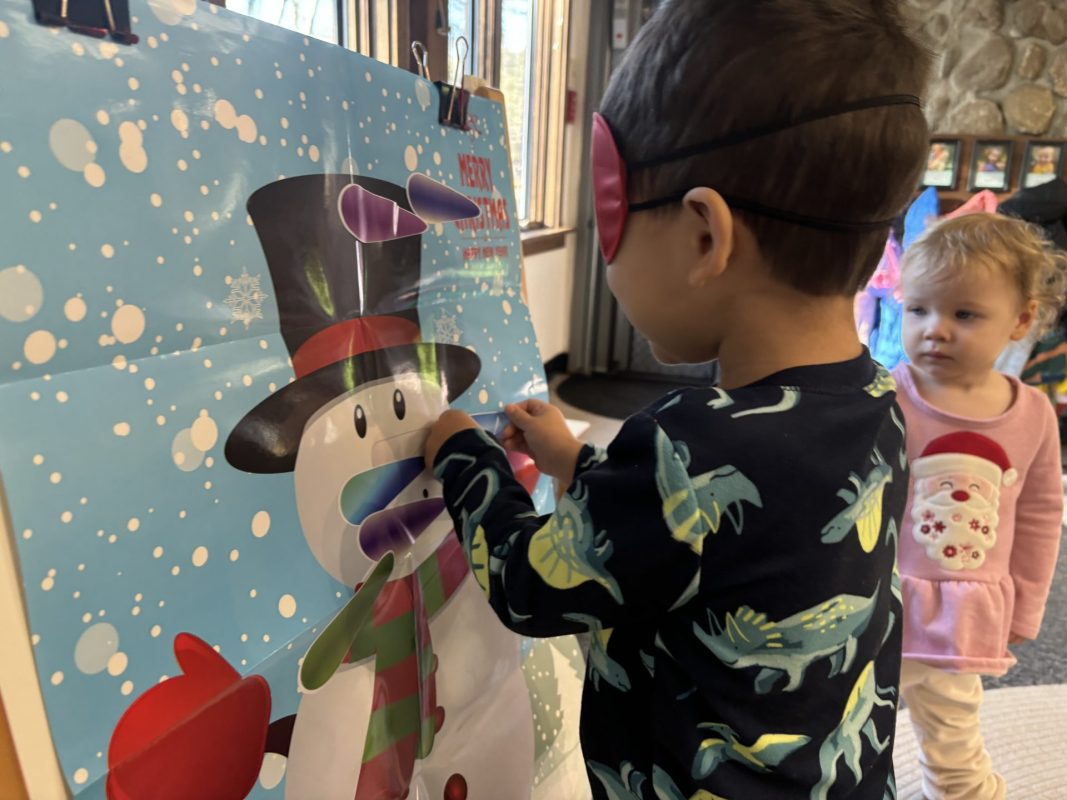
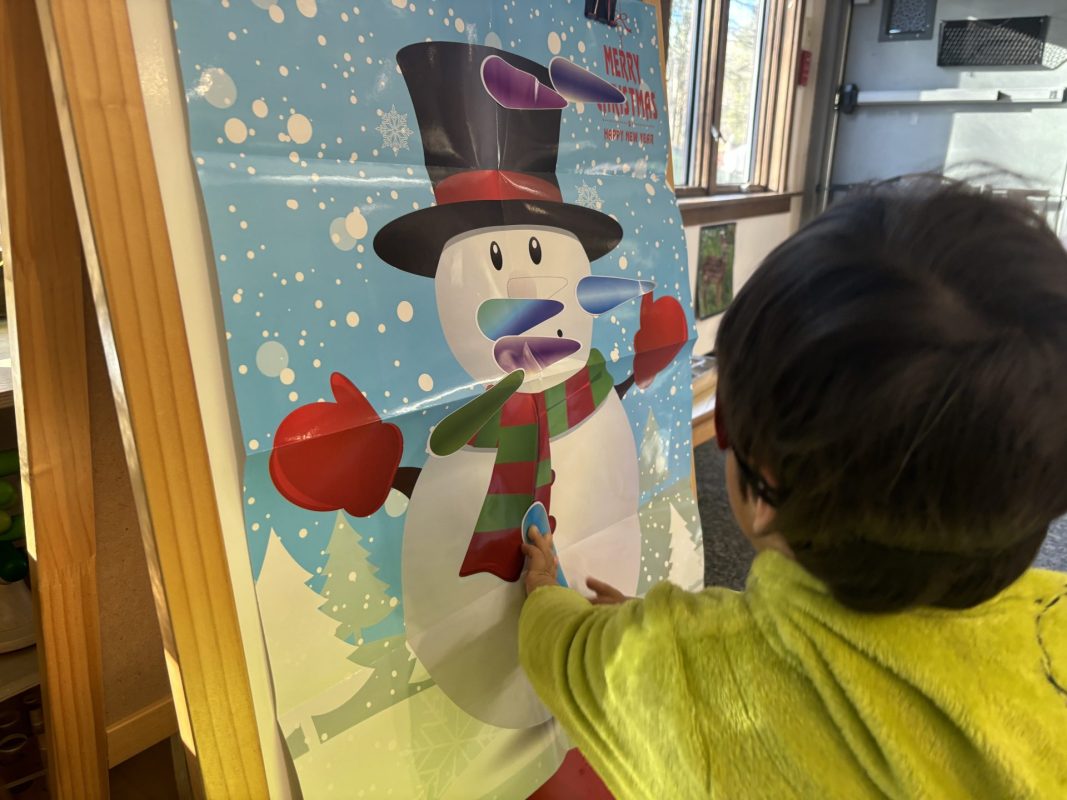
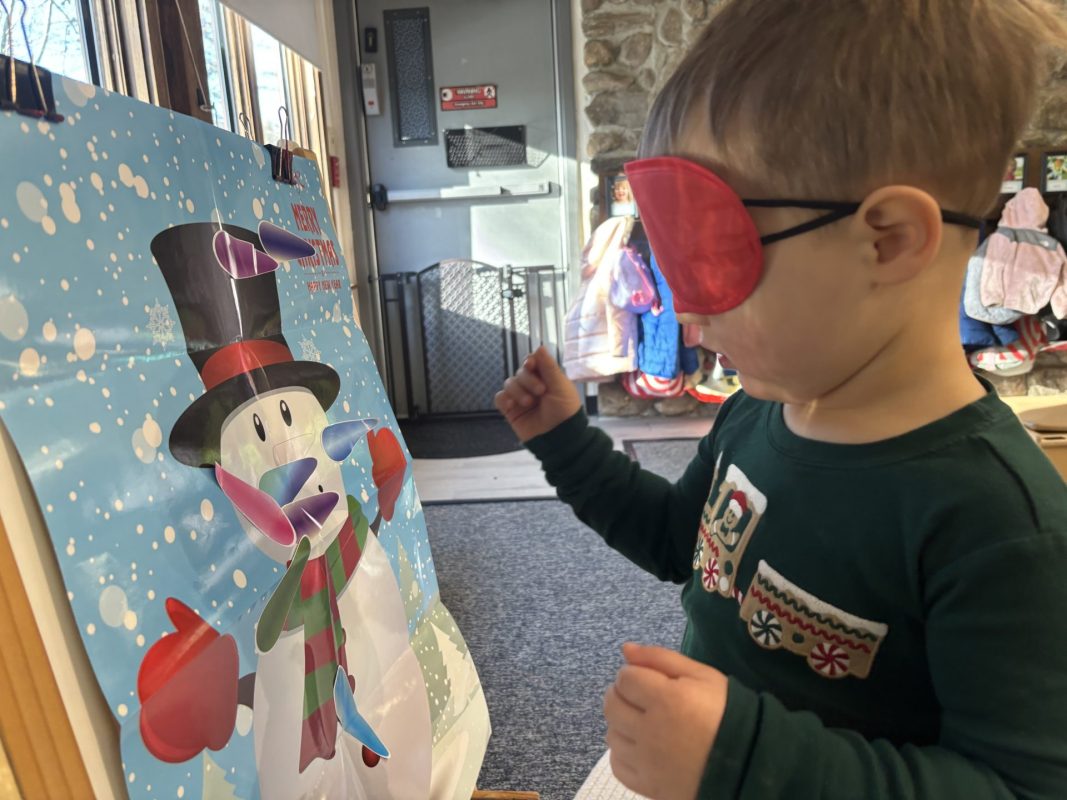
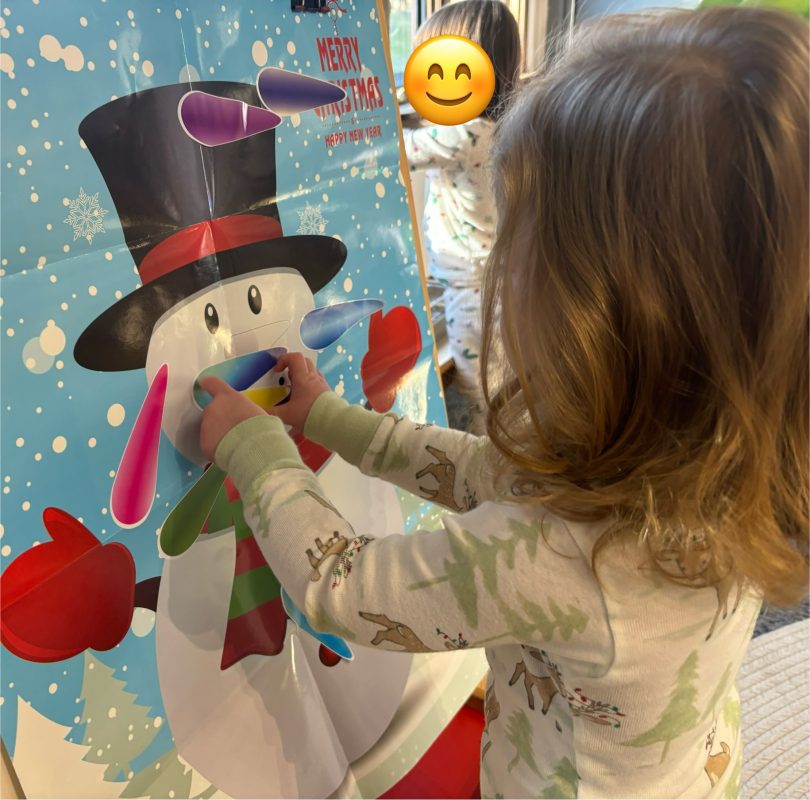
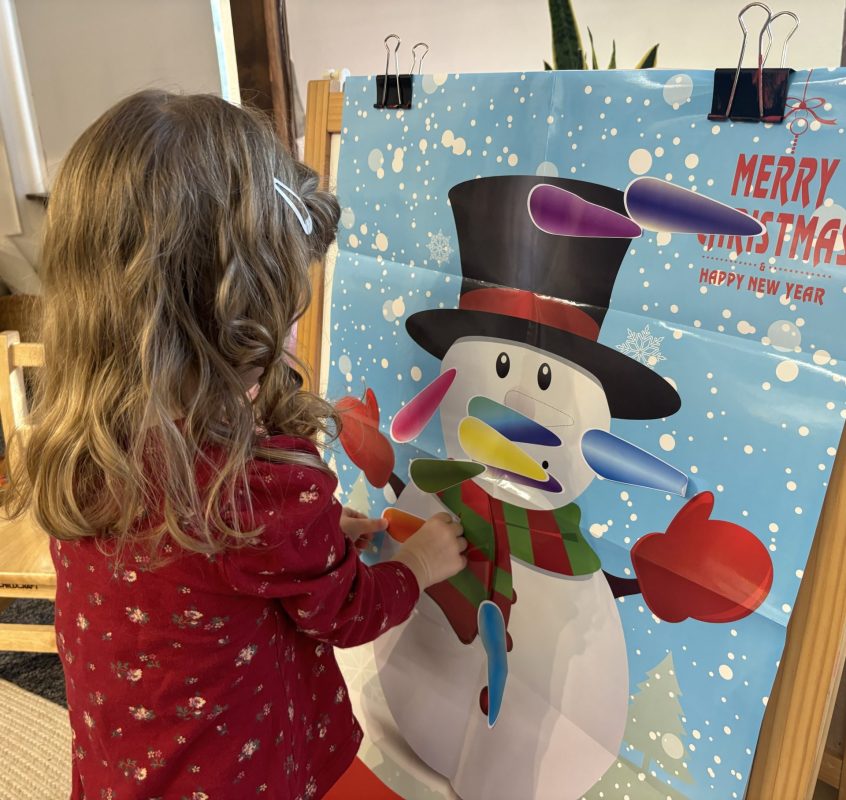
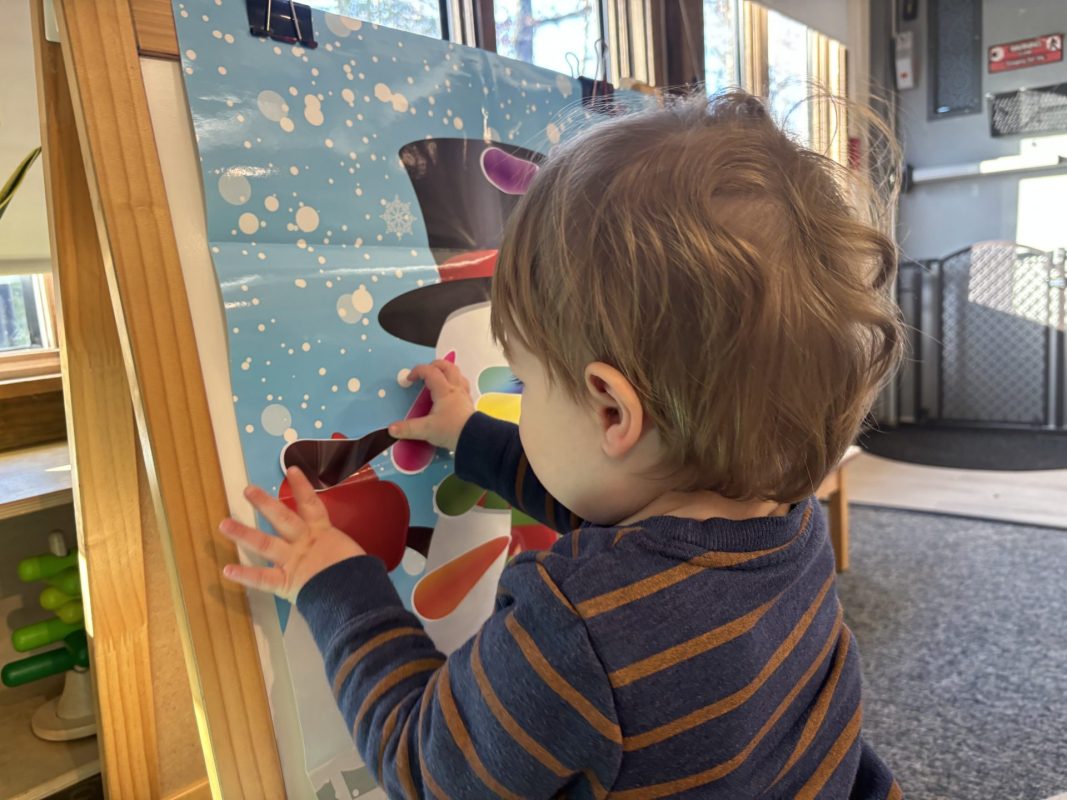
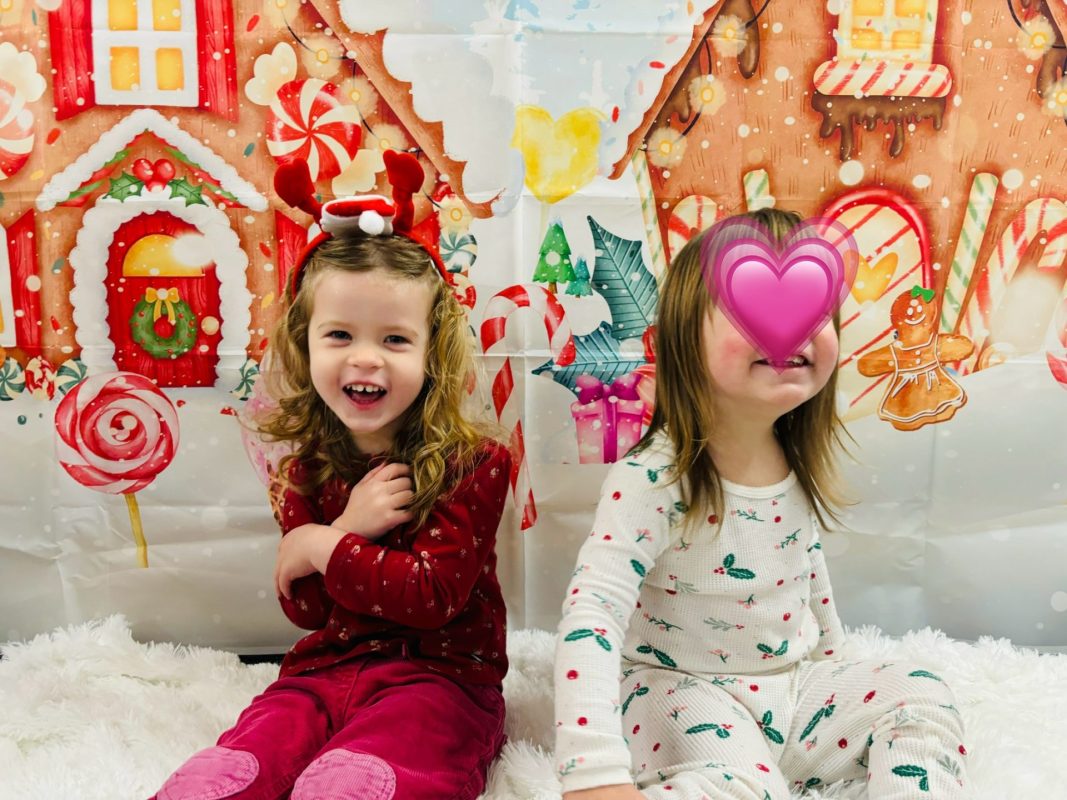
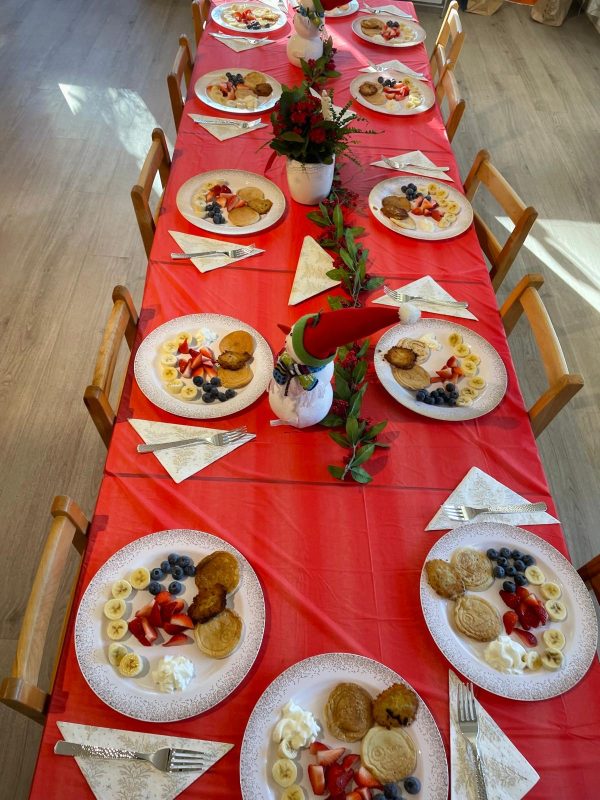
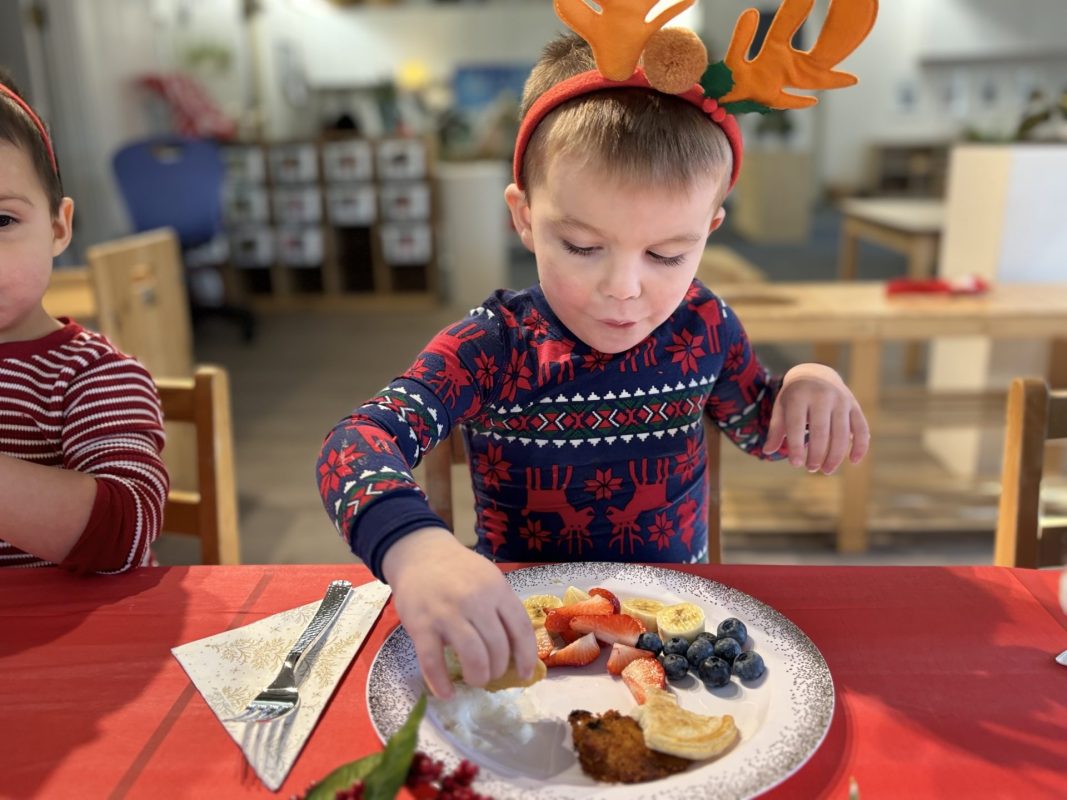
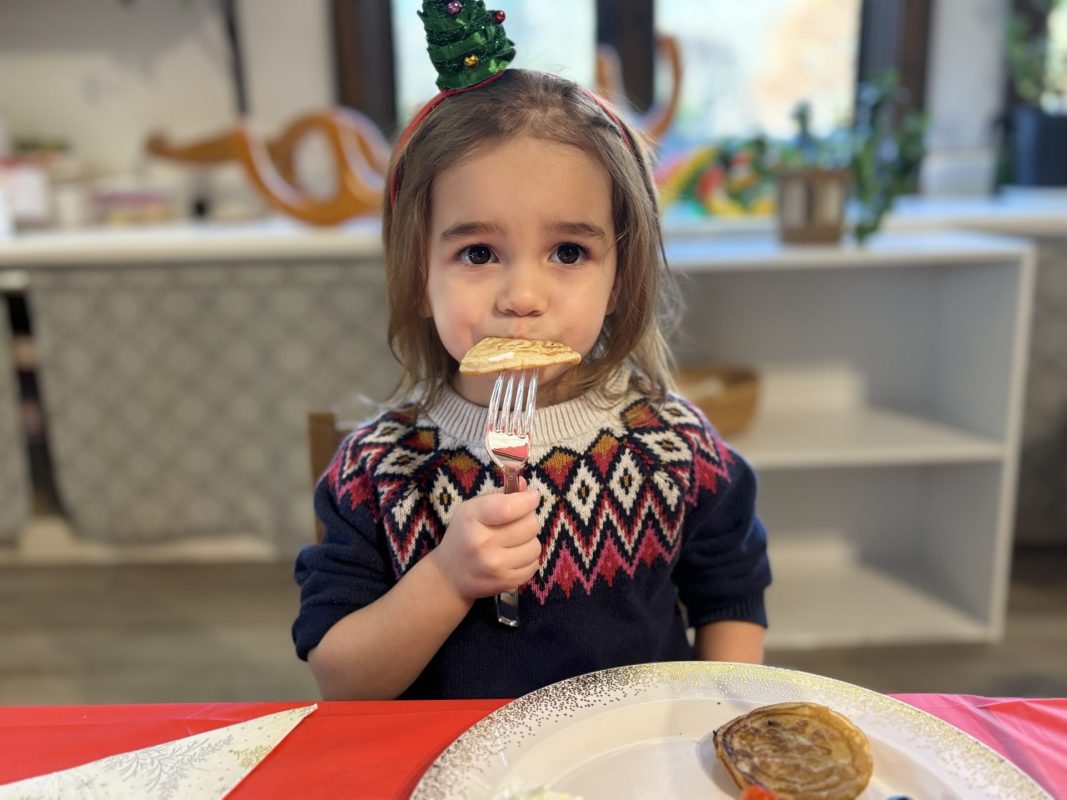
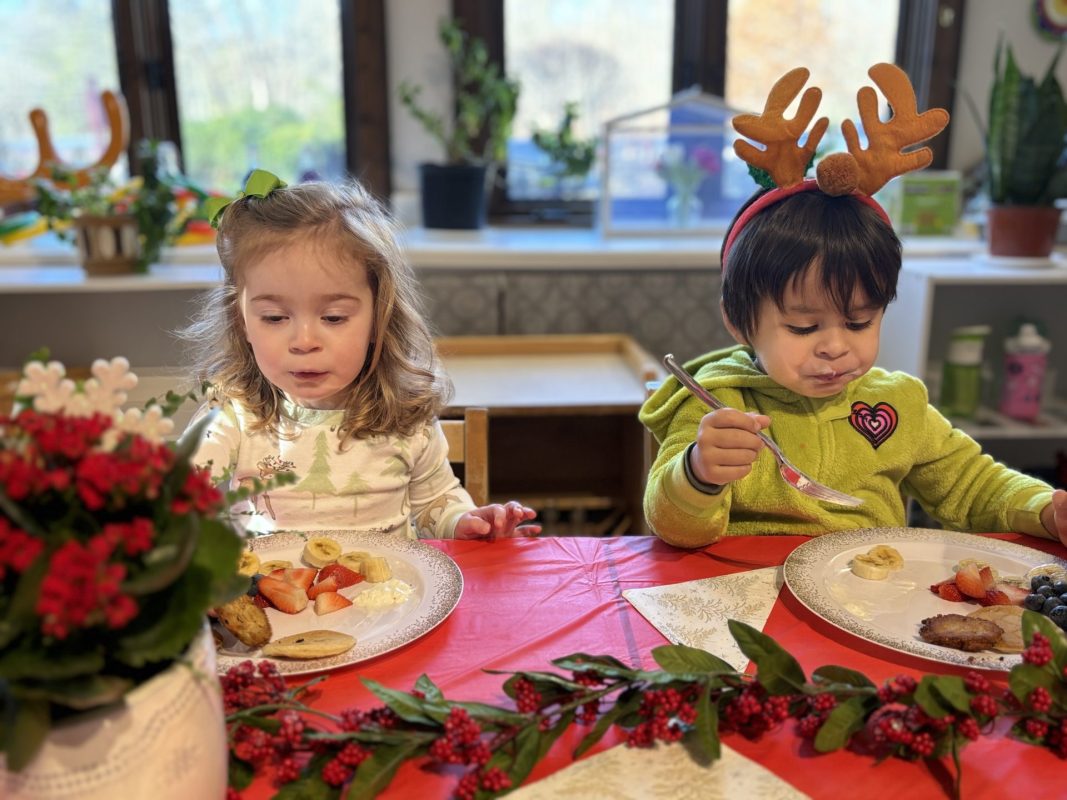
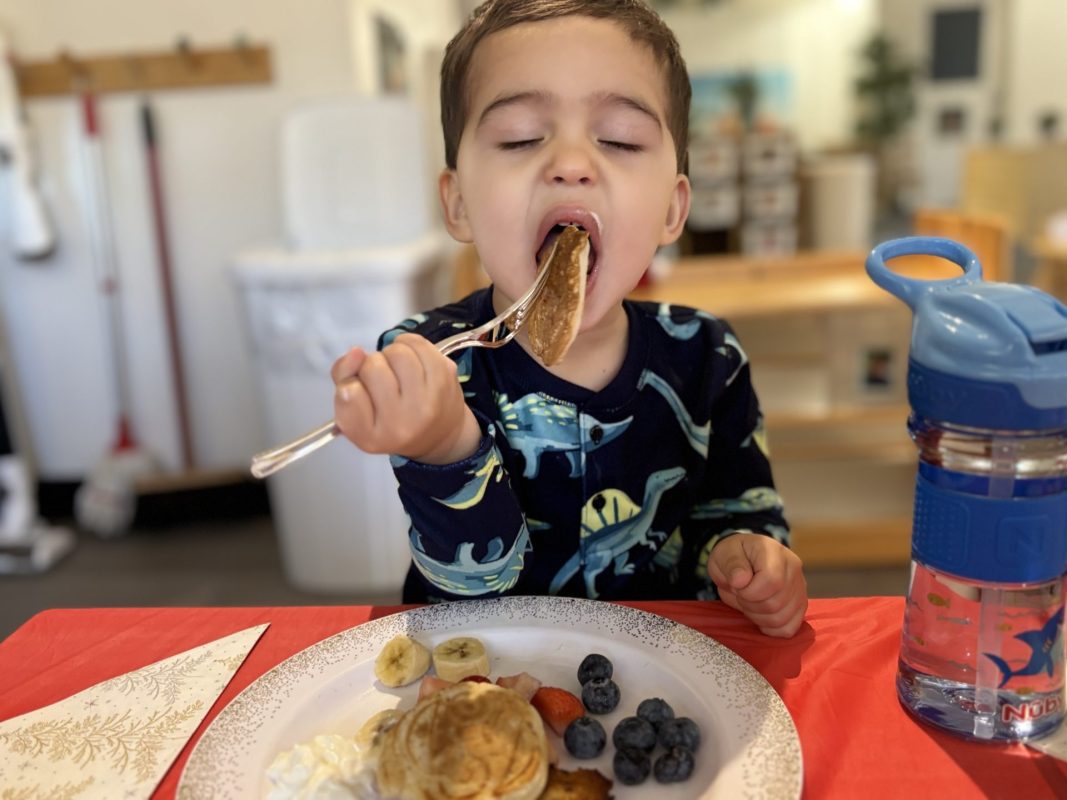
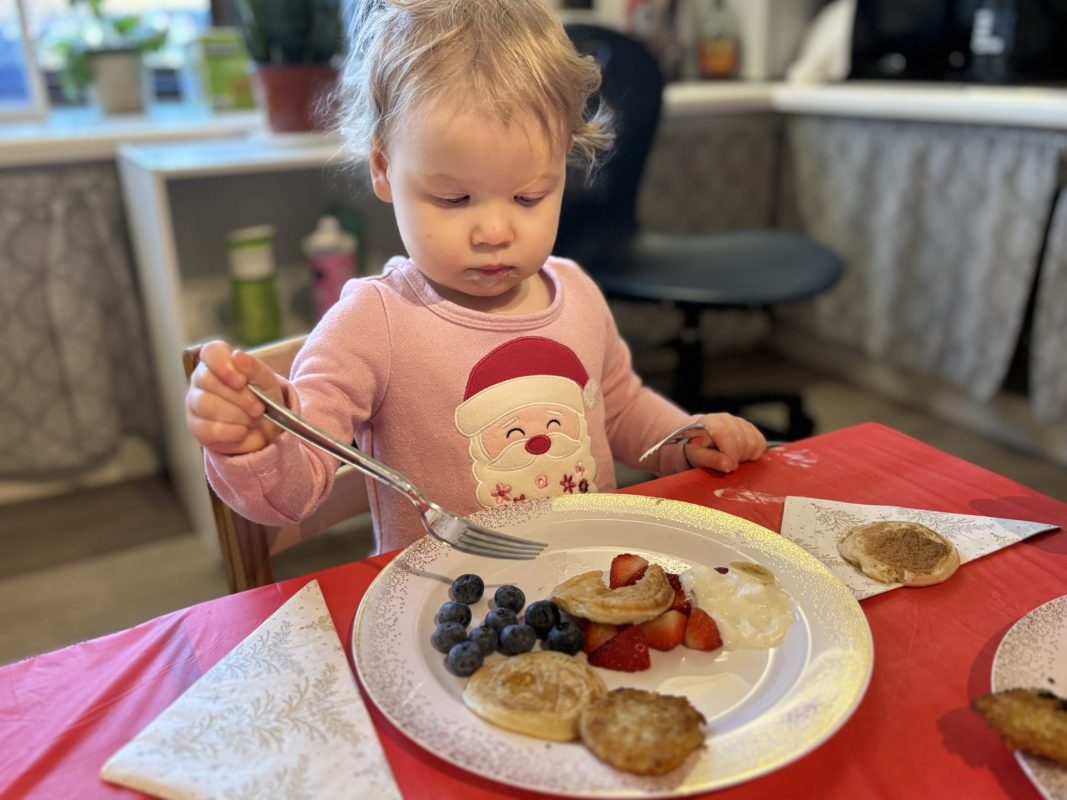
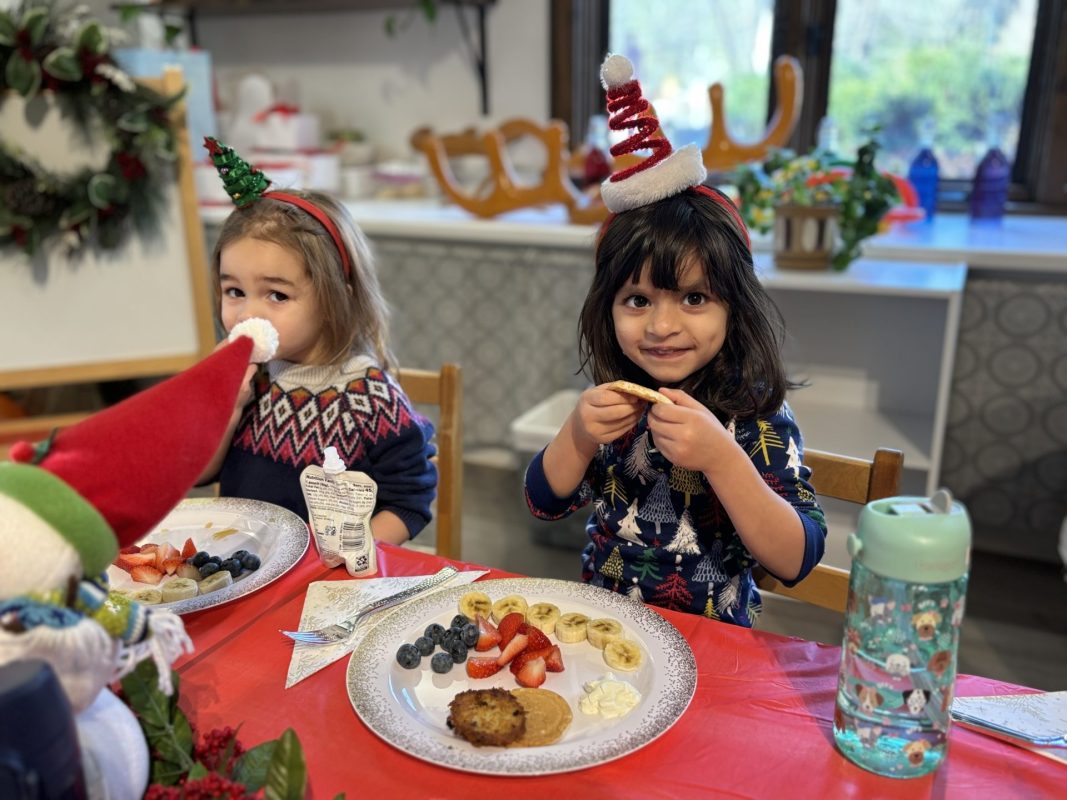
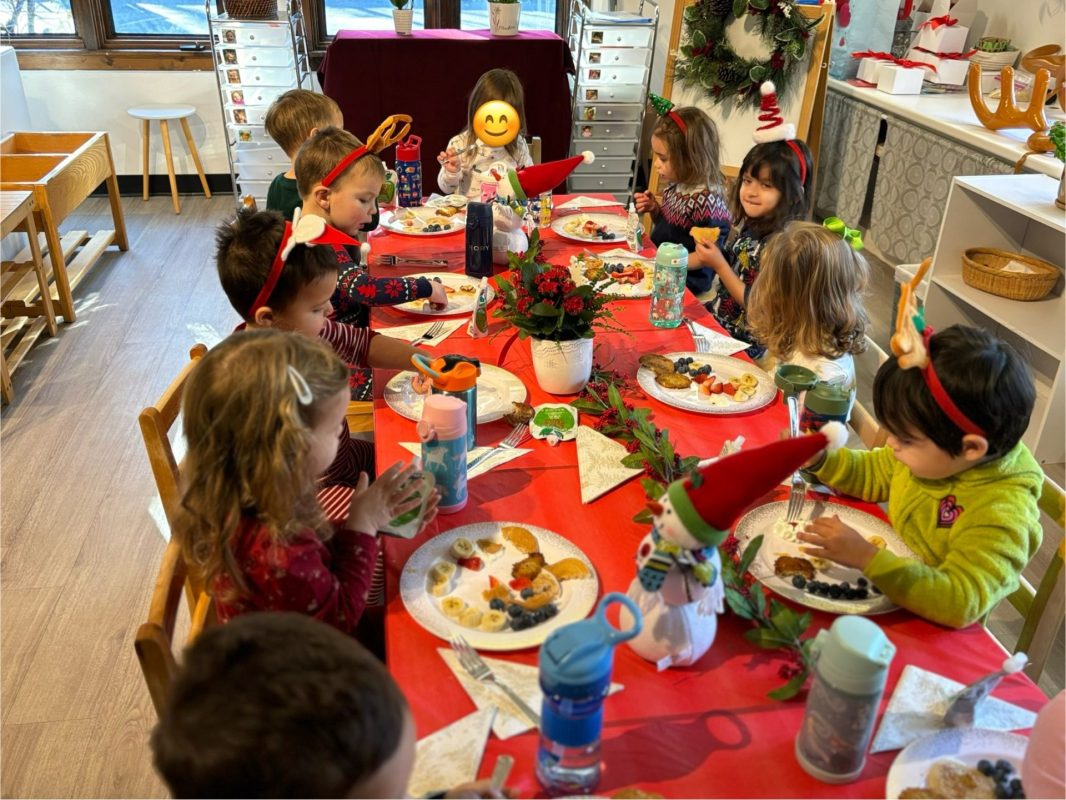
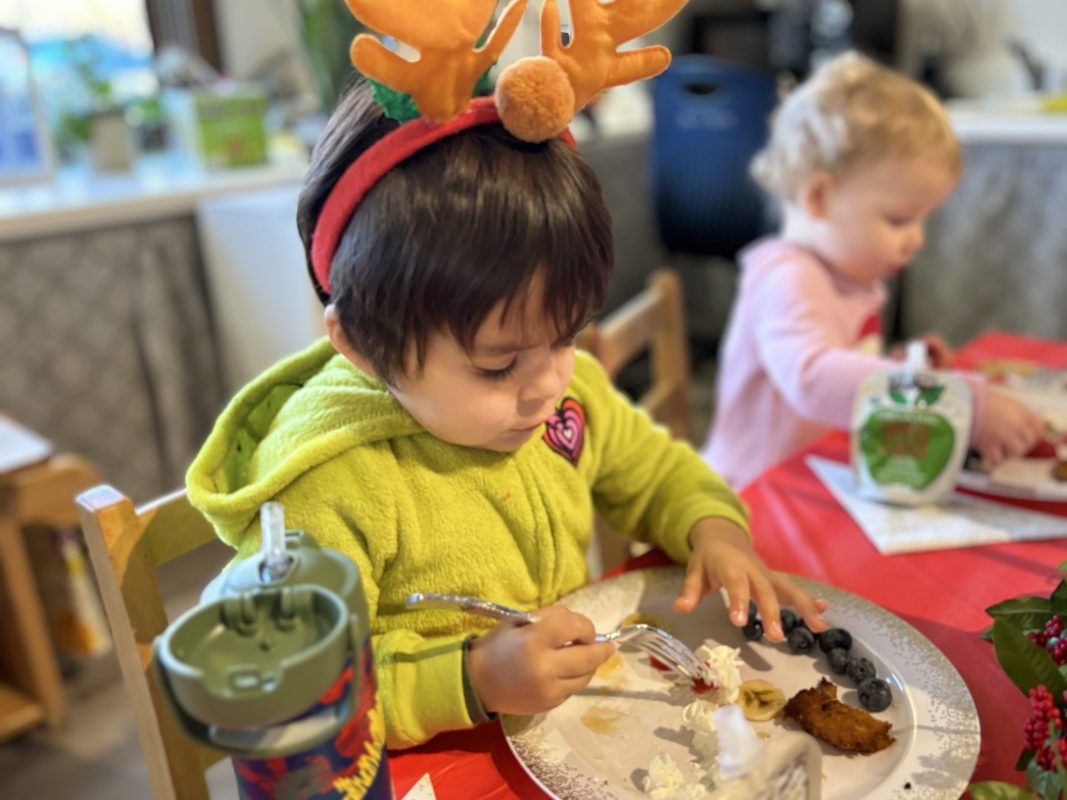
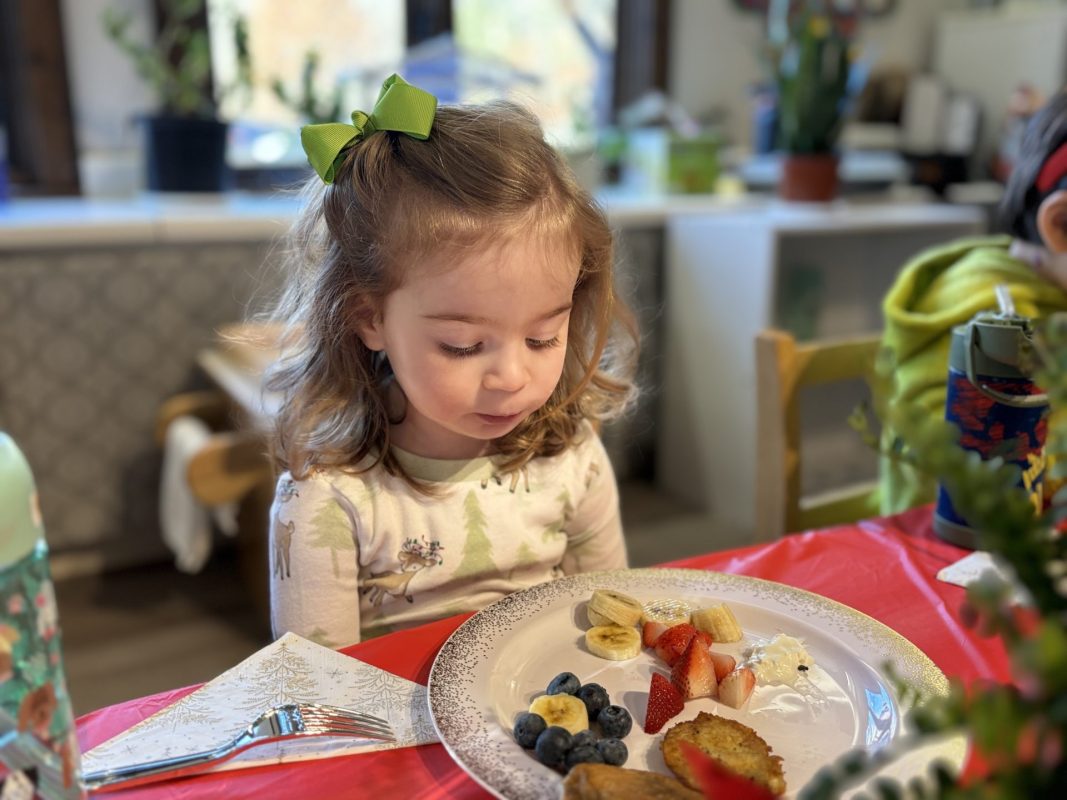
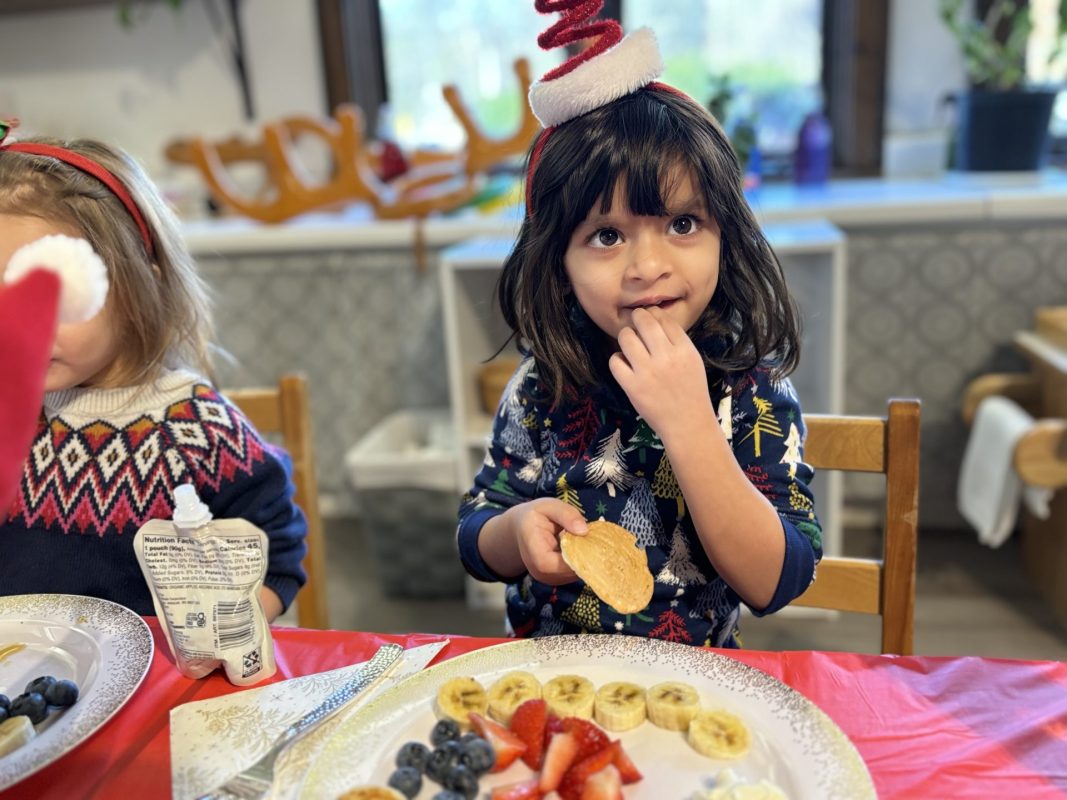
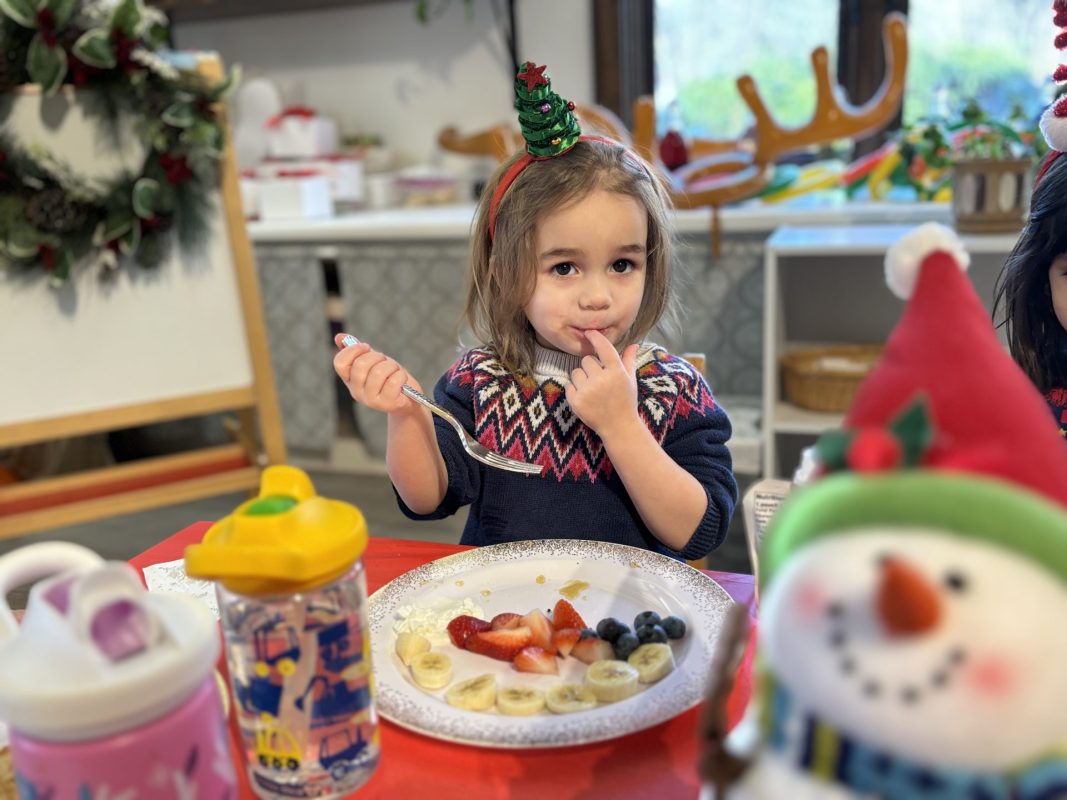
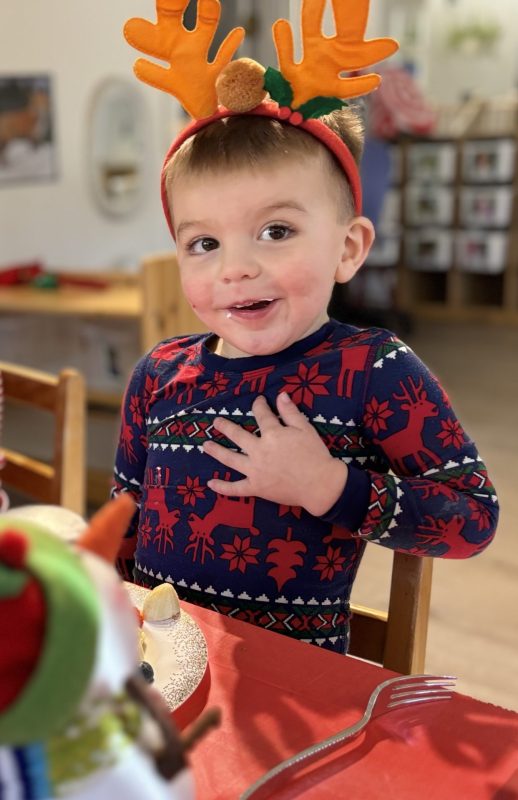
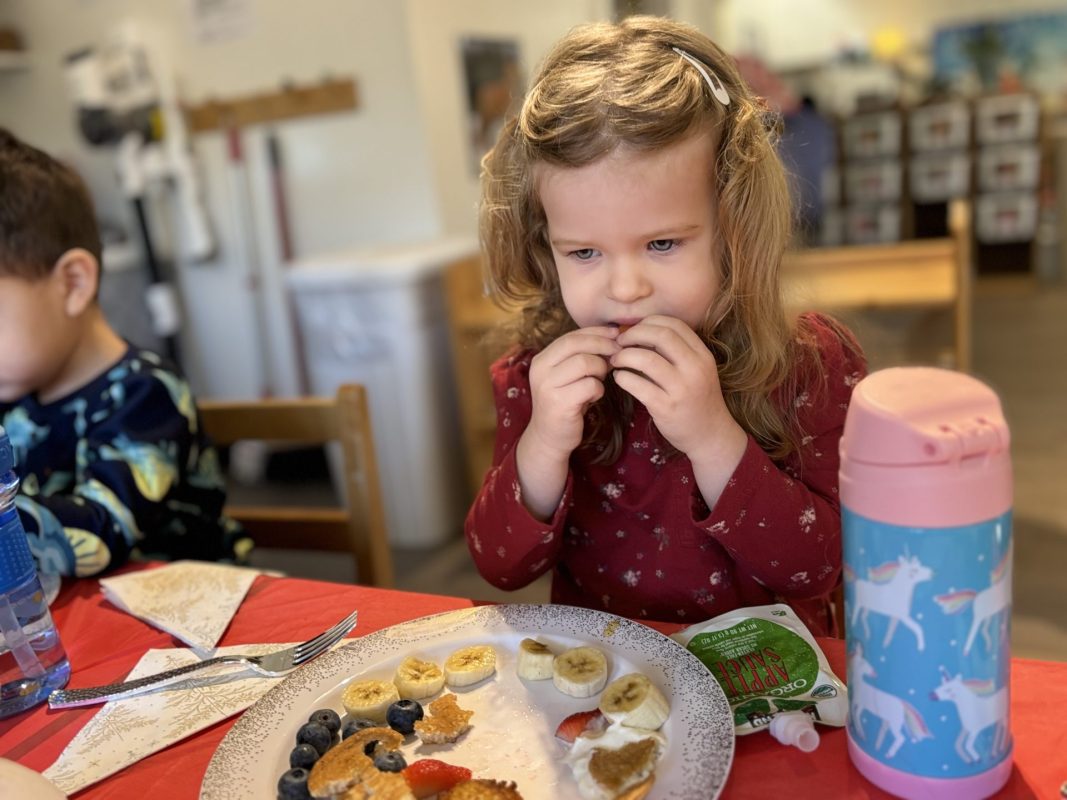
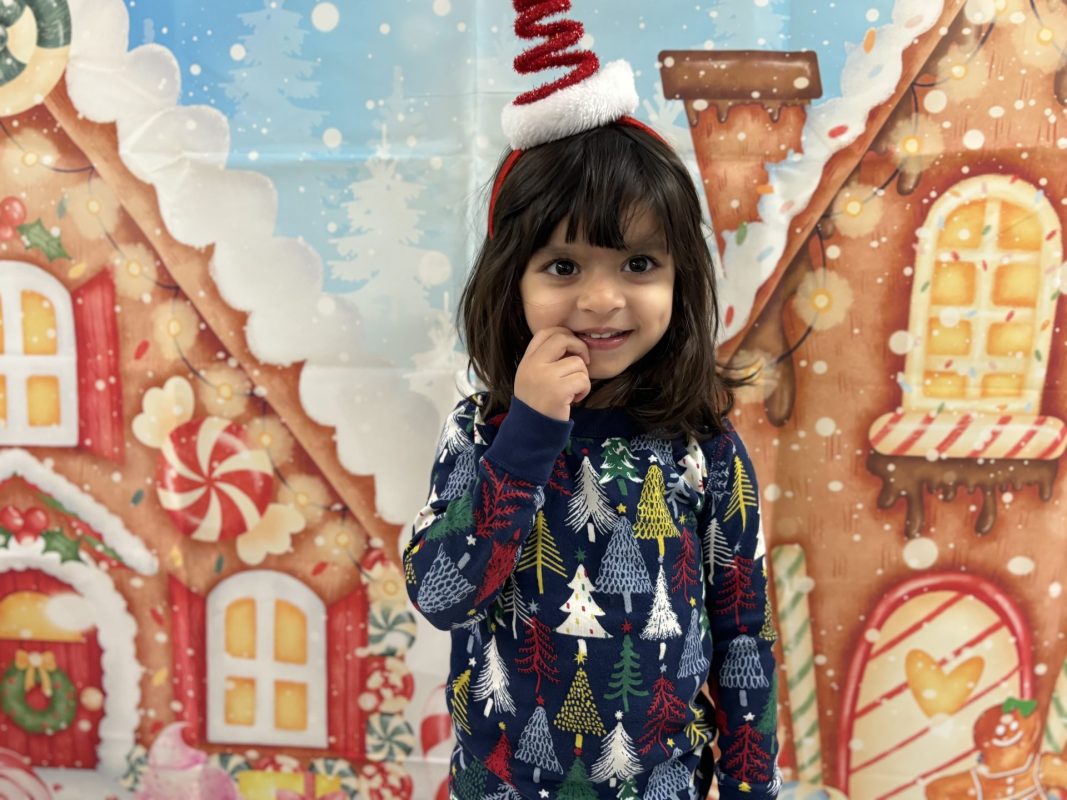
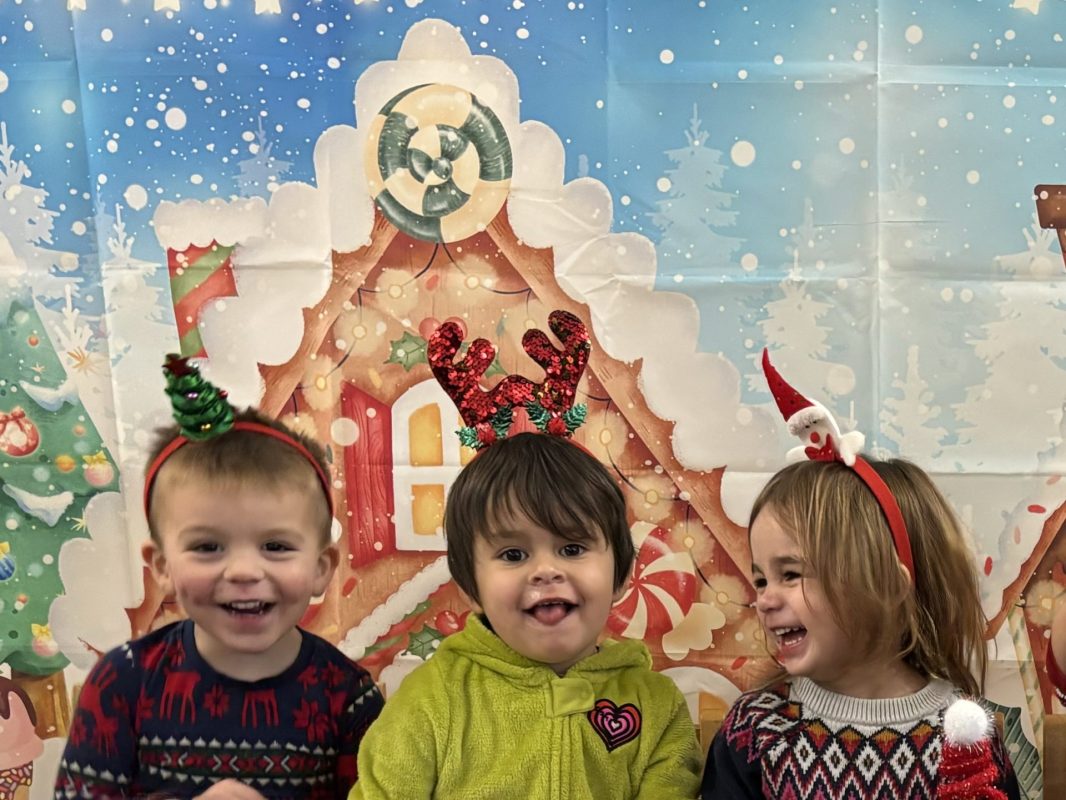
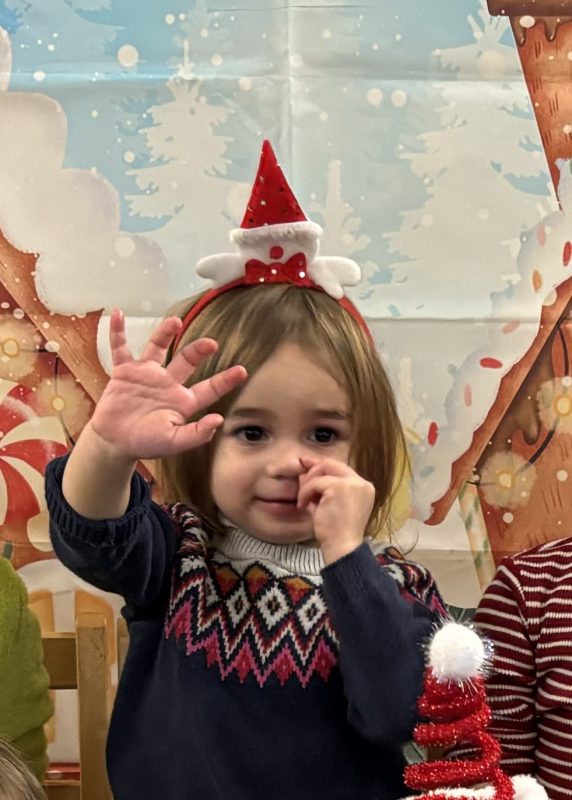
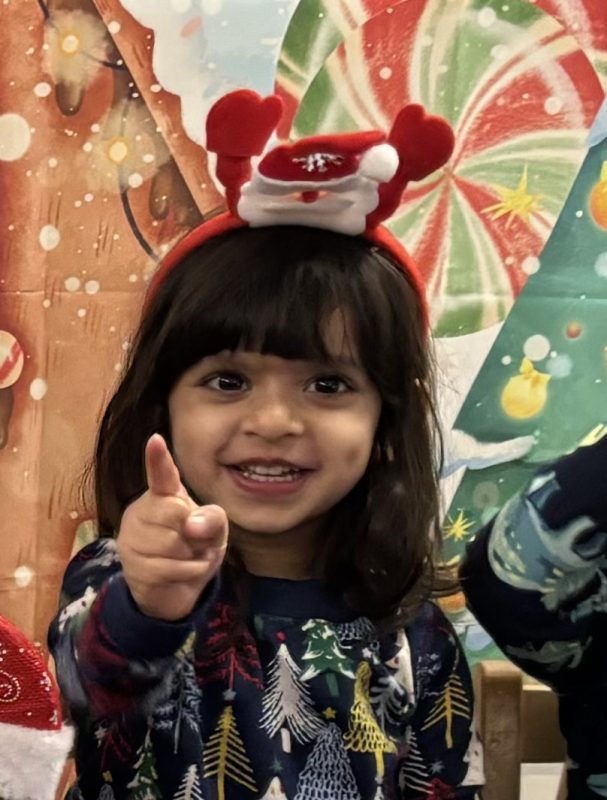
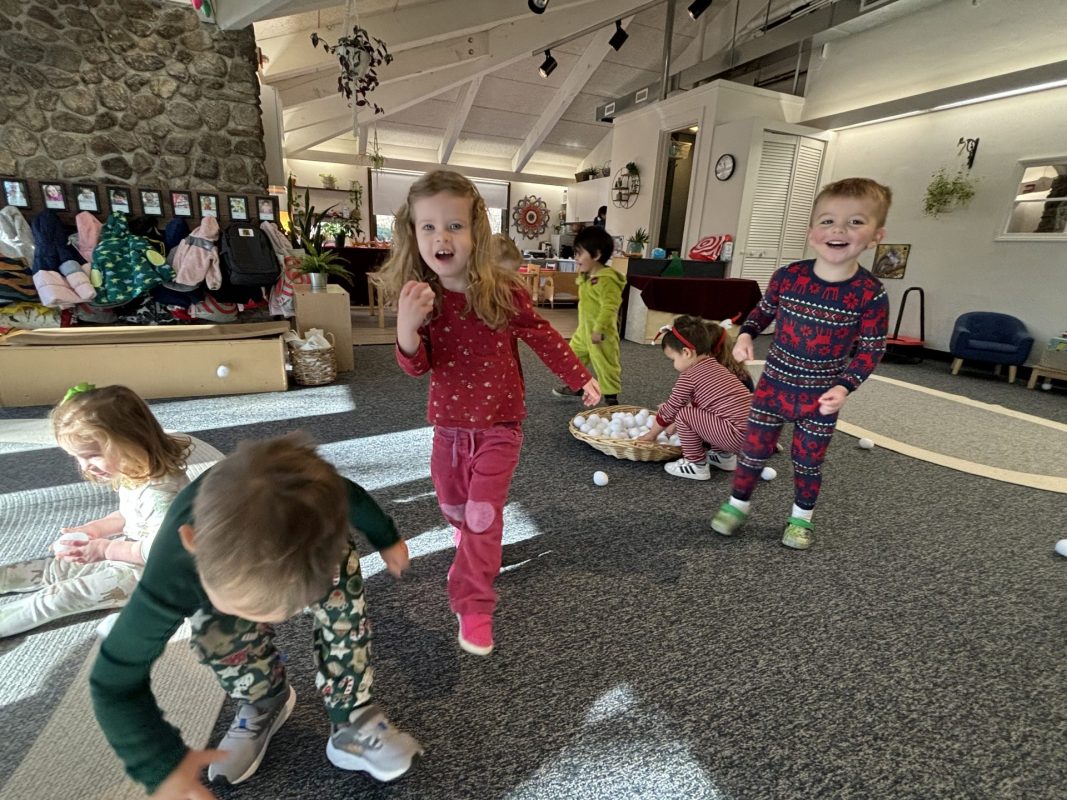
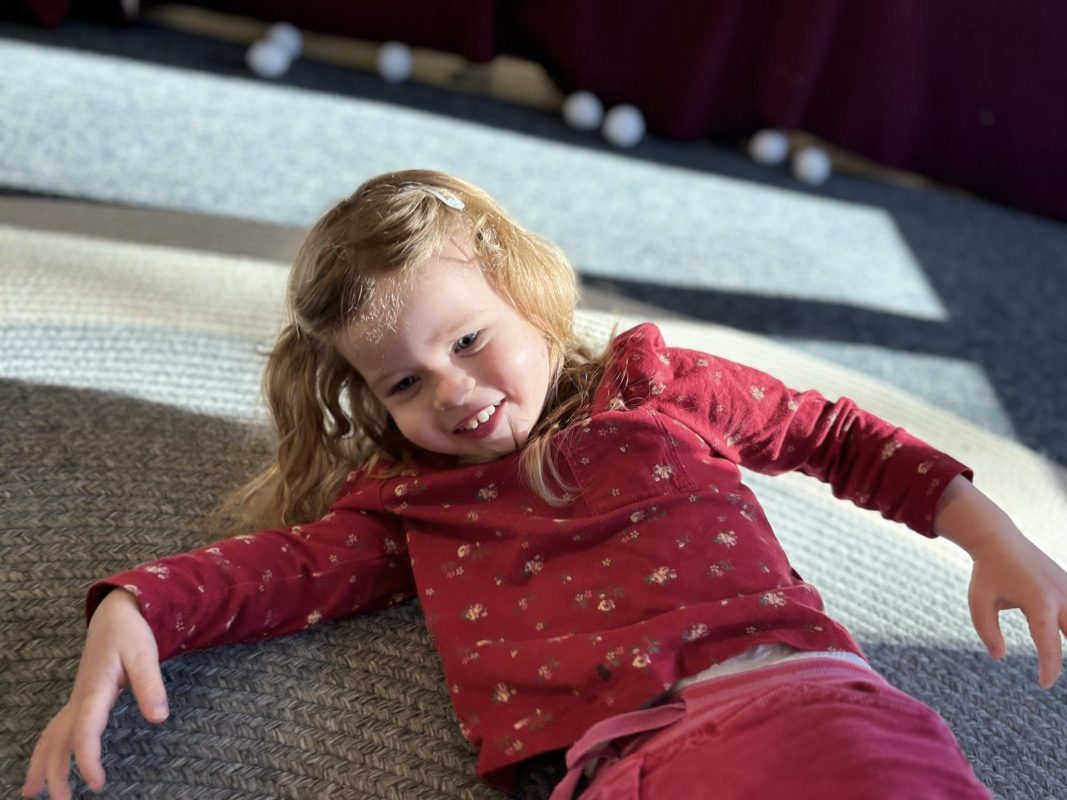
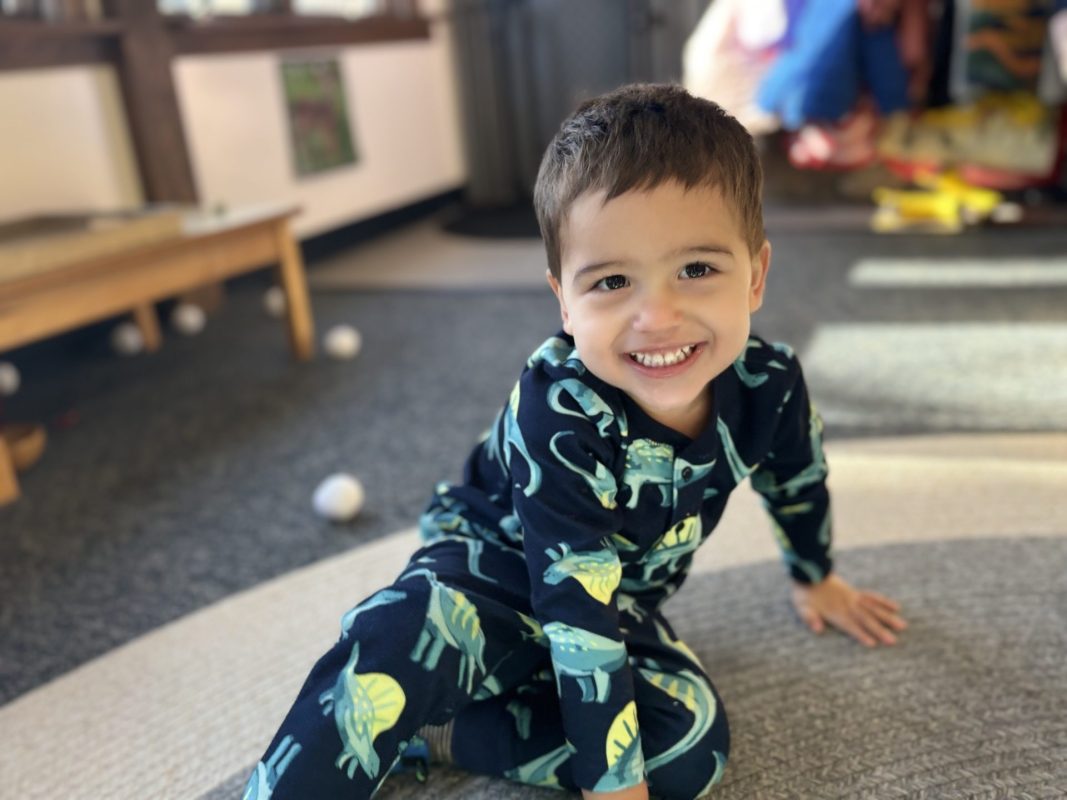
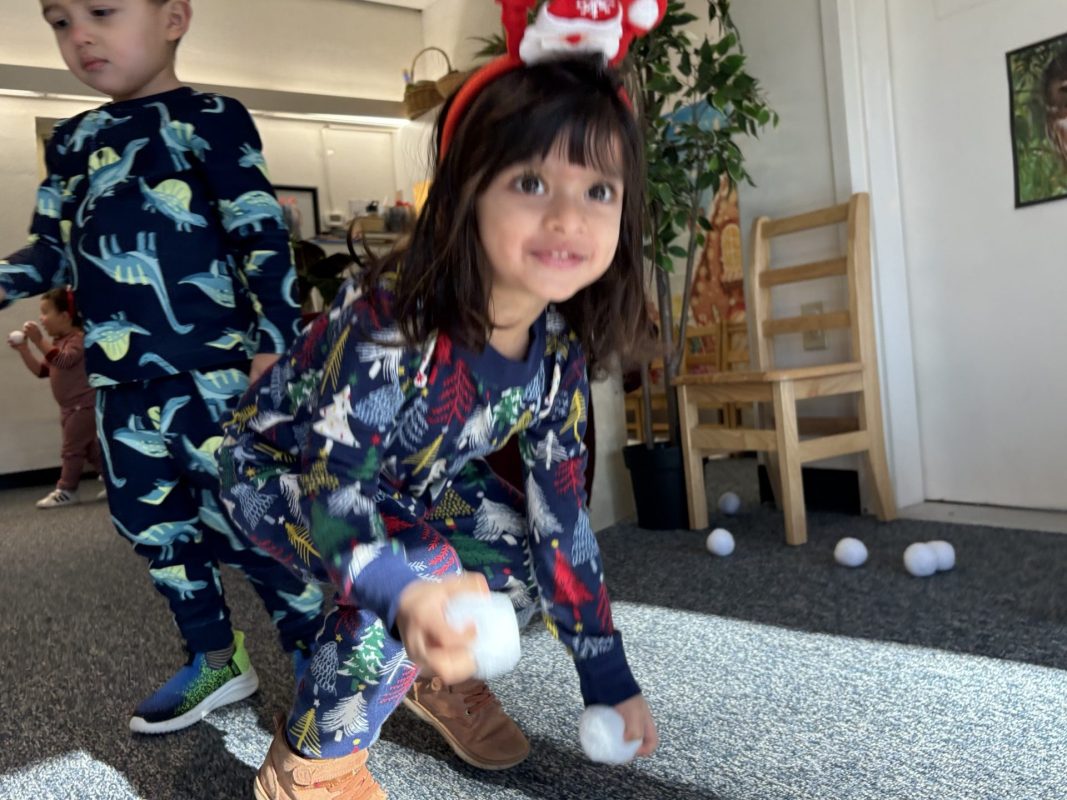
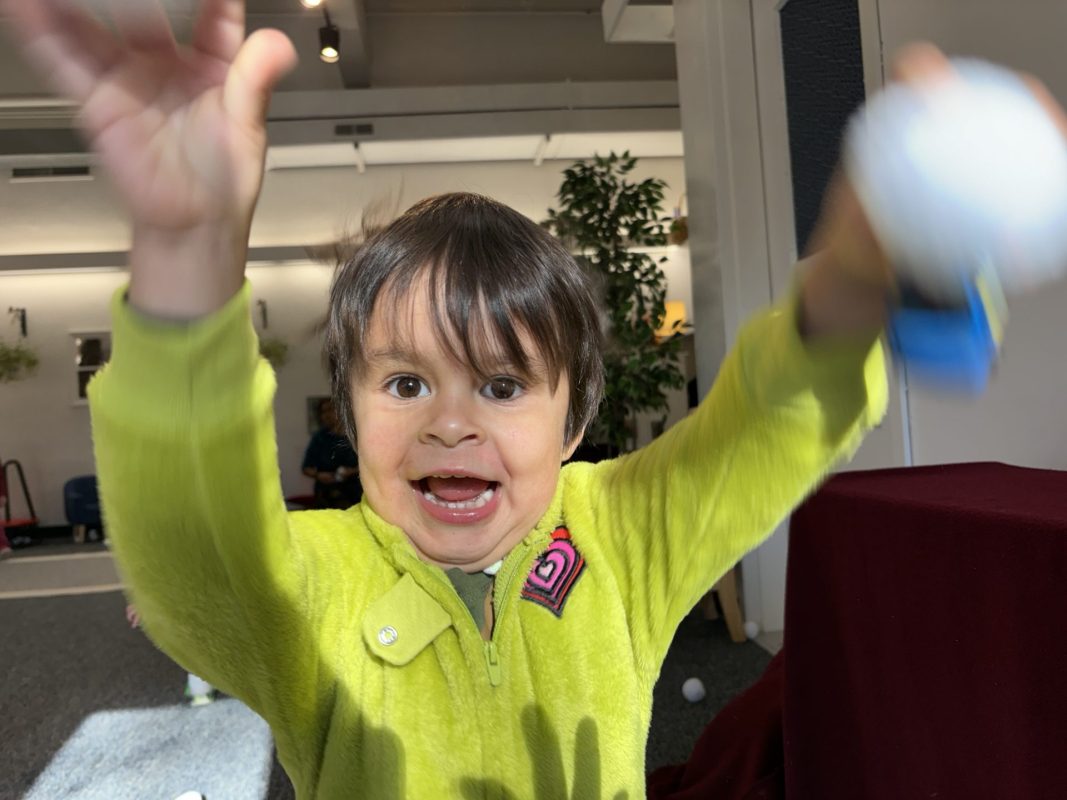
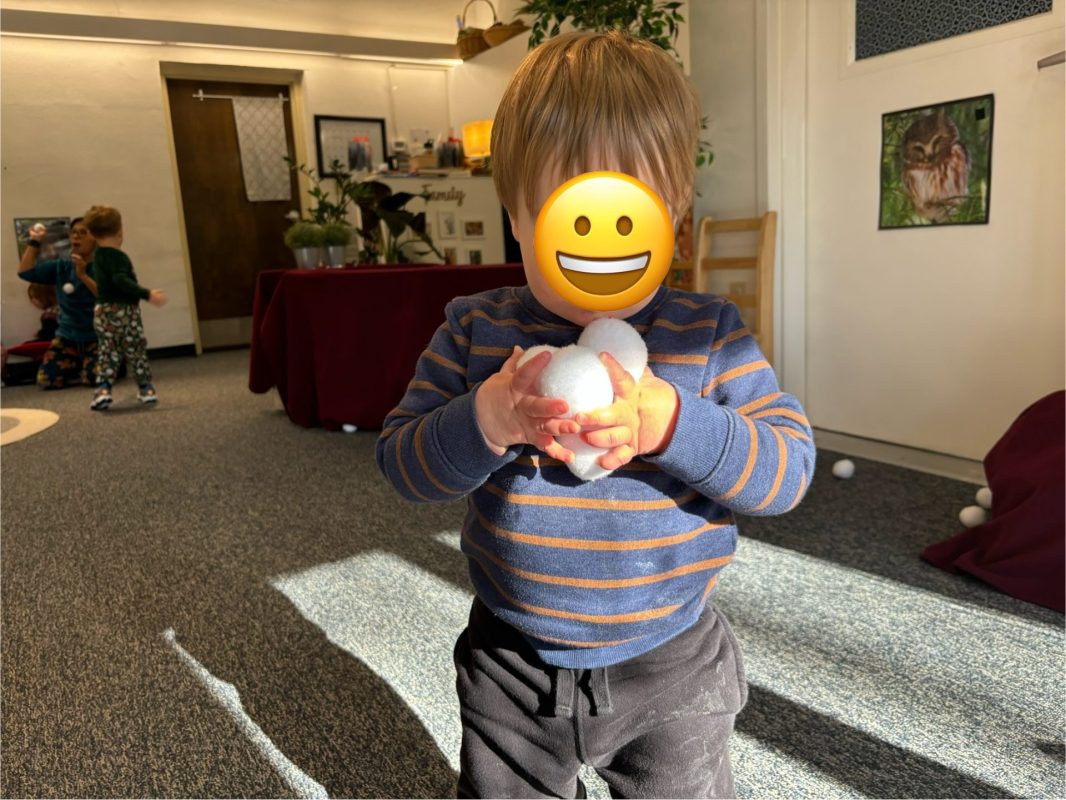
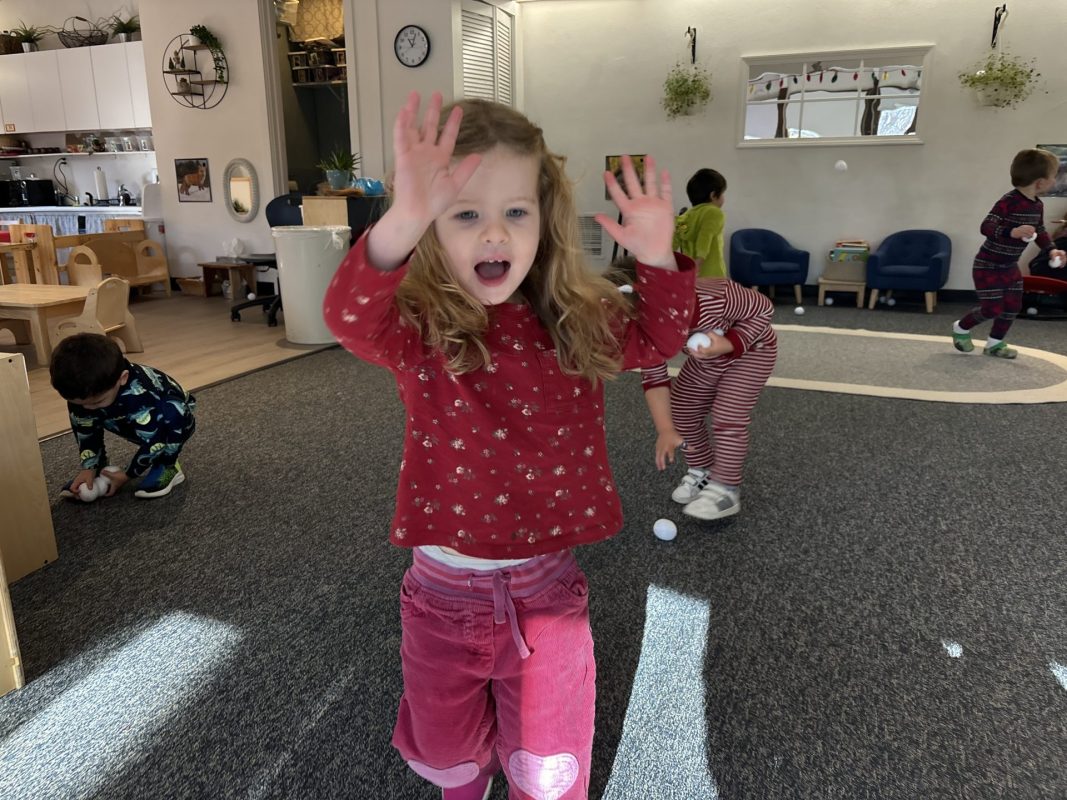
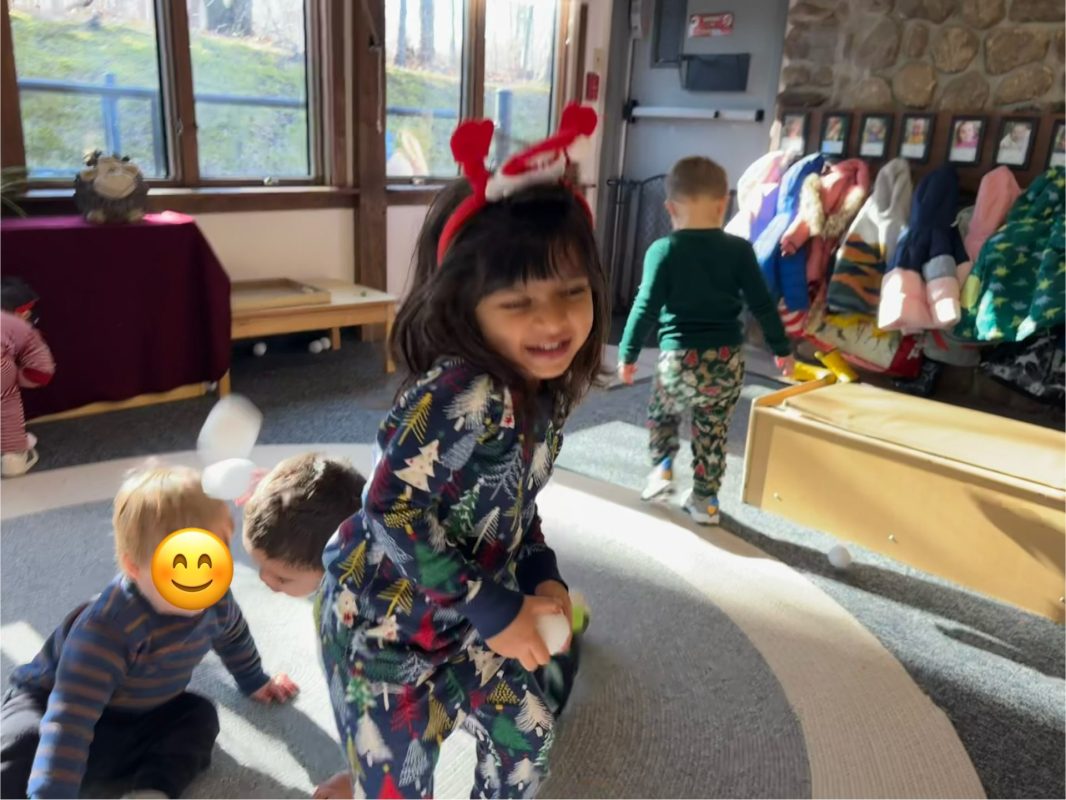
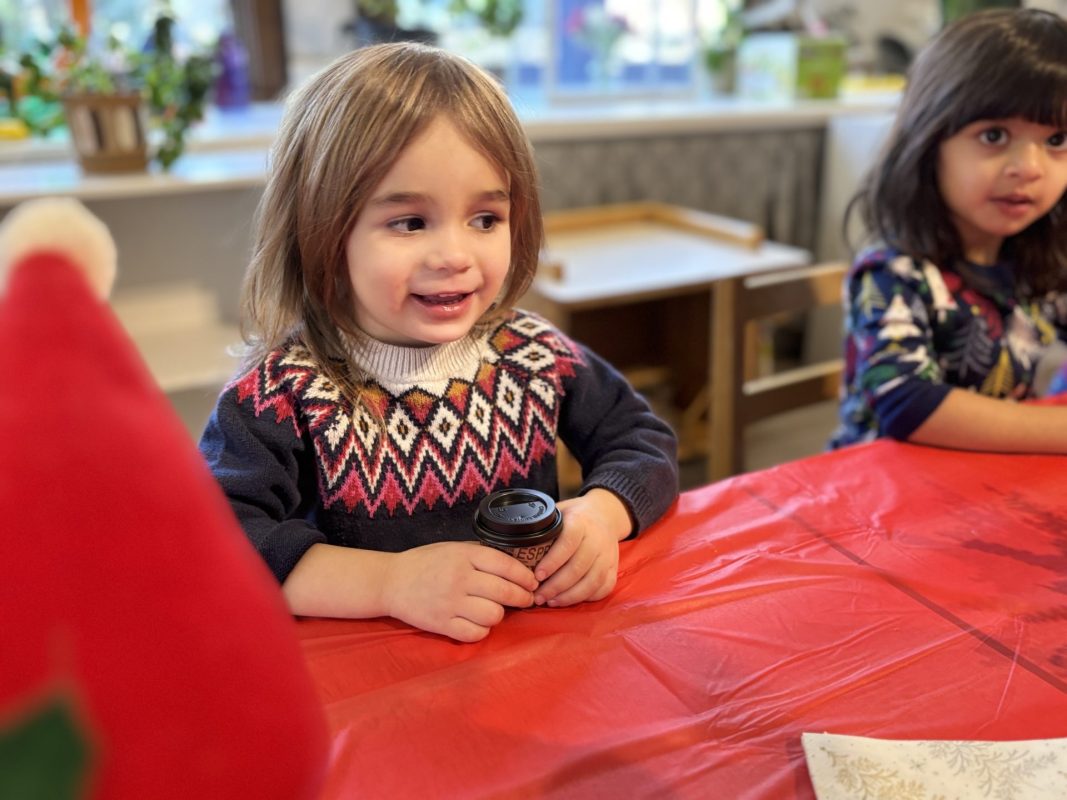
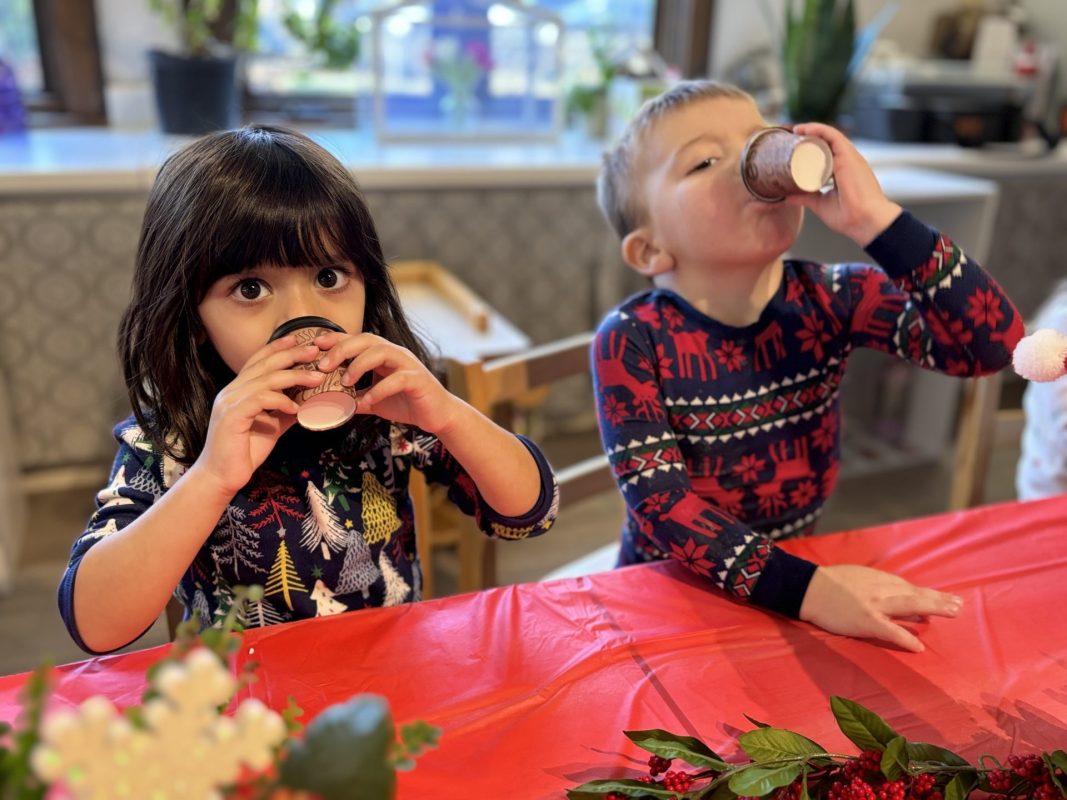
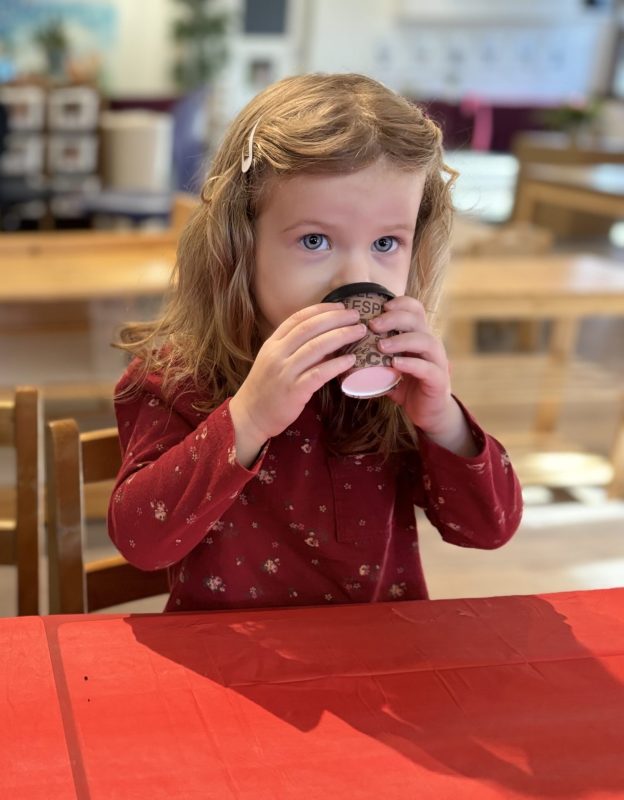
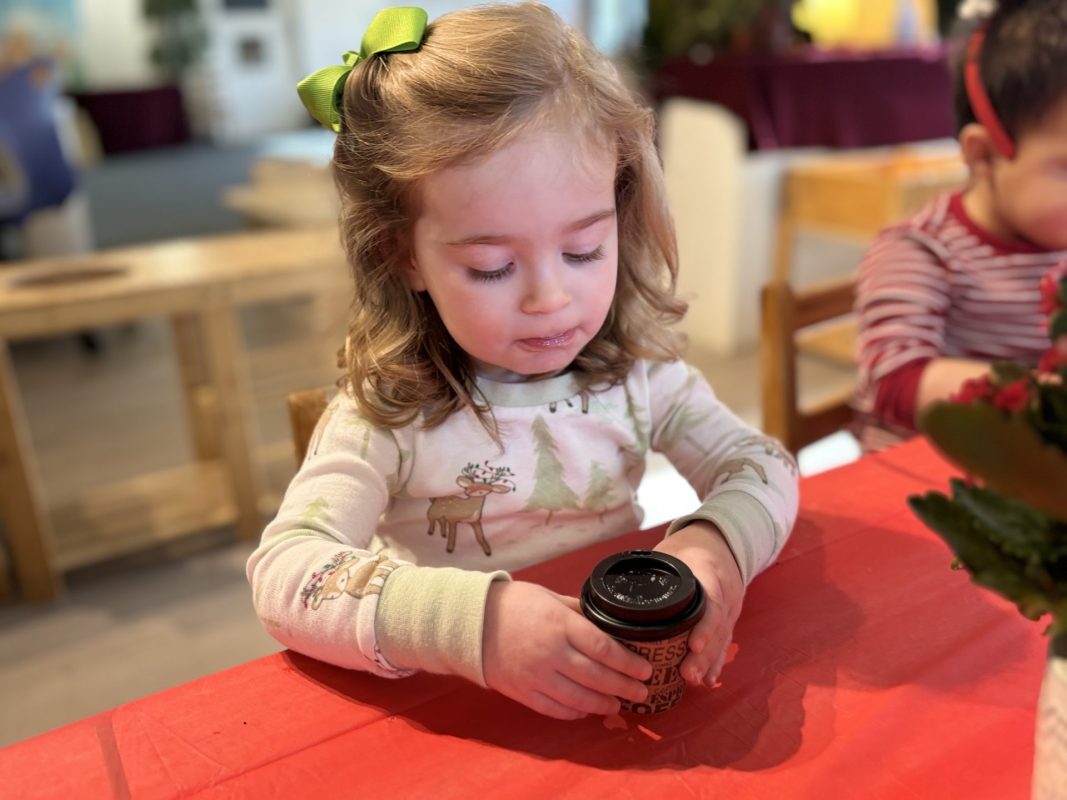
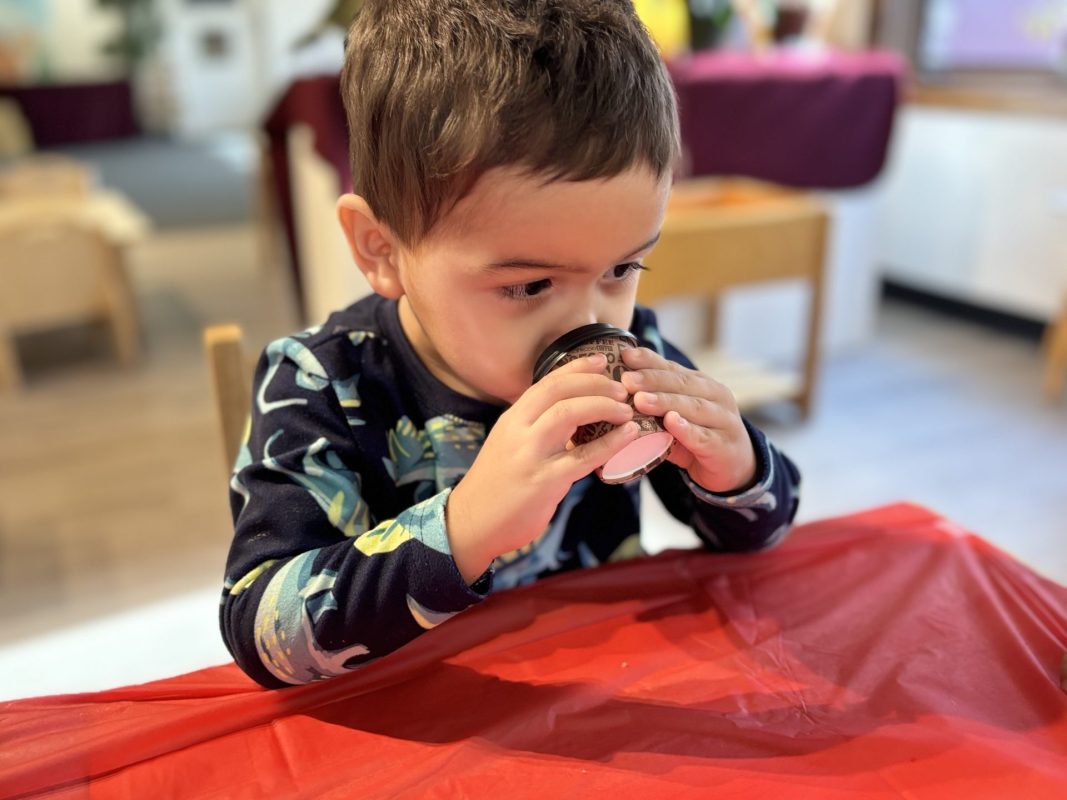
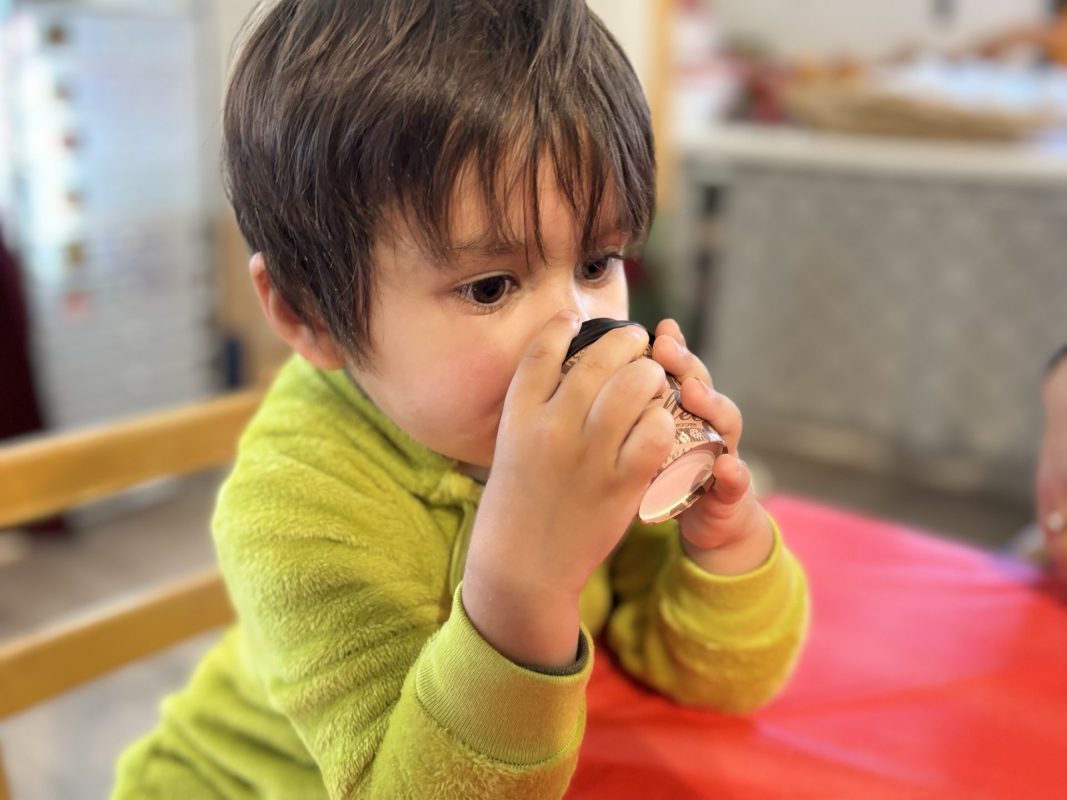
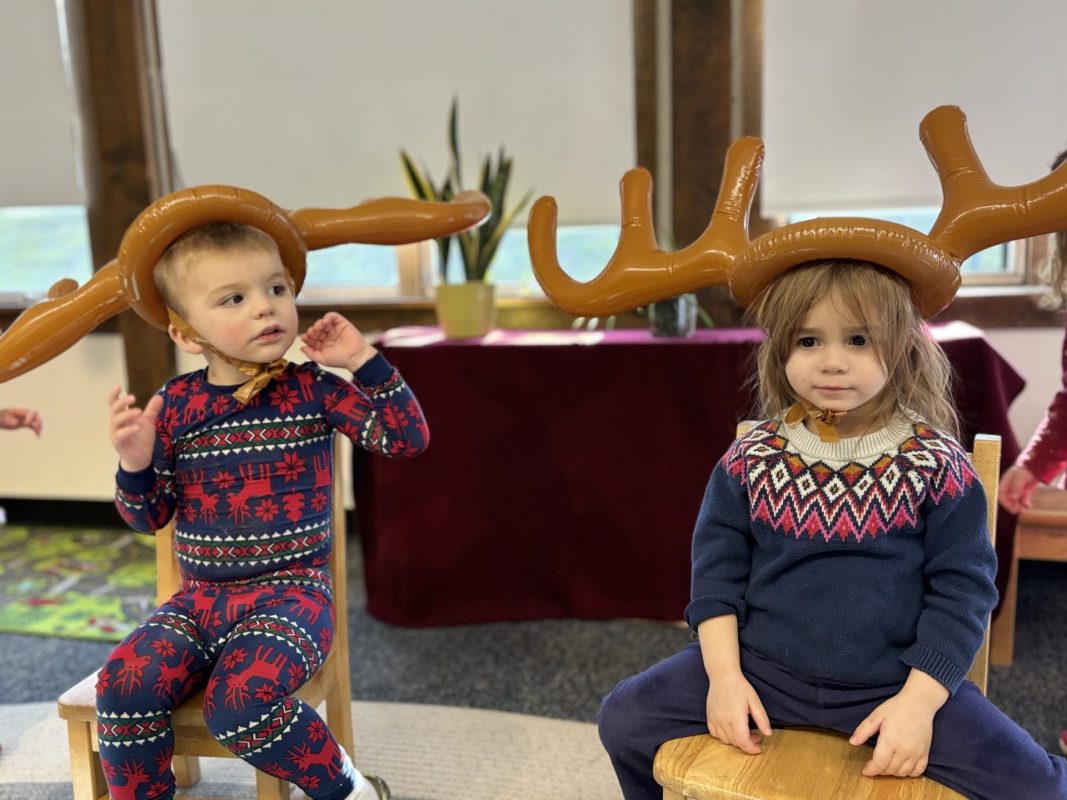
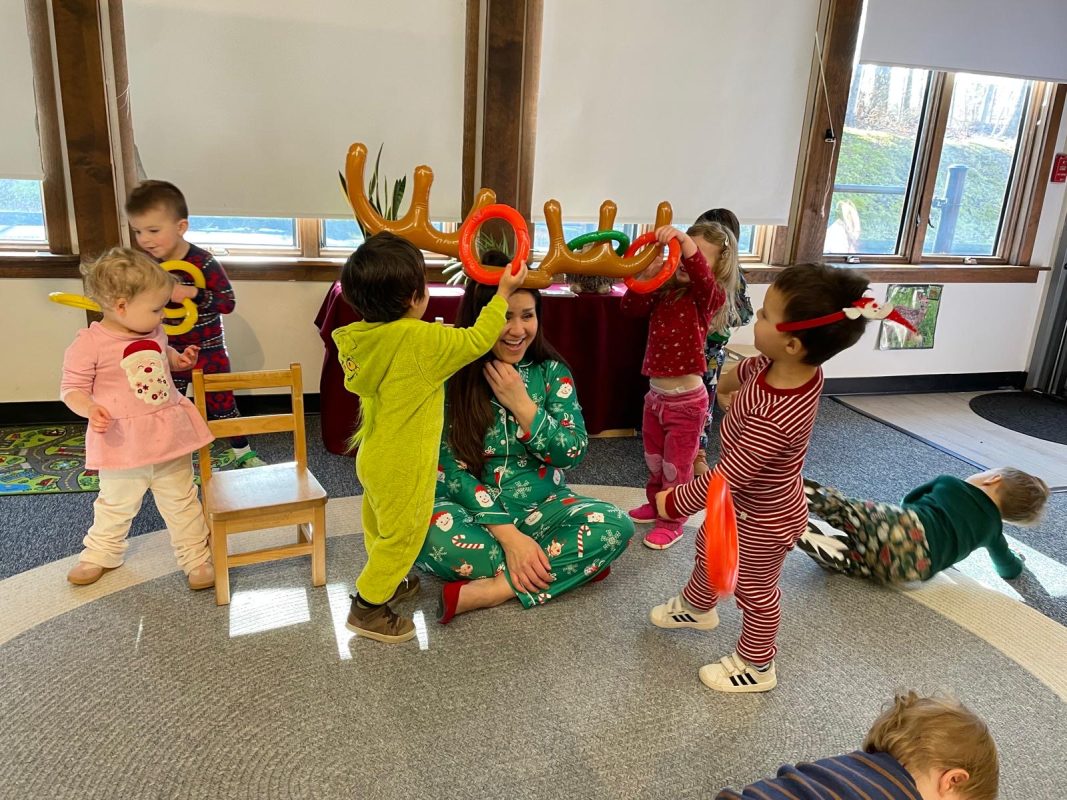
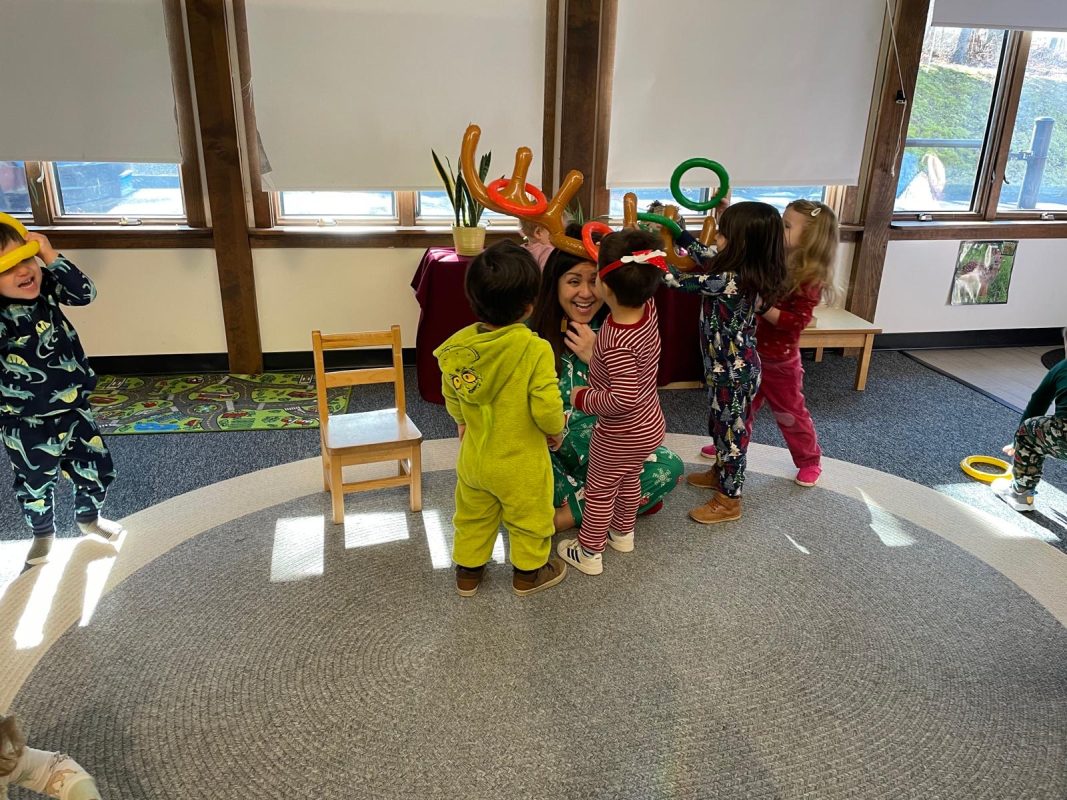
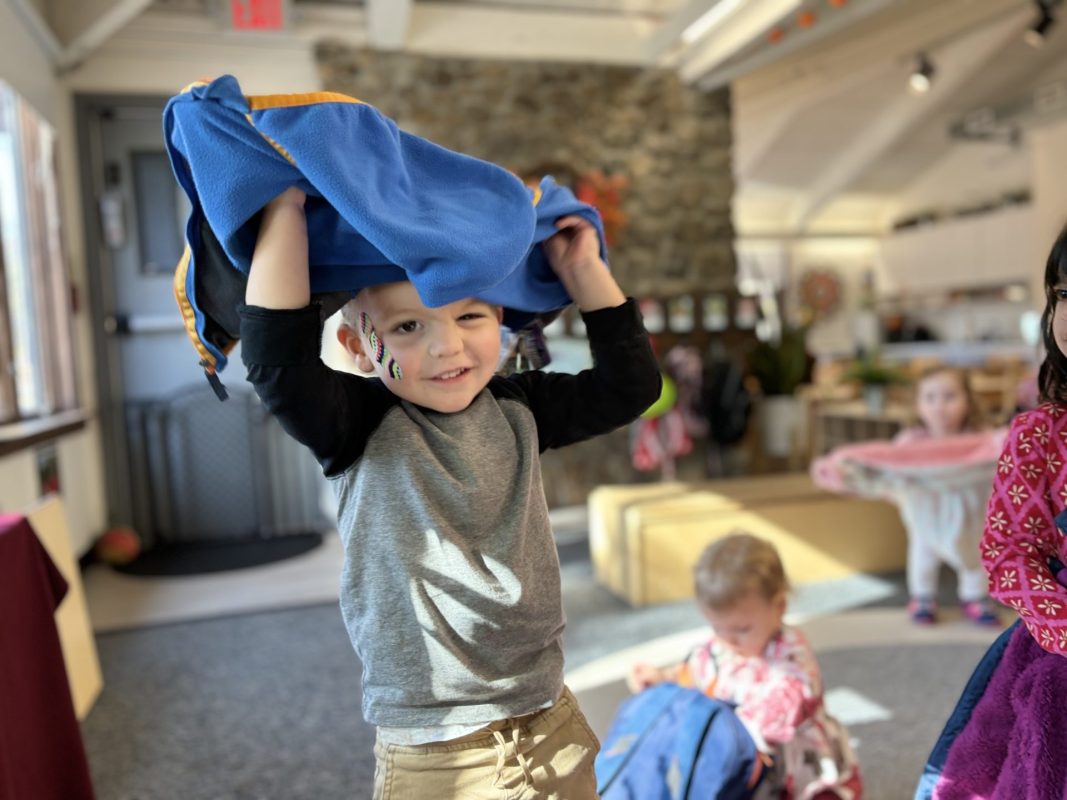
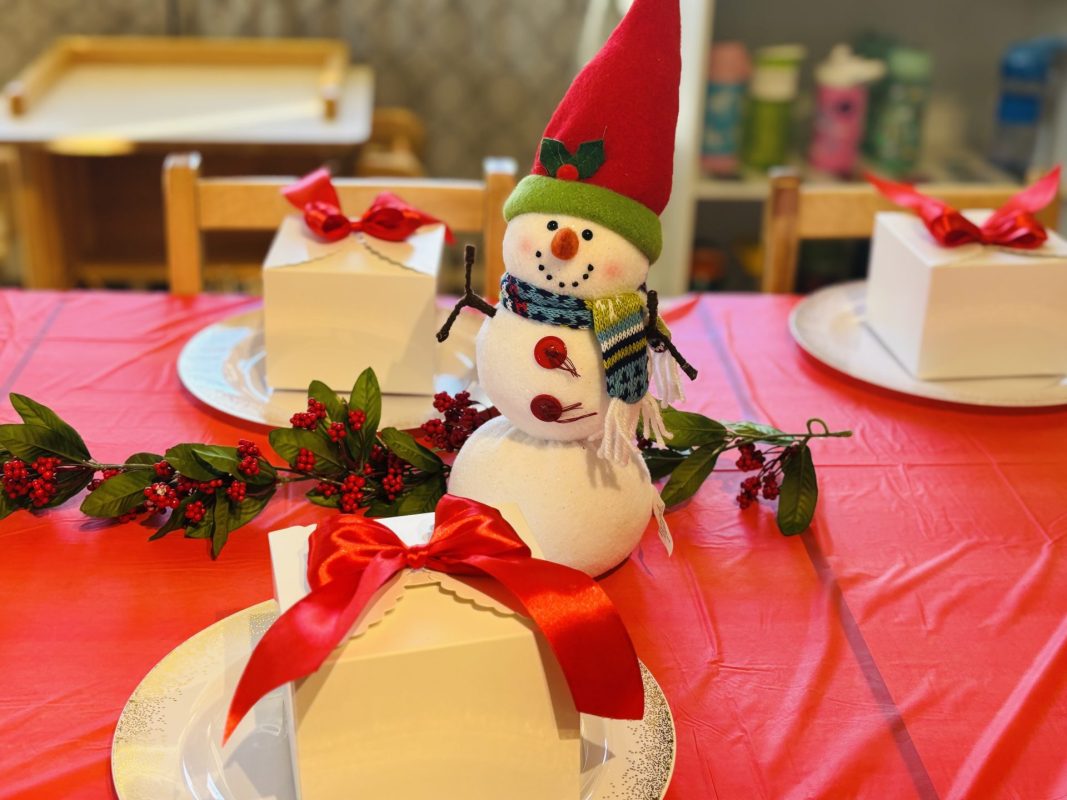
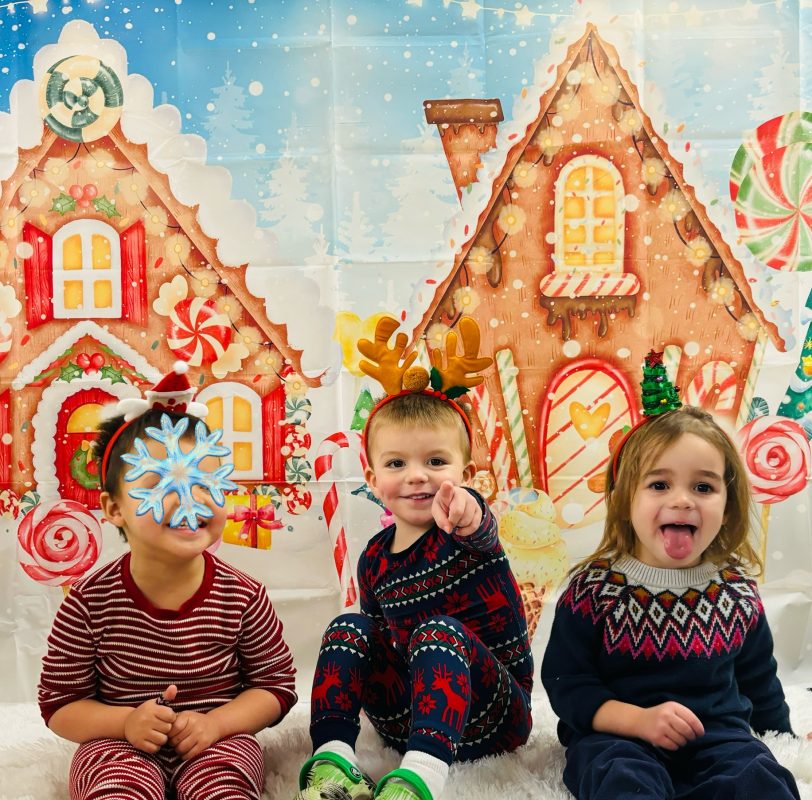
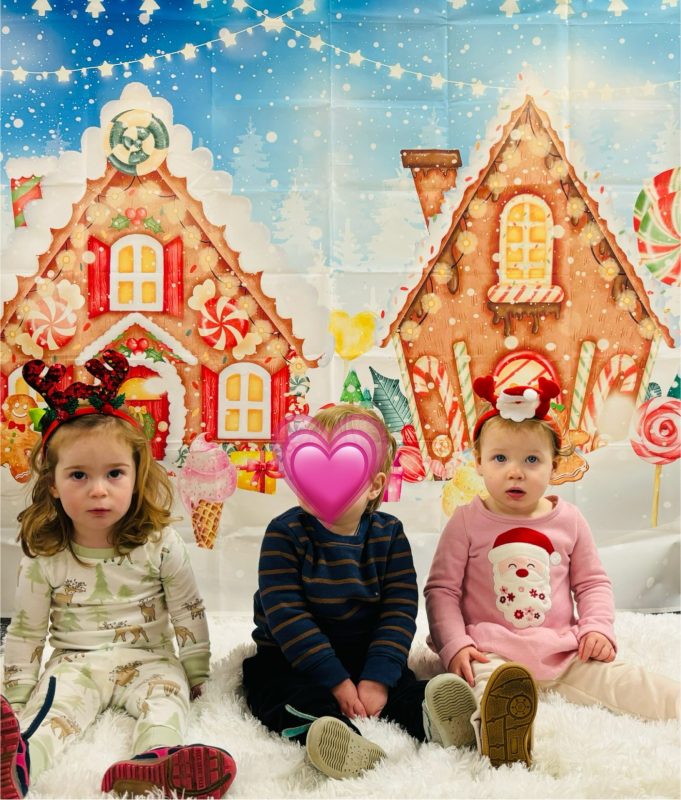
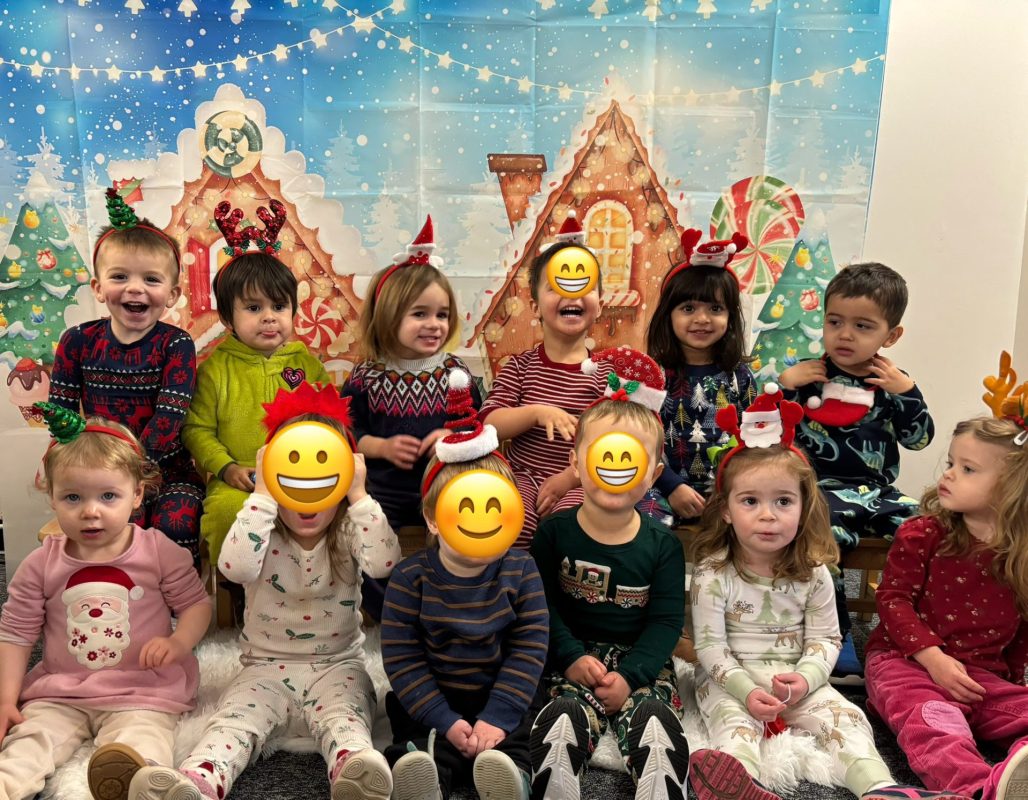
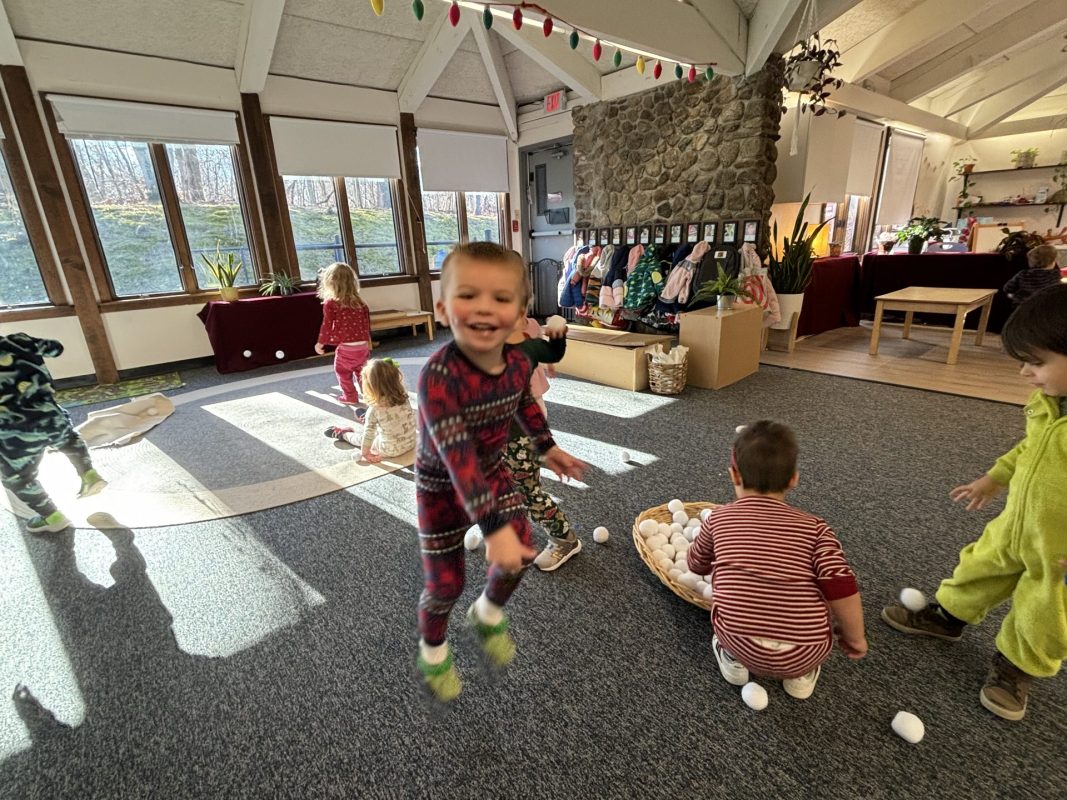
This week, we celebrated with an amazing pajama holiday party, and it was a morning filled with laughter and fun! The children enjoyed games like “Pin the Nose on Frosty the Snowman,” a friendly snowball fight, a reindeer ring toss, and an epic dance session. We also gathered together for a cozy breakfast, delicious hot cocoa, a mini picture session, and some holiday storytime. But the most special part of all was simply being together as our own little classroom family.

As we continue to enjoy the beautiful holiday season, we wish you and your family light, joy, and peace. May 2024 bring health, happiness, and countless moments of love and connection to us all.

Enjoy the pics of your beautiful children, and have a safe and joyful holiday break. We can’t wait to see you in the new year!

Mrs Hood and Ms. Patty


Mrs. Hood: Holiday Joy!

The first day of winter is almost here, and with it comes the magic of the holiday season! The long, dark days of winter provide the perfect backdrop for the bright and joyful traditions we embrace in our Montessori environment. These holidays don’t just bring twinkling lights and cheerful songs; they also serve as wonderful tools to engage our children, nurture a love of learning, and explore the passage of time and seasons. And let’s face it – who doesn’t need a little extra sparkle this time of year?

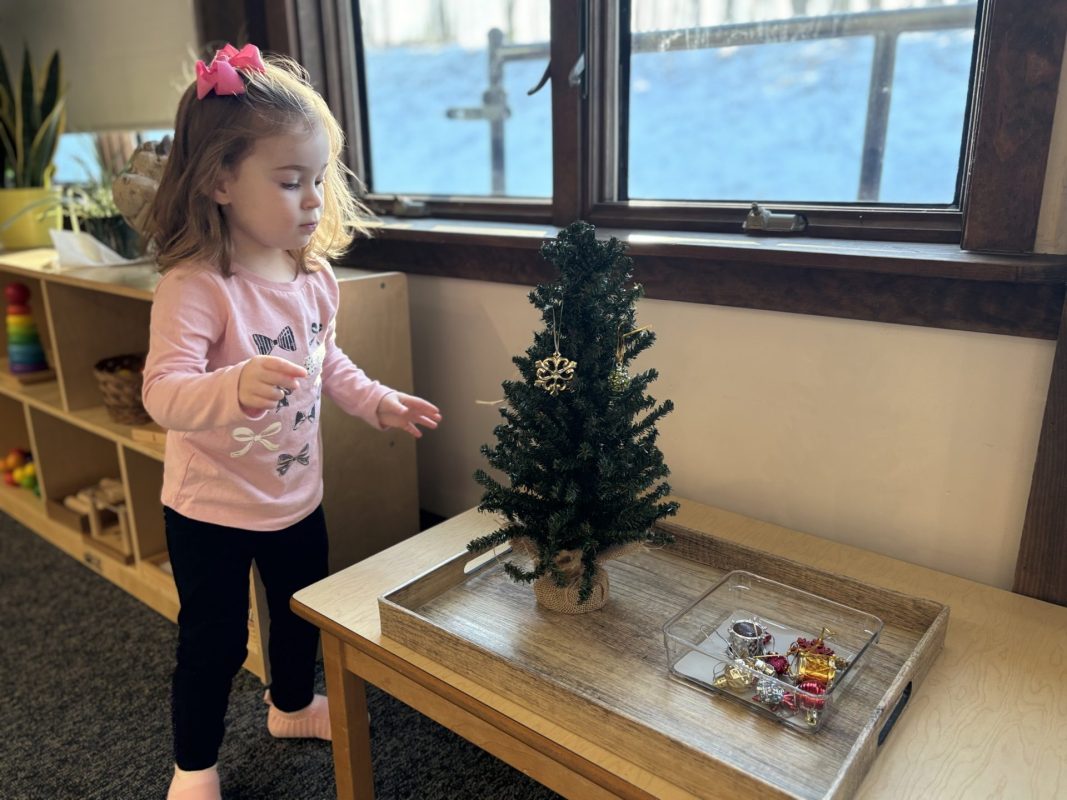
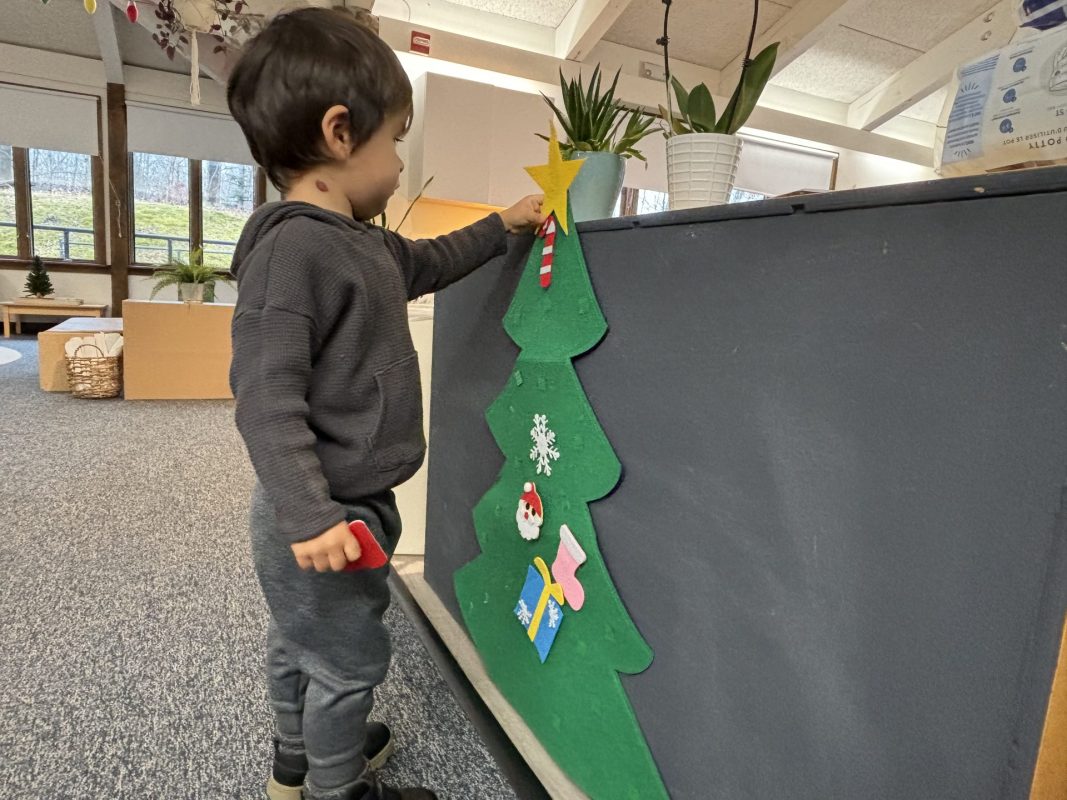
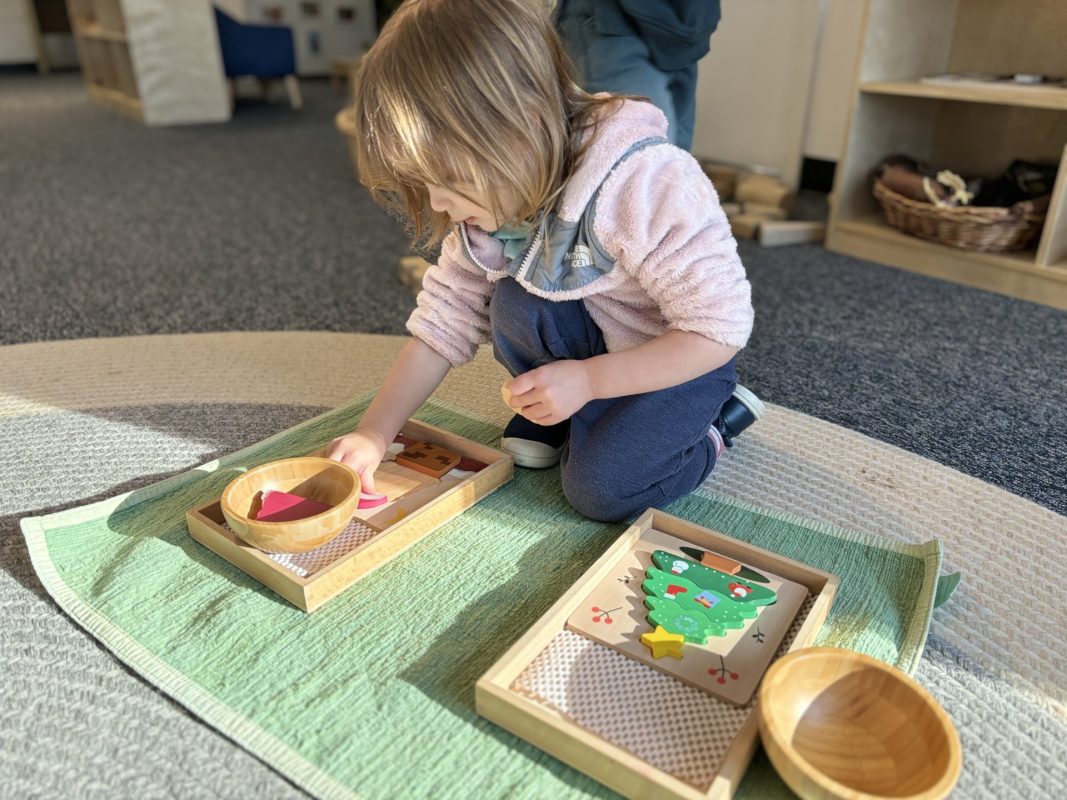
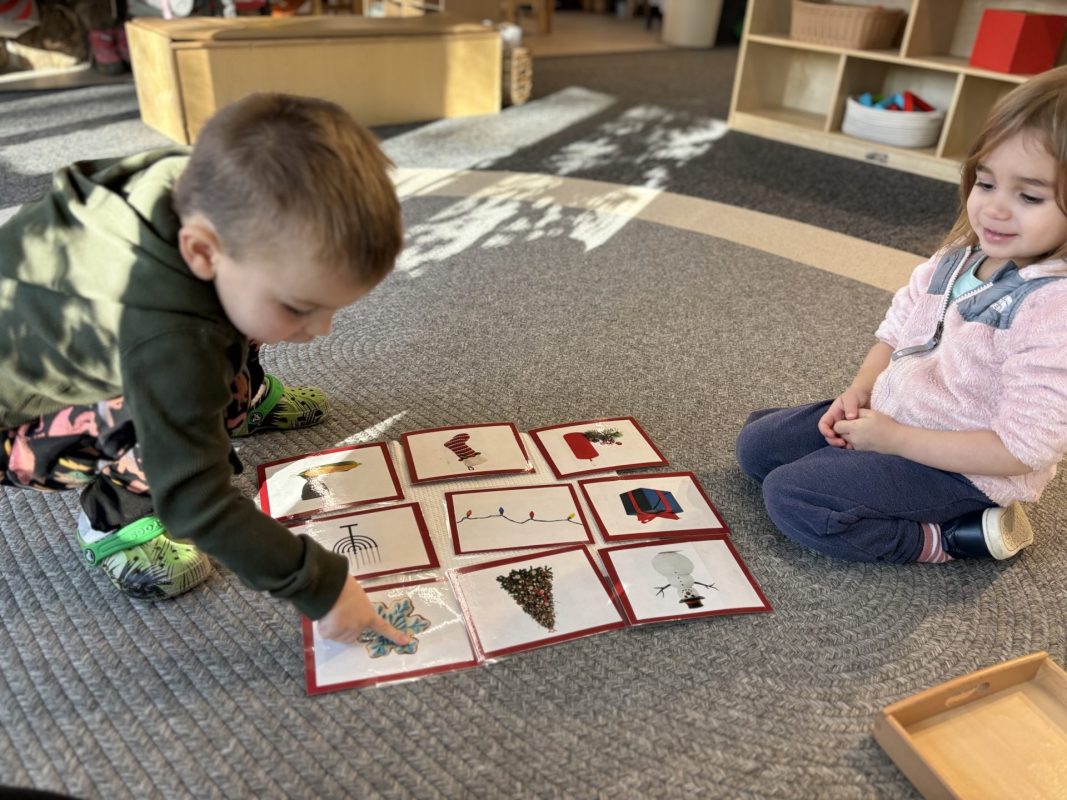
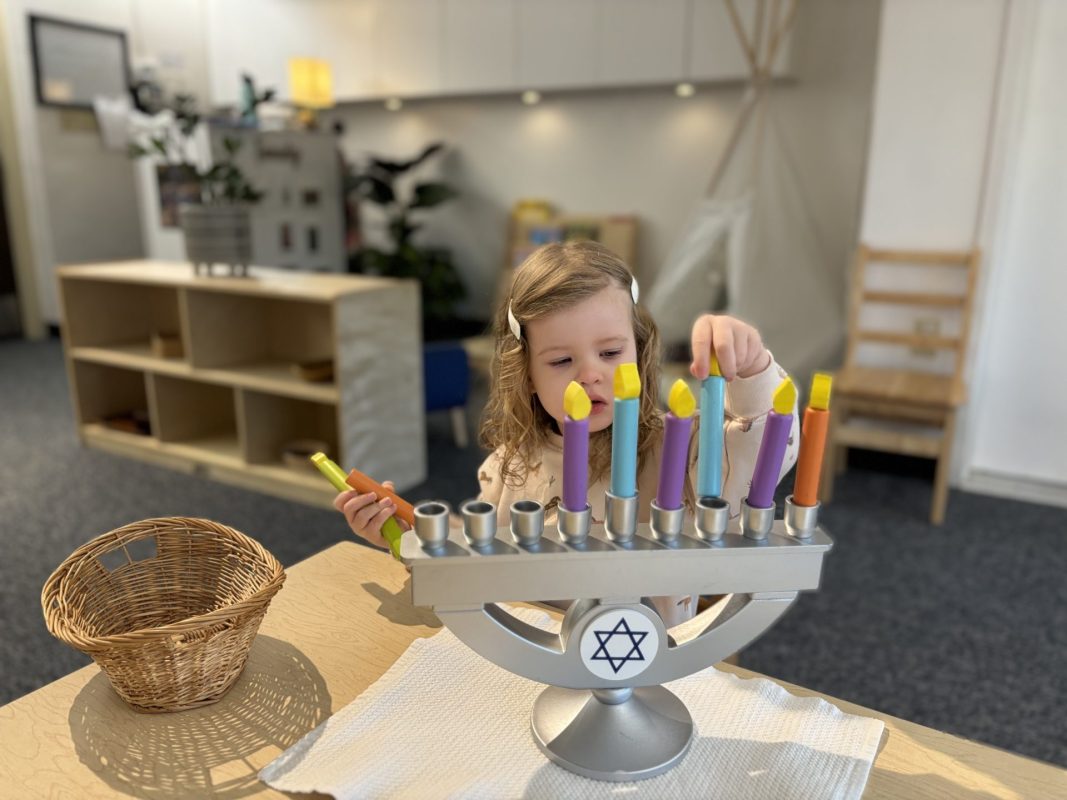
The joy begins with the holiday works that fill our shelves. One favorite activity has been placing tiny ornaments on our classroom Christmas tree. Watching the children carefully balance a sparkling ornament on the branches brings such delight, and it’s a fantastic way to build fine motor skills and concentration. Nearby, our Menorah work has inspired children to carefully place candles one by one, counting them as they go and learning a little bit about the festival of lights.

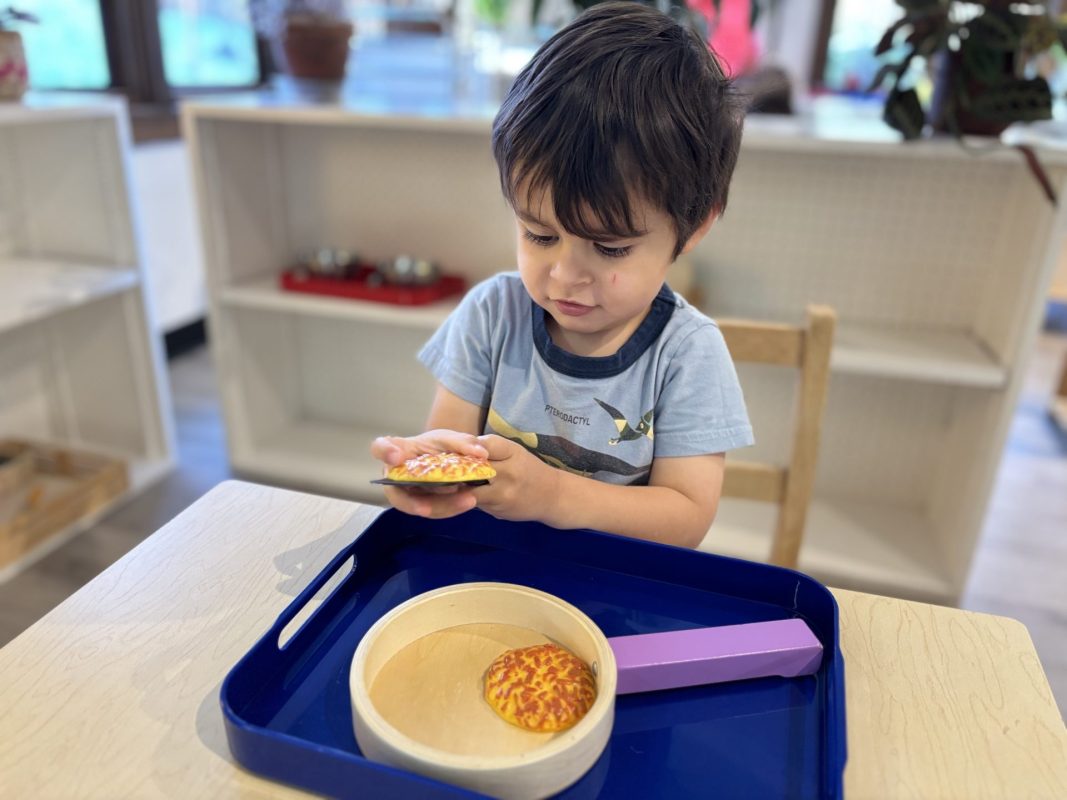
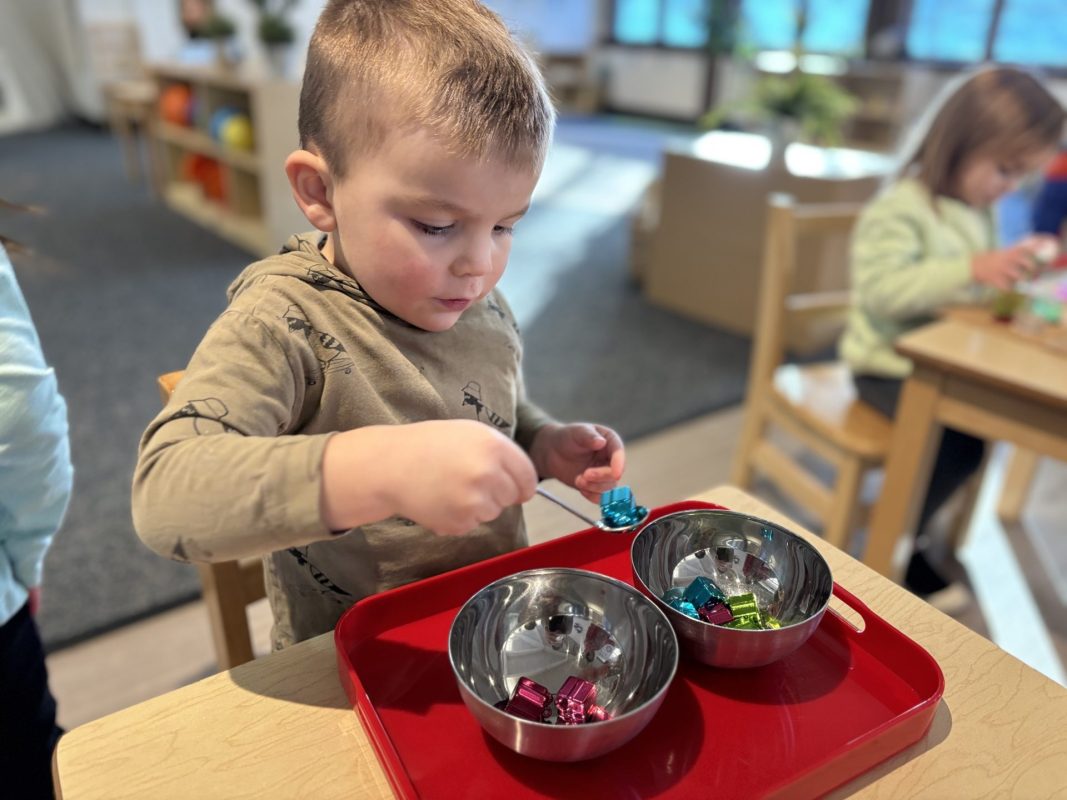
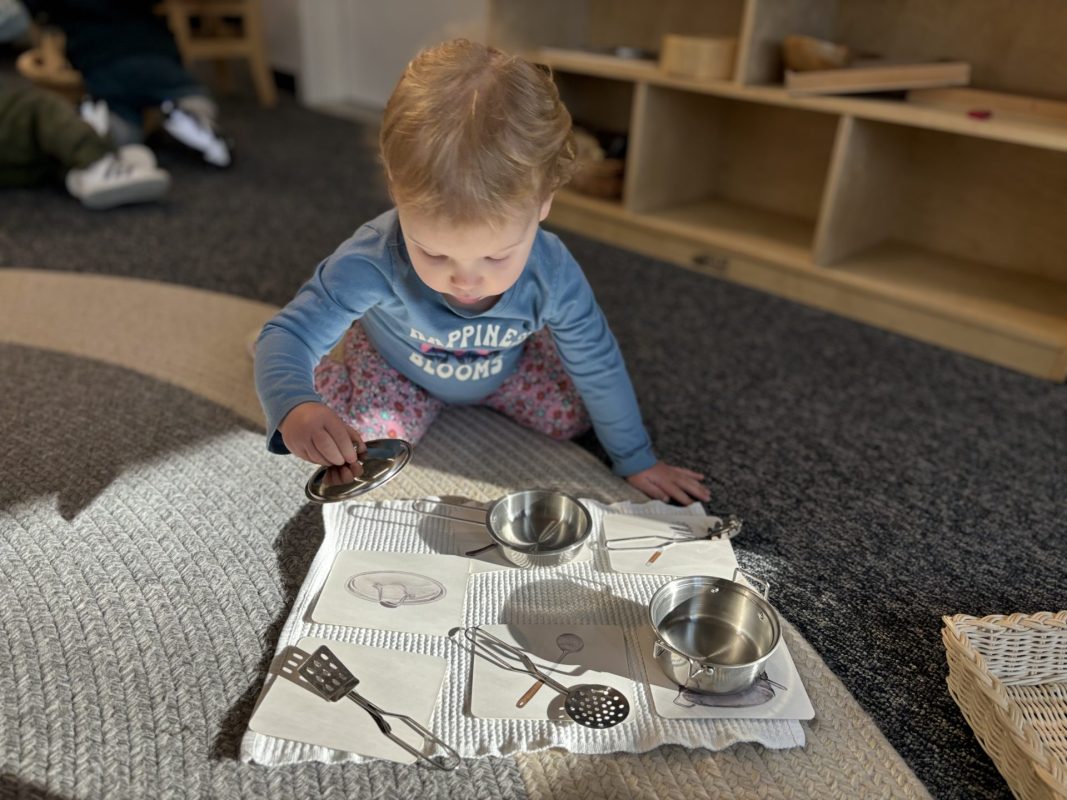
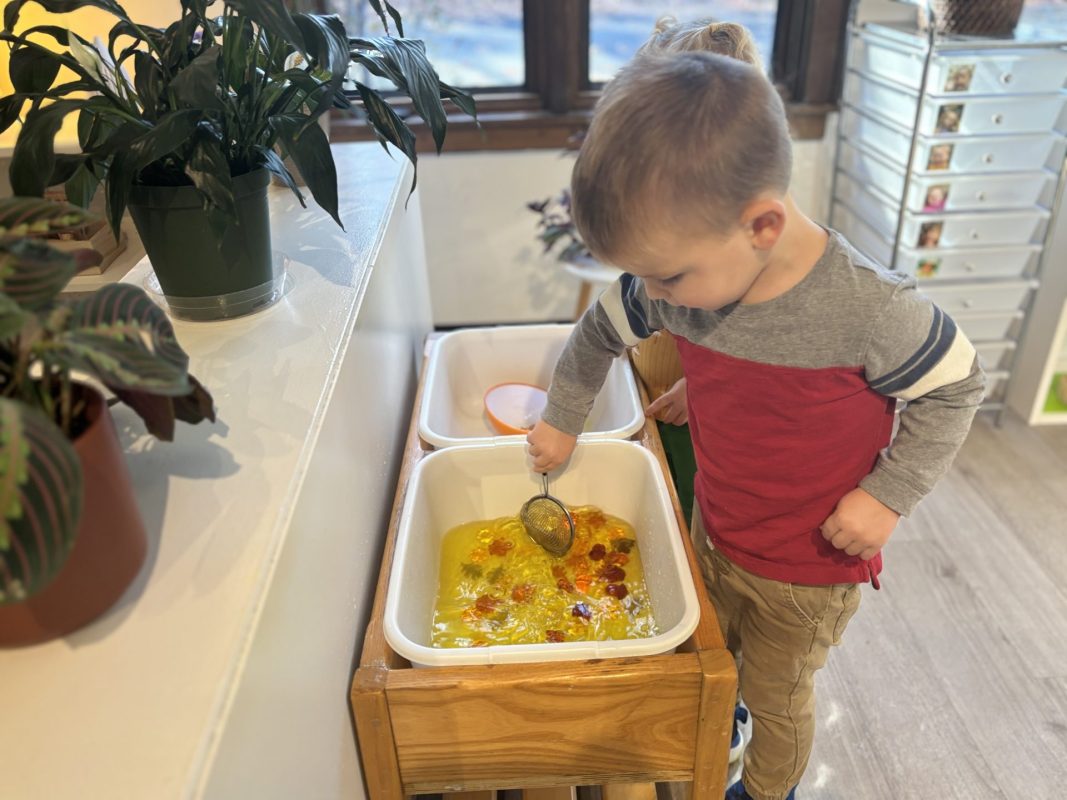
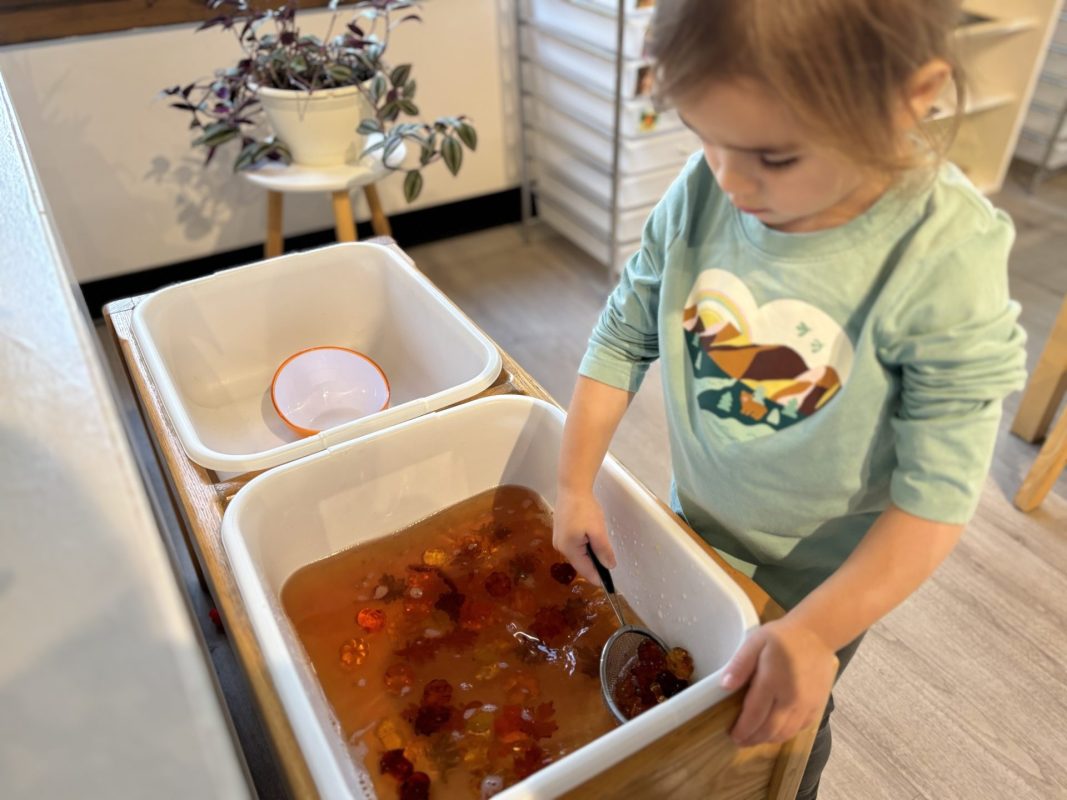
In the practical life area, holiday cheer has taken the form of spooning and transferring shiny jingle bells, colorful ornaments, and special Hannukah objects. The focus and pride the children exhibit as they master these tasks are heartwarming. Another crowd-pleaser? Flipping pretend latkes in a tiny pan! They love it!

Over at the playdough area, the creativity has been bubbling over as children “bake” their own Christmas cookies. Tiny hands press out shapes, sprinkle pretend toppings, and serve them with pride. This playful preparation complements our holiday card-making work, where the toddlers pour their hearts into crafting special greetings for loved ones. And, shh! The little ones are also working on a very special holiday gift – a keepsake we know you’ll treasure for years to come.

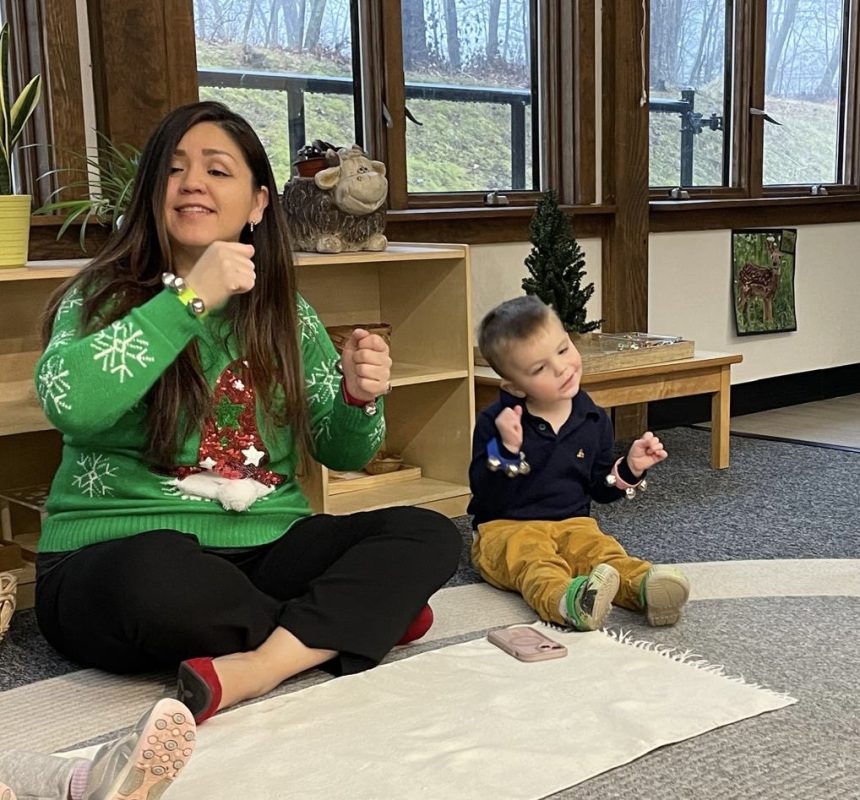
But what’s a holiday season without music? The classroom has been alive with the sounds of children playing instruments and dancing to their favorite tunes. Laurie Berkner’s “Candle Chase” and “Jingle Bells” have been in high demand (within others), inspiring both giggles and groovy moves. It’s hard not to join in the fun when the jingle bells come out, and the little ones start shaking them with all their might!

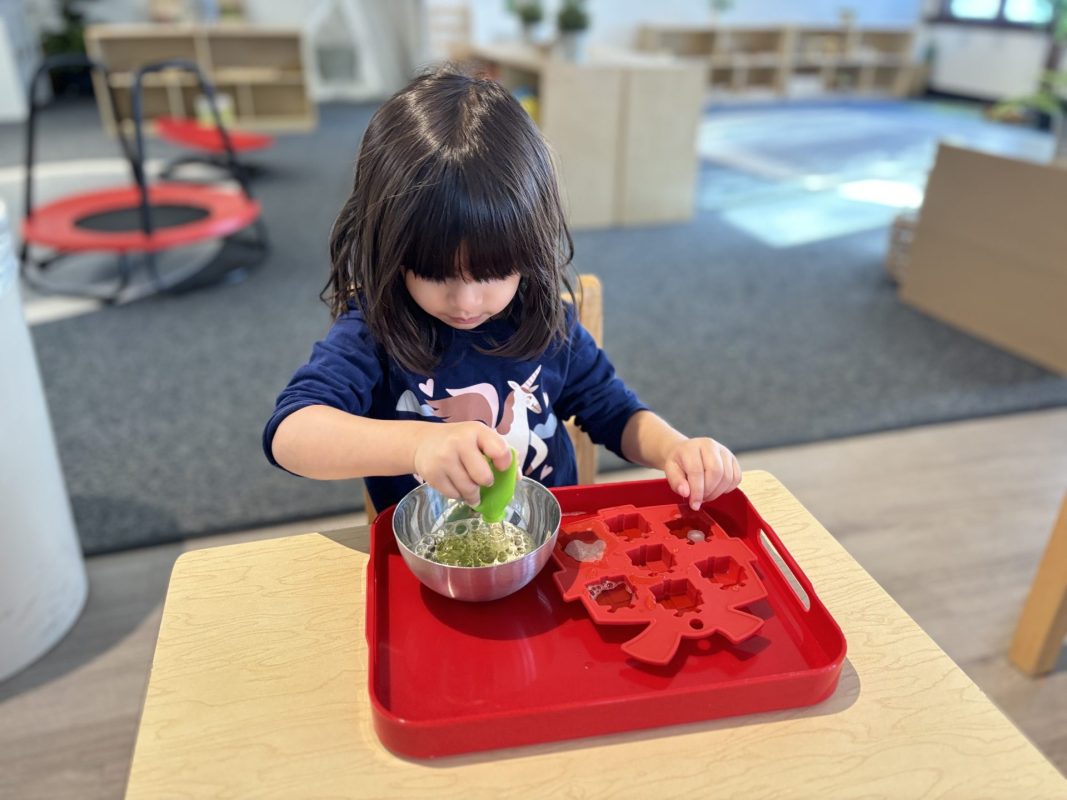
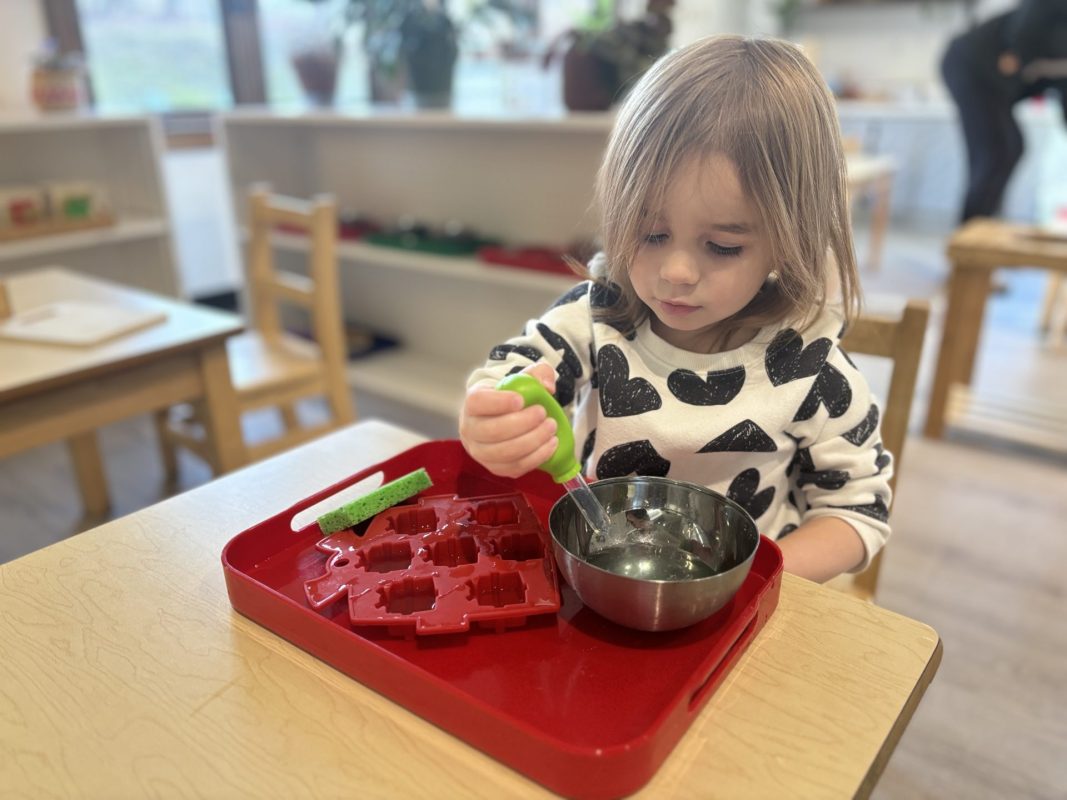
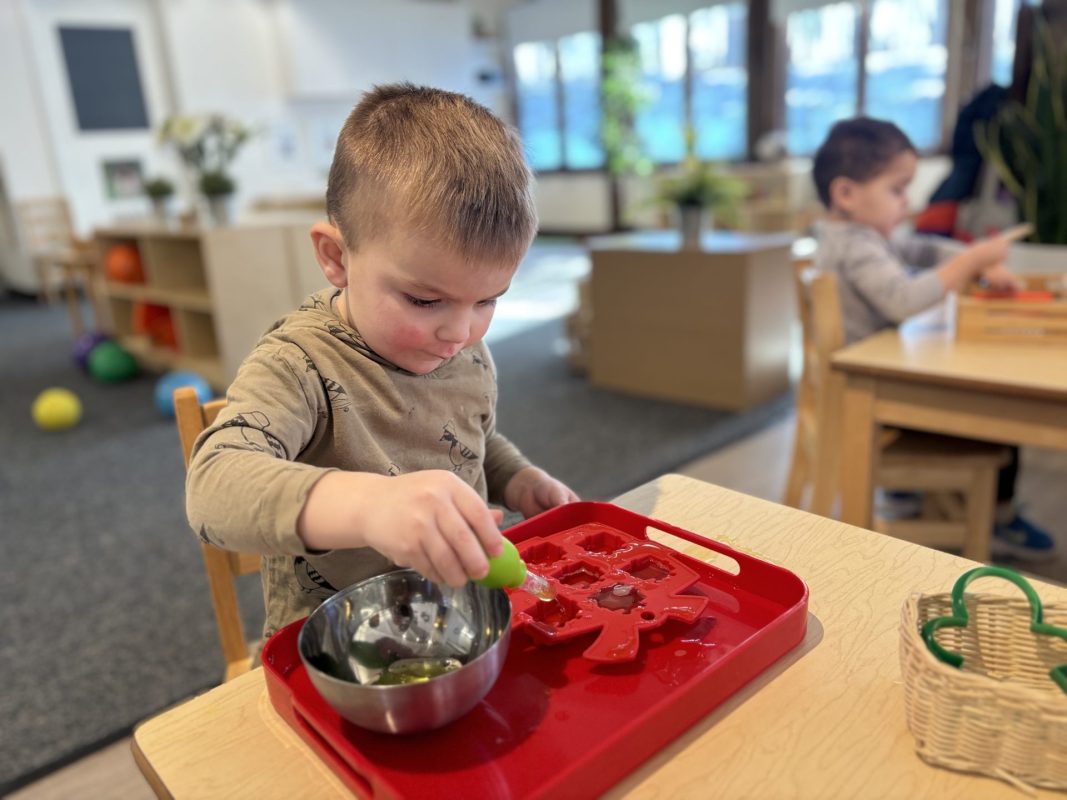
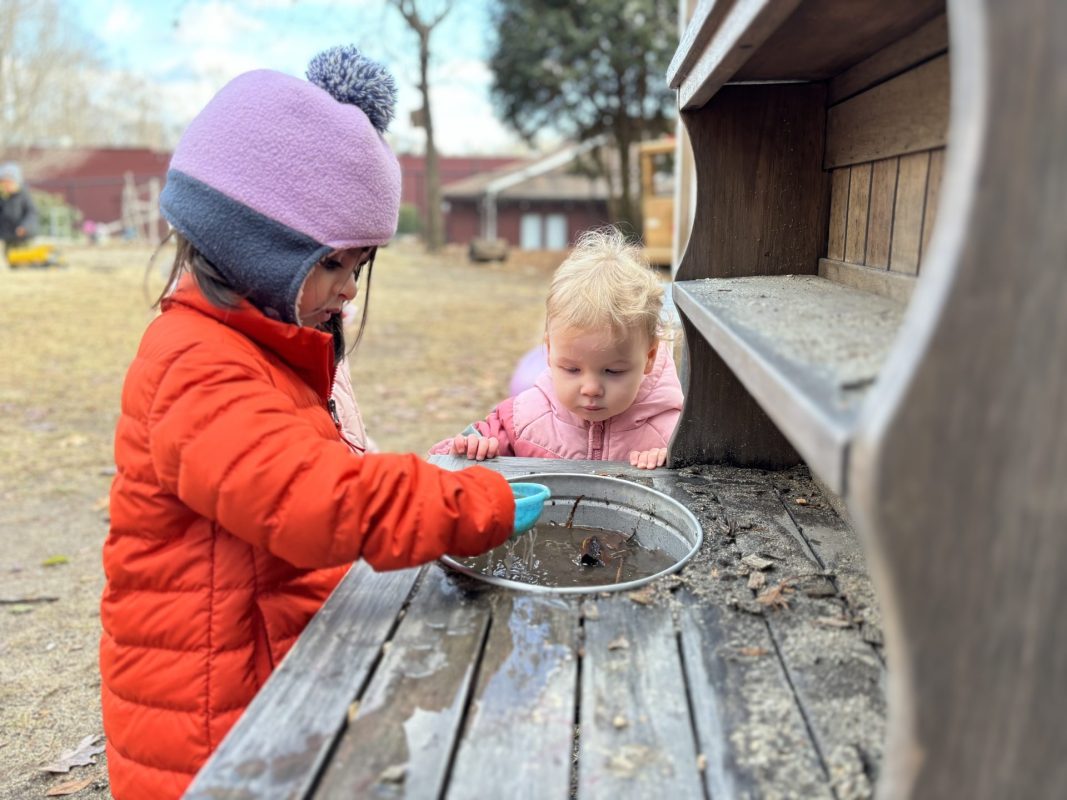
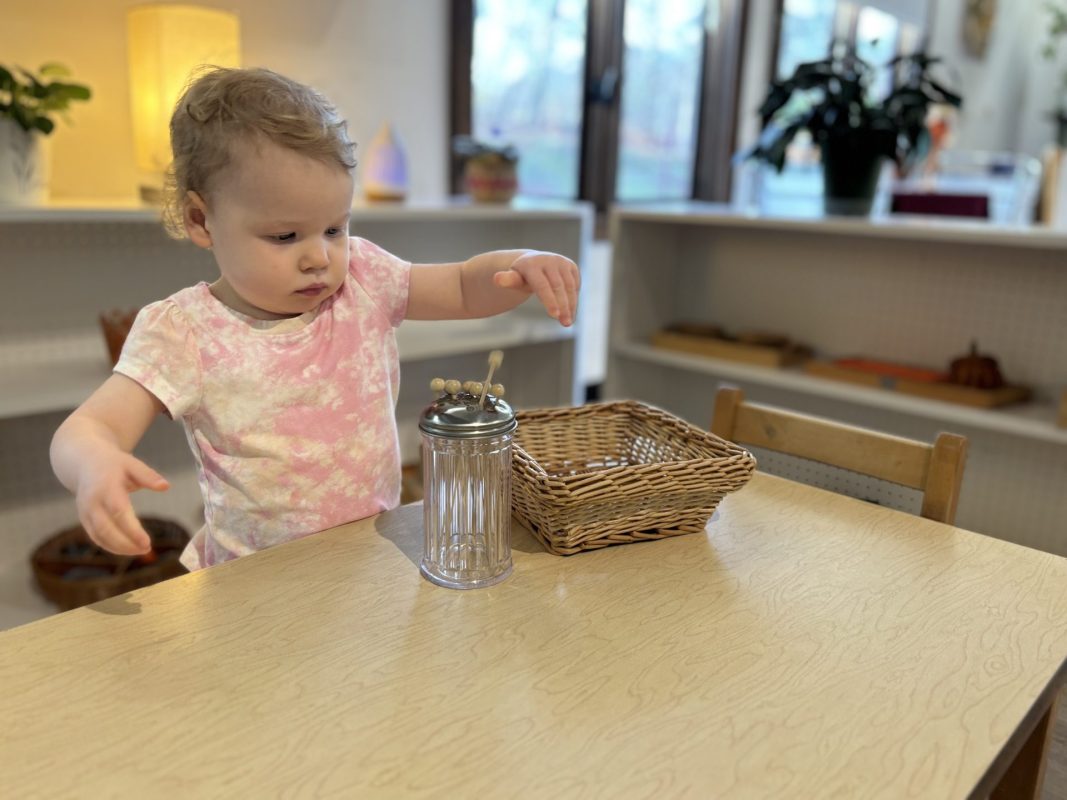
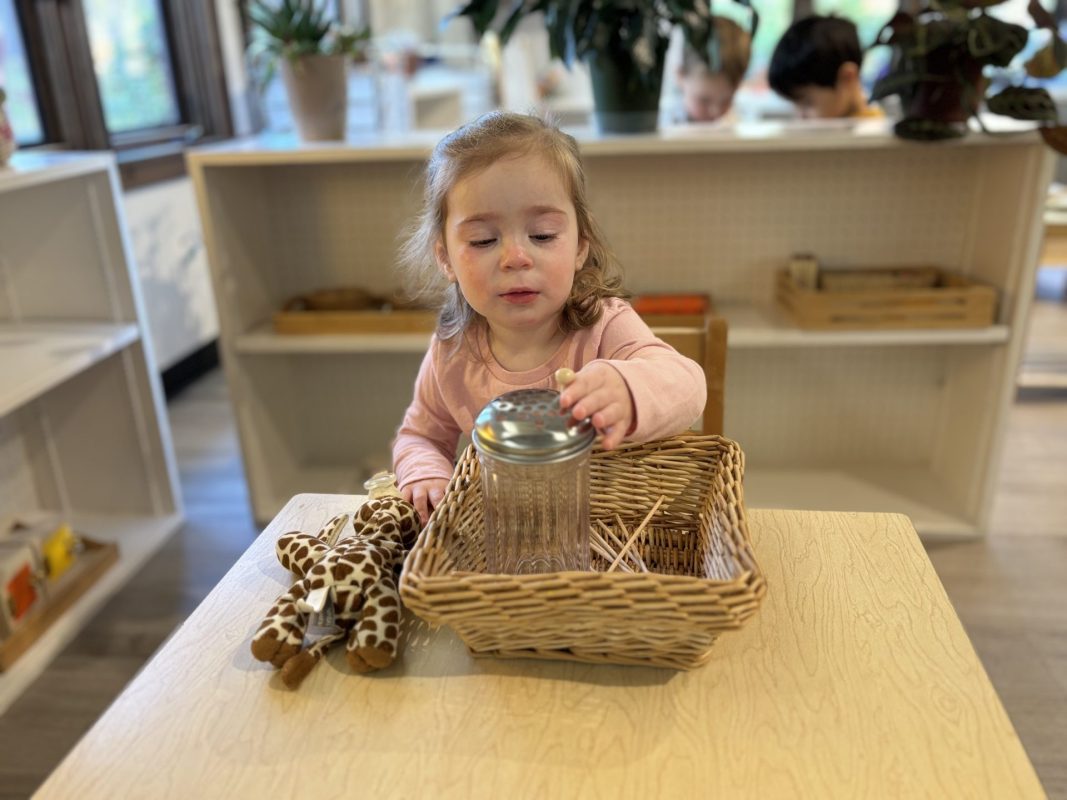
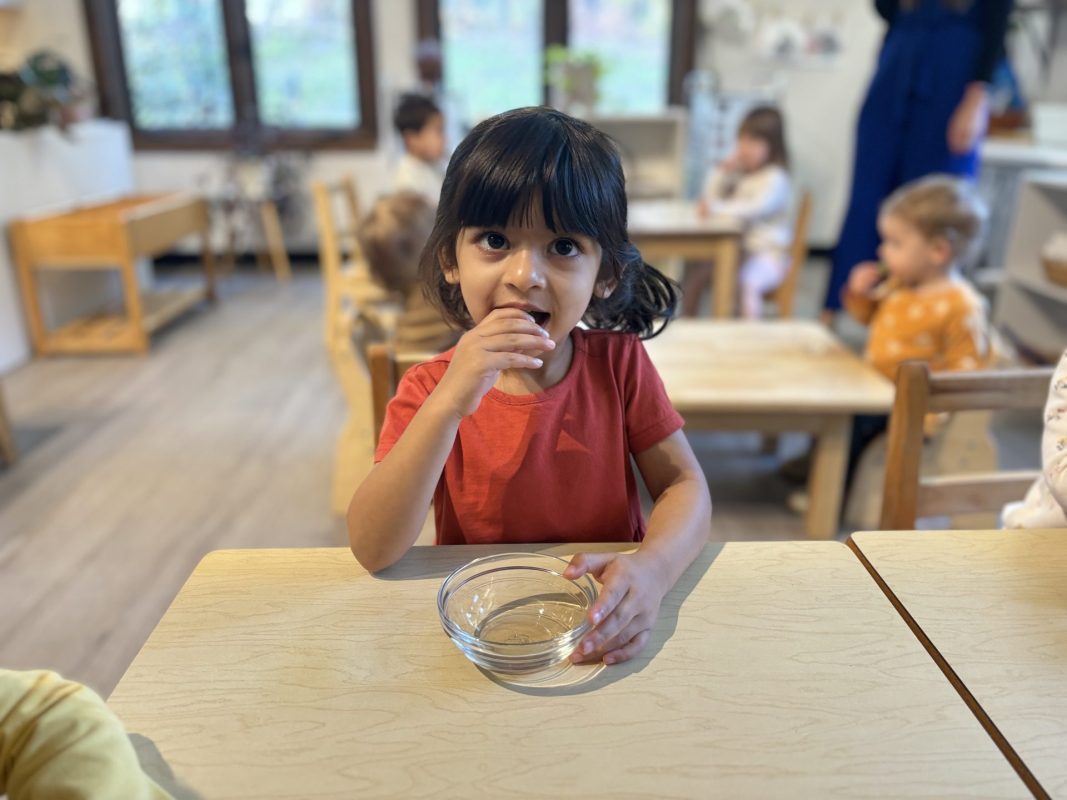
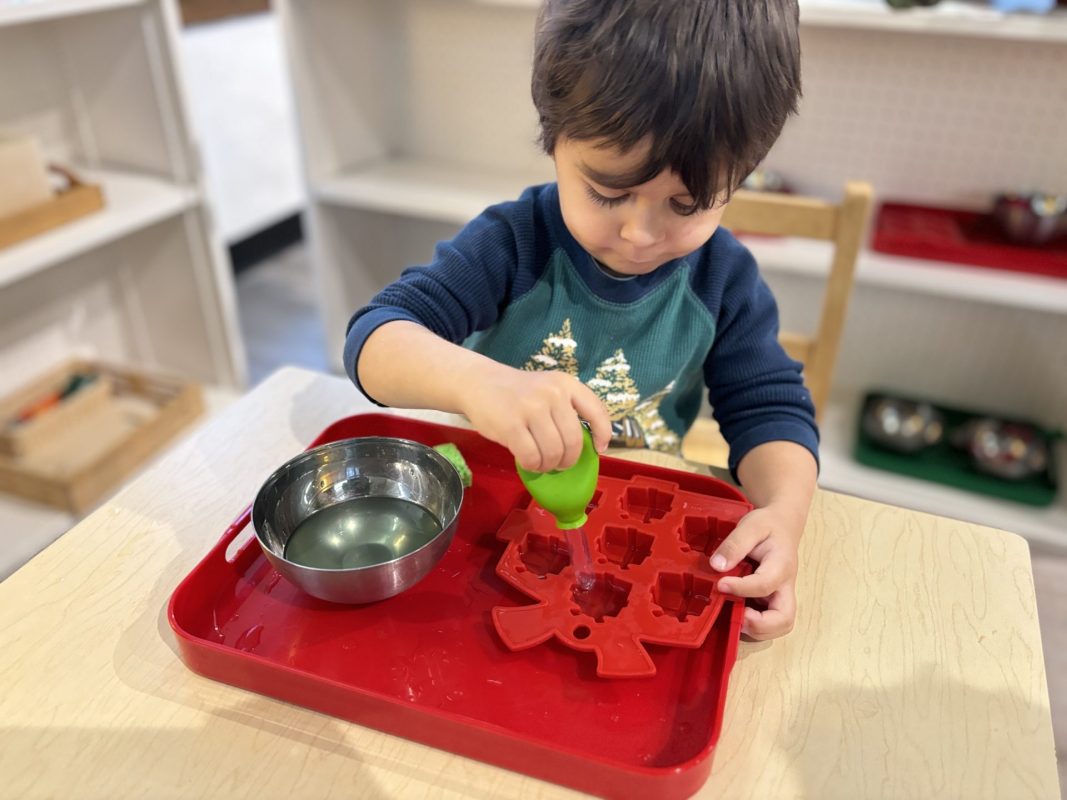
In the midst of all this festivity, one quiet yet captivating work has emerged as a favorite: water transferring with a dropper. This seemingly simple activity is a powerhouse for developing coordination and patience. We’ve overheard children coaching themselves, “squeeze, open,” as they master the delicate task of moving water drop by drop. The “woosh” of water filling the dropper and the gentle drip into the silver bowl never fails to bring smiles – and sometimes even fits of laughter! It’s a beautiful reminder that joy can be found in the simplest of moments.

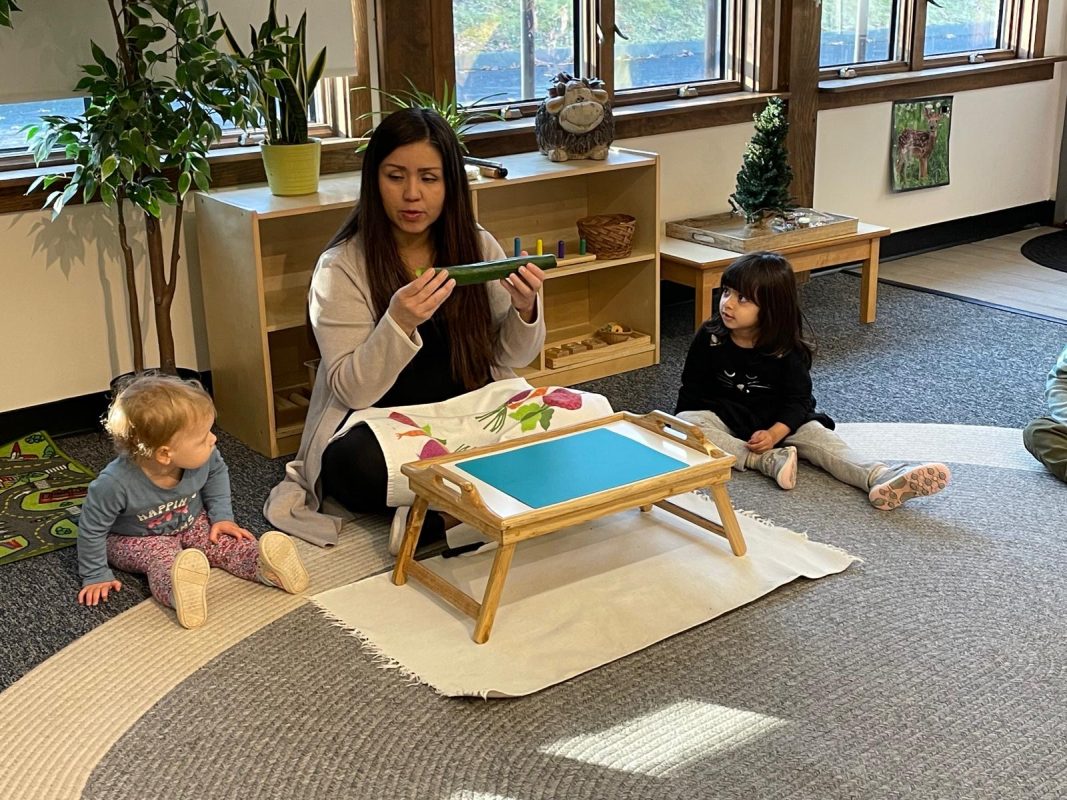
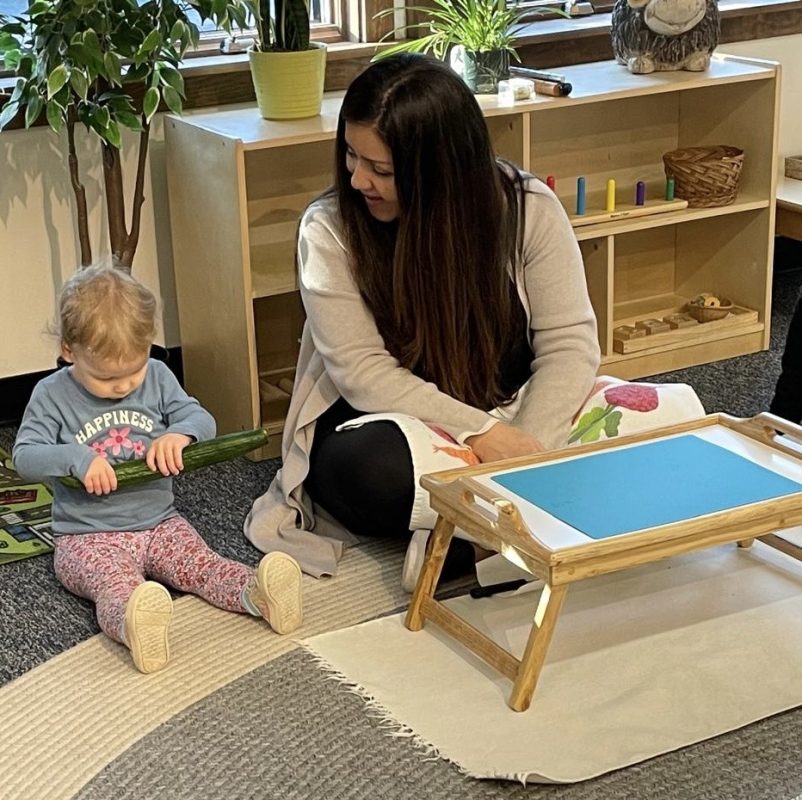
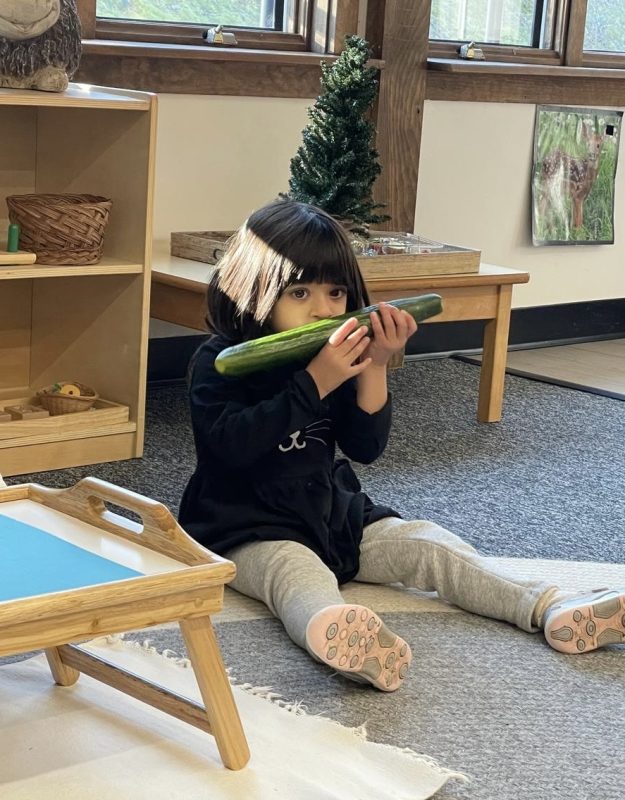
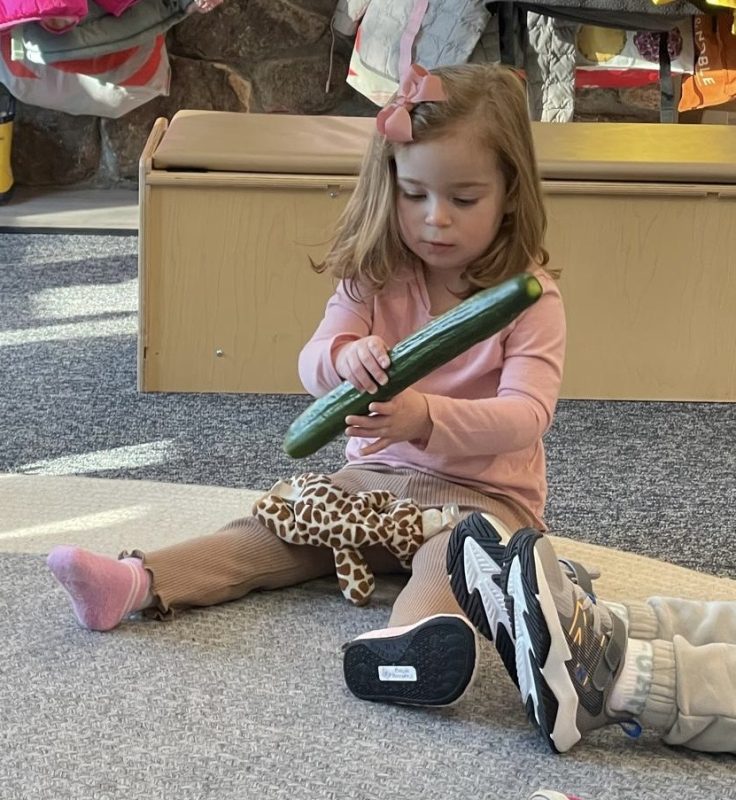
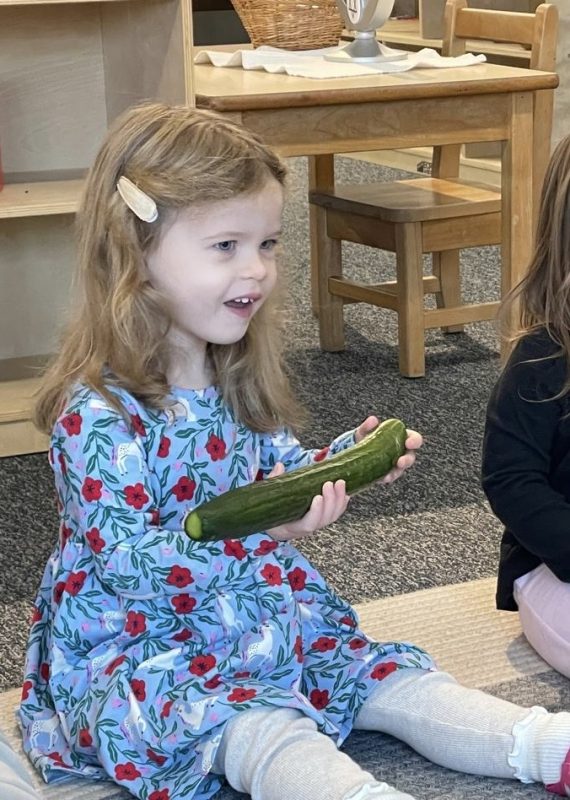
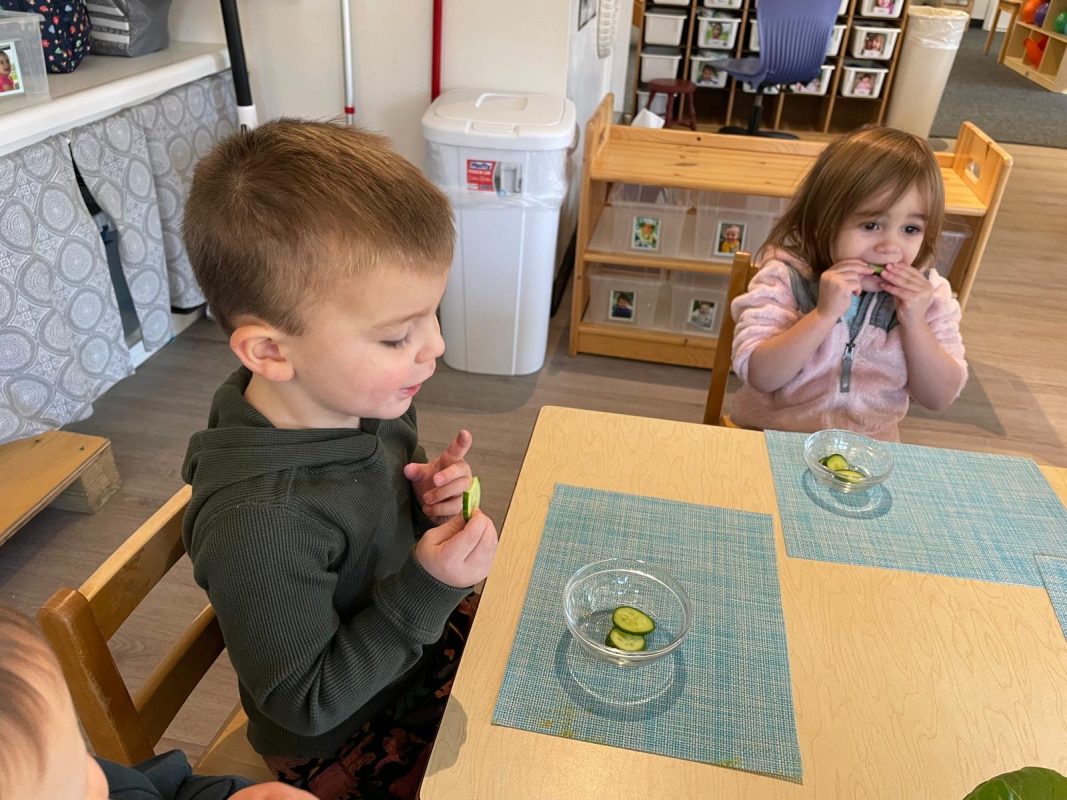
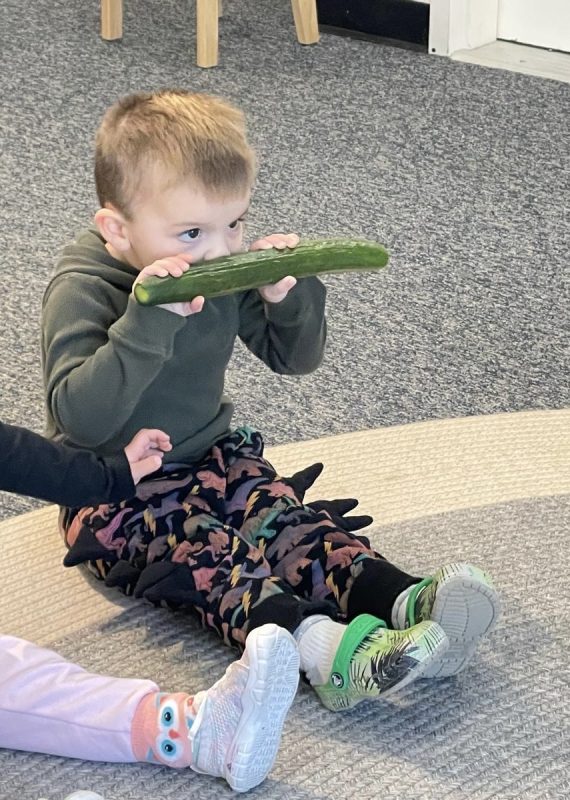
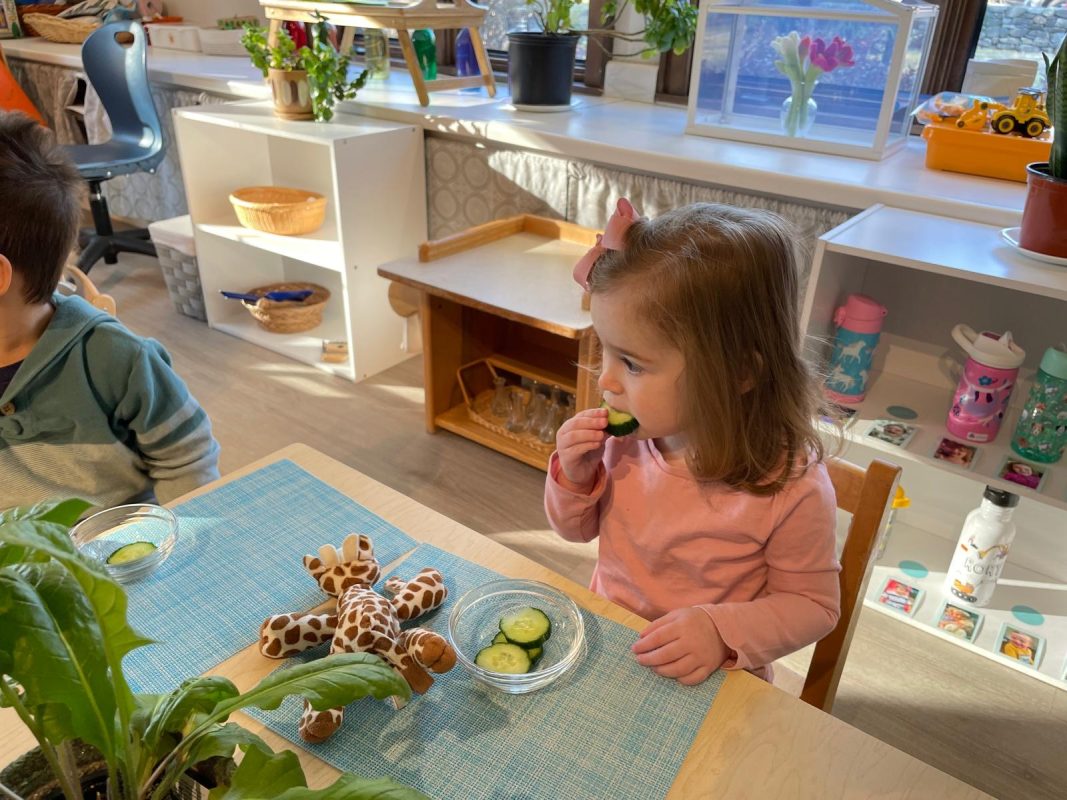
And speaking of simple joys, our food-tasting activity this week featured cucumbers. From “Mmm, crunchy!” to “It’s cold and funny!” their reactions were as delightful as the exploration of this vegetable.

These experiences are about more than just fun (though there’s plenty of that!). They build skills, nurture independence, and foster a sense of community and wonder. As we navigate these long winter months, these joyful activities remind us to slow down, savor the moment, and find magic in the everyday.

Thank you for sharing your children with us this season. Their laughter and curiosity light up our days. We can’t wait for our holiday pajama celebration next week! Please feel free to send your child in pajamas on Thursday, December 19th, and thank you in advance for all your support in making this happen!

Here’s to a season filled with love, learning, and a little extra sparkle!

Mrs. Hood and Ms. Patty


Mrs. Hood: Gratitude and Joy!

Gratitude is an essential part of who we are as humans. It strengthens our relationships, deepens our connections to our communities, and helps us become happier and more compassionate people. While adults understand the importance of expressing gratitude, young children need guidance to truly grasp its meaning. It’s more than saying “please” and “thank you”; it’s about cultivating empathy and valuing the kindness of others—a skill that takes time and modeling to develop. Dr. Montessori understood the value of nurturing a grateful nature in children to help them become compassionate citizens of the world.

In our Montessori environment, gratitude is woven into the fabric of our daily life, and this value truly shone during our heartwarming Thanksgiving ceremony last week. The day began with the joyful Sharing Bread ceremony, where we proudly presented the special bread we made as a class. Students from various levels then expressed their gratitude in diverse ways and languages, creating a beautifully inclusive and memorable experience. Afterward, we gathered in our classroom to share the bread, spreading the delicious homemade butter we had lovingly prepared together that morning. It was such a meaningful and joyful celebration! Thank you all for helping make this occasion so special!

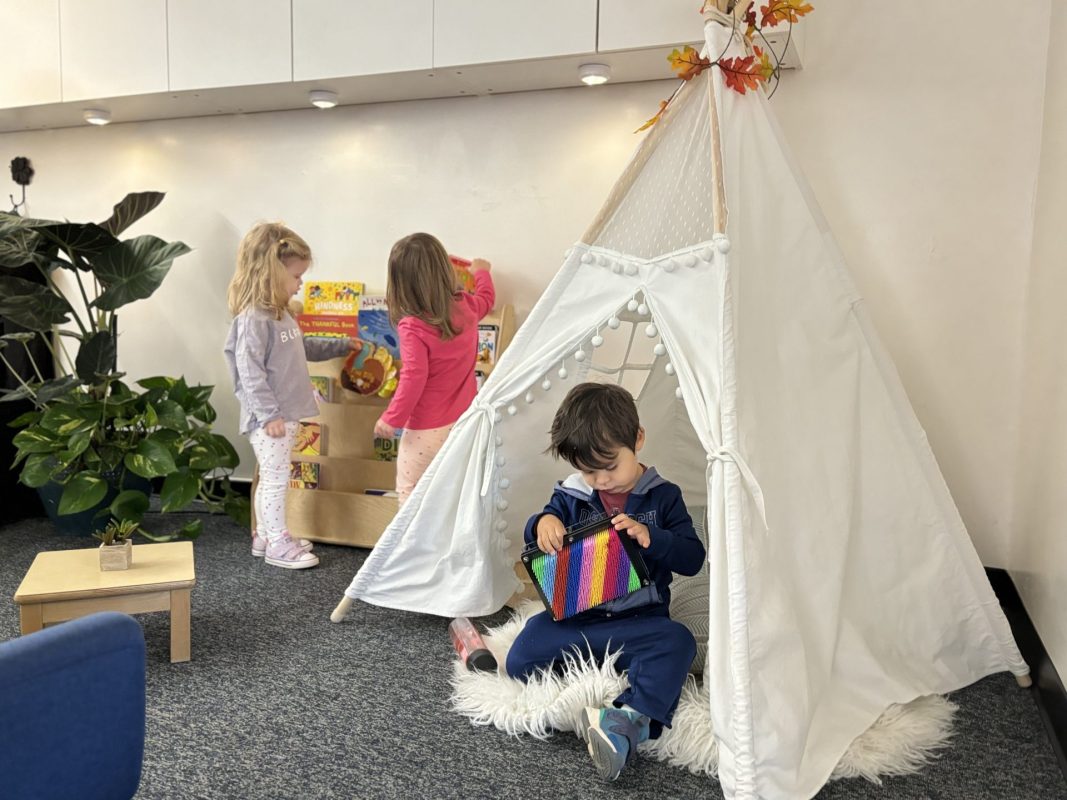
One resource I’ve found invaluable in teaching gratitude to toddlers is The Thankful Book by Todd Parr. The children love it, and it’s been heartwarming to hear our verbal toddlers begin expressing thankfulness. I highly recommend it as a wonderful addition to your home library!

As we dive into December, the classroom is bright with materials that reflect the beauty of the holidays. We’ve started exploring Christmas, Hanukkah, and Kwanzaa, celebrating the joy and wonder these traditions bring. There’s something magical about experiencing this season through the eyes of the children—their curiosity and excitement make every moment special.

We look forward to the coming weeks of learning, exploring, and sharing in the spirit of the holidays together!

Stay warm and enjoy the pictures of your children,

Mrs. Hood and Ms. Patty

Mrs. Hood’s: A Week Full of Discovery

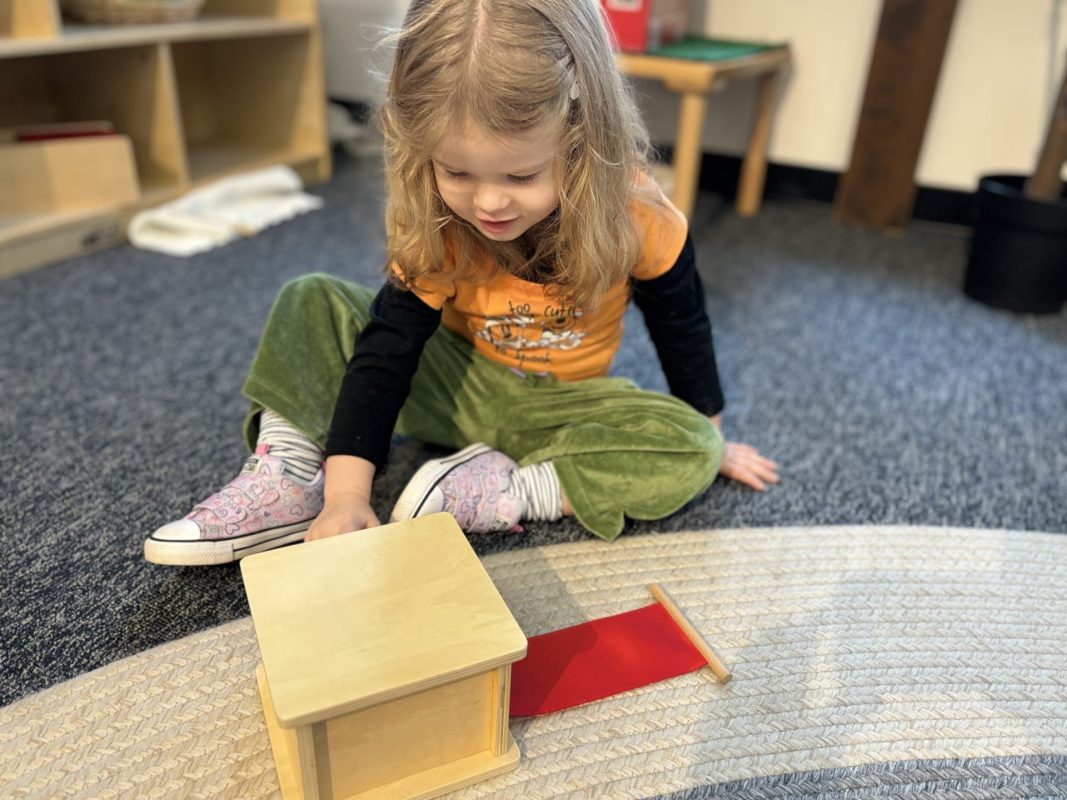
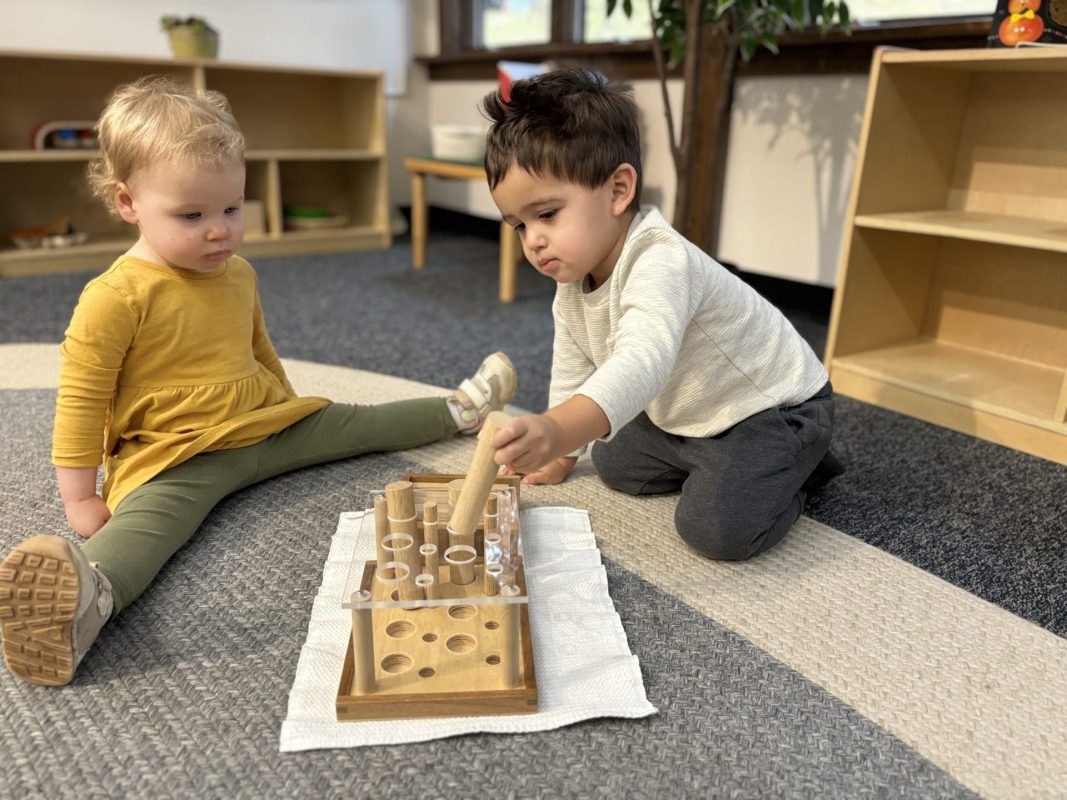
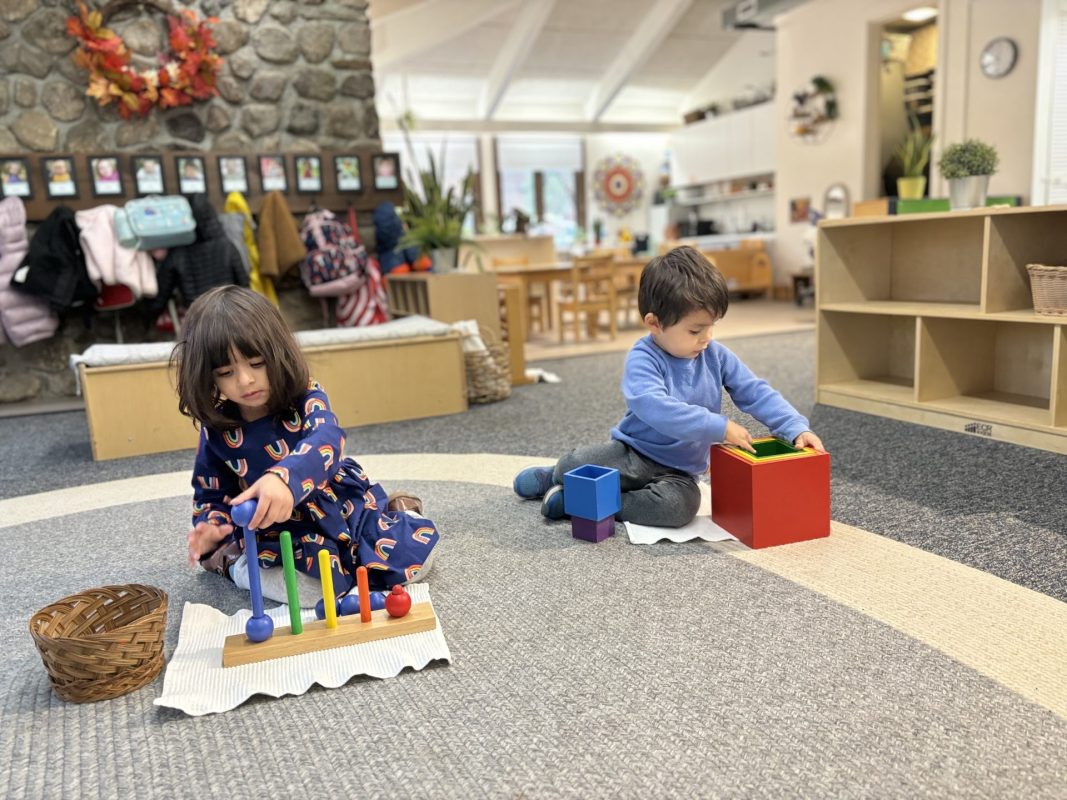
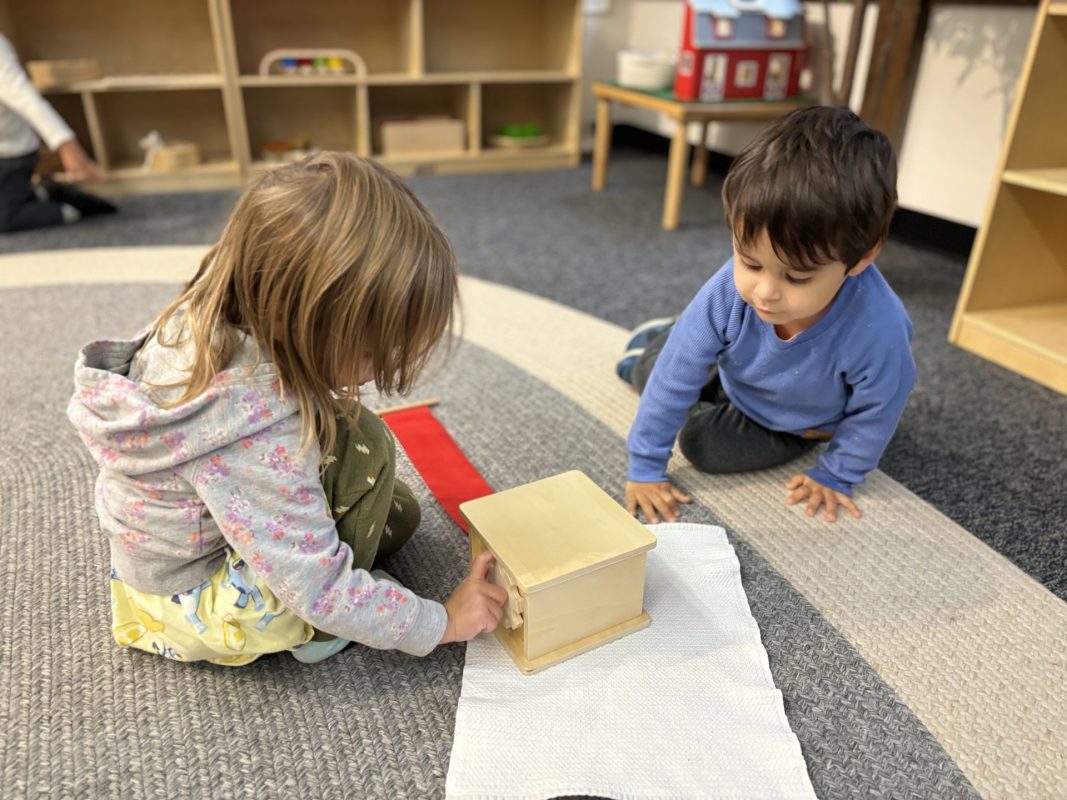
This week, our classroom was abuzz with excitement as we introduced one of the most cherished independent activities in the Montessori environment: flower arranging. This timeless Practical Life exercise, inspired by Dr. Maria Montessori, empowers children to care for their surroundings while developing independence and a sense of responsibility.

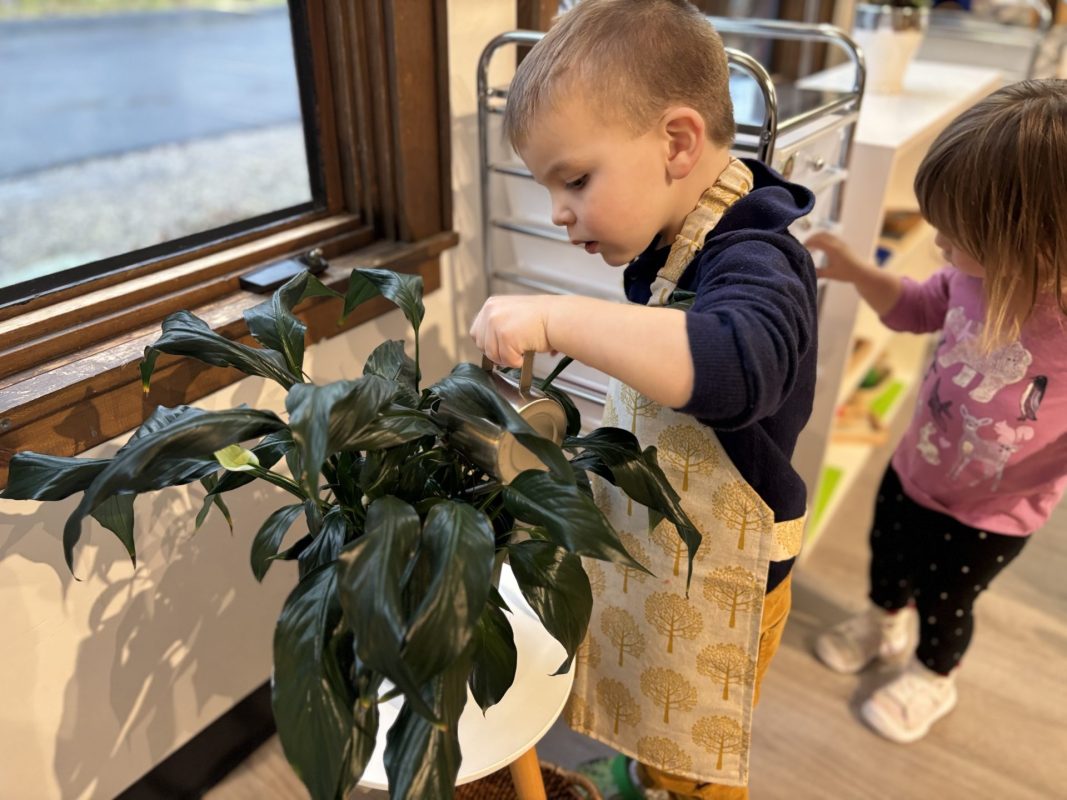
Flower arranging is not just about beauty—it’s a holistic activity that nurtures multiple skills. Your child practices sequencing, judgment of size and capacity, manual dexterity, and focus. Pouring water and arranging blooms in vases all help refine fine motor skills while fostering concentration and a sense of order. Most importantly, your children love it! We’re so grateful for your weekly flower donations, which make this possible.

Another highlight this week was a visit from the Botsford Fire Department, which brought a fun and educational twist to our days. The children were fascinated to learn why the firetruck was green instead of red—turns out greenish-yellow is easier to see in low light! They enjoyed a hands-on tour of the truck and got to sit inside to explore. It was a fun experience!

We also had a great baking day, crafting our own banana bread together. From measuring and mixing to smelling and touching the ingredients, this sensory-rich activity engaged the children in every step of the process. Baking not only introduces them to new vocabulary but also strengthens their confidence and teamwork. We’re excited to share our delicious creation with the FWM community at next week’s Thanksgiving Sharing Bread event, and of course, we’re super excited to enjoy the work of our hands at our own toddler celebration —a wonderful opportunity to celebrate gratitude and connection.

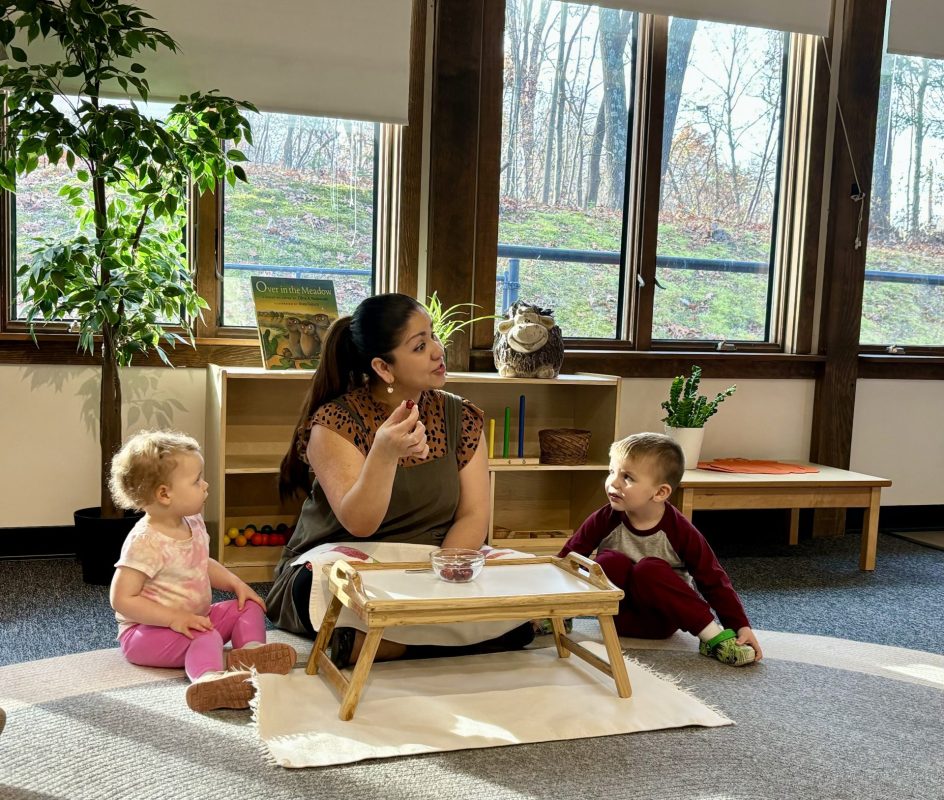
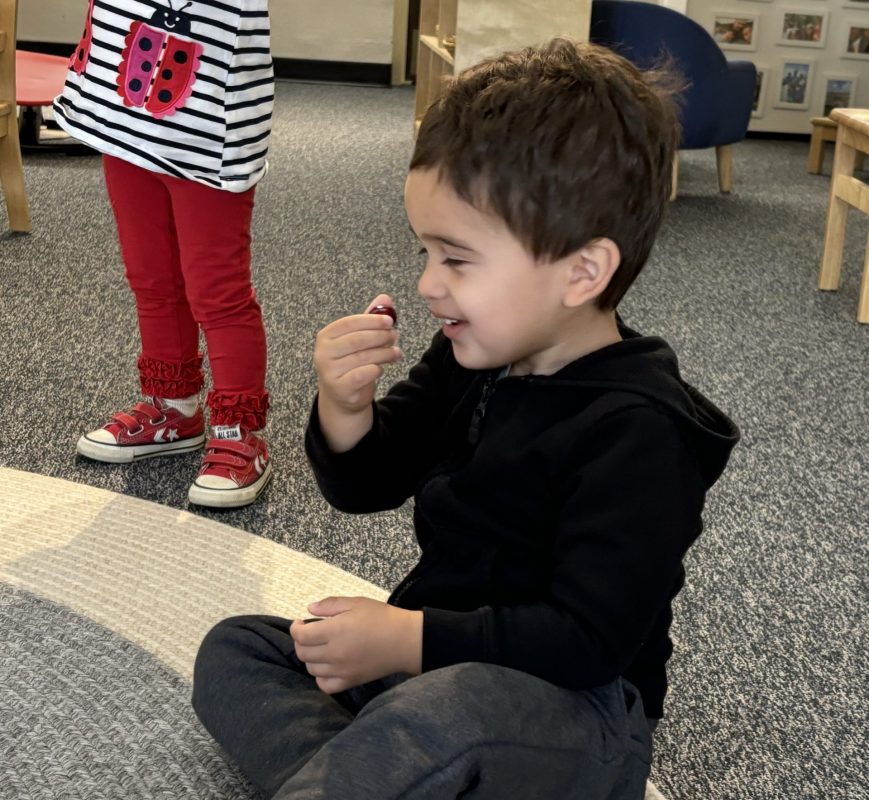
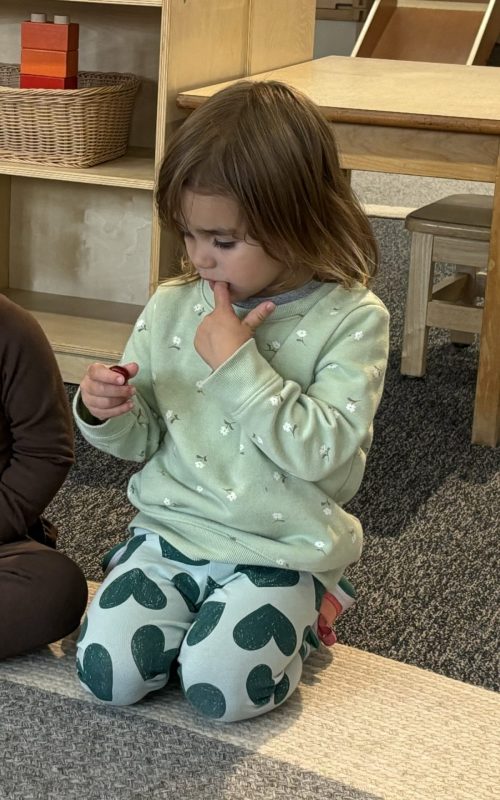
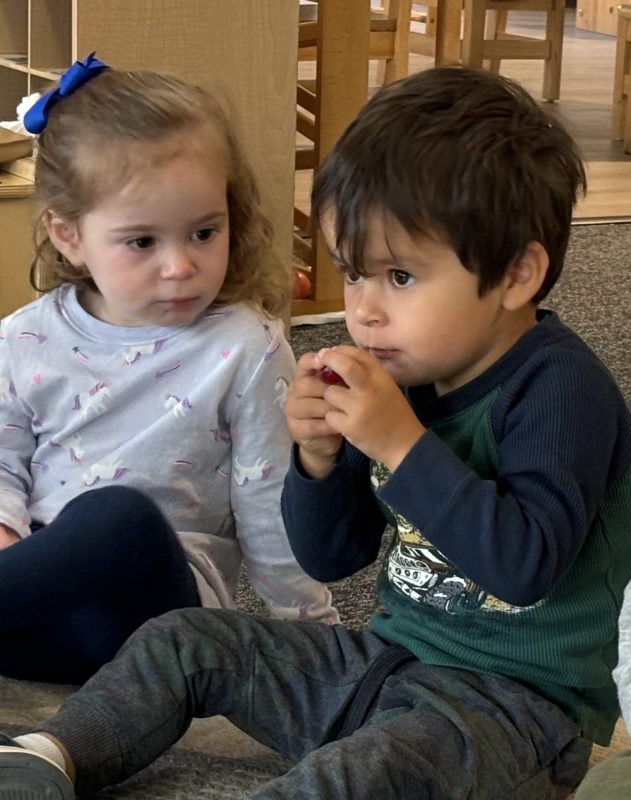
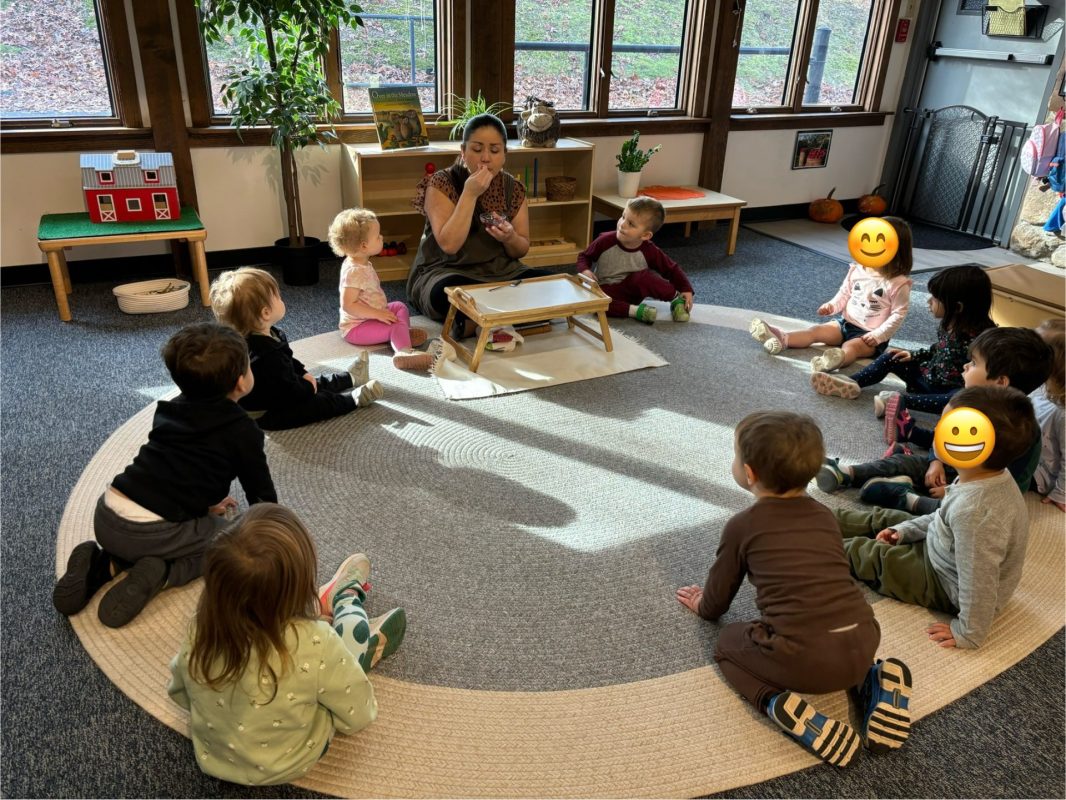
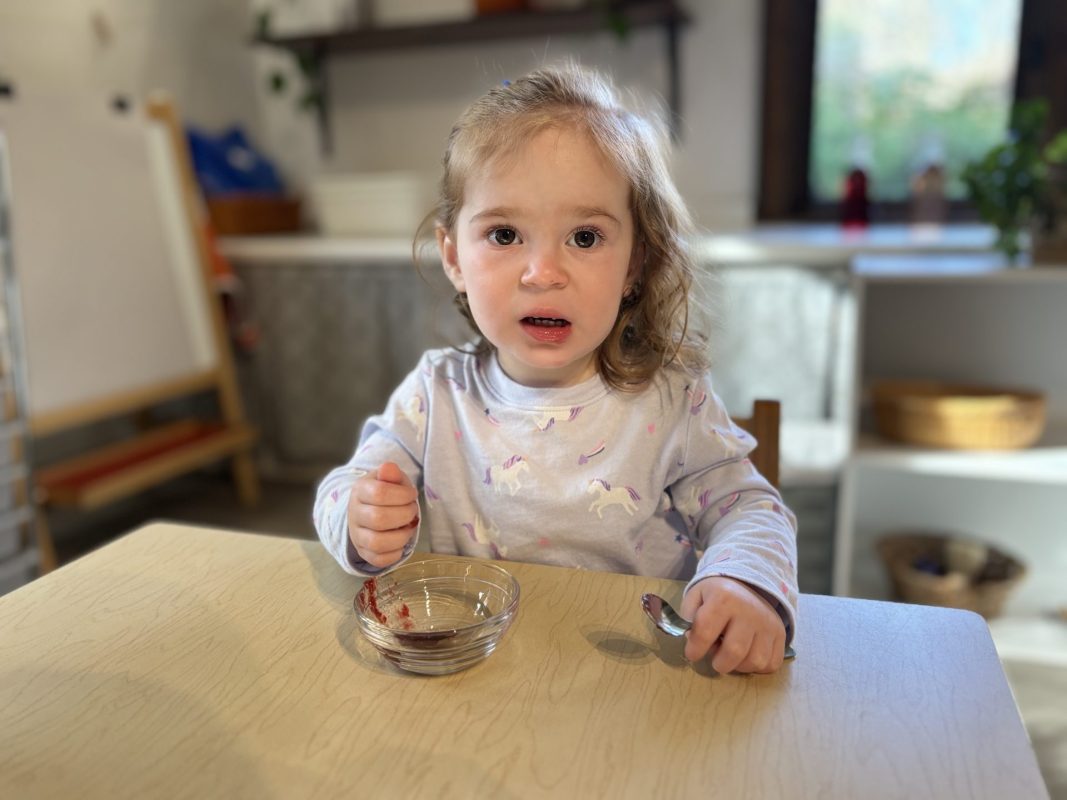
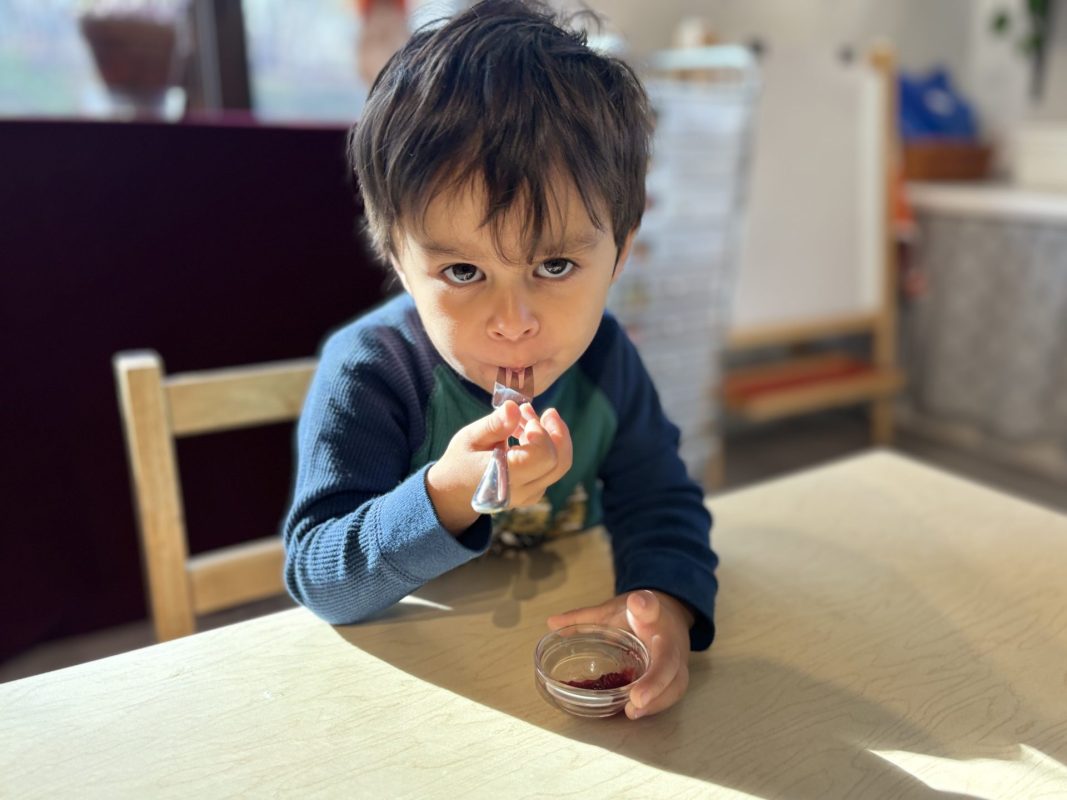
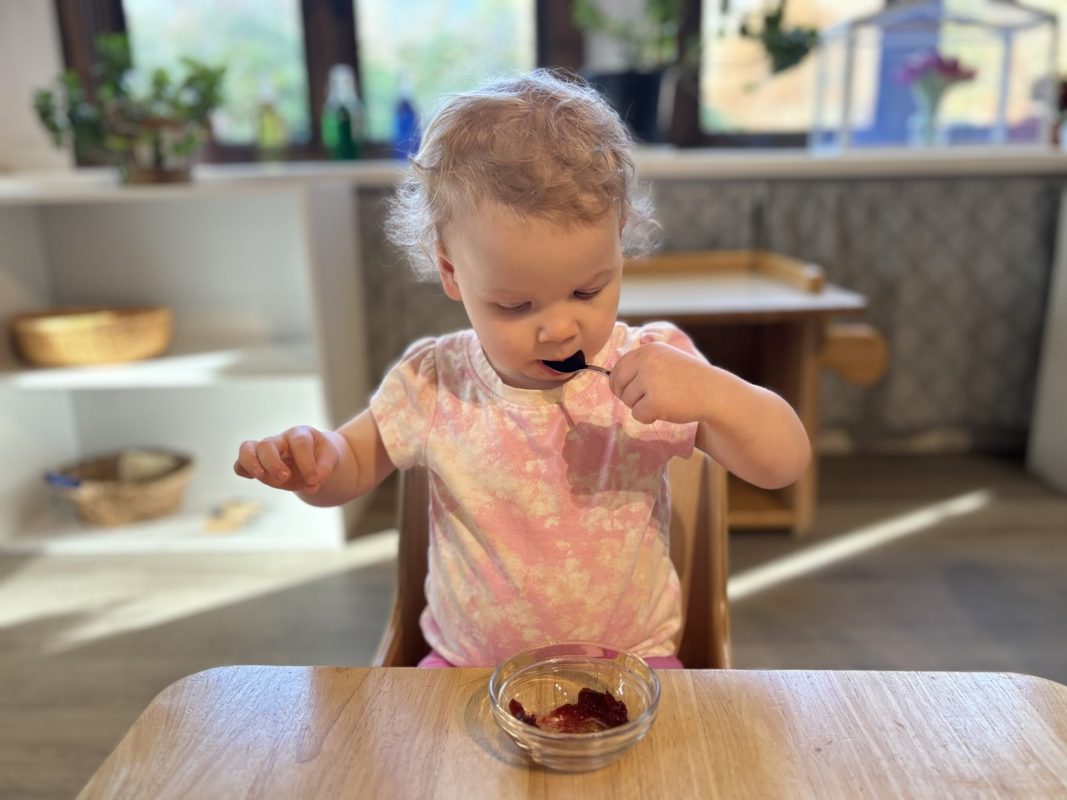
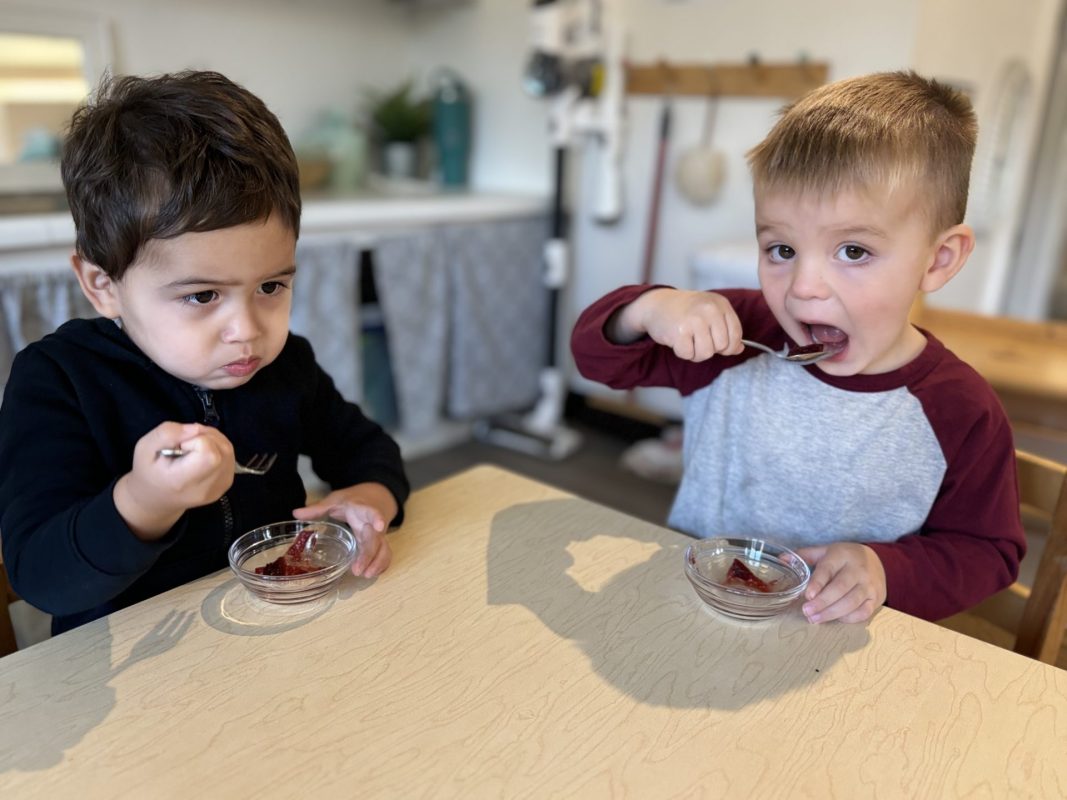
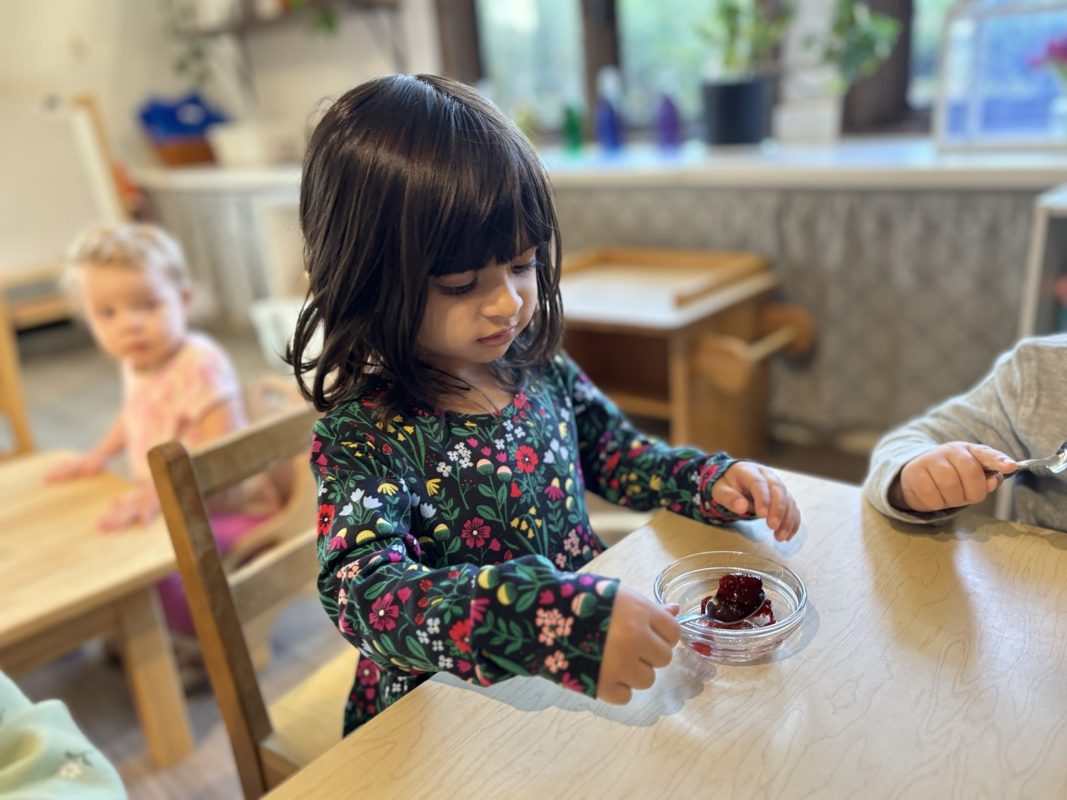
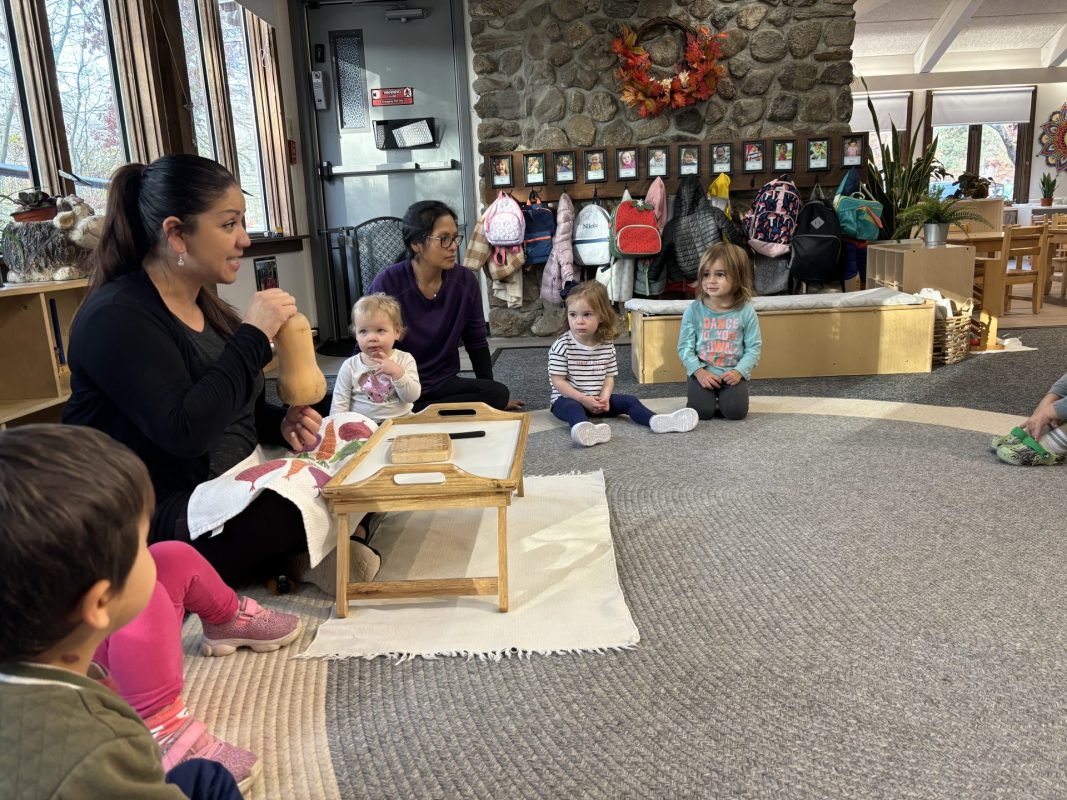
At the end of the week, children enjoyed exploring Pomegranates for food tasting lesson and this fruit received 100%  thumbs ups from your toddlers.

Lastly, I would like to extend my heartfelt thanks for the warm celebration of my birthday this week. I truly treasure the thoughtful cards, gifts, and beautiful flowers. Your kindness made my day extra special, and I feel so lucky to be part of this wonderful community.

Thank you for being part of our journey as we help your children discover the joy of learning through meaningful, hands-on experiences.

Have a great weekend,

Mrs. Hood and Ms. Patty

Mrs. Hood: Let the festivities begin!

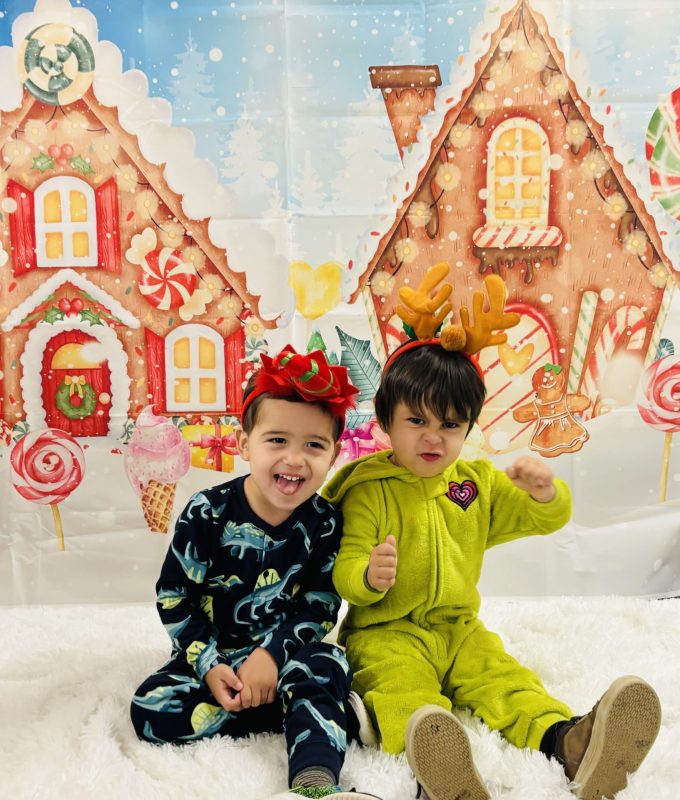
As families around the world eagerly embrace the holiday season, we at the school are equally excited to join in the festive spirit! This week was particularly special as we celebrated the beautiful Festival of Lights—Diwali!

Diwali is a magical time symbolizing new beginnings and the victory of light over darkness, good over evil, and knowledge over ignorance. This five-day celebration is observed across the globe, with unique rituals in every region. Homes glow warmly with diyas (candles) and oil lamps, while vibrant rangoli patterns adorn entrances, adding splashes of color. Families dress in beautiful new clothes, often with shimmering jewelry, and gather to share joy, laughter, and delectable treats.

Our little ones embraced the joy of Diwali! They were captivated by a colorful presentation and a mesmerizing Indian dance performance by some of our own FWM students, administration members, teachers, and parents. Of course, no Diwali celebration is complete without sweets! The children savored the soft, syrupy deliciousness of gulab jamun and enjoyed the flavorful goodness of rice pulao.

In the classroom, creativity bloomed as the toddlers designed and decorated their very own diyas using vibrant colors and a sprinkle of imagination.

Switching gears, we’ve also started exploring the wonders of the forest with our new unit on woodland animals. This week, the children met five fascinating creatures and learned a couple of facts about them:

  • Black Bear: A big, furry animal that loves to munch on berries, fish, and honey. We learned how they hibernate in cozy dens during the winter!
  • Moose: The tallest animal in the forest with long, strong legs and huge antlers. Moose enjoy munching on leaves, twigs, and even water plants.
  • Fox: A sly and clever animal with a bushy tail. Foxes are excellent at sneaking around to find their dinner. I told them the story of a fox that comes every day to my home to see if he can eat one of my chickens!
  • Beaver: A hardworking animal with big teeth and a flat tail. Beavers build homes, called lodges, using sticks and mud!
  • Owl: night-loving bird with big, glowing eyes. The toddlers were amazed to learn that owls can turn their heads almost all the way around!

Finally, our week ended on a sweet note during the food-tasting lesson! The children sampled juicy pears, and this fresh, yummy fruit was a hit—earning a 99% approval rating from our toddlers.

Enjoy the weekend,

Mrs. Hood and Ms. Patty

Mrs. Hood: “Help me, to do it myself!”

“If teaching is to be effective with young children, it must assist them to advance on the way to independence. It must initiate them into those kinds of activities that they can perform themselves and that keep them from being a burden to others because of their inabilities. We must help them to learn how to walk without assistance, to run, to go up and down stairs, to pick up fallen objects, to dress and undress, to wash, to express their needs in a way that is clearly understood, and to attempt to satisfy their desires through their efforts. All this is part of an education for independence”.

Dr. Maria Montessori

Toddlers are naturally eager to learn these things. “Do it myself” might well be the refrain for the toddler years! Our day-to-day lives often make for less-than-ideal circumstances to help our children achieve the independence they crave. Our homes are not optimized around a little person with a height of under three feet: Objects are hard to reach, too heavy, or too big for little hands to use. Our days are not set up to move at their speed: We rarely just happen to have ten spare minutes to wait while our almost two-year-olds put on their jacket!

Yet enabling a toddler to become more independent has huge short-term and long-term benefits. Power struggles decrease when a child feels more in control. Temper tantrums are less frequent when toddlers are busy doing things for themselves rather than resisting their parent’s efforts to do things for them! A child who feels capable because they can act in the world without needing to rely on grown-ups for every little thing is a child who is developing self-confidence.

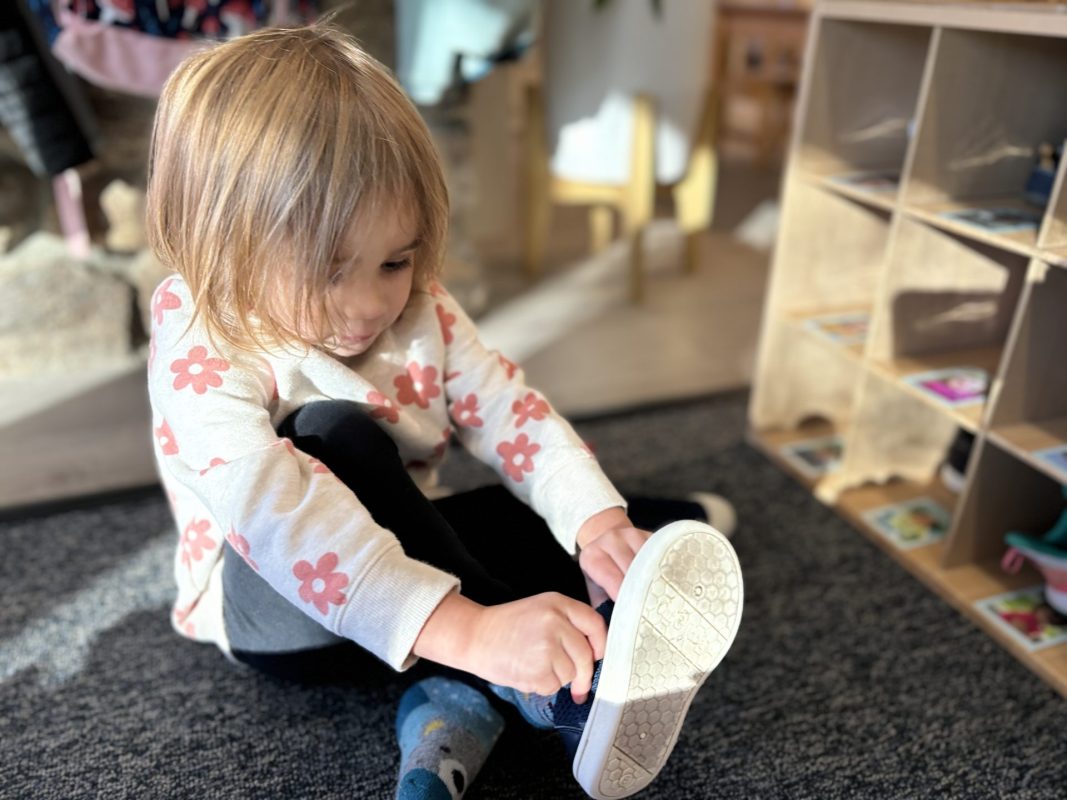
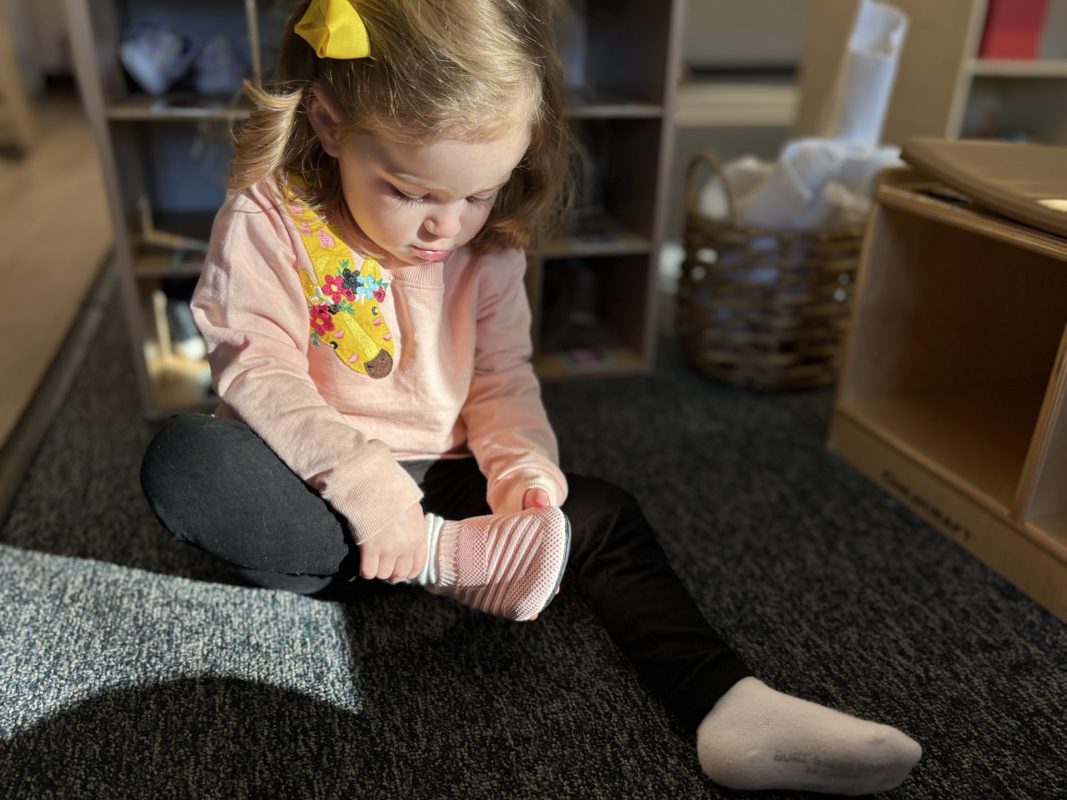
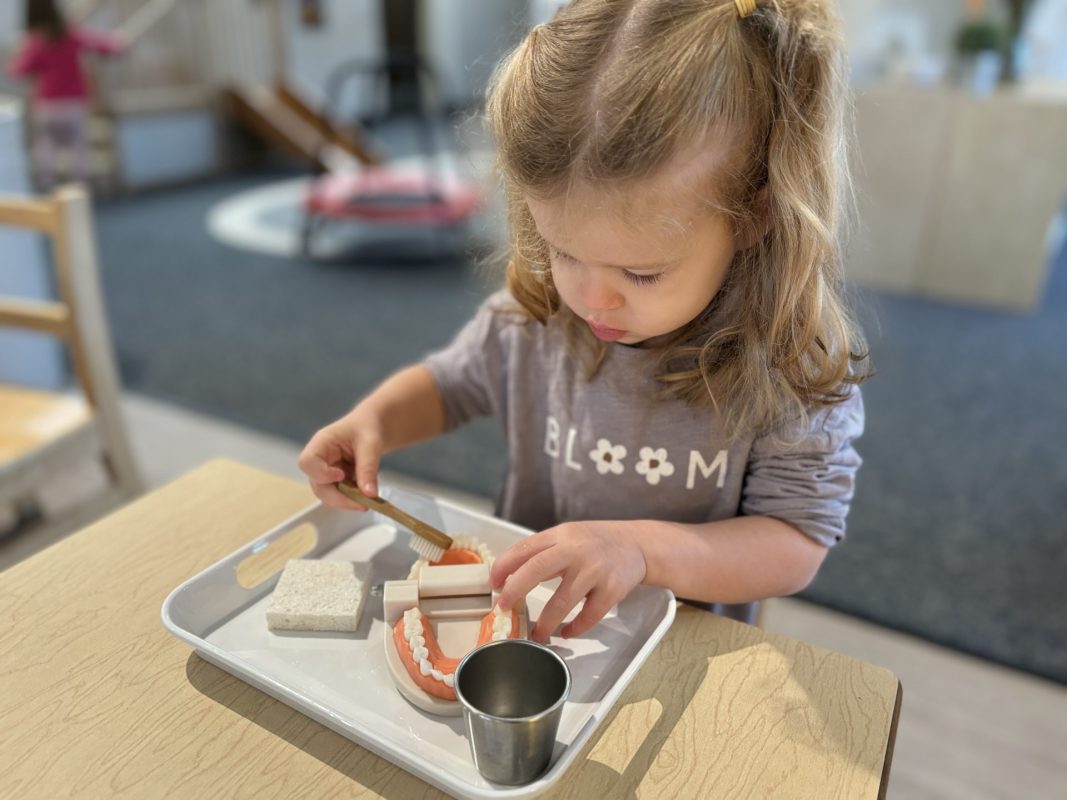
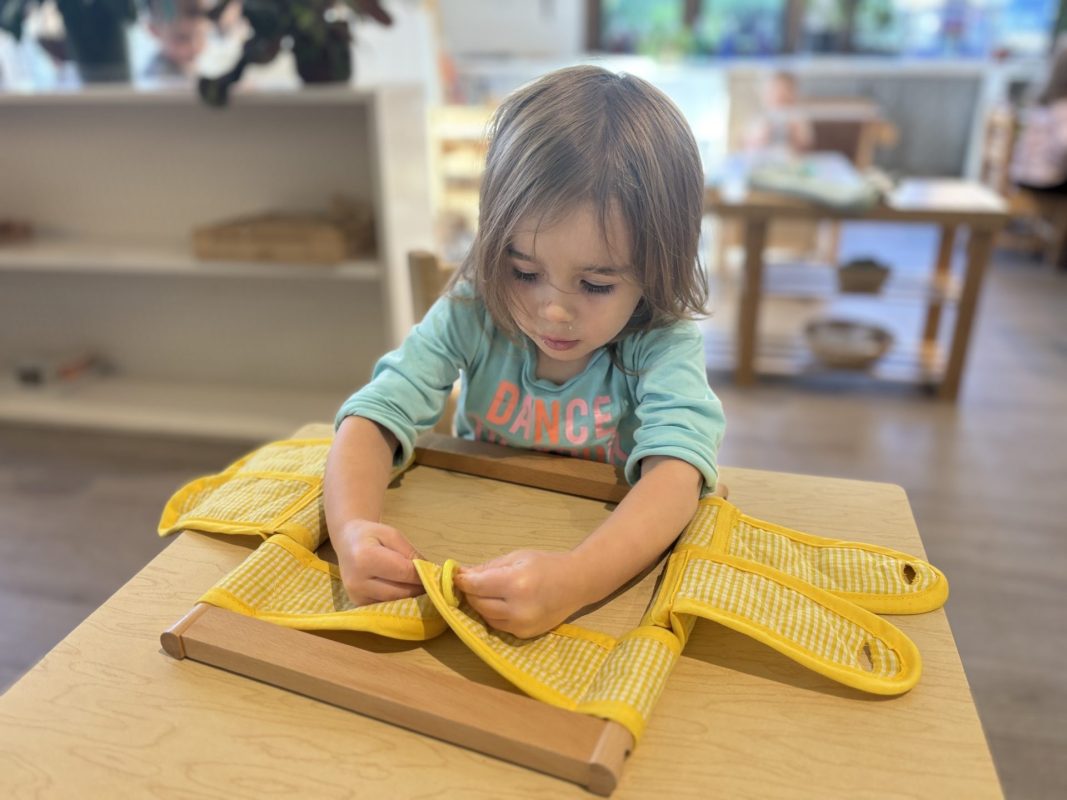
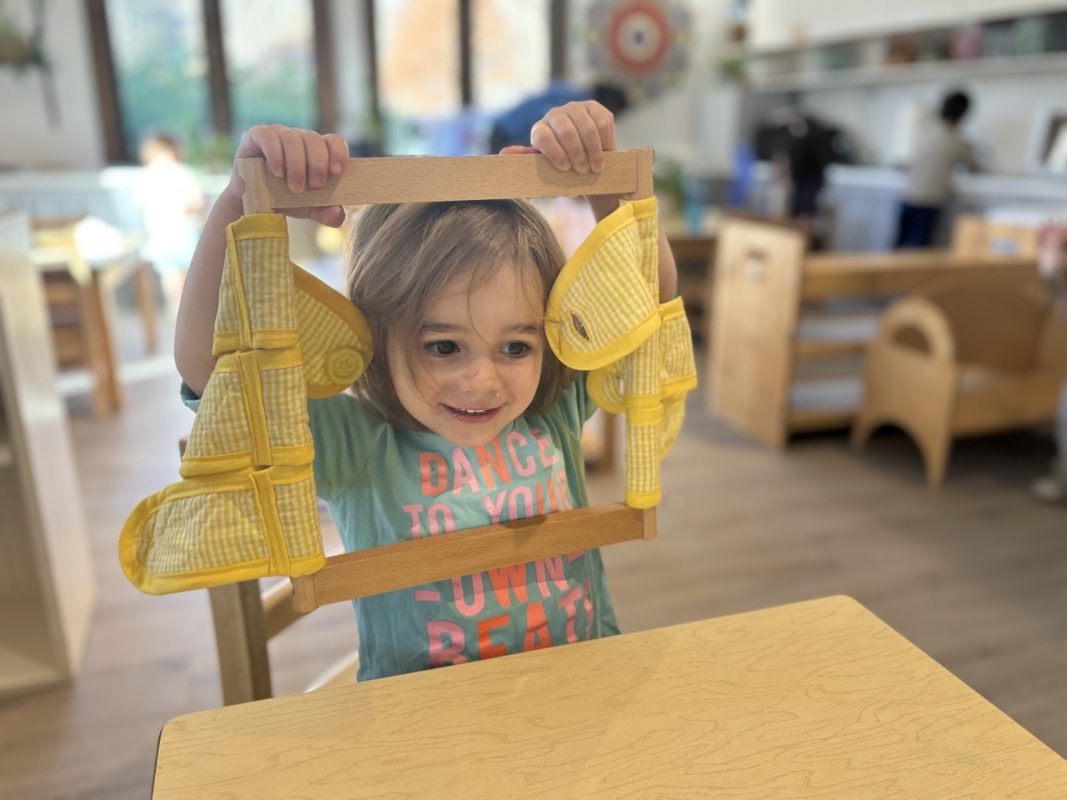
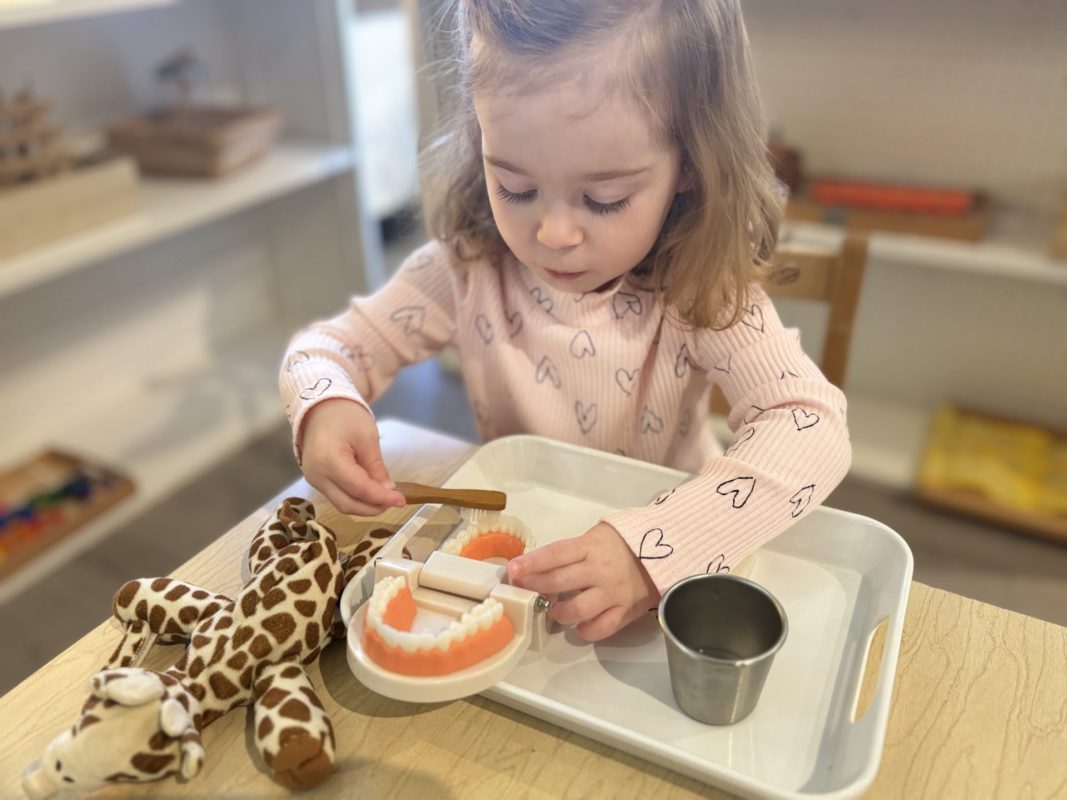
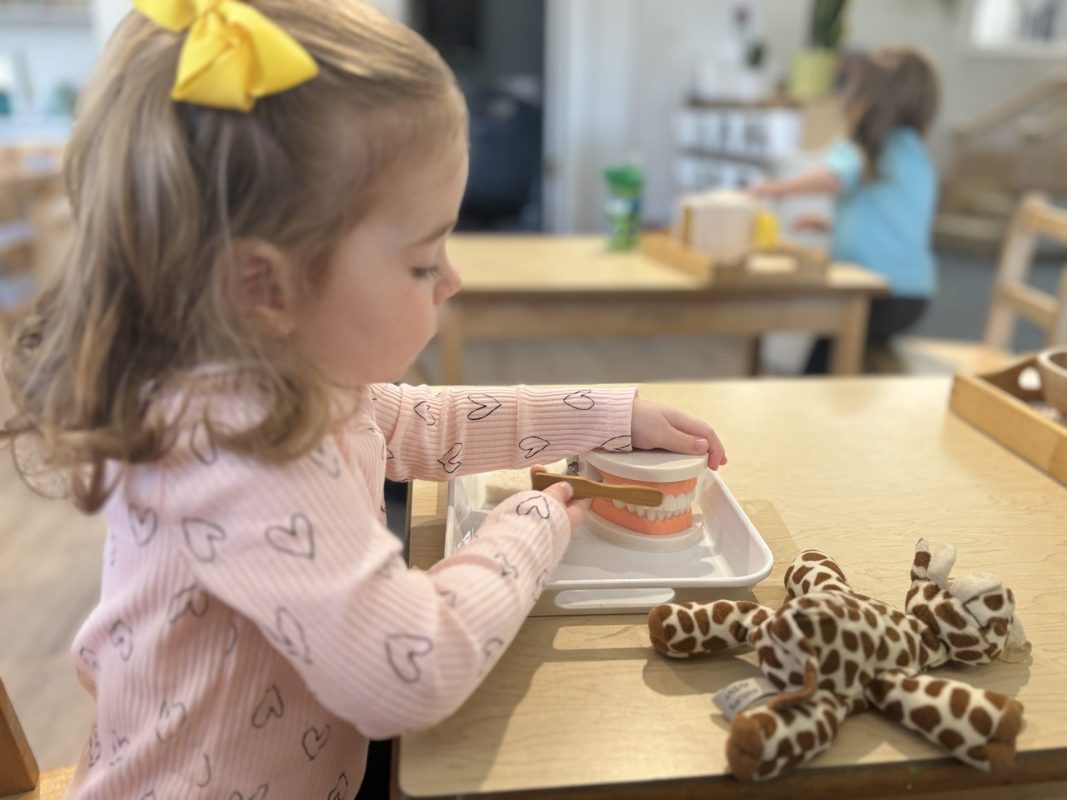
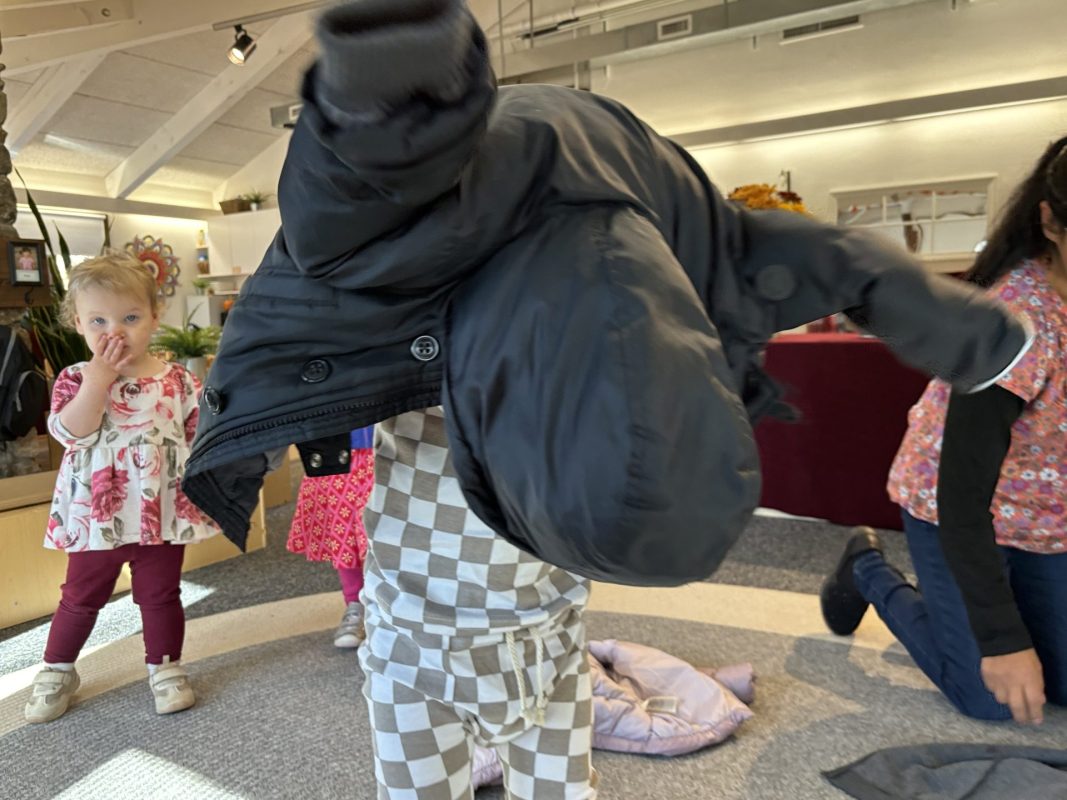
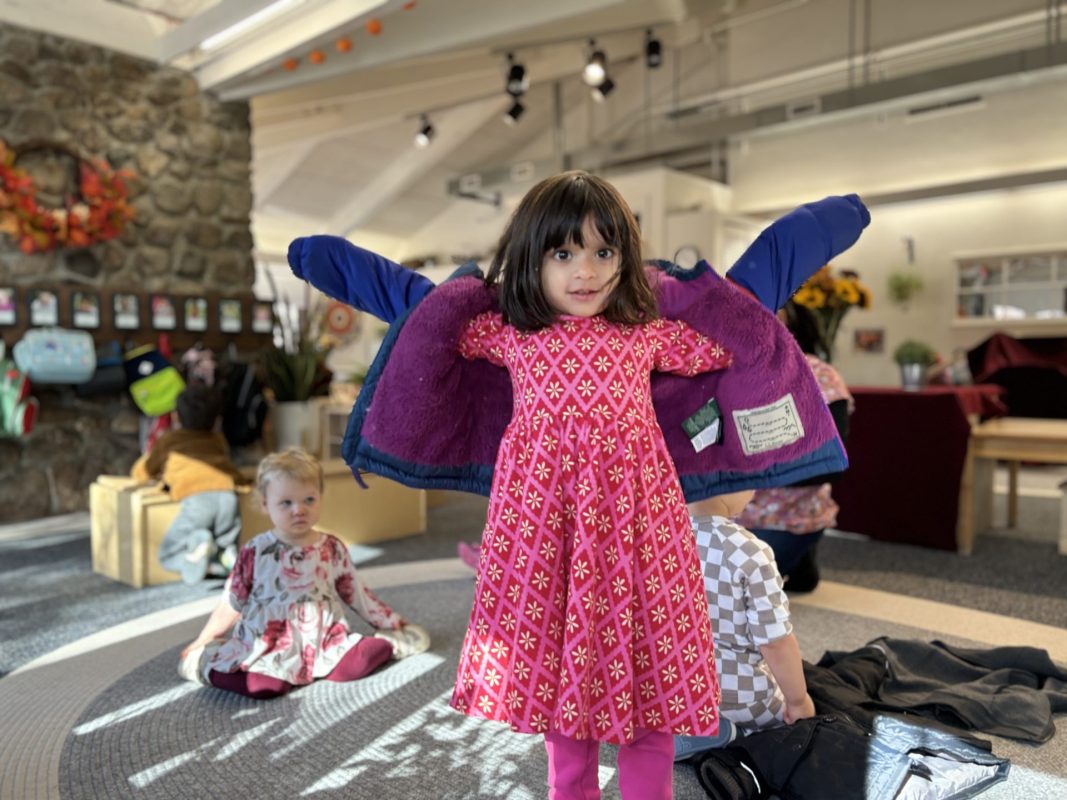
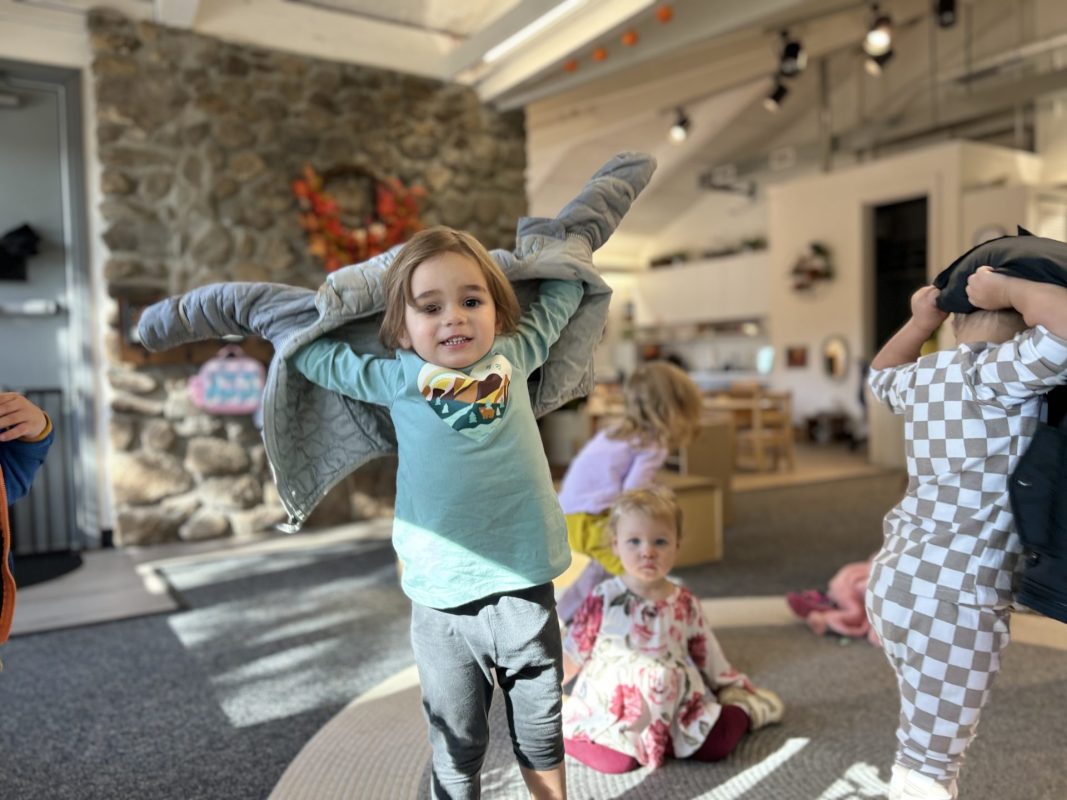
We have introduced the routine of changing into indoor shoes at the beginning of the morning! At this point, most of the children have learned to recognize their space and continue to work hard in the skill of removing their shoes, coordinating their hands to get the new shoe on, and pulling and closing the velcro tabs. In addition, they have been practicing the skill of buttoning and unbuttoning, brushing teeth, and learning how to put on their jacket independently.  Children received a lesson using what we called the “fliparoo” trick. Please see the video below on the lesson, and please support your child at home in practicing this skill.

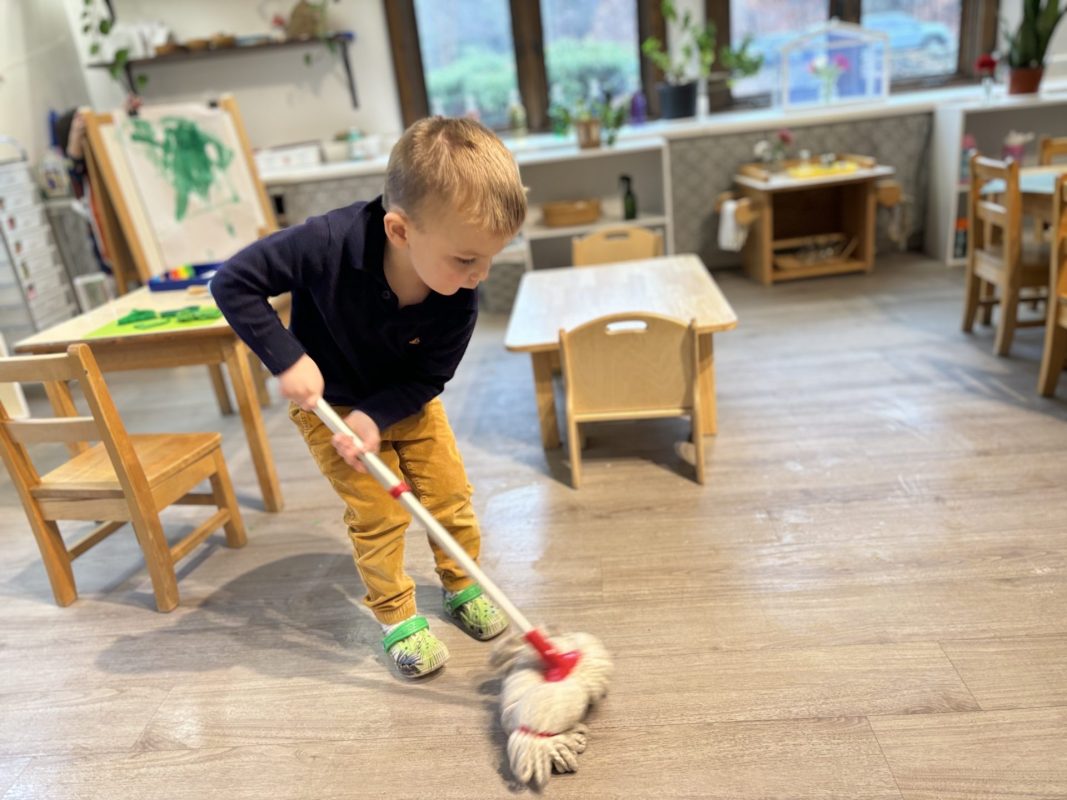
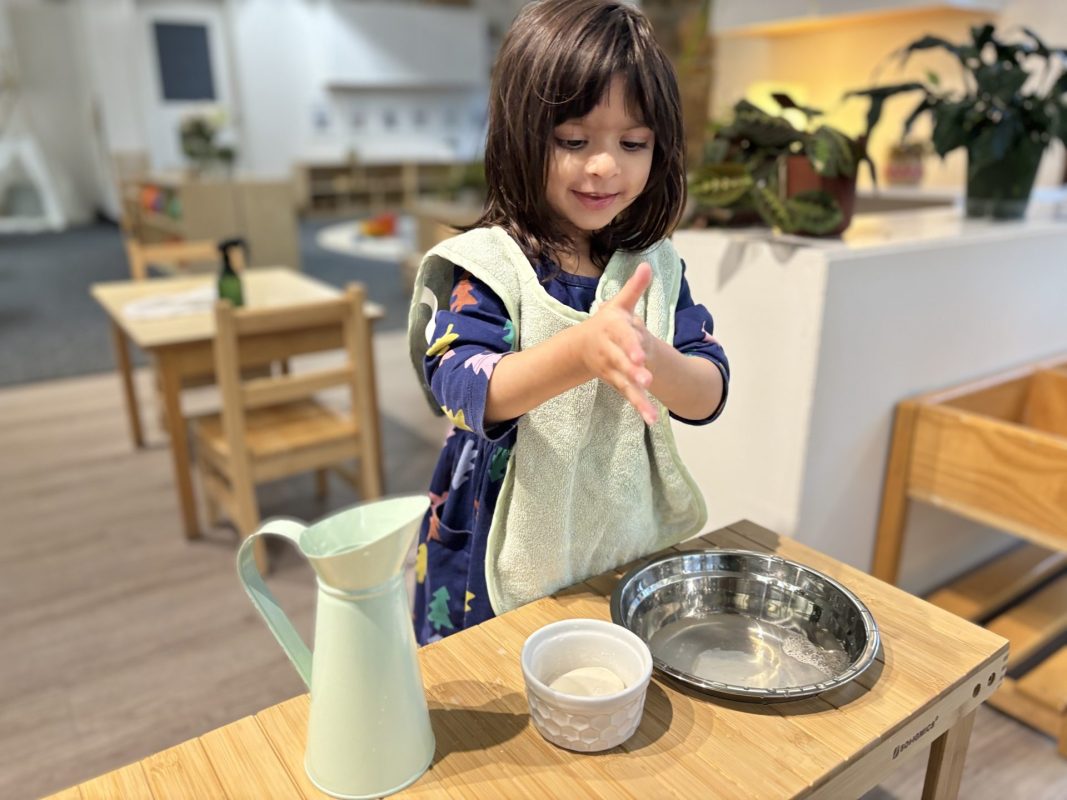
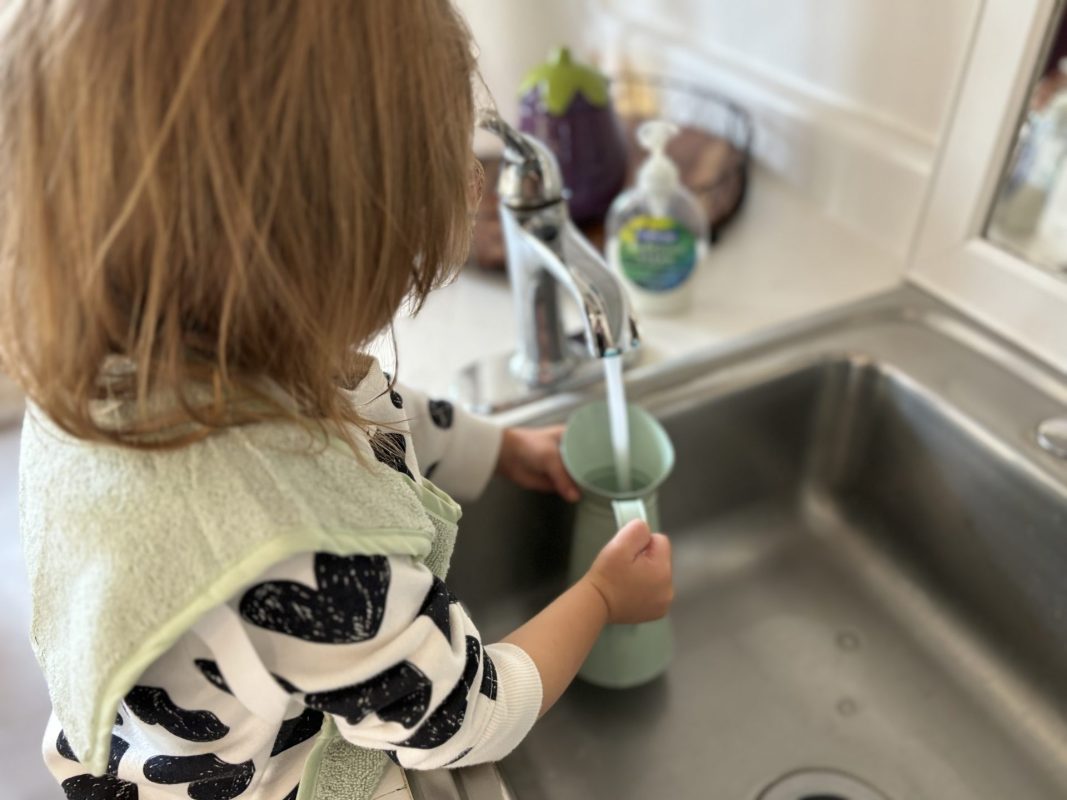
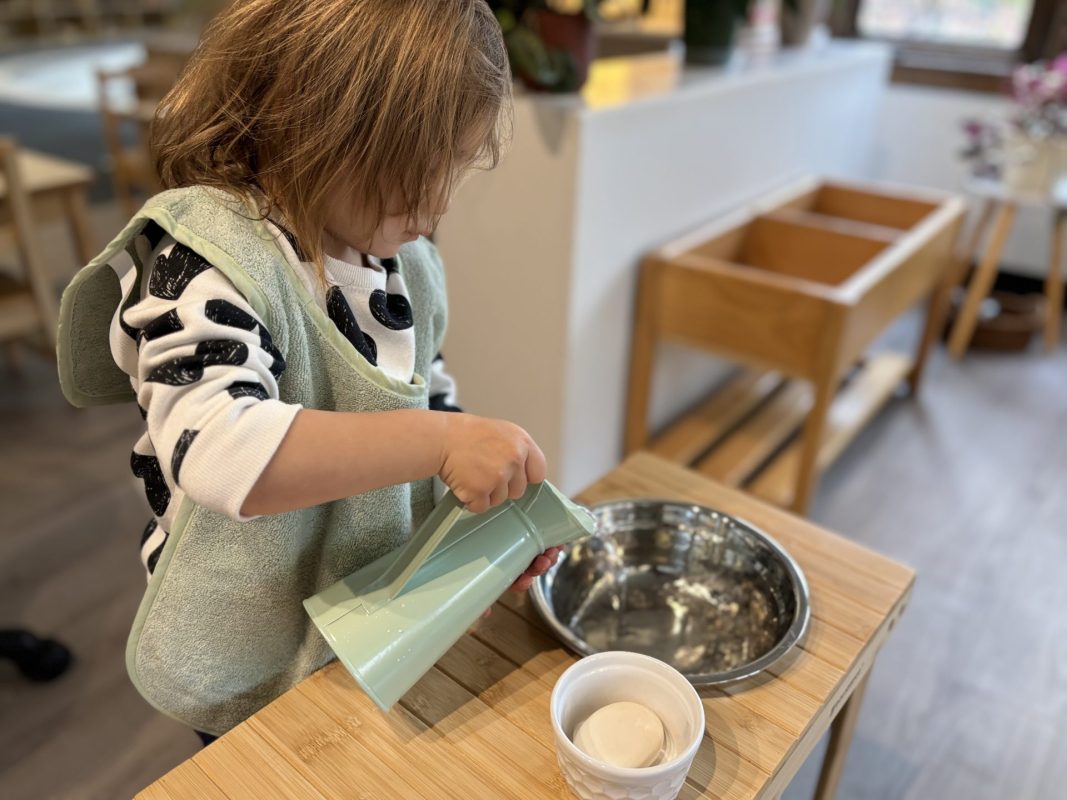
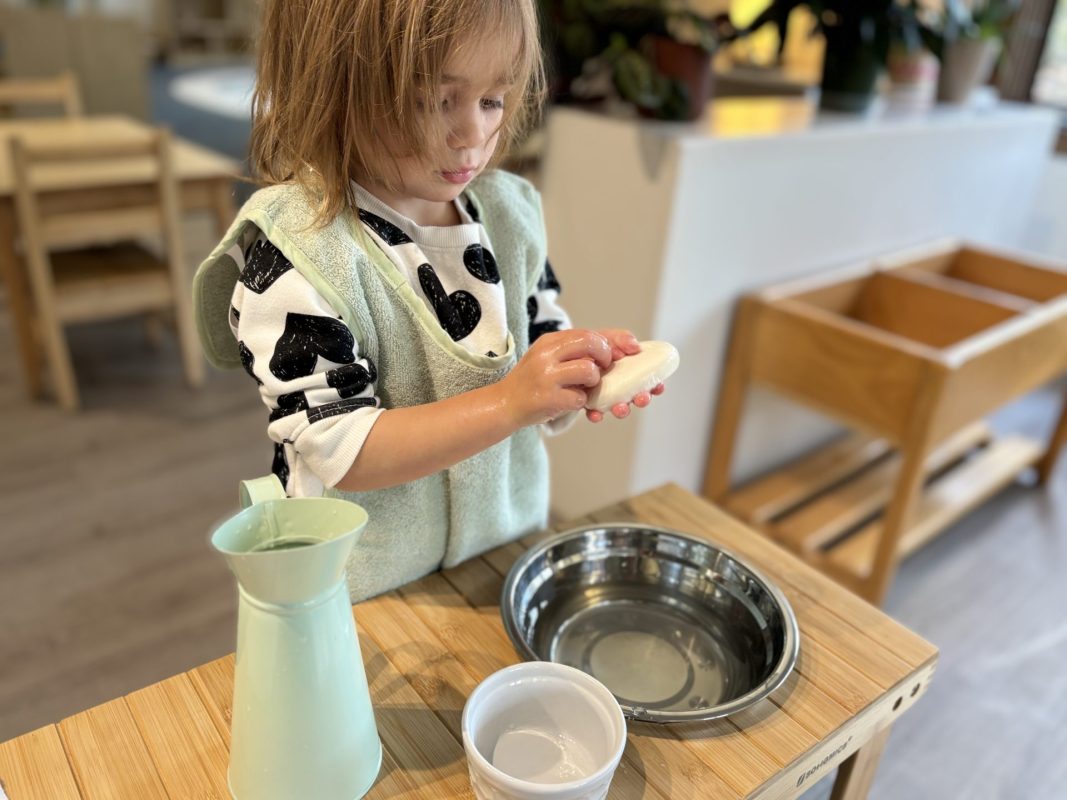
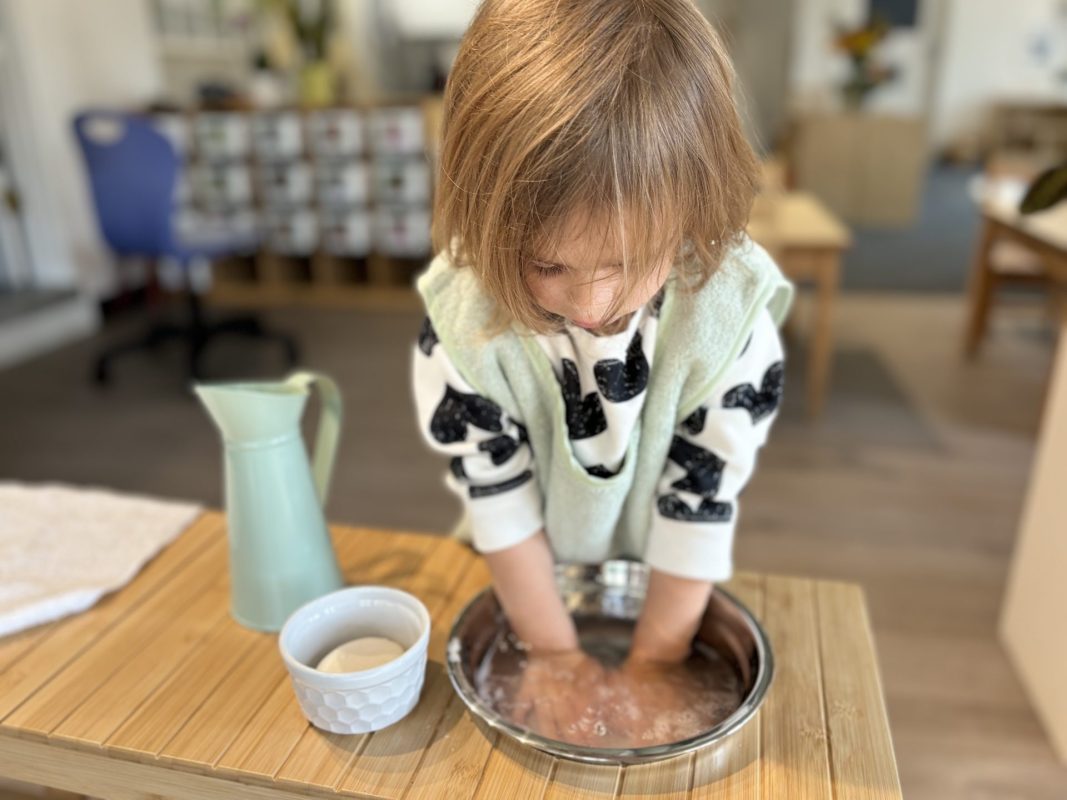
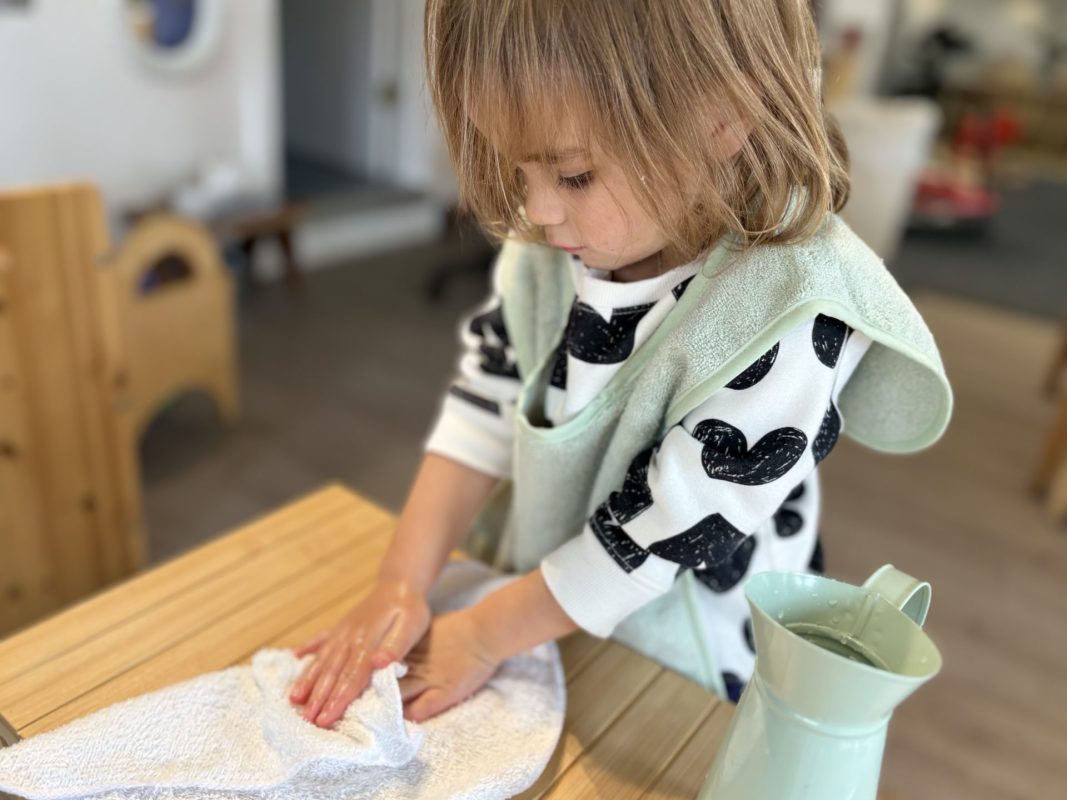
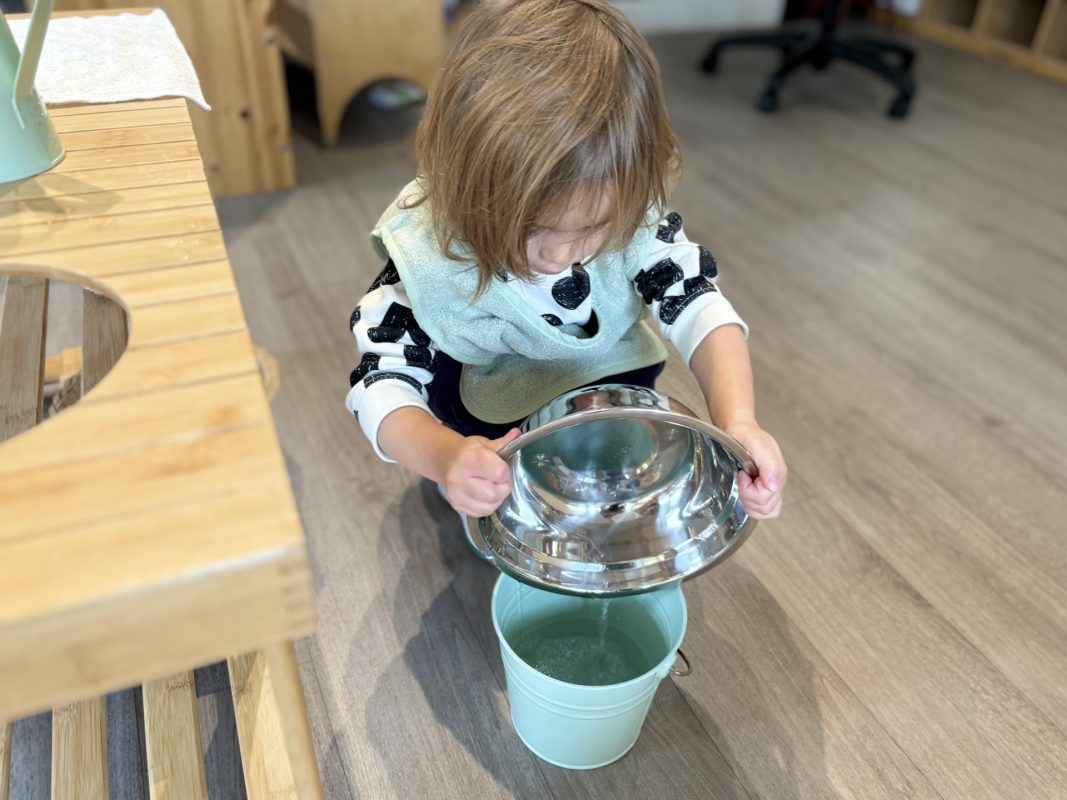
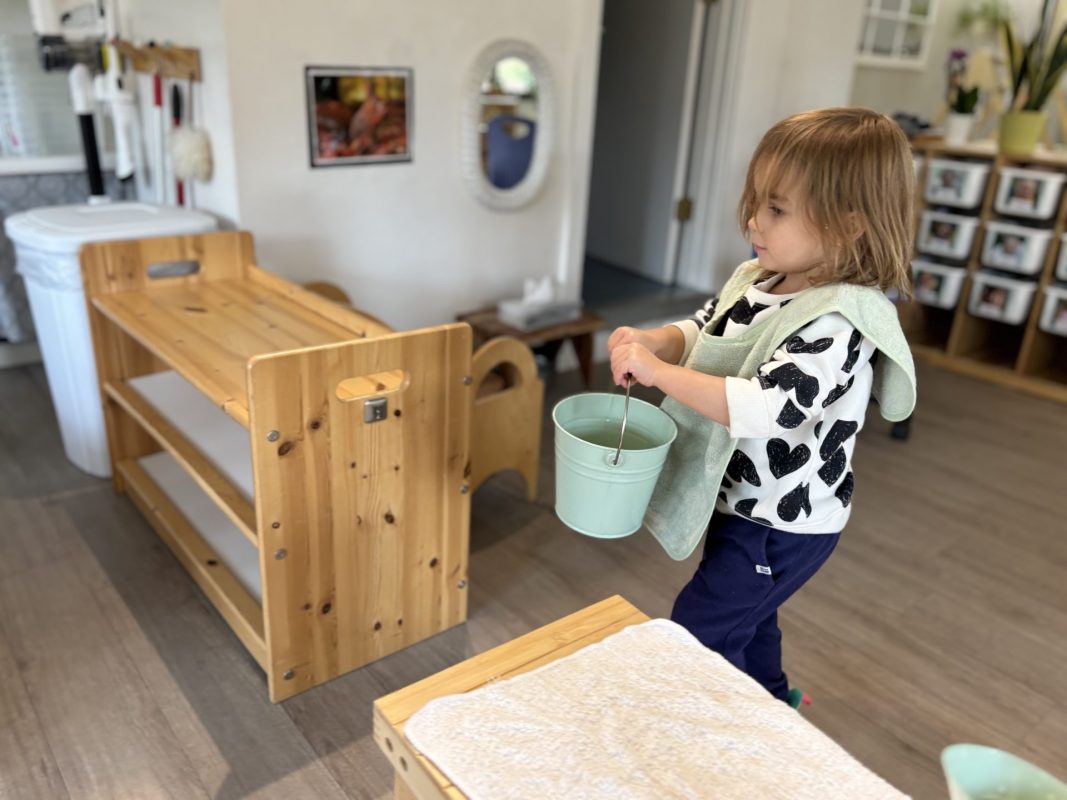
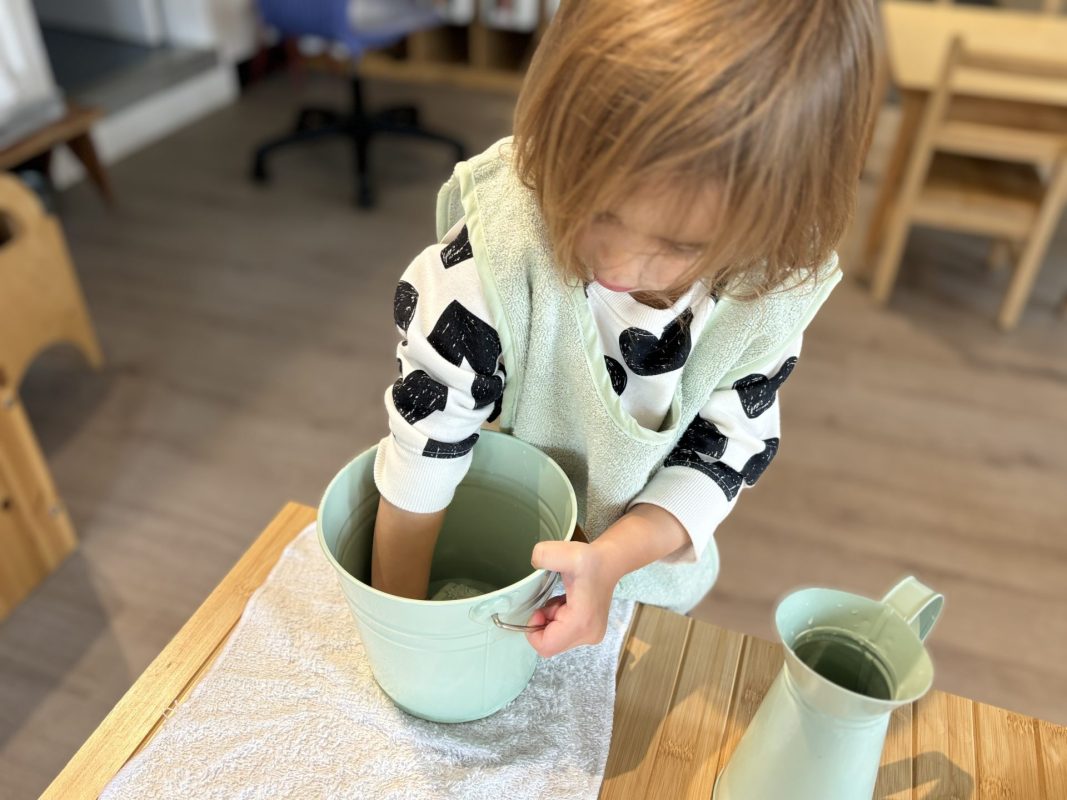
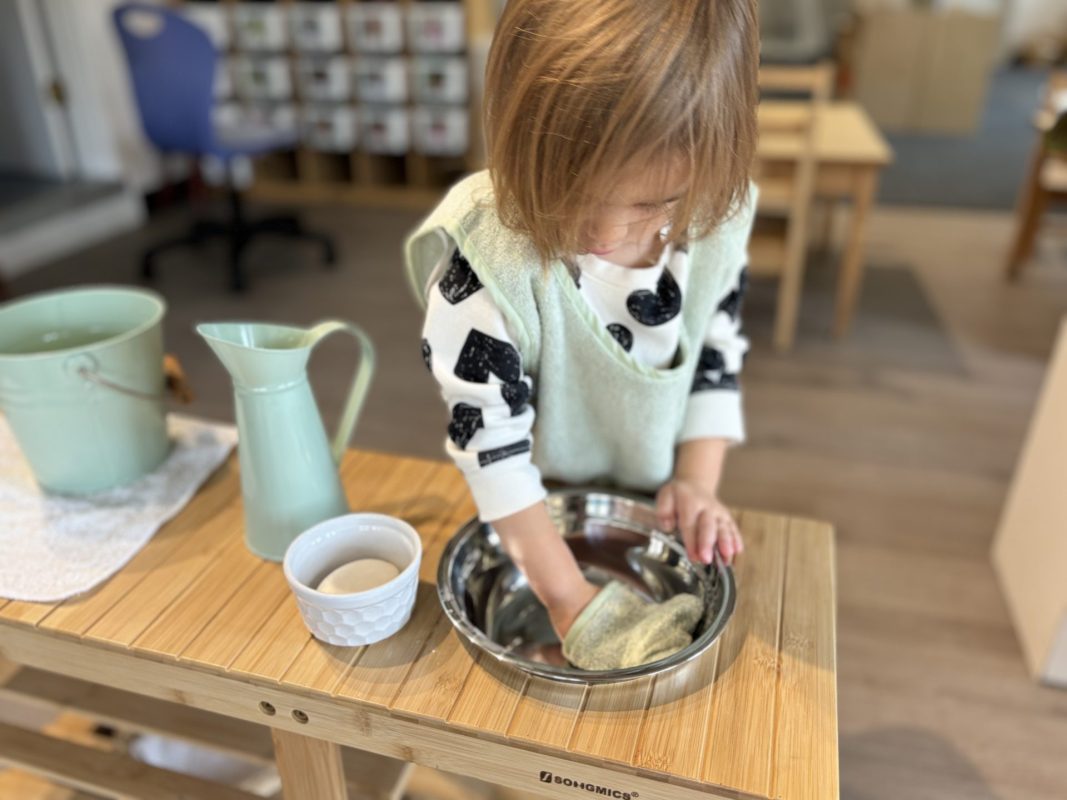
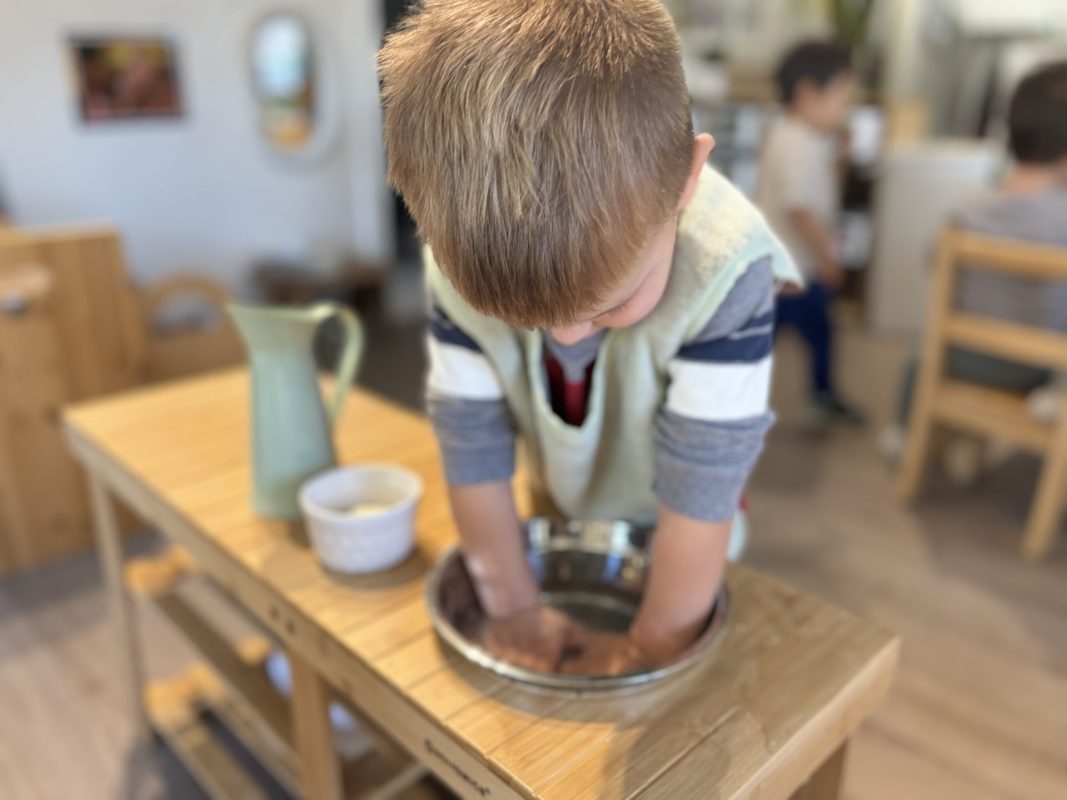
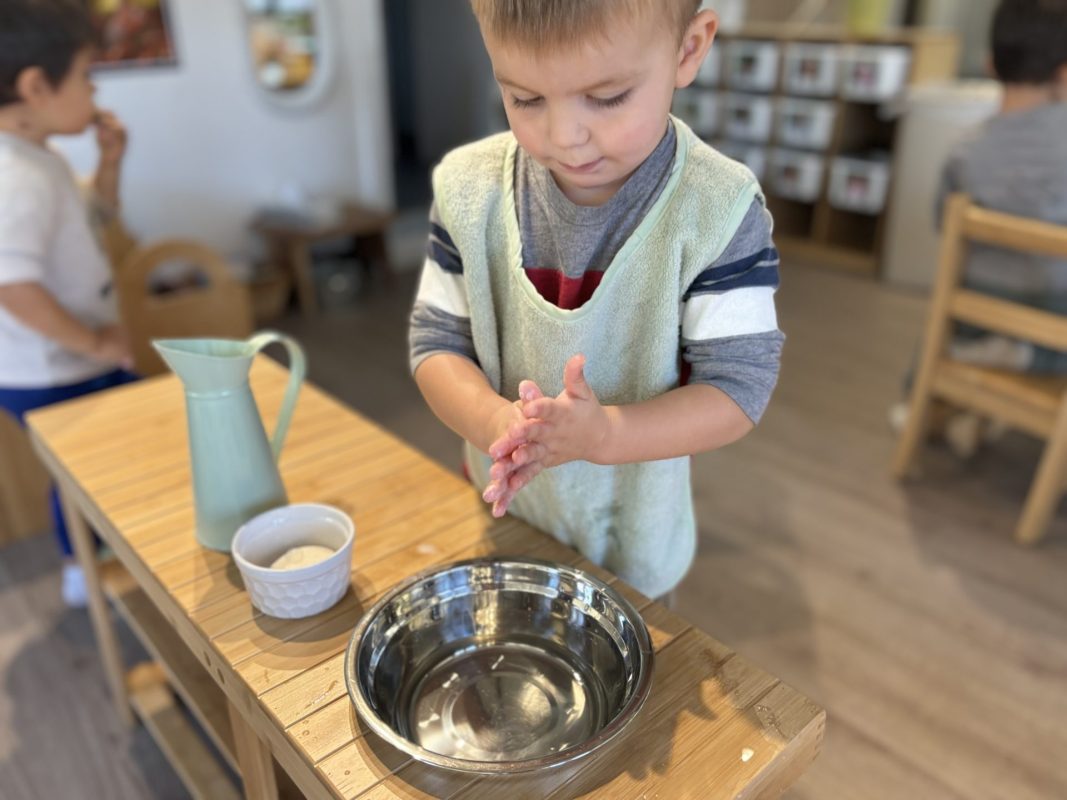
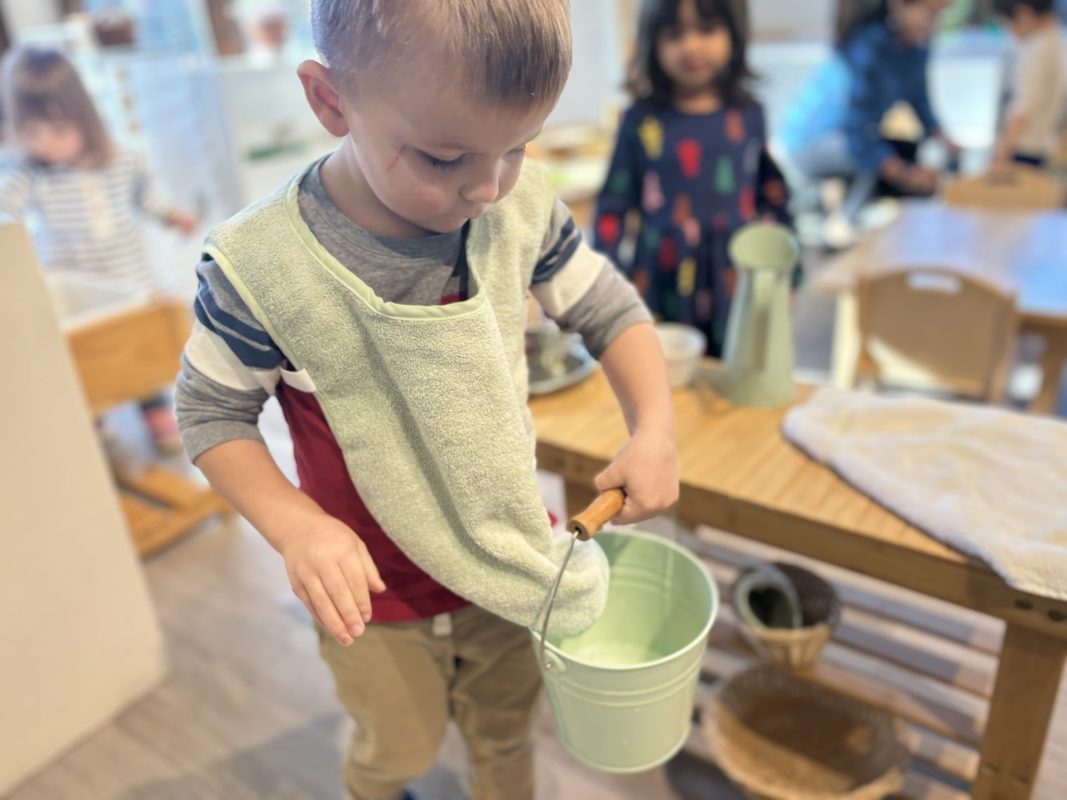
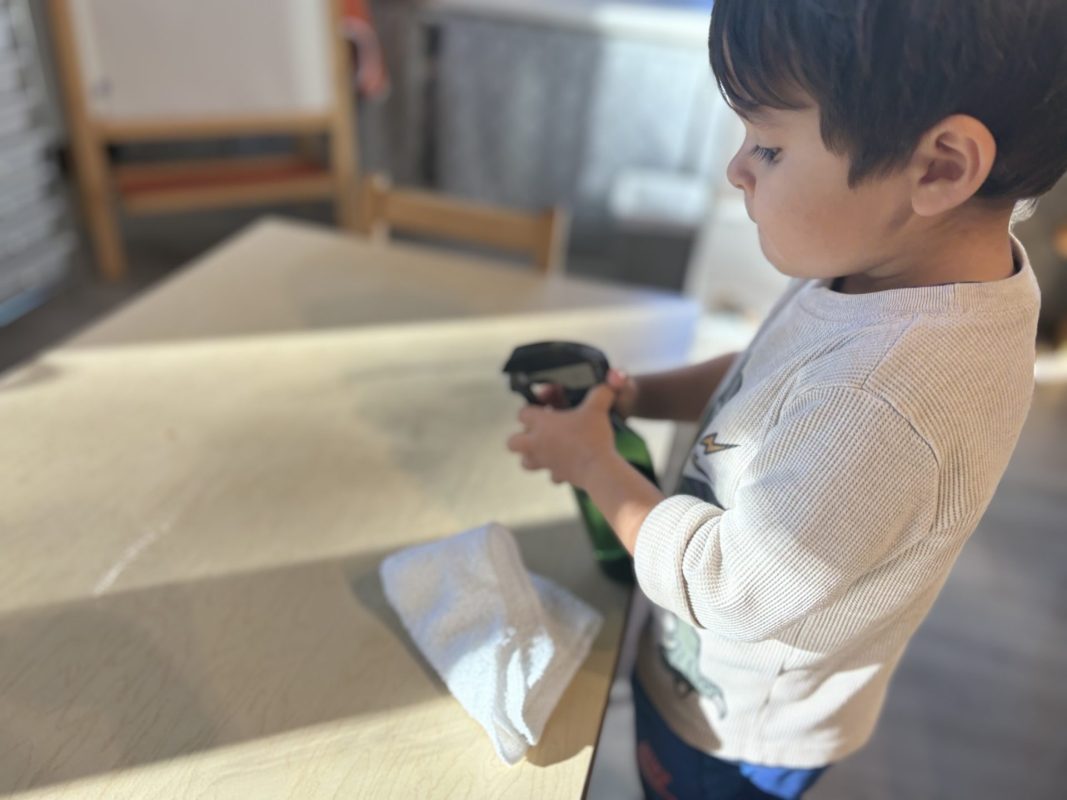
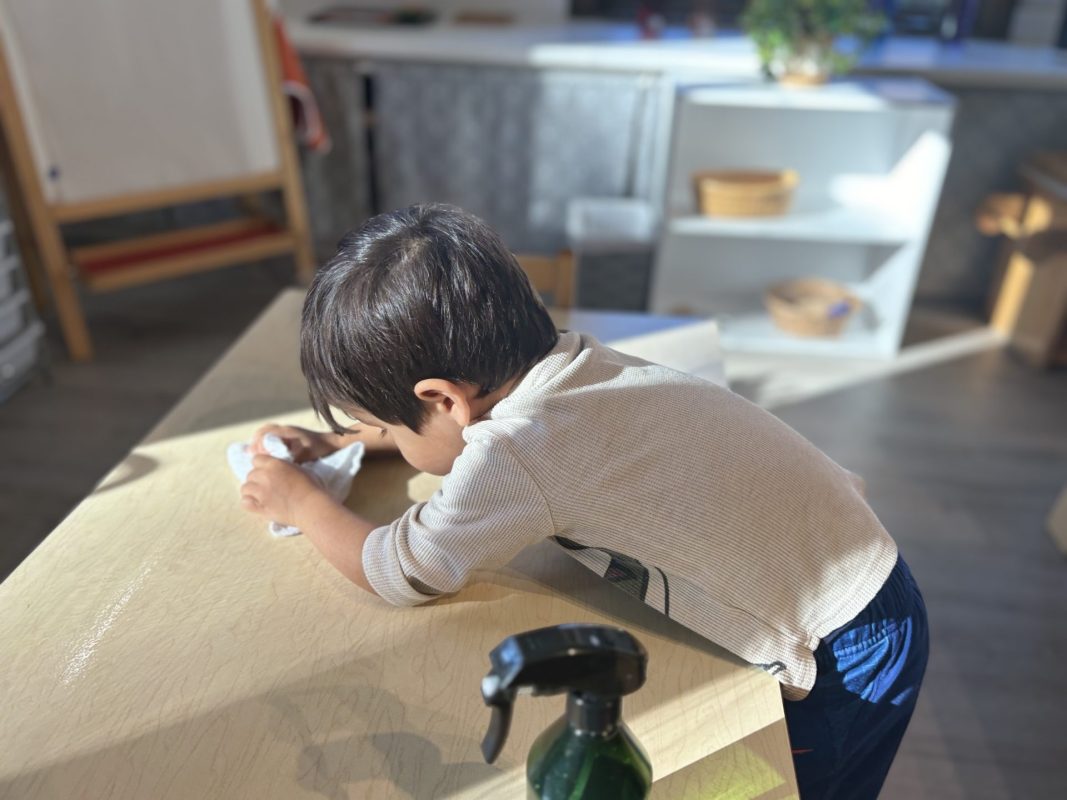
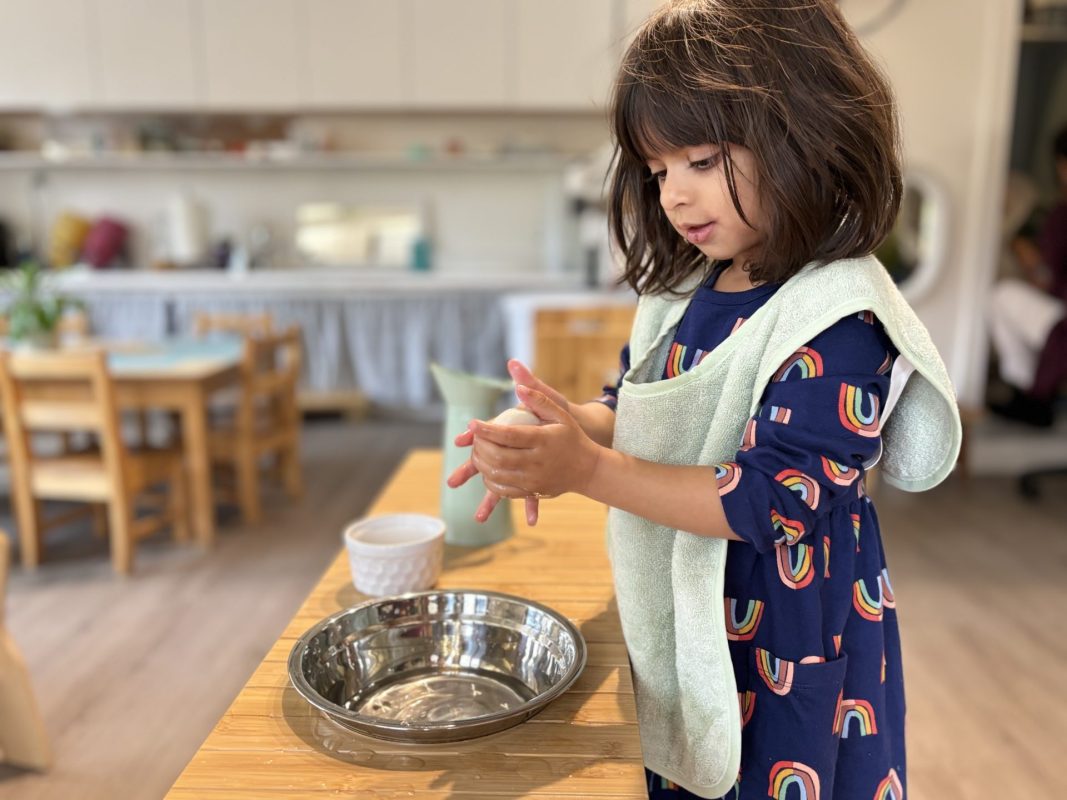
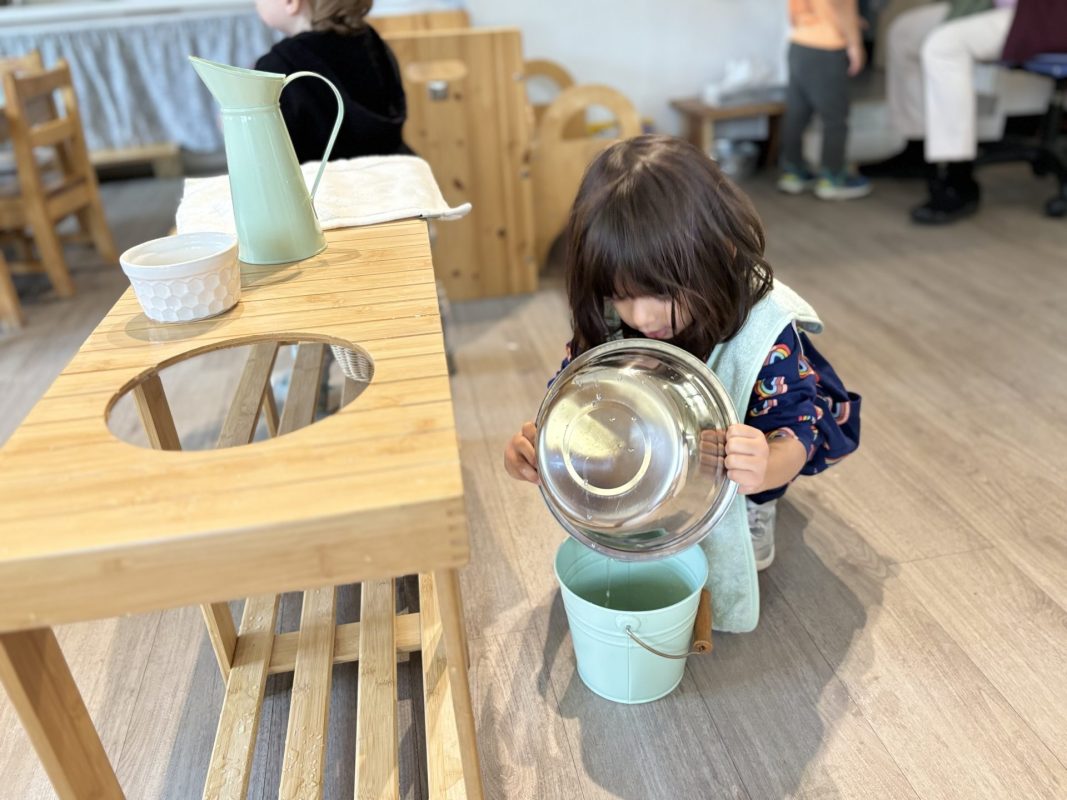
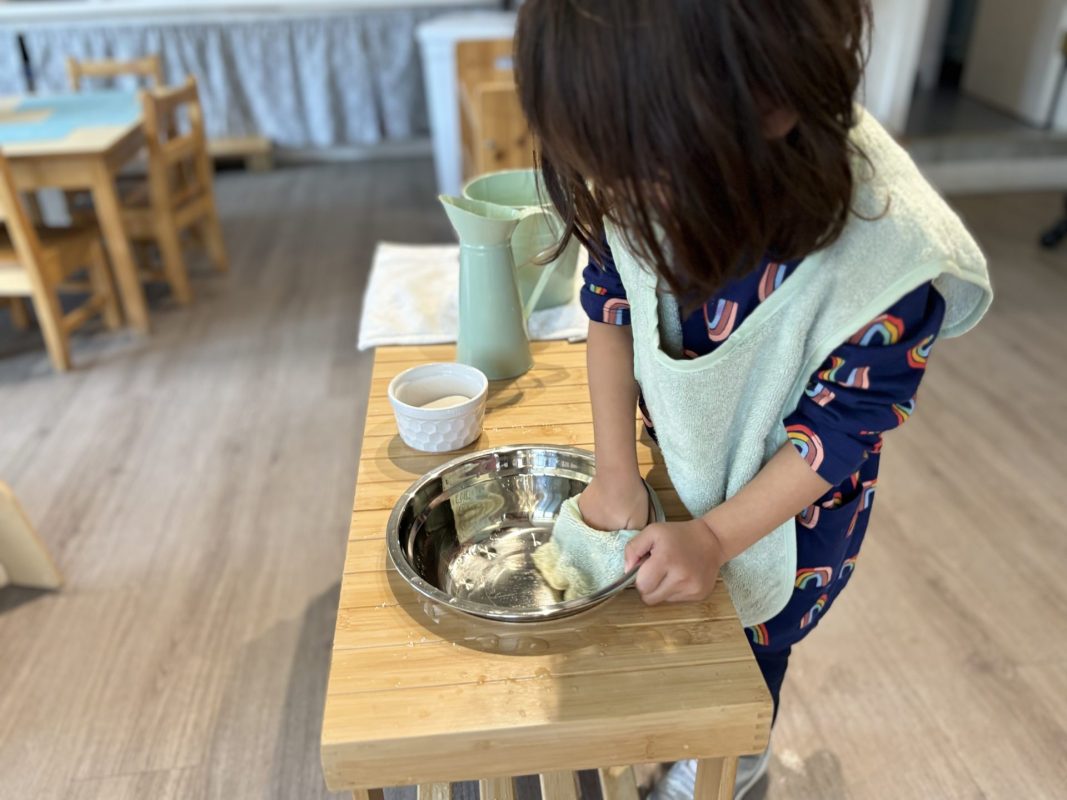
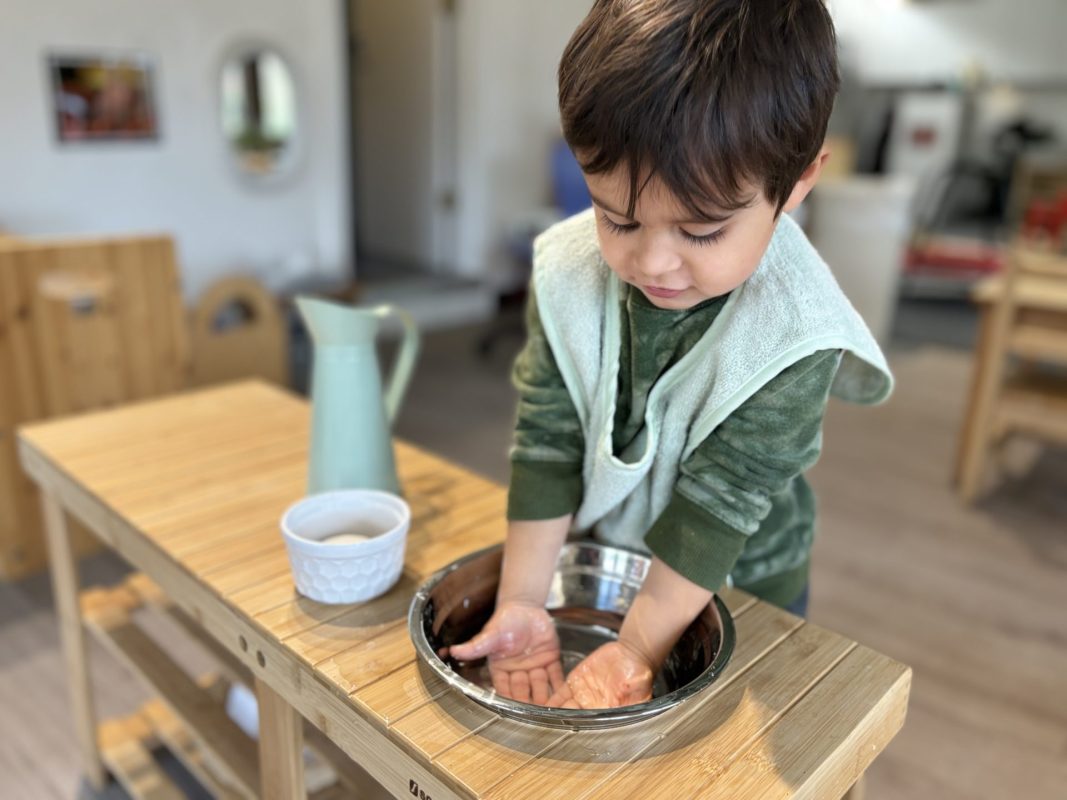
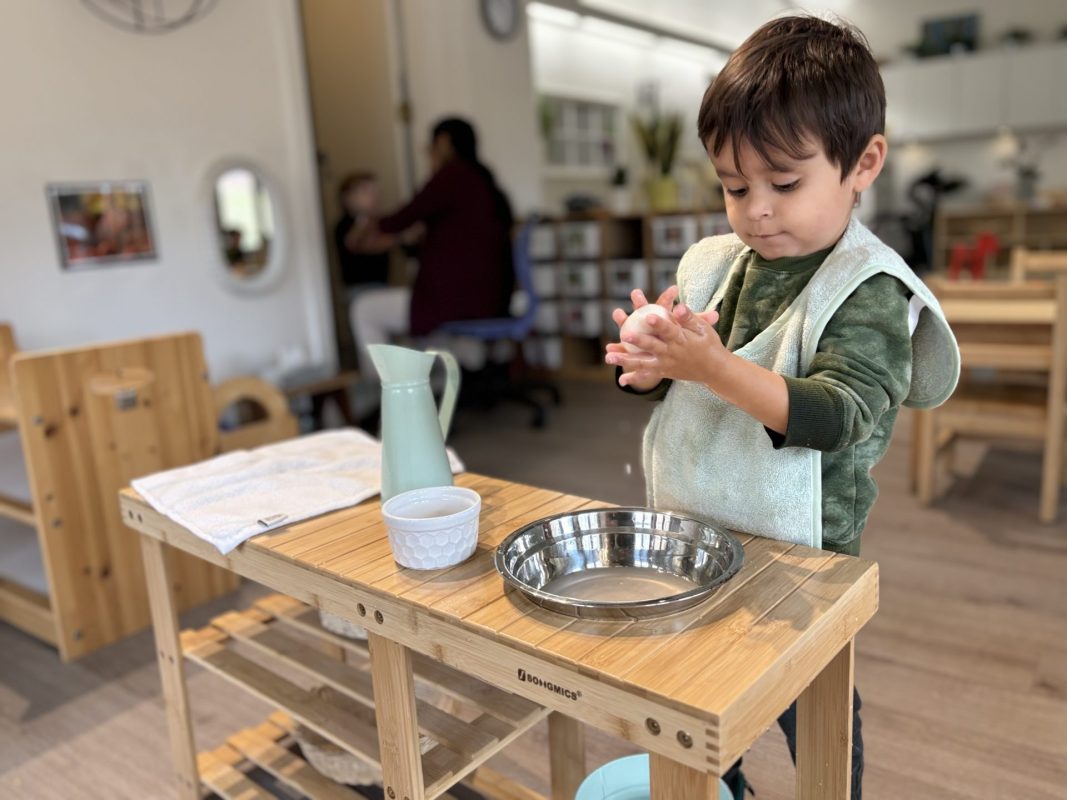
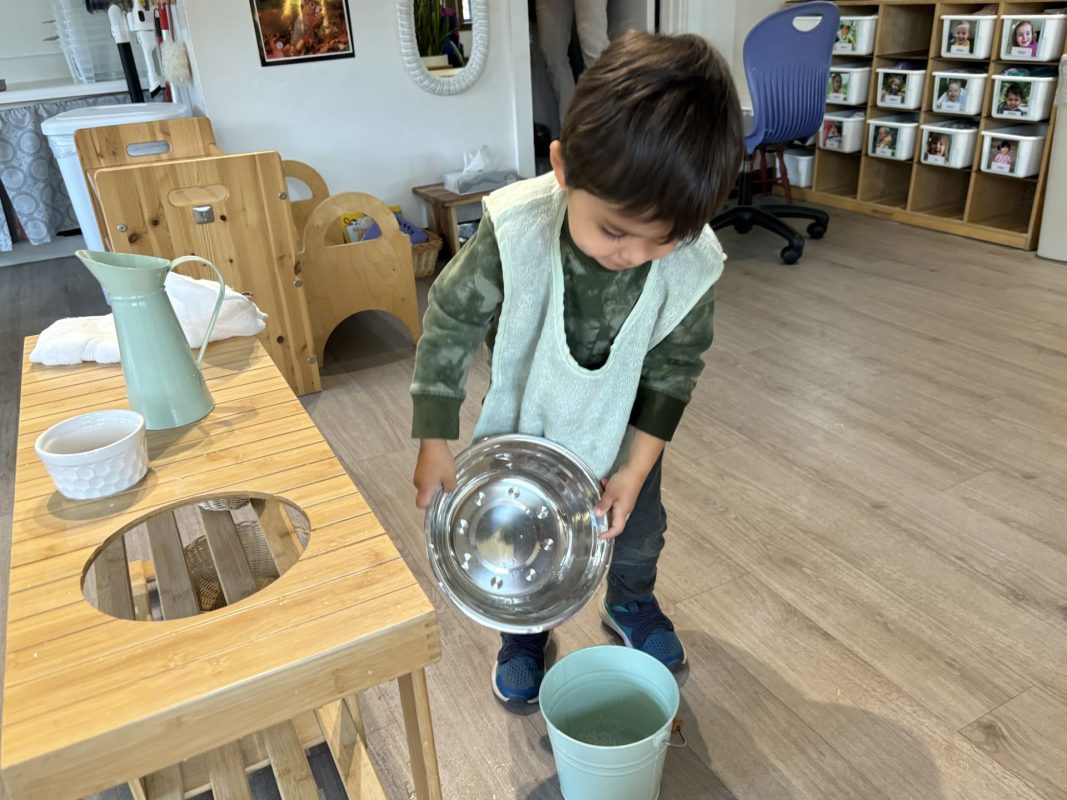
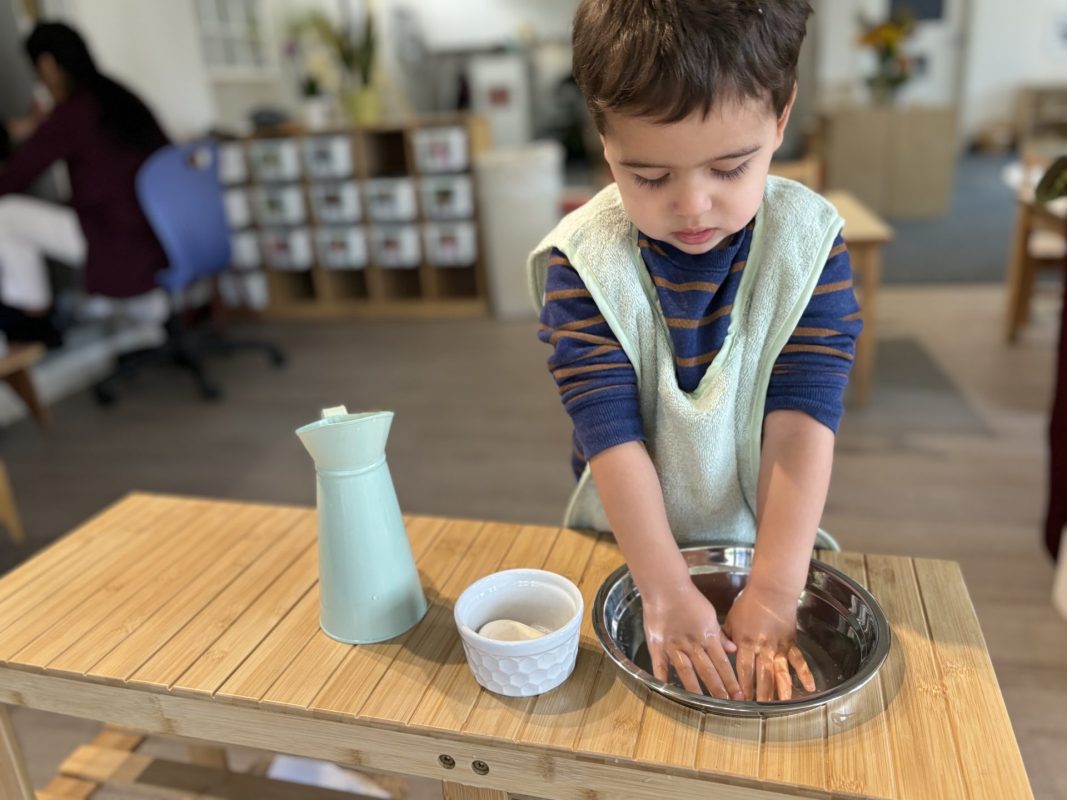
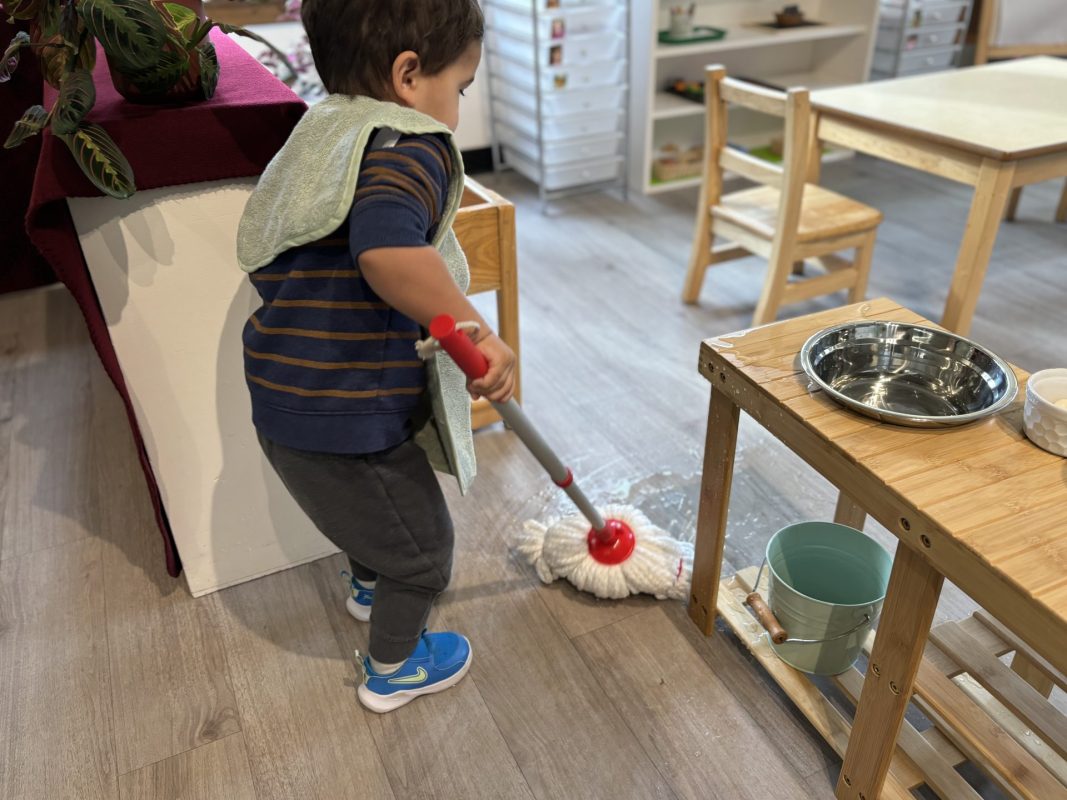
We also introduced a special work that quickly became the most popular work of the week: Handwashing.  This is a multitasking activity that builds independence, fine motor skills, and focus. Set up with child-sized materials; the handwashing station allows toddlers to complete each step independently, boosting confidence. This activity involves a sequence—wetting hands, applying soap, scrubbing, rinsing, drying, transferring soapy water into a bucket, disposing of soapy water in the sink, and drying materials —which strengthens memory and concentration. It also offers a sensory experience, as toddlers feel the cool water, slippery soap, and soft towel, deepening their awareness. Handwashing is a practical, calming activity that supports both physical and cognitive development. A big shout out to the Mica family for gifting our class this perfect little table!

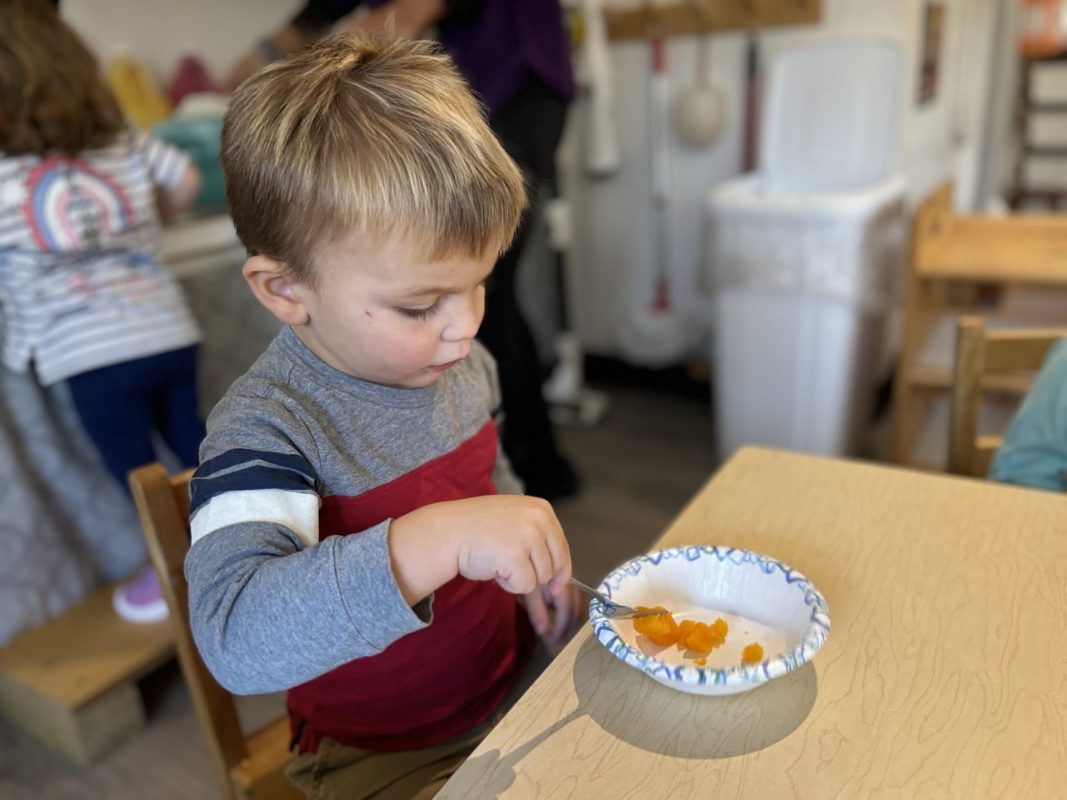
As always children enjoyed the food tasting lesson of the week. This time we explored cranberries and most of them really enjoyed some cranberry sauce !

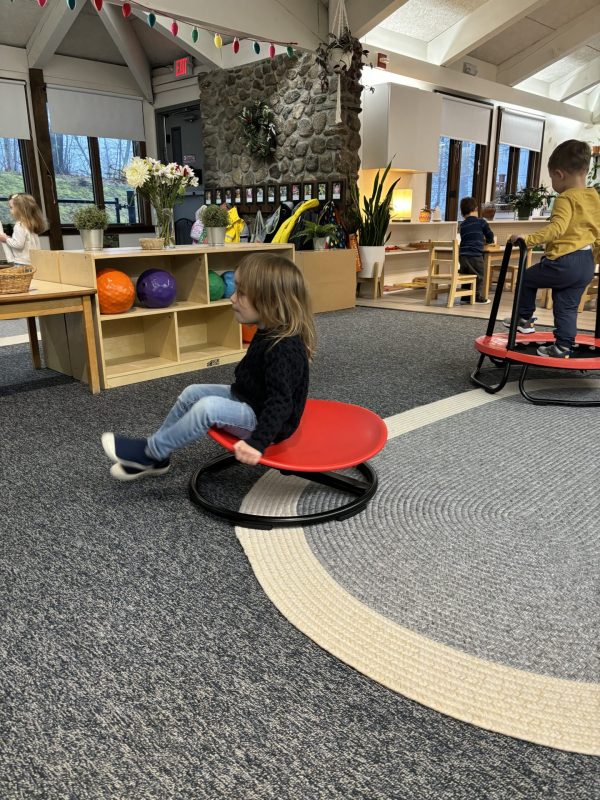
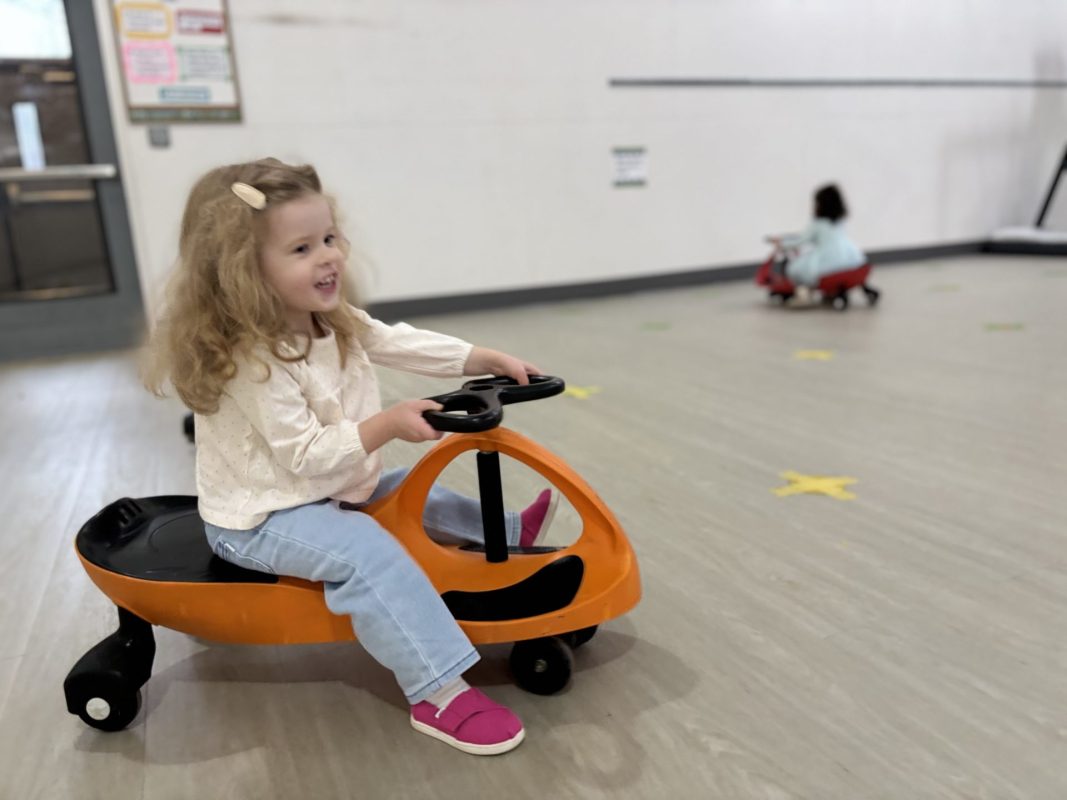
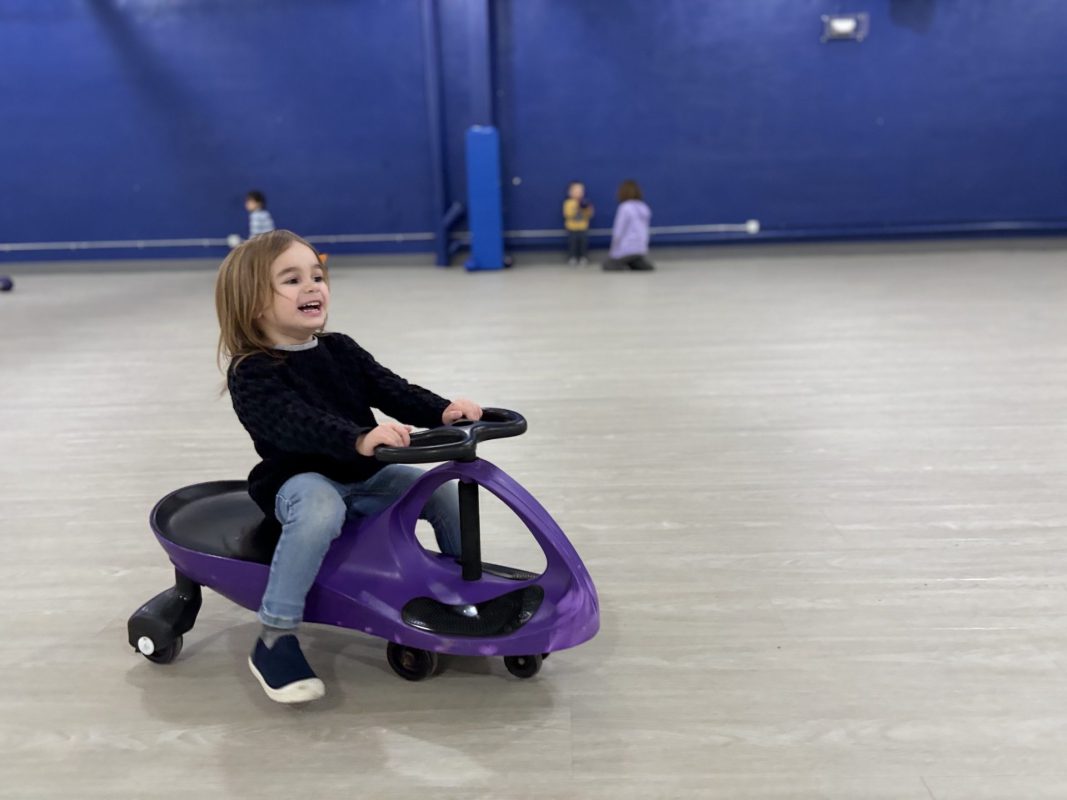
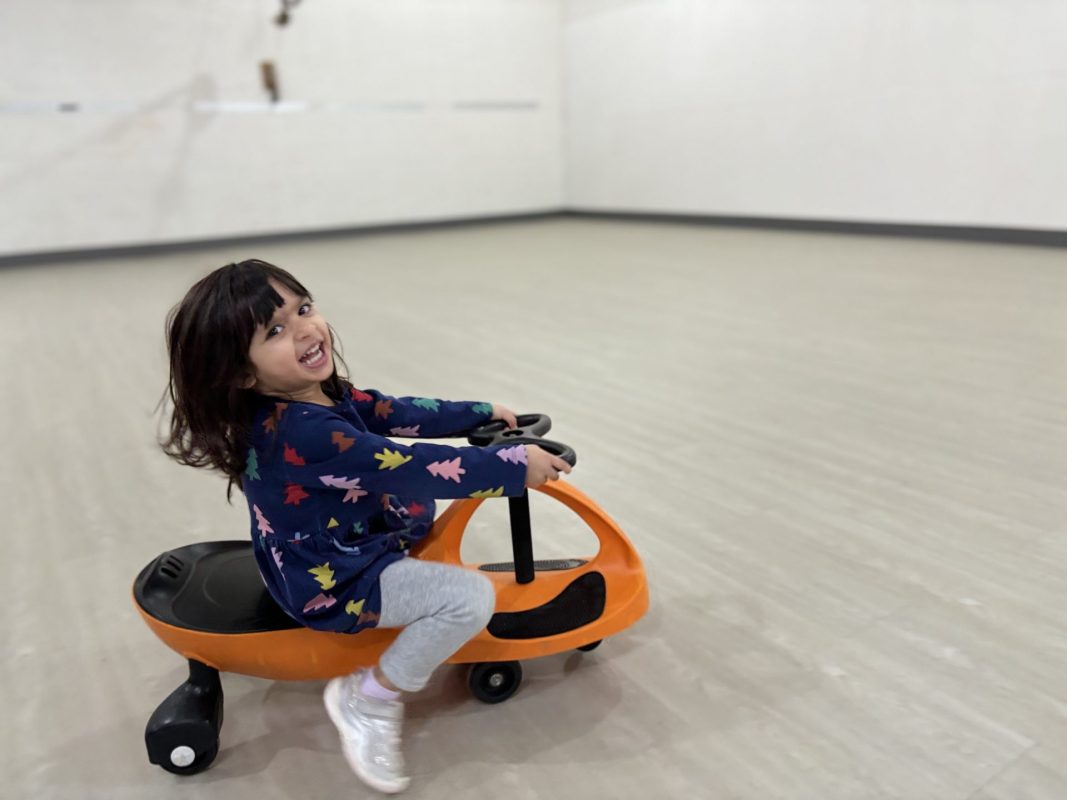
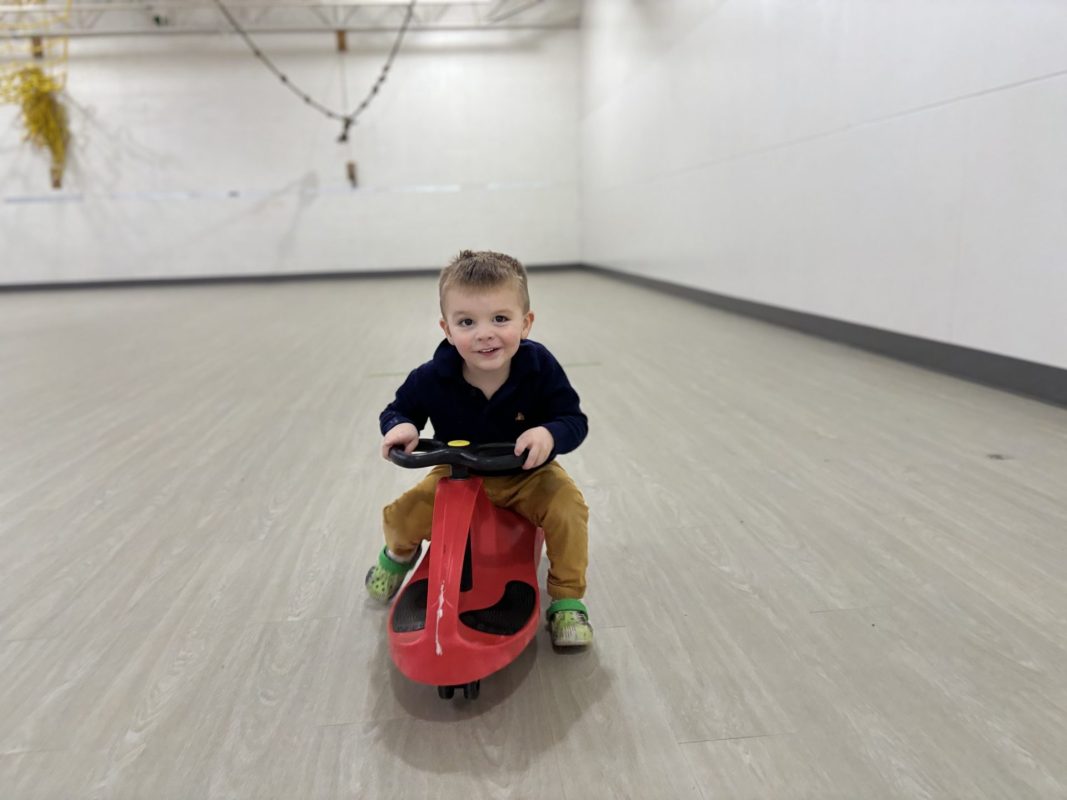
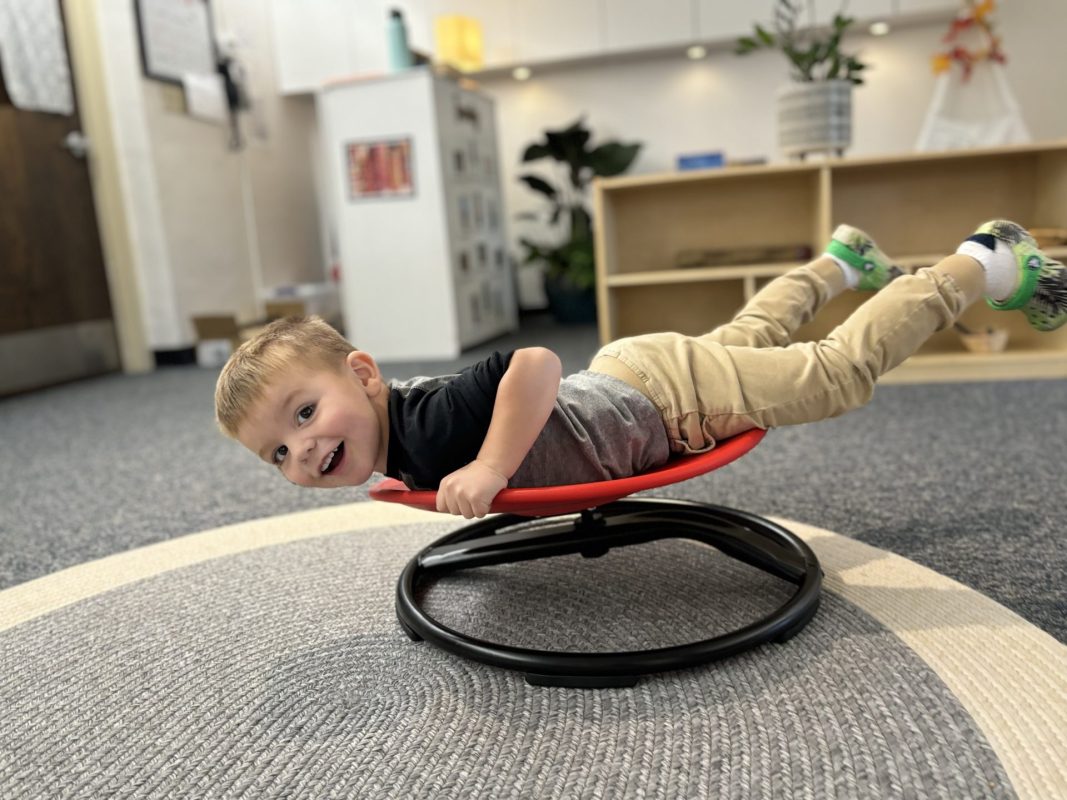
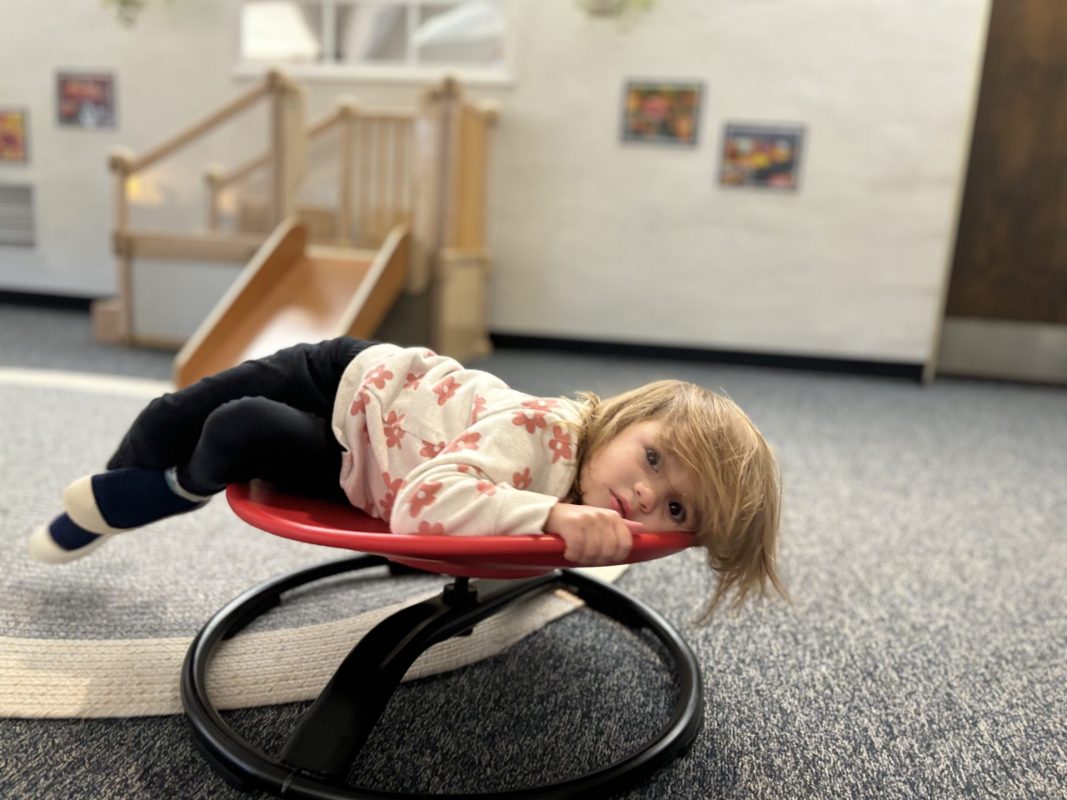
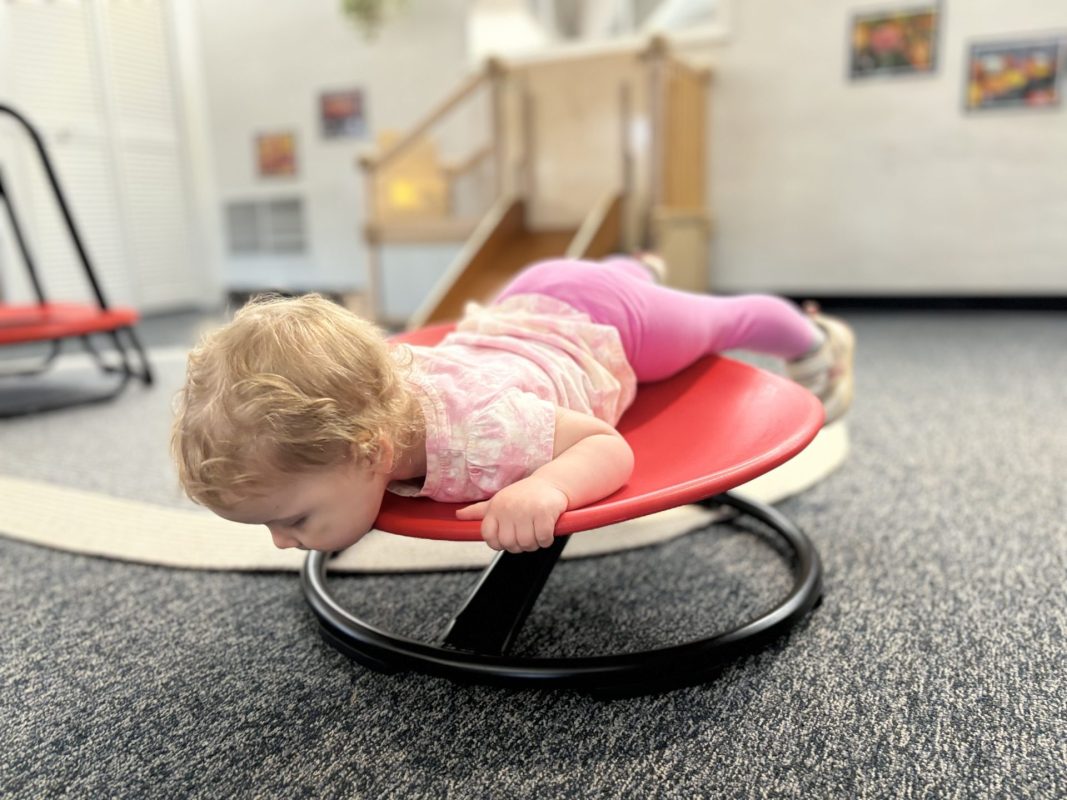
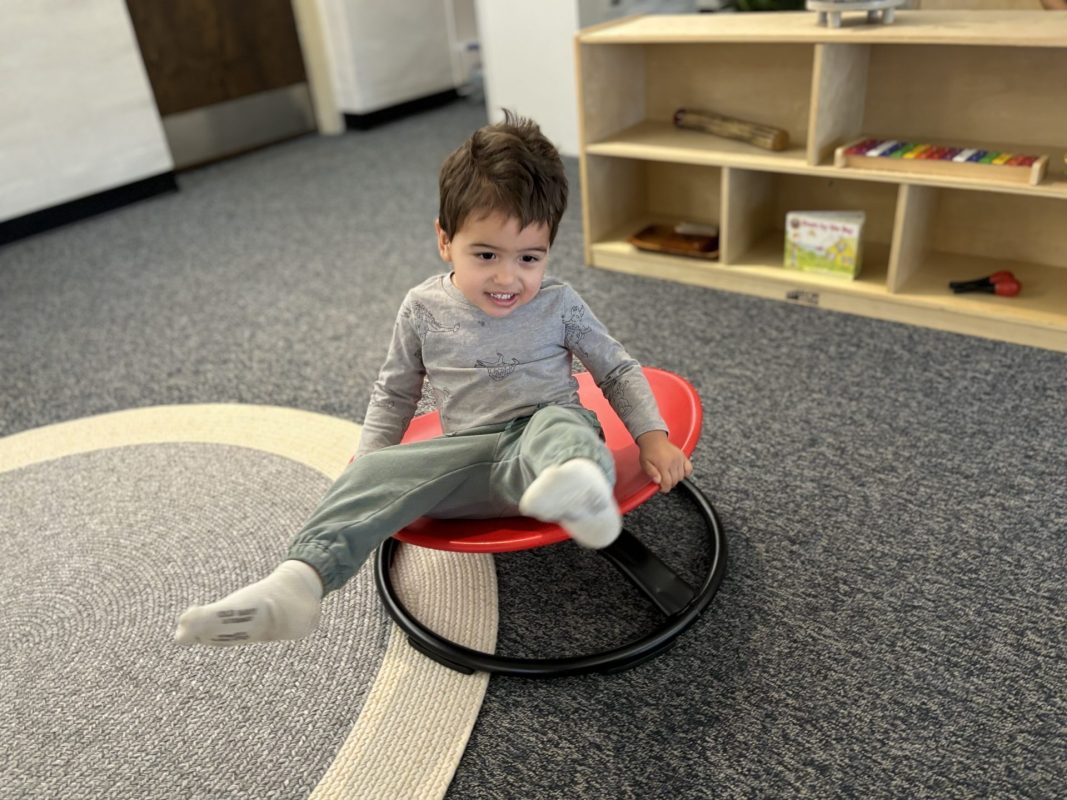
Lastly, a new popular piece of equipment was introduced in the movement area: A sensory spinning chair. Spinning on a chair provides intense vestibular input, which helps toddlers develop their sense of balance and spatial orientation. This stimulation can be calming for some children and can improve their ability to focus and attend to tasks.  Spinning on a chair requires coordination and motor planning, which can help toddlers develop their gross motor skills. It can also improve their core strength and stability, which is important for posture and overall physical development. The repetitive motion of spinning can have a calming effect on toddlers, helping them regulate their emotions and reduce feelings of anxiety or frustration. To say children LOVE this chair is an understatement!

Enjoy the weekend,

Mrs. Hood and Ms. Patty

Mrs. Hood: Music, Art and Autumn Magic

Maria Montessori used the scientific method to study children’s natural ways of learning, and her findings still resonate today. She observed that from birth to age six, children absorb the world around them effortlessly, taking in the culture they’re surrounded by like little sponges. Whatever they hear, see, and feel gets woven into their sense of self, almost like an imprint on their soul. For example, if a child grows up with music—hearing parents sing, watching them dance—that child often develops a love for music, too. Montessori called this remarkable capacity the “Absorbent Mind.”
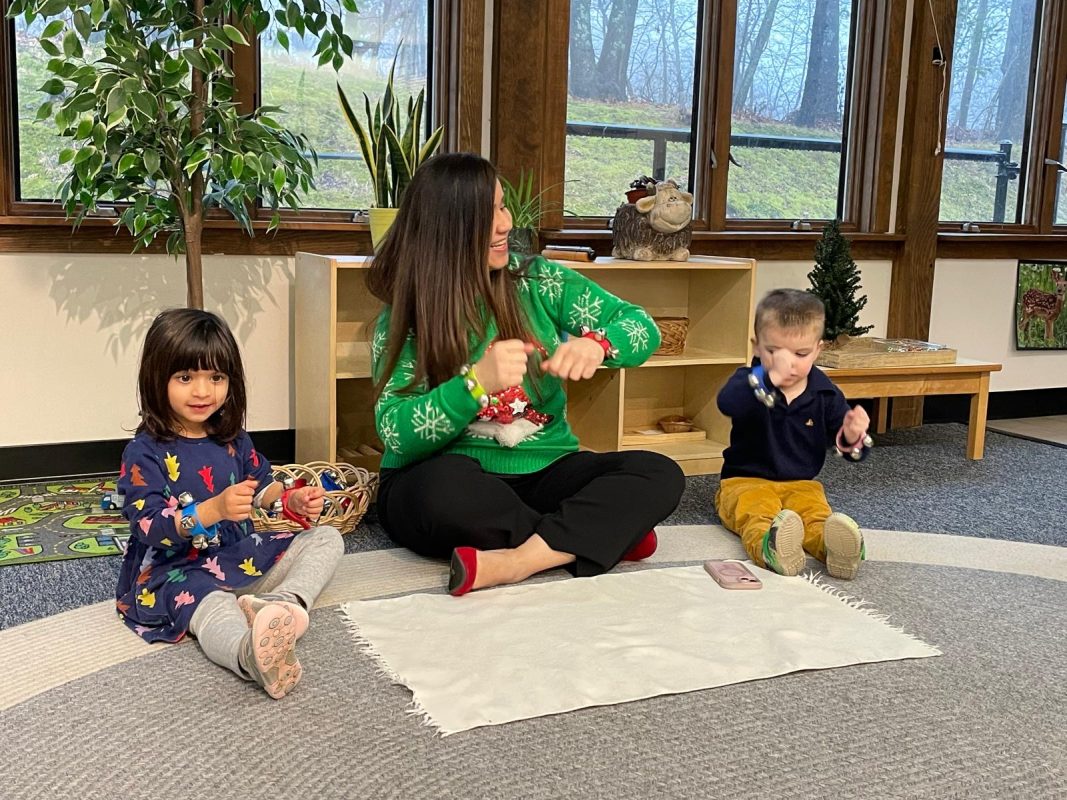
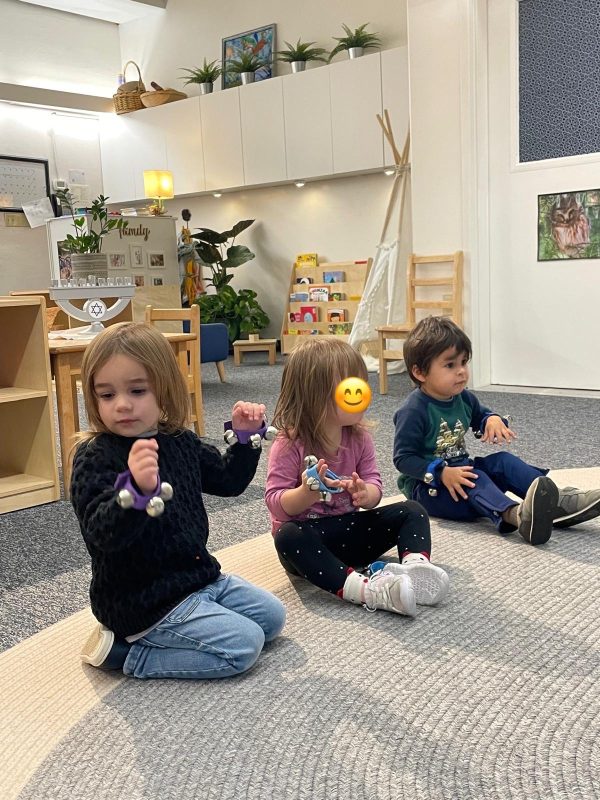
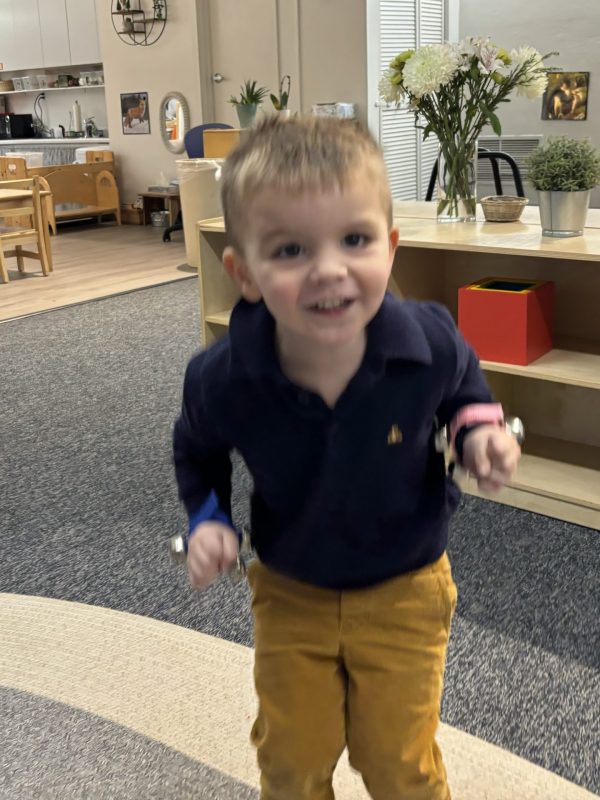
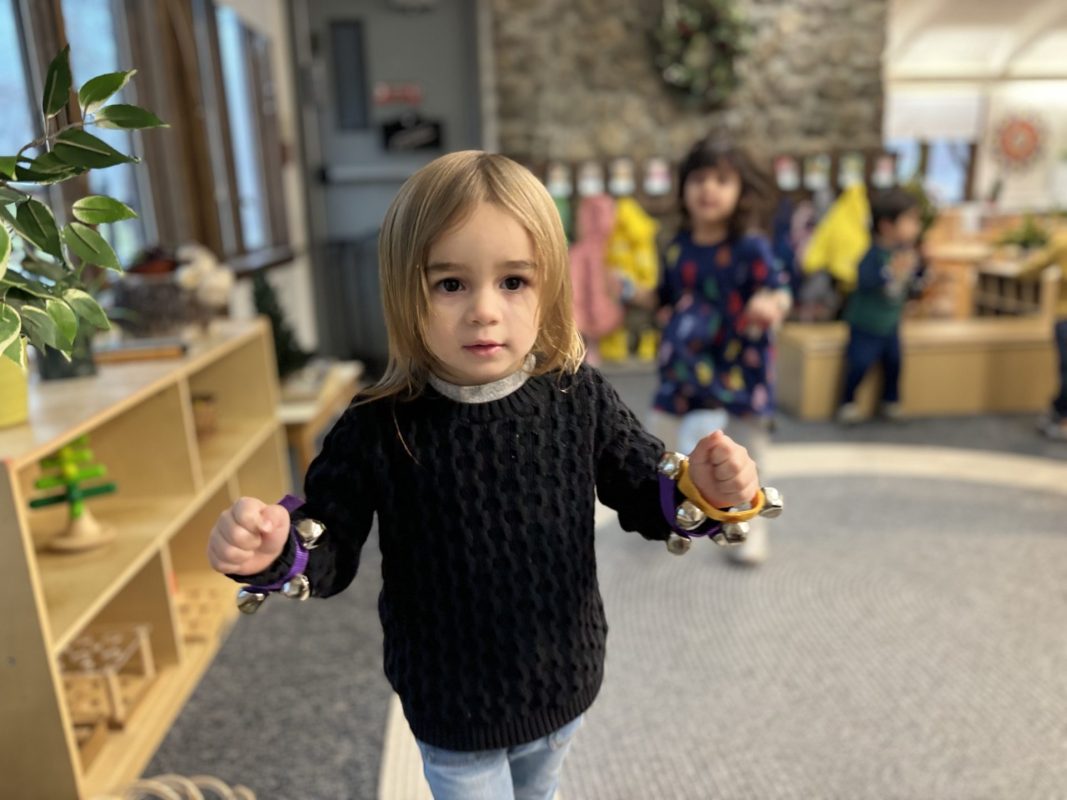
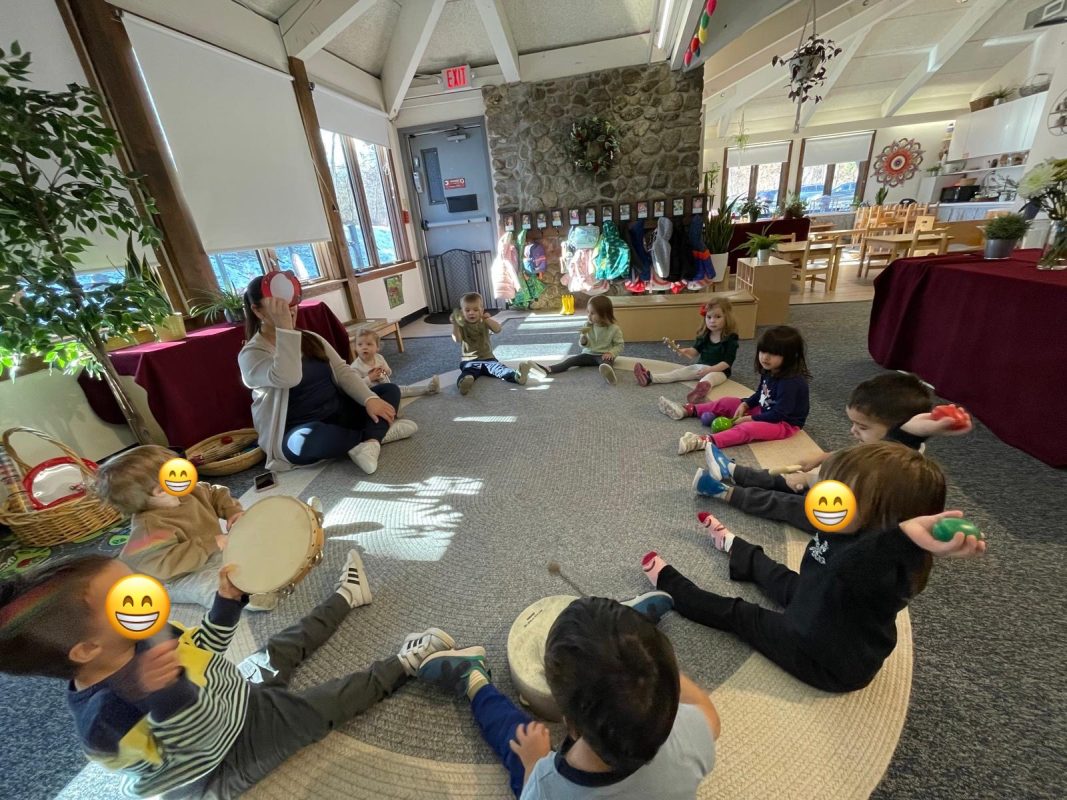
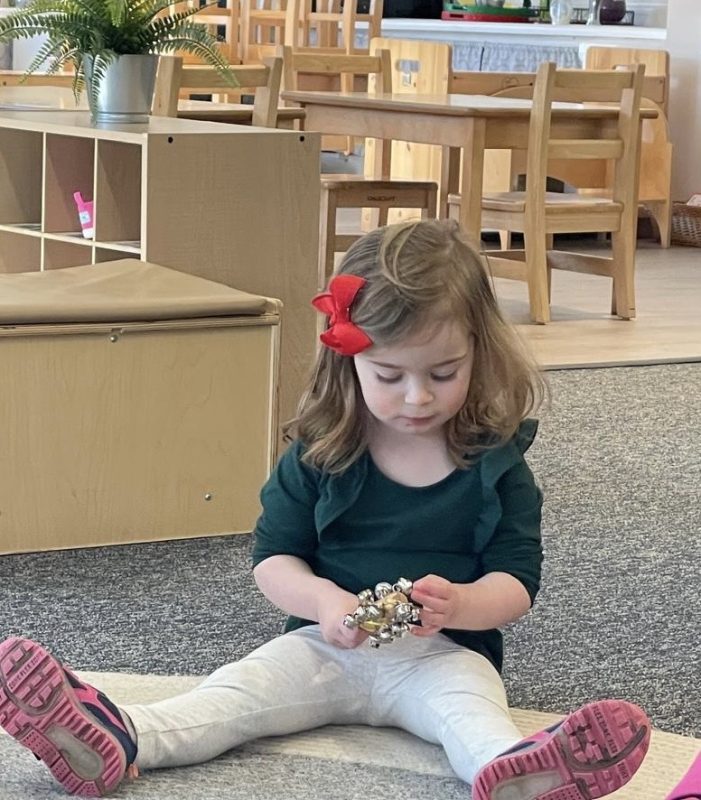
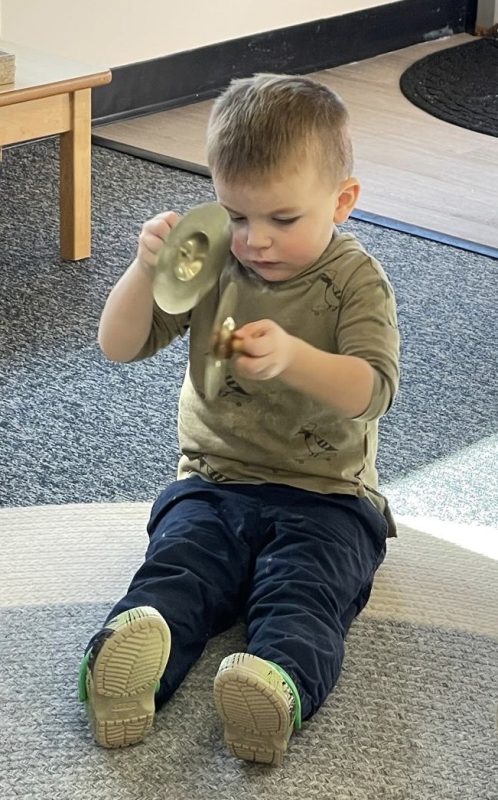
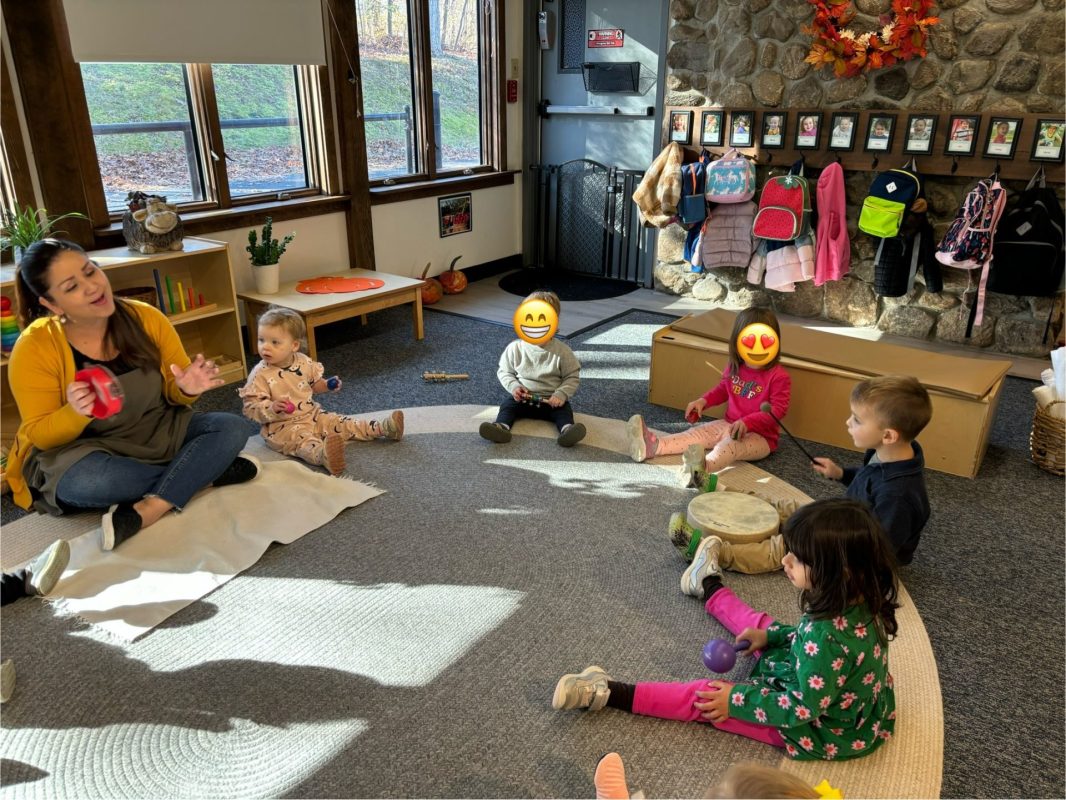
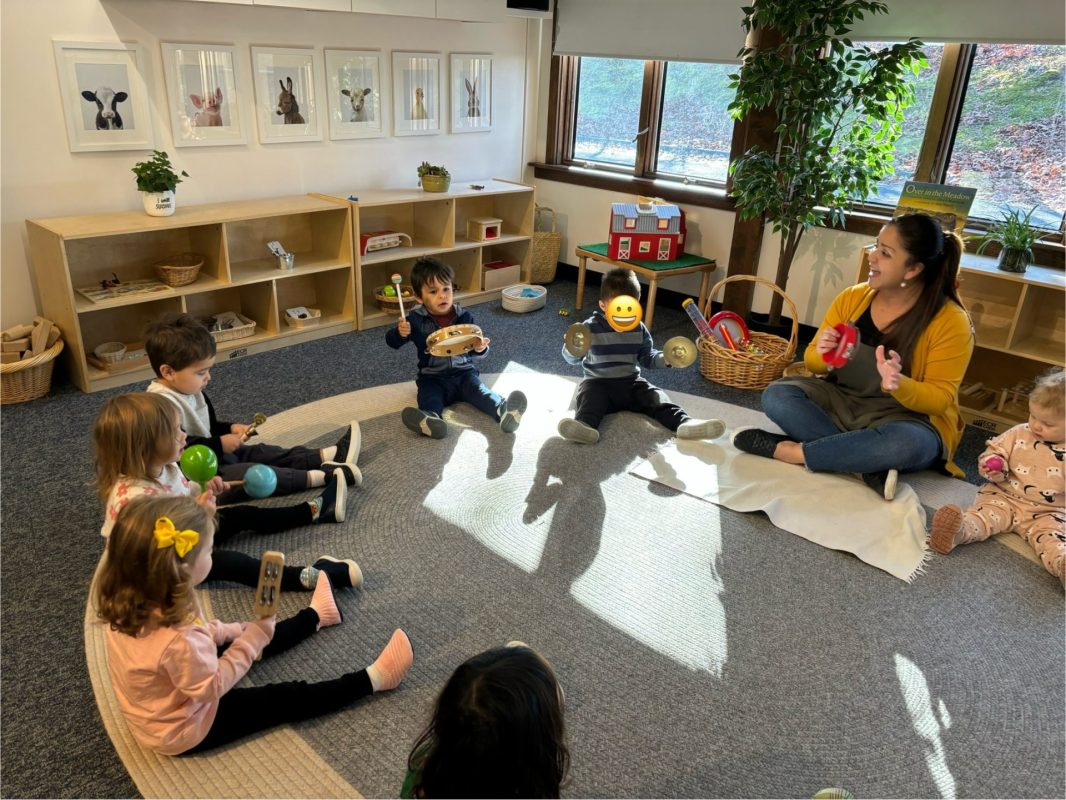
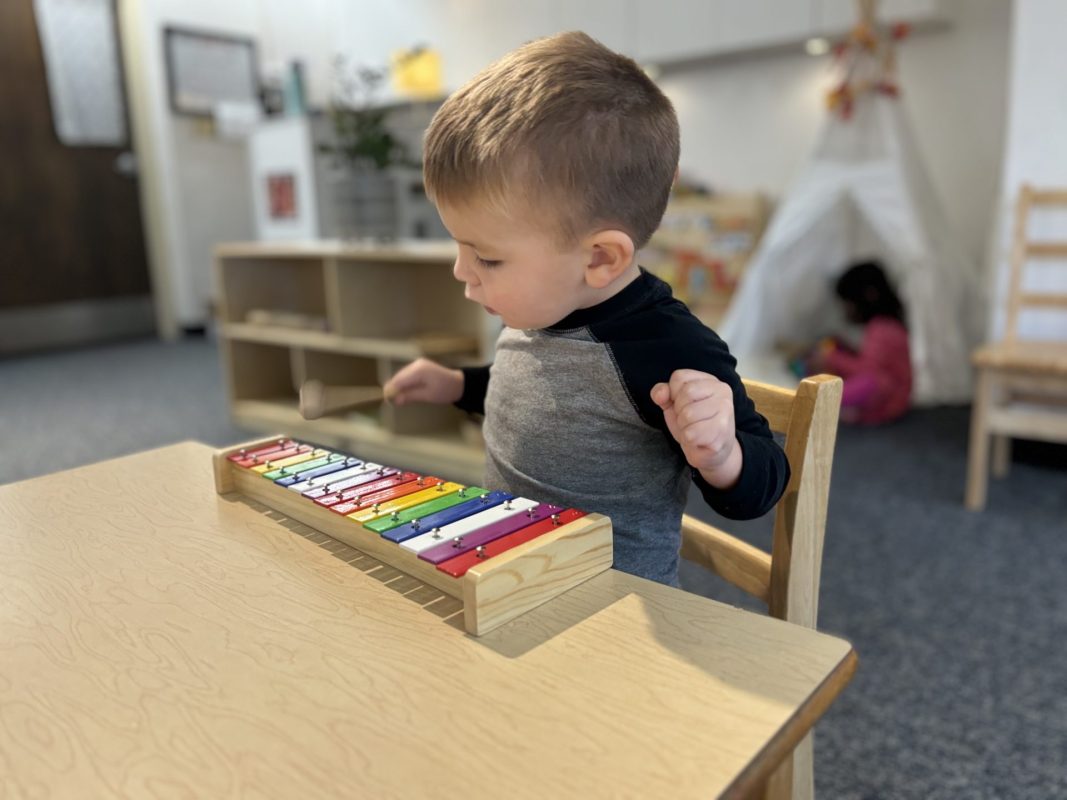
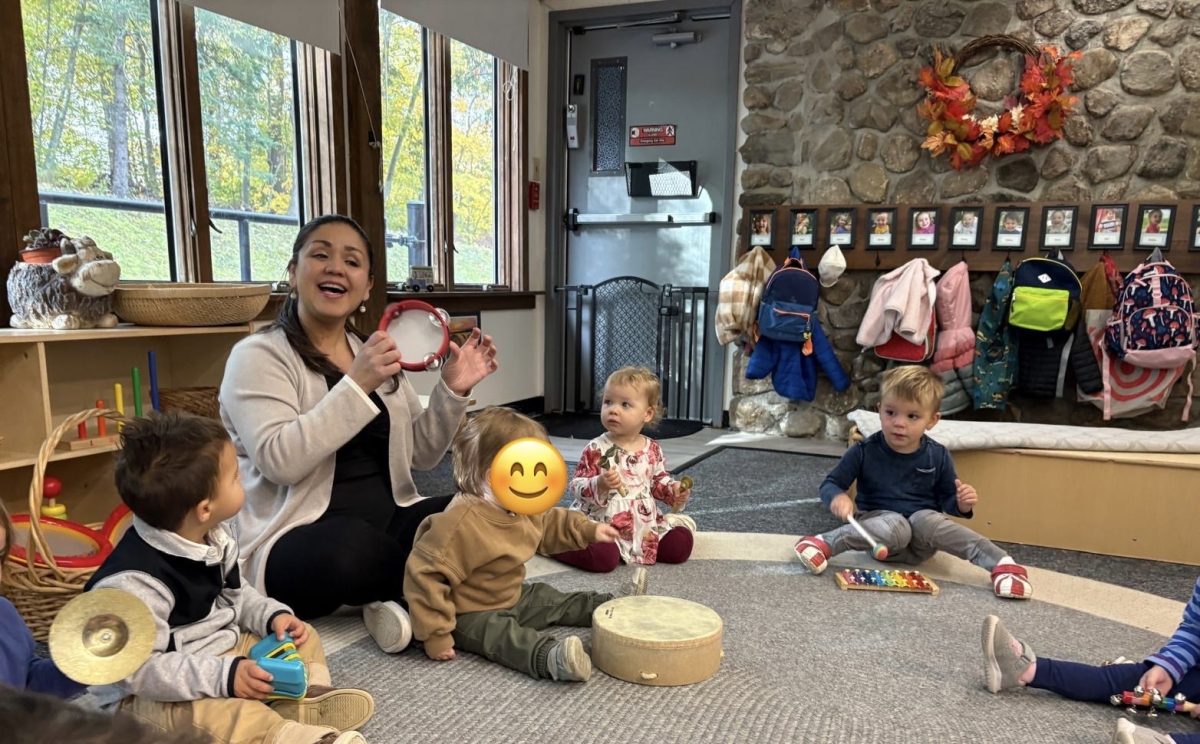
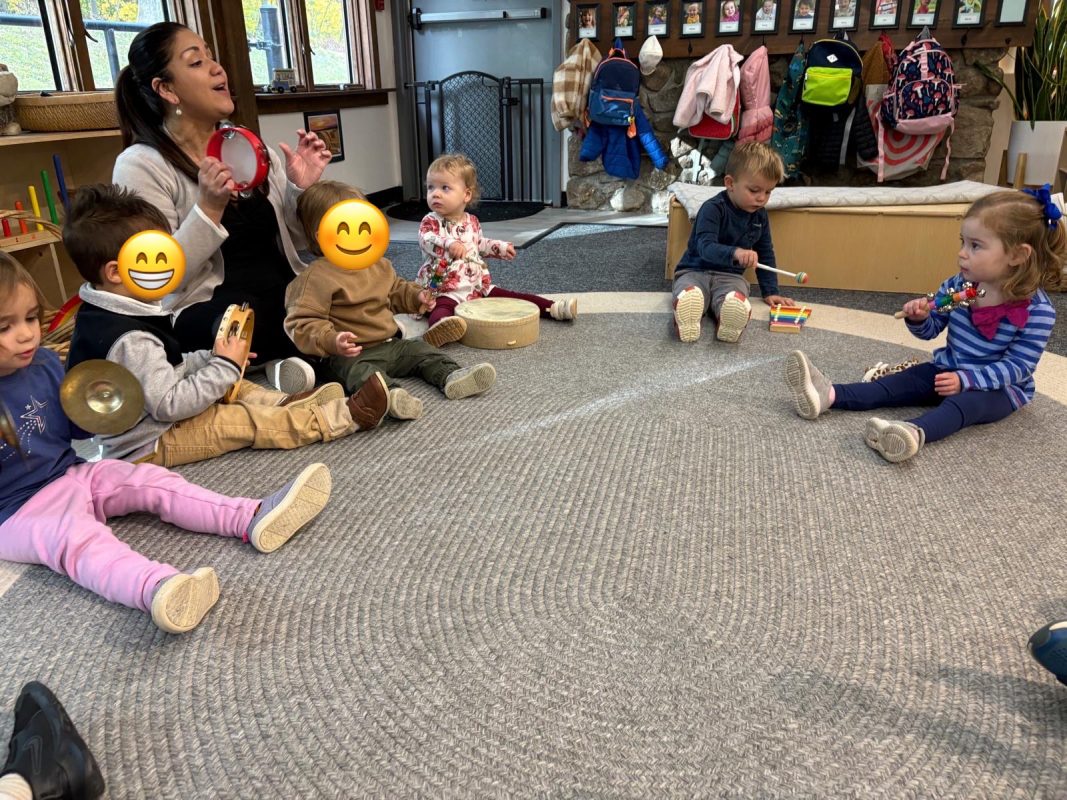
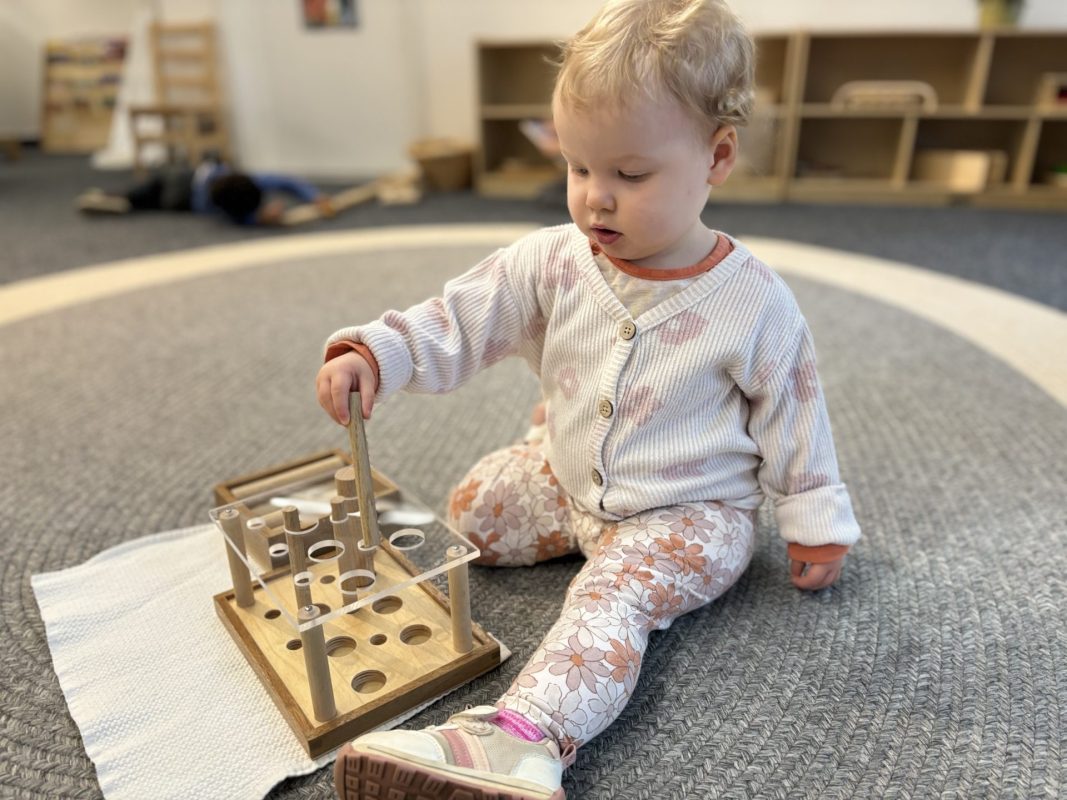
In our classroom, we honor this “Absorbent Mind” by weaving meaningful musical experiences into every day. Mornings are lively with whole-body movement songs, fingerplays, and instrument time. We have a rotating shelf of musical instruments so children can explore, learn each instrument’s name, and practice handling them with care. Music time isn’t only about fun; it’s also a chance to build social skills. We gently introduce grace and courtesy by encouraging children to wait patiently until everyone has an instrument so we can all play together. It’s a lovely practice in self-control and teamwork, essential skills as they learn to manage their impulses.
One of our favorite moments is watching the children follow hand signals to change tempo, go soft or loud, and then stop their instruments in sync. Their joy when they all stop at once is priceless, and we lovingly call this “band time.” It’s definitely a favorite group activity in our class!
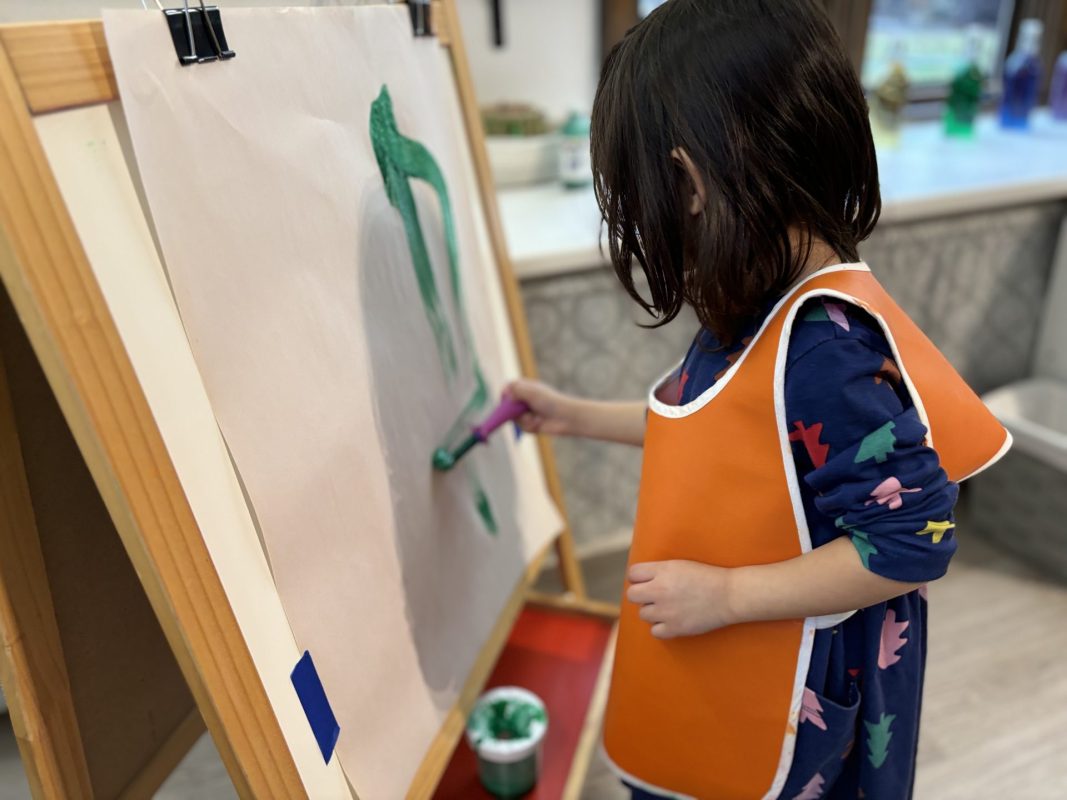
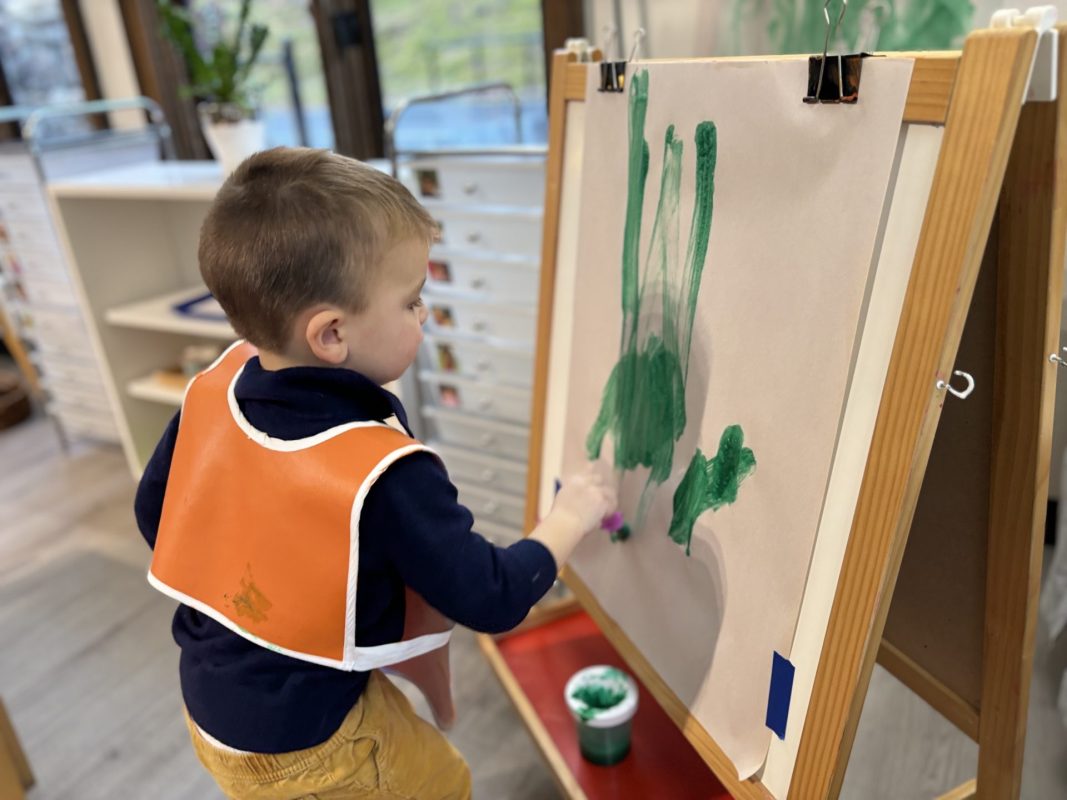
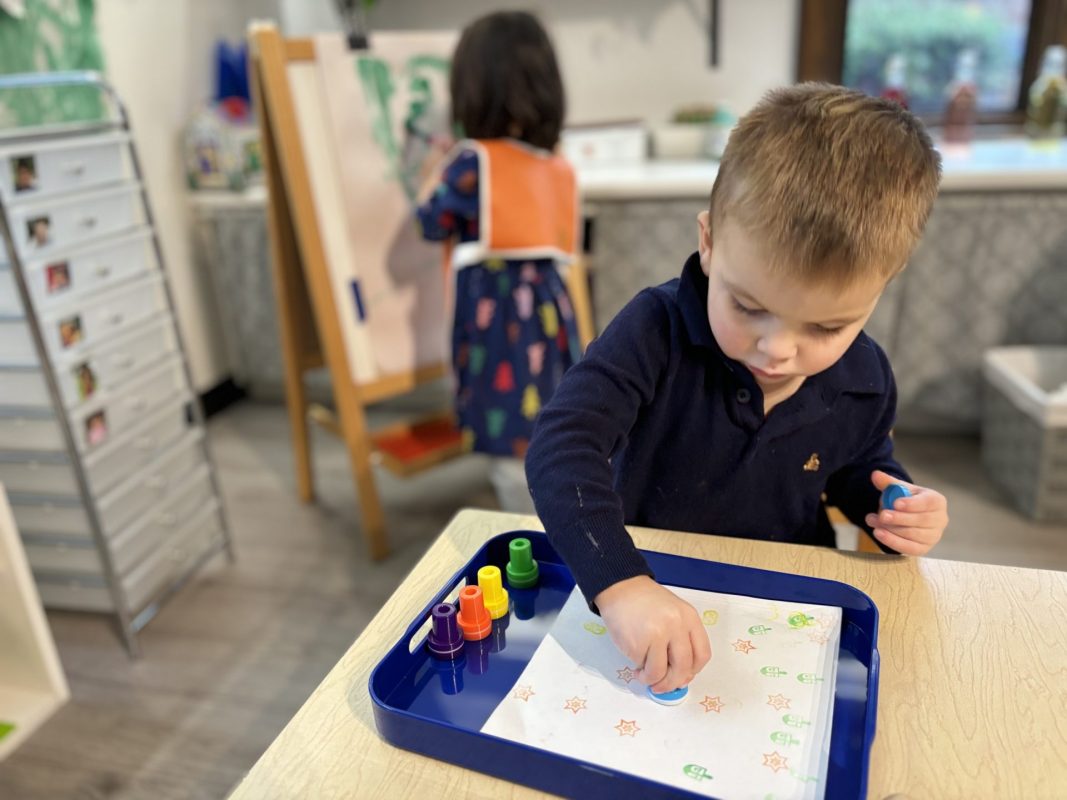
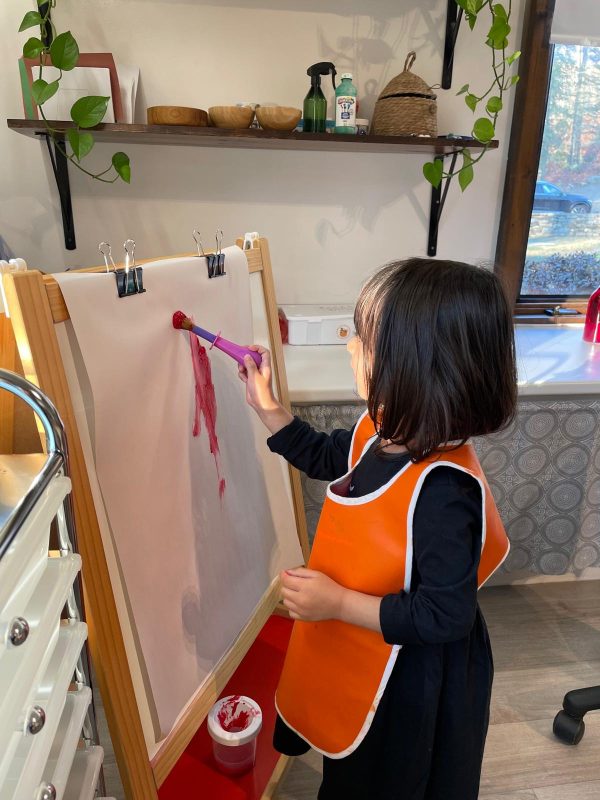
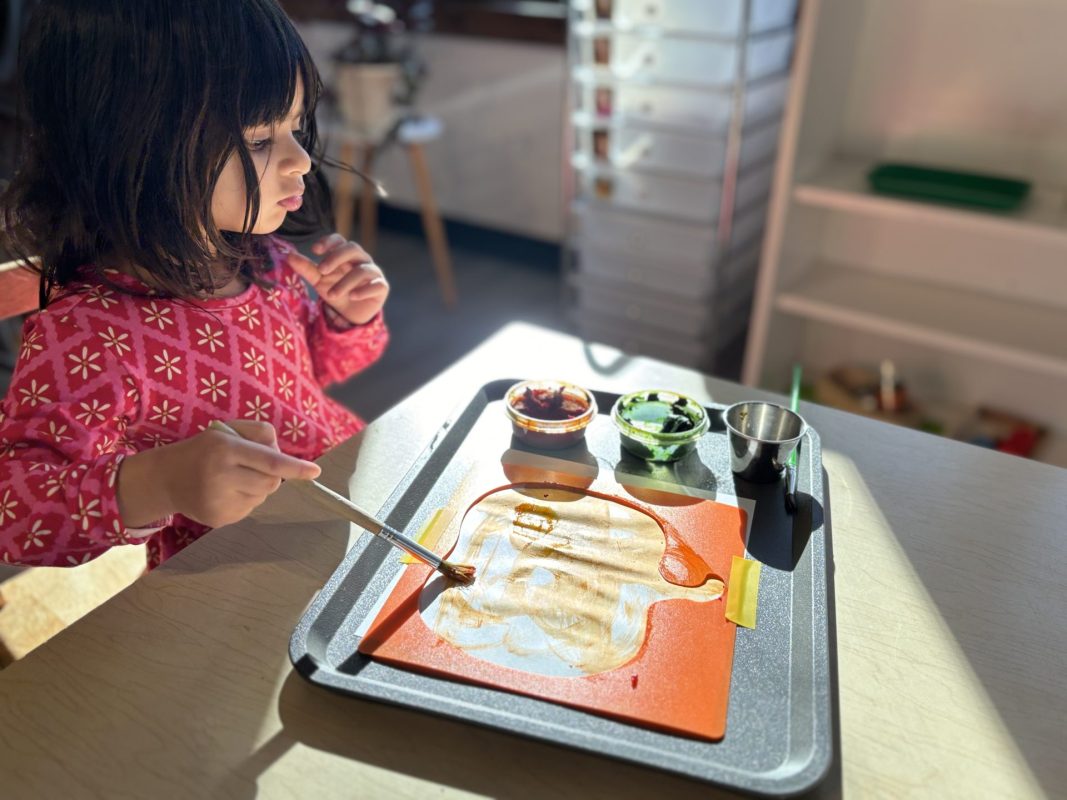
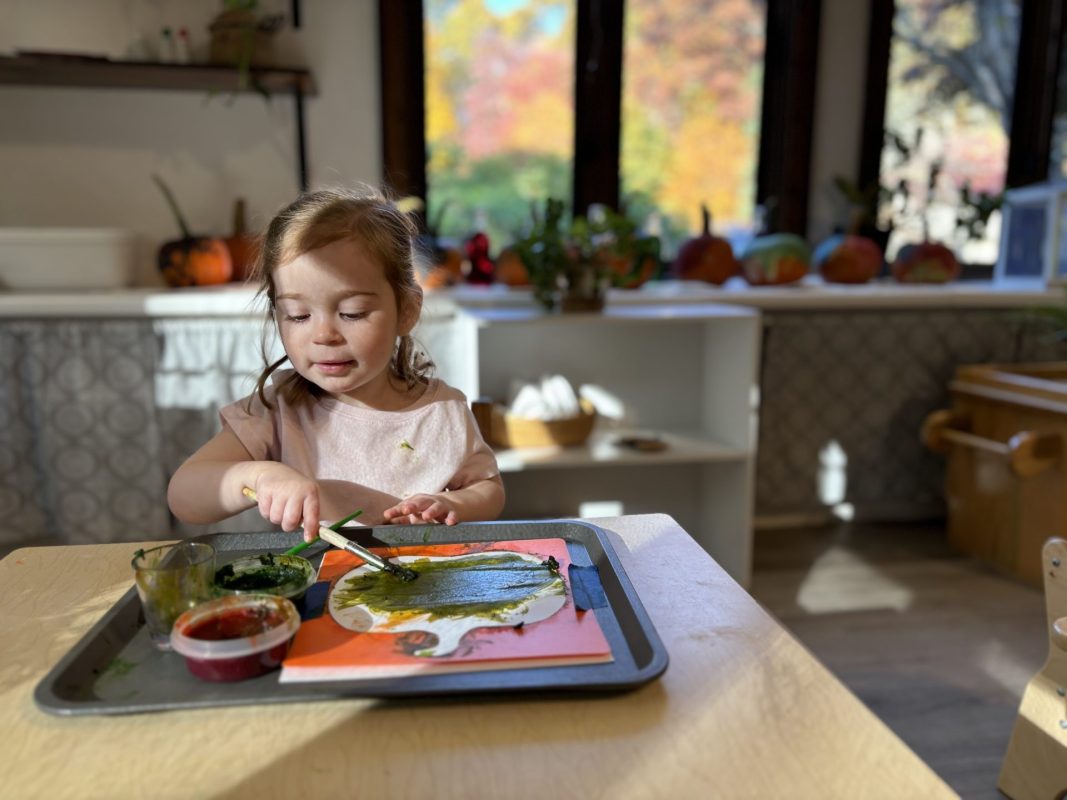
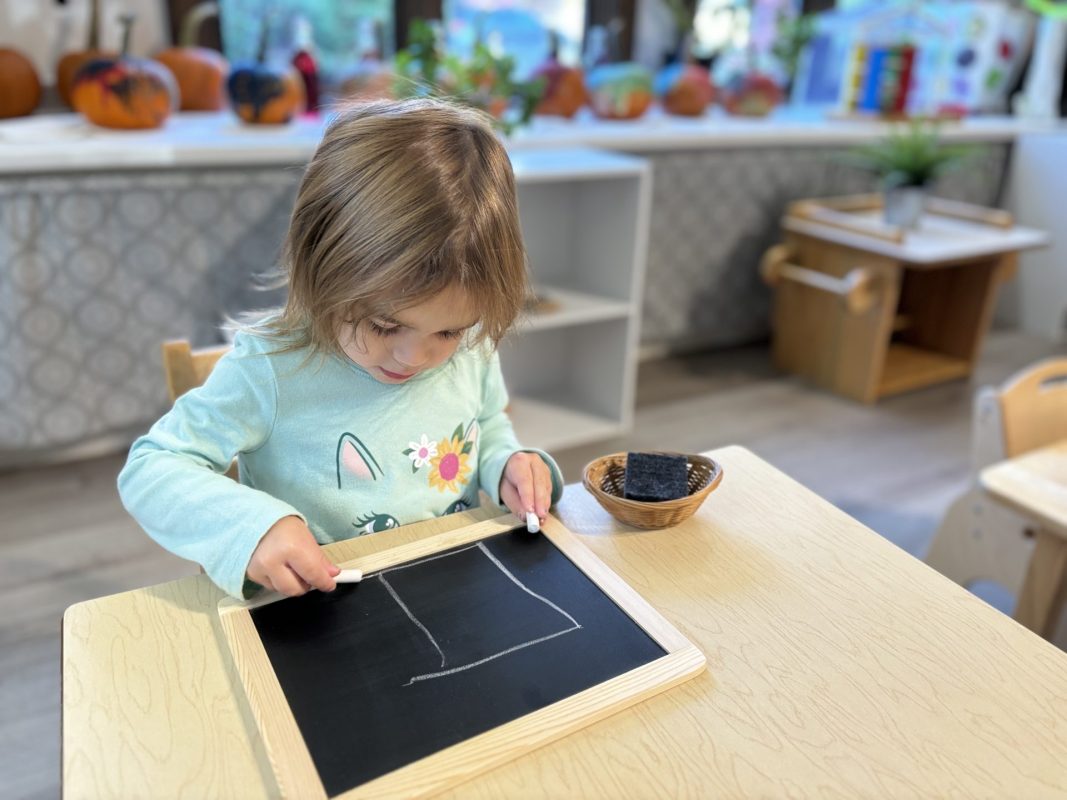
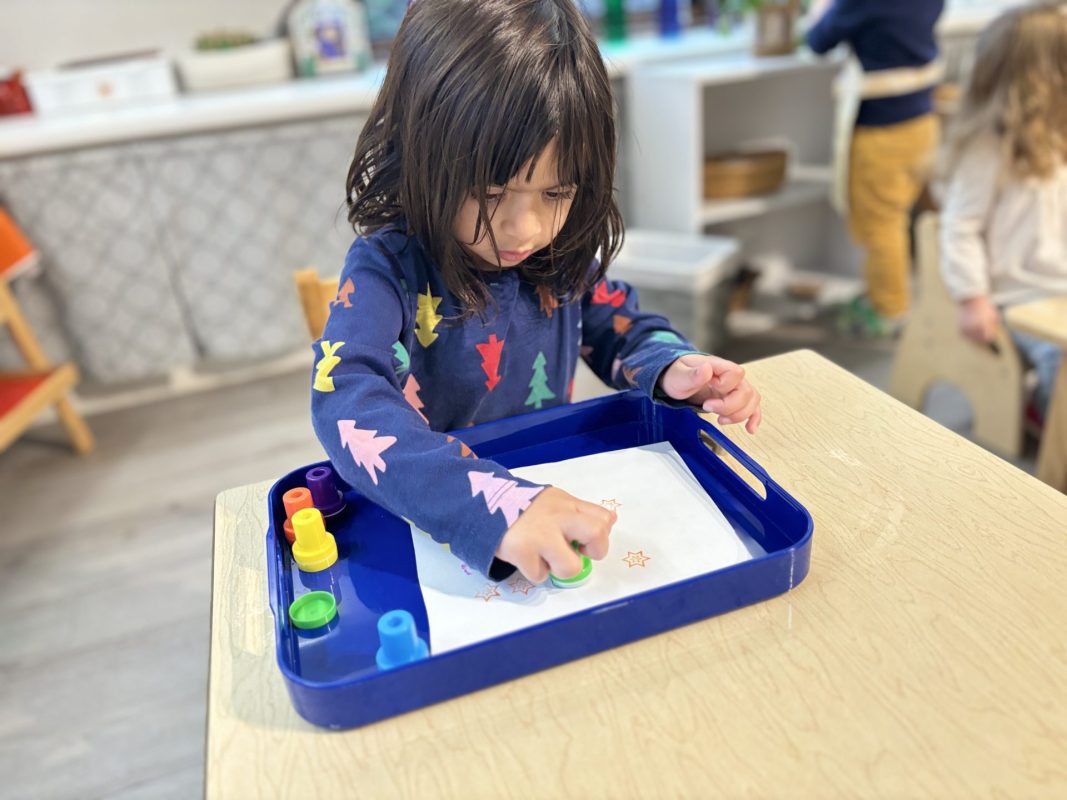
In our art corner, children are growing in other important ways. This week, we introduced easel painting, a wonderful activity that strengthens hand-eye coordination as they dip brushes in paint and carefully apply it to the paper. Painting also builds fine motor skills and lets them express themselves creatively, with no strict rules to follow—just a simple guideline to keep their work on the paper. Watching them beam with pride over their unique artwork is always a treat.
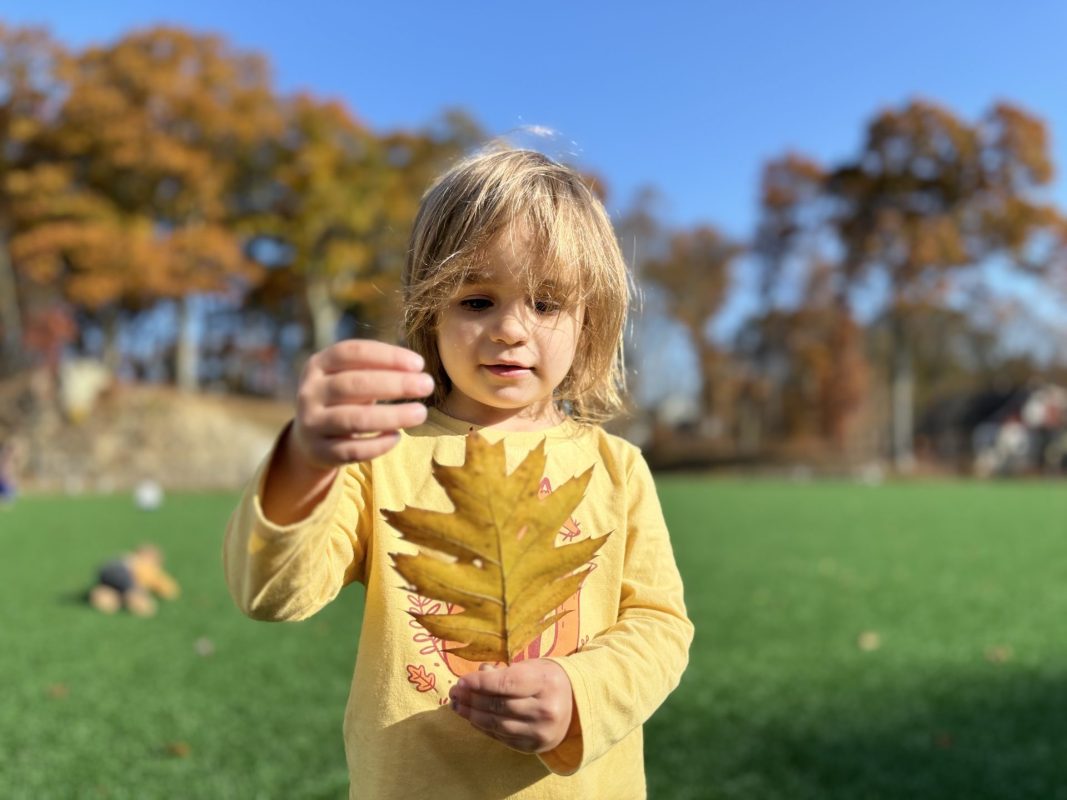
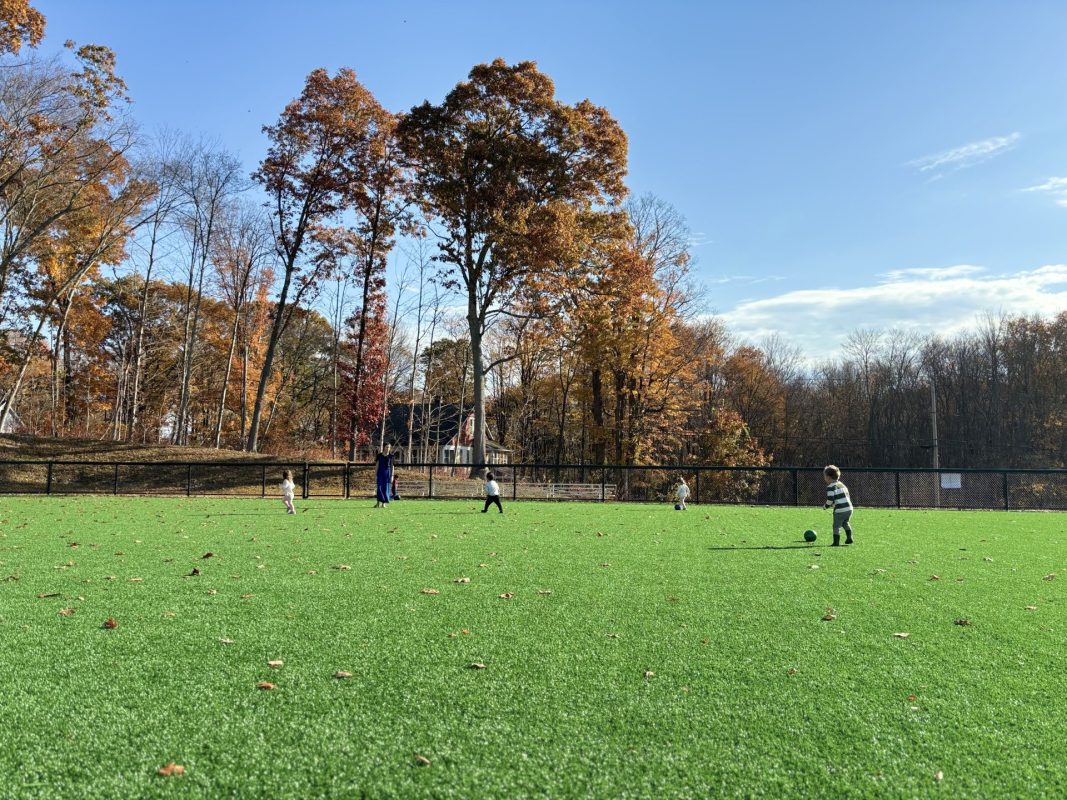
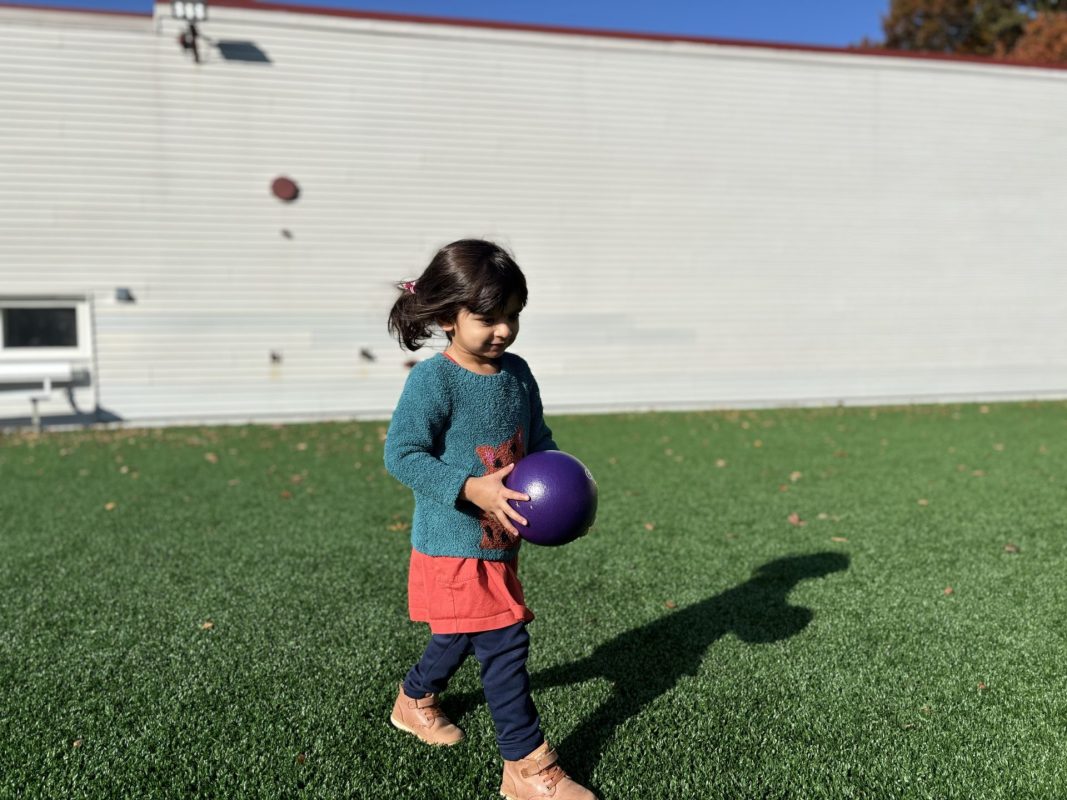
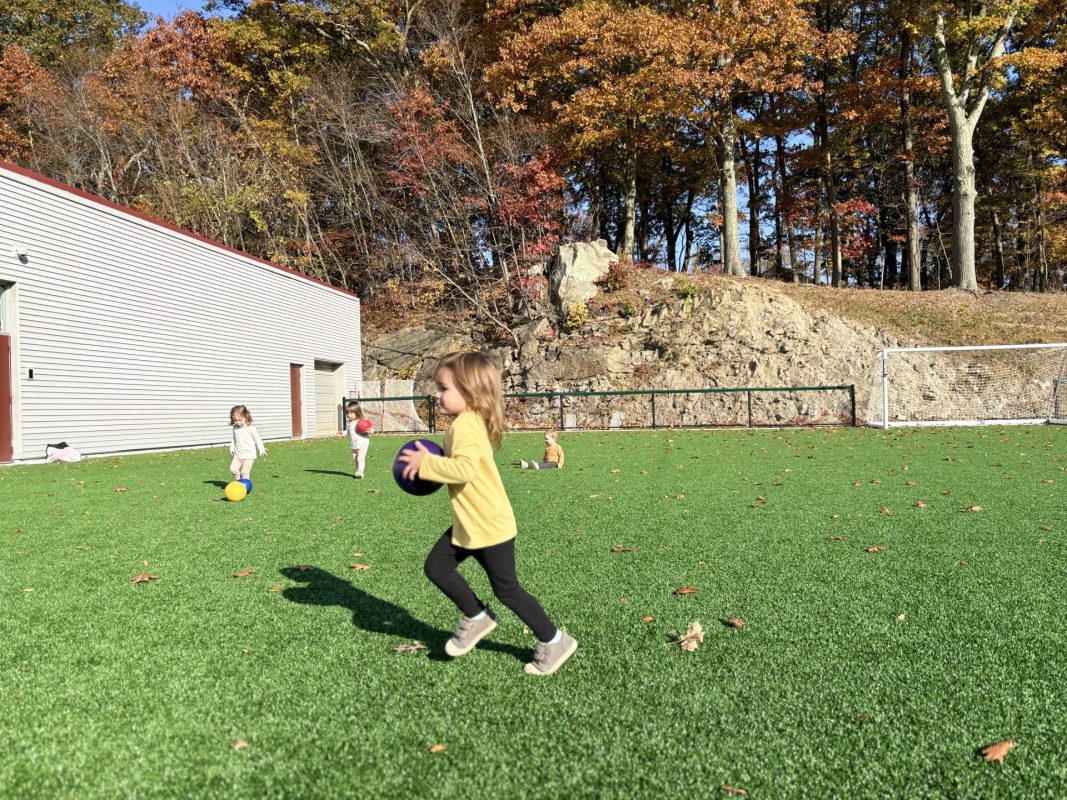
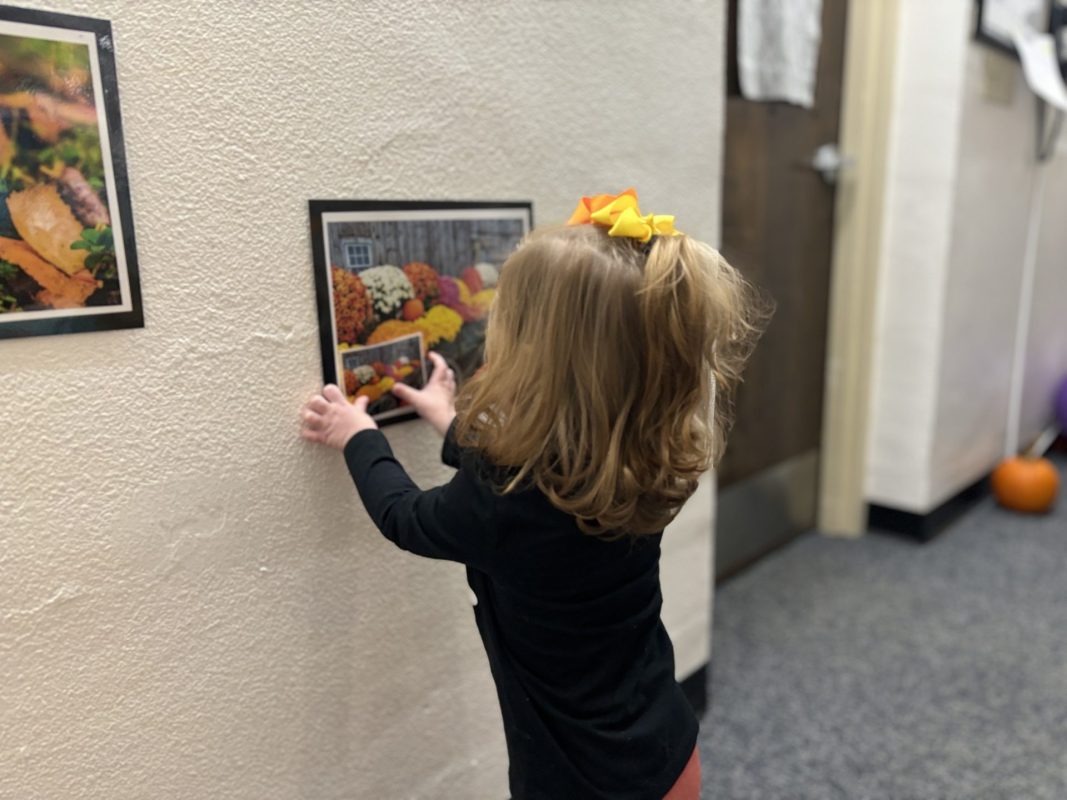
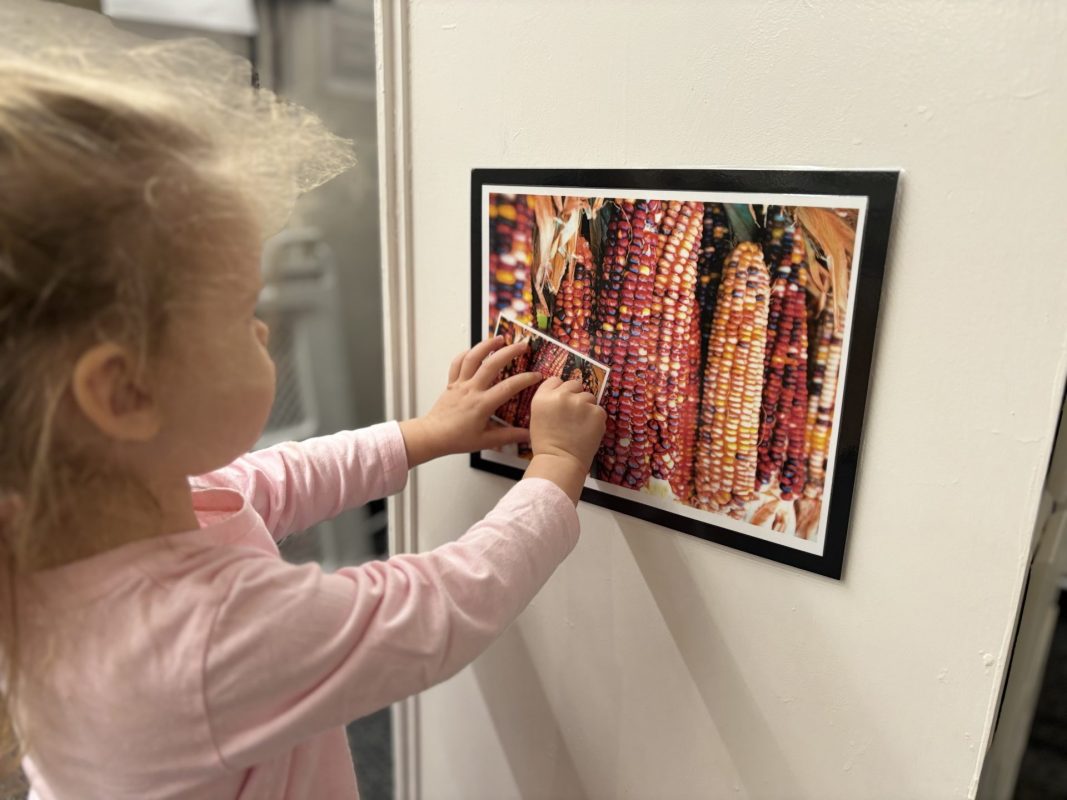
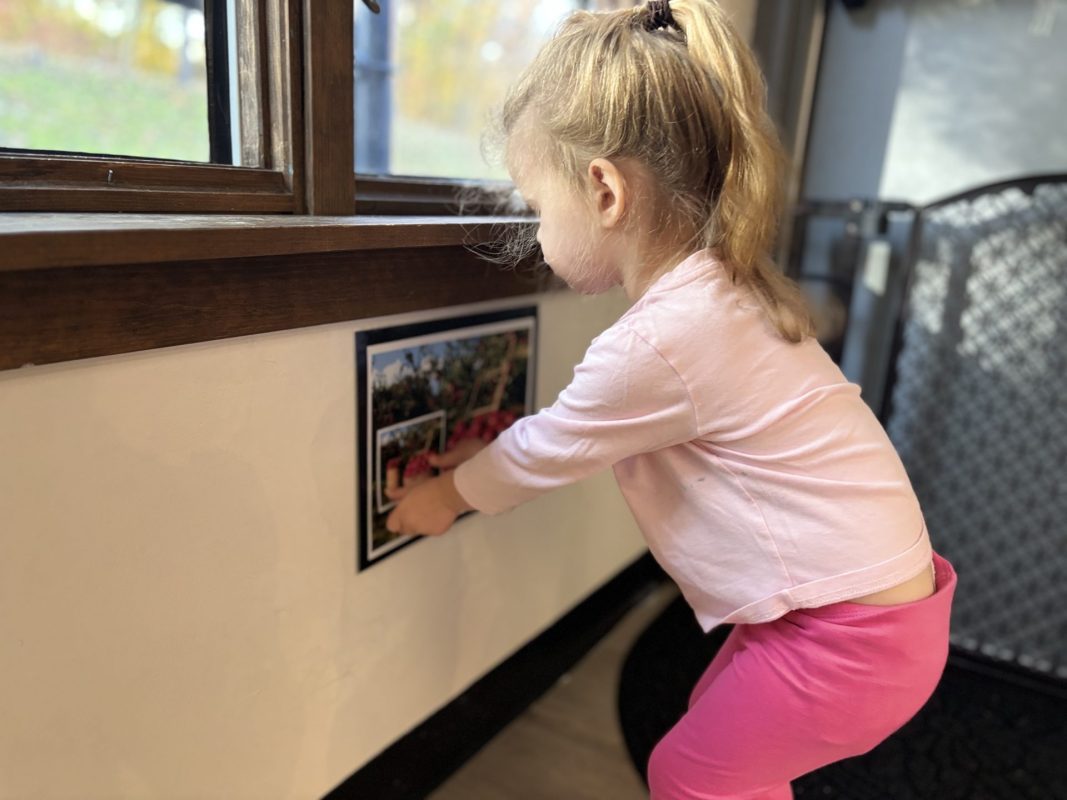
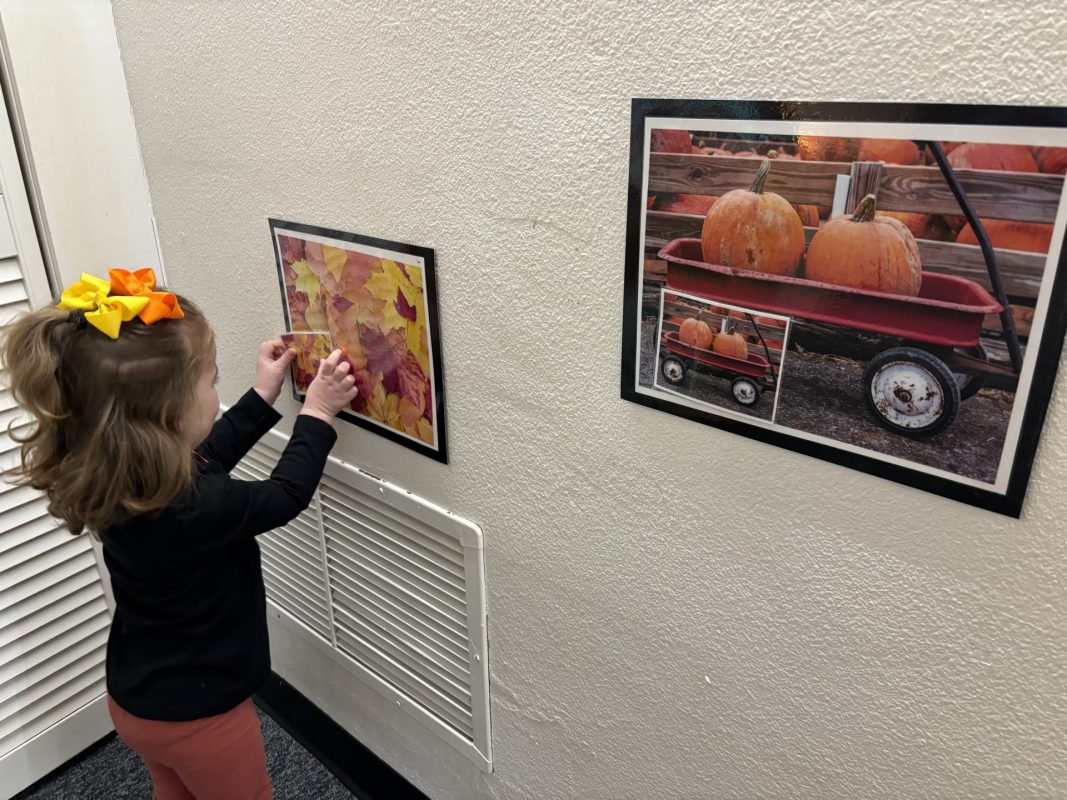
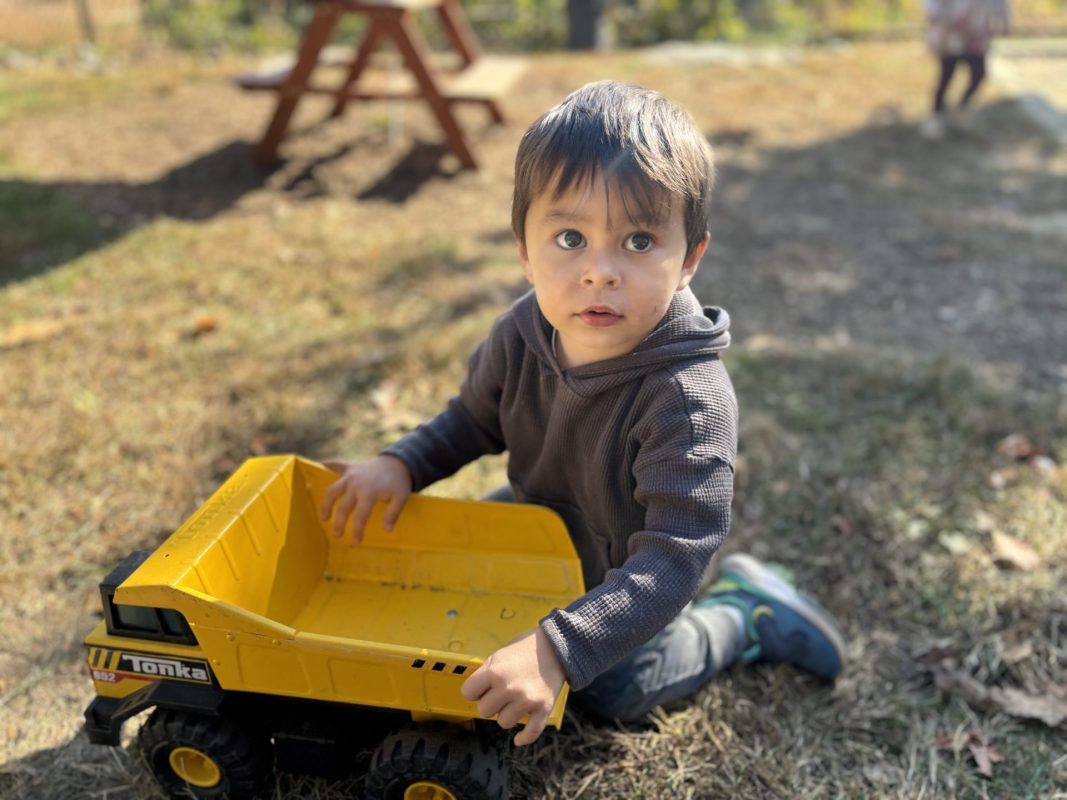
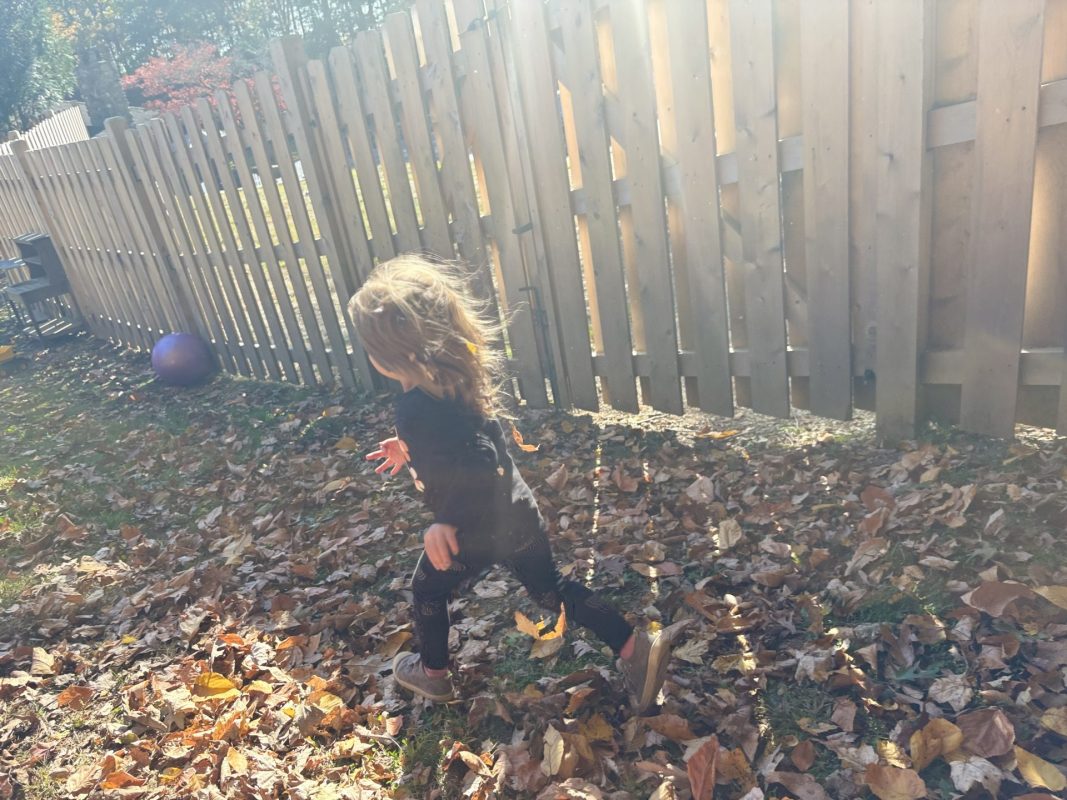
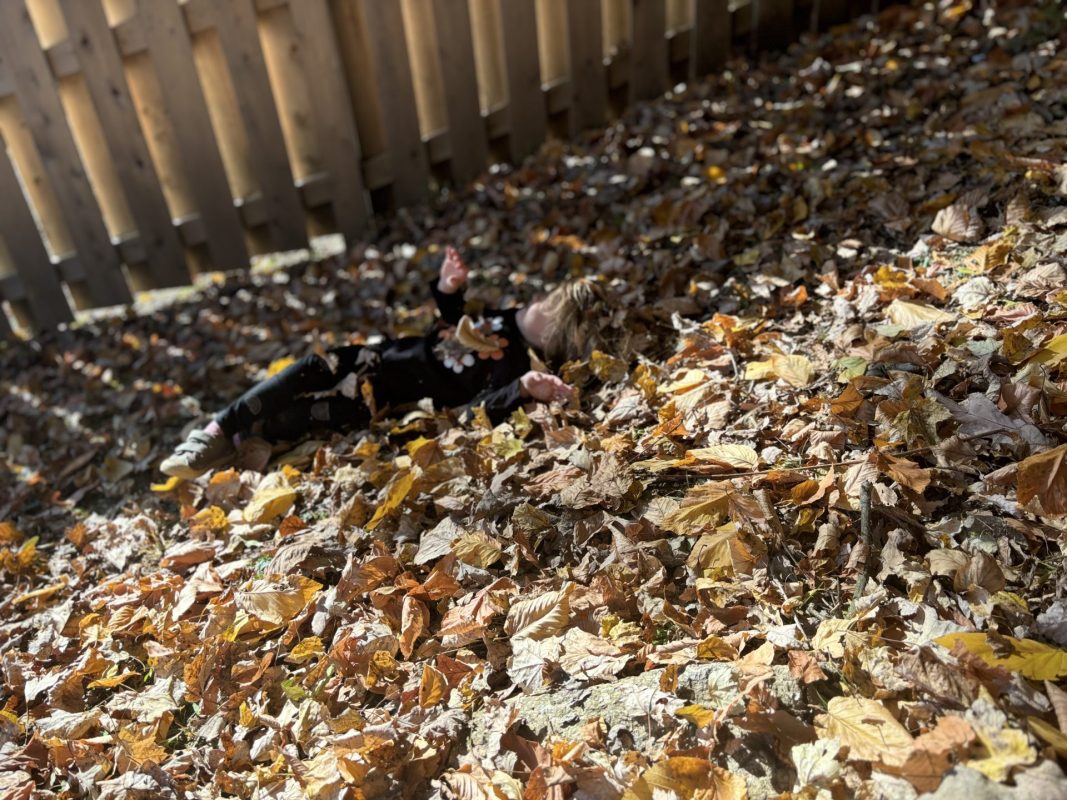
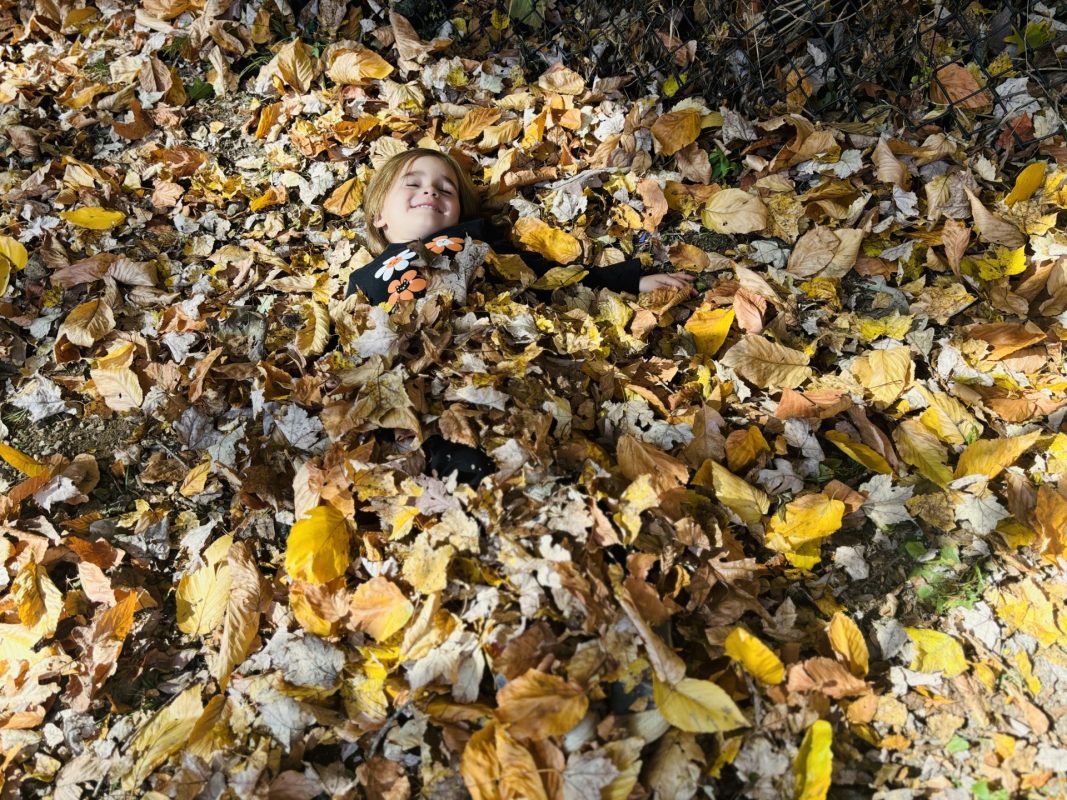
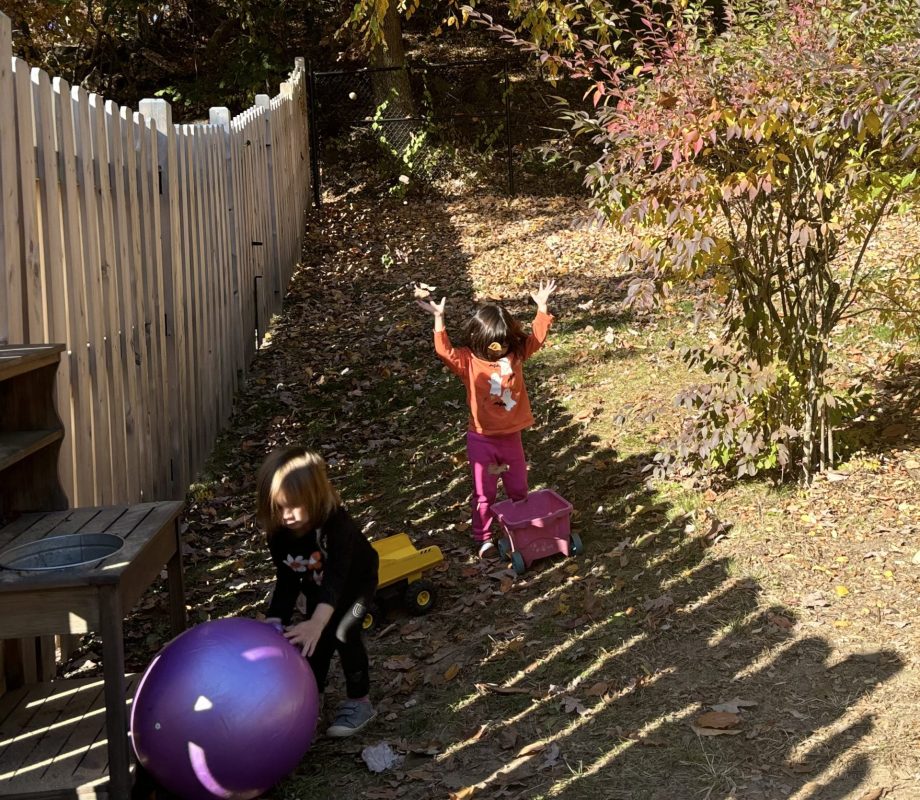
With fall in full swing, your children have been soaking up all the wonders of the season. They’re thrilled by the sight of colorful leaves drifting to the ground, the feel of crisp autumn air (the unexpected warmth as well), and the fun of exploring outdoors. Leaf collecting has become a popular activity as they pick out their favorite shapes and colors. A special moment this week was watching the Halloween Parade with the older students from Lower Elementary, Upper Elementary, and Middle School putting on a show for everyone to enjoy, as well!

We hope you enjoy a cozy, joy-filled long weekend surrounded by the beauty of fall!

Best,

Mrs. Hood and Ms. Noelle