Mrs. Wilson: Nurturing Emotions and Celebrating Family

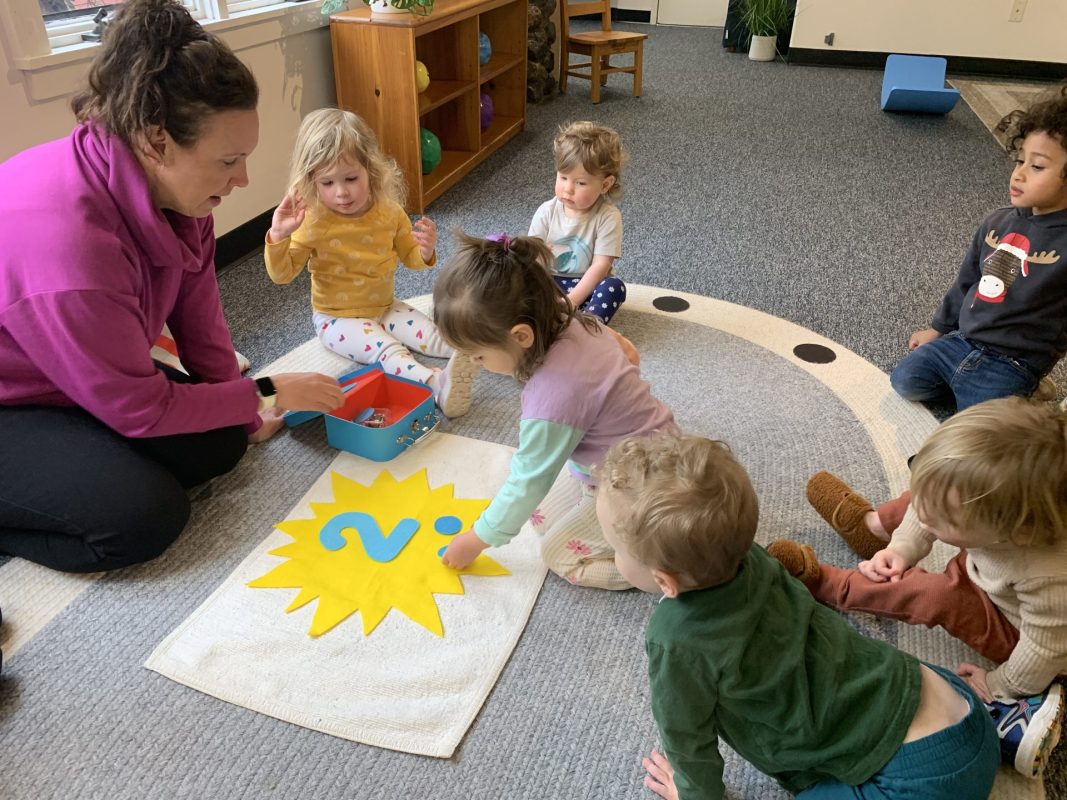
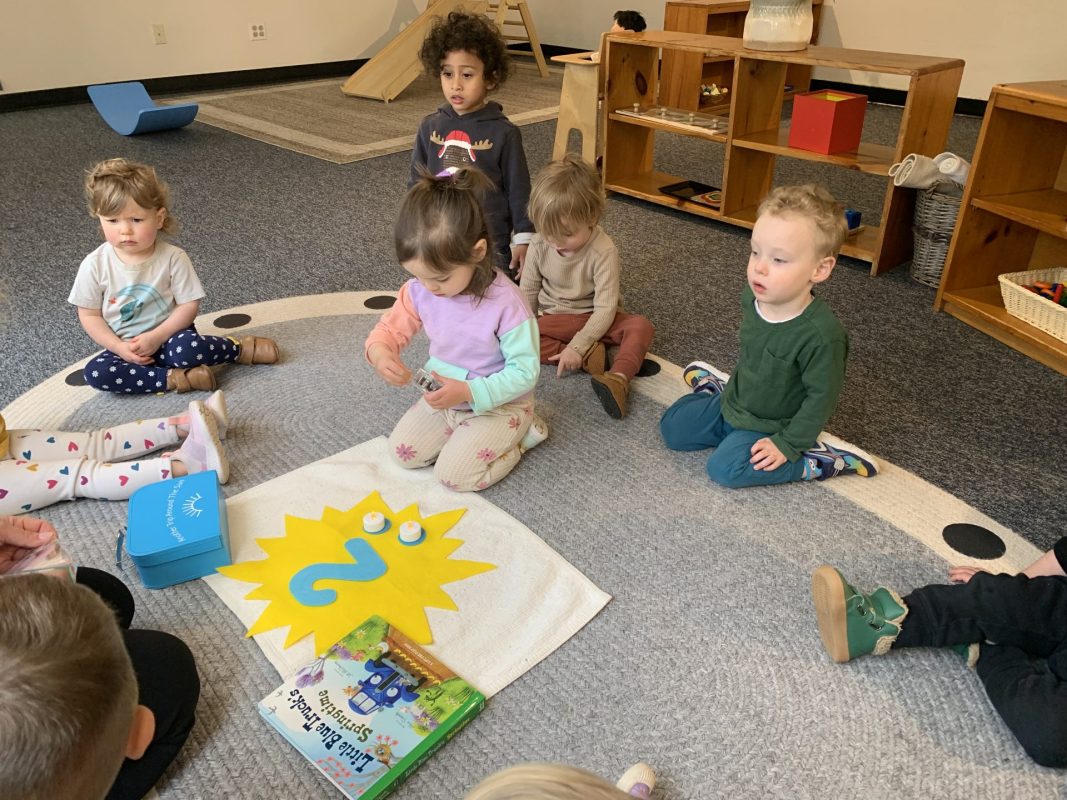
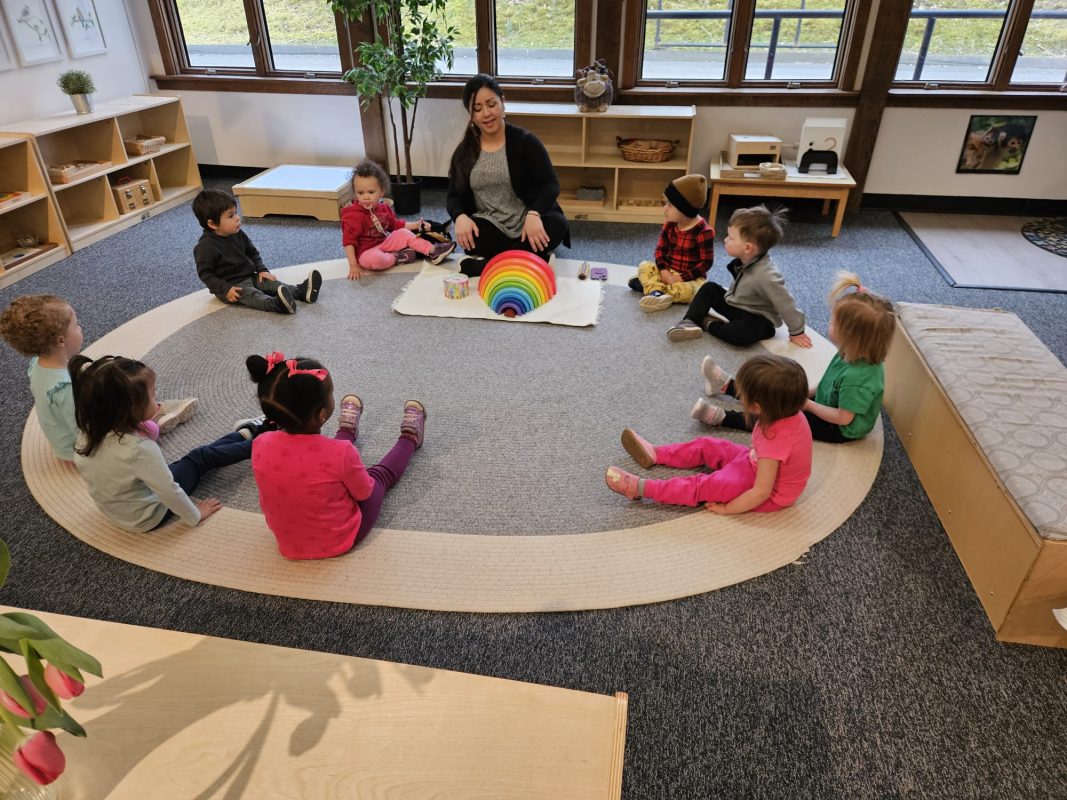
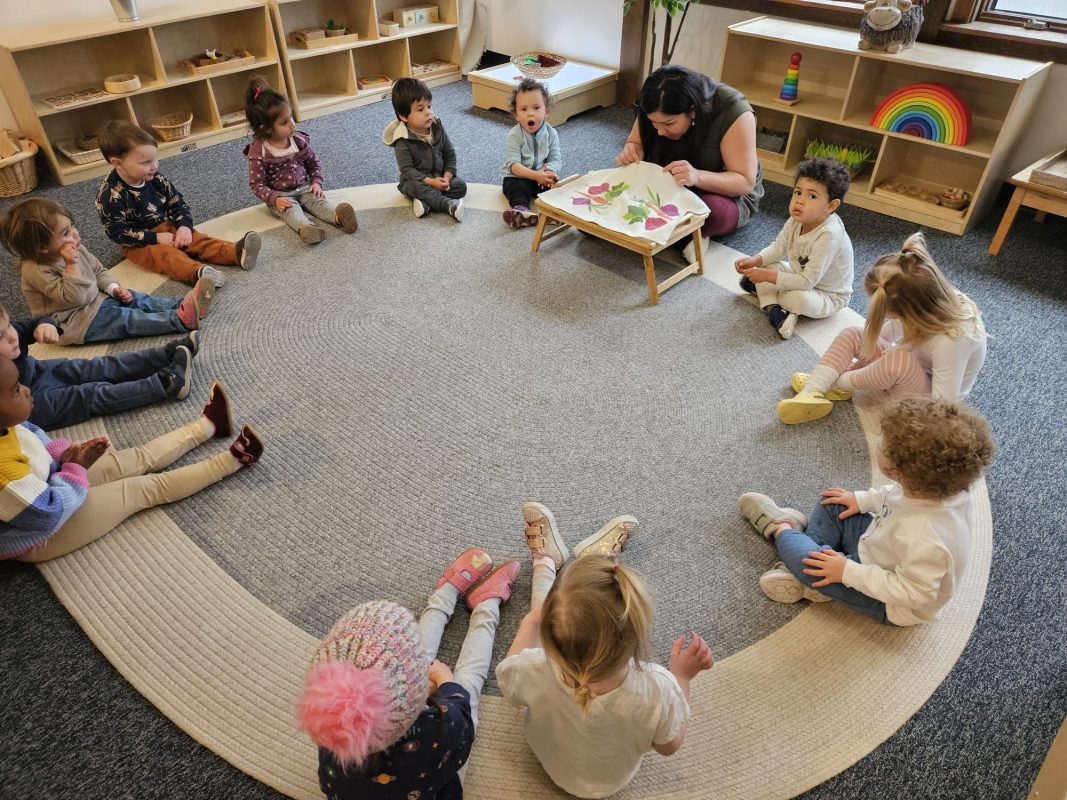
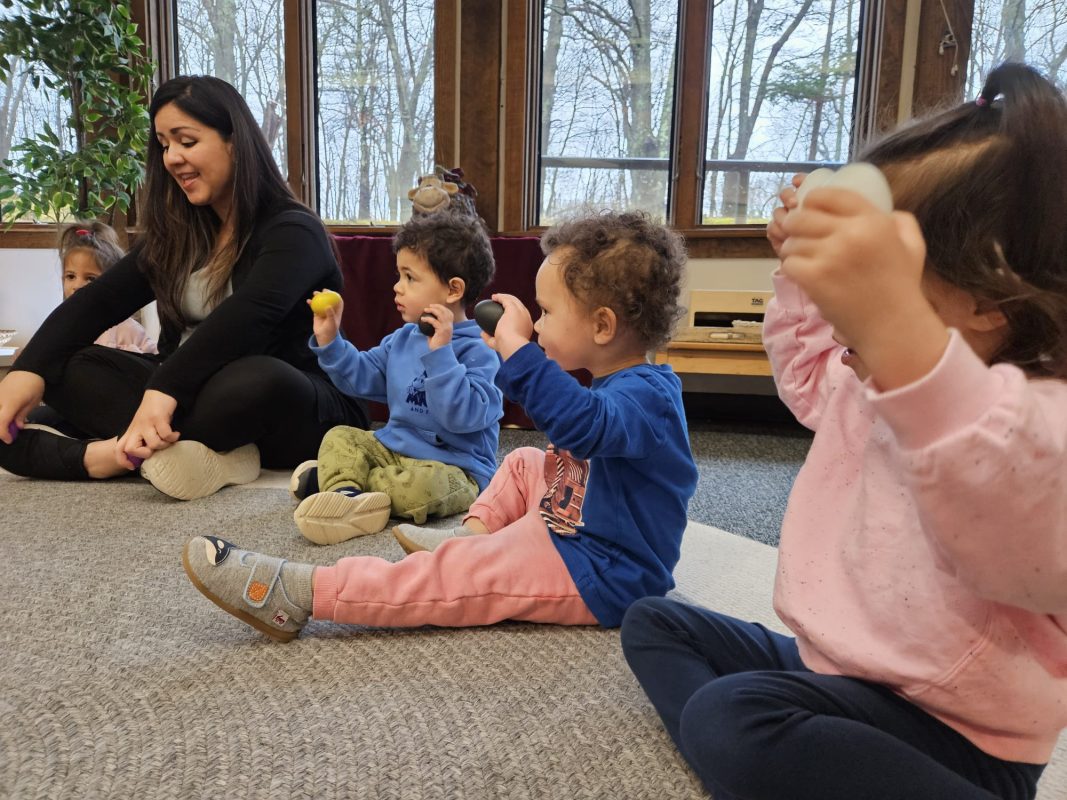
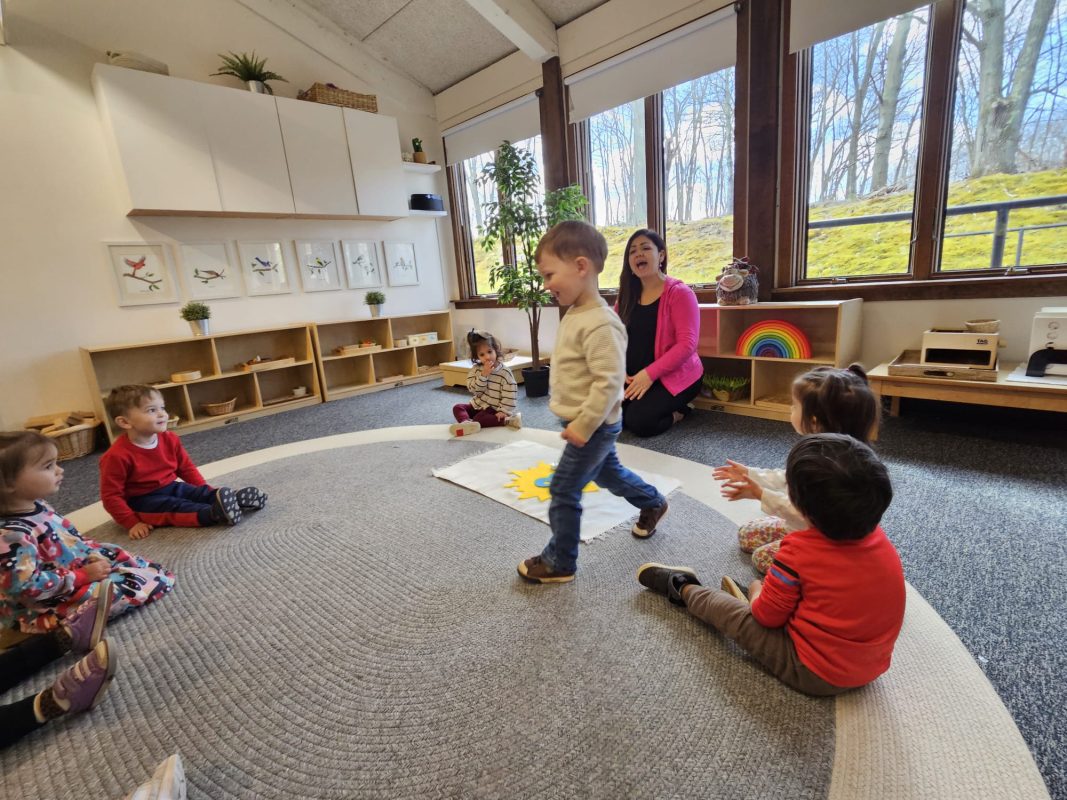
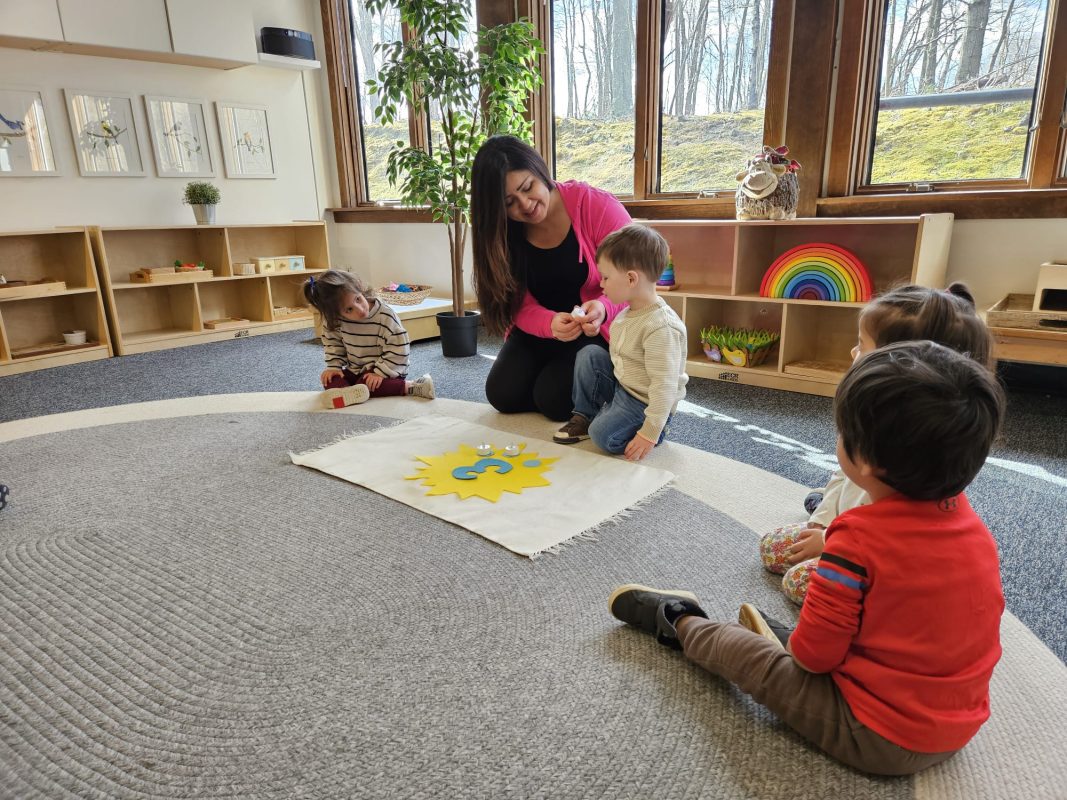
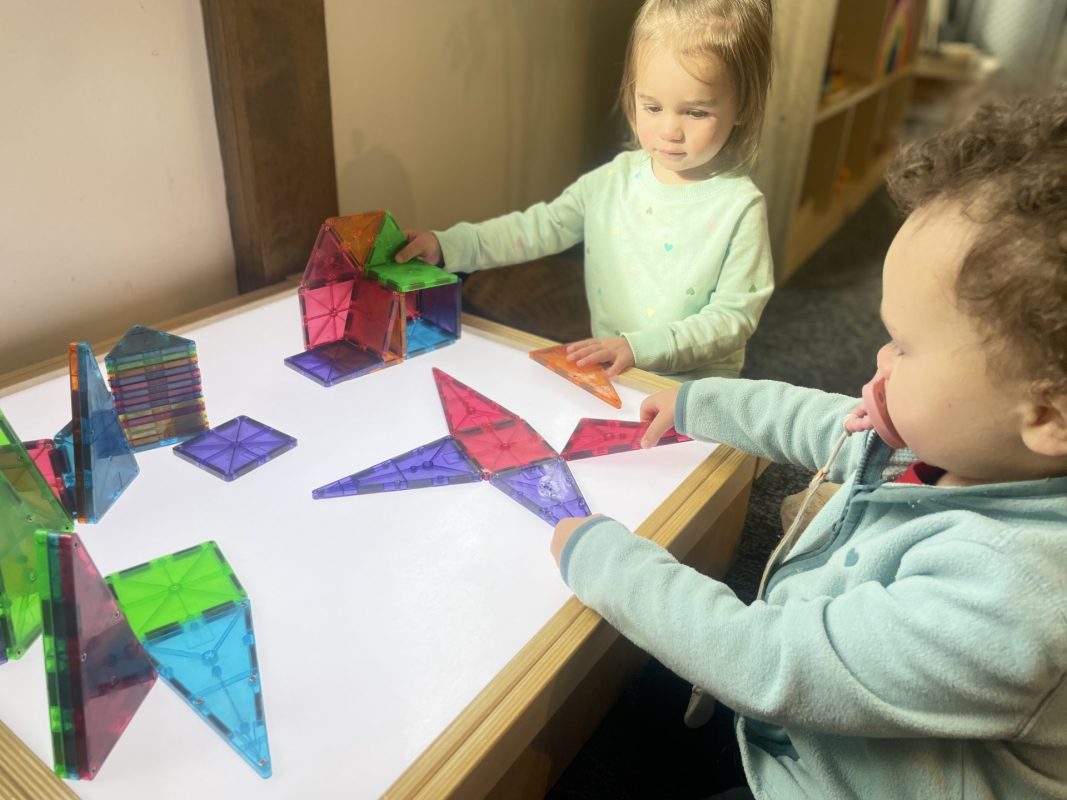
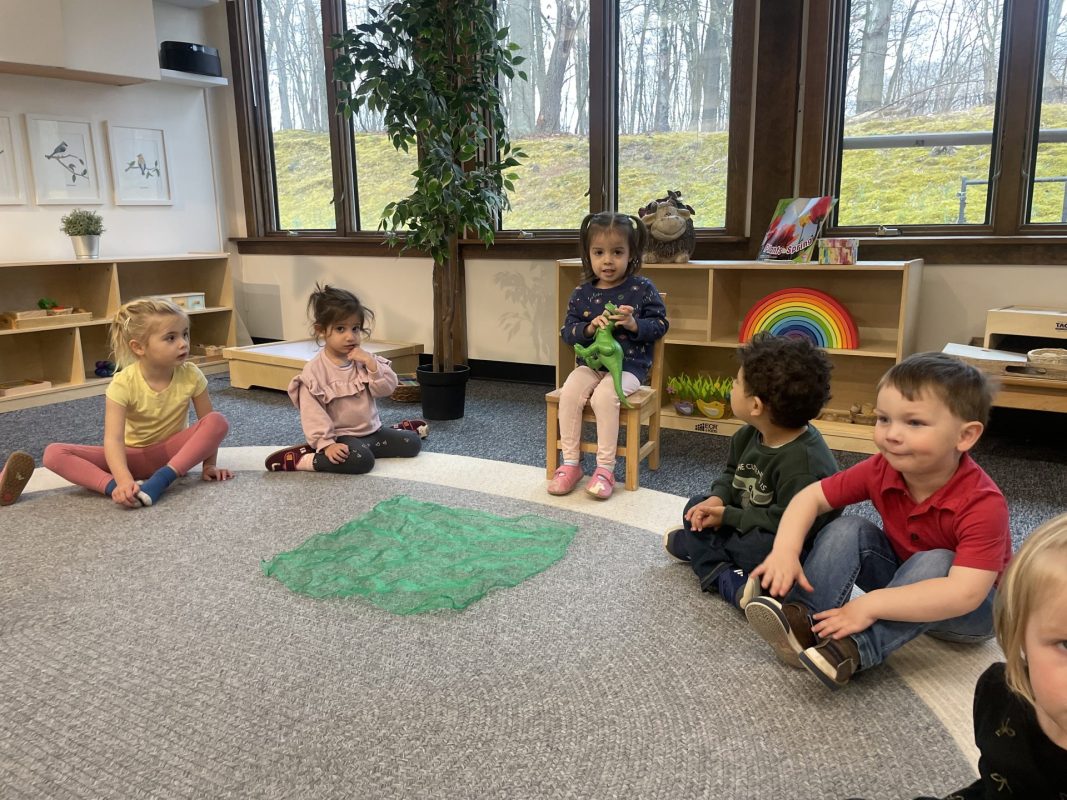
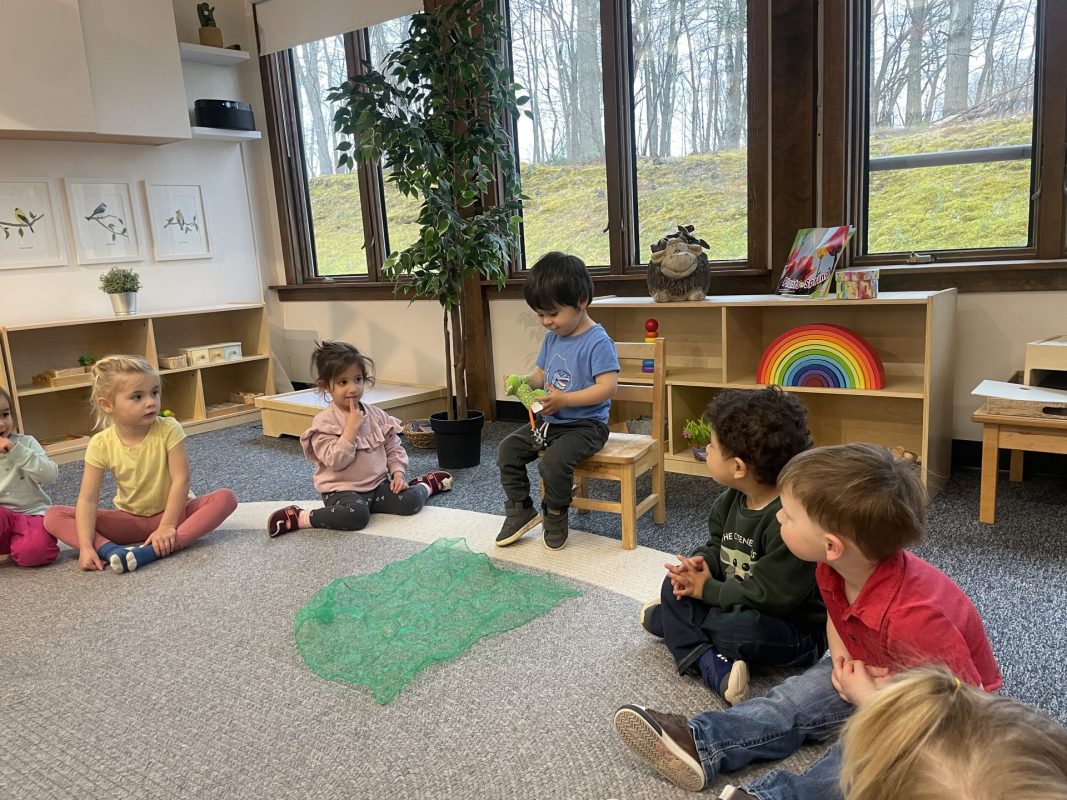
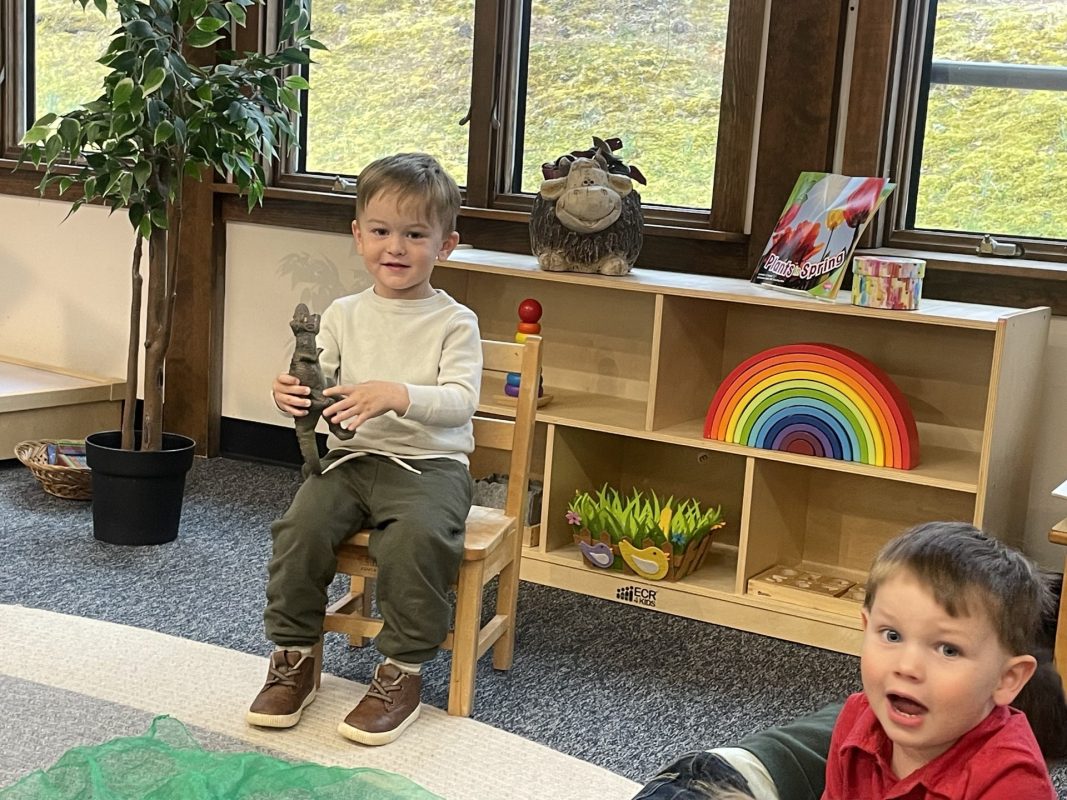
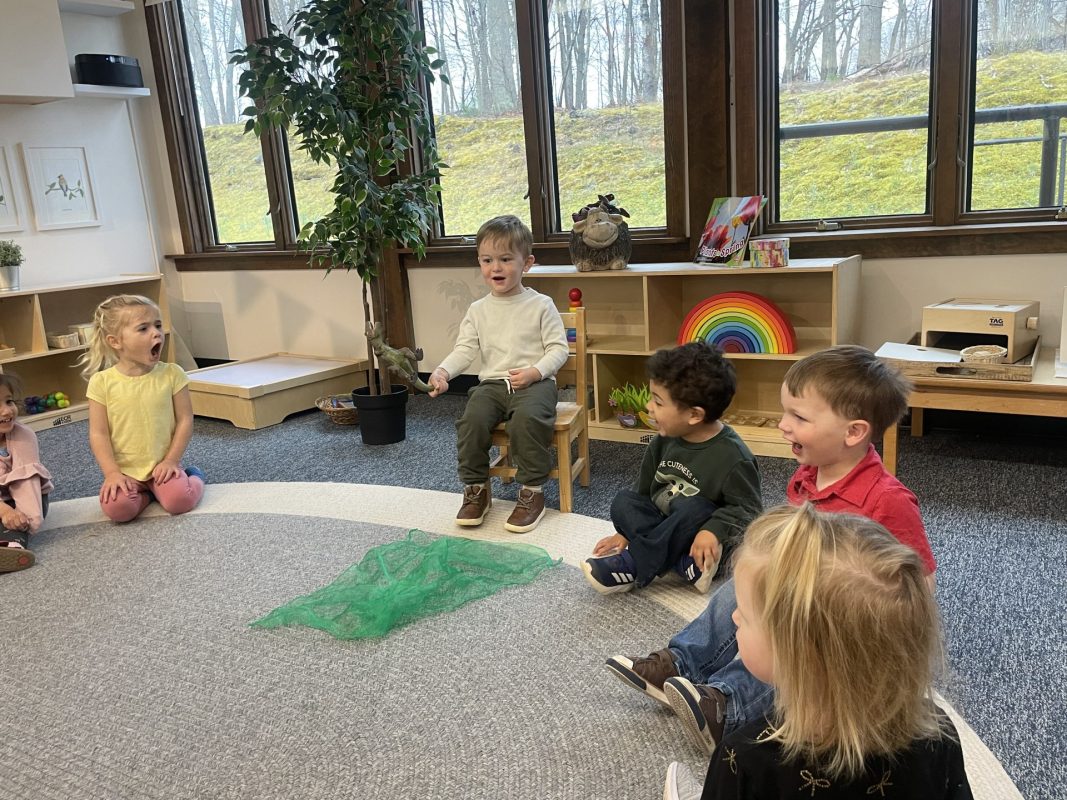
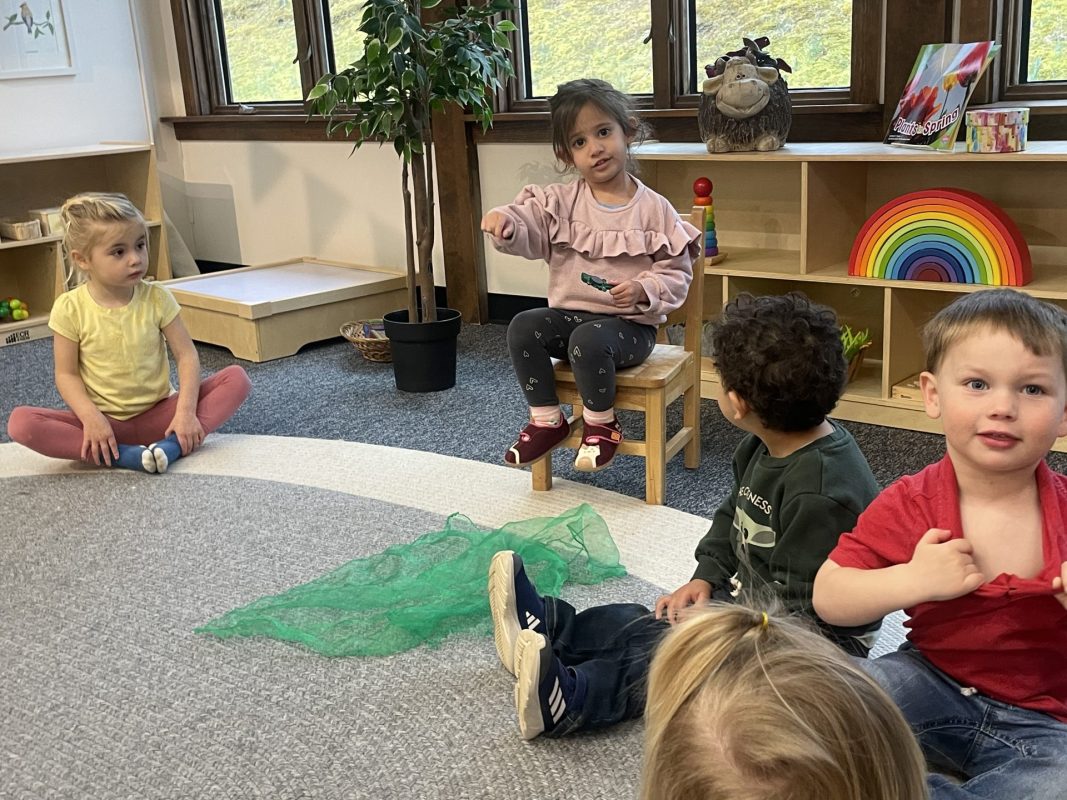
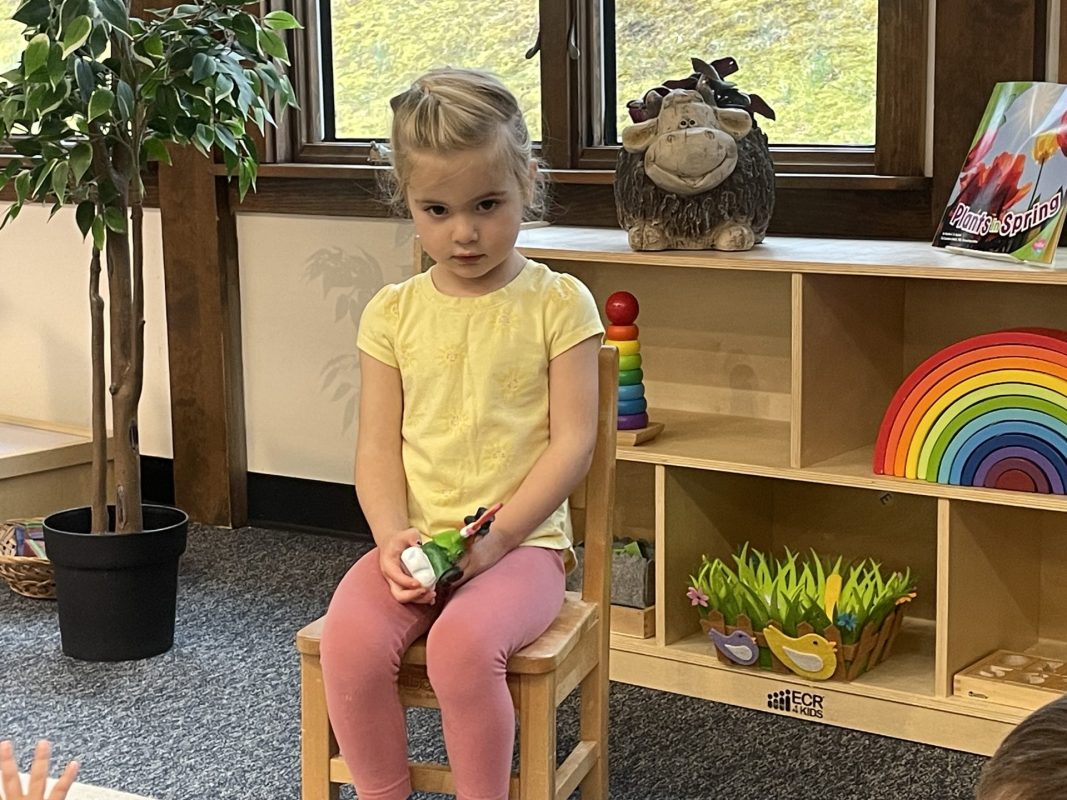
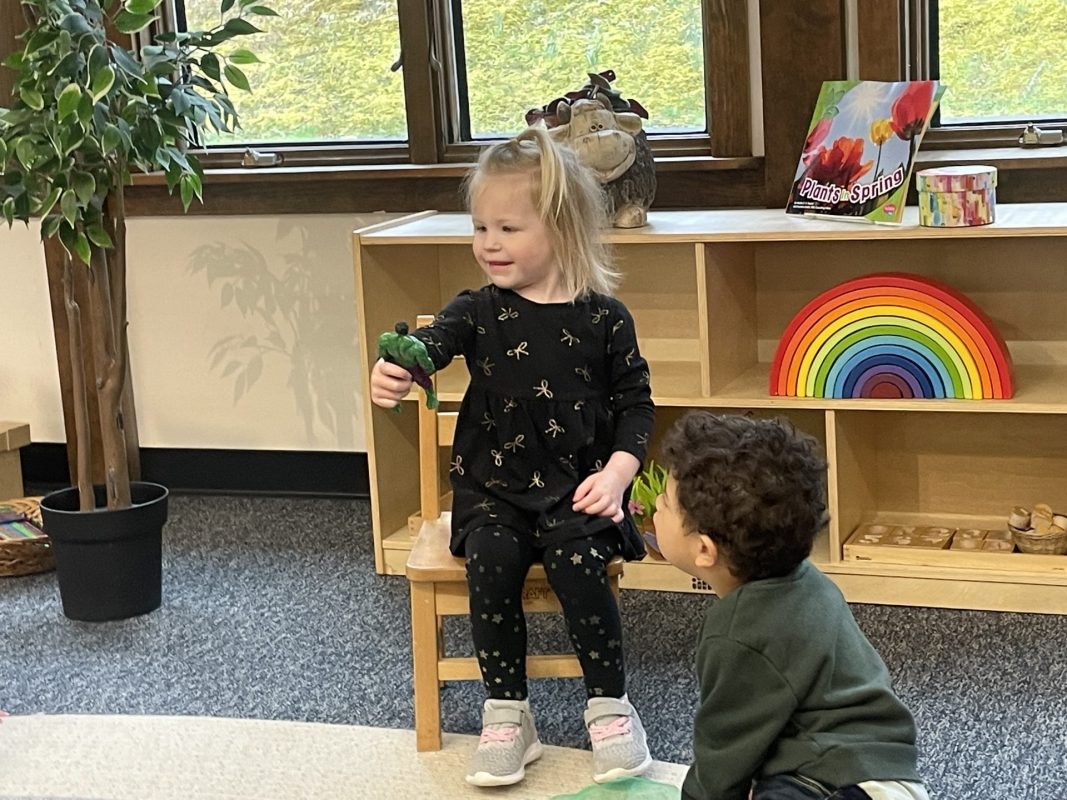
In the month of February, our learning activities will focus on emotions, family, friendship, and self-love. During our circle time, we have been practicing a lovely song called “I Love My Body” by Mother Moon. At the end of the song, we give ourselves a big hug and recite positive affirmations such as “I am special, “I am kind,” “I love myself,” and “I am amazing.”

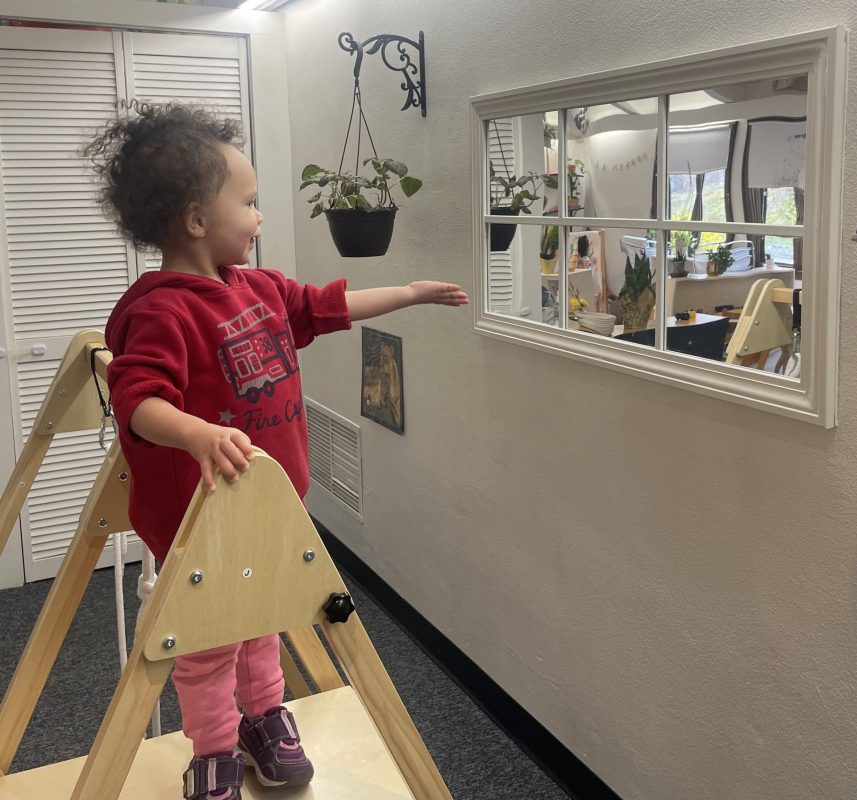
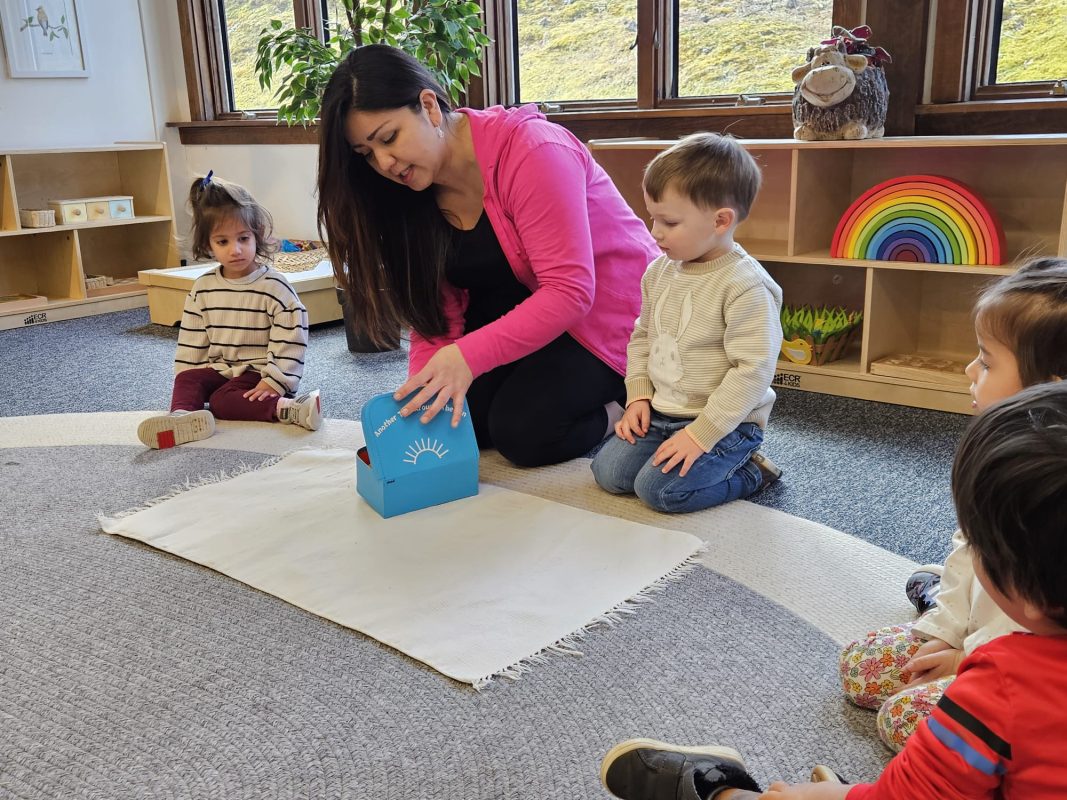
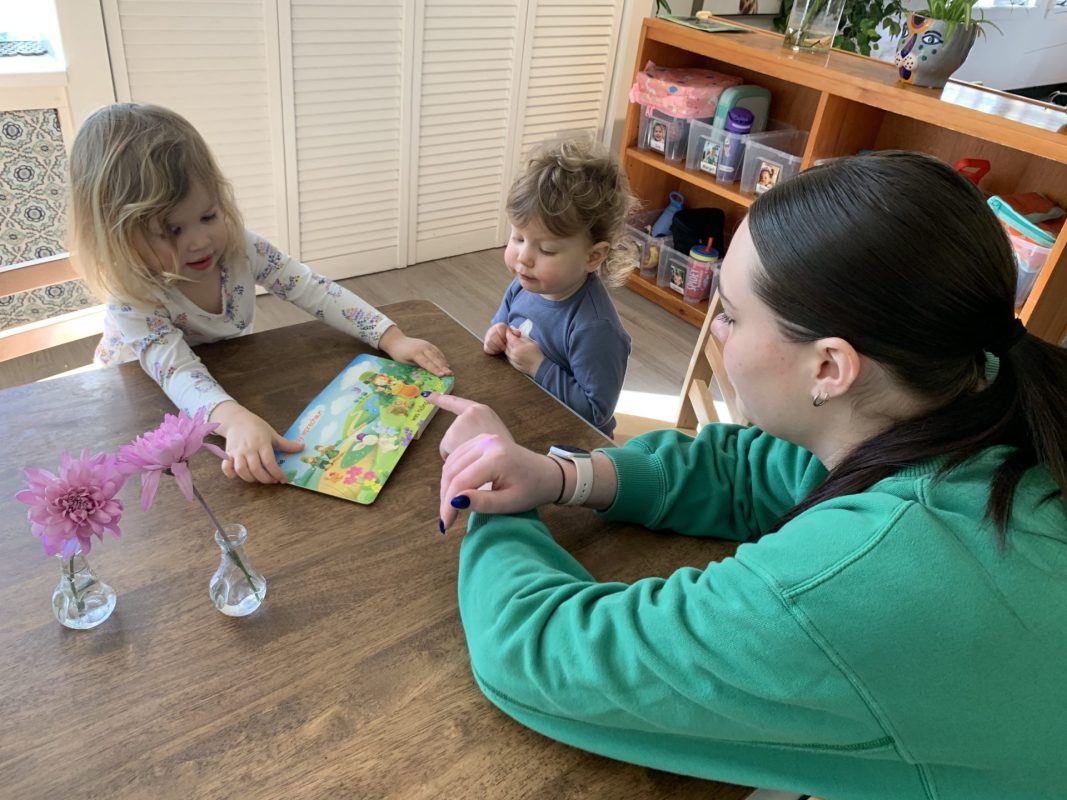
One of the topics we are exploring in-depth is emotions. We begin by looking at photos of children making different facial expressions and then guessing how they might be feeling. The children then practice making those facial expressions by looking into a mirror. Our older toddlers have been asking insightful questions, such as why a child might feel happy, sad, or angry, prompting us to discuss what makes us feel happy, sad, and angry. This month, we will continue to work on understanding, expressing, and how to cope with our feelings.

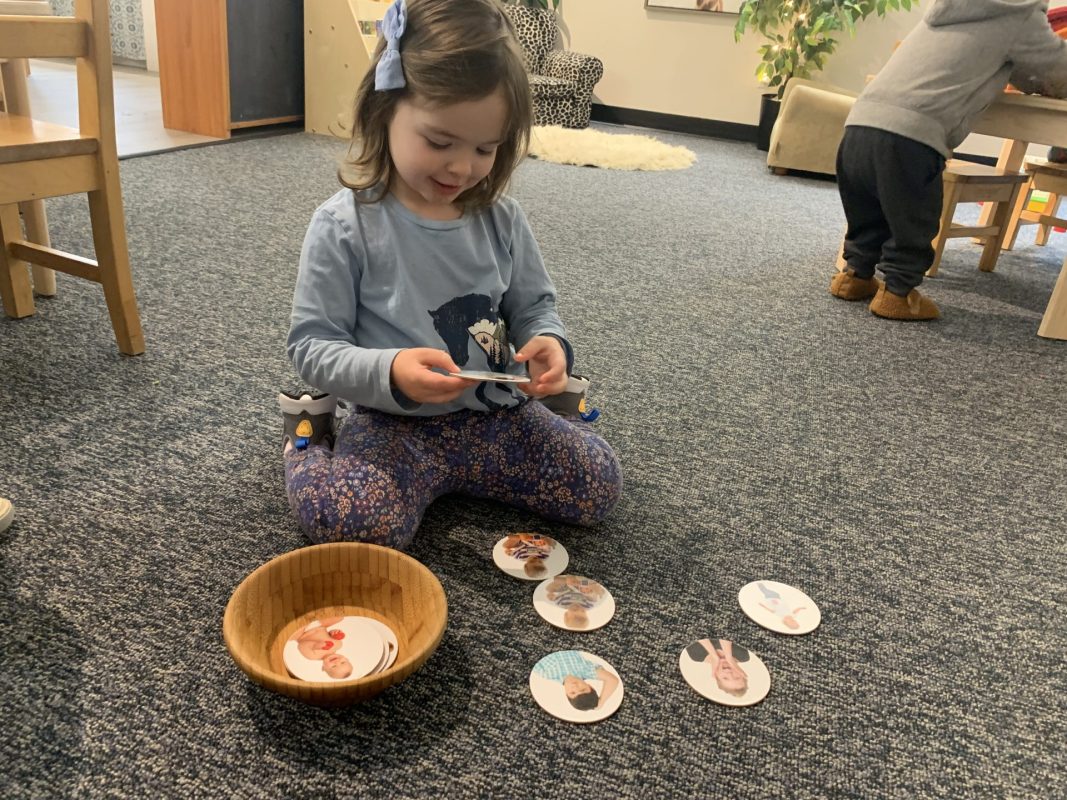
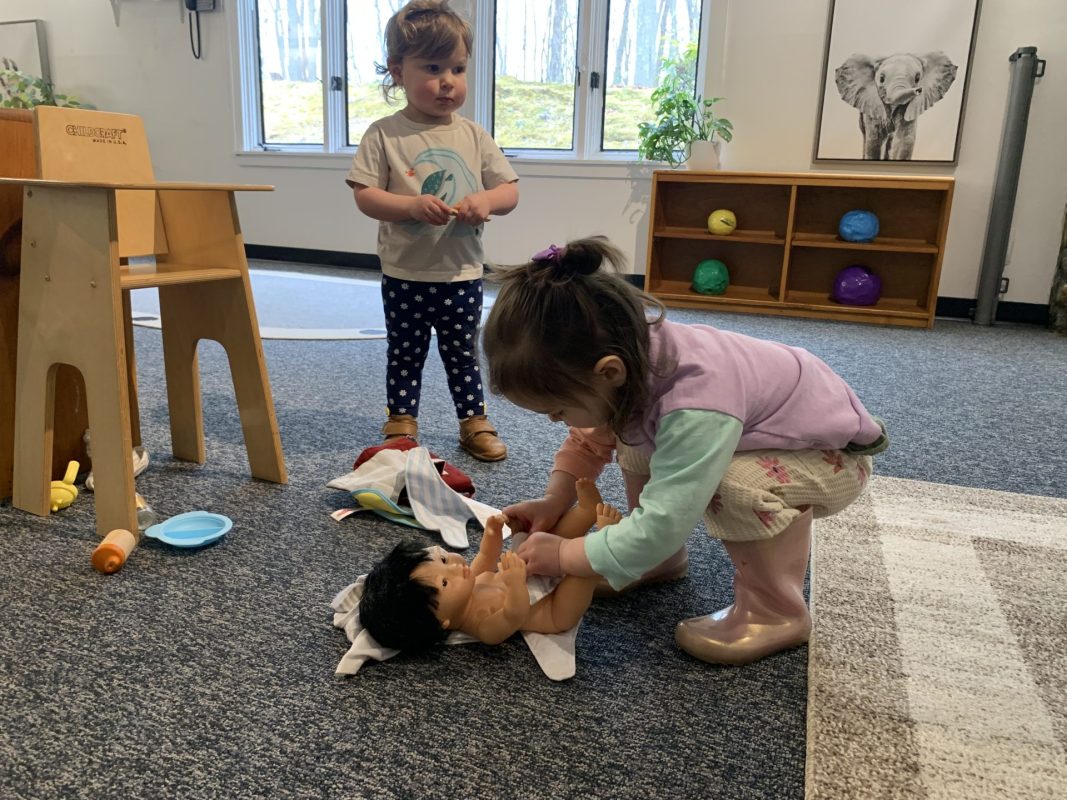
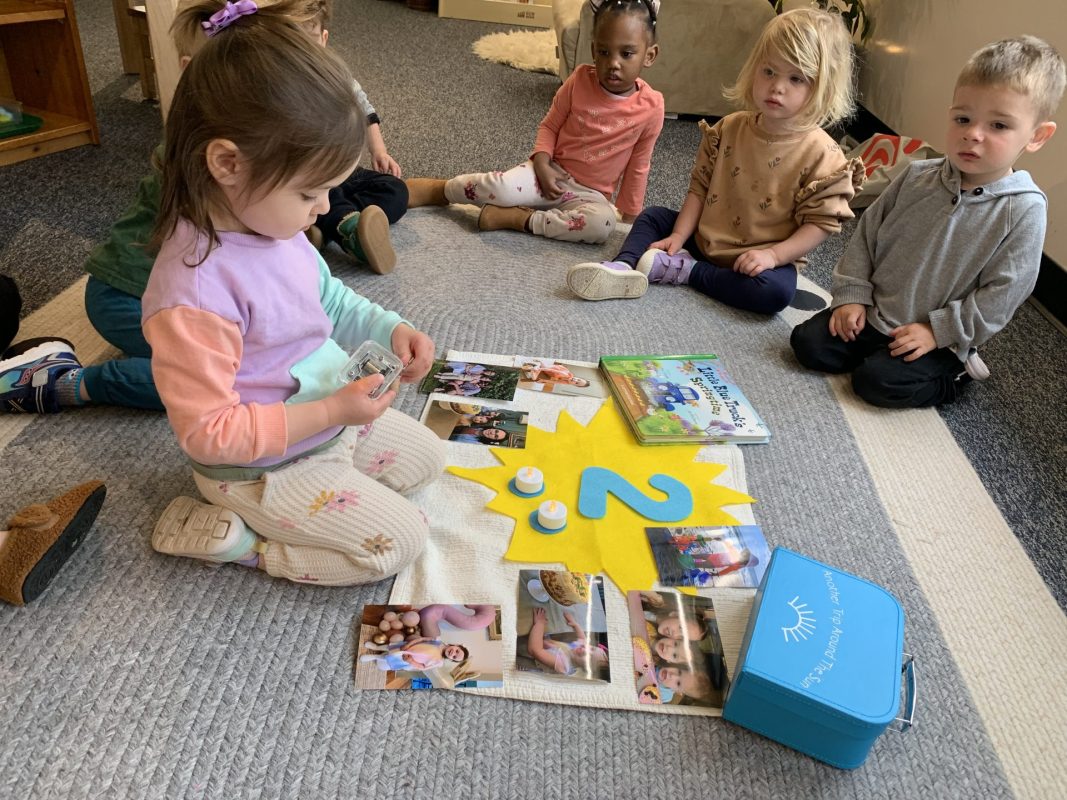
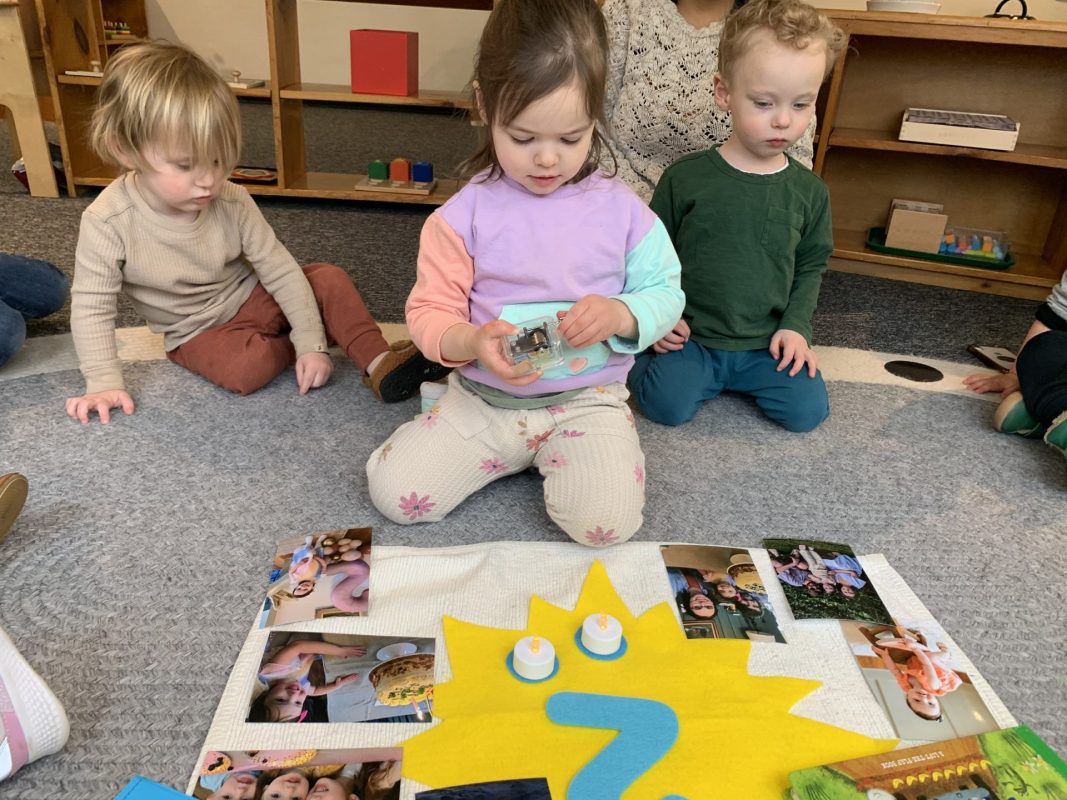
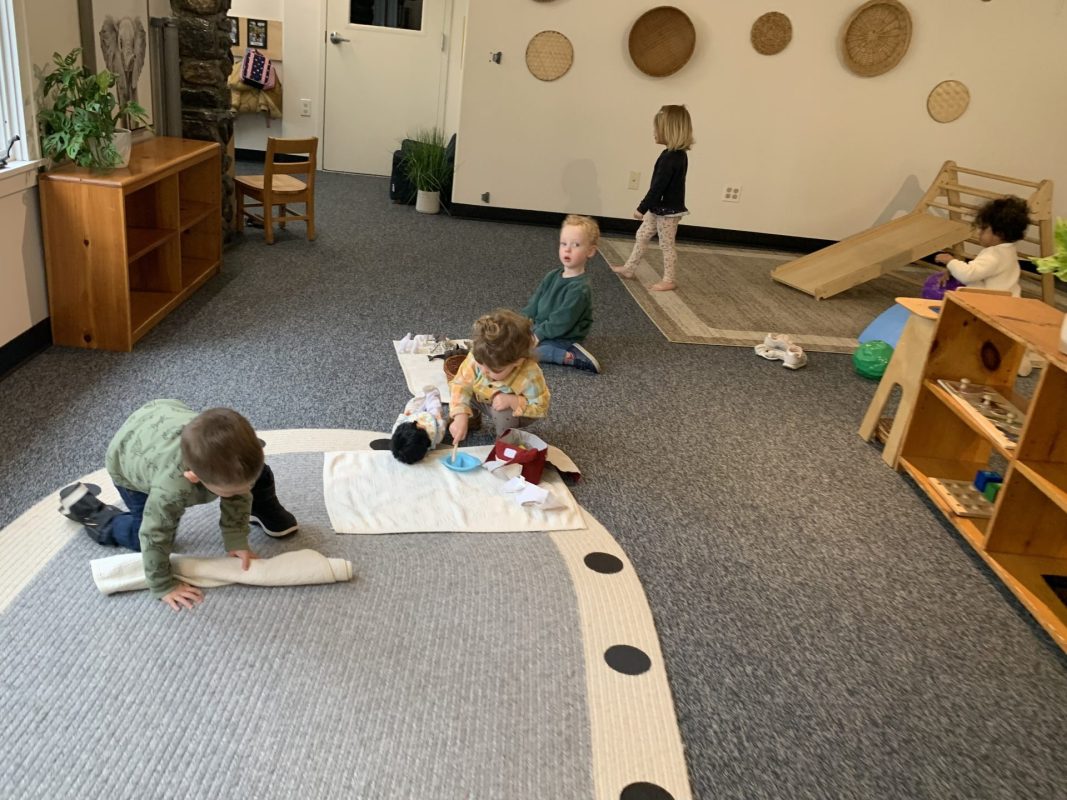
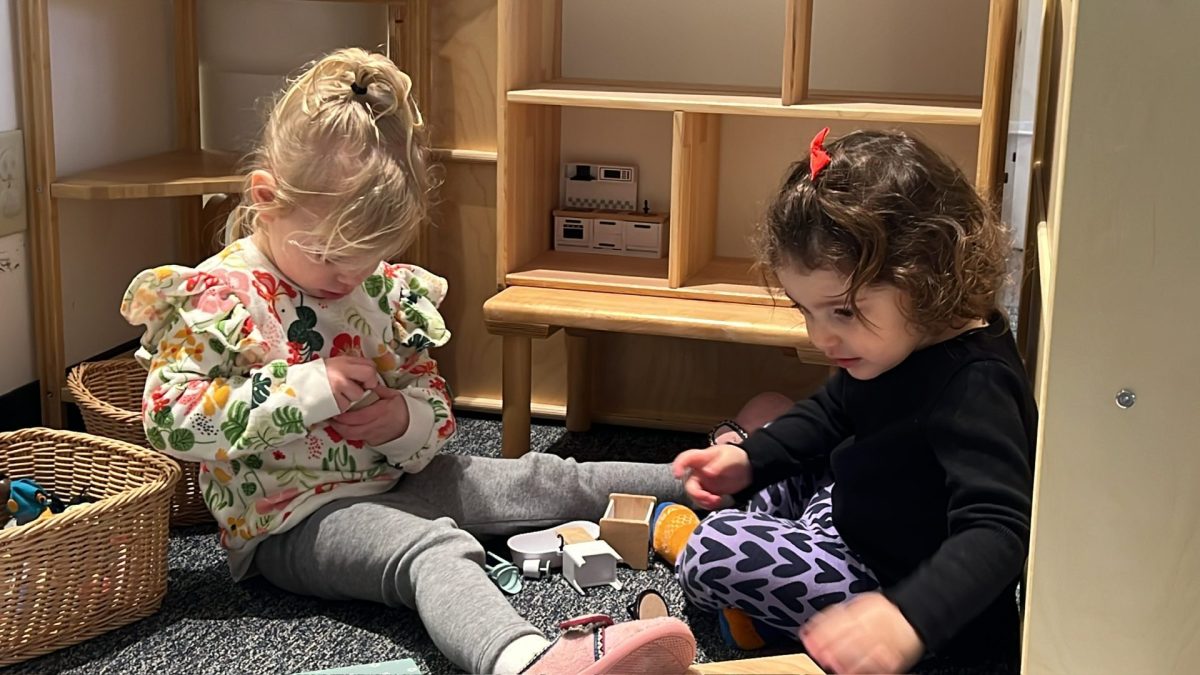
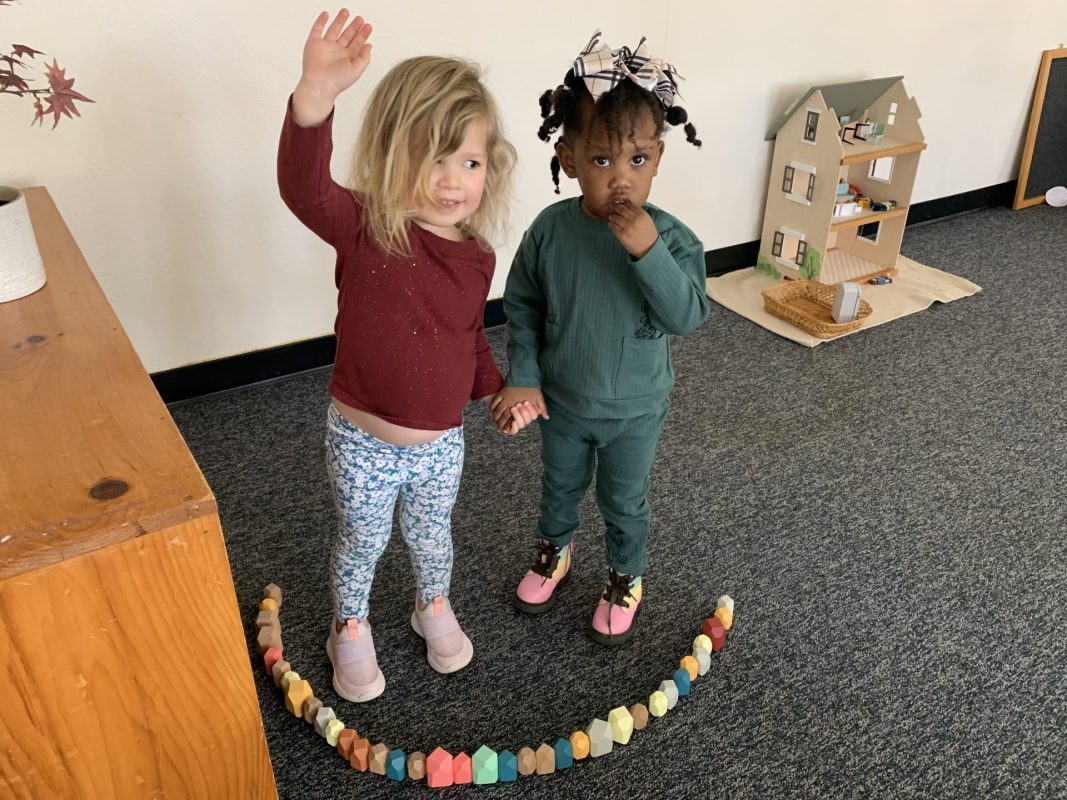
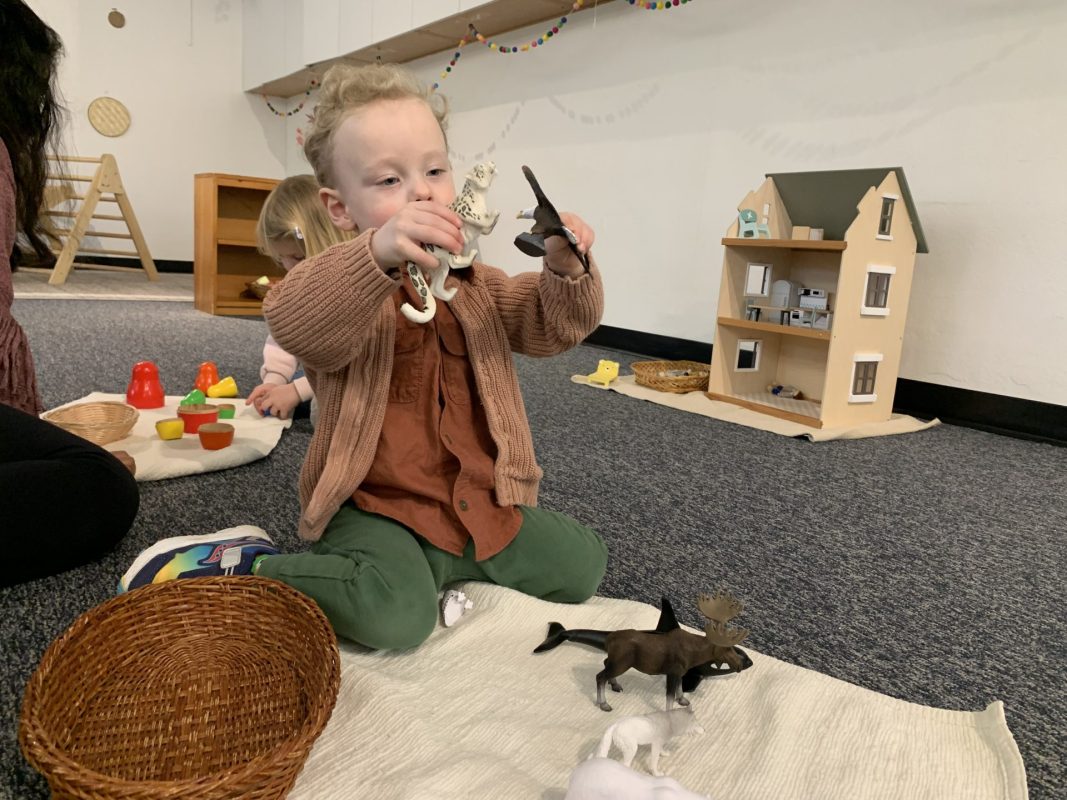
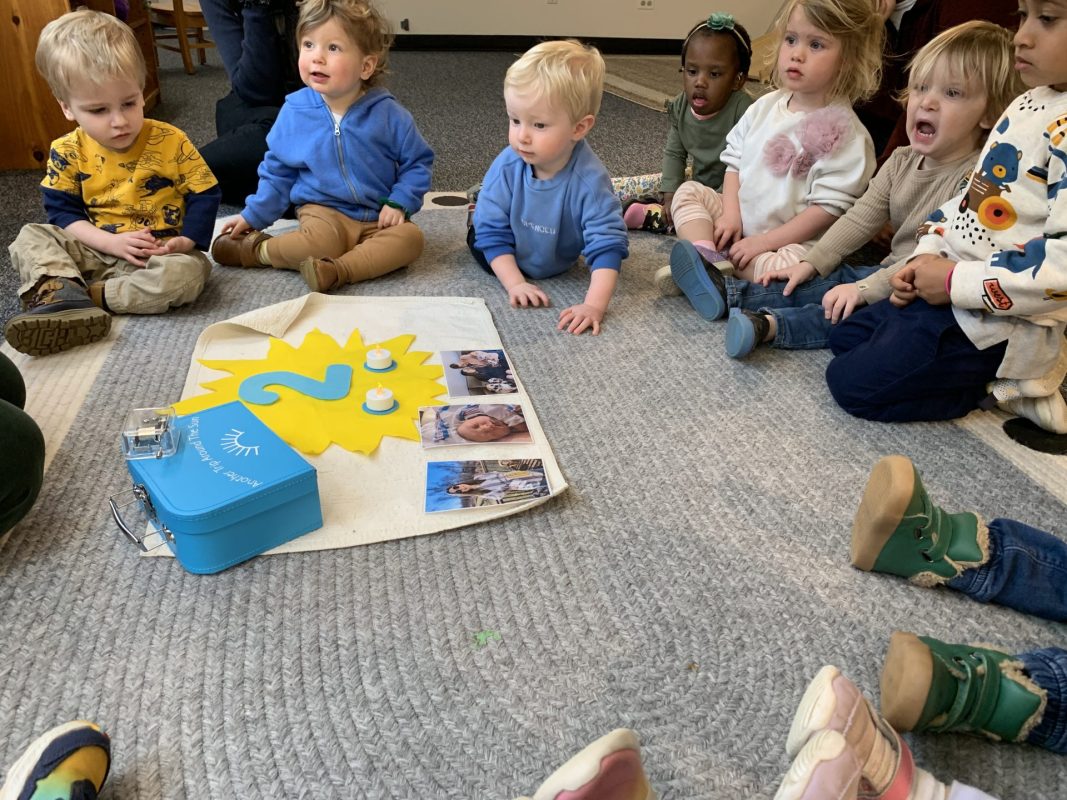
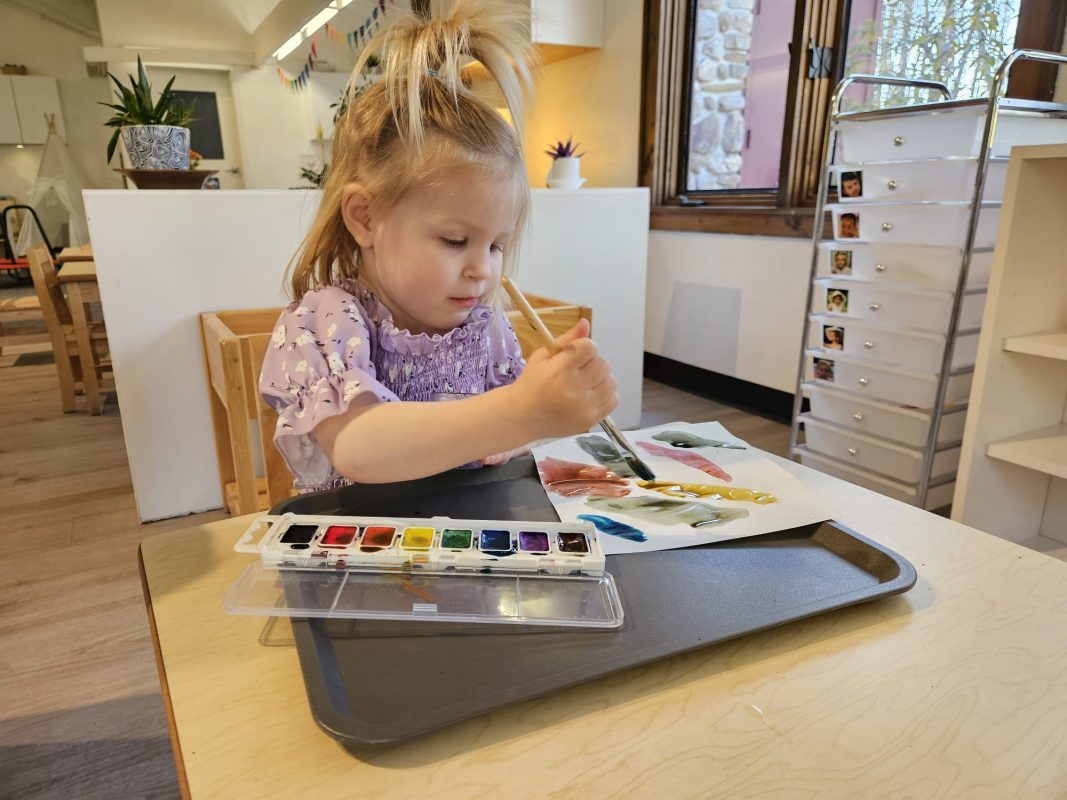
For families, we have a fun matching game in which the children can match their own and their friends’ photos to their respective family photos. This is a wonderful opportunity to practice language skills as they introduce their friends to their family members. We have also added a dollhouse with figures from diverse cultural backgrounds so that children can create their unique family units.

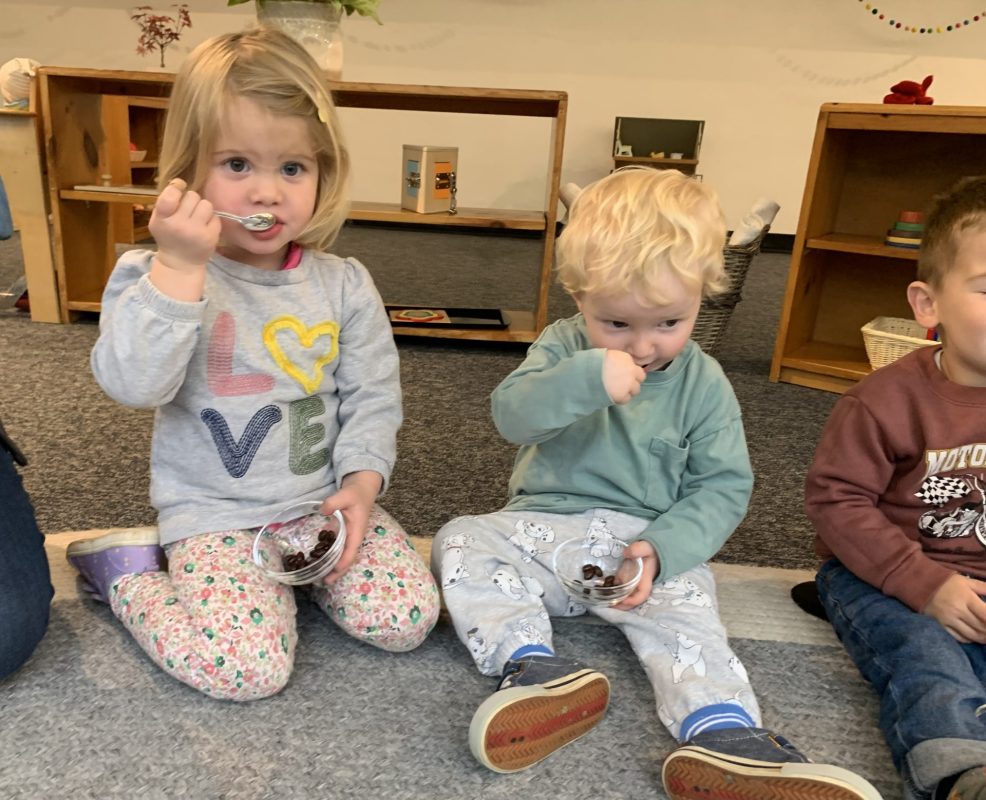
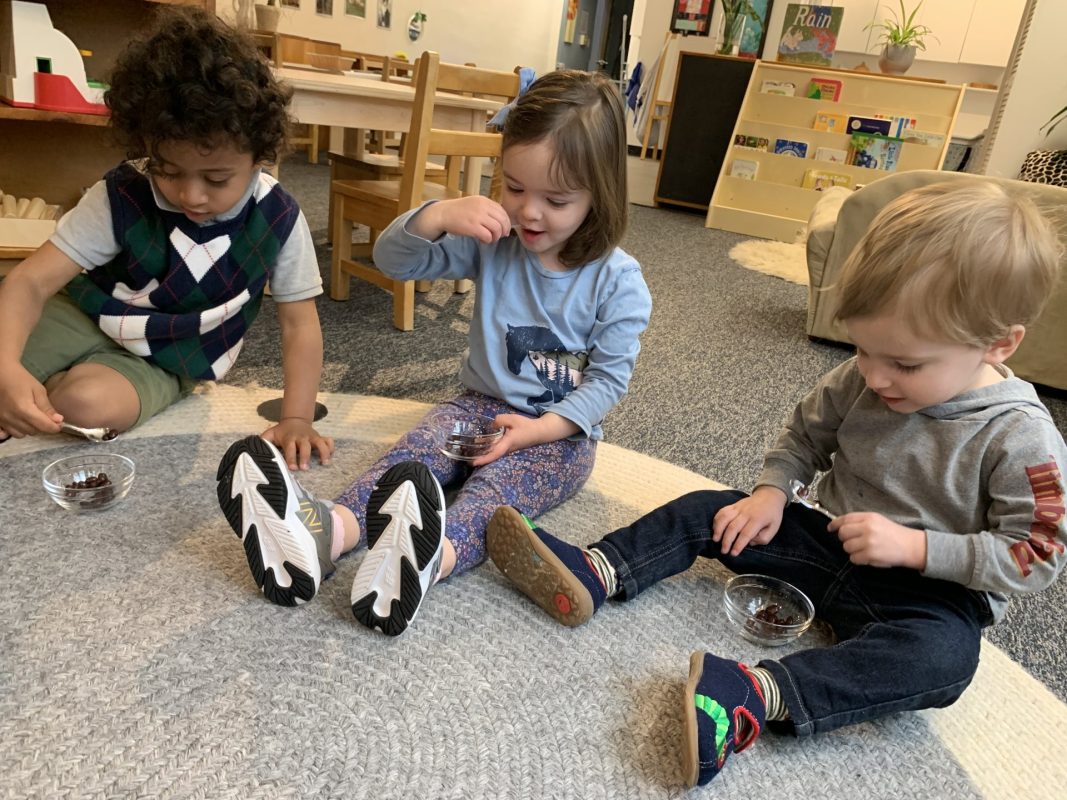
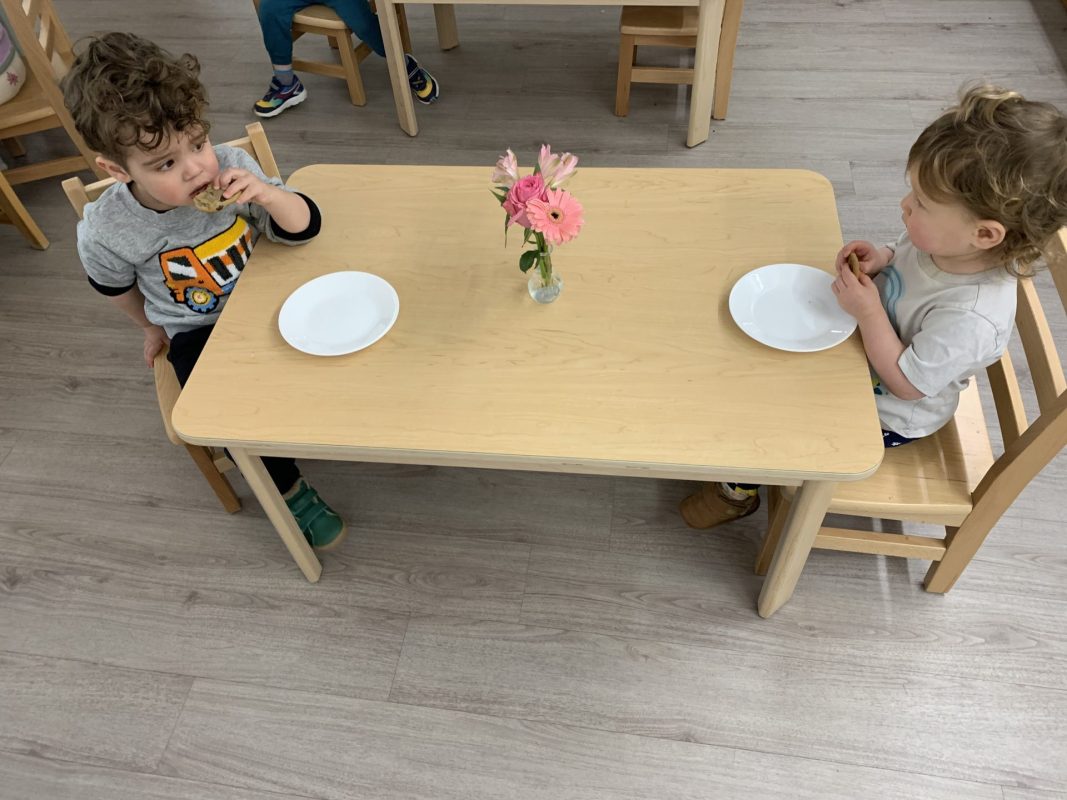
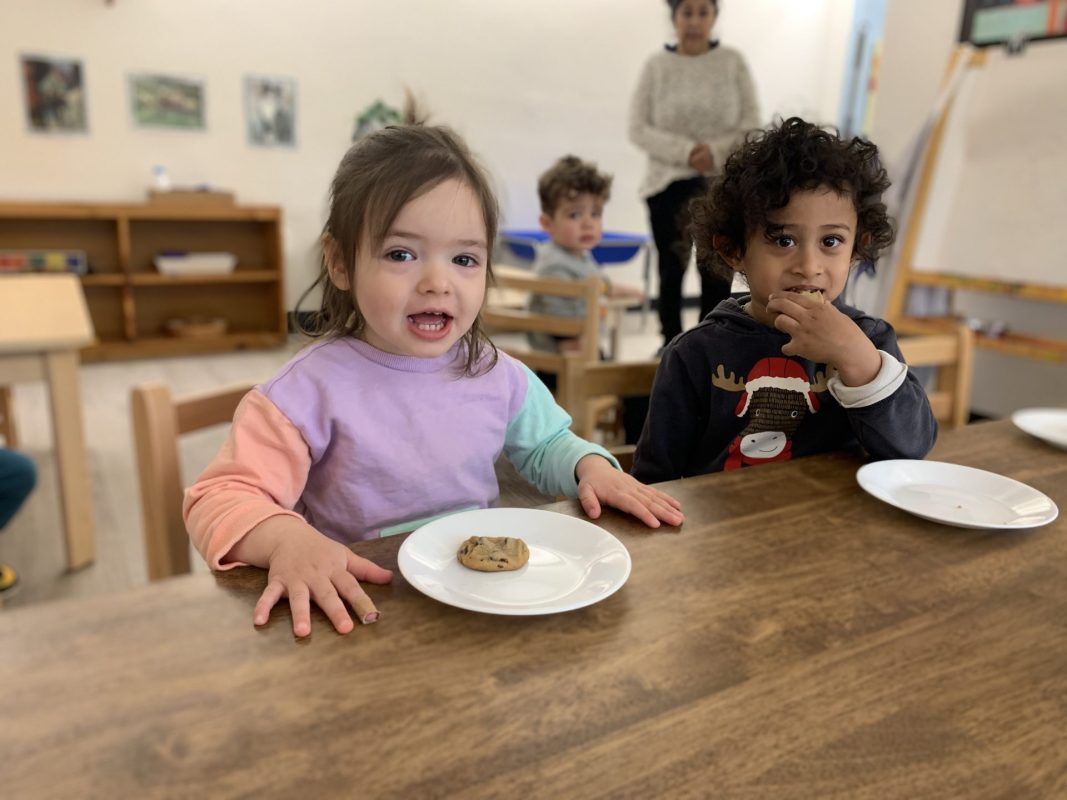
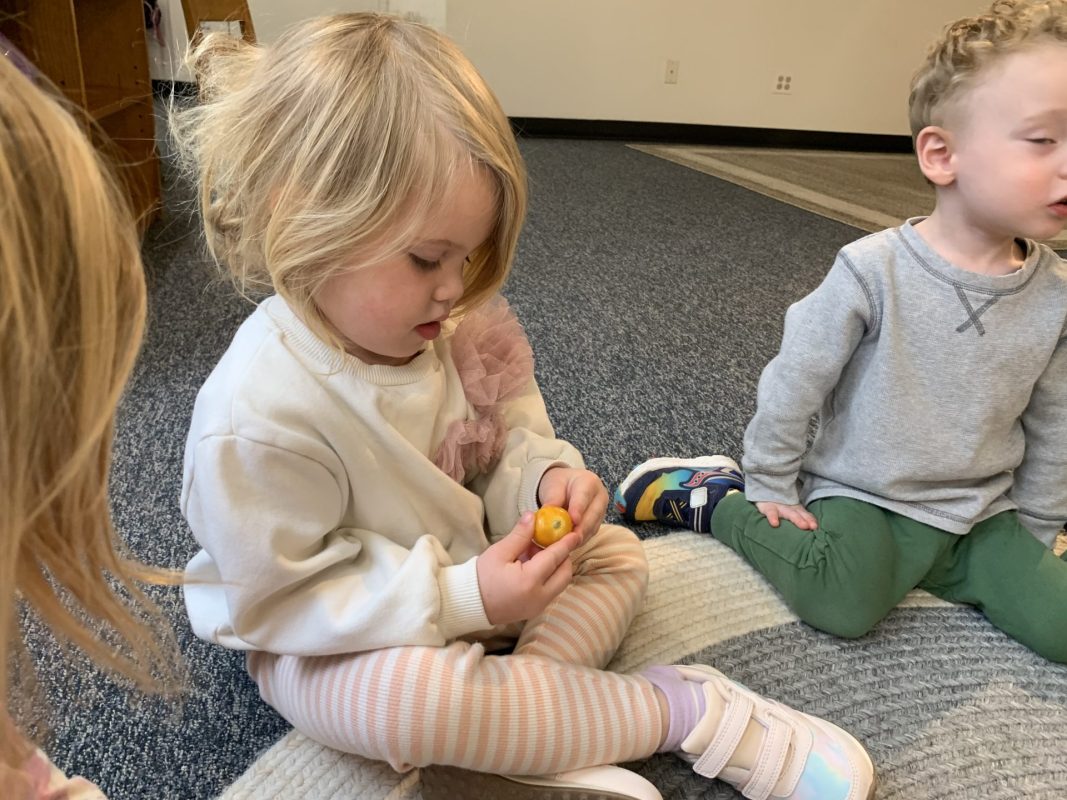
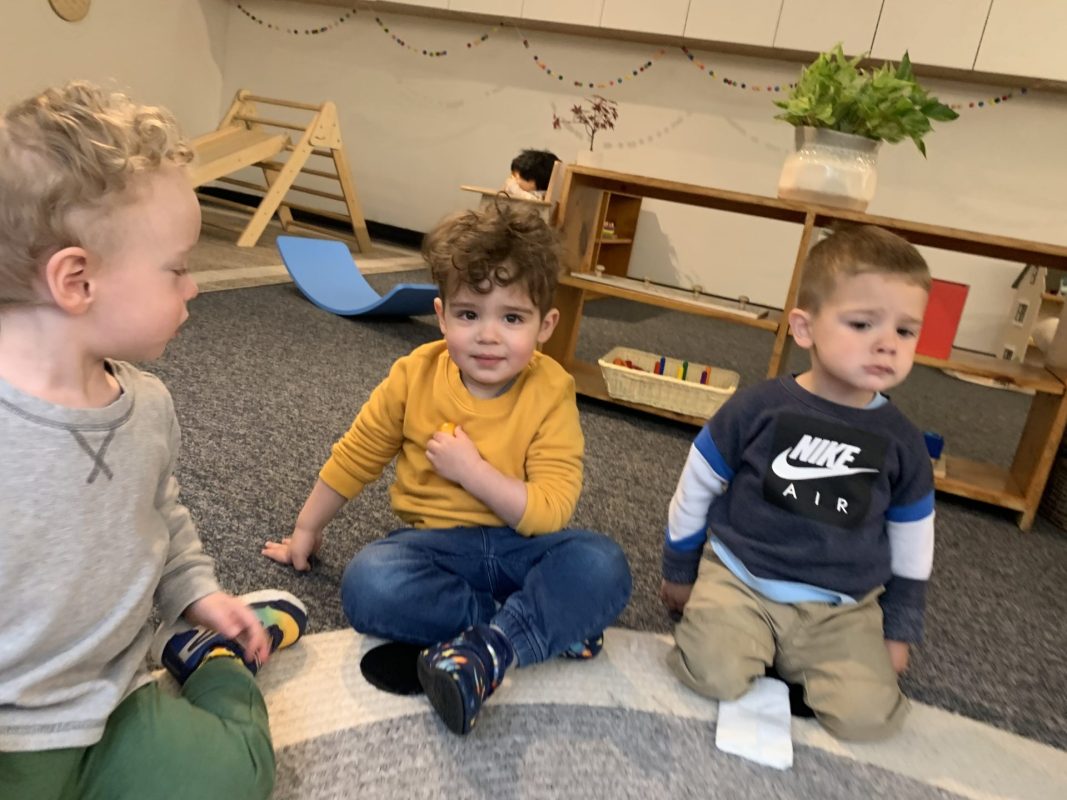
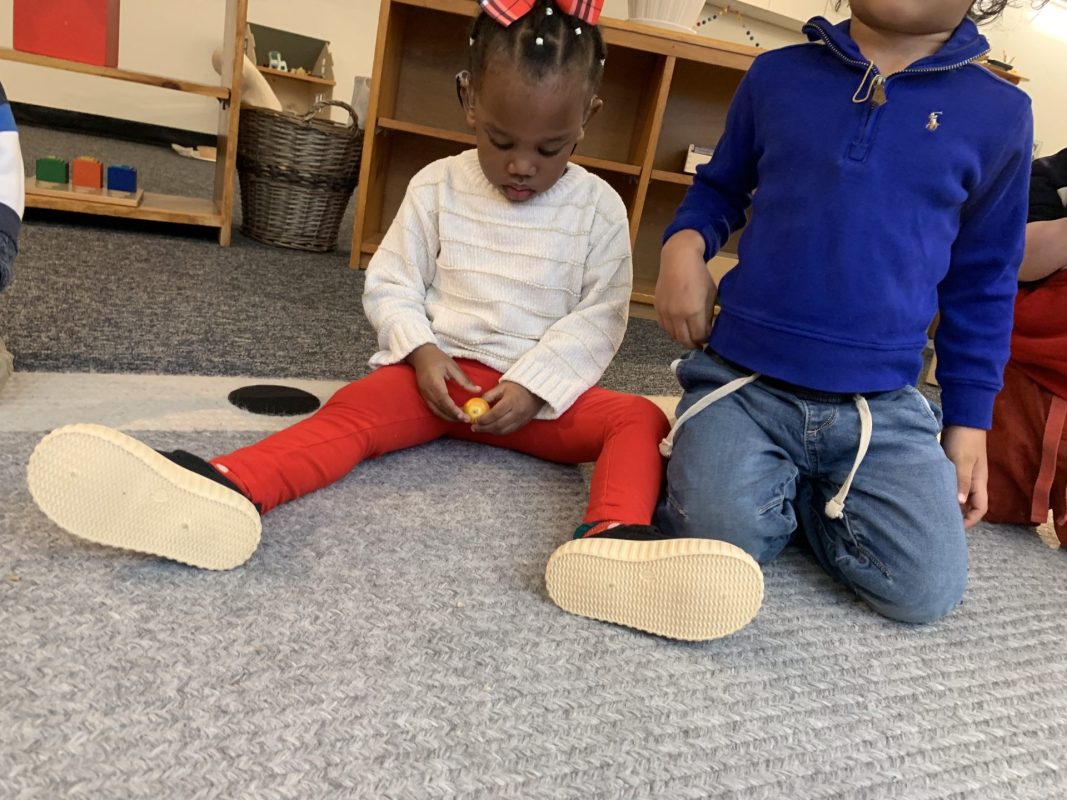
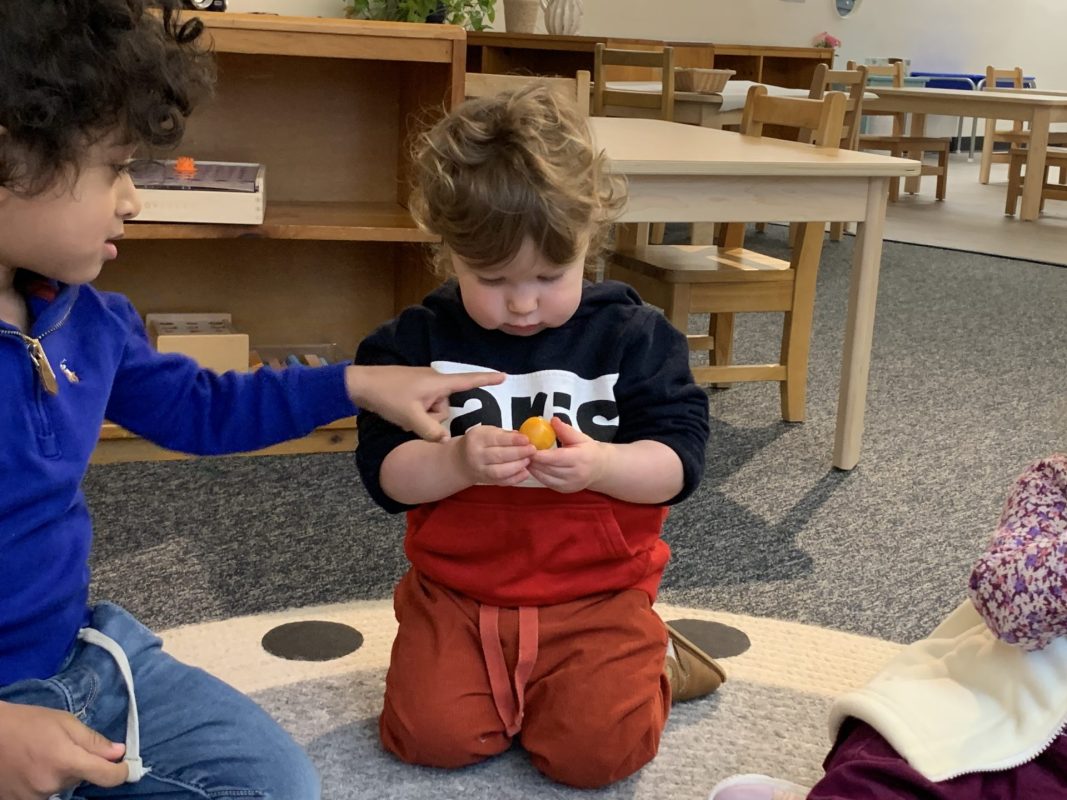
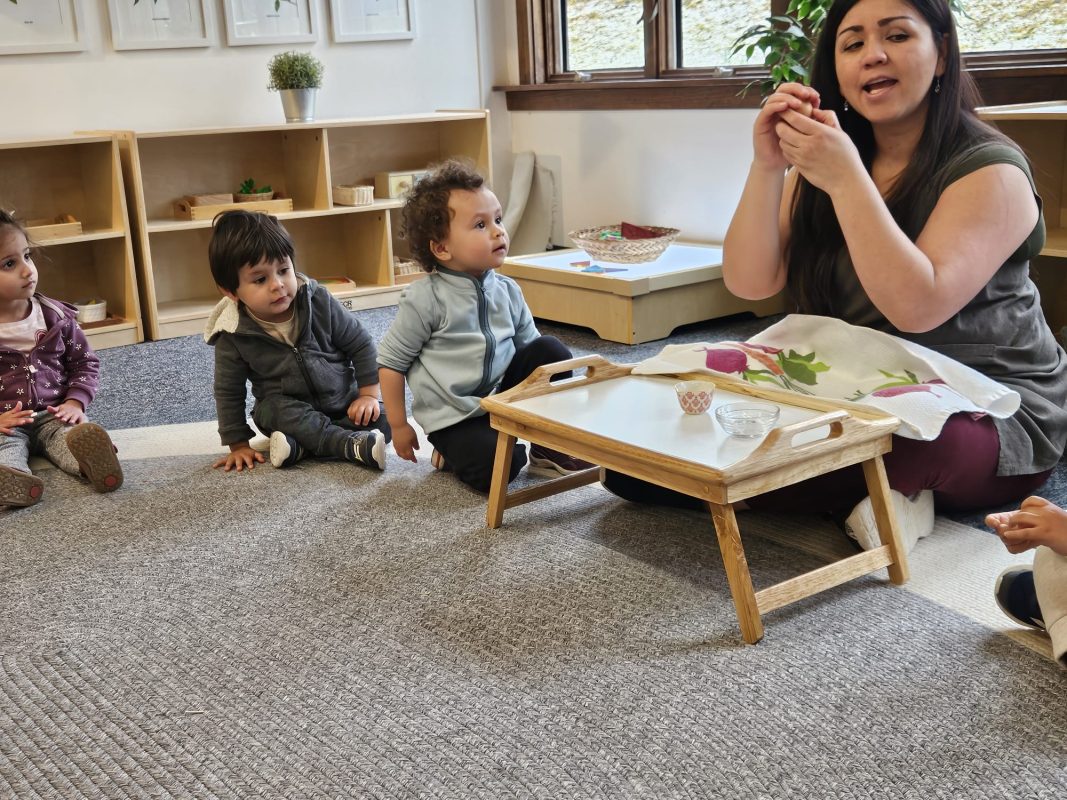
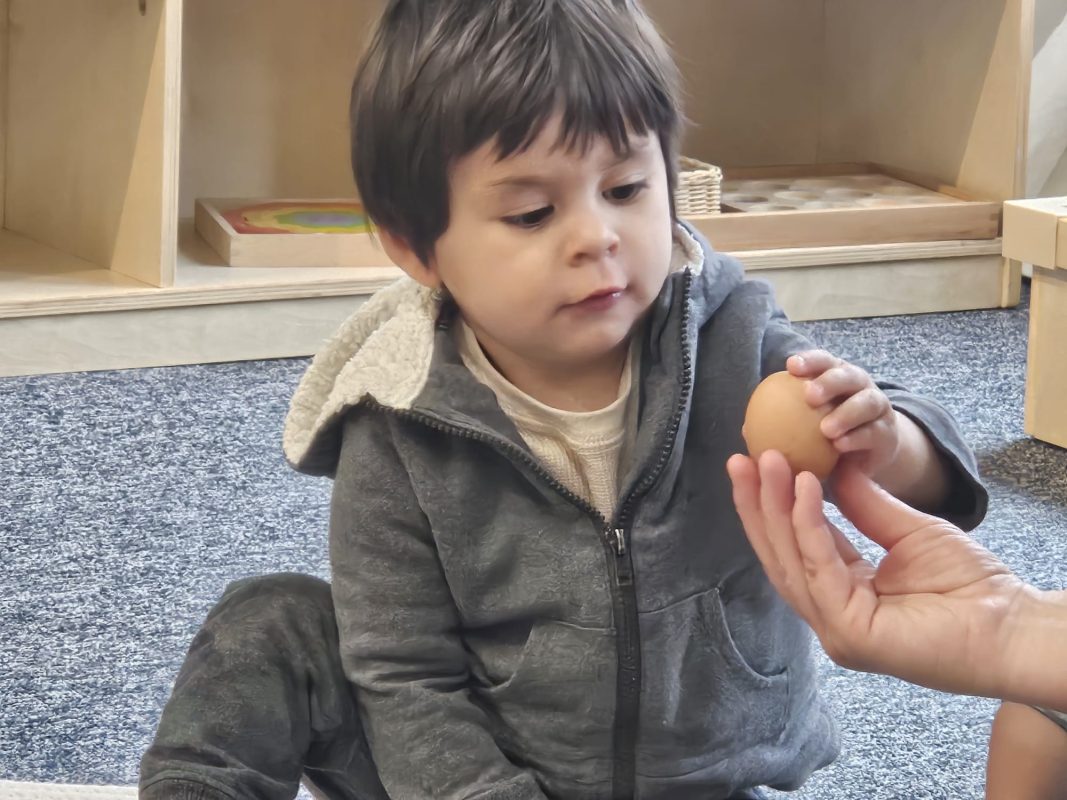
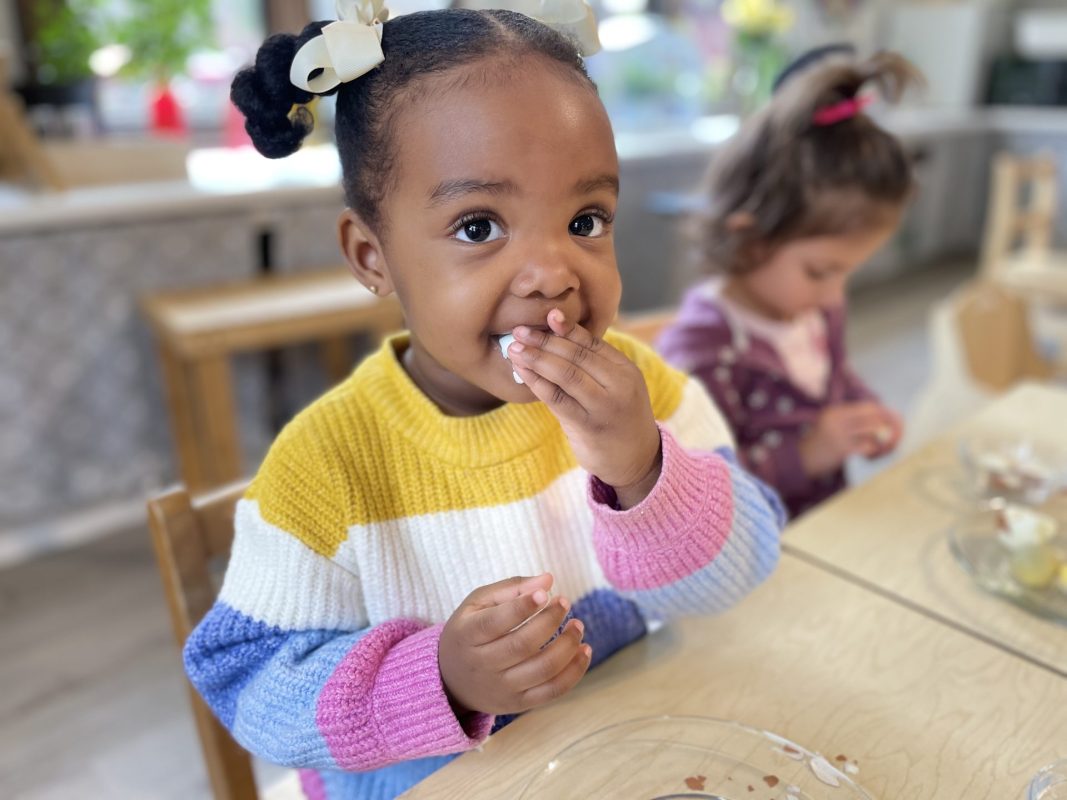
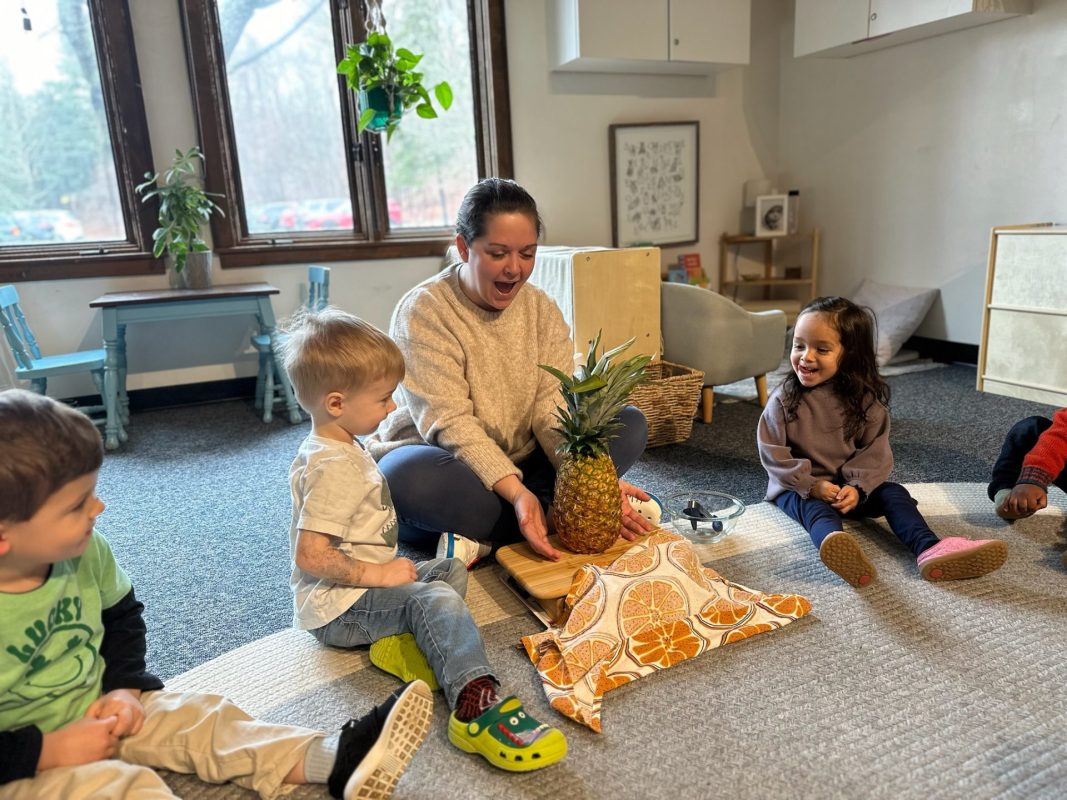
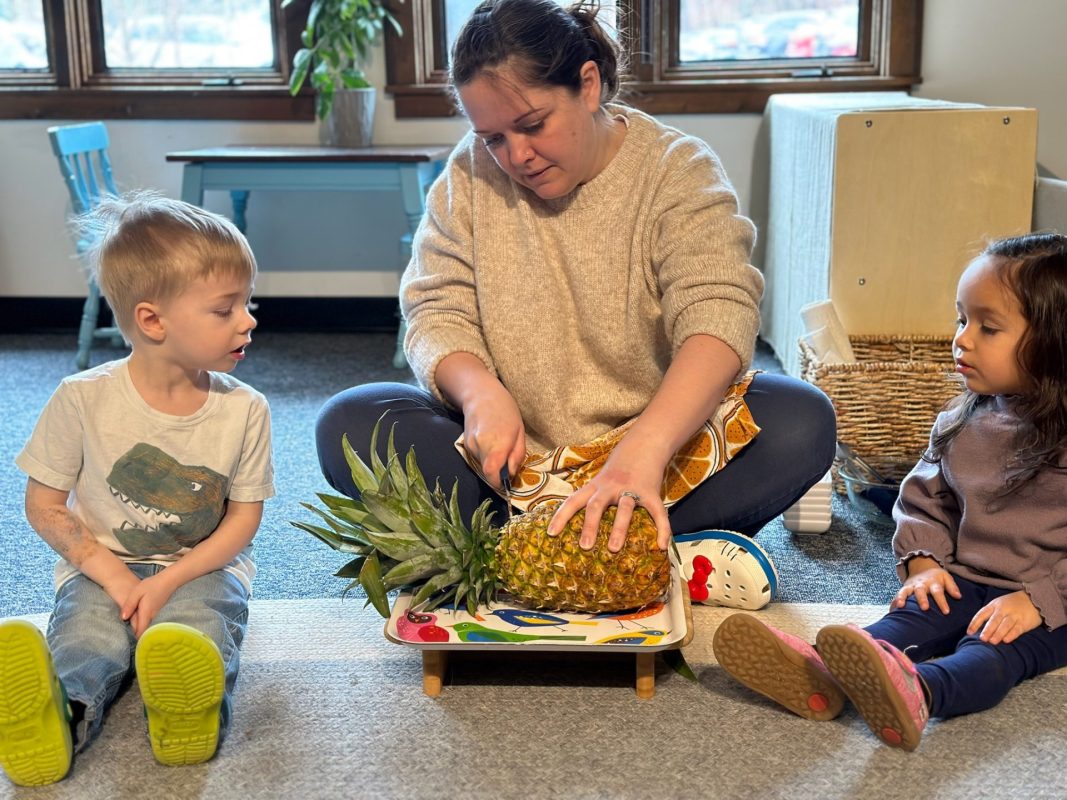
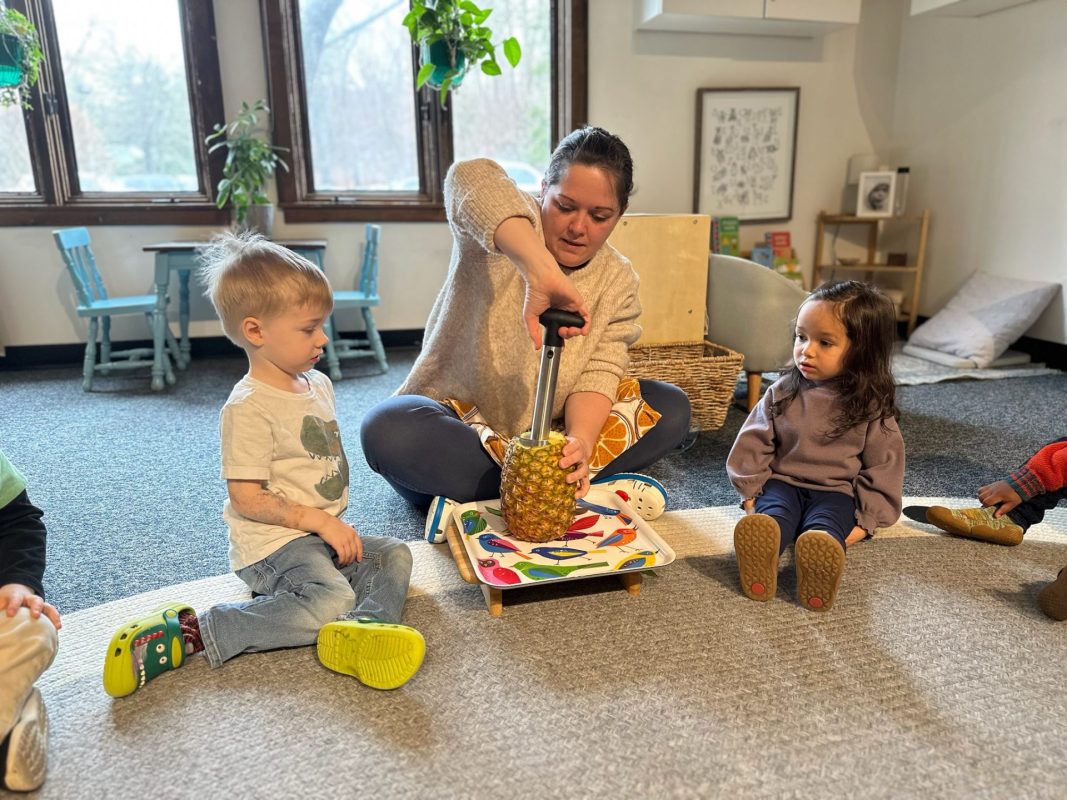
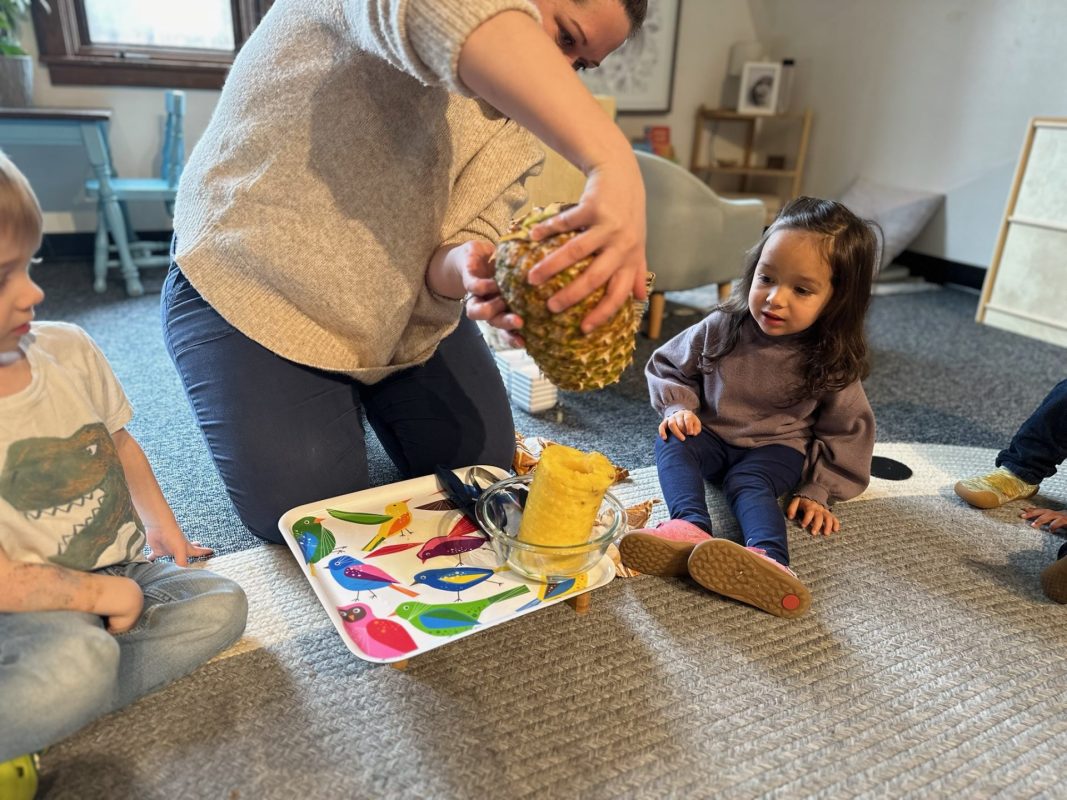
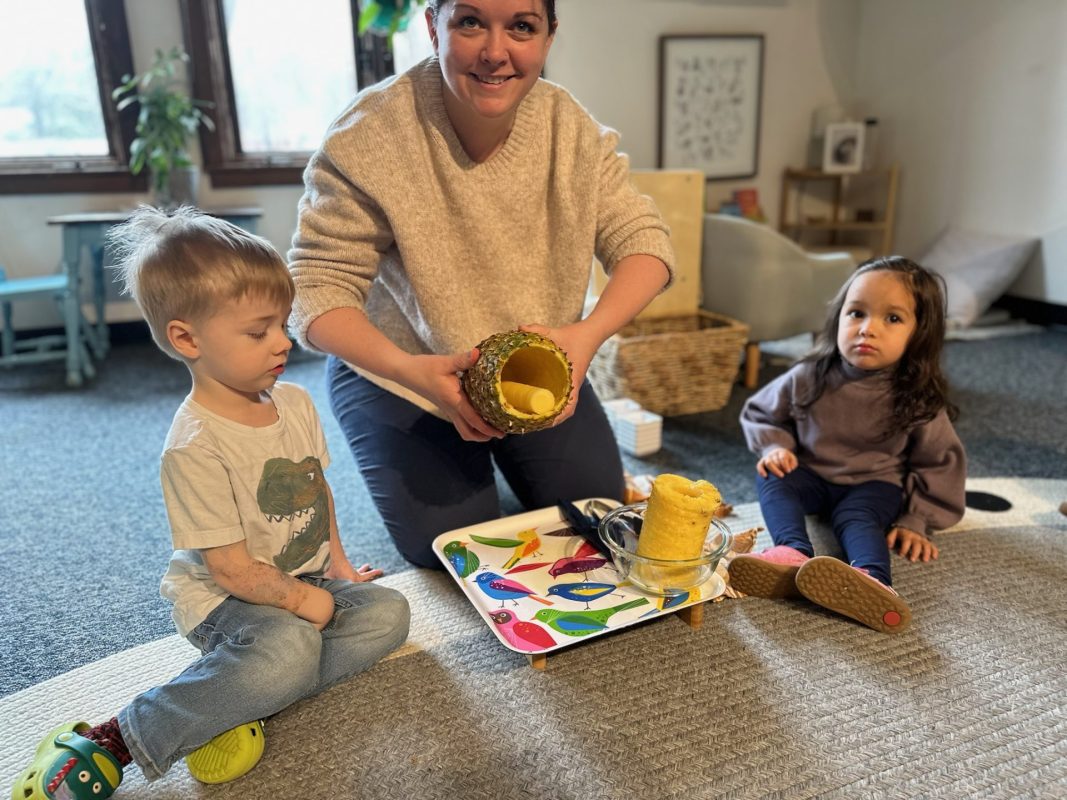
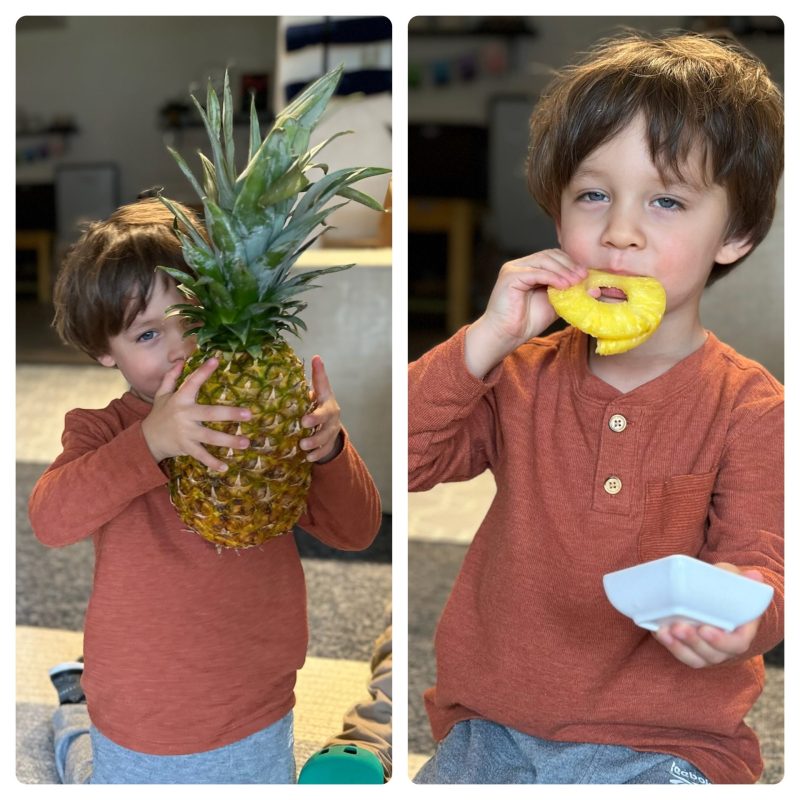
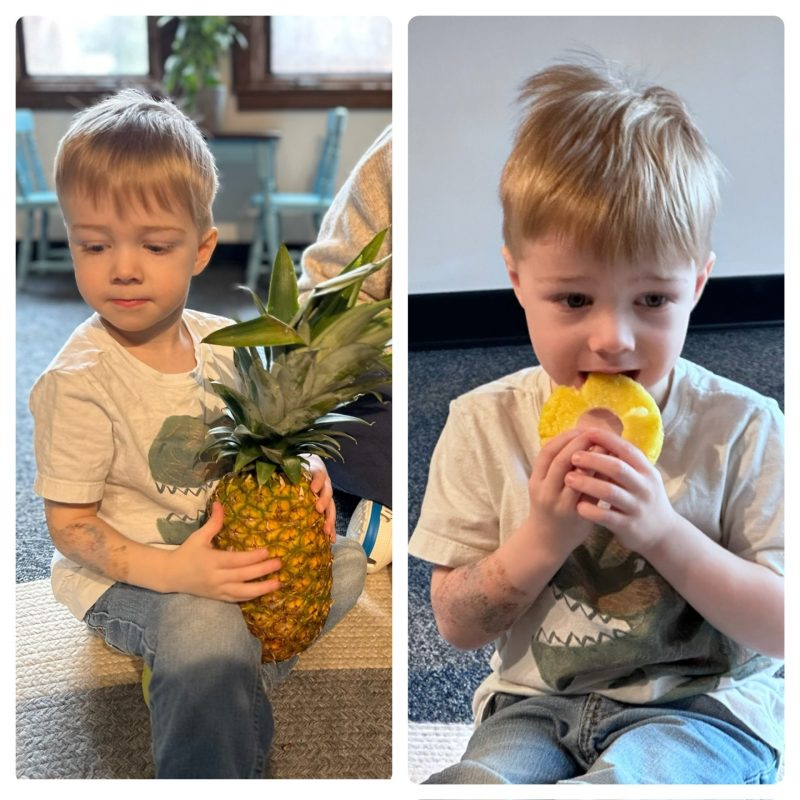
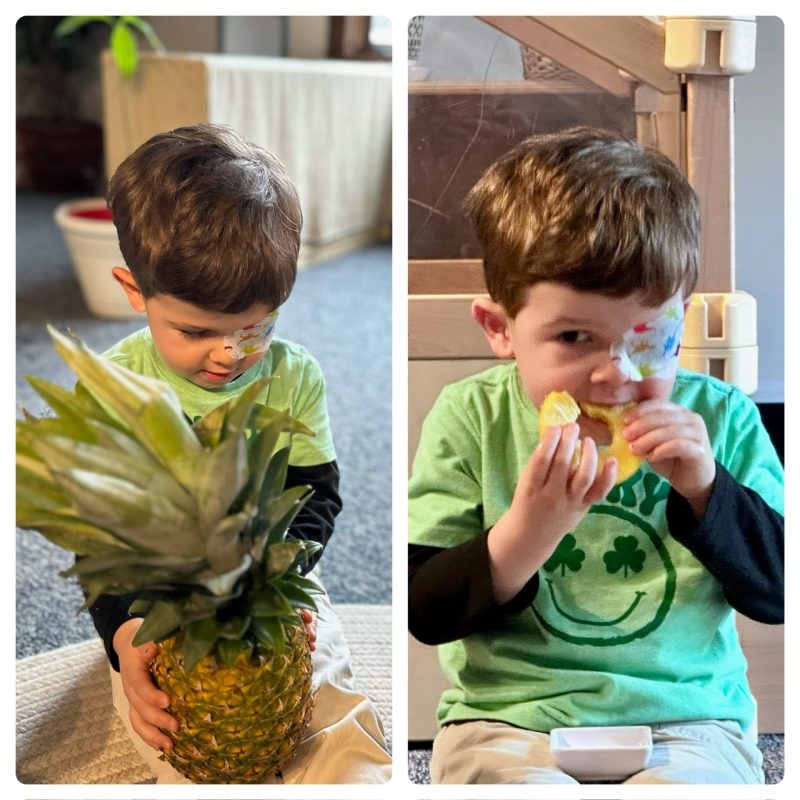
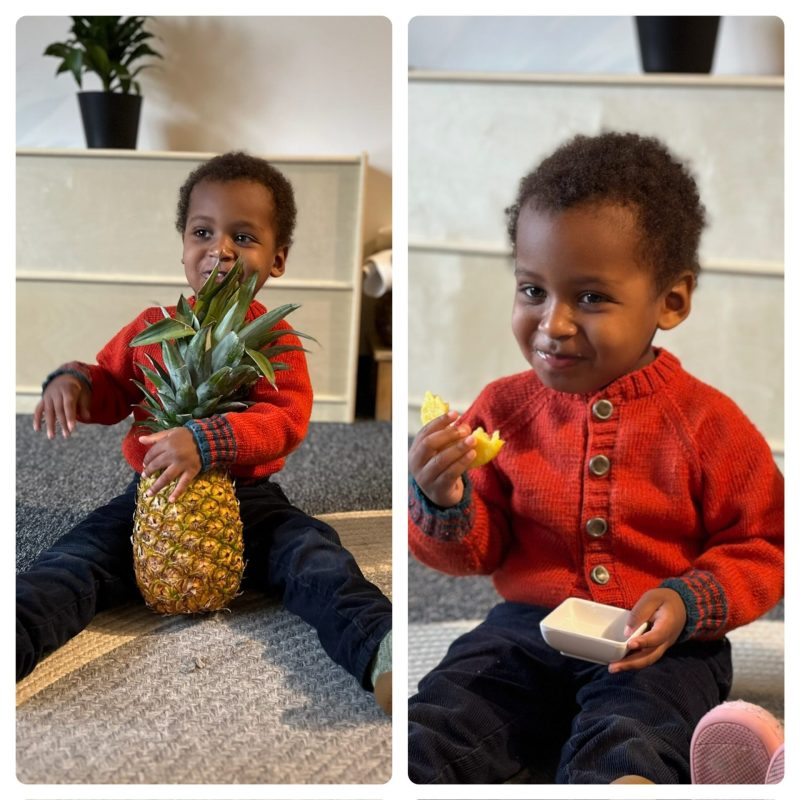
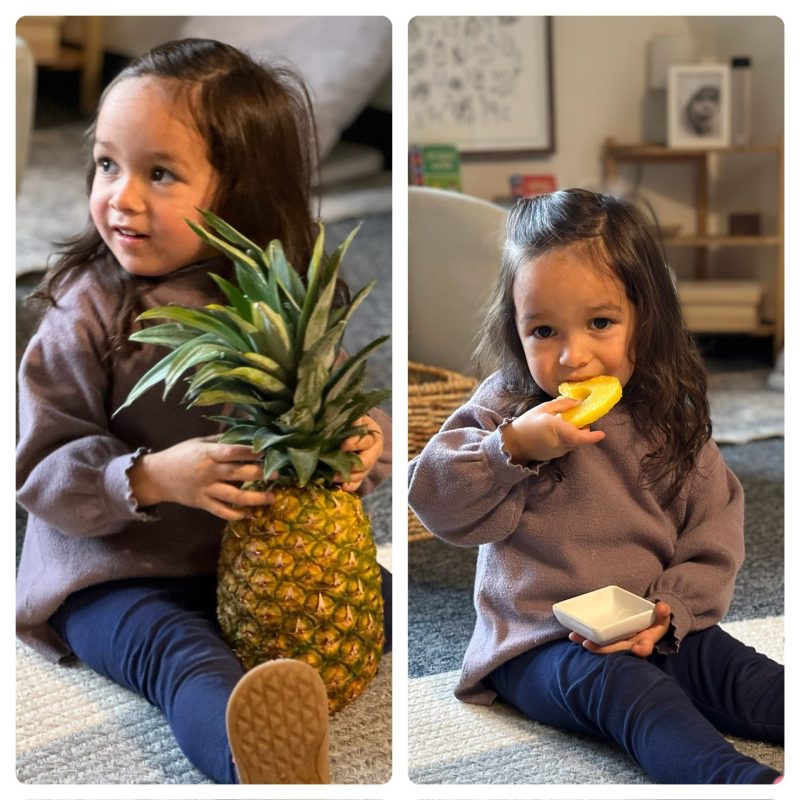
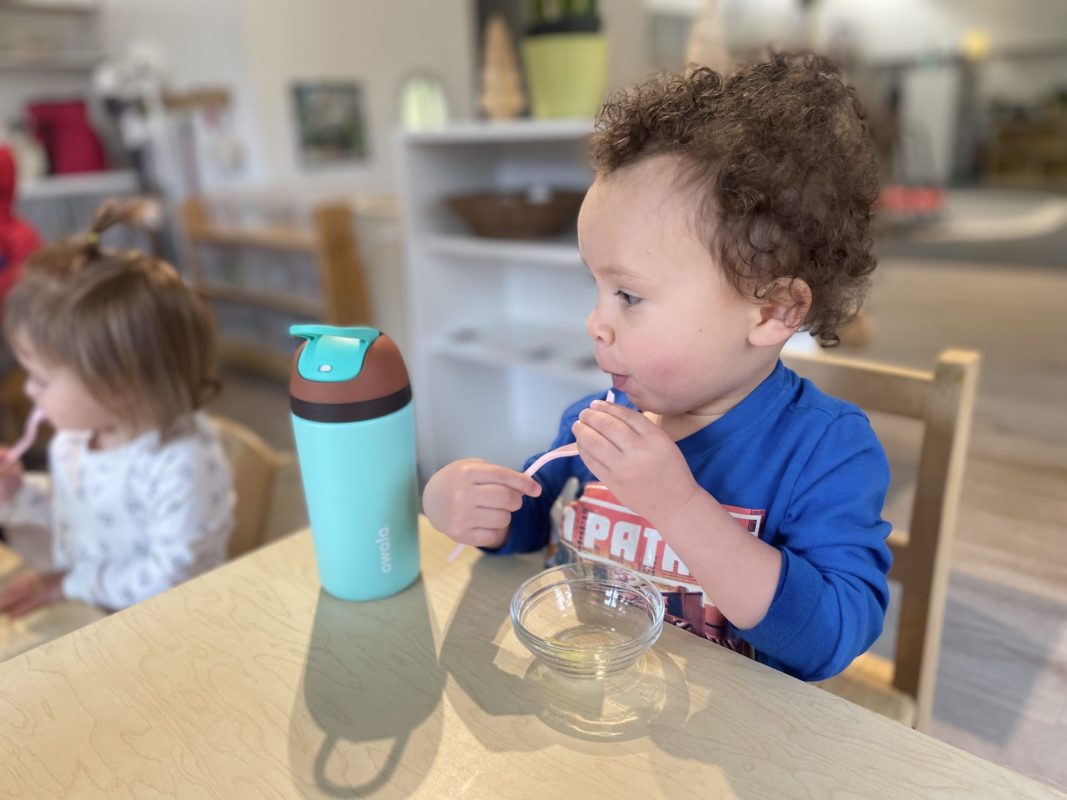
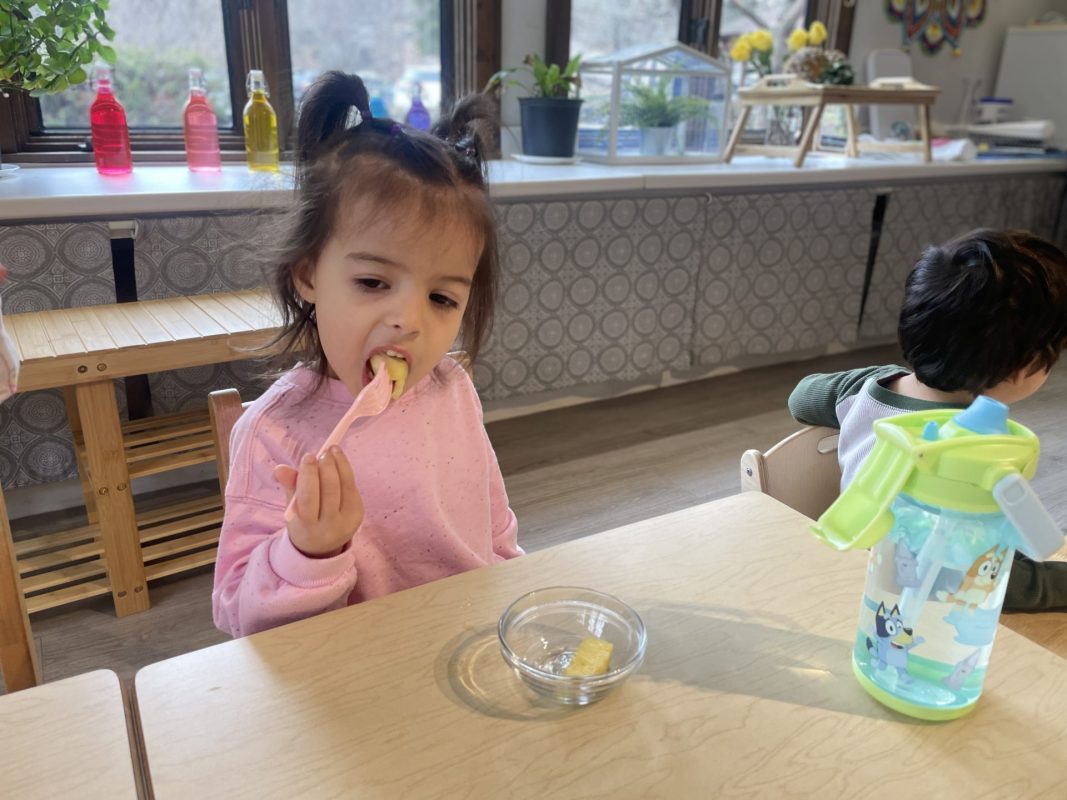
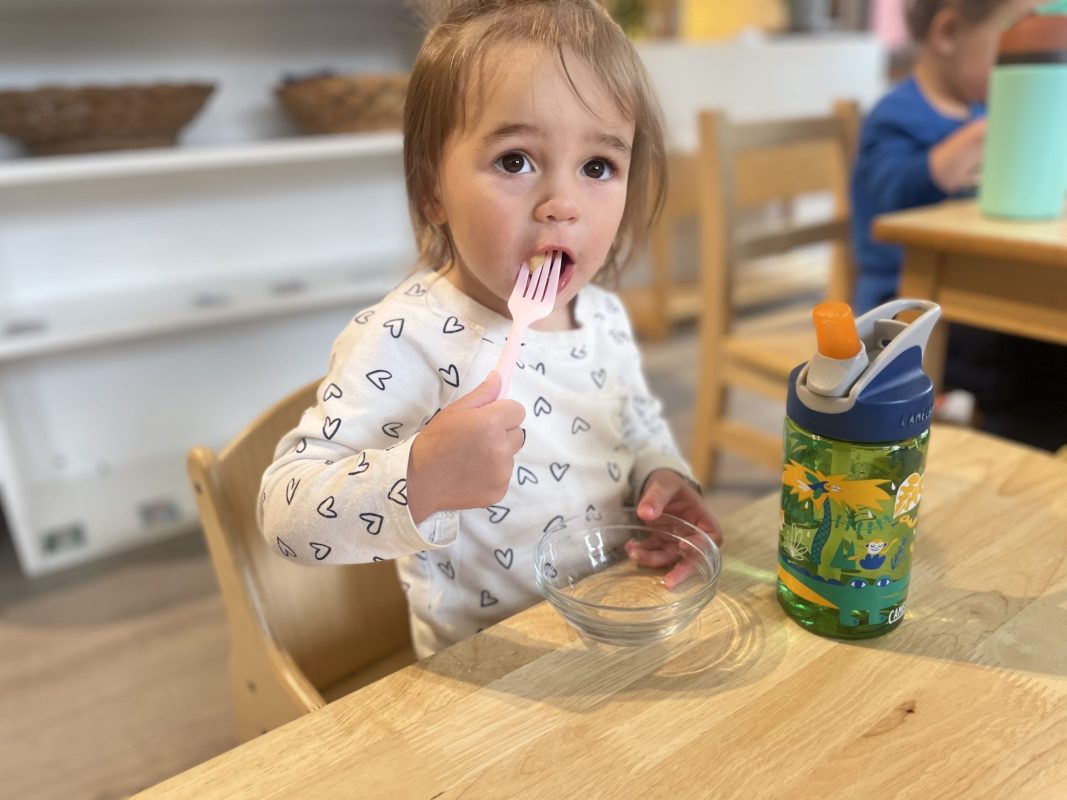
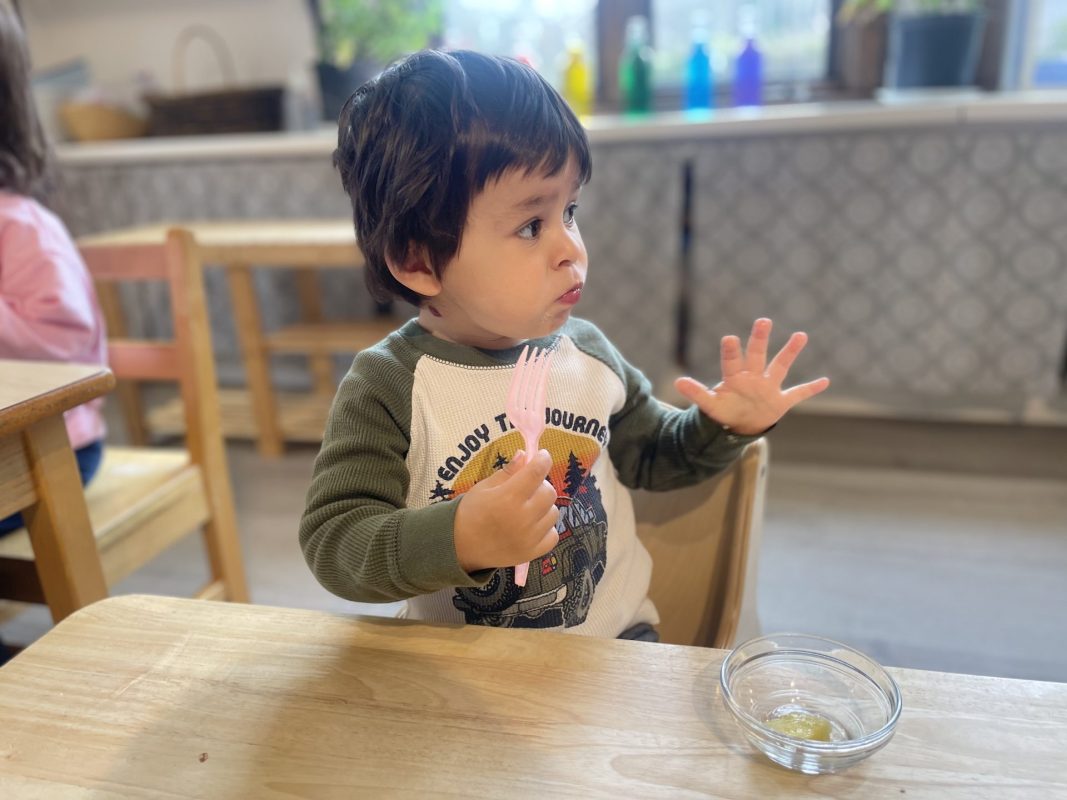
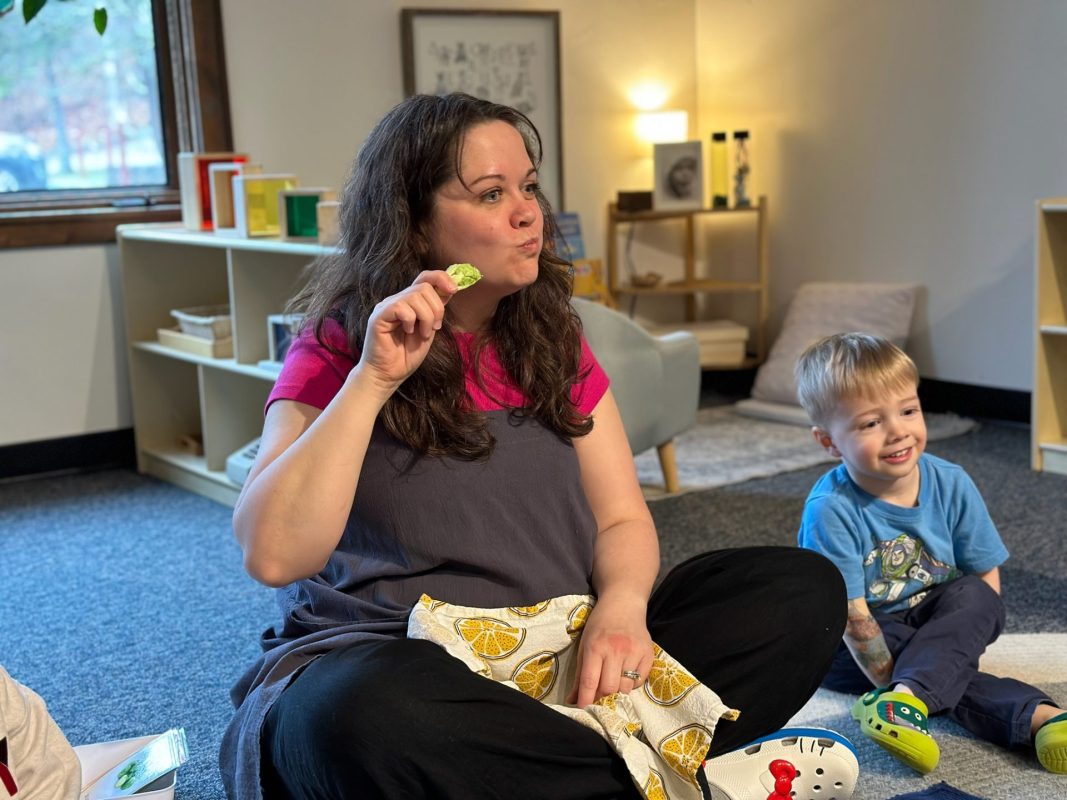
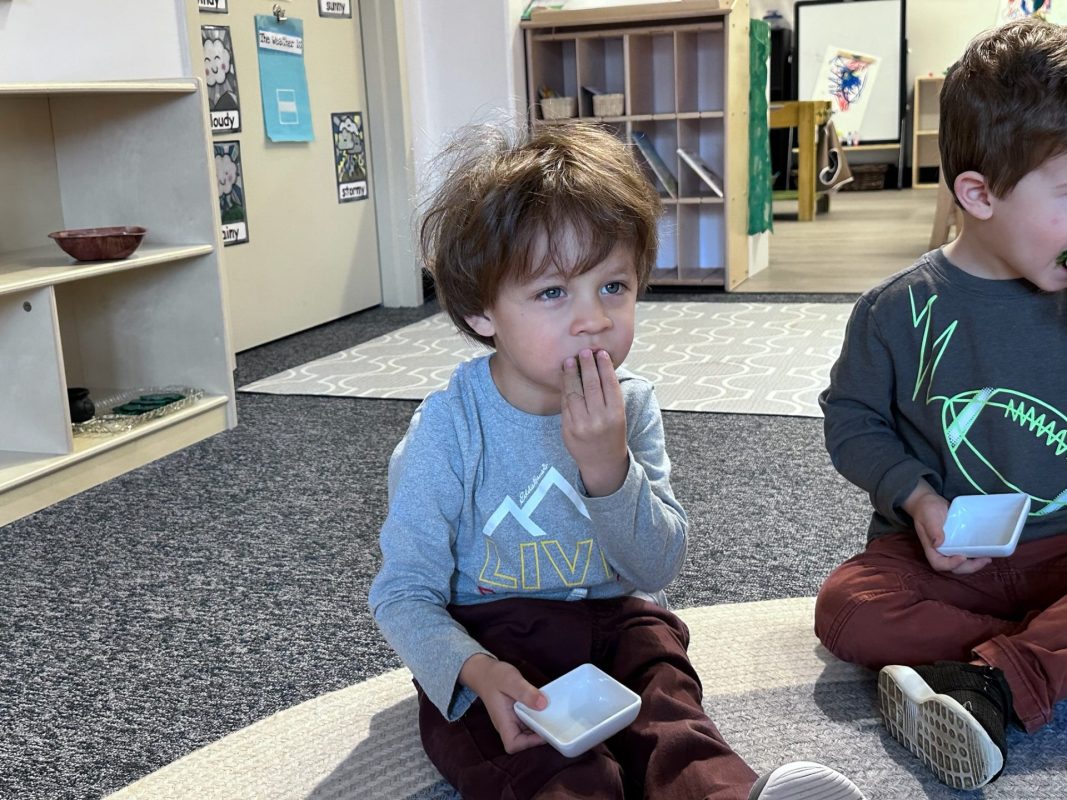
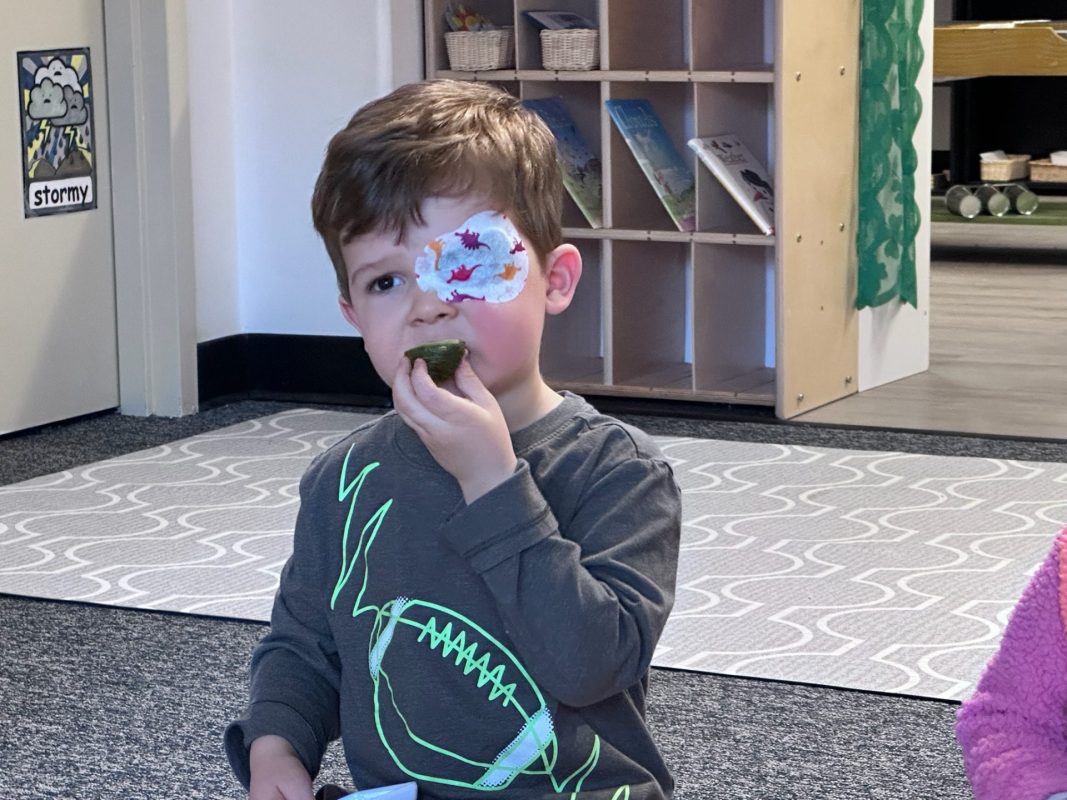
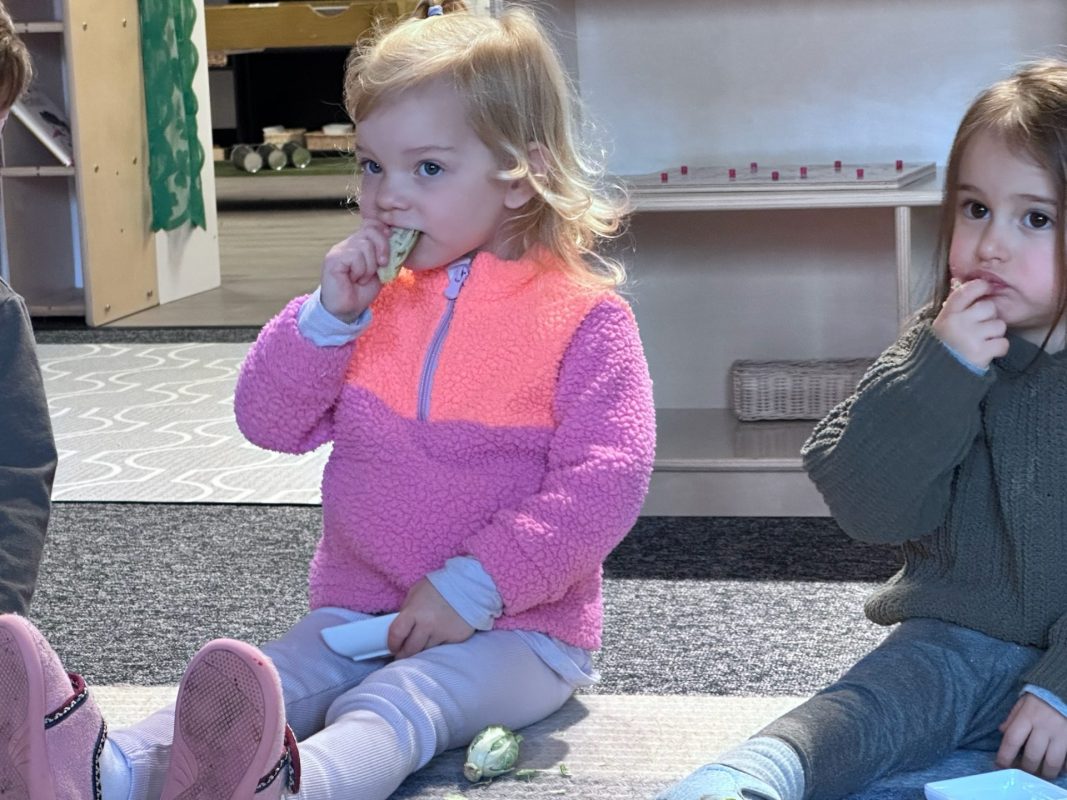
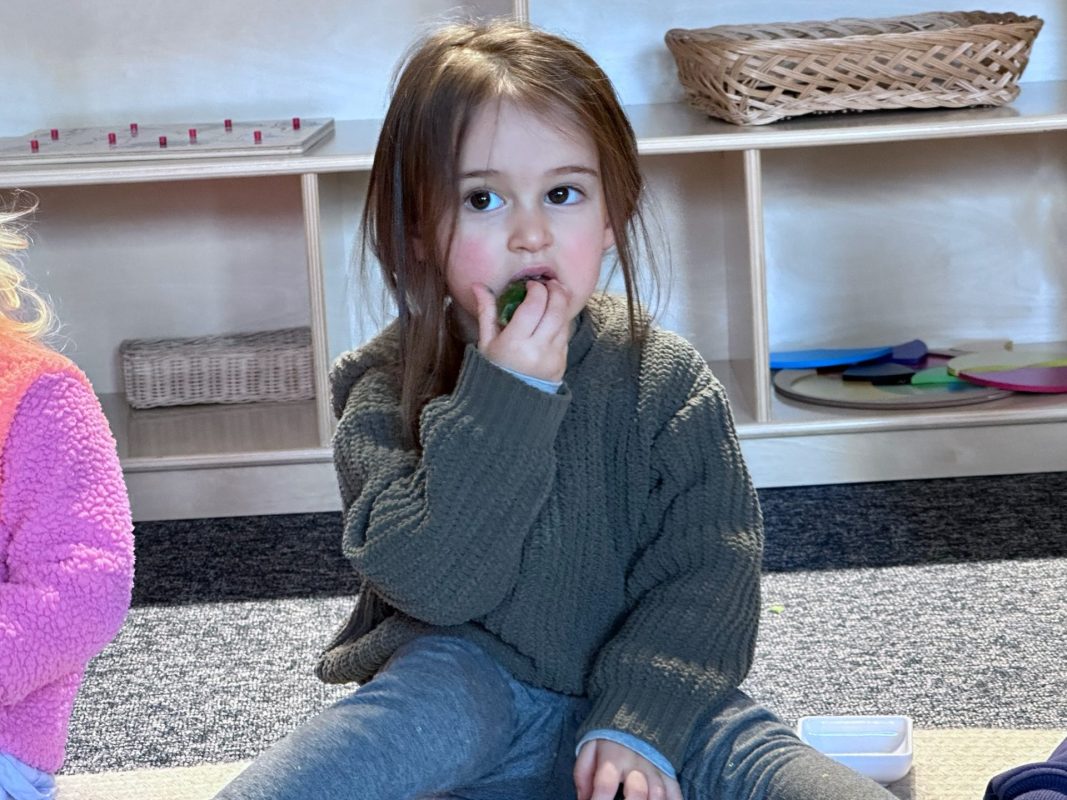
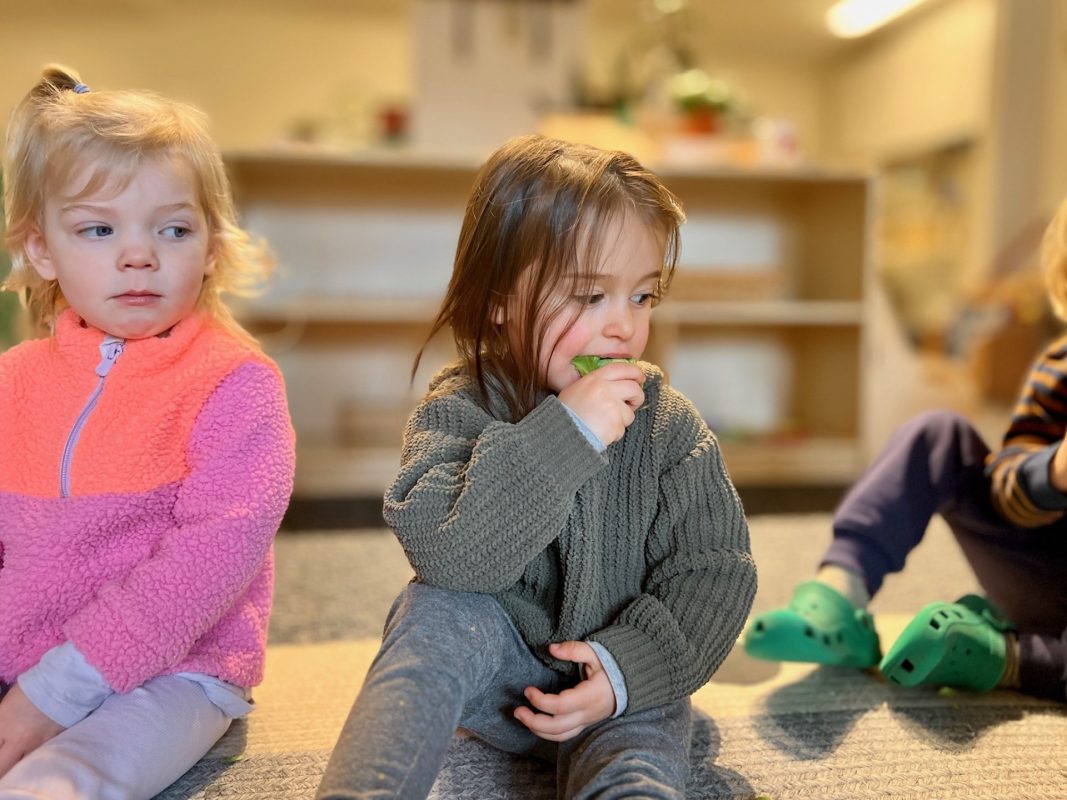
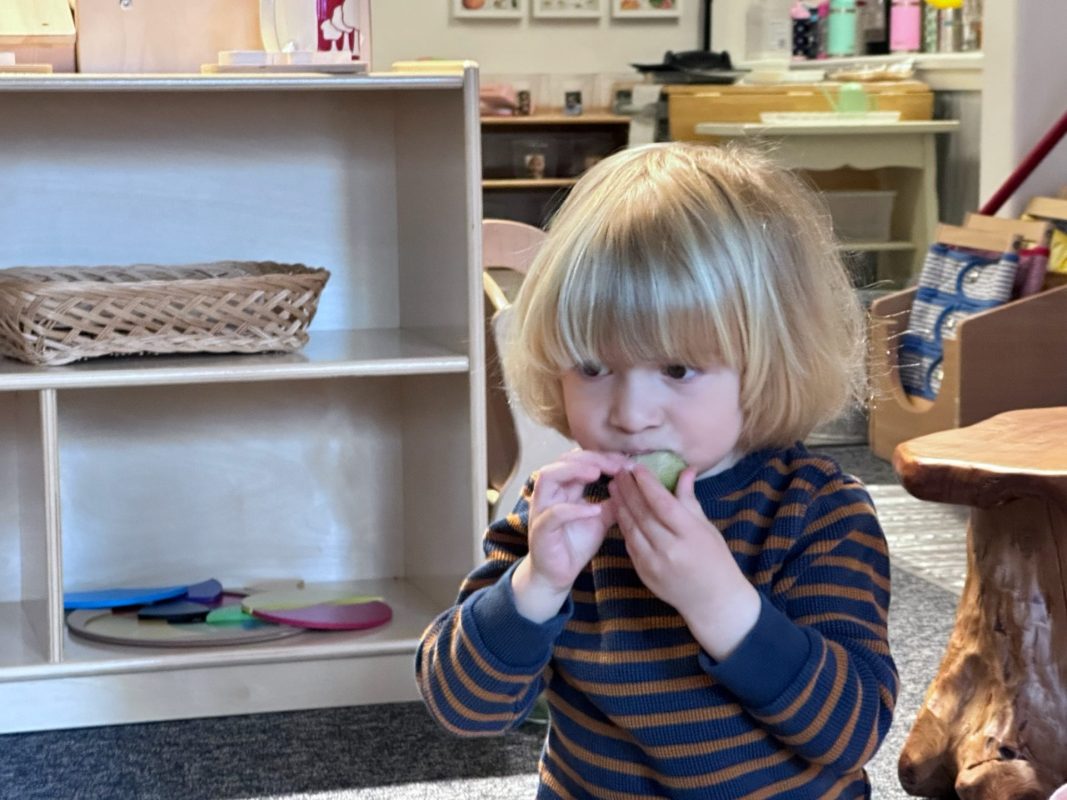
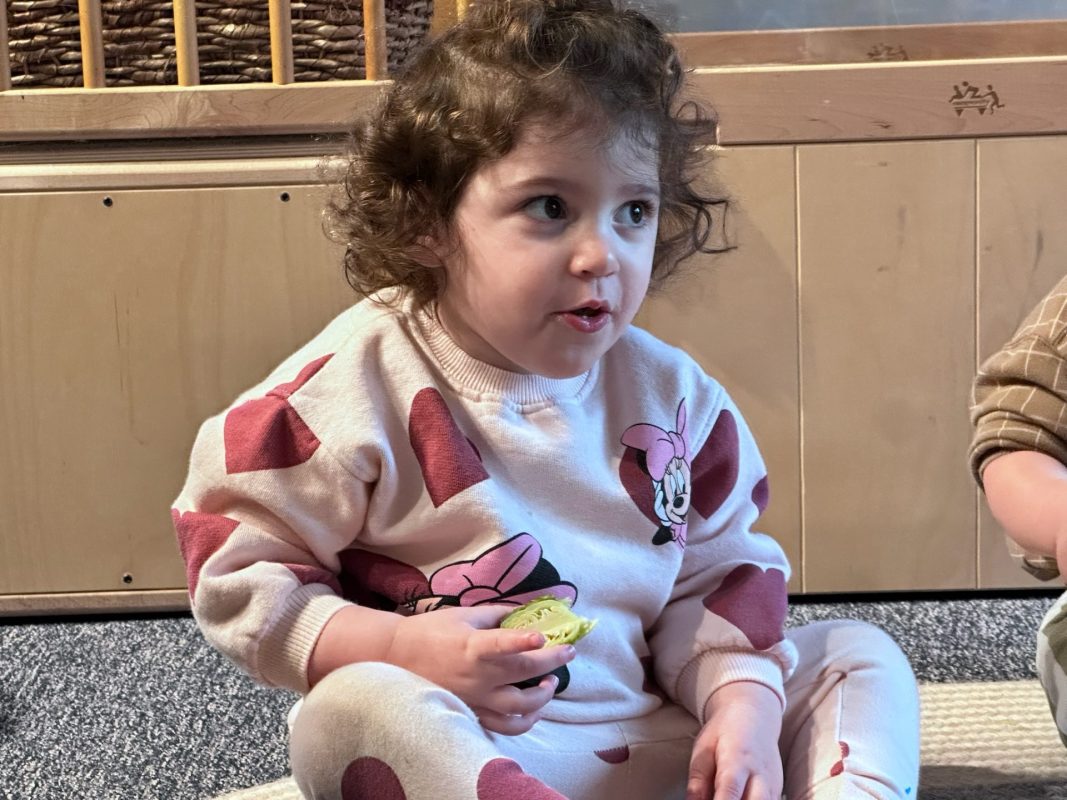
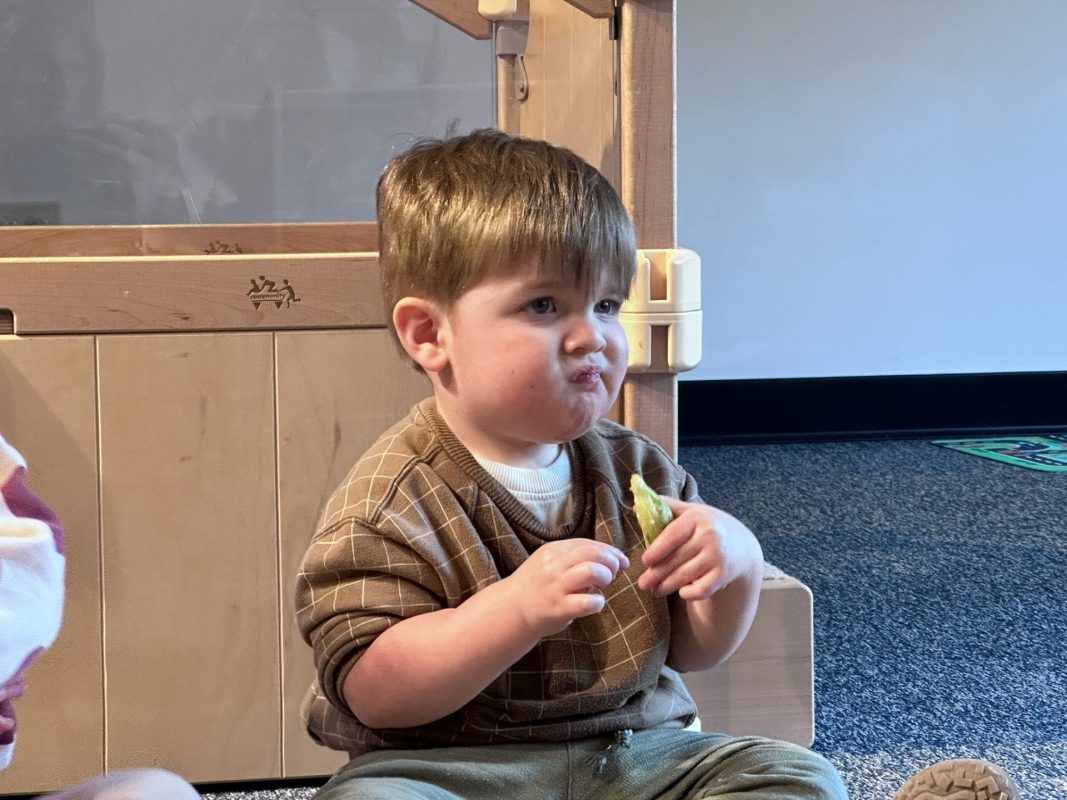
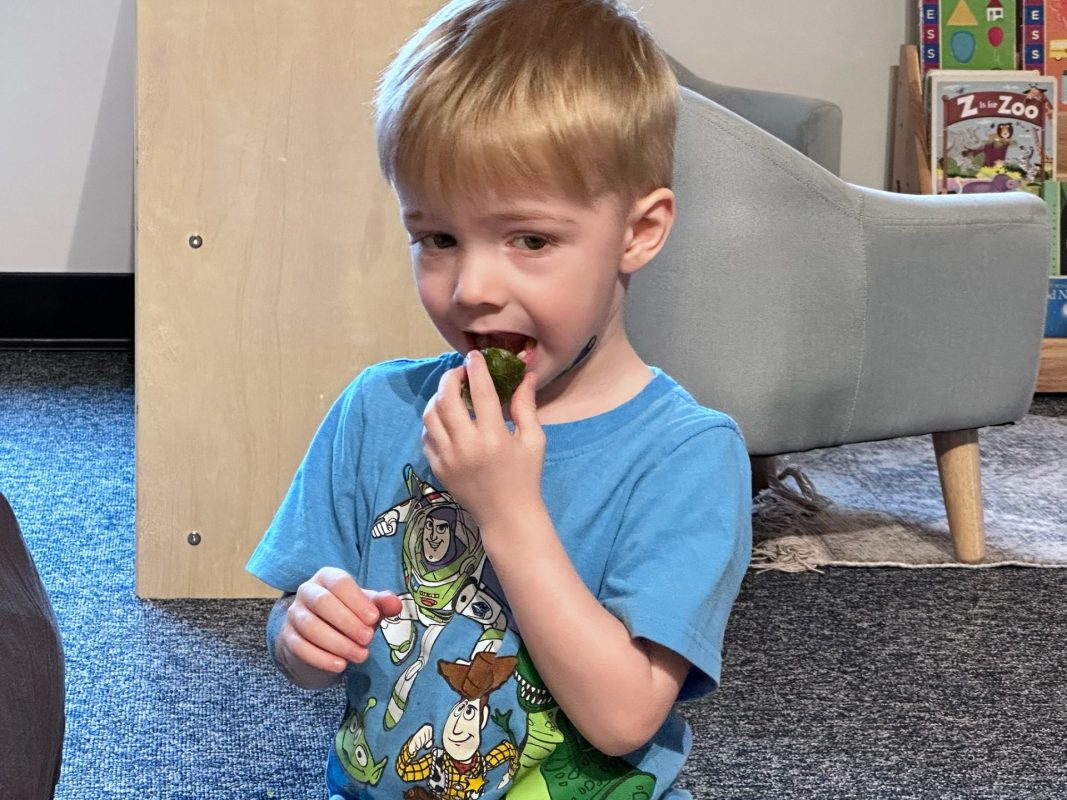
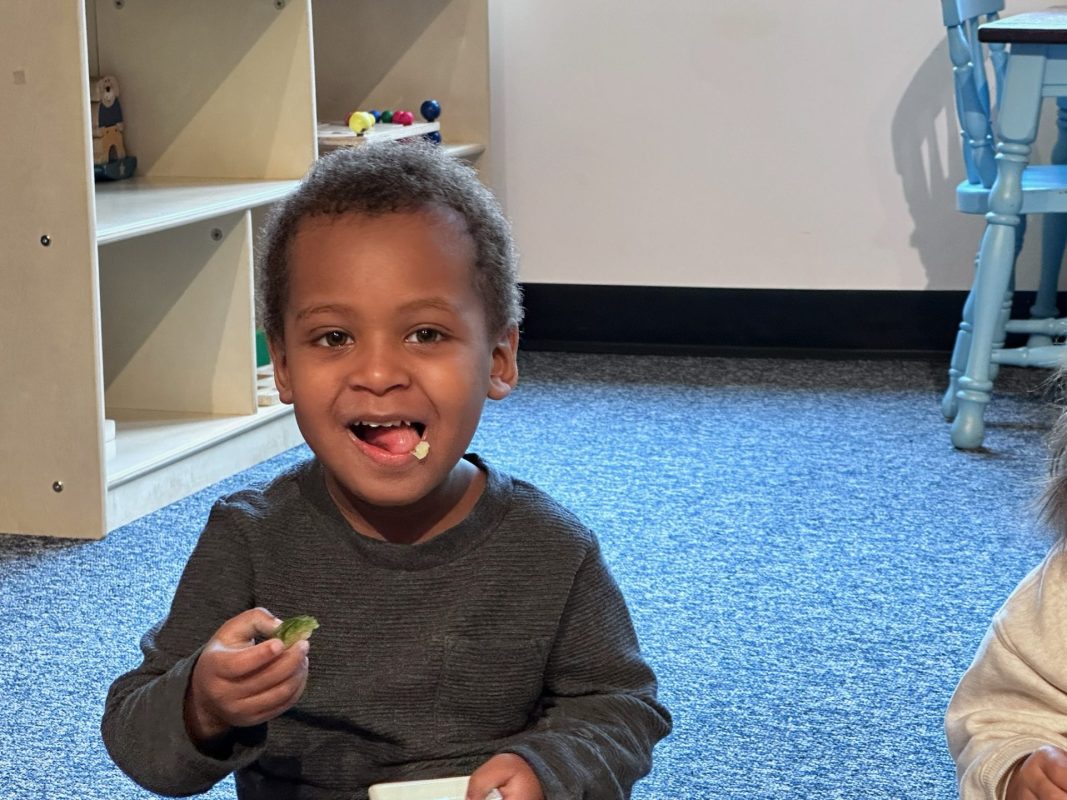
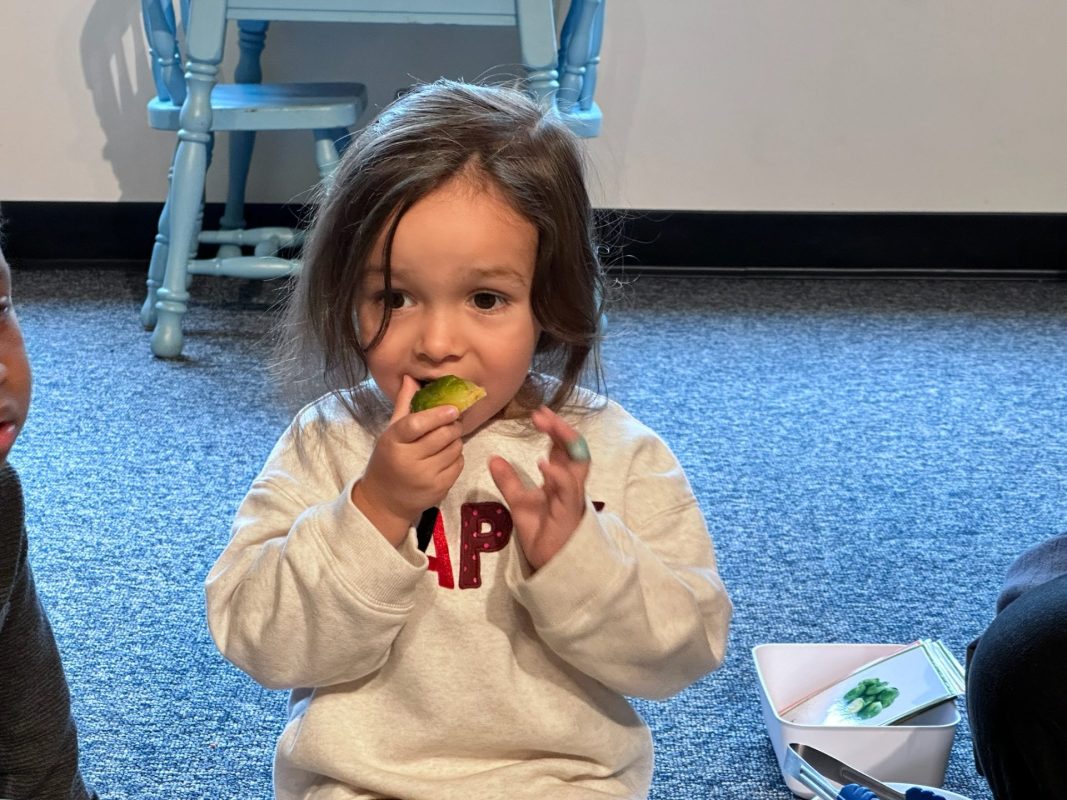
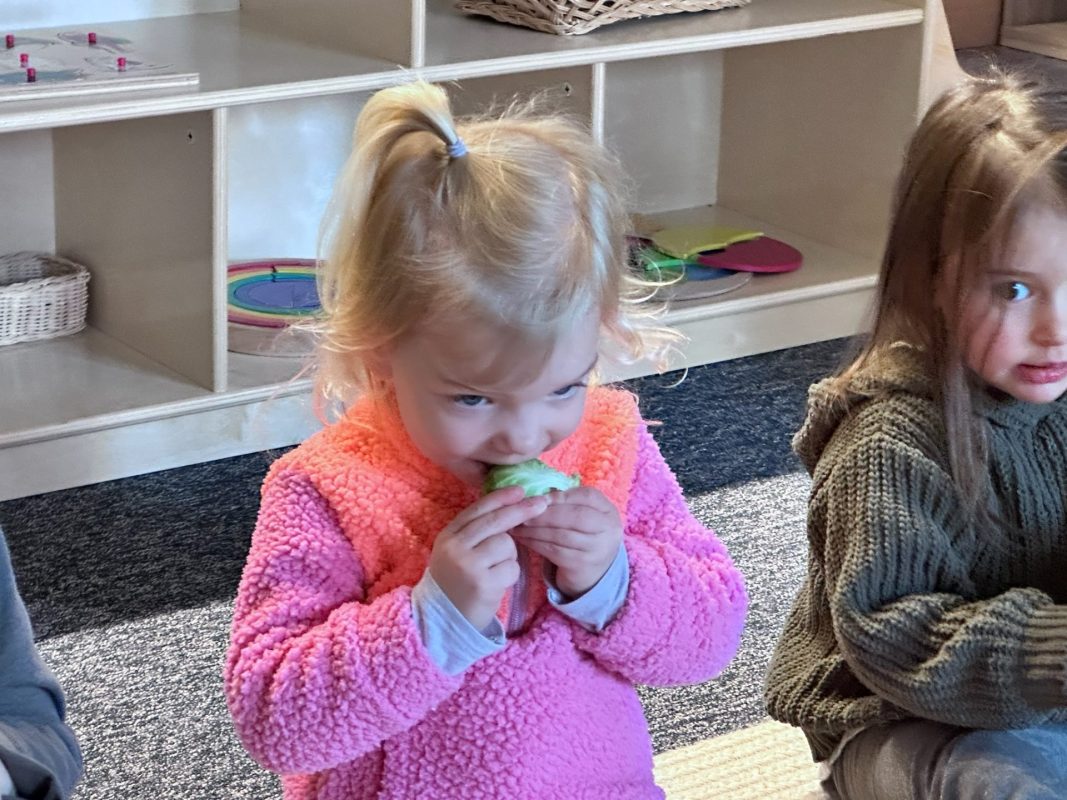
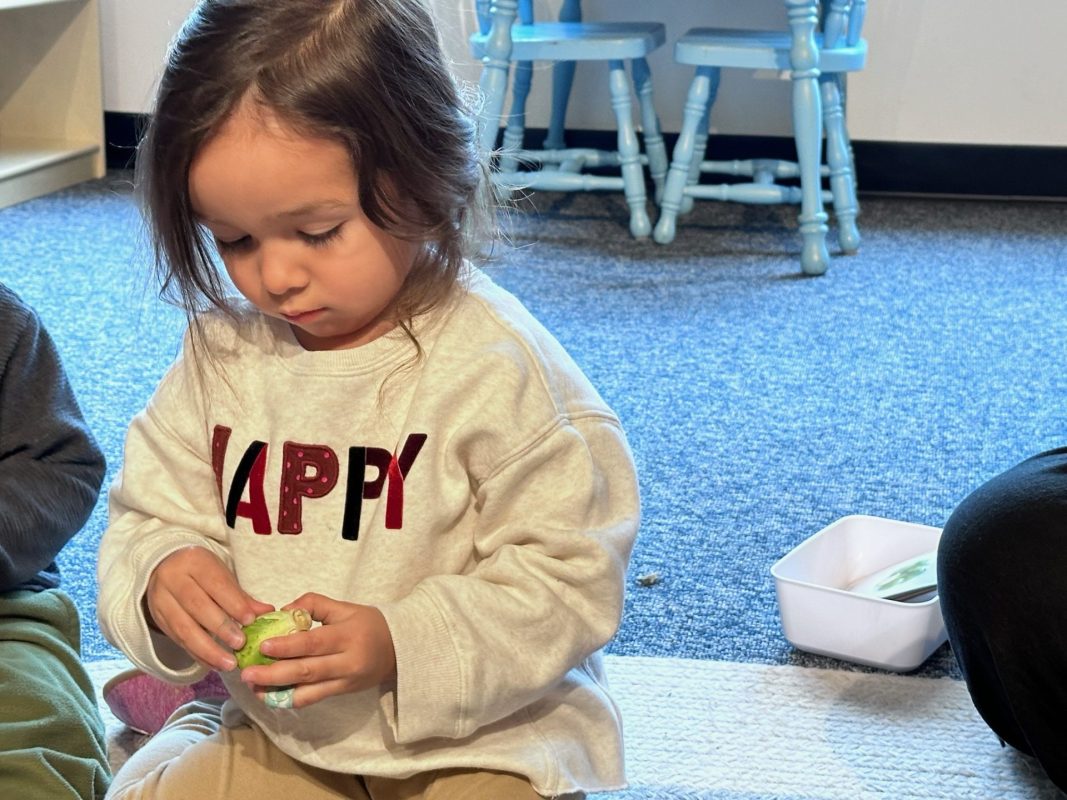
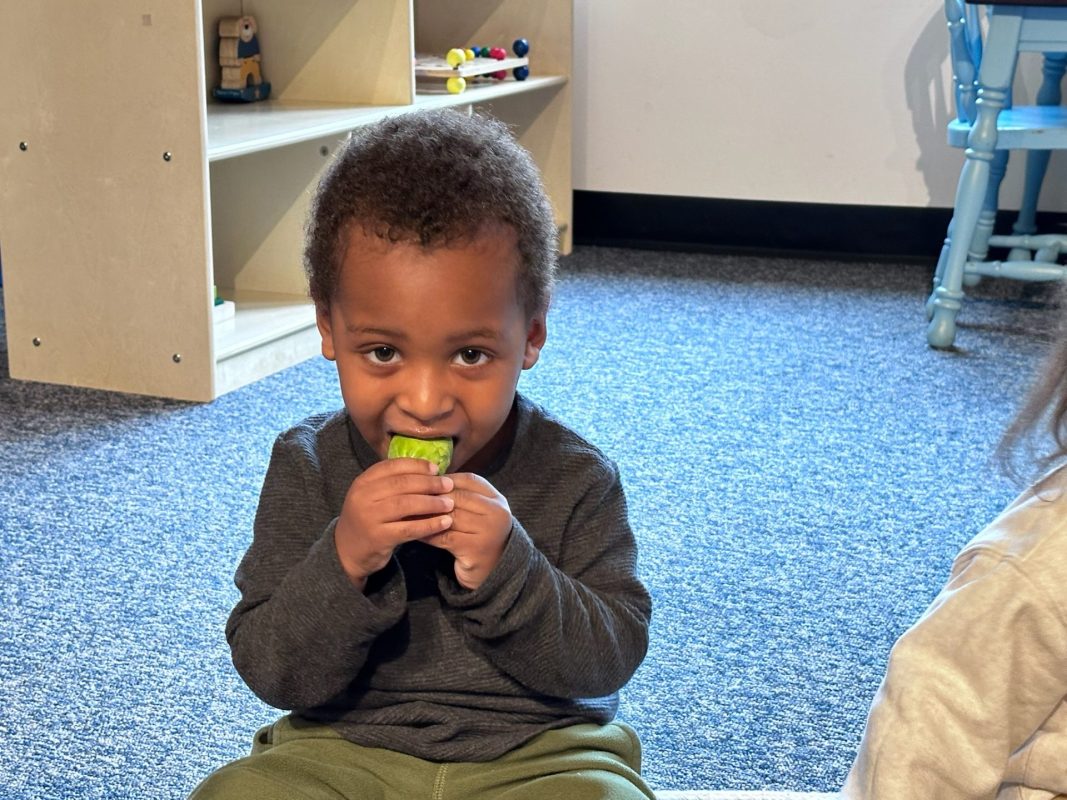
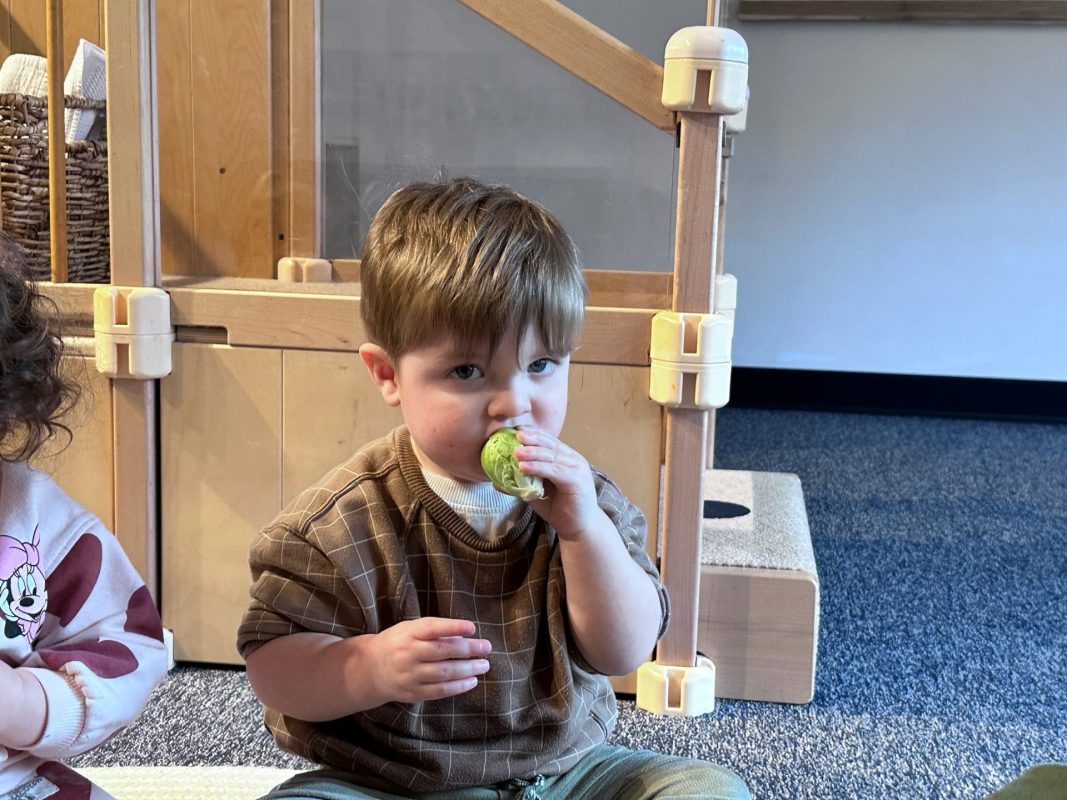
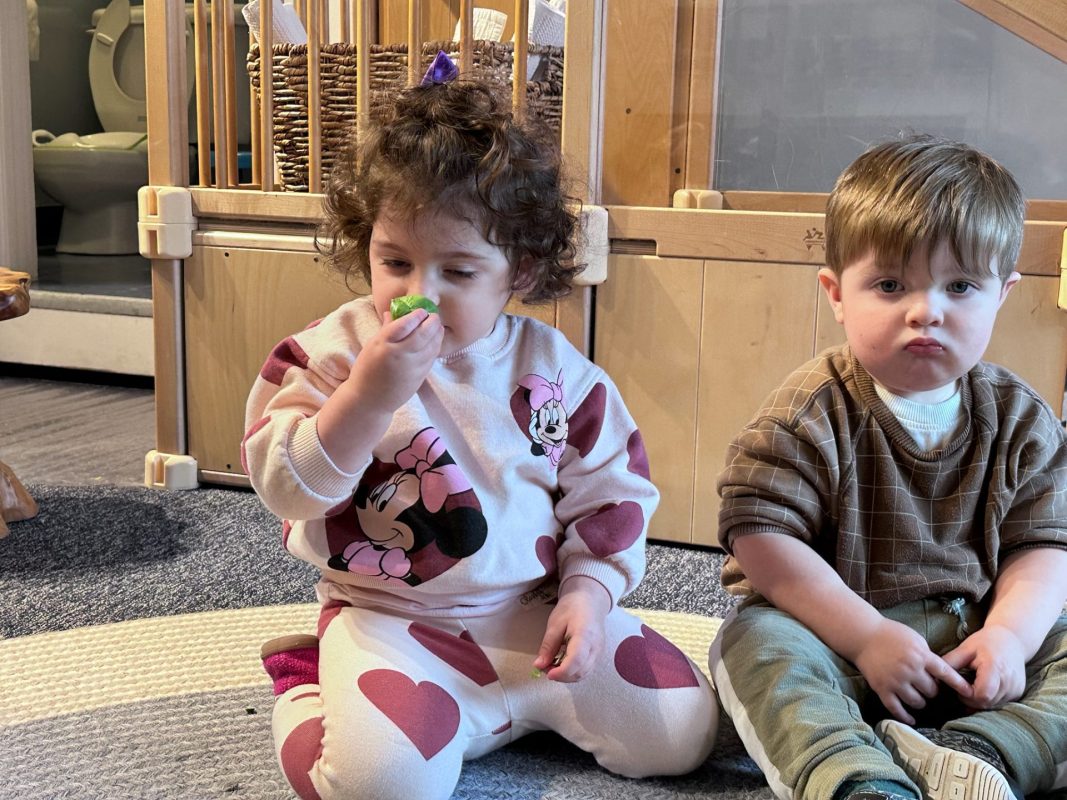
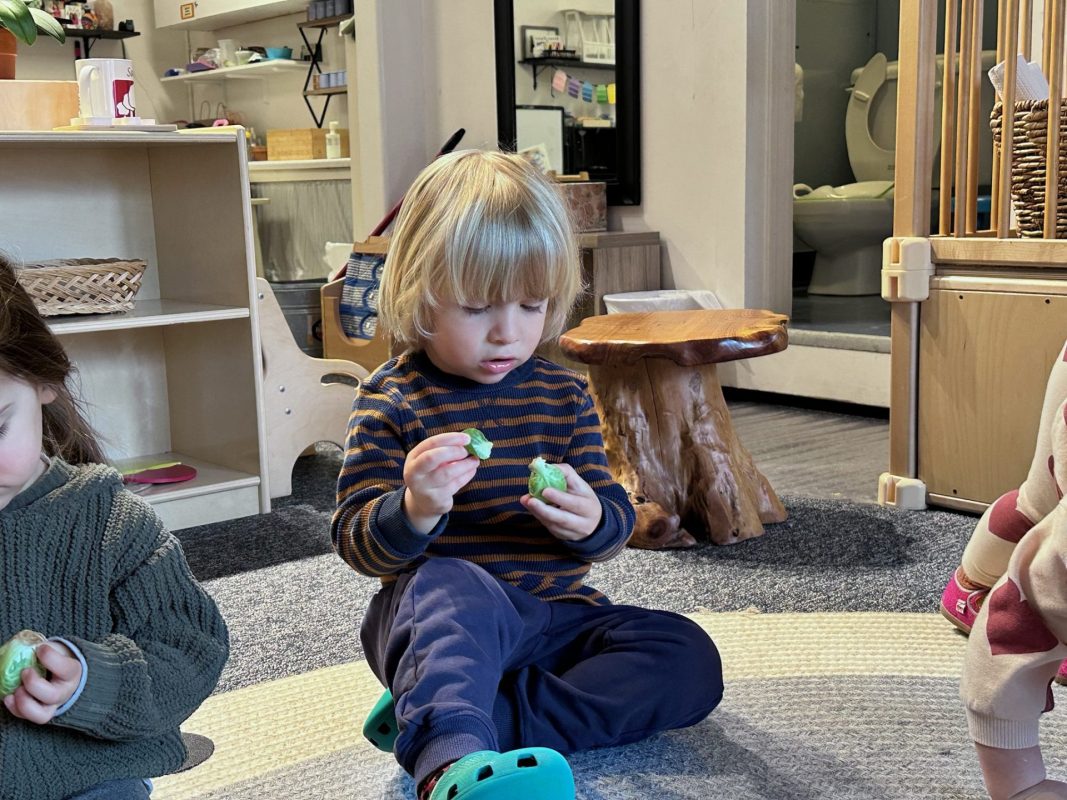
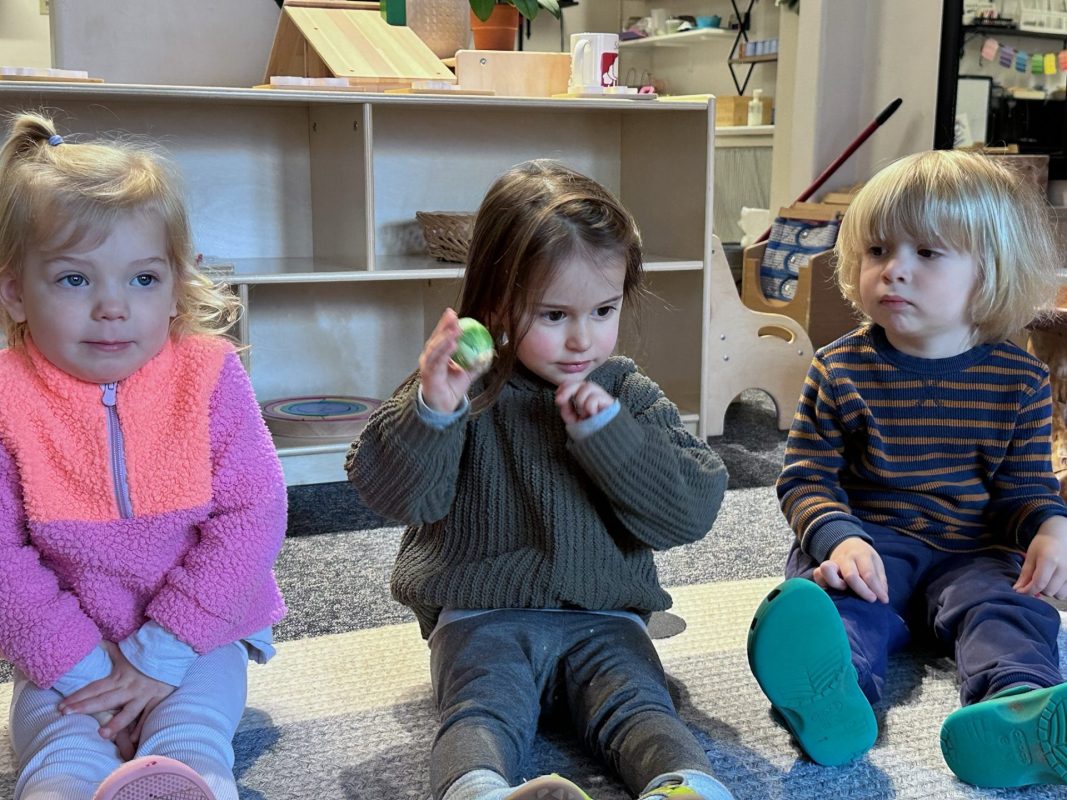
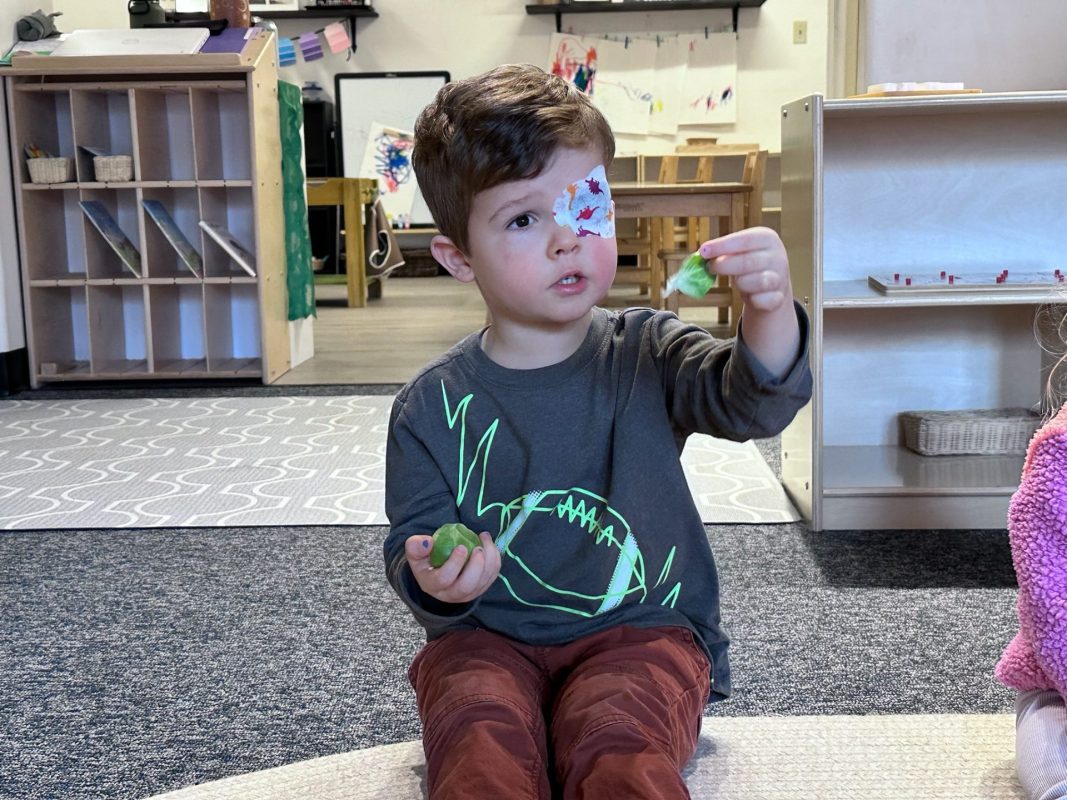
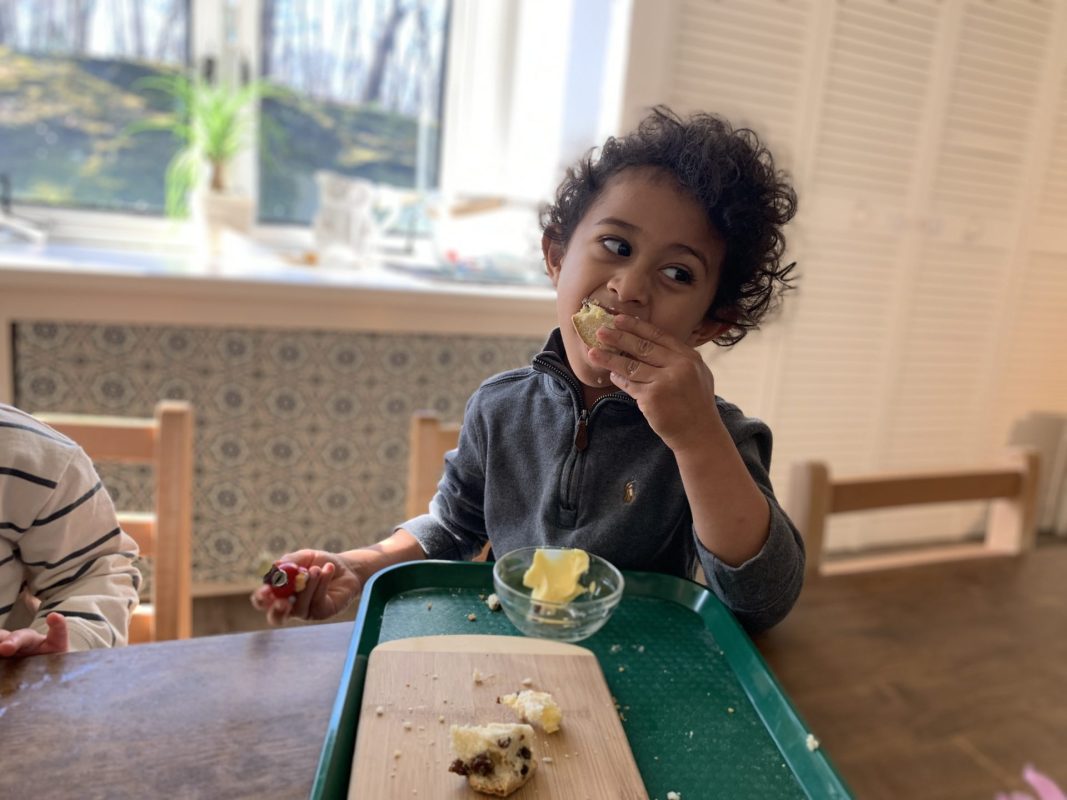
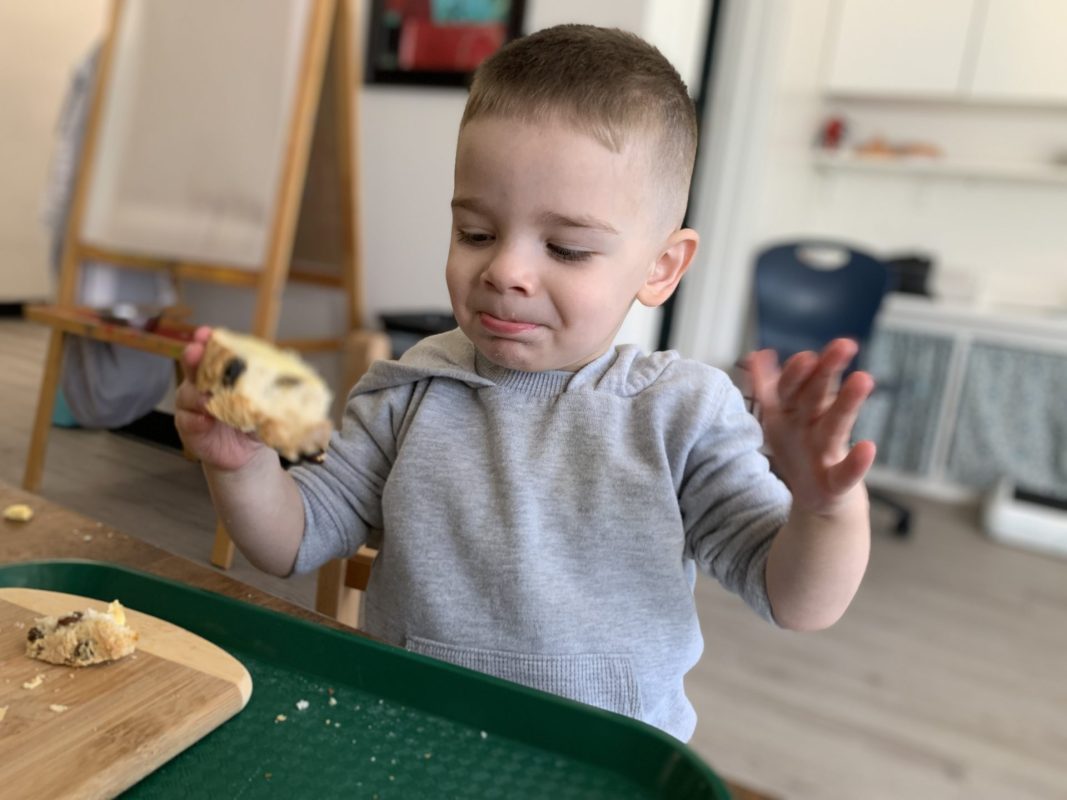
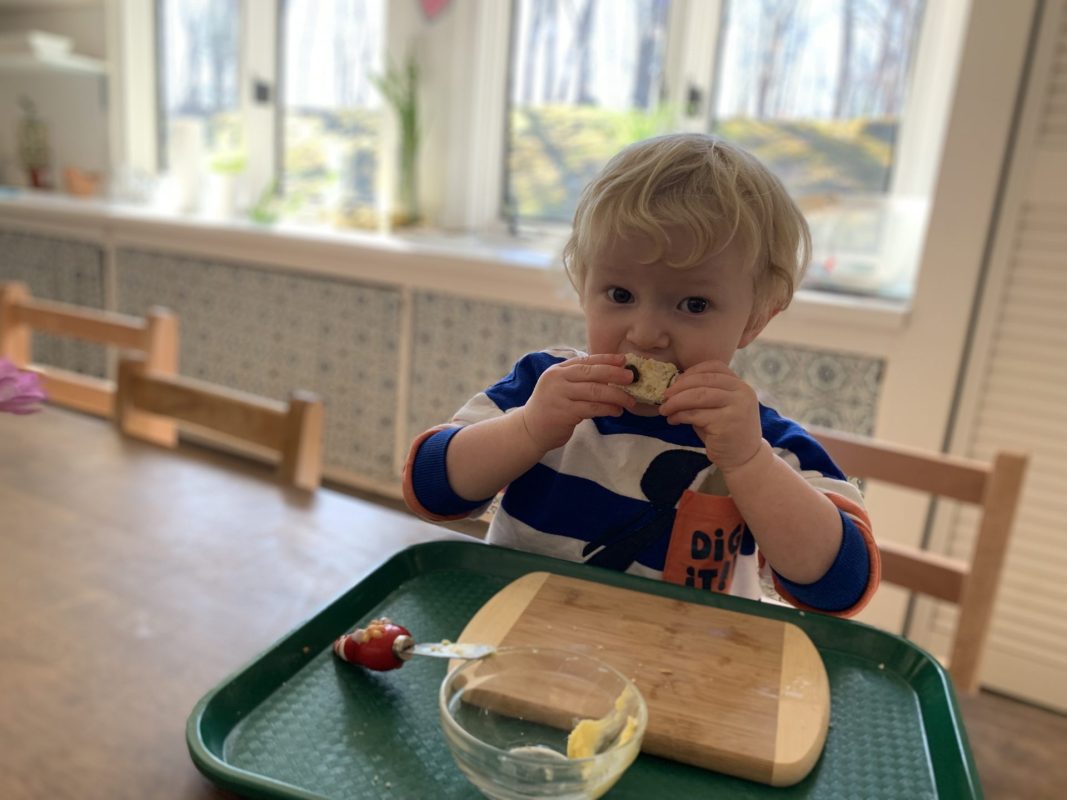
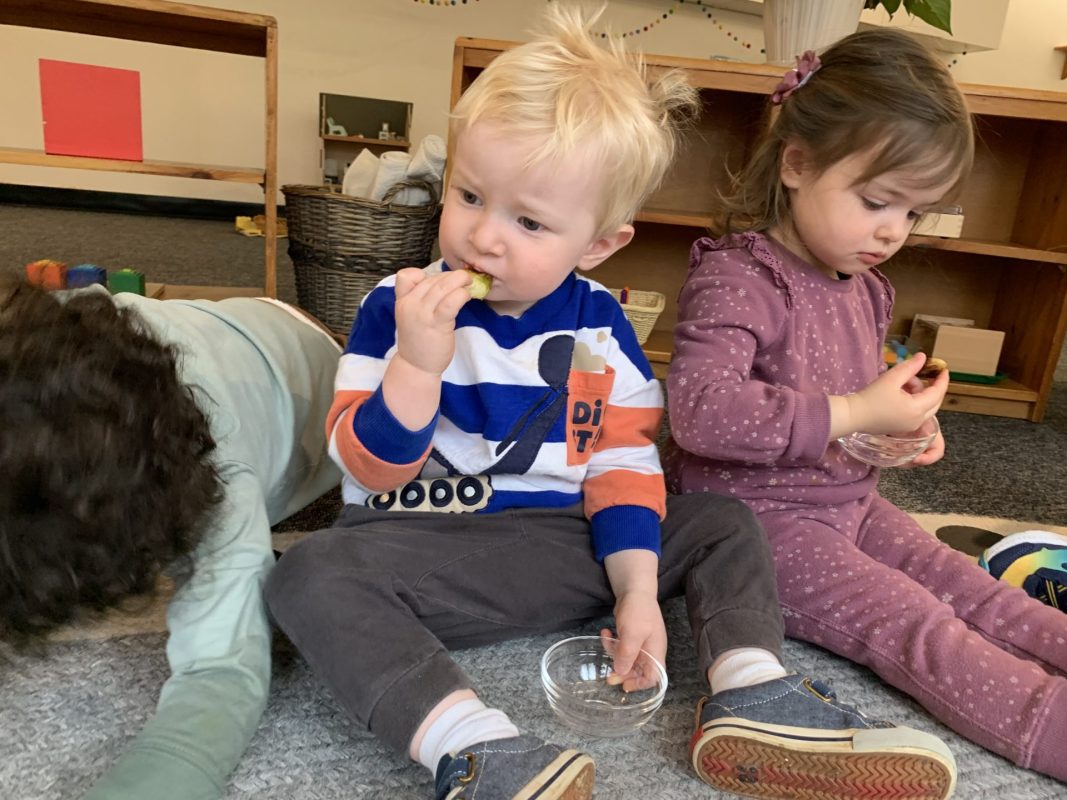
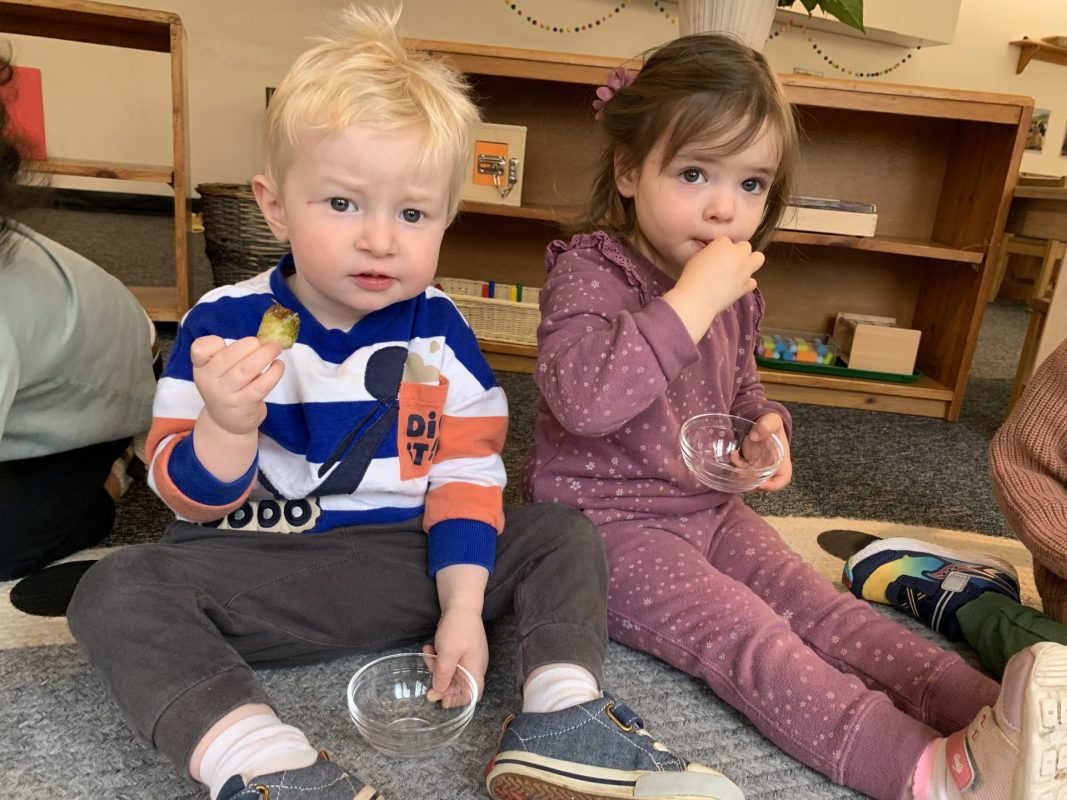
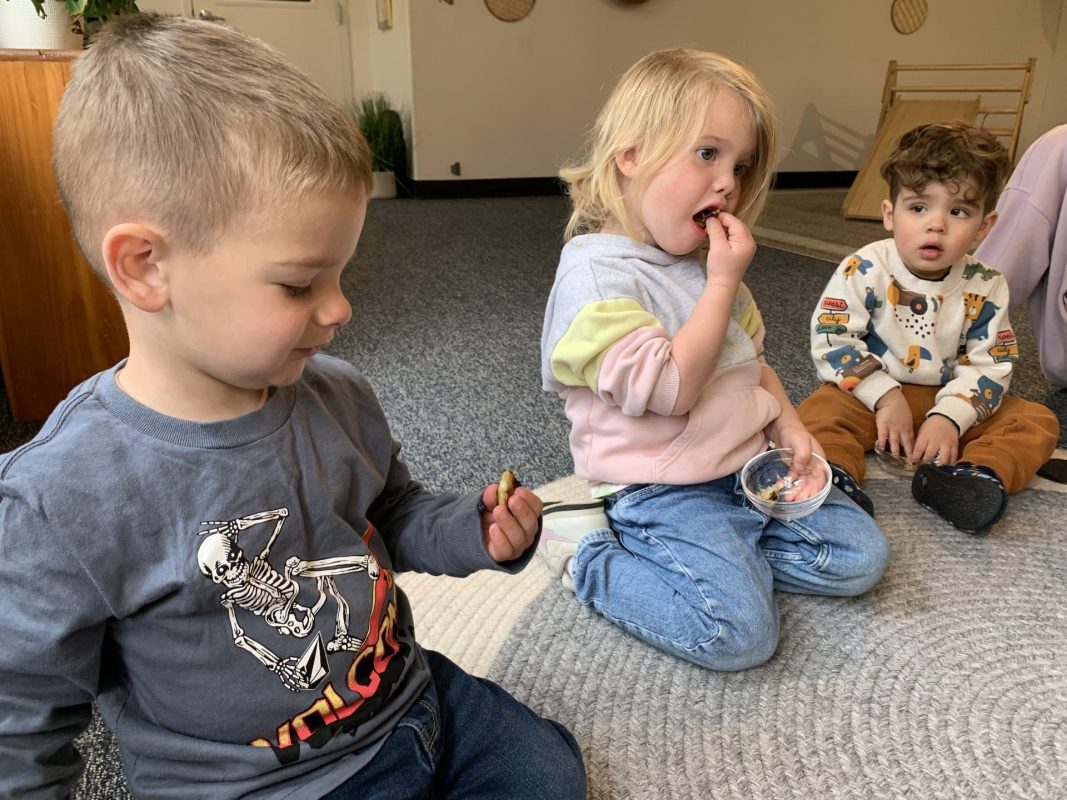
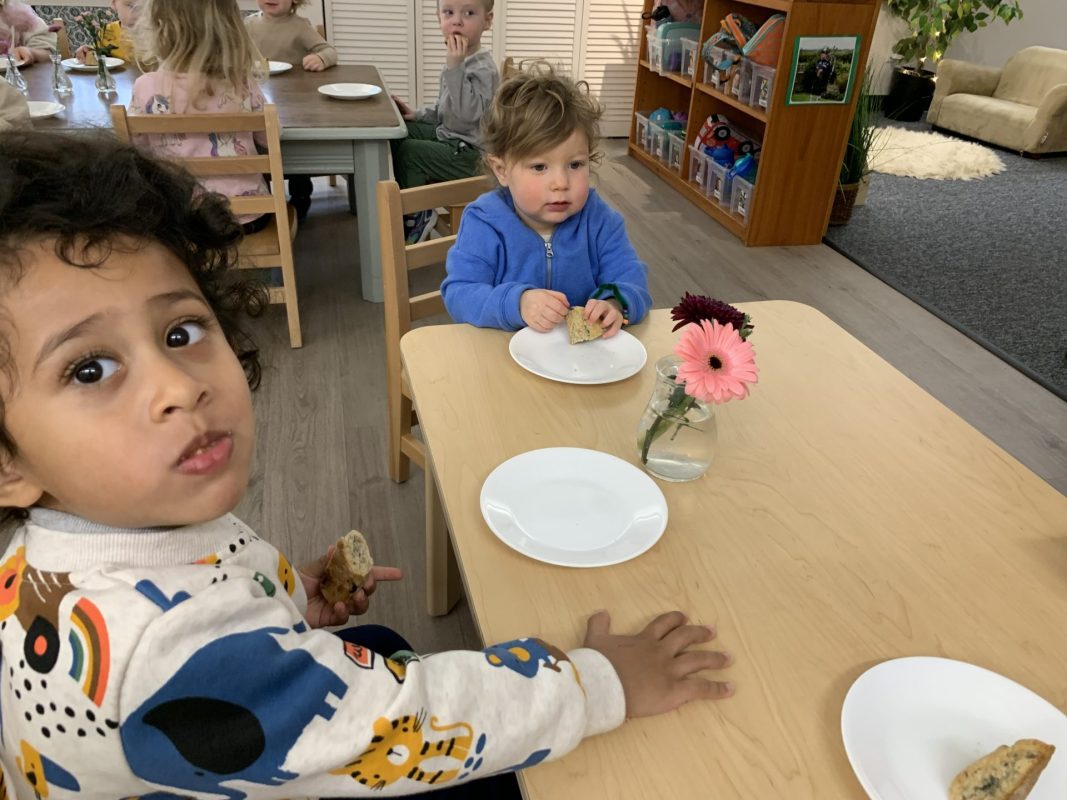
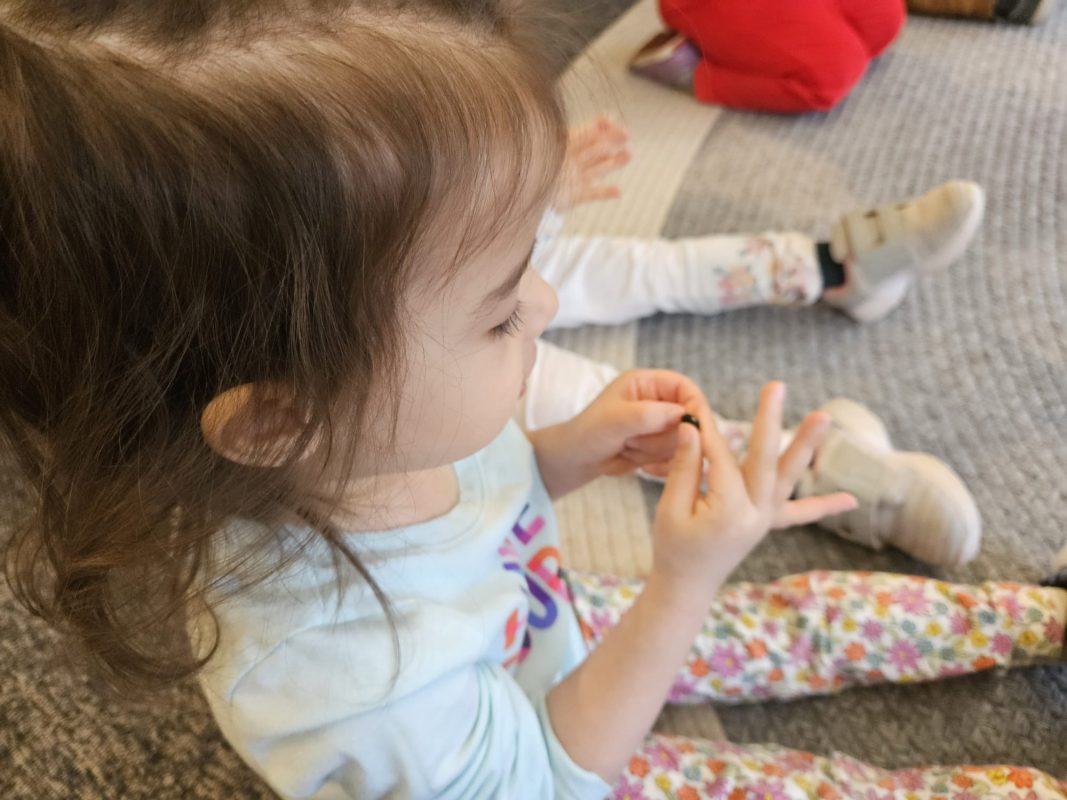
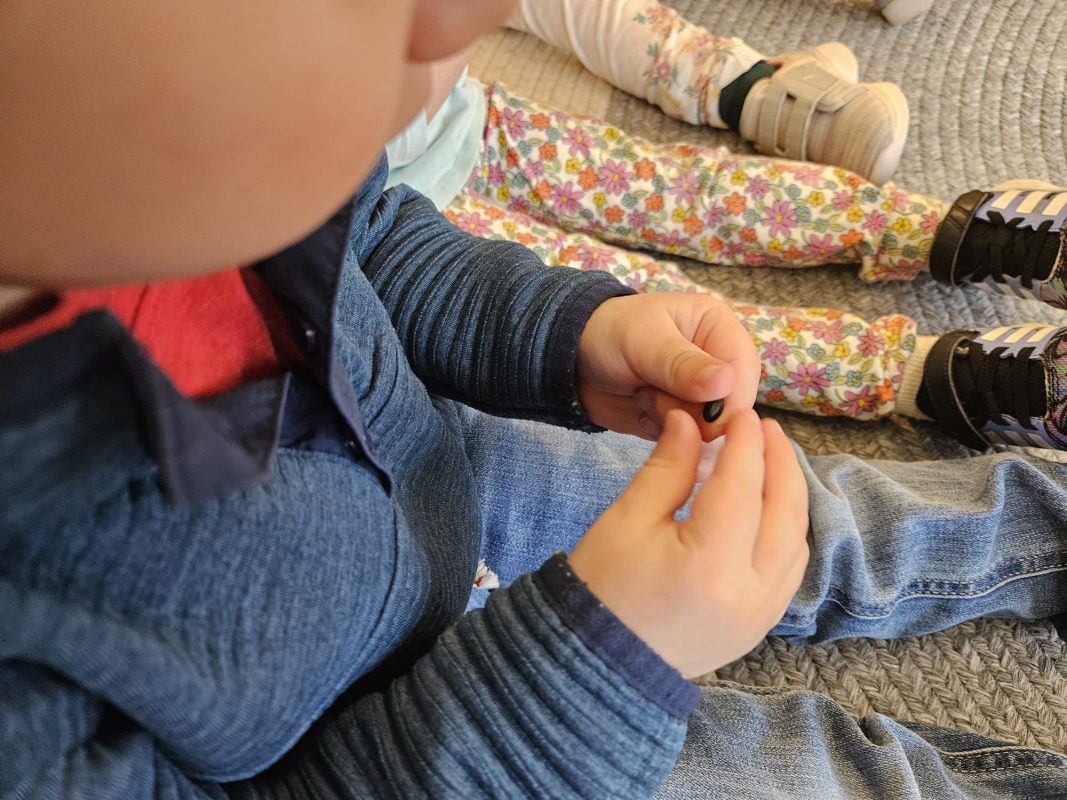
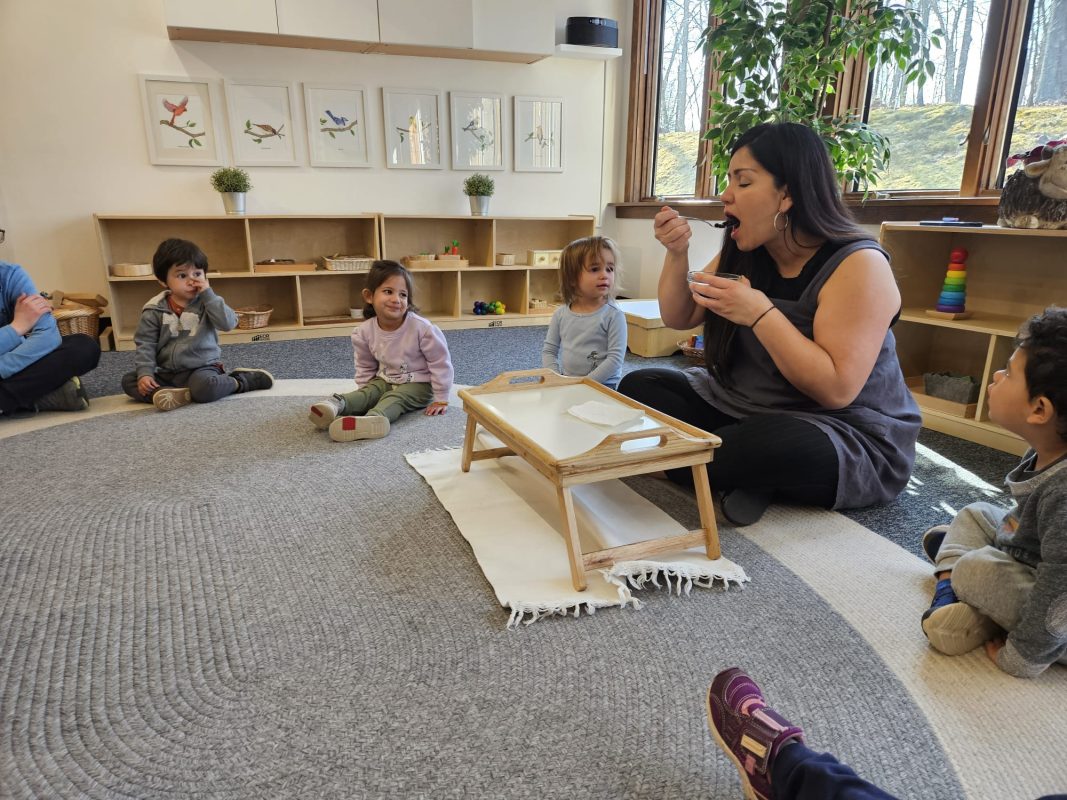
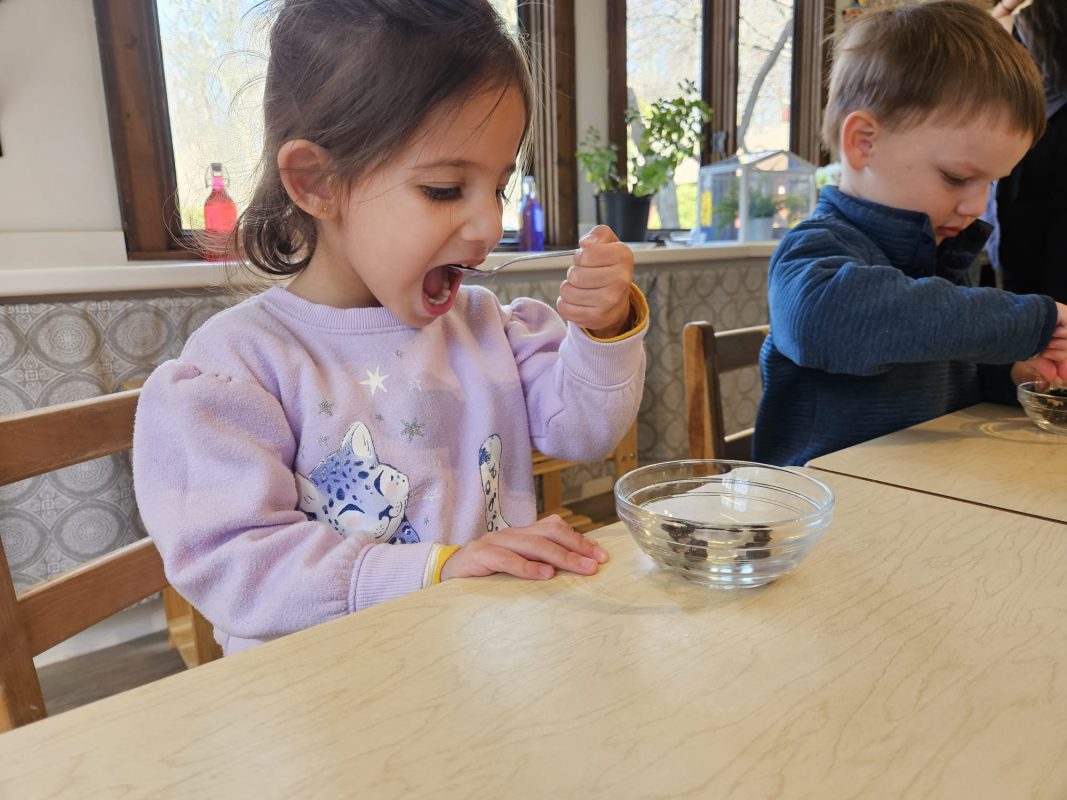
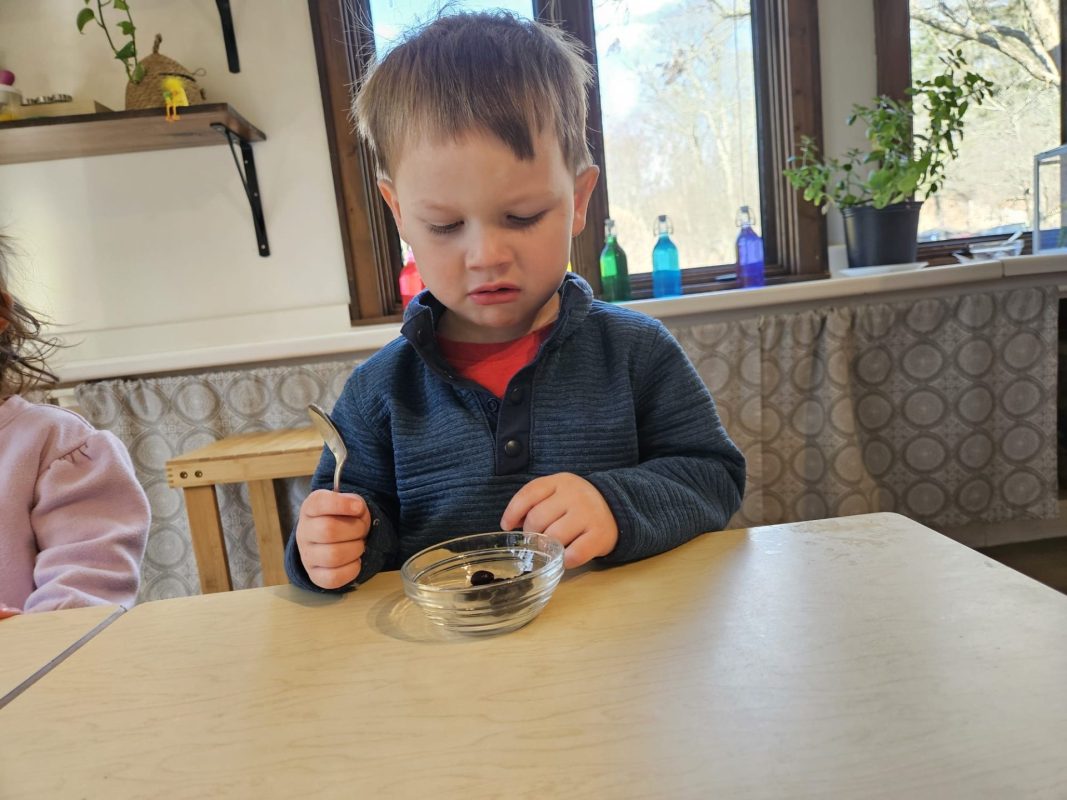
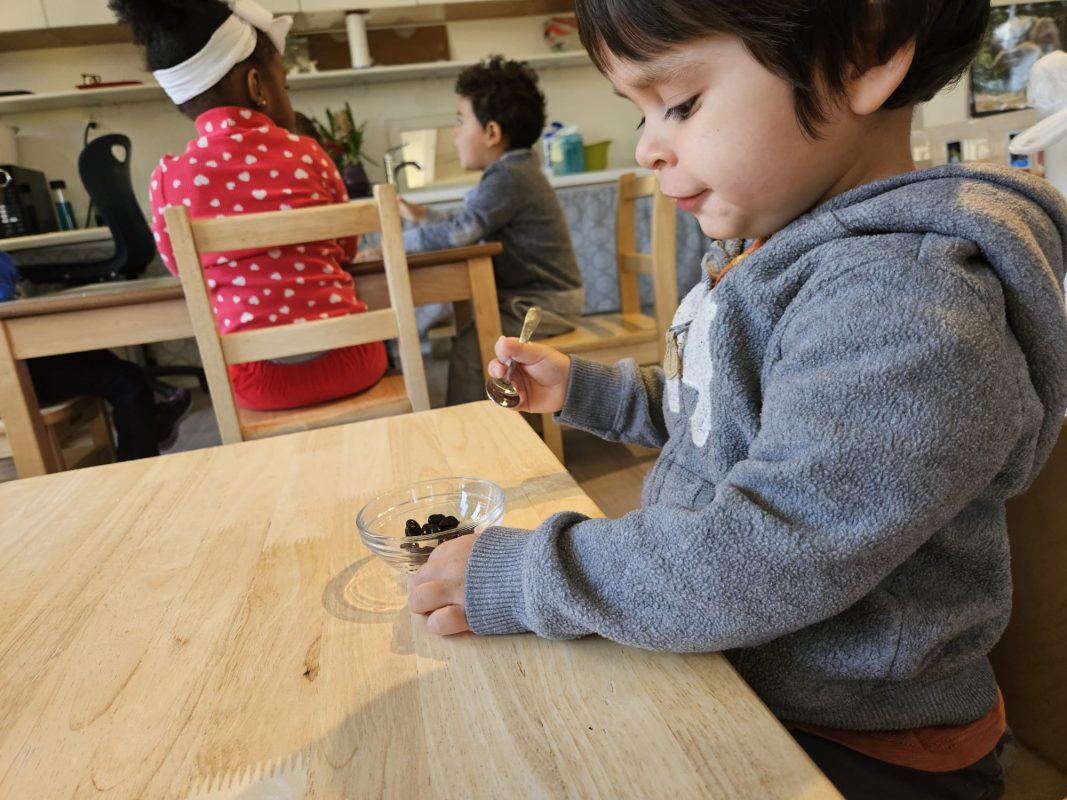
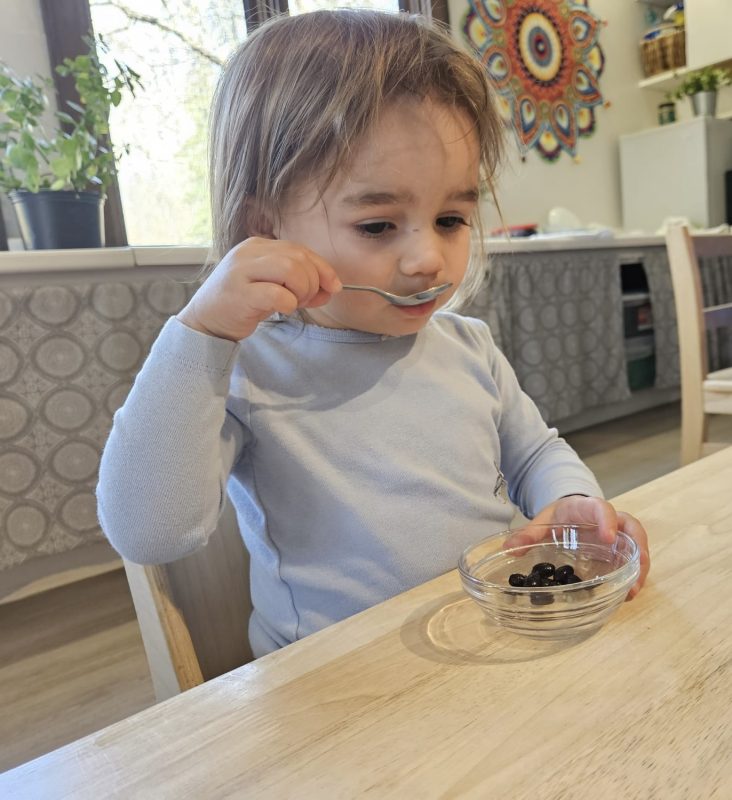
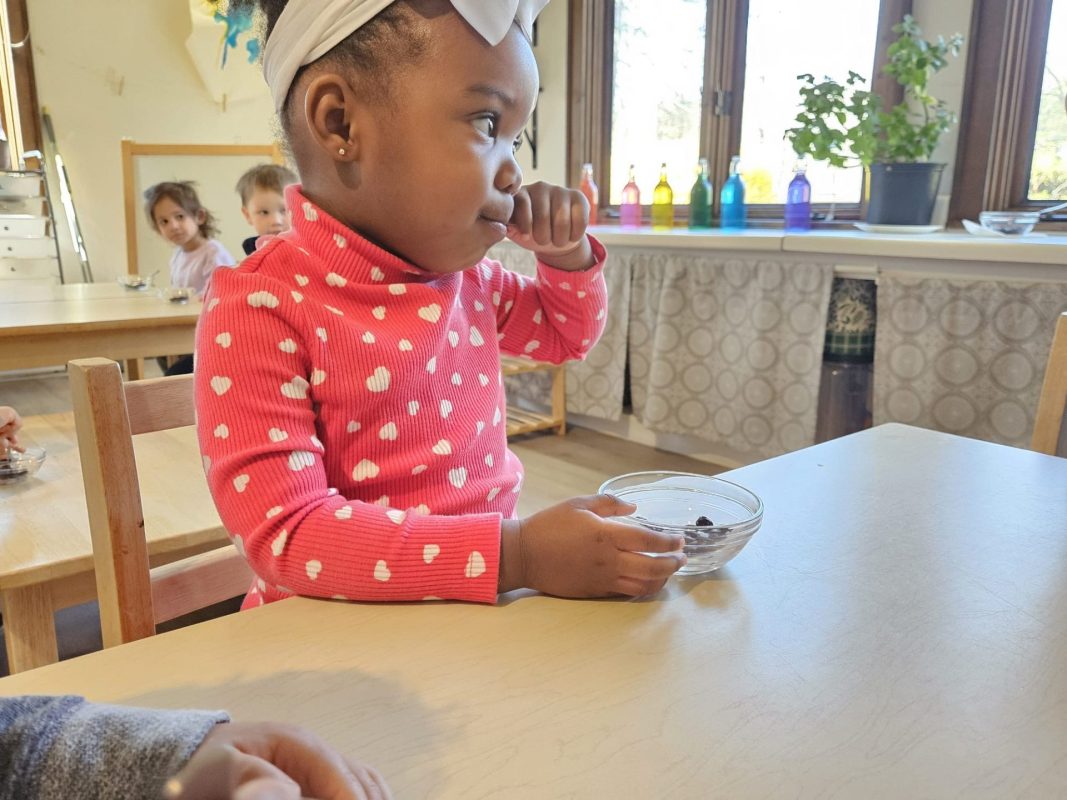
Food Tasting: We tried a fruit called gooseberry. This fruit had a sticky texture on the outside and a sweet and sour taste. If you haven’t tried gooseberries before, we highly recommend them. Perhaps your child can lead a food-tasting activity at home with your family.

Love and Light,

Cynthia and Sara


Mrs. Hood: Emotional Intelligence!

Human emotion. We are so very lucky to each experience such a wide-ranging set of feelings, but that experience can be quite the roller coaster, especially if you are a toddler.

Supporting and teaching emotional intelligence to our students is one of our main goals in our toddler class. First, we do so by teaching the toddlers to identify and name emotions, their own emotions, and the emotions they see in others. It’s very important to teach children that there is a range of emotions and that ALL emotions are OK. Once children can name their emotions, they can better express themselves and feel heard and understood. We can then help the child develop techniques to manage that emotion.

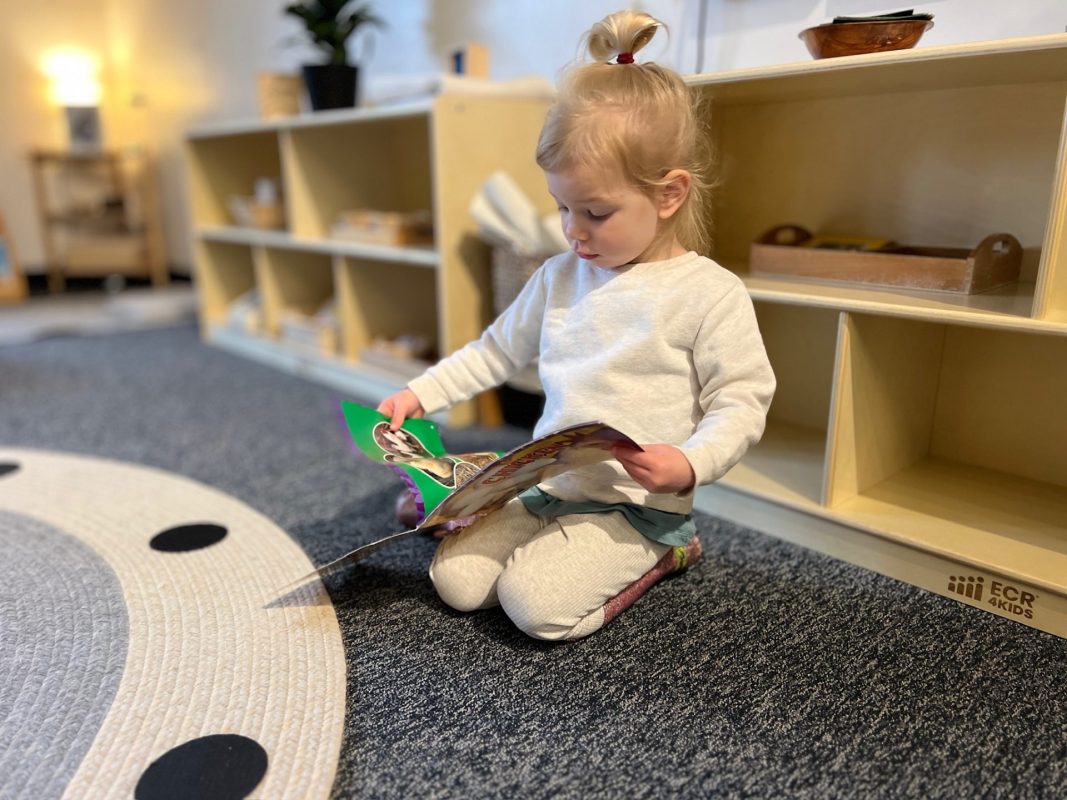
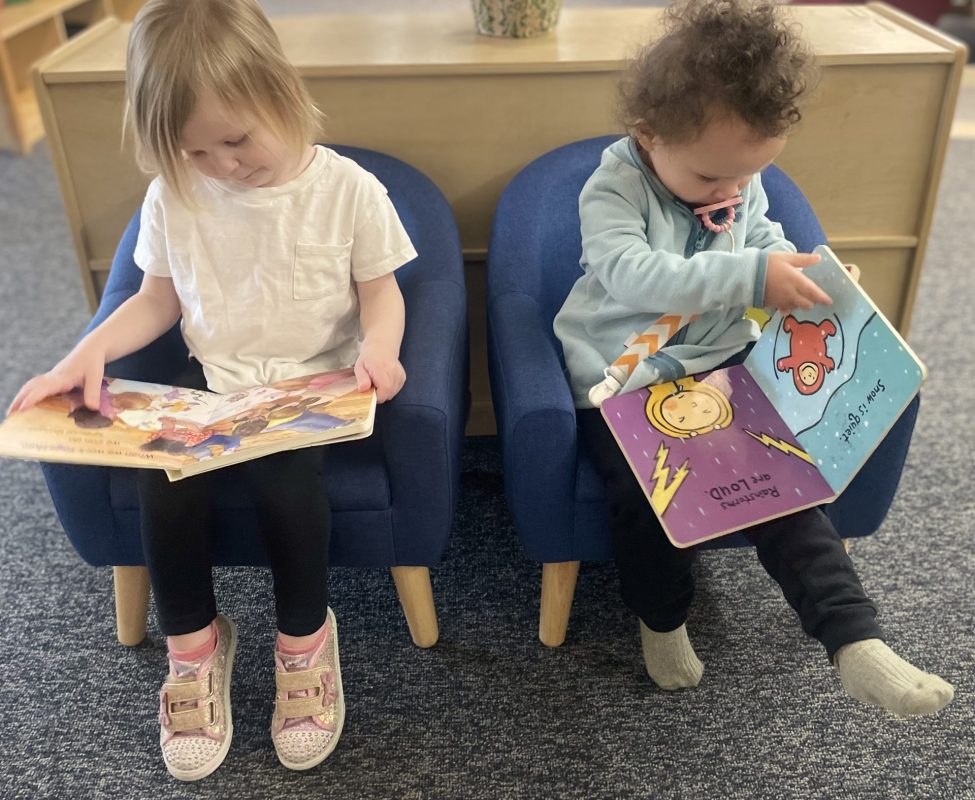
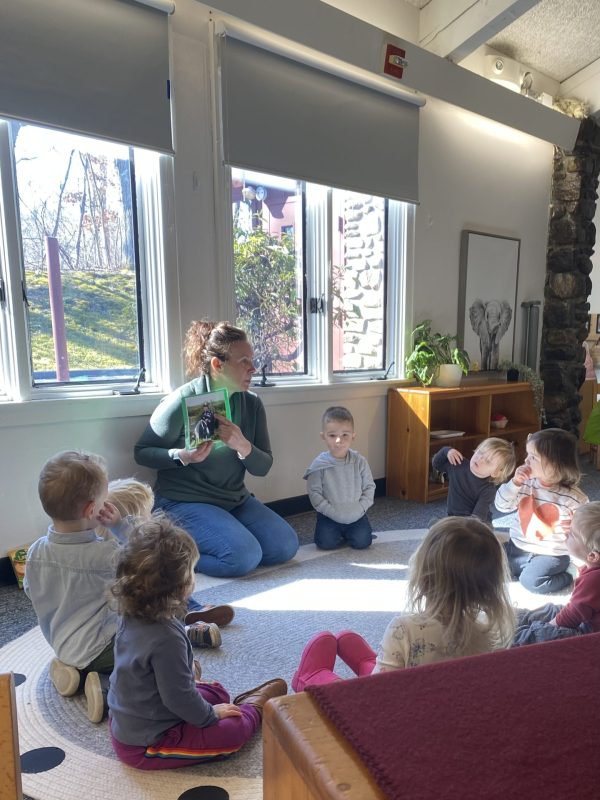
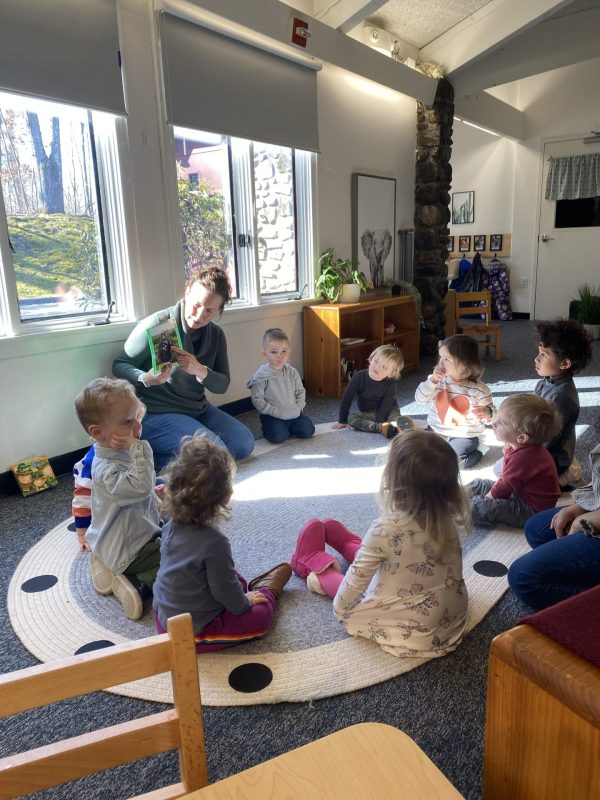
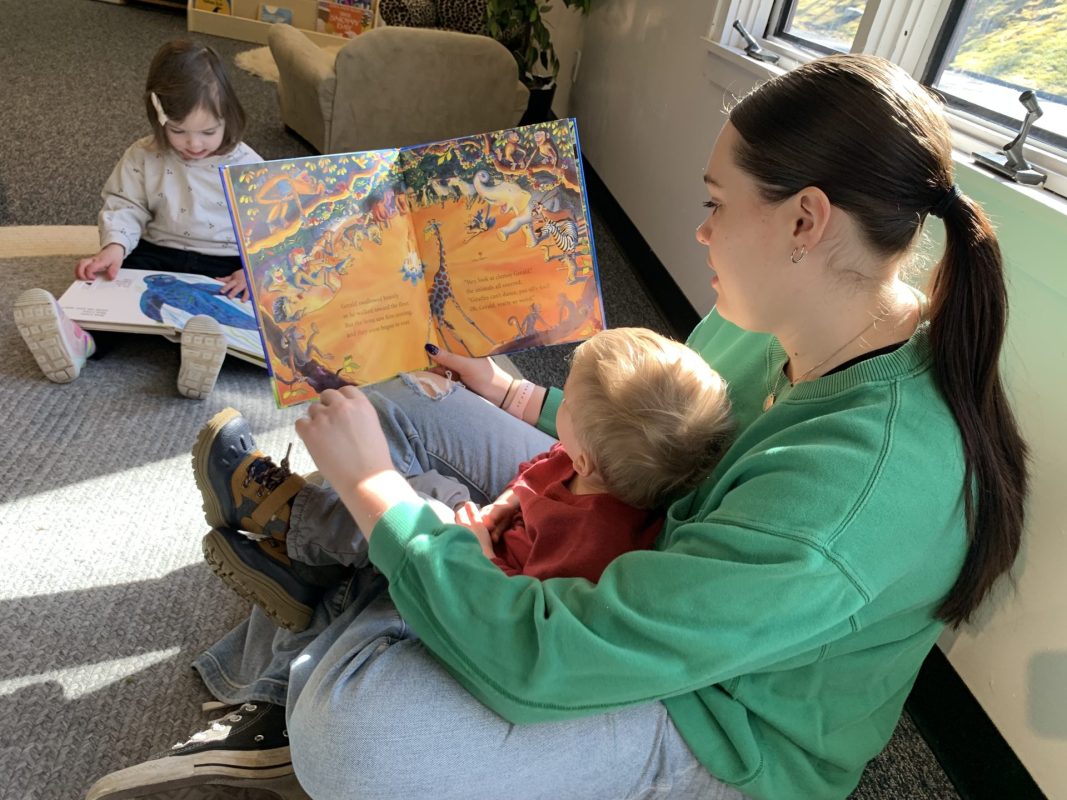
This week, we focused on this theme during our morning circle time. We utilized songs, emotion cards, and captivating books to reinforce the vocabulary of emotions and their visual expressions. Some of the emotions we explored included happiness, sadness, anger, excitement, and shyness. In the upcoming weeks, we will continue to expand this emotional vocabulary.

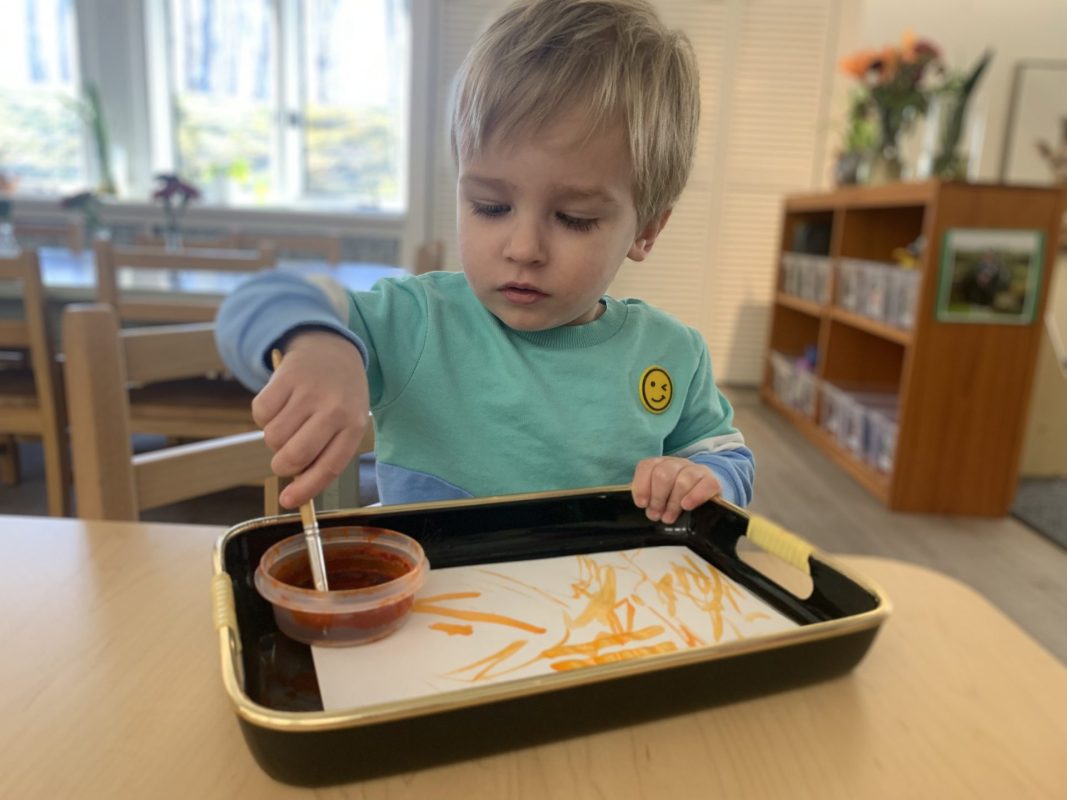
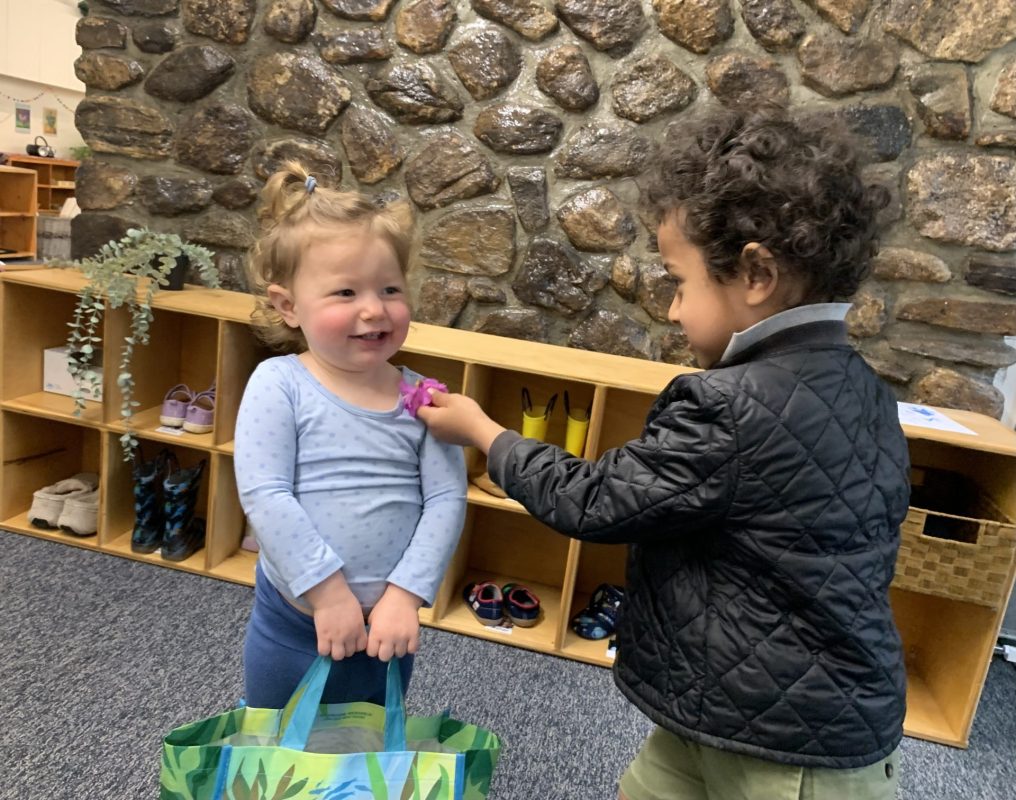
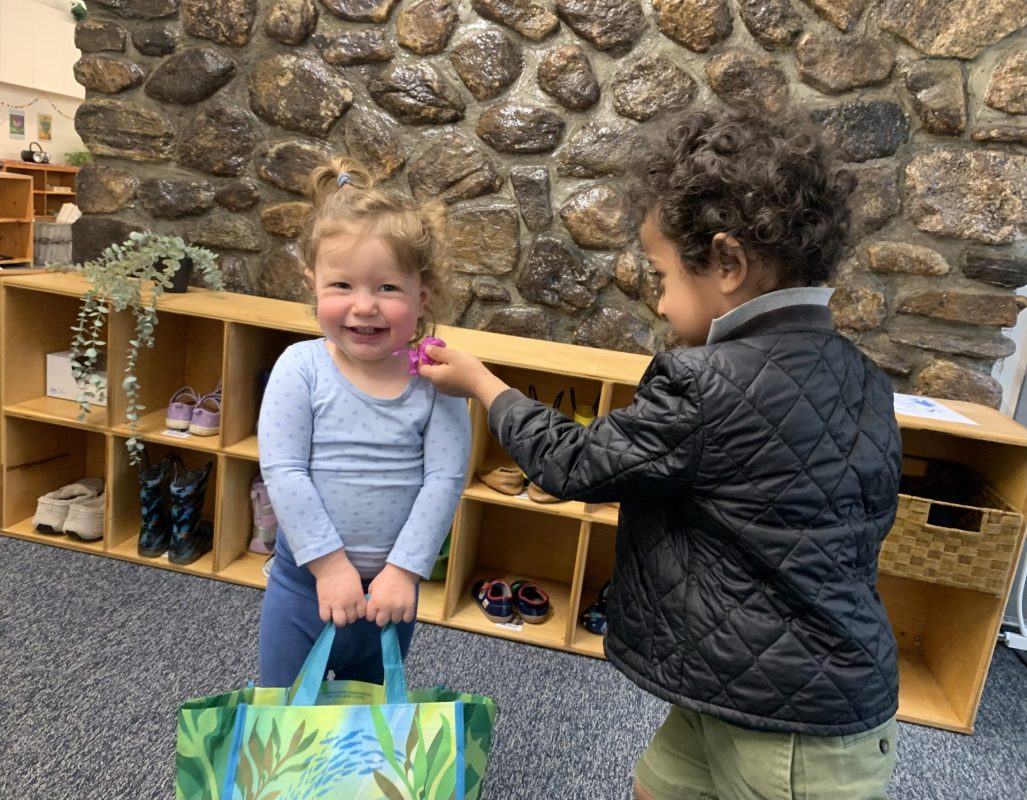
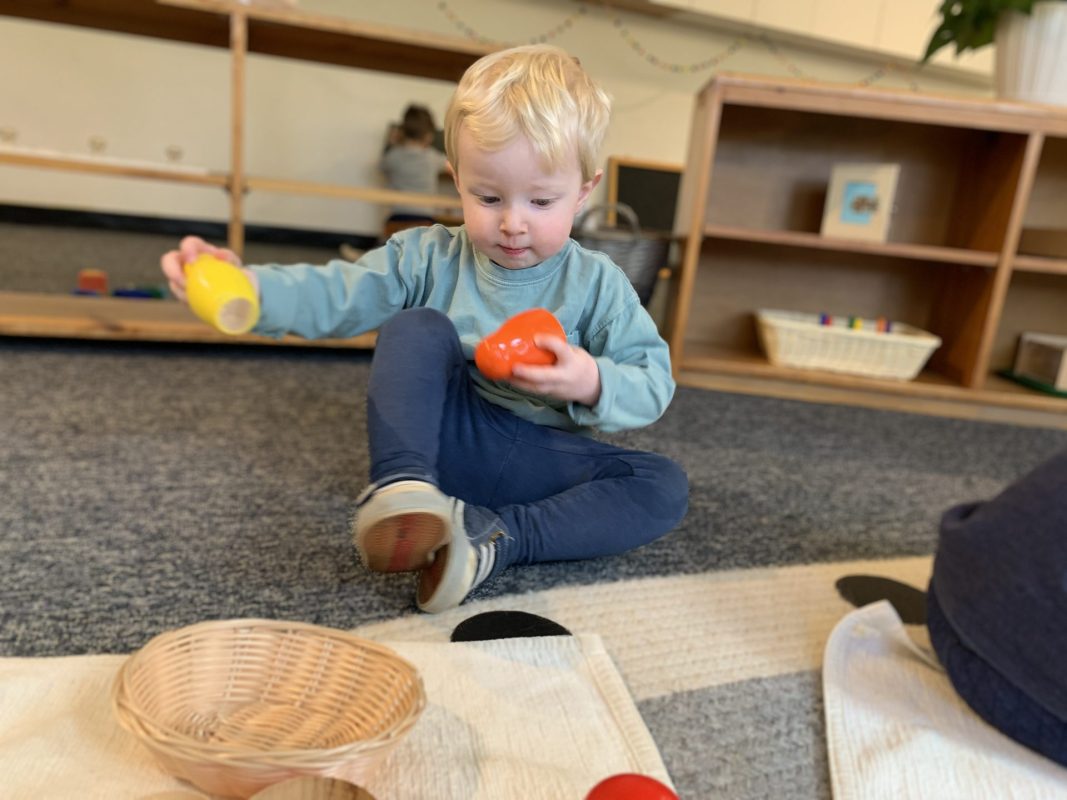
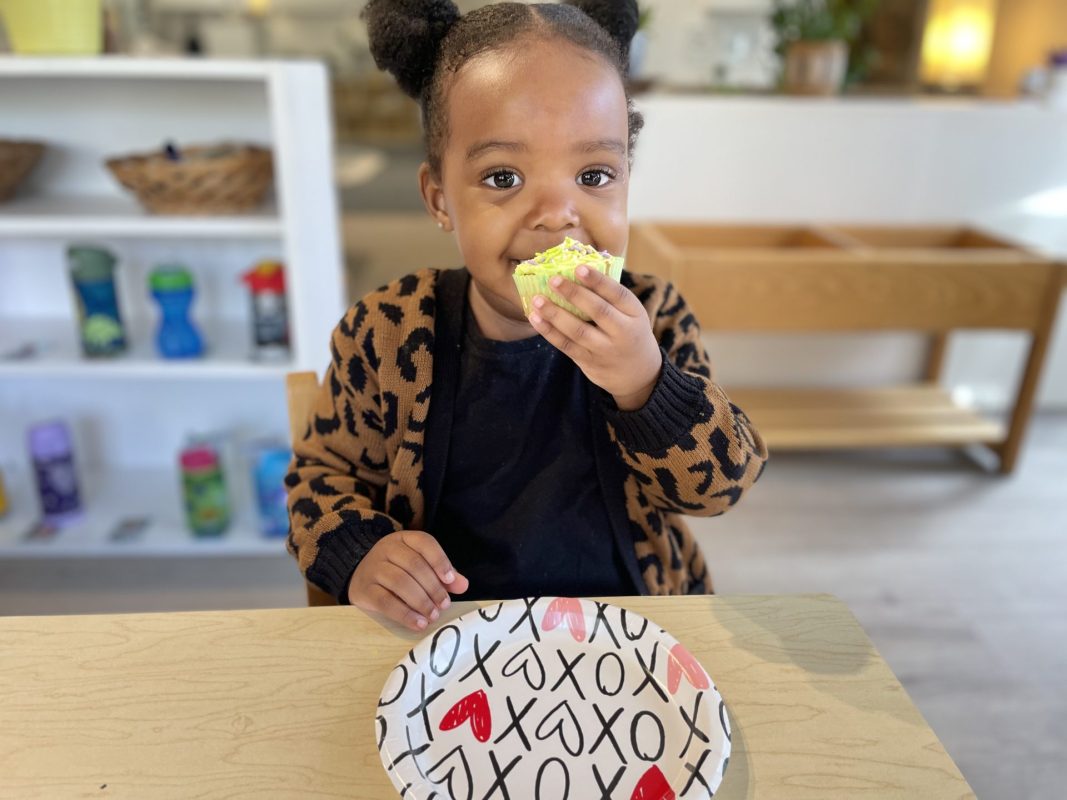
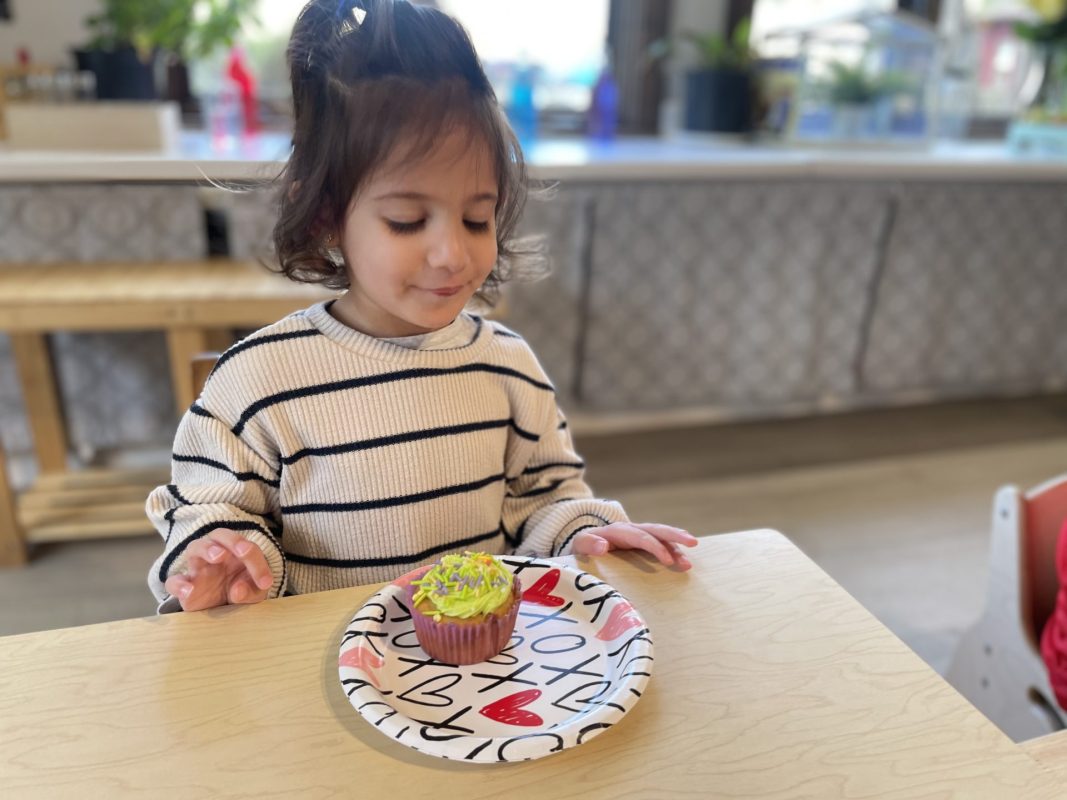
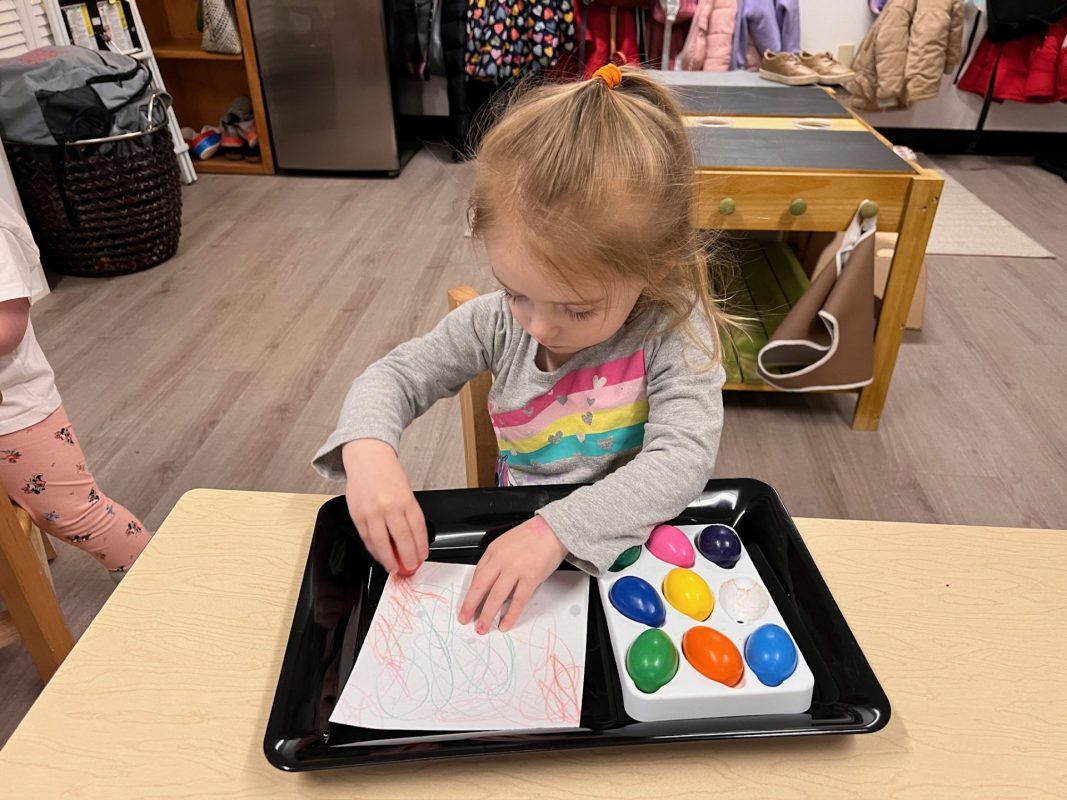
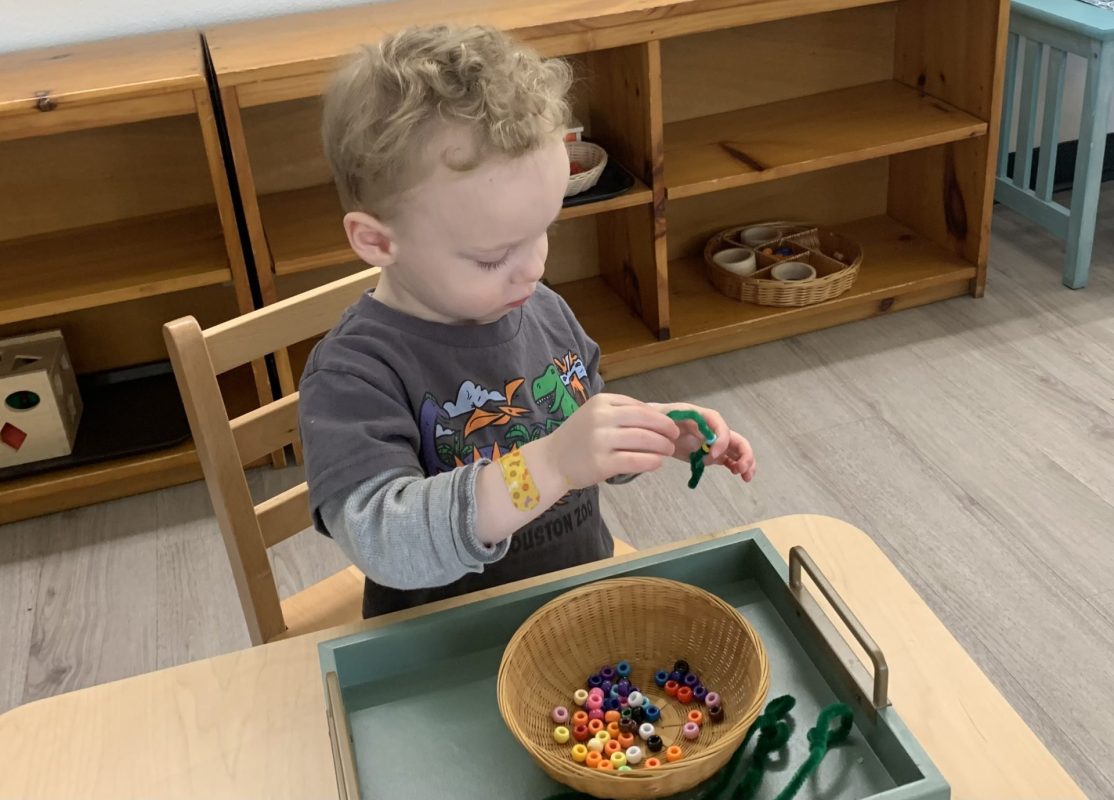
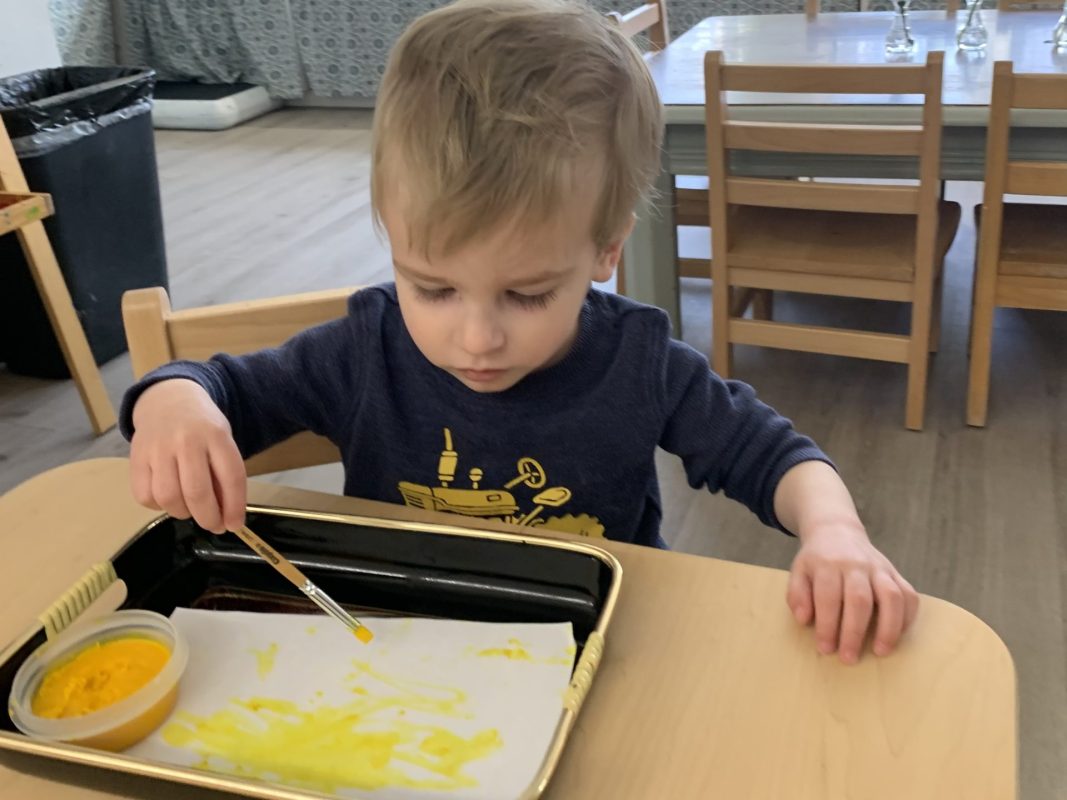
Children also have been pretty engaged with all the new materials in the environment and had the opportunity to work on decorating their Valentine’s Day bags in preparation for our celebration next Wednesday, February 14th. Our older students, who grasp the concept better, are particularly excited about this event.

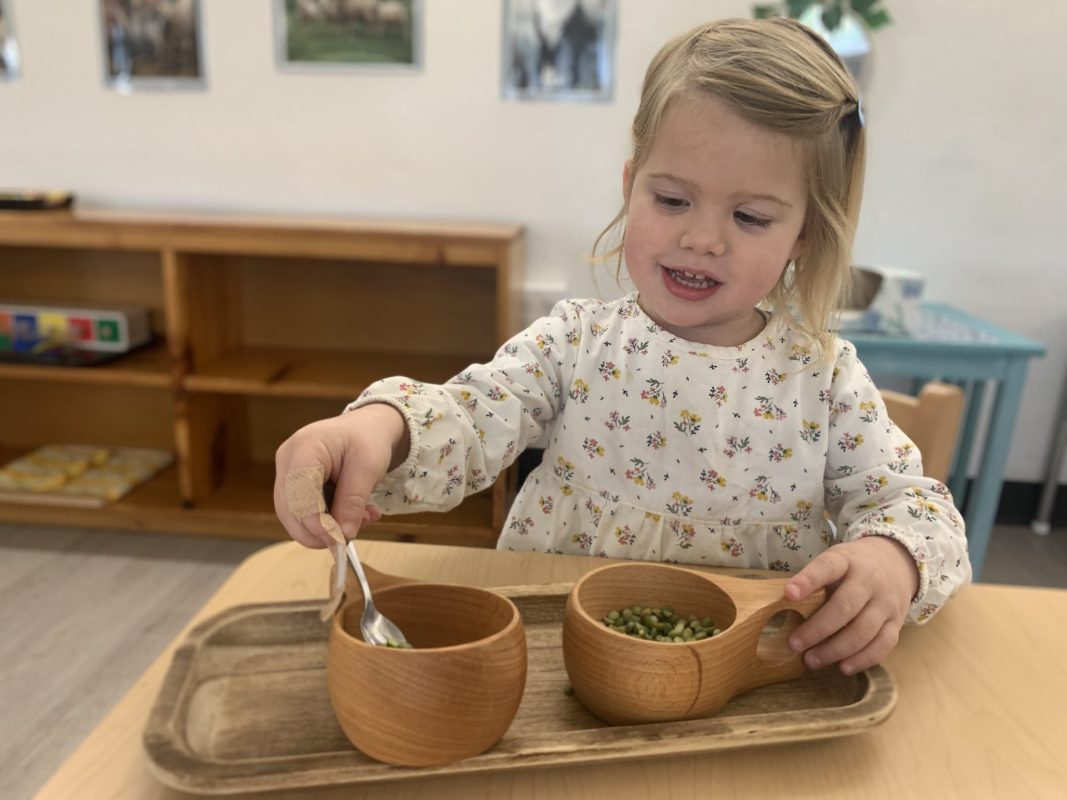
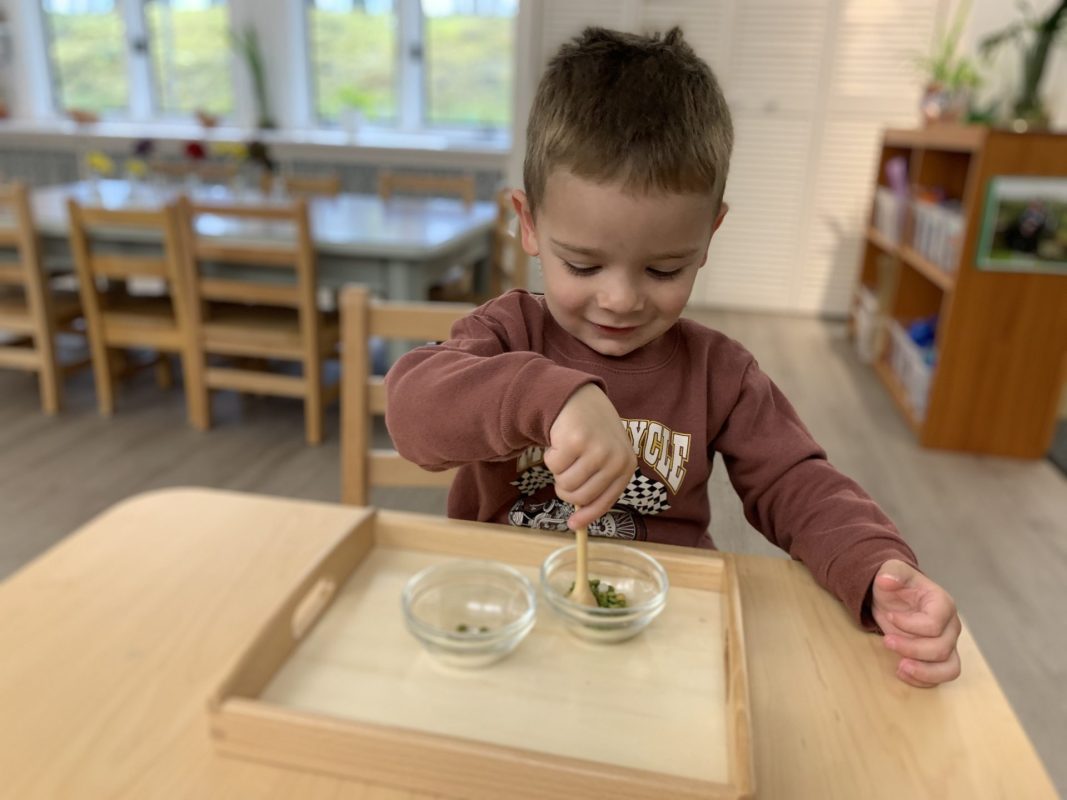
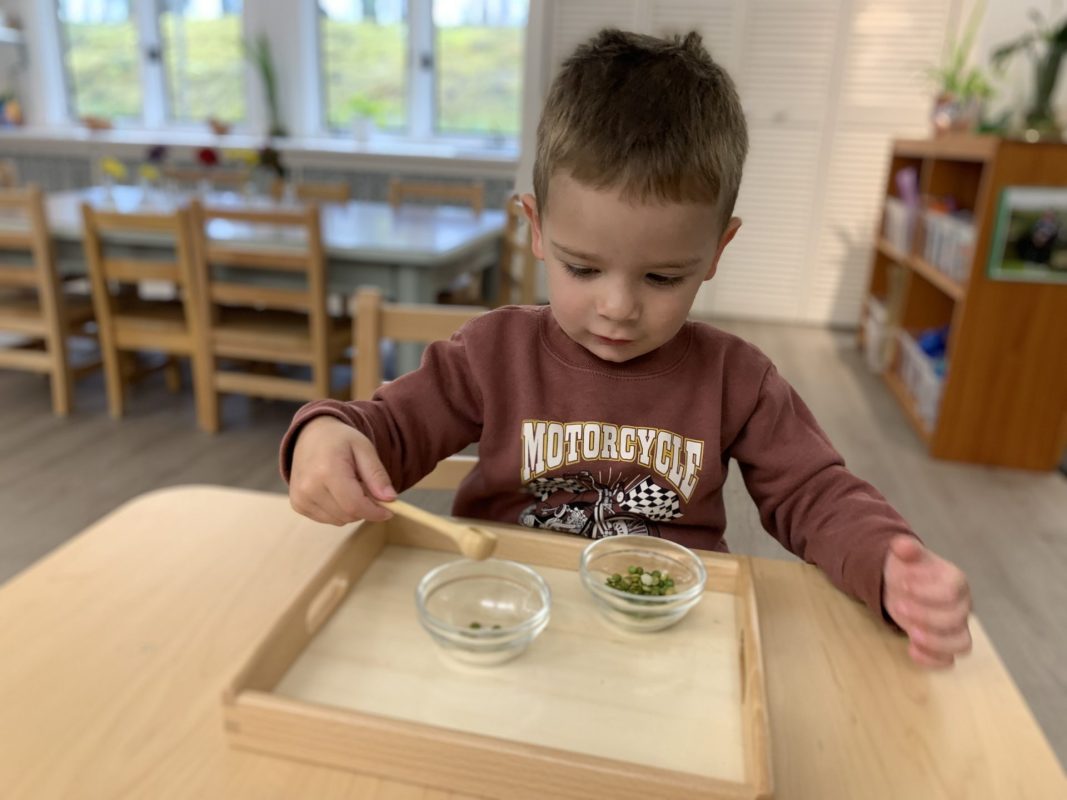
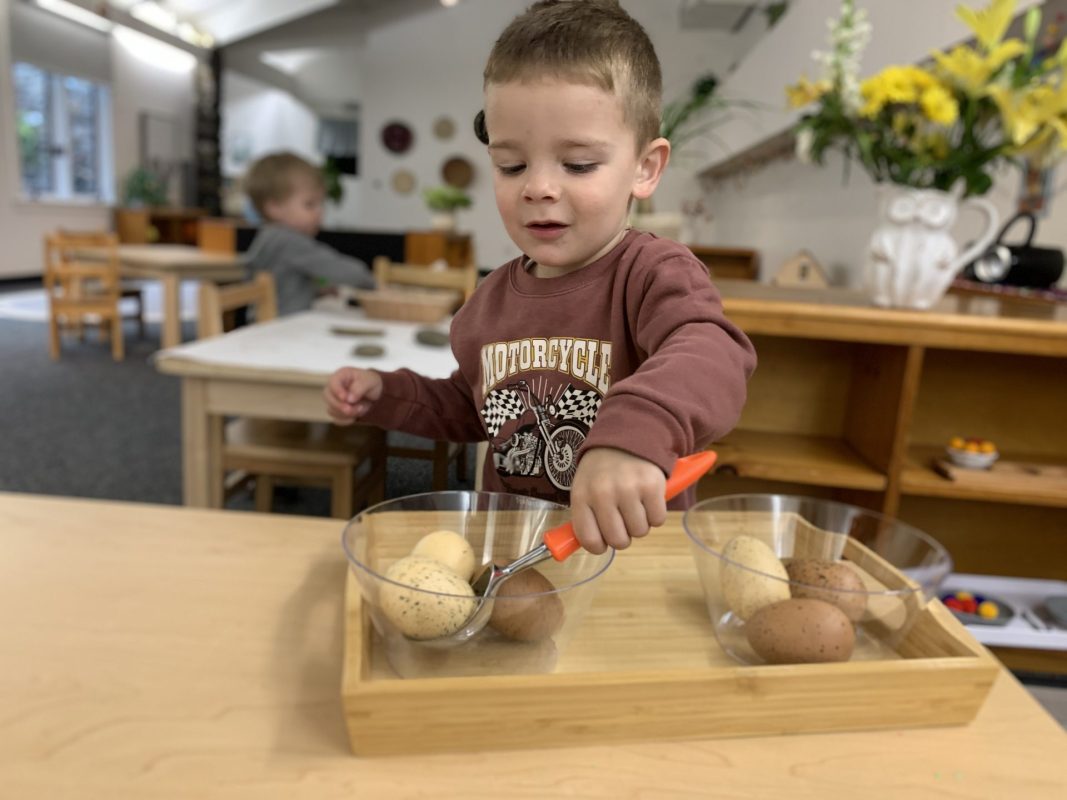
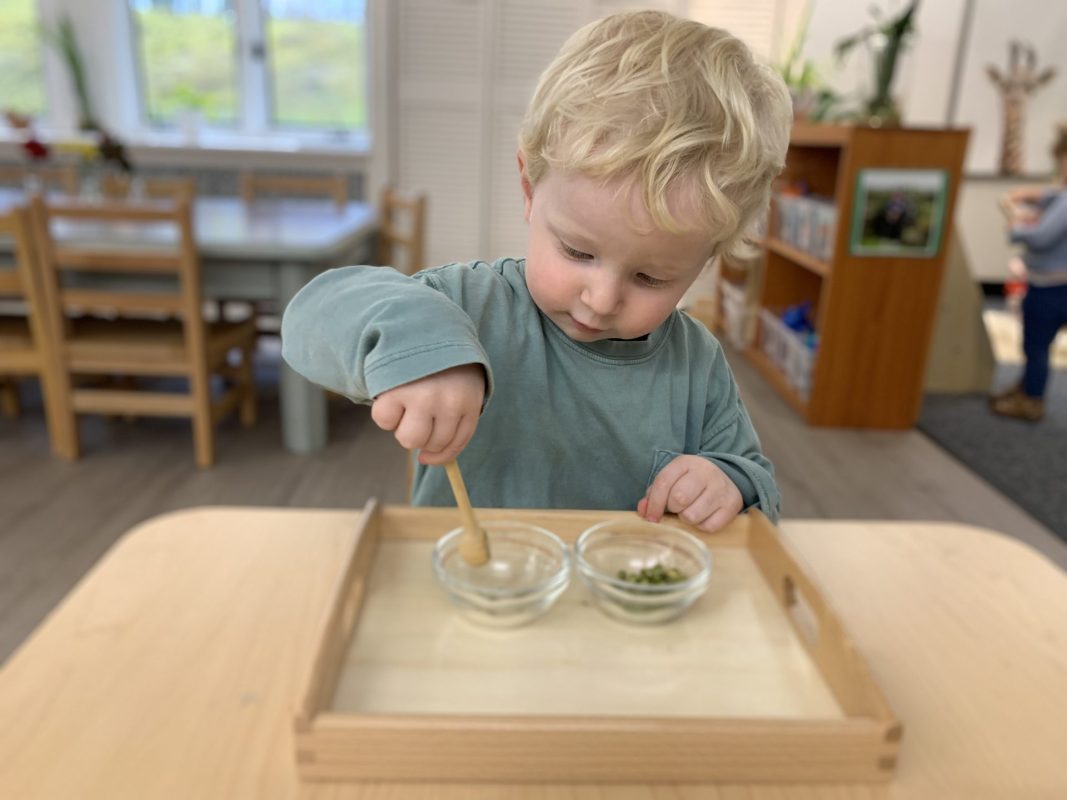
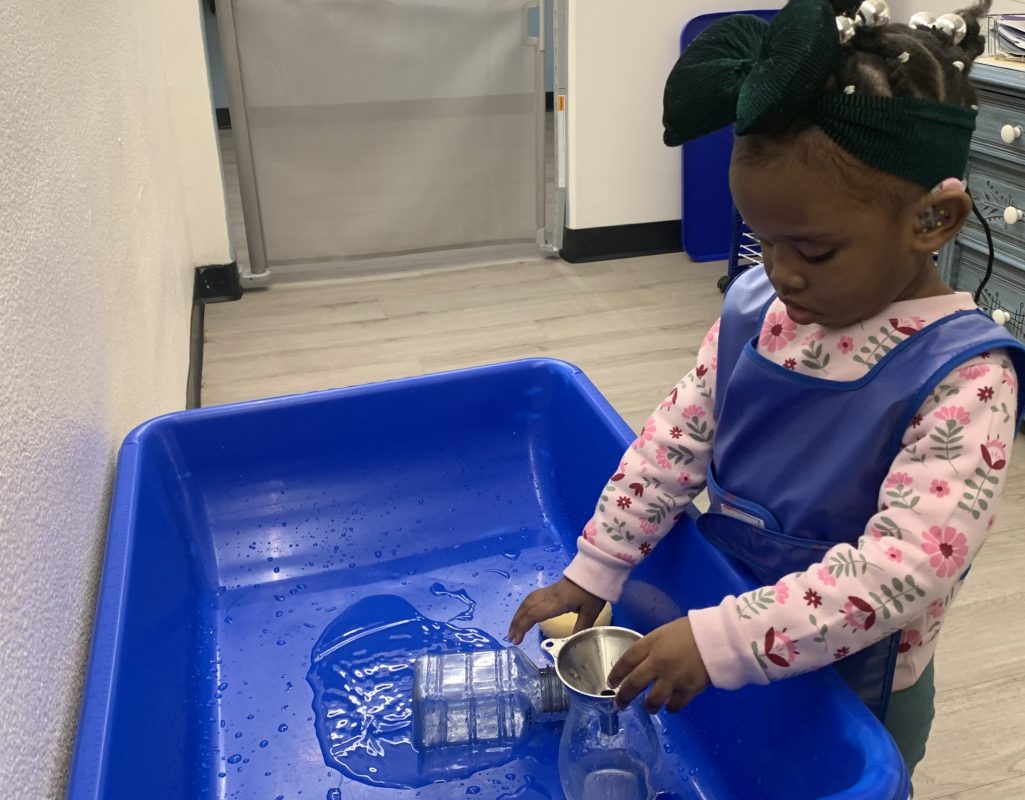
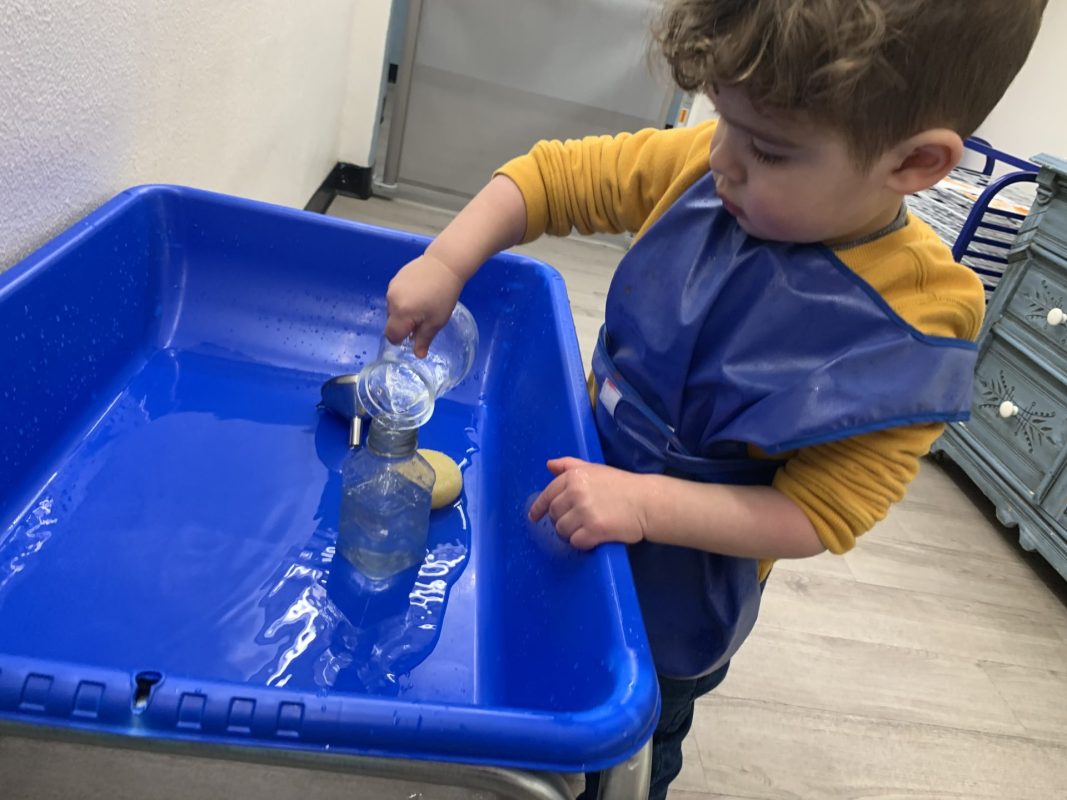
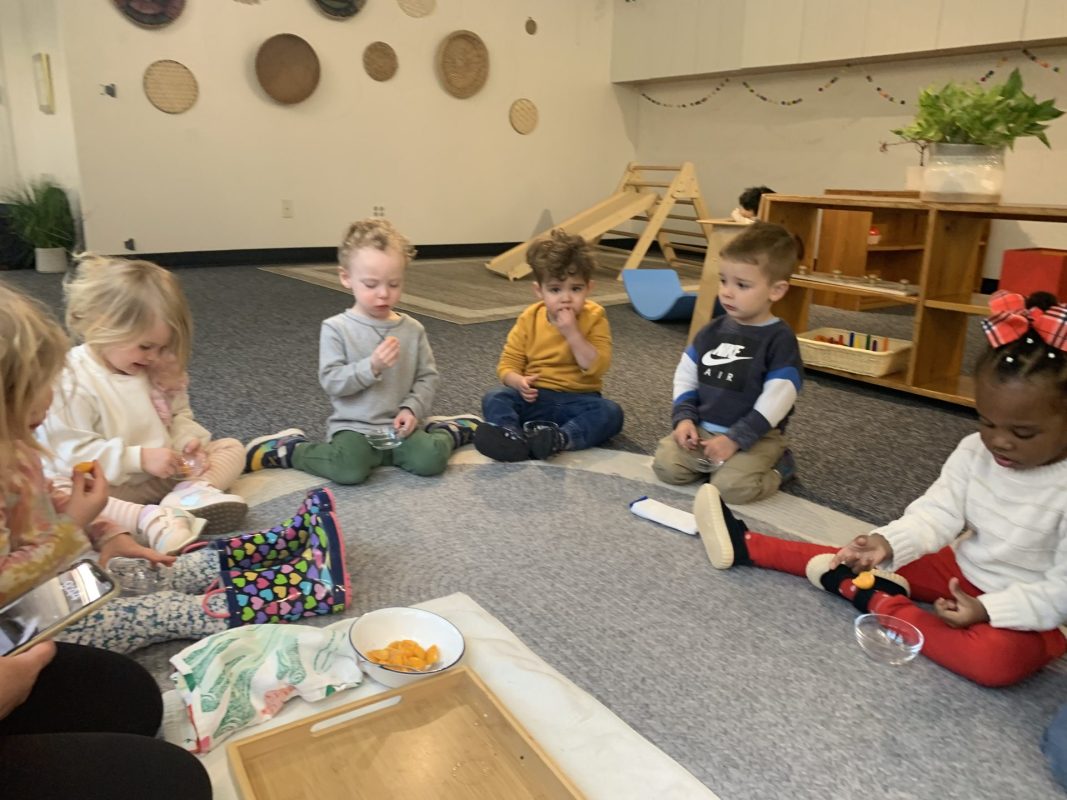
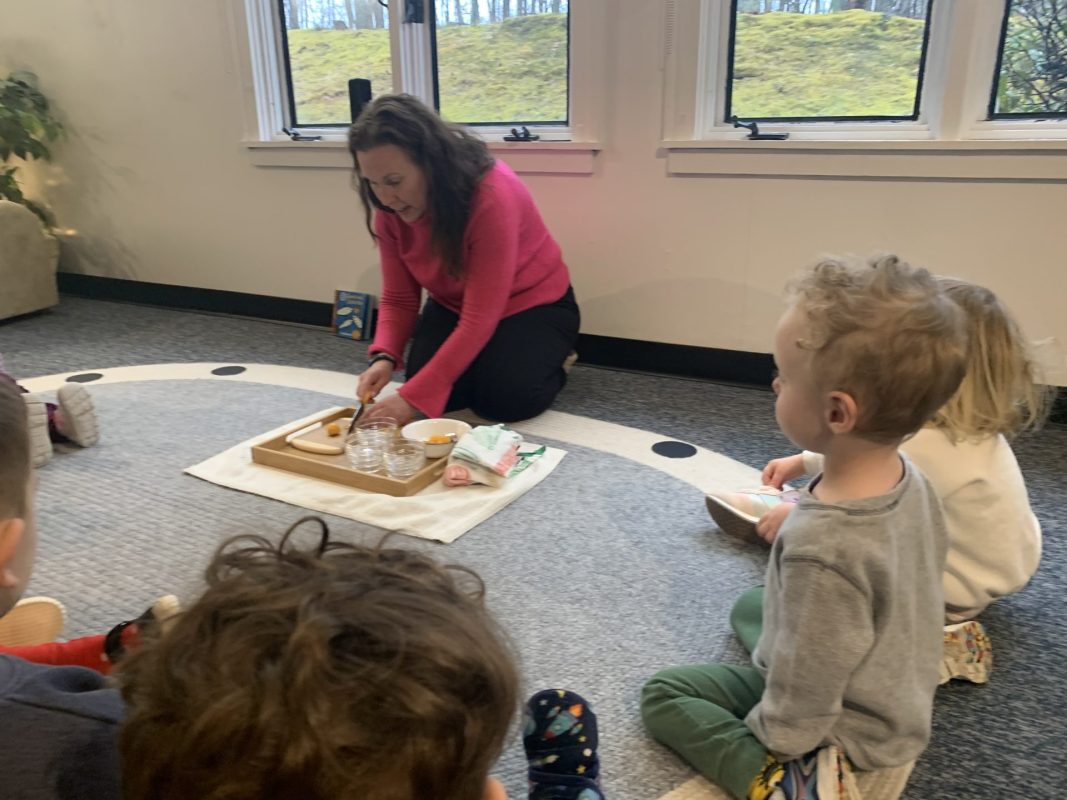
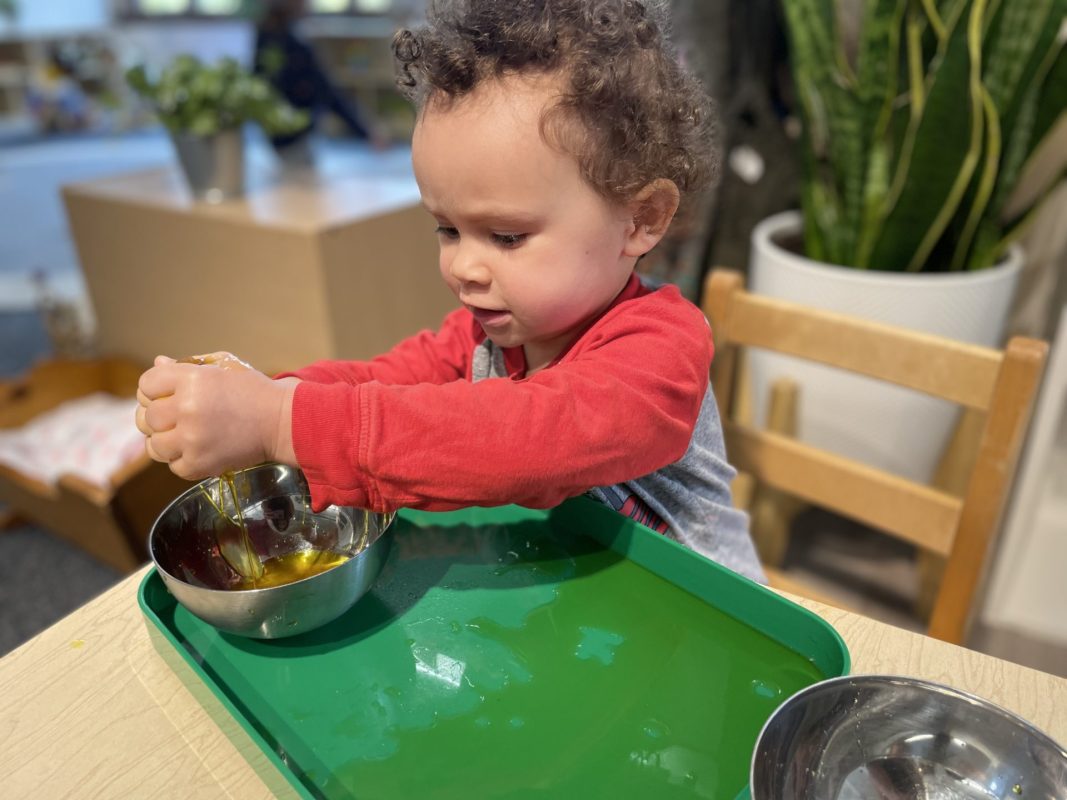
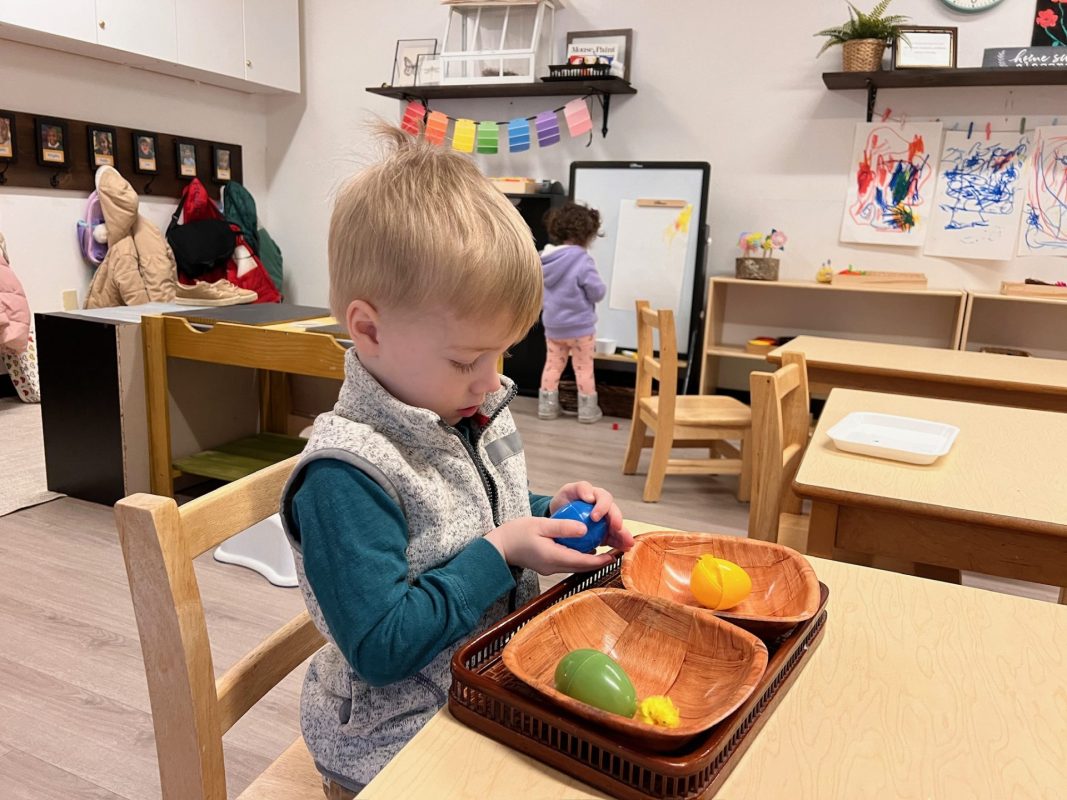
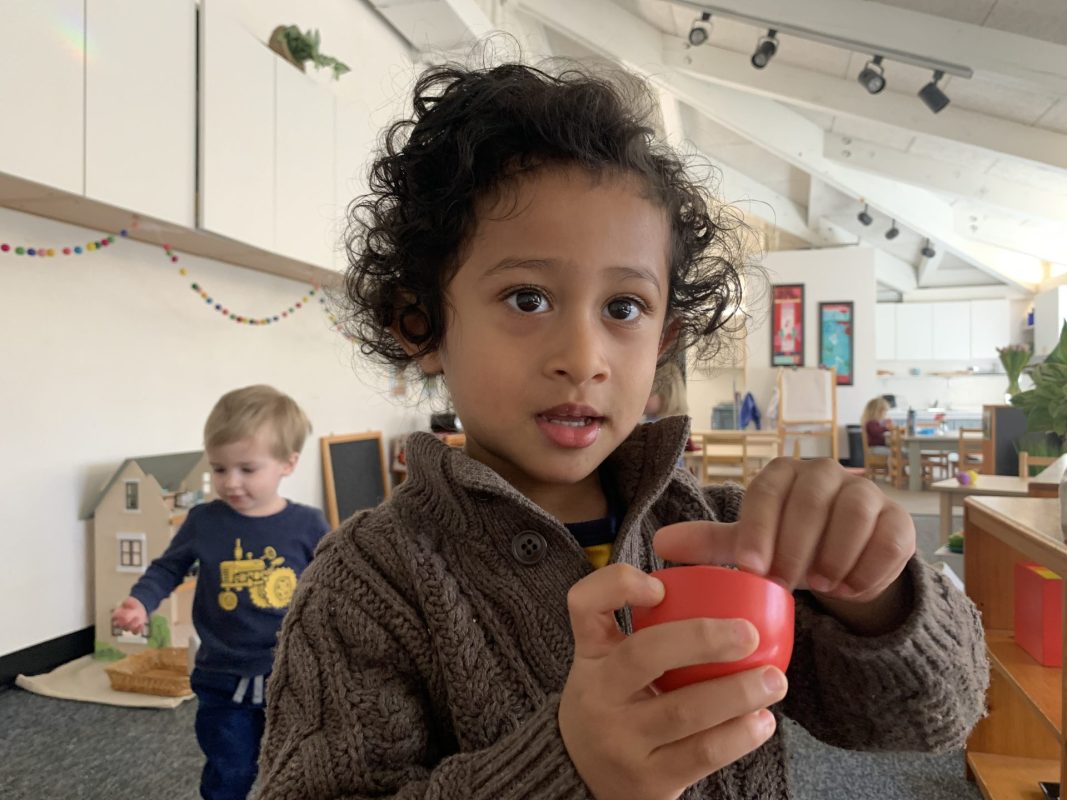
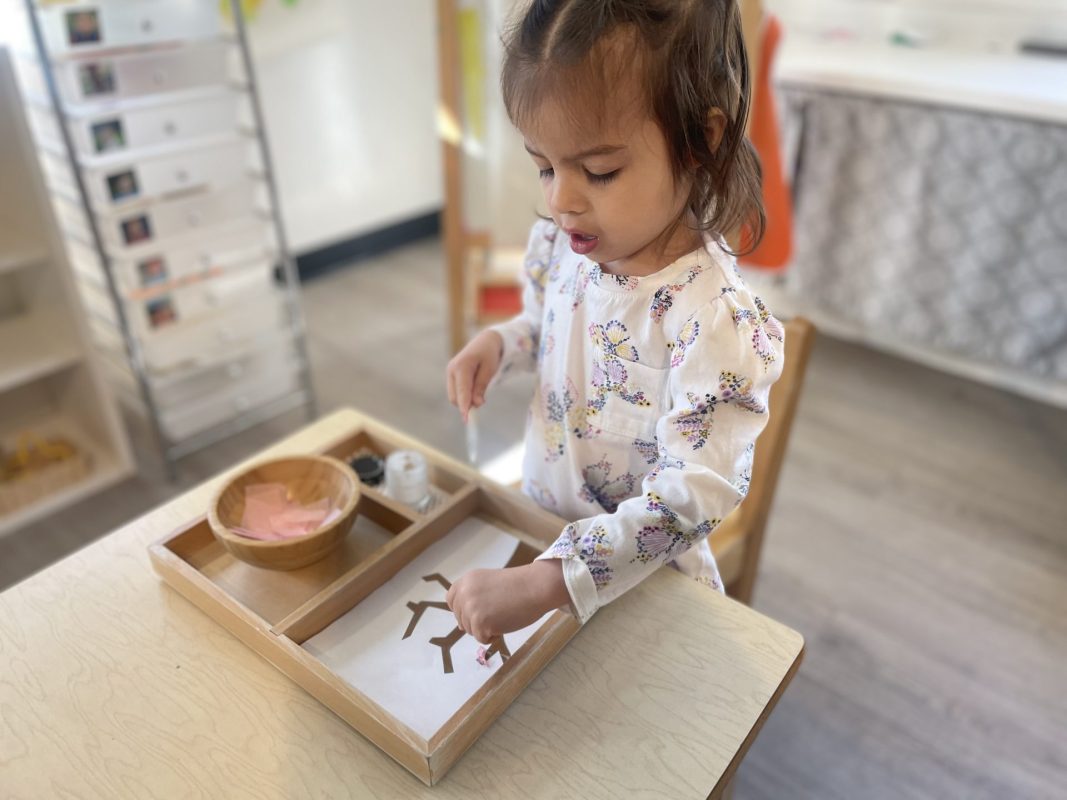
On another note, we explored delicious oranges for our food-tasting lesson, and it was a hit. Furthermore, children were introduced to the process of making orange juice all by themselves! Children worked their muscles and their maximum effort by making sure they squeezed and twisted their orange into the handheld juicer. After this, children practiced their fine motor skills by transferring the juice into a small pitcher and then serving themselves their orange juice into an open cup. To say that they seem to enjoy the process and the result of this activity is an understatement.

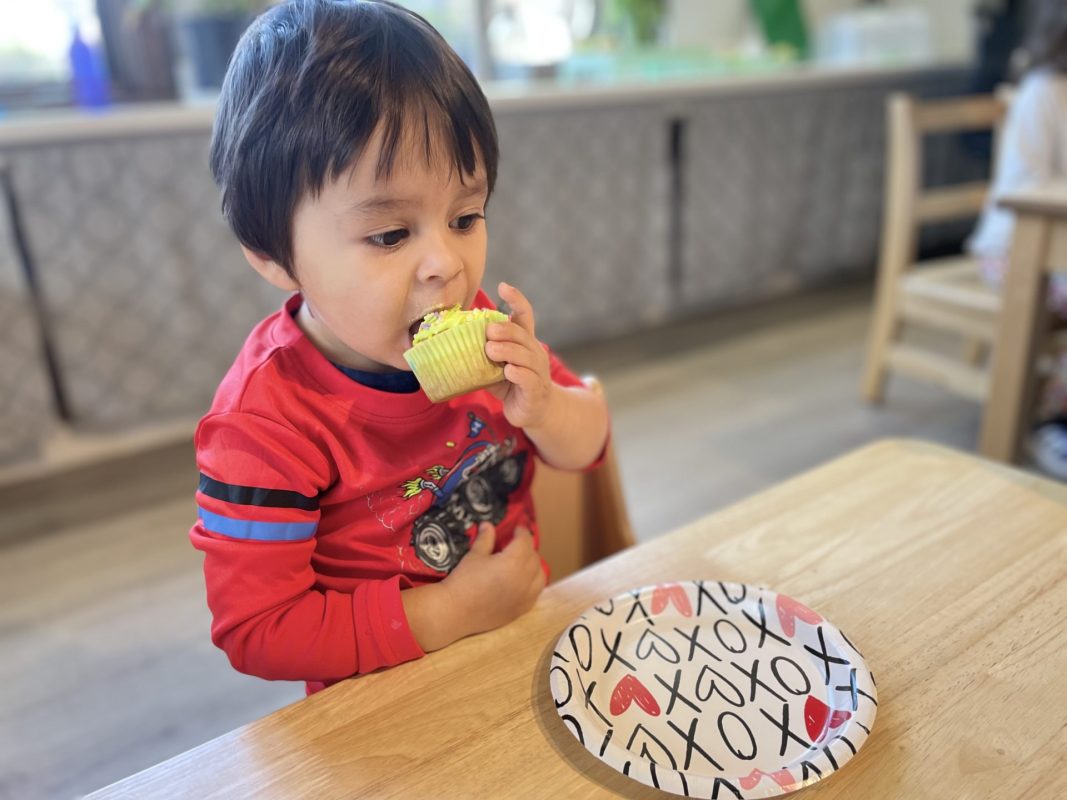
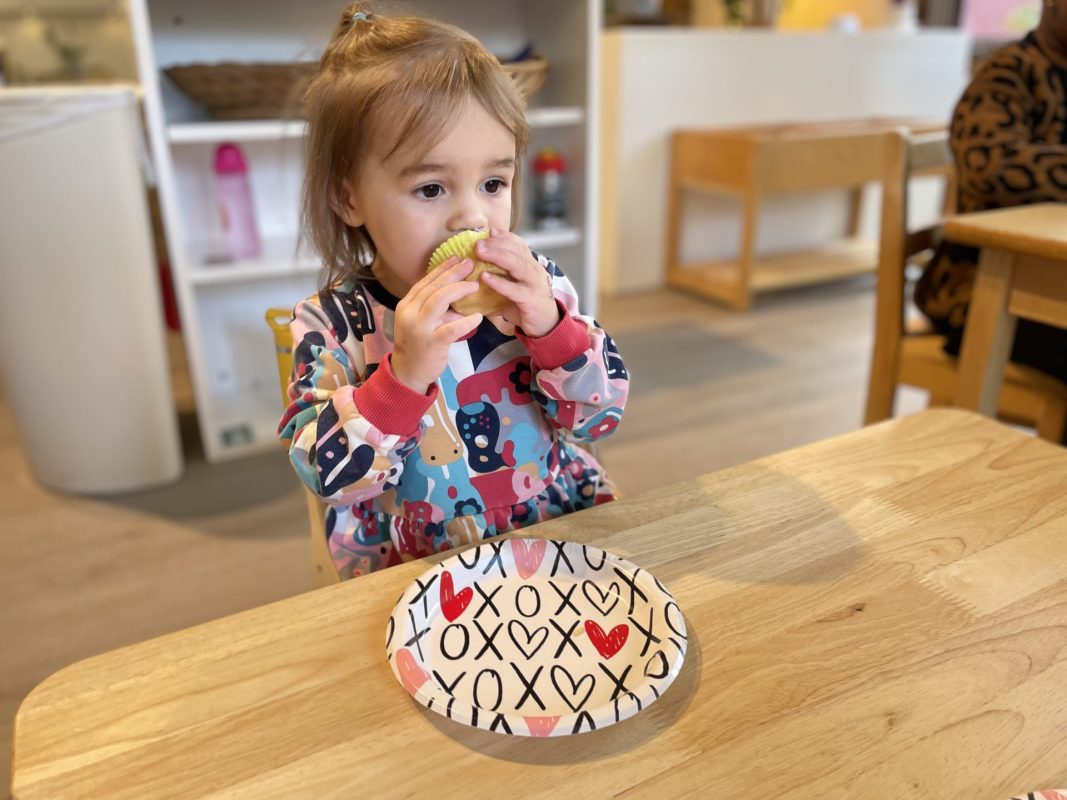
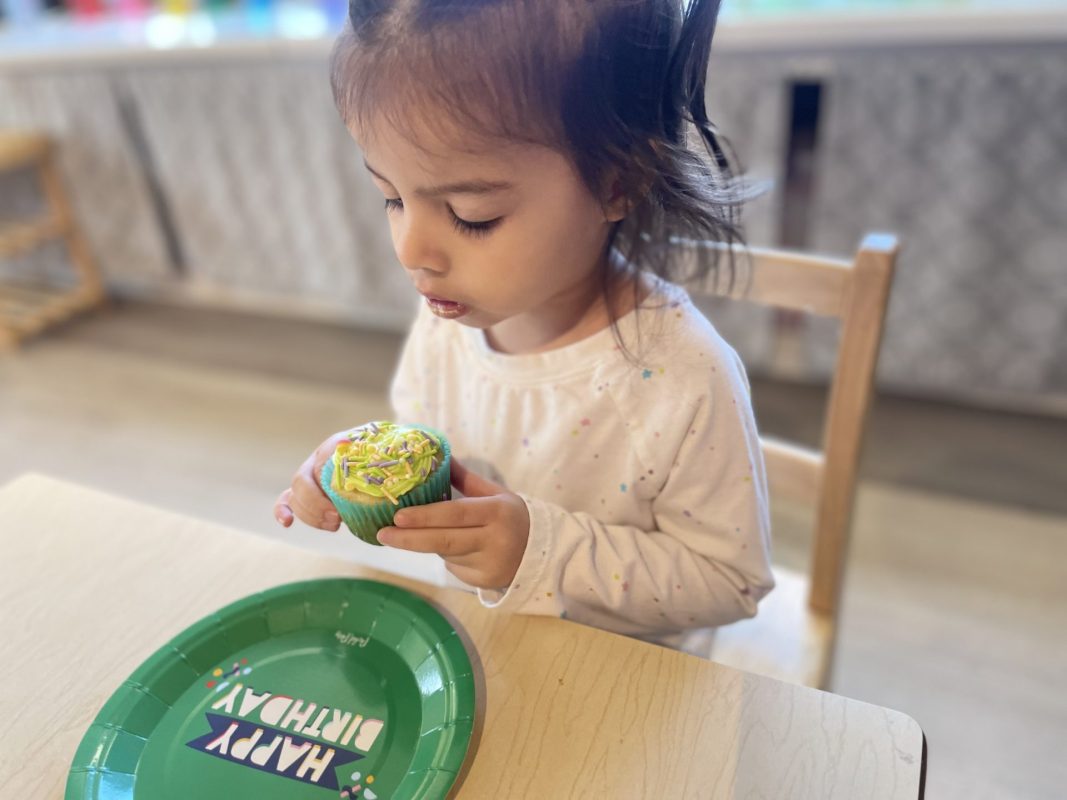
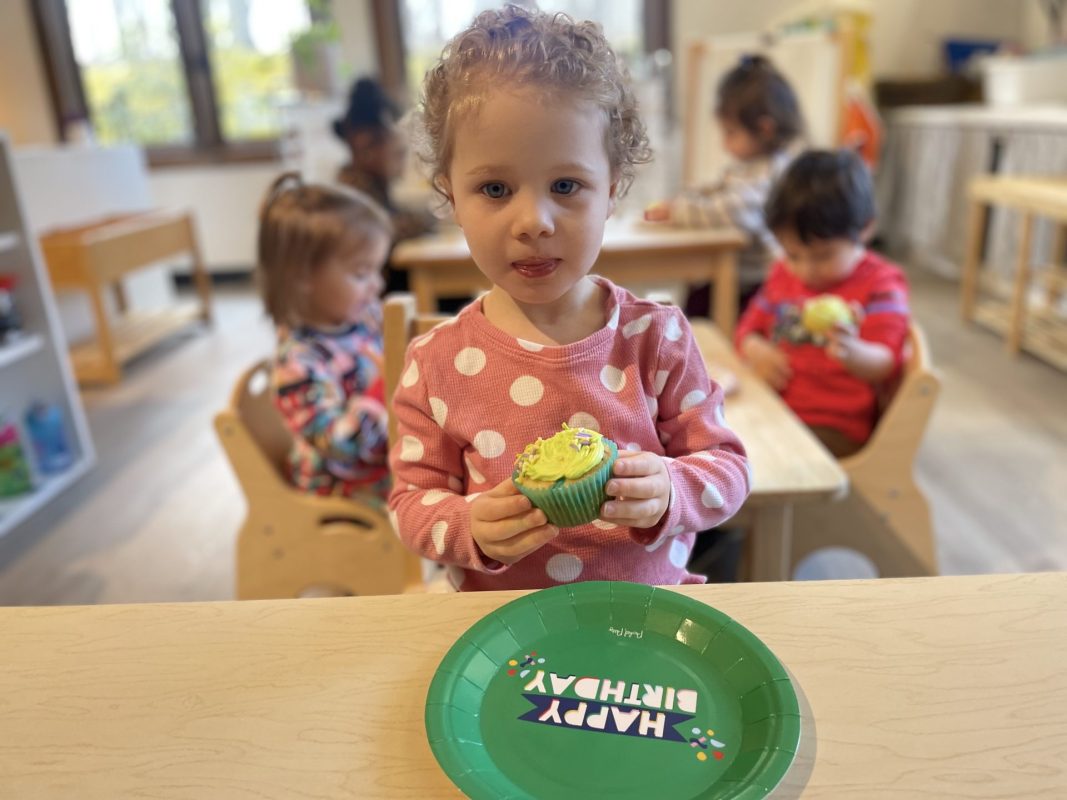
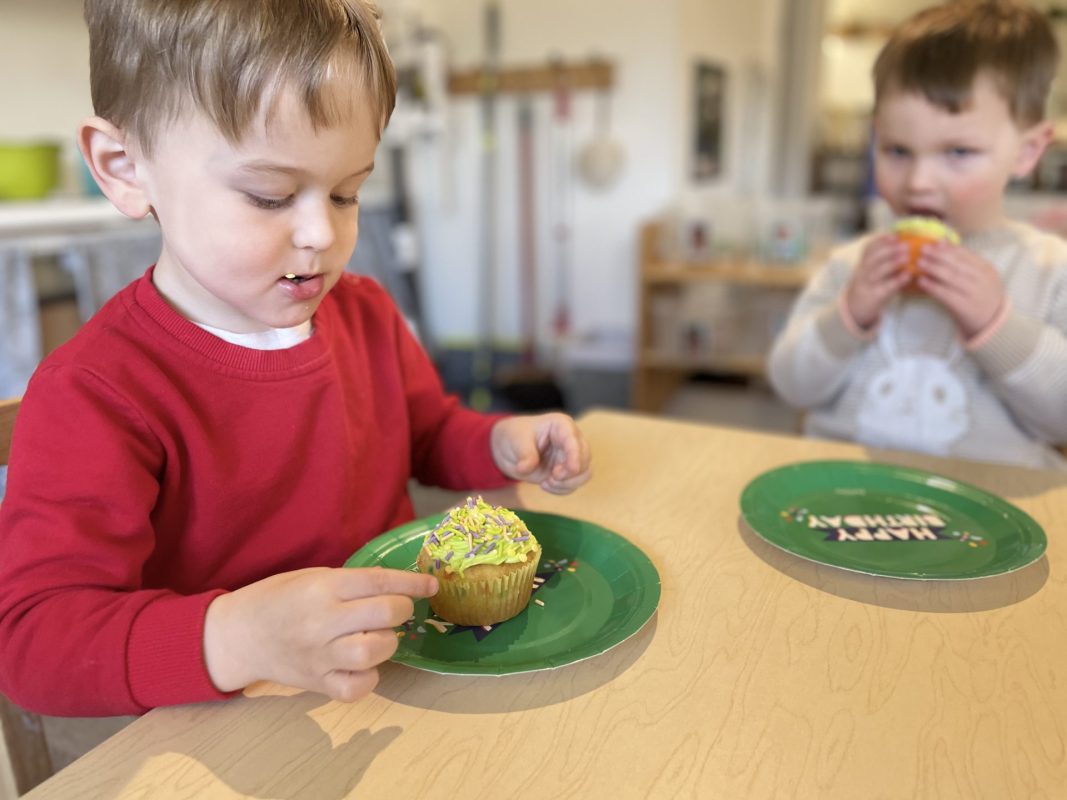
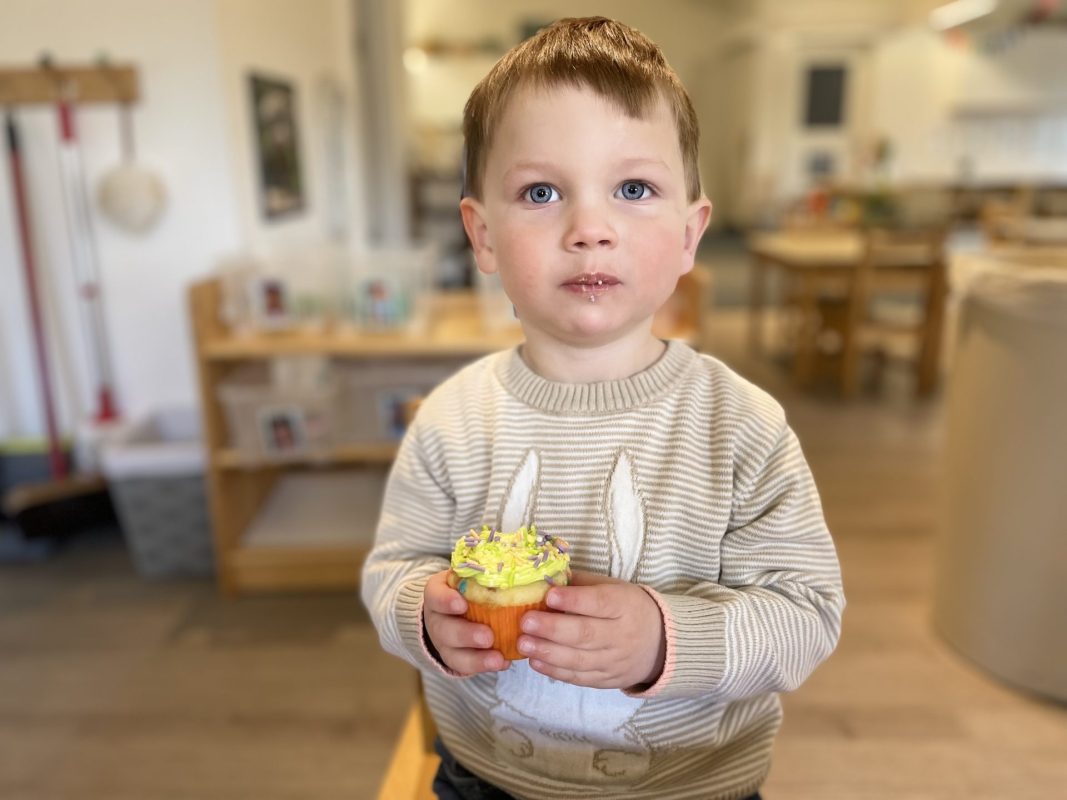
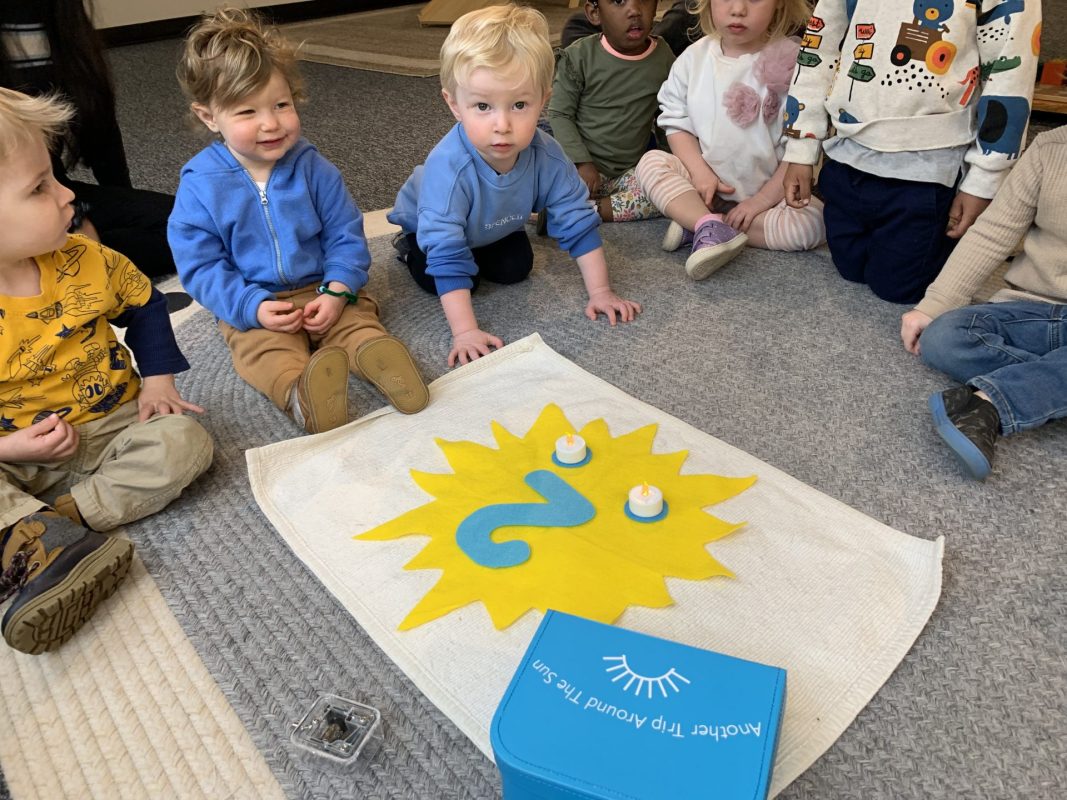
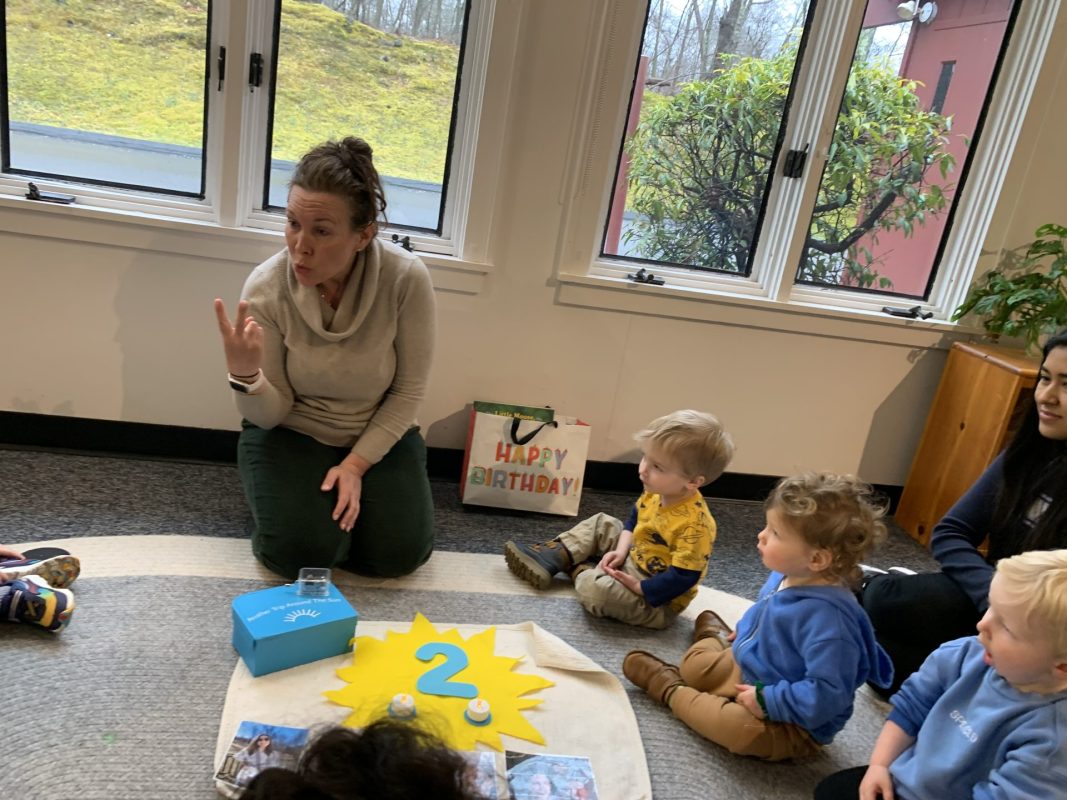
Lastly, we celebrated another 3-year-old birthday in our class! It’s awe-inspiring to witness the remarkable growth of our students every single day.

Enjoy the snapshots,

Mrs. Hood and Ms. Mollie

Mrs. Hood: The secret of perfection!

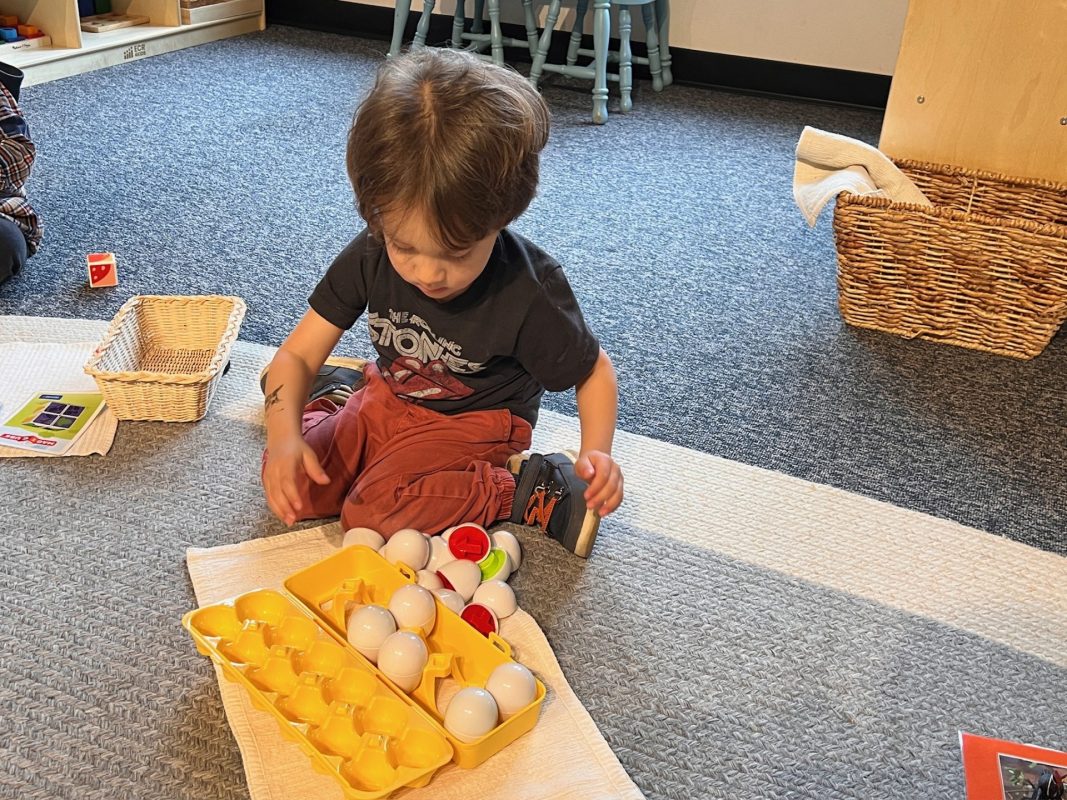
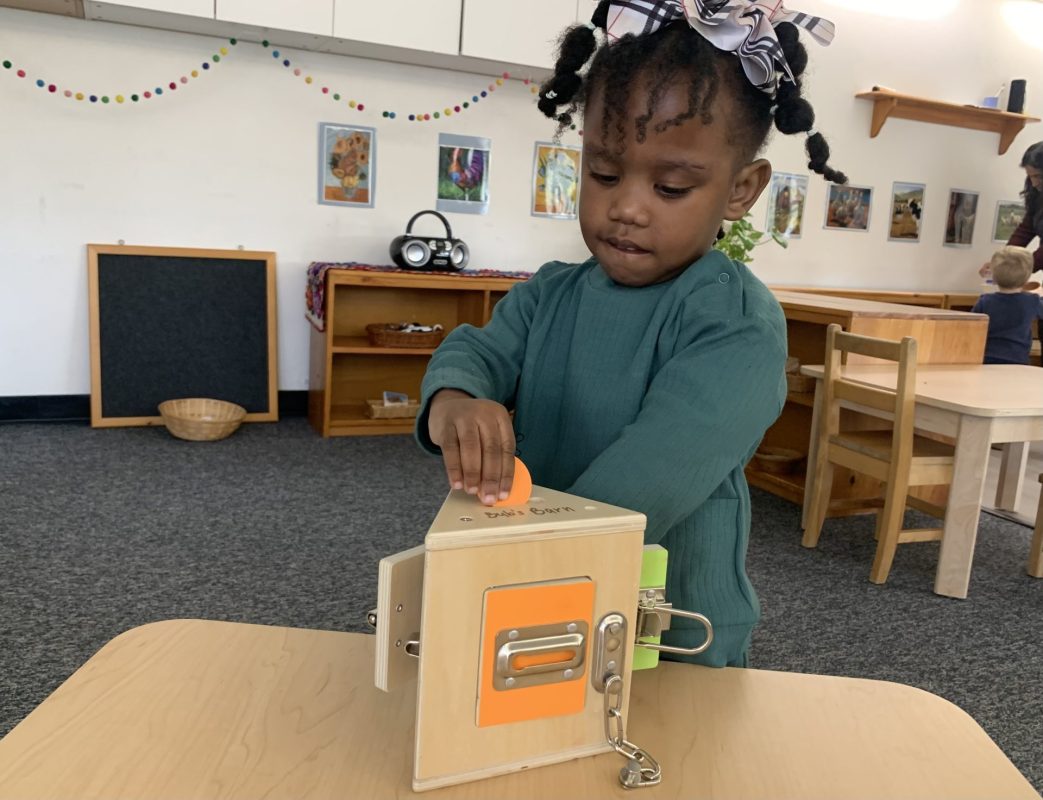
“To have learned something for the child is only a point of departure. When he has learned the meaning of an exercise, then he begins to enjoy repeating it, and he does repeat it an infinite number of times, with the most evident satisfaction.”- Maria Montessori, The Montessori Method

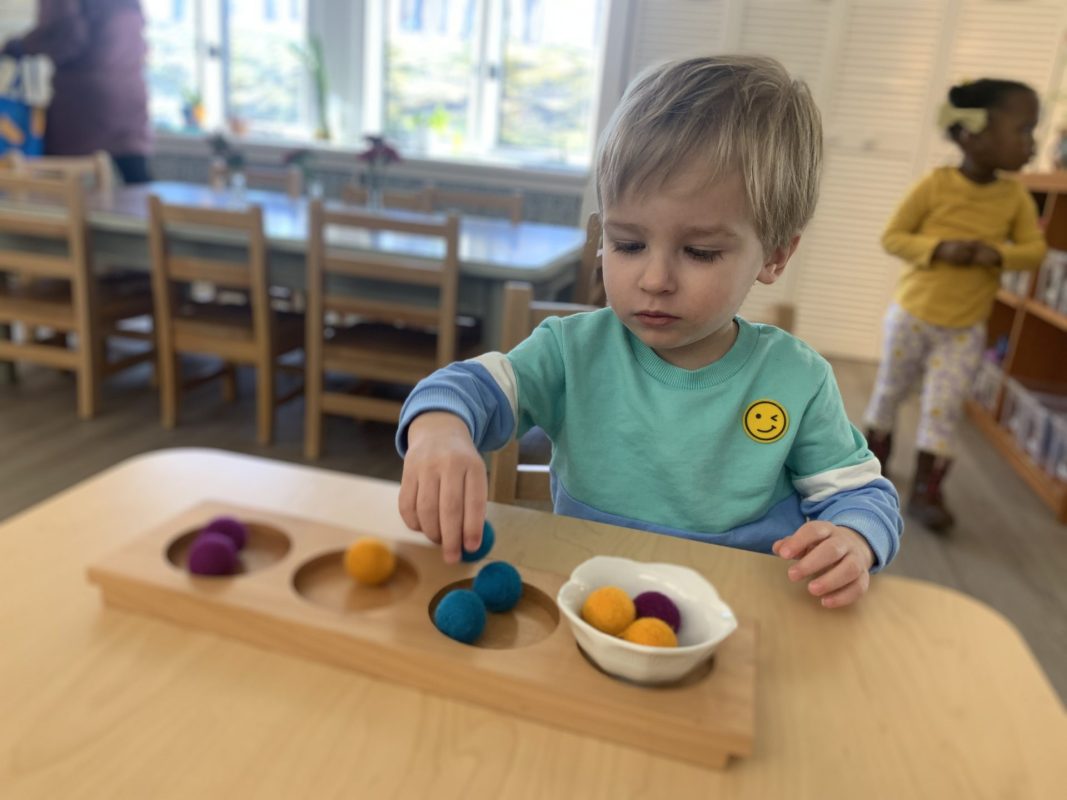
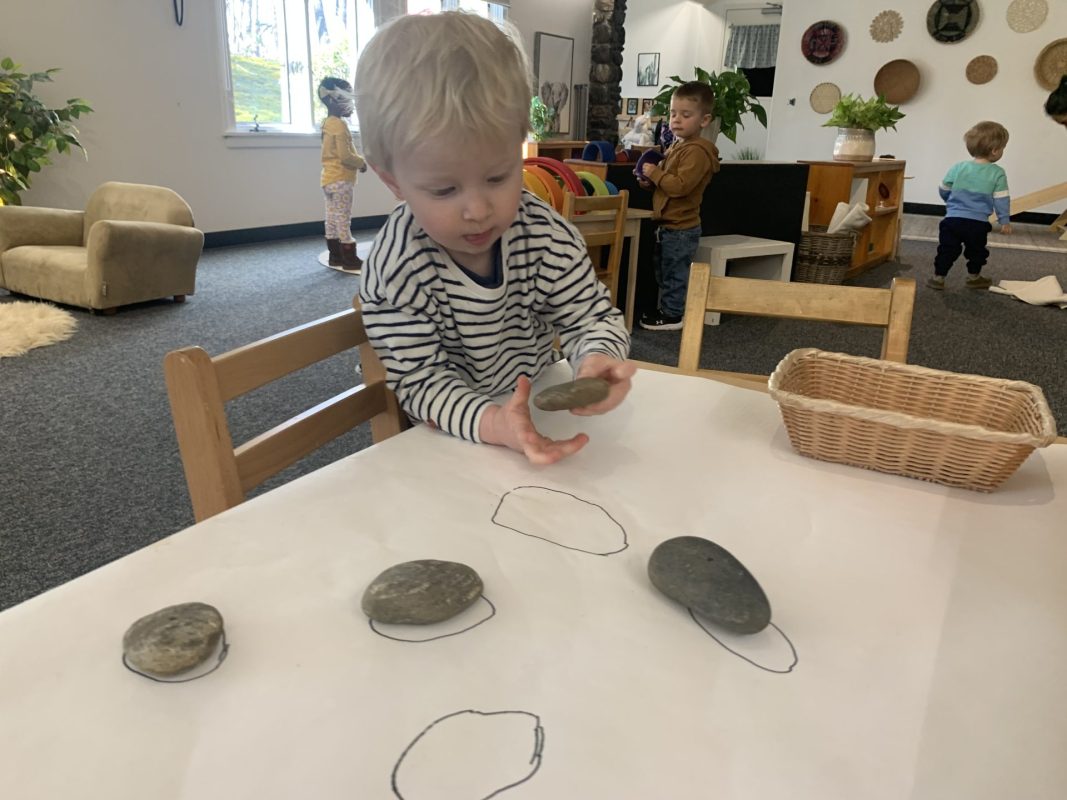
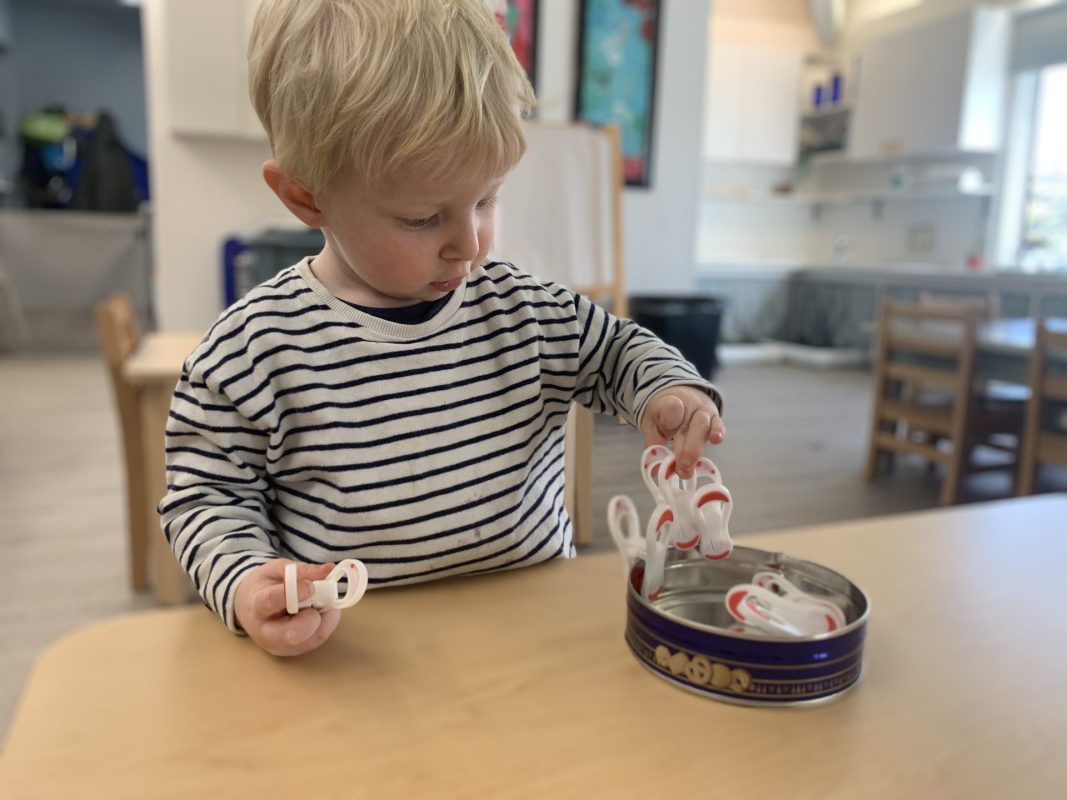
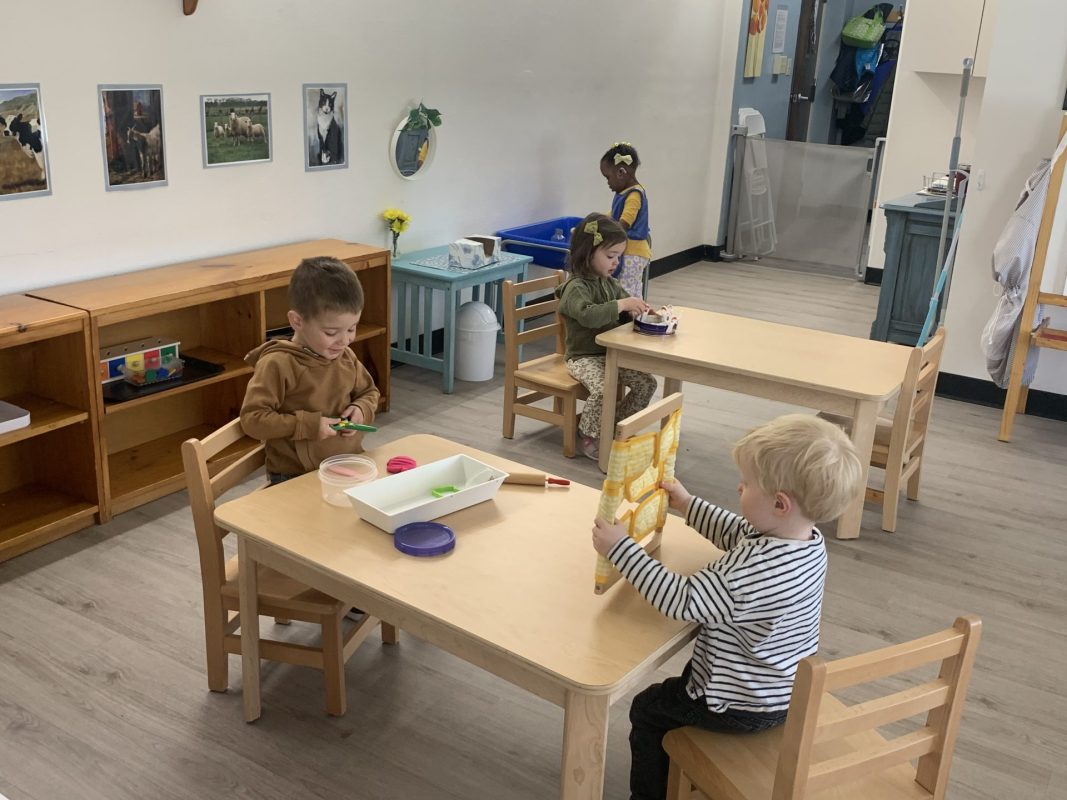
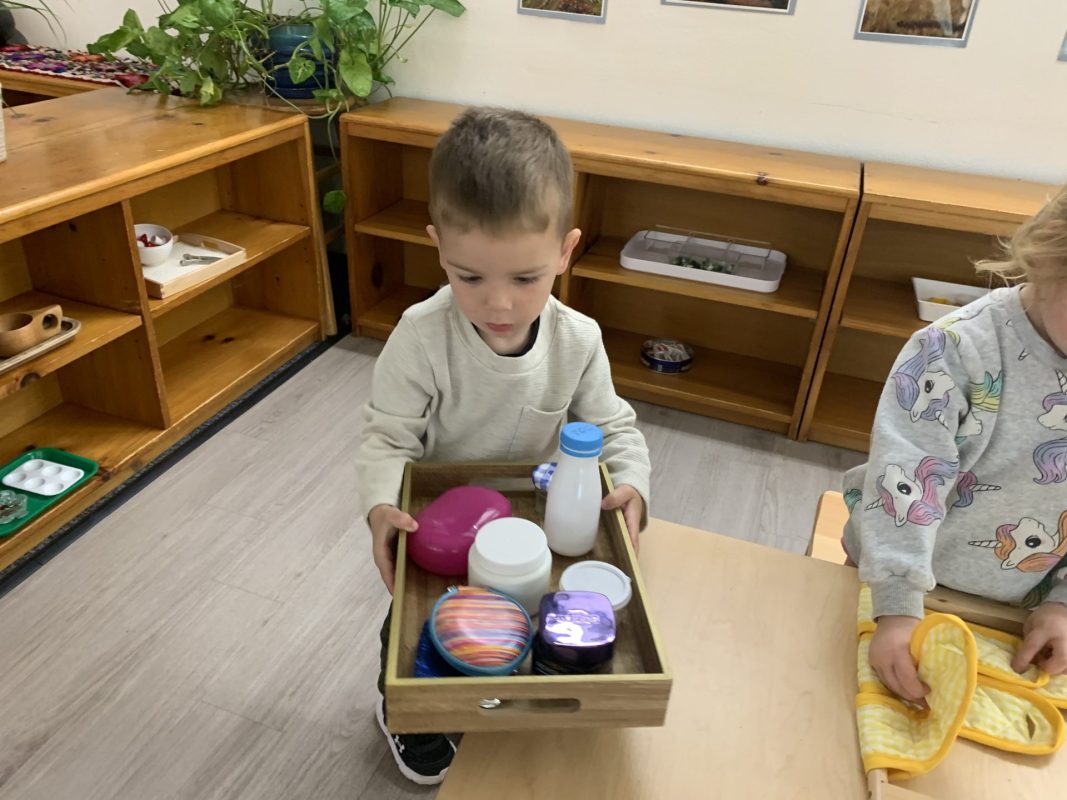
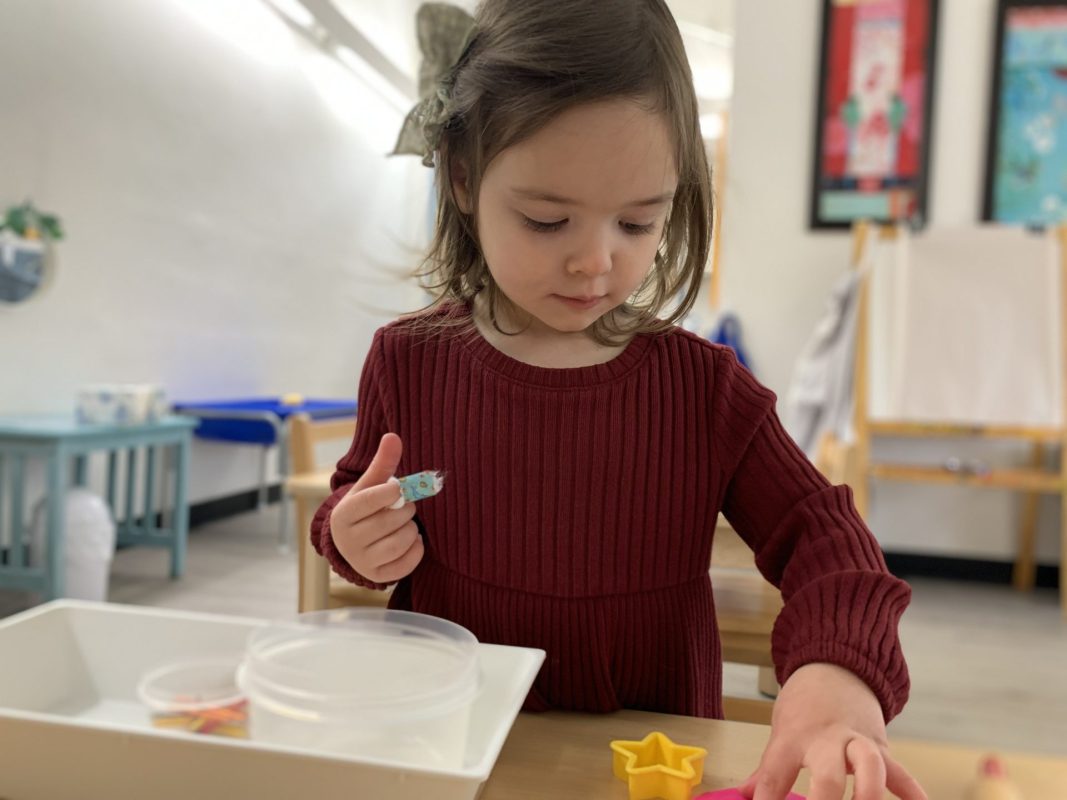
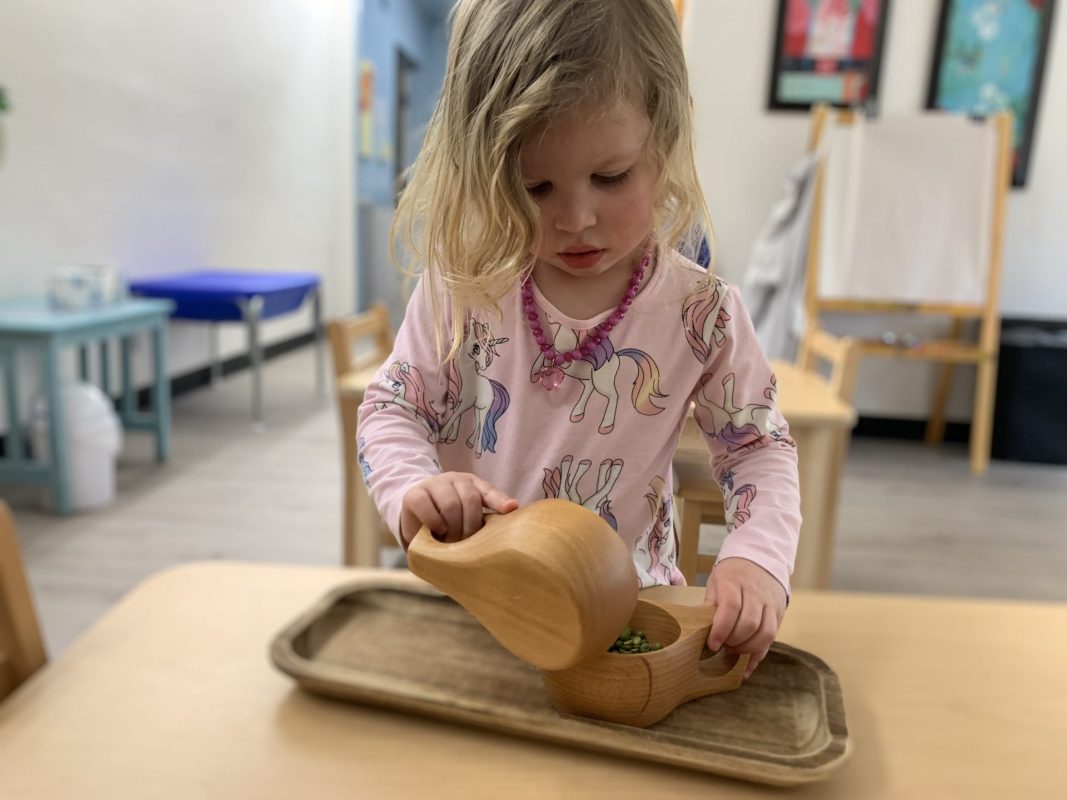
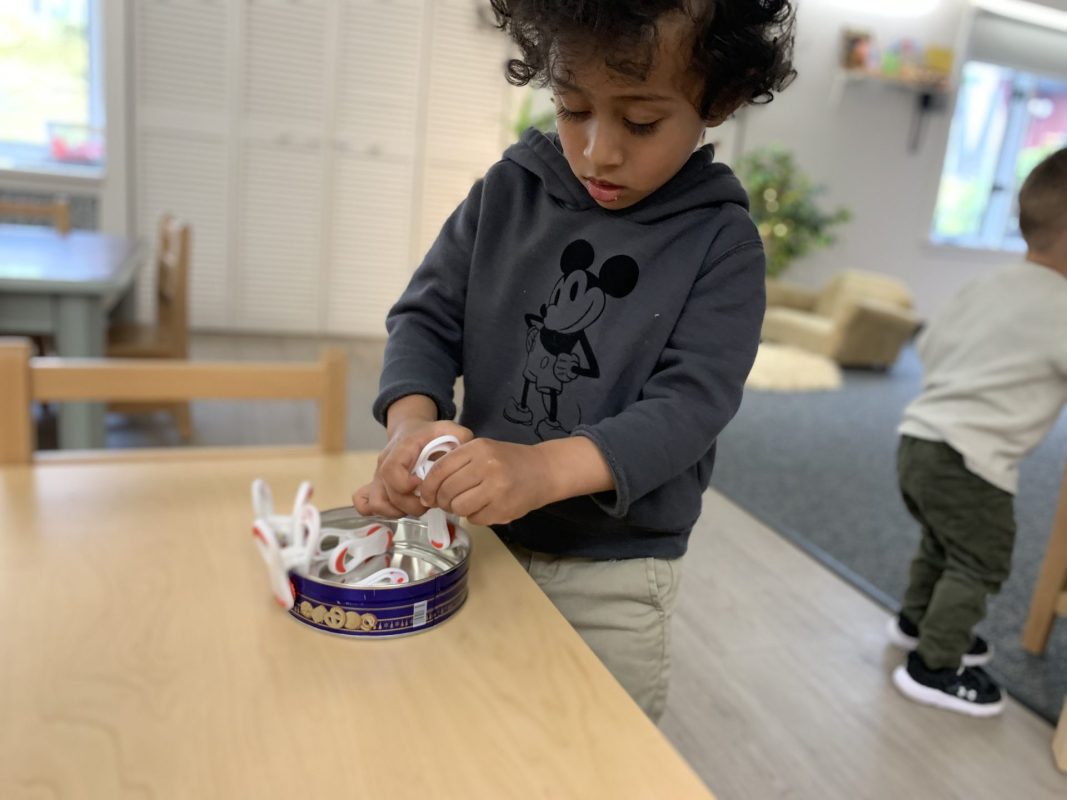
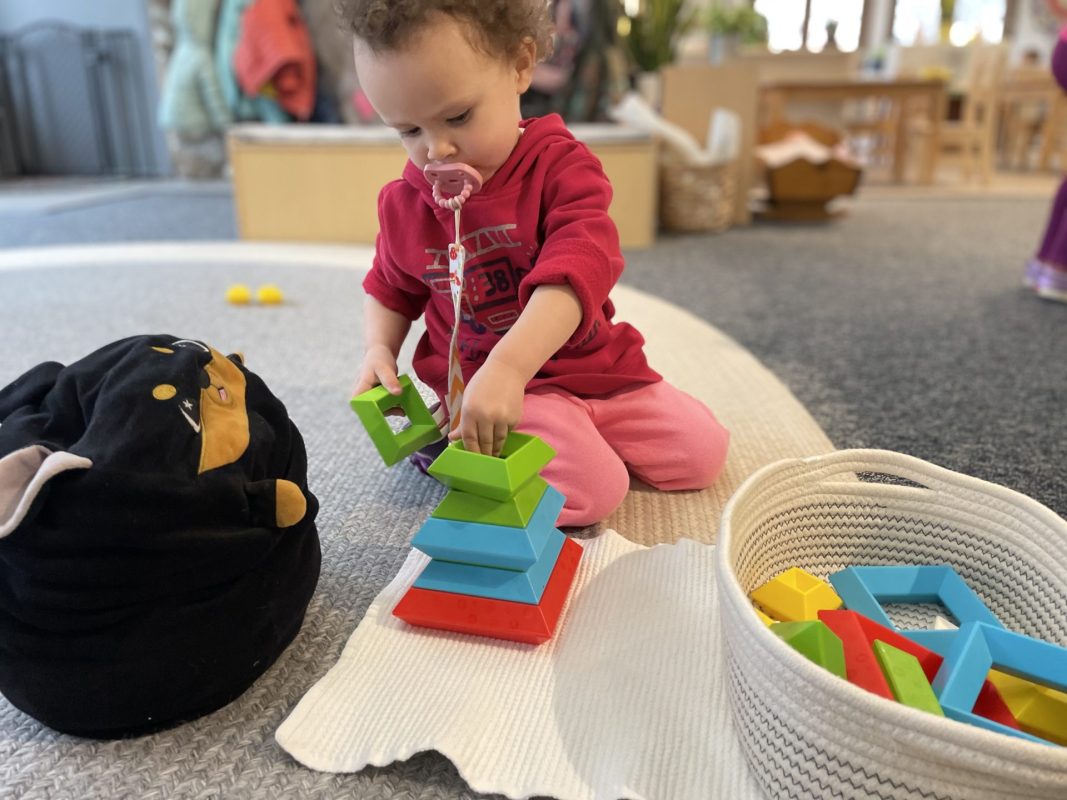
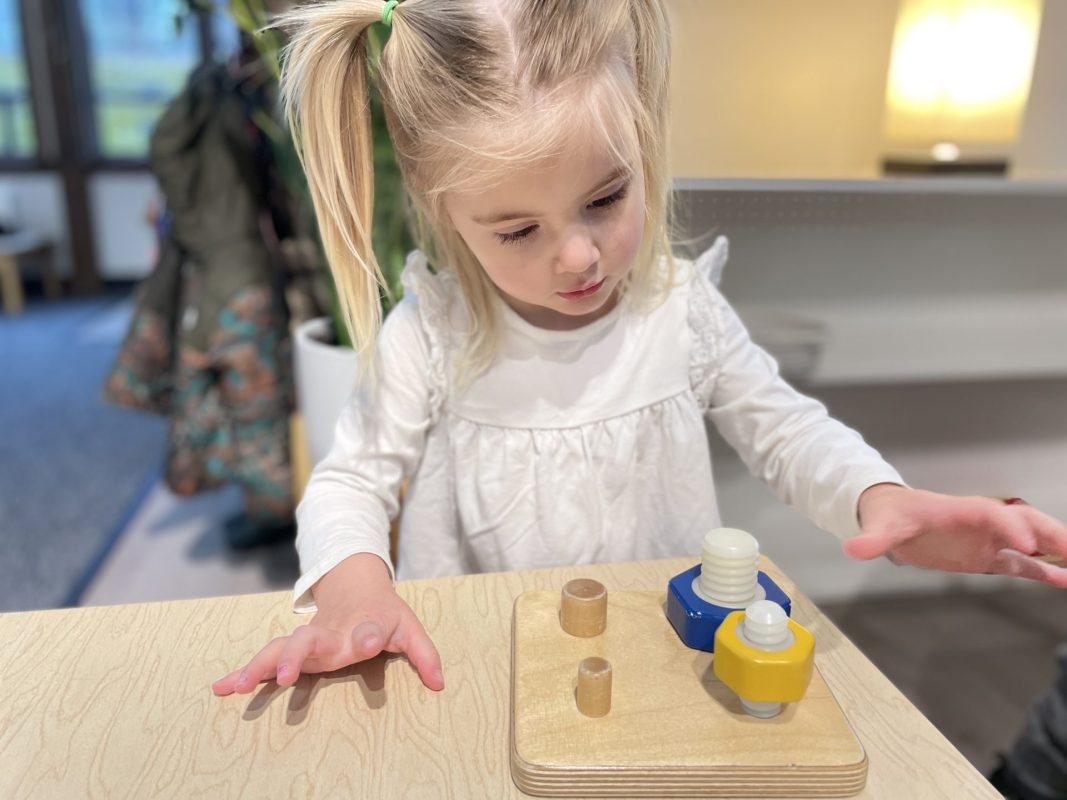
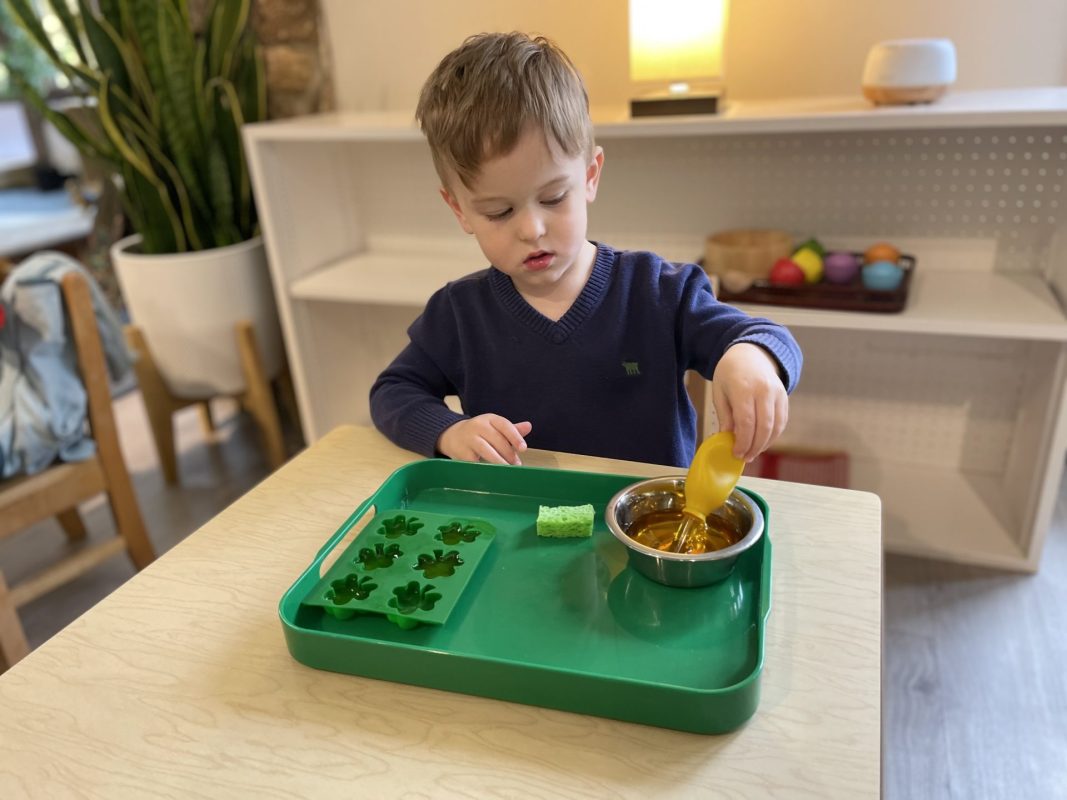
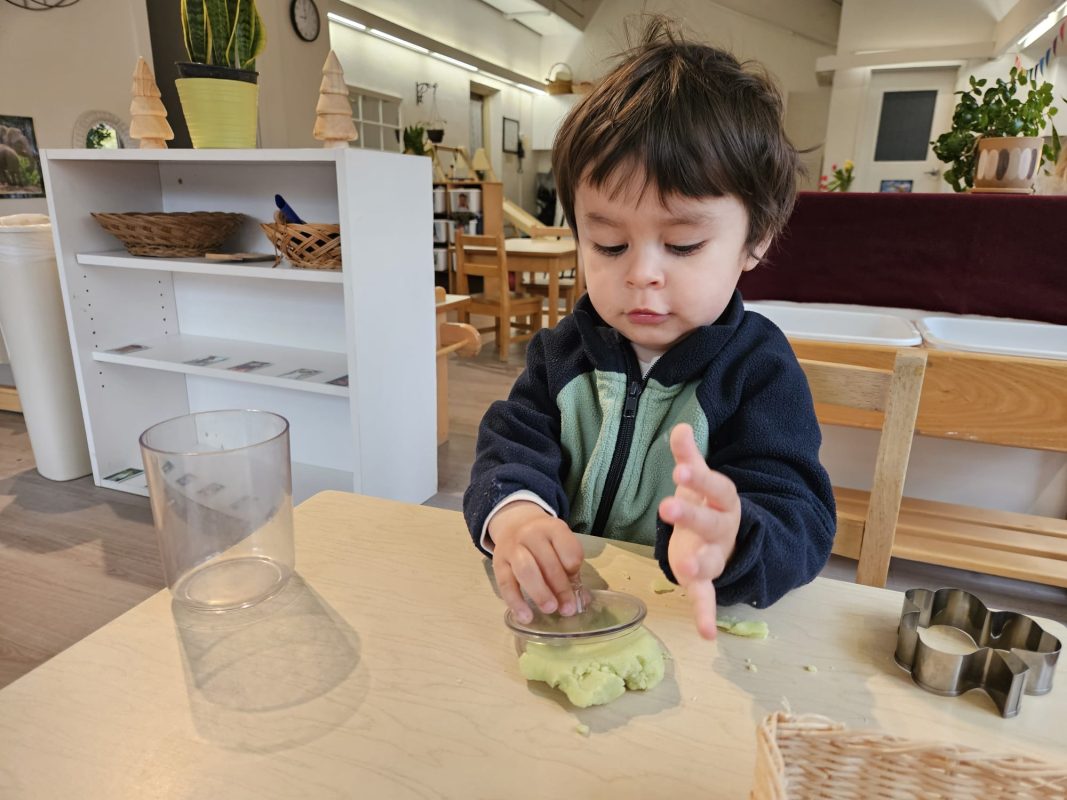
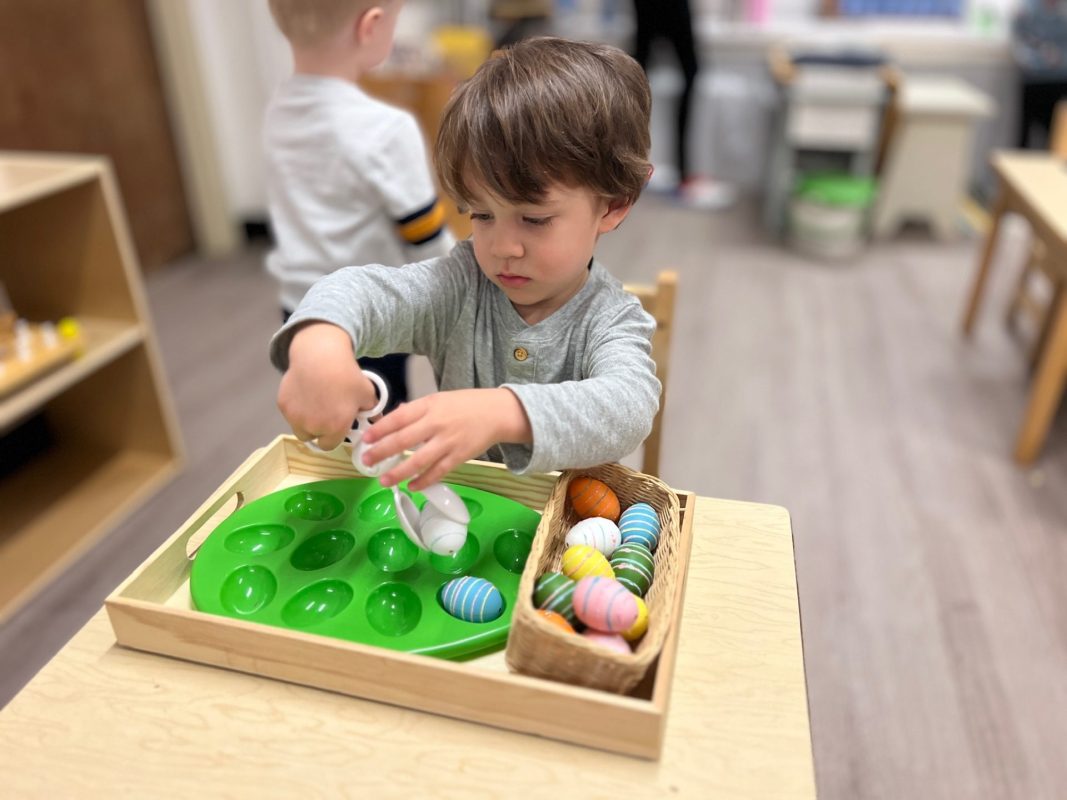
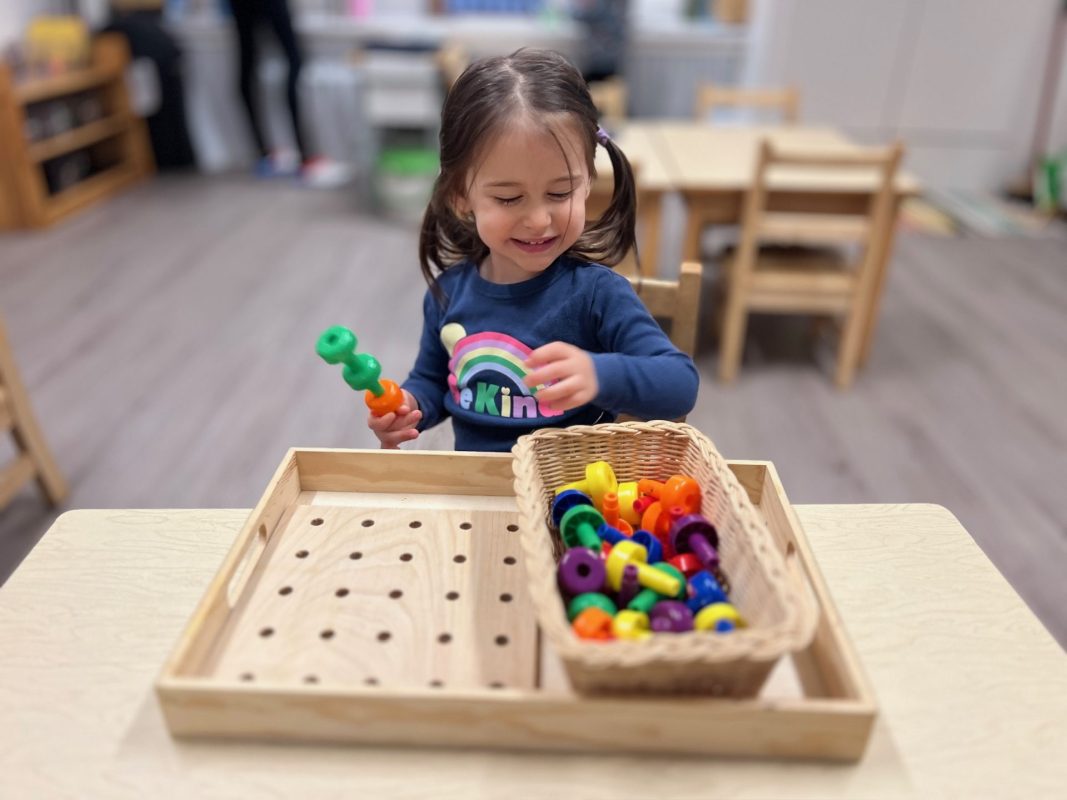
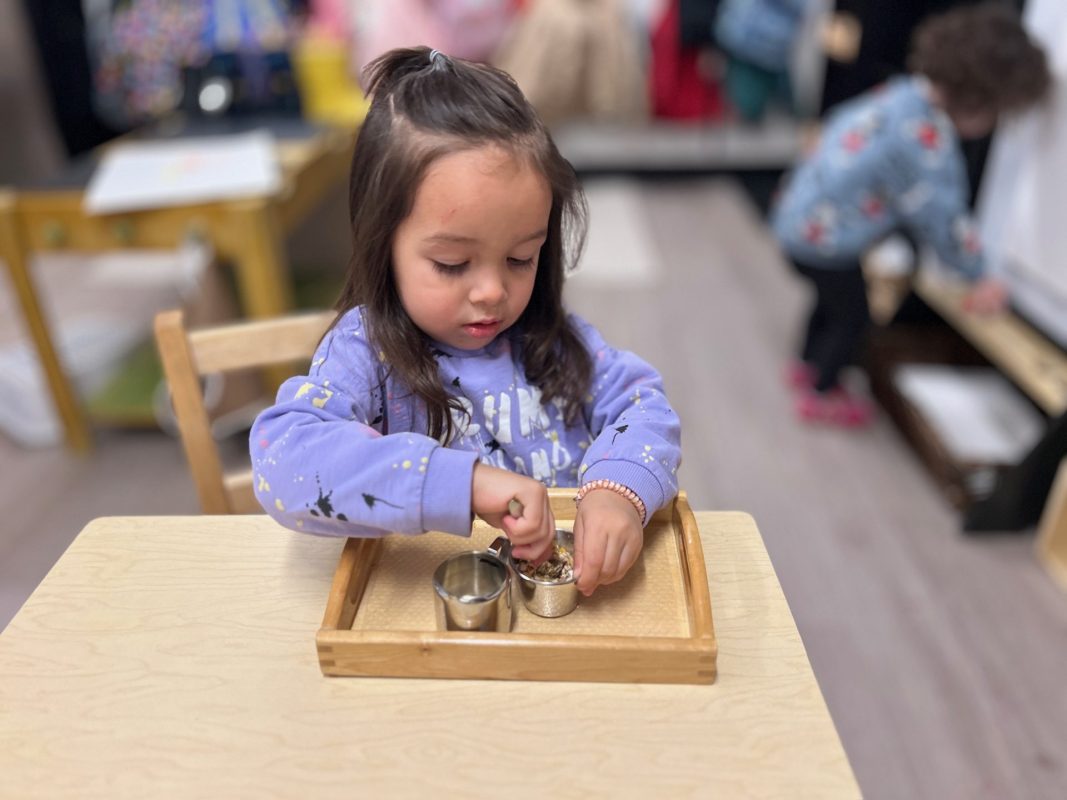
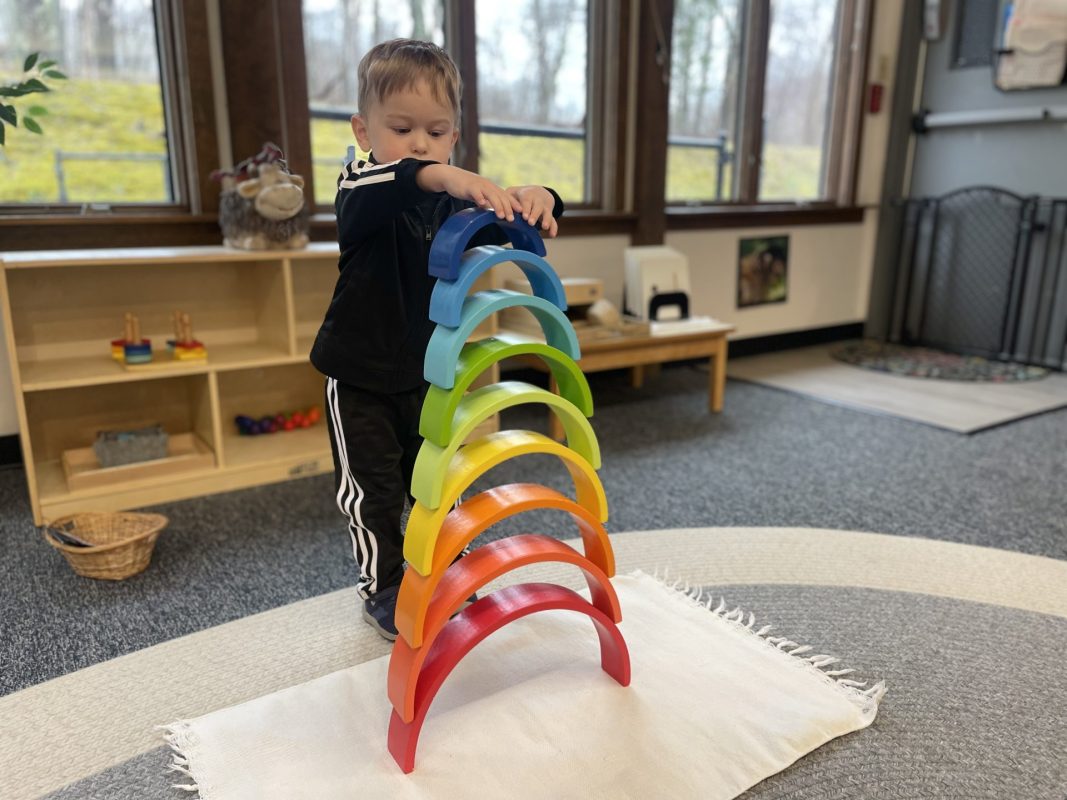
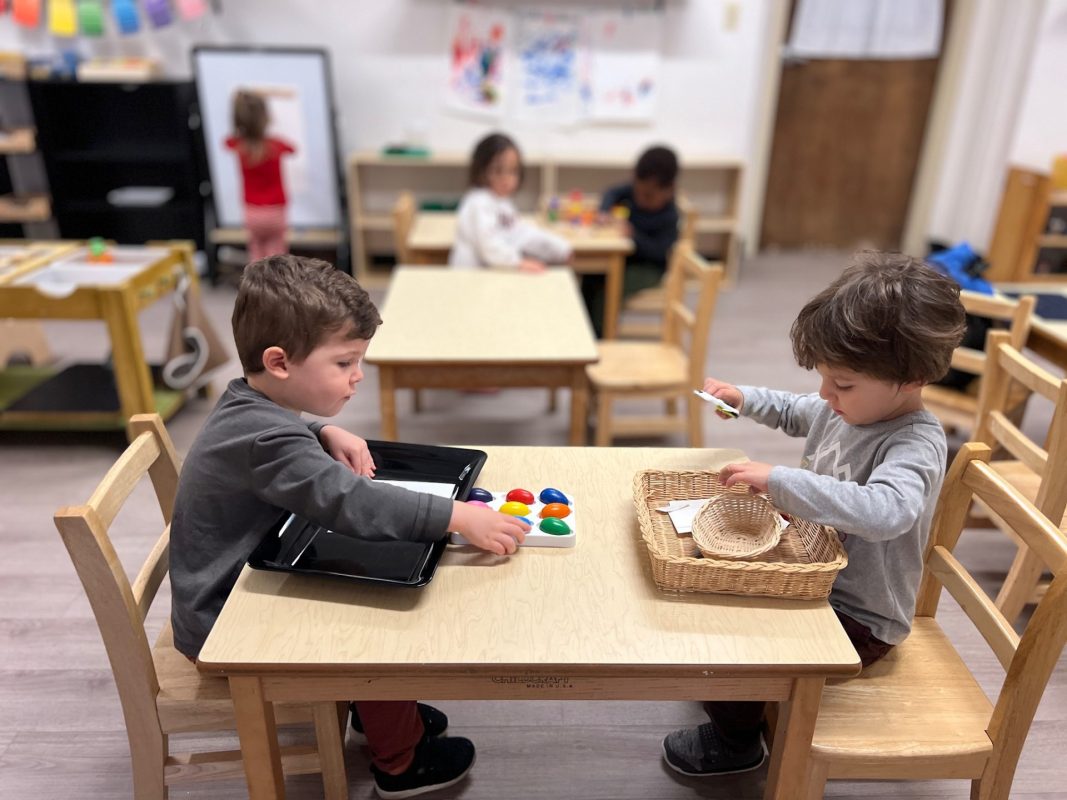
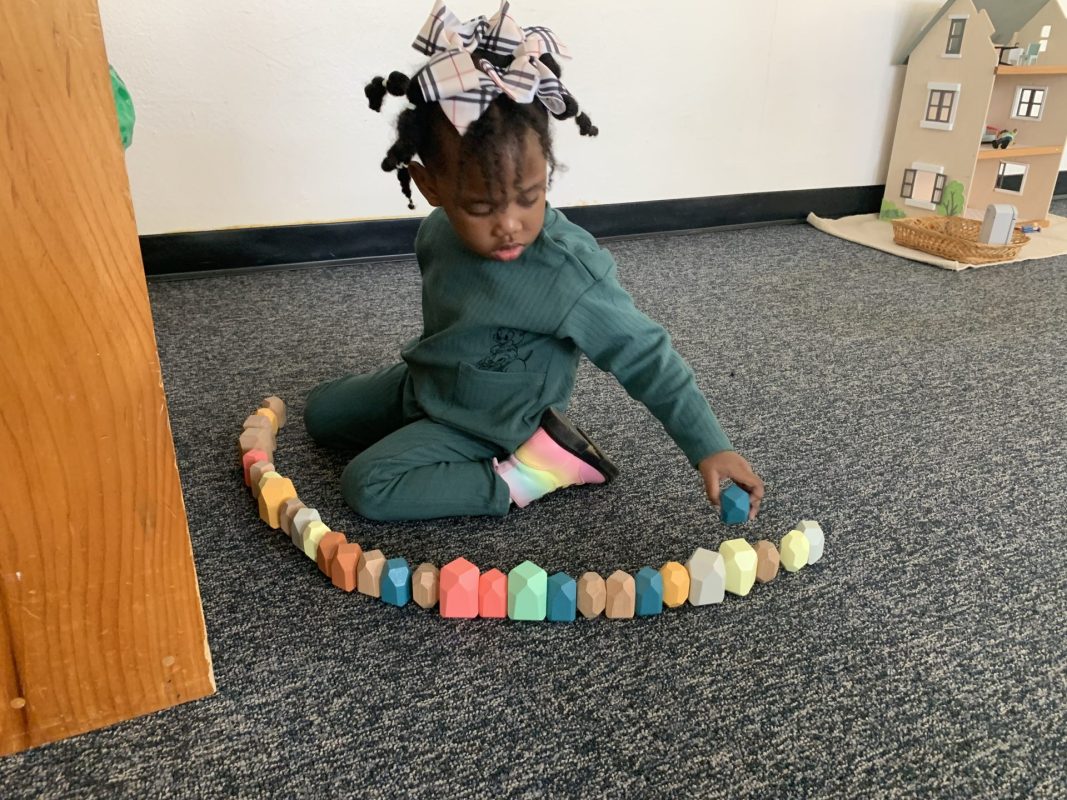
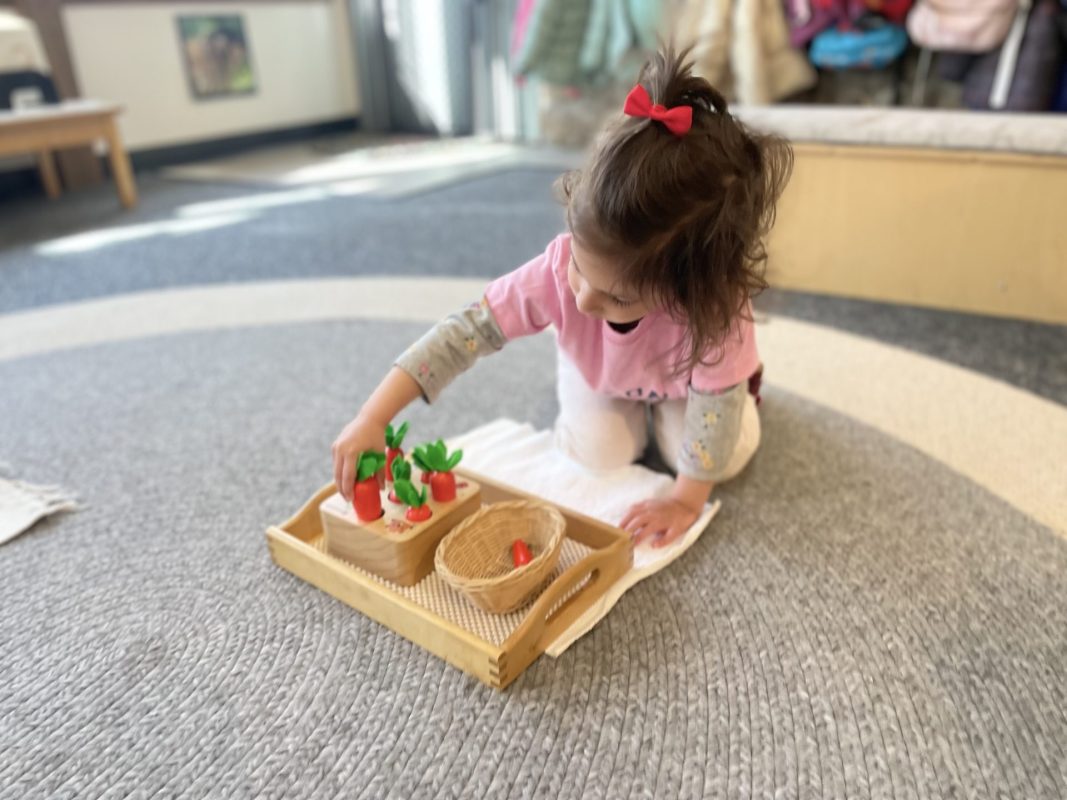
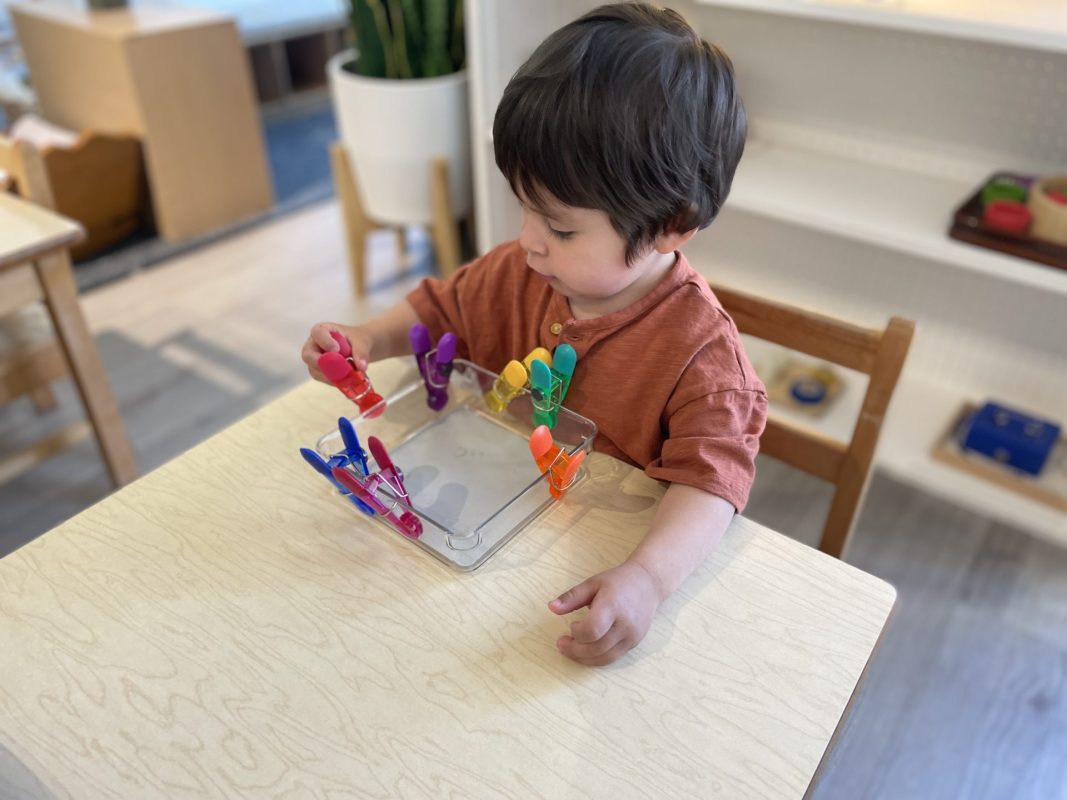
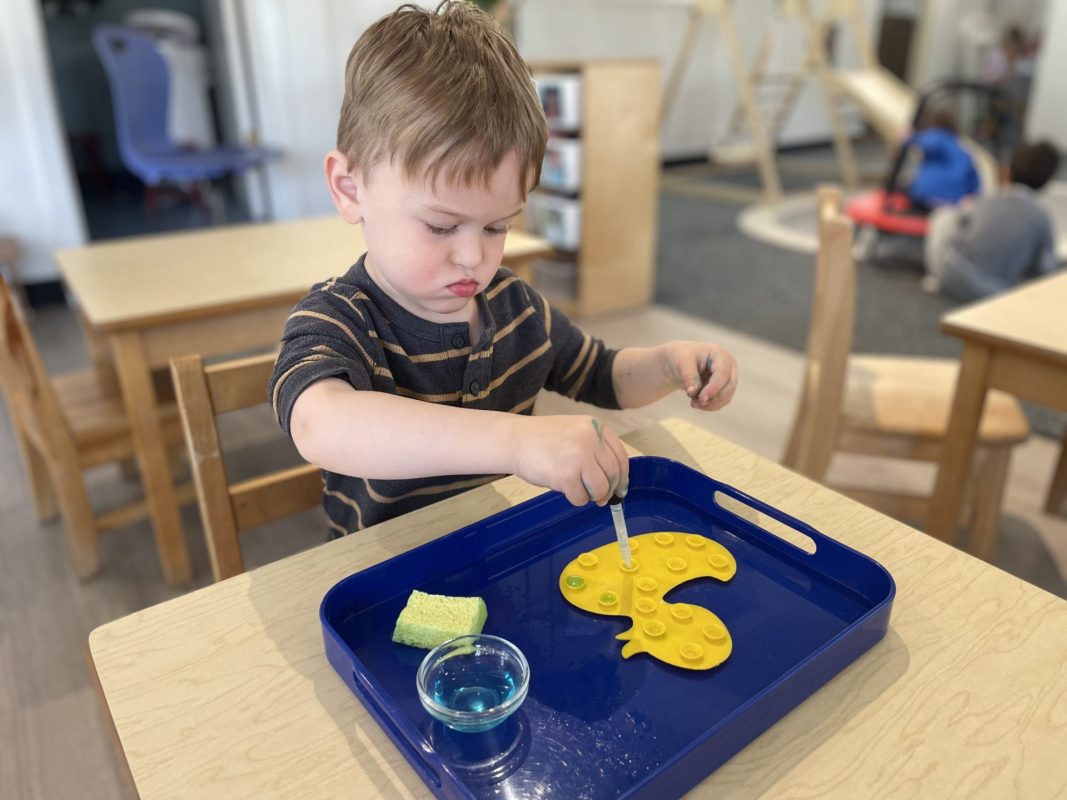
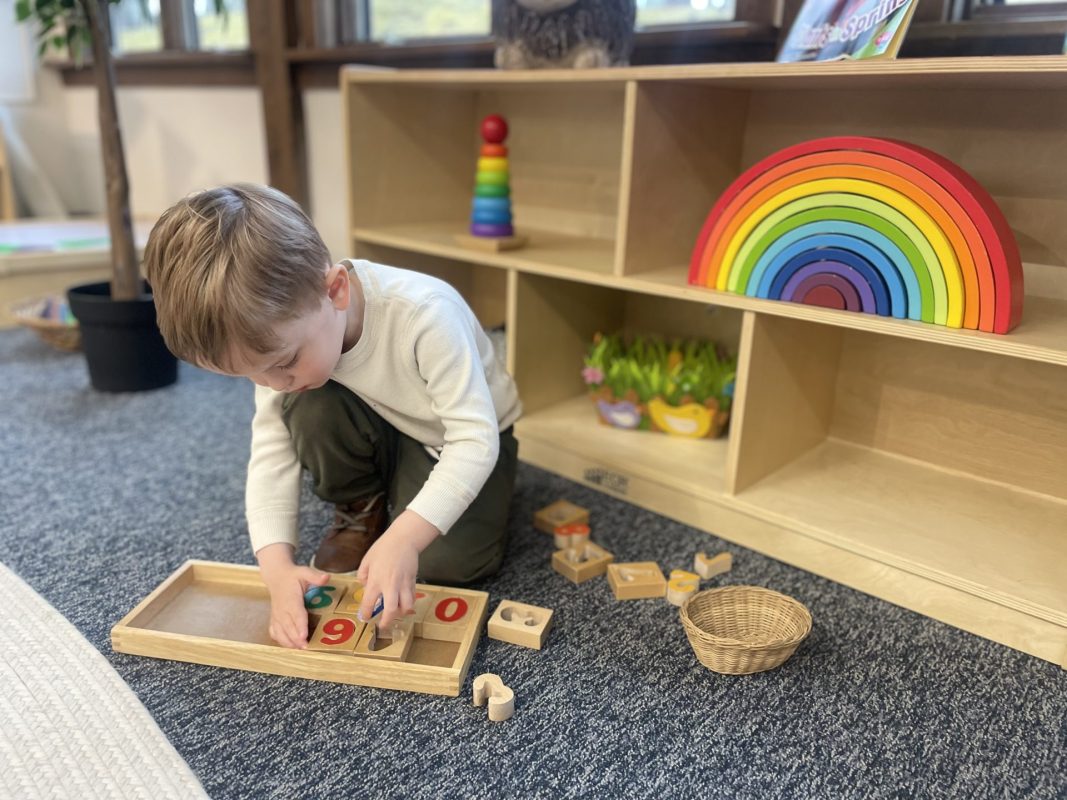
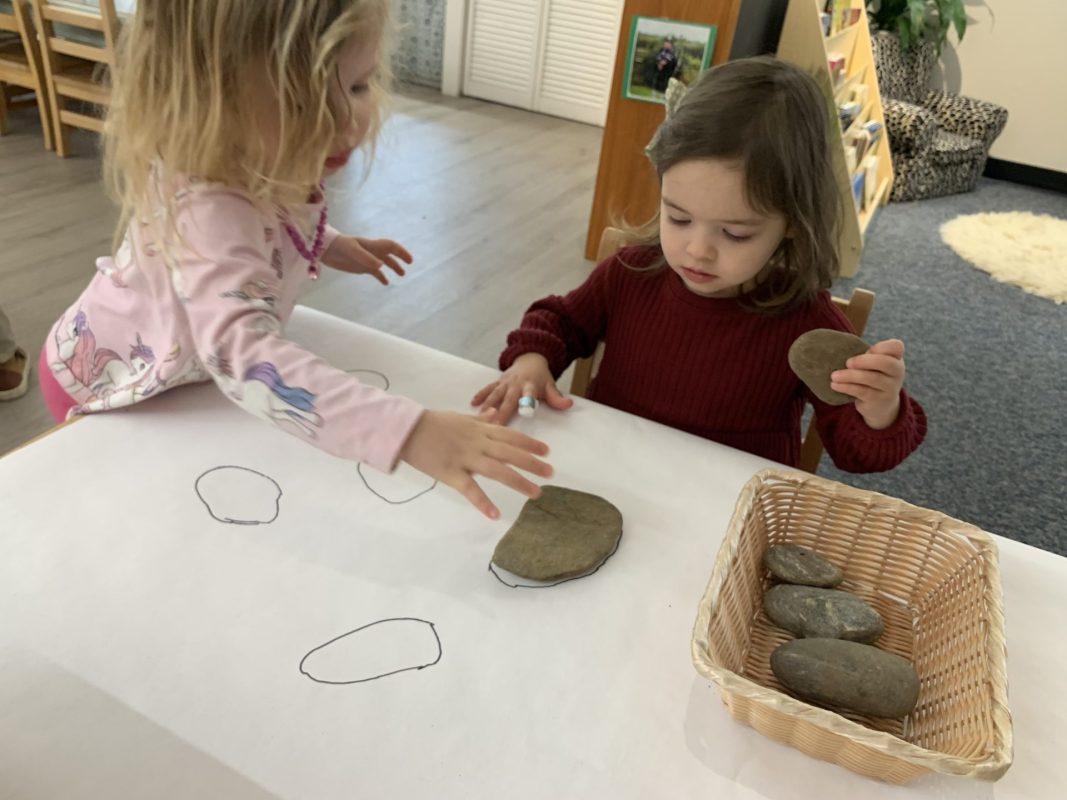
In a Montessori environment, repetition does not necessarily mean that the child has to engage in the same exact work over and over again. Anything that provides the child with the practice of a previously learned skill, including extensions and games, is repetition.

Dr. Montessori said, “Repetition is the secret of perfection.”

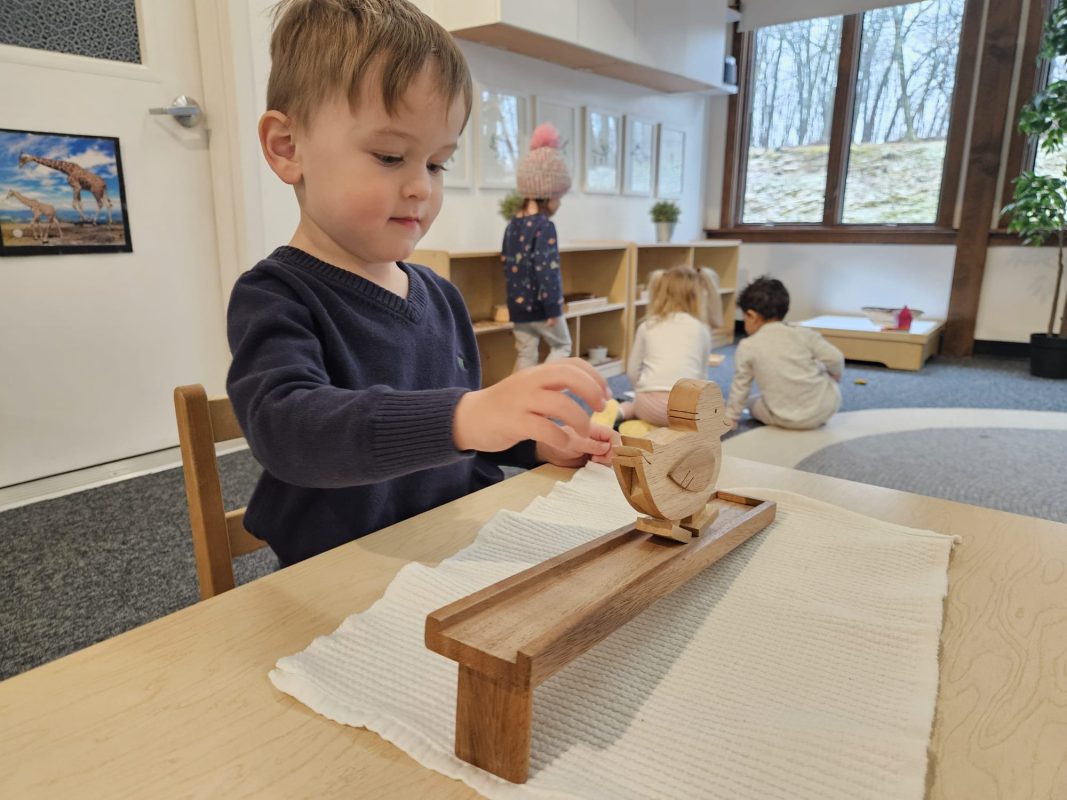
Through repetitive exploration, your children are able to look at a material from different angles and explore it, letting it become part of their understanding of the world. At the same time, it allows them to self-critique: they look at how they are doing something and make slight changes in order to perfect the action, making it more efficient. The Montessori environment is designed to support exactly this kind of learning. Children choose their own work, allowing their interests to guide them to a choice. They are drawn by desire, and that allows them to return to an activity with frequency, working with it until they have perfected it. It is, in fact, a developmental need. A common phrase you can hear in our environment is the children saying: “Again!” Dr. Maria Montessori wrote, “When a child has attained this stage of repeating an exercise, he is on the way to self-development, and the external sign of this condition is his self-discipline.”

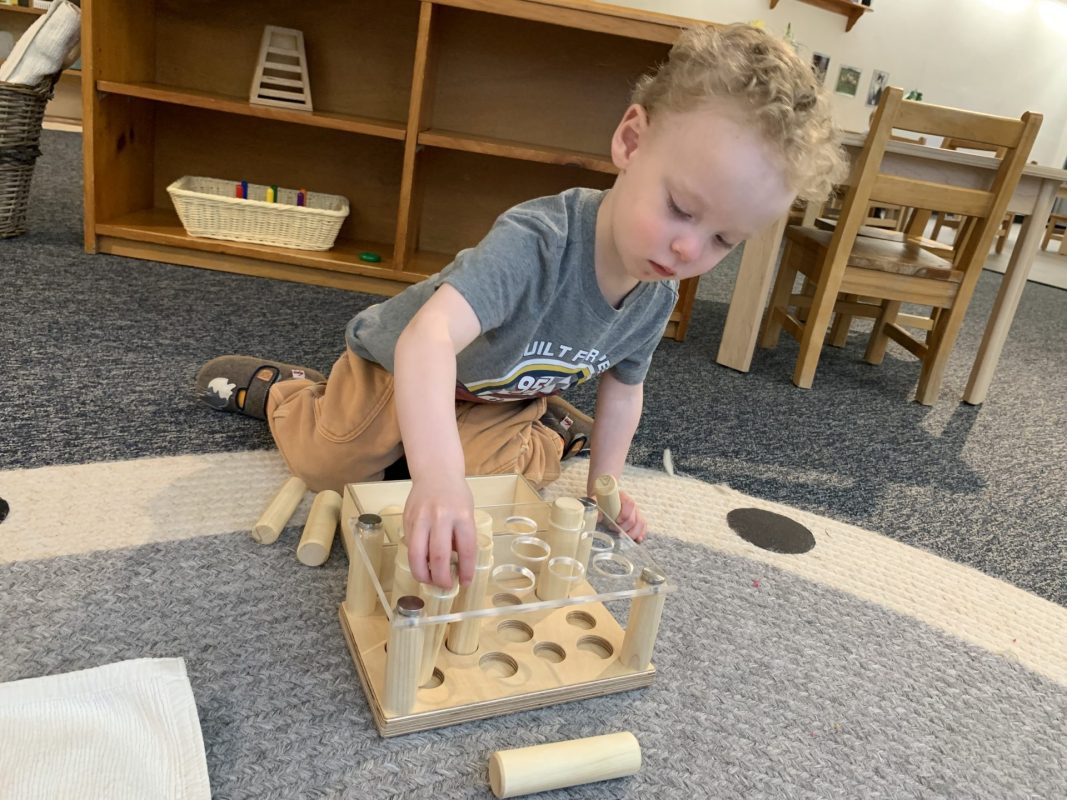
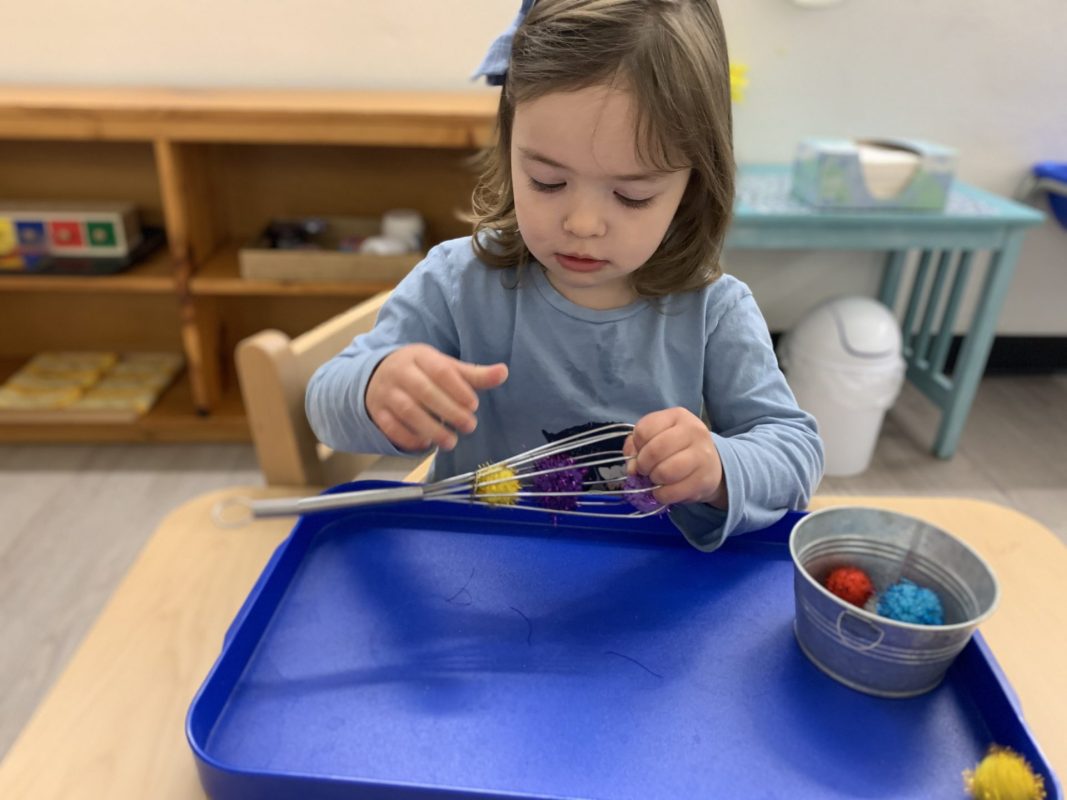
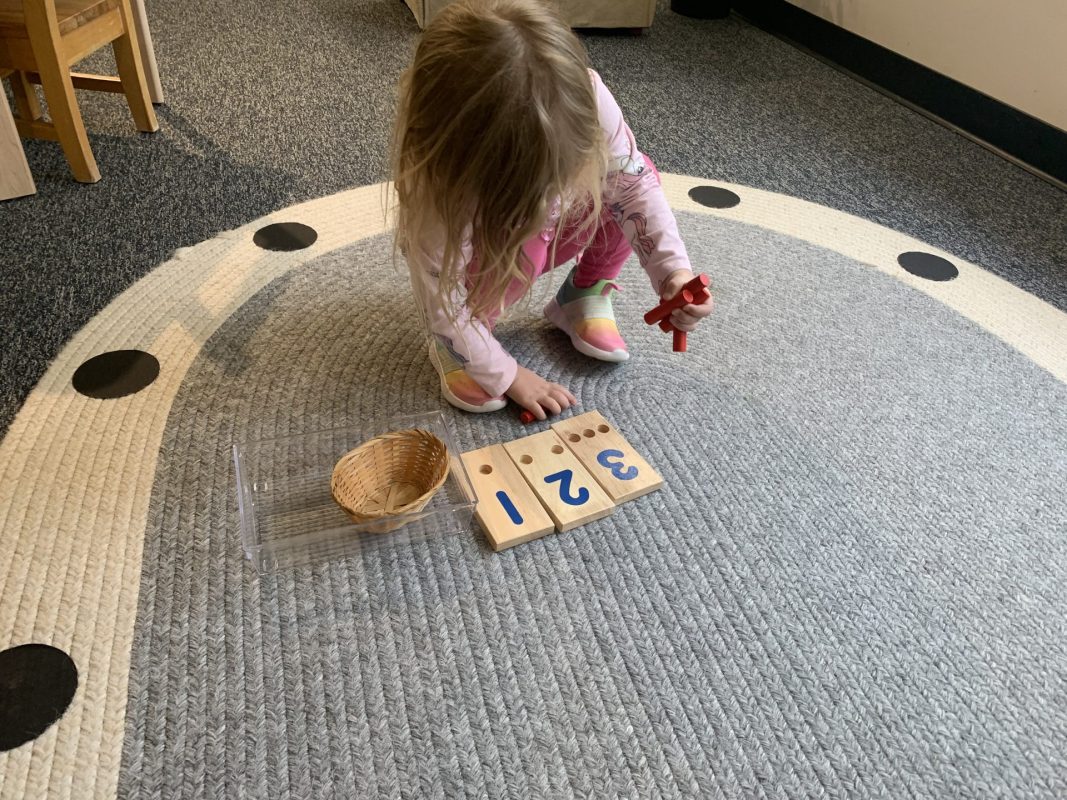
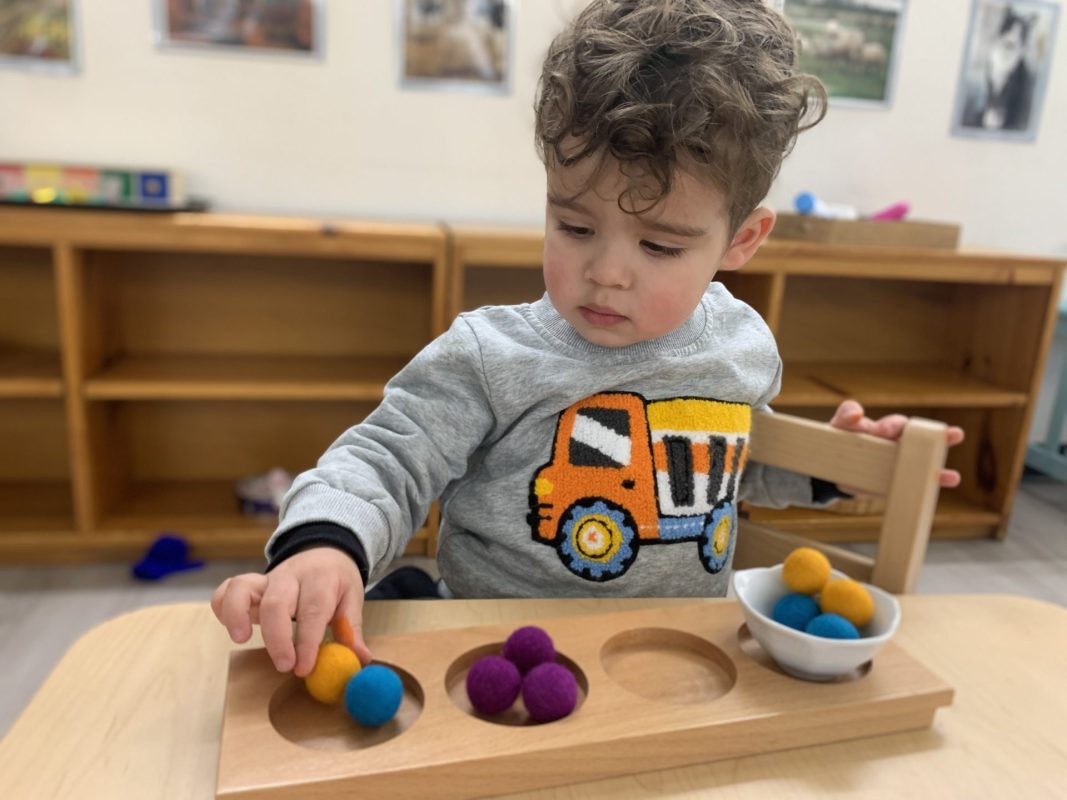
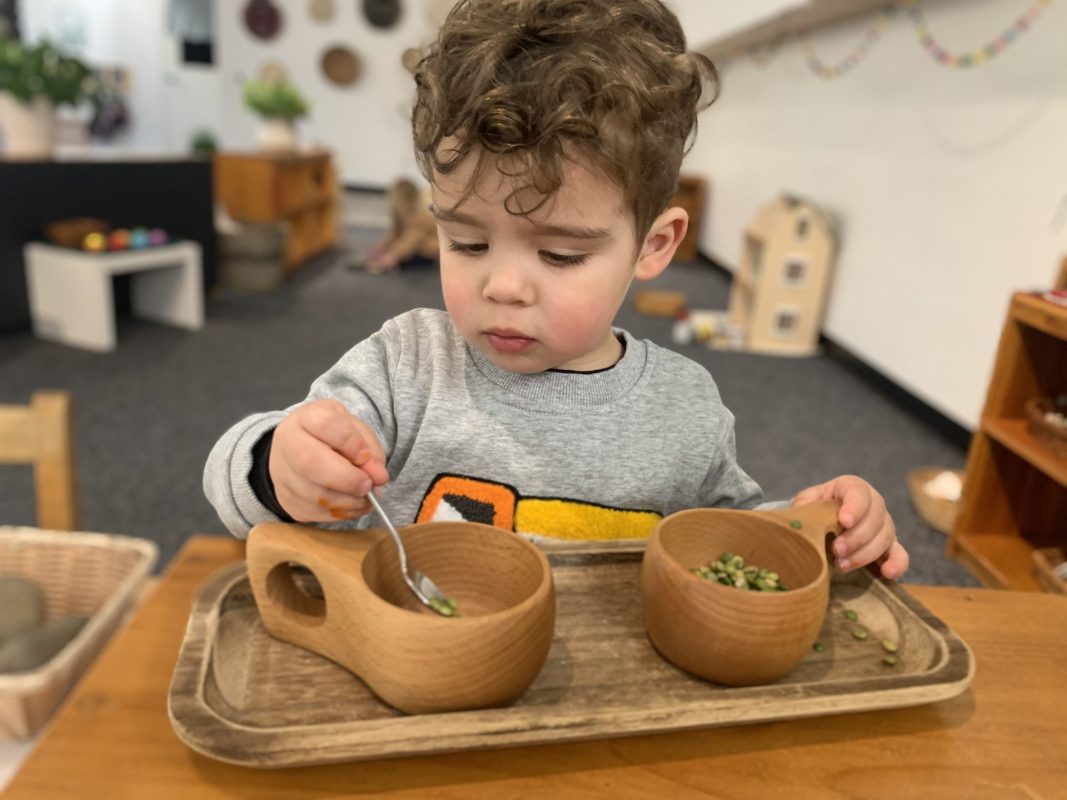
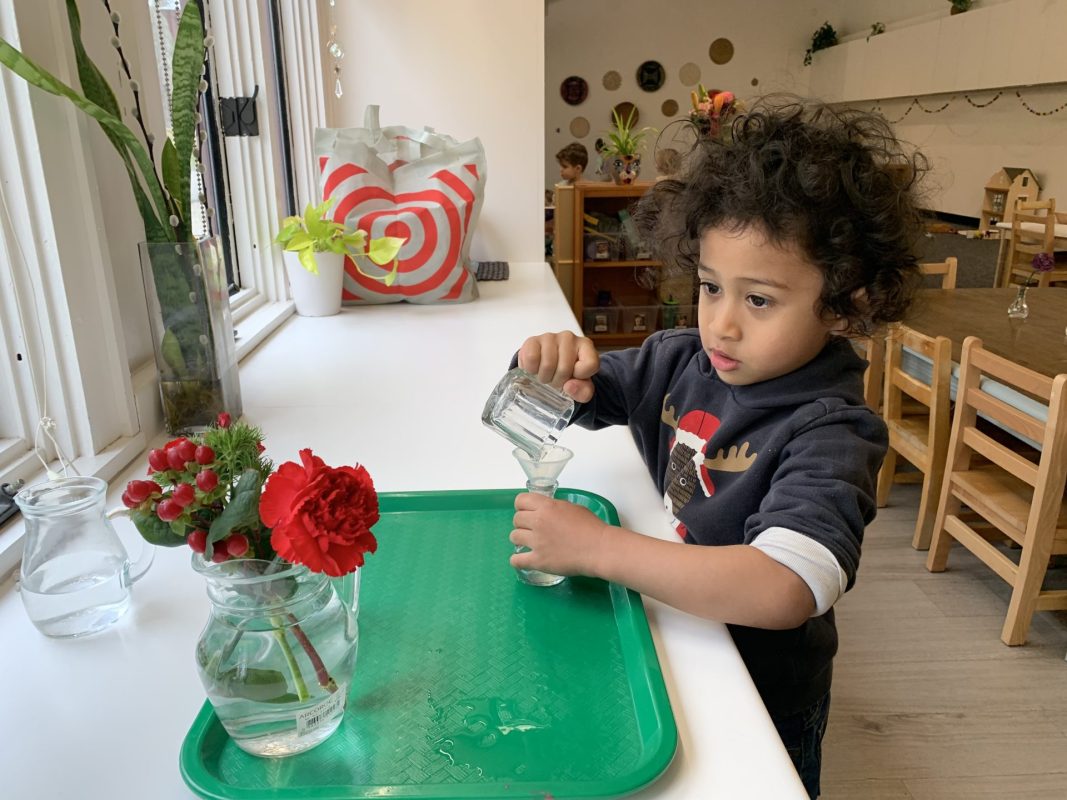
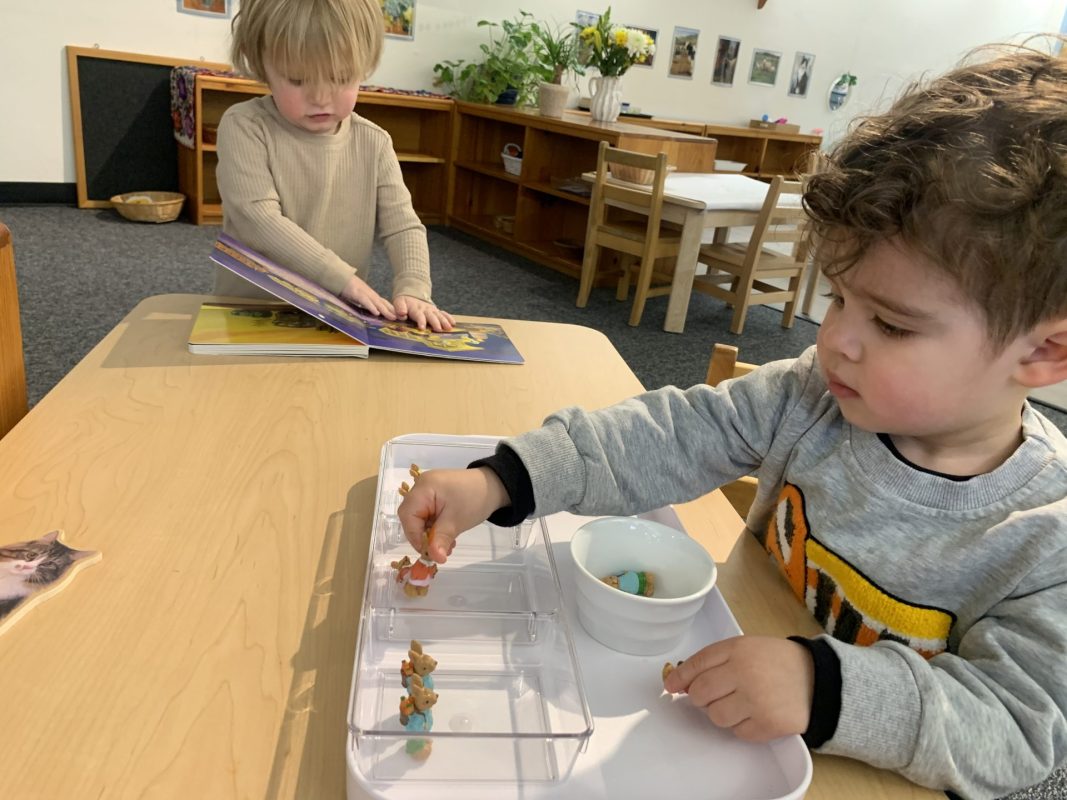
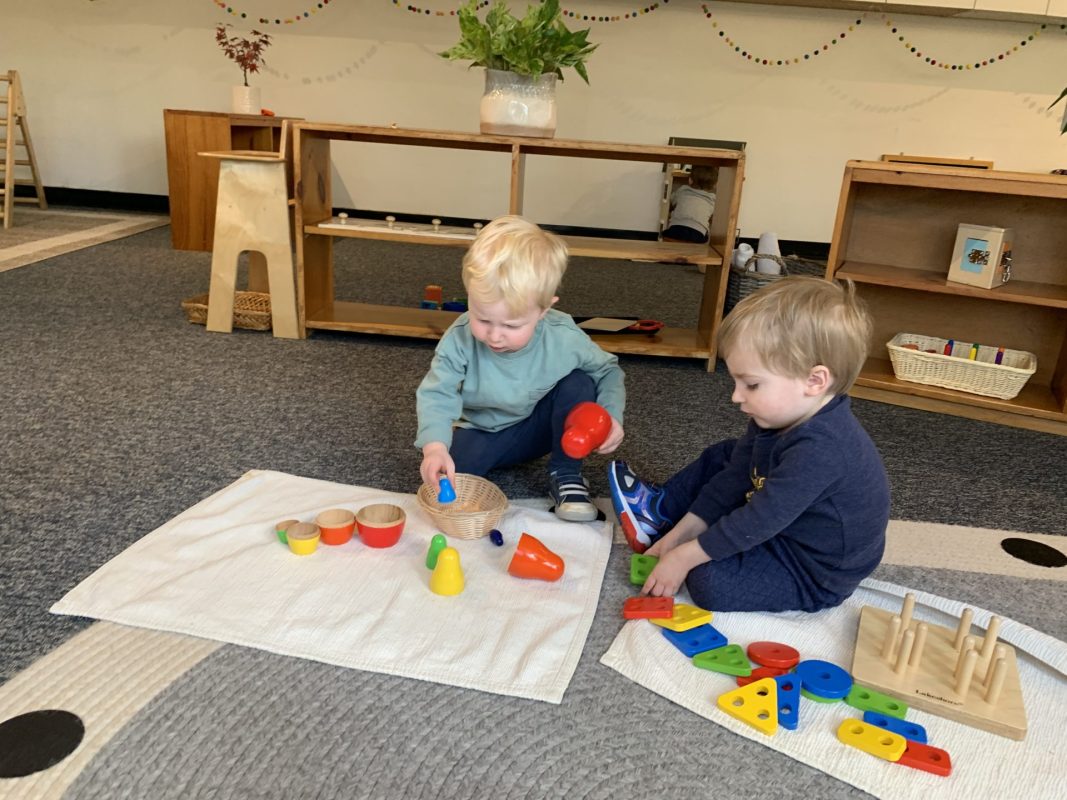
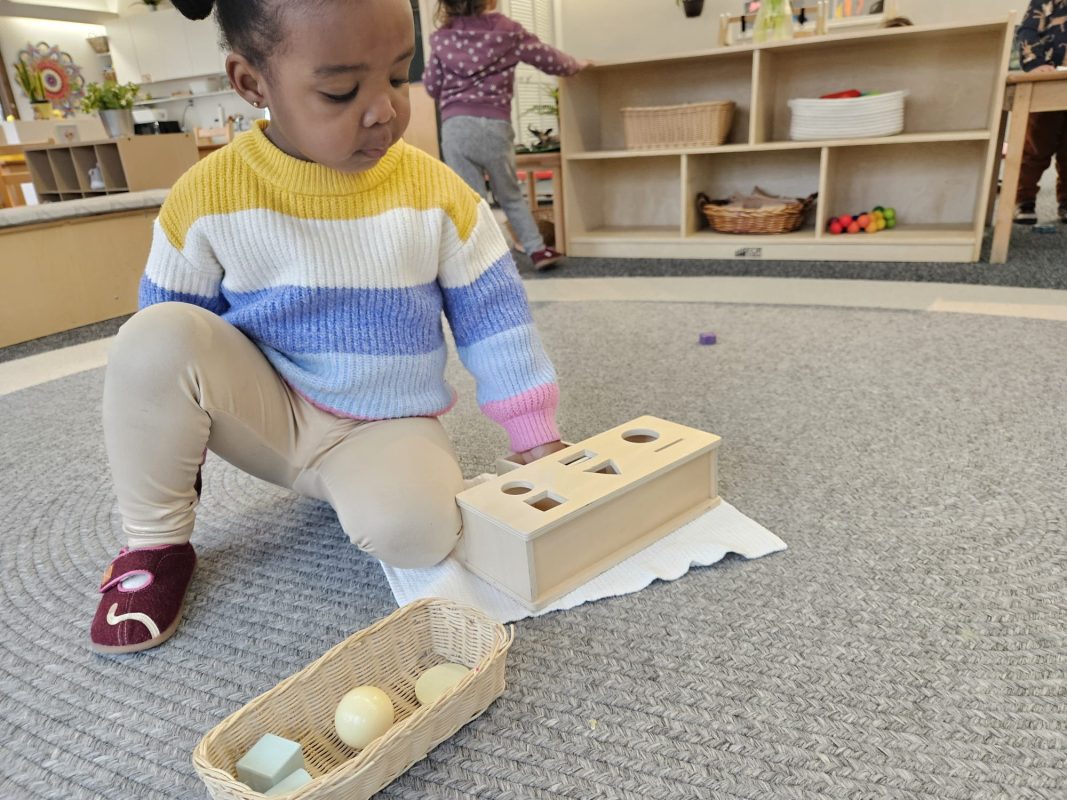
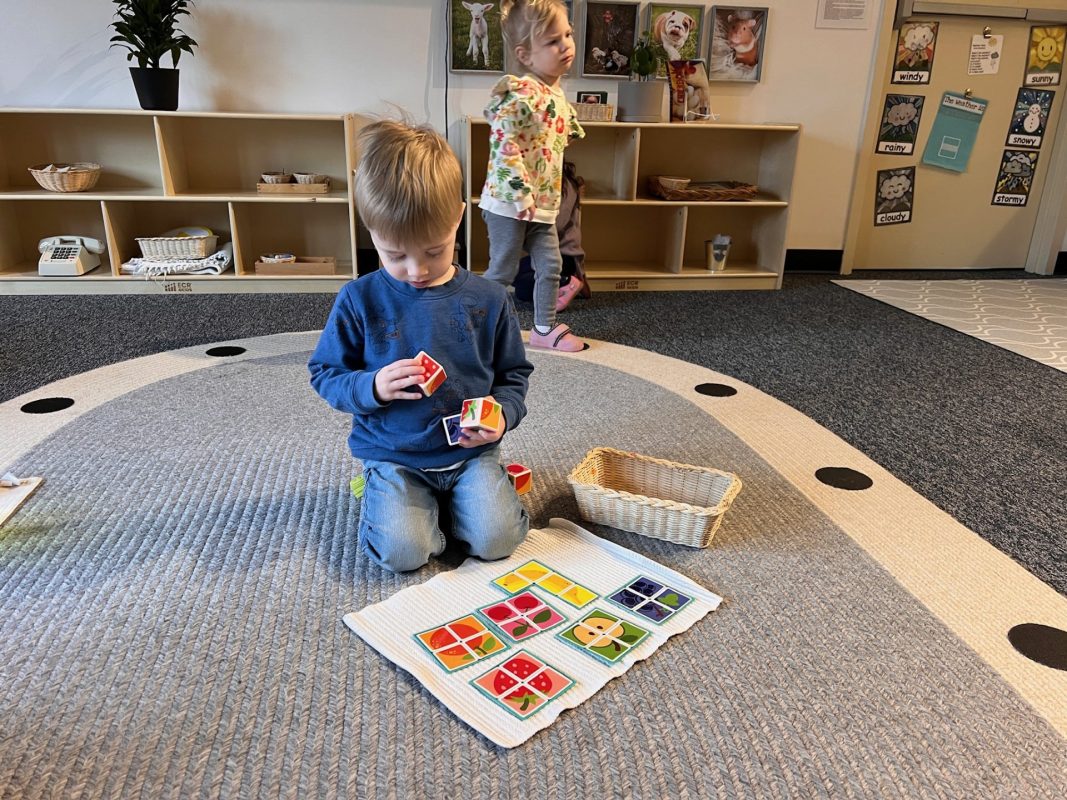
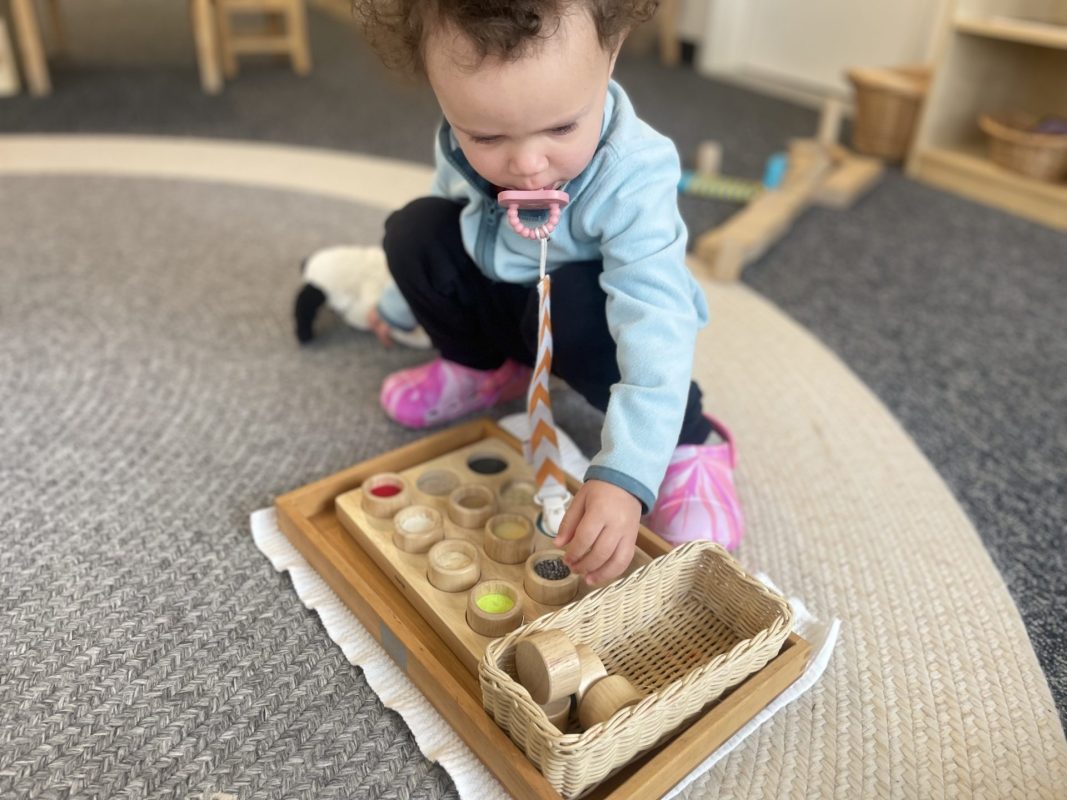
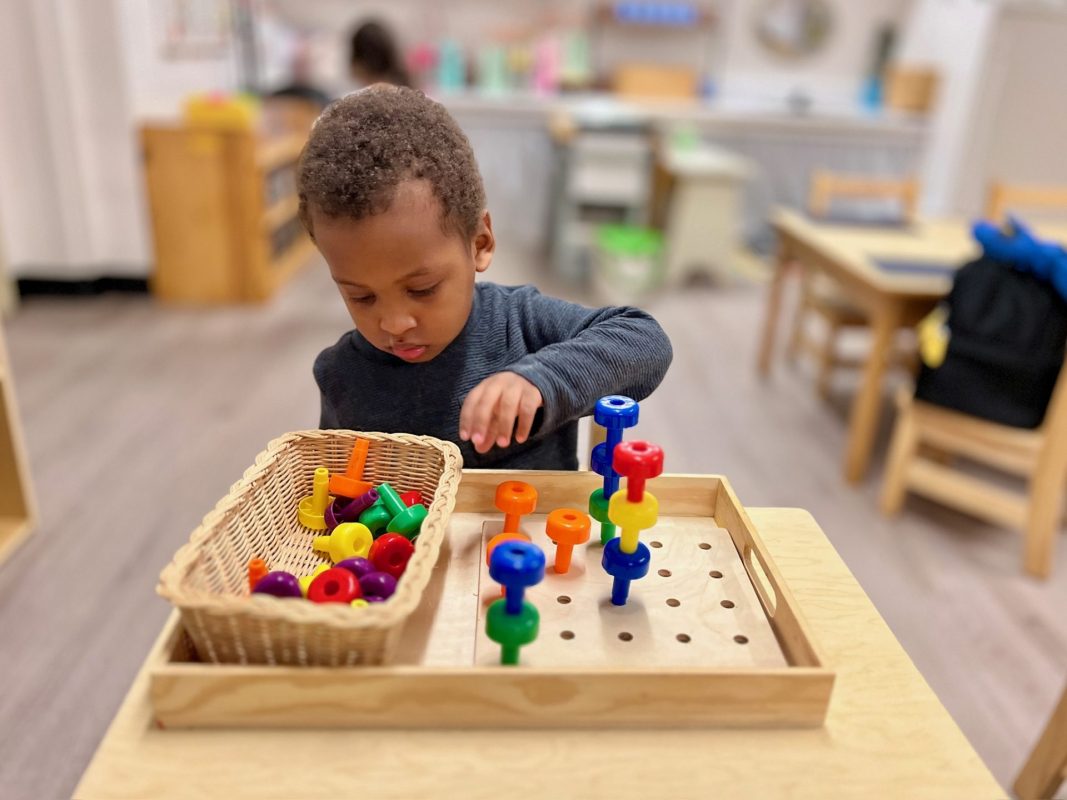
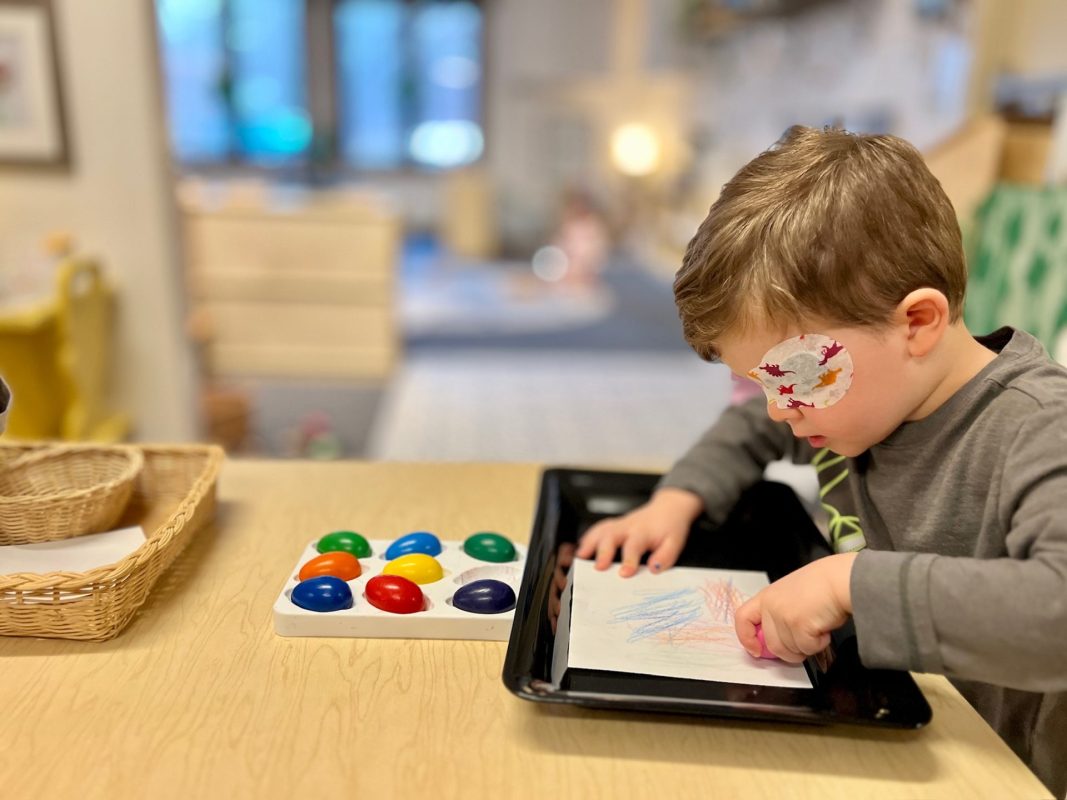
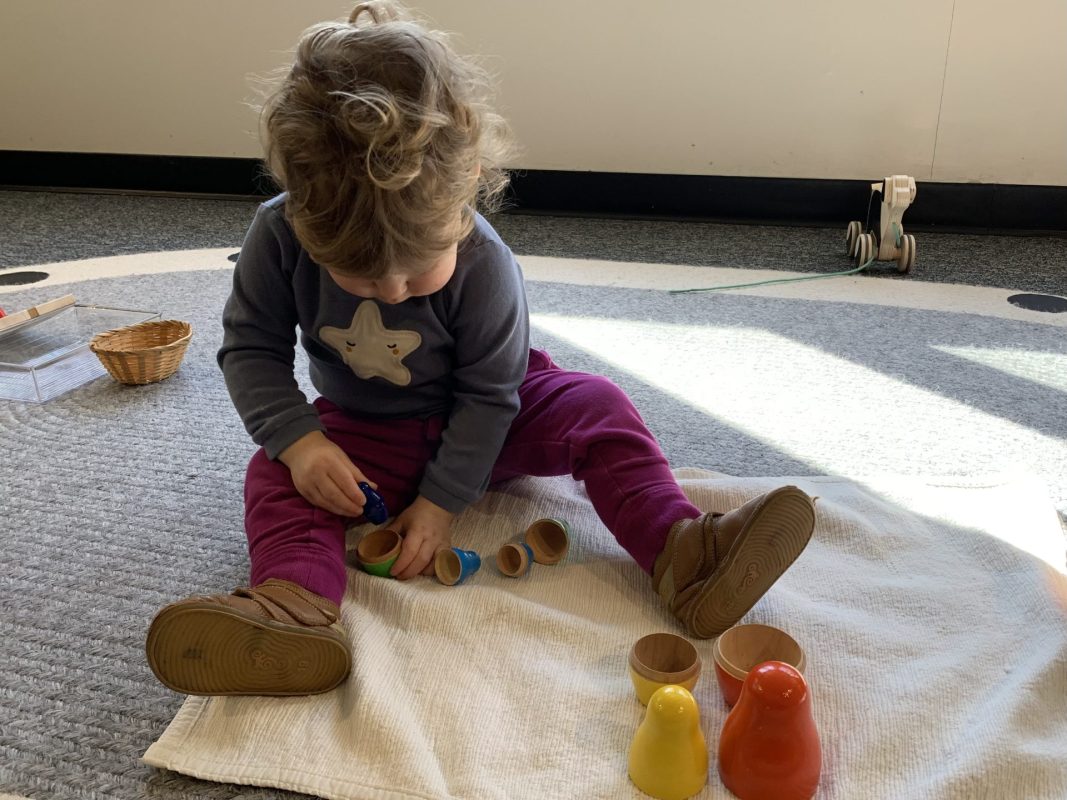
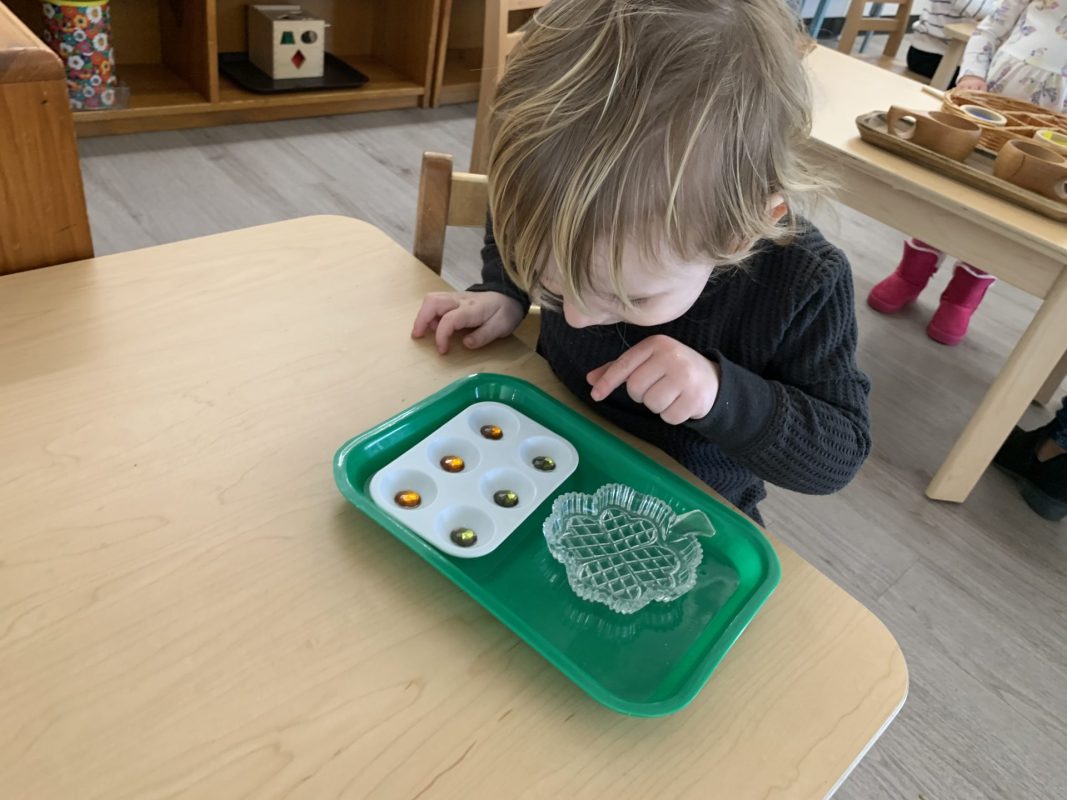
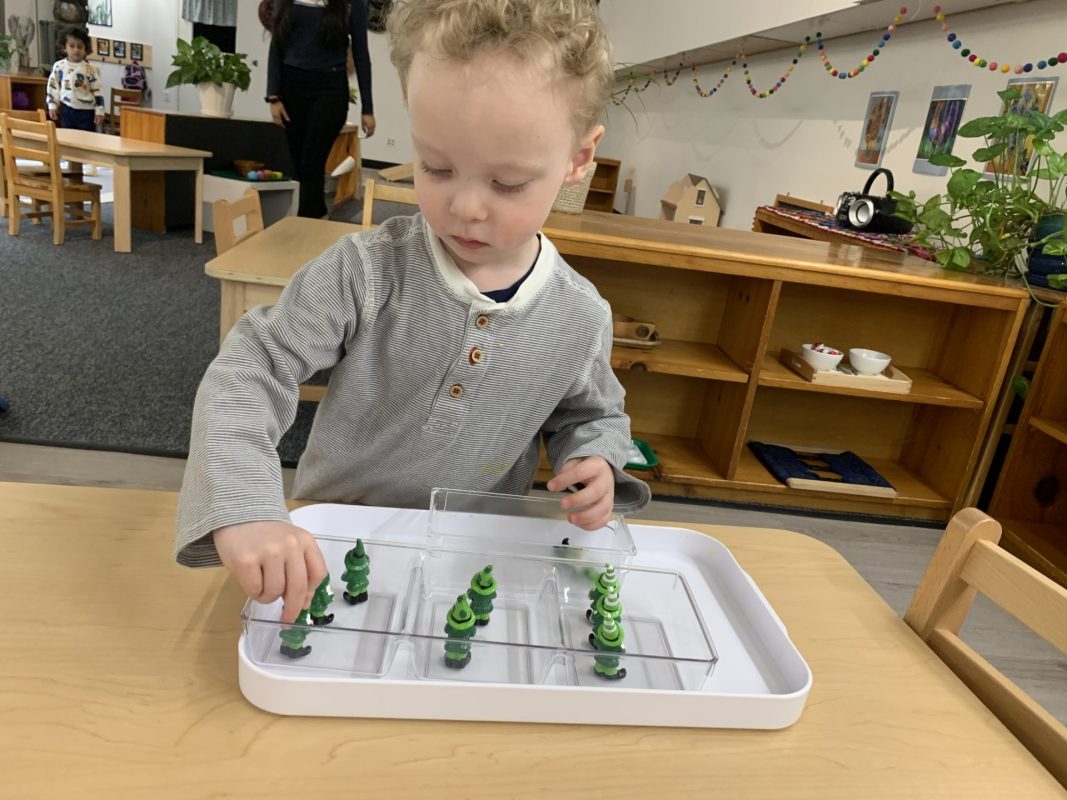
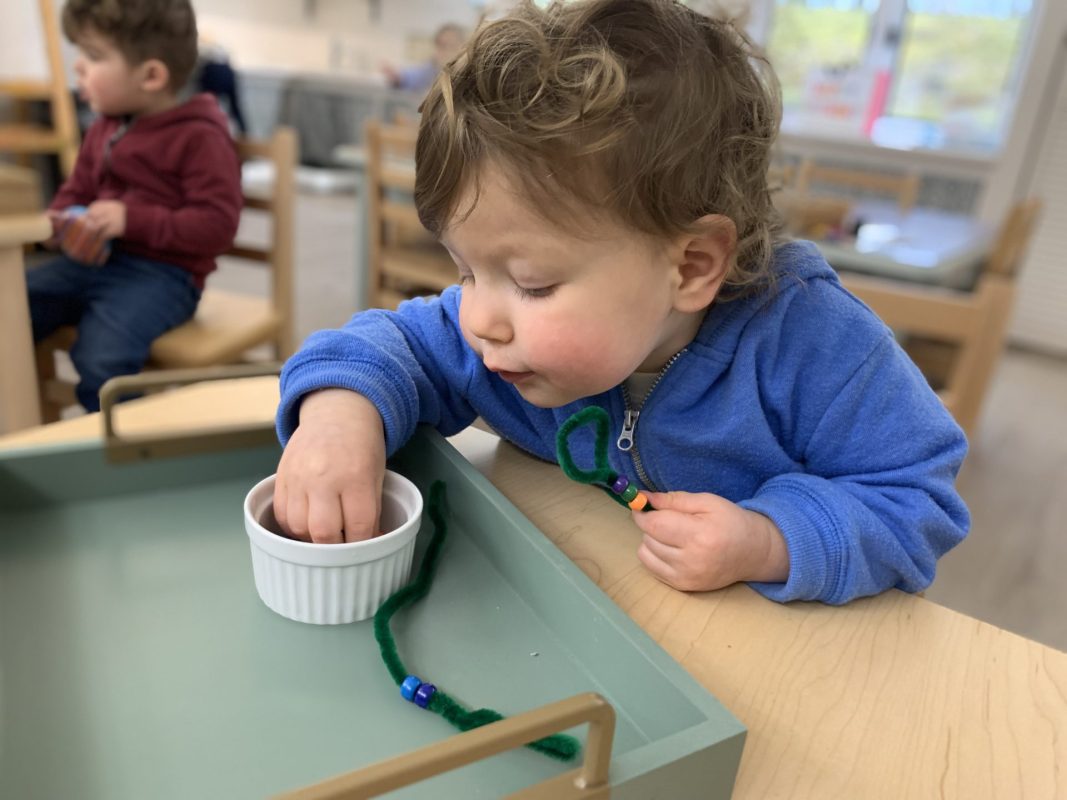
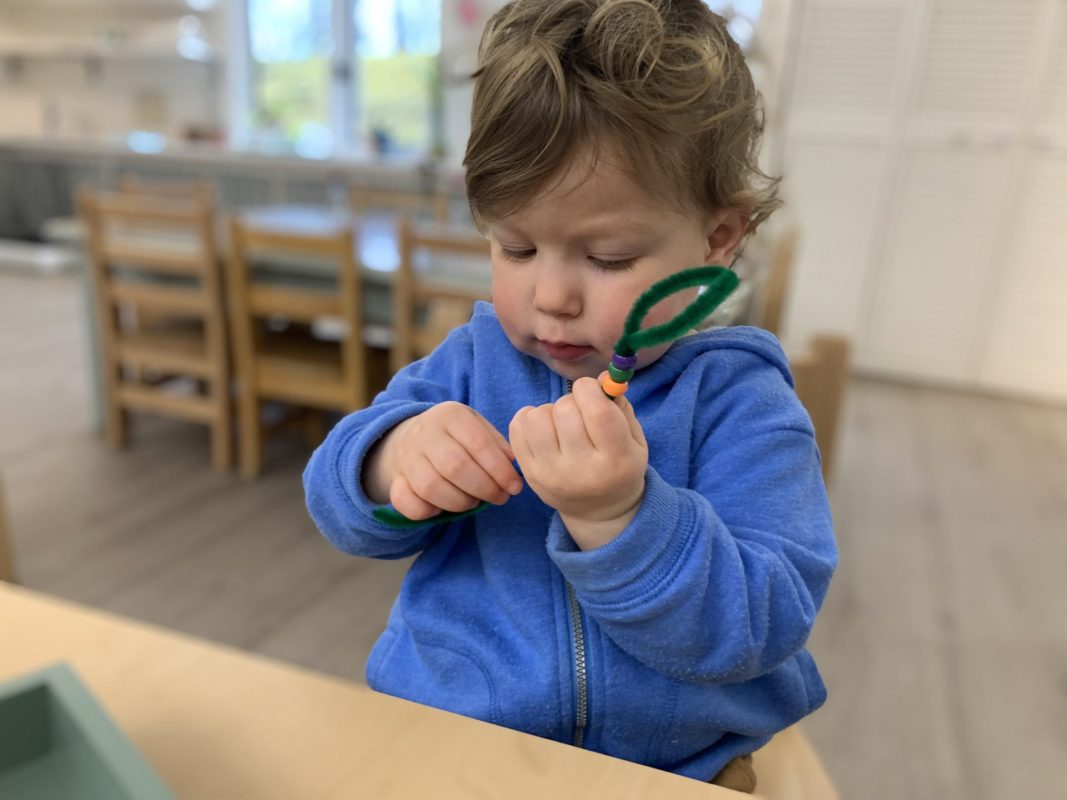
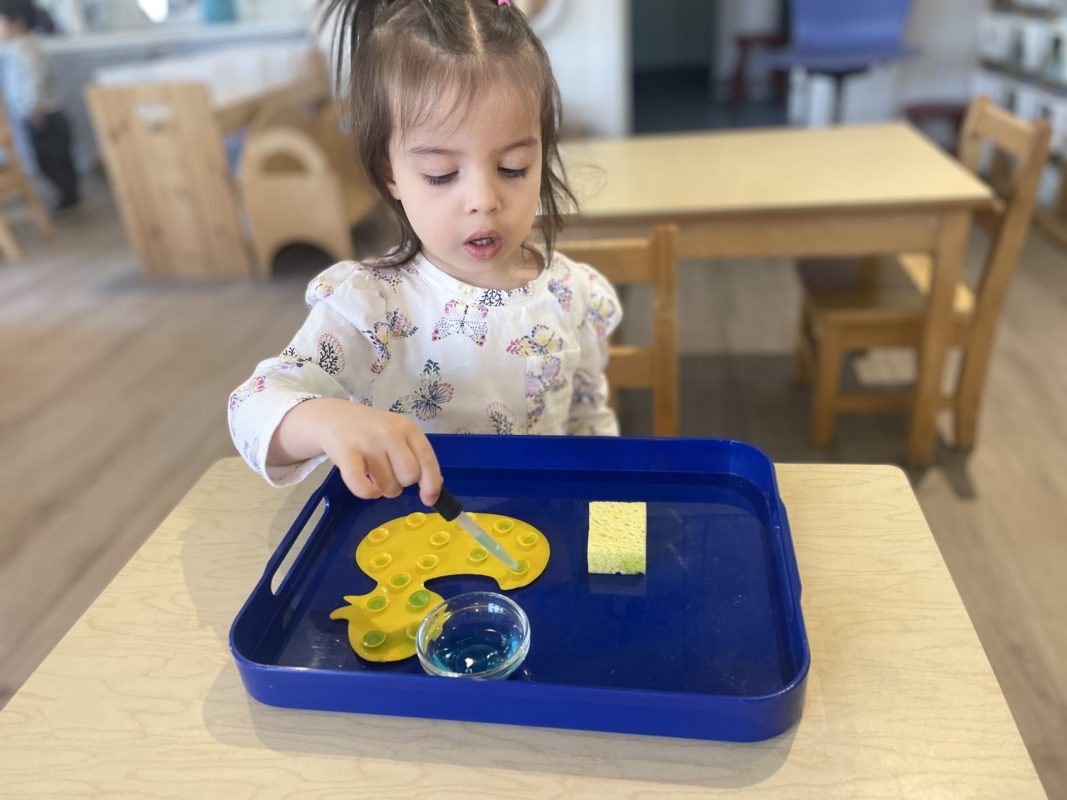
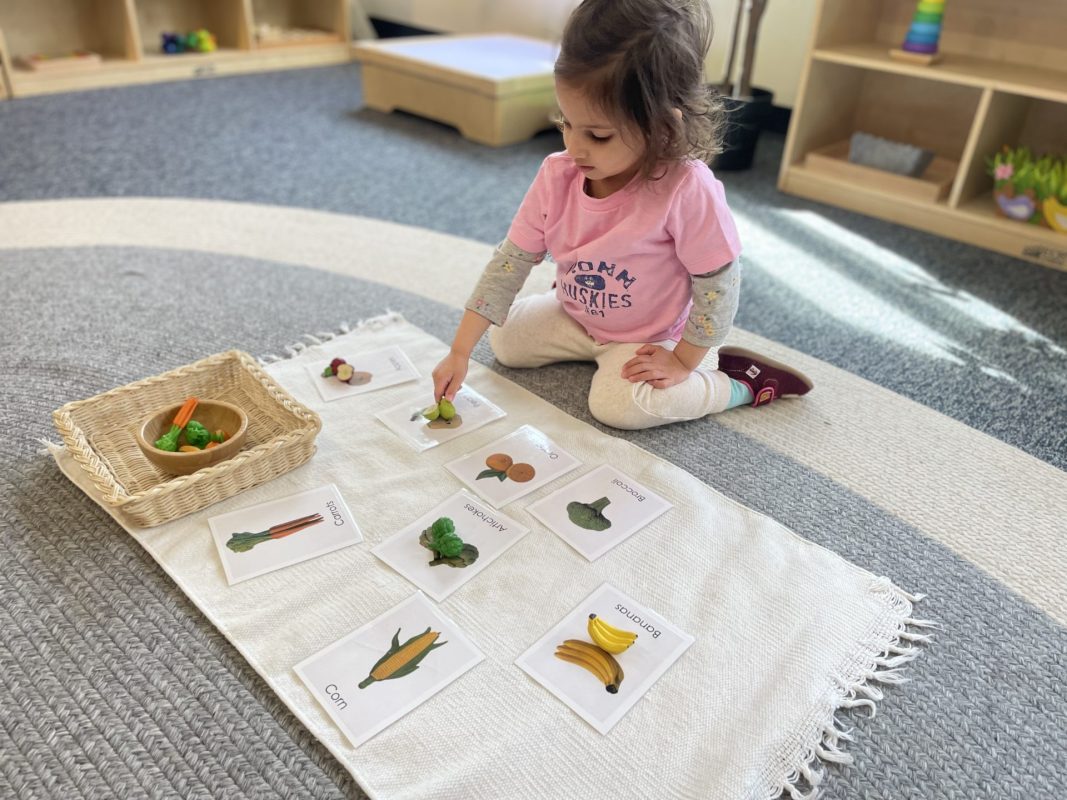
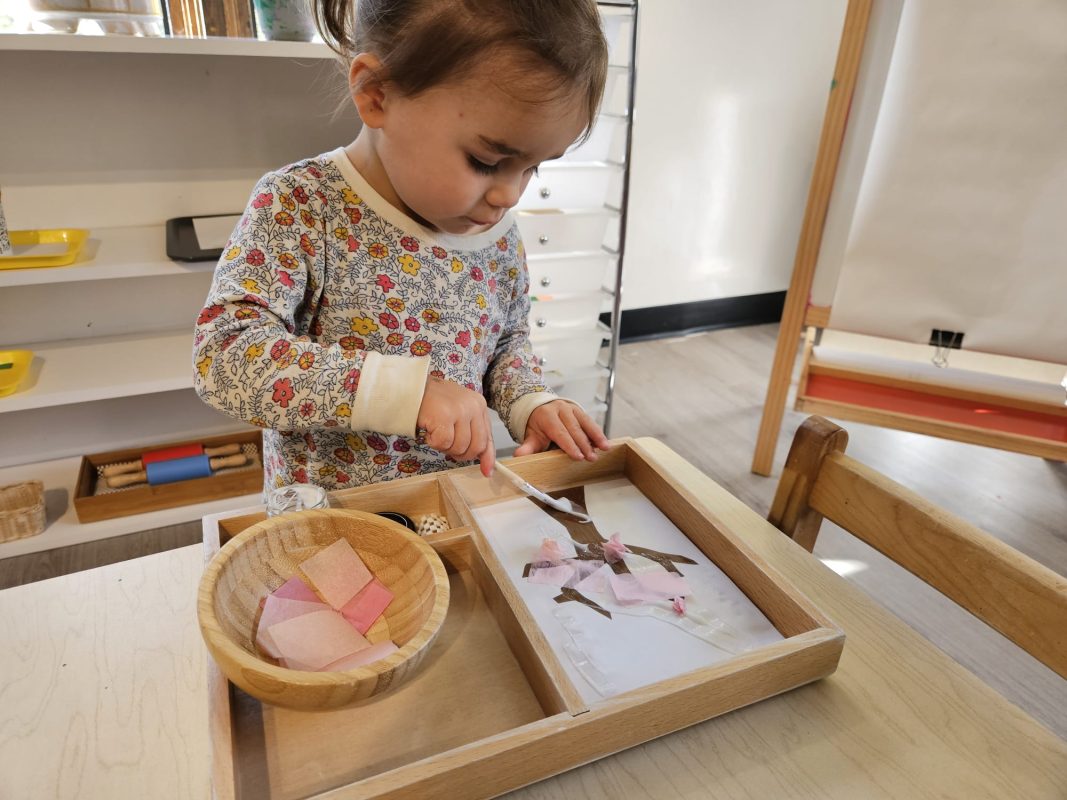
Based on our observations, this is just ONE of the many works your child seems VERY attracted to lately and enjoys repeating:

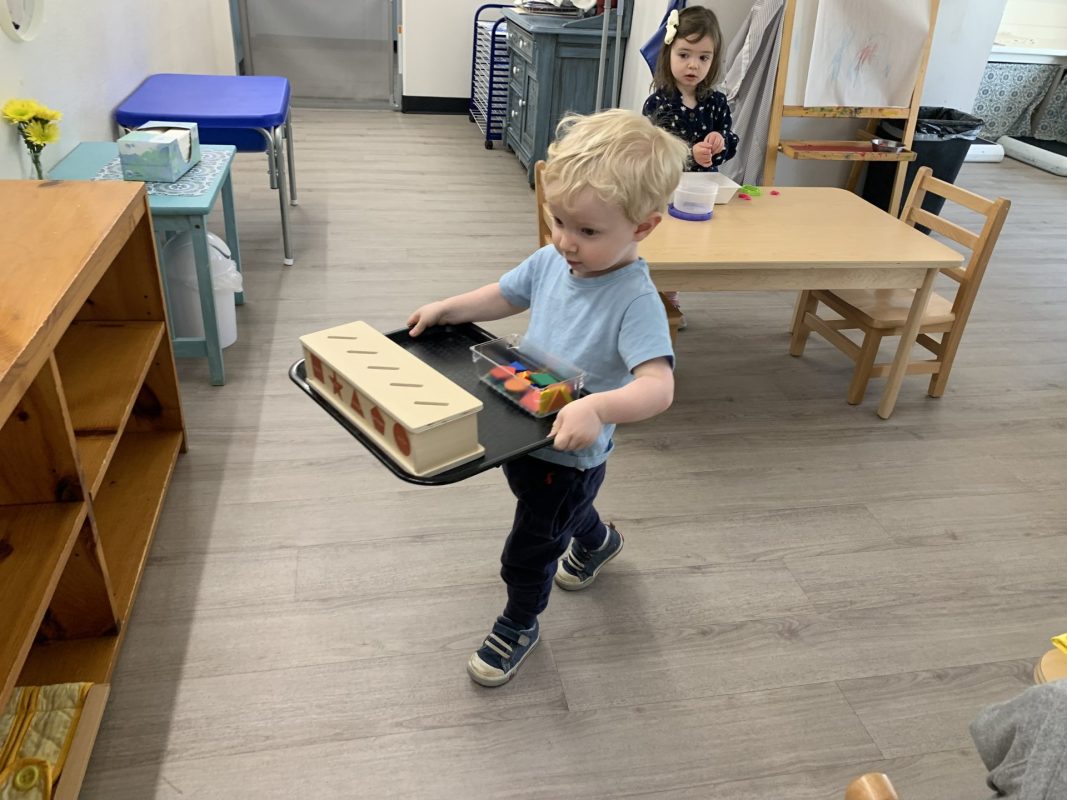
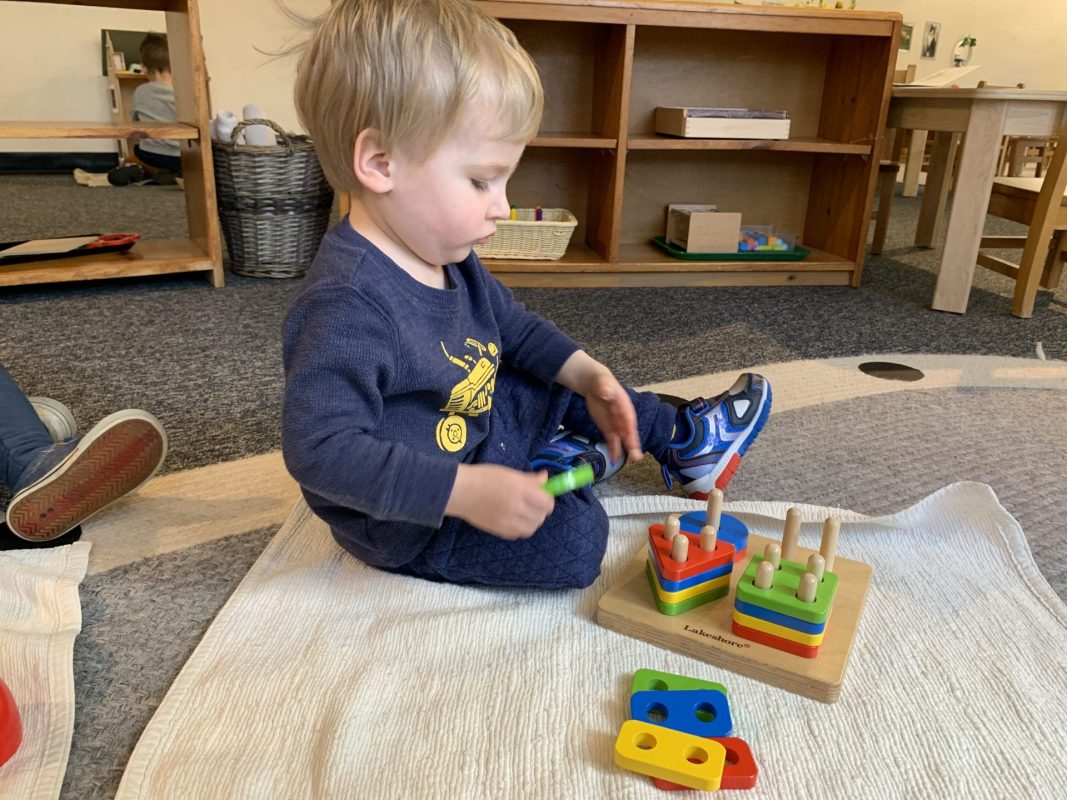
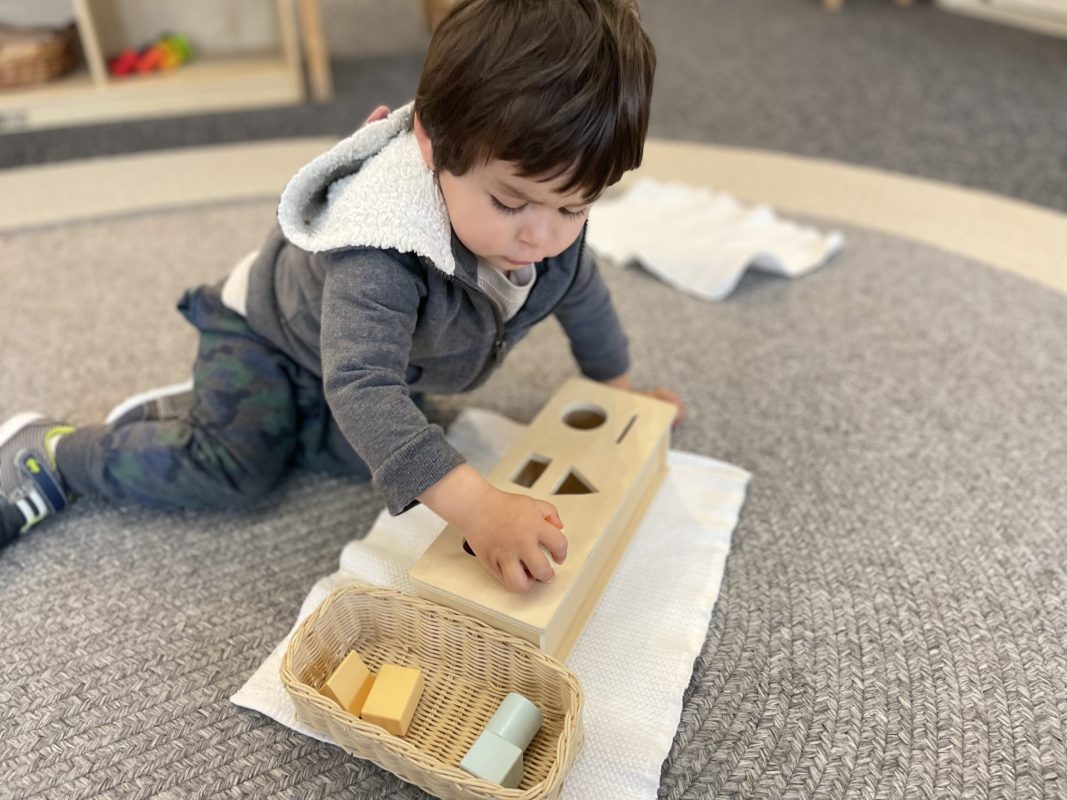
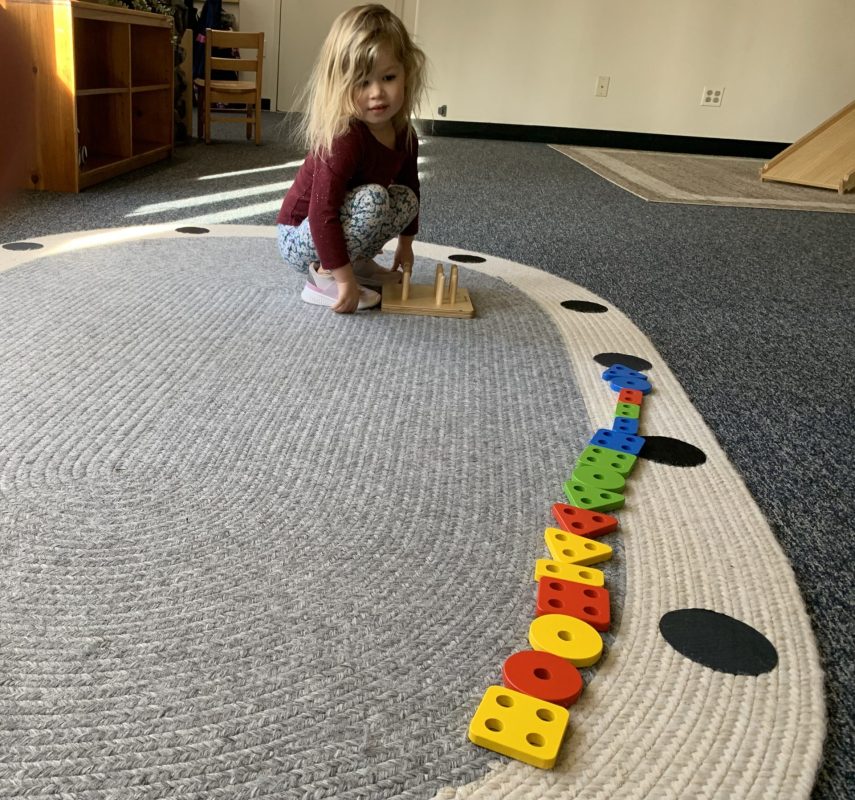
Amelia- Shapes board

Anaya- The seasons puzzle

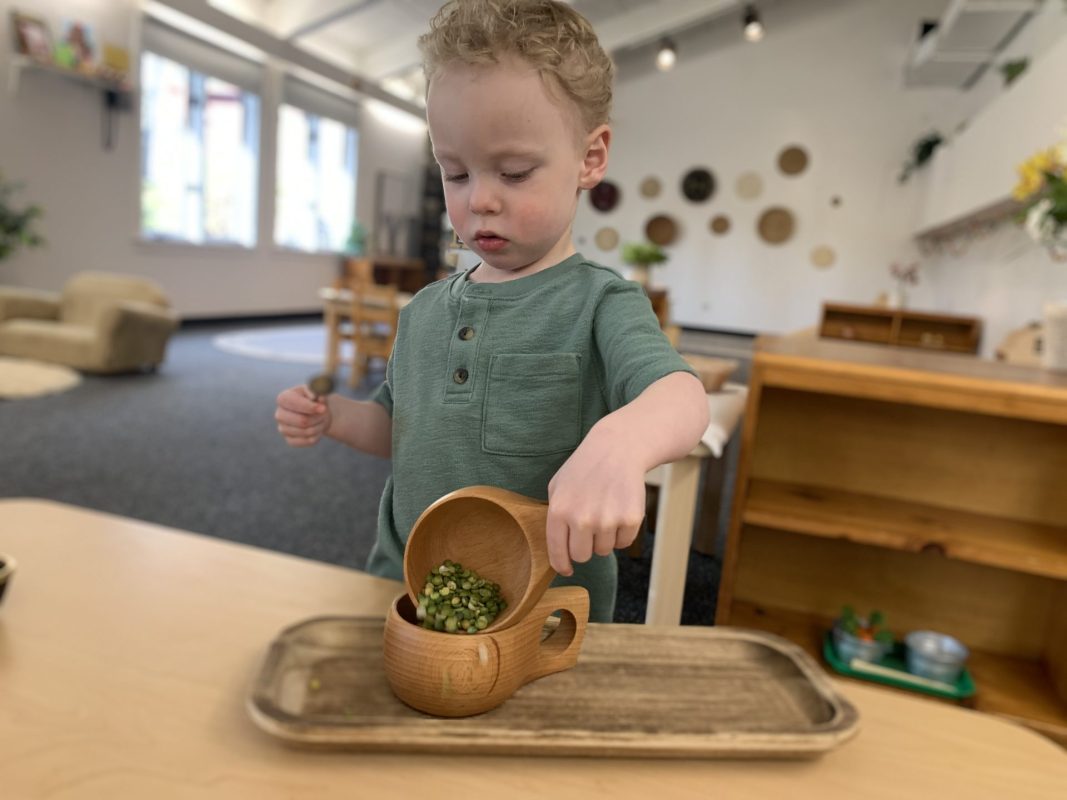
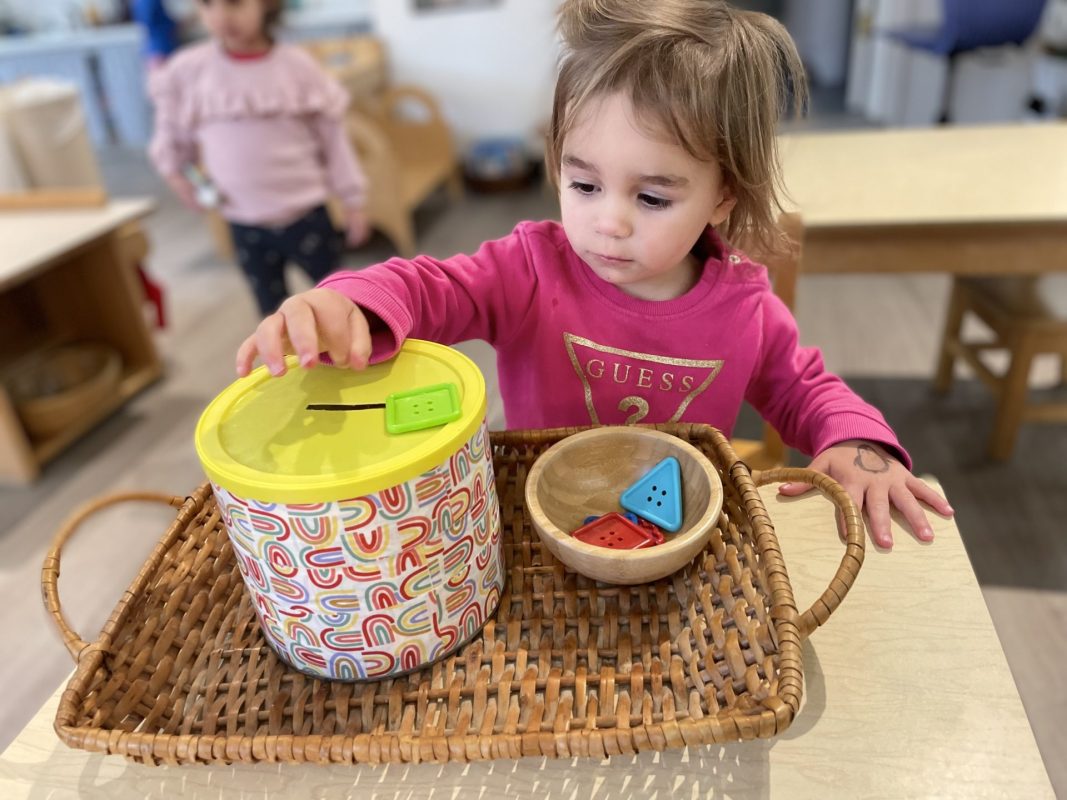
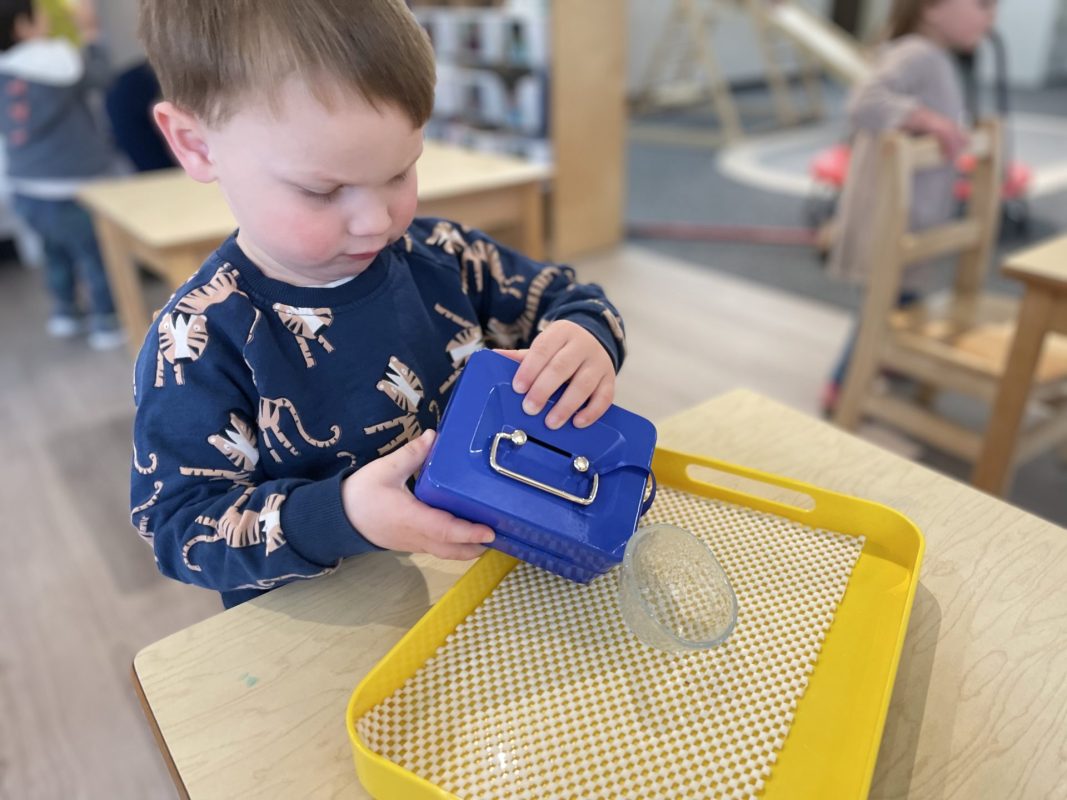
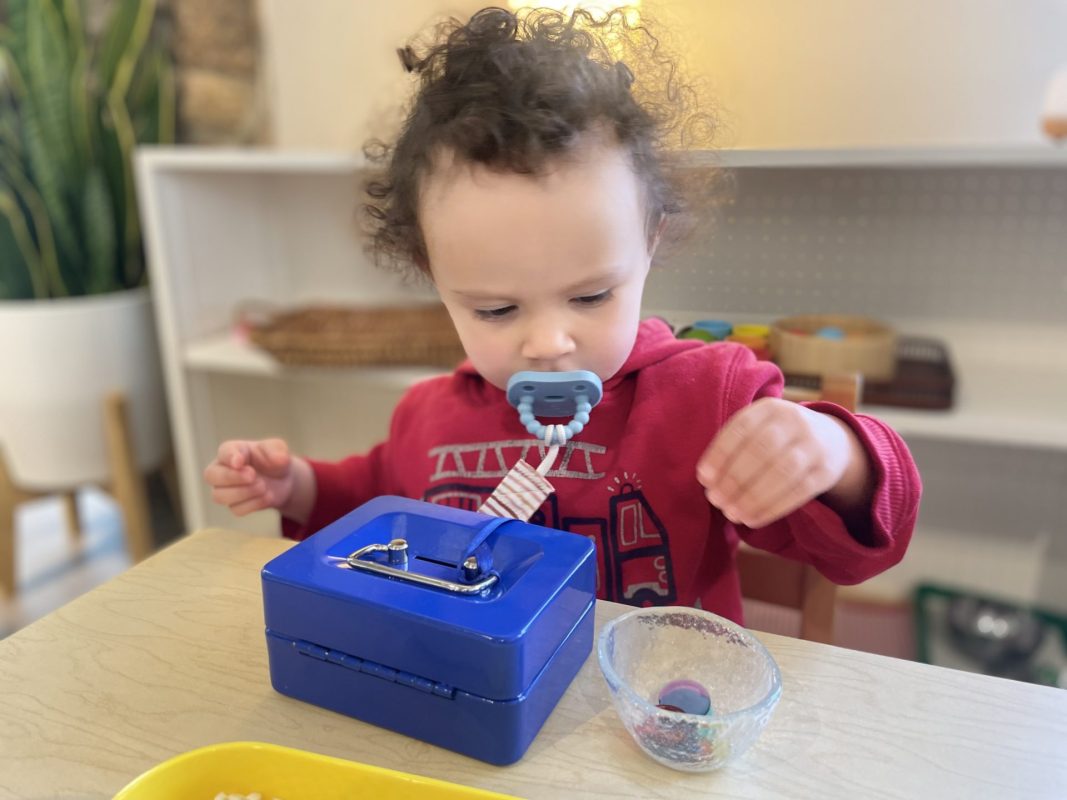
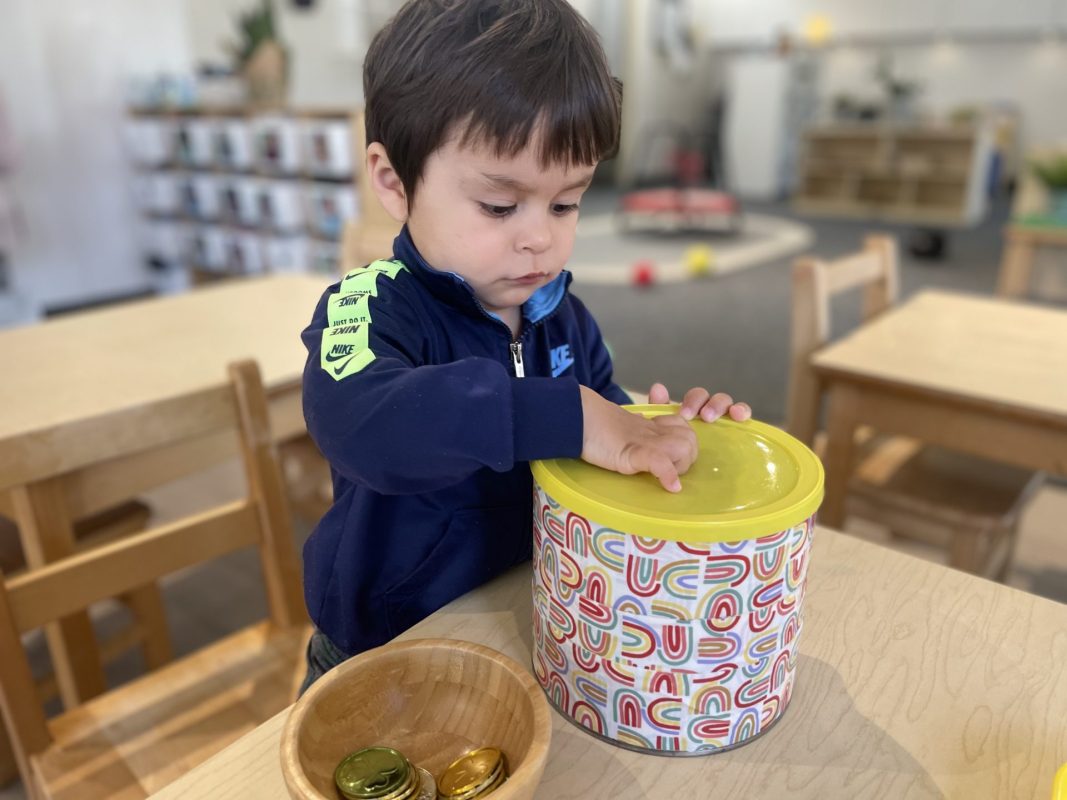
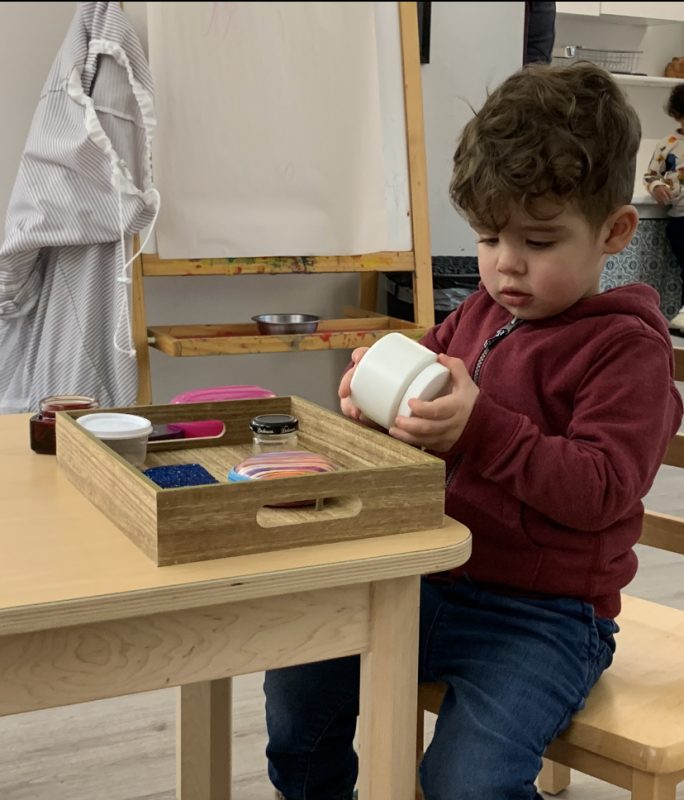
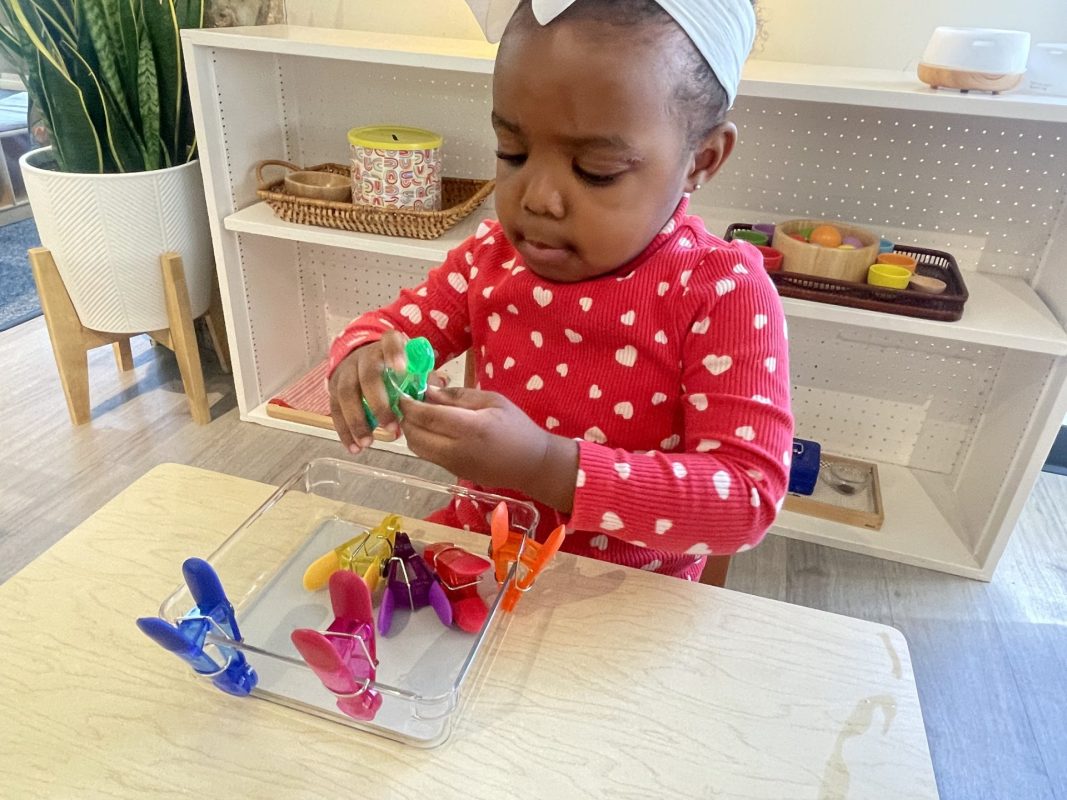
Avery- Opening and closing containers

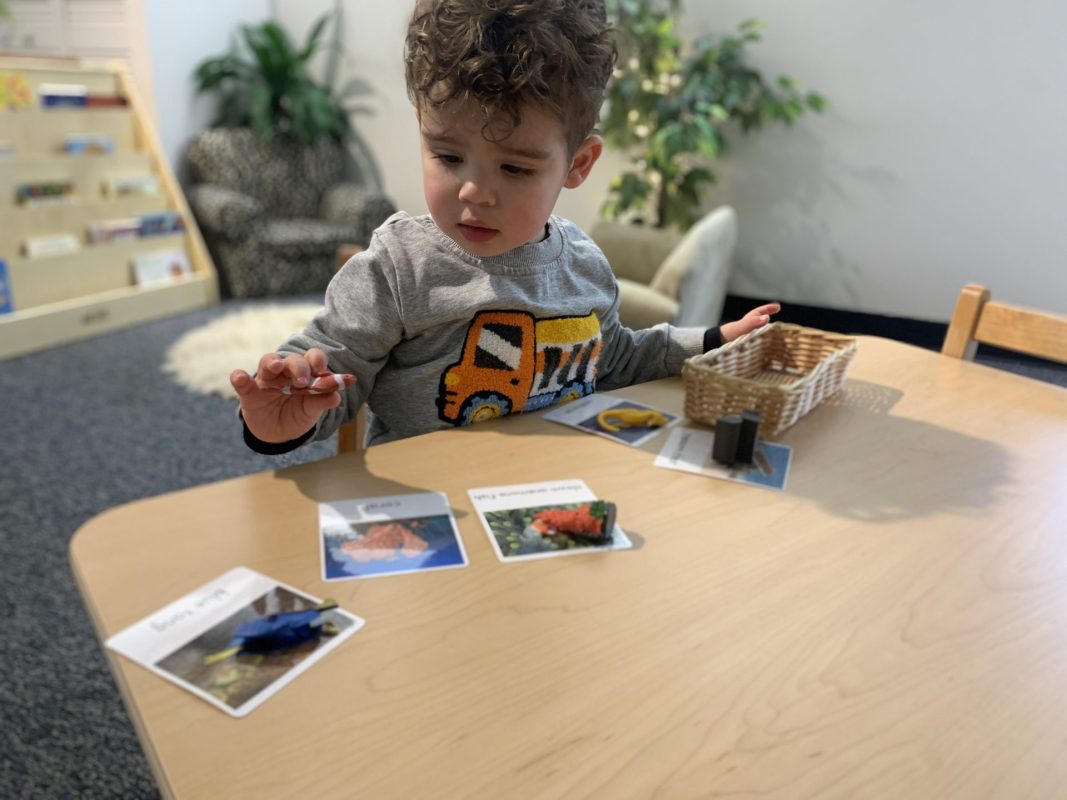
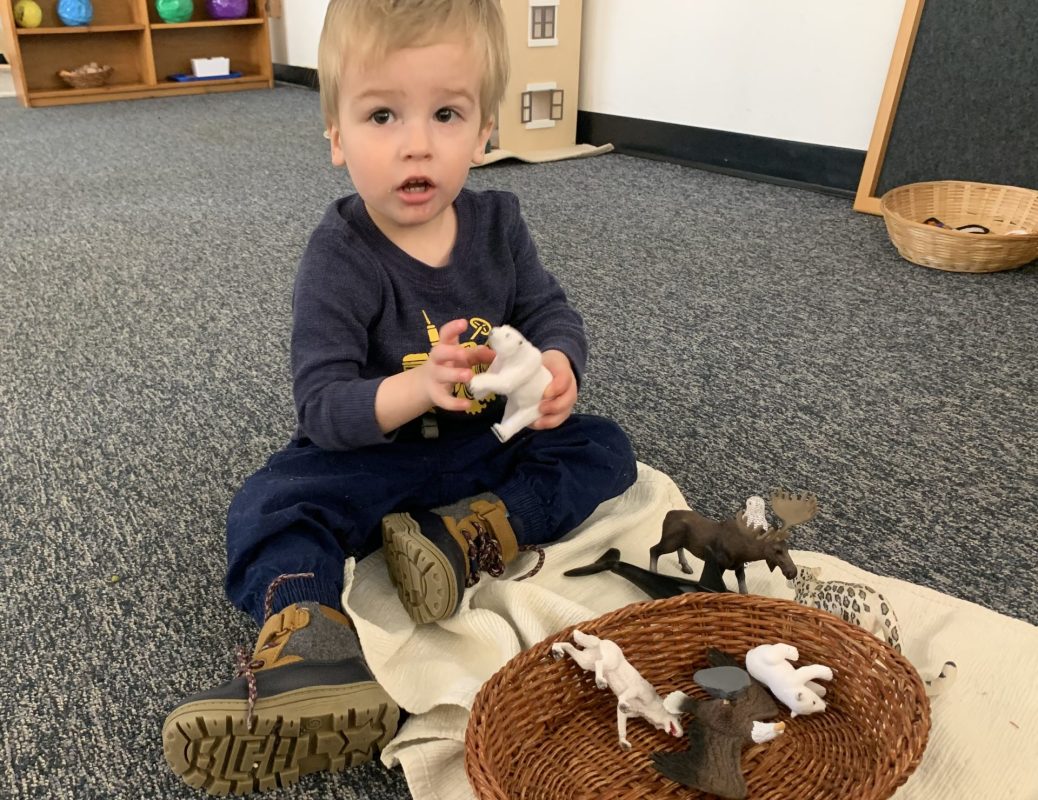
Alexander- Arctic animals matching

Connor- The seasons puzzle

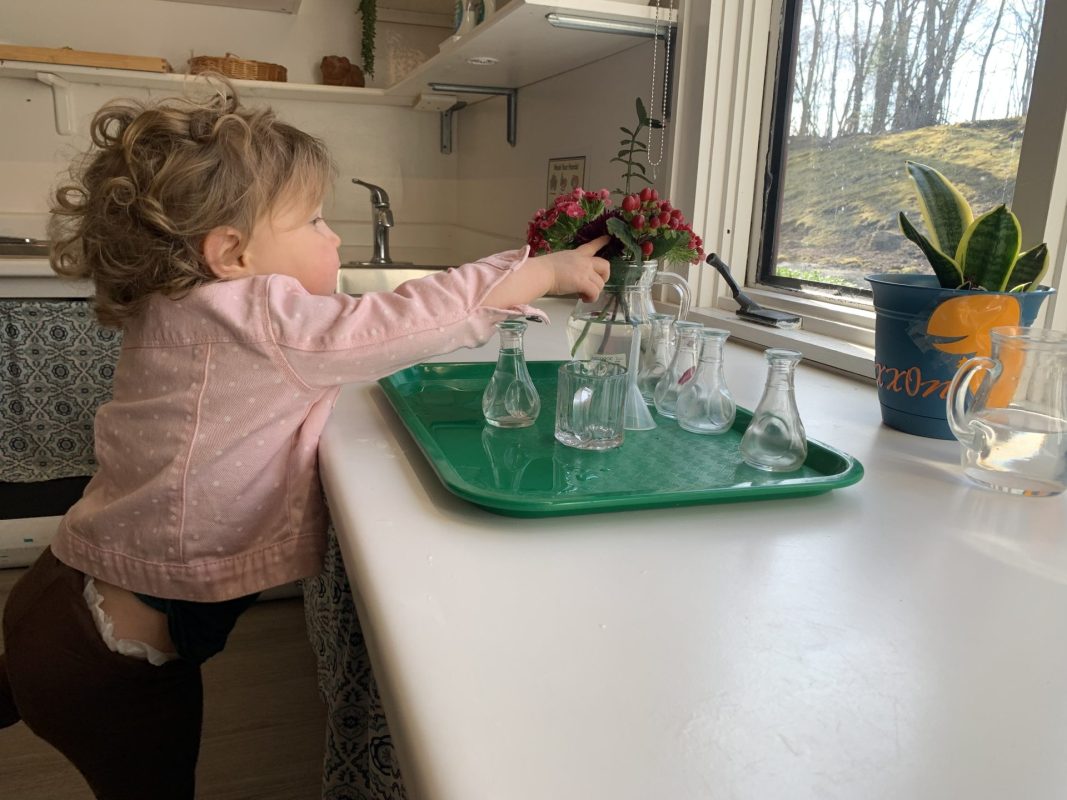
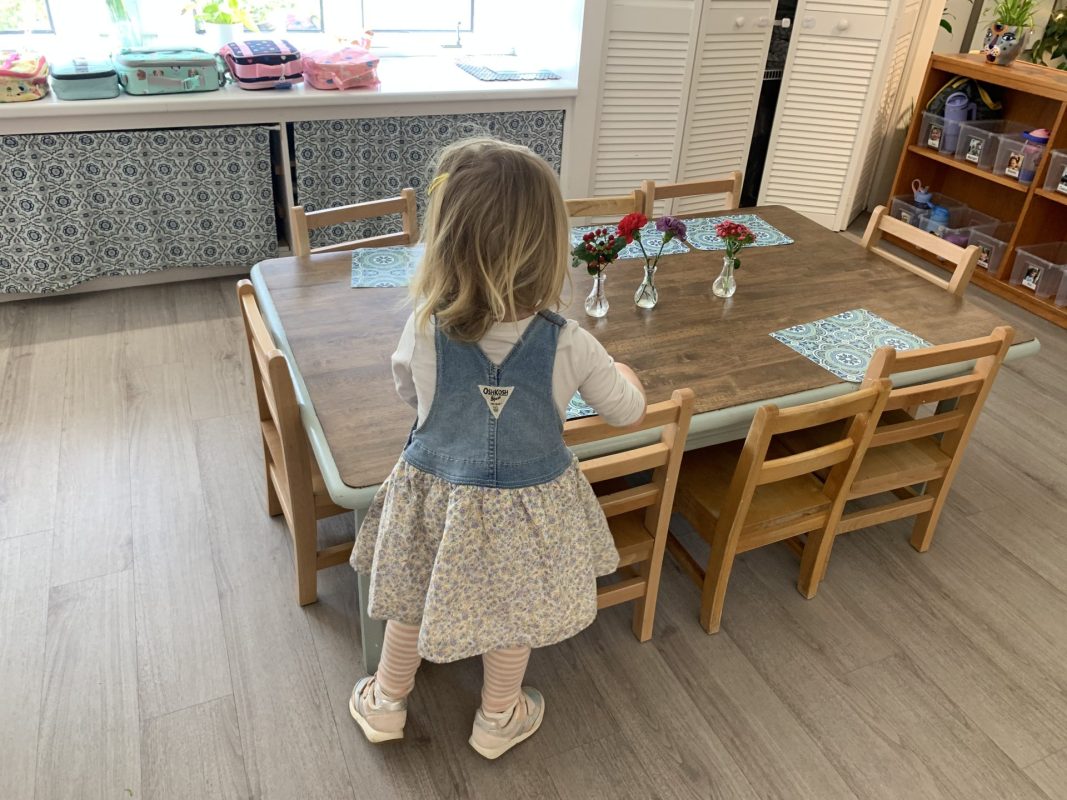
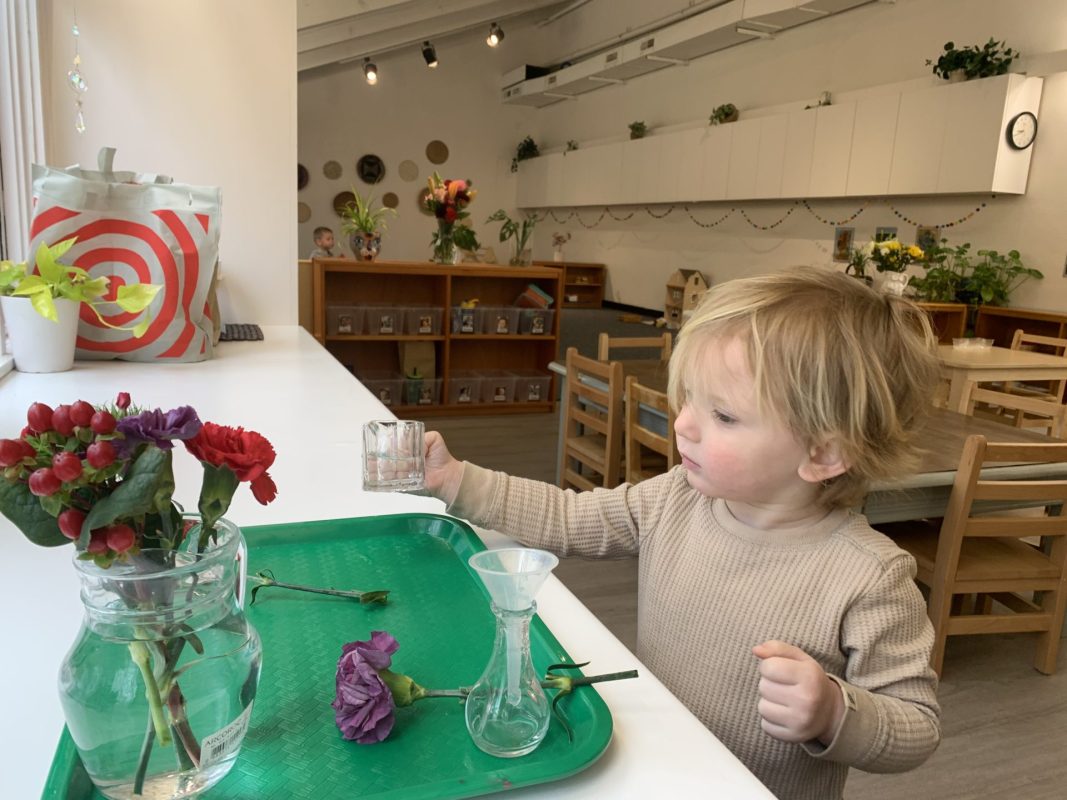
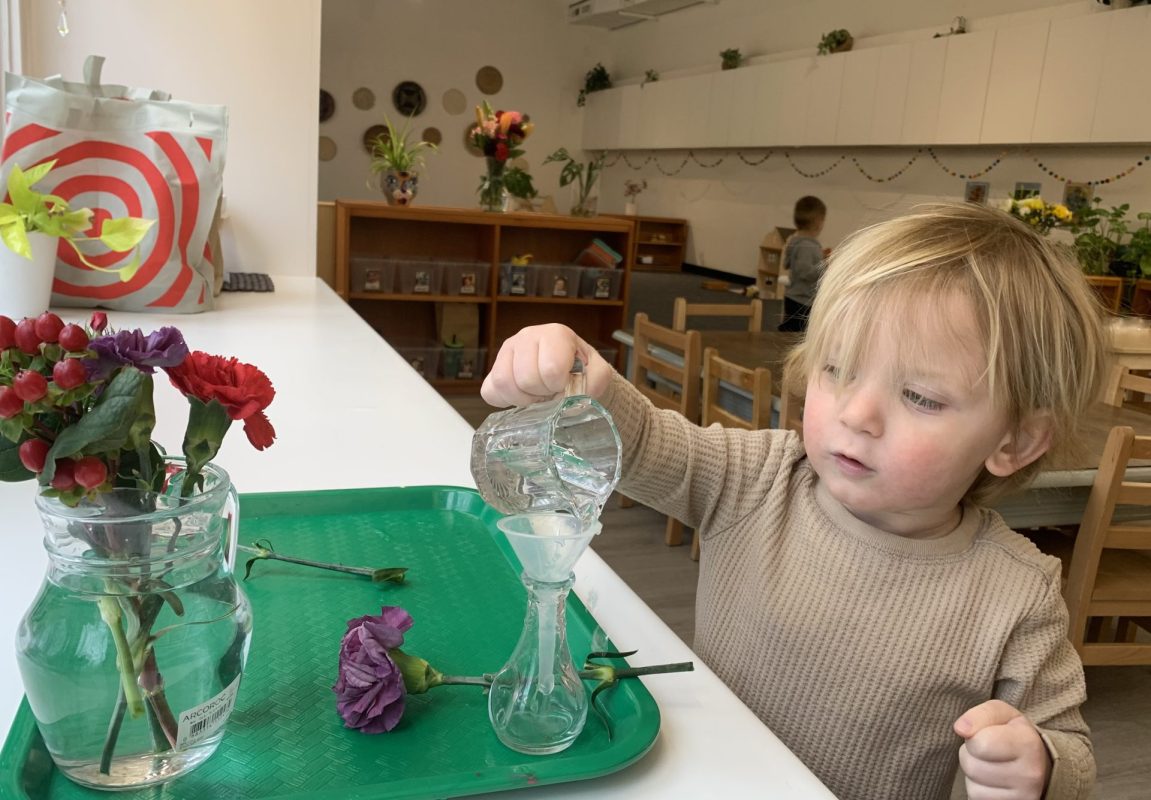
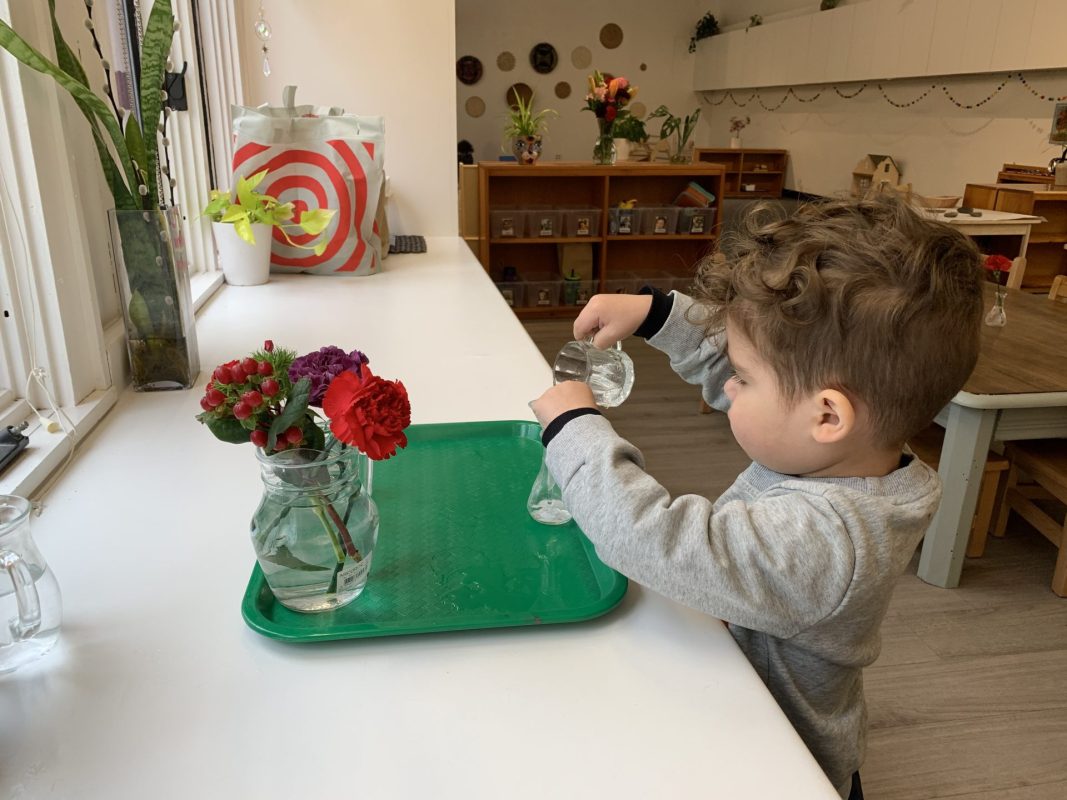
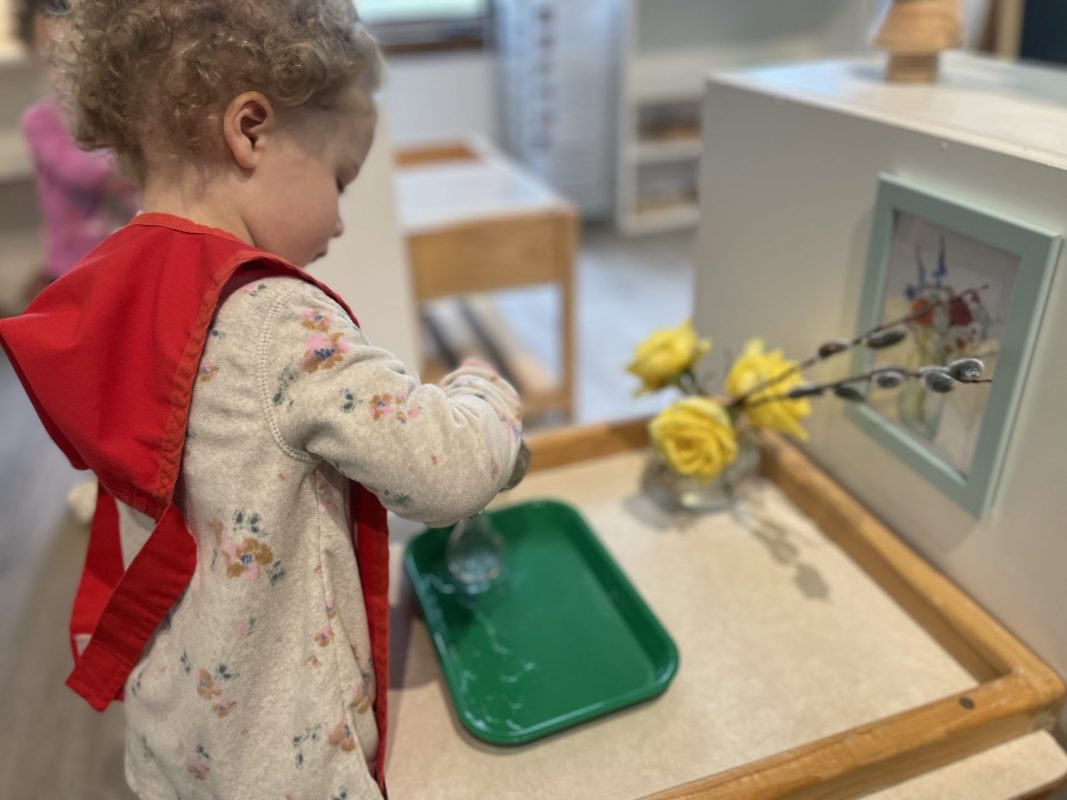
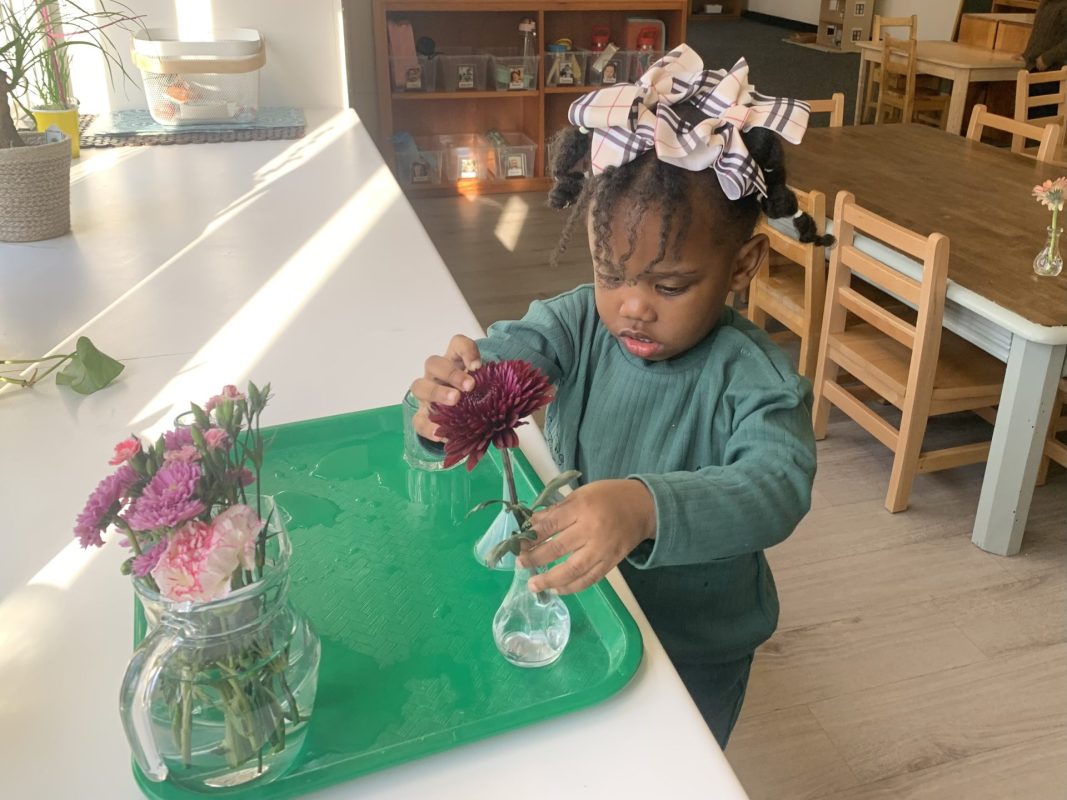
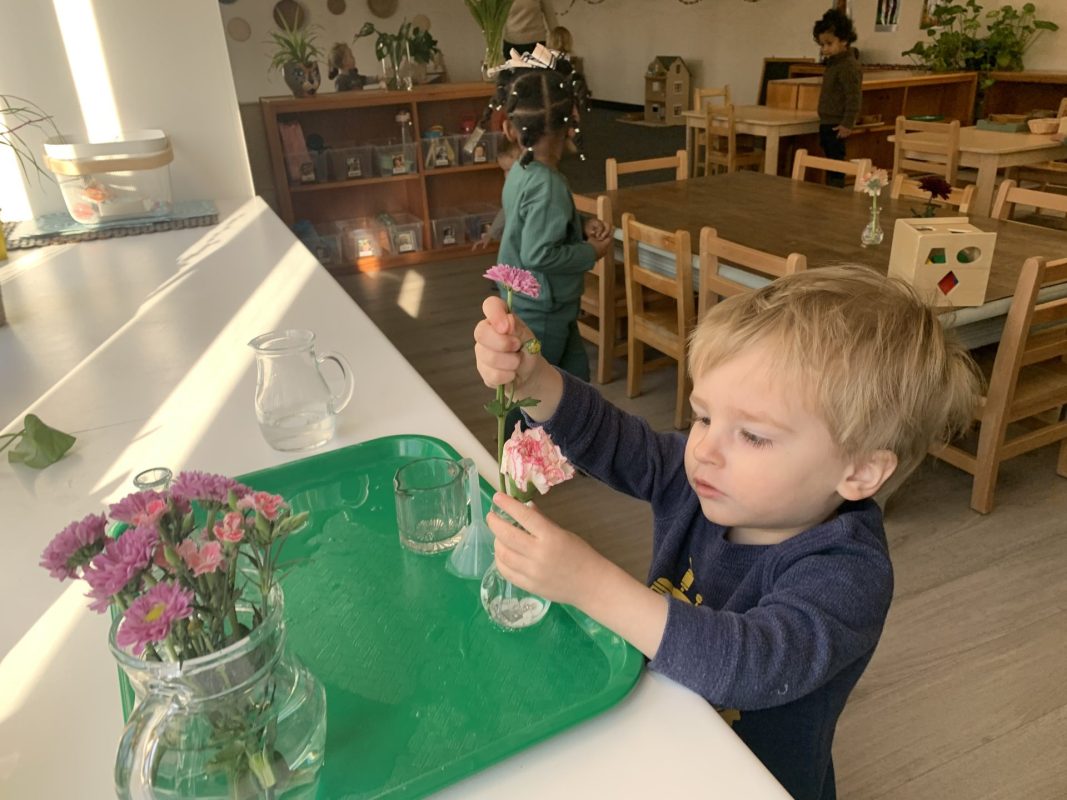
Divya- Flower arrangement

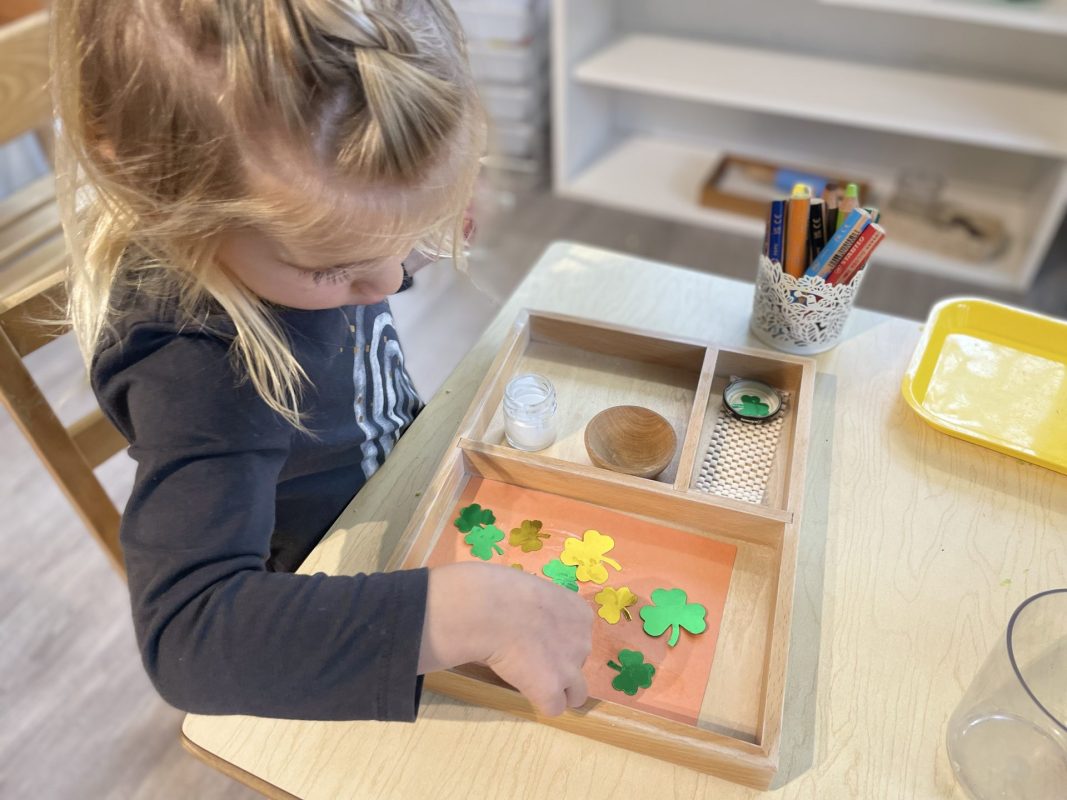
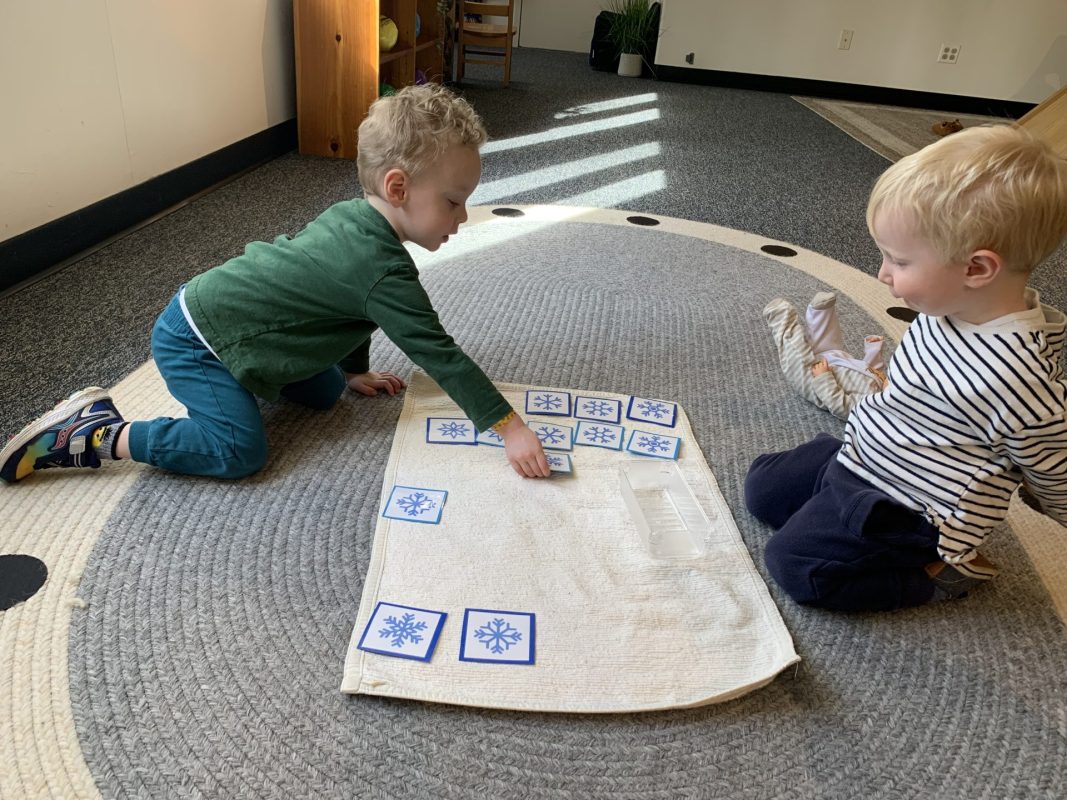
Emma- Snowflake stickers

John- Naming and exploring vehicles

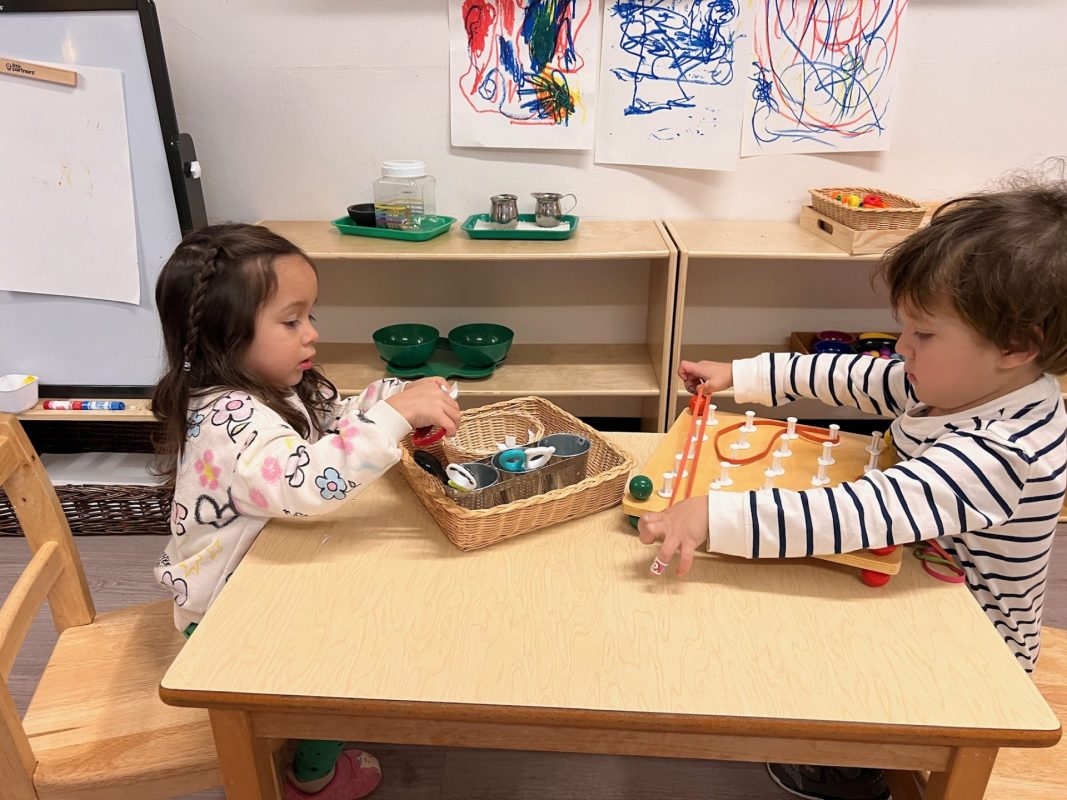
Love– Creating shapes with elastics in the Geoboard

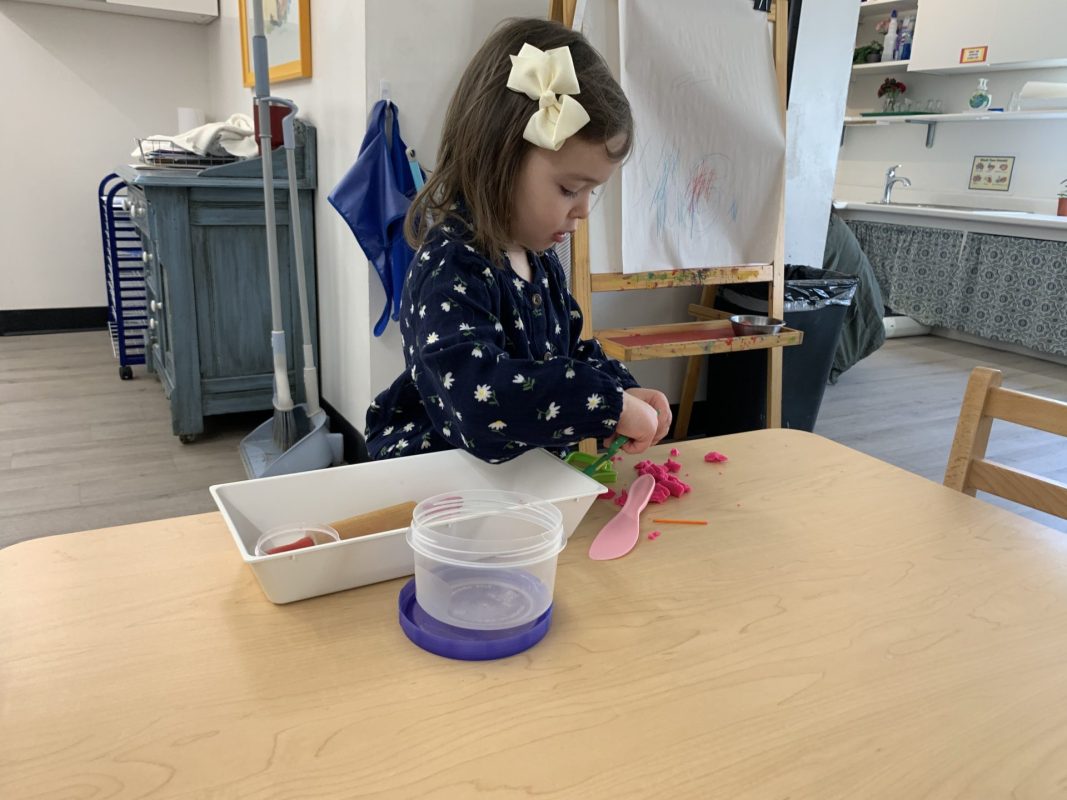
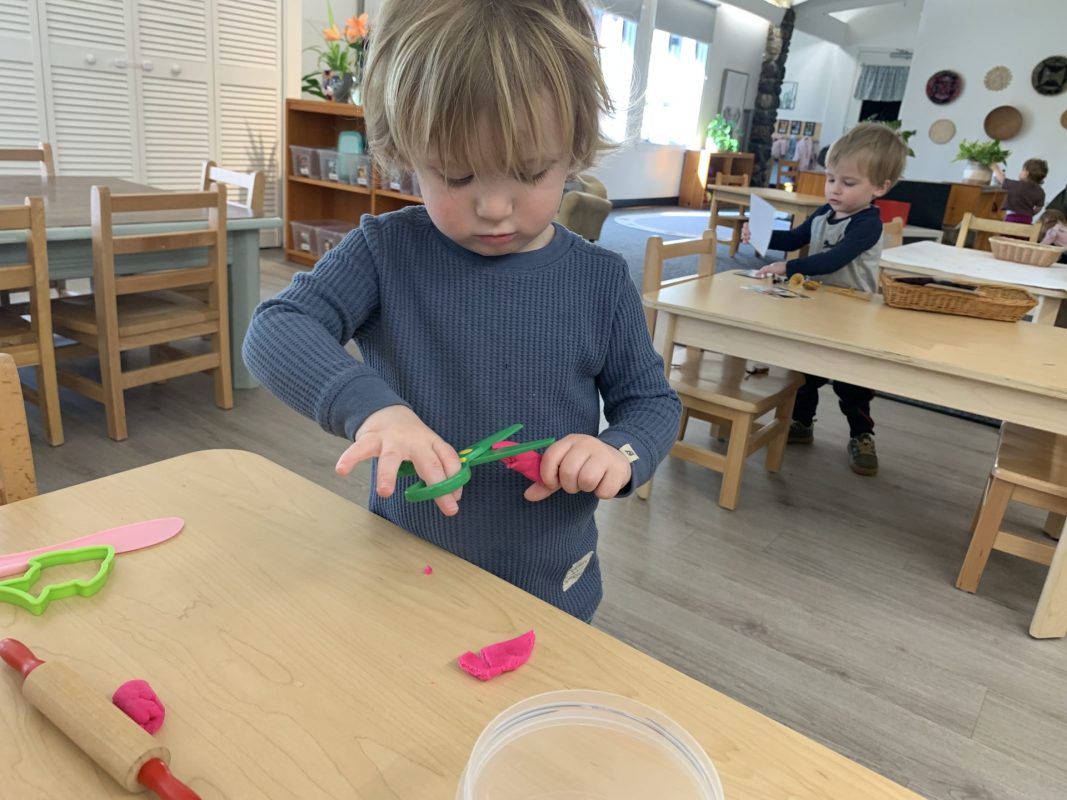
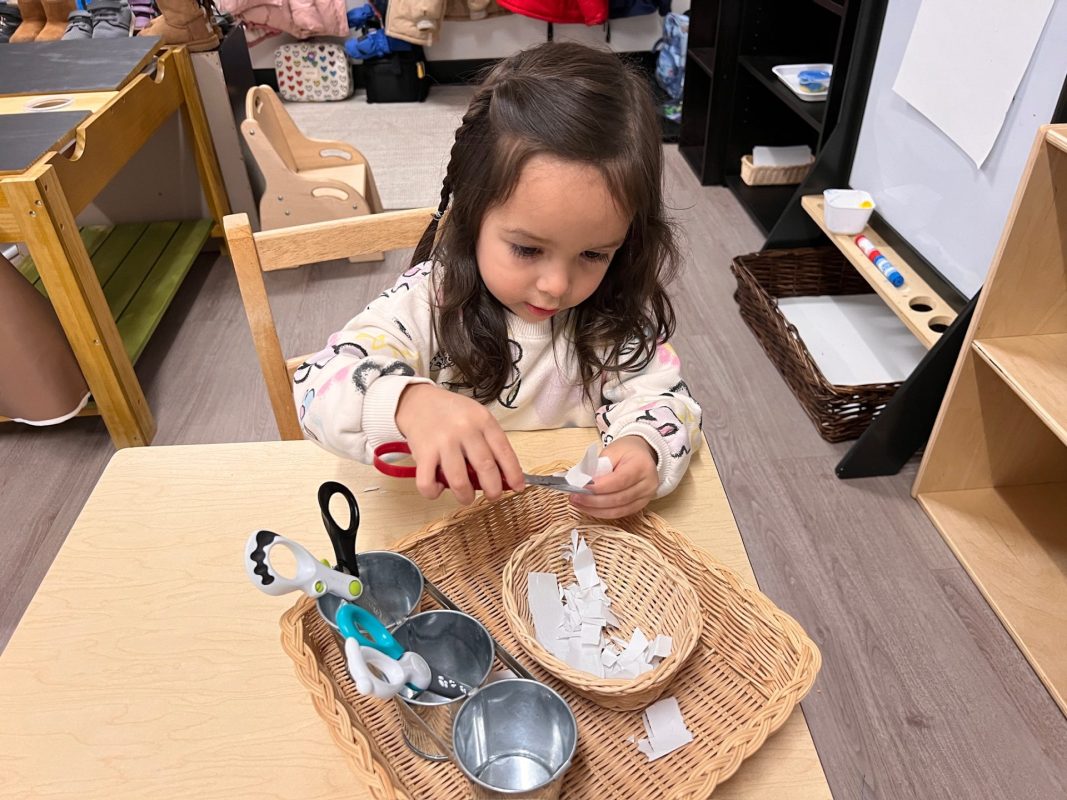
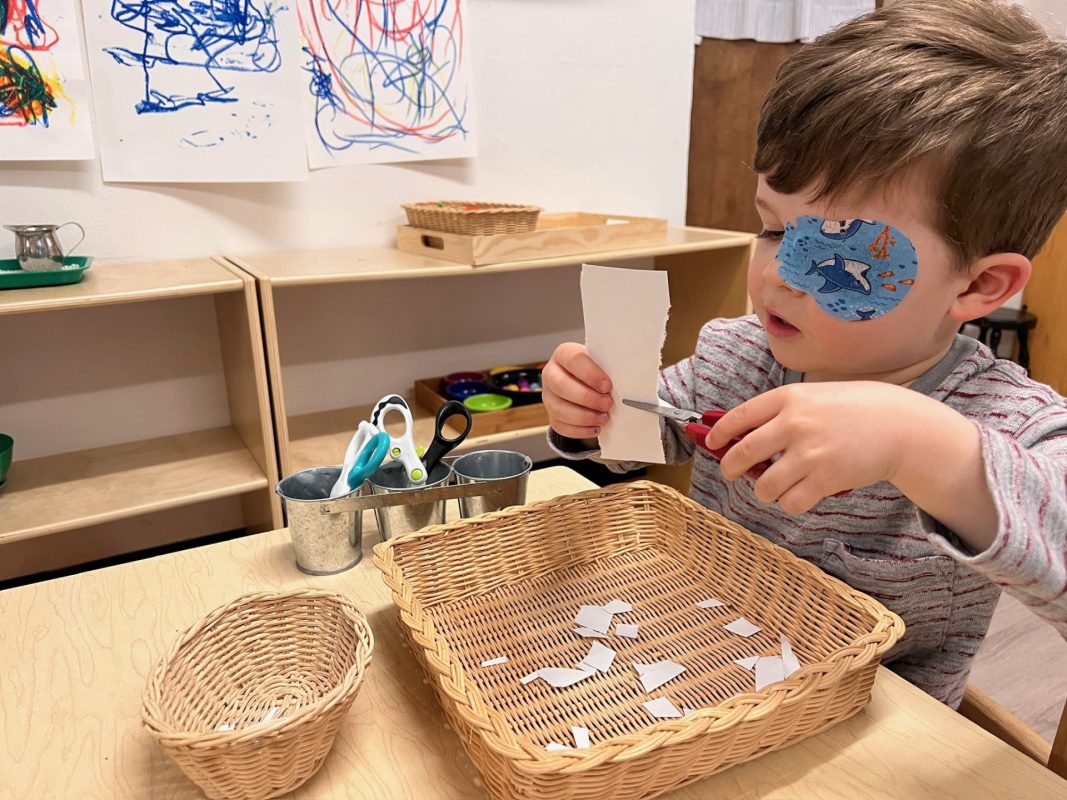
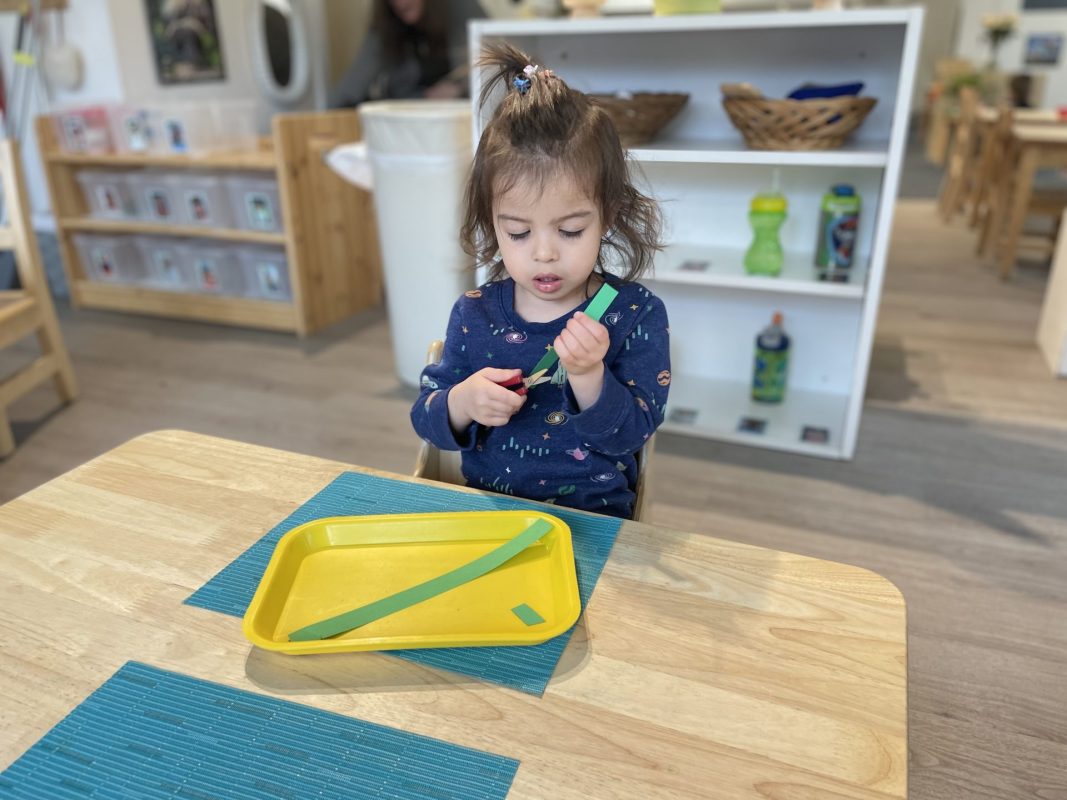
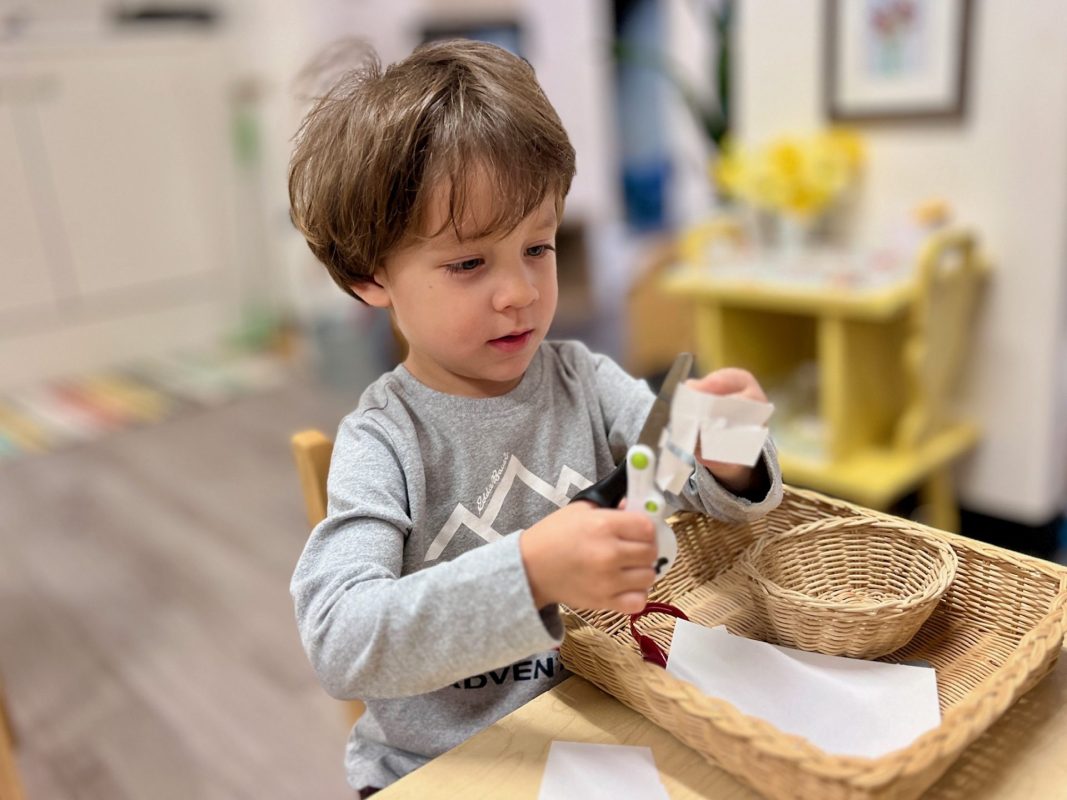
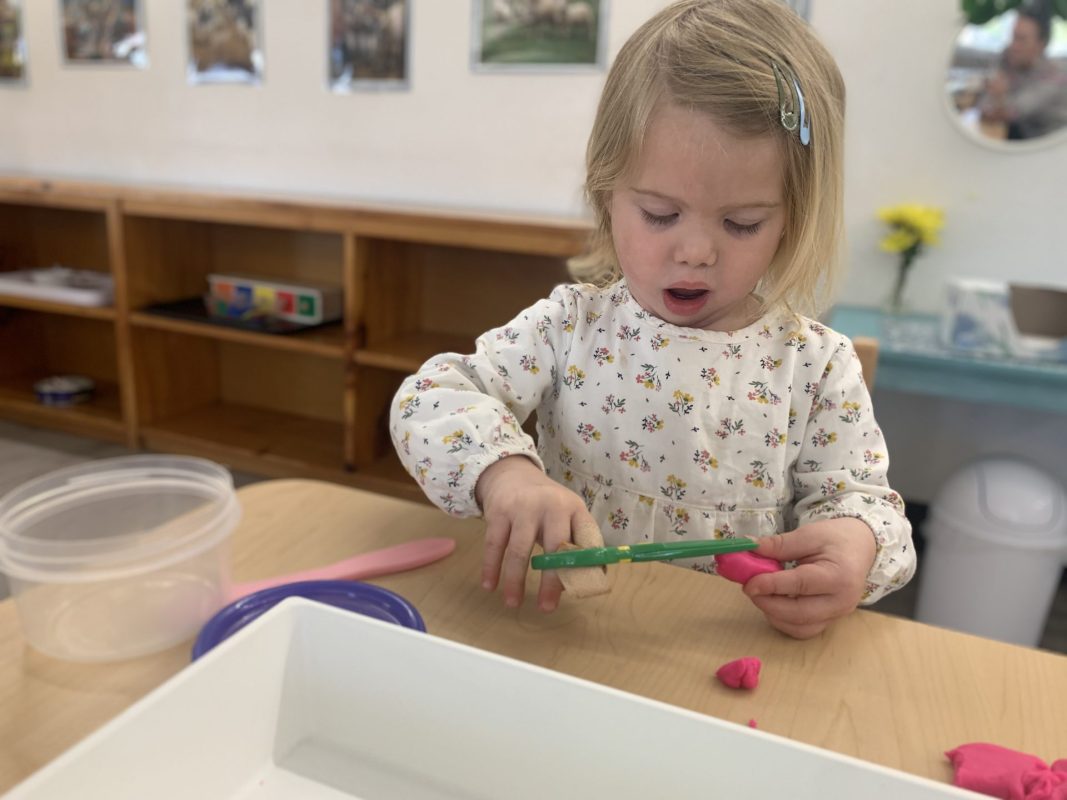
Reagan- Cutting

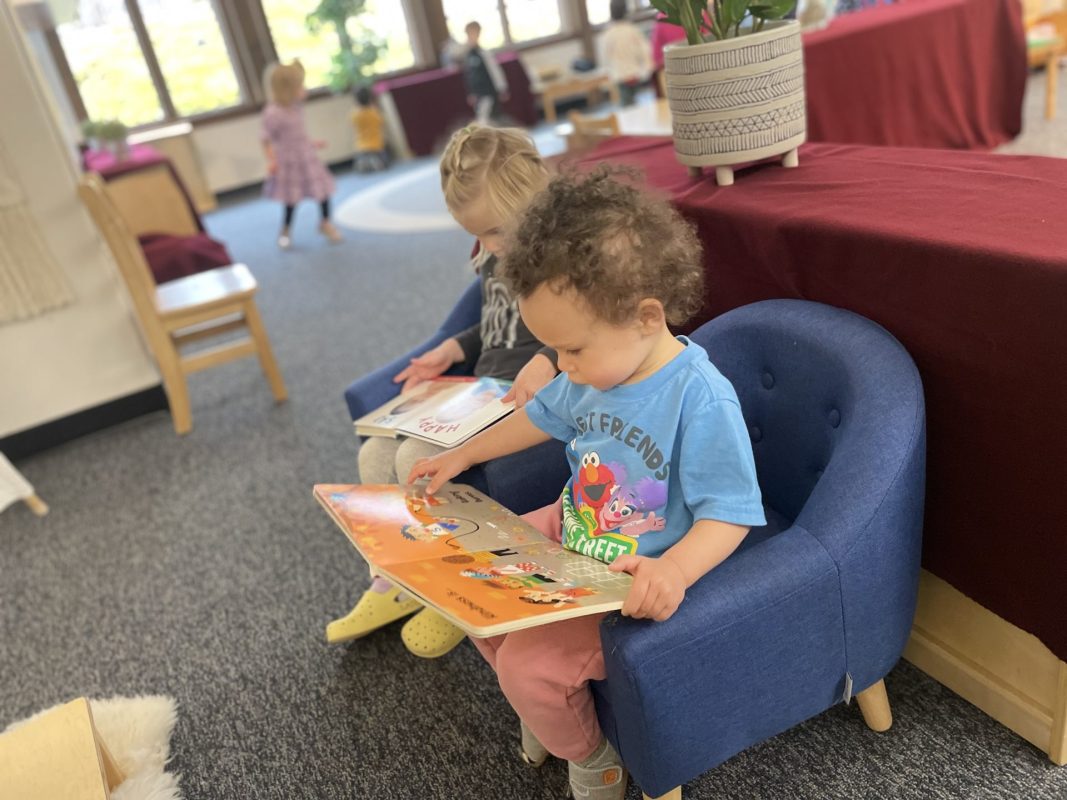
Zion- Exploring “I Spy” books

On another note, the children enjoyed exploring parsnips during our food-tasting lesson this week.

Enjoy your weekend,

Mrs. Hood and Ms. Mollie

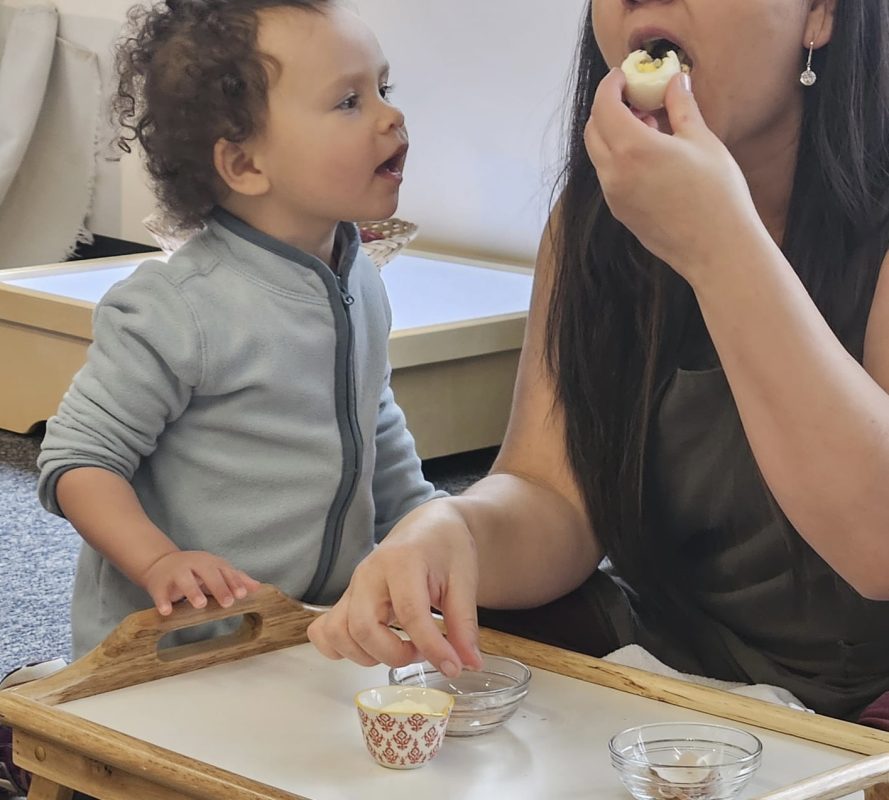
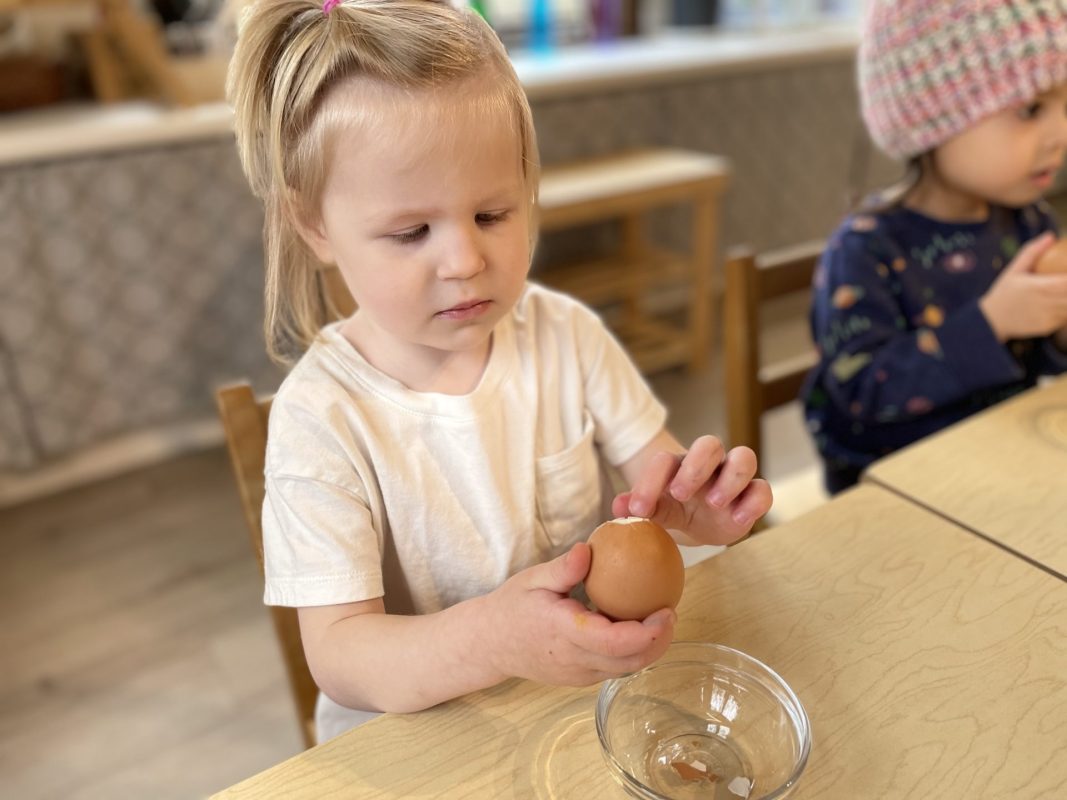
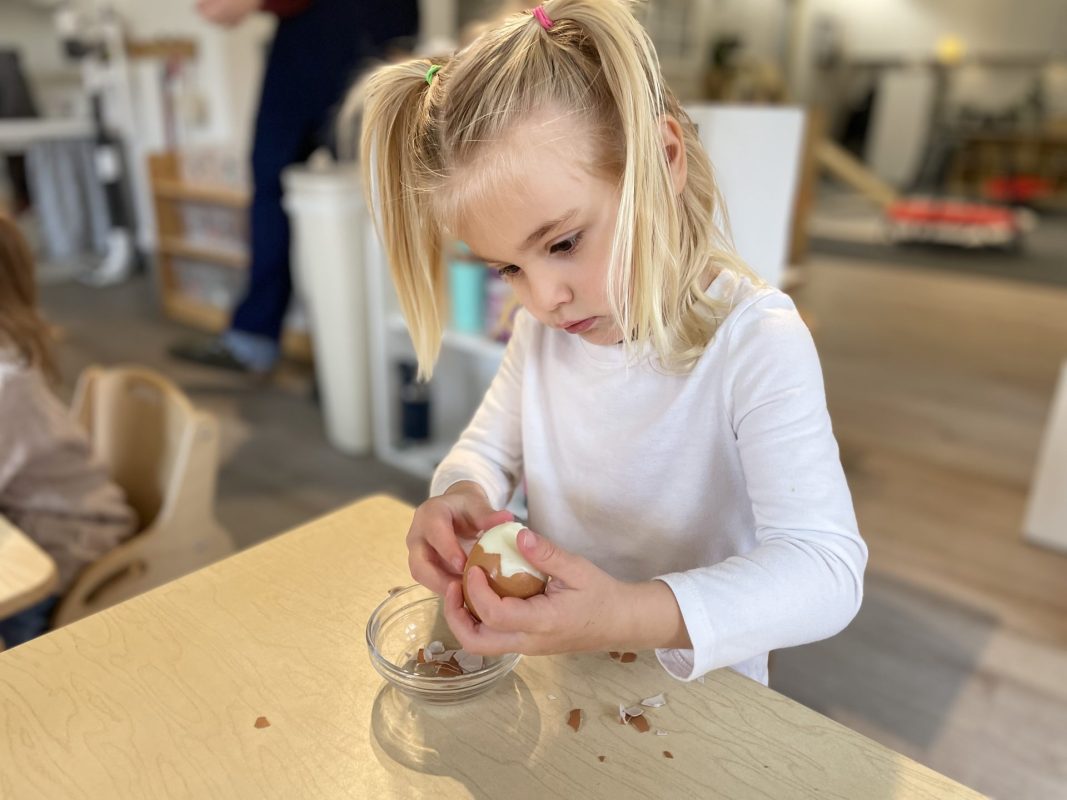
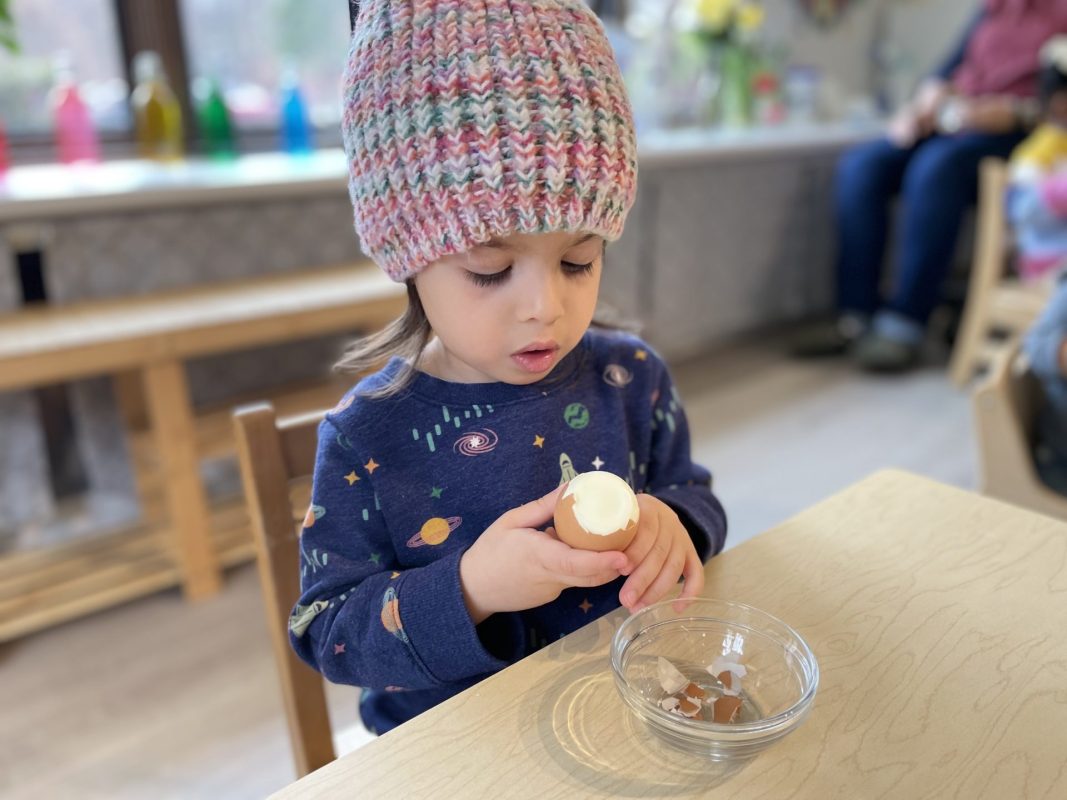
Mrs. Wilson: The Importance in Food Tasting

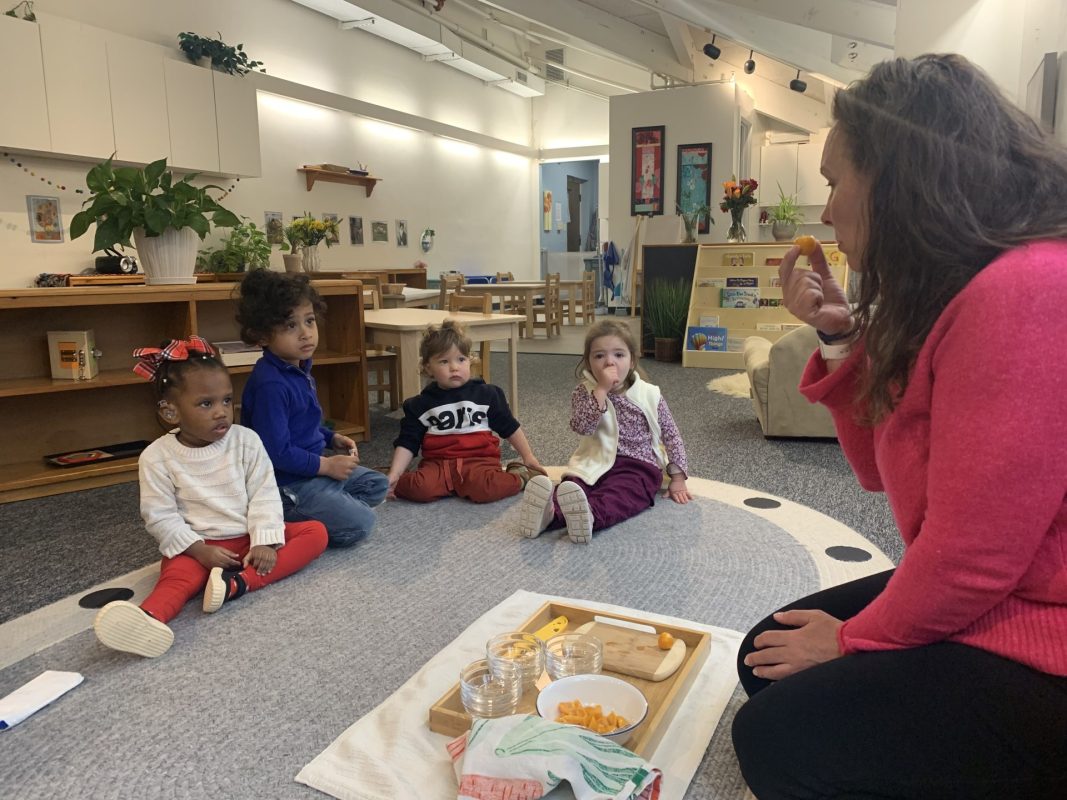
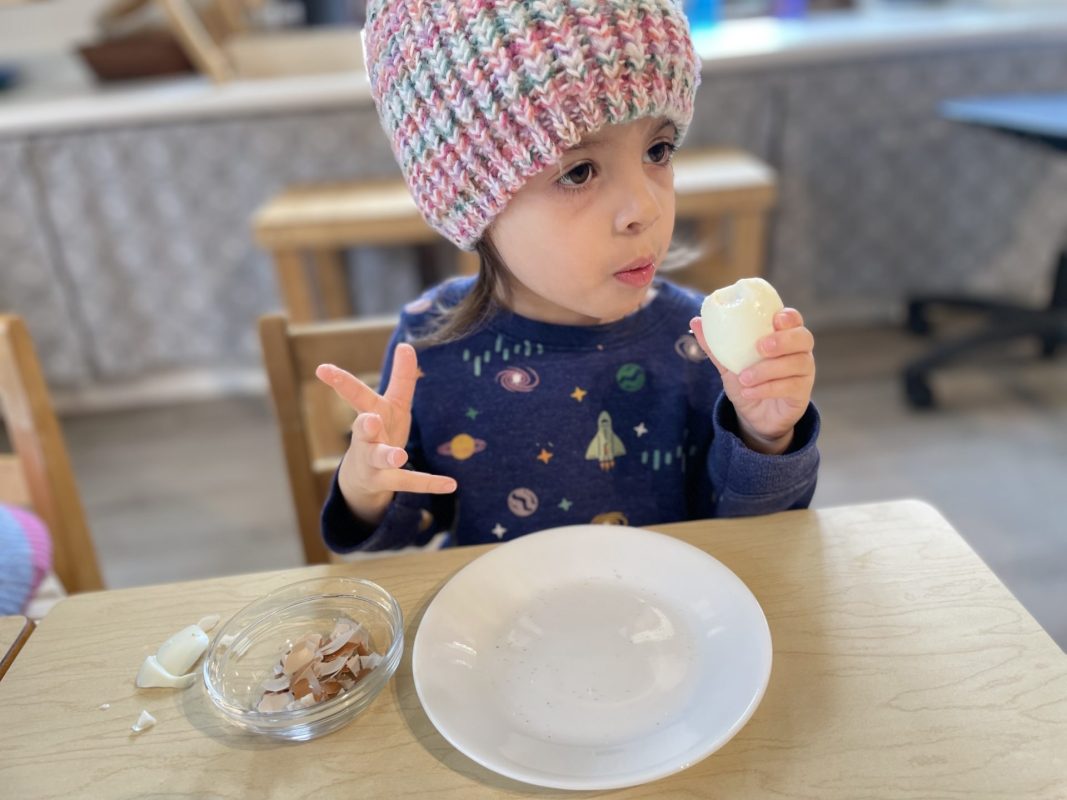
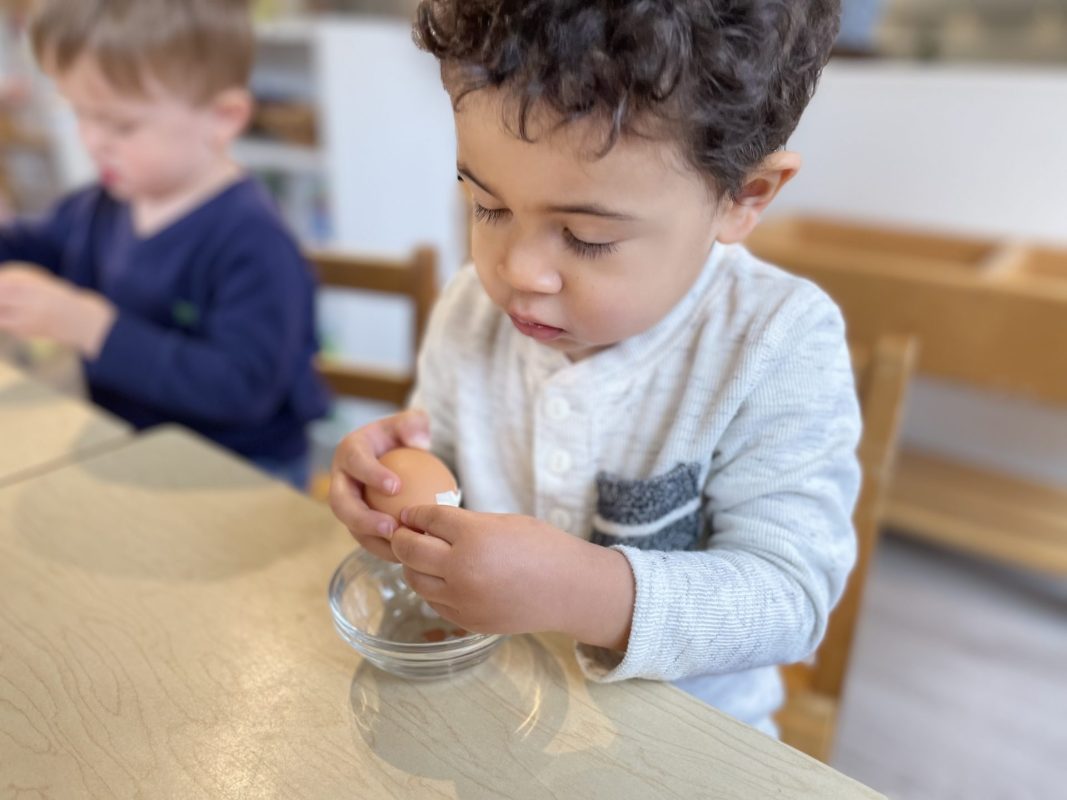
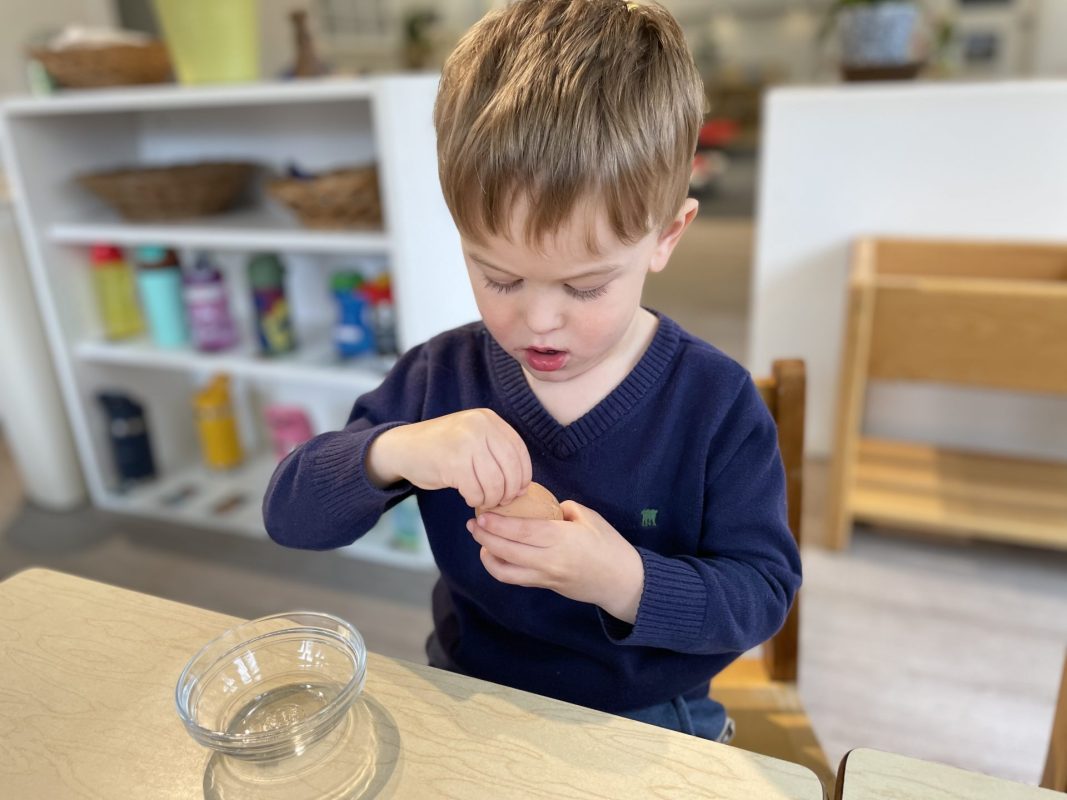
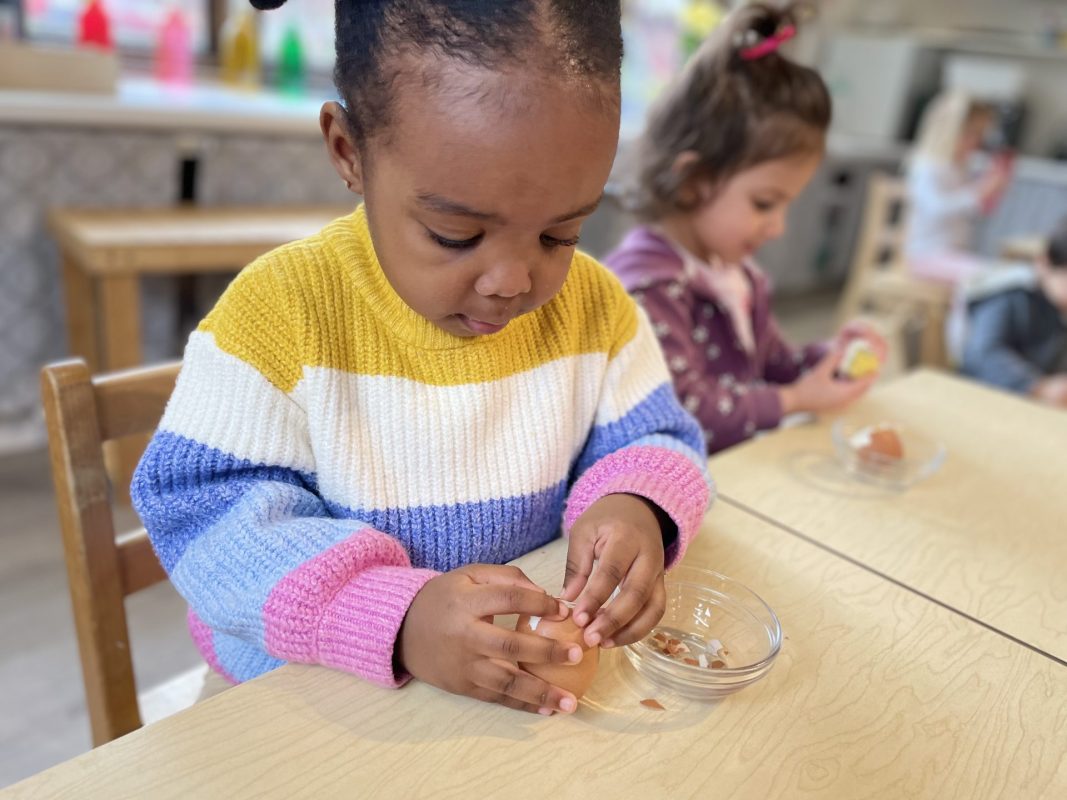
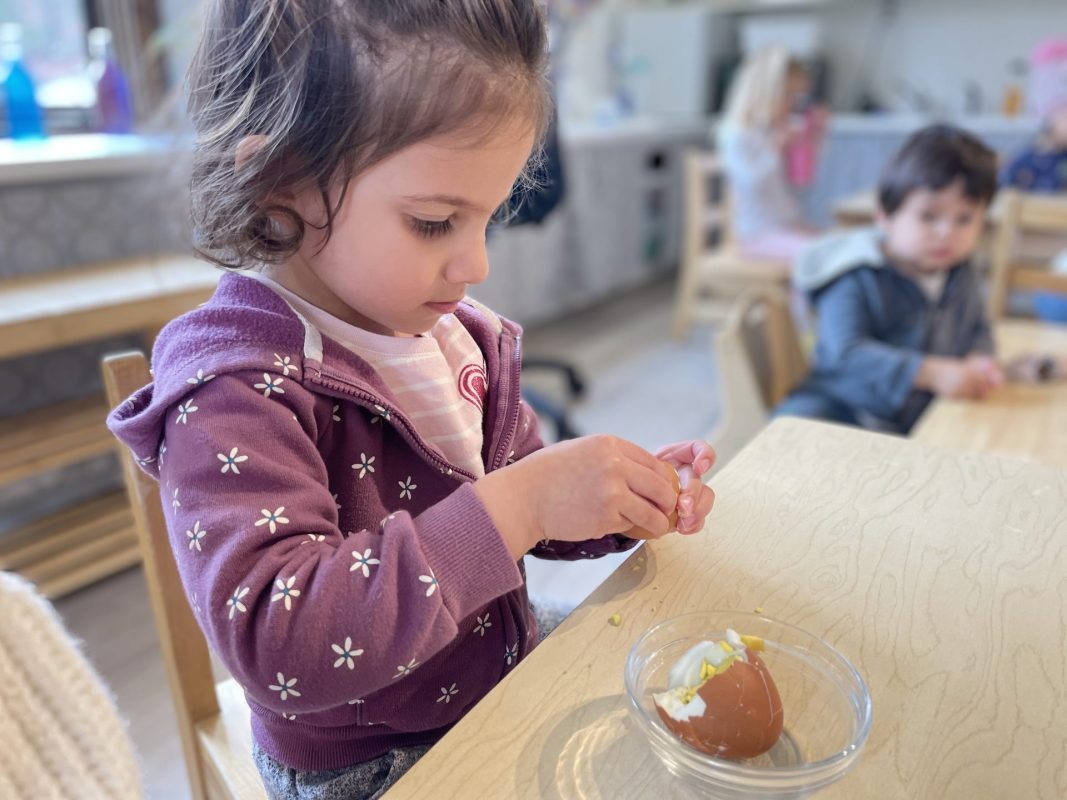
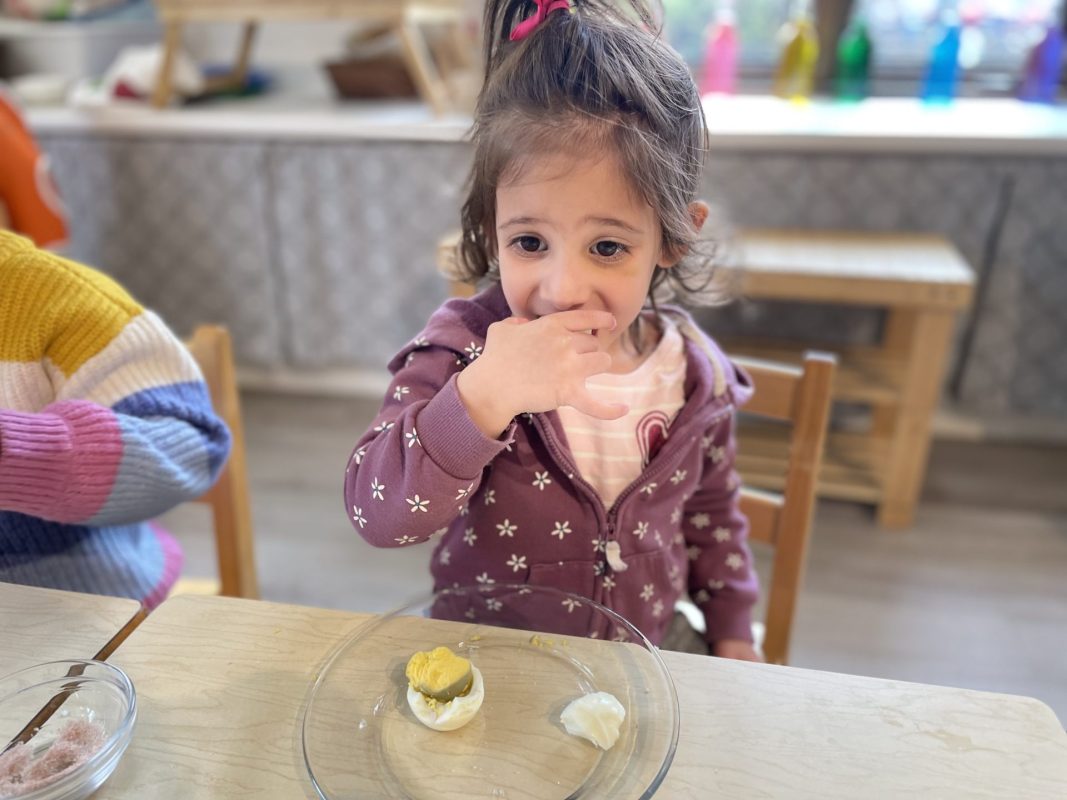
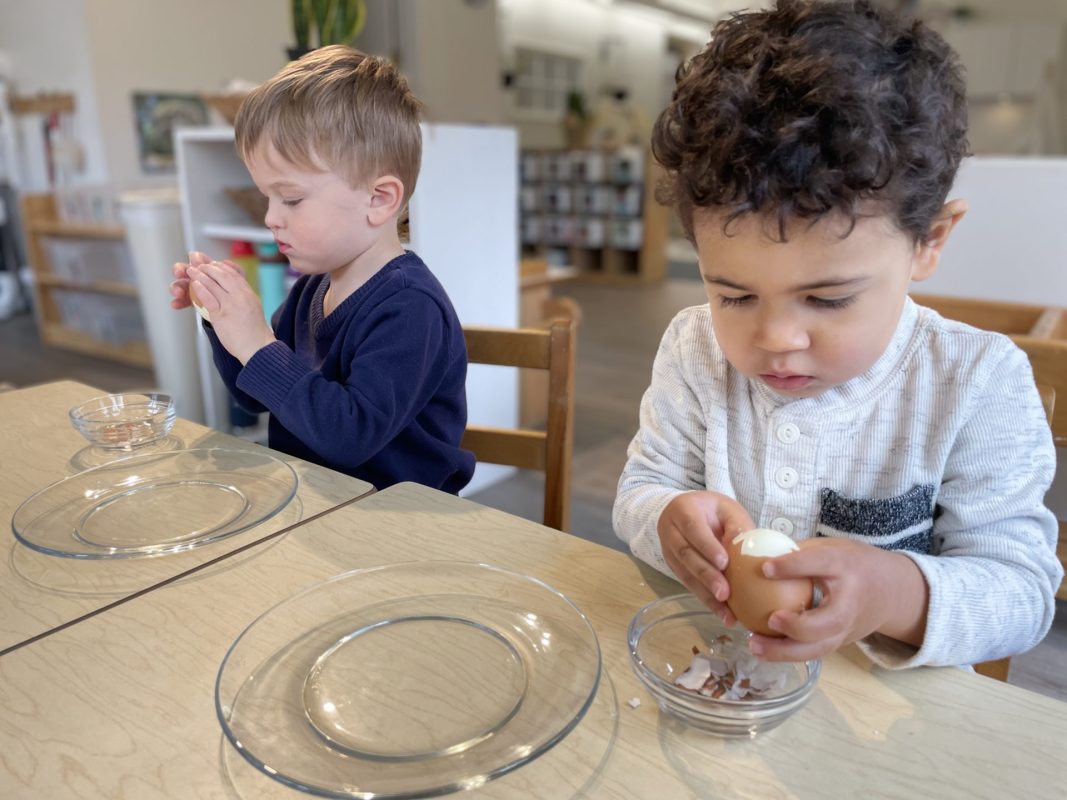
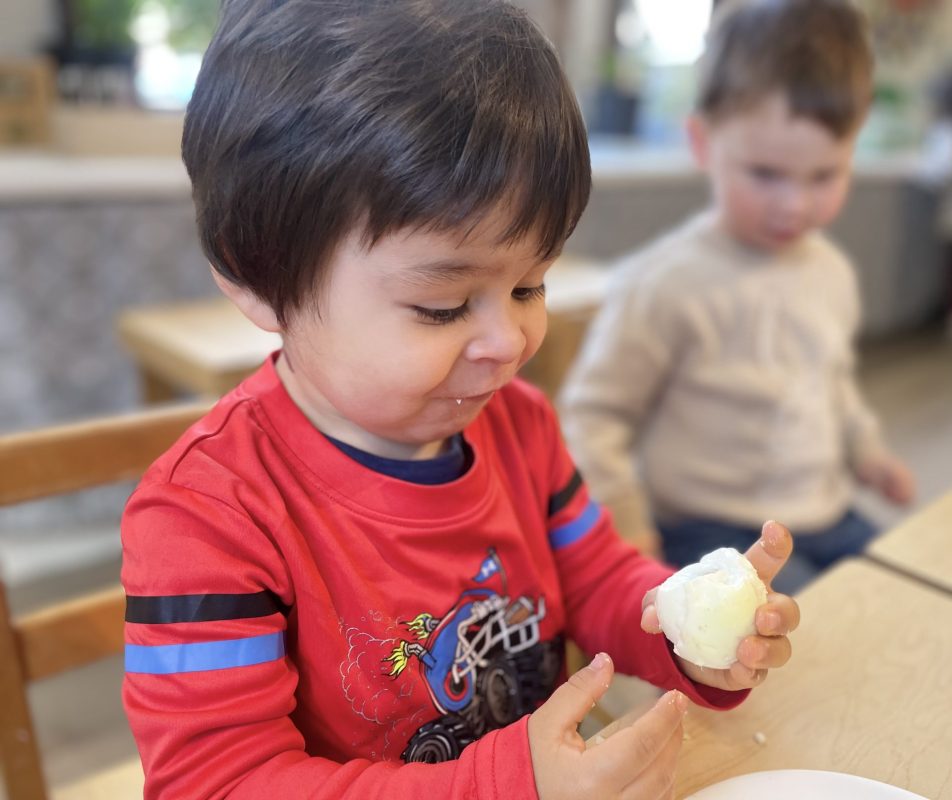
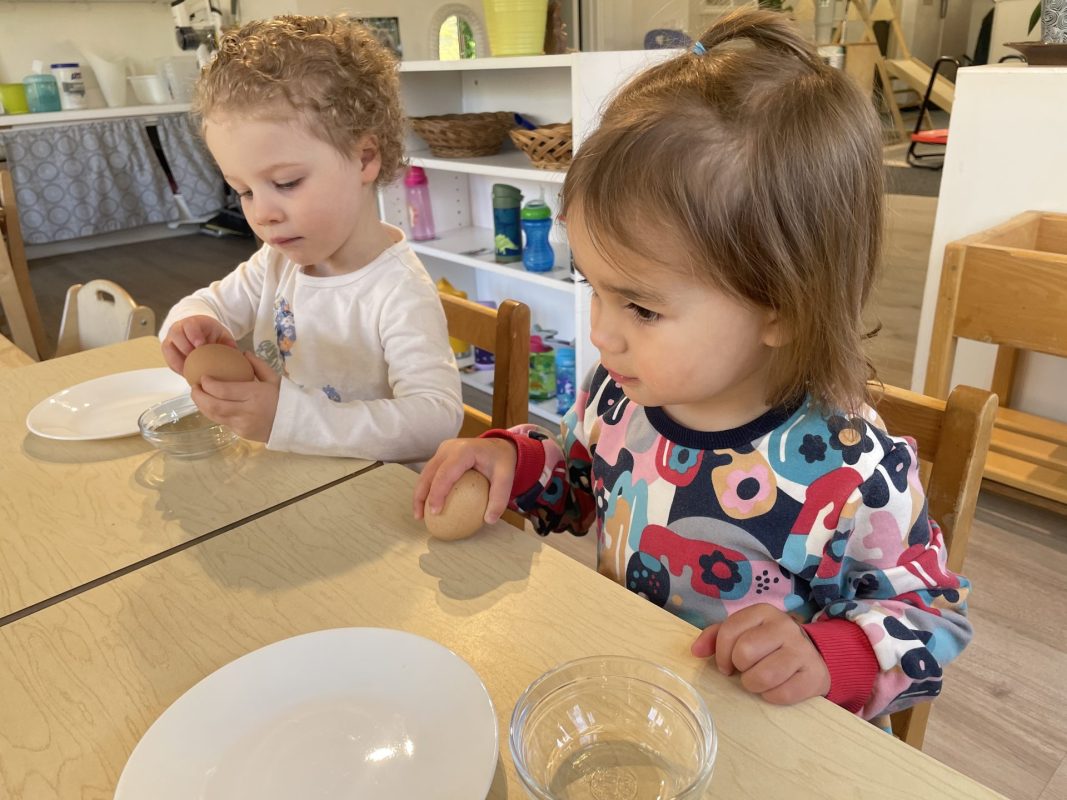
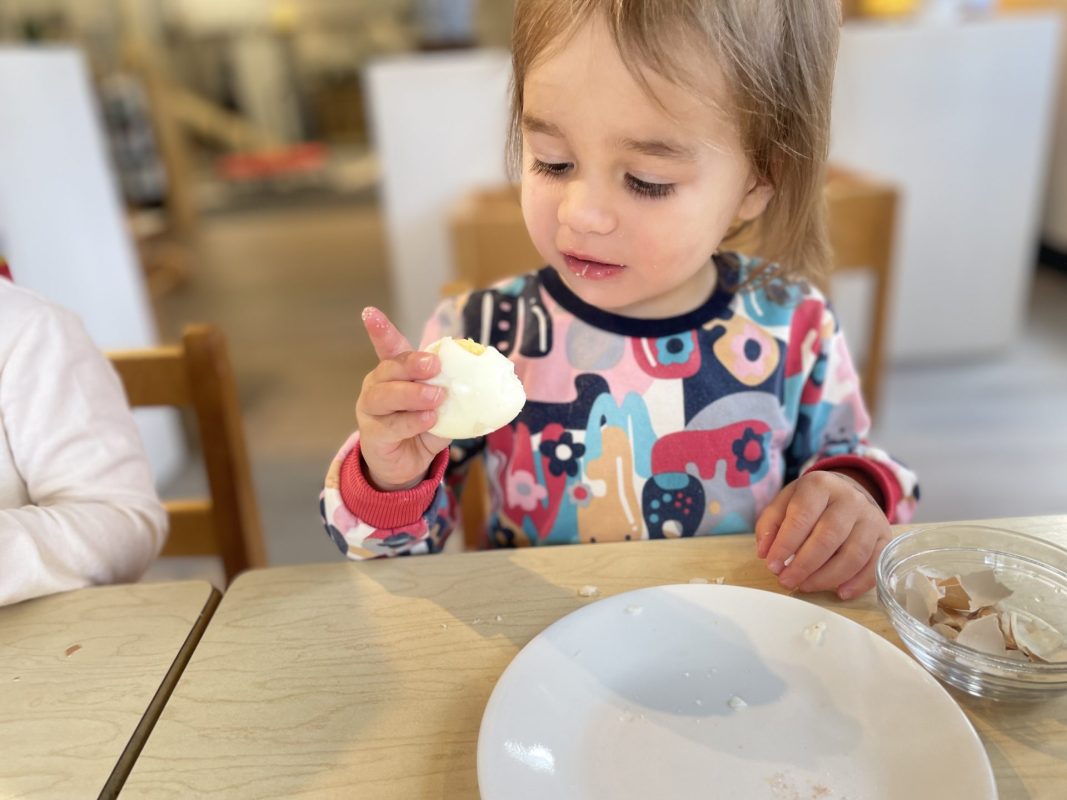
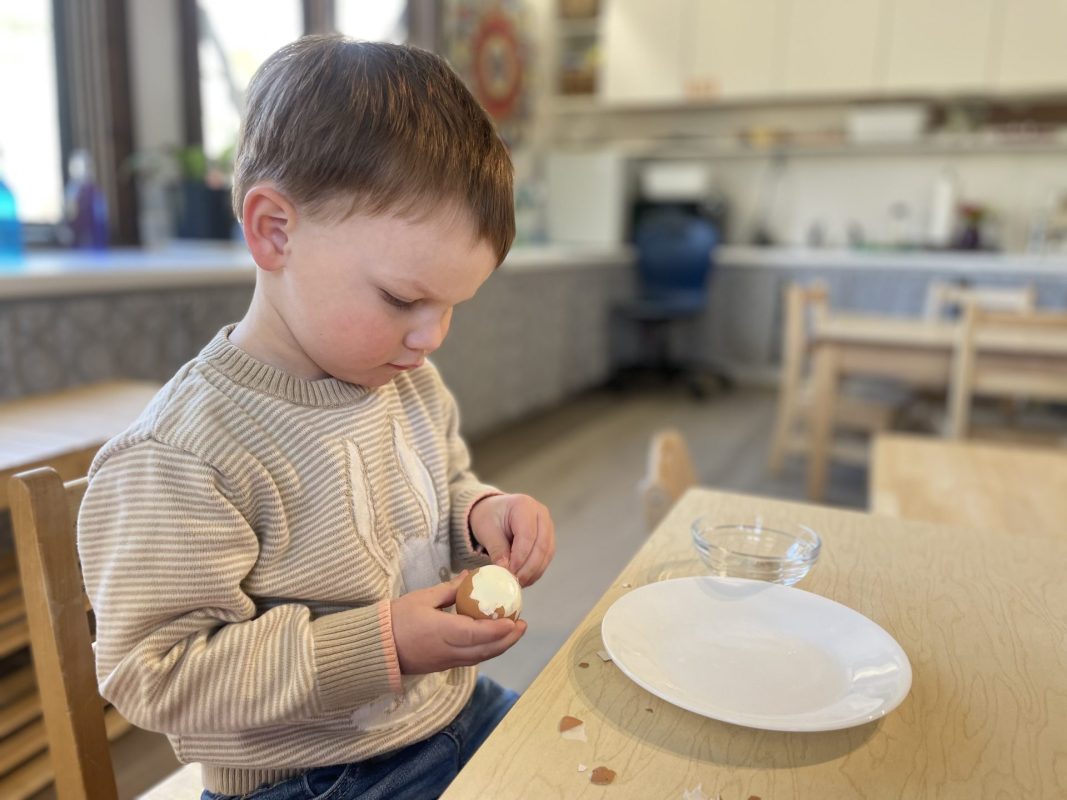
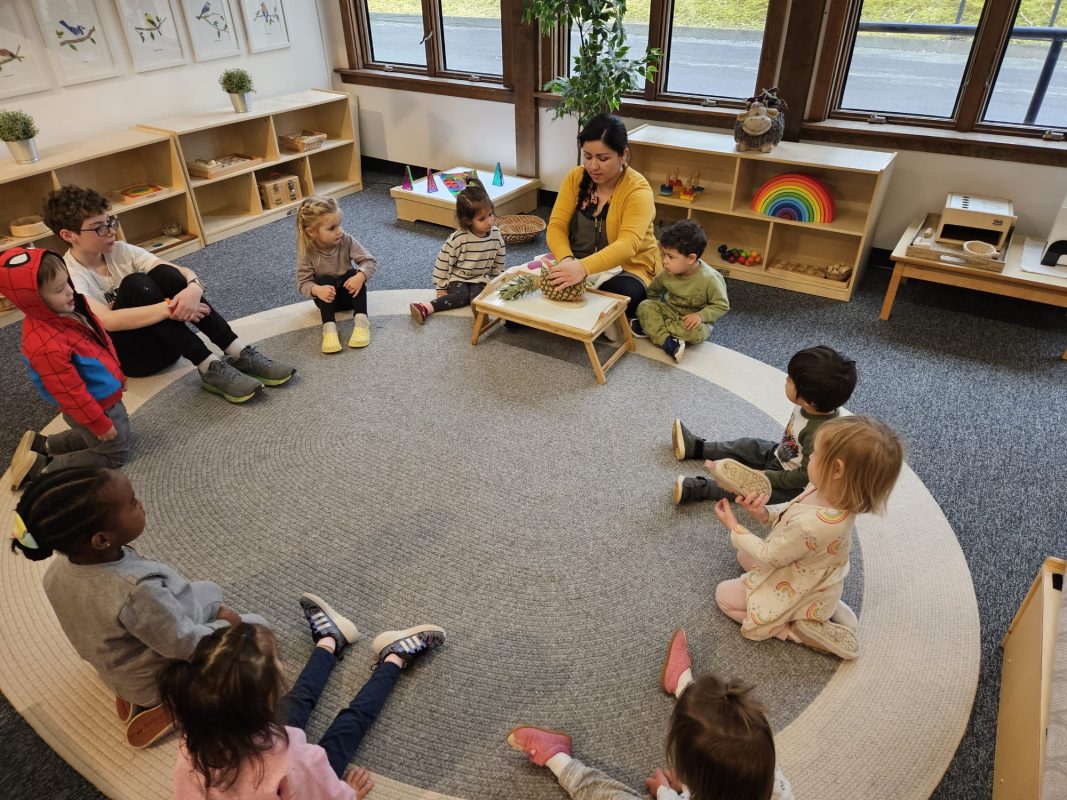
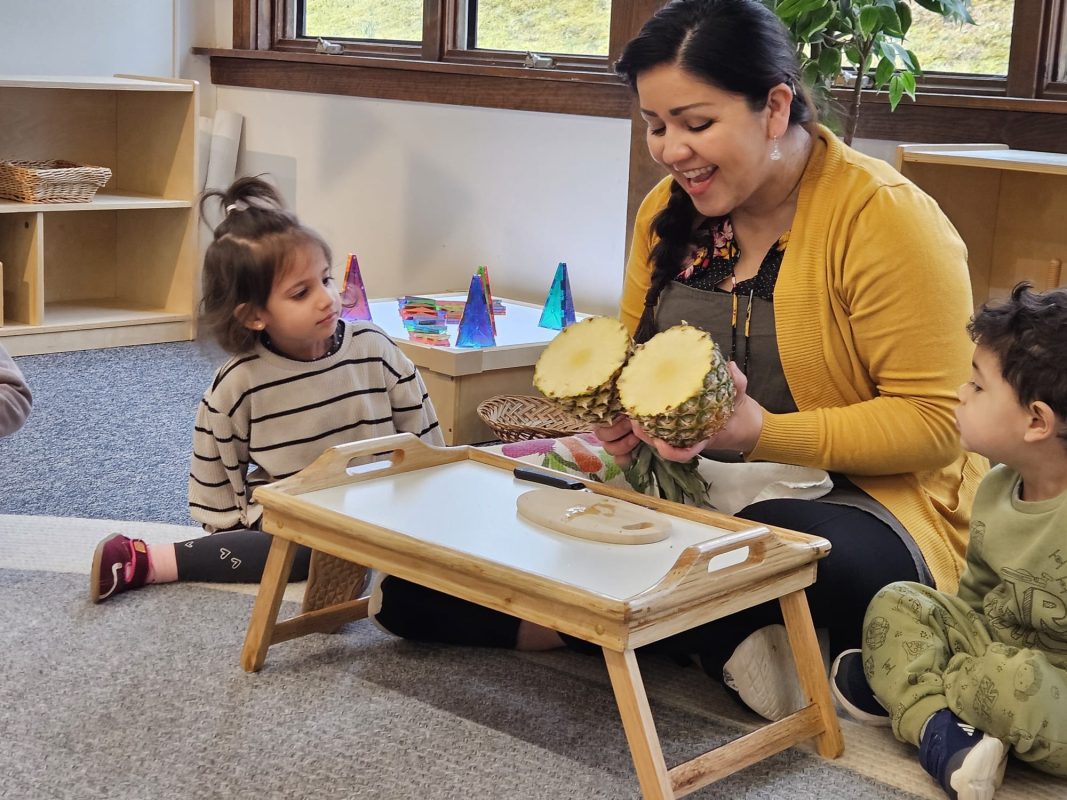
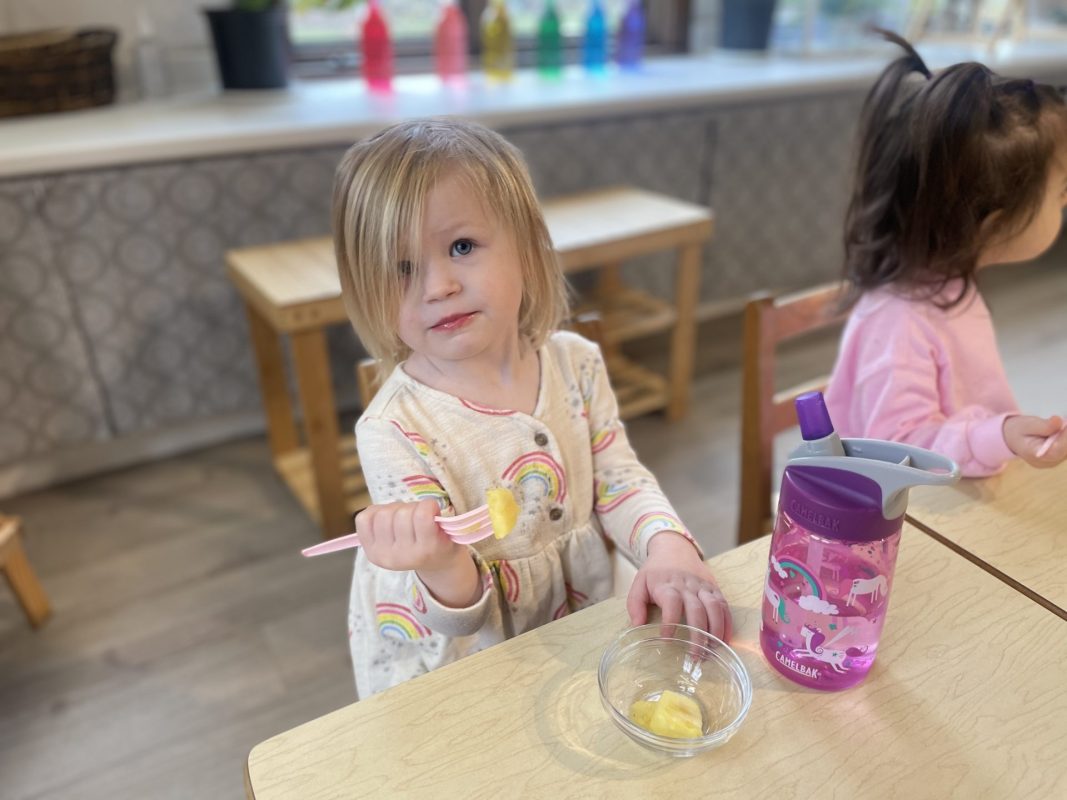
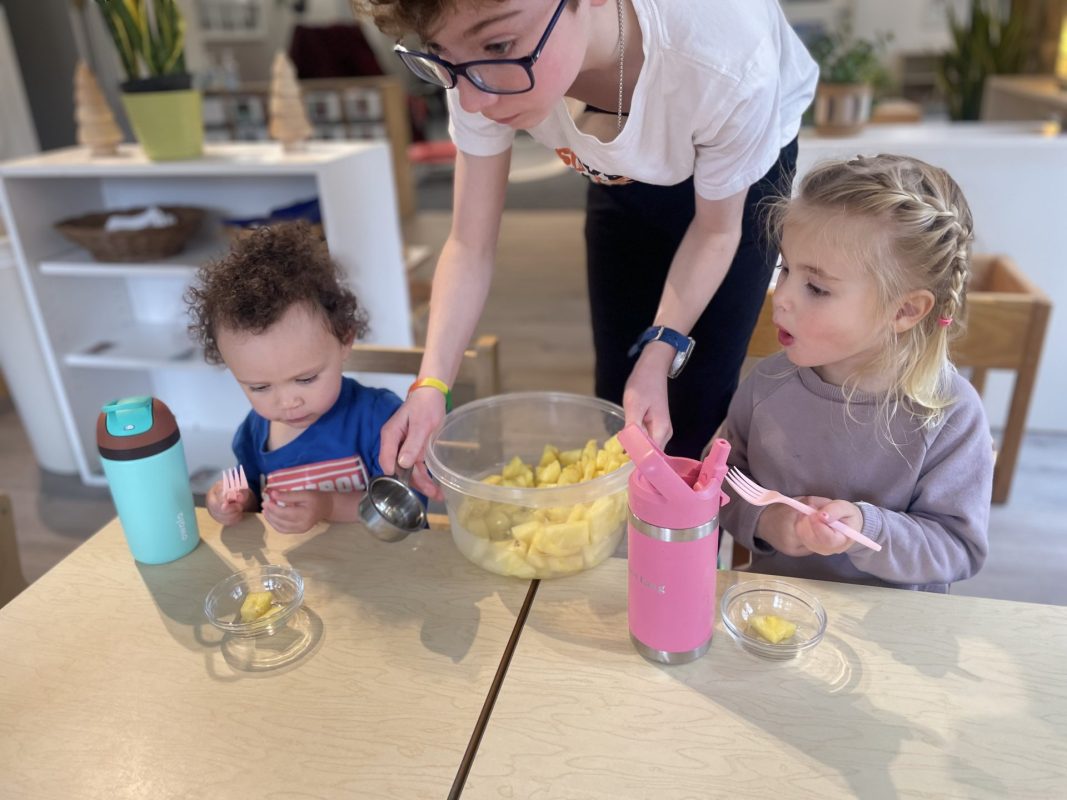
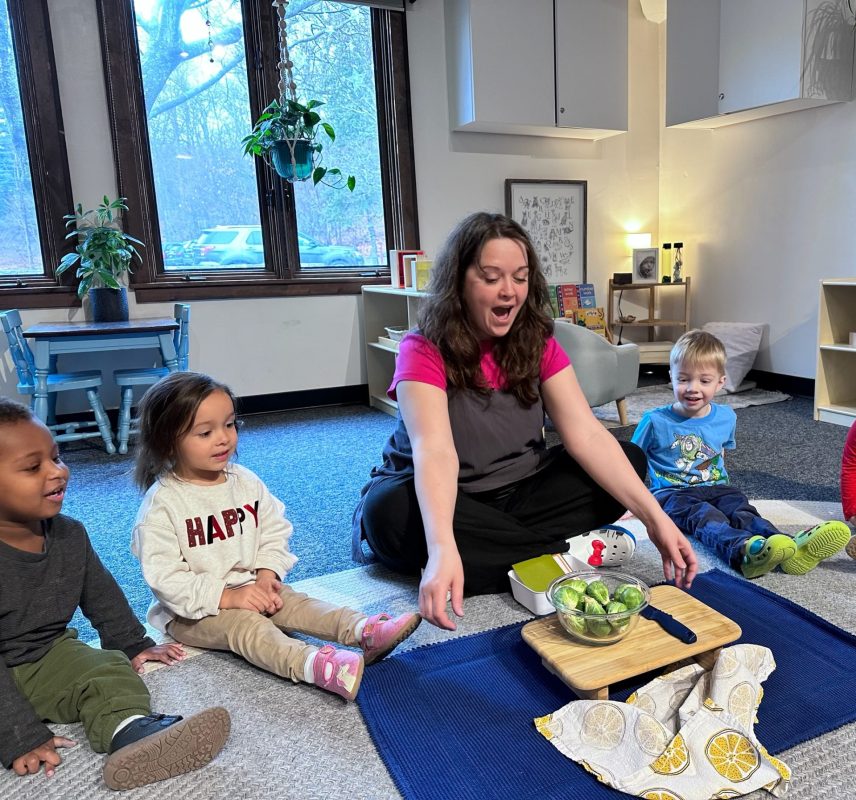
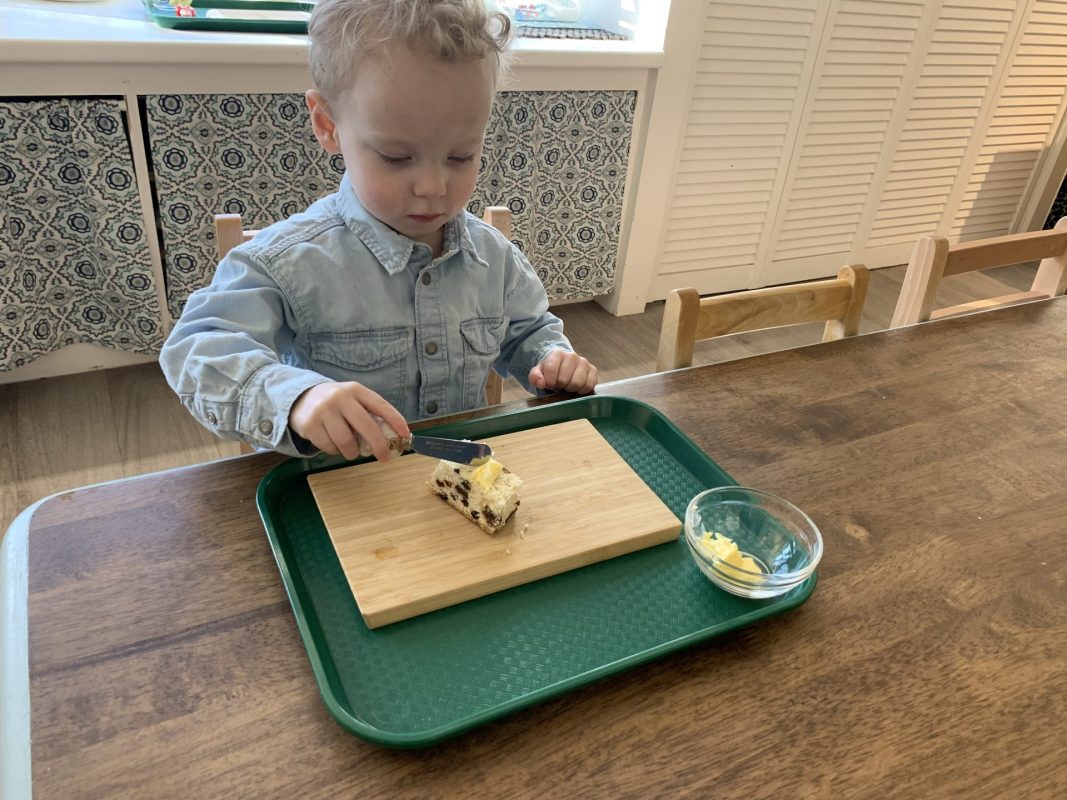
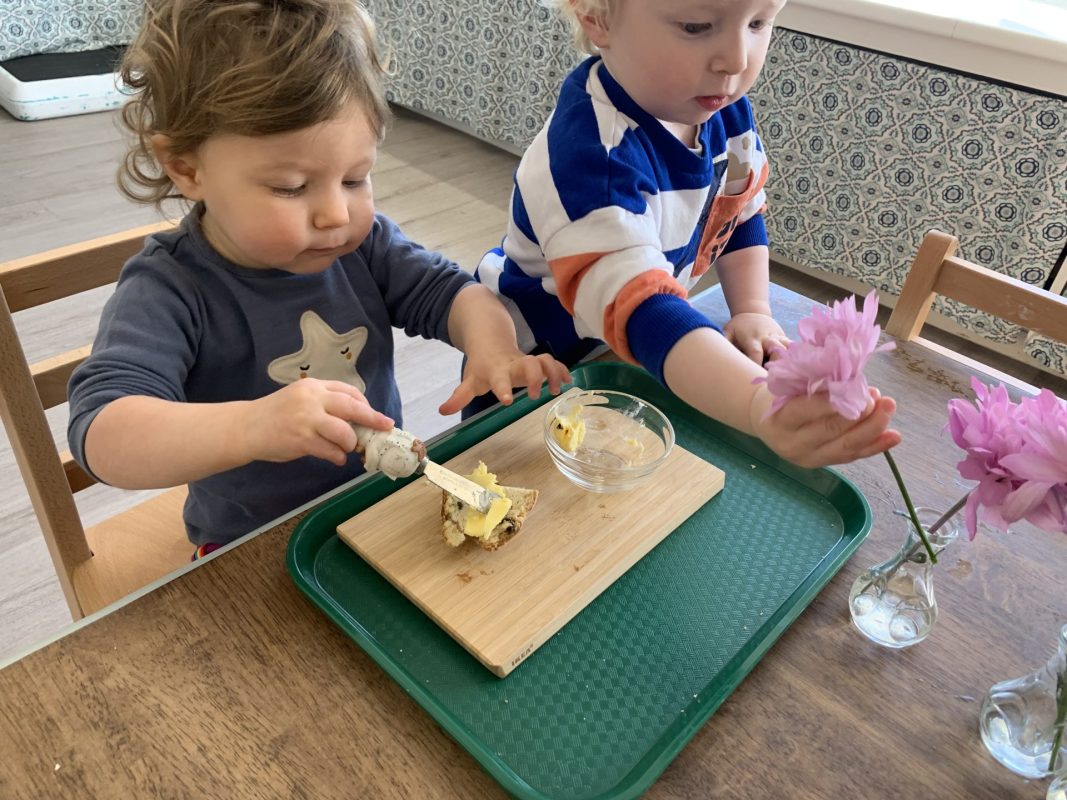
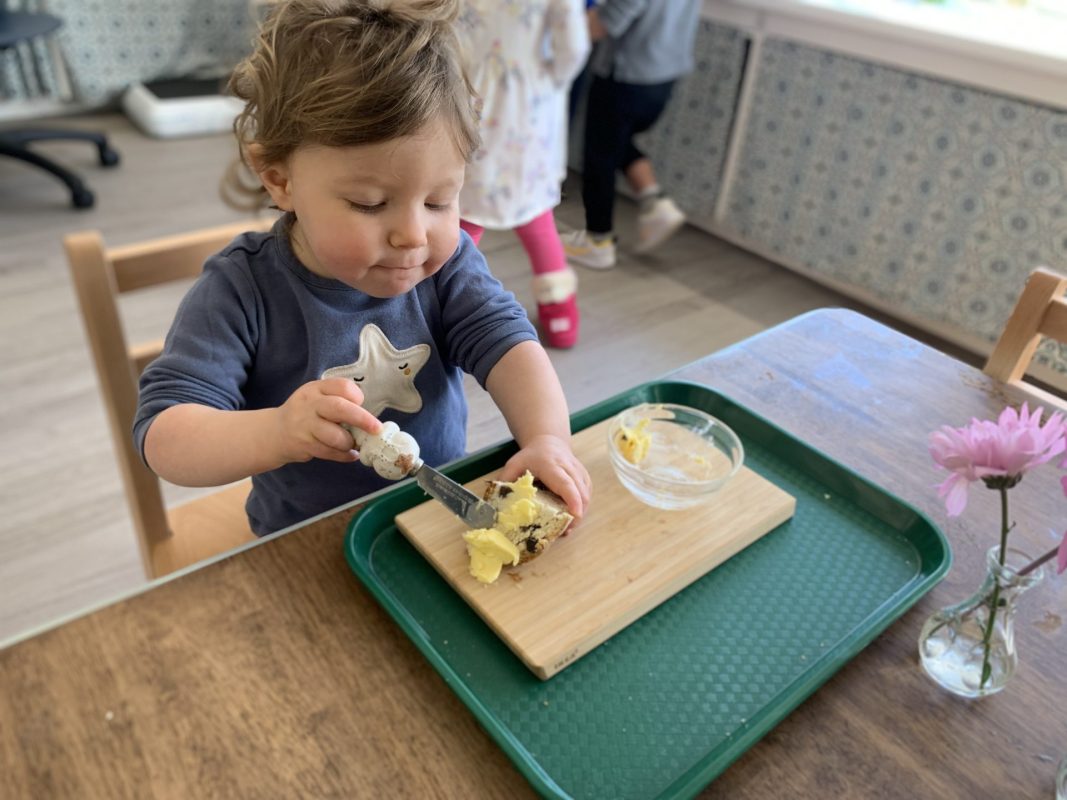
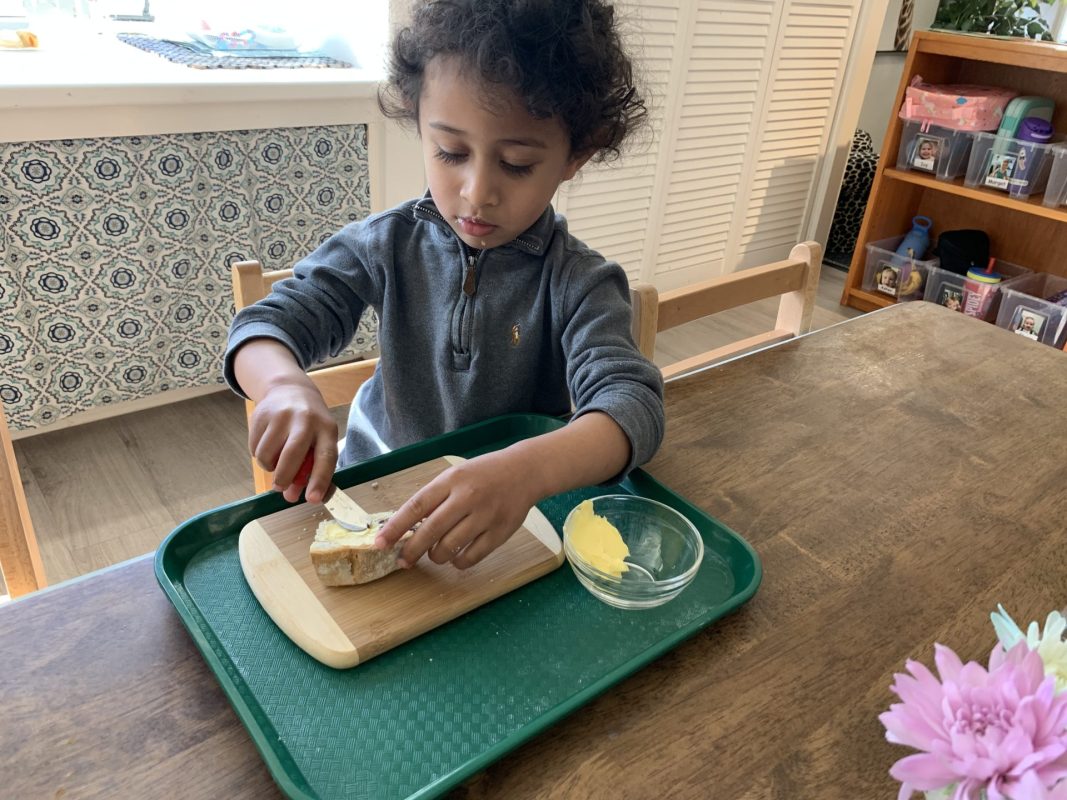
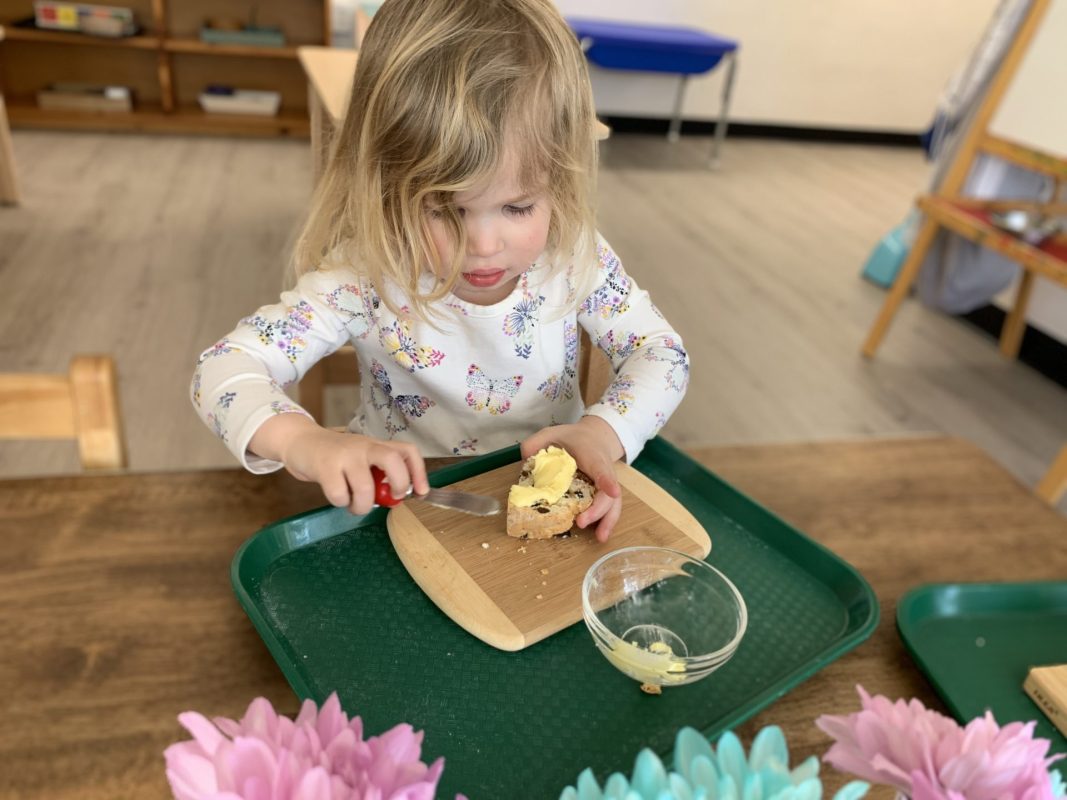
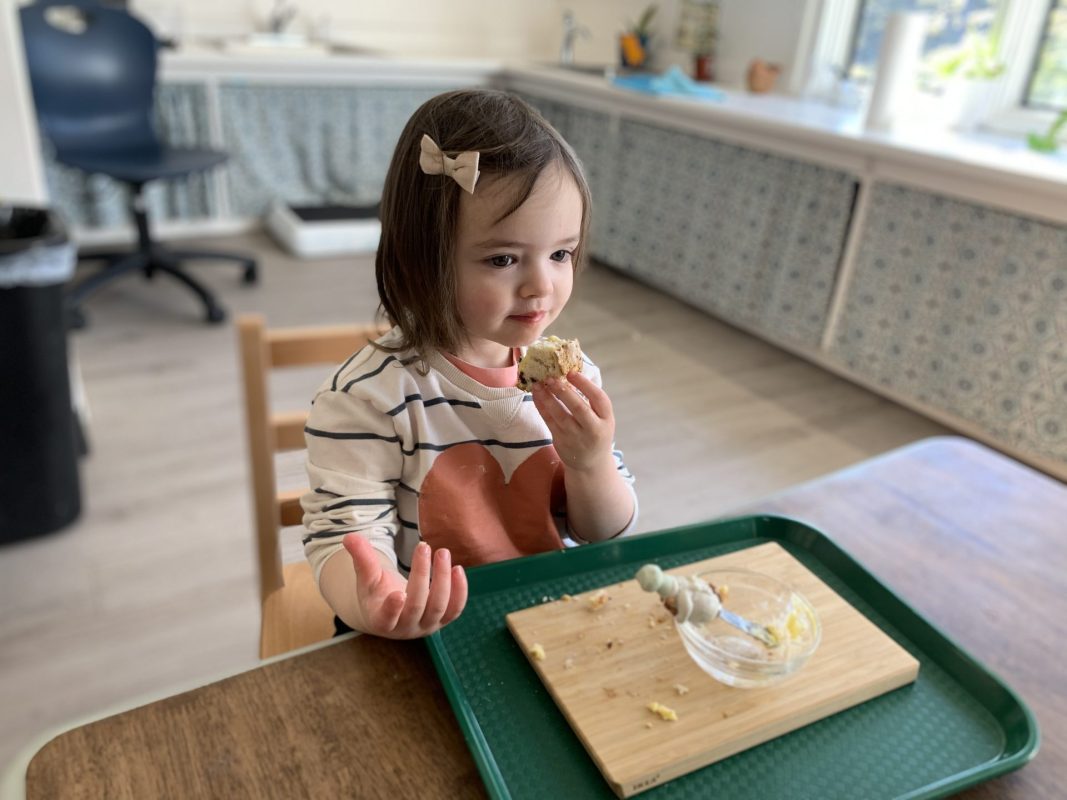
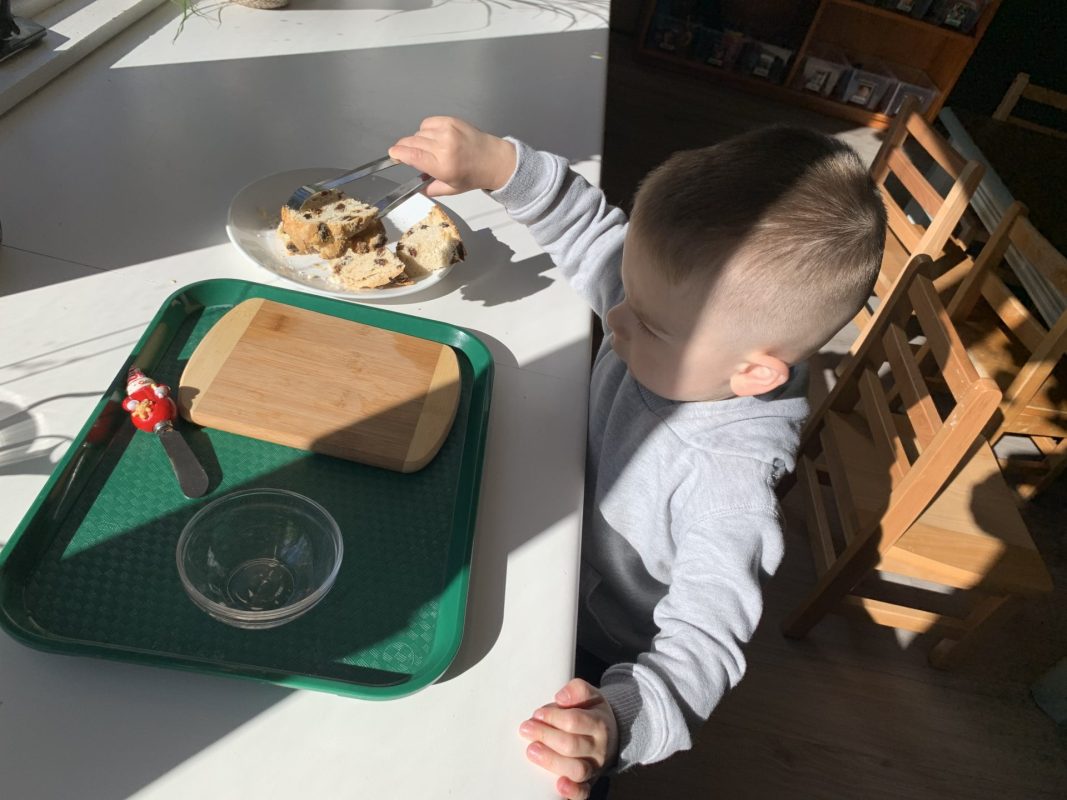
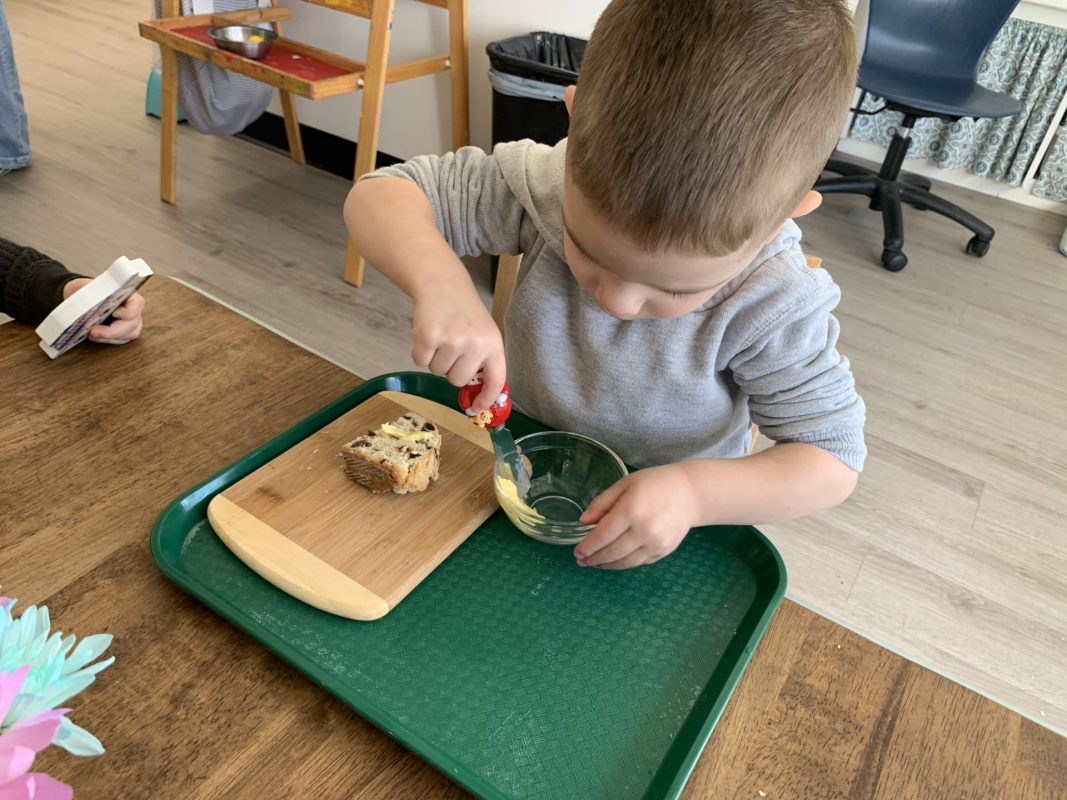
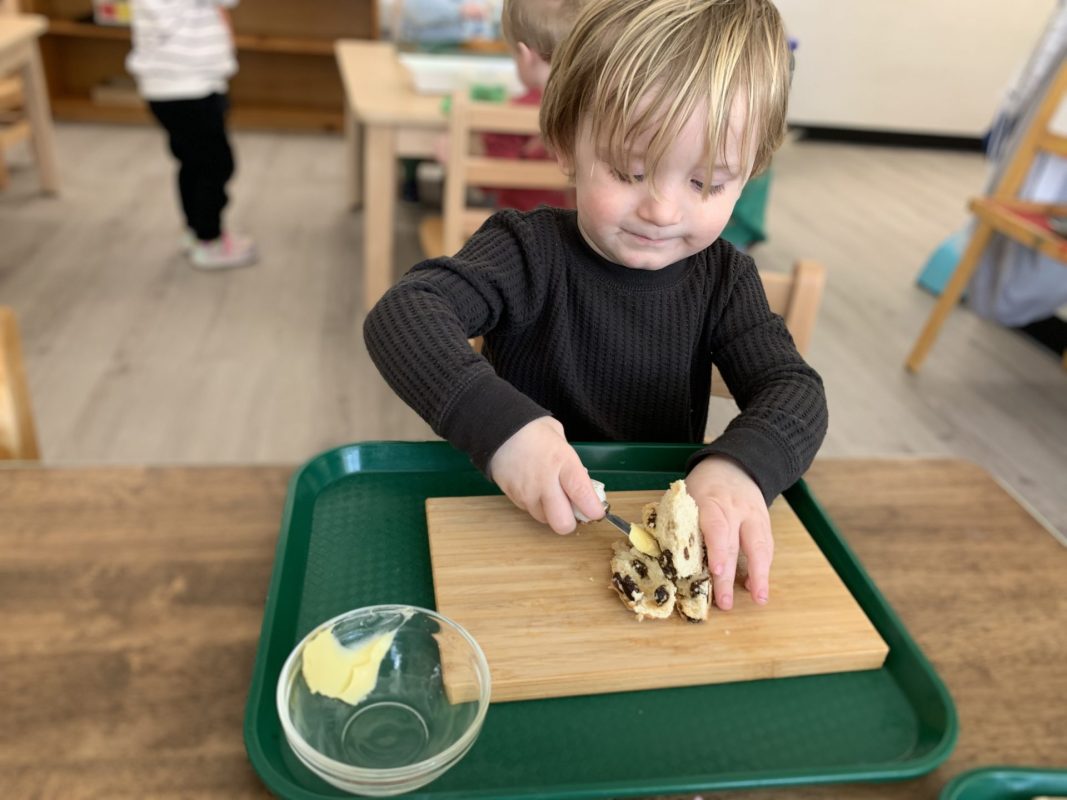
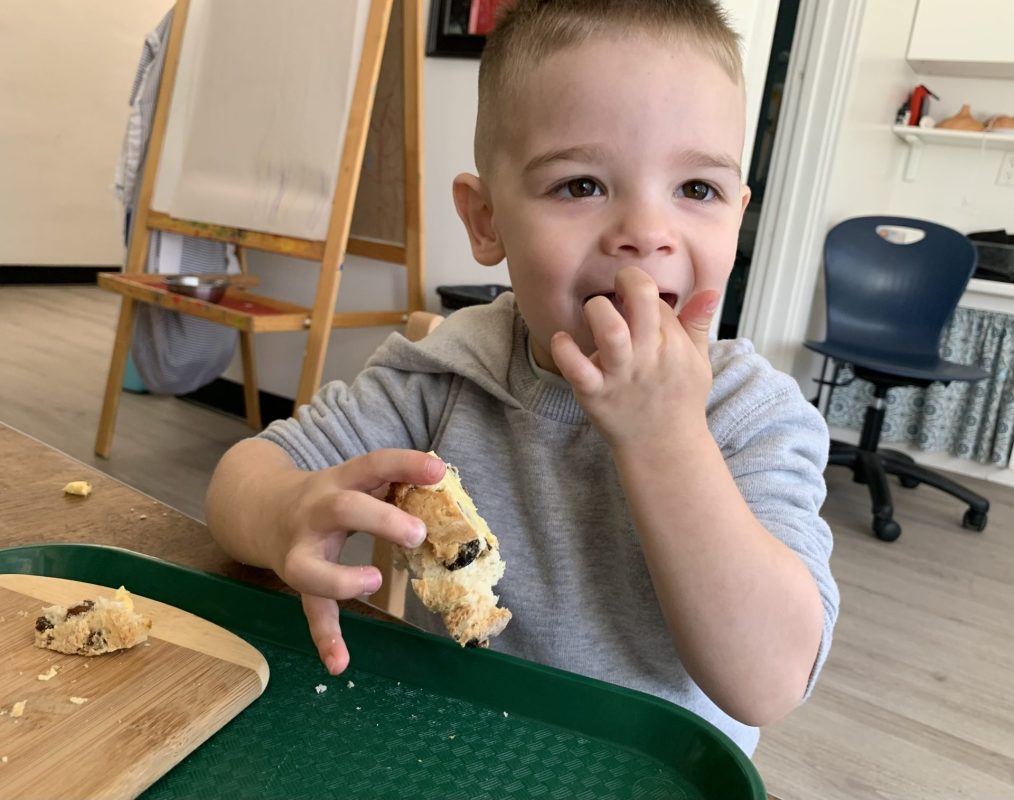
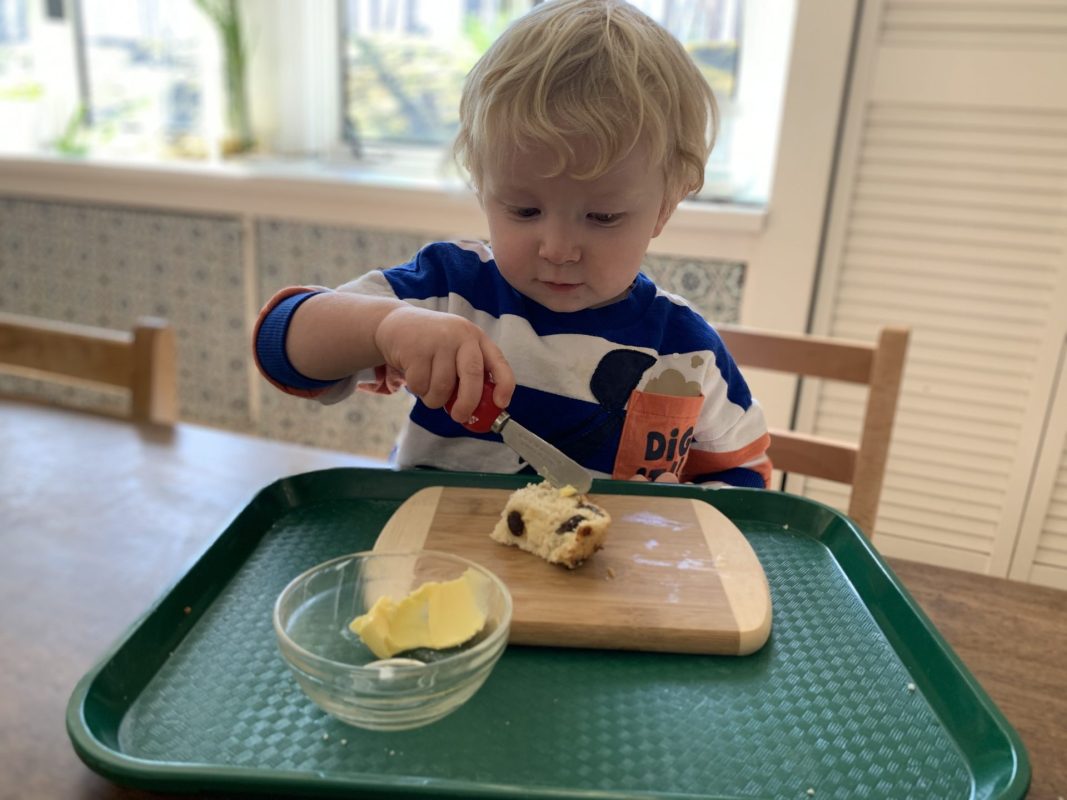
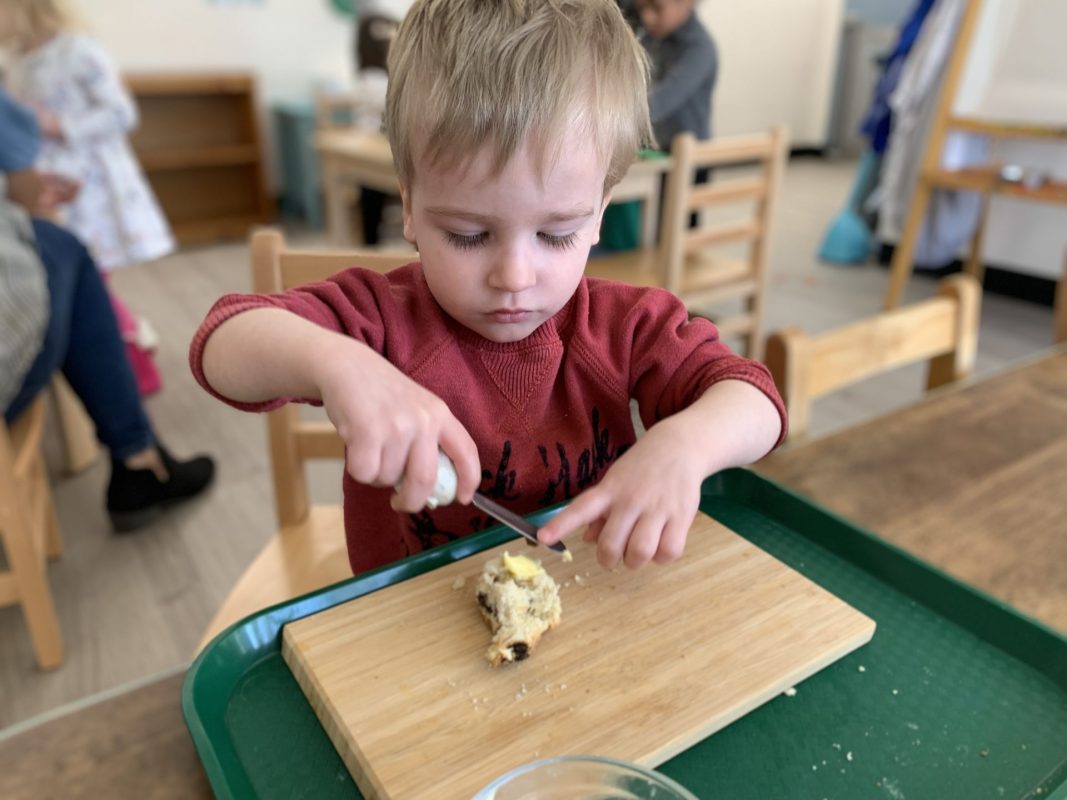
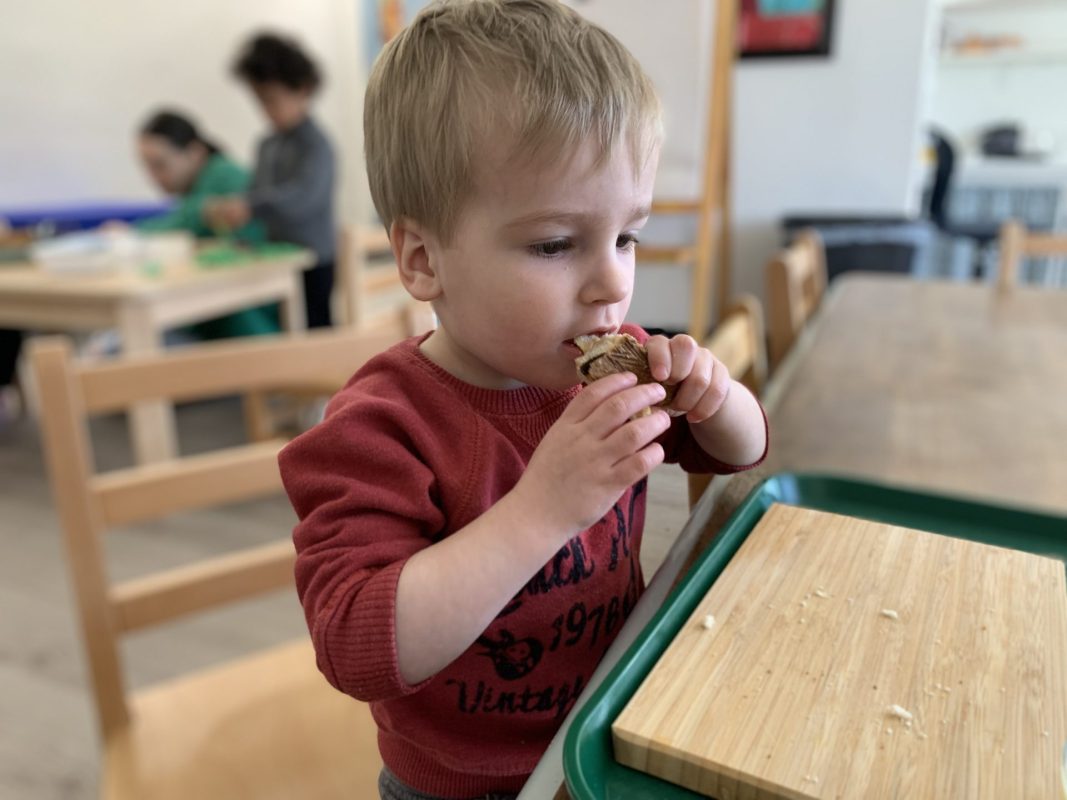
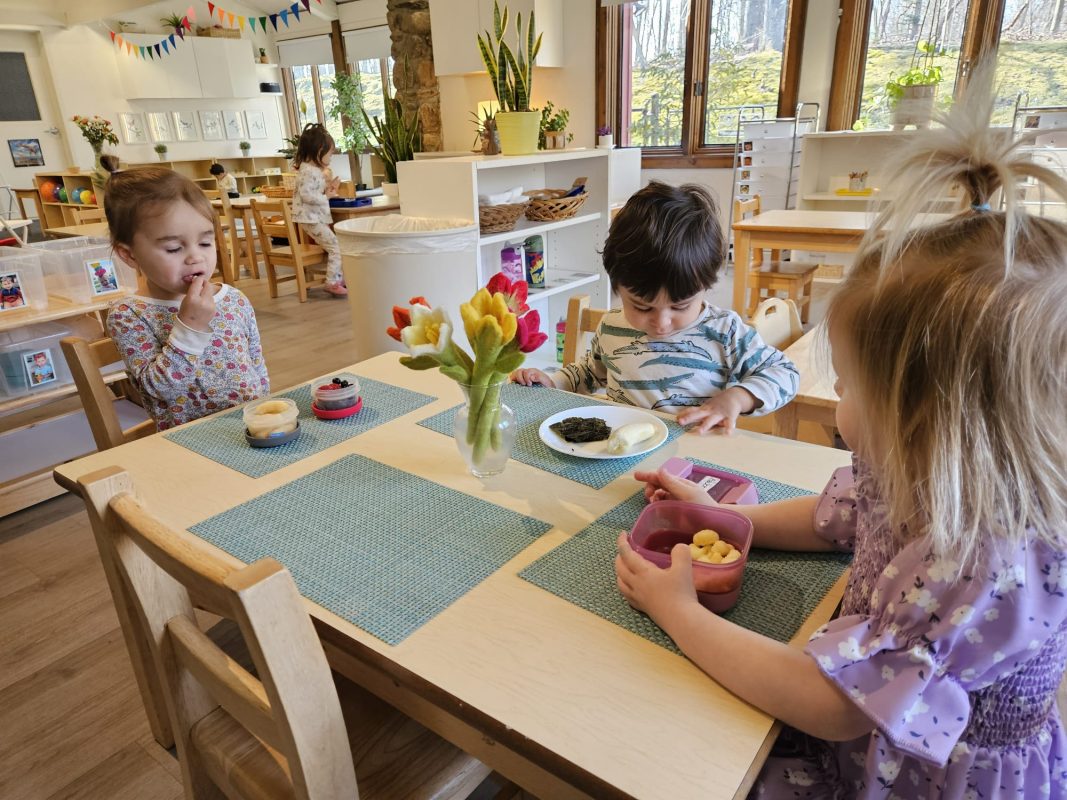
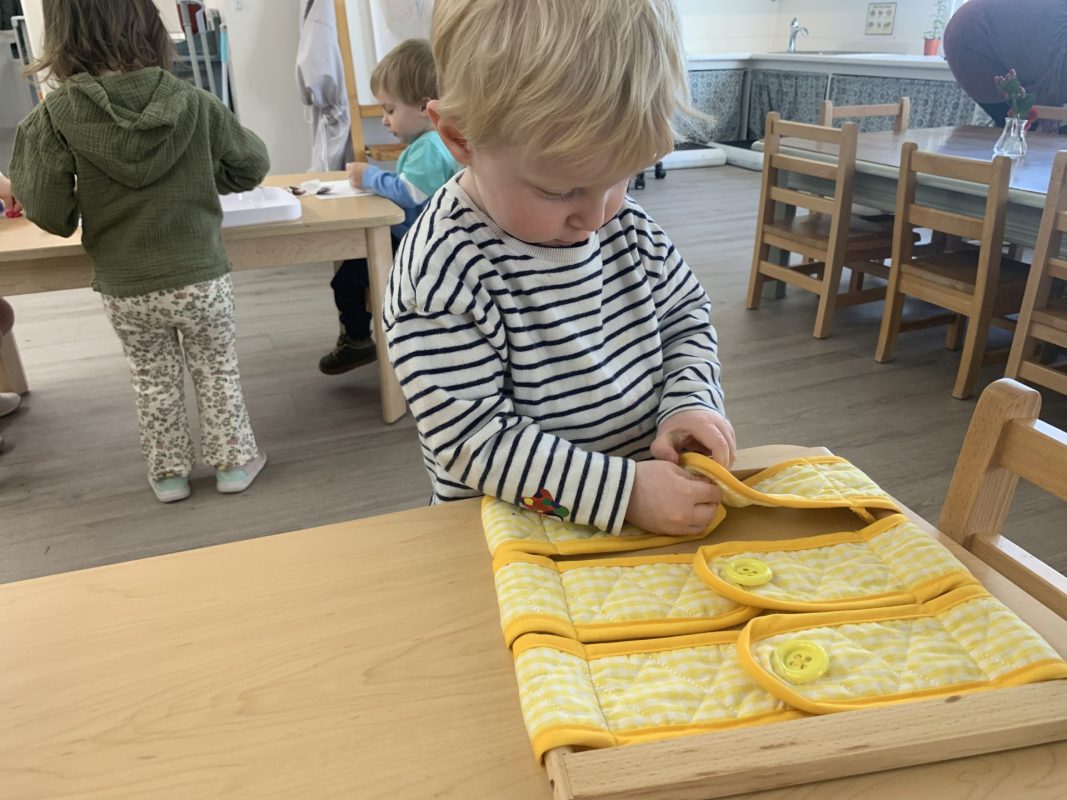
Food tasting is a valuable experiential learning activity for toddlers in Montessori classes. First, it encourages sensory exploration, allowing toddlers to engage their senses and develop their sensory perception and vocabulary. Additionally, the guessing games during the tasting foster cognitive development, encouraging toddlers to think and make connections between their senses and the object being explored. Furthermore, communal food tasting promotes socialization and cooperation, allowing toddlers to develop important social skills such as taking turns. Finally, incorporating food preparation into the curriculum aligns with the Montessori philosophy of promoting independence and practical life skills. Toddlers gain a sense of accomplishment as they participate in the hands-on process of preparing their snacks, fostering a positive attitude towards healthy eating habits. In essence, food tasting in a Montessori toddler class provides a holistic learning experience, nurturing the physical, cognitive, and social development of young learners joyously and purposefully.

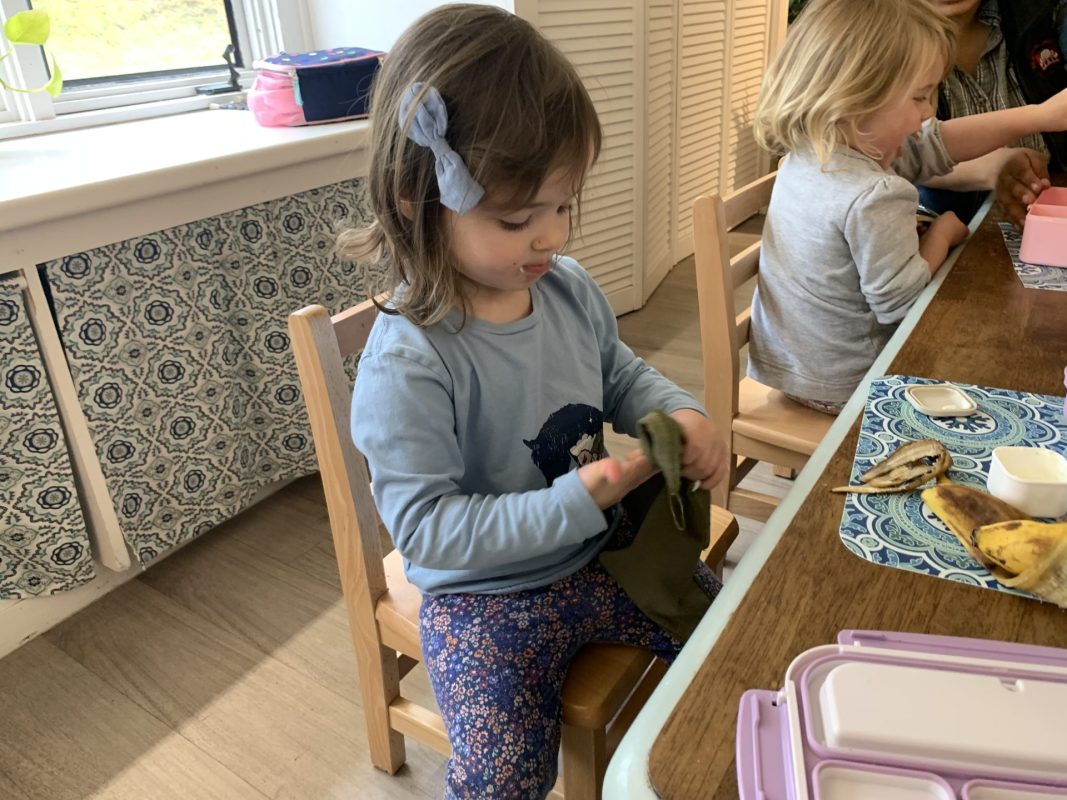
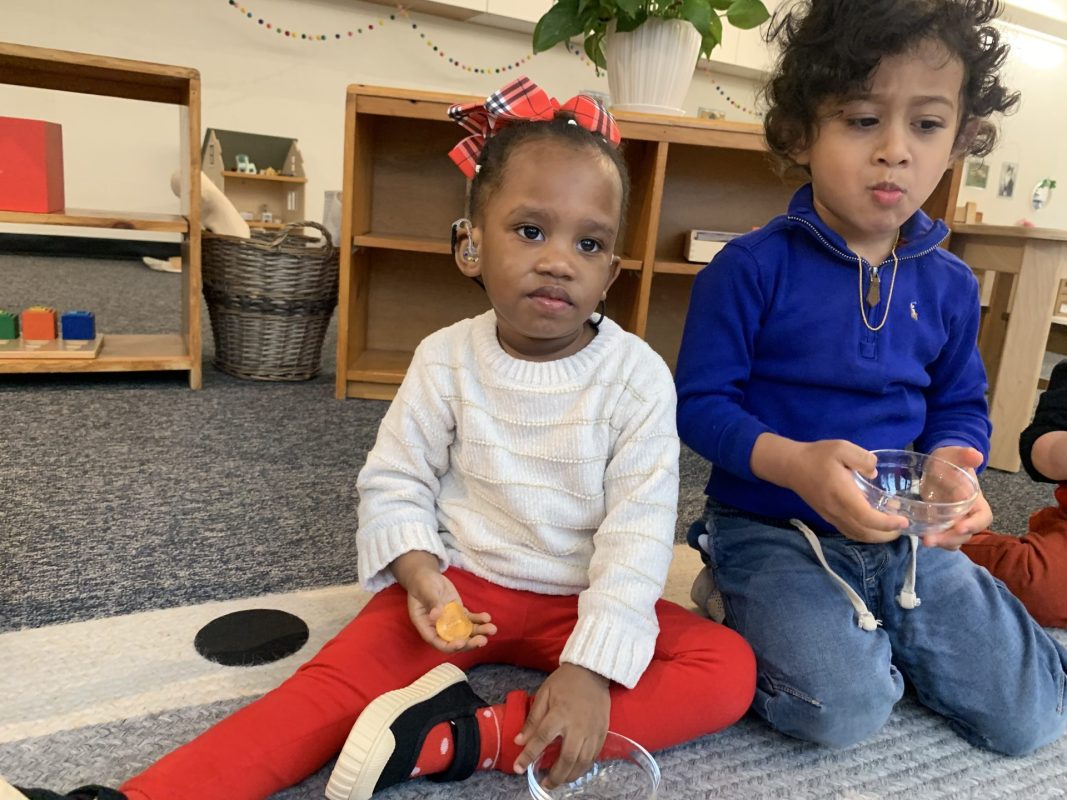
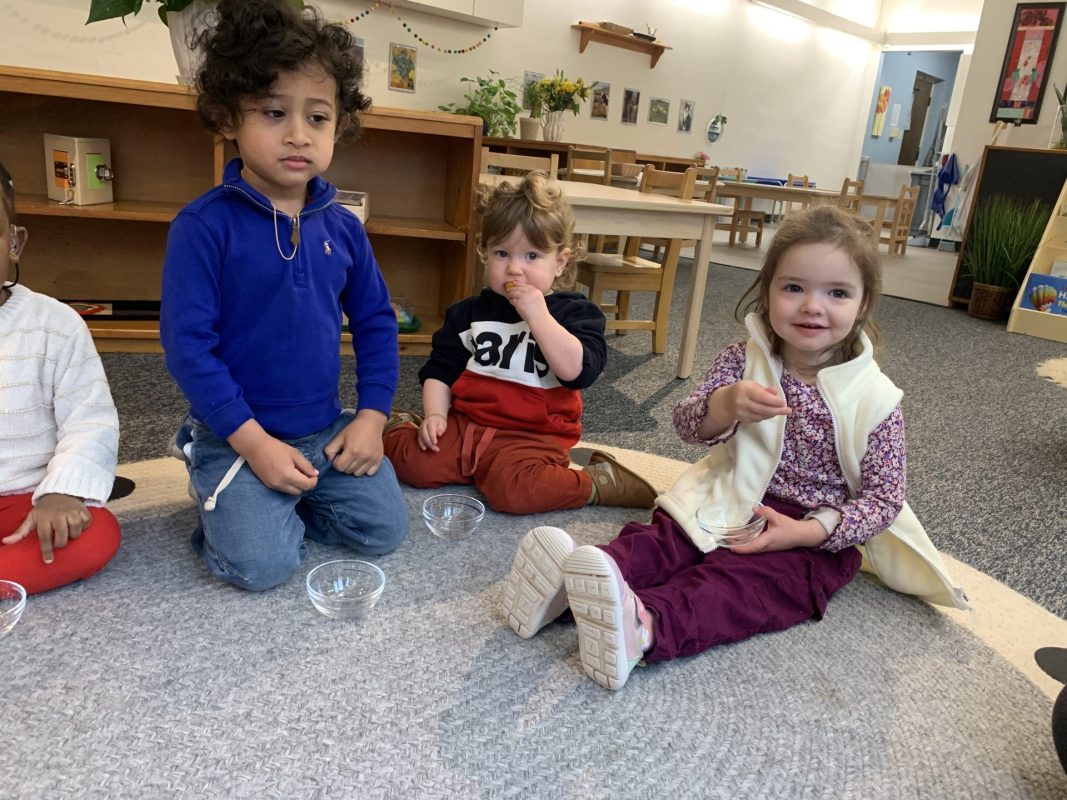
This week, we tasted clementines, and each child had a turn to peel, separate the segments, and serve their fruit onto a plate or bowl after we demonstrated and tasted it together.


Mrs. Sargeant: A Peek at the Week

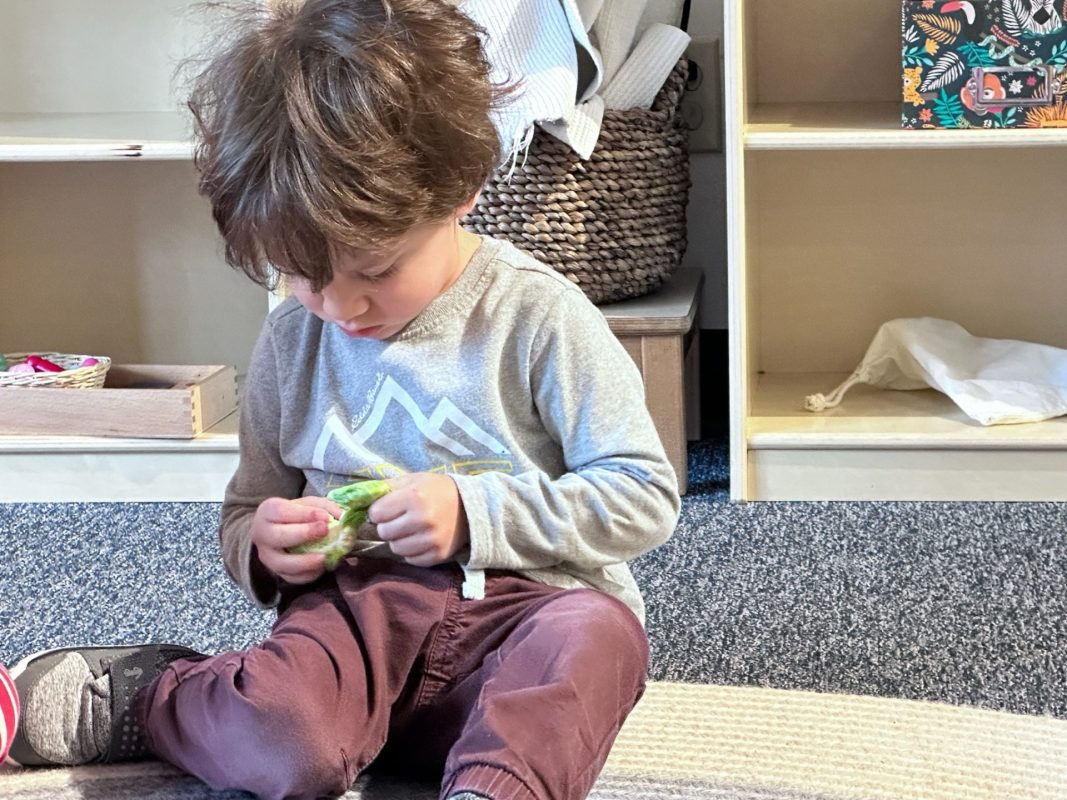
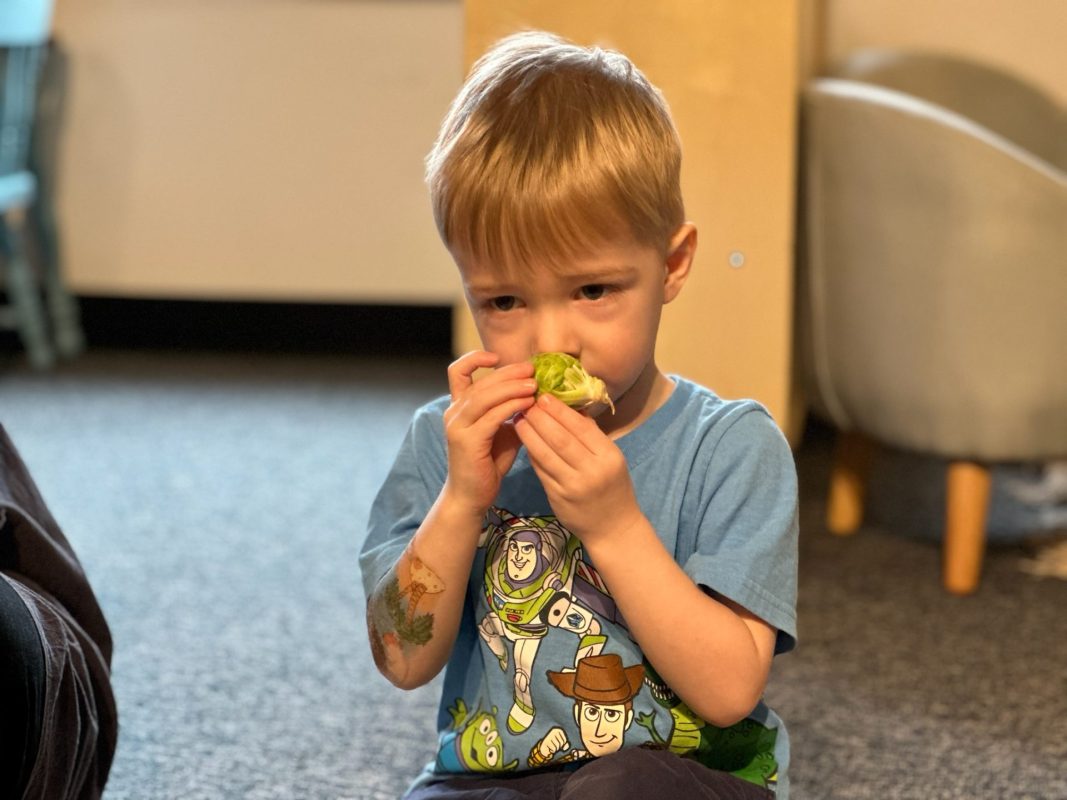
The week flew by! We tried broccoli. Raw did not go over very well, but the steamed broccoli was a hit! 

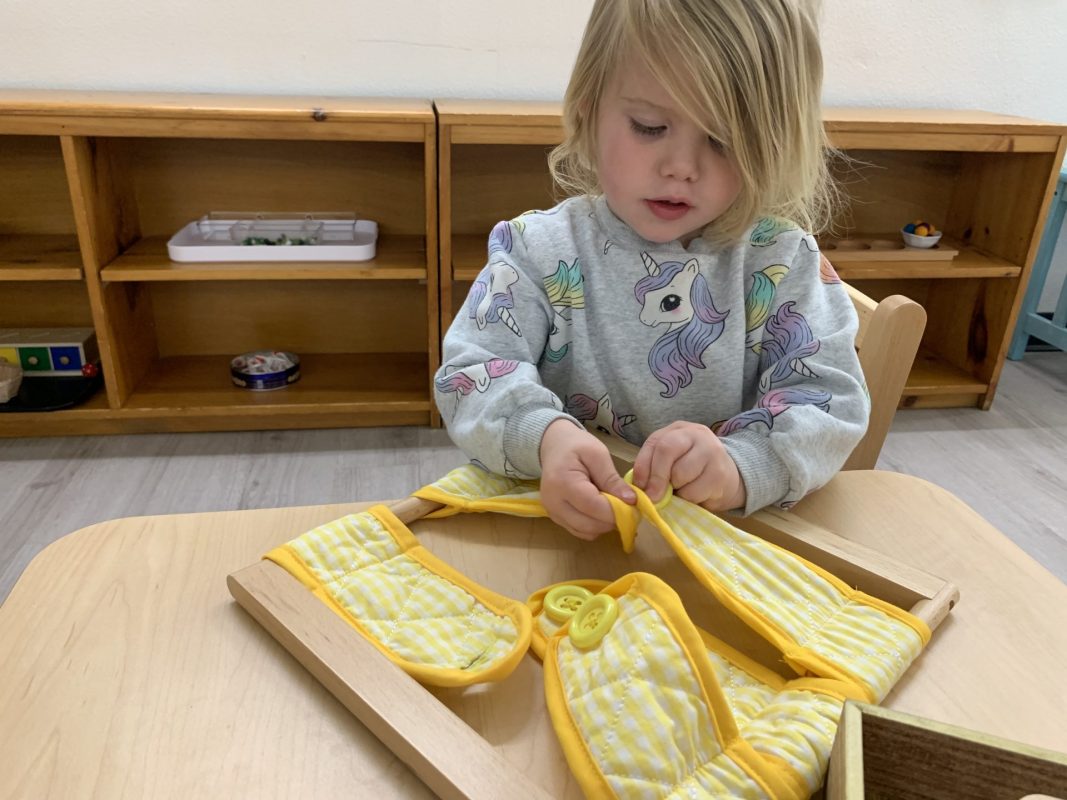
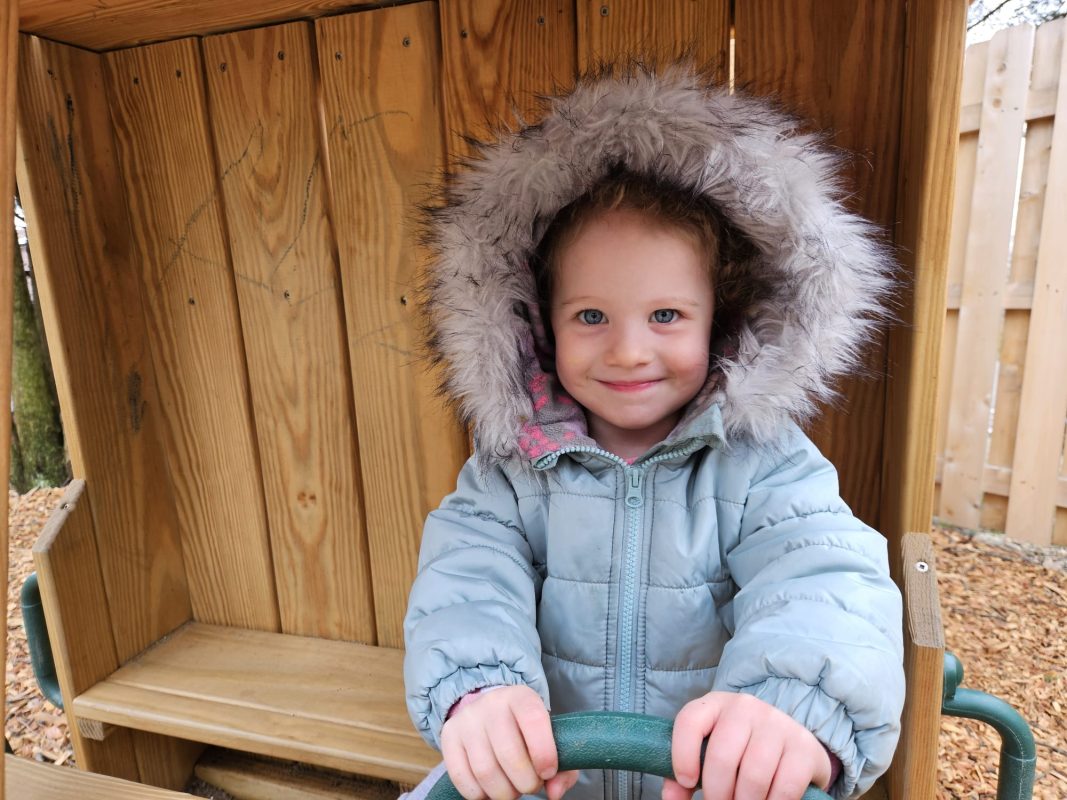
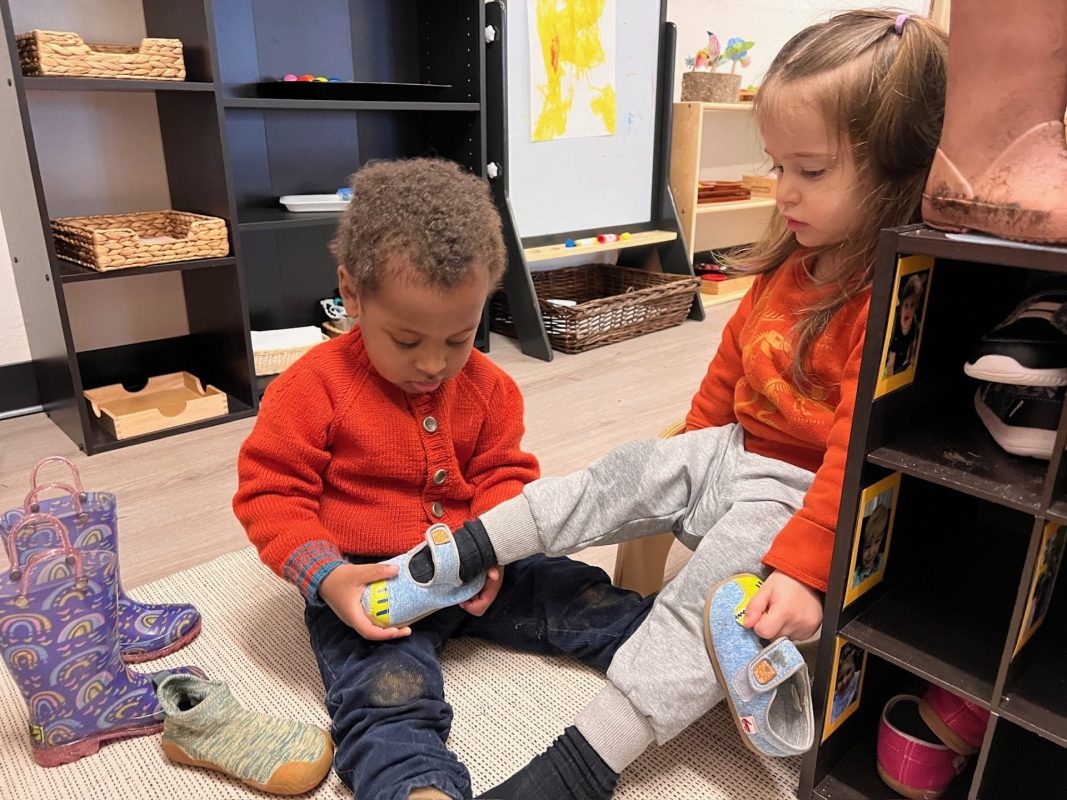
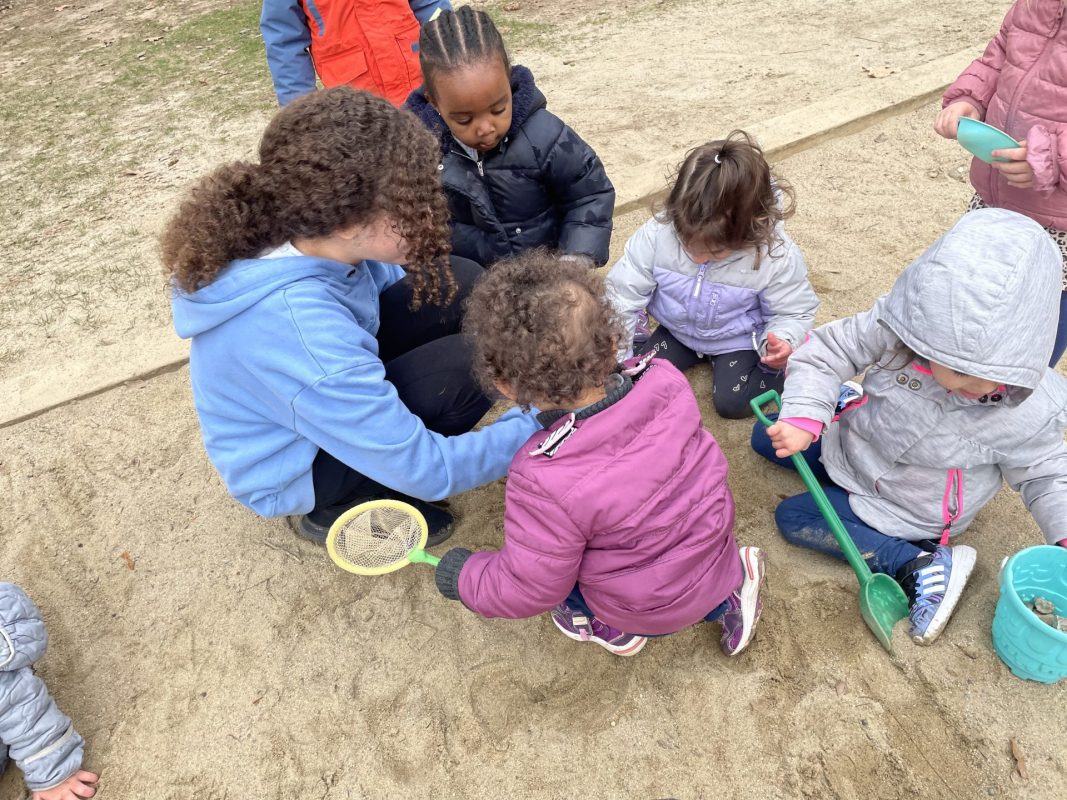
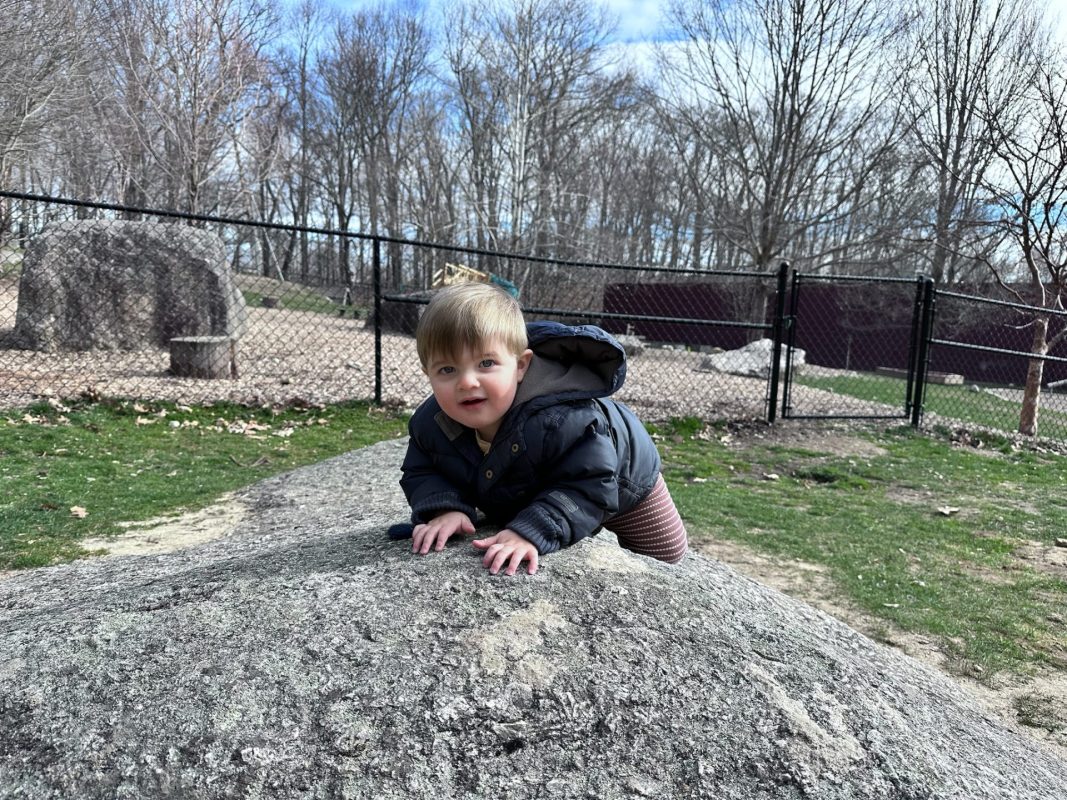
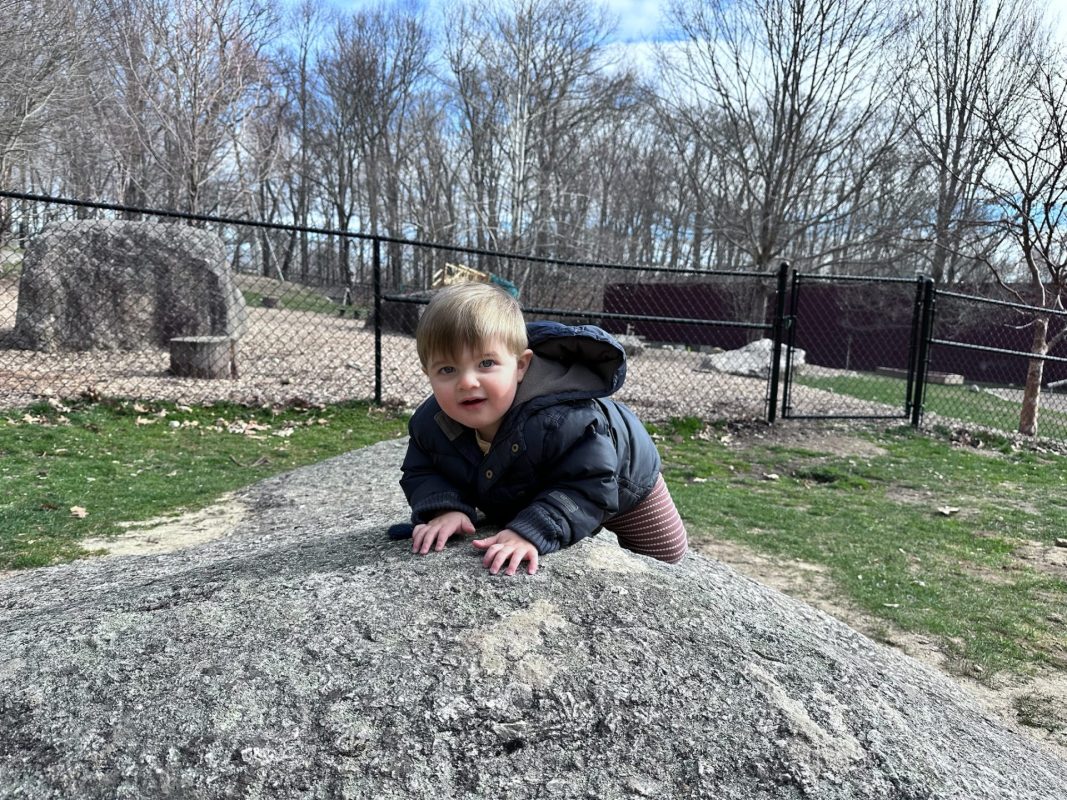
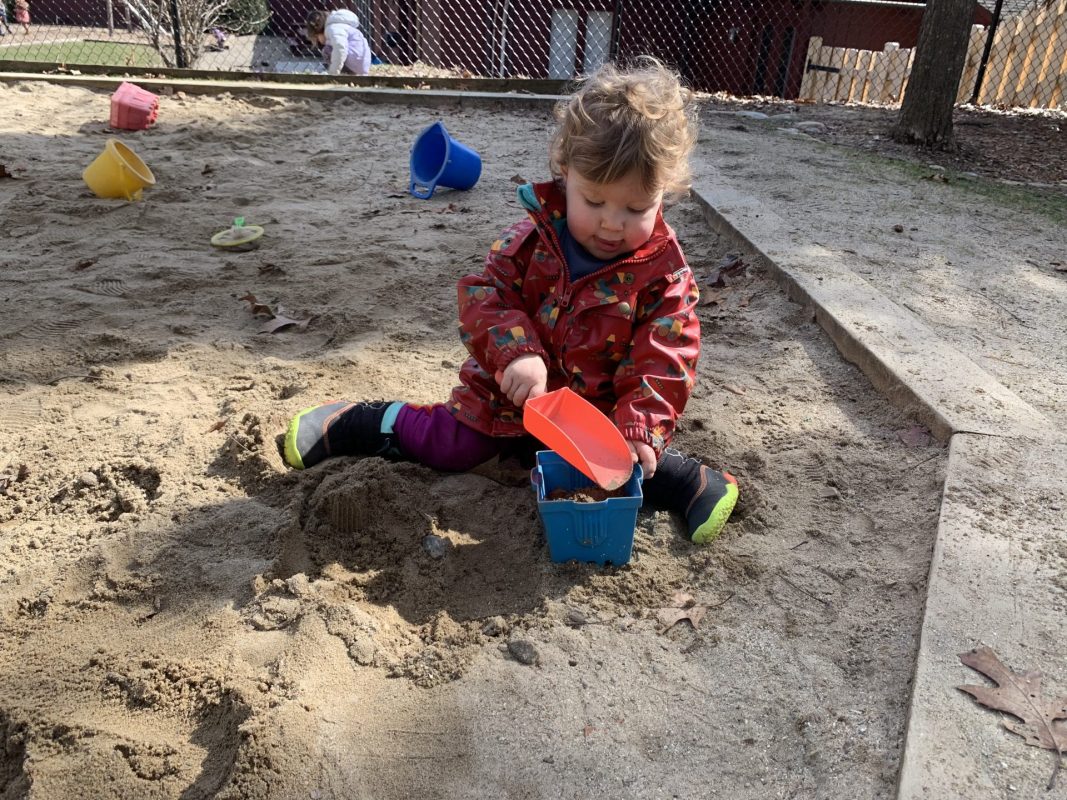
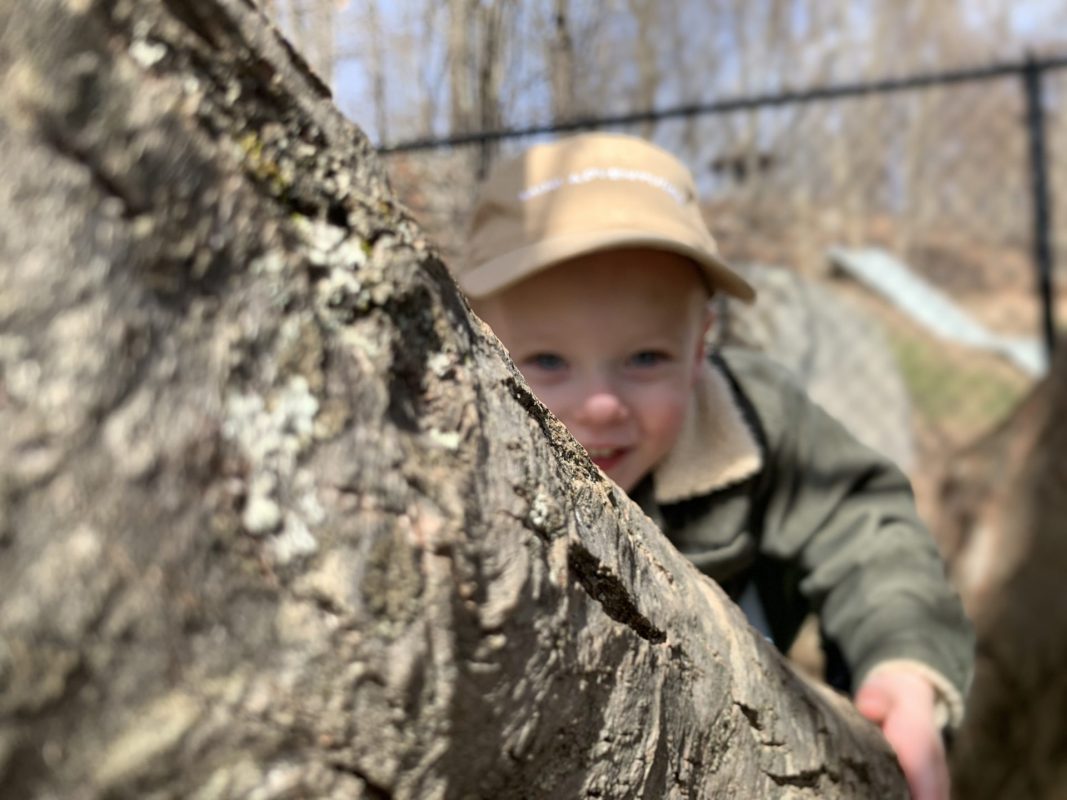
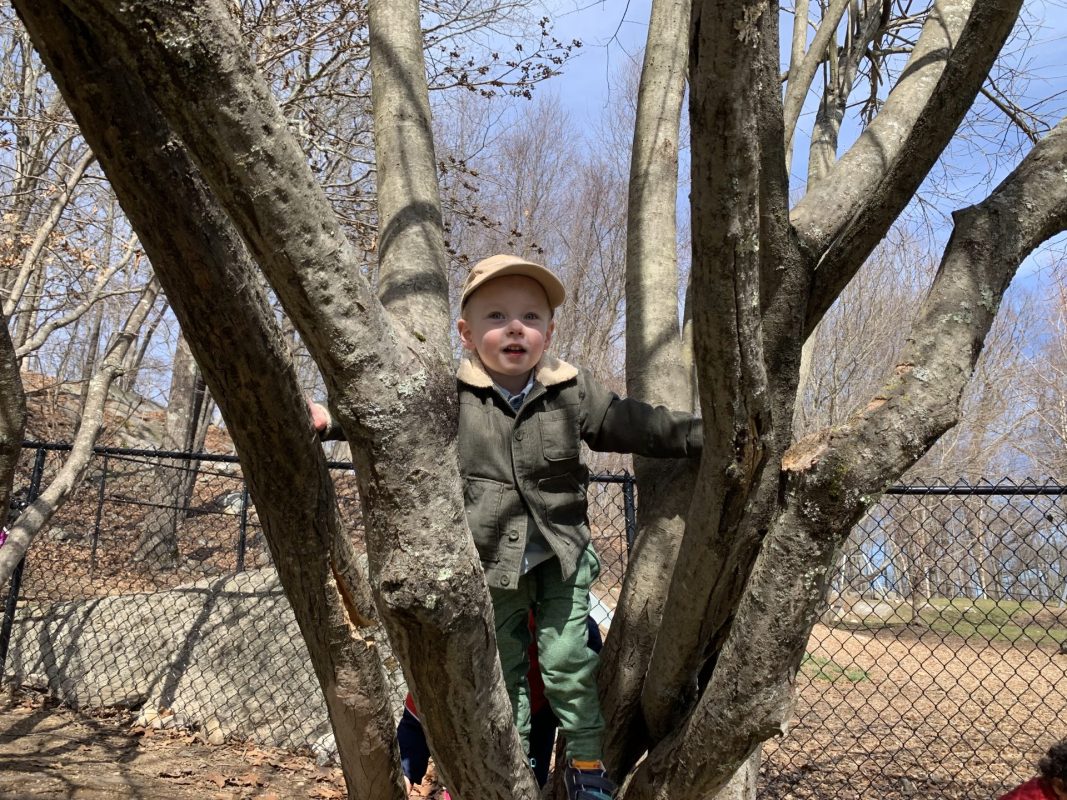
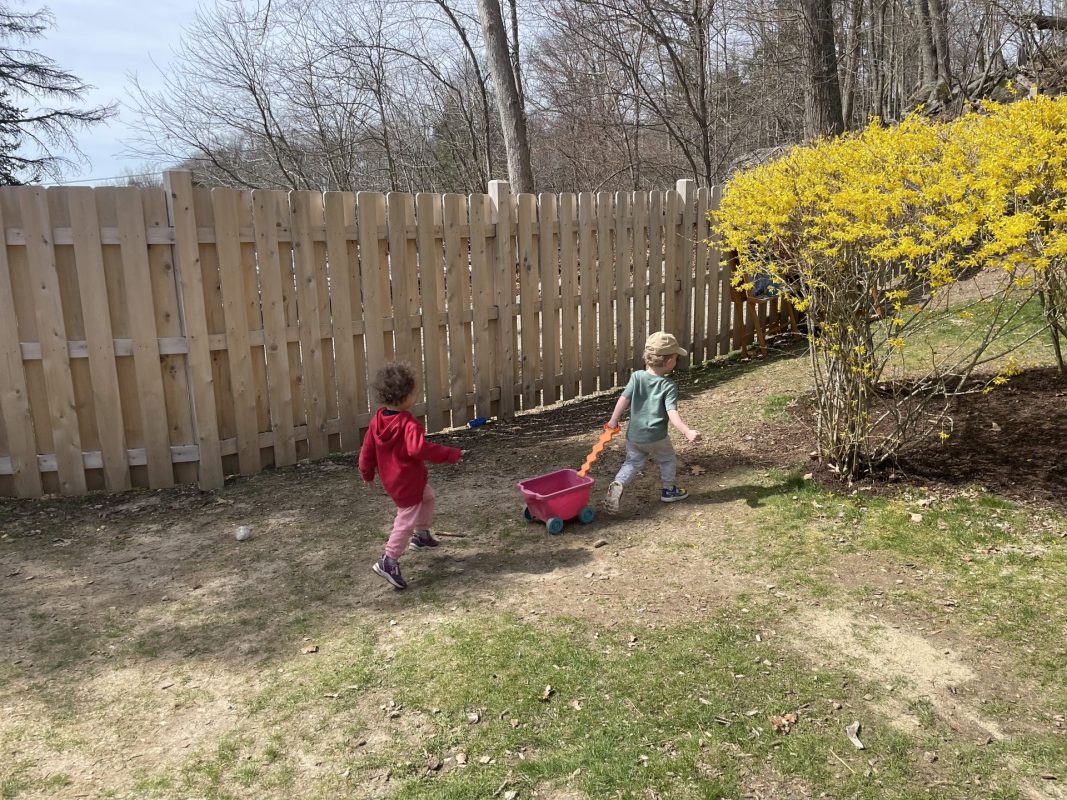
We were thrilled to have a few warmer days to enjoy on the playground. The children are becoming much more independent in dressing themselves for the outdoors. Zipping one’s own coat can be quite tricky. We tend to get the zipper started for the children, then encourage them to zip it the rest of the way up. Many of the children are now able to get their coats on and off independently as well. Has your child shown you the special ‘flip’ that we do at school? They stand by their hood (or toes to tag if they have no hood), put their arms into the arm holes, and flip the coat over their head, beaming with pride upon completion. Taking their coats off can be a bit tricky as well. Rather than jumping in to complete the task for them, we tend to help the children just a little in order to set them up for success. For example, help the child to take one hand out of their coat. Then, that hand is free for them to use to take off the other side. I often tell them that we work as a team to get the job done. We can see on their faces that they feel empowered even in the tasks that we adults may consider small.

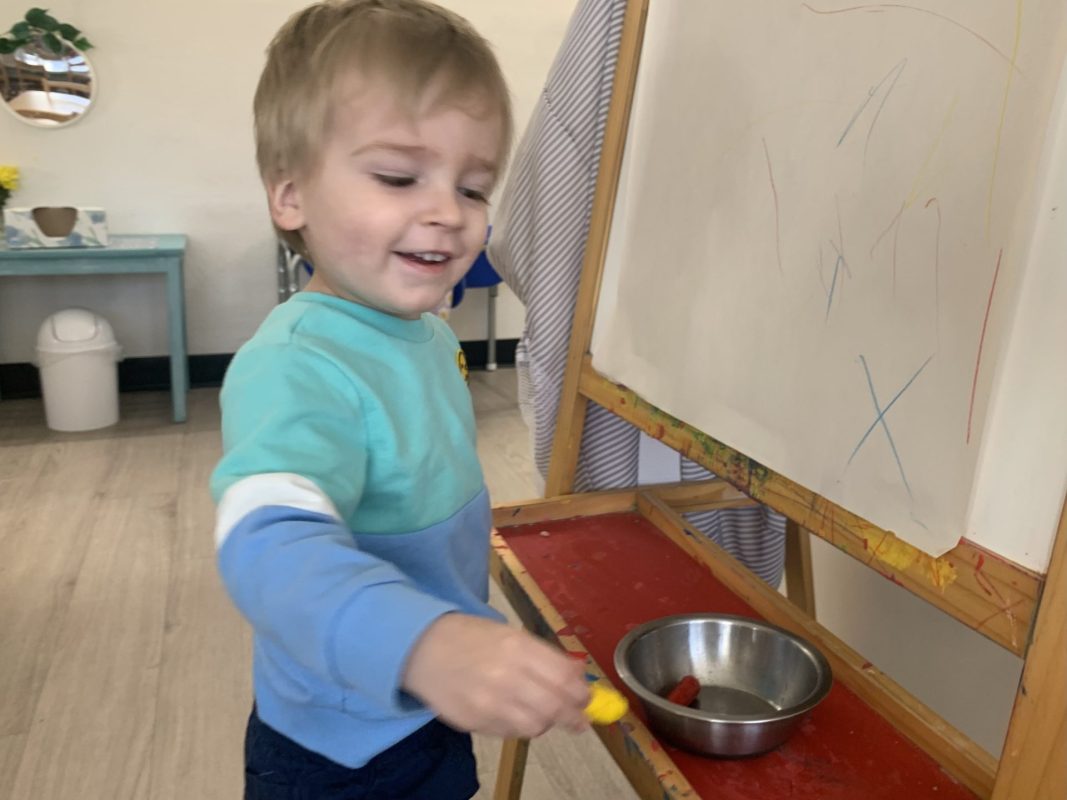
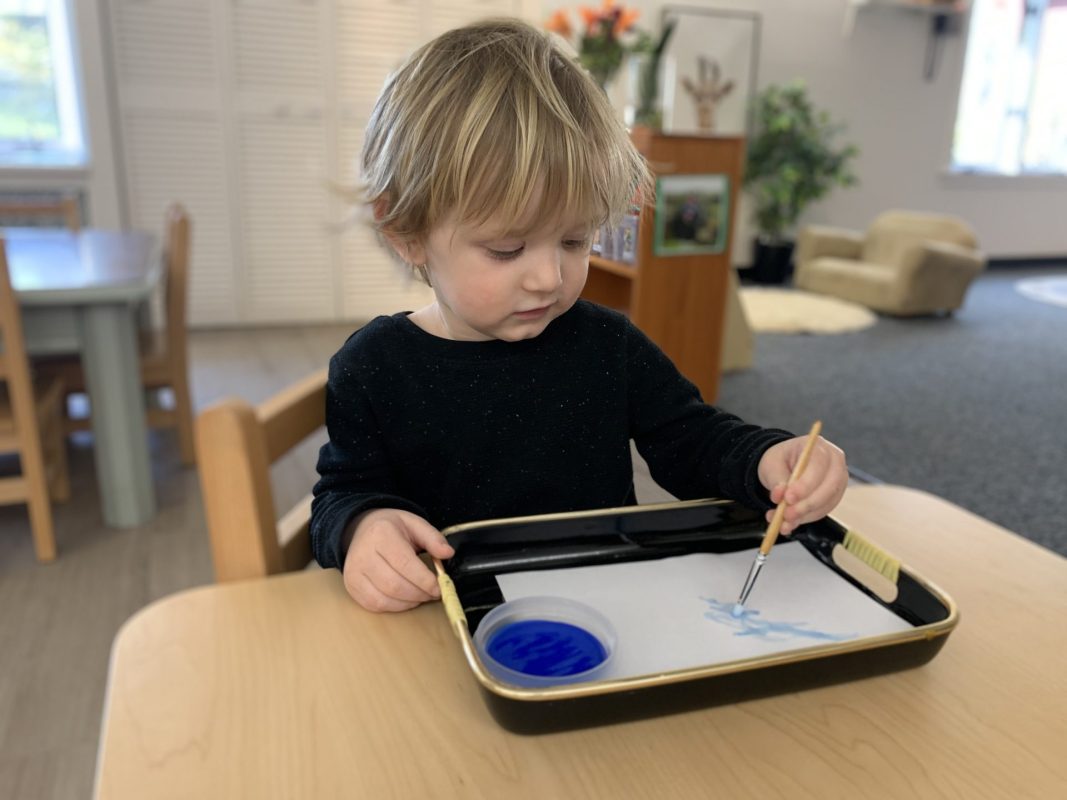
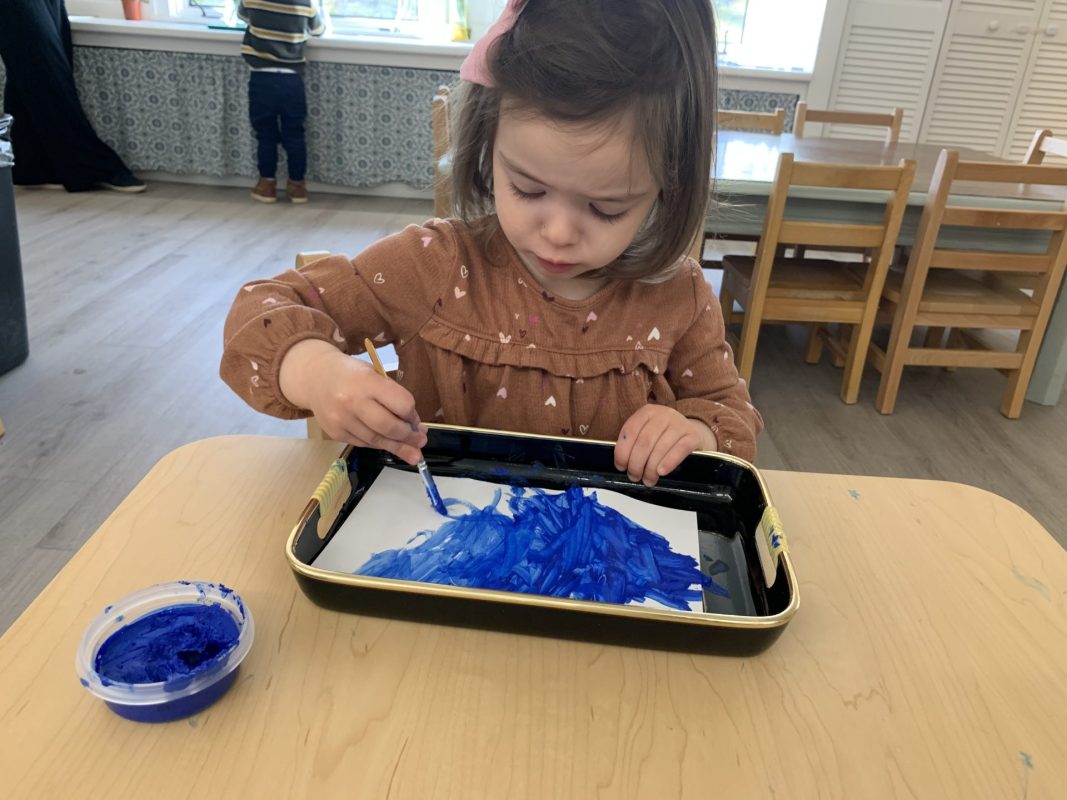
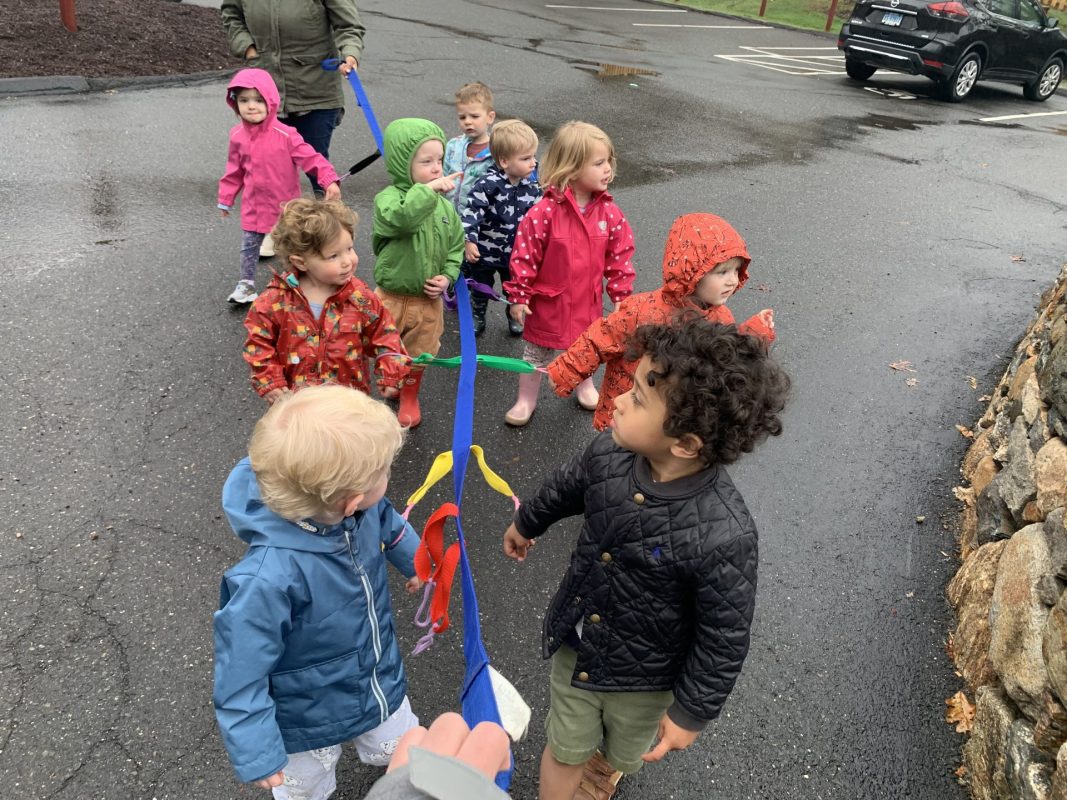
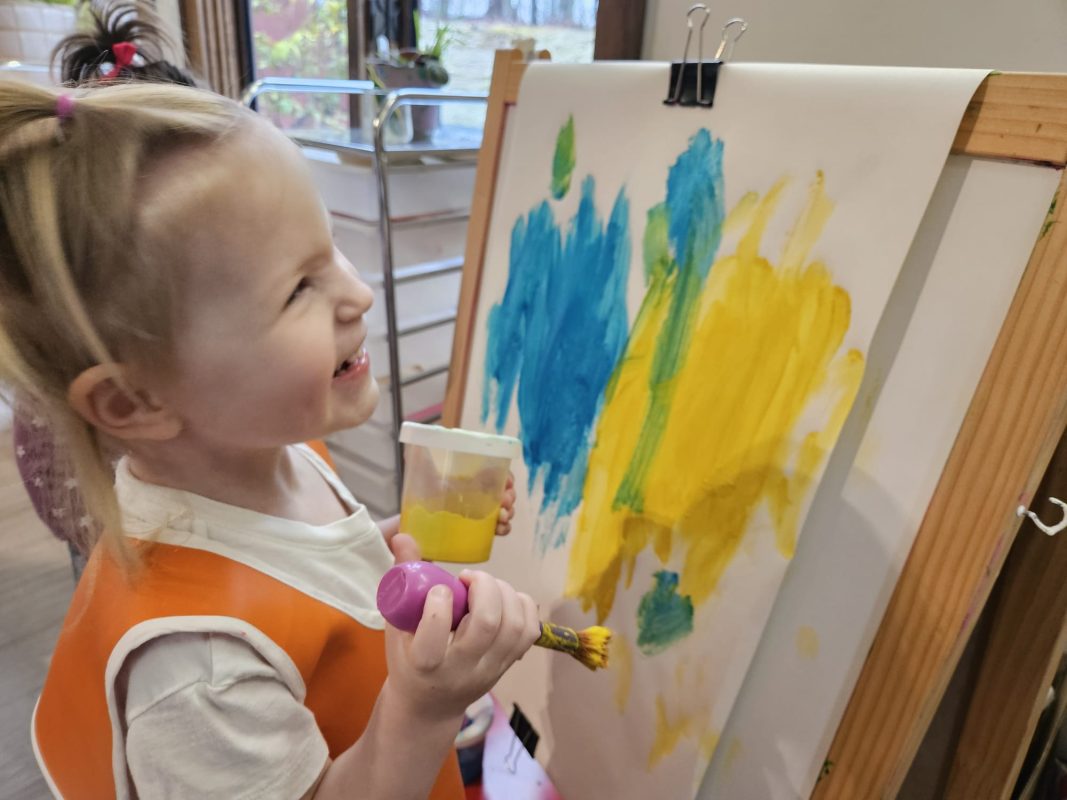
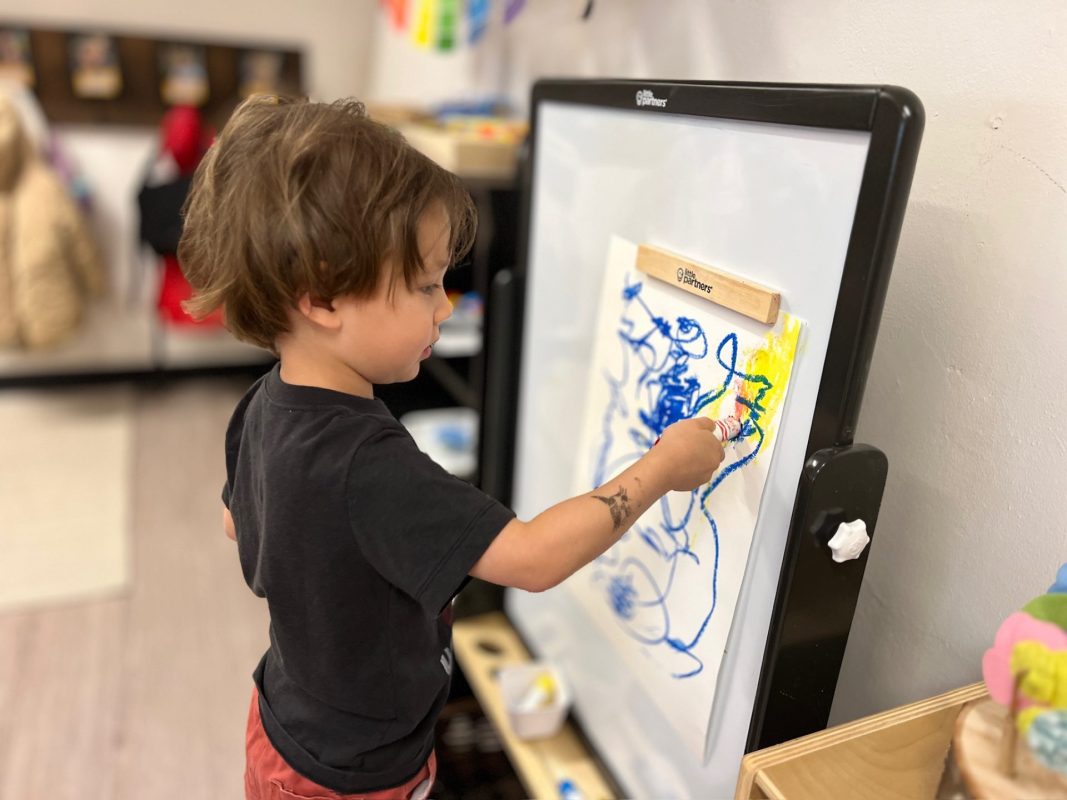
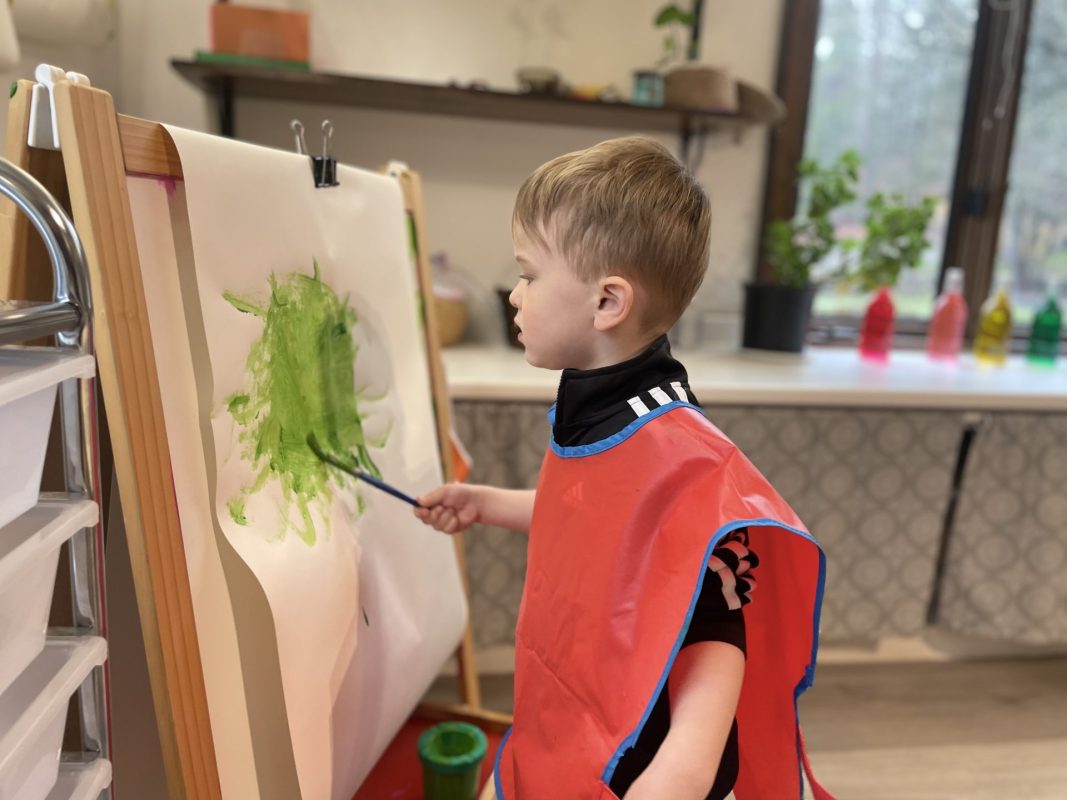
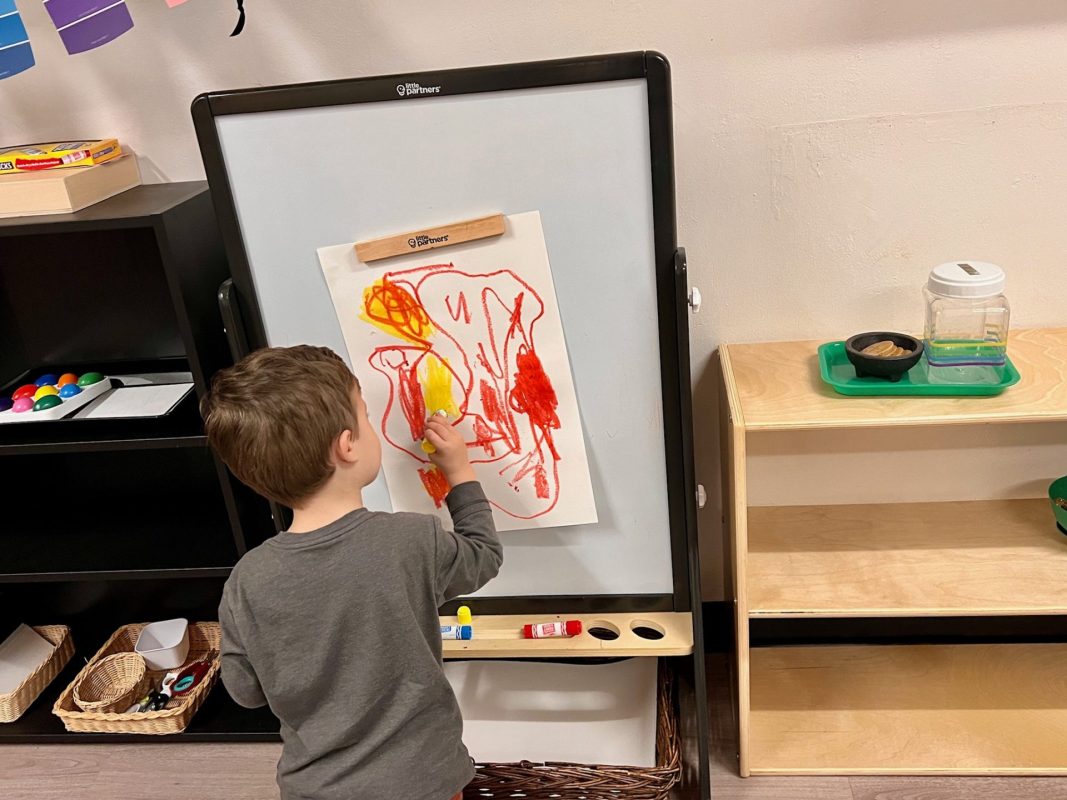
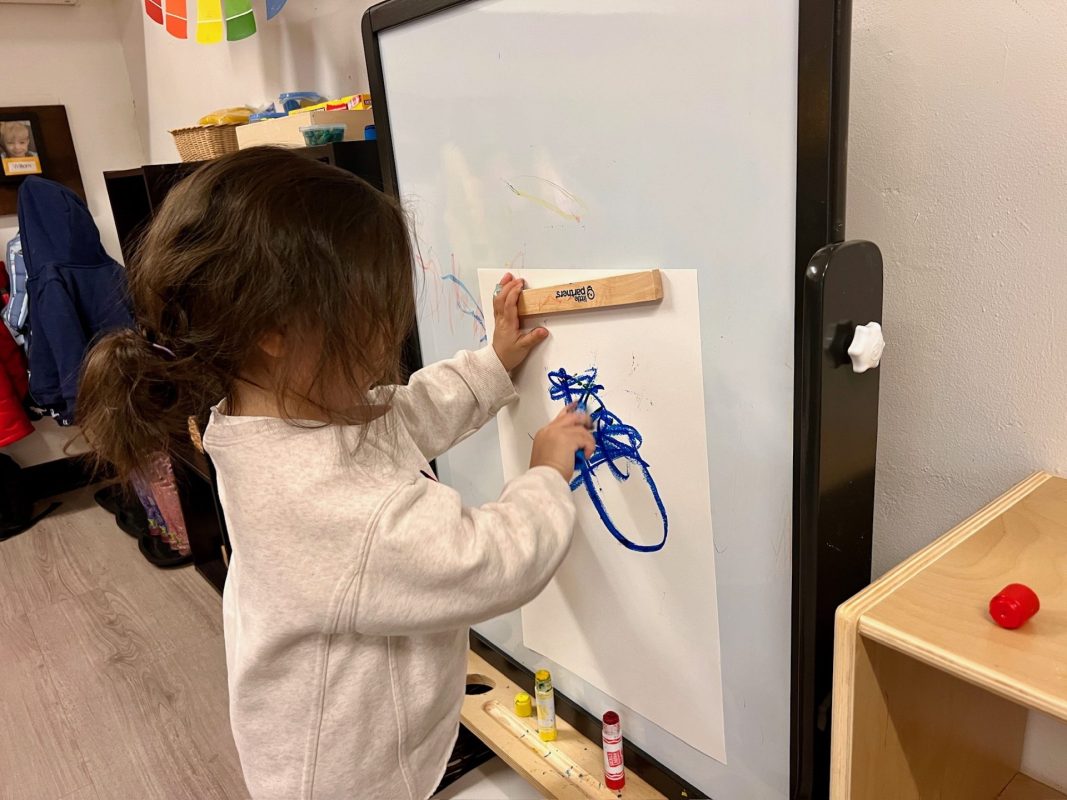
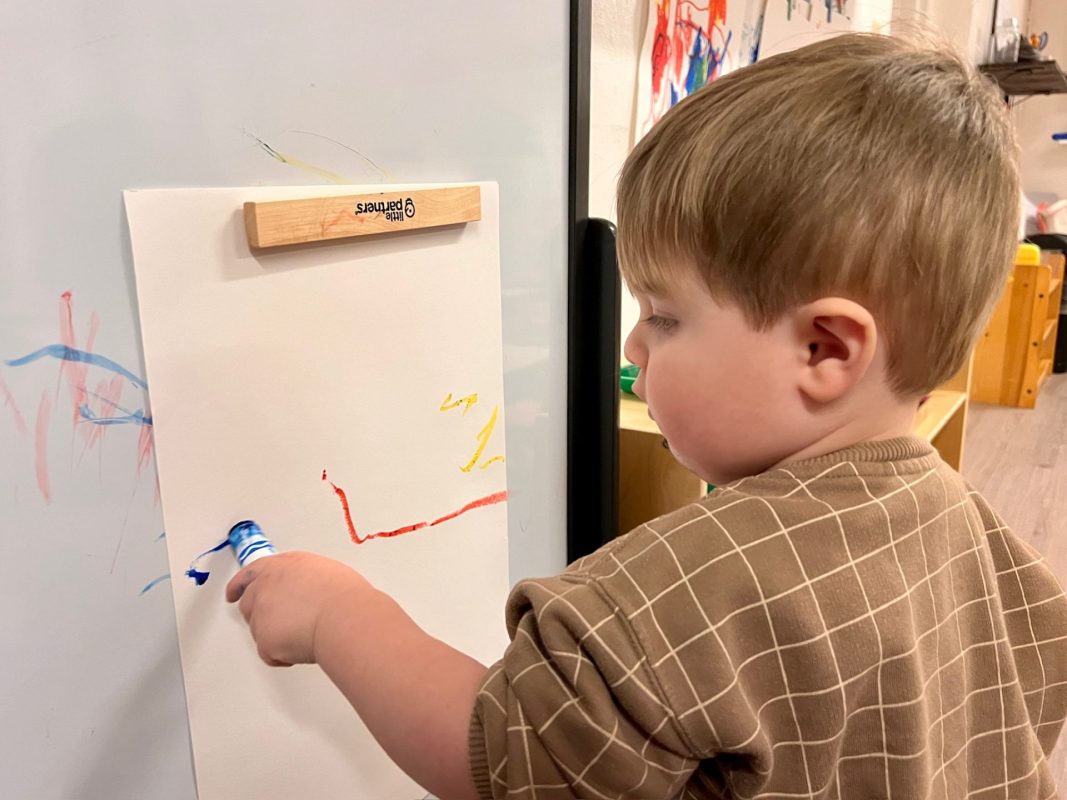
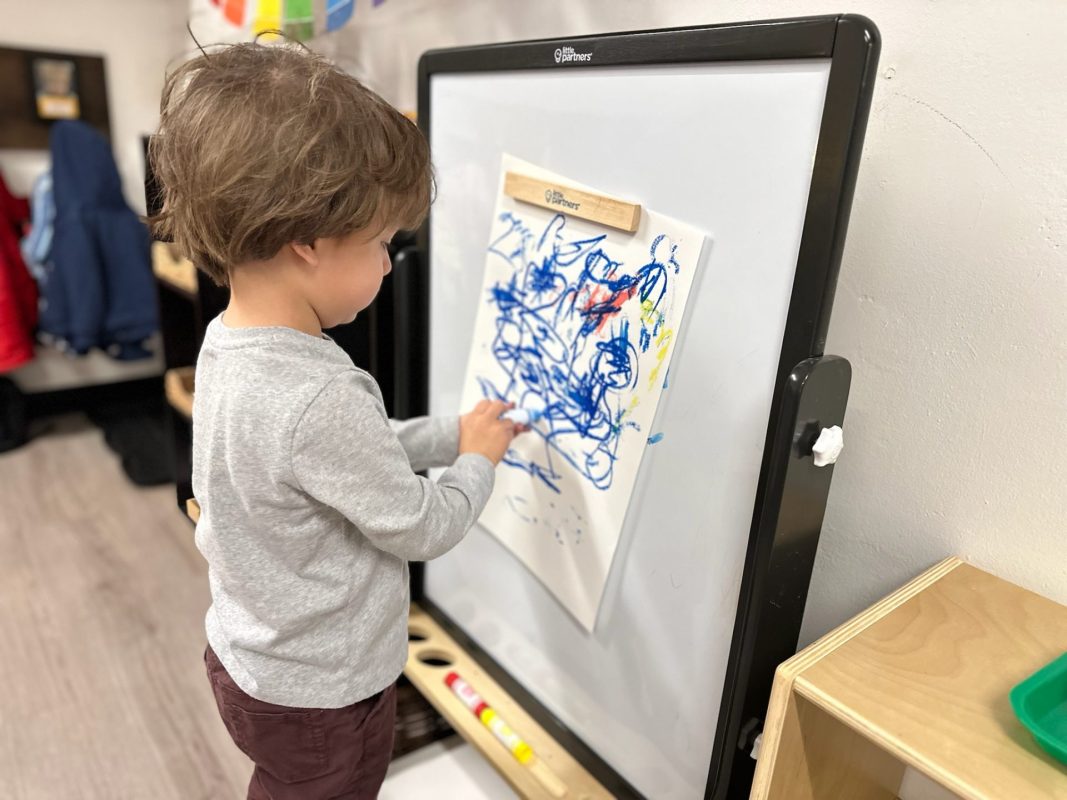
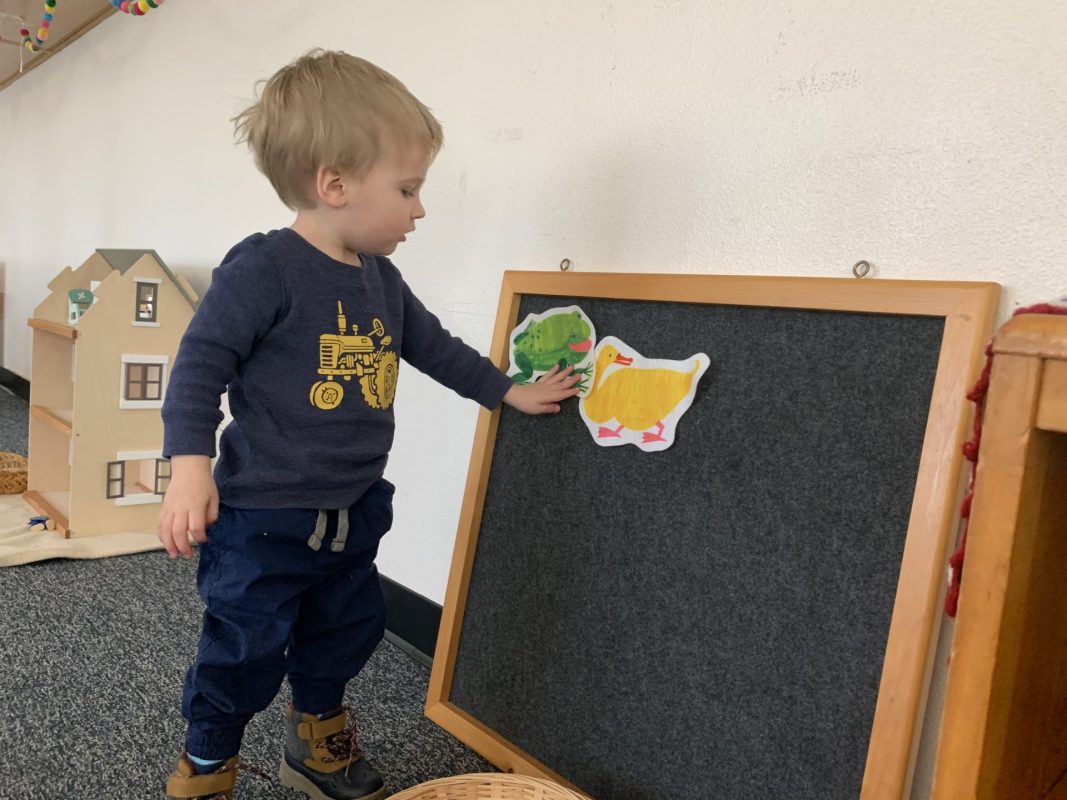
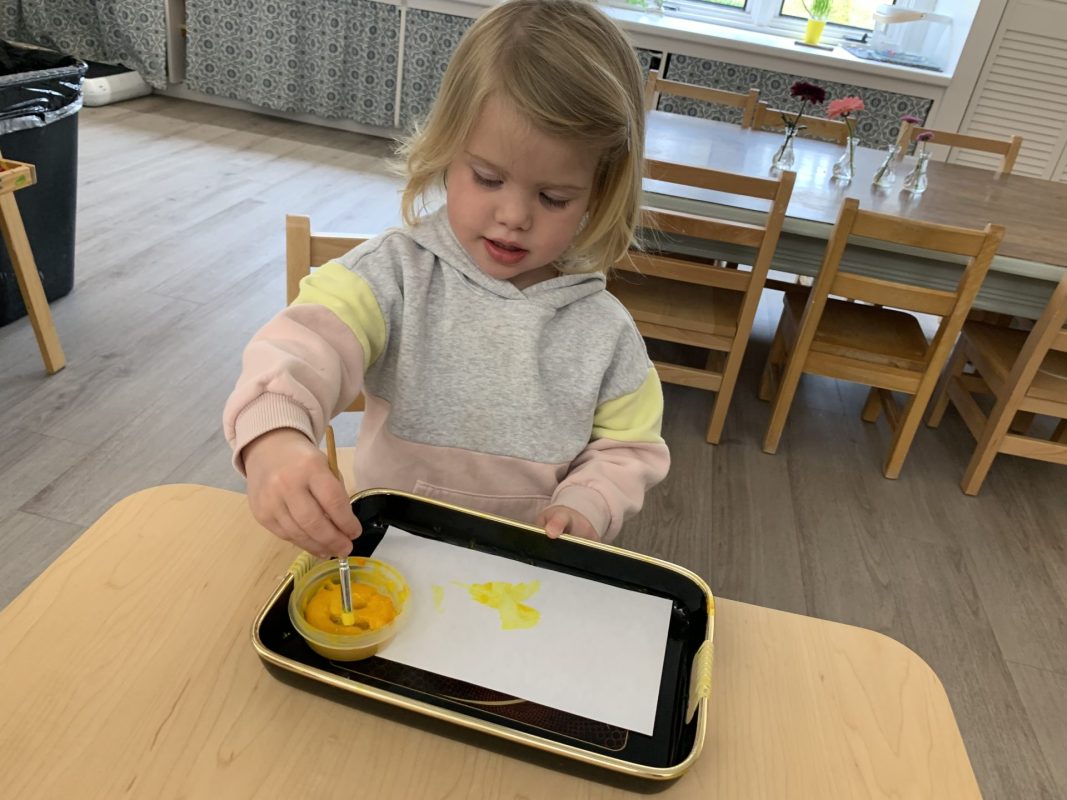
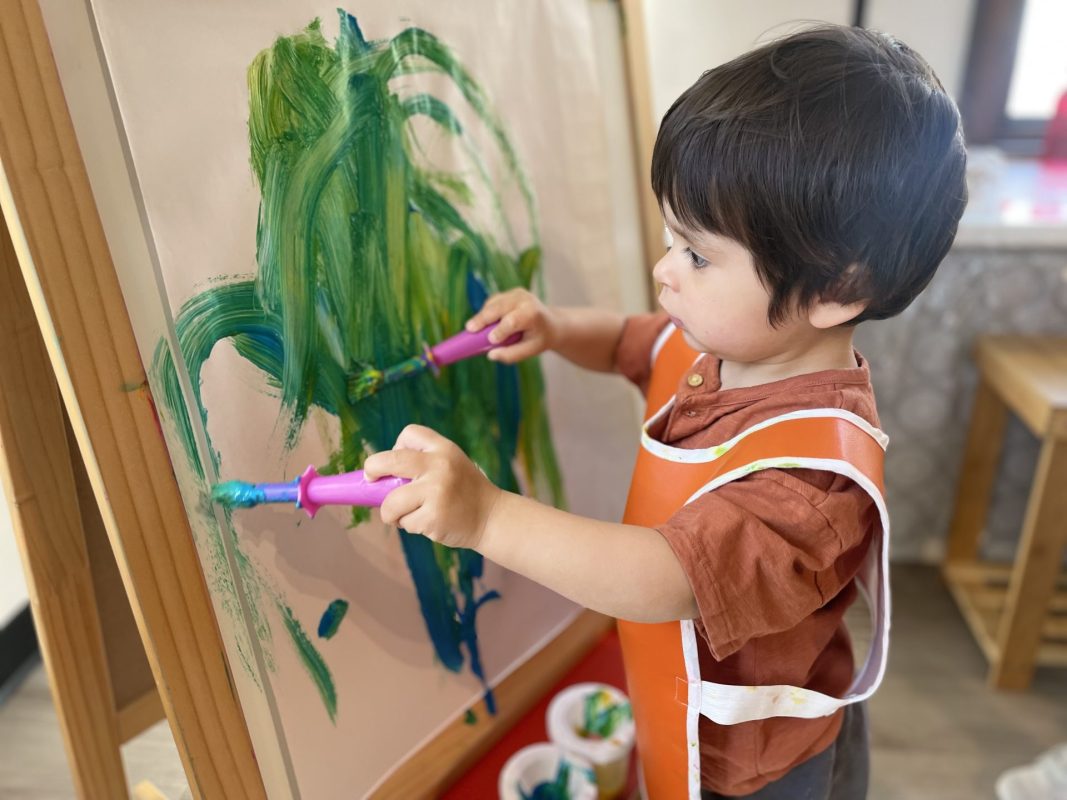
A few favorite activities this week have been painting at the easel, re-telling Bear Snores On (by Karma Wilson) using the felt board, and driving the PlasmaCars in the gym. We walked to the gym without our rope, “just like the big kids,” which was very exciting. 

We have a new group of Middle School students who visit us weekly as part of their Social Impact program. The children are delighted when our new friends join us. Bryant, Anders, Emma, and Allie have been enthusiastic role models and also really seem to enjoy their time with the toddlers. 

Wishing you all a healthy weekend filled with a perfect balance of fun and relaxation.

Christine & Lizette


Mrs. Sargeant: A Peek at the Week

This week, we enjoyed strawberries as our food-tasting experience. Despite the children’s familiarity with the fruit, they were in awe as we cut the strawberry to reveal the white inside. We discussed the edible seeds on the outside of the strawberry and remembered that some seeds are not edible, such as those from an apple.

We’ve noticed since our seaweed tasting a few weeks ago that a few children have brought seaweed for a snack- and it sparks conversation each time!

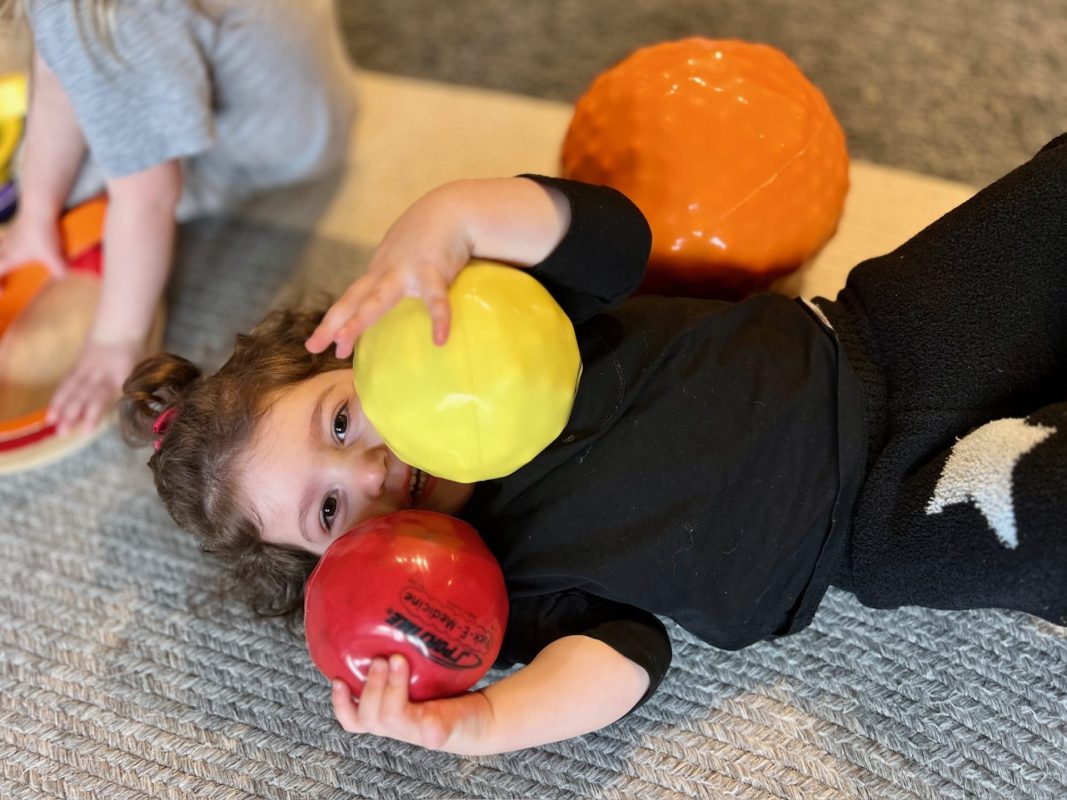
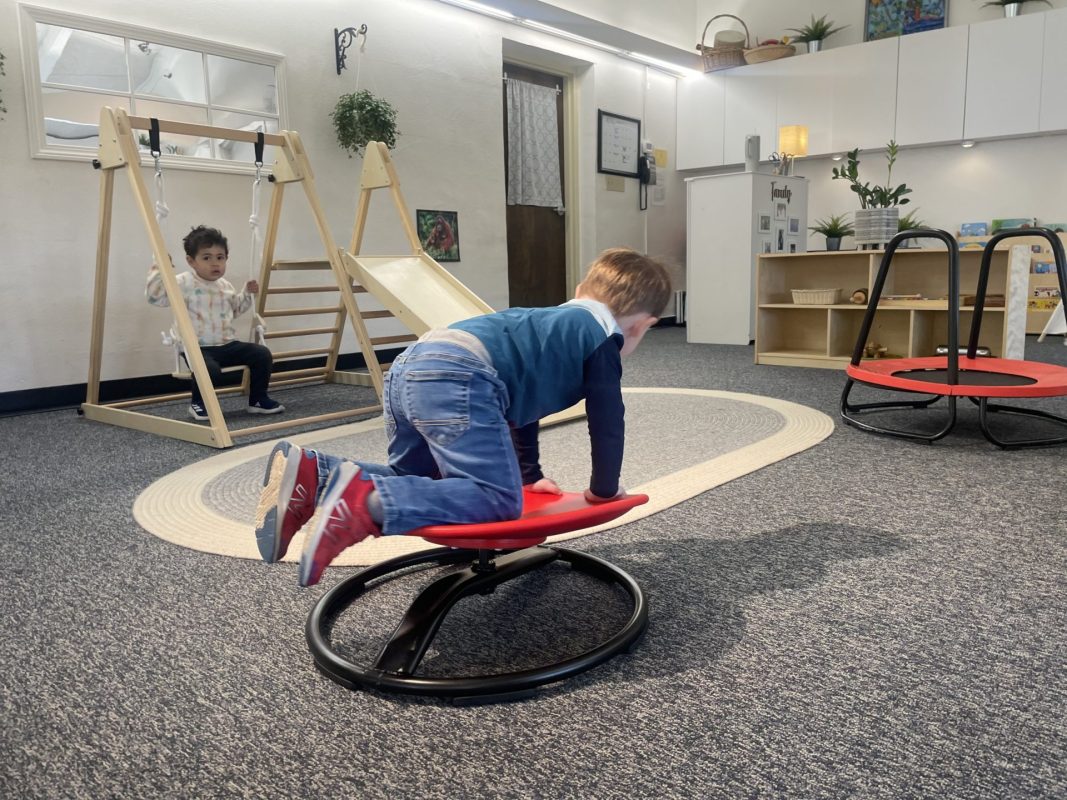
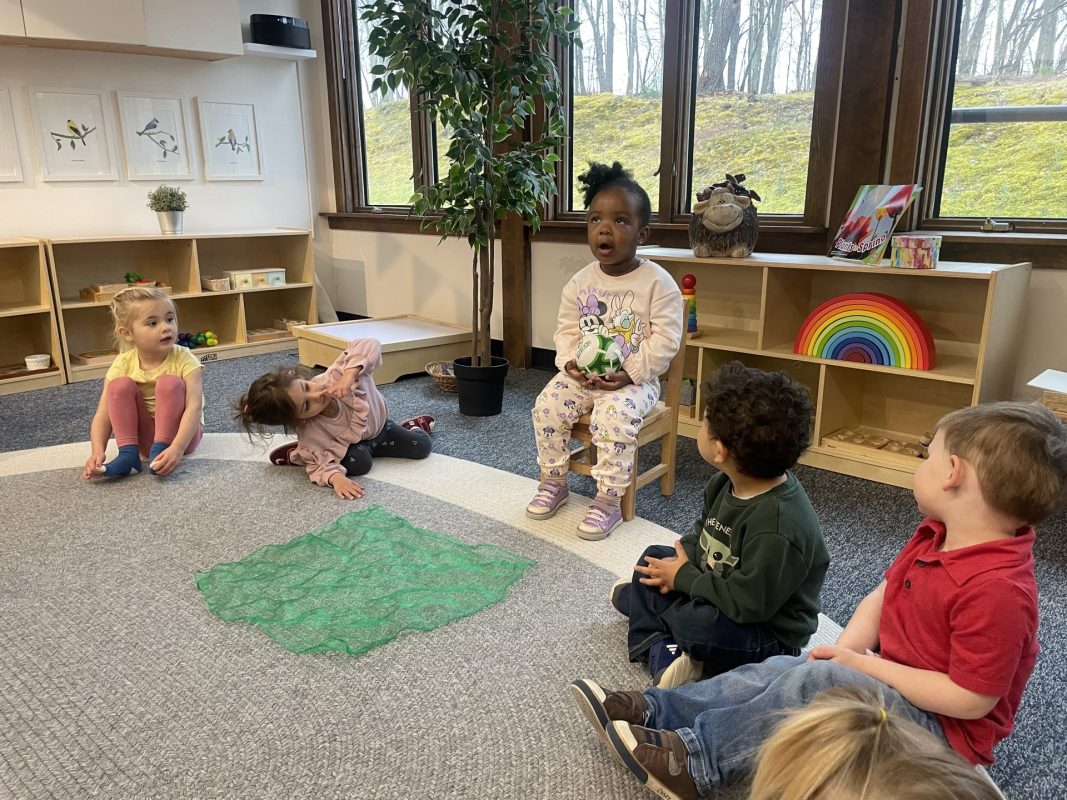
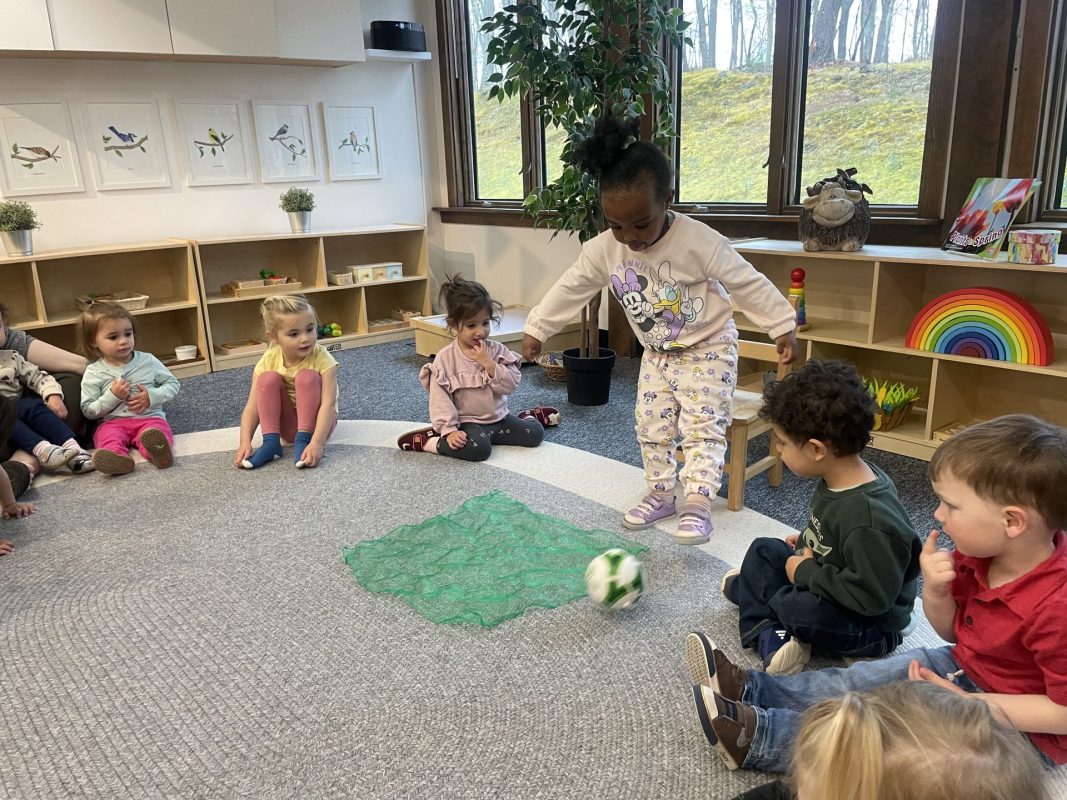
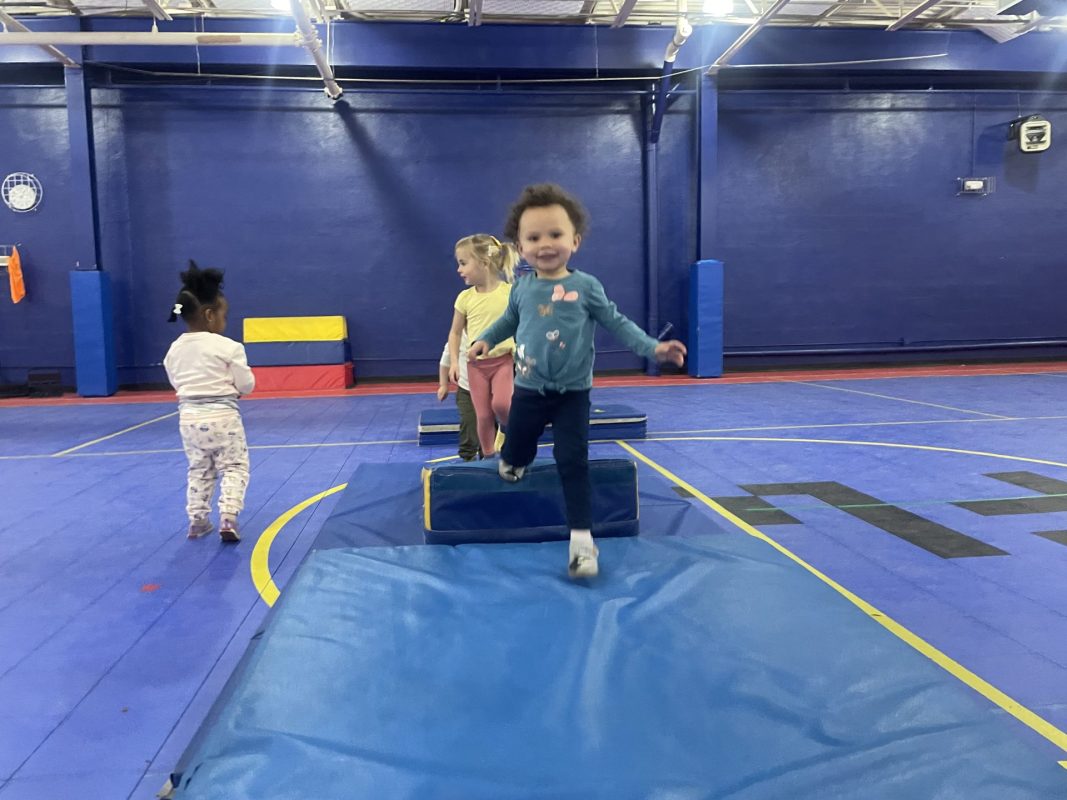
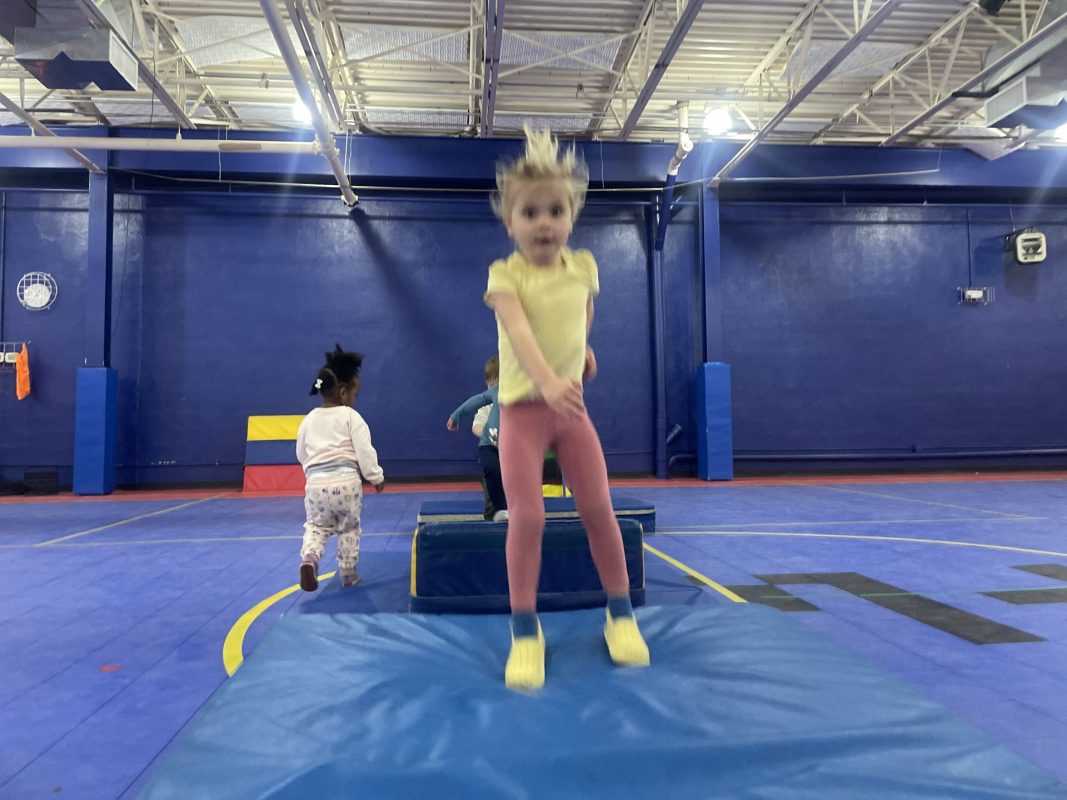
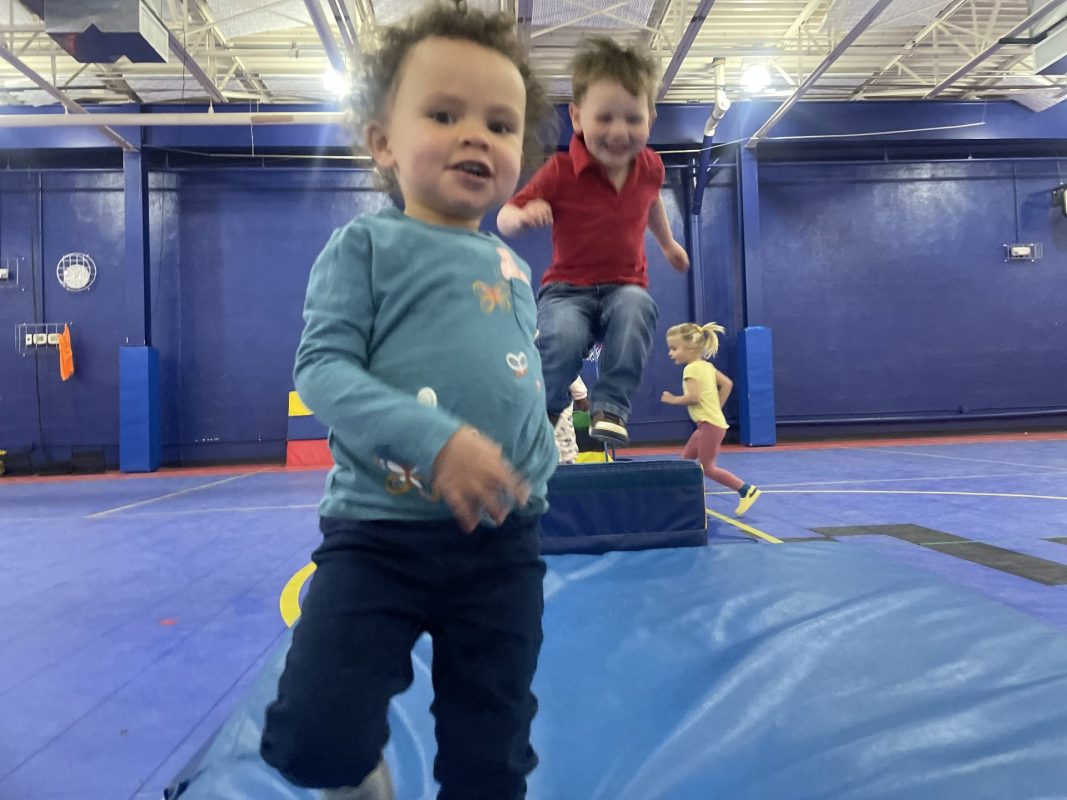
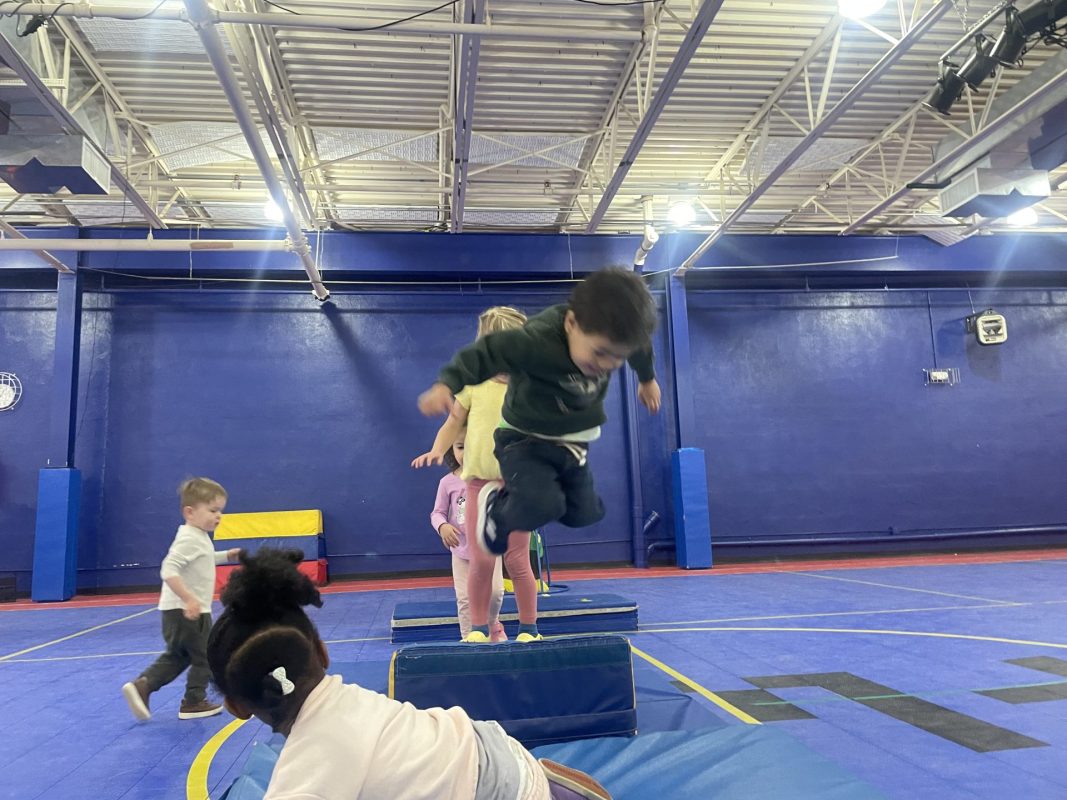
We had the opportunity to expend some energy in the gym this week. We worked on catching, throwing, and kicking balls. A few children did a few laps around the gym. We discussed how running and exercise change the way we breathe and make our hearts beat faster.

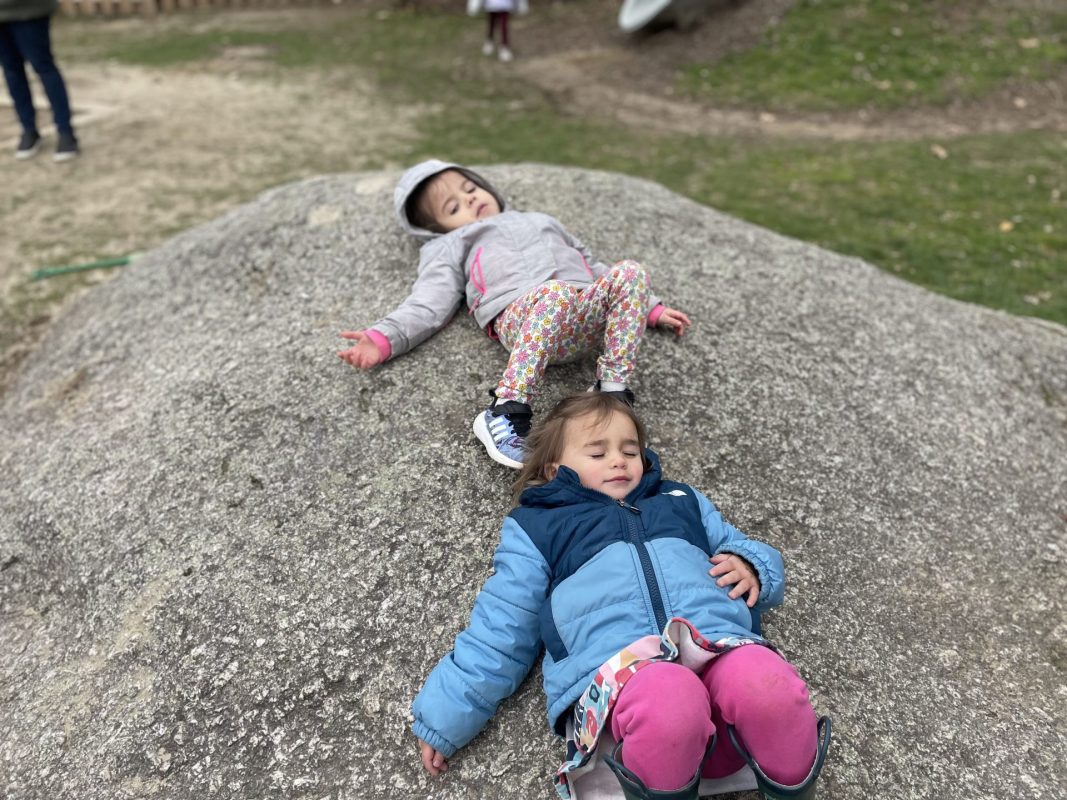
We’ve also enjoyed some time outdoors. There is so much to learn through the senses – especially when there is snow on the ground. We particularly enjoyed listening to the sound of the snow crunching underneath our boots with each step.

We have been talking a lot about woodland animals, such as chipmunks, skunks, raccoons, and bears. A few of us have shared stories of encounters with these backyard critters.

Happy Birthday to our friend Kai, who we celebrated in class this week.

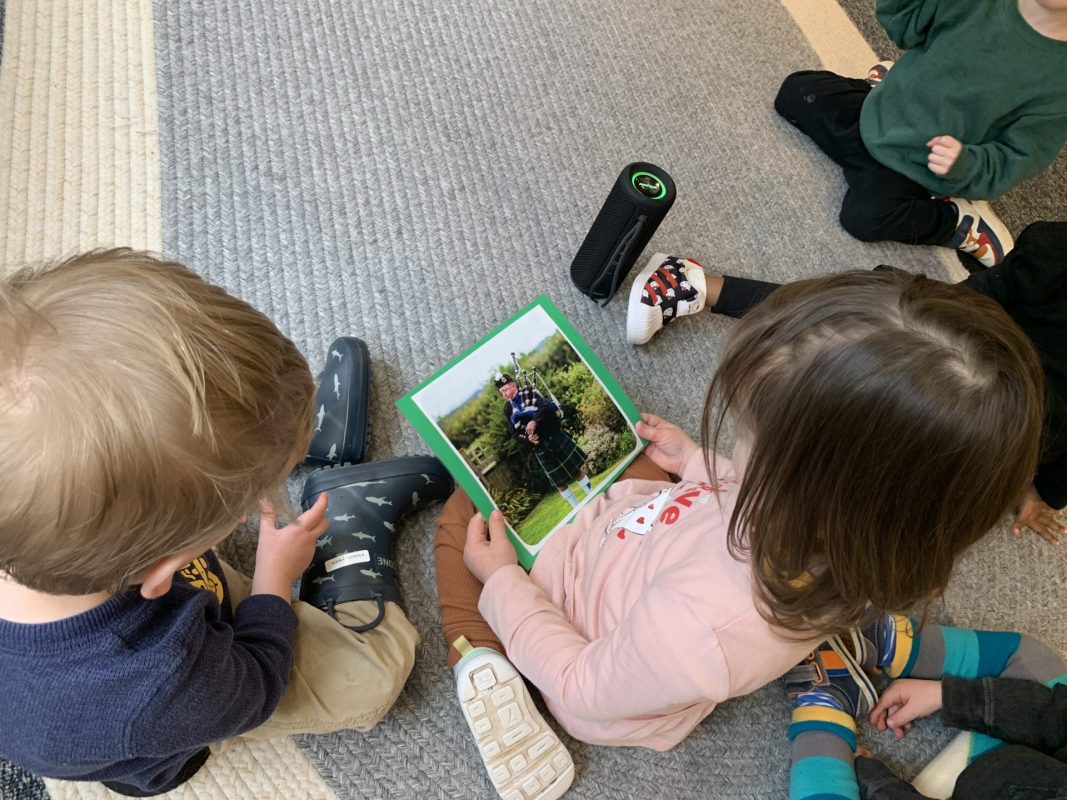
Please note that a handful of photos in this week’s batch are from last month but never made it into the post. I will share a funny song that we discovered by accident, which the children love. If you play it at home, I hope you’ll have the chance to see their bodies move and groove to the music as they listen. (We always listen to music on a speaker using Spotify, even though I share via YouTube.)

Also, for those of you whose children will be moving into Primary next year, please consider attending the Moving Up information night on Thursday evening, February 1, at 5:30 pm. It is a great way to gain more information about your child’s year ahead.

Happy and healthy weekend!

Christine & Lizette


Mrs. Hood: Copo de Nieve!

As we continue our winter studies this week, we delved into one of the most enchanting aspects of water: snowflakes. The timely weather has allowed us to reinforce this lesson as the children have had the opportunity to explore snow both indoors and outdoors. They’ve discovered that while snowflakes share a common symmetry and hexagonal structure, each one boasts a unique and intricate design—a concept we’ve presented, of course, in language tailored to their understanding.

I find it fascinating how the individuality of a snowflake mirrors that of each child. Just like snowflakes, every one of your children is unique and precious, and we are so grateful to witness their growth and share in their beauty.

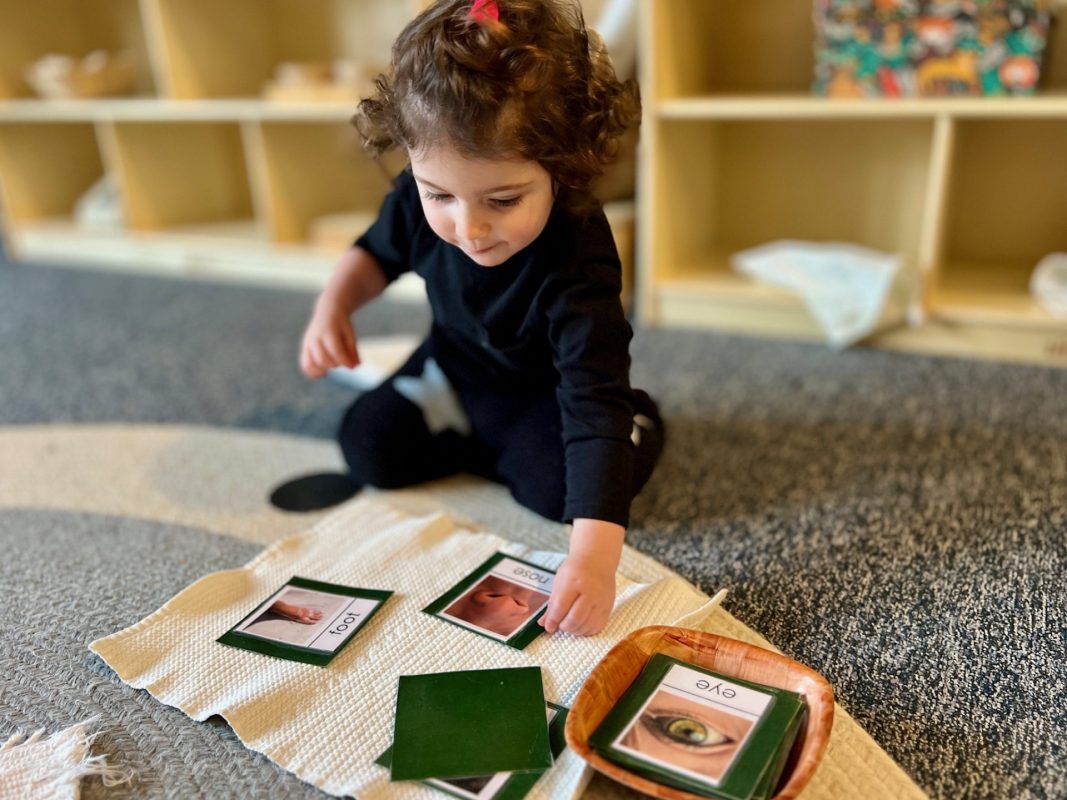
To tie this lesson into our Spanish studies, the children have been learning the song “Copo de Nieve” (Snowflake) by Super Simple Español. Using artificial snowflakes of varying sizes, they’ve acted out the song’s movements, learning Spanish words for body parts like cabeza (head), nariz (nose), and mano (hand). As we progress, we’ll continue to incorporate more Spanish vocabulary related to the body. Feel free to practice this song with your child. Find the link to the video at the end of this note.

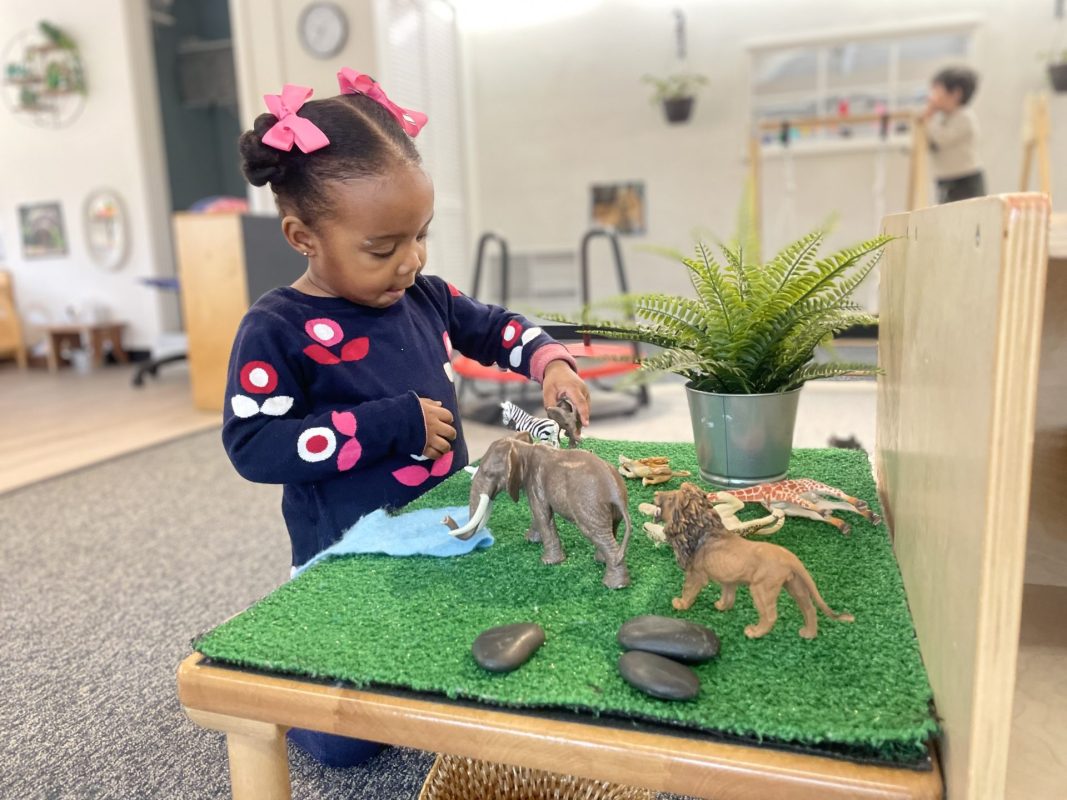
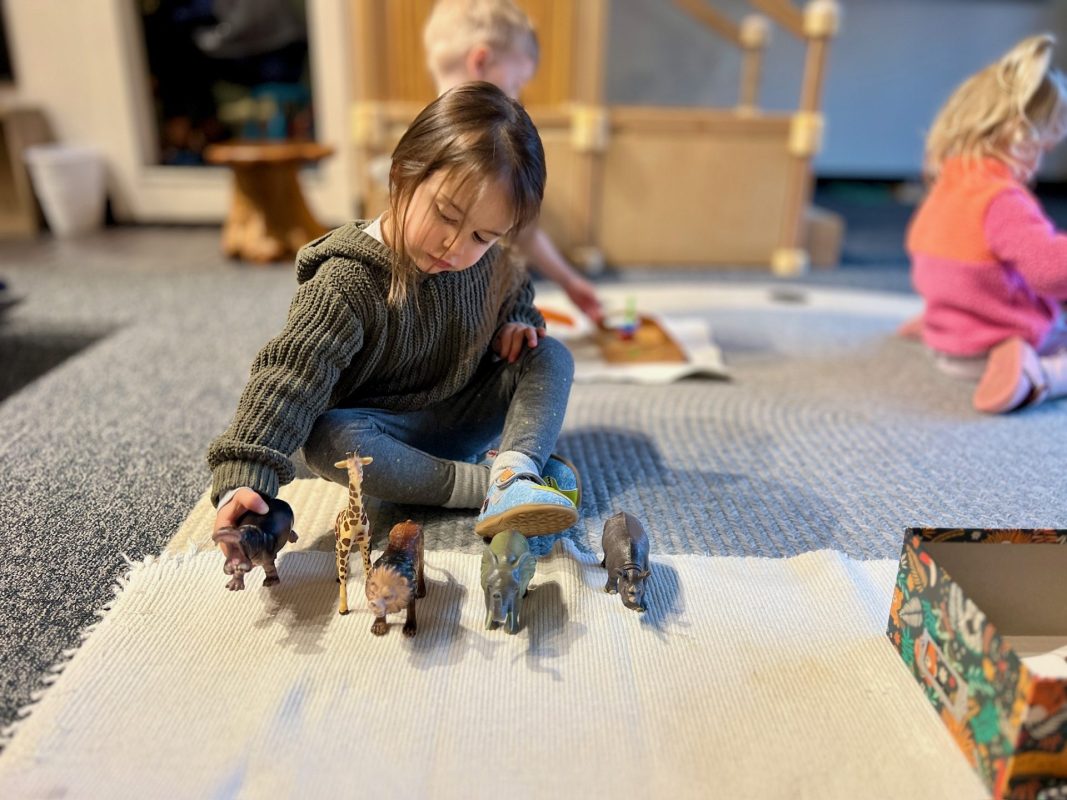
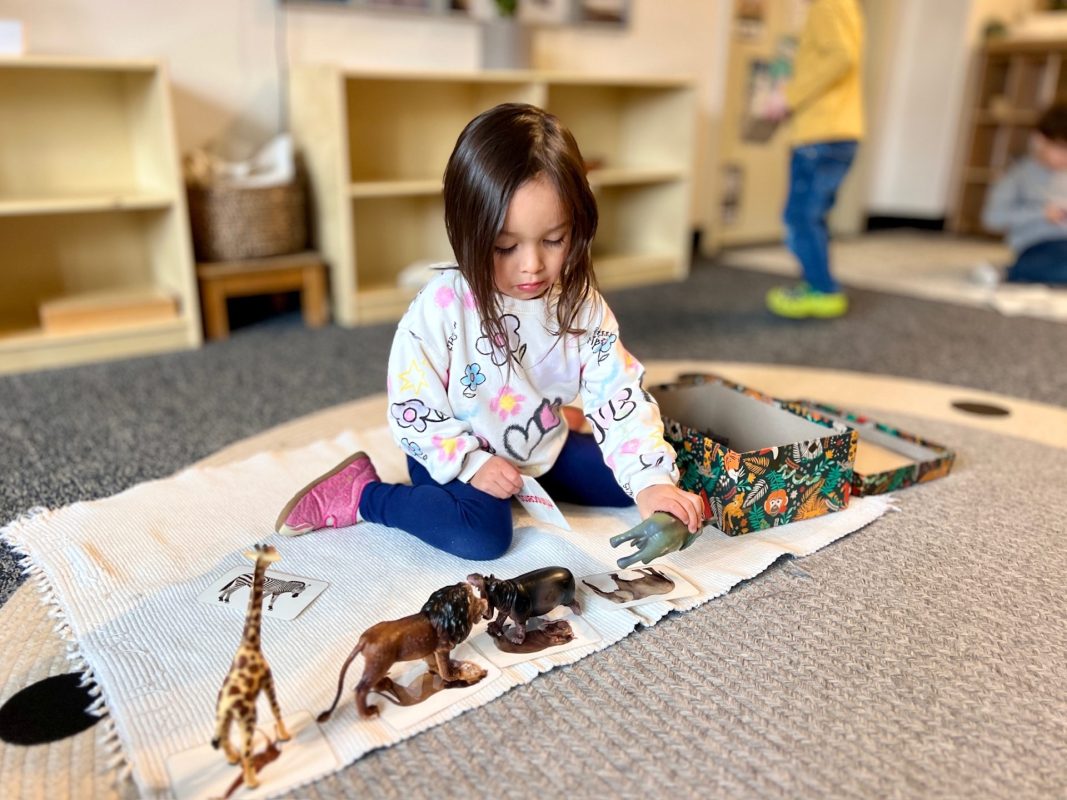
To further enrich our studies, we’ve used educational videos, books, songs, and animal models to embark on a journey to the Arctic and Antarctica. During these explorations, the children have learned fascinating facts about polar bears and penguins, including their physical characteristics and habitats. For example:

Polar Bears

  • Are warm-blooded
  • Have thick fur
  • Have big paws
  • Live in the Arctic
  • Baby bears are called cubs

Penguins

  • Are birds
  • Are expert divers and fast swimmers
  • Don’t have wings, but flippers
  • There are different types of penguins
  • Live in Antarctica

This week, we also celebrated two very special birthdays—those of our FIRST students who turned three years old during this school year! Woo hoo!

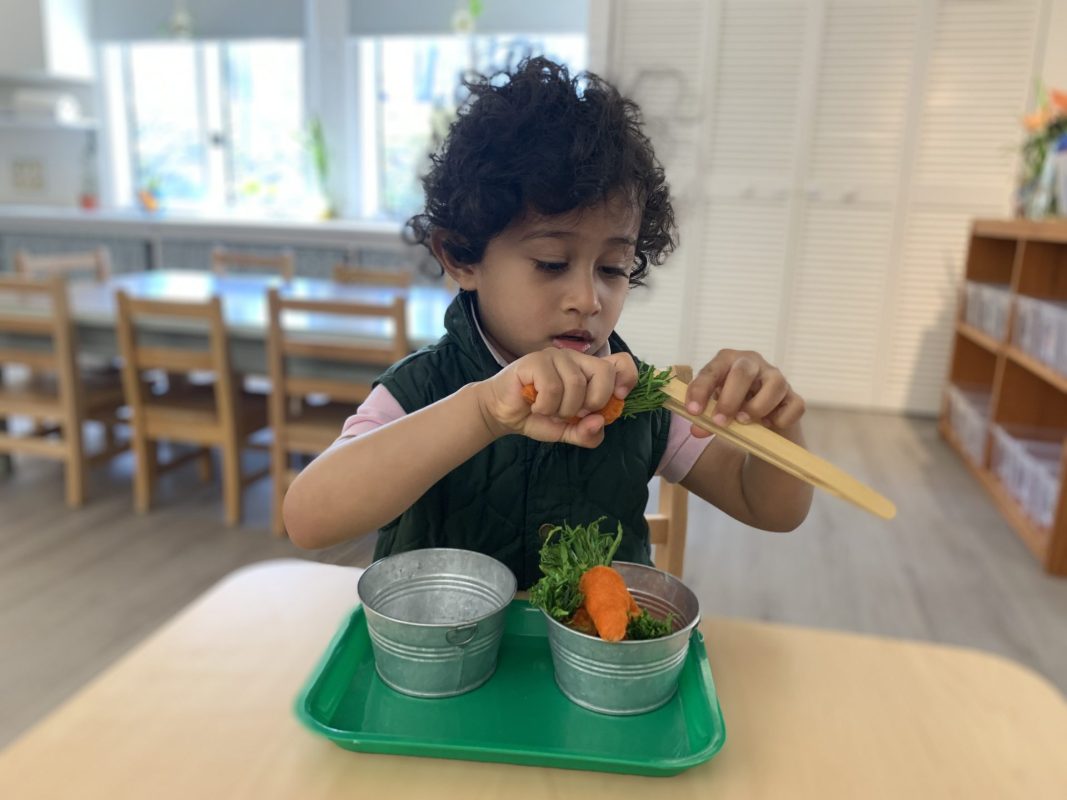
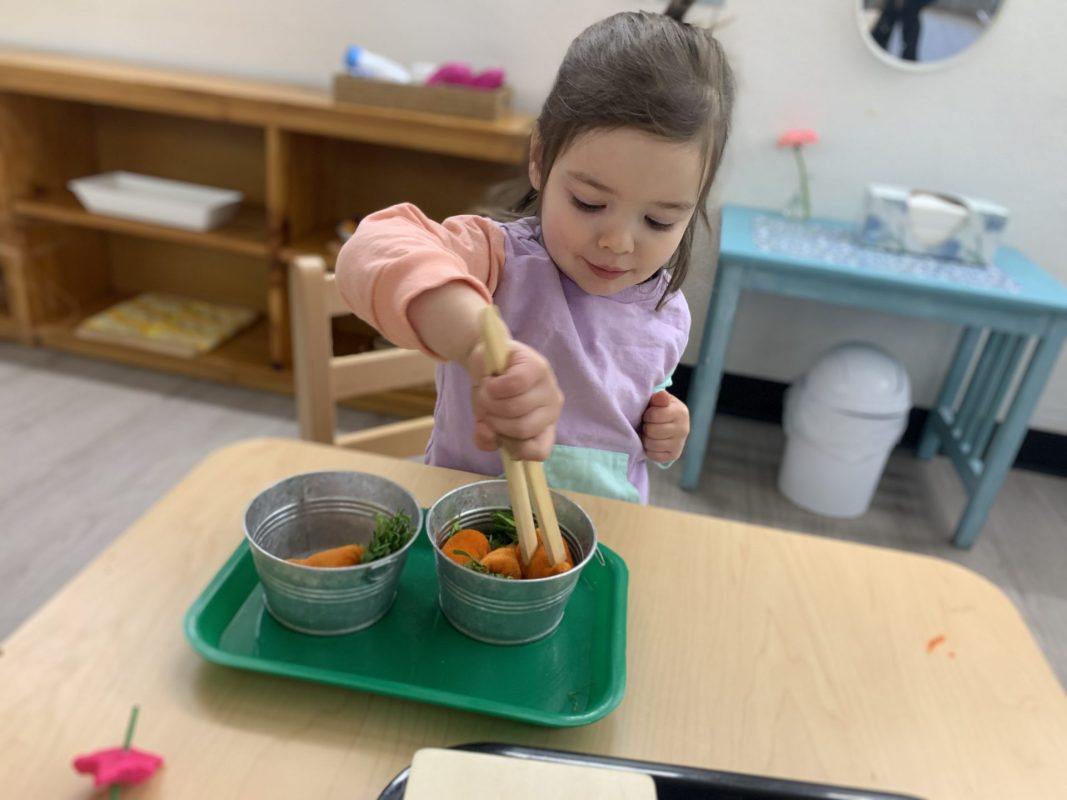
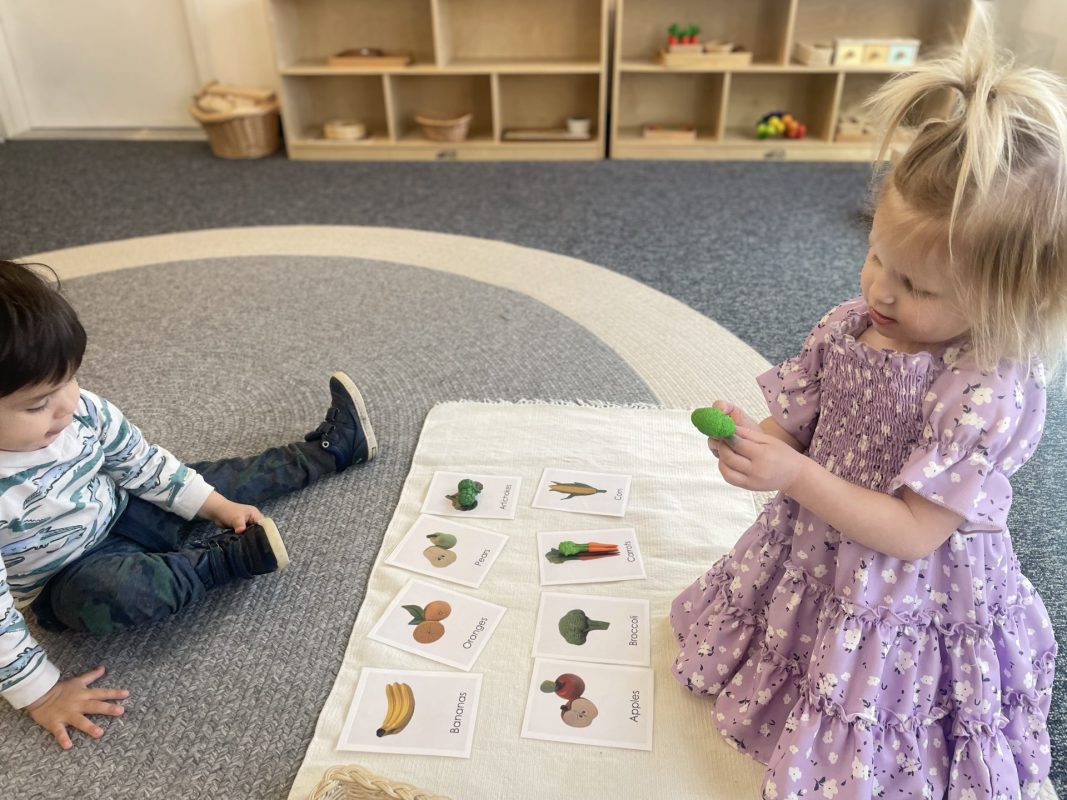
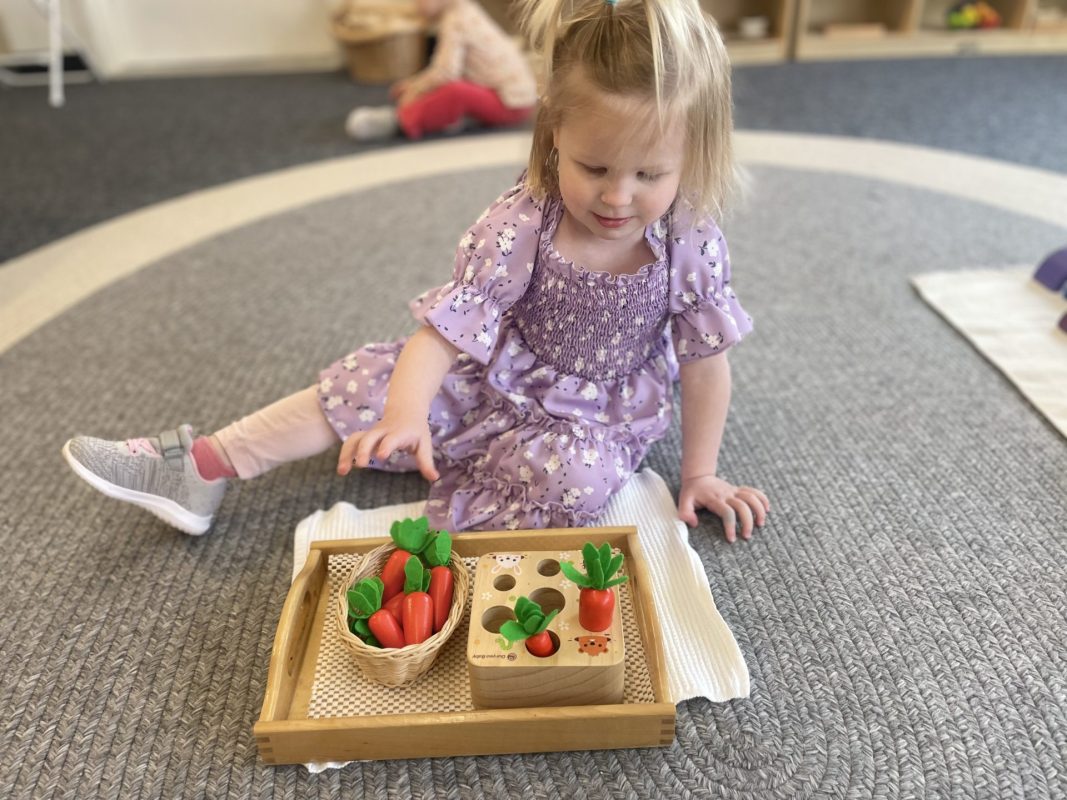
Lastly, we explored carrots as part of our weekly food-tasting lesson. Yummy!

Wishing you a wonderful weekend,

Mrs. Hood and Ms. Mollie

Mrs. Wilson: Boots, Prints, and Puddles

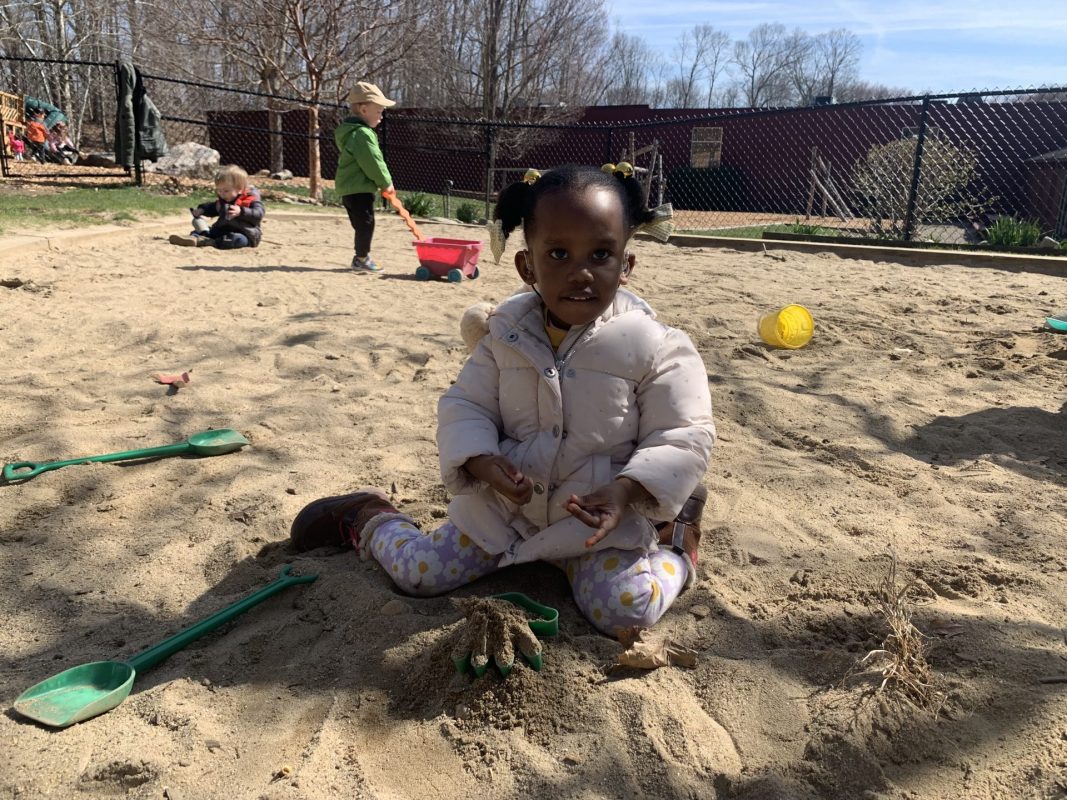
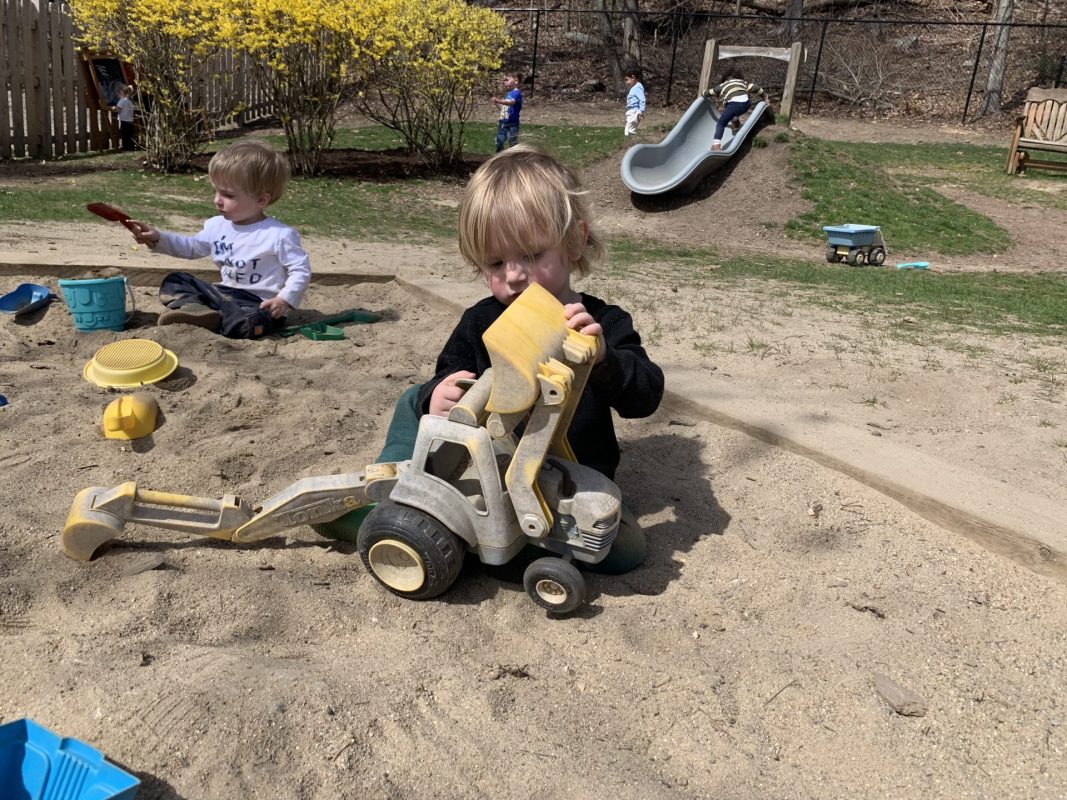
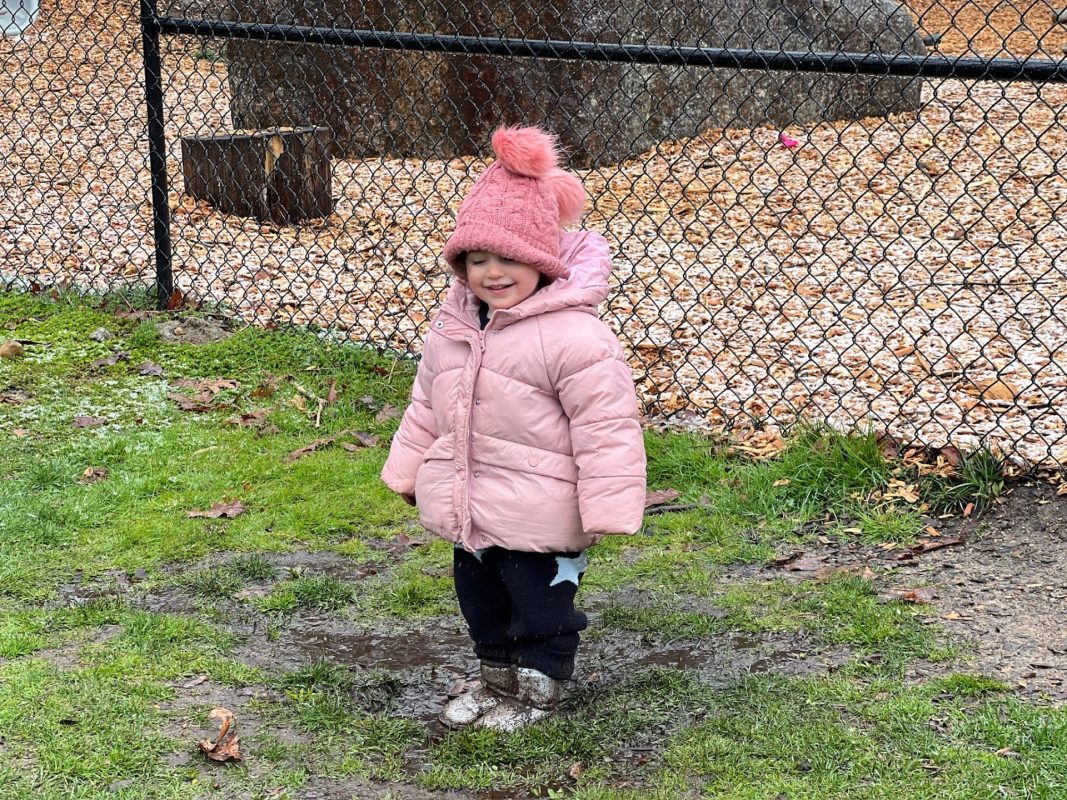
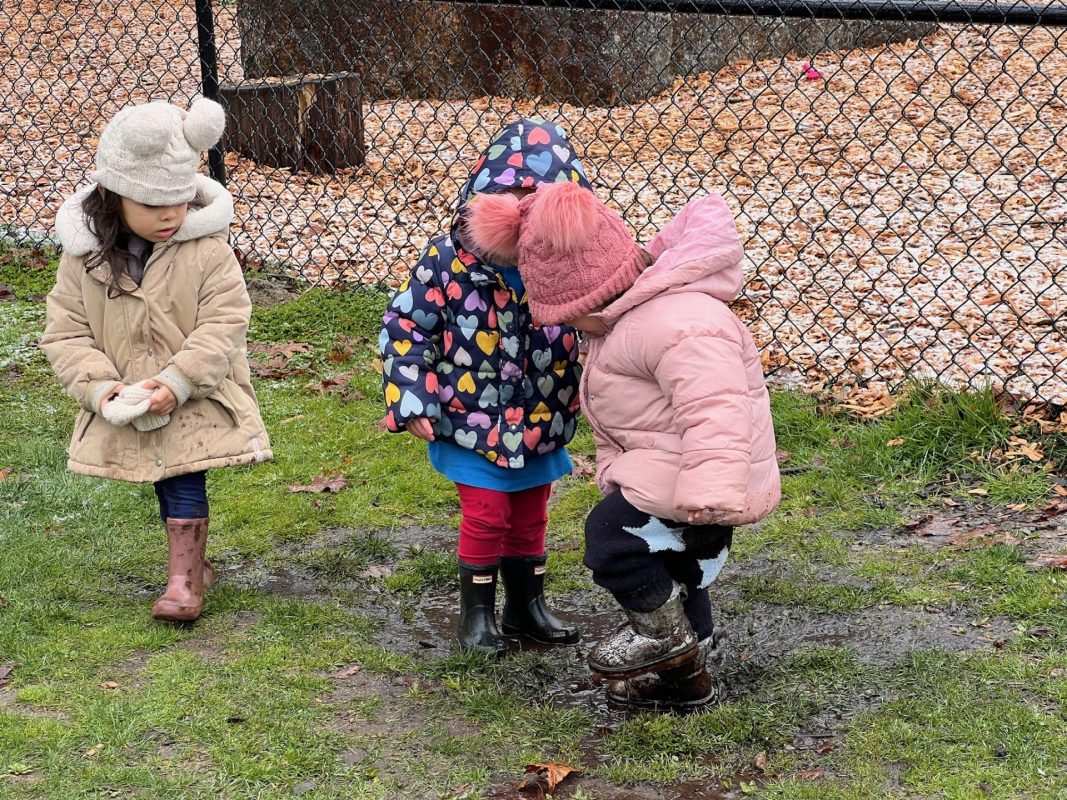
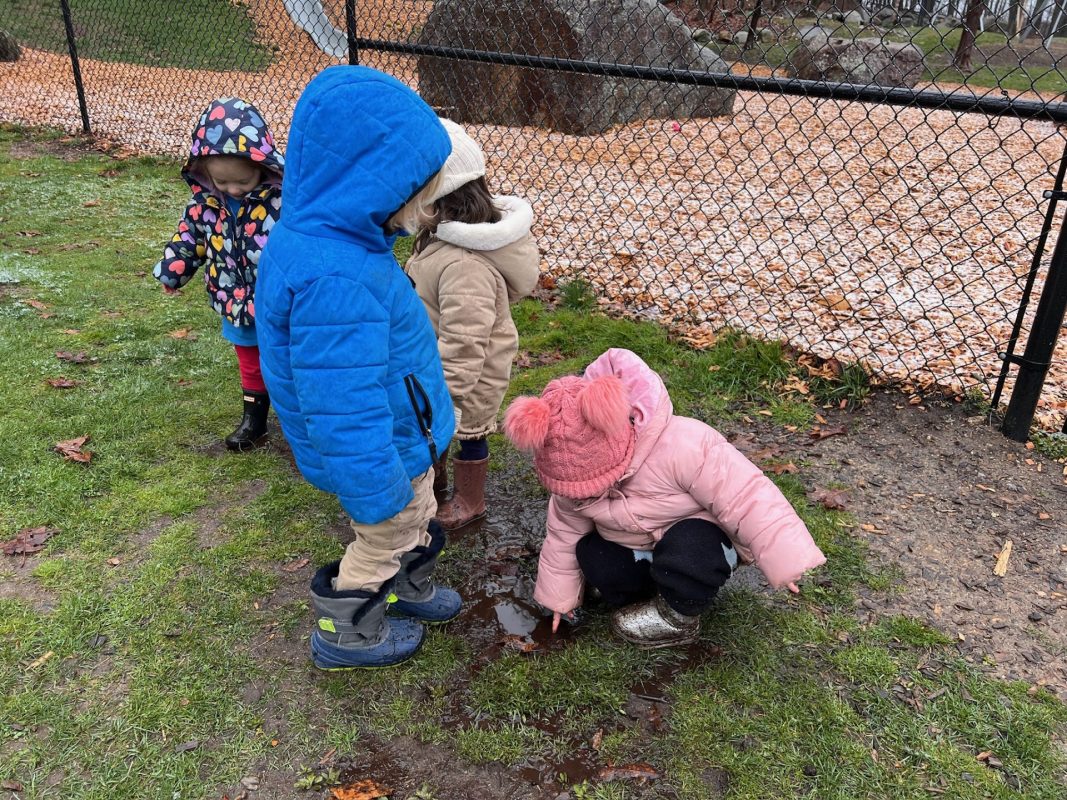
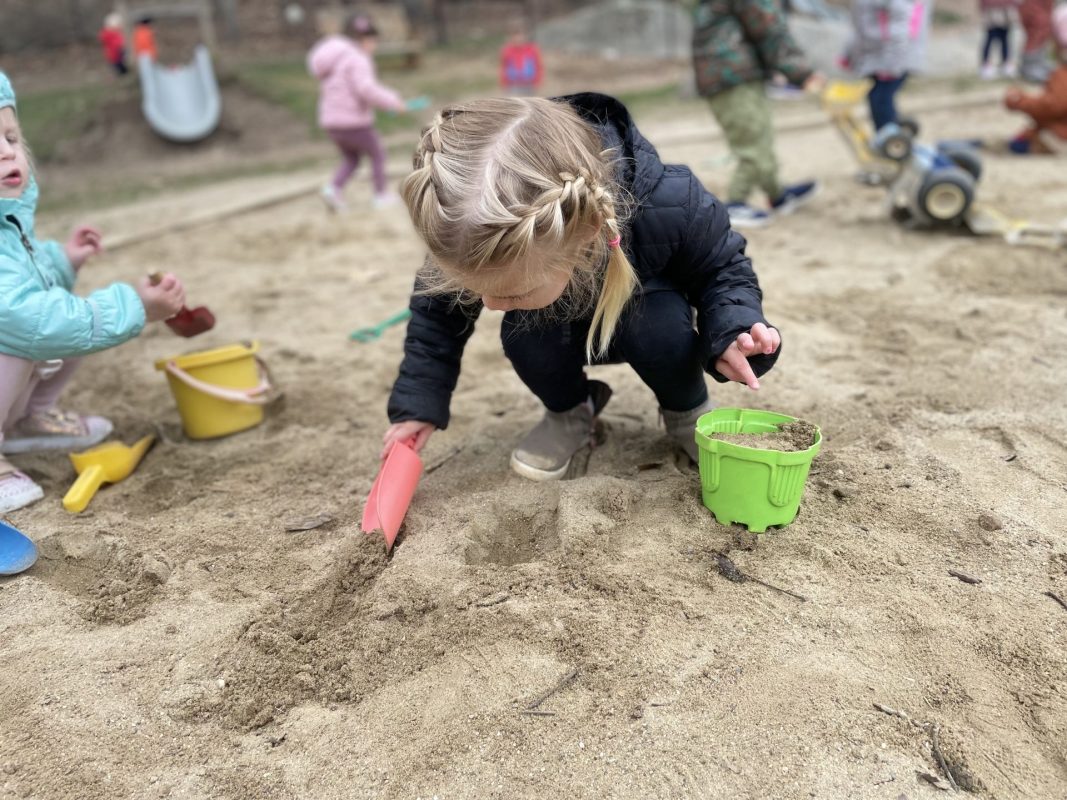
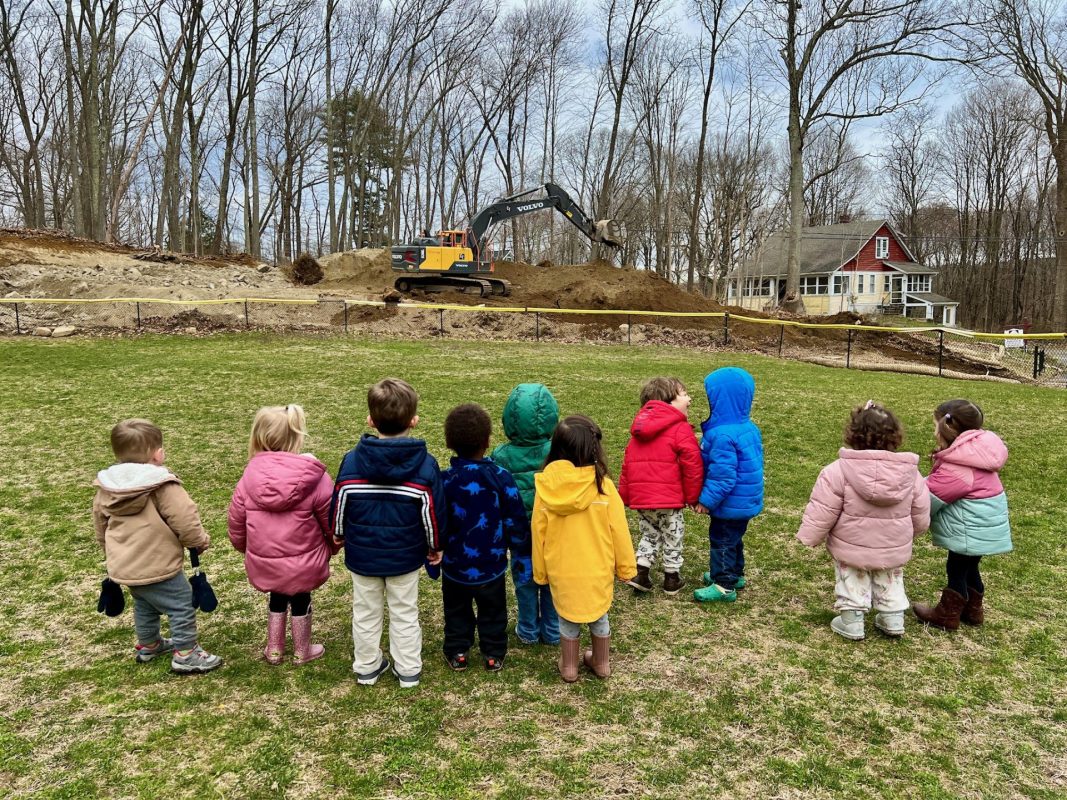
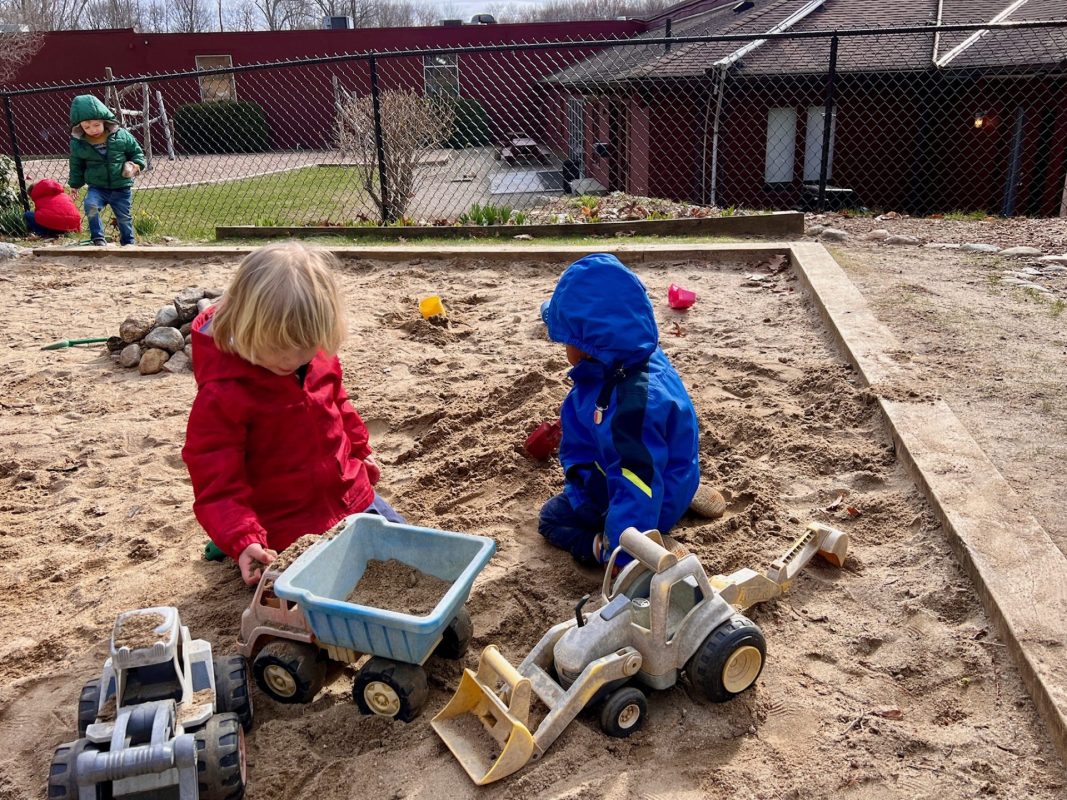
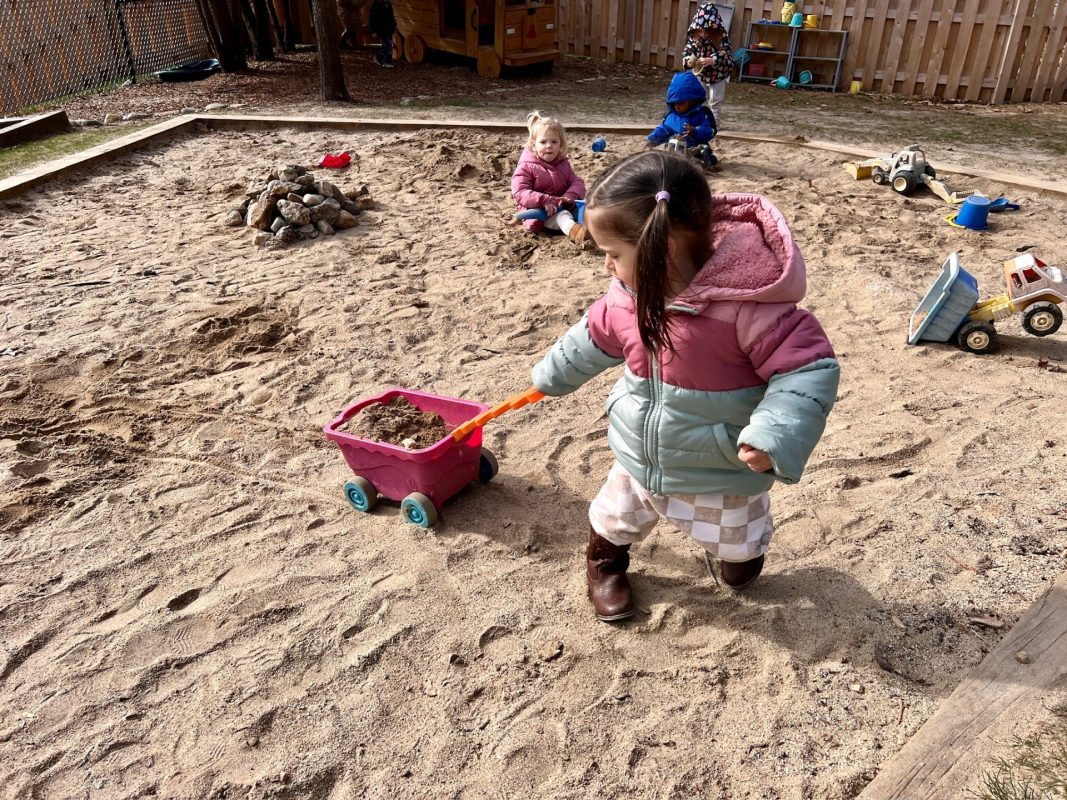
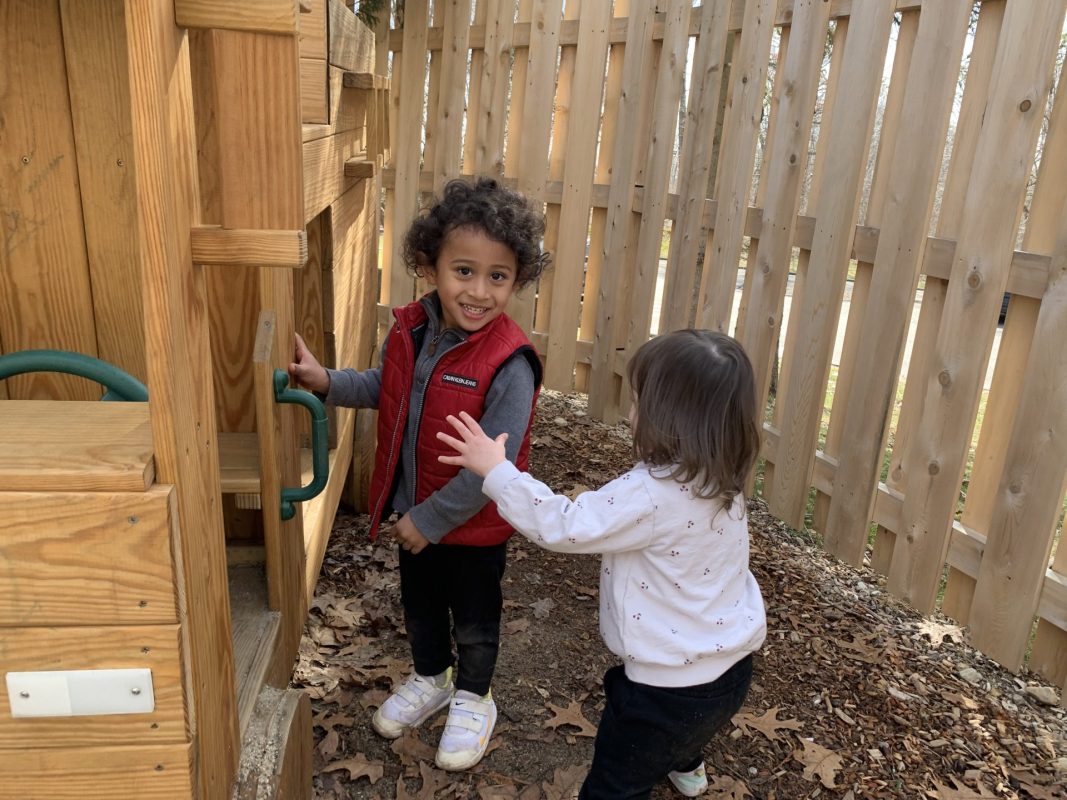
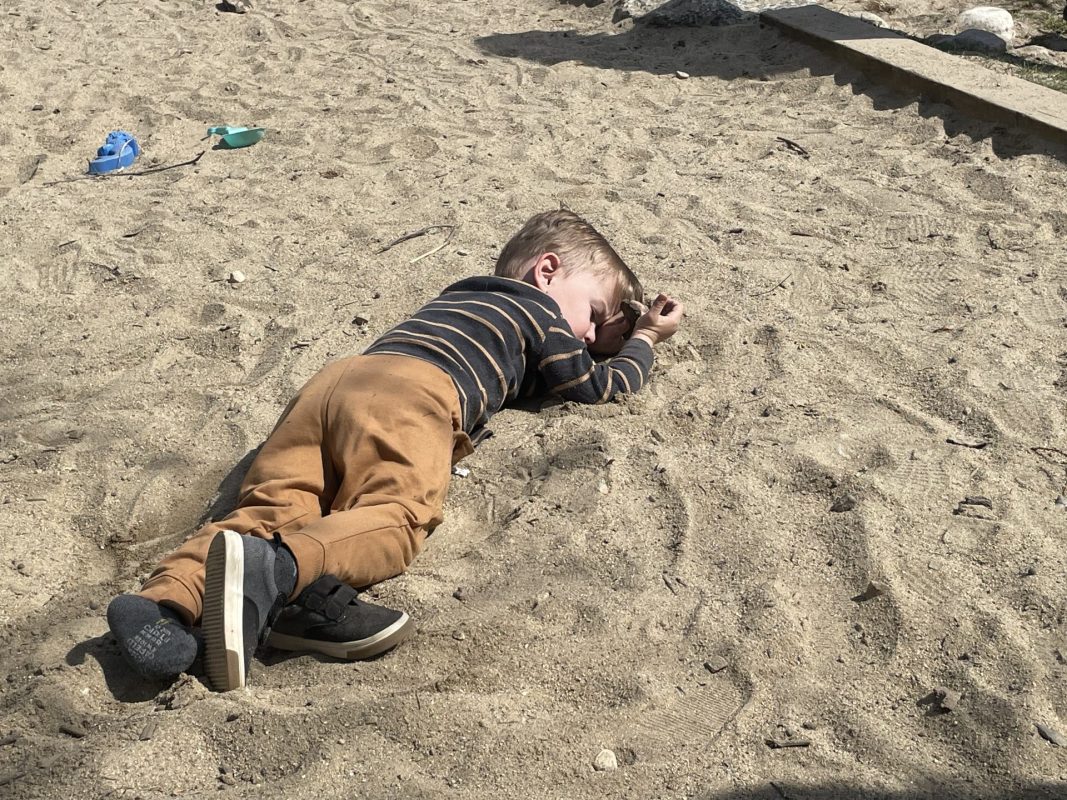
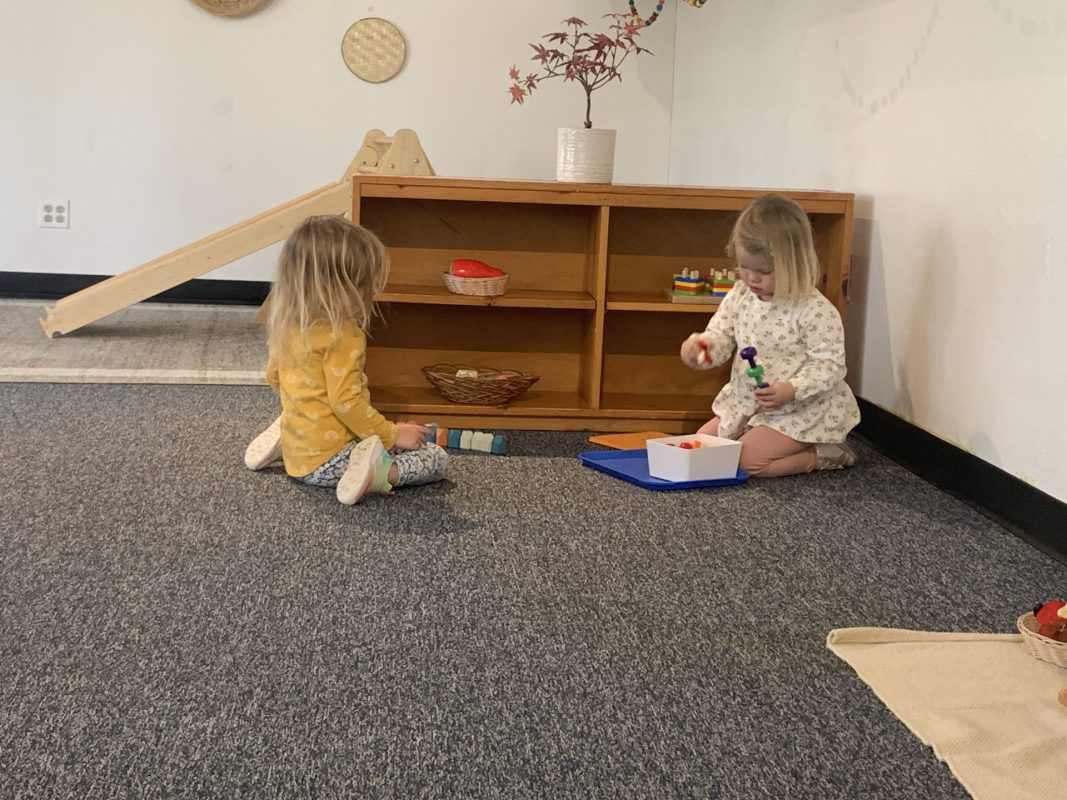
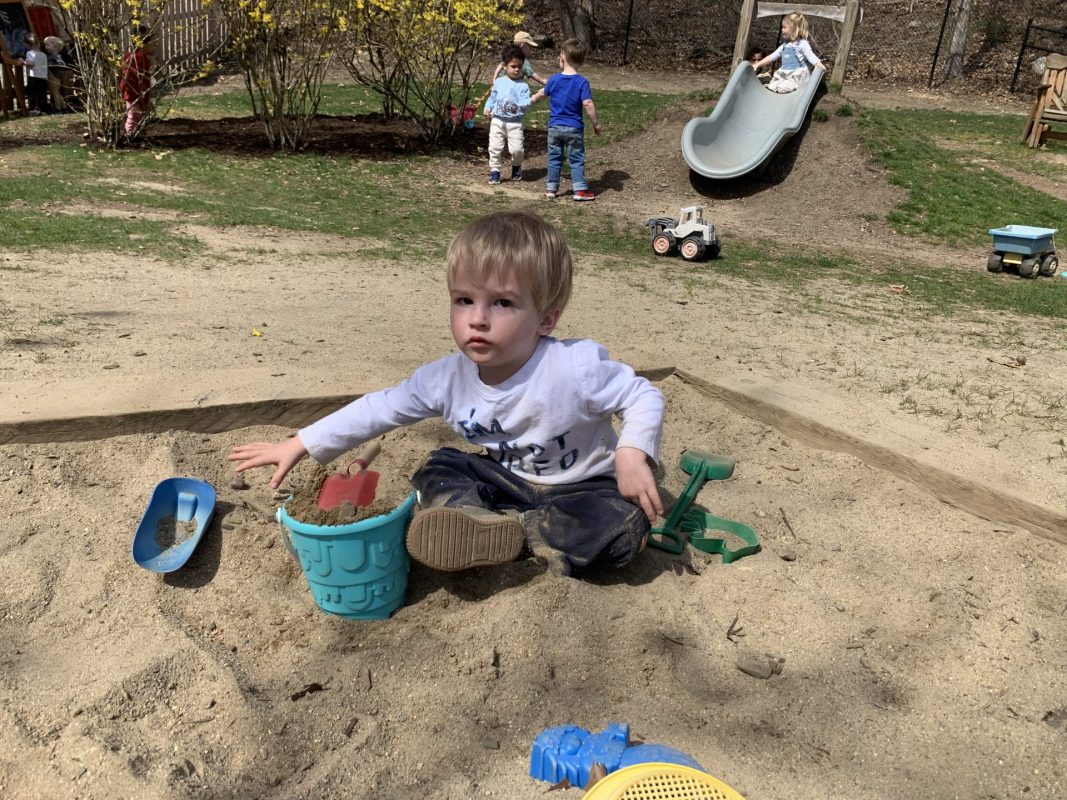
Earlier this week, we came across some footprints in the snow and noticed that there were three different types. We followed the tracks around the playground in an attempt to identify the animal that made them. While walking, we guessed that the prints might belong to a mischievous bunny, a playful squirrel, or a feathered friend. Along the way, we also noticed our footprints in the snow, which allowed us to compare the size and pattern of our boots. Can you guess which print belongs to each child? At the end of the week, the rain had washed away the snow, but we didn’t mind. Jumping, splashing, and steering toy trucks through the muck became our newfound source of muddy delight.
Food Tasting: This week, we tasted a roasted sweet potato. We talked about the sweet potatoes being another root vegetable, just like the carrots and parsnips. The children were surprised that the inside was a beautiful bright orange color.