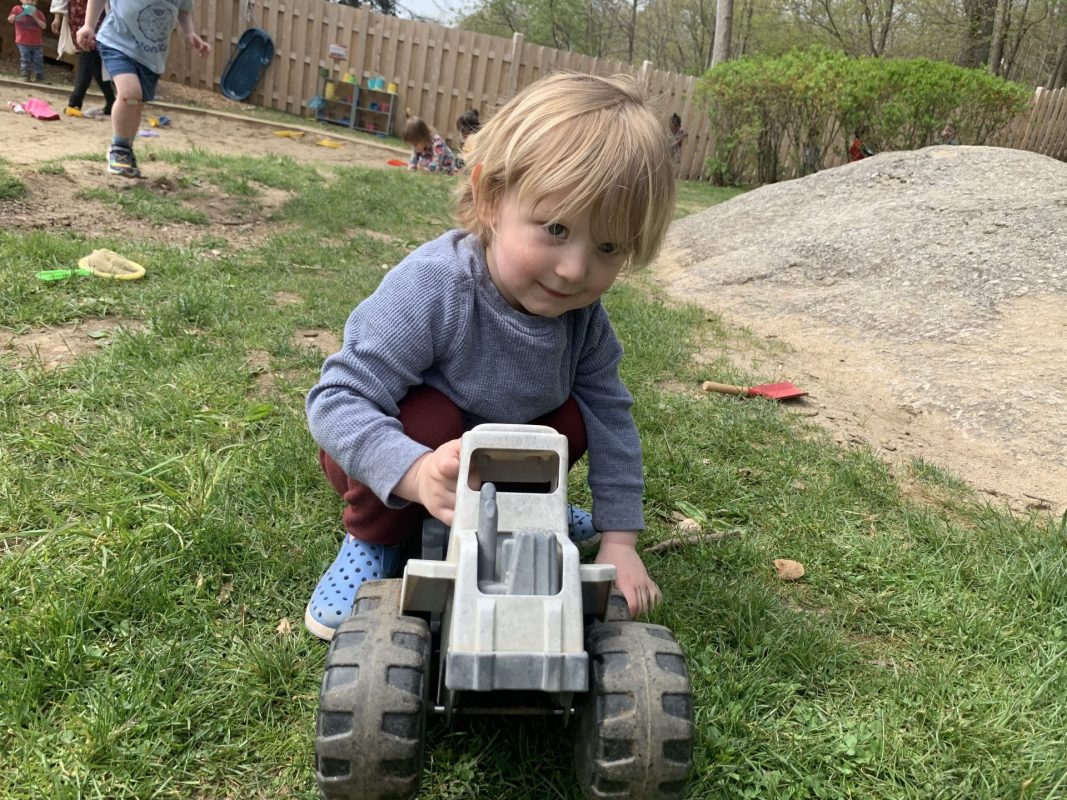
Mrs. Sargeant: A Peek at the Week

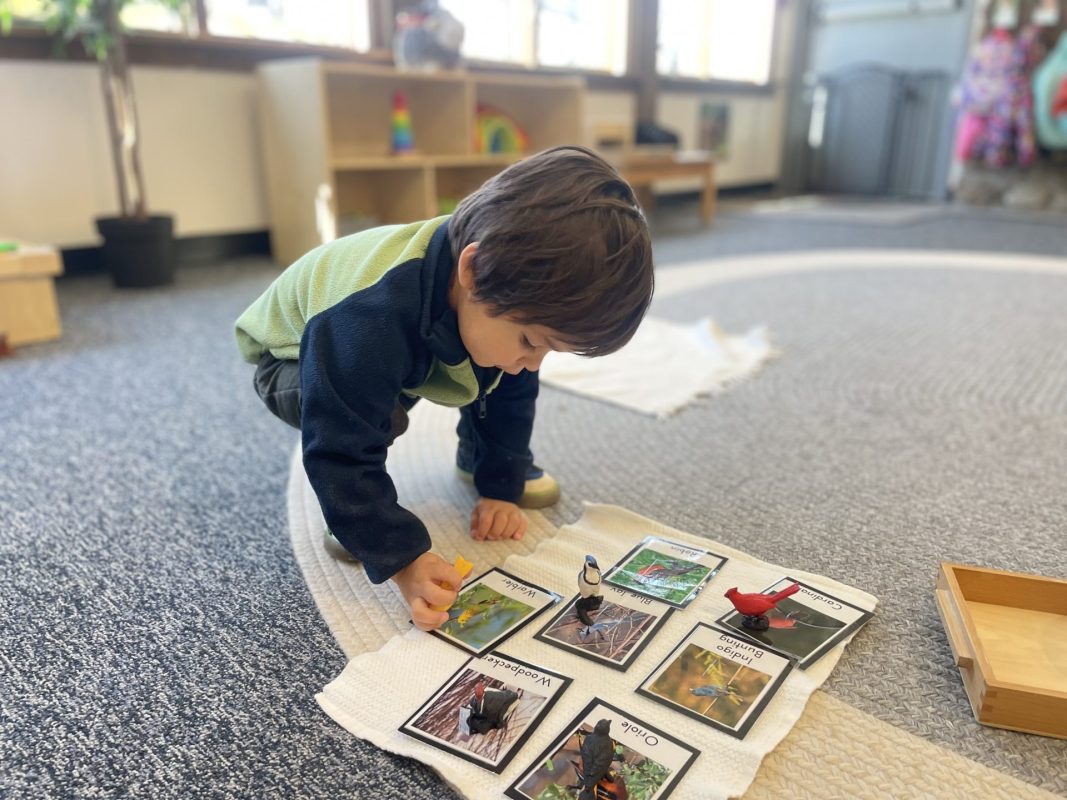
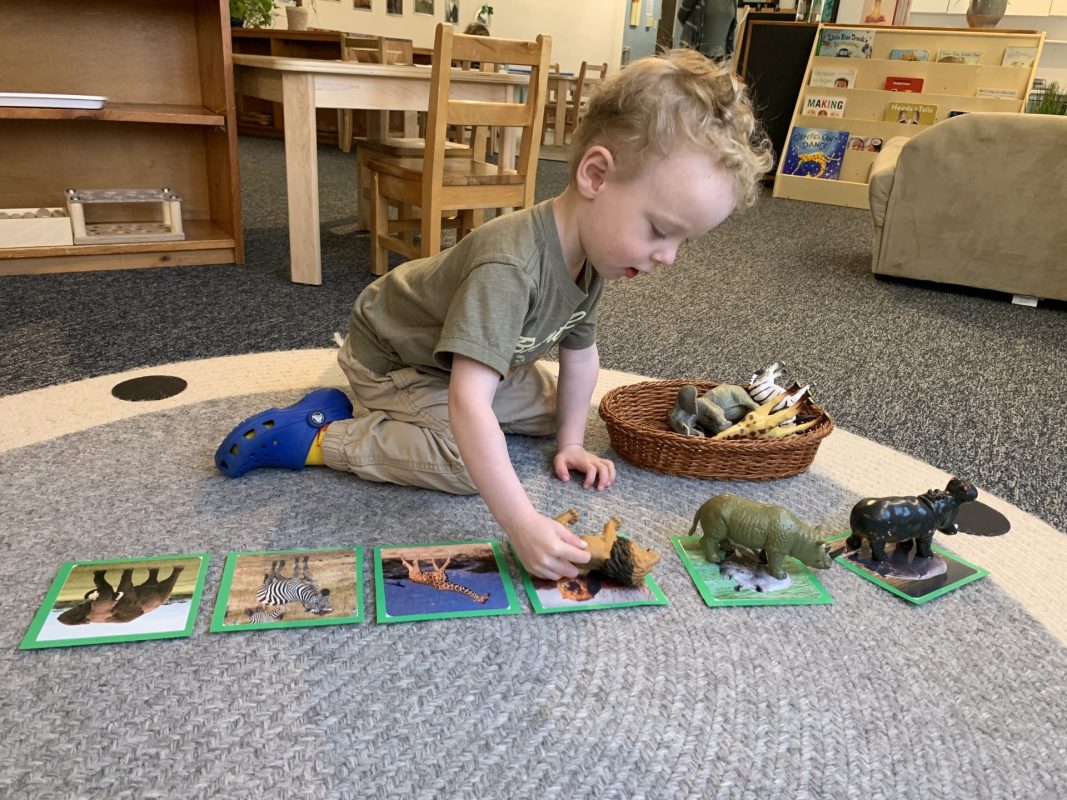
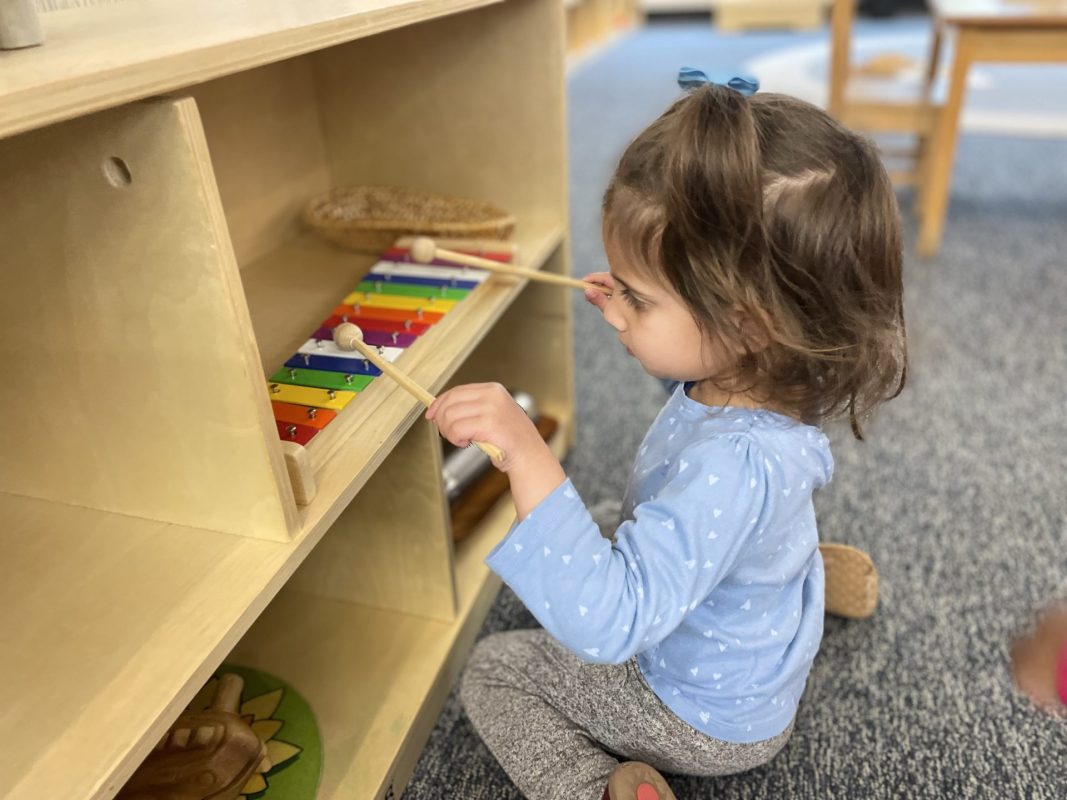
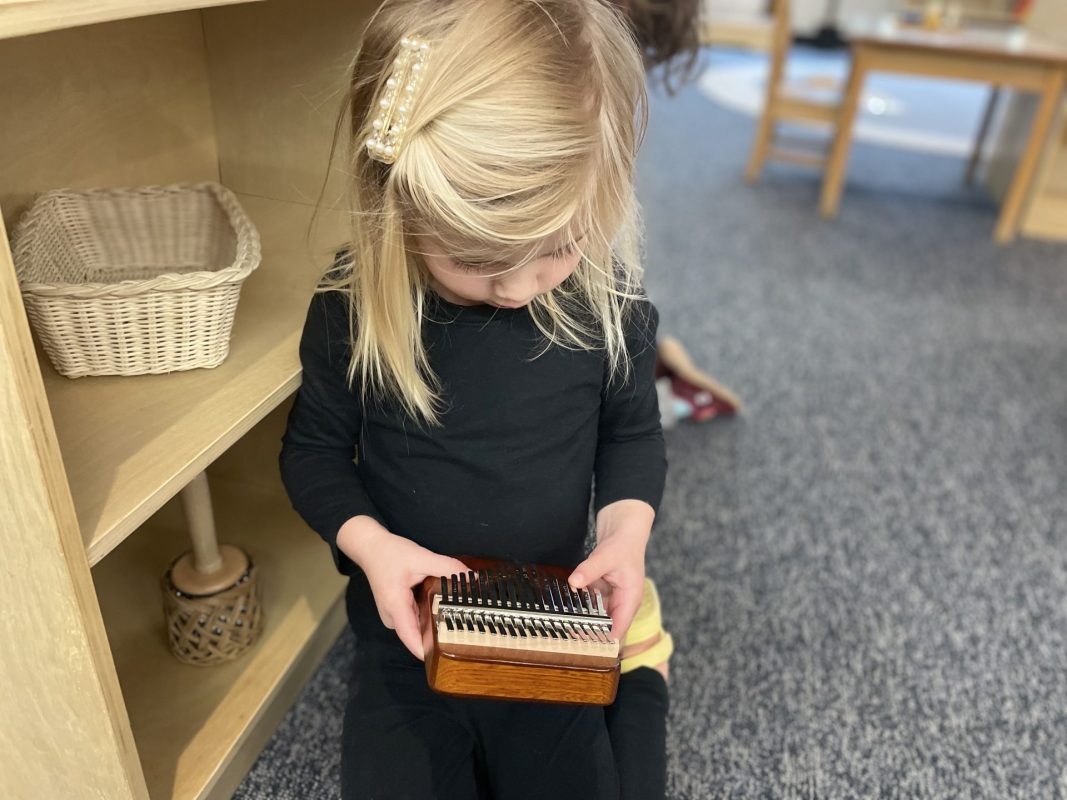
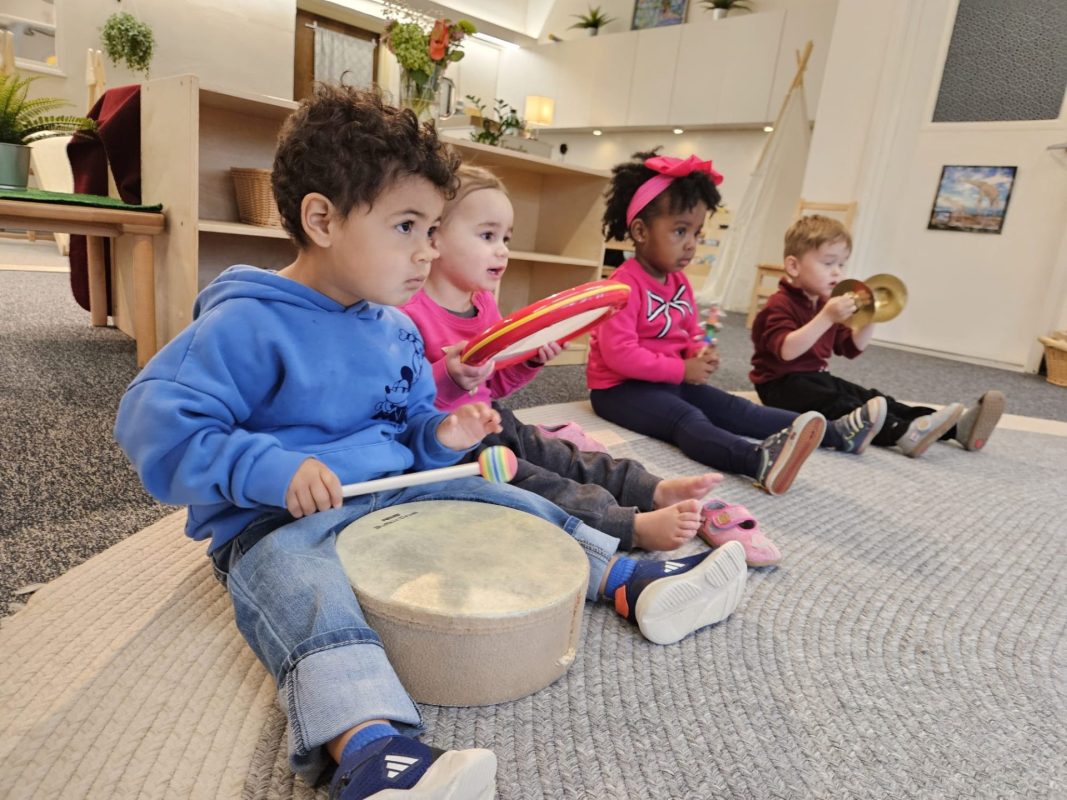
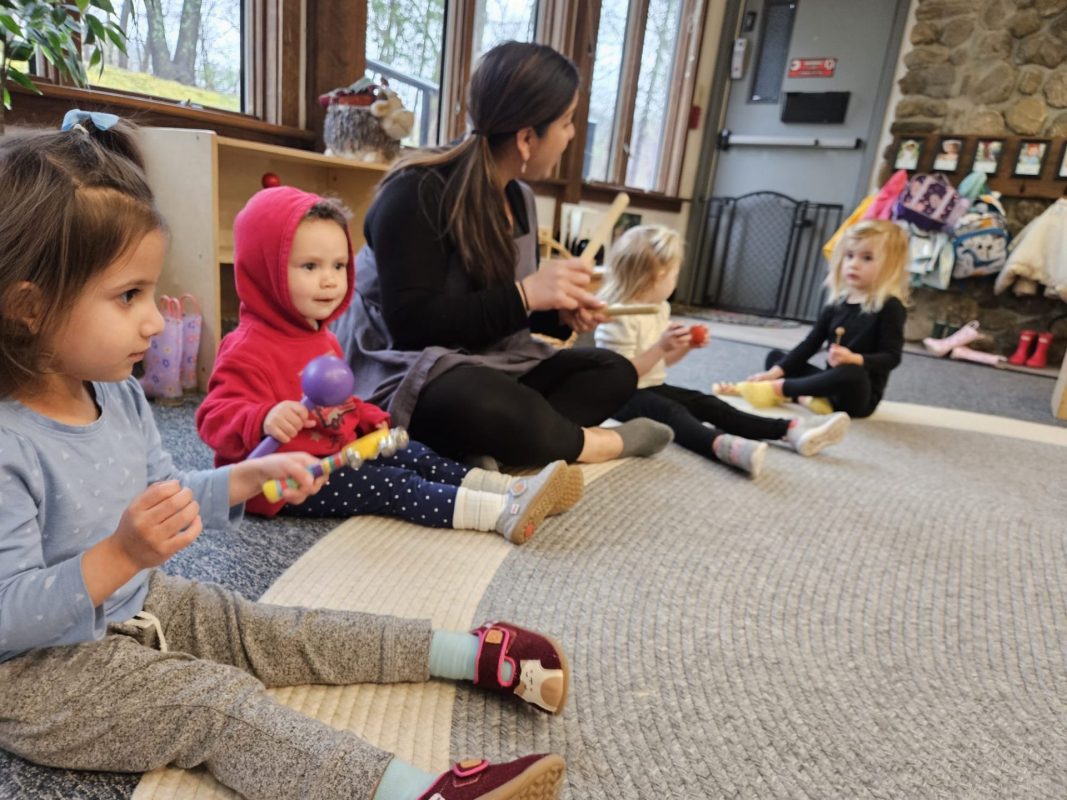
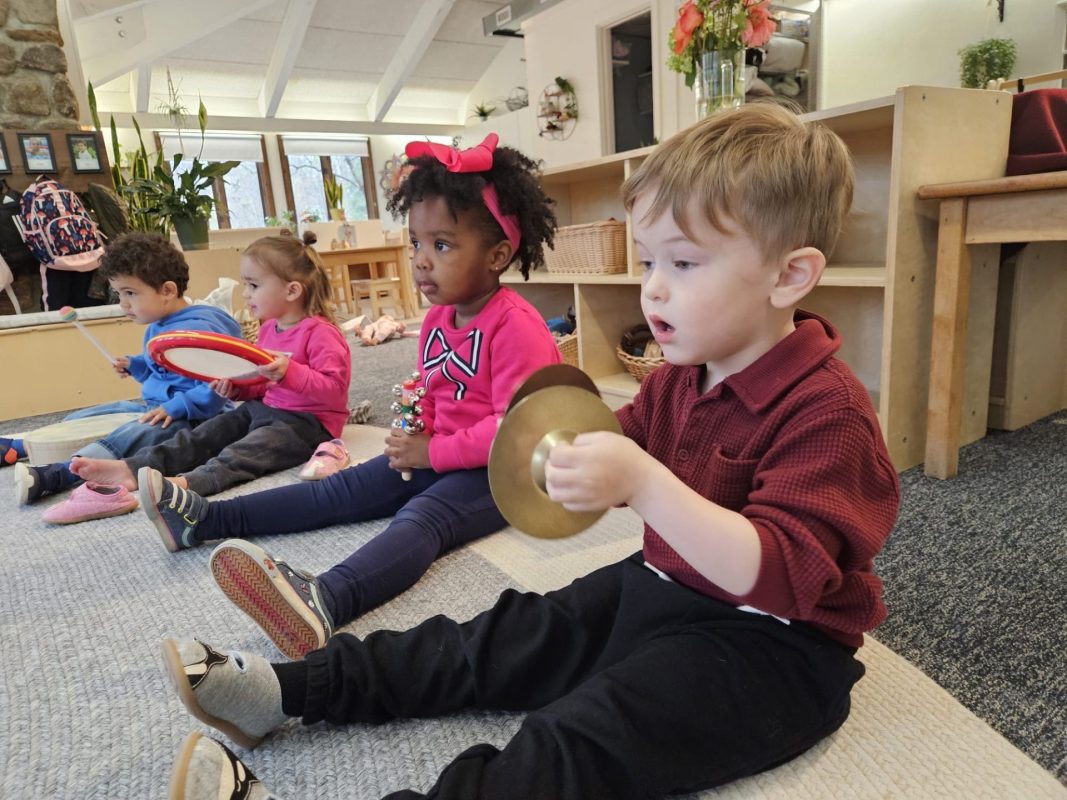
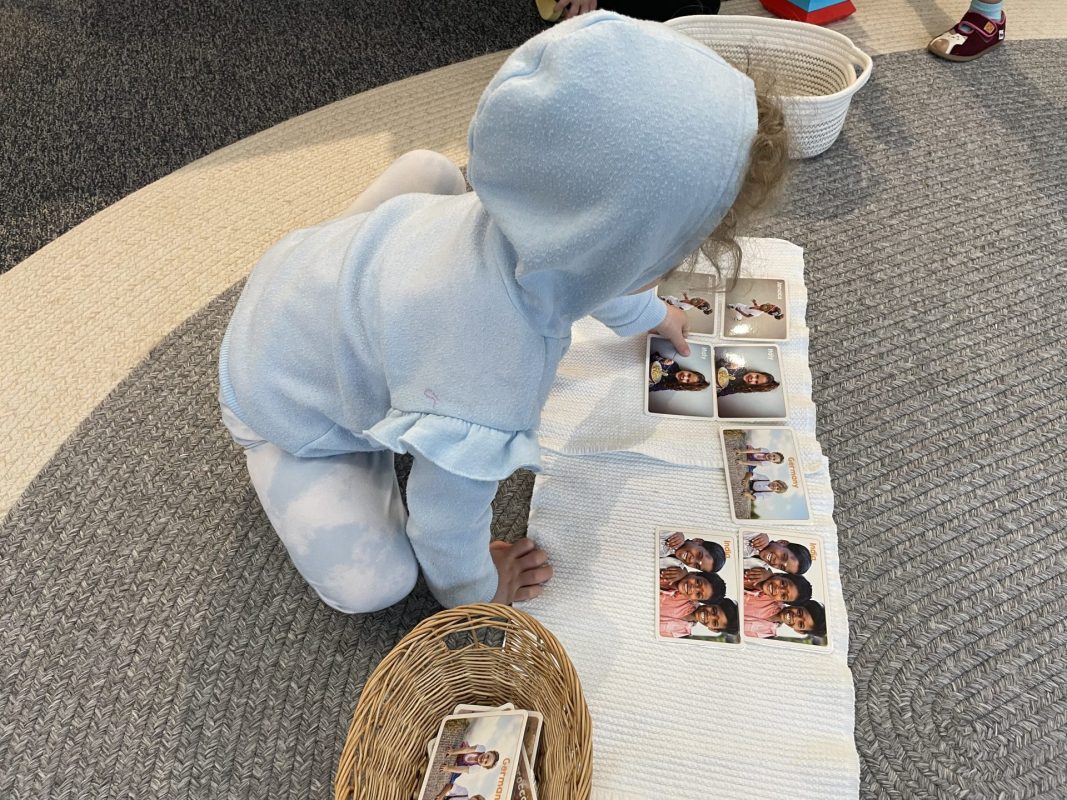
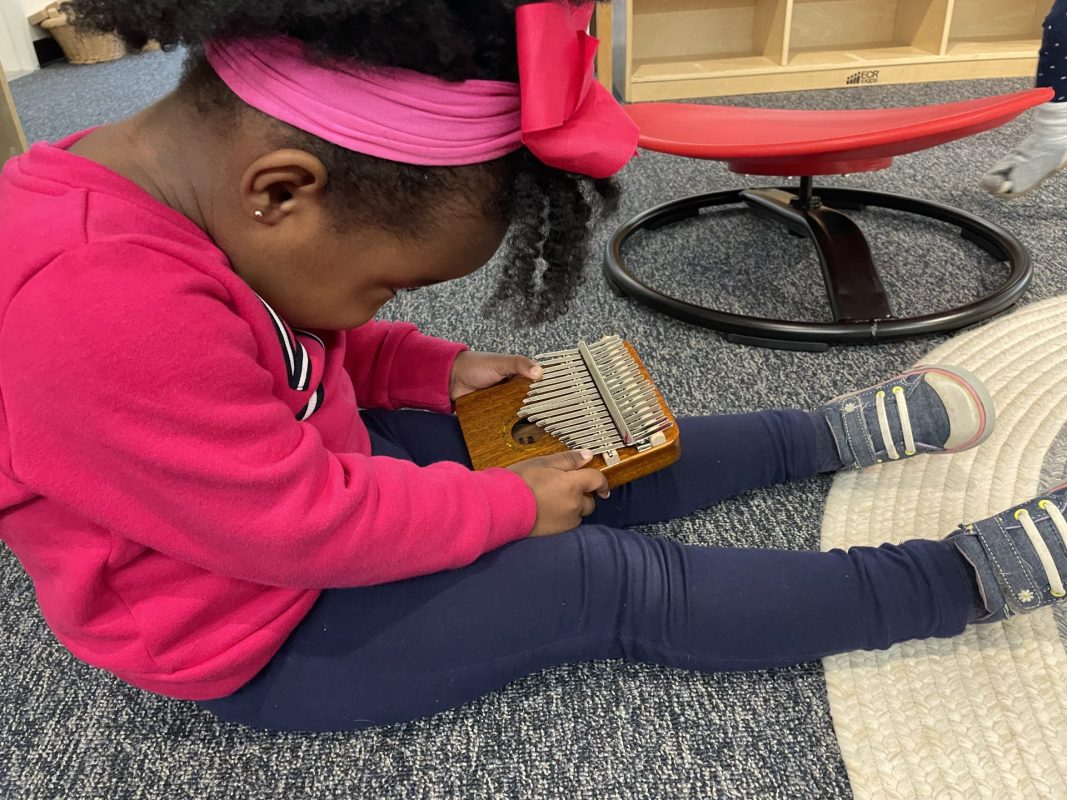
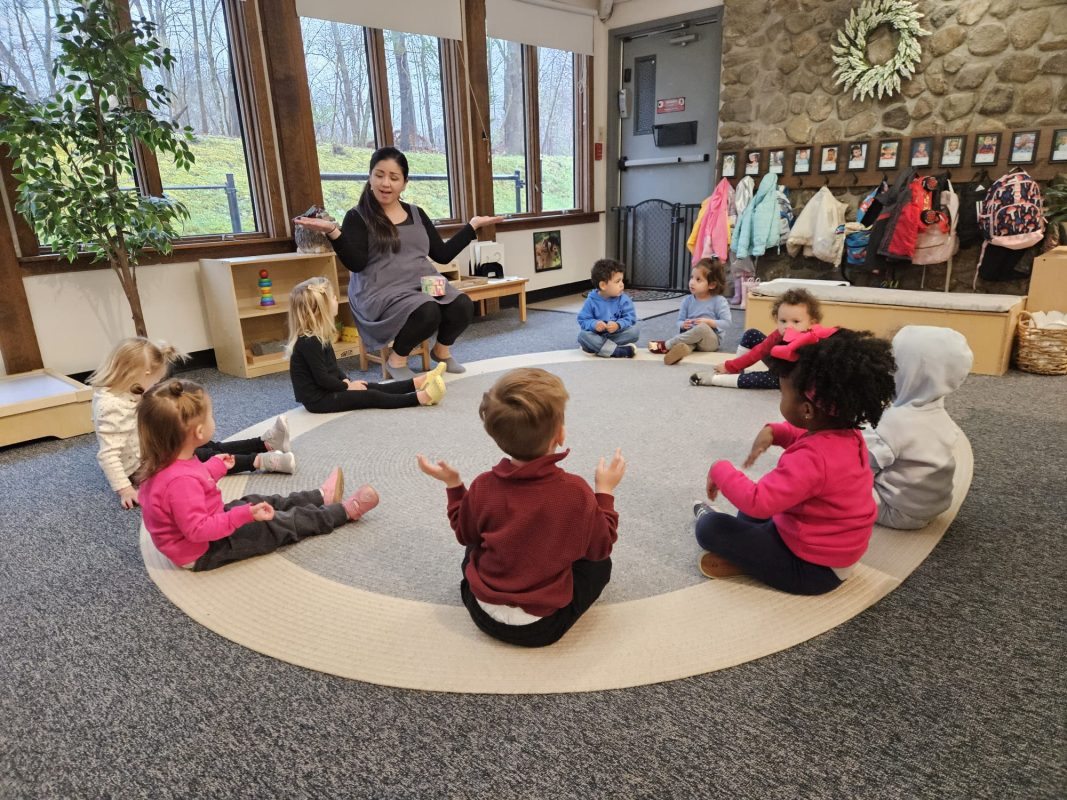
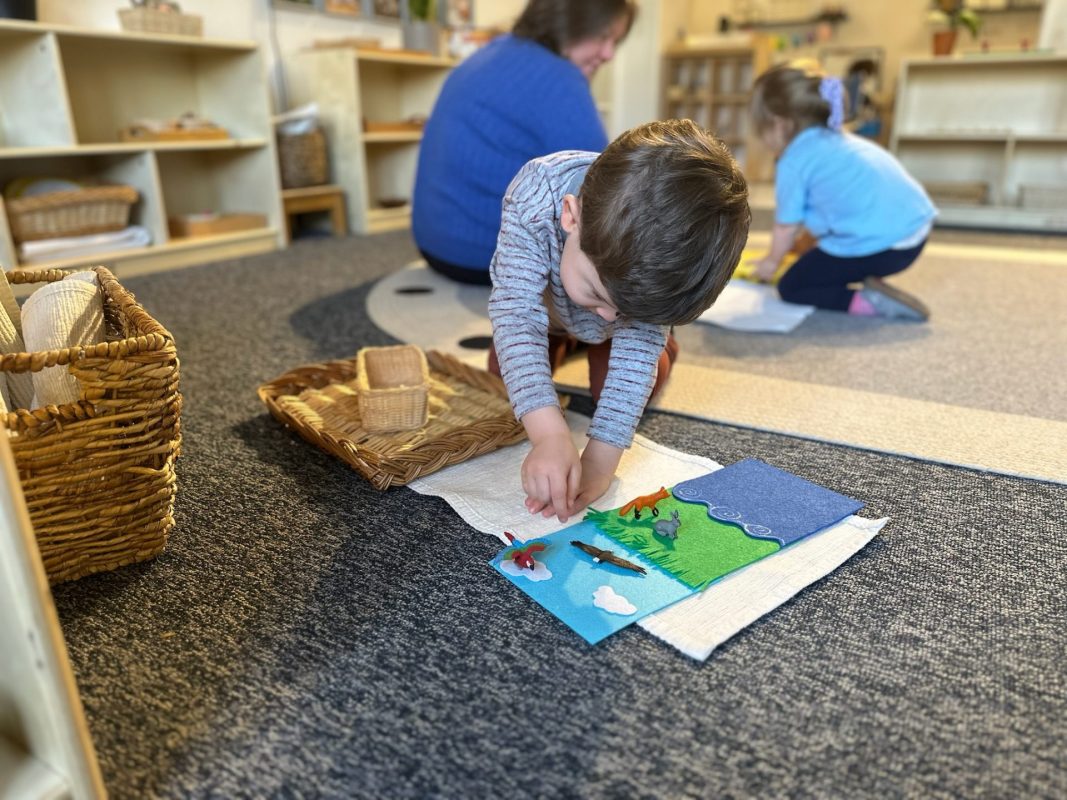
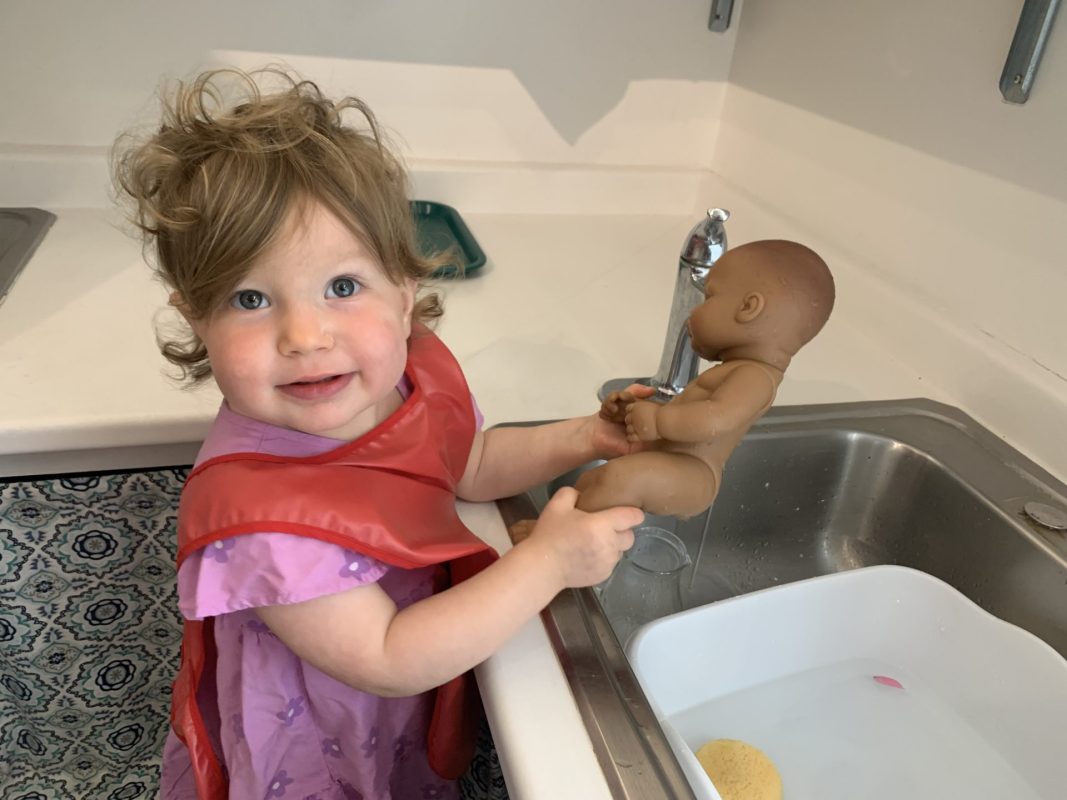
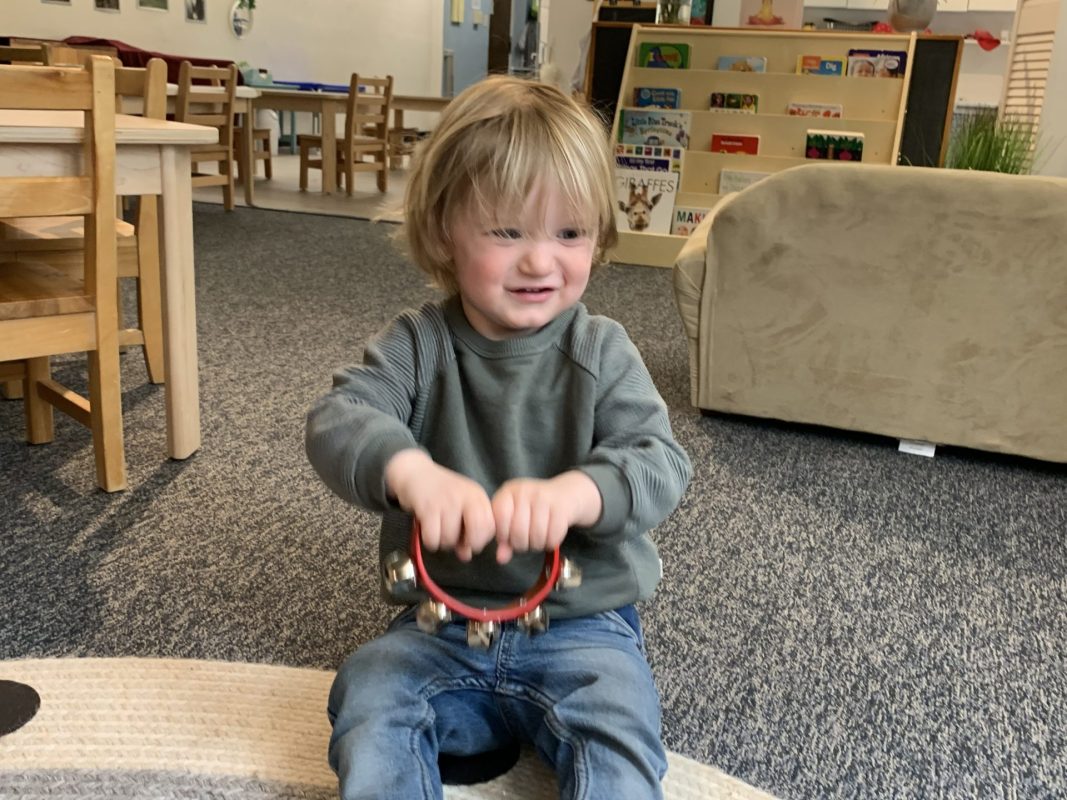
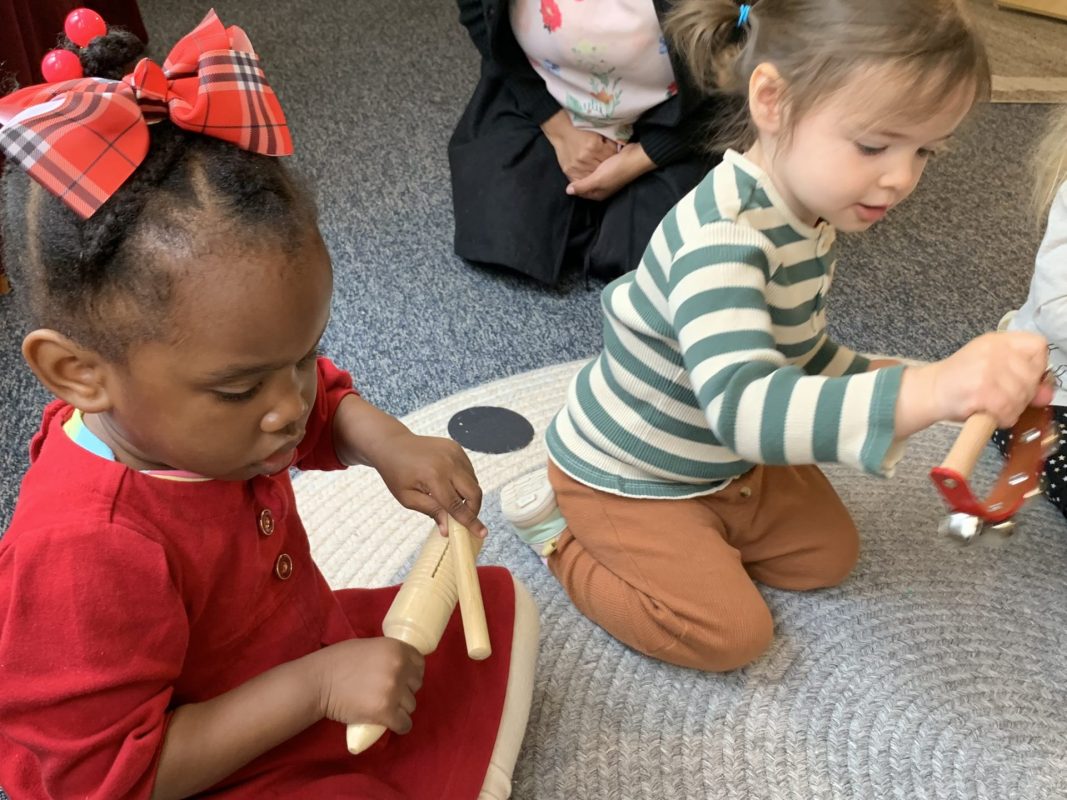
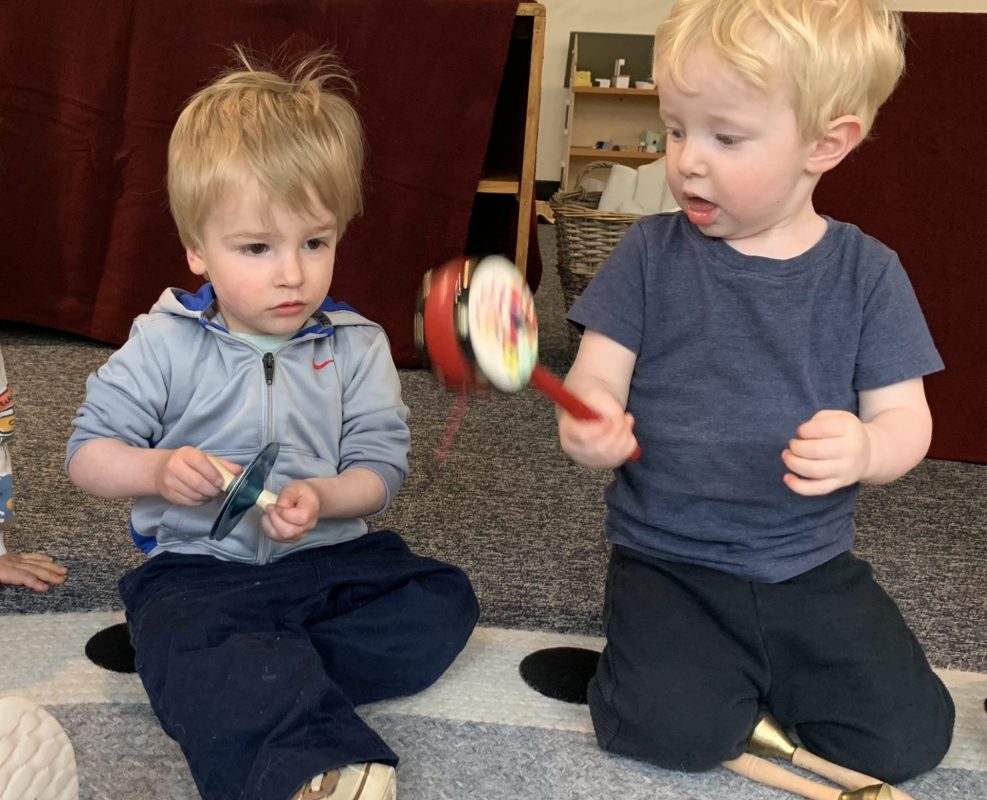
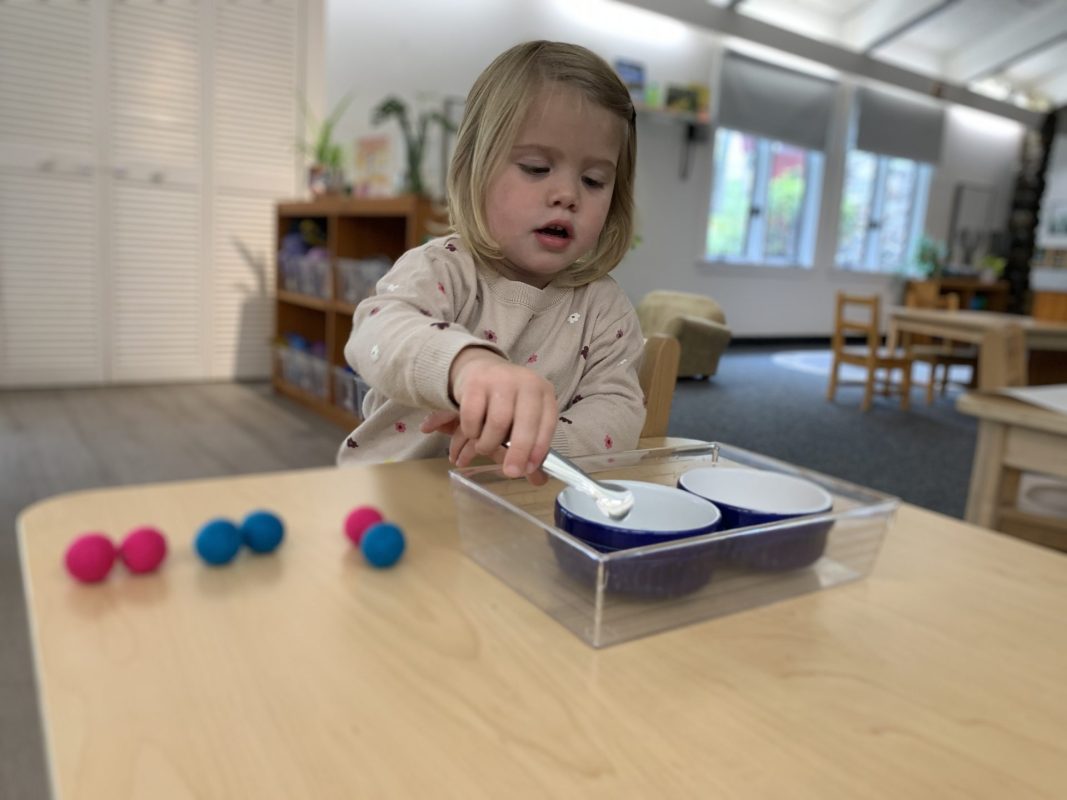
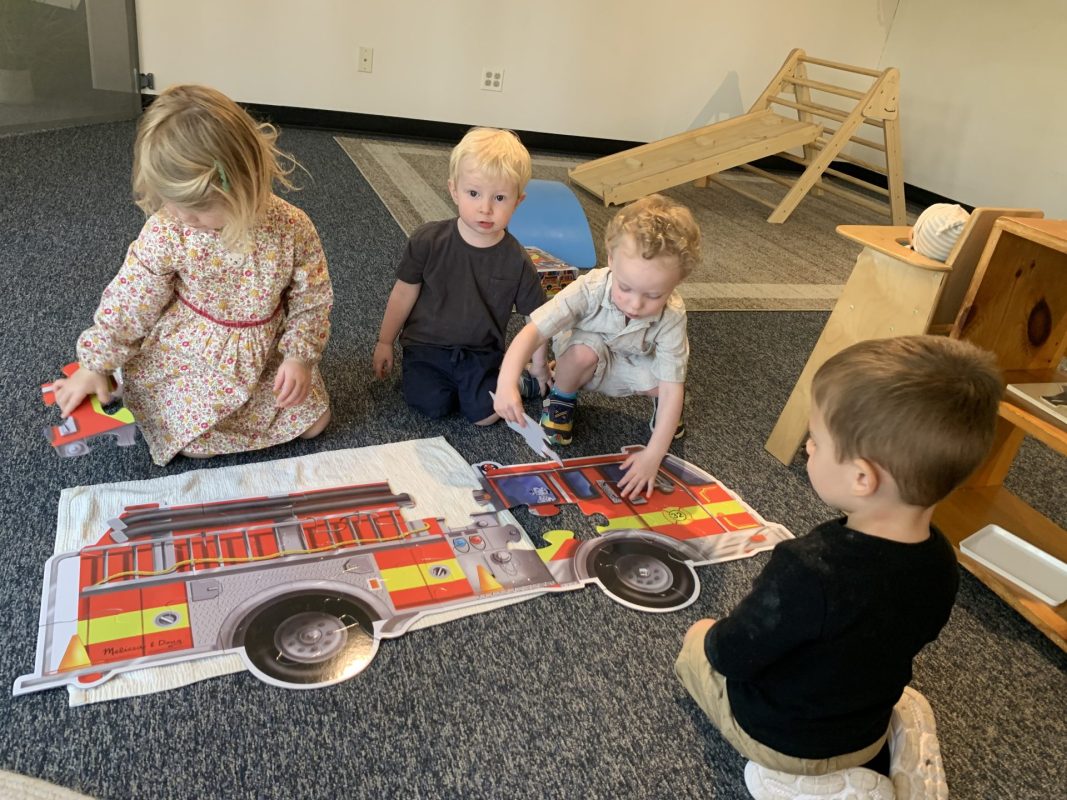
We have spent the first week of March listening to Irish music. The children have learned a bit about bagpipes, and many of them start to dance as soon as the music begins to play.  We’ve listened to the music from Riverdance and talked about Irish dancing. In some of the music, we listened for drums being played along with the bagpipes. The children have also enjoyed learning the names of other musical instruments such as flute, clarinet, French horn, trombone, and guitar. They have seen photos of people playing these instruments and enjoyed matching miniature replicas of these instruments to the photos. 

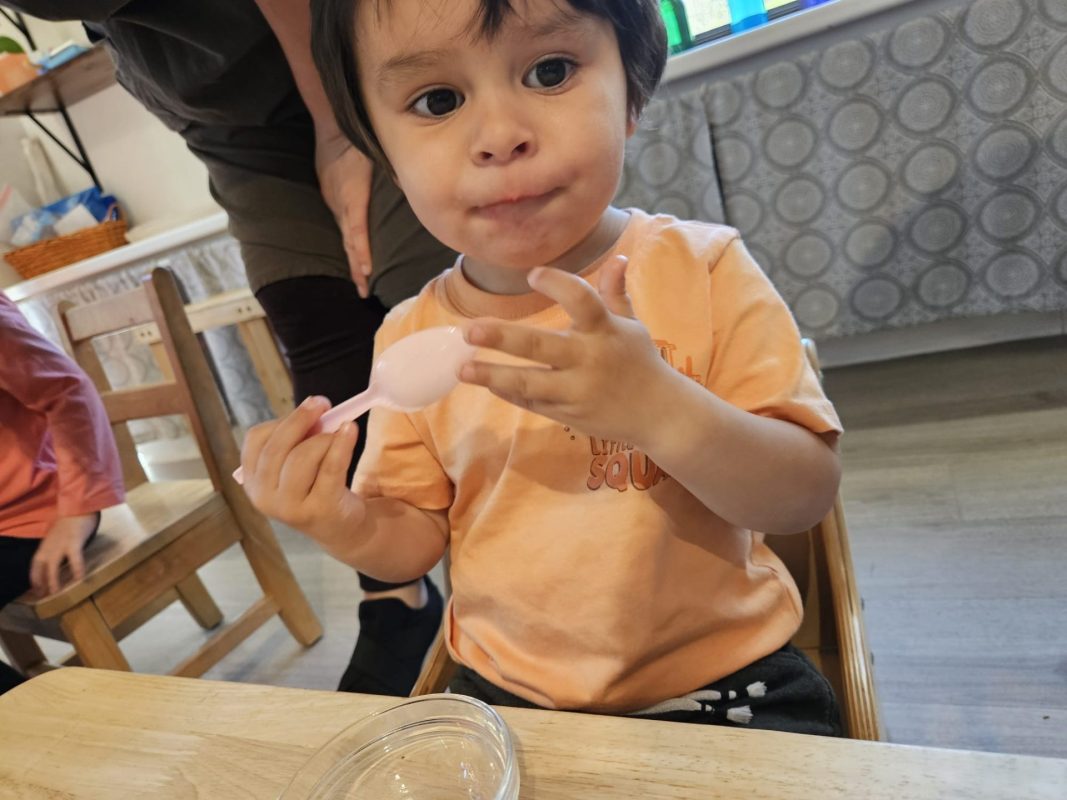
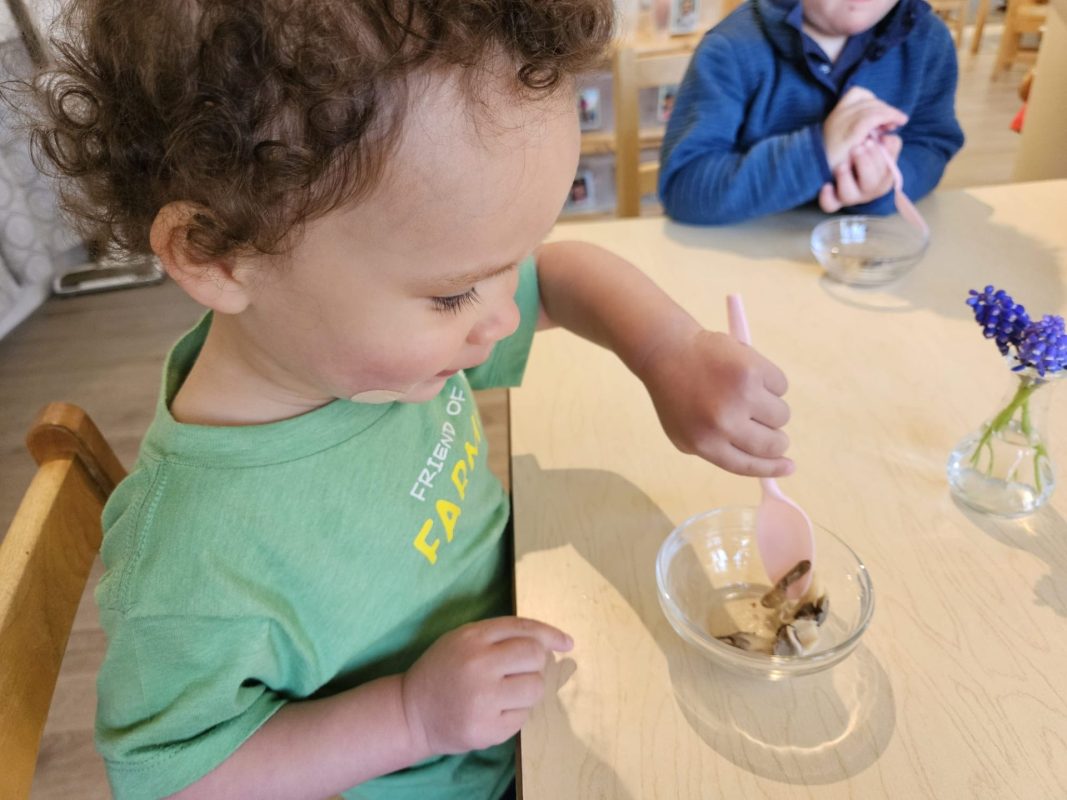
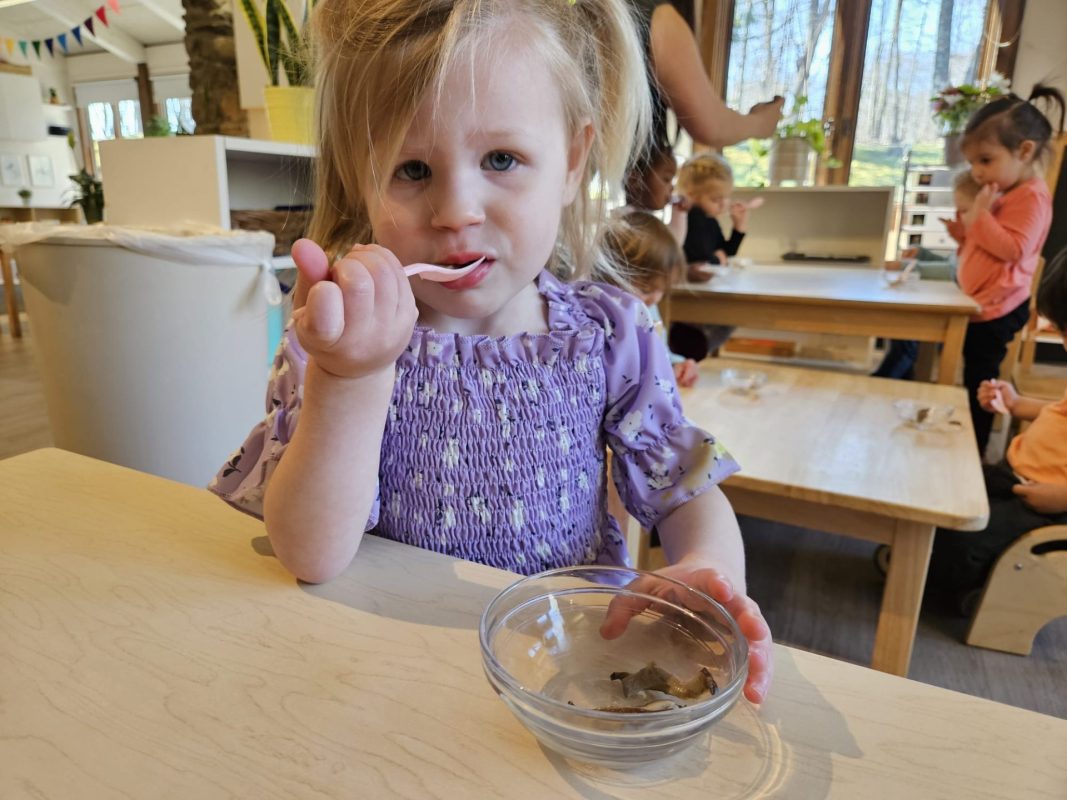
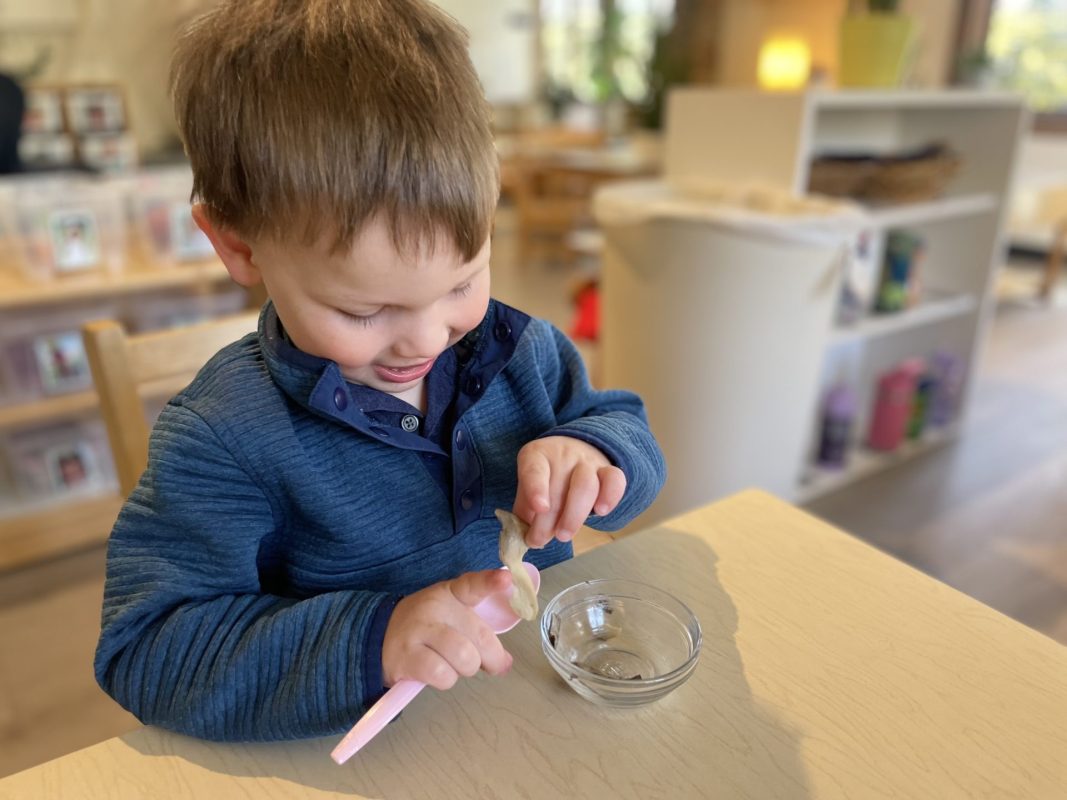
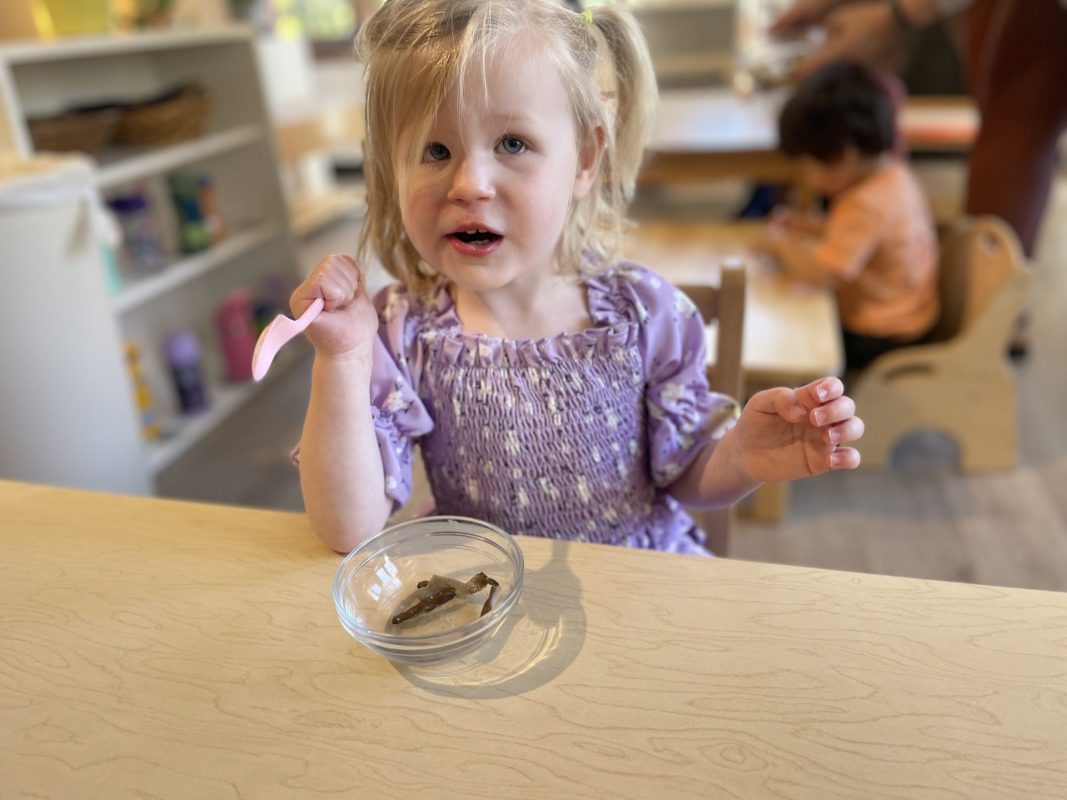
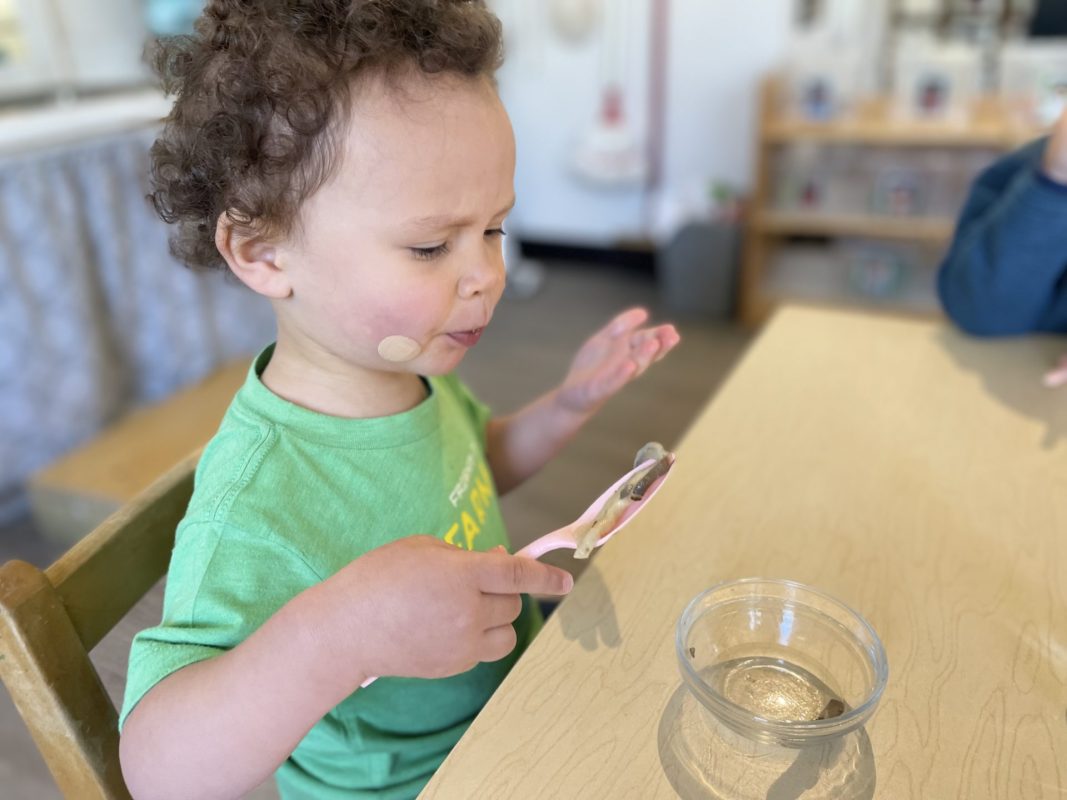
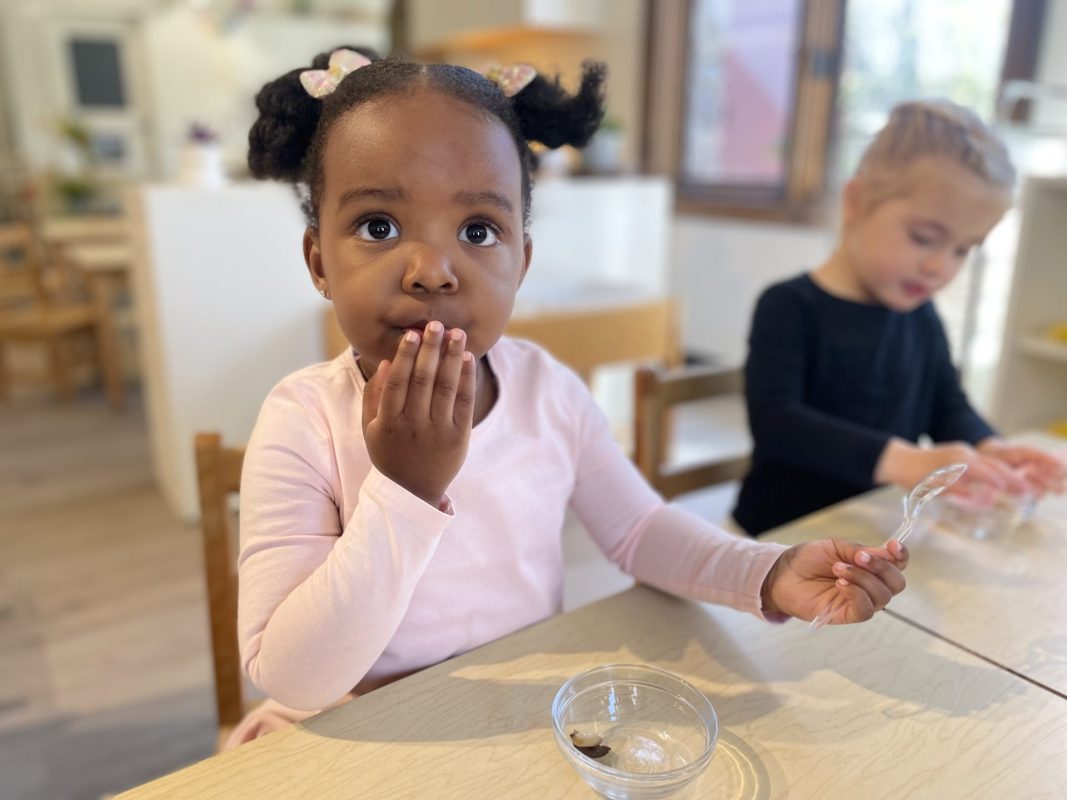
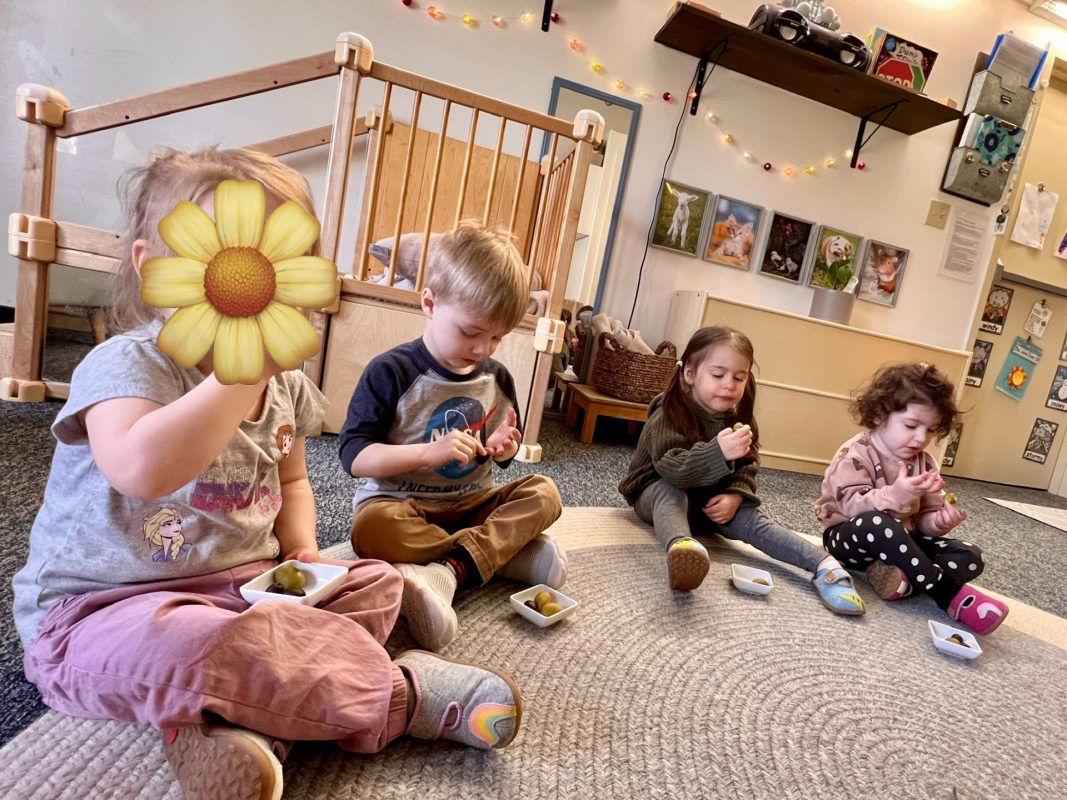
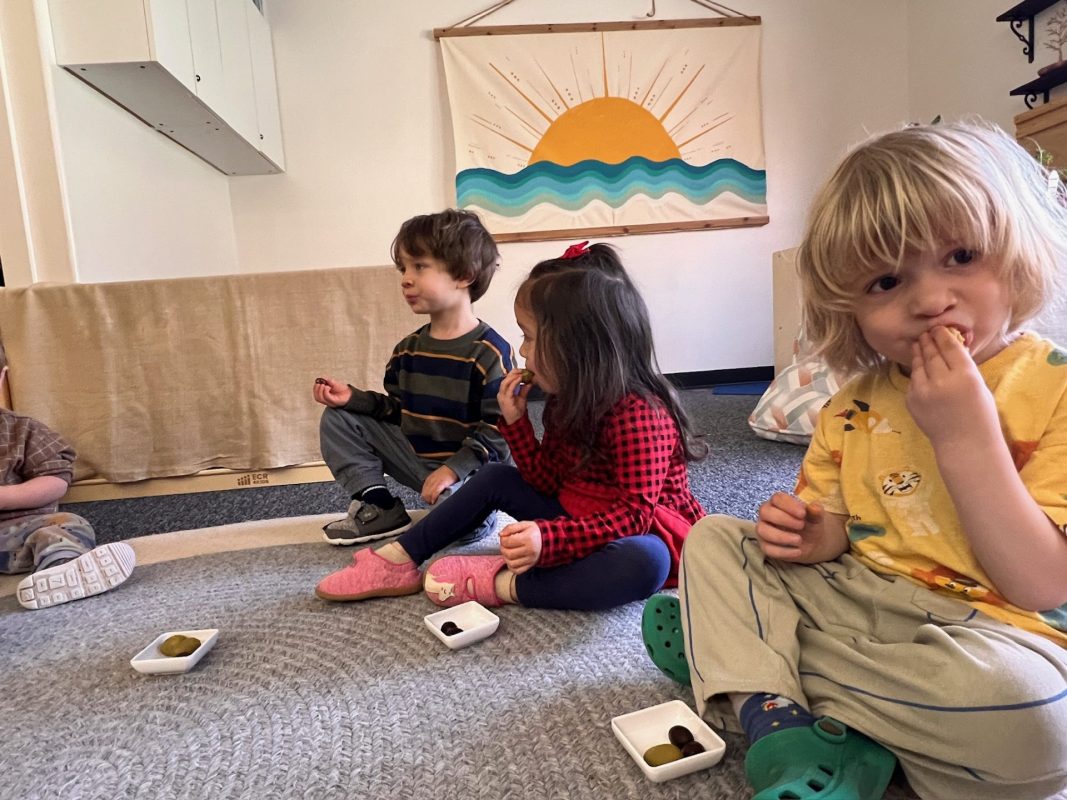
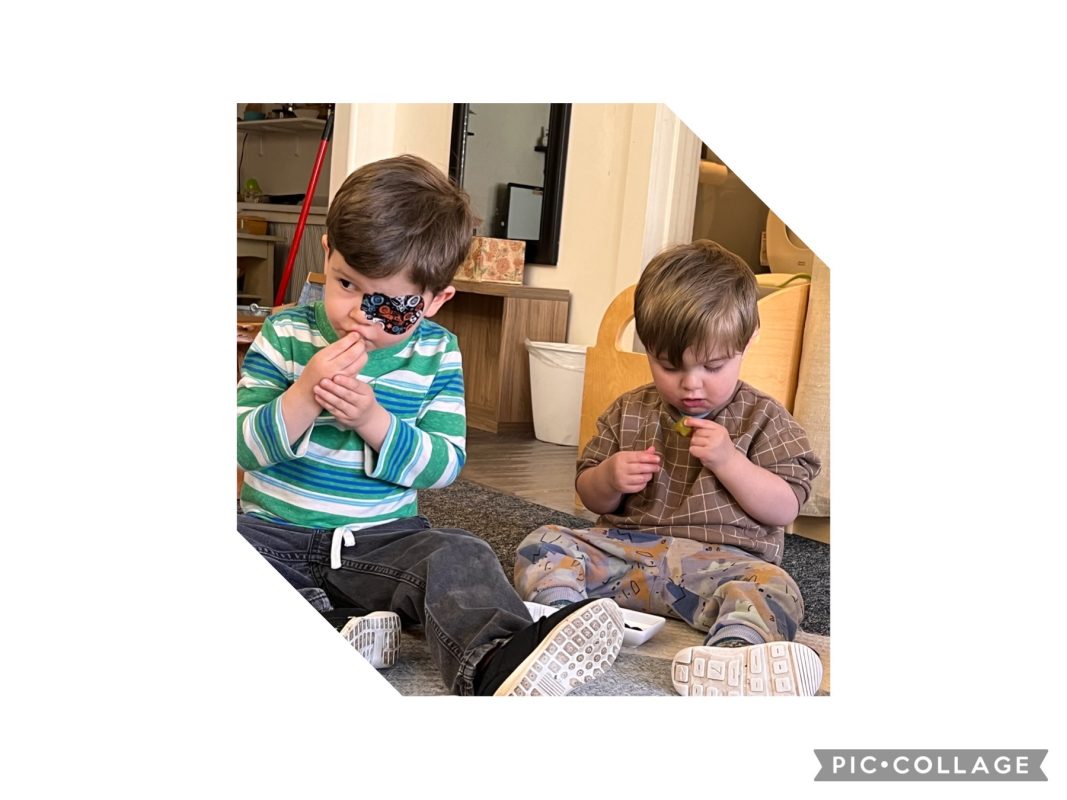
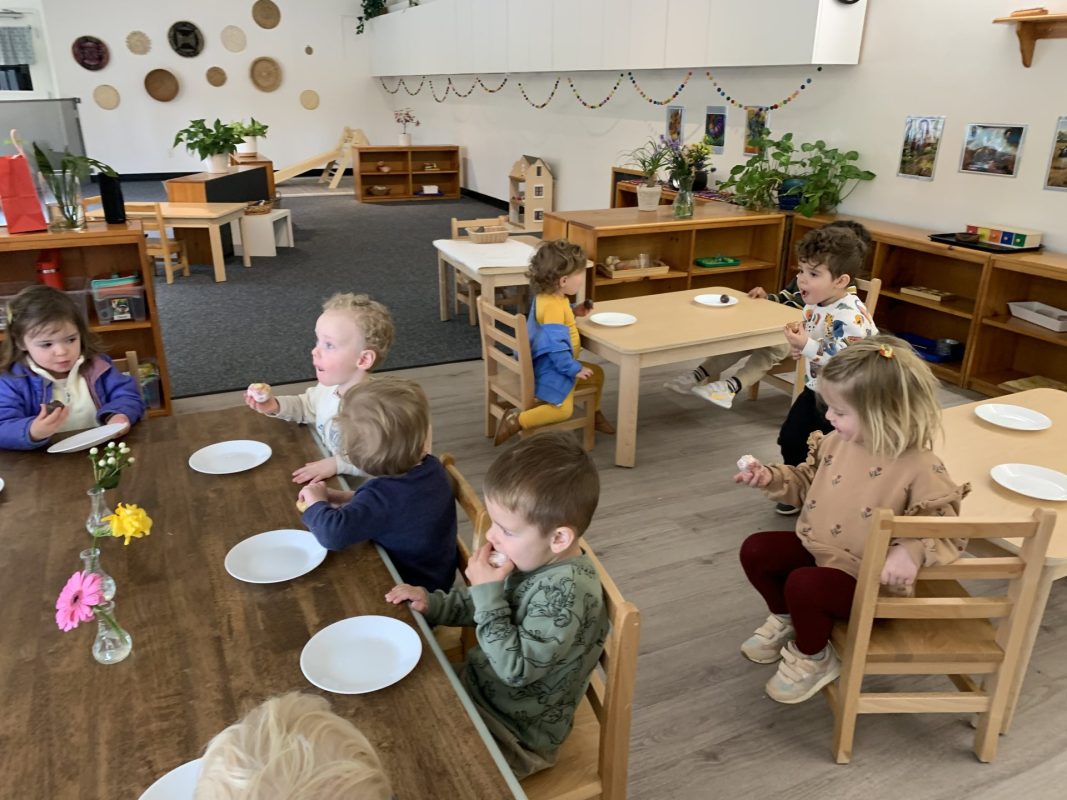
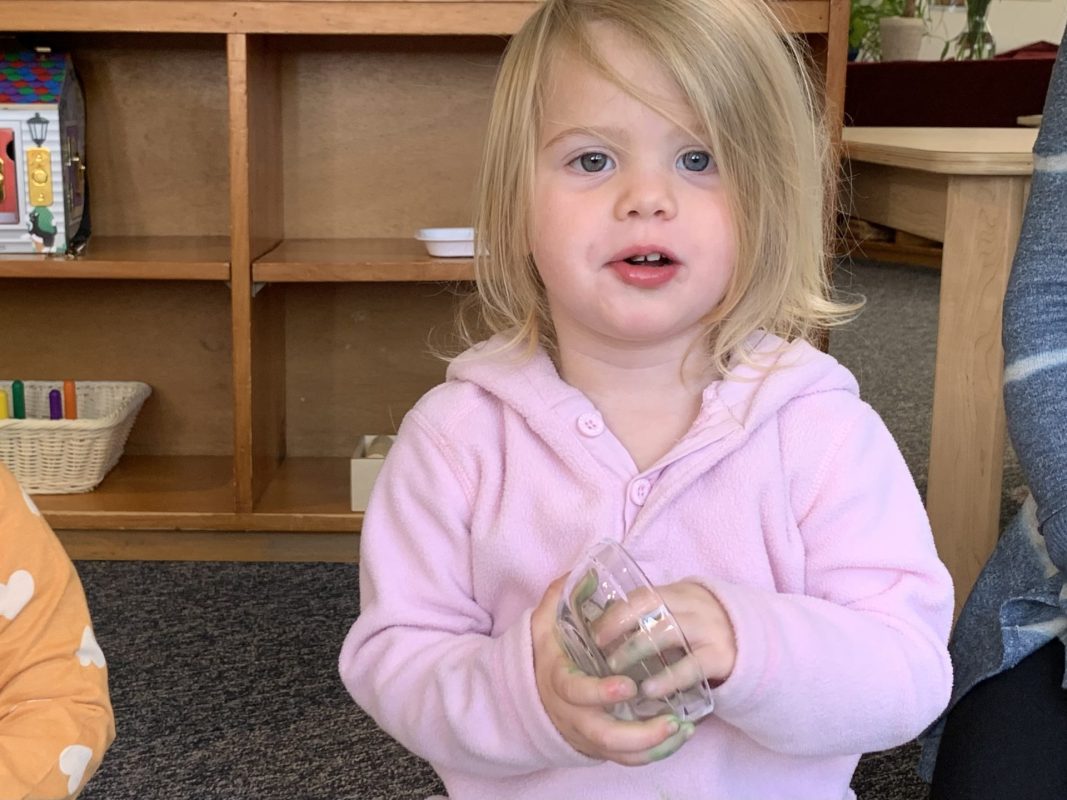
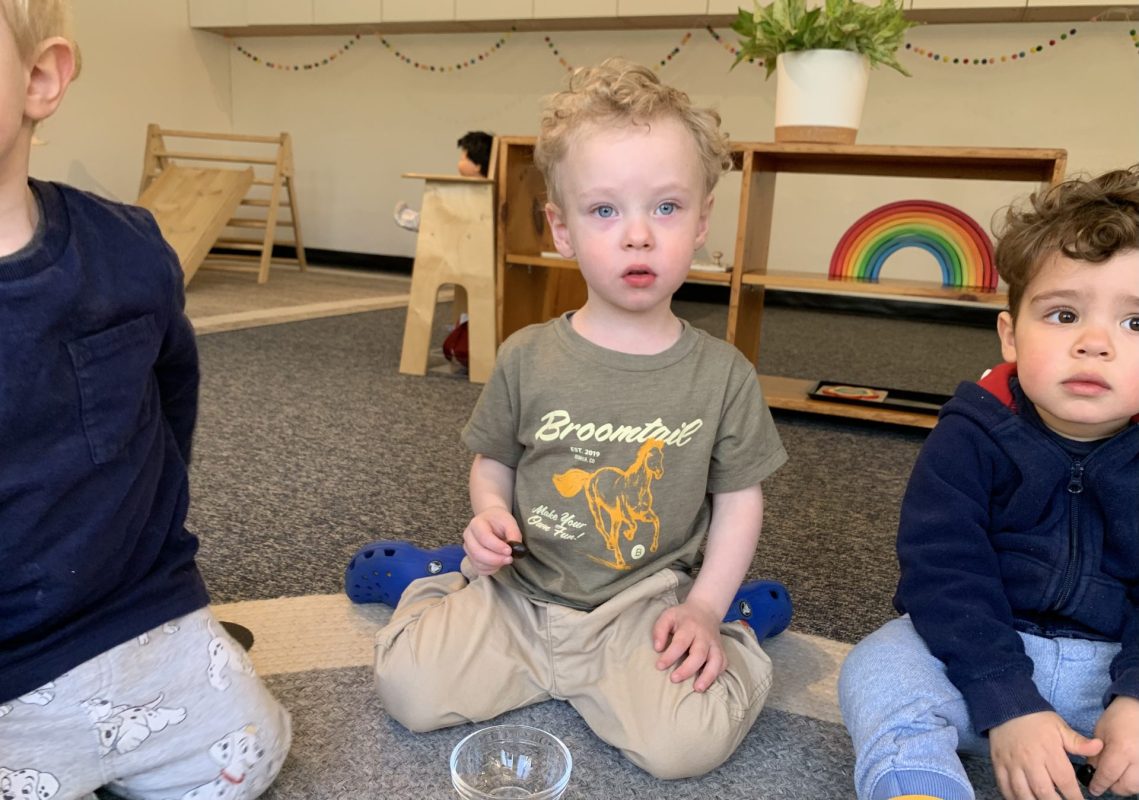
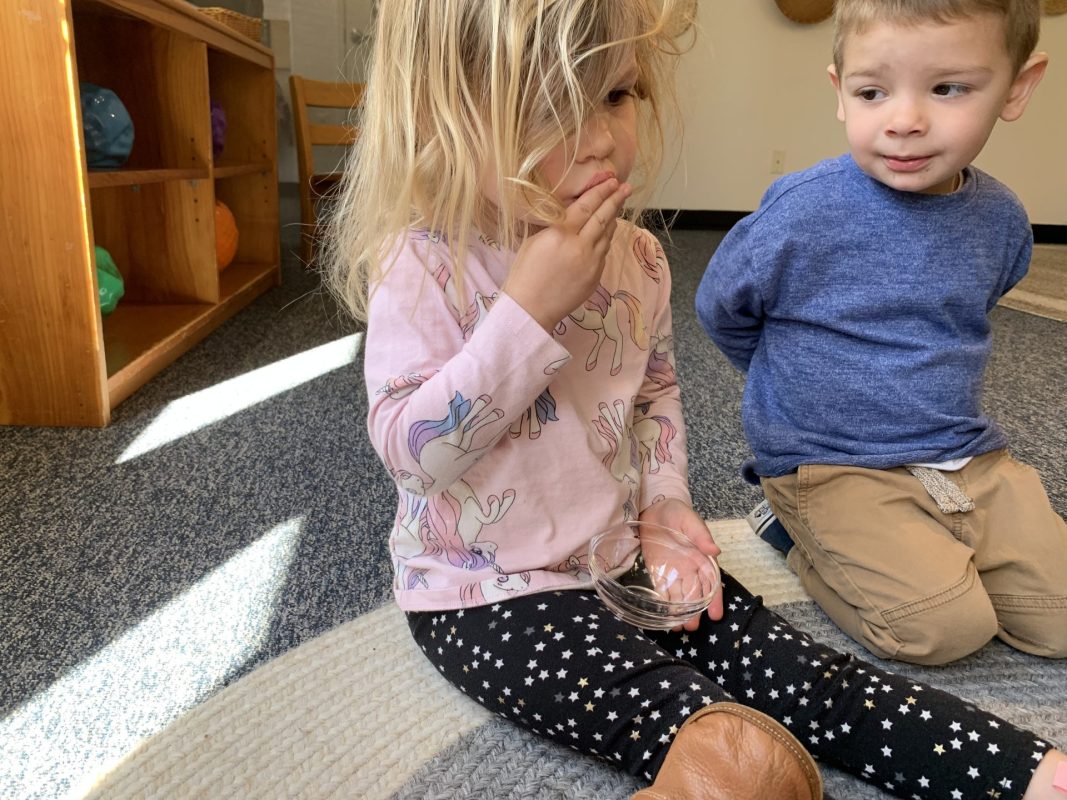
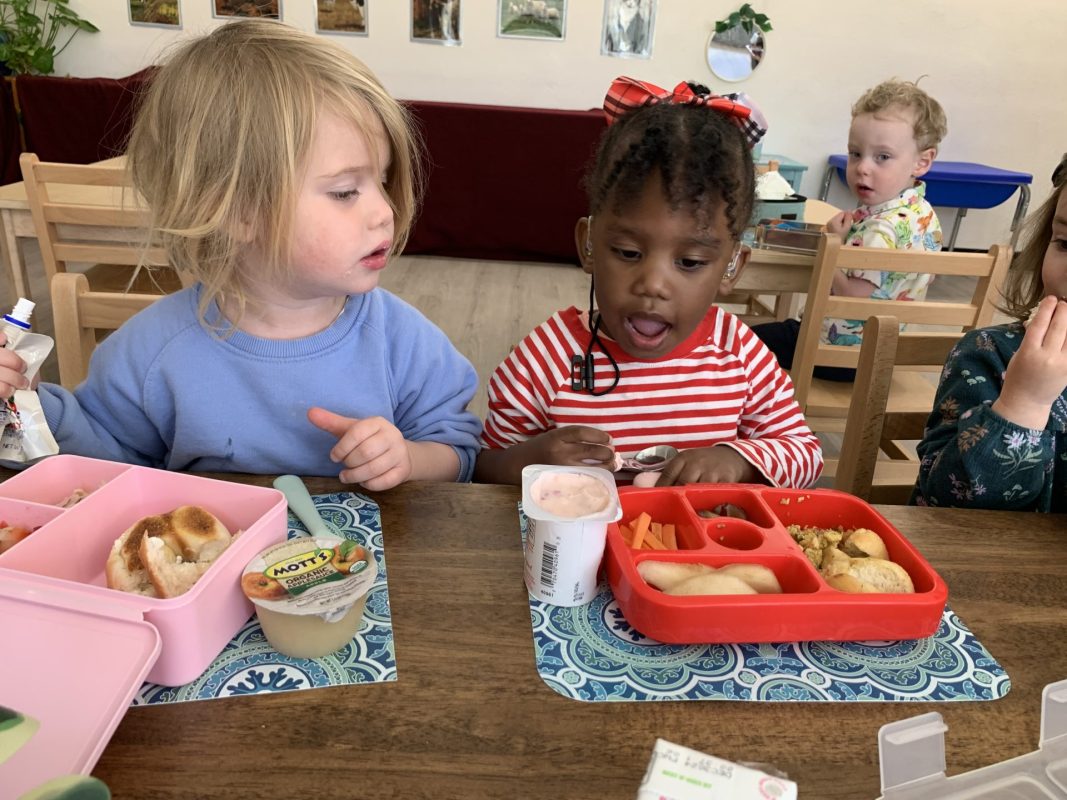
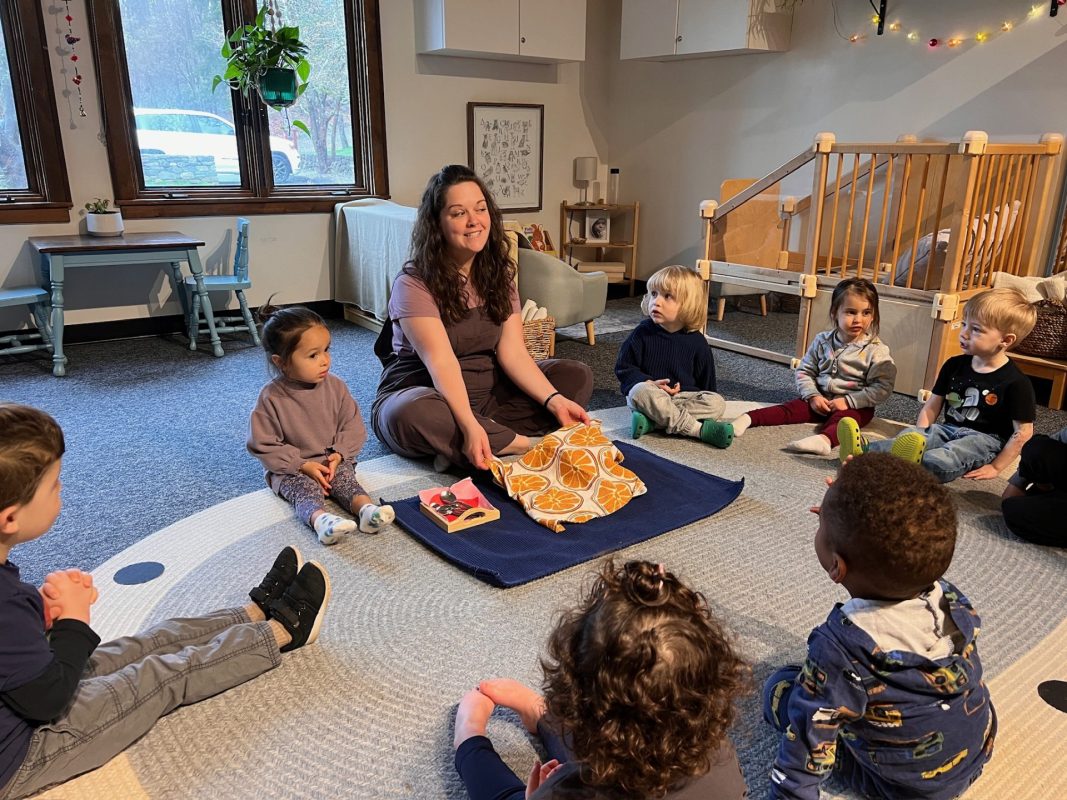
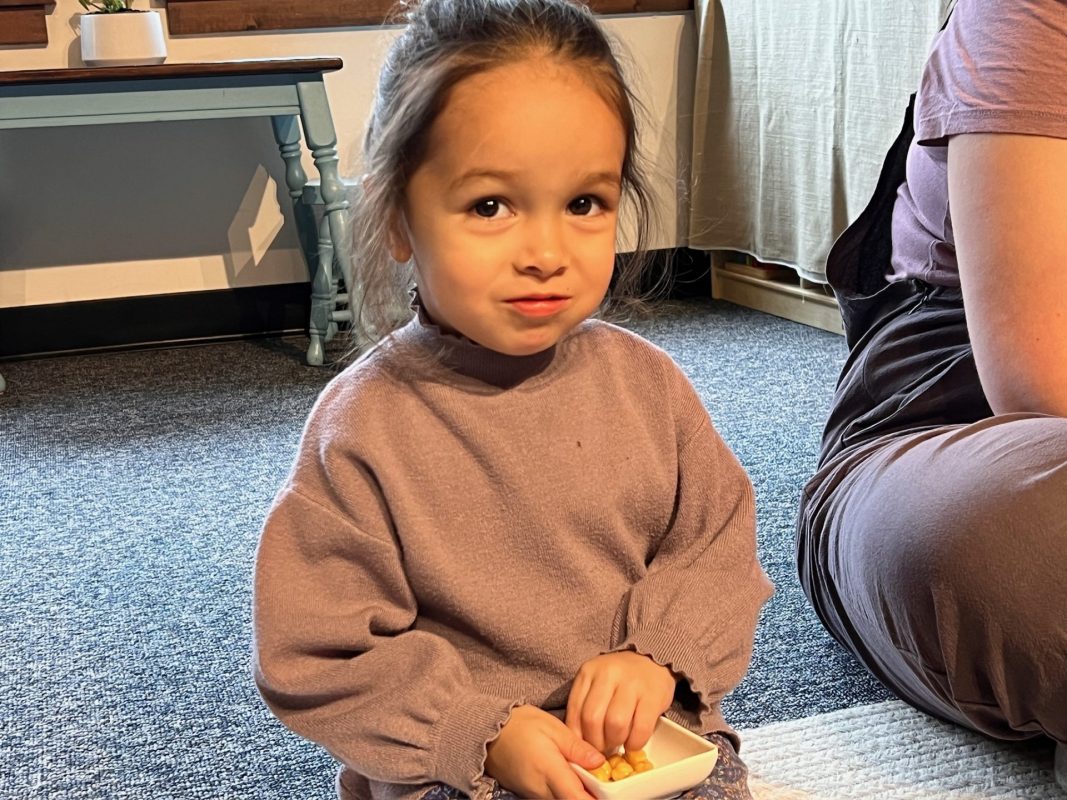
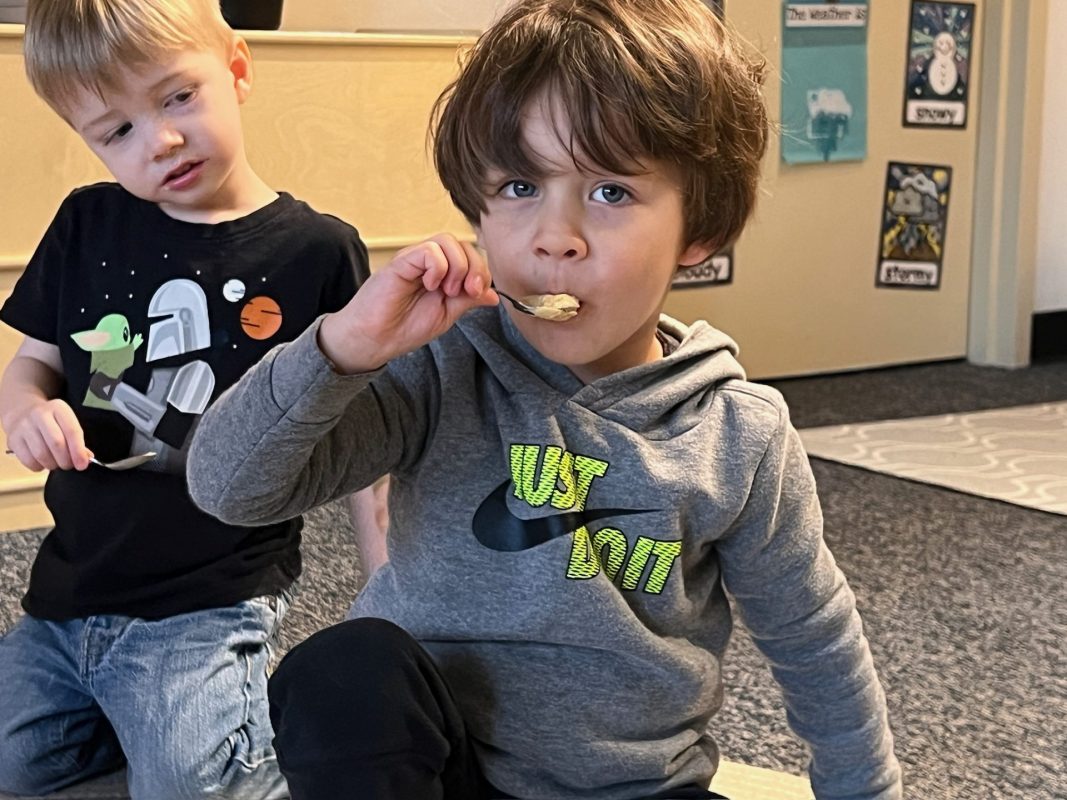
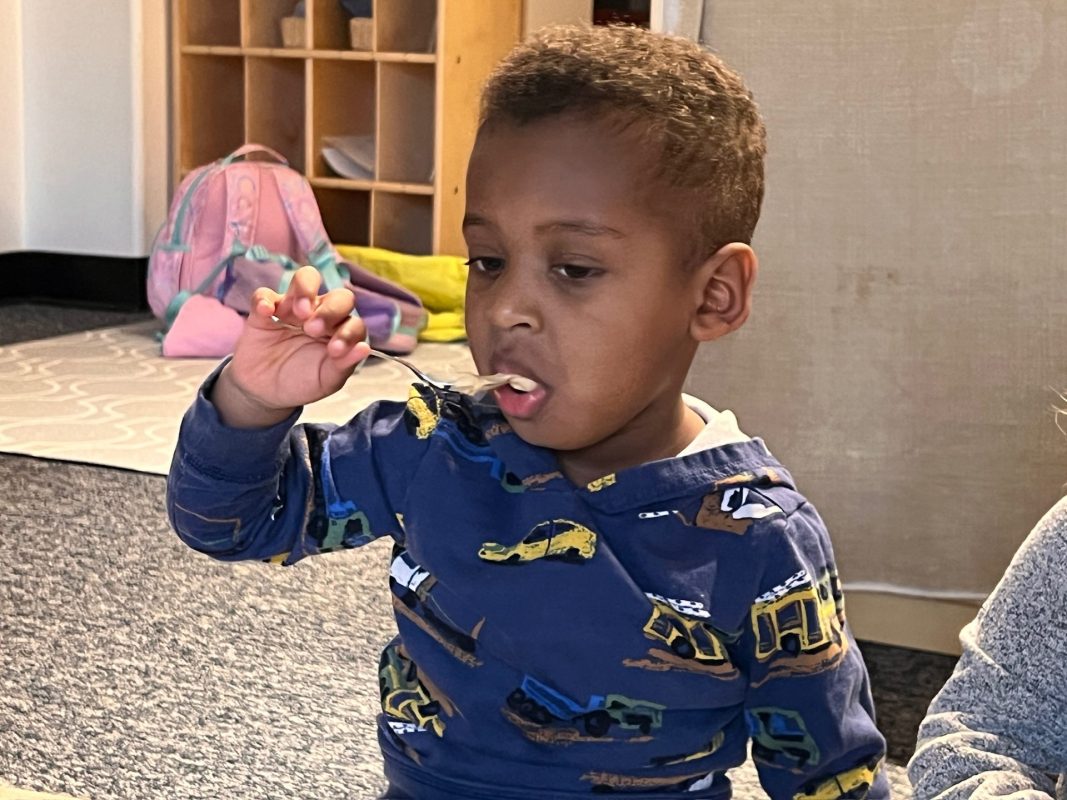
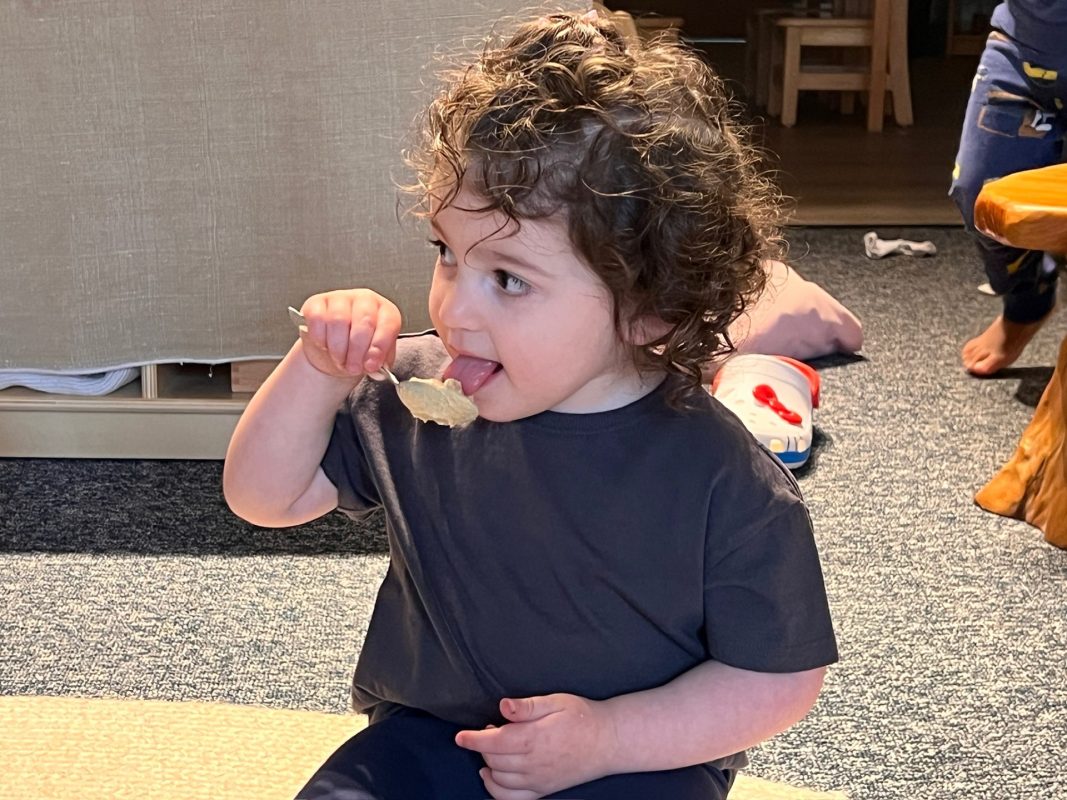
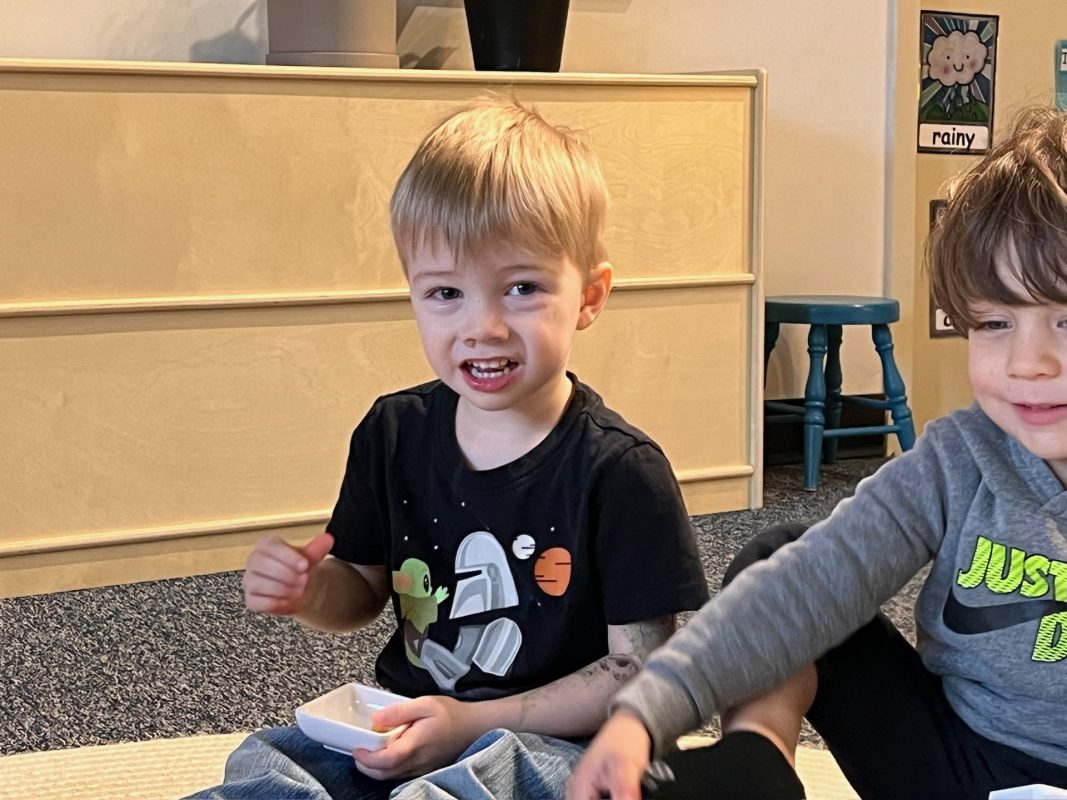
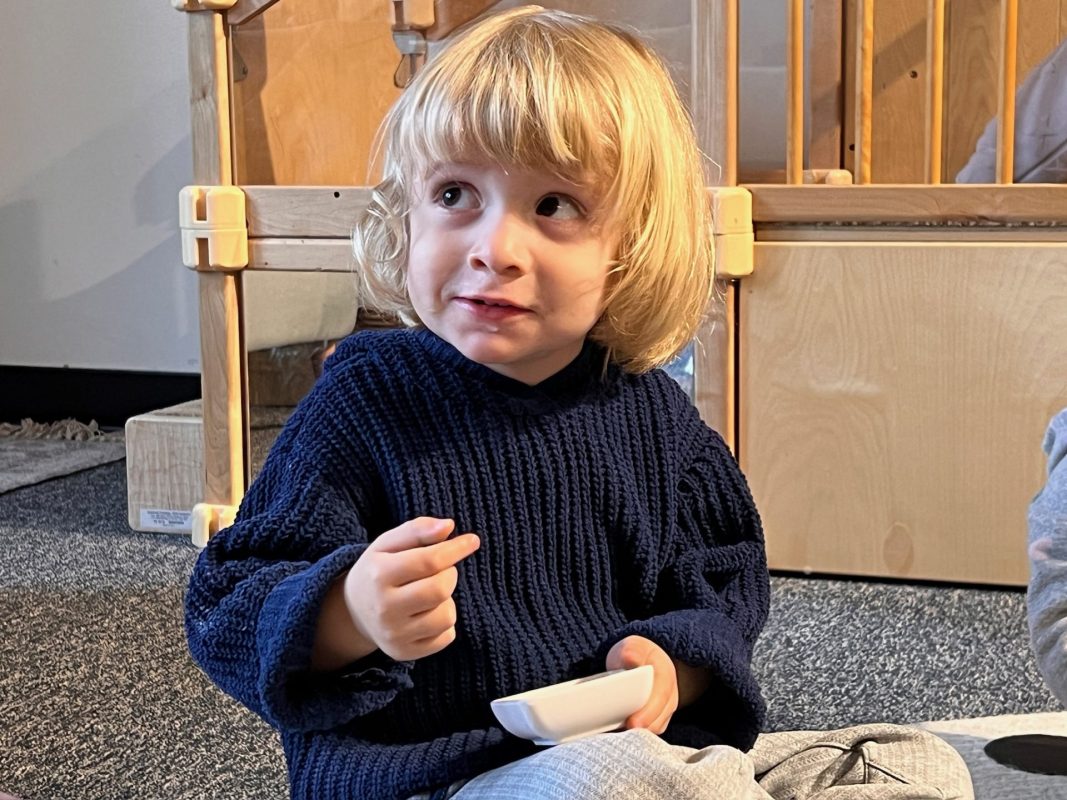
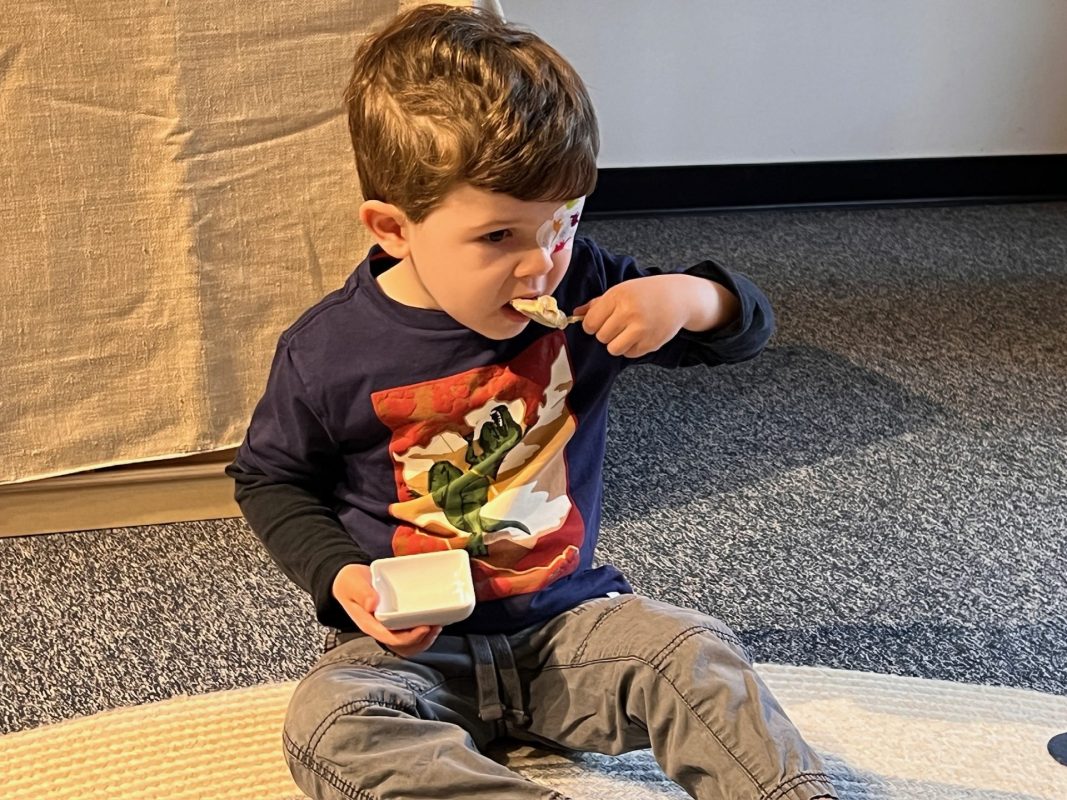
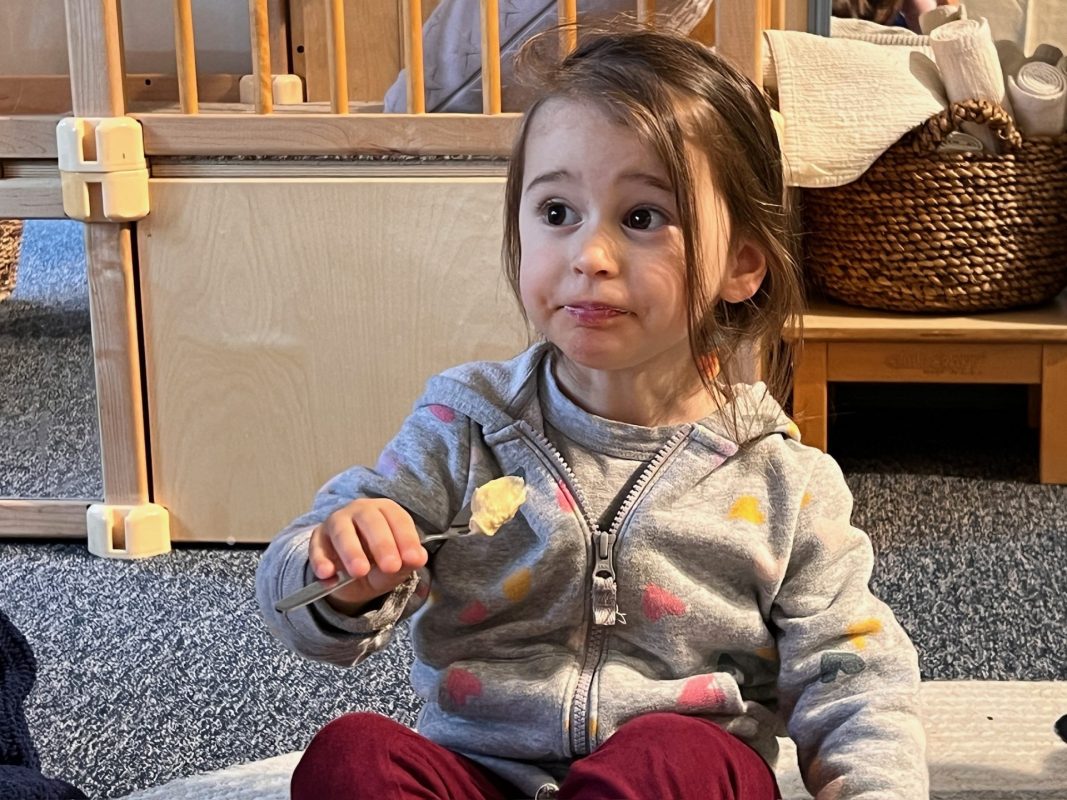
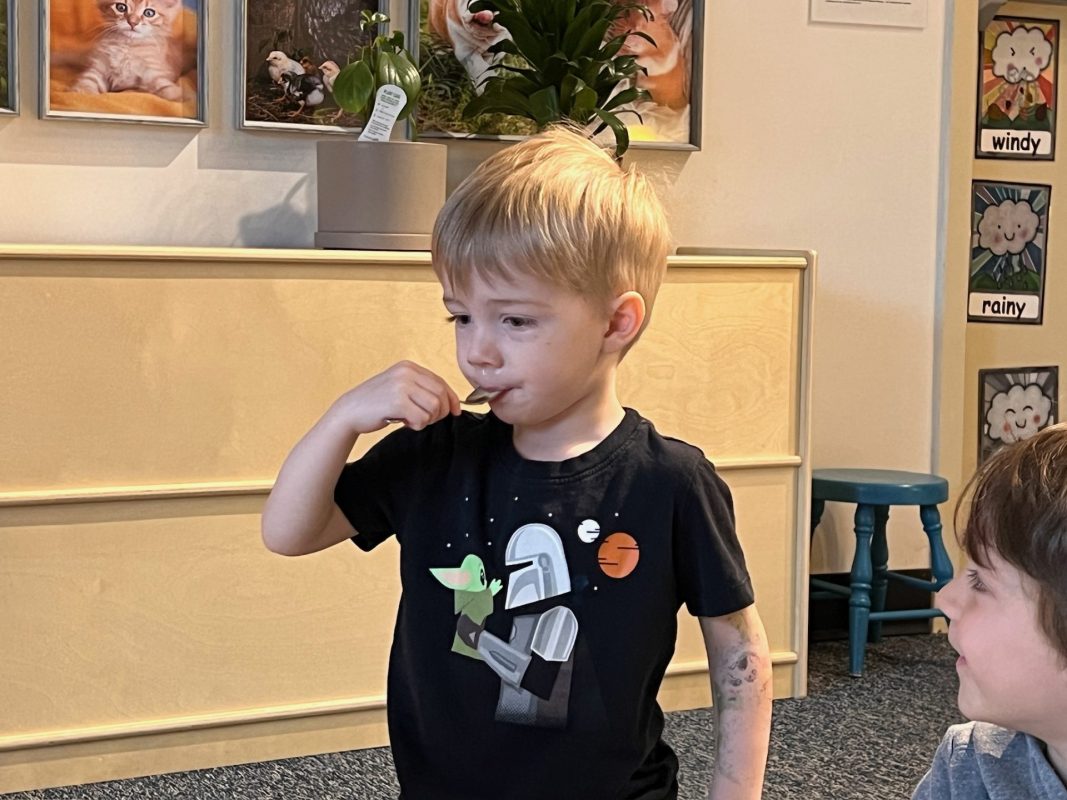
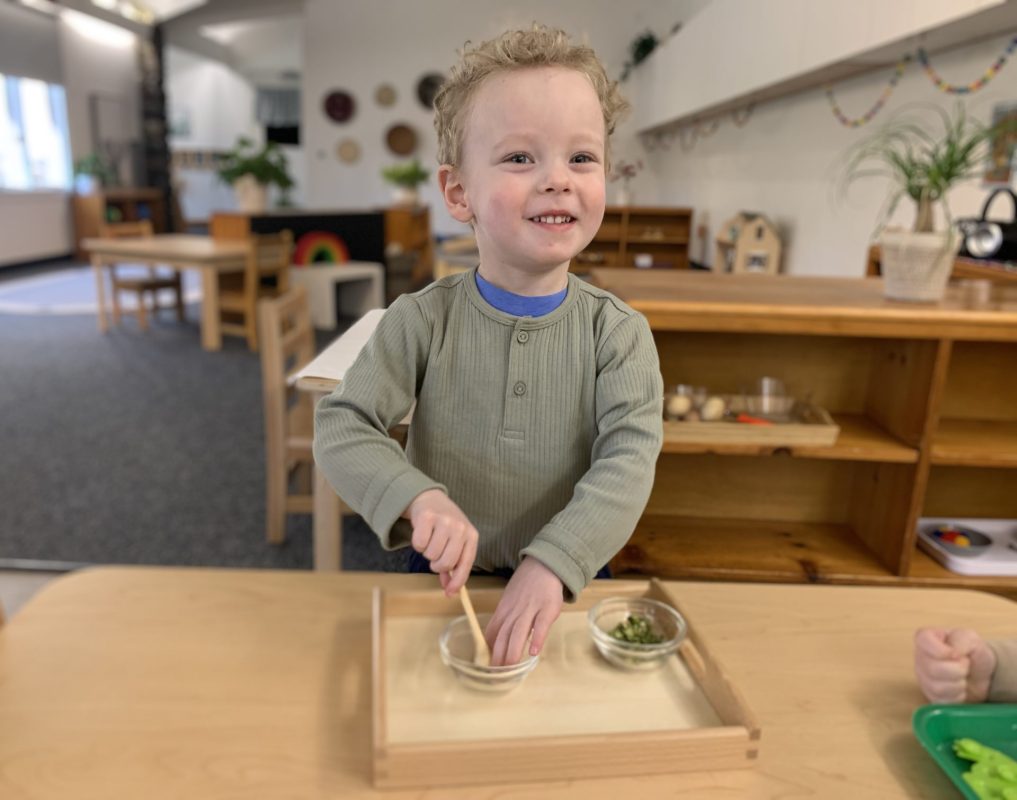
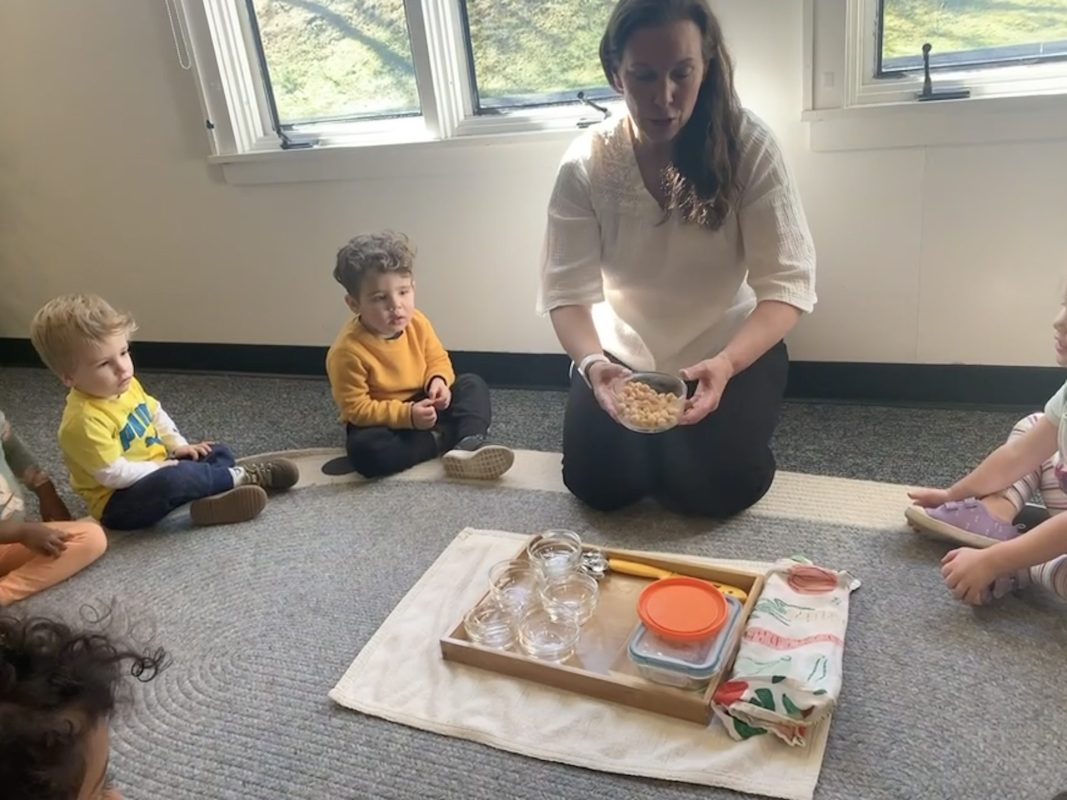
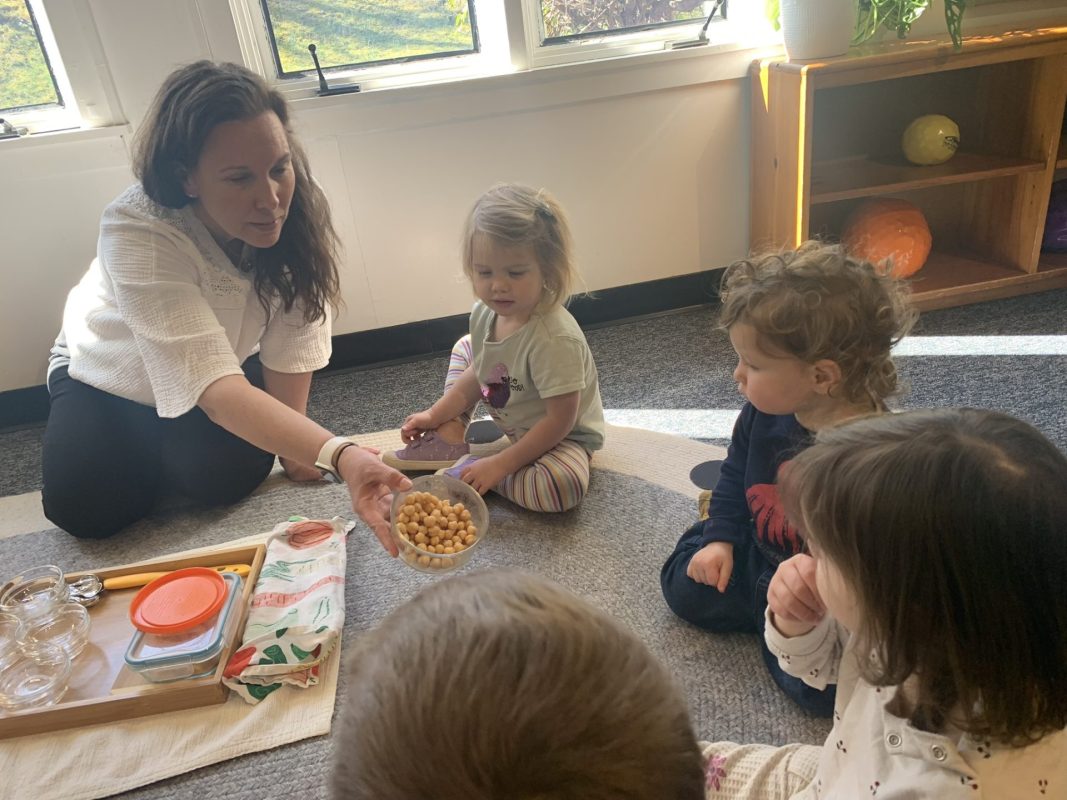
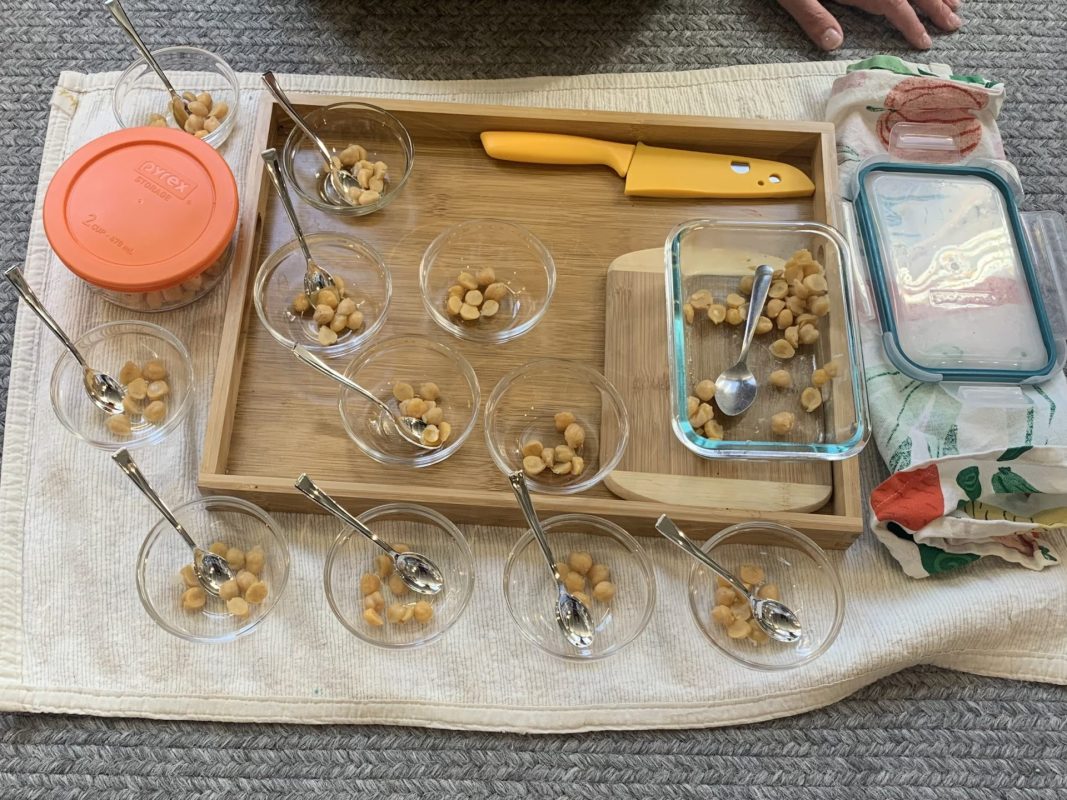
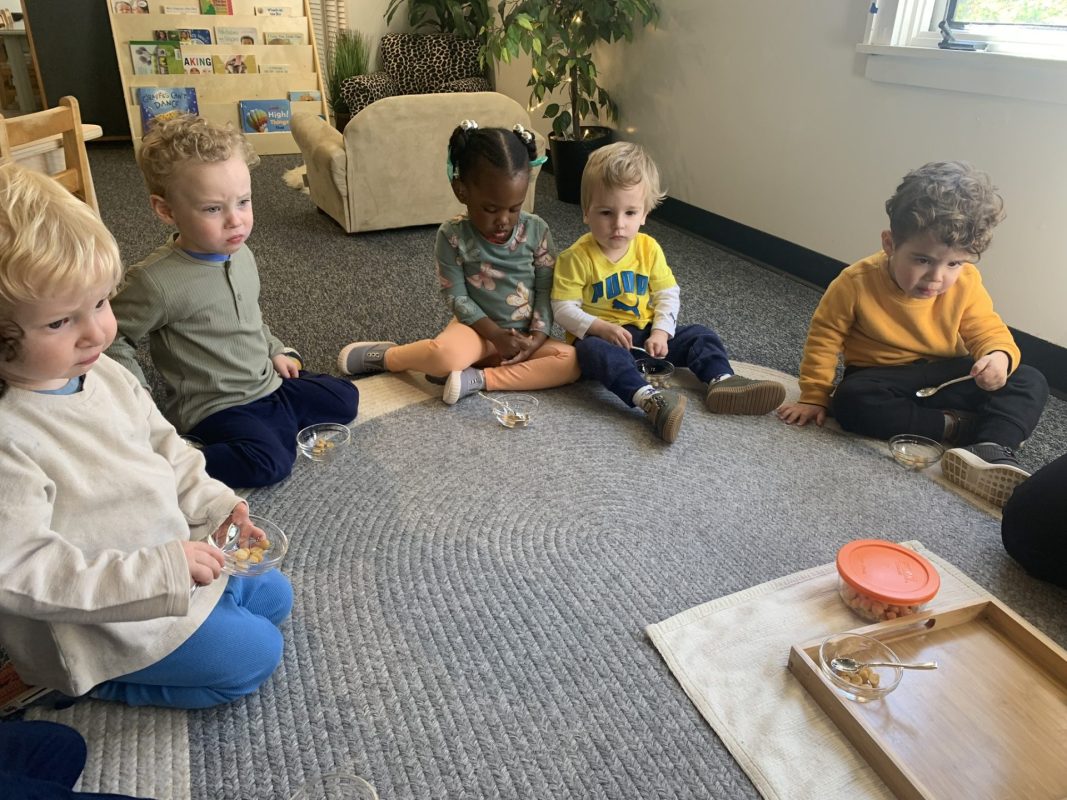
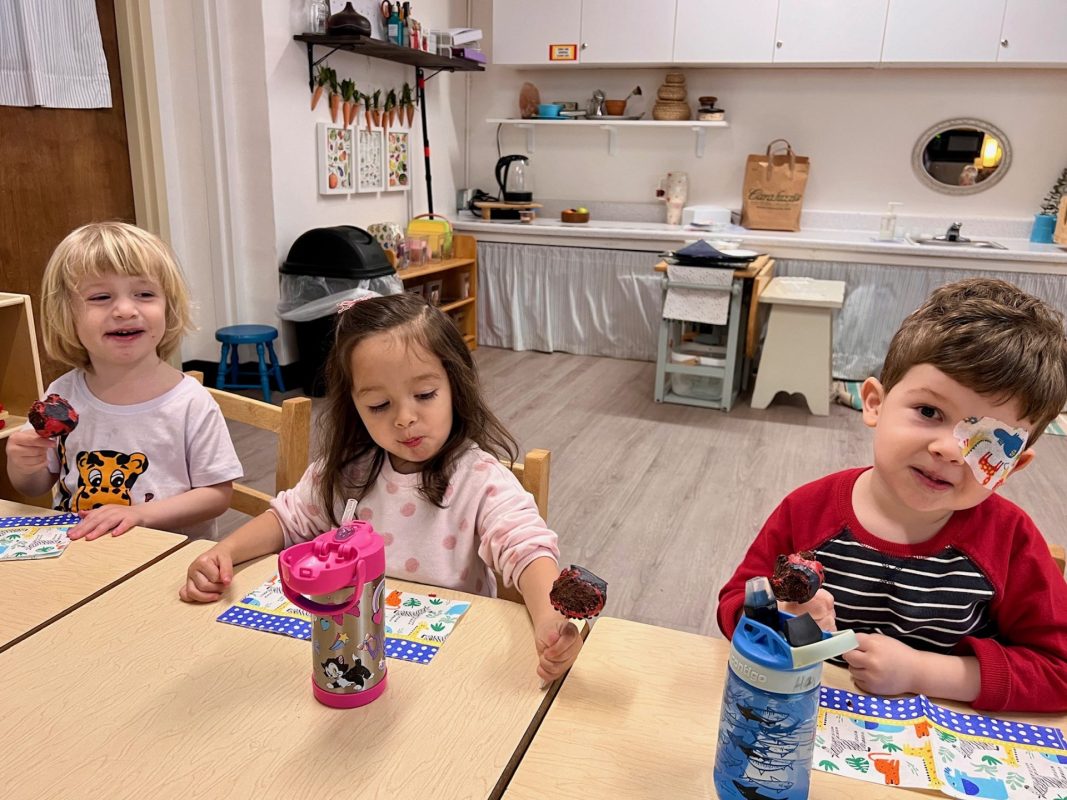
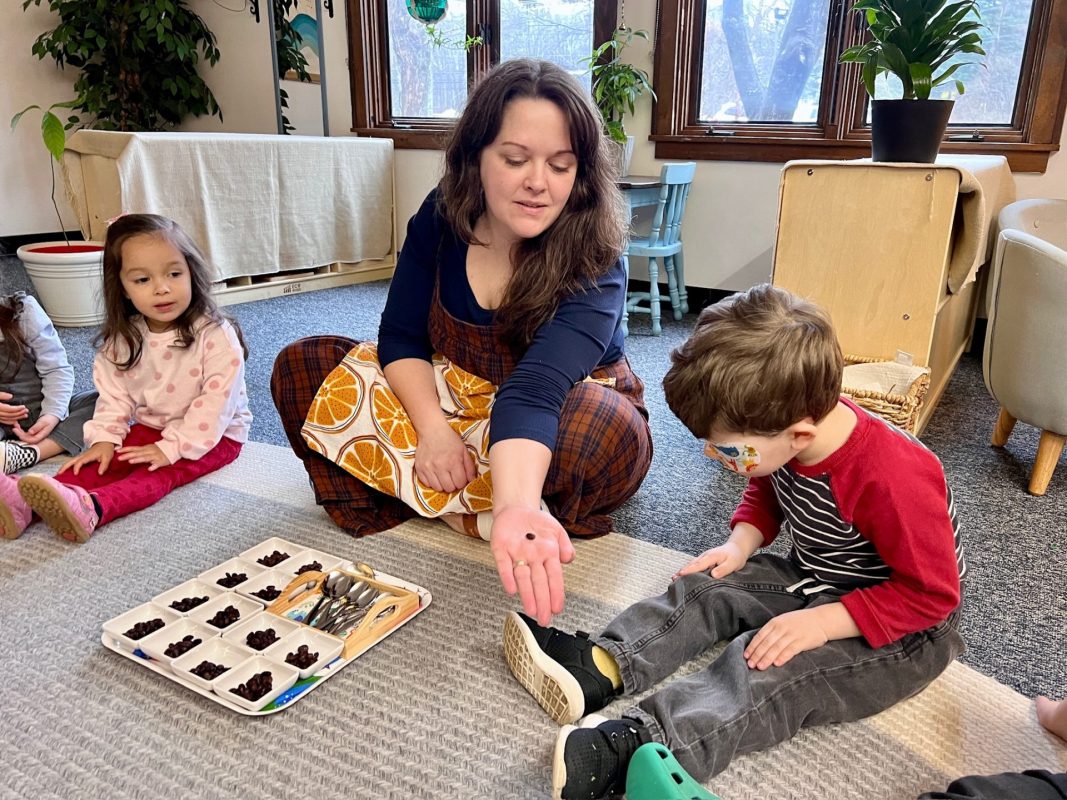
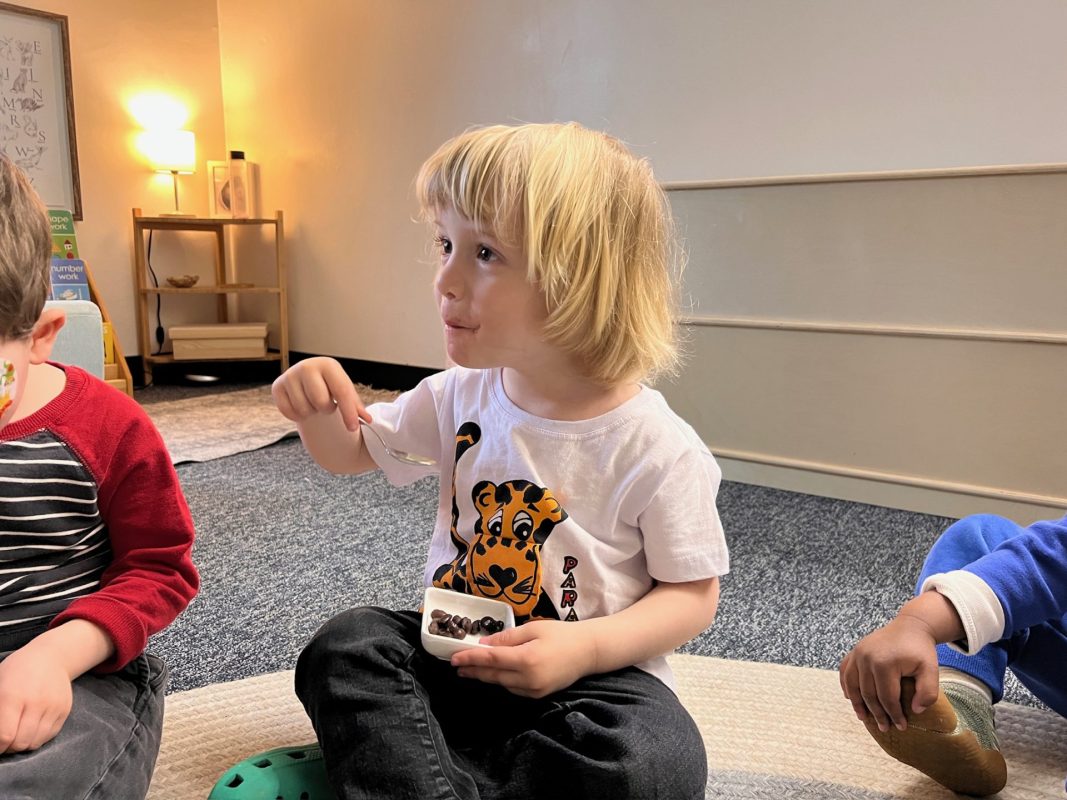
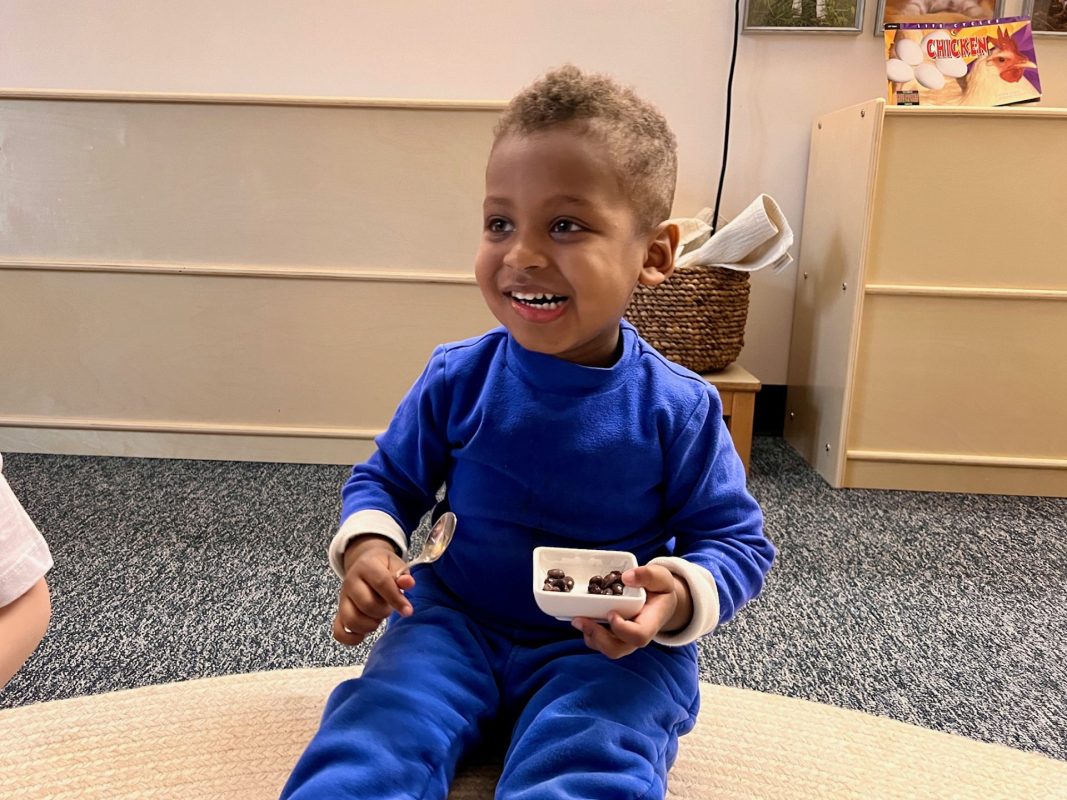
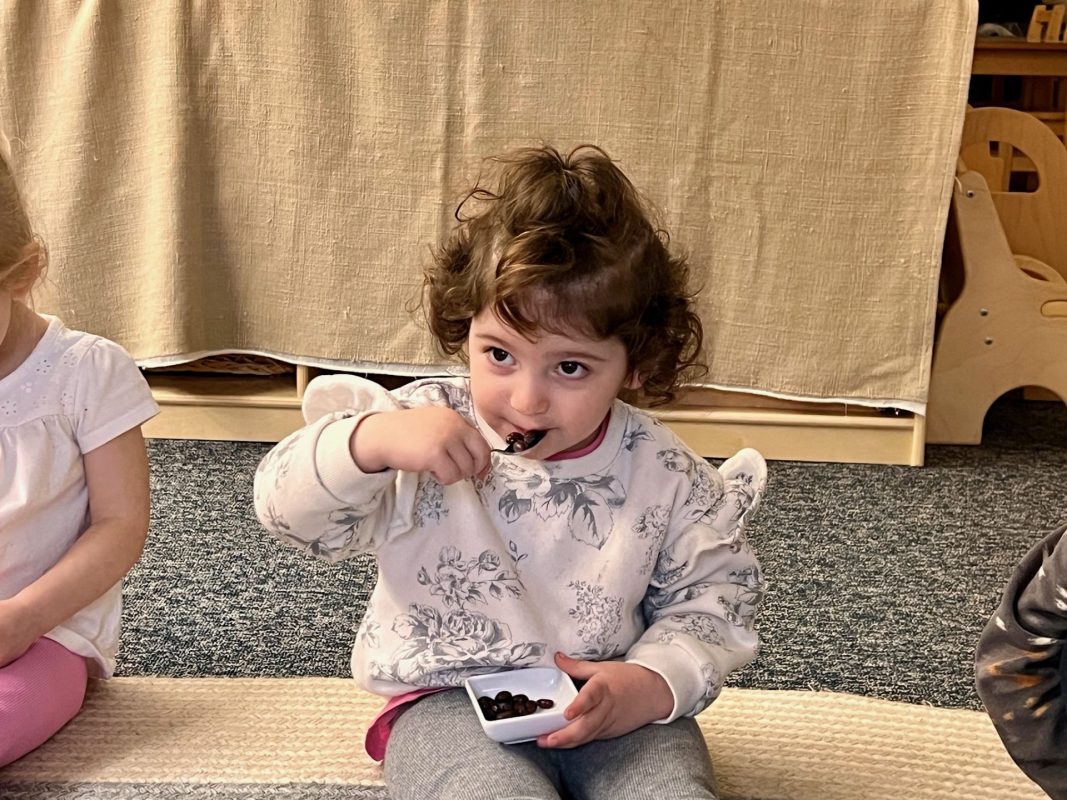
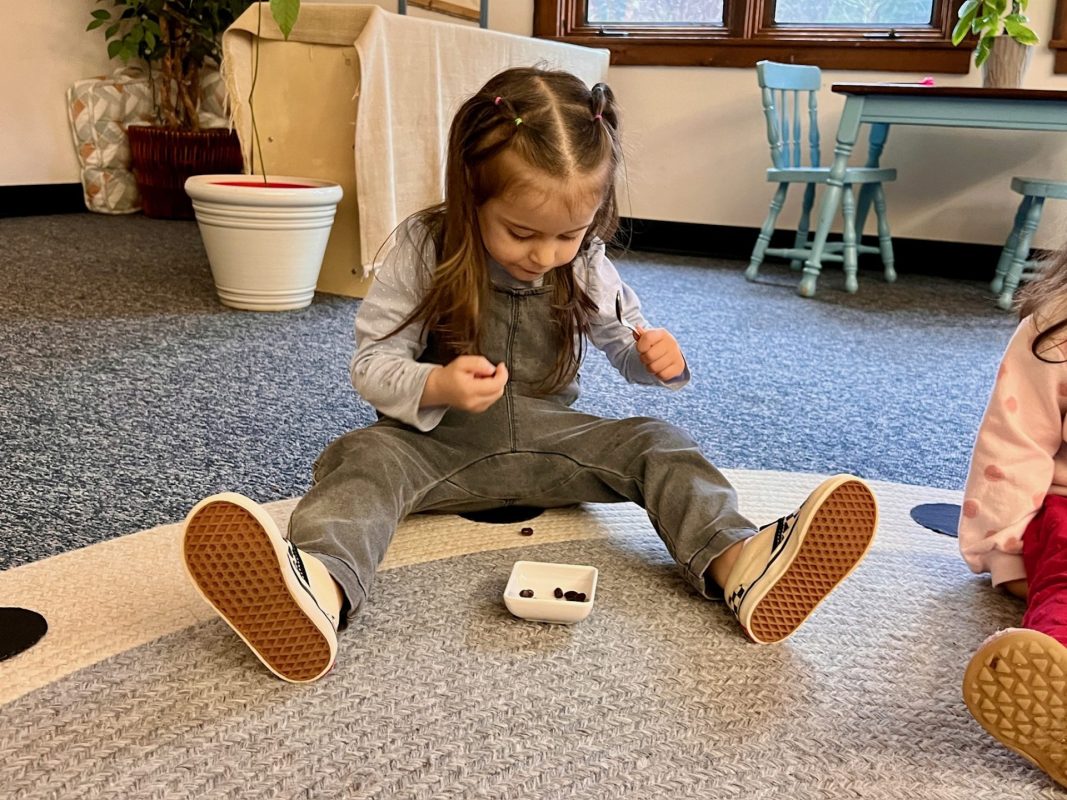
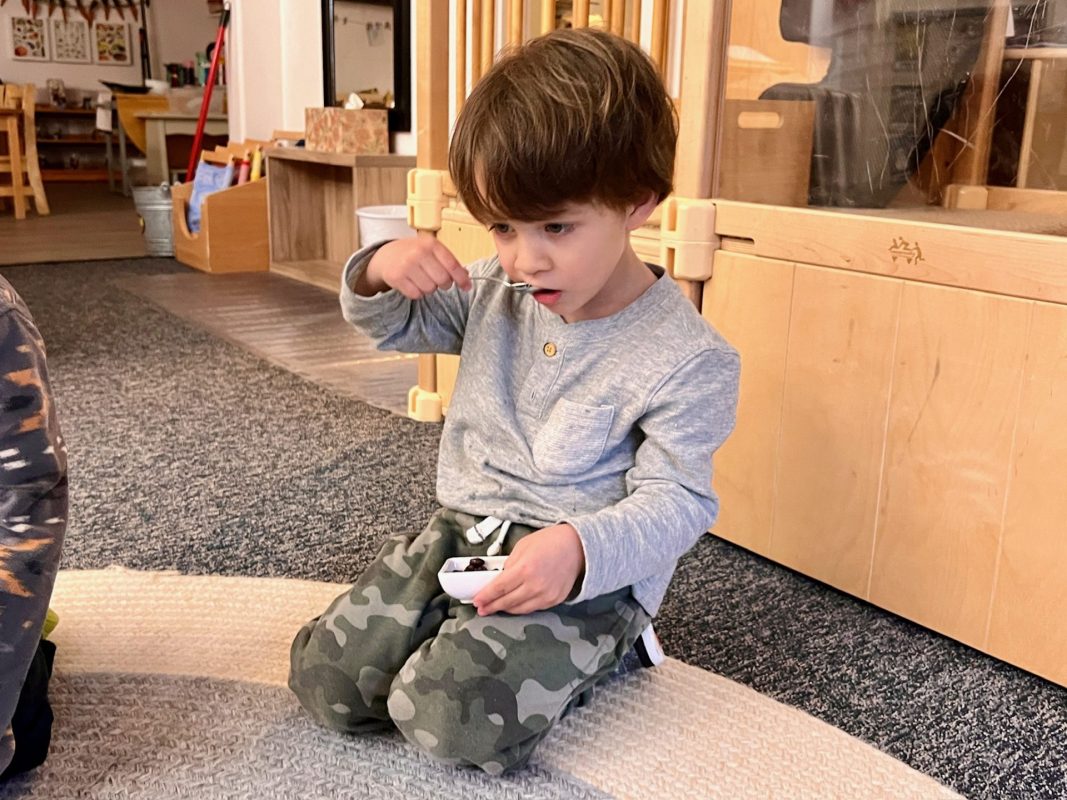
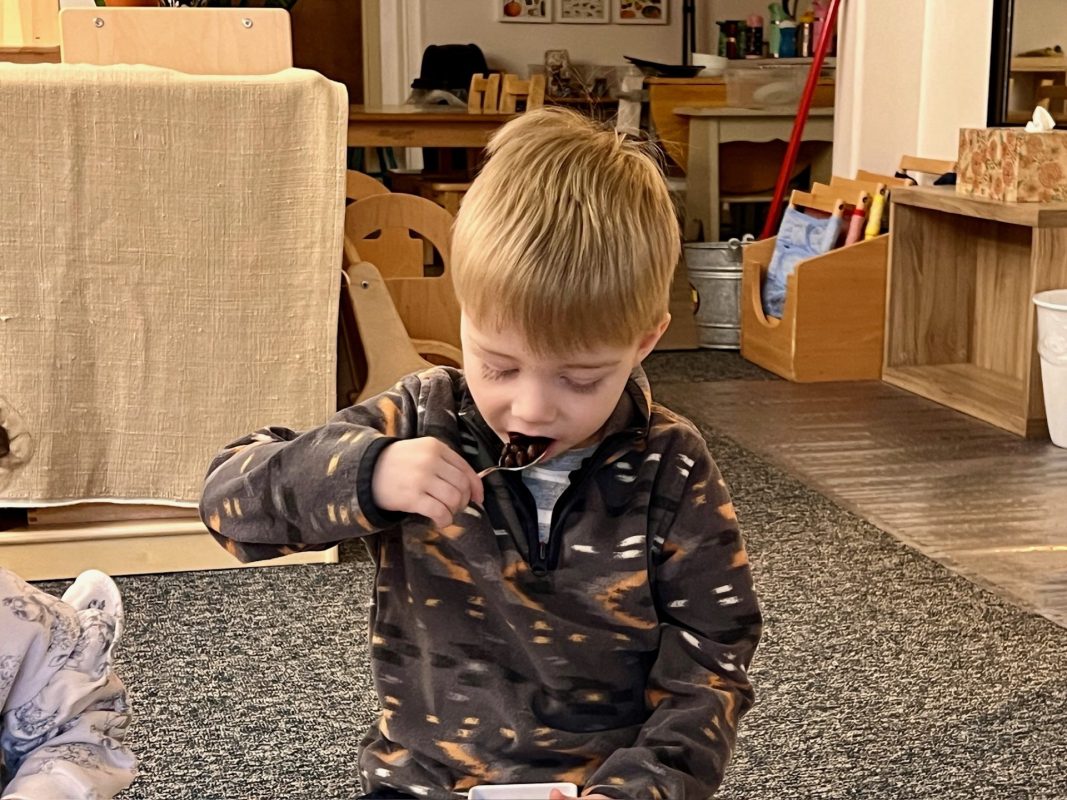
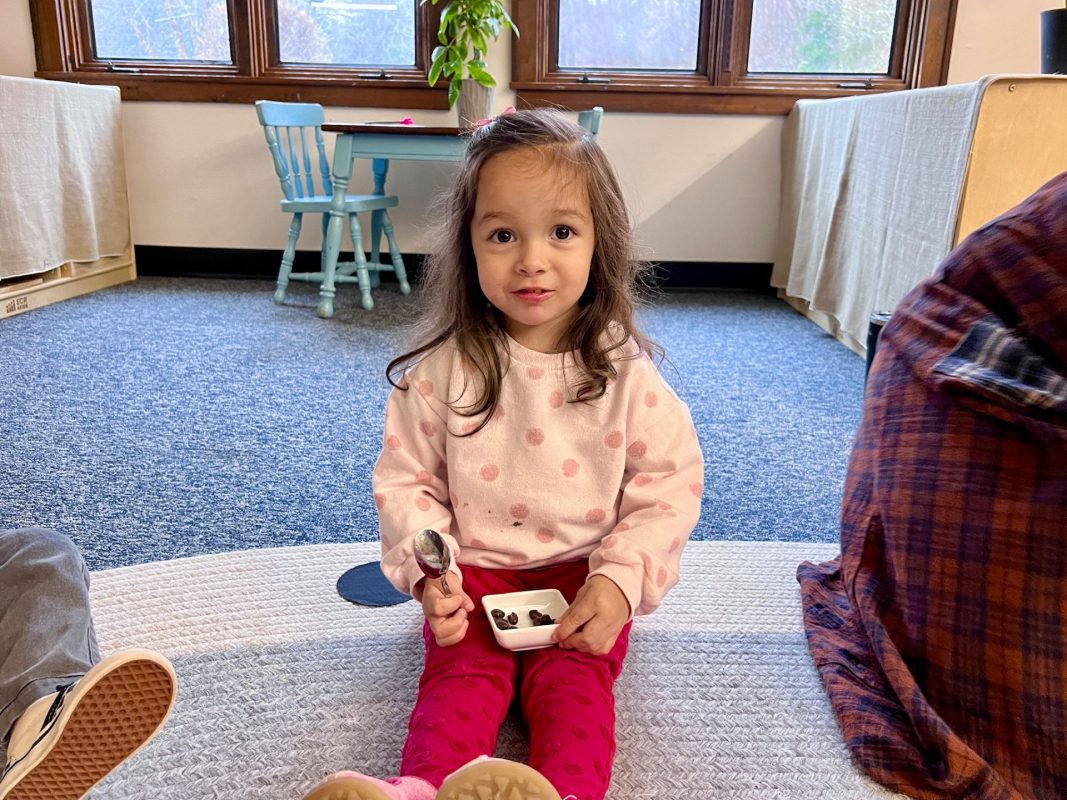
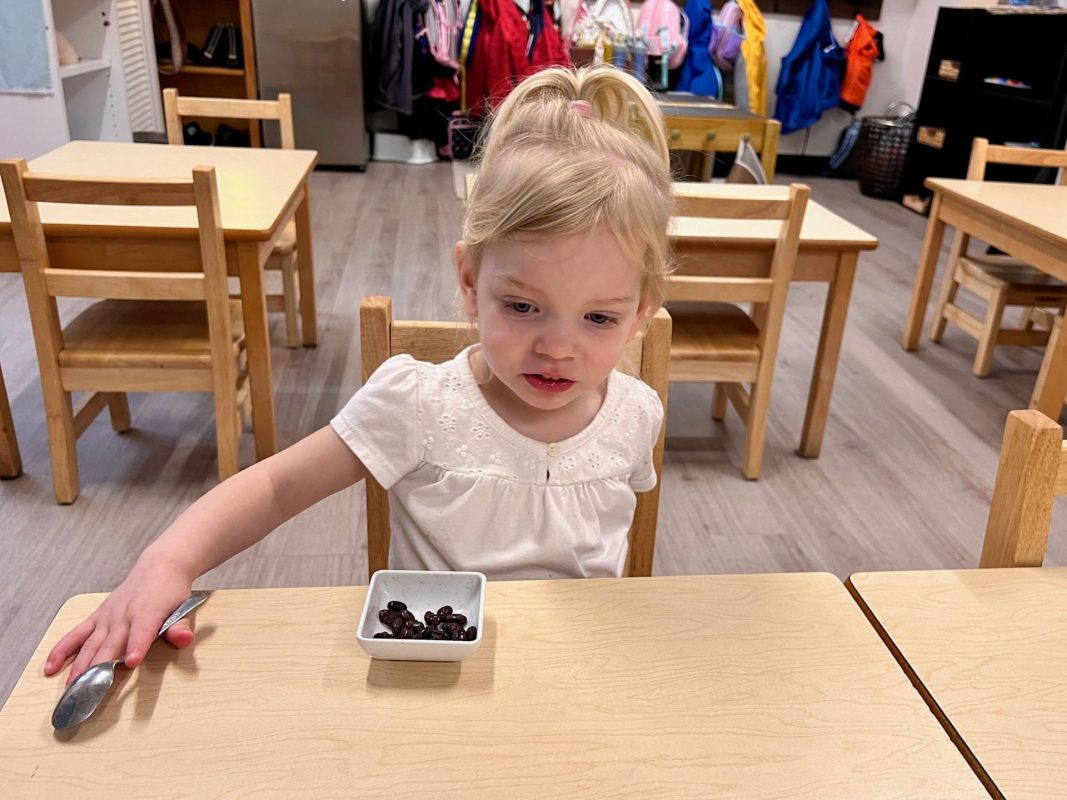
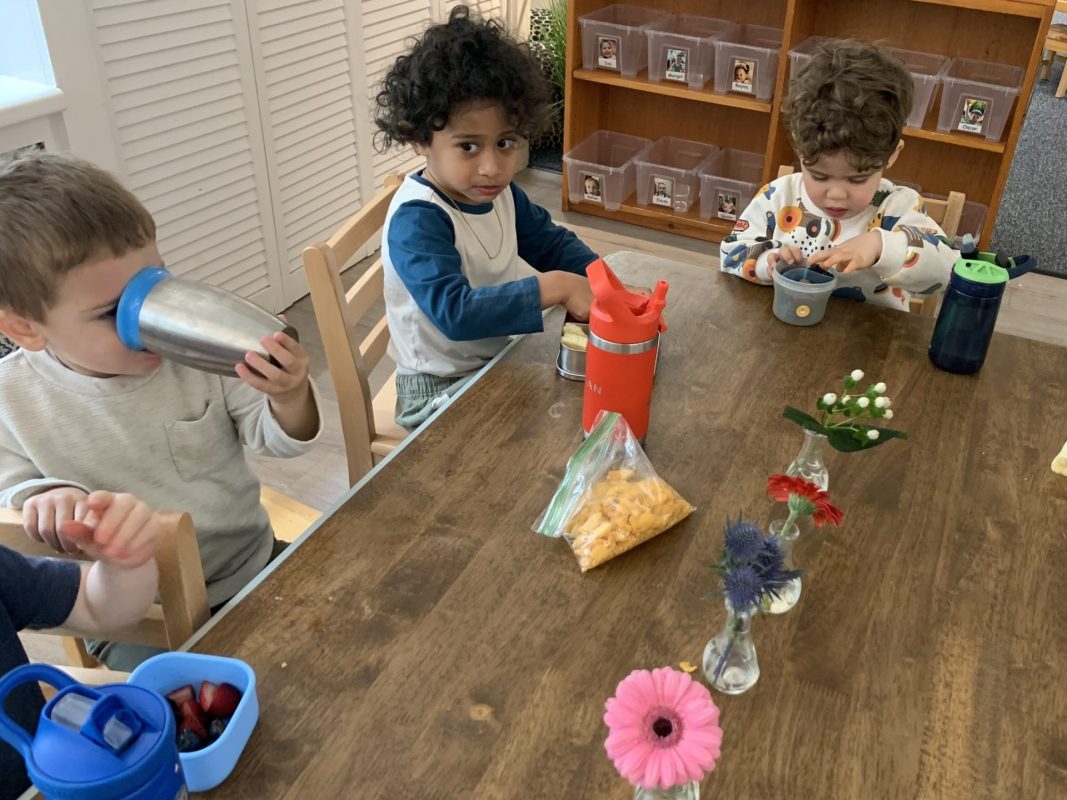
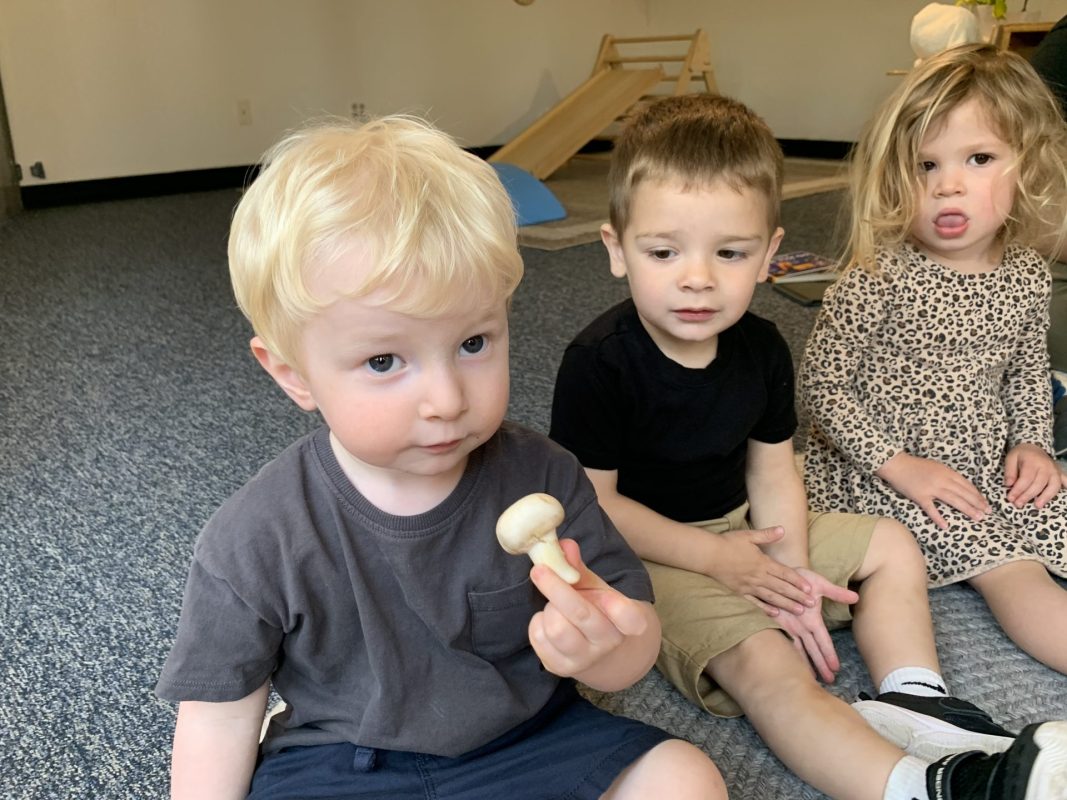
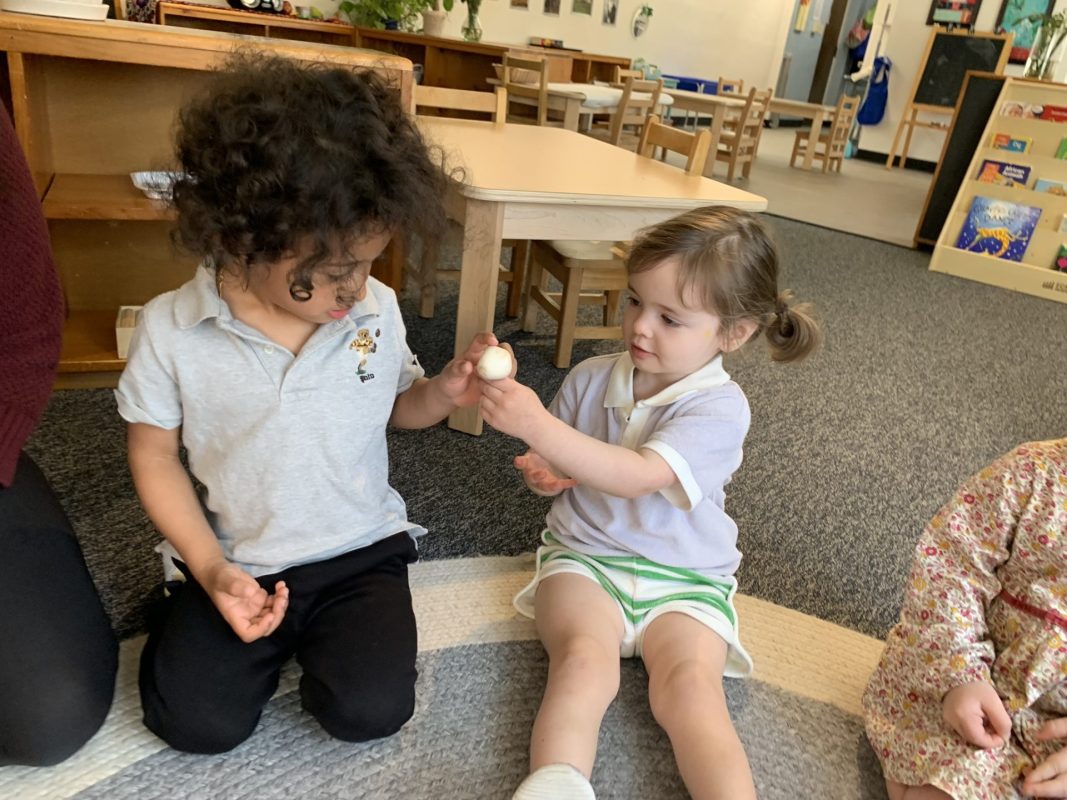
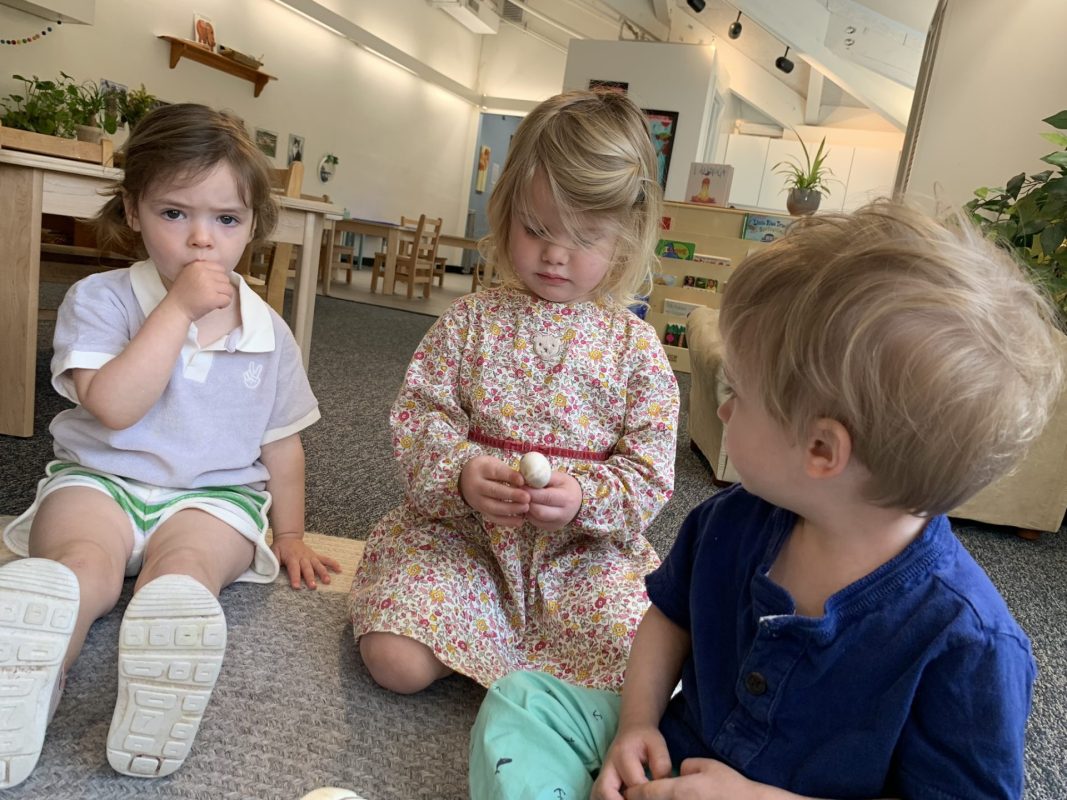
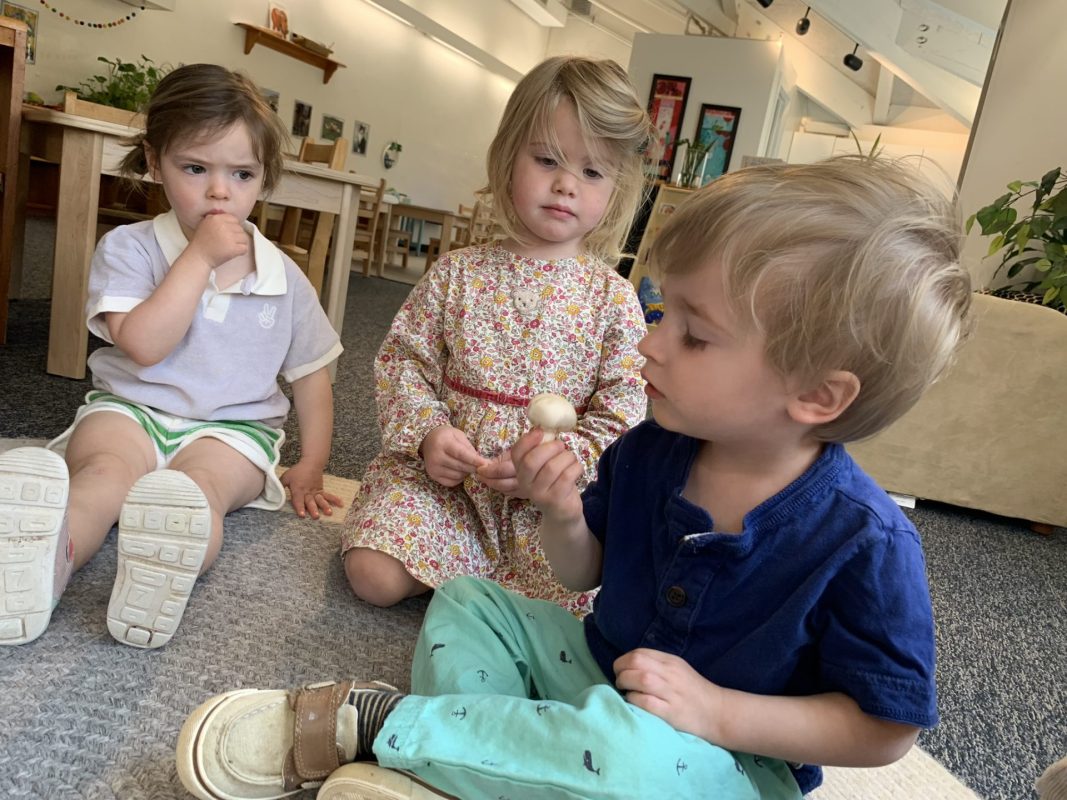
This week, we tasted asparagus: raw and cooked. Many of the children enjoyed the cooked asparagus. They noticed the difference in taste between the two, as well as the distinct crunch of the raw. 

We are so grateful to Angela and Michael Huttemann for working with our children to create a gorgeous collaborative handprint masterpiece, which will be available for purchase at the gala. 

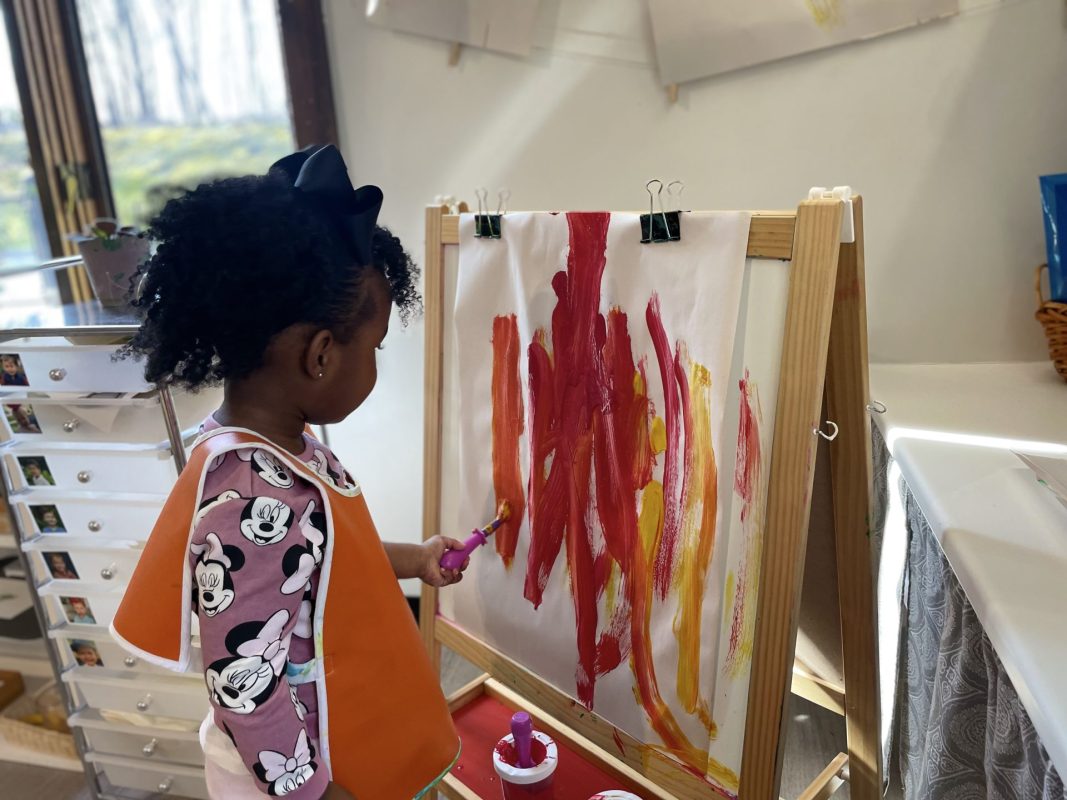
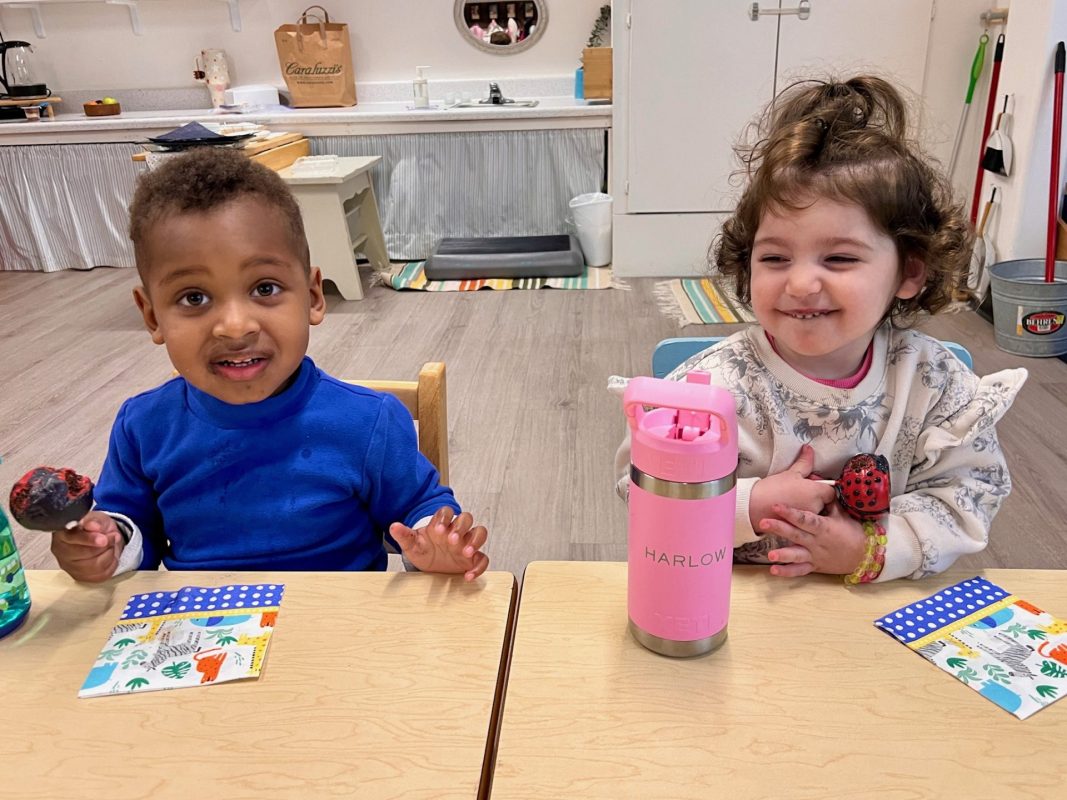
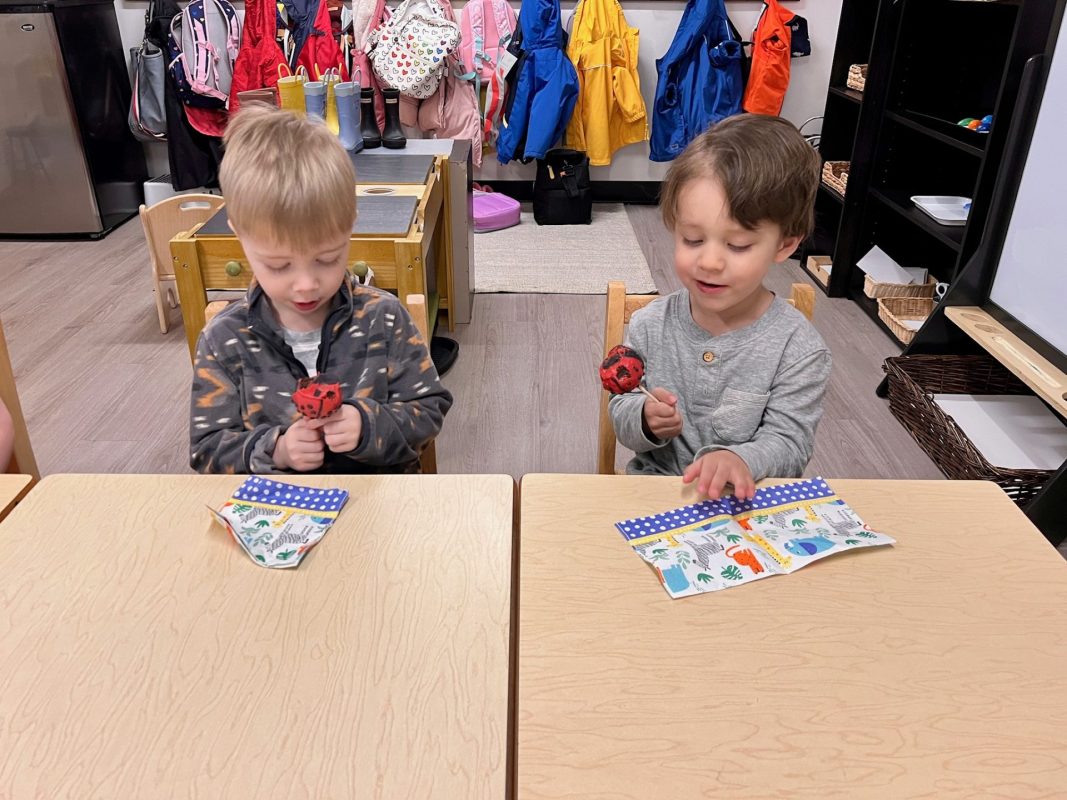
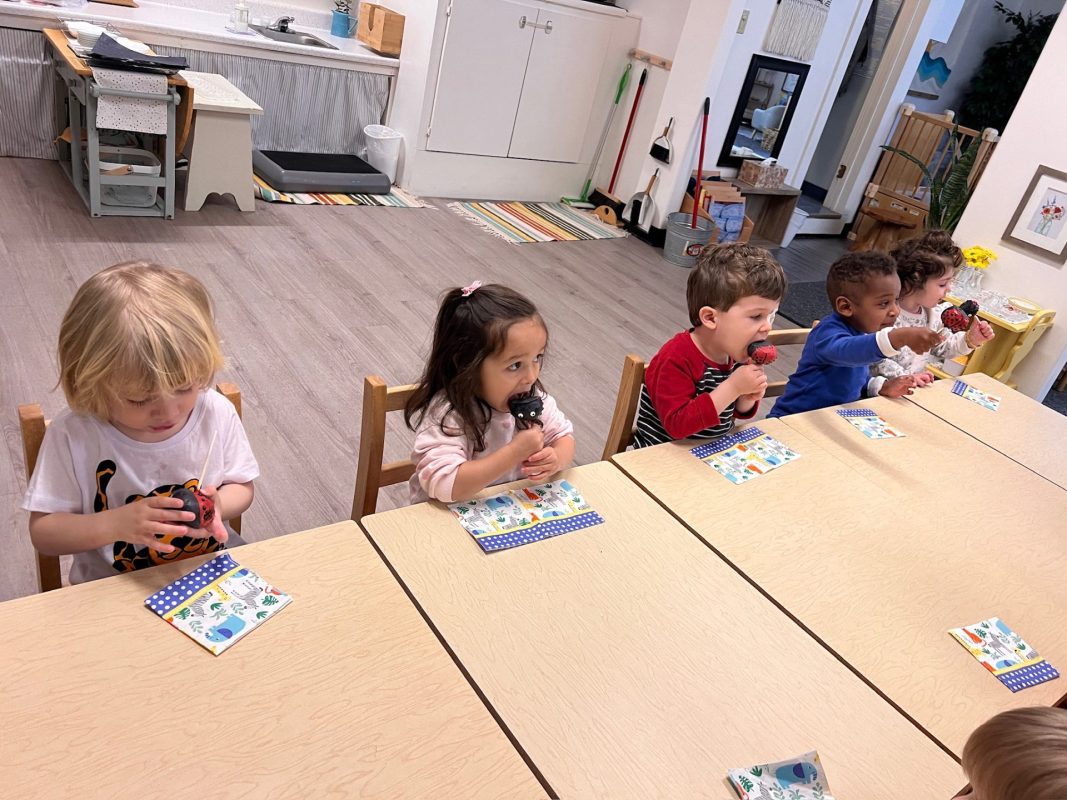
Our children also had the opportunity to work with Ms. Sarah, our art teacher, to complete another project for the gala. They each pressed their fingerprints onto a ceramic vase. Upon completion, their fingerprints will look like insects crawling on its surface. We are eager to see the finished product!

We hope you enjoy some quality time with your families over the spring break, and look forward to seeing everyone back at school on March 25th.

Warmly, Christine & Lizette


Mrs. Hood: The Process of Normalization

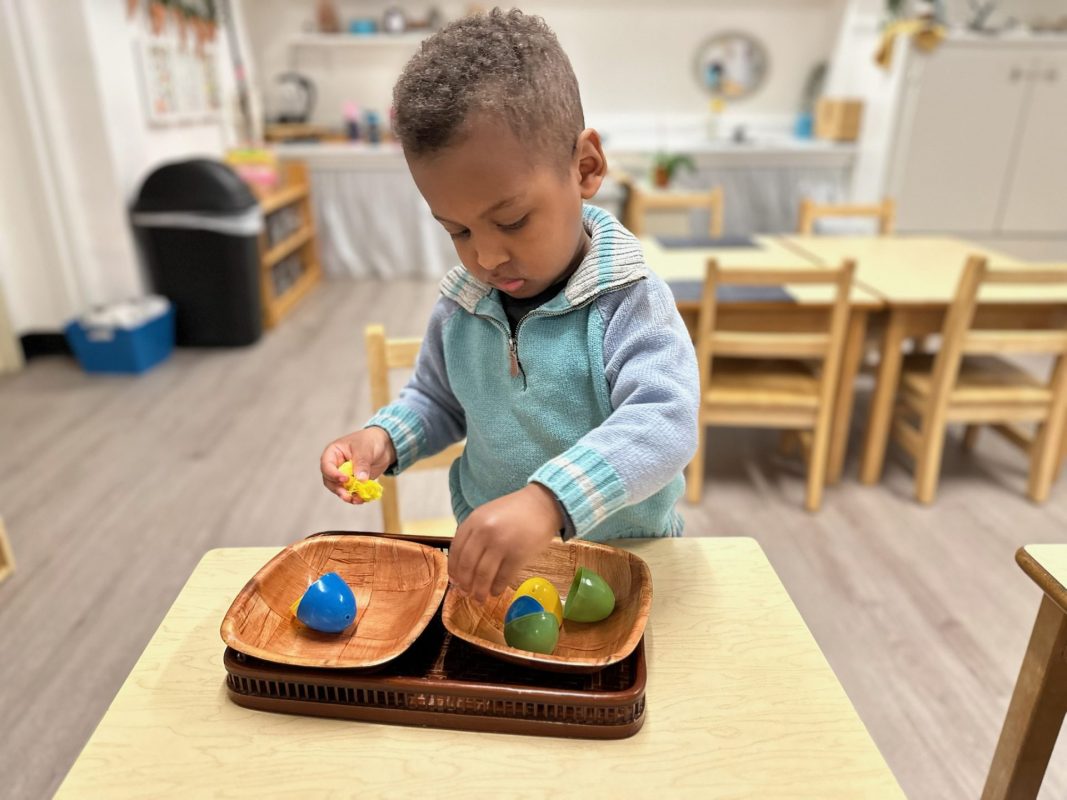
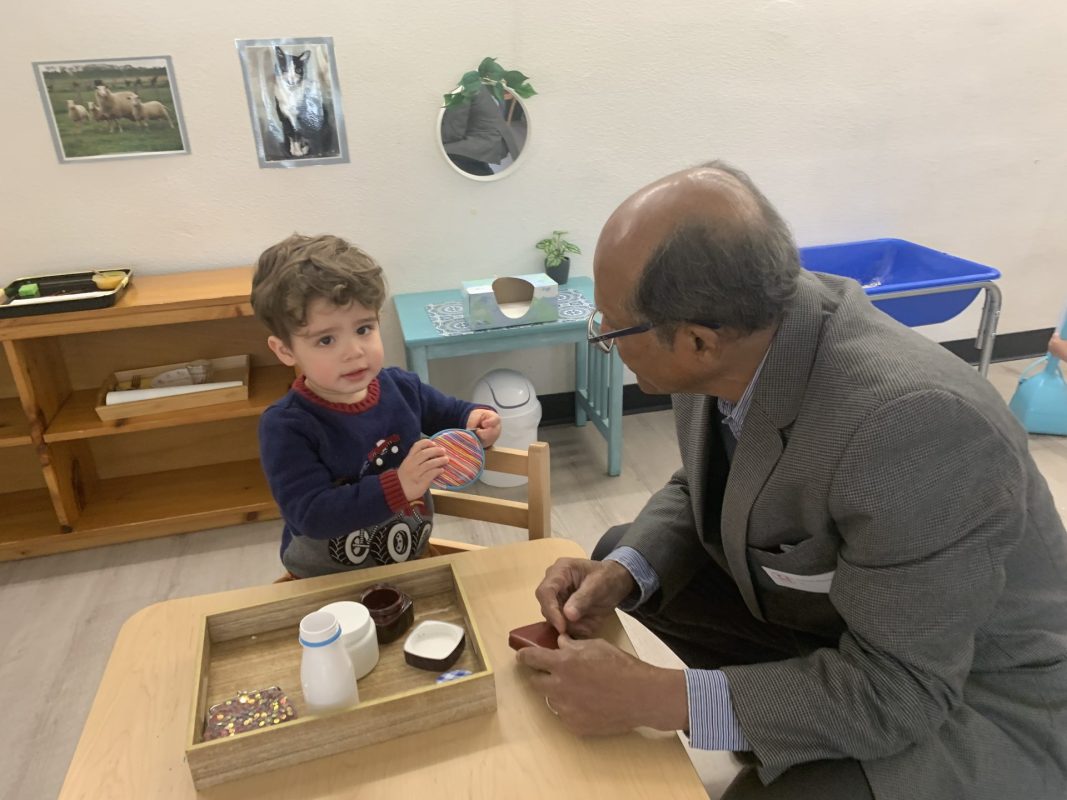
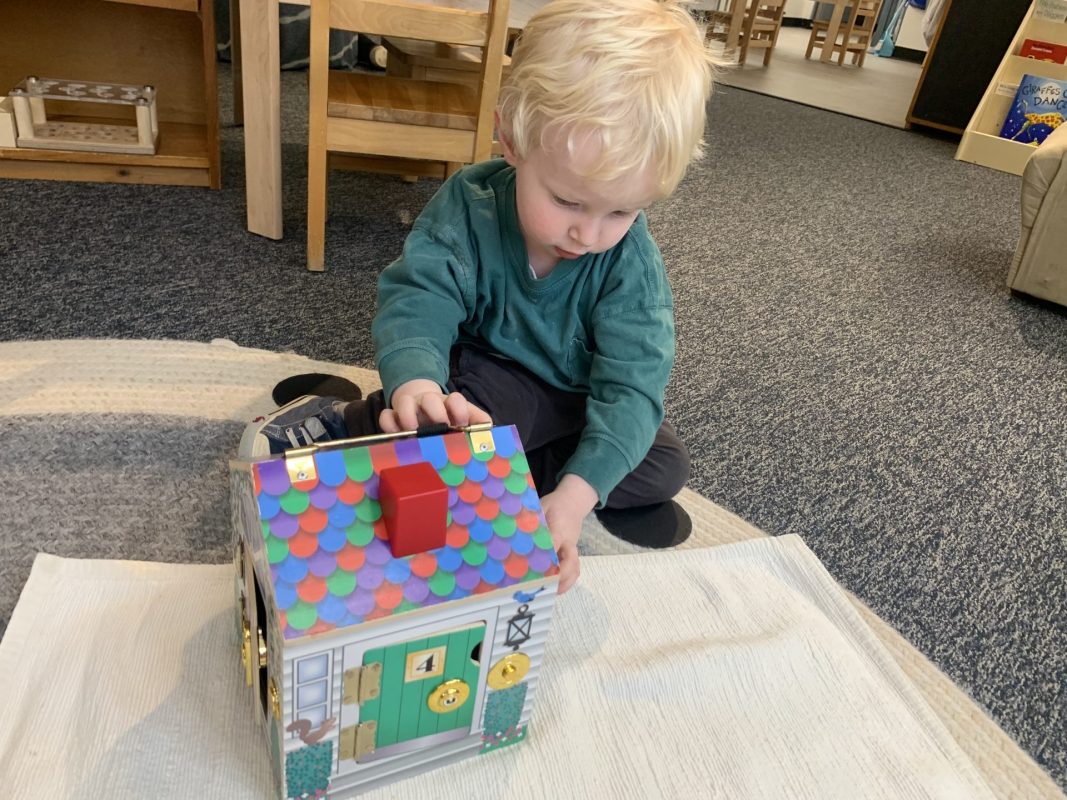
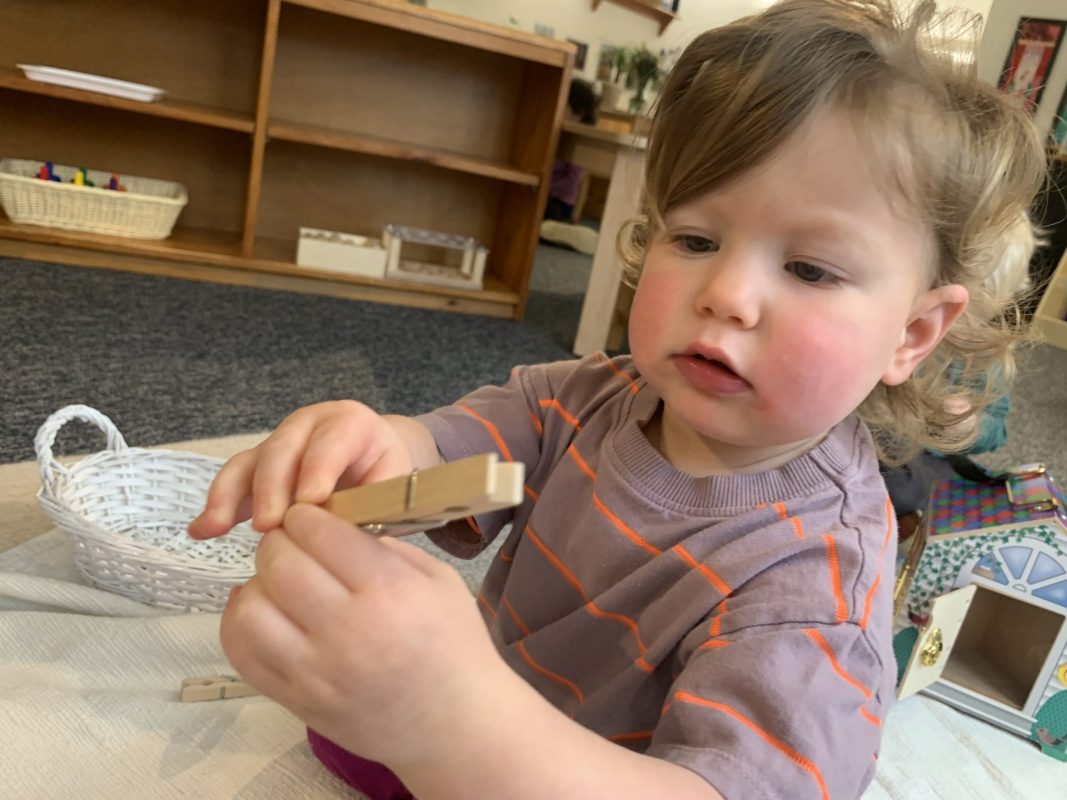
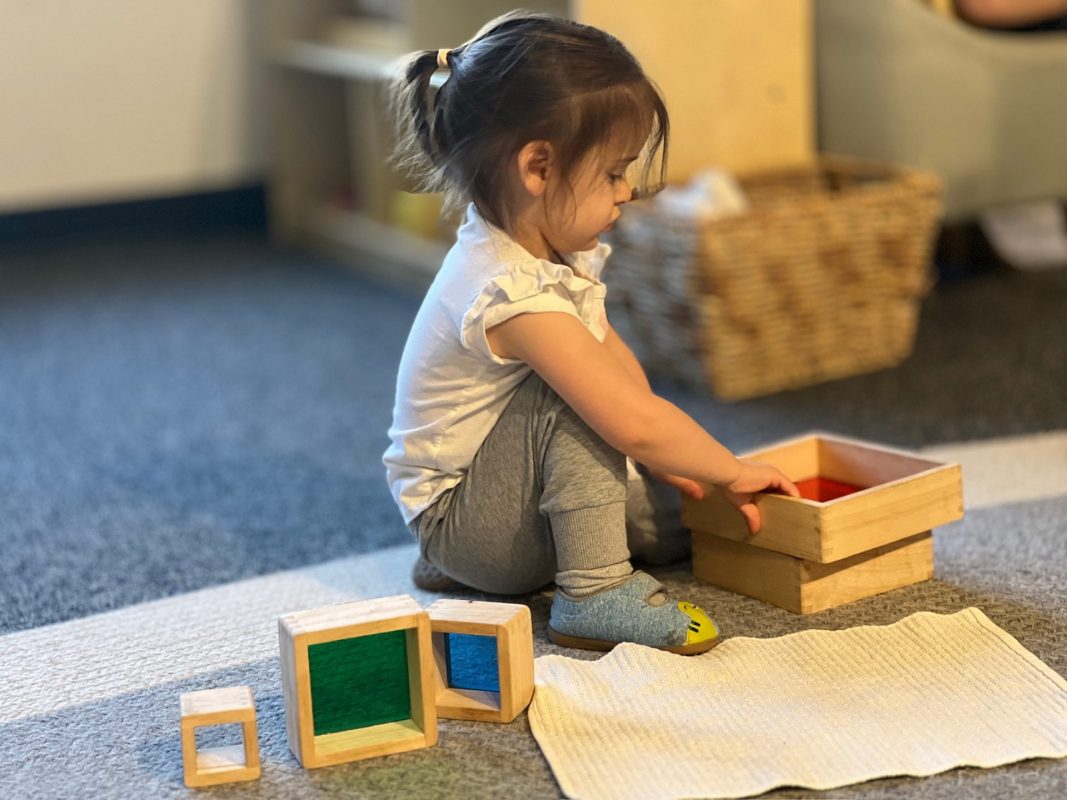
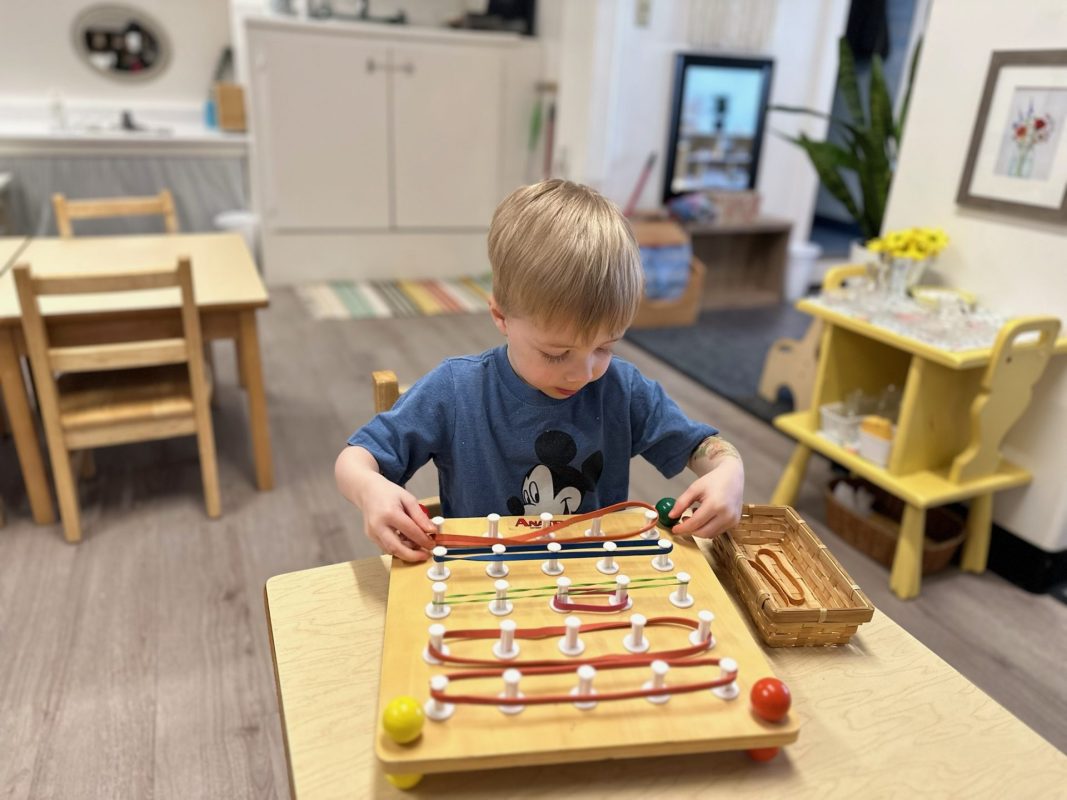
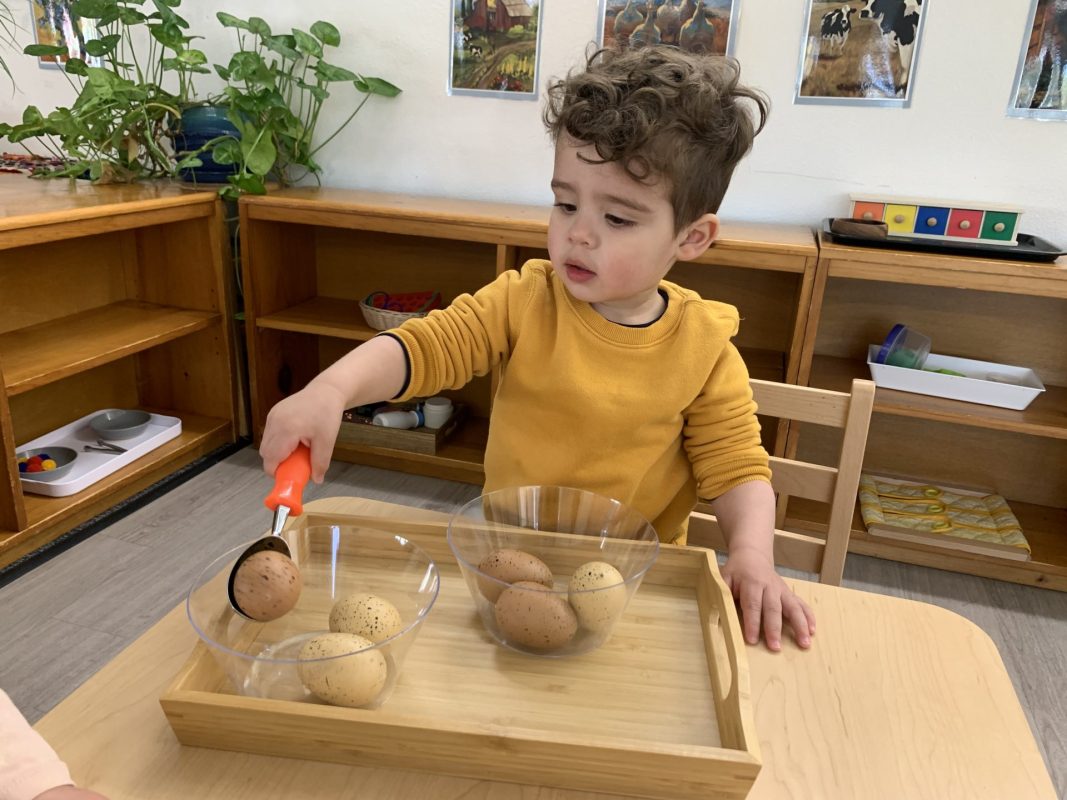
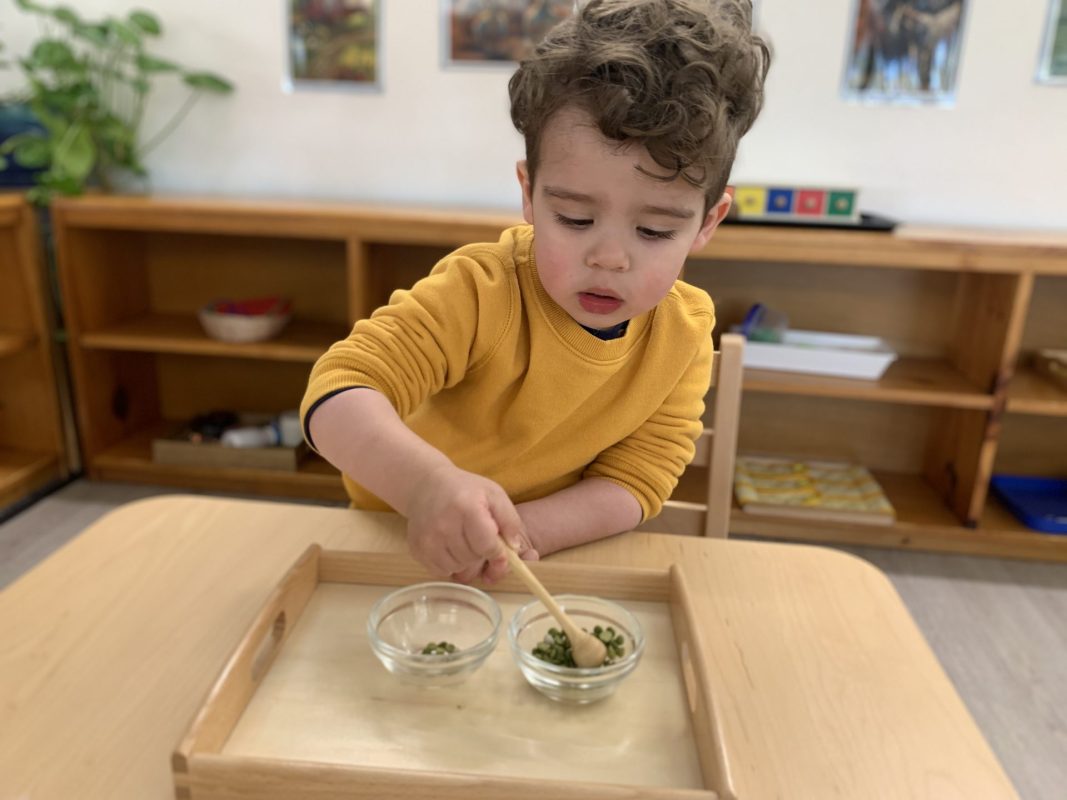
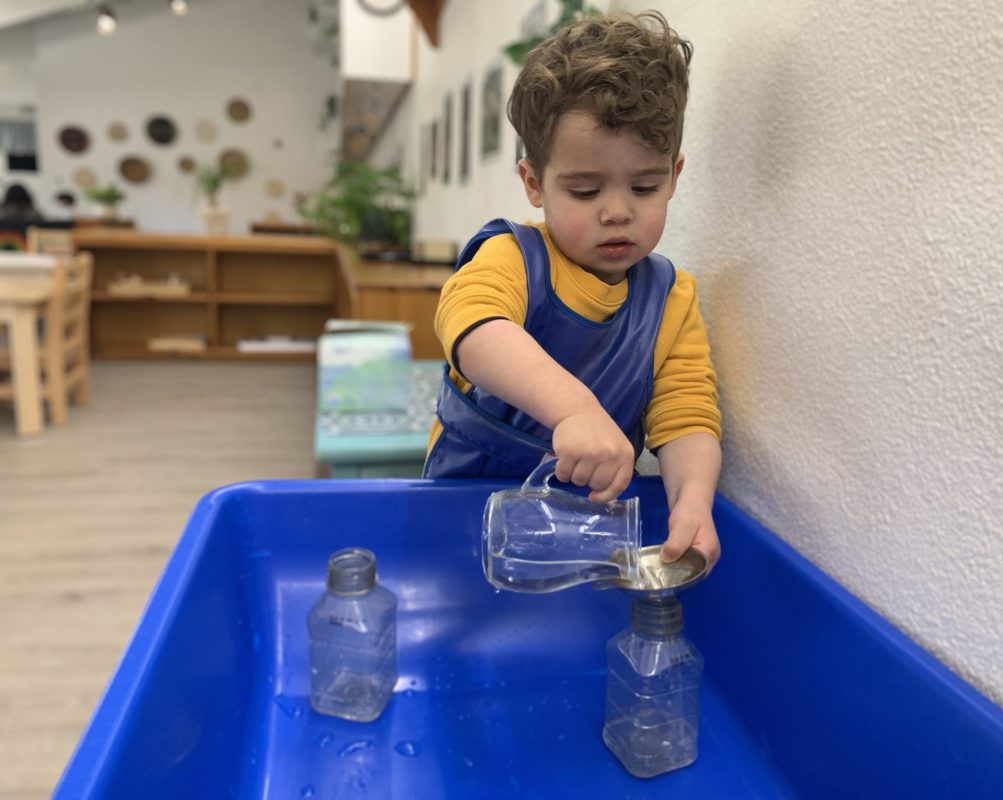
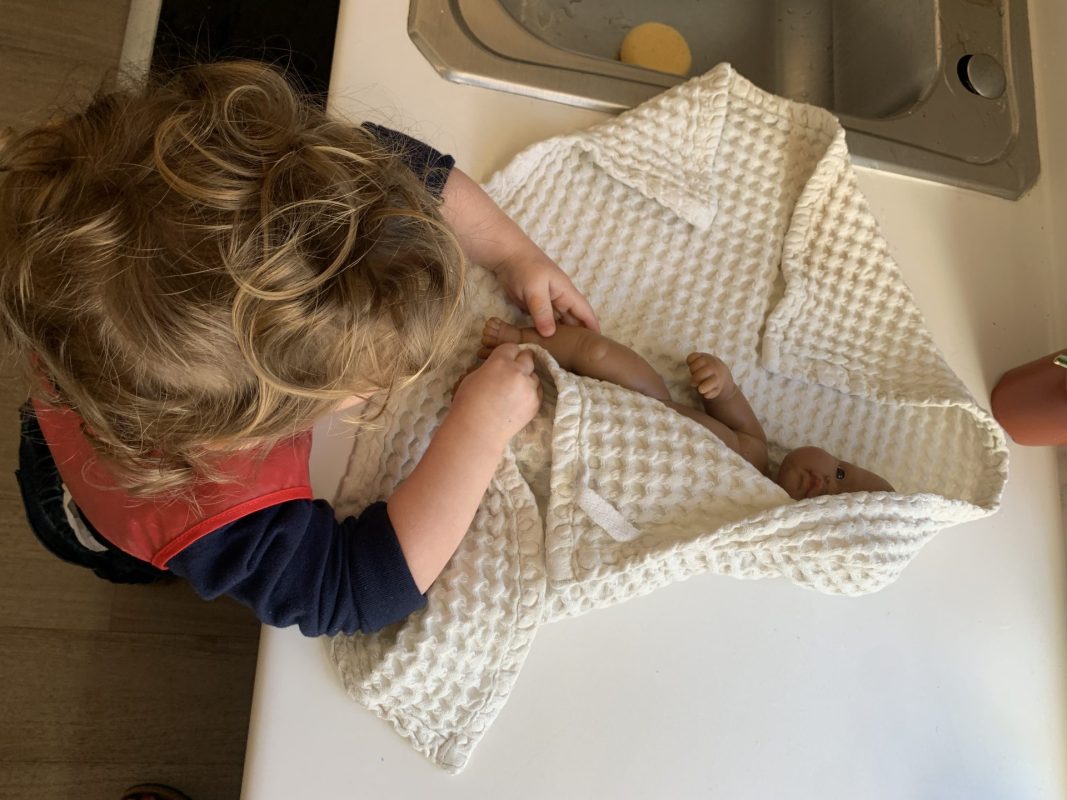
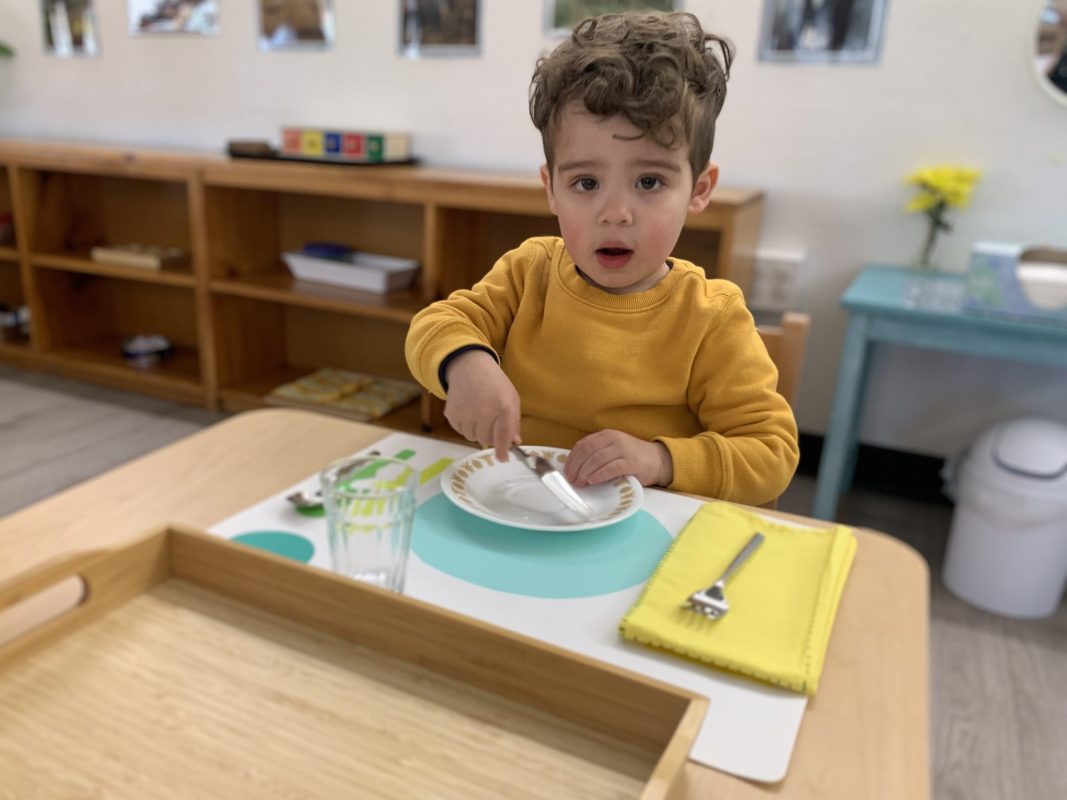
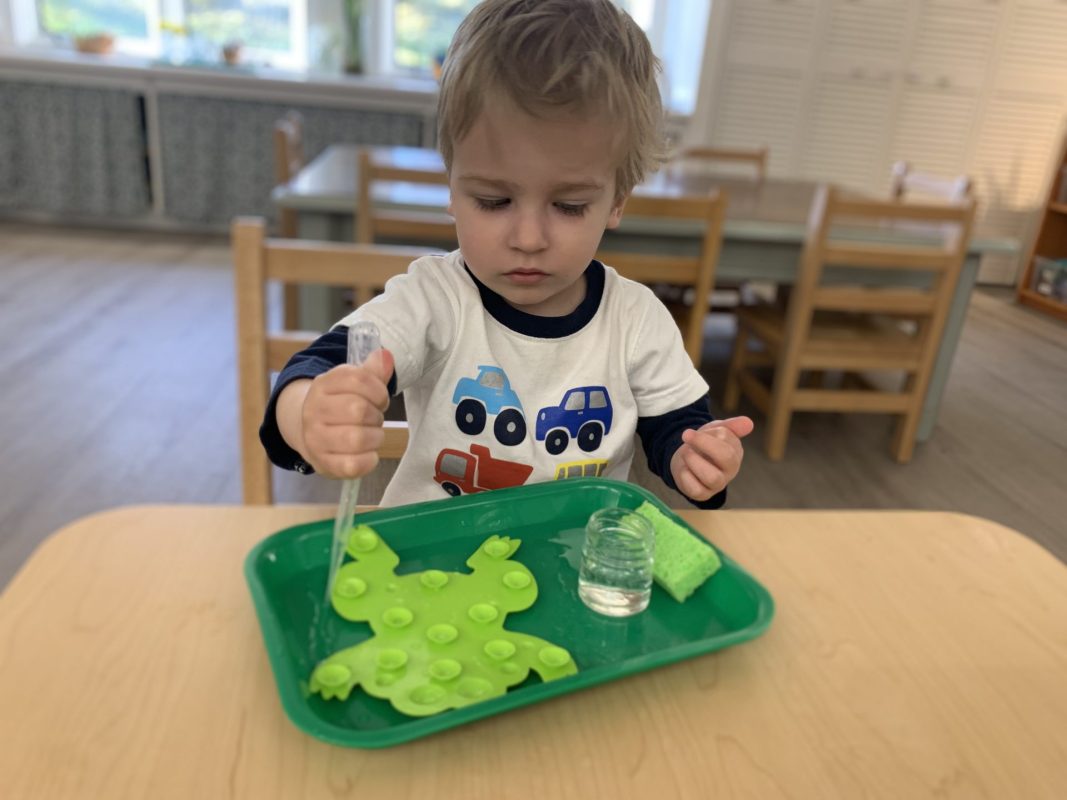
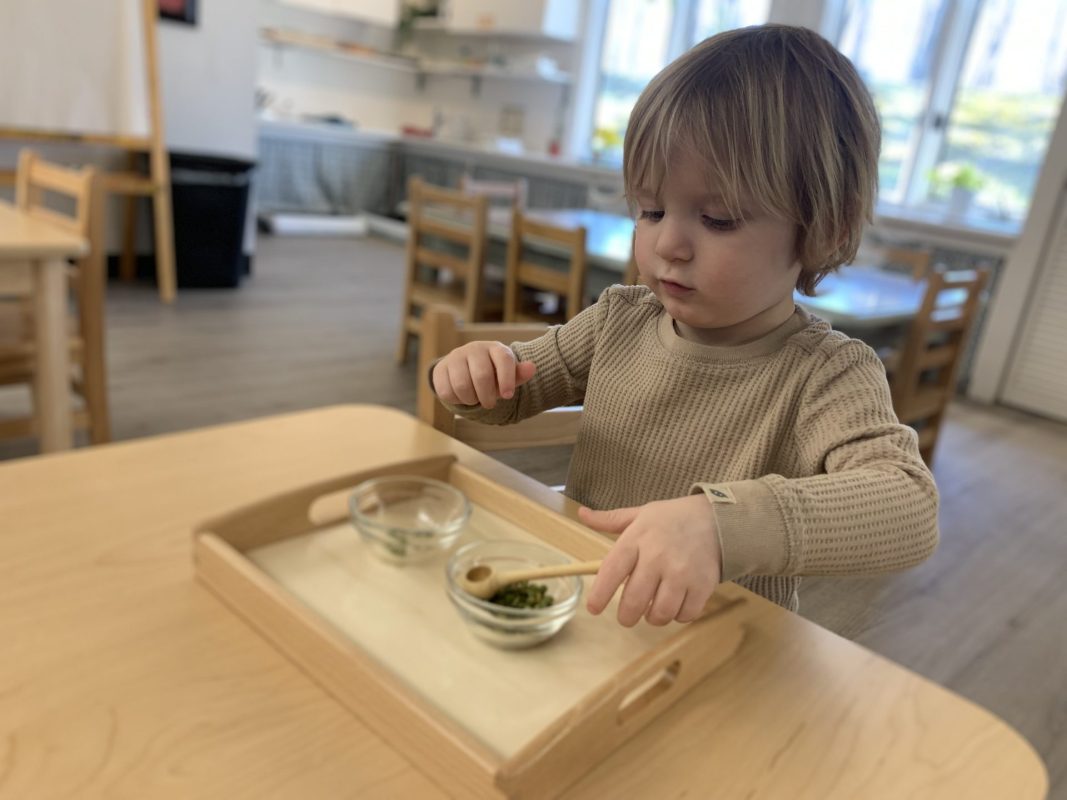
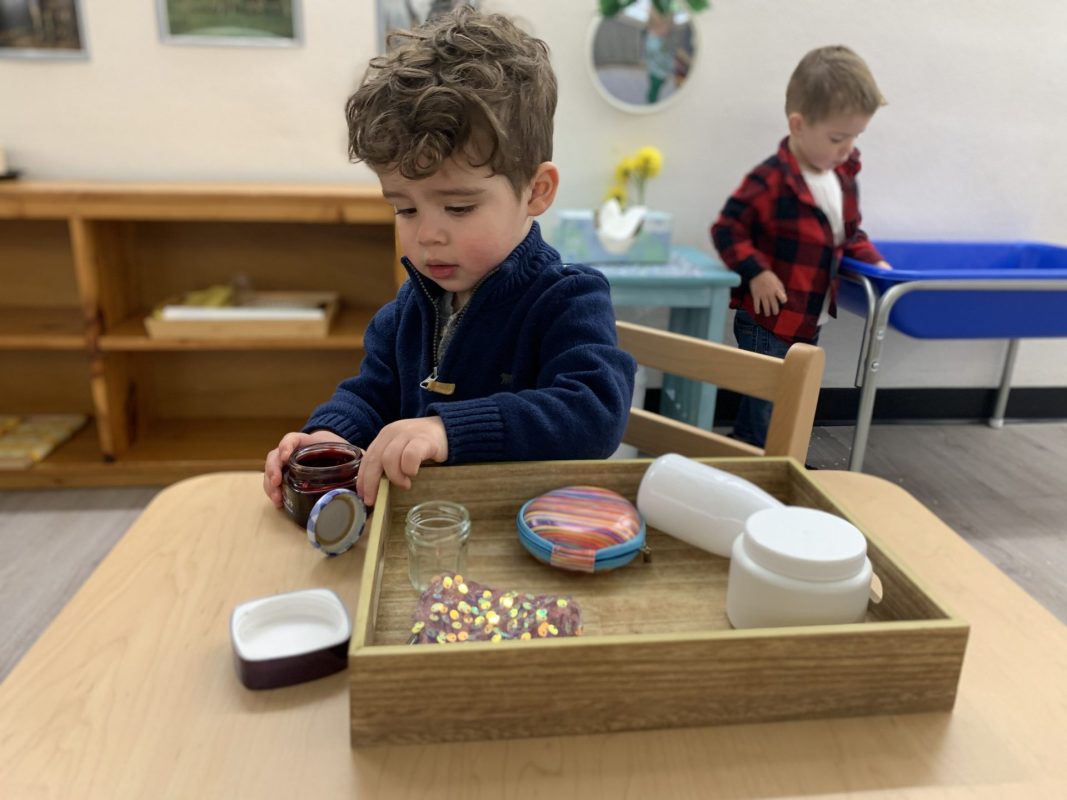
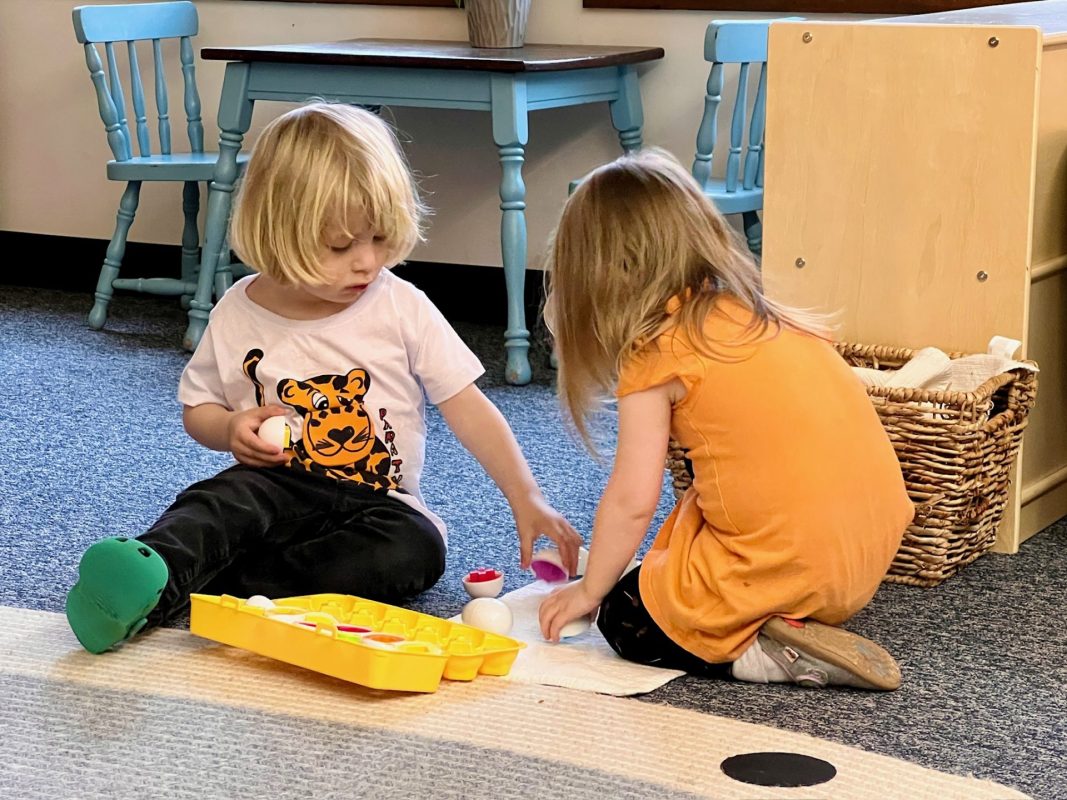
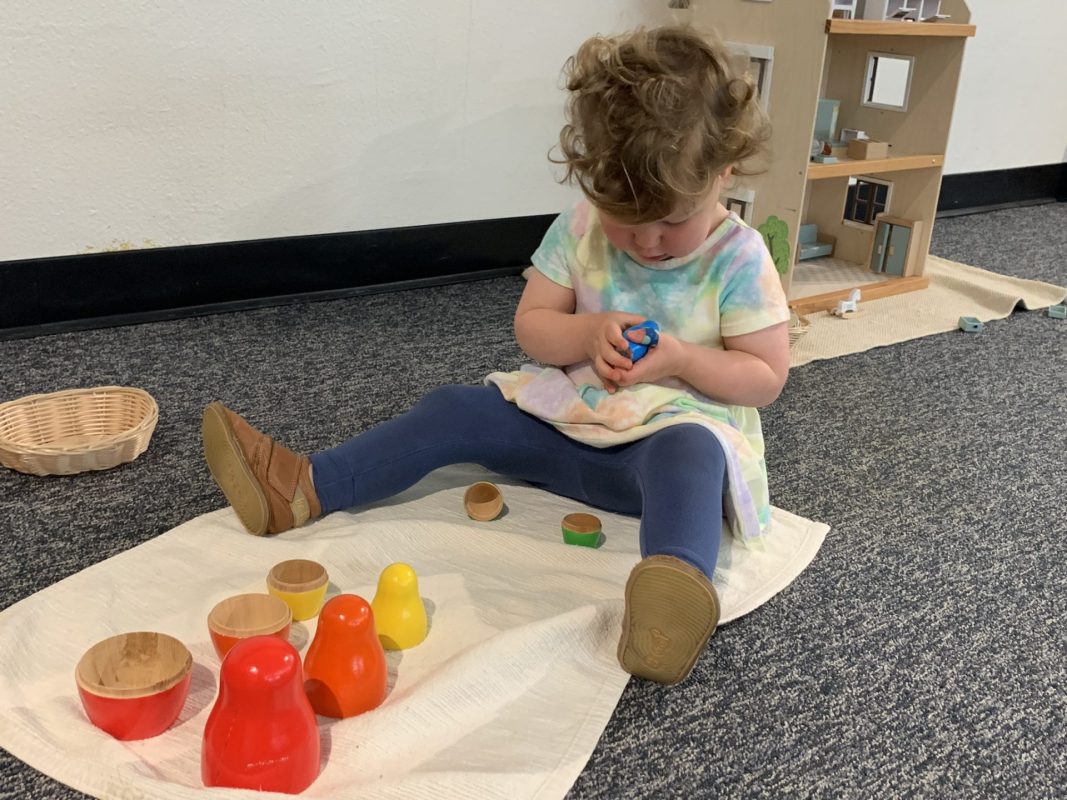
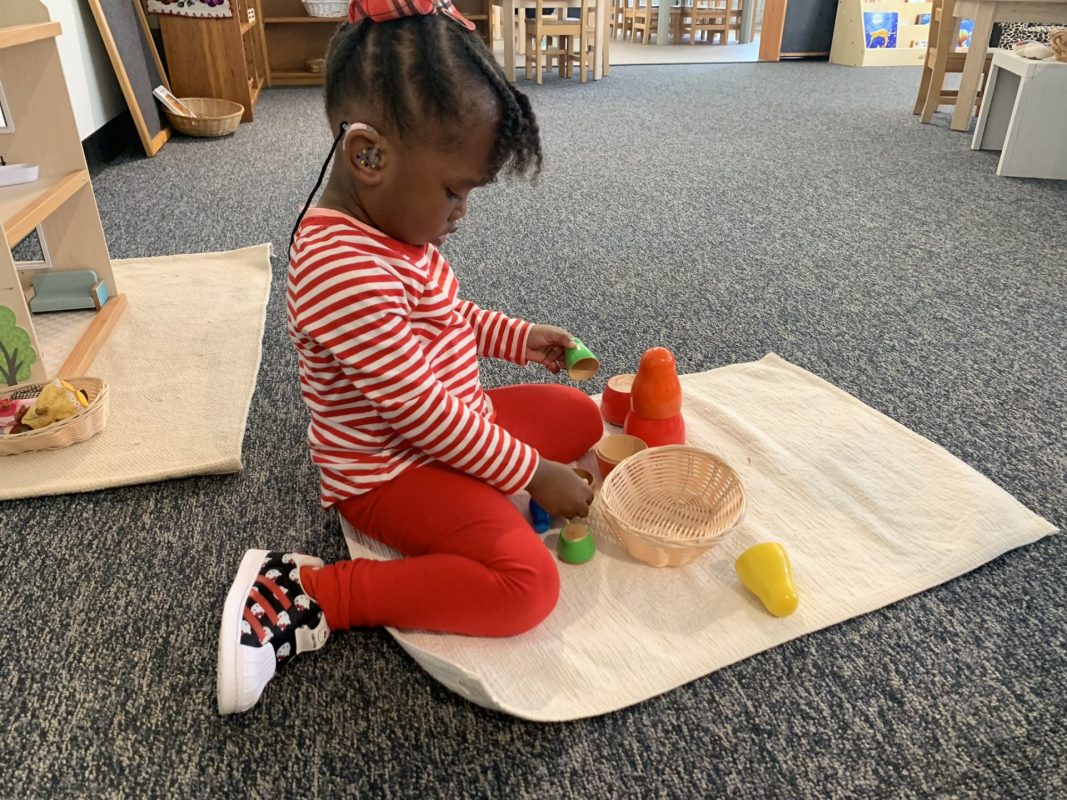
In Montessori education, the concept of “normalization” holds a profound significance, quite different from its conventional meaning. Maria Montessori used this term to describe a remarkable process she observed in children’s development—a process that unfolds when children are given the freedom to work in an environment that aligns with their developmental needs.

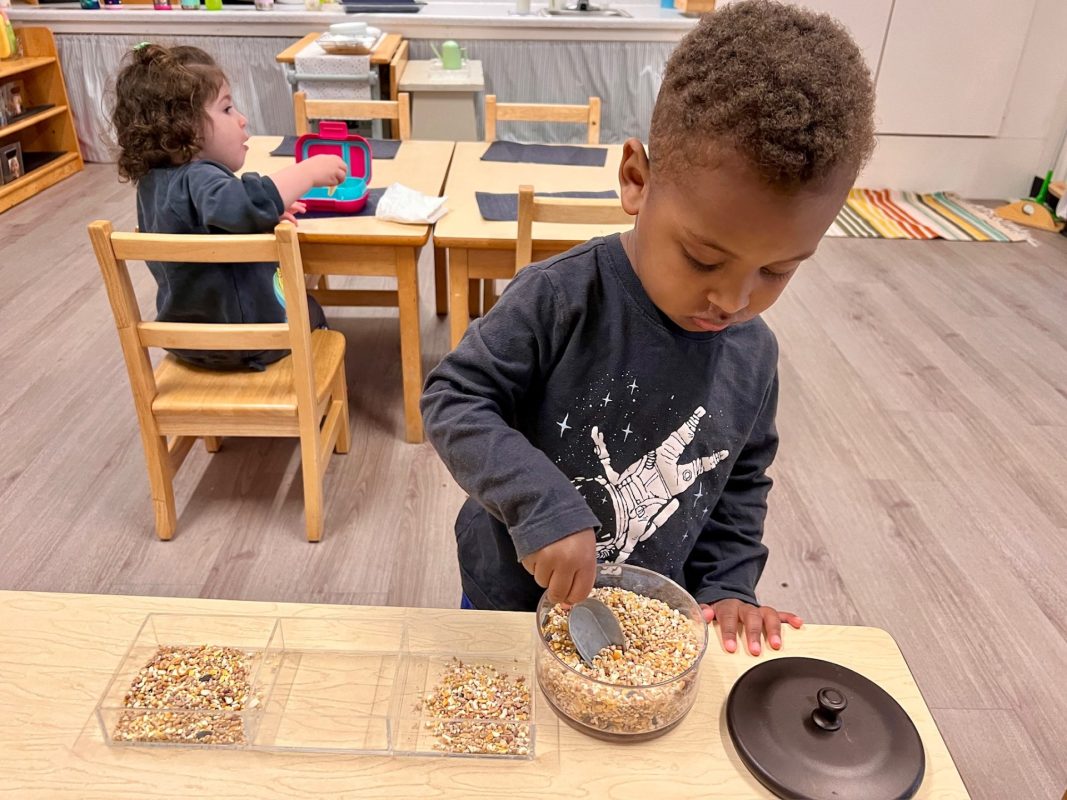
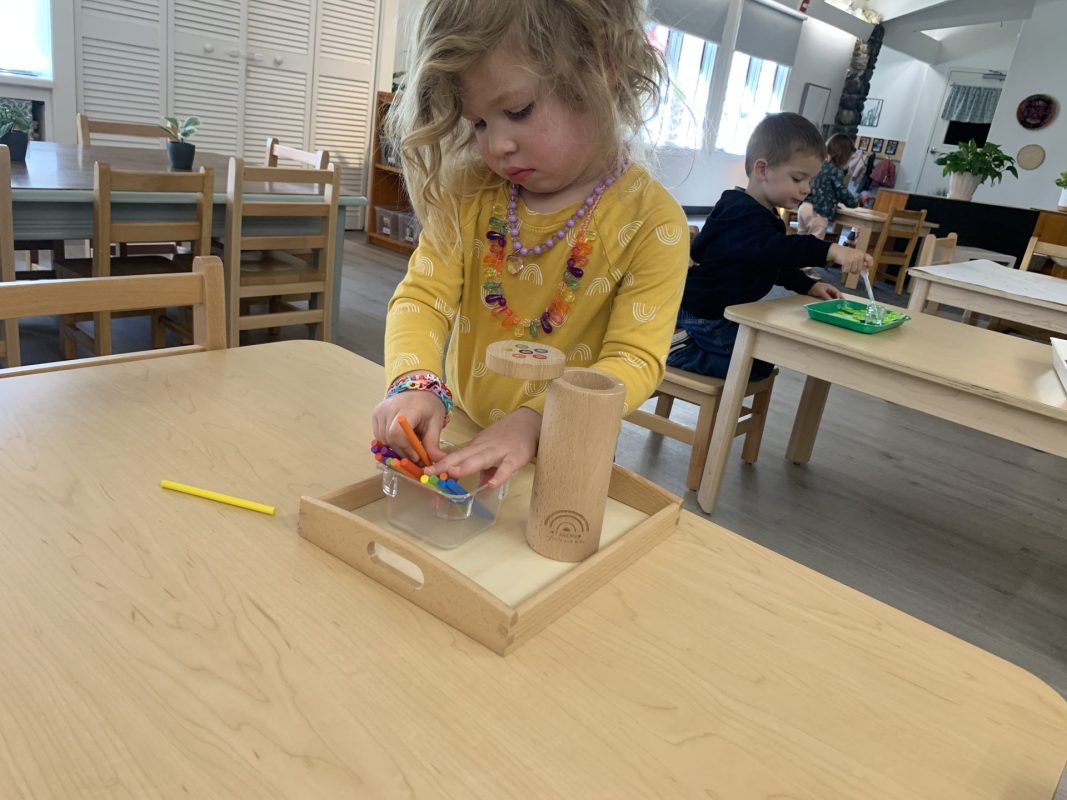
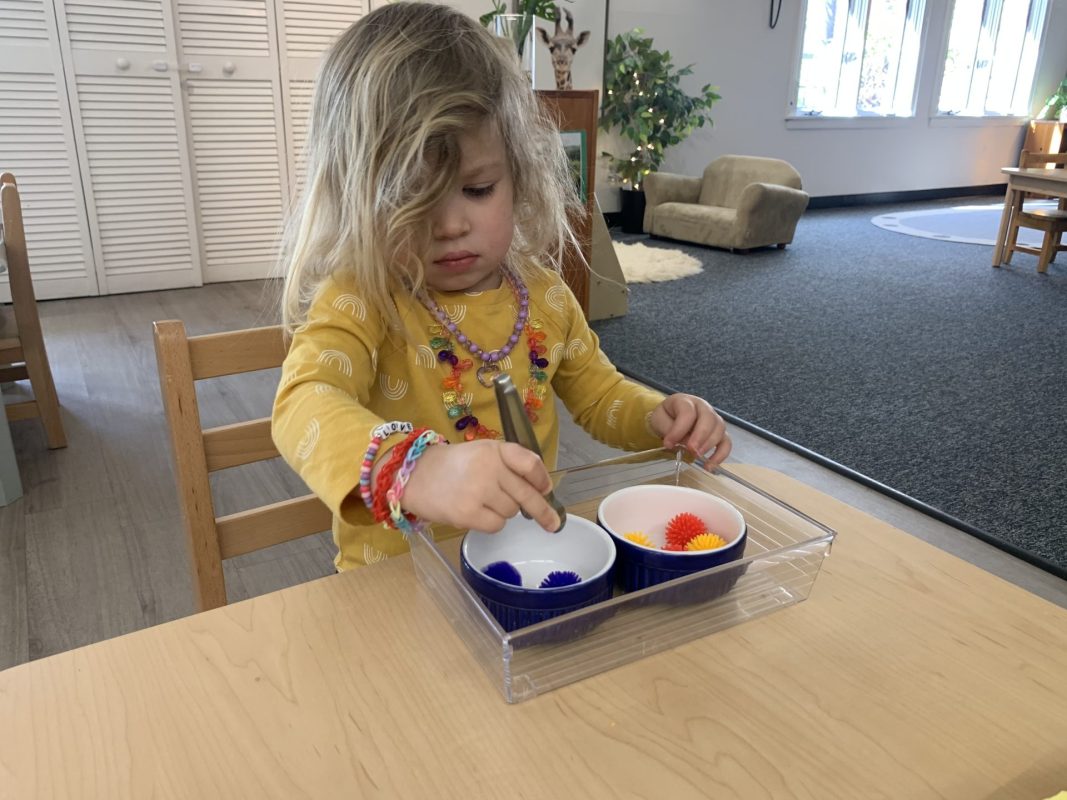
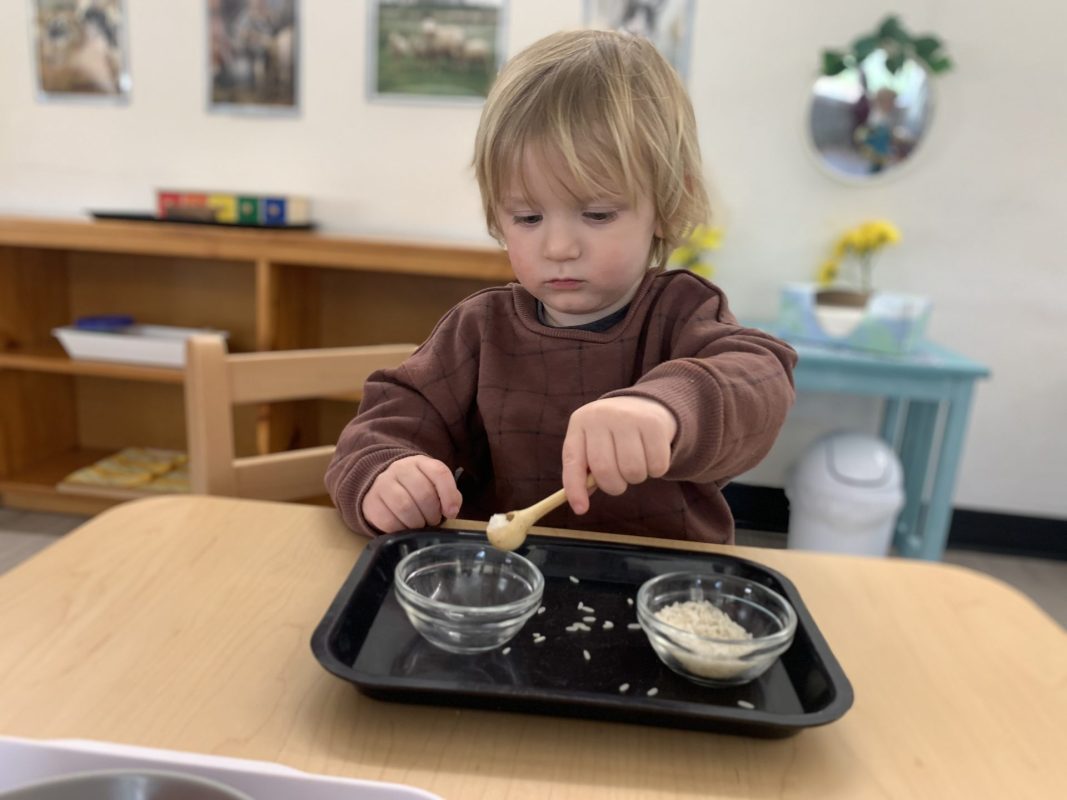
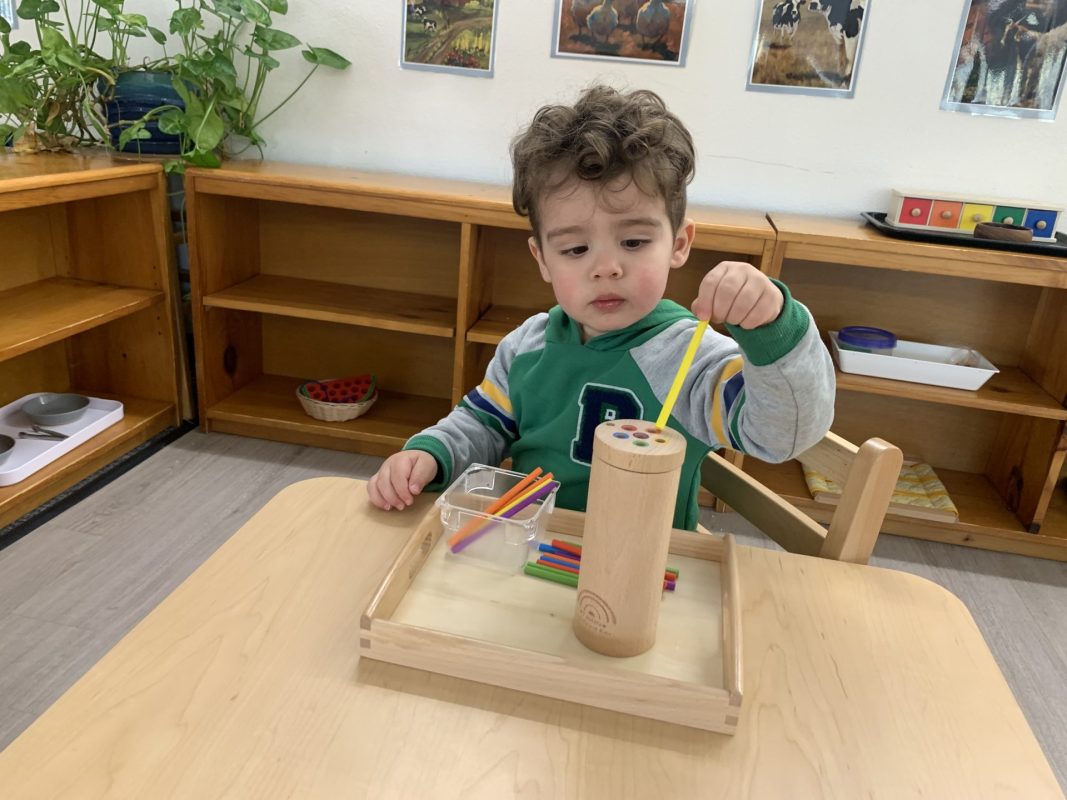
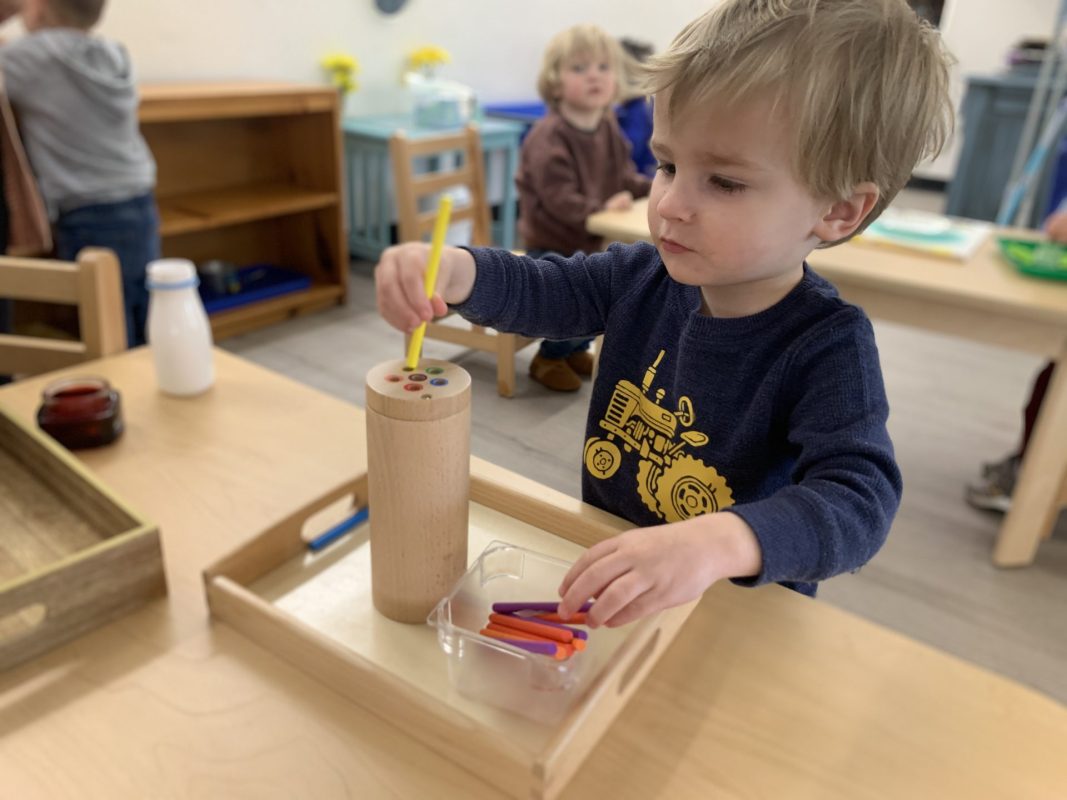
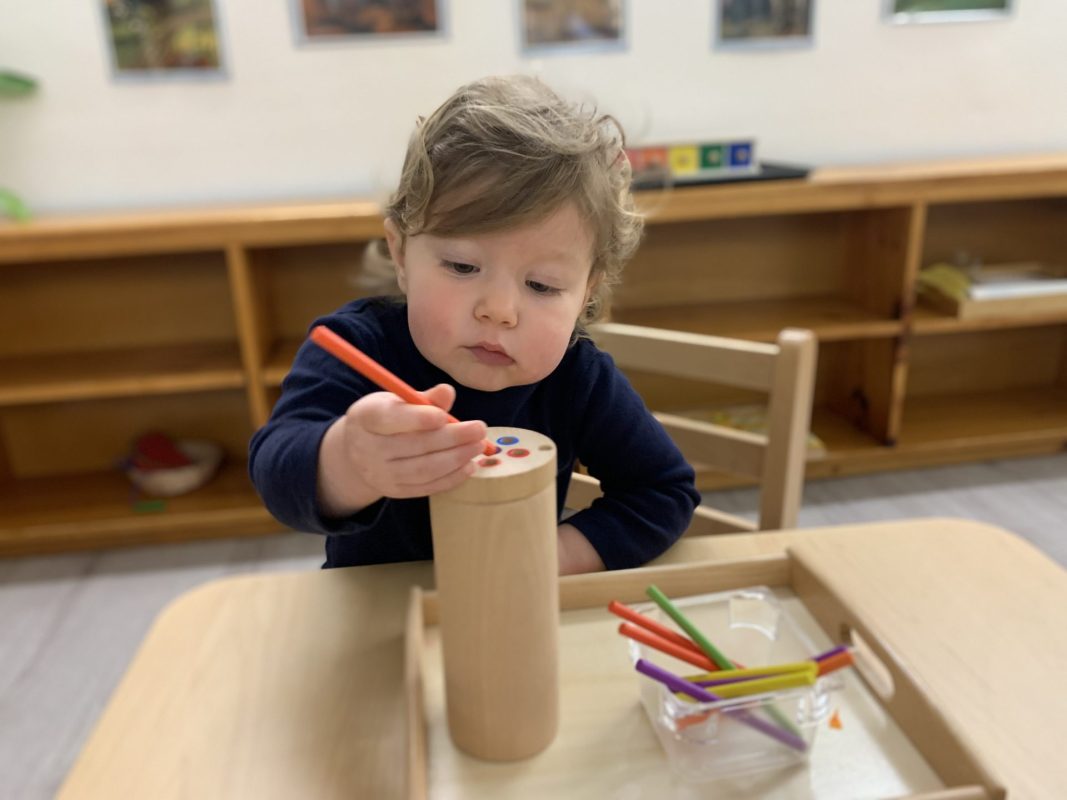
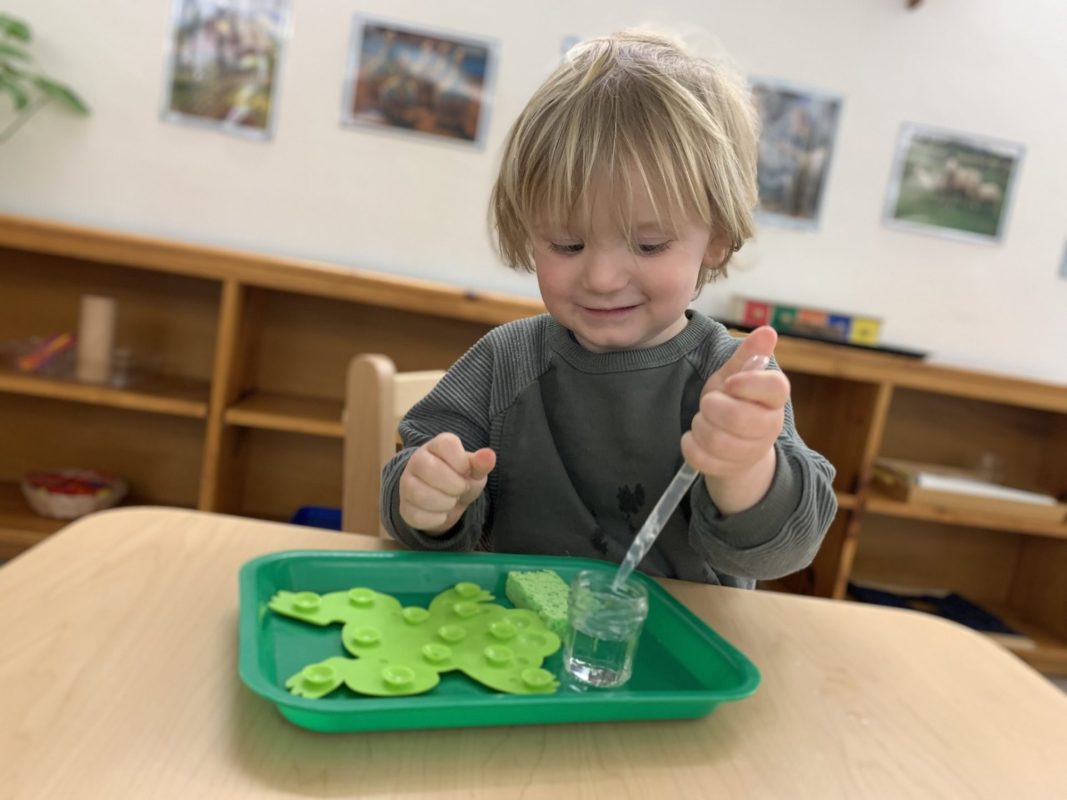
“Normalization” in Montessori does not imply conforming to a standard or being forced into a mold. Instead, it signifies a state of being where children exhibit a deep sense of inner peace and discipline. Montessori observed that when children engage in activities that captivate their interest and require their full concentration, they experience a profound sense of fulfillment and satisfaction. This focused, purposeful work leads to a state of normalization characterized by a calm, content demeanor.

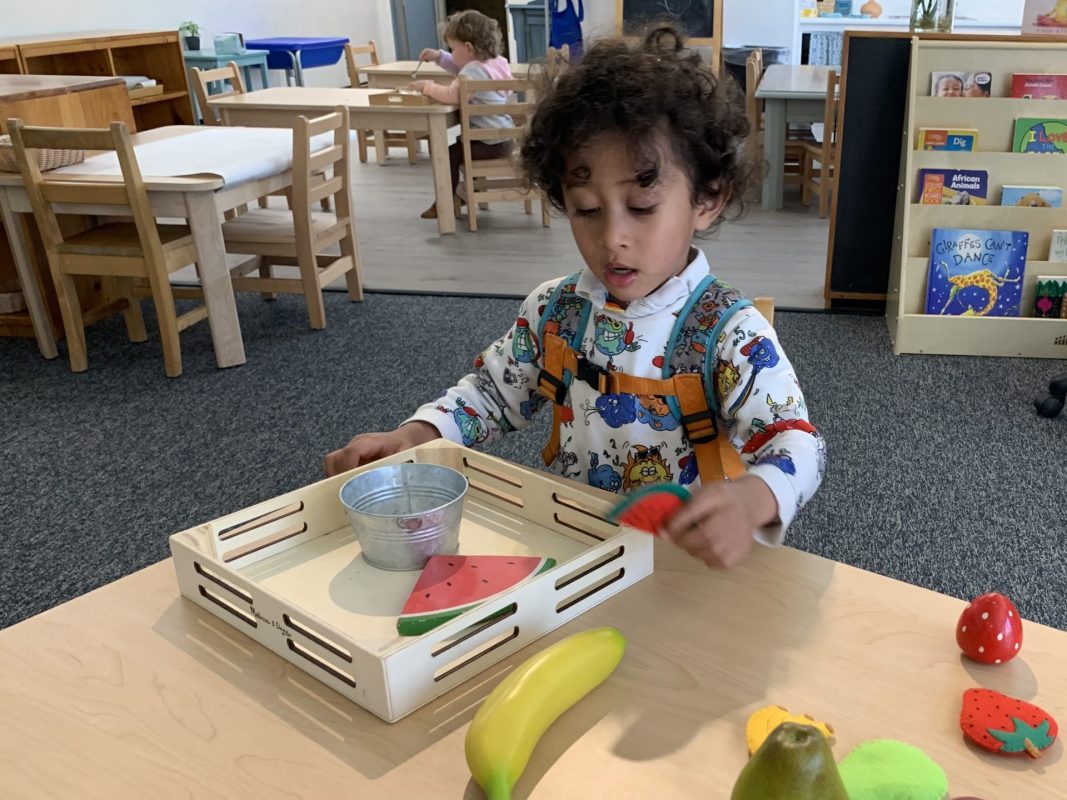
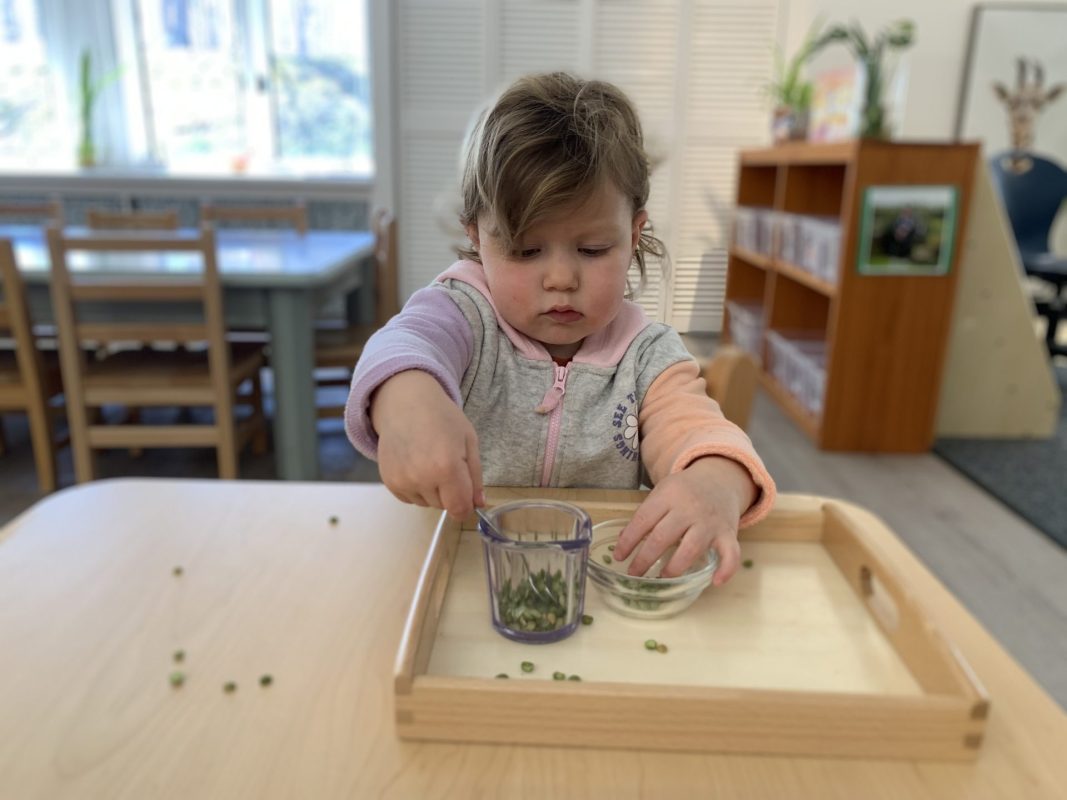
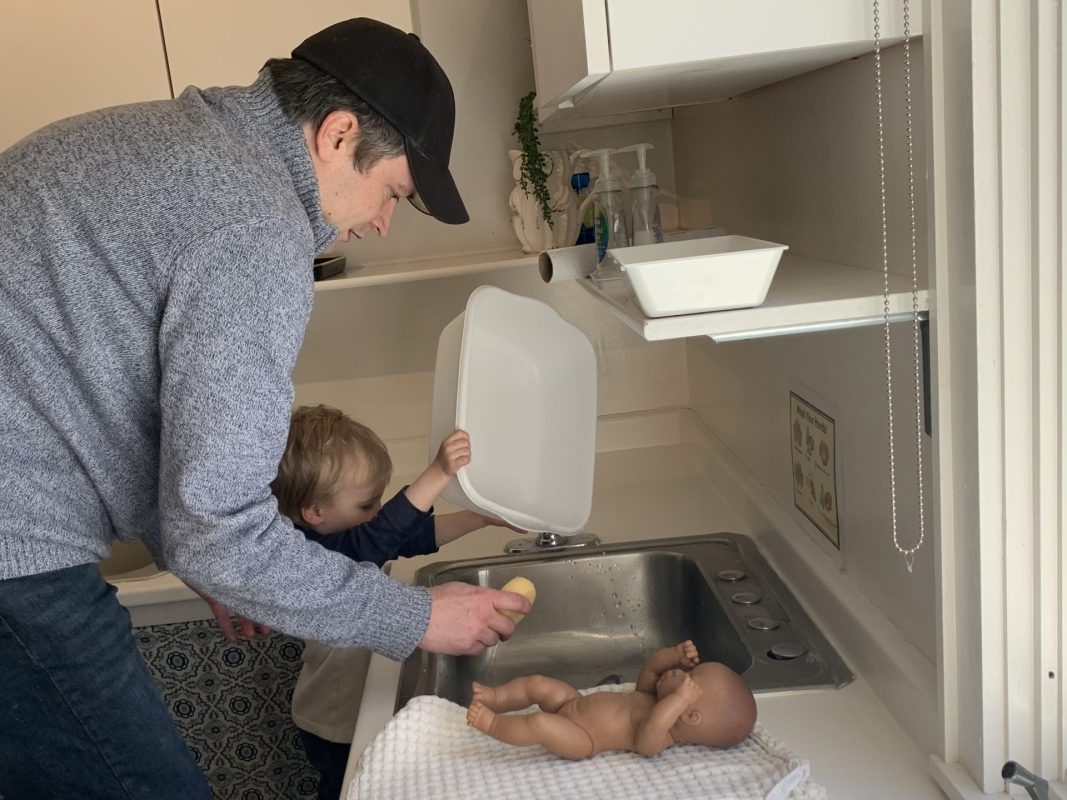
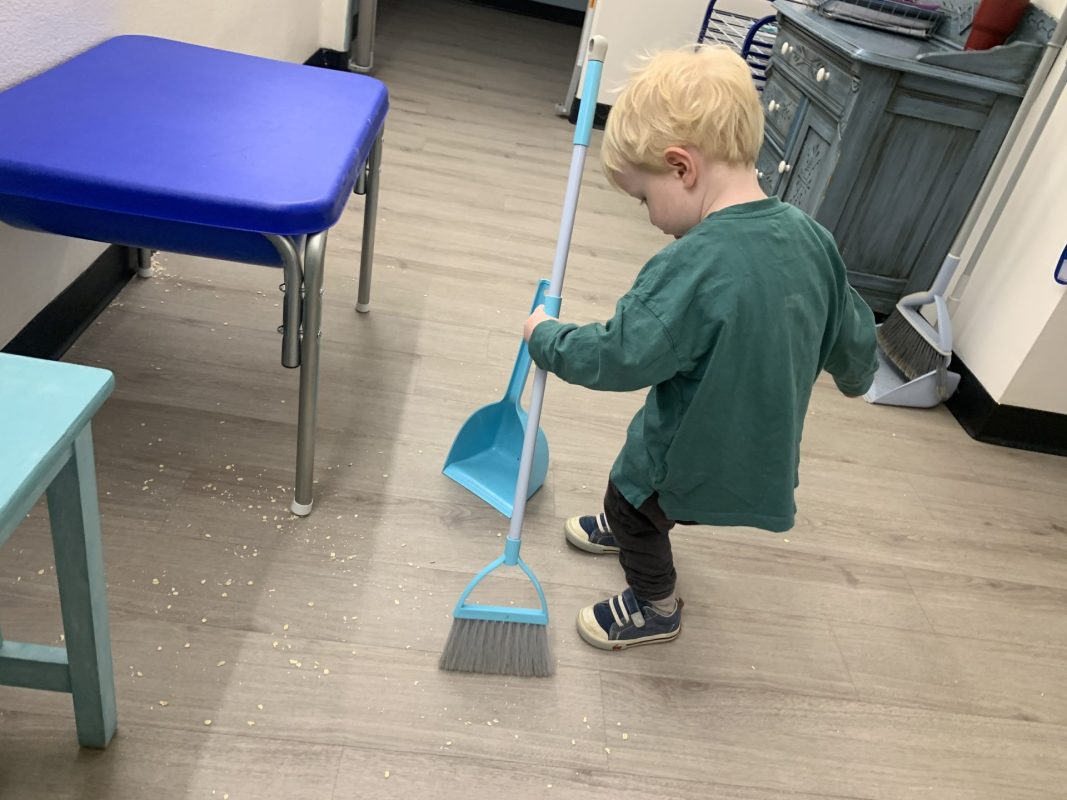
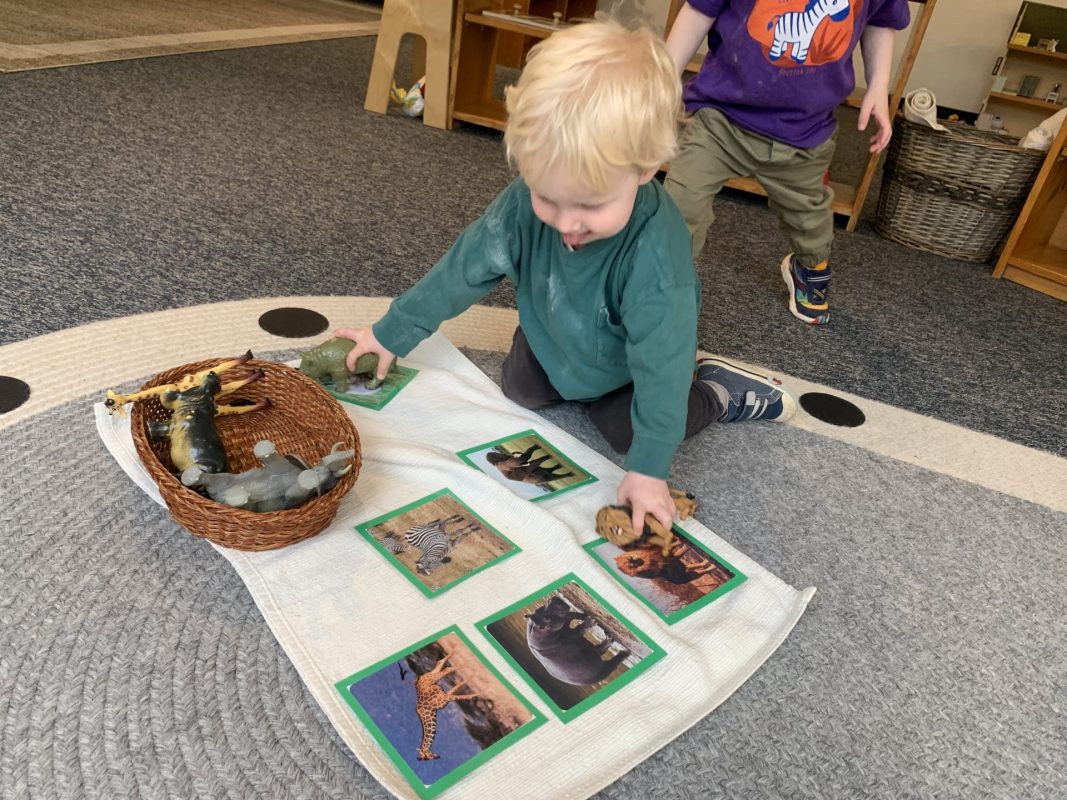
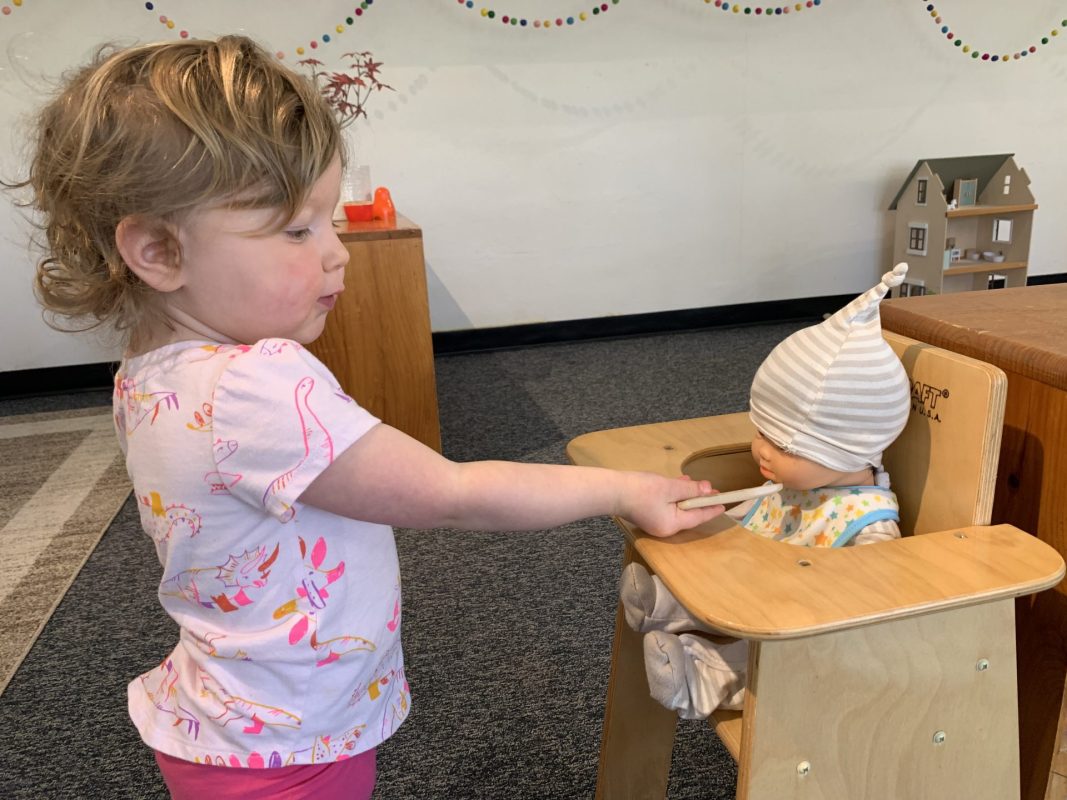
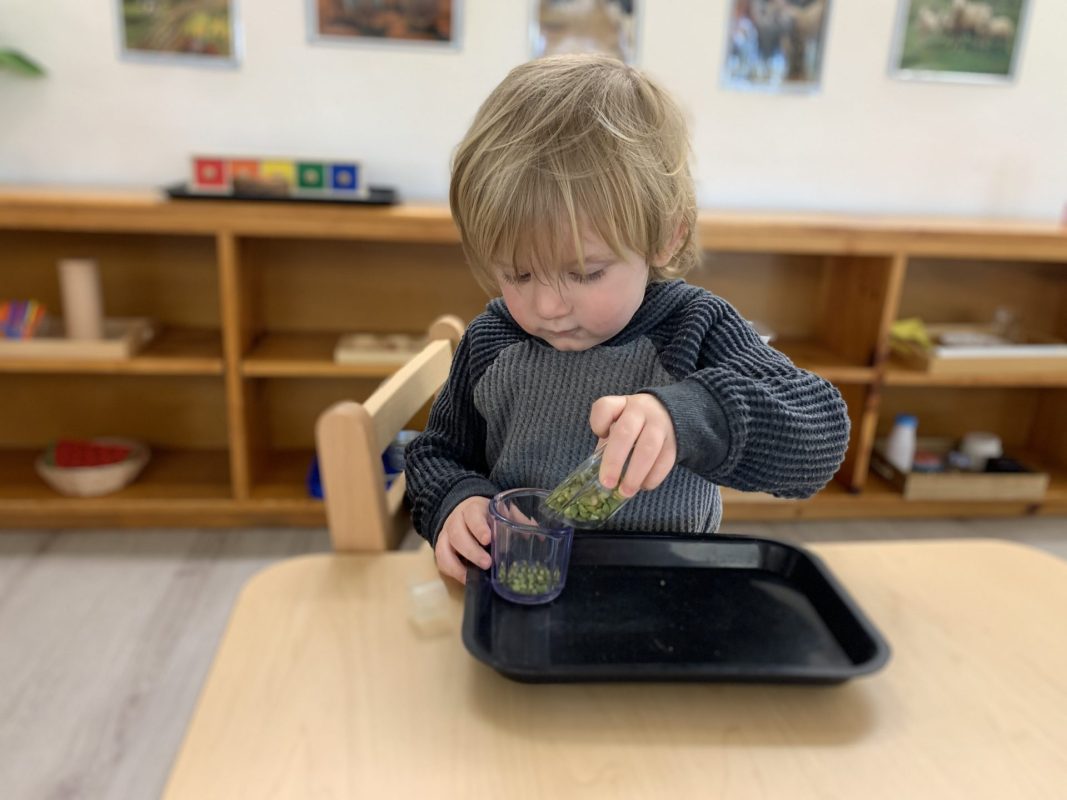
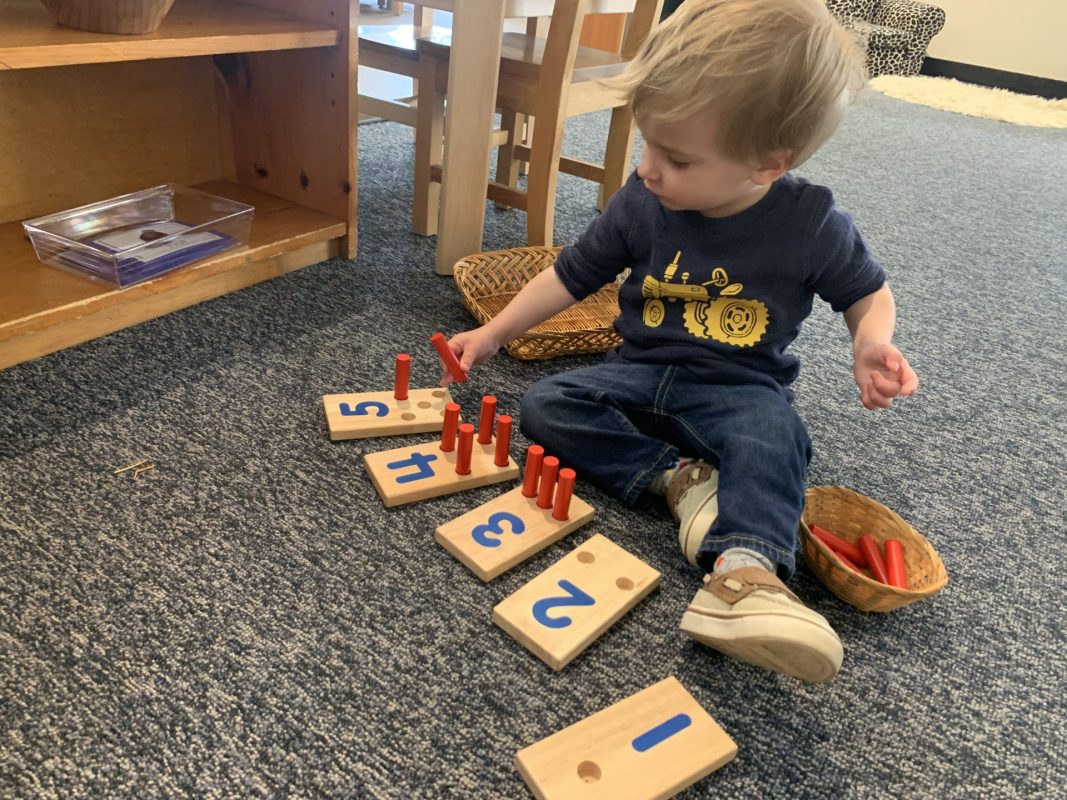
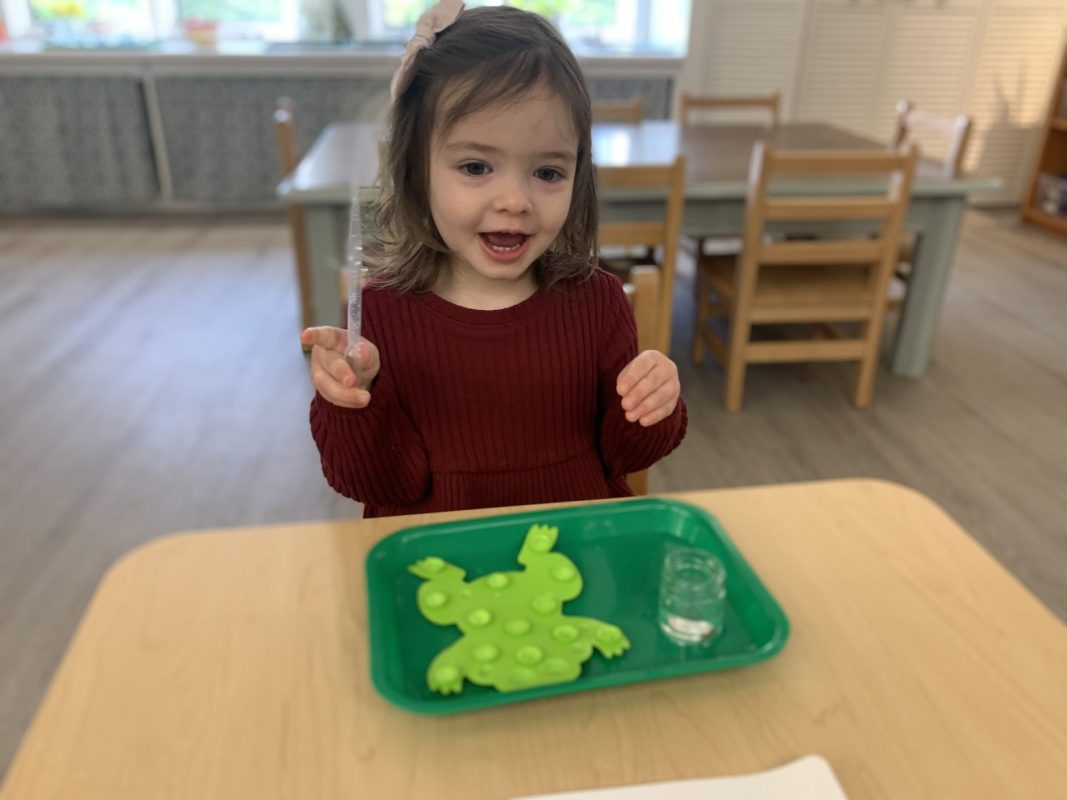
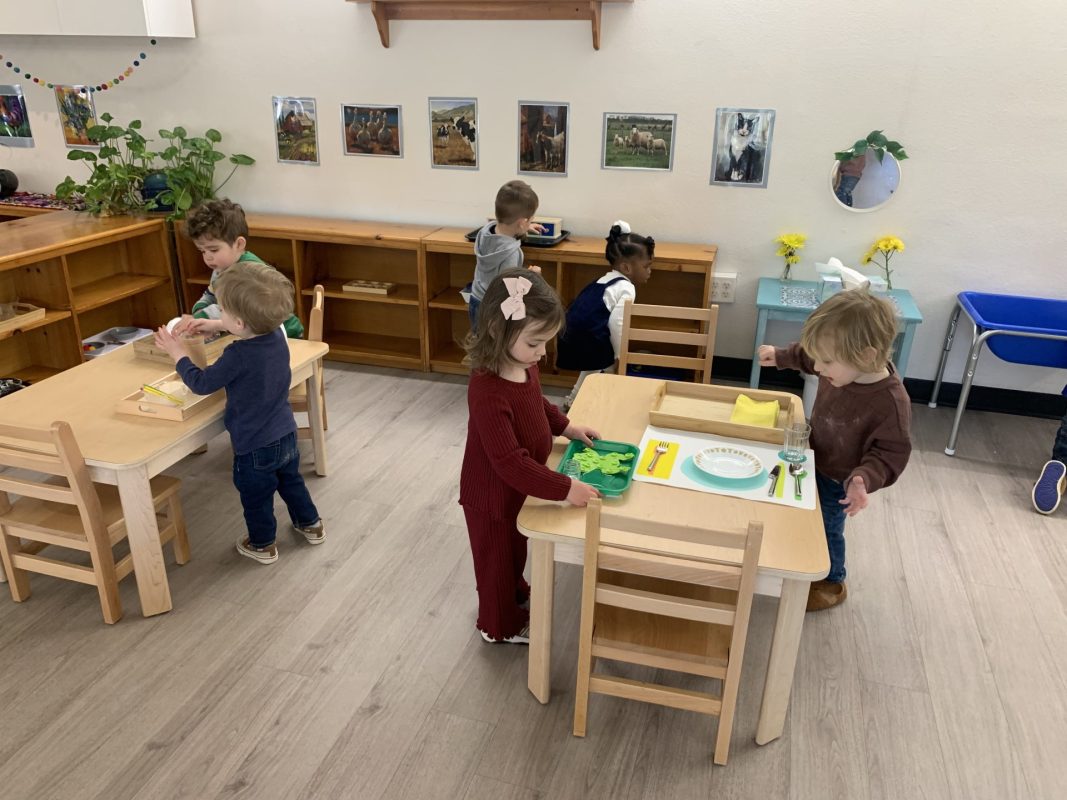
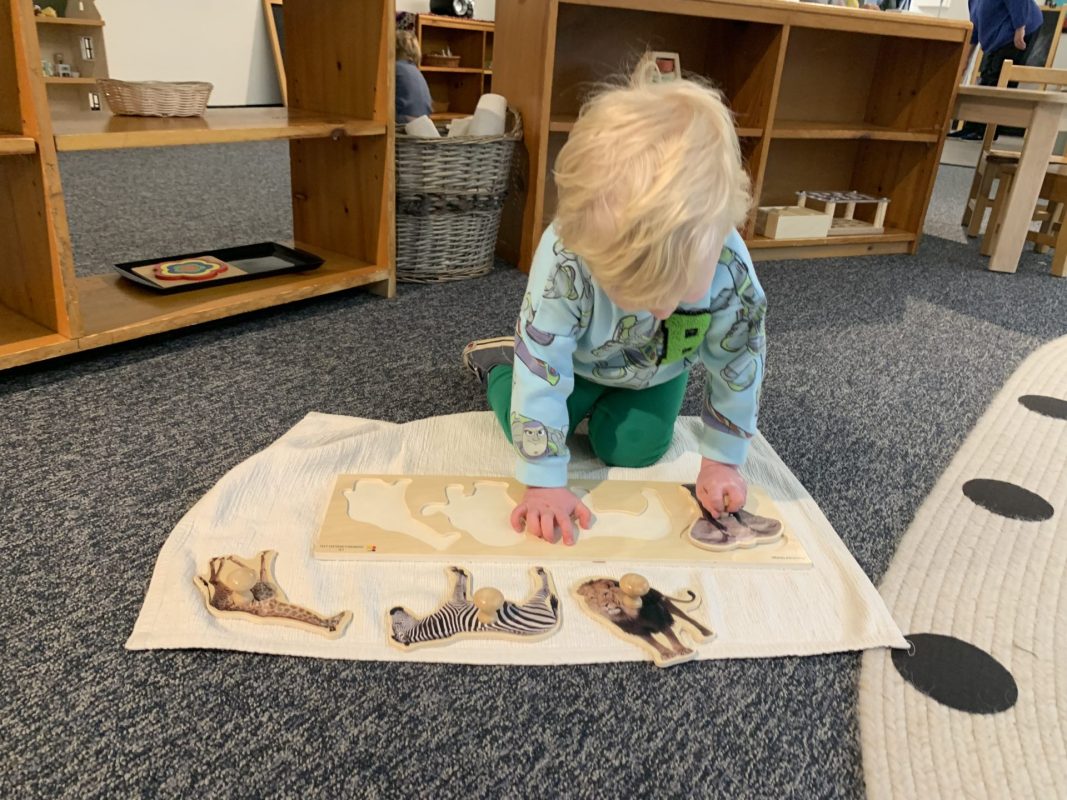
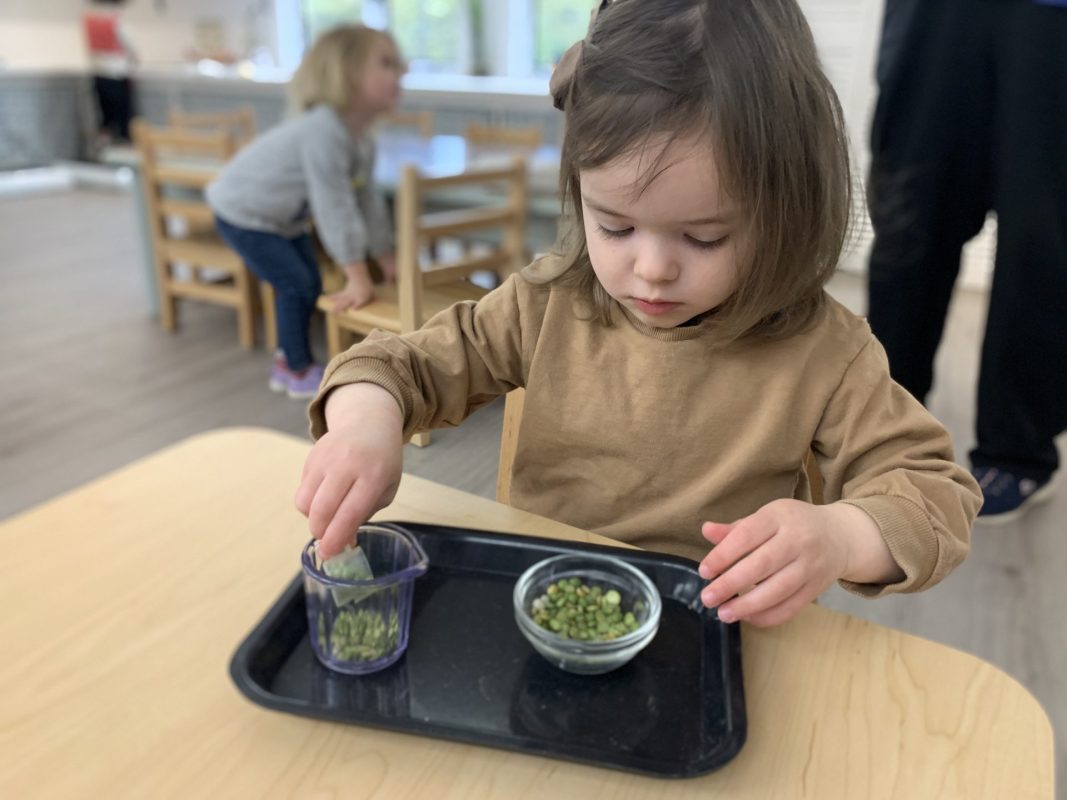
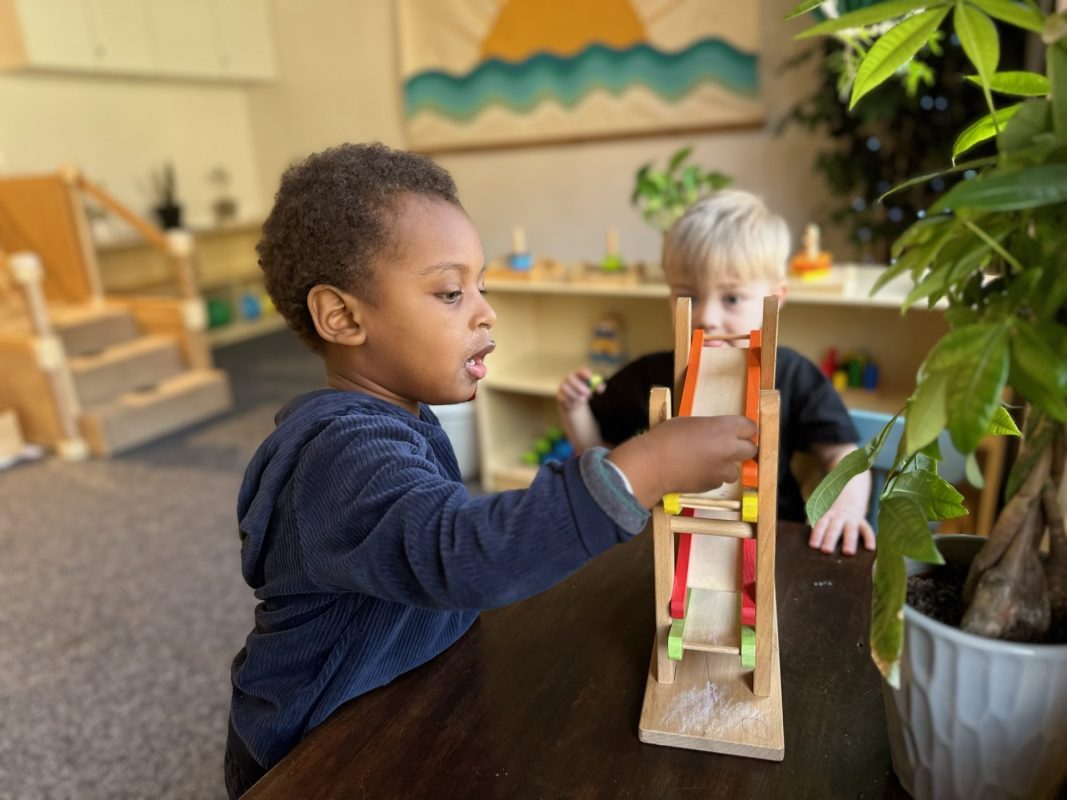
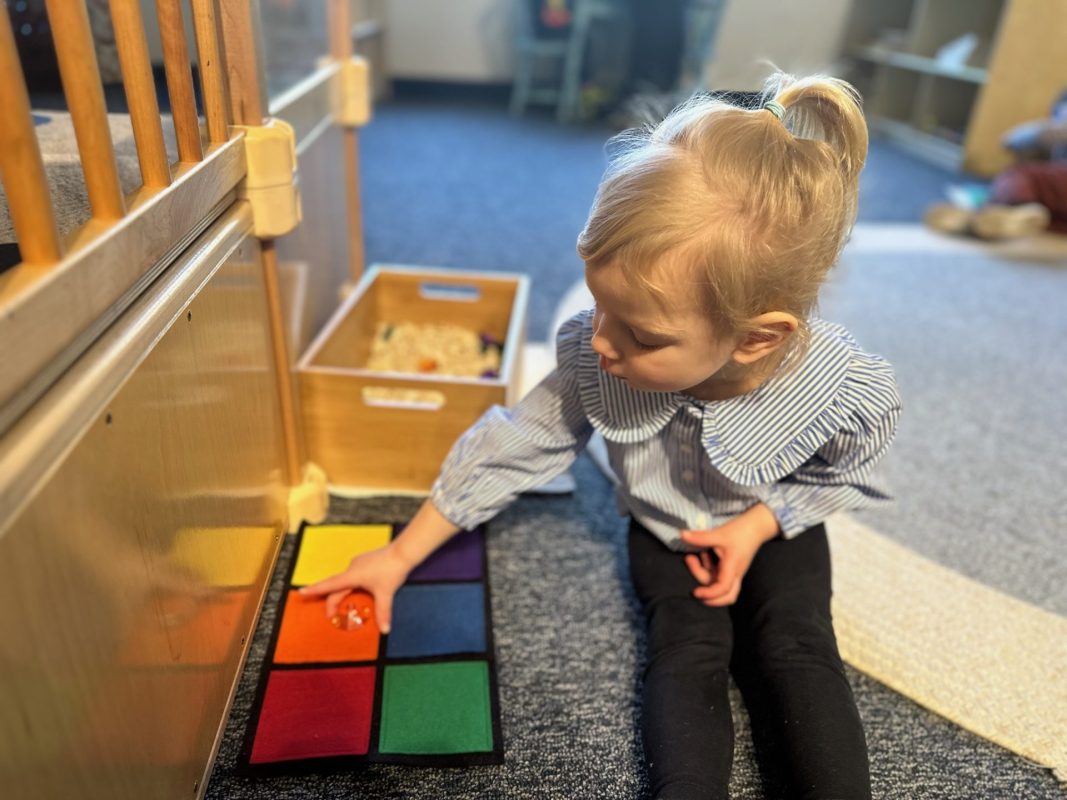
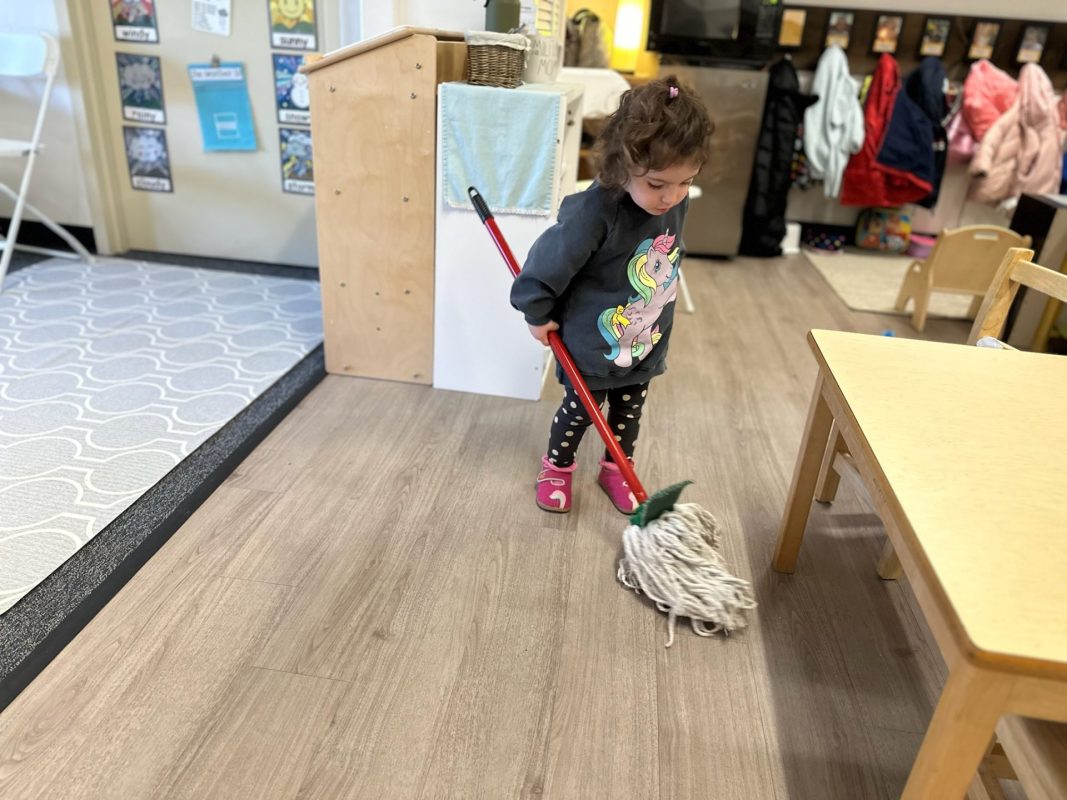
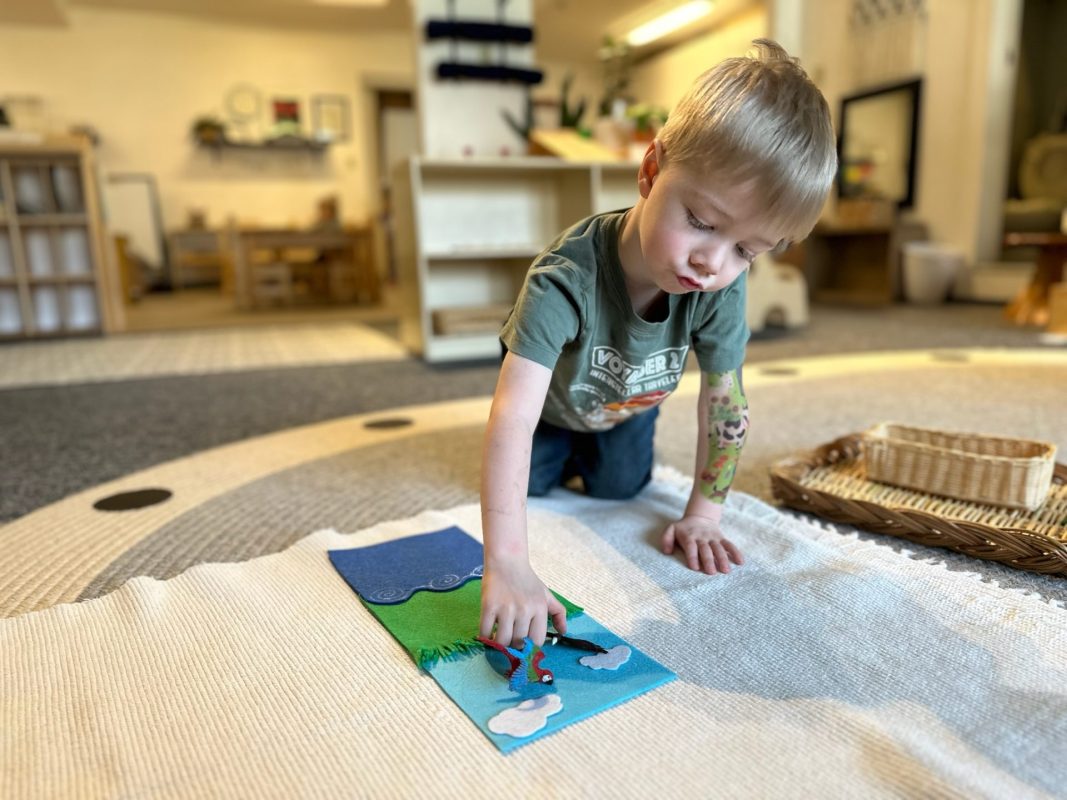
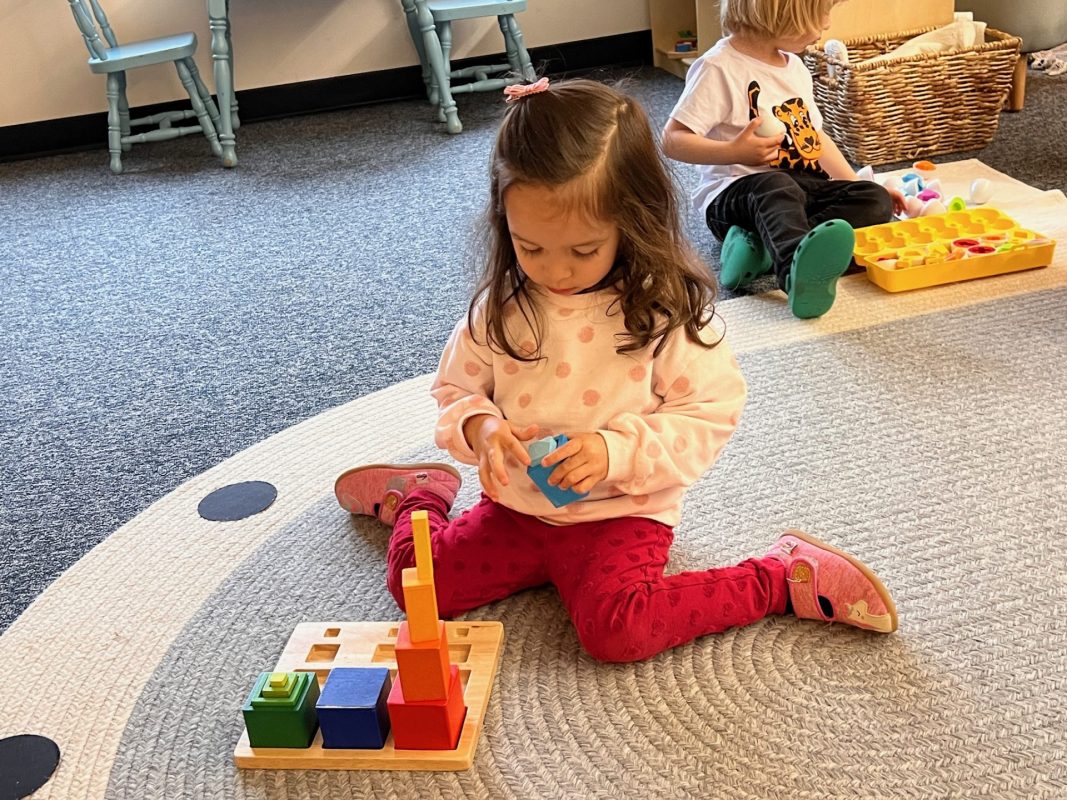
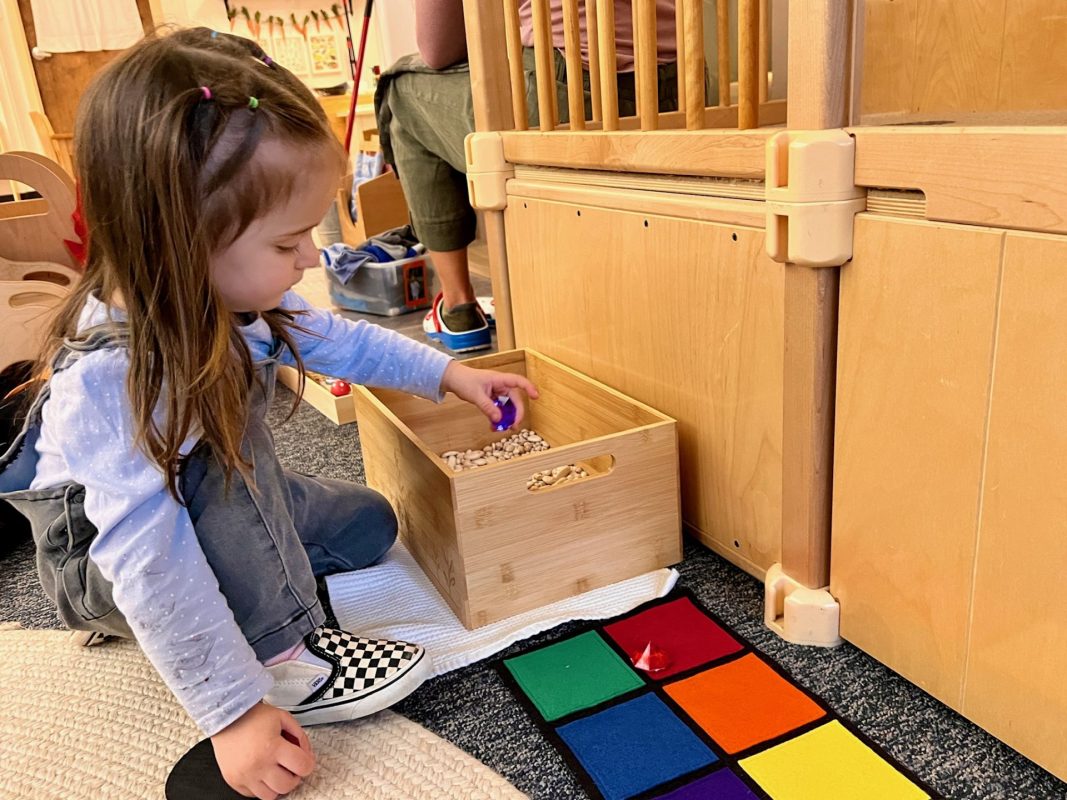
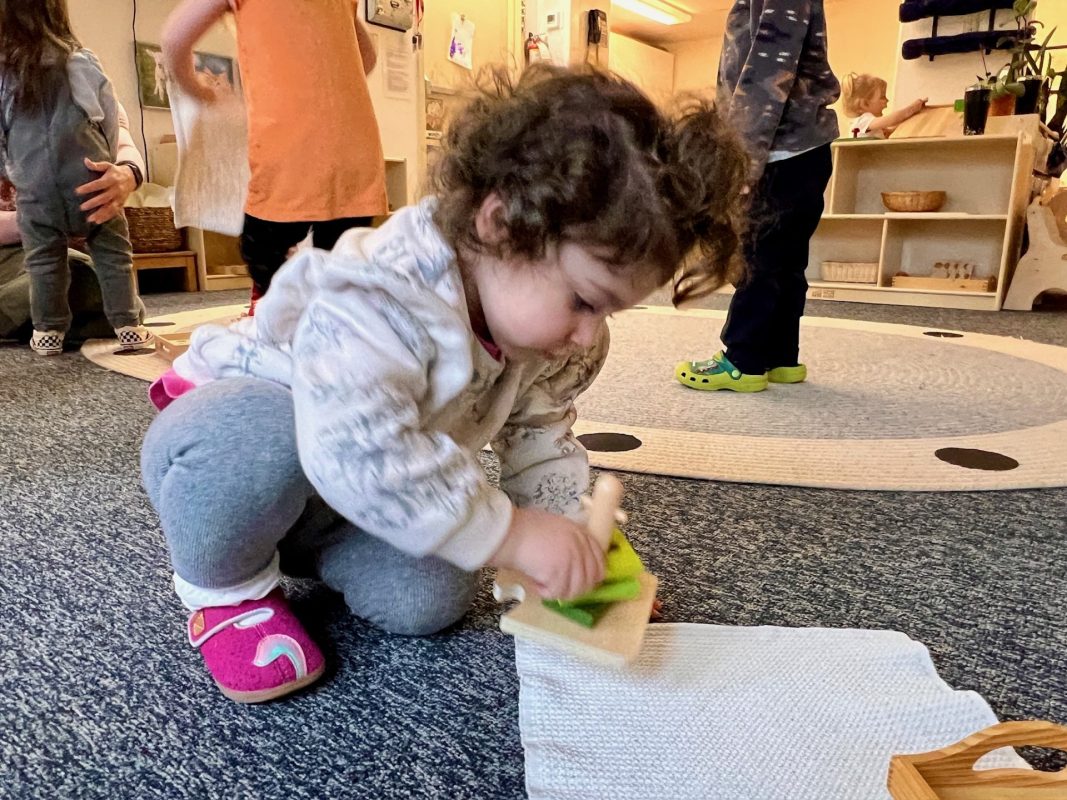
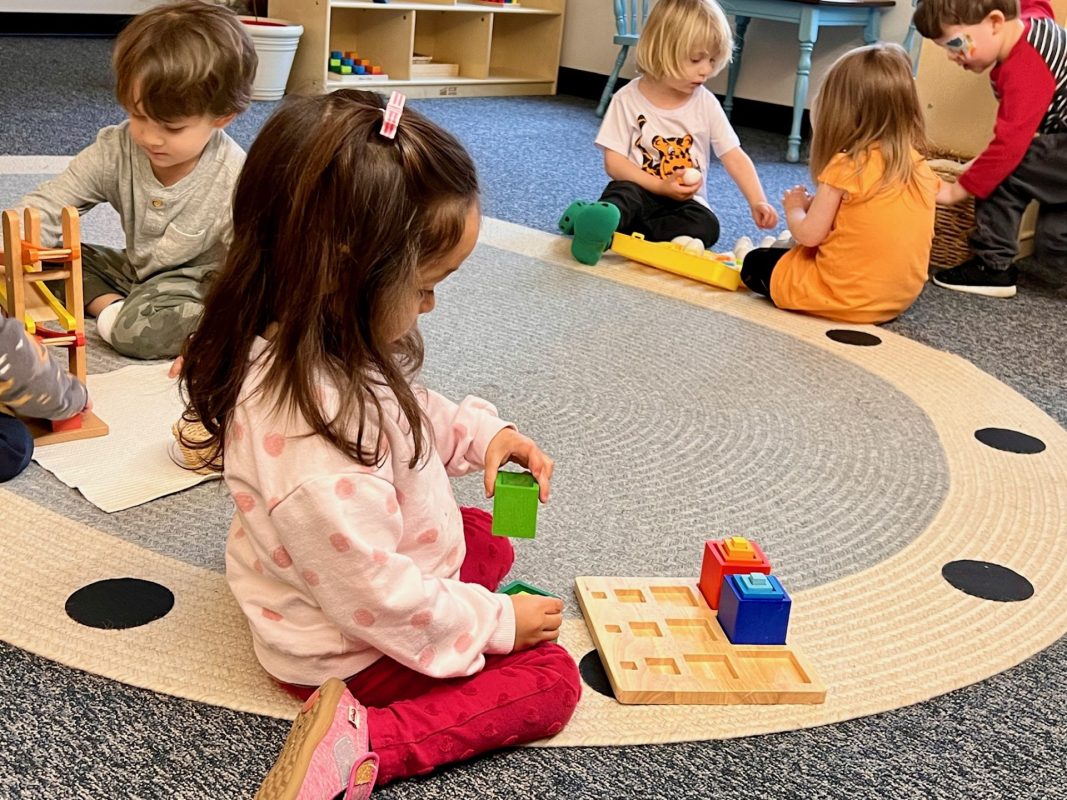
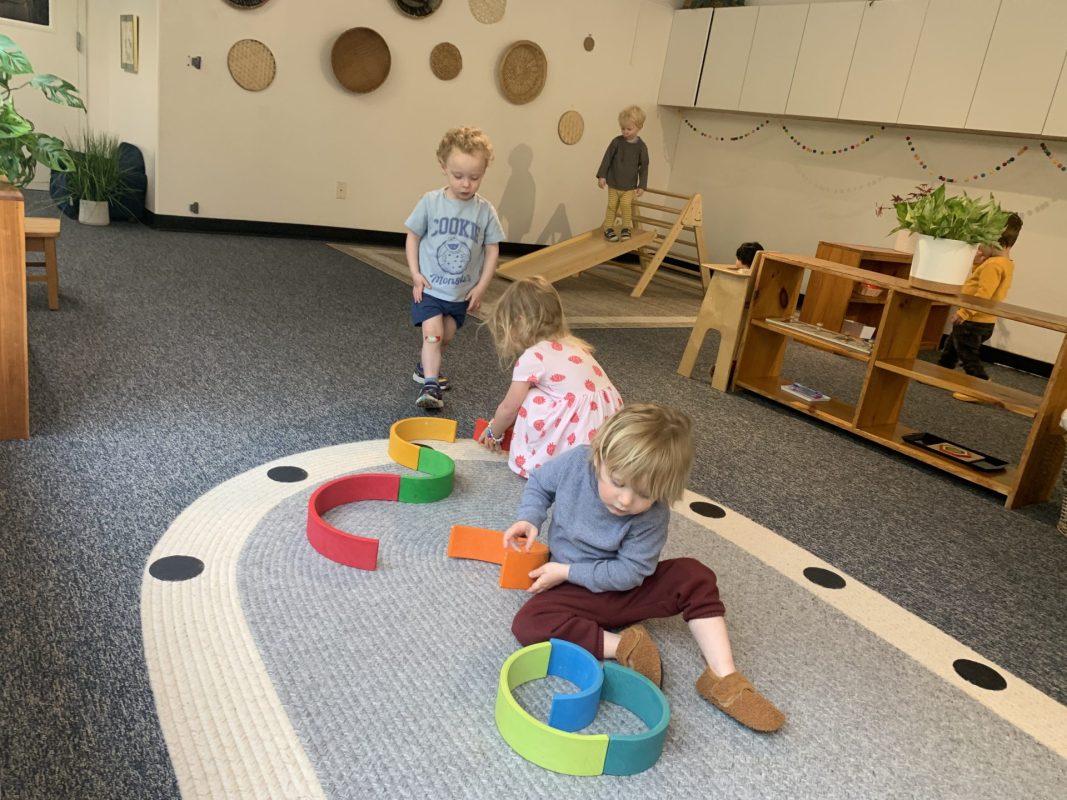
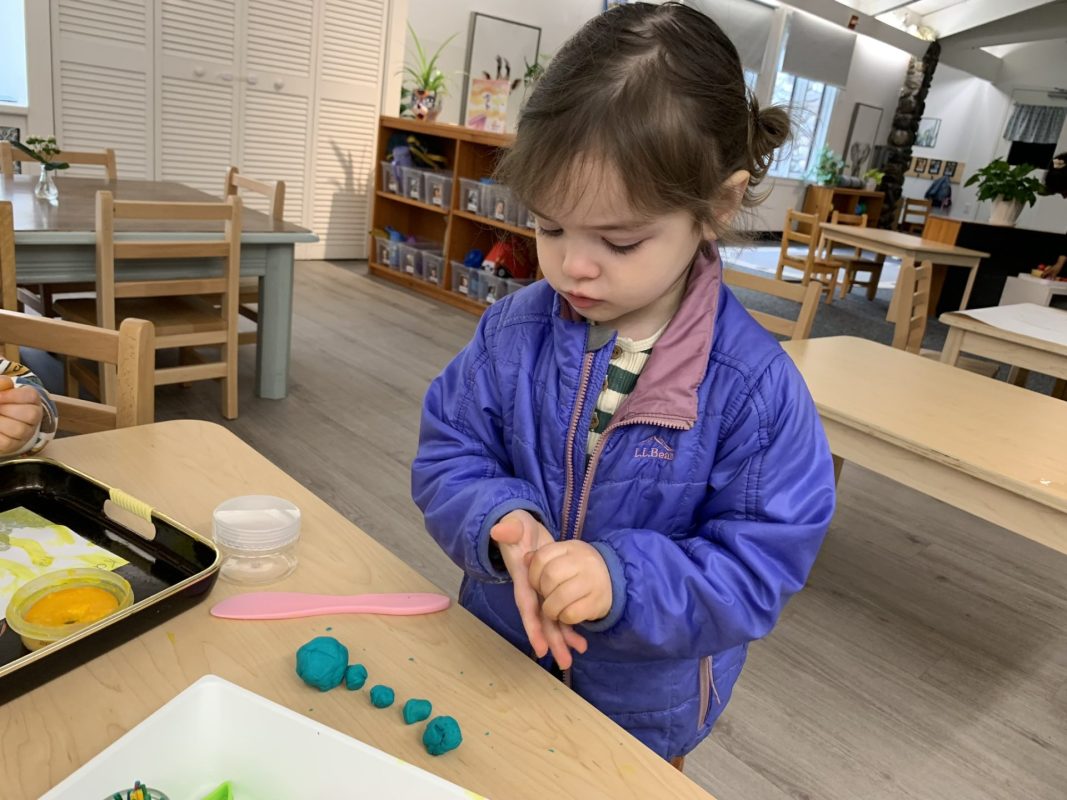
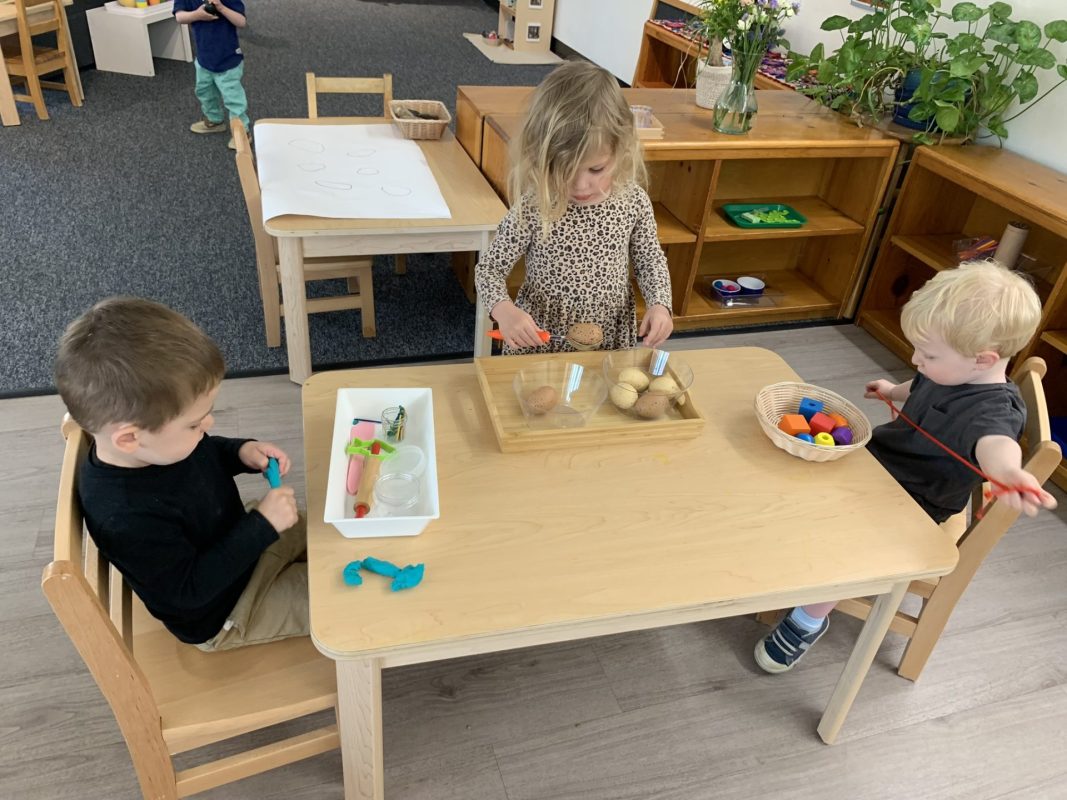
In our Montessori environment, we witness the signs of normalization every day. Children are deeply engaged in their chosen activities, demonstrating sustained concentration and a sense of joy in their work. As a result, they become more independent and self-disciplined, fostering an environment of peaceful, harmonious interactions.

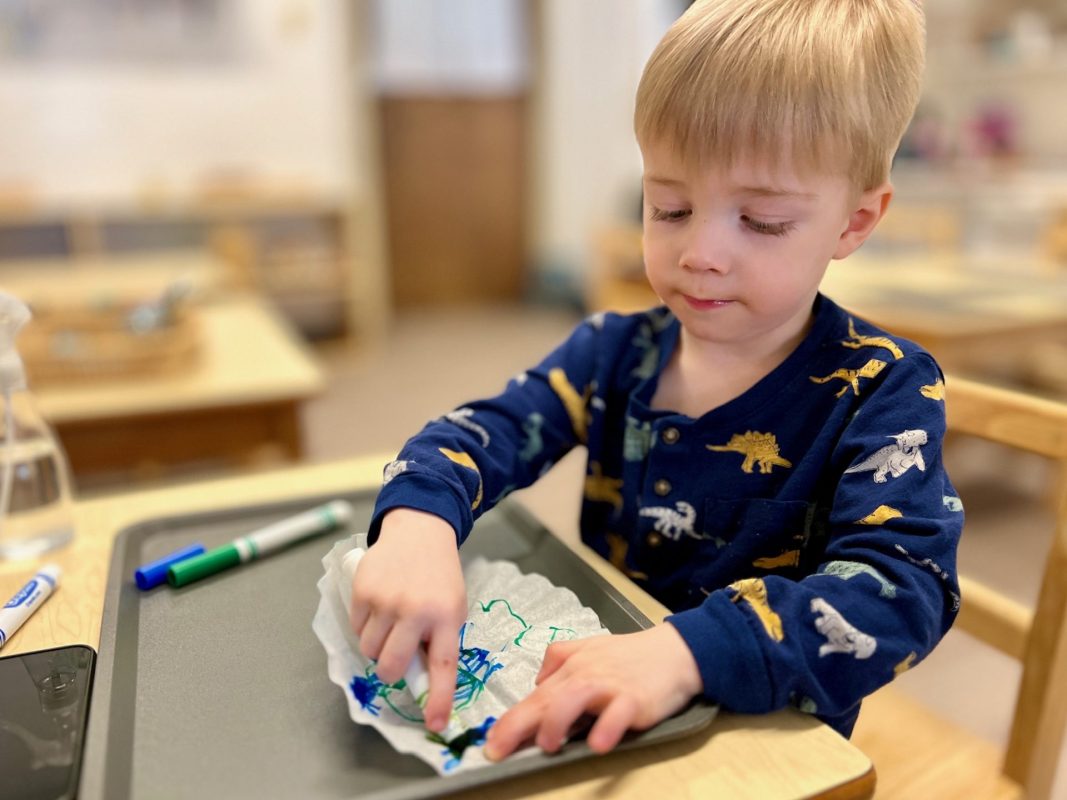
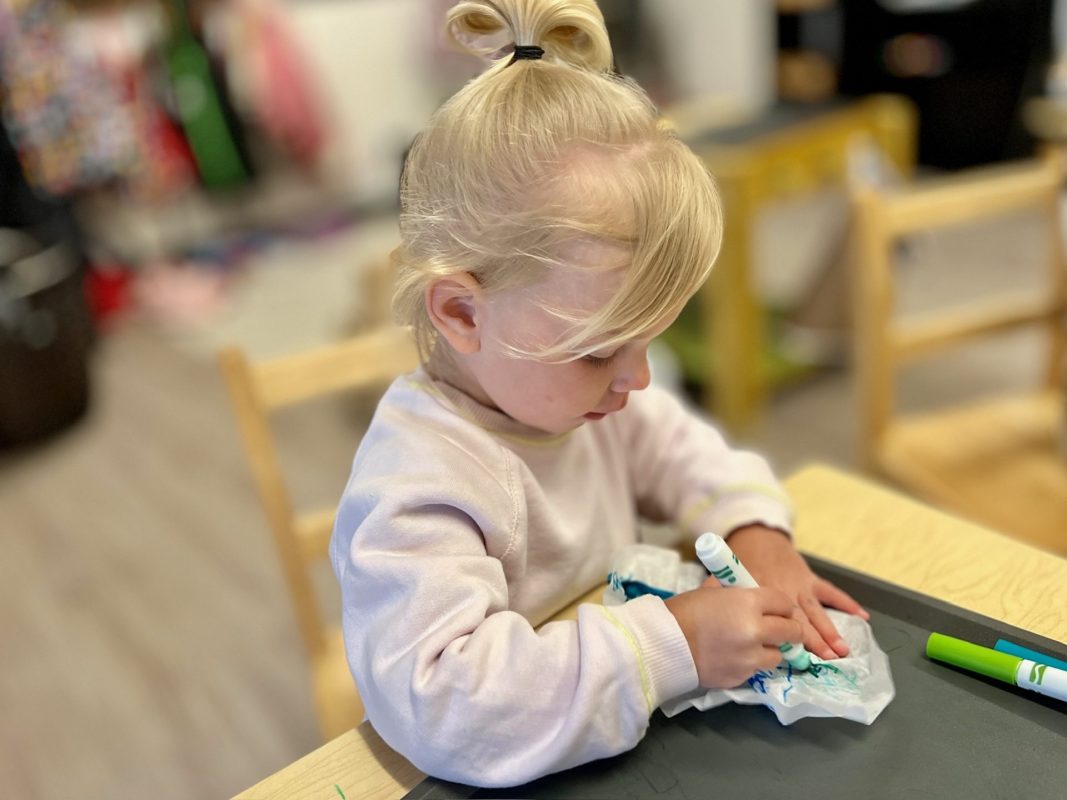
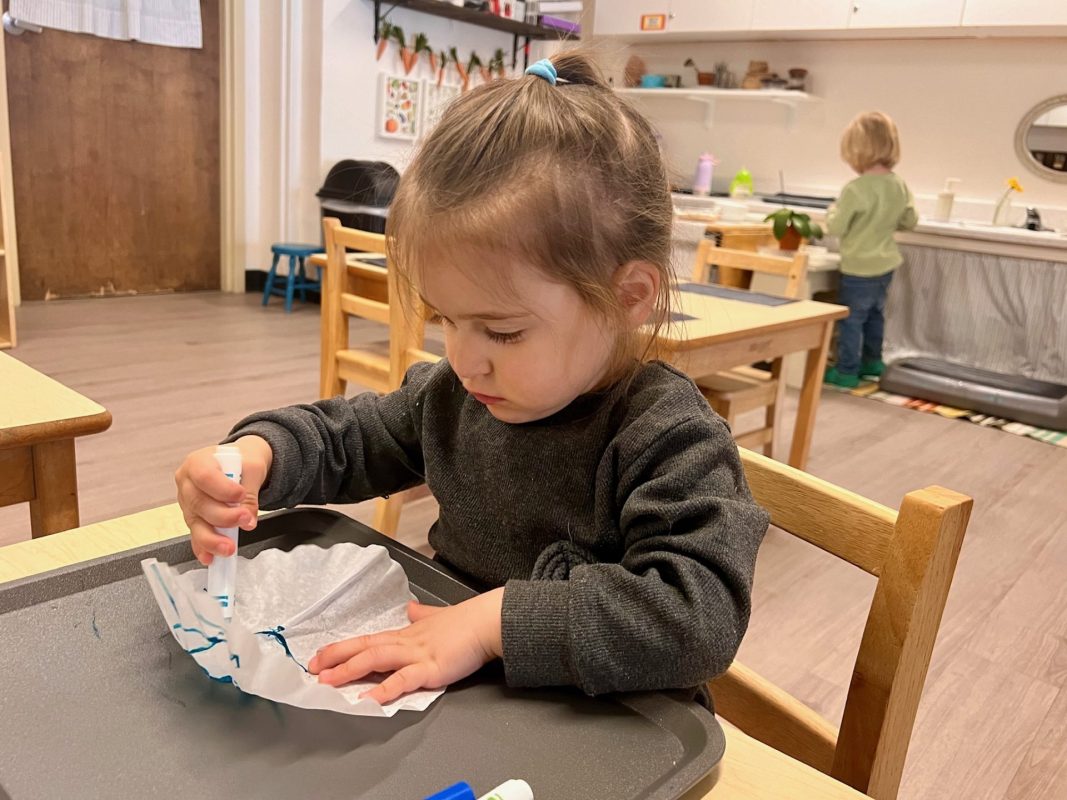
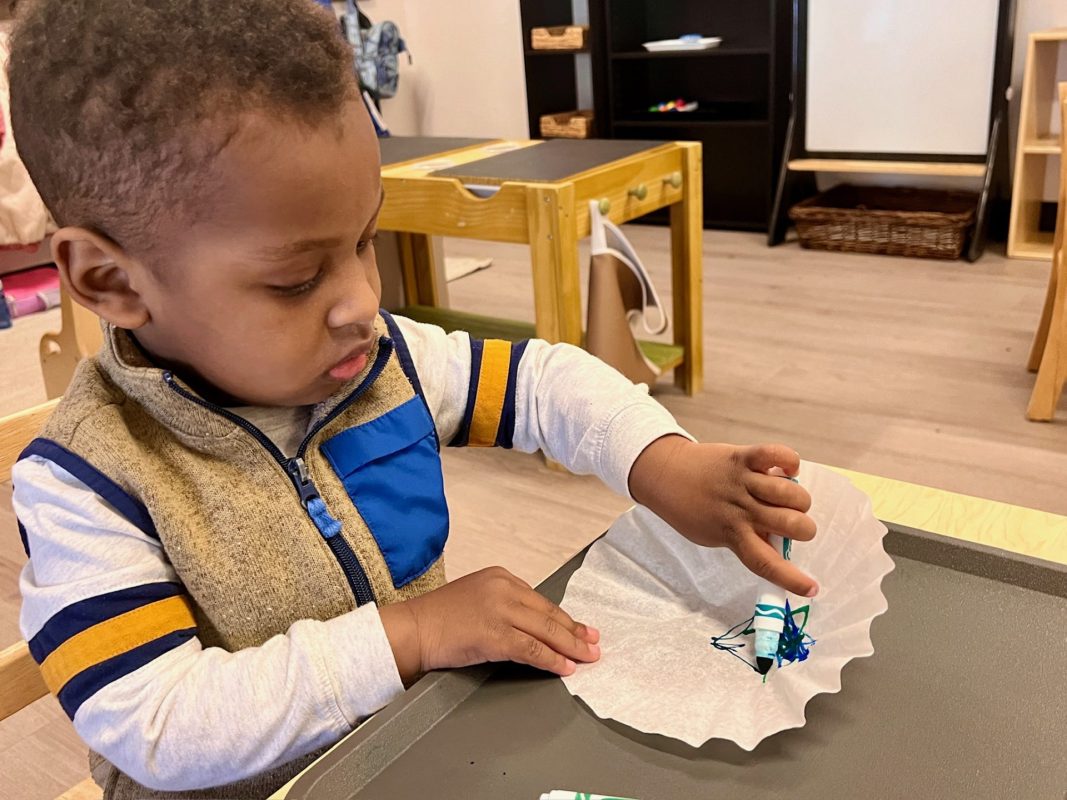
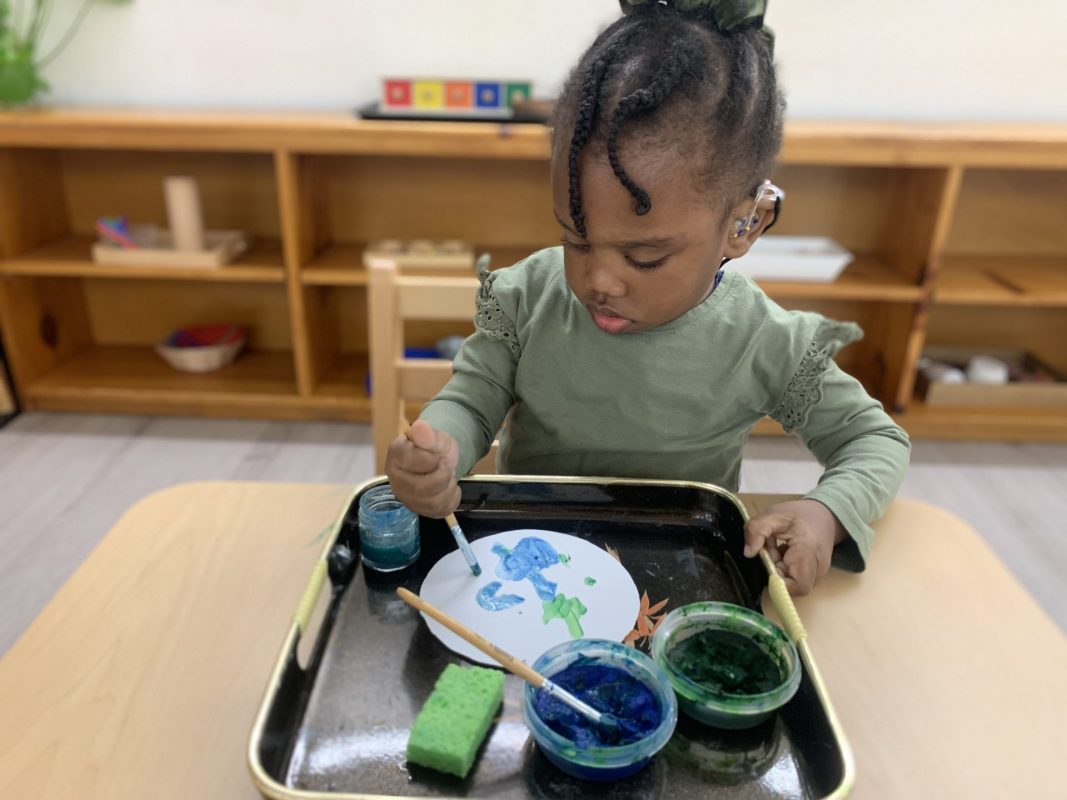
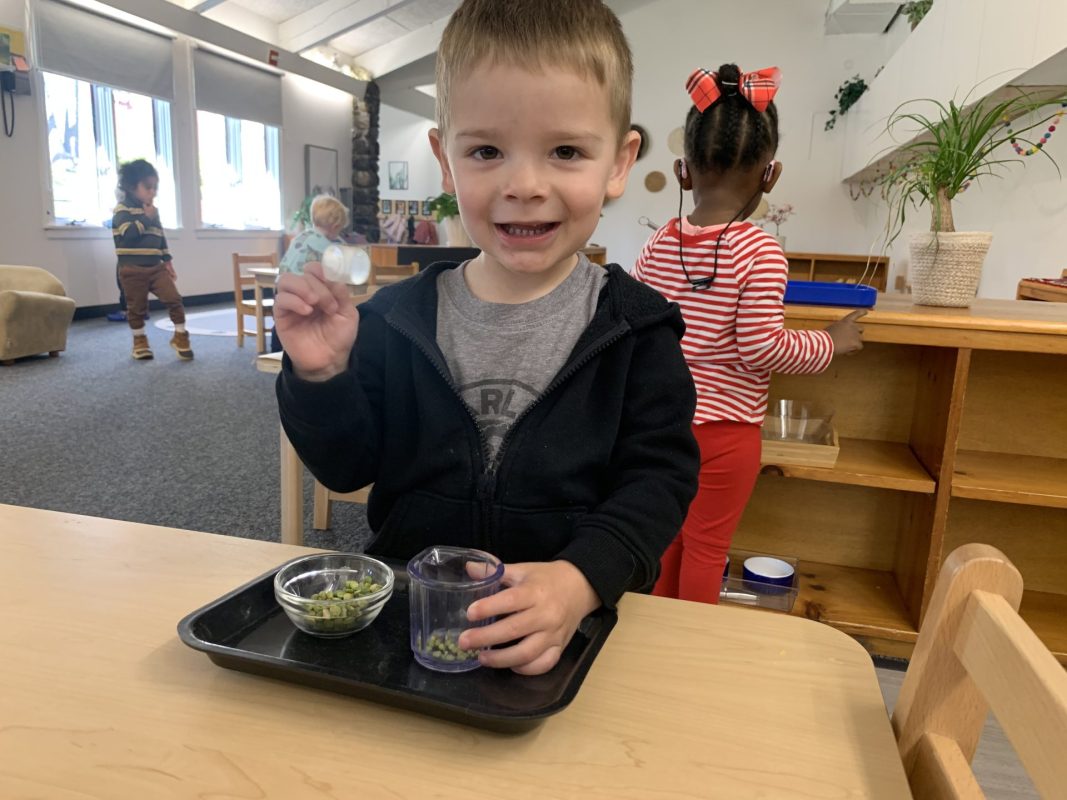
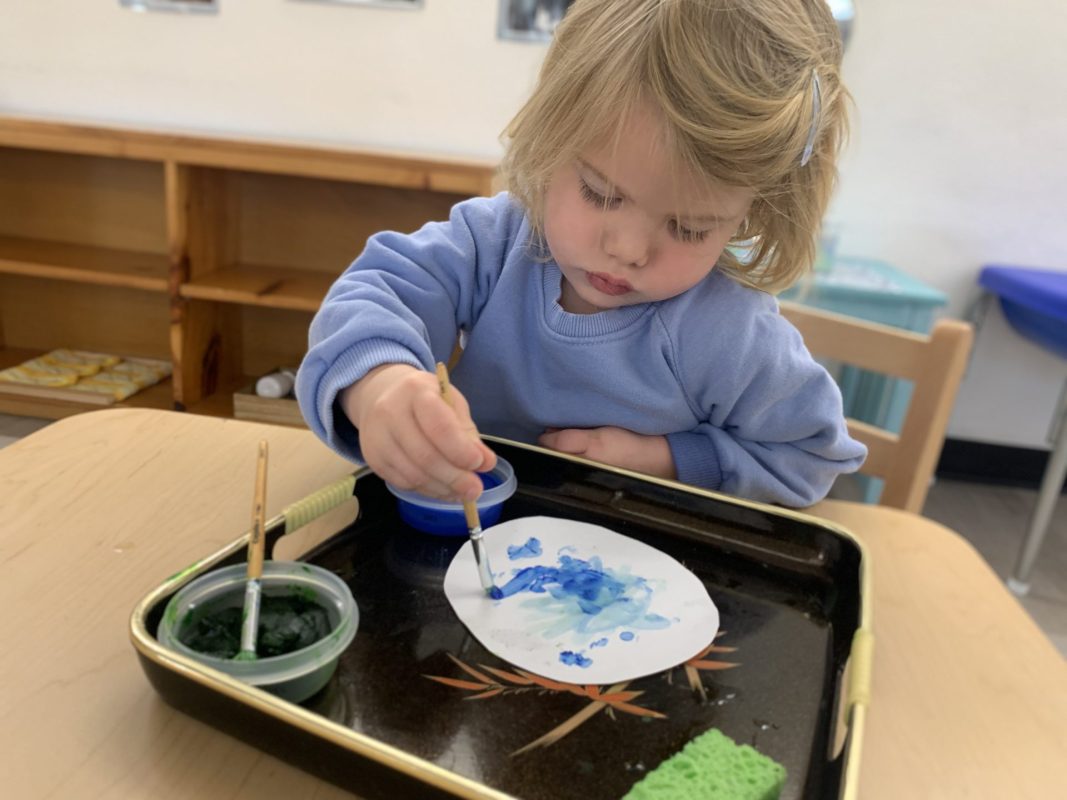
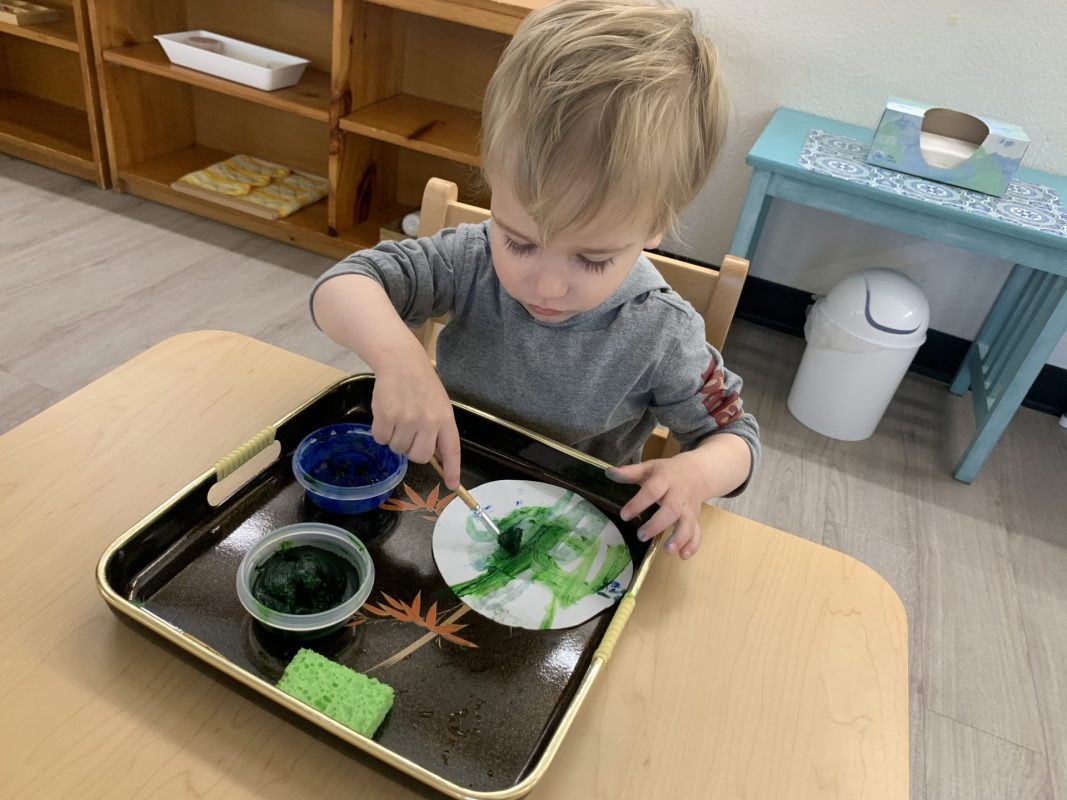
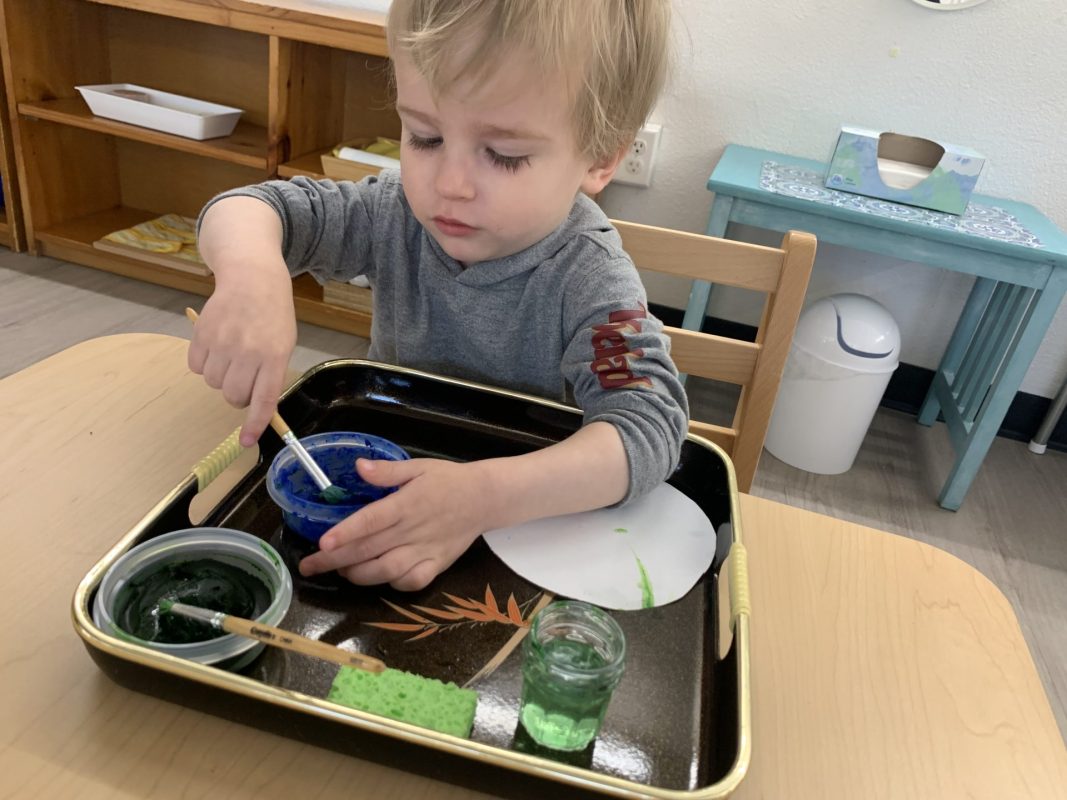
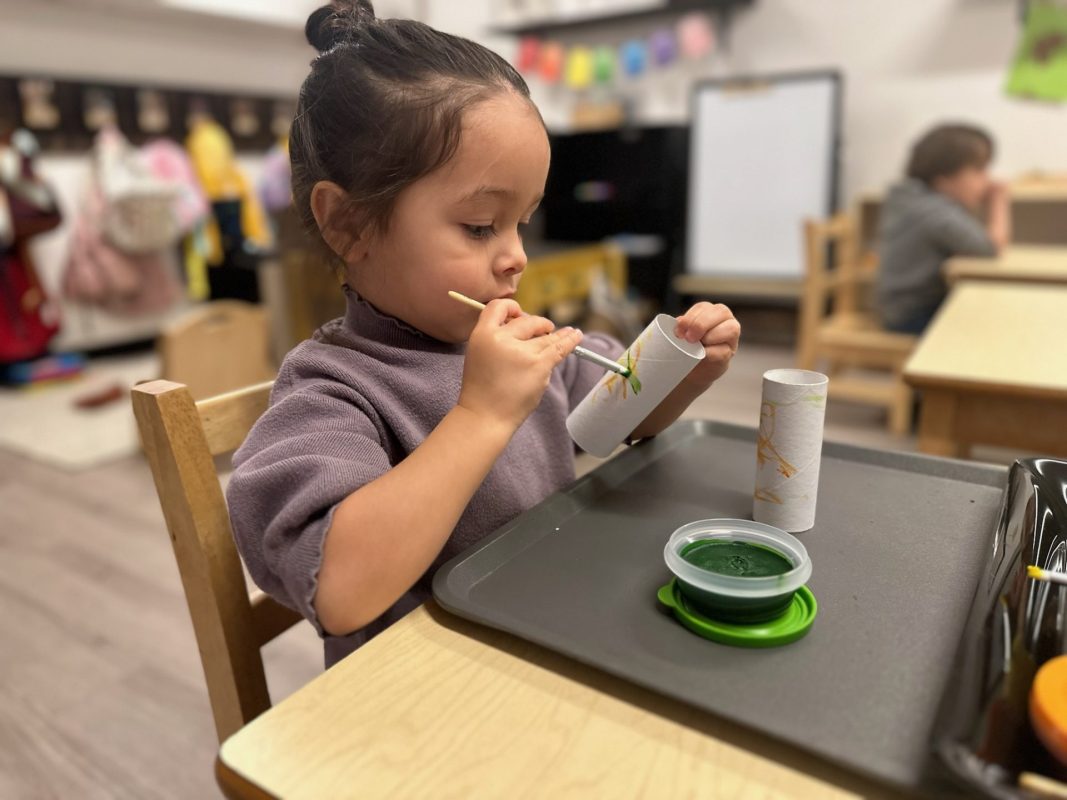
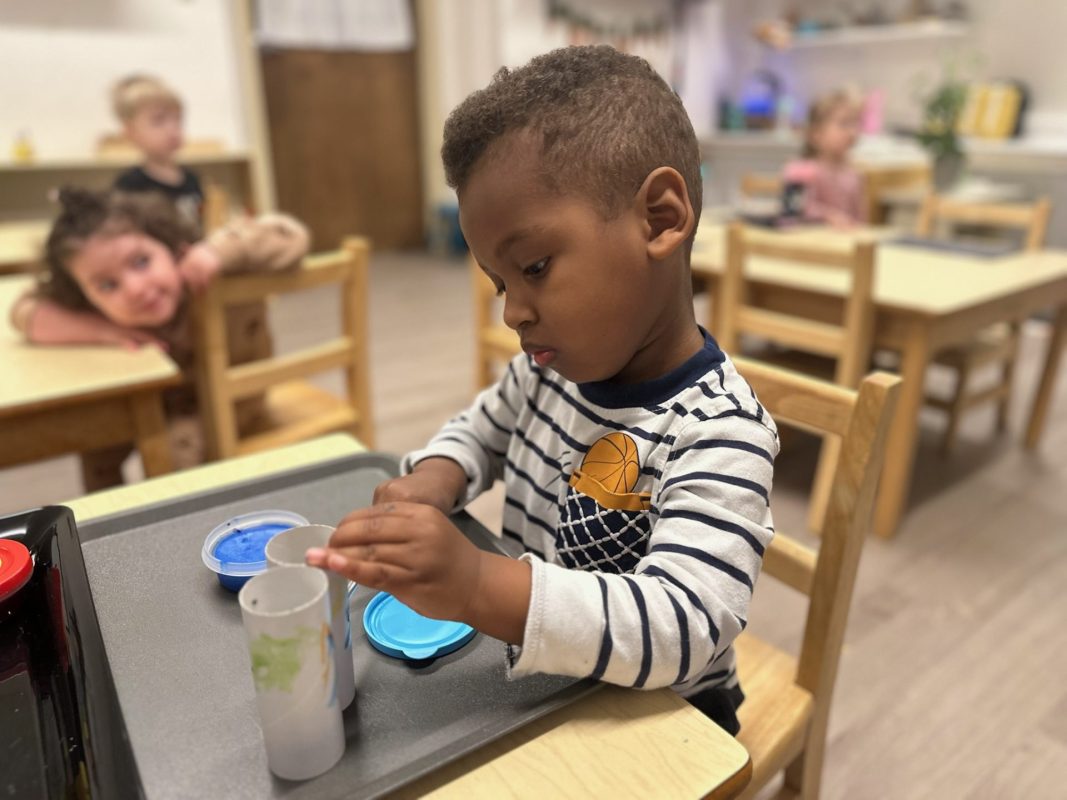
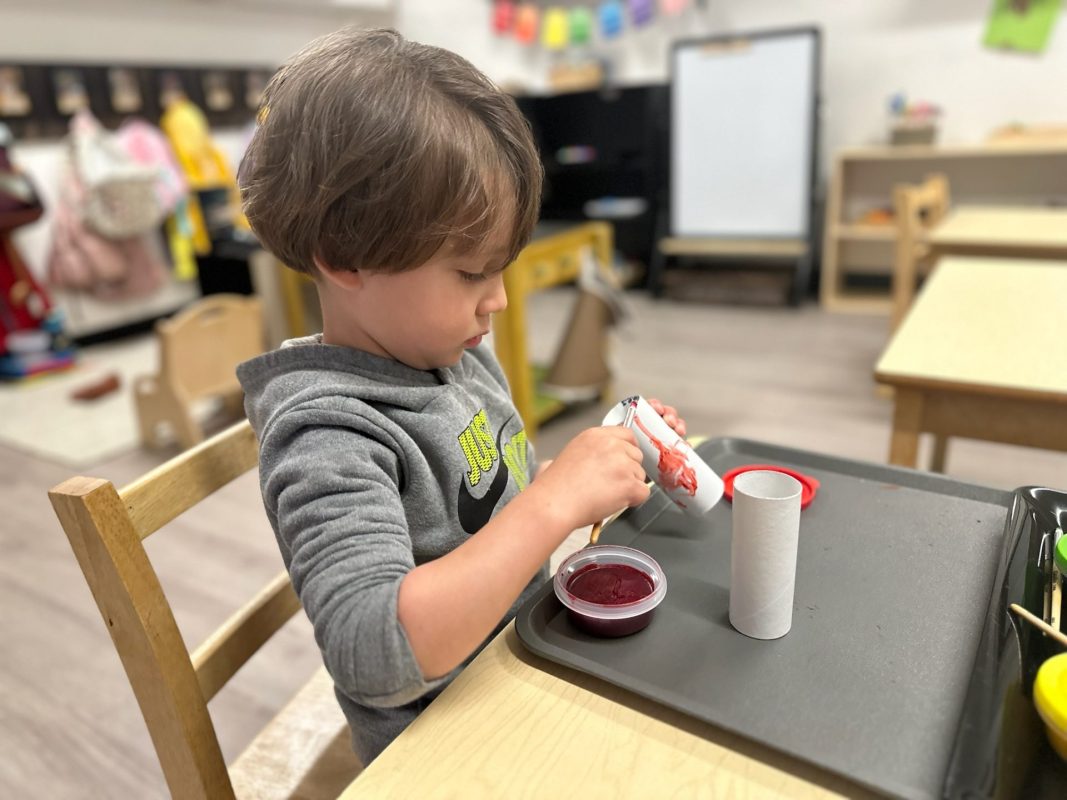
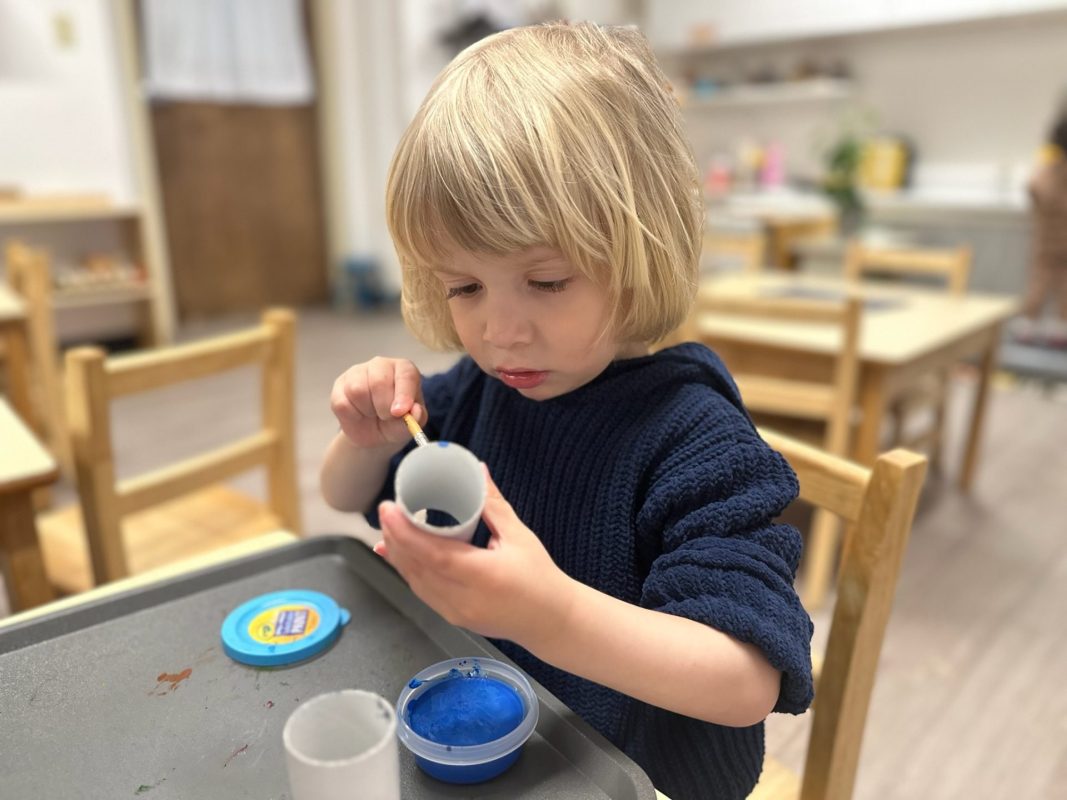
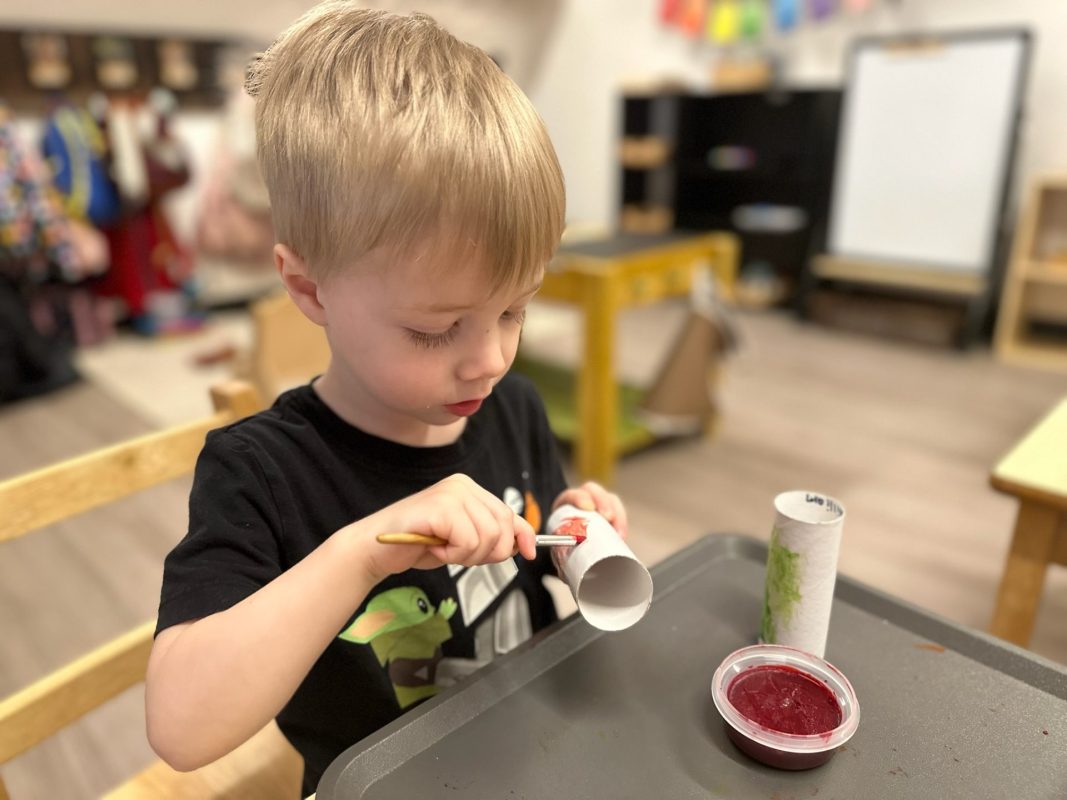
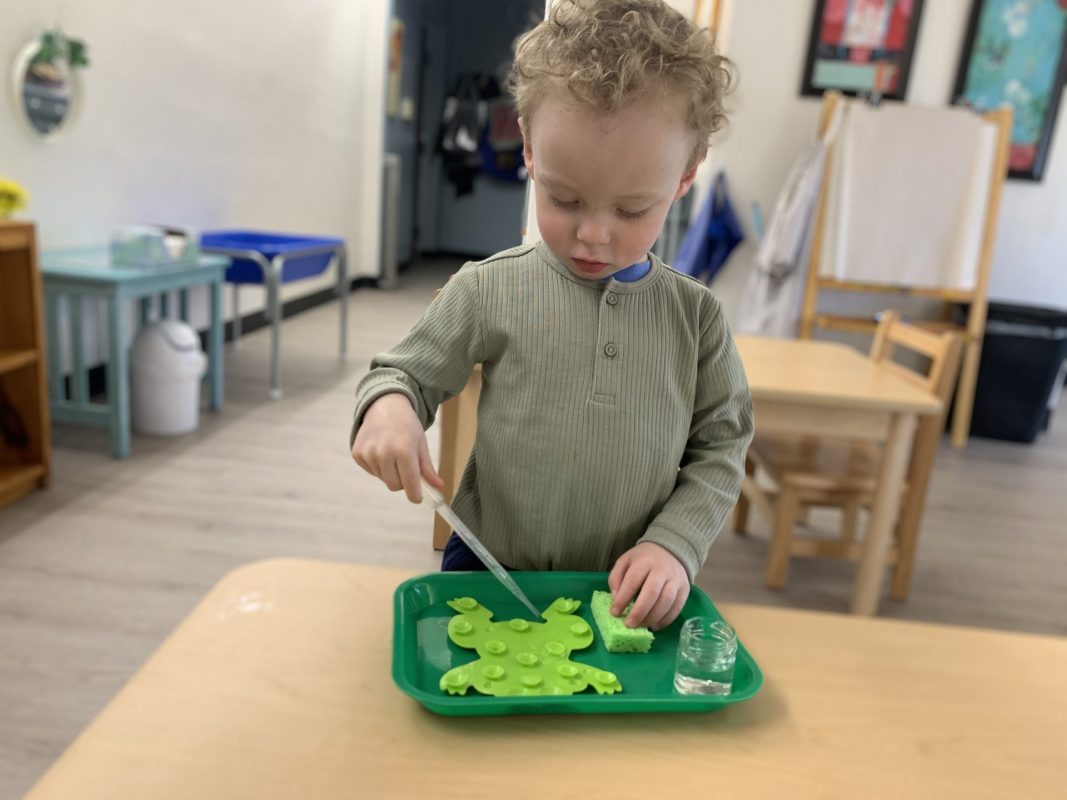
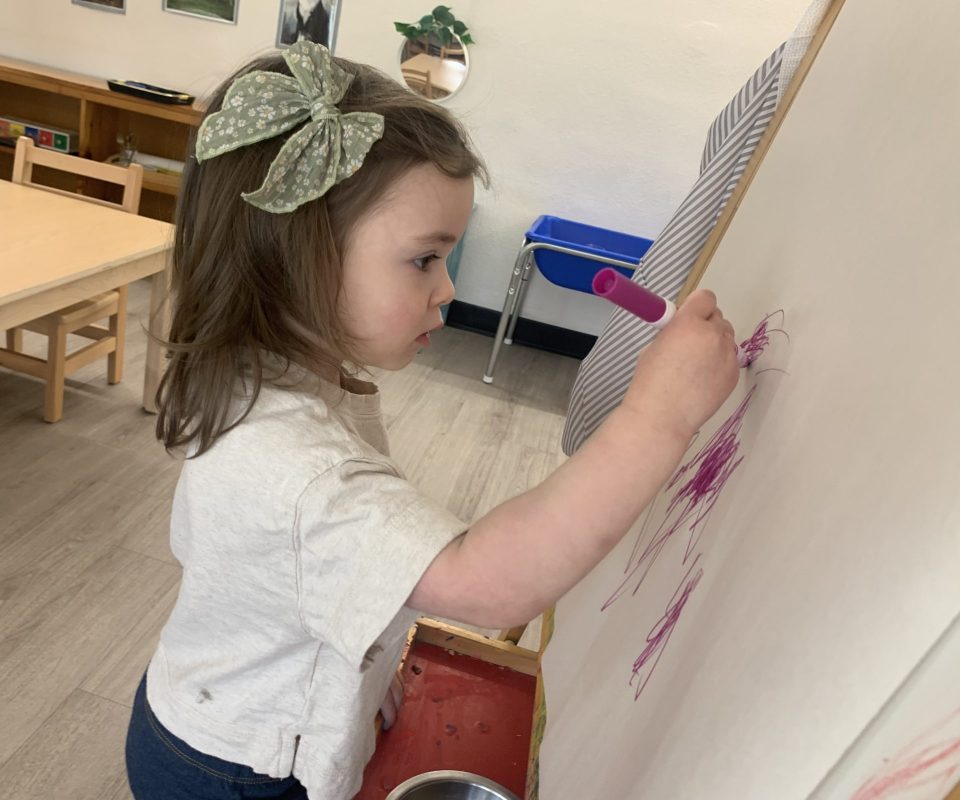
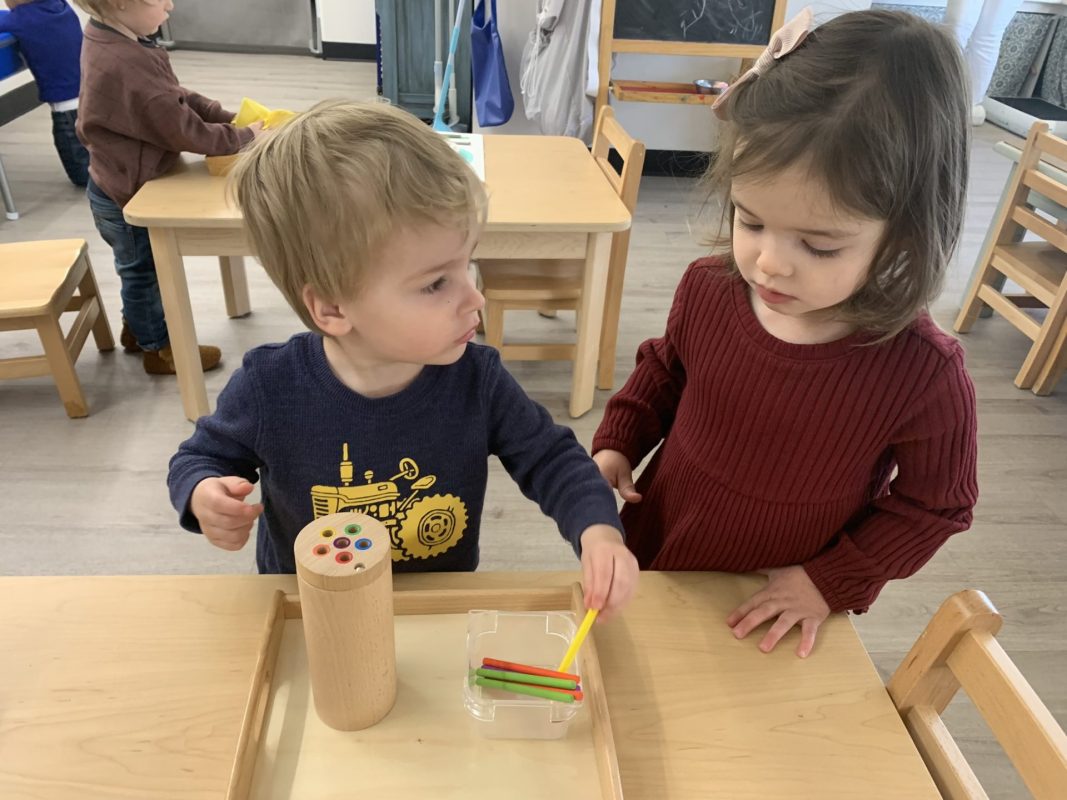
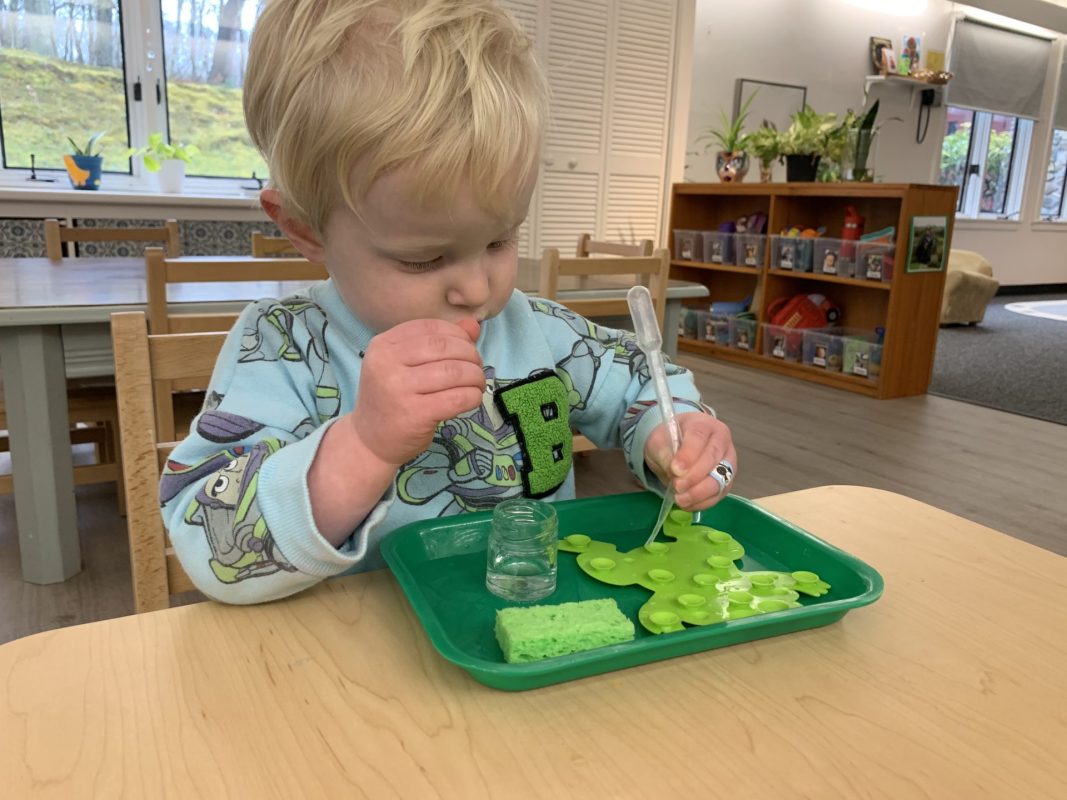
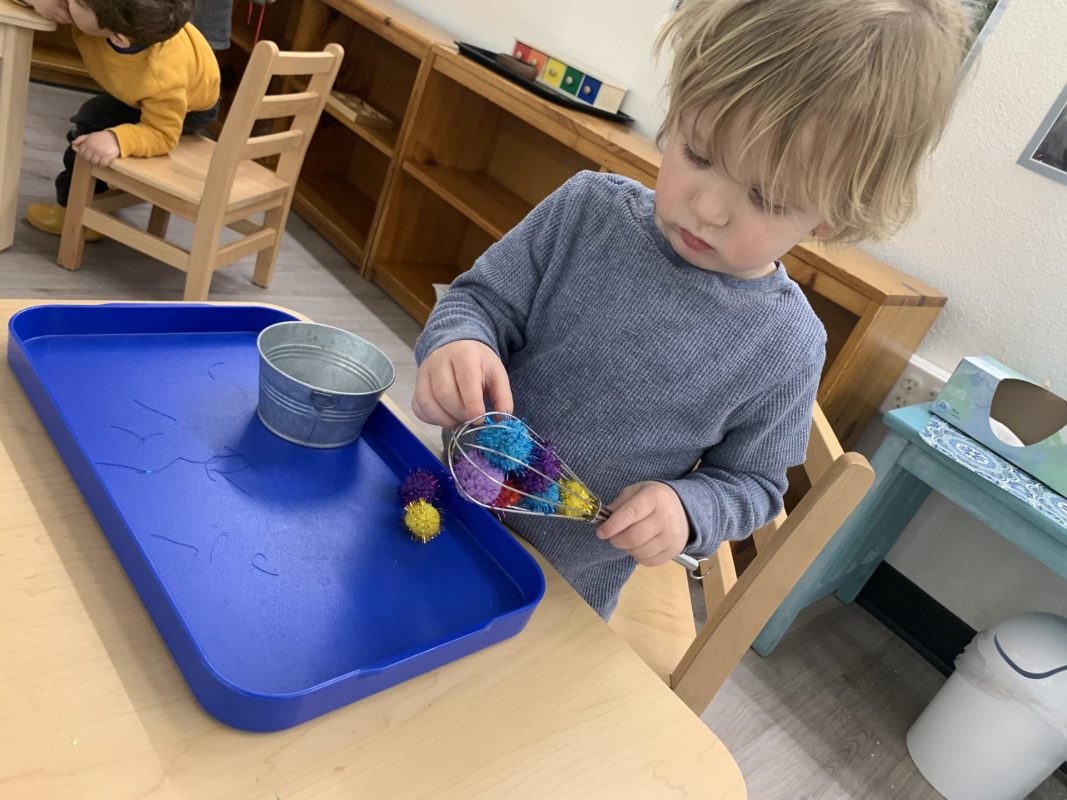
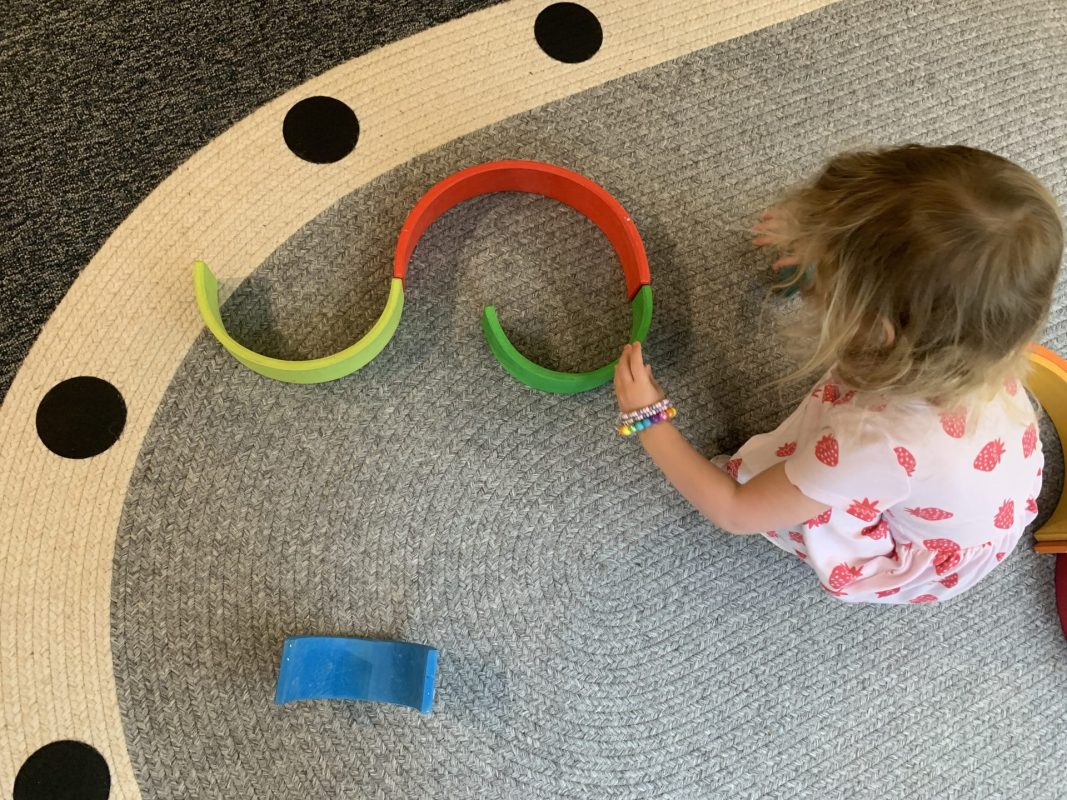
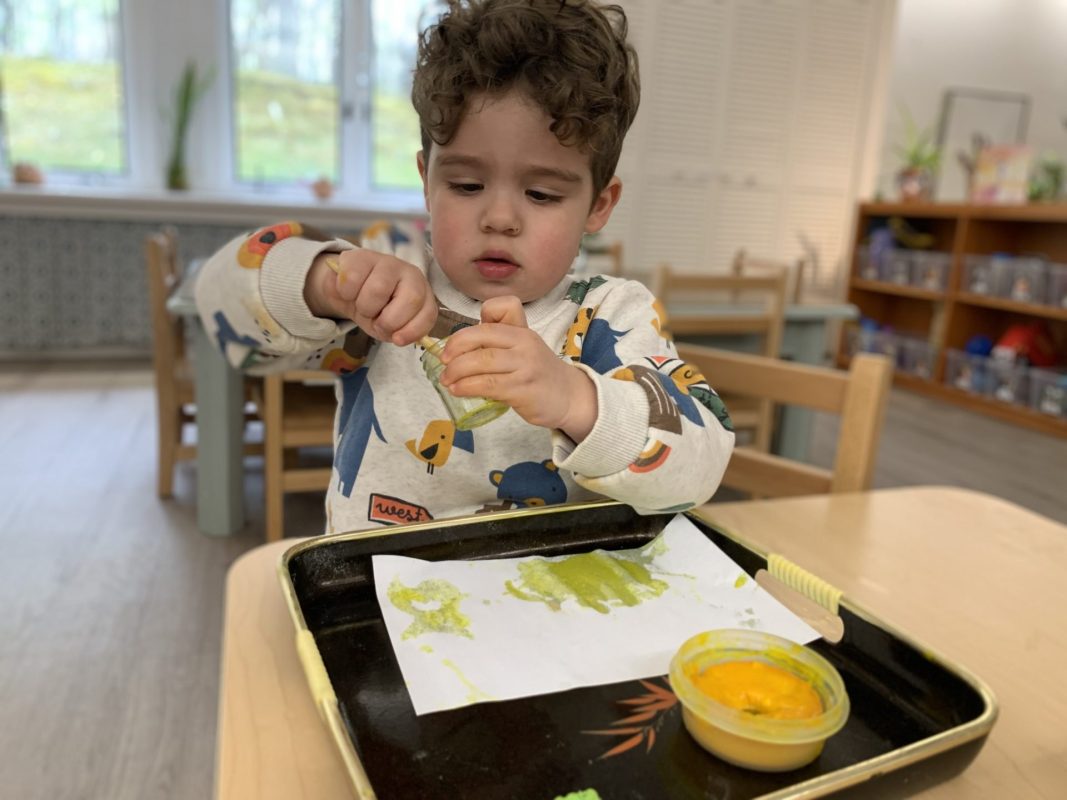
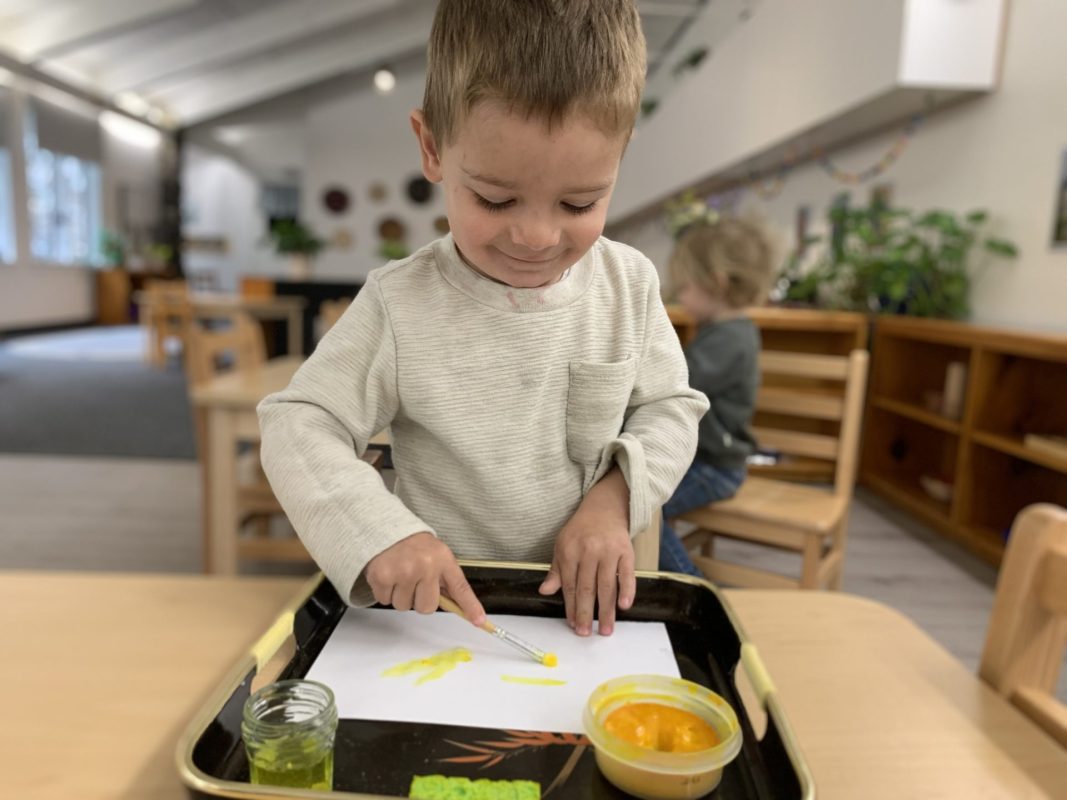
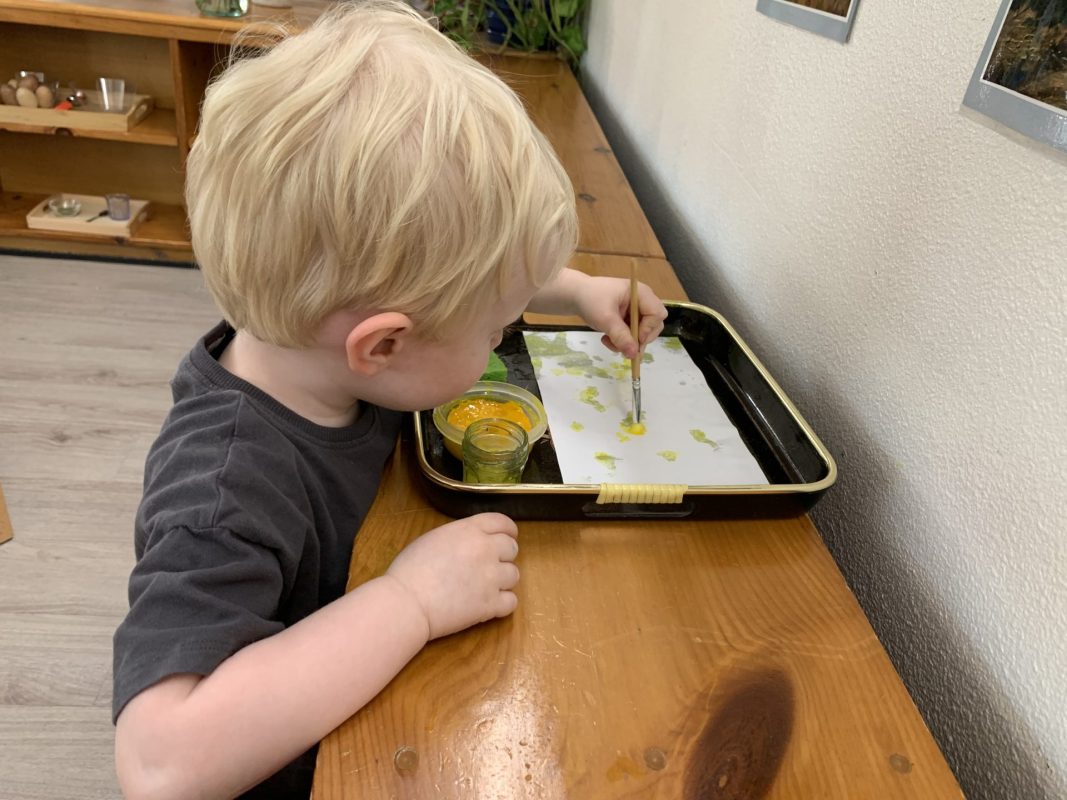
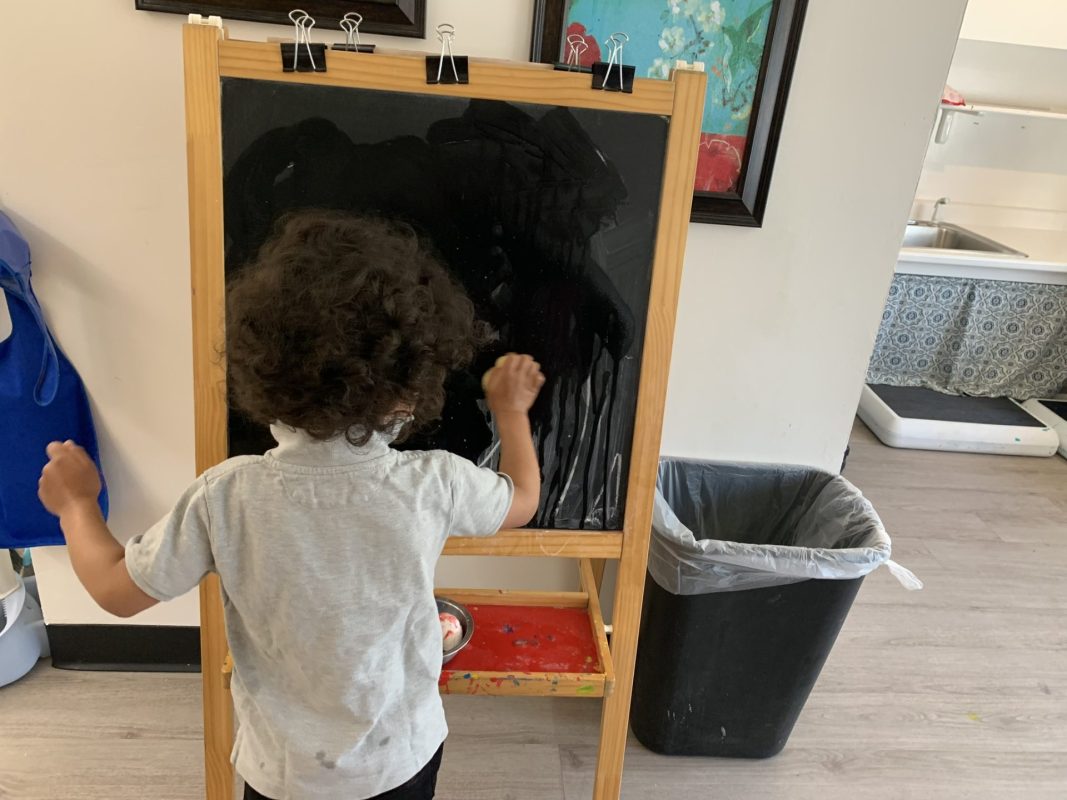
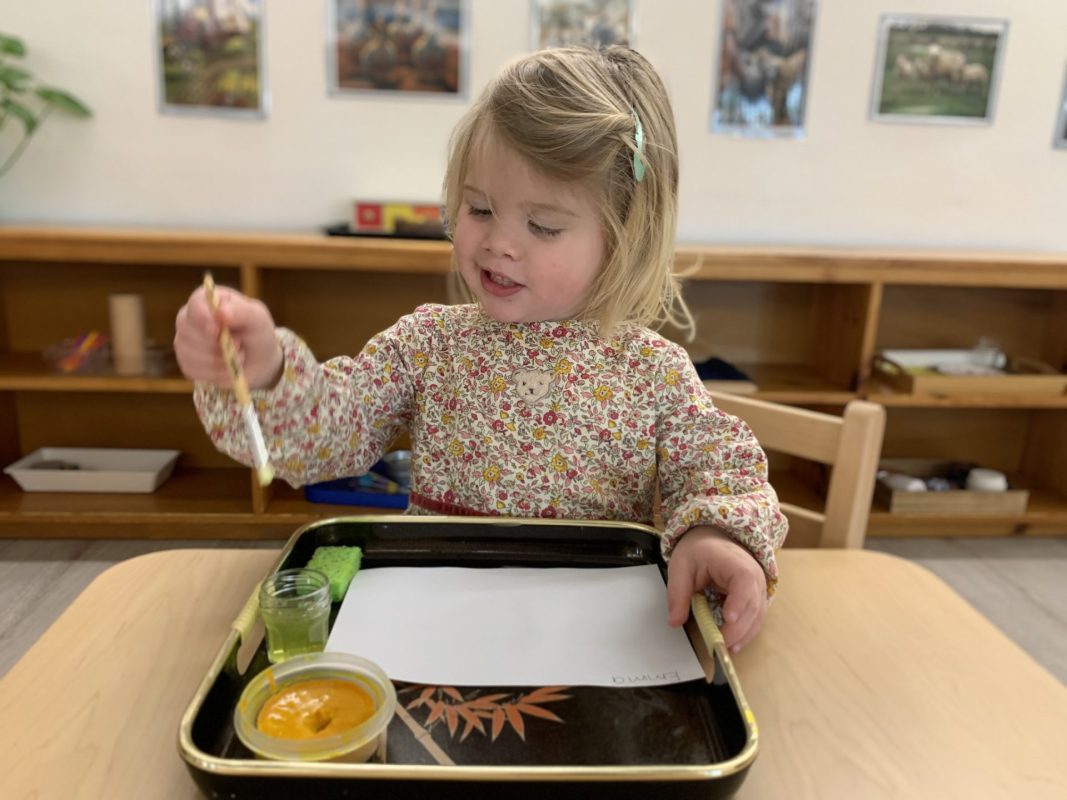
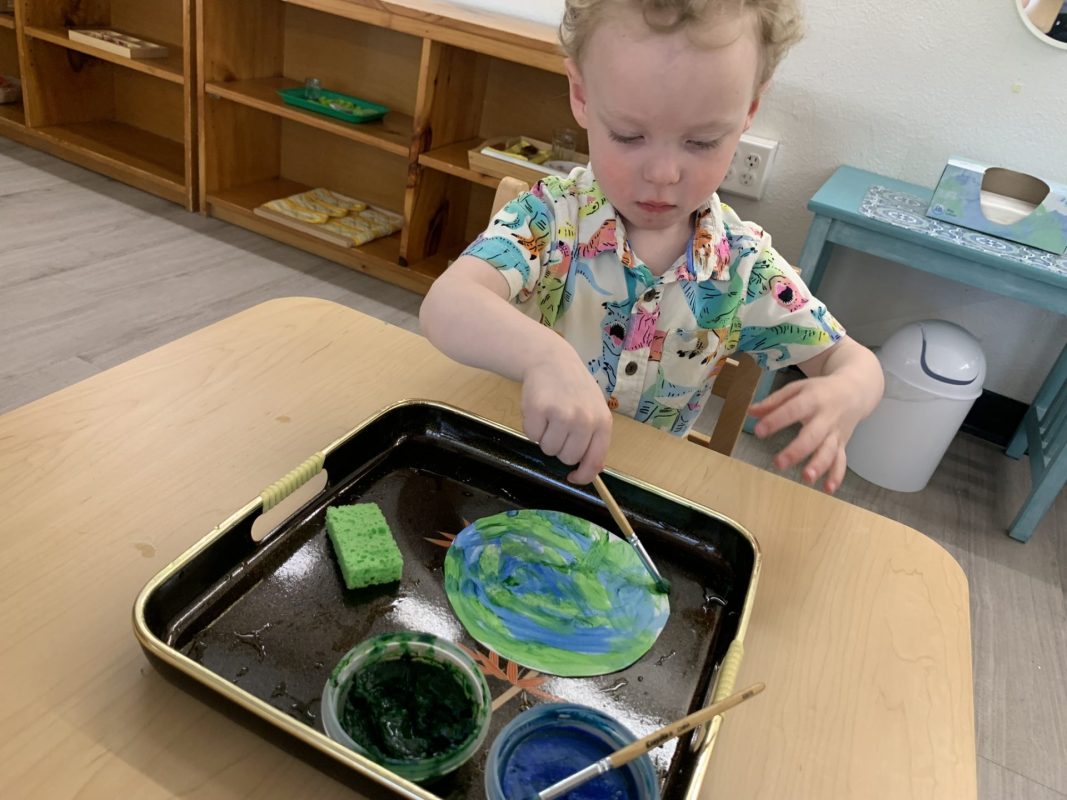
On another note, this week, we introduced the art skill of gluing, which has become a favorite among the children. Learning to use glue may seem like a simple activity, but it offers numerous benefits. It enhances hand-eye coordination, refines fine motor skills, and helps children understand the sensory concept of stickiness, adding a tactile dimension to their learning experience.

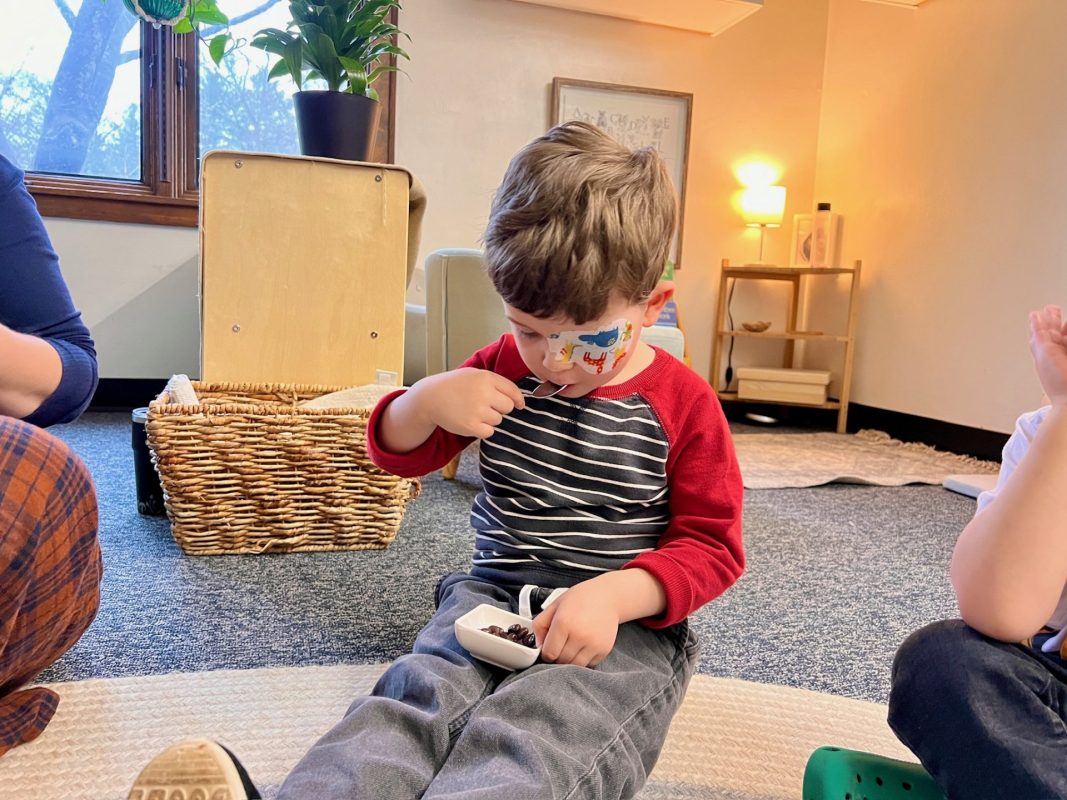
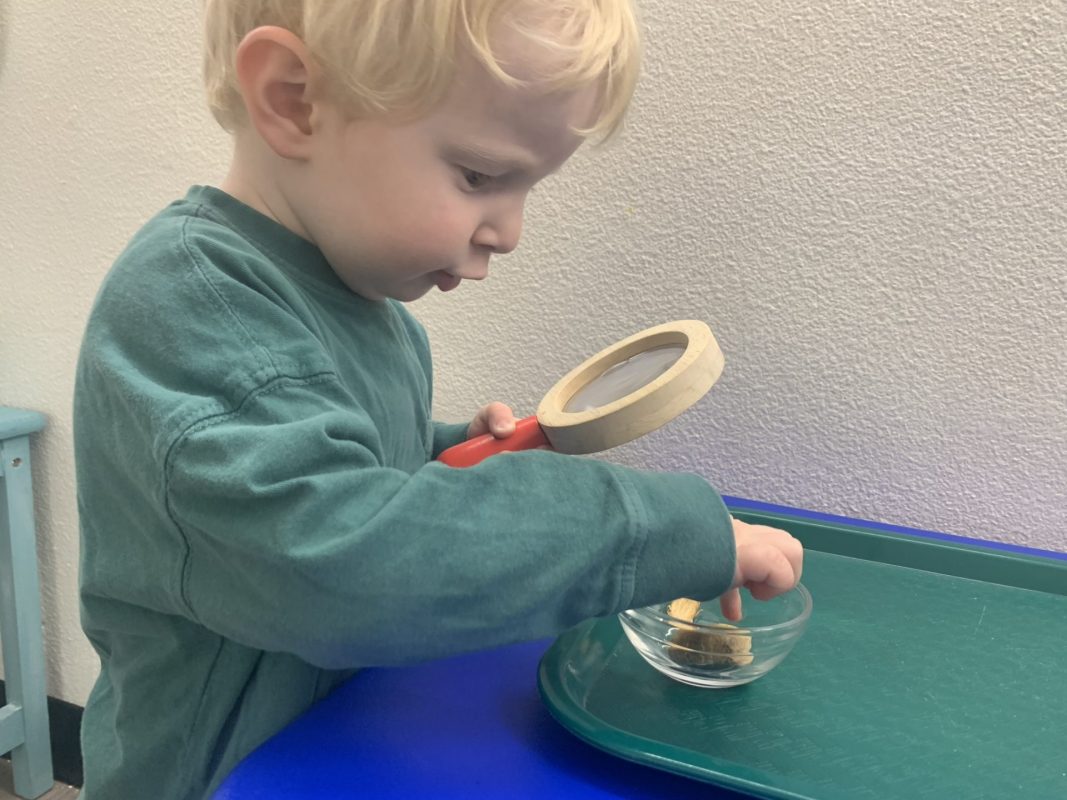
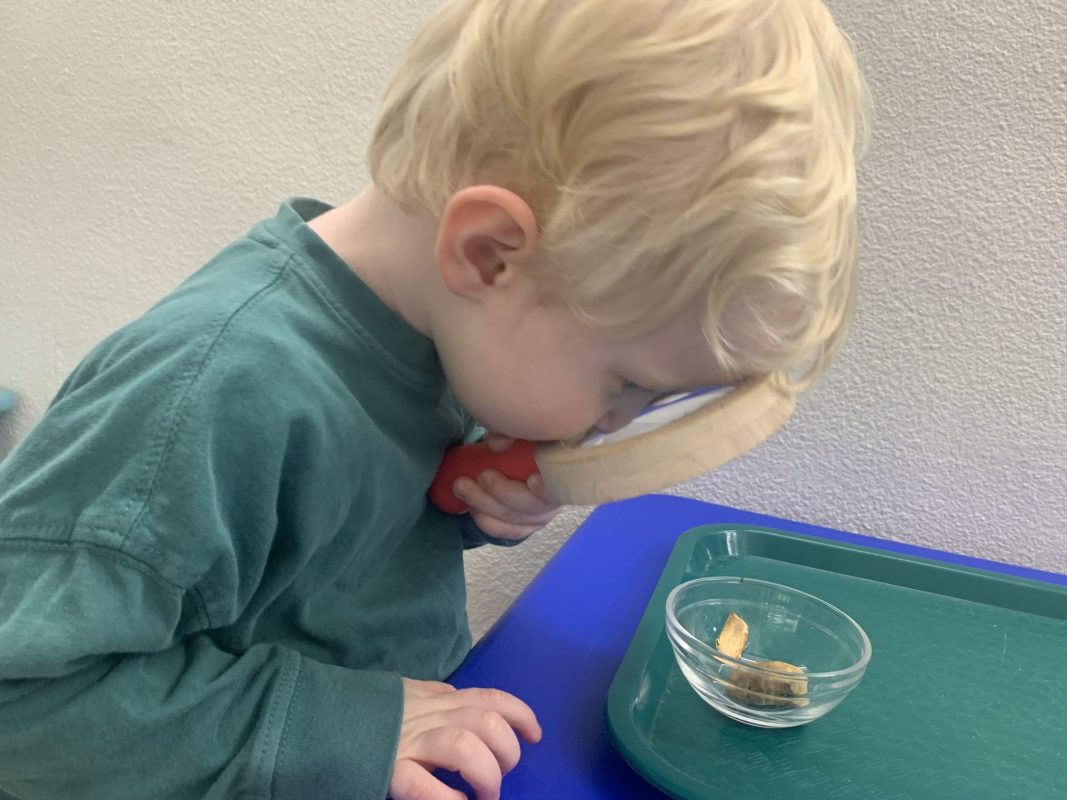
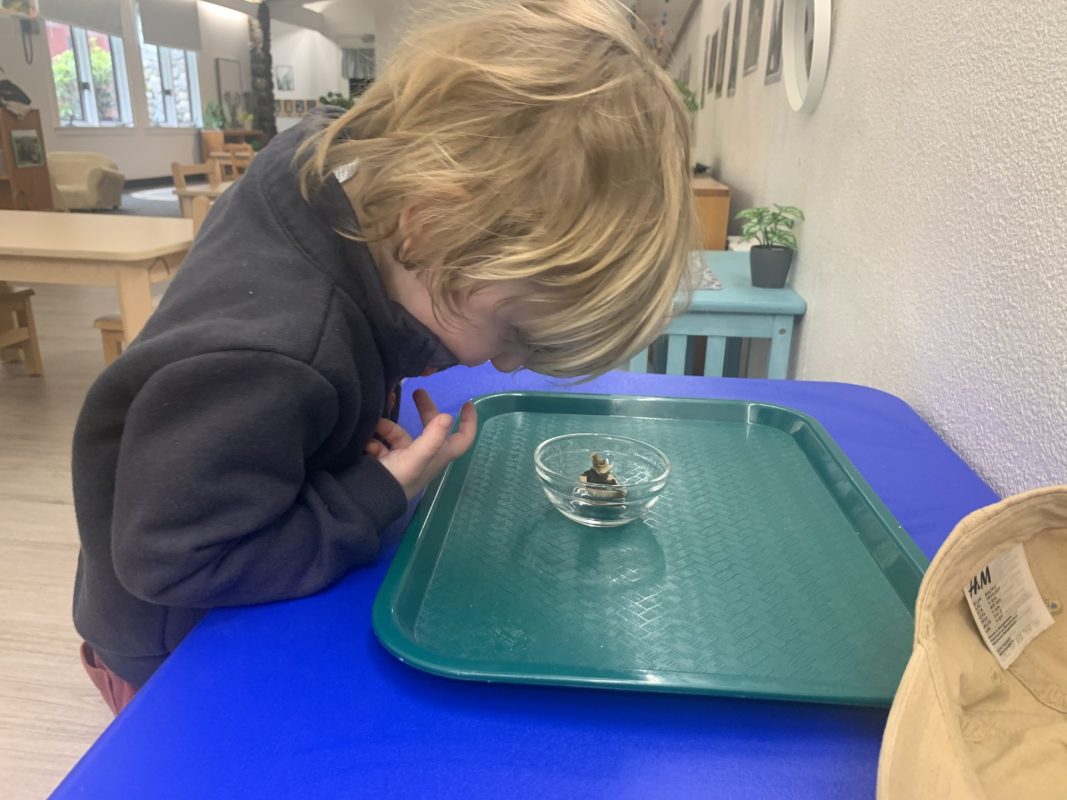
In our most recent food-tasting lesson, we explored celery. Although most of the children were not too excited about this vegetable at the time of tasting, they were in awe of how cool-looking and heavy the whole stalk of celery was.

As we continue to nurture the process of normalization in our environment, we celebrate the remarkable growth and development taking place in your child.

Enjoy your weekend!

Mrs. Hood and Mrs. Mollie


Mrs. Wilson: Little Bodies with BIG Feelings!

This week marked the conclusion of our month, during which we focused on enriching our emotional vocabulary. Recognizing that toddlers experience intense emotions and are in the process of learning how to articulate and manage them, we embarked on a journey to teach them the language of both positive and negative emotions. By familiarizing them with these emotional terms, we empower them to comprehend and navigate the complex landscape of their bodies, hearts, and minds.

As adults, we must reassure toddlers that their emotions are valid and acceptable. What truly matters is how they learn to handle and express these feelings. Equipping them with the necessary tools for emotional expression and coping not only allows them to navigate their current emotions but also lays the foundation for self-regulation as they grow older. Granting them the space to experience and process these emotions is a valuable step in their developmental journey. Remember, this takes time and practice for our little ones.

This week, for food tasting, the children tasted a juicy and super sour lemon. It was interesting to observe the varied reactions of the children after taking their first bite. Some approached the citrusy challenge with ease, showing little to no reaction, while others couldn’t help but make the most amusing puckering faces.


Mrs. Sargeant: A Peek at the Week

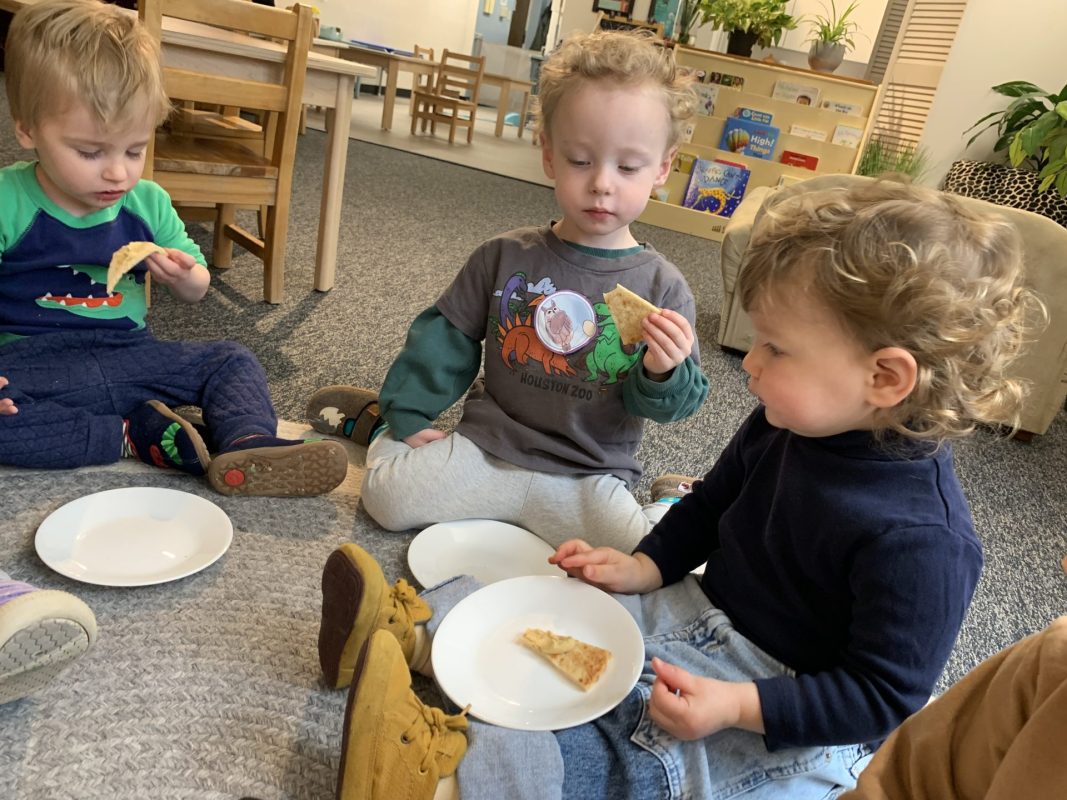
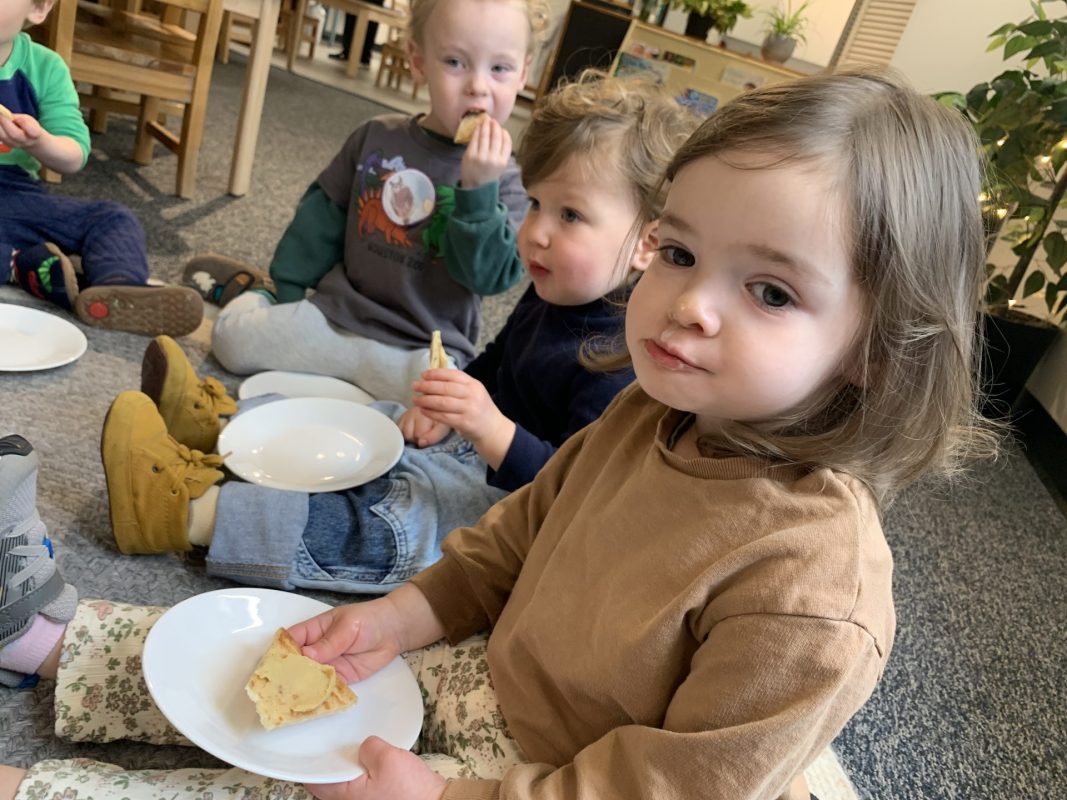
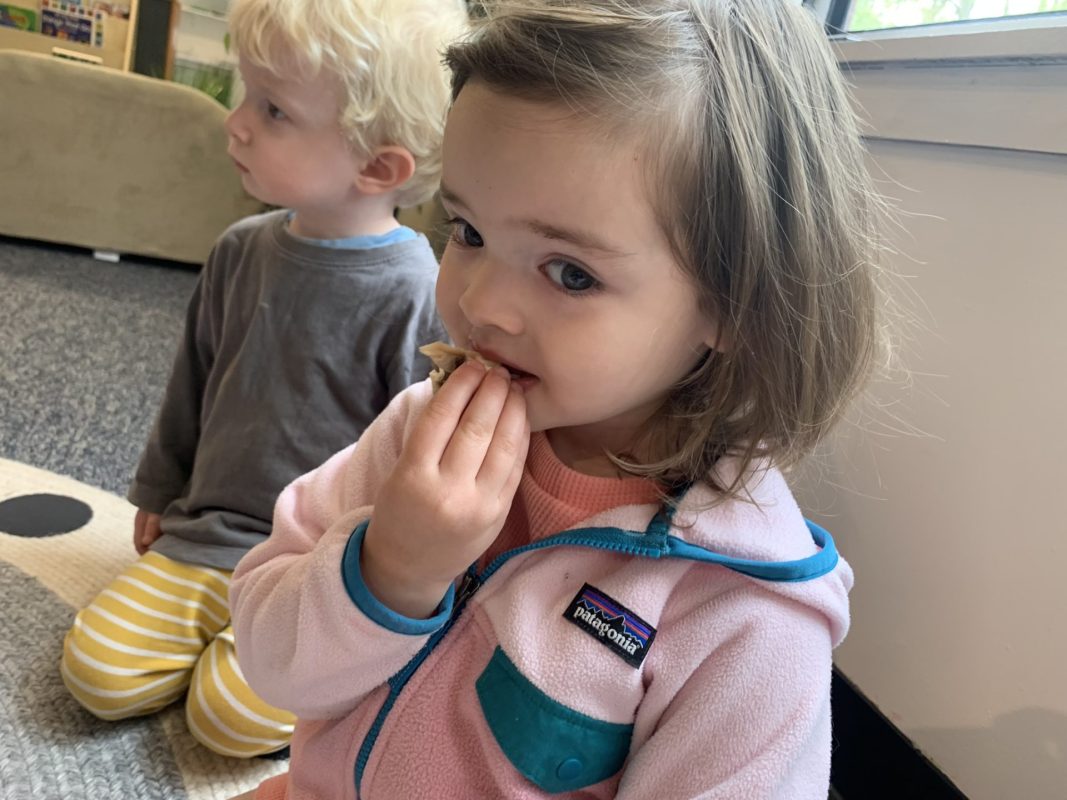
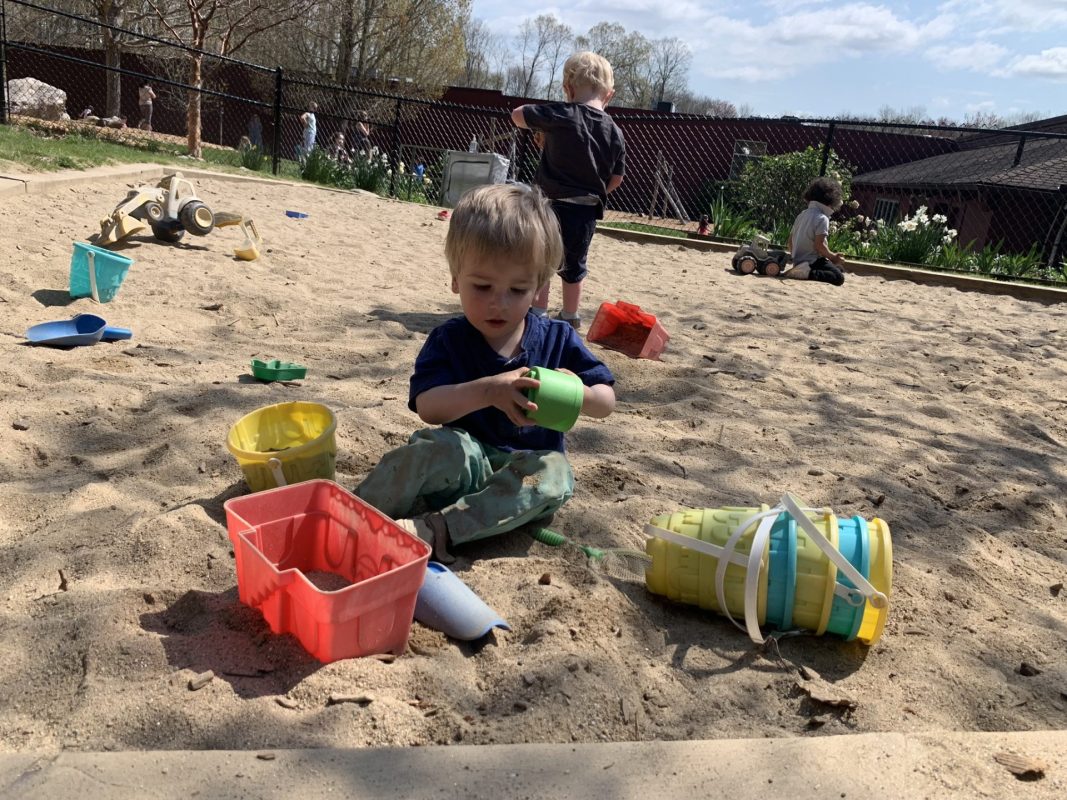
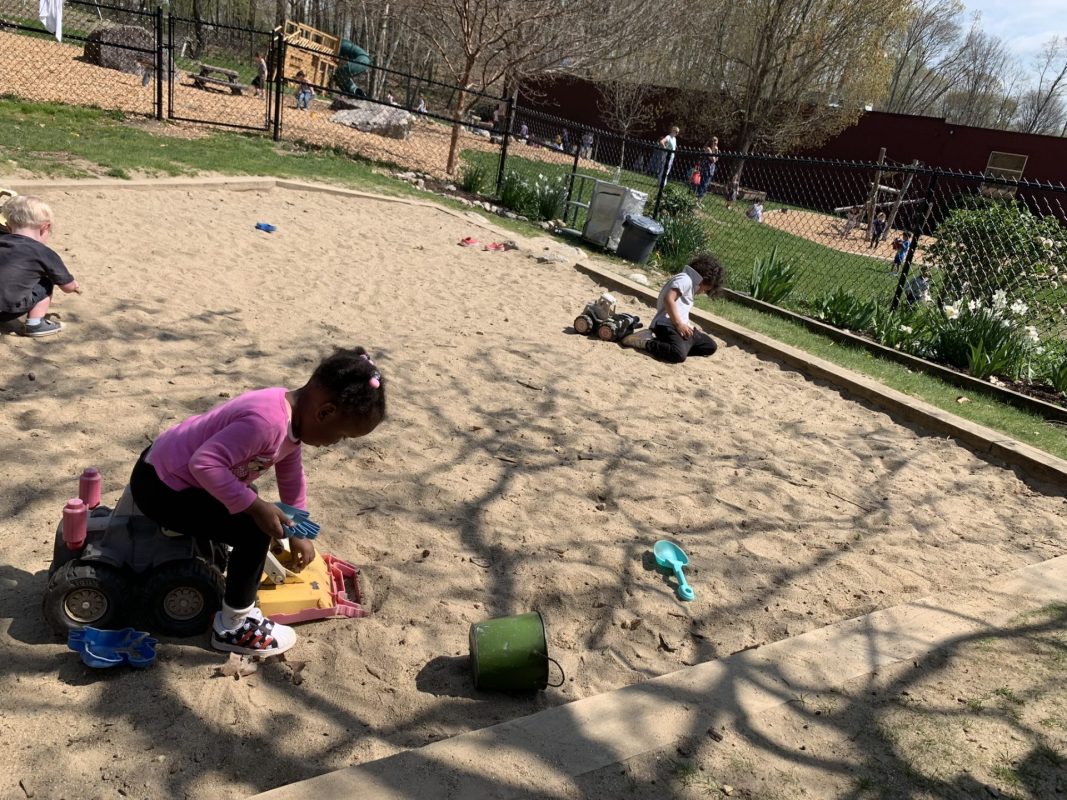
The children enjoyed the sunshine and warmer weather this week. They ended last week tasting lemons, and this week, they gave plantains a try. We discussed the differences between plantains and bananas. Plantains tend to be larger, with thicker skin. They are also a bit starchy, whereas bananas are sweeter. We had the opportunity to taste mangu, which is a Dominican dish consisting of cooked, mashed plantains. We’ll end the week trying plantain chips. 

Stay healthy, and enjoy the first weekend of March! 


Mrs. Hood’s: Amigos!

“Of all things, love is the most potent.” – Maria Montessori

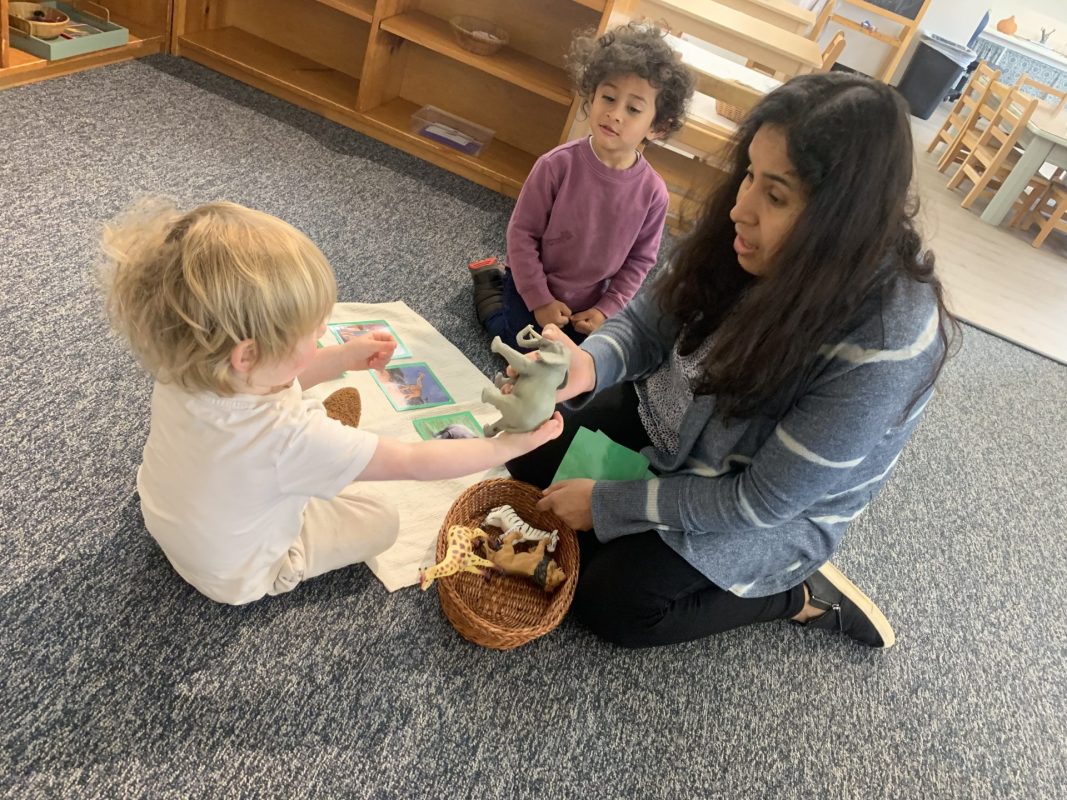
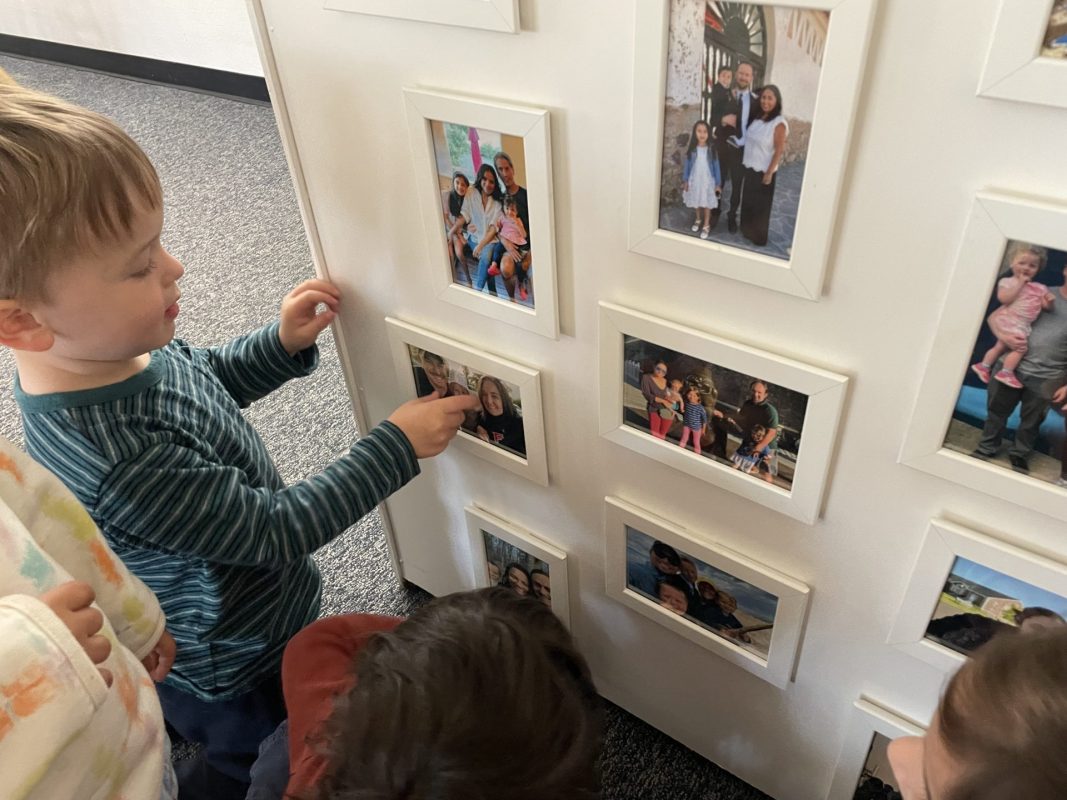
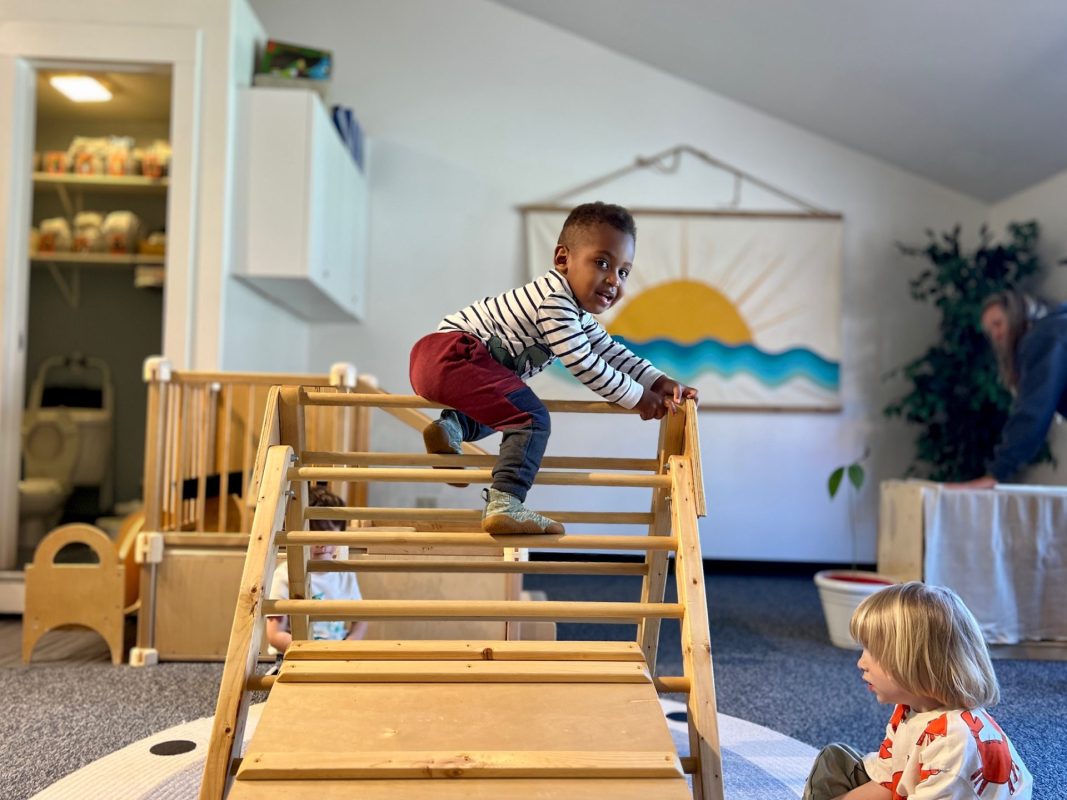
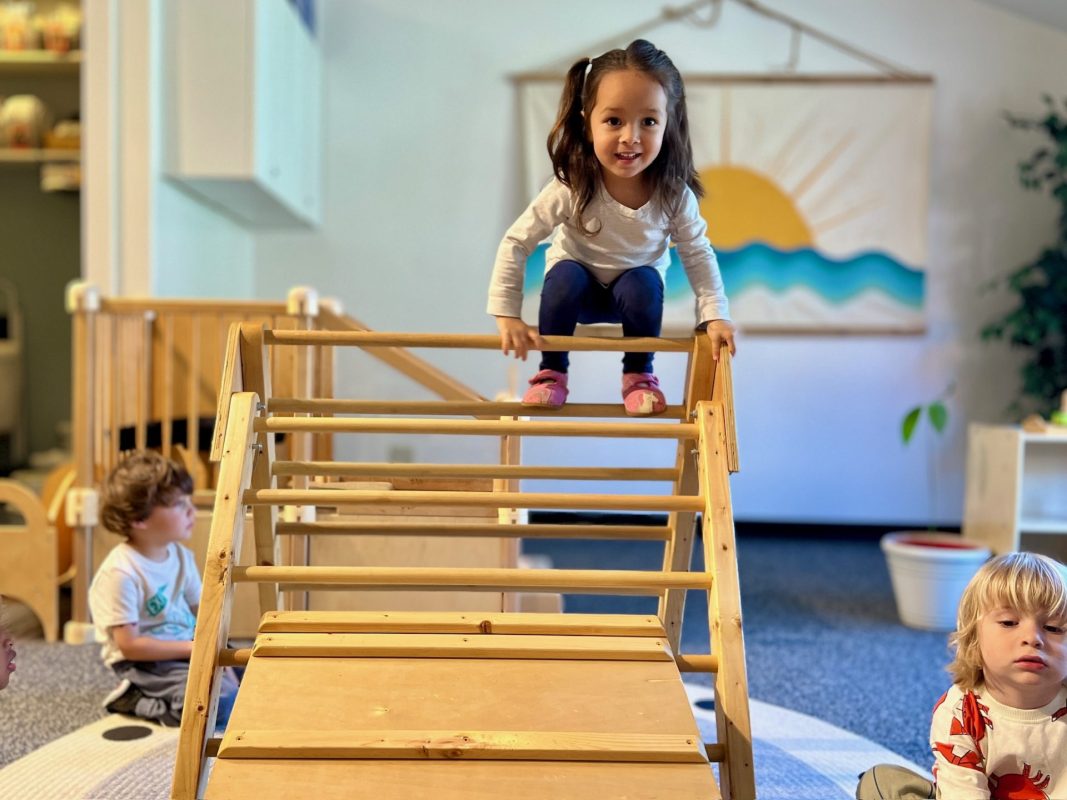
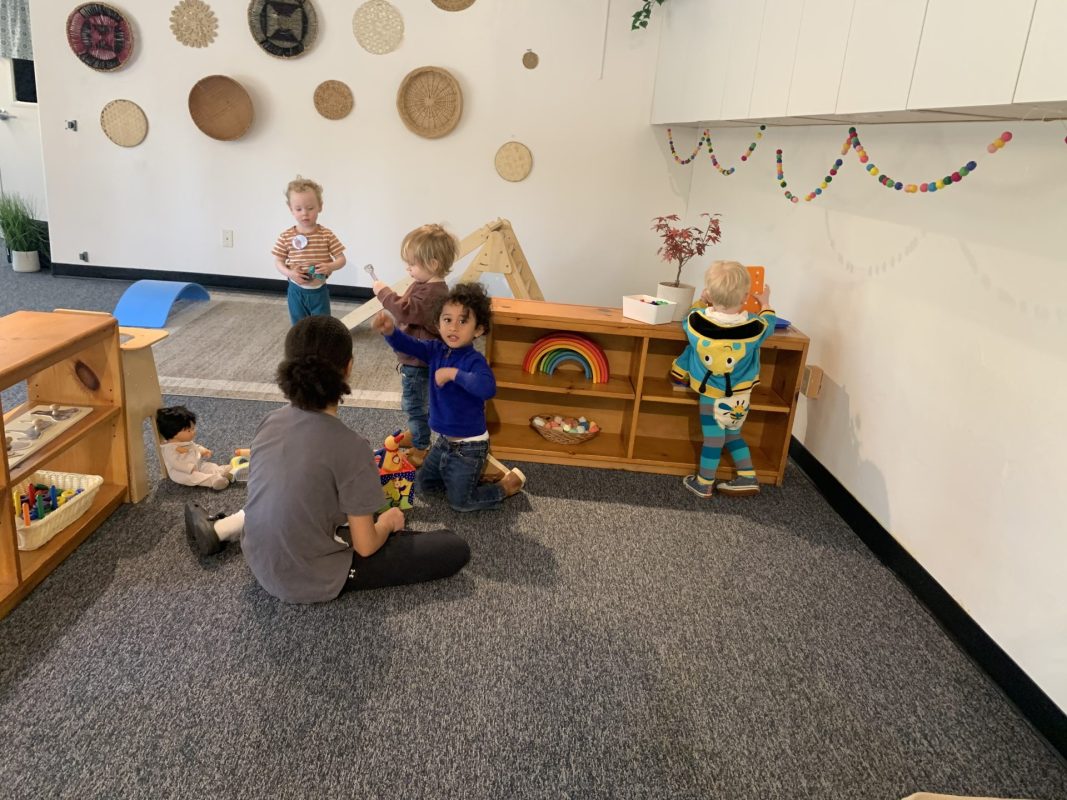
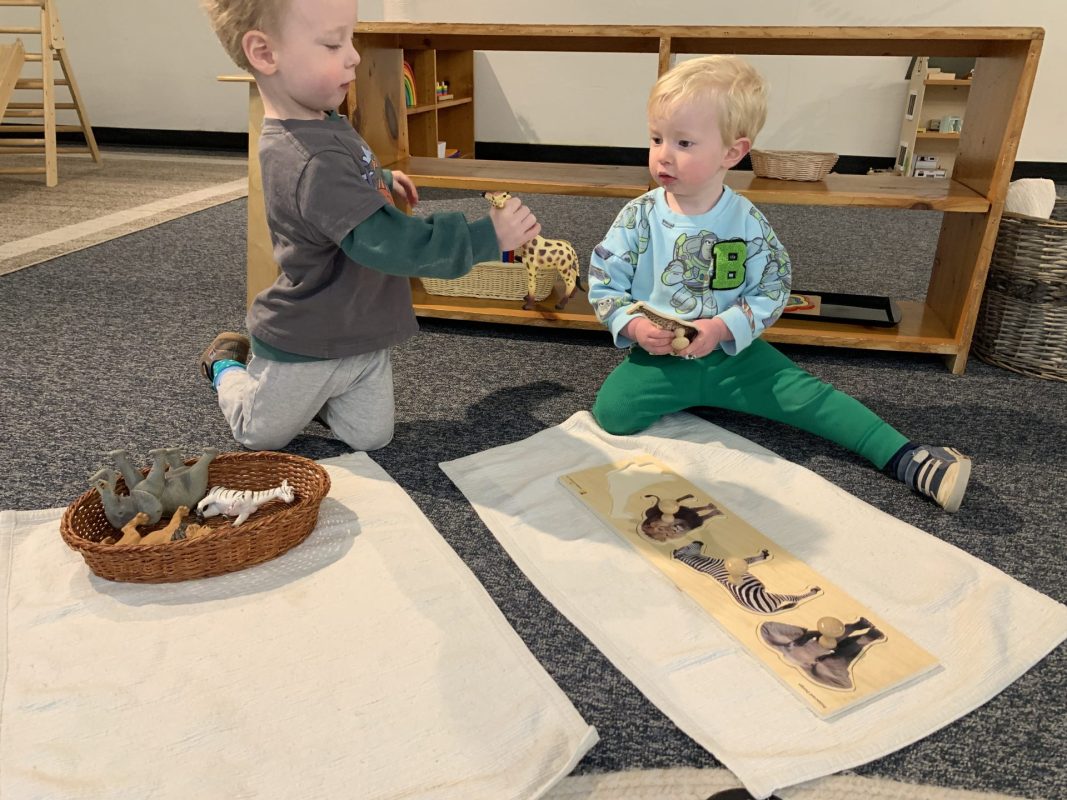
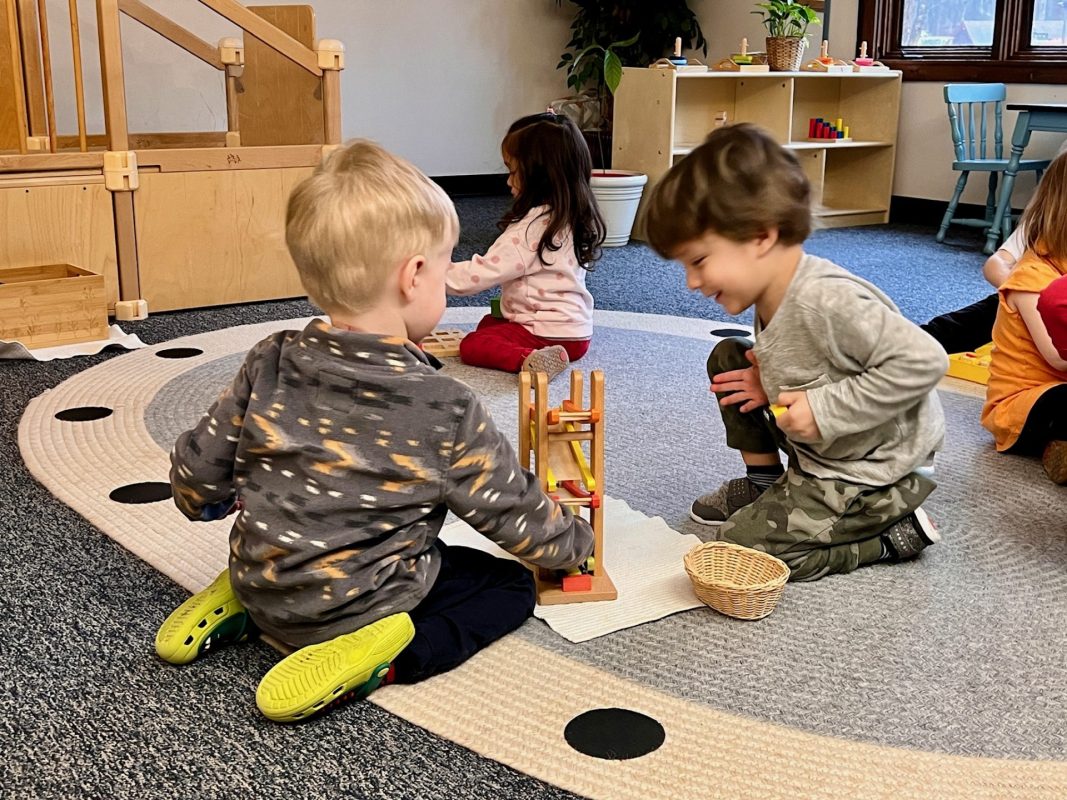
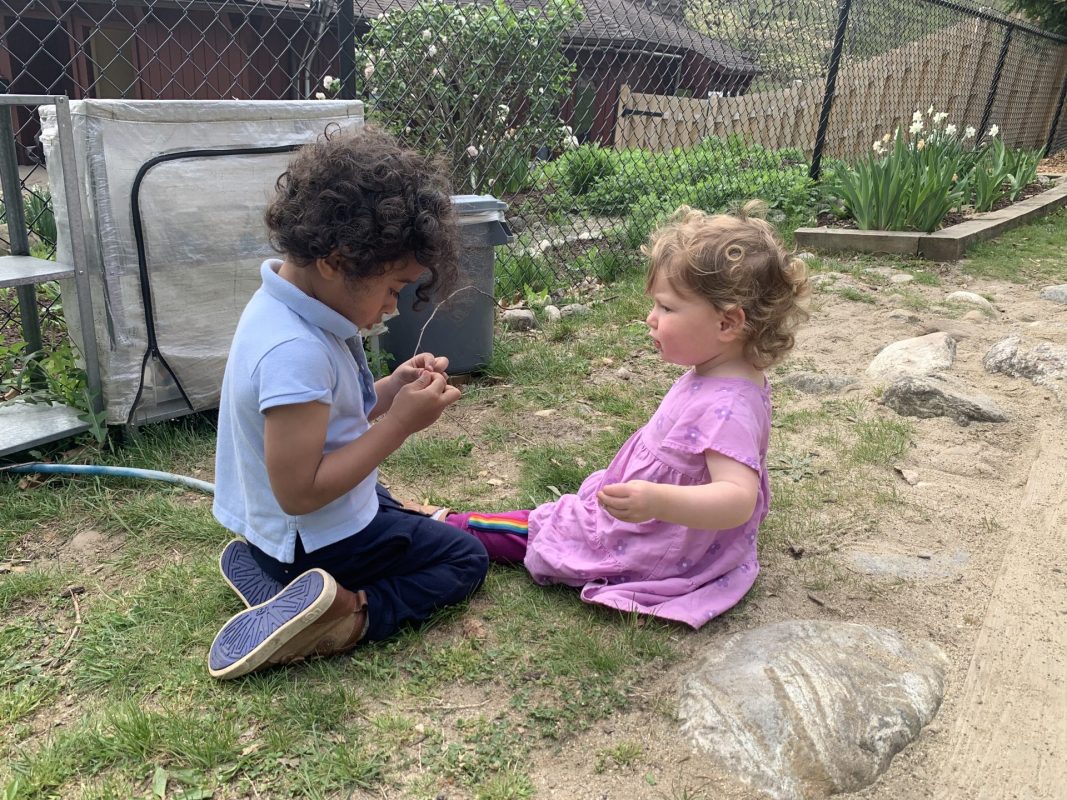
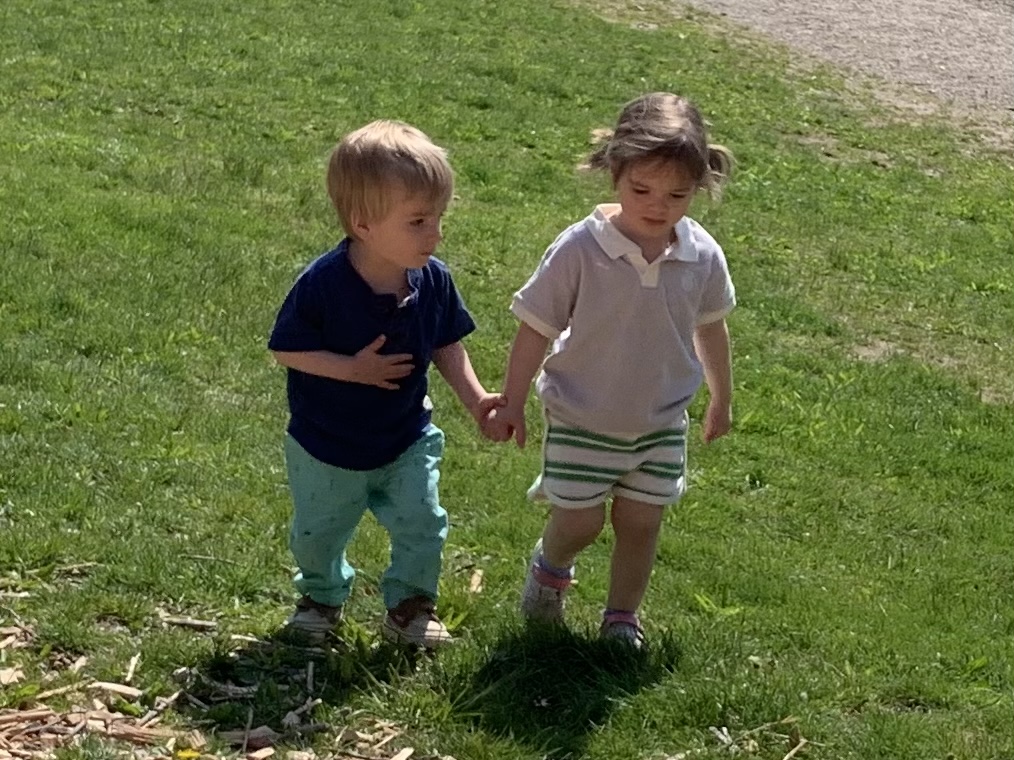
Humans have an innate desire to connect, to experience dynamic relationships with one another. At around 18 months, there are notable changes in cognitive skills that help real friendships blossom. The toddler becomes more consciously aware of themselves and others. Watching toddlers making friends for the first time is truly a delight! In our environment, children show excitement every morning when they see their amigos and love practicing their names. Younger toddlers, still working on their expressive language, like to point to their friends with big smiles and do a little dance of happiness.

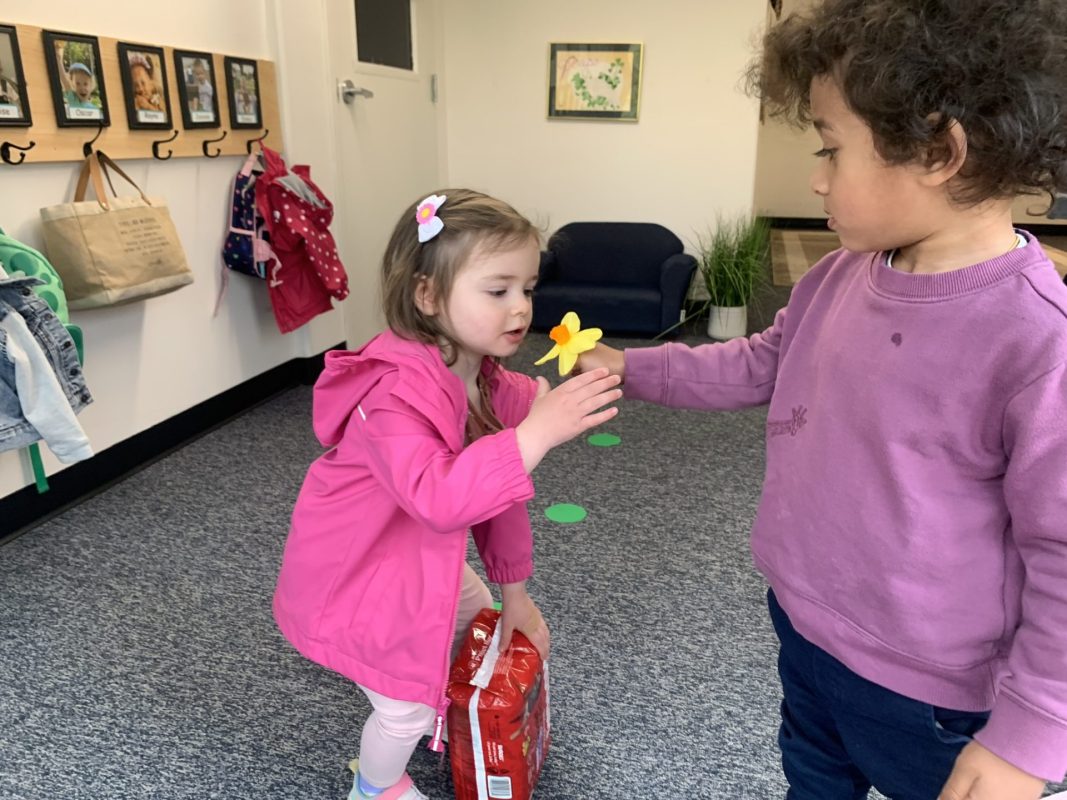
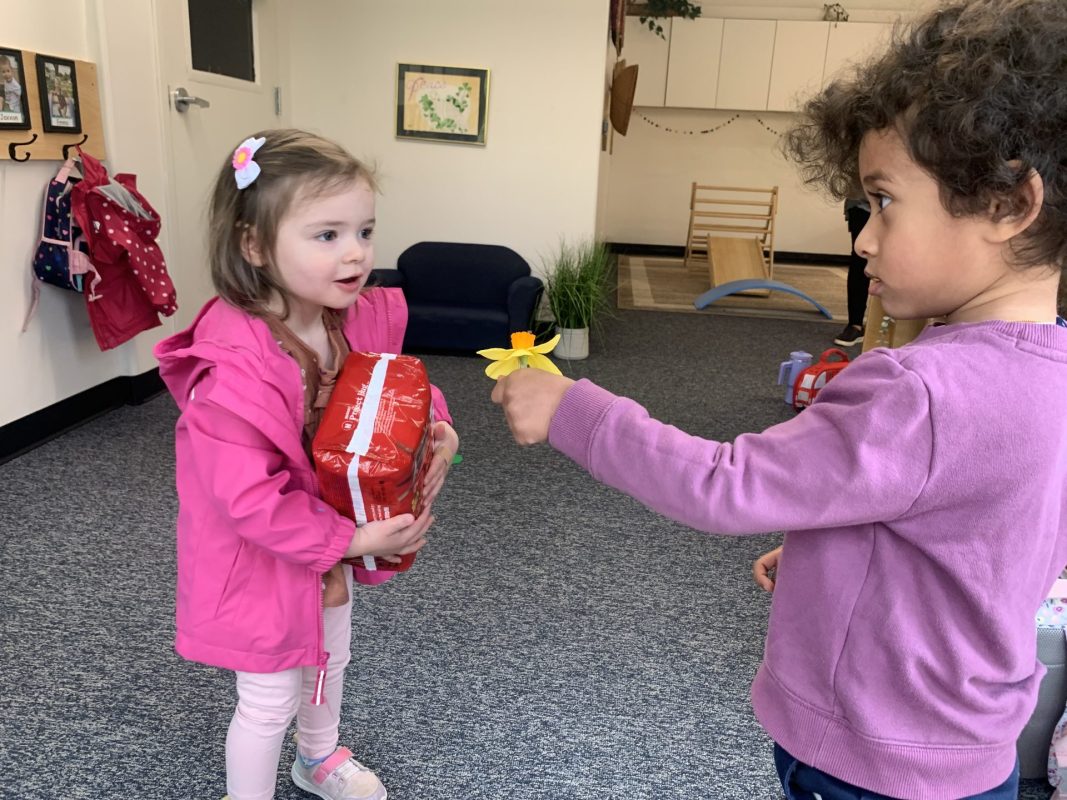
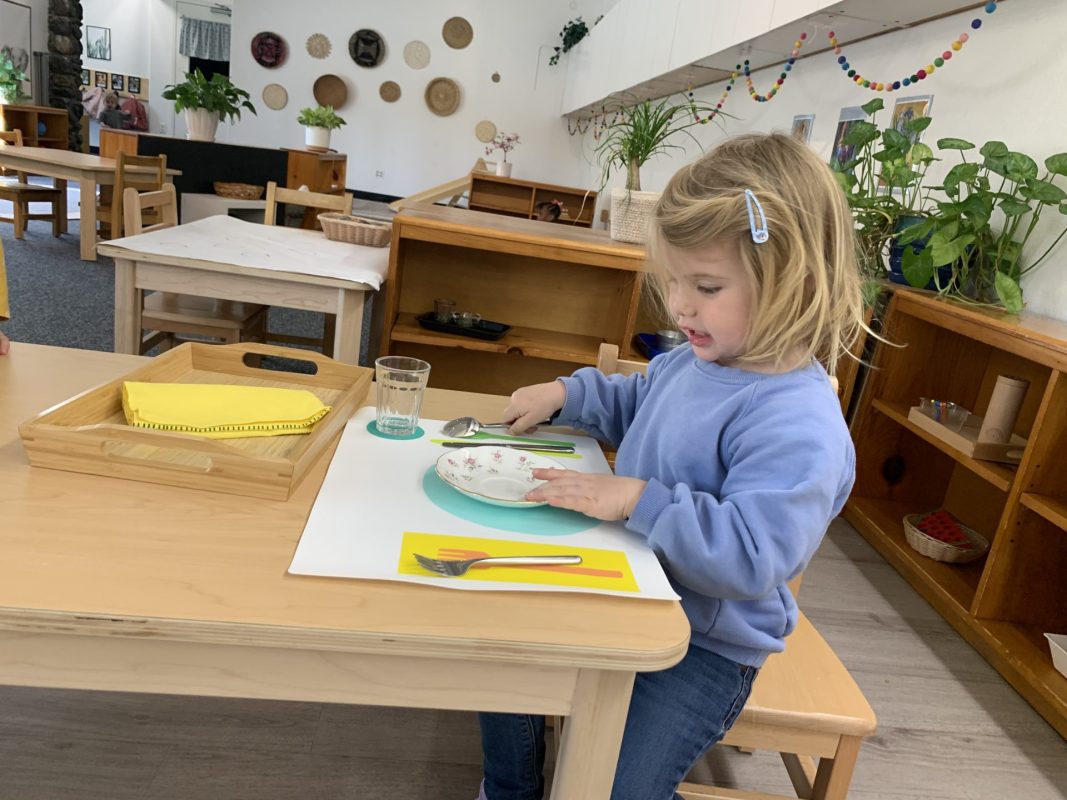
Grace and courtesy is one of the most critical areas in our Montessori curriculum. Grace is the outer expression of our inner selves as observed in body language and movements: facial expressions such as smiles, eye contact, tone of voice, inflection, body movements, and the actual words used to express ourselves. Courtesy is the manners given for human interaction. As we all know, neither grace nor courtesy are instinctive but acquired. This is why in our Toddler environment, we use constant, daily lessons in this area through intentional modeling rather than specific lessons presented, as children will encounter at our Primary levels. It’s truly amazing to observe how your children continue to grow in gentleness, respect for each other, care and expressions of kindness, etc.,  despite their young age. It’s SO wonderful!

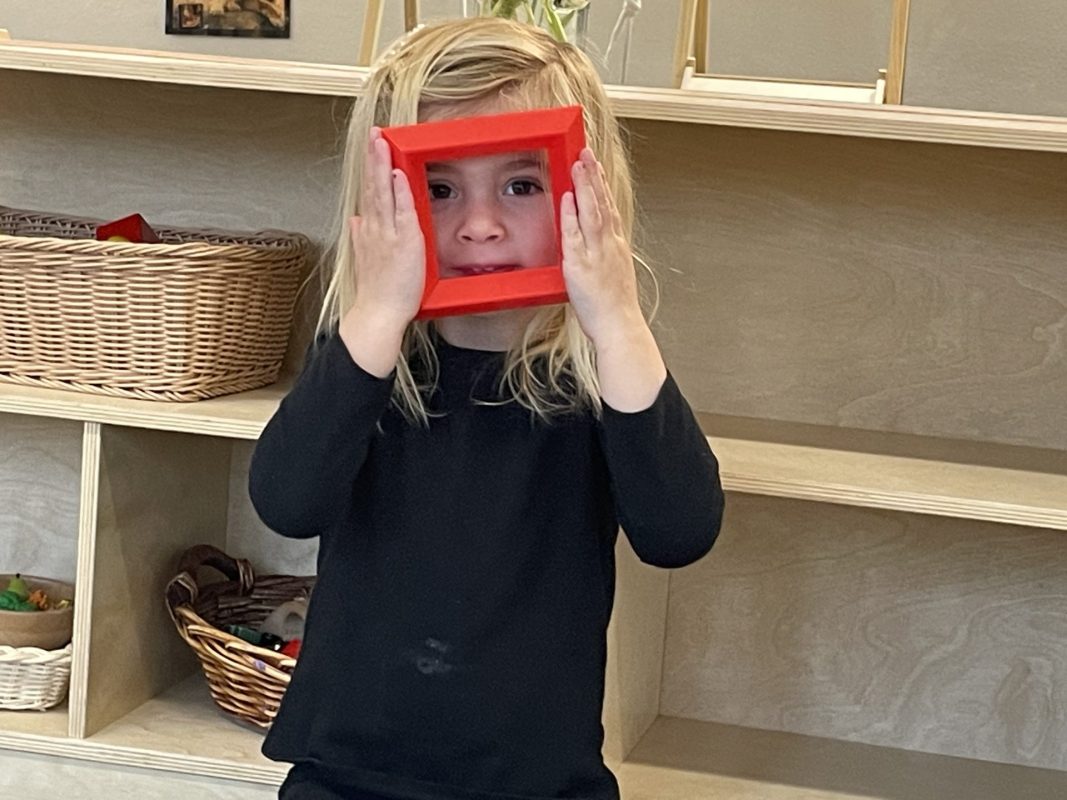
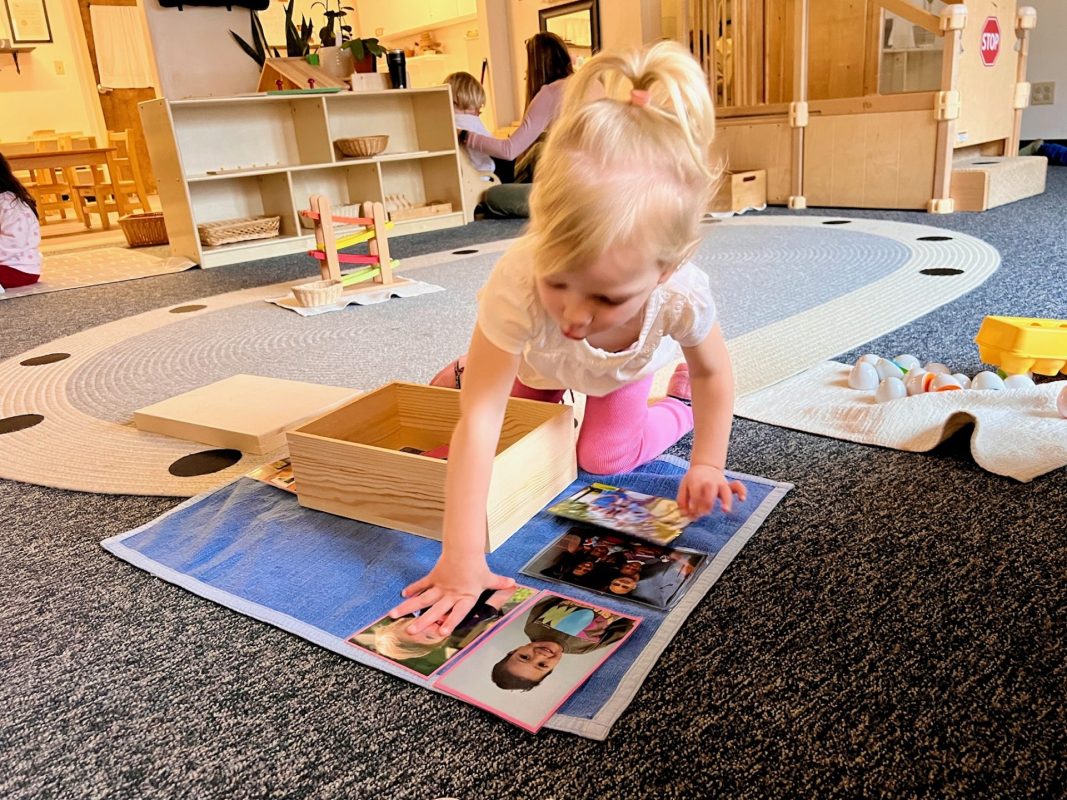
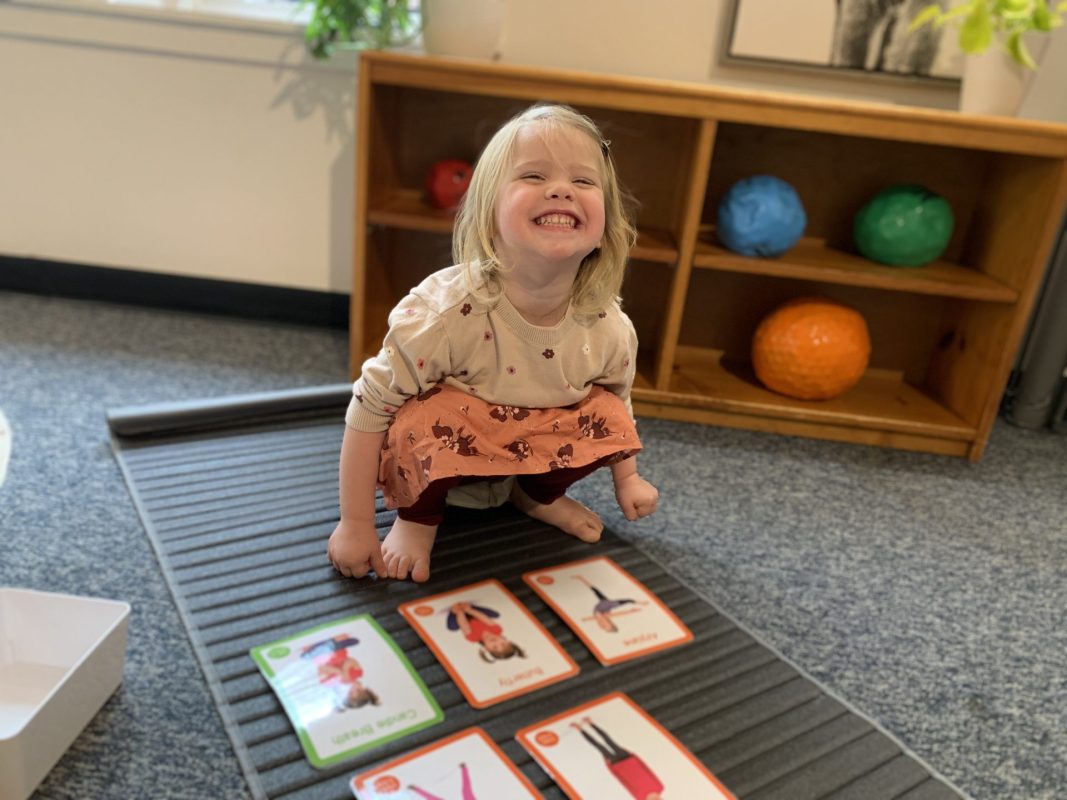
Based on our Emotional intelligence studies, this week, children also had the opportunity to use the emotion cards as individual work using a table mirror. The children seem to love to observe the picture cards and copy the facial expressions in the mirror. With the older toddlers, we also use this work as an enrichment of vocabulary activity by establishing conversations with the child and wondering together what they think happened to the children in the picture. Why are they feeling that way? Oh! The stories they come up with are just so great!

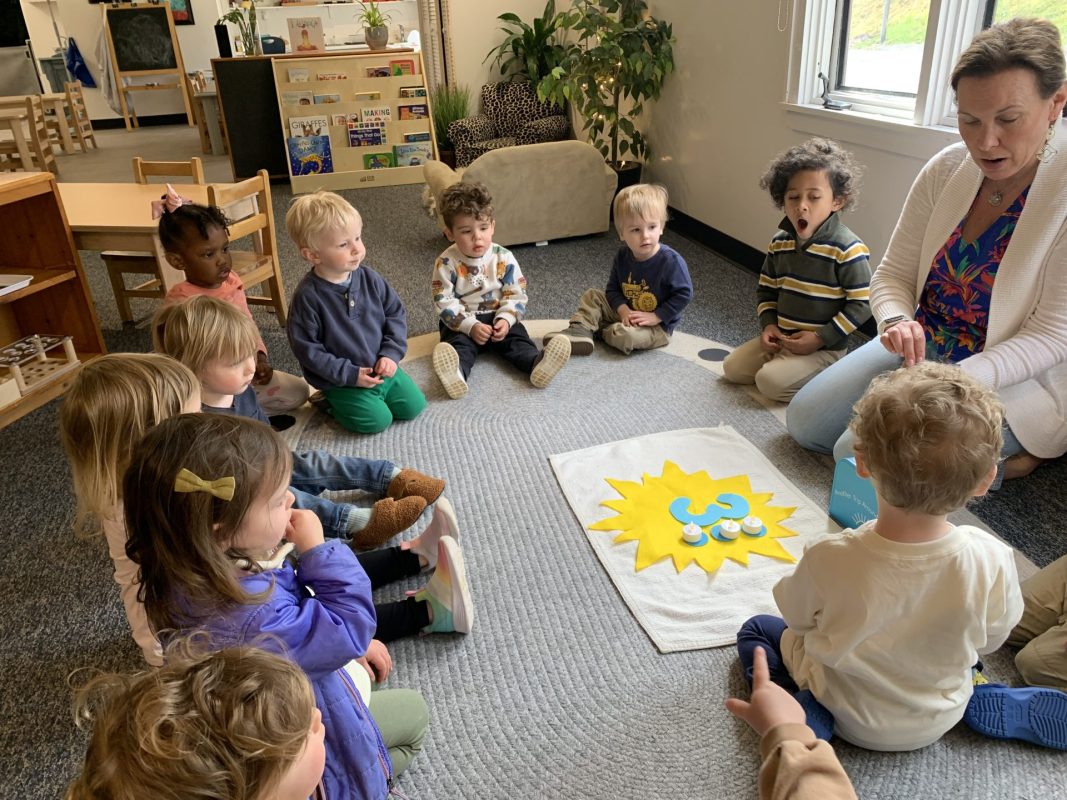
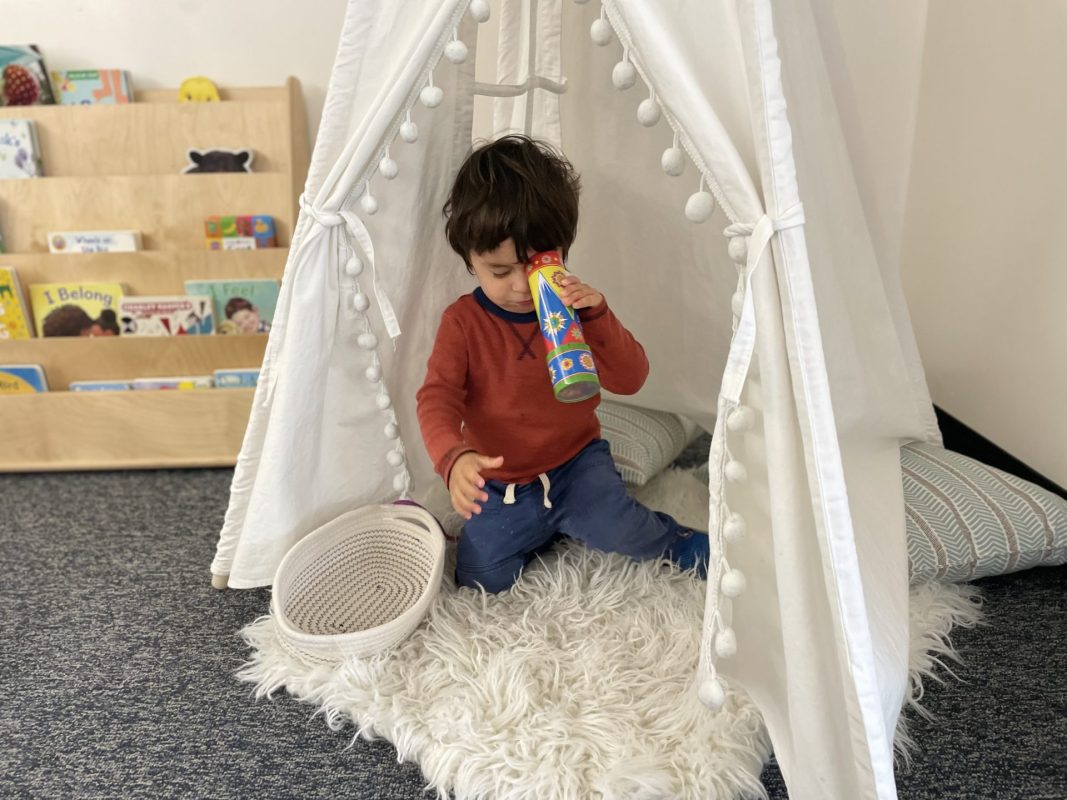
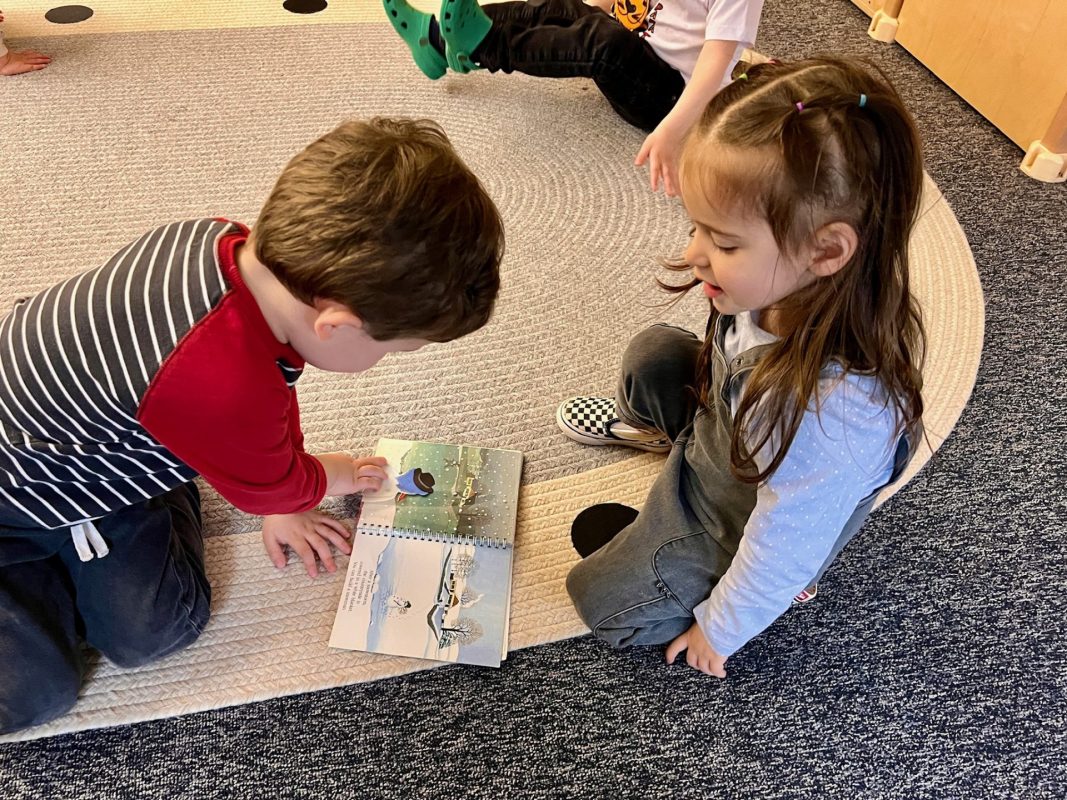
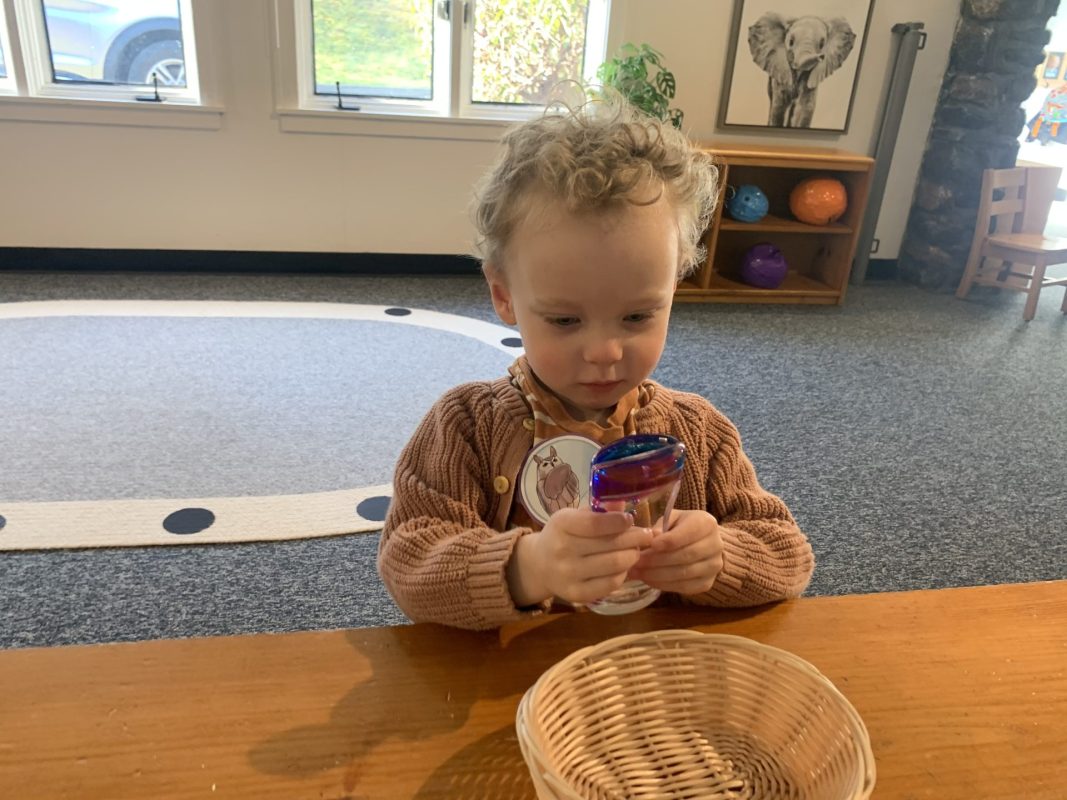
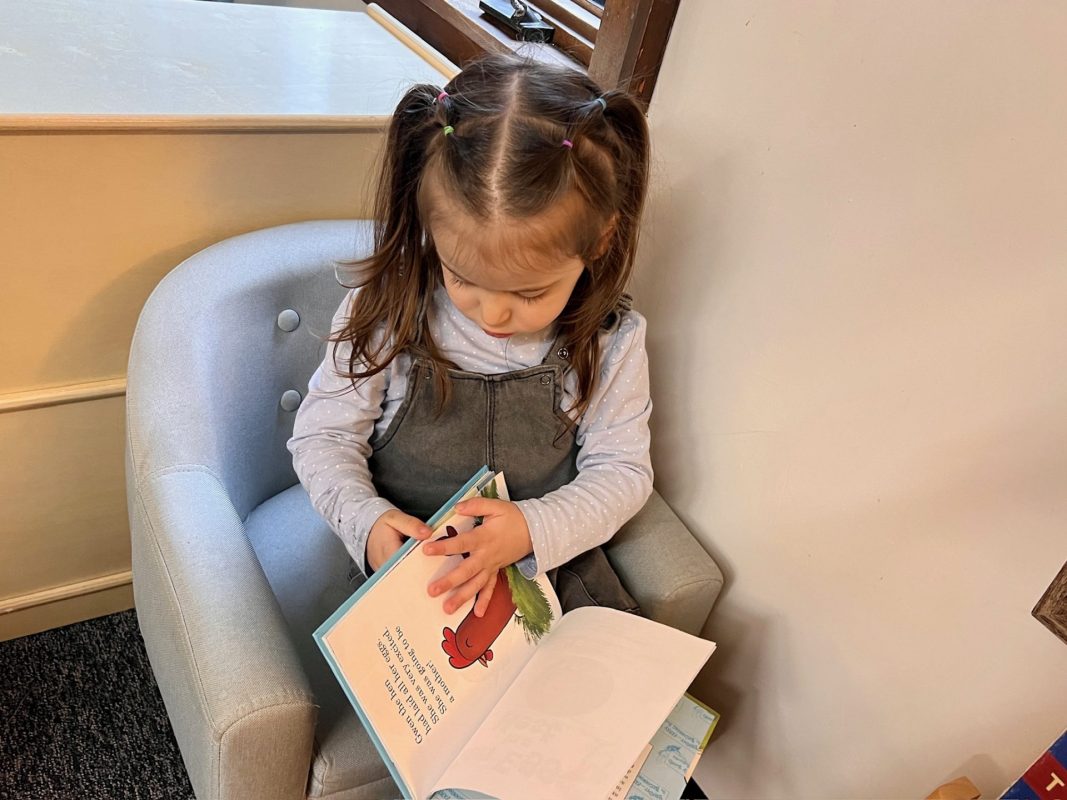
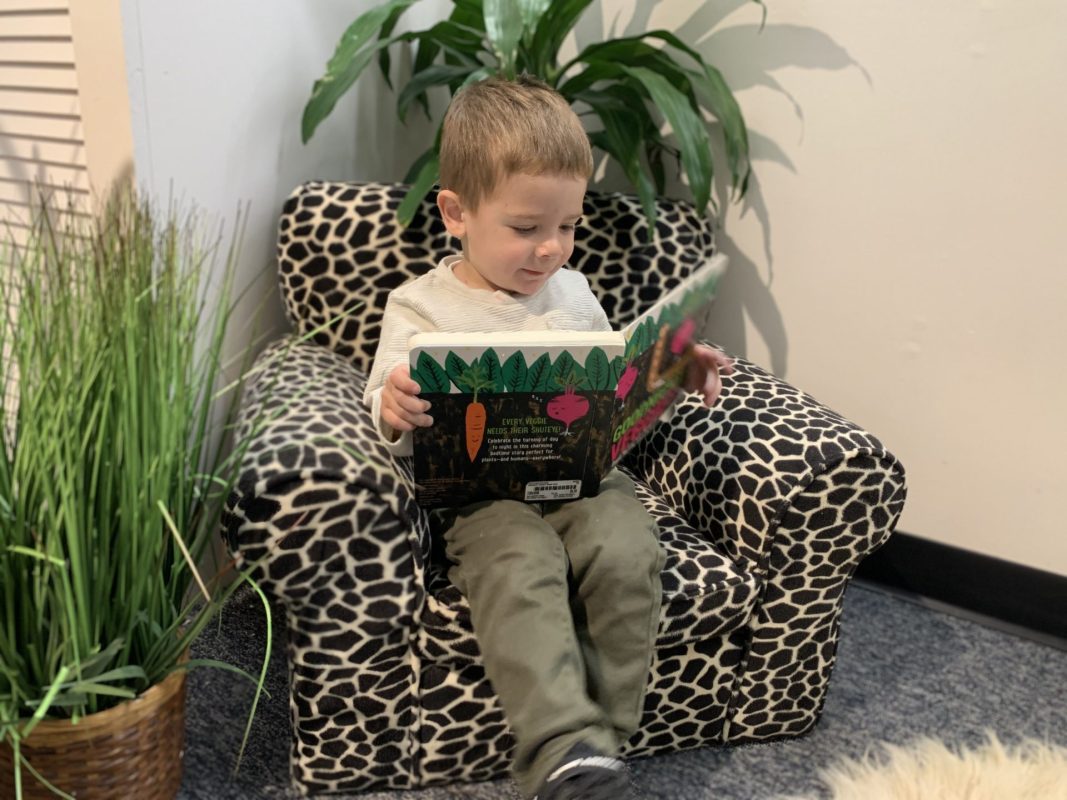
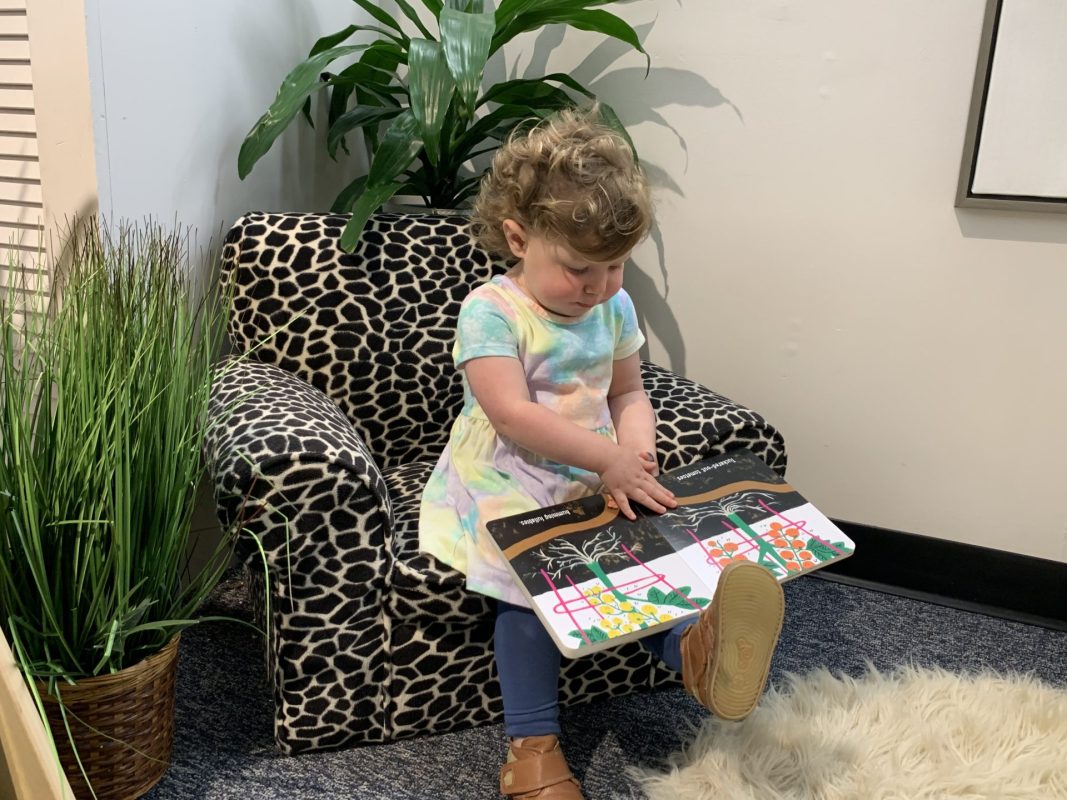
Some of the most beloved books by your children  lately  has been: In My Heart by Jo Witek, The Feelings Book by Todd Parr, and especially Calm Down Time by Elizabeth Vedick. With the help of this book, children practiced the importance of breathing deeply when encountering difficult emotions. We practice by encouraging the toddlers to “Smell the flowers” (inhale) and “blow the candles” (exhale). We also encourage our students to use the teepee as our calm-down area to get some space and learn to regulate themselves.In this area children have a faux sheepskin rug, cushy pillows and often they will have a variety of calming items like sensory bottles, stretchy string fidgets or  liquid motion bubblers to support this process.  For your children, this is one of their favorite places in our classroom. A place to decompress when needed or just have some space!  I highly recommend you creating a calm-down area at your home, especially if your child struggles with tantrums.

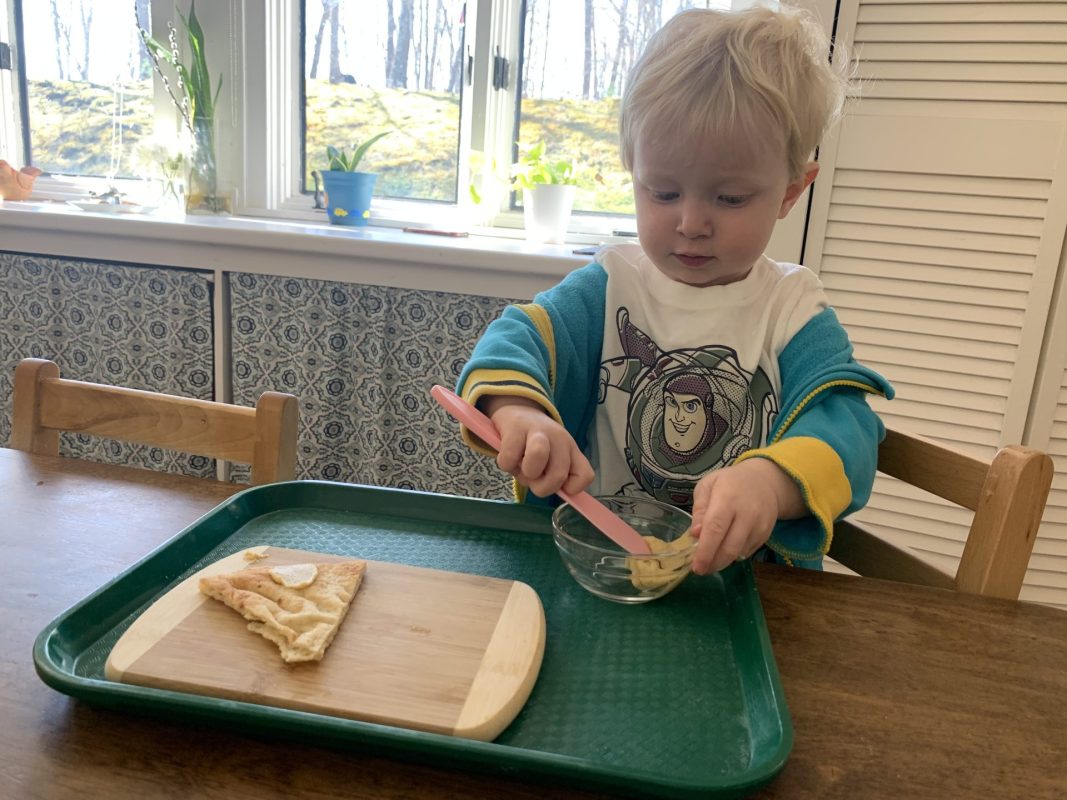
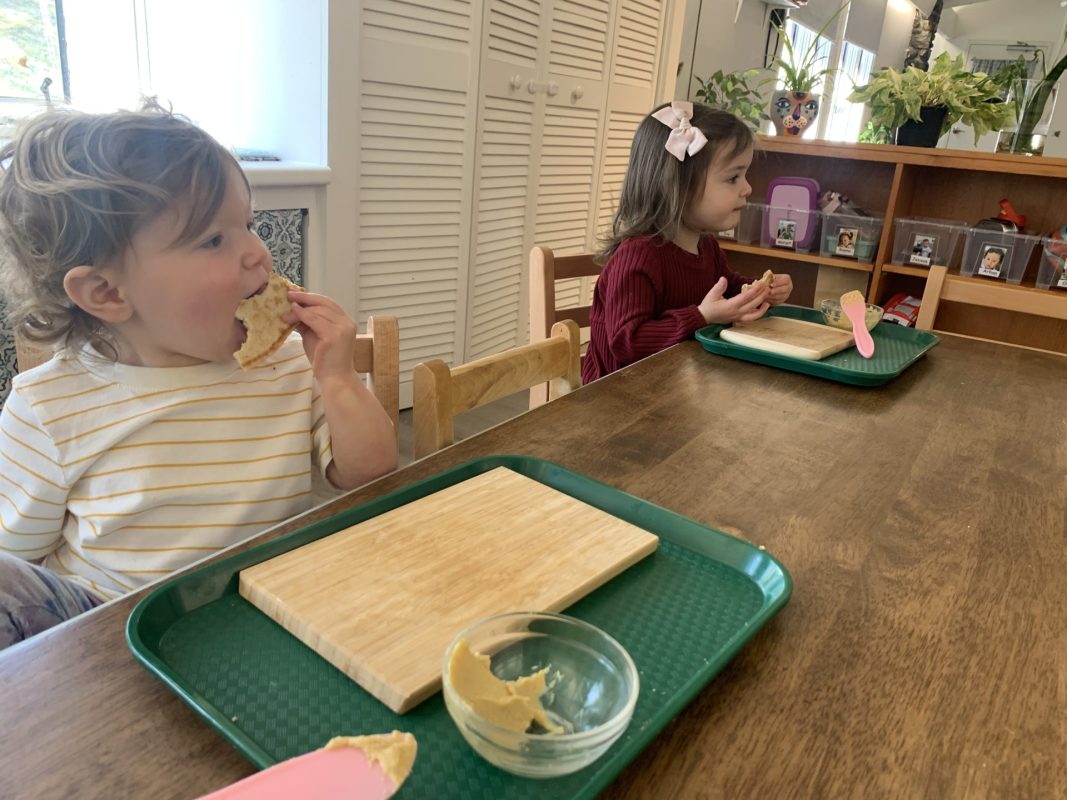
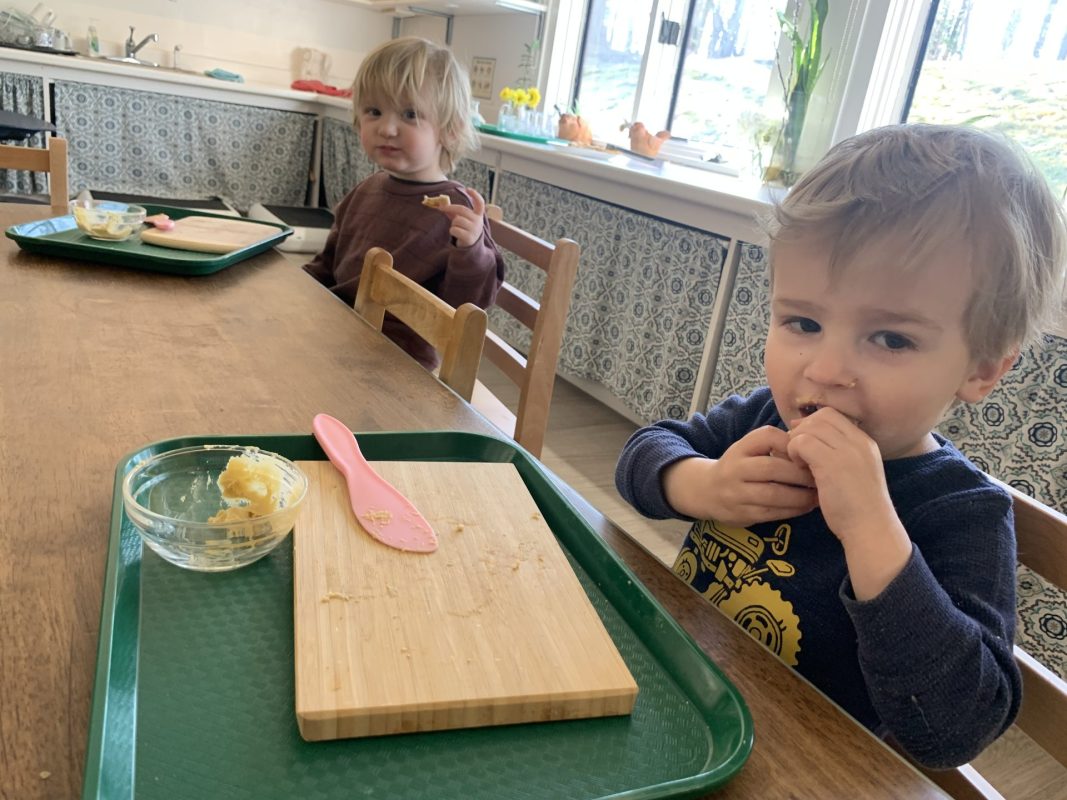
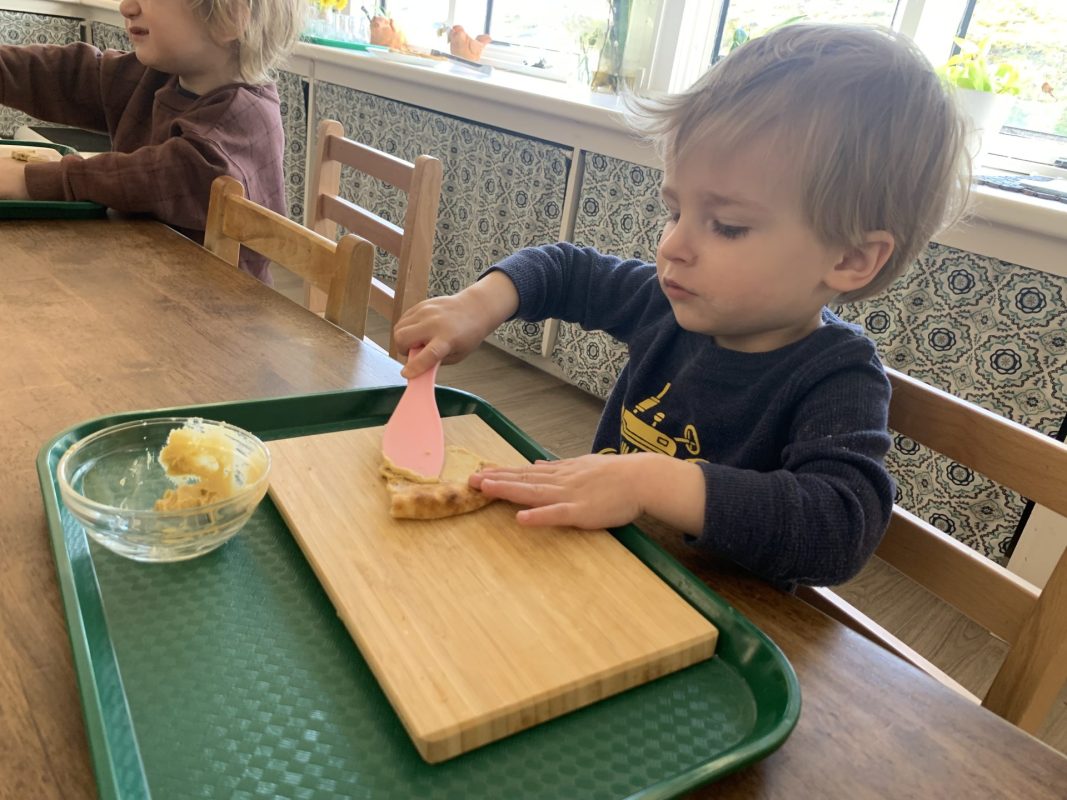
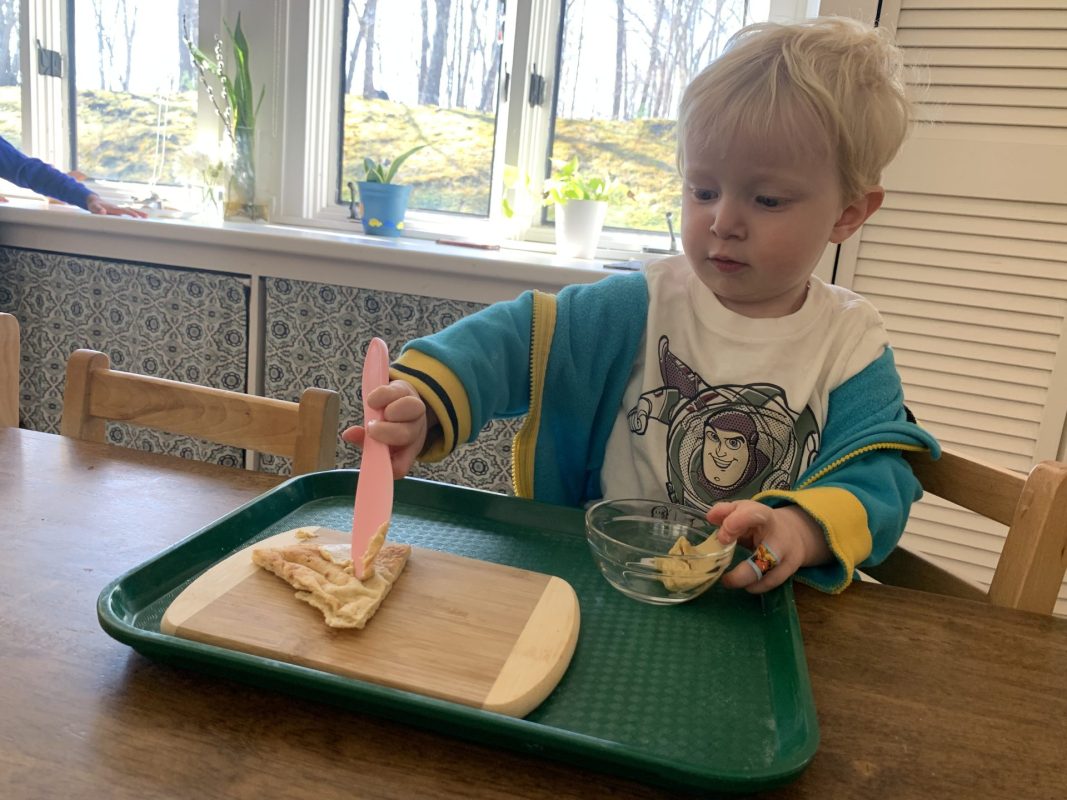
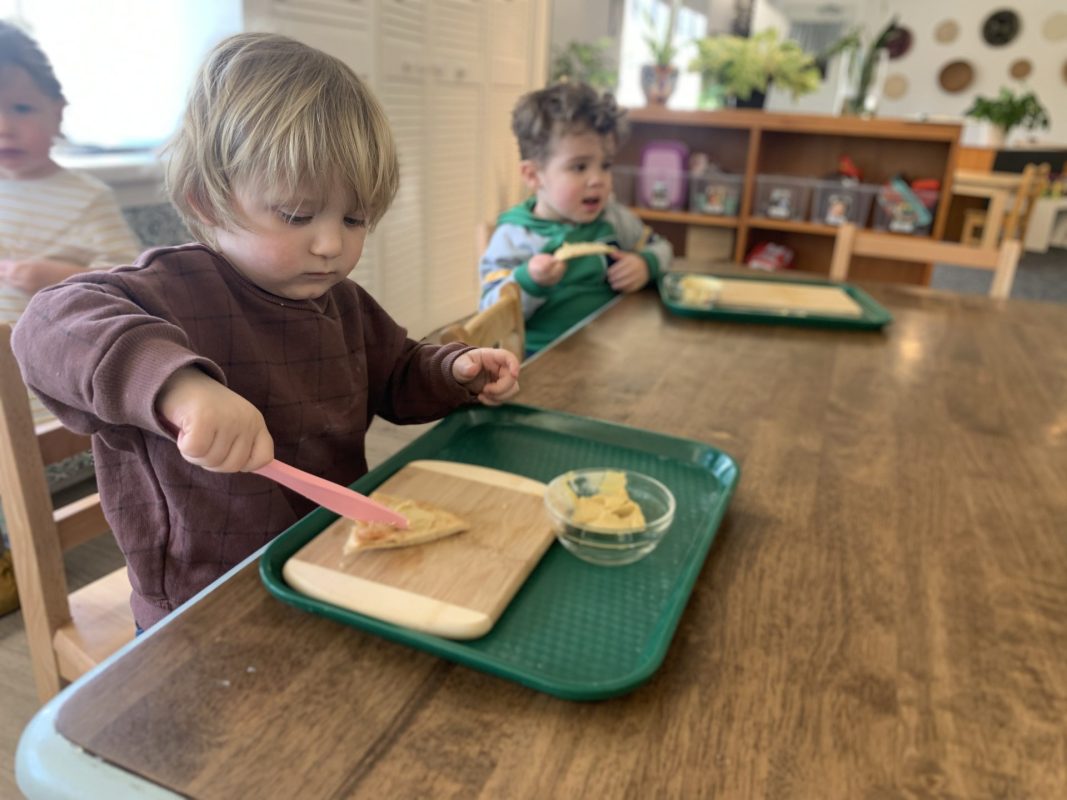
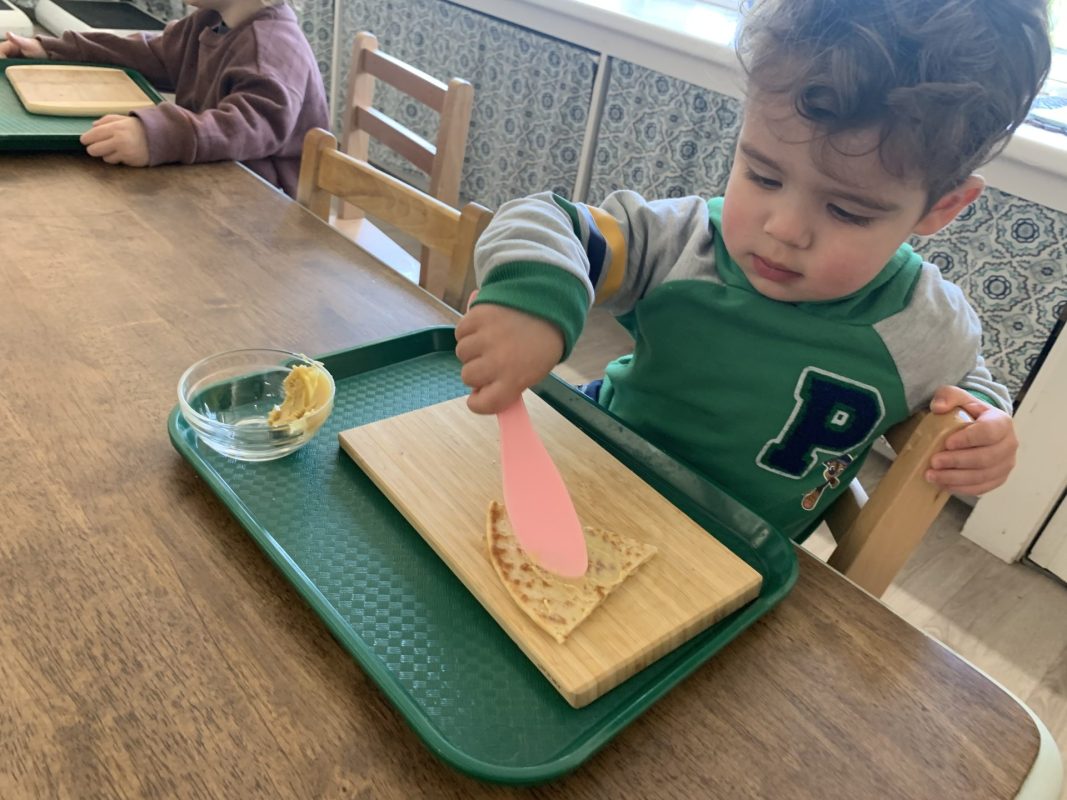
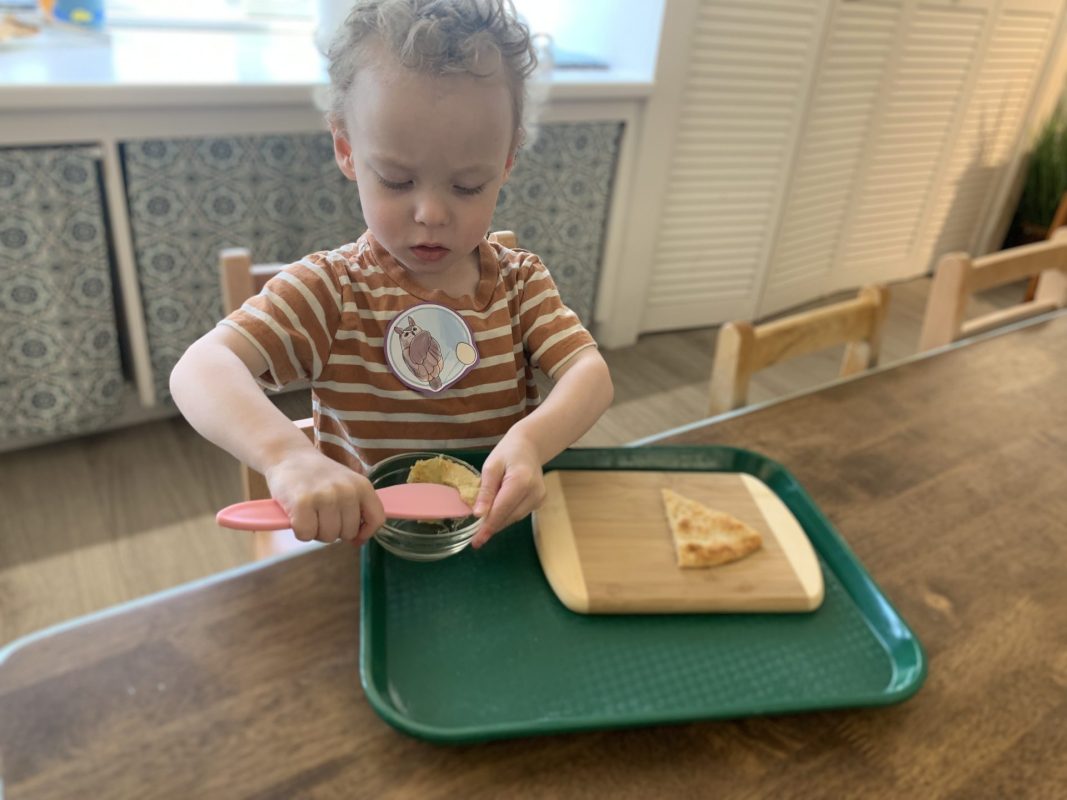
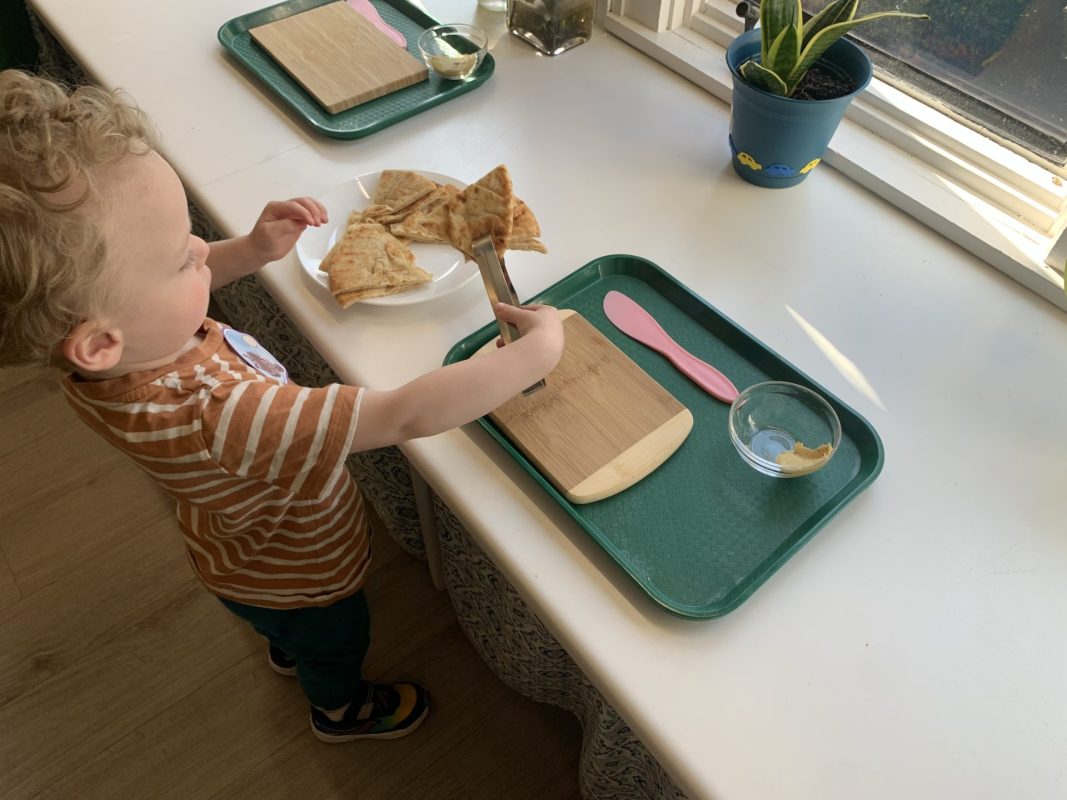
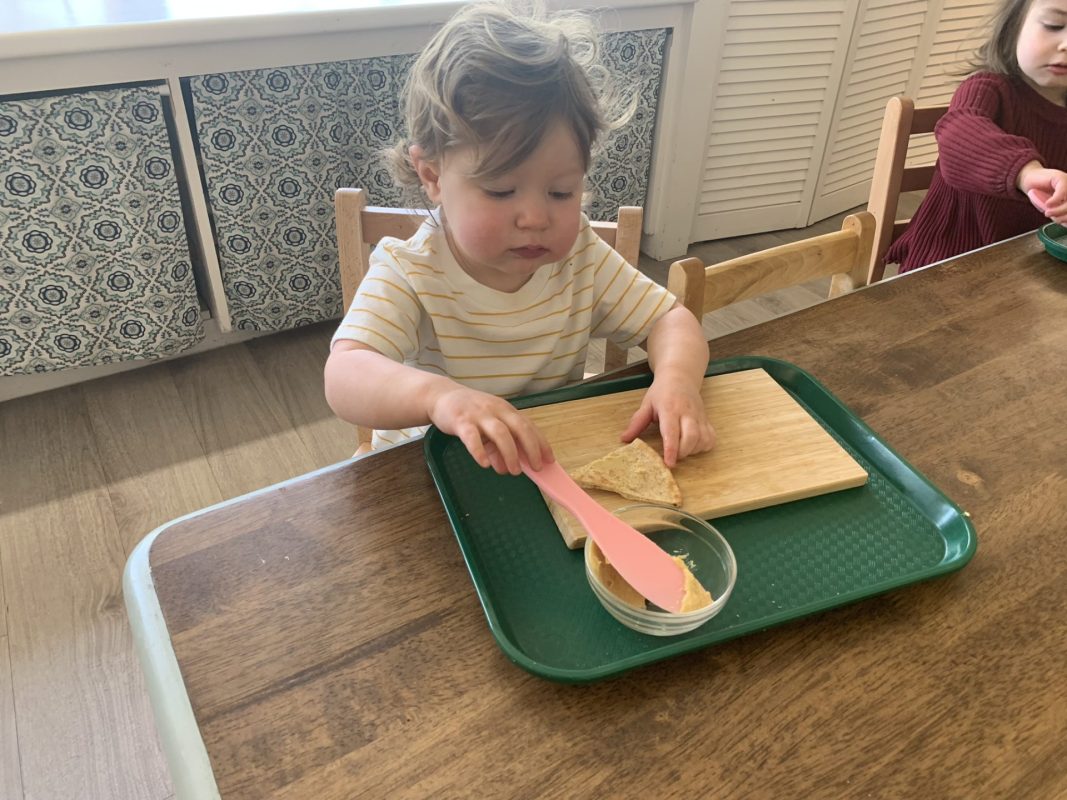
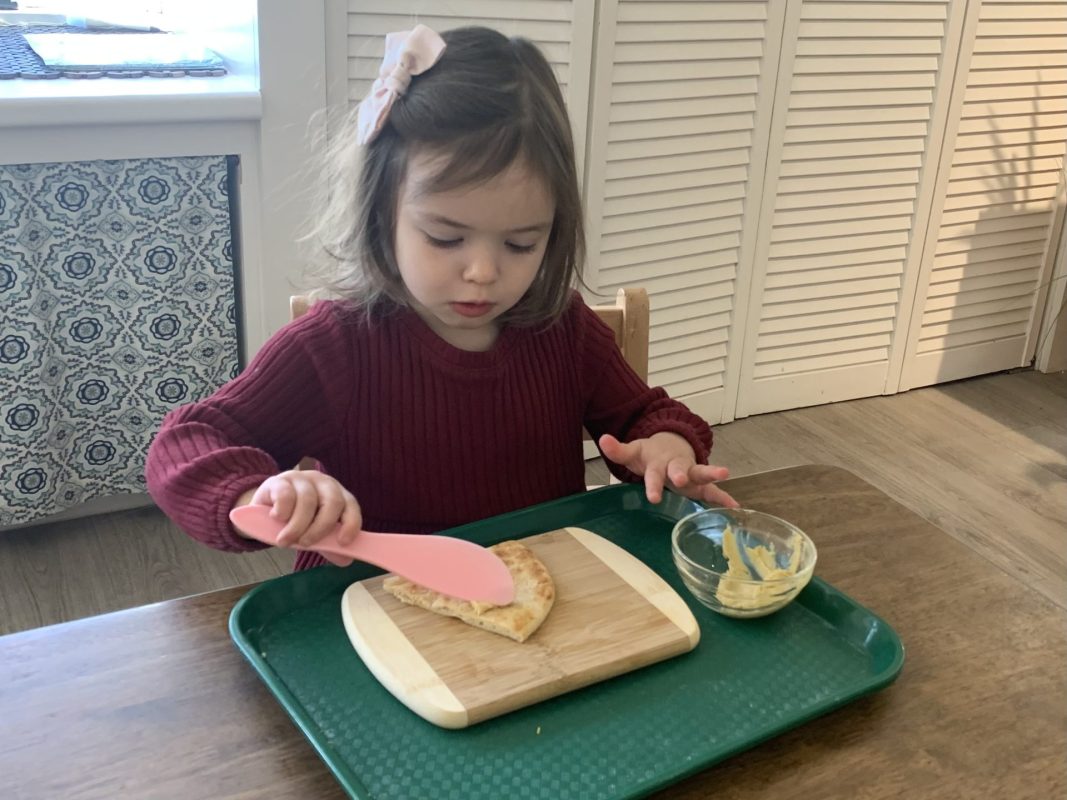
On another note, children had a blast celebrating friendship on Valentine’s day and they were so focused on perfecting their spreading skills while creating “donuts” using apple rings, sunflower butter and delicious sprinkles! They also enjoyed sharing their valentine’s with their friends and having fun in an epic balloon dance party! During circle time that day, we talked about how hugs make our brain happy and it was just so amazing to see how each child chose a friend to offer a hug!

For food tasting lesson we explored  Cauliflower and tangy lemons! Sour is definitely a new word in their vocabulary!

Lastly, we finished this busy week with a little 100 day of school celebration where children baked  delicious lemon blueberry scones! Children loved them so much that we wanted to send you all the recipe. Click here to get it!

Enjoy the pics!

Mrs. Hood and Ms. Mollie


Mrs. Wilson: Valentine’s Day Celebration

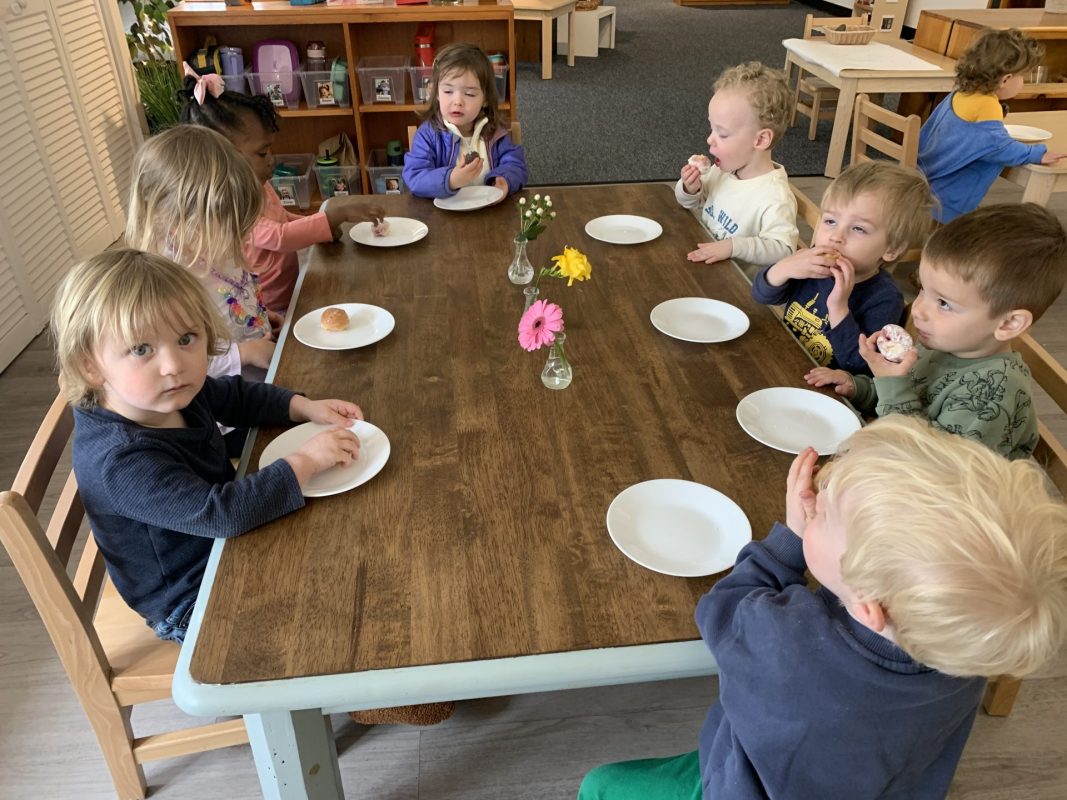
Last week, the children had a Valentine’s celebration. We started the week by decorating bags with heart-shaped foam stickers. On Valentine’s Day, the children, along with Miss Jade and Mr. Kenyon, made apple donuts by spreading strawberry-flavored yogurt and sprinkling Valentine-themed sprinkles onto a heart-shaped apple slice. Afterward, the children put their gifts into their friends’ Valentine’s Day bags one by one. We ended the celebration by giving out heart balloons that Ms. Sara and I gifted the children and had a fun dance party. Ms. Sara and I want to express our gratitude for the lovely gifts we received on Valentine’s Day.

This week, we will continue to celebrate our family and friends, as well as ourselves. We tasted ruby red grapefruit during our Food Tasting activity this week. All the children seemed to enjoy its sweet, bitter, and juicy flavor. A couple of children noticed how good the room smelled from the scent of the grapefruit.

Love and Light

Cynthia and Sara


Mrs. Sargeant: A Peek at the Week

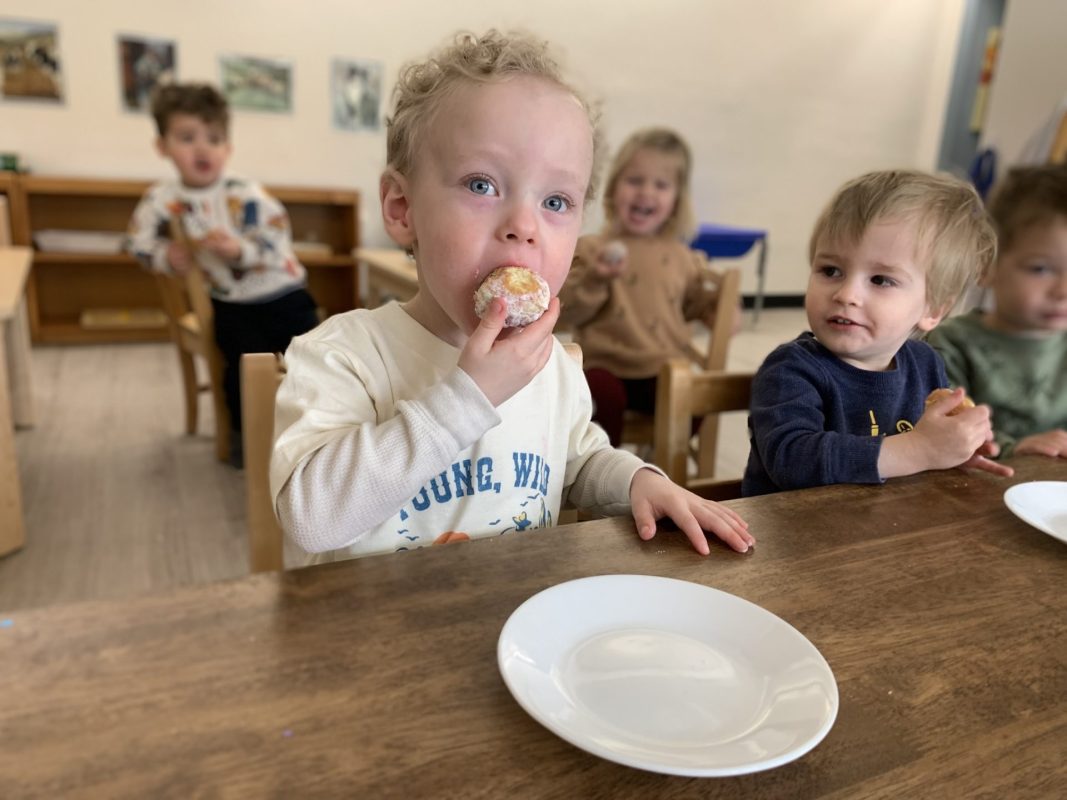
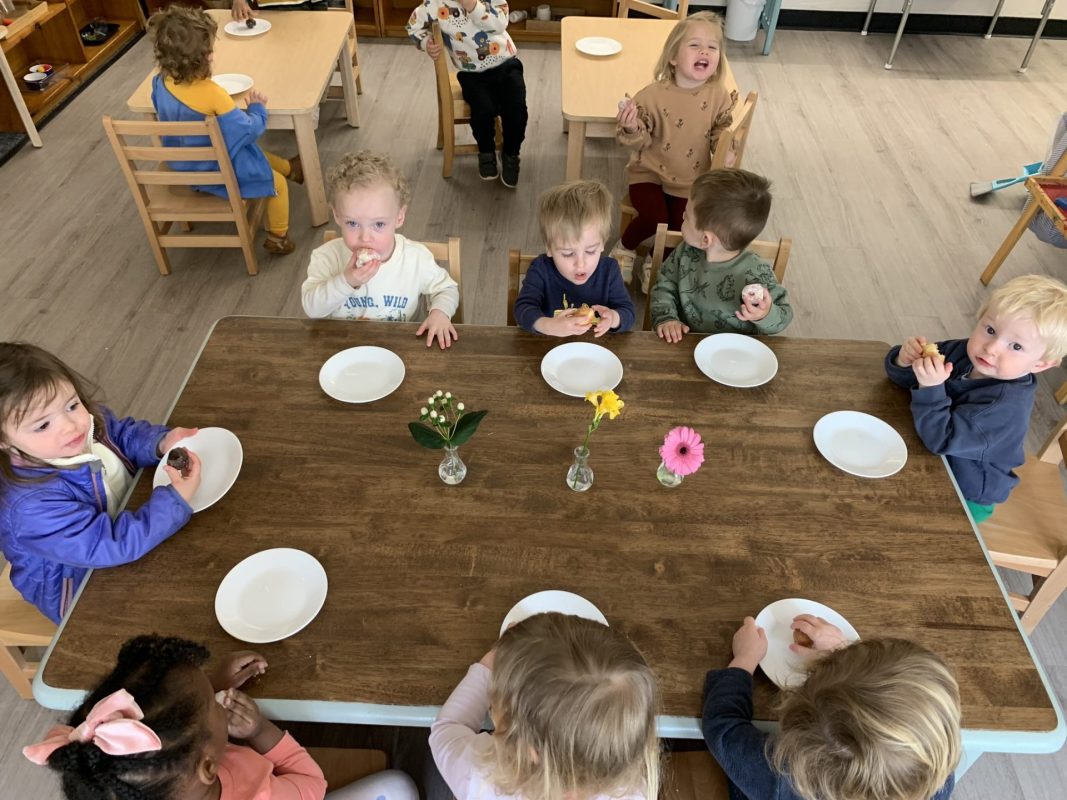
Last week wound up being a shorter week than we expected due to the snow. The toddlers enjoyed a delightful Valentine’s Day celebration filled with joy and camaraderie. They enthusiastically joined forces to create a “friendship fruit salad,” pooling their efforts to open containers, meticulously wash, and expertly prepare the array of fruits. Along with their fruit salad, they enjoyed raspberry muffins and sipped cranberry juice. They exchanged valentines and were thrilled to take home their specially decorated bags filled with goodies -spreading smiles all around.

We explored the themes of kindness and friendship, emphasizing the importance of helping others. Within our classroom, these values are demonstrated vividly as the children willingly assist each other in opening water bottles, offer to carry a friend’s lunch or drink to their designated spot, help one another hang their coats, and retrieve slippers from their cubbies.

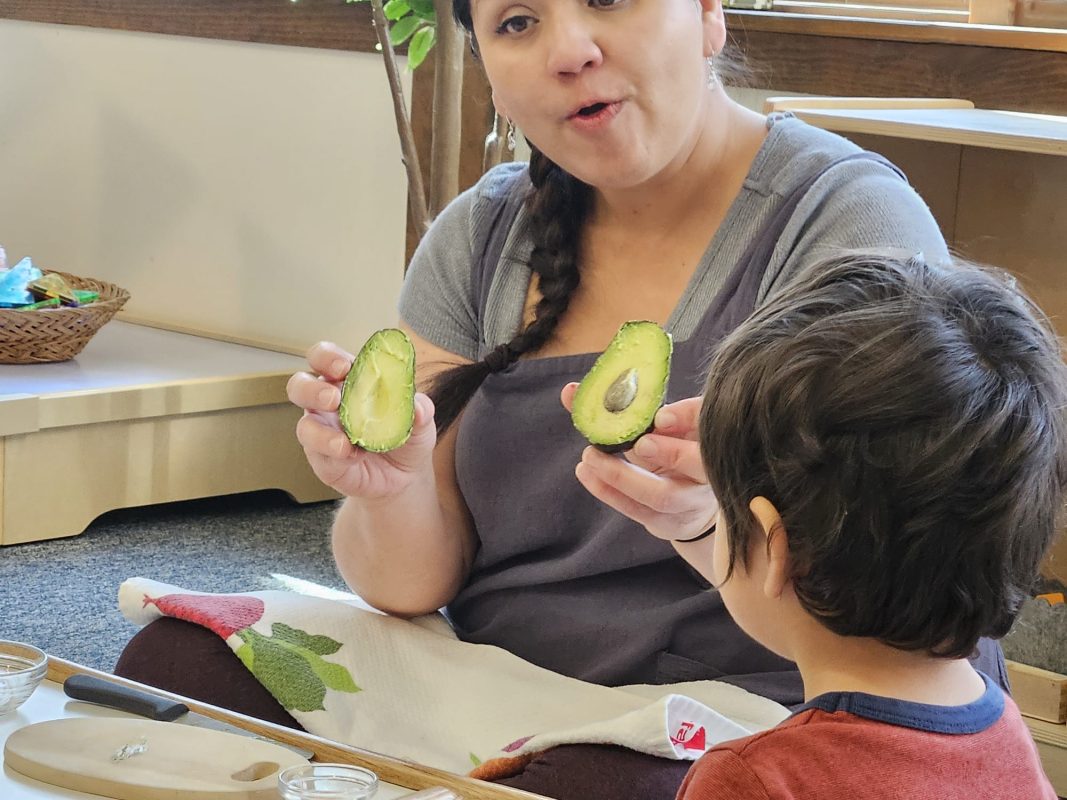
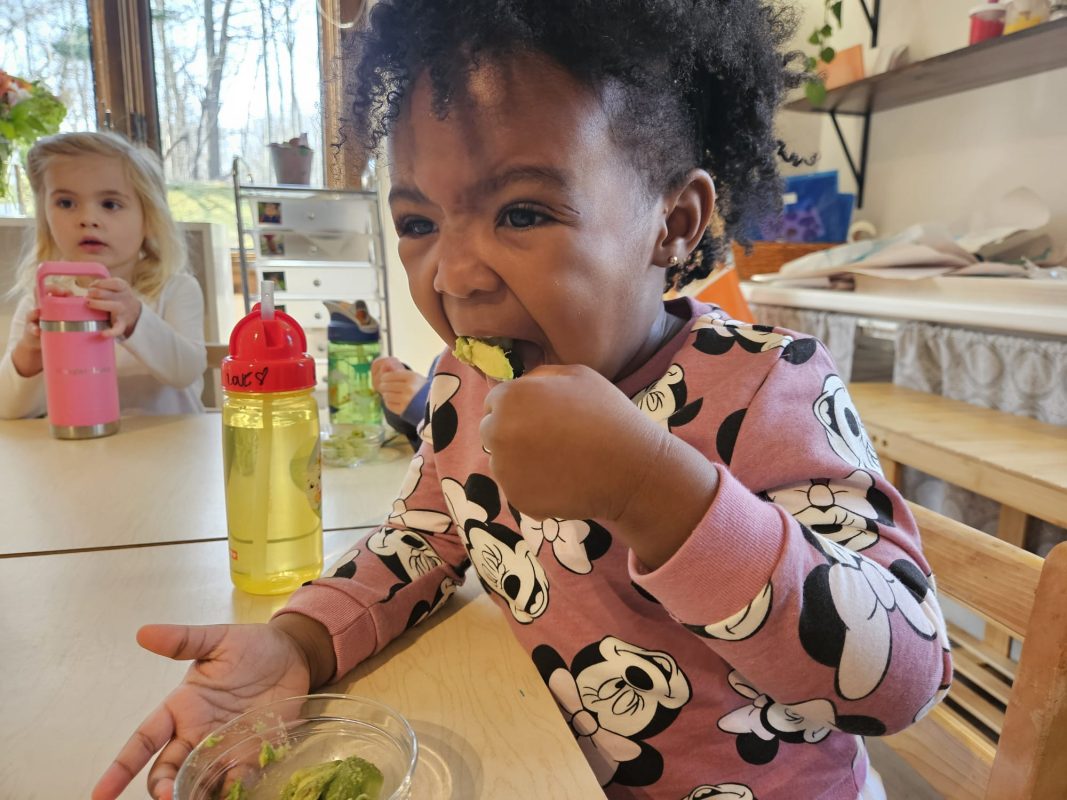
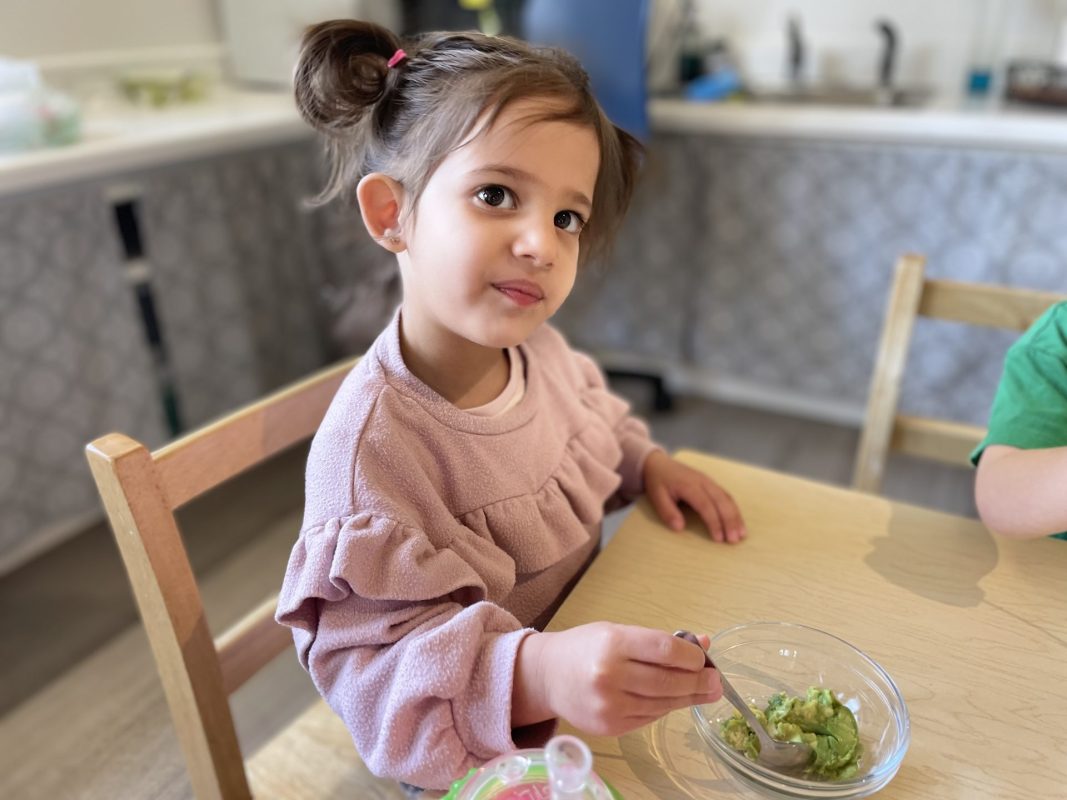
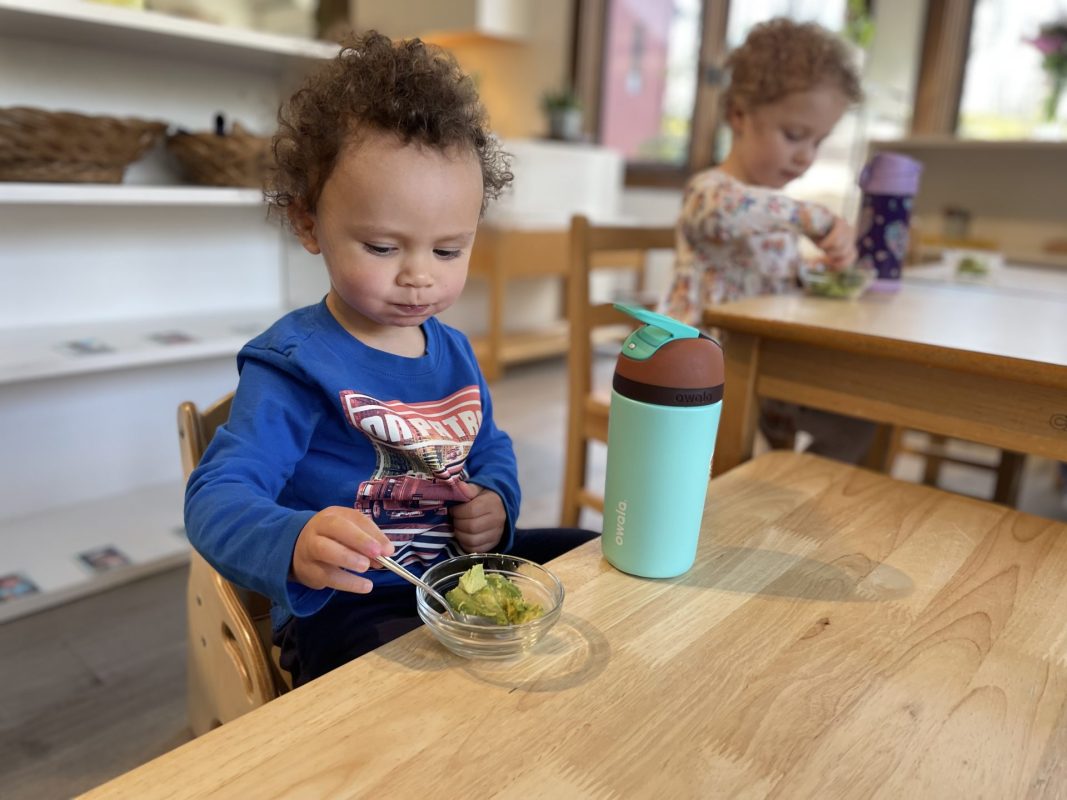
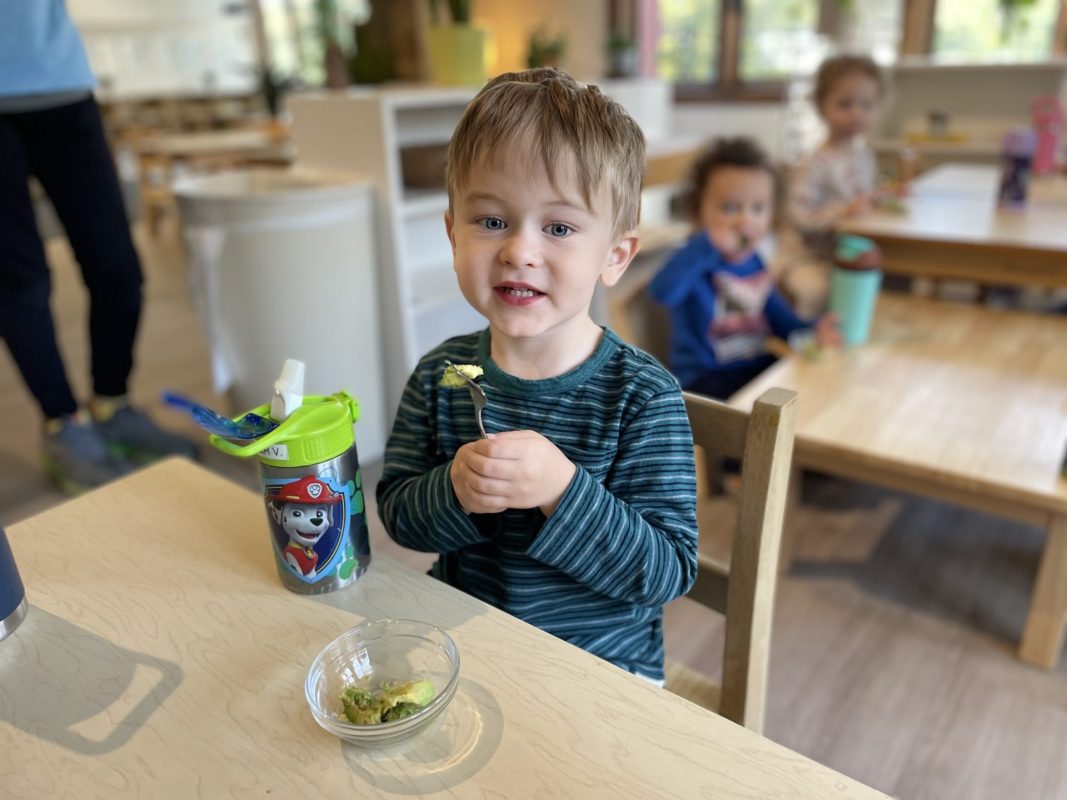
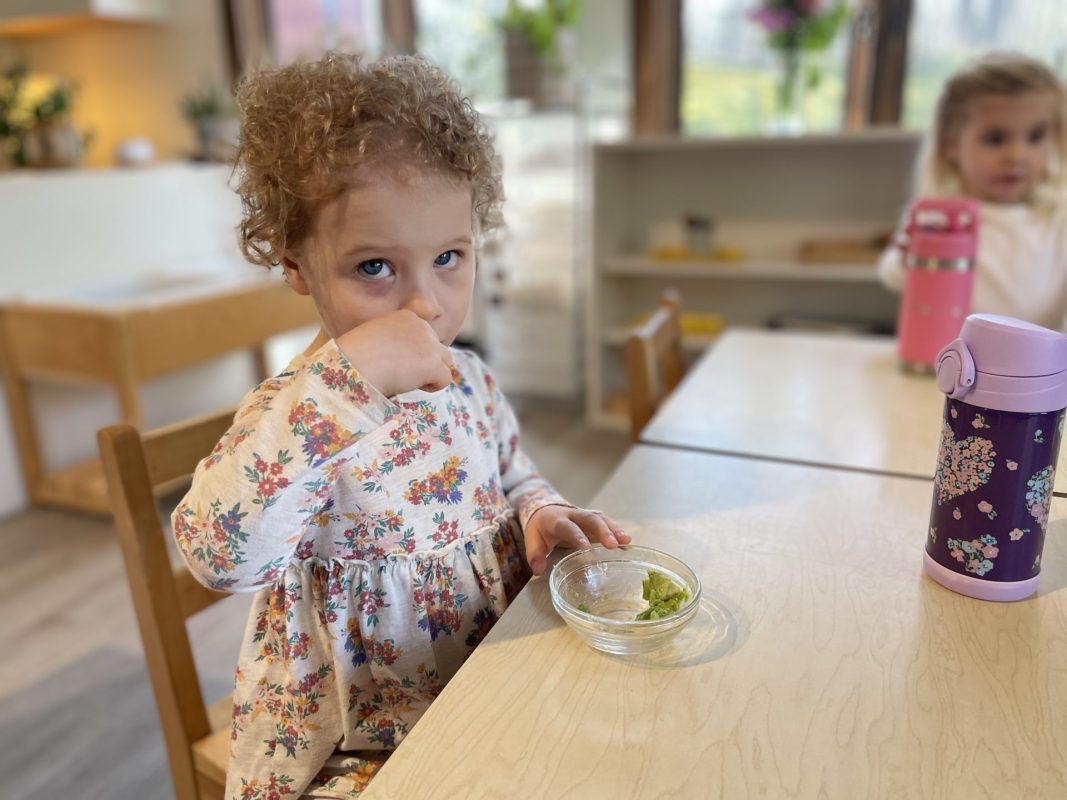
Our food-tasting experience extended through this week and included both avocados and guacamole. The avocado was more popular than the guacamole. 

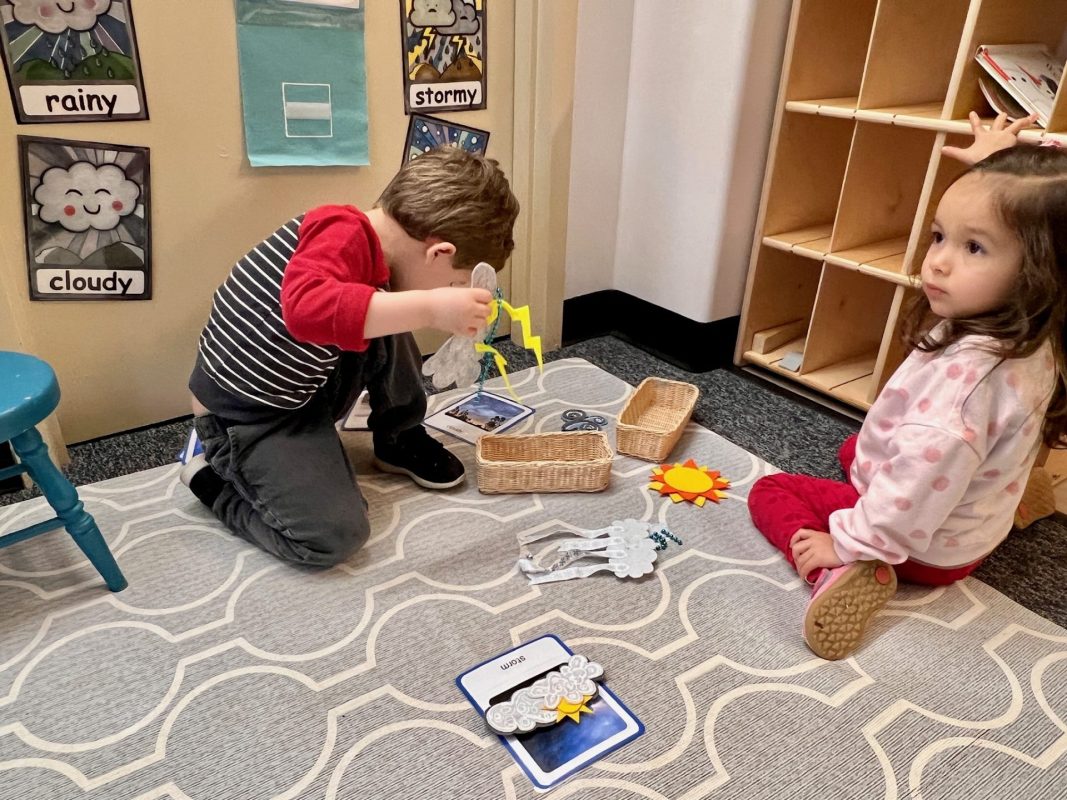
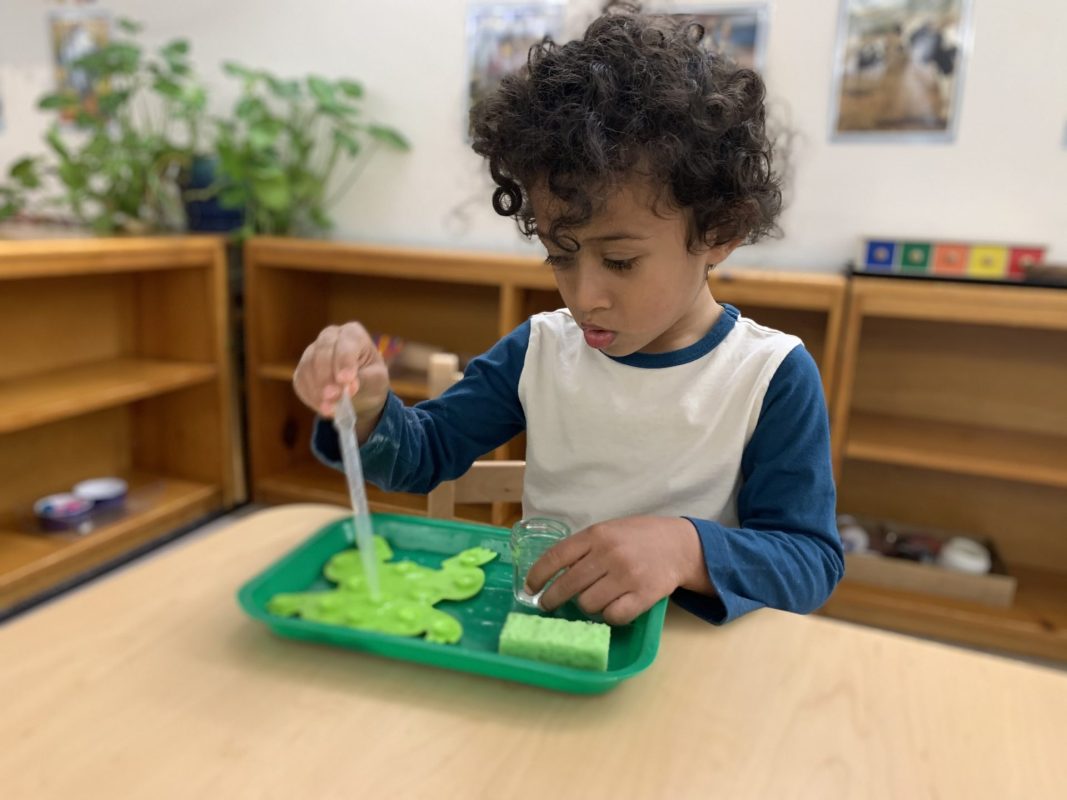
The toddlers have been exploring Arctic animals and engaging in hands-on experiments with ice and water. They’ve been actively observing how water interacts with ice, noting how it causes the ice to melt and drawing connections between the two states of matter.

See you next week! Christine & Lizette
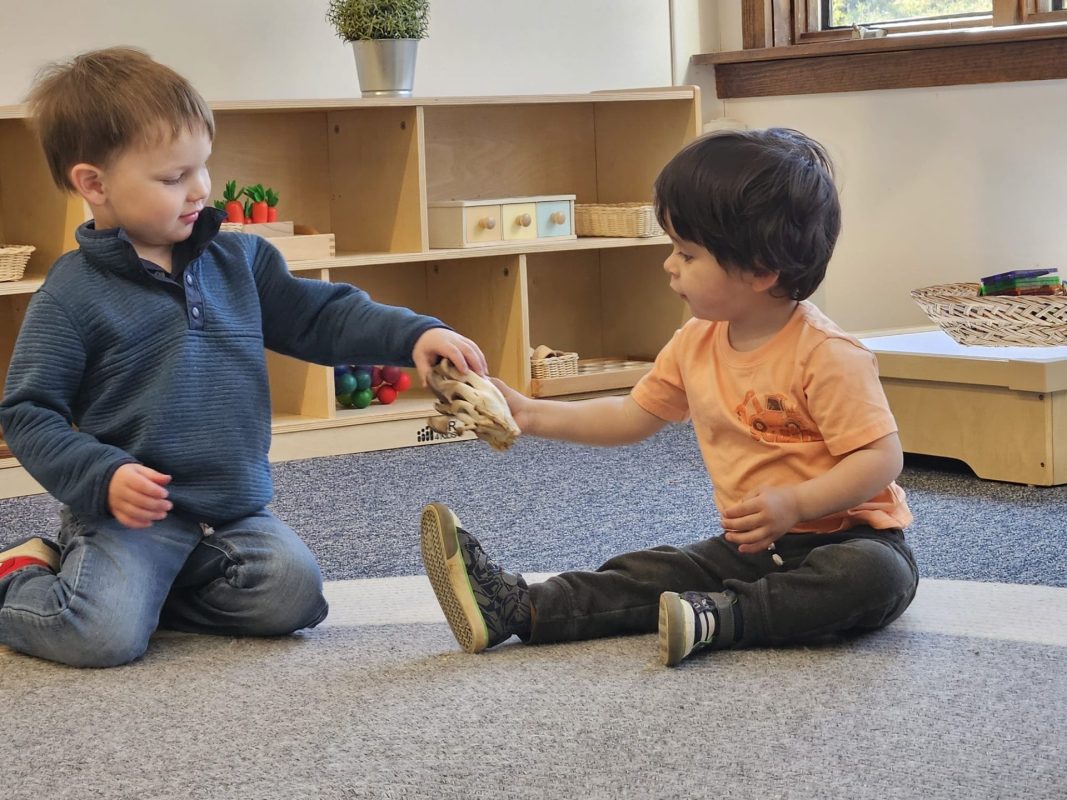

Mrs. Sargeant: A Peek at the Week

A large part of our work with toddlers is to lay the foundation for developing emotional intelligence—the ability to recognize, understand, manage, and express emotions. Cultivating emotional intelligence in toddlers is crucial for their social and emotional well-being.

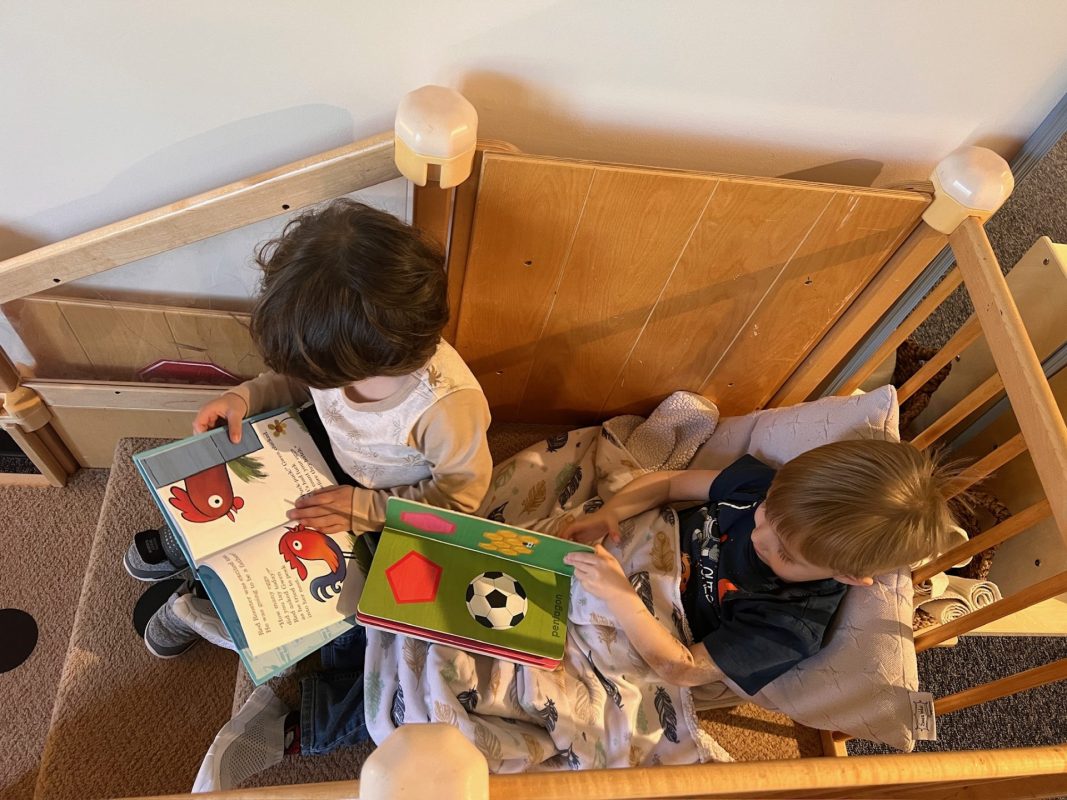
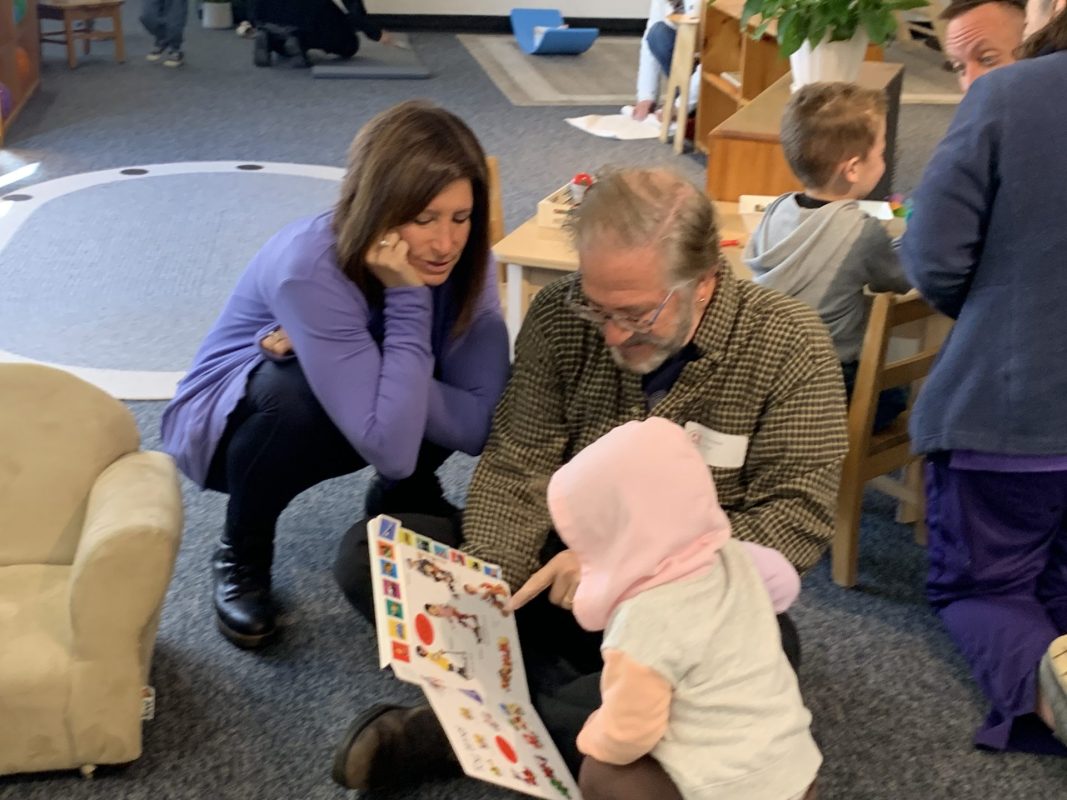
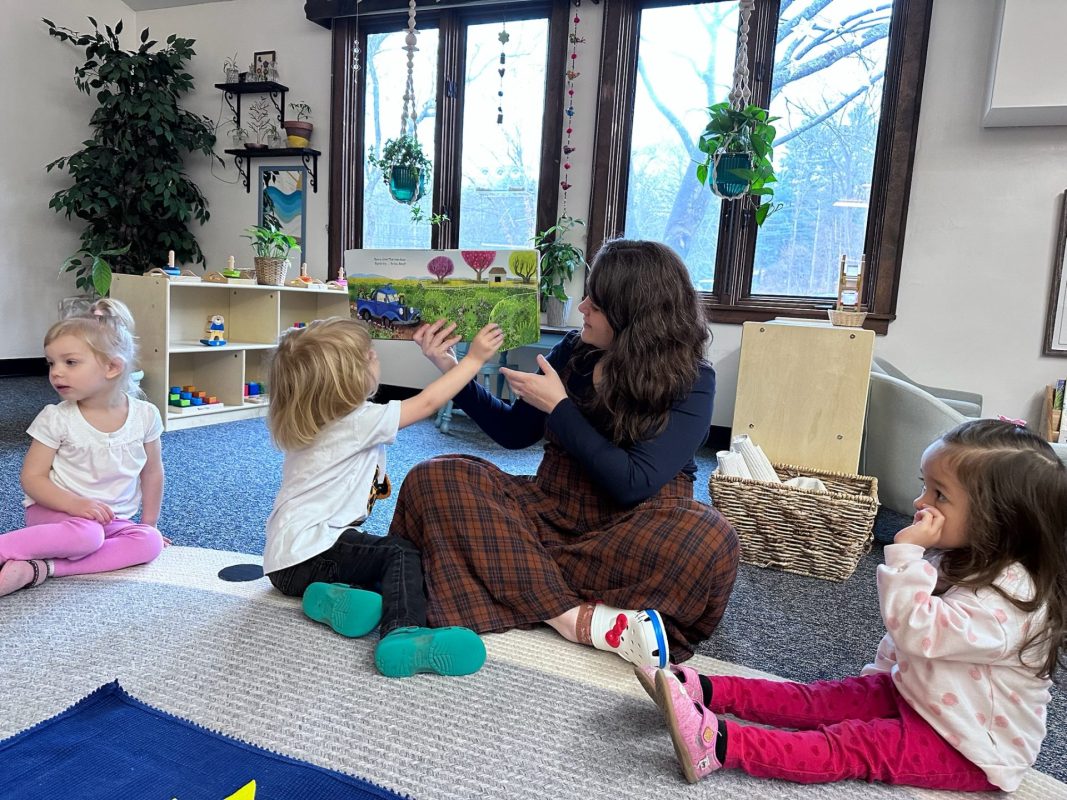
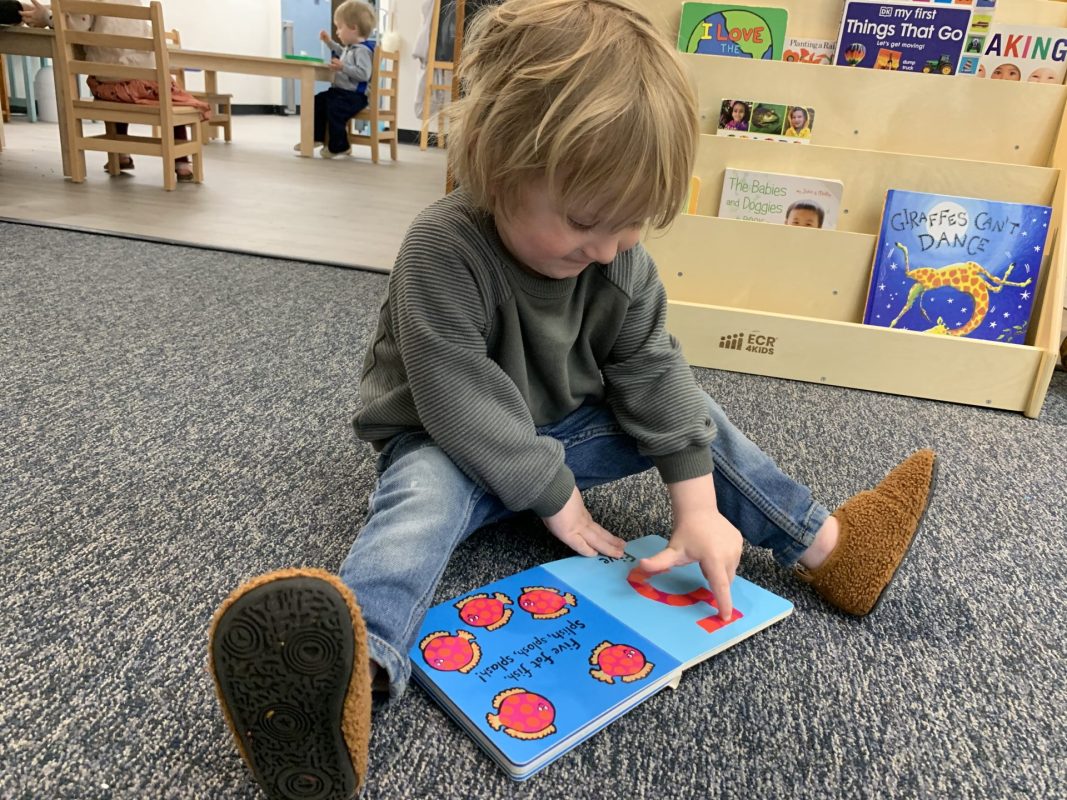
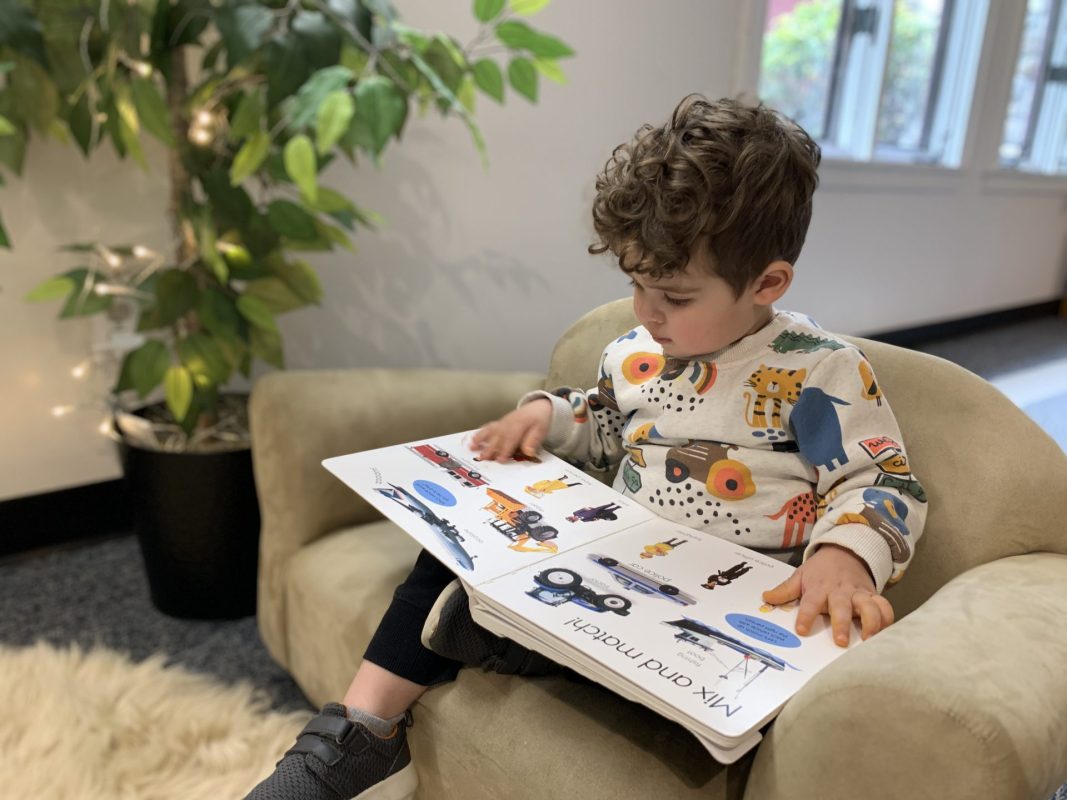
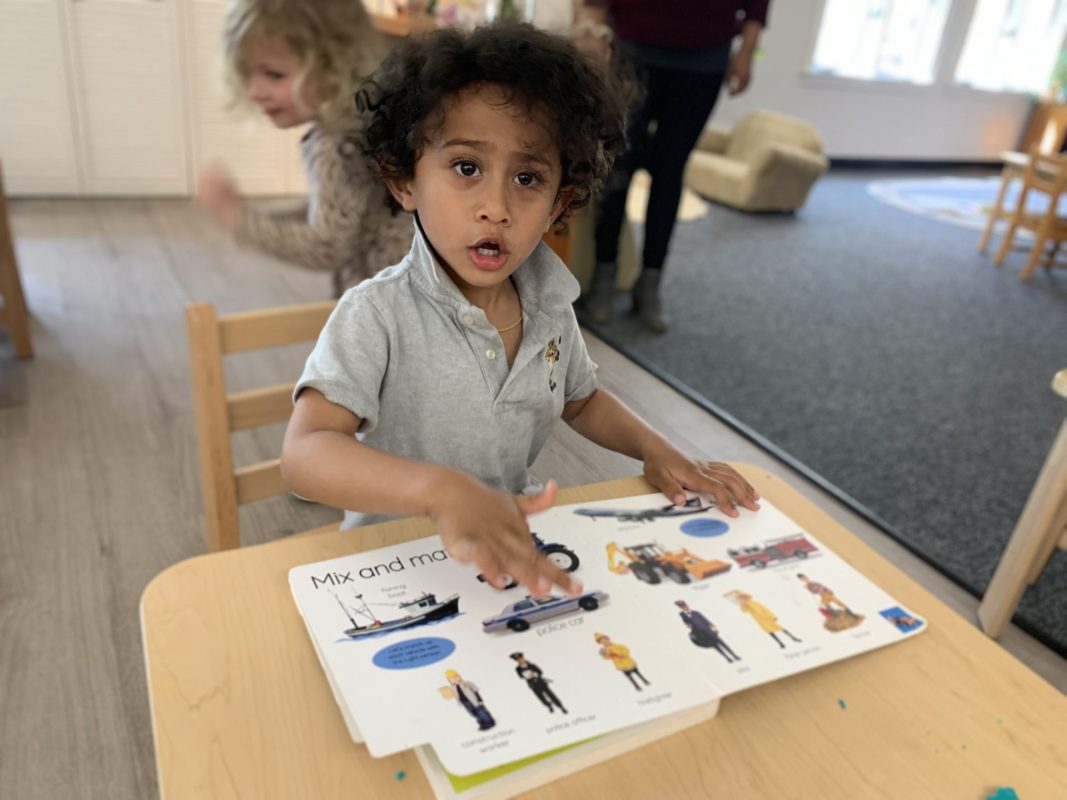
Teaching children to identify and name emotions is the first step in teaching children about their own emotions and the emotions of others. Being able to identify and name their feelings can help children to feel heard and understood. Introducing toddlers to a diverse range of emotions through books, stories, and discussions will develop their emotional vocabulary. Since toddlers often mimic the actions and attitudes of the adults around them, demonstrating healthy ways to express and manage emotions is crucial – such as taking deep breaths to calm down when feeling frustrated. One of our favorite books this month was In My Heart: A Book of Feelings by Jo Witek. We have read it numerous times, and it has inspired discussions about times when we’ve felt a variety of different emotions. The children especially enjoy hearing the anecdotes that I share with them about times when I have felt brave, happy, sad, etc. 
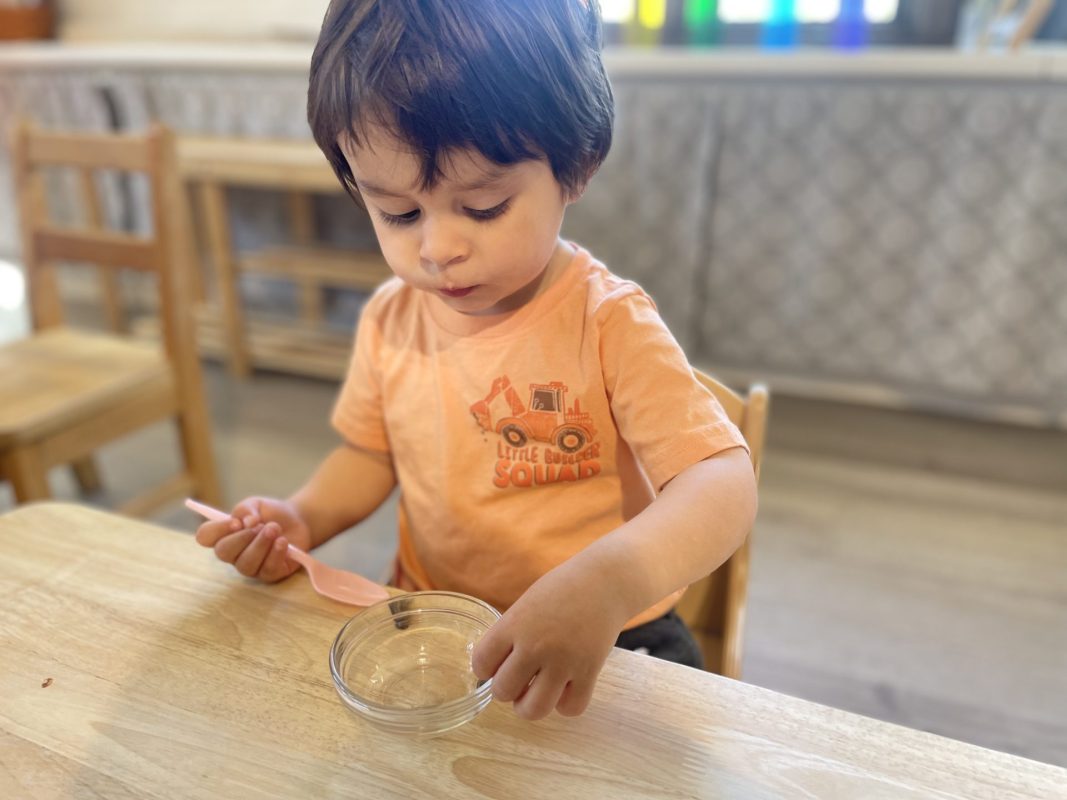
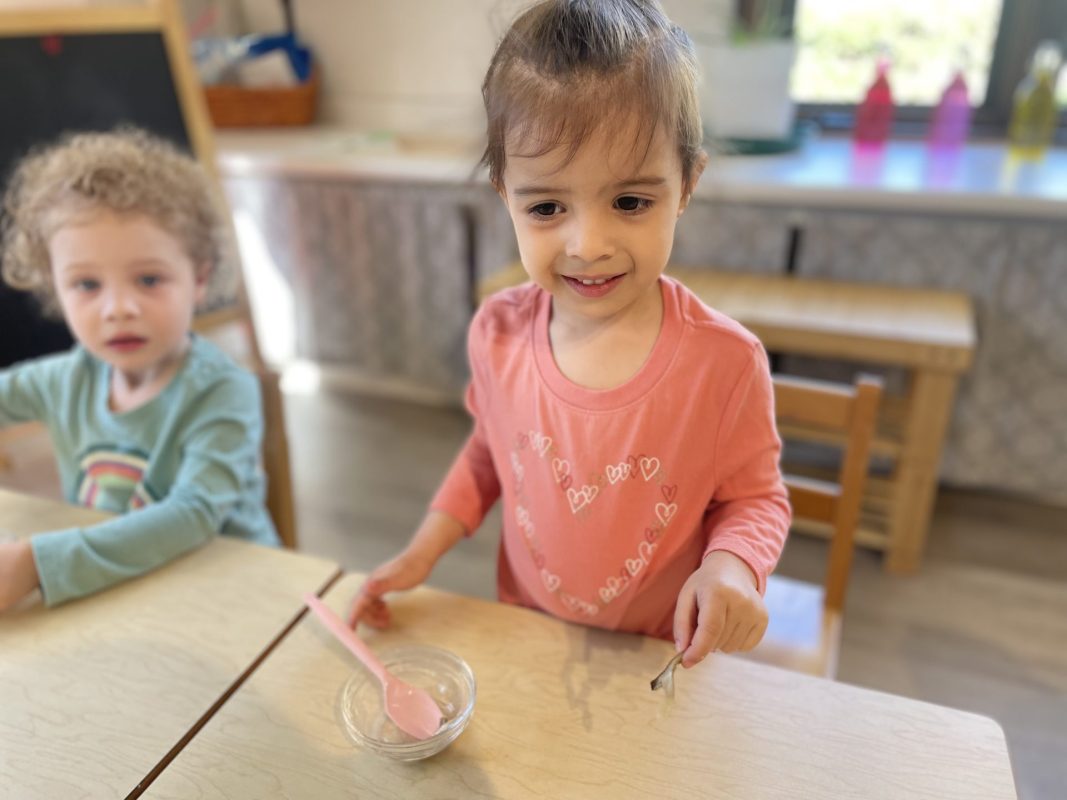
For this week’s food-tasting experience, we tried beets. The children seemed very fond of exploring the whole beet and were quite eager to taste this vibrant root vegetable. Some studies have shown that children need to be exposed to a new food at least a dozen times before they make a final decision about truly liking it or not, so perhaps consider adding beets to your menu this week – maybe topped with crumbled goat cheese!
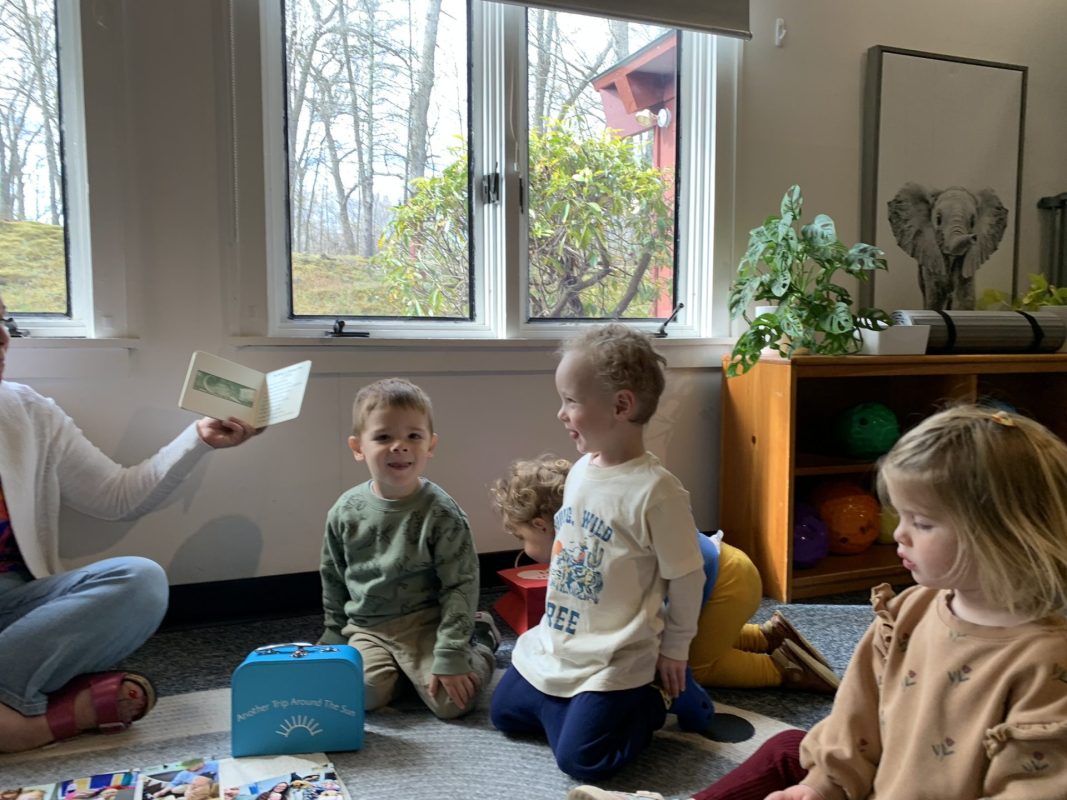
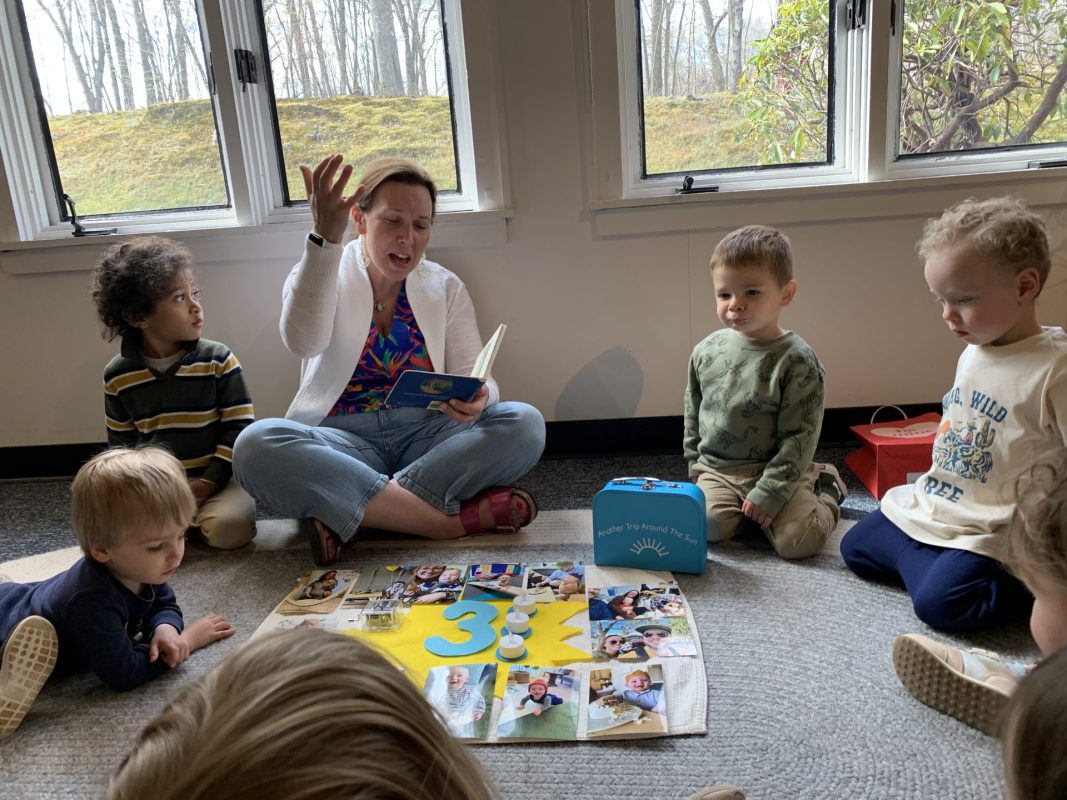
The children decorated their Valentine’s Day bags this week, and we’ve been reading Valentine’s books that celebrate friendship. We’re looking forward to exchanging cards next week. 

Wishing you all an enjoyable weekend. 

Christine and Lizette