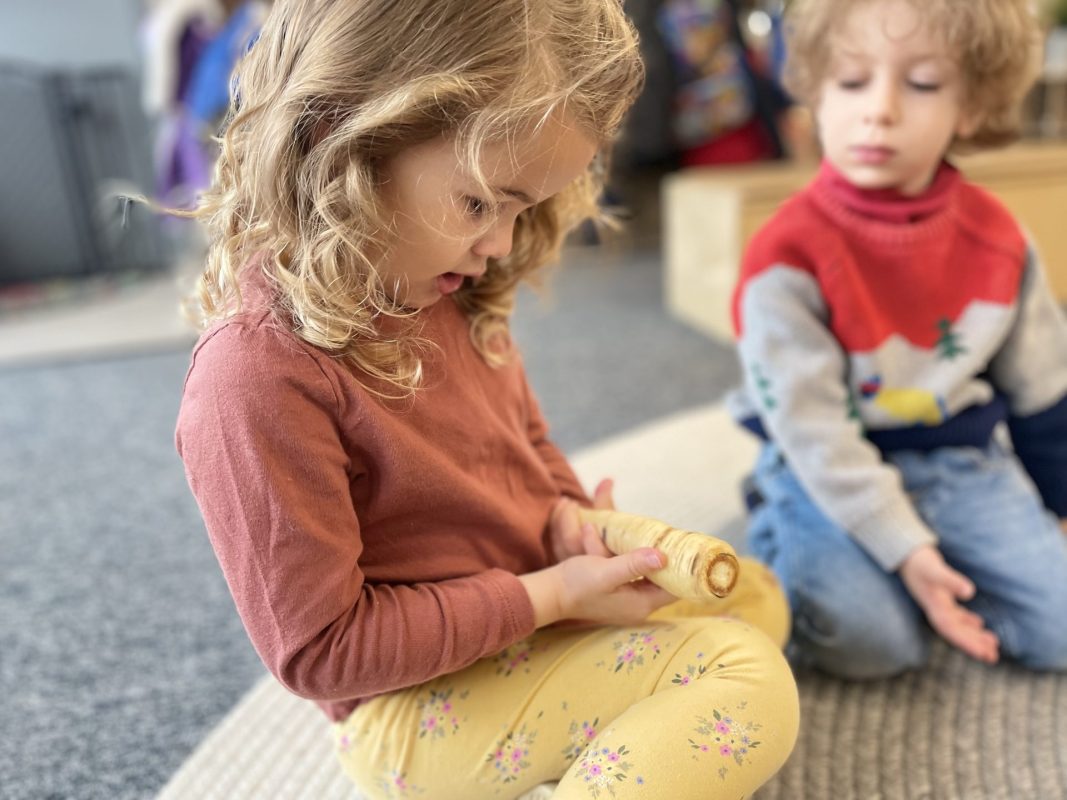
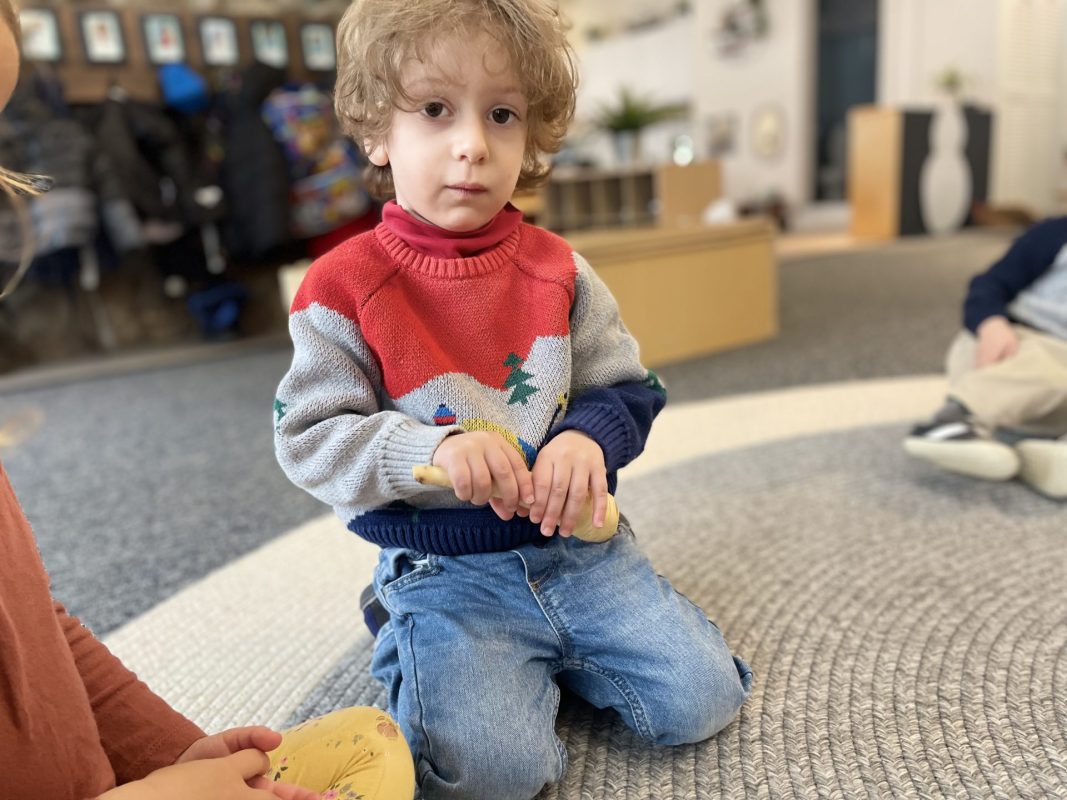
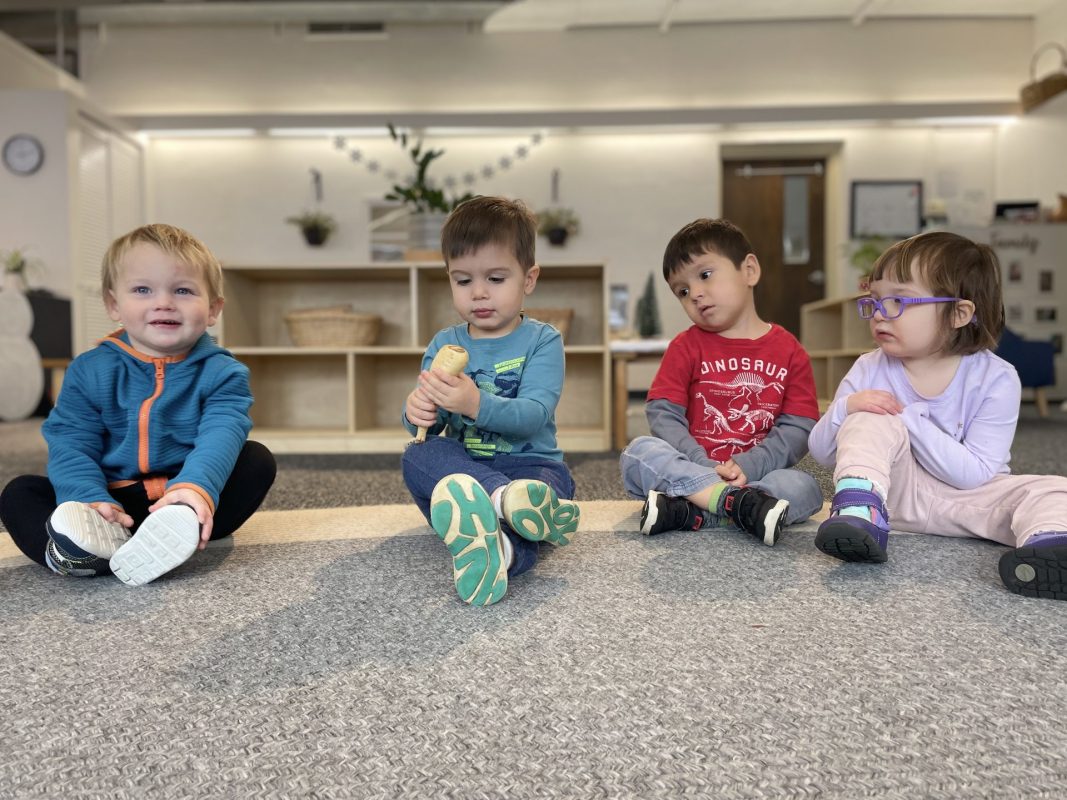
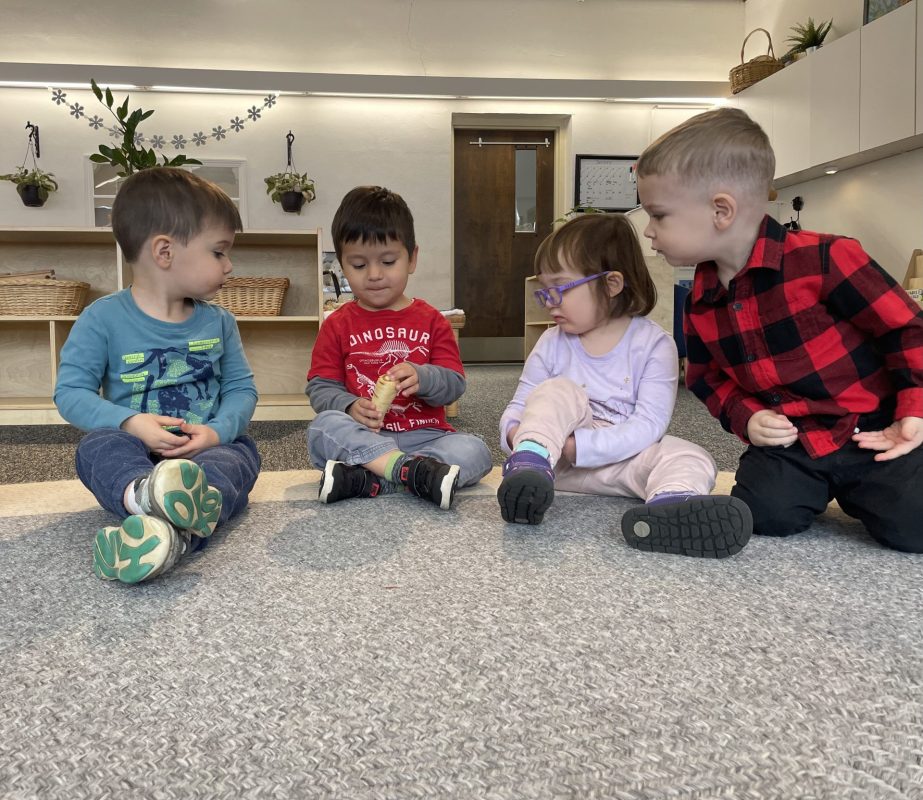
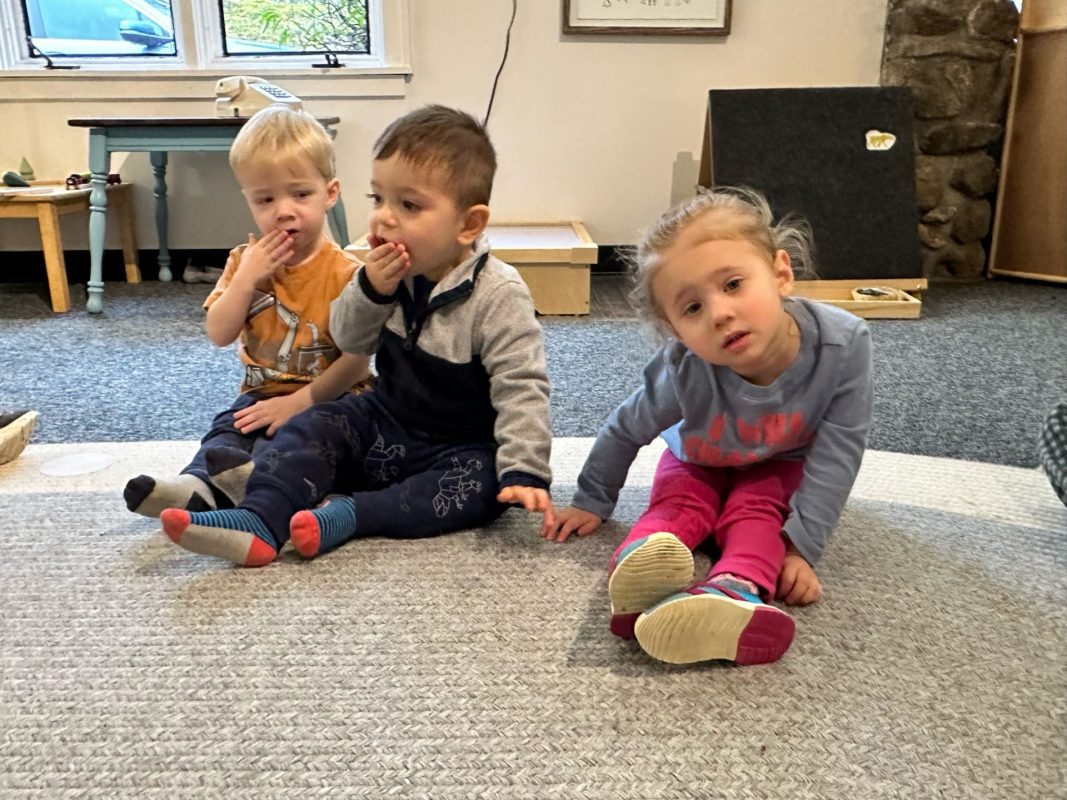
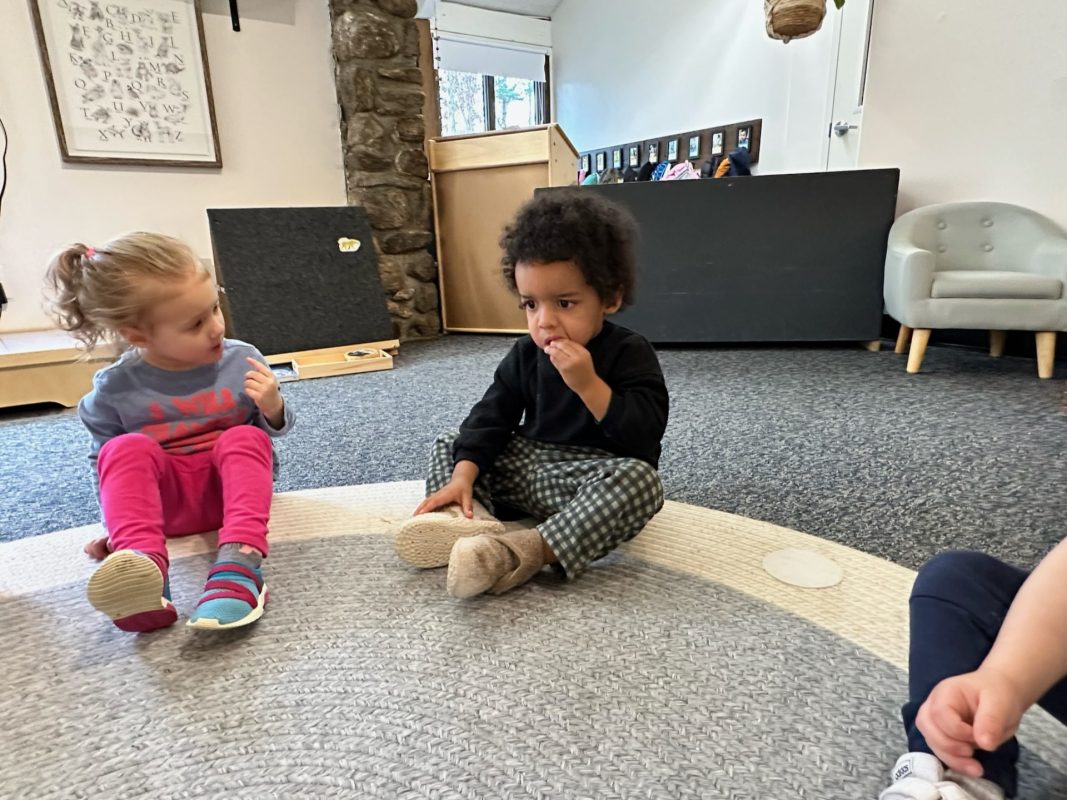
“Learning to use the toilet is a natural process that begins when your child’s desire to be grown up and his neurological development have reached the point where he can control his bladder and bowels. We don’t train children to use the toilet, we support them when they are ready.” (How to Raise an Amazing Child: The Montessori way to bring up caring confident children, by Tim Seldin)
As children continue to work on their self-caring skills, we want to focus our attention this week on what has become a popular topic (and sometimes a dreaded one) between the parents: “potty training.”
In our Montessori environment, we call it “toilet learning” since we believe that using the toilet is a very natural and gradual process that develops at the child’s pace, rather than when the adult decides the child is going to be toilet ‘trained.’ In our experience as Montessorians, we have witnessed toddlers as early as 20 months to as late as closer to three years old master these skills. Also, we have observed that apart from the developmental stage the child is in, one of the main factors for success relies on the parent’s commitment early on to support this process at home by making their child an active participant in the diaper changing process as we do in our environment.
You might be asking yourself: “But how do we do this? How can we support our child at home?”
As this topic can be extensive due to the fact that this type of support can start even when your child is a young baby, we are going to leave you here with some important tips focused on your toddlers and their stage of development:
- Ditch the changing table and start changing your child in the bathroom area. This is important as it sends a clear message to the child that this is where we go to be changed and use the toilet.
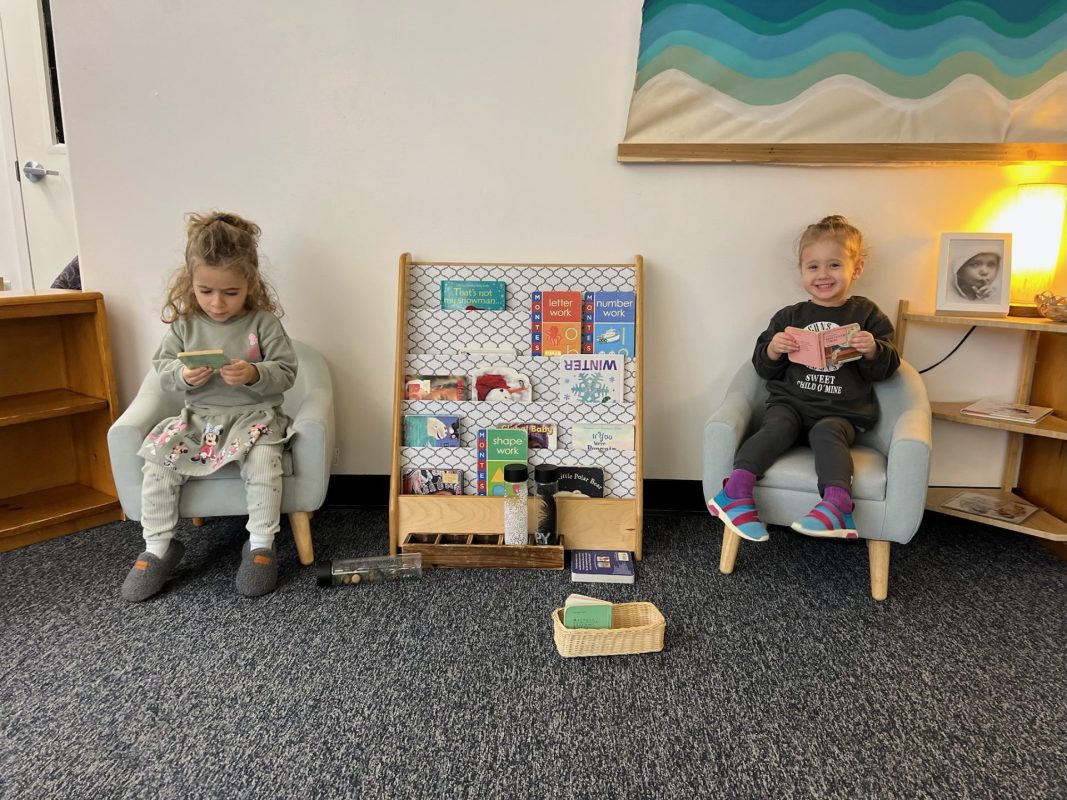
- Prepare the environment. You may use a potty to start if you feel your child needs some more balance or you may add a toilet seat to your regular toilet. If using the latter, please find a stable stool where your child will feel secure and encouraged to use the toilet. Add a basket with clean diapers and wipes and also a basket with books, so children are encouraged to sit on the toilet and wait when needed. If your child is showing signs of readiness, a basket of clean training underwear and a basket for wet underwear should be part of this area.
- Incorporate CONSISTENT toileting into your child’s routine. Offer the potty/toilet at times when the child normally urinates or has bowel movements (Ex. after waking up, before going outside, after coming in from outside, after lunch/before nap, etc.)
- Say “It’s time to use the toilet,” rather than “Do you want to go to the toilet?” (The answer will usually be no.) As the child becomes more aware of their body they will be able to tell you, “No, I don’t need to go.” You can then say something like, “Of course, I know you will tell me if you need any help when you need to go.” You can also use an alarm clock set at regular intervals to remind them to go, “The clock says it’s time to use the toilet.”
- Never force a child to use the toilet or potty.
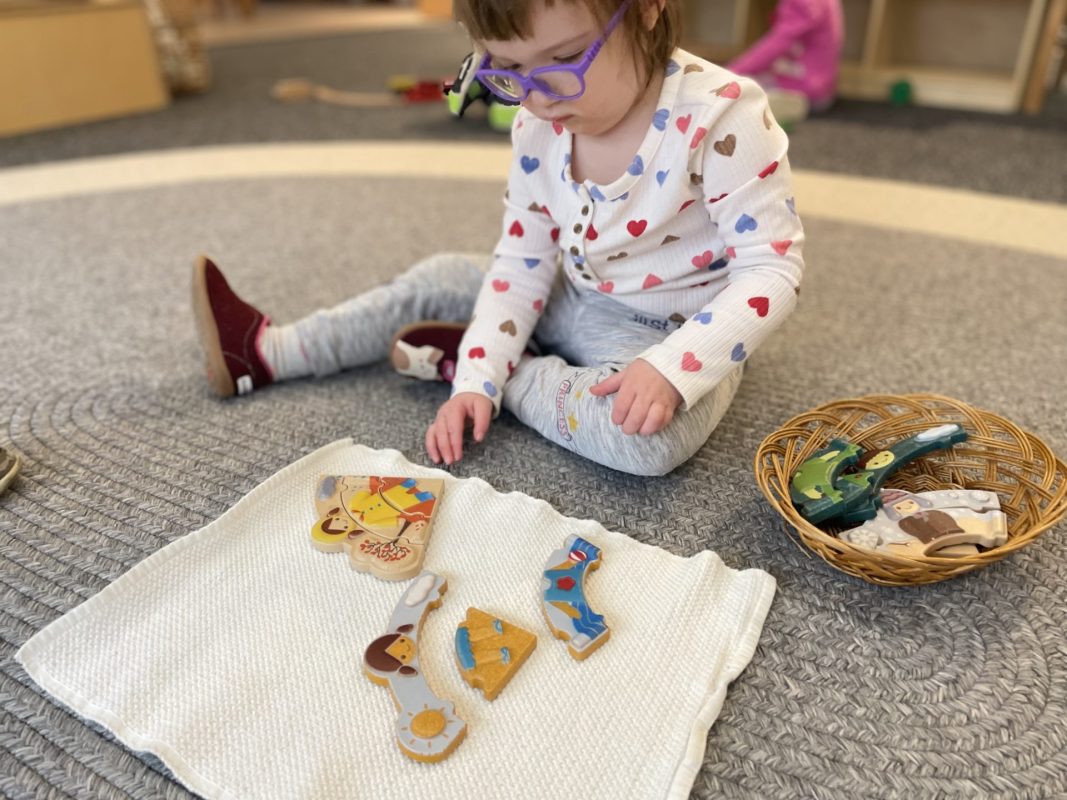
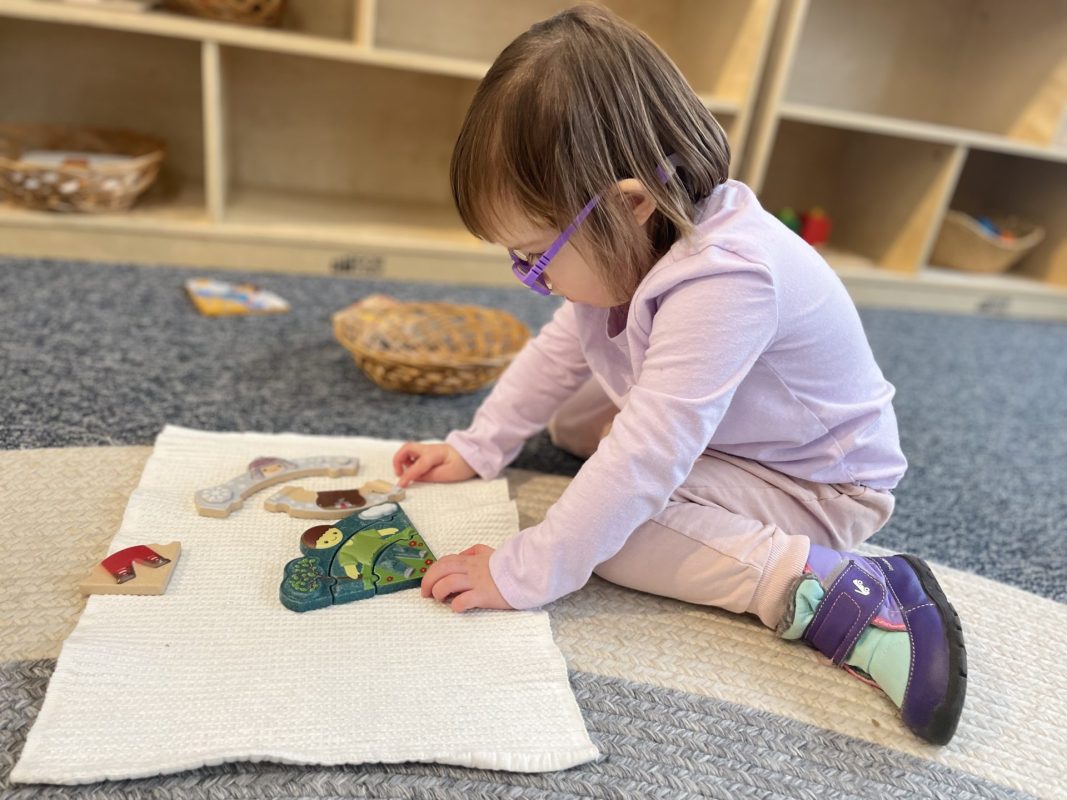
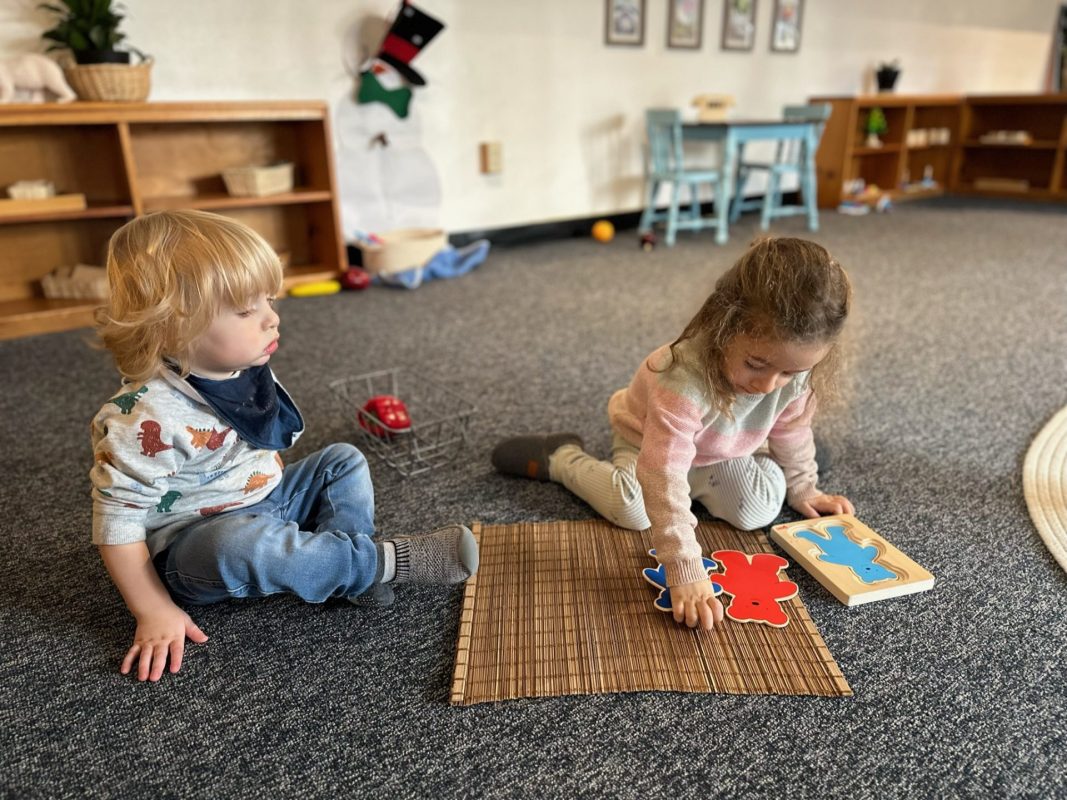
- Do not interrupt the child to use the toilet—for example, wait until they have finished their puzzle, etc. before offering the toilet.
- Focus on encouraging your child to be an active part of the process by asking them to push their pants down, open the tabs of their own diaper, and recognize if they have had a bowel movement or not (we always ask this to teach the children that if they have had a bowel movement, they will need our support to remove the diaper), wipe (when having a bowel movement we provide a small stool where they can turn around and put their hands on it for stabilization and the adult will clean them), place diaper in the trash, pull their own pants up after receiving a new diaper and wash/dry hands. This is a daily routine in our environment. As soon as you incorporate this at home, we believe your child will increase their interest, and signs of readiness will become more obvious.
- Provide clothing that supports the process. Avoid zippers, buttons, tight clothing, dresses, onesies, jeans, overalls, rompers, etc. Reminder: Please avoid this type of clothing on your child for school as well.
When should my child transition into wearing underwear?
When your child is staying dry for long periods, telling you when they are wet or soiled and they are having consistent success using the toilet at home and at school, it may be time to transition into underwear. The thick, quilted training pants work best as they allow the child to feel the wetness and are more absorbent than the thinner cotton underwear. When circumstances allow, you may let the child go bare bottom at home. This can help them see and understand what is happening. Please be aware that toddlers usually show signs of readiness at home first and as they become more confident in the process, the transition into school life usually is peaceful and successful.
Communication between home and school is vital in this process. Please always reach out with any questions you may have! We will be more than glad to assist you!
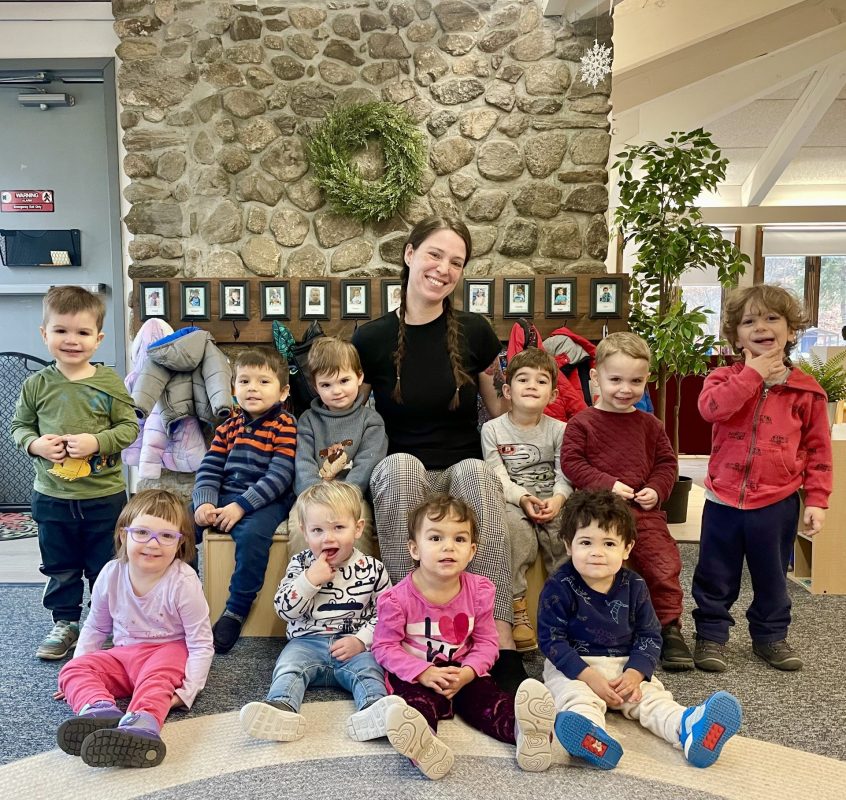
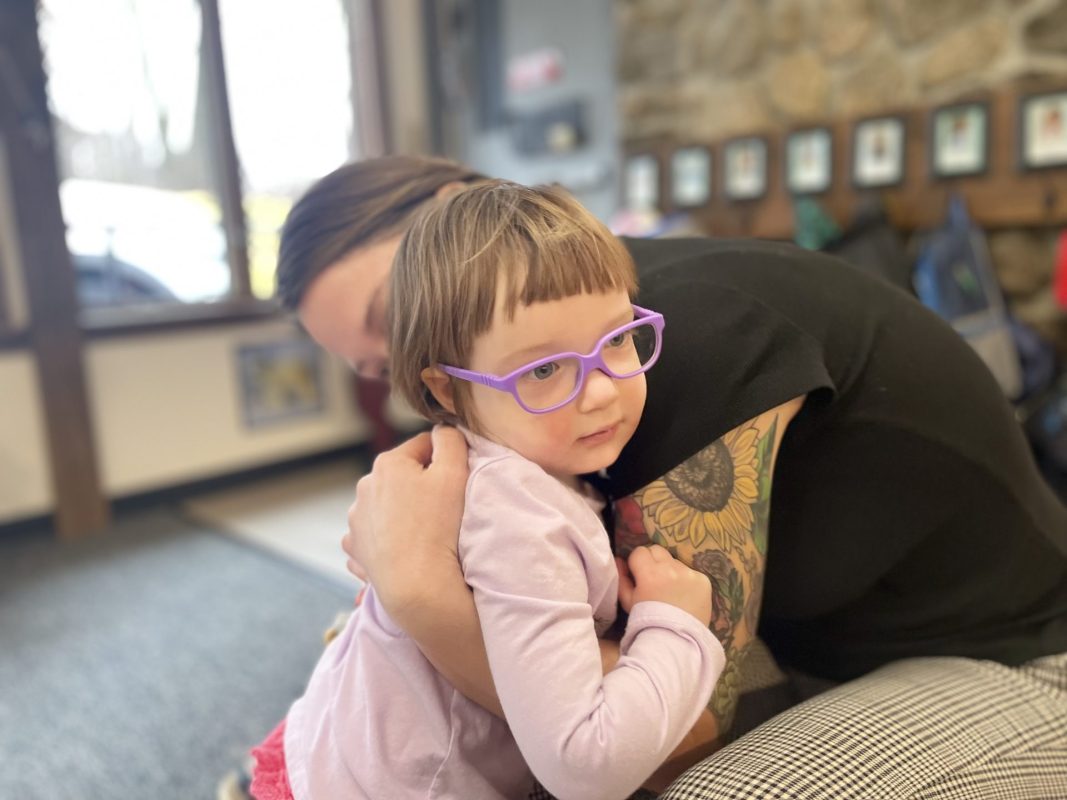
Lastly, we want to take a minute to give a shout-out to our wonderful Ms. Bethann. She has supported and loved your children well and we all going to miss her so much! As she steps out to take care of her health, we wish her the best in her process and a speedy recovery! 💗We love you, Ms. Bethann!💗
Have a great weekend,
Mrs. Hood, Ms. Bethann, and Ms. Marissa.
“There should be no pressure, no reward or punishment, no adult deciding when the child should learn to use the potty. The environment is prepared, and the child is free to explore and imitate in these natural developmental stages.” (The Joyful Child)