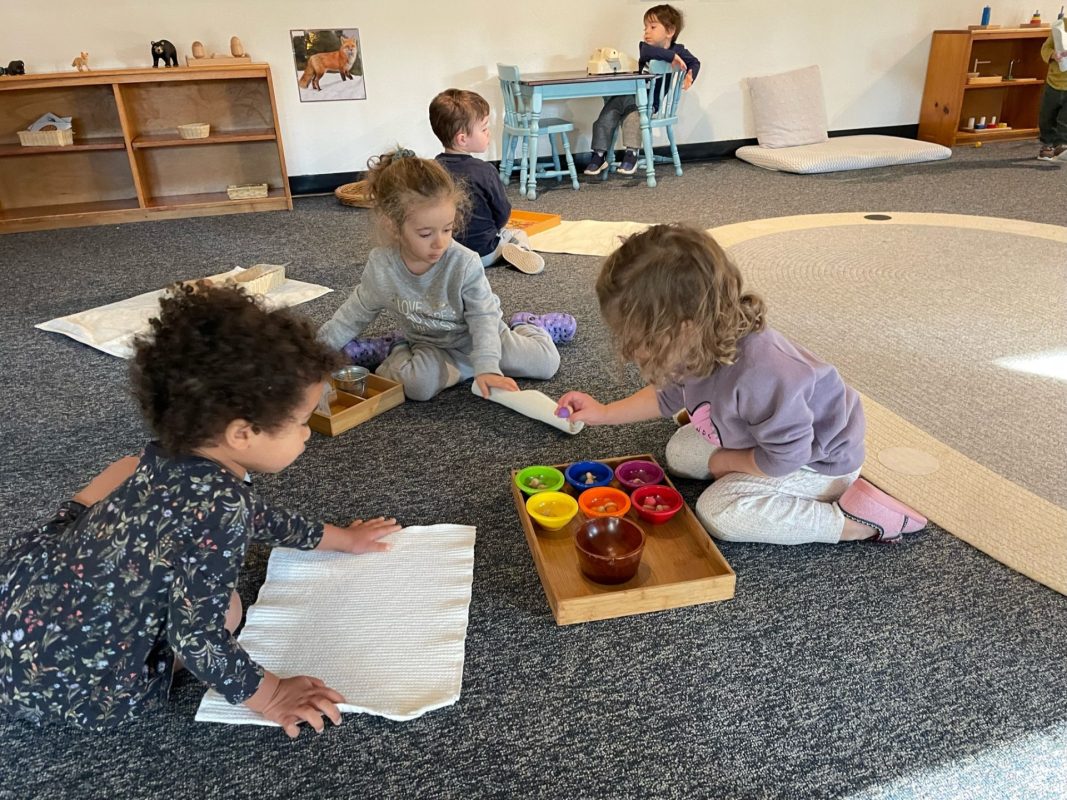
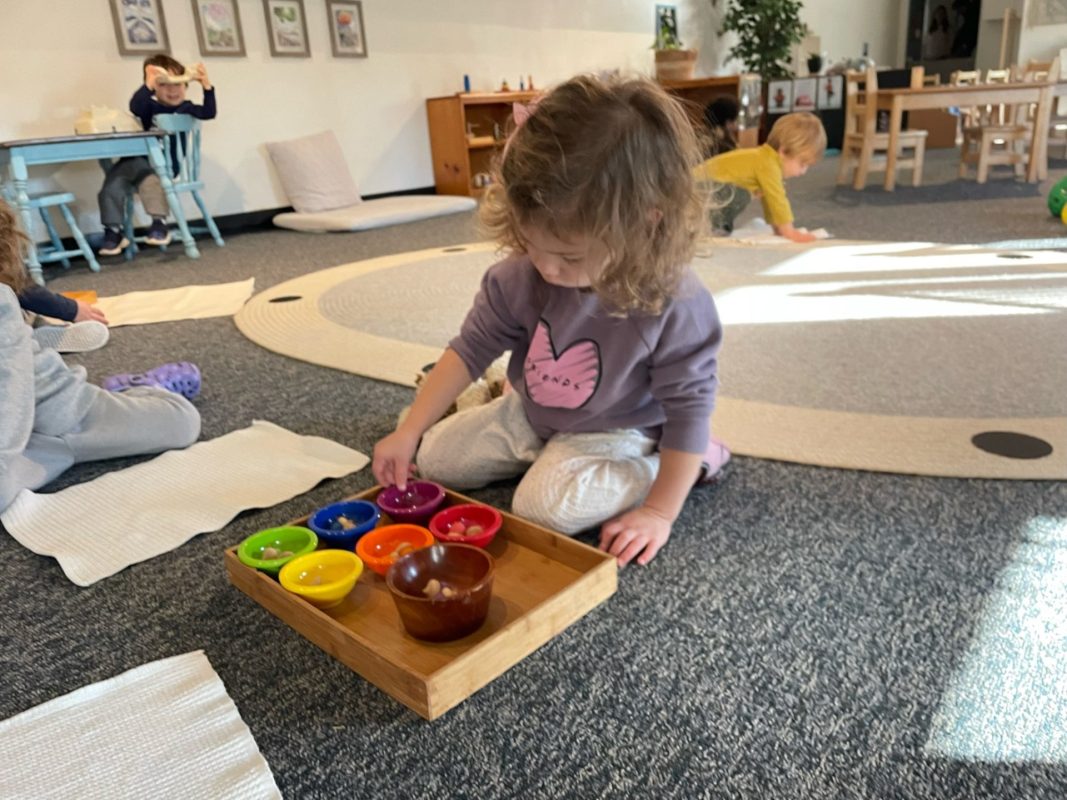
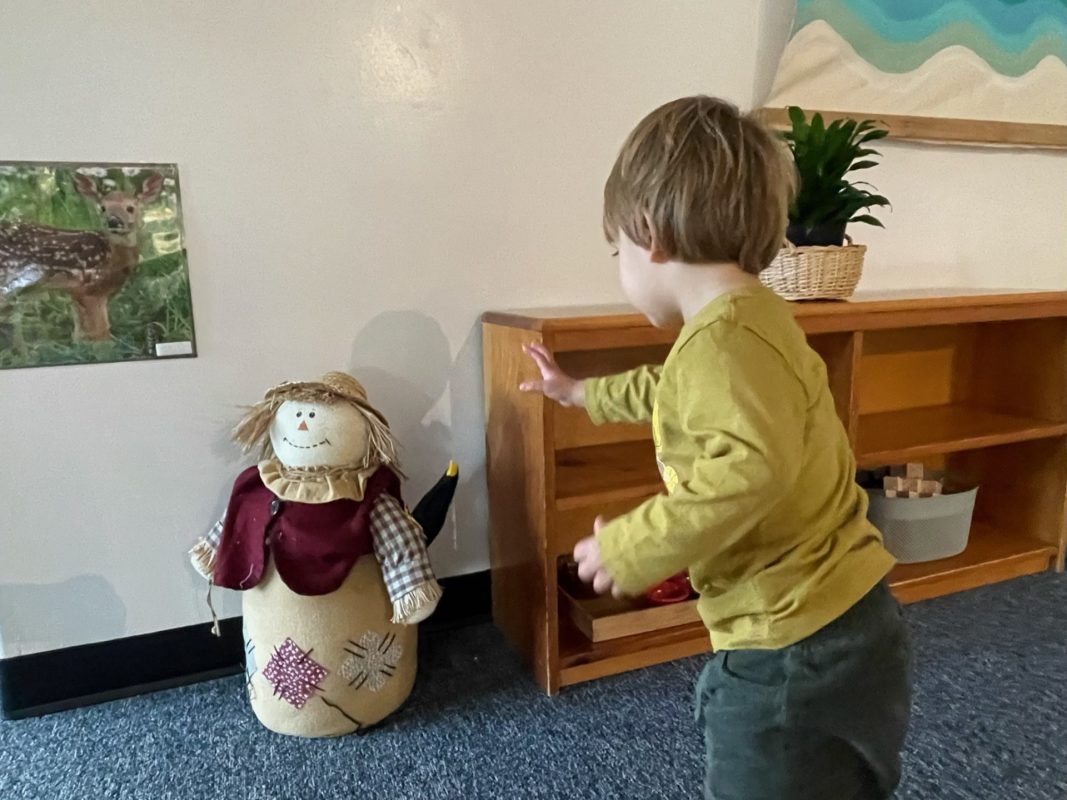
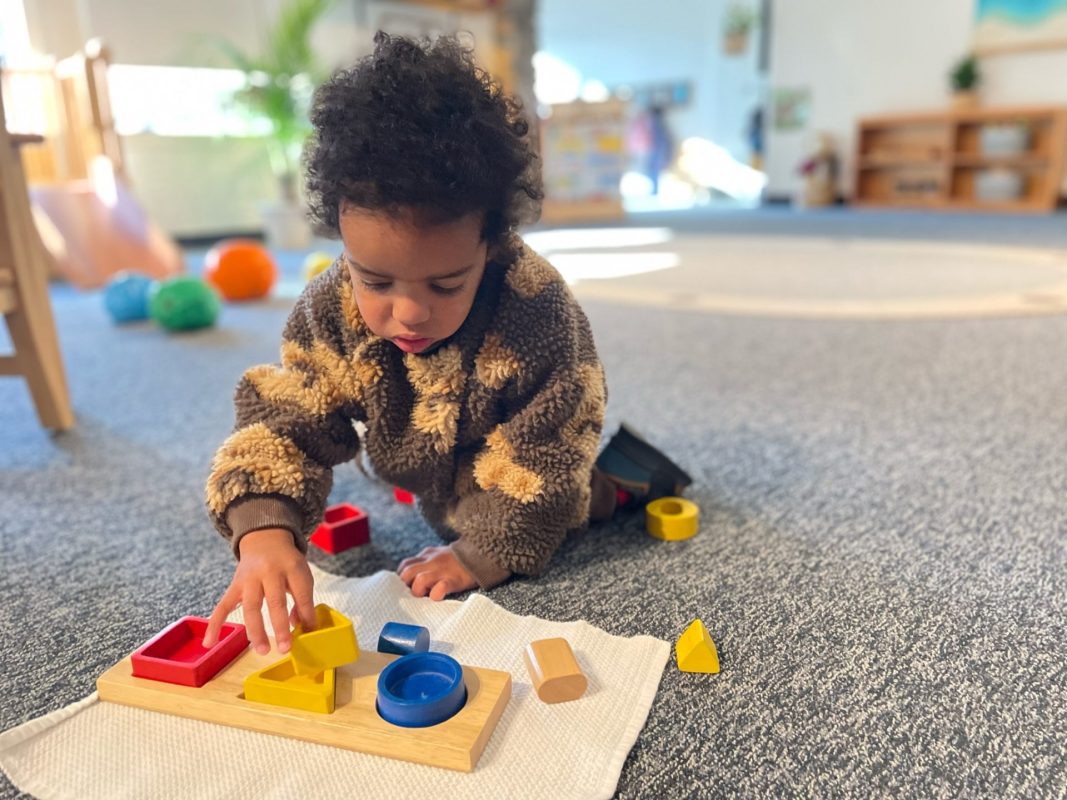
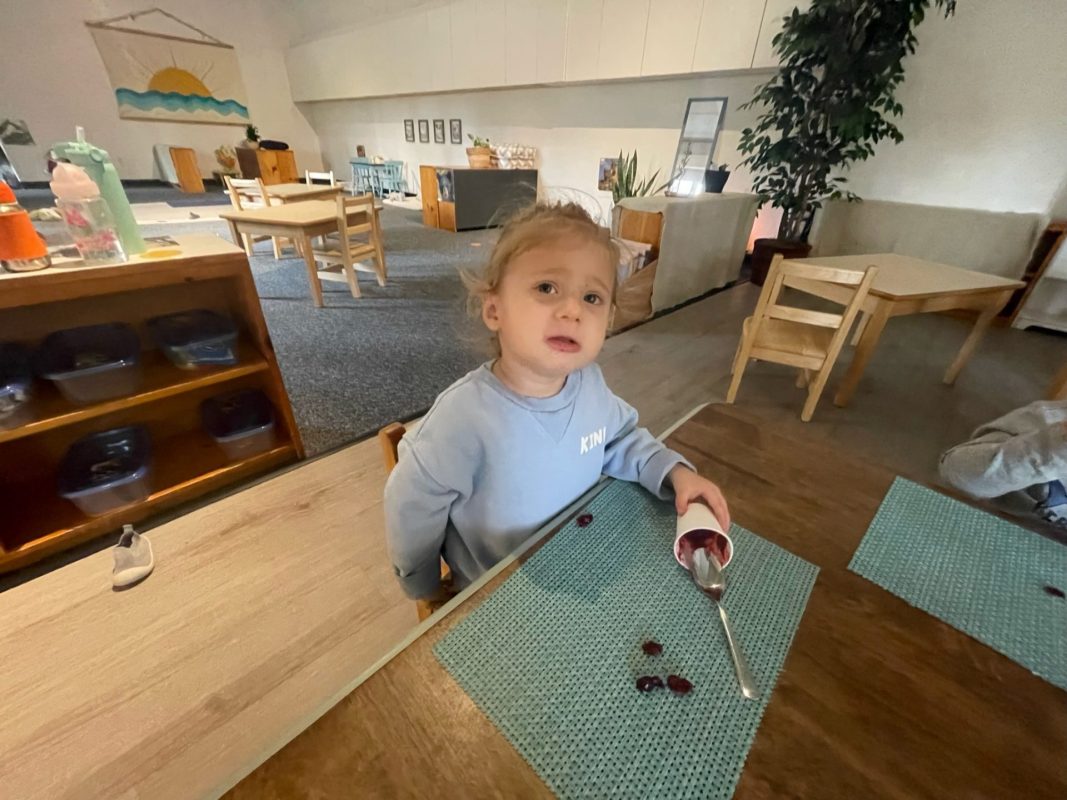
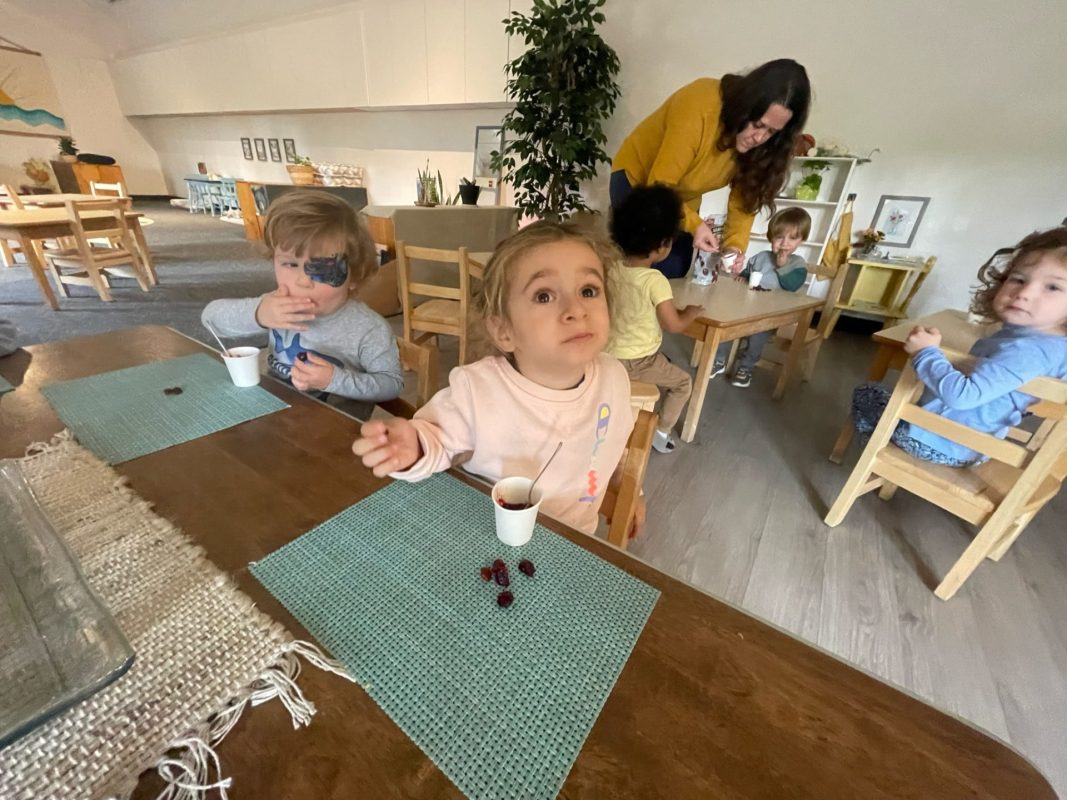
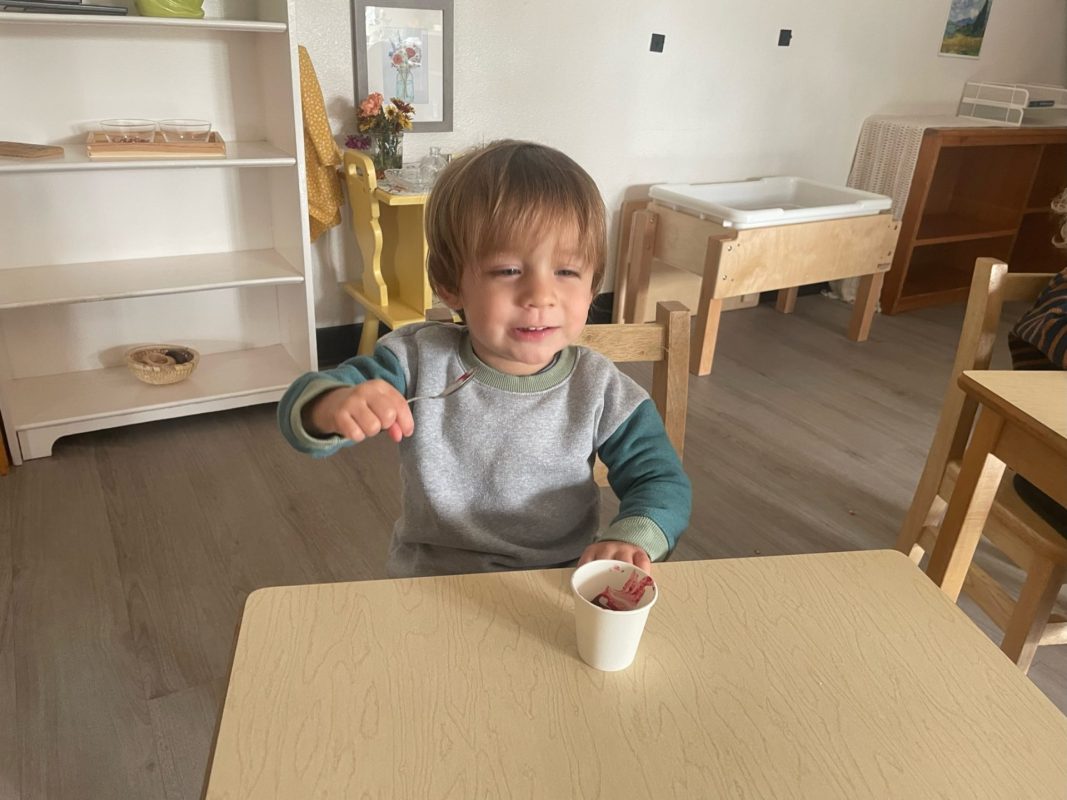
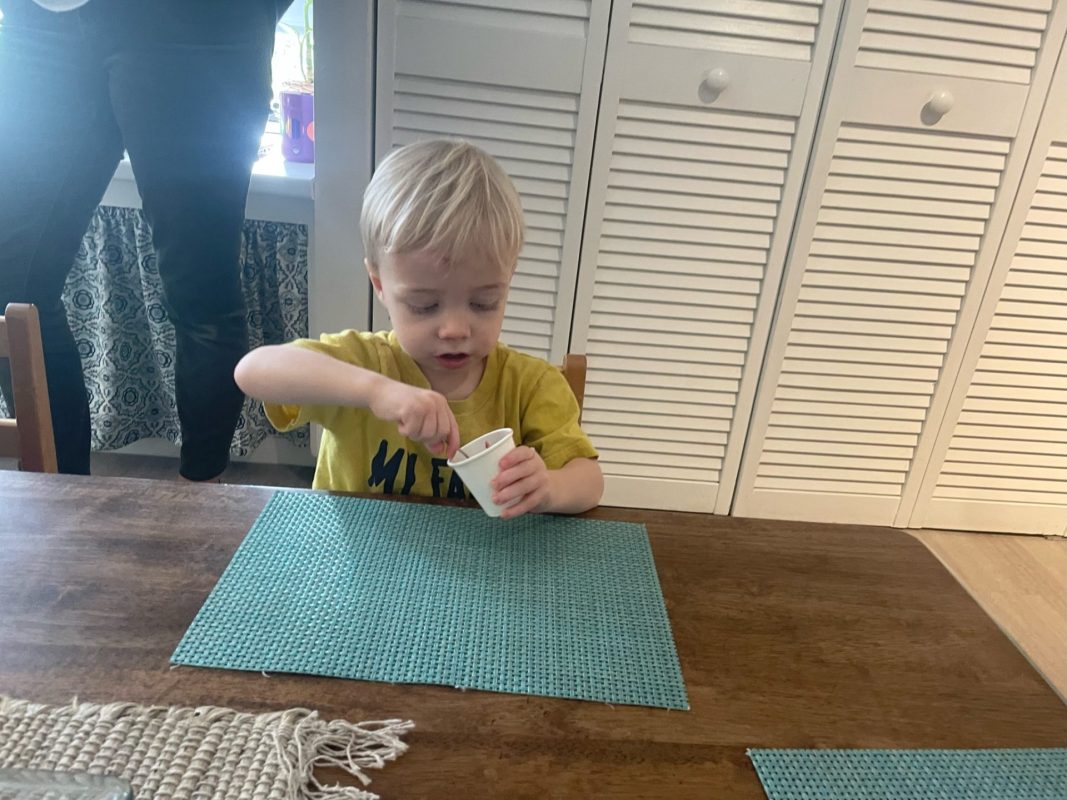
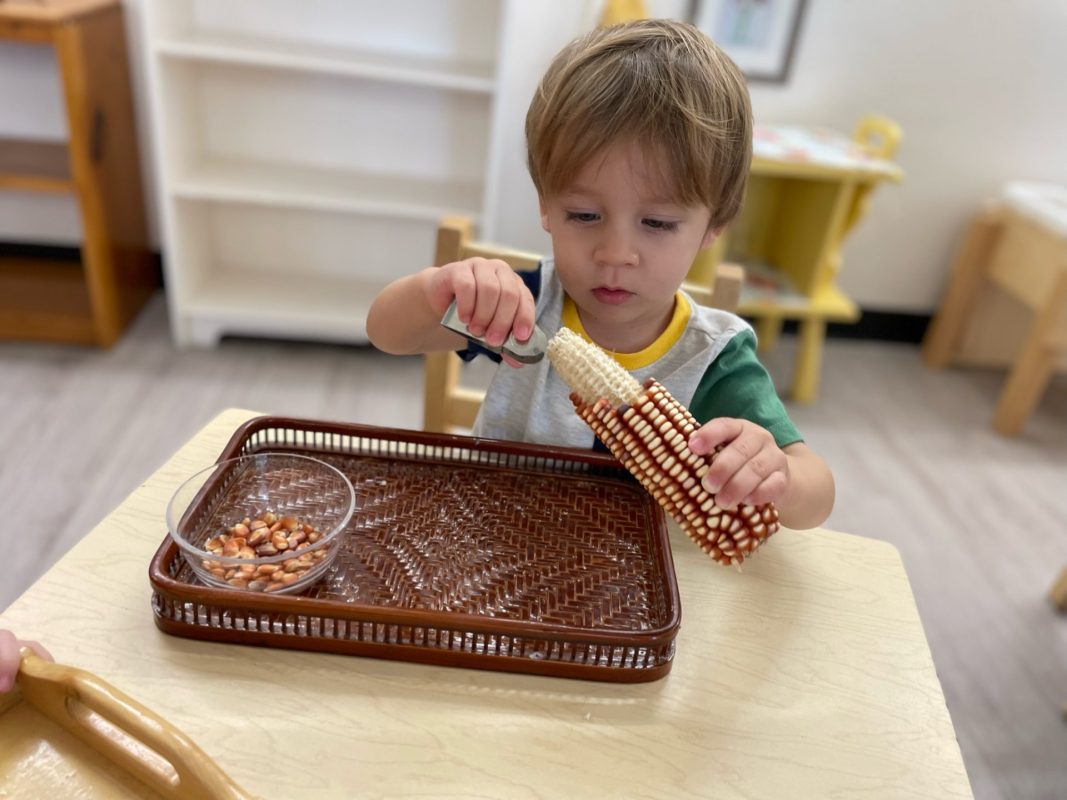
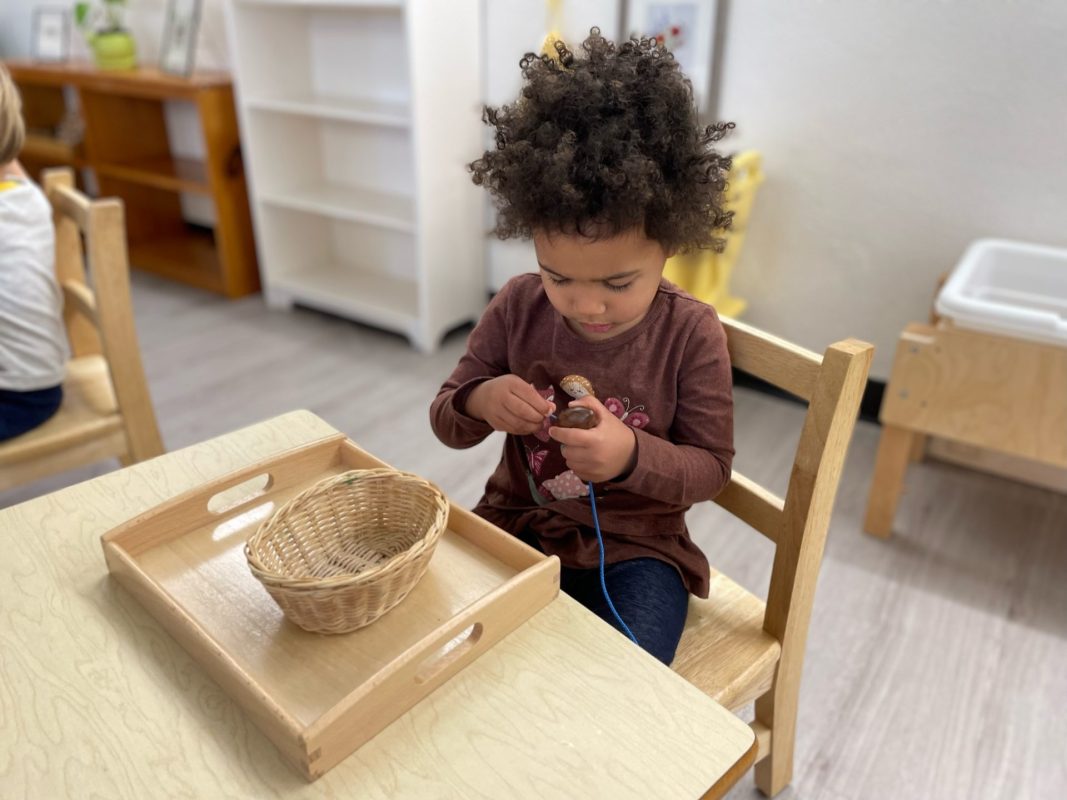
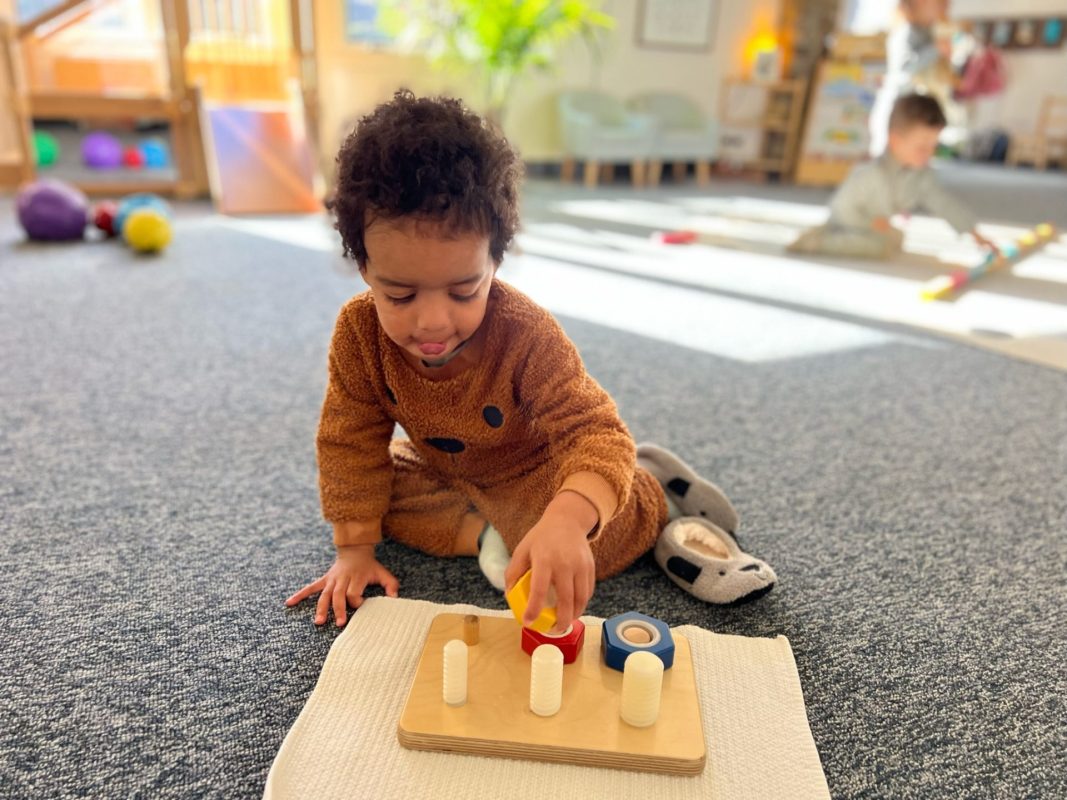
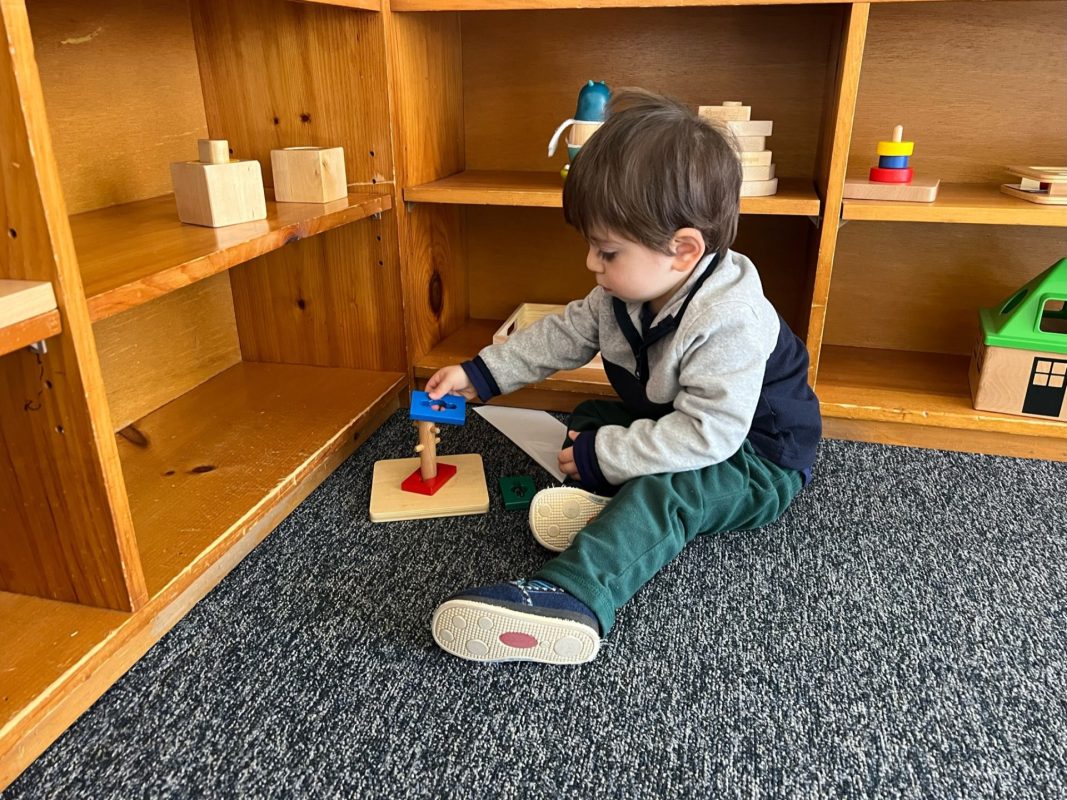
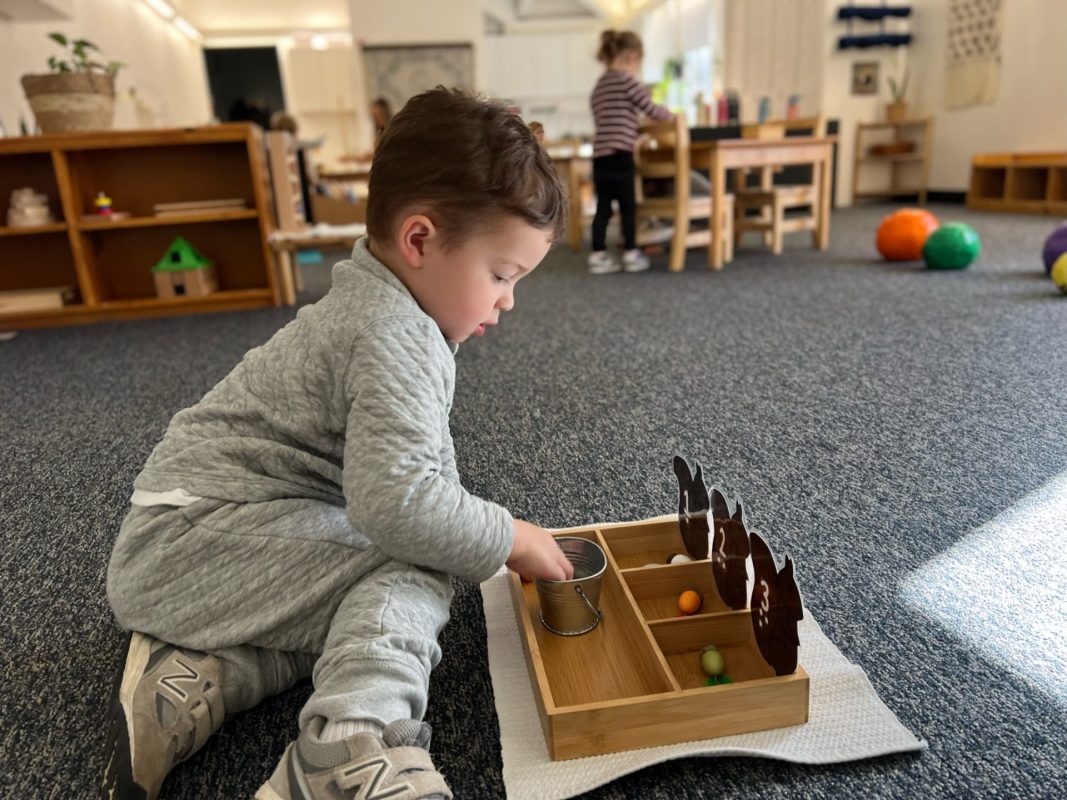
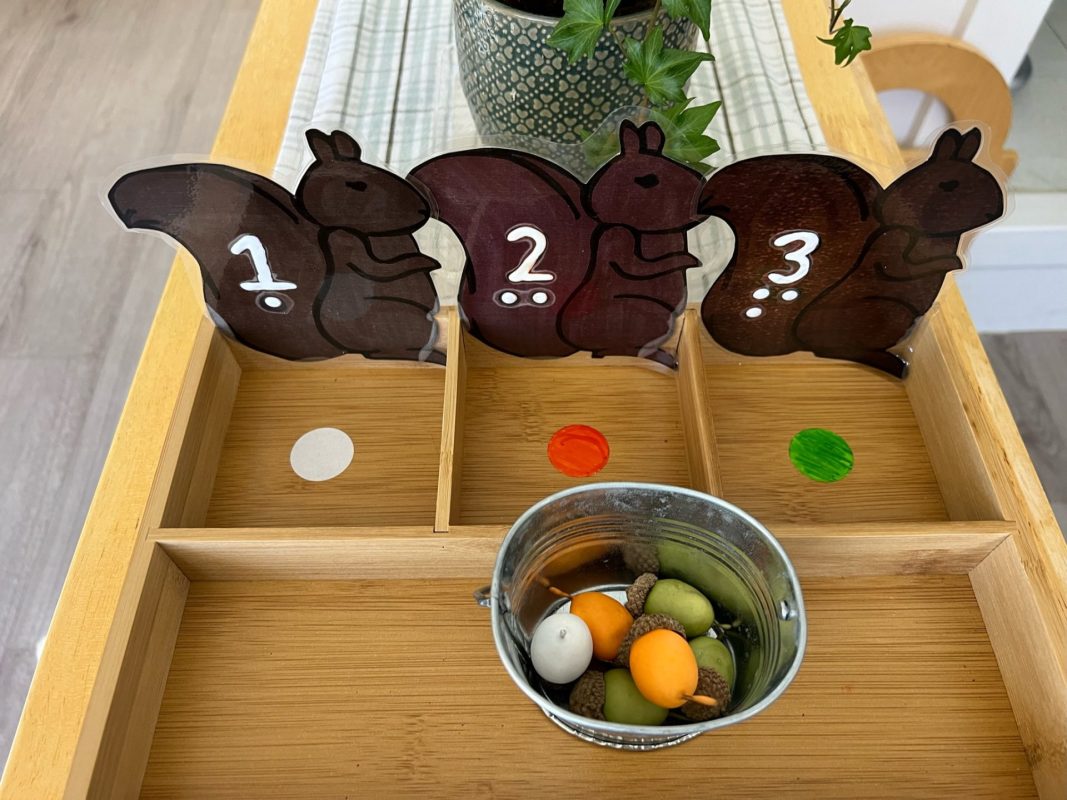
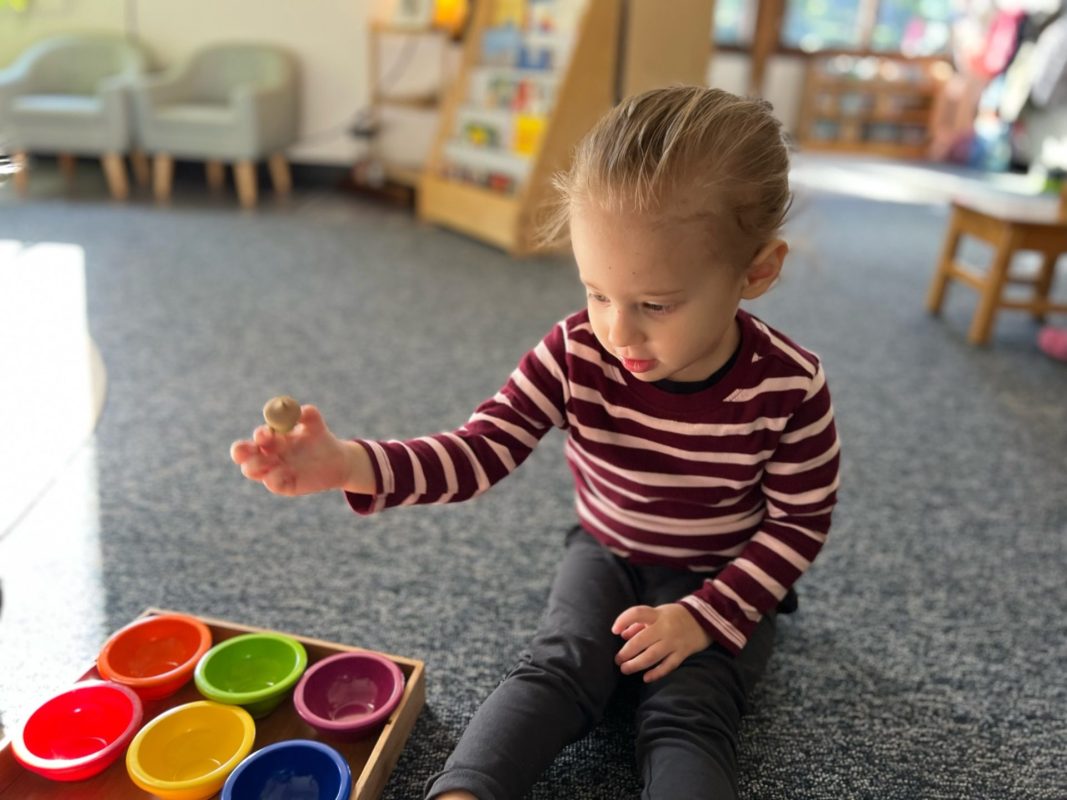
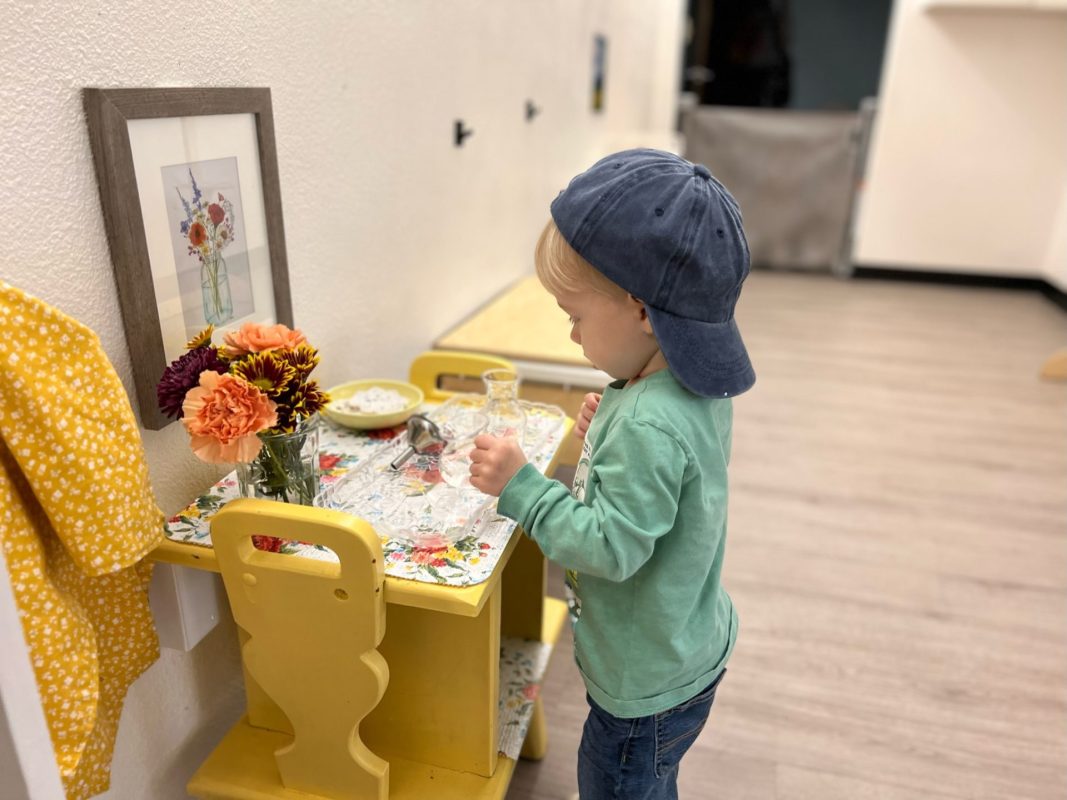
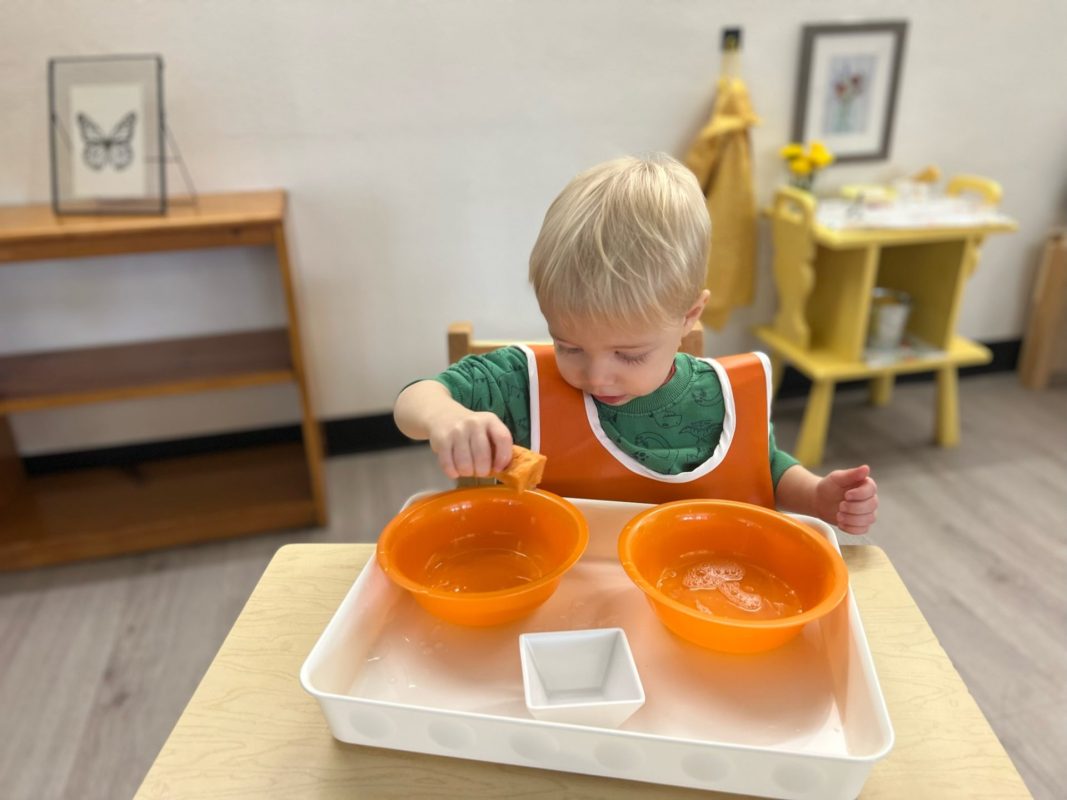
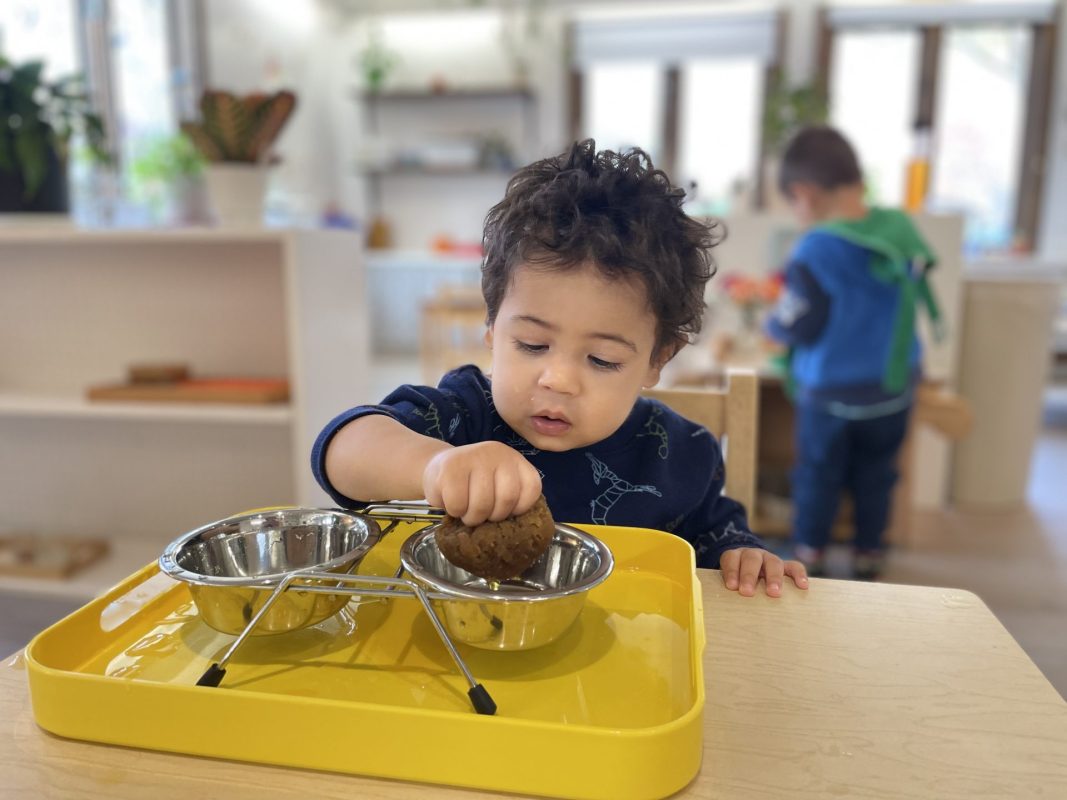
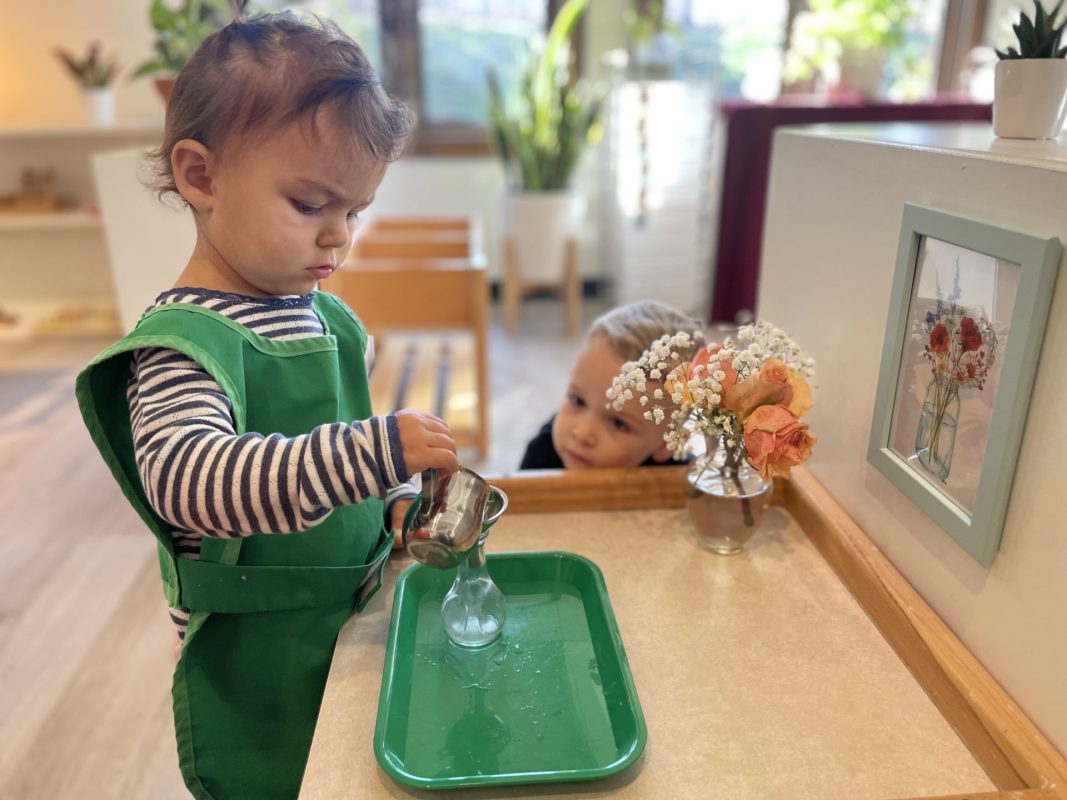
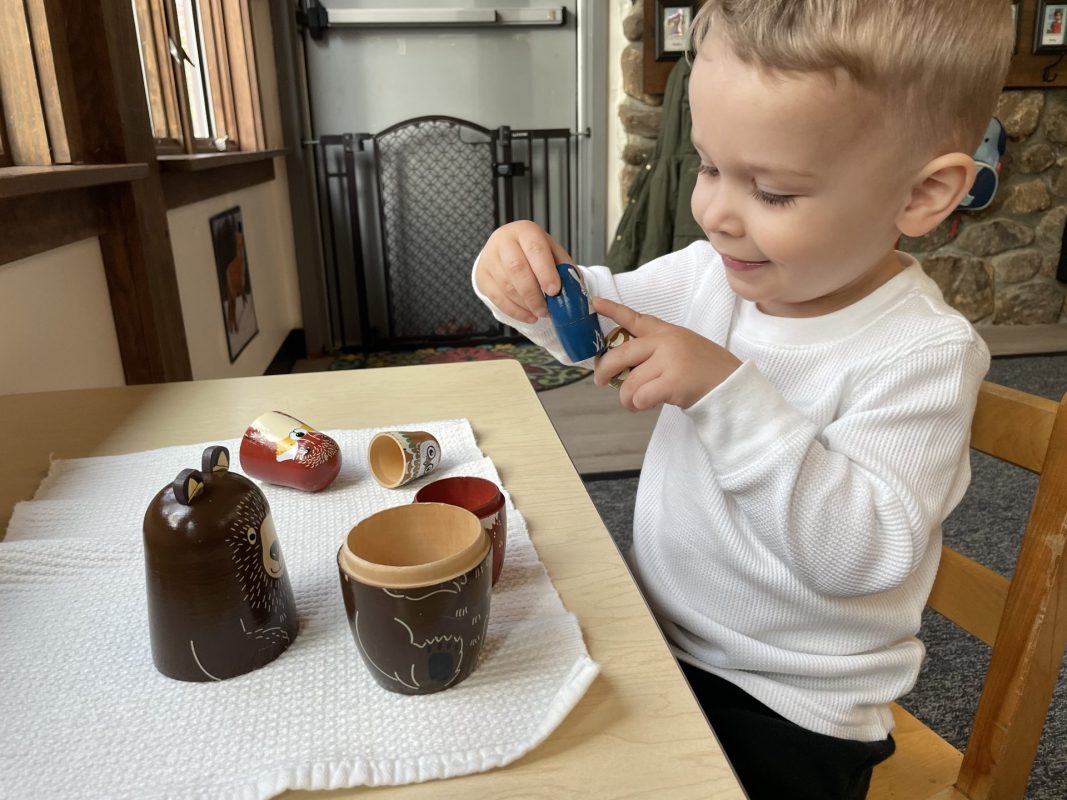
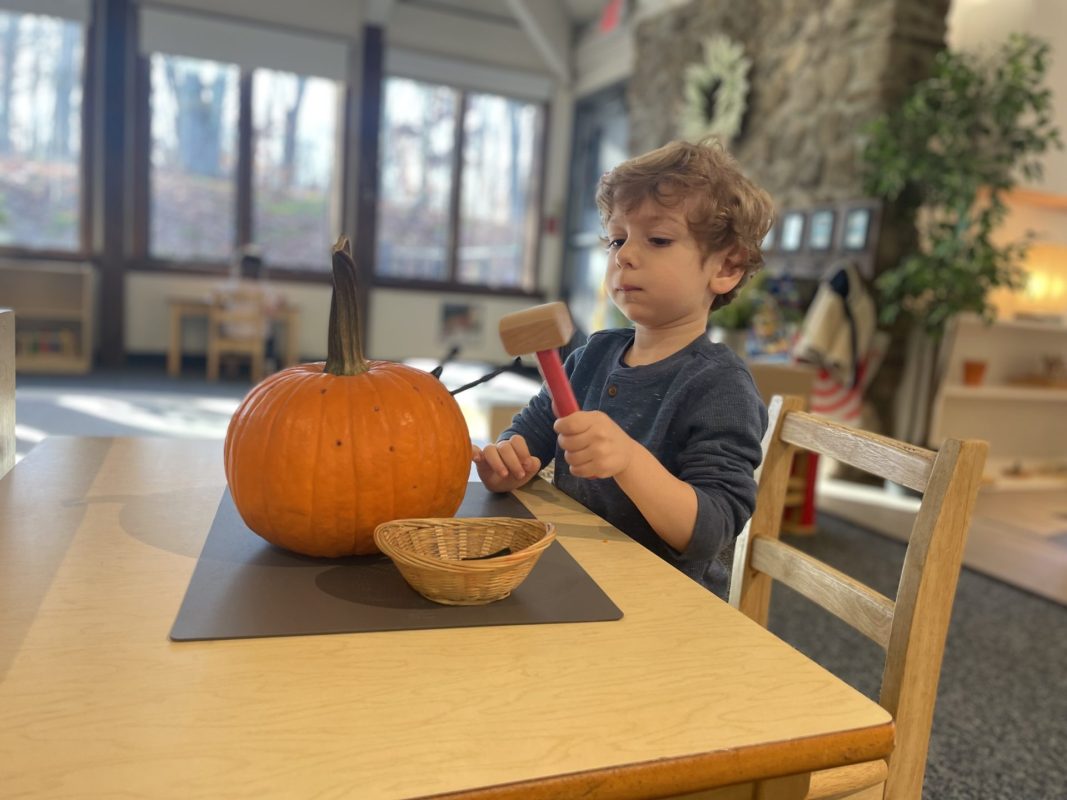
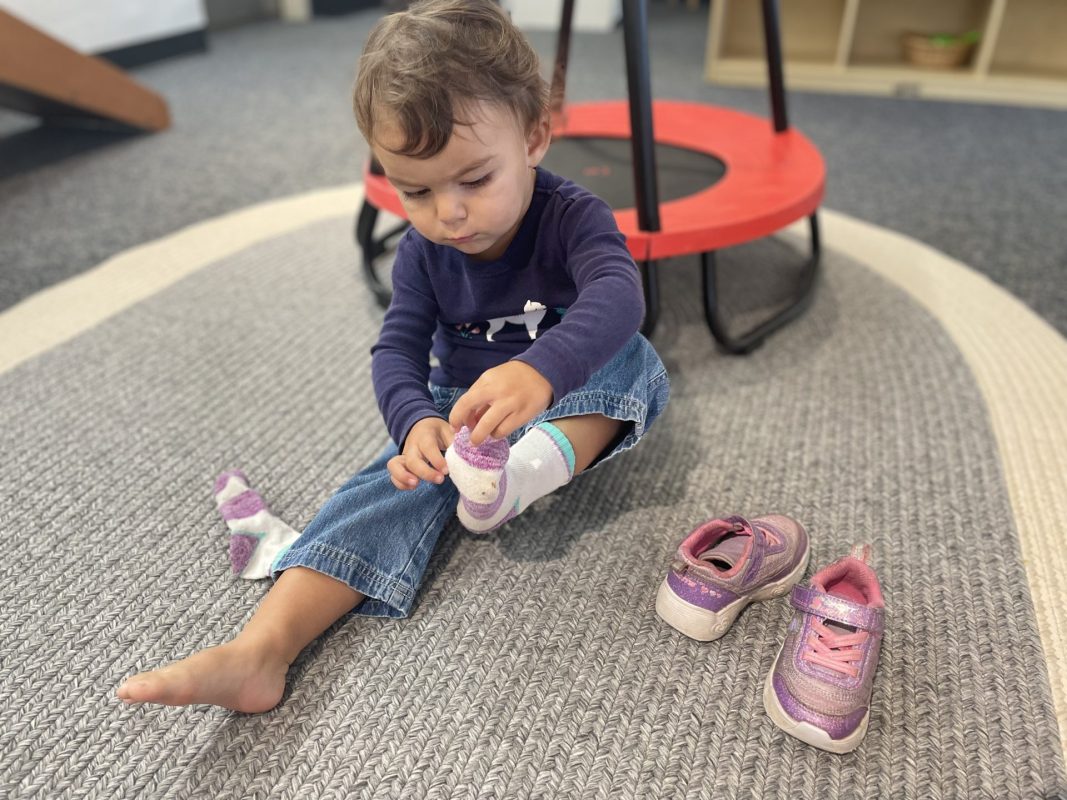
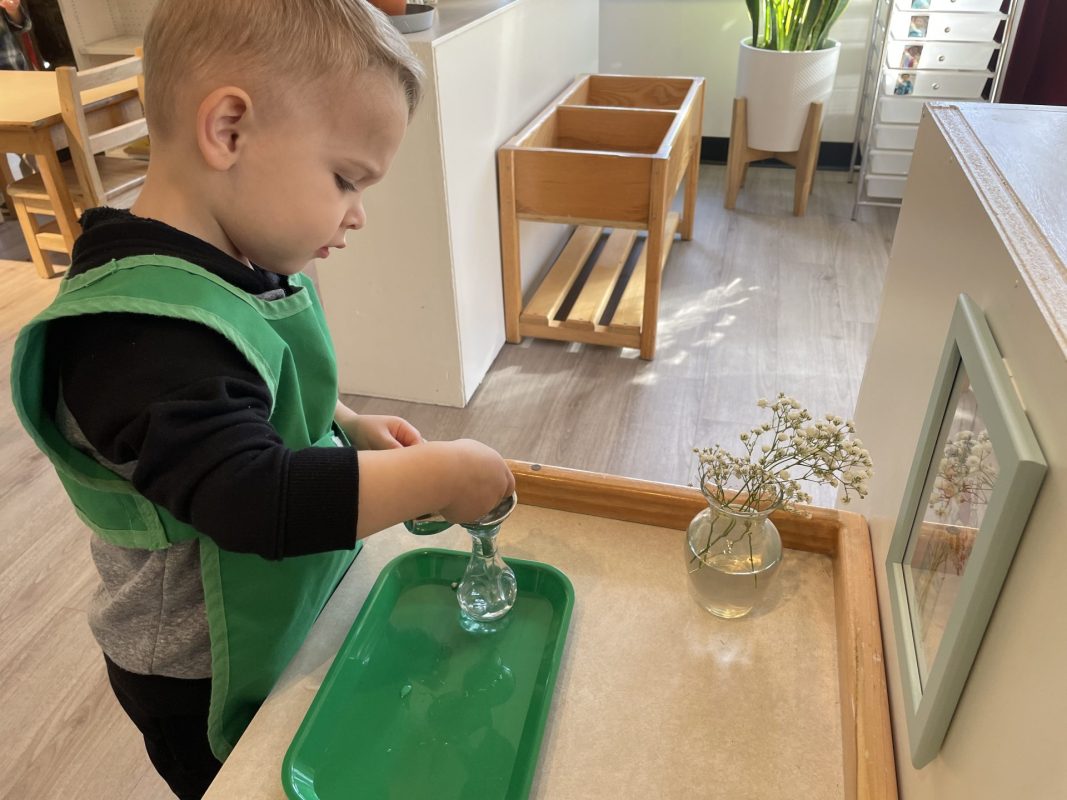
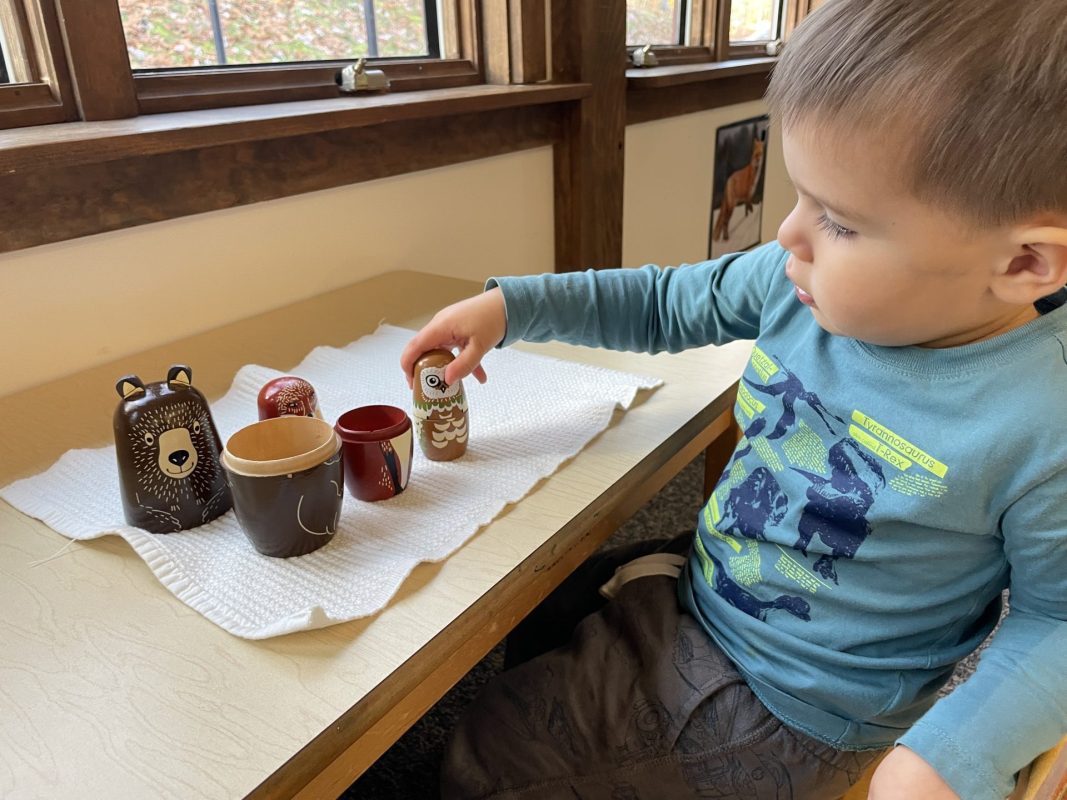
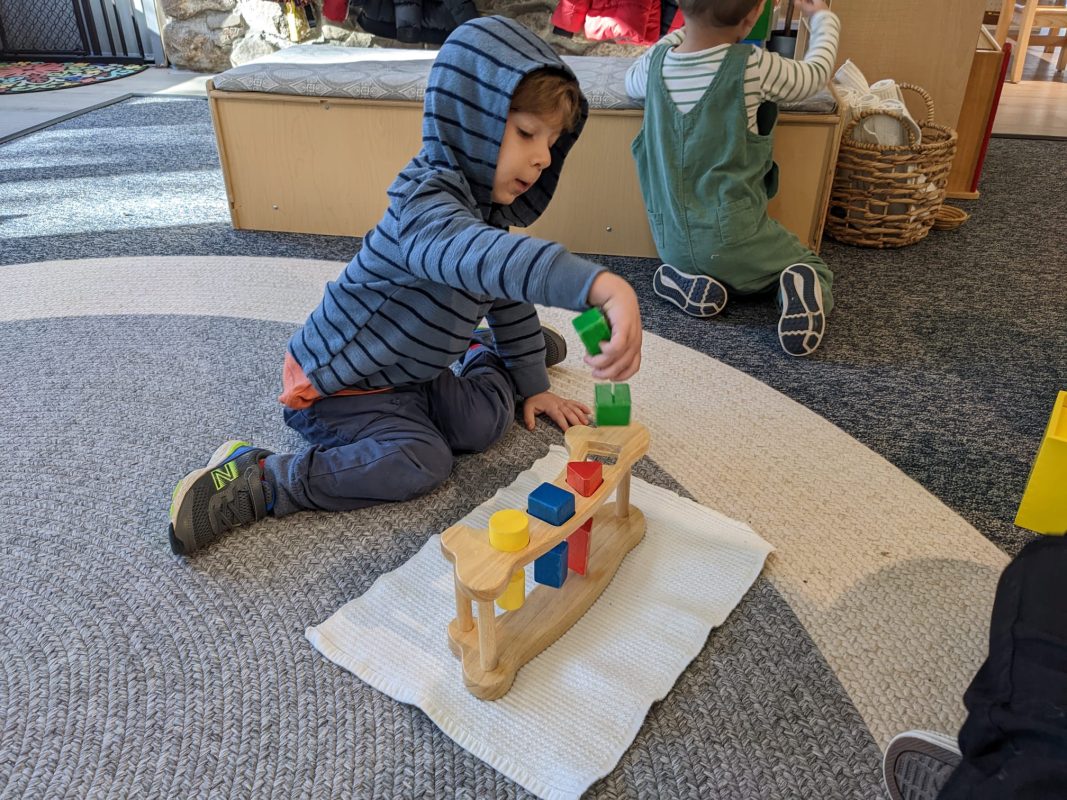
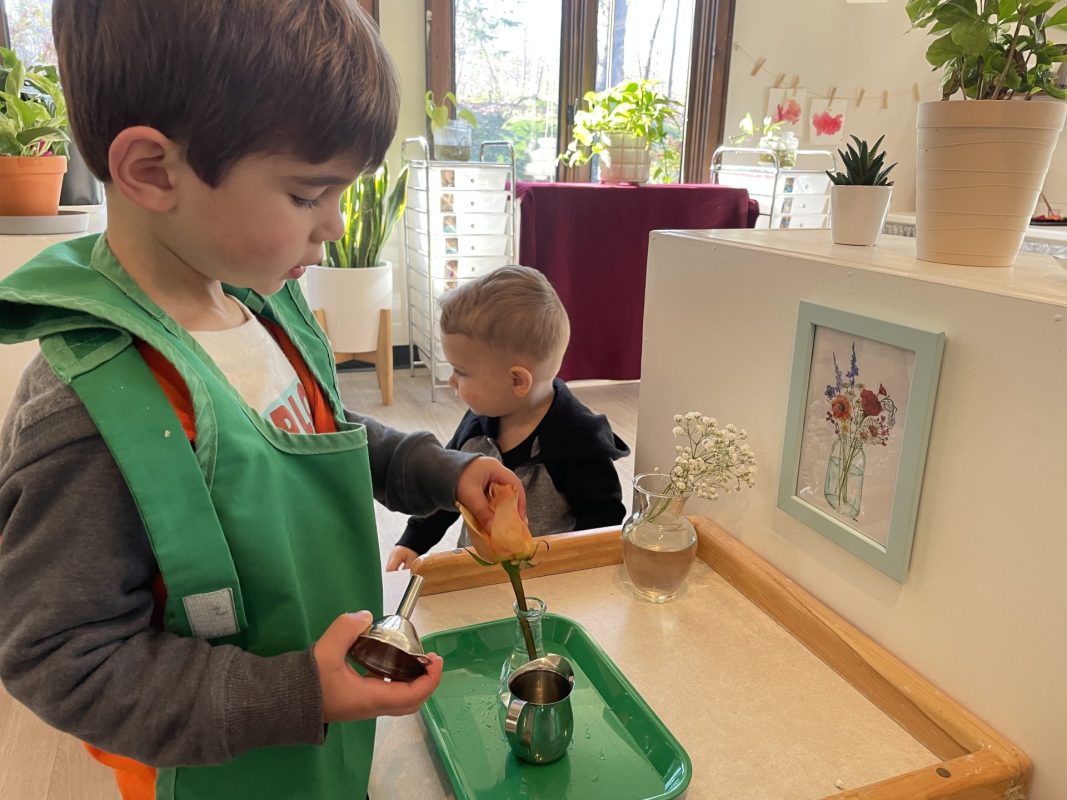
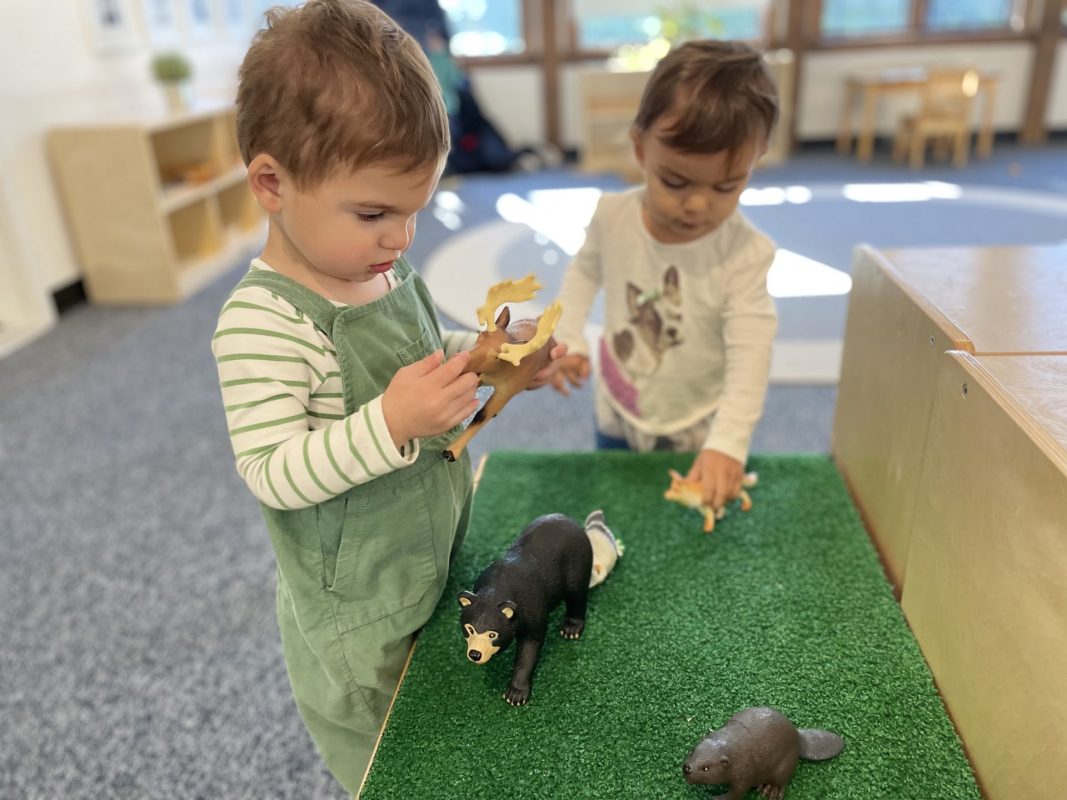
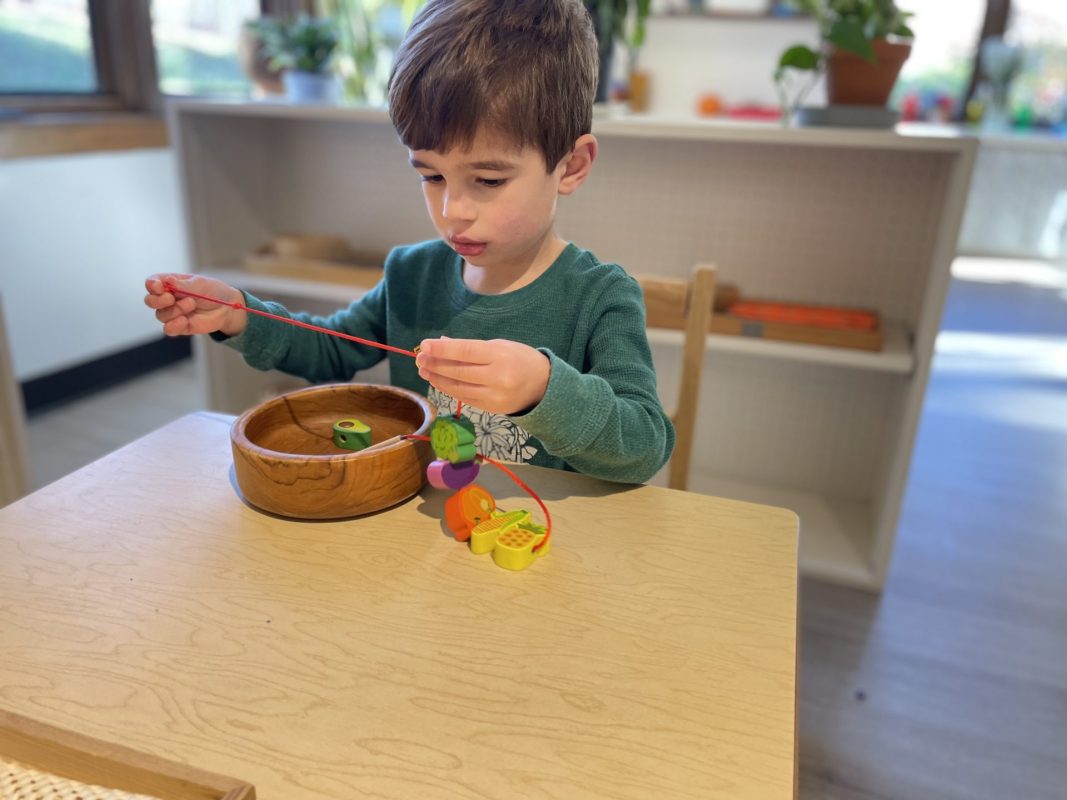
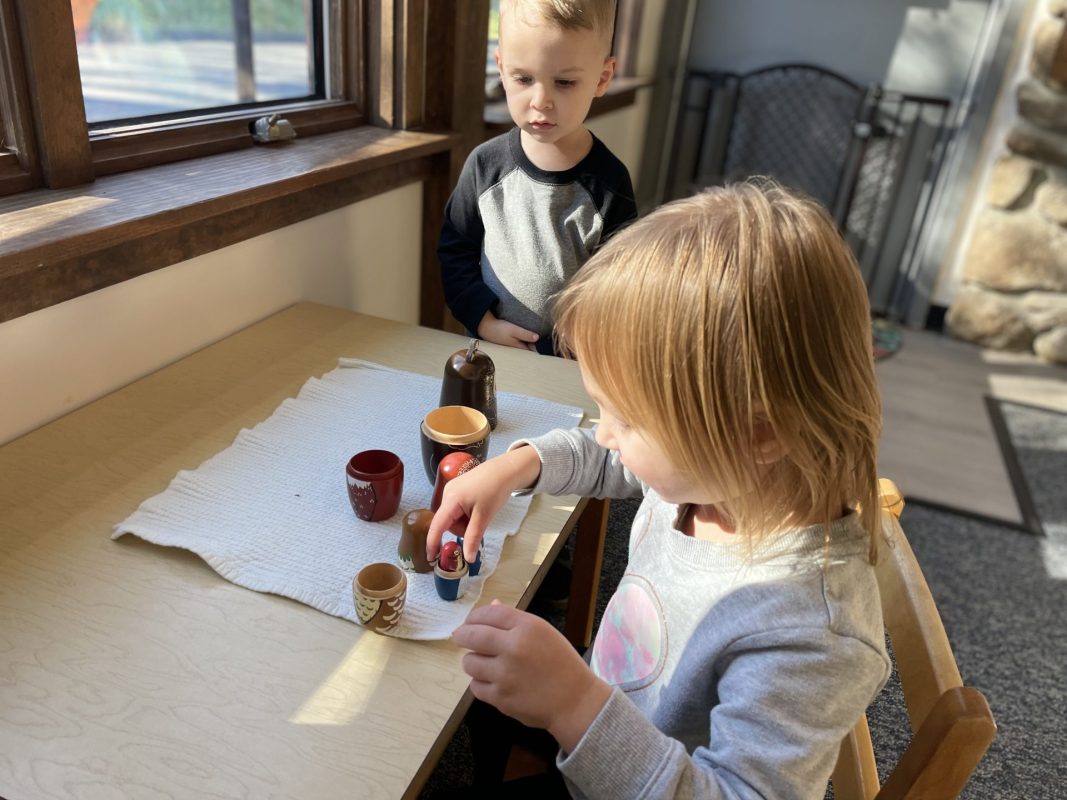
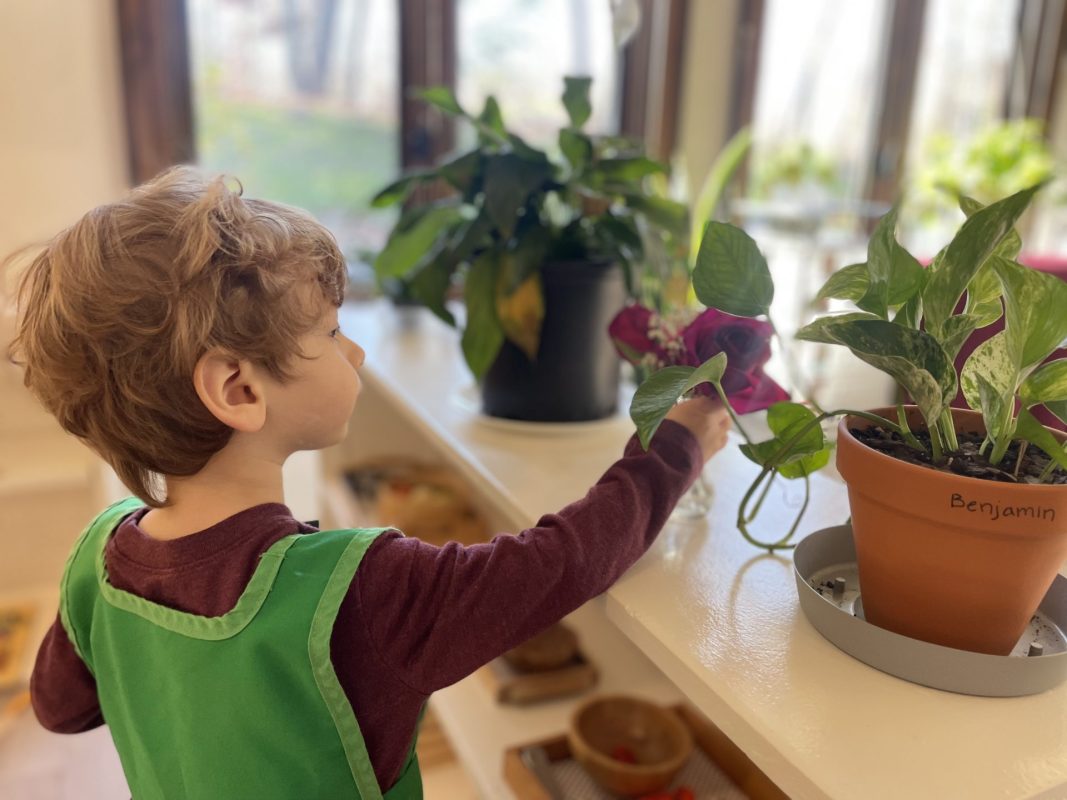
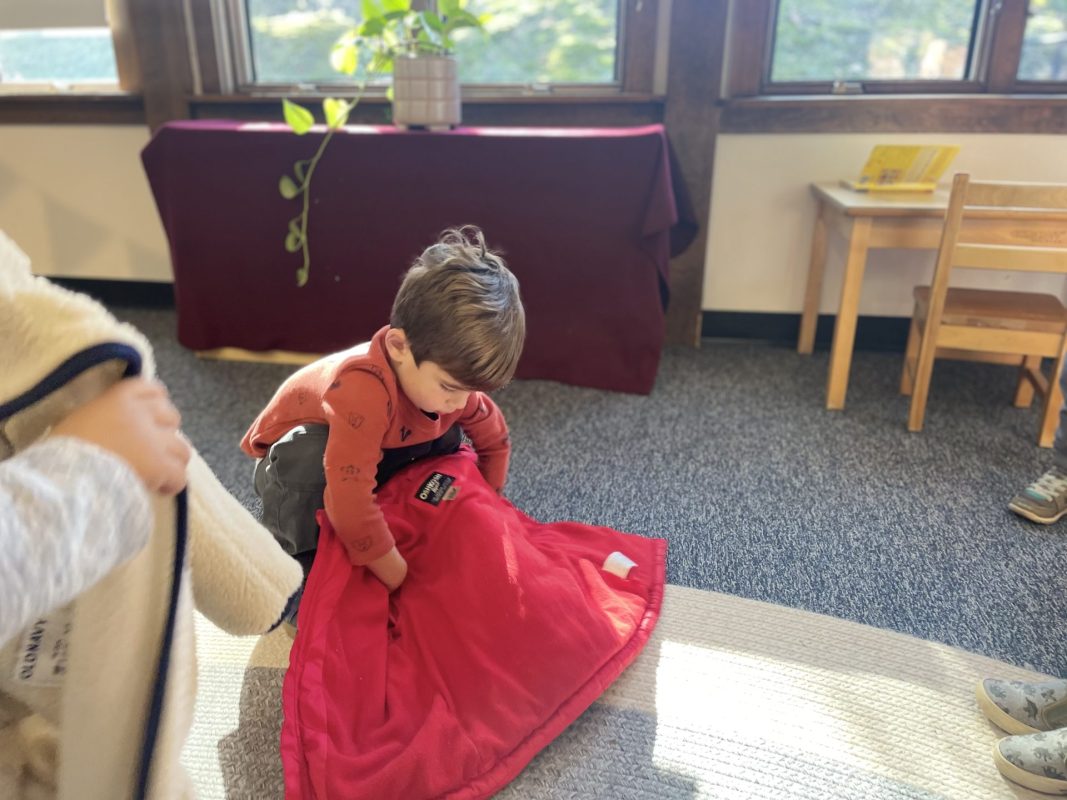
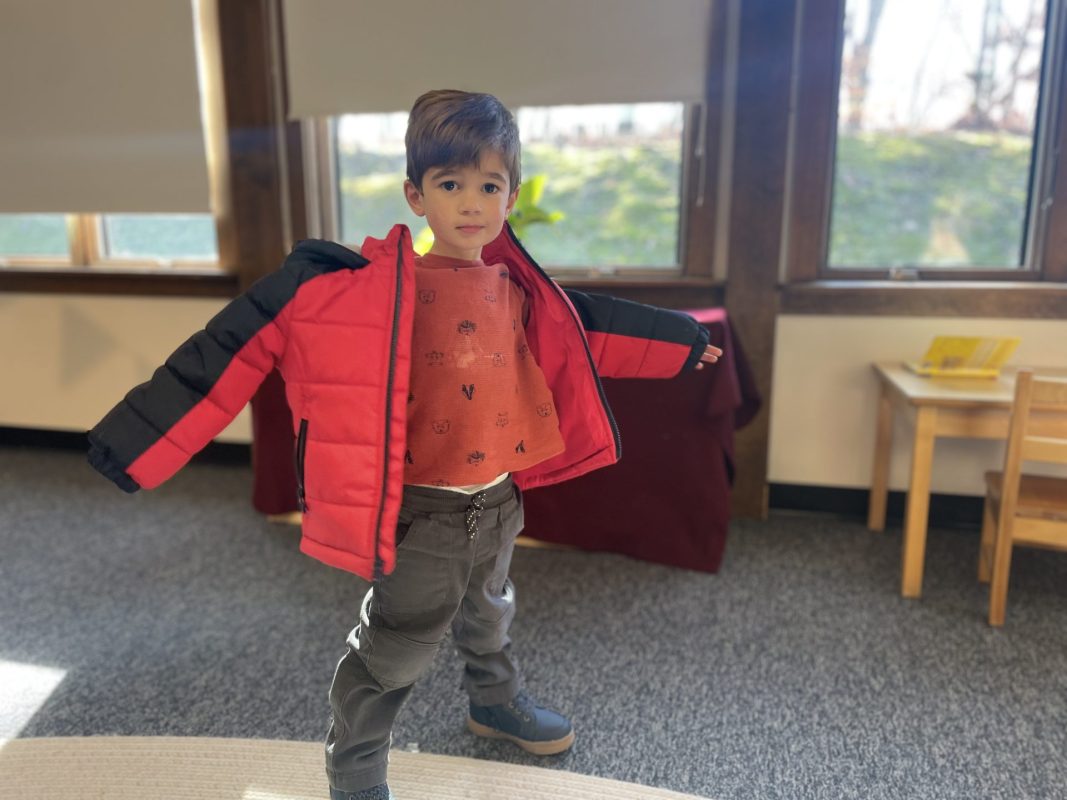
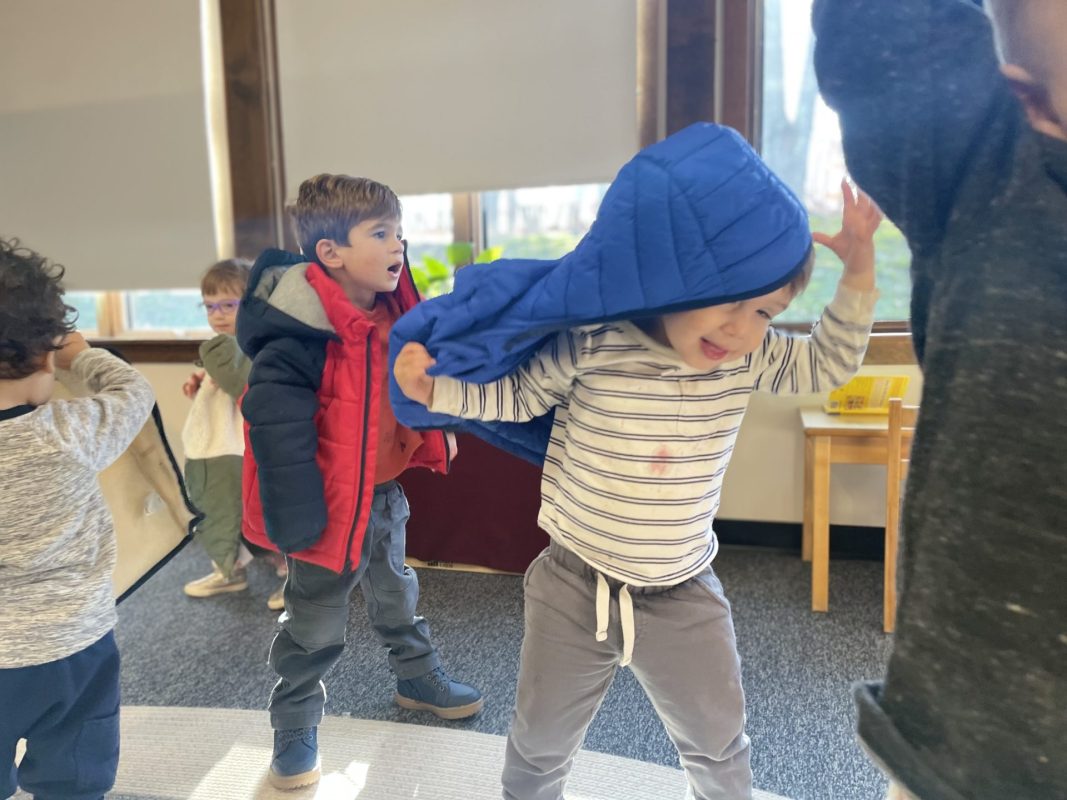
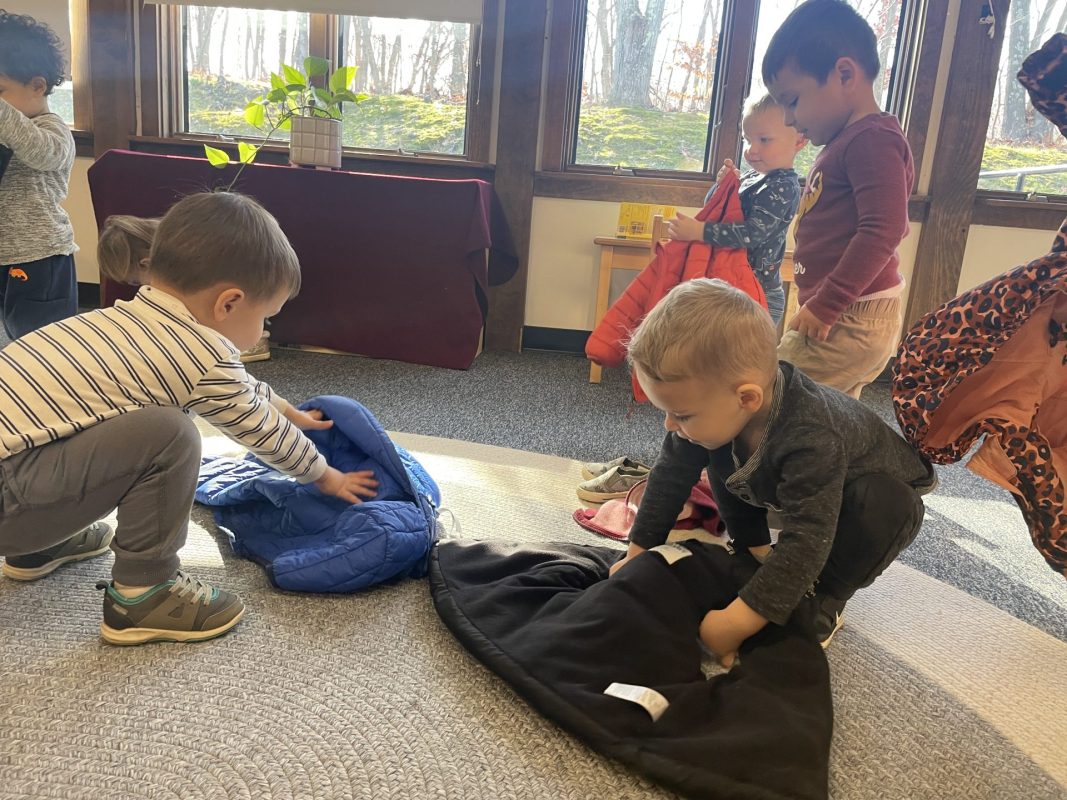
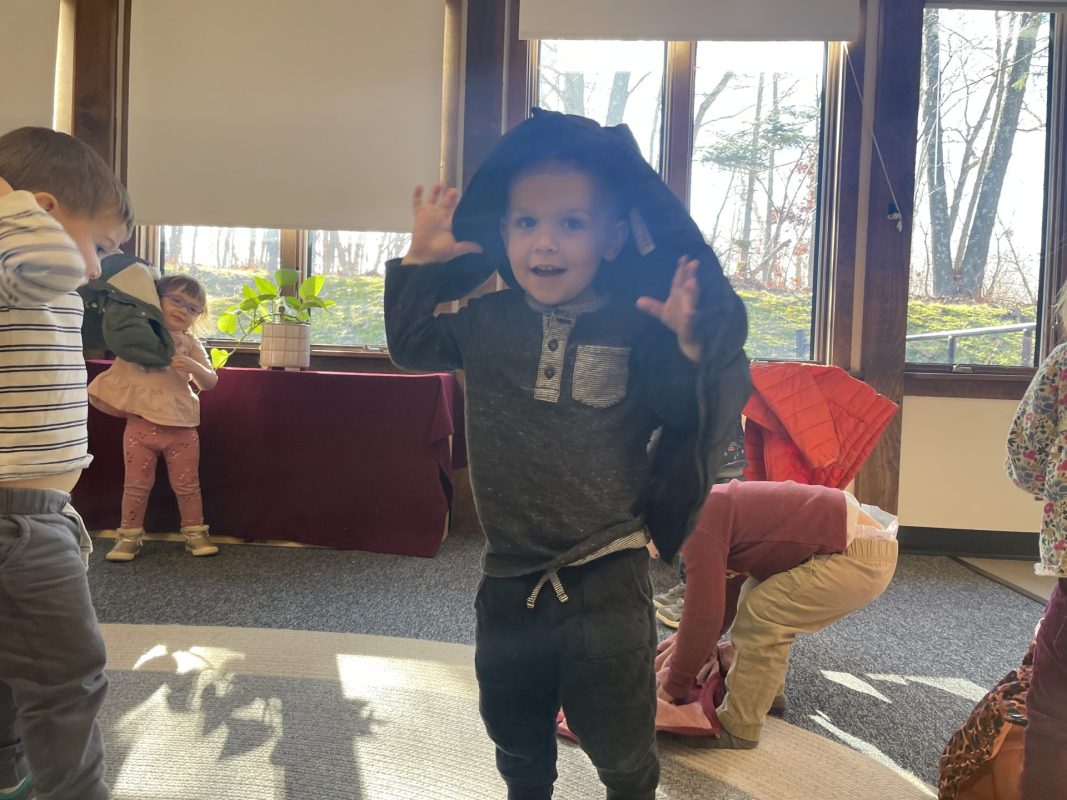
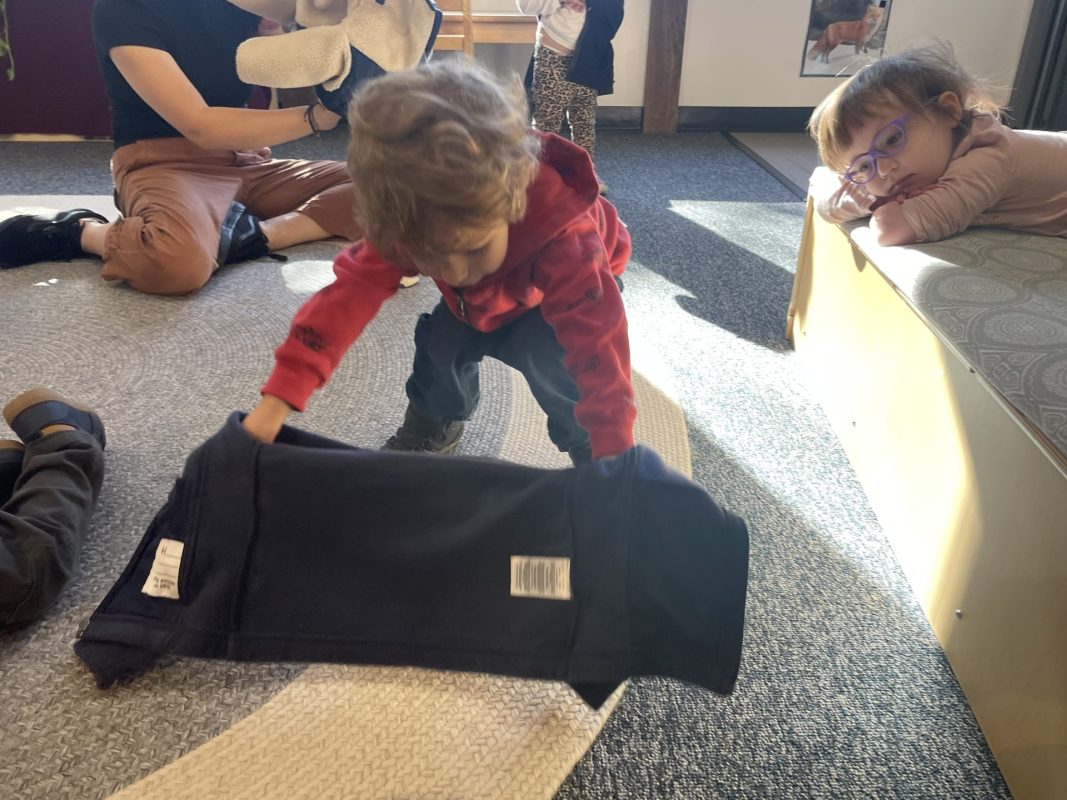
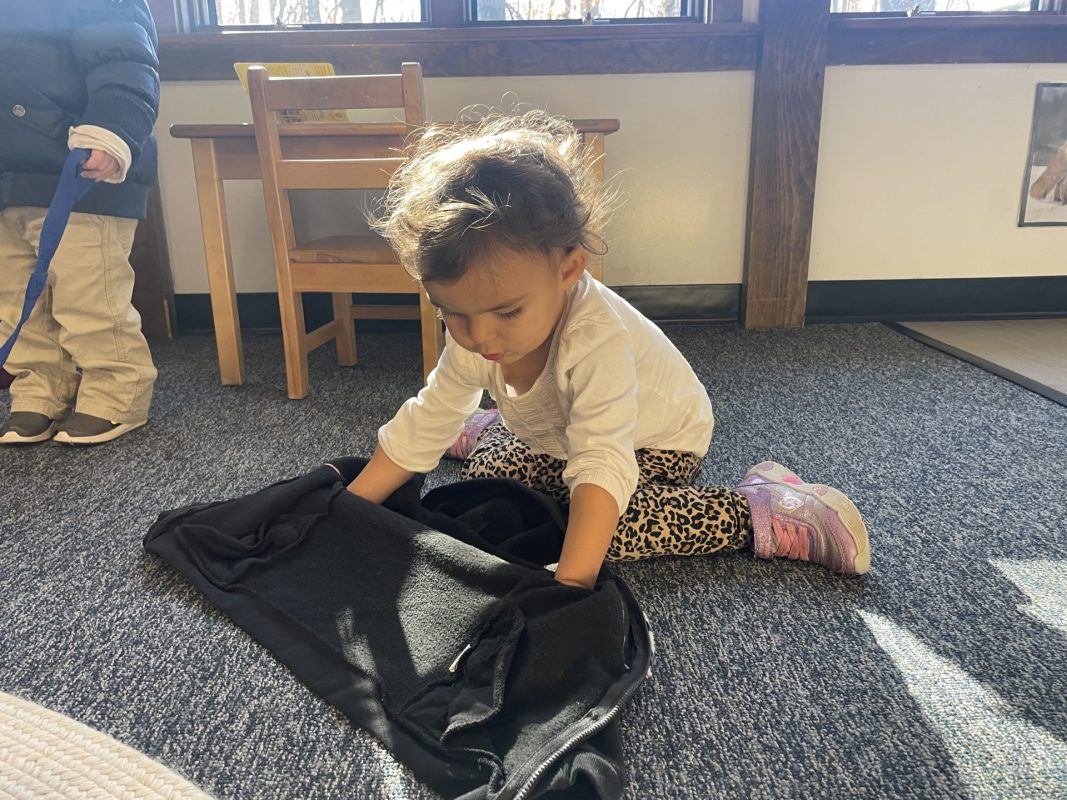
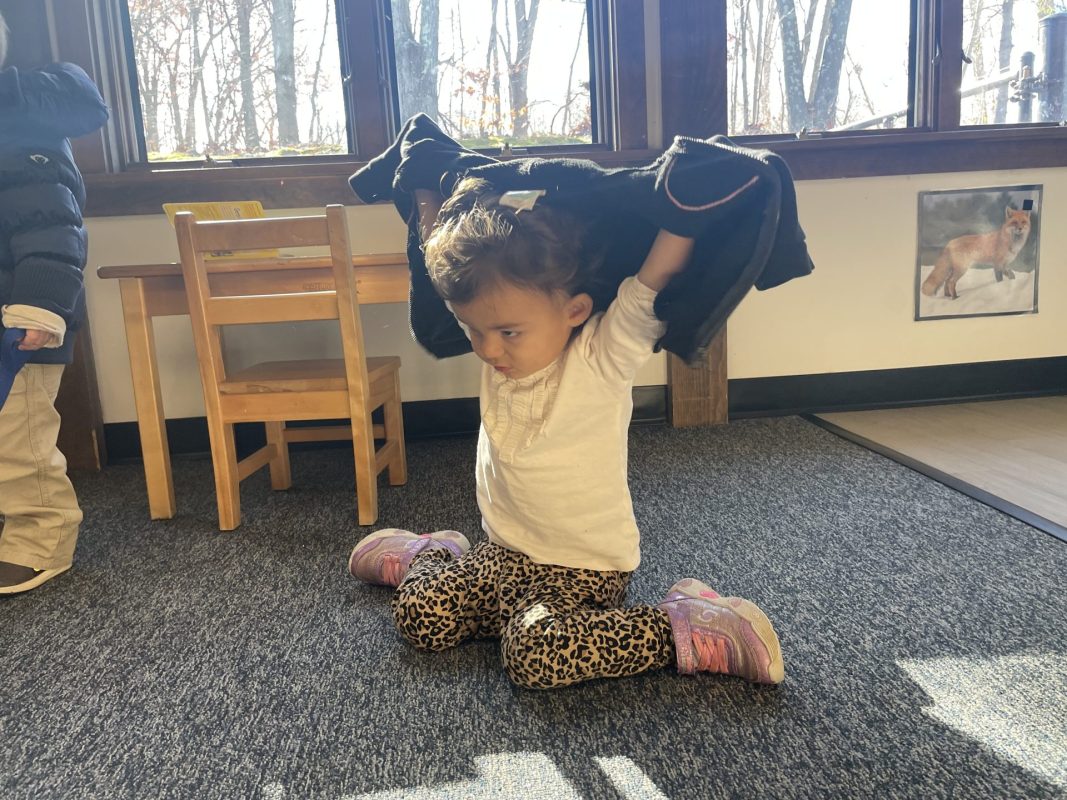
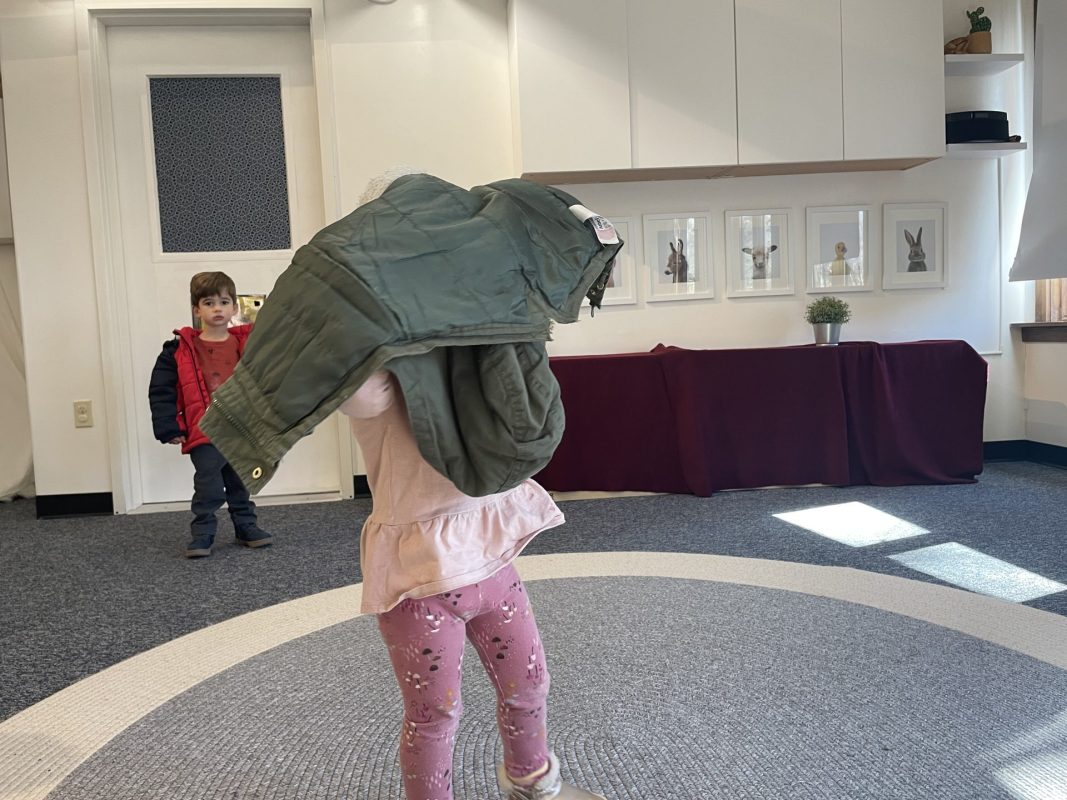
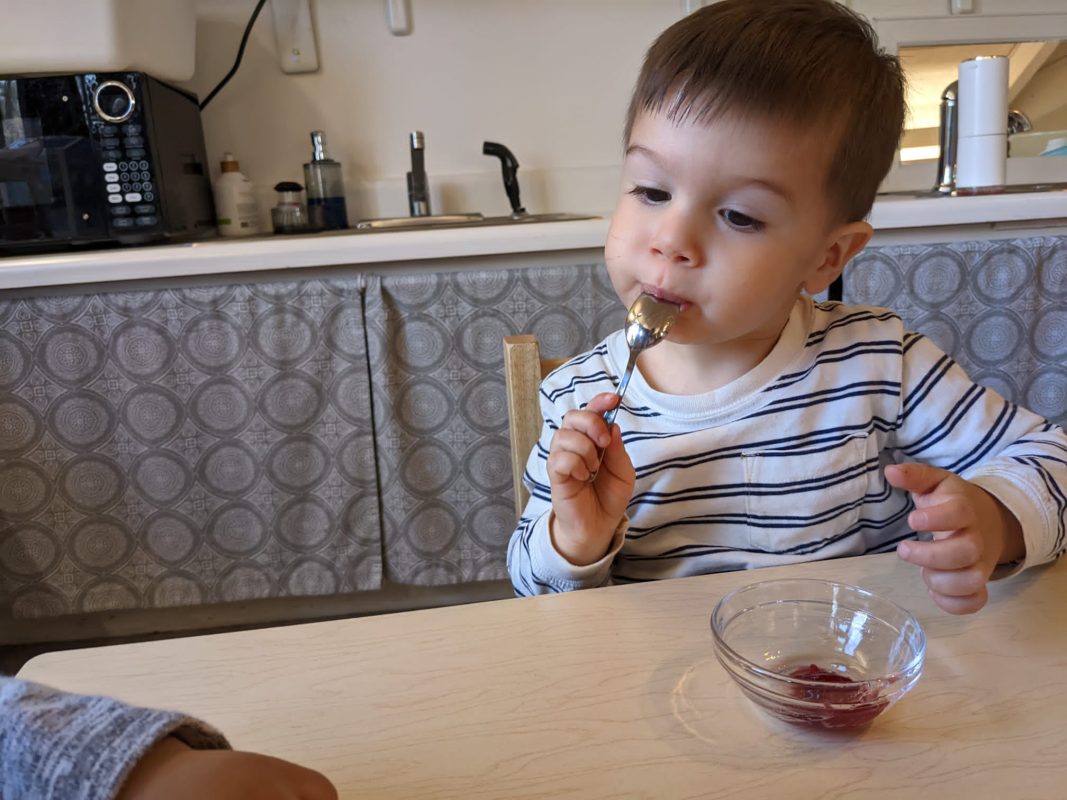
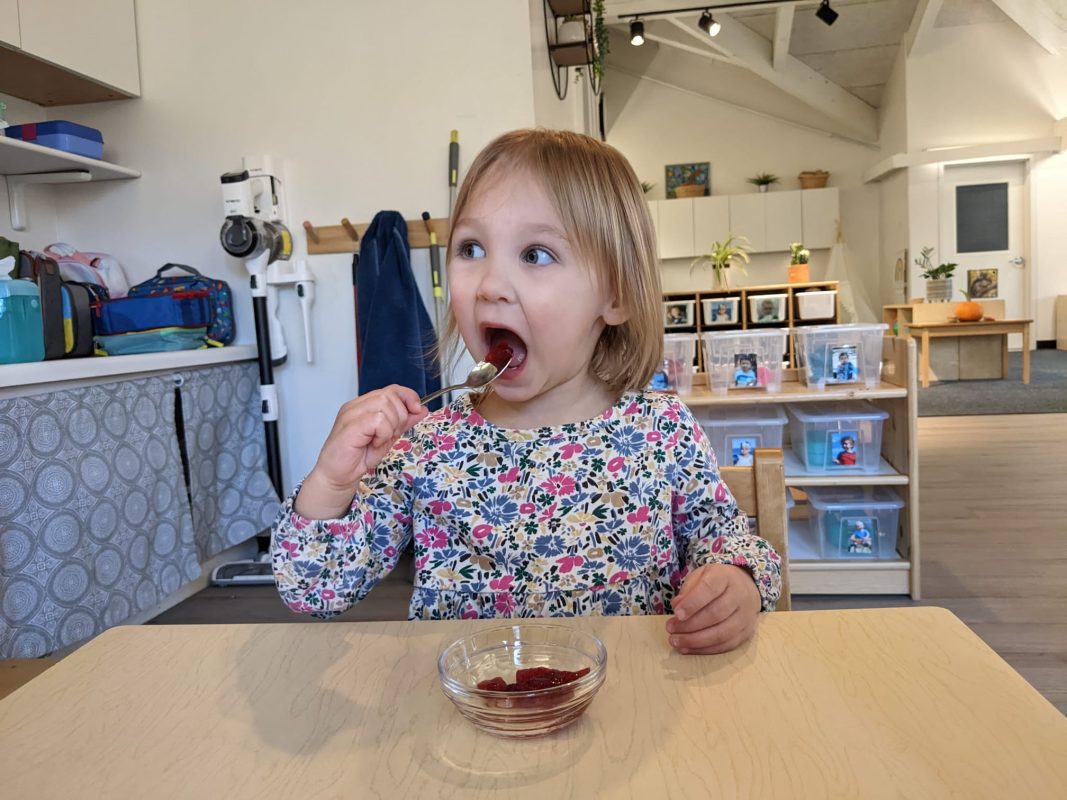
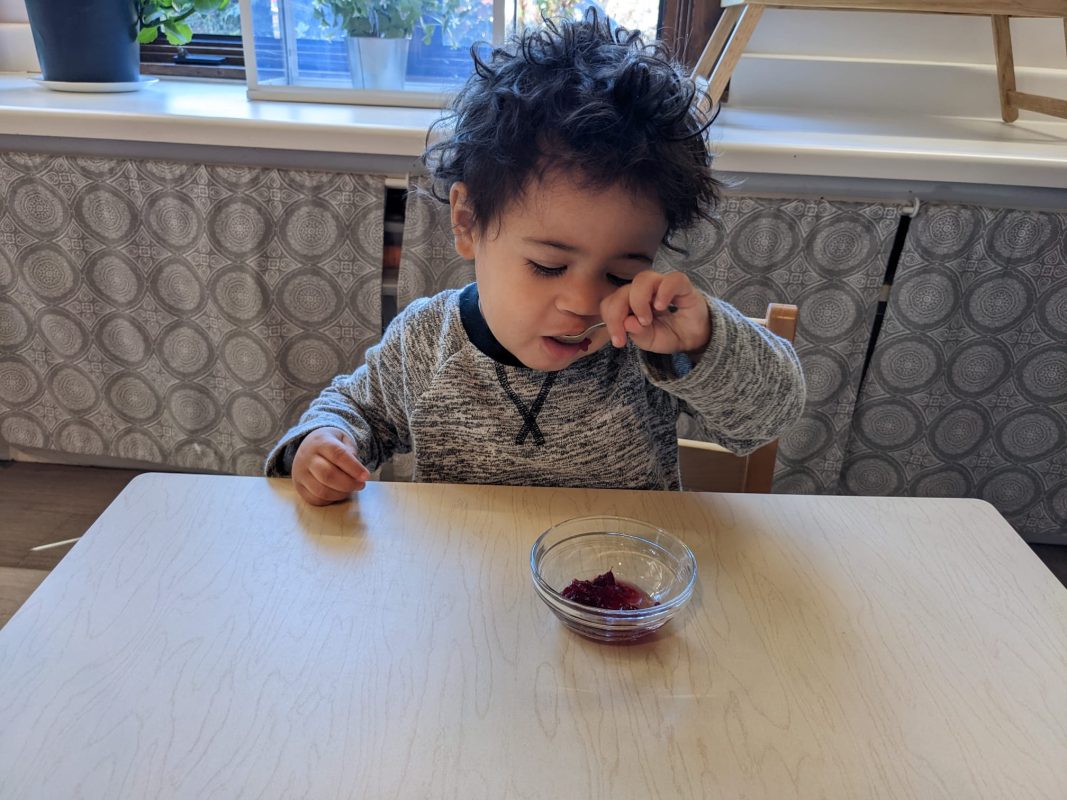
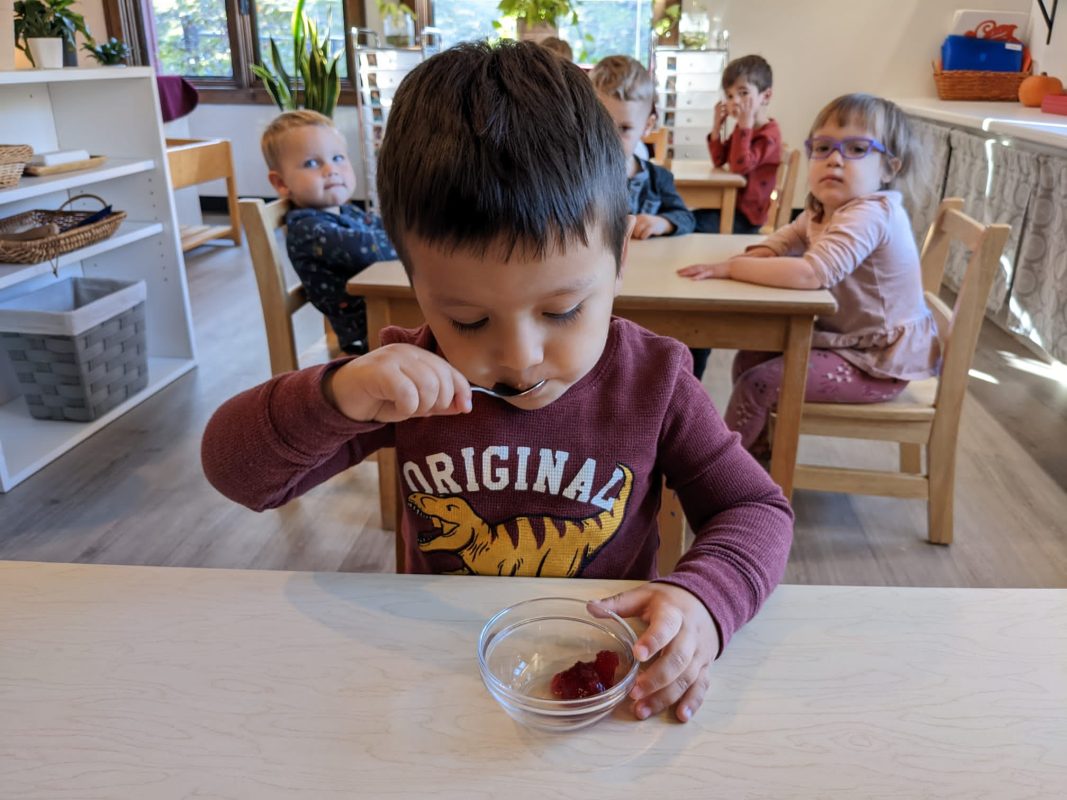
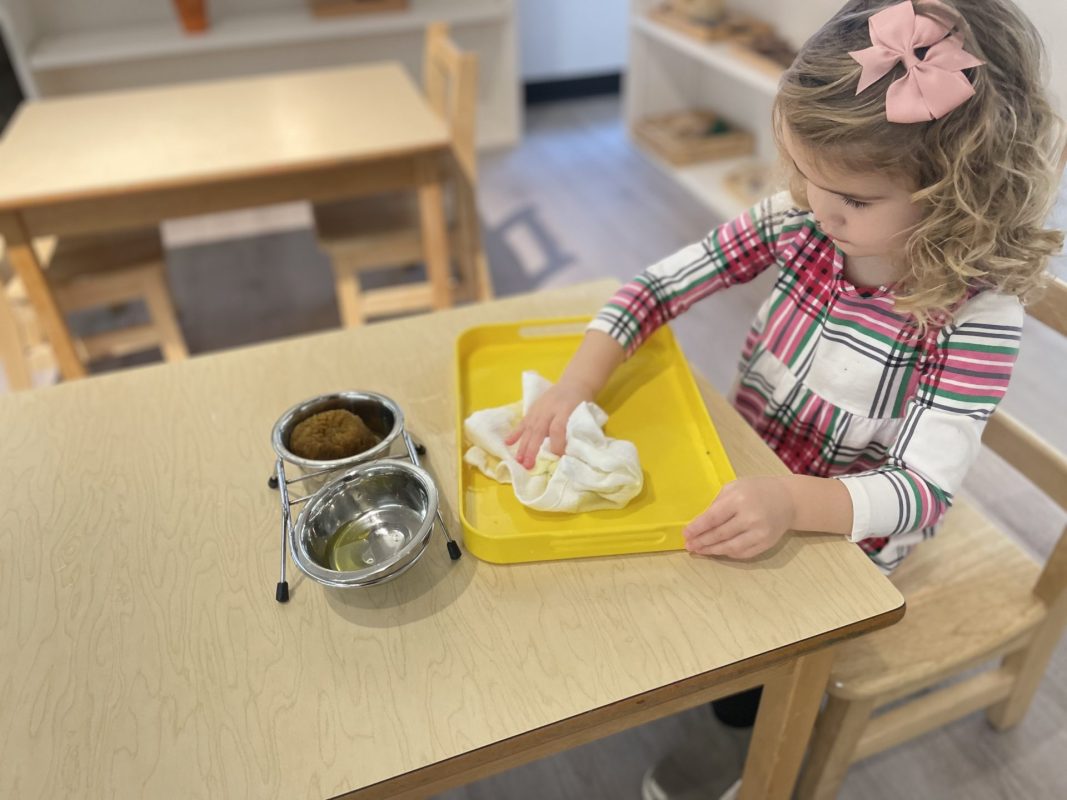
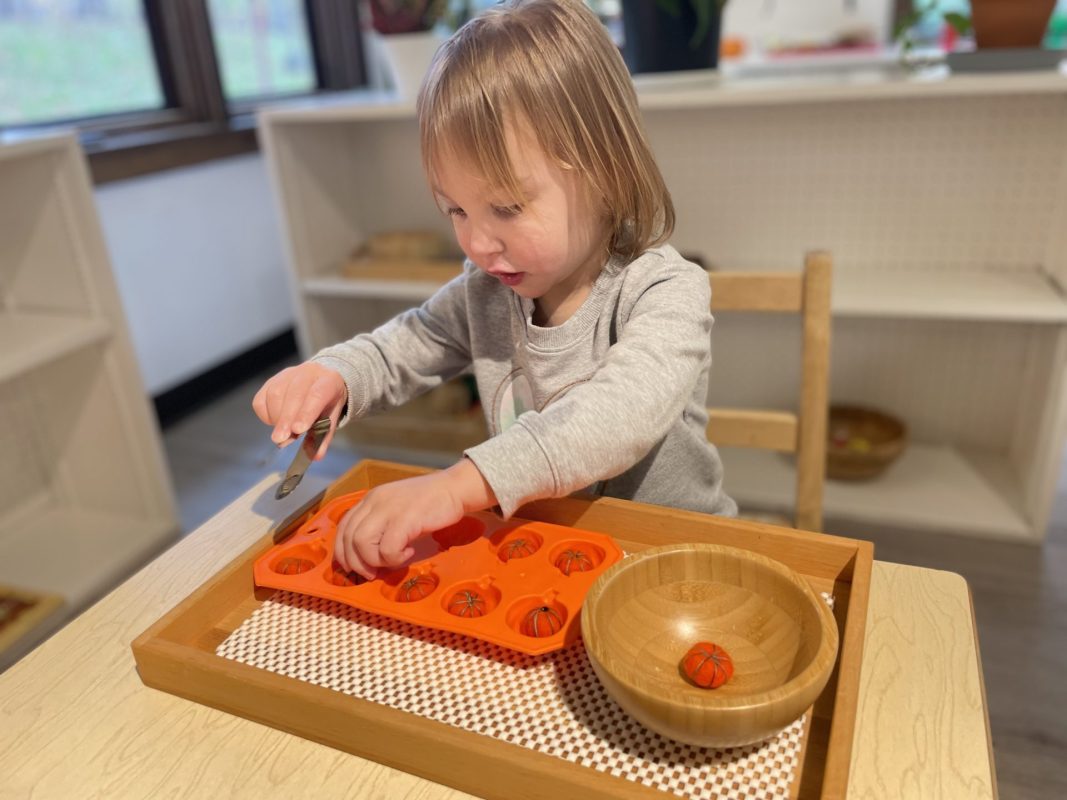
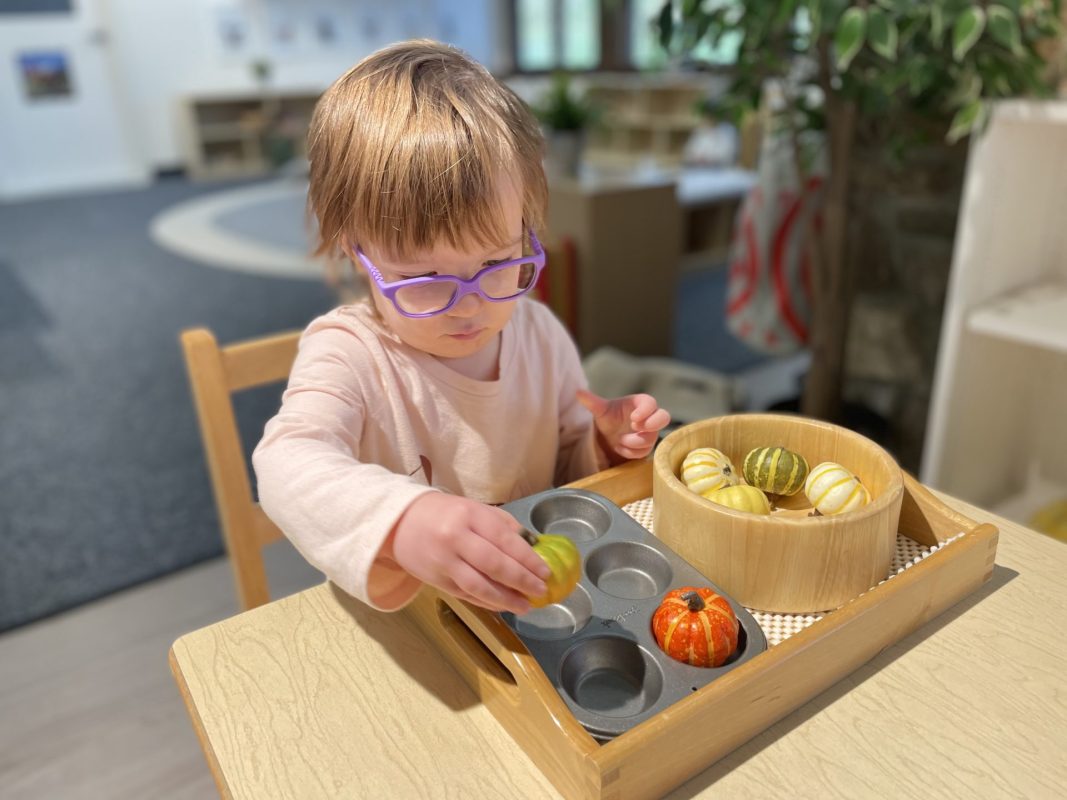
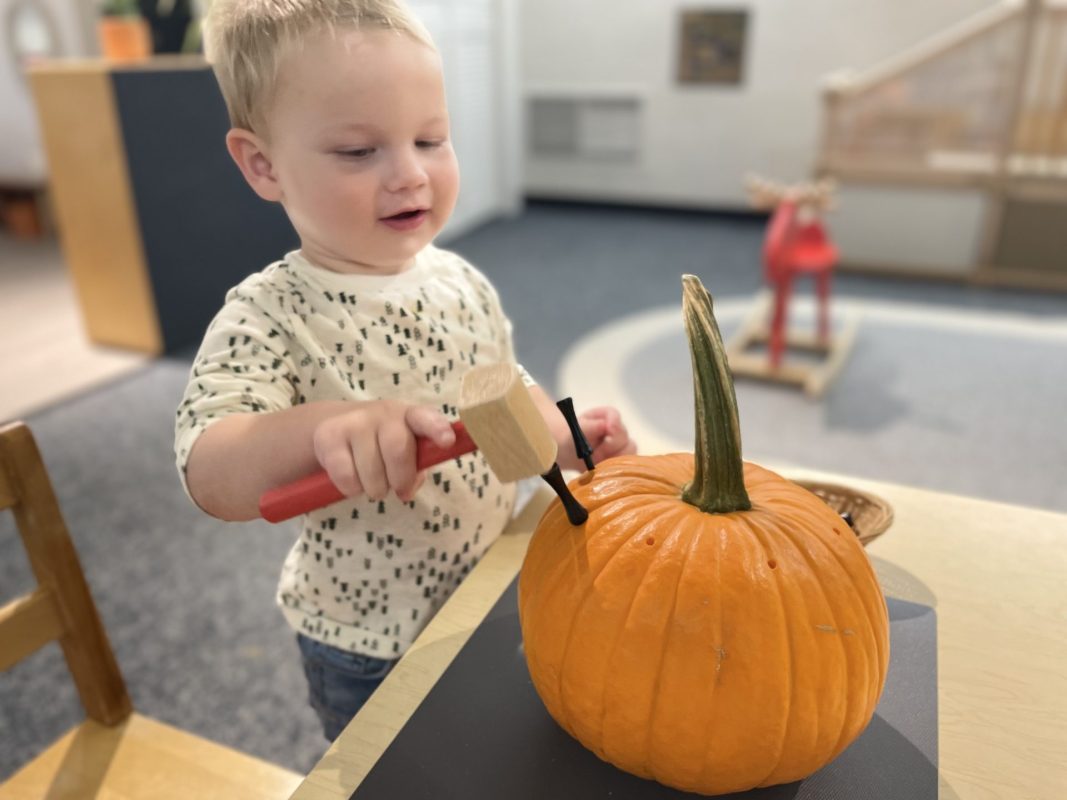
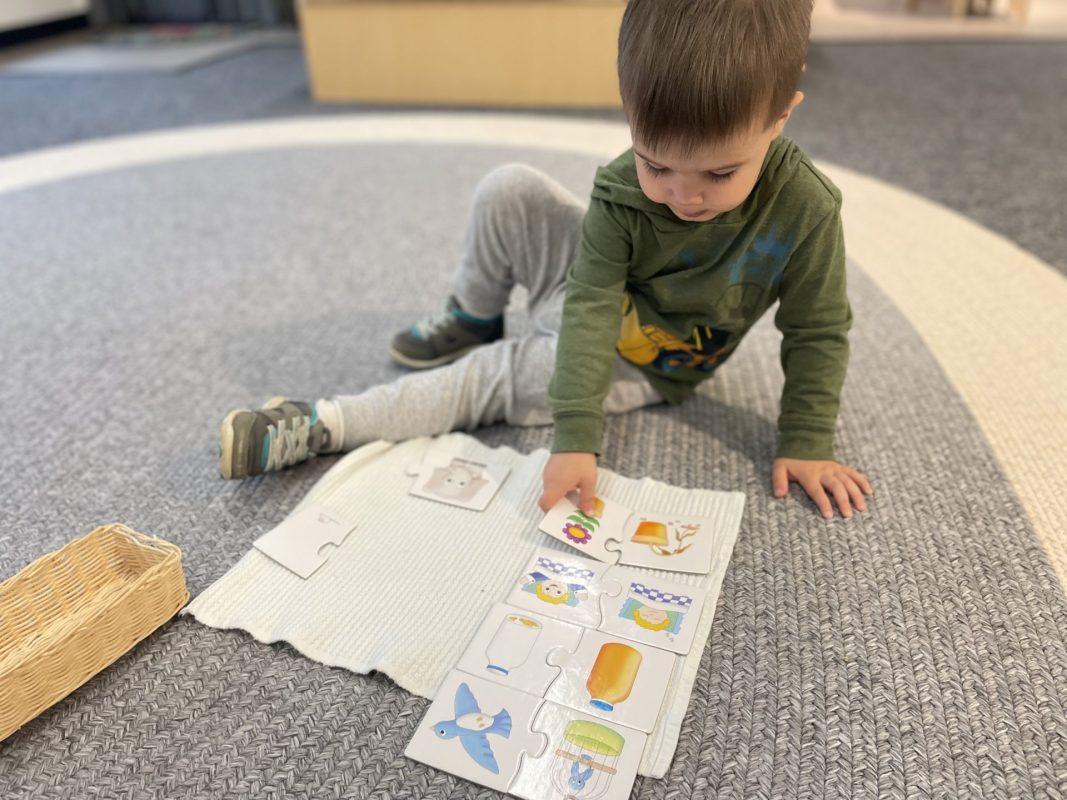
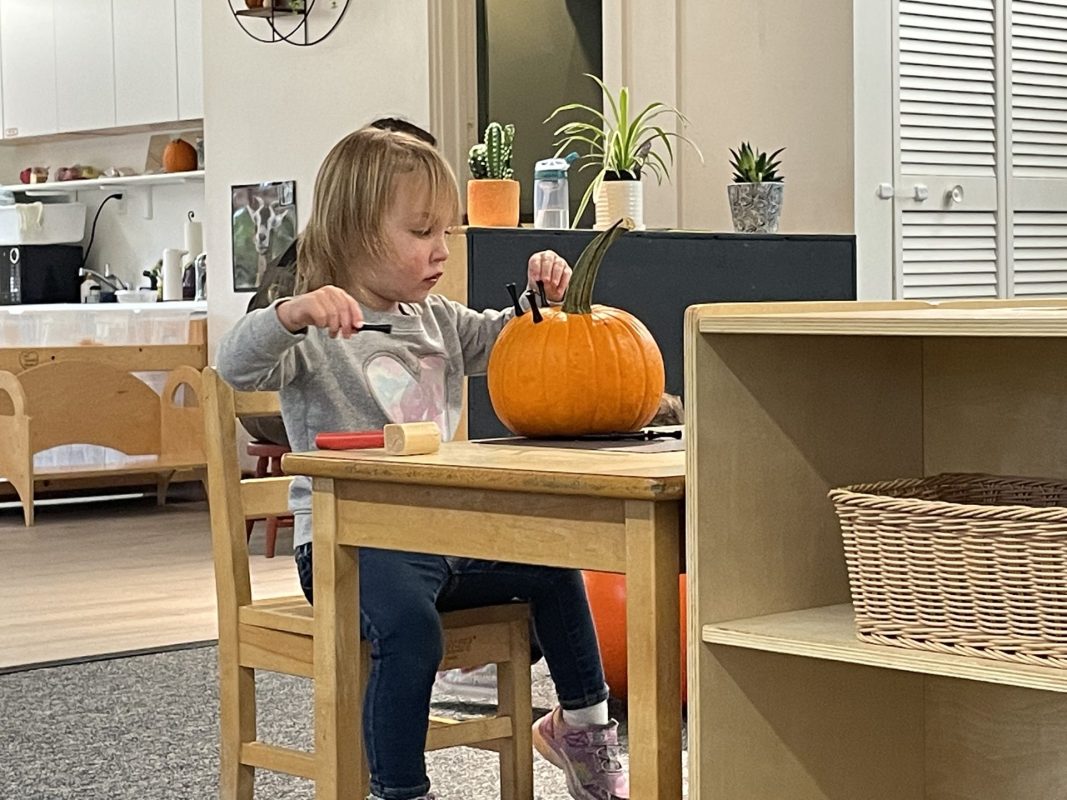
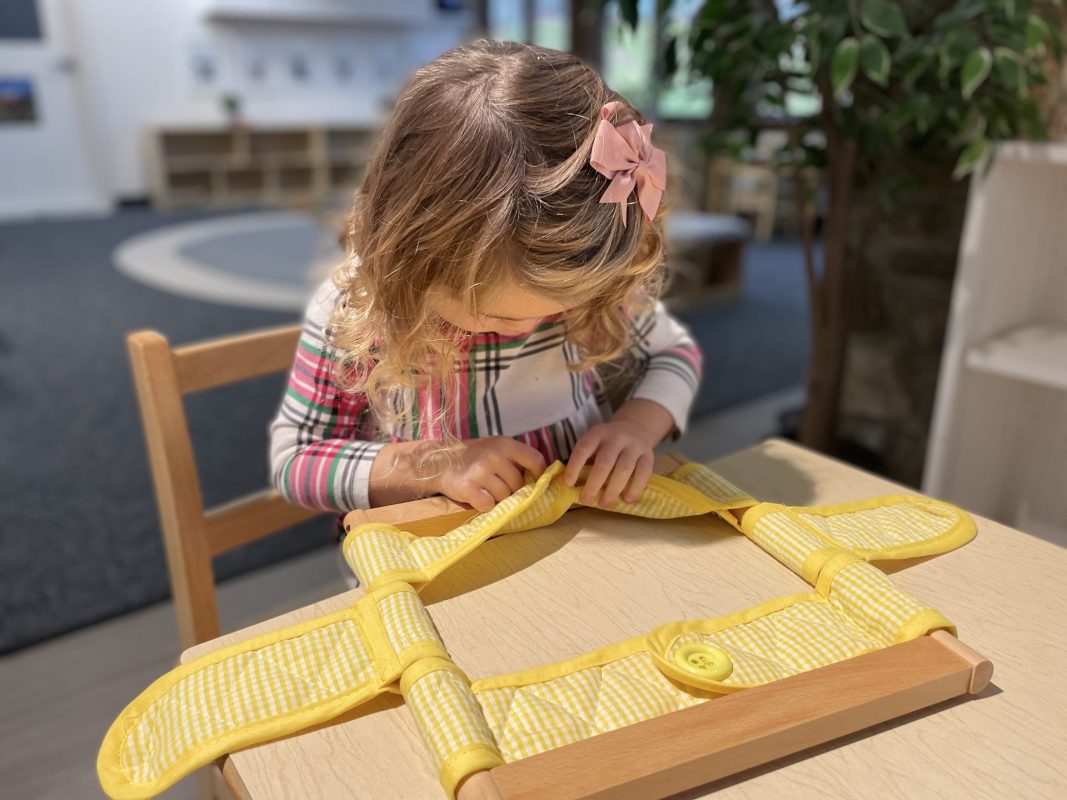
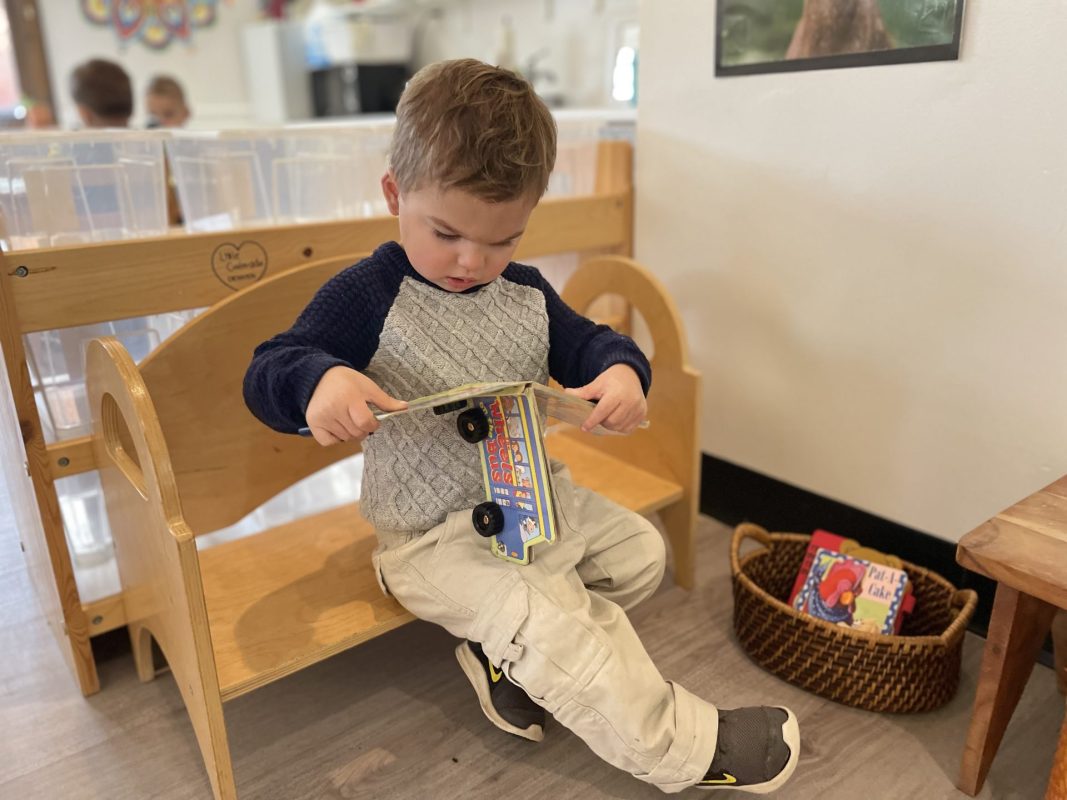
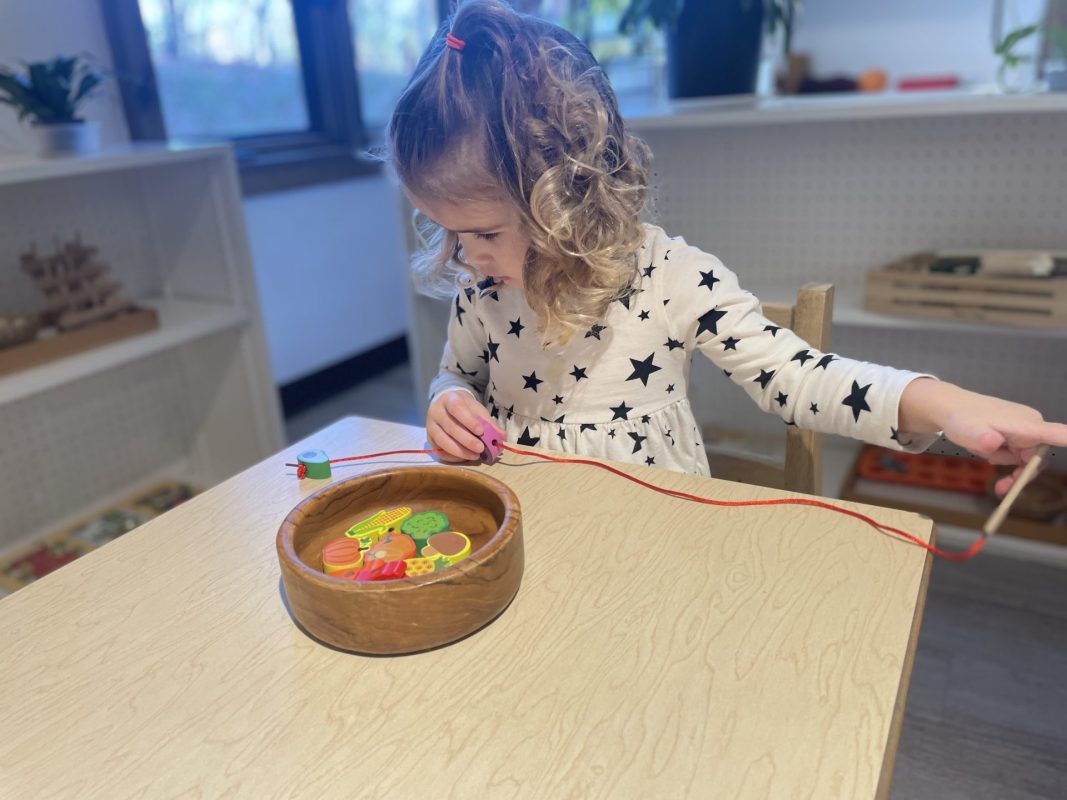
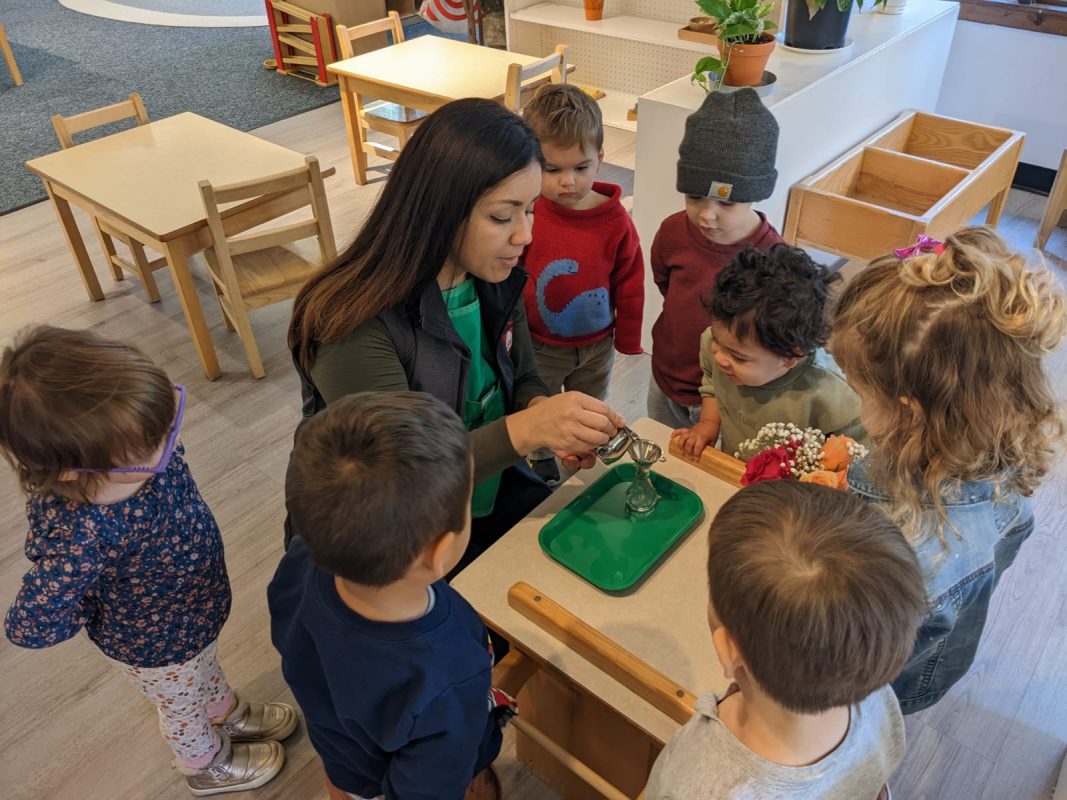
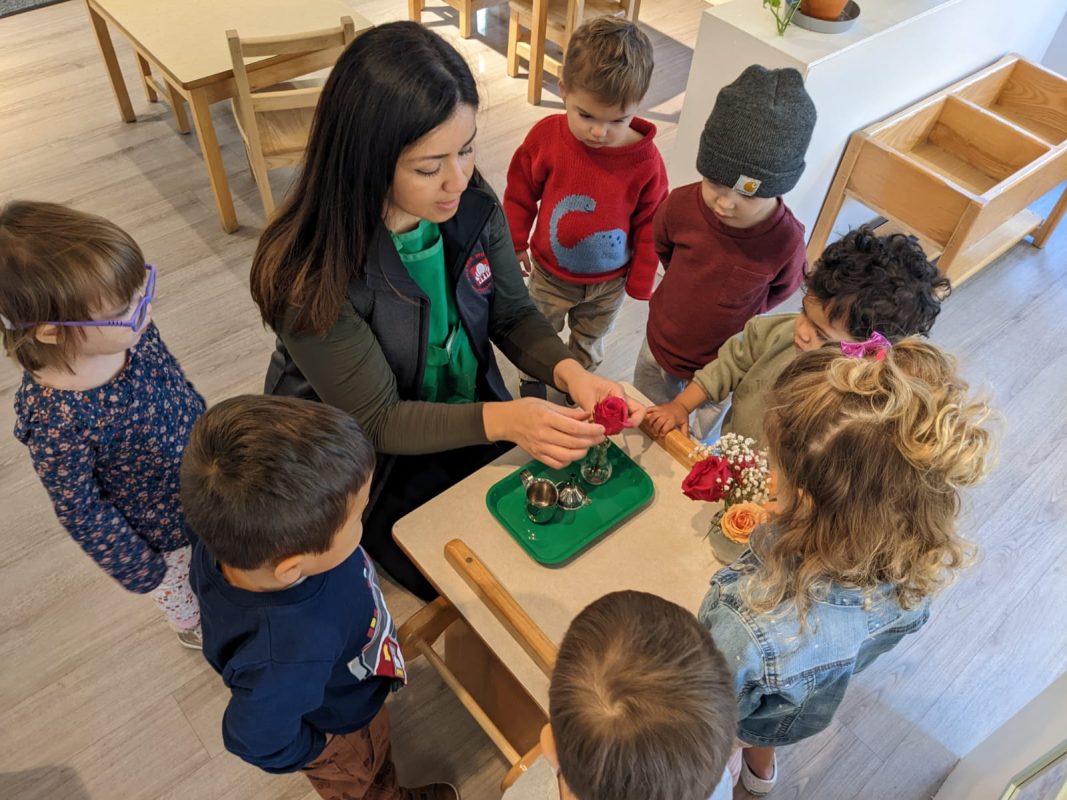
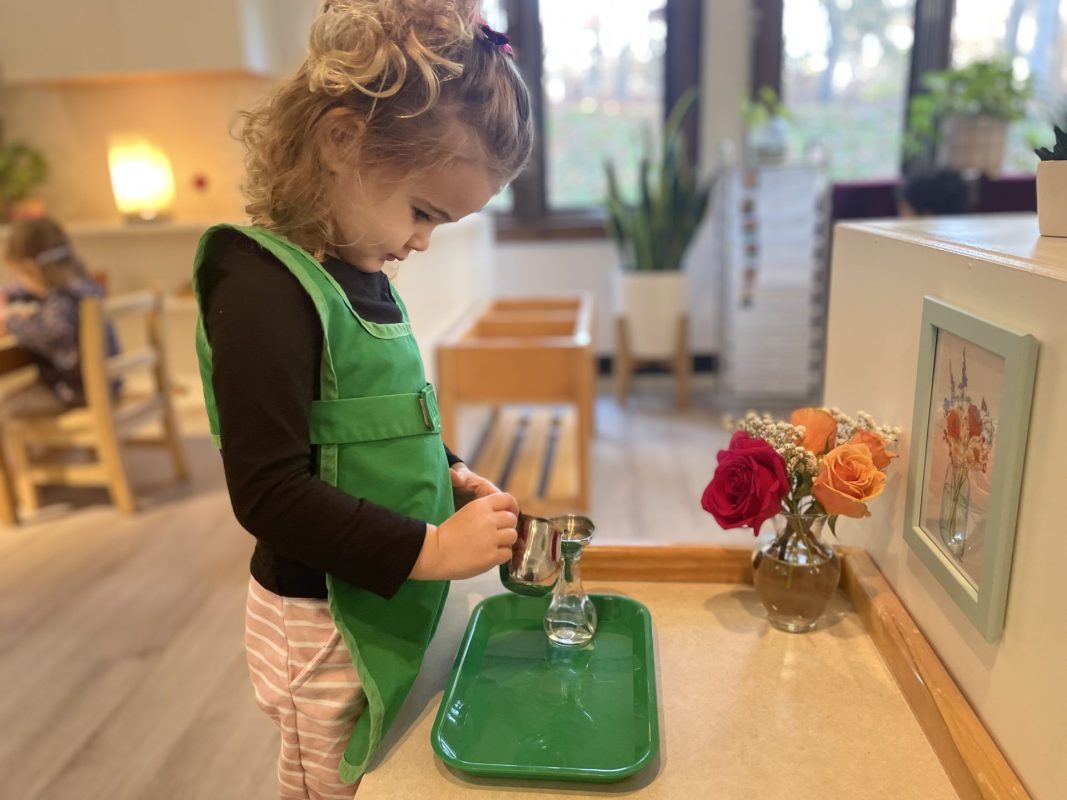
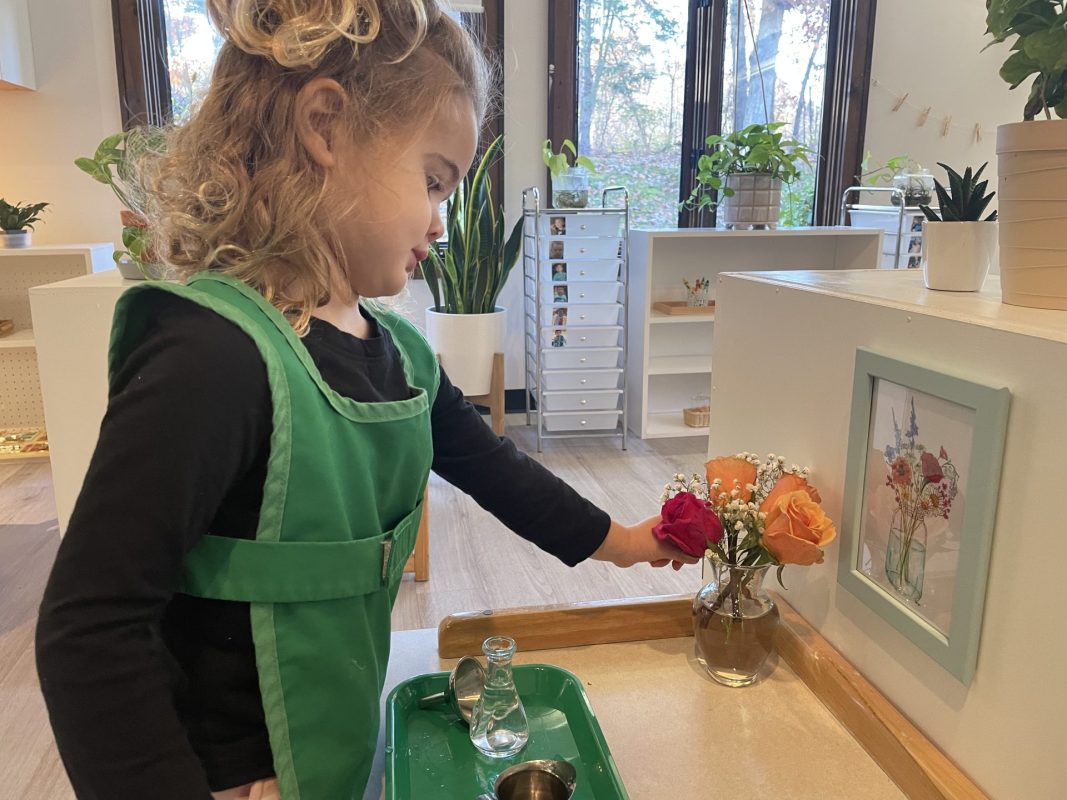
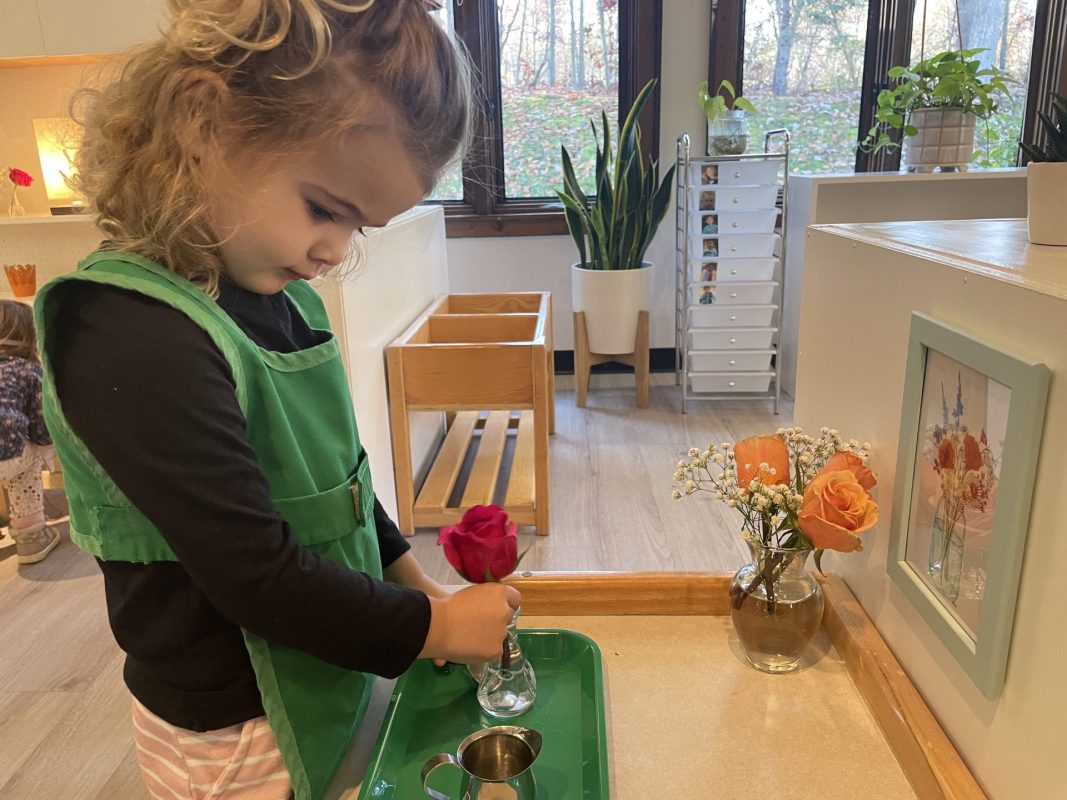
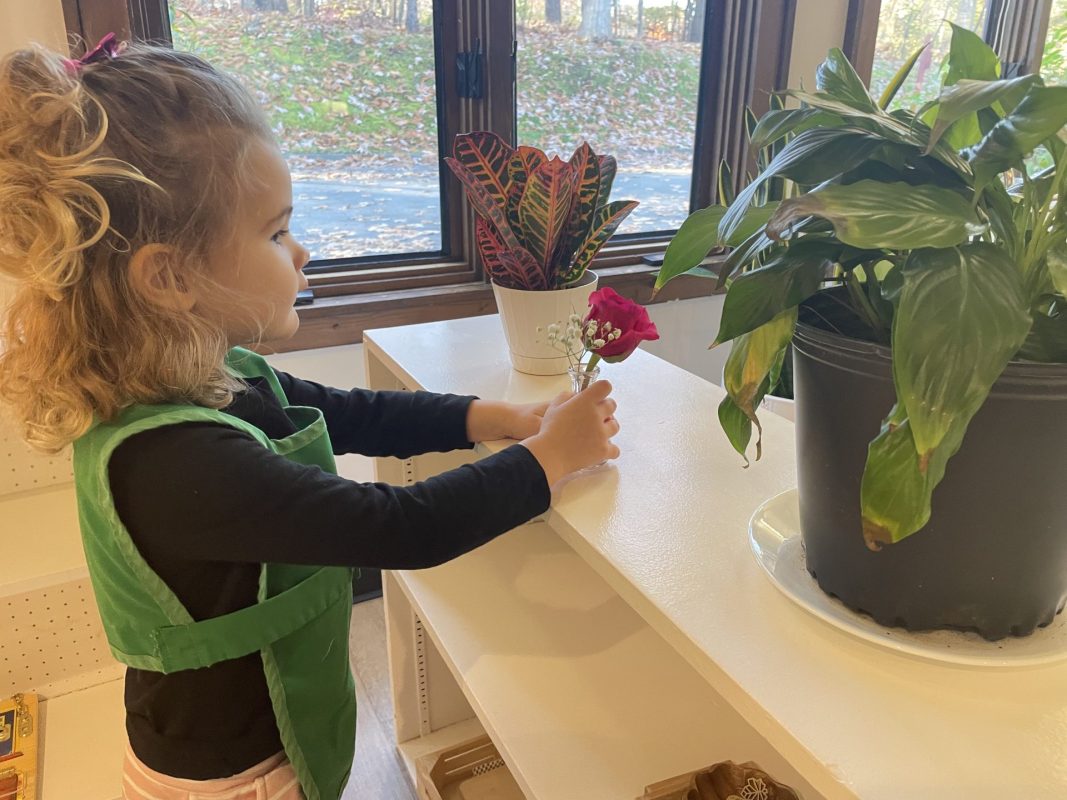
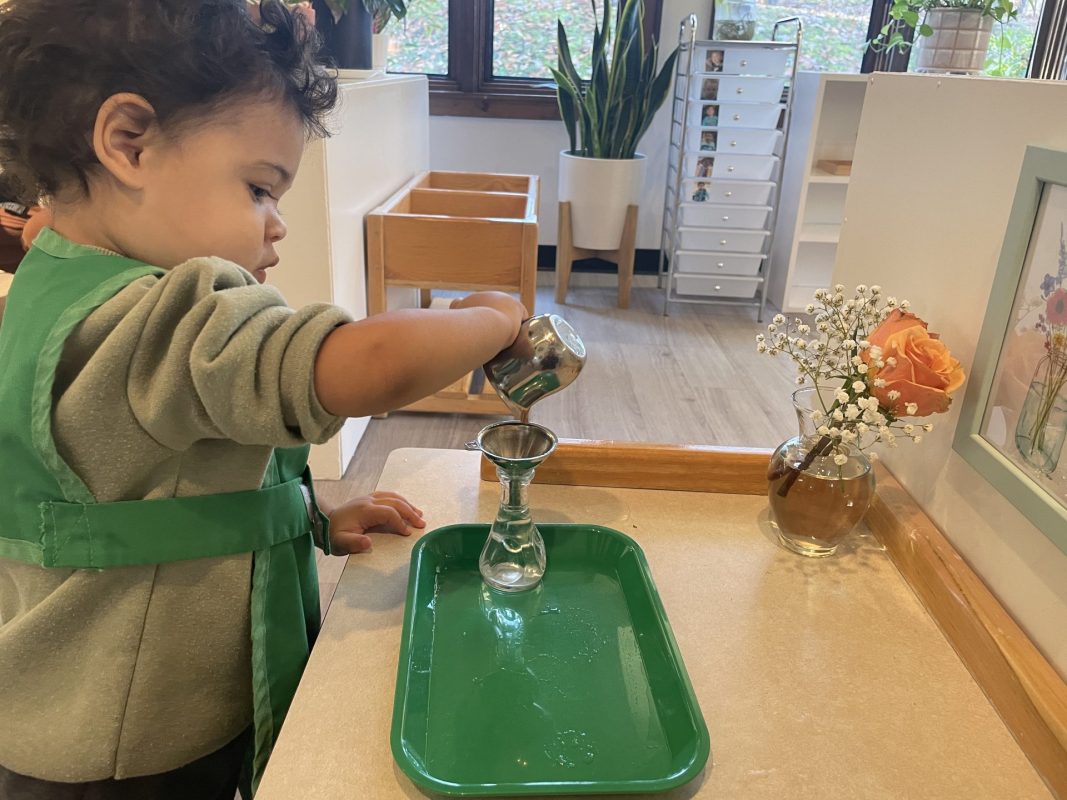
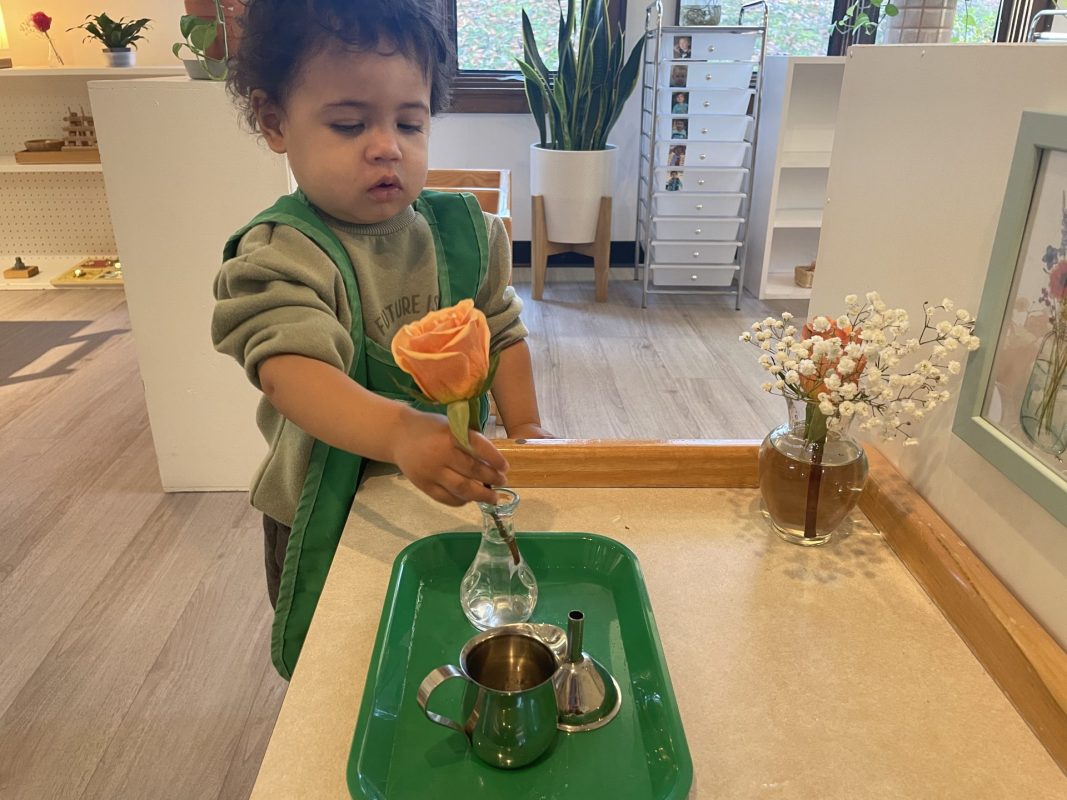
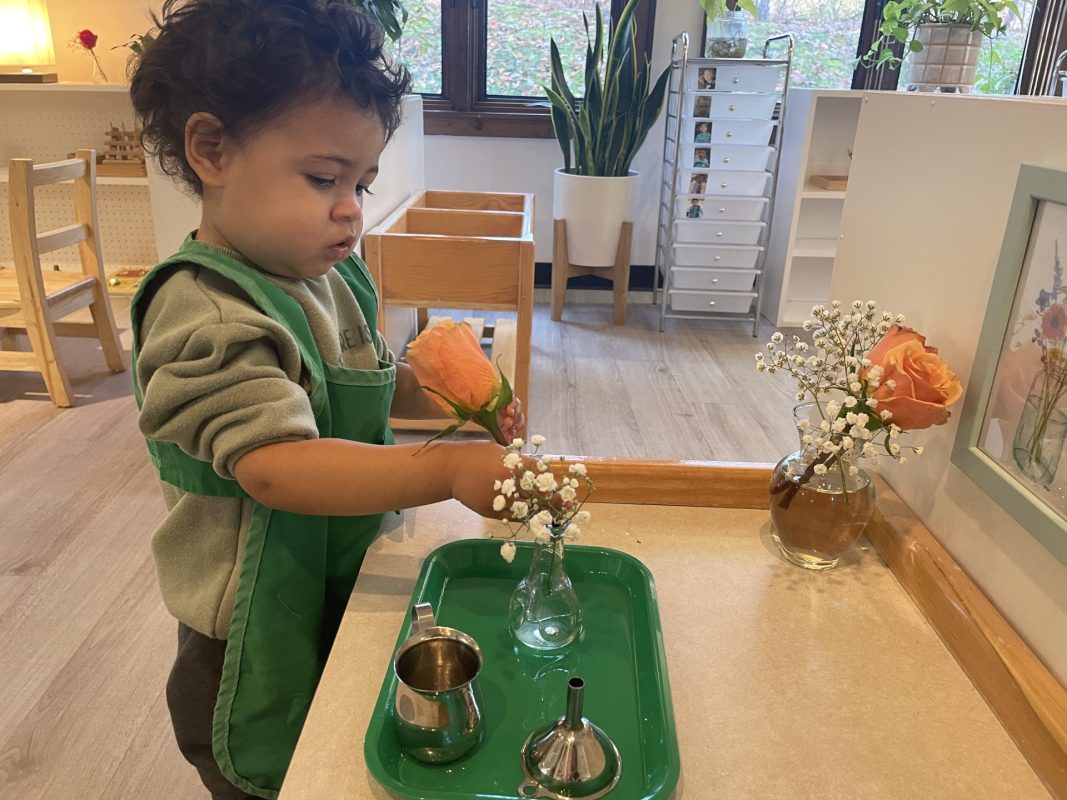
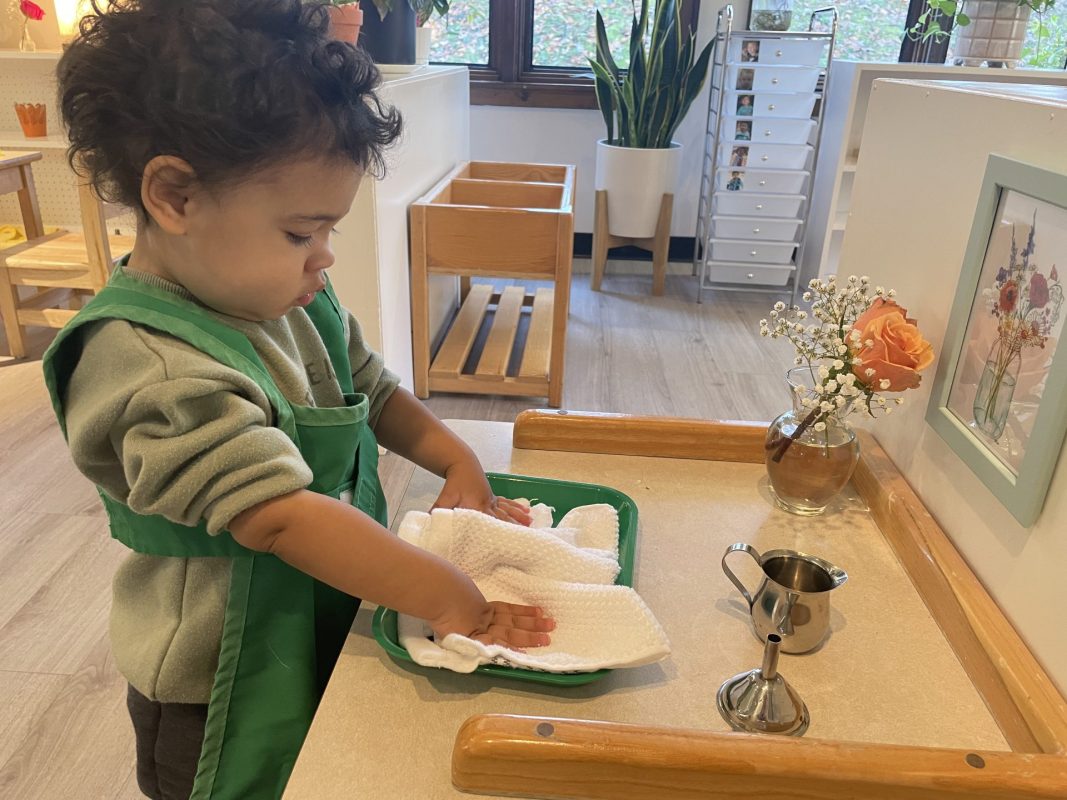
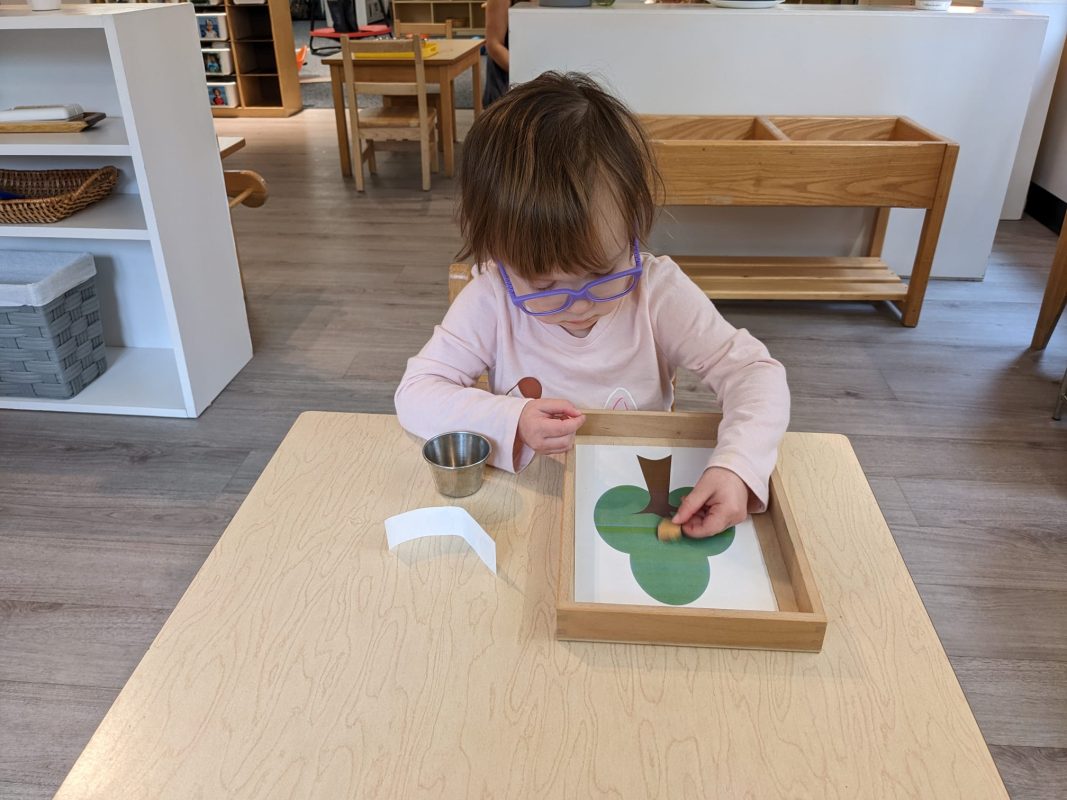
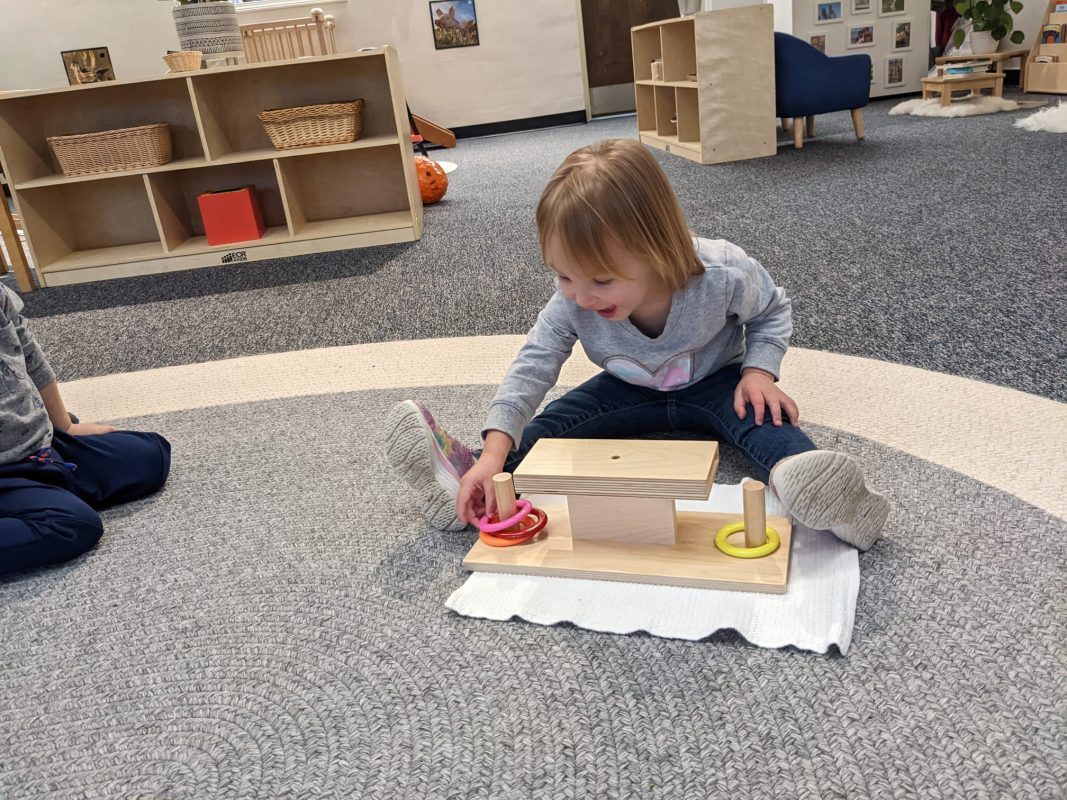
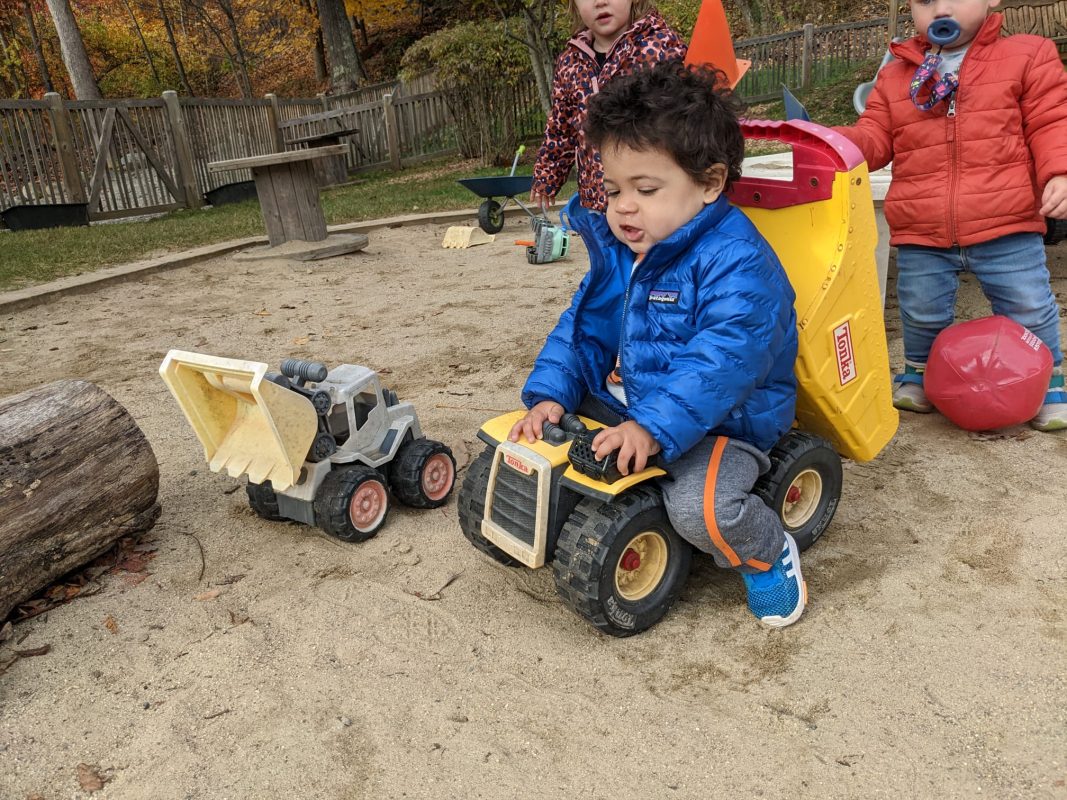
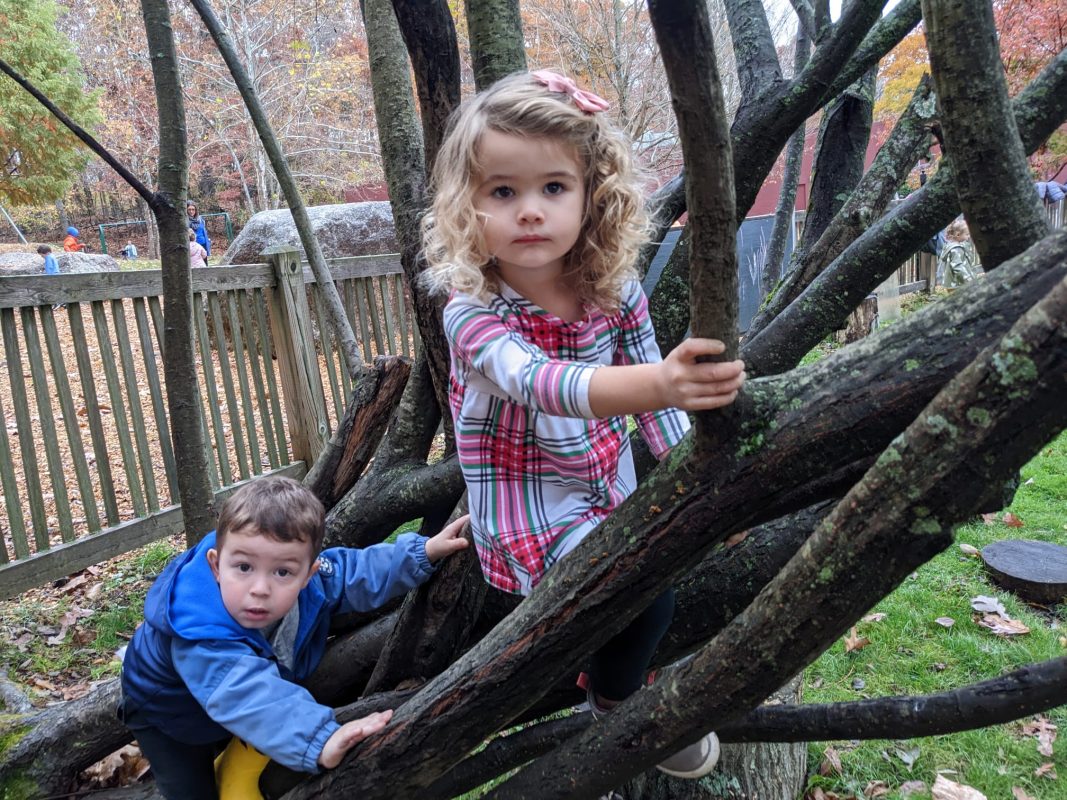
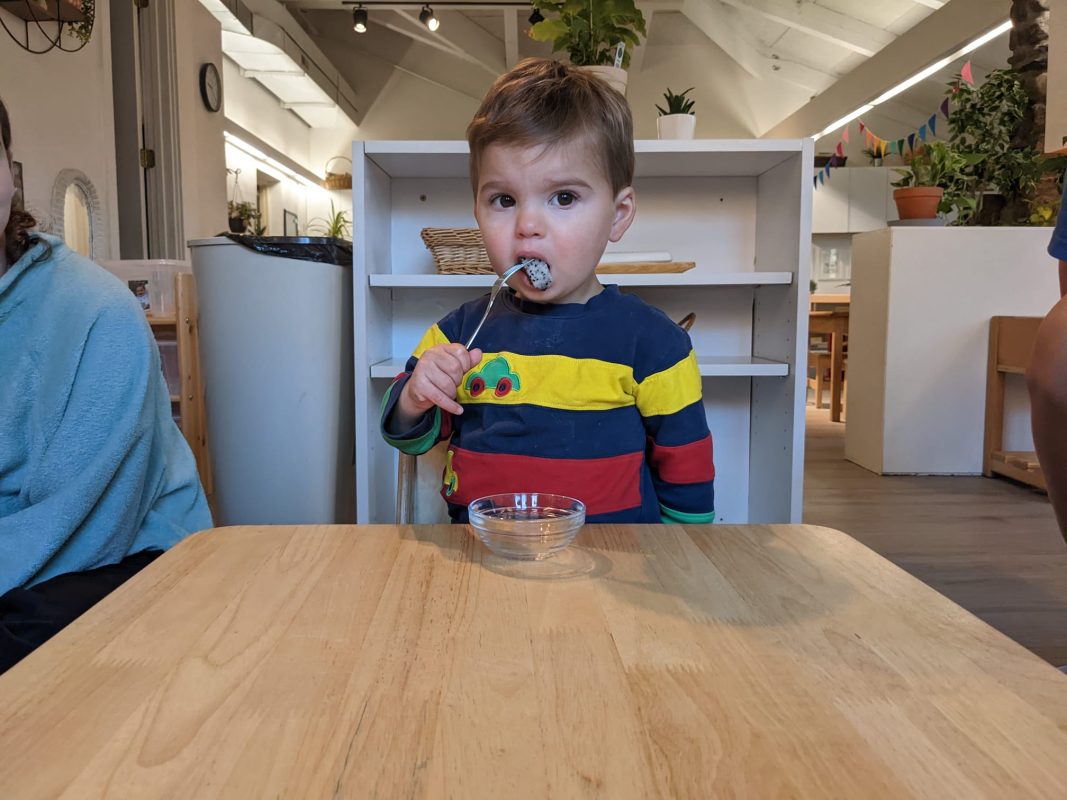
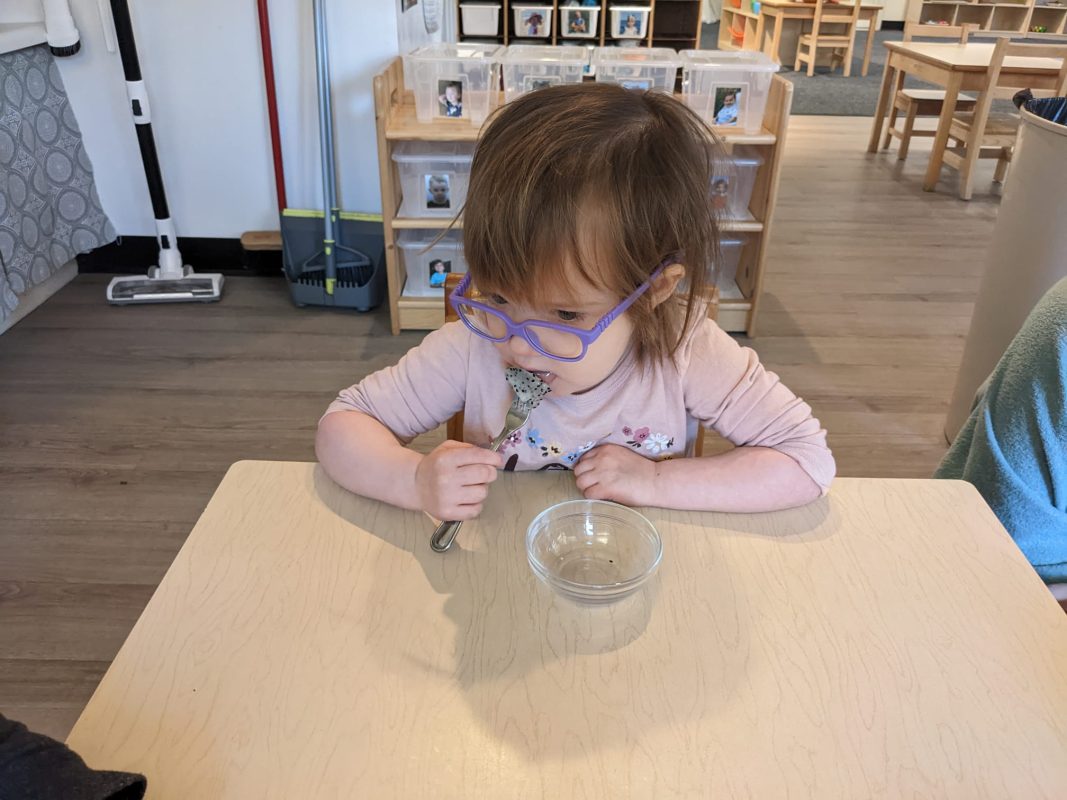
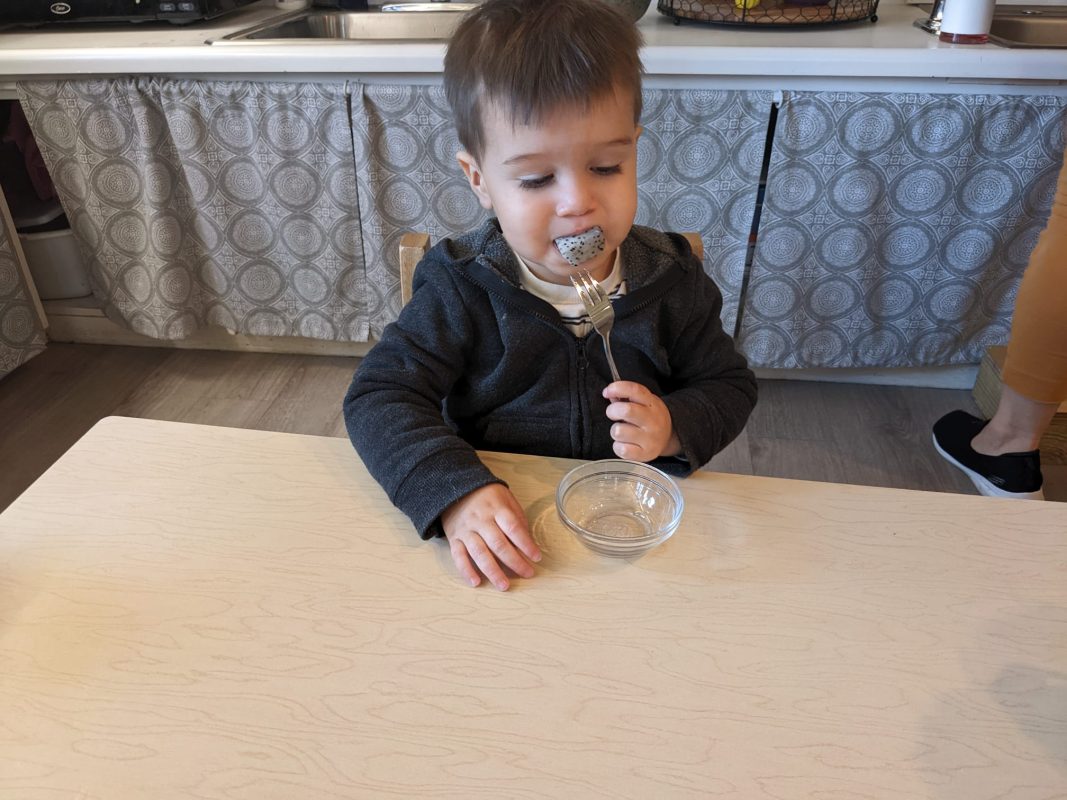
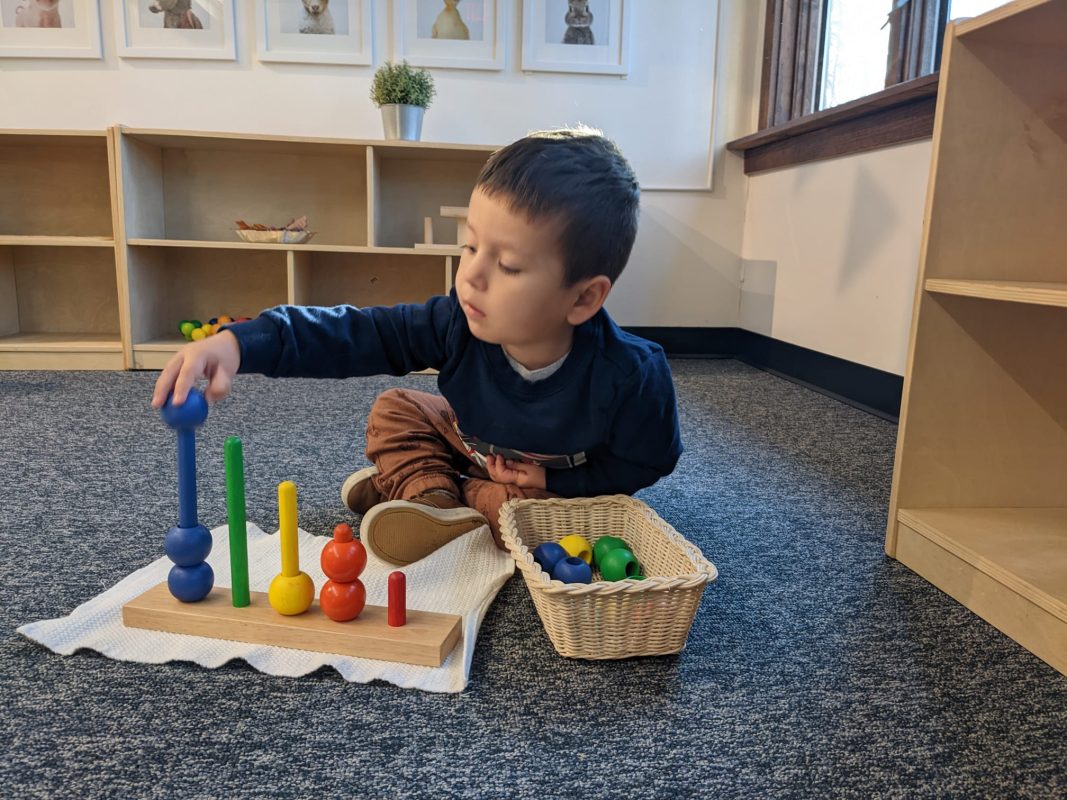
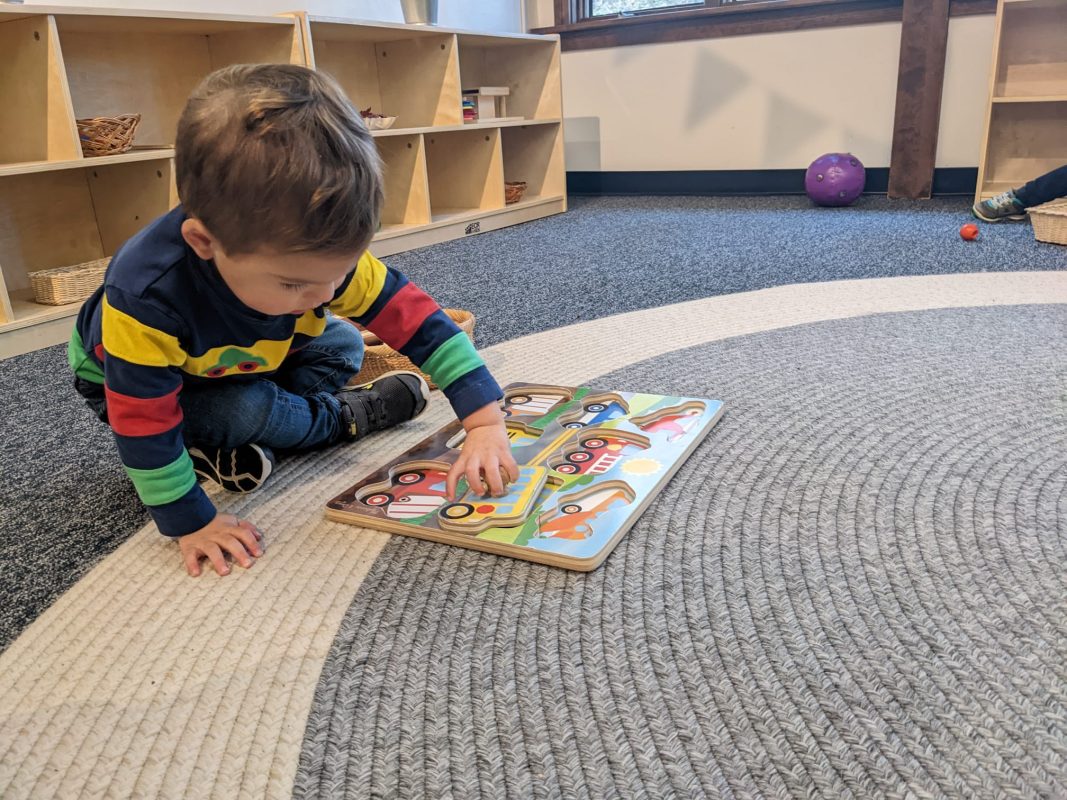
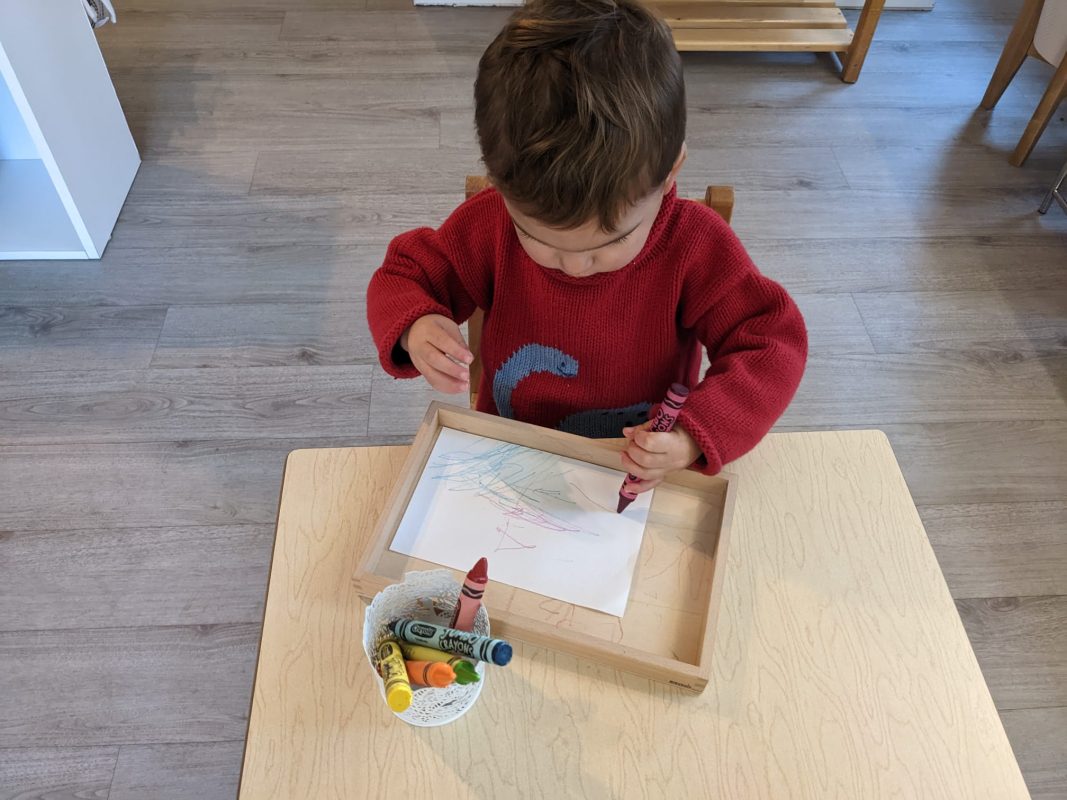
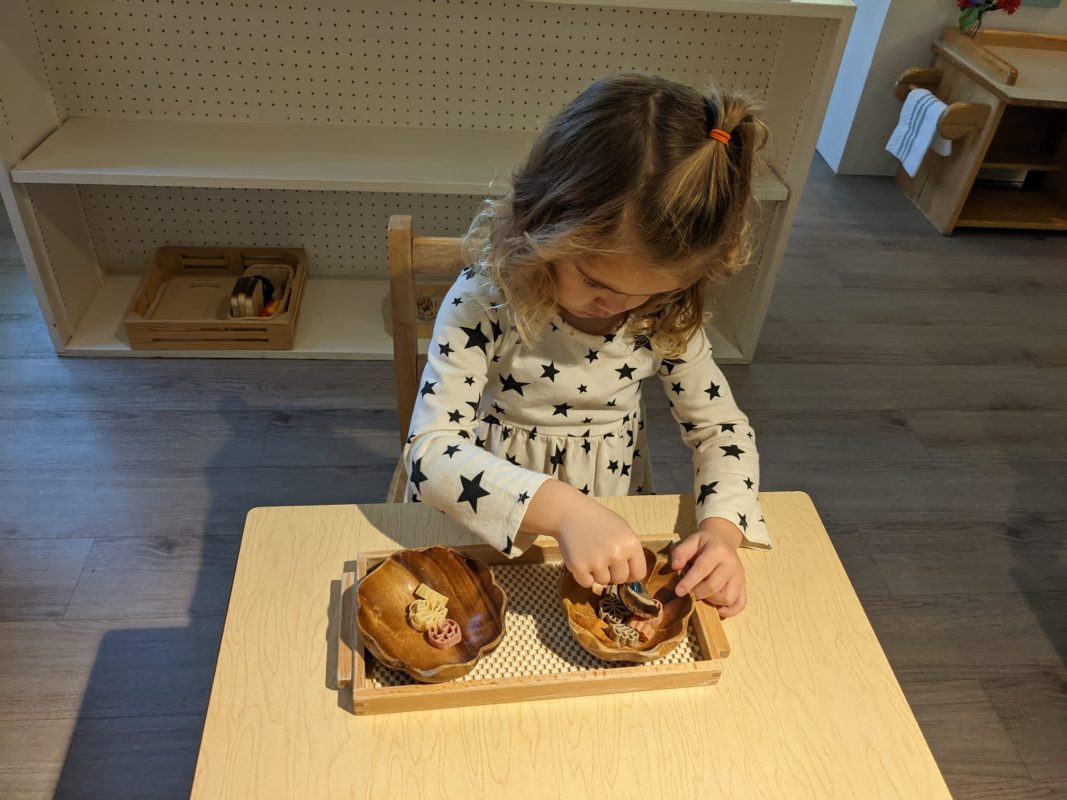
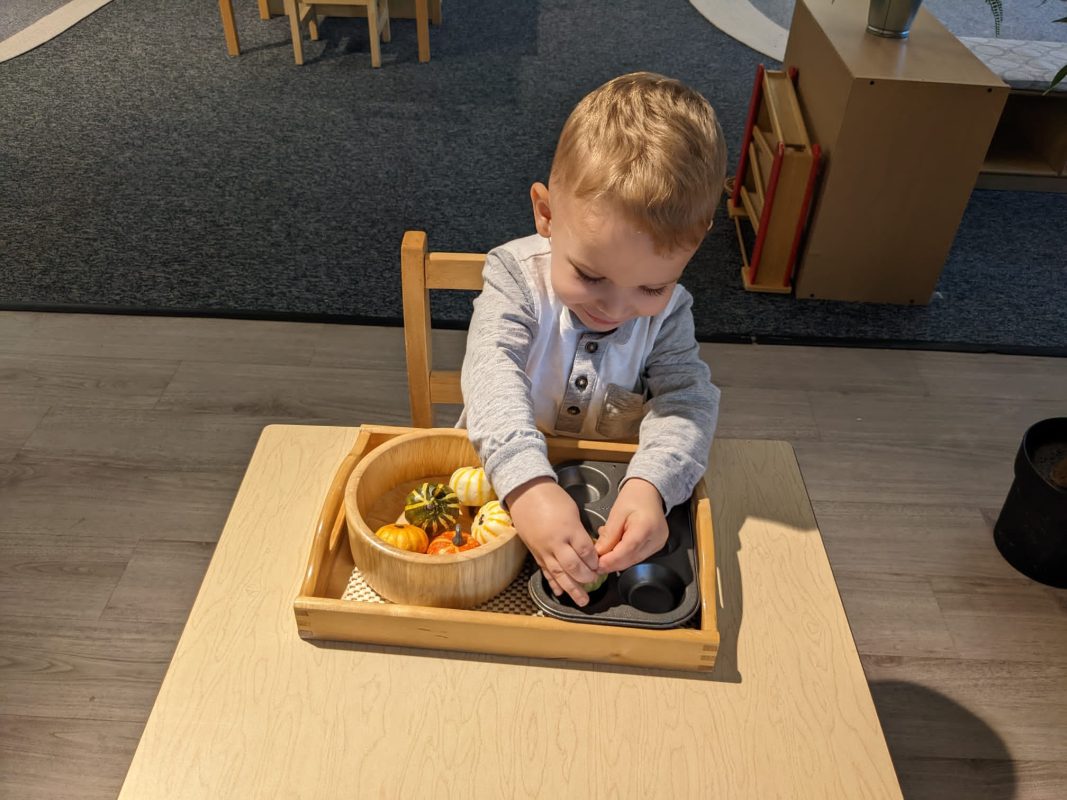
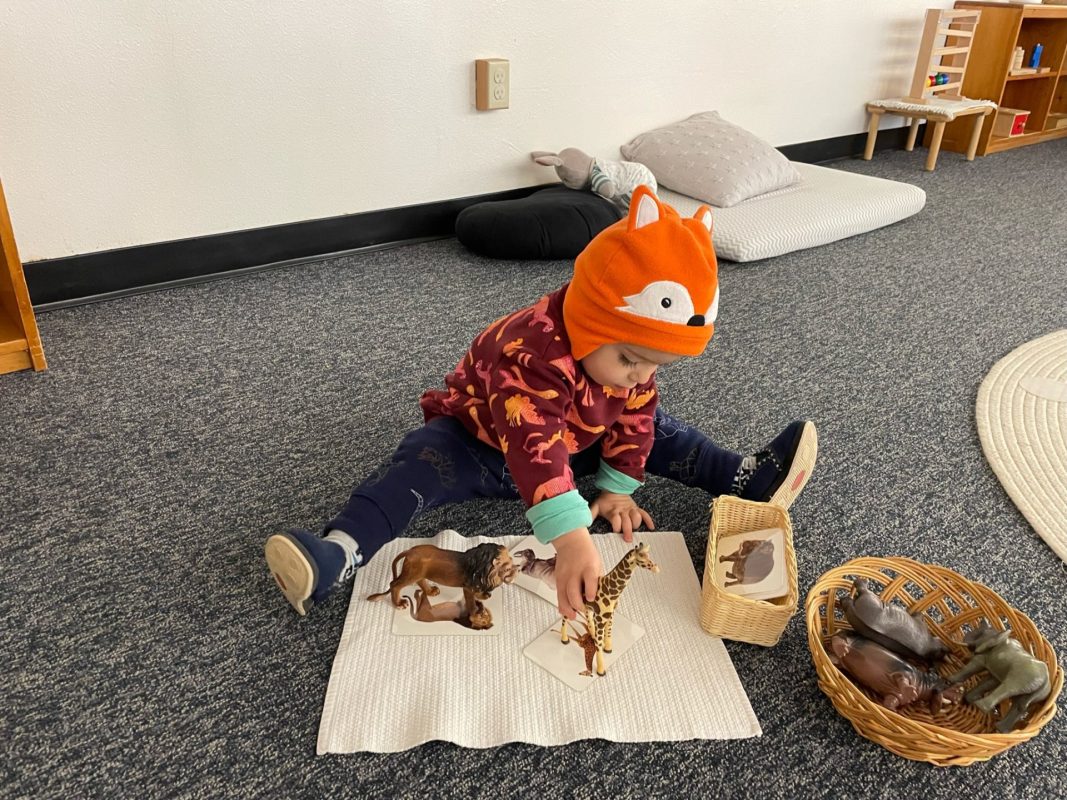
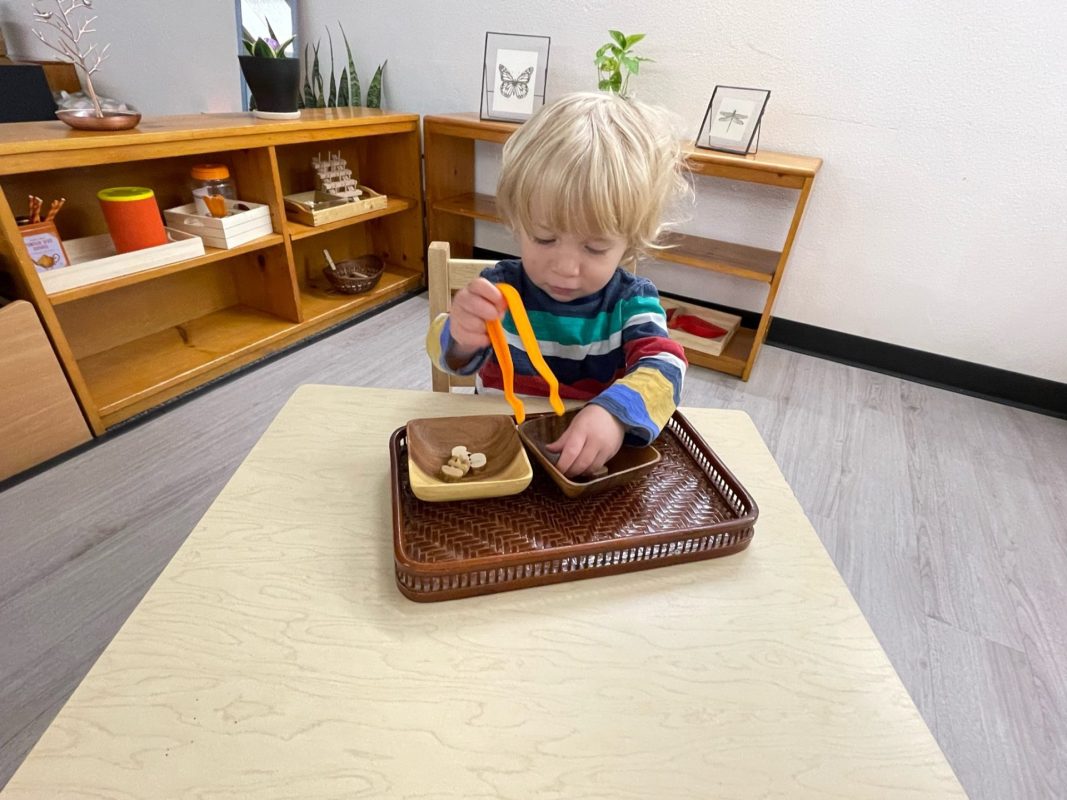
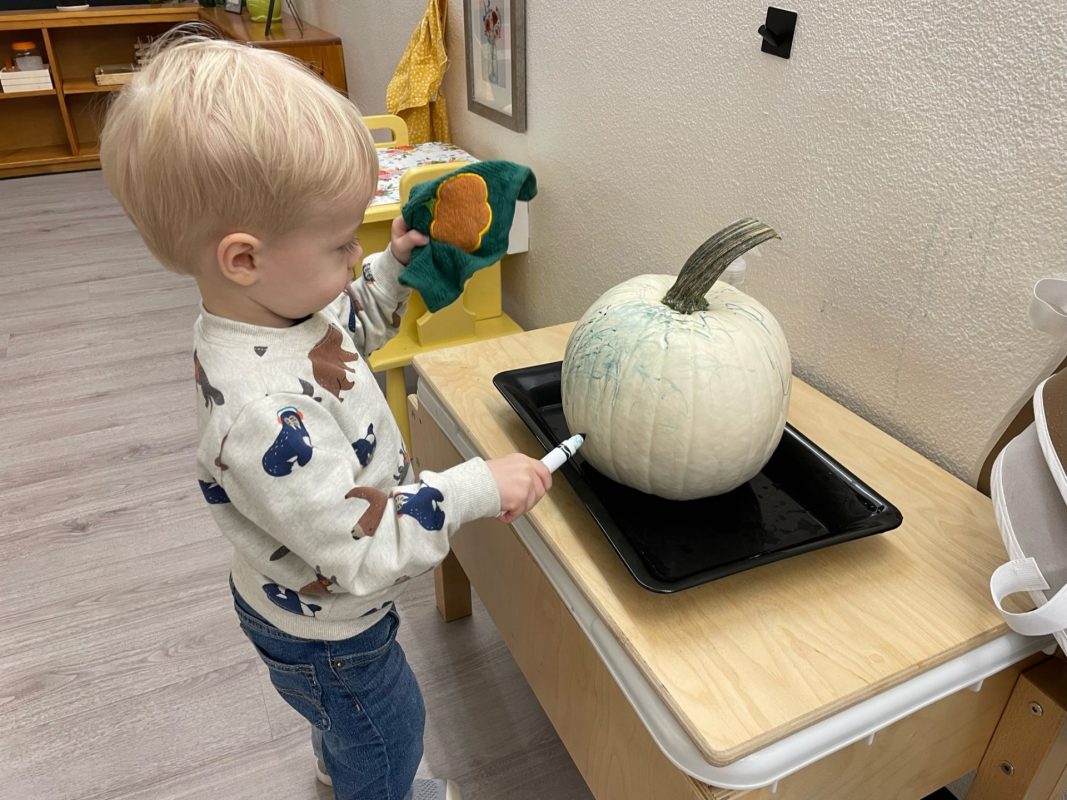
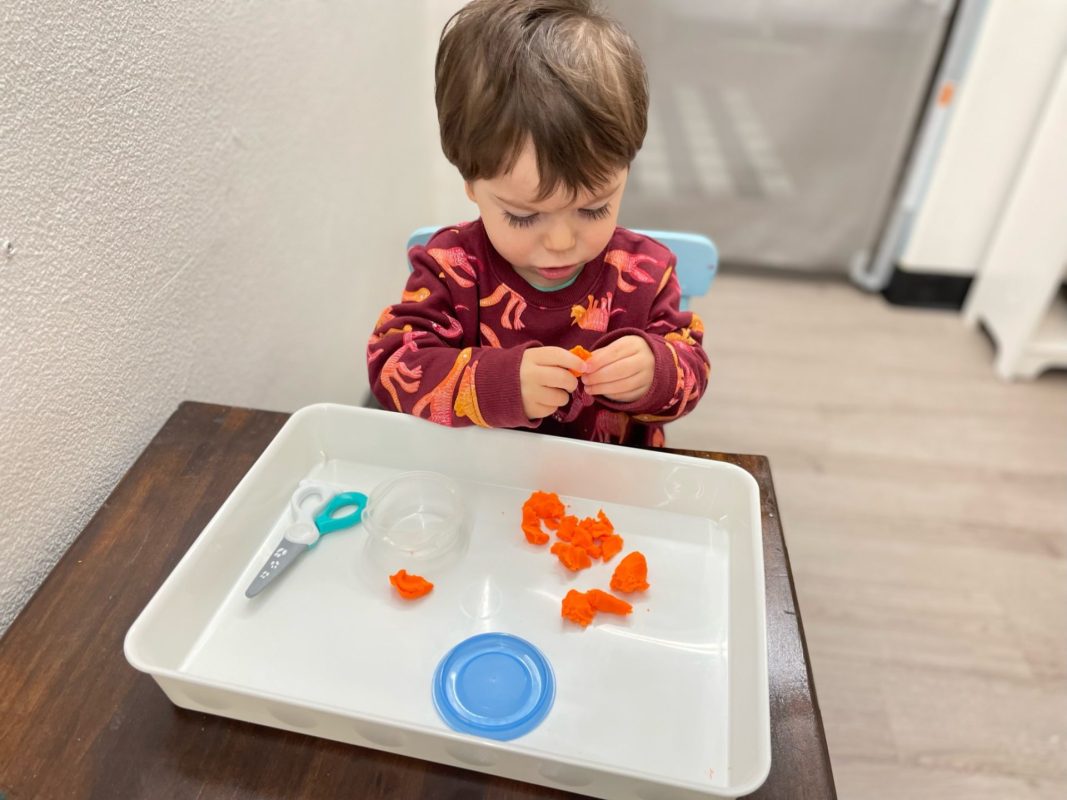
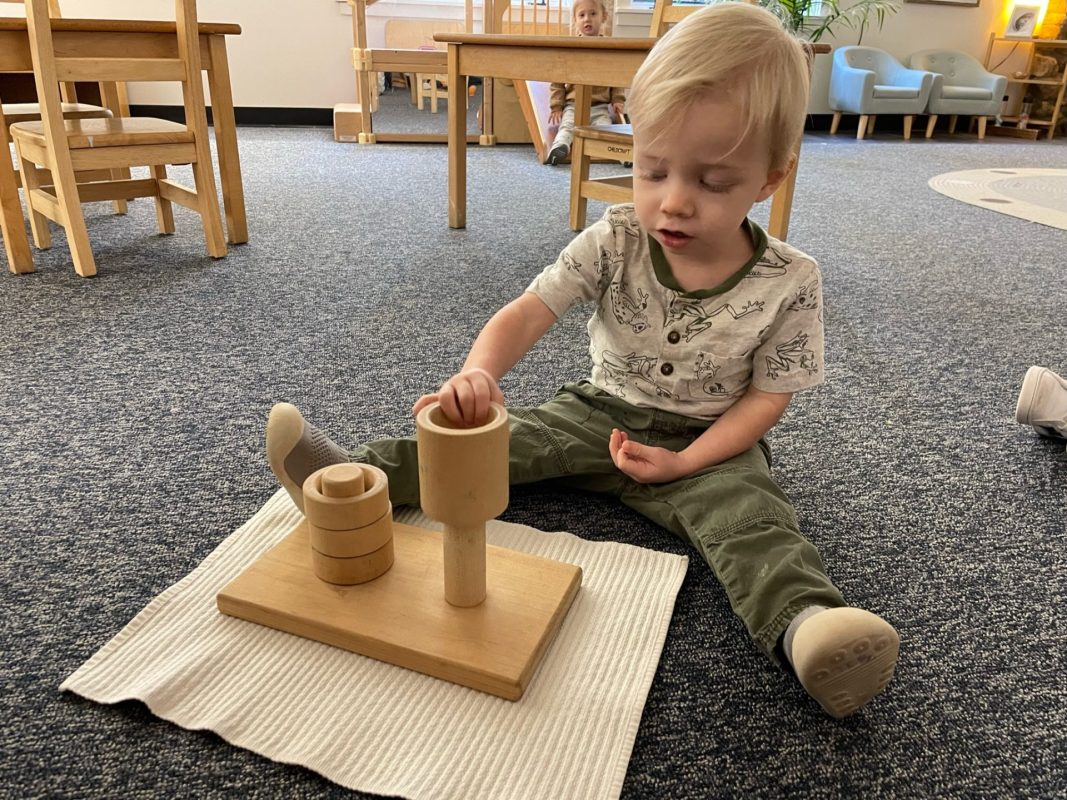
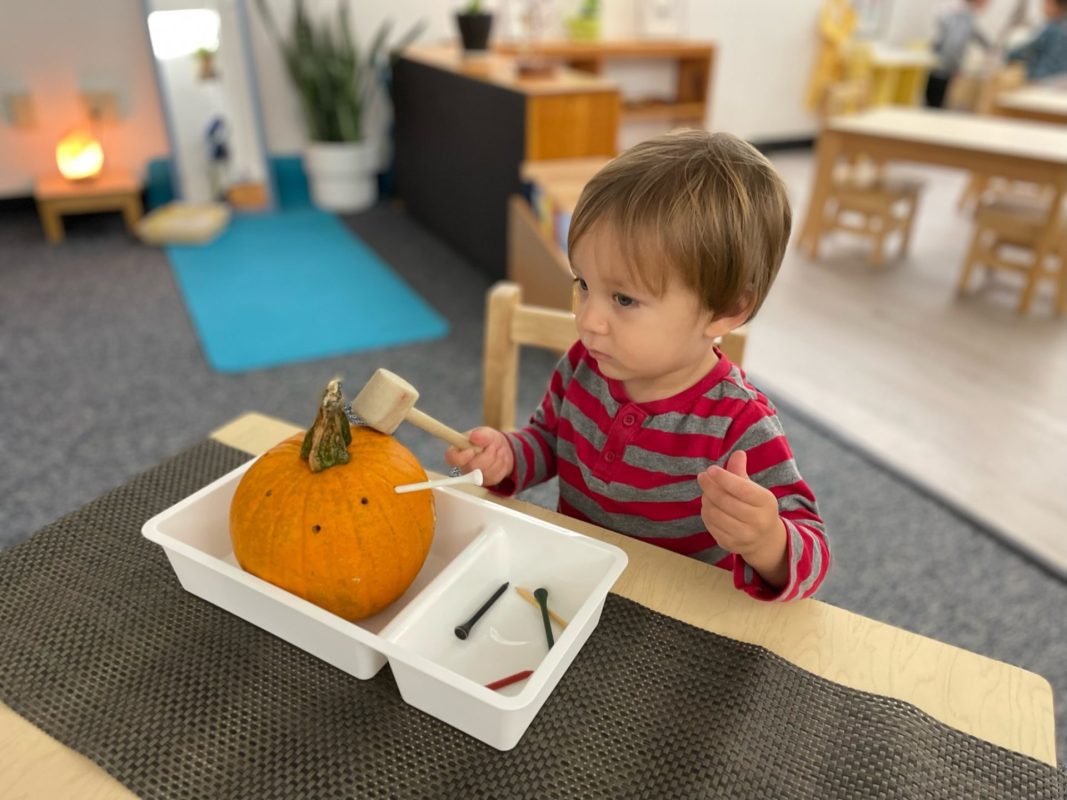
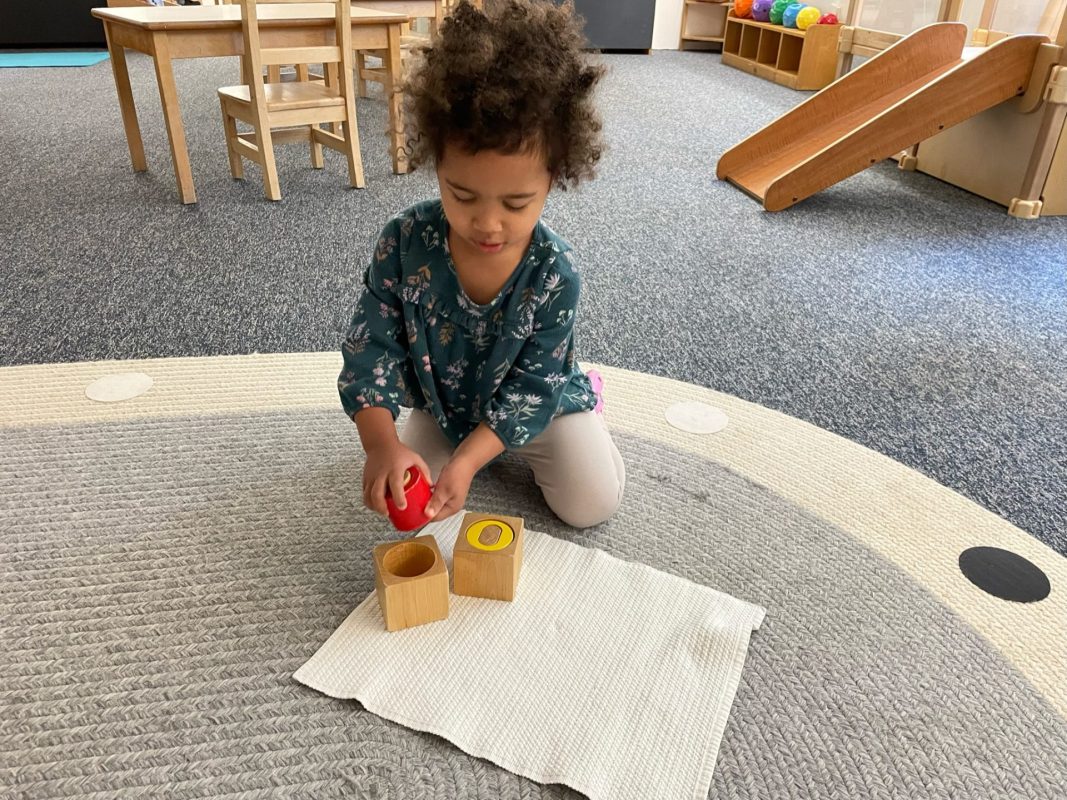
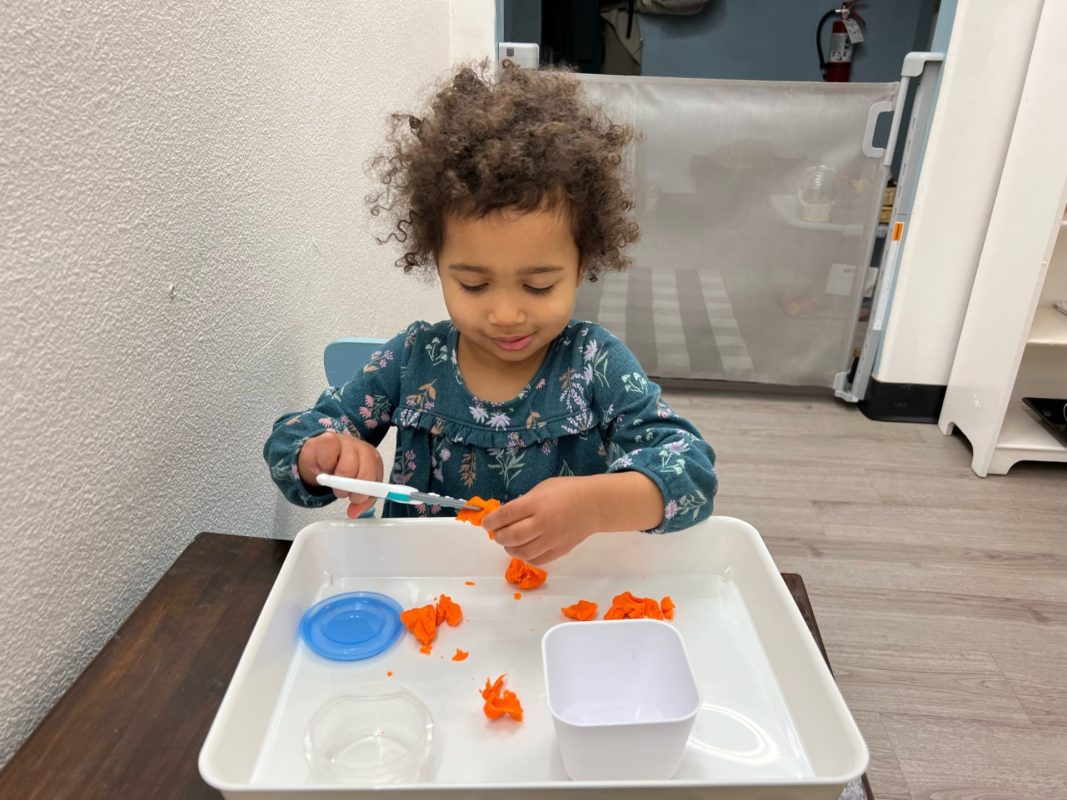
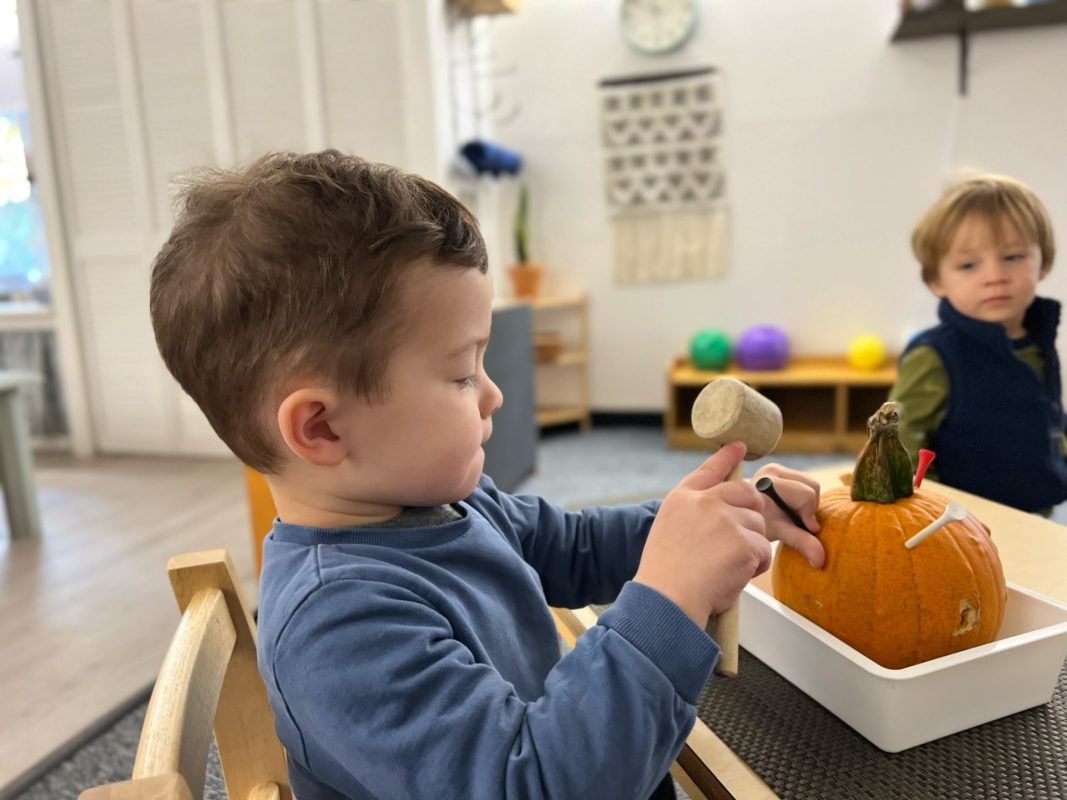
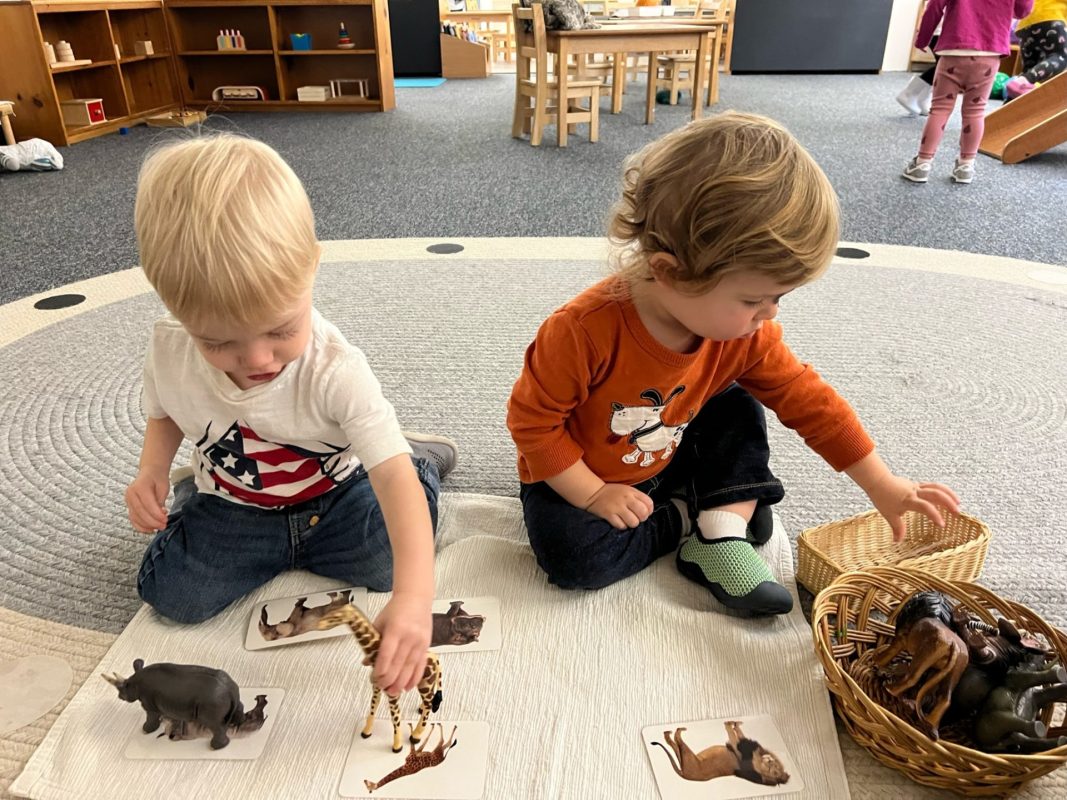
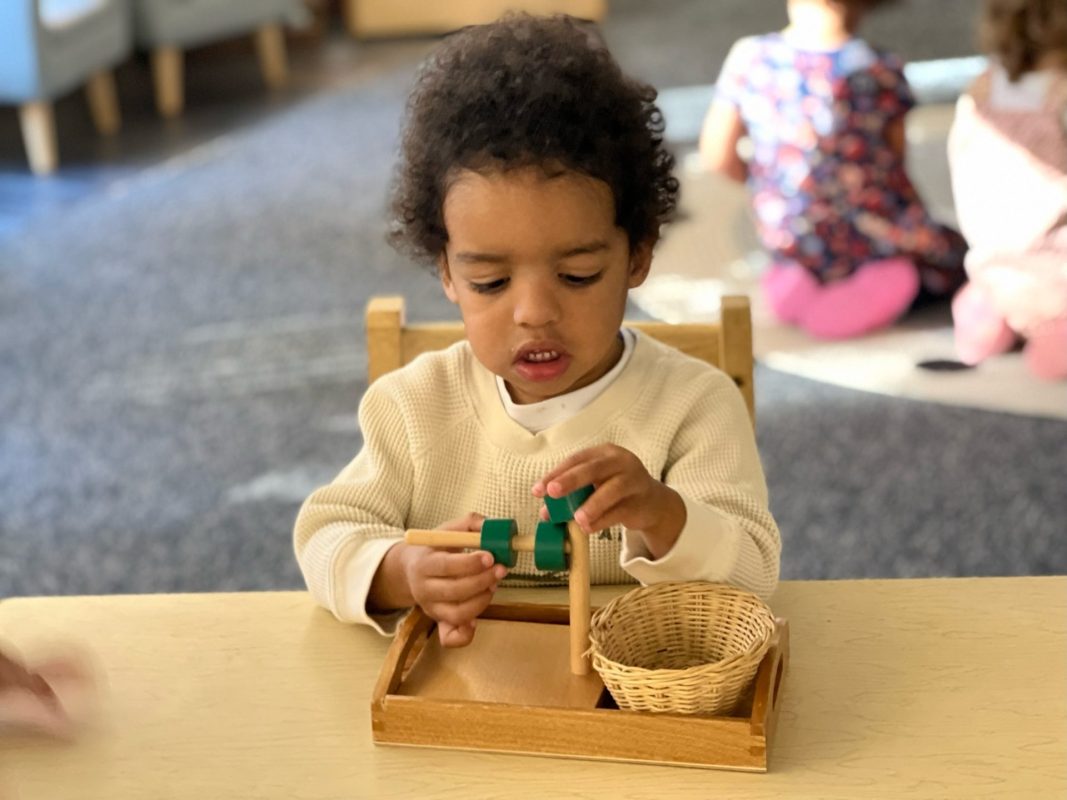
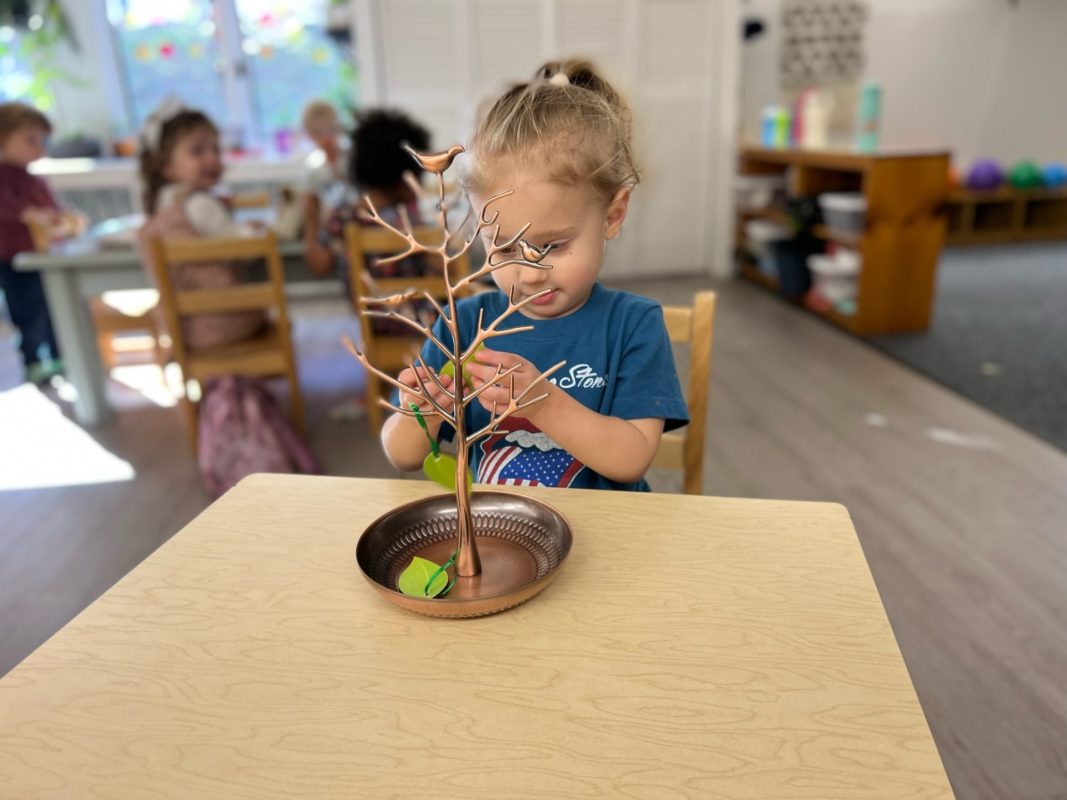
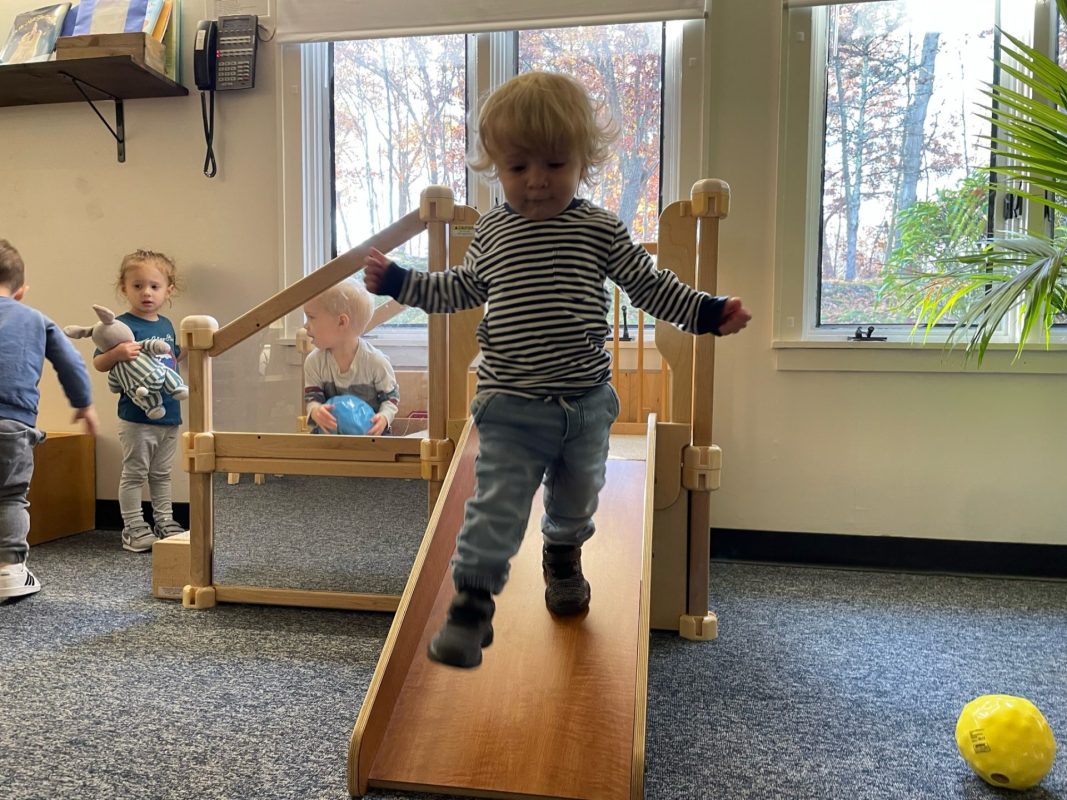
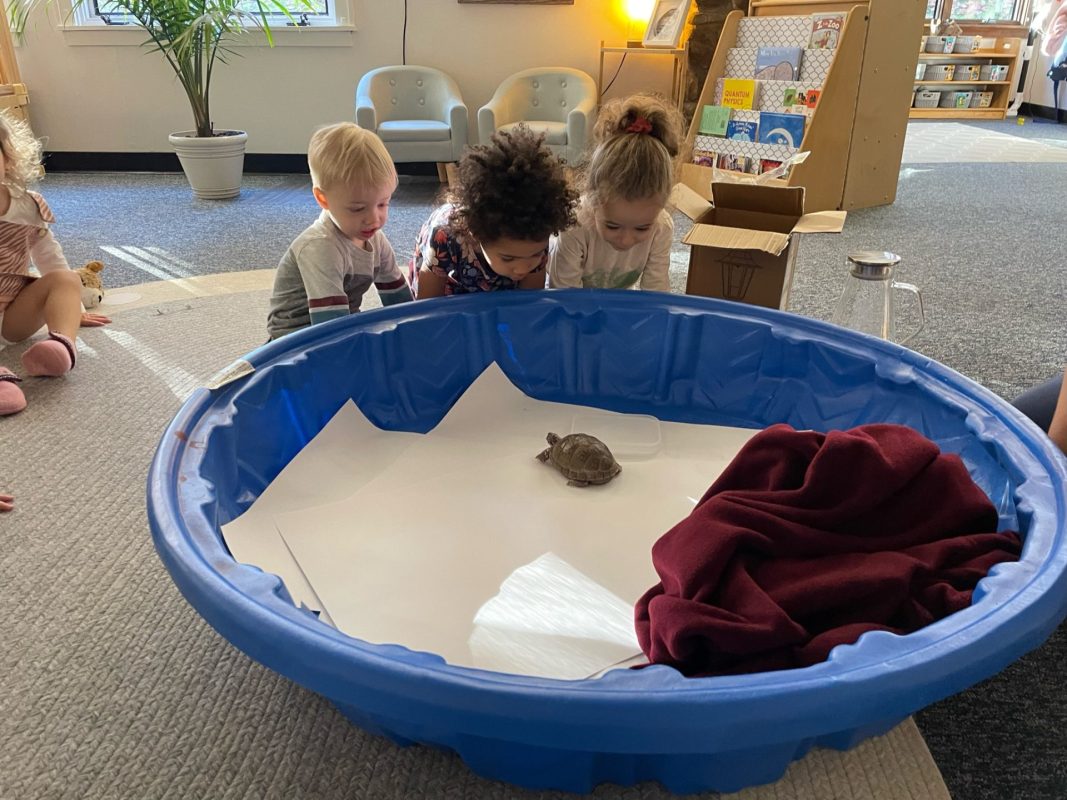
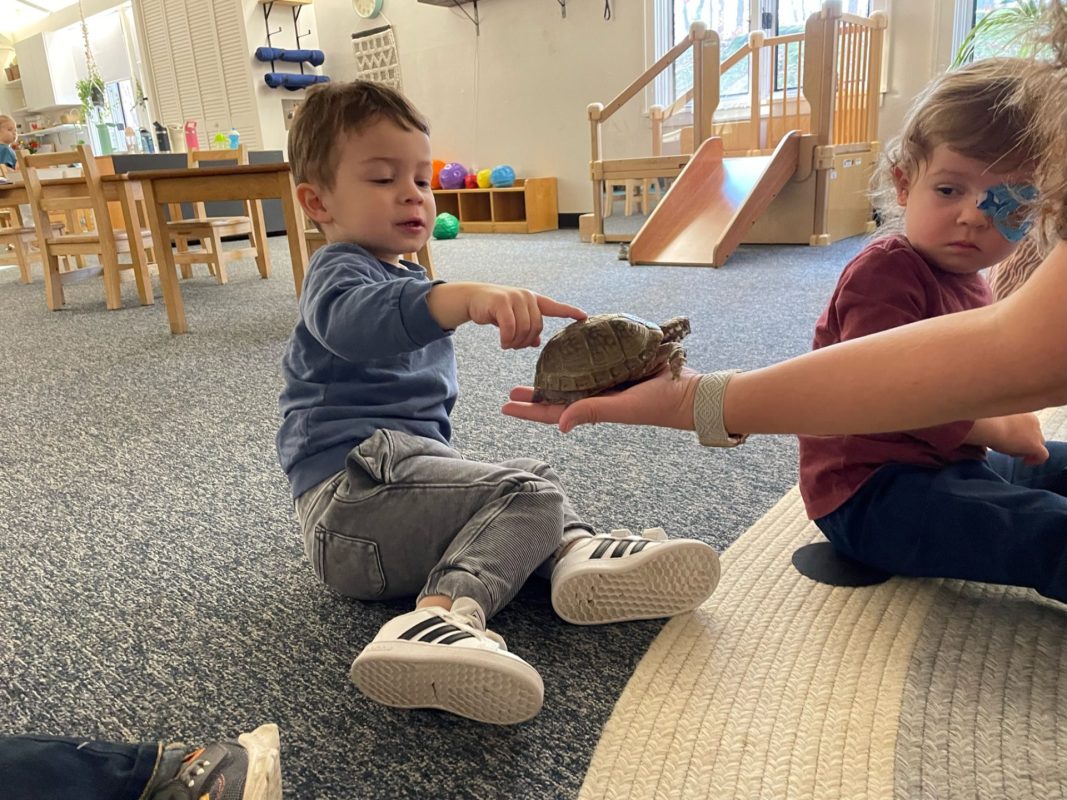
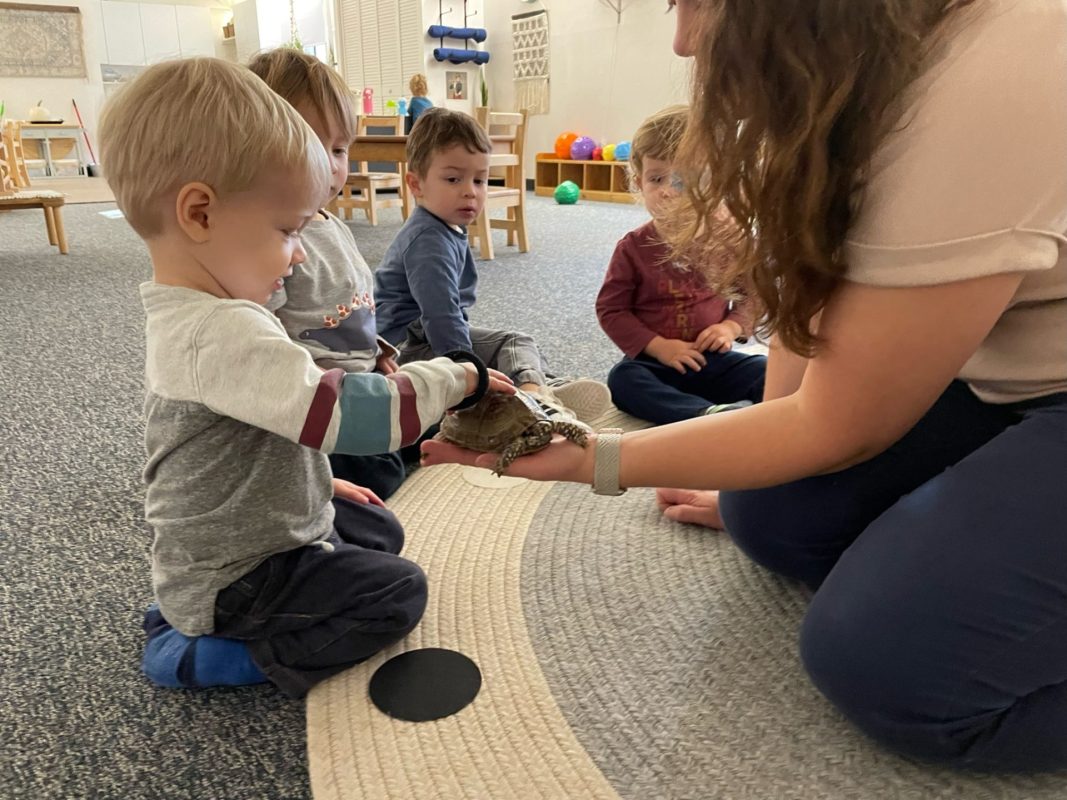
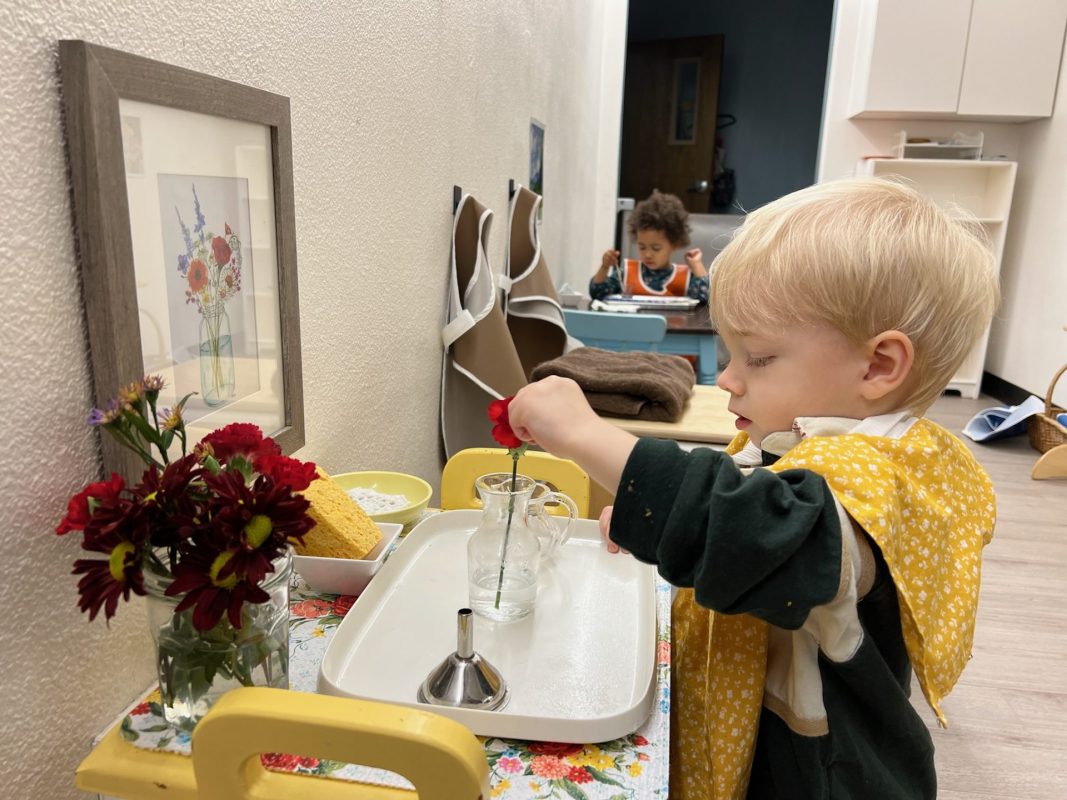
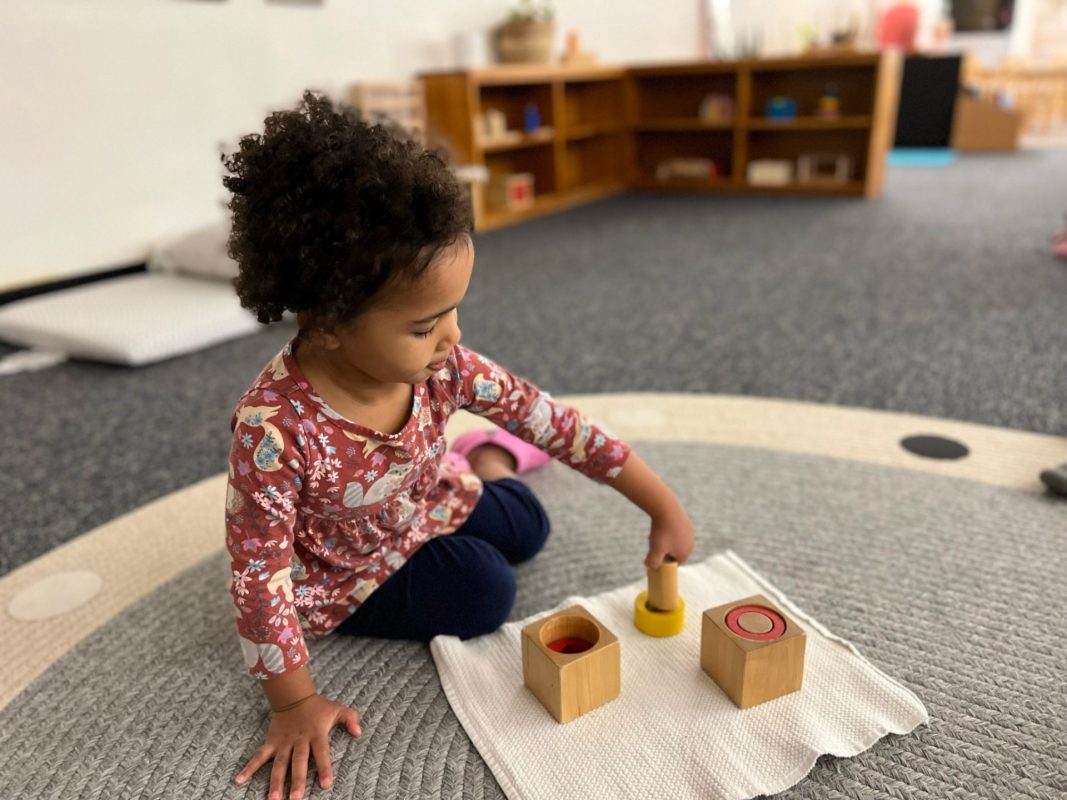
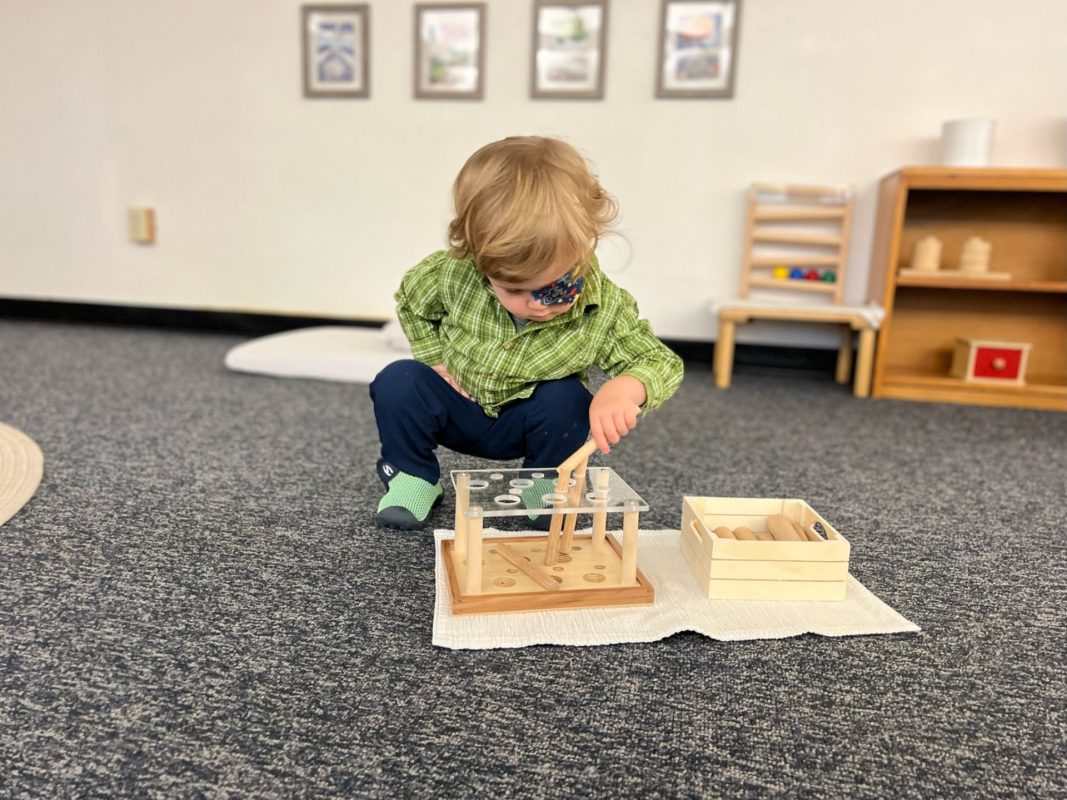
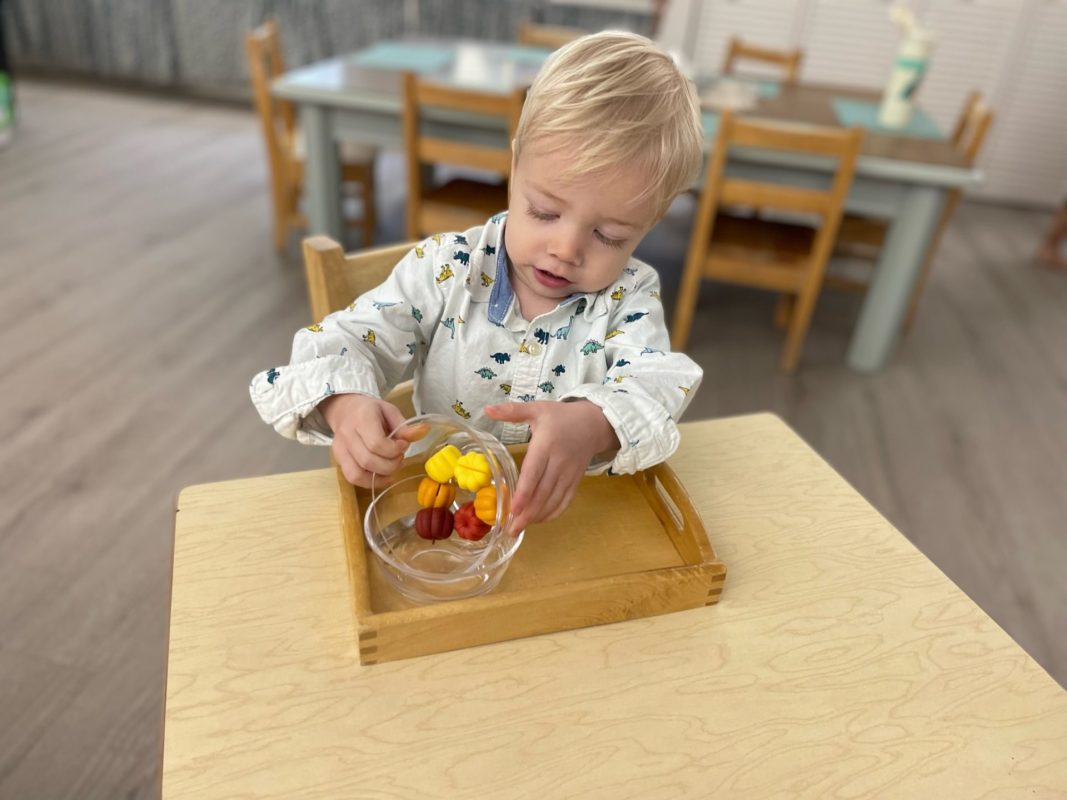
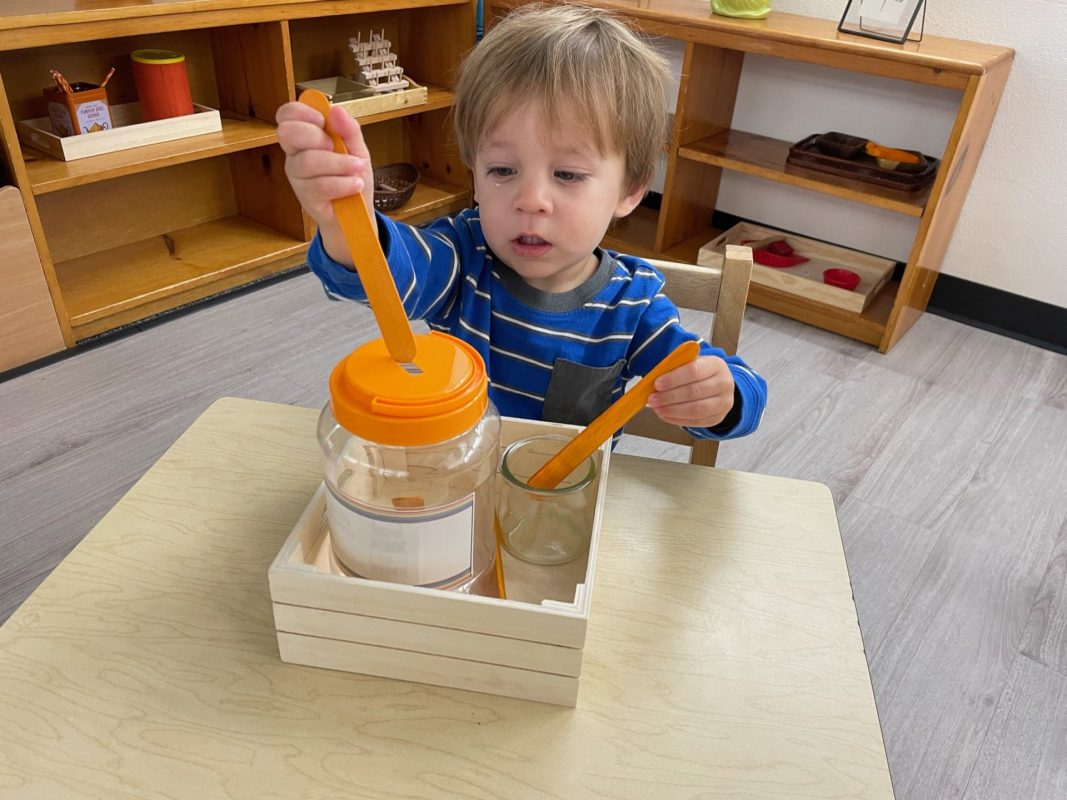
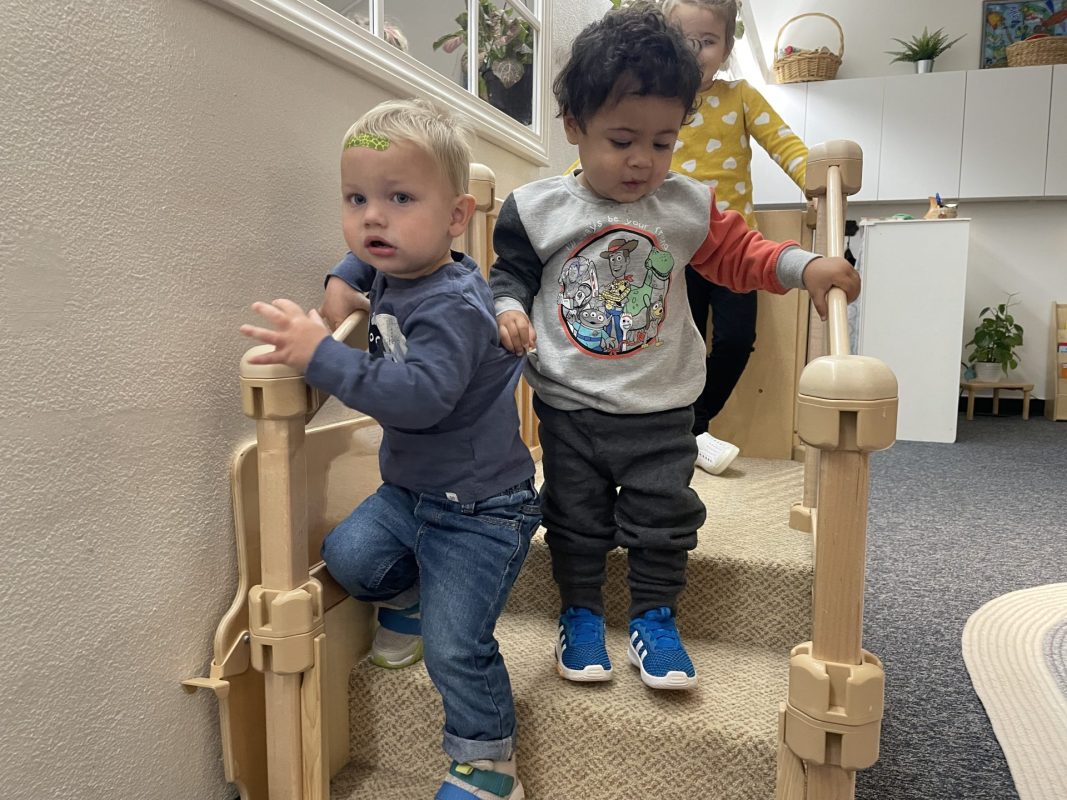
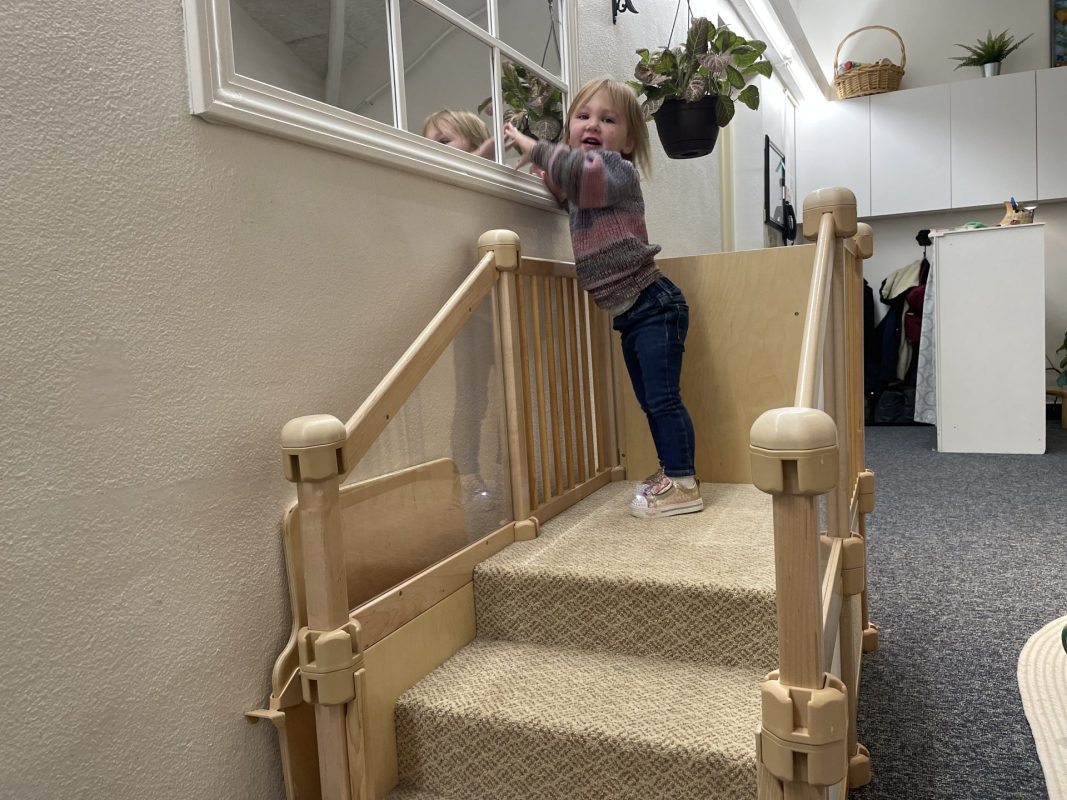
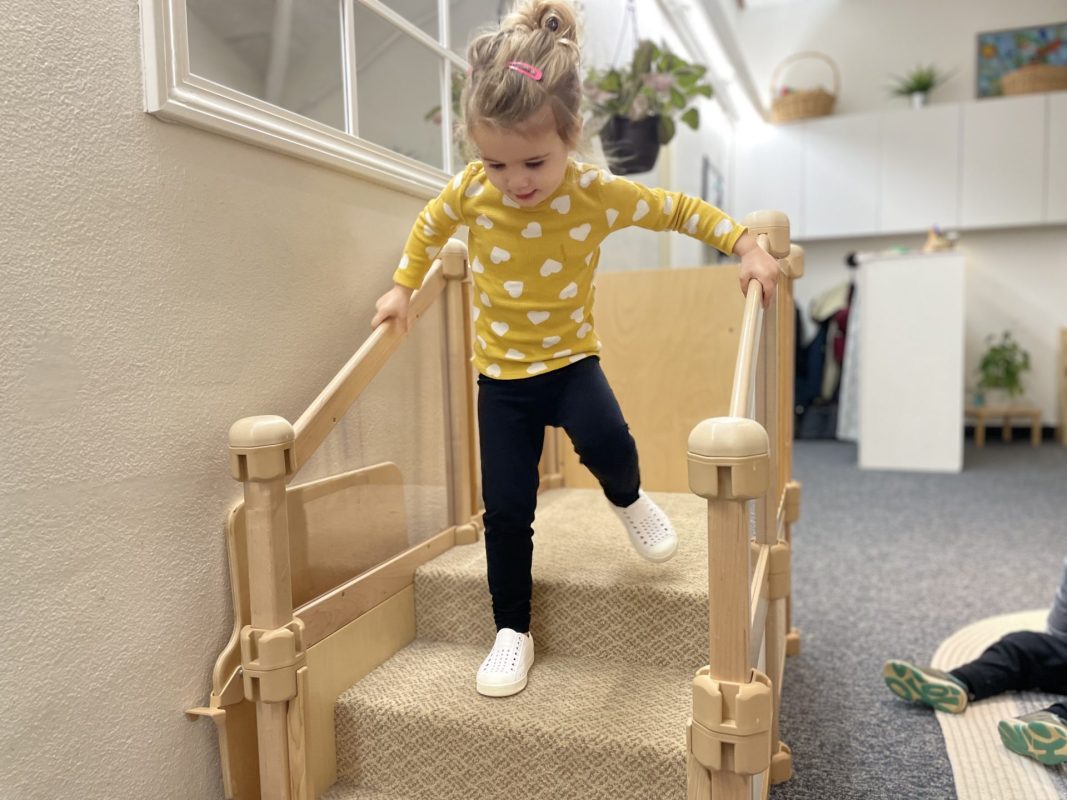
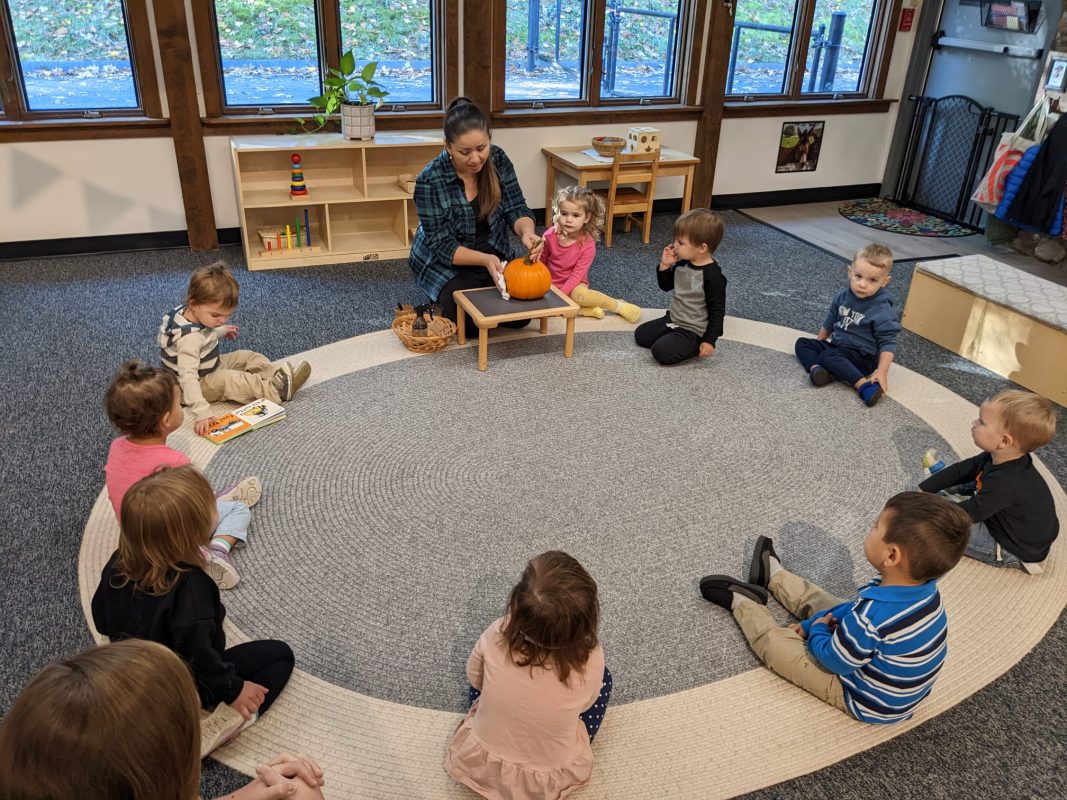
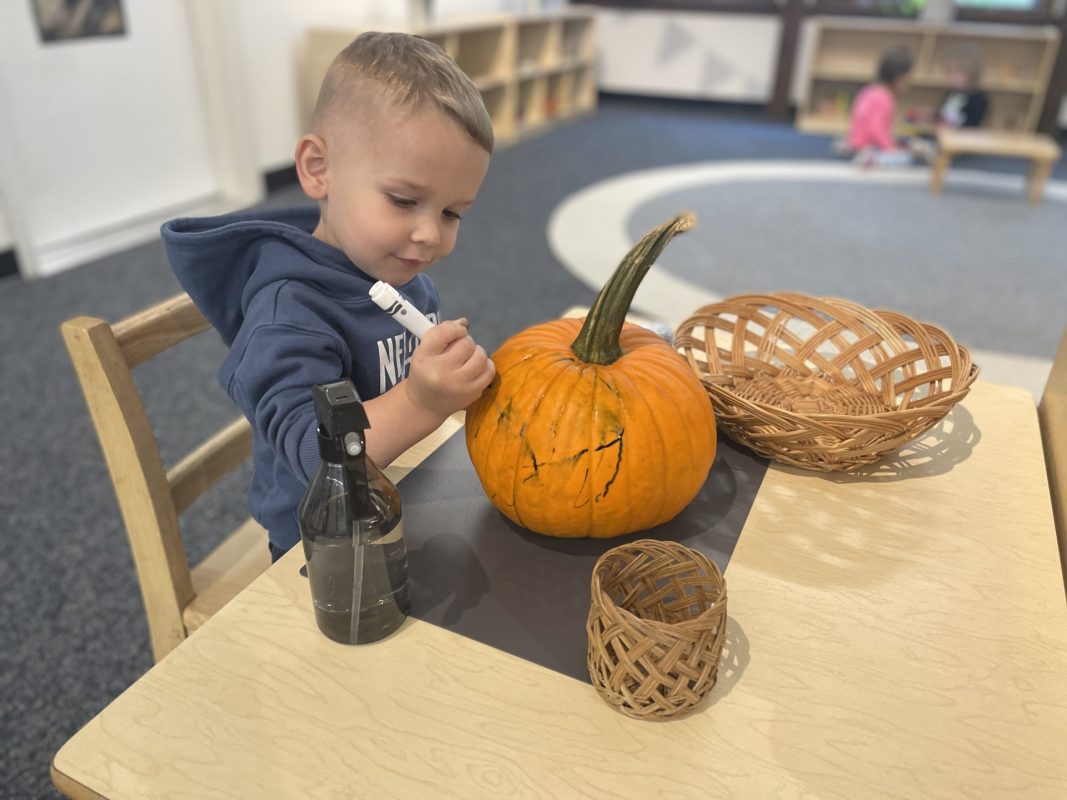
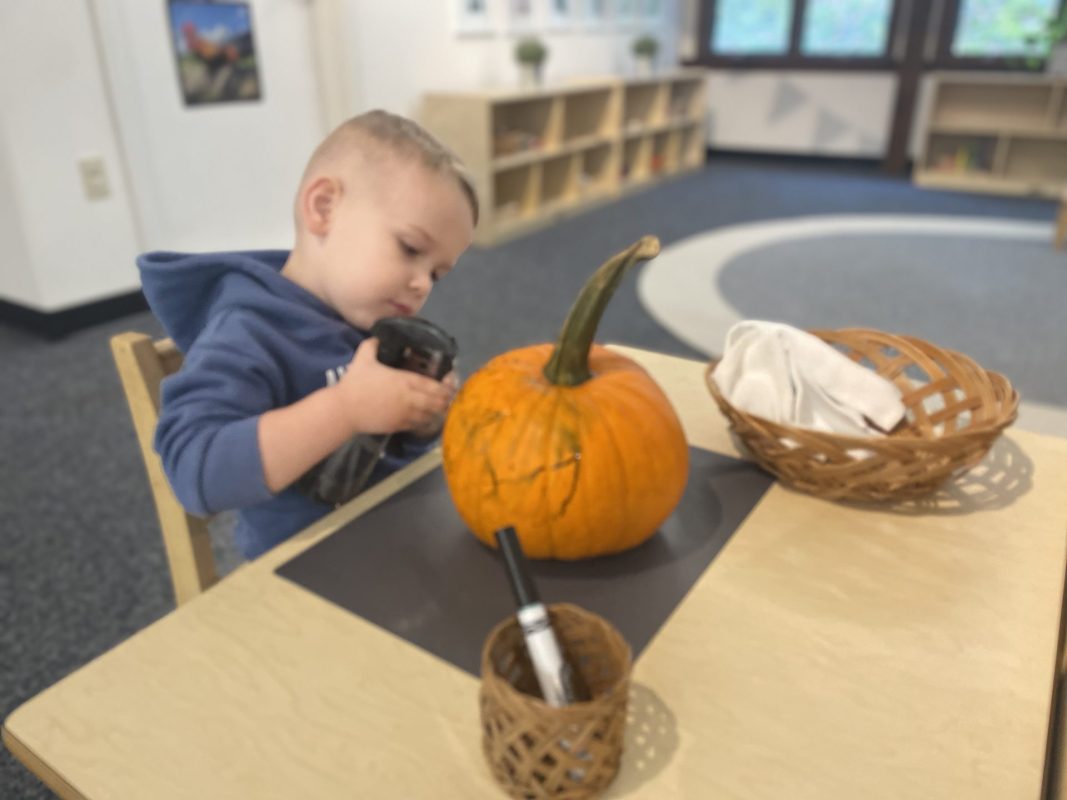
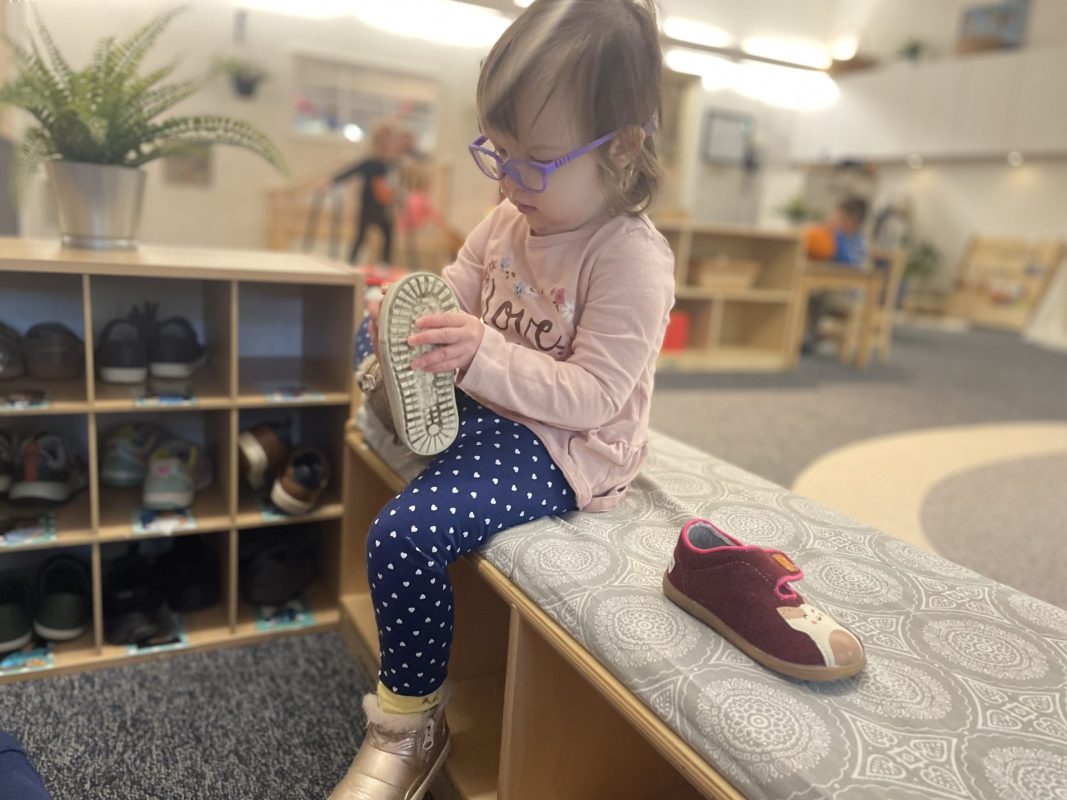
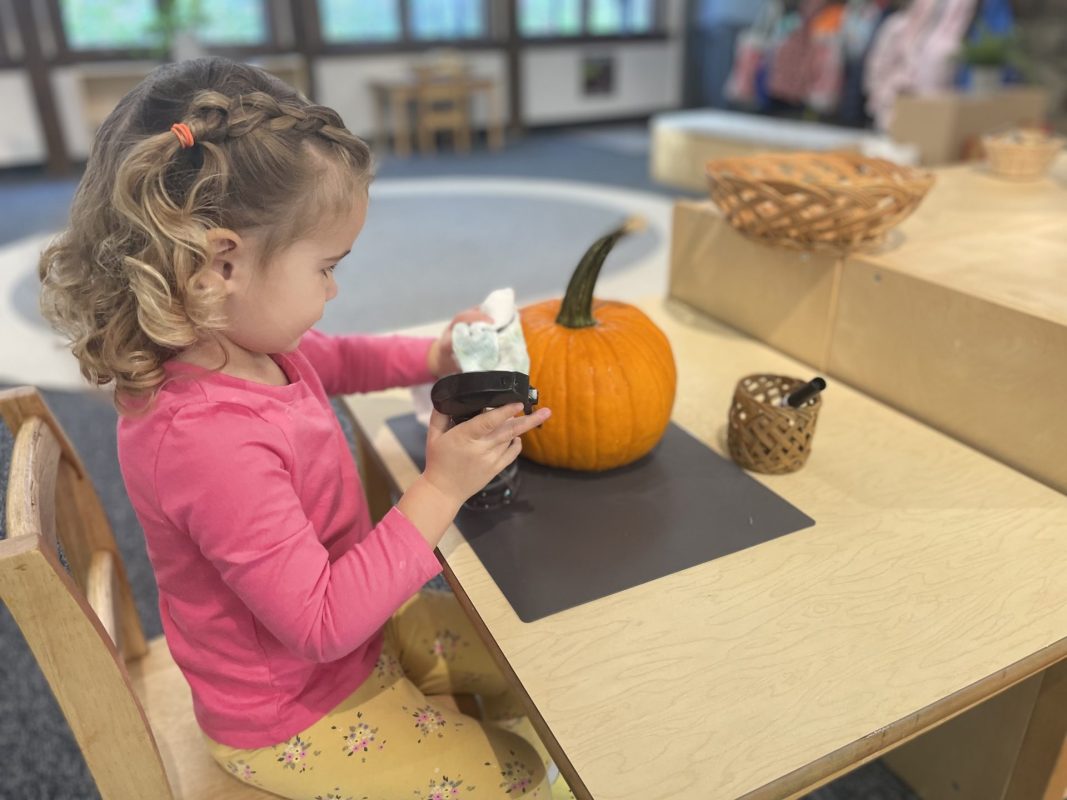
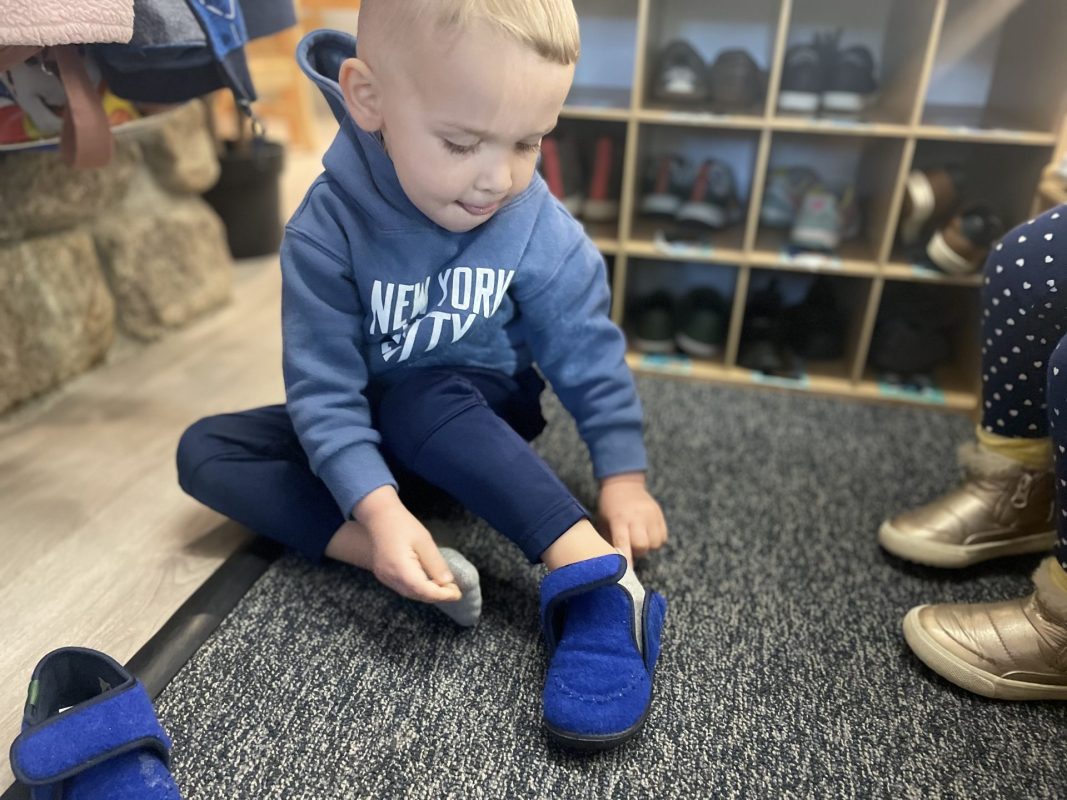
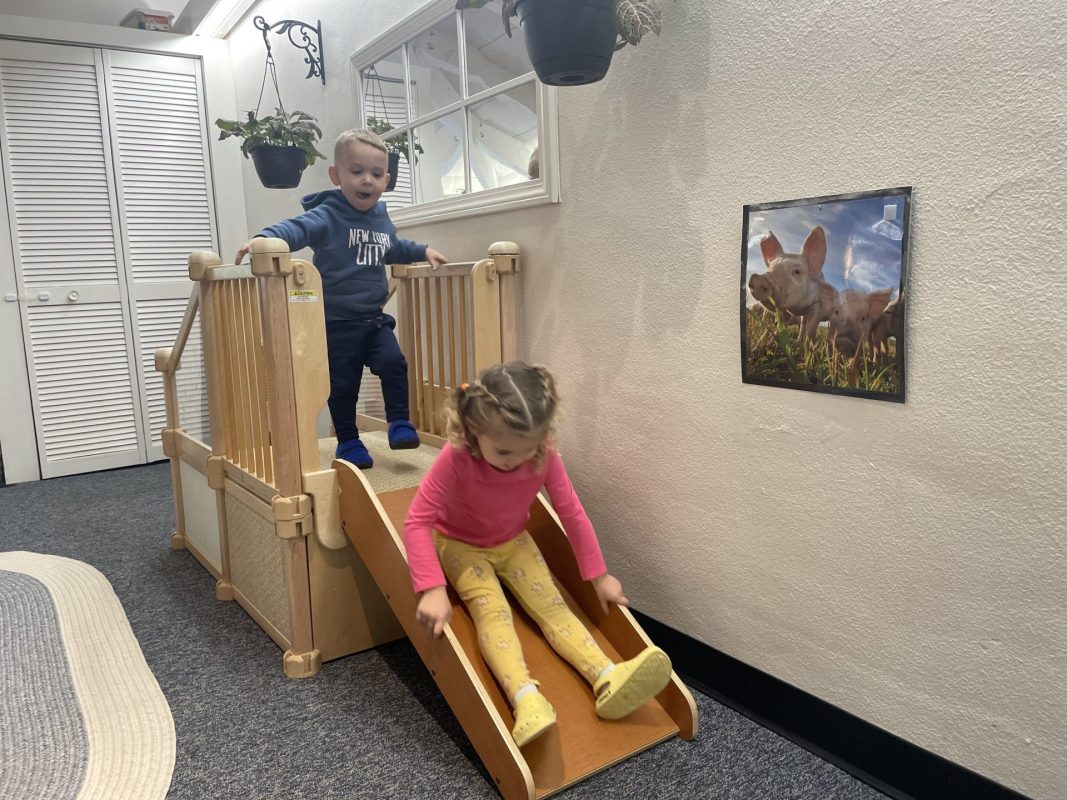
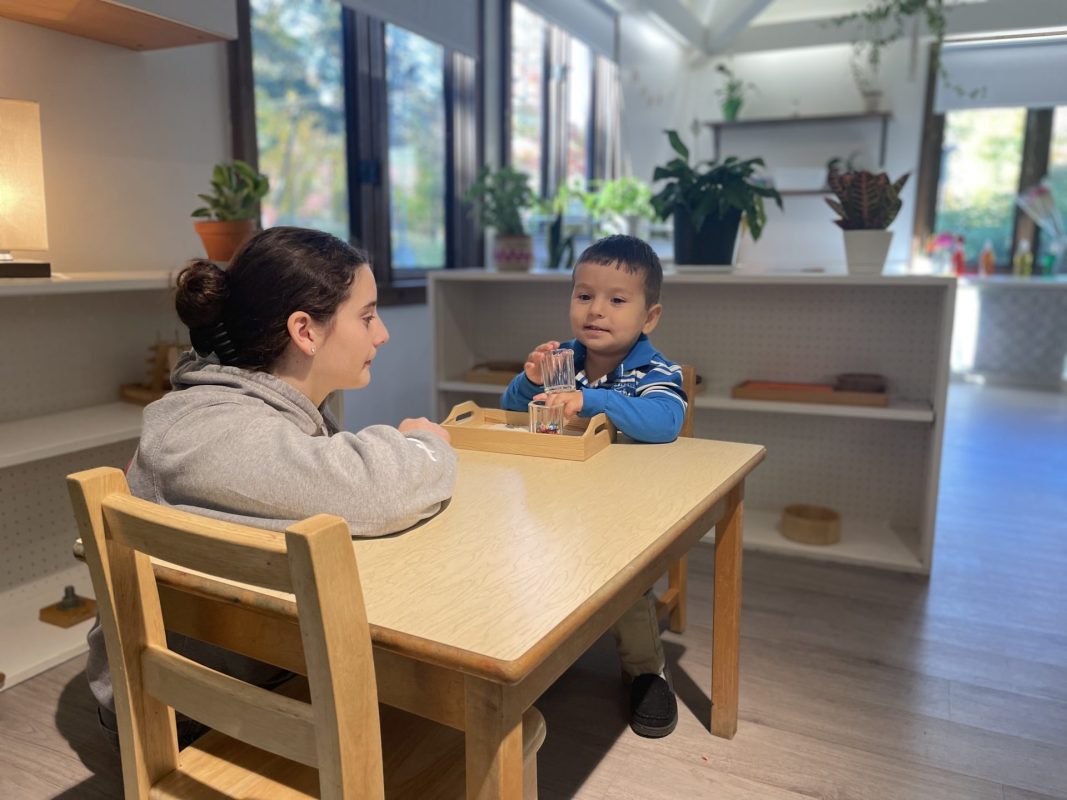
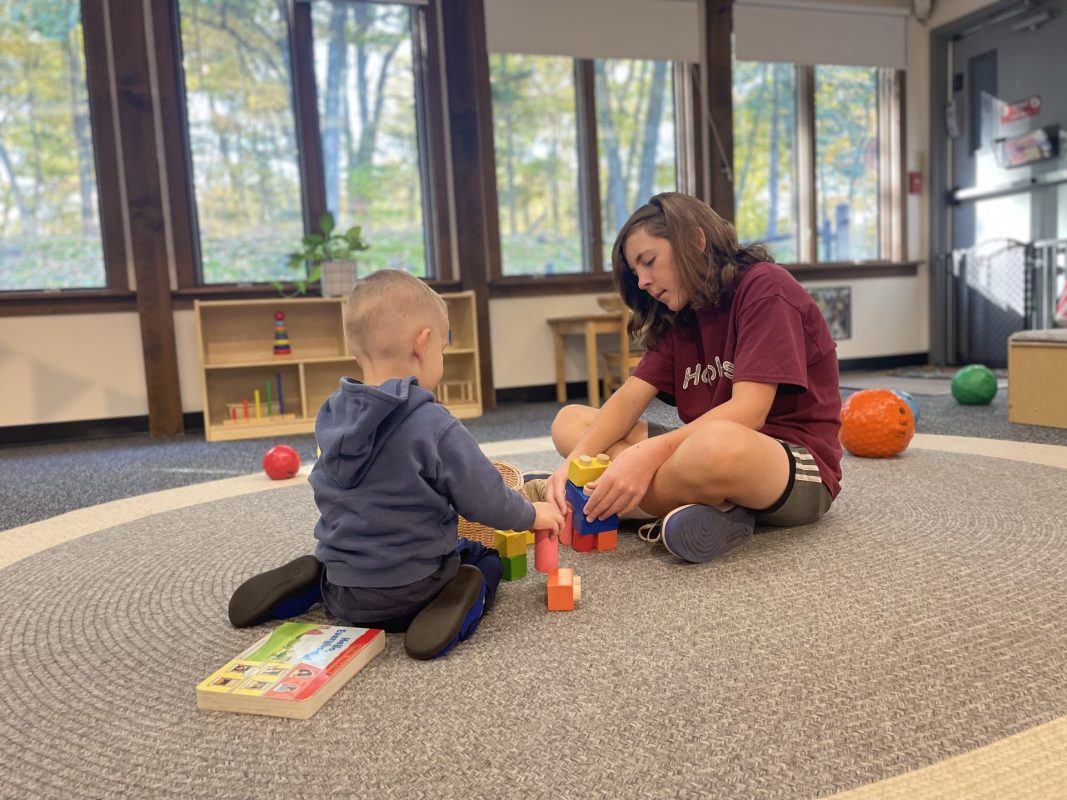
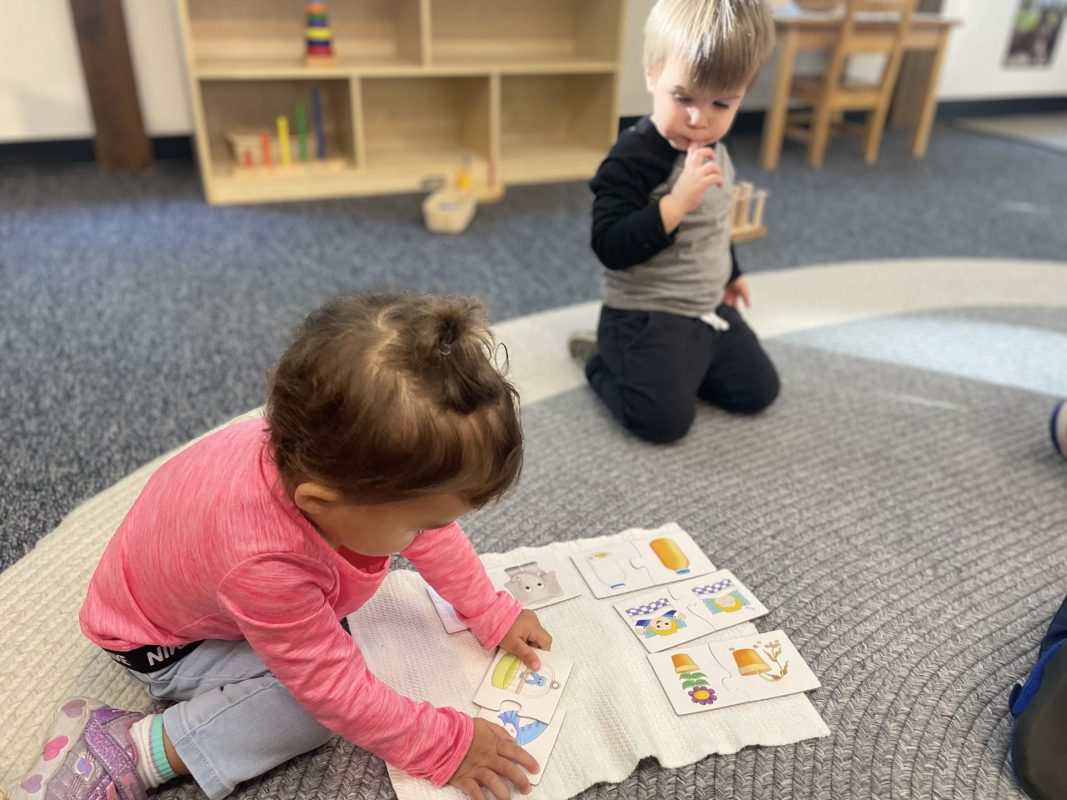
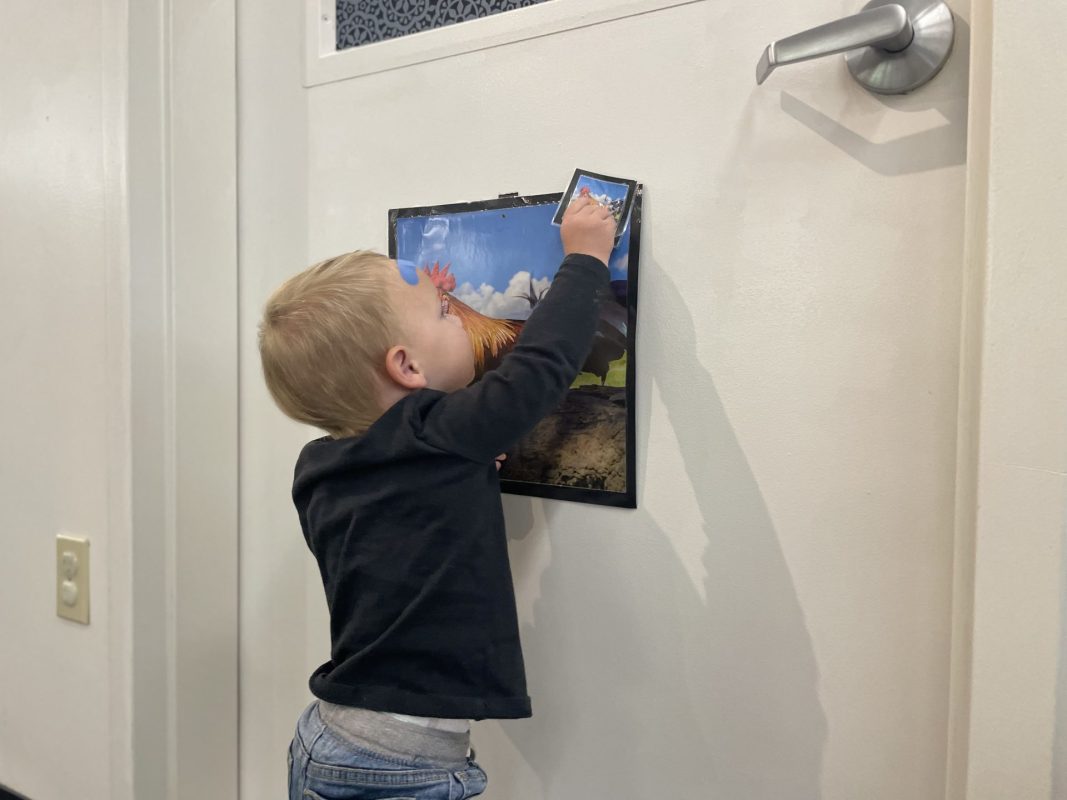
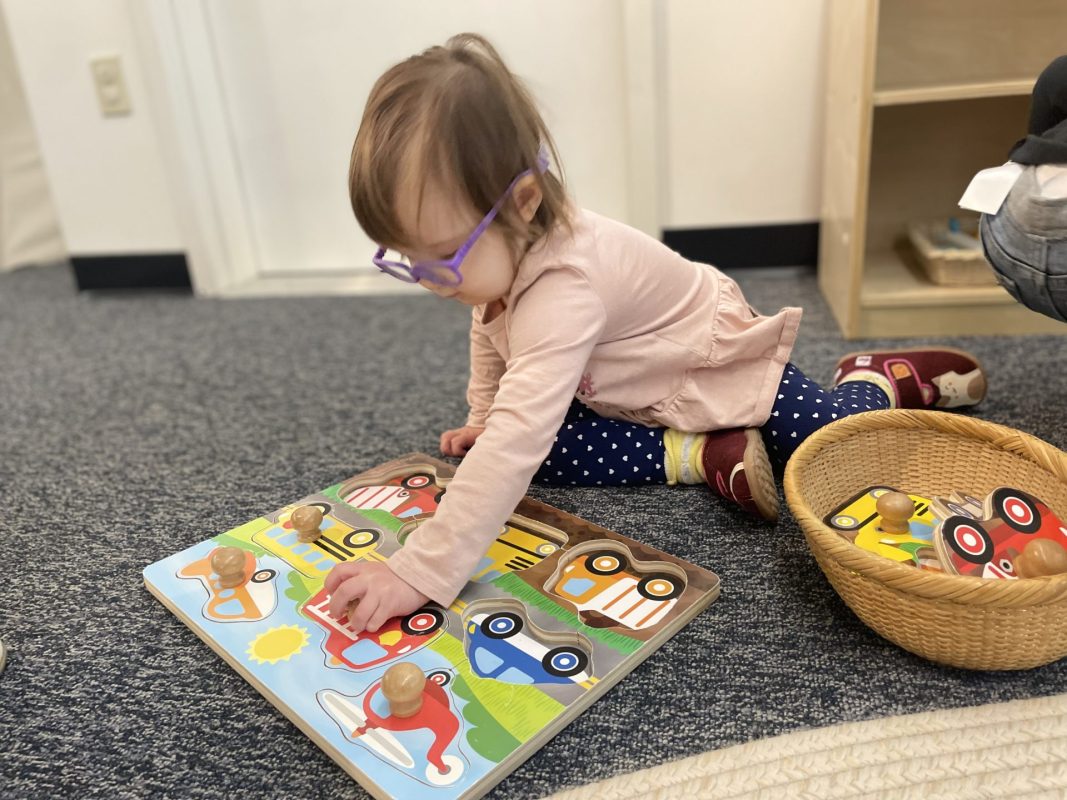
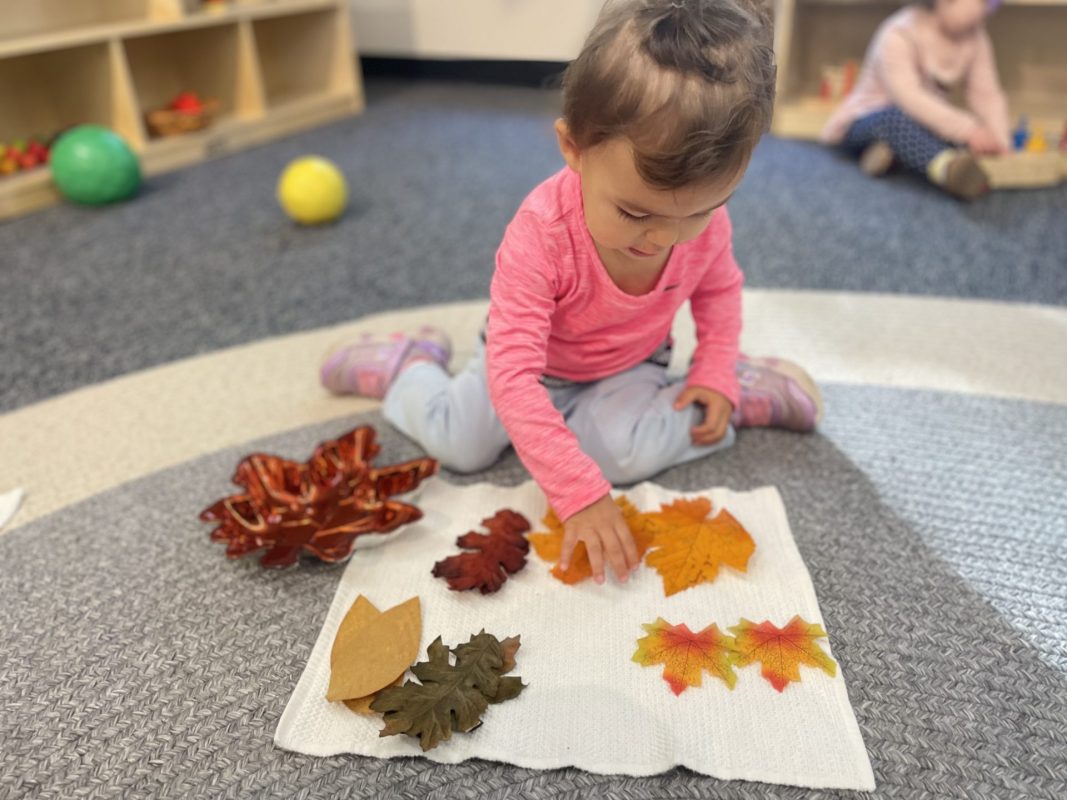
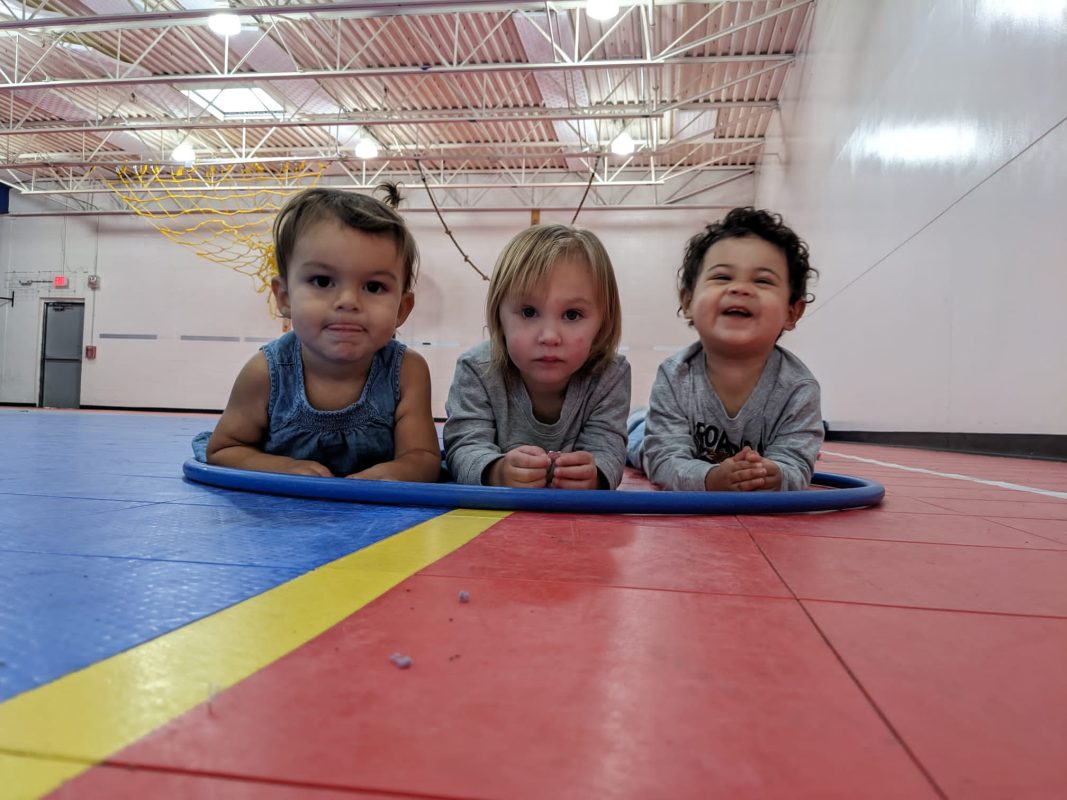
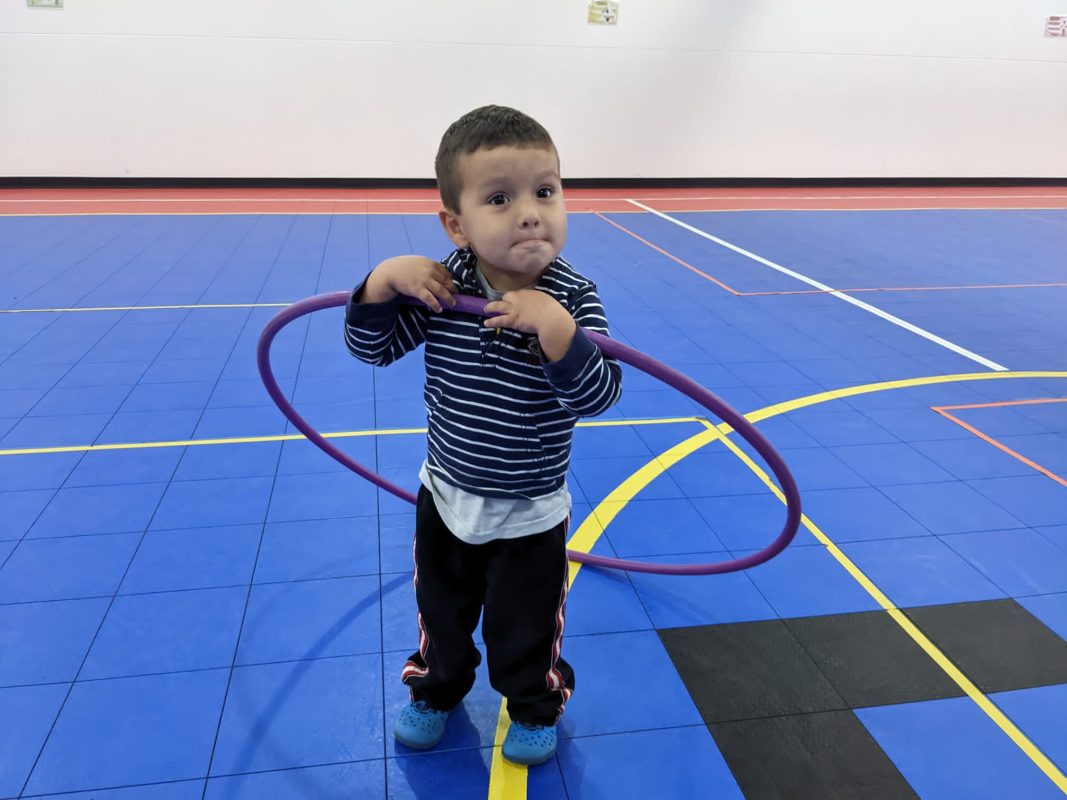
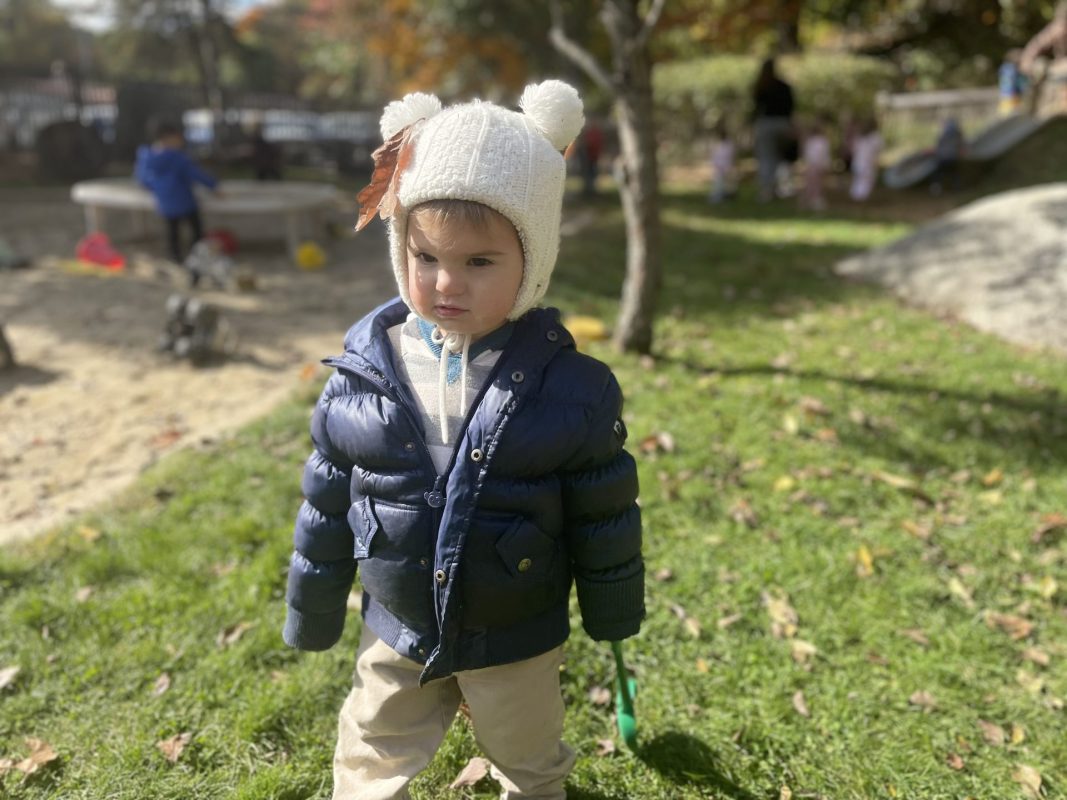
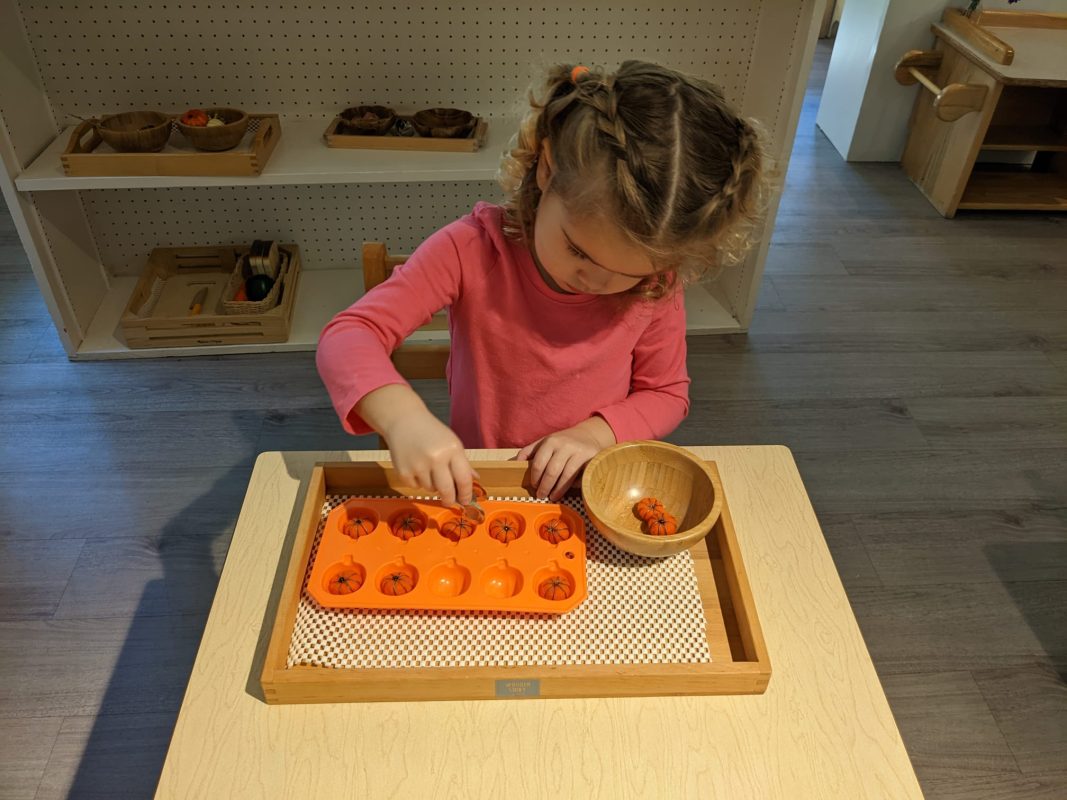
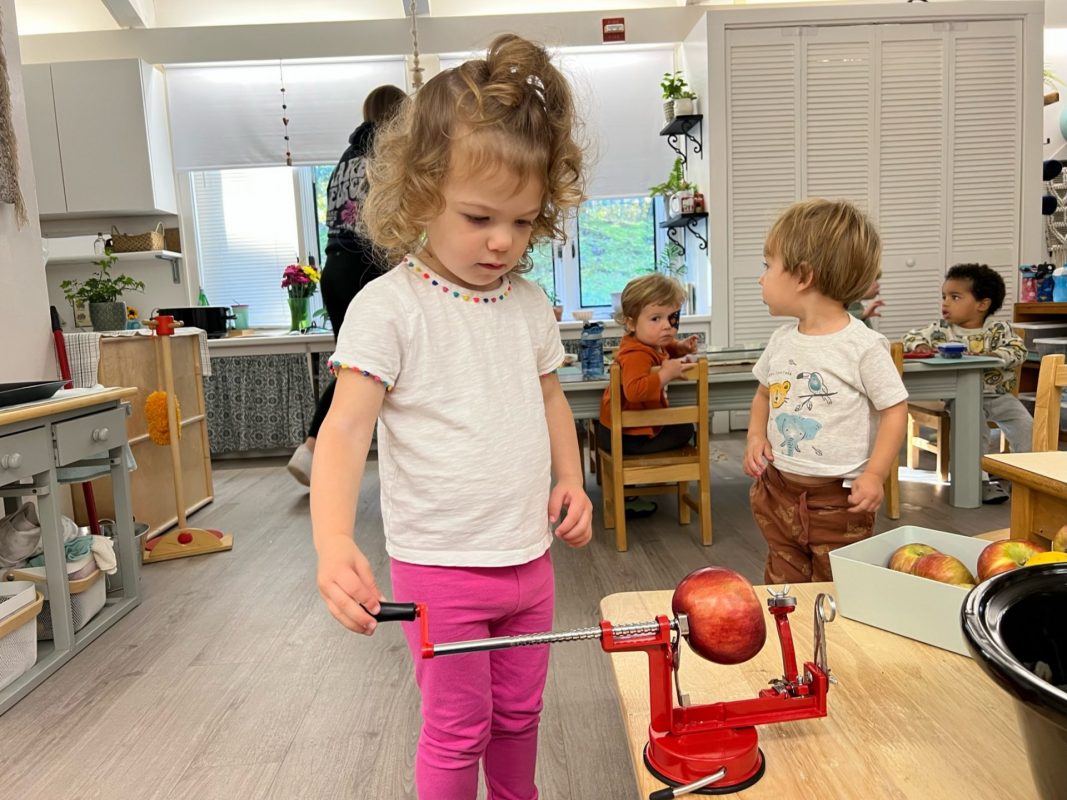
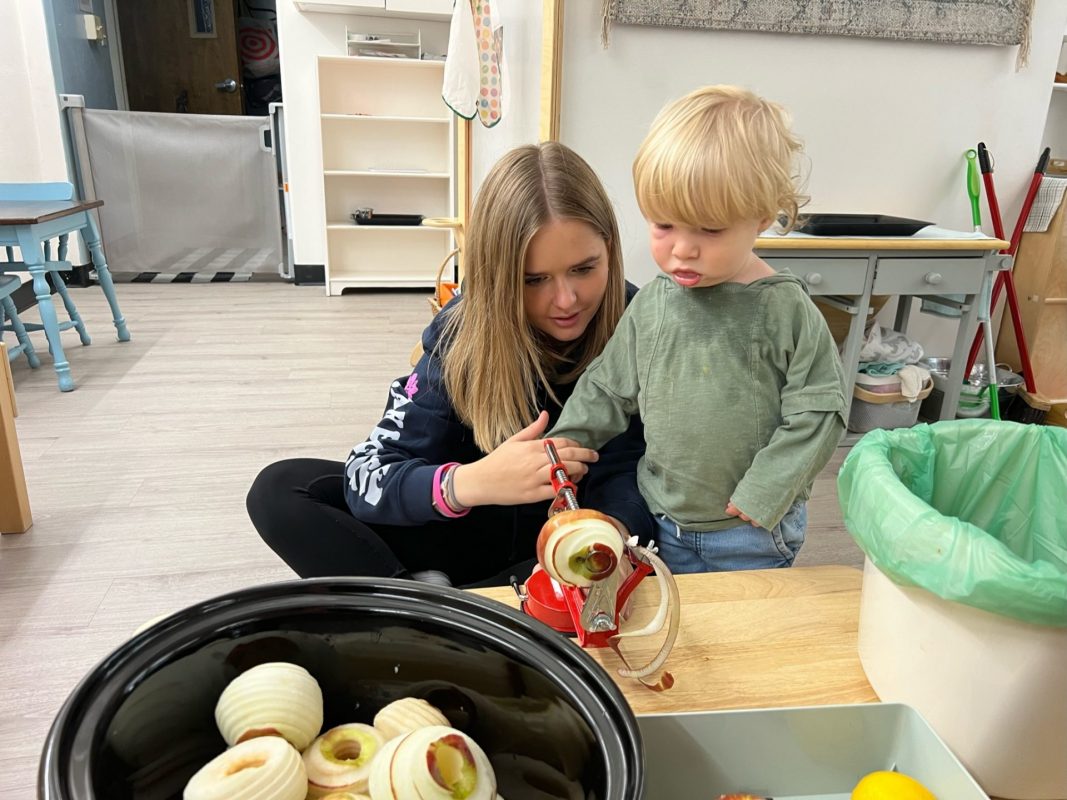
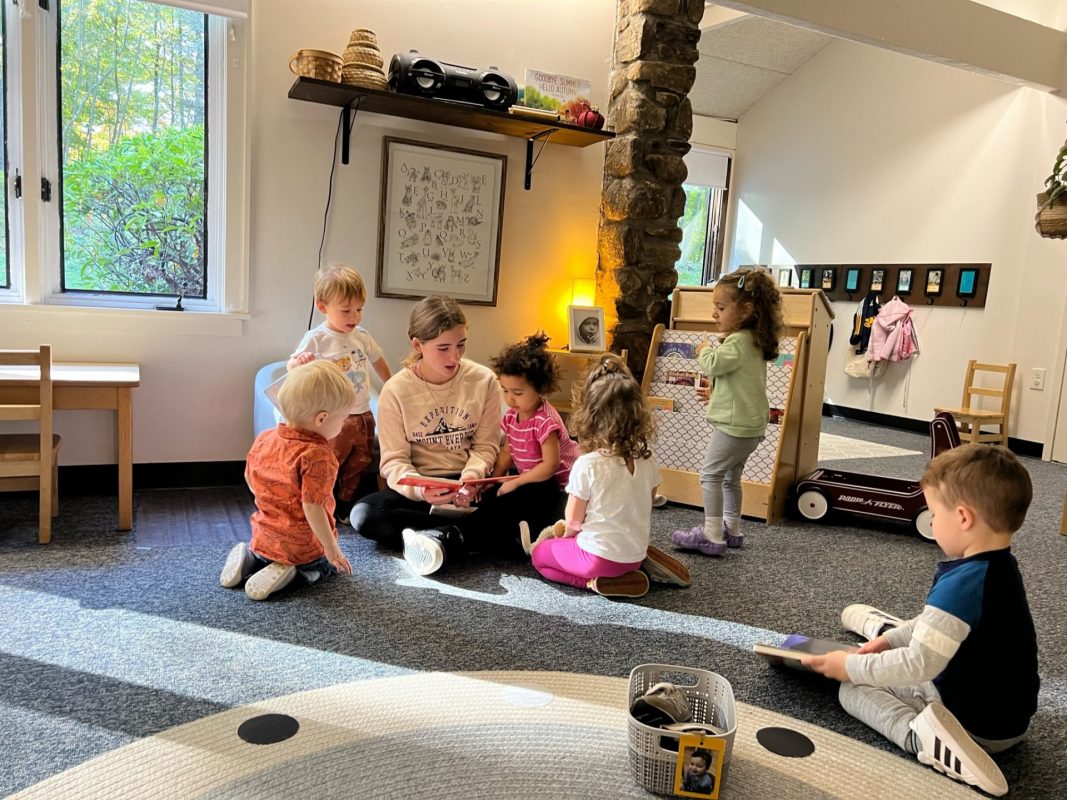
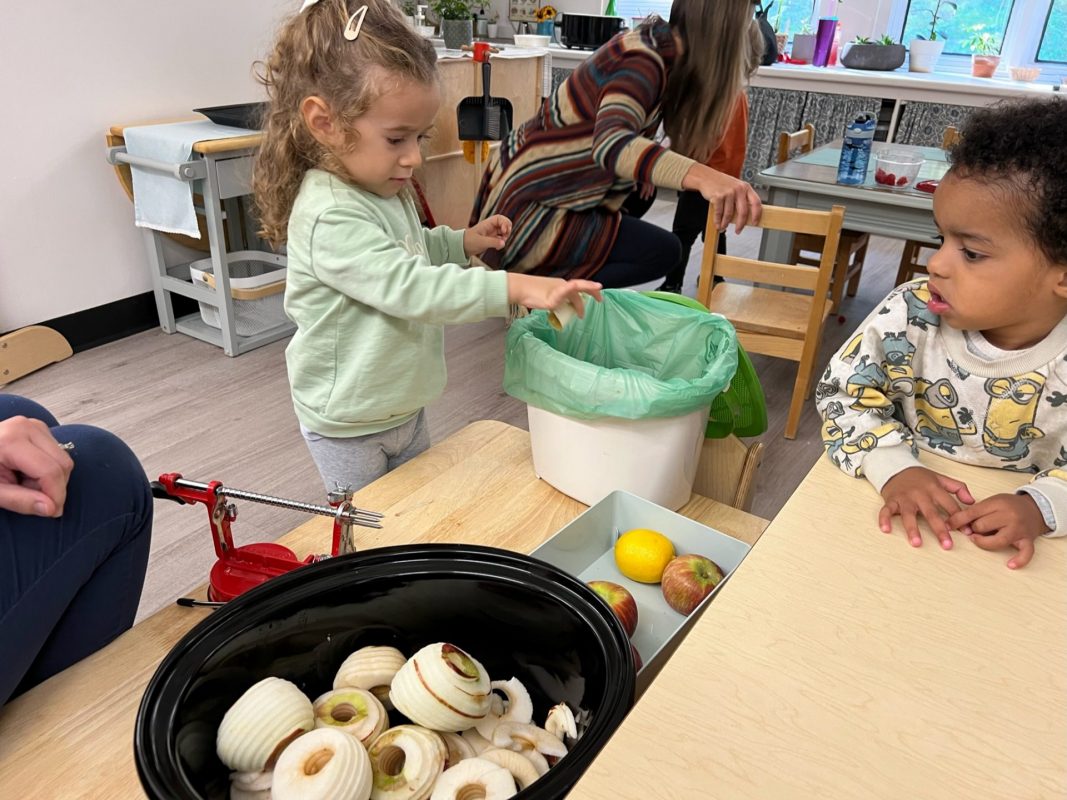
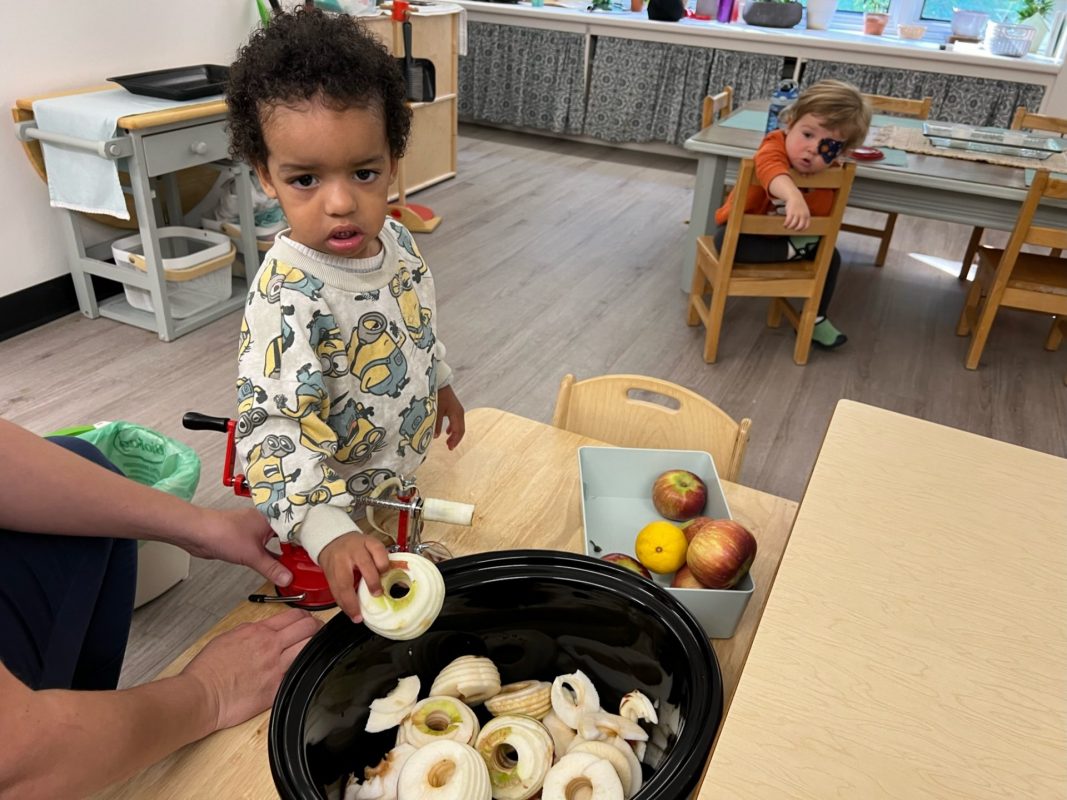
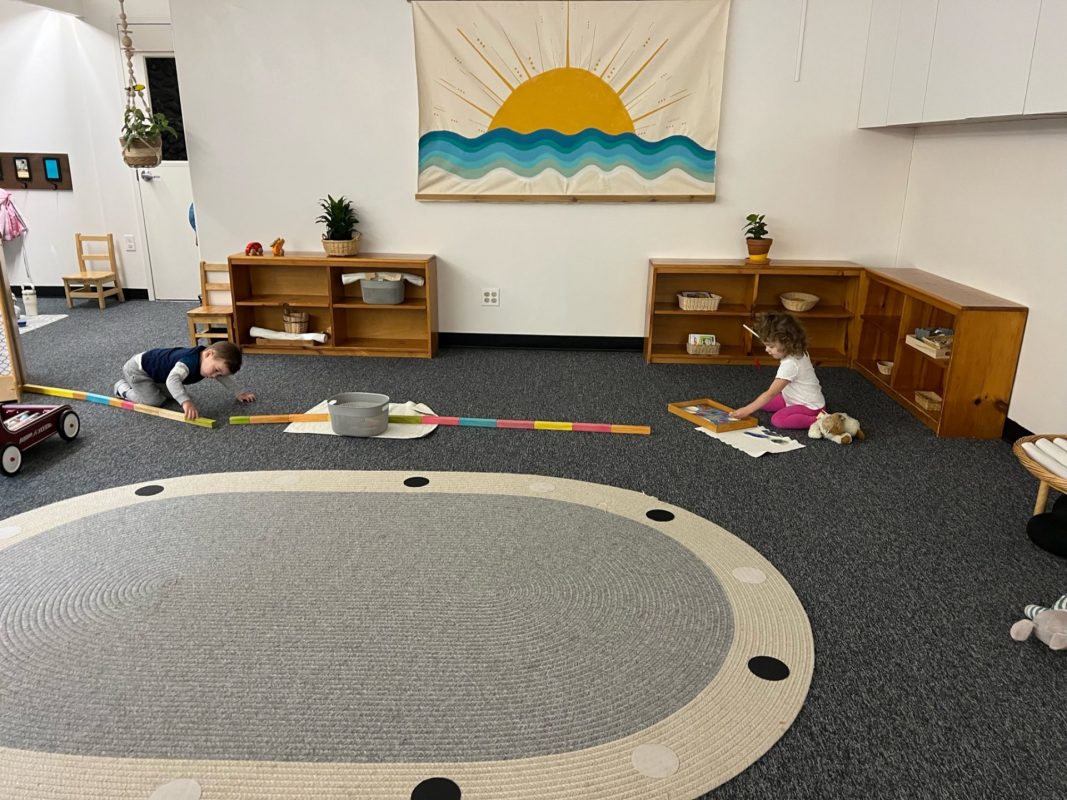
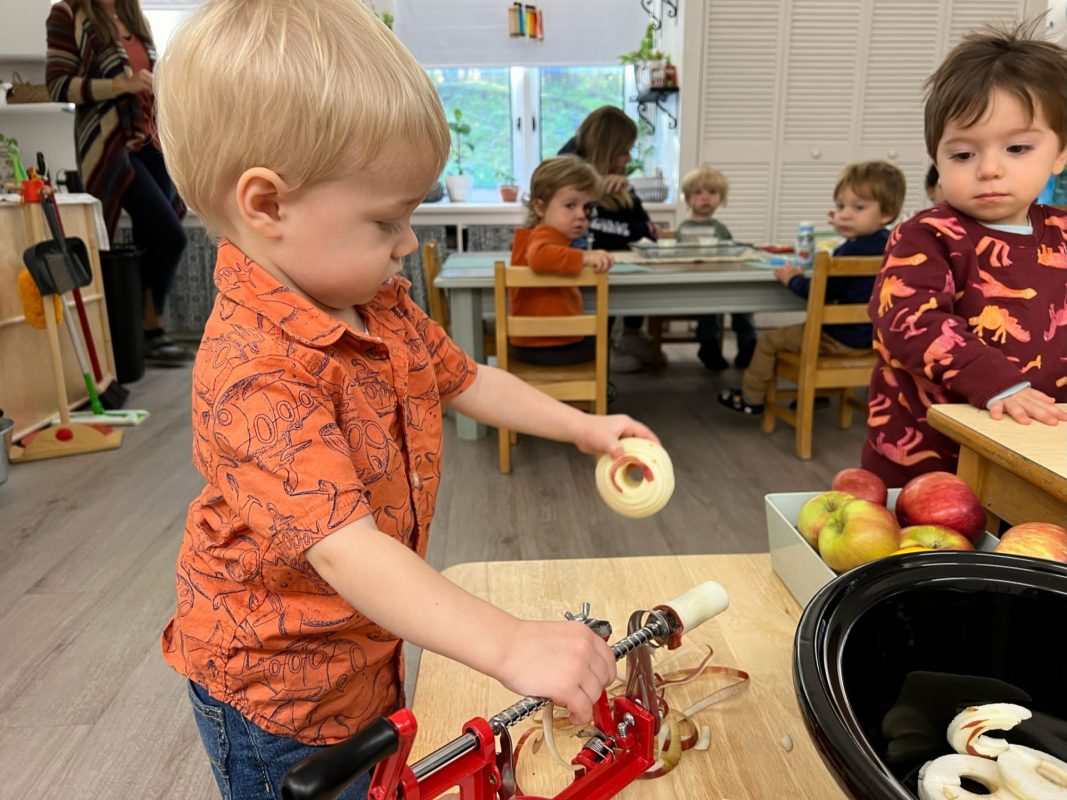
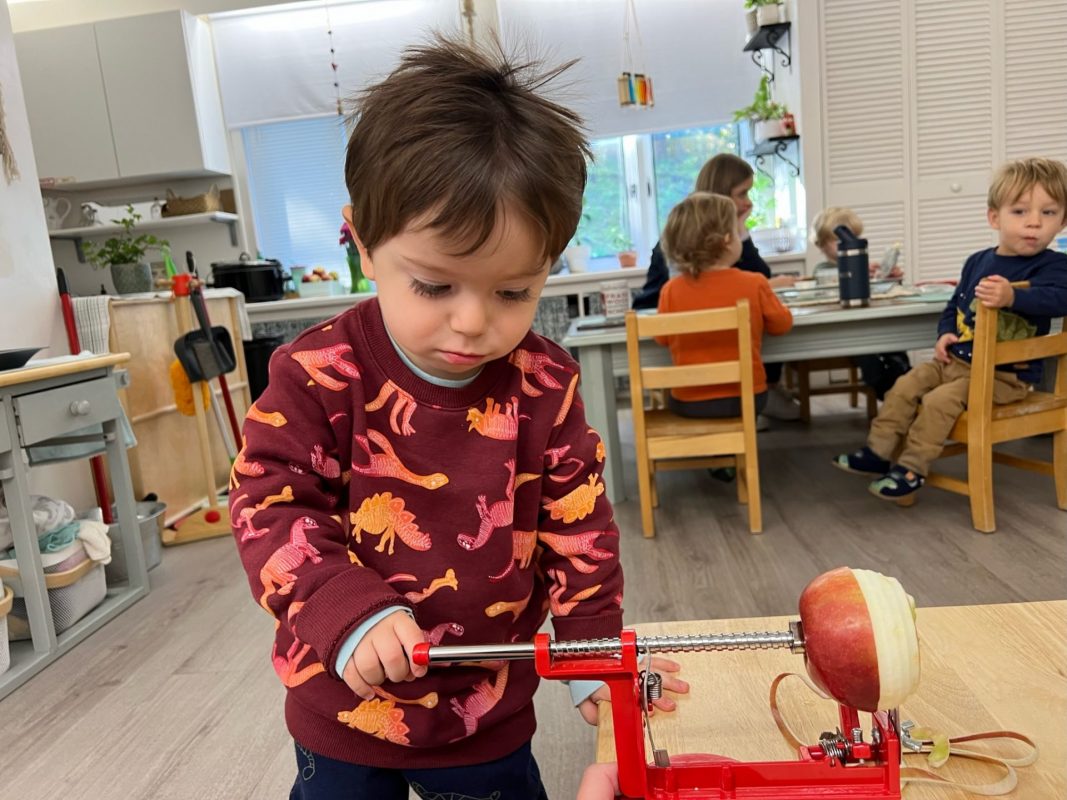
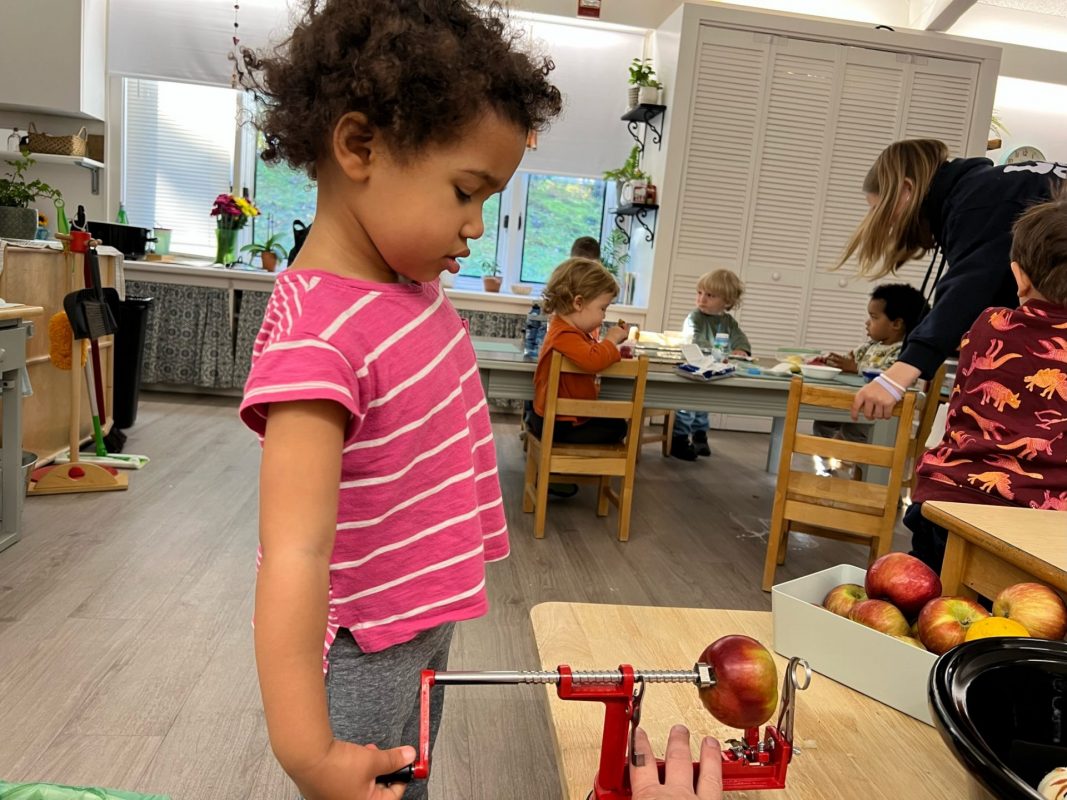
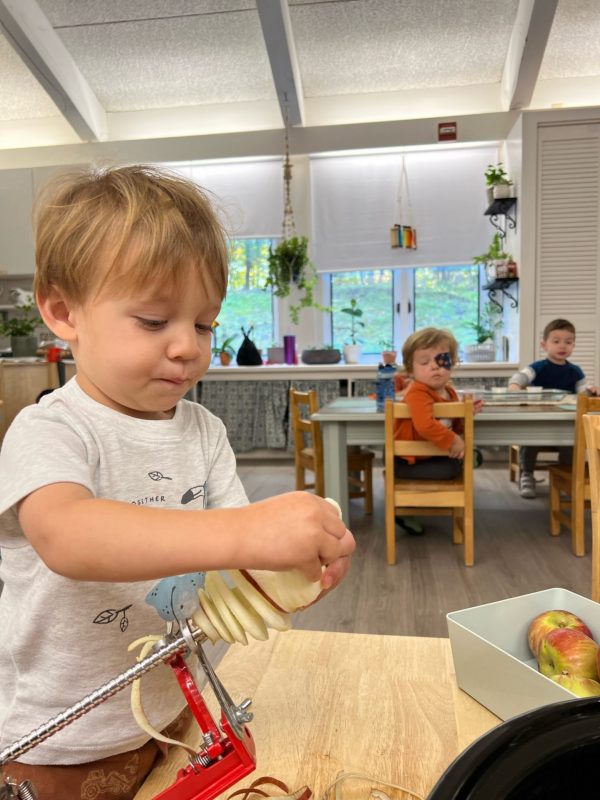
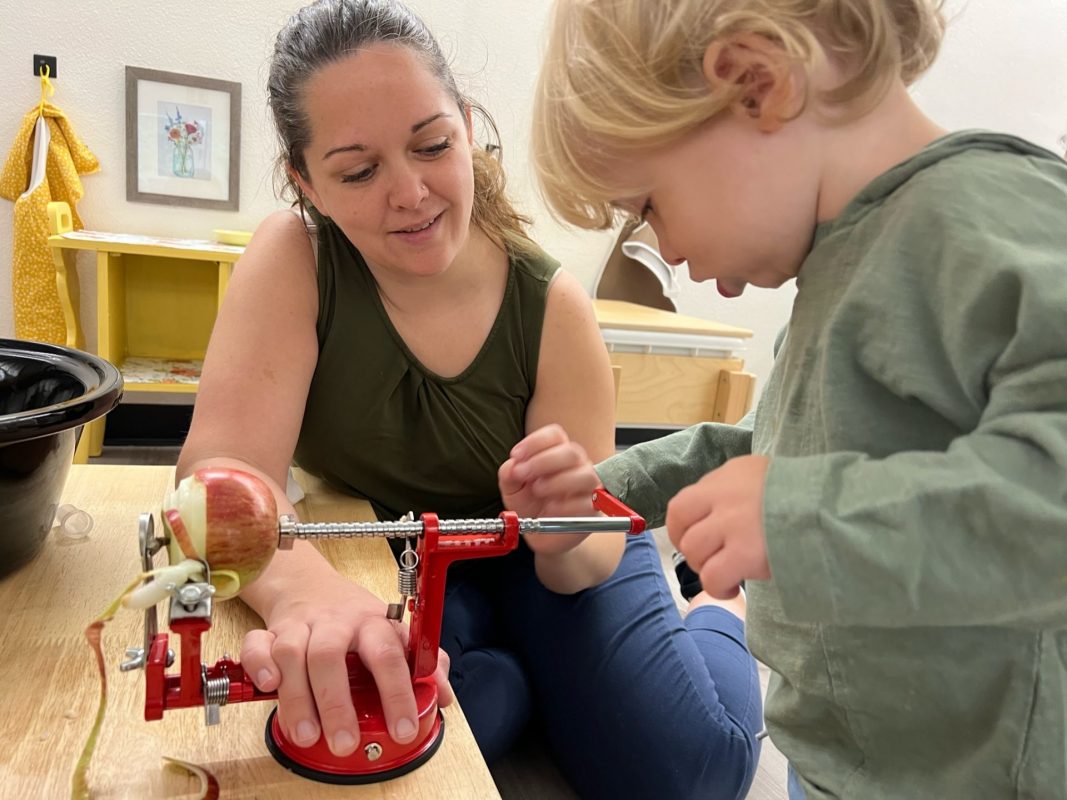
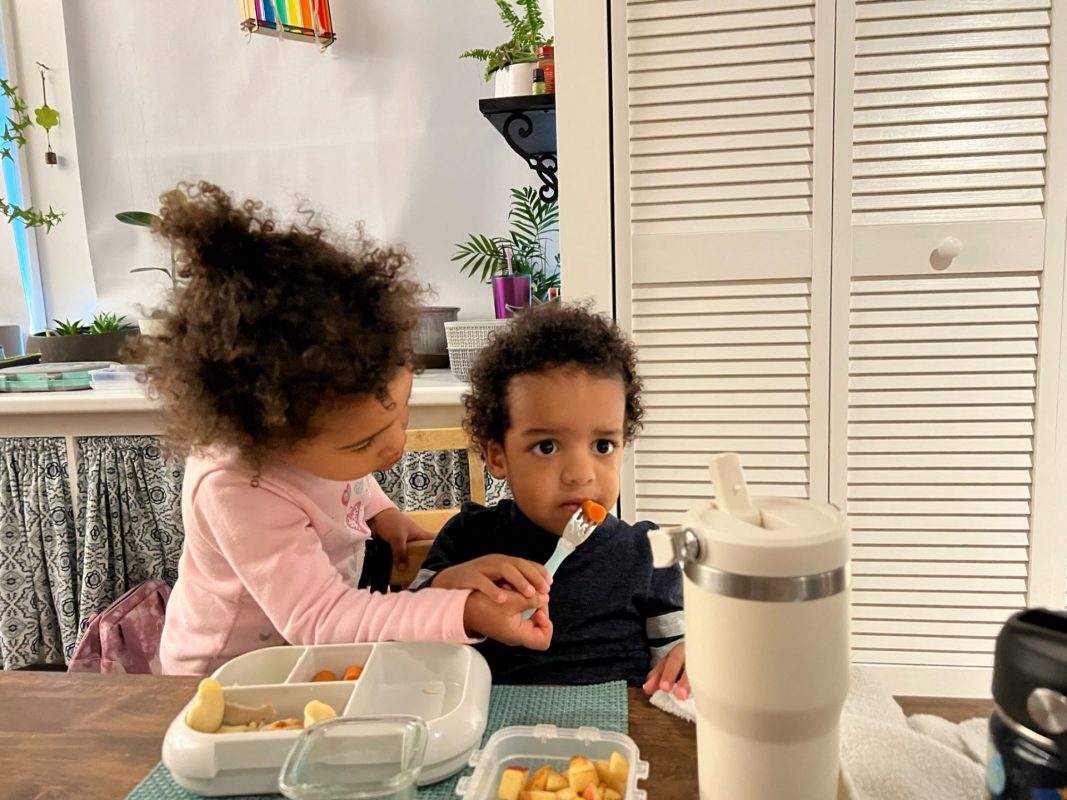
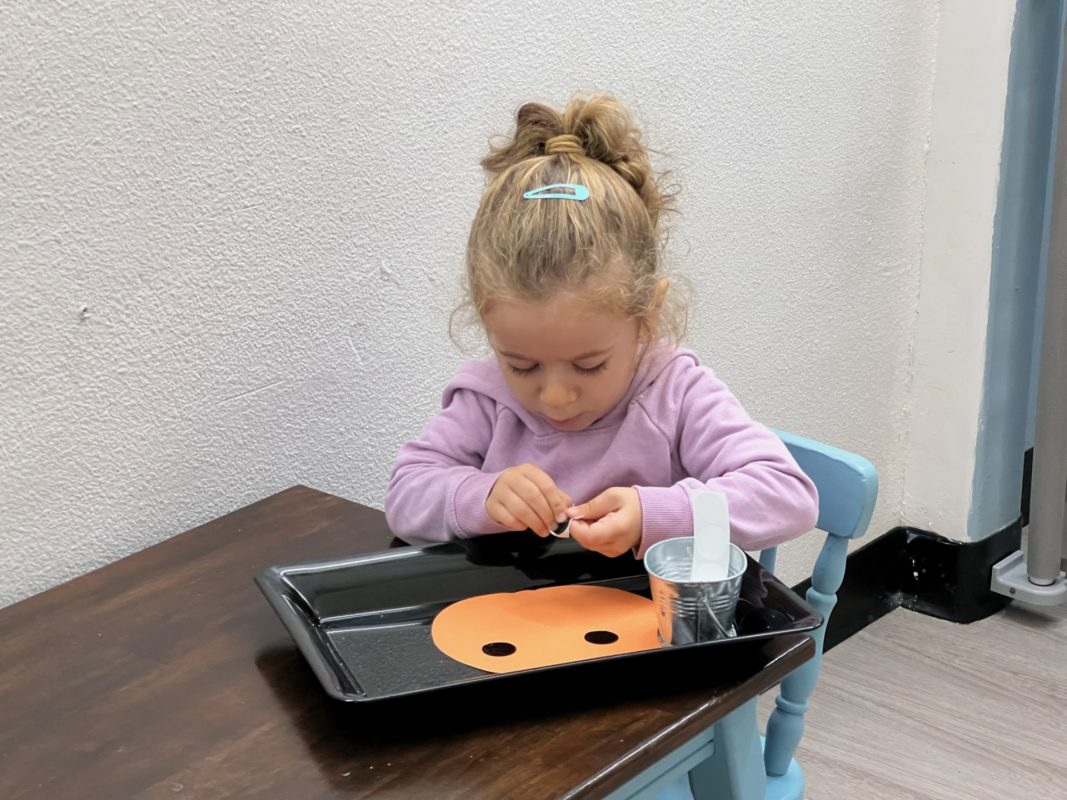
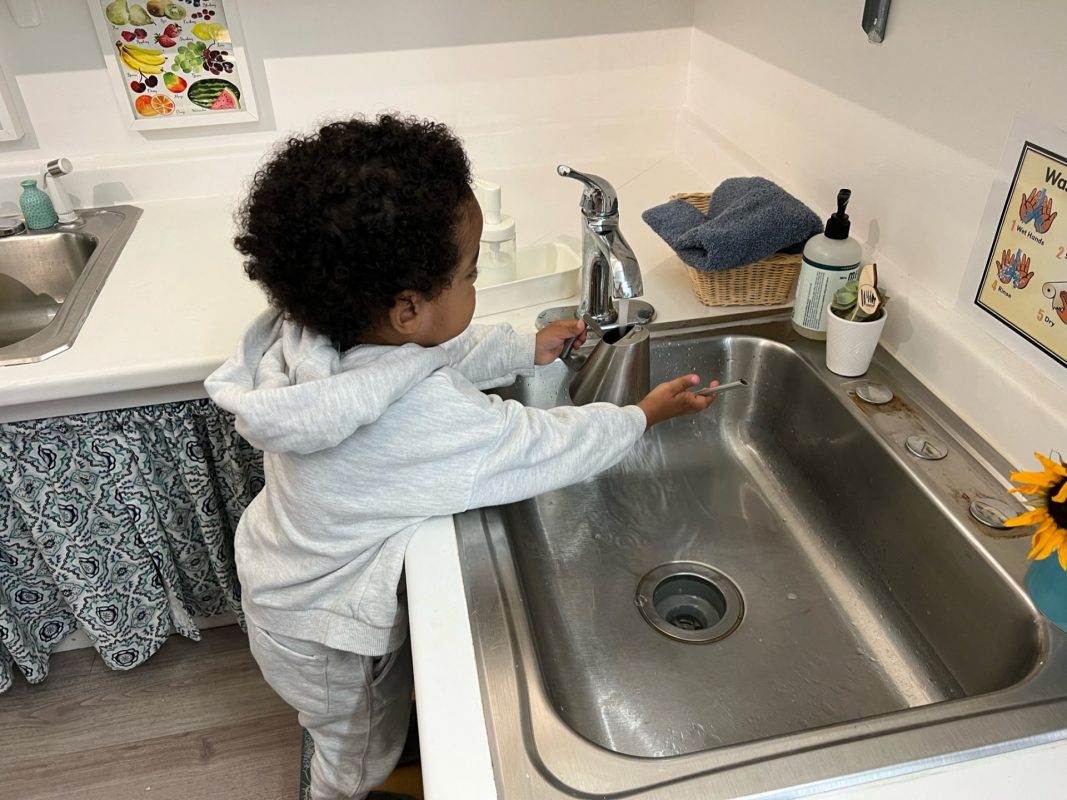
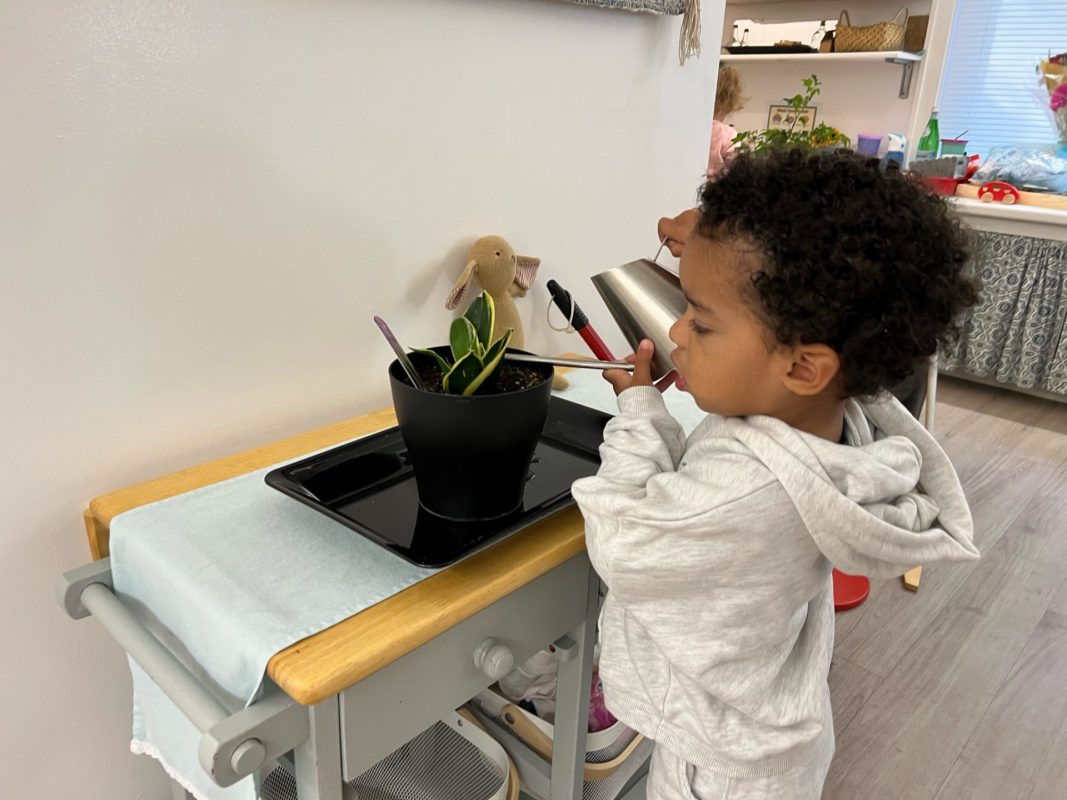
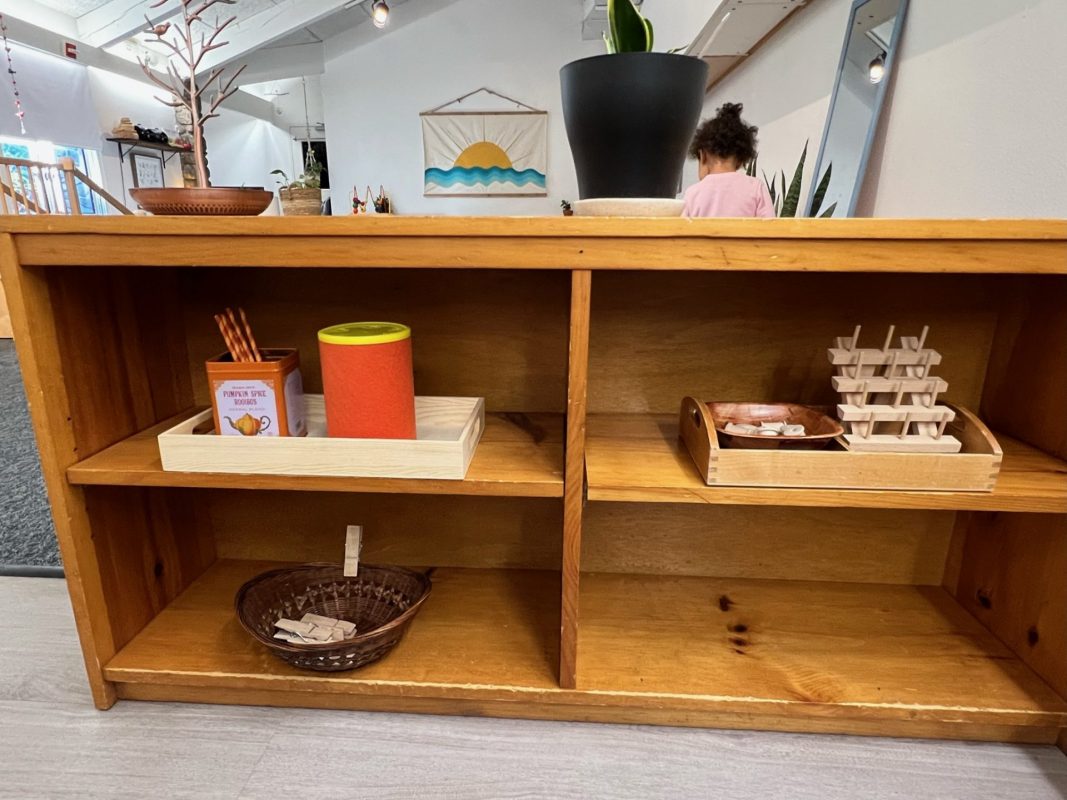
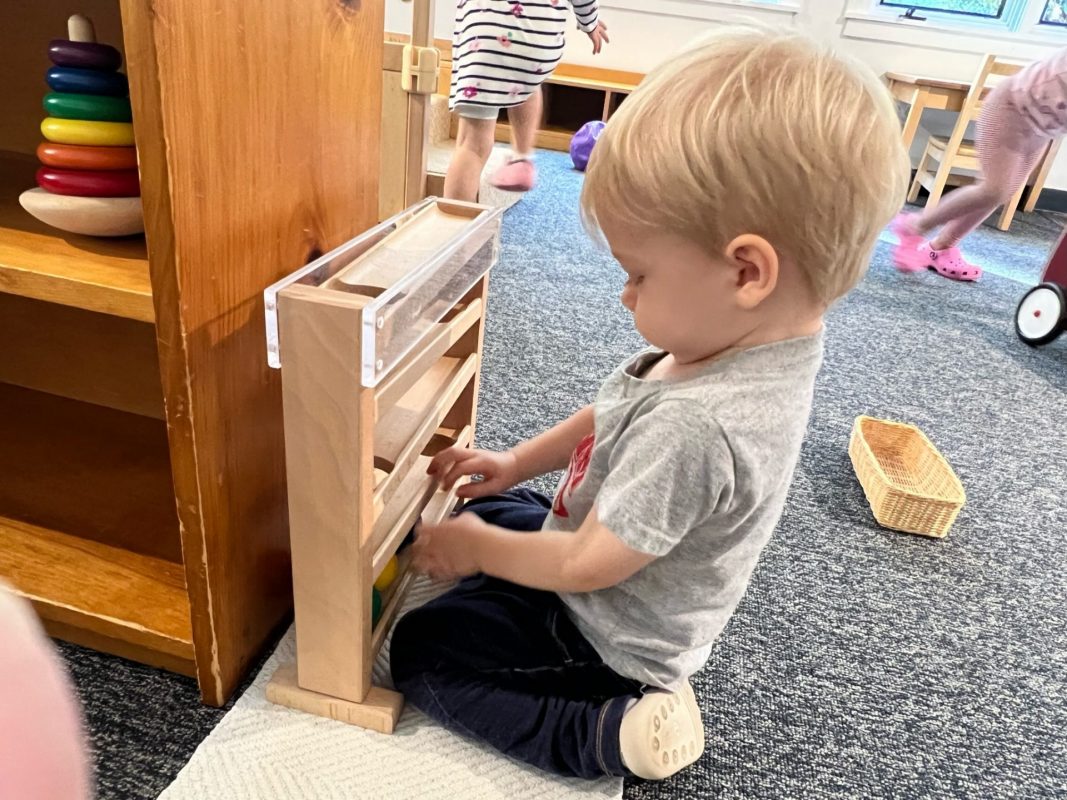
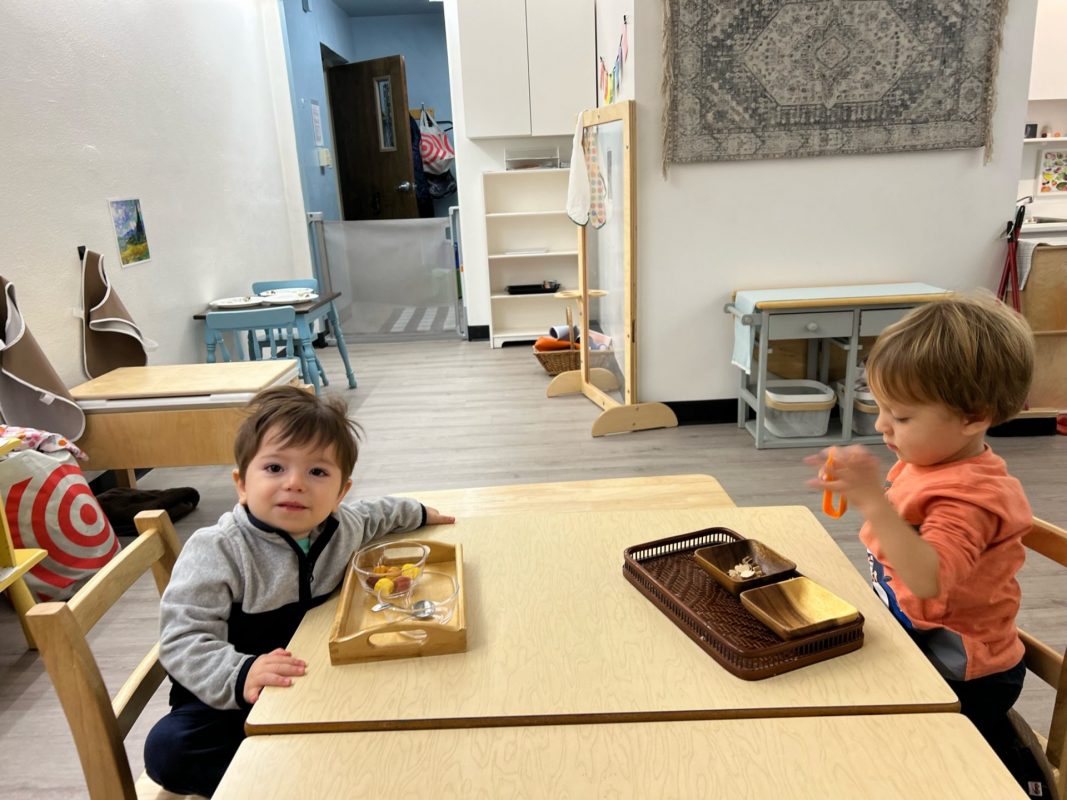
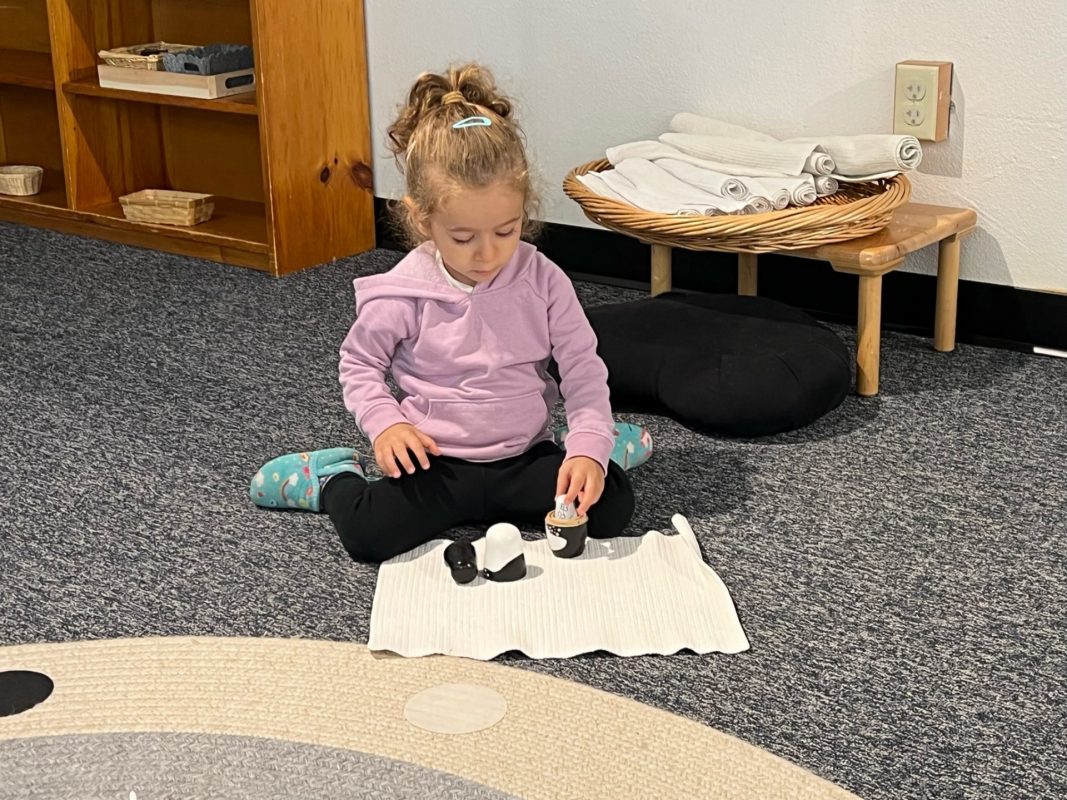
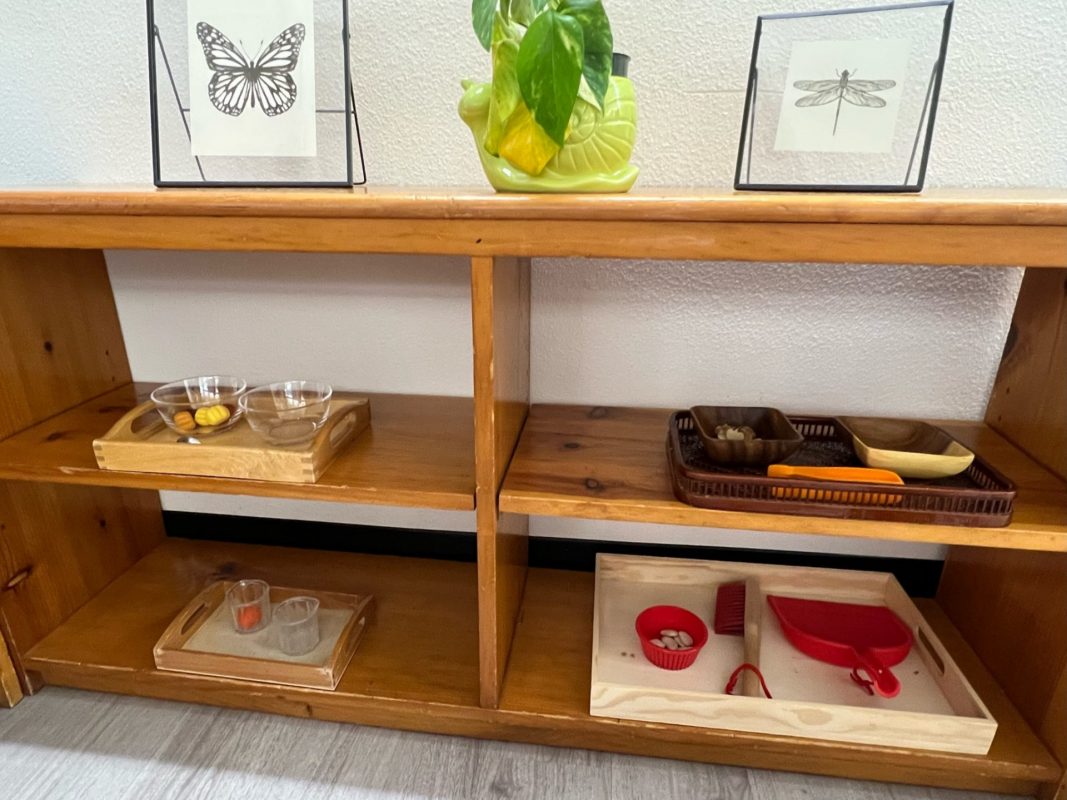
“If teaching is to be effective with young children, it must assist them to advance on the way to independence. It must initiate them into those kinds of activities which they can perform themselves and which keep them from being a burden to others because of their inabilities. We must help them to learn how to walk without assistance, to run, to go up and down stairs, to pick up fallen objects, to dress and undress, to wash themselves, to express their needs in a way that is clearly understood, and to attempt to satisfy their desires through their own efforts. All this is part of an education for independence.” –Dr. Maria Montessori
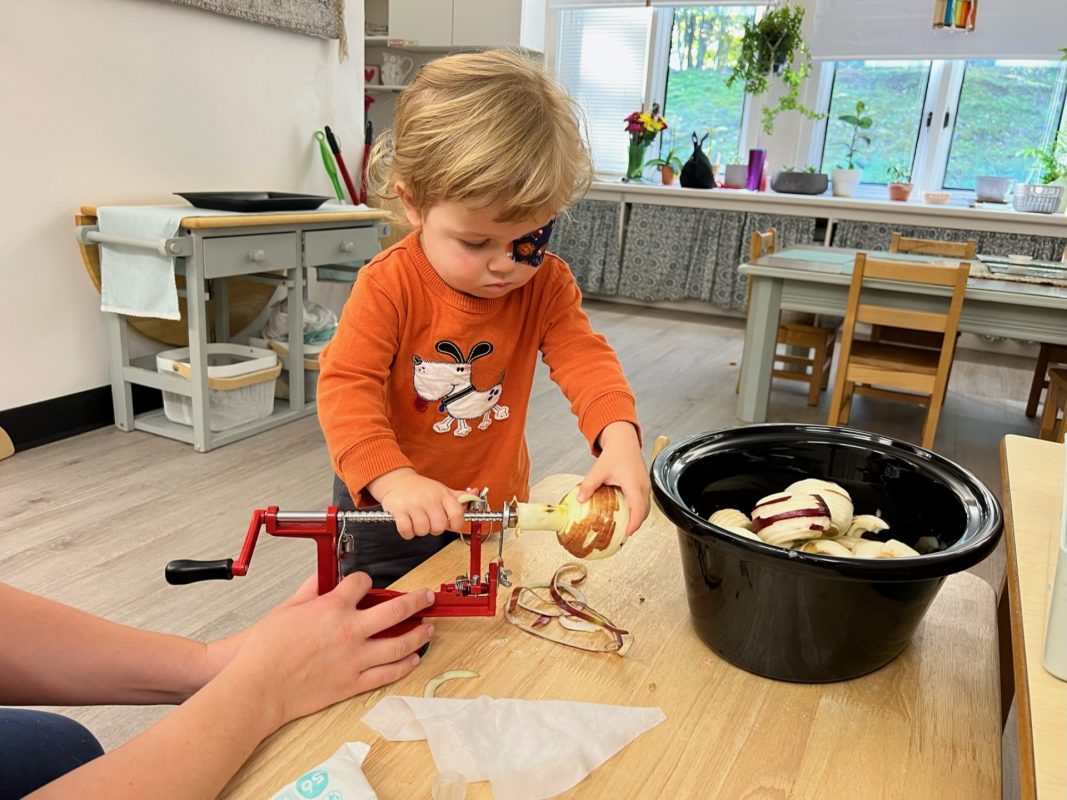
Toddlers are naturally eager to learn these things. “Do it myself,” might well be the refrain for the toddler years! Our day-to-day lives often make for less than ideal circumstances to help our children achieve the independence they crave. Our homes are not optimized around a little person with their height of less than three feet: Objects are hard to reach, too heavy, or too big for little hands to use. Our days are not set up to move at their speed: We rarely just happen to have ten spare minutes to wait while our almost two year old puts on their jacket!
Yet, enabling a toddler to become more independent has huge benefits, both short-term and long-term. Power struggles decrease when a child feels more in control. Temper tantrums are less frequent when a toddler is busy doing things for themself rather than resisting their parent’s efforts to do things for them! A child who feels capable because they can act in the world, without needing to rely on a caregiver for every little thing, is a child who is developing self-confidence.
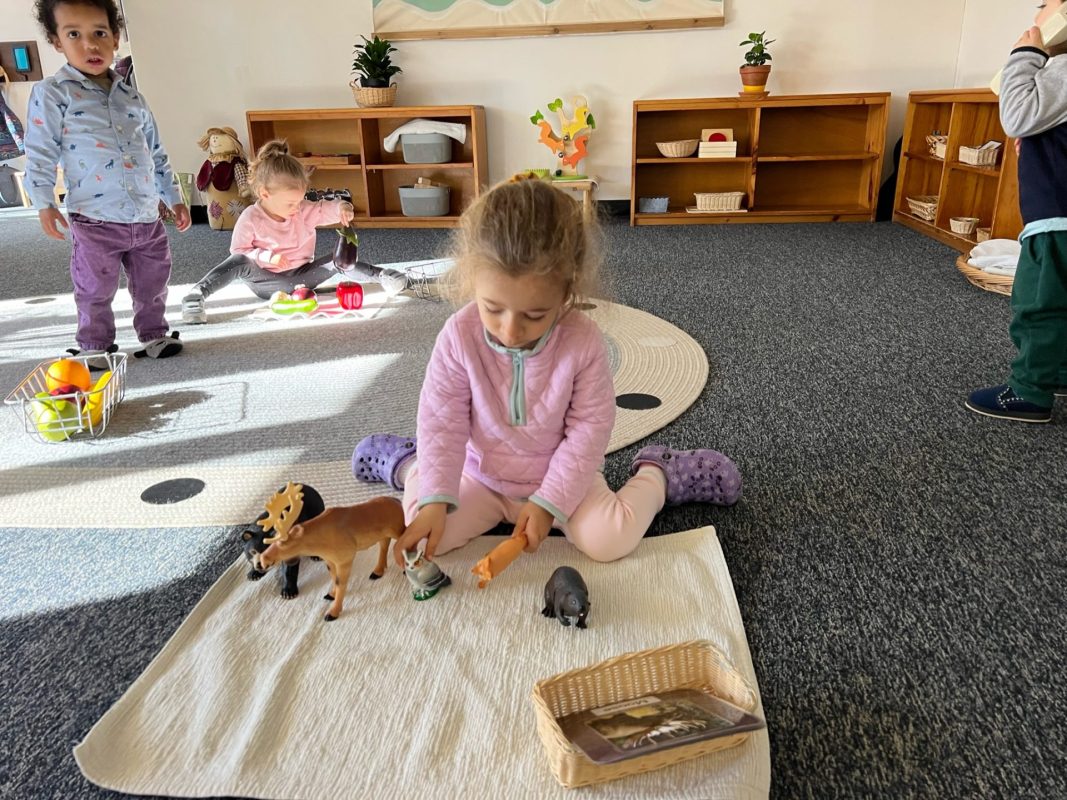
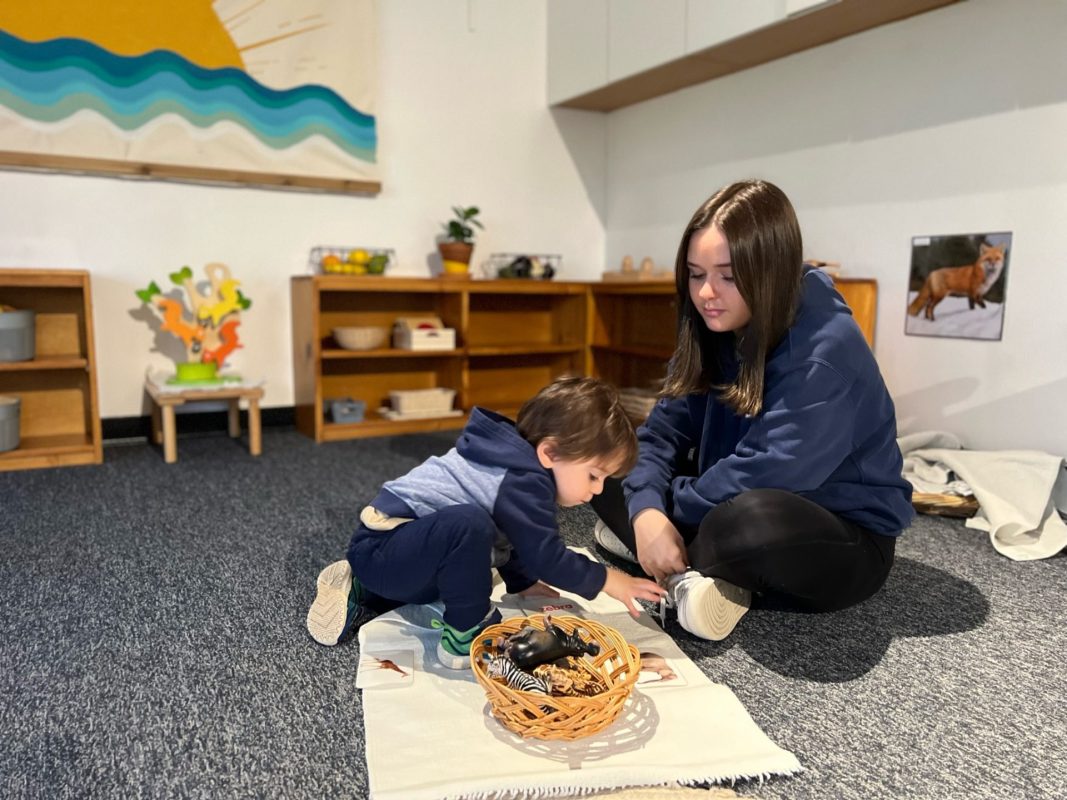
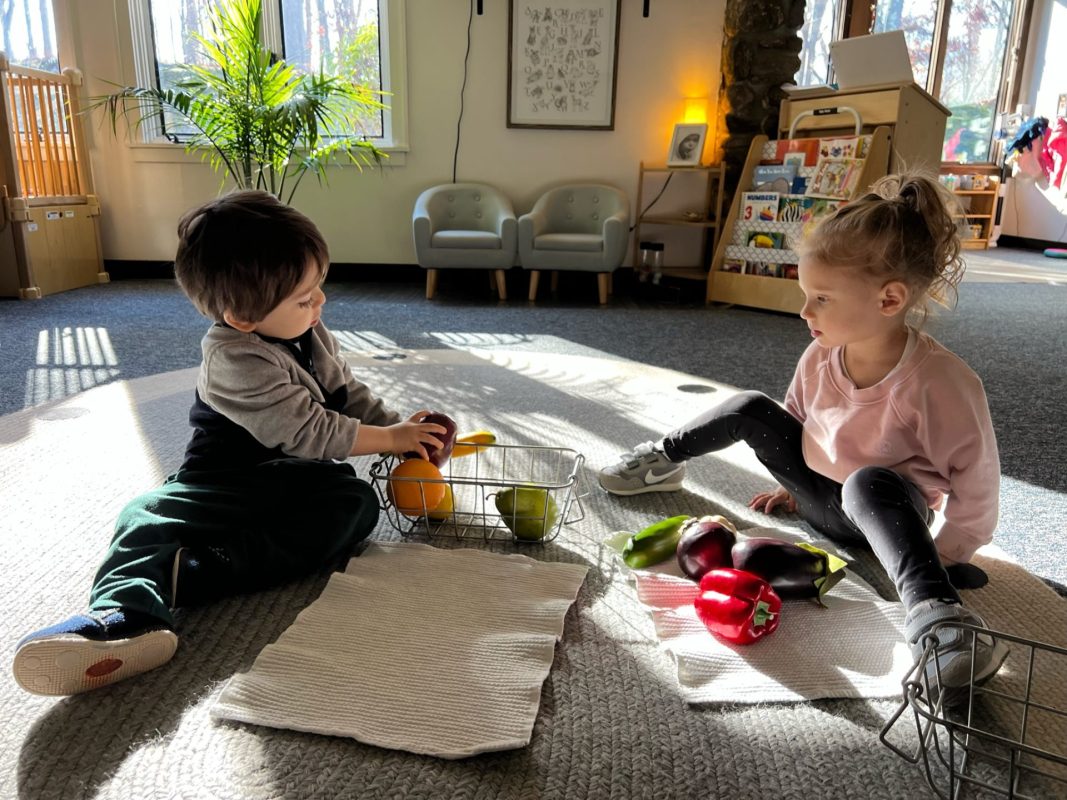
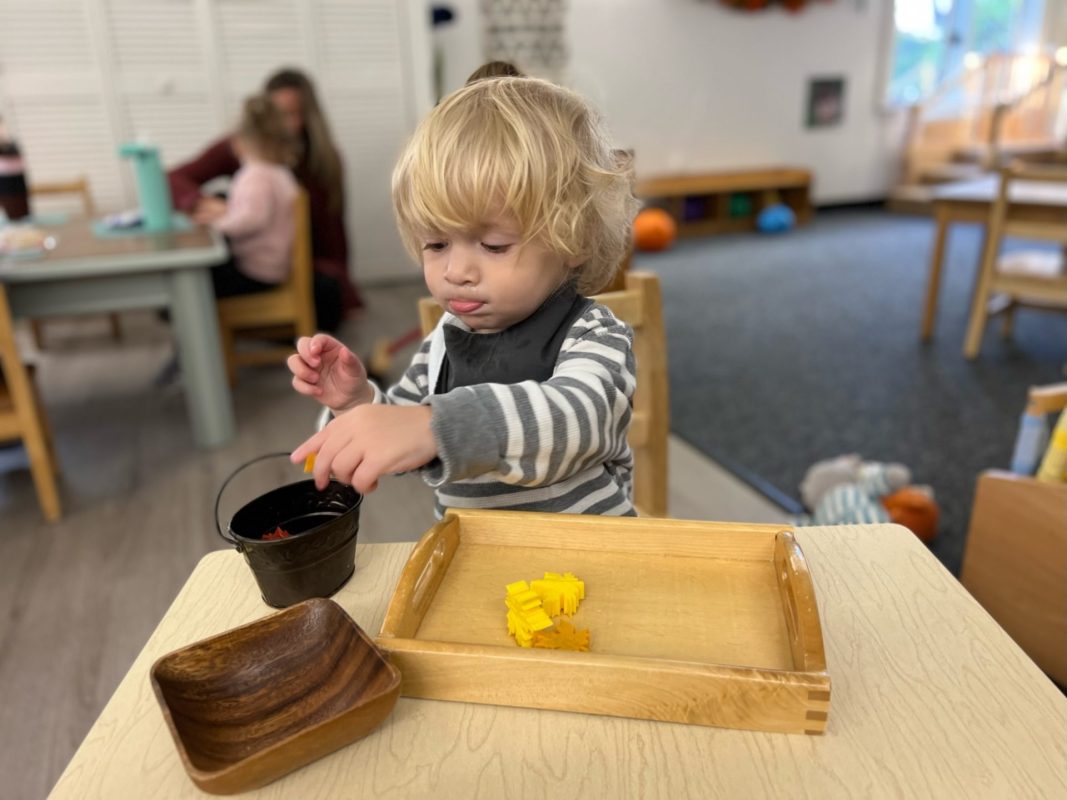
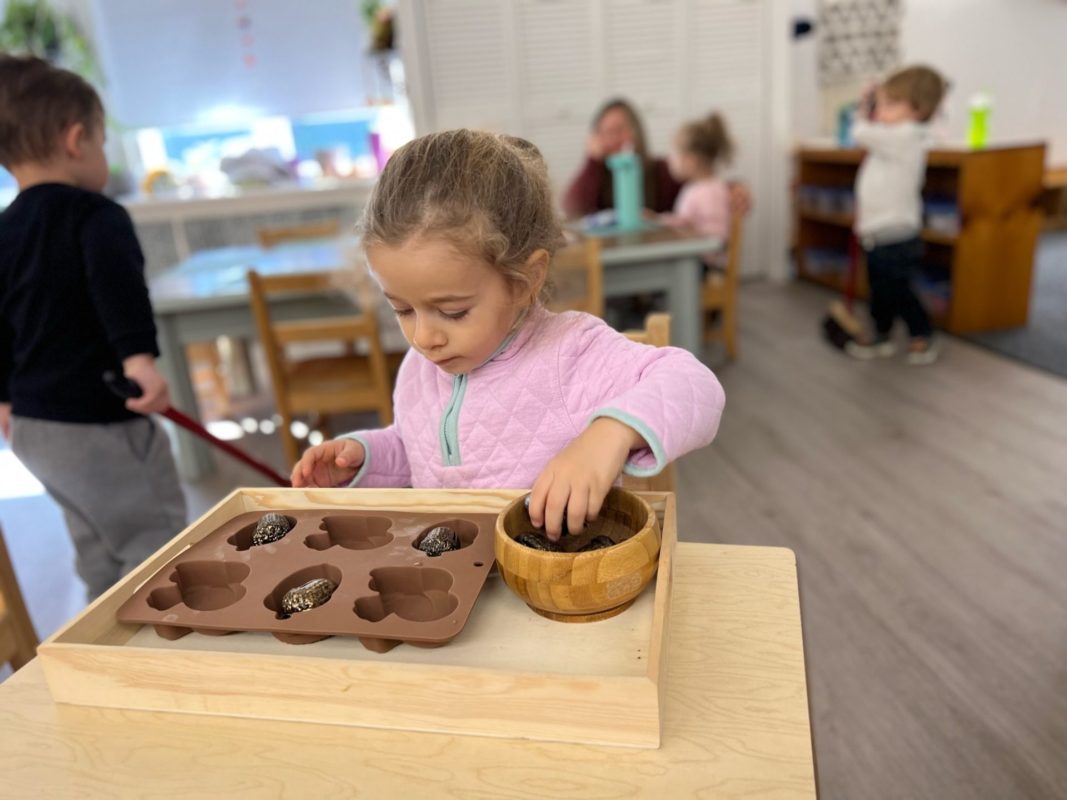
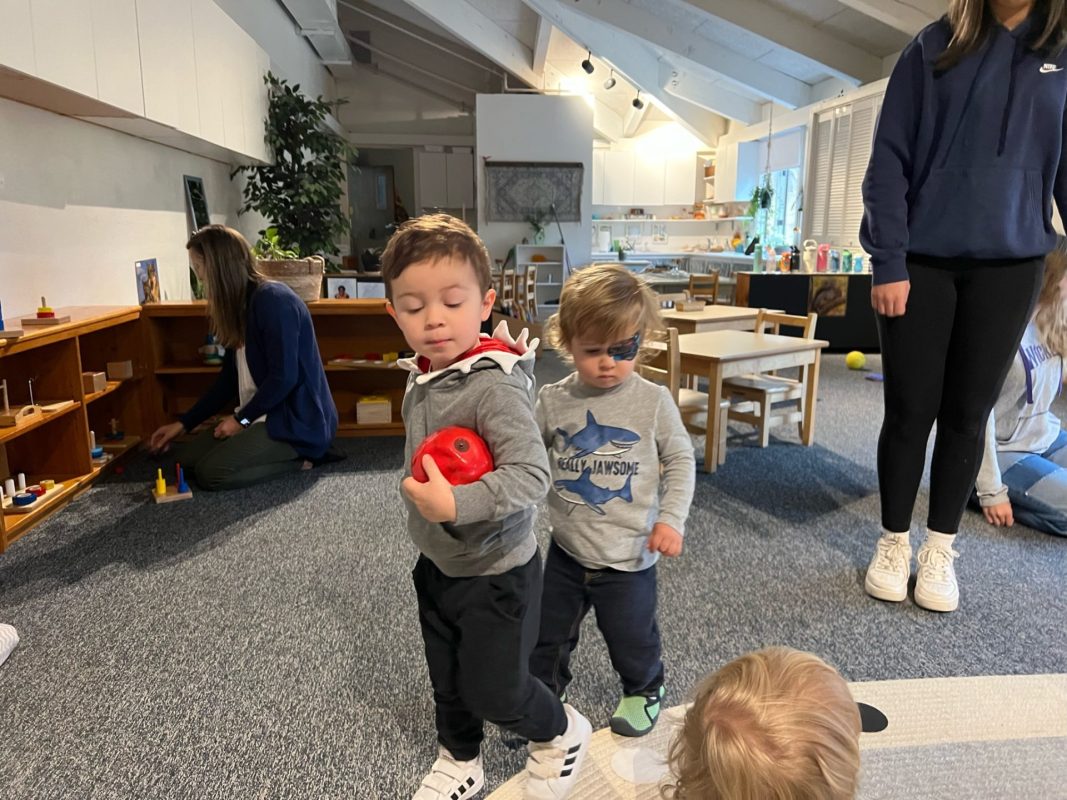
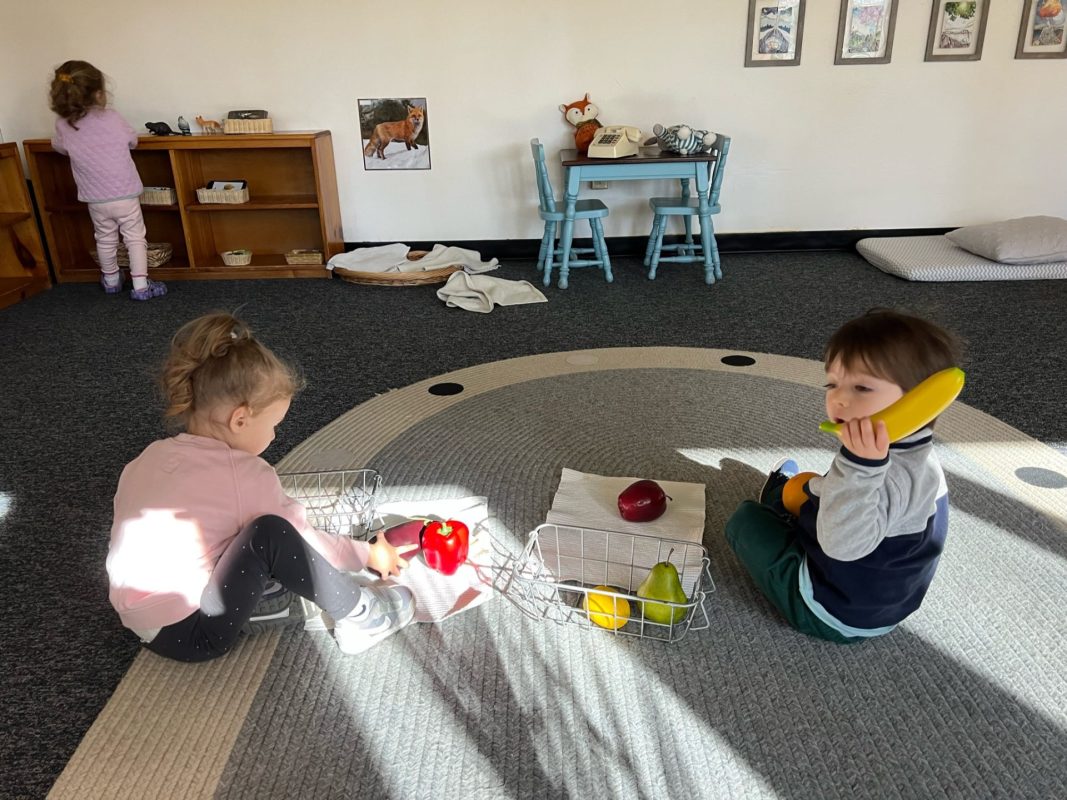
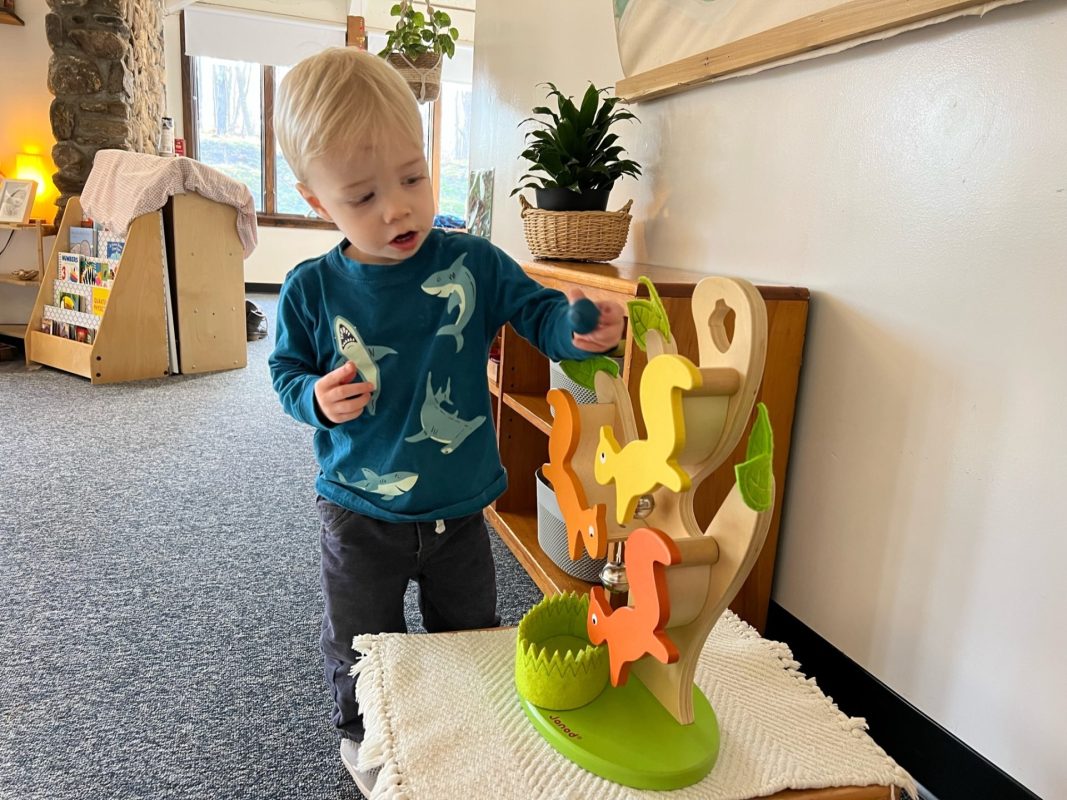
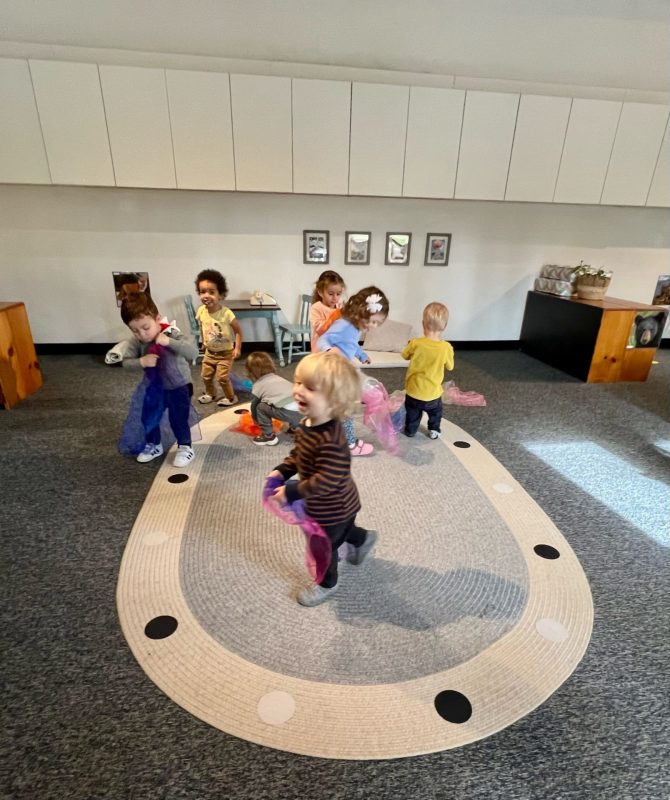
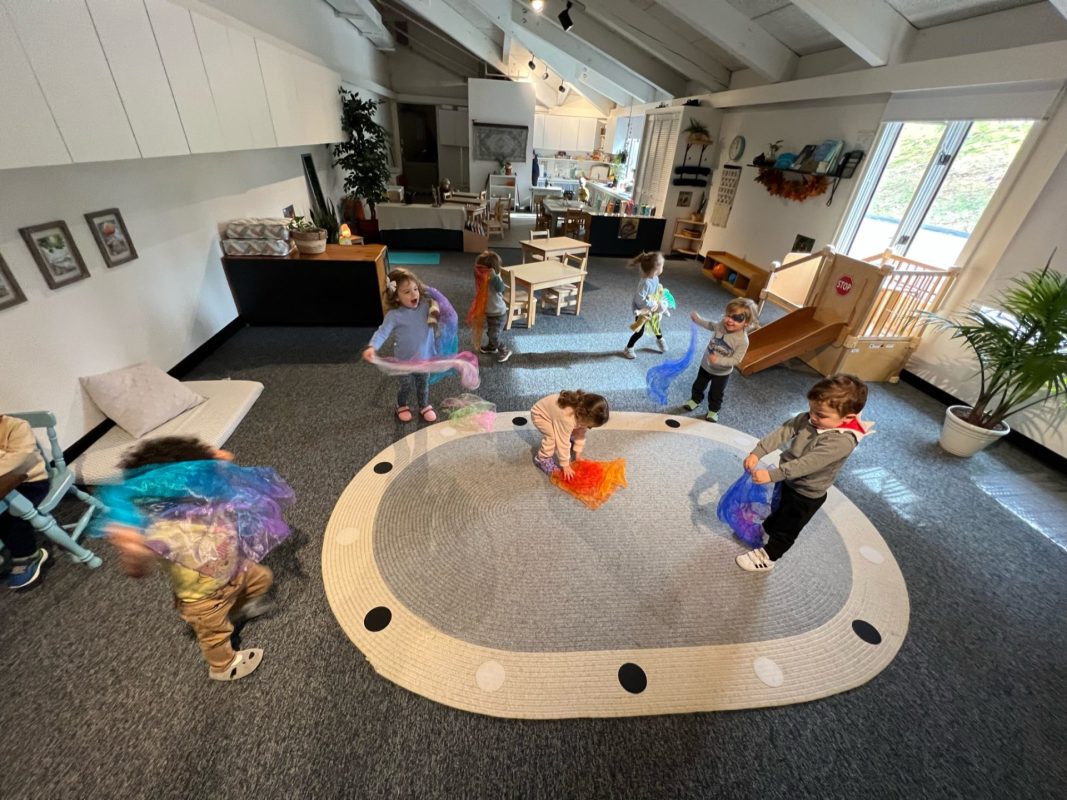
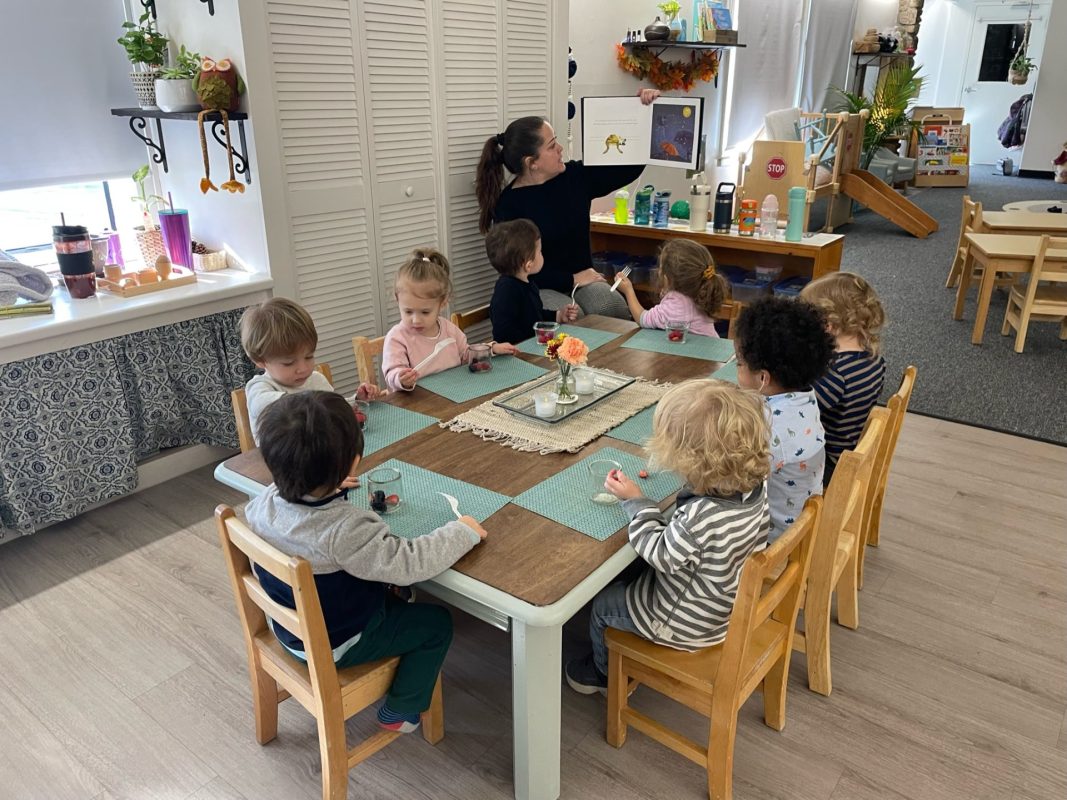
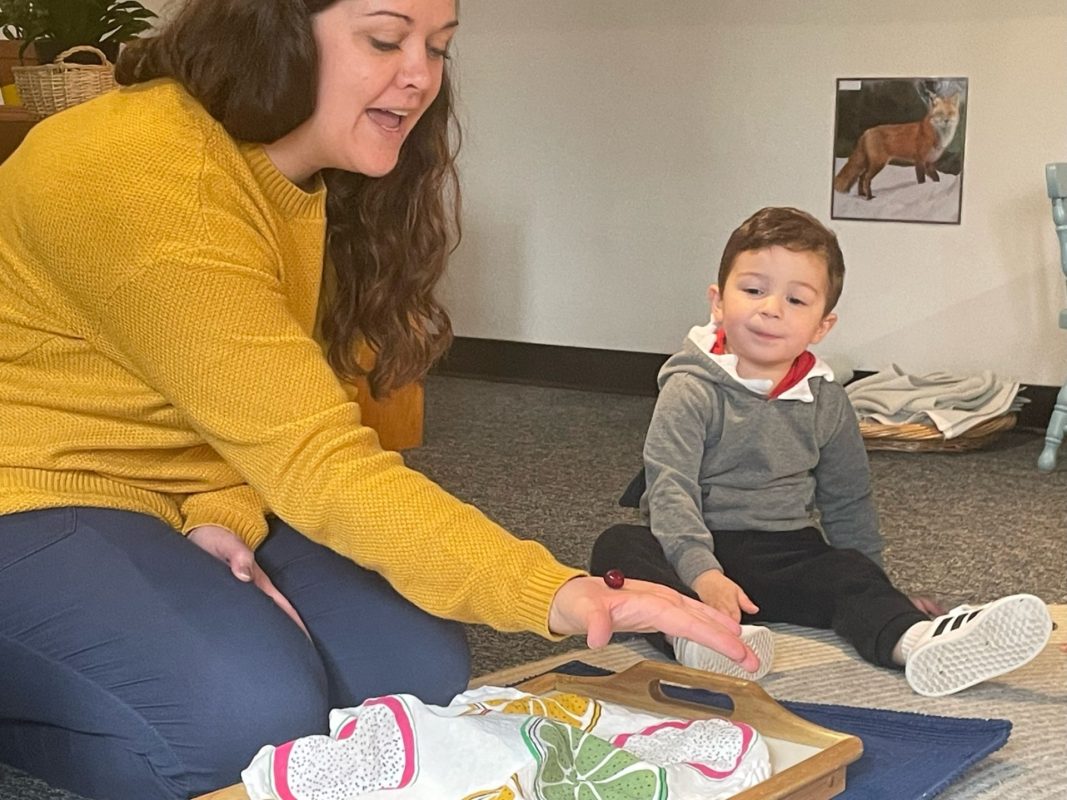
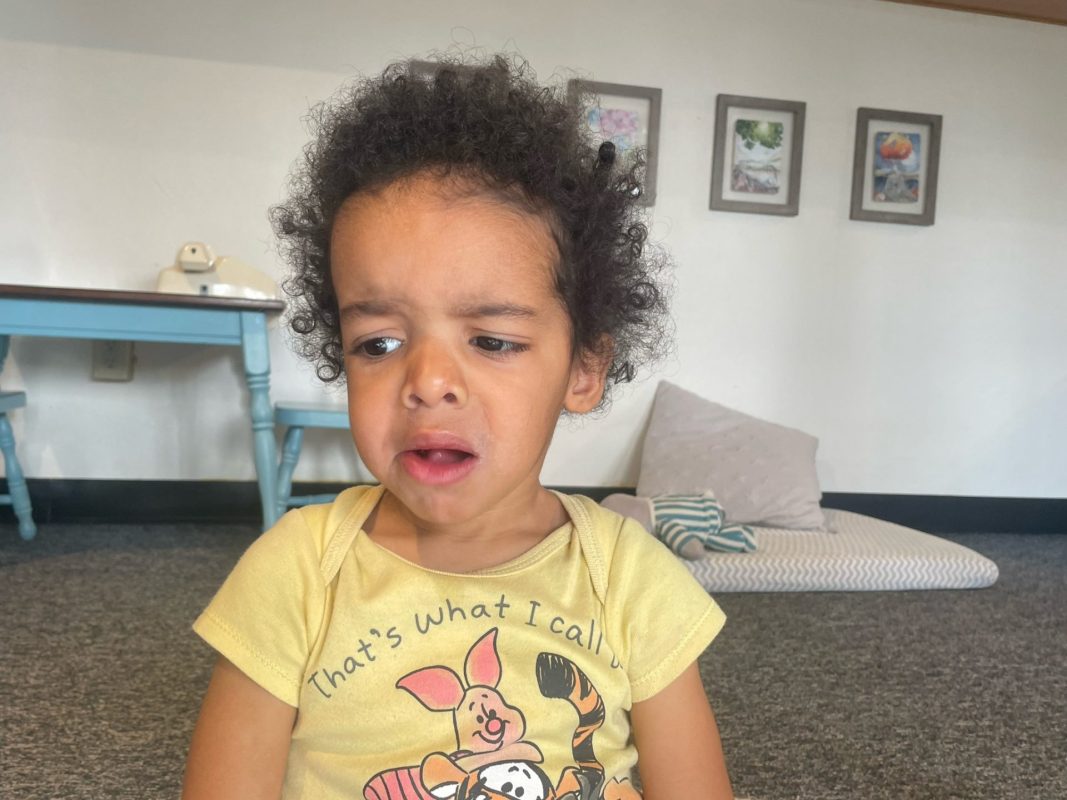
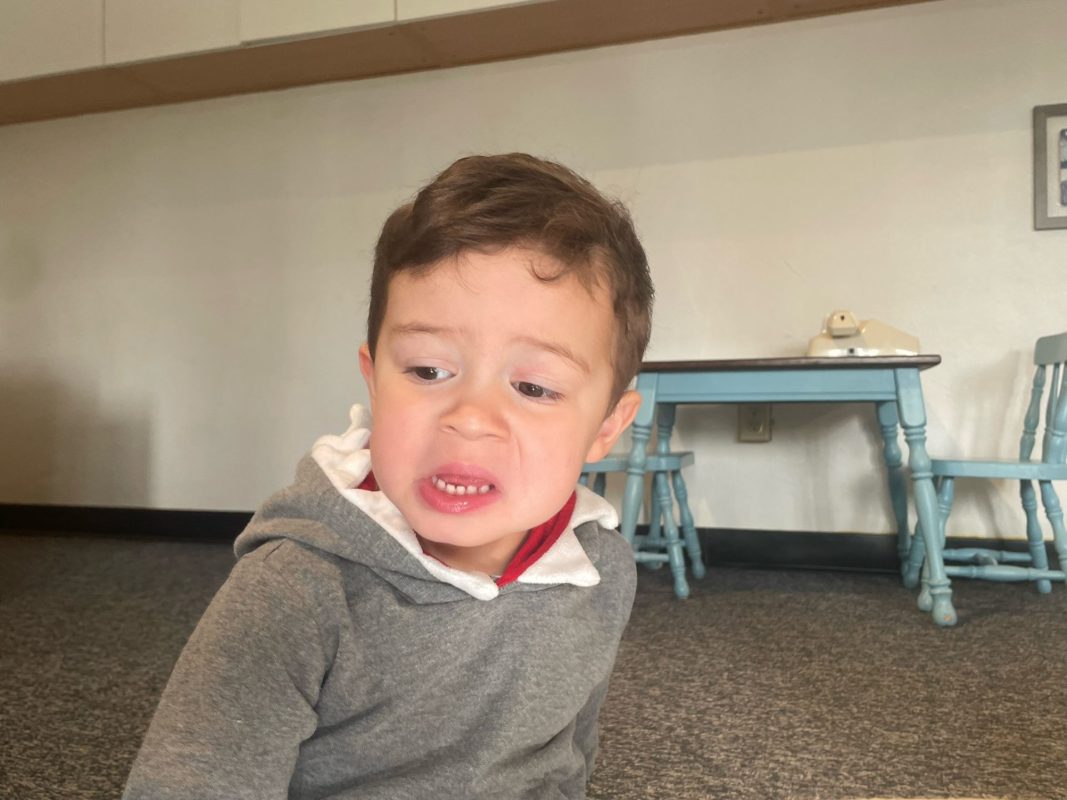
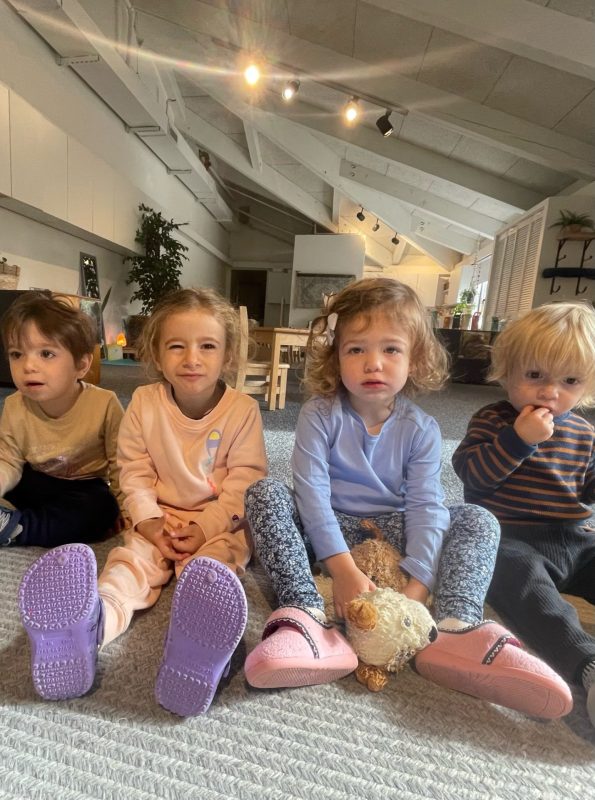
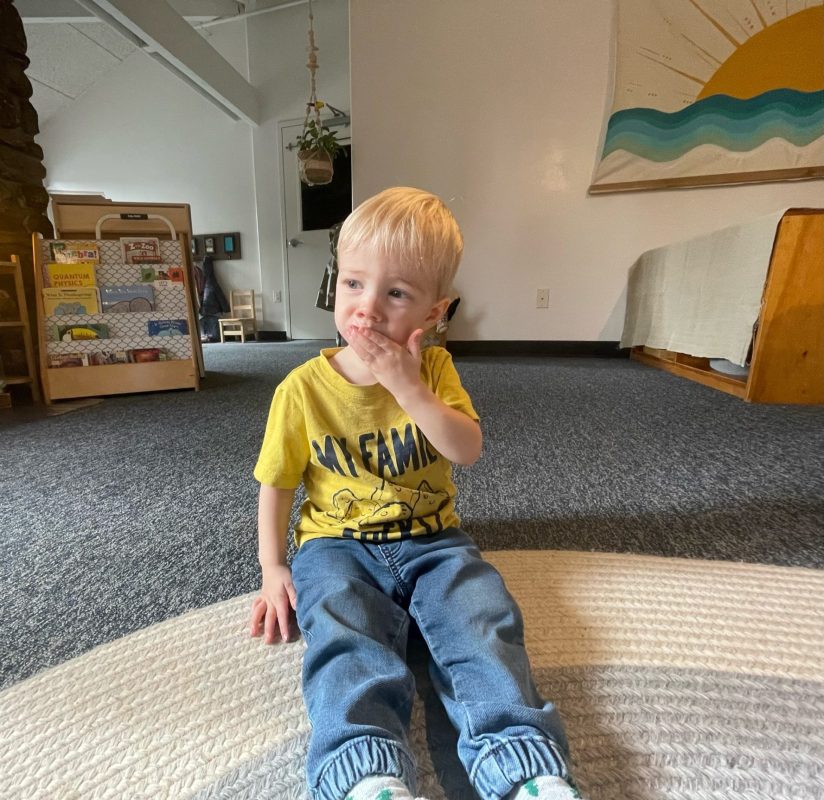
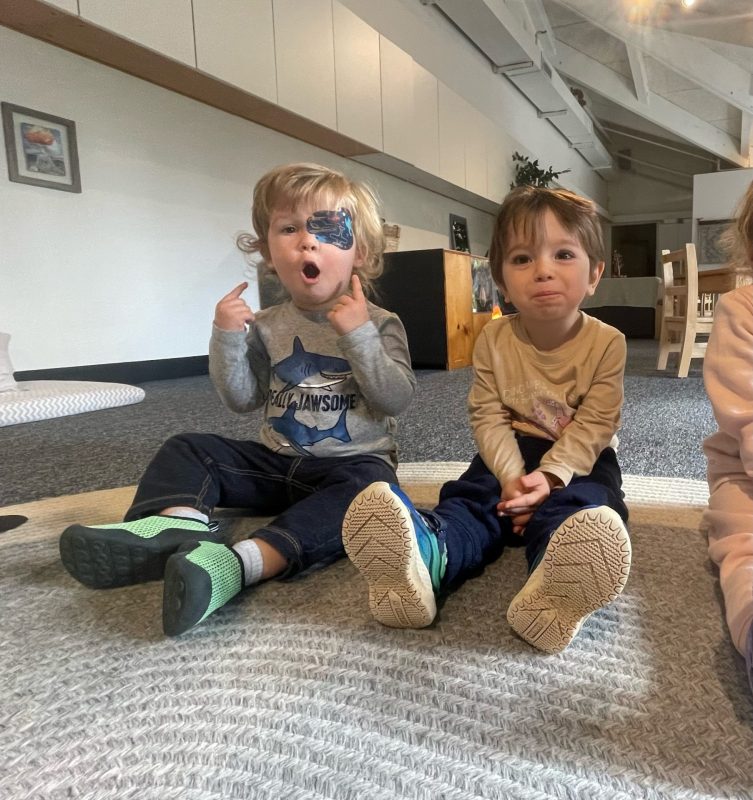
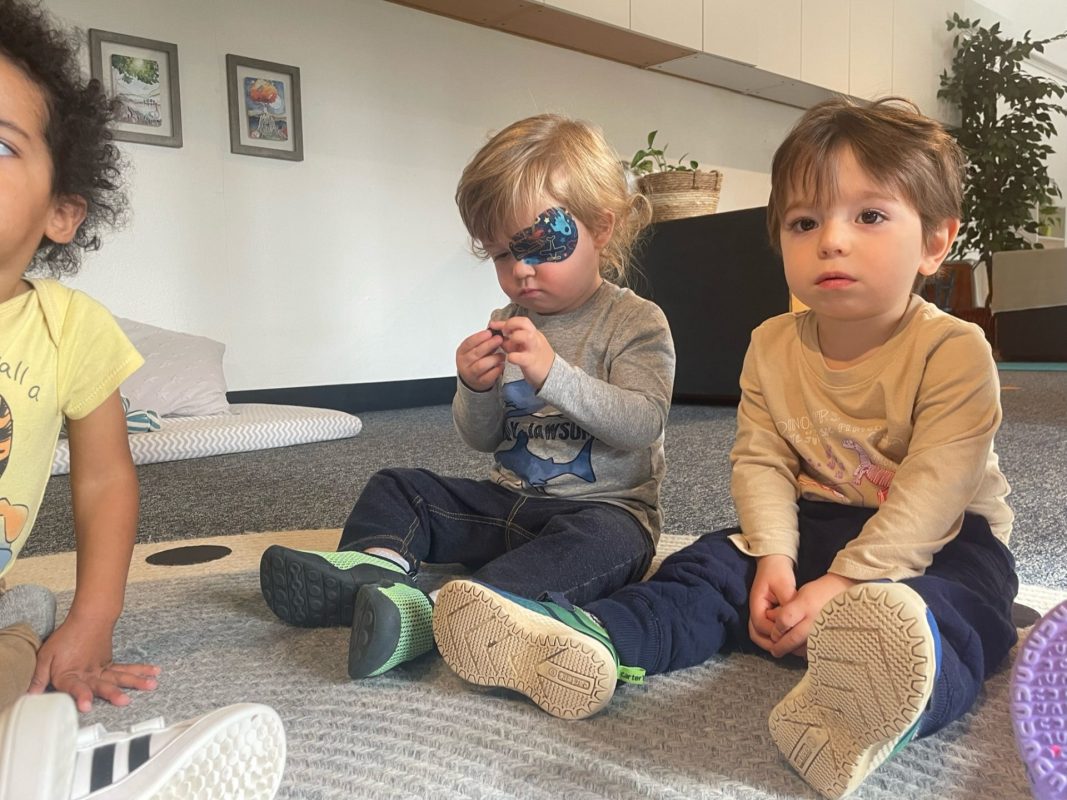
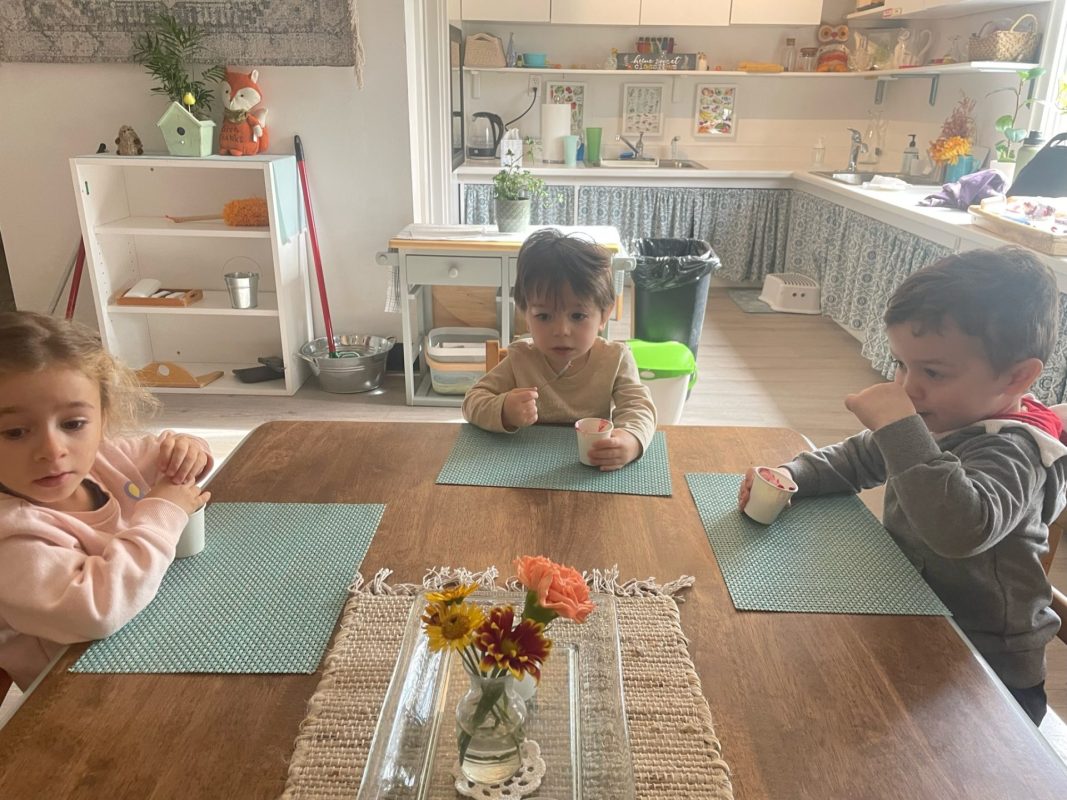
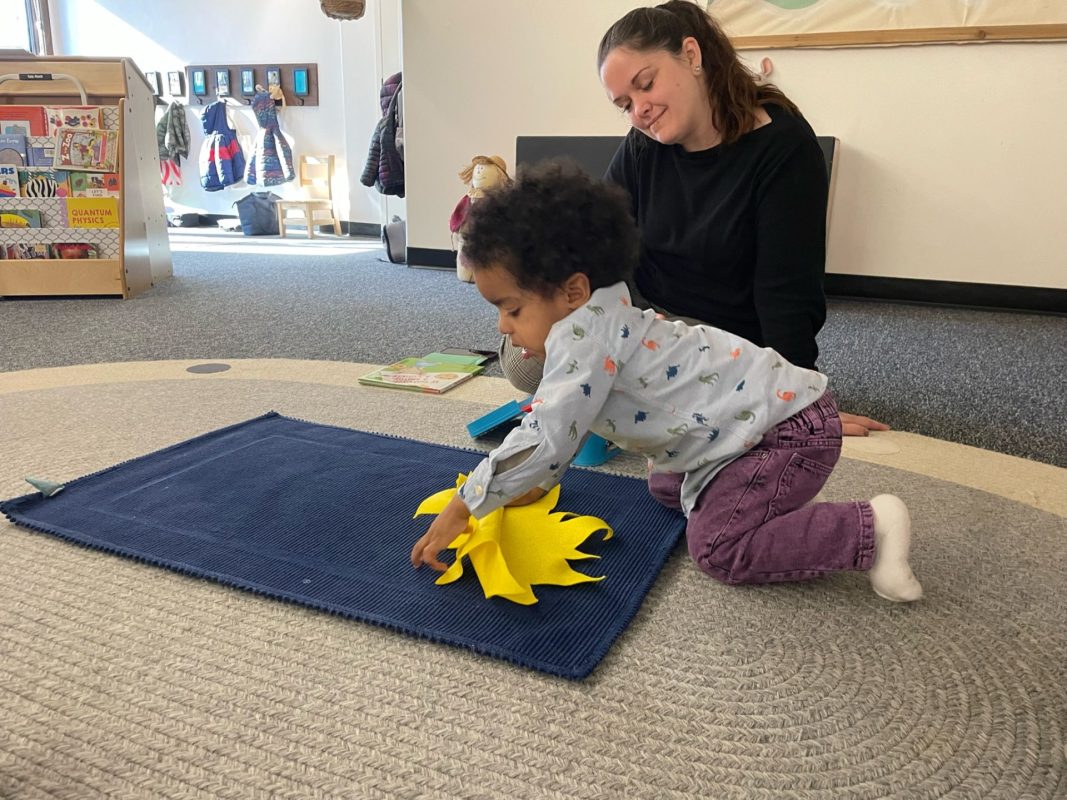
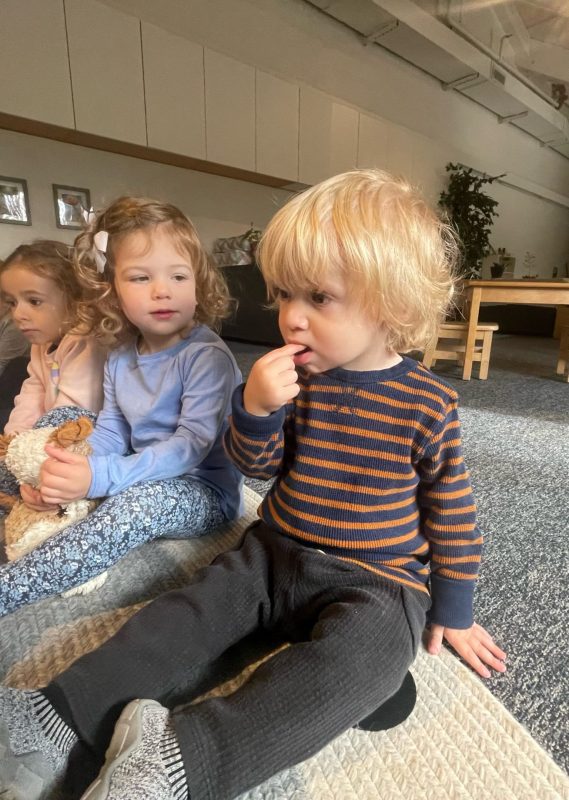
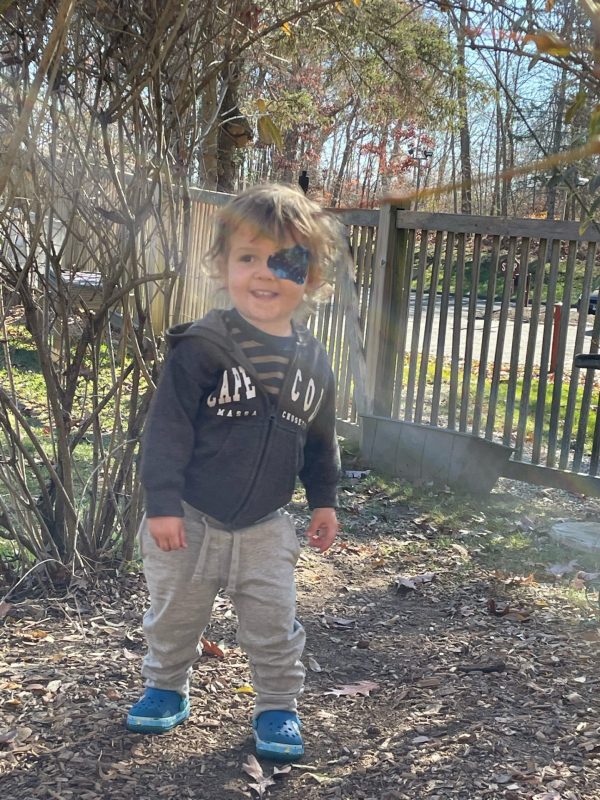
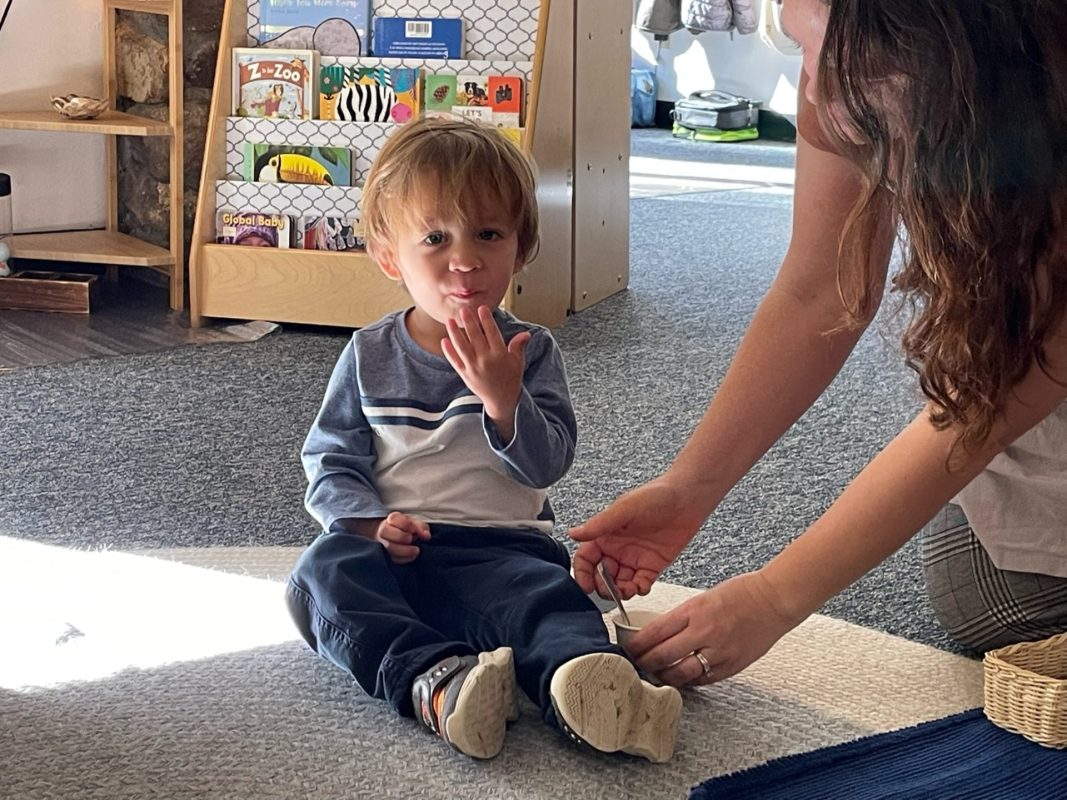
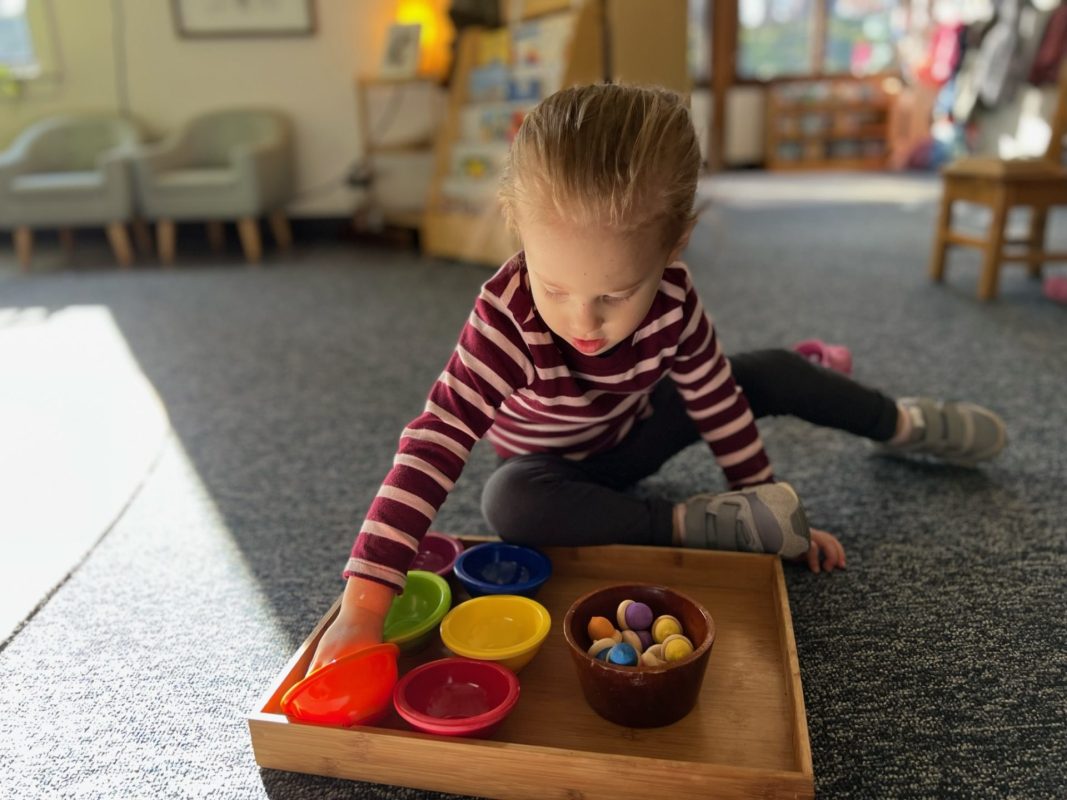
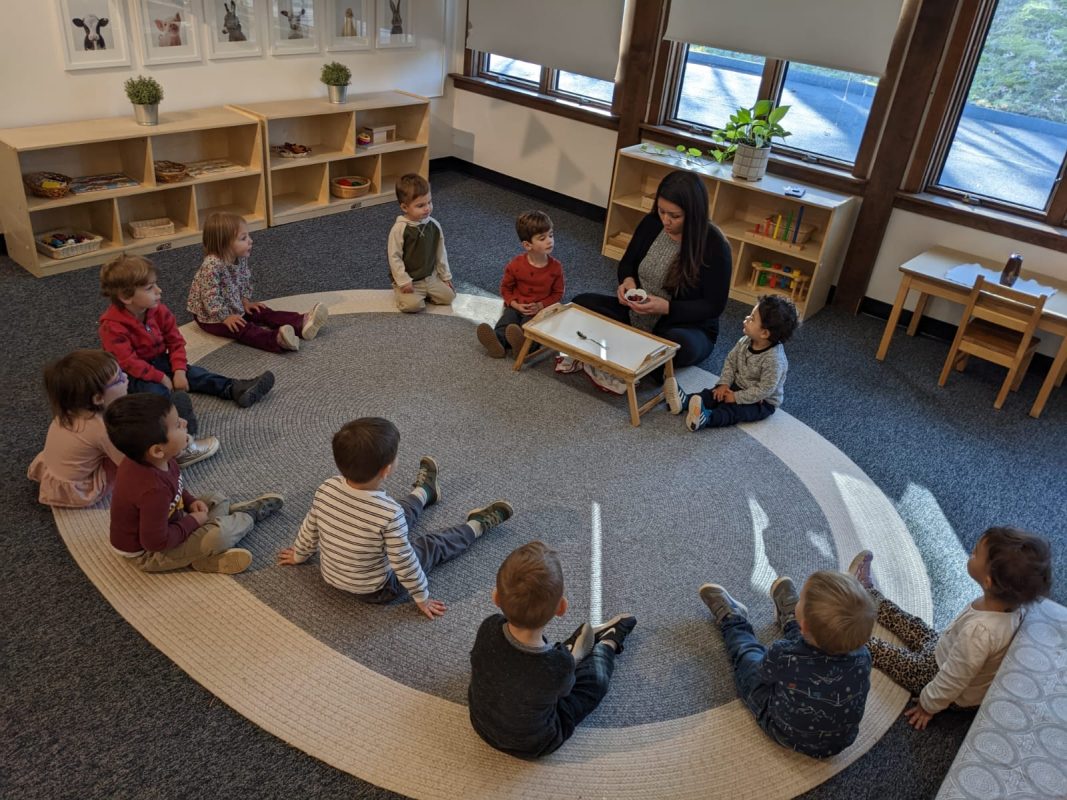
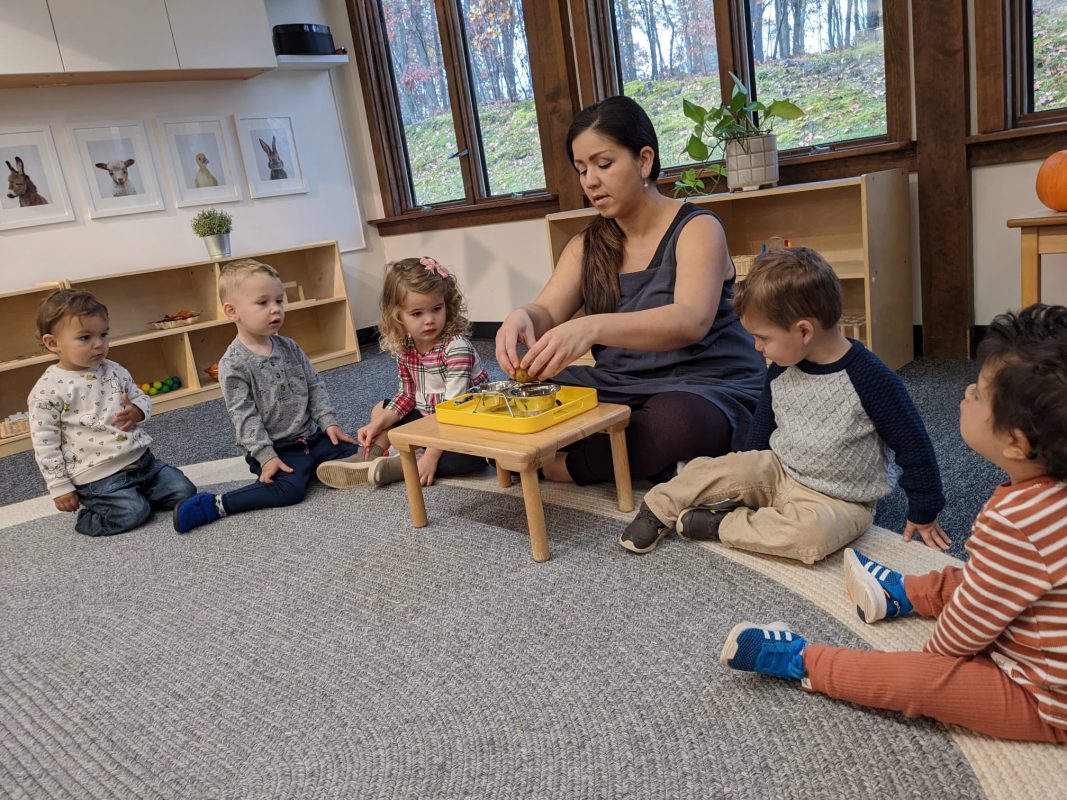
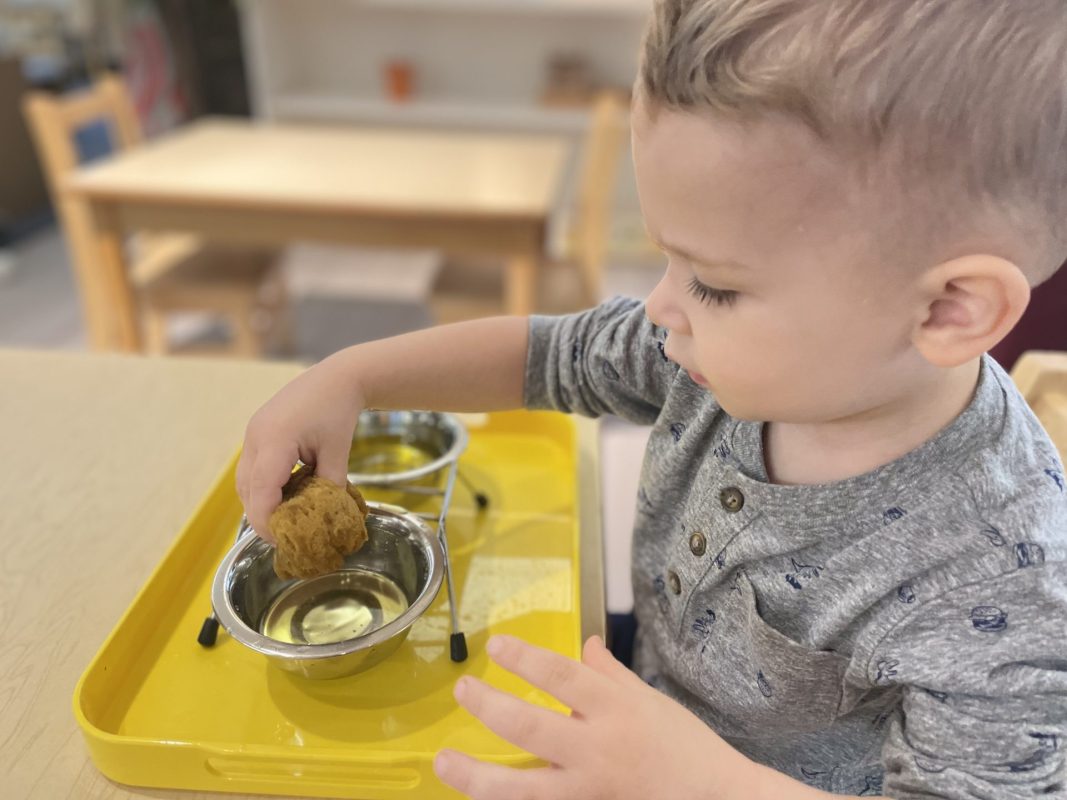
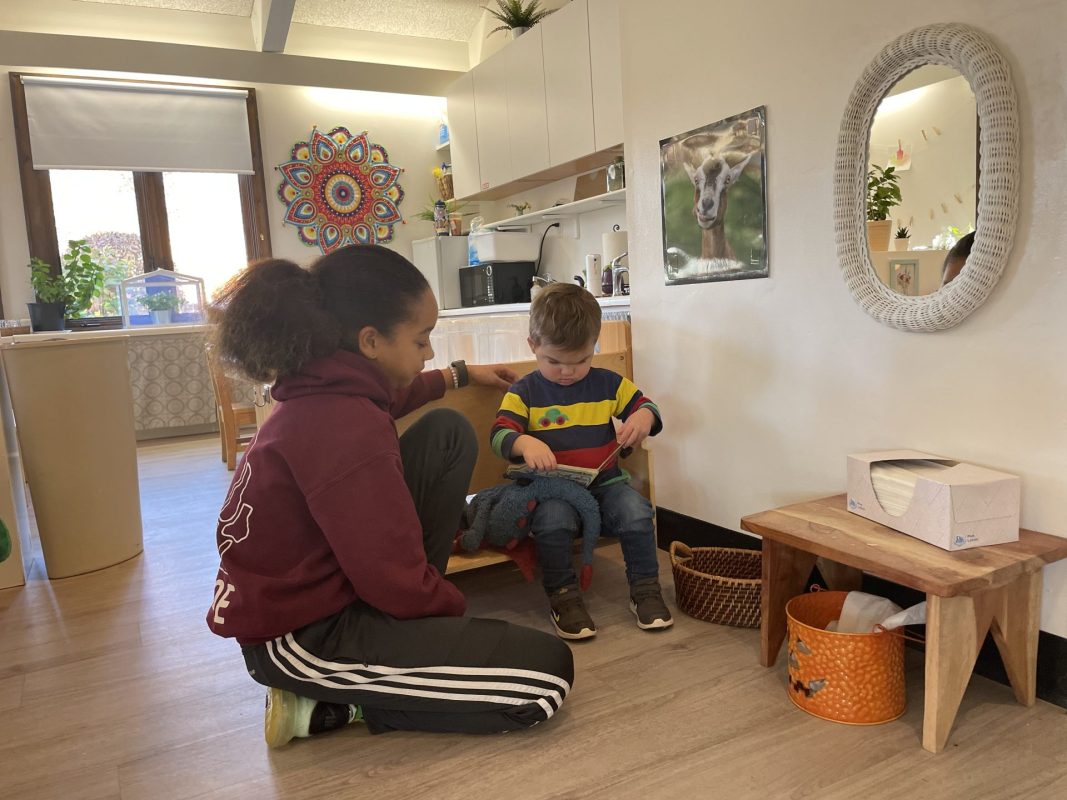
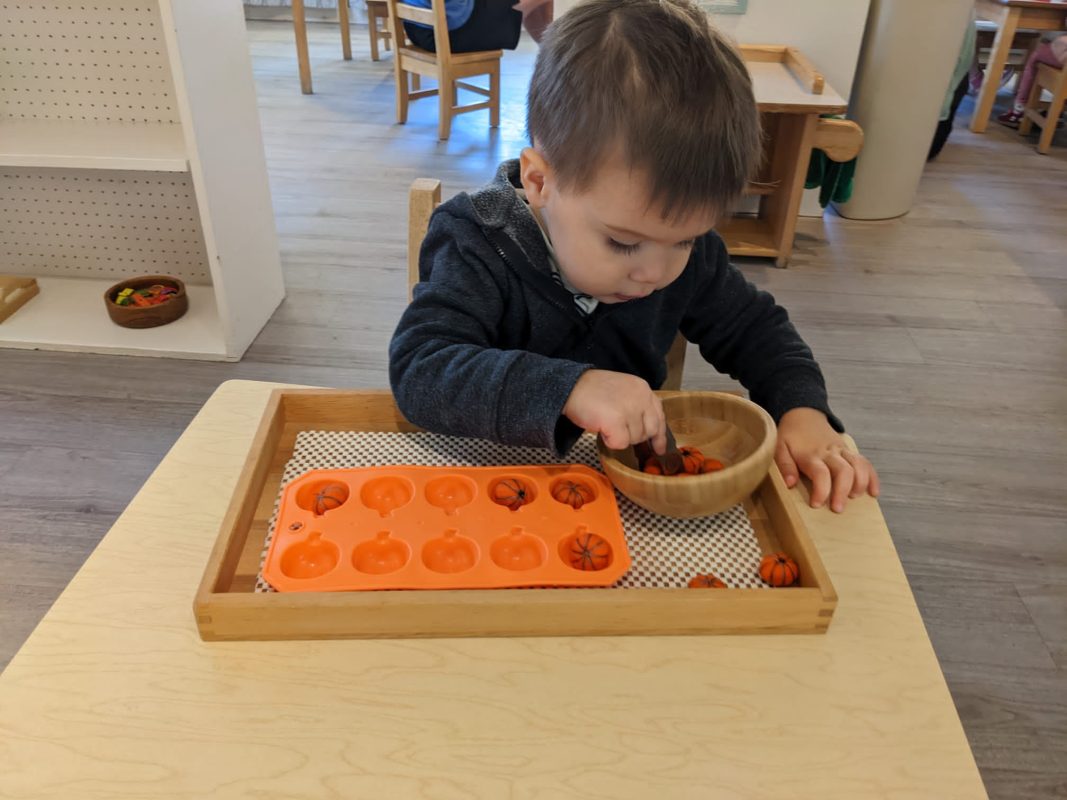
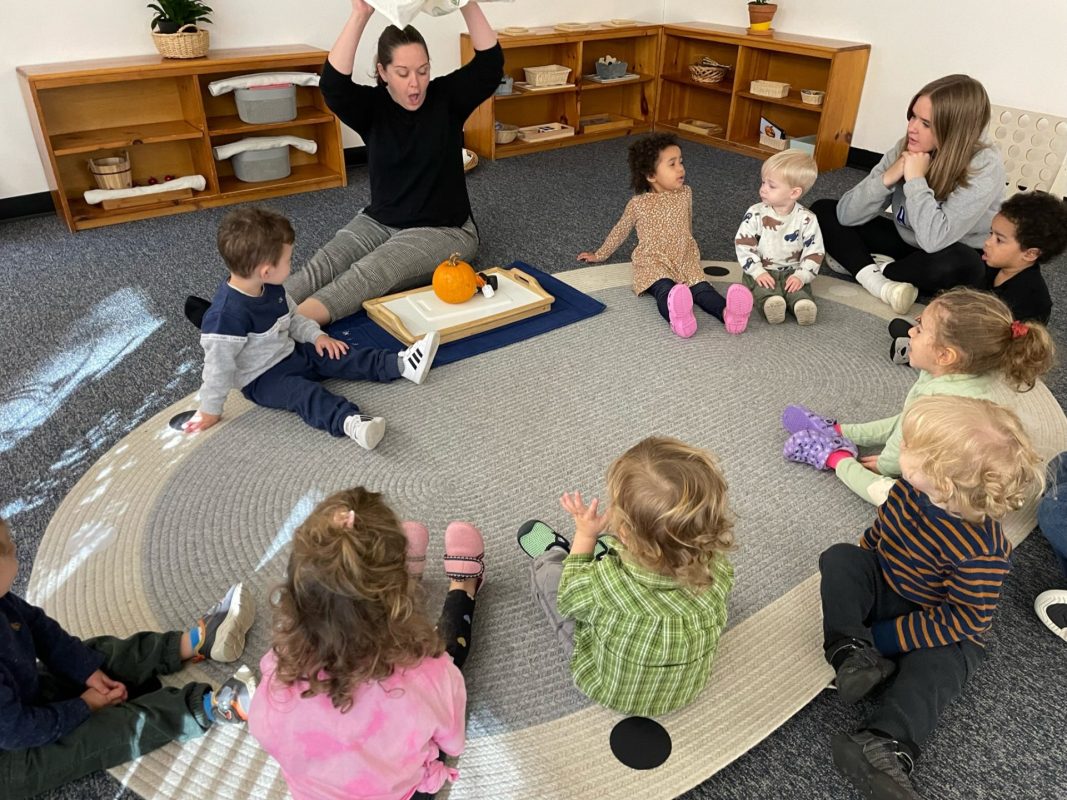
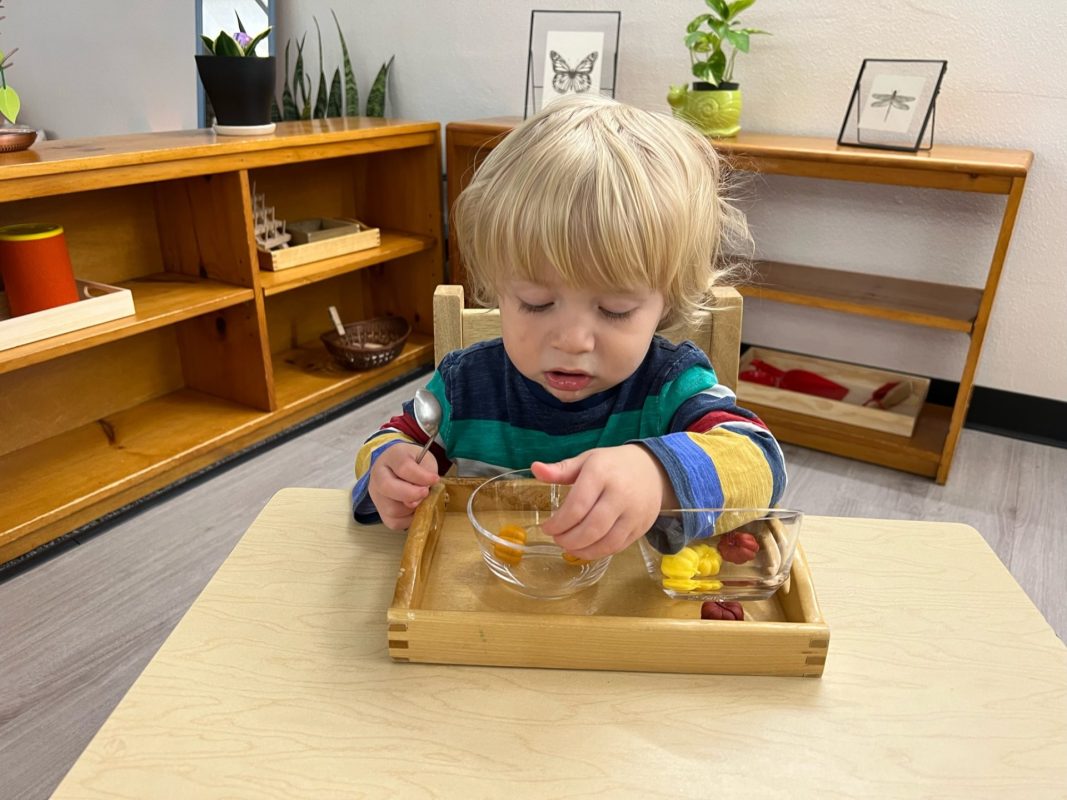
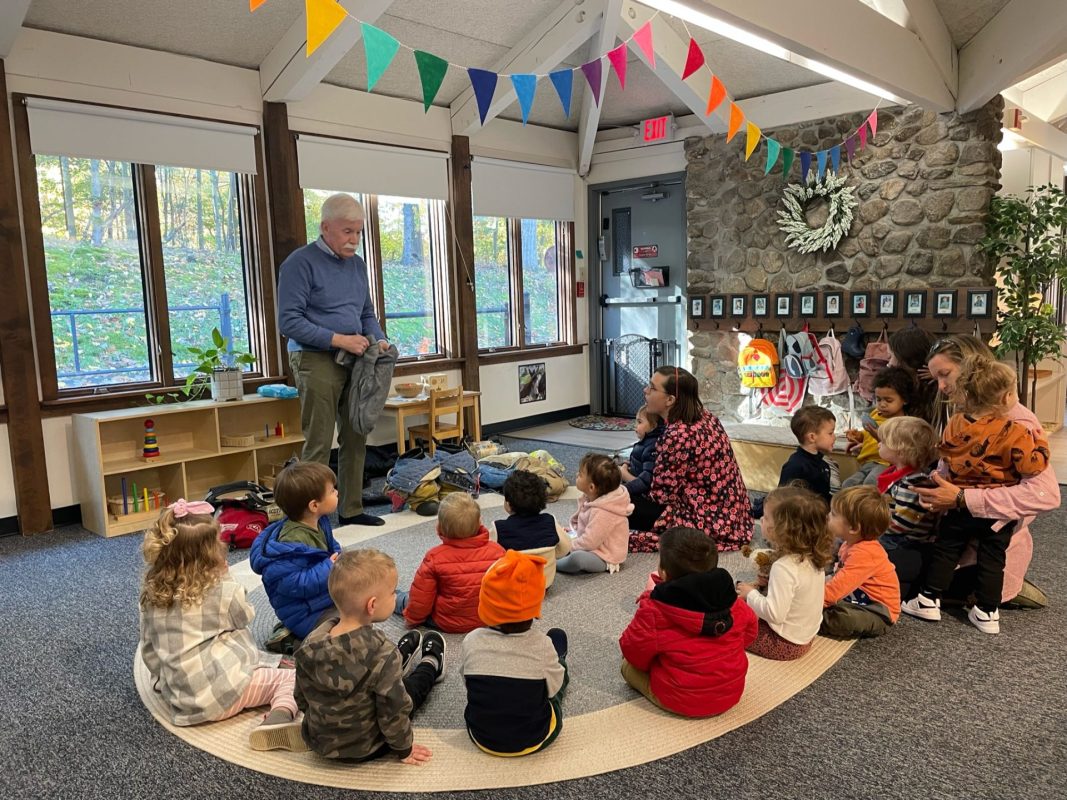
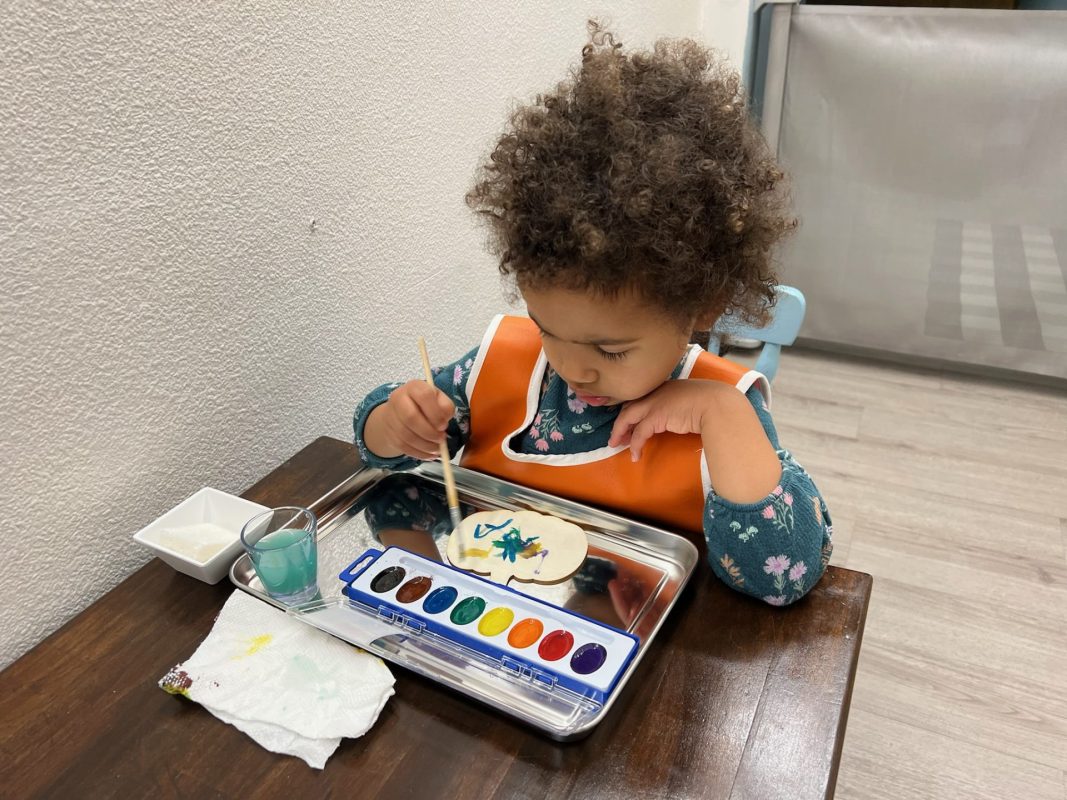
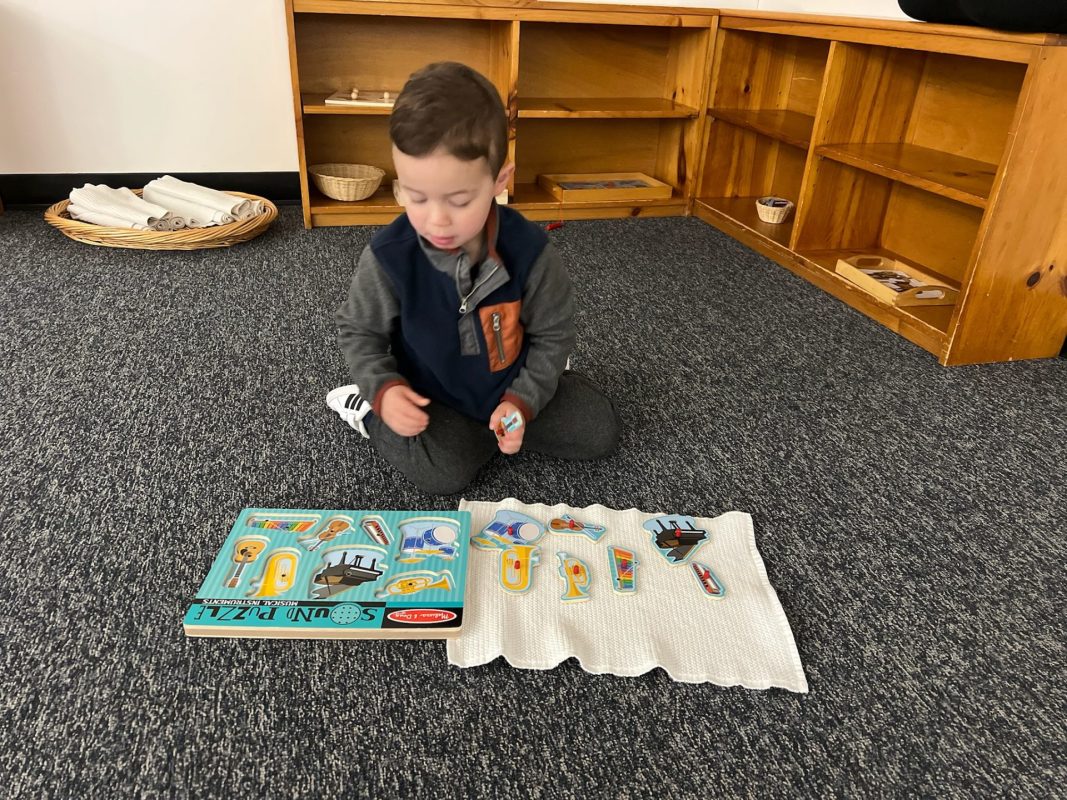
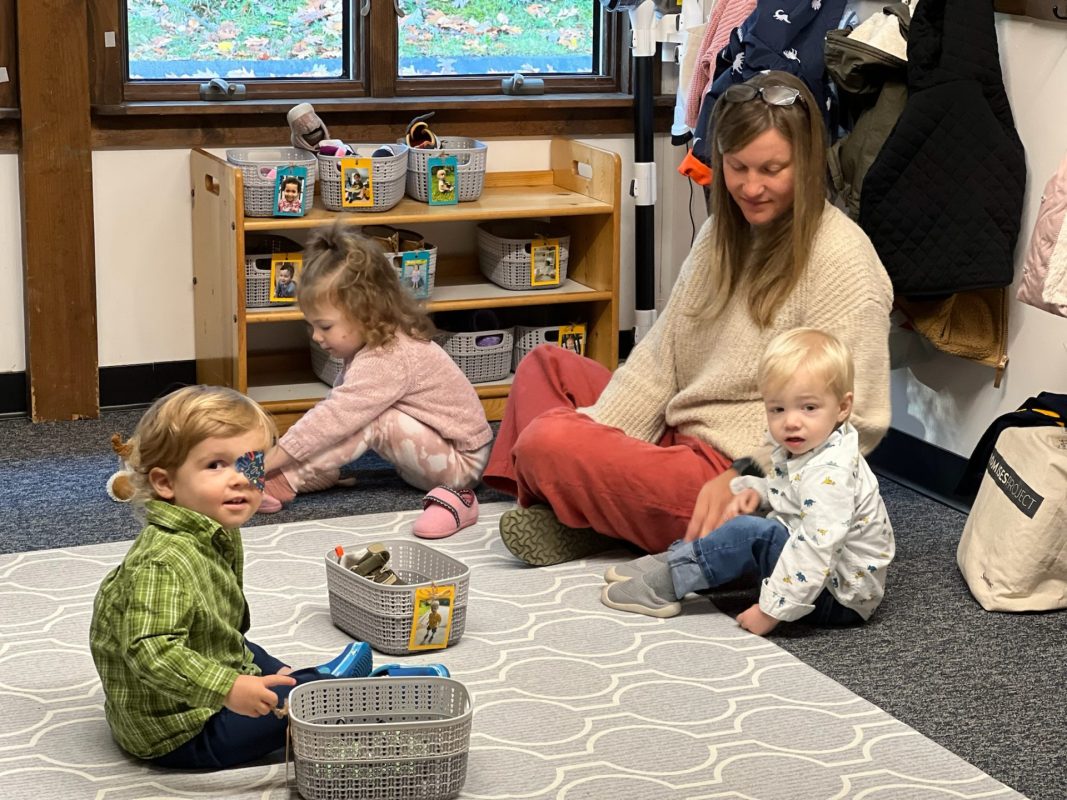
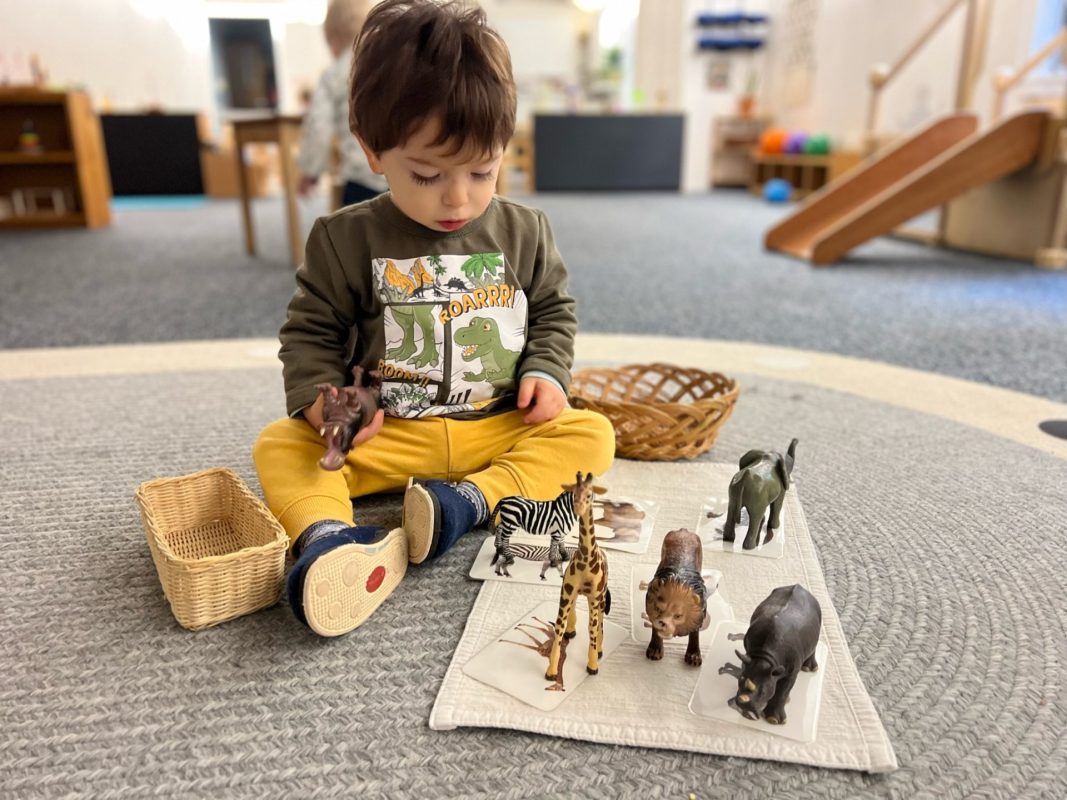
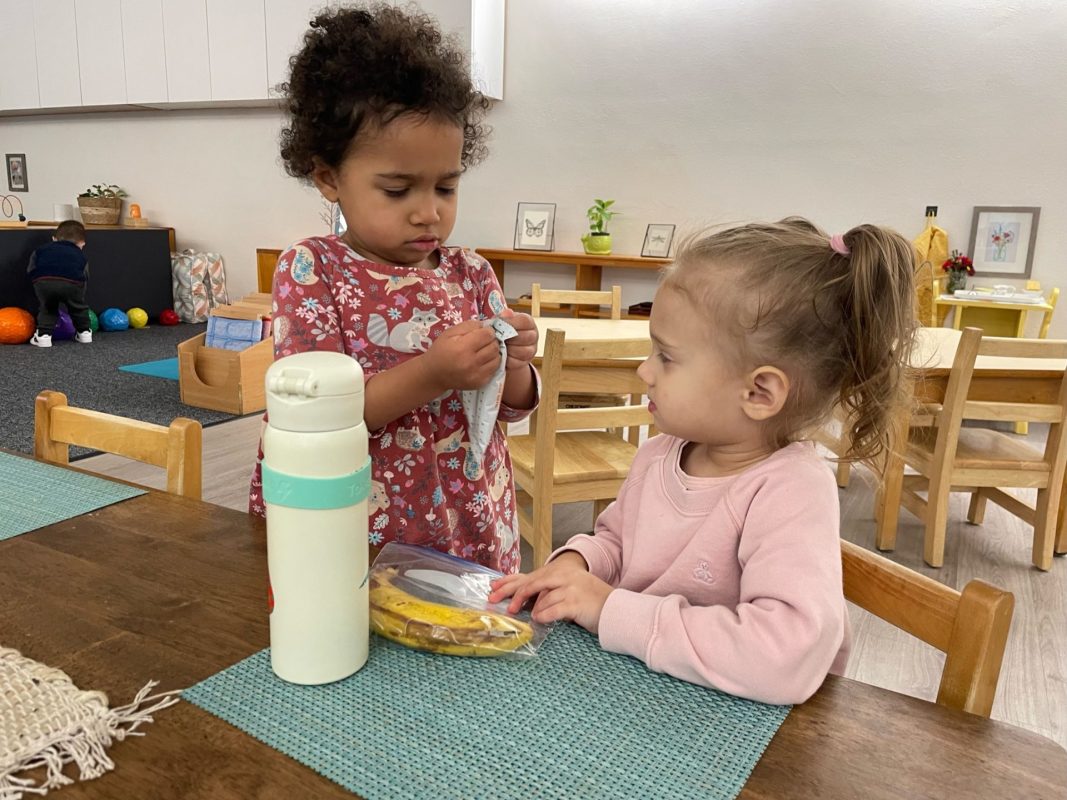
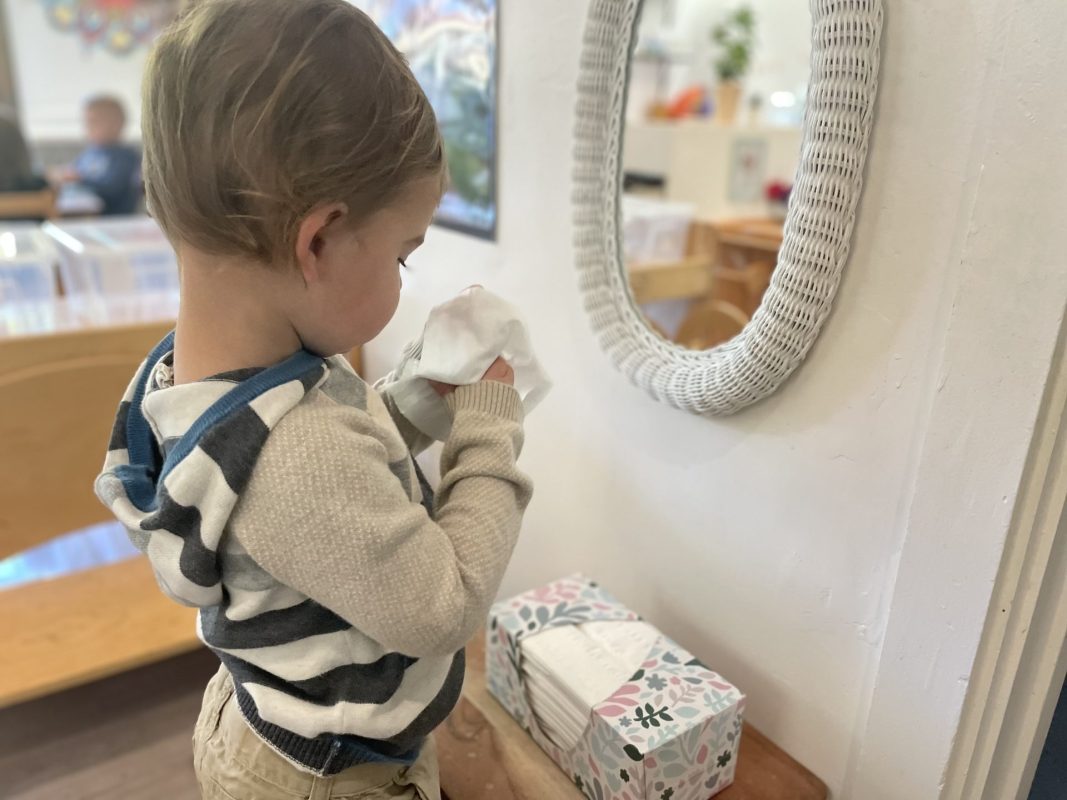
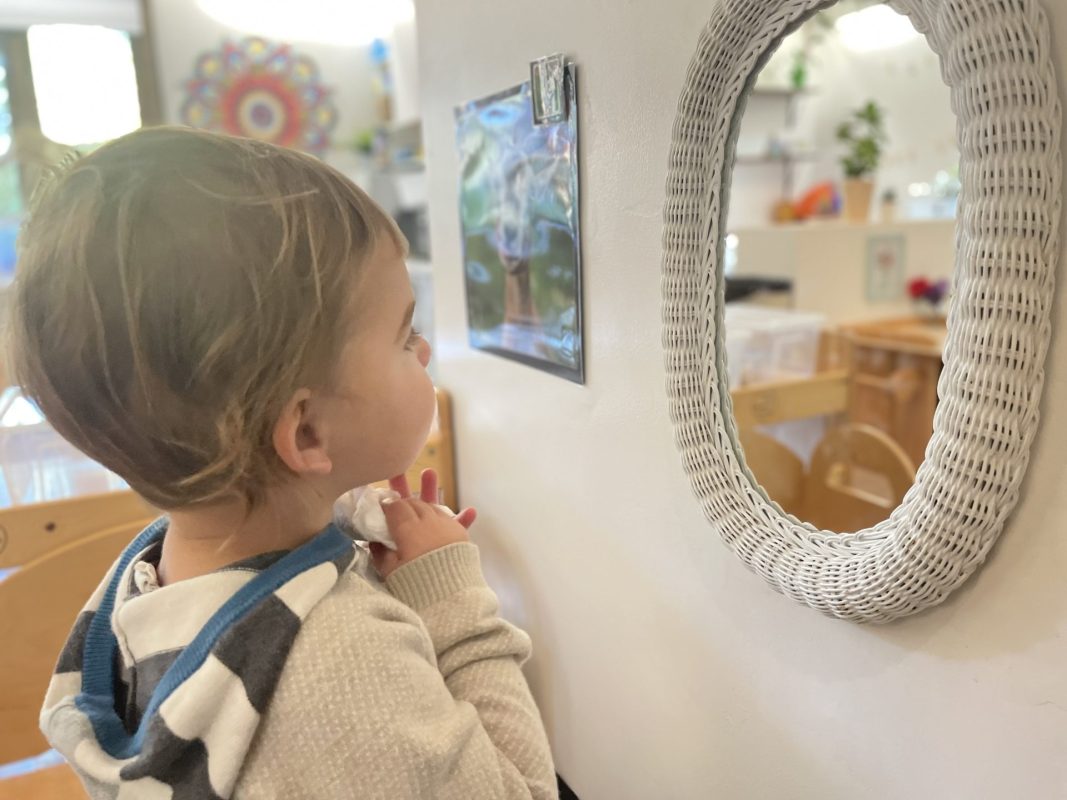
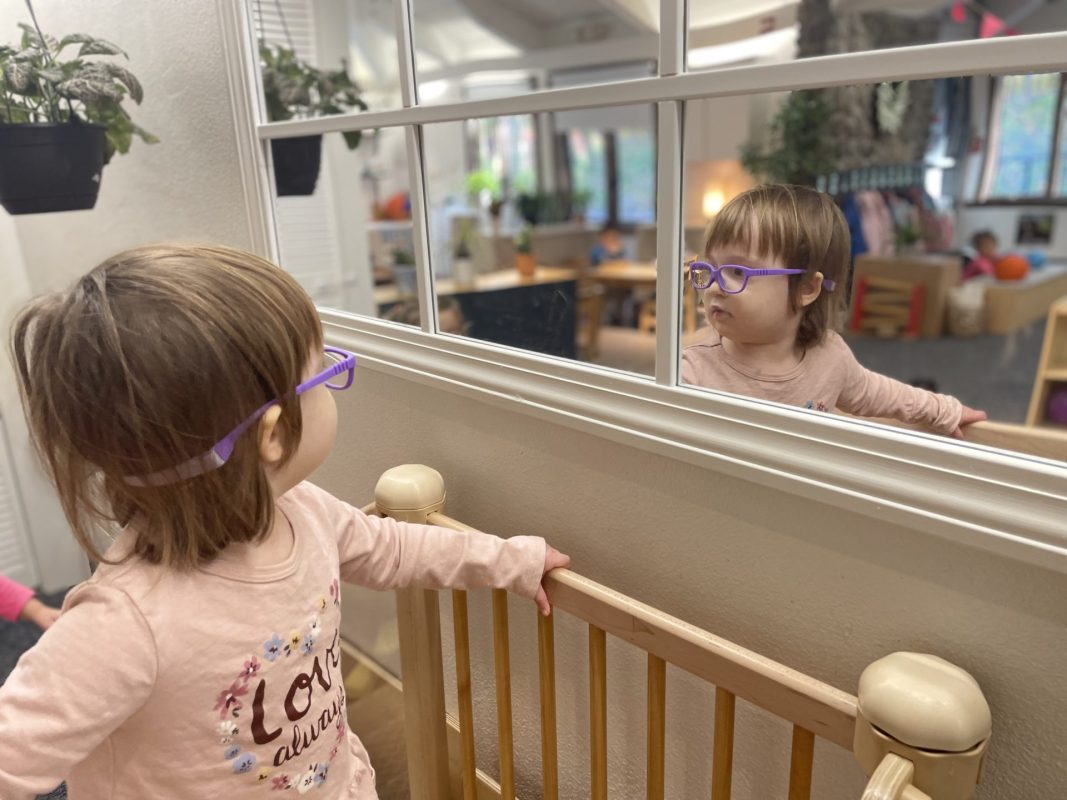
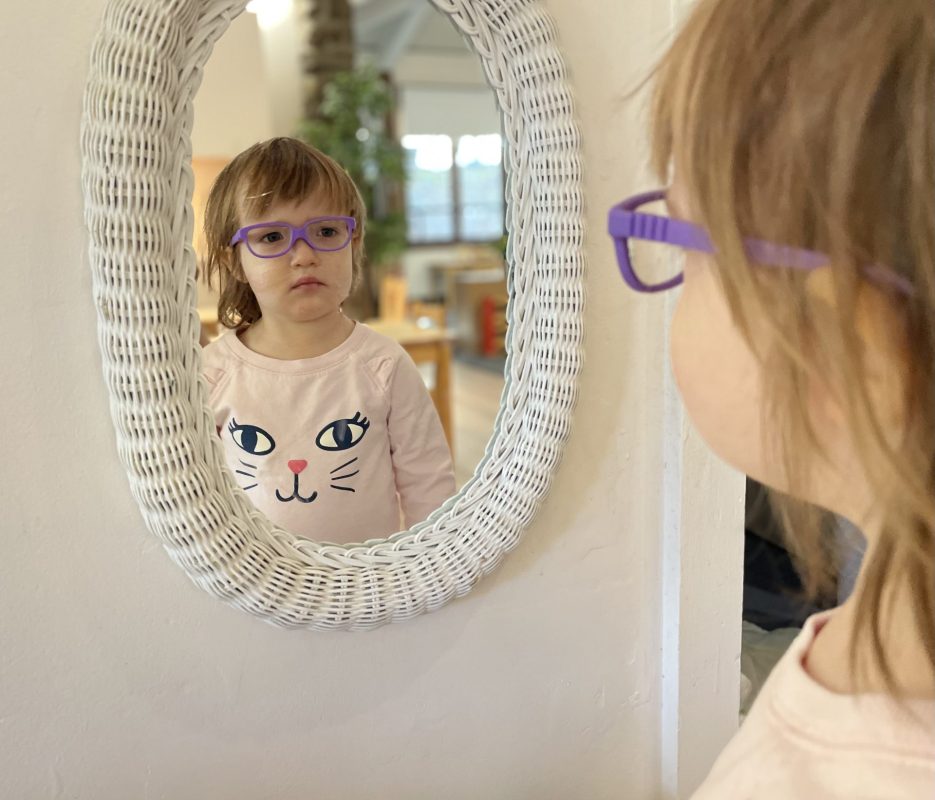
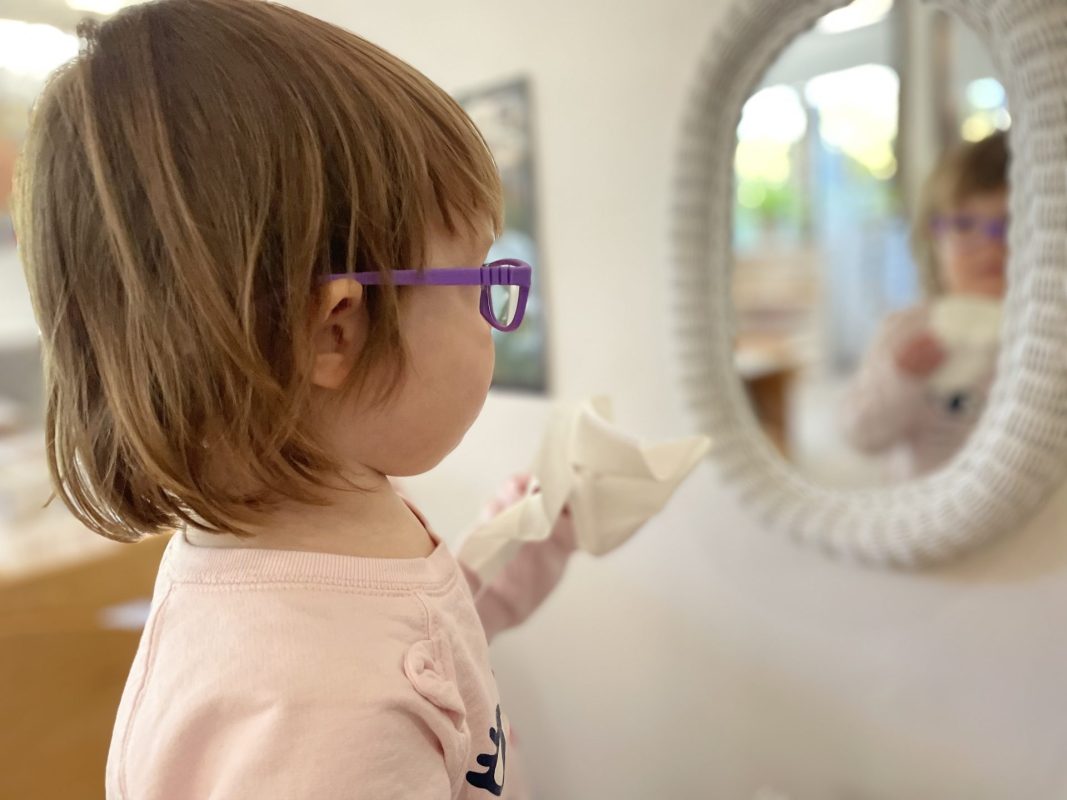
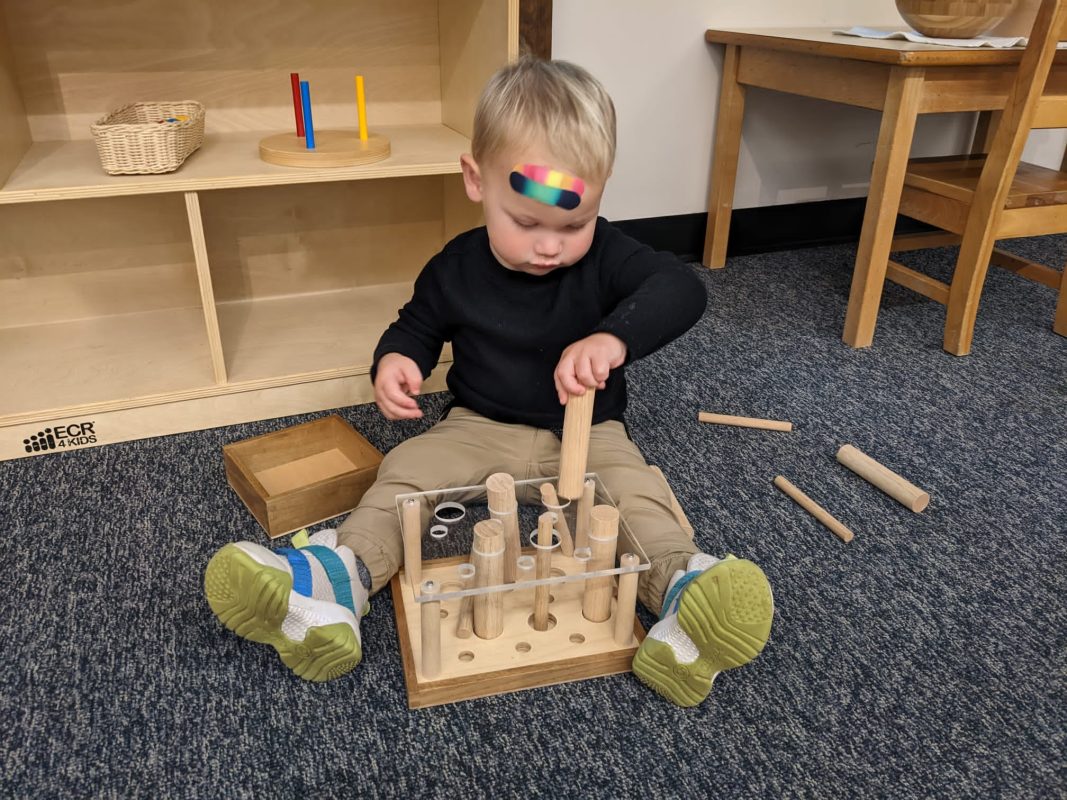
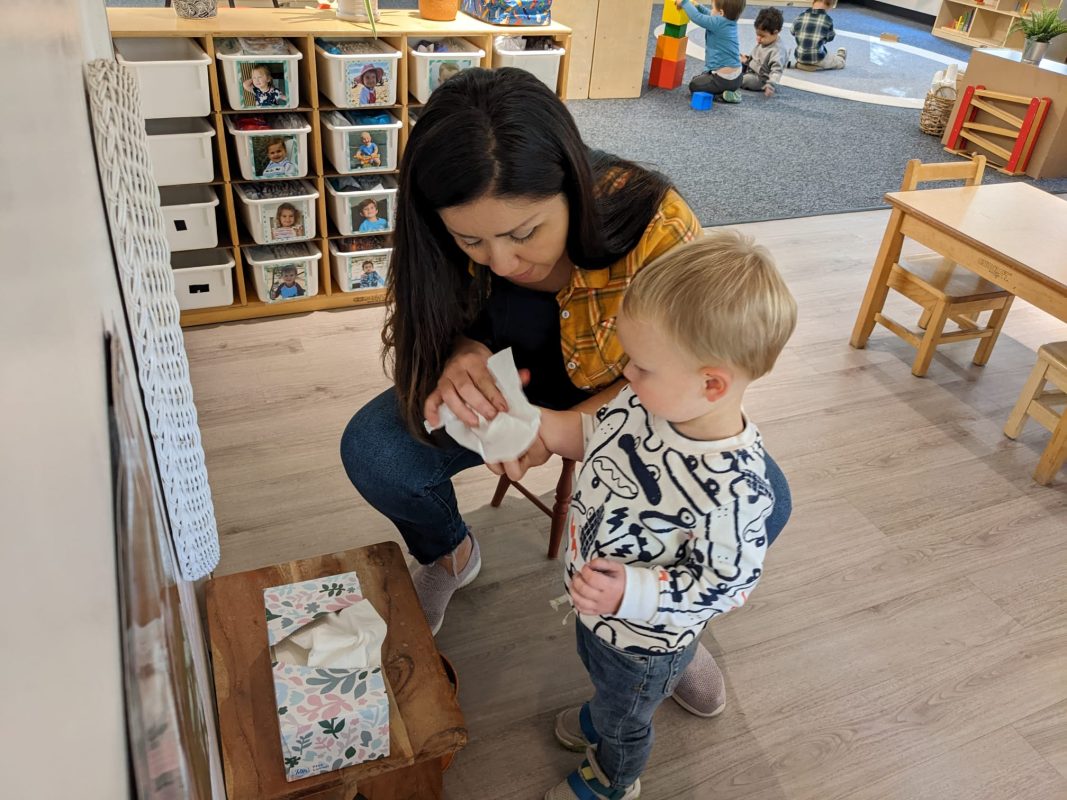
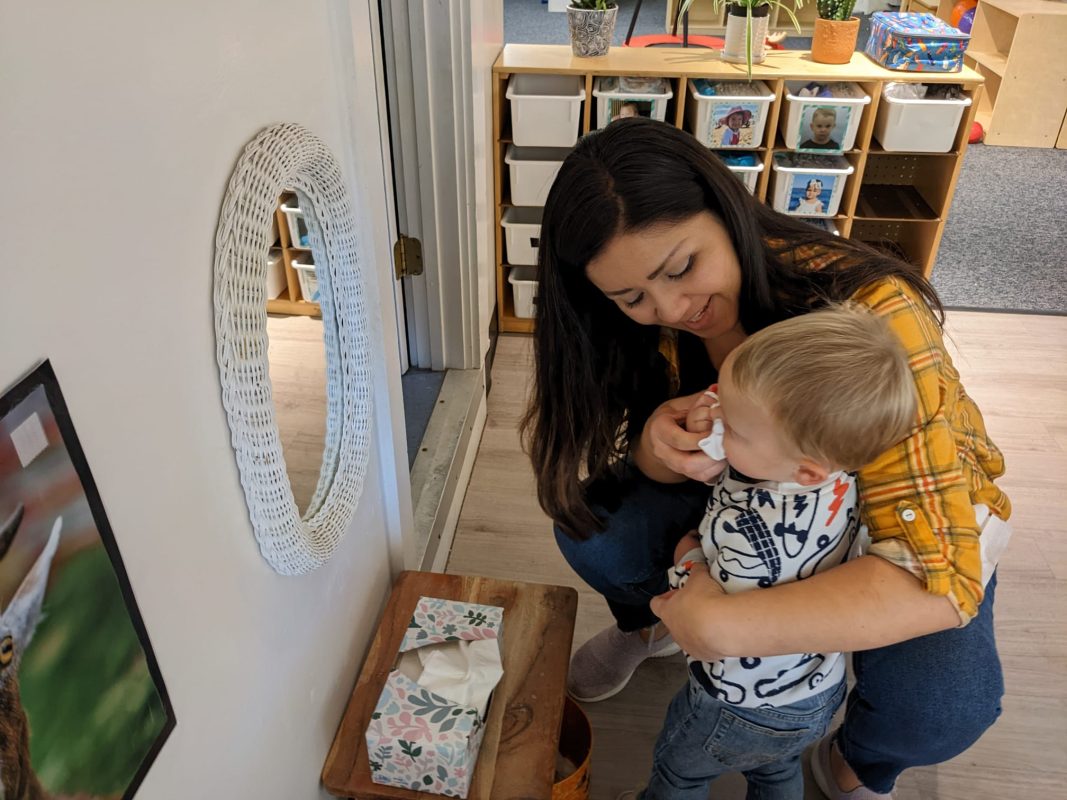
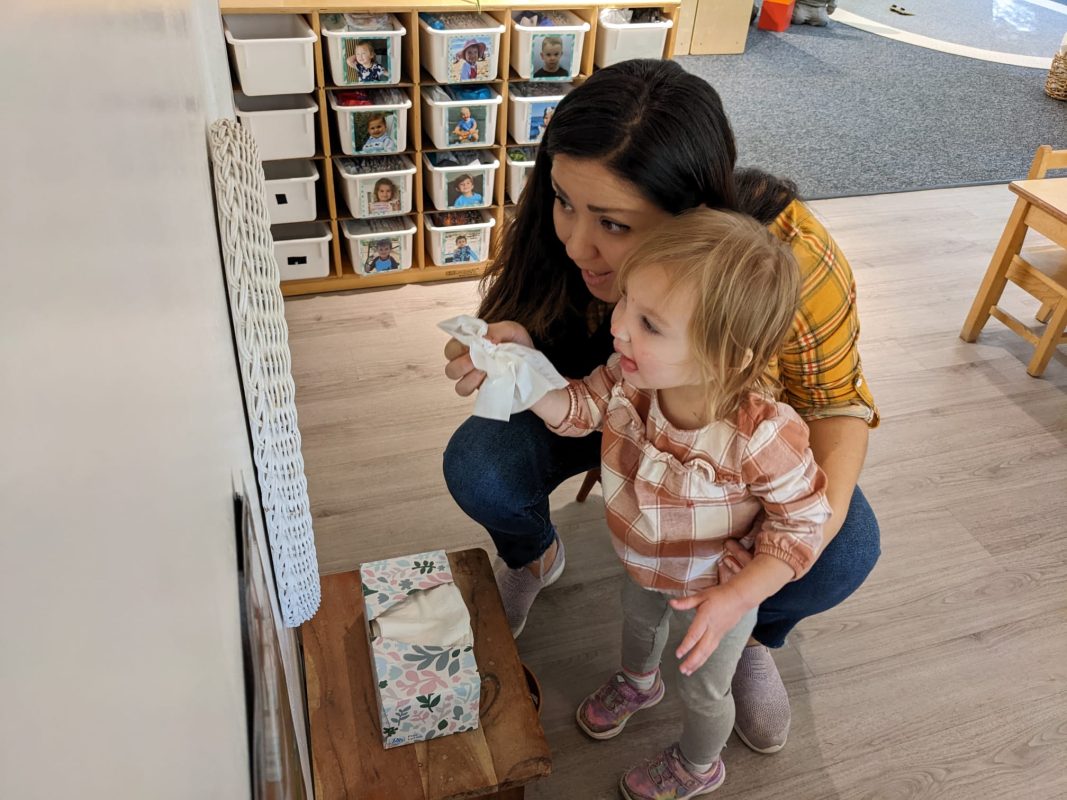
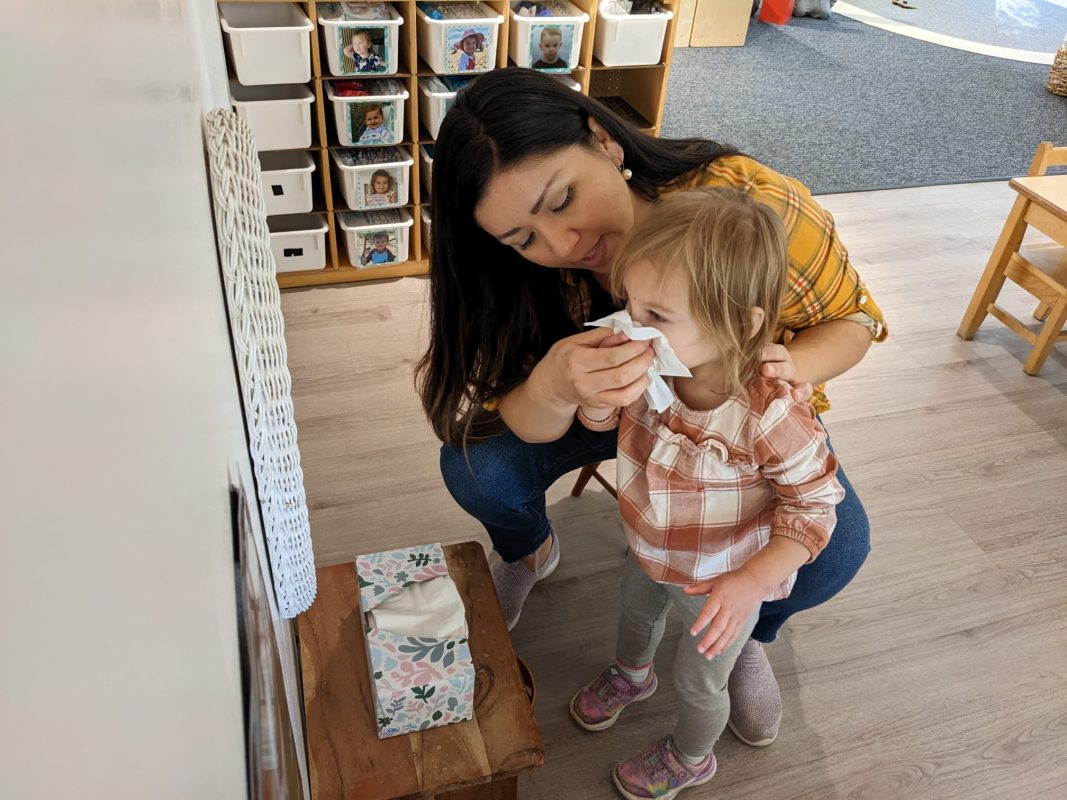
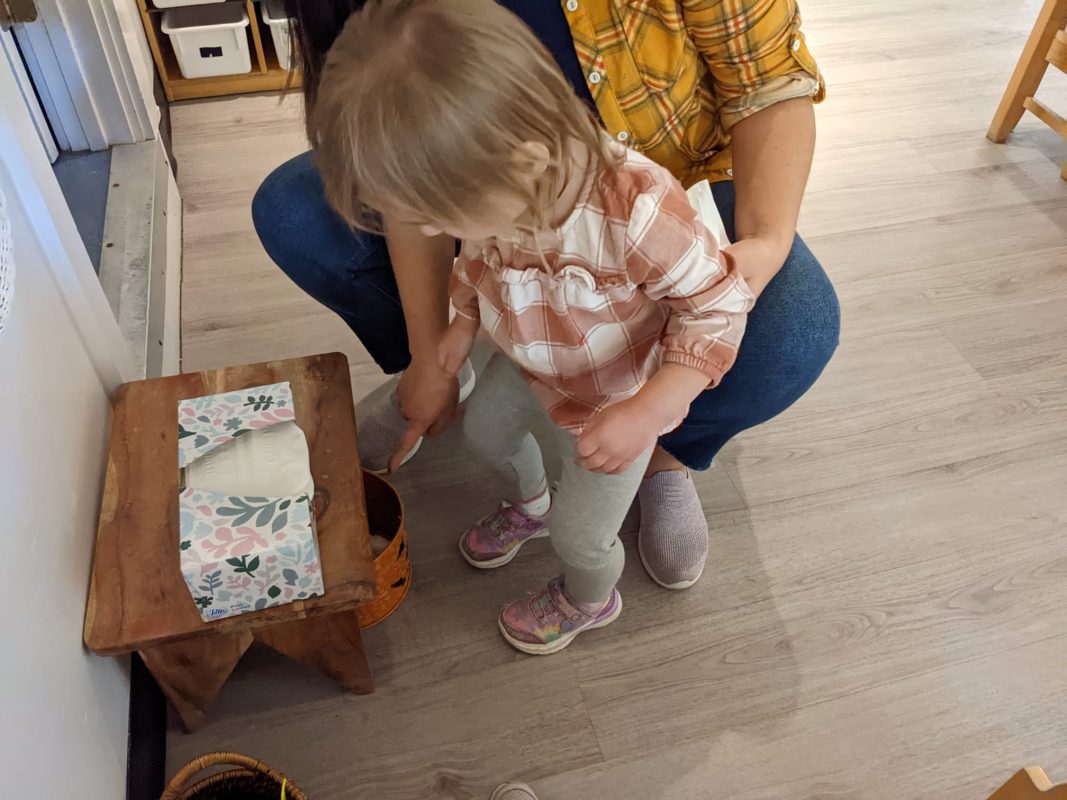
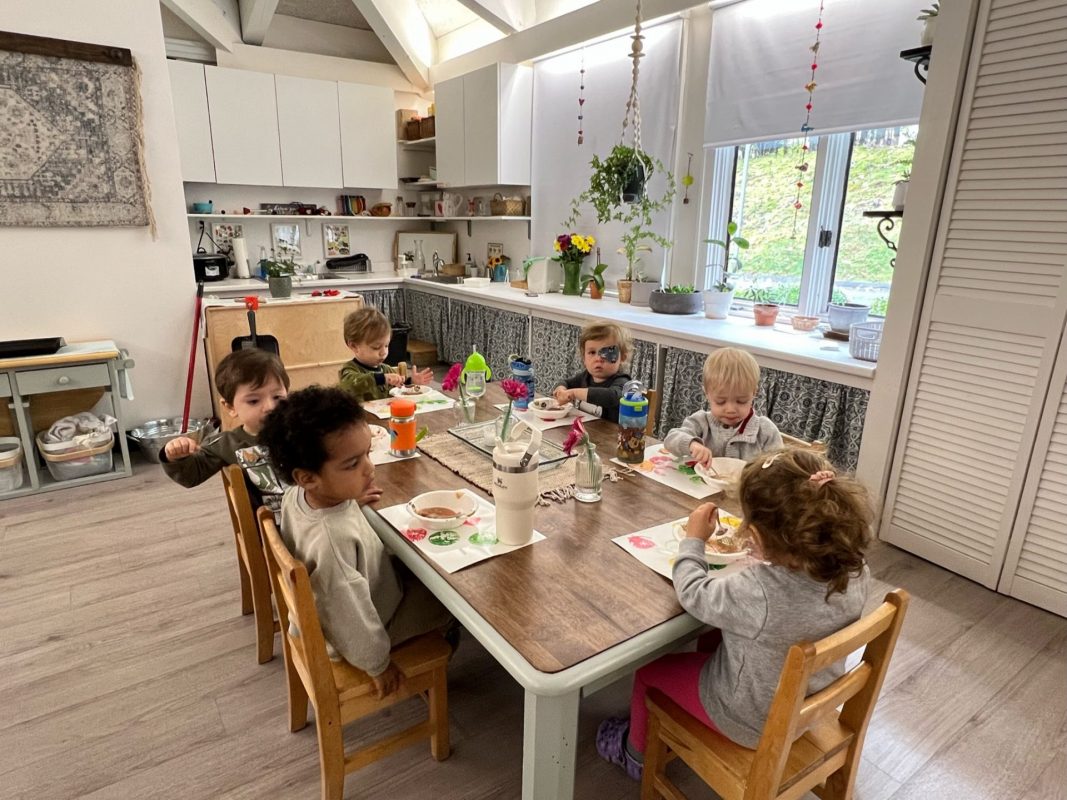
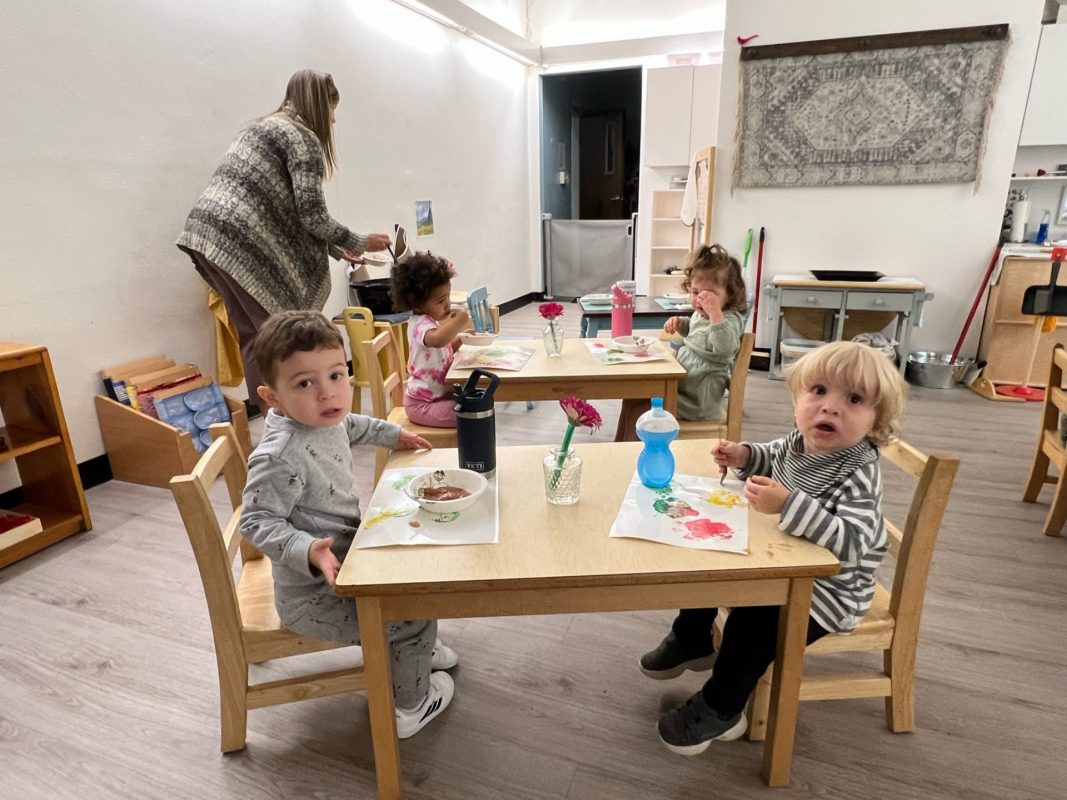
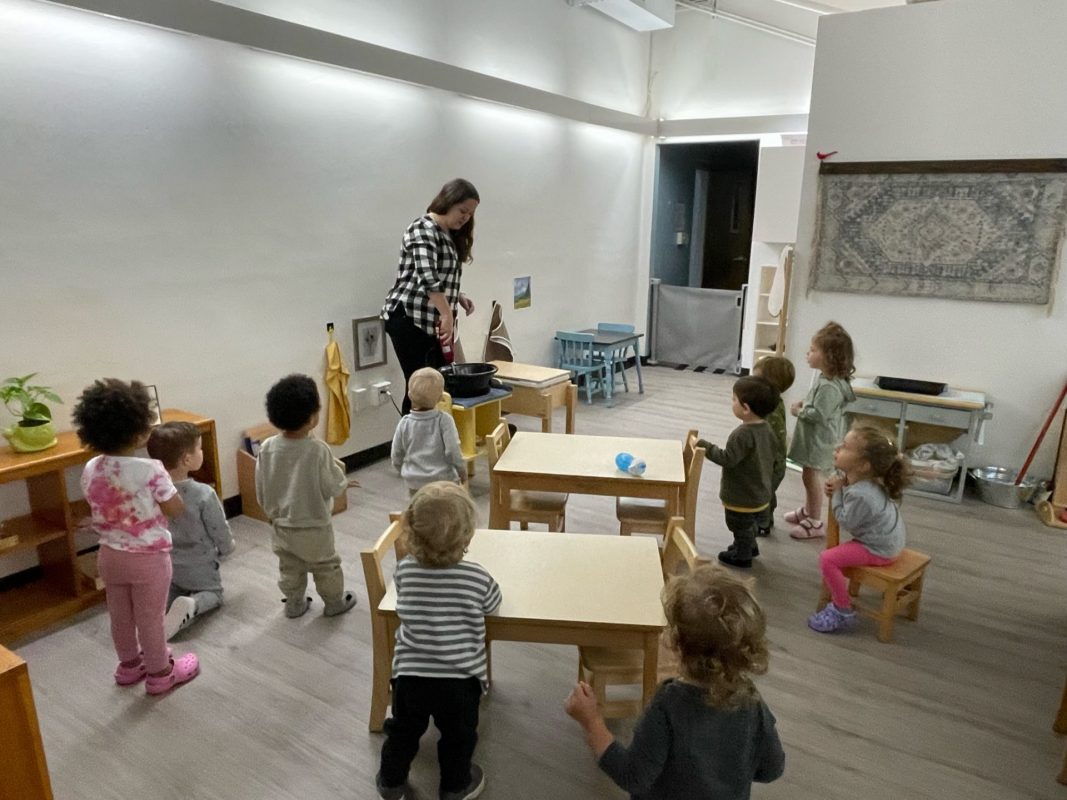
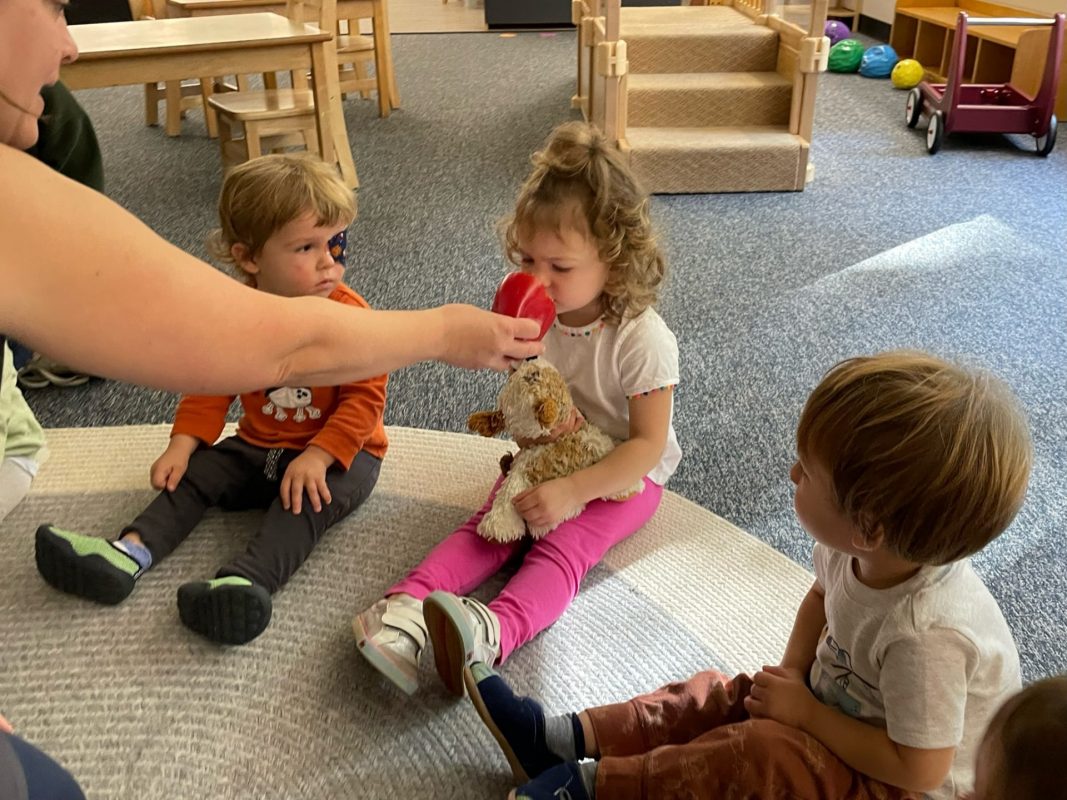
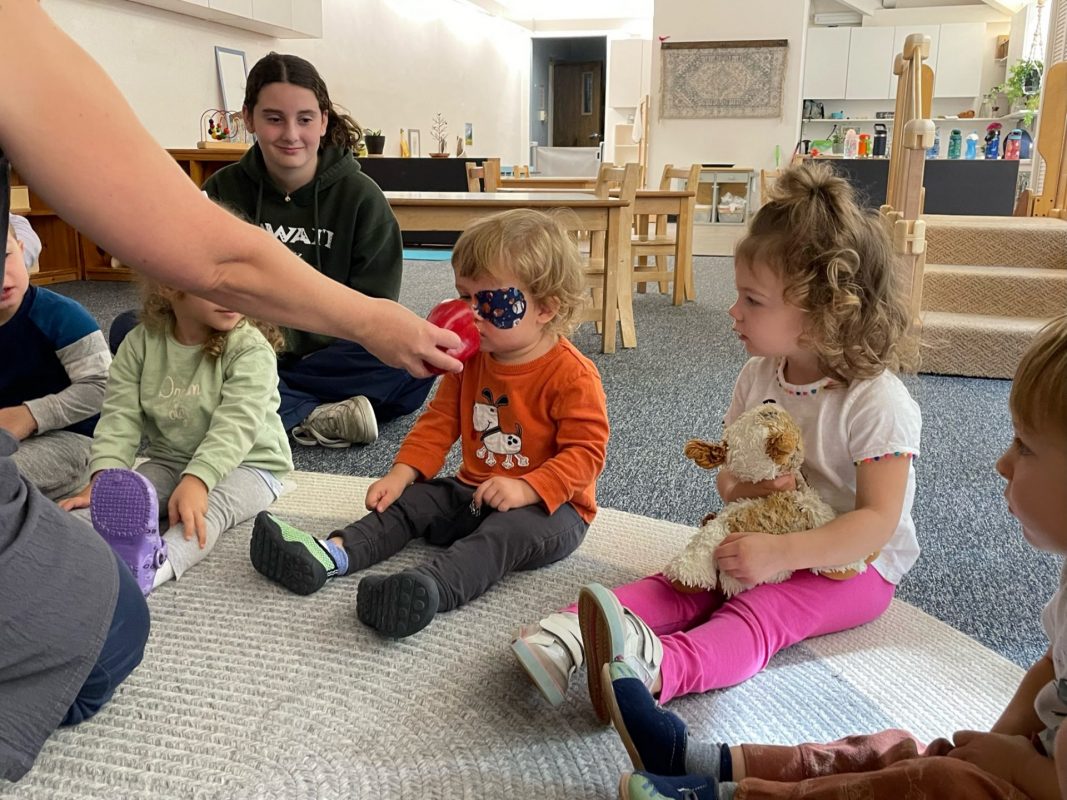
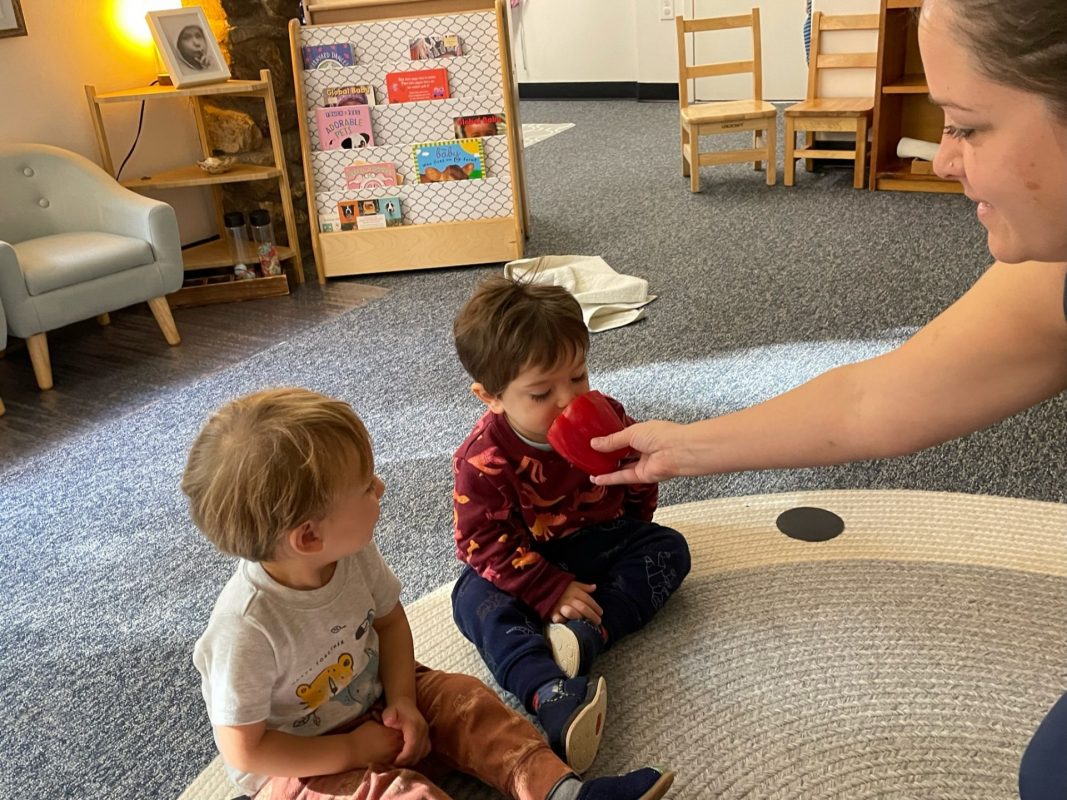
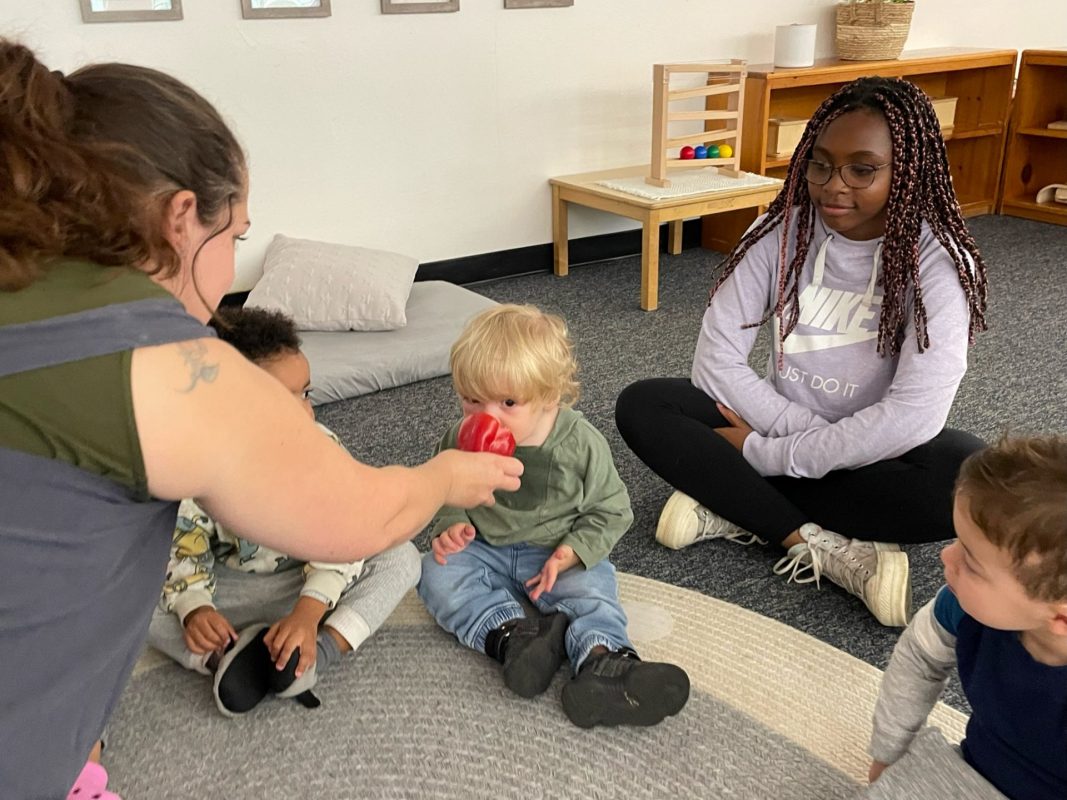
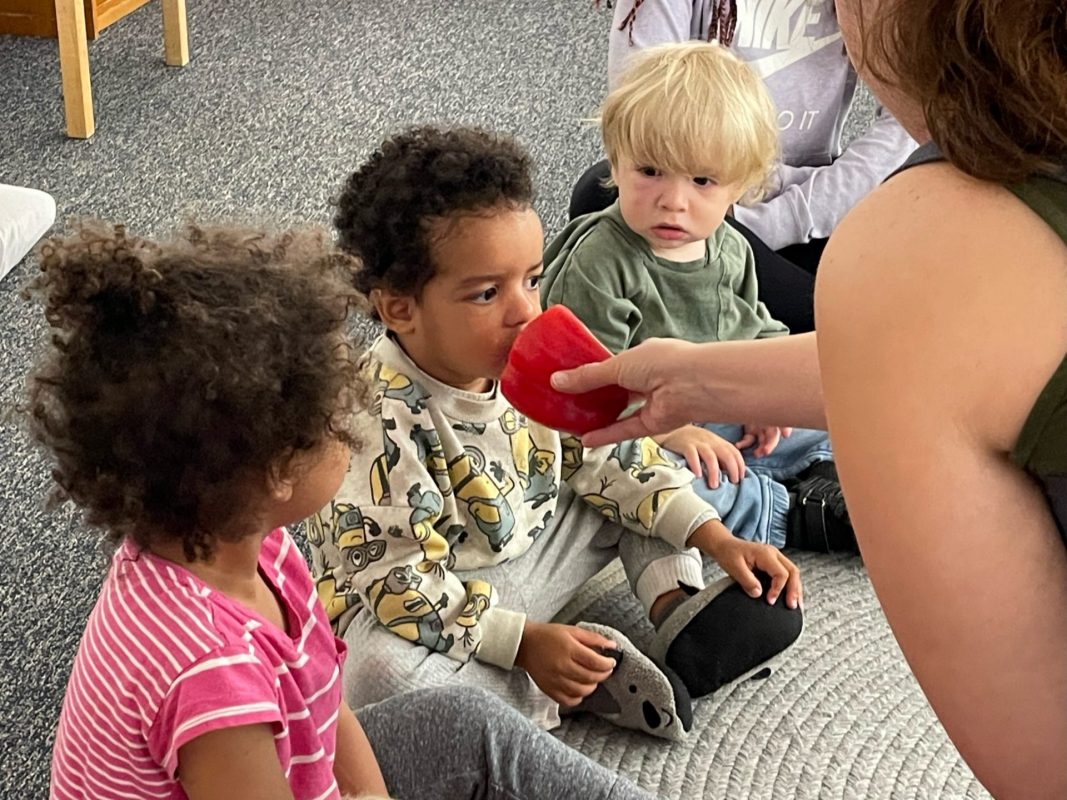
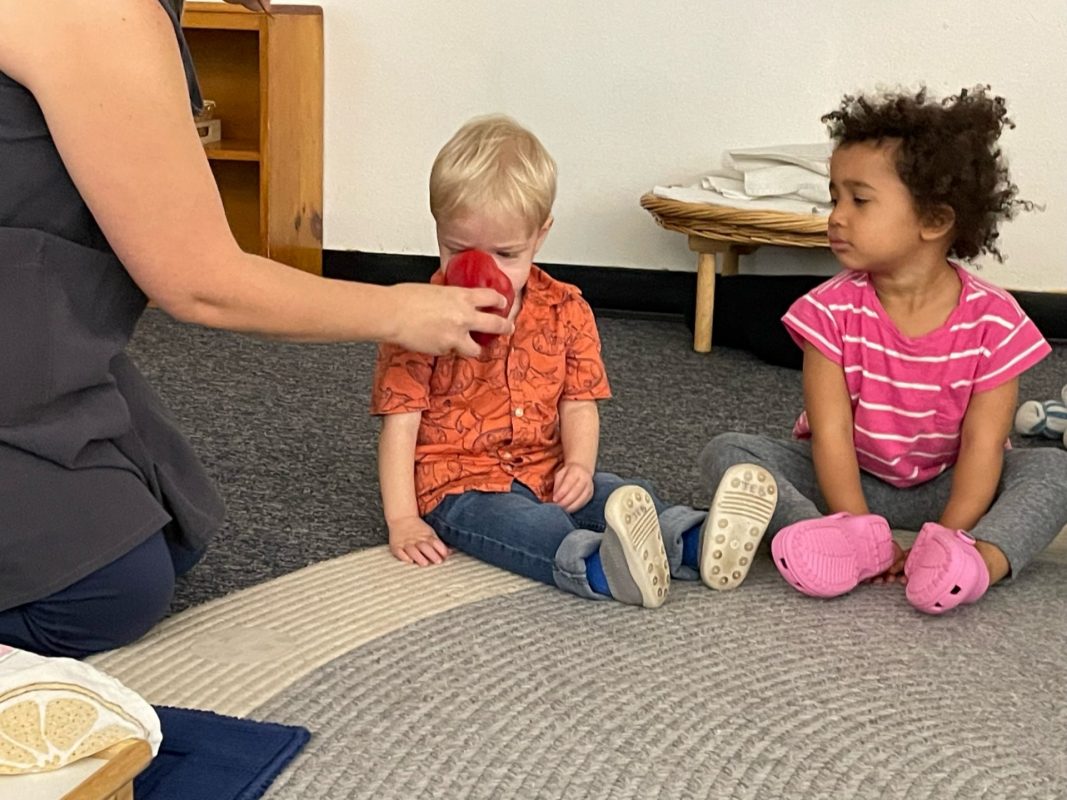
In our environment your children work daily on practical life exercises that aim for independence, as this is the main part of a Montessori Toddler curriculum. One of the self-care exercises your children have been working on over and over this week has been nose blowing. Between fall allergies, growing an immune system, viruses everywhere, and the infamous New England unpredictable weather, it seems children need tissues constantly. That’s why there is a nose blowing station in our environment. This is a small area with a small mirror at children’s eye level, a small table that holds a box of tissues and a small trash can. The first part of the lesson refers to the “pinch and pull method.” Basically, we teach them to look at their face in the mirror to see the mucus, how to place the tissue in their hand, pinch their nostrils and pull away from the face. As children master this part, properly blowing their noses will come second as they will be more aware of their body. We then finish the lesson by throwing the tissue in the trash and washing and drying our hands.
We strongly encourage you to support the learning of this skill by providing a nose blowing station at your home as well. It’s easy to set up and let me tell you, it is so rewarding when you realize your child is actually able to help keep their own face clean without you having to chase them all around the house or clean up mucus from different surfaces.
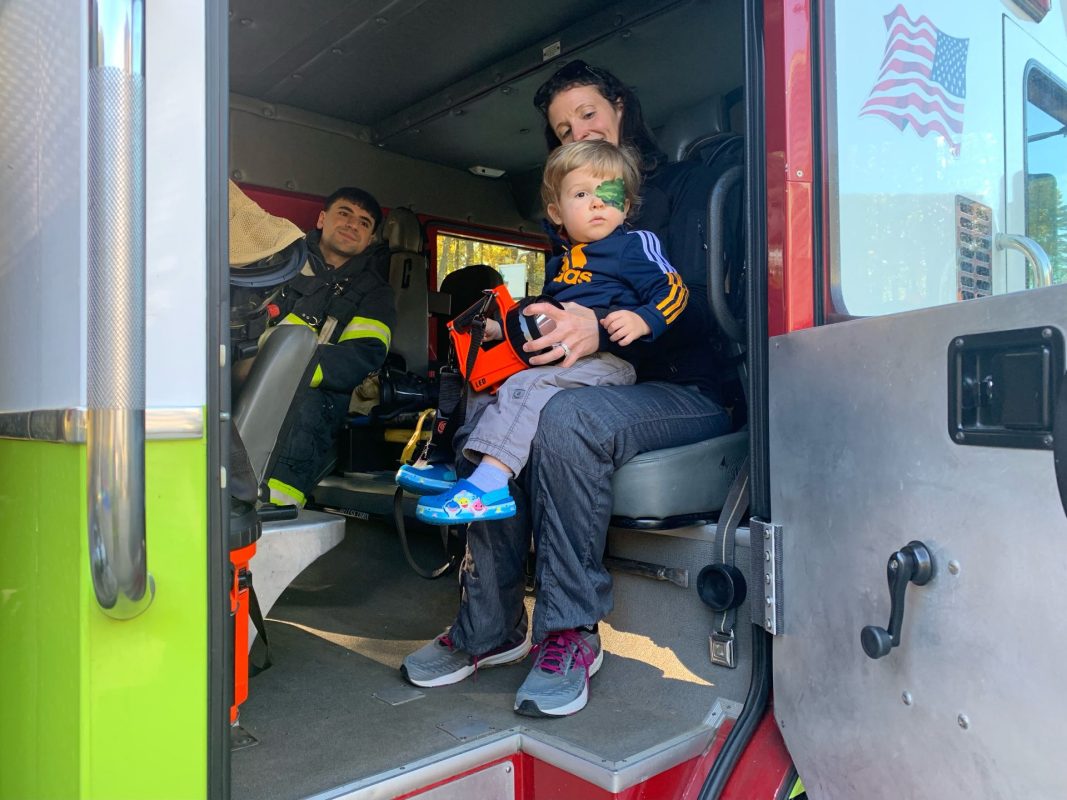
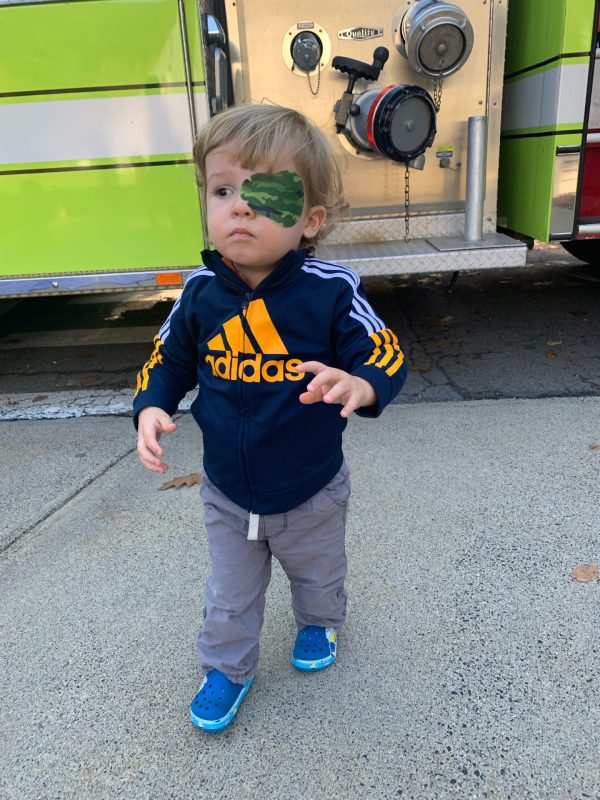
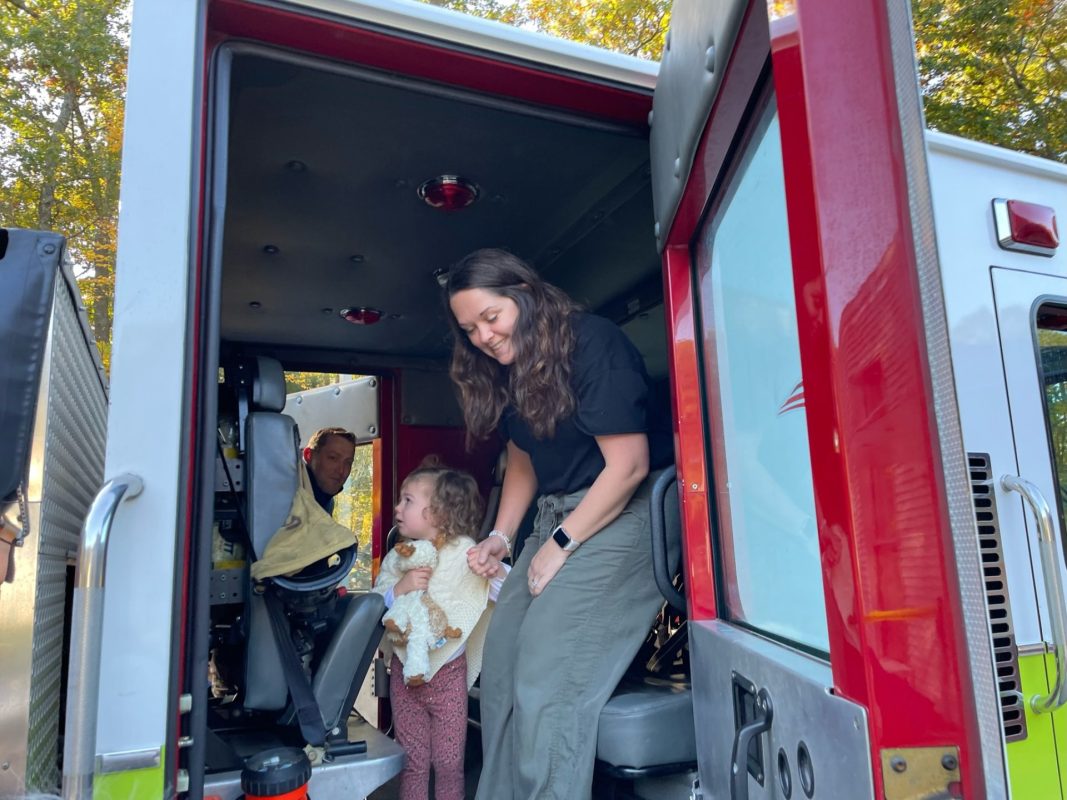
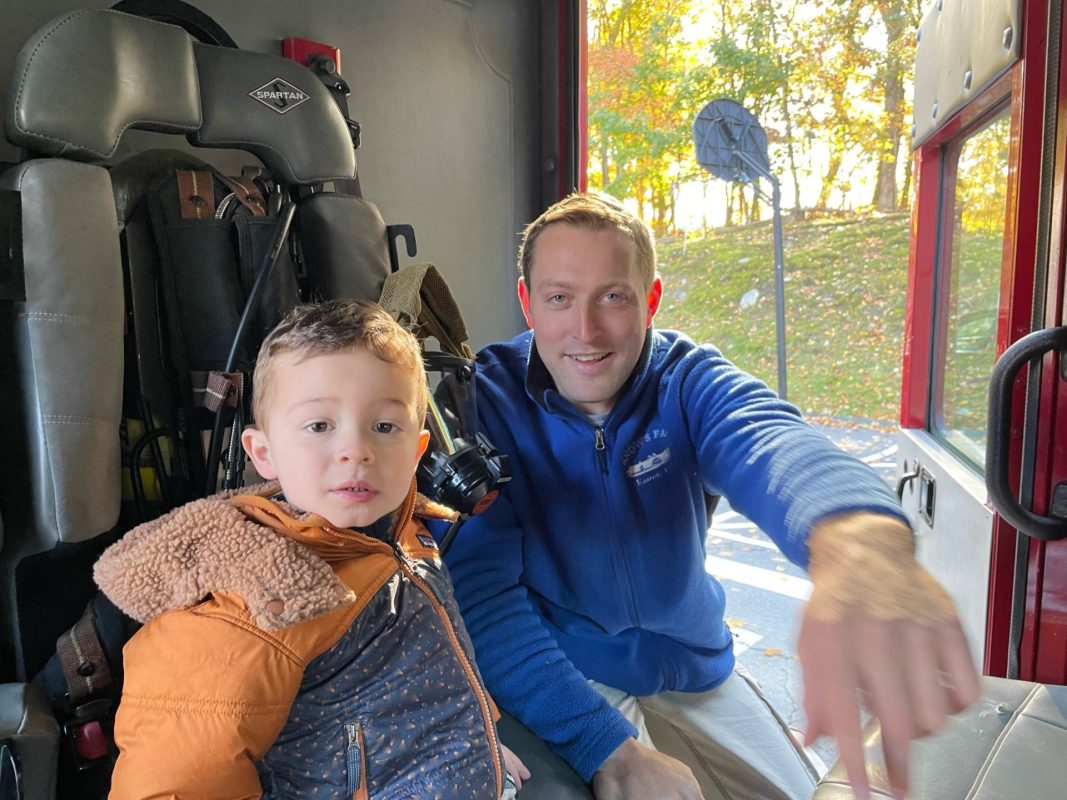
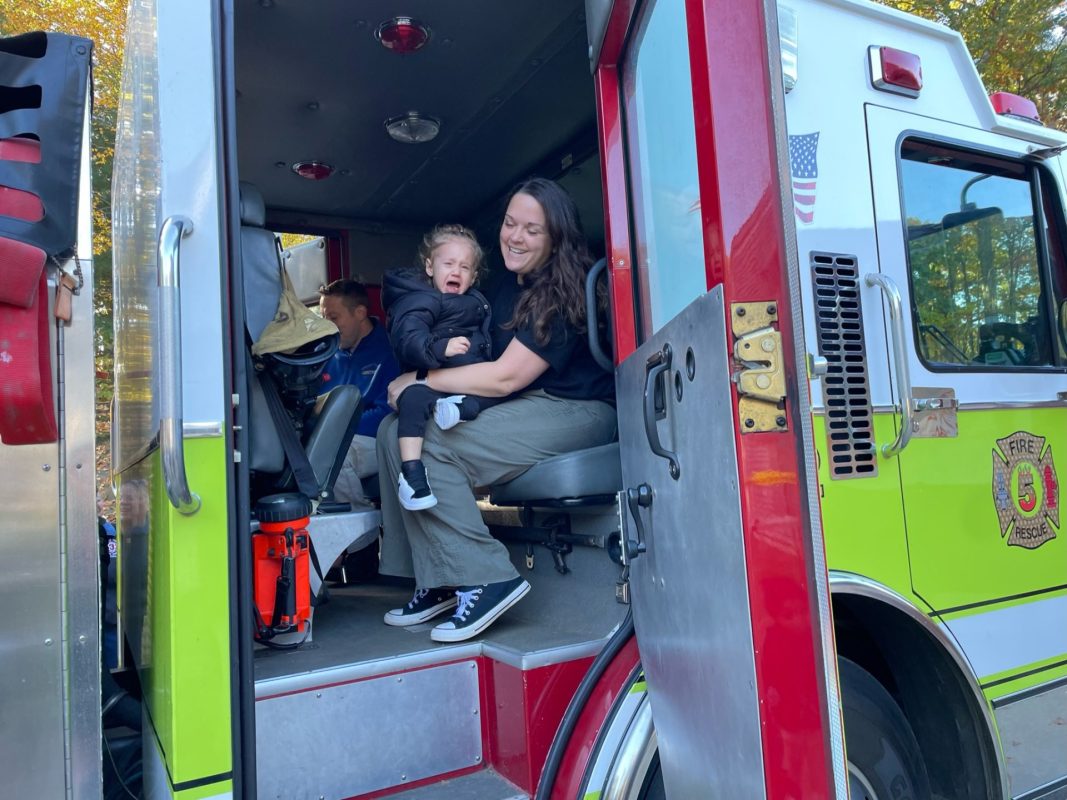
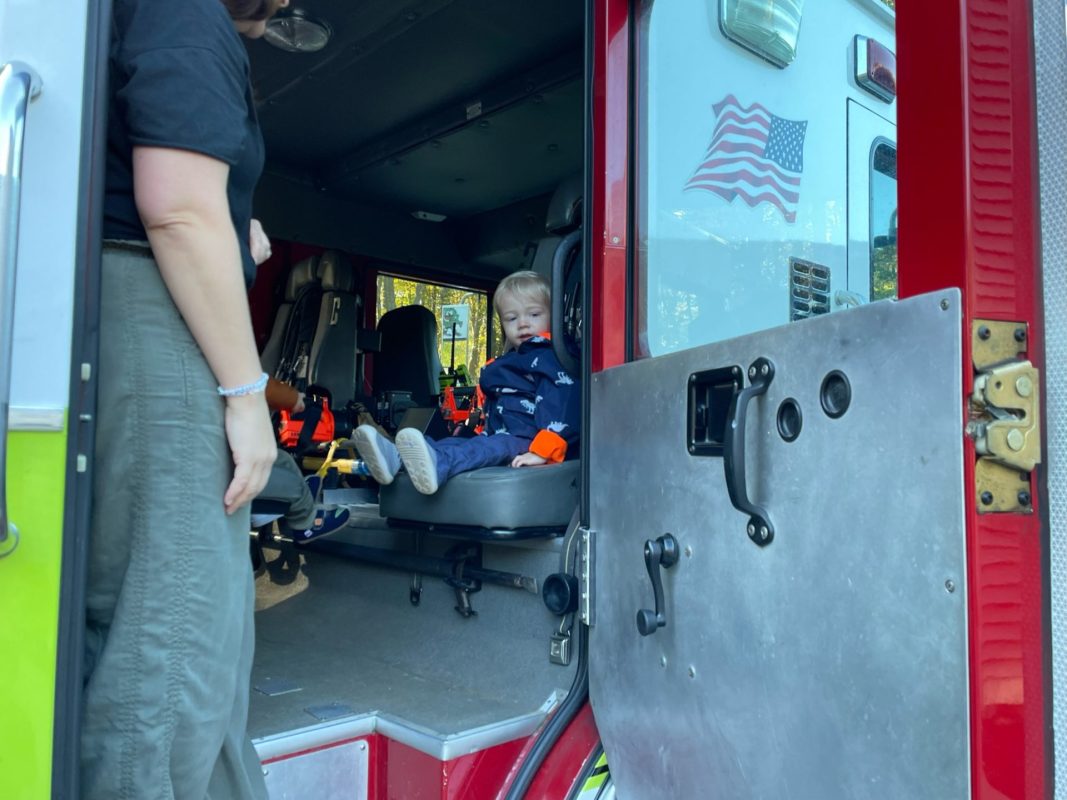
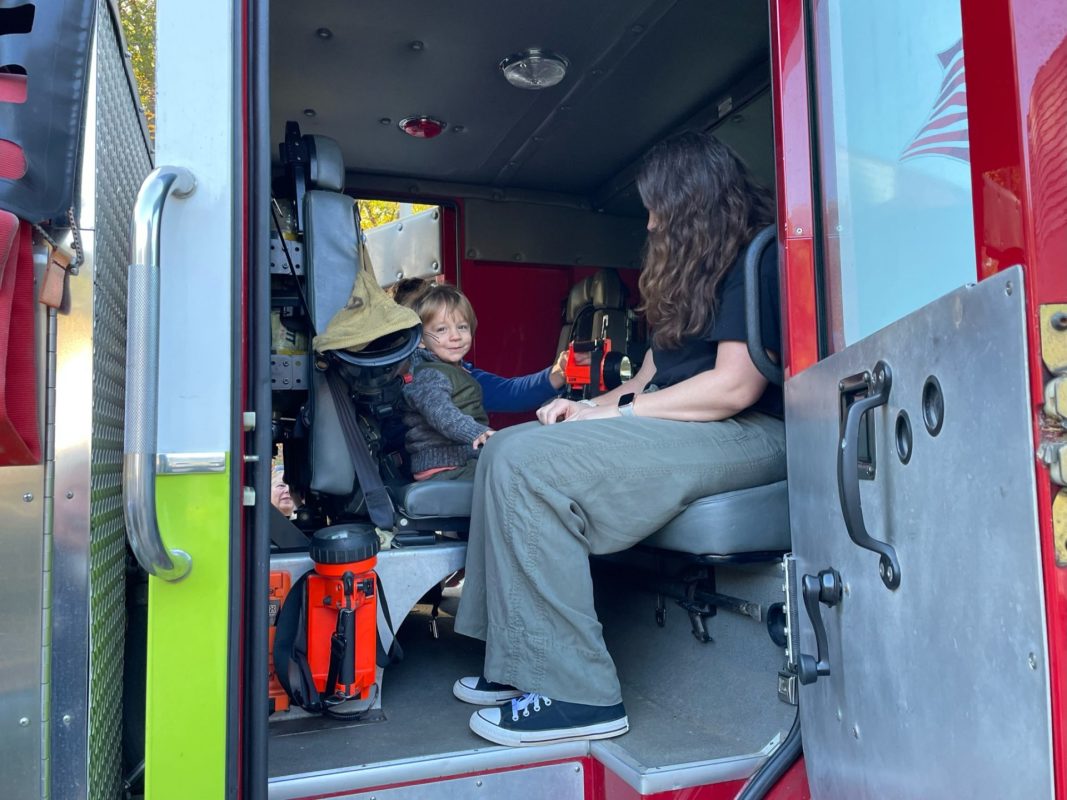
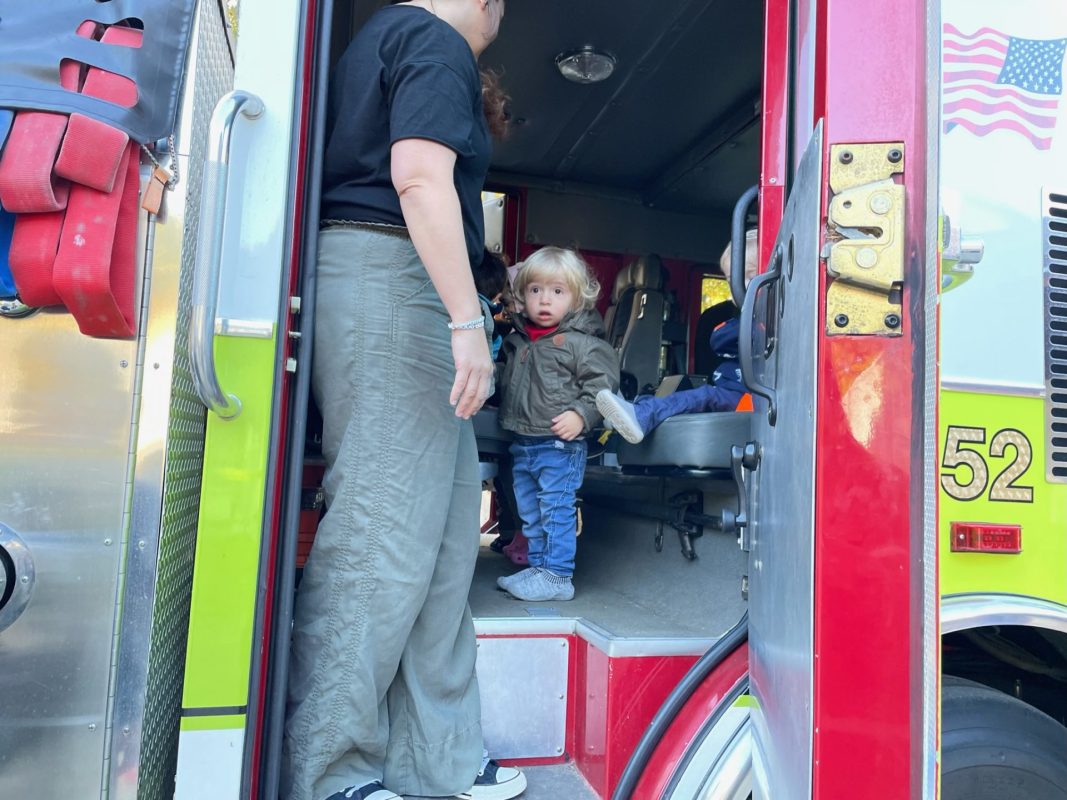
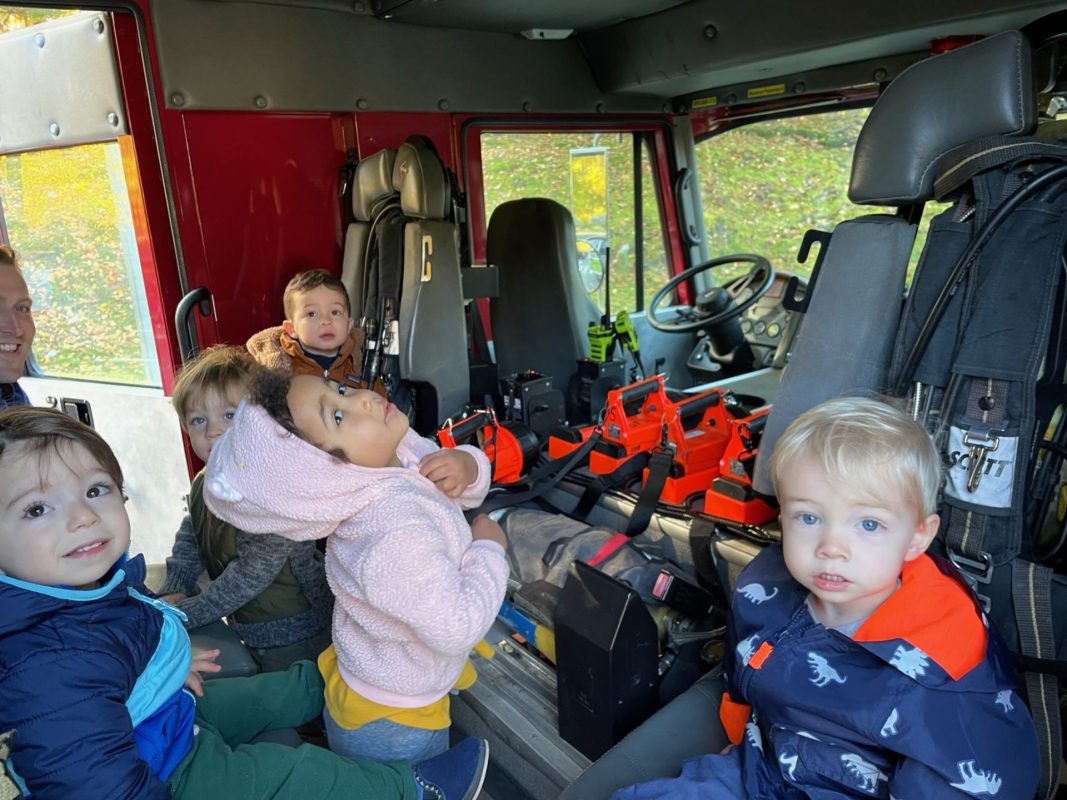
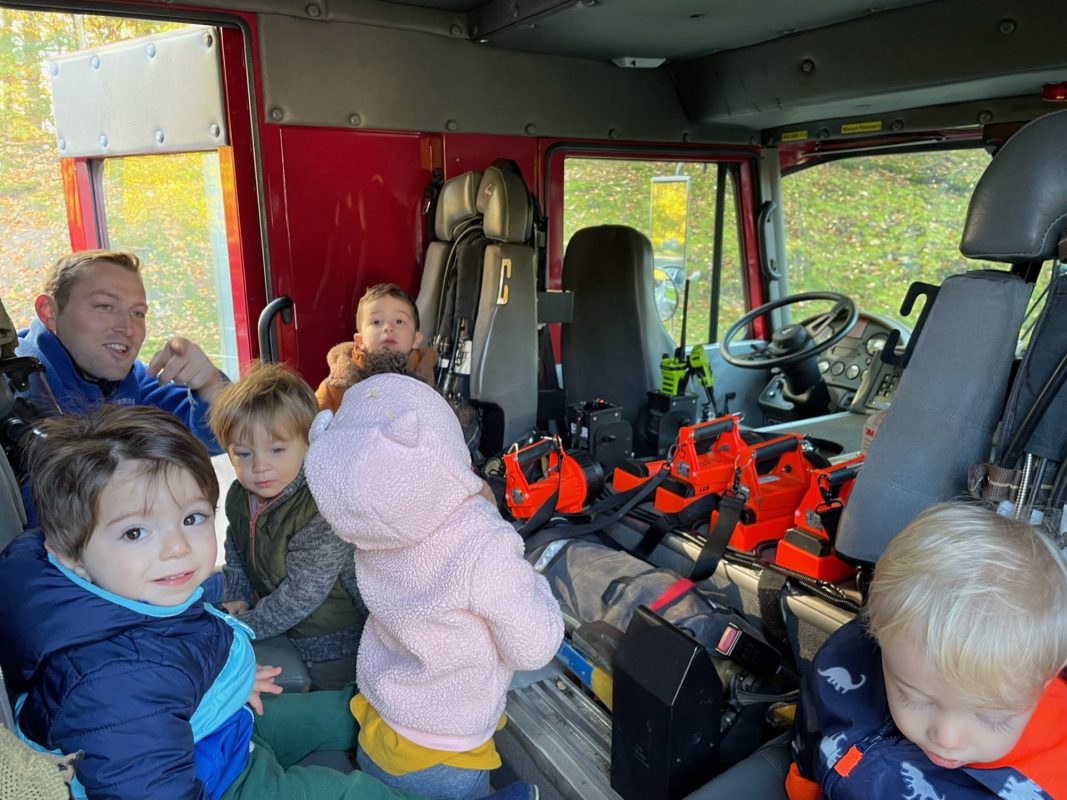
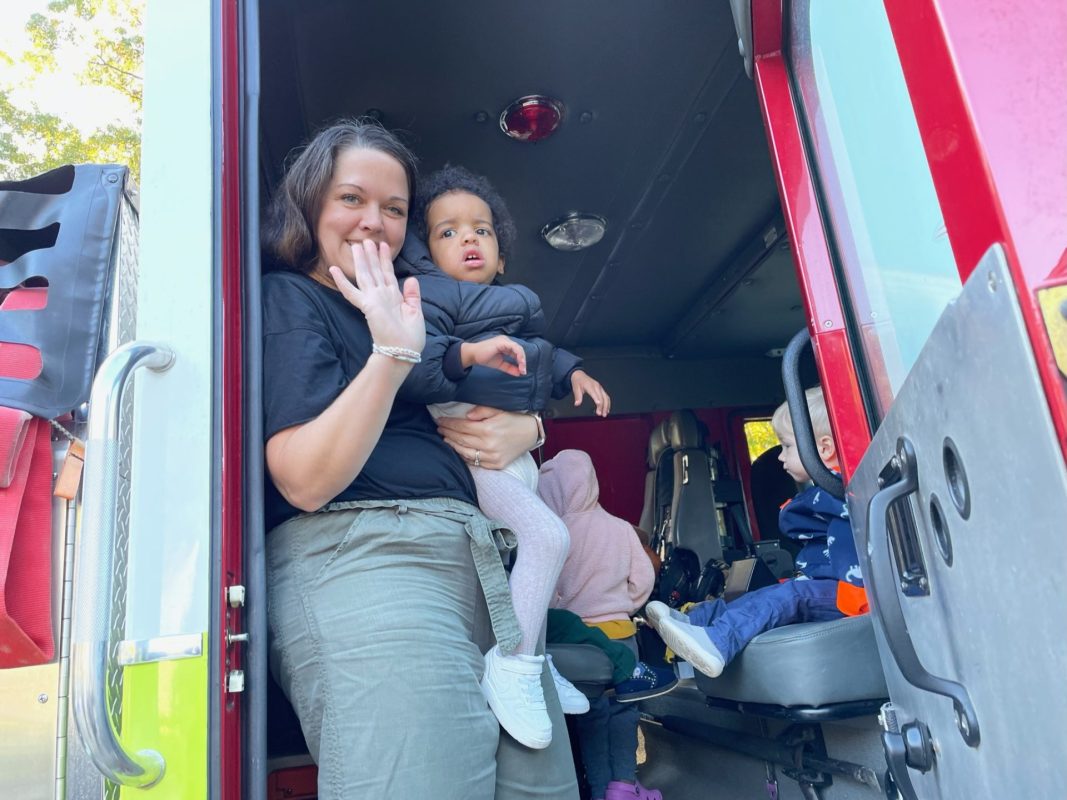
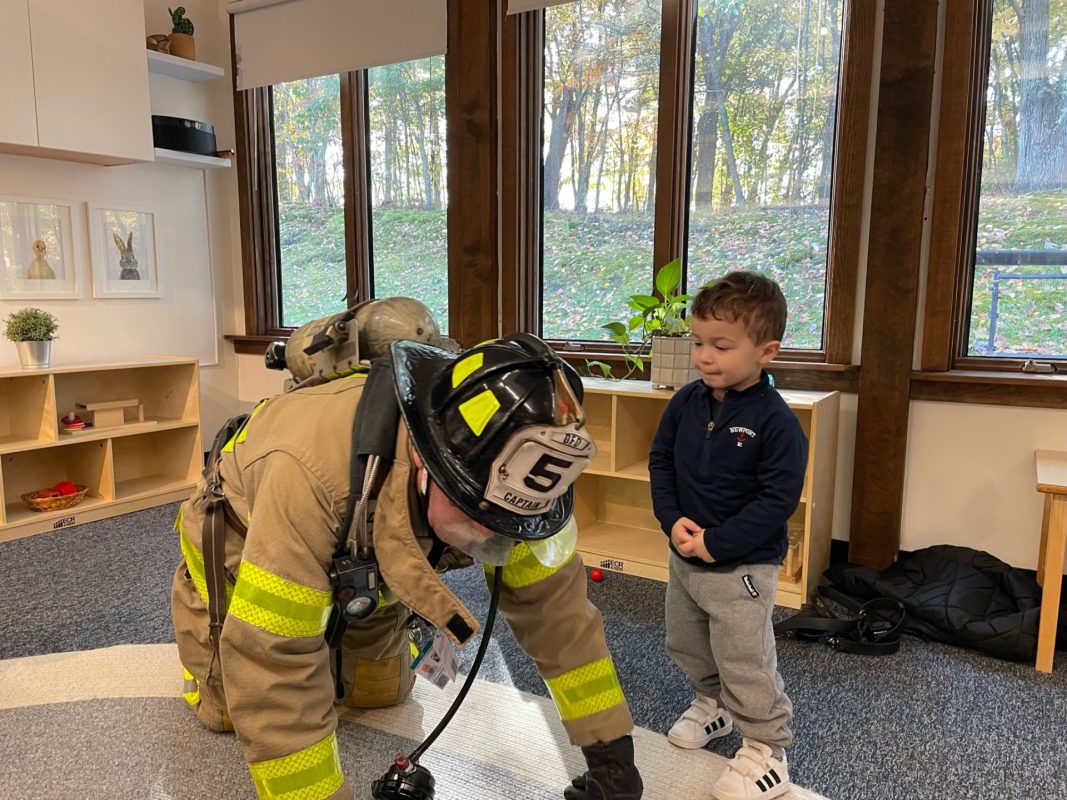
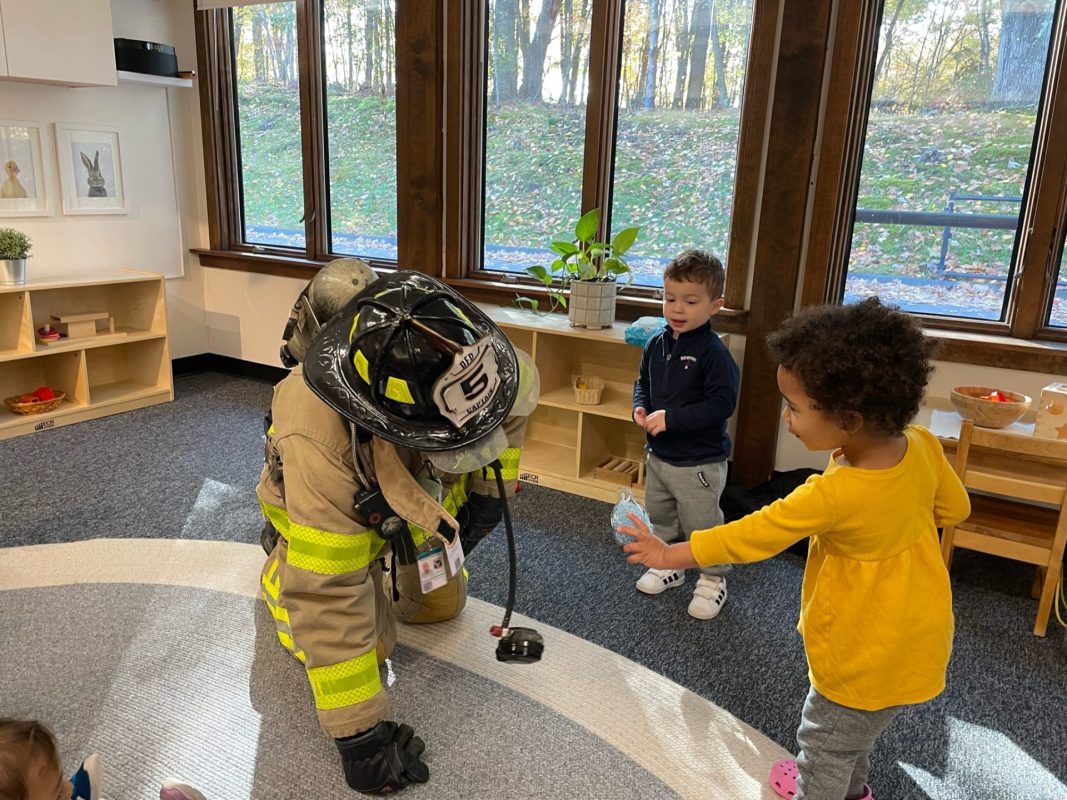
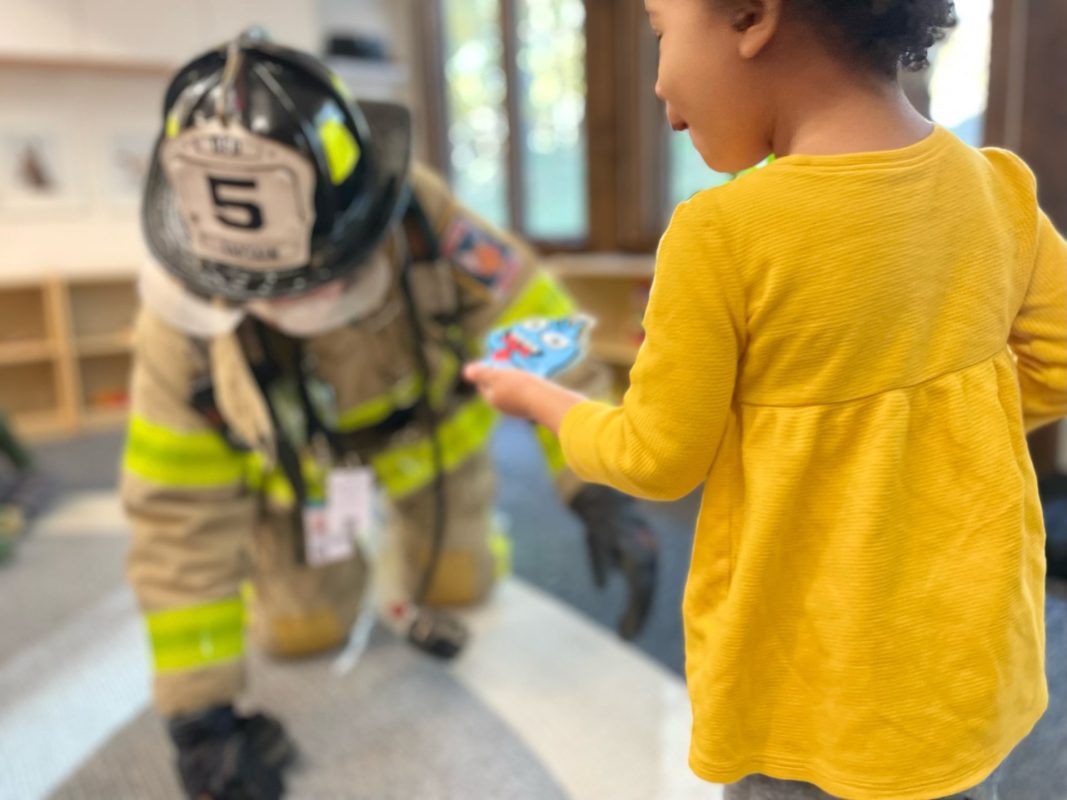
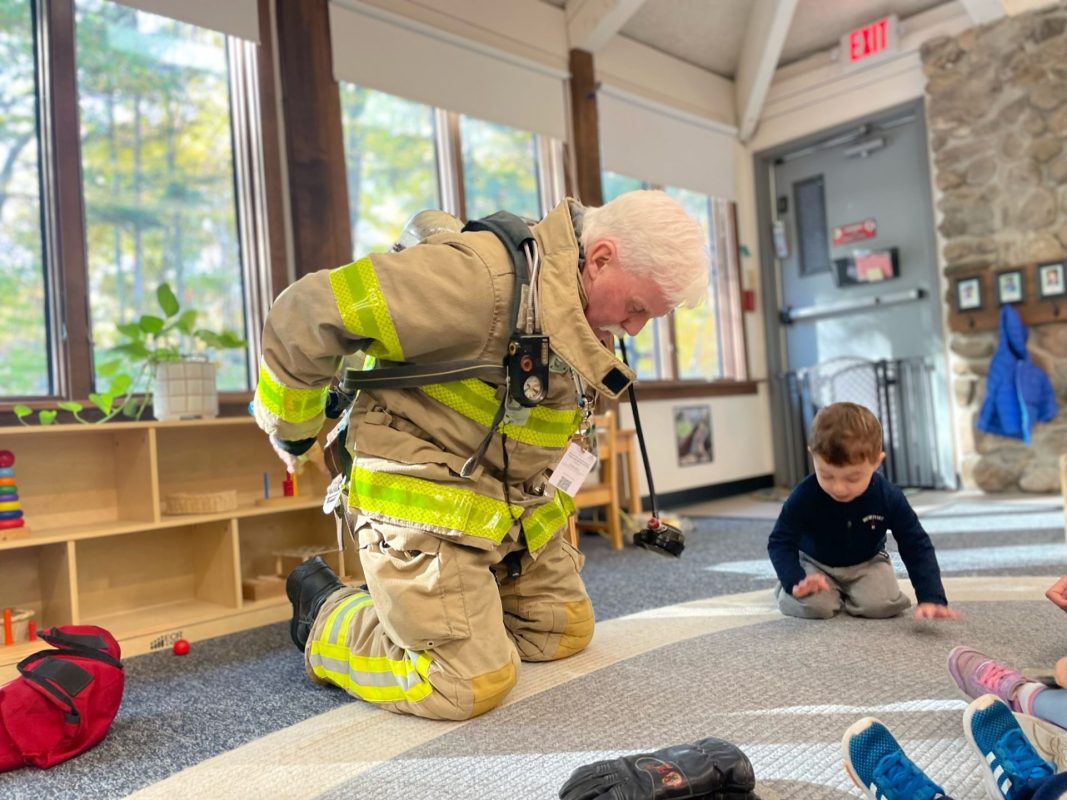
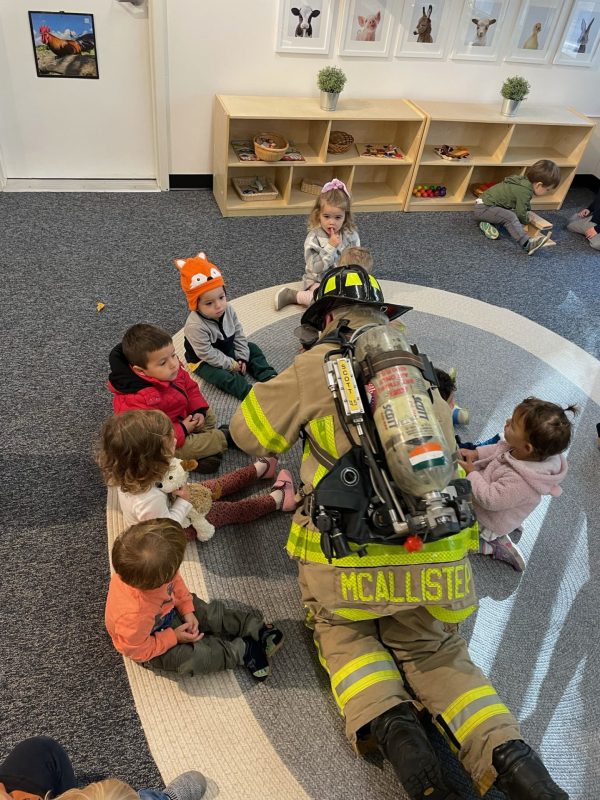
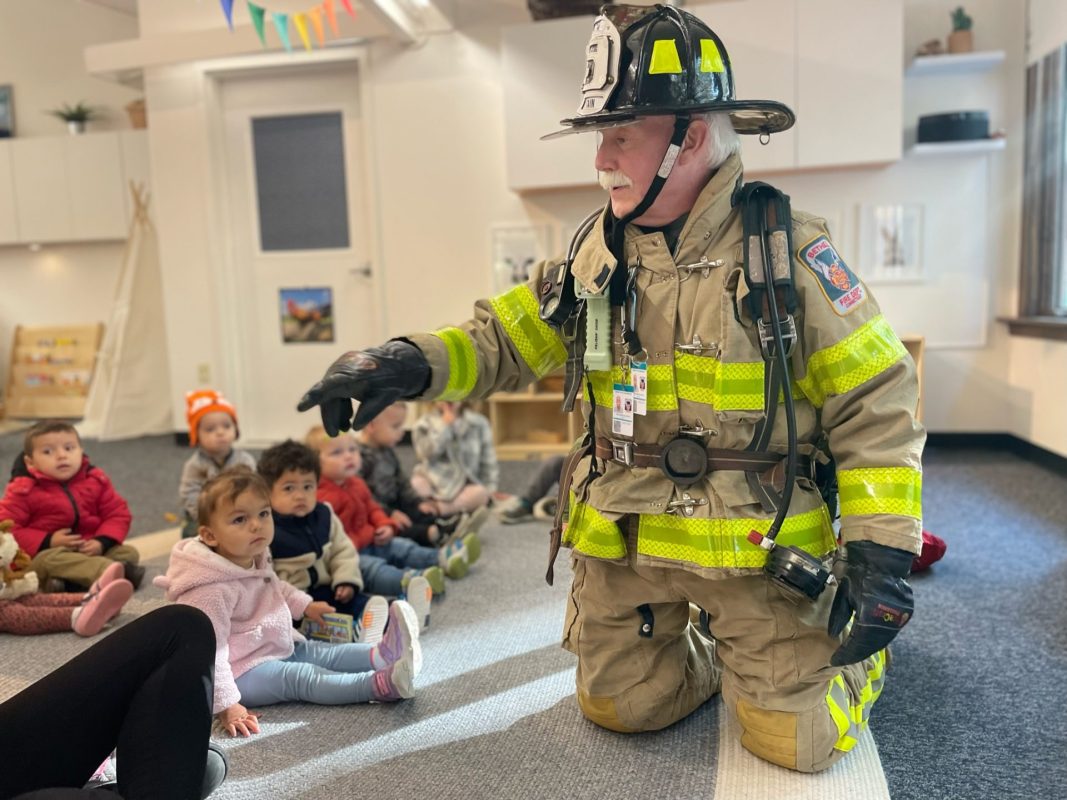
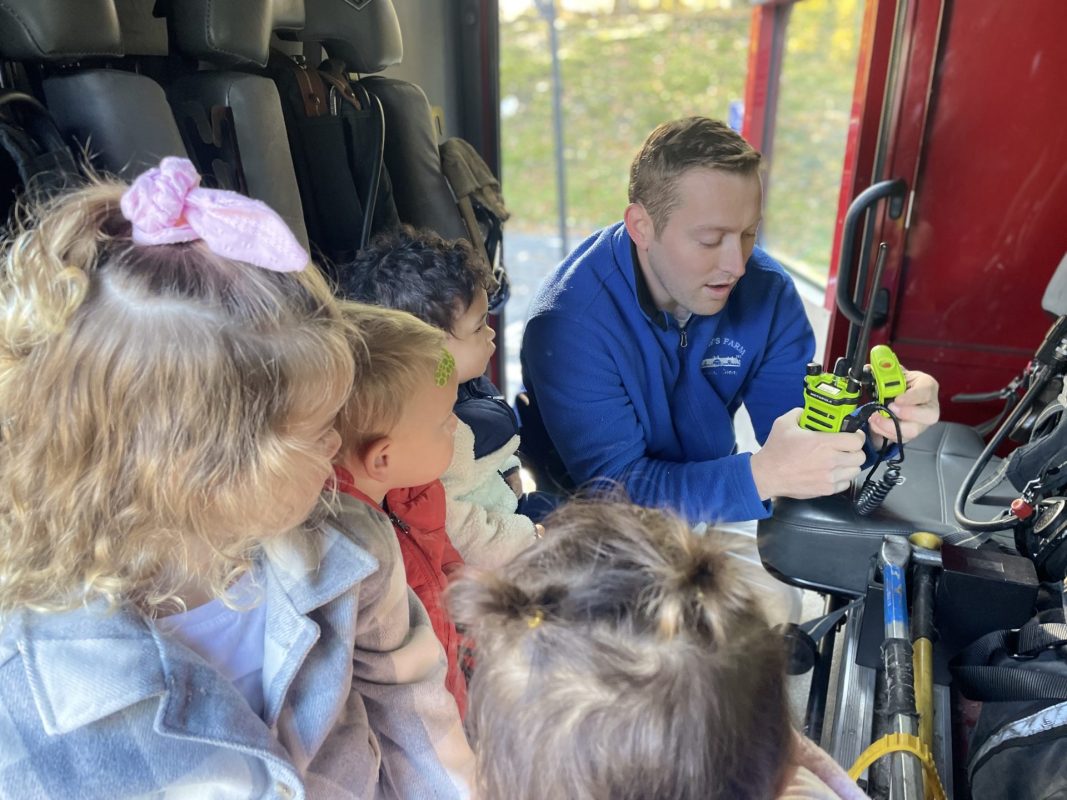
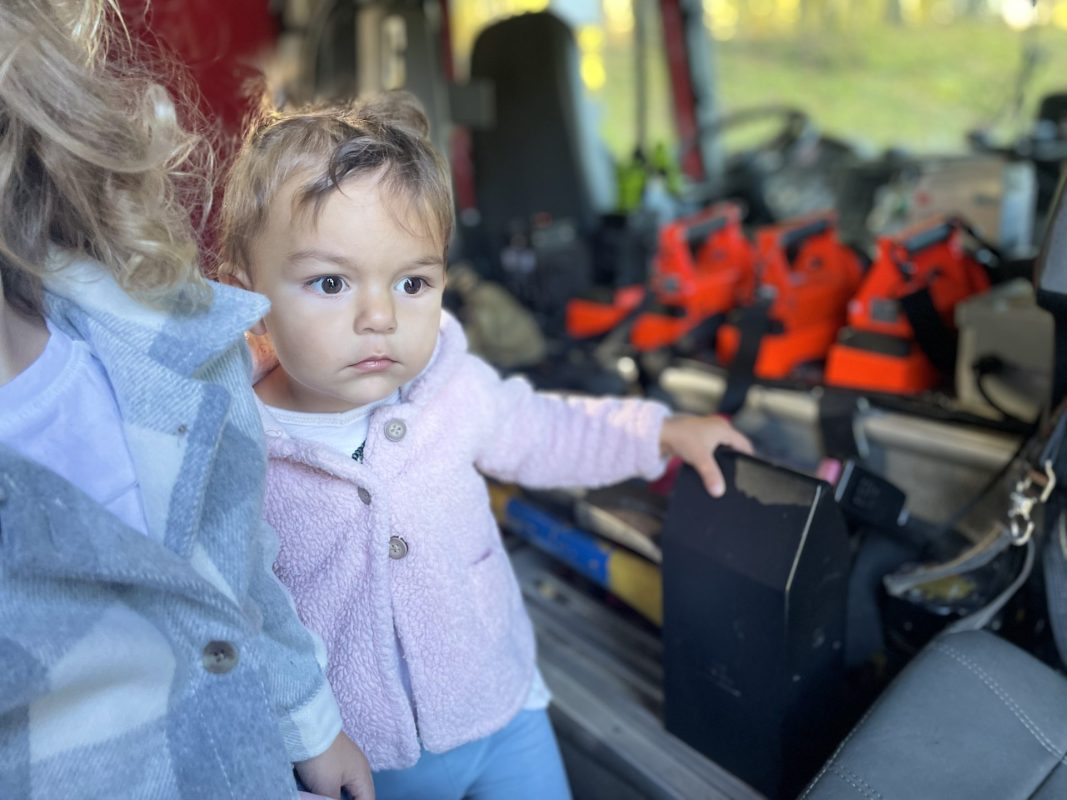
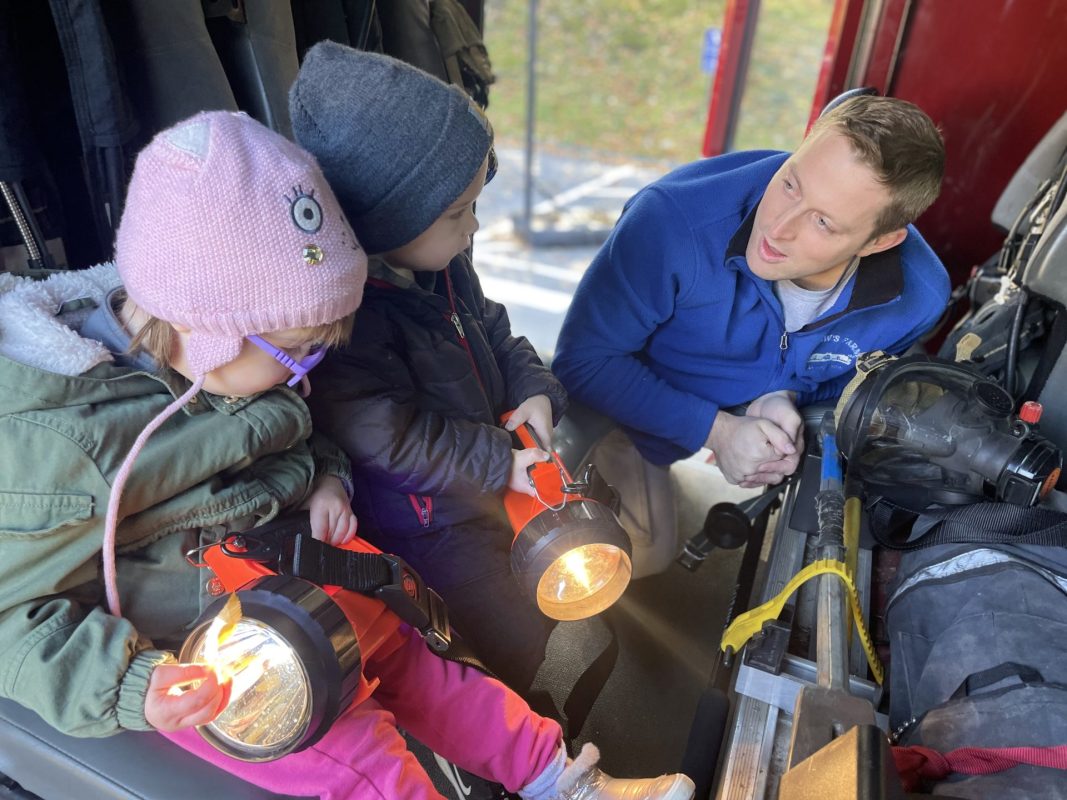
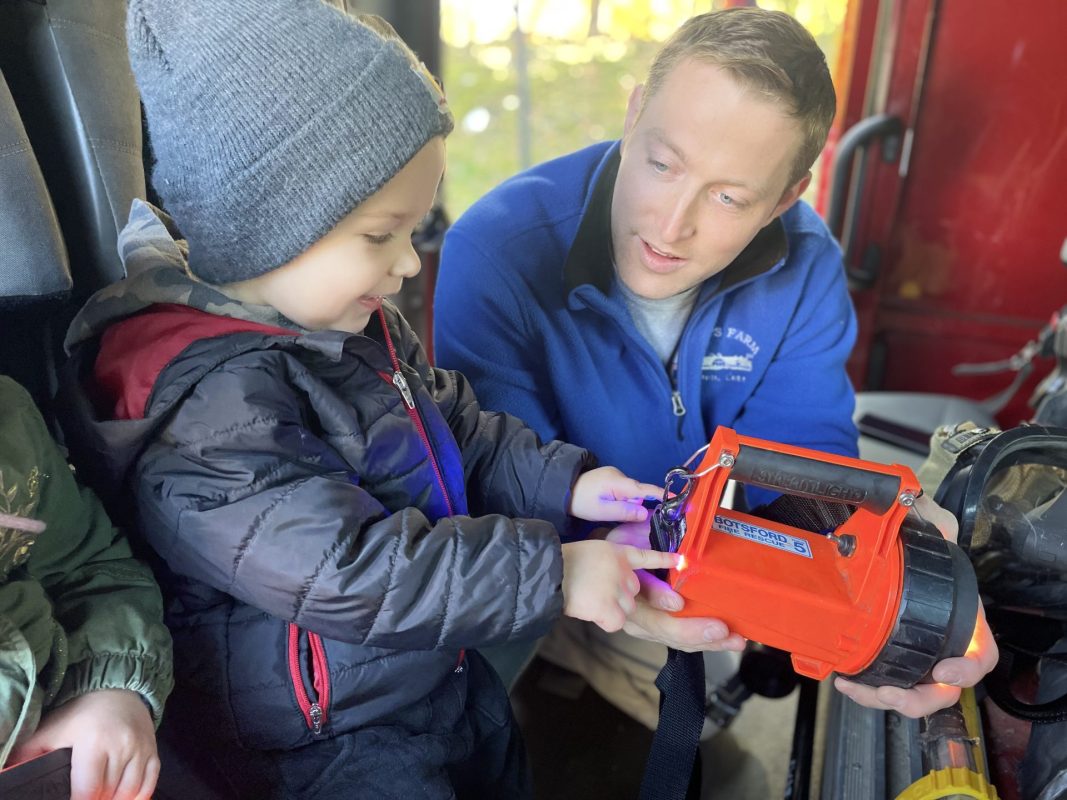
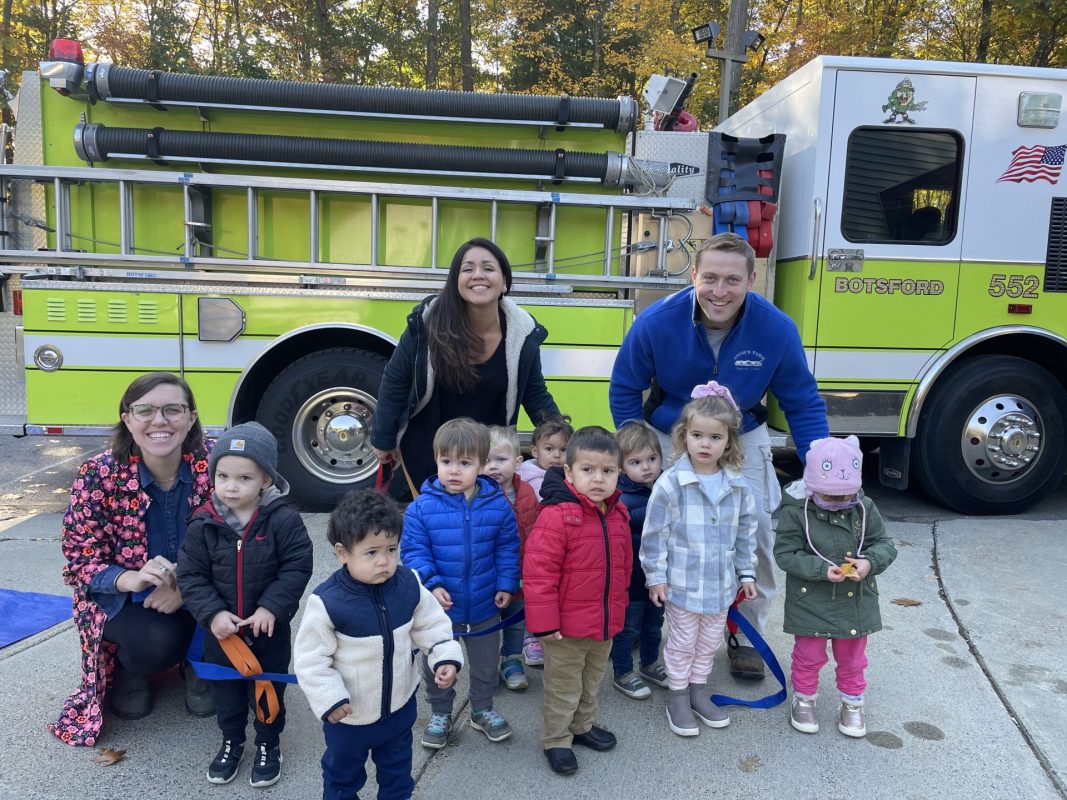
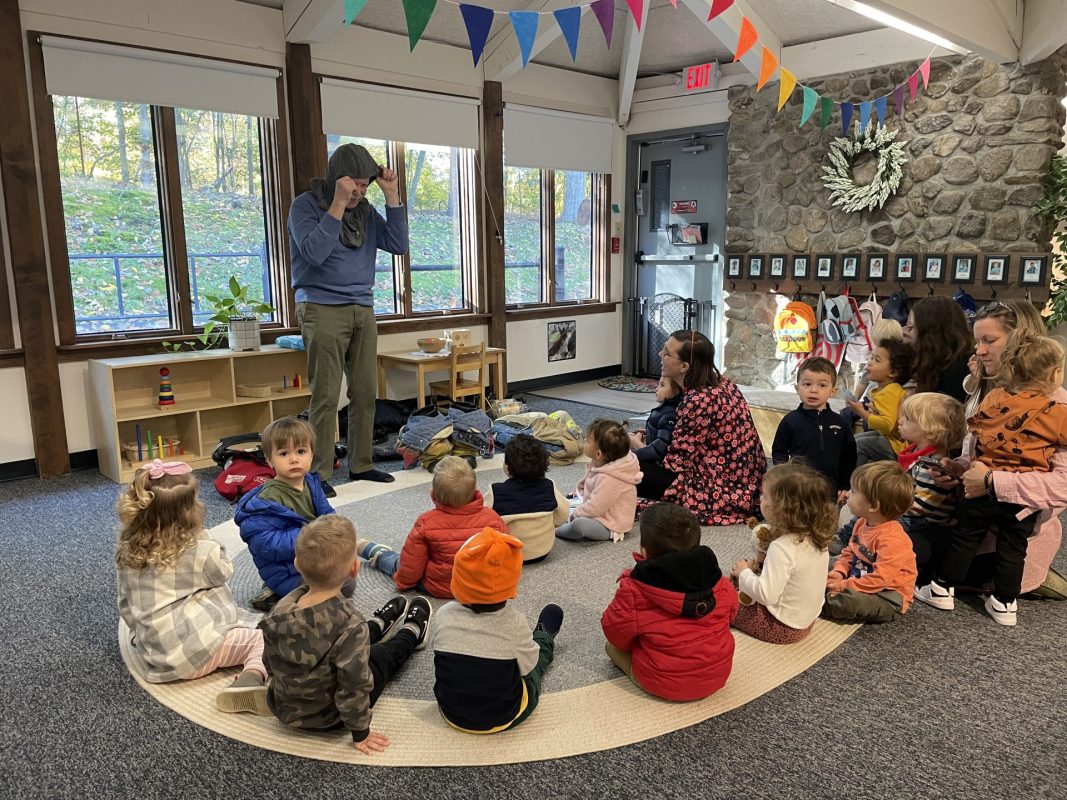
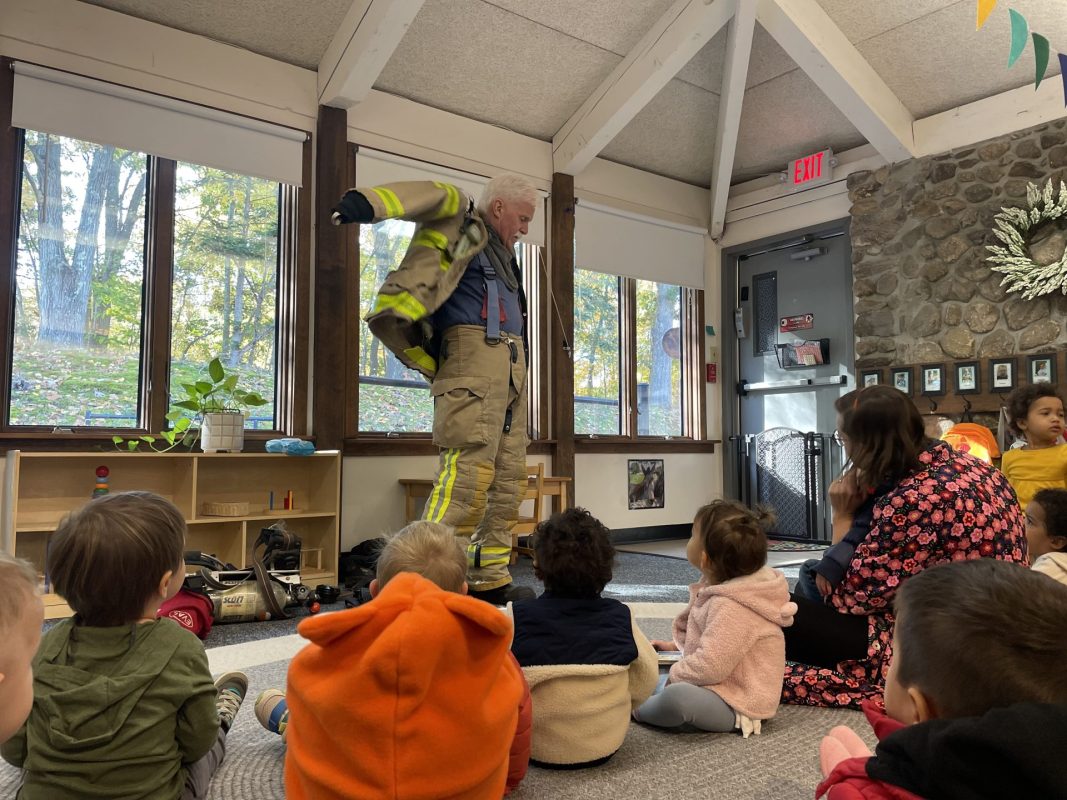
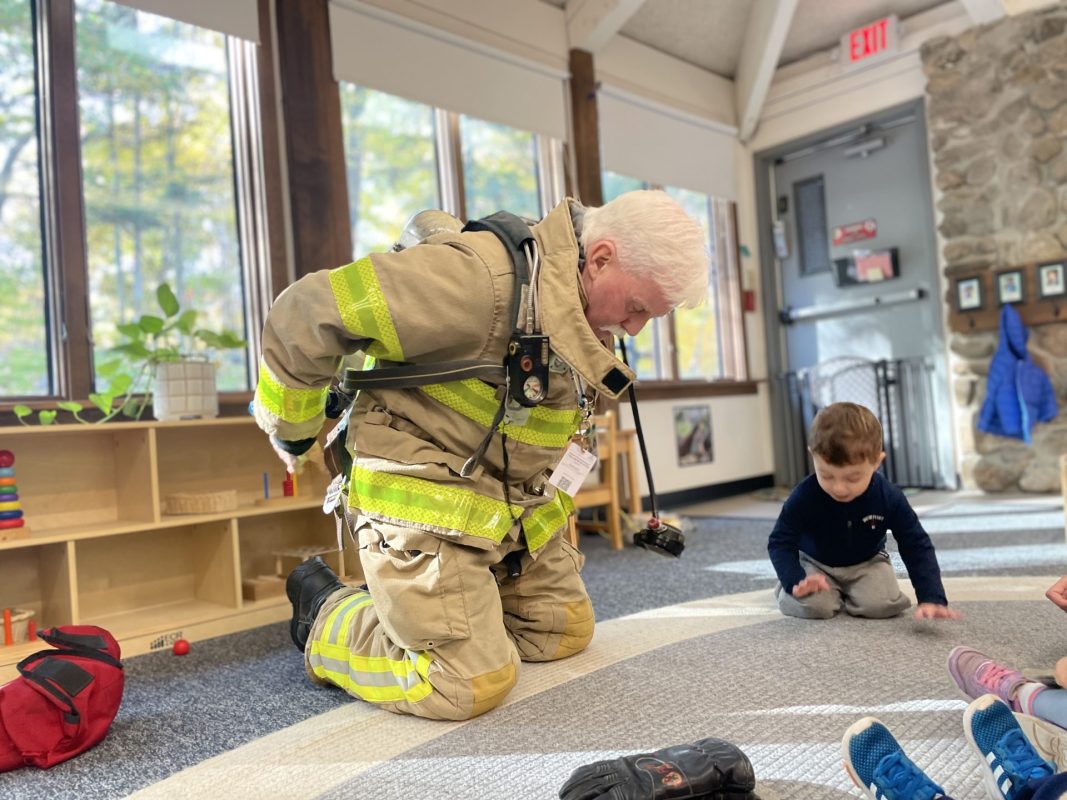
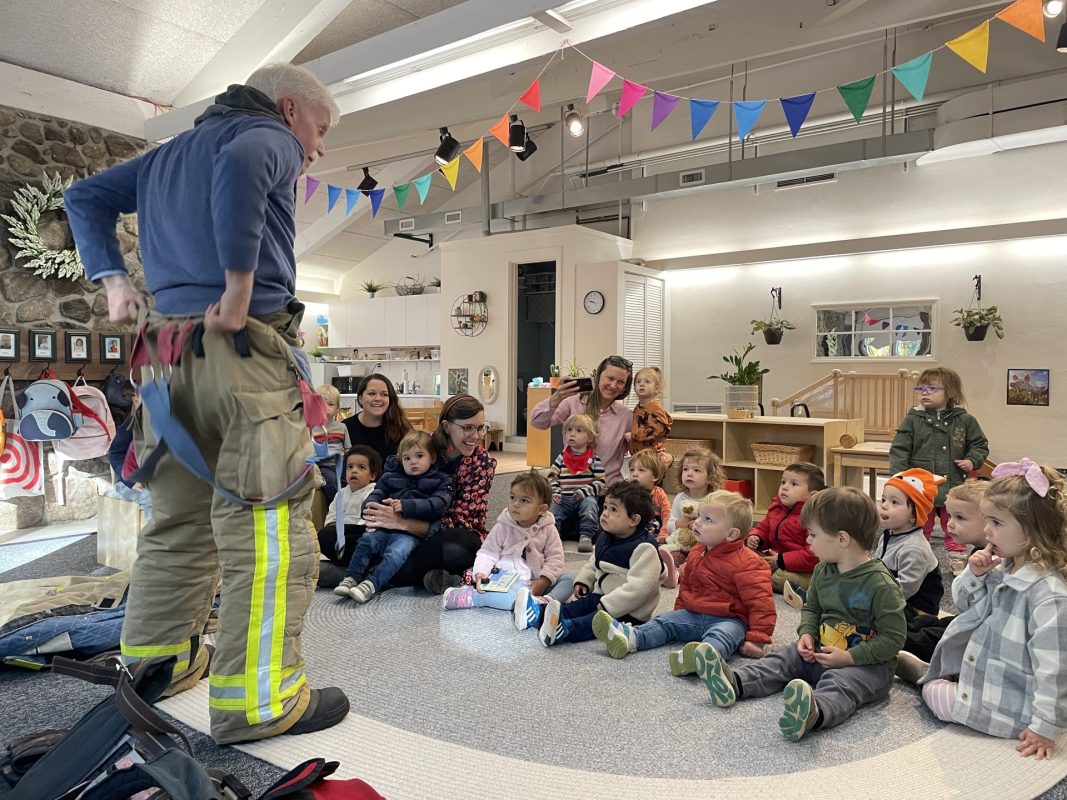
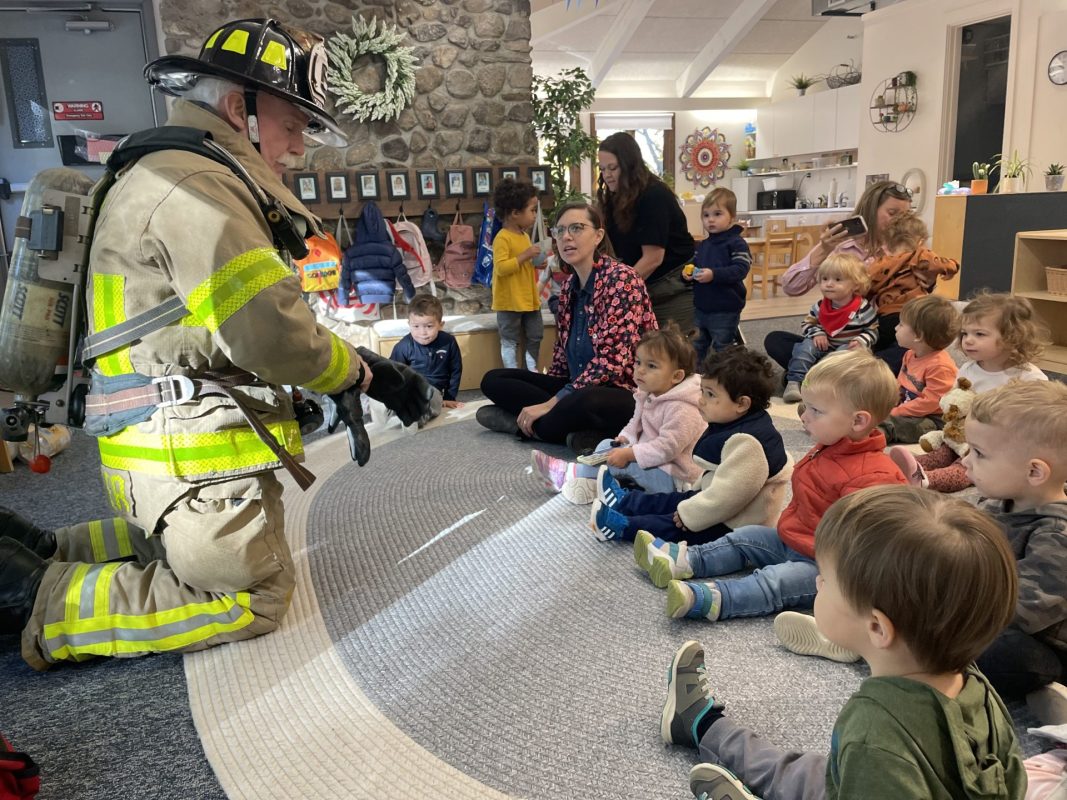
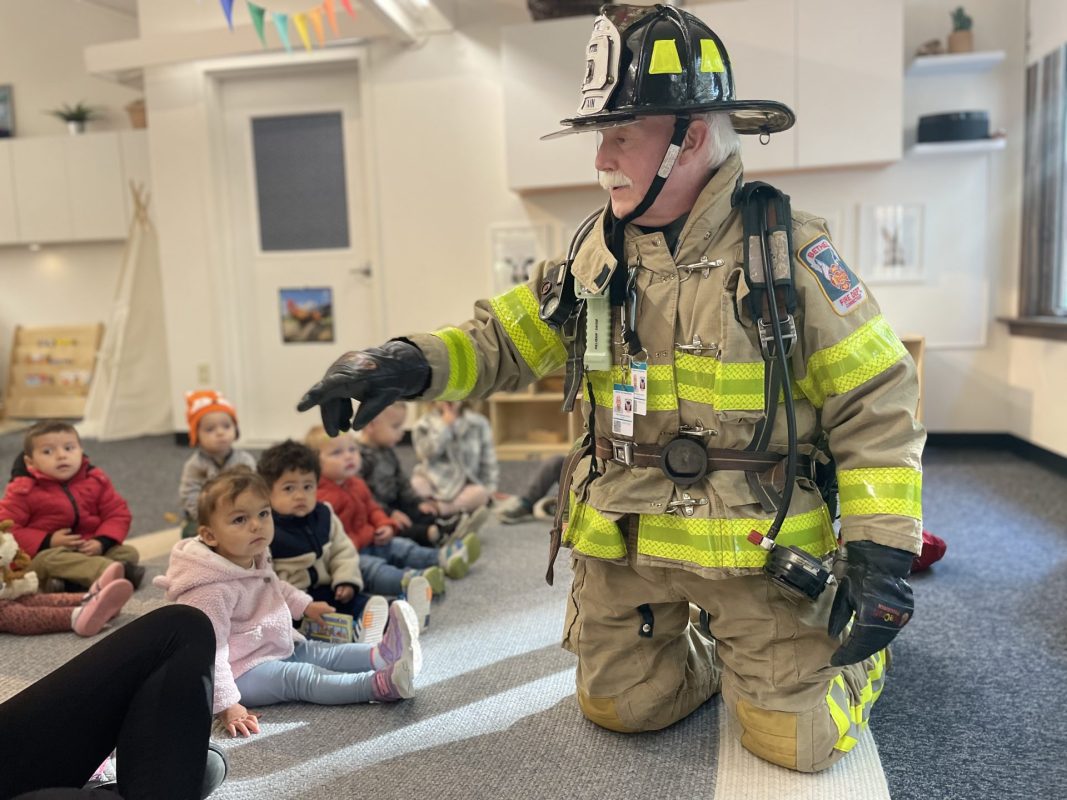
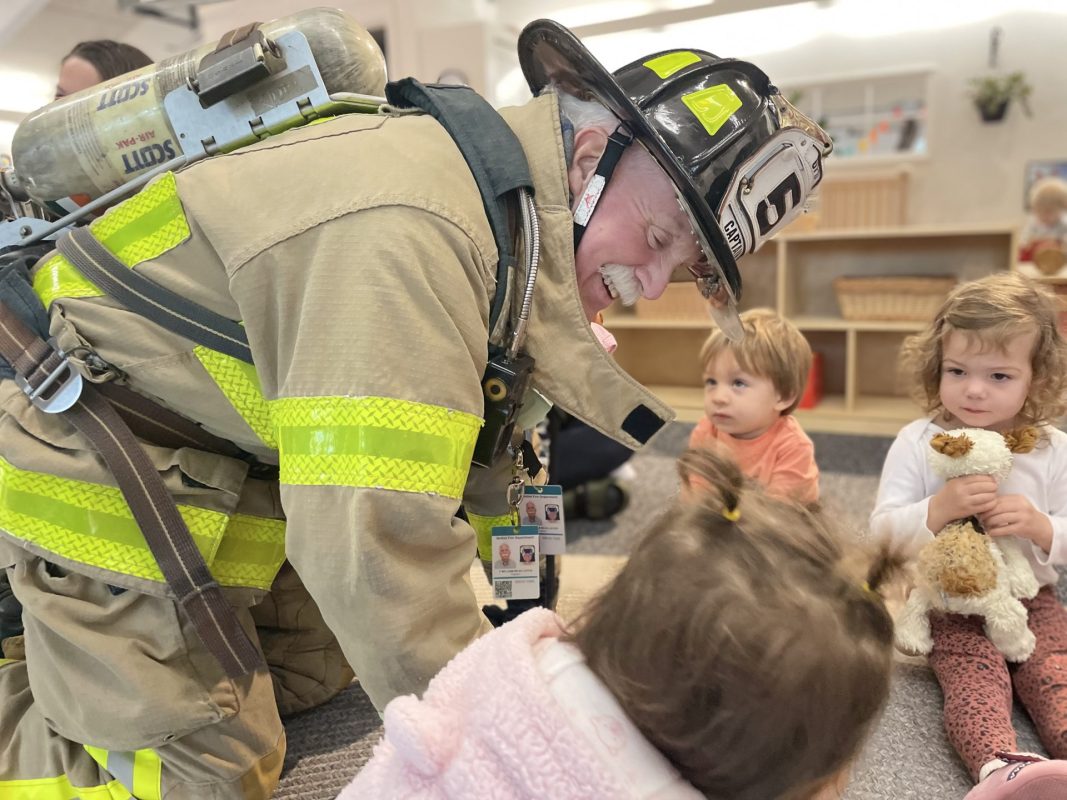
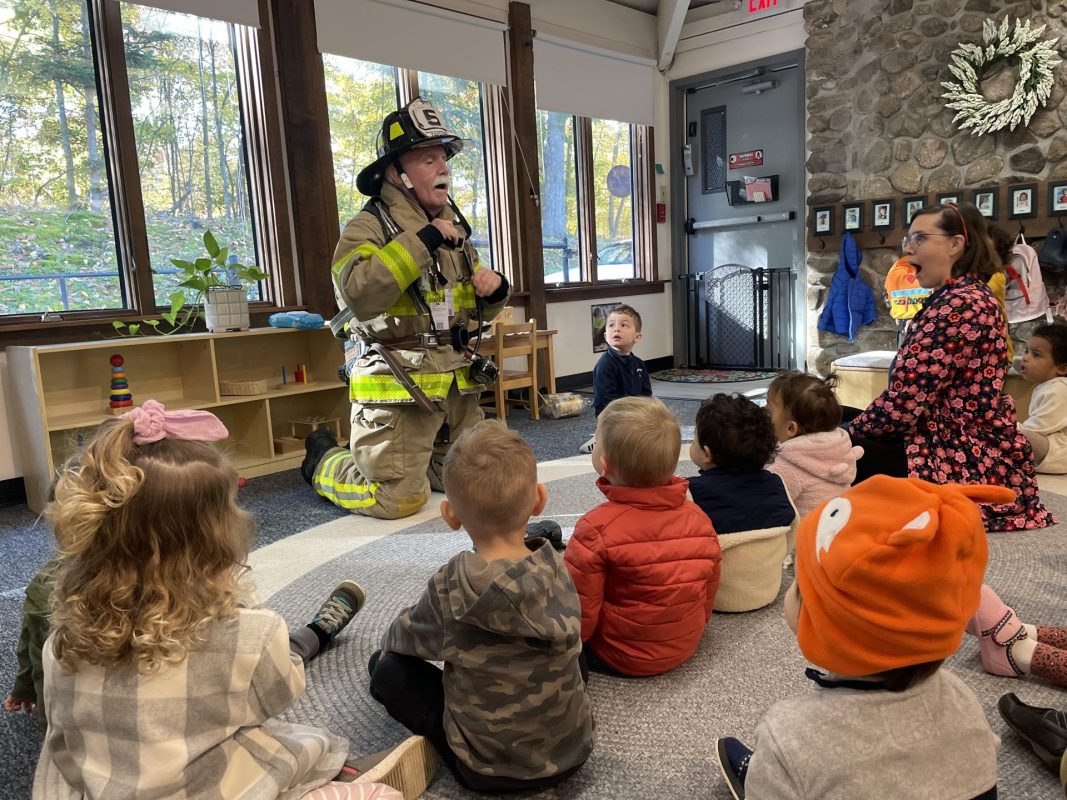
In another note, children enjoyed the visit from the Botsford Fire Rescue. All children that wanted to climb the truck and explore it inside were welcomed to do so. They also received a presentation from a very kind firefighter on how the firefighters’ gear works. It was so great and we are so thankful for this wonderful visit!
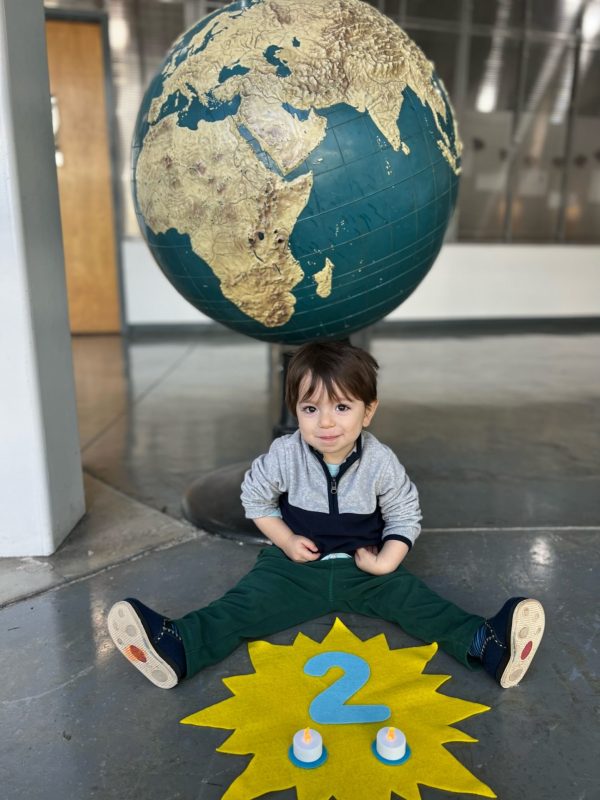
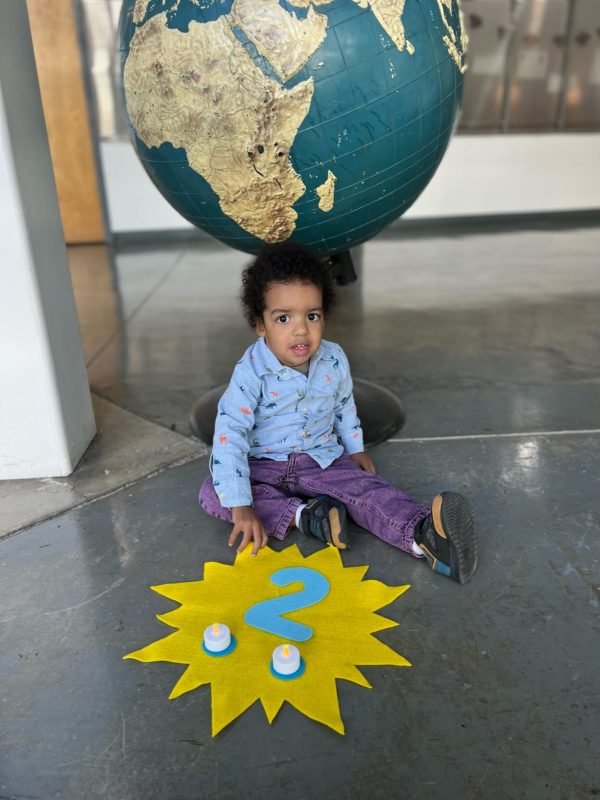
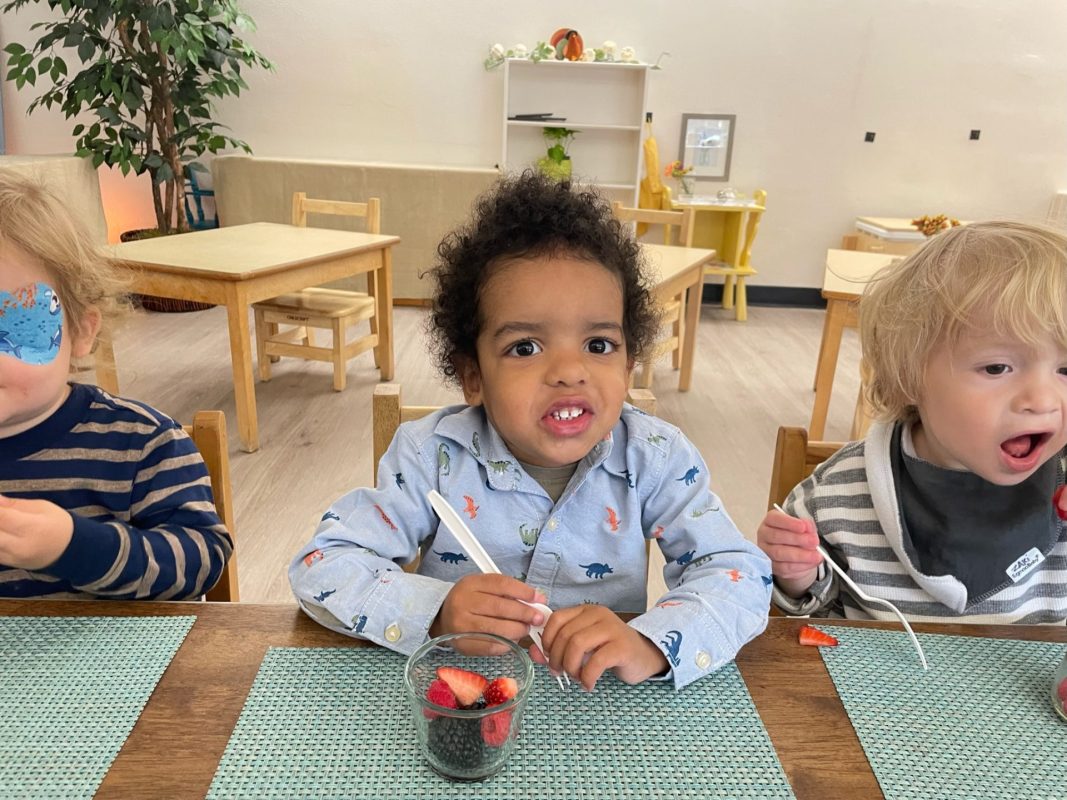
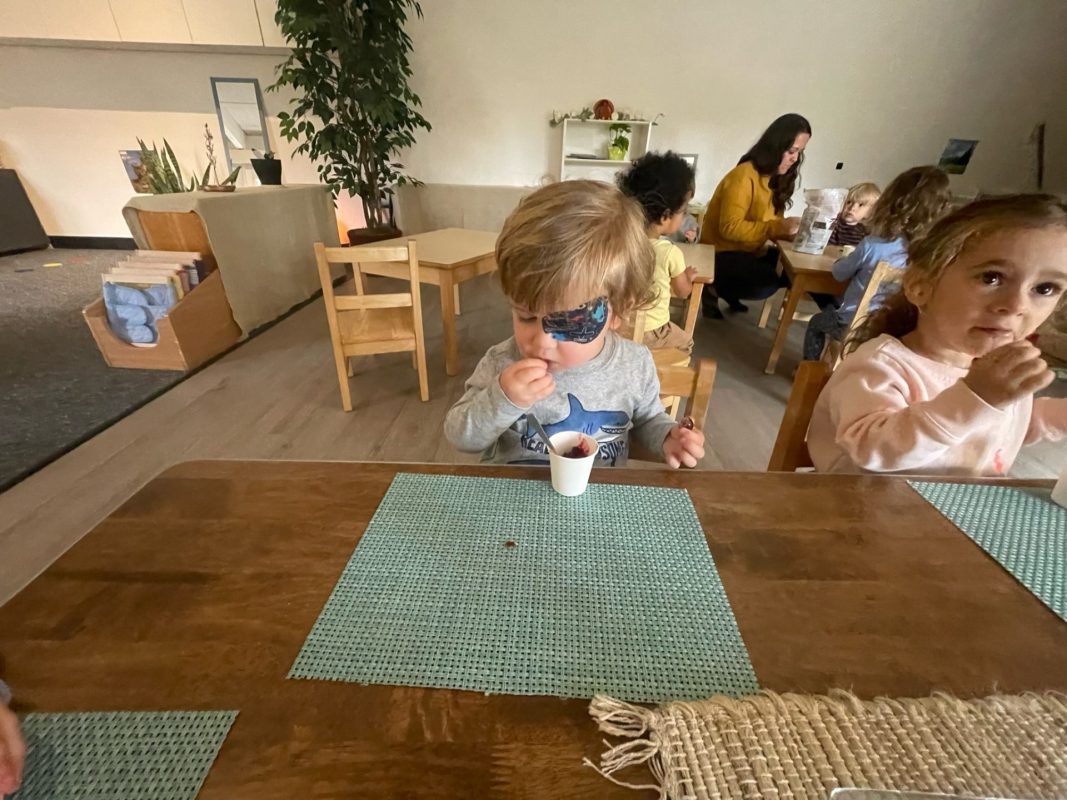
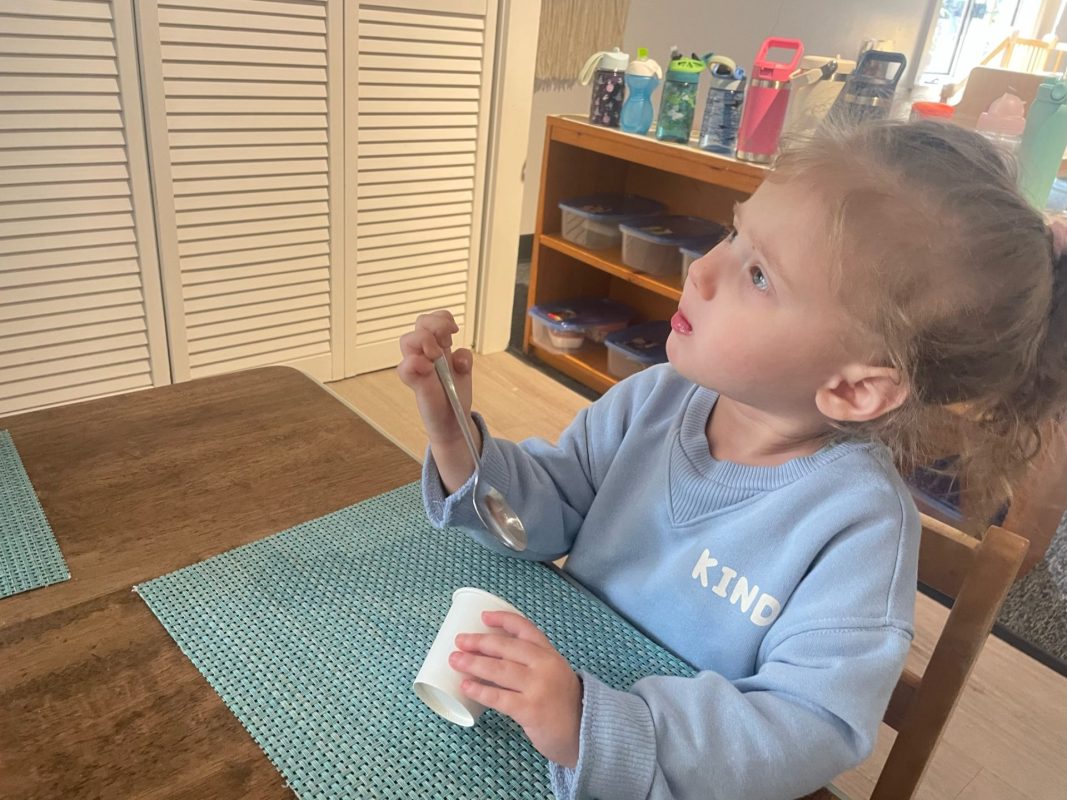
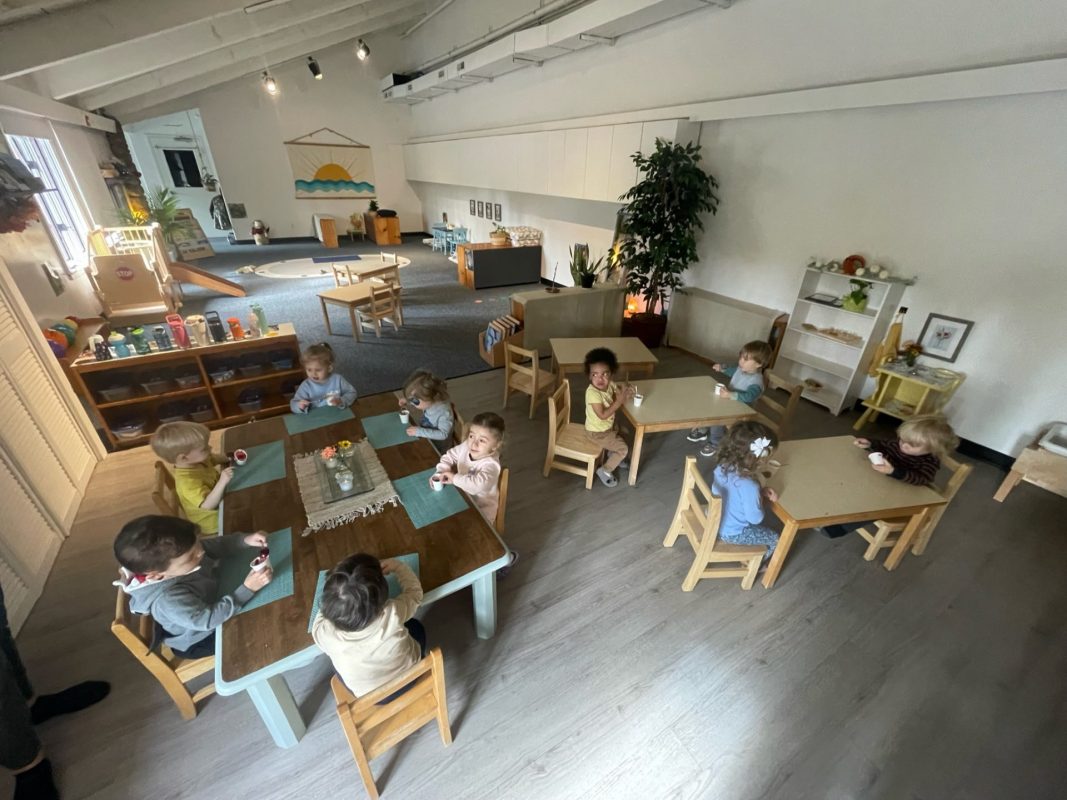
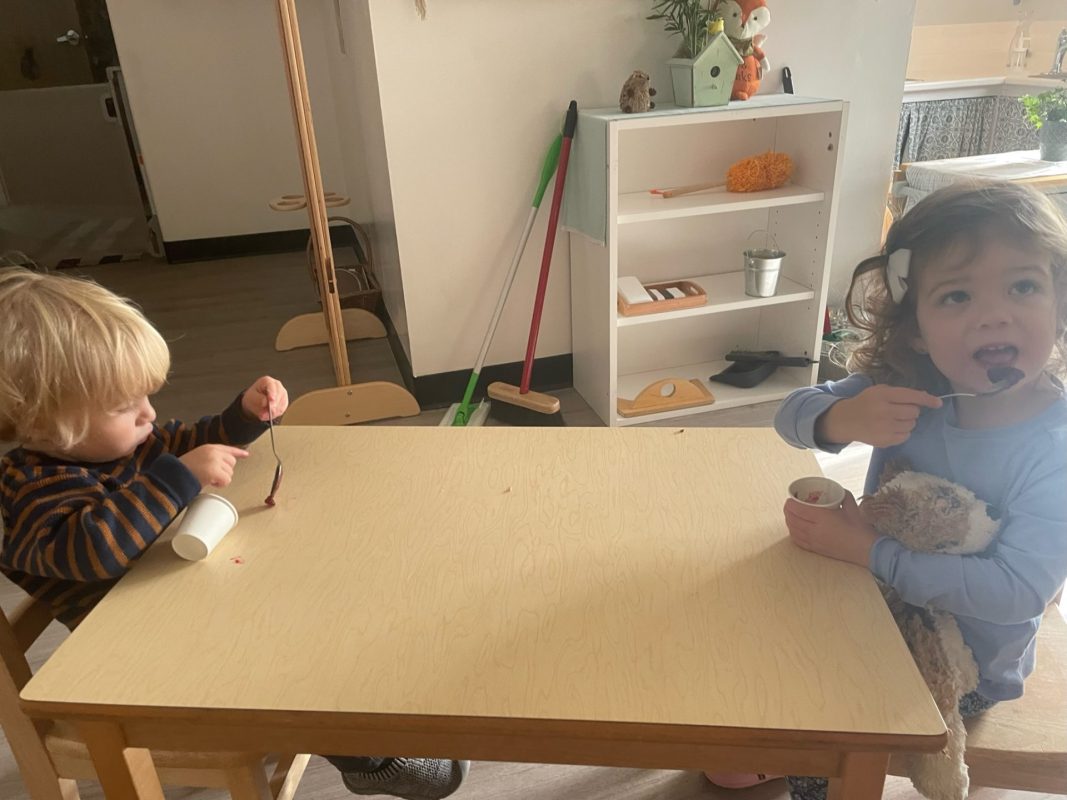
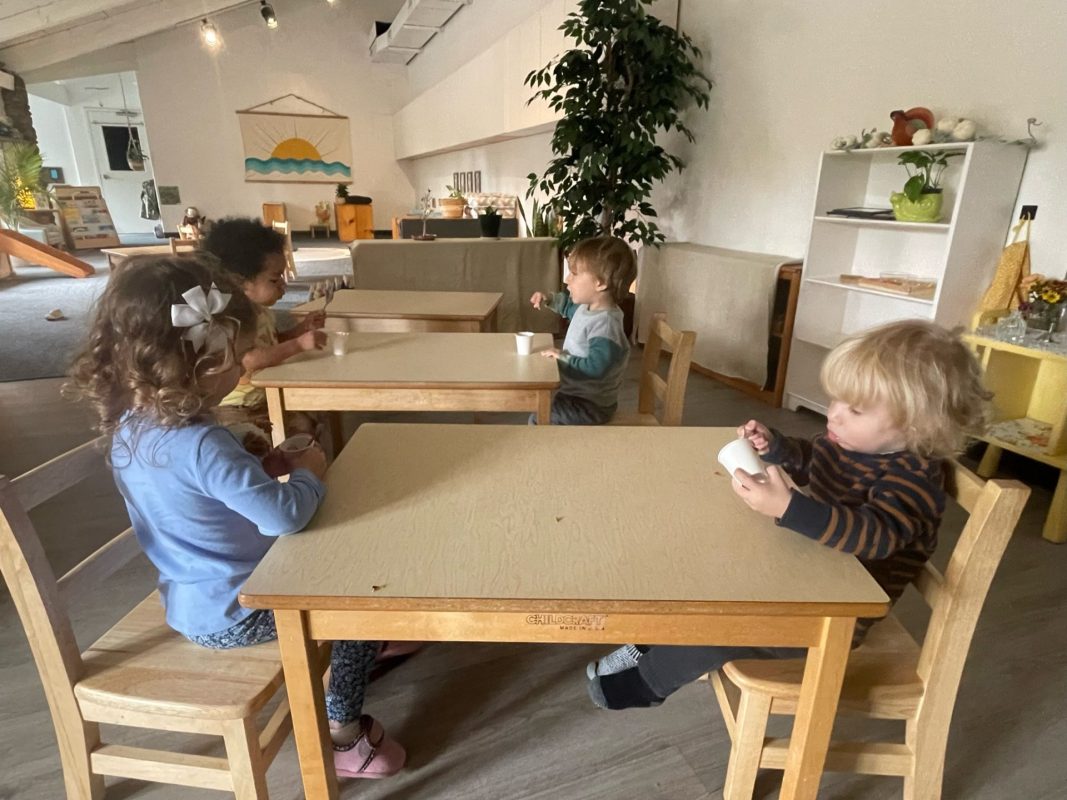
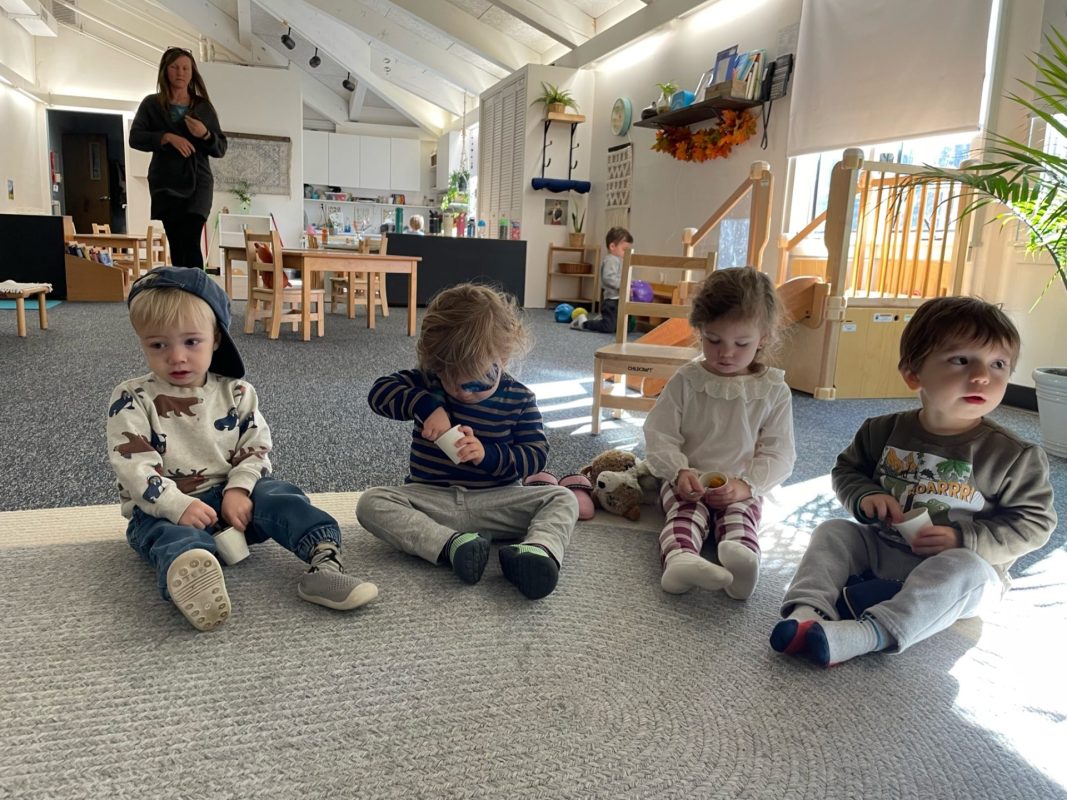
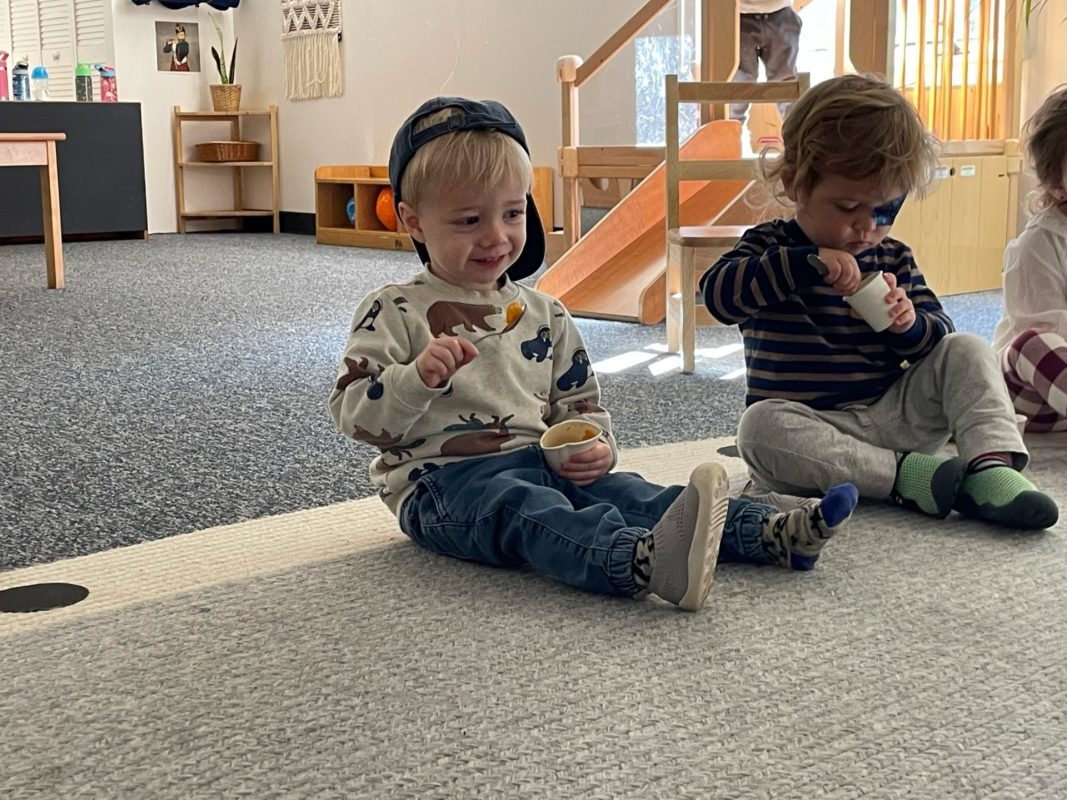
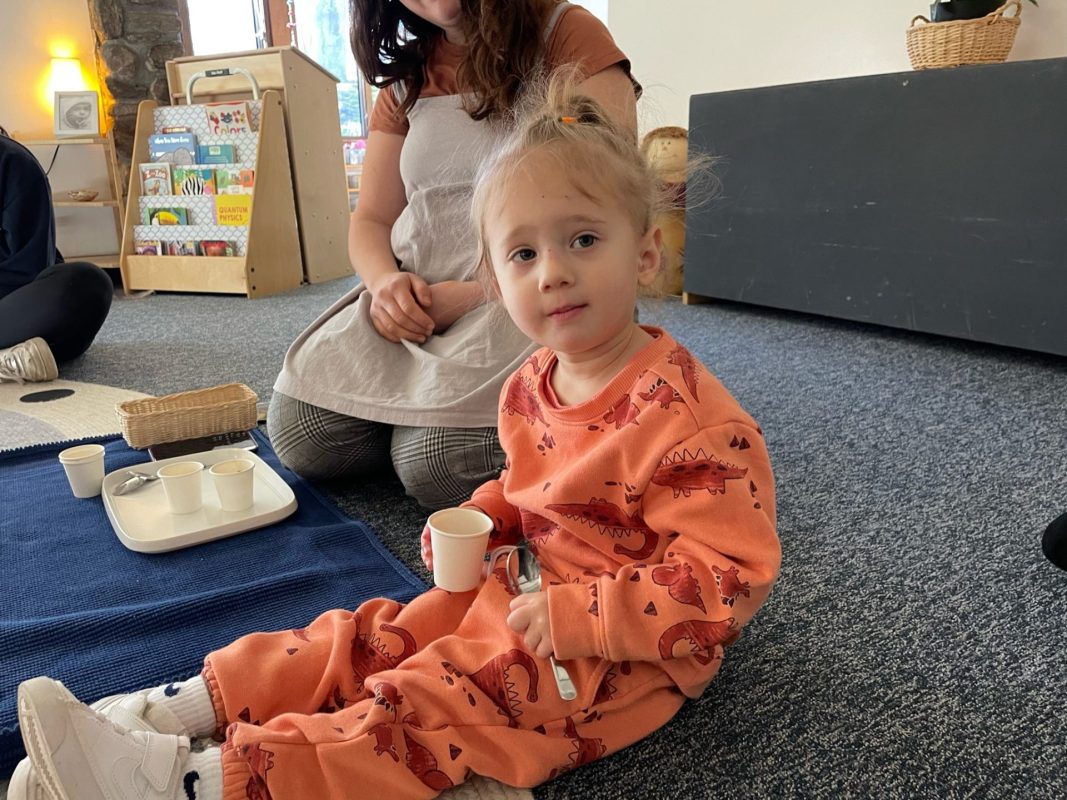
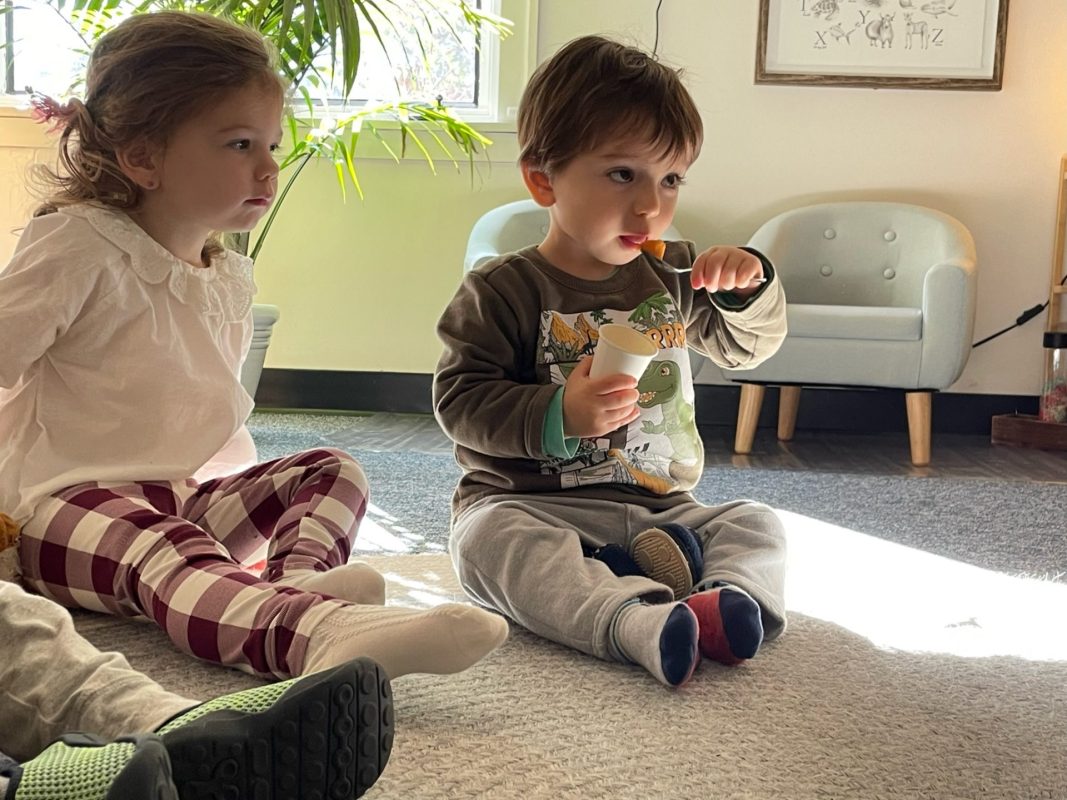
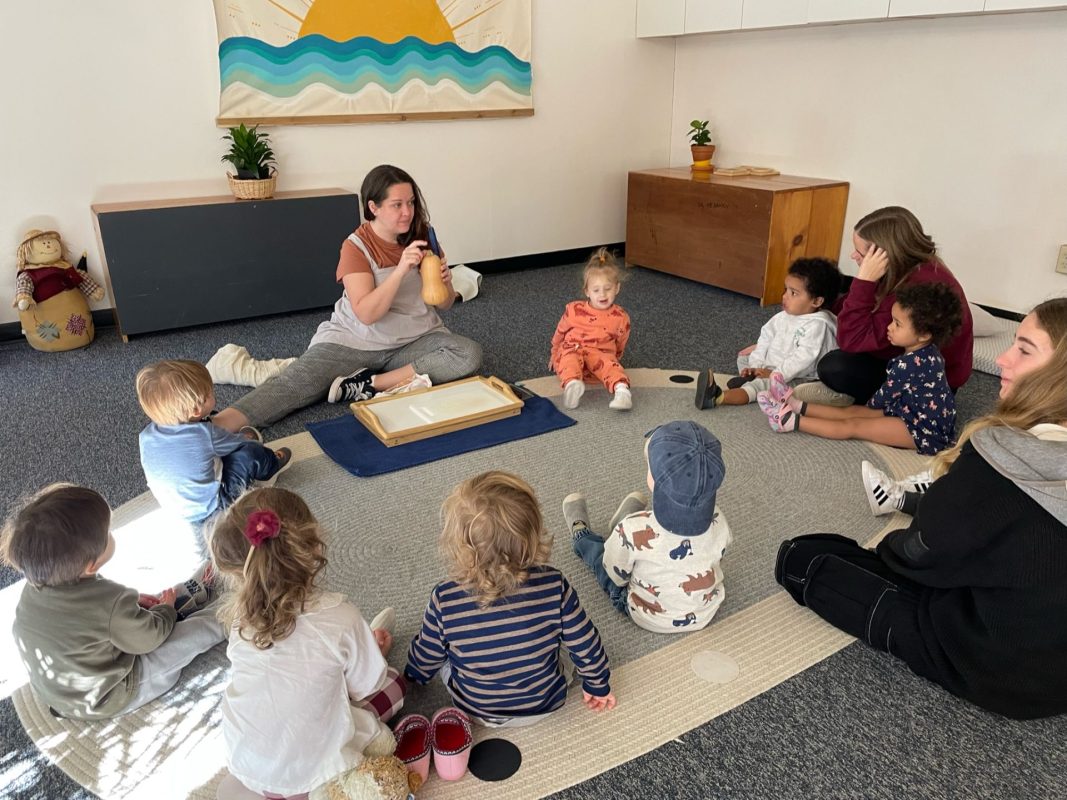
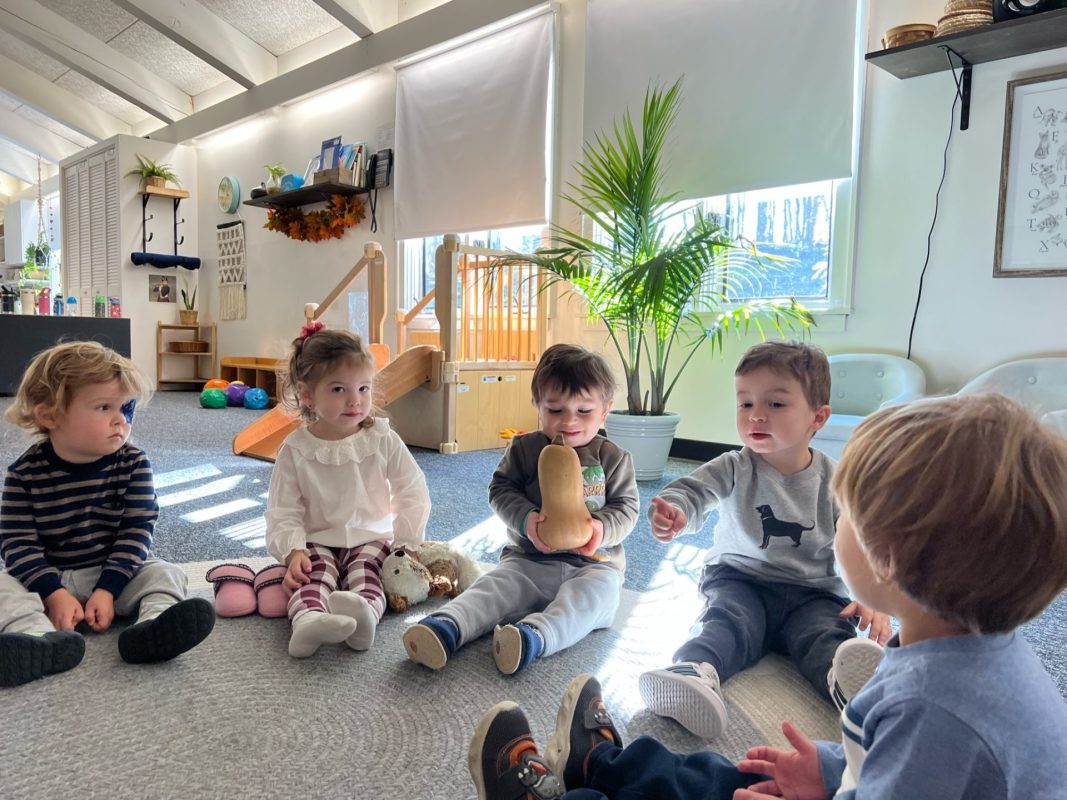
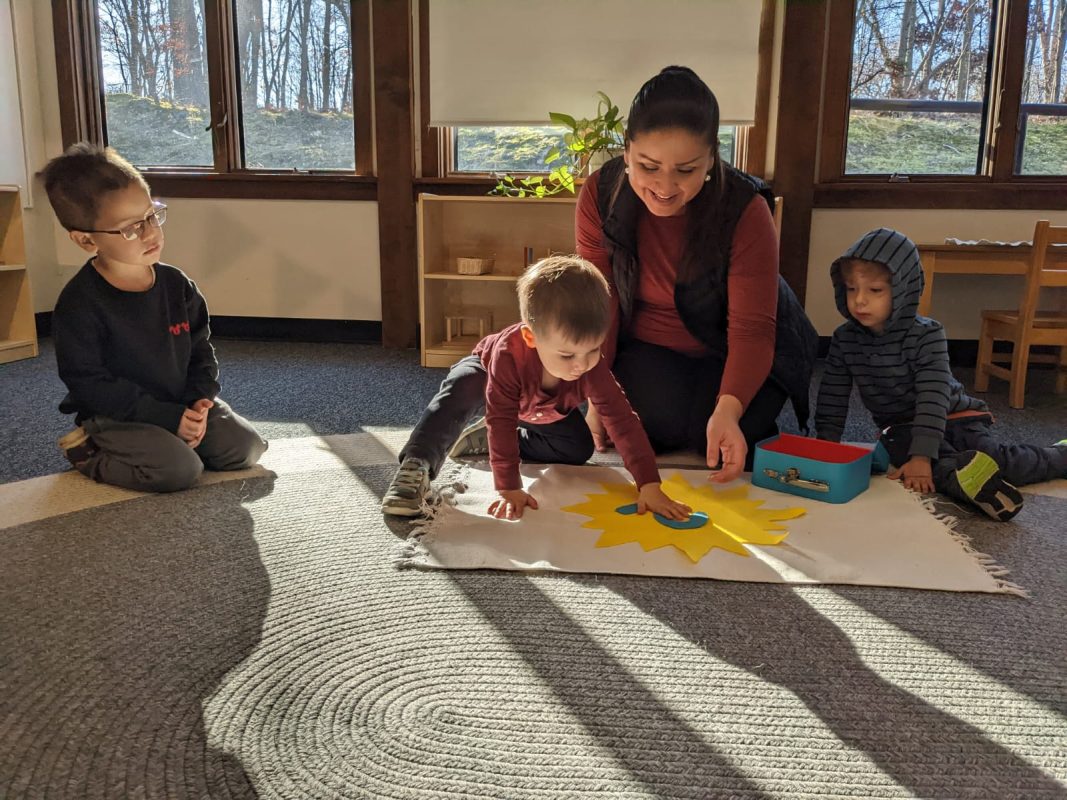
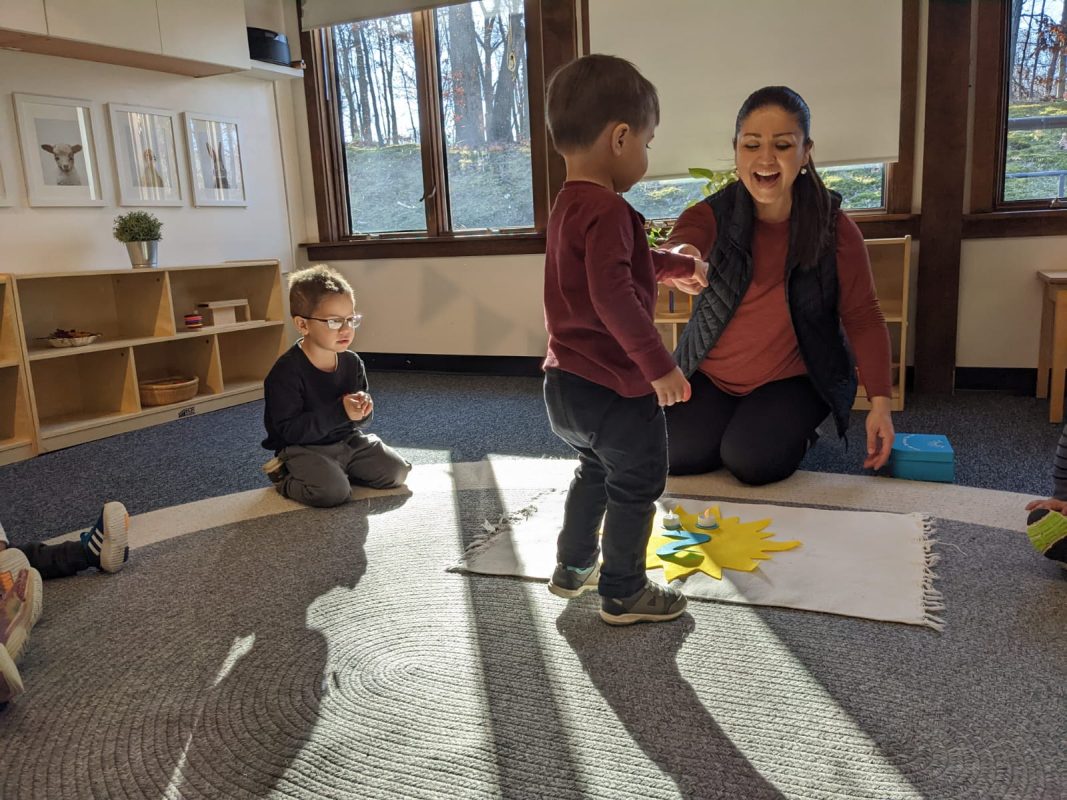
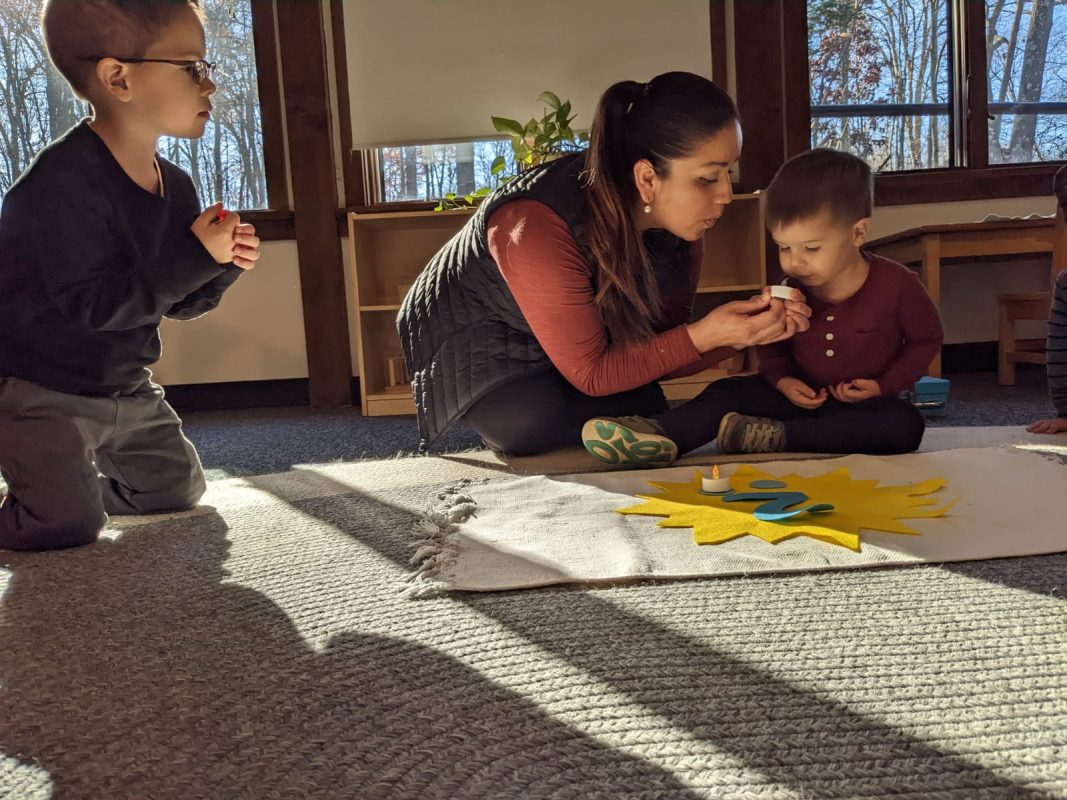
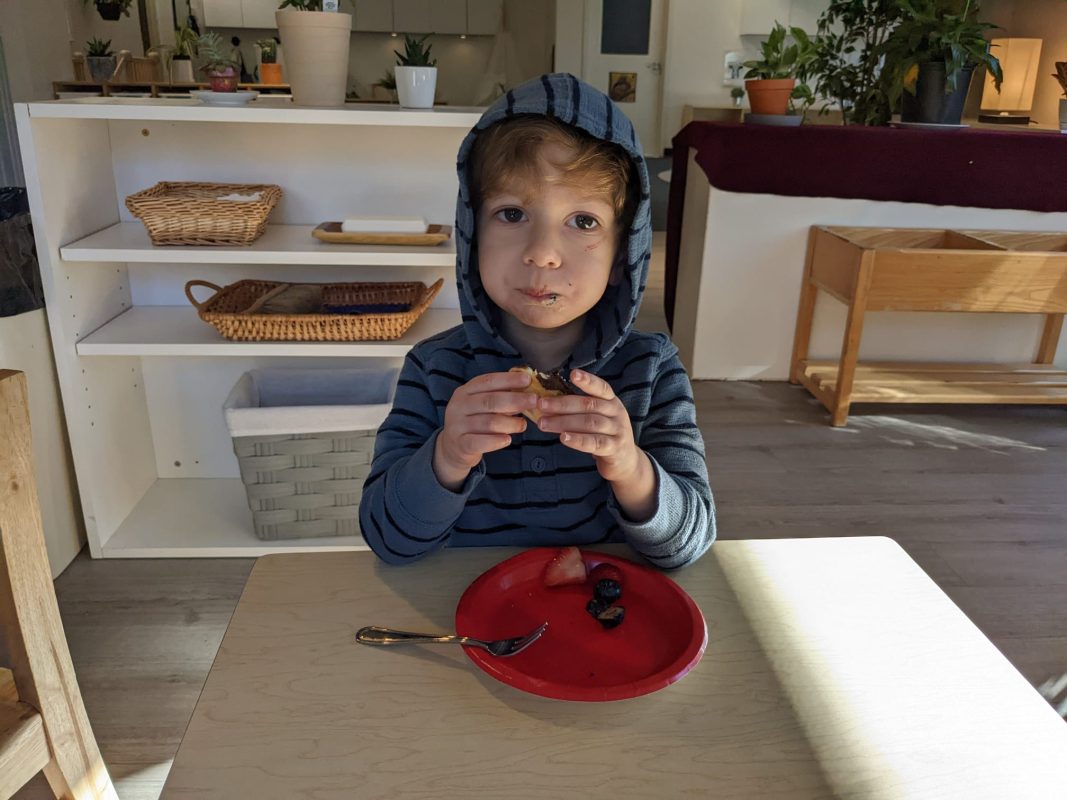
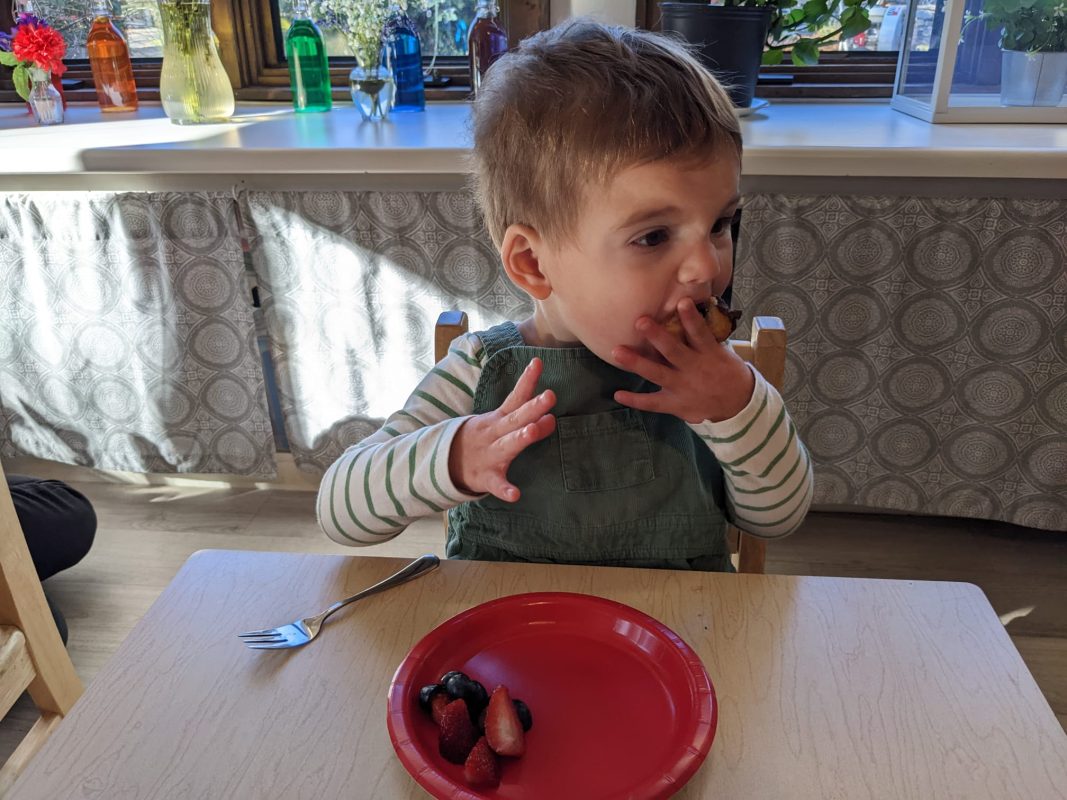
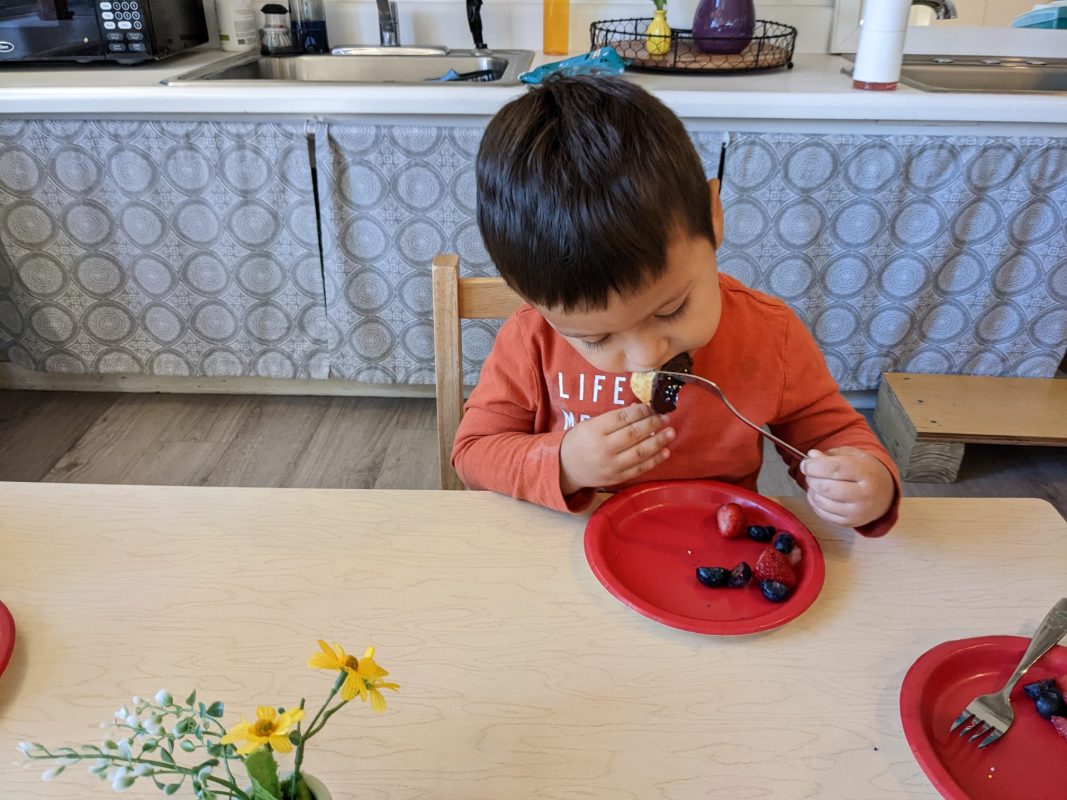
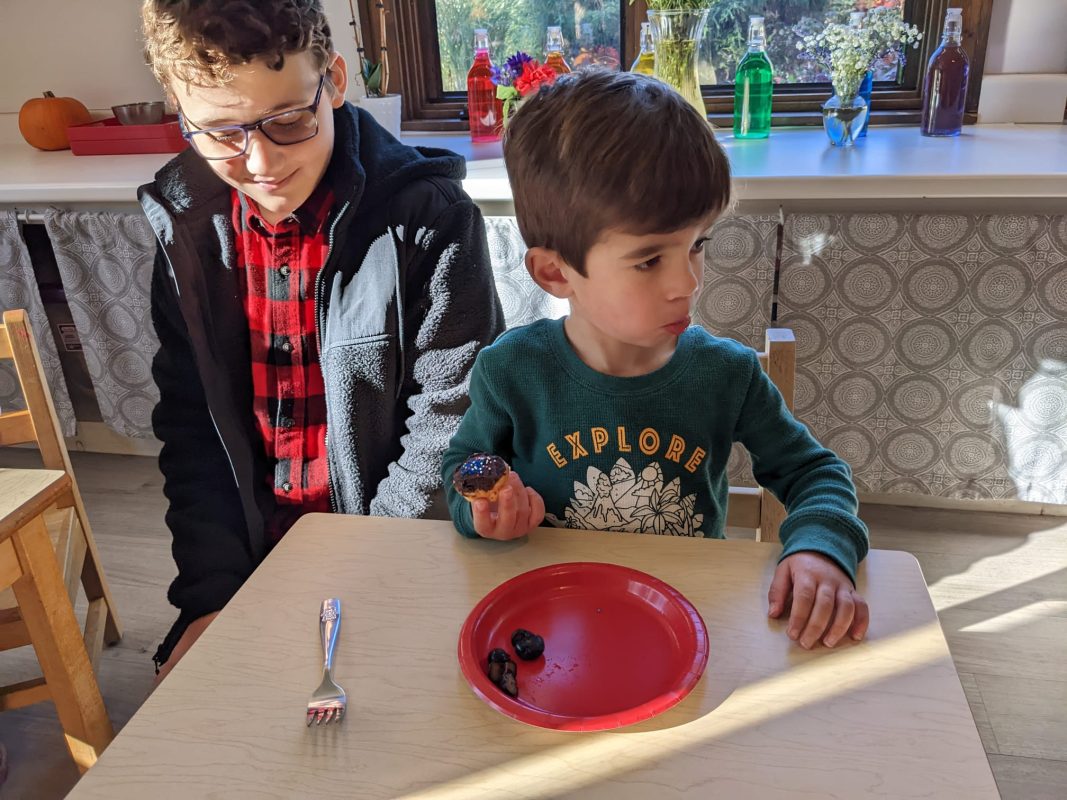
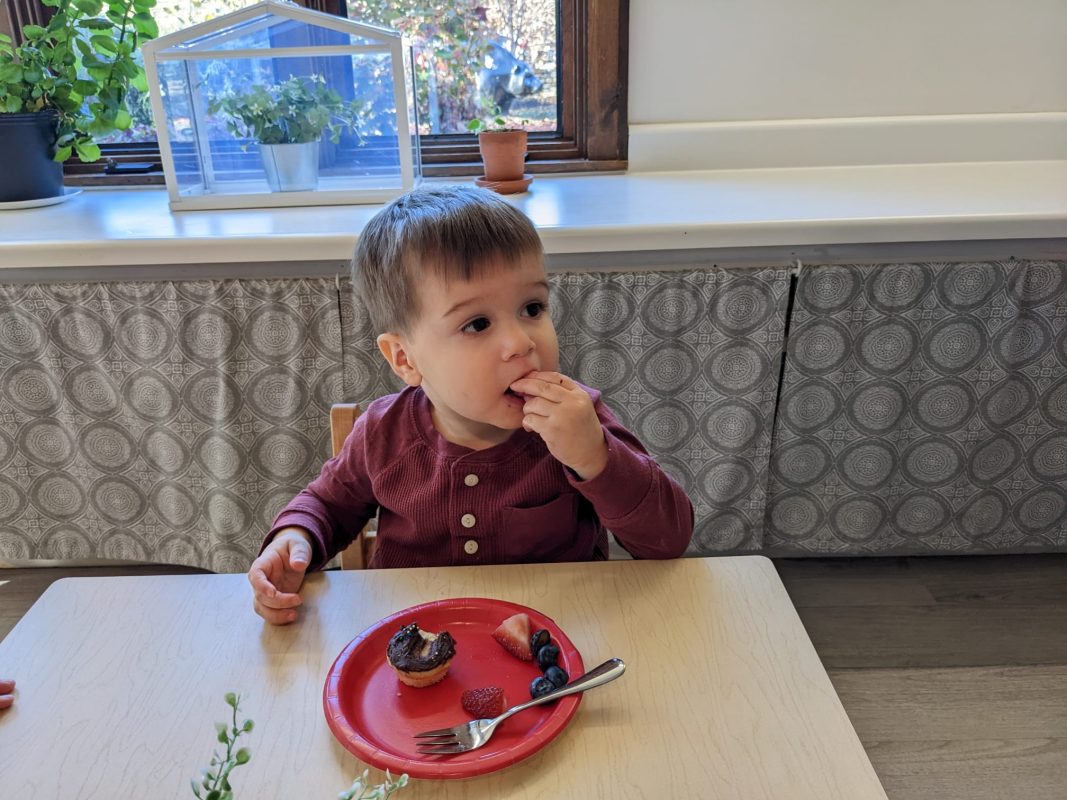
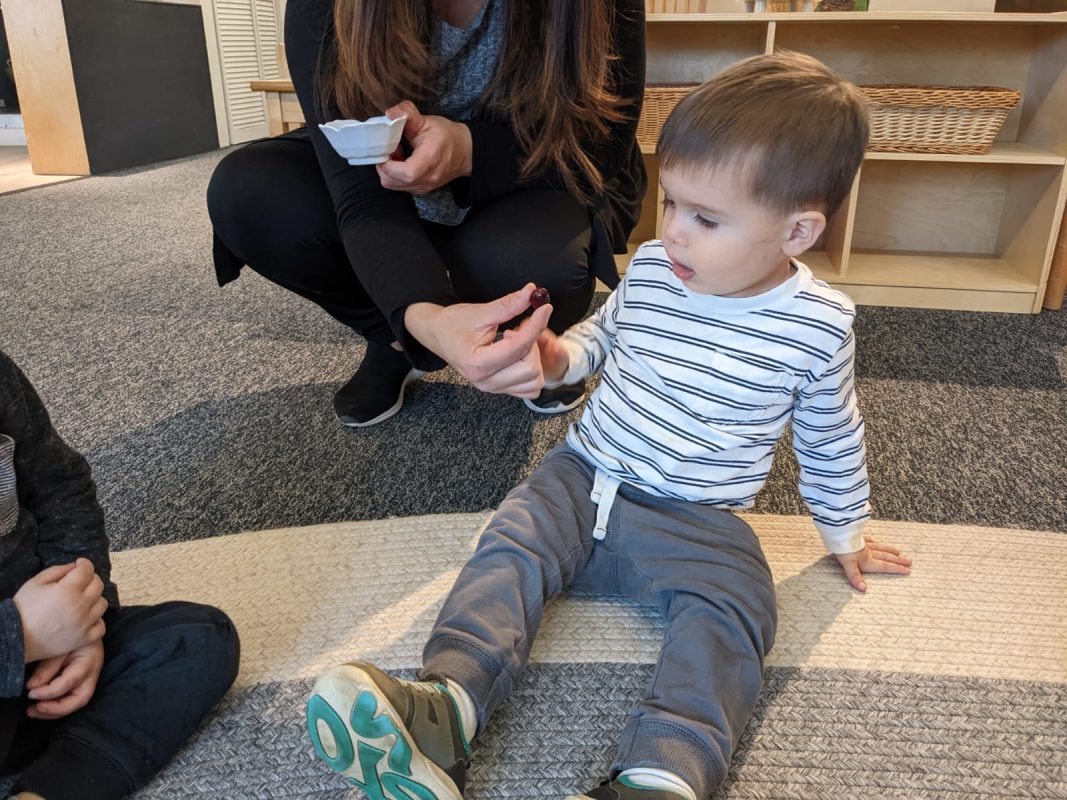
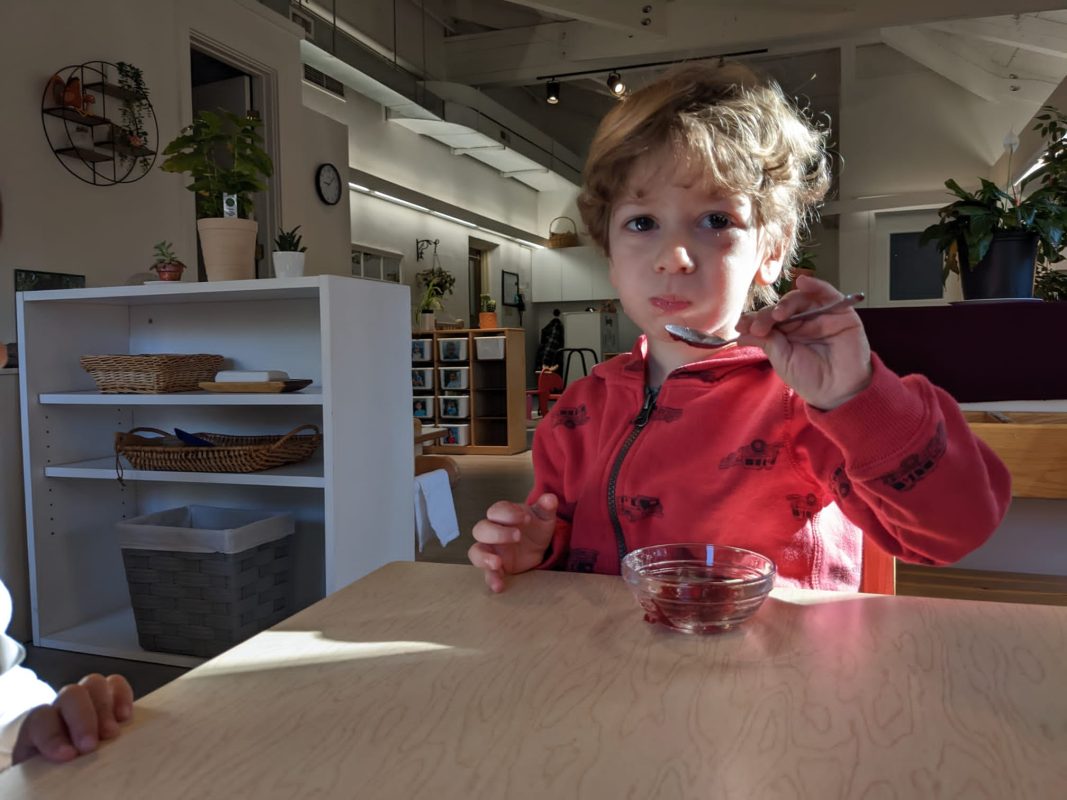
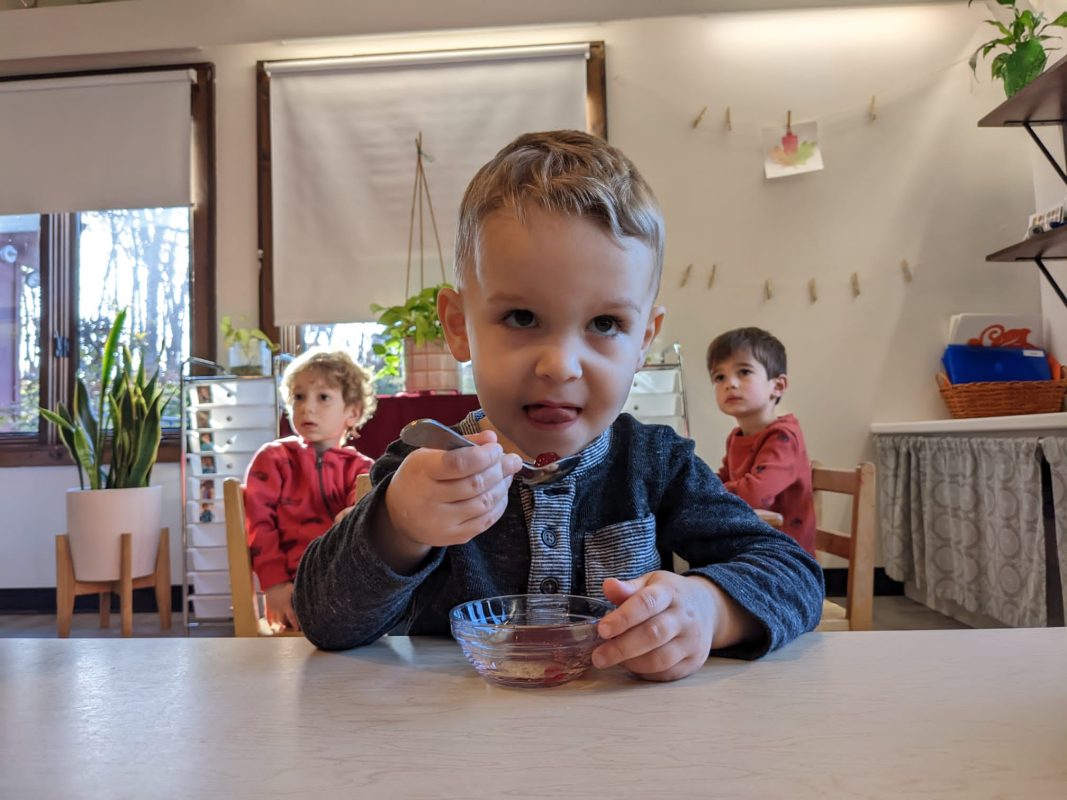
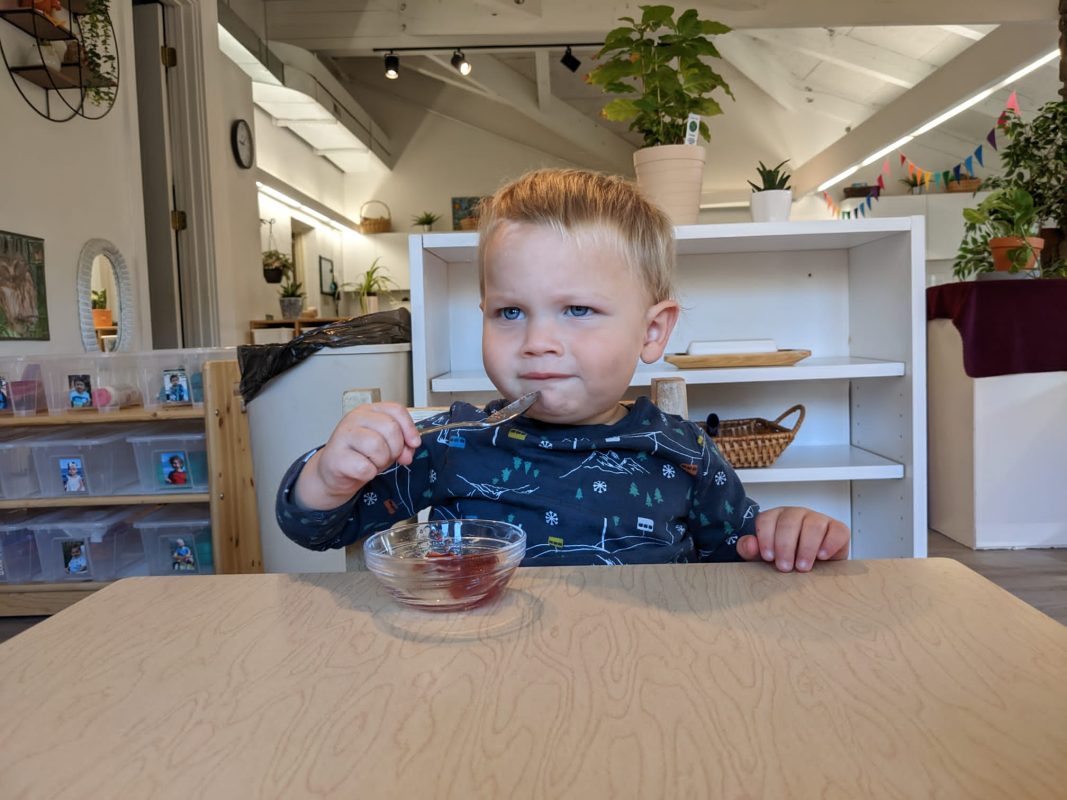
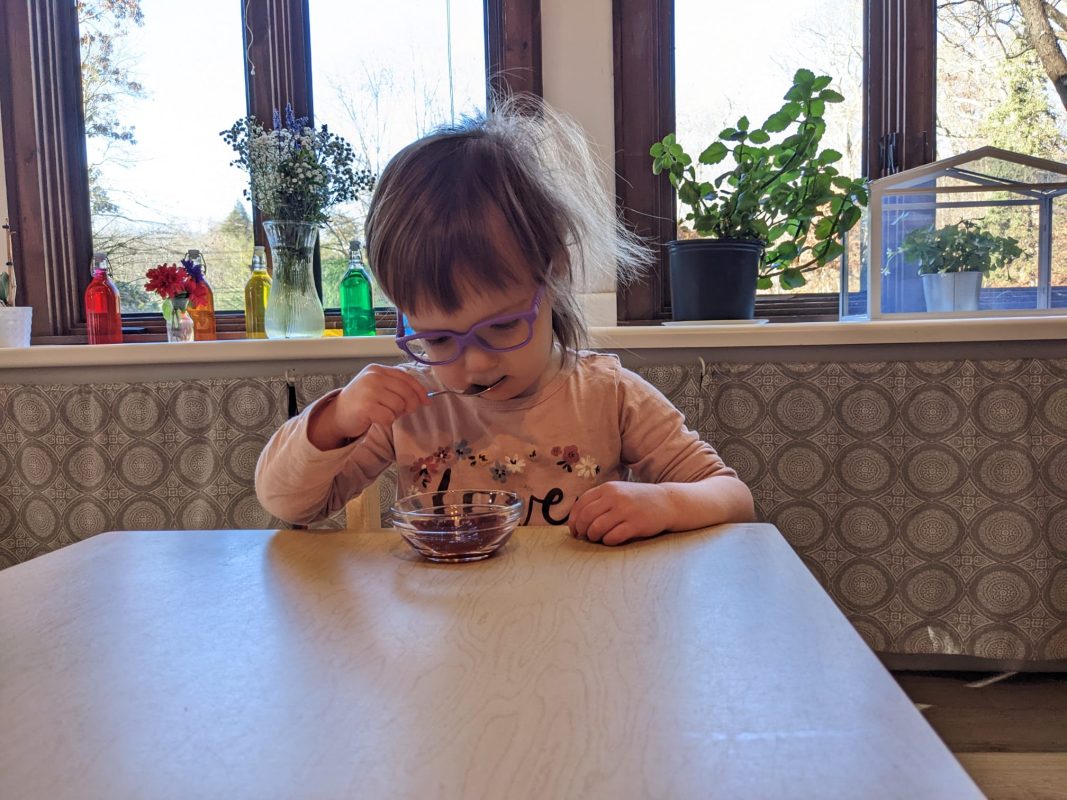
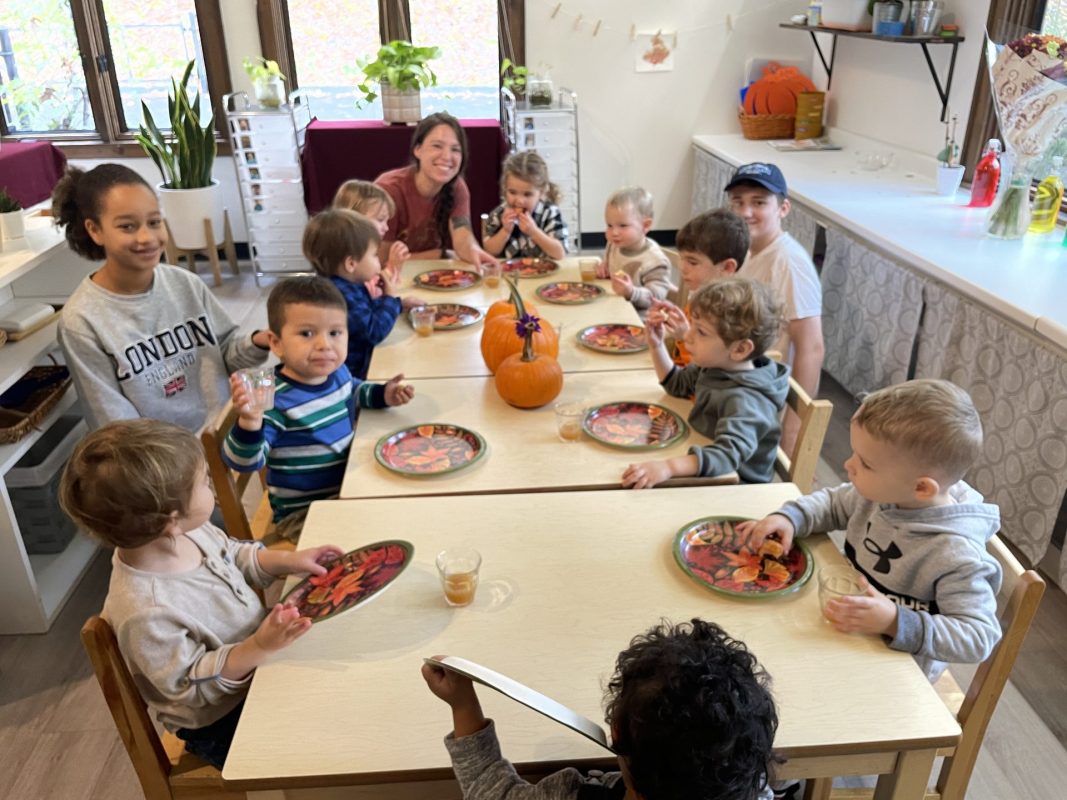
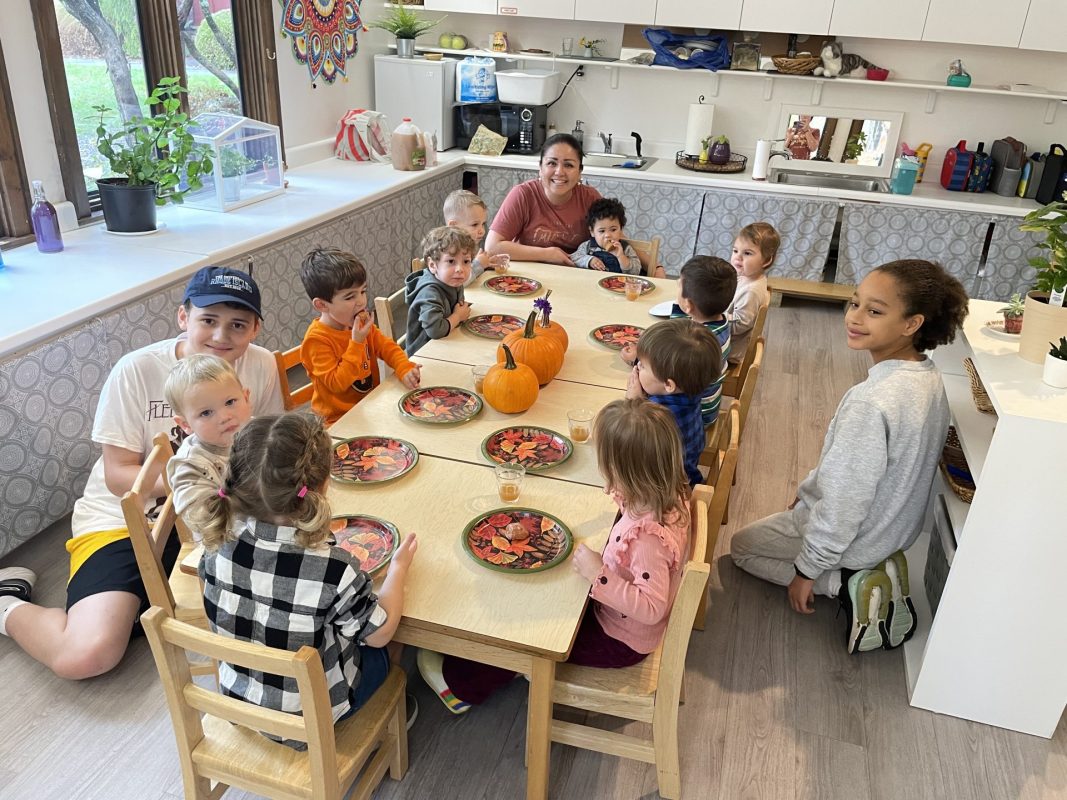
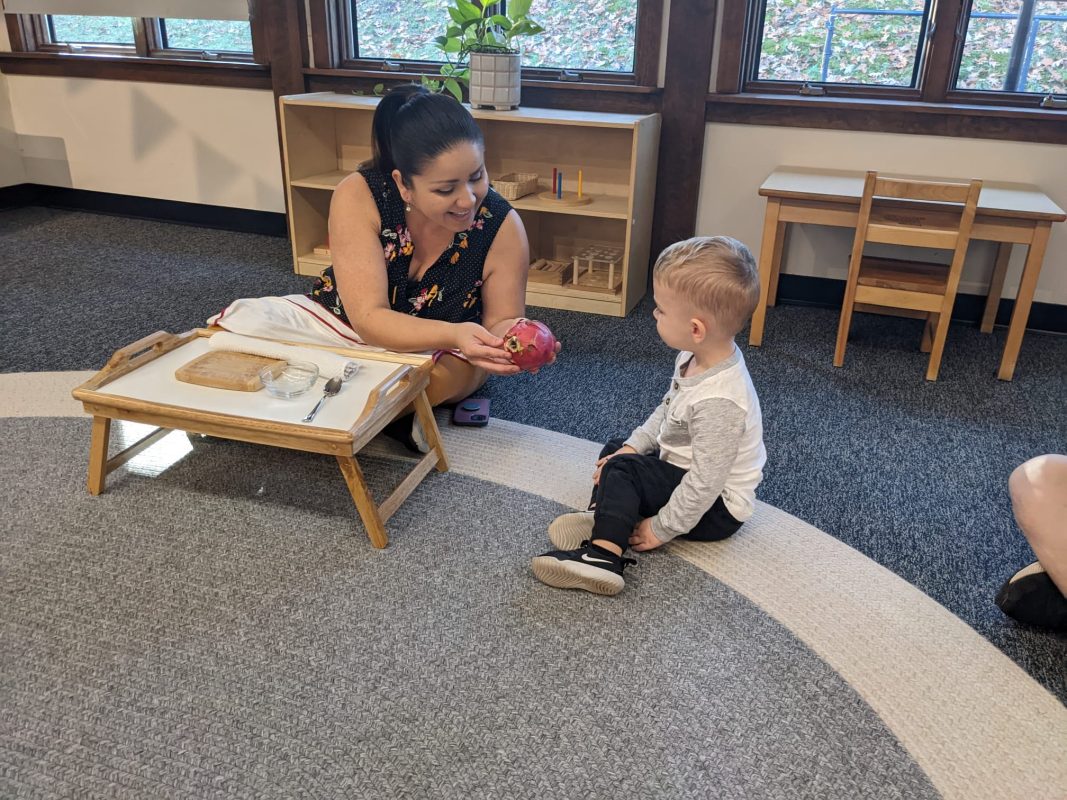
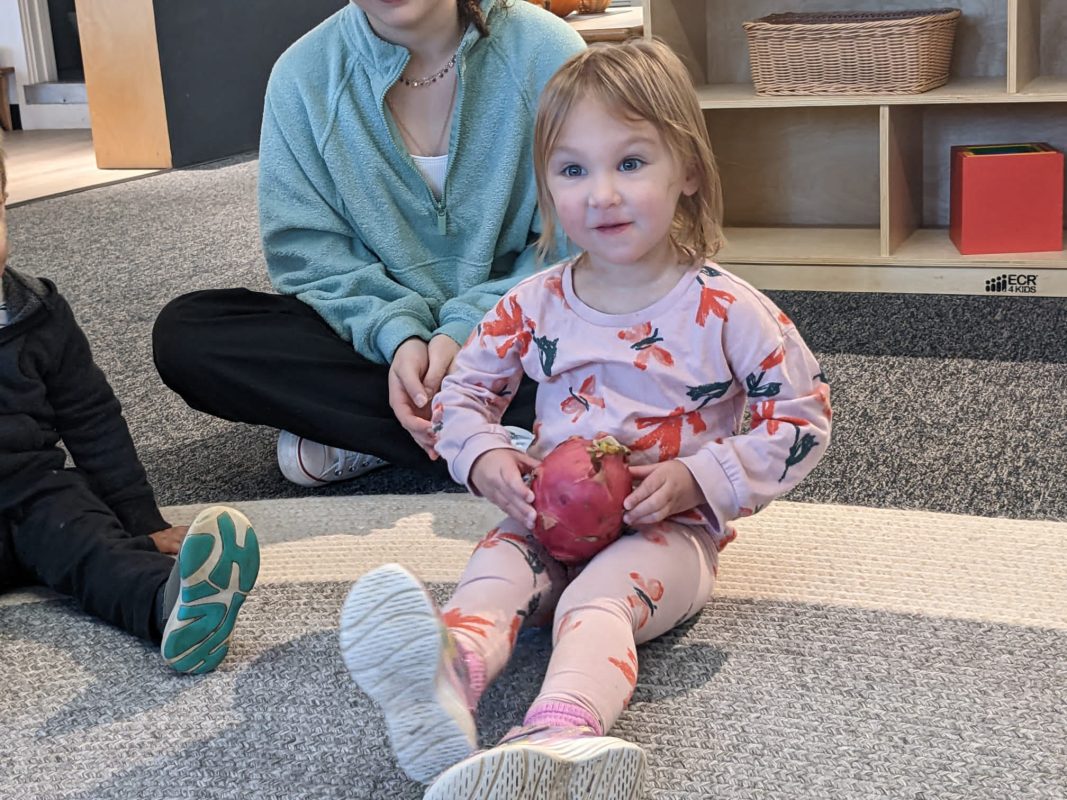
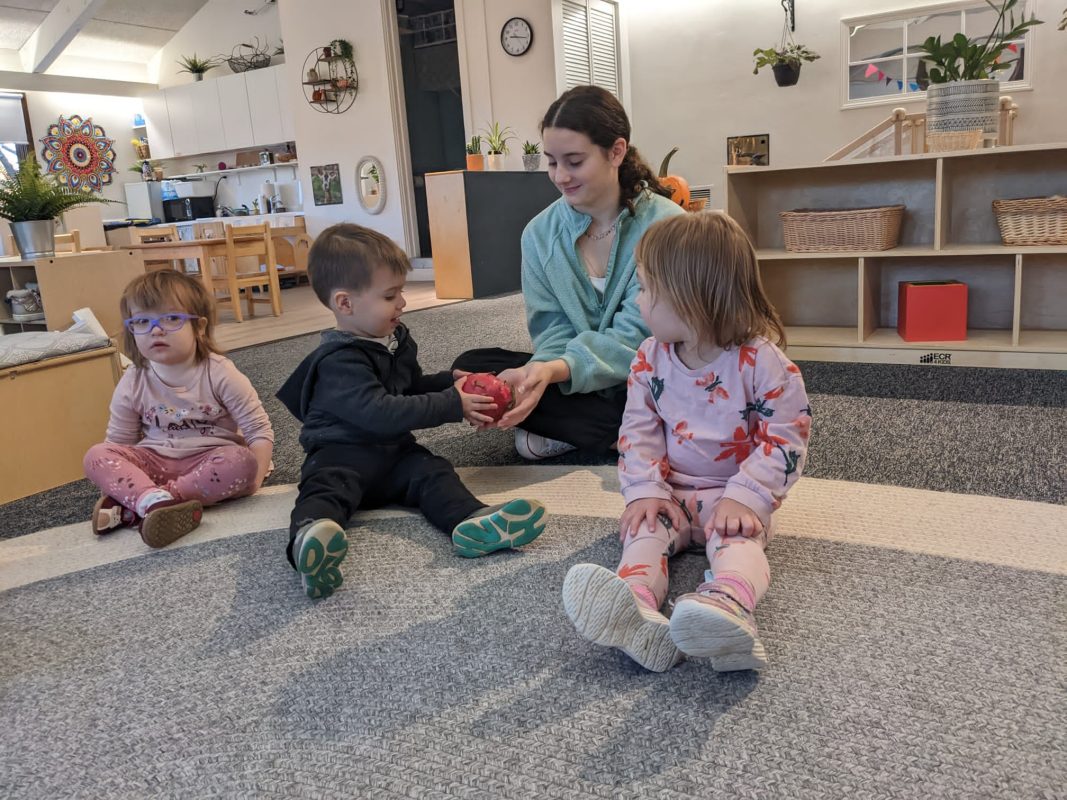
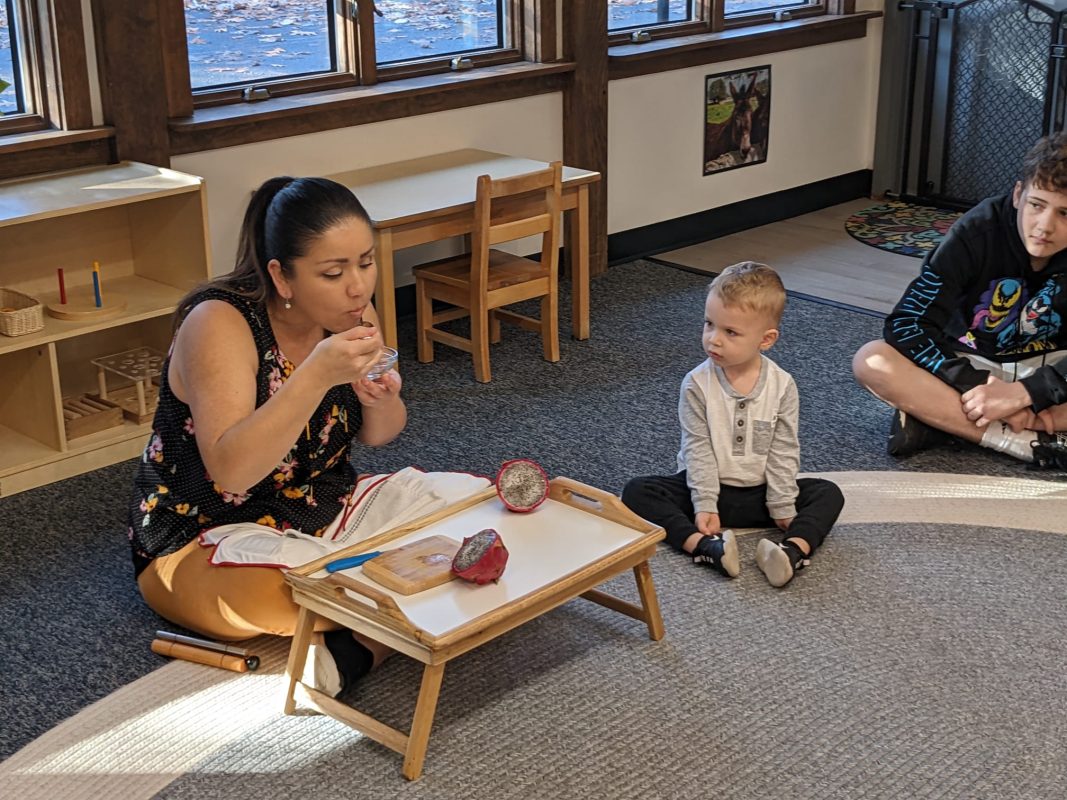
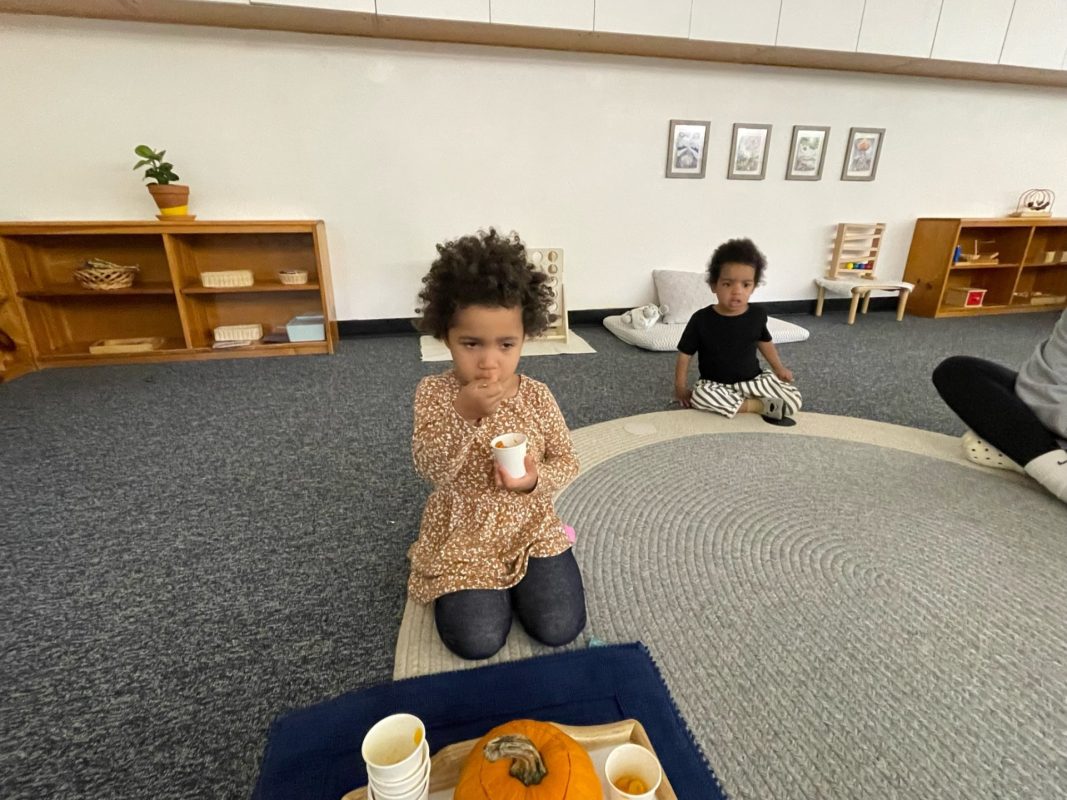
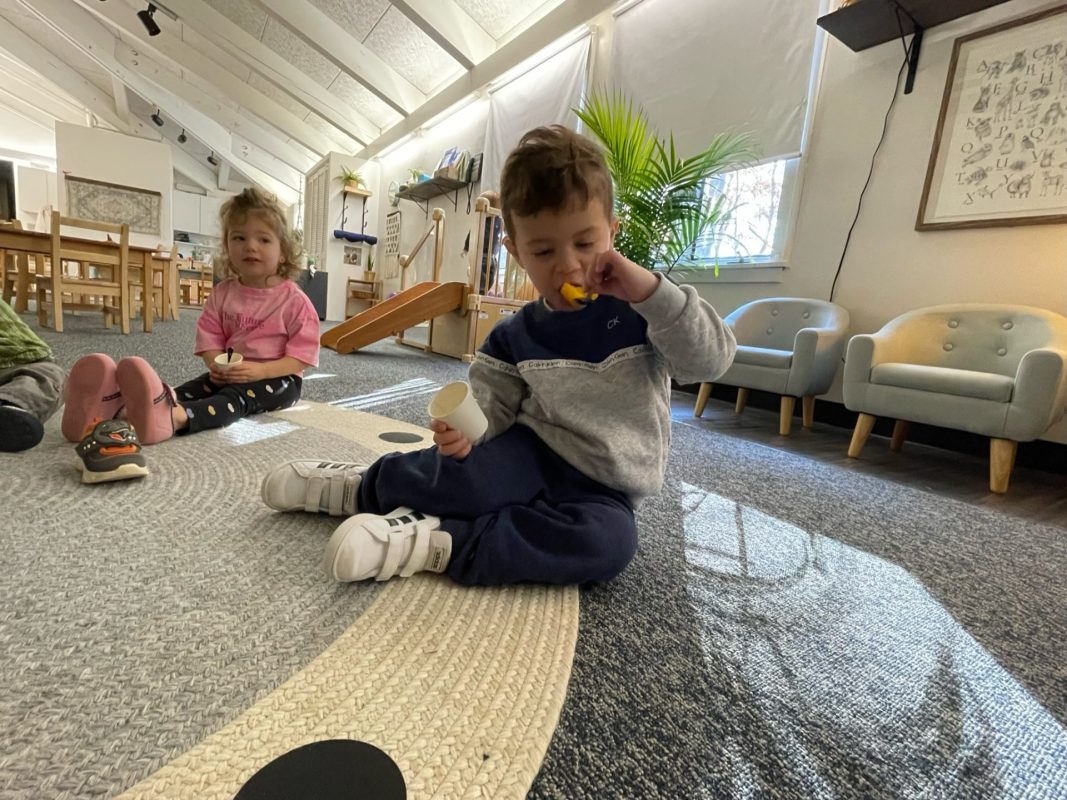
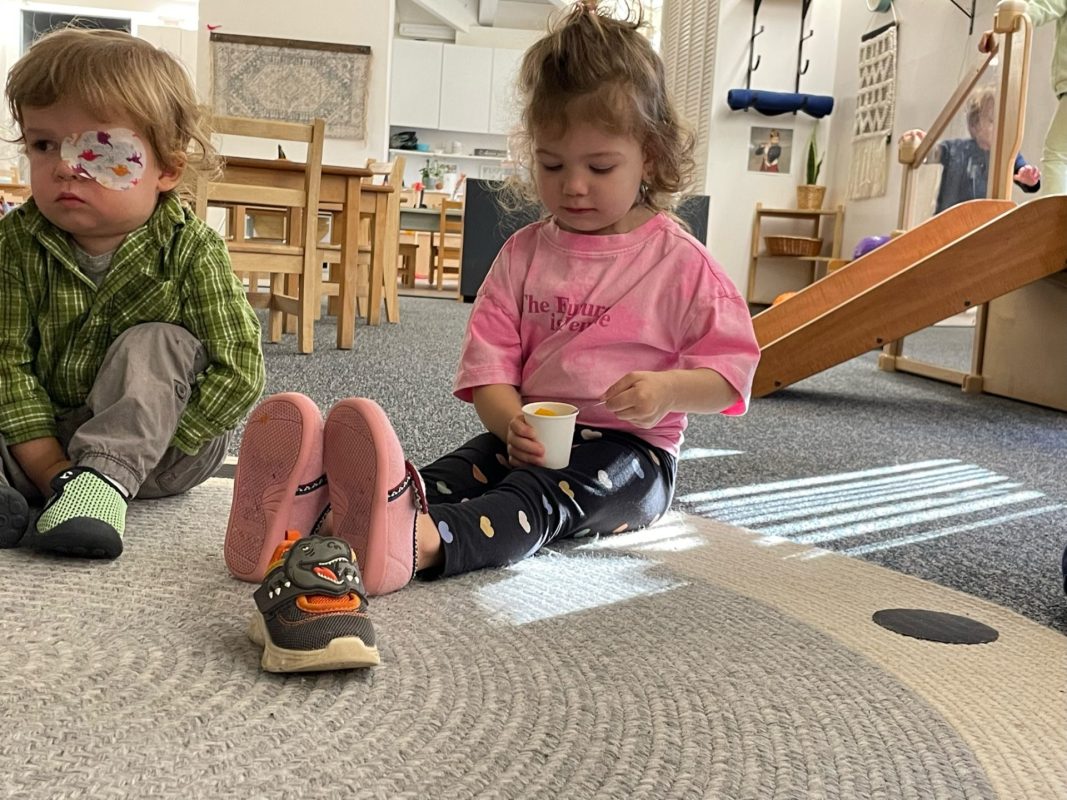
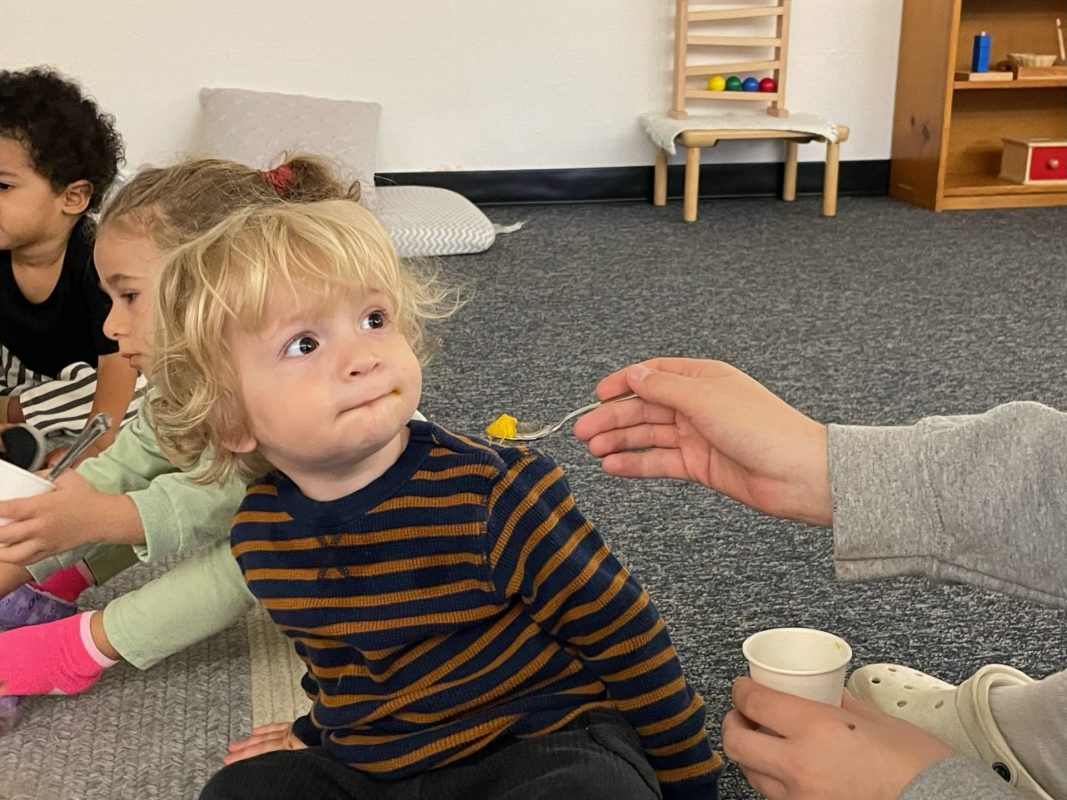
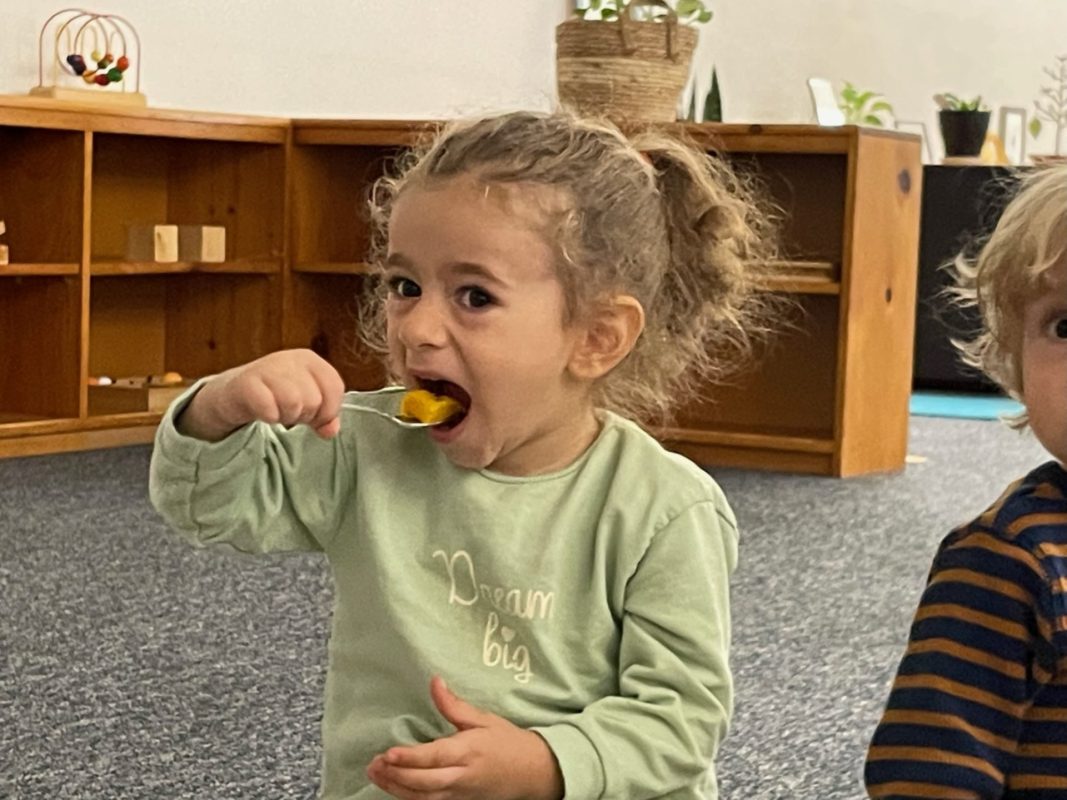
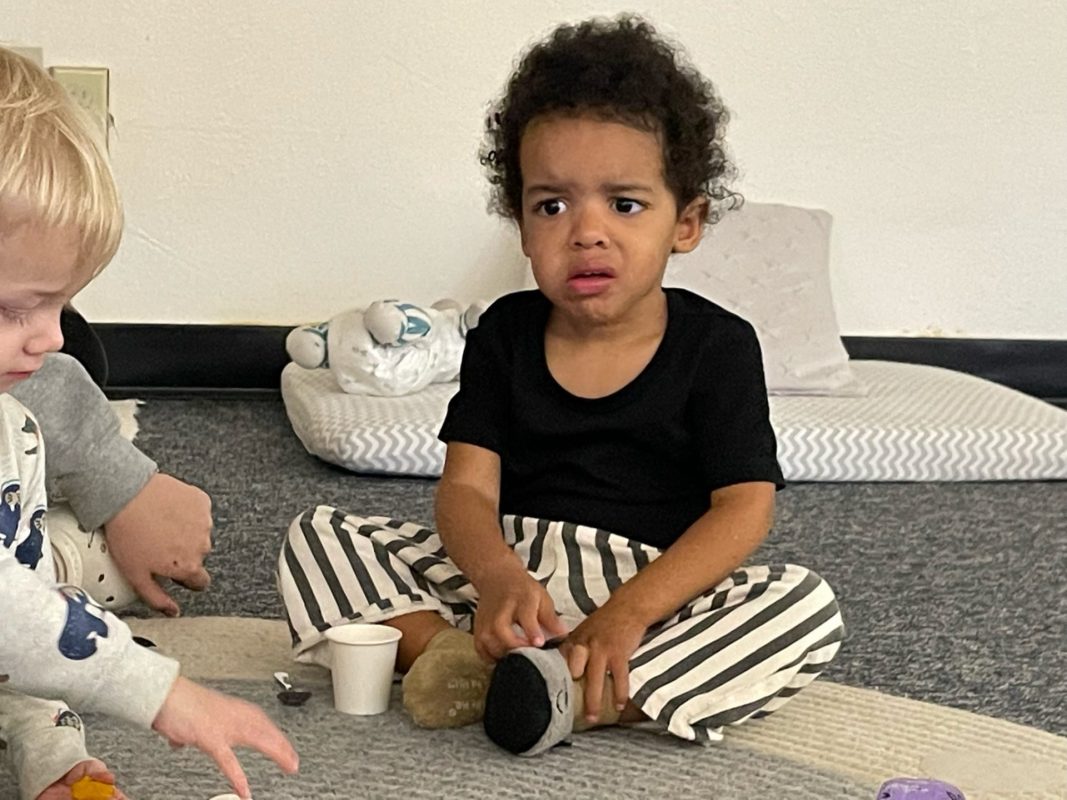
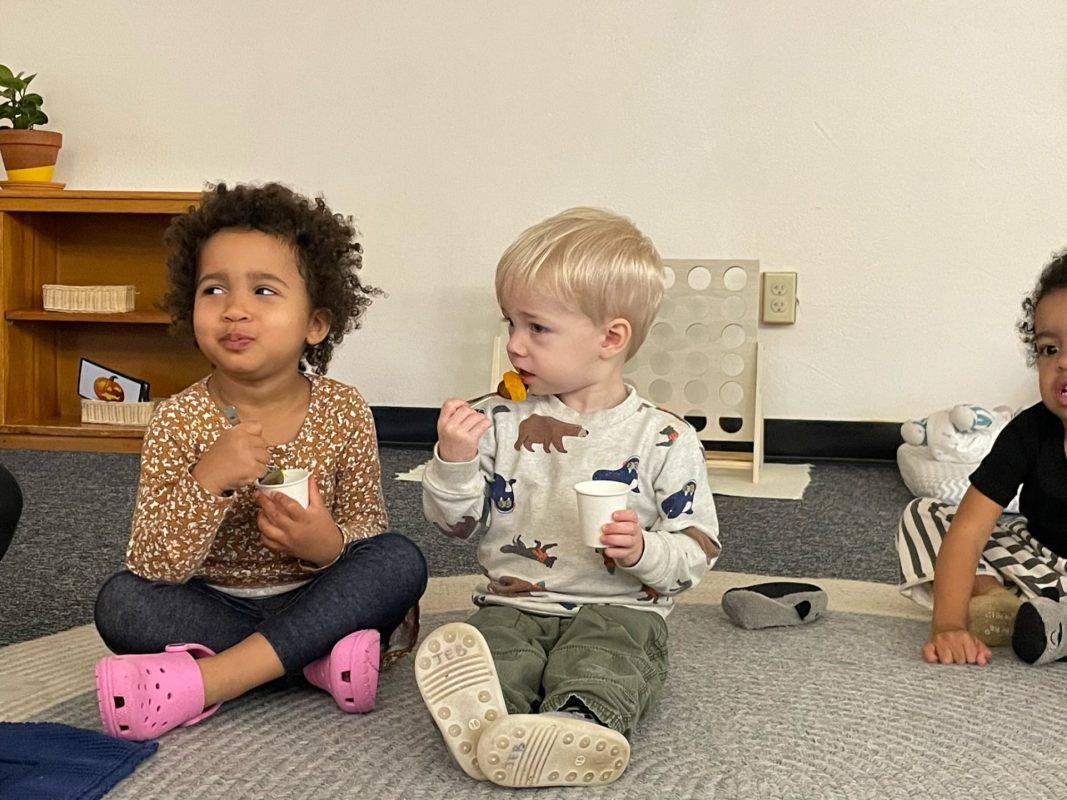
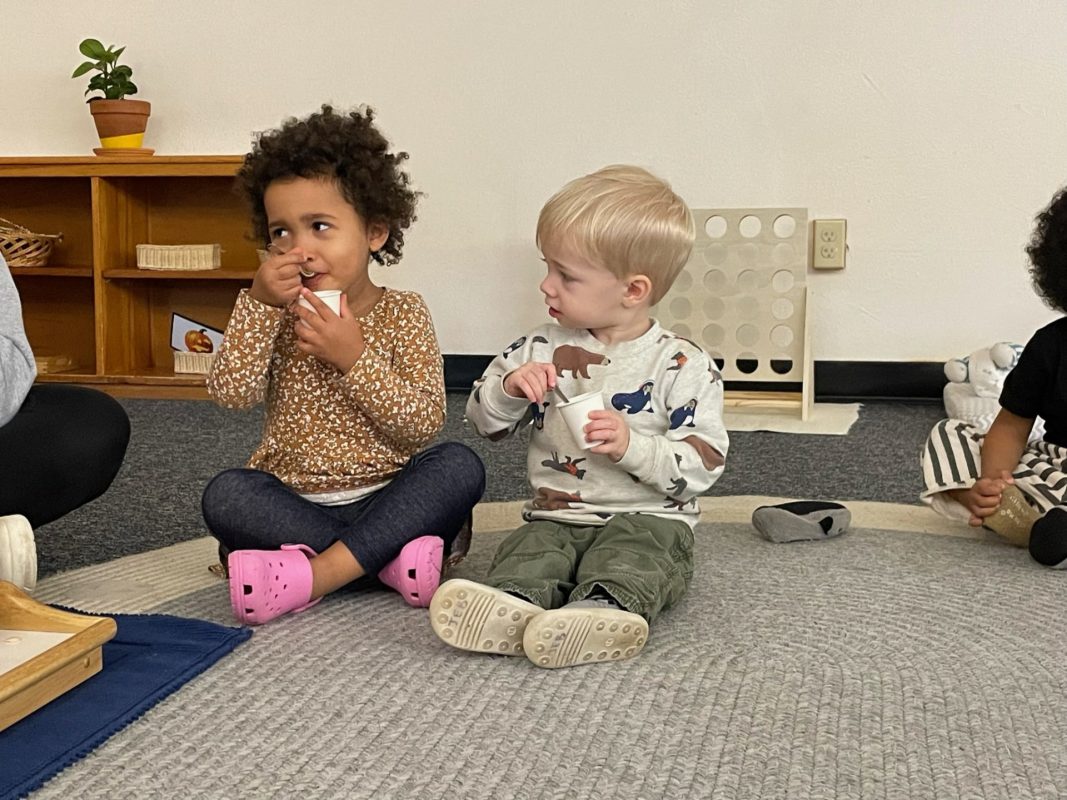
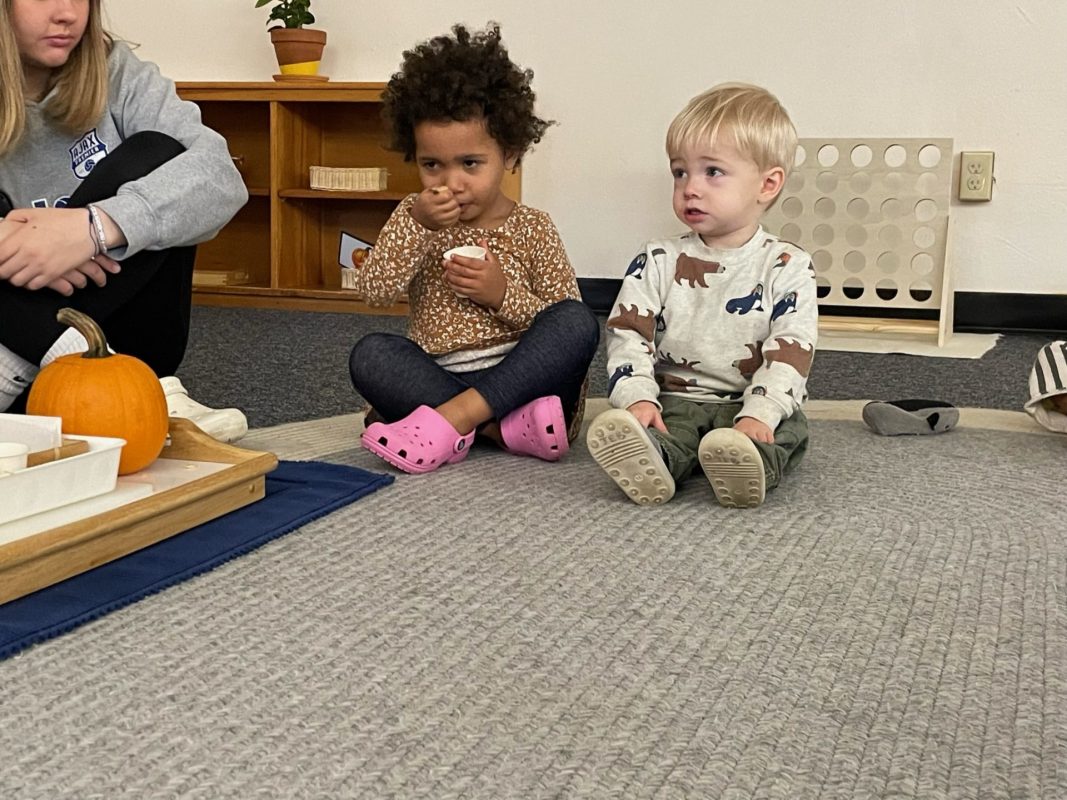
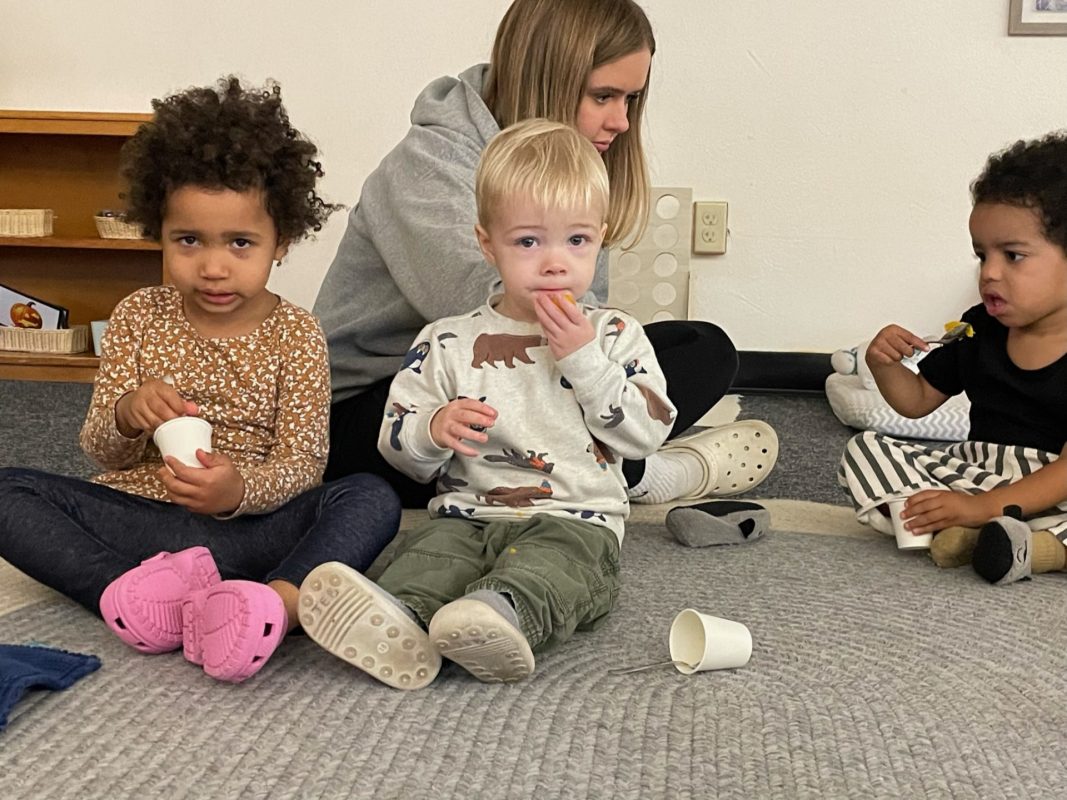
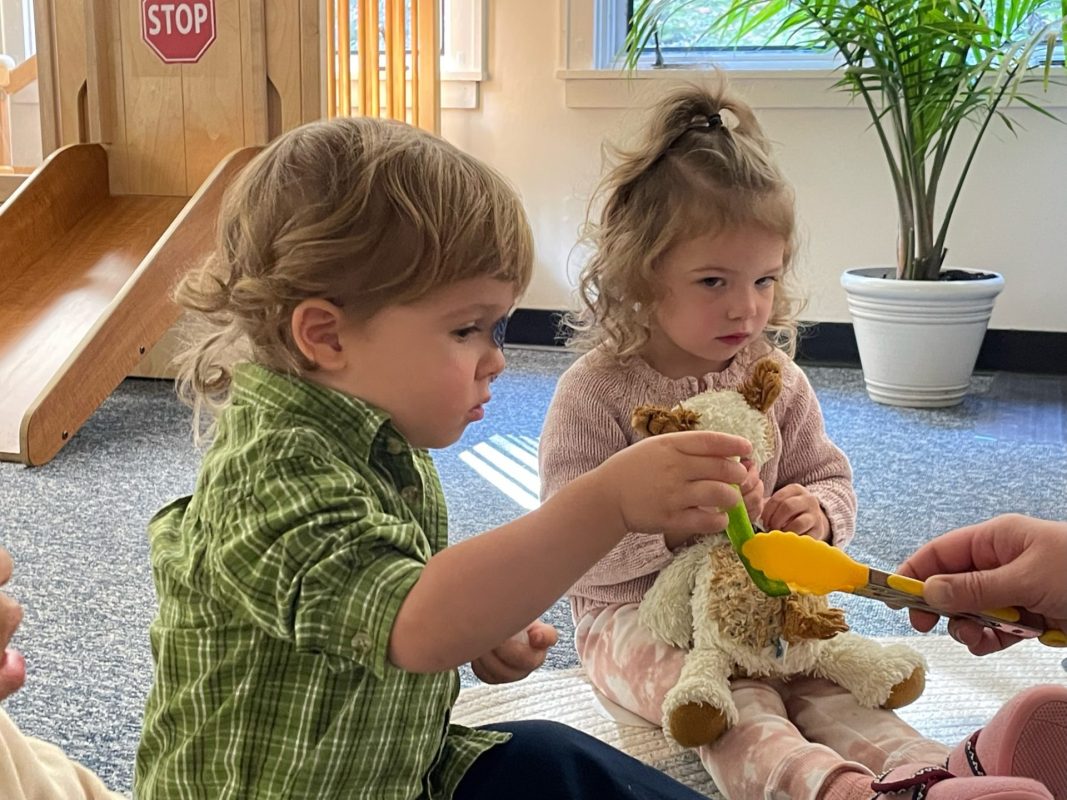
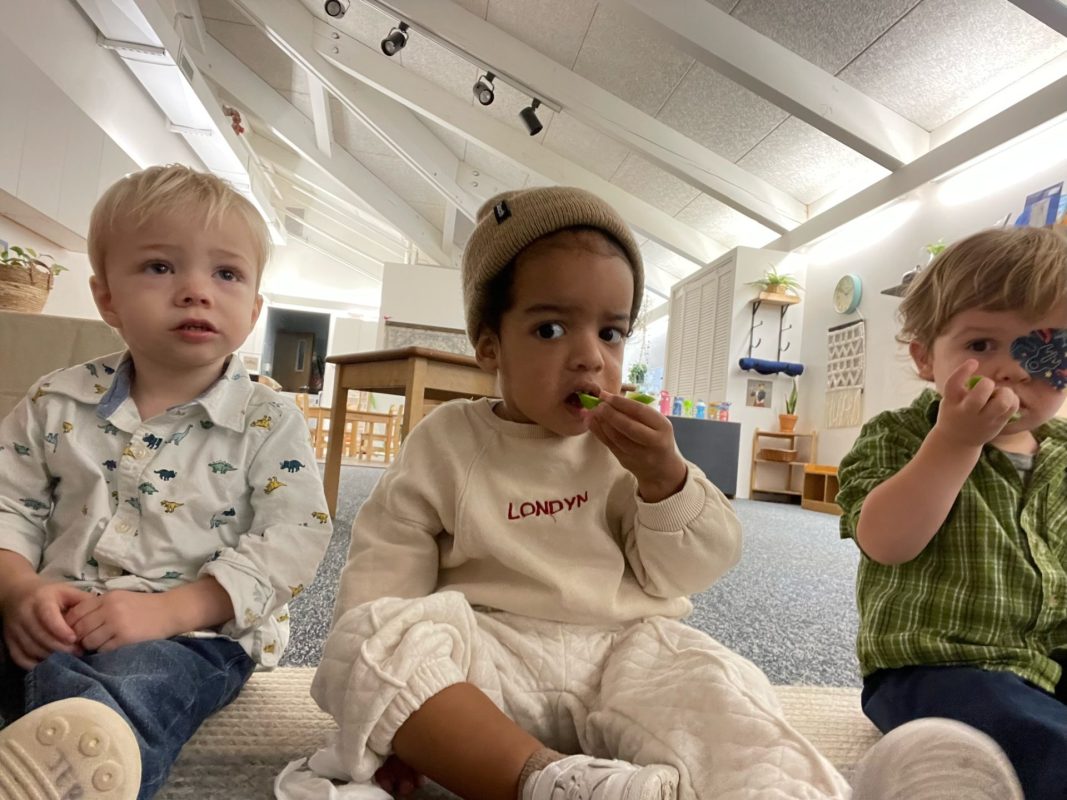
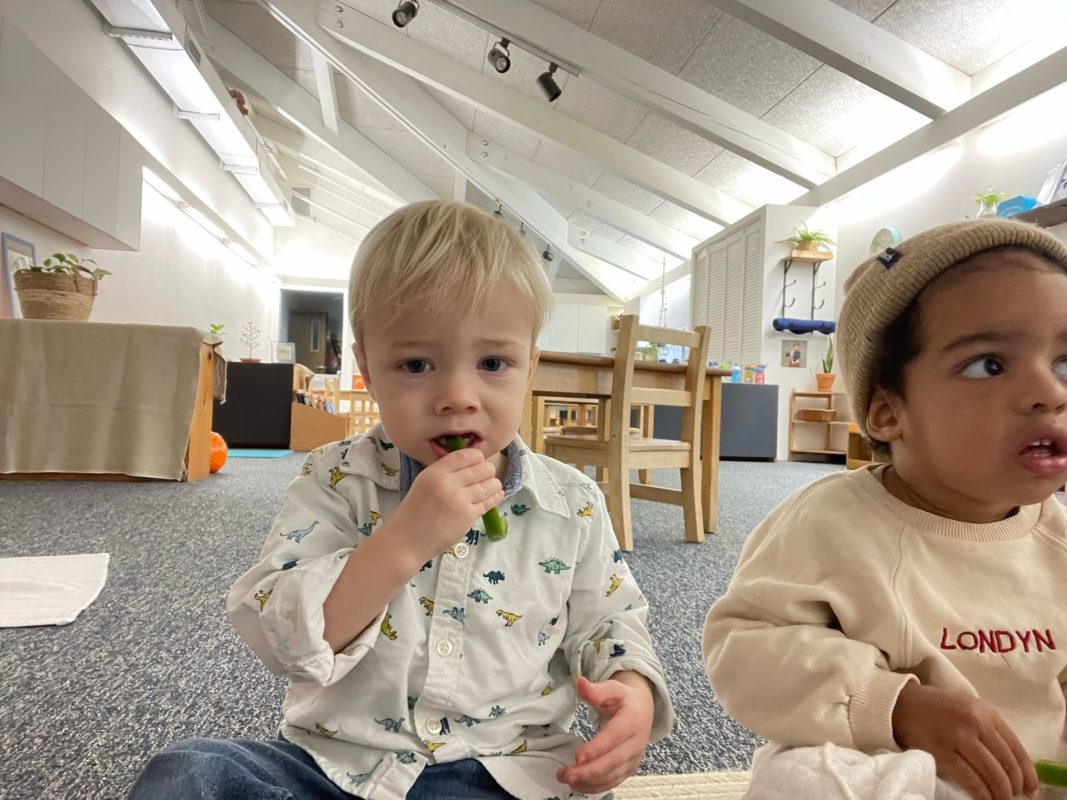
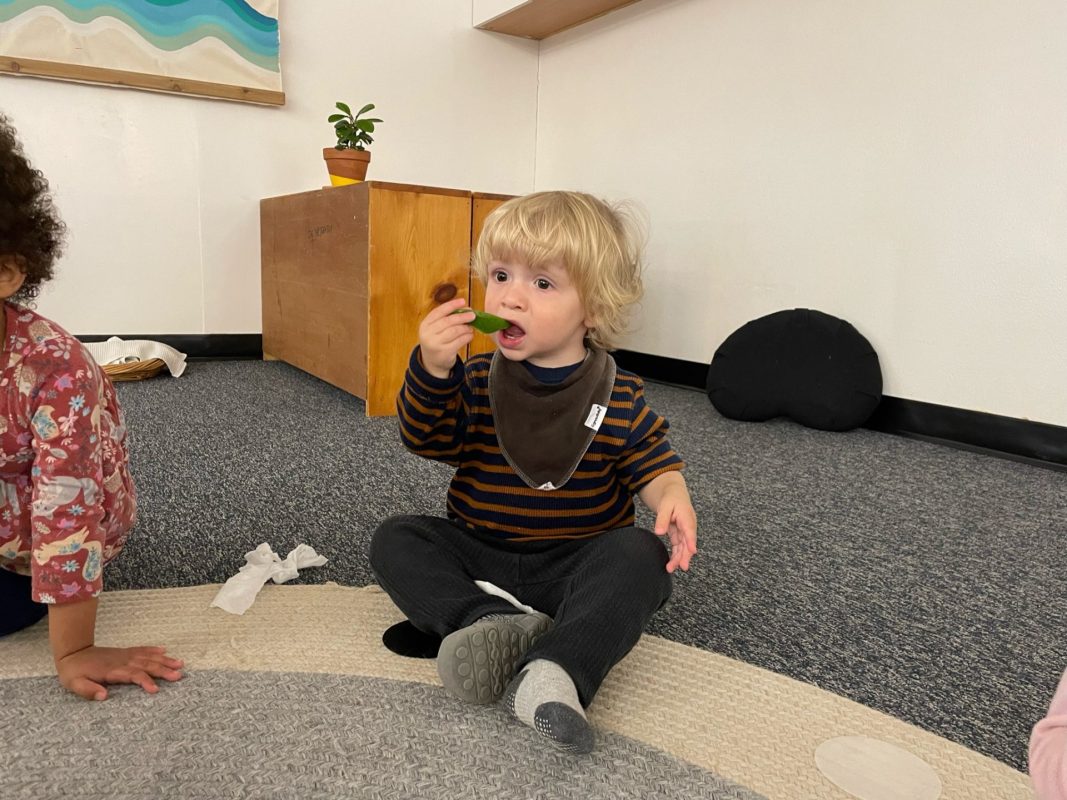
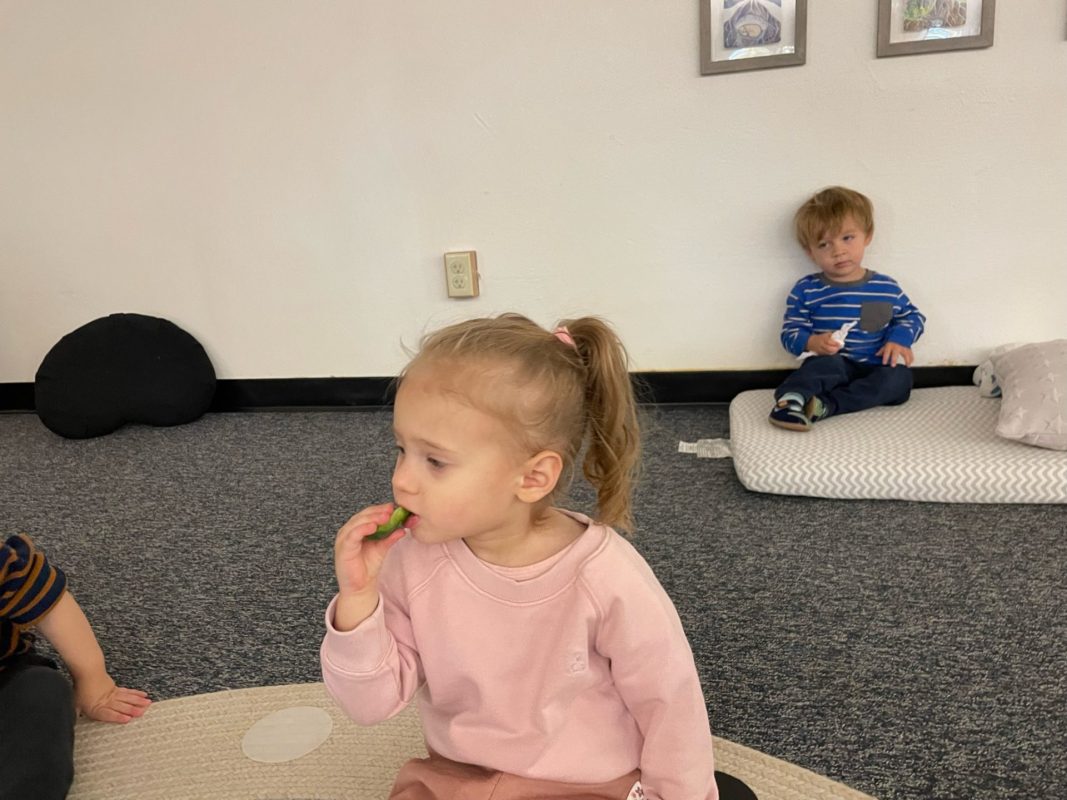
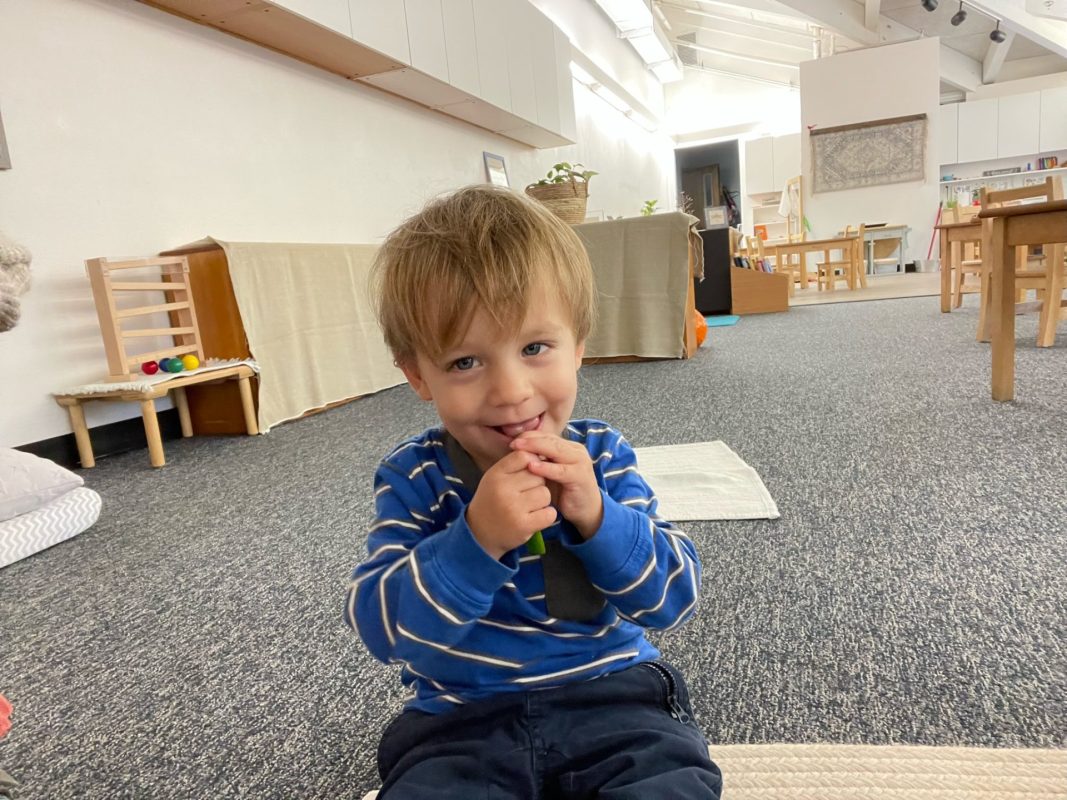
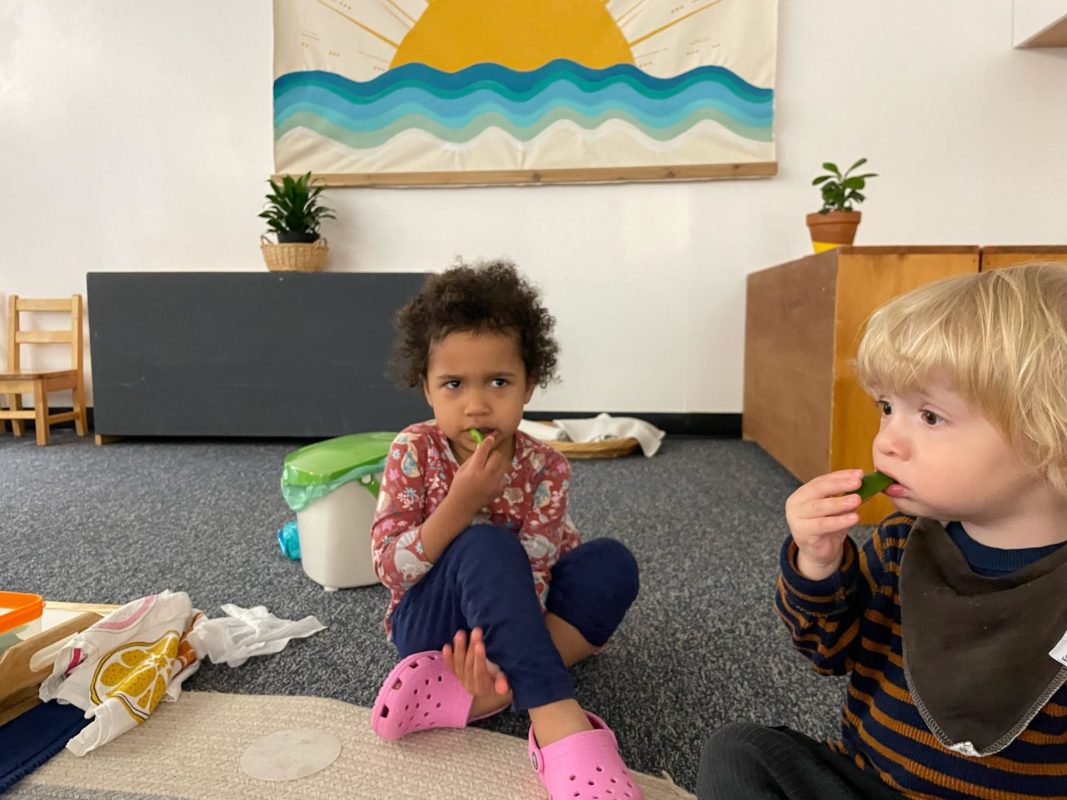
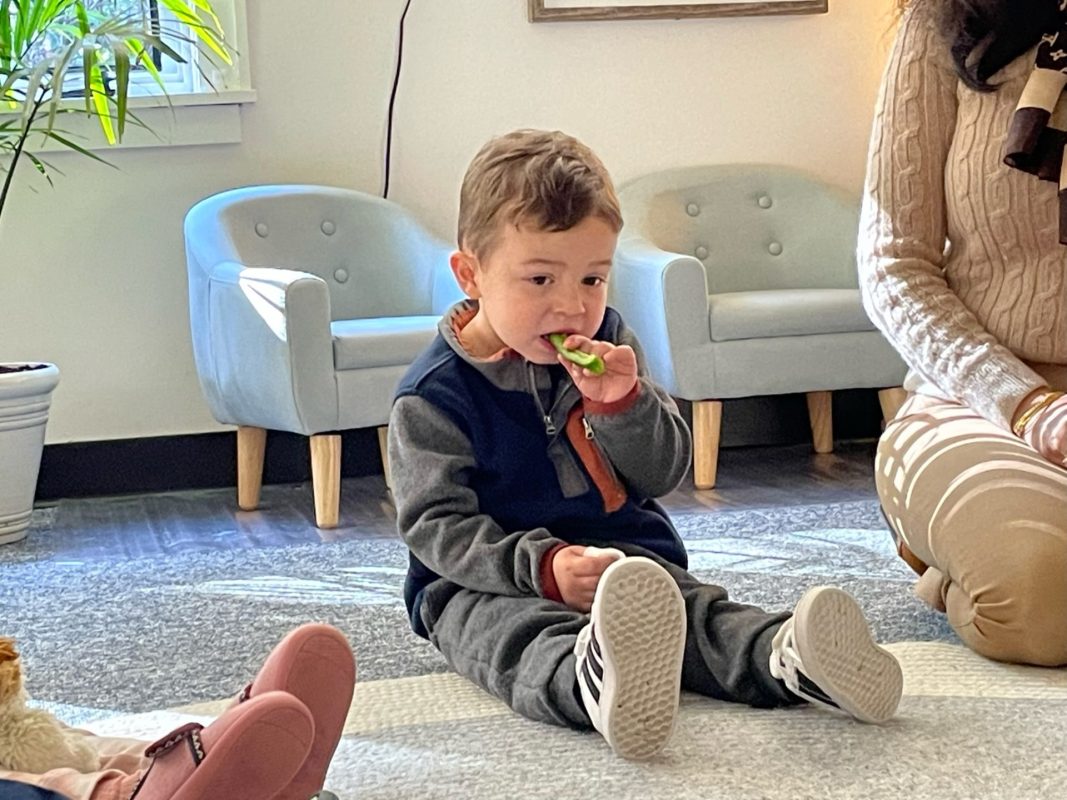
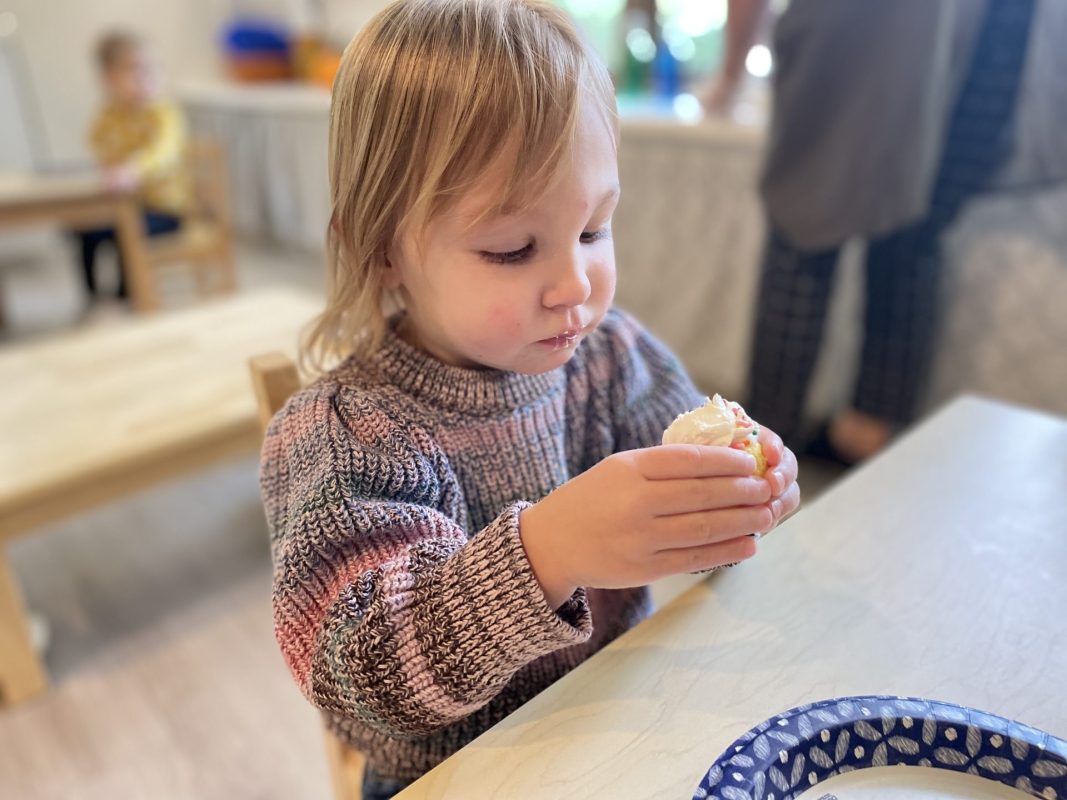
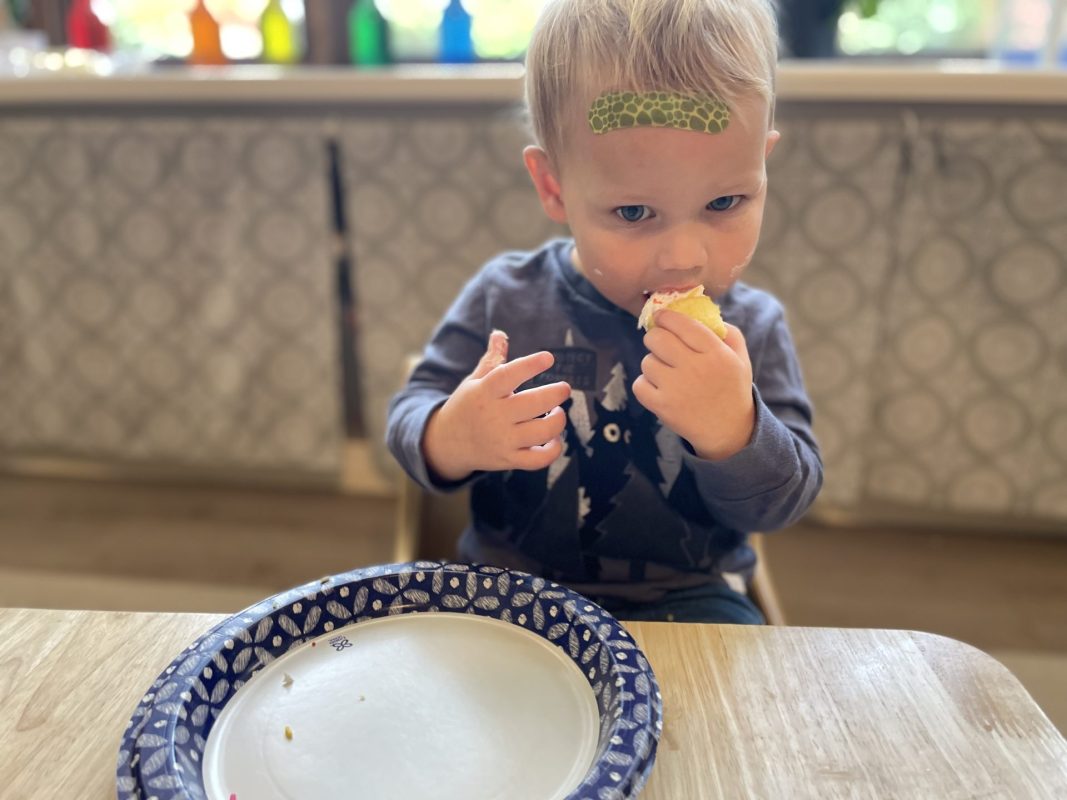
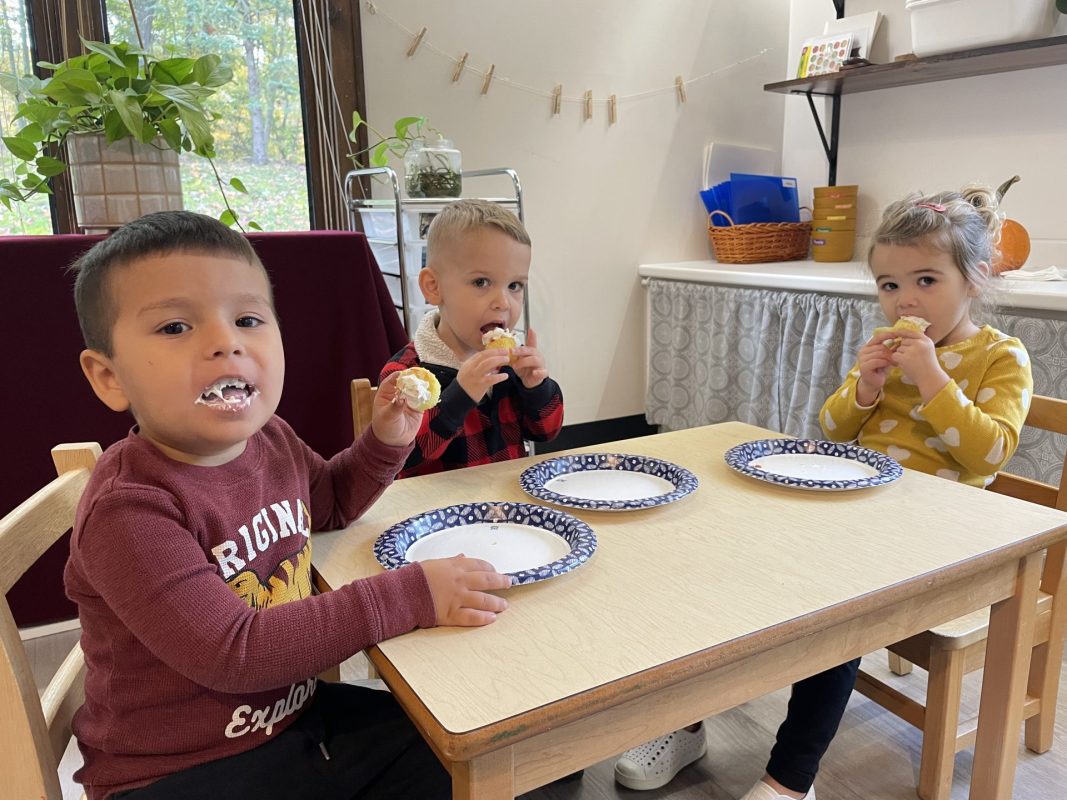
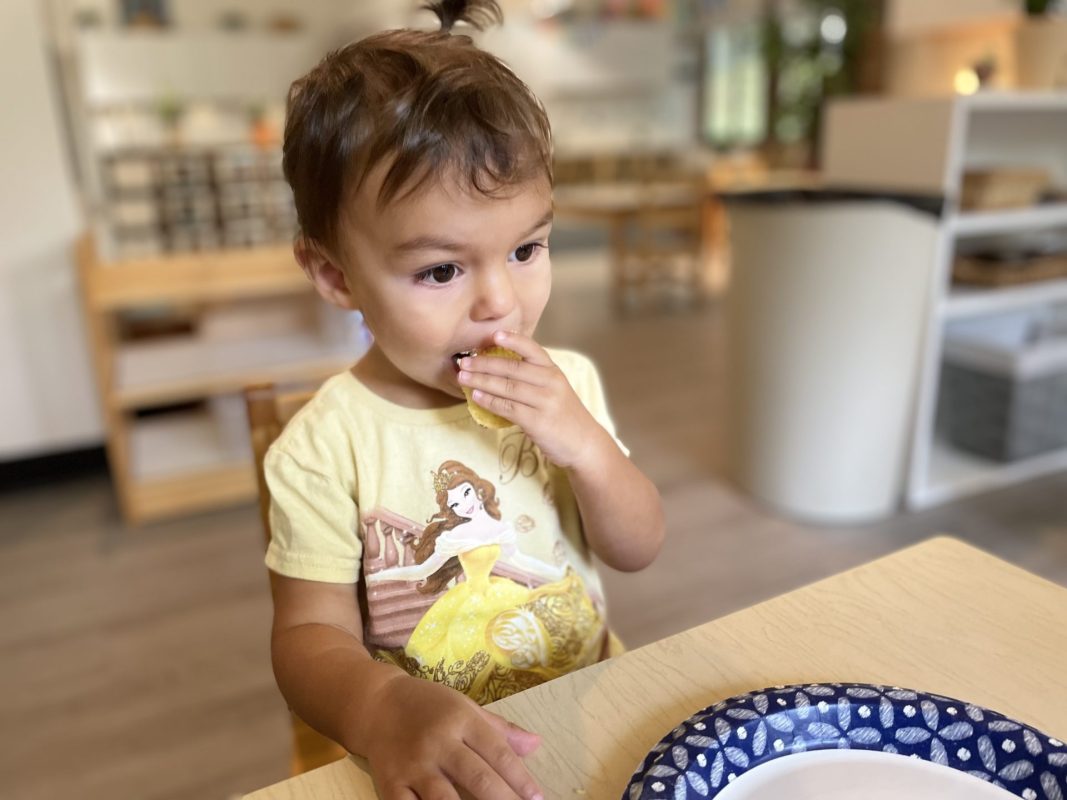
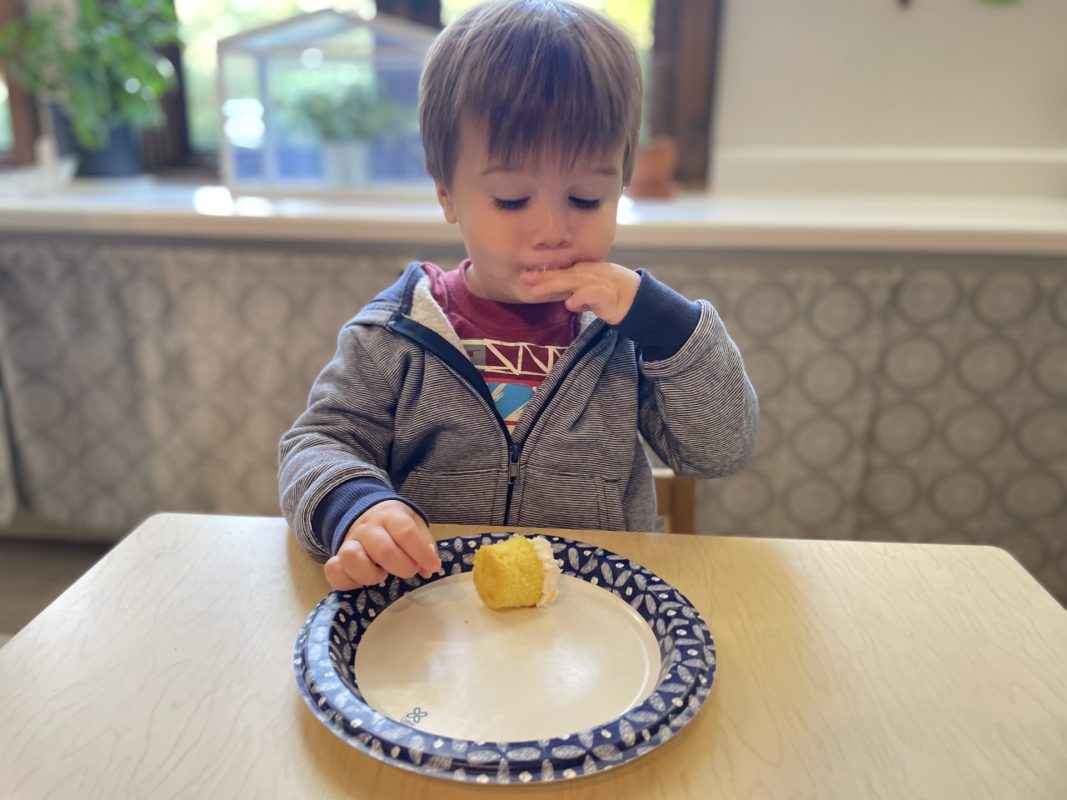
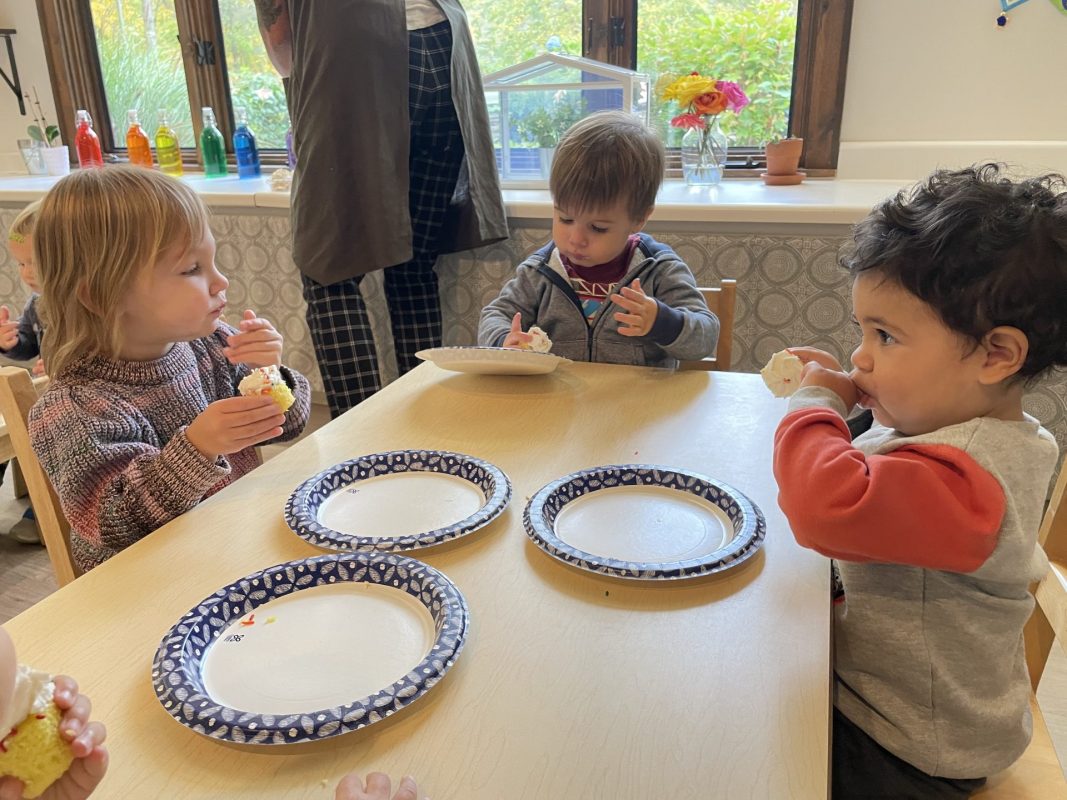
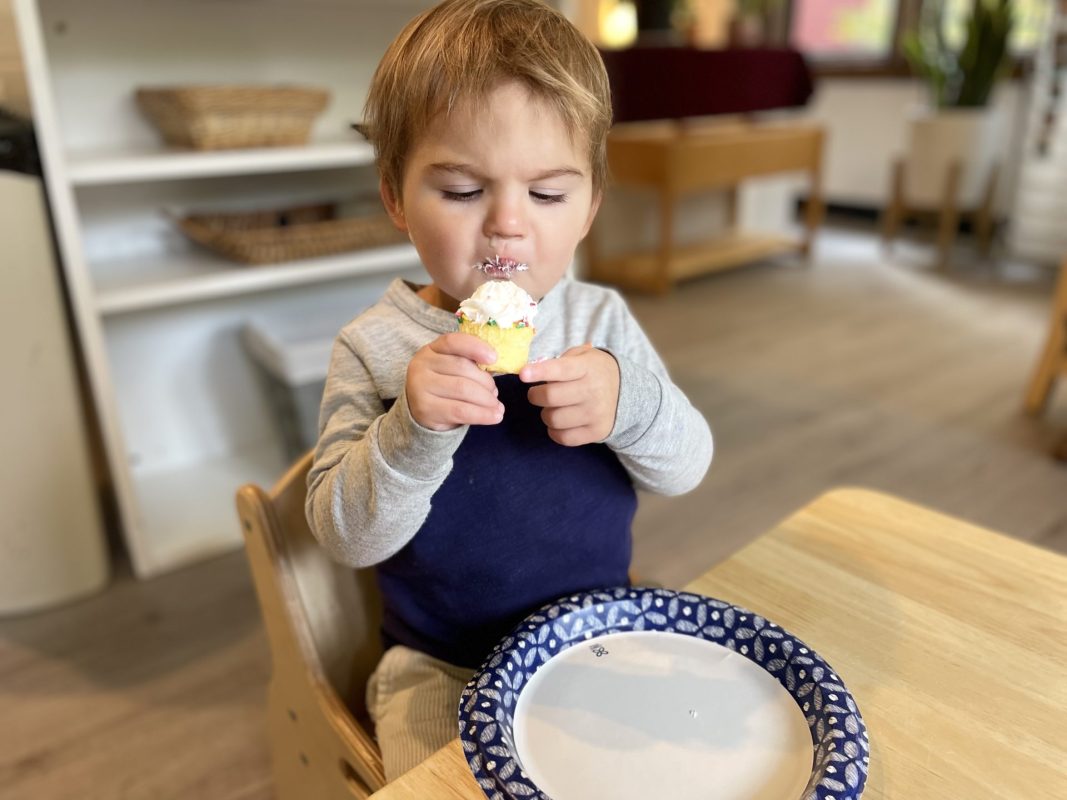
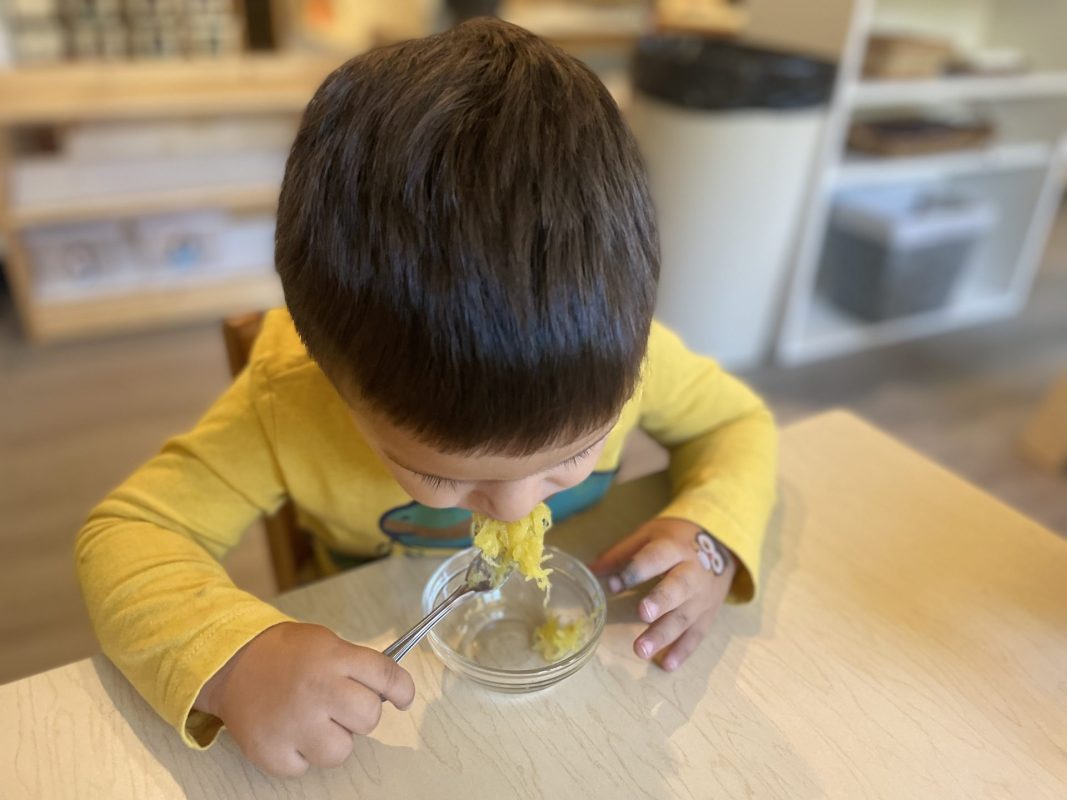
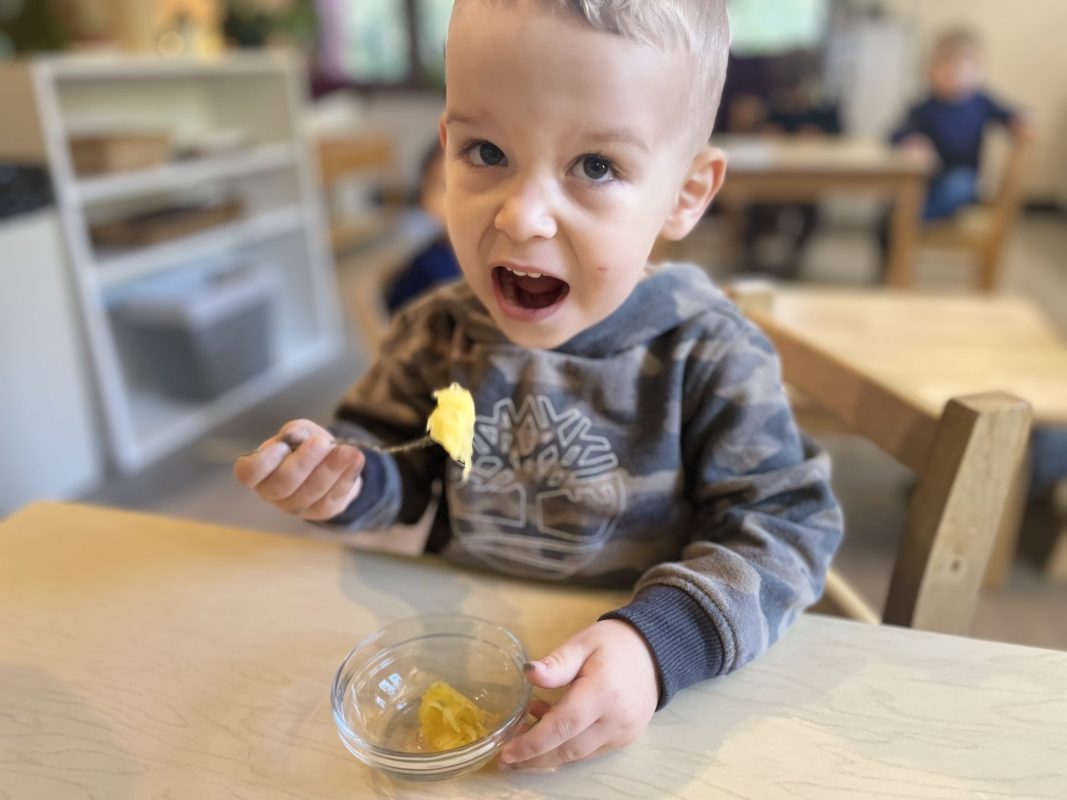
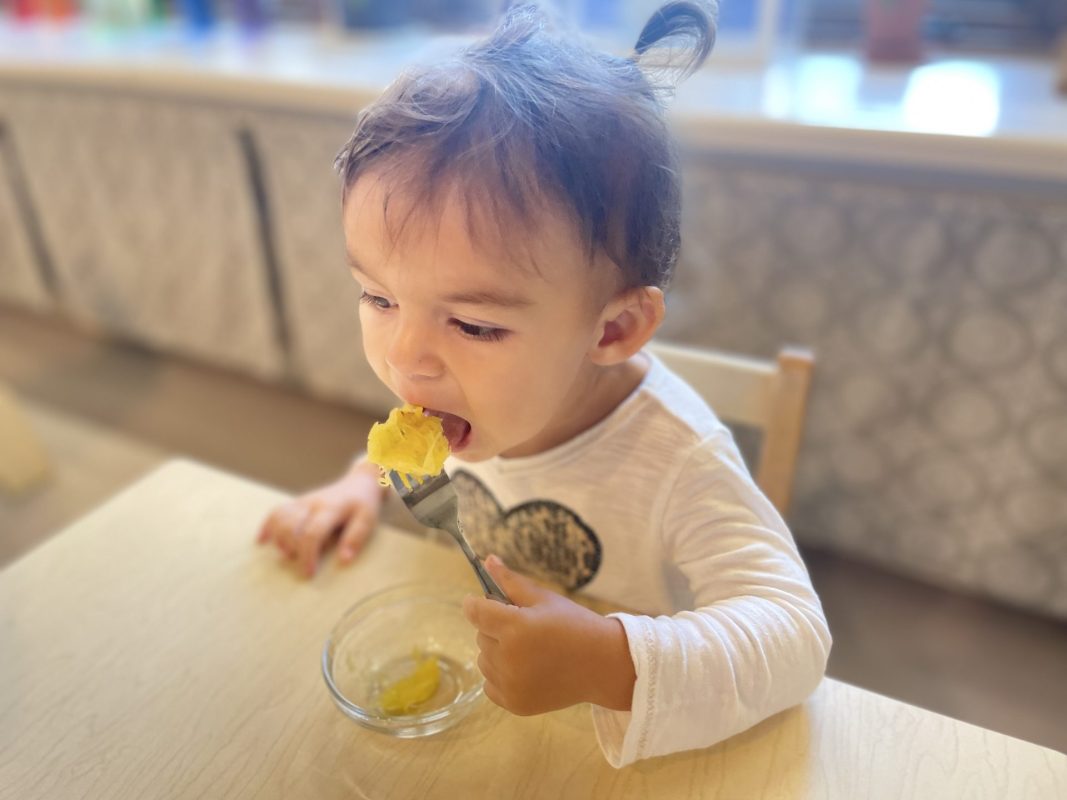
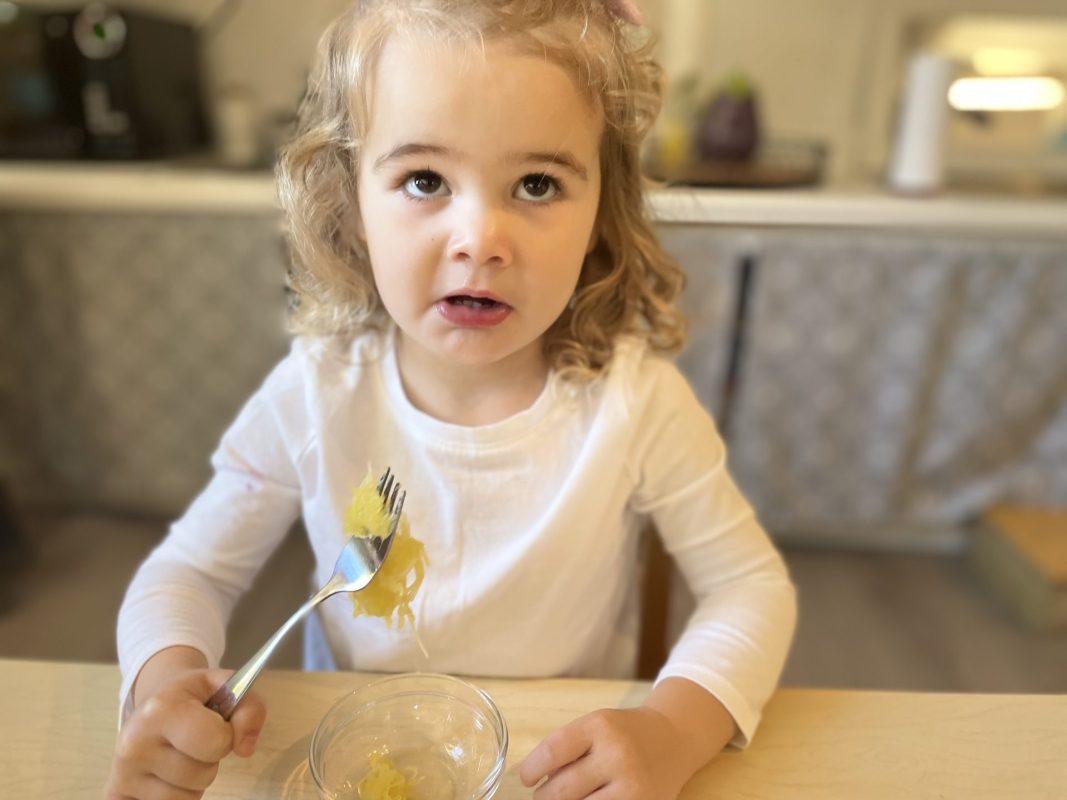
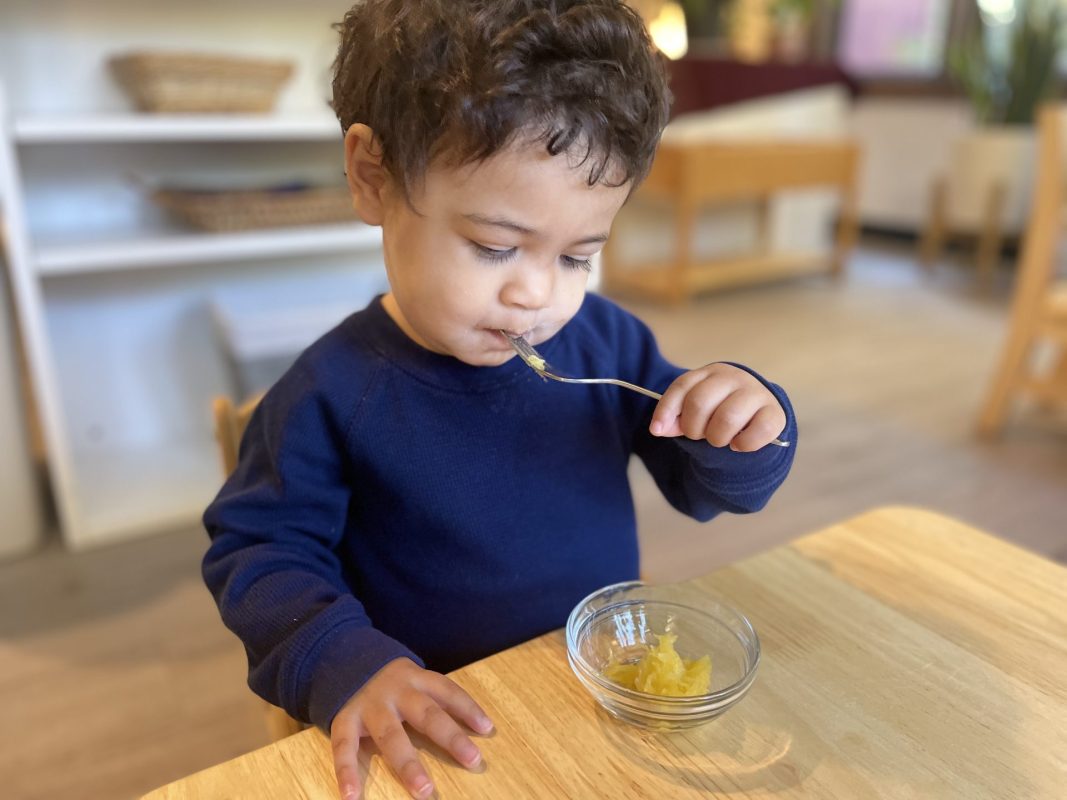
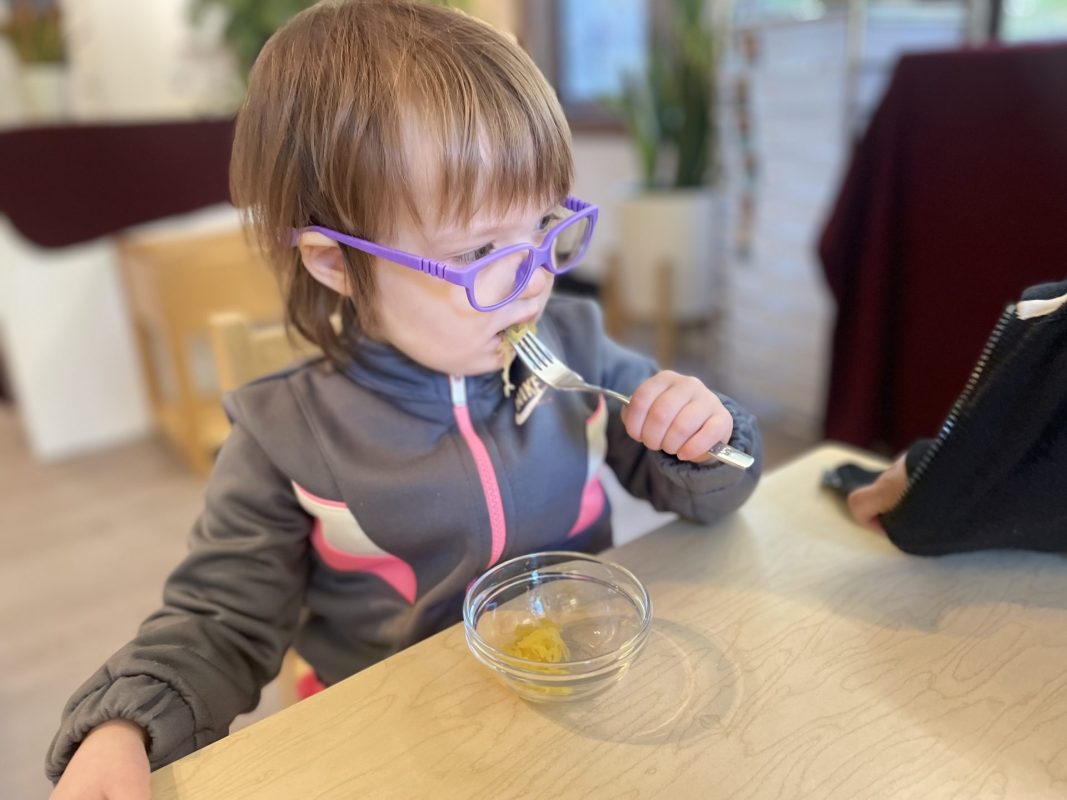
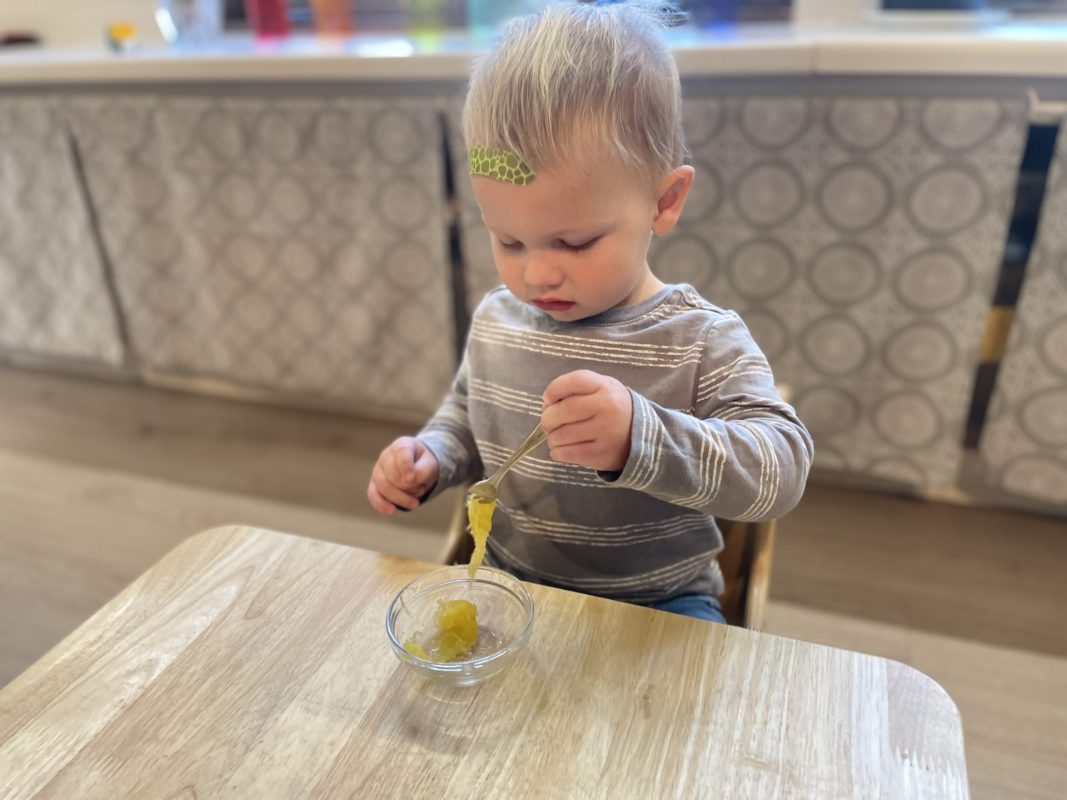
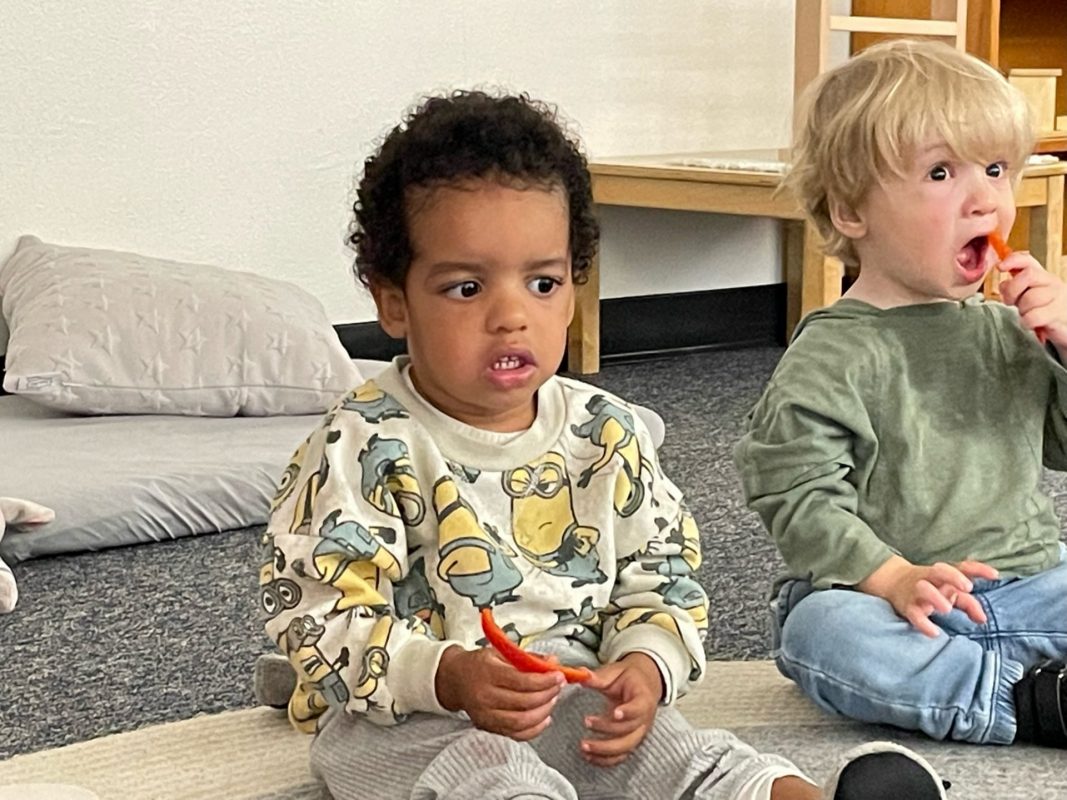
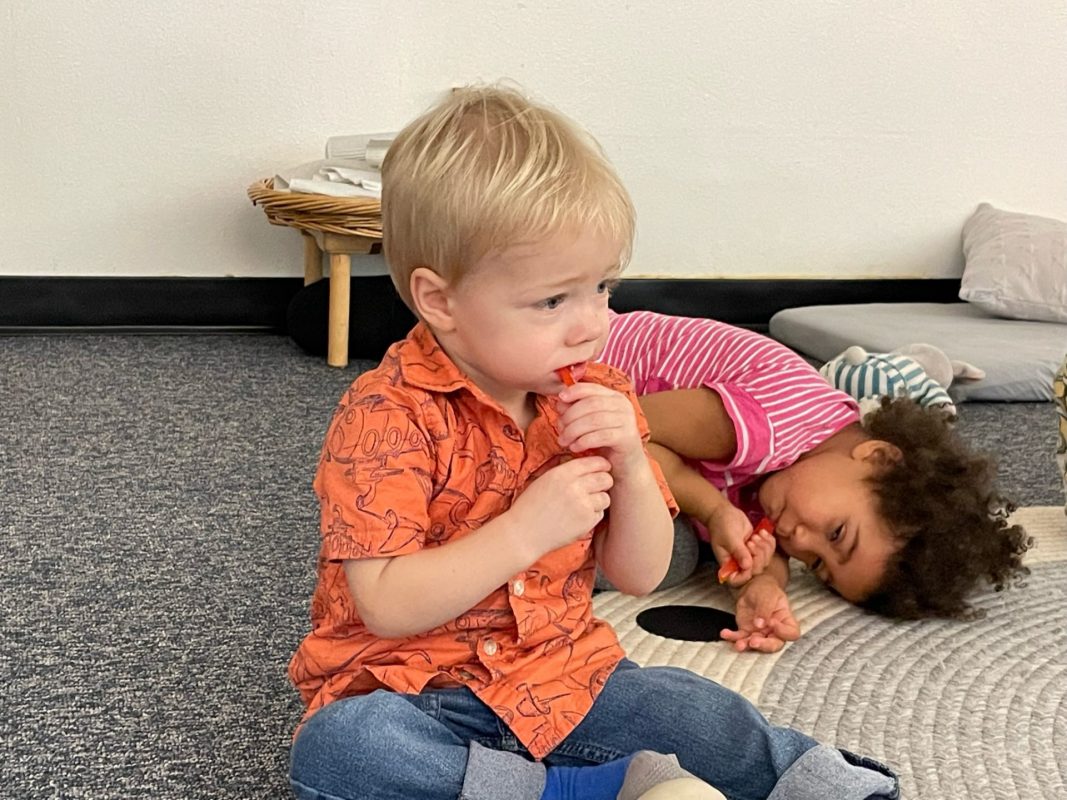
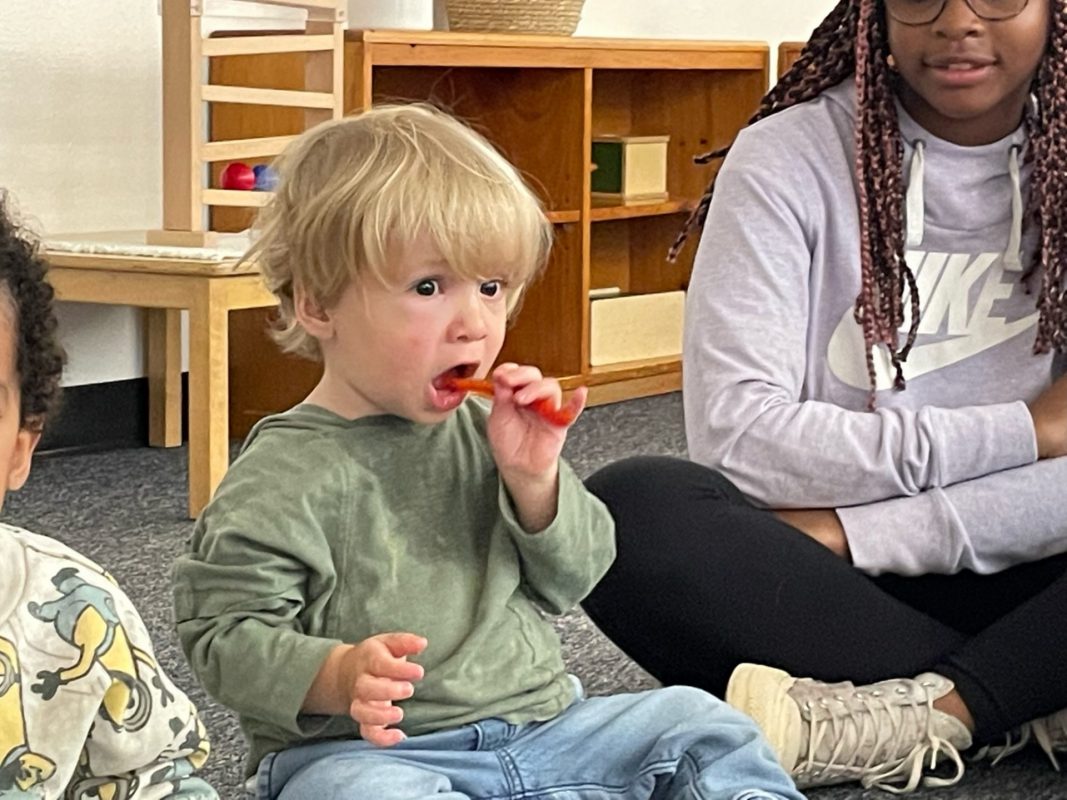
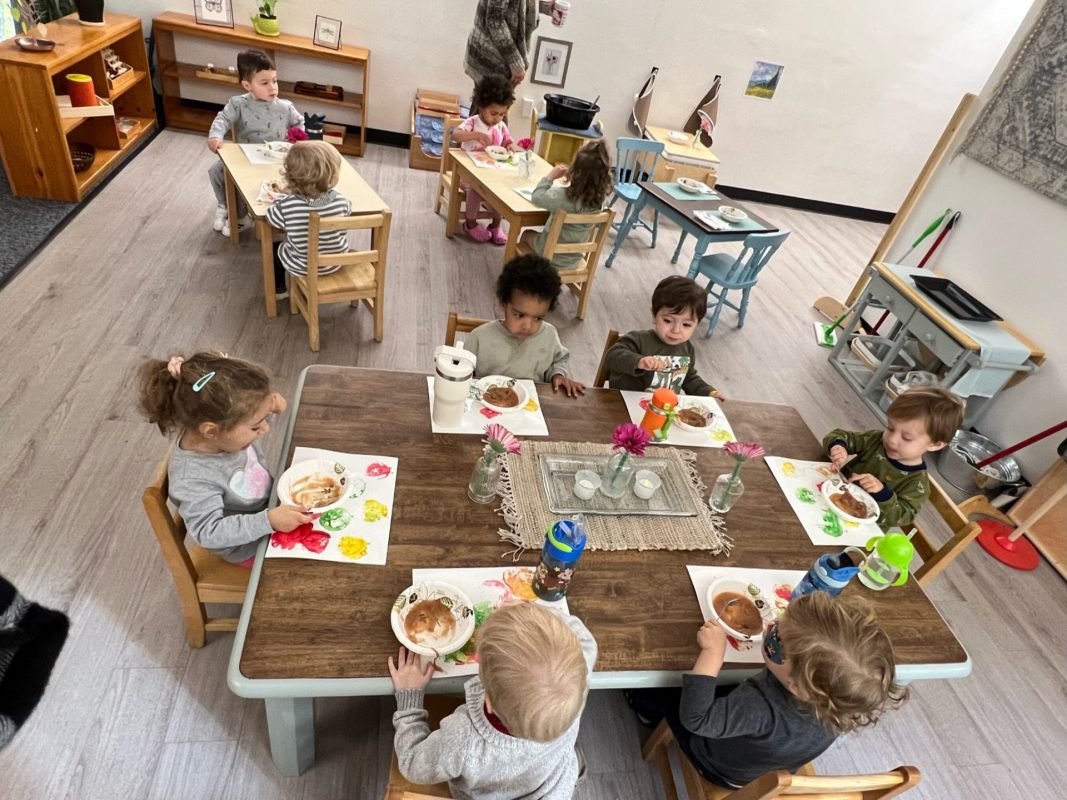
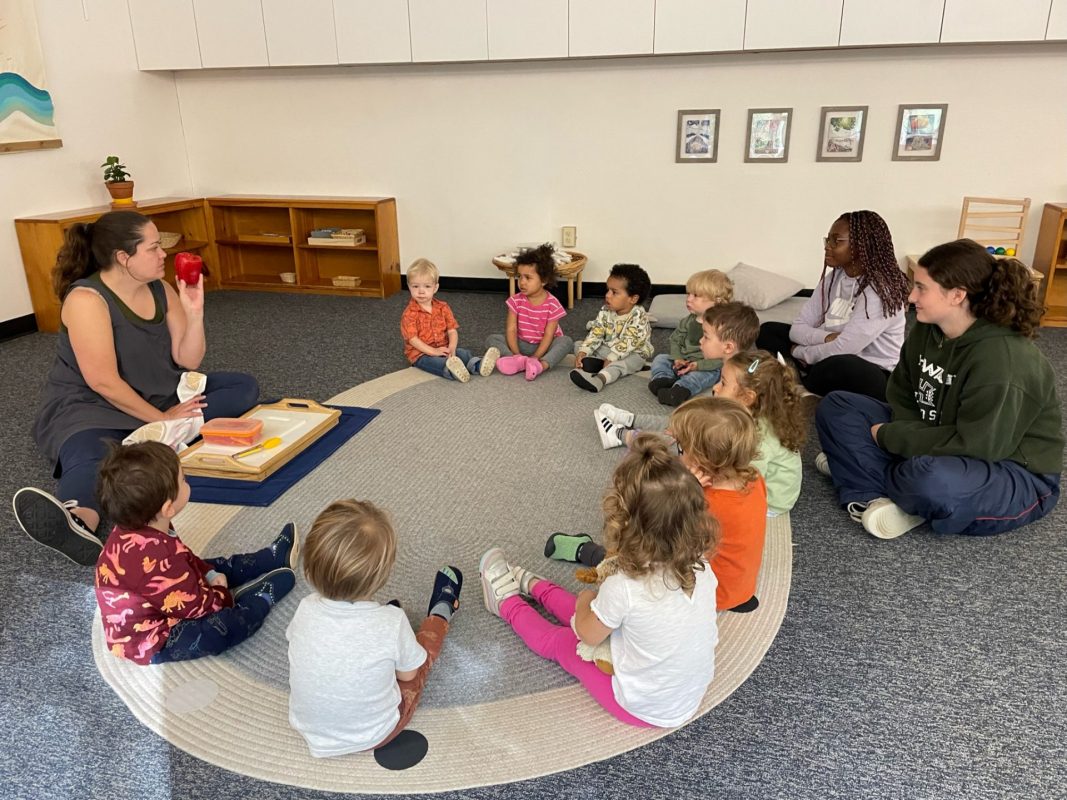
Lastly, we celebrated a birthday and explored a delicious spaghetti squash for food tasting!
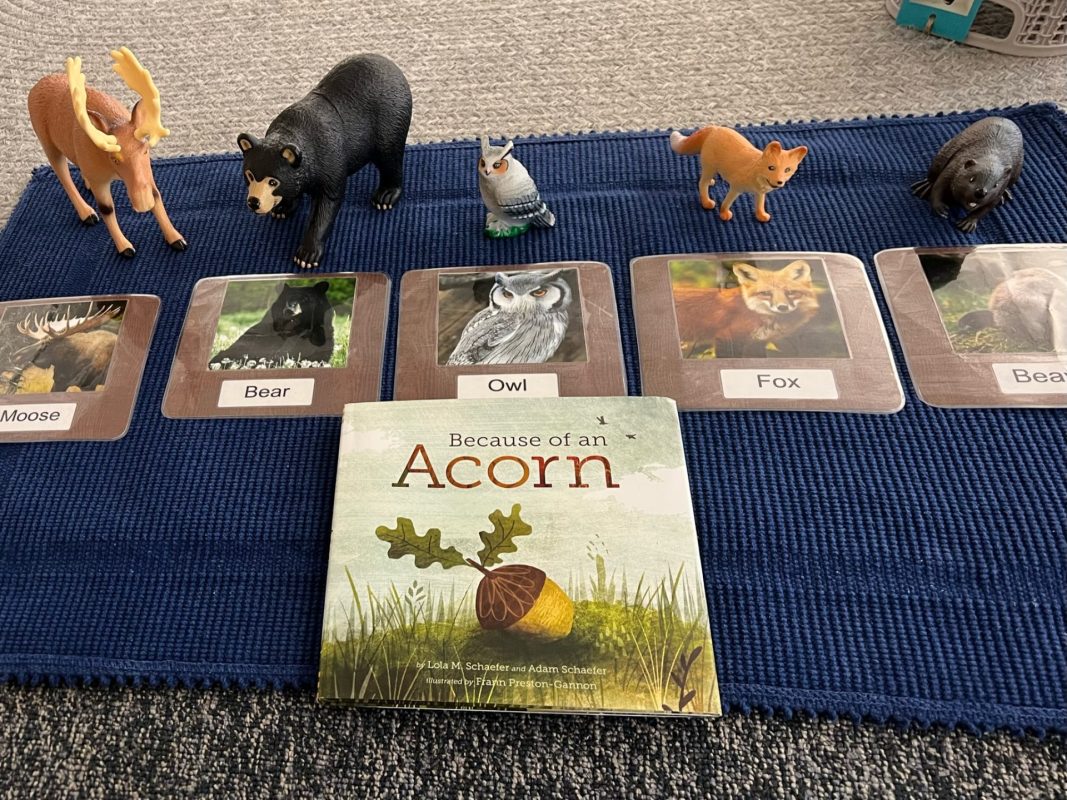
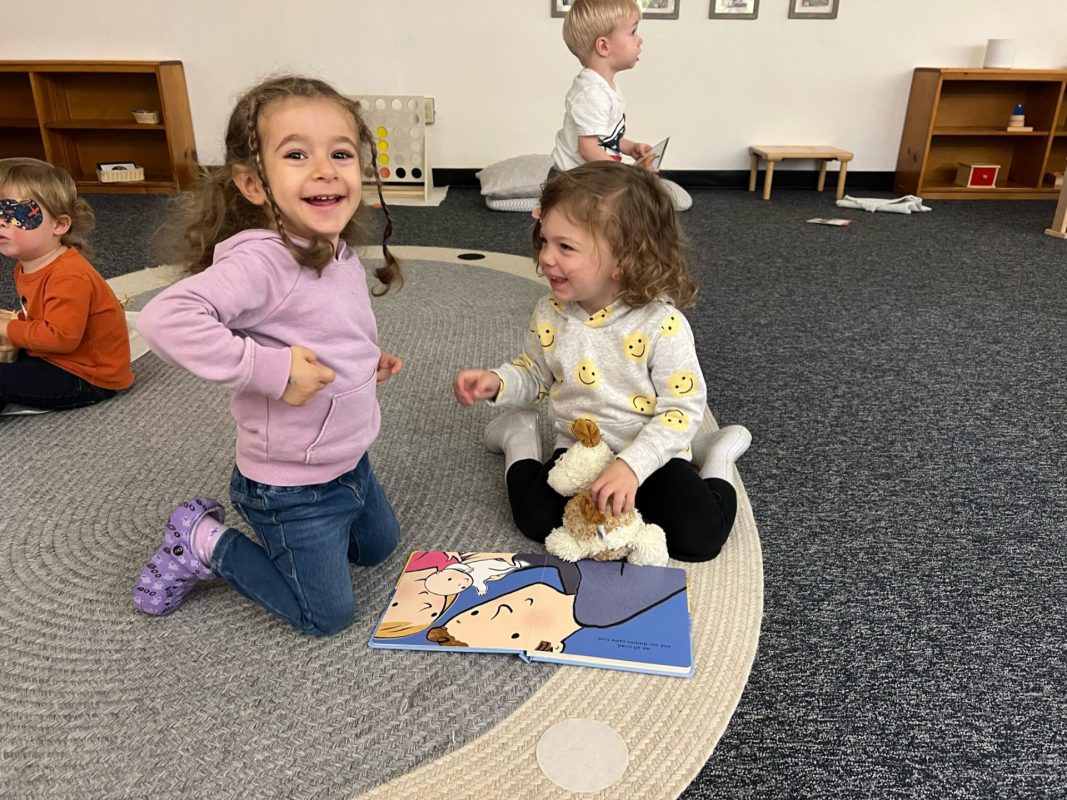
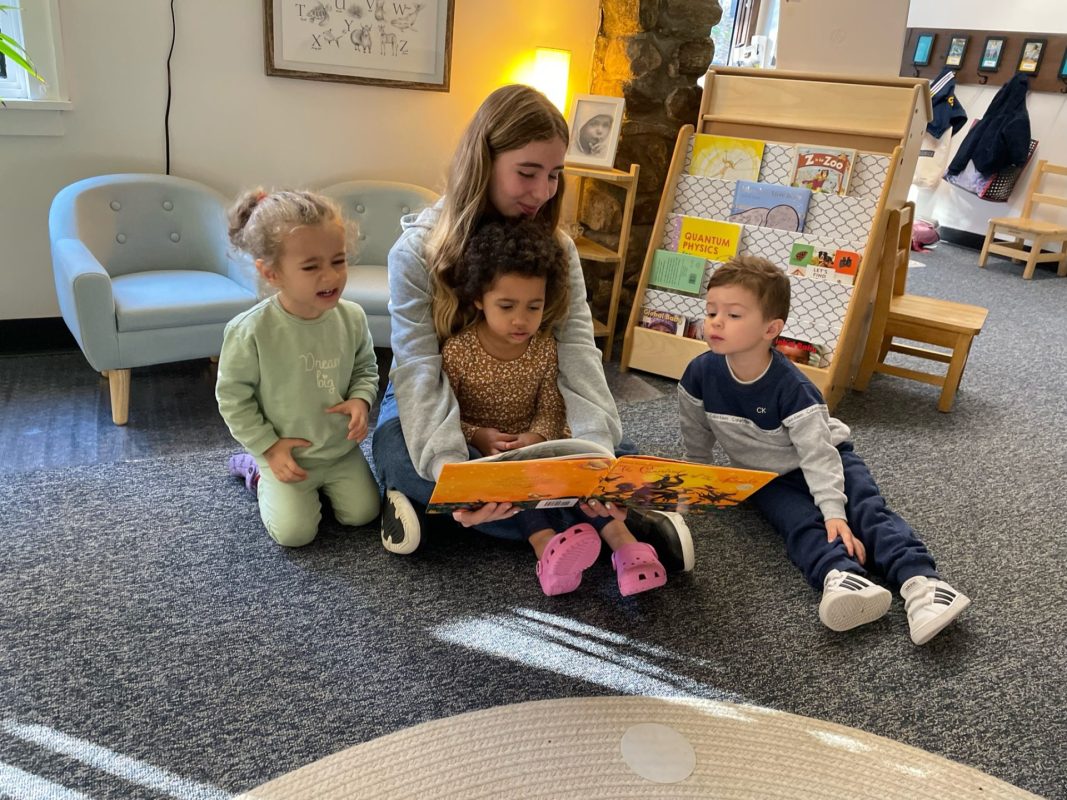
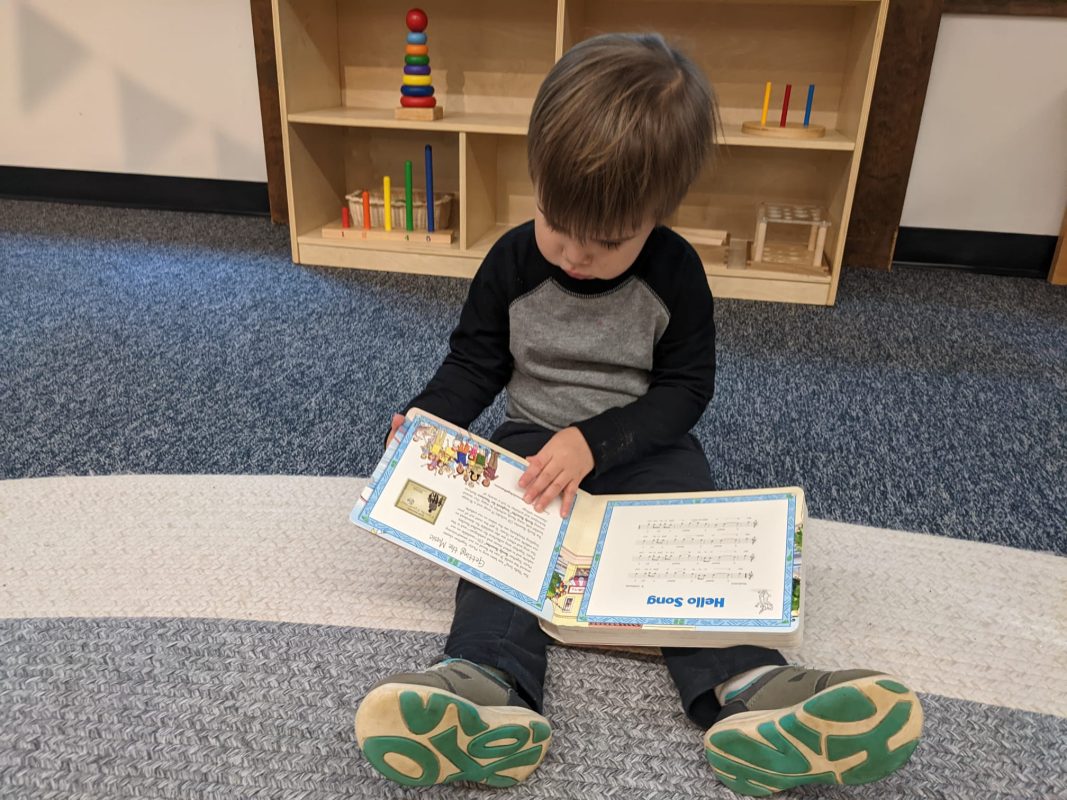
The favorite books this week were Germs Are Not for Sharing by Elizabeth Verdick, All by Myself by Aliki, and The Itsy Bitsy Pumpkin by Sonaly Fry.
We are looking forward to meeting you at our Parent-Teacher Conference next Thursday, October 27th to discuss your child’s progress and goals in our program.
Stay warm and healthy,
Mrs. Hood and Miss Bethann.