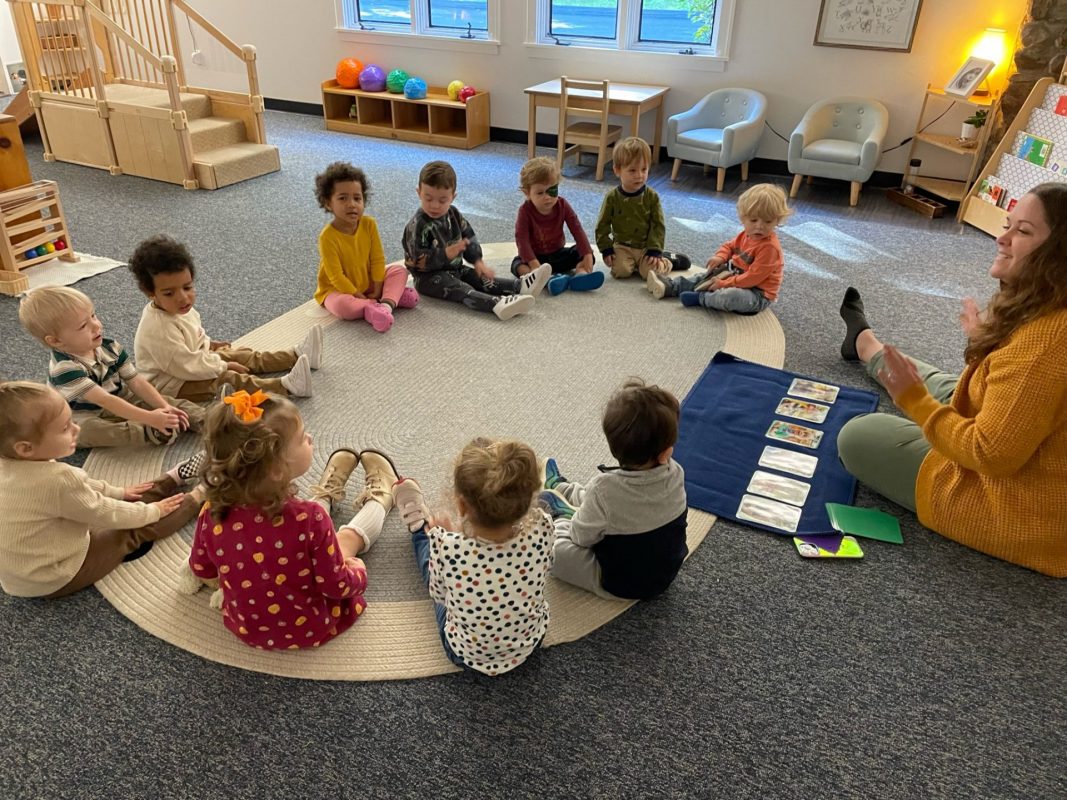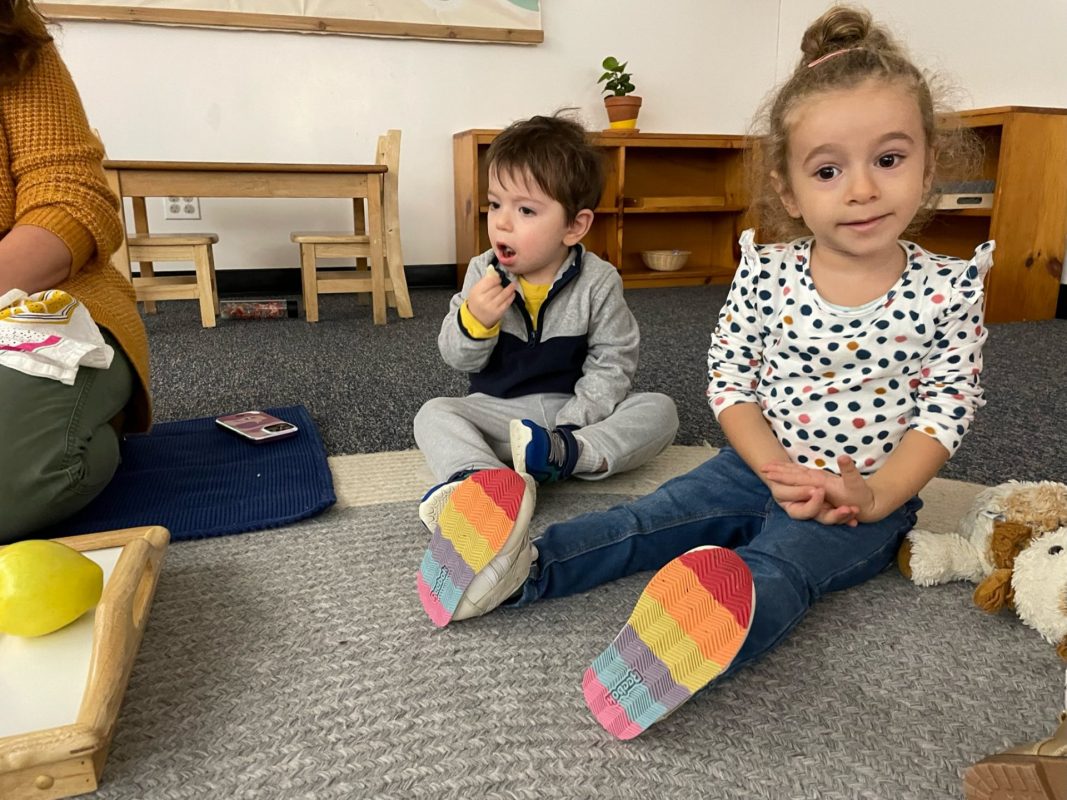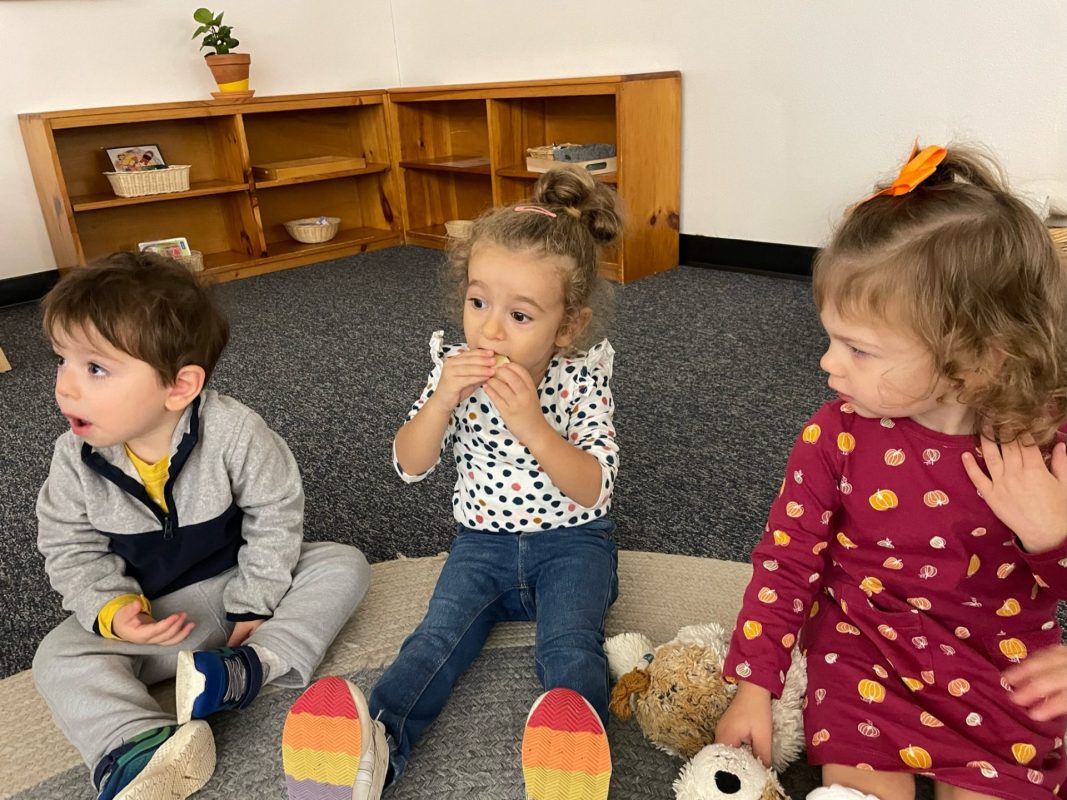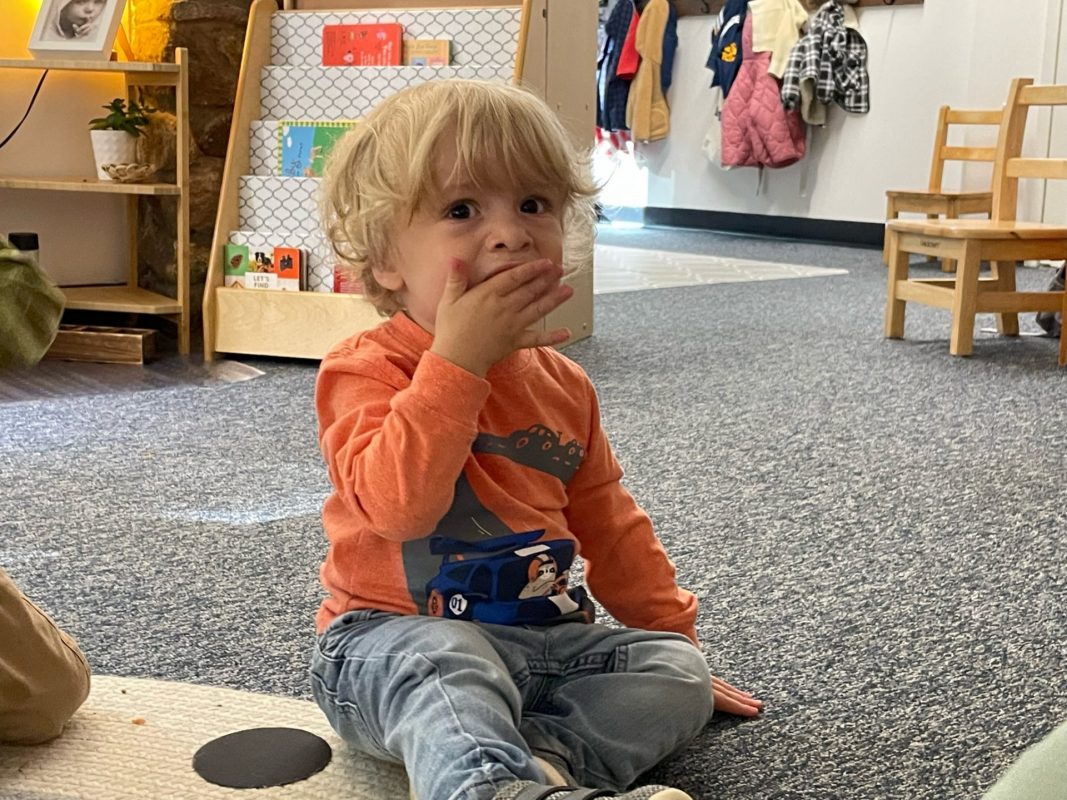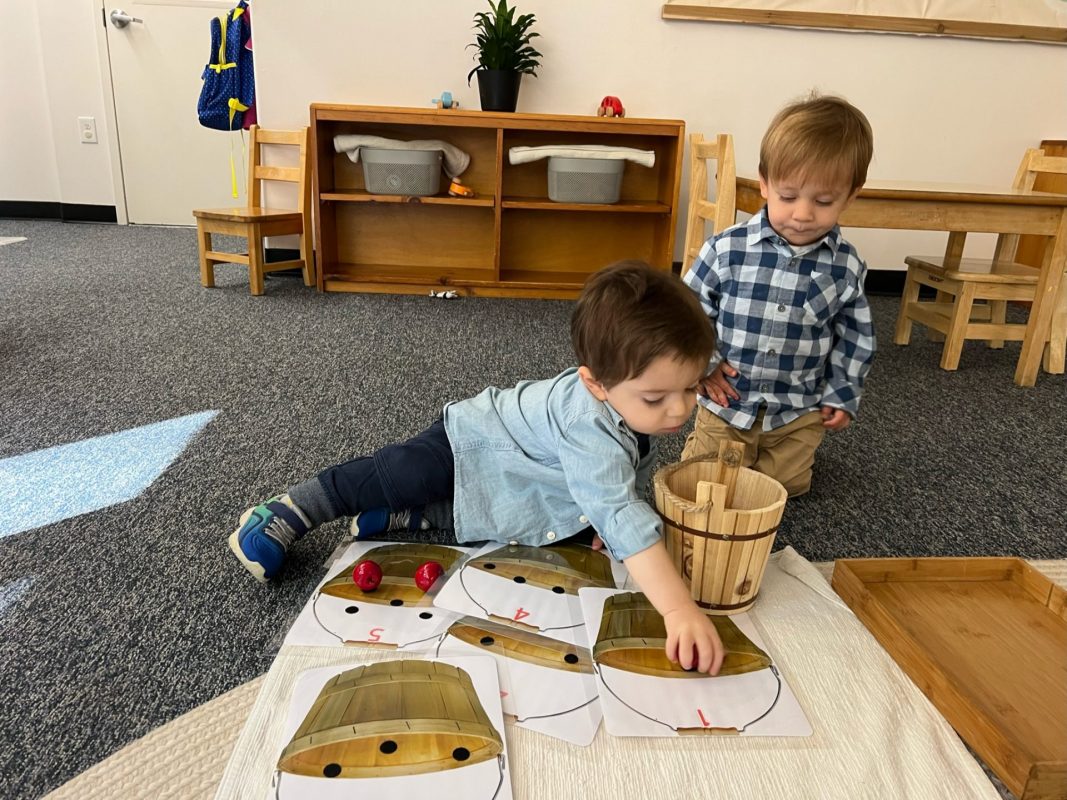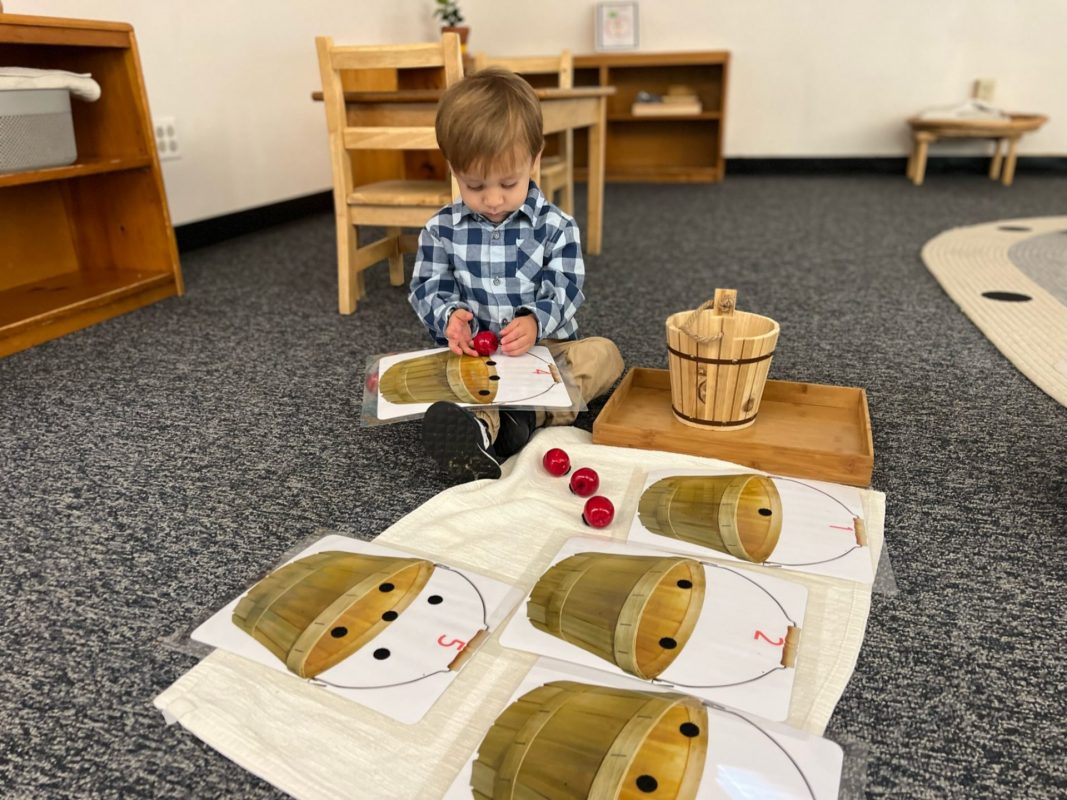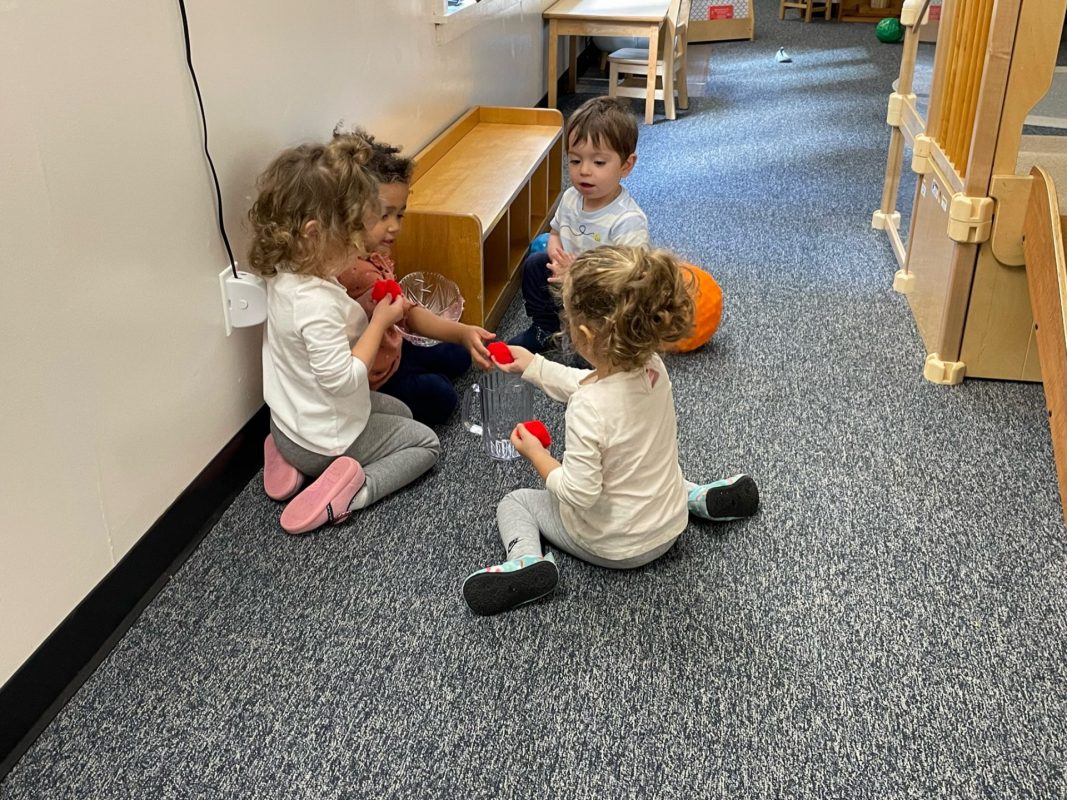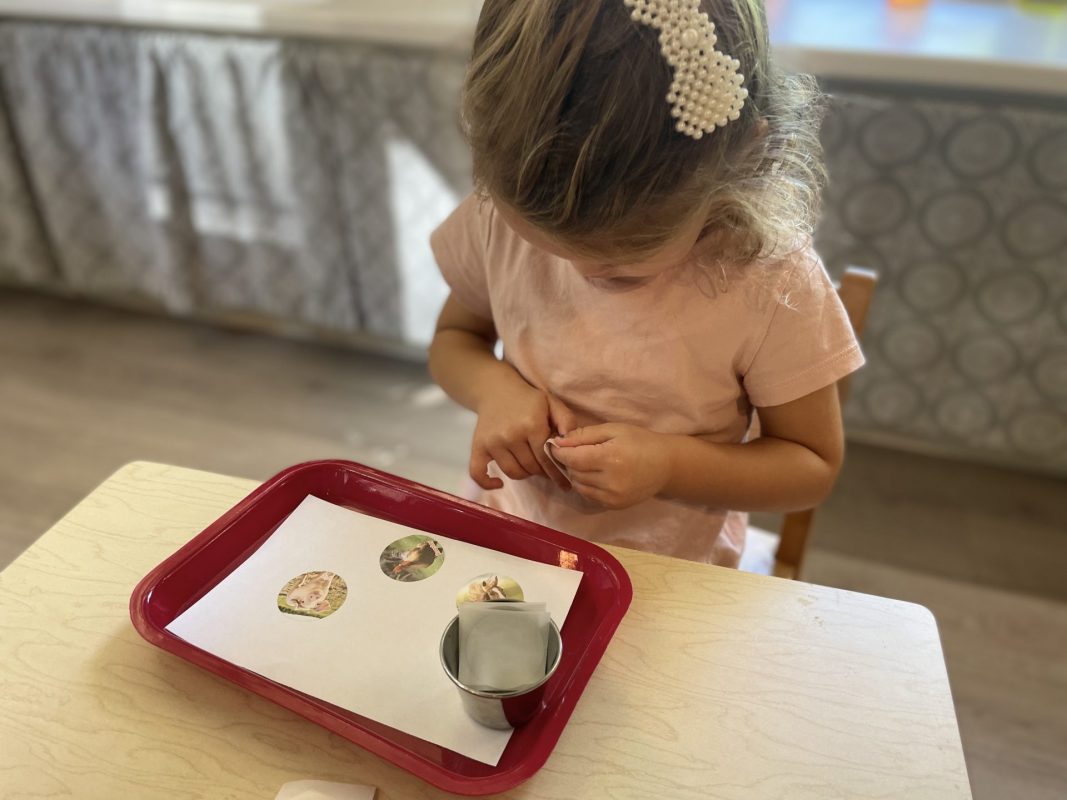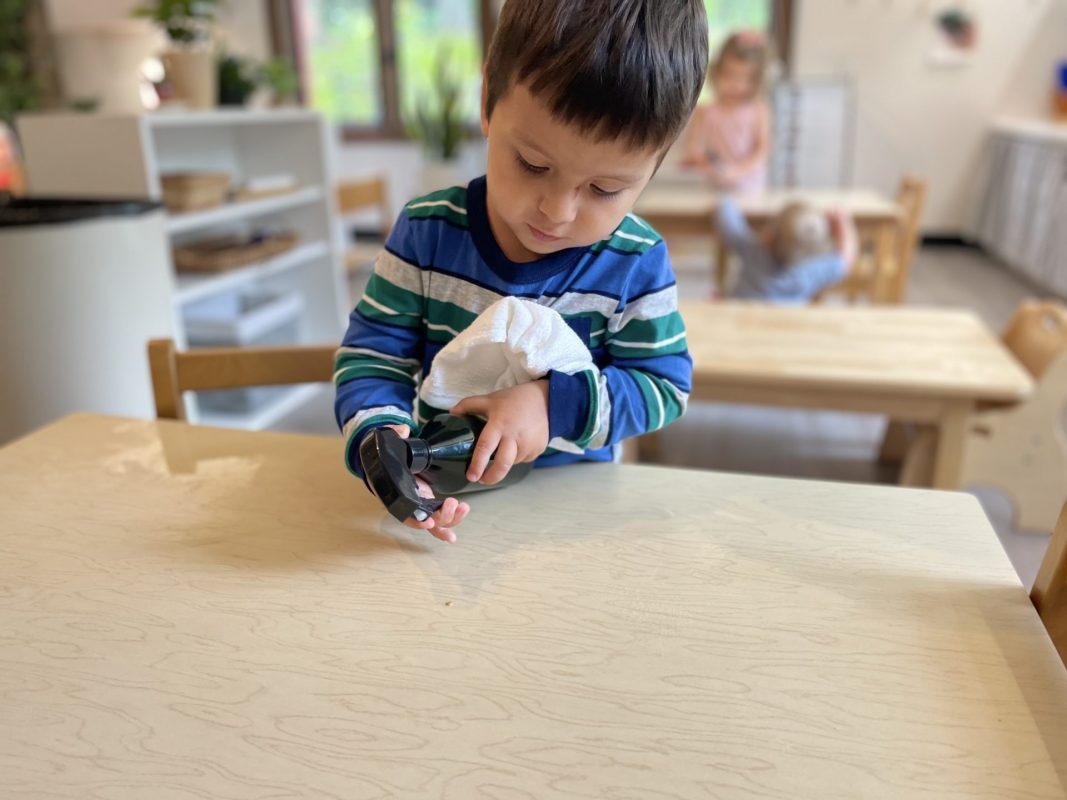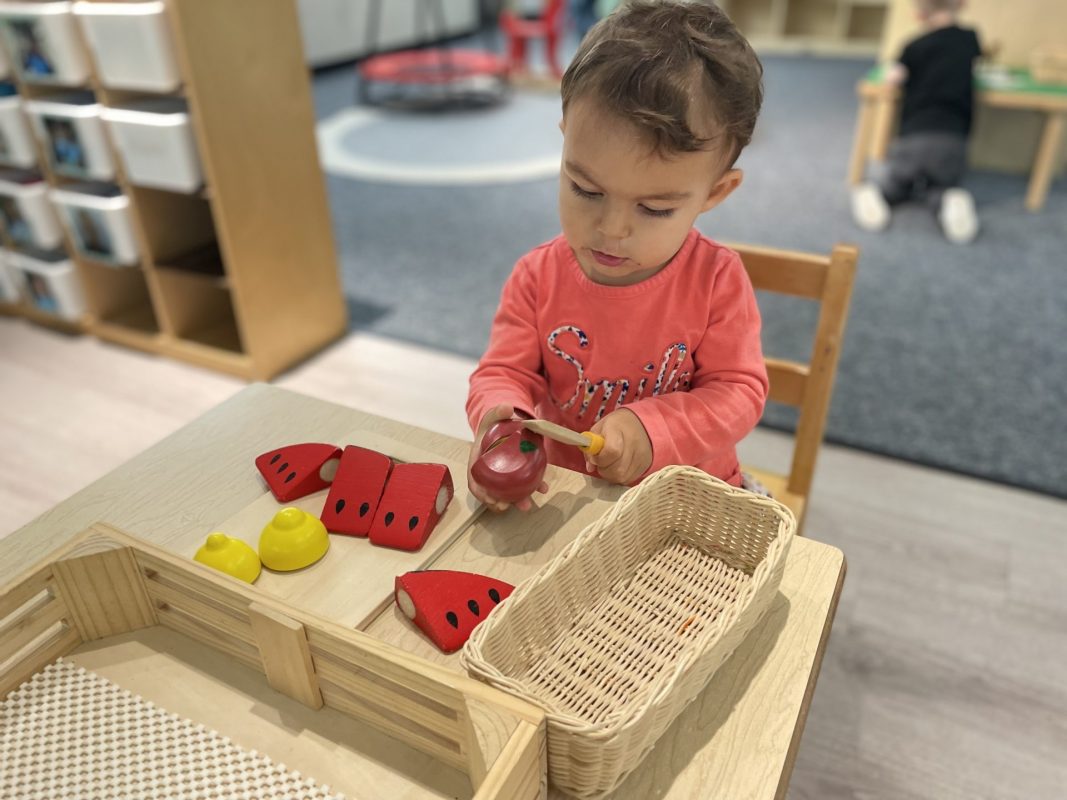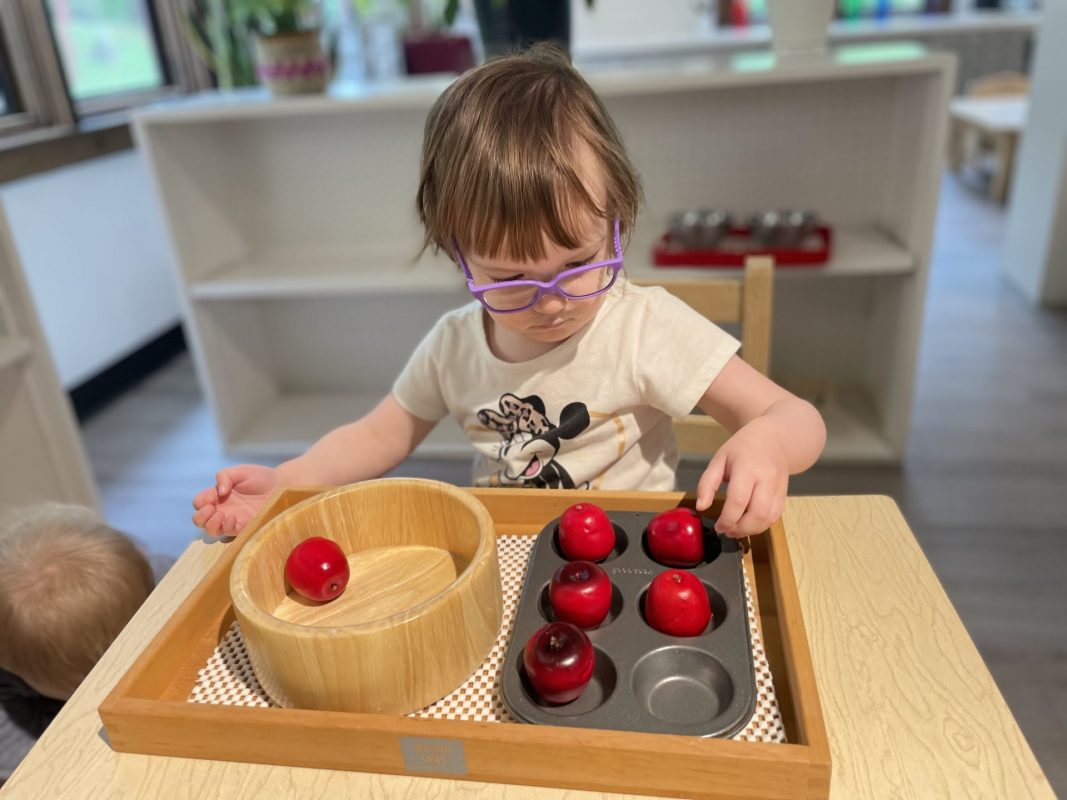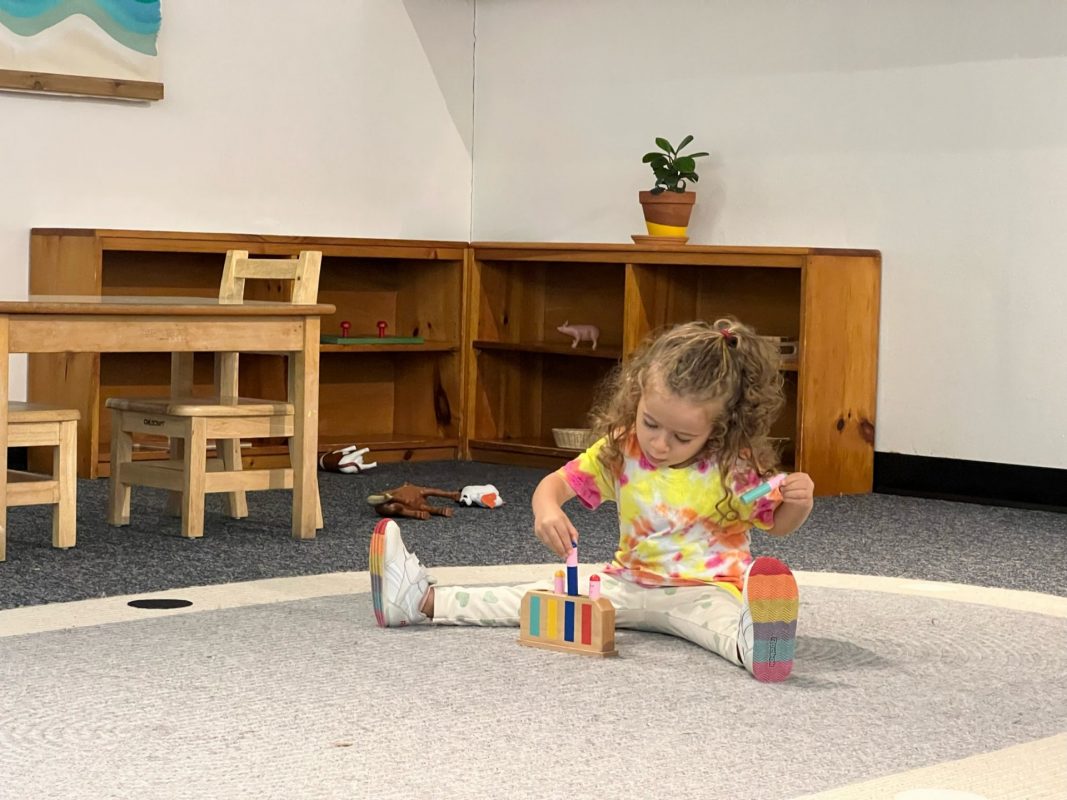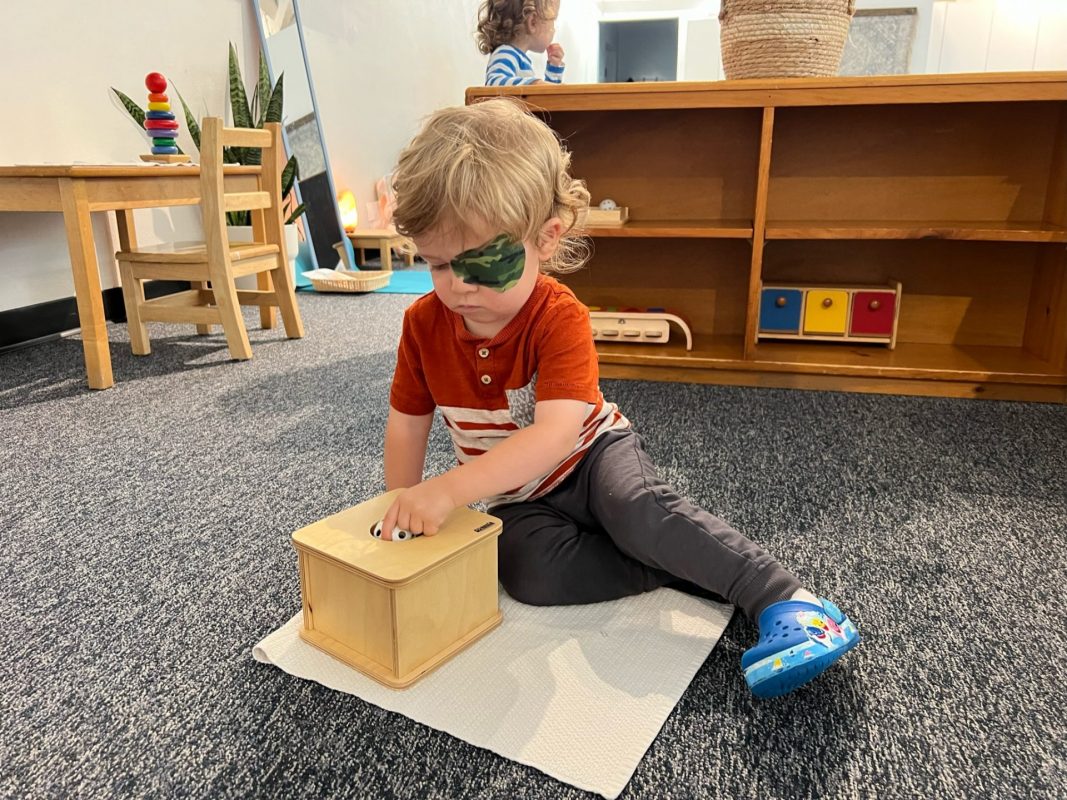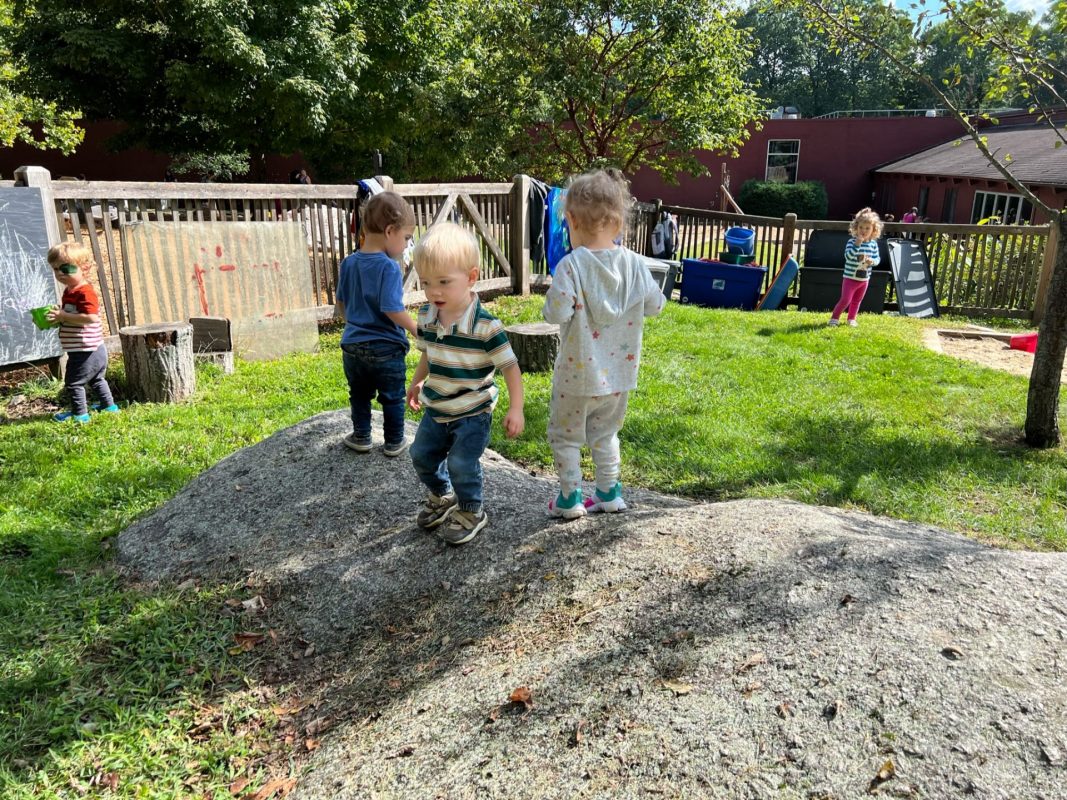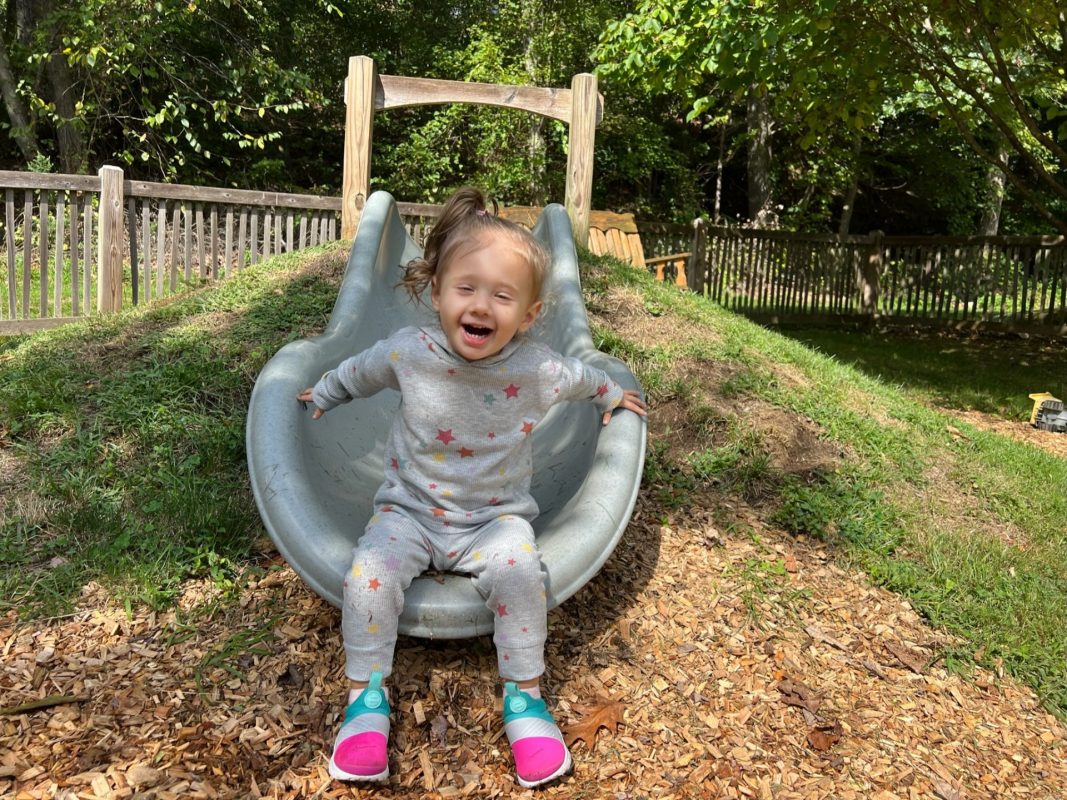
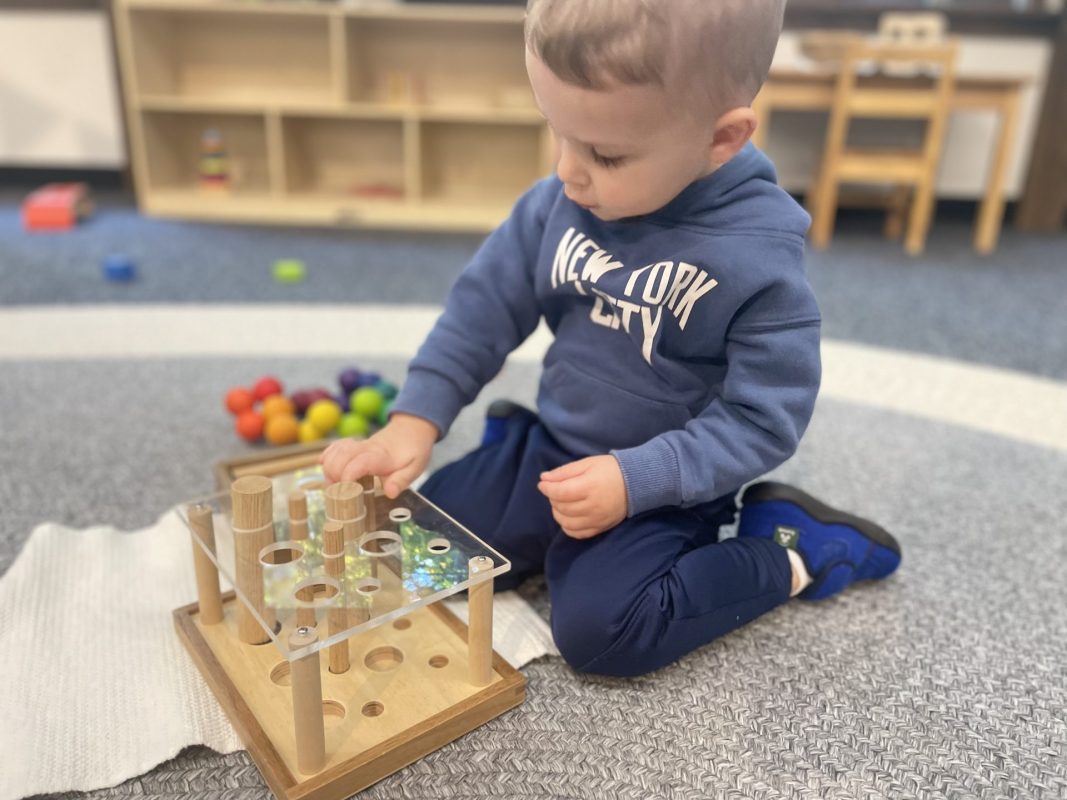
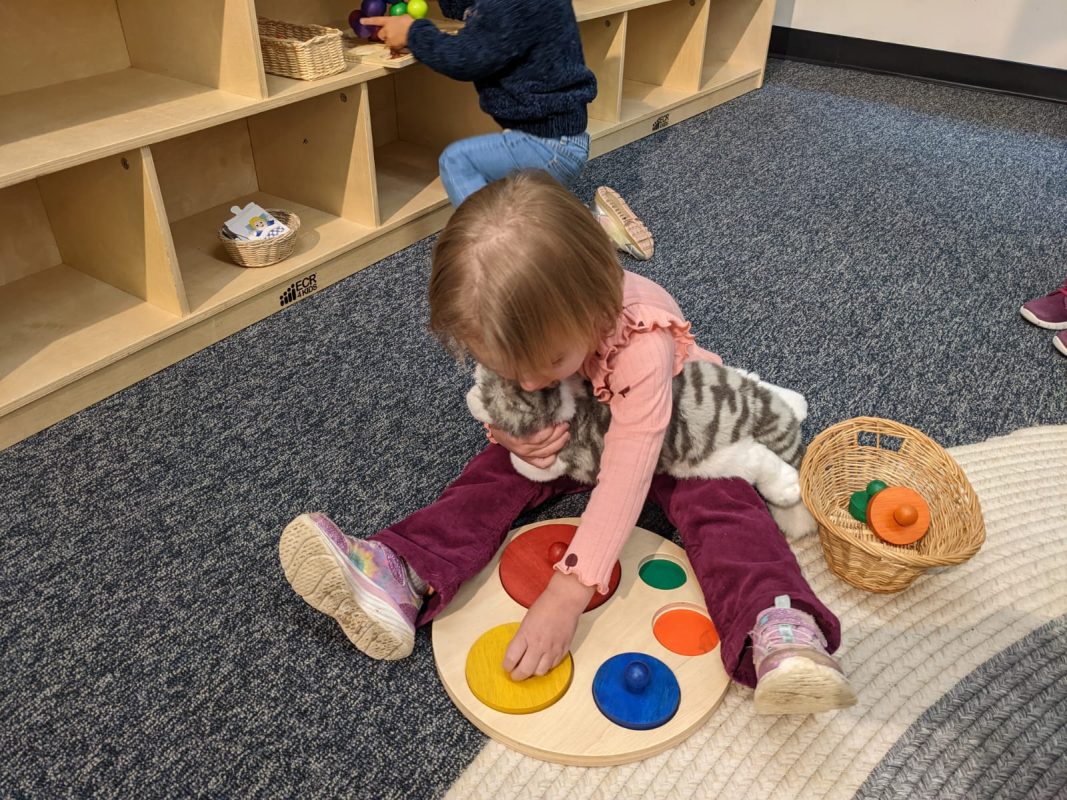
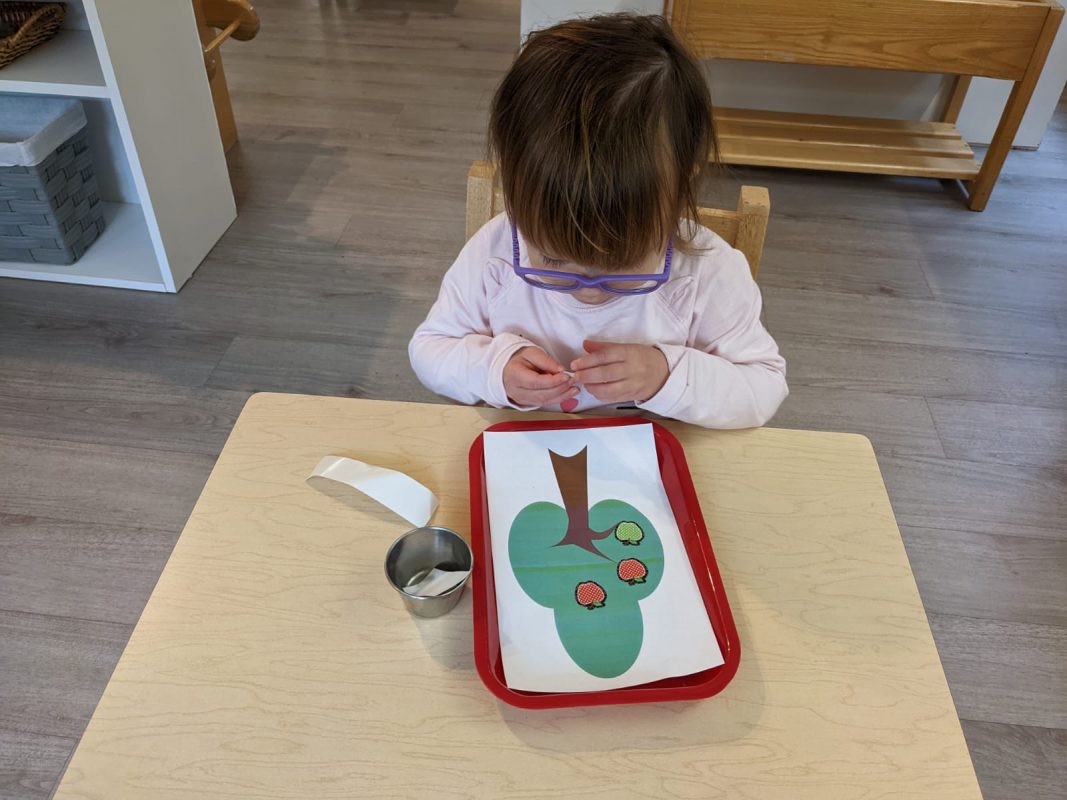
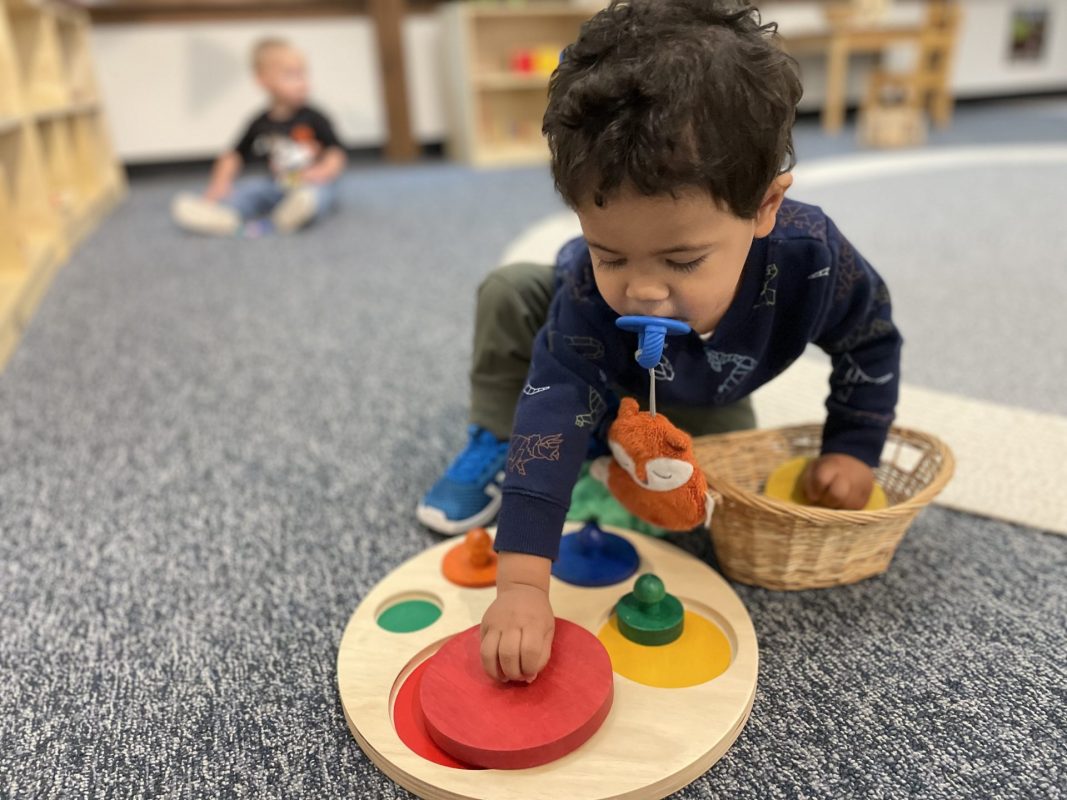
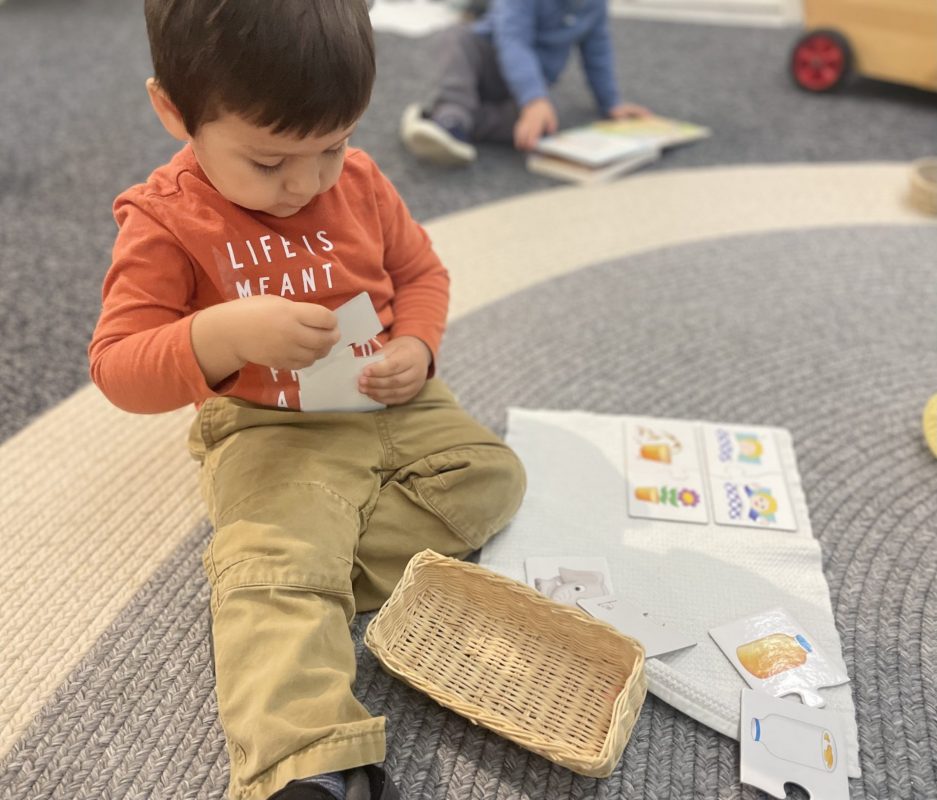
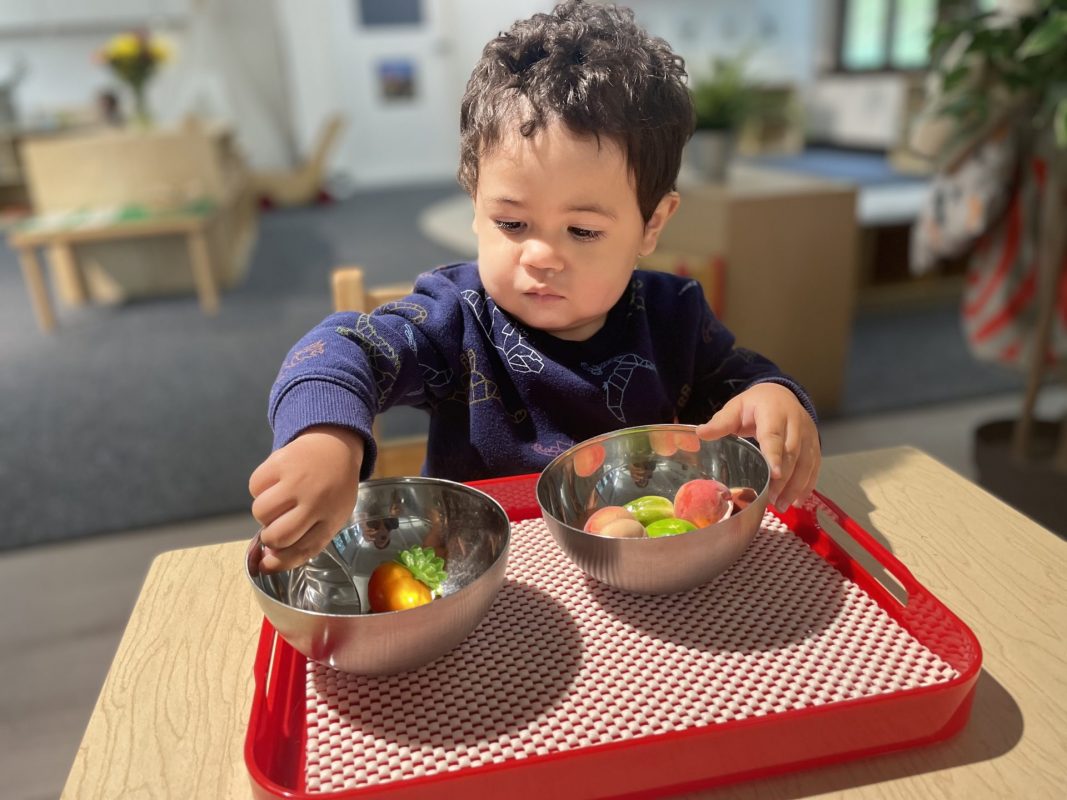
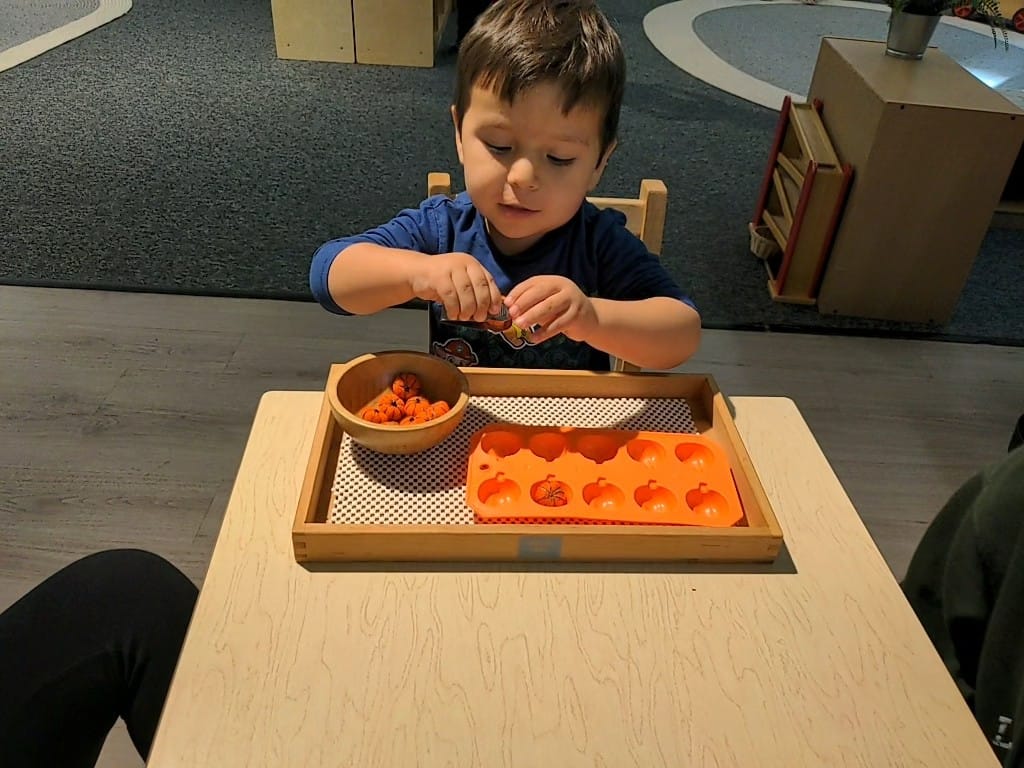
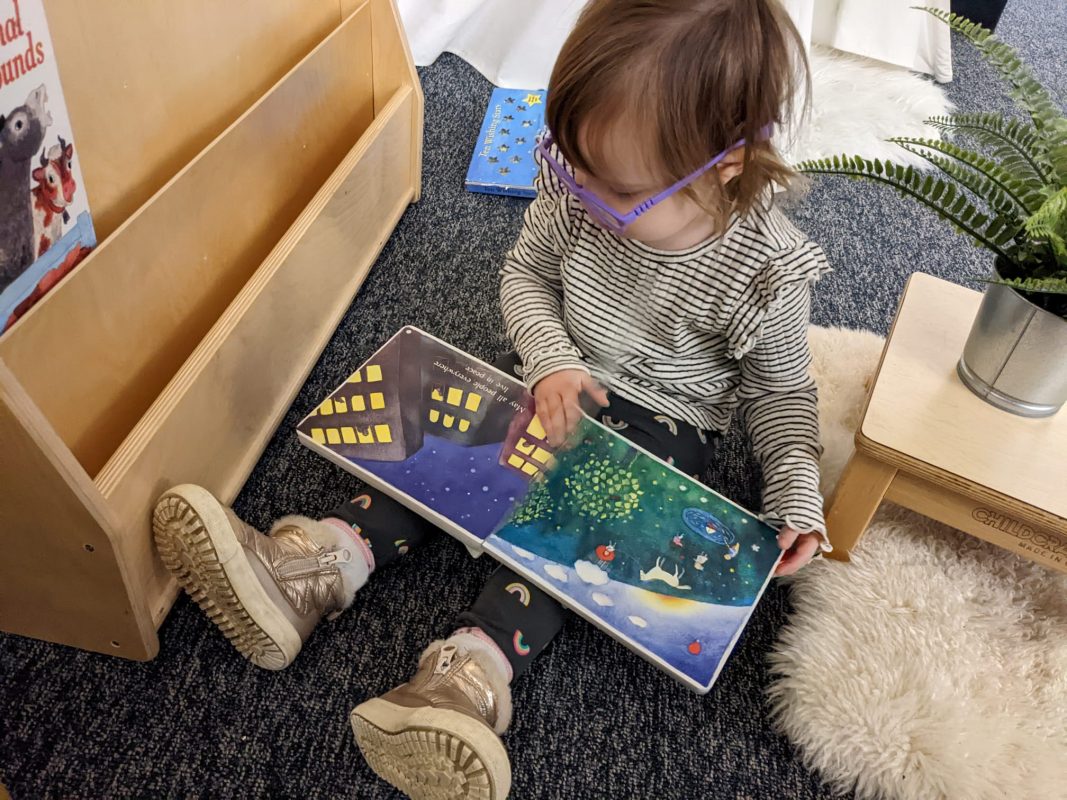
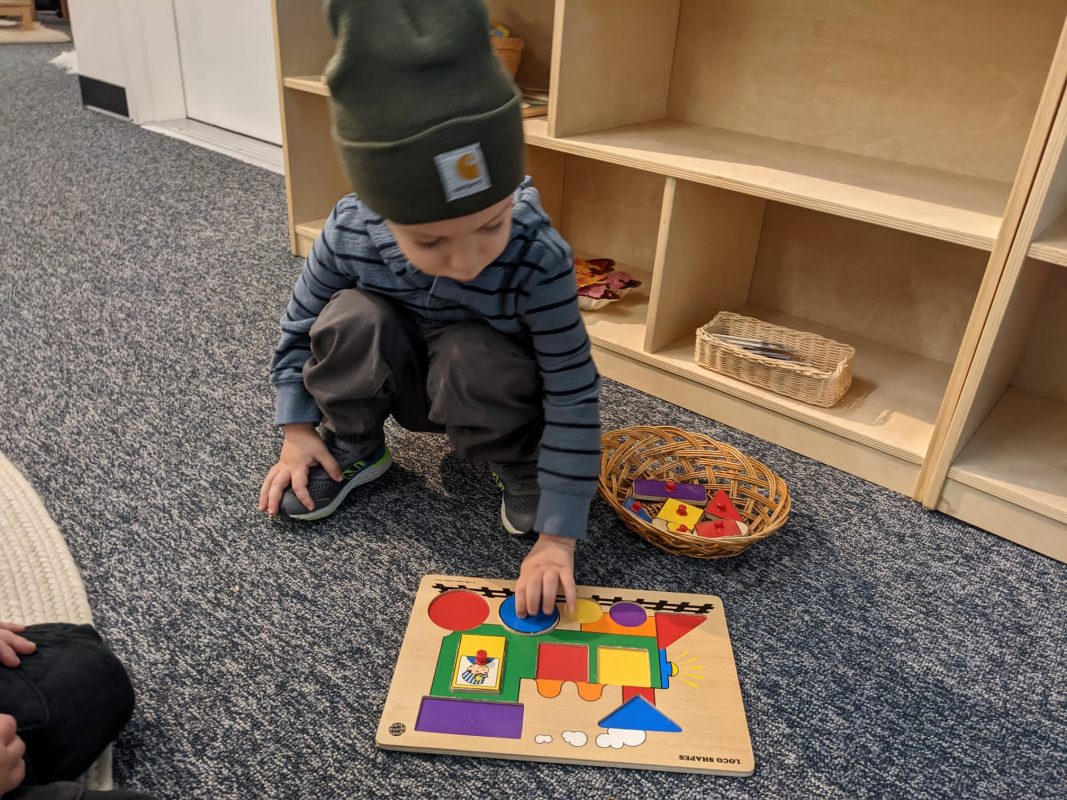
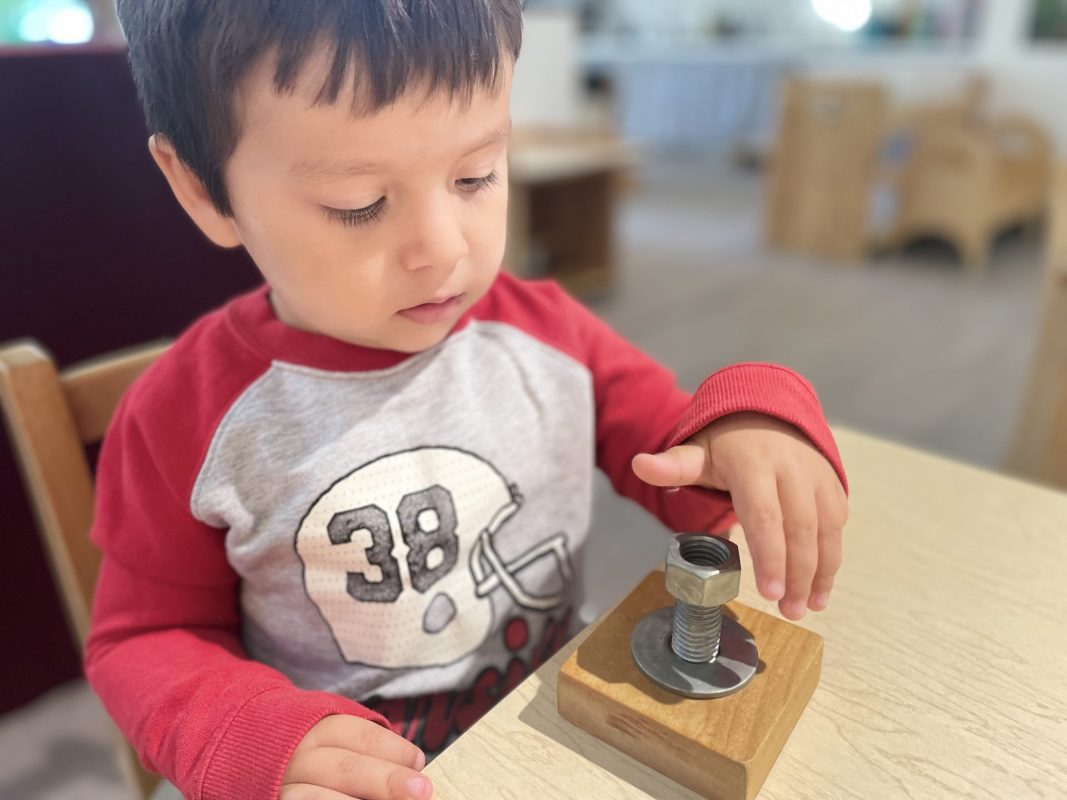
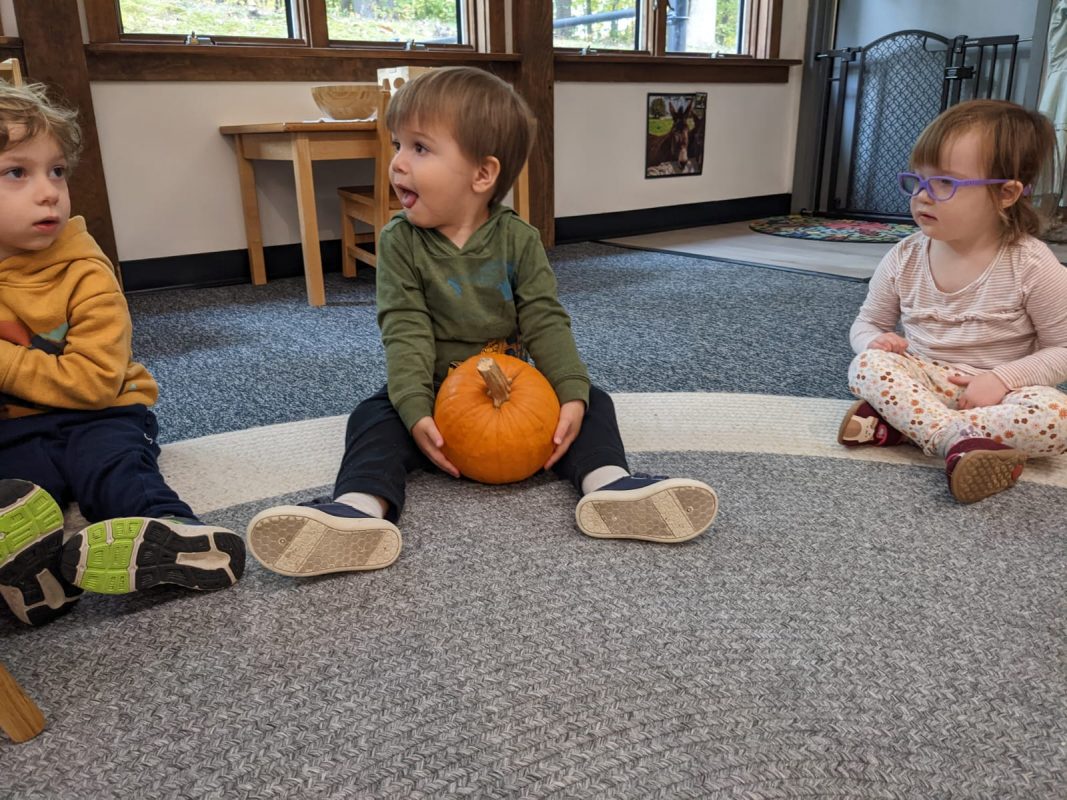
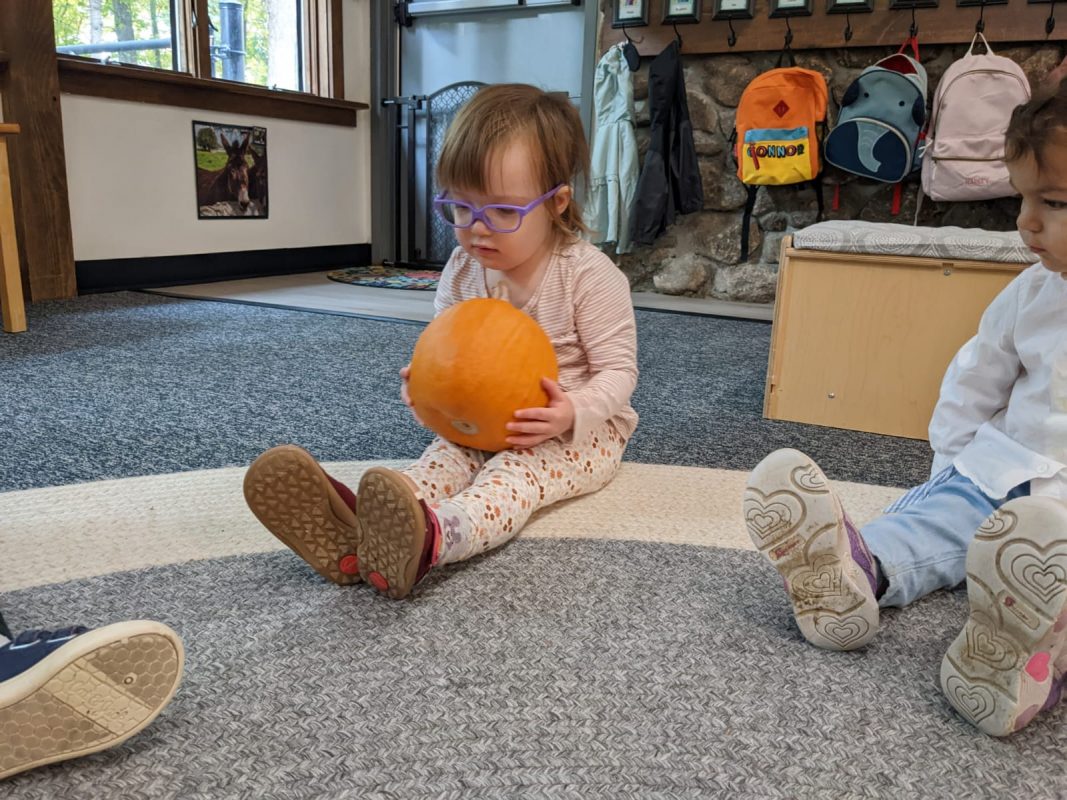
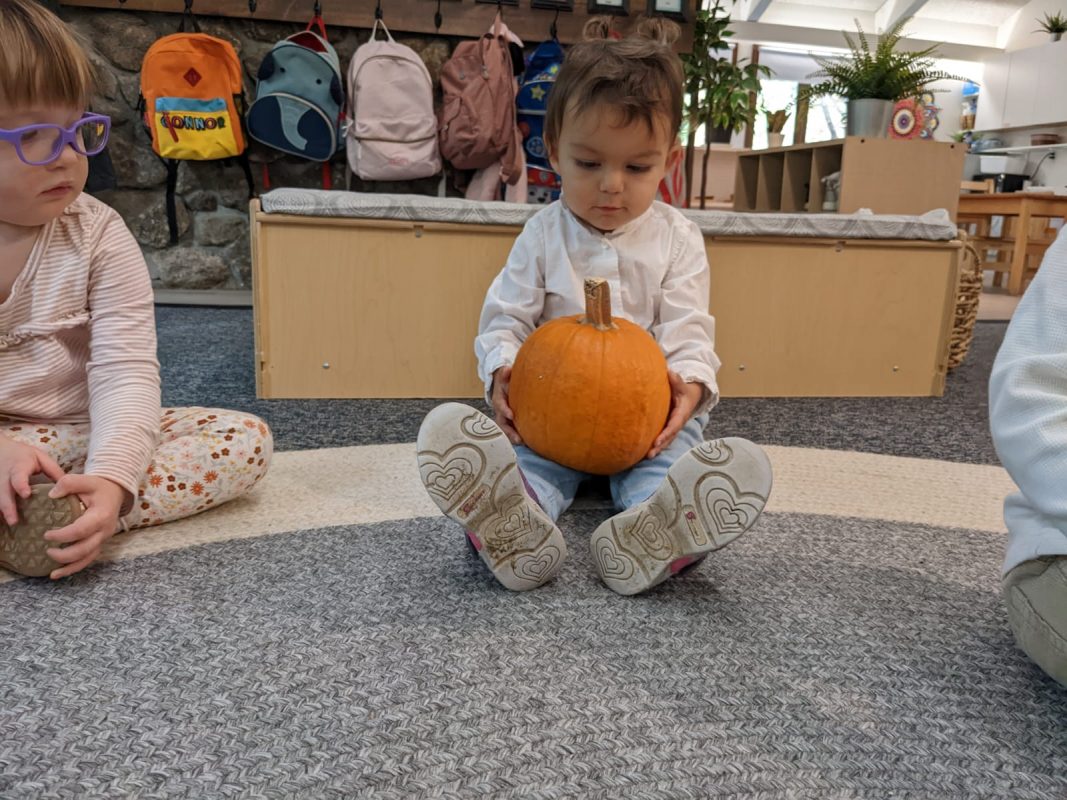
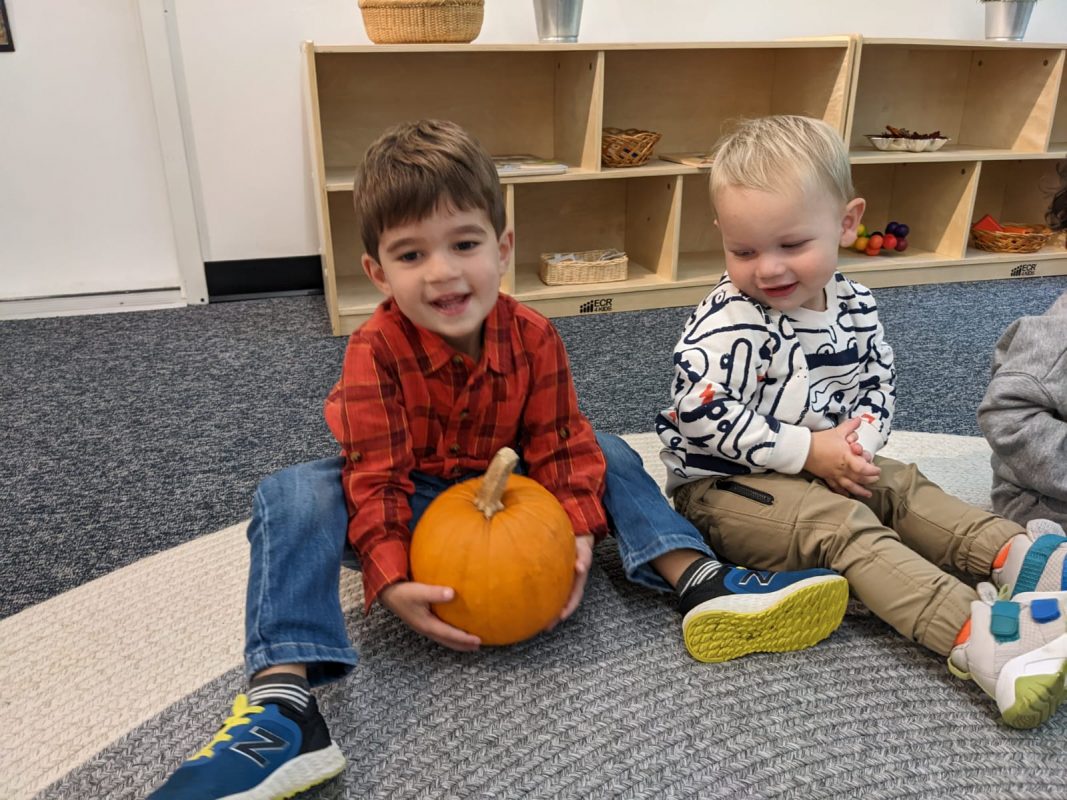
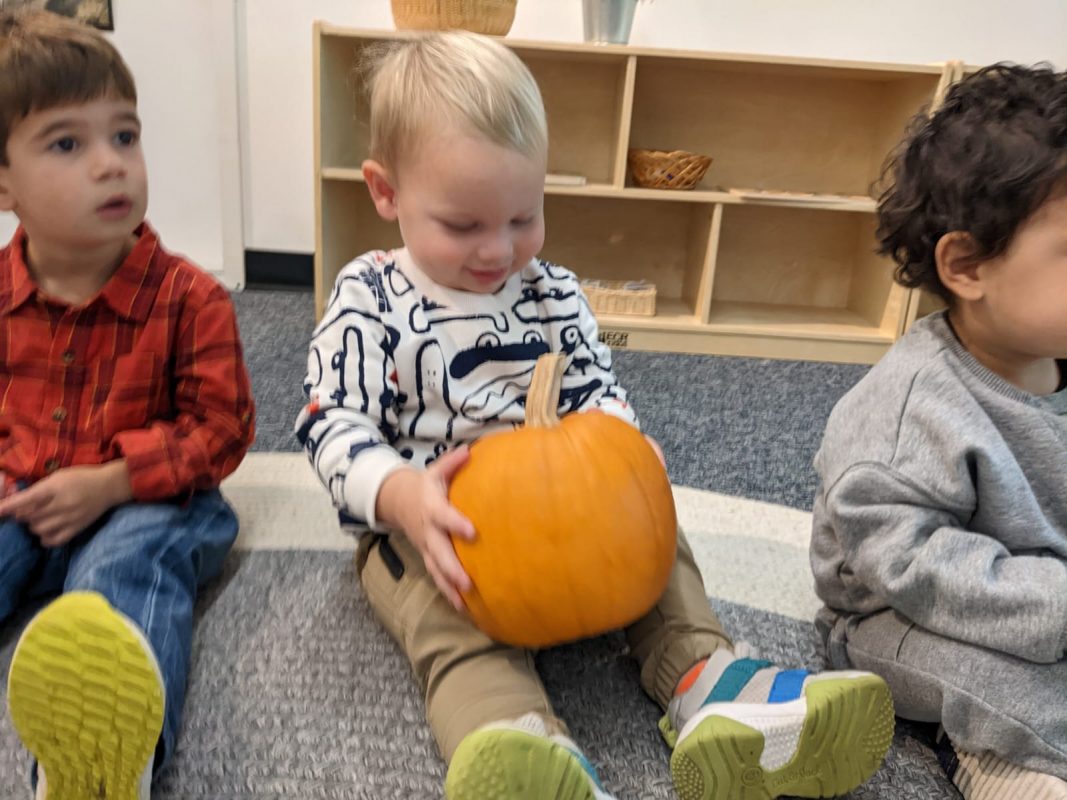
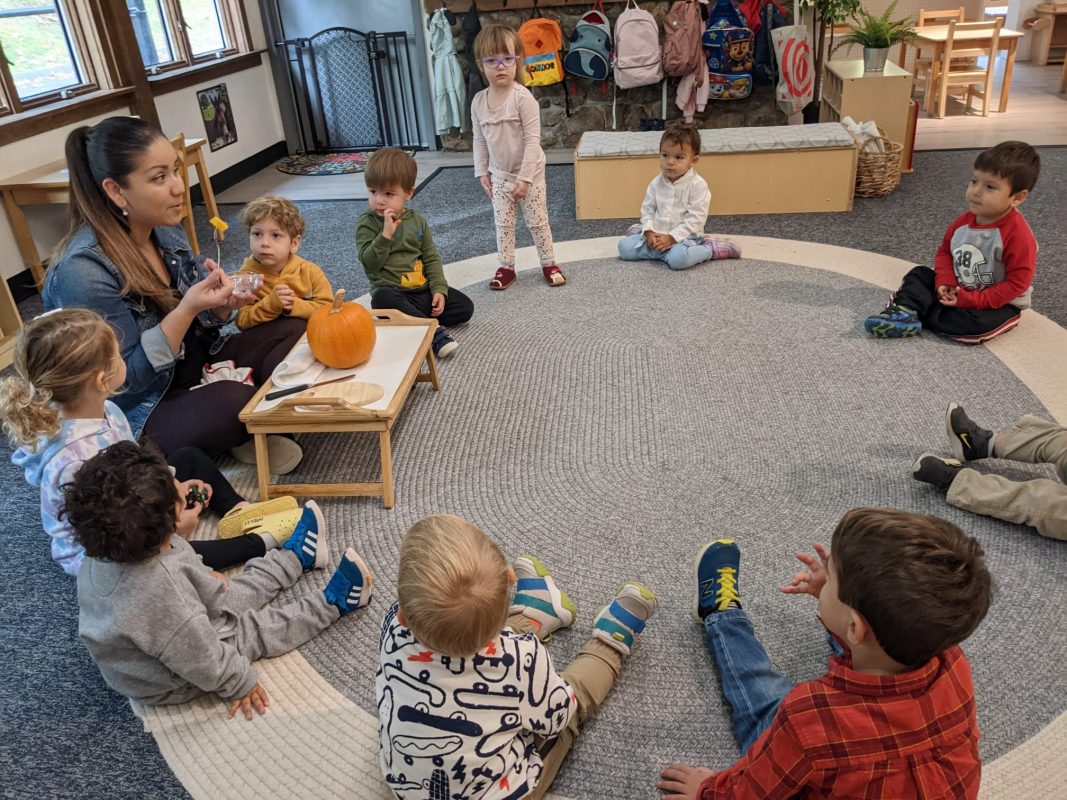
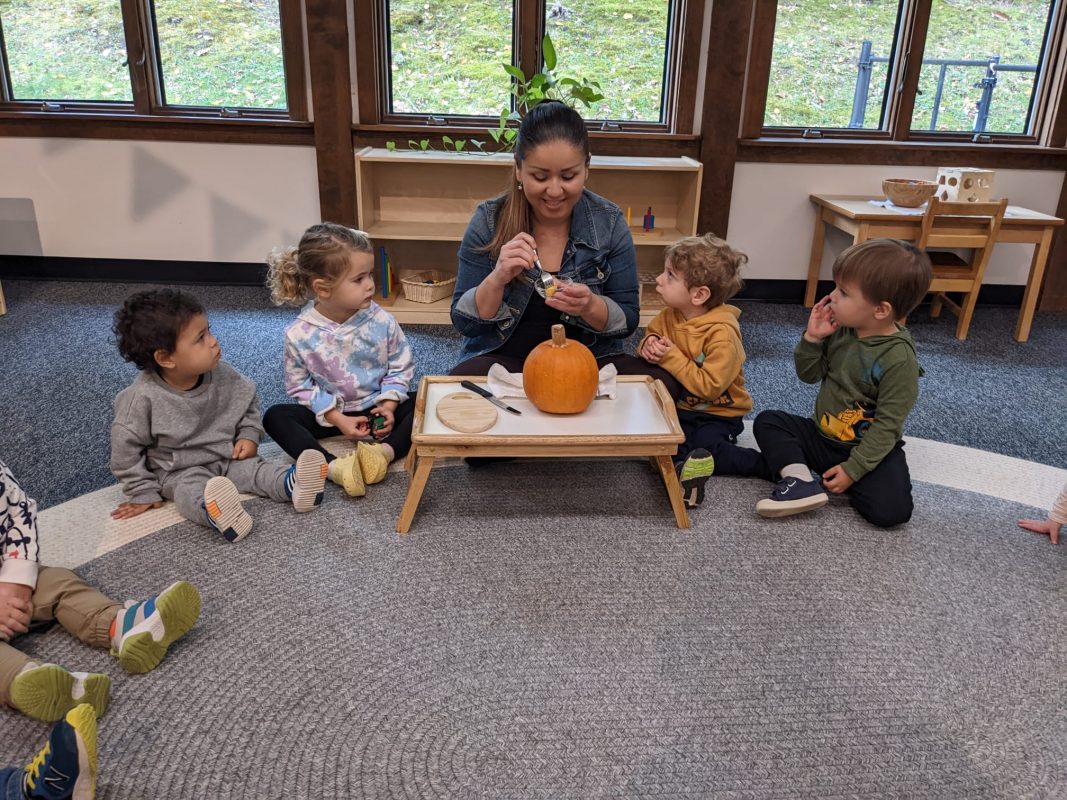
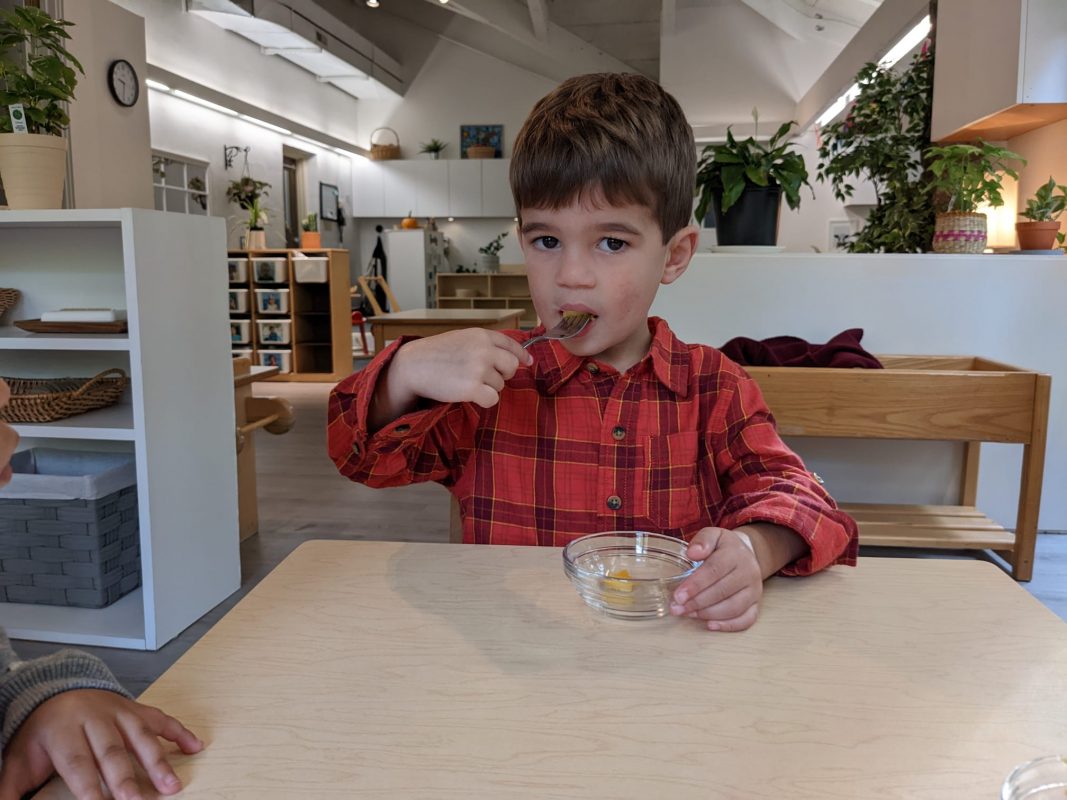
Mrs. Hood: Food Preparation!

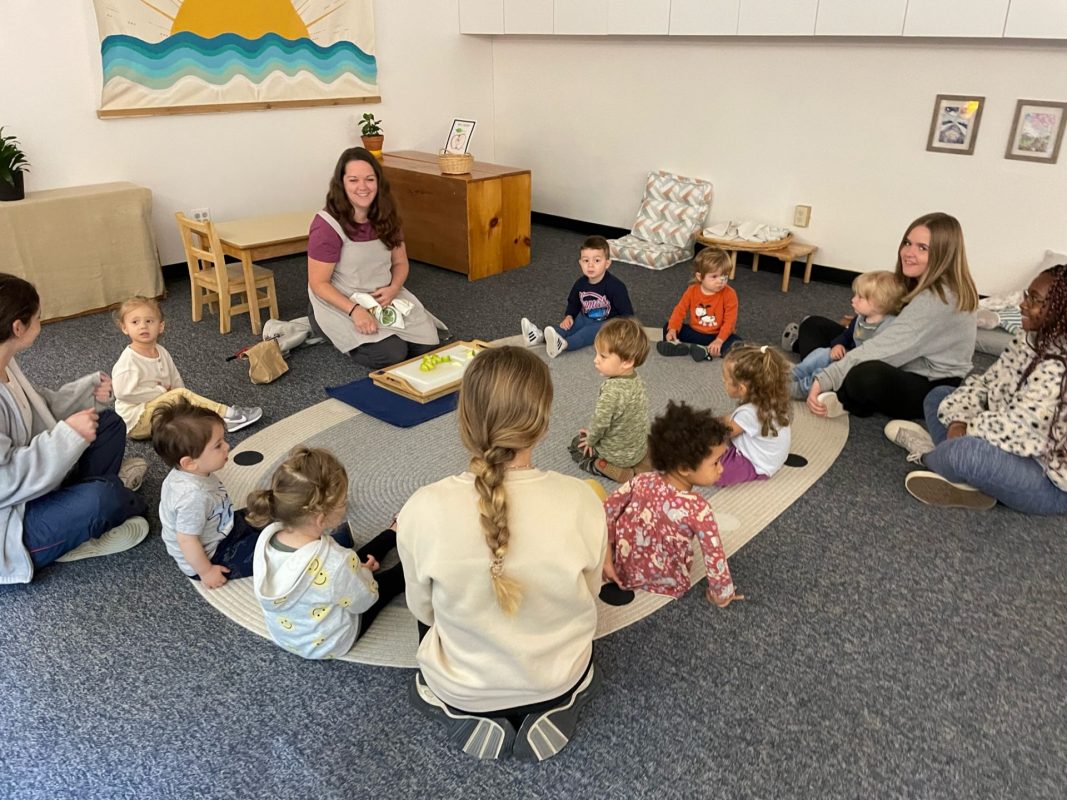
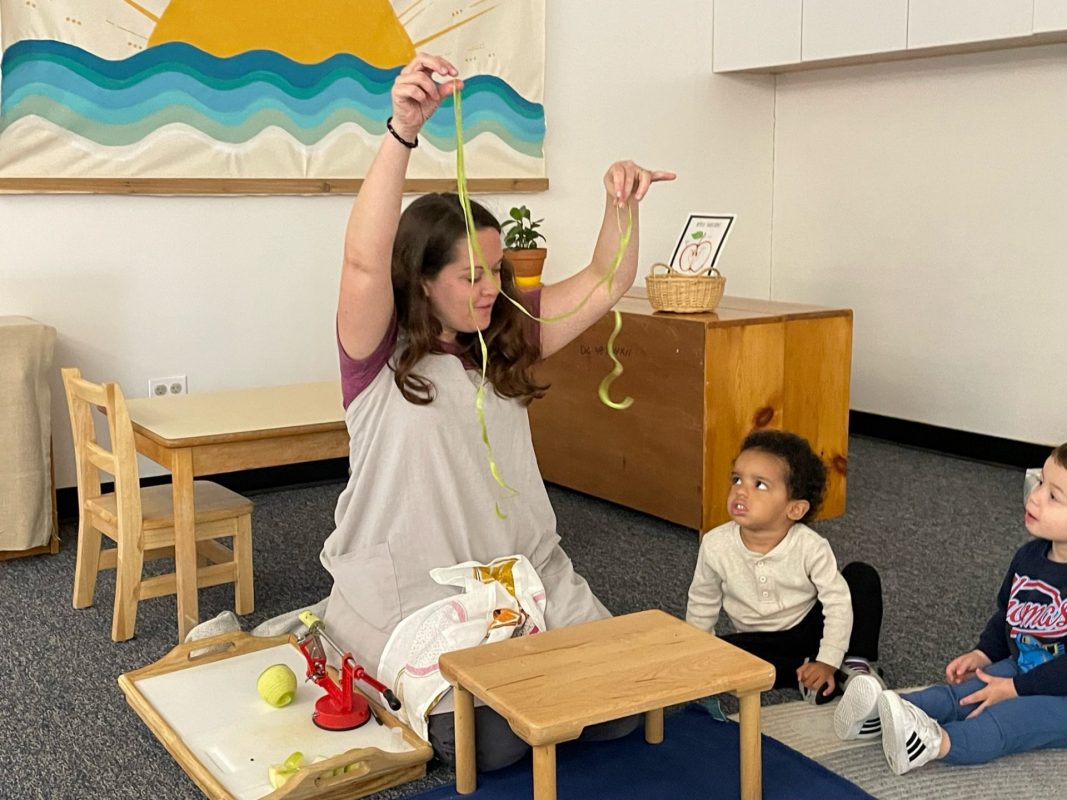
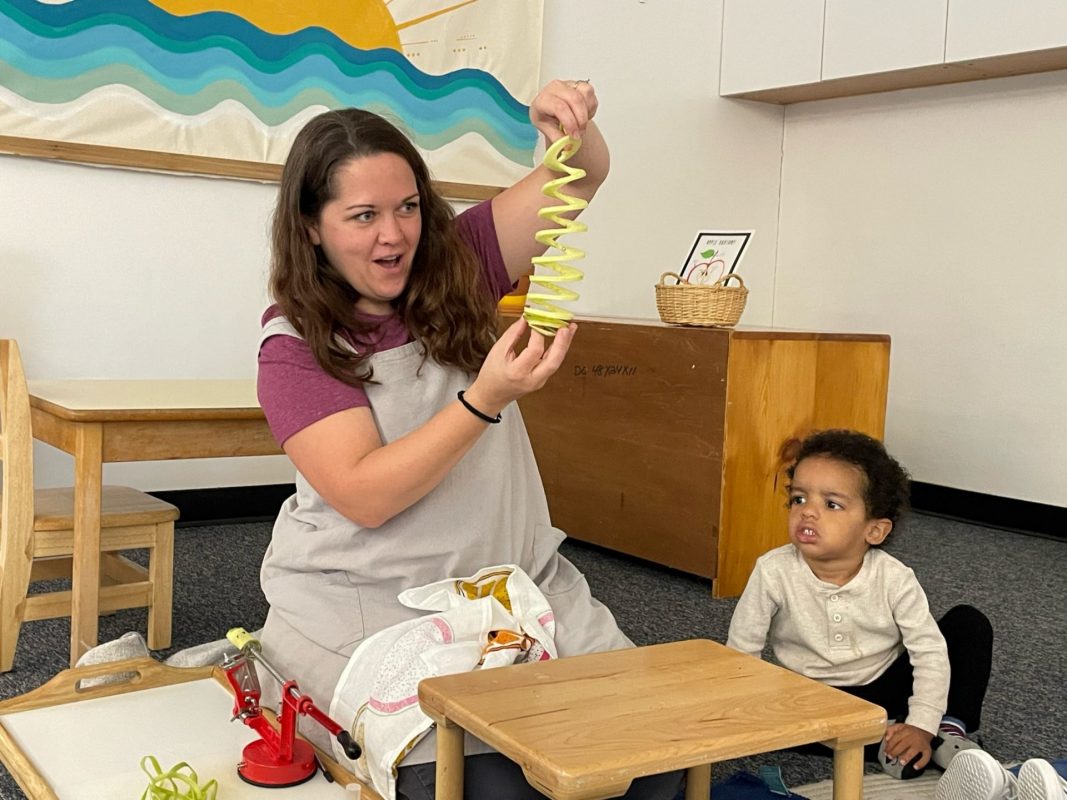
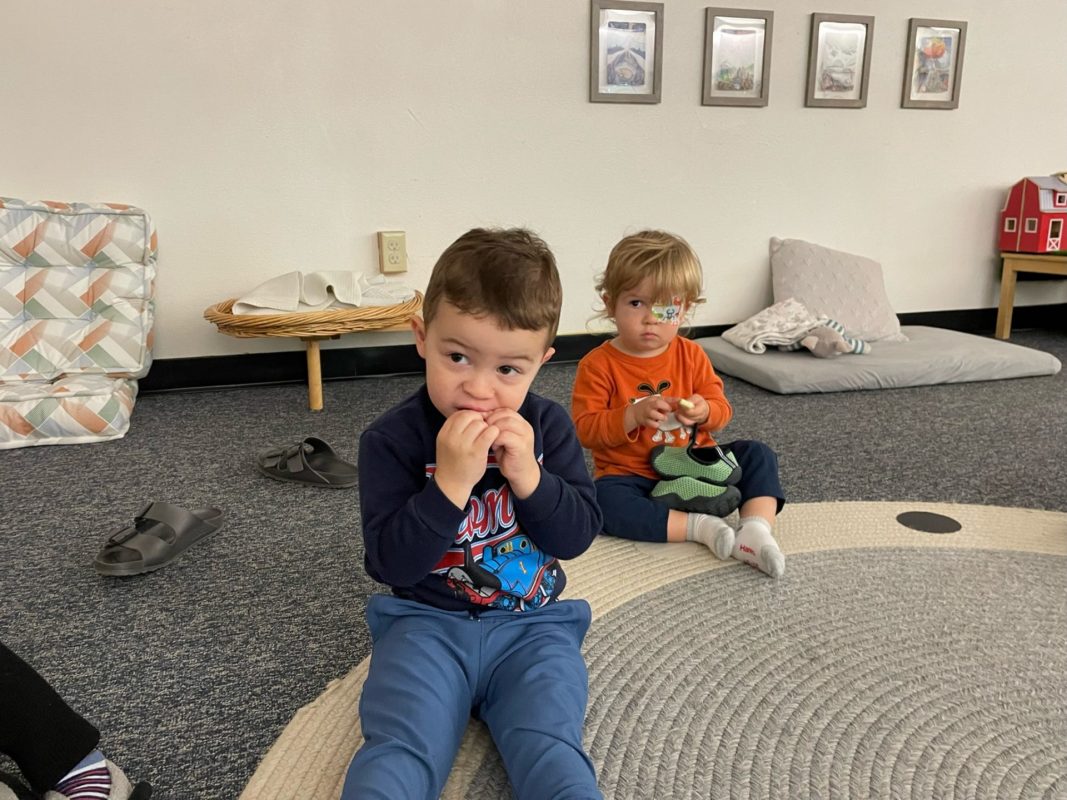
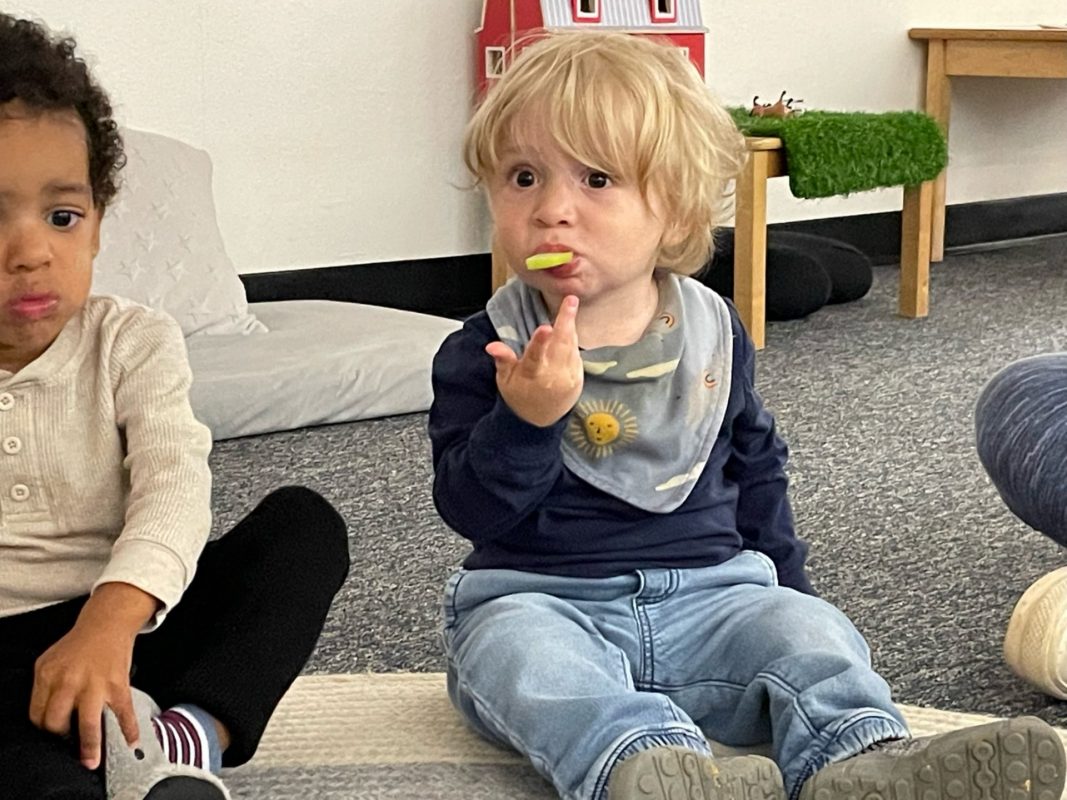
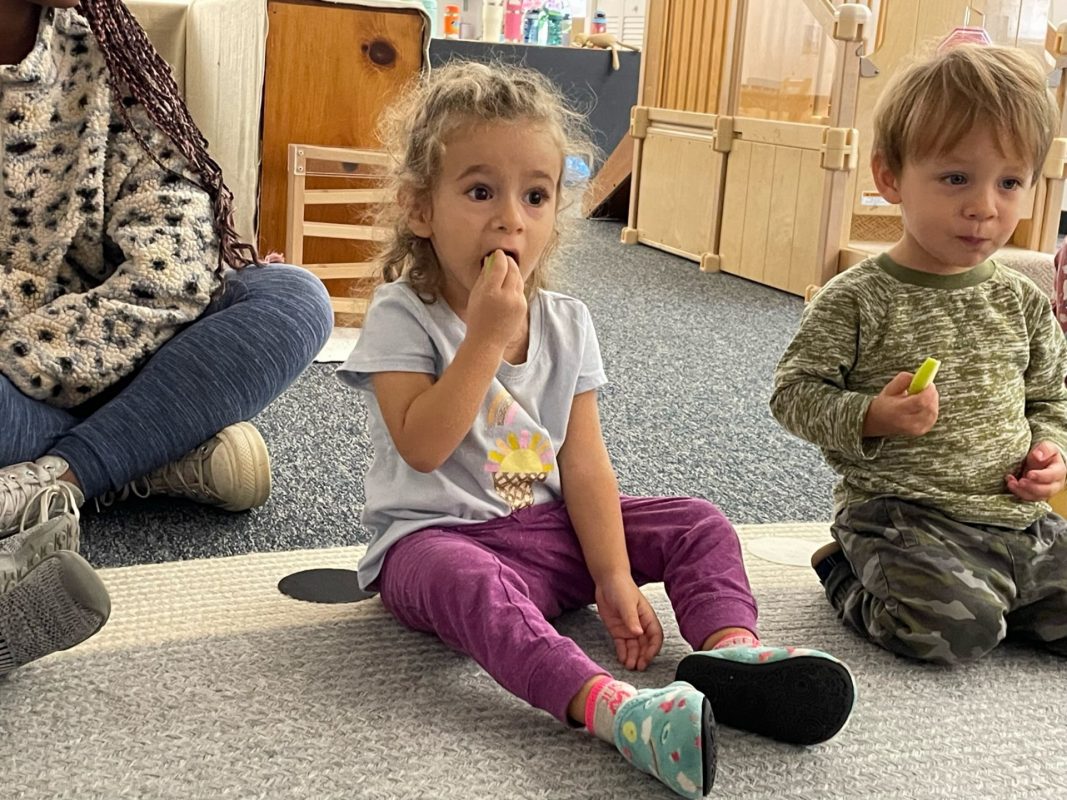
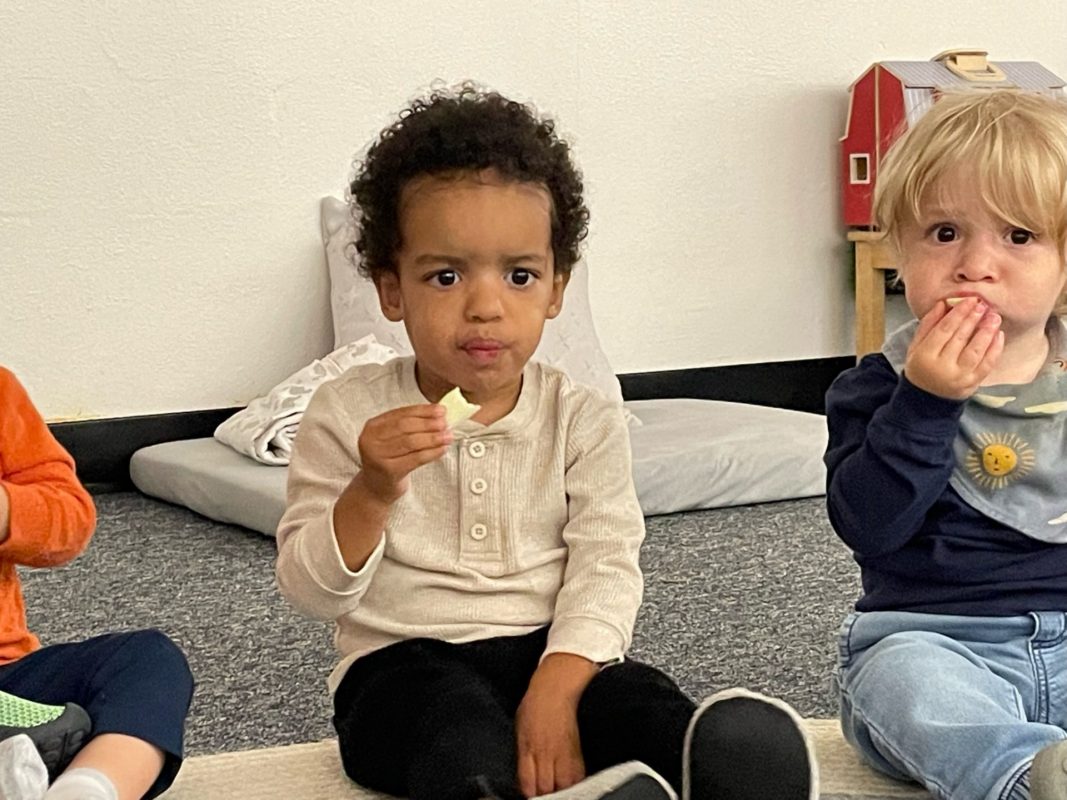
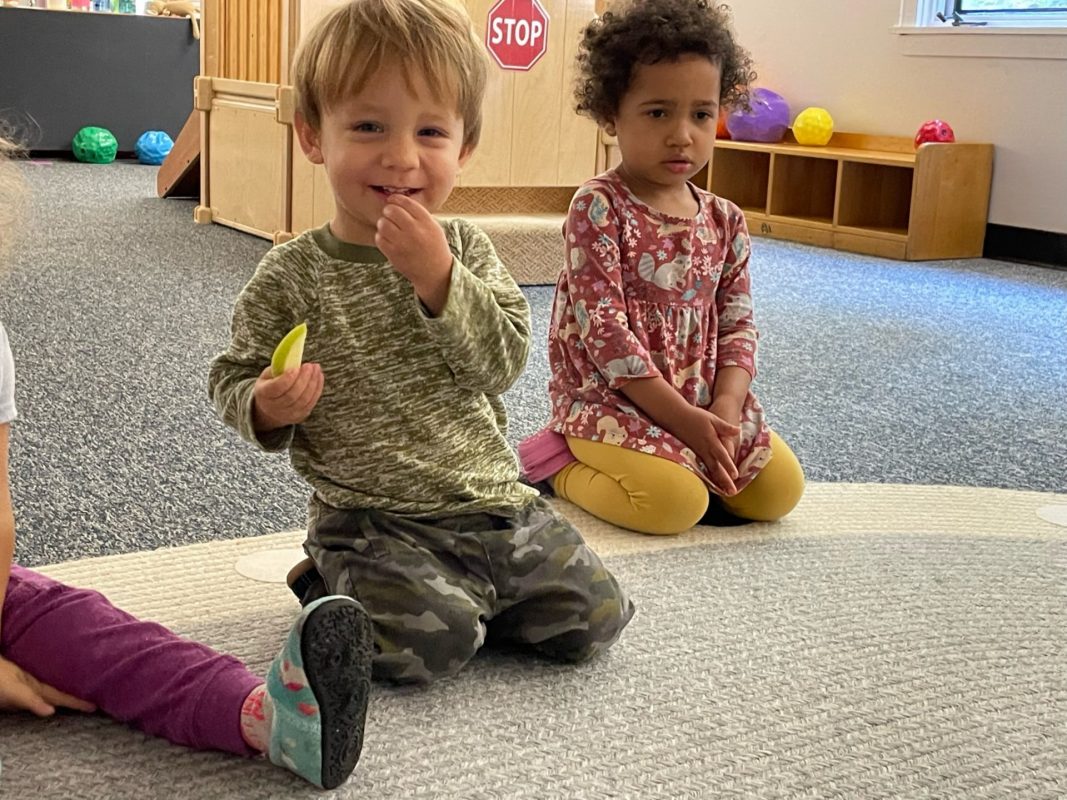
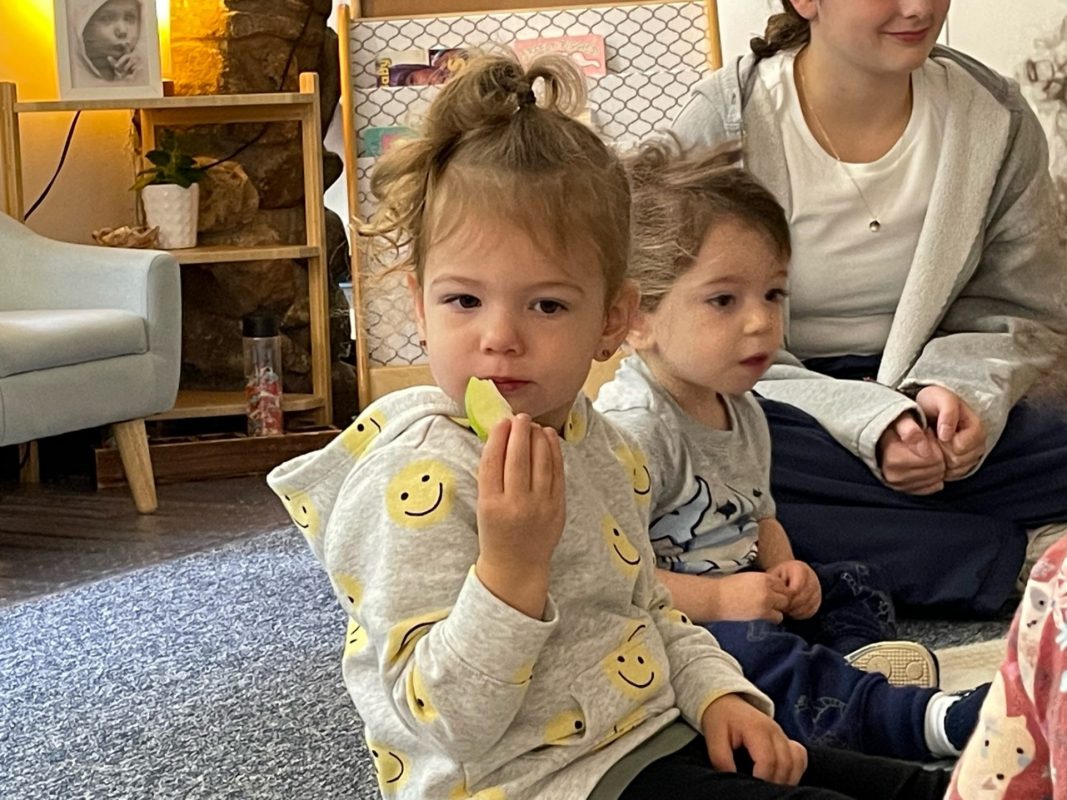
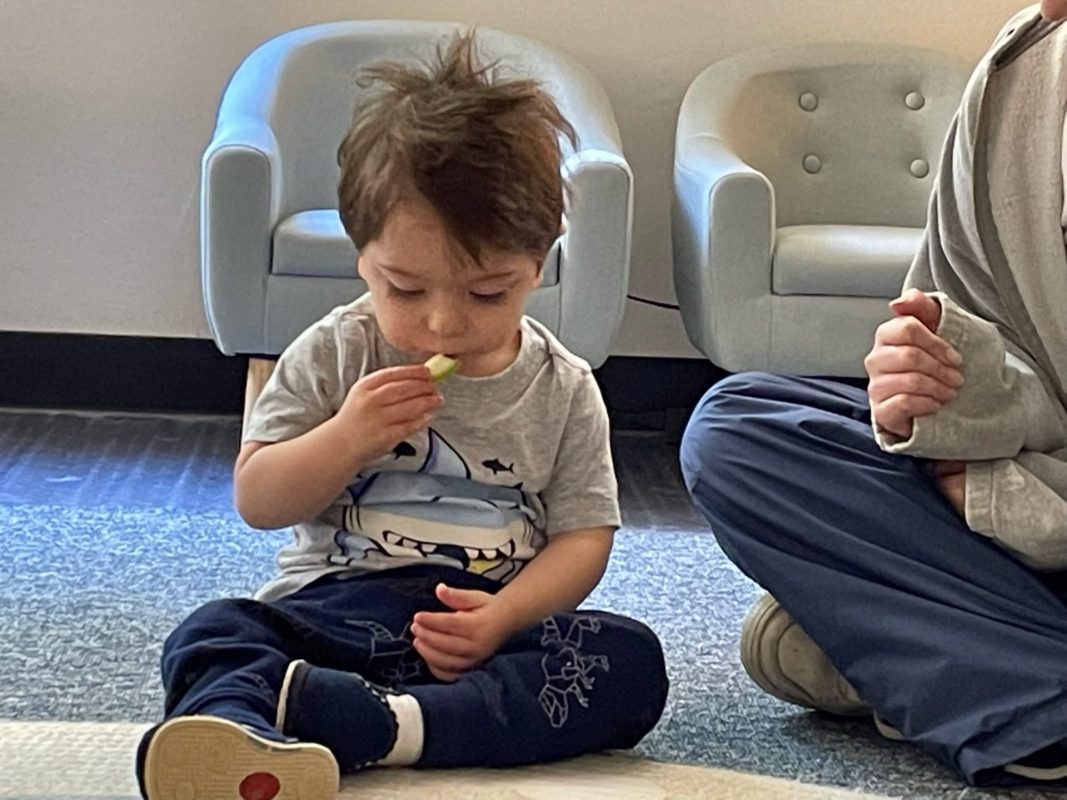
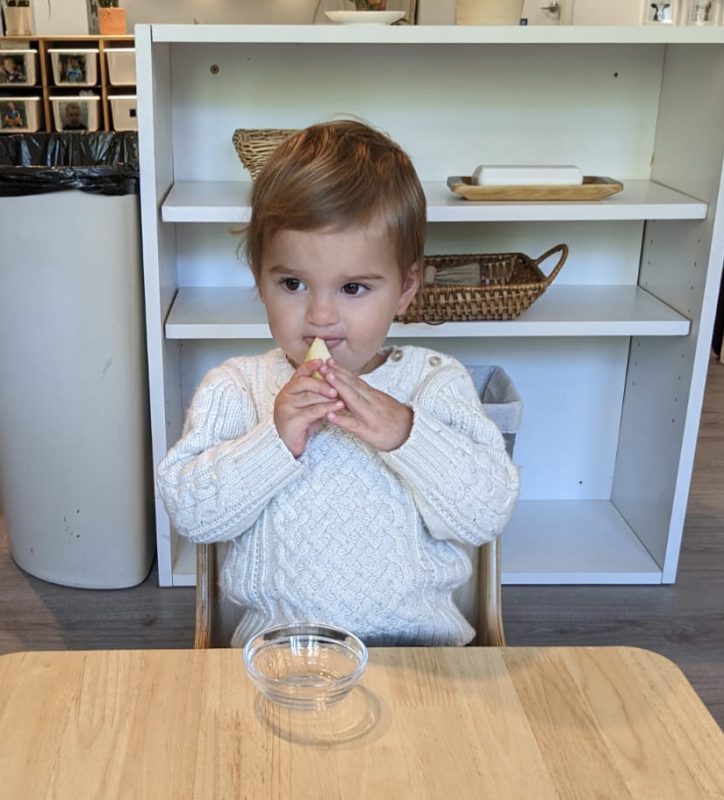
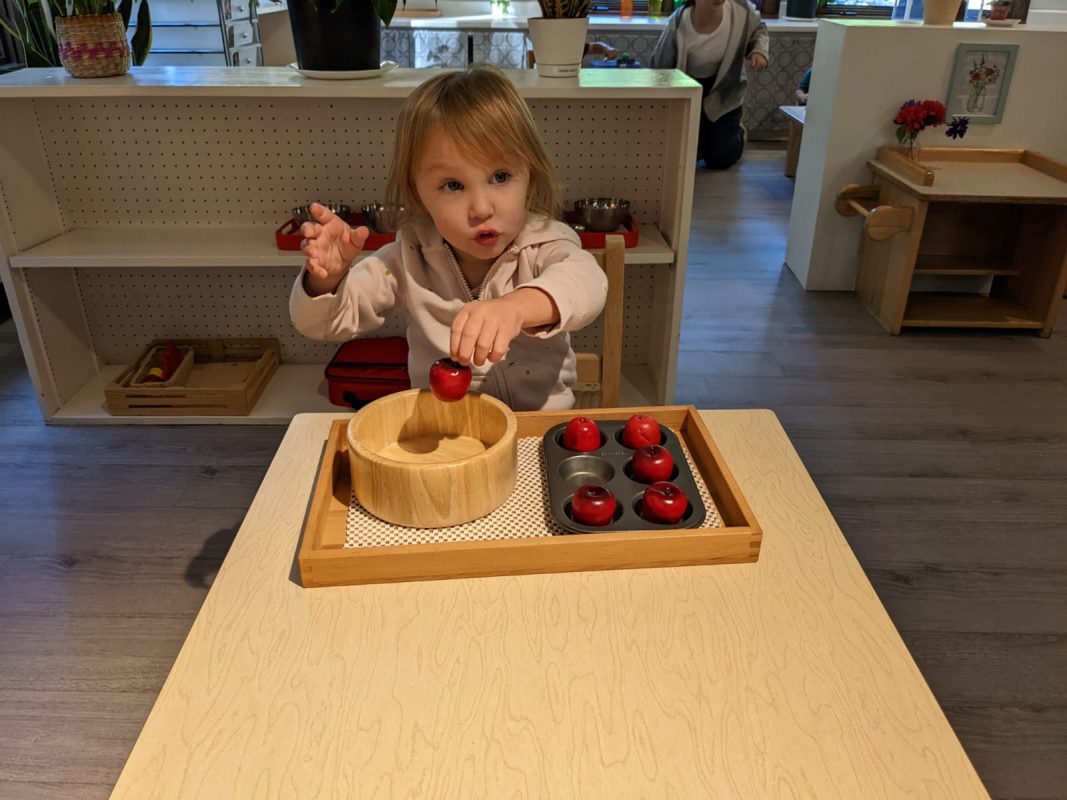
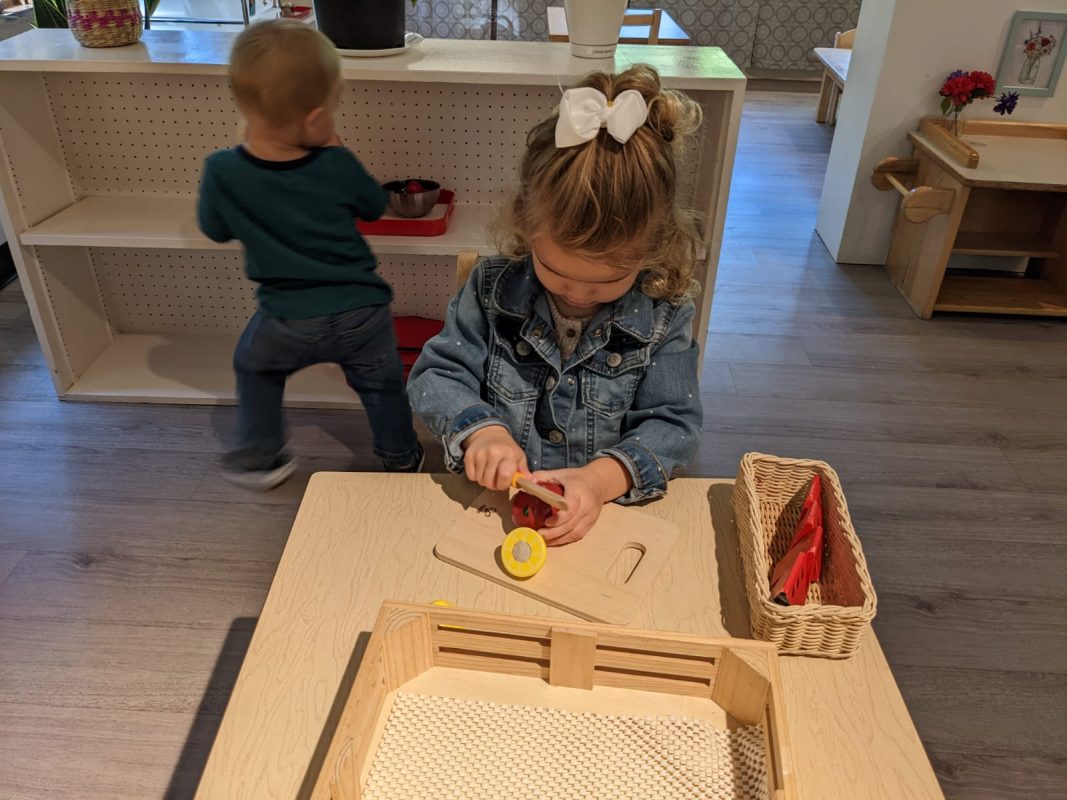
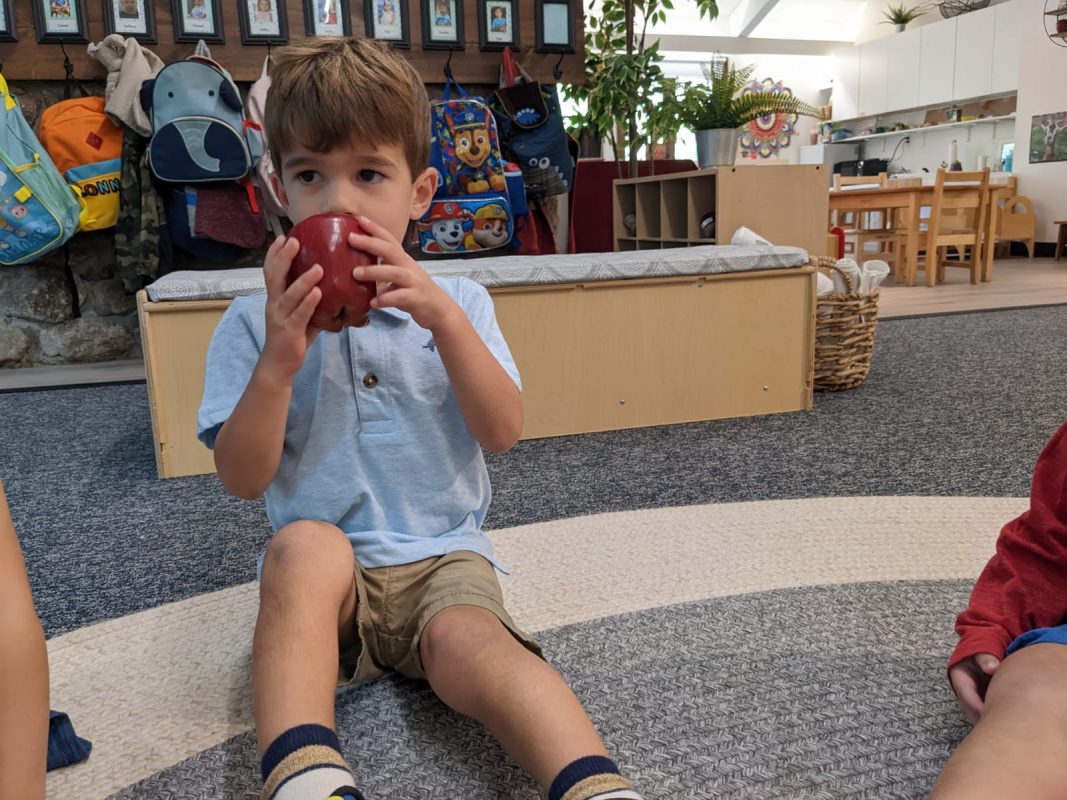
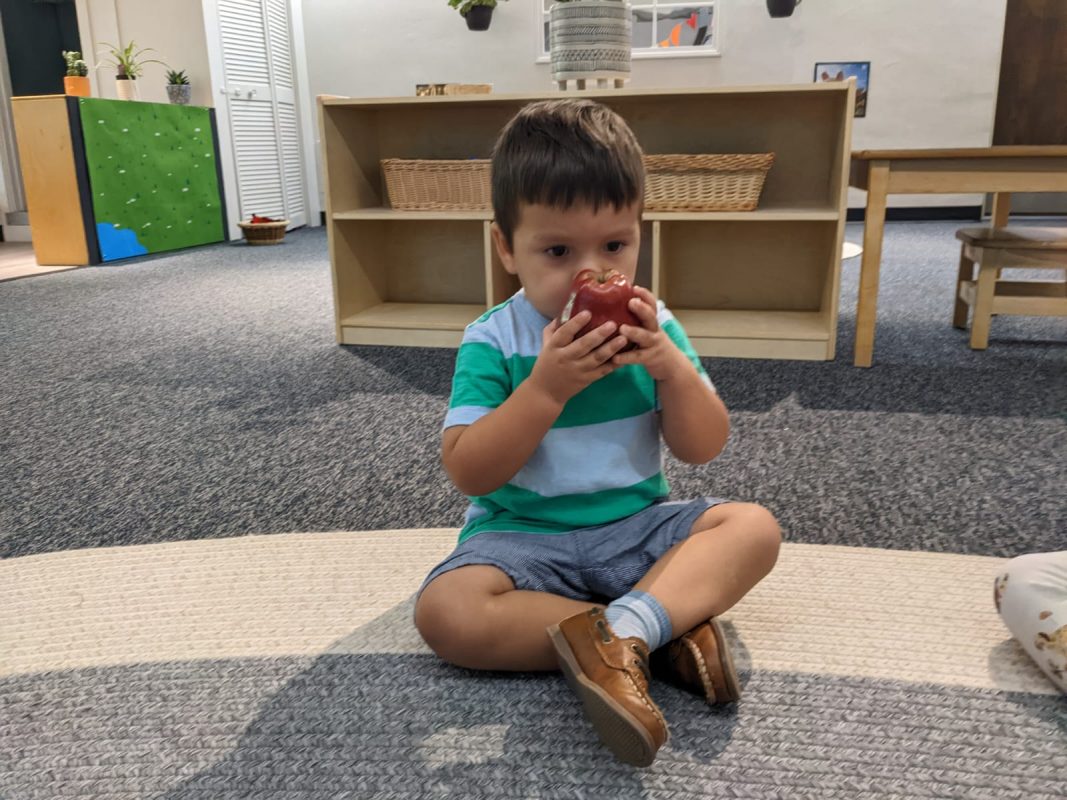
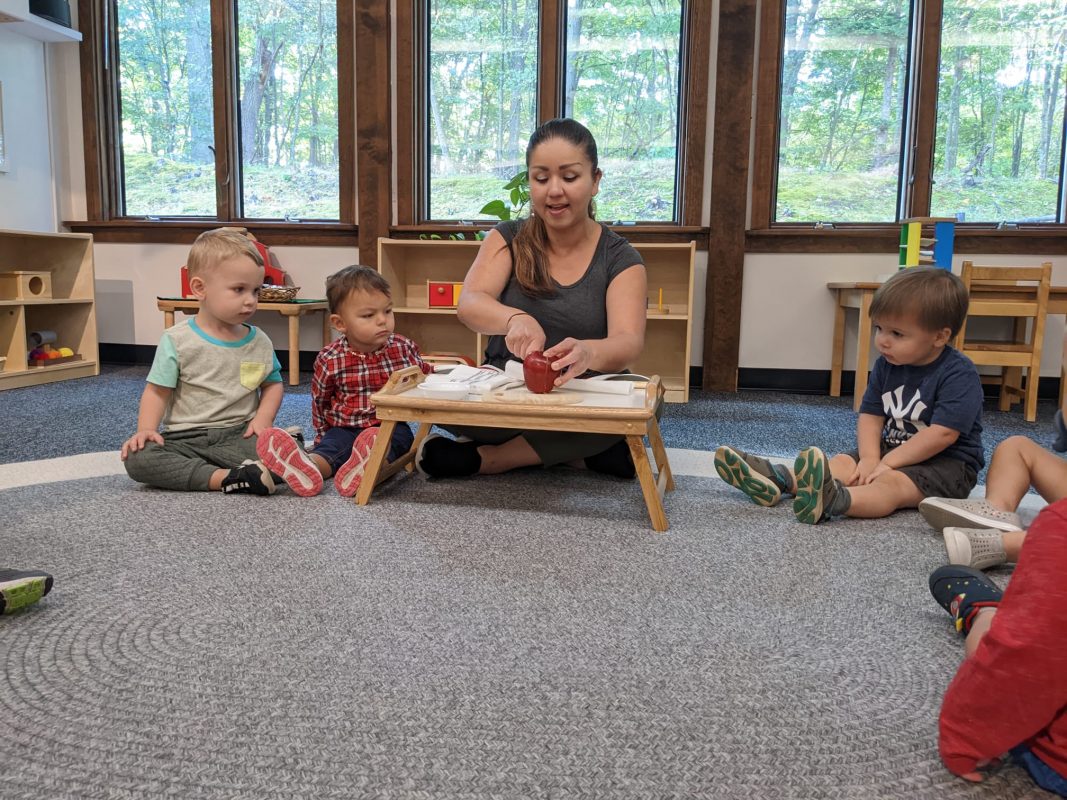
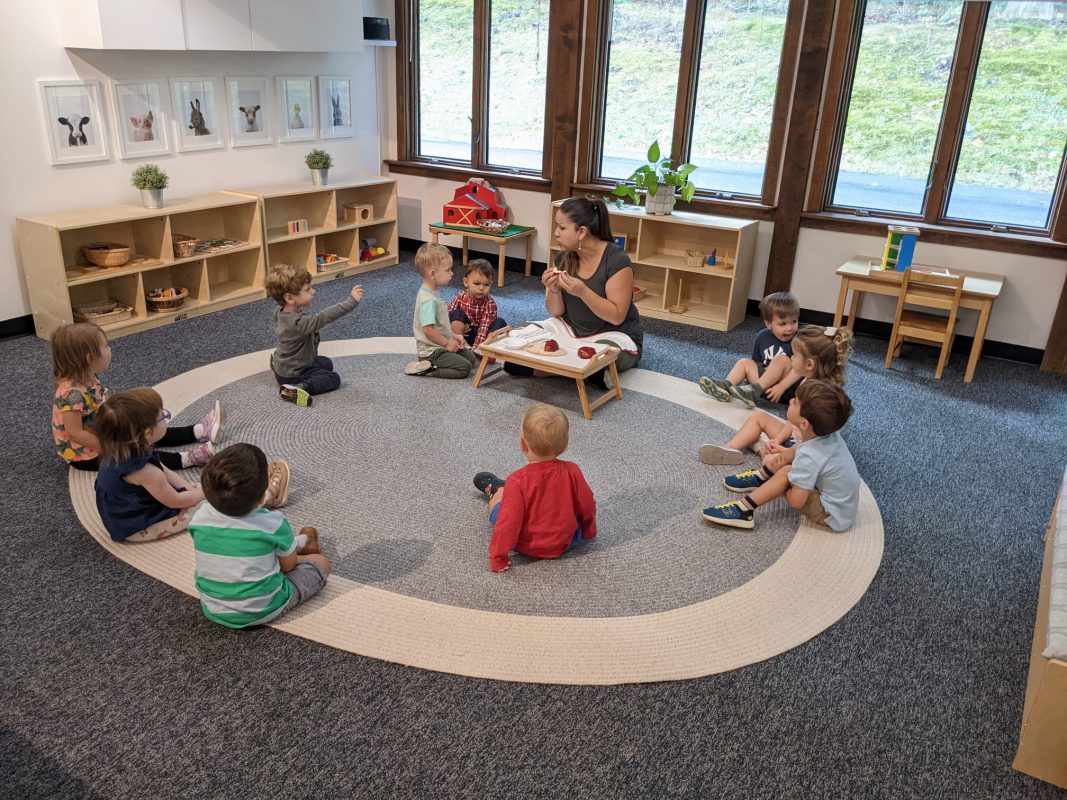
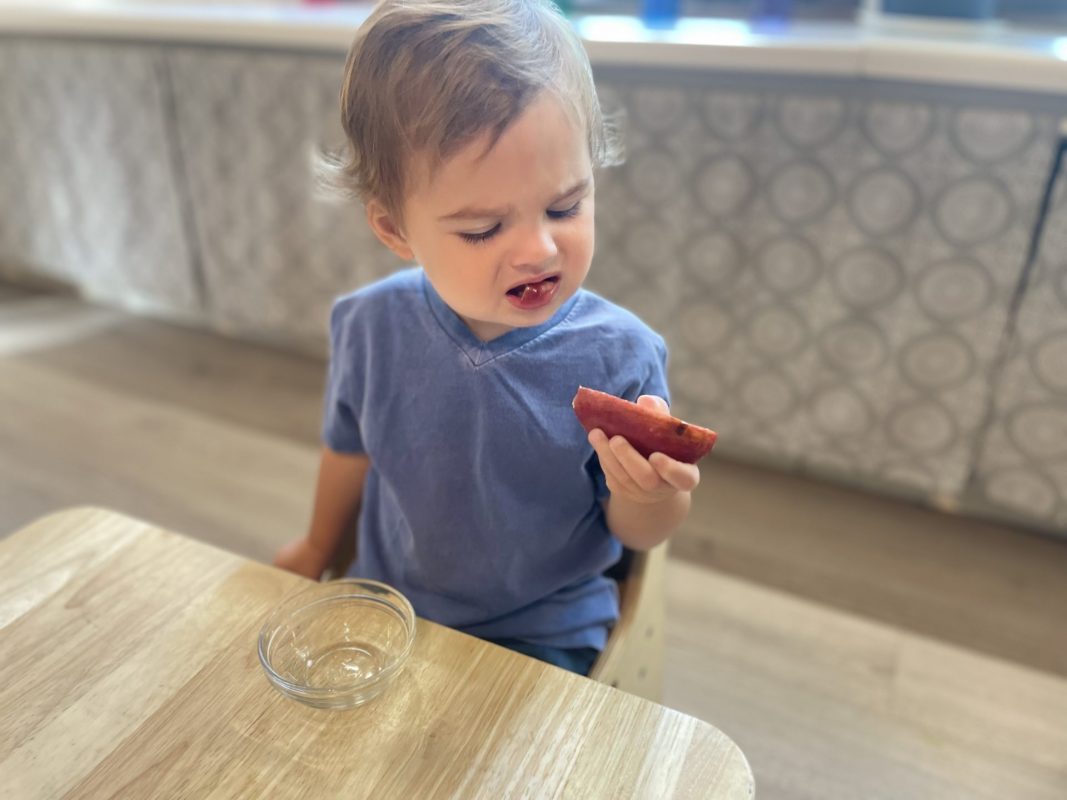
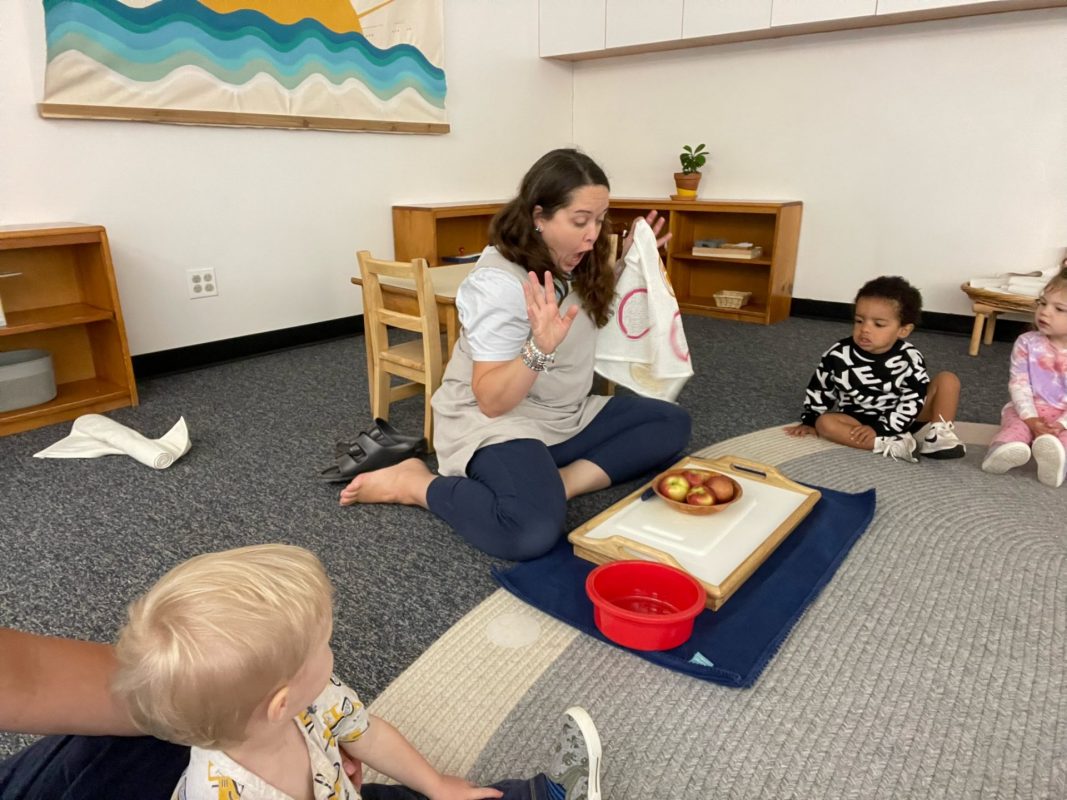
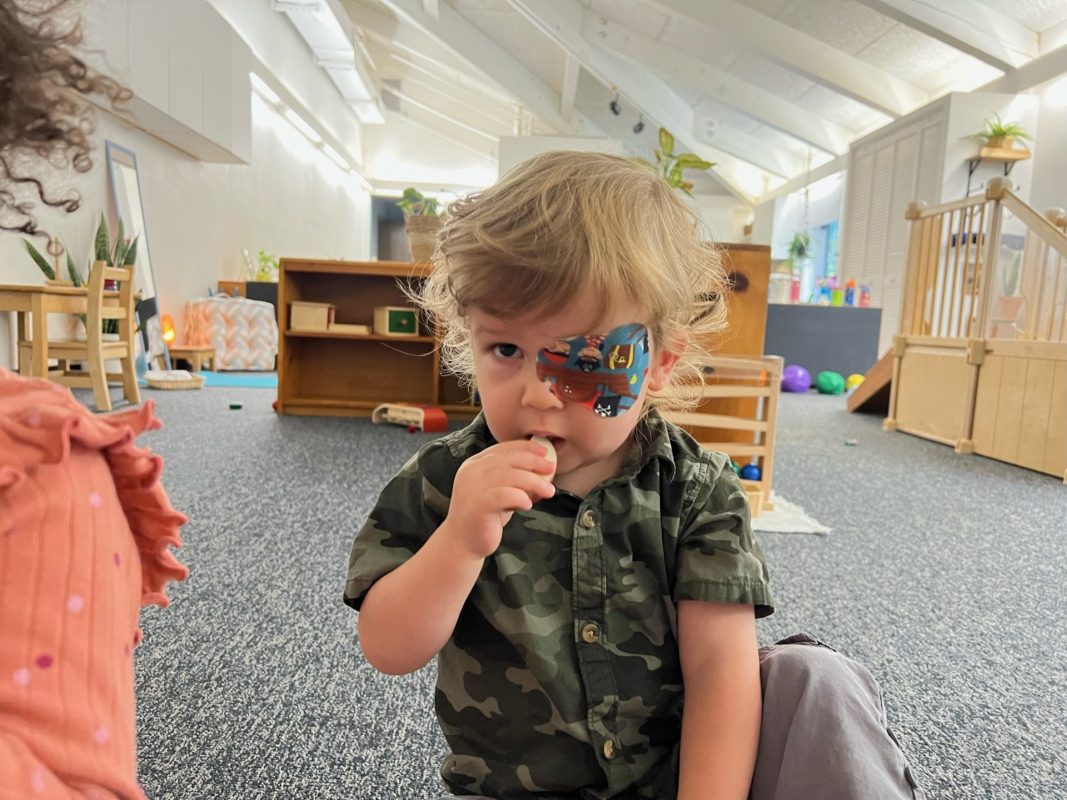
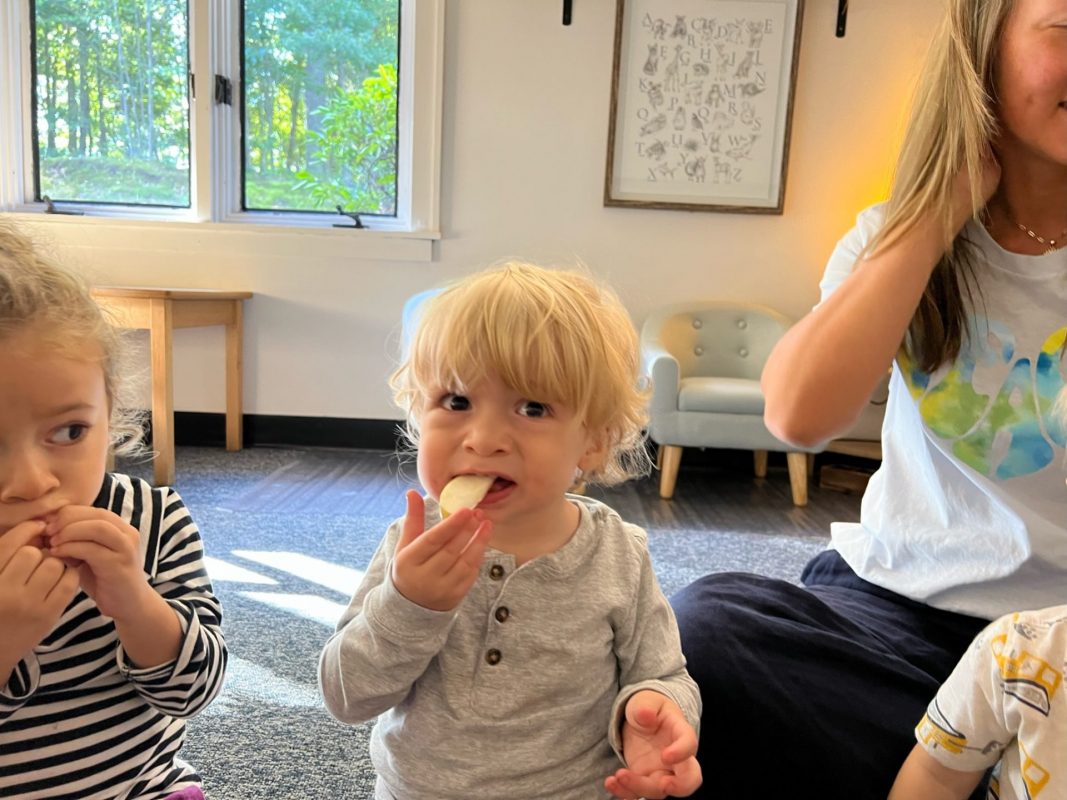
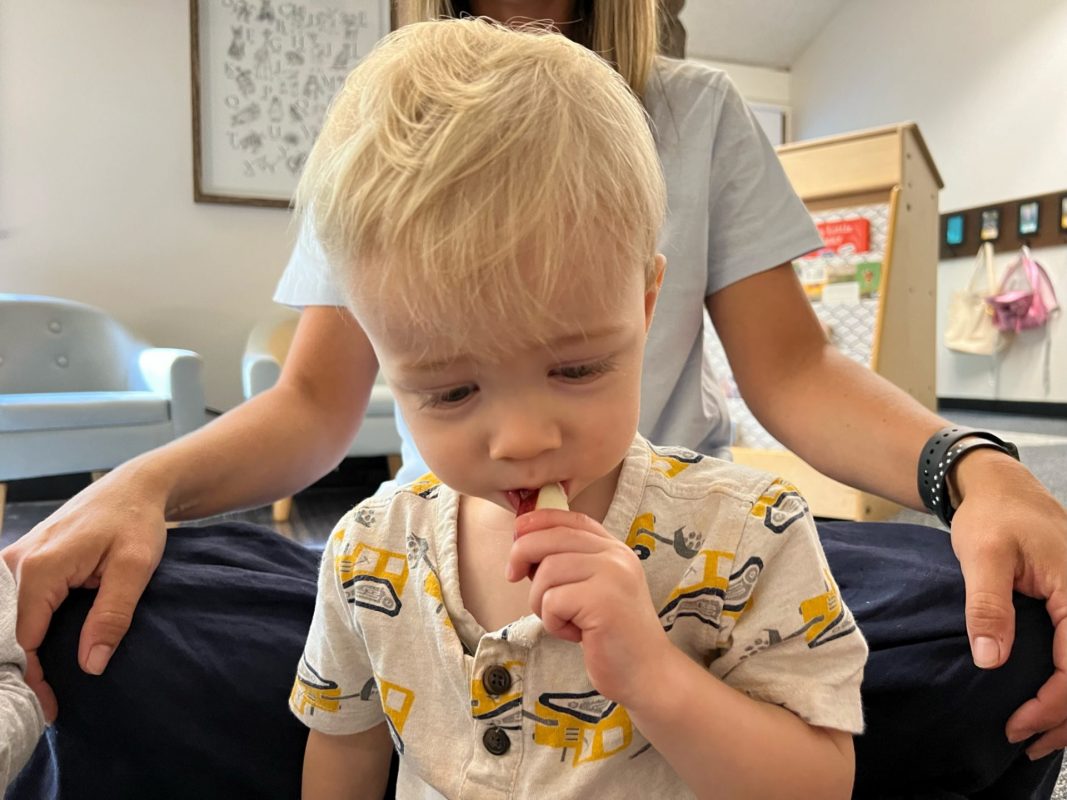
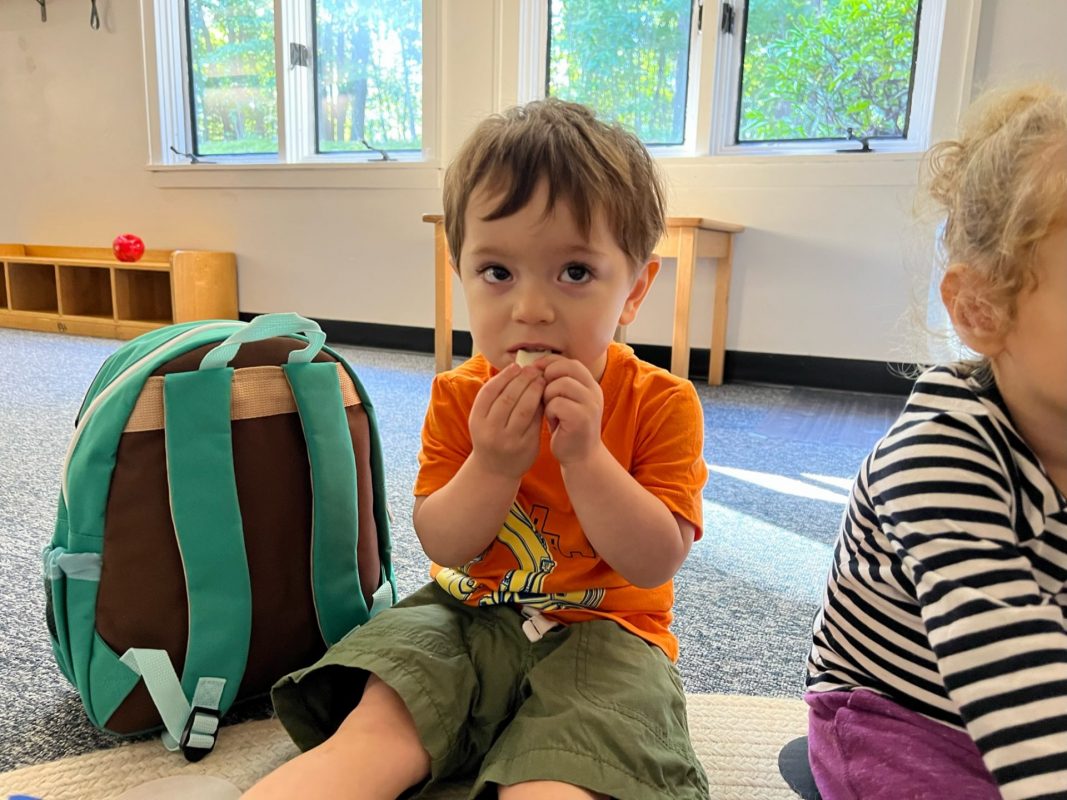
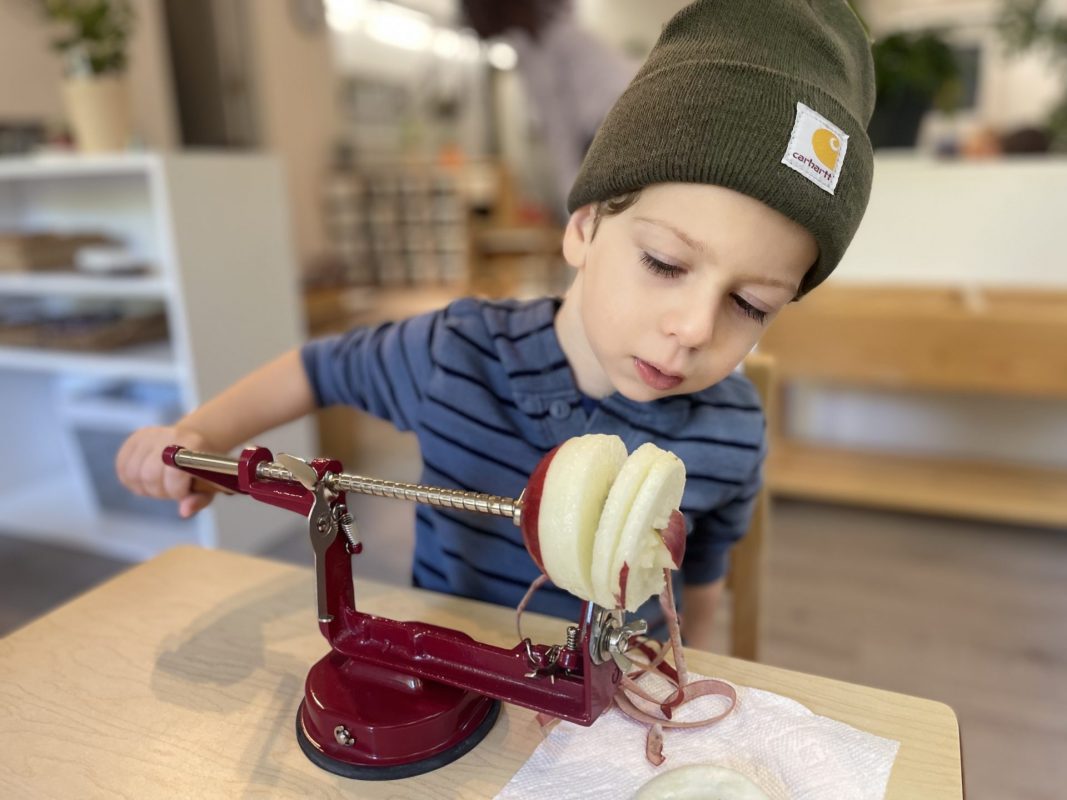
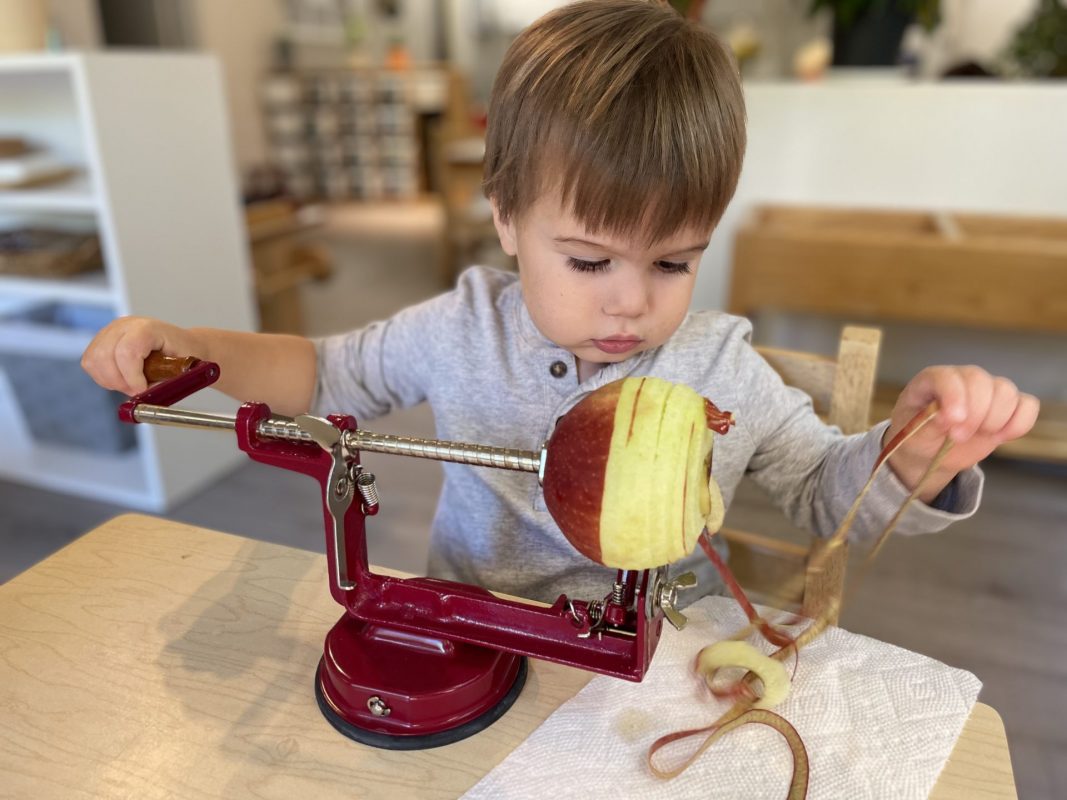
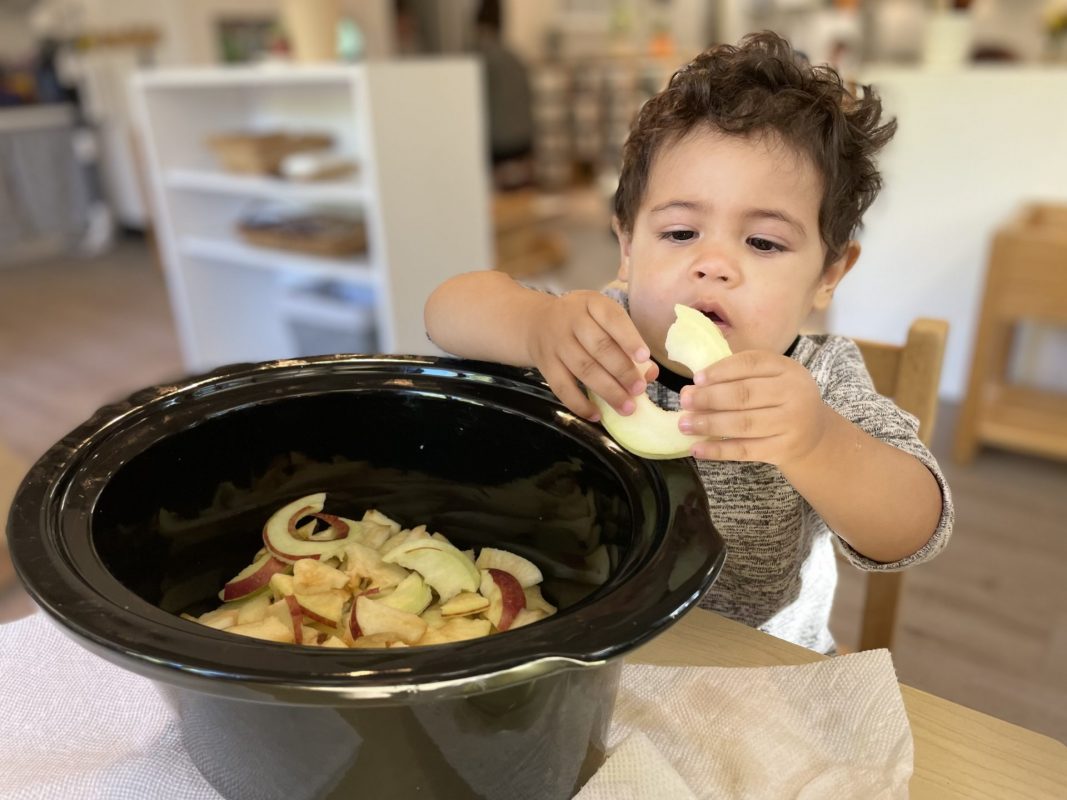
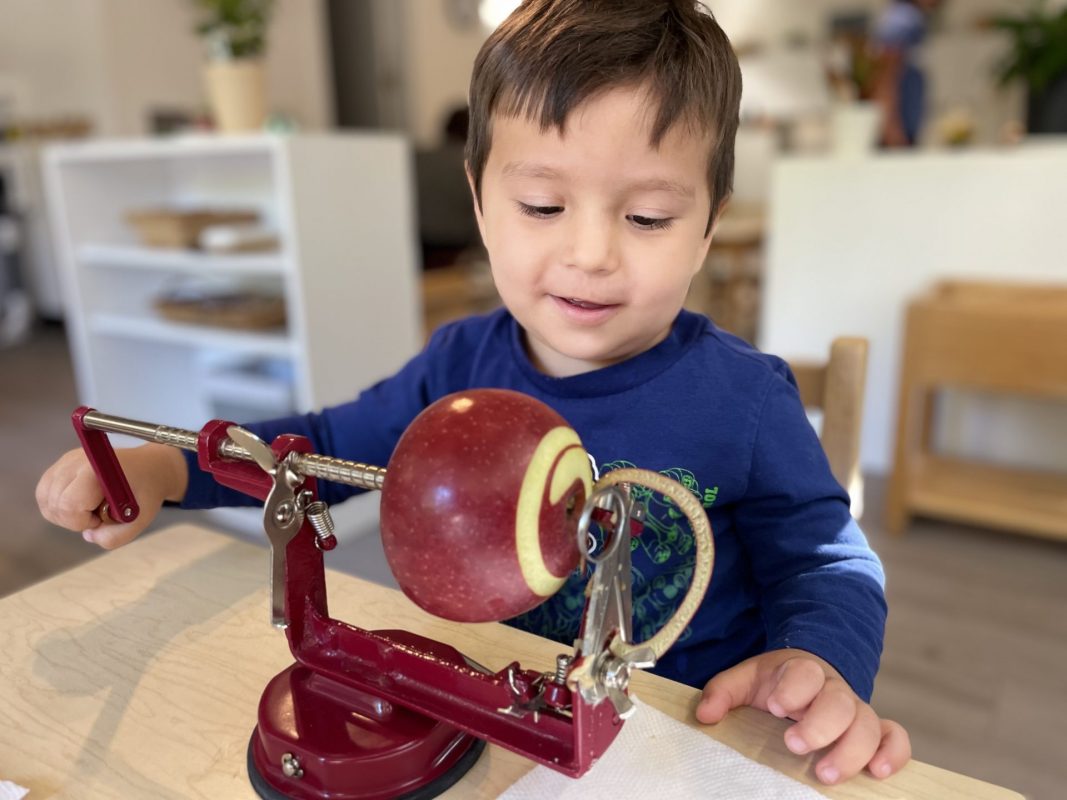
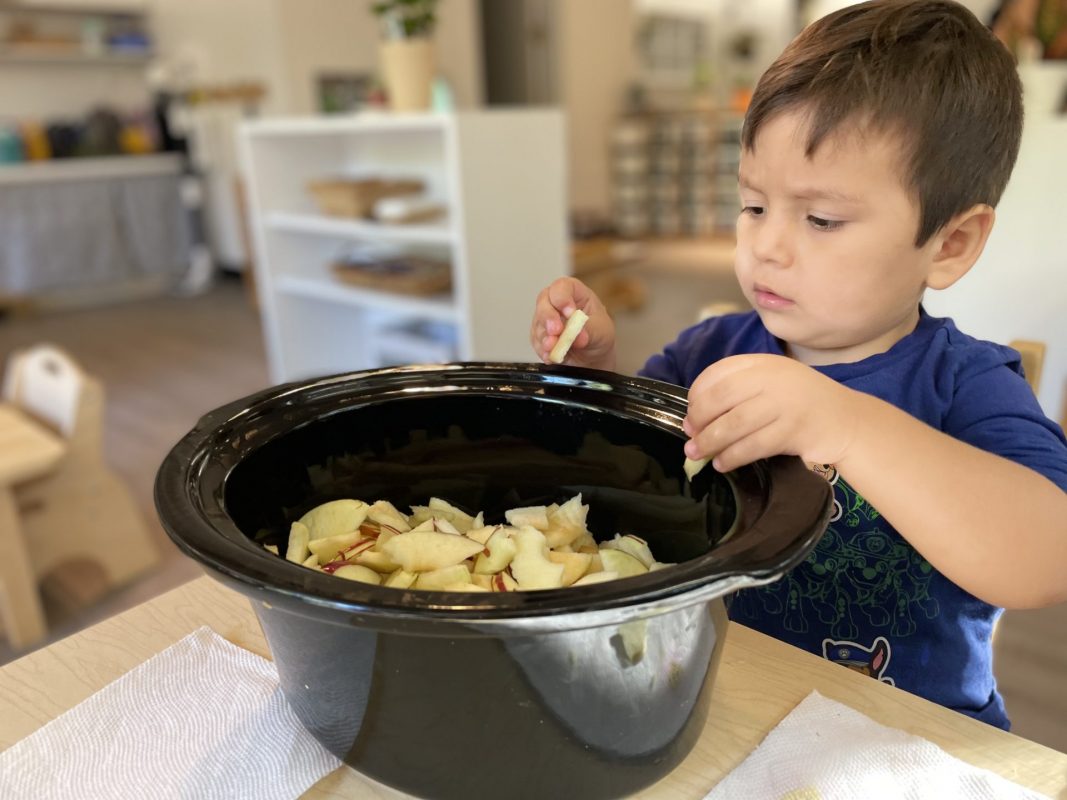
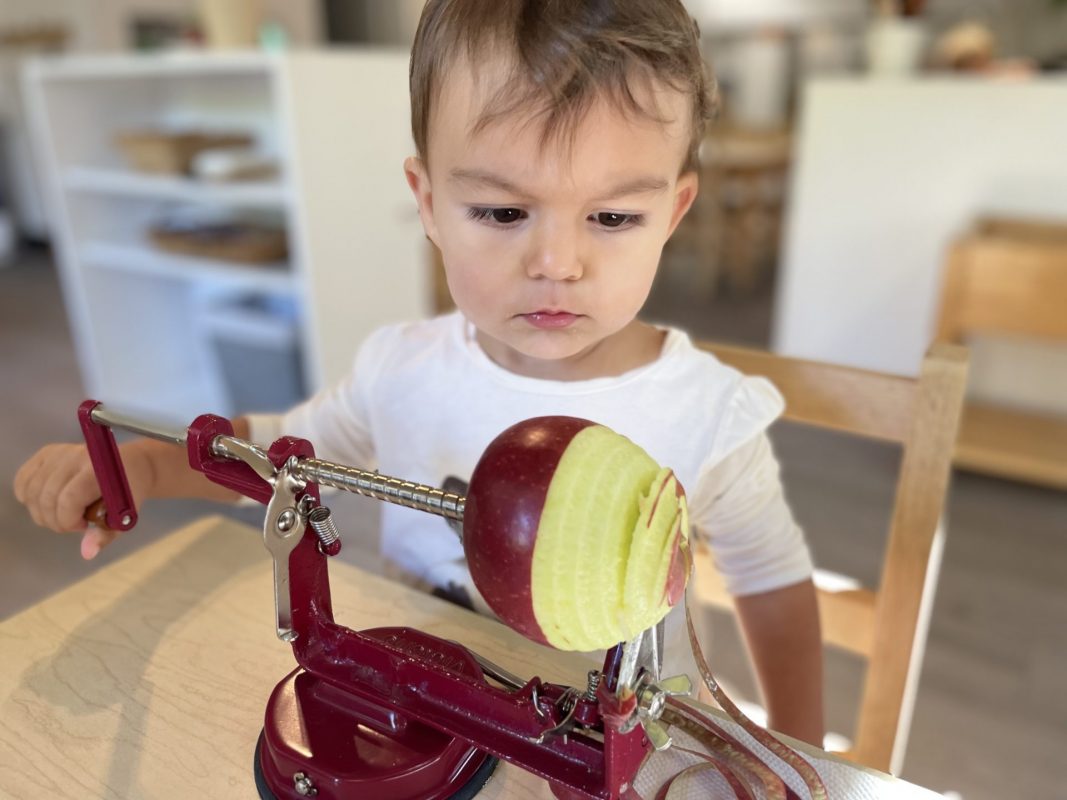
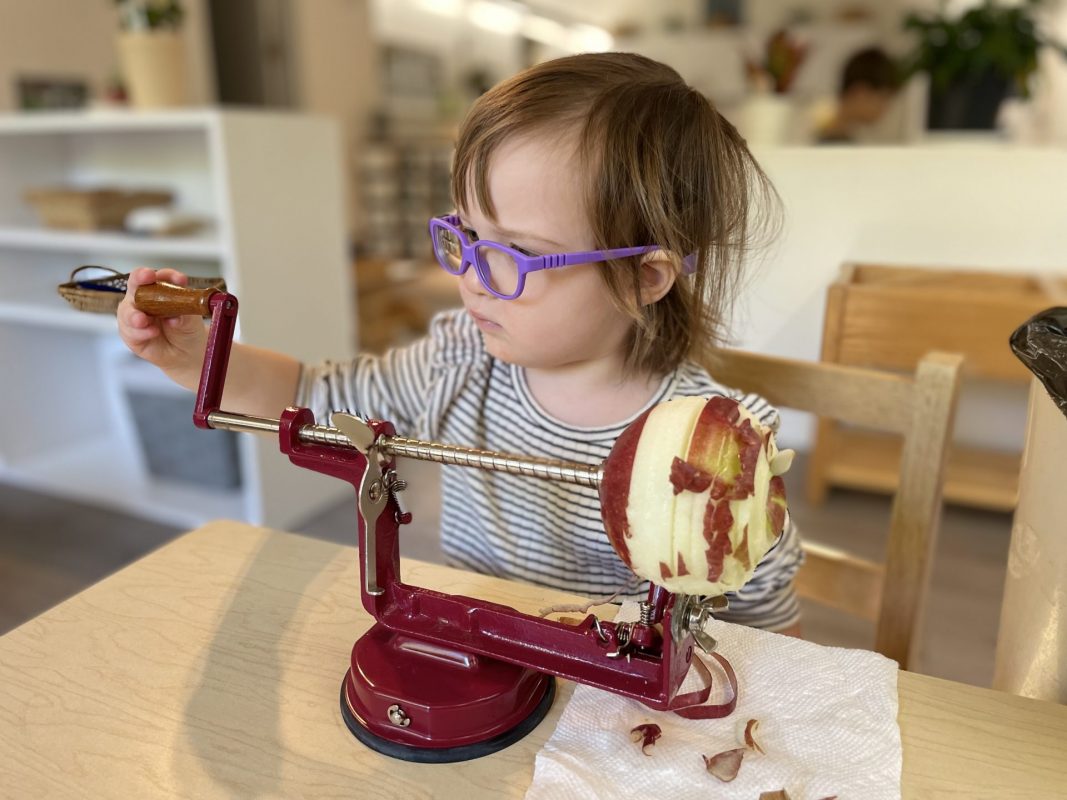
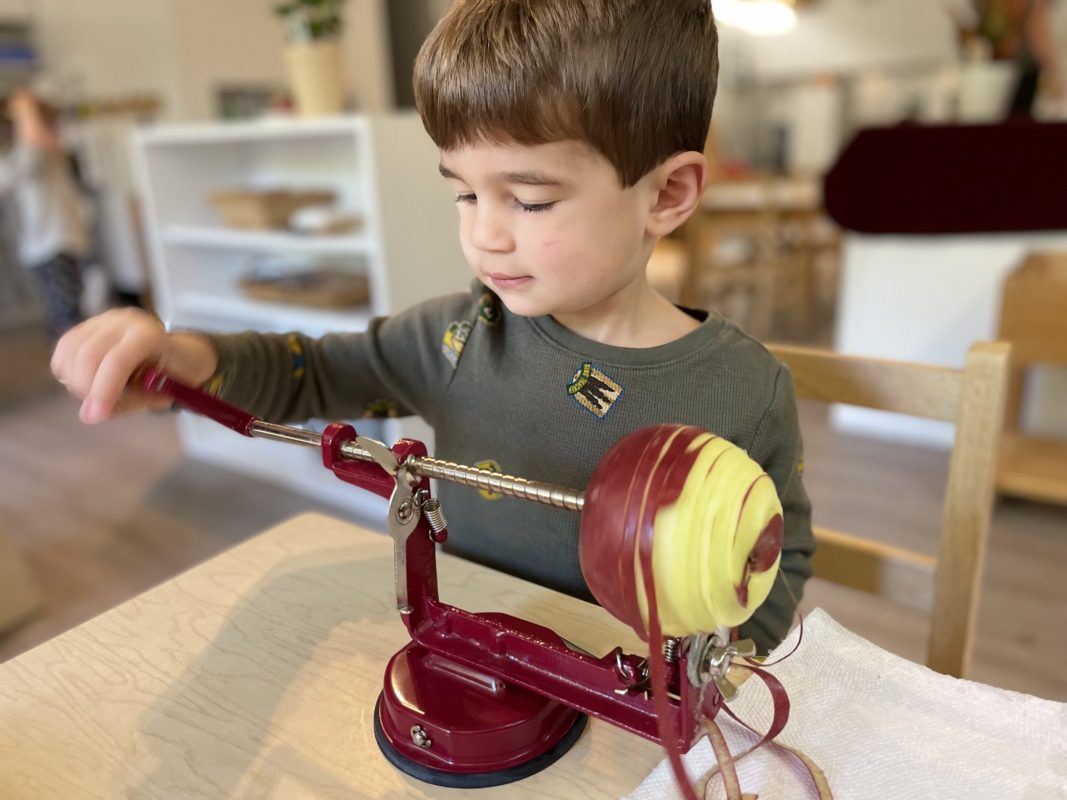
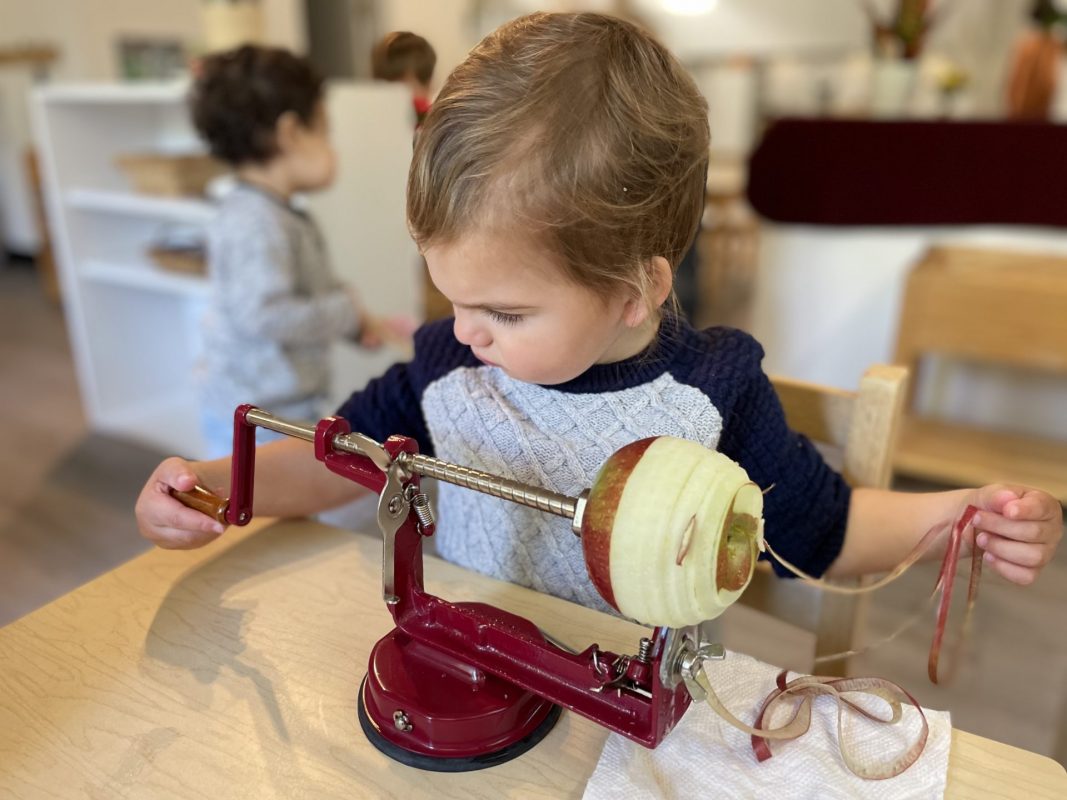
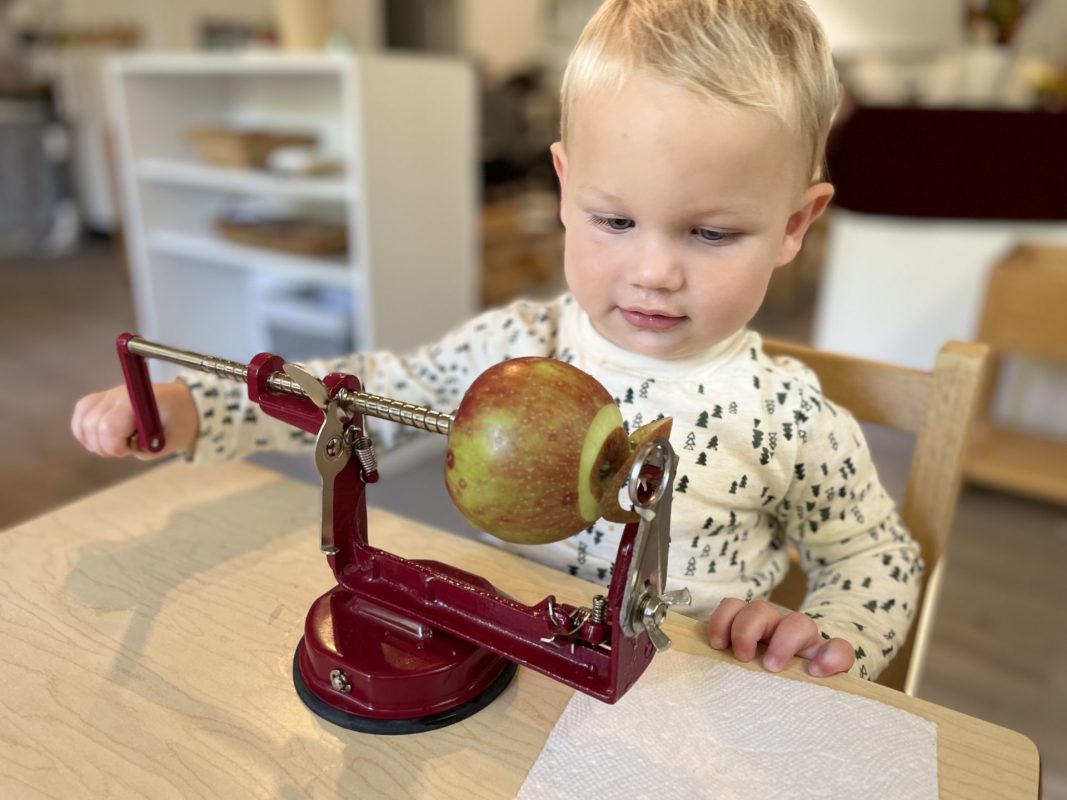
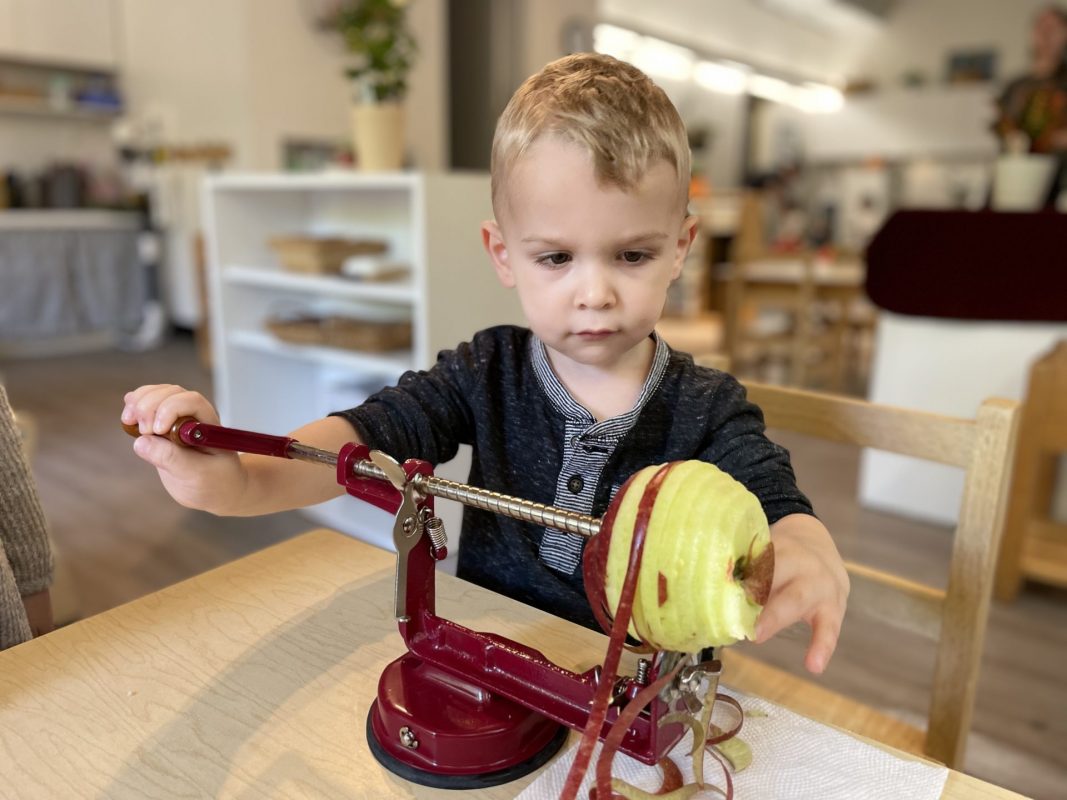
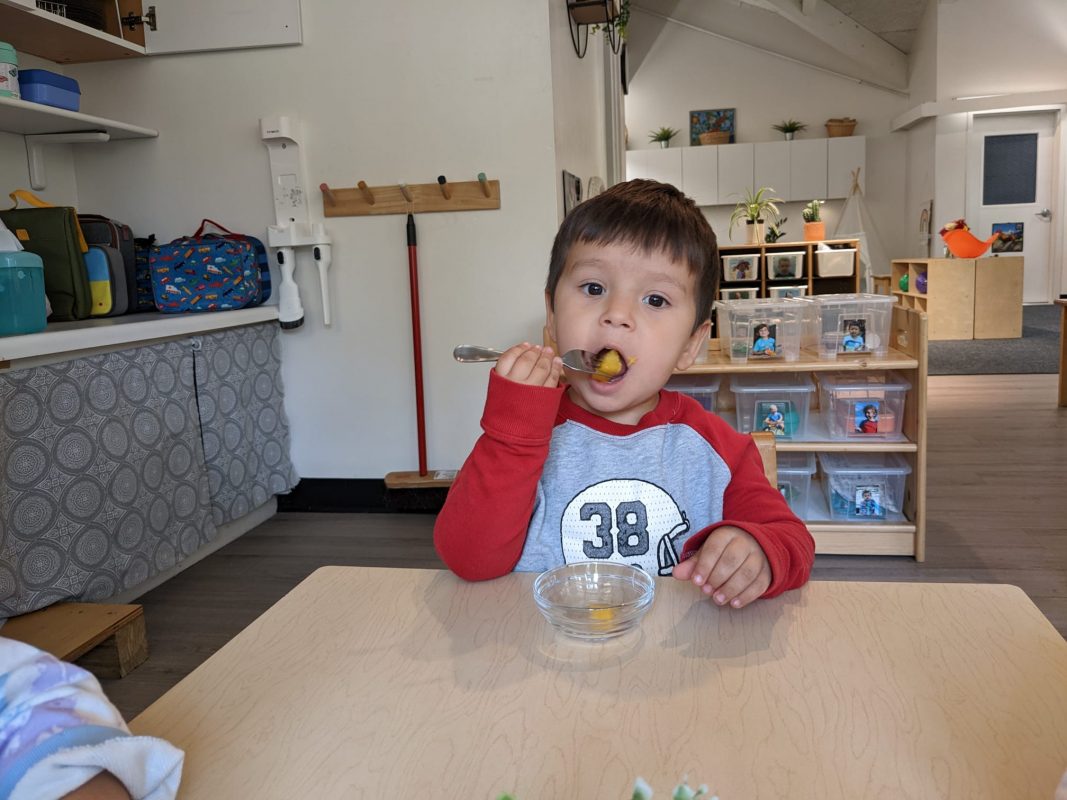
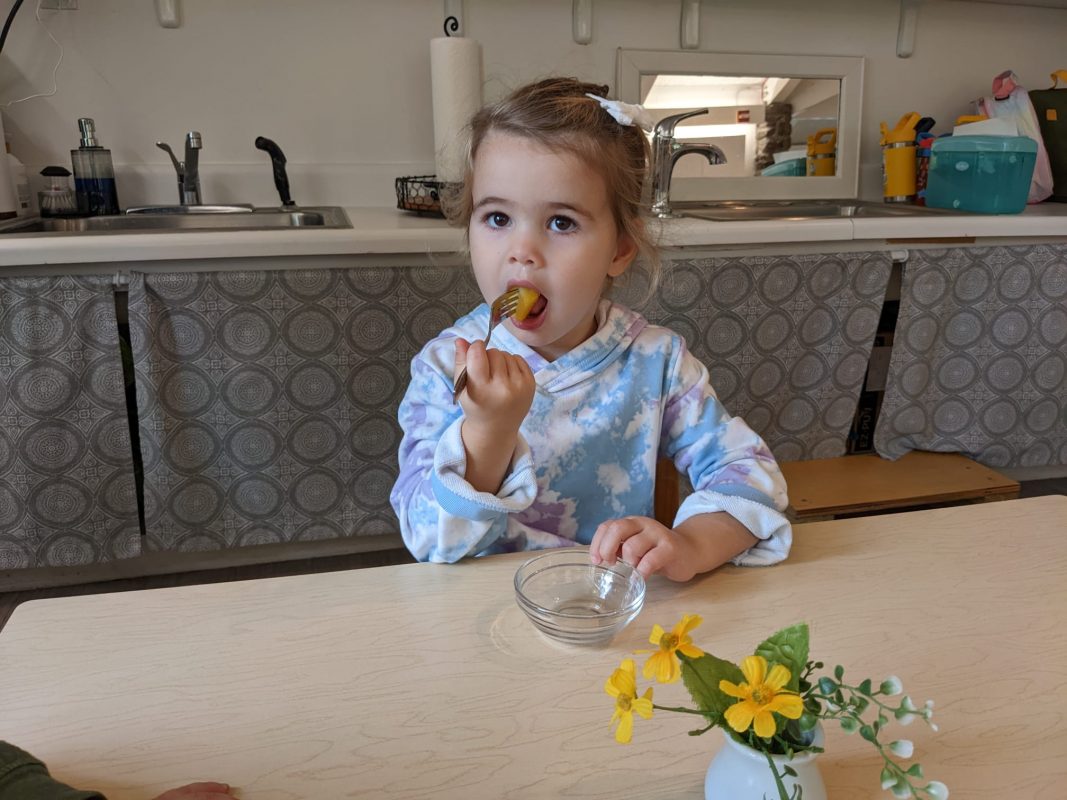
One of the main highlights this week was a fun Sensorial experience we had, to close our apple studies. Your children dissected an apple and oh boy! They really seemed to enjoy it!

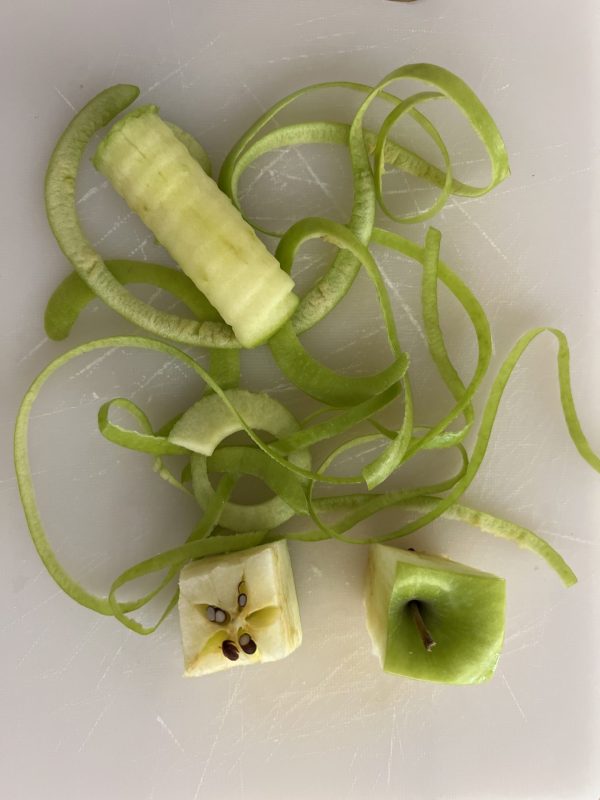
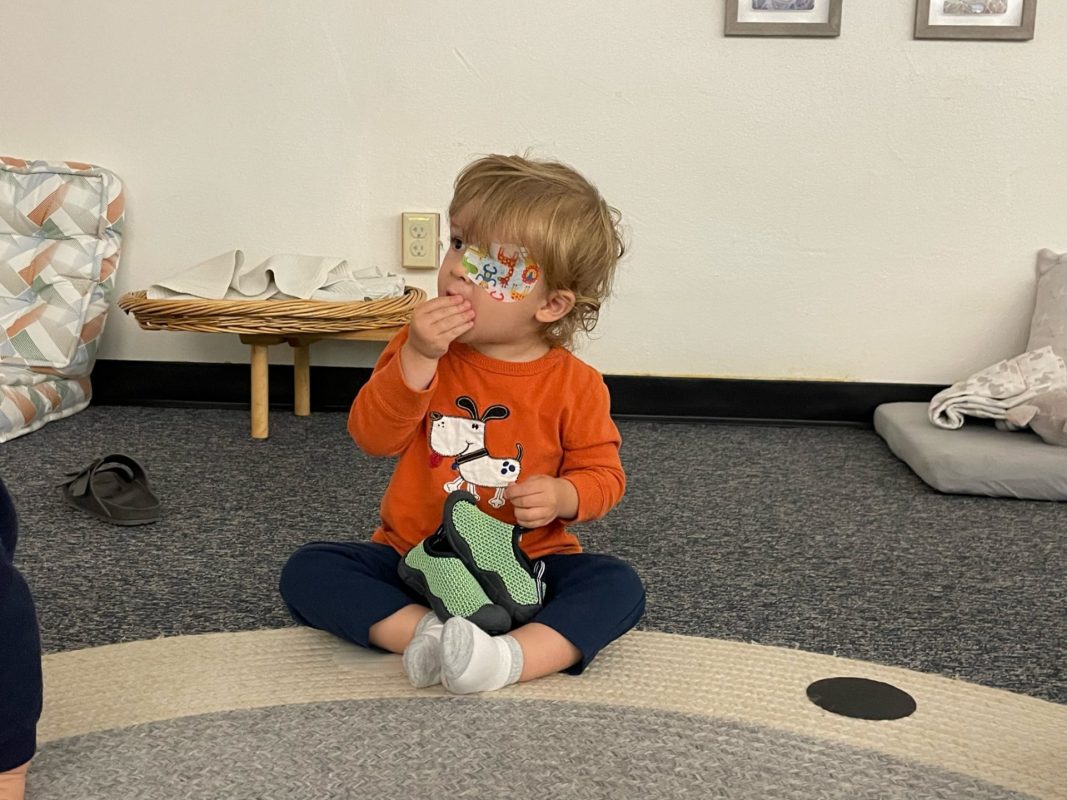
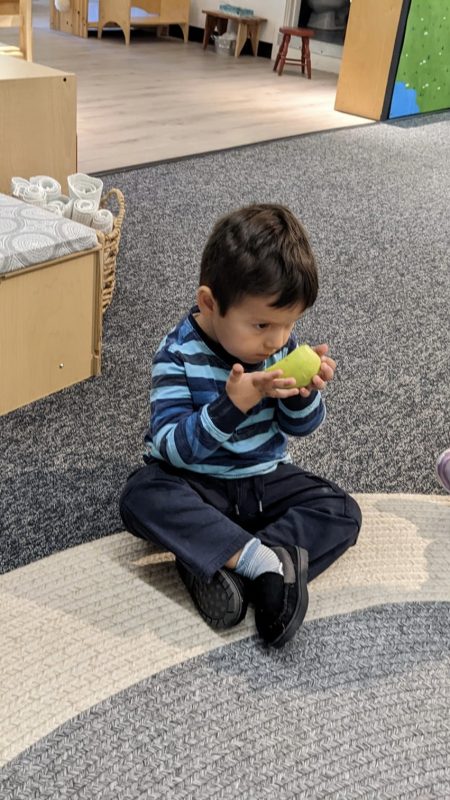
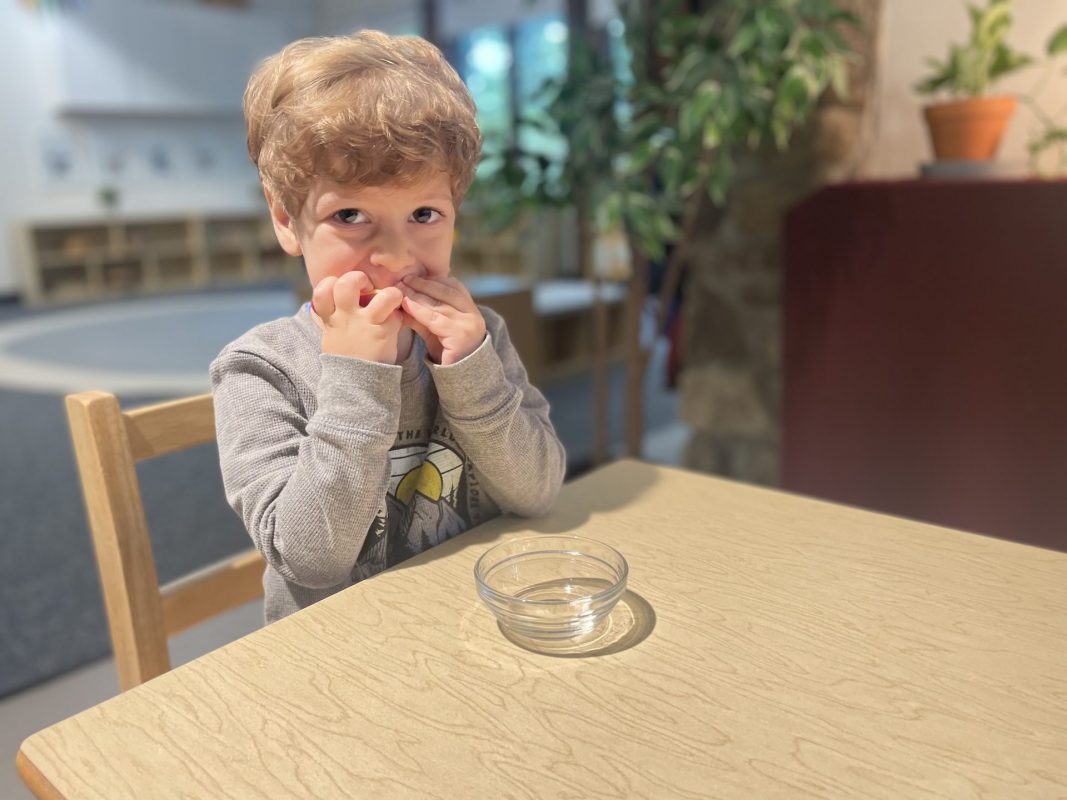
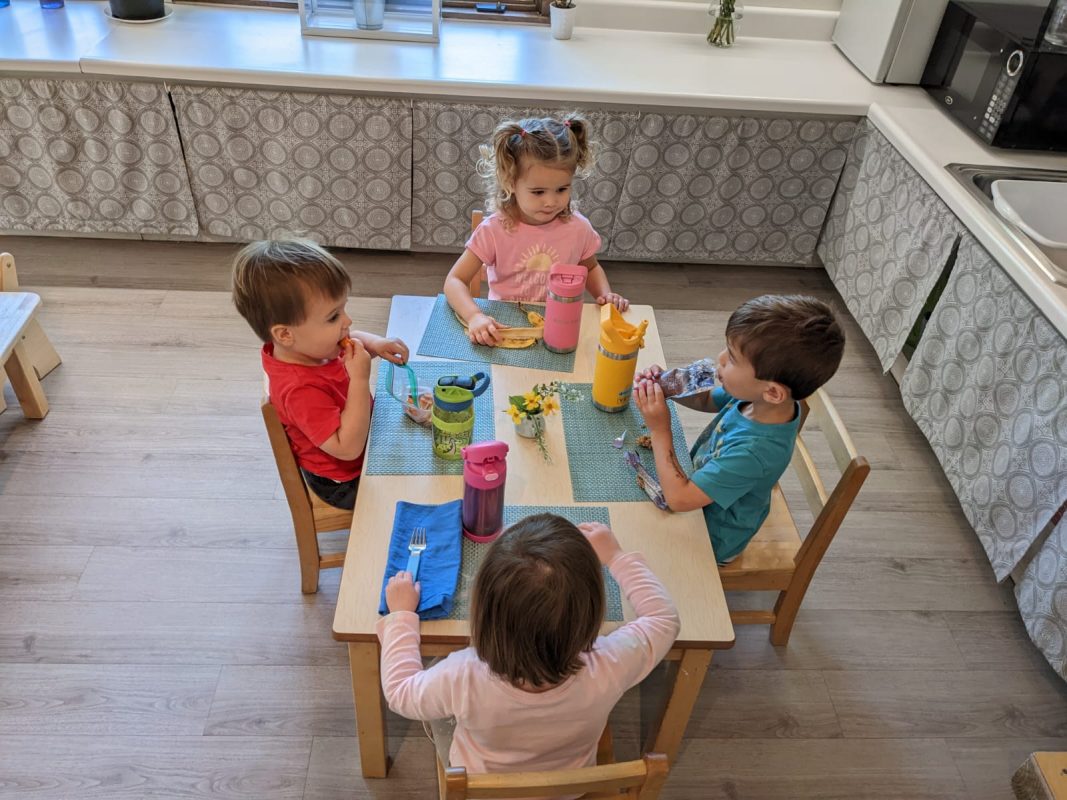
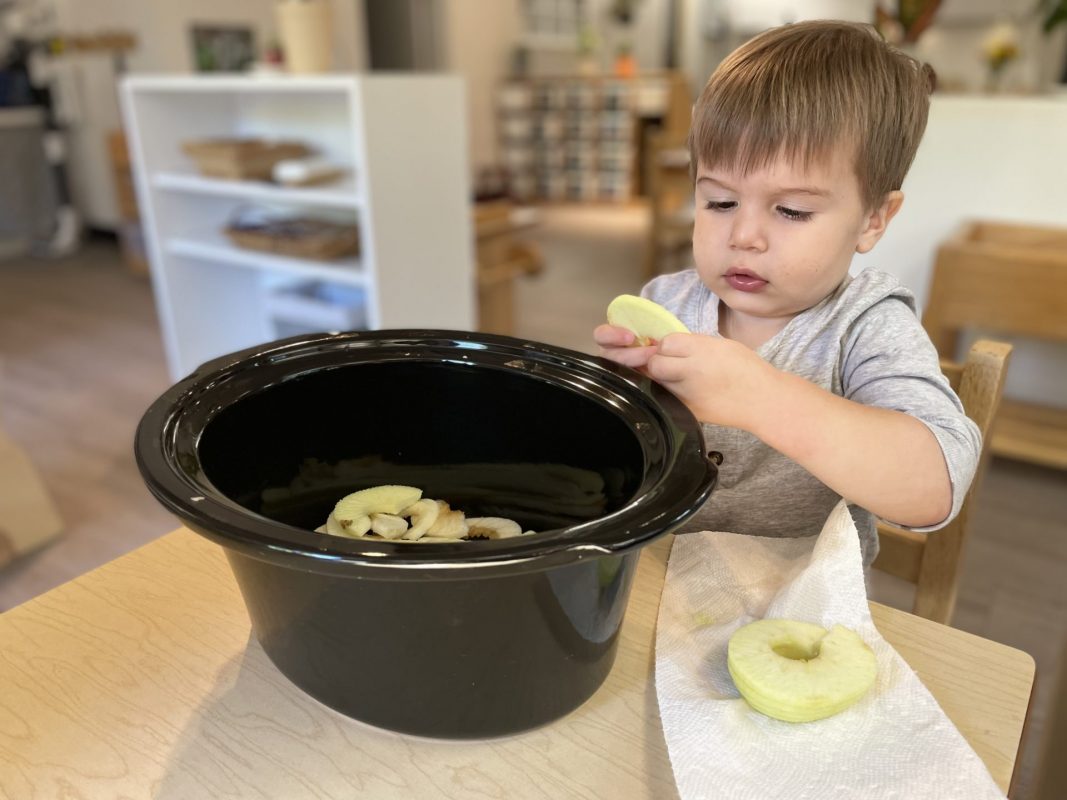
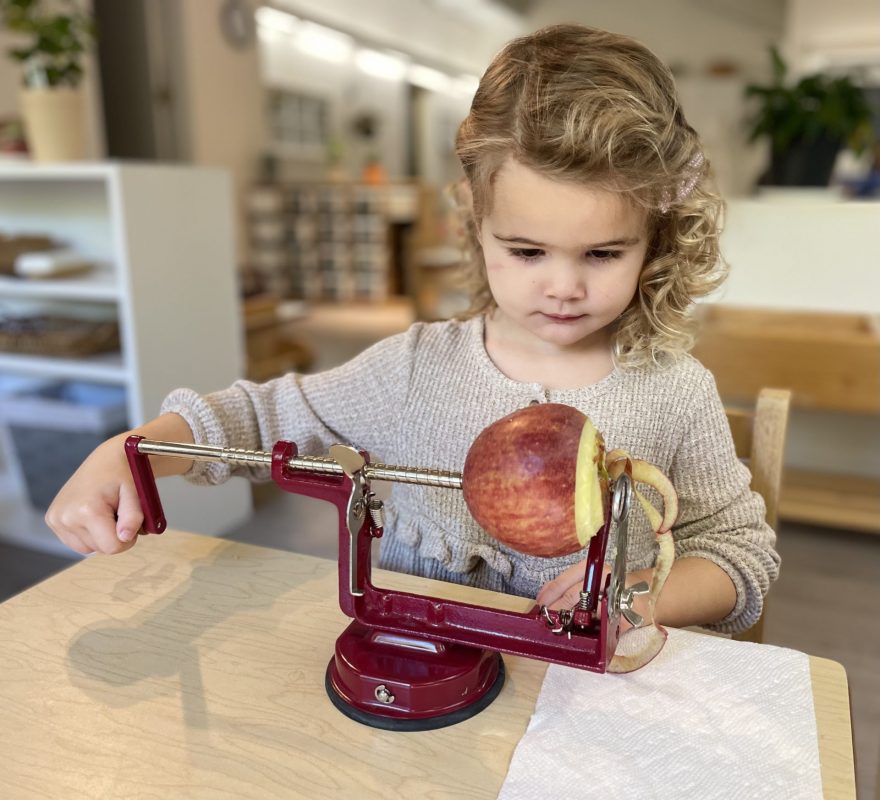
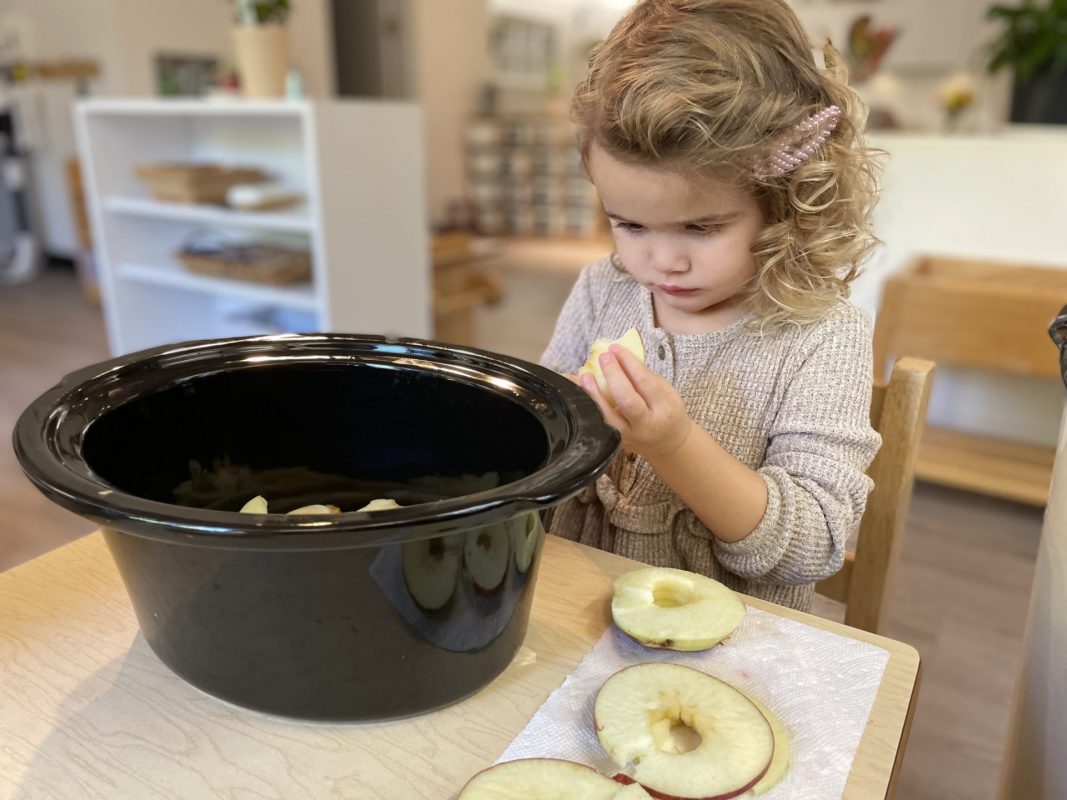
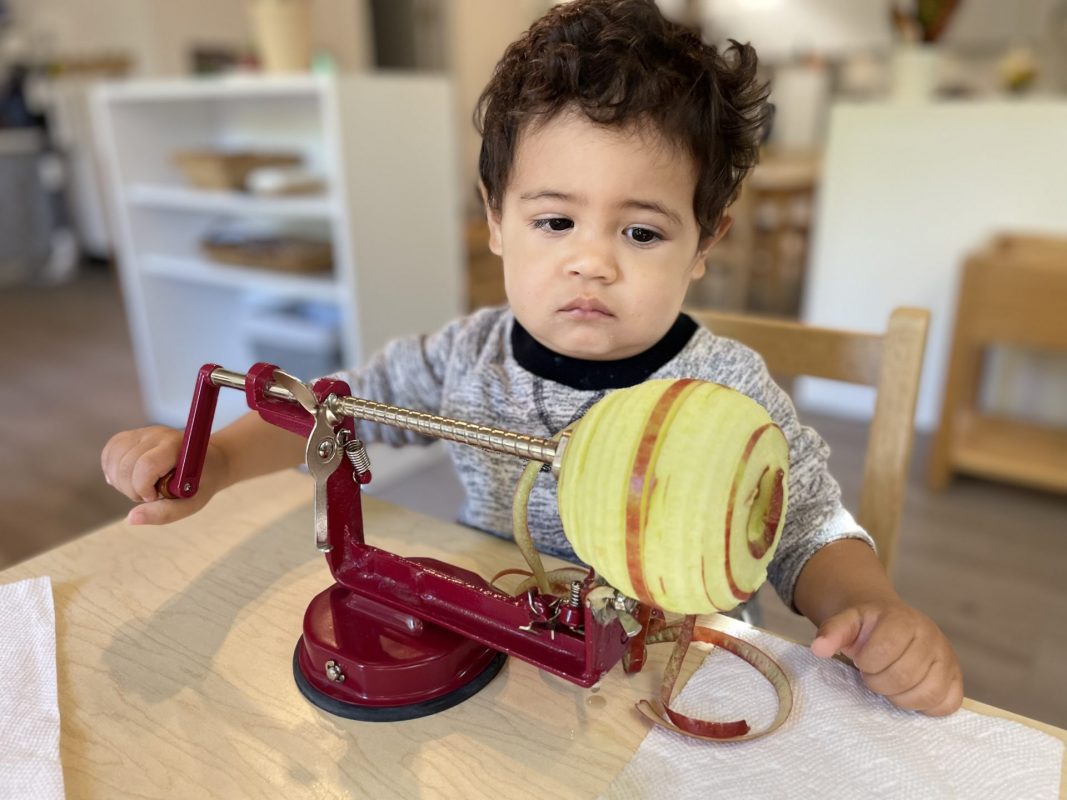
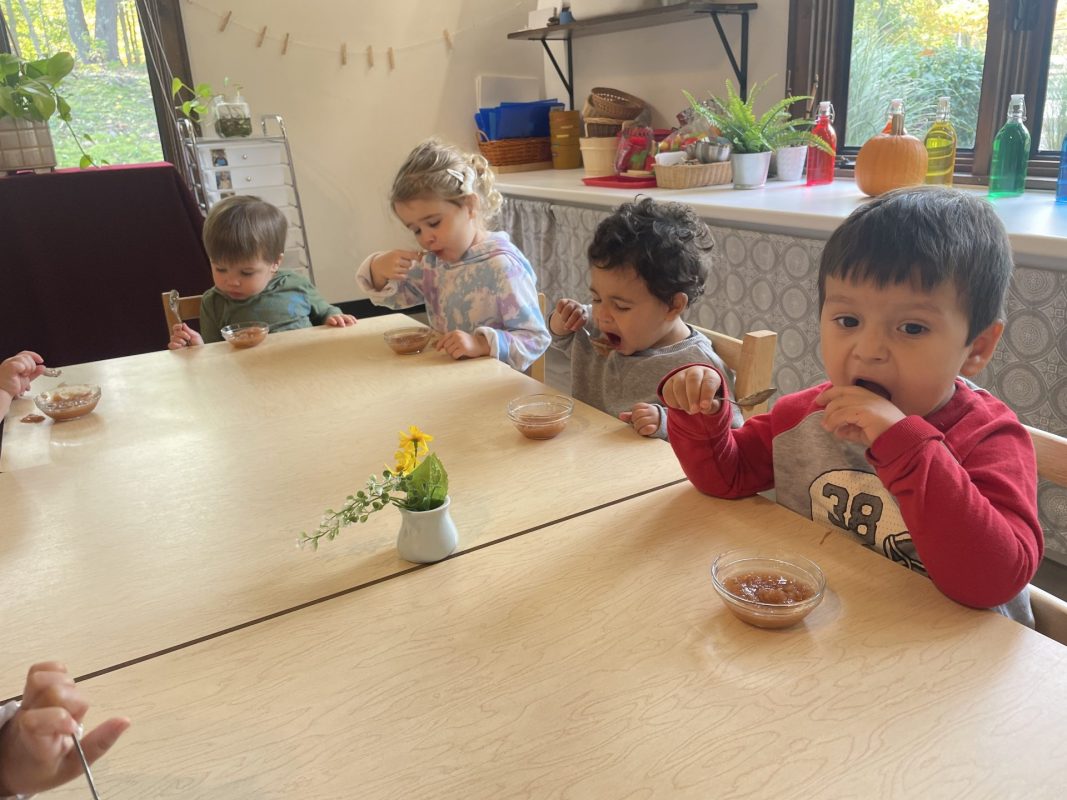
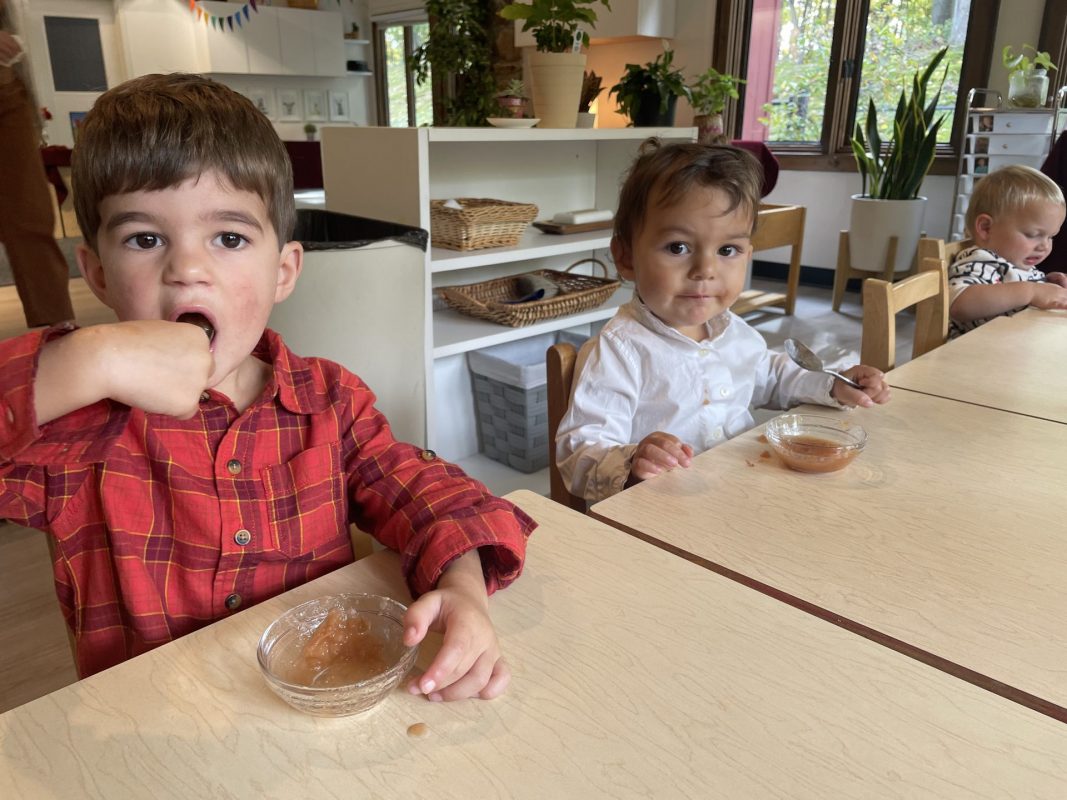
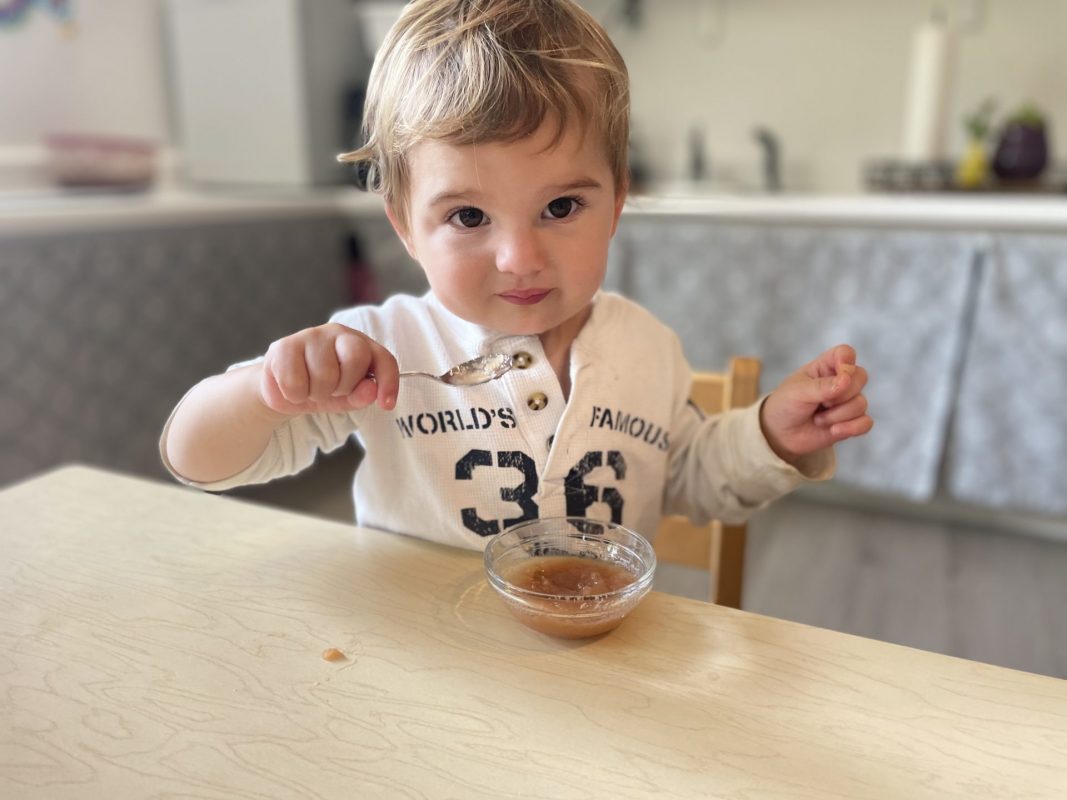
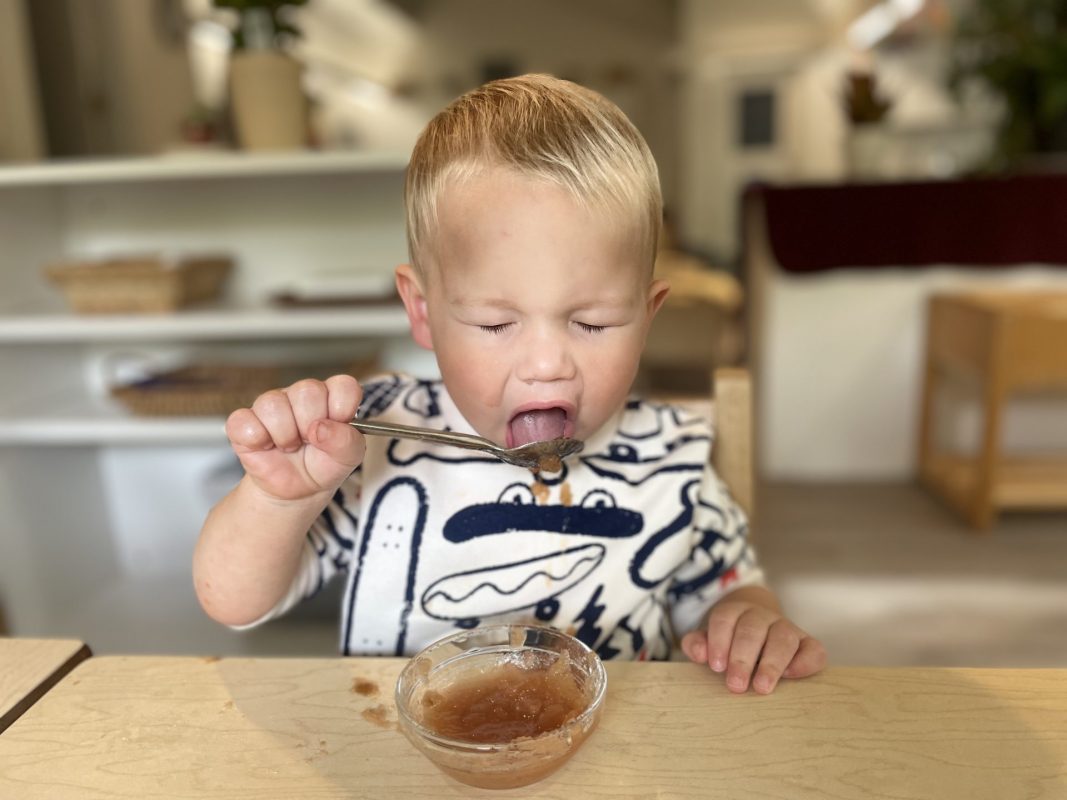
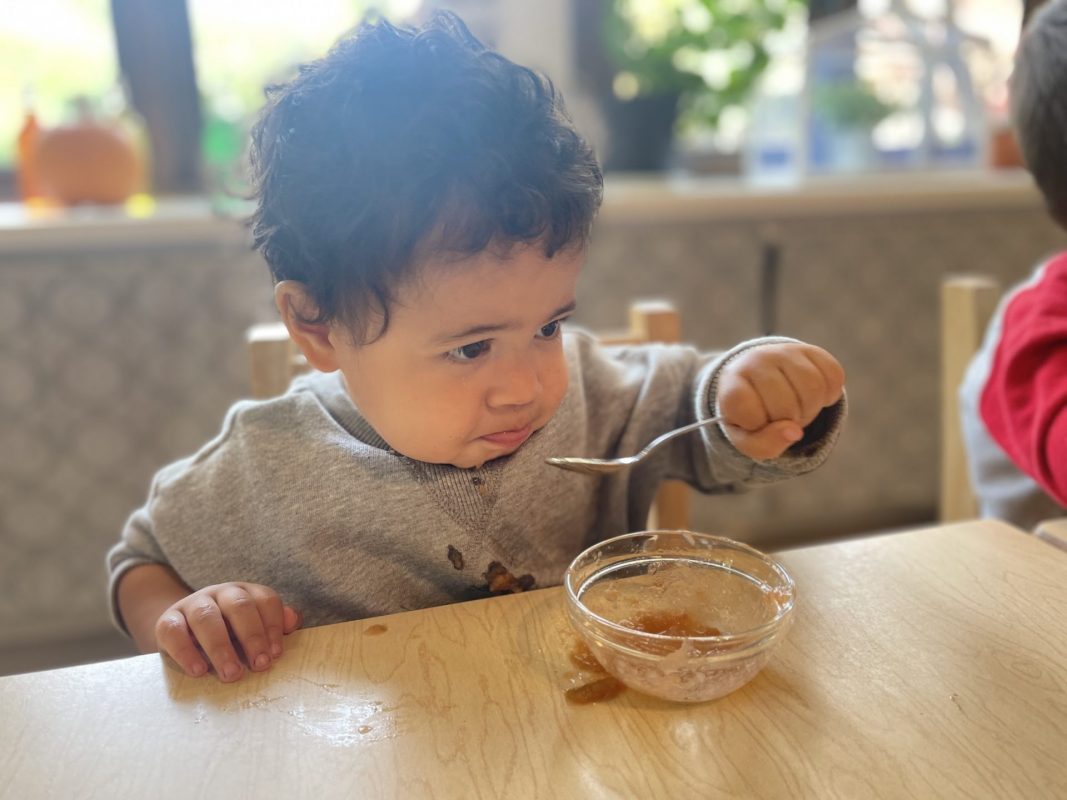
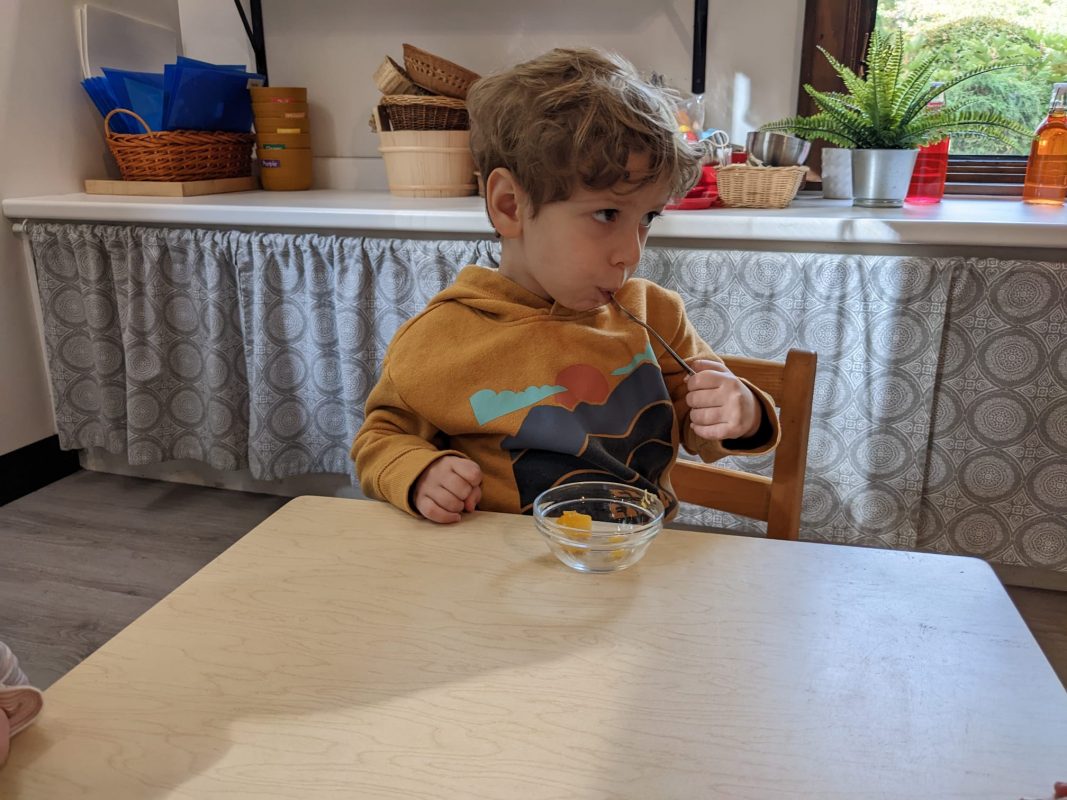
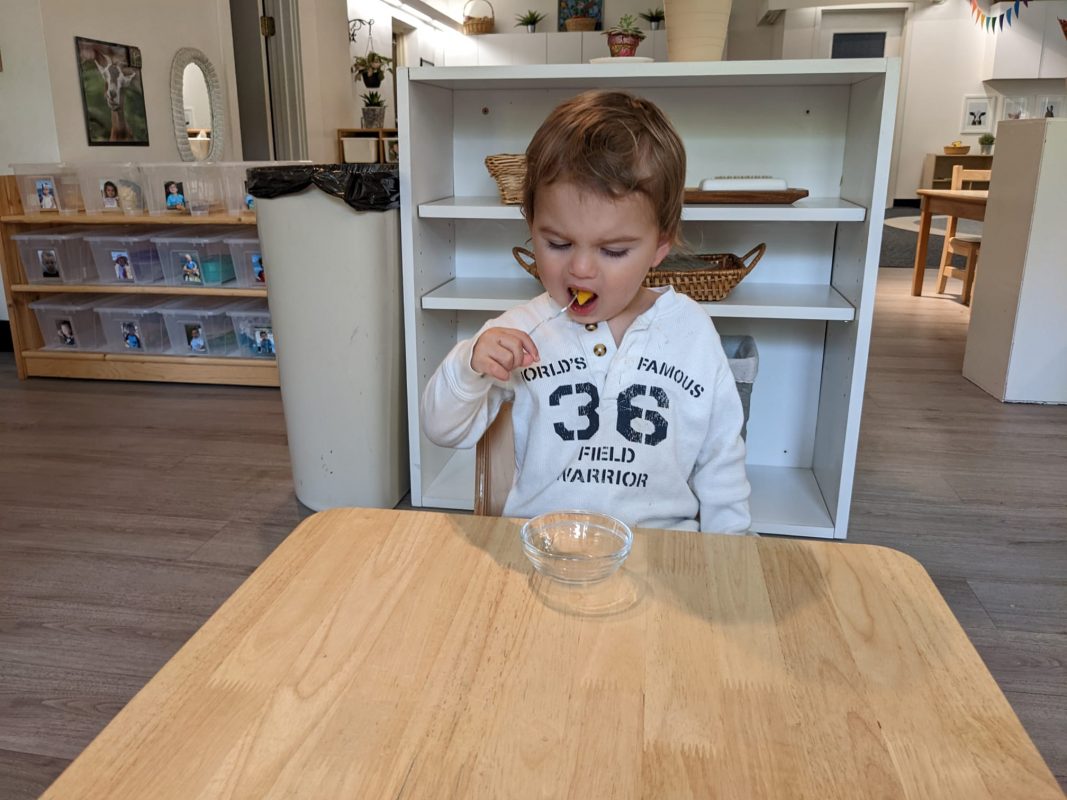
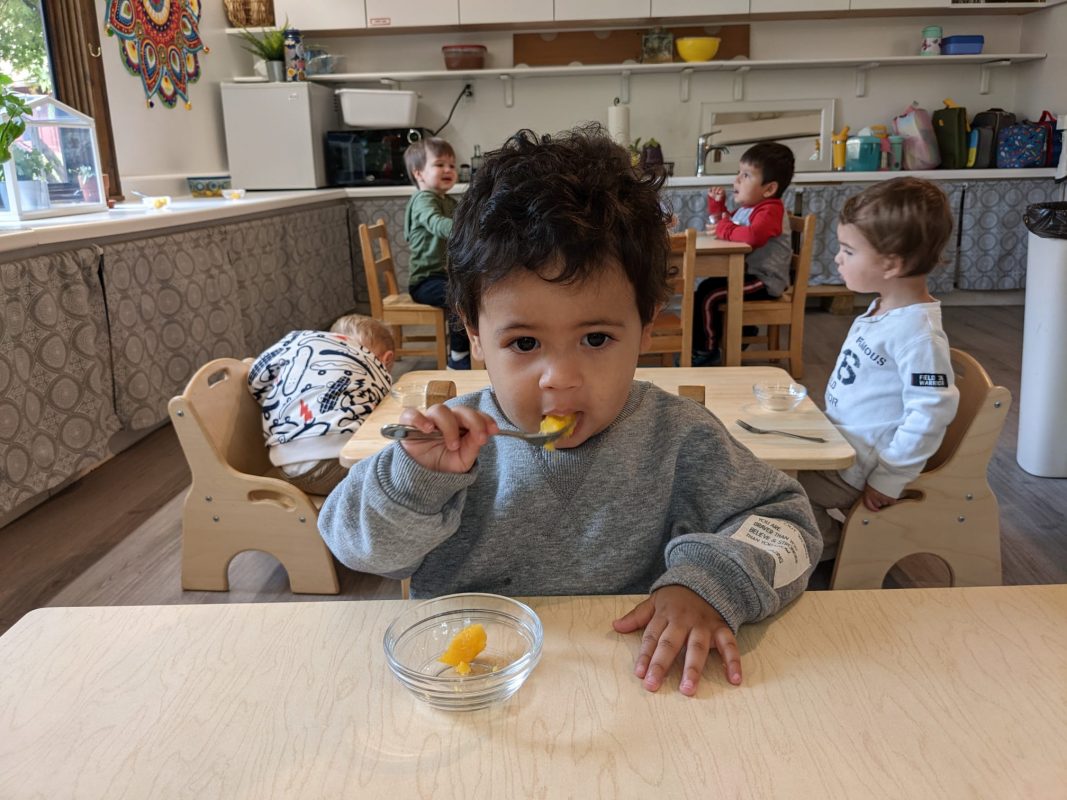
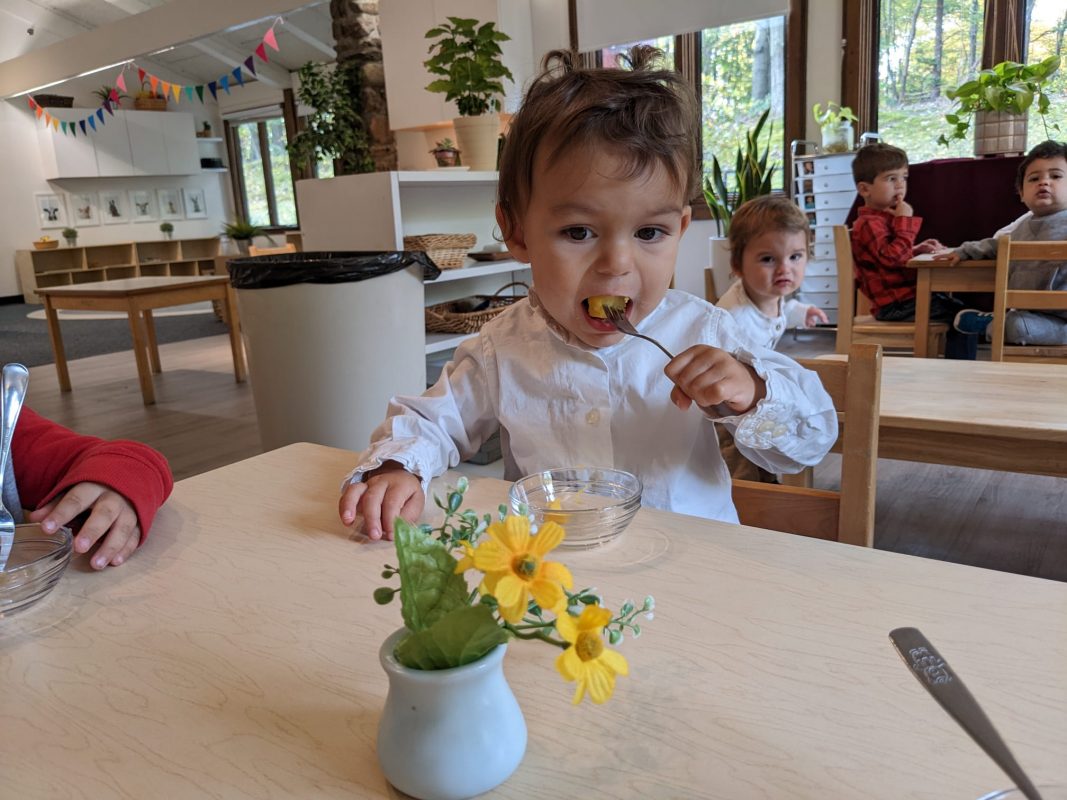
With senses full of curiosity, children touched, observed, smelled, peeled and cored a delicious apple. The children found it very fun and interesting to use the handle of the peeler but their eyes really sparkled and the smiles bloomed when they started watching the skin of the apple peeling and falling on the napkin. They also helped break the apple into pieces and place it inside our crock pot to be cooked and turn into a delicious apple sauce! The next morning we gathered as a class and the children got to enjoy the fruits of their work.

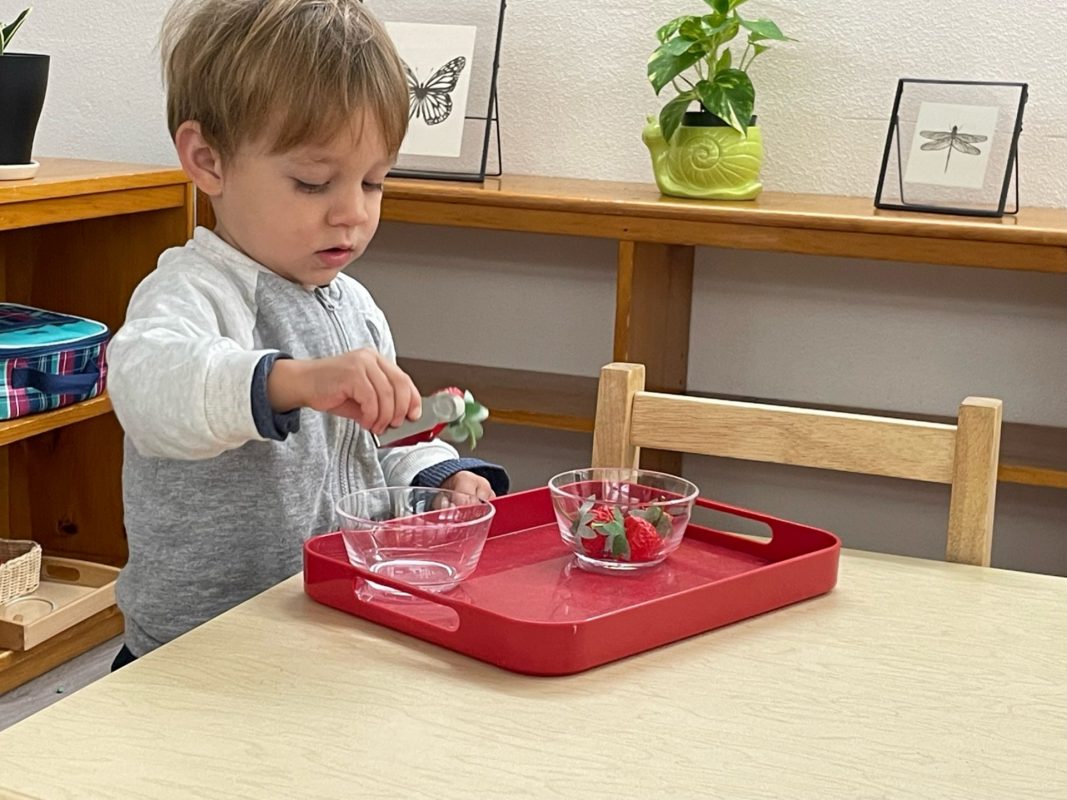
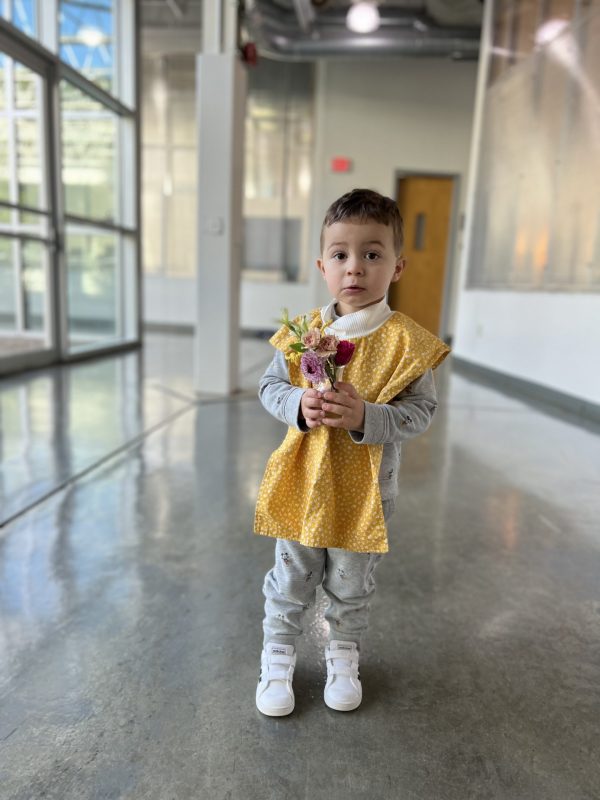
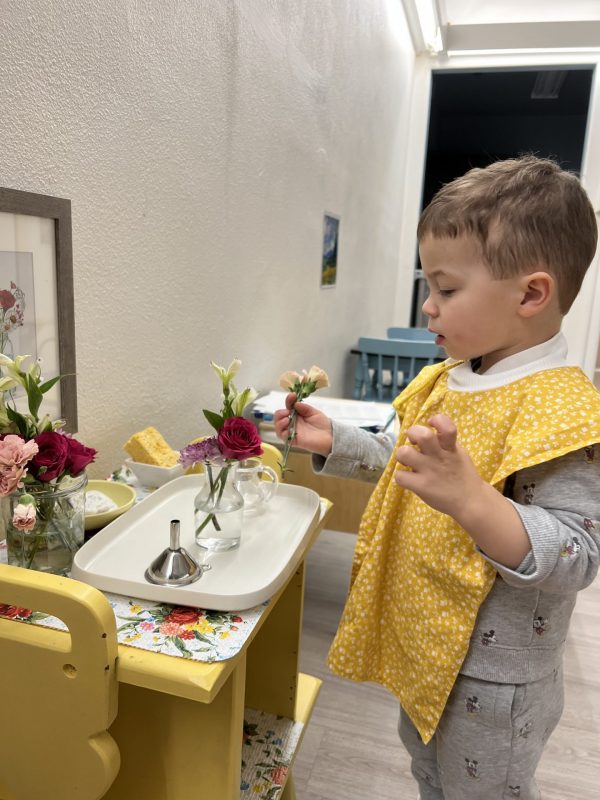
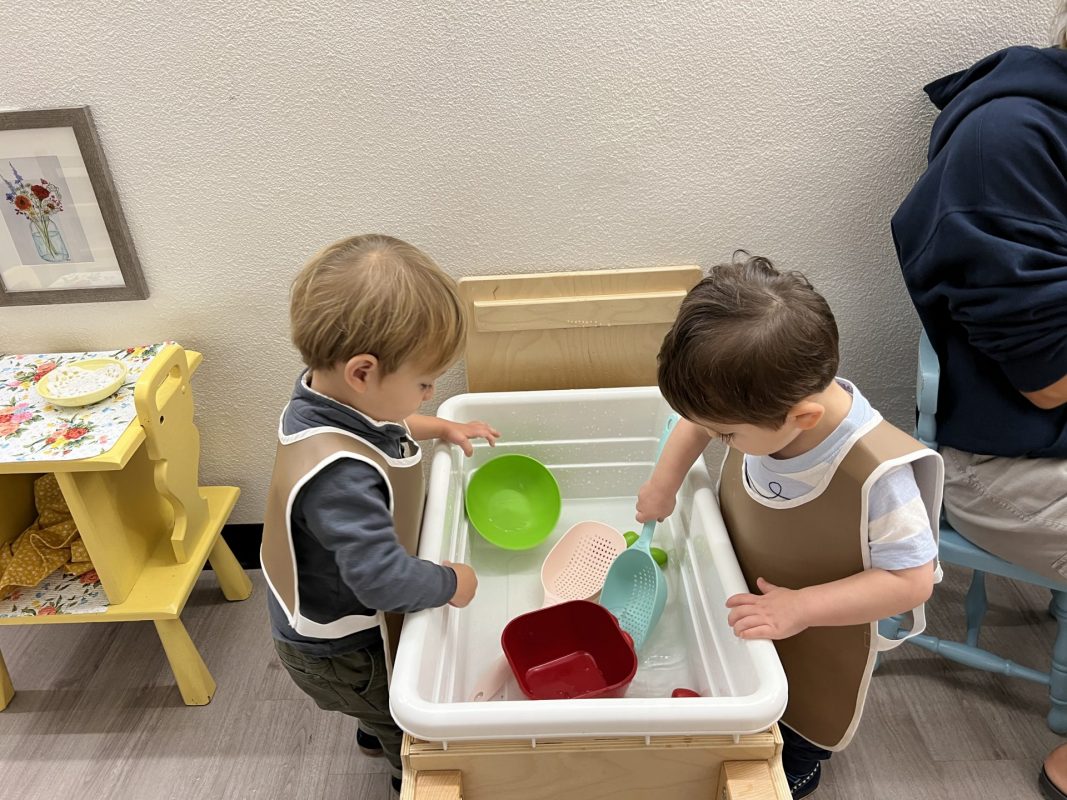
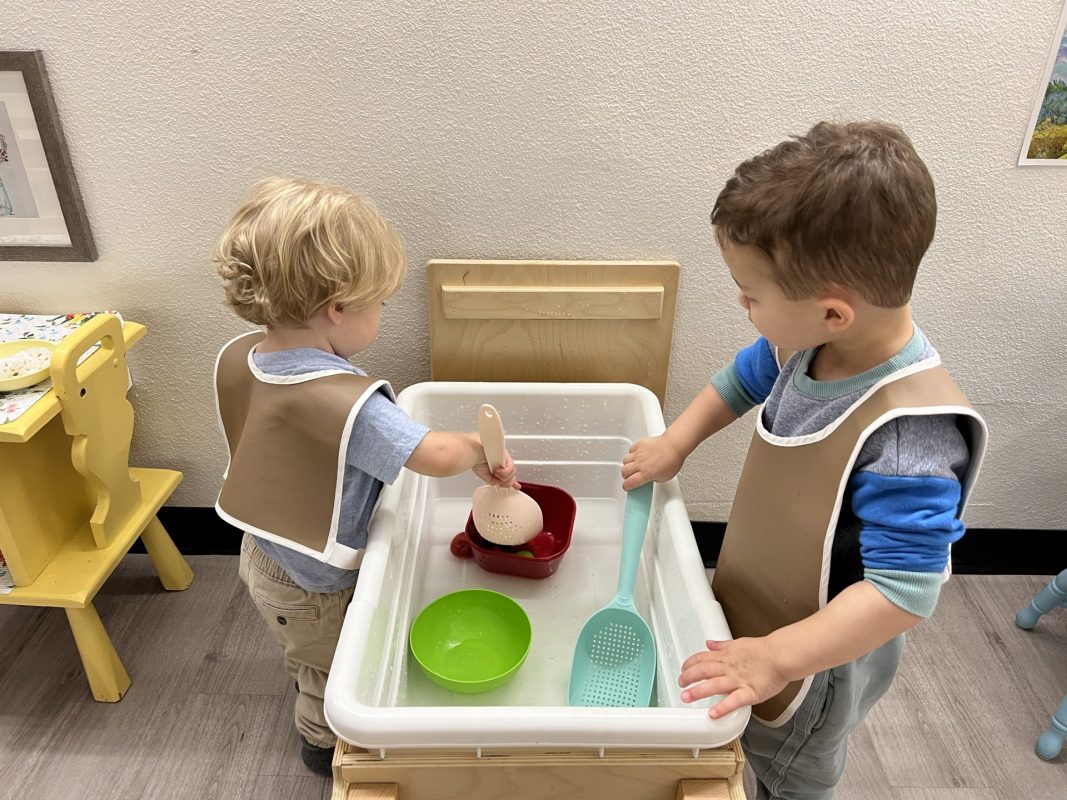
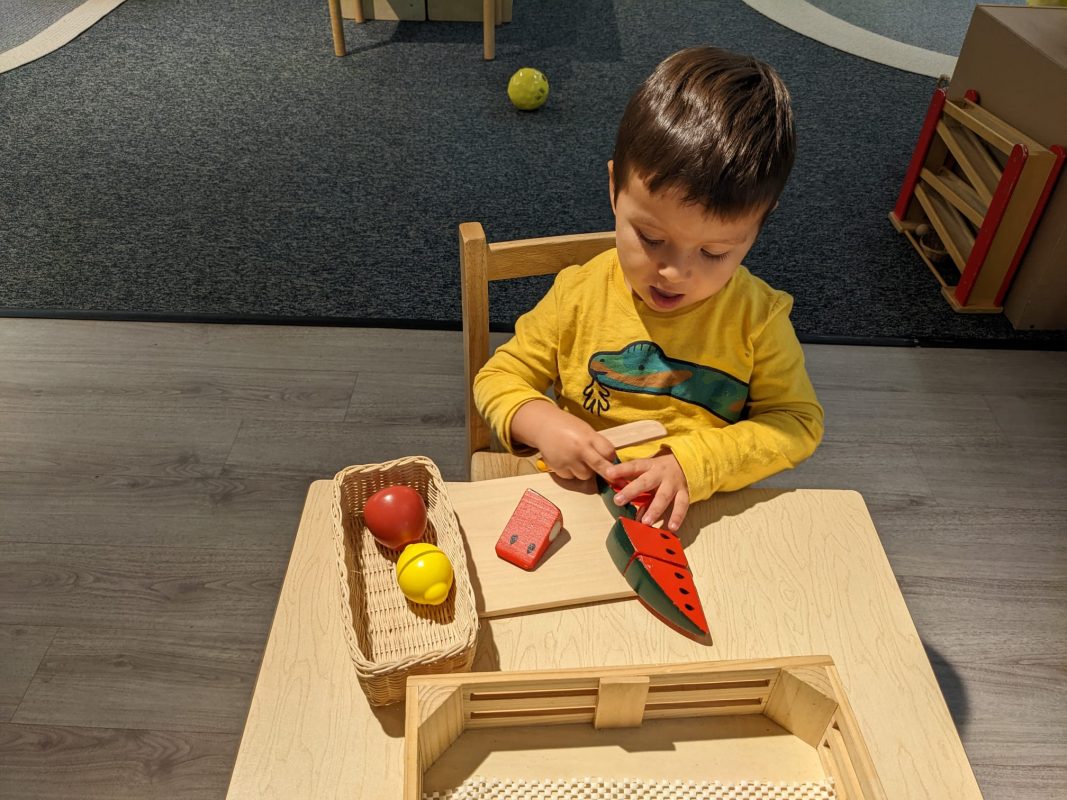
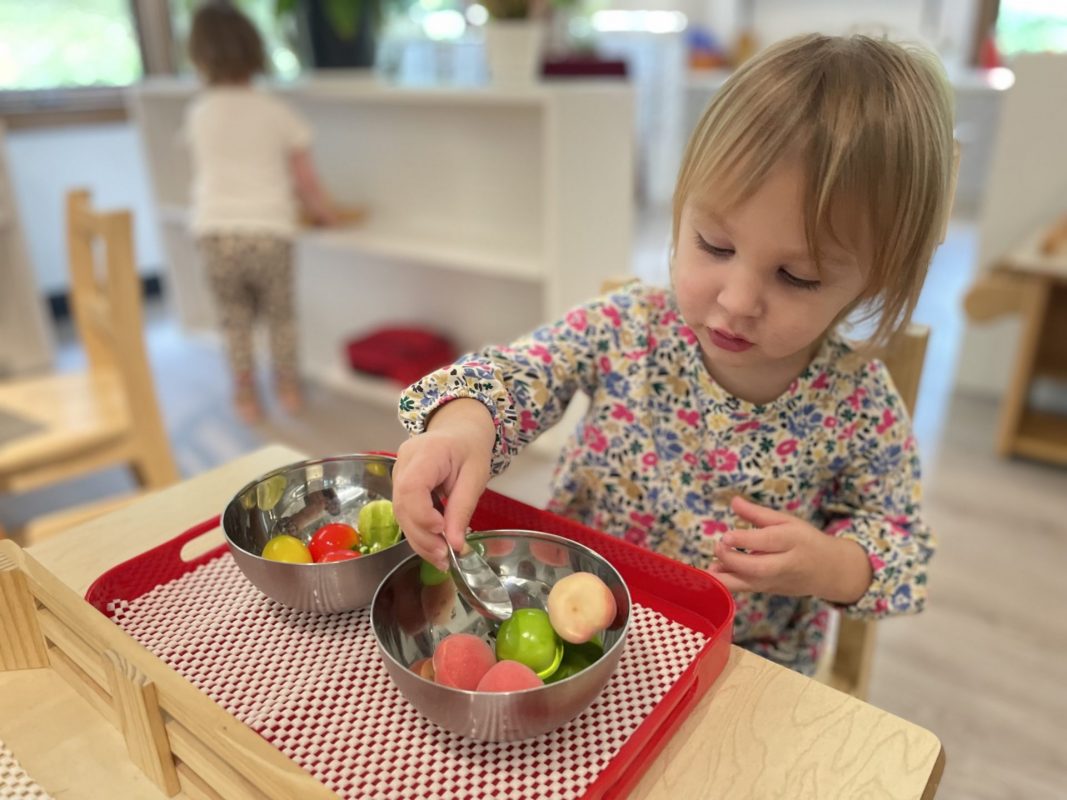
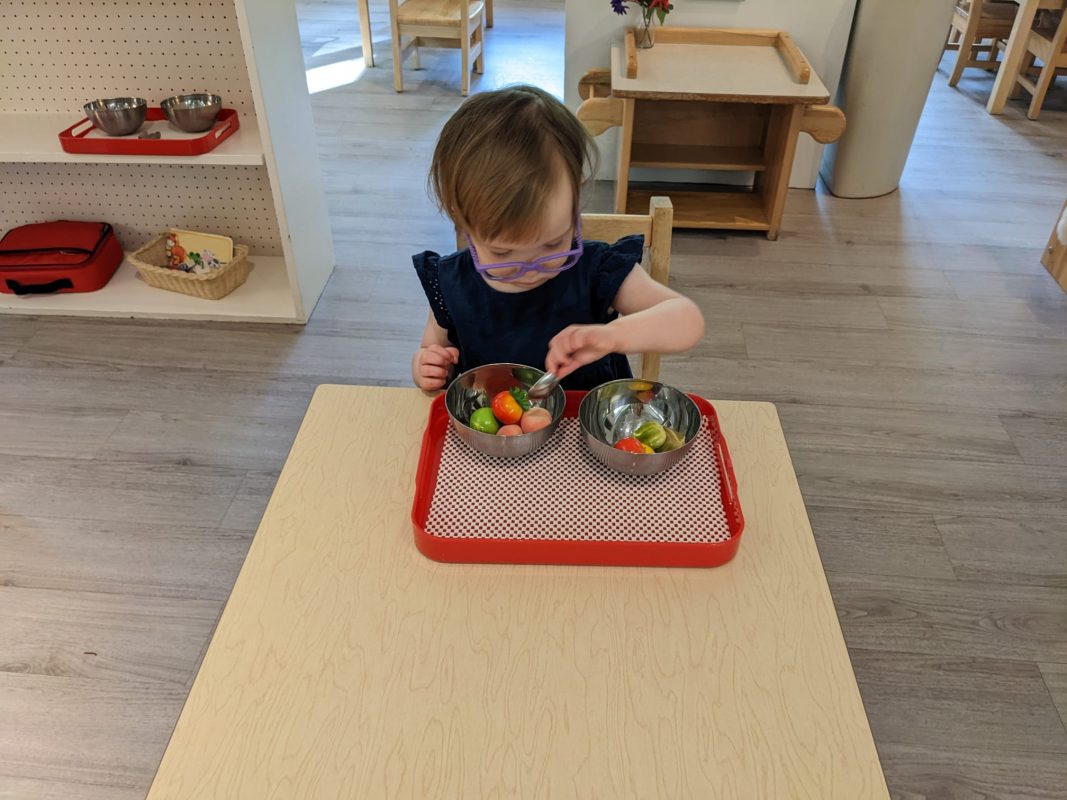
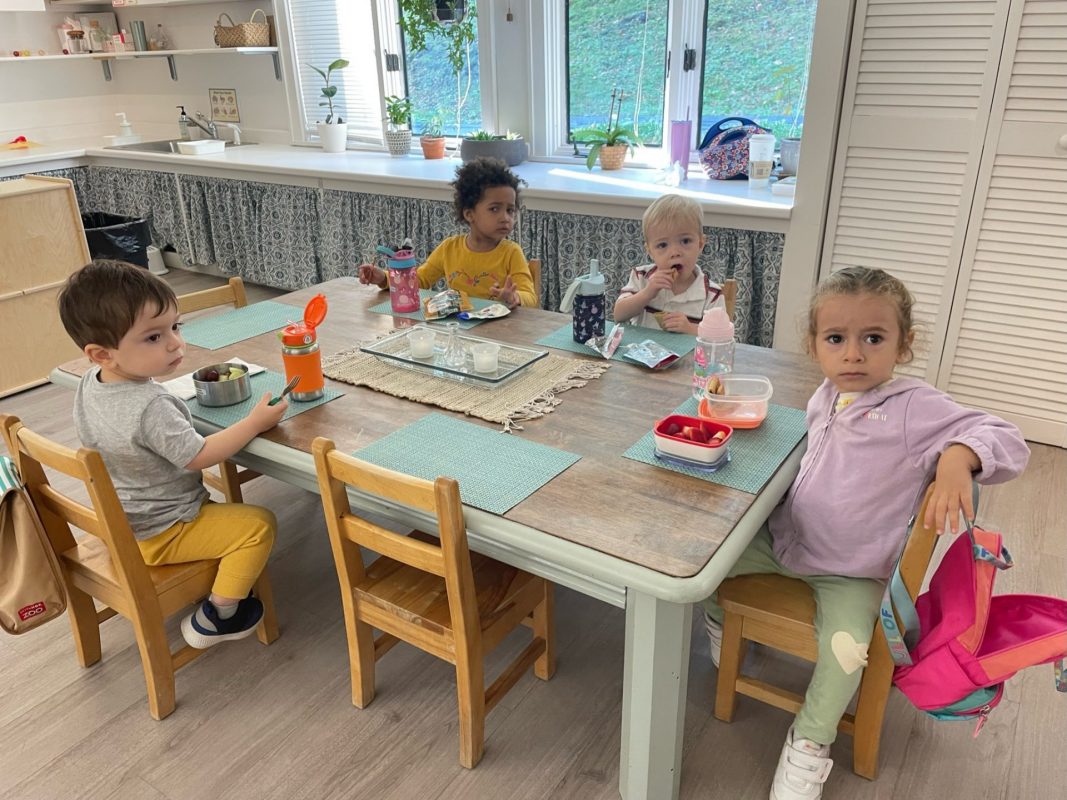
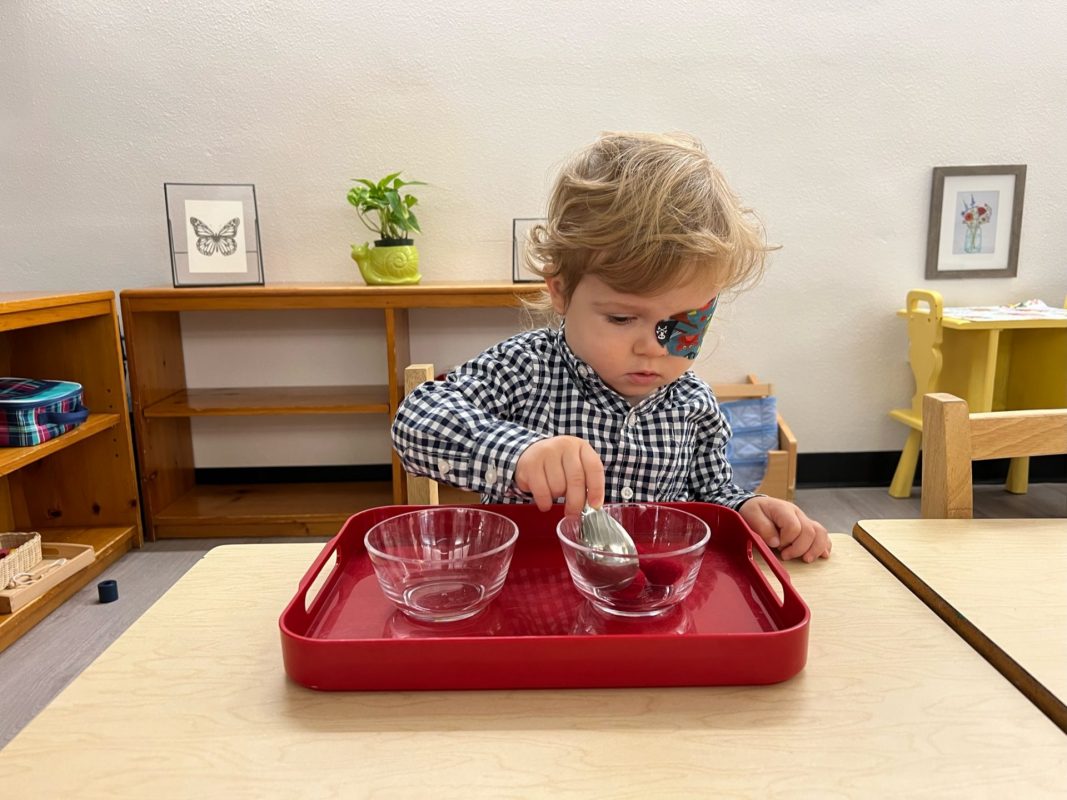
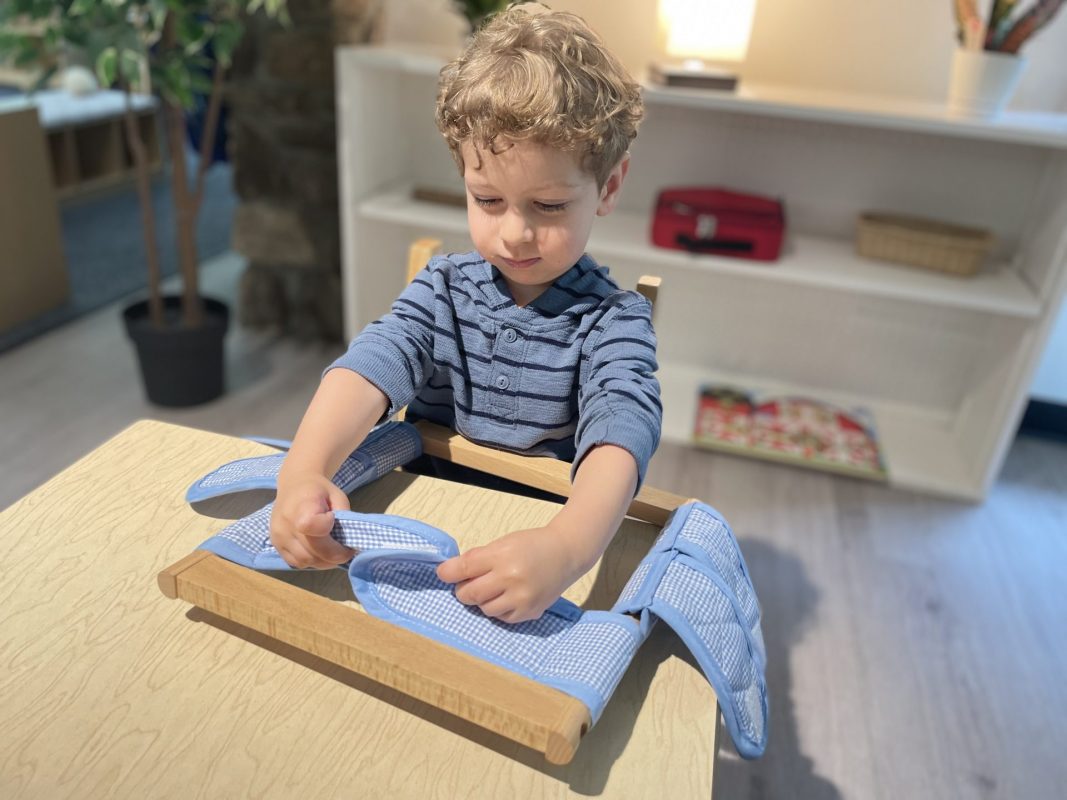
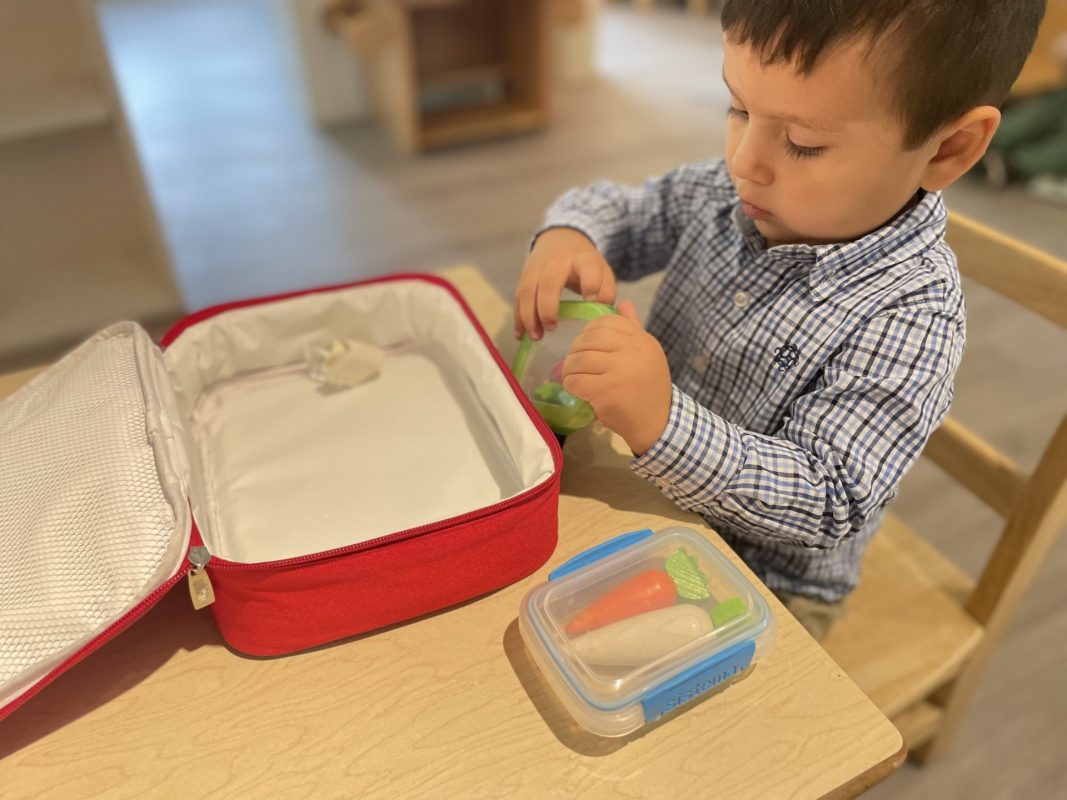
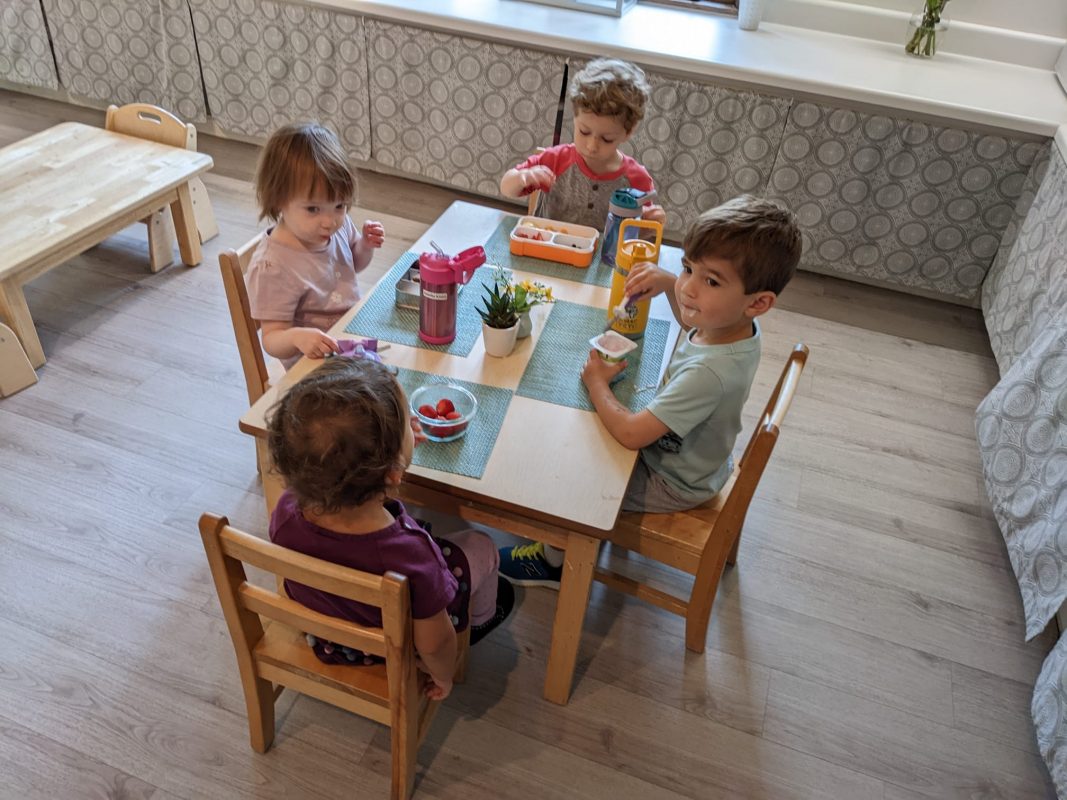
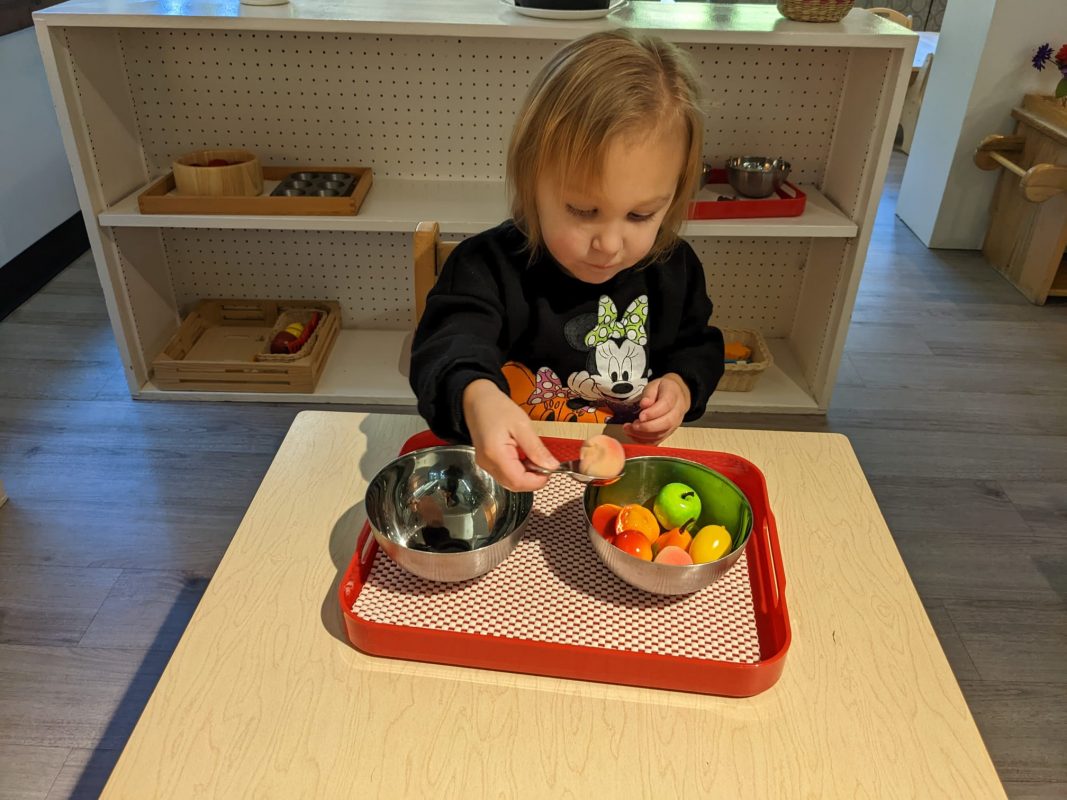
Food preparation is one of the main areas in our Practical Life curriculum! There are many benefits to involving children in food prep. Even the pickiest of eaters has been known to be more willing to try things when they have had a hand in preparing it. These works also help develop fine motor skills, build coordination, and create a sense of community, as well as increase knowledge of nutrition, science, and math. We will continue to provide experiences like this throughout the year.

I encourage you to make experiences like this available at home as well. Here are just some examples on how you can include your toddler in food preparation at home:

  • Scoop cereal into bowl
  • Add milk to cereal
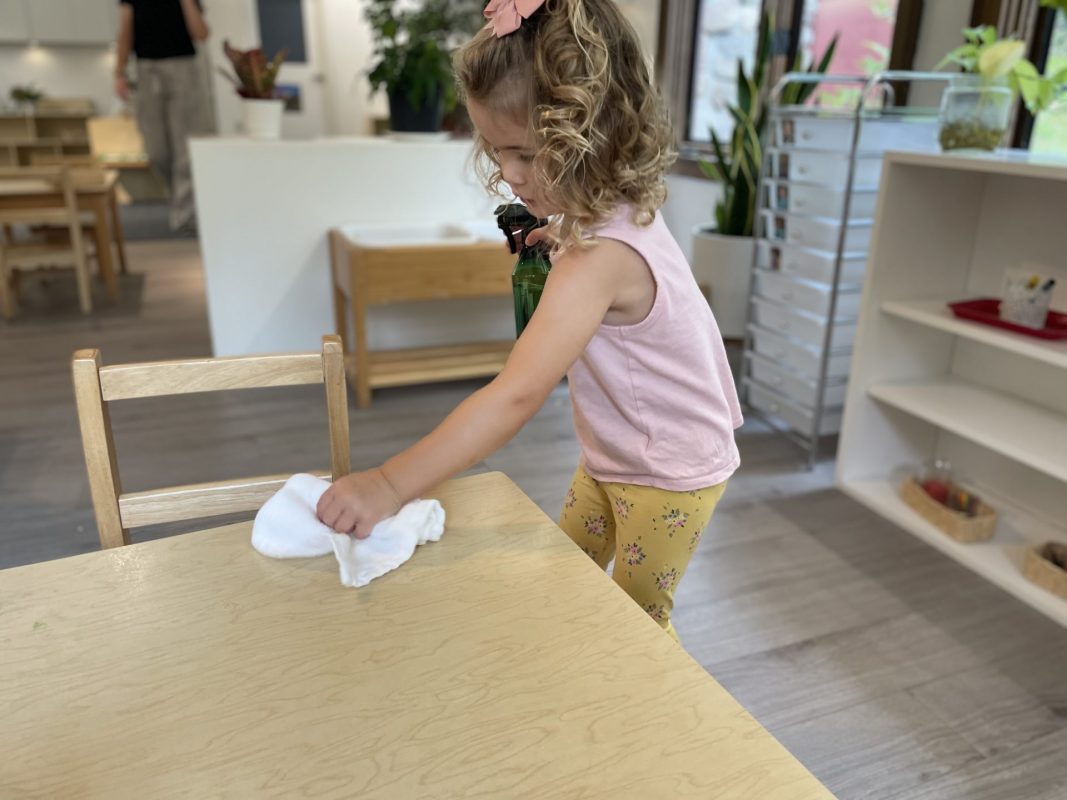
  • Wipe up spills with small towel
  • Take plate to the kitchen
  • Prepare a sandwich
  • Spread sun butter/jelly/cream cheese on crackers
  • Peel and slice a banana
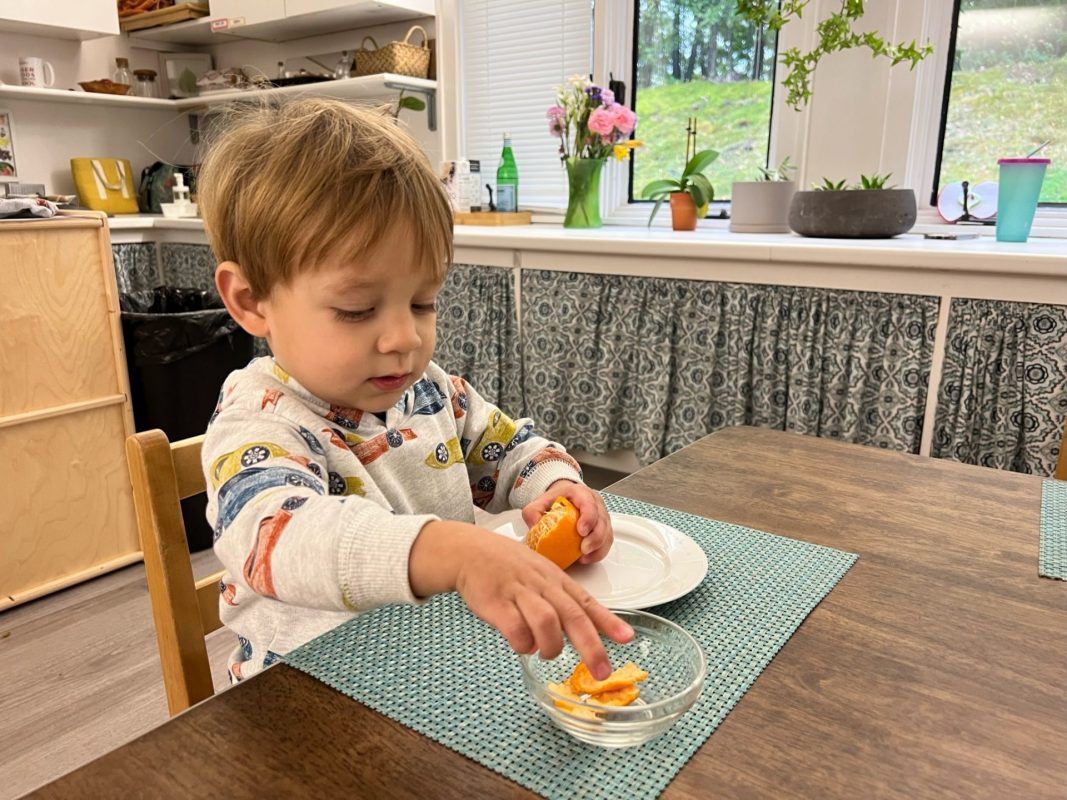
  • Peel a mandarin orange
  • Peel and cut an apple with assistance
  • Wash fruits and vegetables
  • Make orange juice
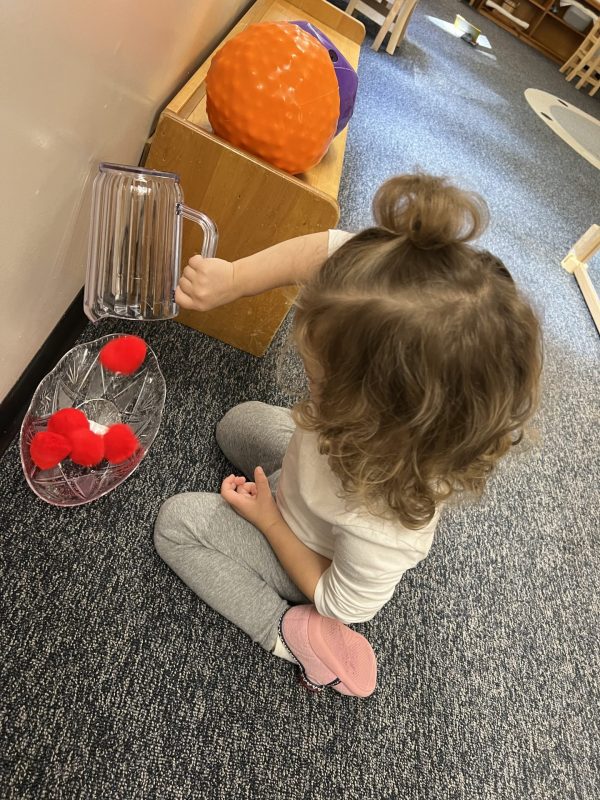
  • Pour glass of water or milk using a small jug- use small amount of liquid to avoid large spill
  • Drink from a glass
  • Follow a recipe with assistance using measuring cups
  • Set the table/clear the table
  • Wipe the table
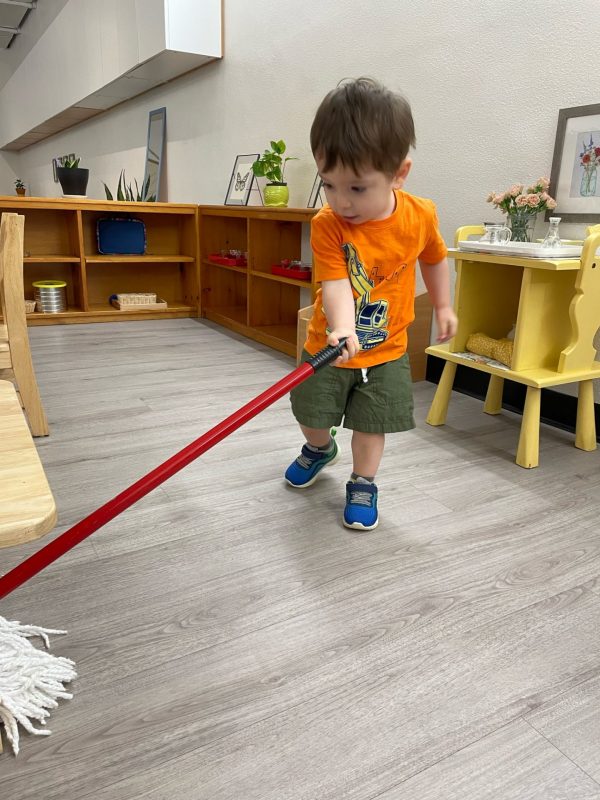
  • Sweep the floor -use  dustpan and brush

Enjoy the weekend,

Mrs. Hood and Miss. Bethann

Mrs. Wilson: Socialization

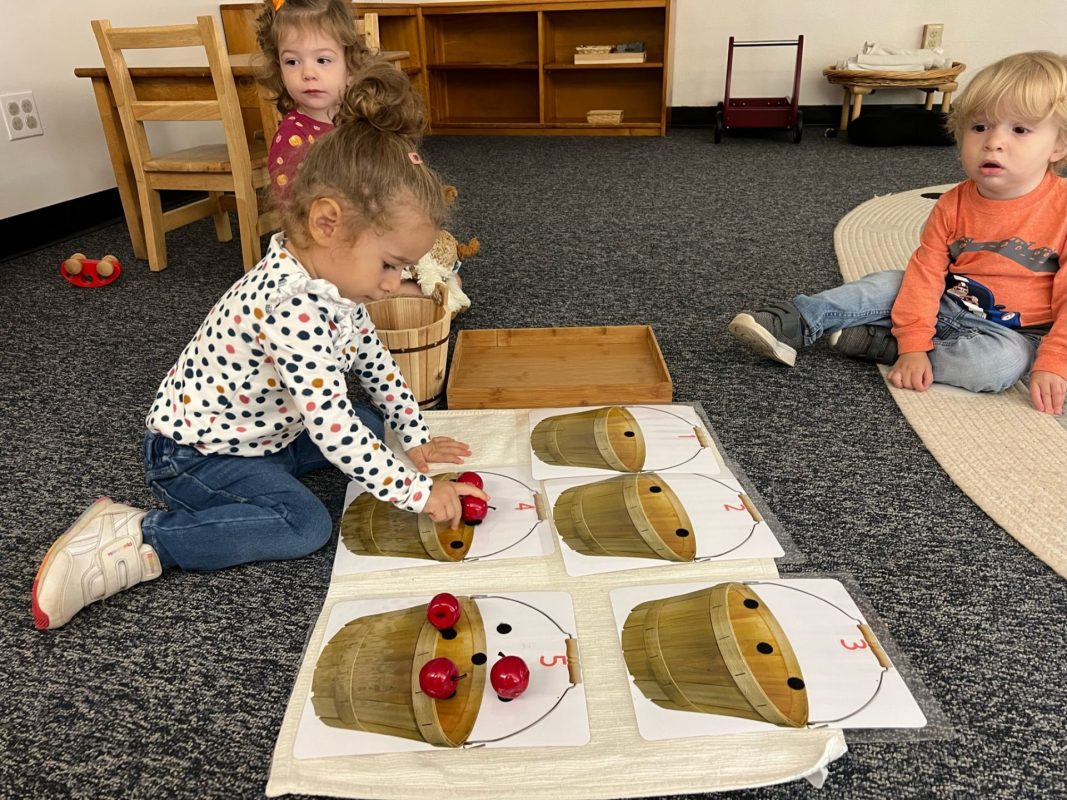
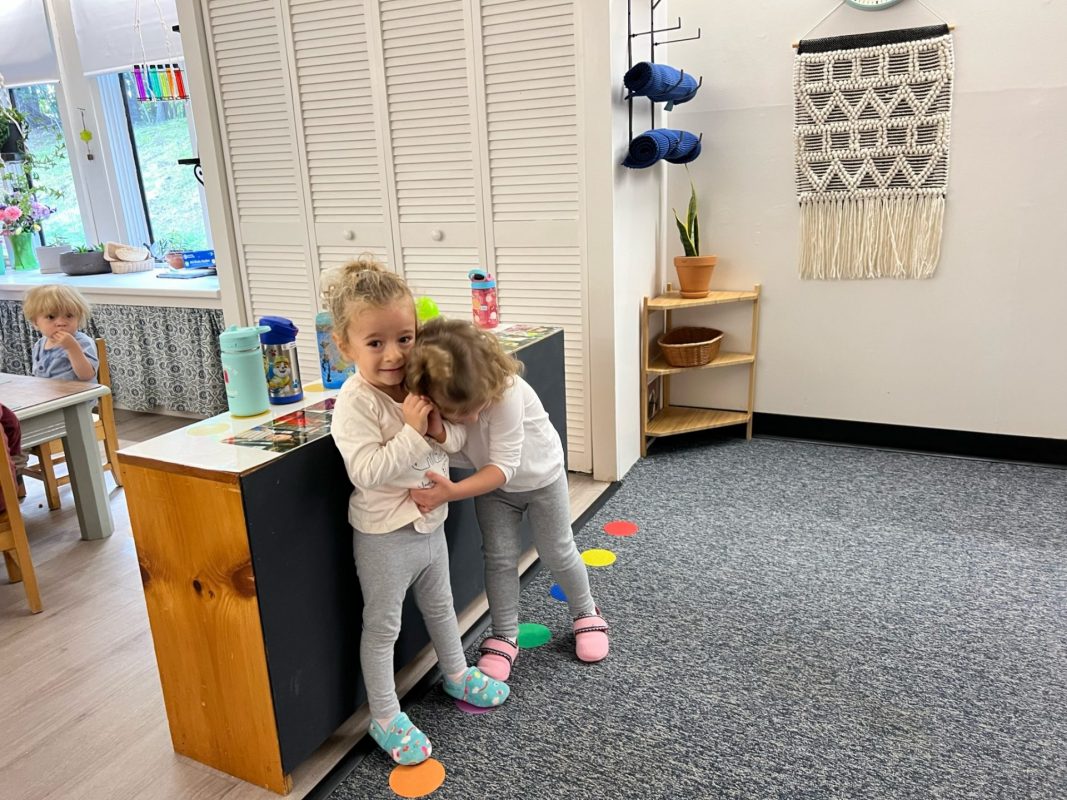
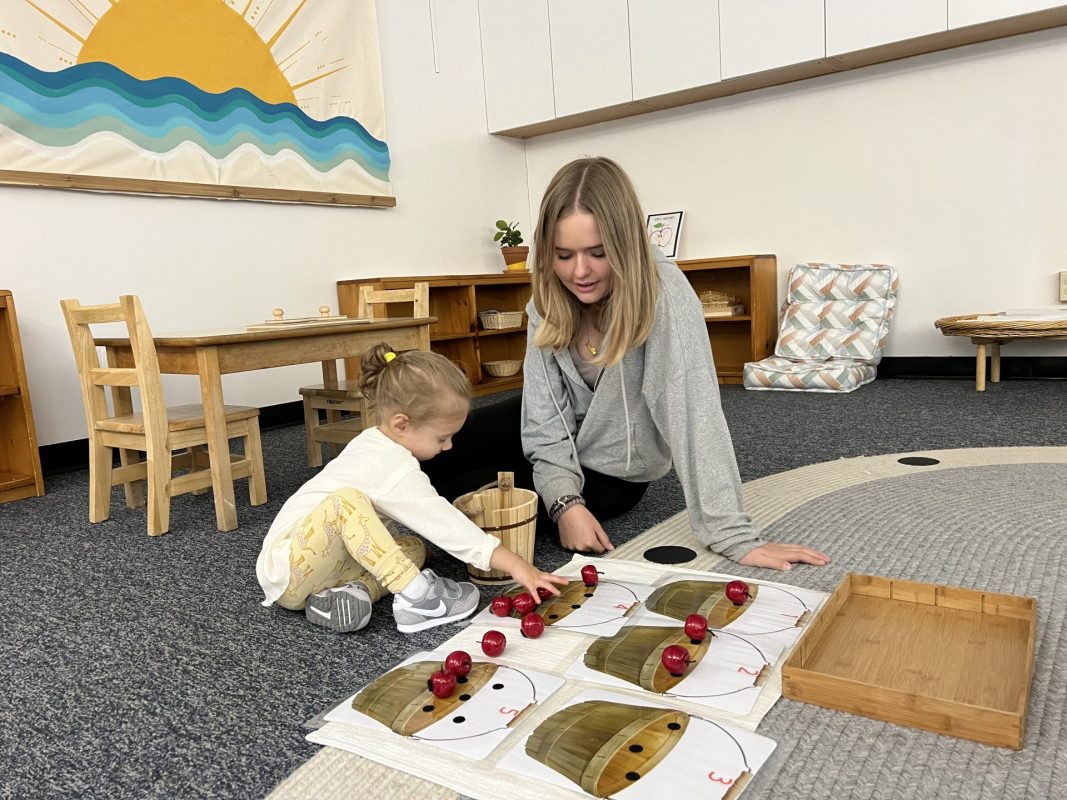
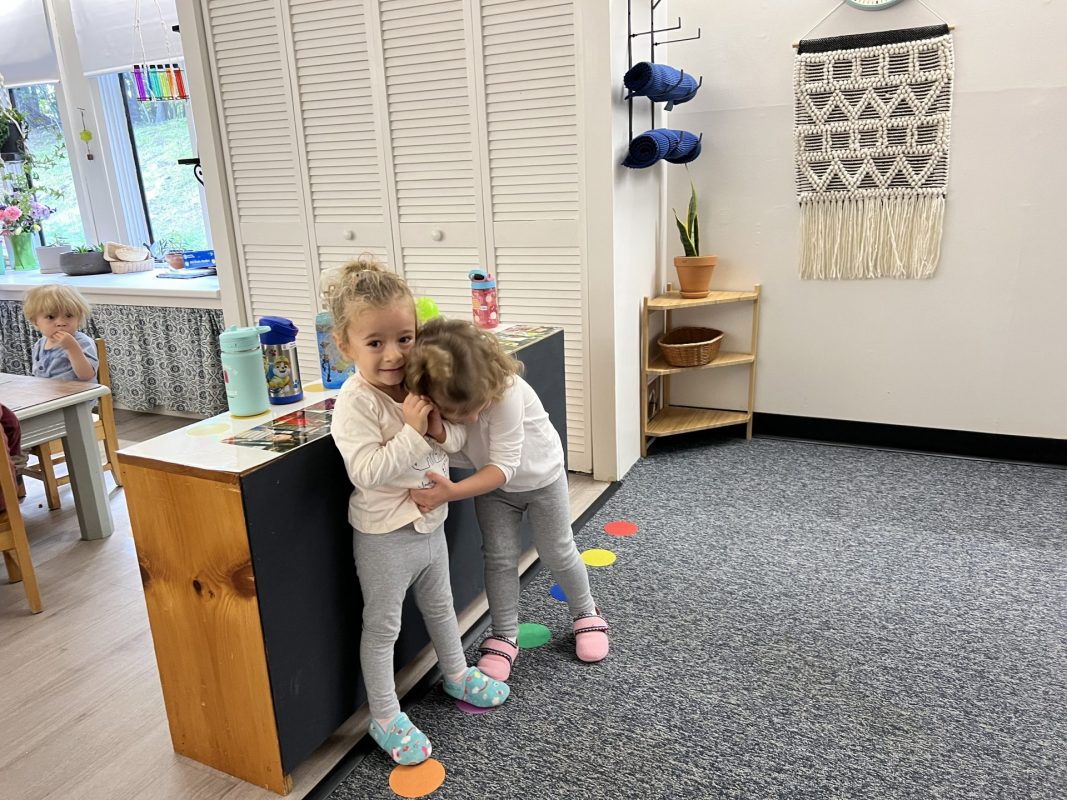
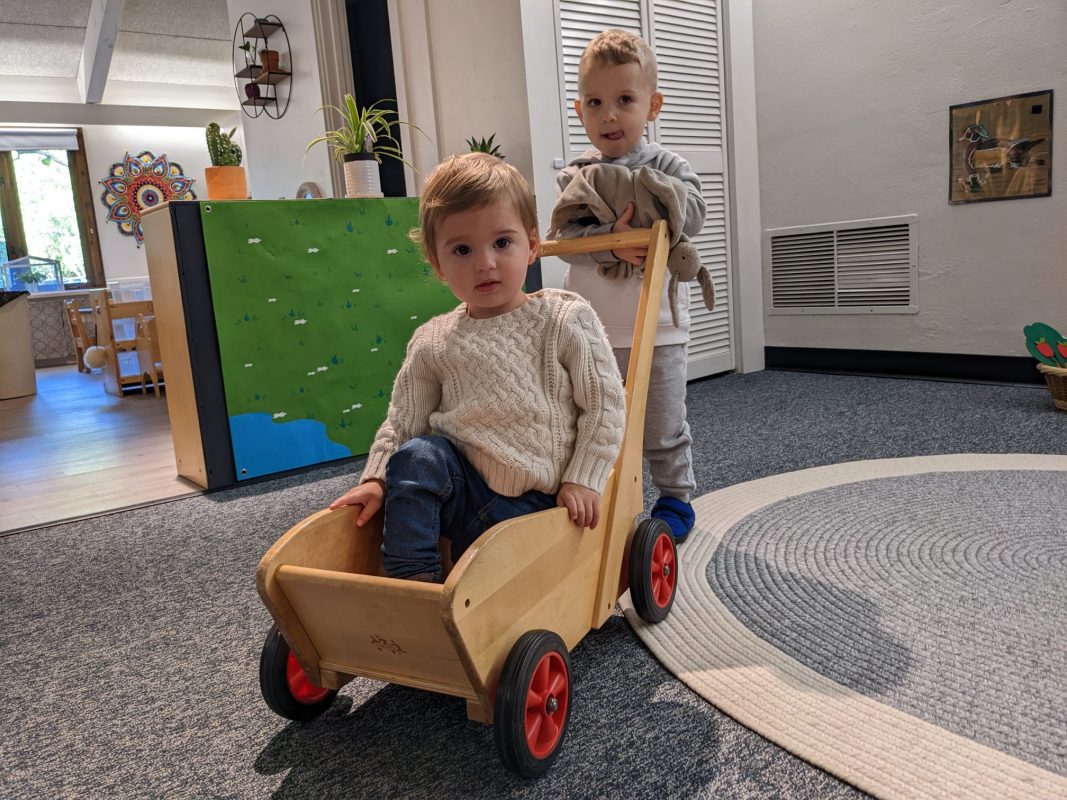
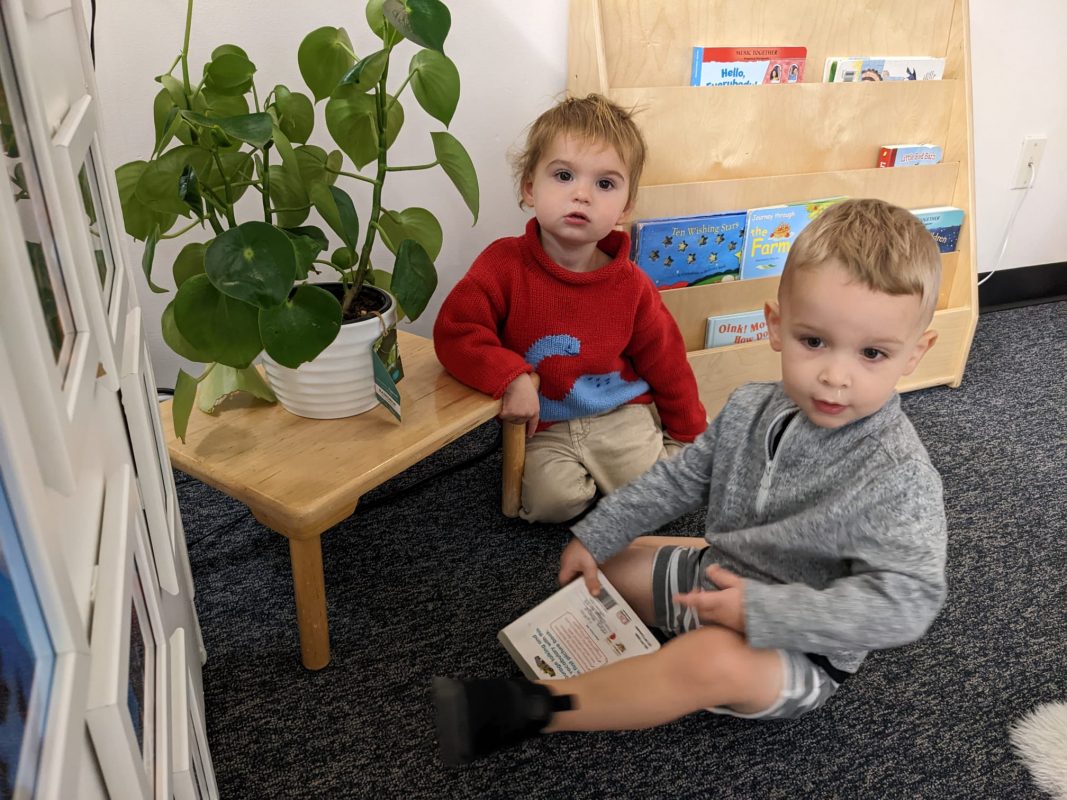
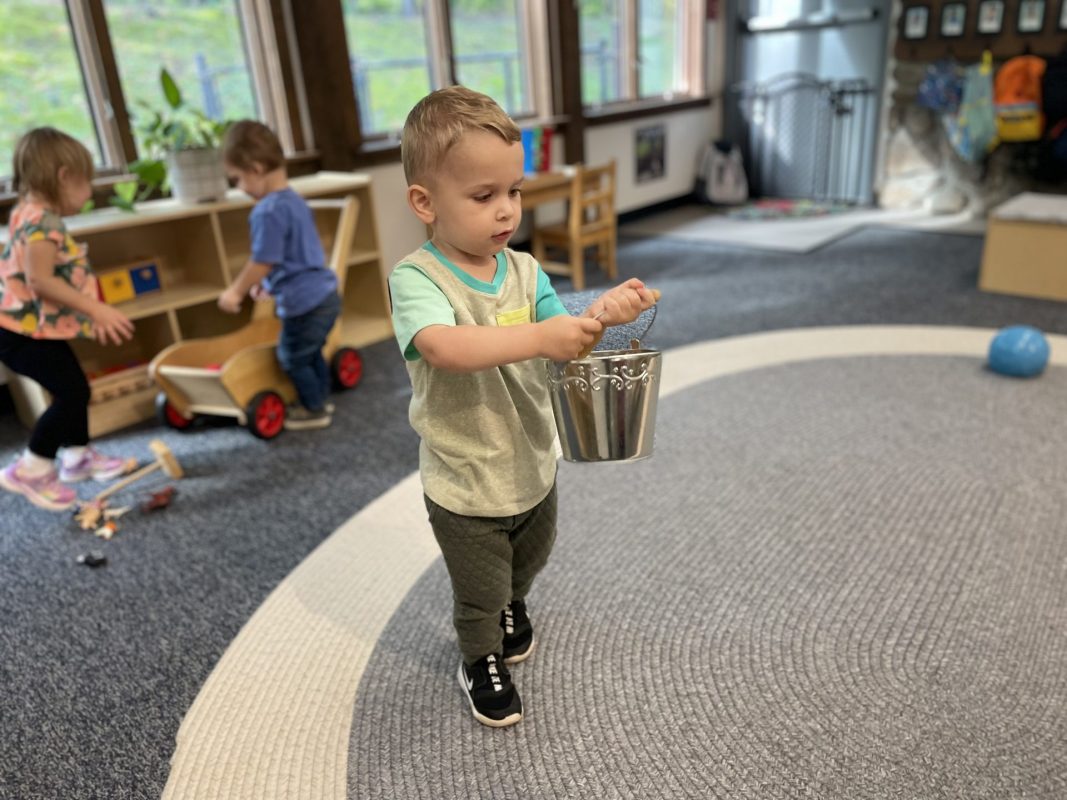
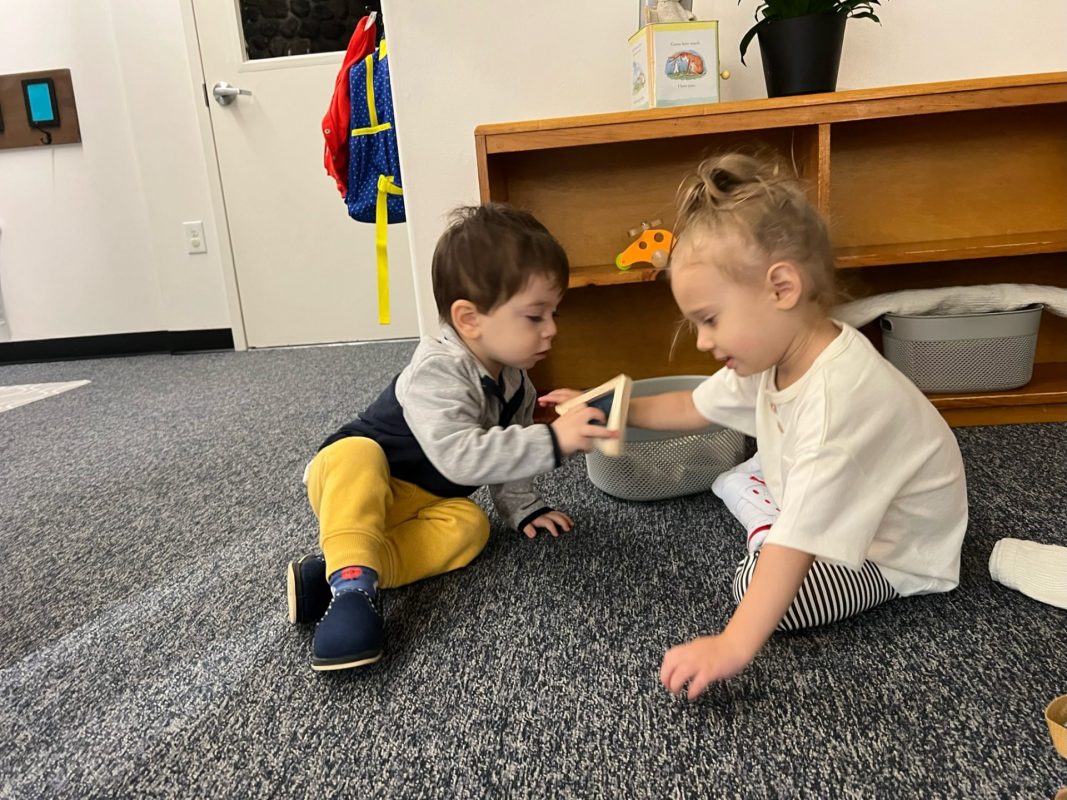
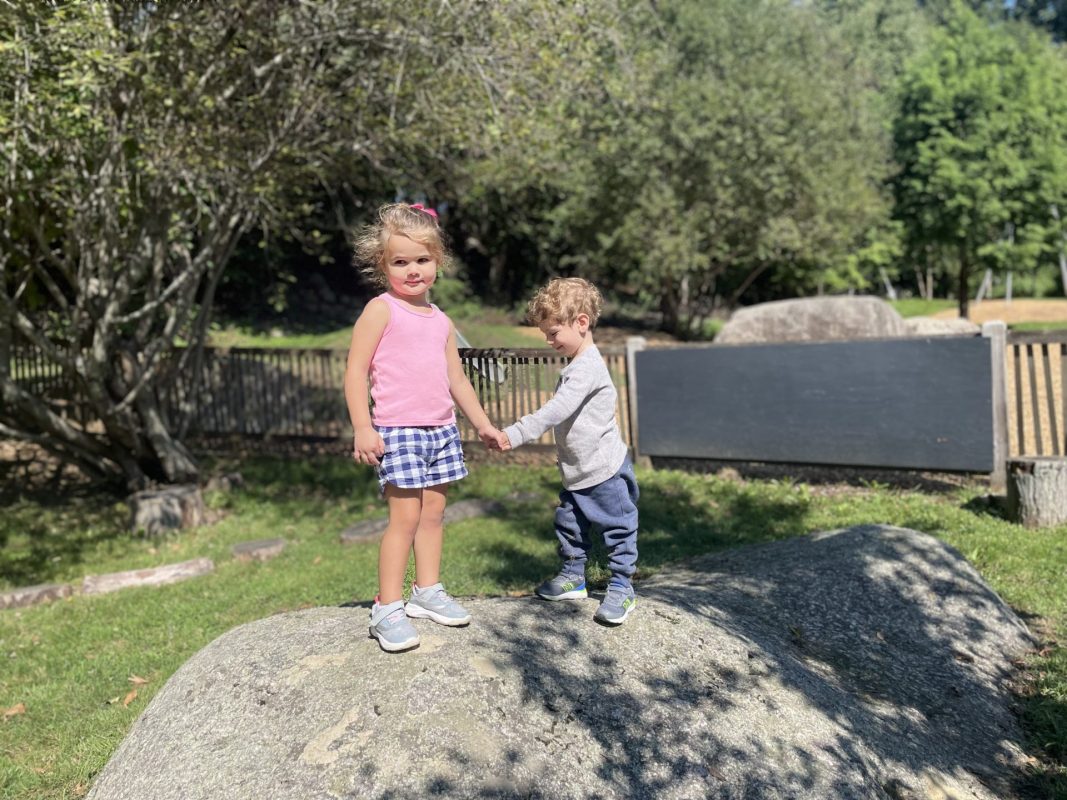
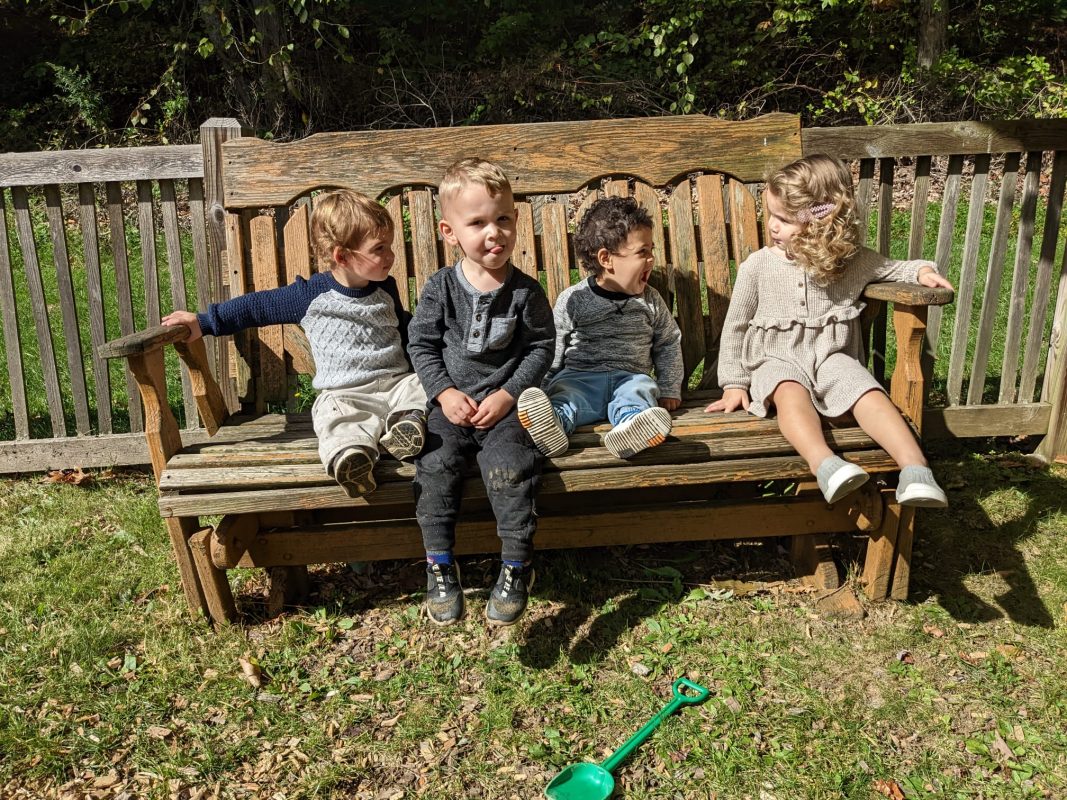
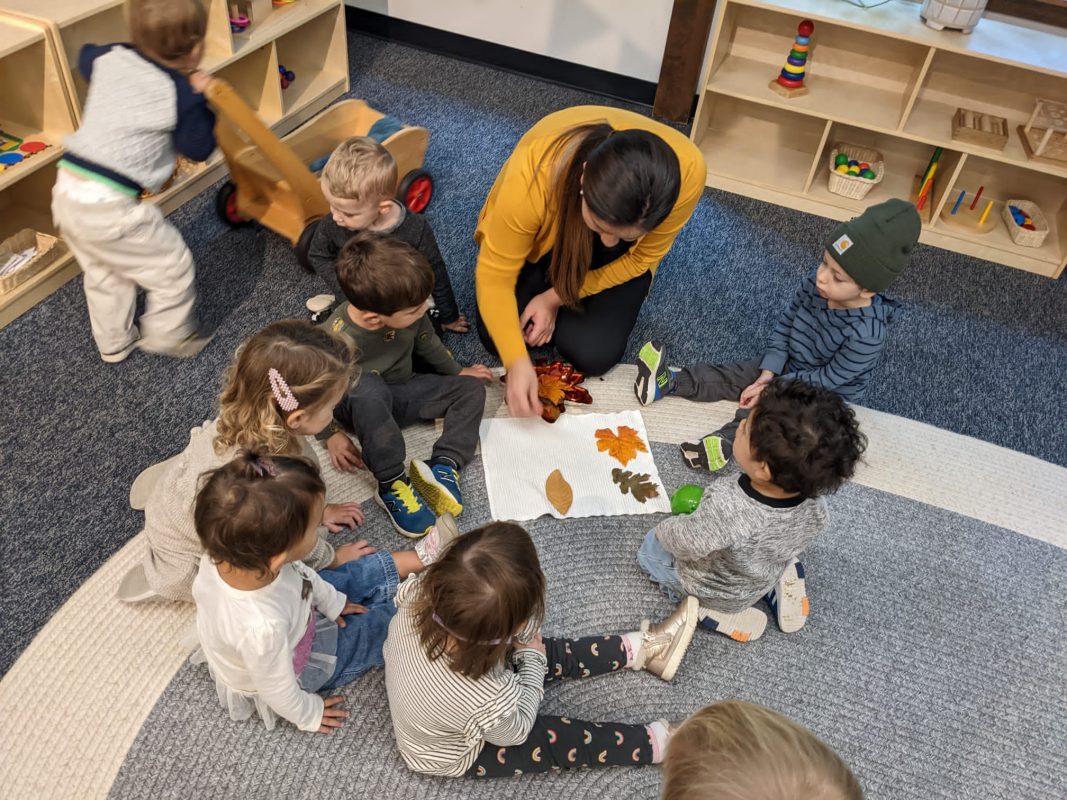
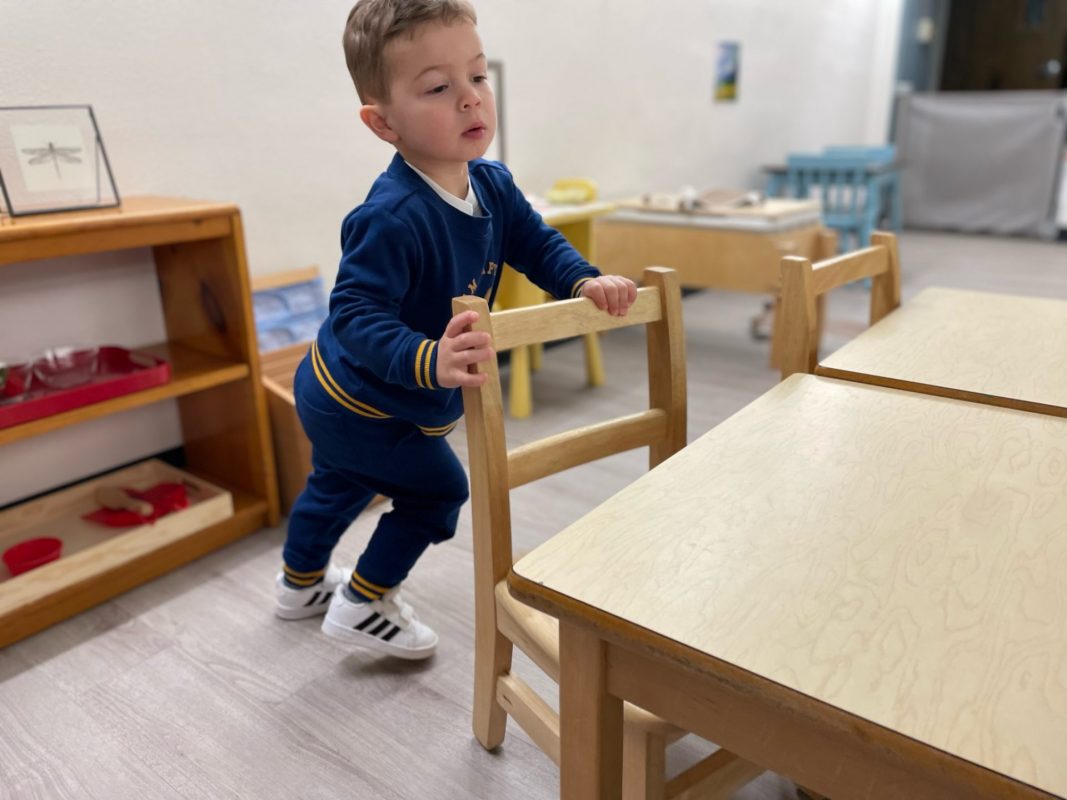
There are many stages of socialization in the toddler age group. Solitary, onlooker, parallel, and cooperative play. Our younger toddlers are still in the solitary and onlooker stages while the older toddlers have moved onto more parallel and cooperative play. When I sit back quietly and observe all the happenings in the environment I can see the beauty in all the children at each stage of their social development. The older children have started to form friendships with one another. They look for each other and invite their peers to play, “Come on,” is what you will hear them say as they take each other’s hands. “Let’s go shopping,” as they go around and push the wagon, collecting pieces of different materials. The older toddlers have also taken on the role of role models. Without prompting they will offer a helping hand to their younger peers, whether it is to attempt to help put on their shoe or get their friend a tissue. These kind gestures teach the younger friends empathy towards one another. And these younger friends will graciously take on this role next school year. These are some of the examples of why it is so important for our toddler classroom to have a mixed-age group. 

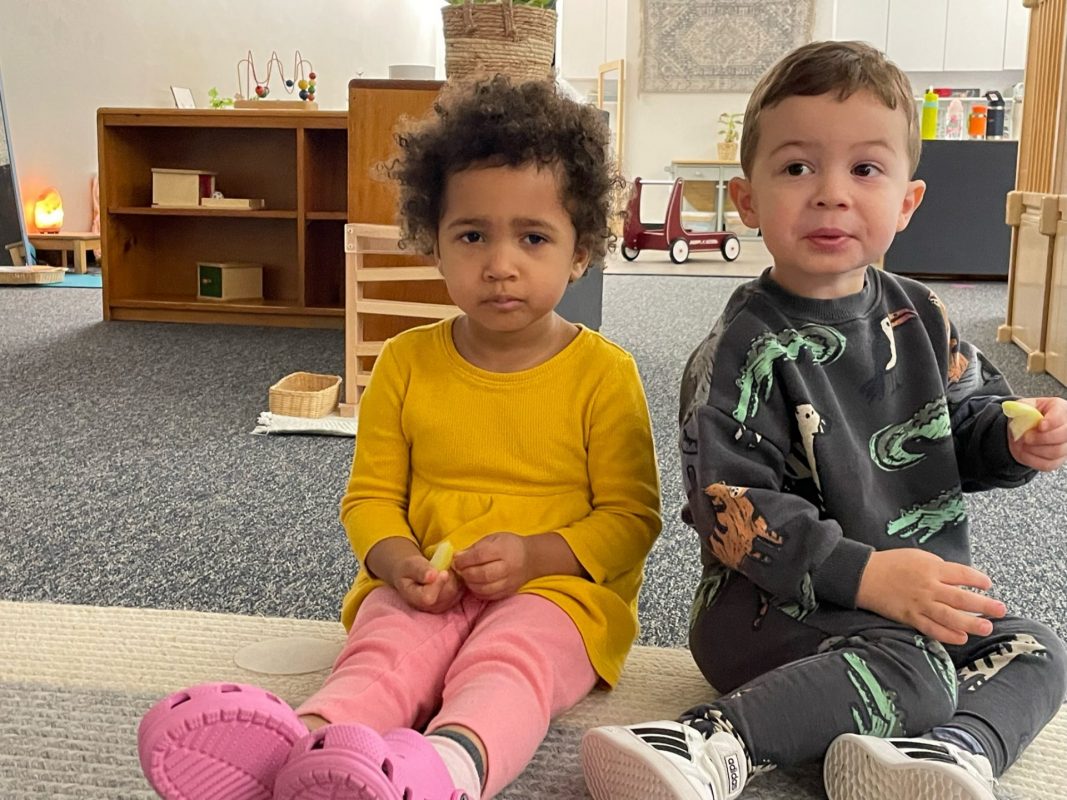
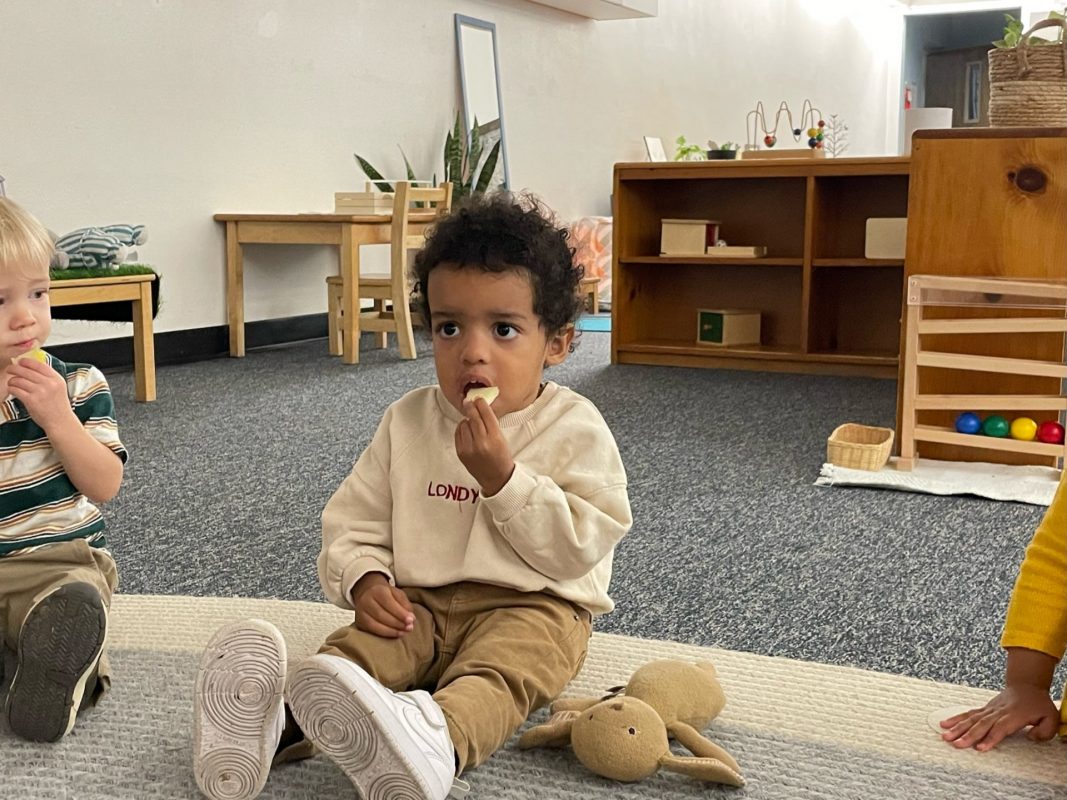
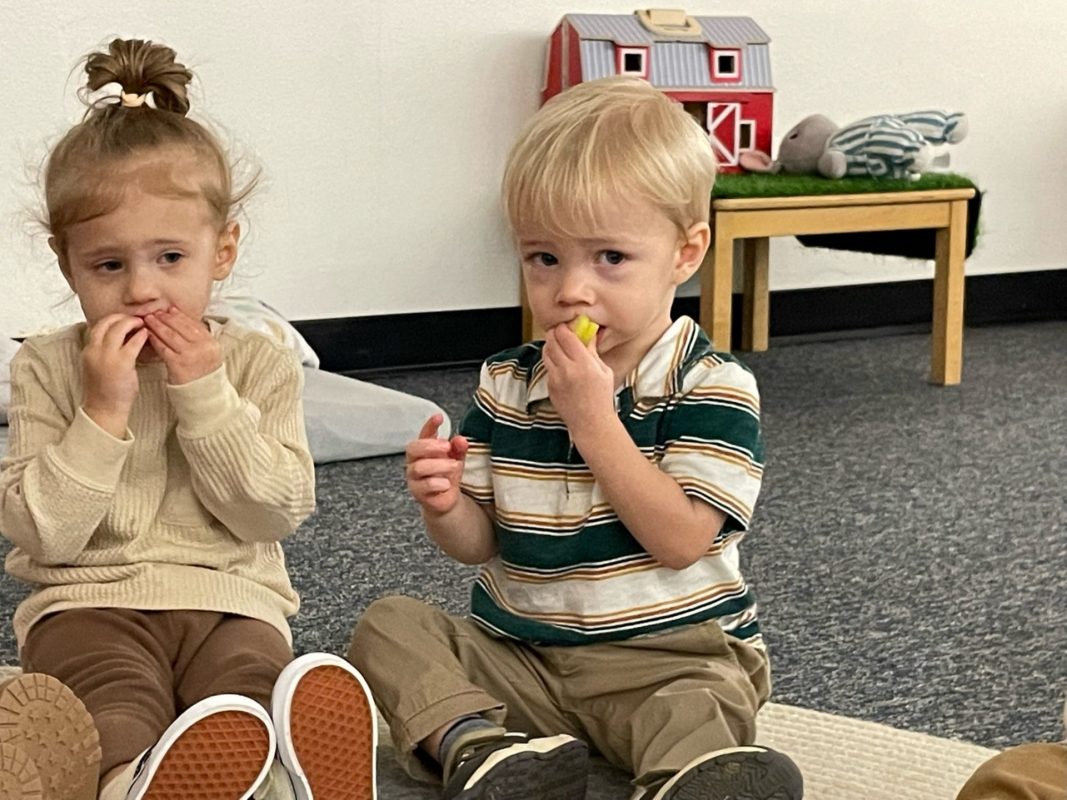
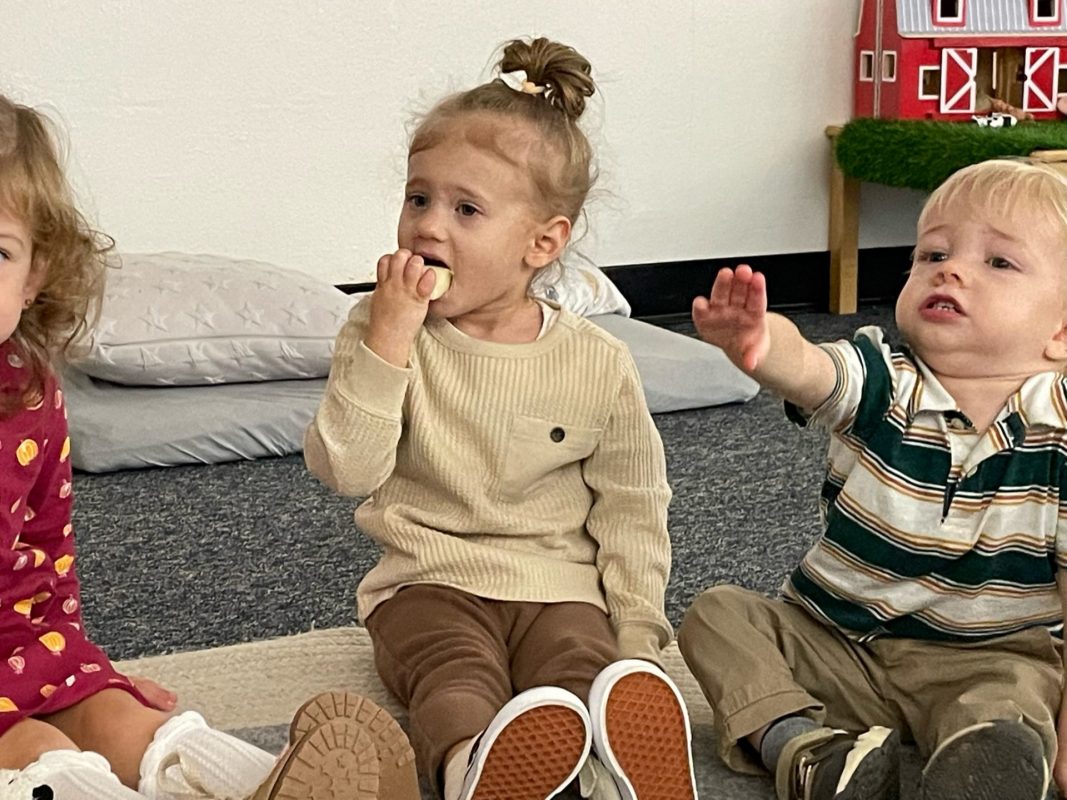
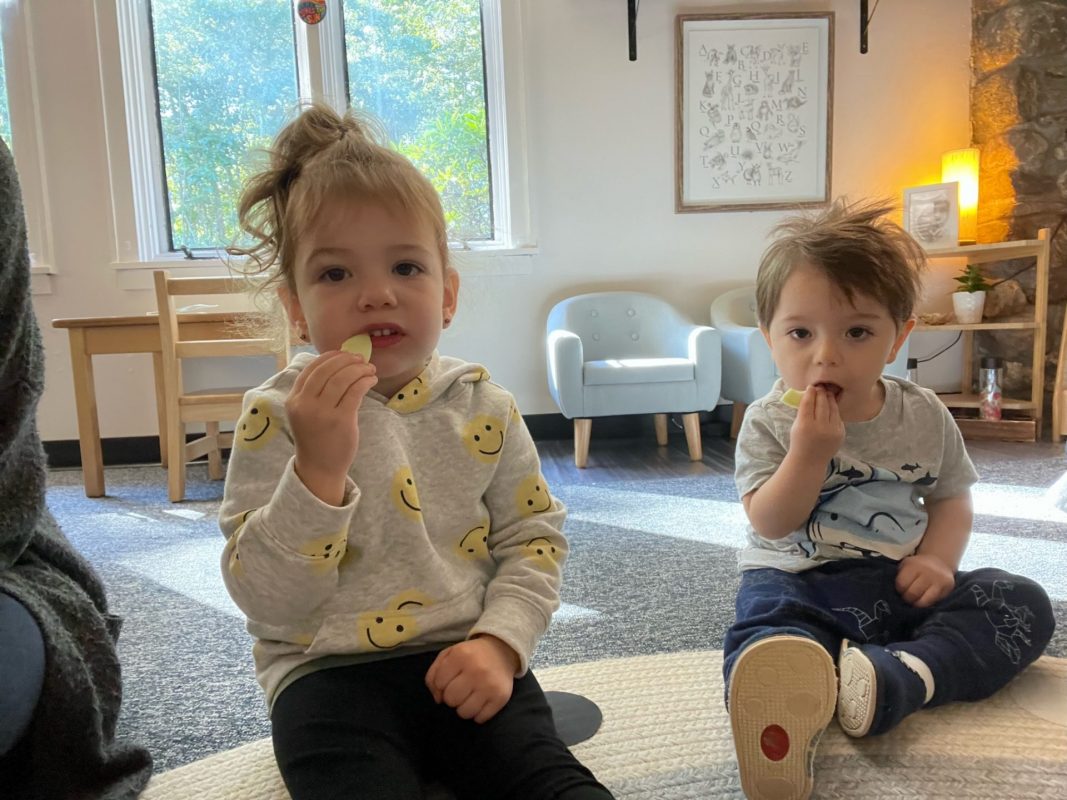
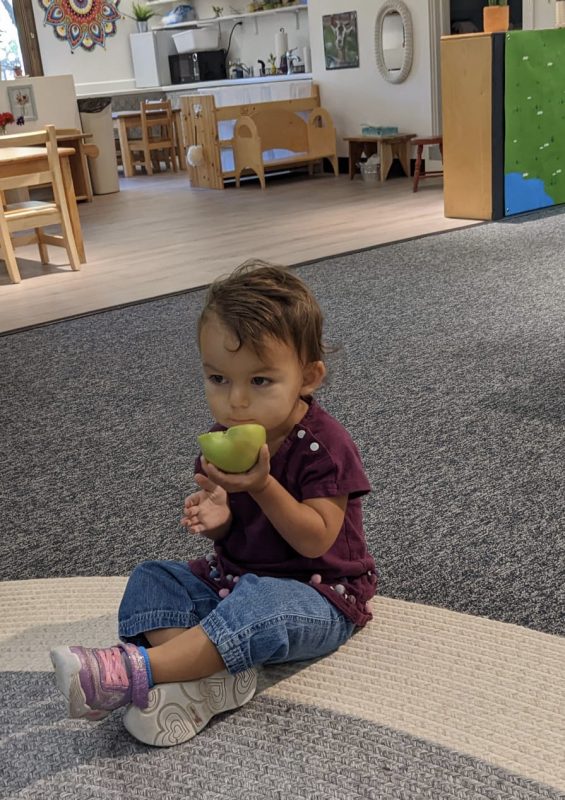
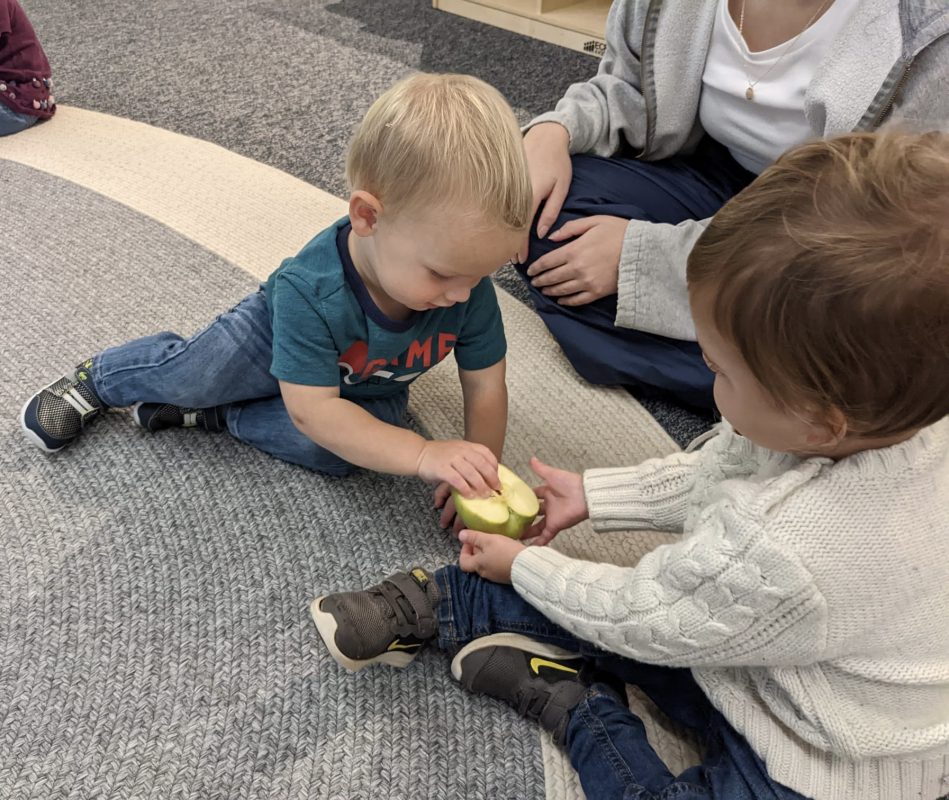
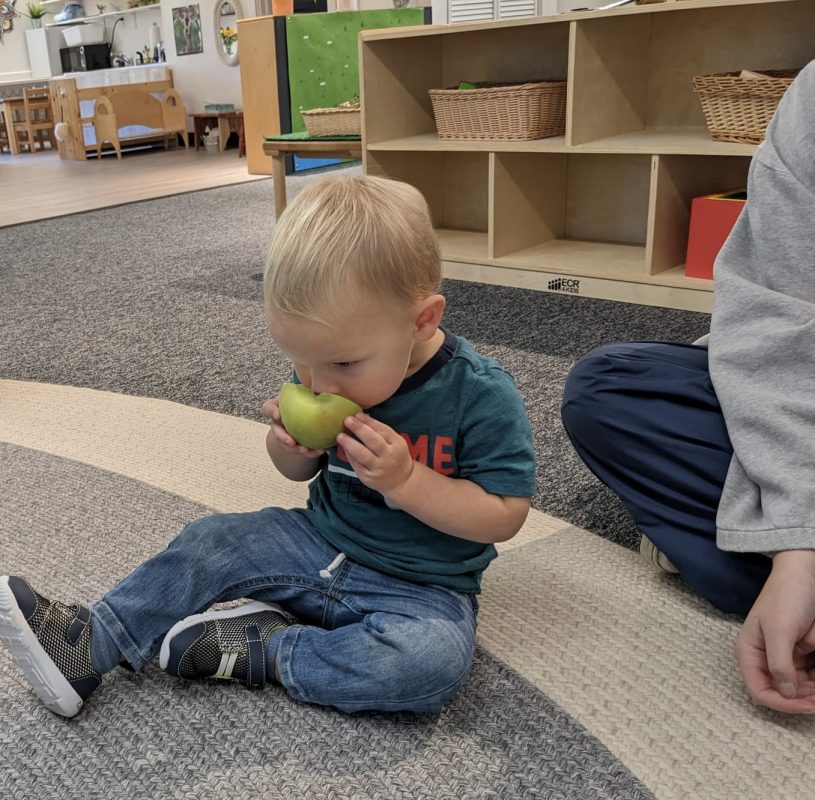
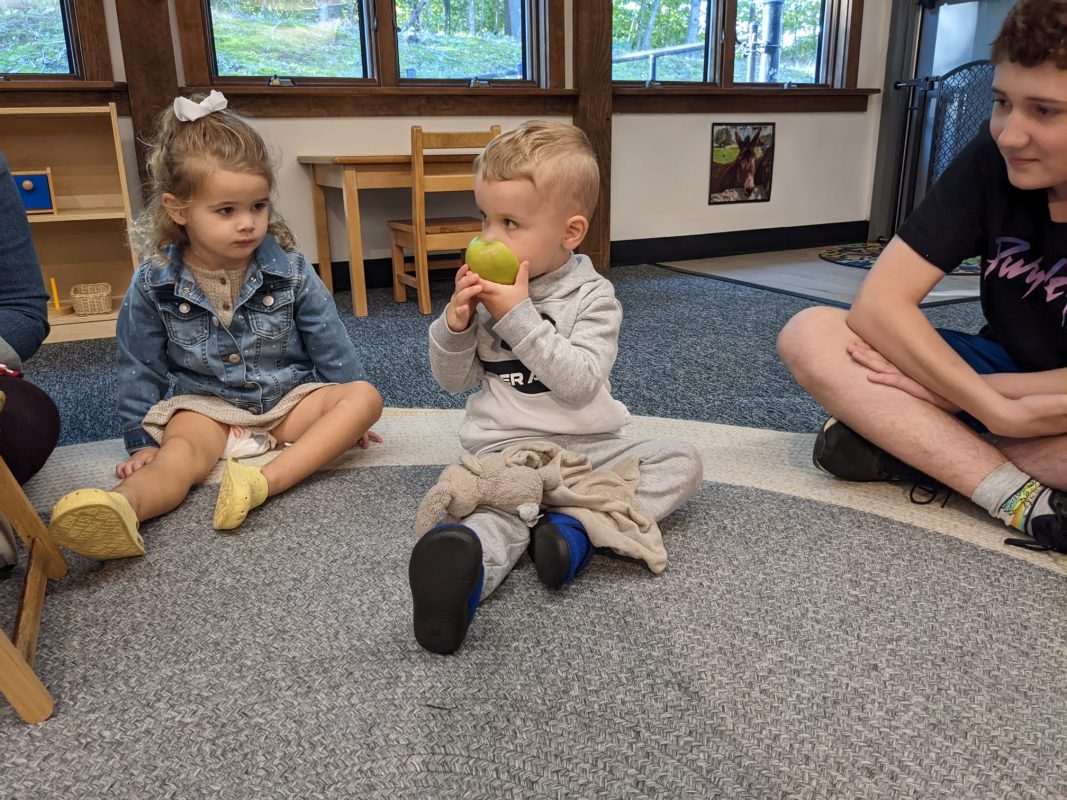
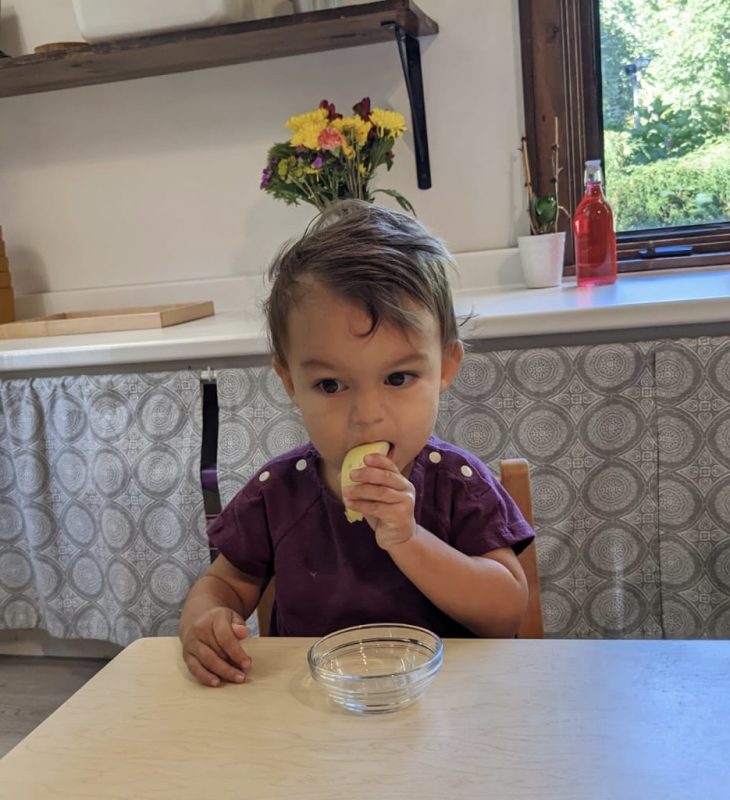
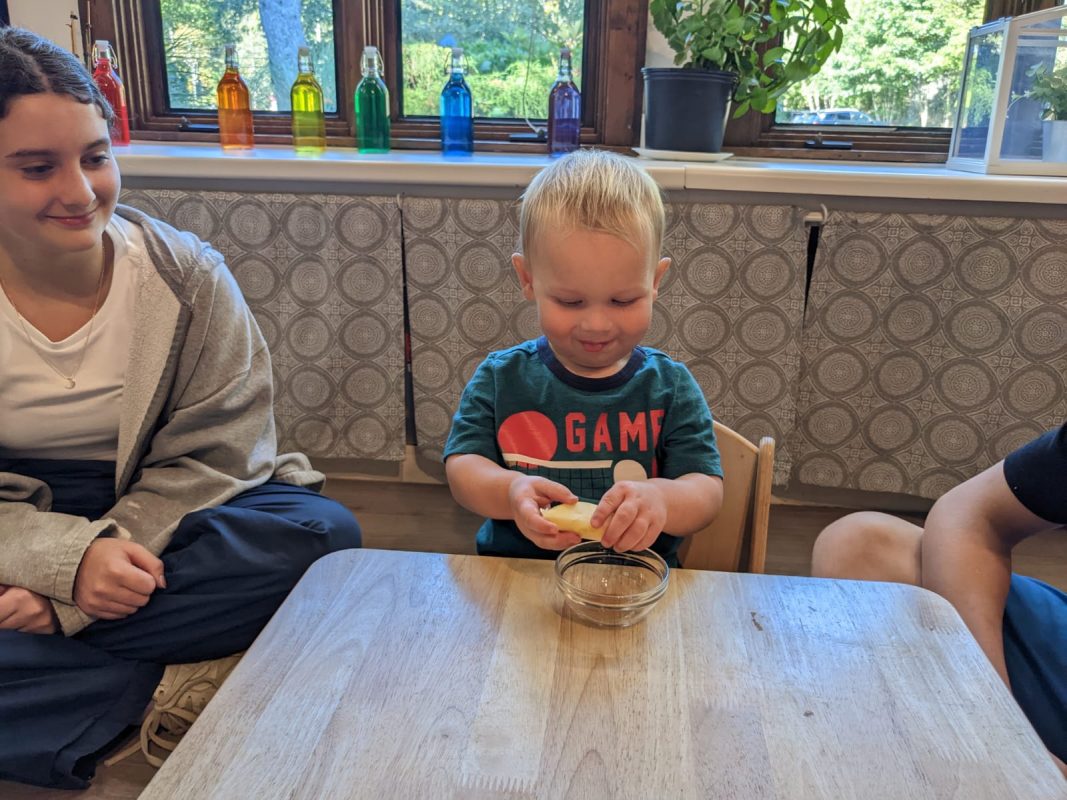
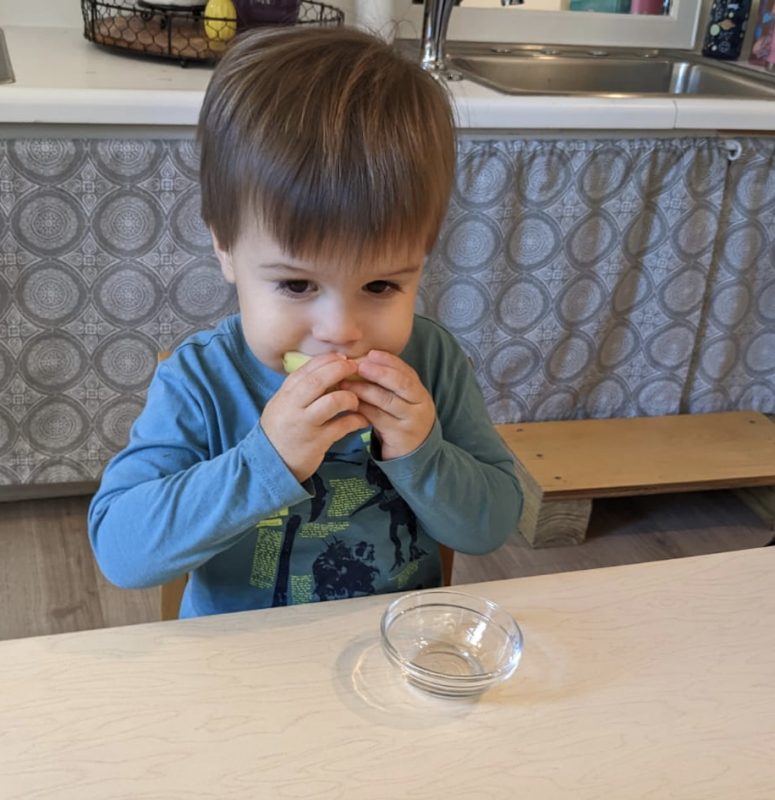
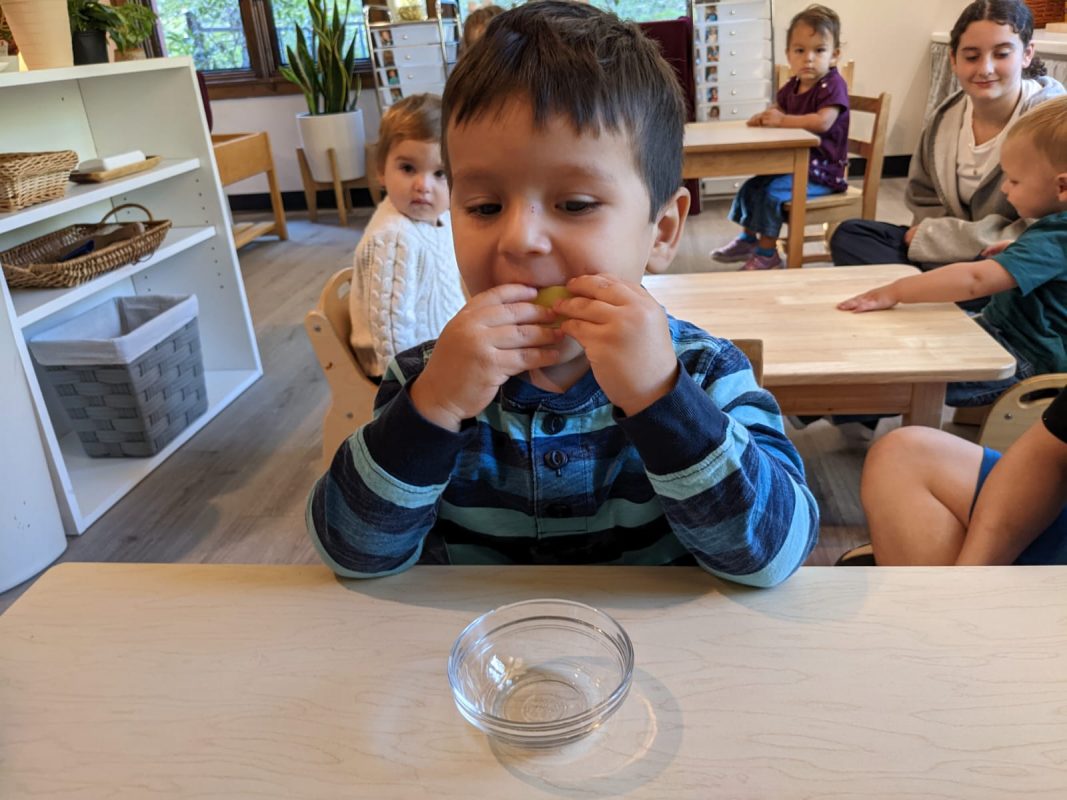
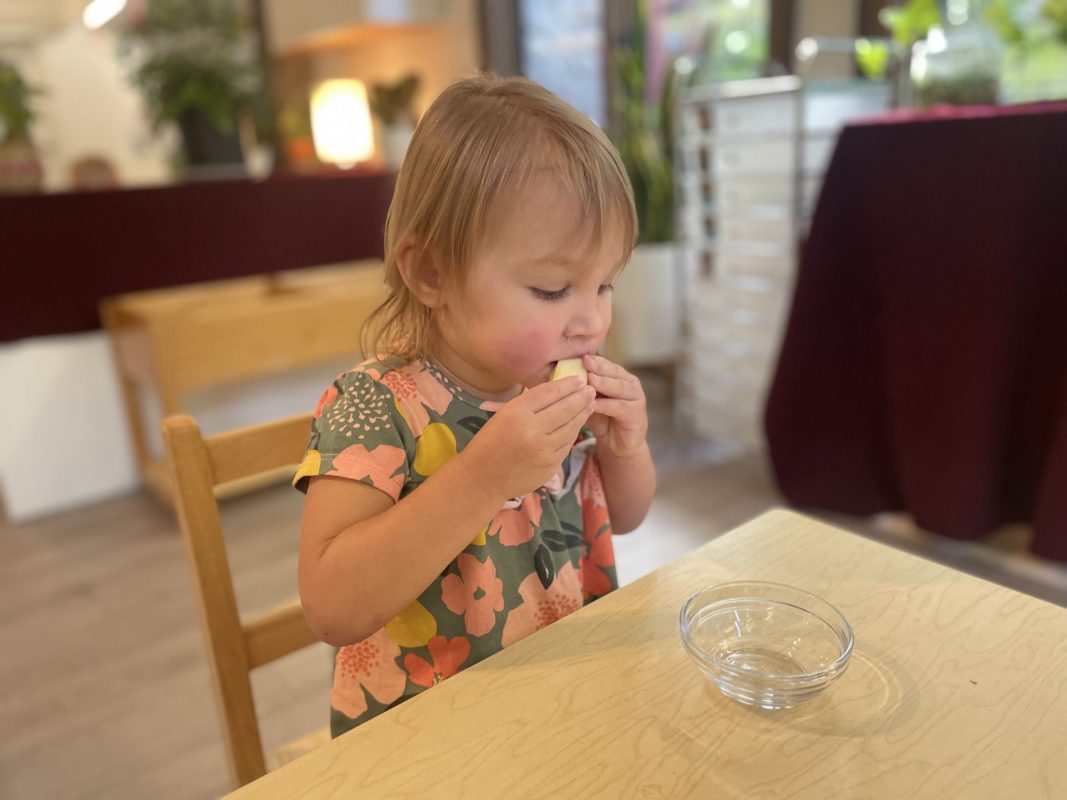
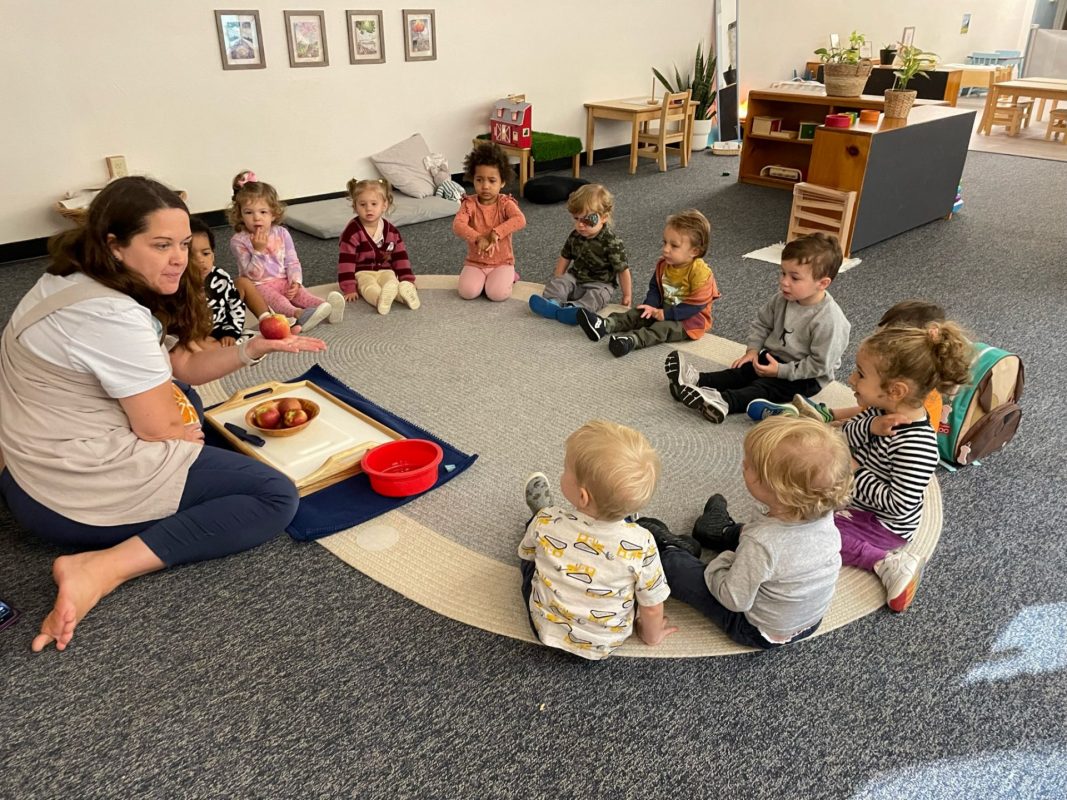
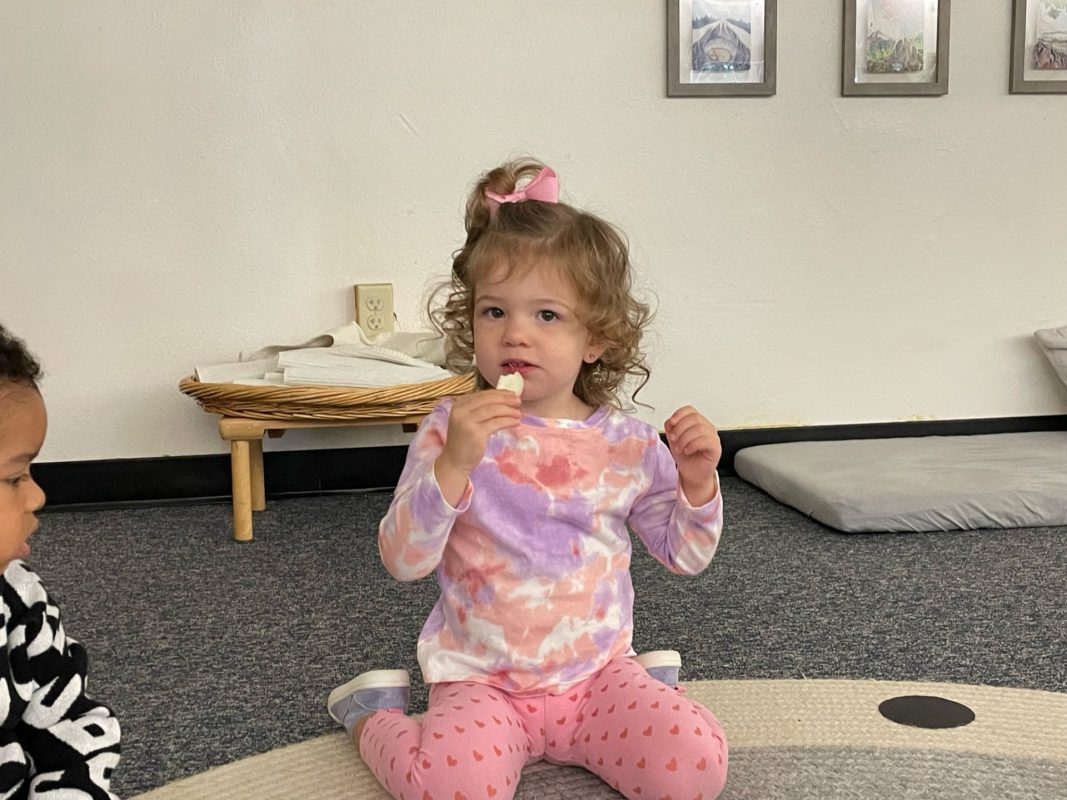
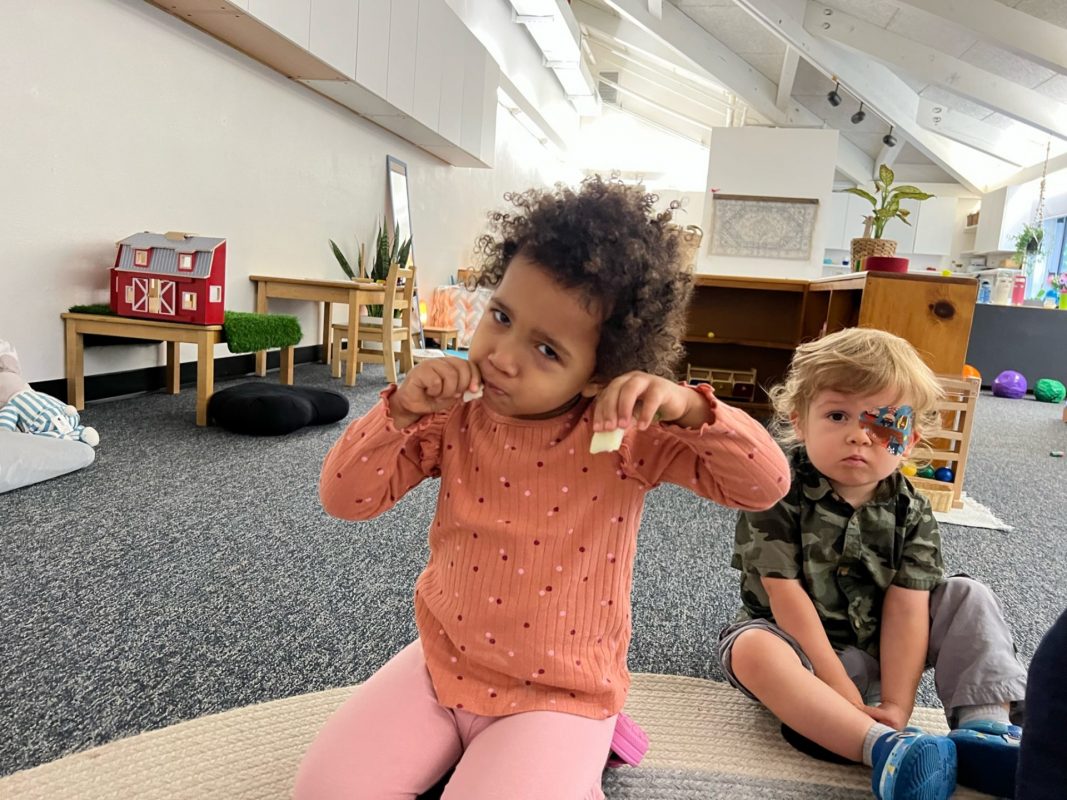
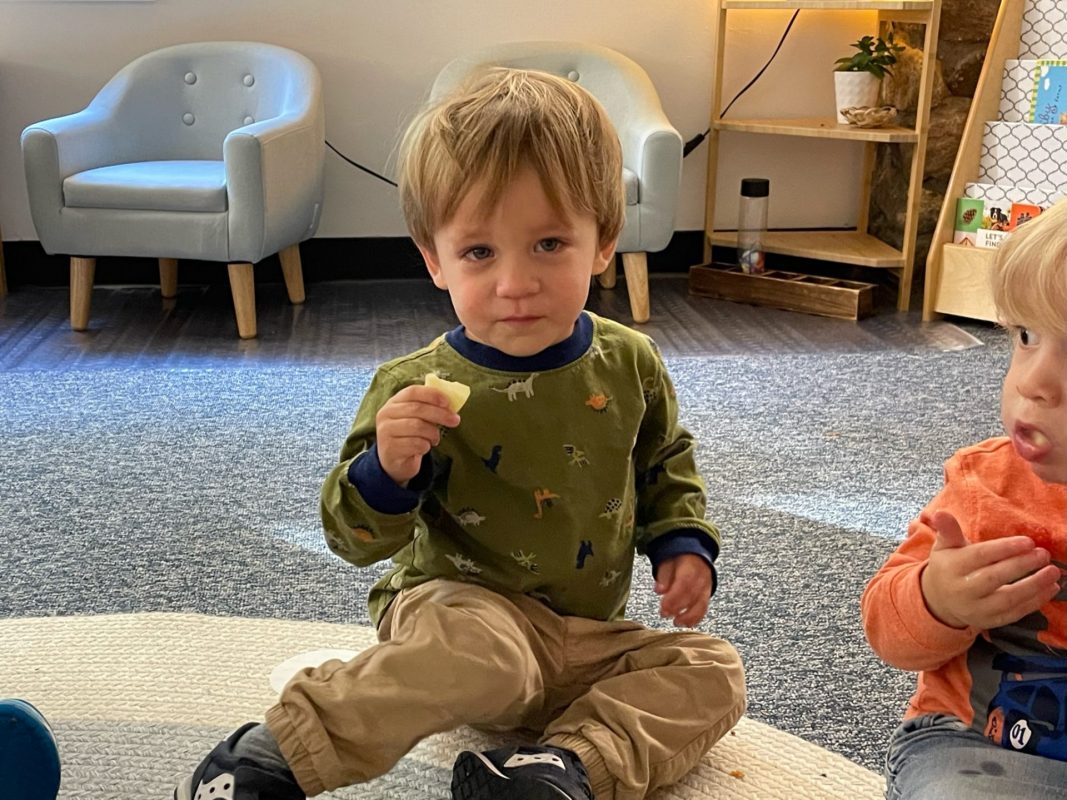
This is the last week of exploring apples. The children tasted a yellow apple. My opinion is that the Golden Delicious apple is their favorite because I couldn’t cut the apple fast enough for them to have more, more, more! 

Have a great weekend,

Cynthia and Sara


Mrs.Wilson: Repetition

It is exactly in the repetition of the exercises that the education of the senses exists: Not that the child shall know colors, forms or qualities. But that he refines his senses through an exercise of attention, comparison, and judgment.

-Maria Montessori

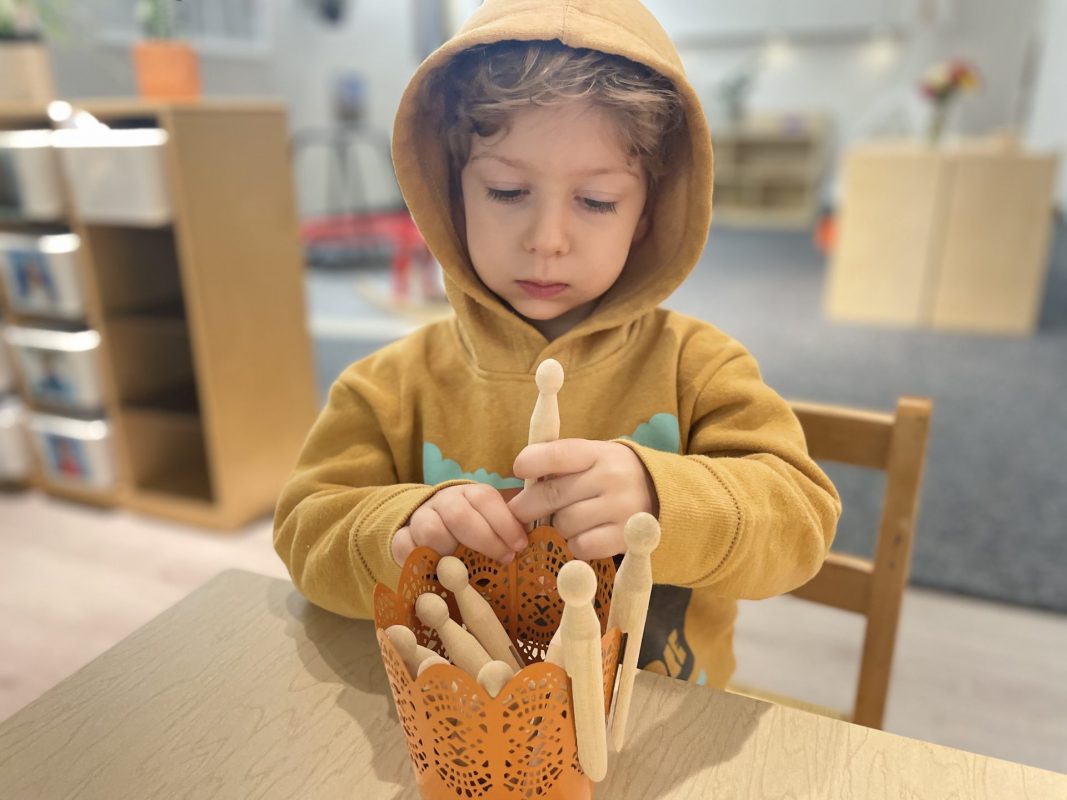
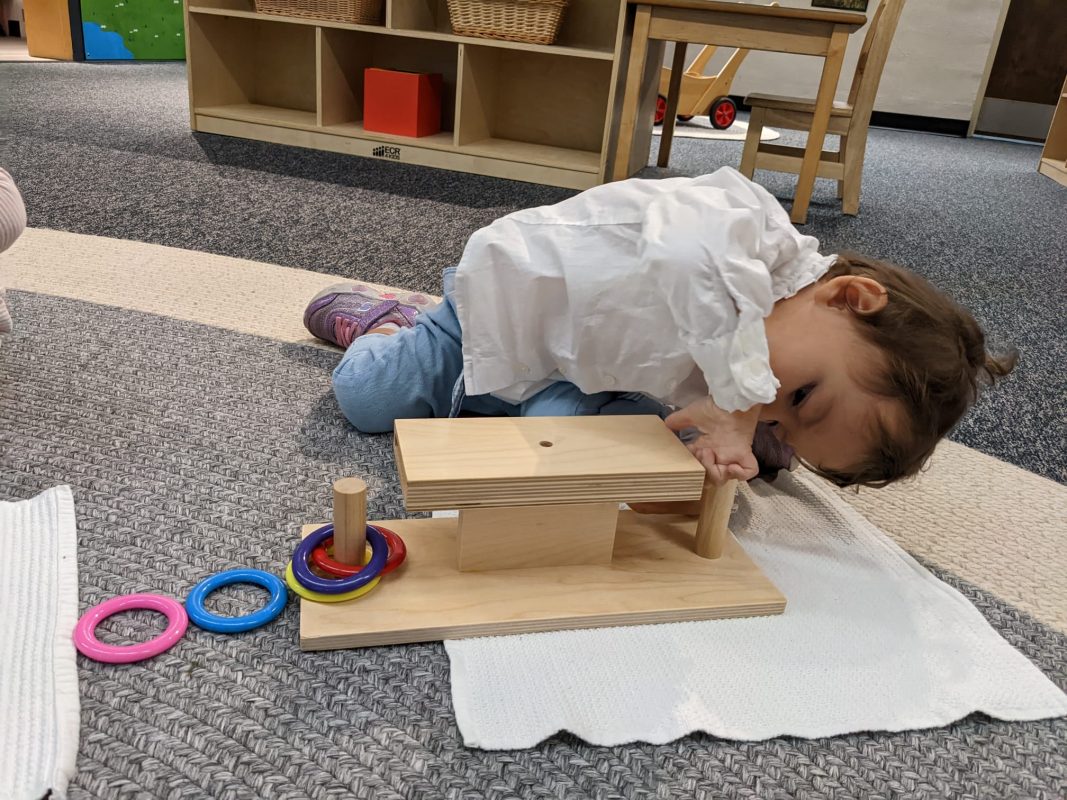
One of the sensitive periods for a toddler is the need for repetition. Repetition of work will allow the children to practice, master, and retain materials. By allowing the children the time to practice the same skill over and over we are helping them develop focus. While the children are using a material, working on changing their shoes, or even reading a book we try to avoid any interruptions. We also are showing the other children how to not interrupt but we can sit and observe our friend quietly. This to is the work of a child as they will be learning by observing their peers.

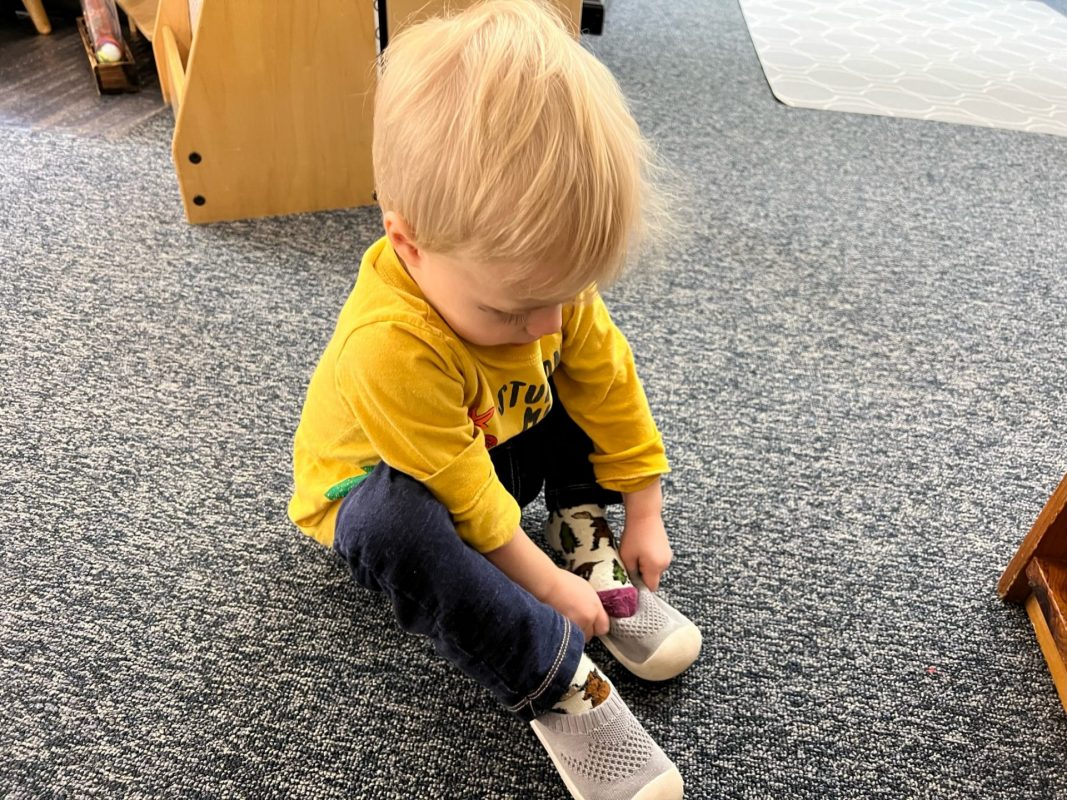
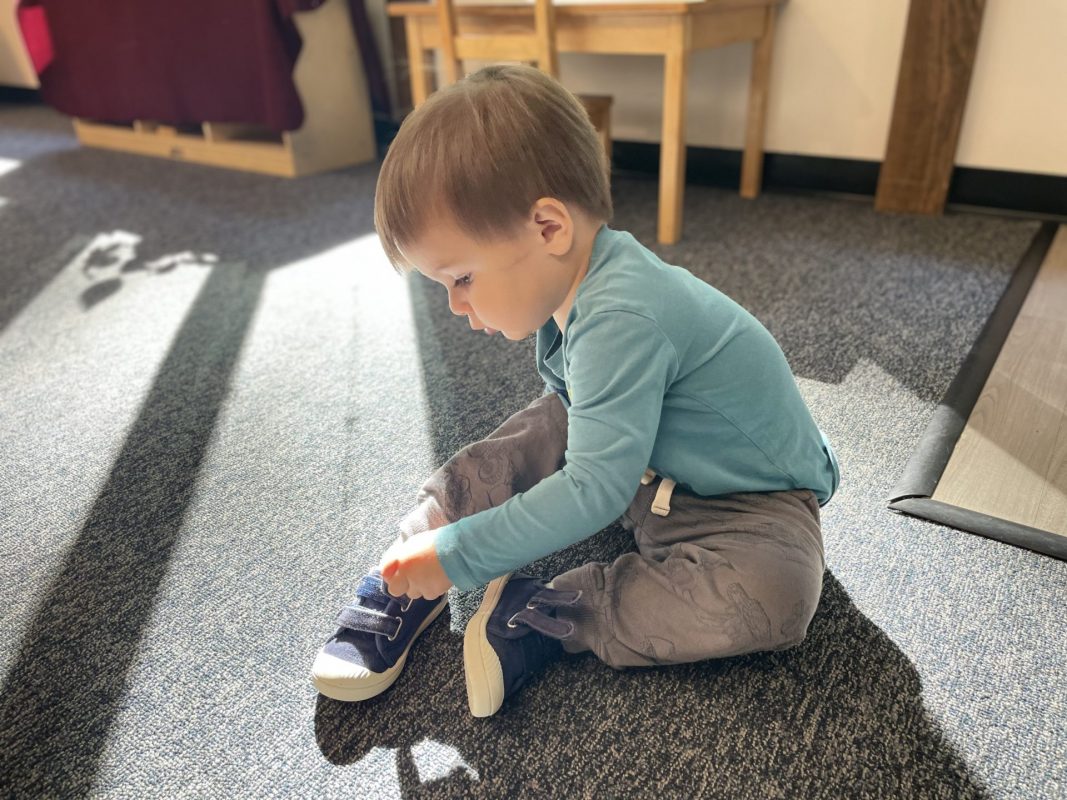
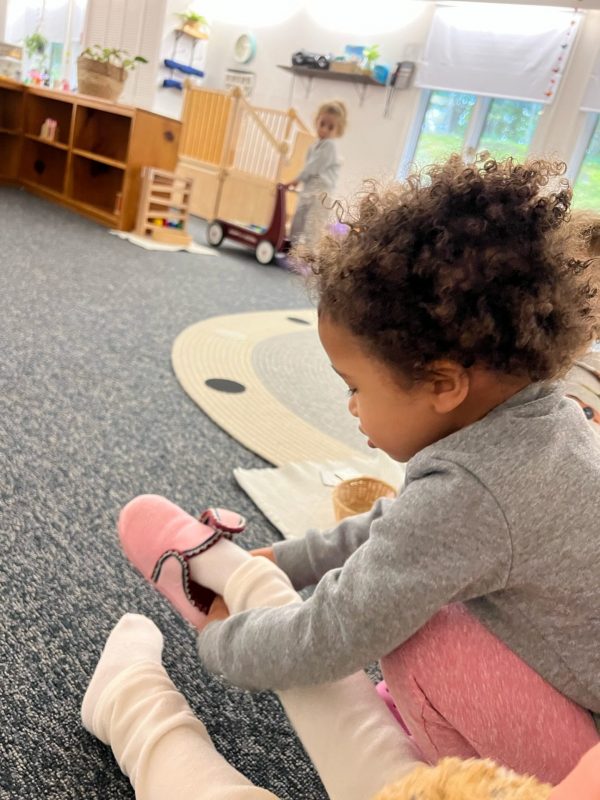
This week the children are working on changing their shoes when they arrive in the morning. The children are working hard to develop these new skills.

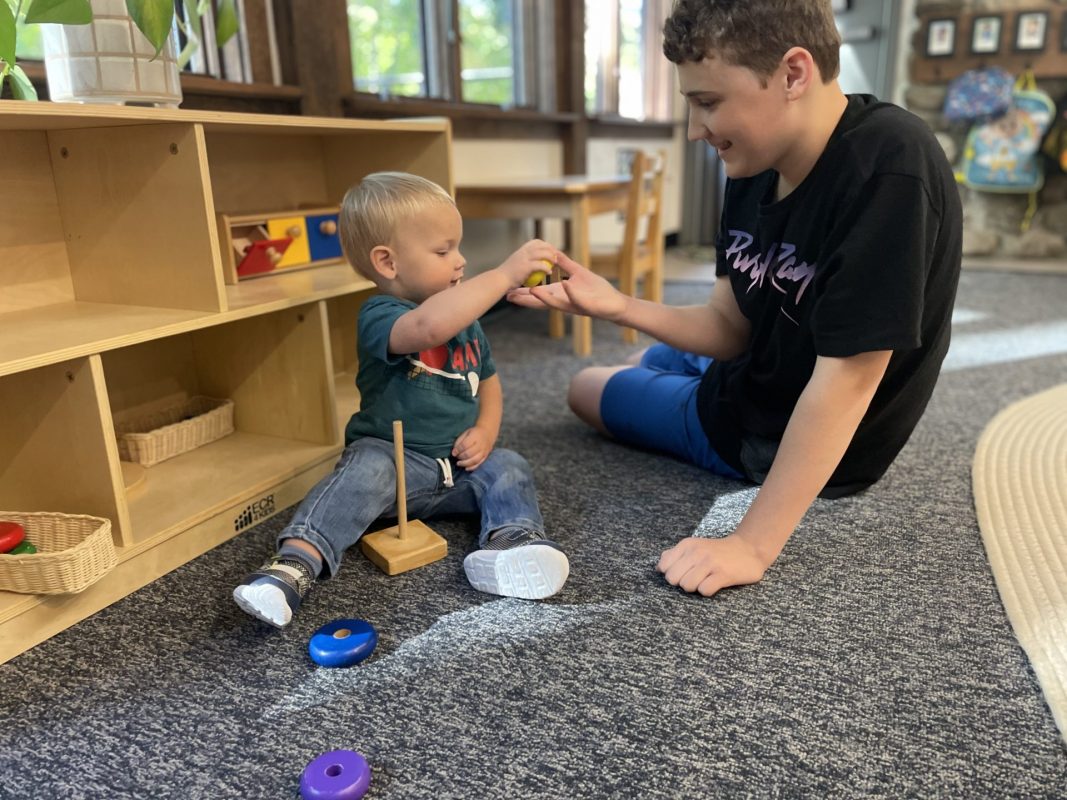
The middle school students will be joining our classroom once a week as part of their community service. The children seem to receive these new faces well and seemed to enjoy working with them.

Food tasting this week was a Granny Smith apple. I introduced the apple, peeler, and corer to the children. The children will have a chance to use this next week when we make apple sauce.

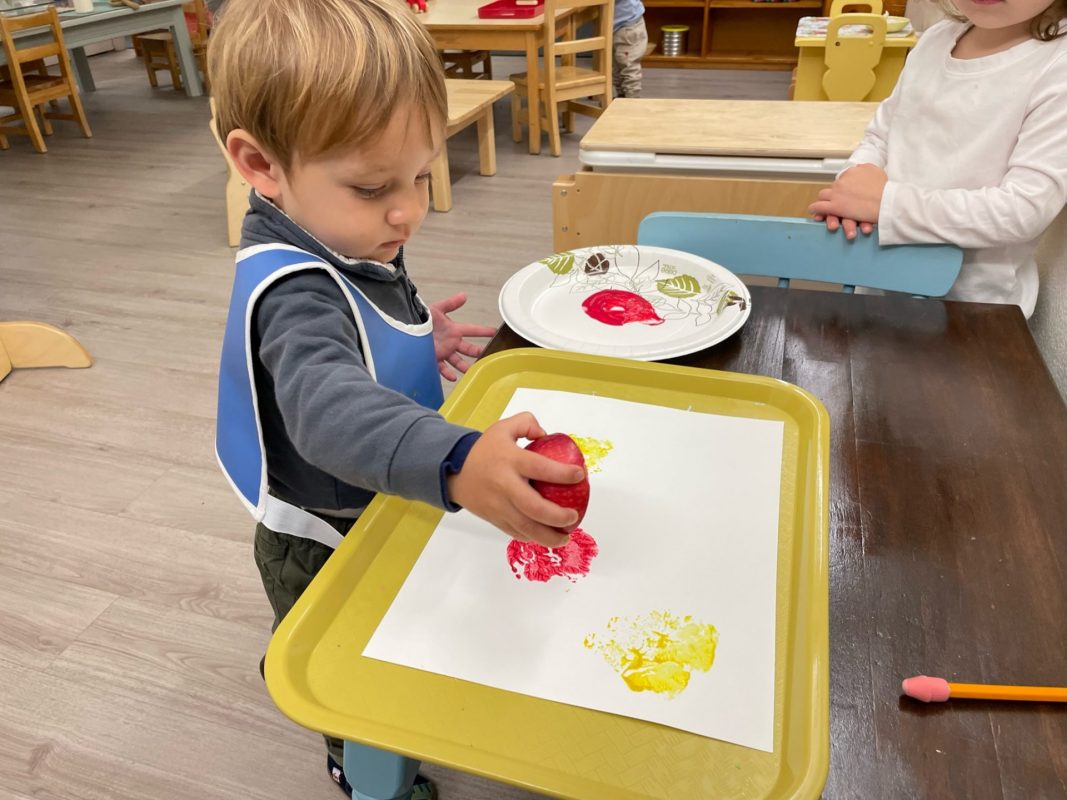
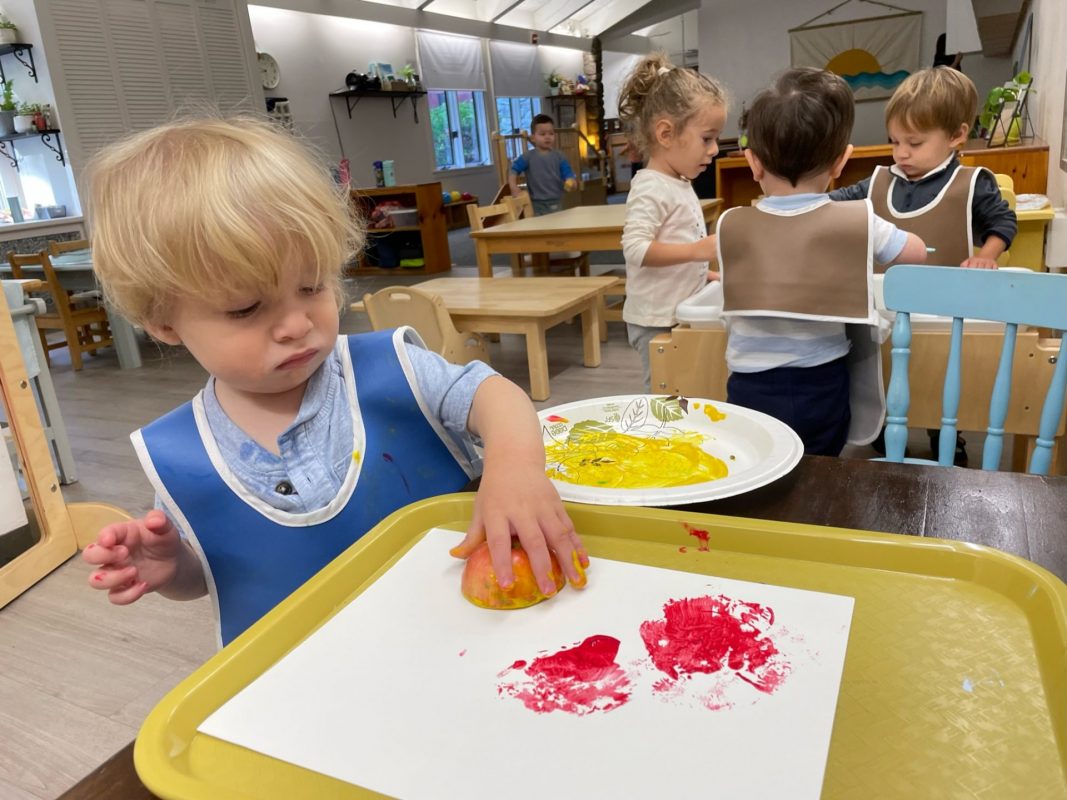
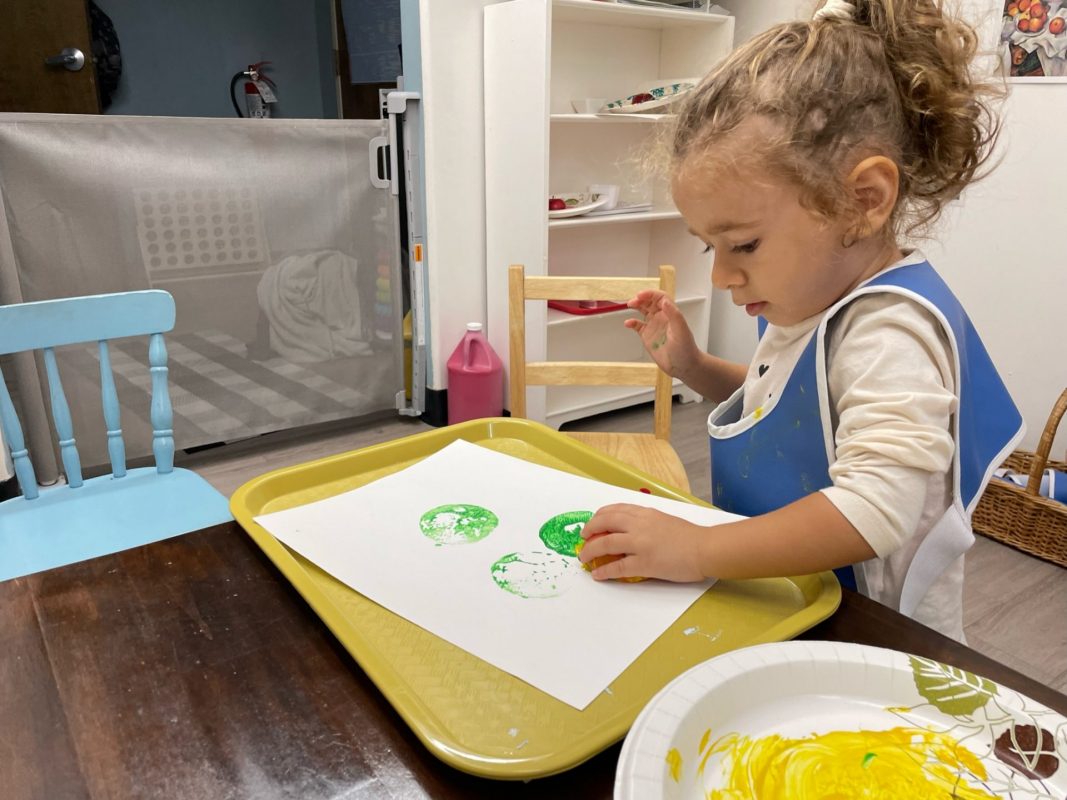
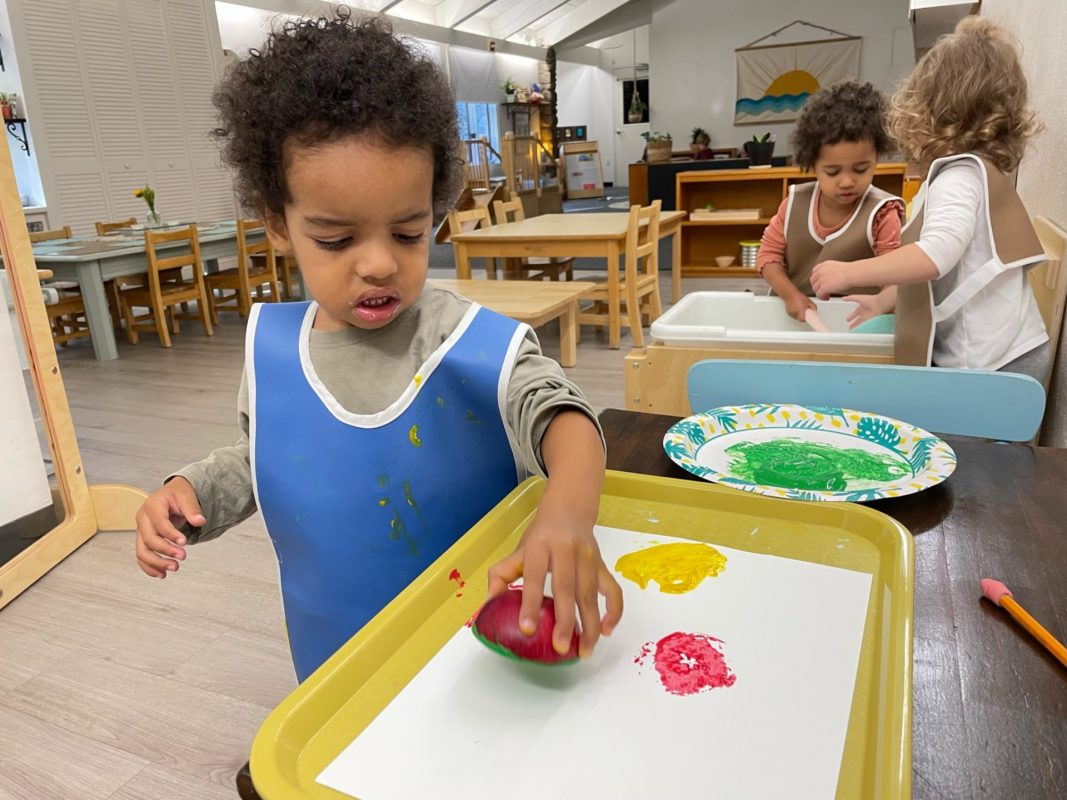
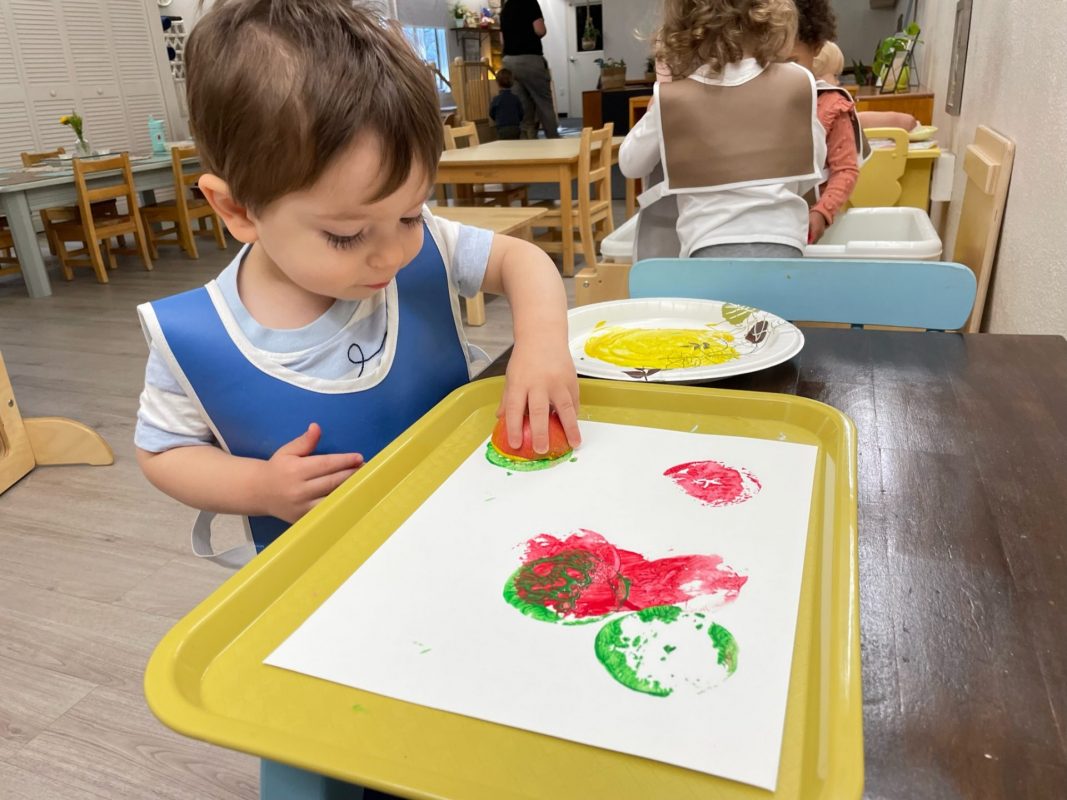
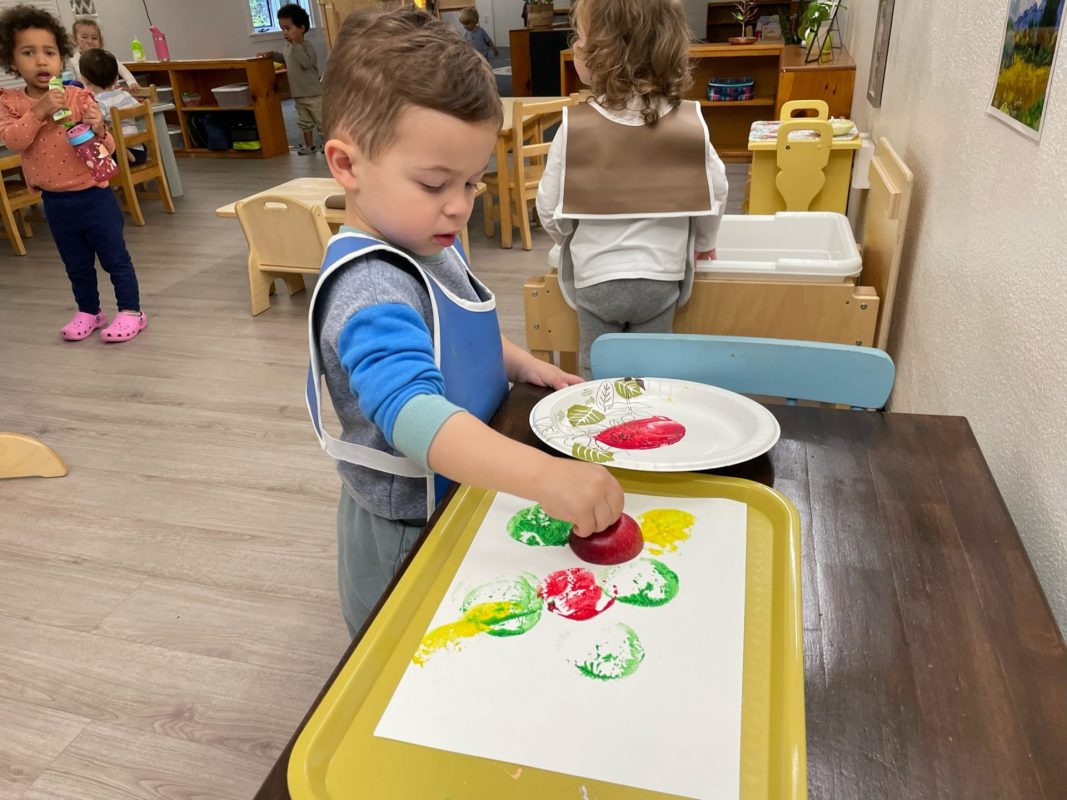
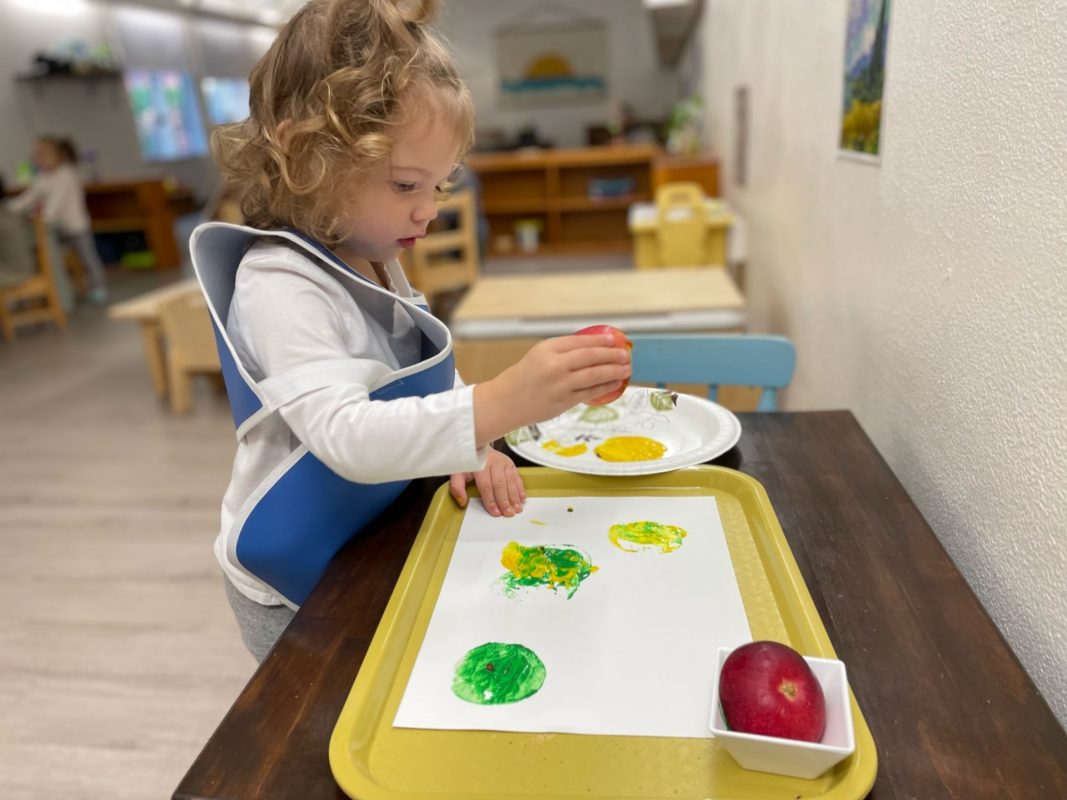
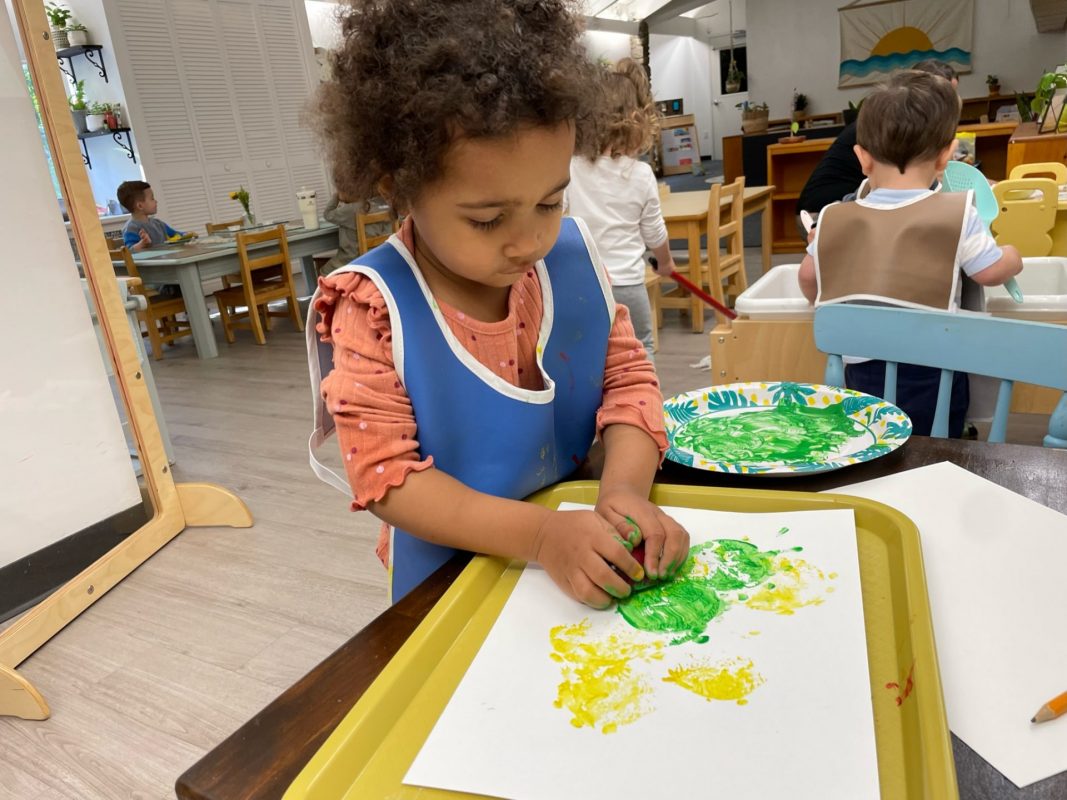
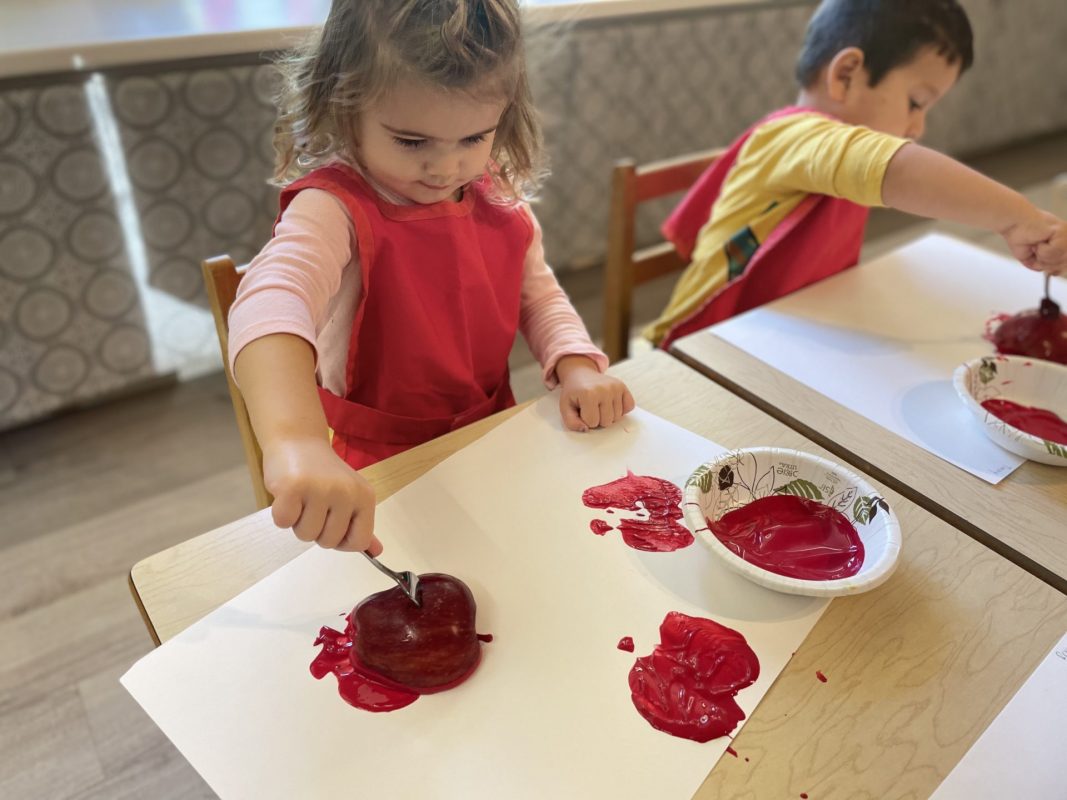
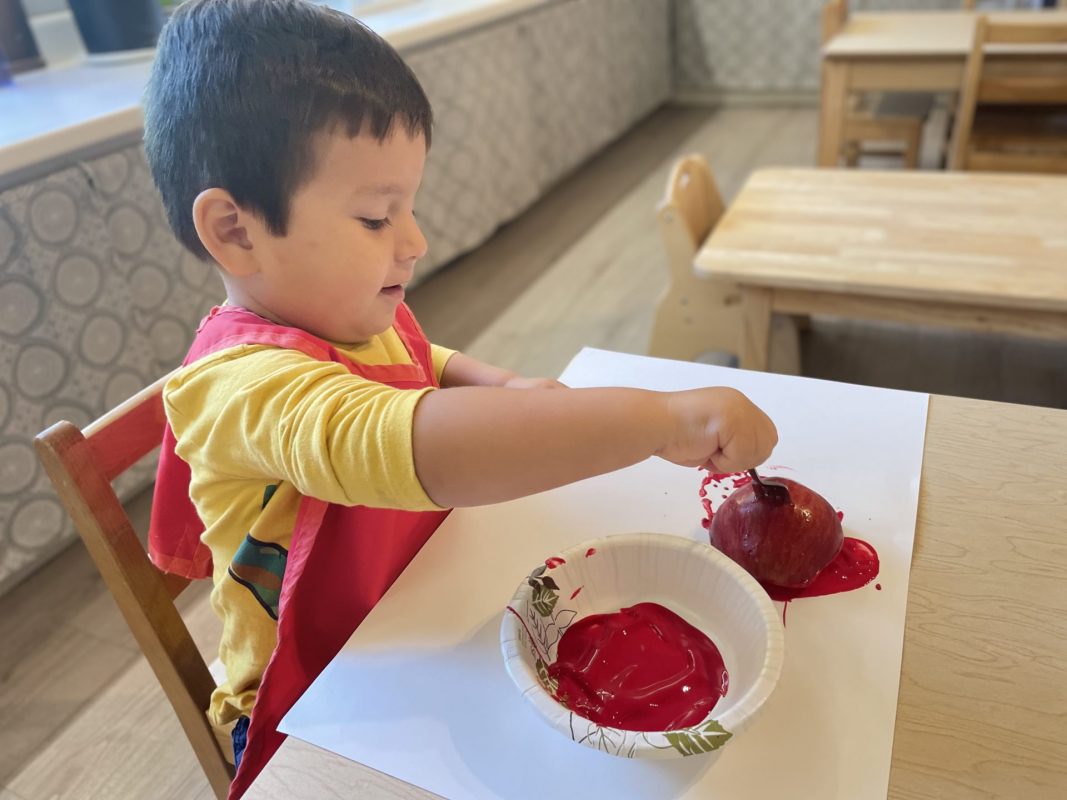
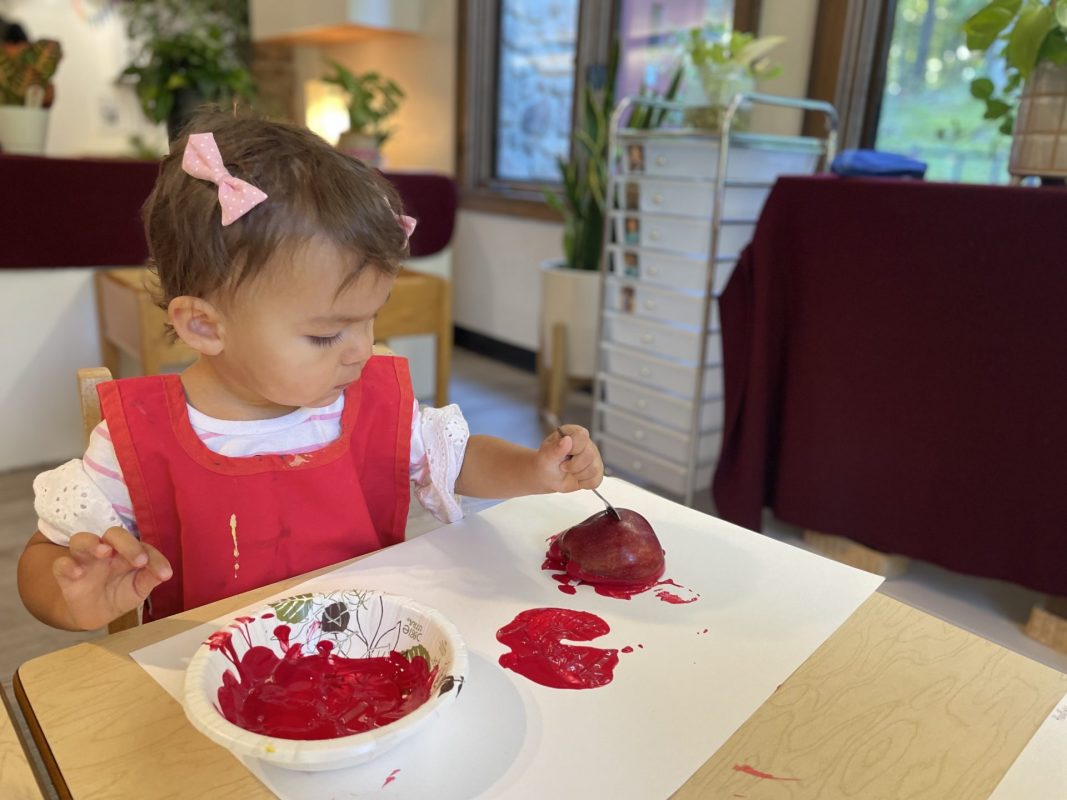
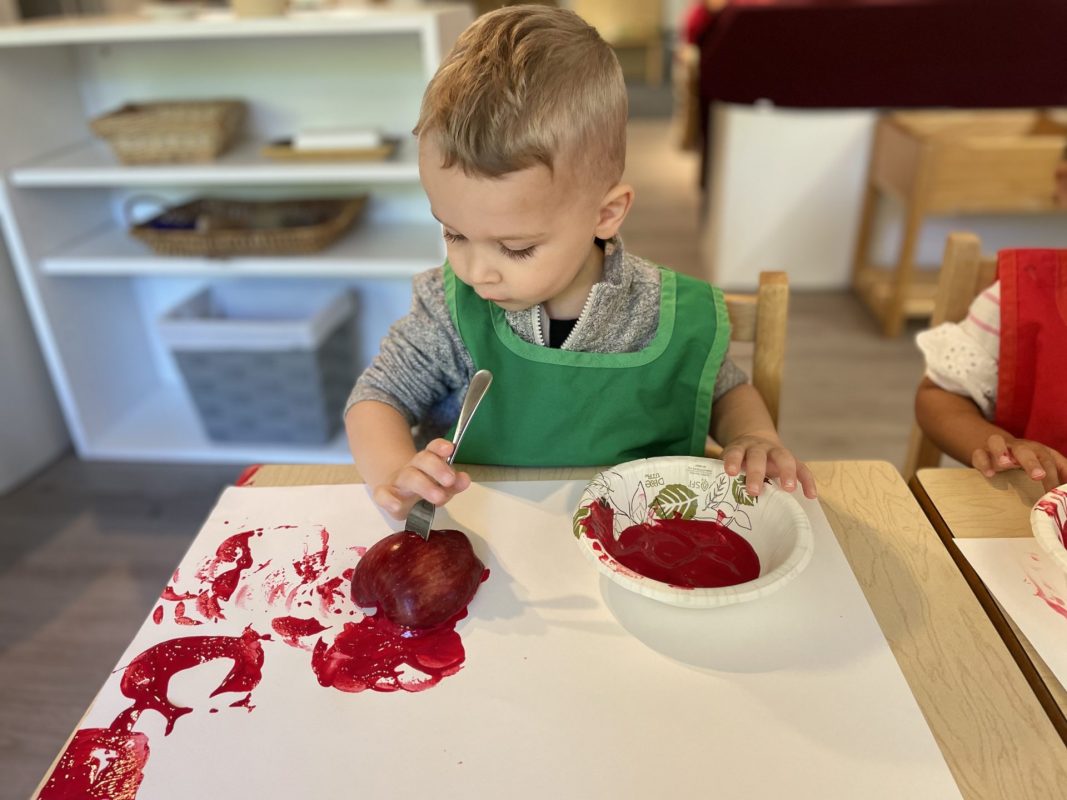
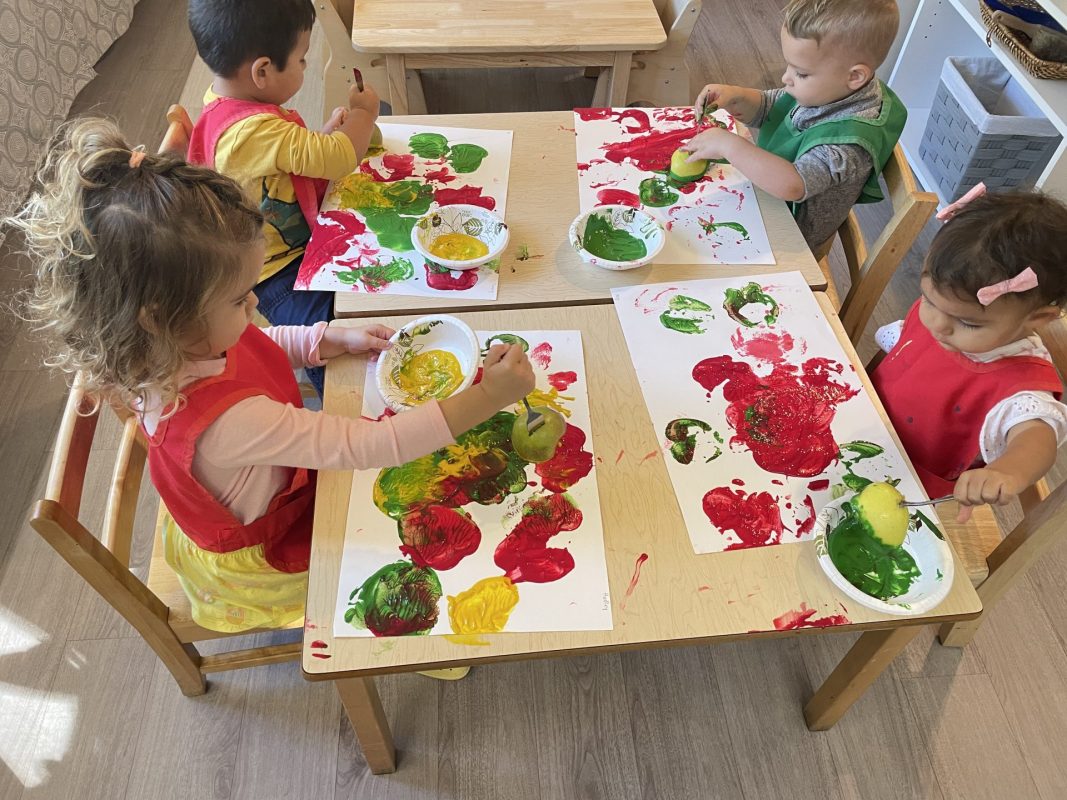
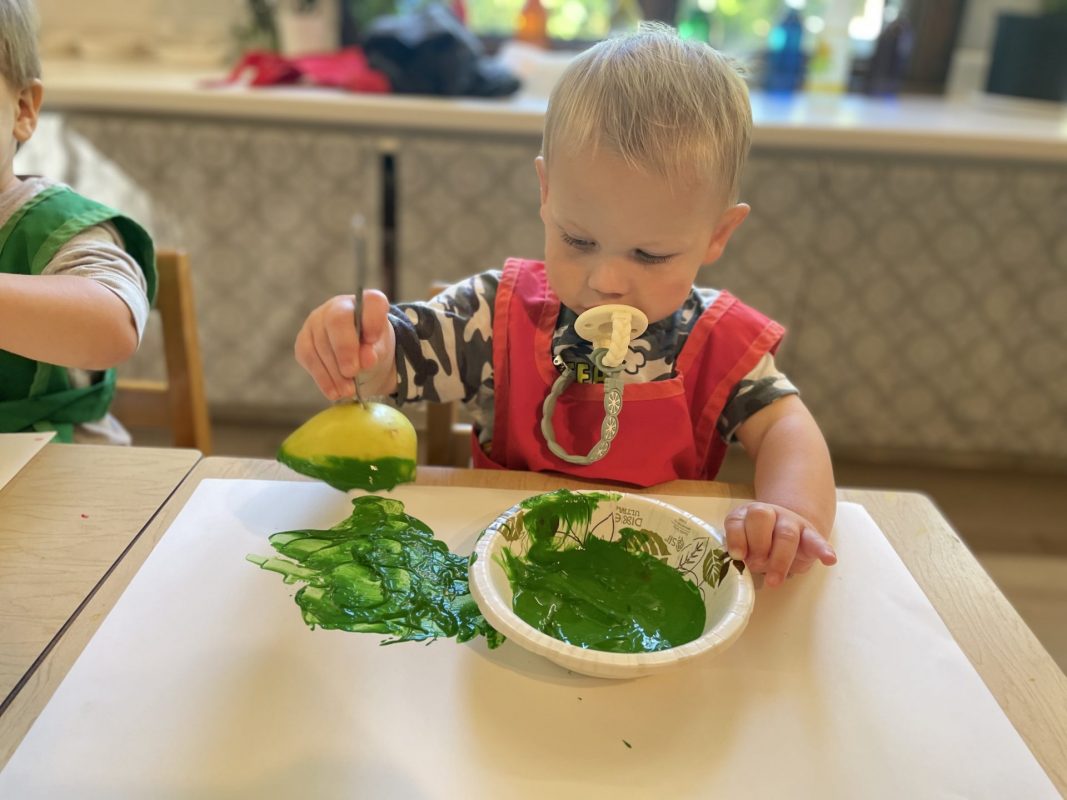
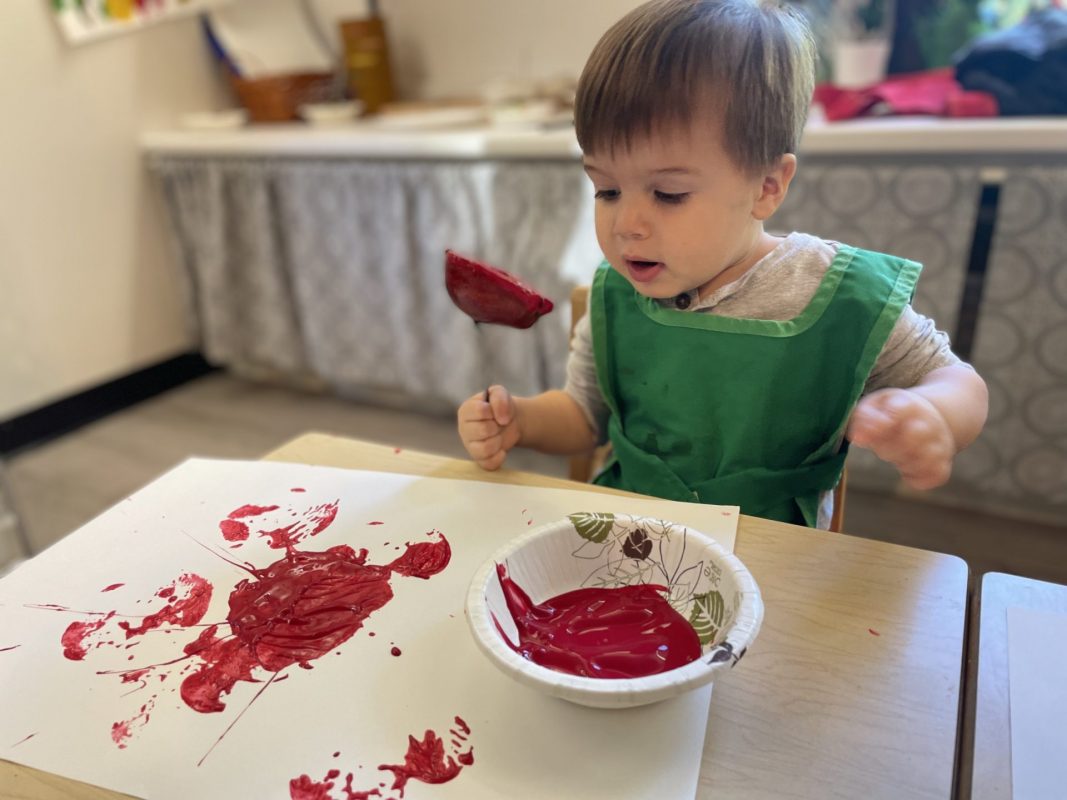
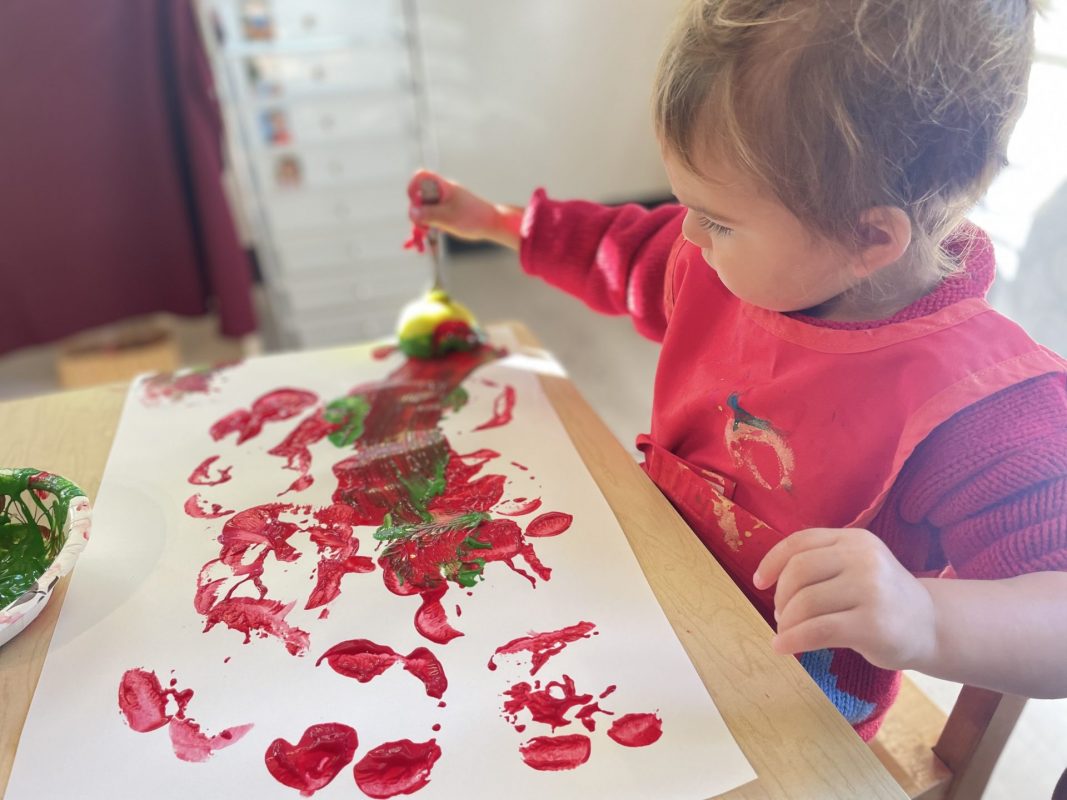
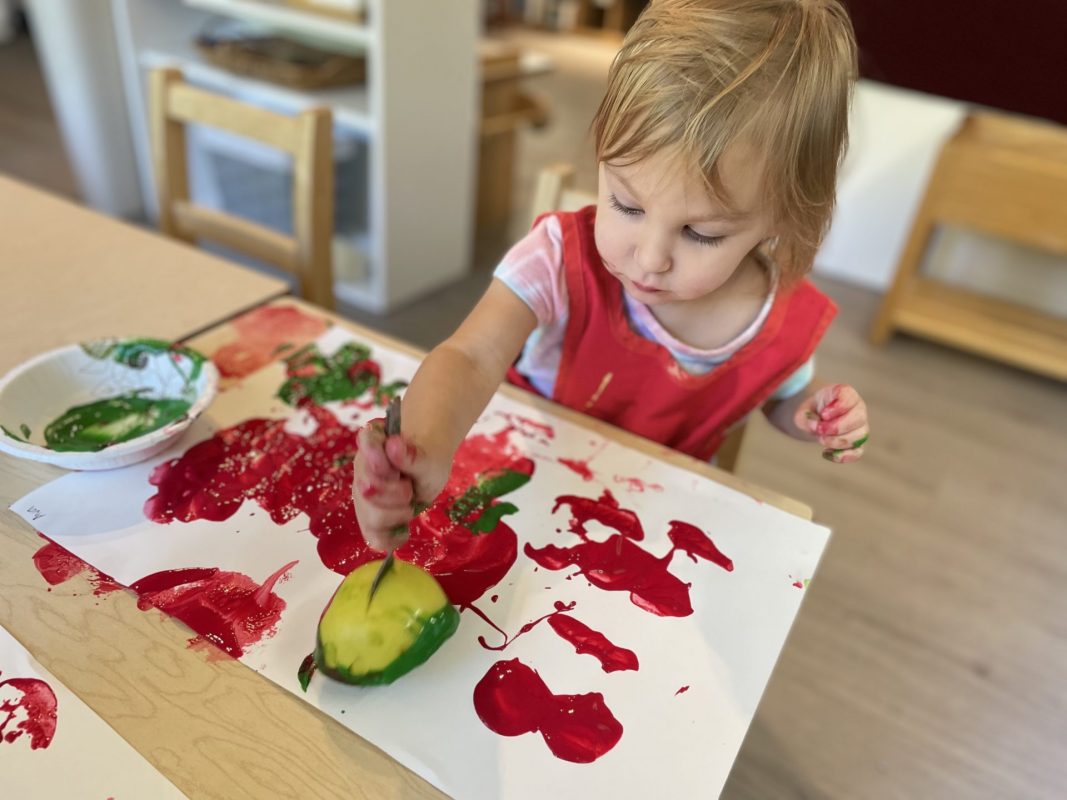
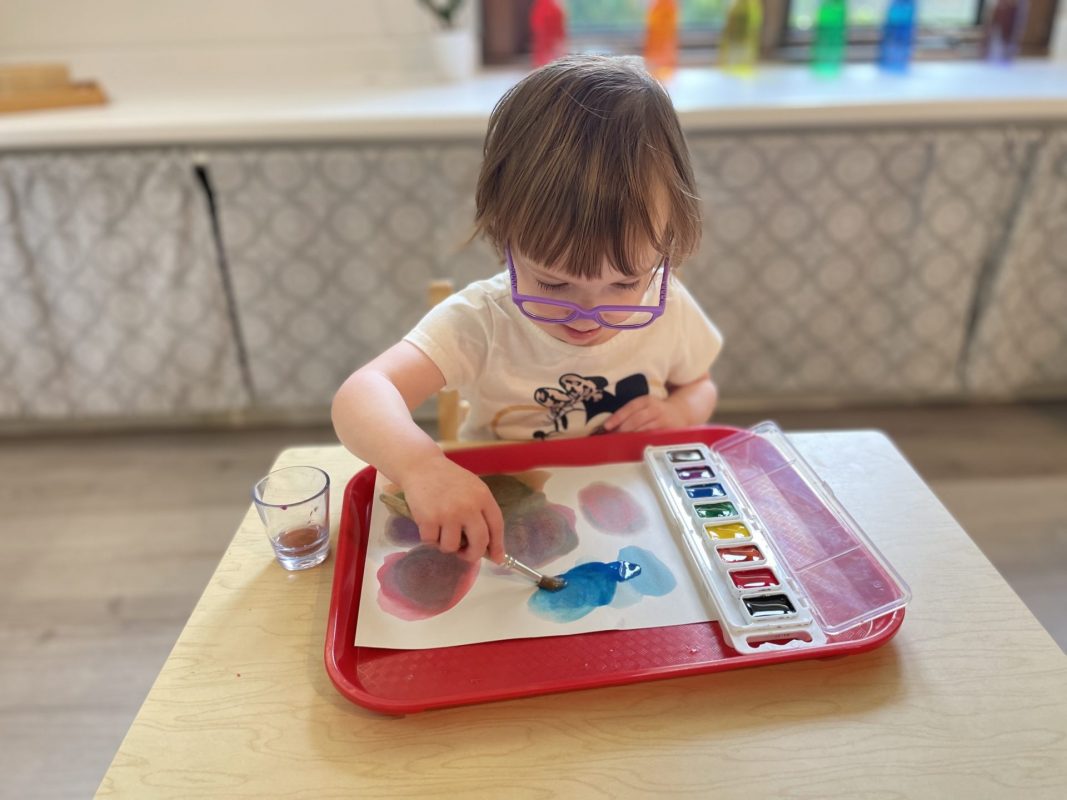
The children worked one by one with Ms. Sara to make apple print art. They used red, yellow, and green paint and half of an apple to paint with. These pieces of art will be laminated and used as their placemats for next week’s special snack.

Cynthia and Sara


Mrs. Hood: Community Helpers and Apple Fun!

One of our goals at FWM is to create caring, empathetic students who are capable of thinking beyond themselves. It was Dr. Montessori’s vision that a peaceful world, starting with children, would make the world a better place. Community service is one of our Montessori strategies to help develop and educate the whole child. Students learn the joy of giving of themselves and develop compassion because of these real, practical life, volunteer experiences.

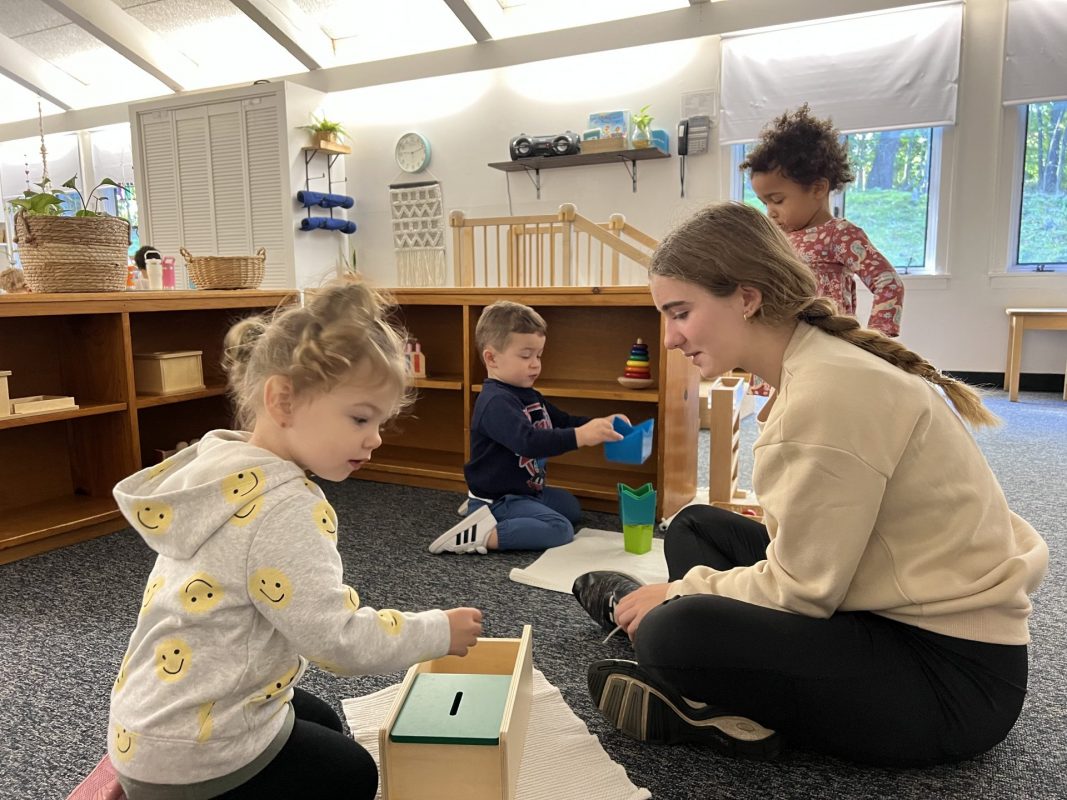
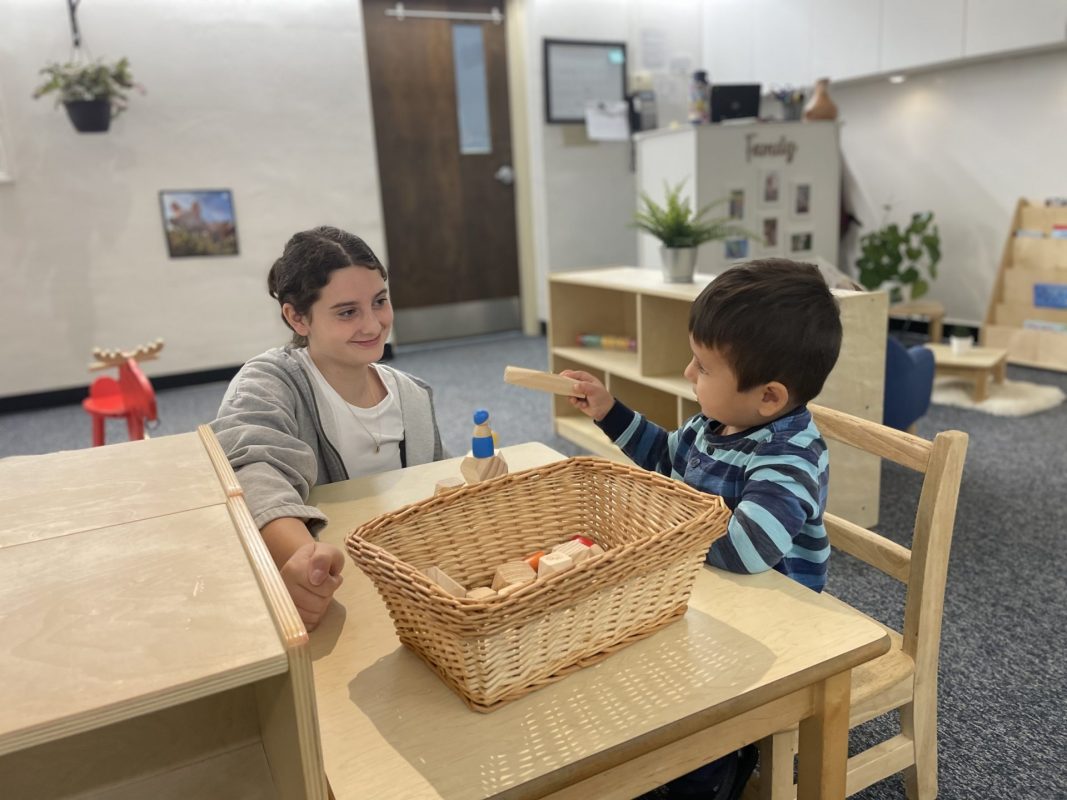
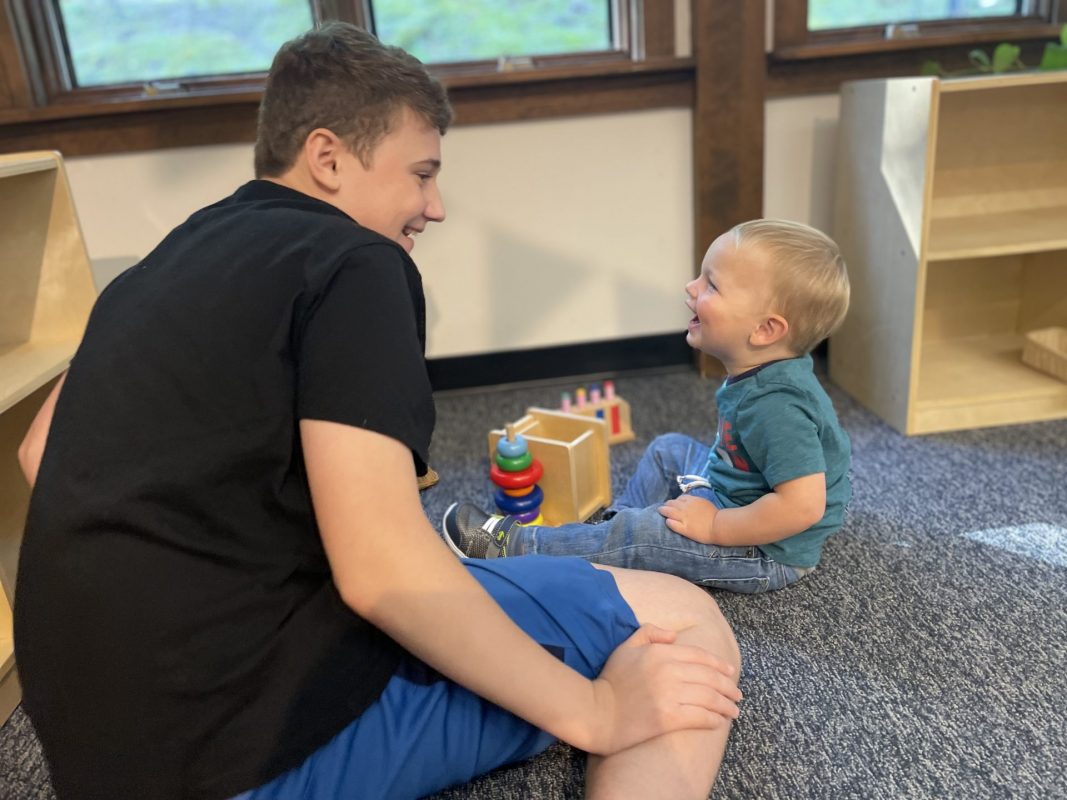
A couple of times a month our Middle School students visit our environment and work with our toddlers. They do so by reading and working together with the different materials displayed on our shelves. They assist your children in how to put on their shoes and jackets, how to clean their face and hands, they look for ways of comforting their younger peers when they are having a hard time, and they love to join in the fun when we sing, dance and play games together. They are great role models and your children love when they enter our environment and get to spend time with them. 

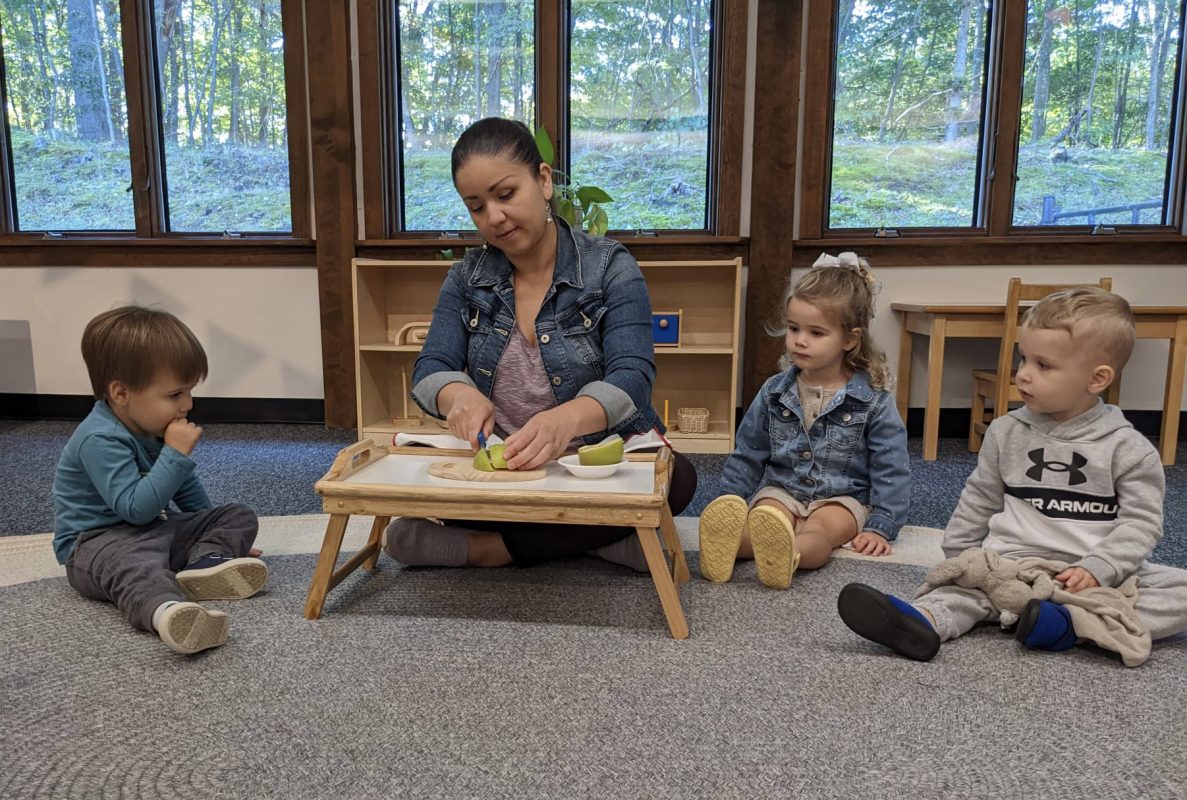
In continuation with our apple studies this week we explored a Granny smith apple for our food tasting lesson. Children were in awe to see the apple this week was green! Some actually found it funny! They were expecting something red, like last week. Skin, flesh, stem, core and seeds are vocabulary words we are repeating often these days. 

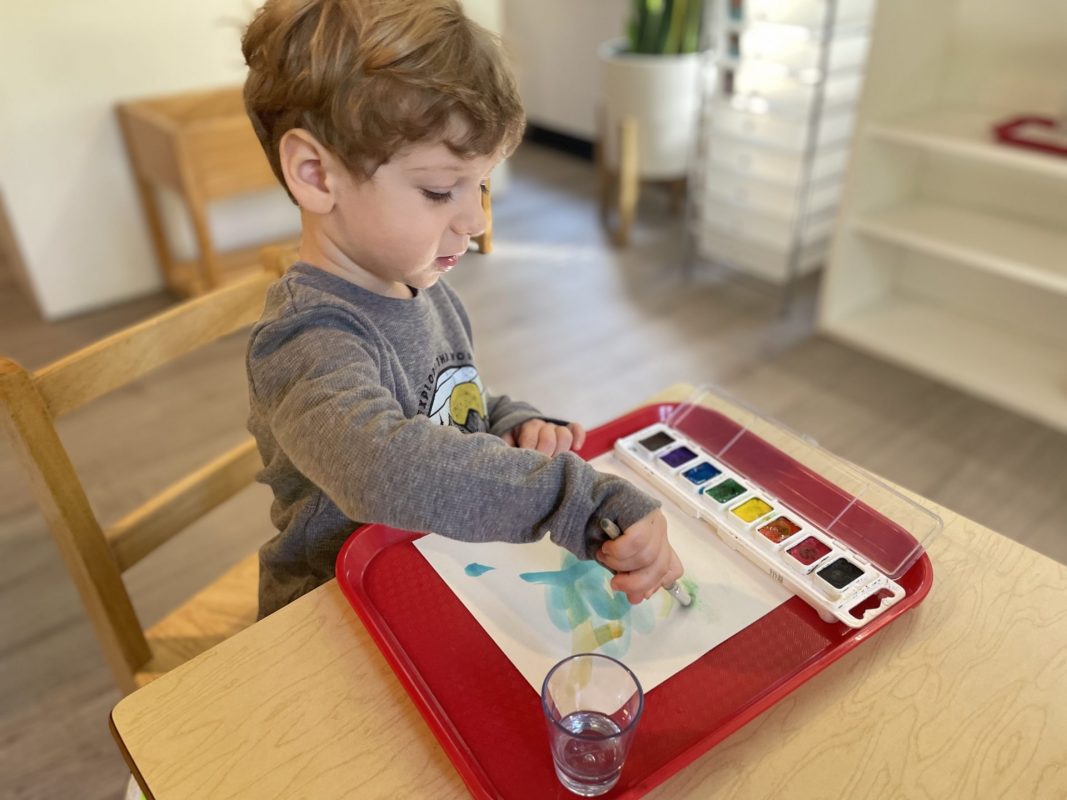
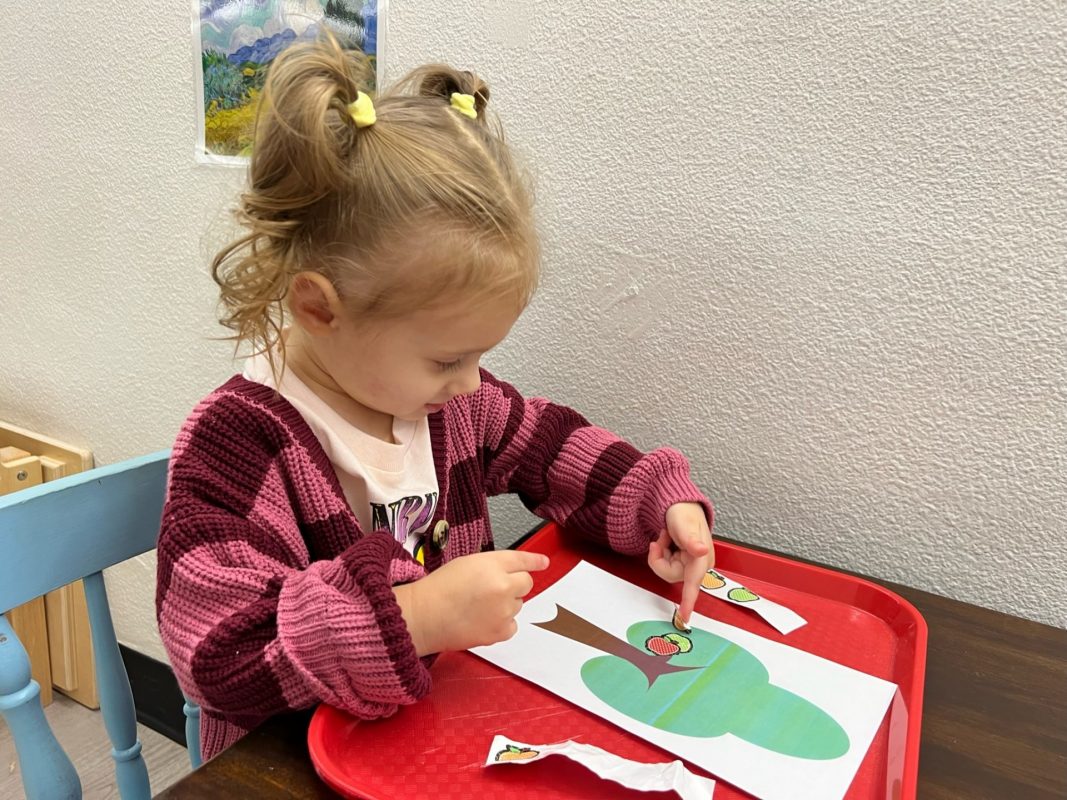
As an extra  Sensorial addition we worked on an apple stamping art piece. Children enjoyed dipping the apple halves into different color paints and stamping them all over their papers! They were so proud of their work! 

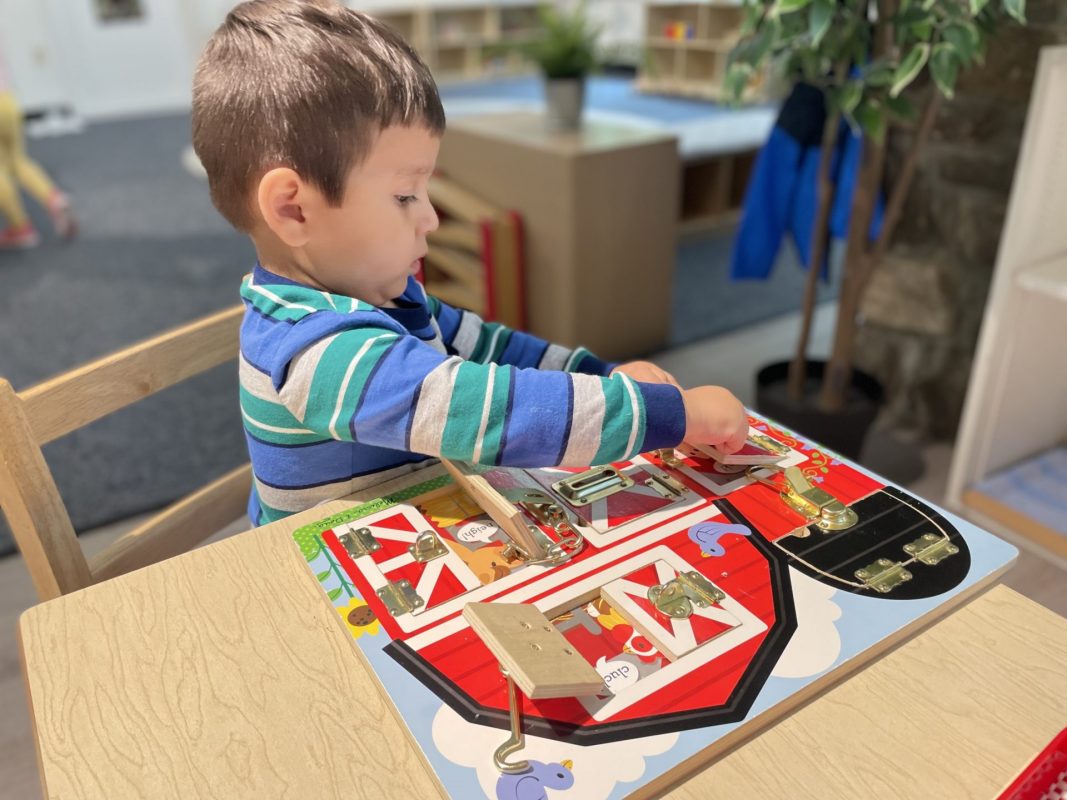
As a fundamental Practical Life skill, your children have been working diligently on learning to take off and put on their shoes! It’s hard work for them, but we are so confident they will master it as they keep practicing. 

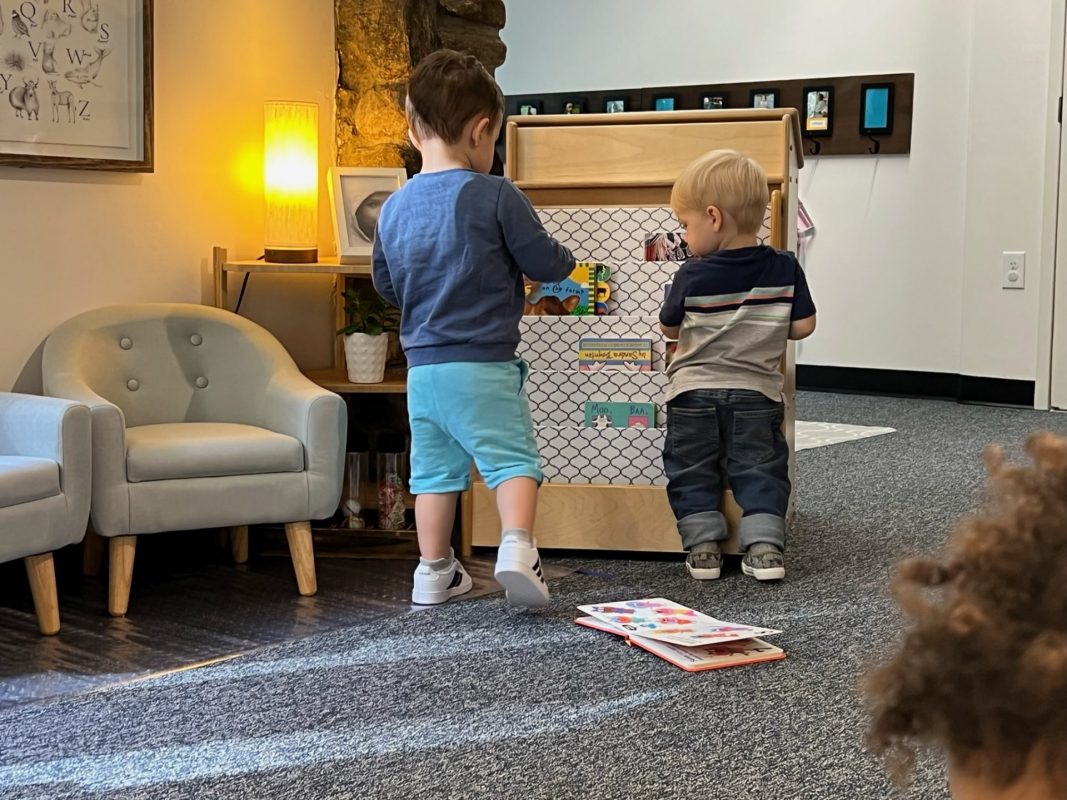
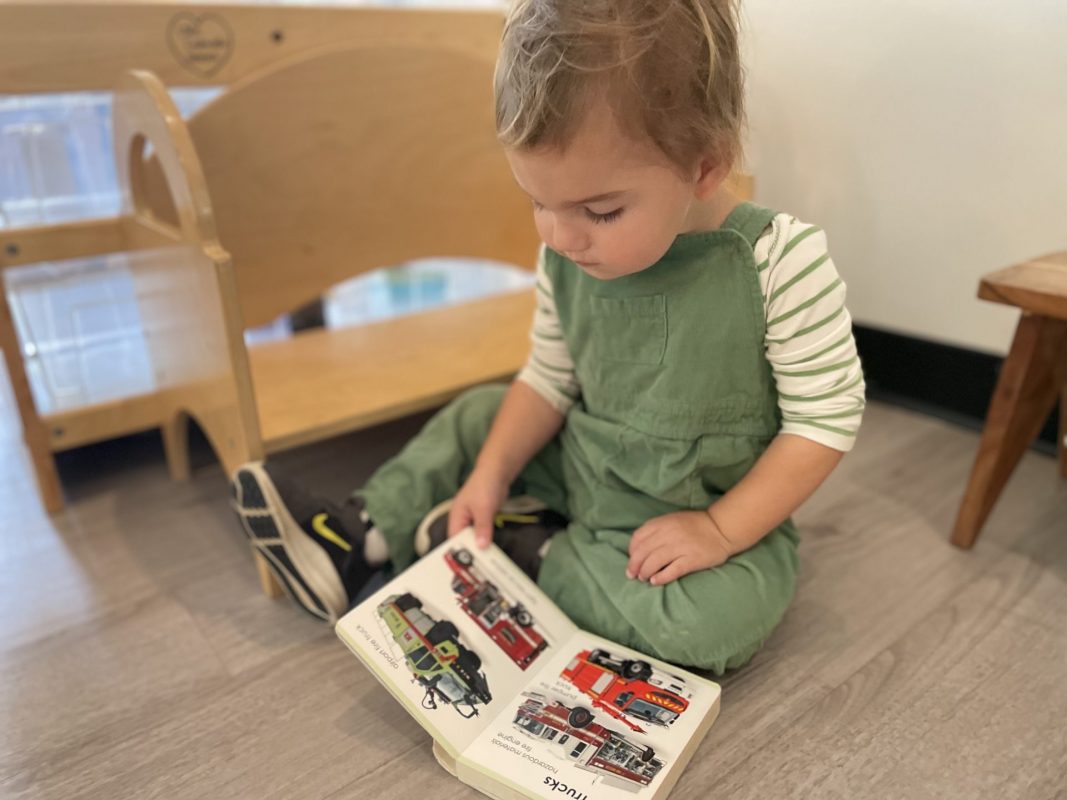
The favorite books this week have been : Brown Bear, Brown Bear What Do You See by Eric Carle, Row, Row Your Boat By Jane Cabrera and We All Go Traveling By by Barefoot books. “We are the Dinosaurs’ by Laurie Berkner and “Shake Your Sillies Out” by Andy Mason were the top hits musically this week. 

We wish you a healthy and peaceful weekend, 

Mrs. Hood and Ms. Bethann 

Mrs. Hood: Yummy in My Tummy!

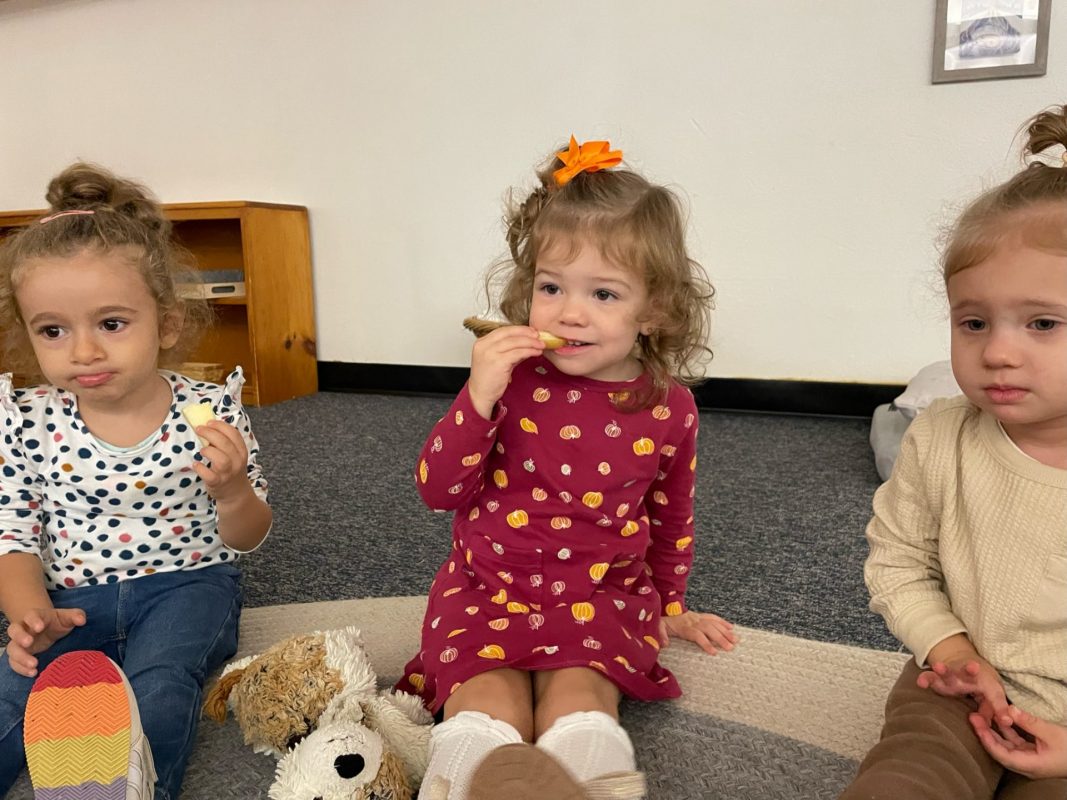
One of the main highlights of our week was our first lesson on food tasting. As children grow beyond the infant stage, they begin the journey to independence as toddlers. Many parents notice this change in their children when it comes to mealtime, as they begin to hear a resounding, “No!” when it comes to eating the foods they once loved and trying new ones. In order to help families, we have integrated food tasting into our toddler program as a way to ease children into the idea of trying new foods by teaching them all about the food and encouraging them to participate as a group.

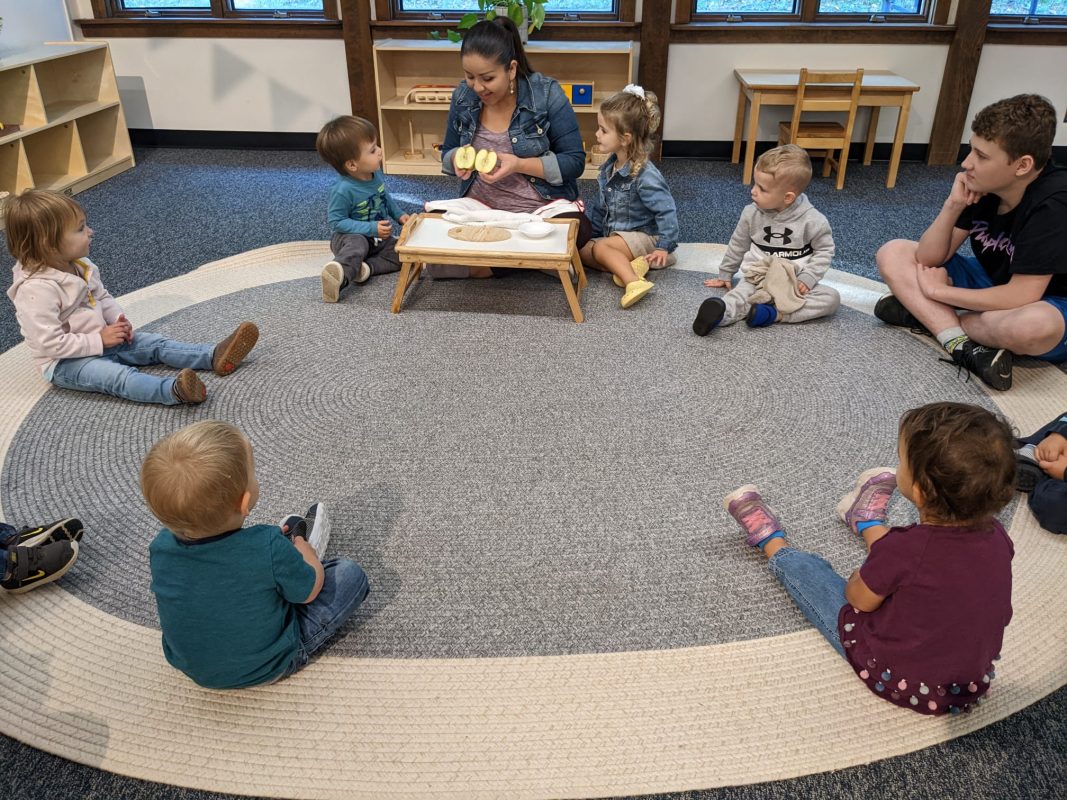
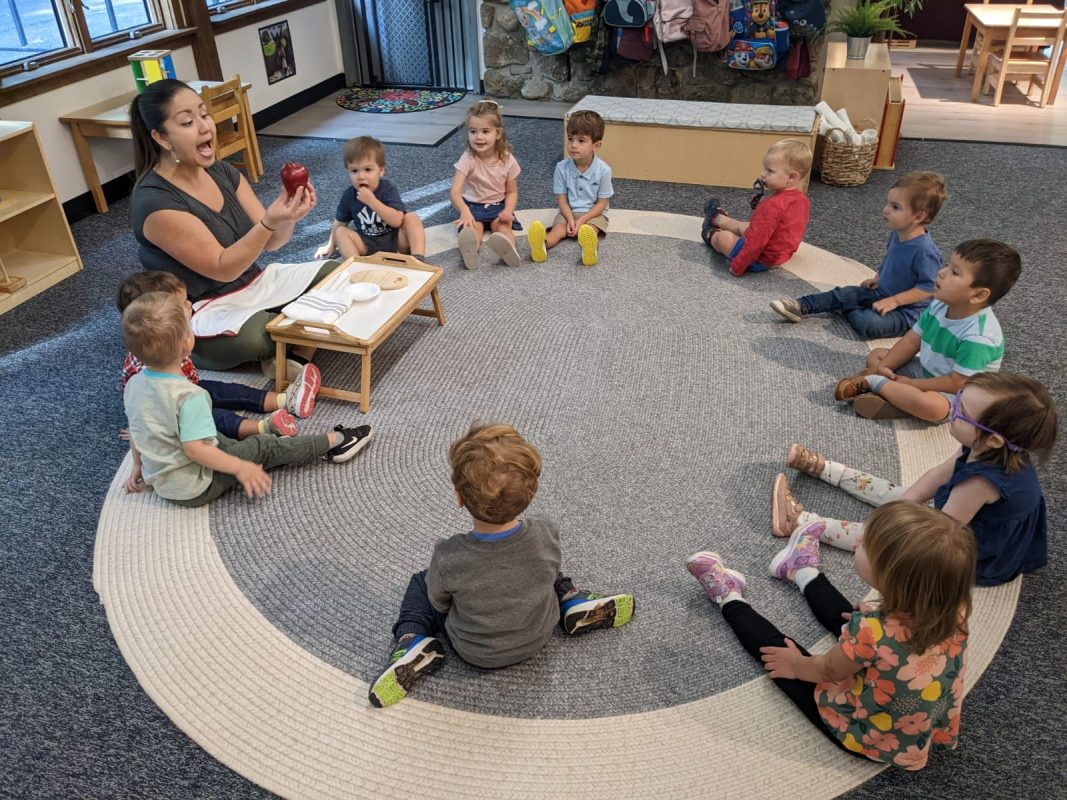
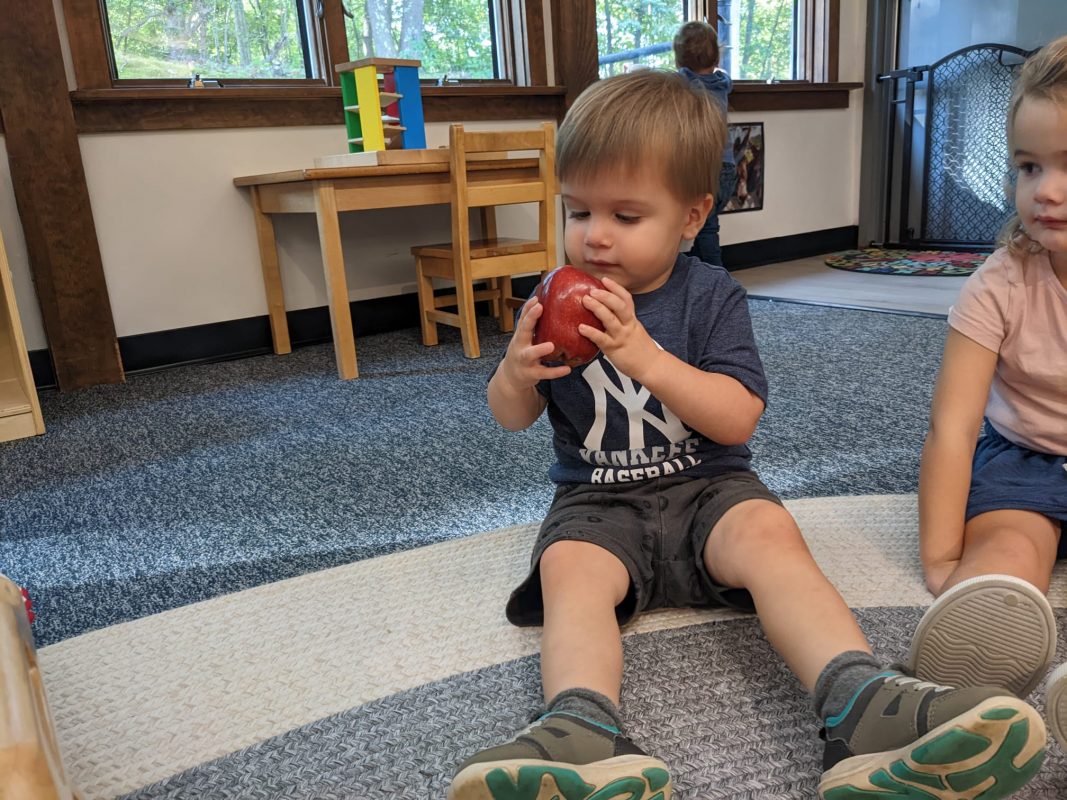
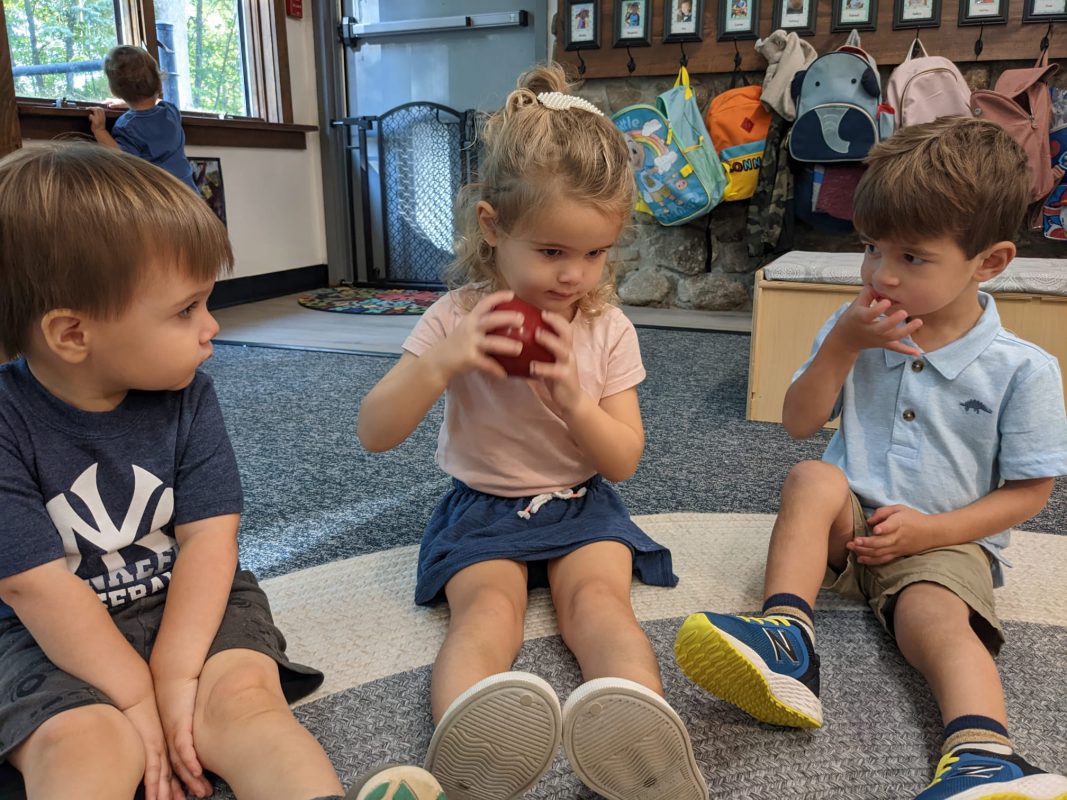
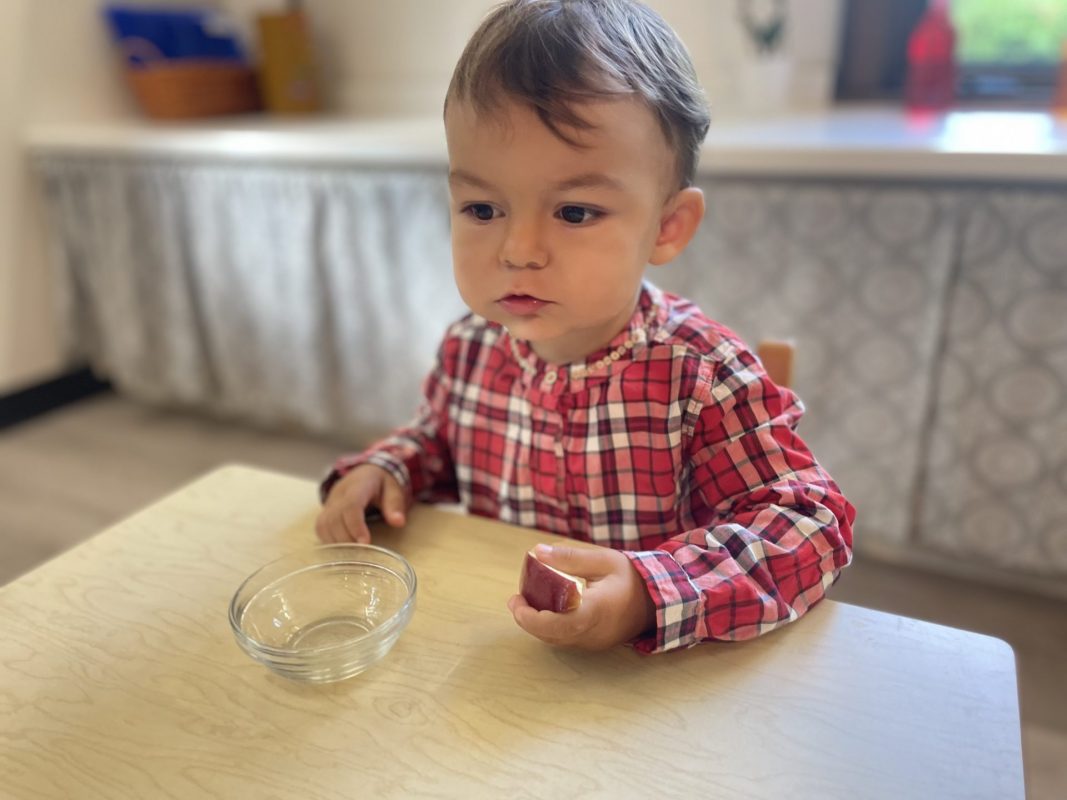
This week we introduced some delicious red apples!

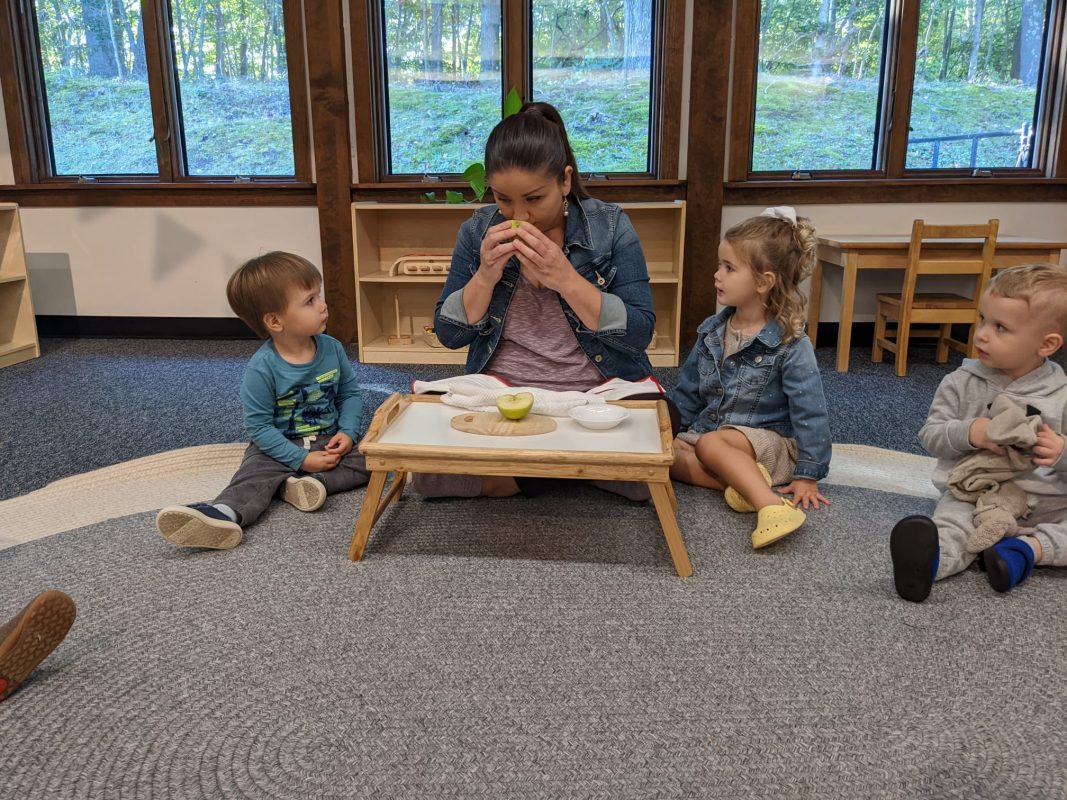
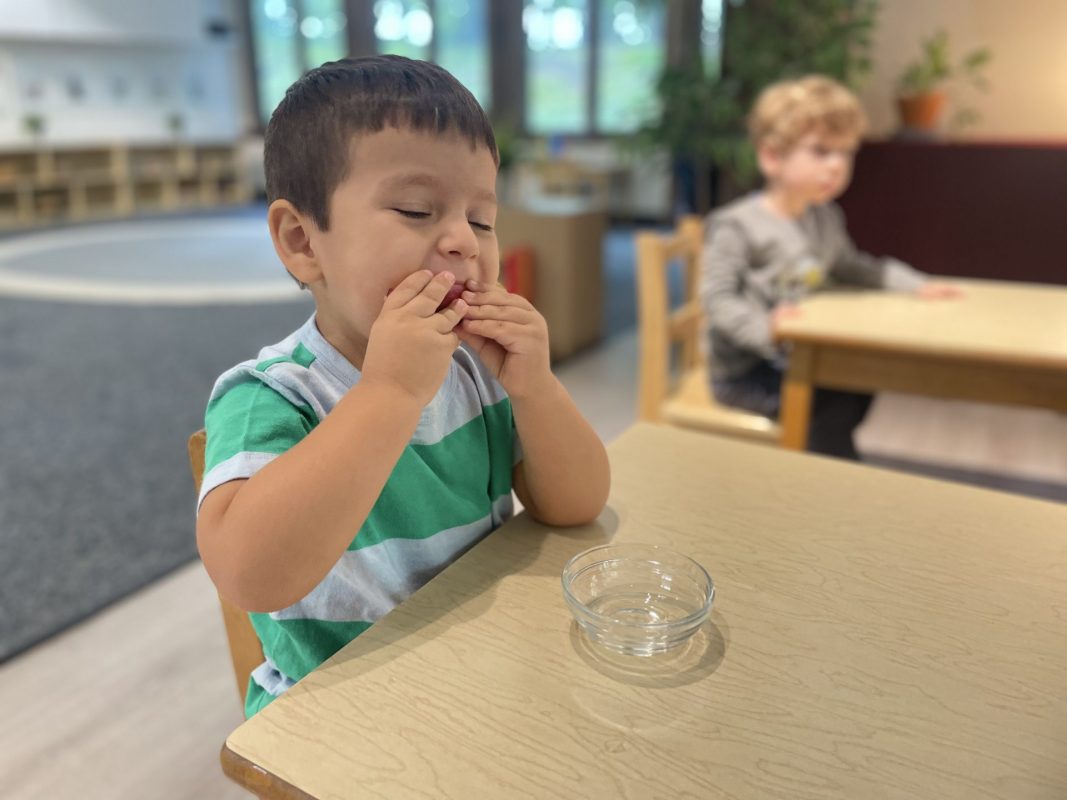
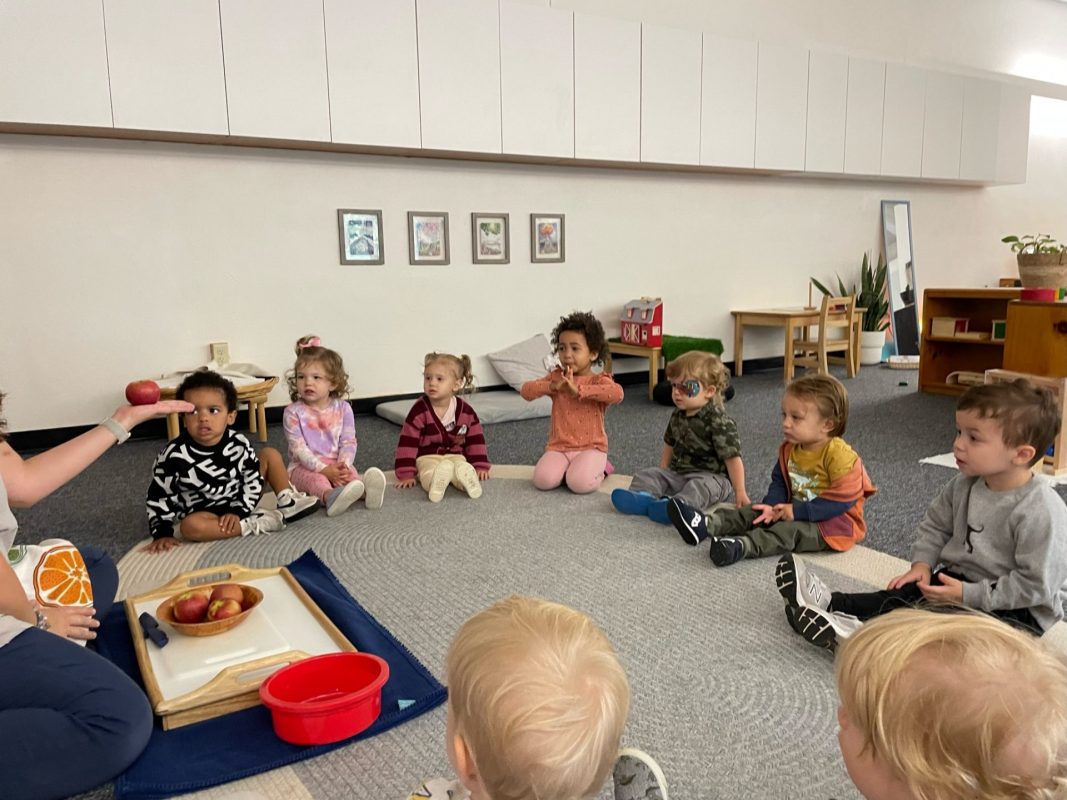
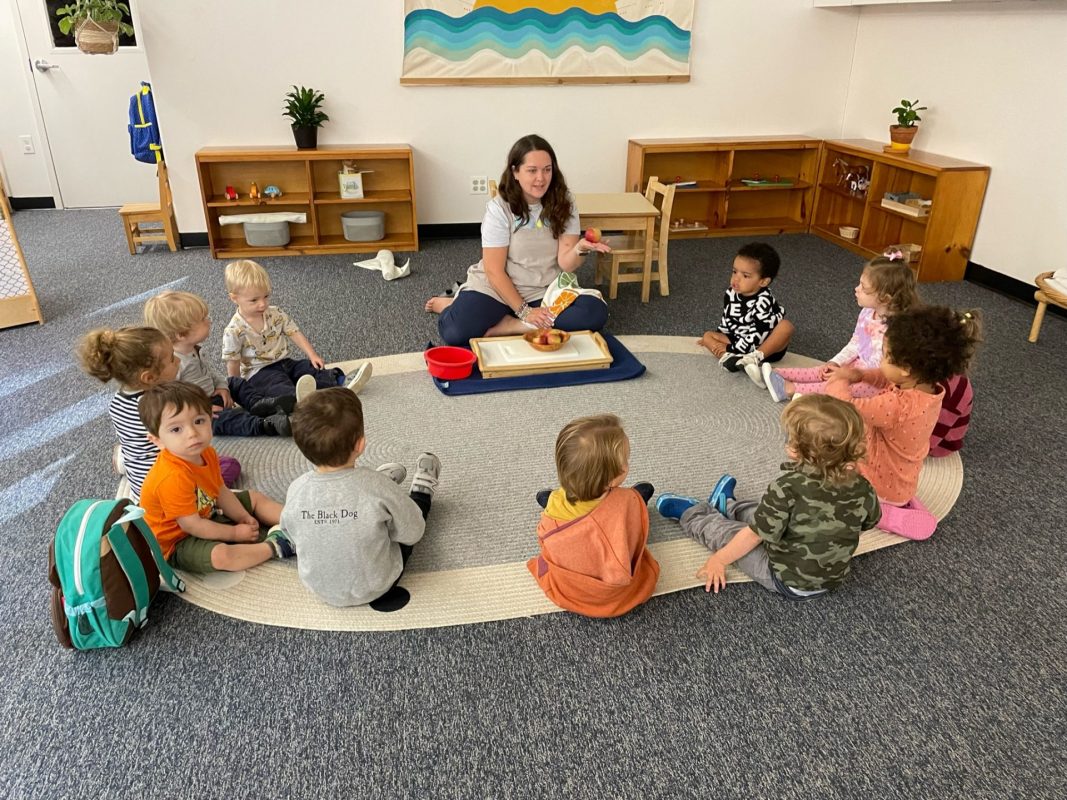
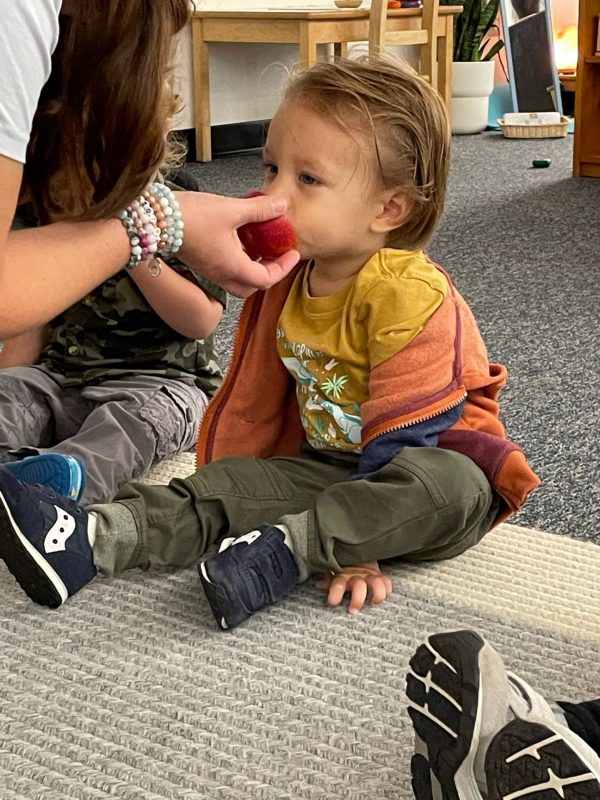
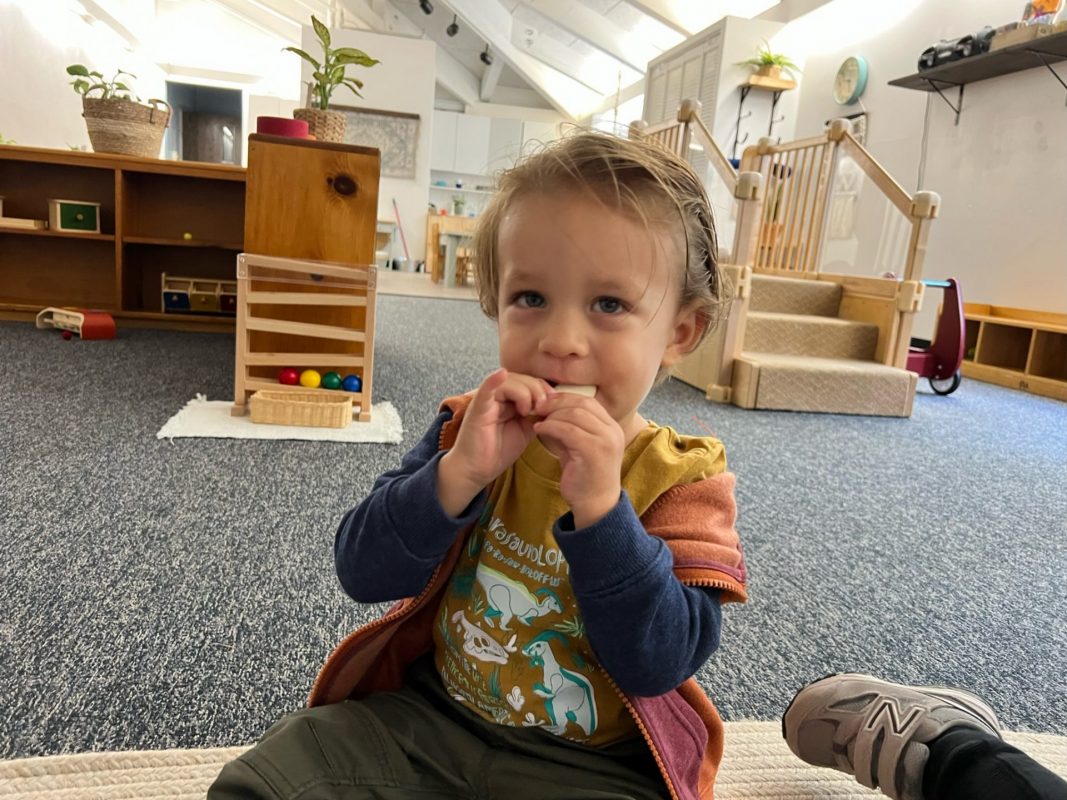
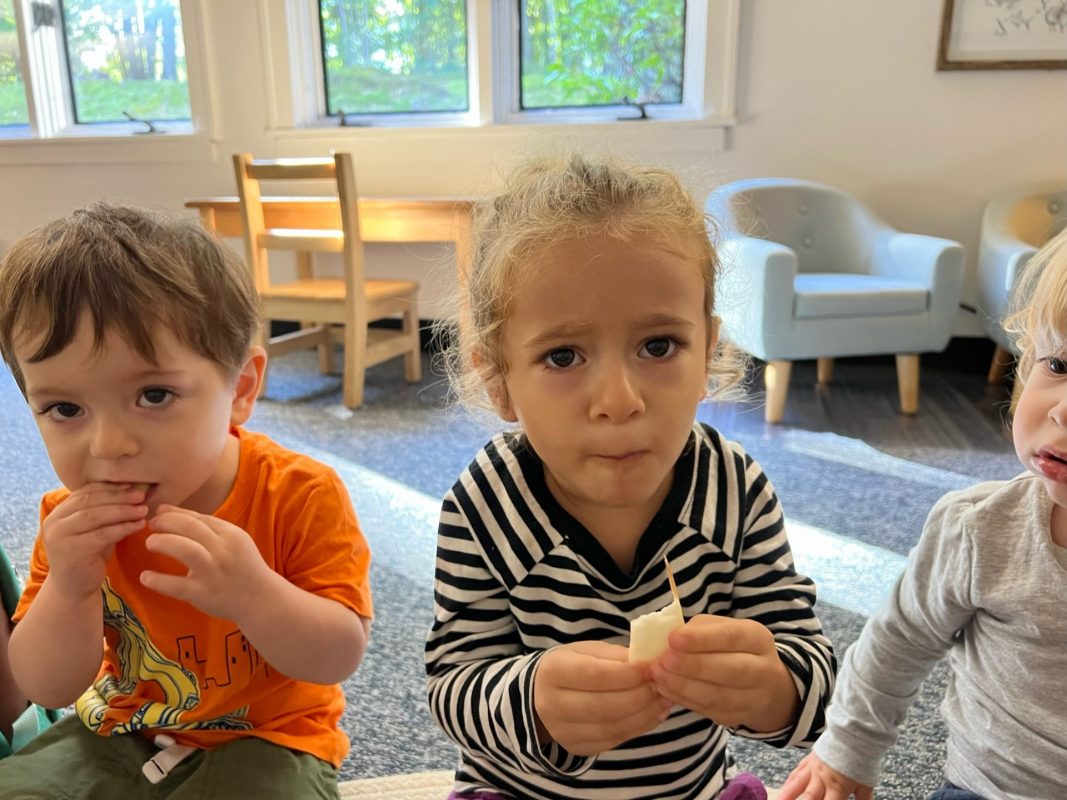
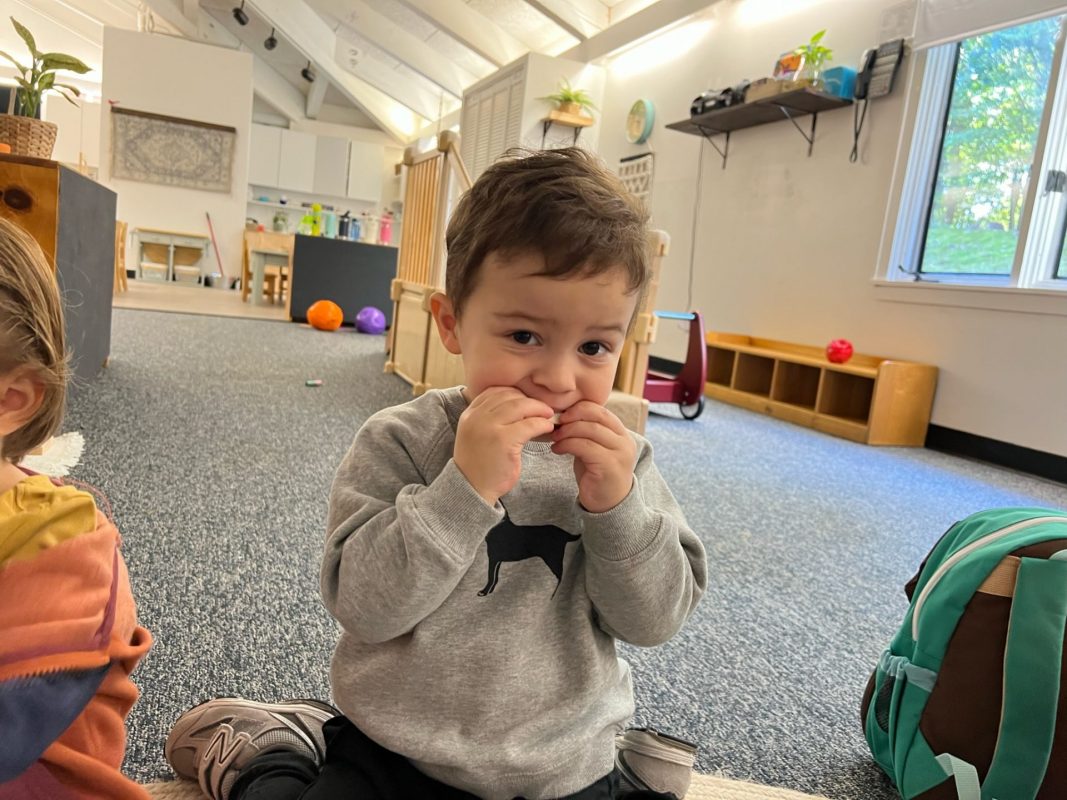
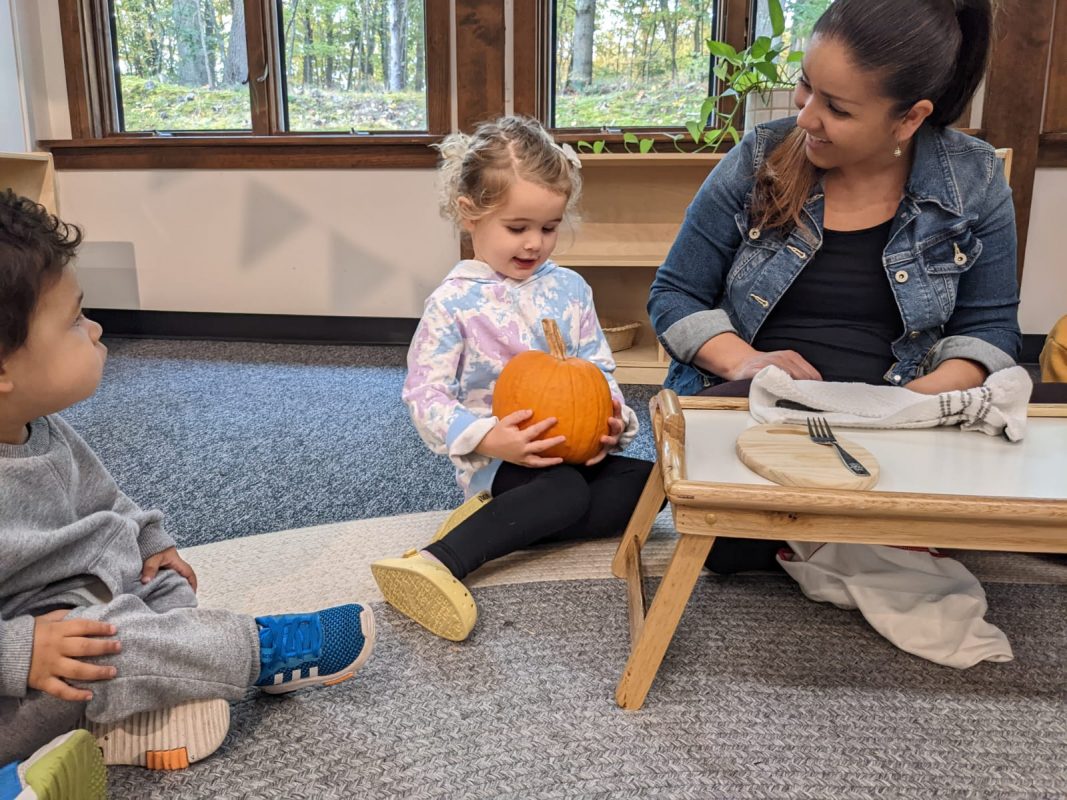
Children were really excited to see the food tasting tray covered. They knew there was a surprise and they immediately gathered quietly around the tray. There were smiles and expressions of awe at the moment I removed the towel that was covering the apple. This fruit was presented as a whole first, then cut in front of them, presented as half, and then served individually. In our conversation, we included such adjectives as cold, big, smooth, red, and tasty to keep adding to our vocabulary. Children observed while I slowly picked up a piece of apple and placed it inside my mouth, tasting it slowly and dramatically, with the purpose of encouraging curiosity and expectation when it was their turn to taste. They immediately started to ask for their turn to taste it! They really liked it! This lesson is a favorite every year and we can’t wait to explore all the different food items in our list each week.

This week we also celebrated our first birthday in the classroom. Always a joy to see those smiley faces feeling seen and cherished!

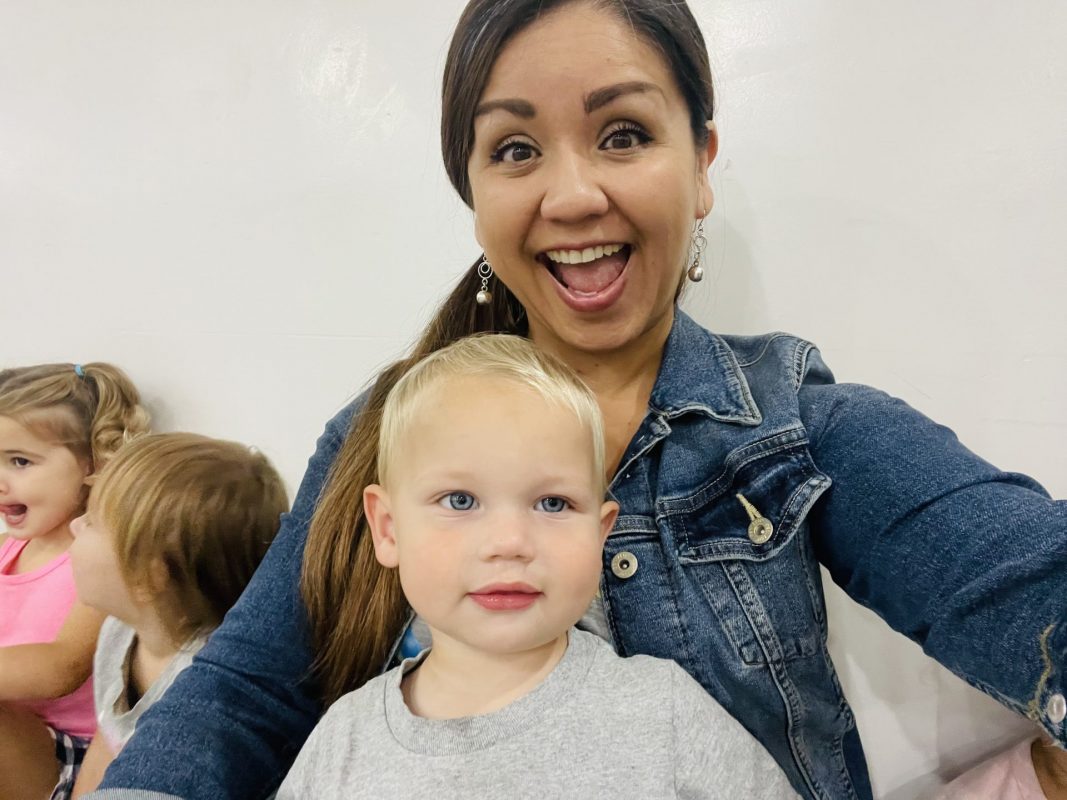
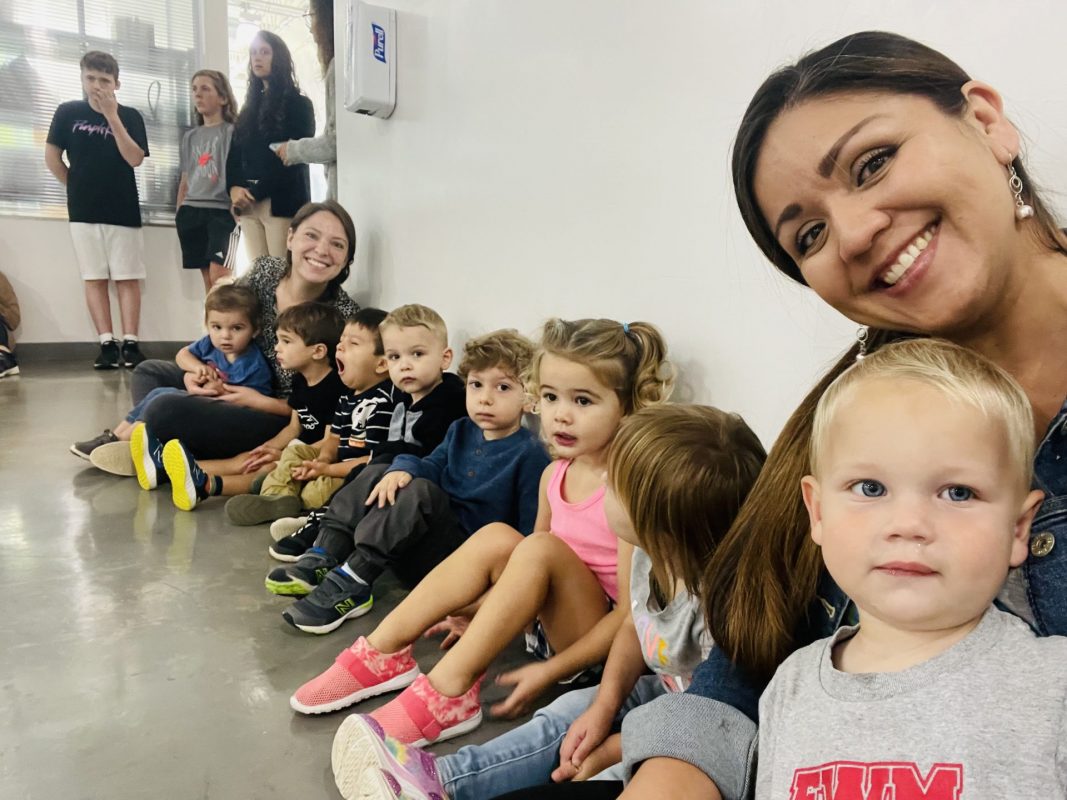
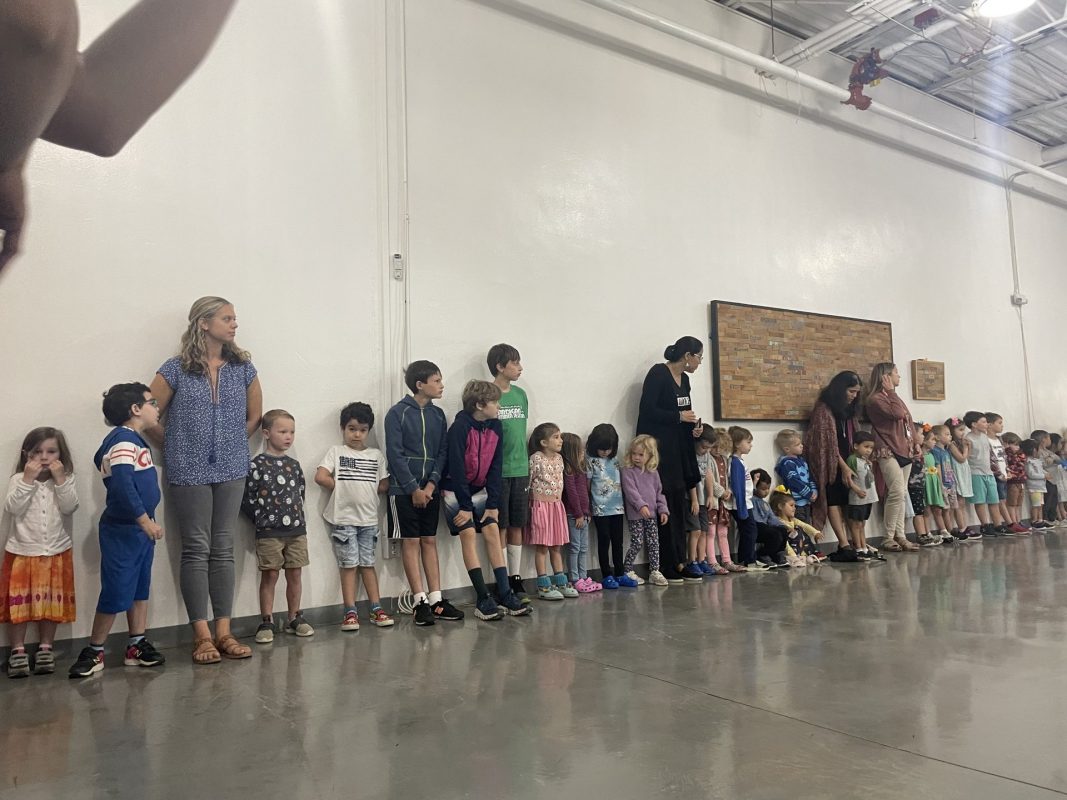
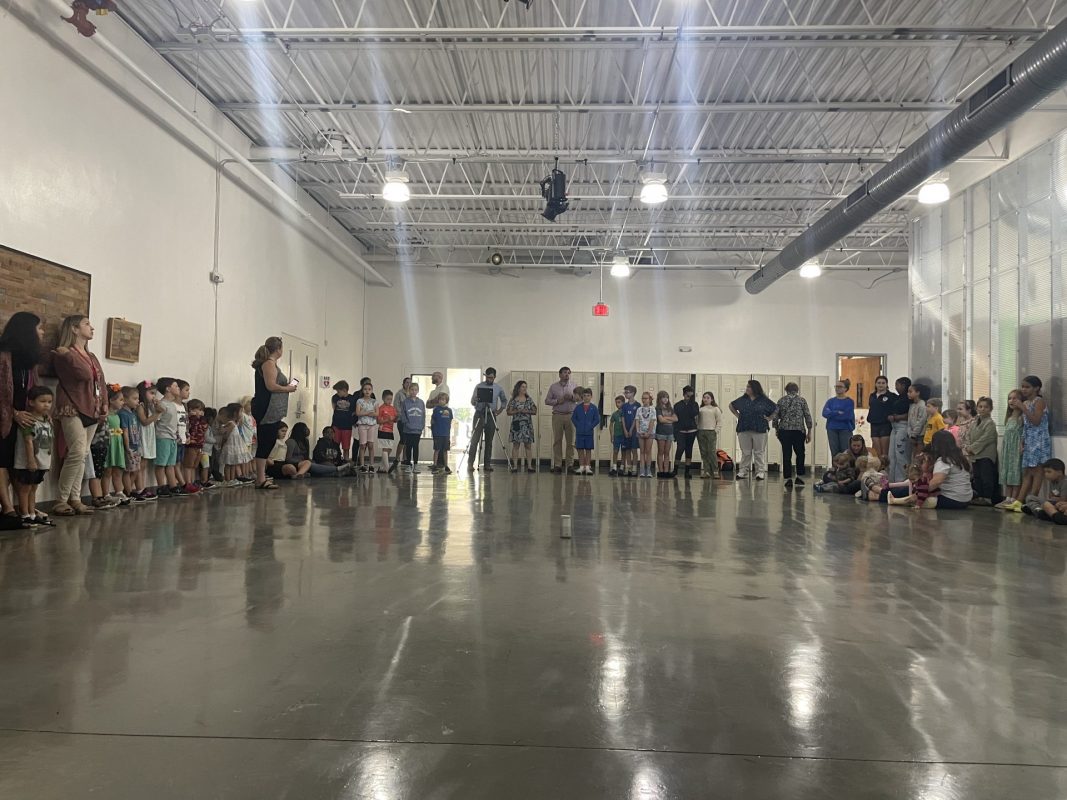
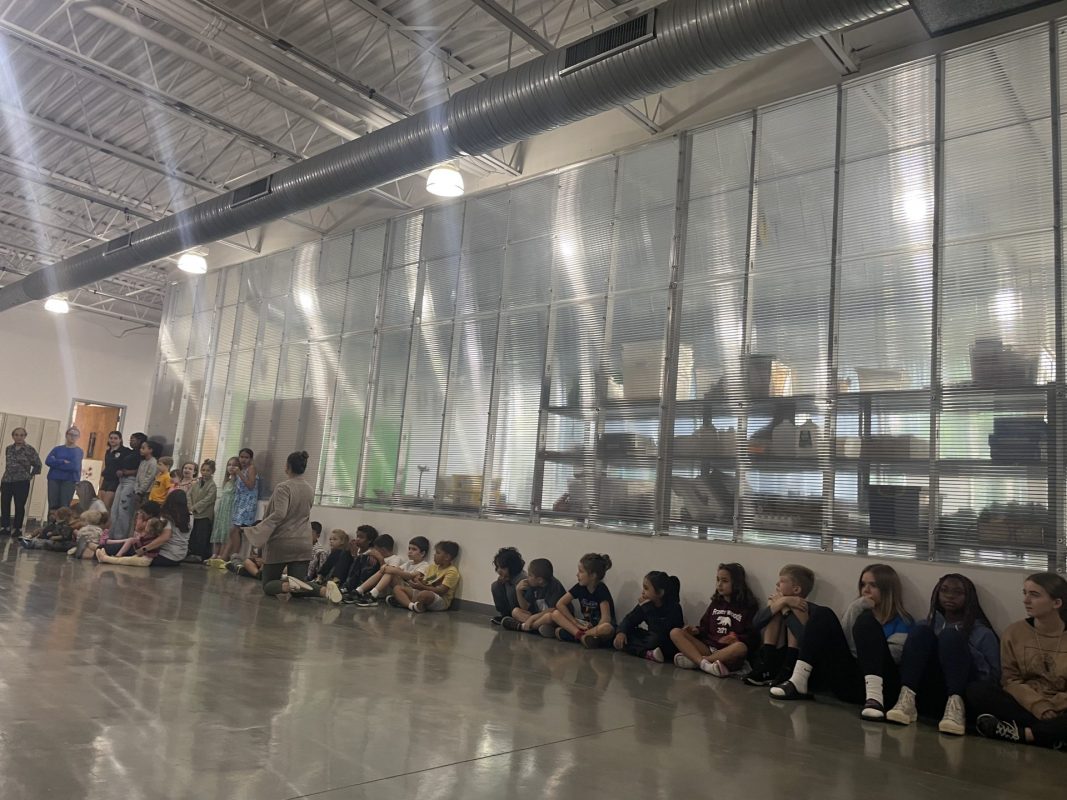
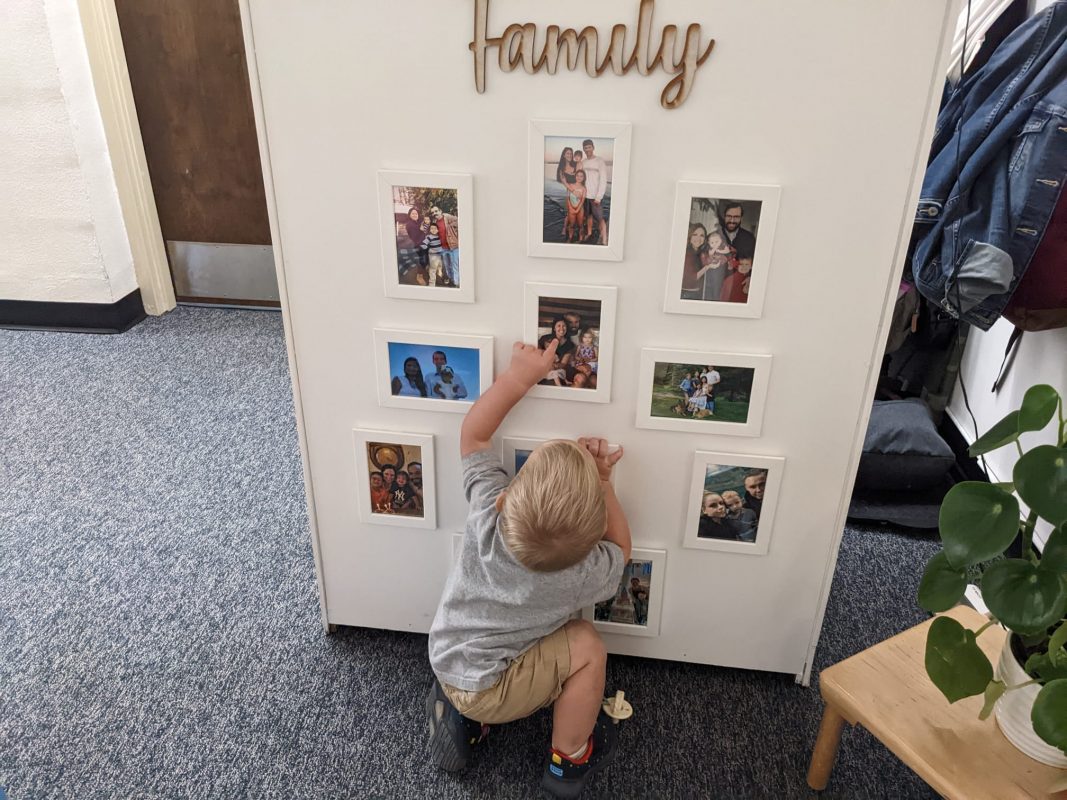
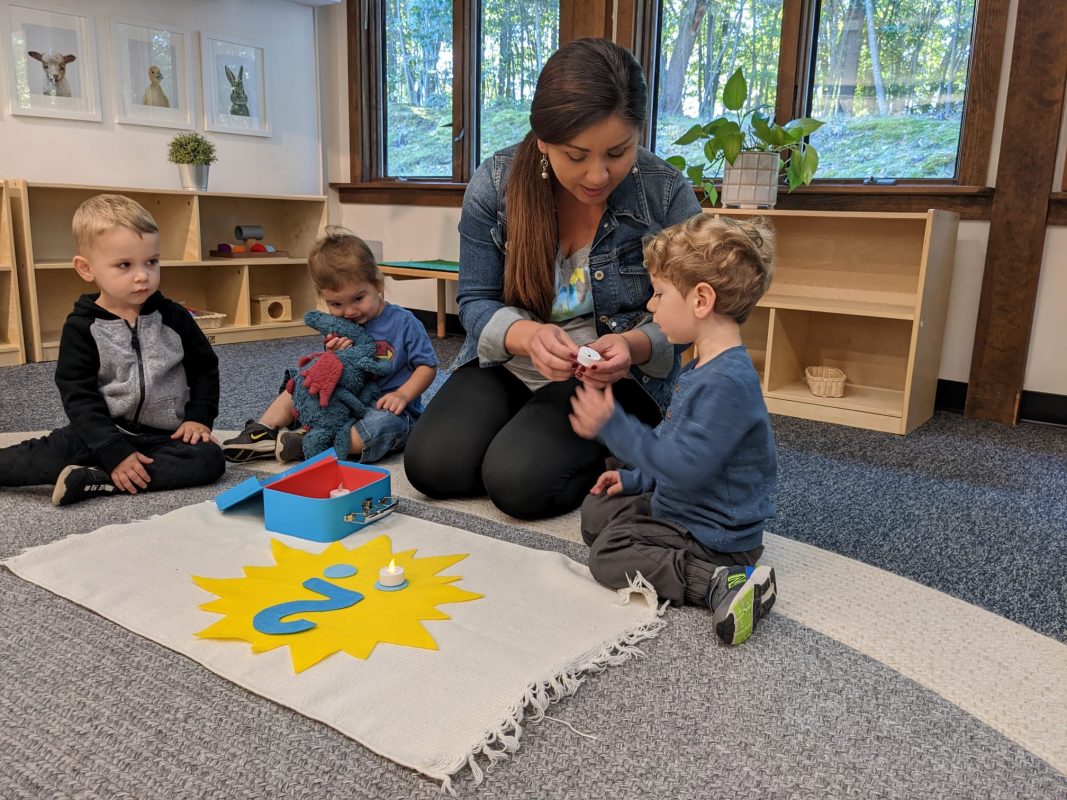
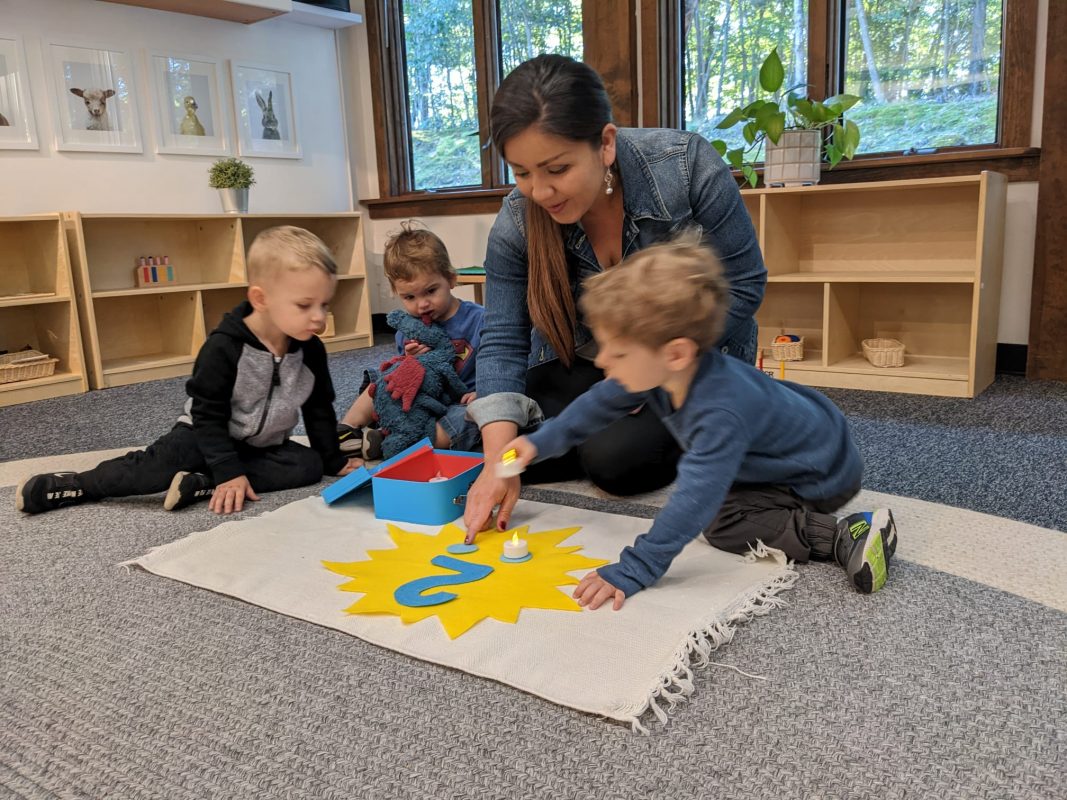
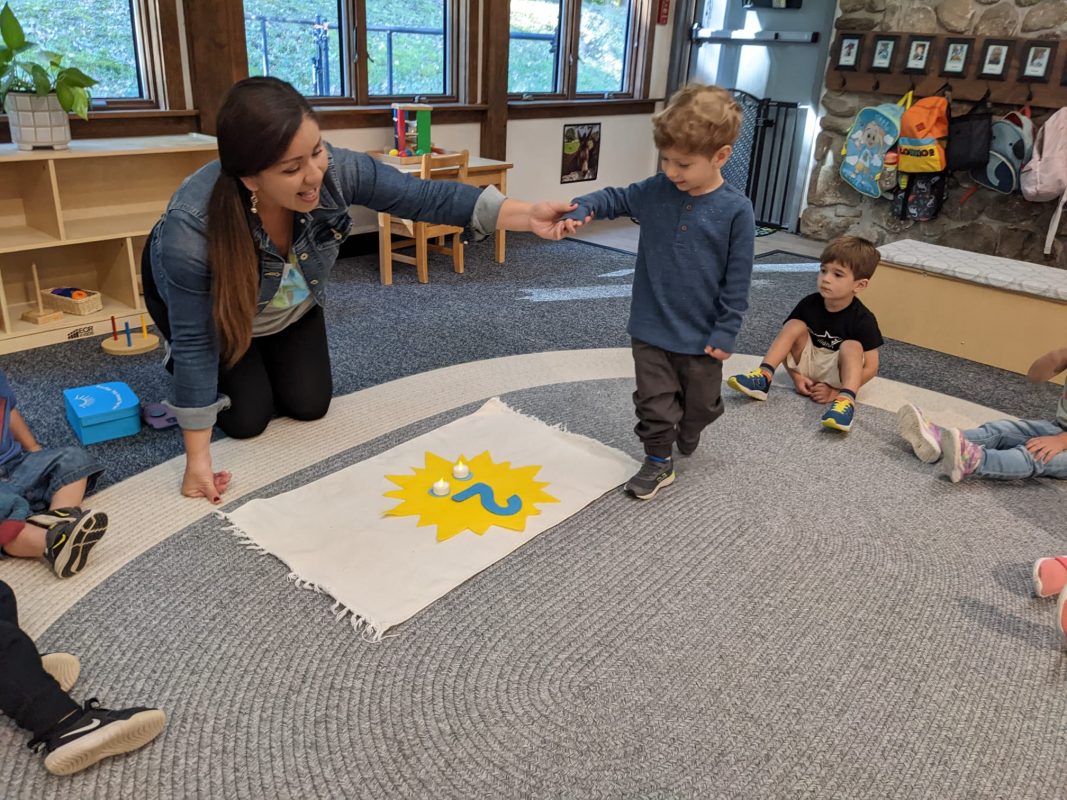
We also had the great opportunity, after a couple of years of not being able, to gather as school and celebrate the International day of Peace. Each year, the International Day of Peace (“Peace Day”) is observed around the world on the 21st of September. Established by the United Nations, Peace Day provides a globally shared date for all humanity to commit to Peace above all differences and to contribute to building a Culture of Peace.

On this day, Montessori schools from around the world join together to sing for peace. The song travels around the globe over a 24-hour period, starting with New Zealand and ending with the Hawaiian Islands.

Maria Montessori truly believed in peace education as she felt that world peace can only be achieved through education. In Montessori, we strive to give children the tools to live at peace with others and settle conflict in a peaceful manner.

While you enjoy some of your children’s pictures, we encourage  you to put the volume up on this beautiful song and remember that each one of these little ones are so deserving to live in a peaceful world. So let’s work together for it!

Enjoy your weekend,

Mrs. Hood and Ms. Bethann

Mrs. Wilson: Apples, Apples, Apples

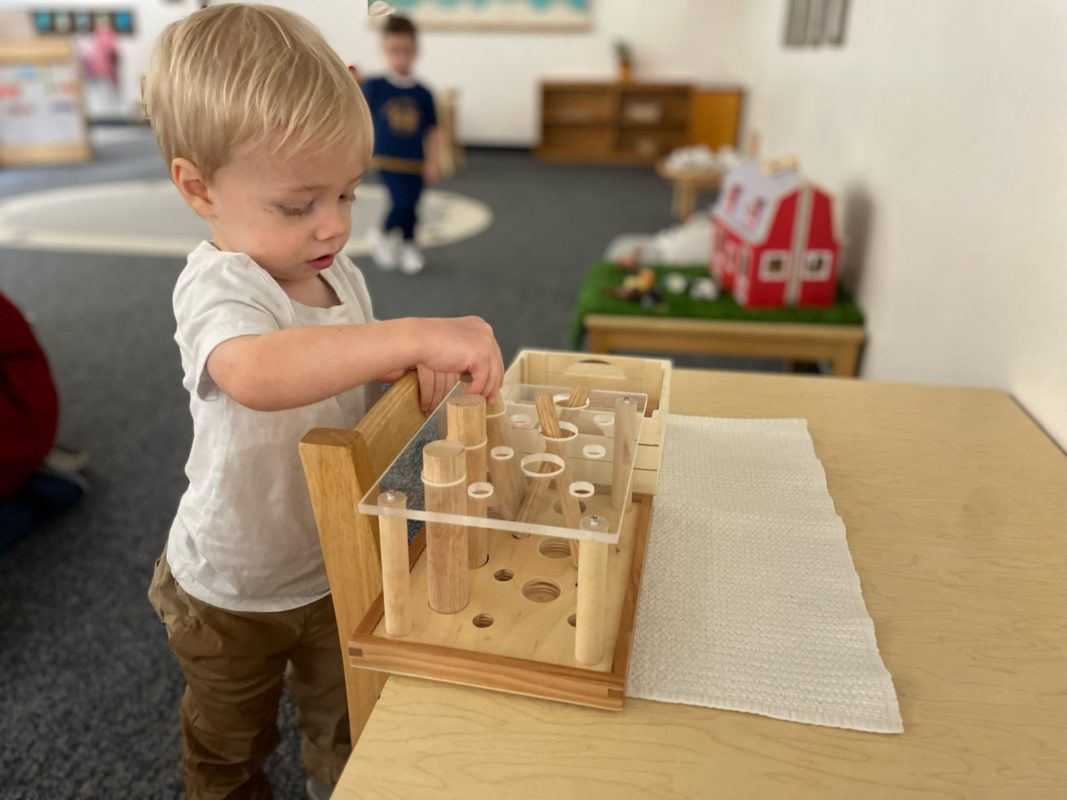
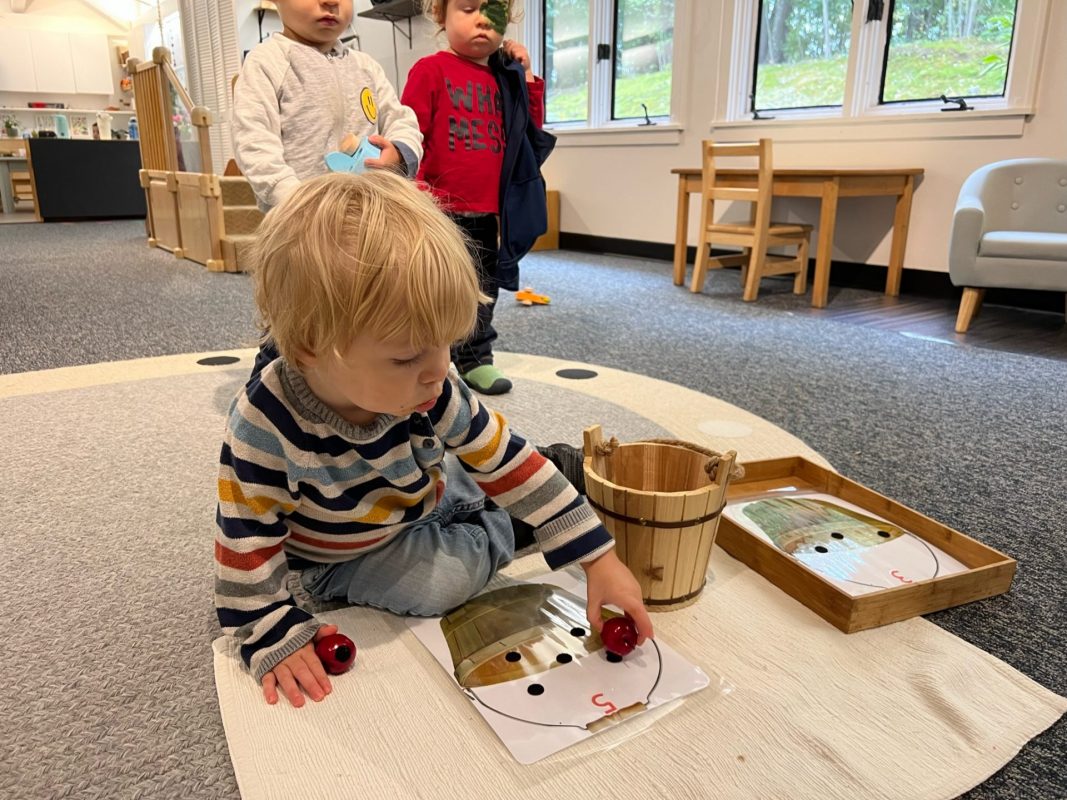
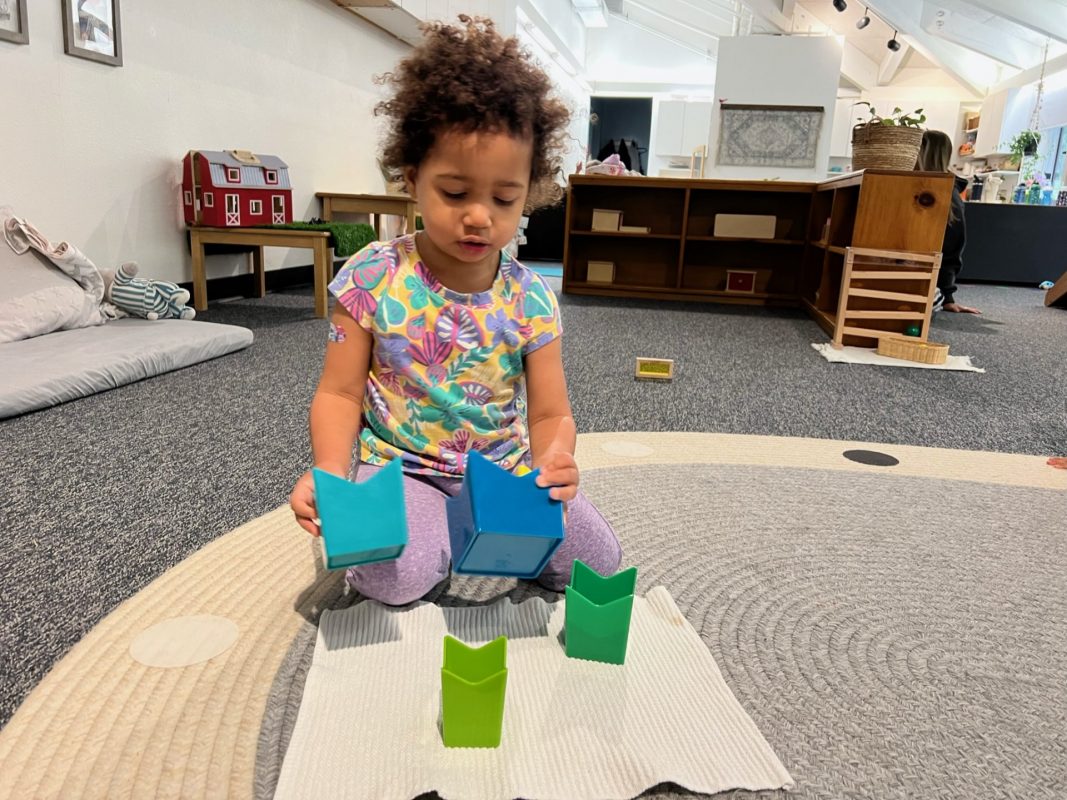
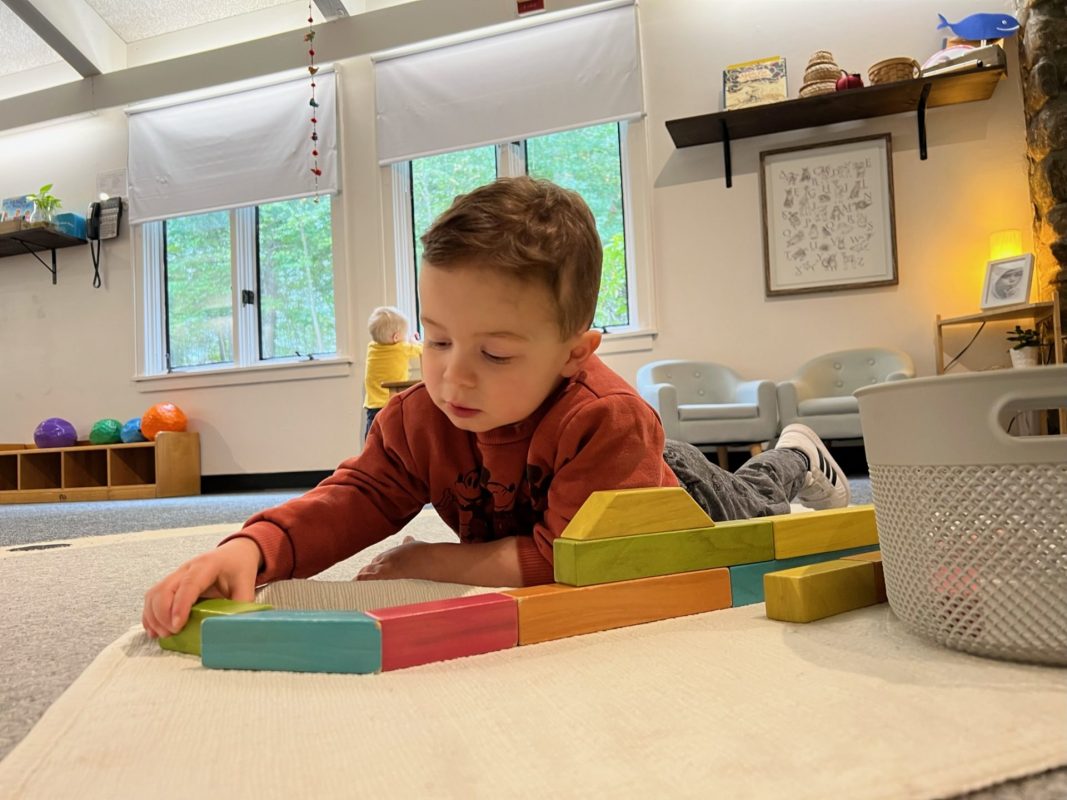
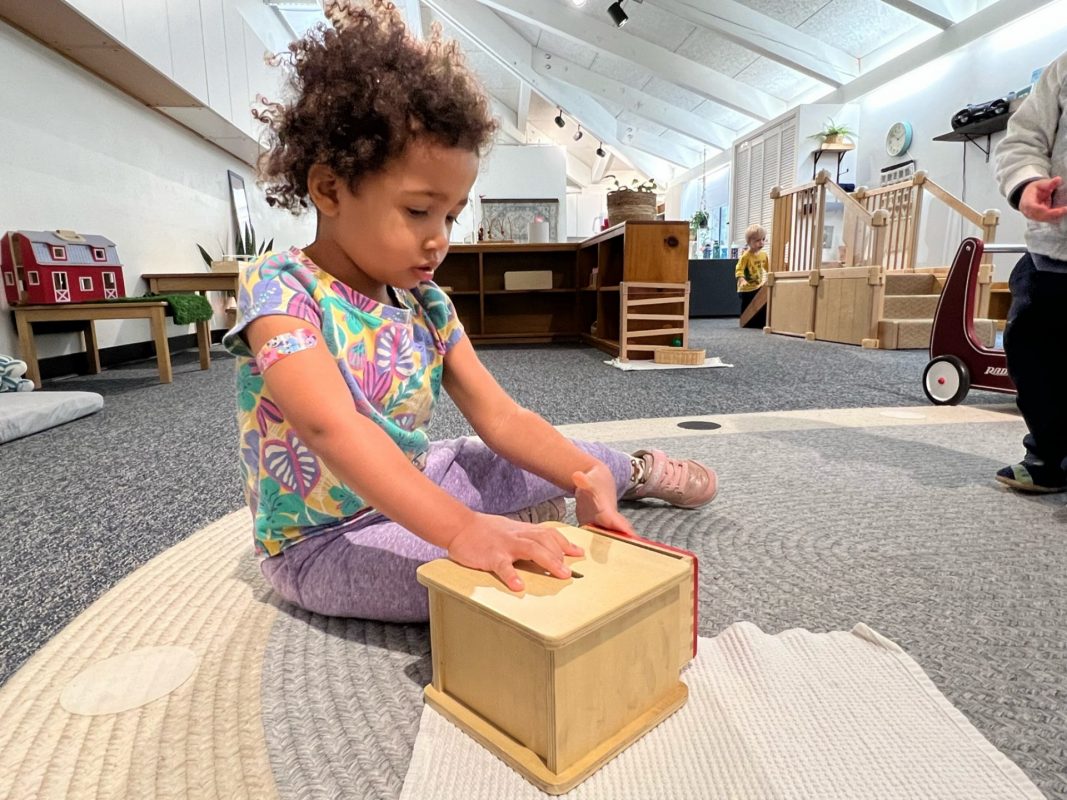
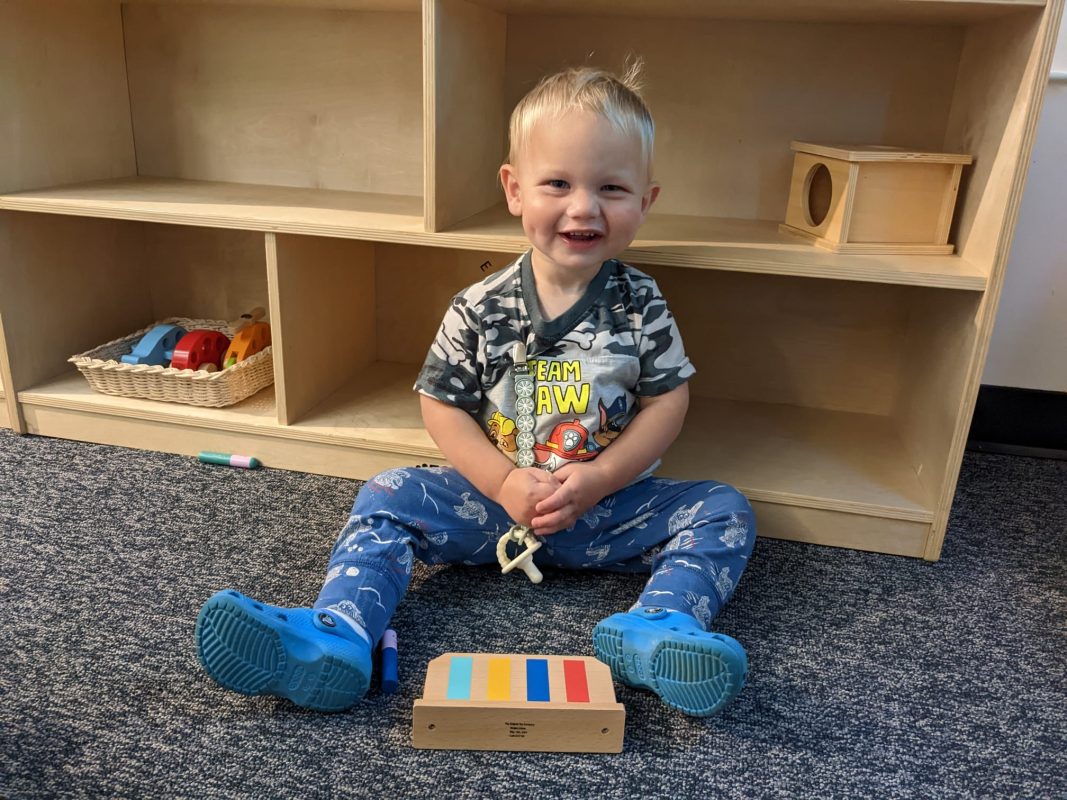
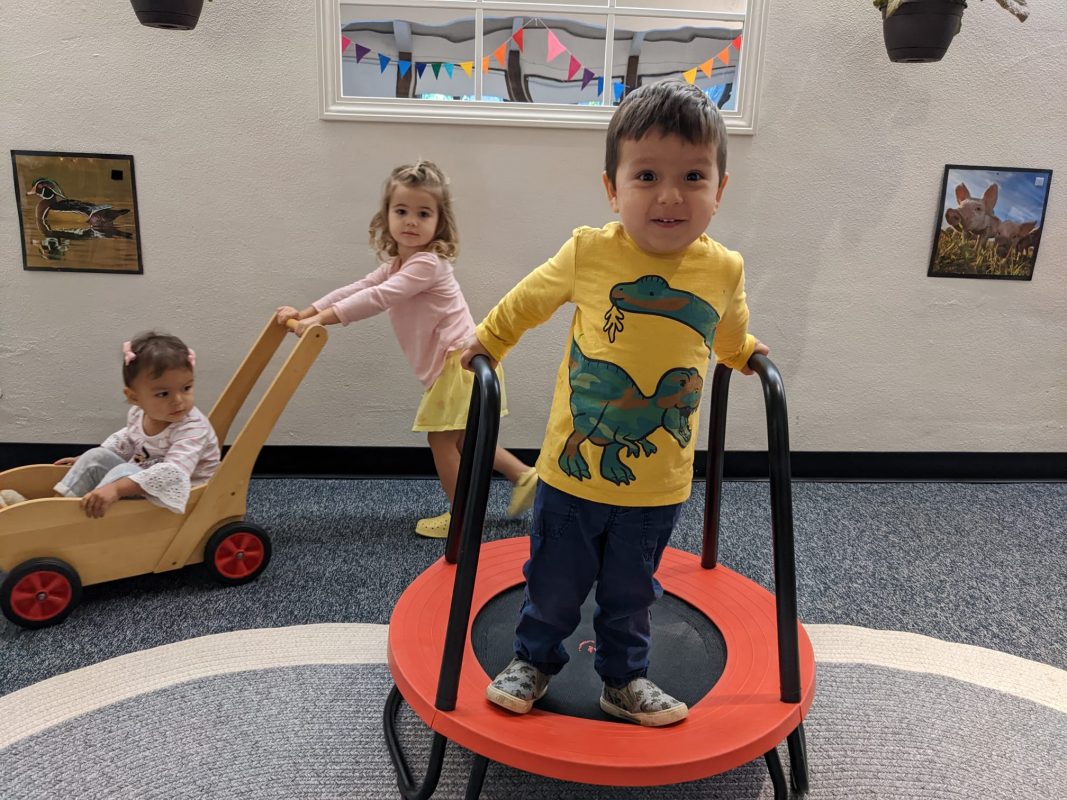
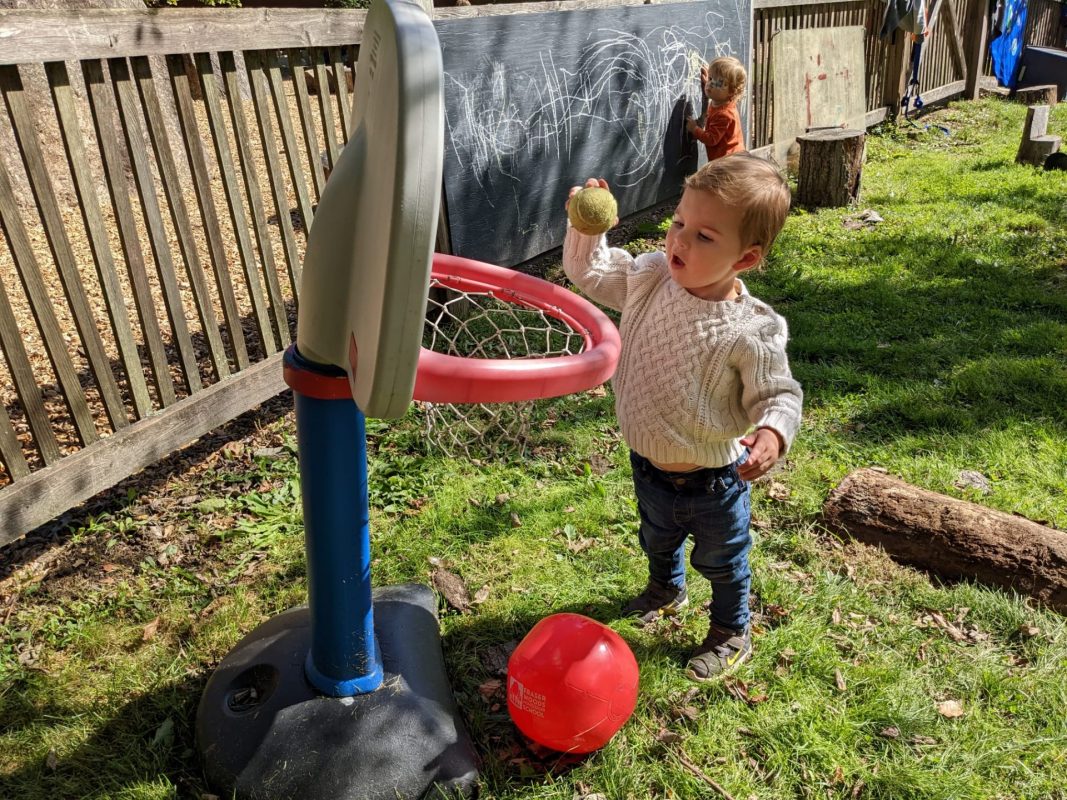
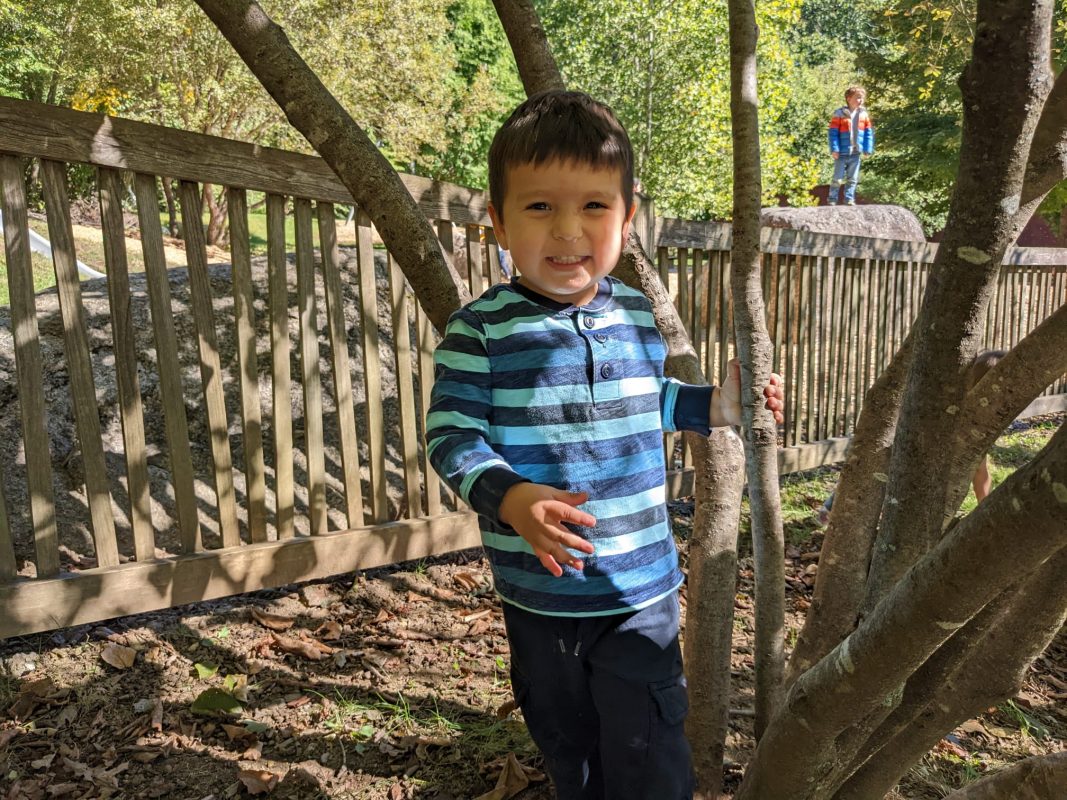
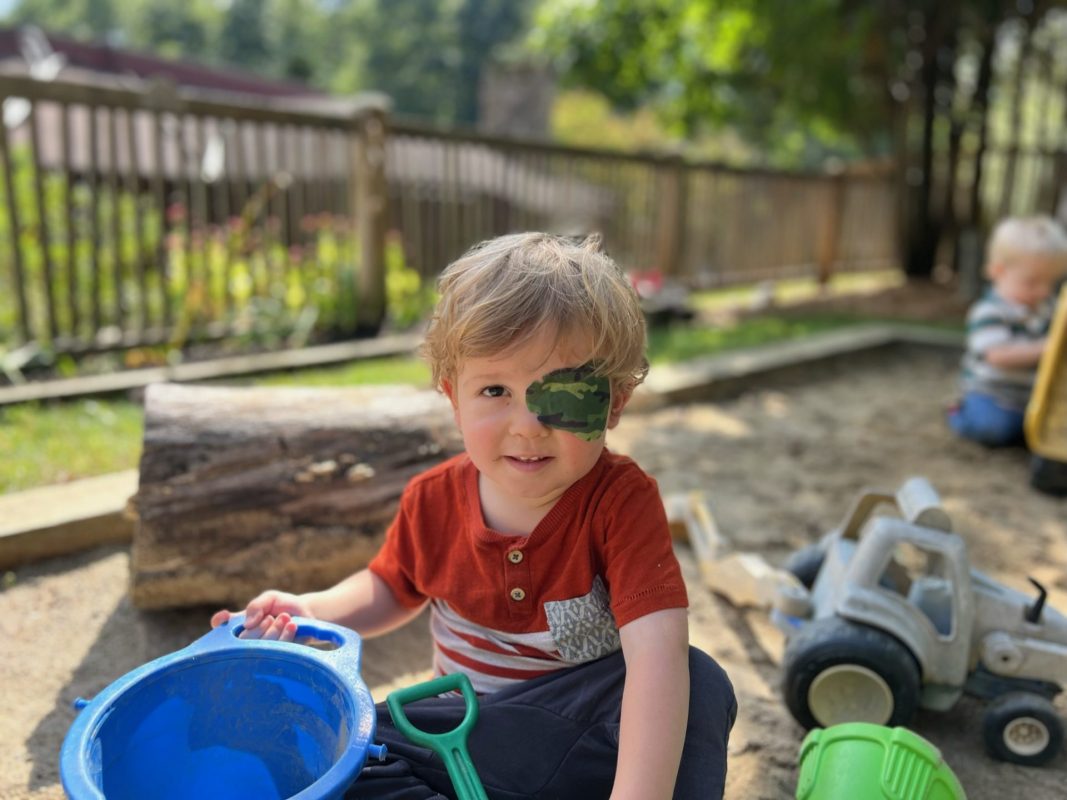
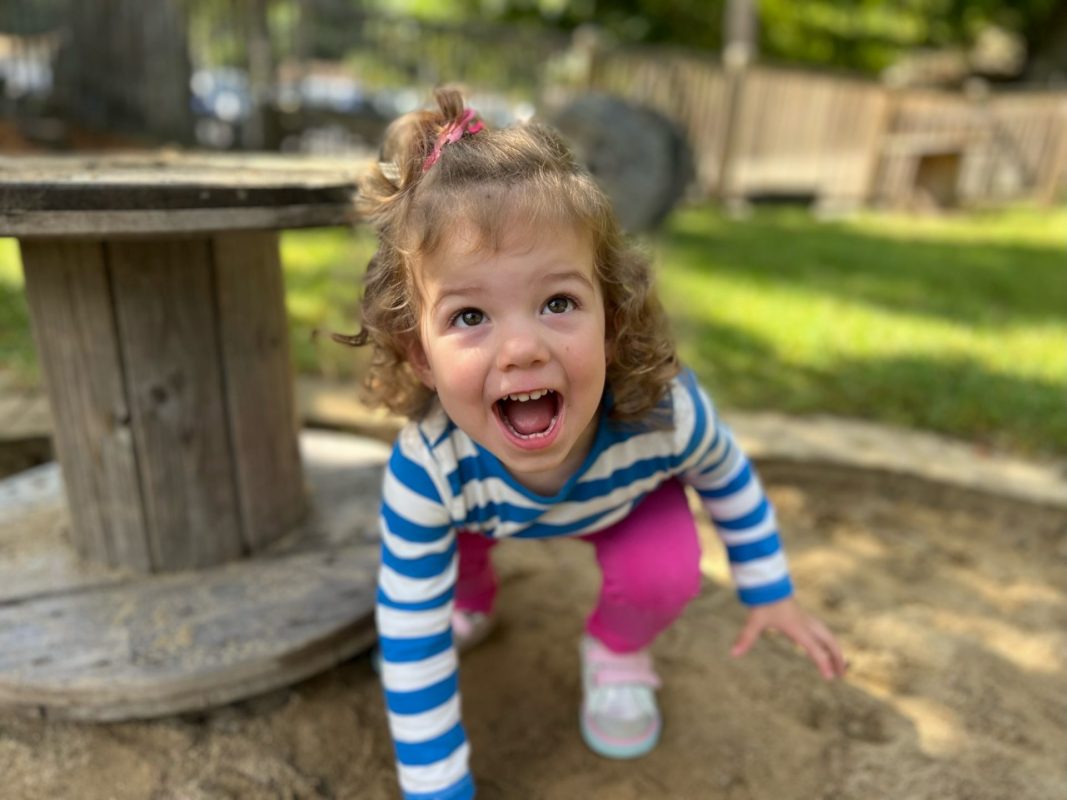
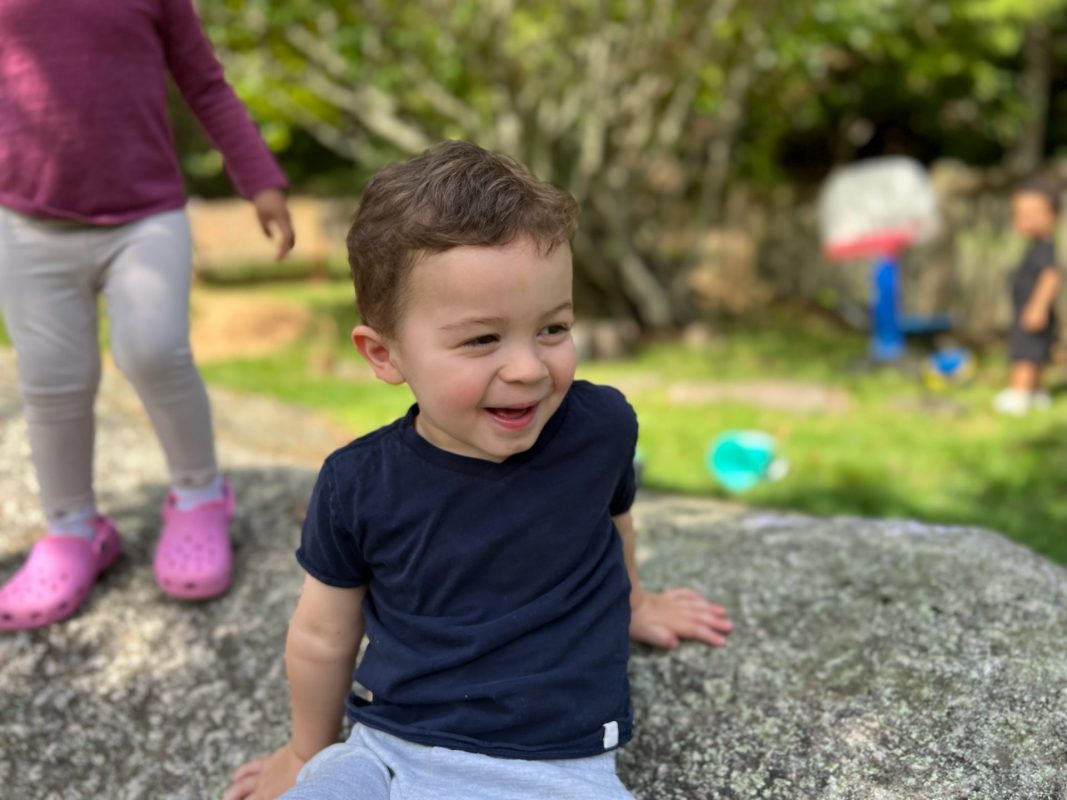
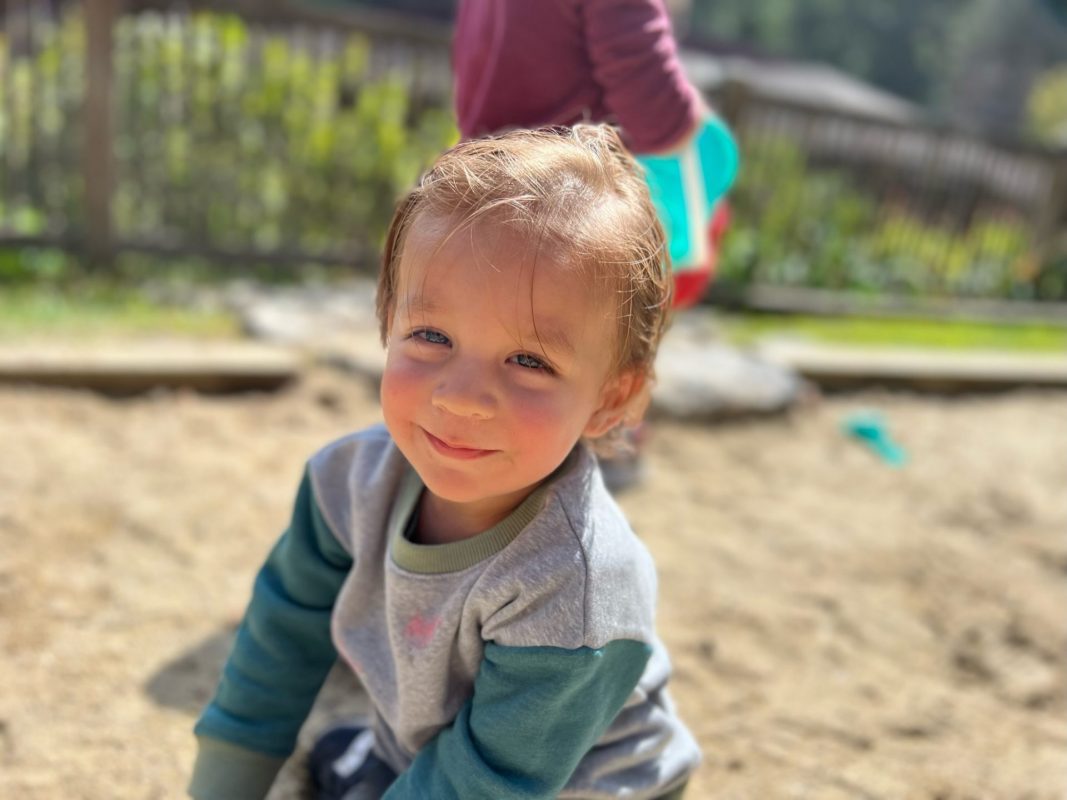
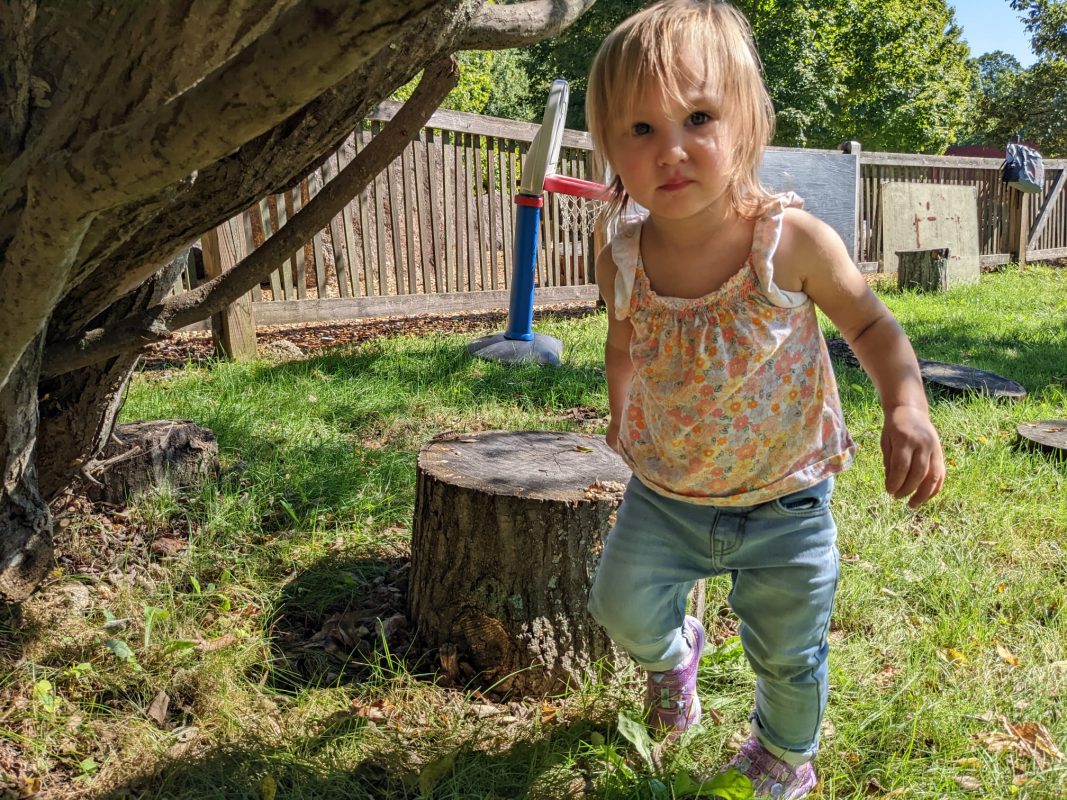
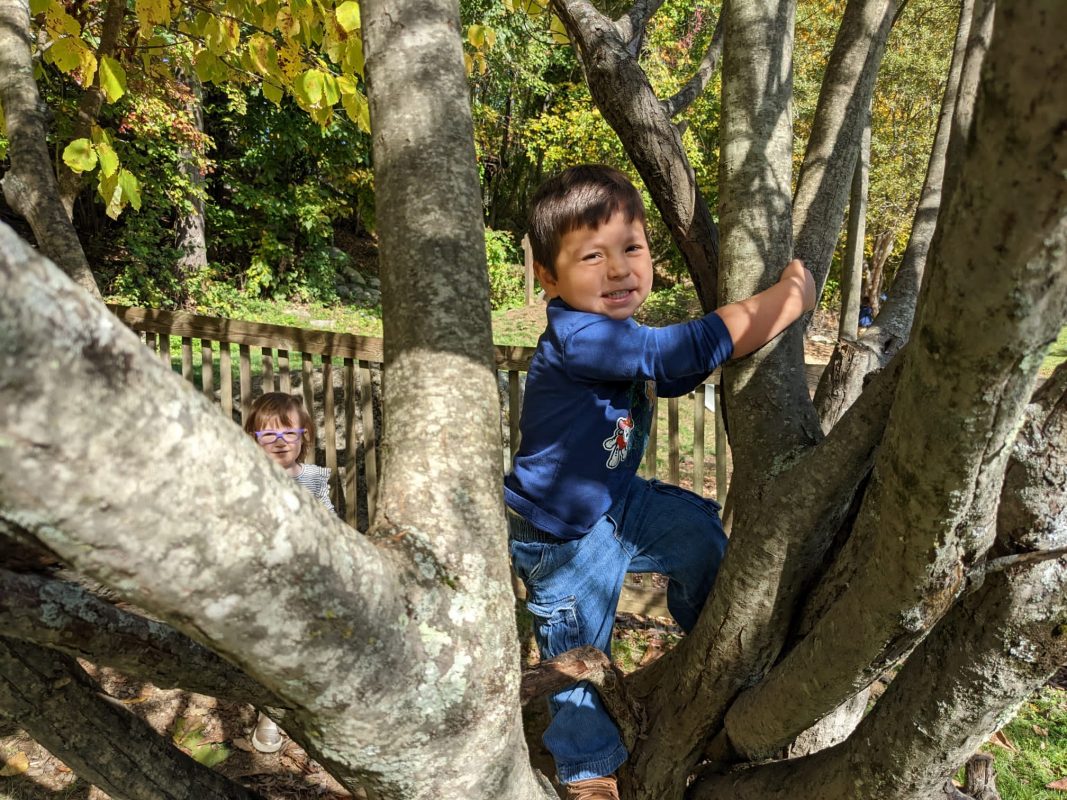
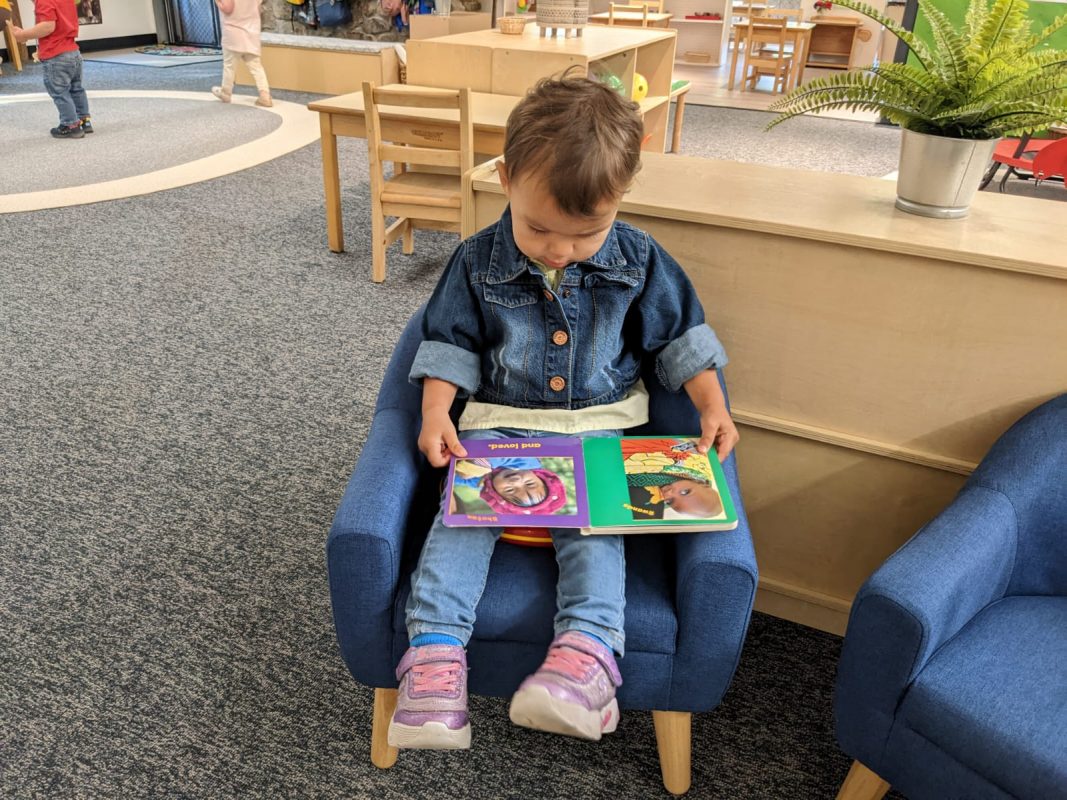
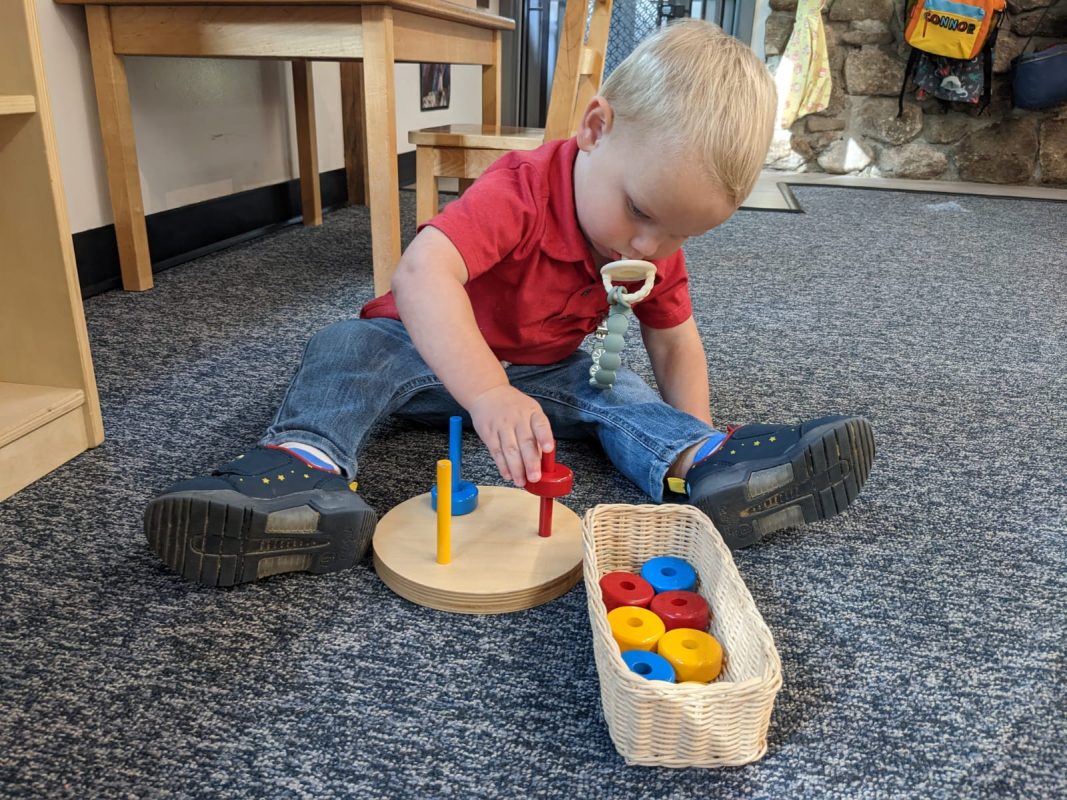
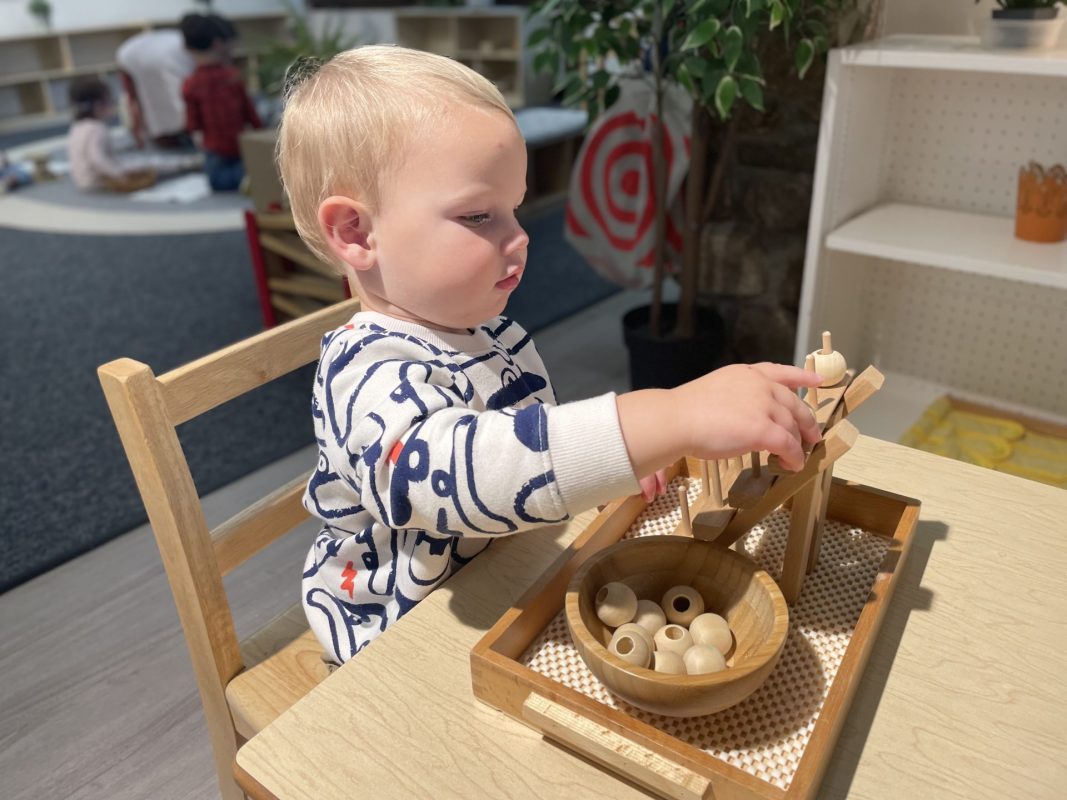
We are amazed by how the children have smoothly phased into the classroom. Some may still have a few tears when arriving at school but they quickly recover within seconds after drop off. You can see their smiling faces in the photo gallery above.
We are exploring apples for the next few weeks. All types of apple activities will surround the children to explore.

During our circle time, the children learned a new song

Way up high in a tree,
Two little apples smiled at me.
I shook that tree as hard as I could.
DOWN came an apple for (child’s name)
Mm-mmm they were good …
We also read The Apple Pie That Papa Baked book by Lauren Thompson

This week we did our first food tasting activity of the year. The children explored the feel, smell, look, and taste of a MacIntosh Apple. This activity also teaches the children how to wait patiently for their turn to taste and to wait until everyone was offered their first piece before having seconds. Every child tasted the apple and every child had multiple tastings.

Every year on September 21st we join together for the International Day of Peace.  Wednesday the children joined the whole Fraser Woods community in the Commons to sing Light a Candle For Peace by Shelly Murley. It is such a beautiful moment to hear everyone singing together for world peace.

Mrs. Wilson and Ms. Sara


Mrs. Wilson: Farm Animals


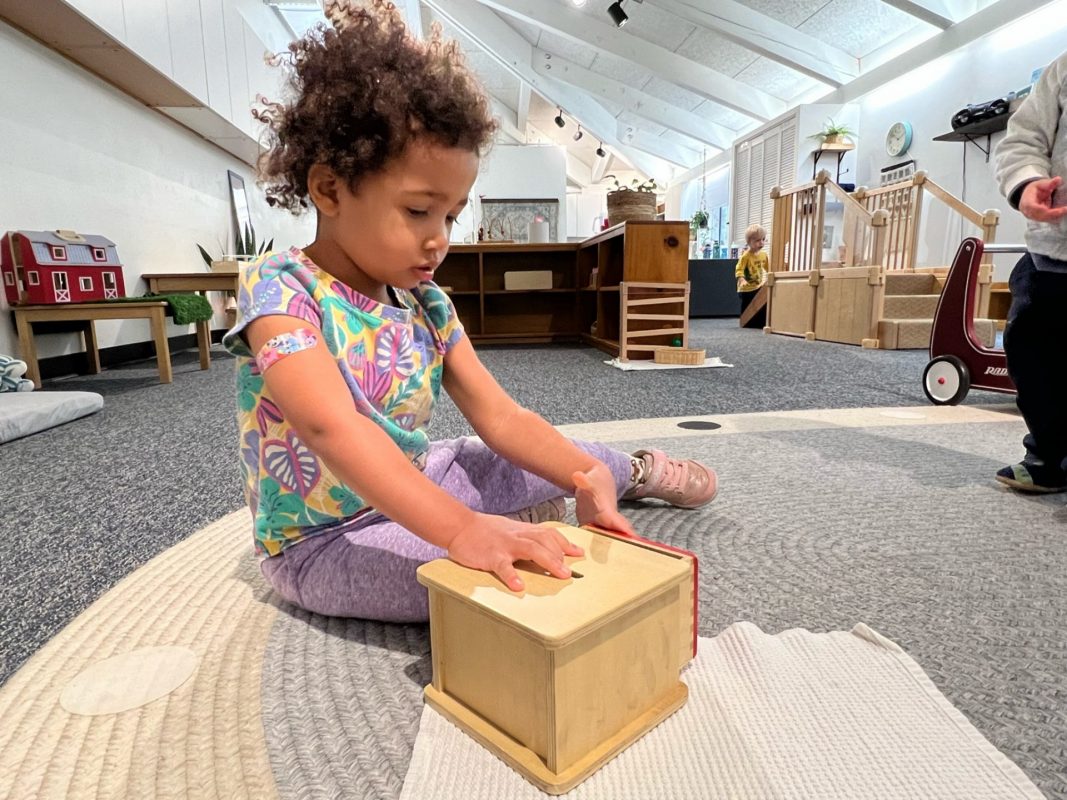
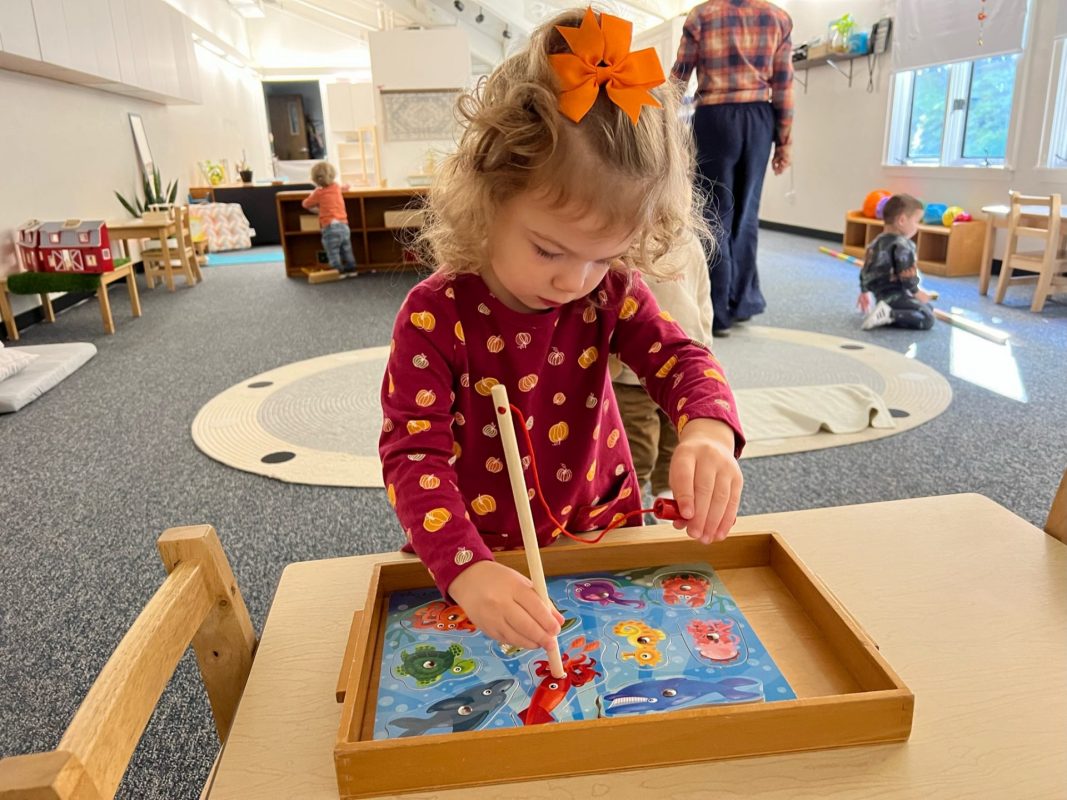
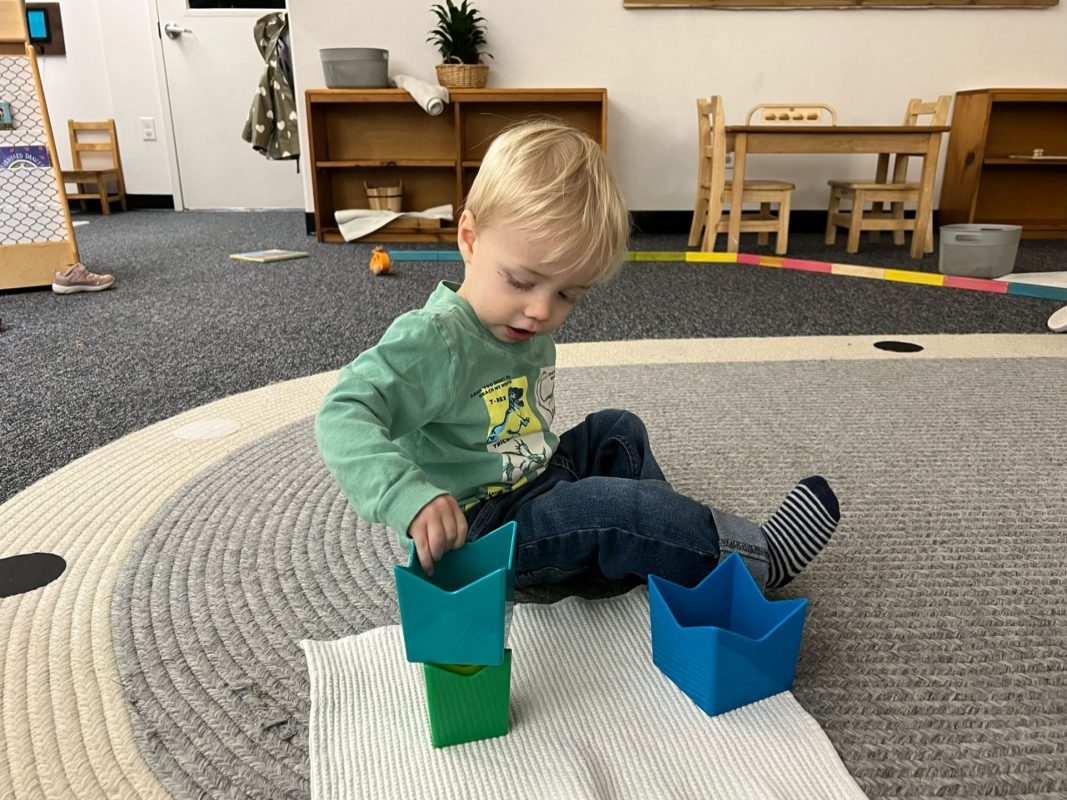
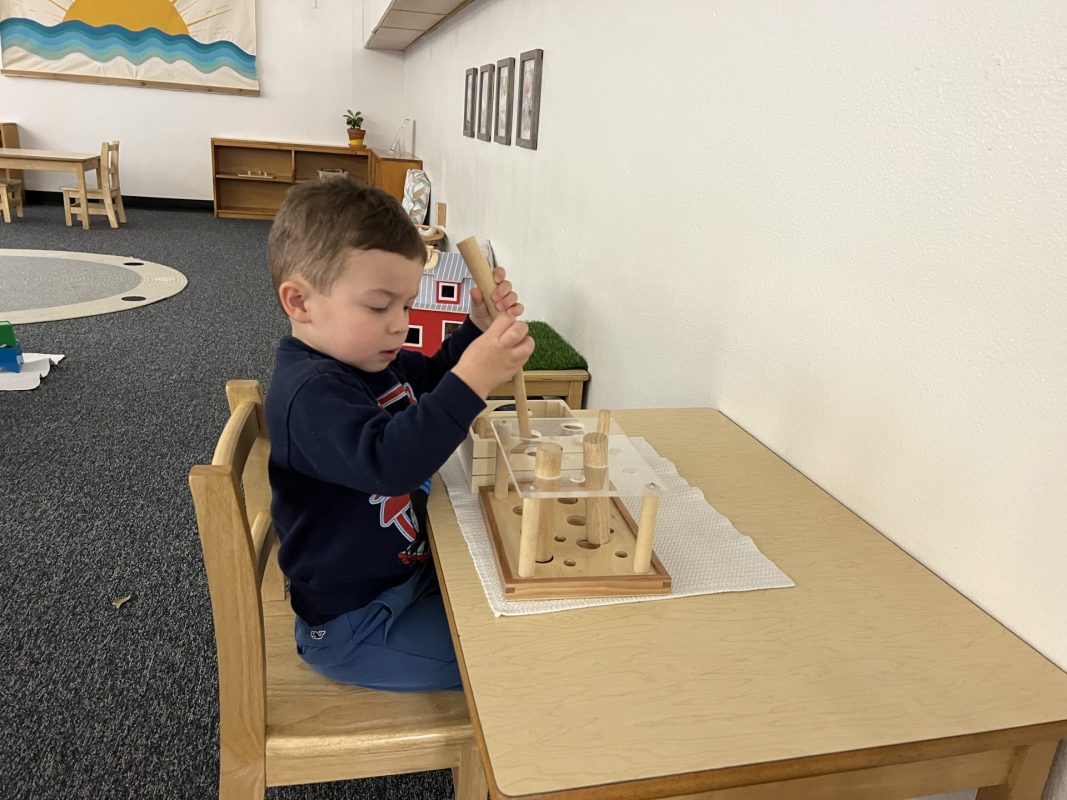
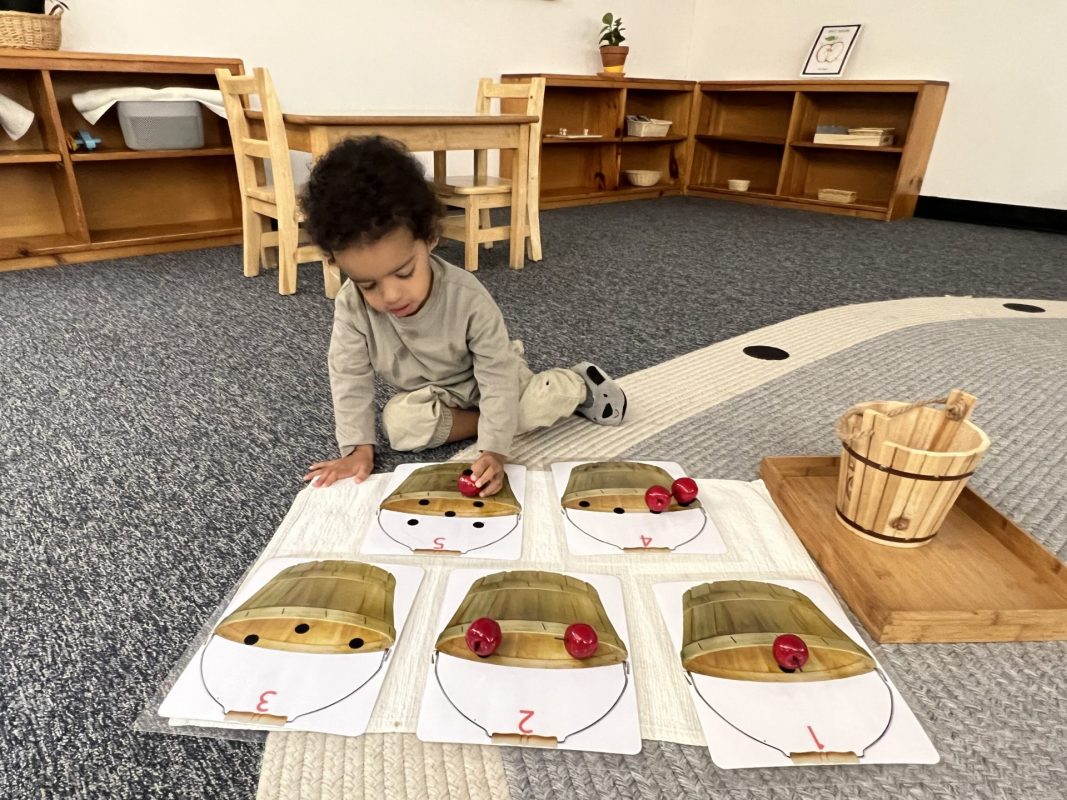
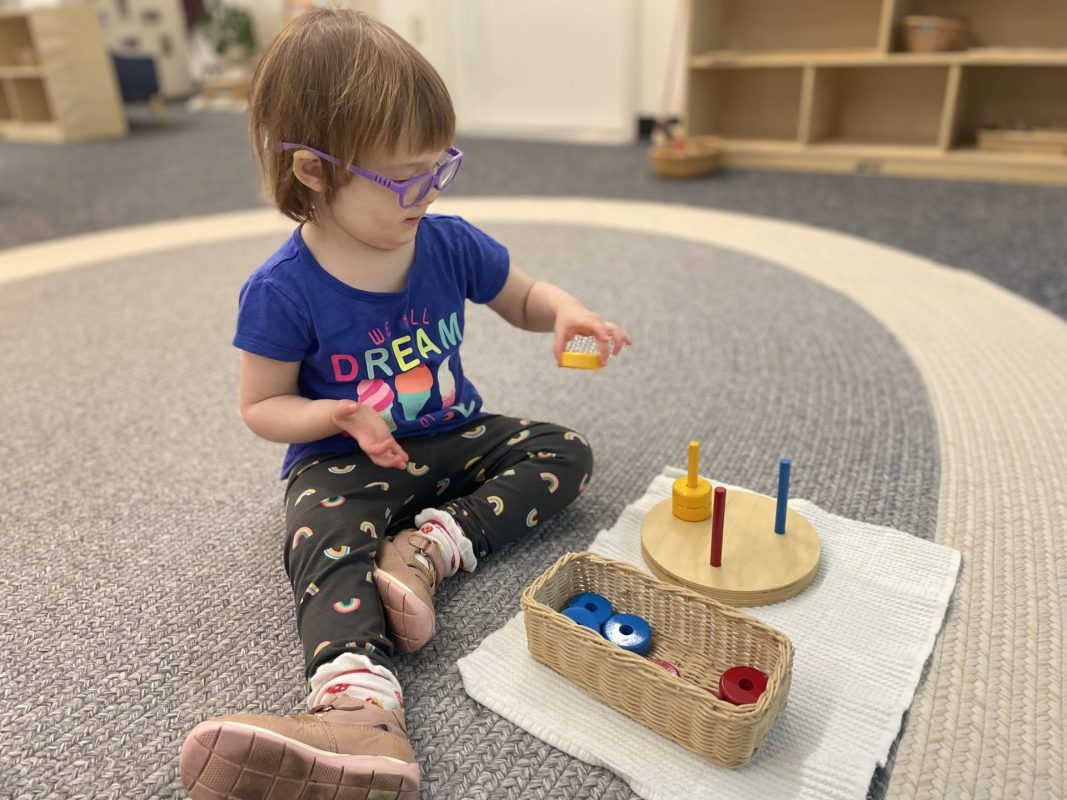
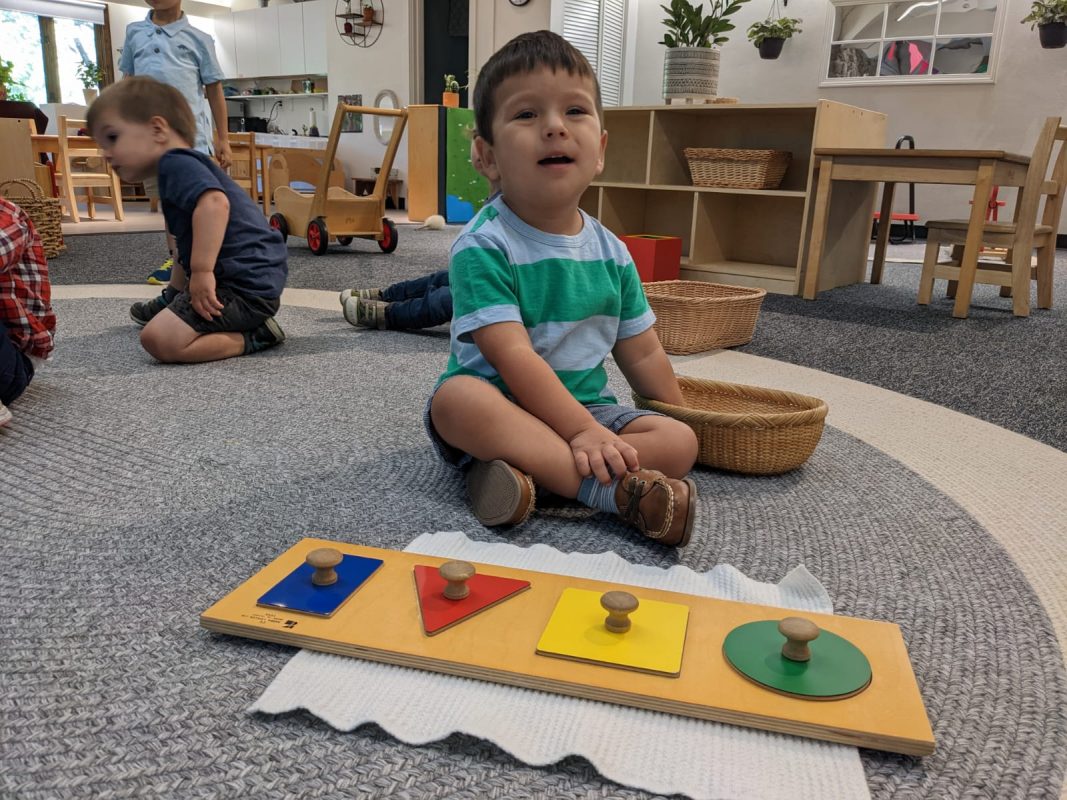
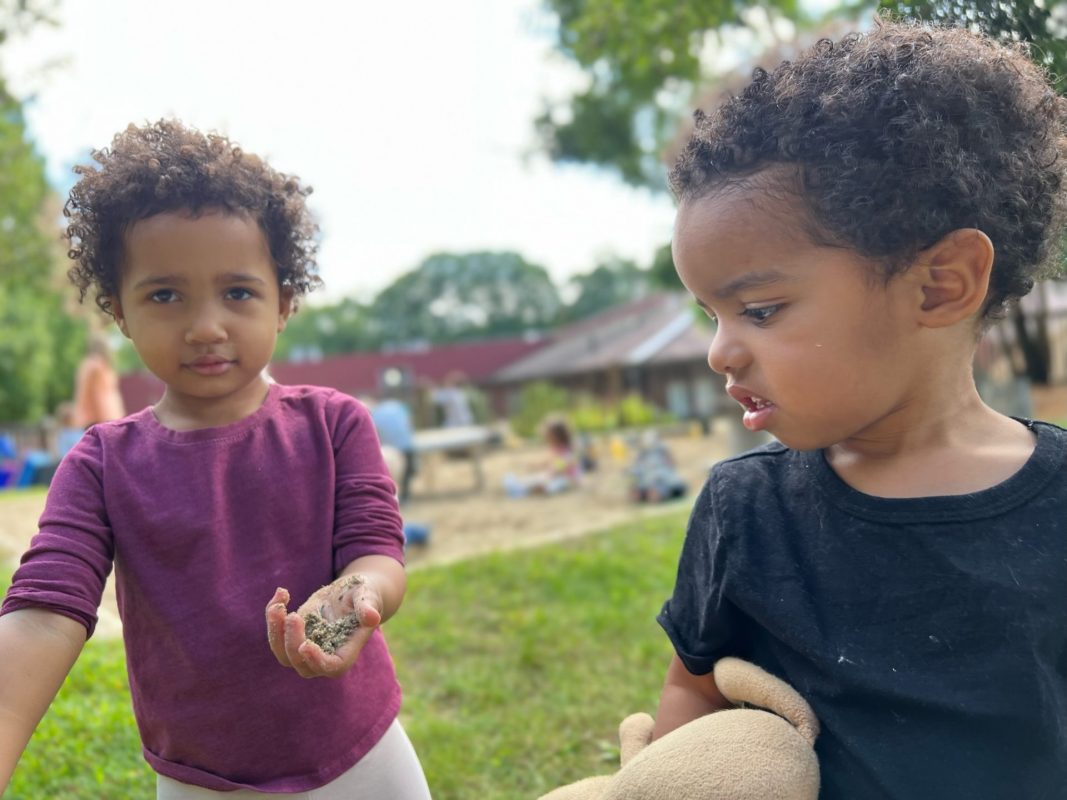
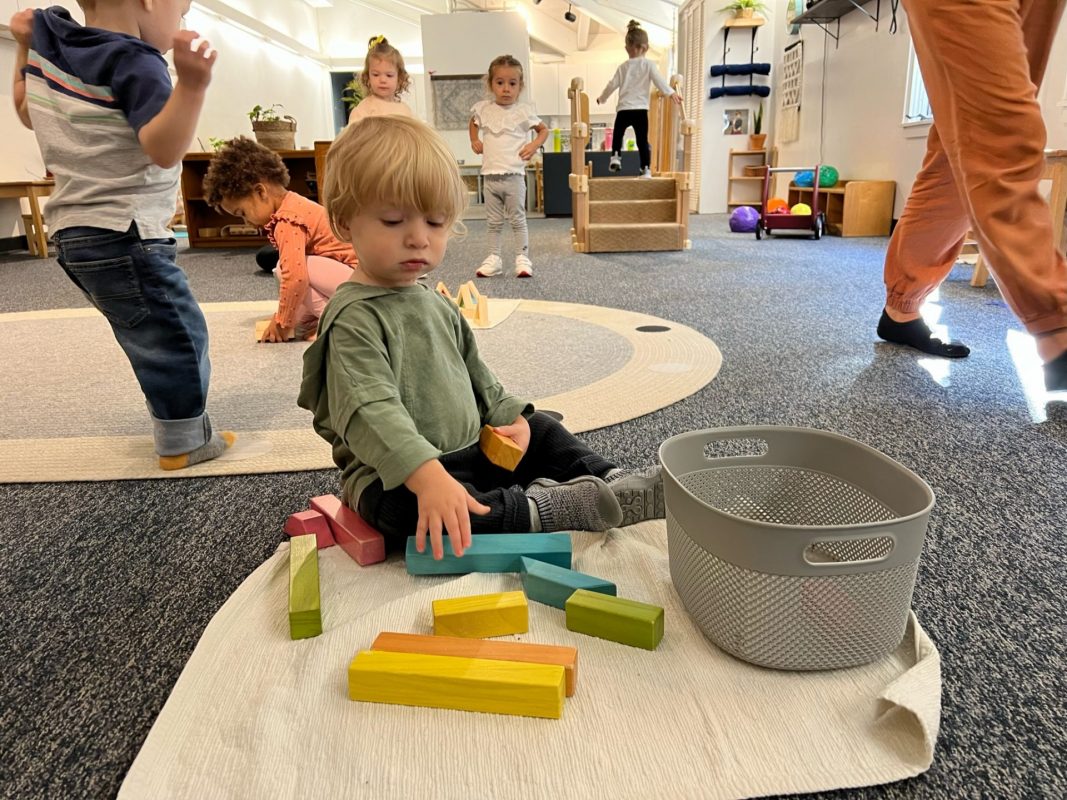
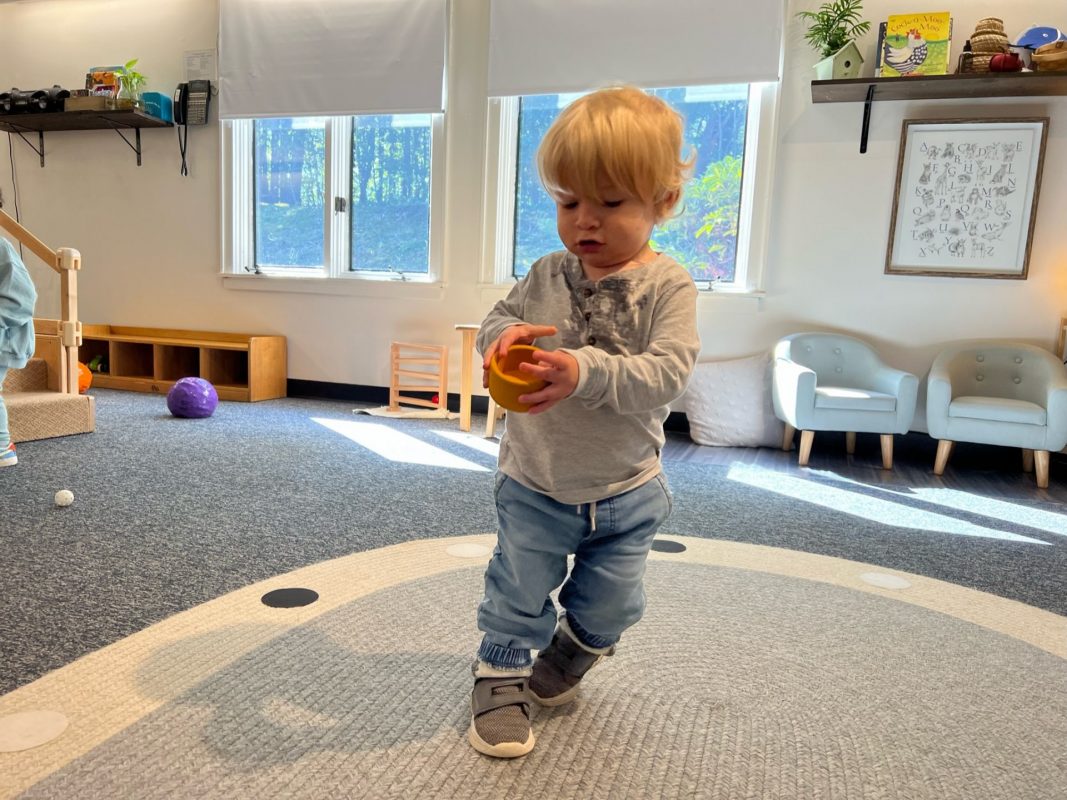
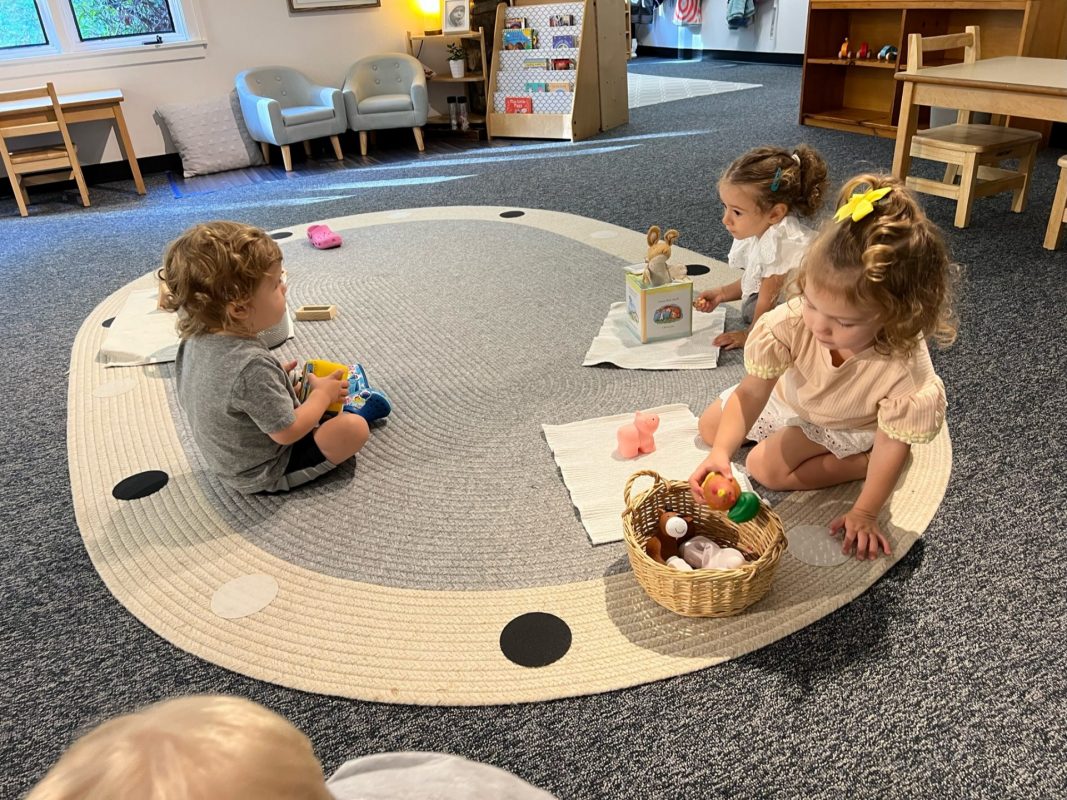
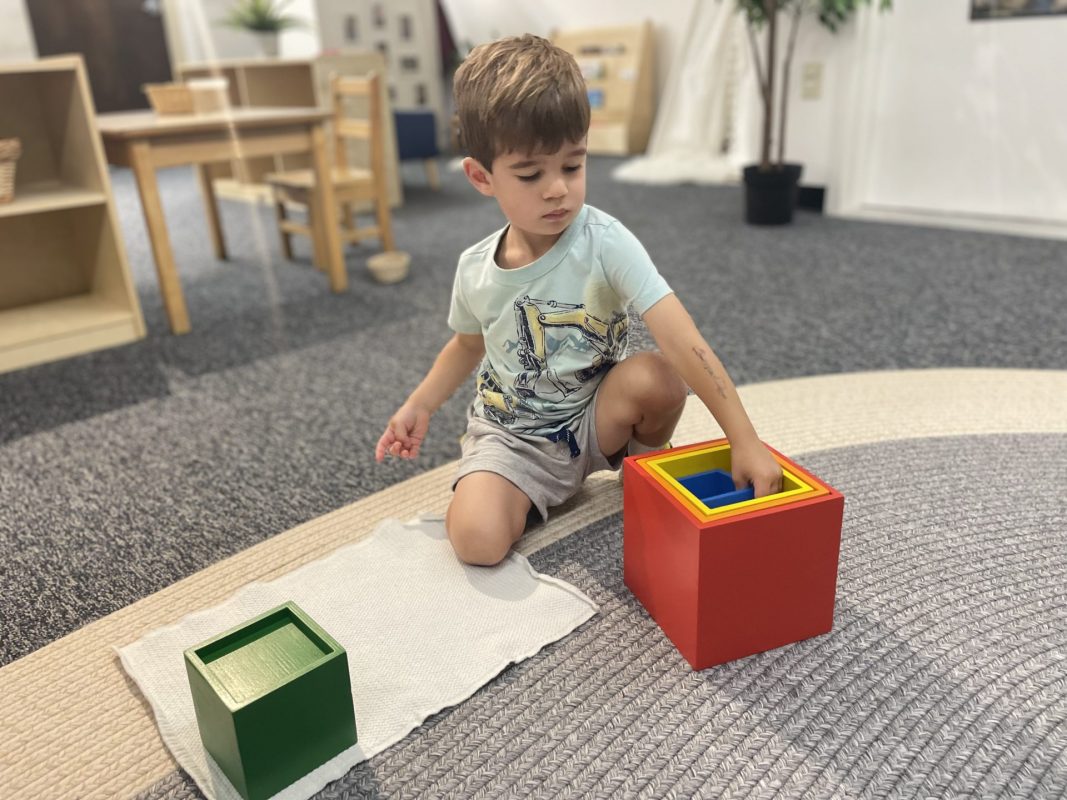
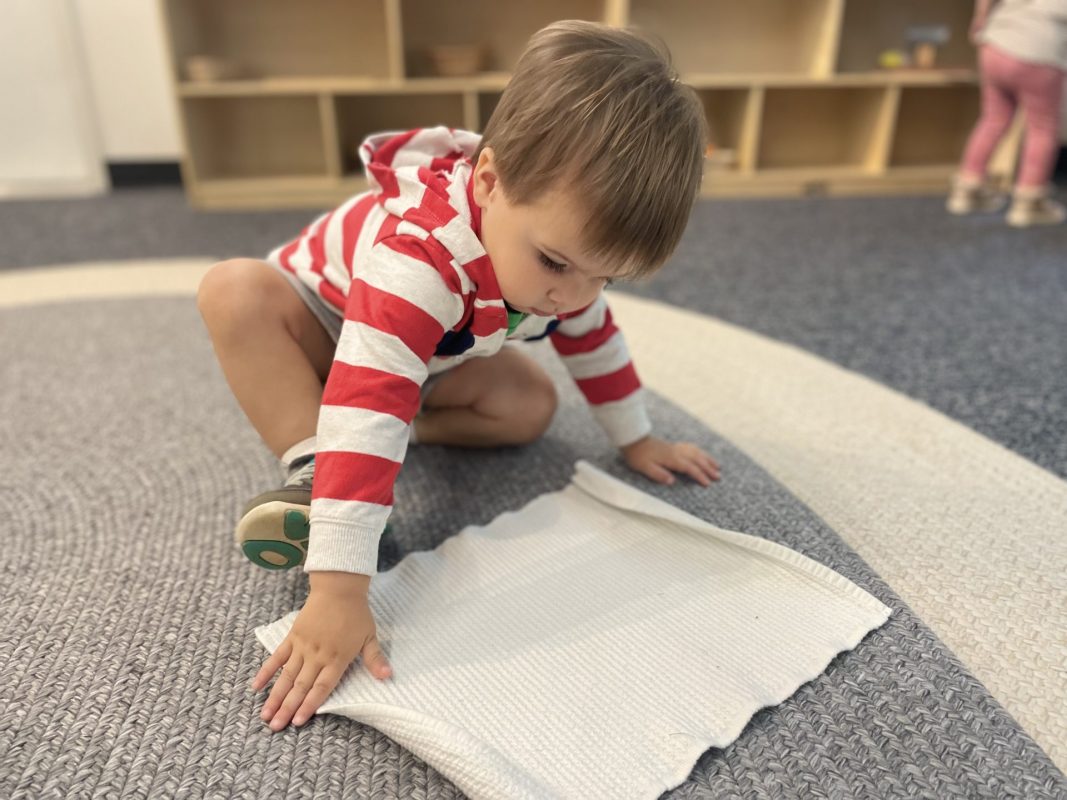
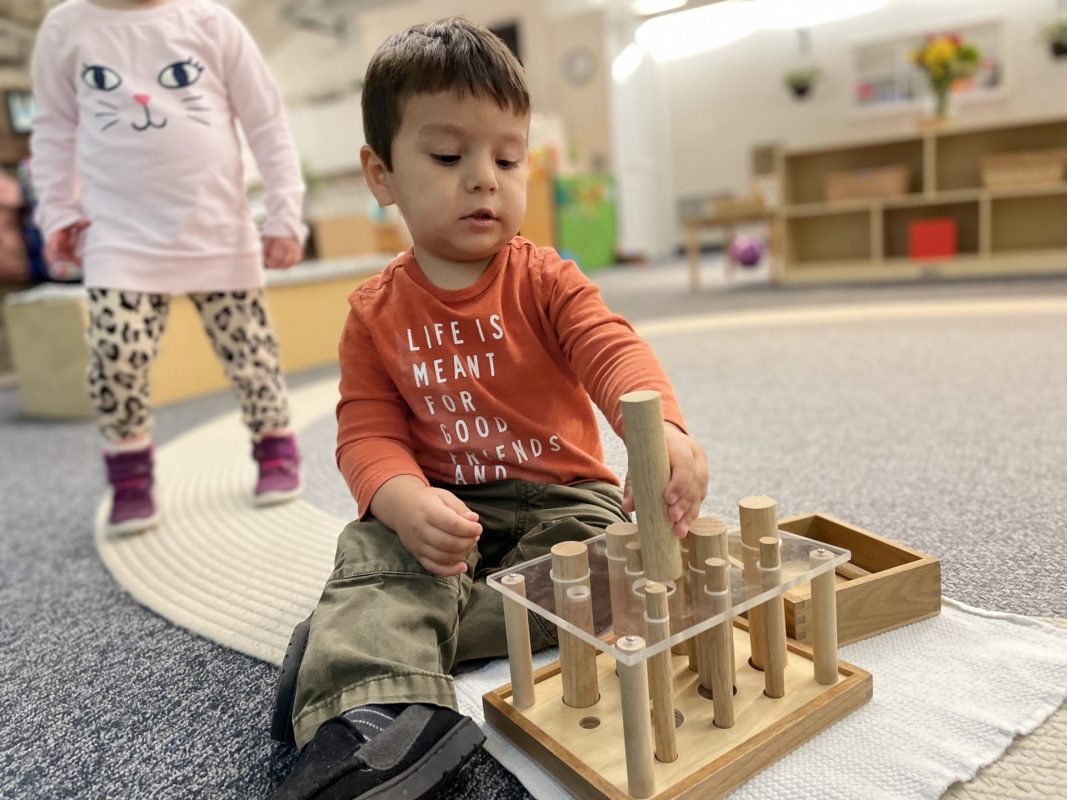
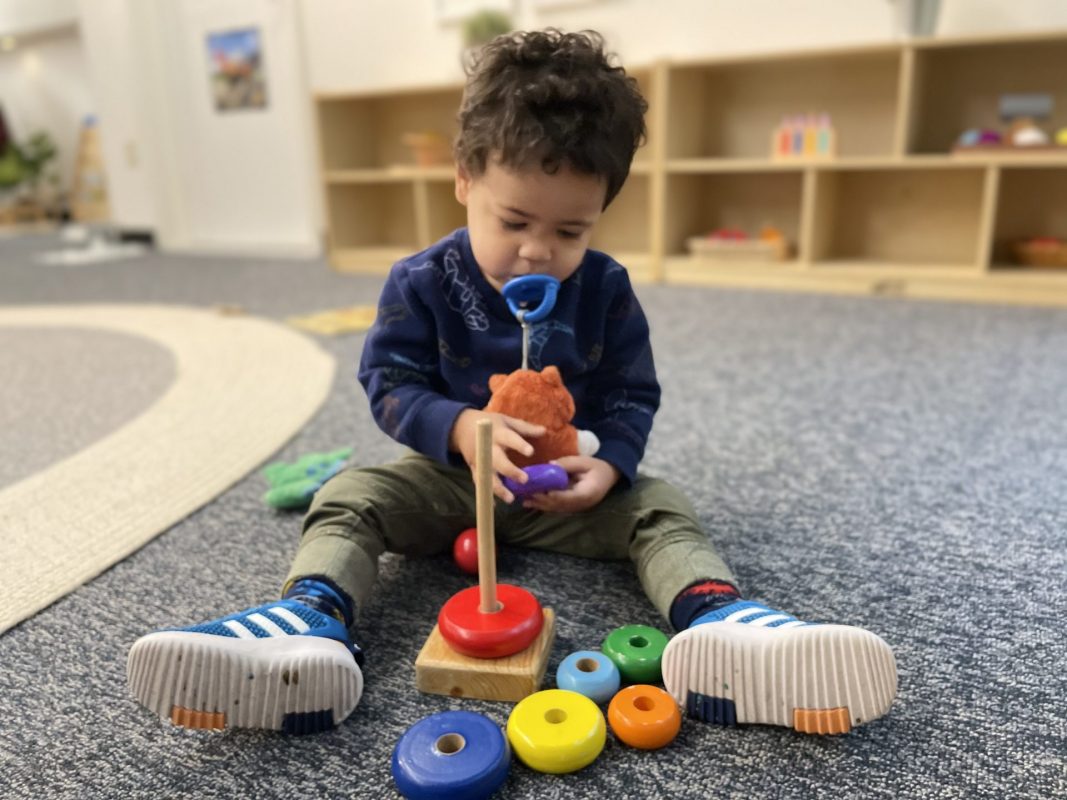
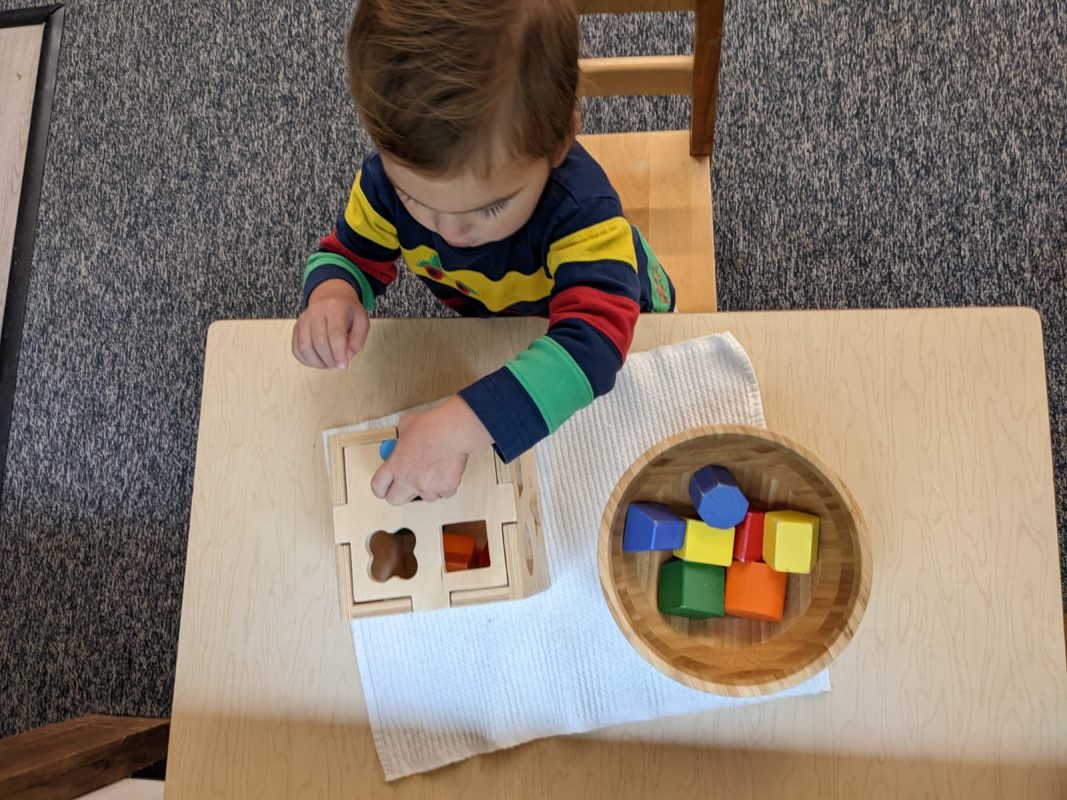
The children are adjusting so well to the new environment. We saw more happy faces and heard more laughter as the week went on. The children are practicing their new routines of getting themselves ready, using a work mat, and learning the boundaries of the classroom.

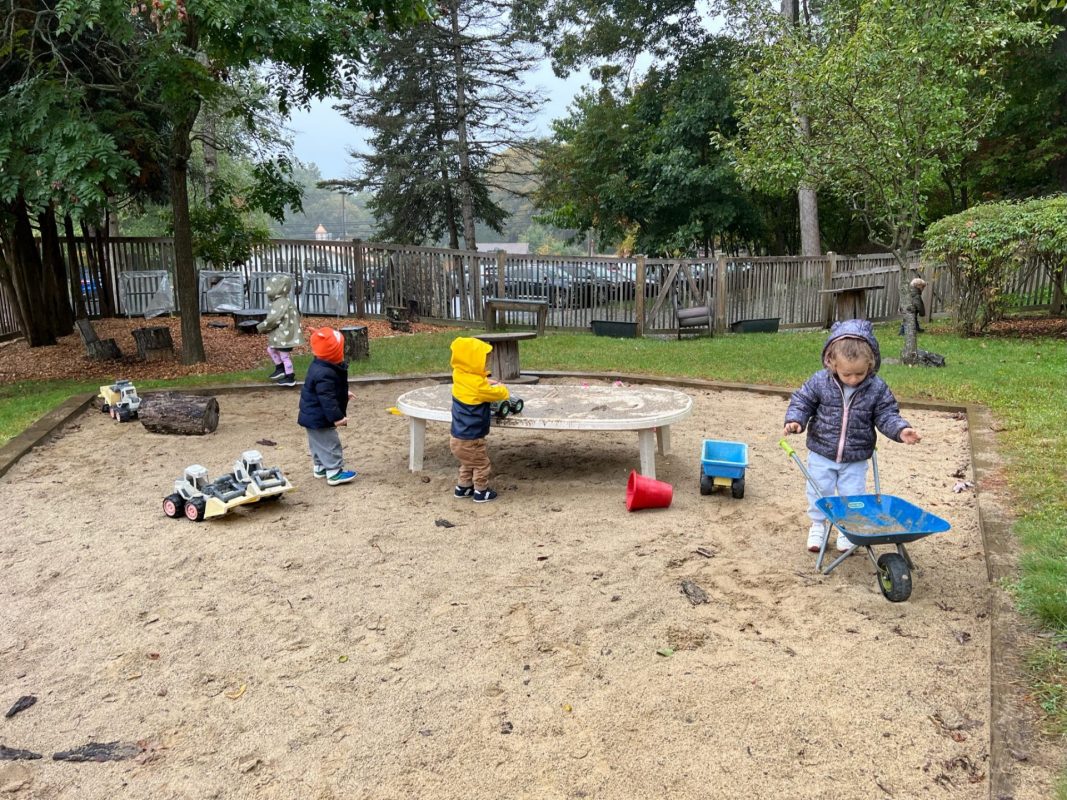
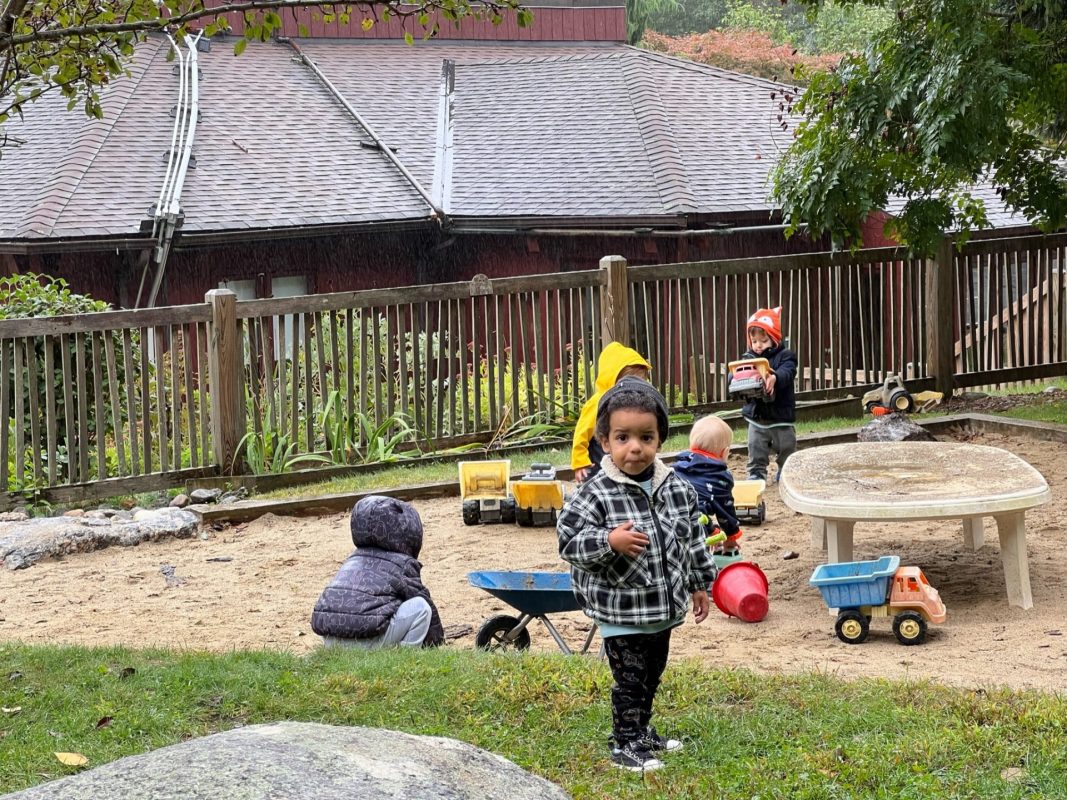
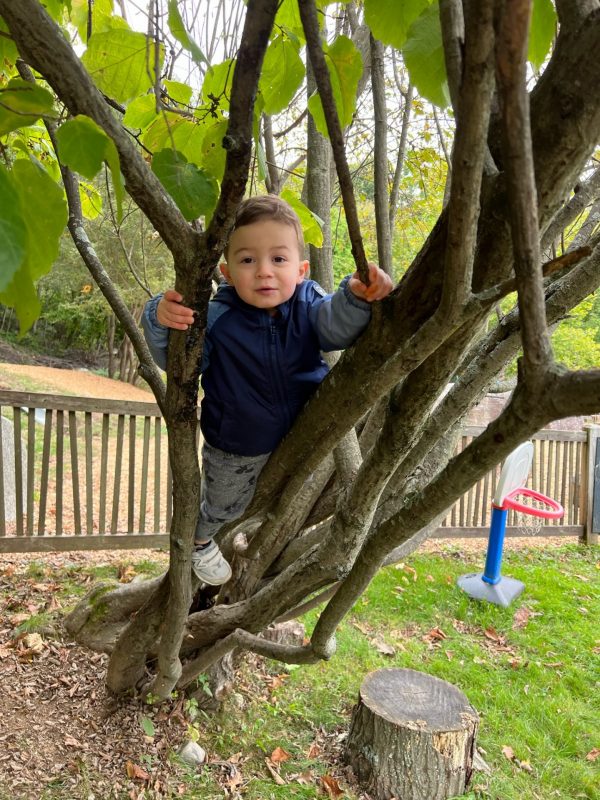
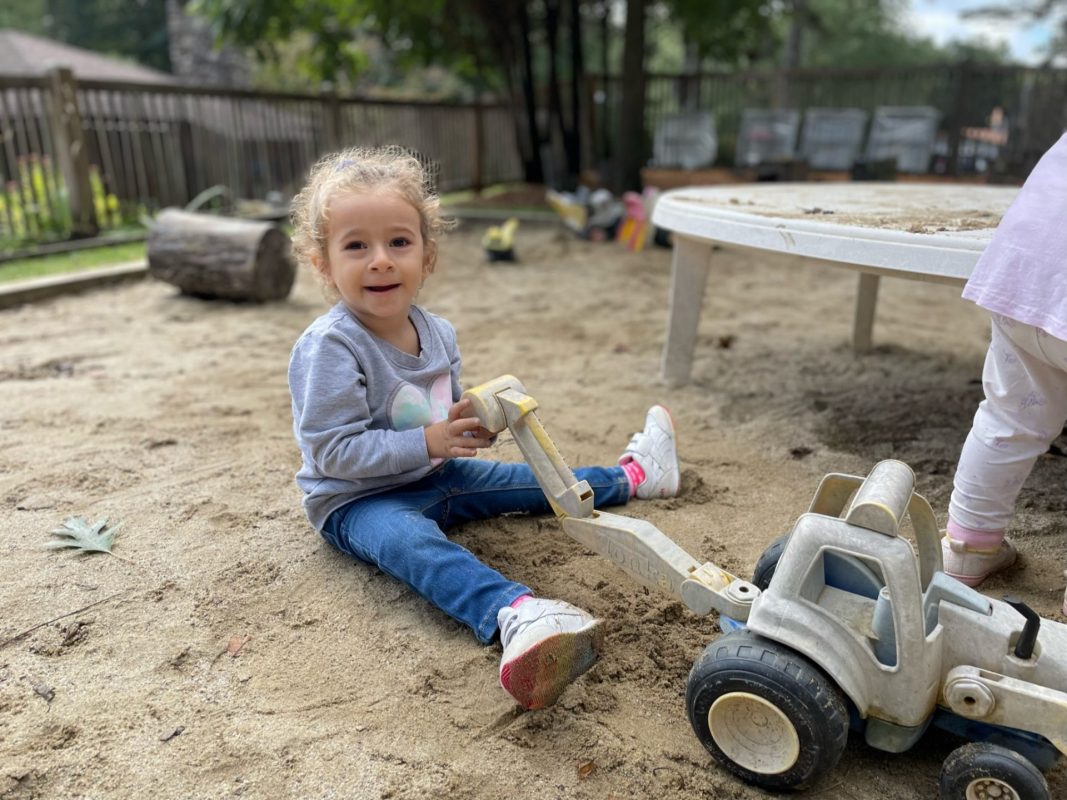
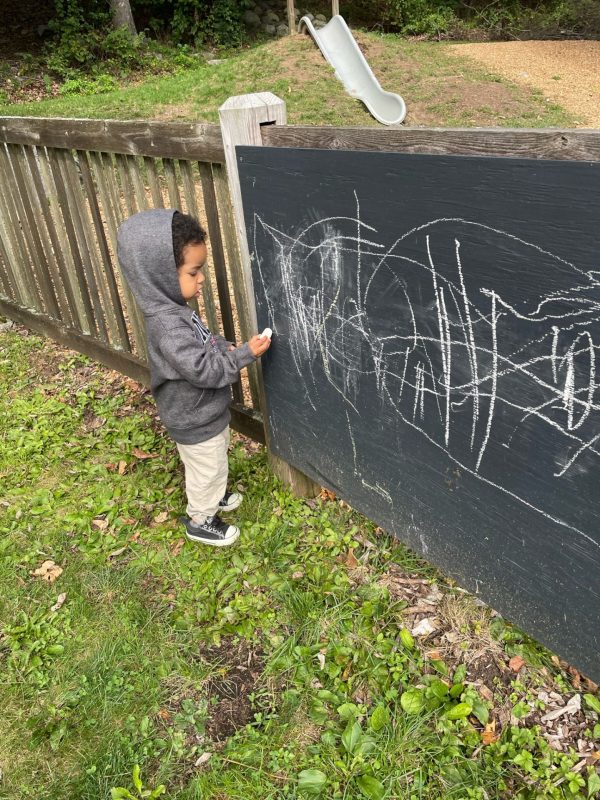
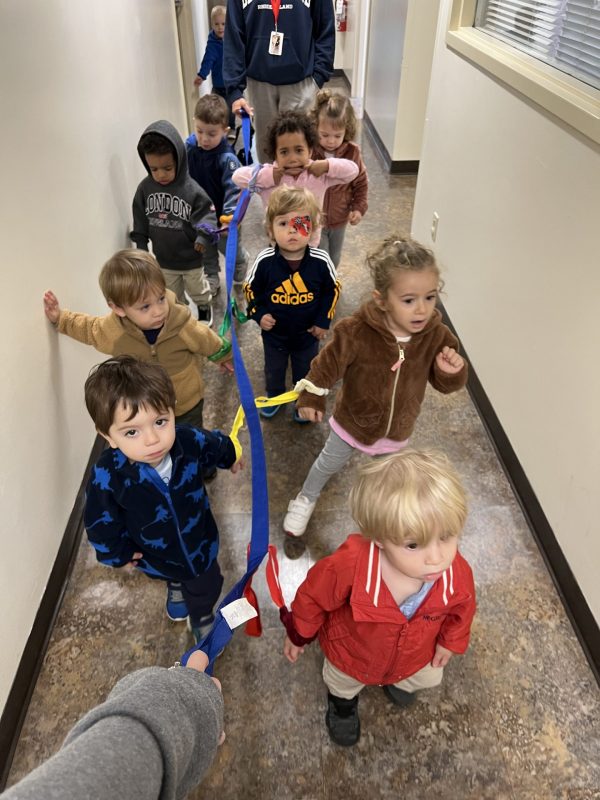
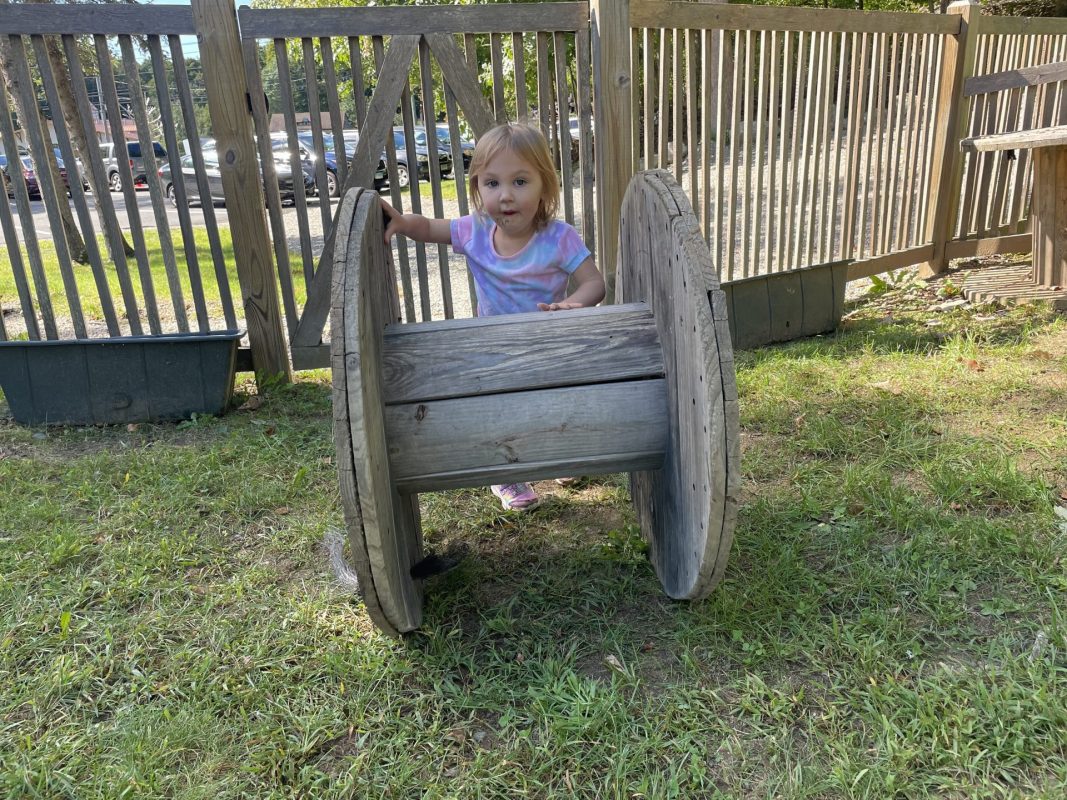
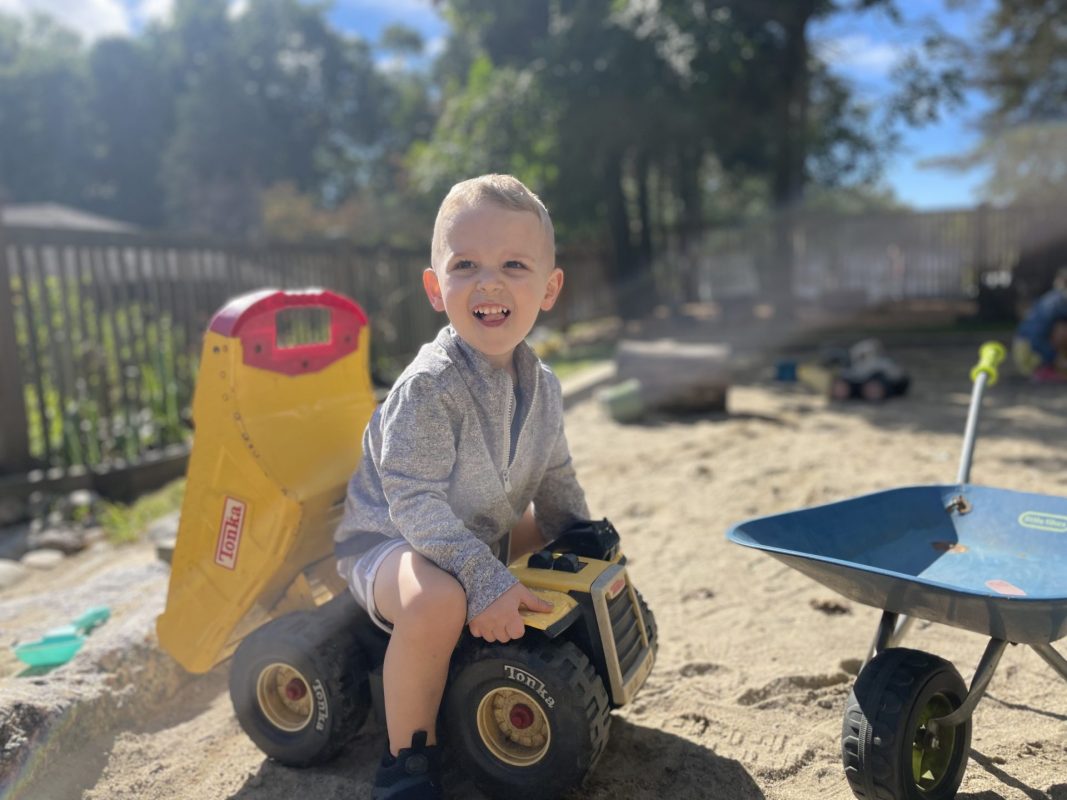
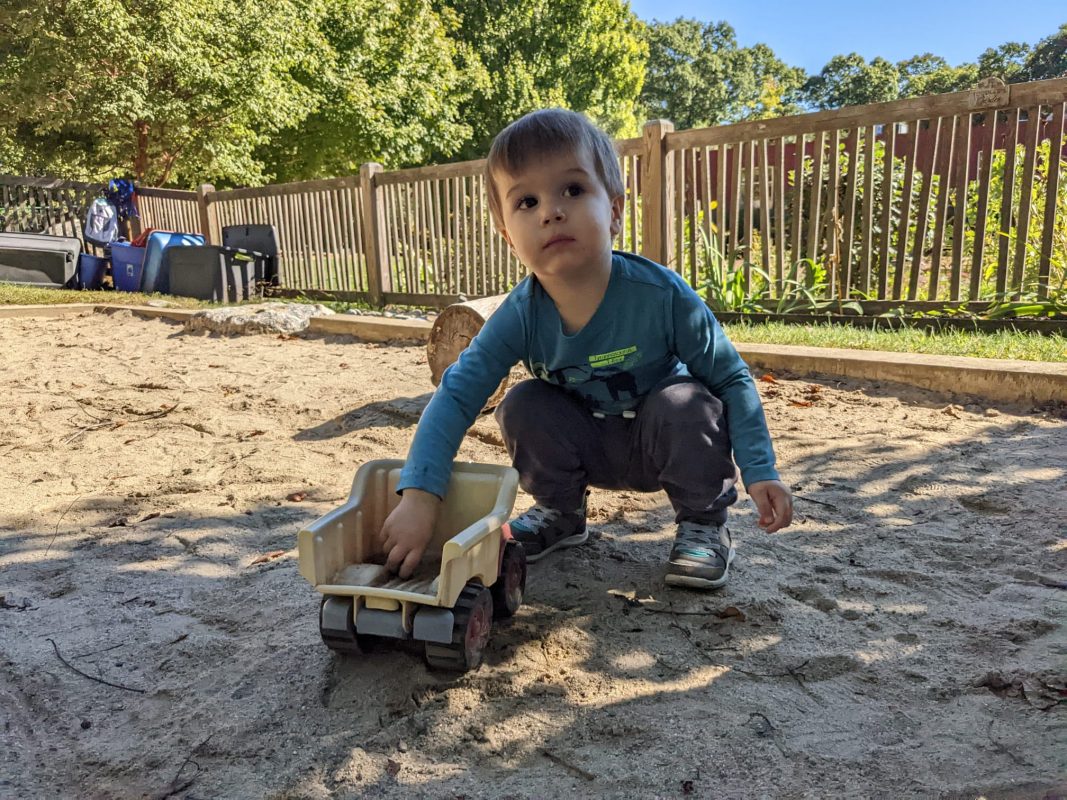
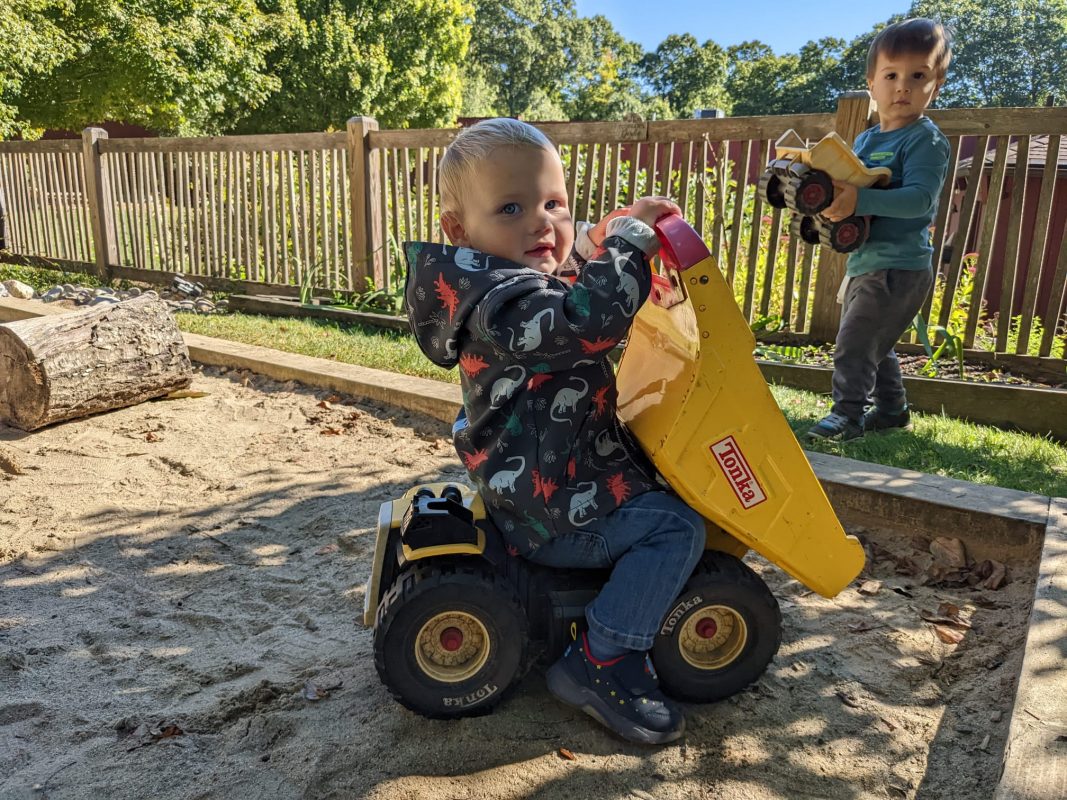
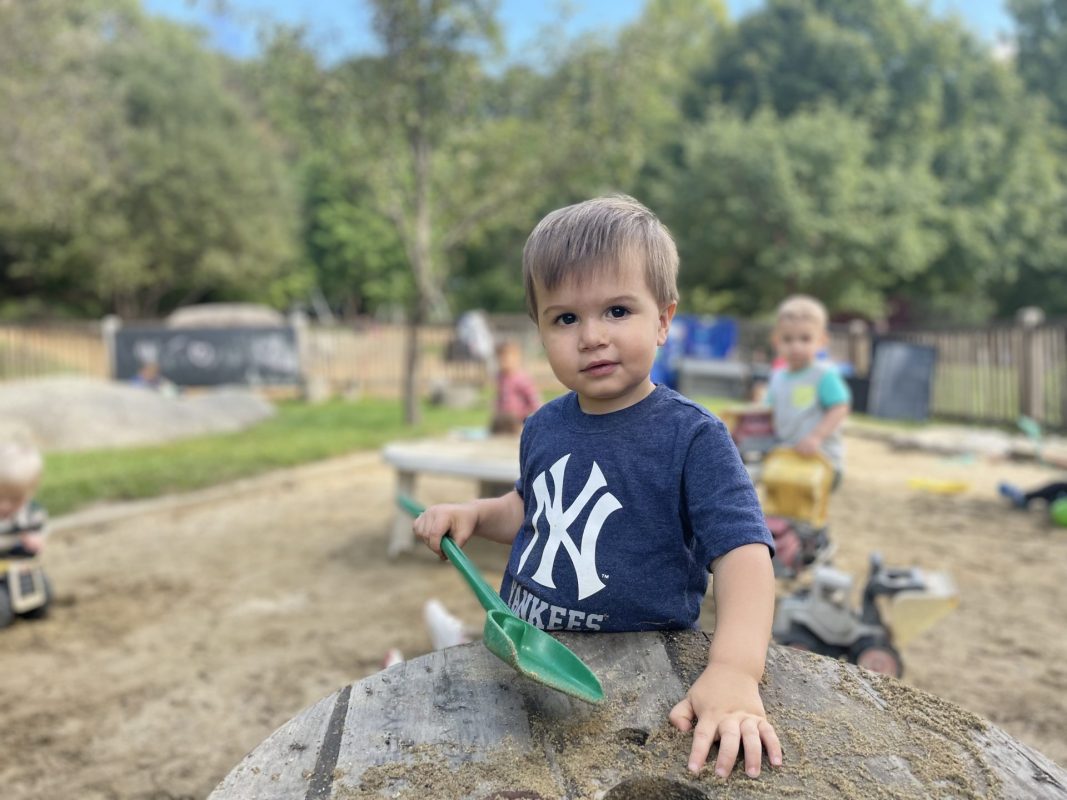
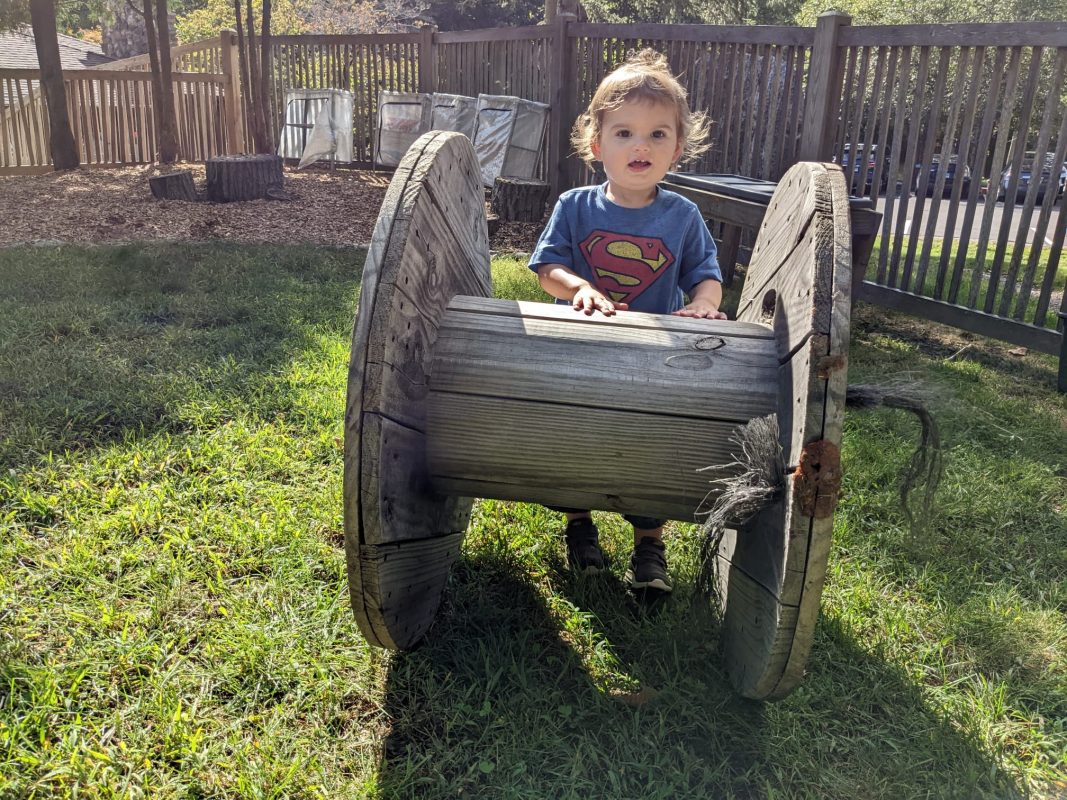
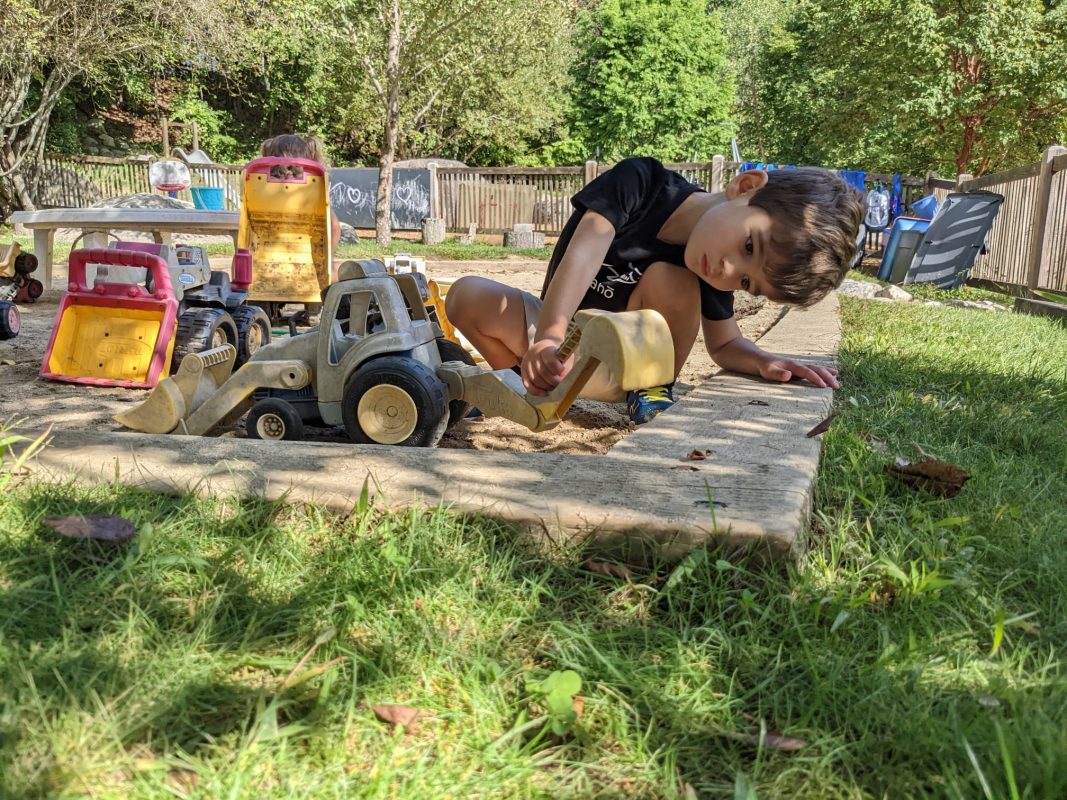
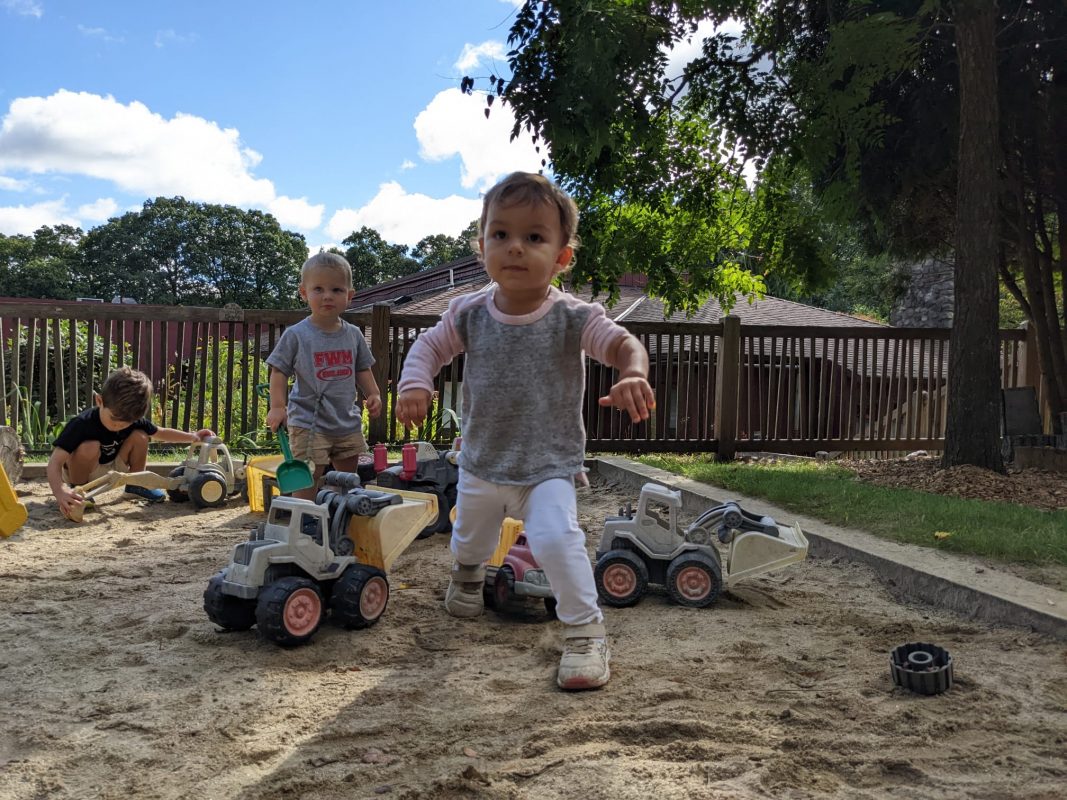
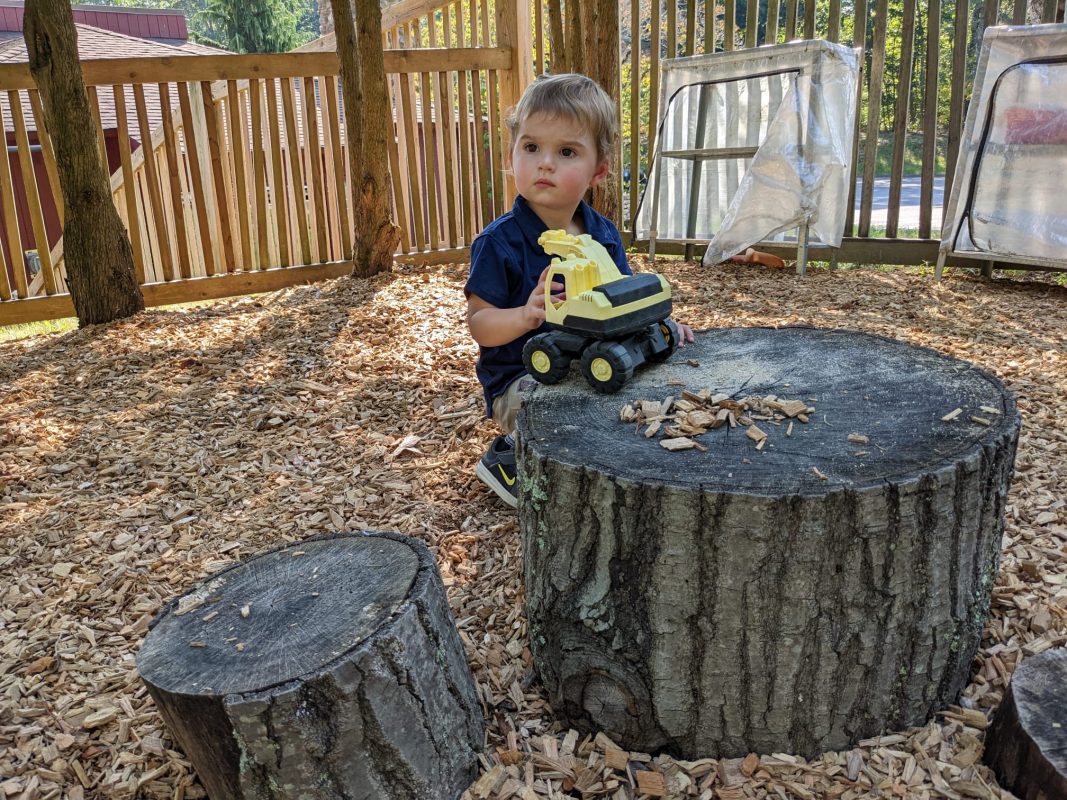
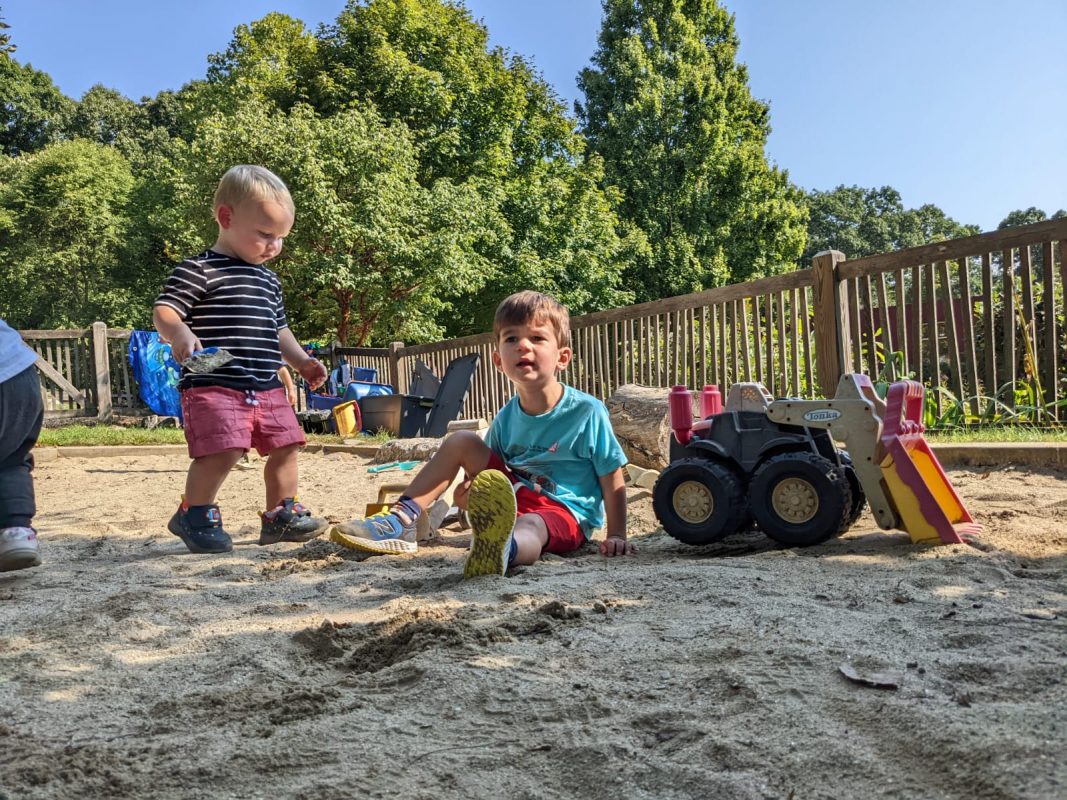
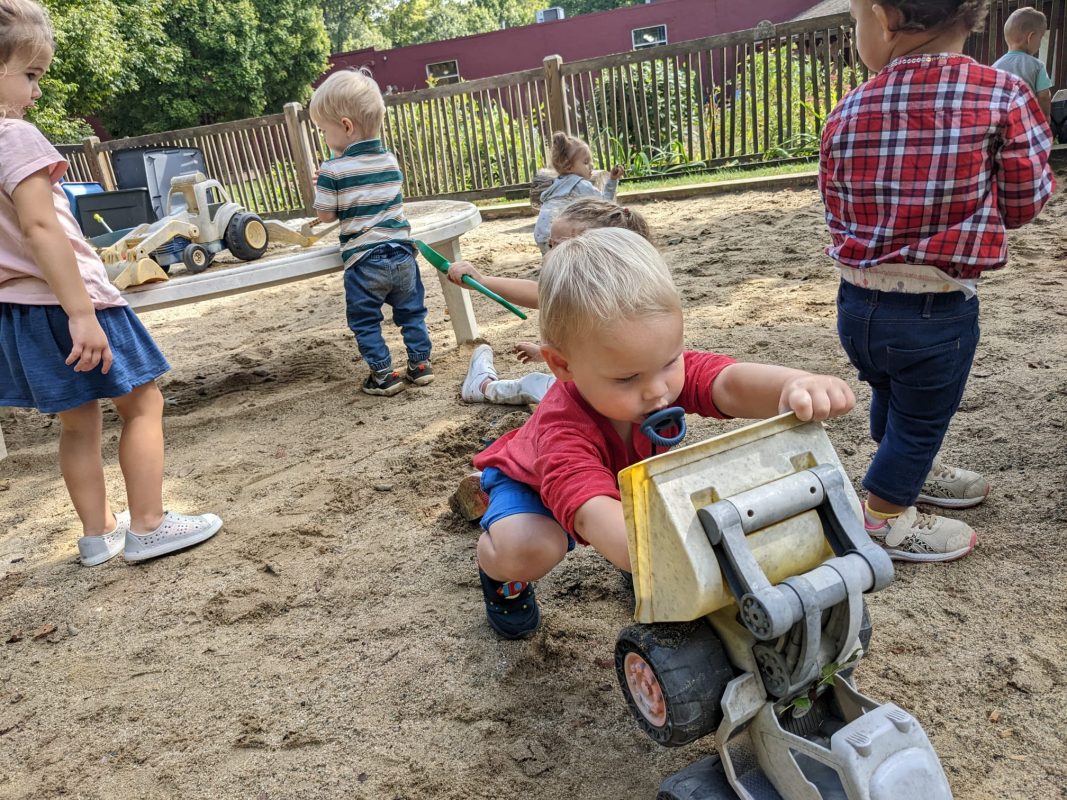
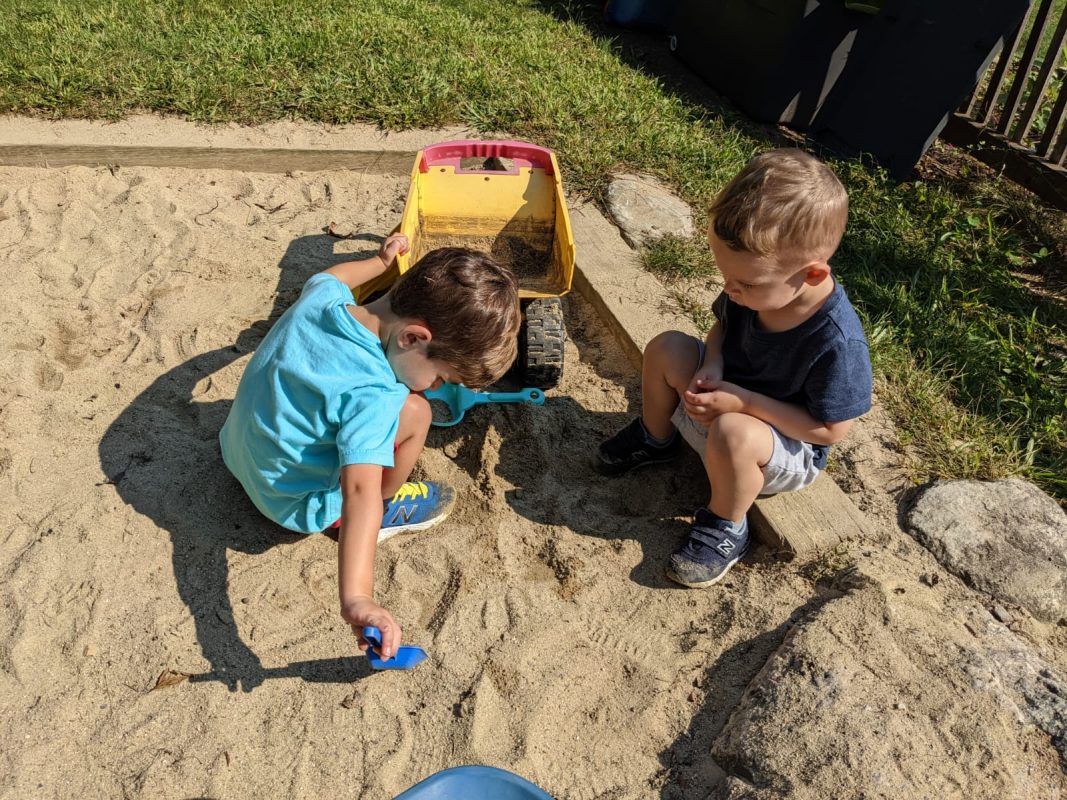
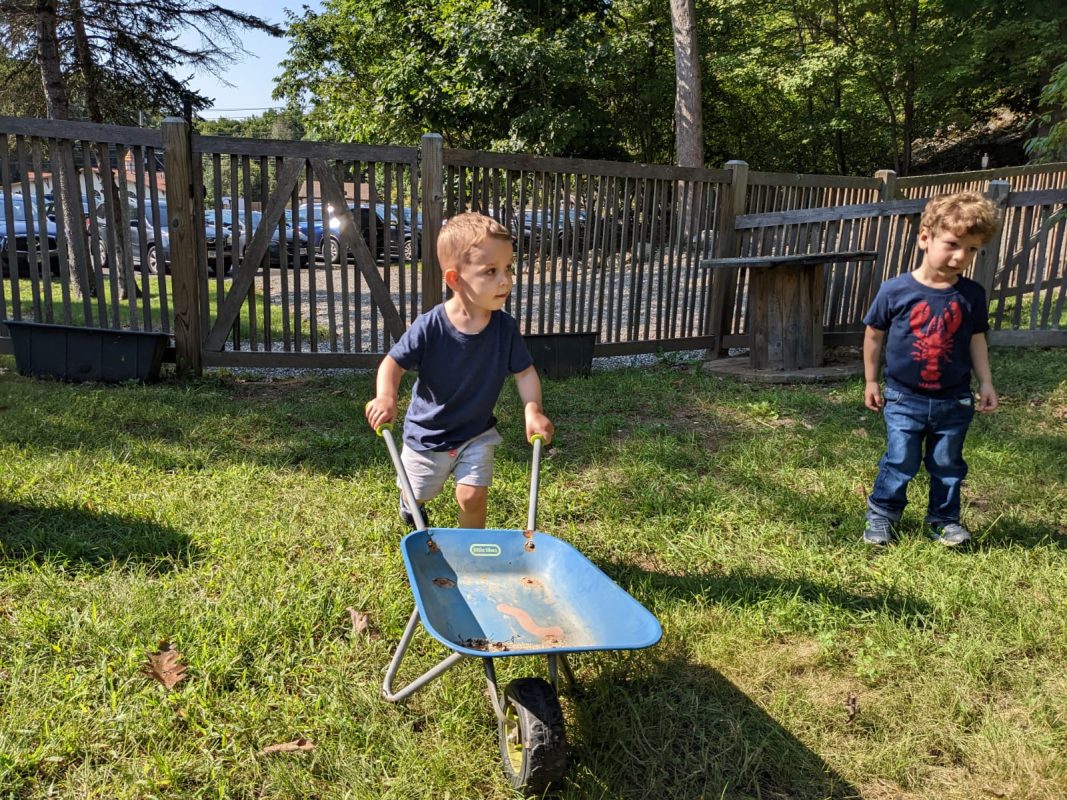
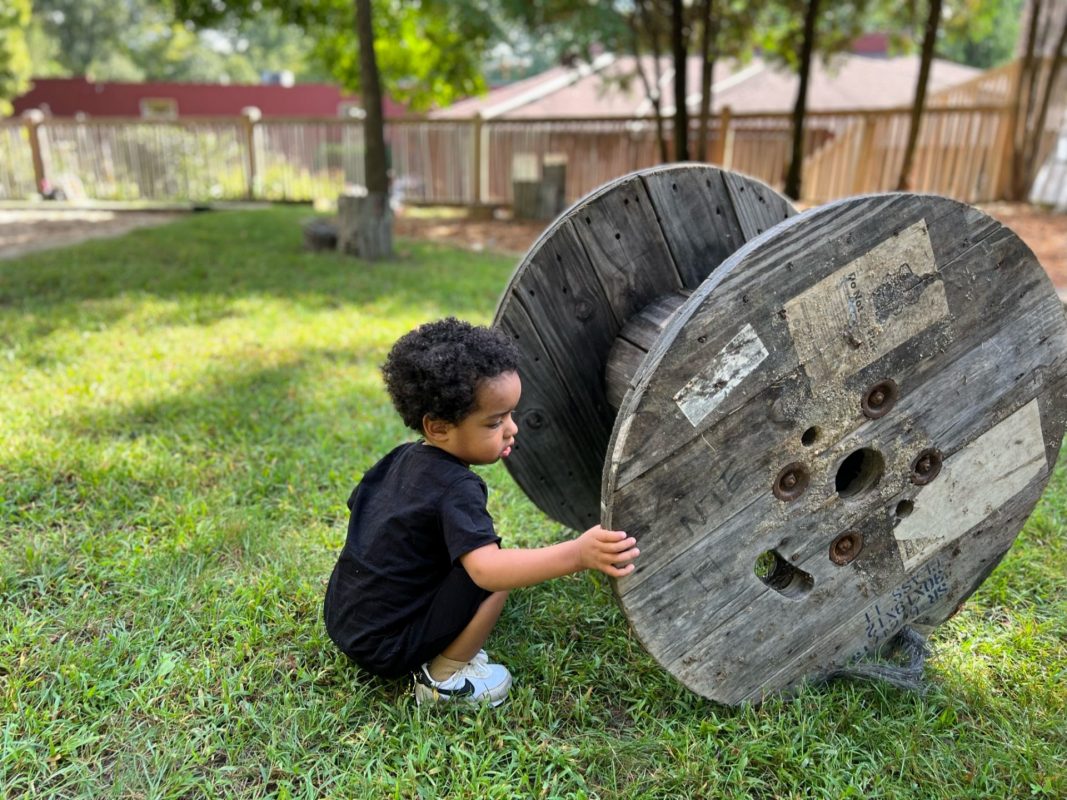
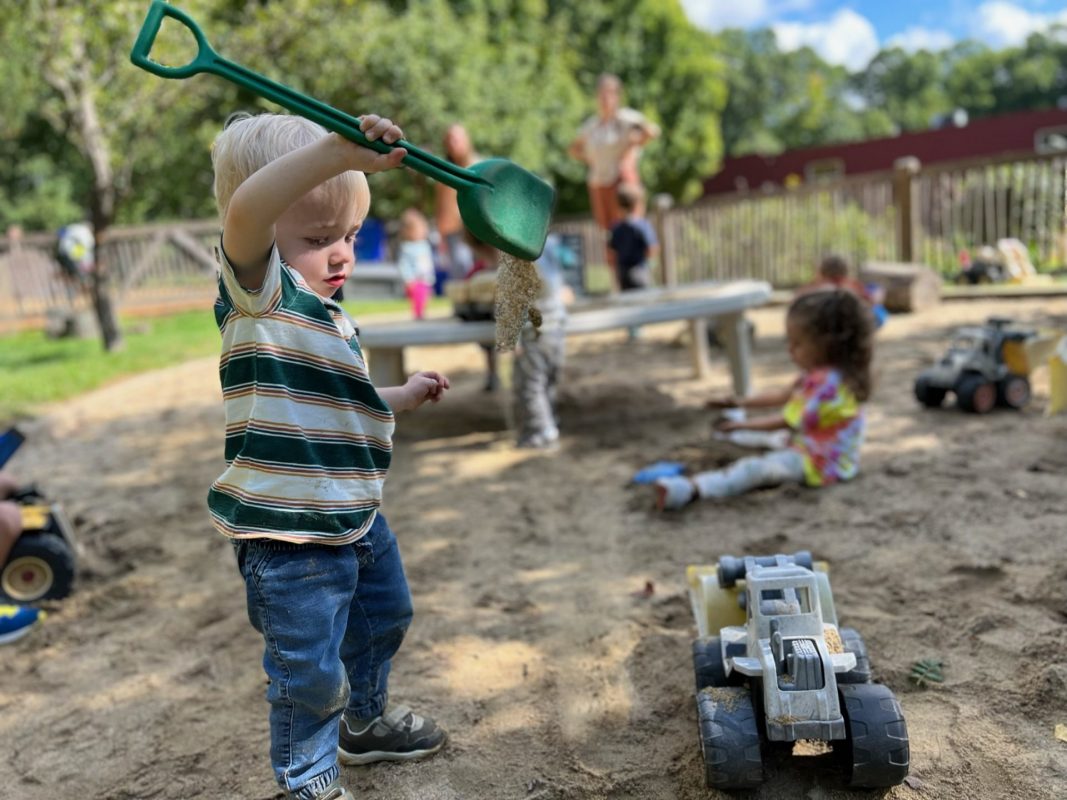
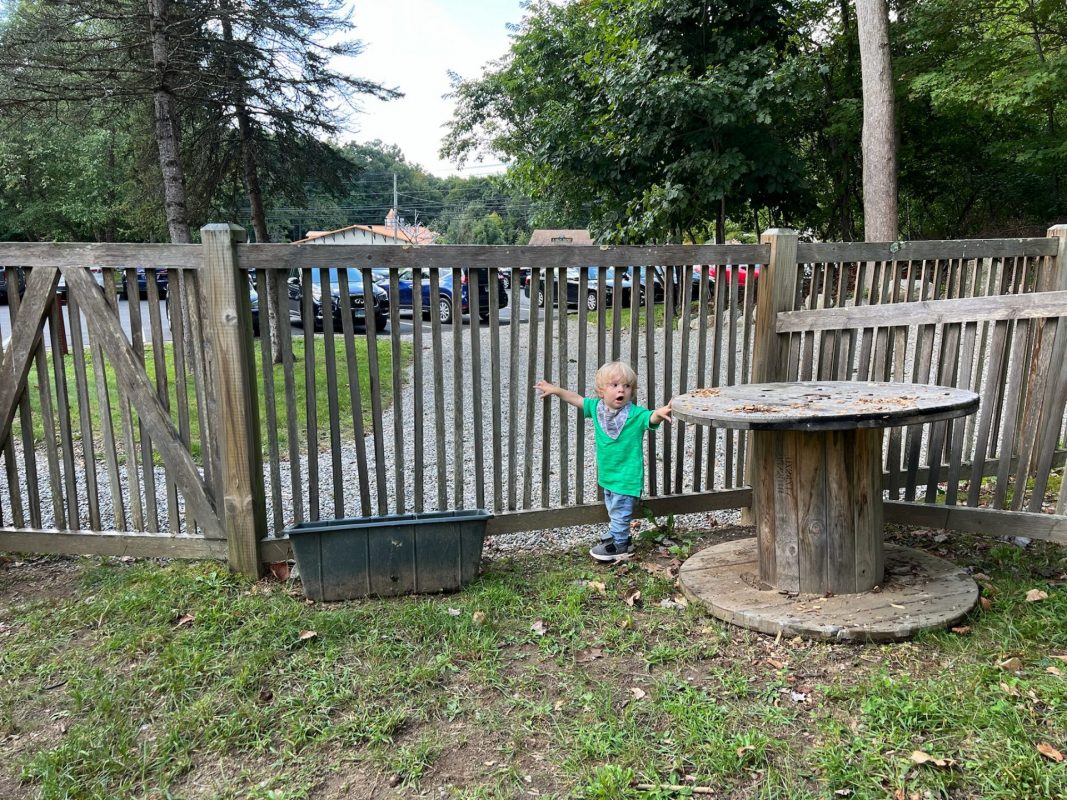
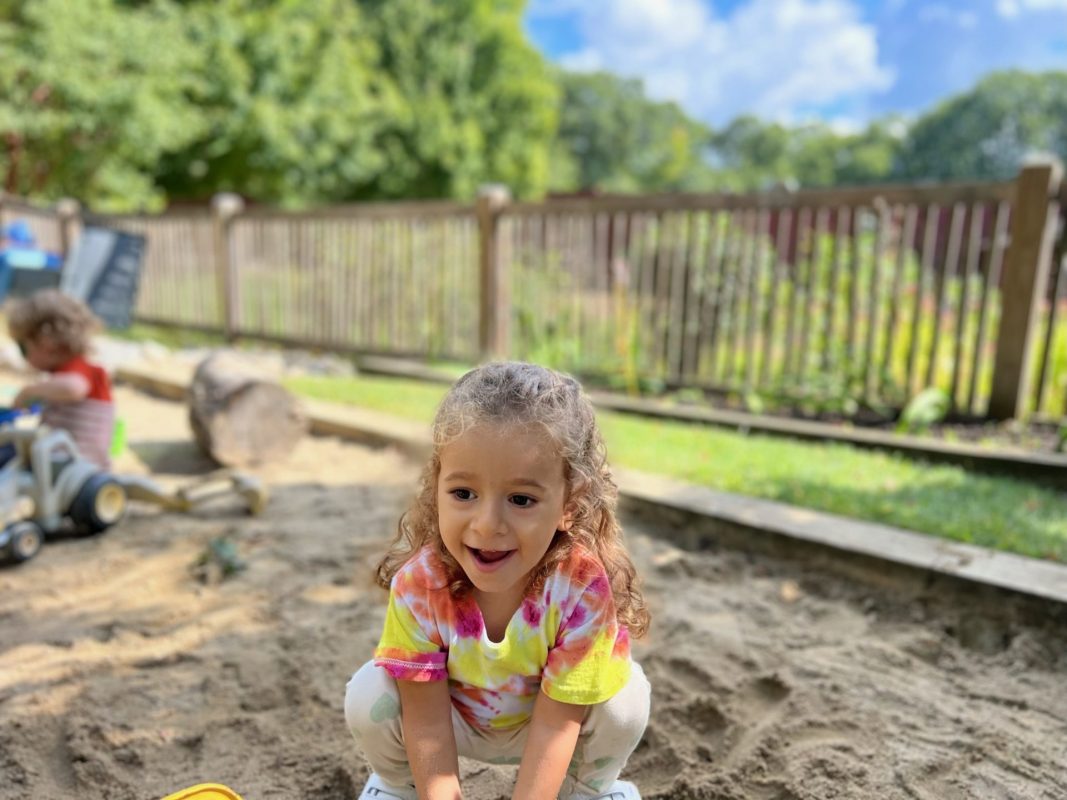
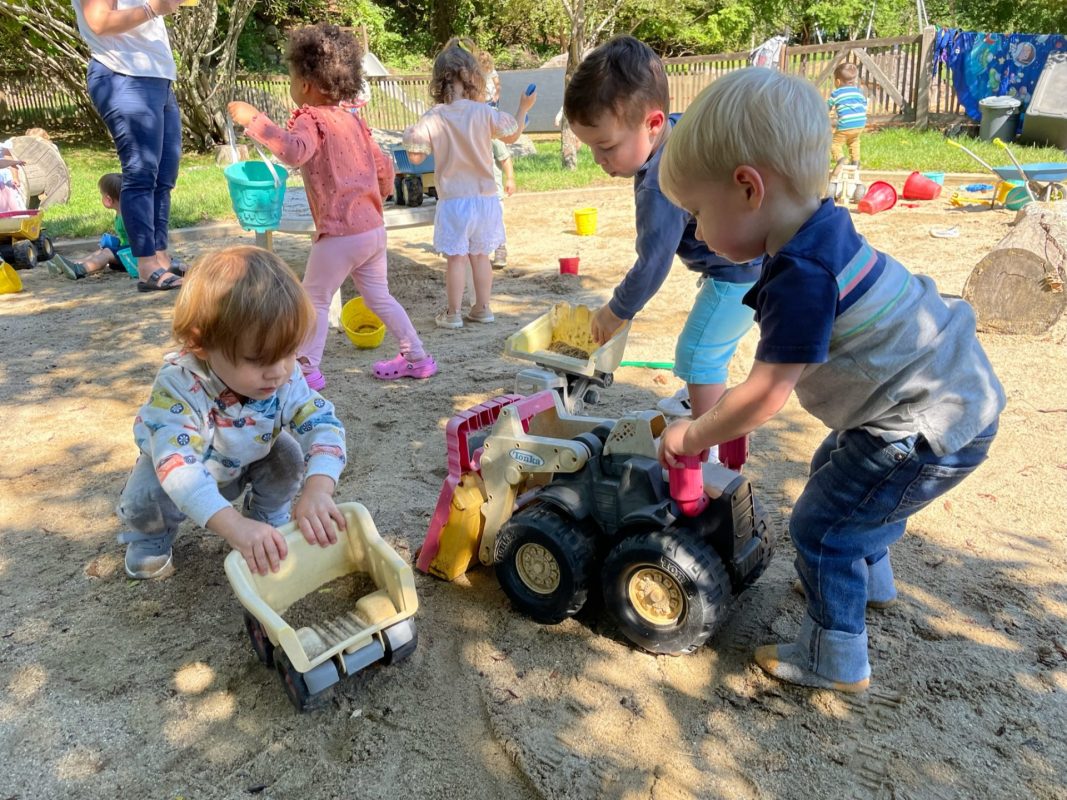
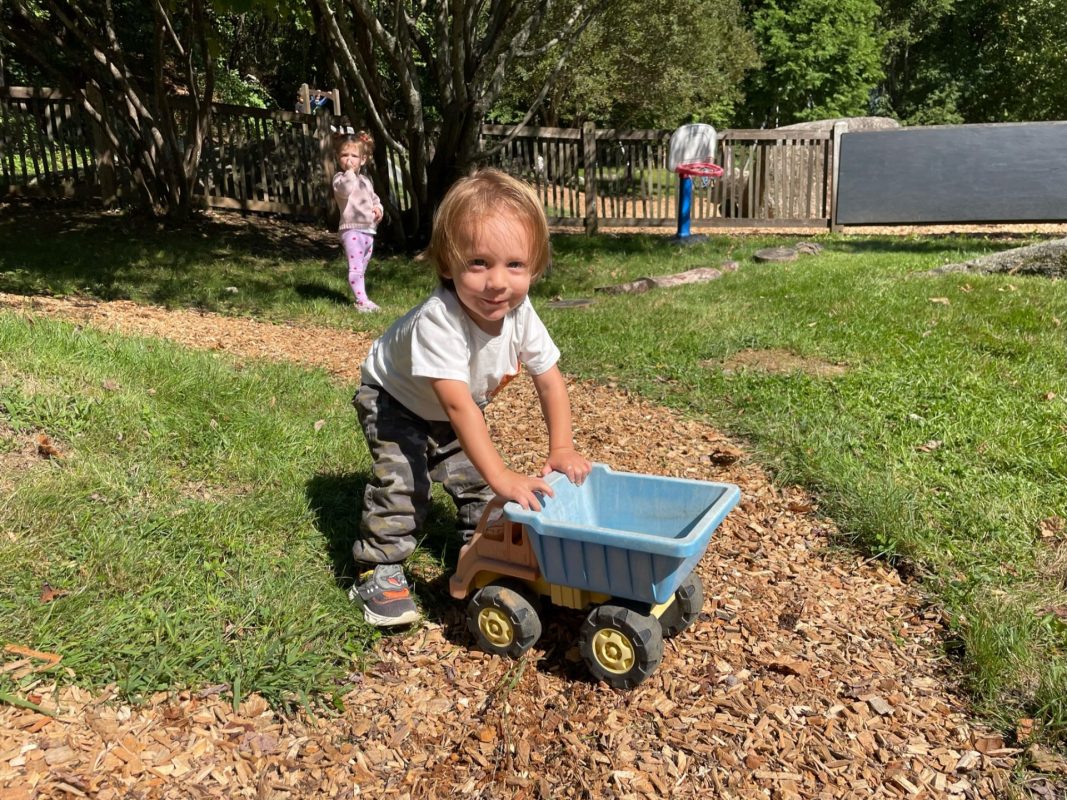
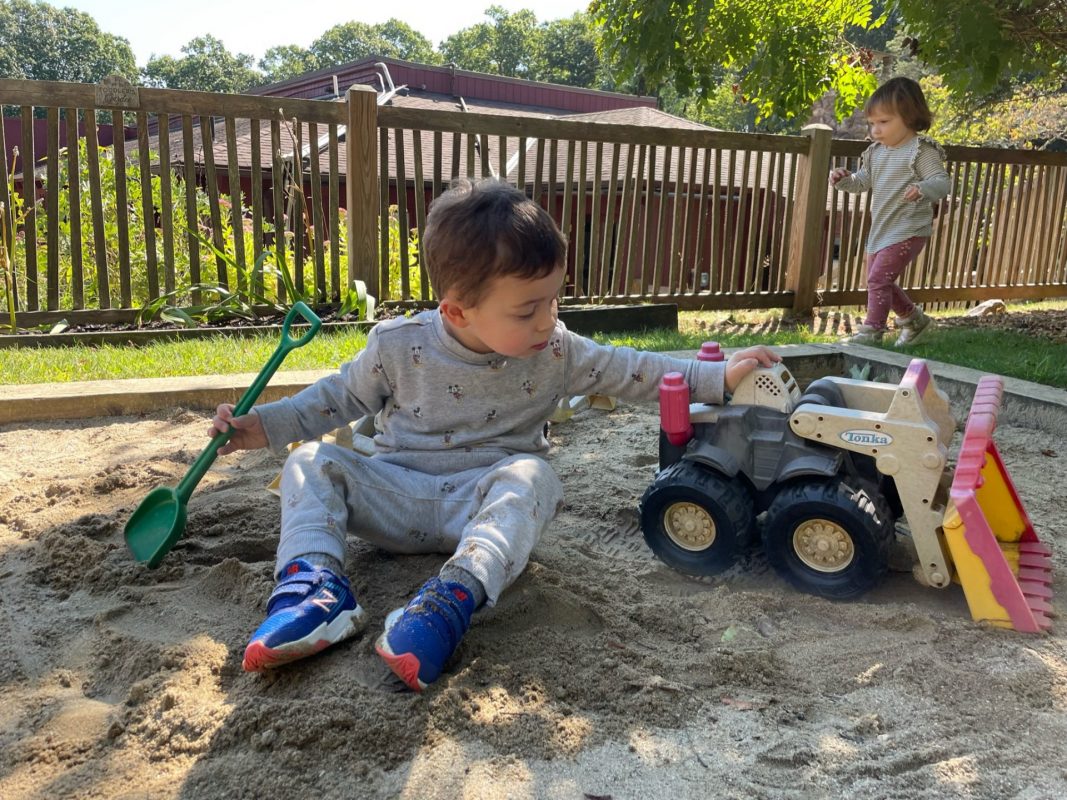
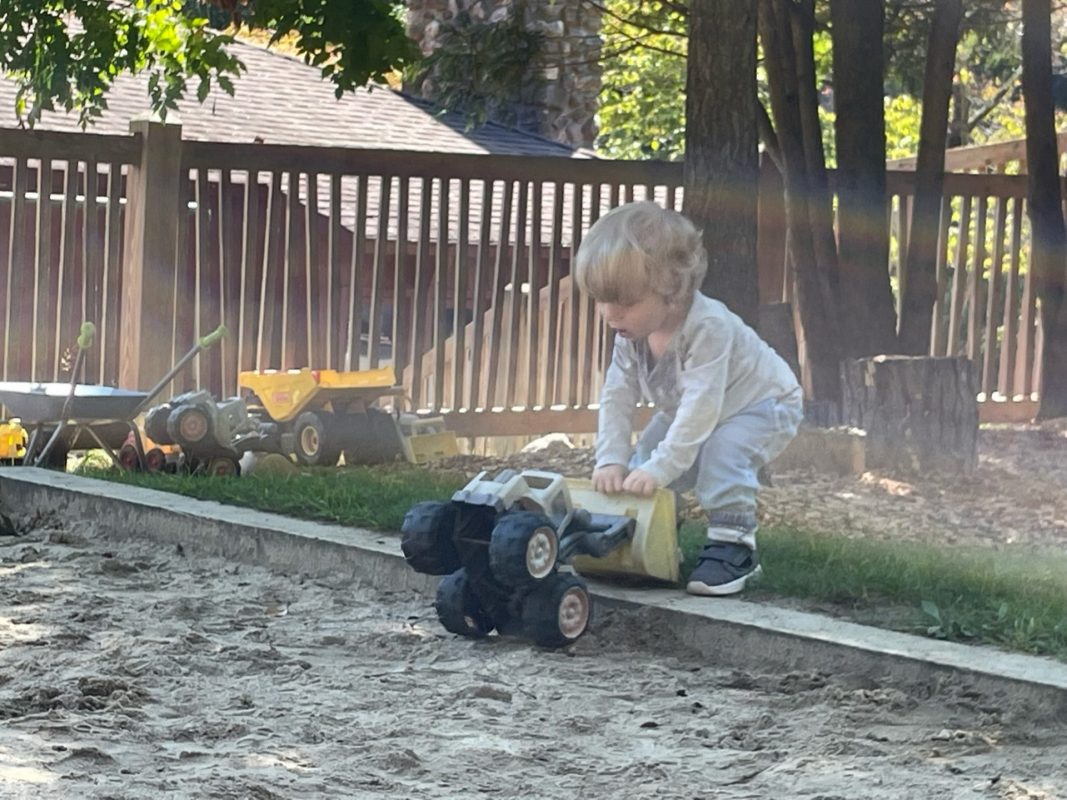
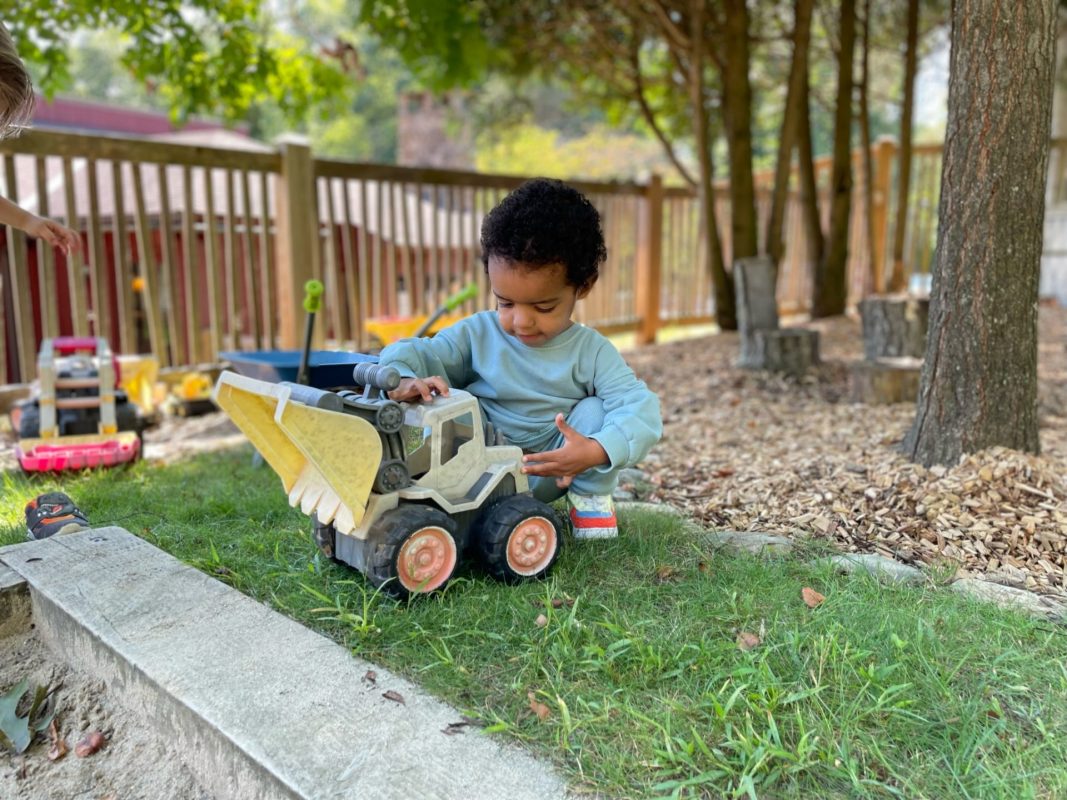
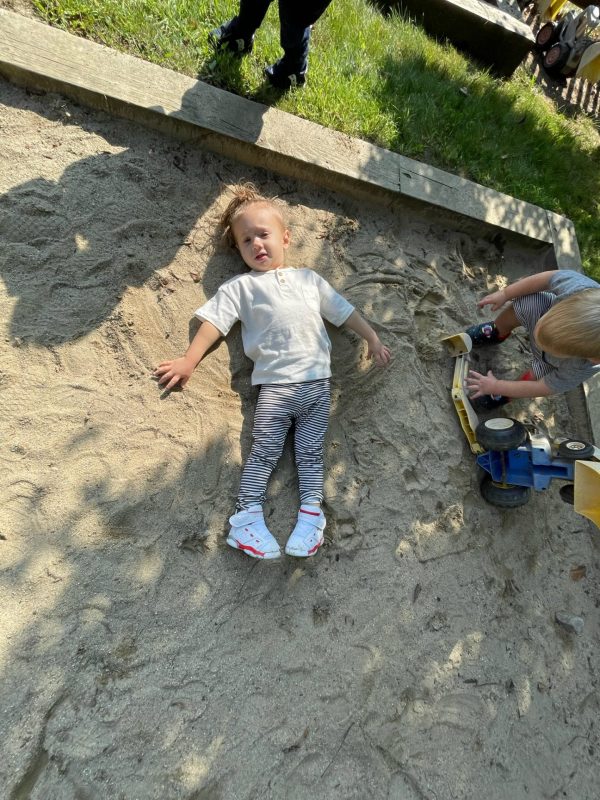
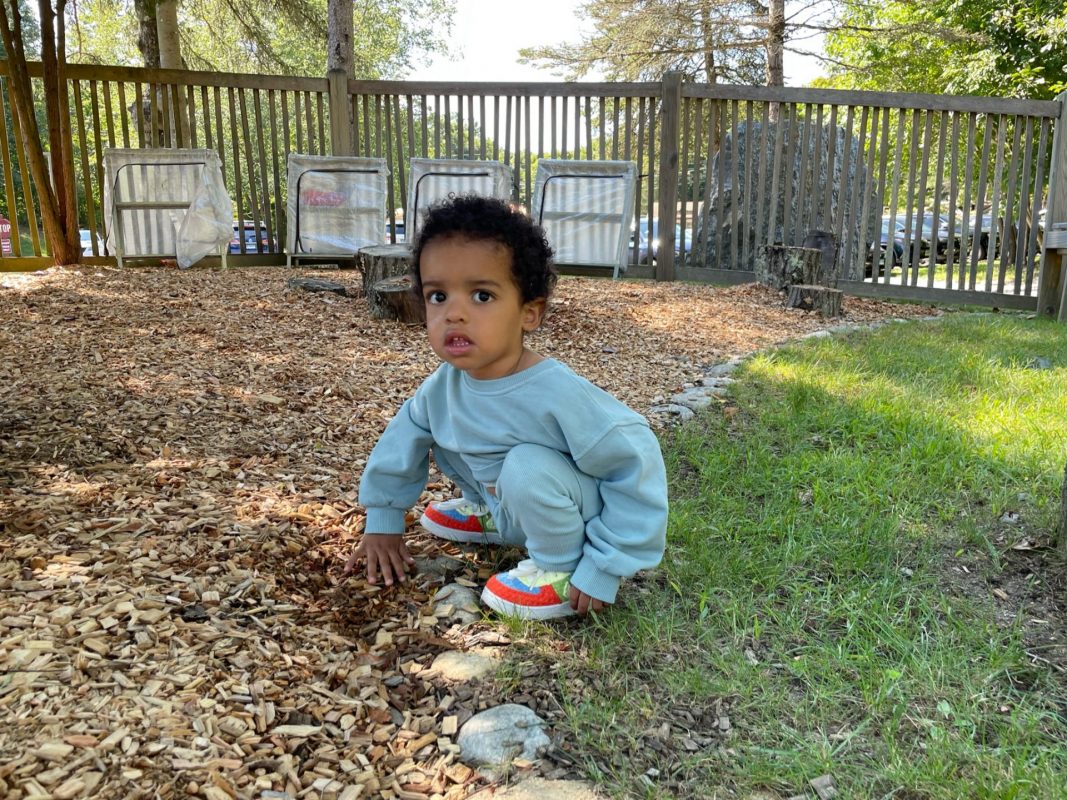
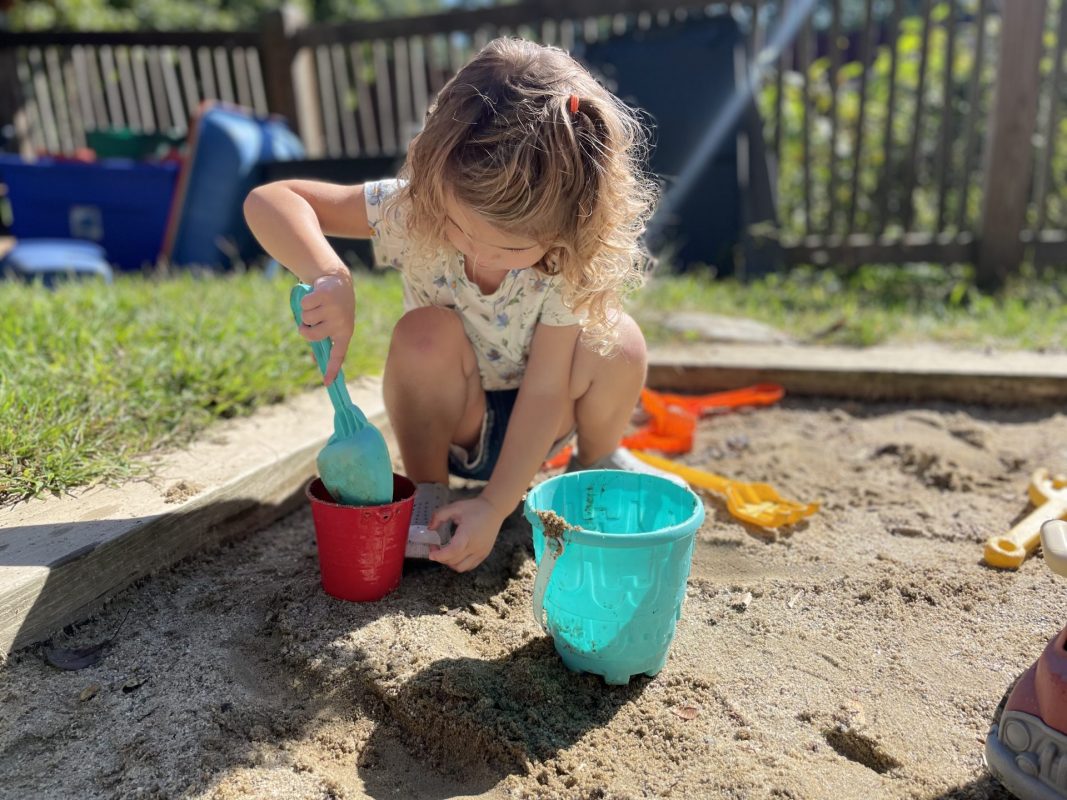
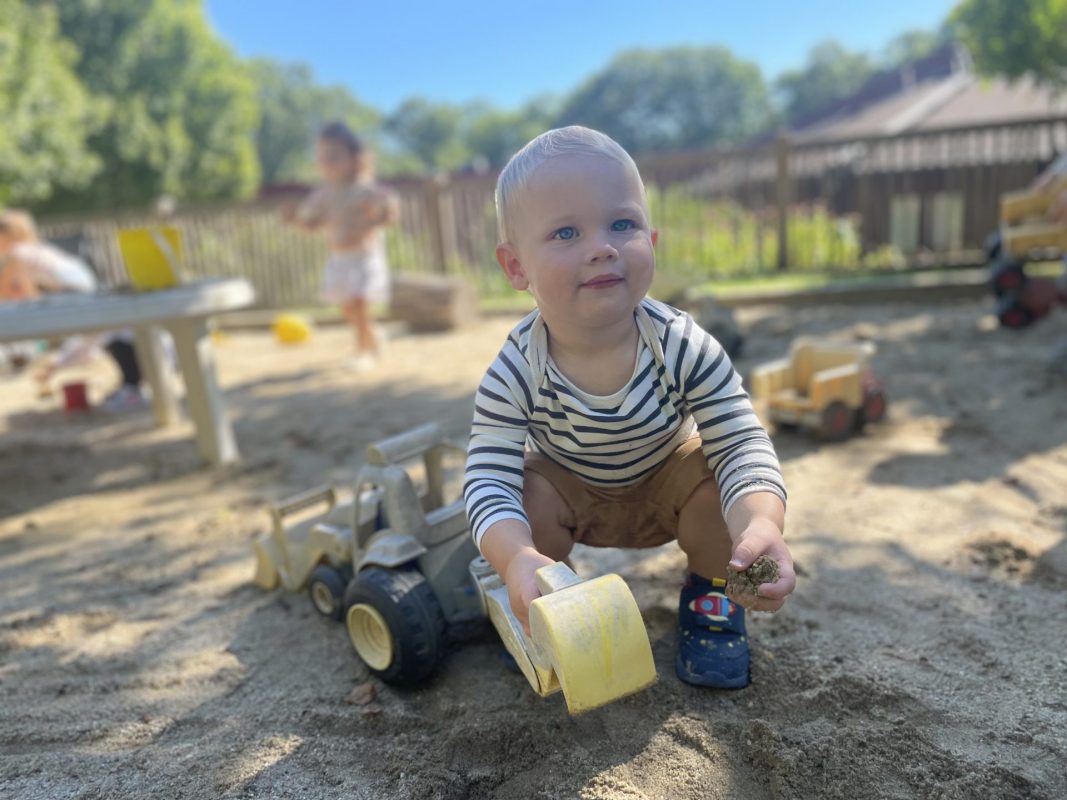
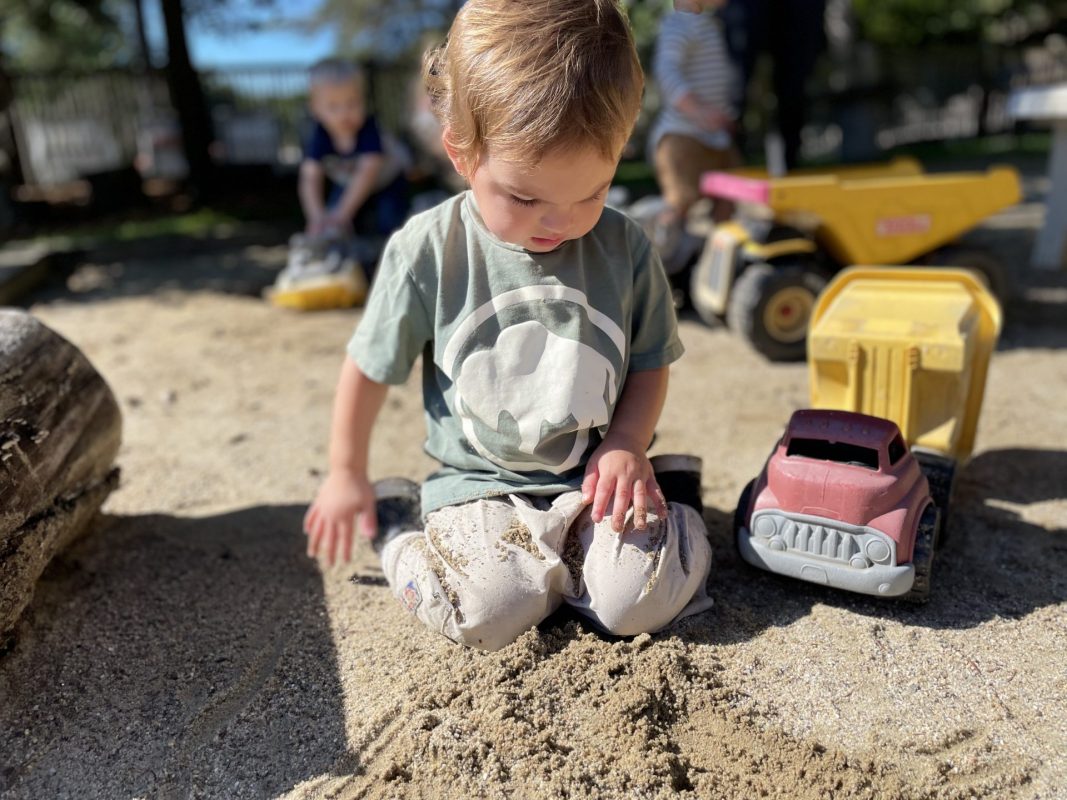
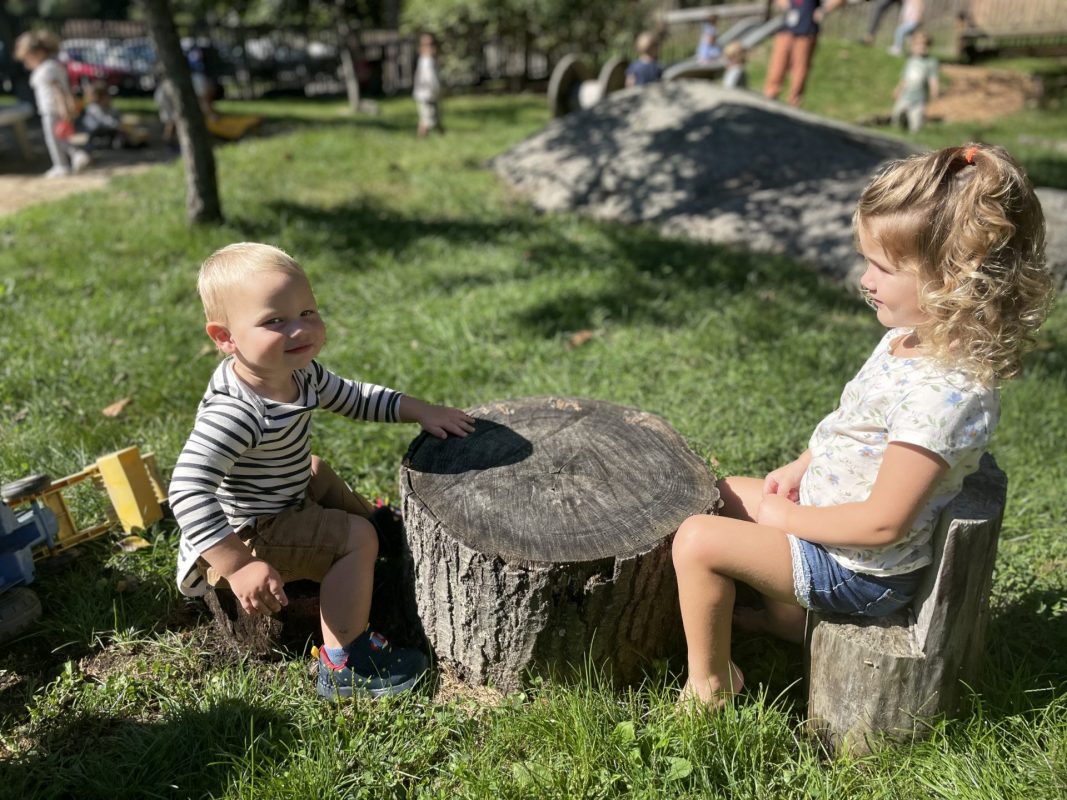
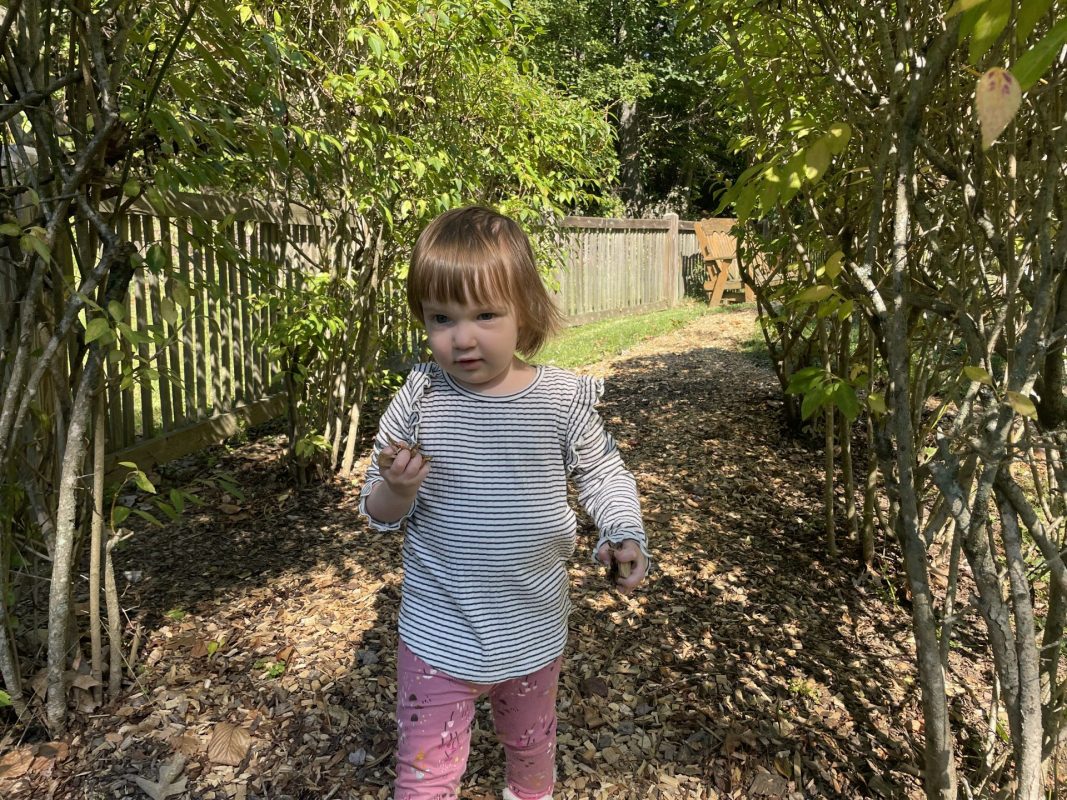
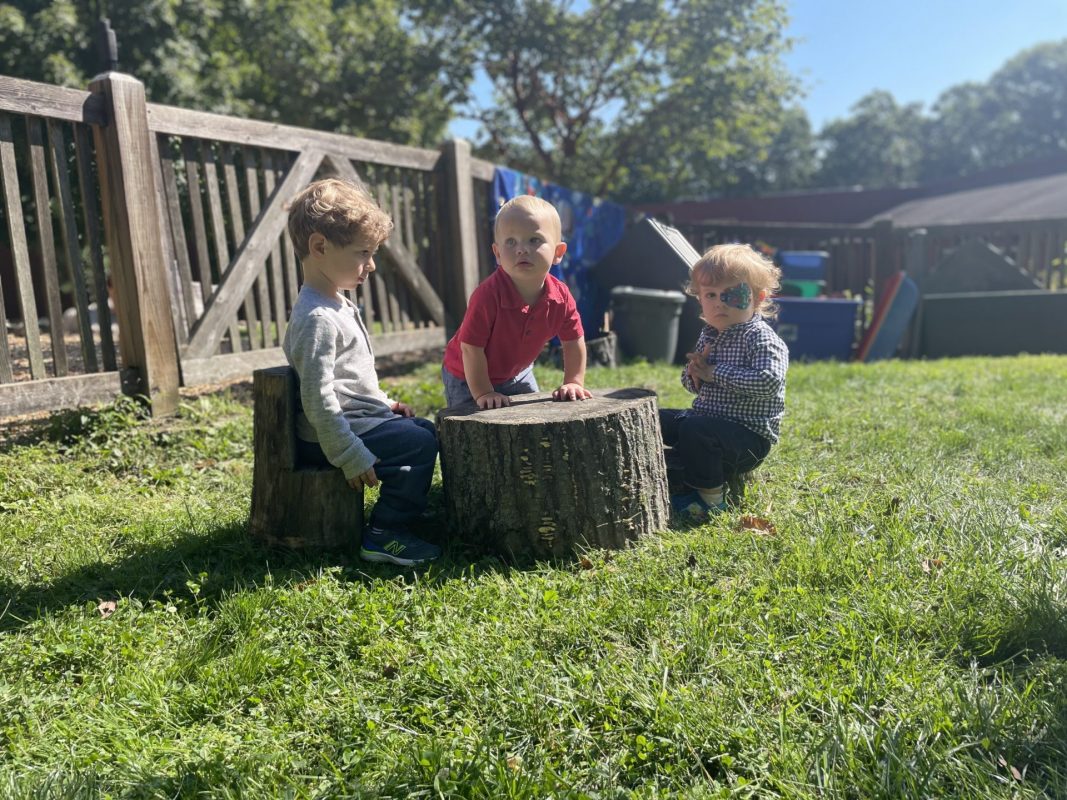
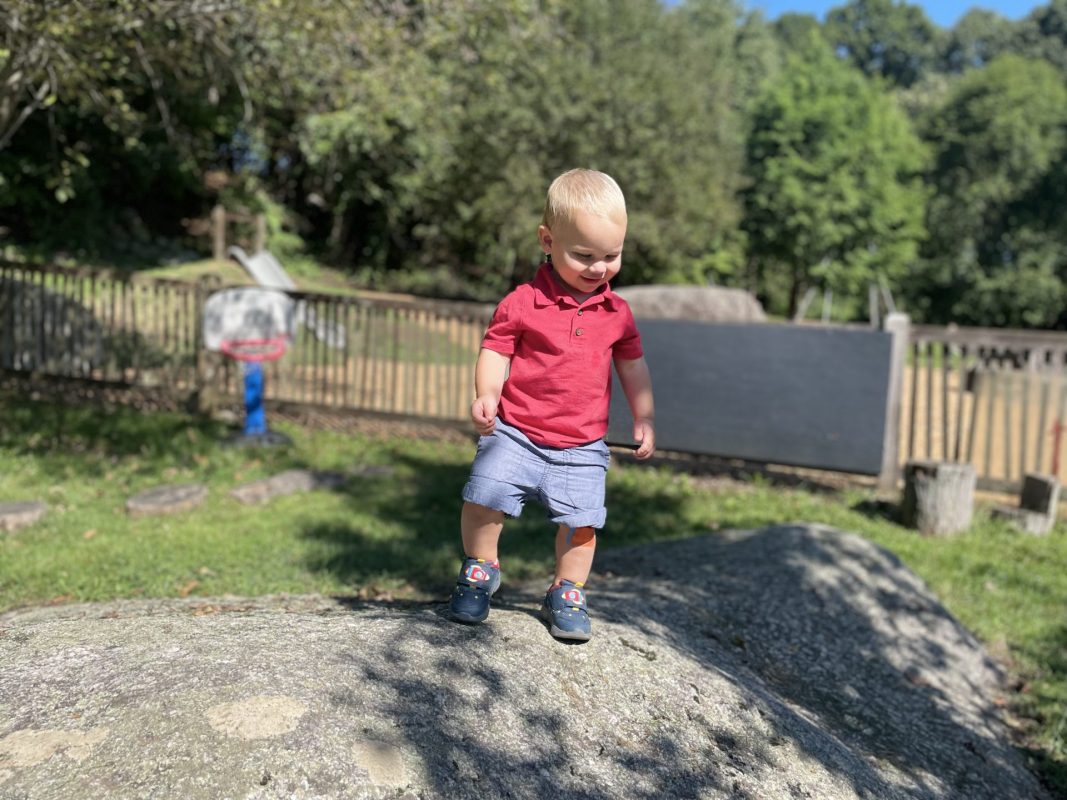
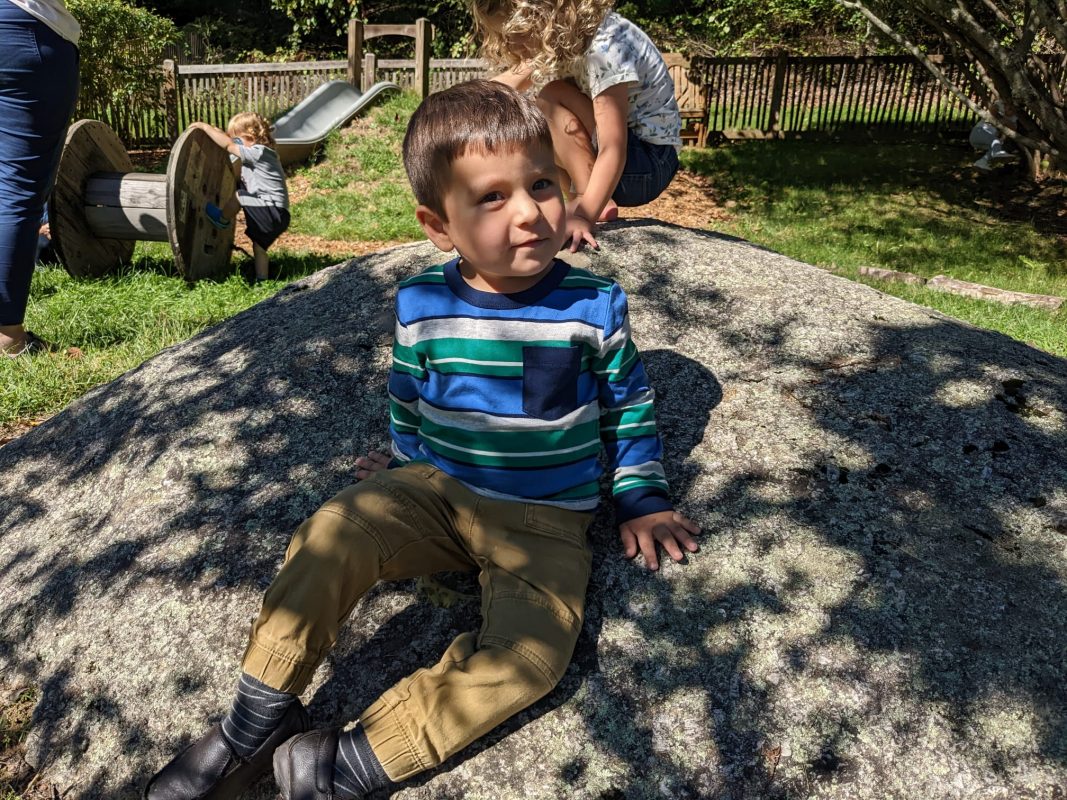
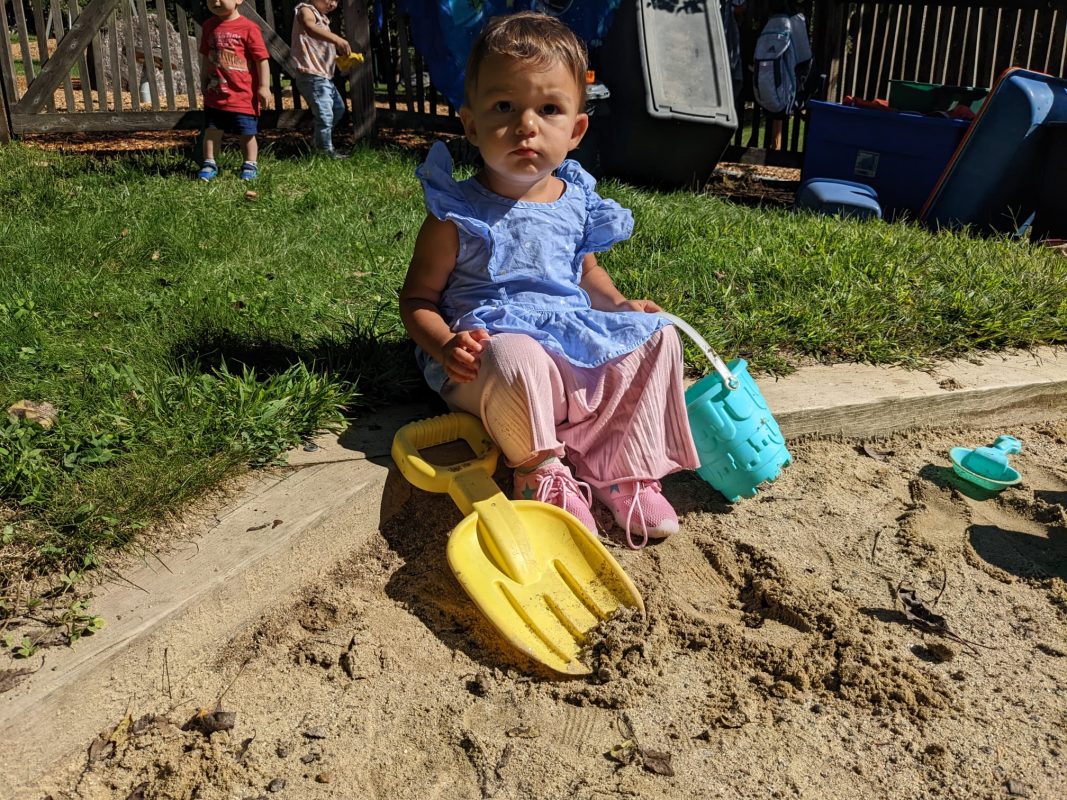
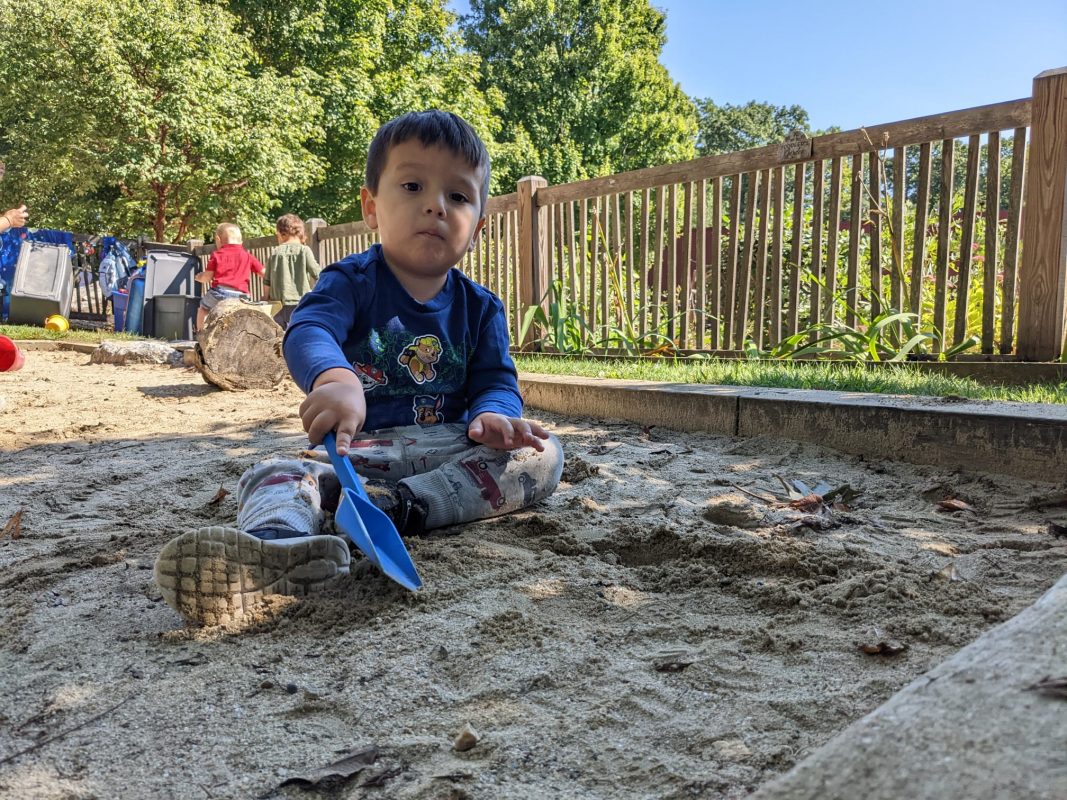
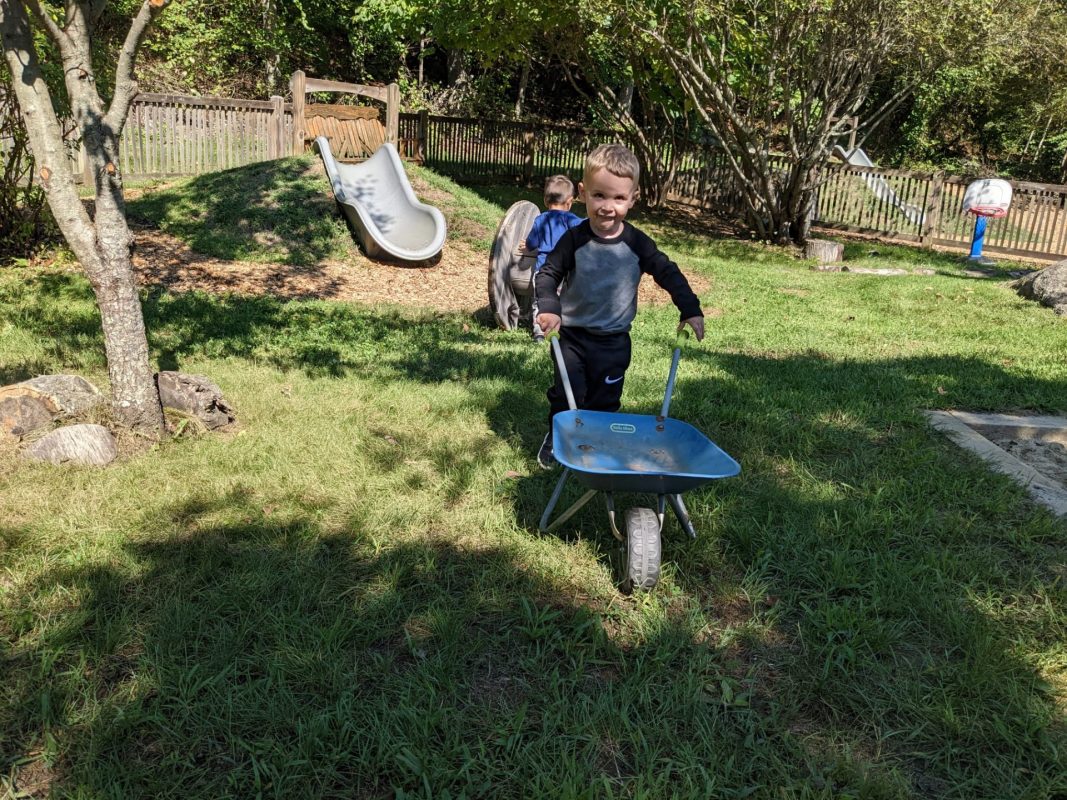
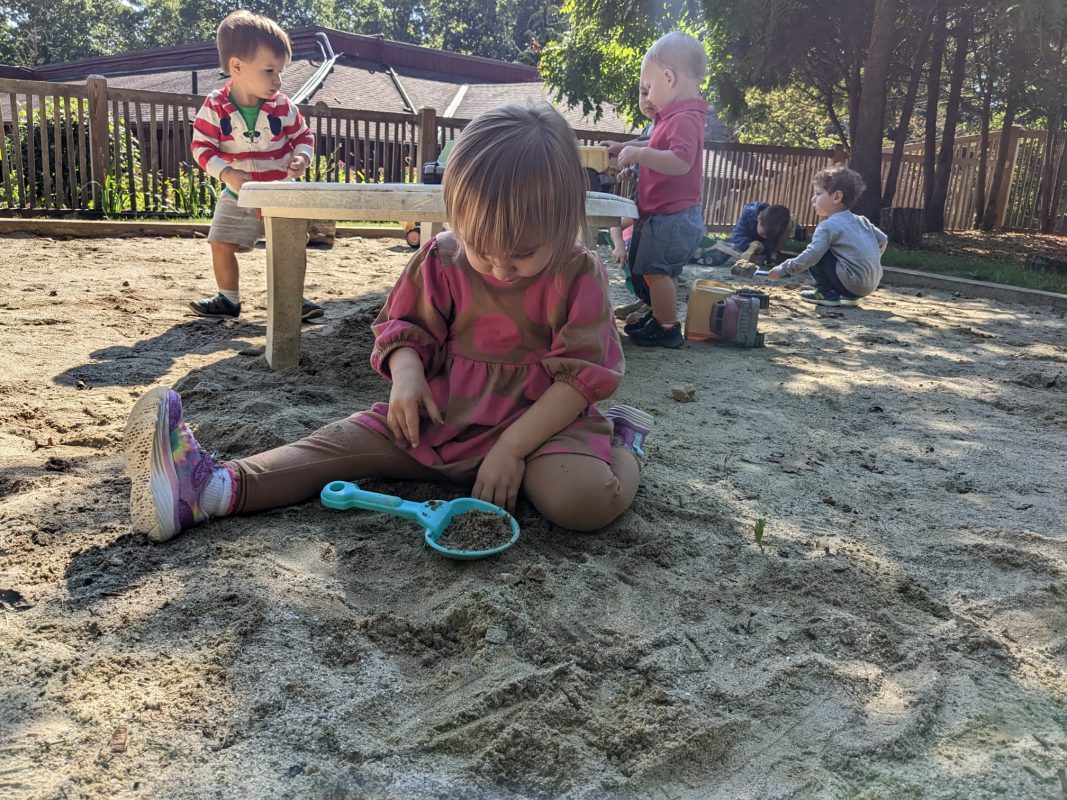
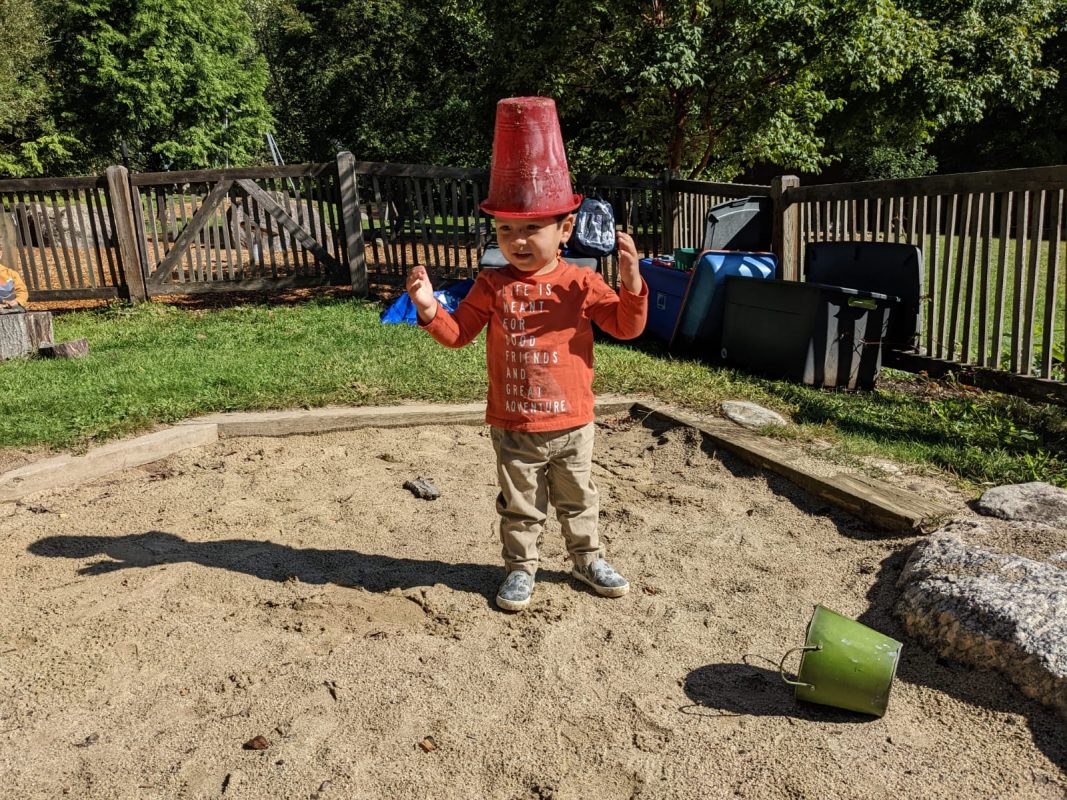
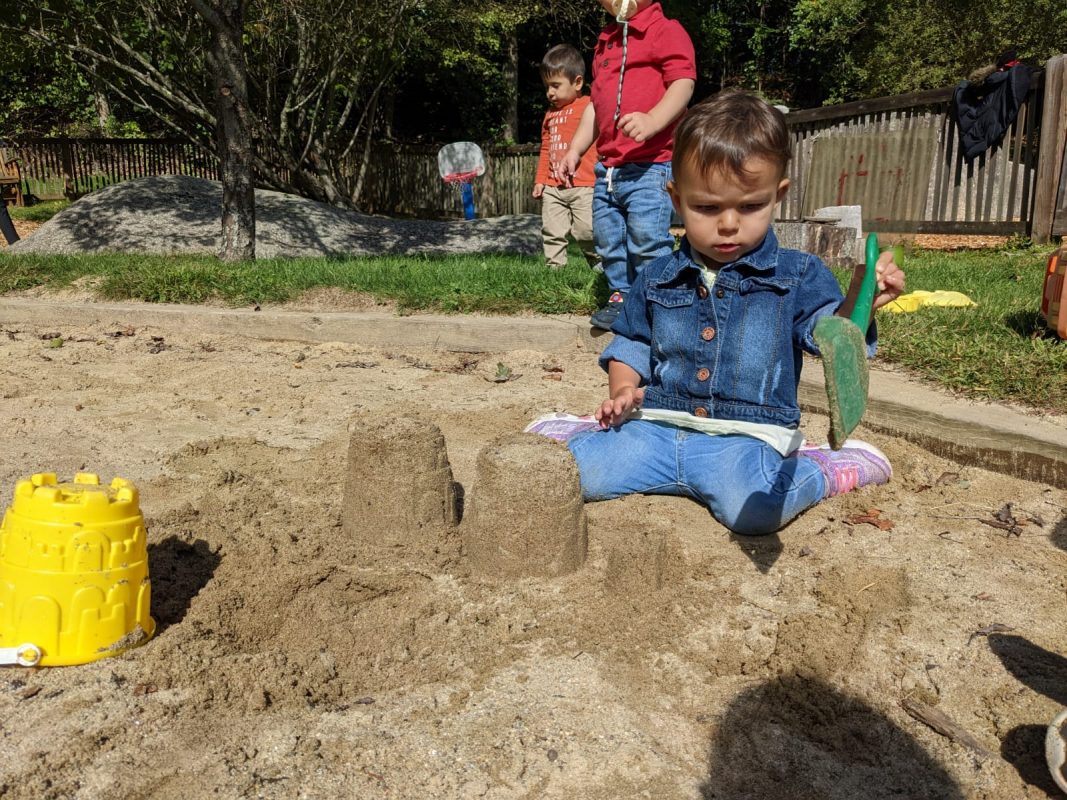
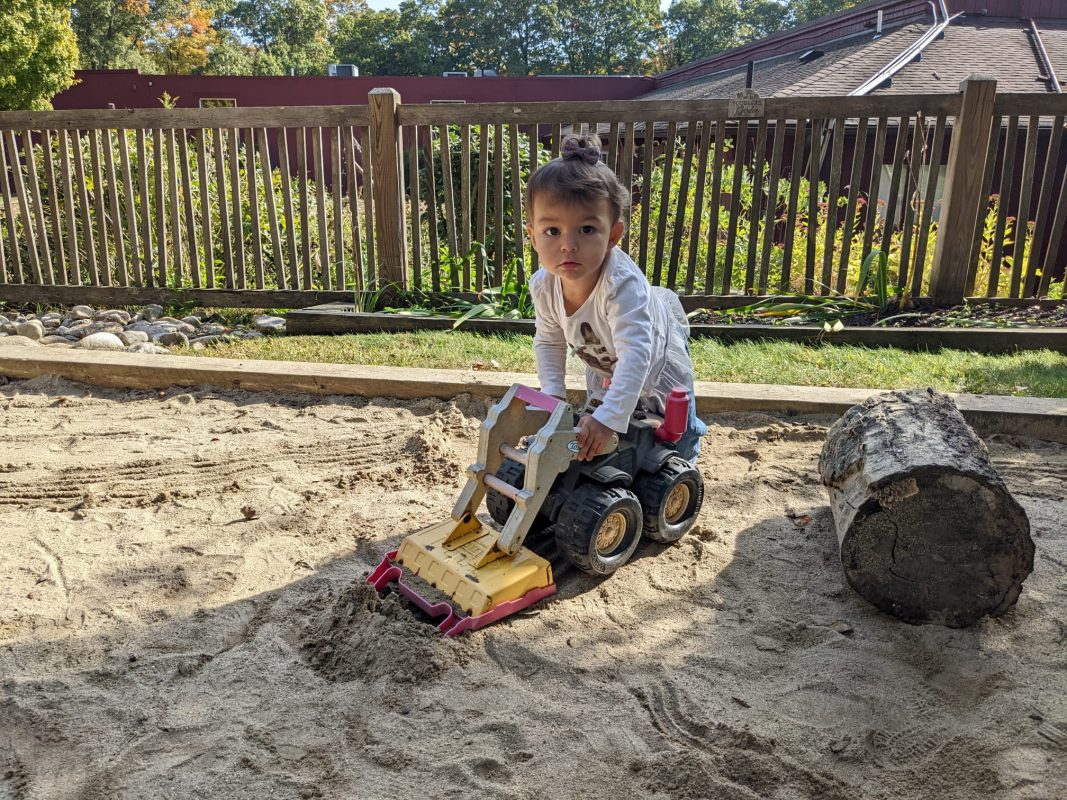
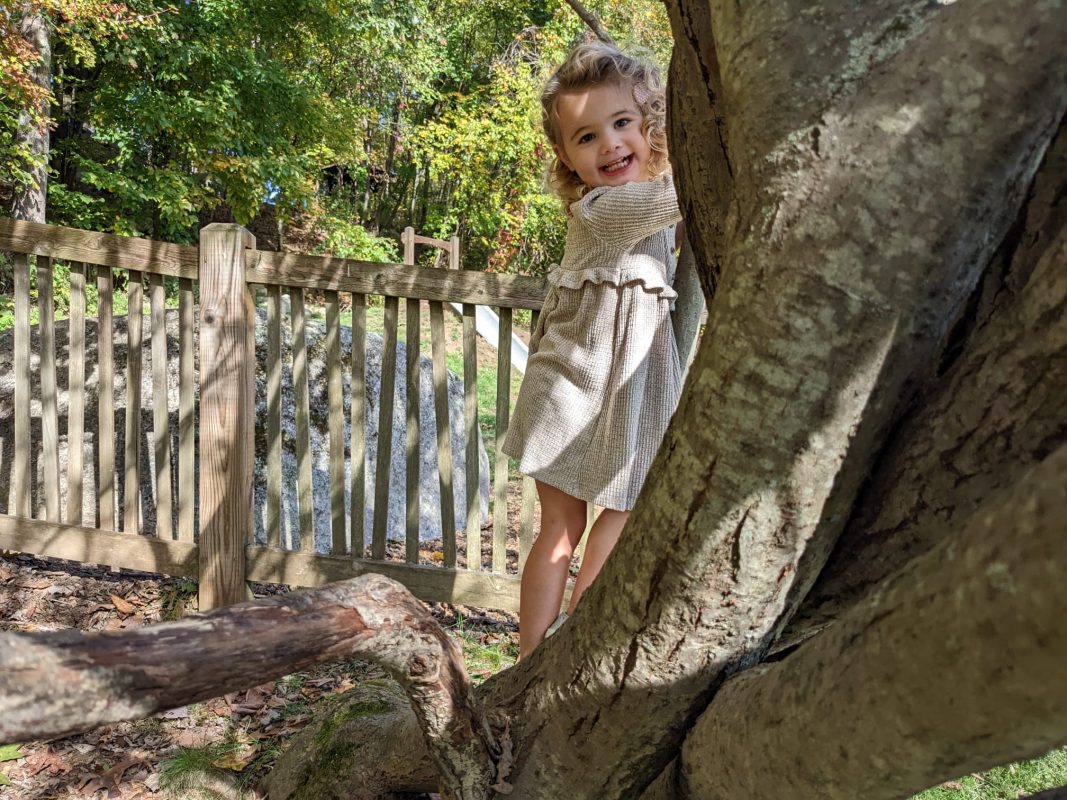
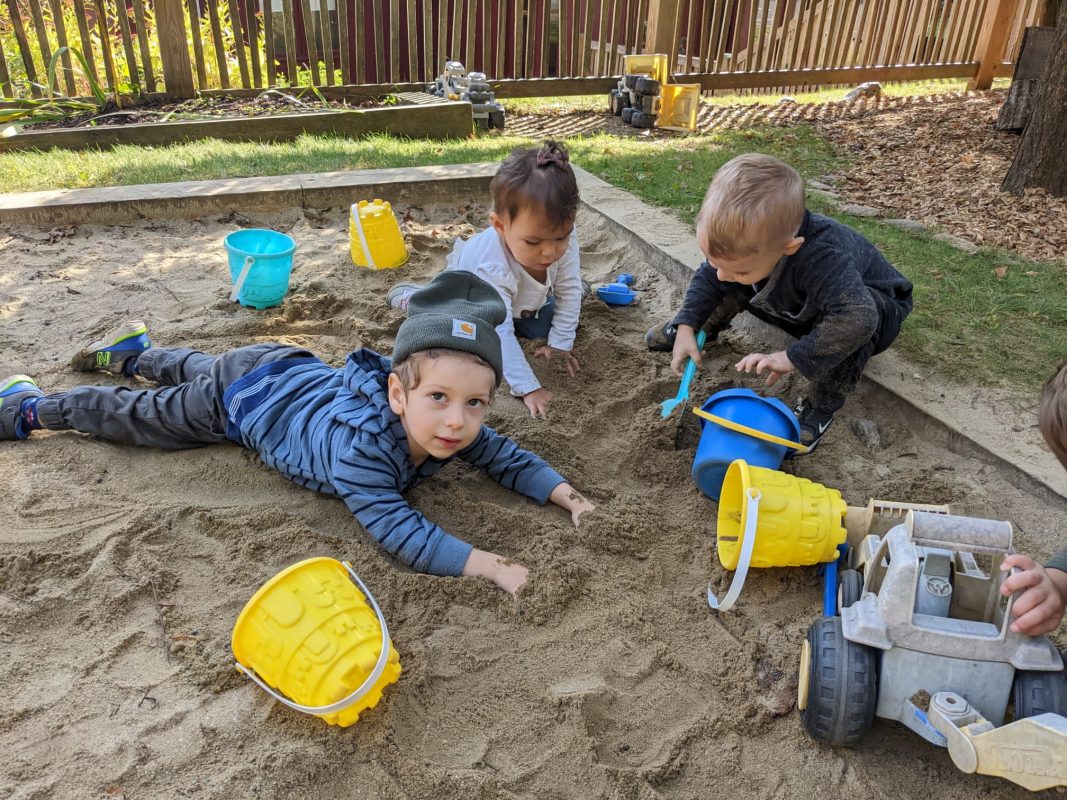
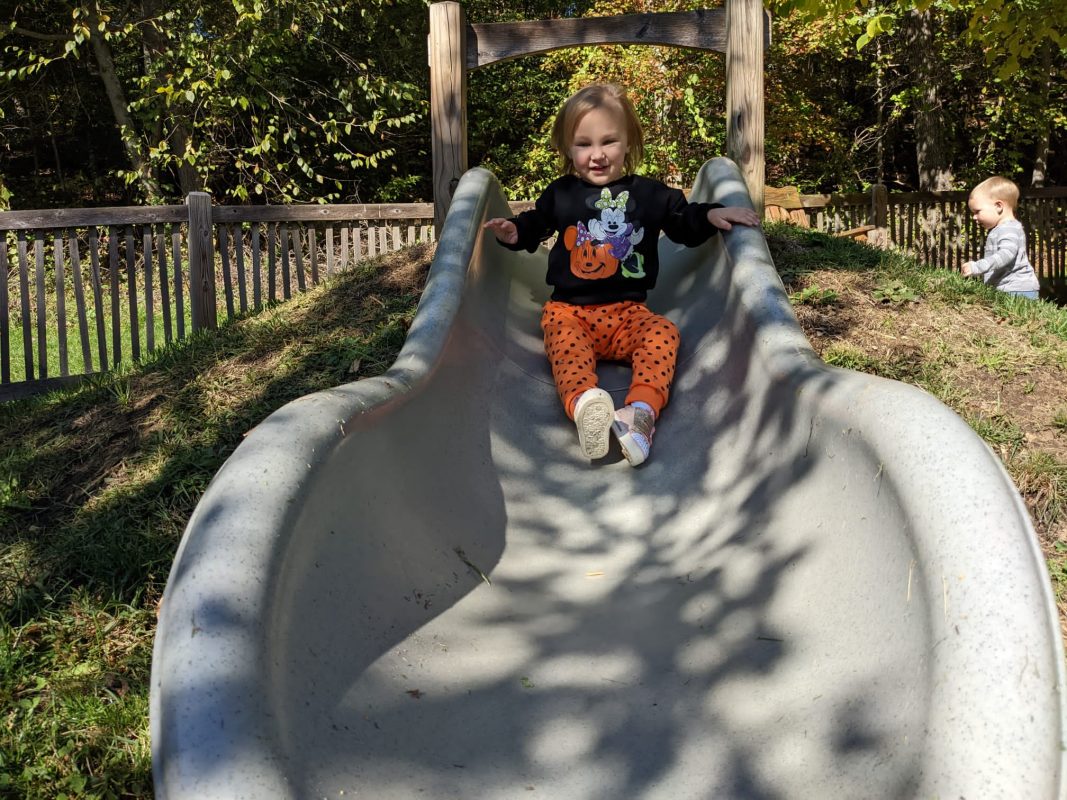
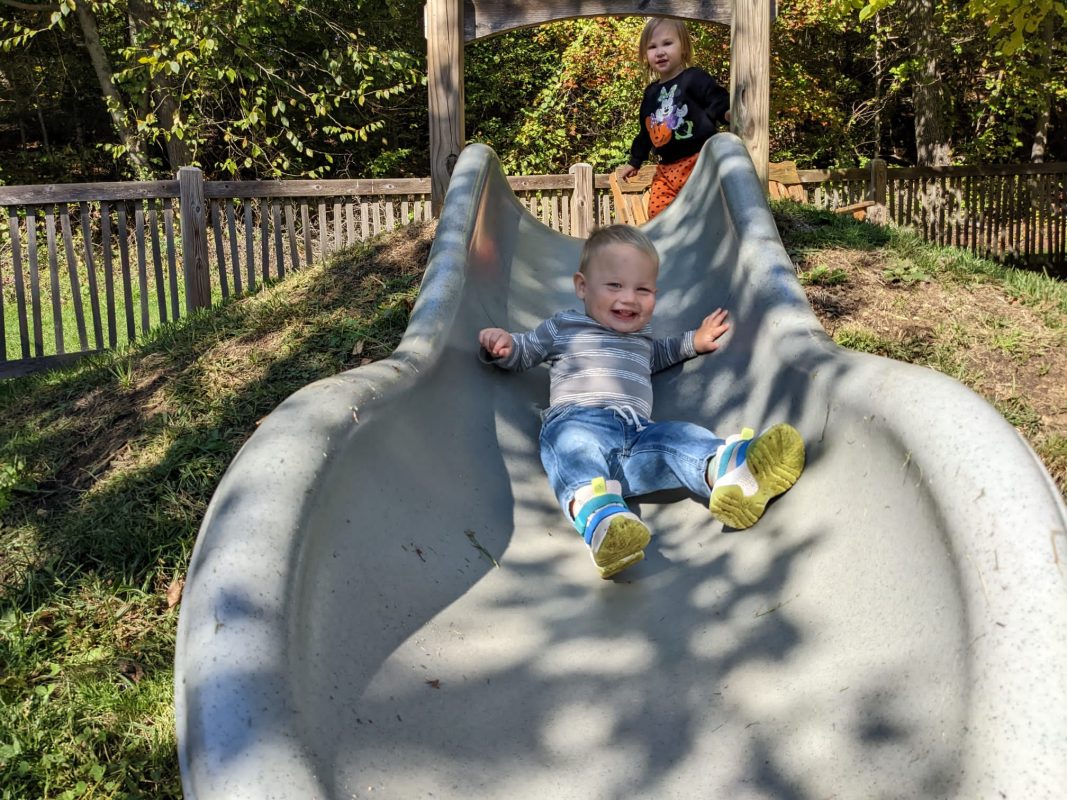
We are also practicing walking and transitioning from one space to another, such as from the classroom to outside, by using a walking rope. The rope helps give the children a visual so that eventually they will understand the concept of walking together in a line. They really seem to enjoy our outdoor environment. Especially the sandbox and trucks.

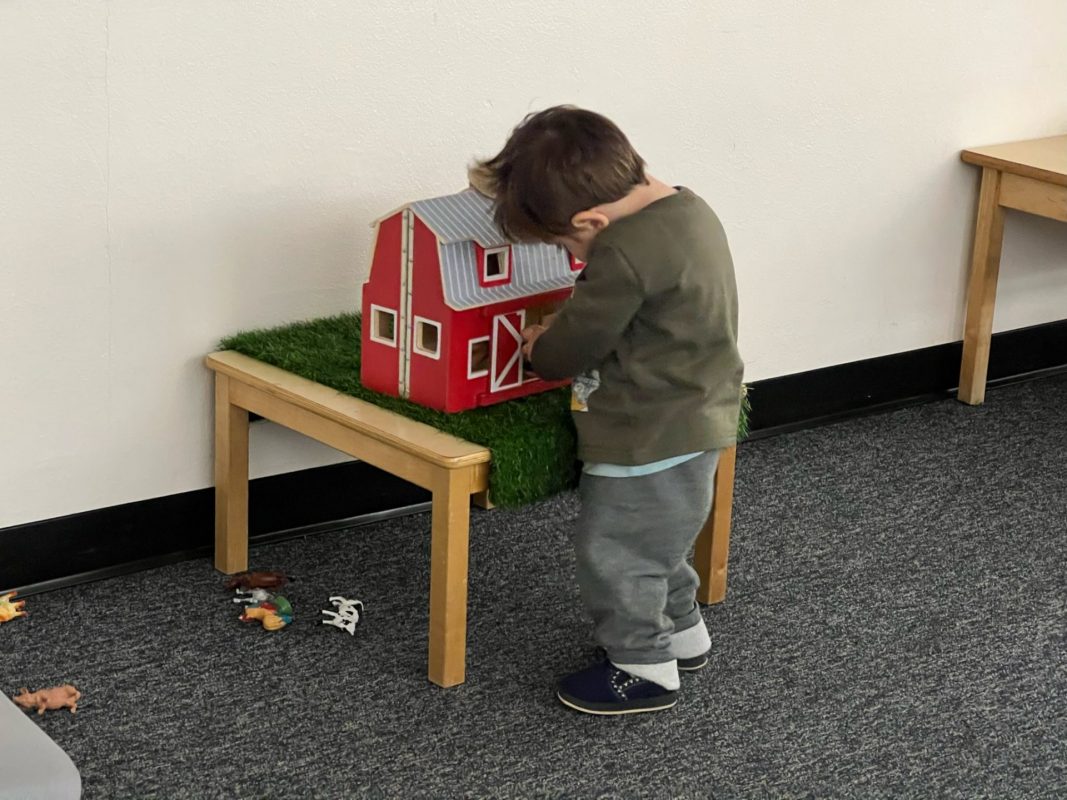
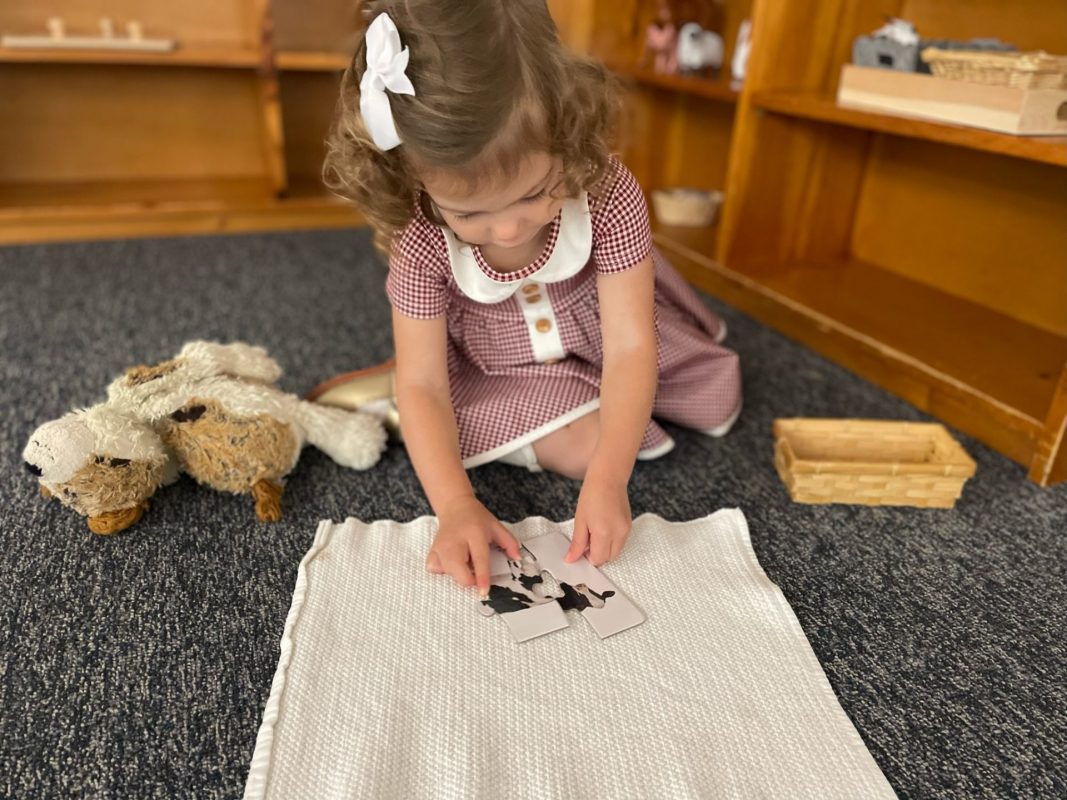
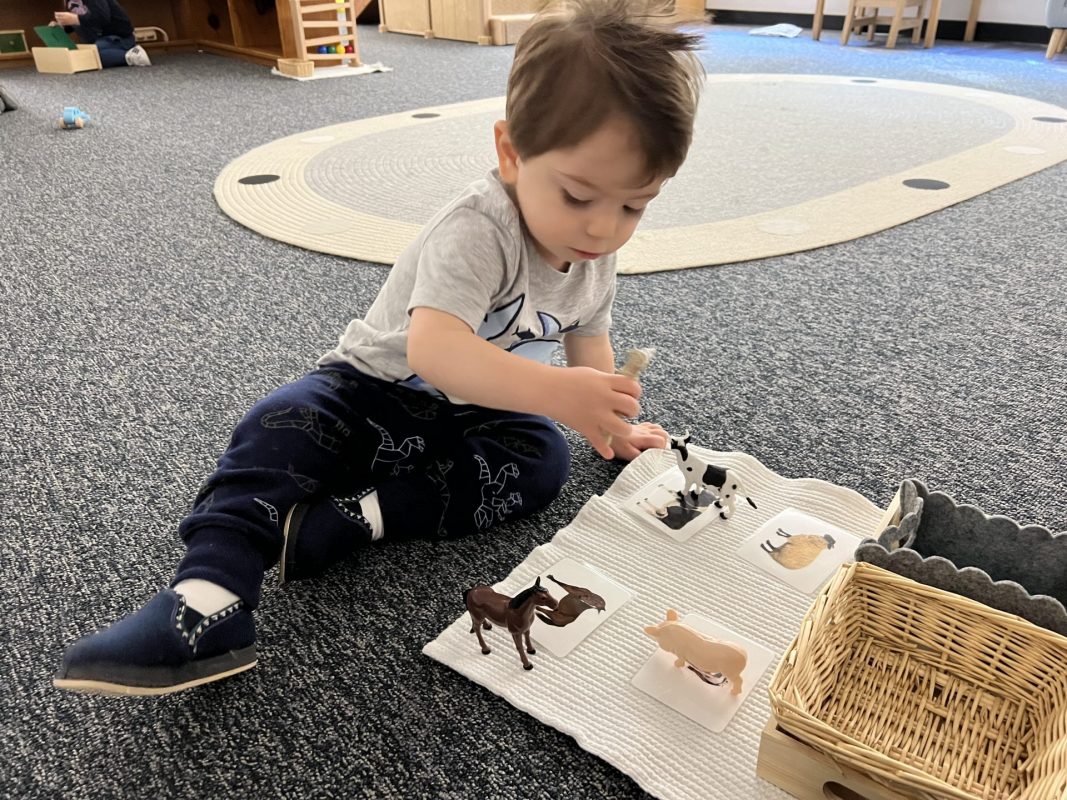
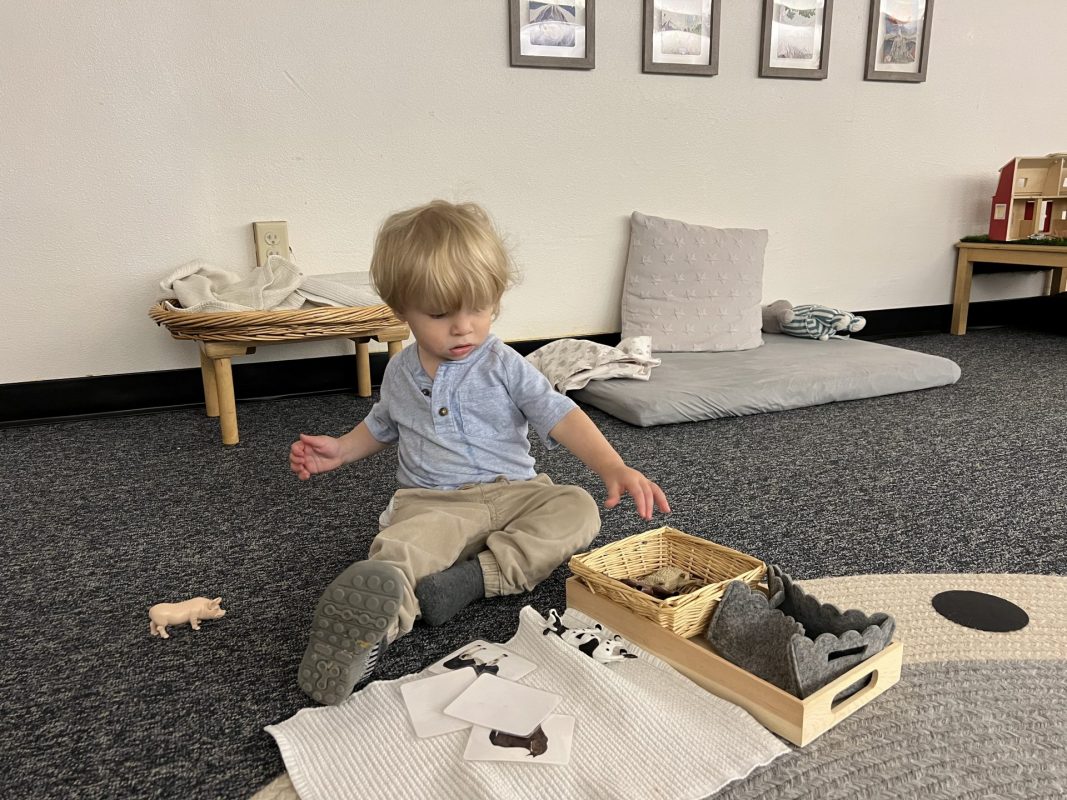
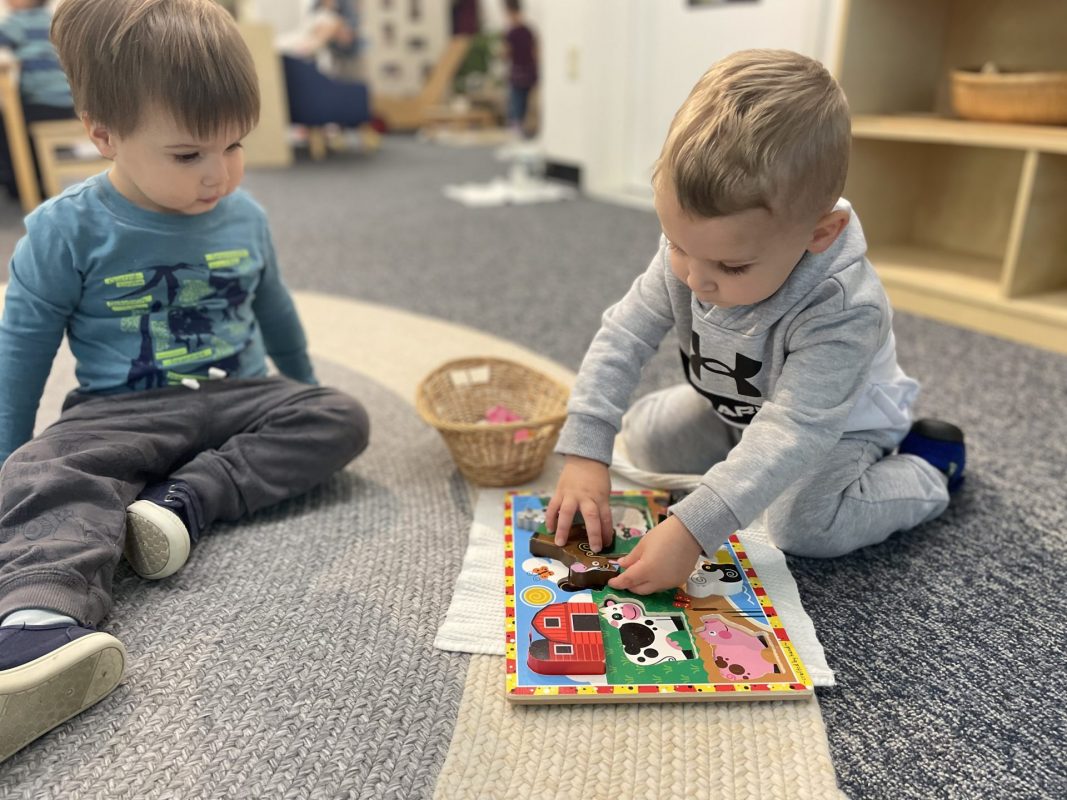
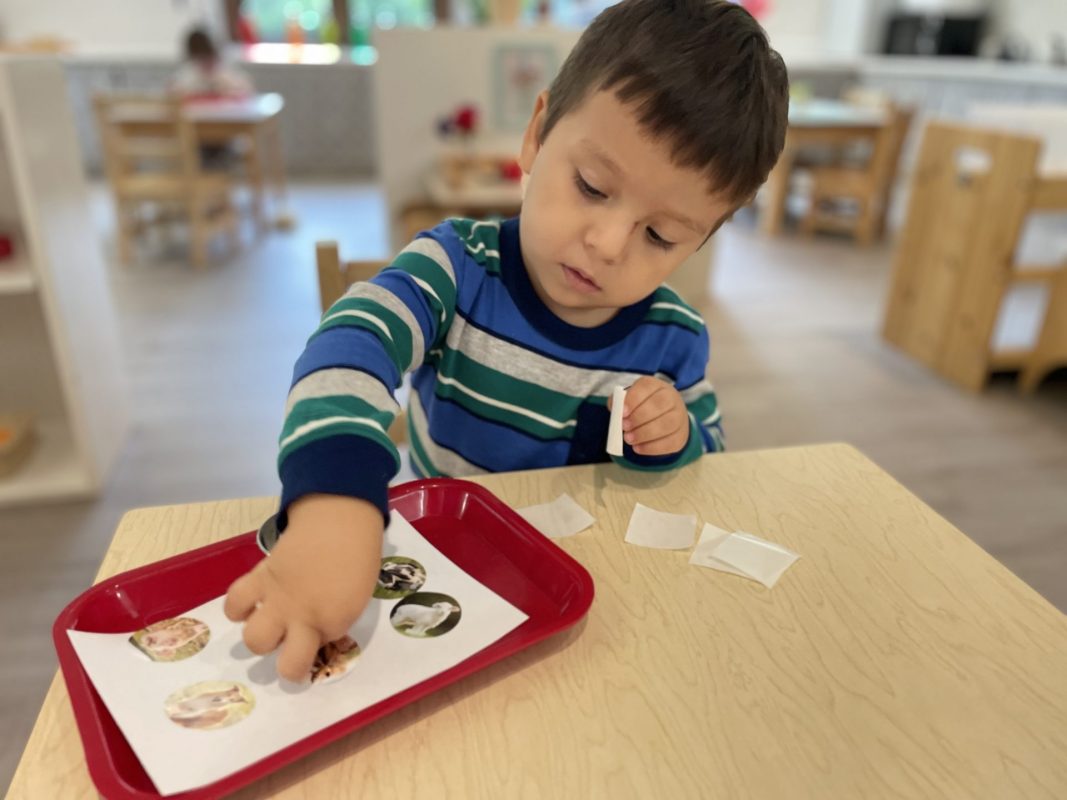
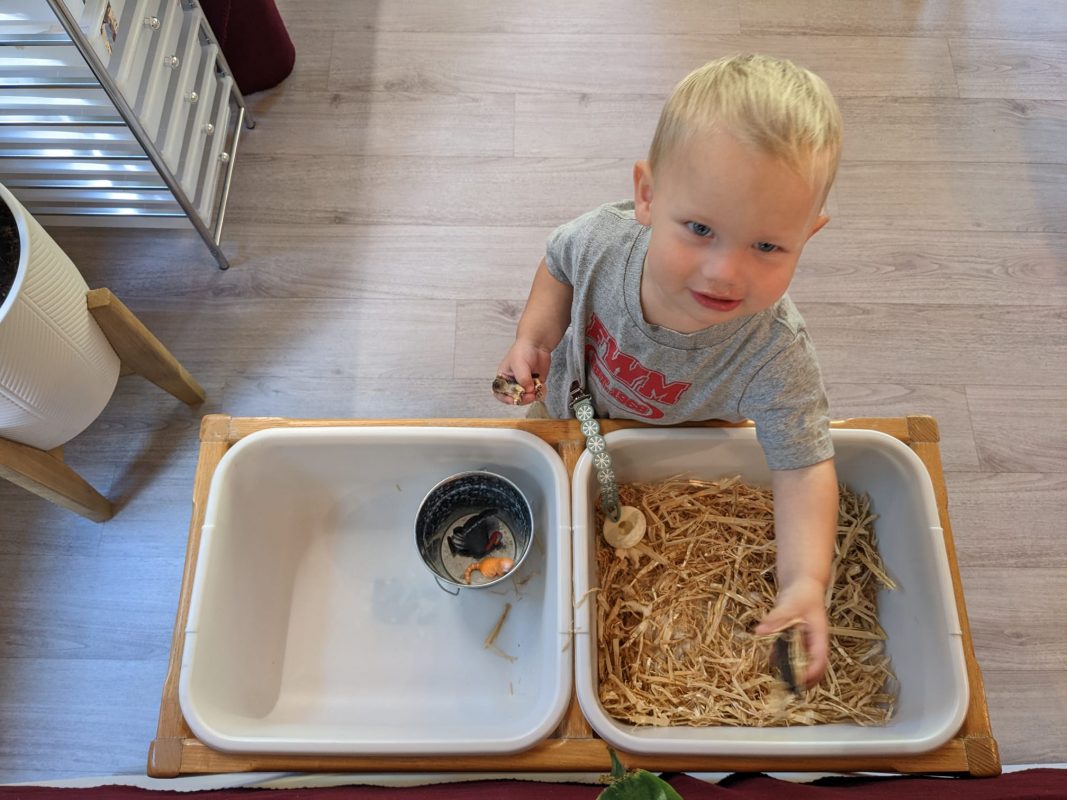
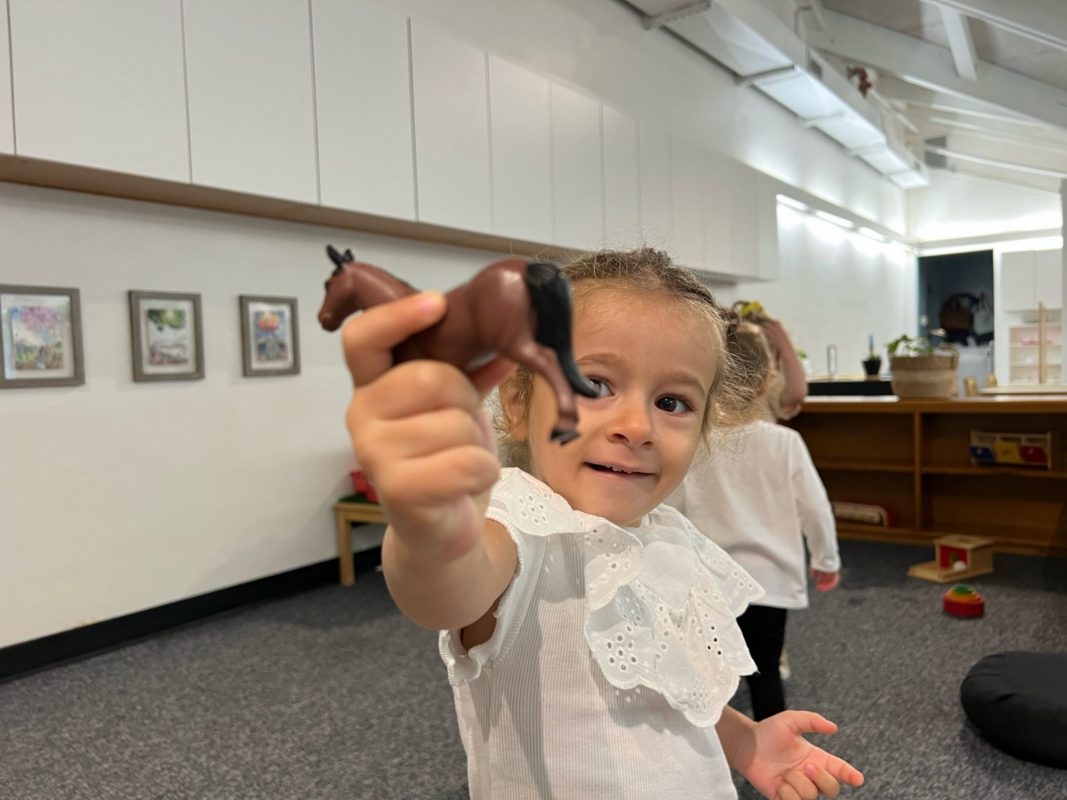
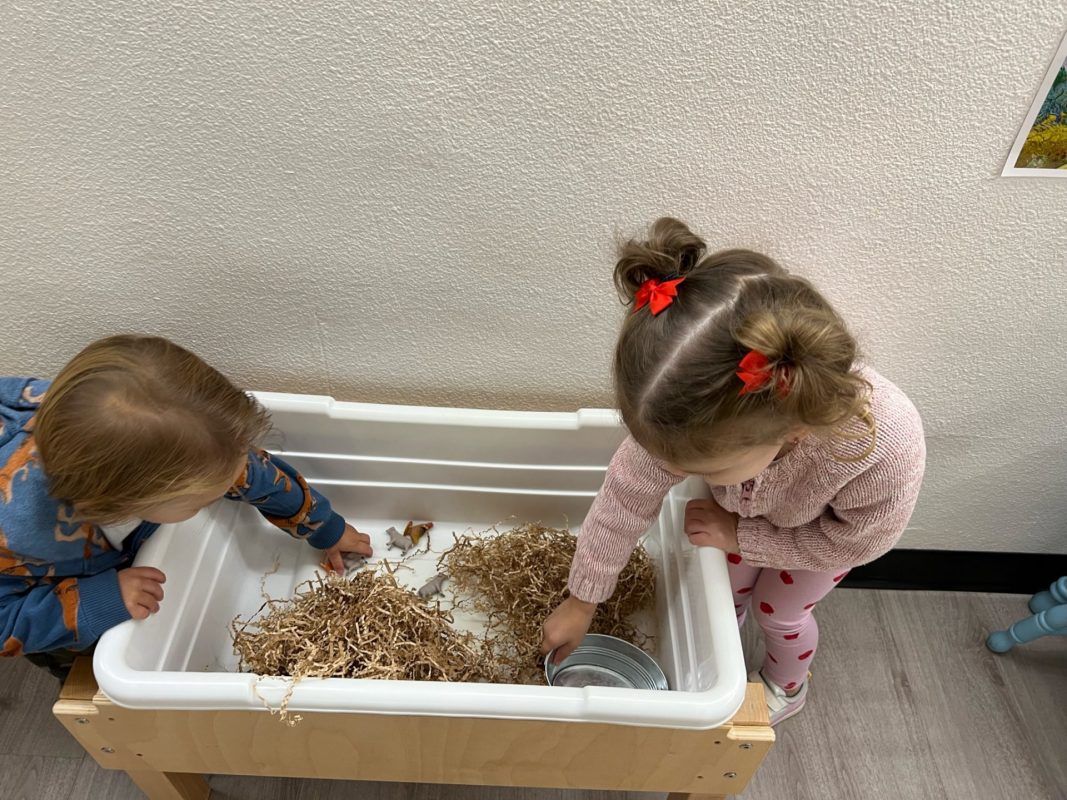
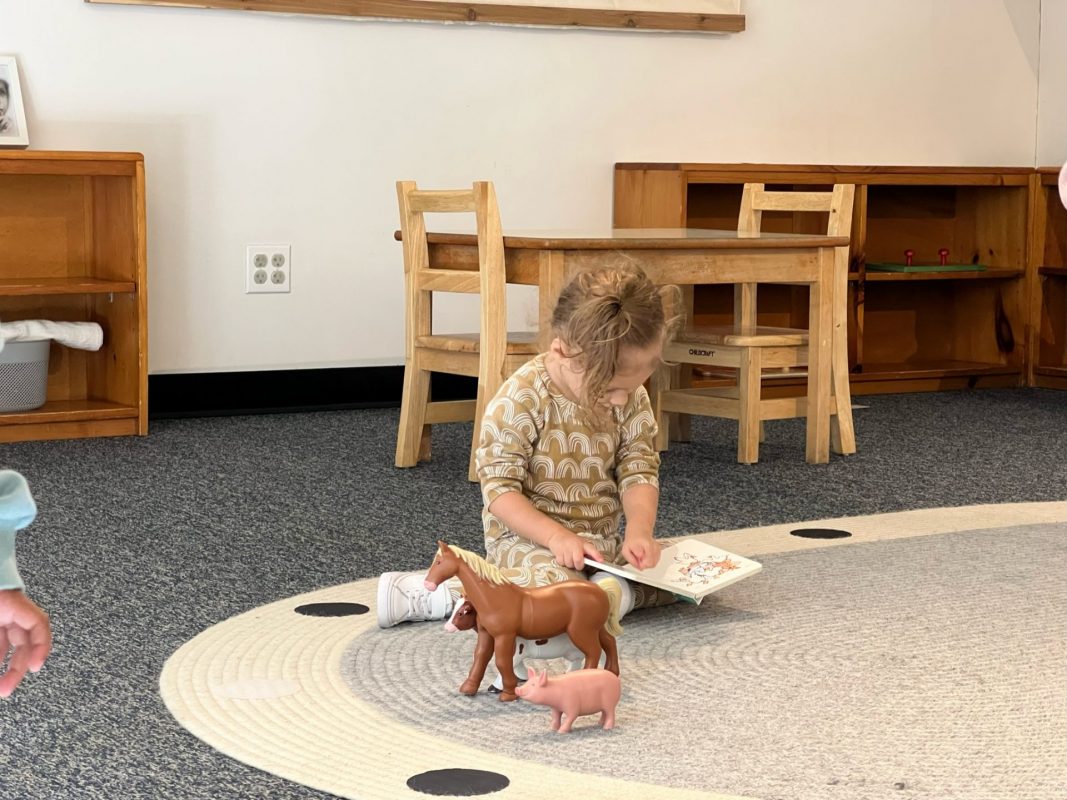
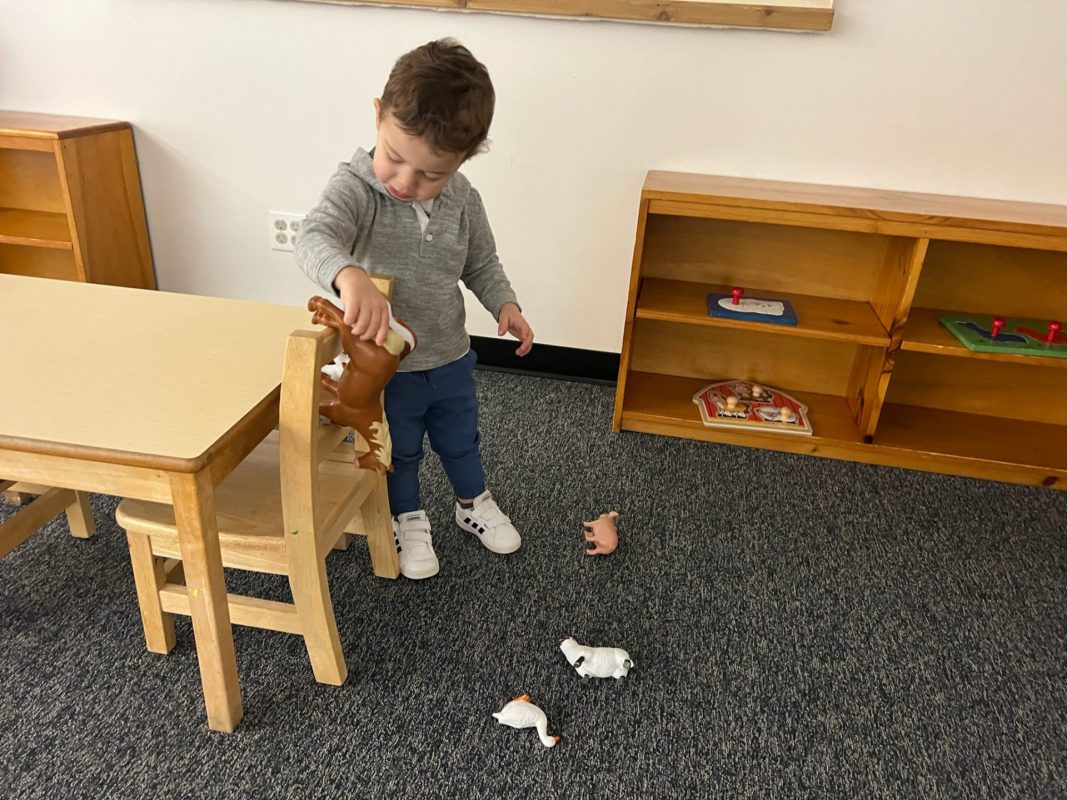
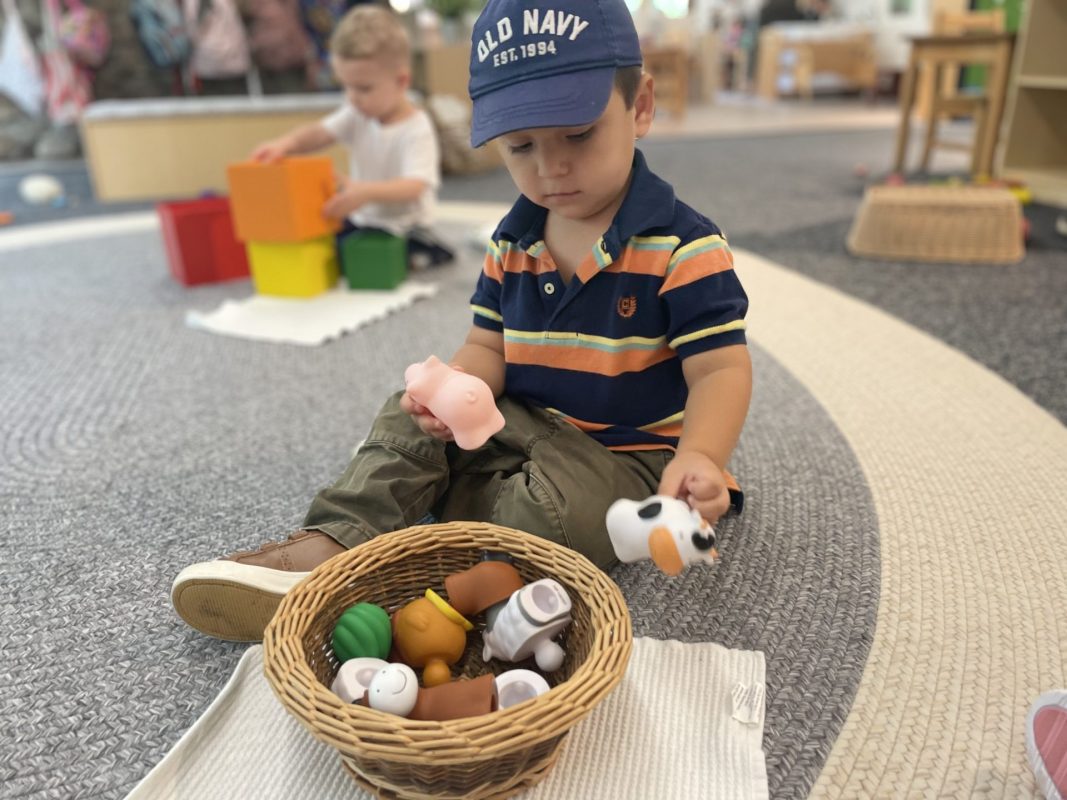
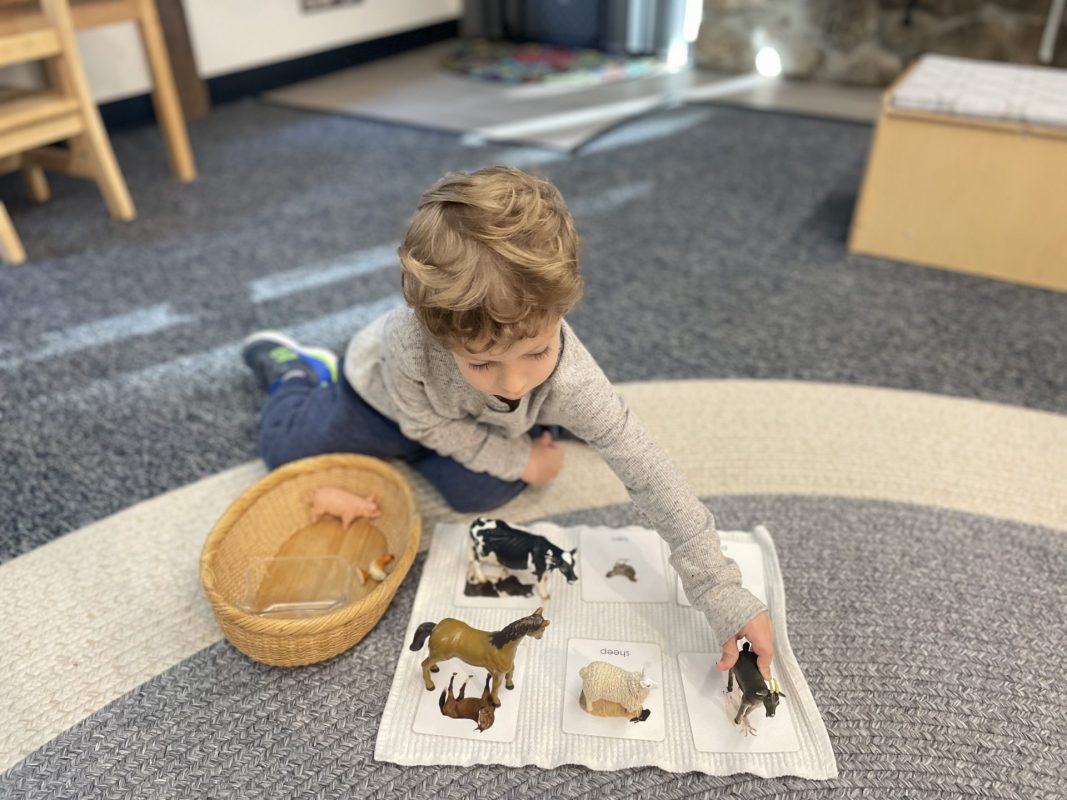
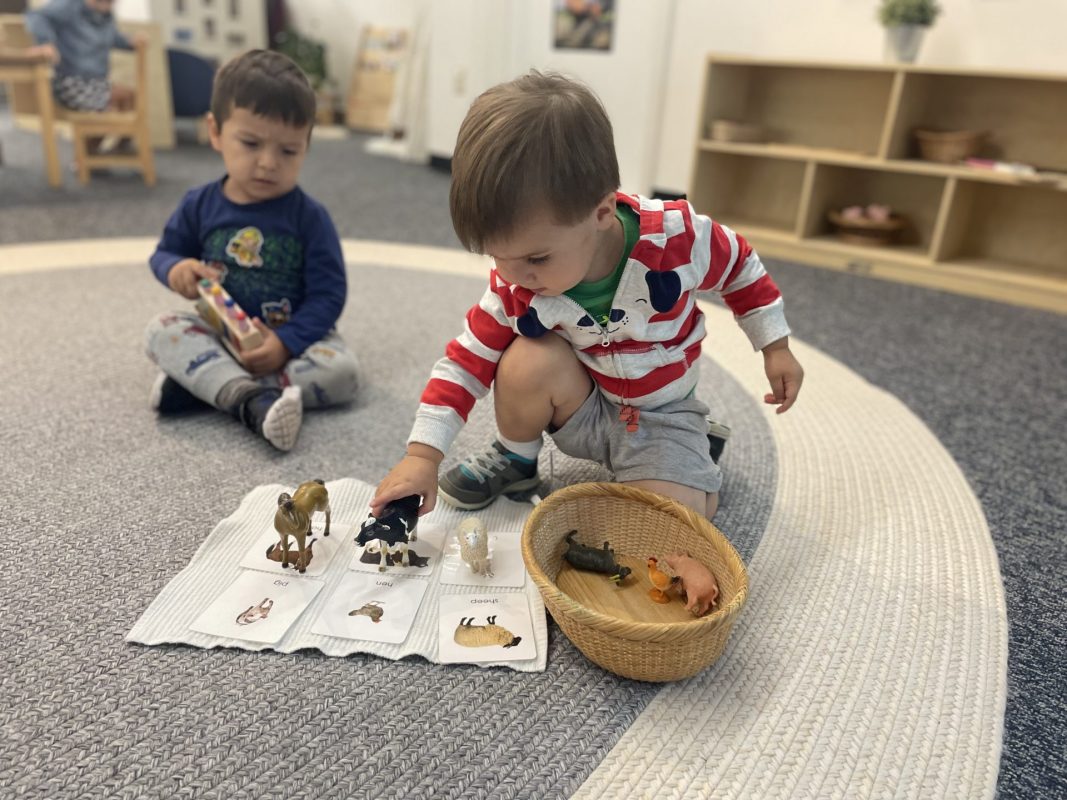
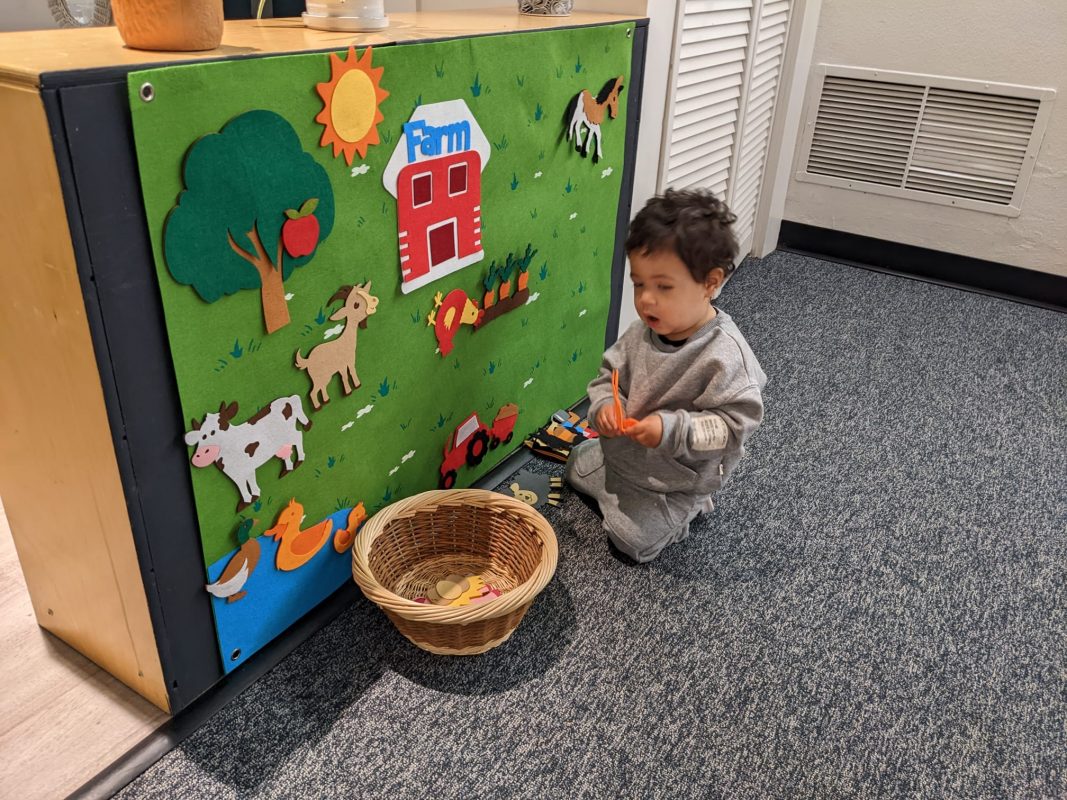
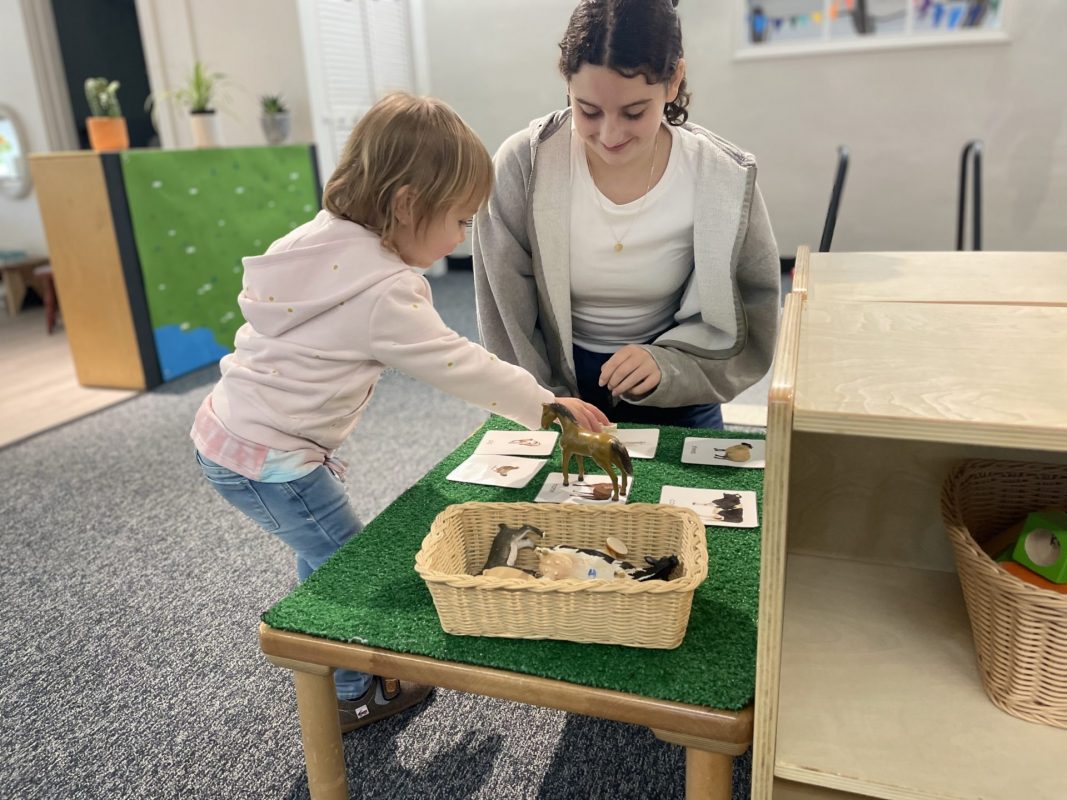
This week we introduced the farm animals. Farm animals are familiar to most children. Not only do most children like to play with them, but they offer a hidden agenda for pre-reading. The farm animals are a great way to help develop more language. Naming the animals adds to their vocabulary. Making coordinating animal sounds is helping to develop early sounds. For example, saying, “Moo, moo,” and “Baa, baa,” helps them strengthen different mouth muscles and files away simple syllable structures such as consonant-vowel combinations and patterns.

Have a fantastic weekend,

Mrs. Wilson and Ms. Sara


Mrs. Hood: Slow and Steady!

Your children have started to settle little by little. There are less tears everyday at drop off time and more dancing and giggles throughout the morning. As your children’s confidence and trust have increased, they have started to explore the environment more intentionally. They have even started to socialize with some of their peers. Those that are able to say a few words have started to recognize and call their friends by their names.

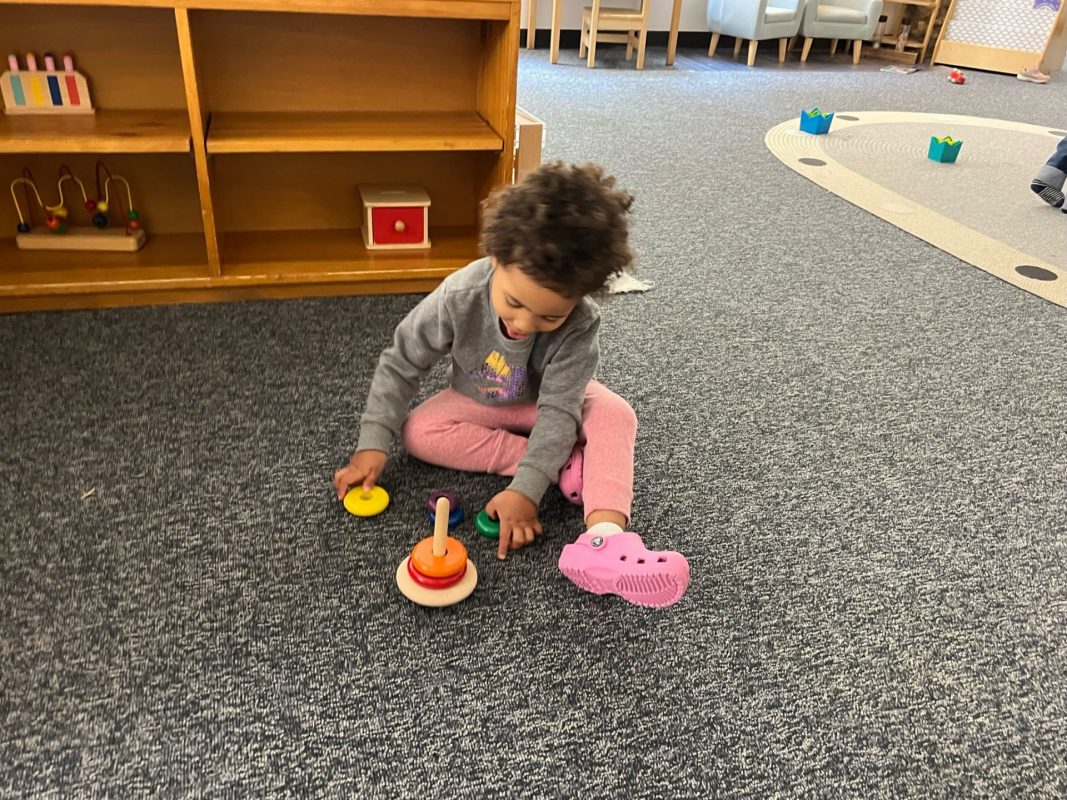
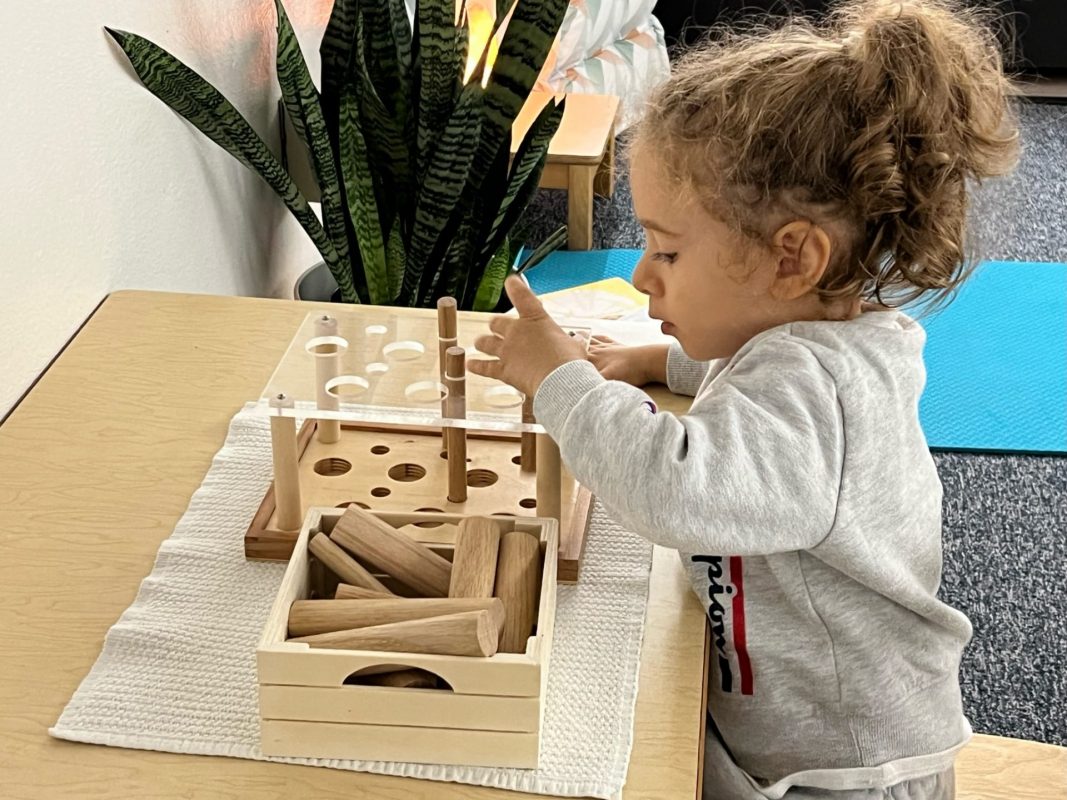
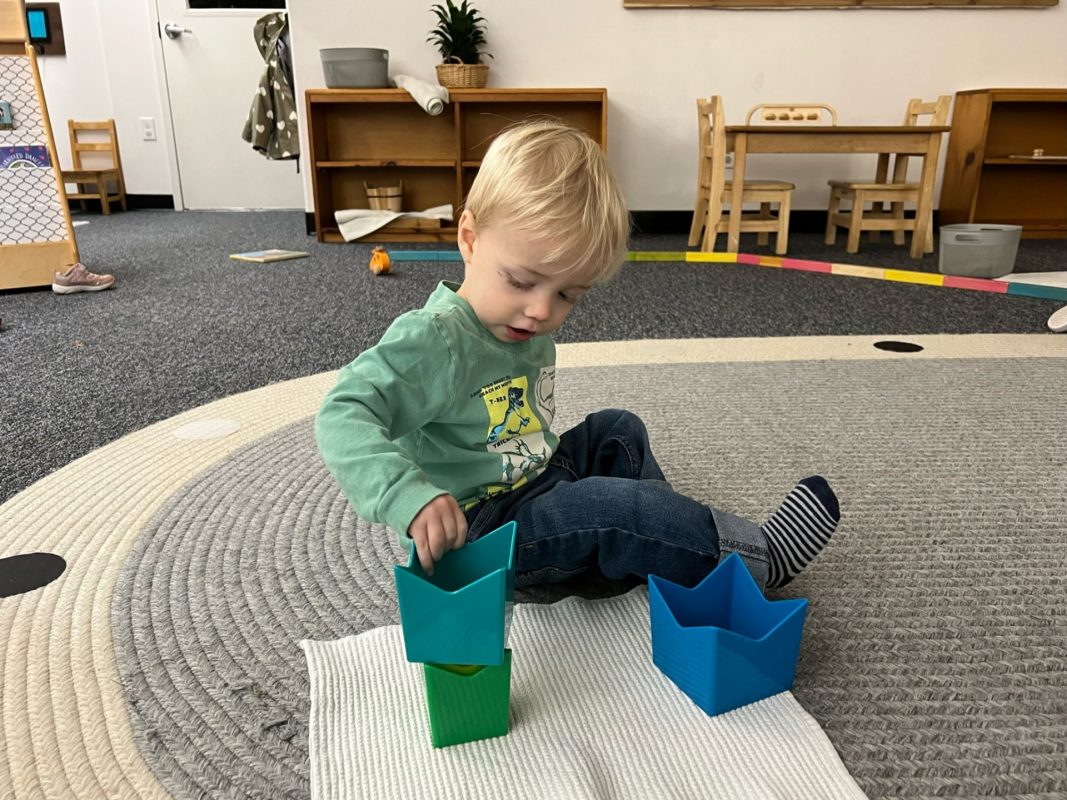
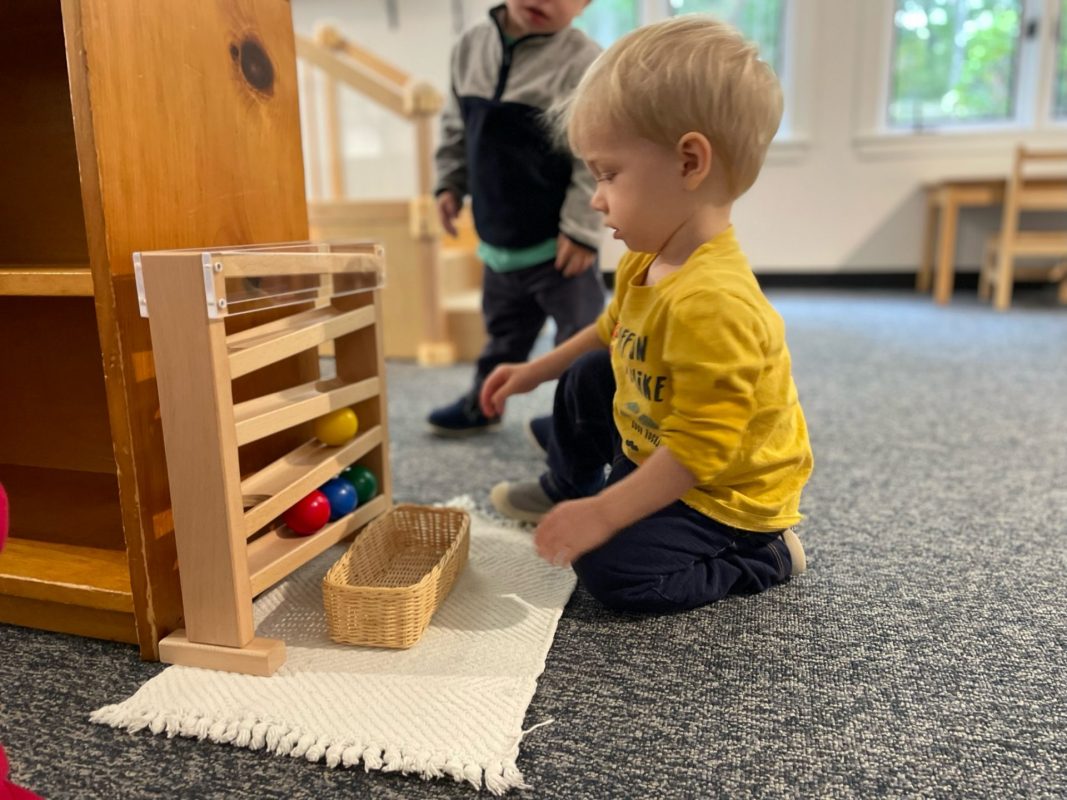
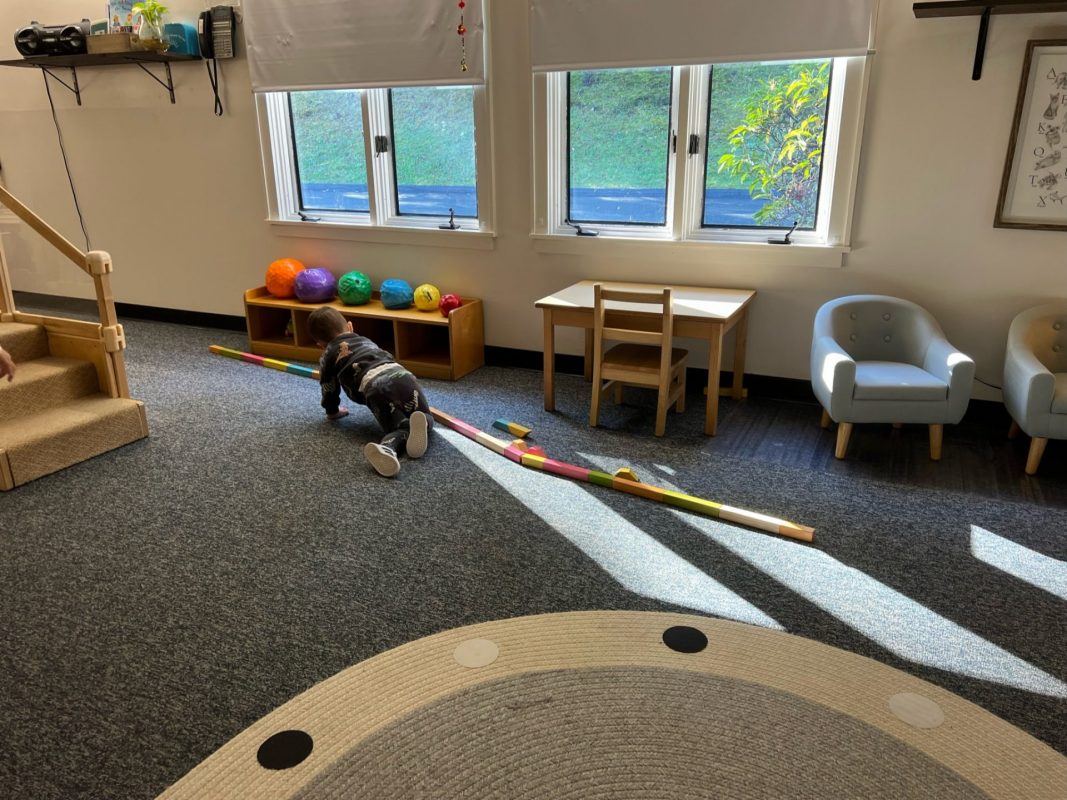
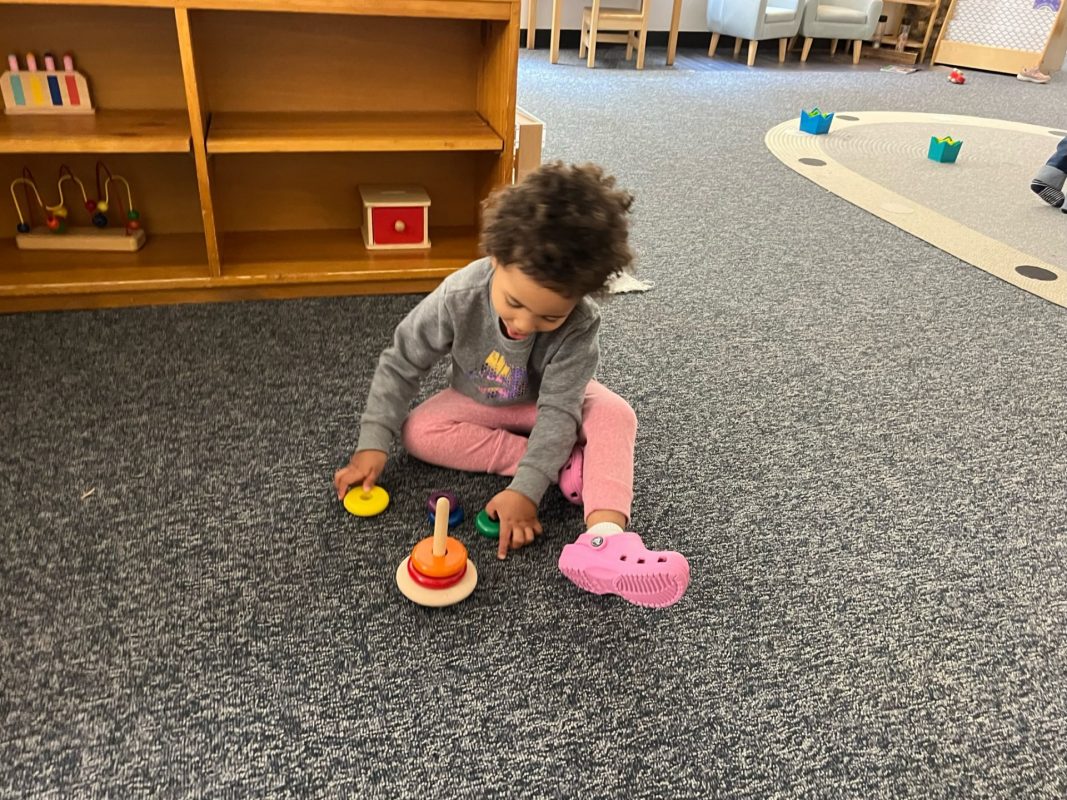
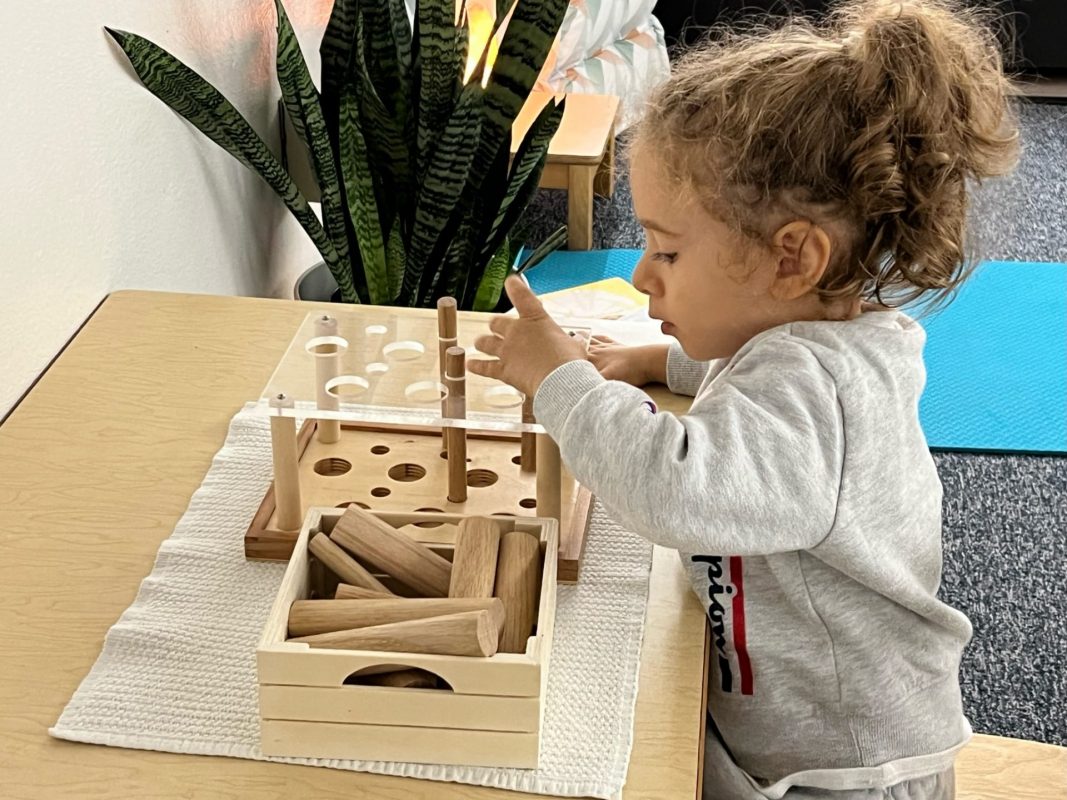
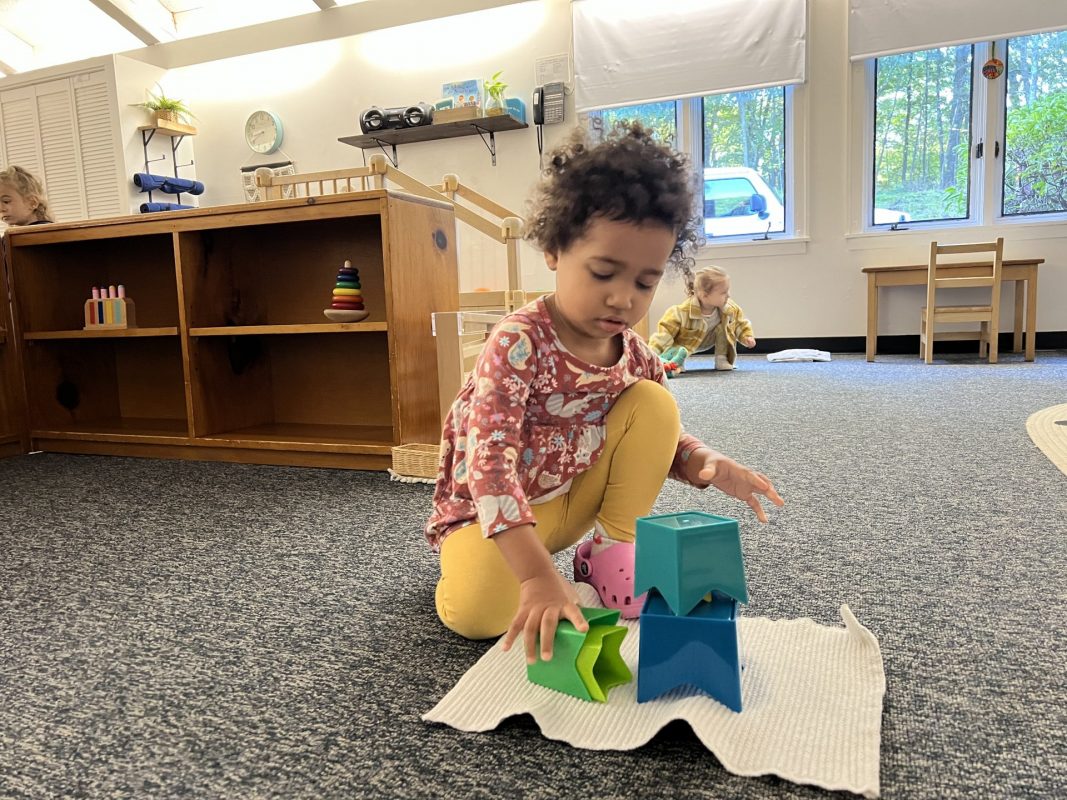
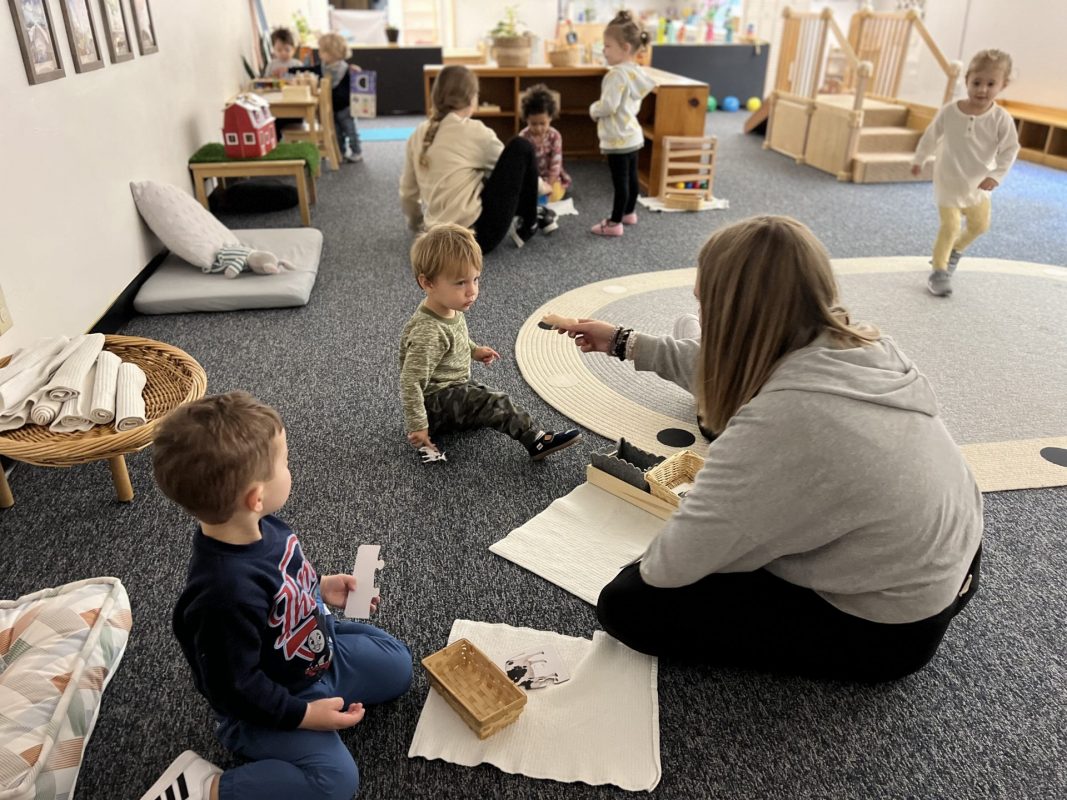
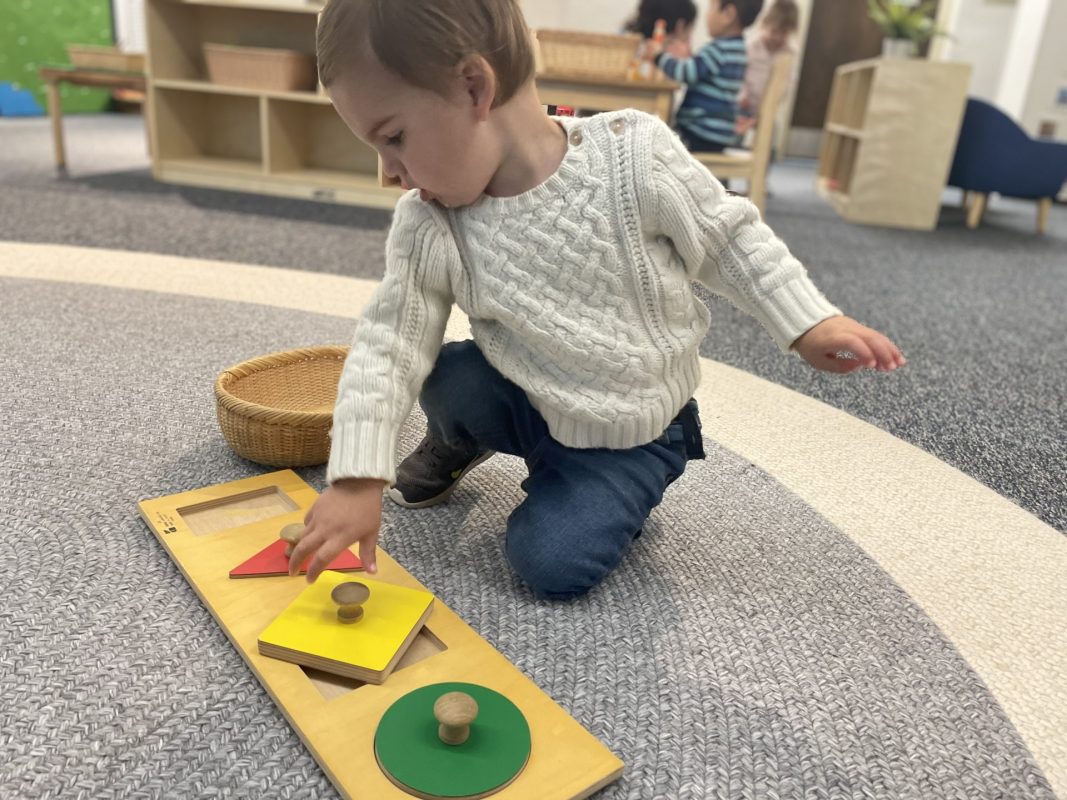
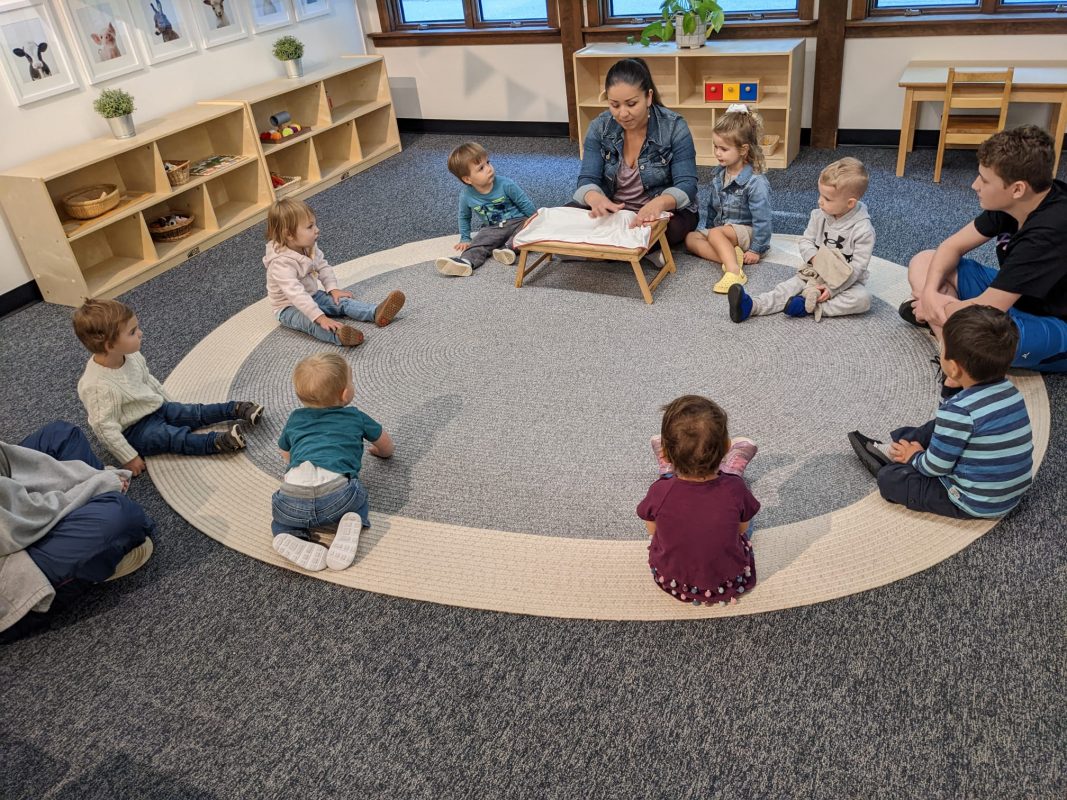
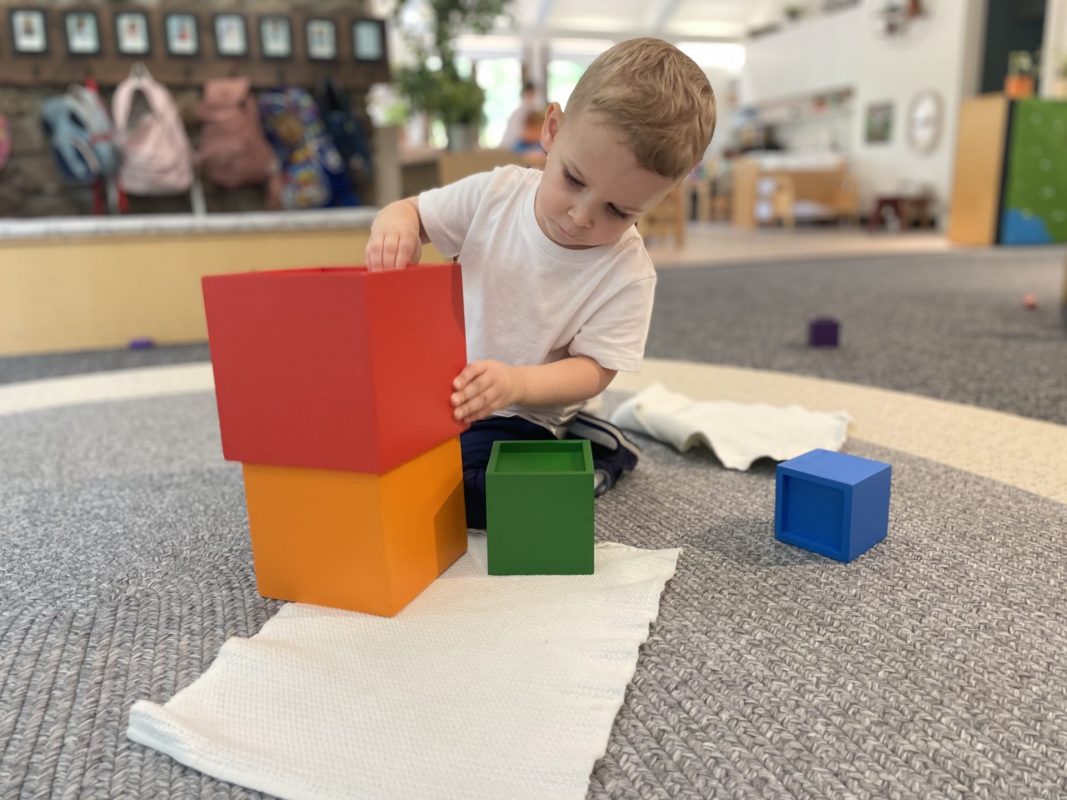
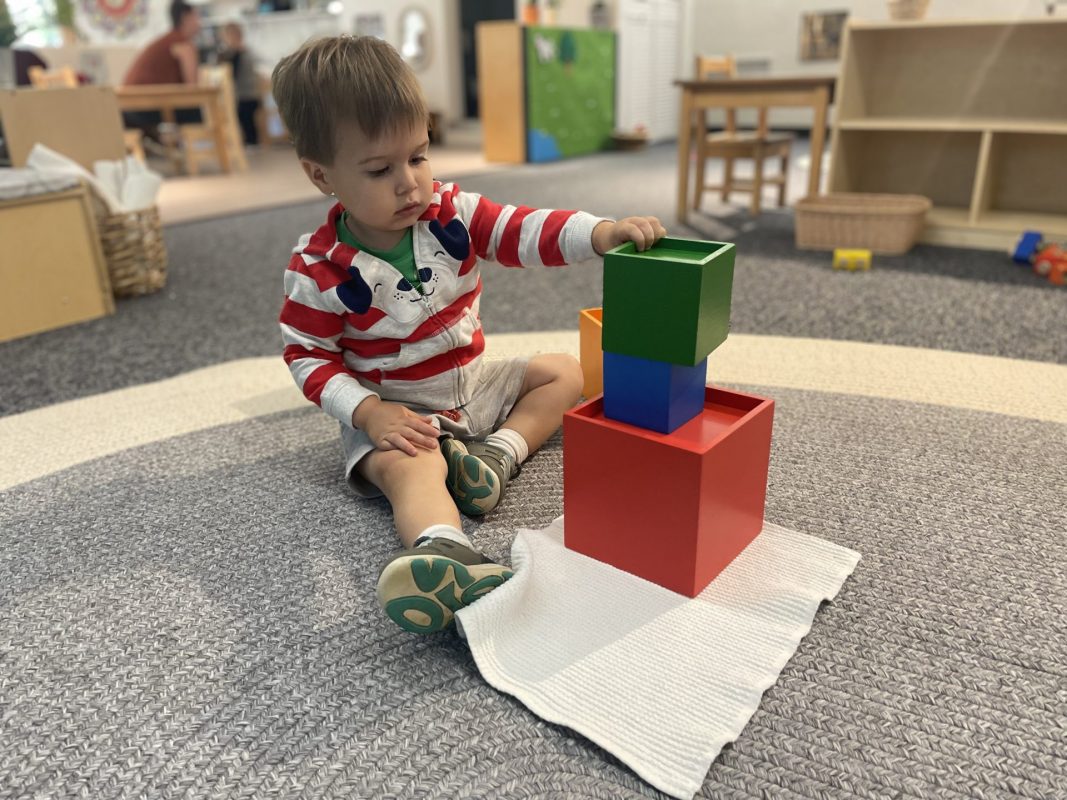
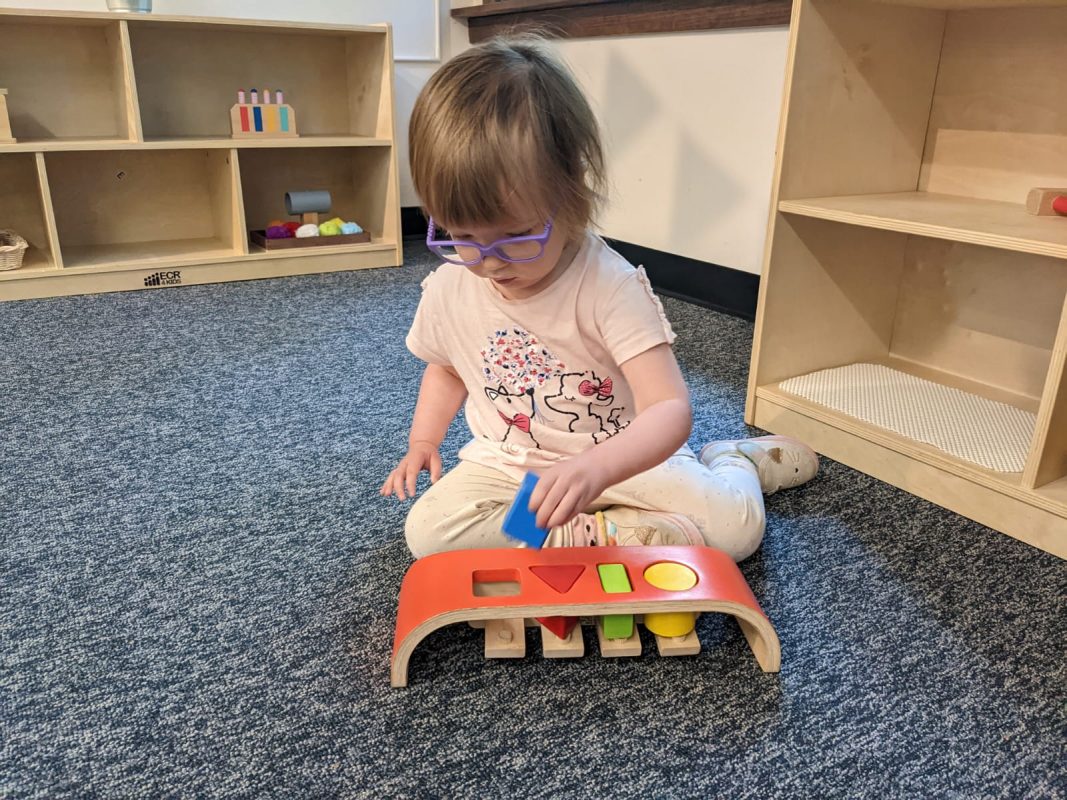
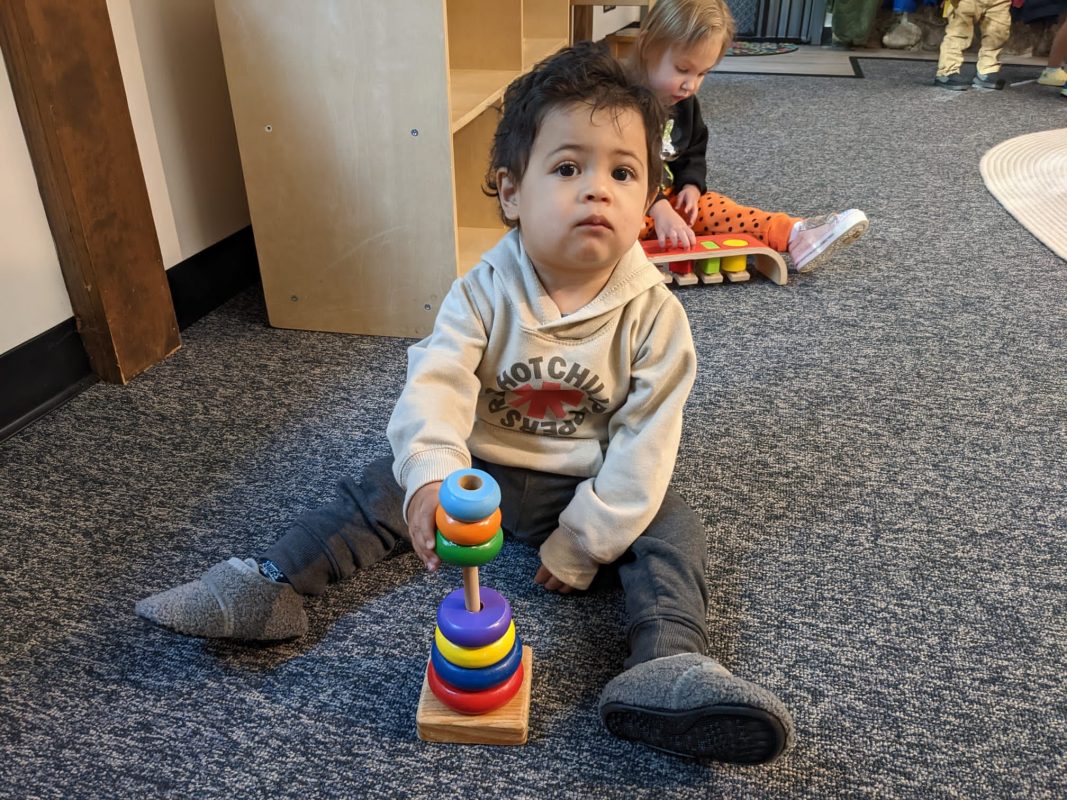
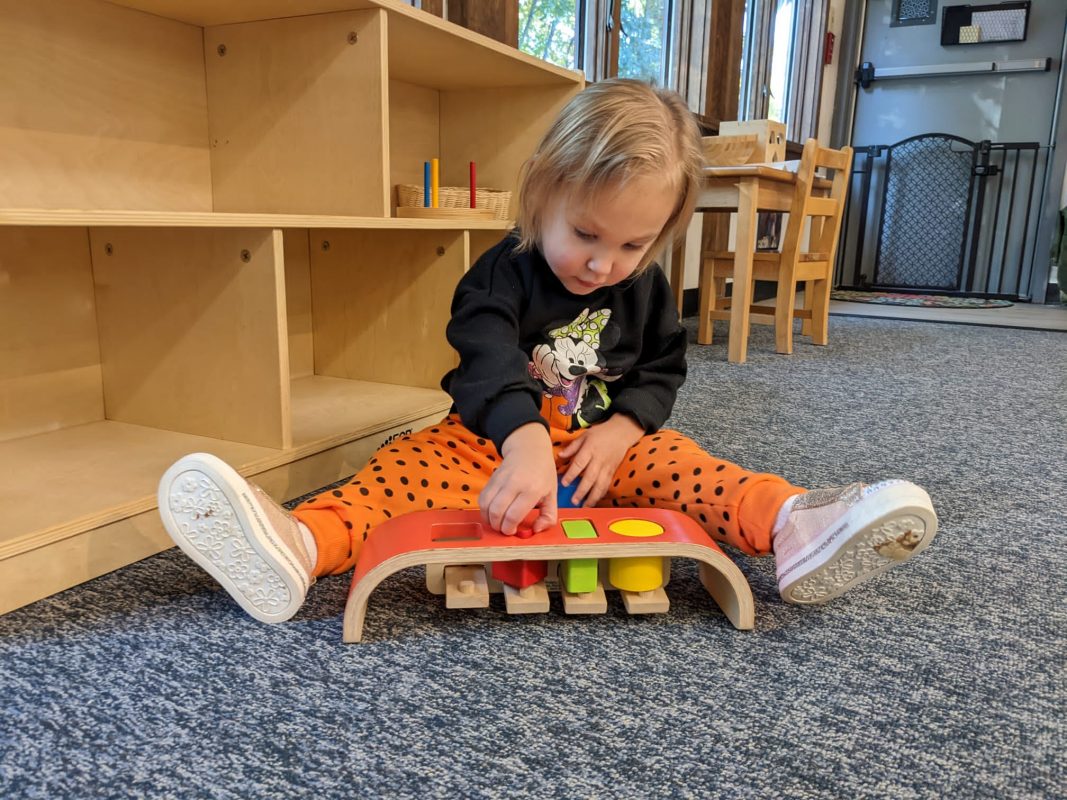
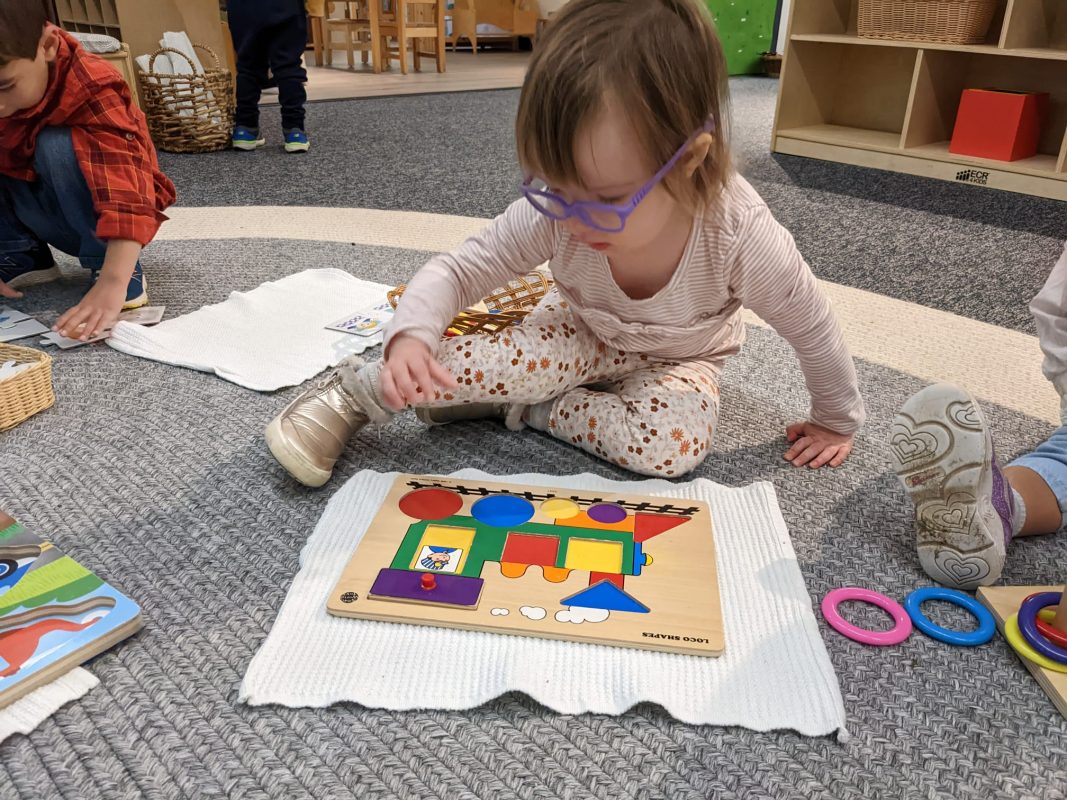
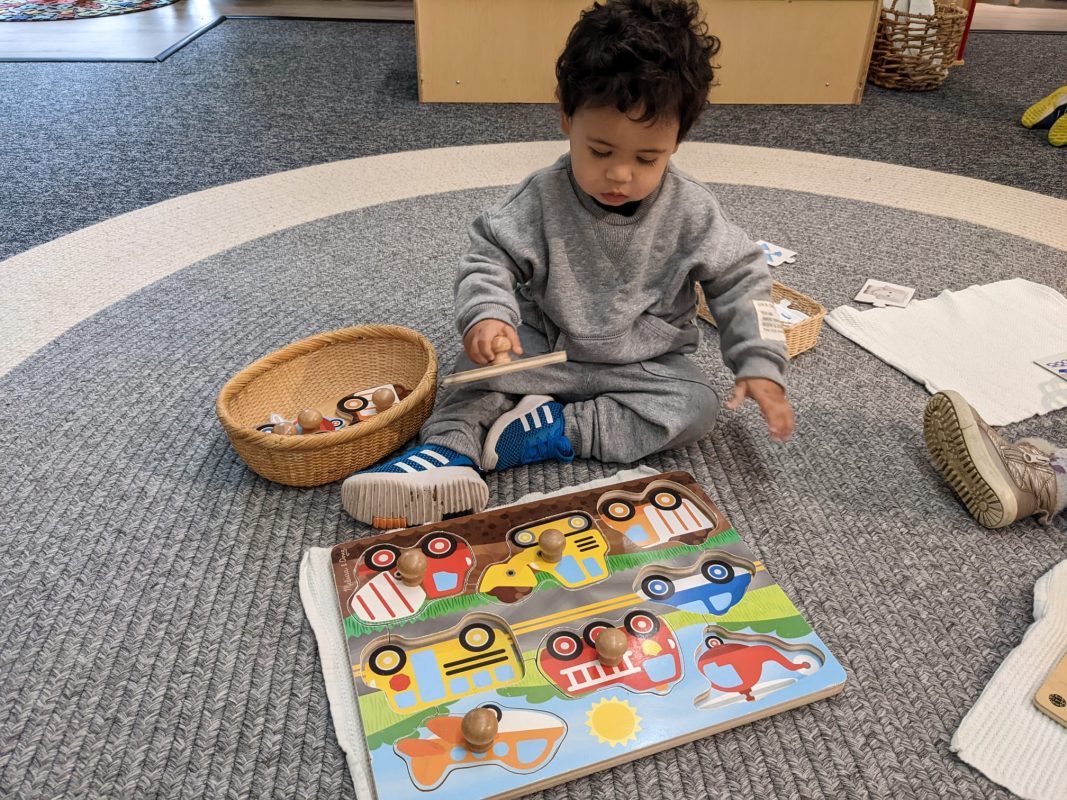
As the children continue to use their freedom of movement and freedom of choice, some ground rules have been introduced. One of those rules is Respect for Others’ Work. In traditional school settings, children this age are encouraged and even expected to share. Sharing is a very important concept, but for children of this age it’s a task that they are not developmentally ready for. In our environment we encourage the concept of taking turns instead. This encourages patience, mindfulness, independence, order, and concentration. Children don’t feel threatened by the idea that another child will take their material away, instead they can peacefully work with the material until they are done. When children want to work independently we encourage them to say: “This is my work. Please don’t touch.” We also encourage the children to observe quietly how other children are working with a material. It’s so fun to see that even at this young age children are able to work on mastering these skills! They just need the encouragement to do so.

Another rule we introduced this week is We Respect our Materials. As guides, we model slowly and consistently throughout the morning the importance of carrying and handling our materials in a gentle way. If one of our students decides to throw a piece of material across the room, we encourage them to use one of the balls instead and we verbalize to them in a few words how we should use the materials. “We throw the ball.” “We are gentle with our materials.”

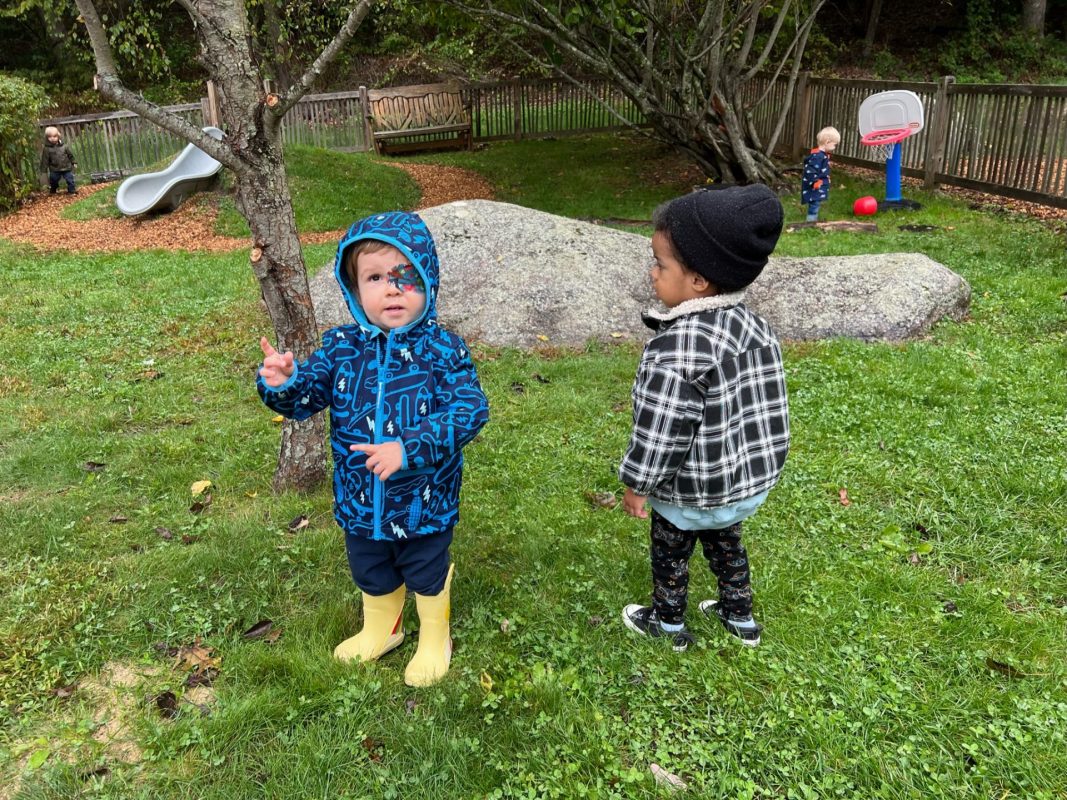
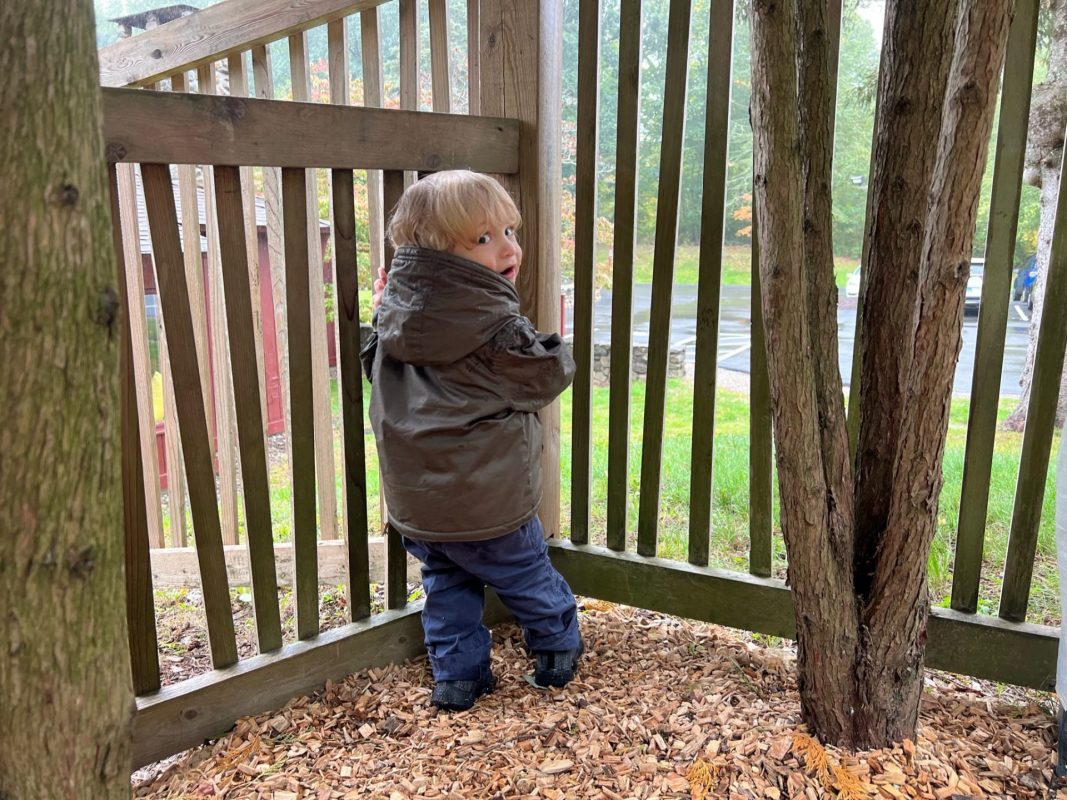
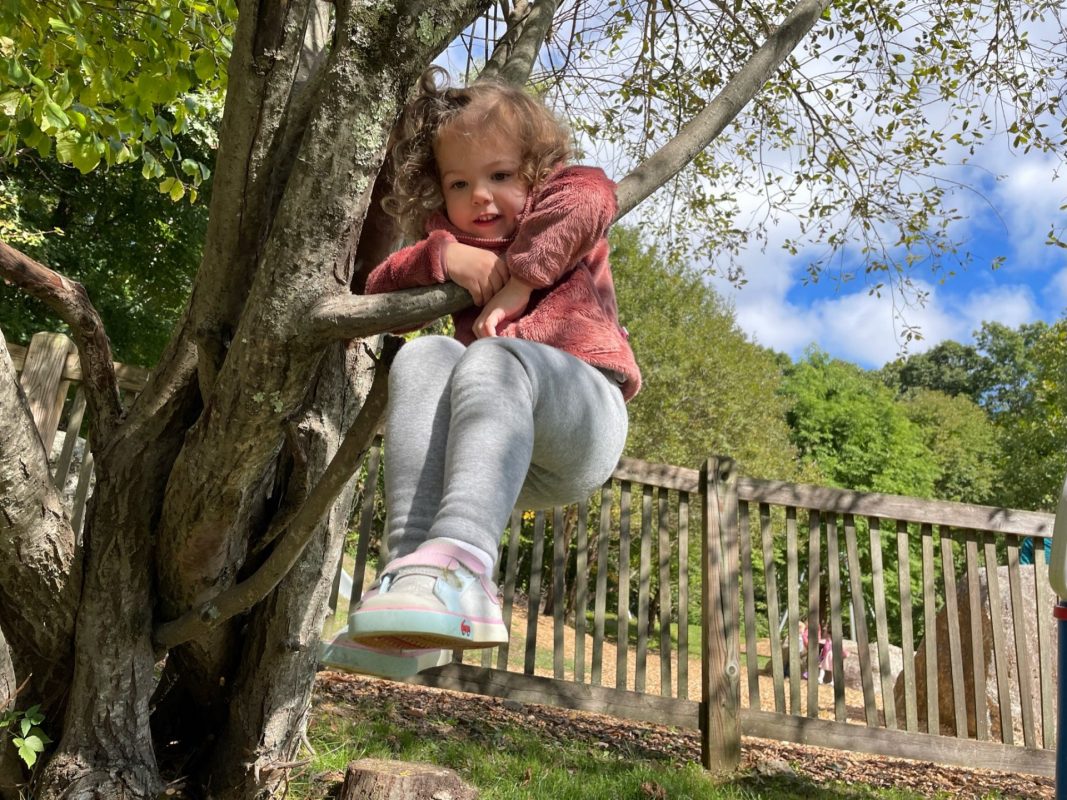
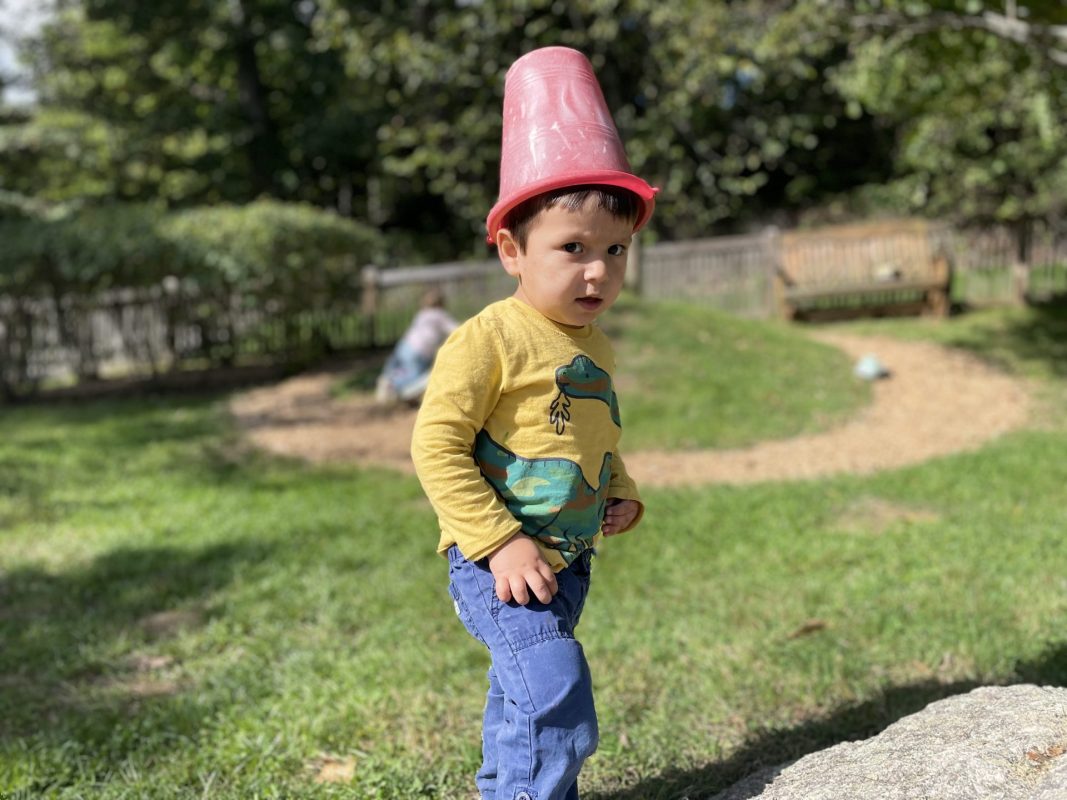
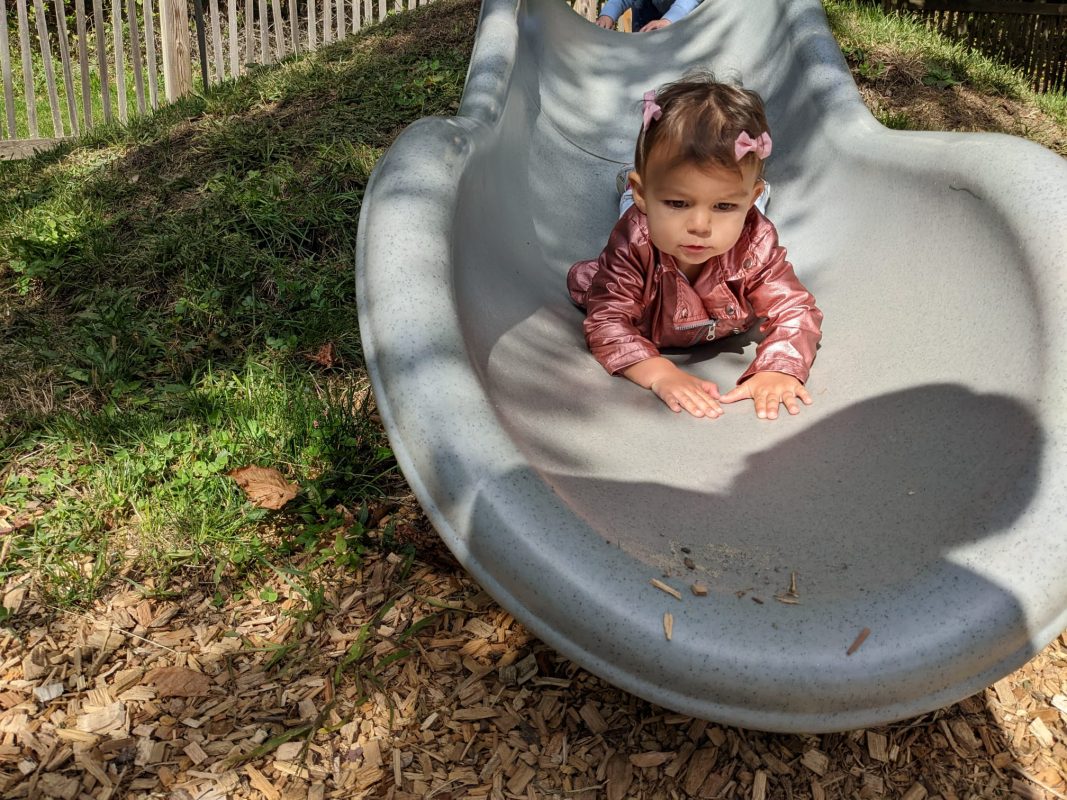
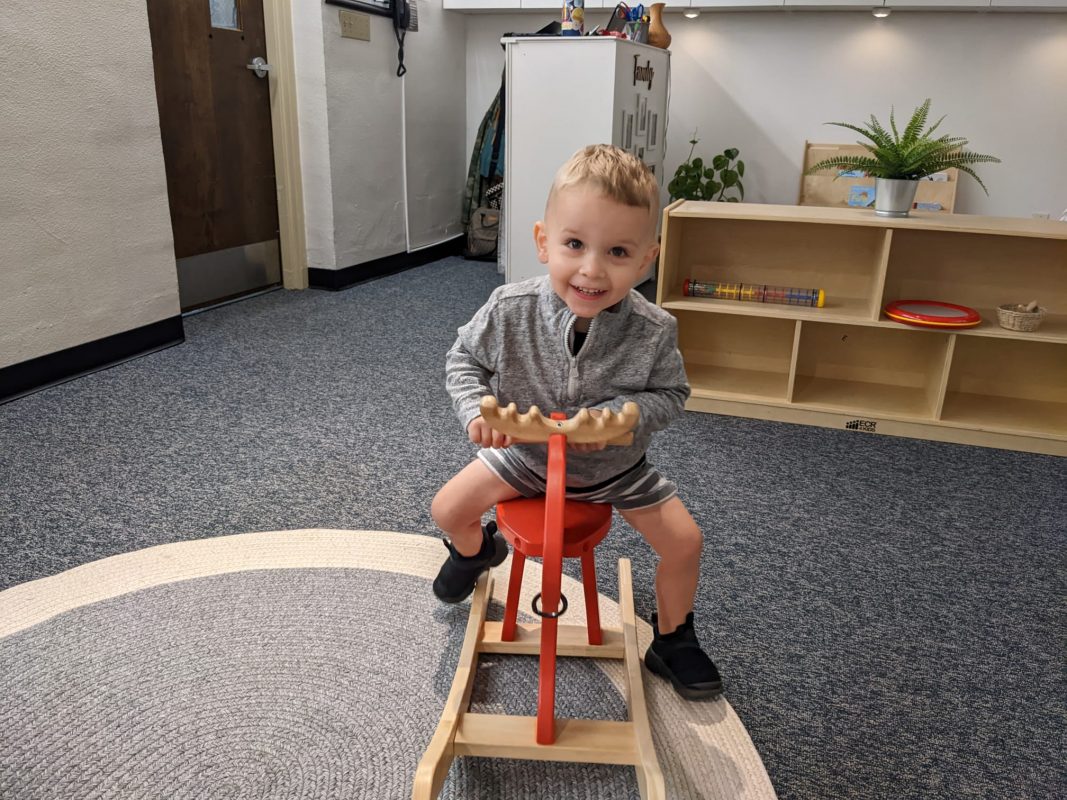
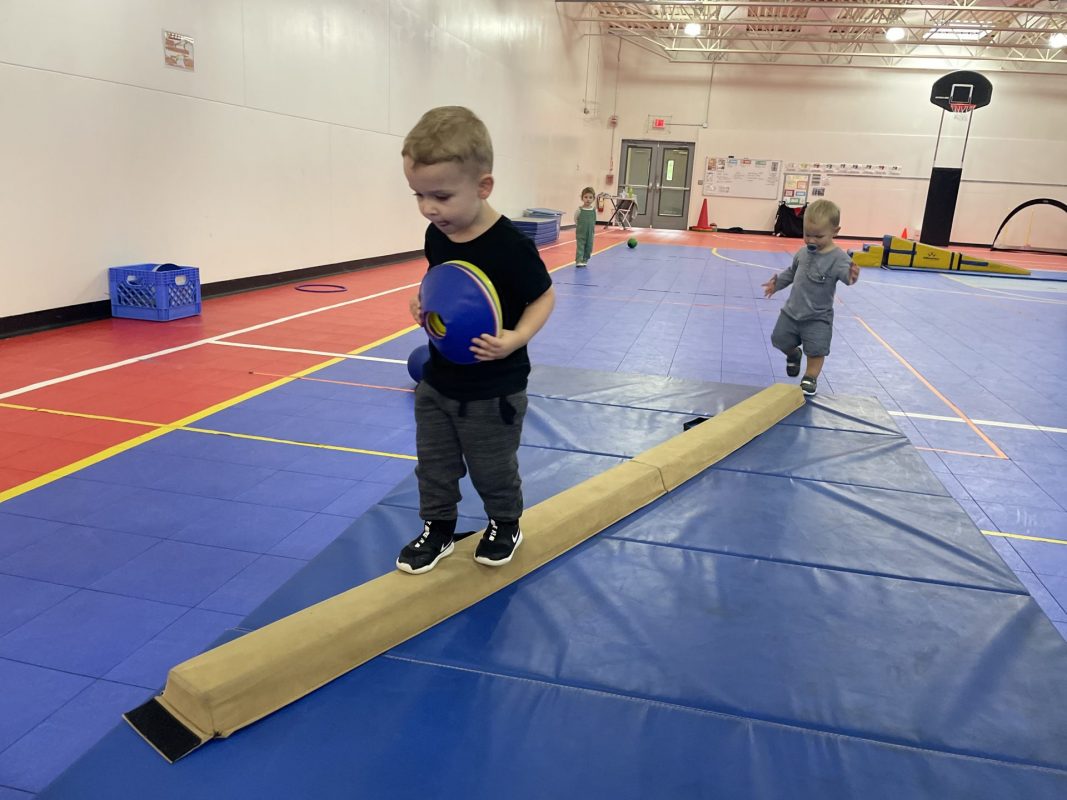
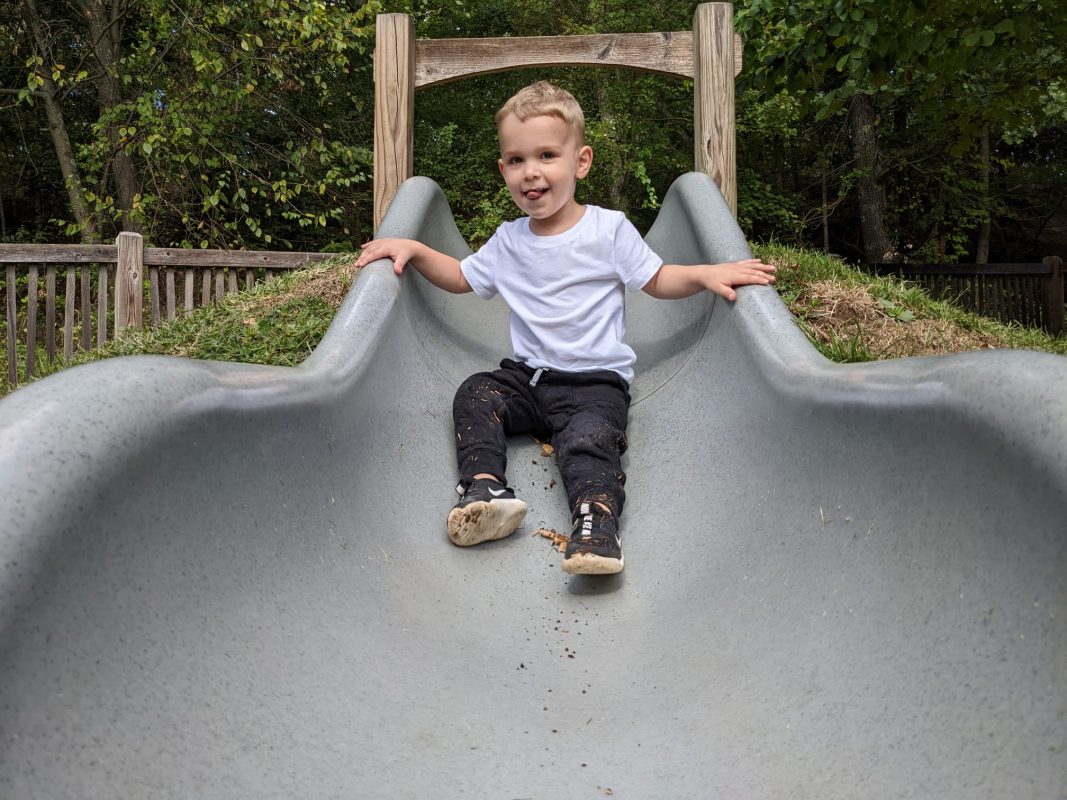
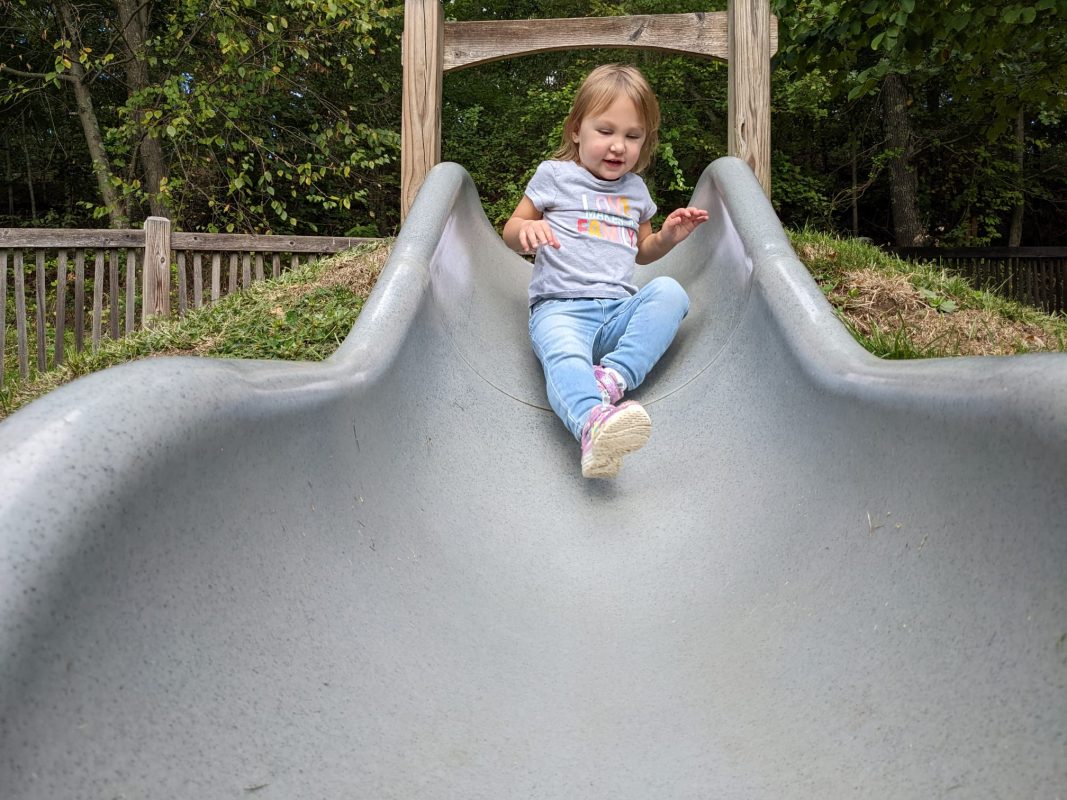
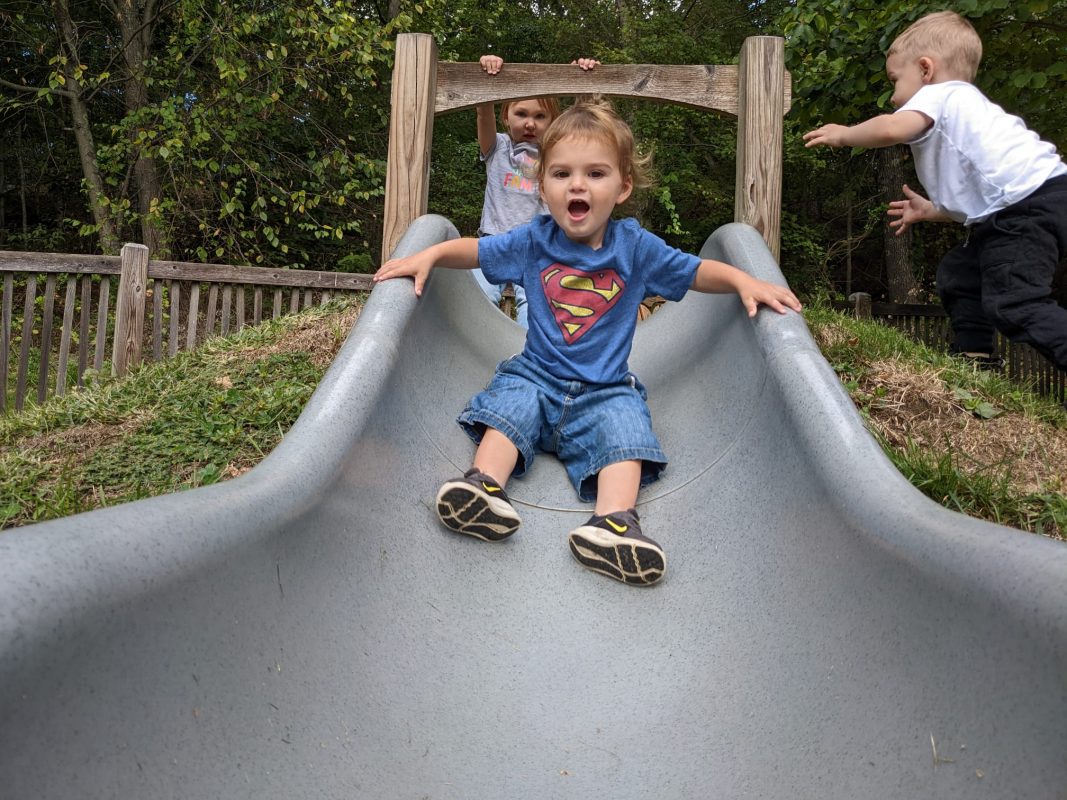
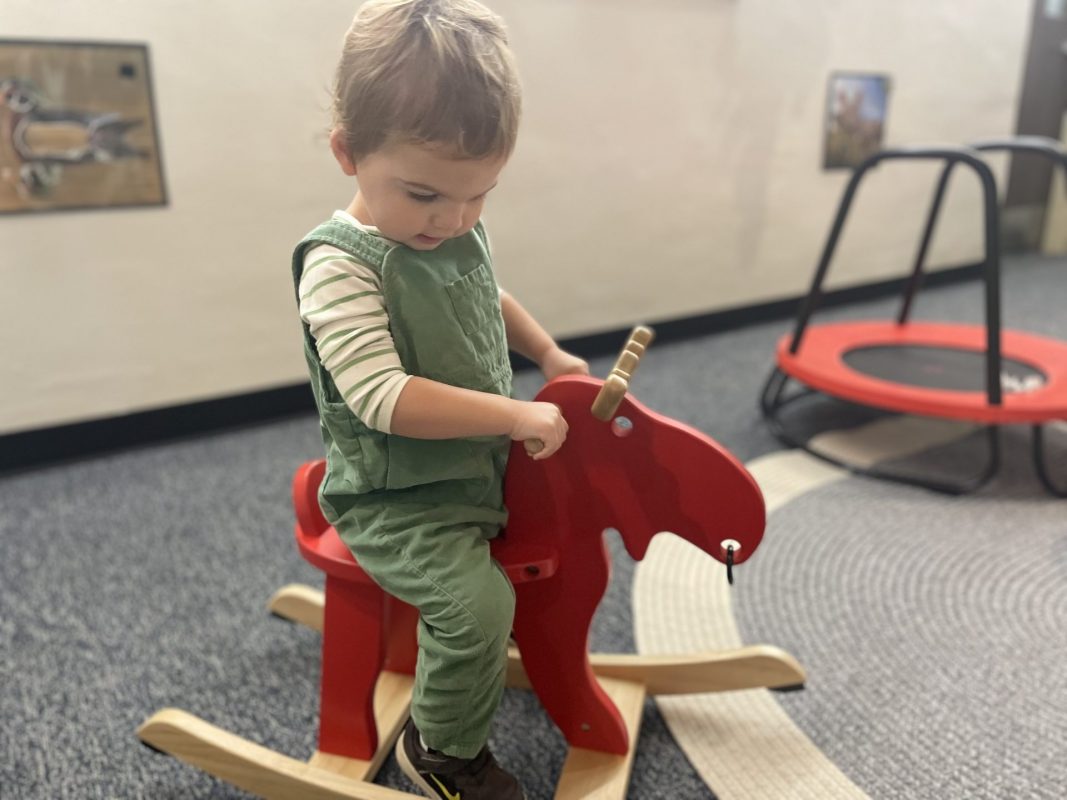
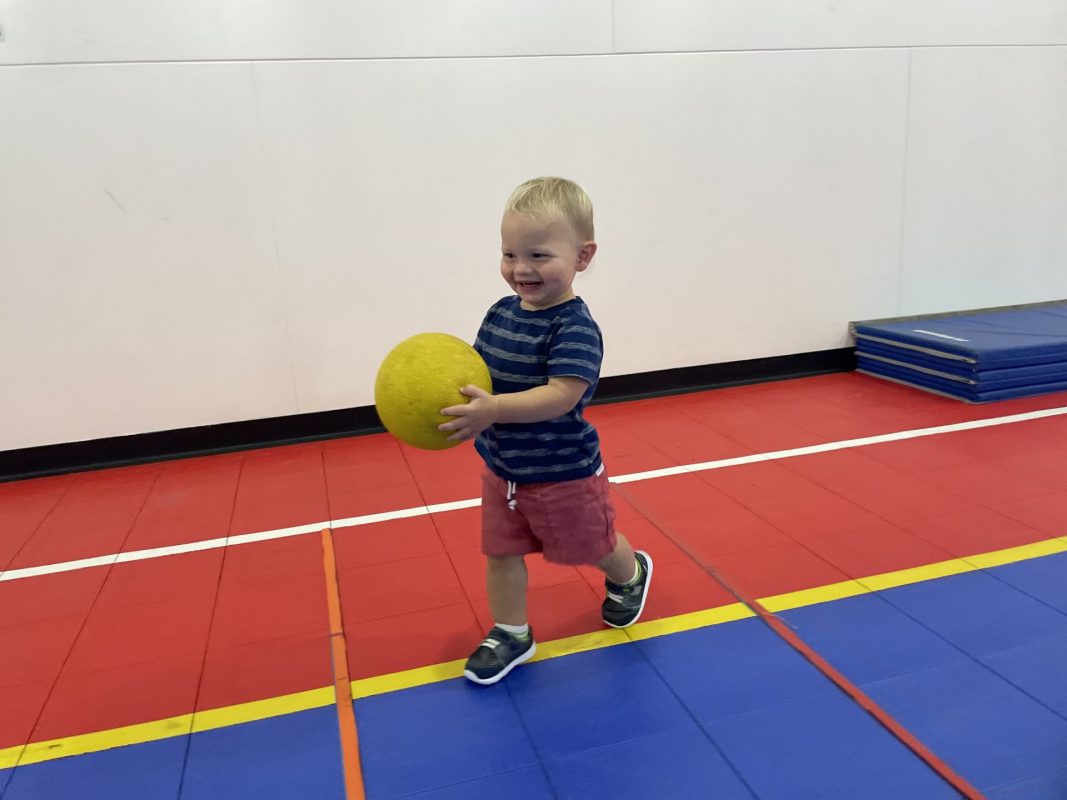
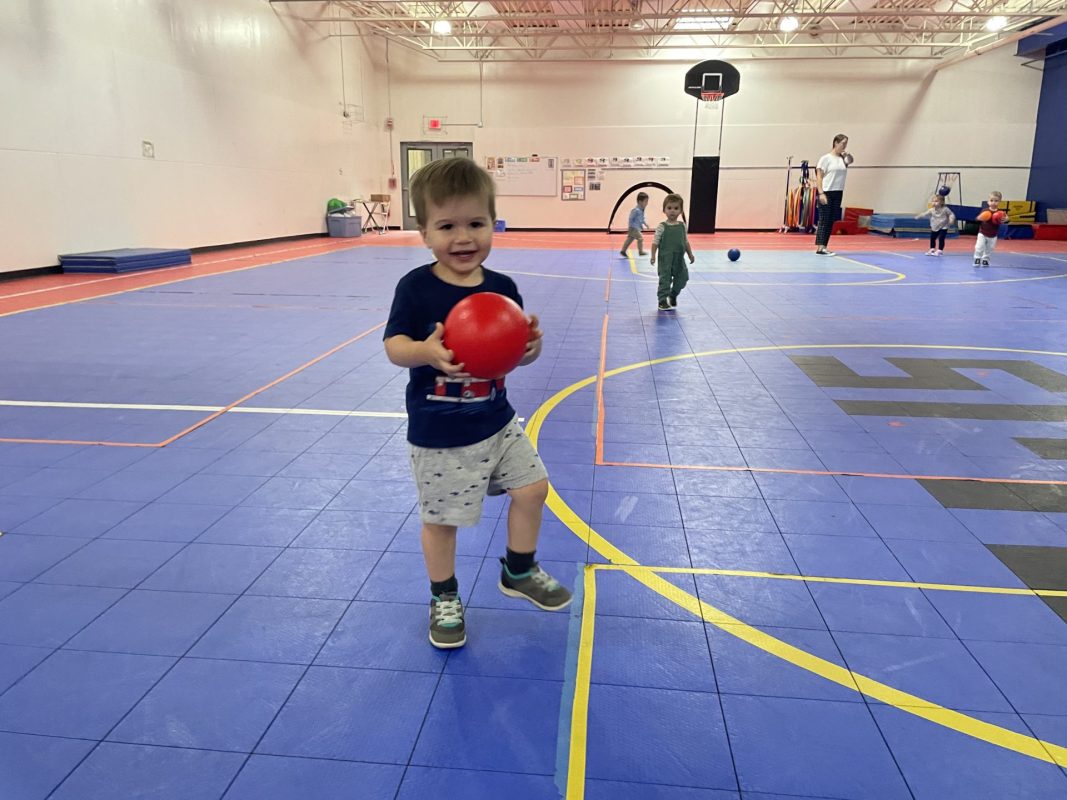
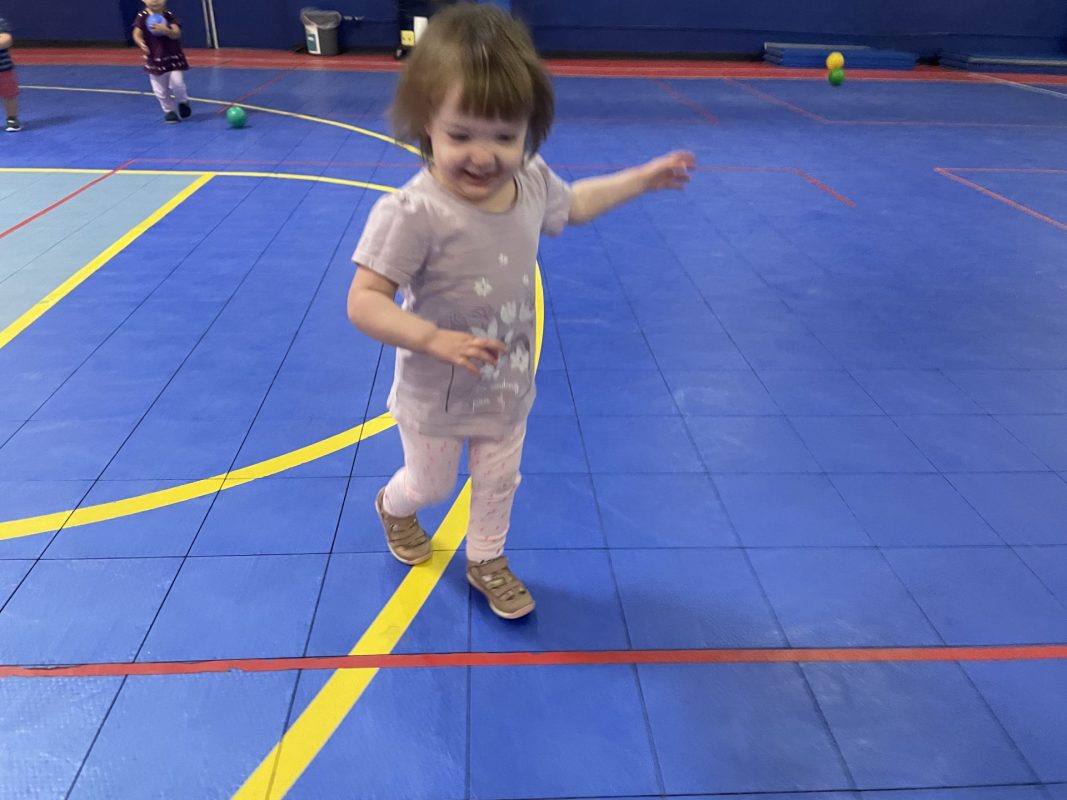
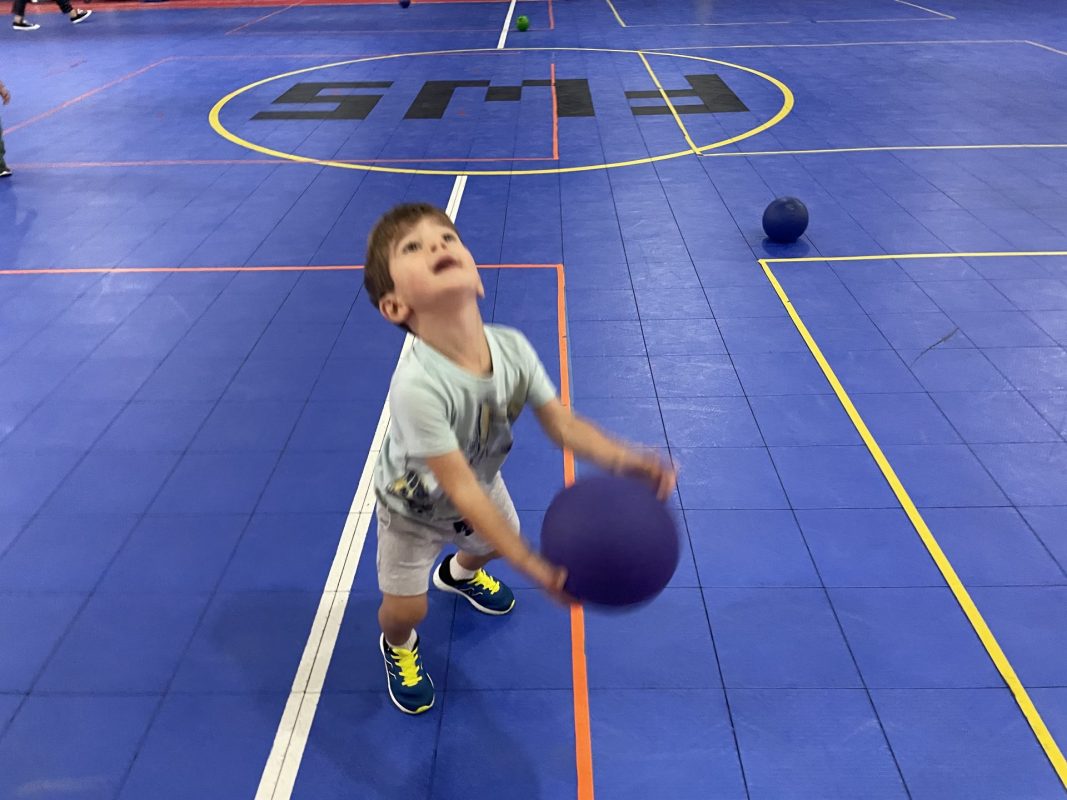
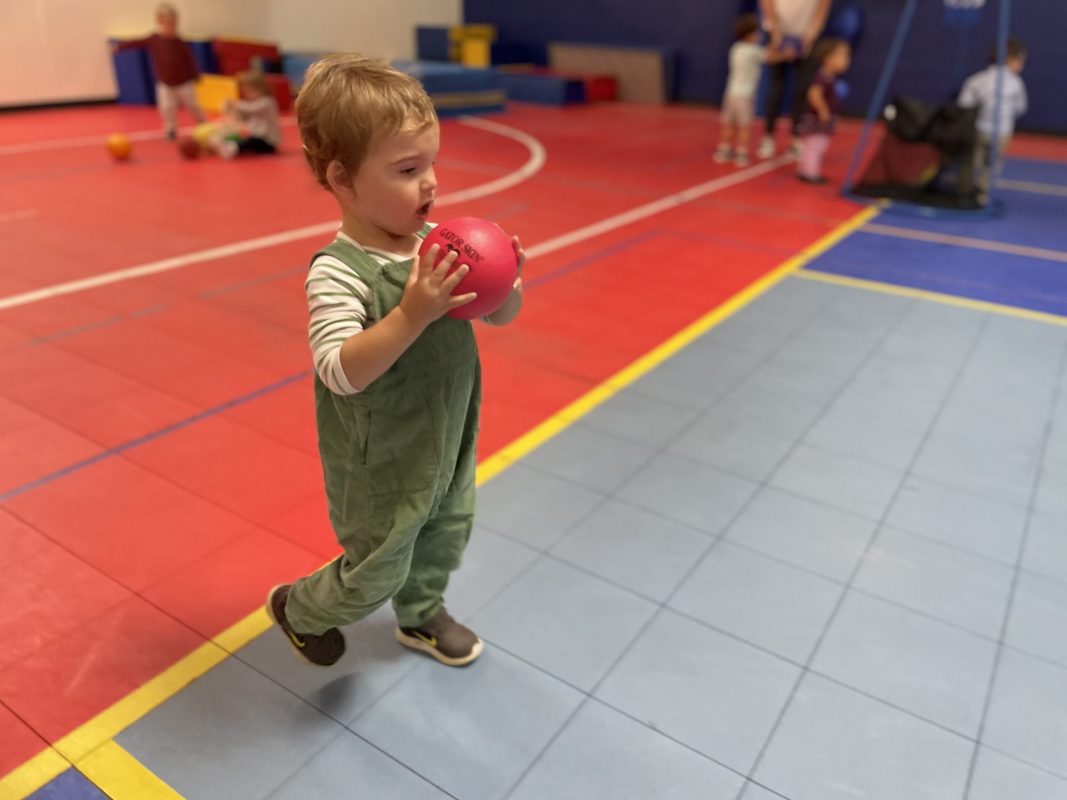
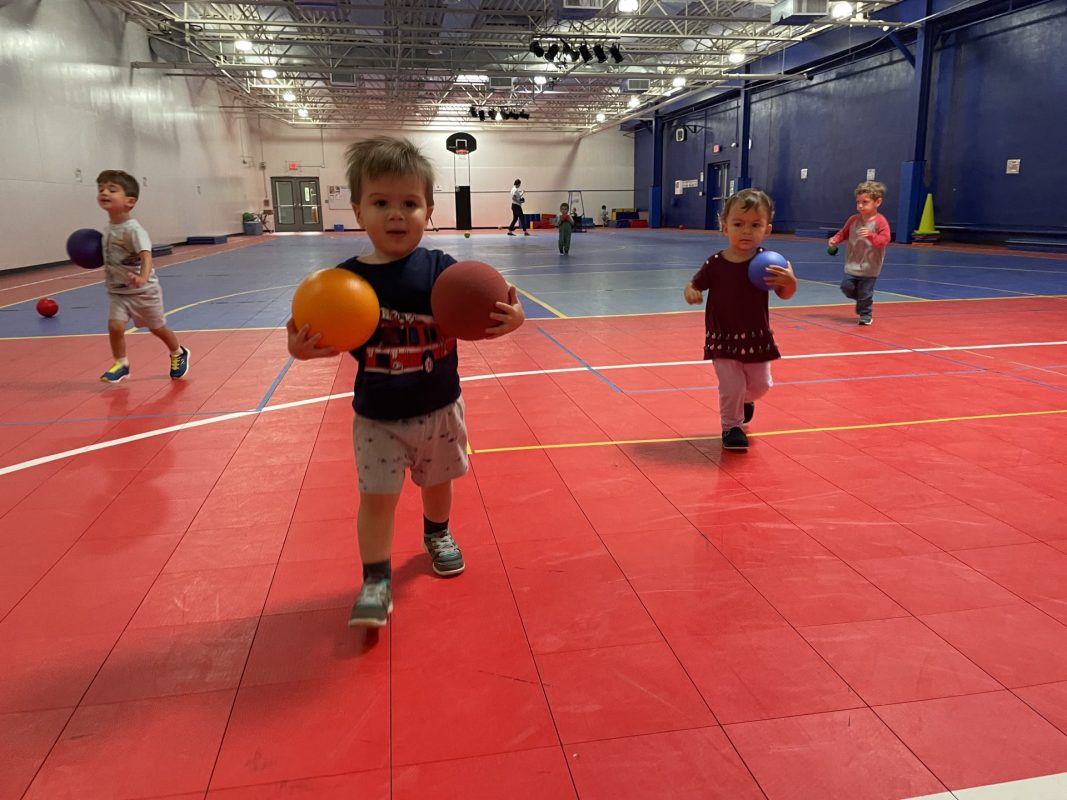
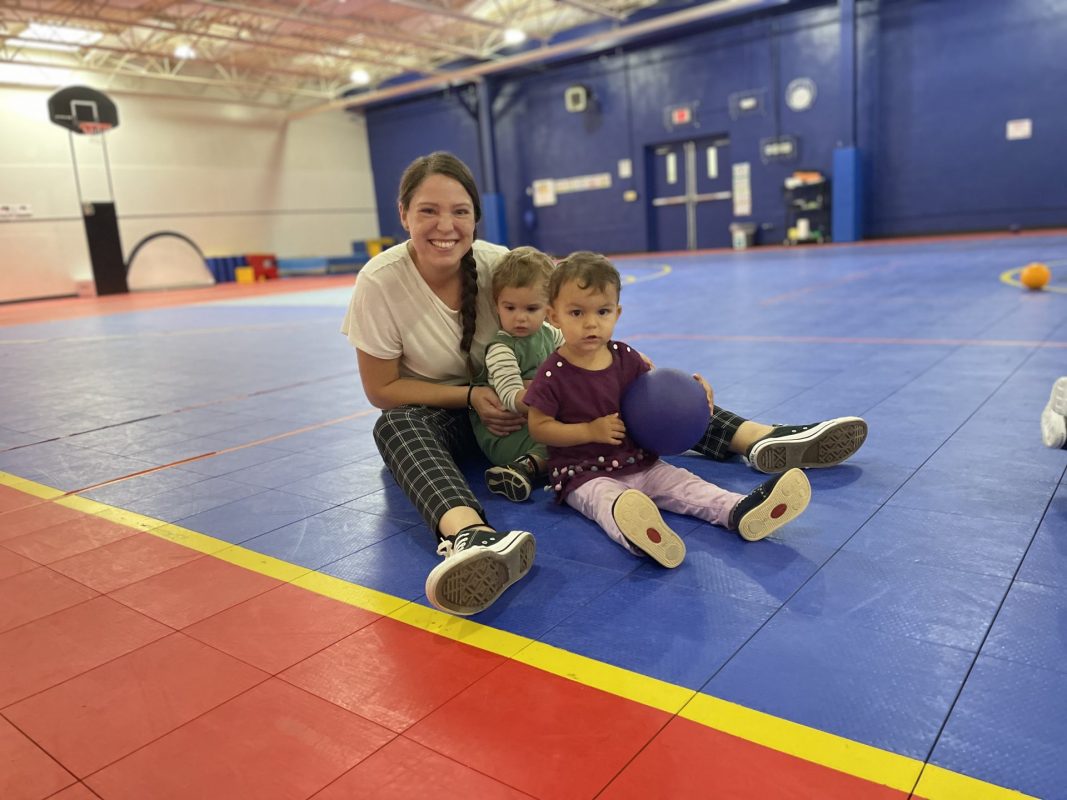
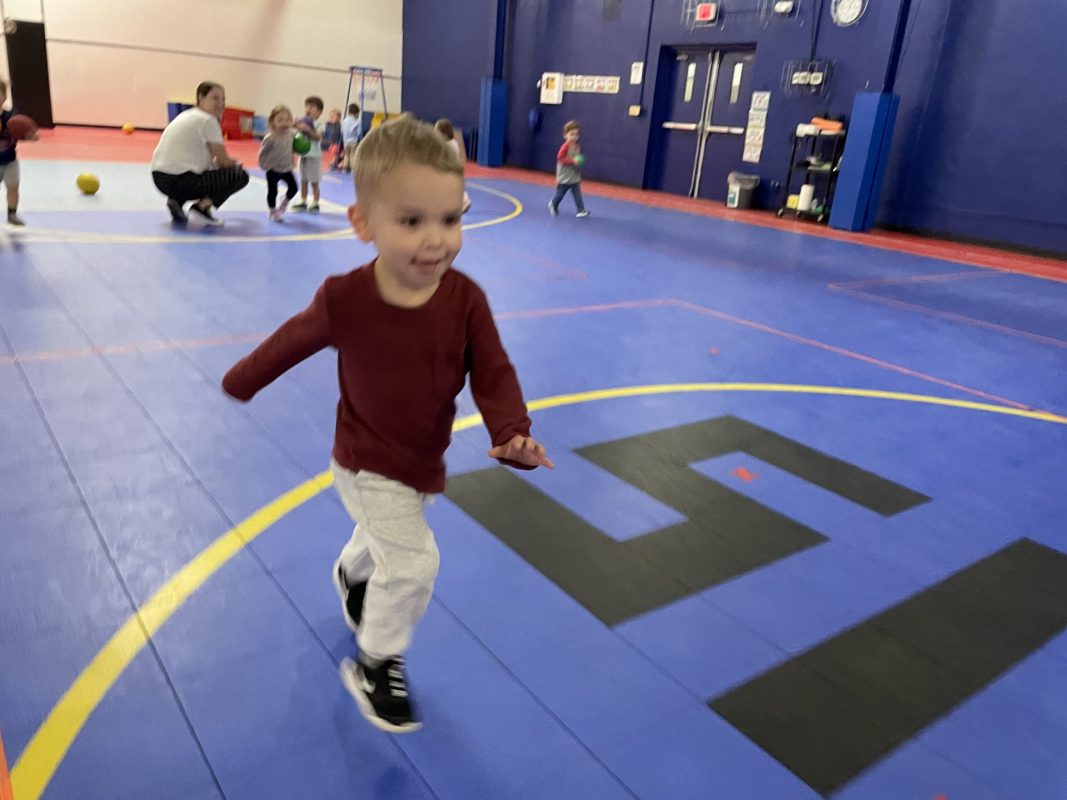
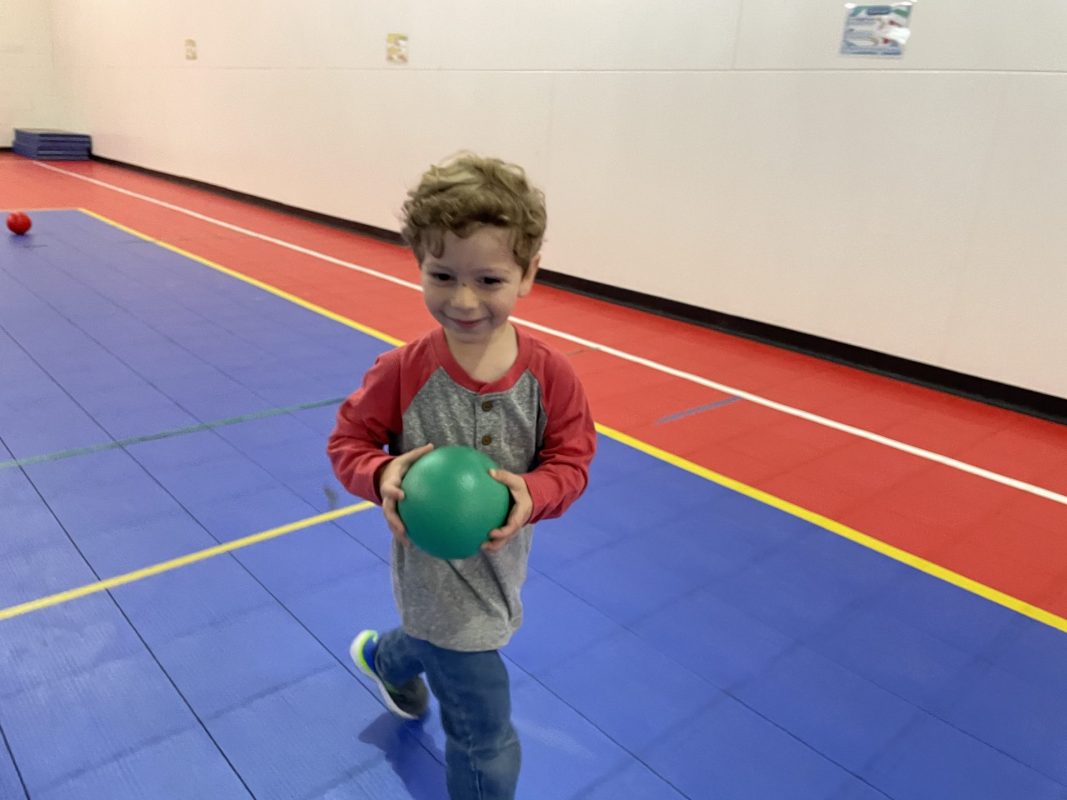
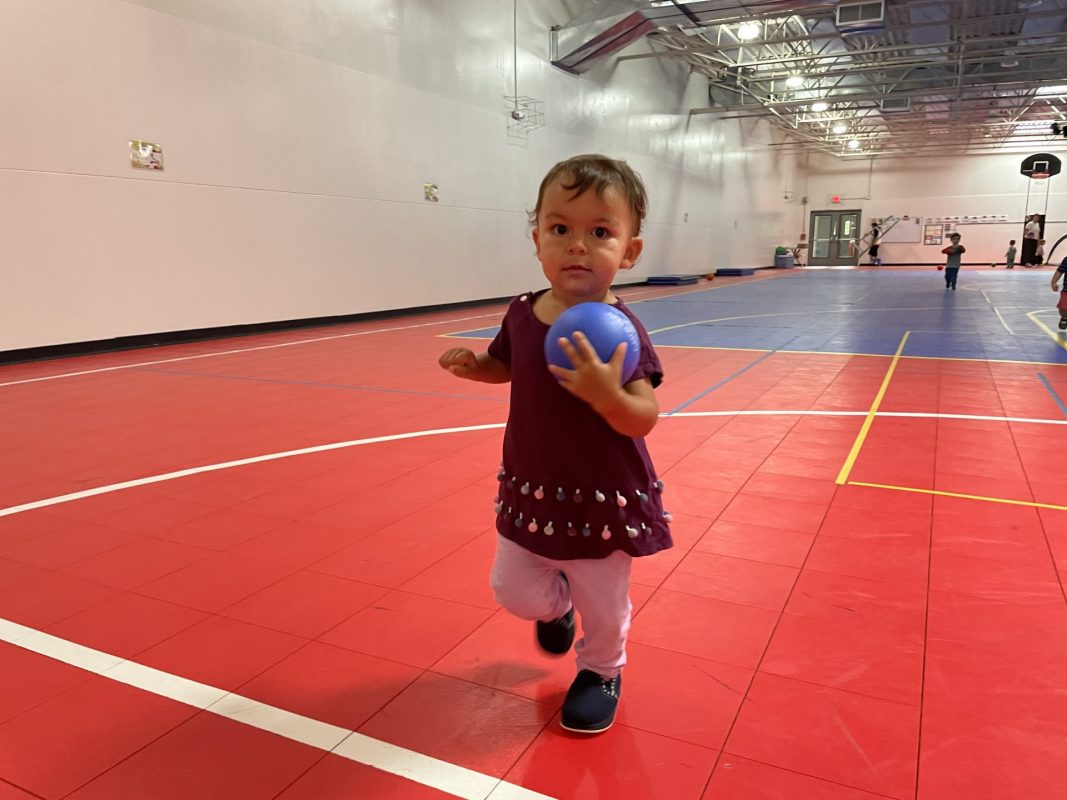
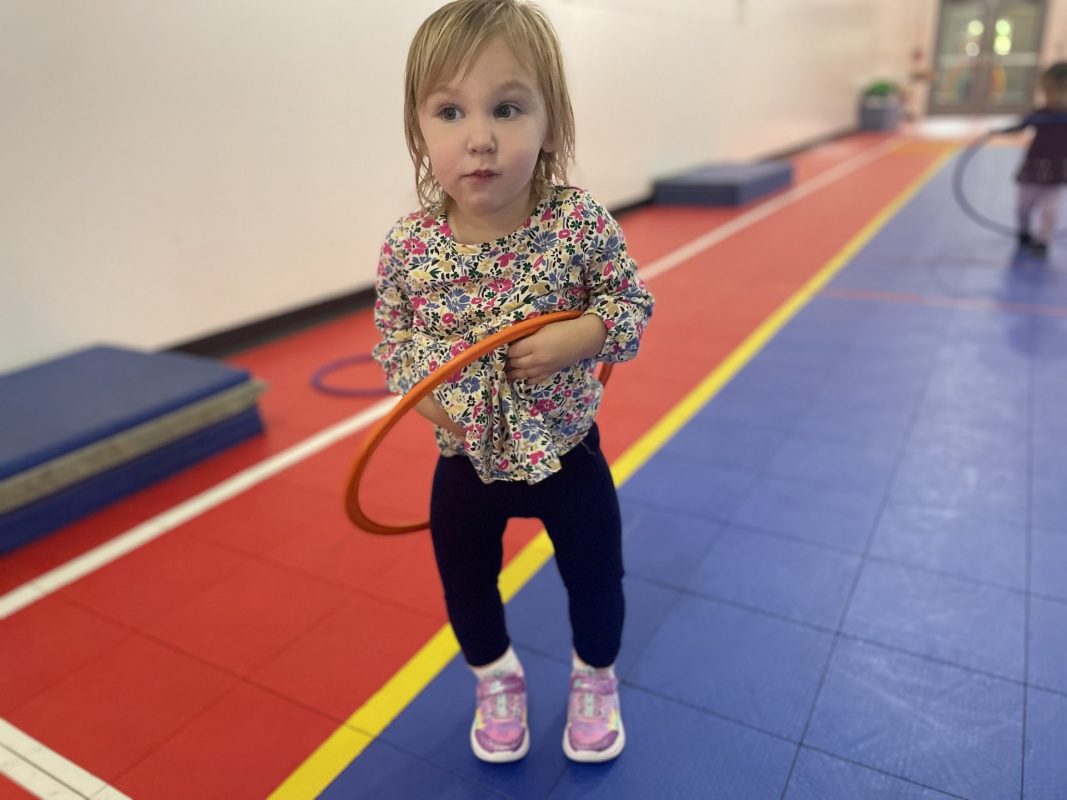
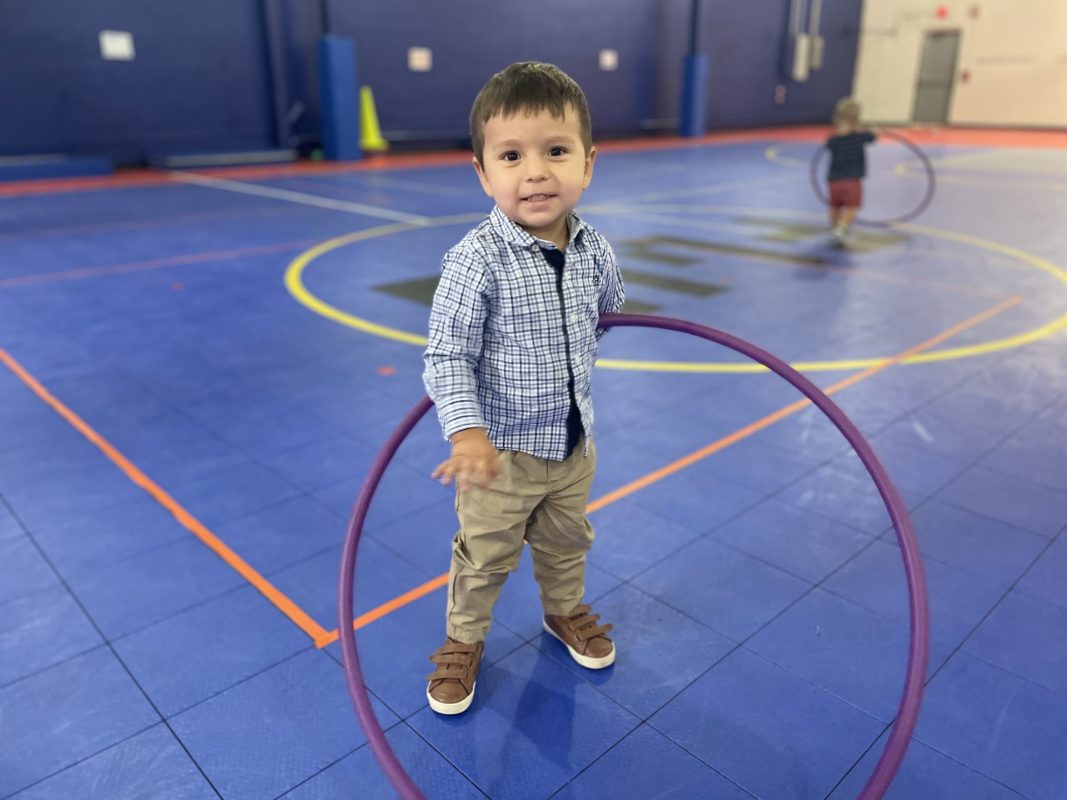
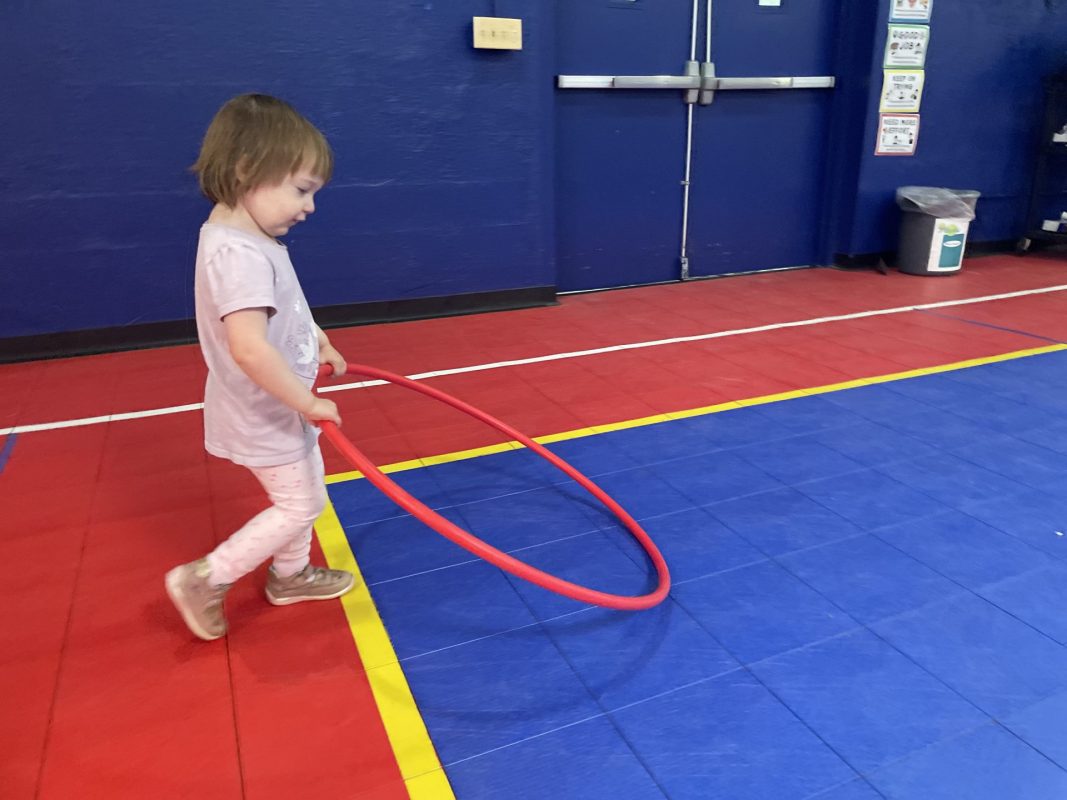
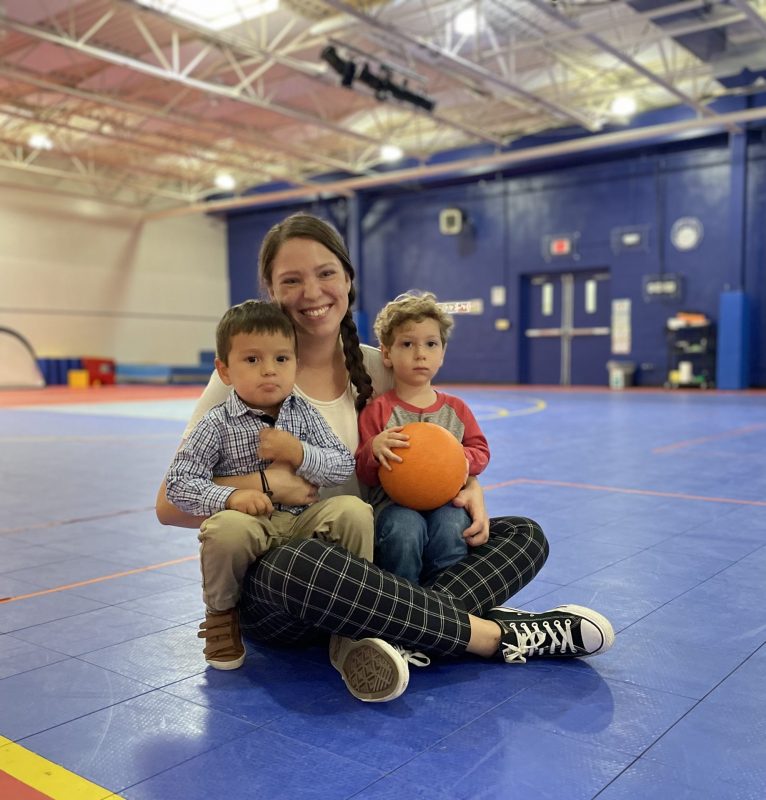
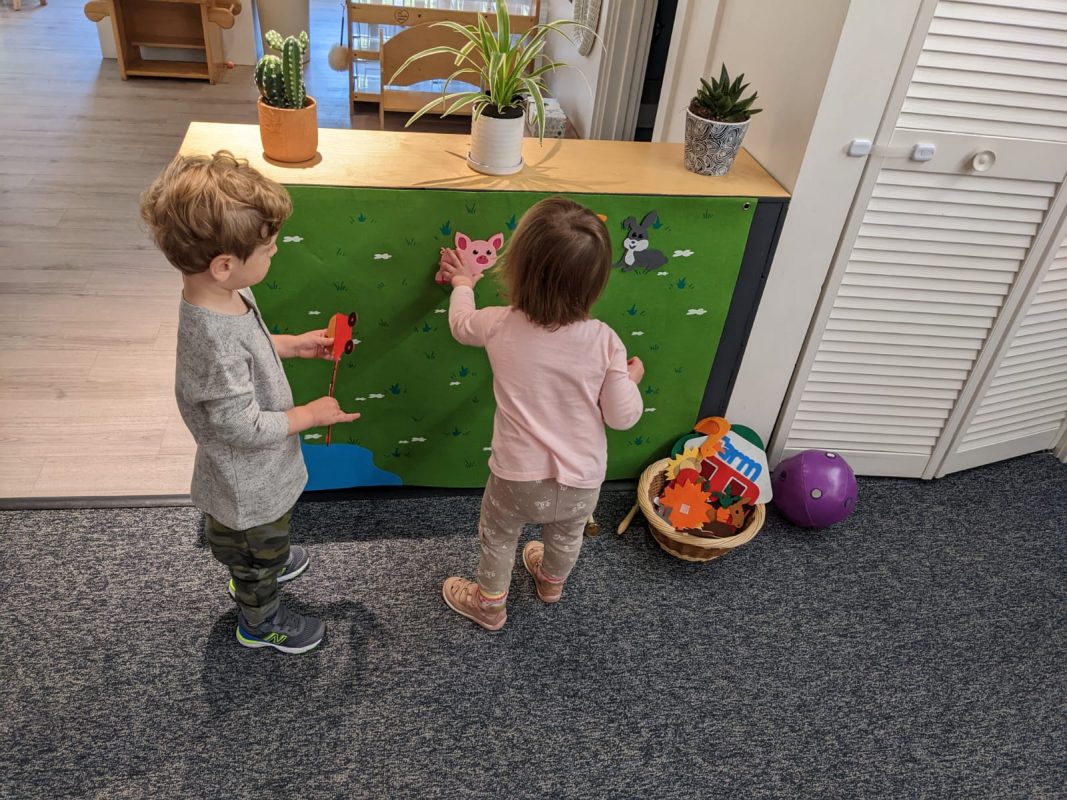
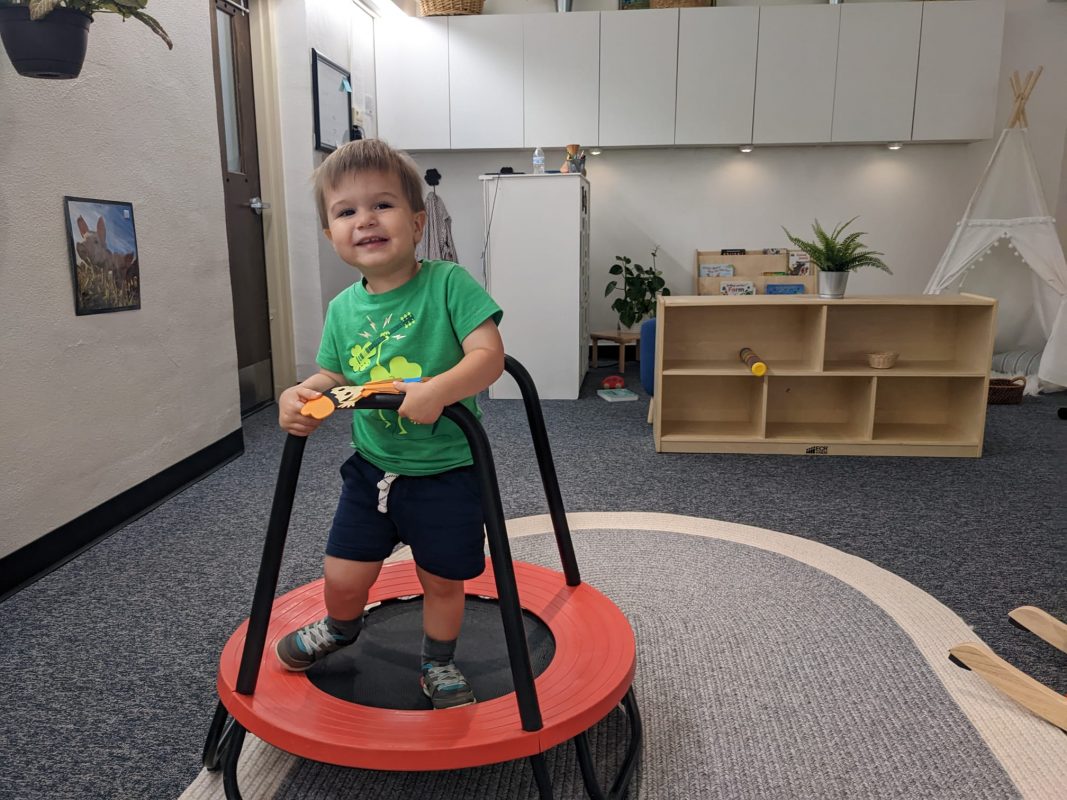
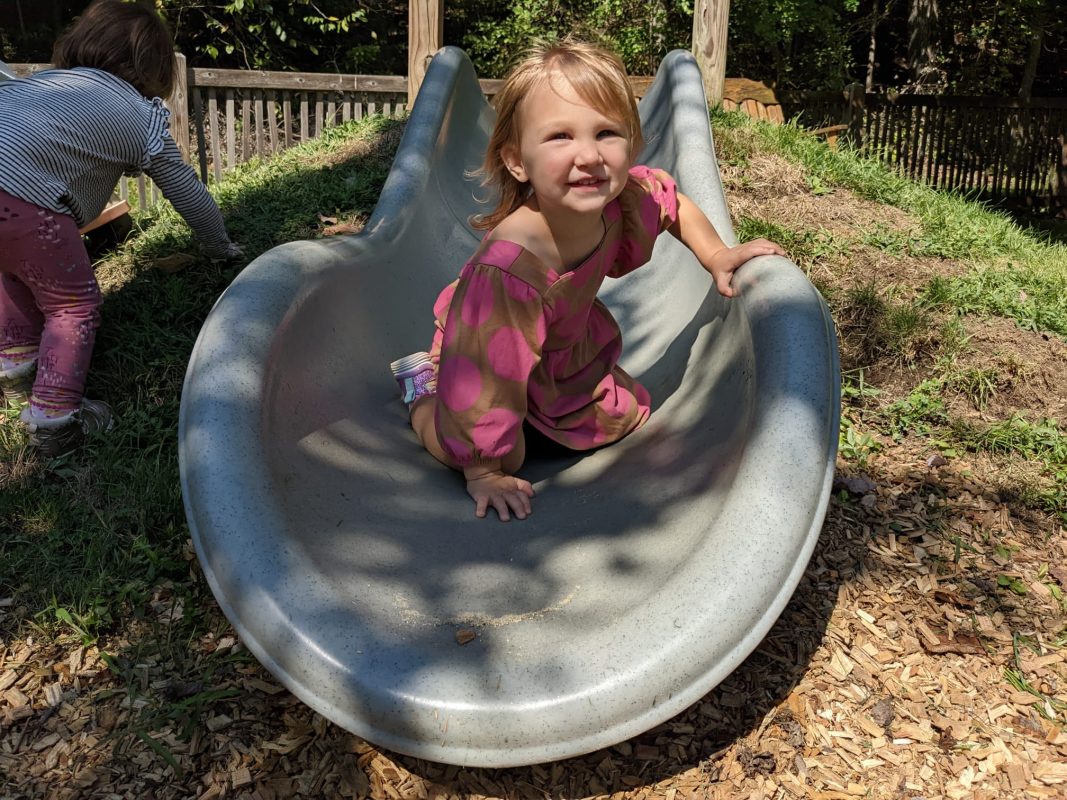
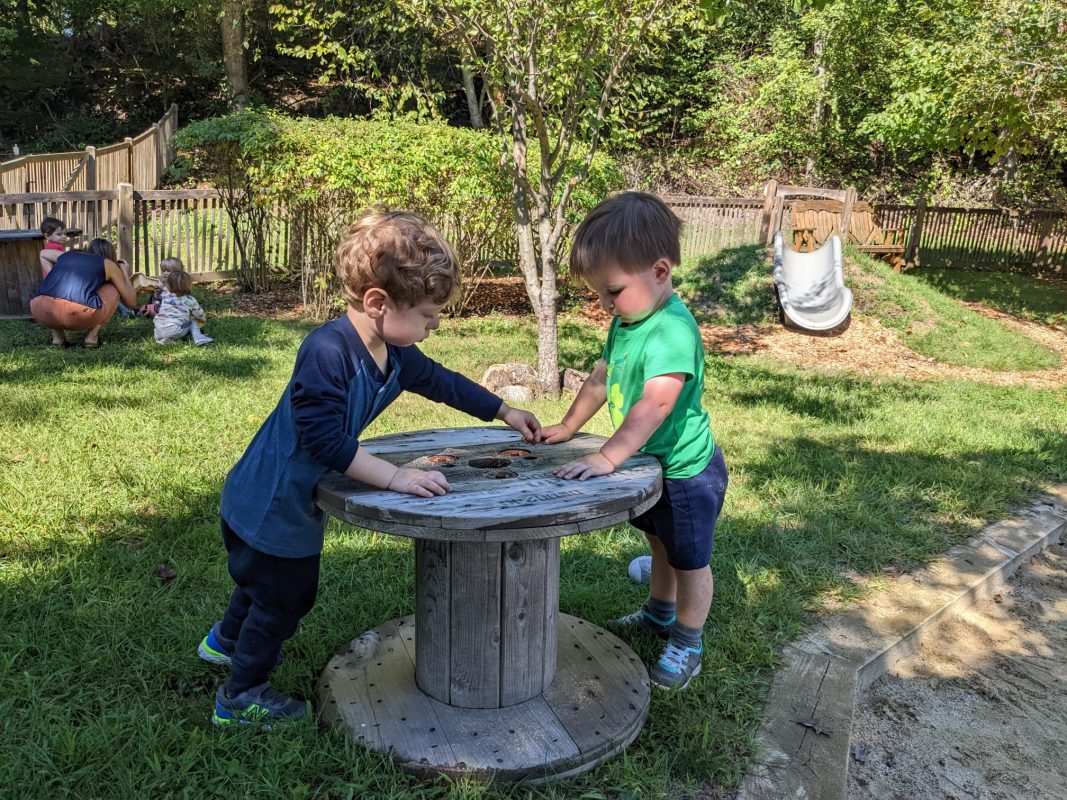
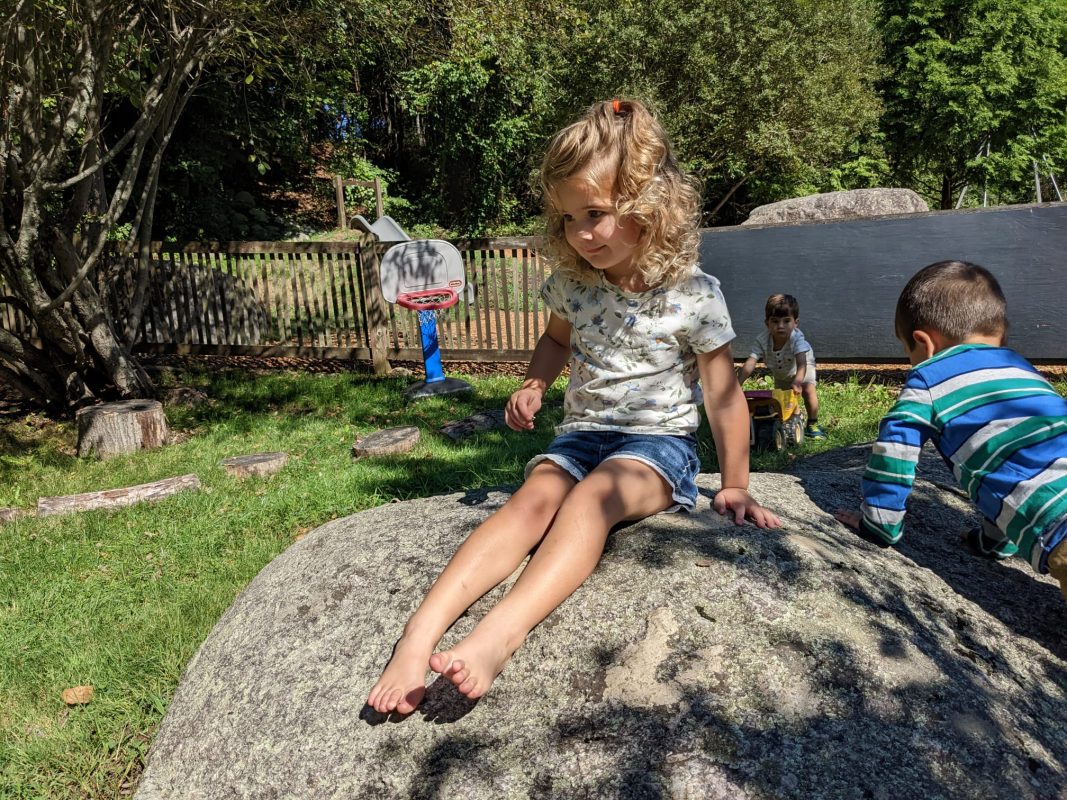
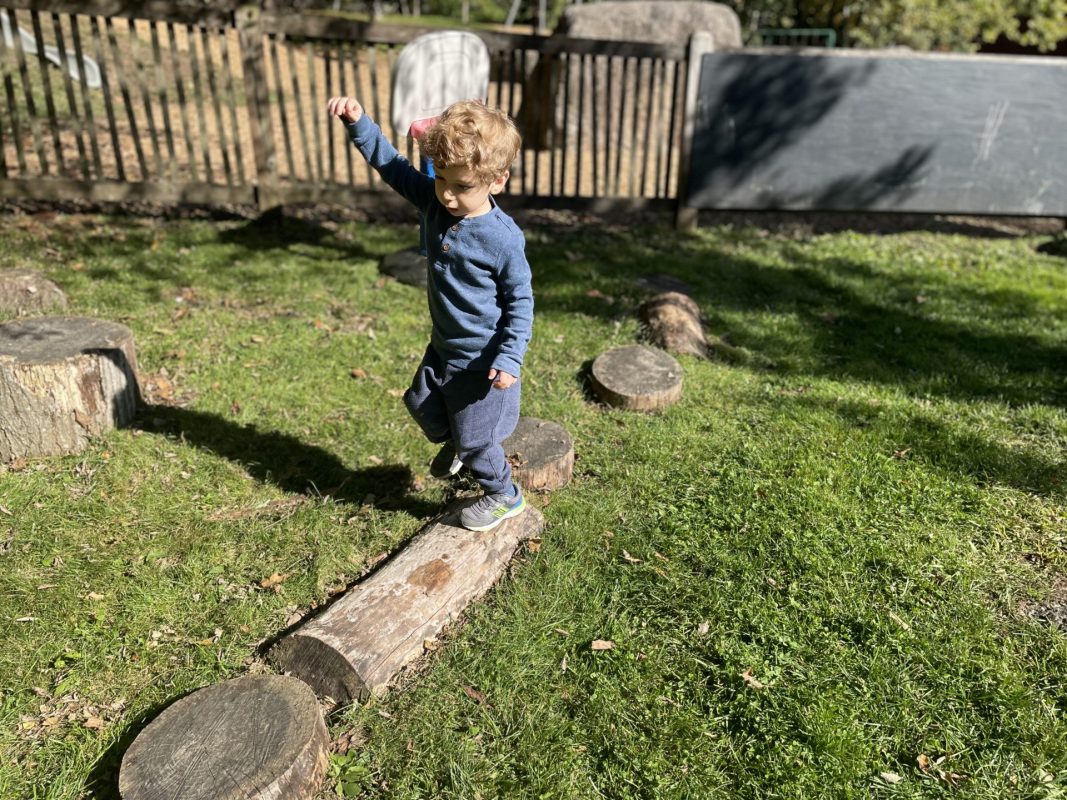
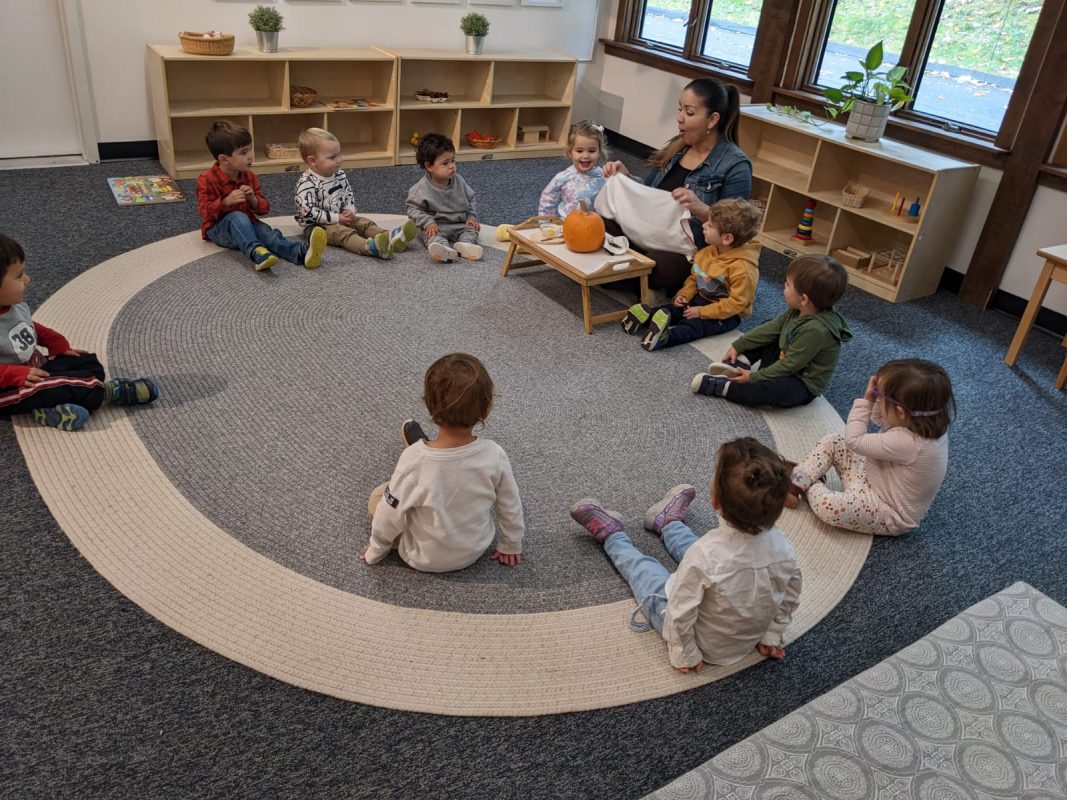
On another note, children had a blast exploring our school’s gym and our toddler outdoor space. They have been practicing how to sit in a community circle, how to transition from place to place, and they all did a great job on our first fire drill this week. Some of the children’s favorite songs this week seemed to be: “Walking in the Jungle” by Super Simple Songs, “Walk Around” by Nancy Kopman, “The Goldfish” by Laurie Berkner, and of course “The Wheel on the Bus” by Cedarmont Kids and “Old Mc Donald Had a Farm.”  

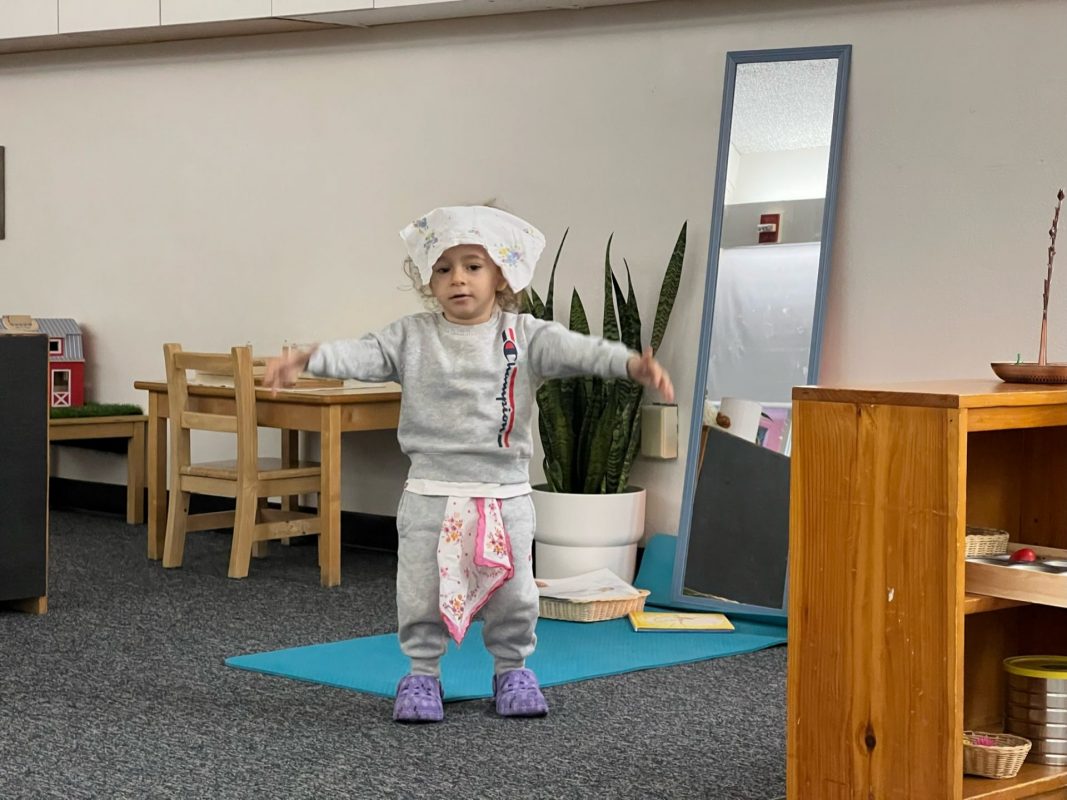
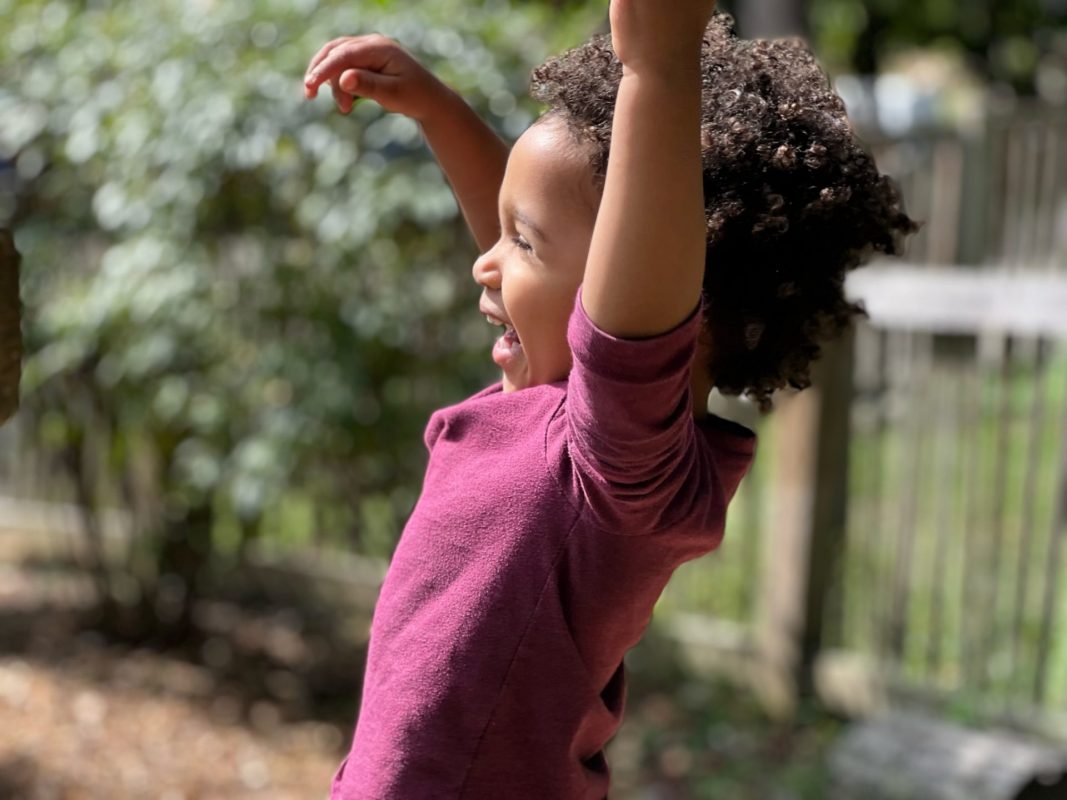
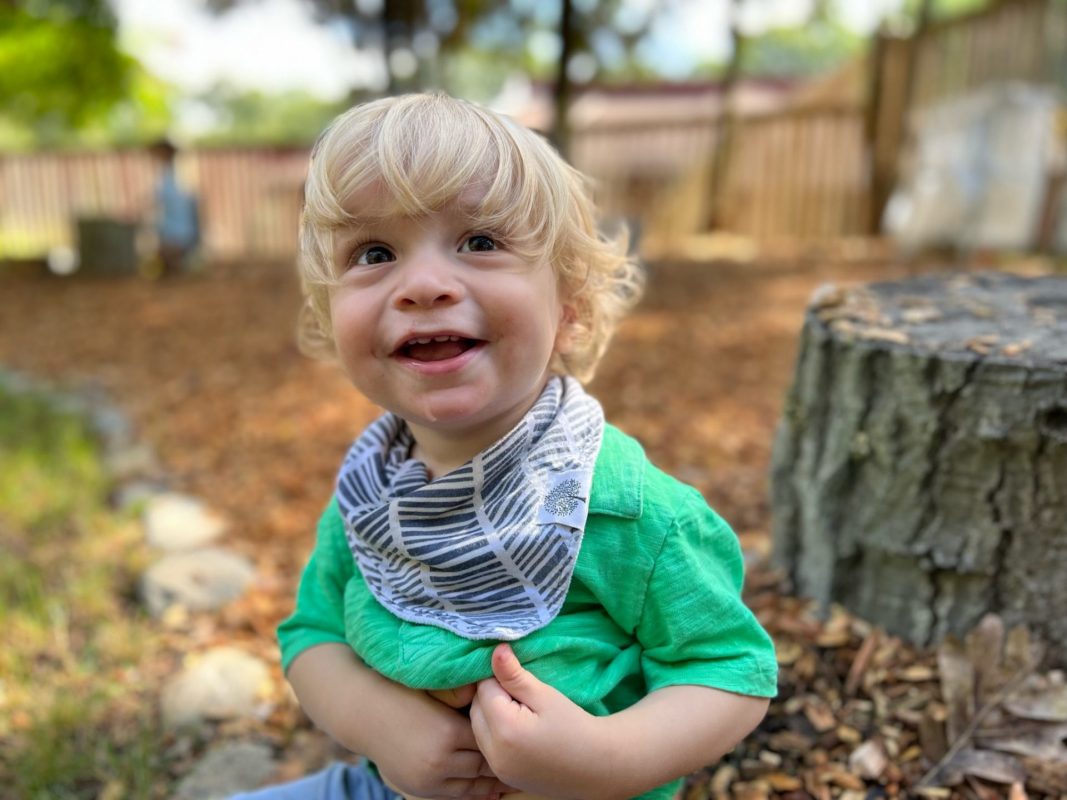
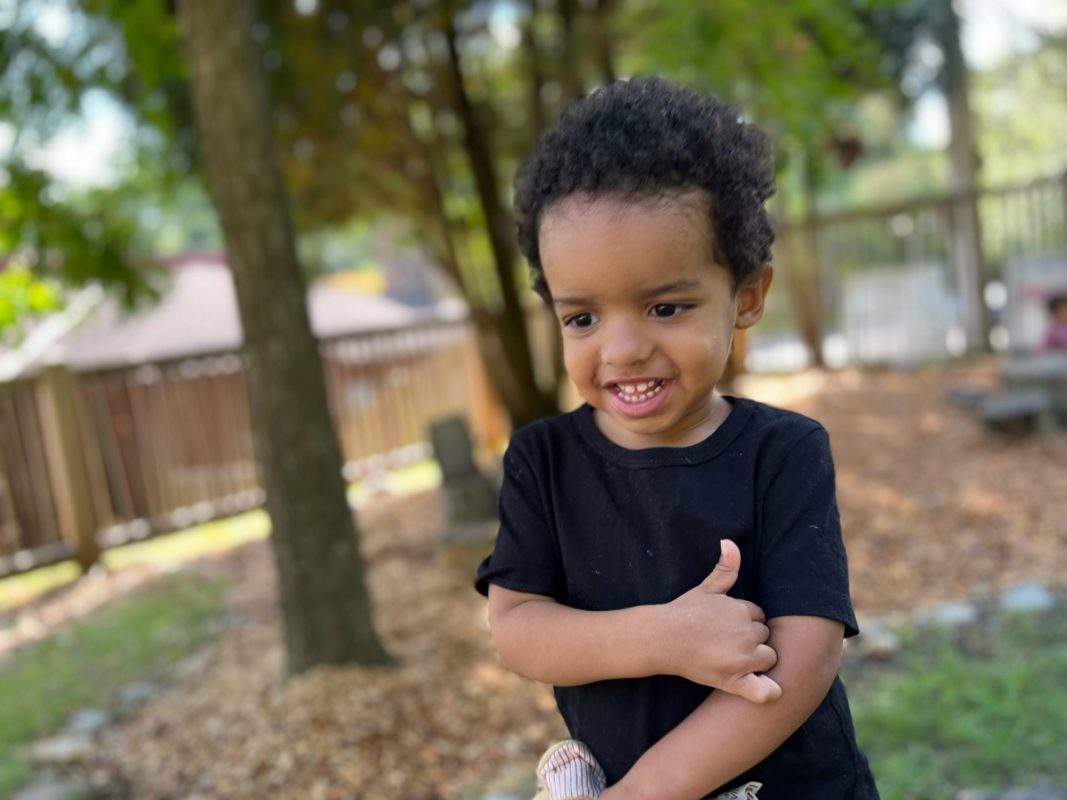
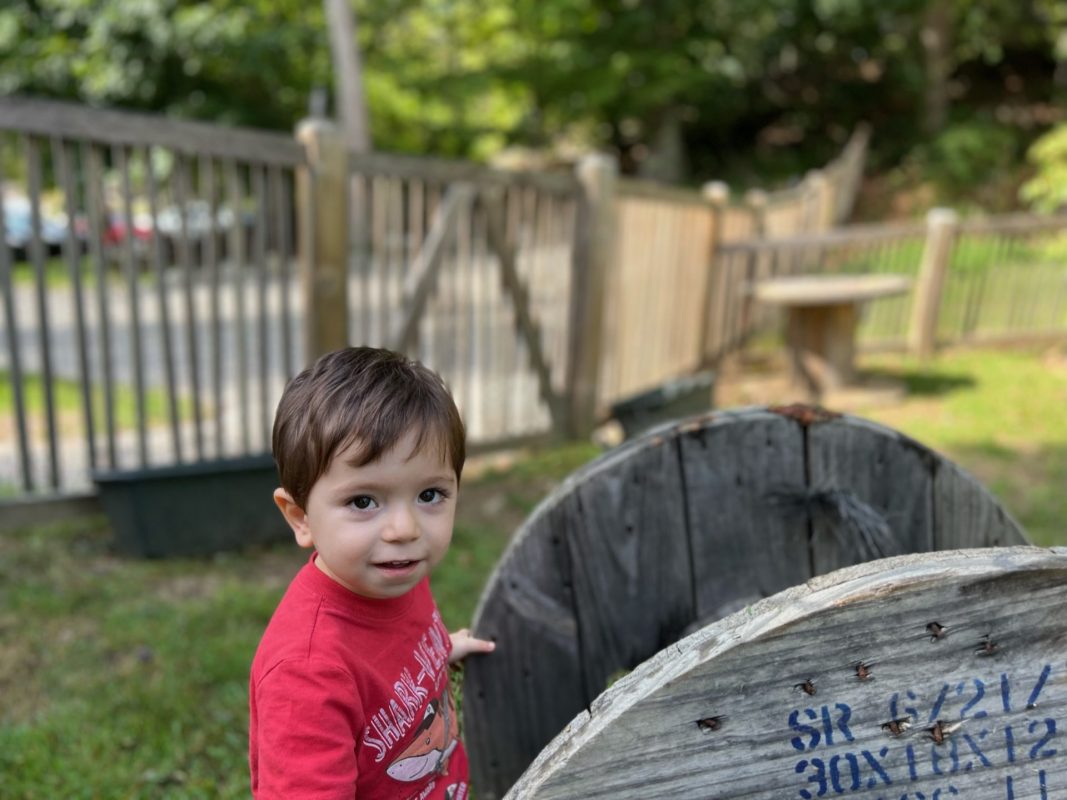
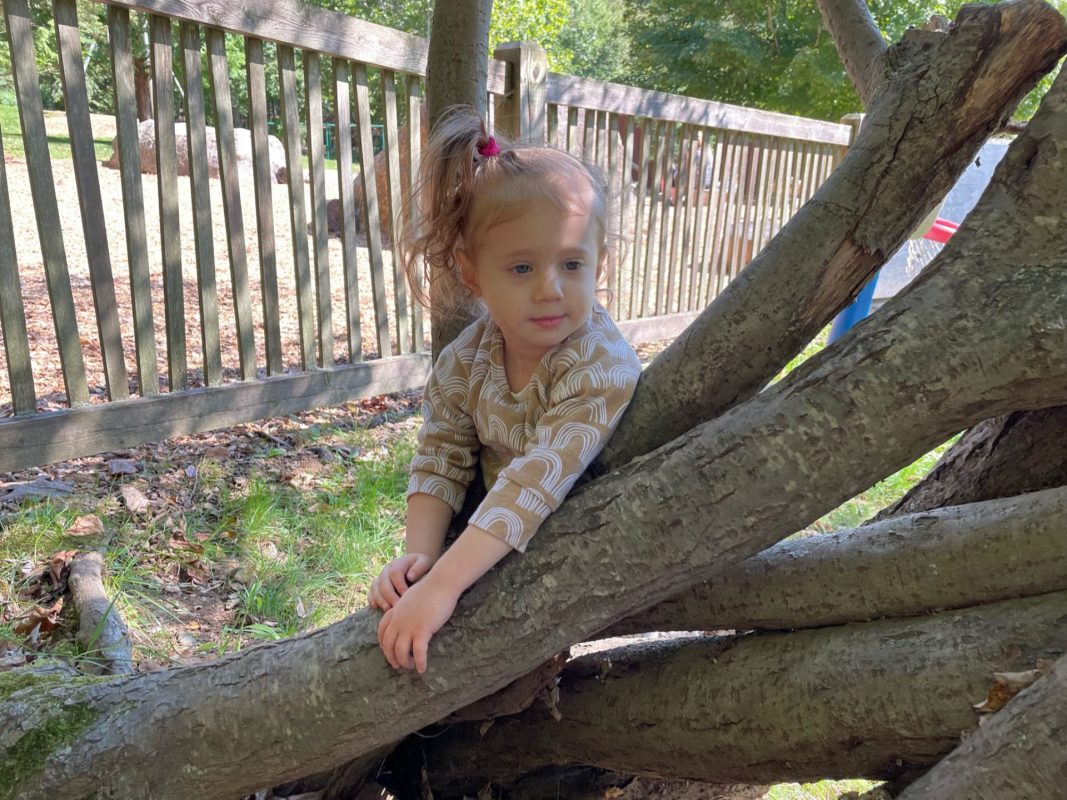
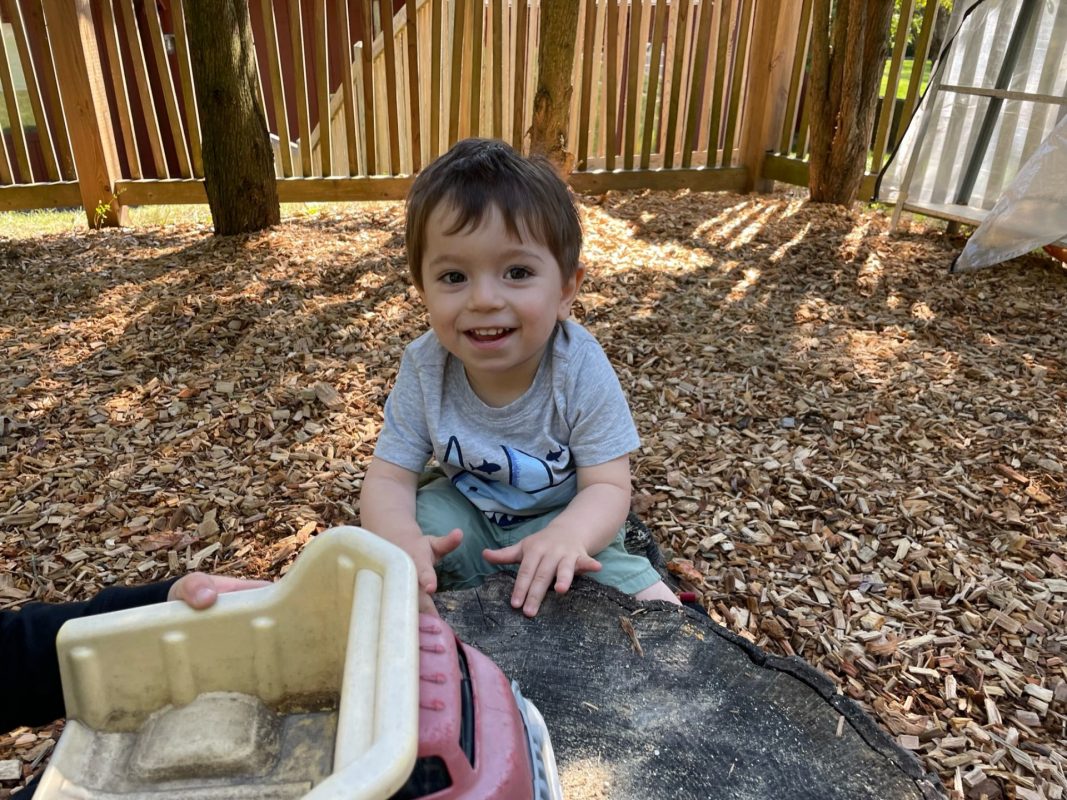
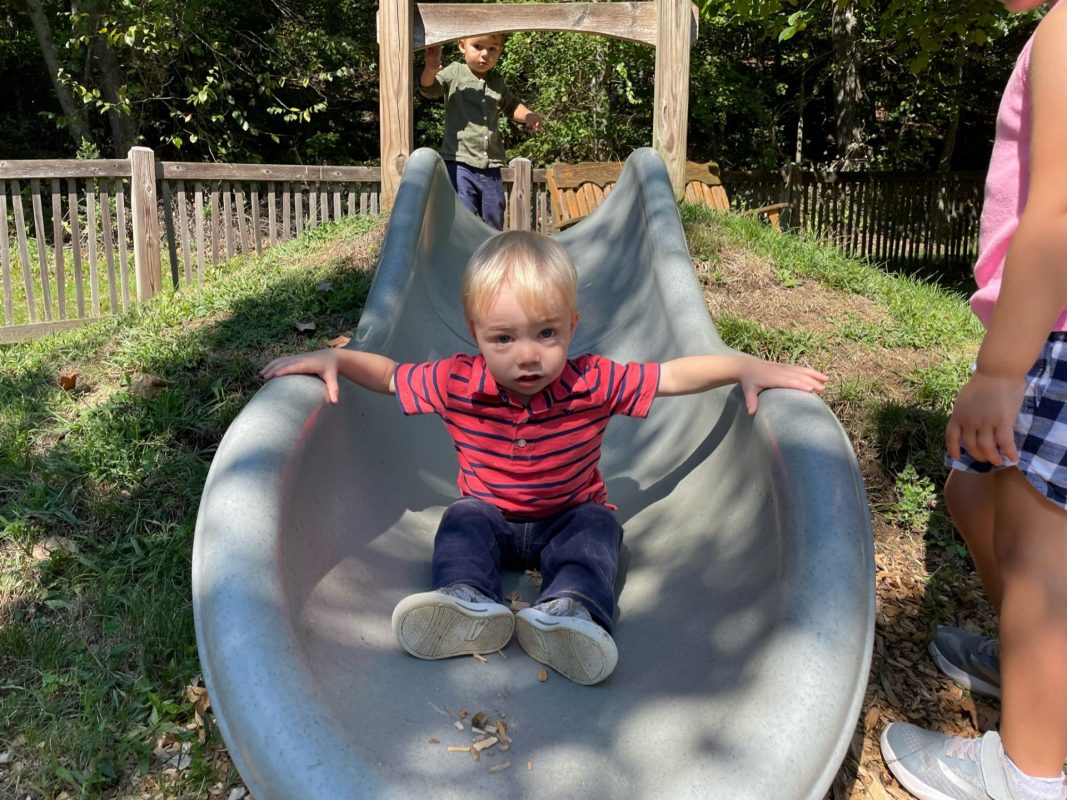
Enjoy the pictures of your beautiful children, 

Mrs. Hood and Ms. Bethann