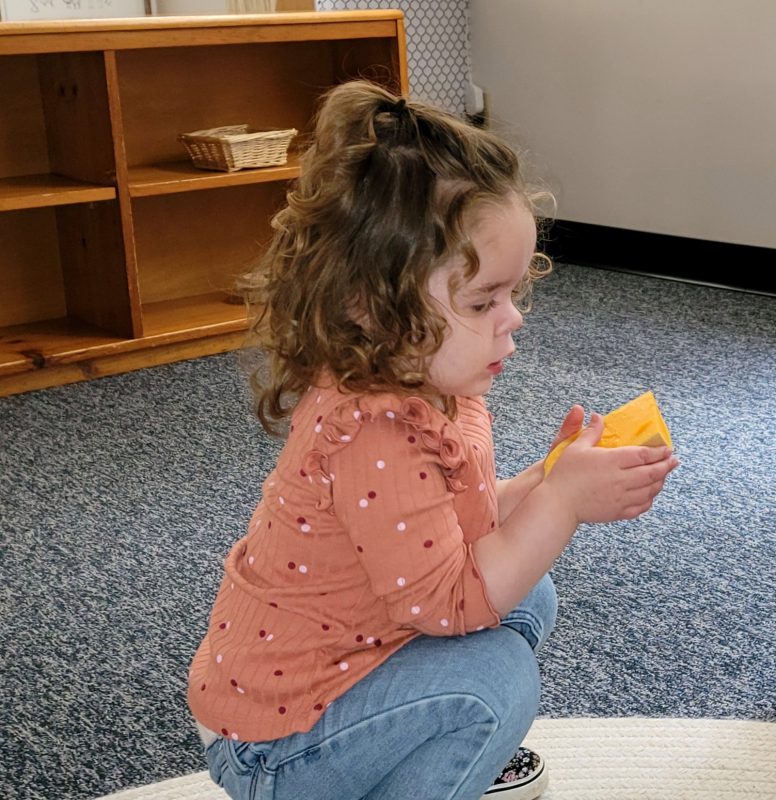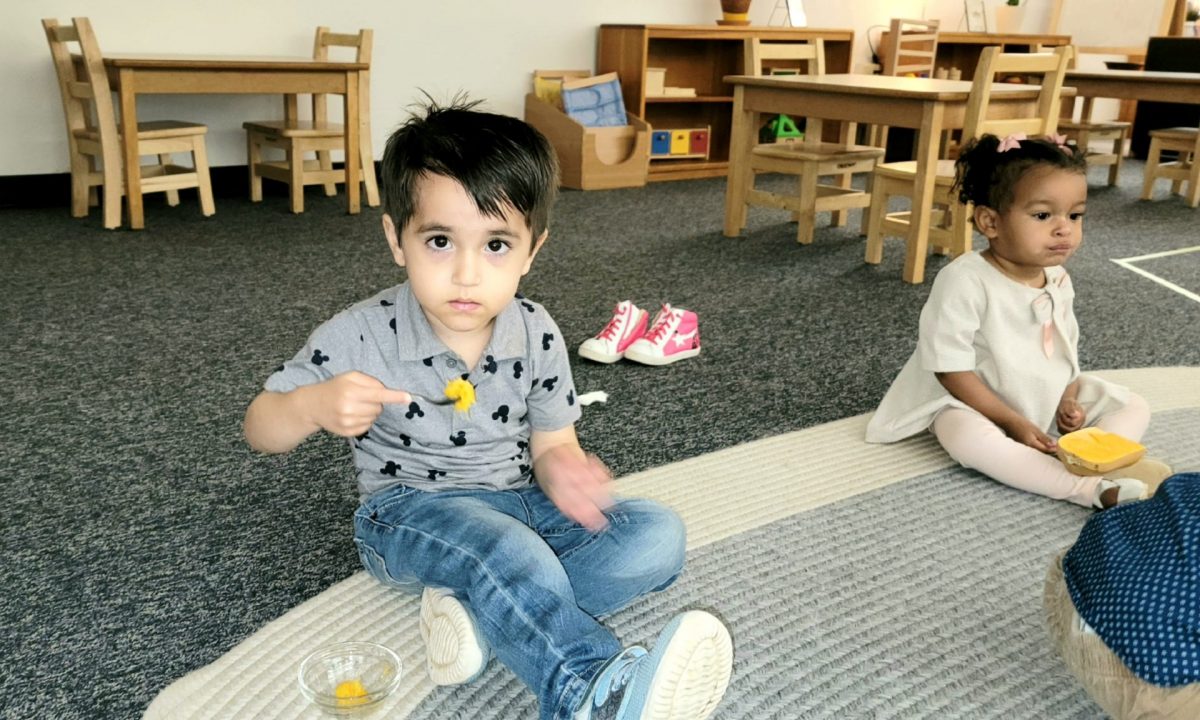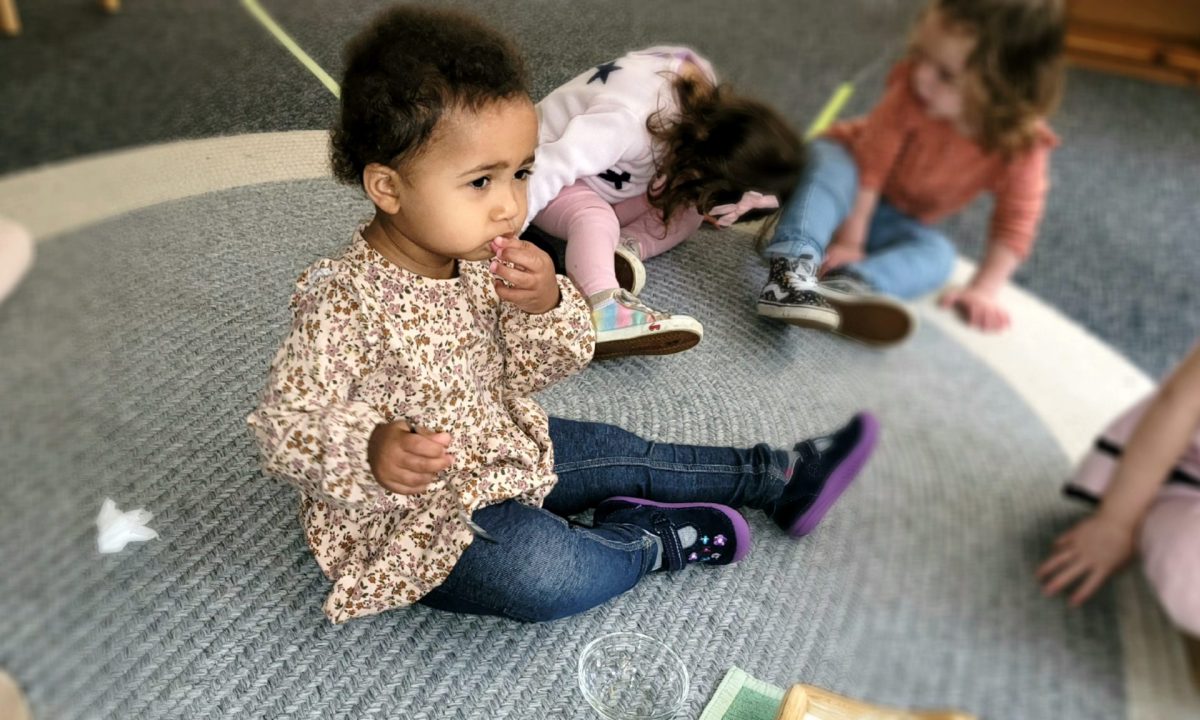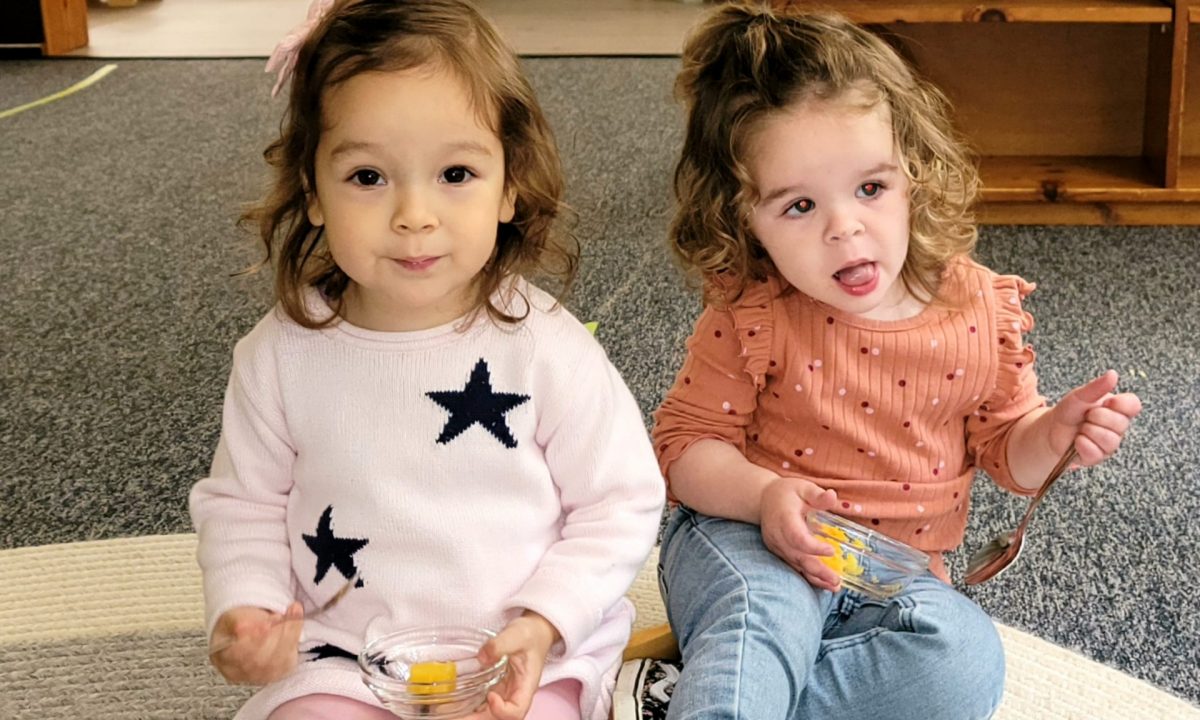
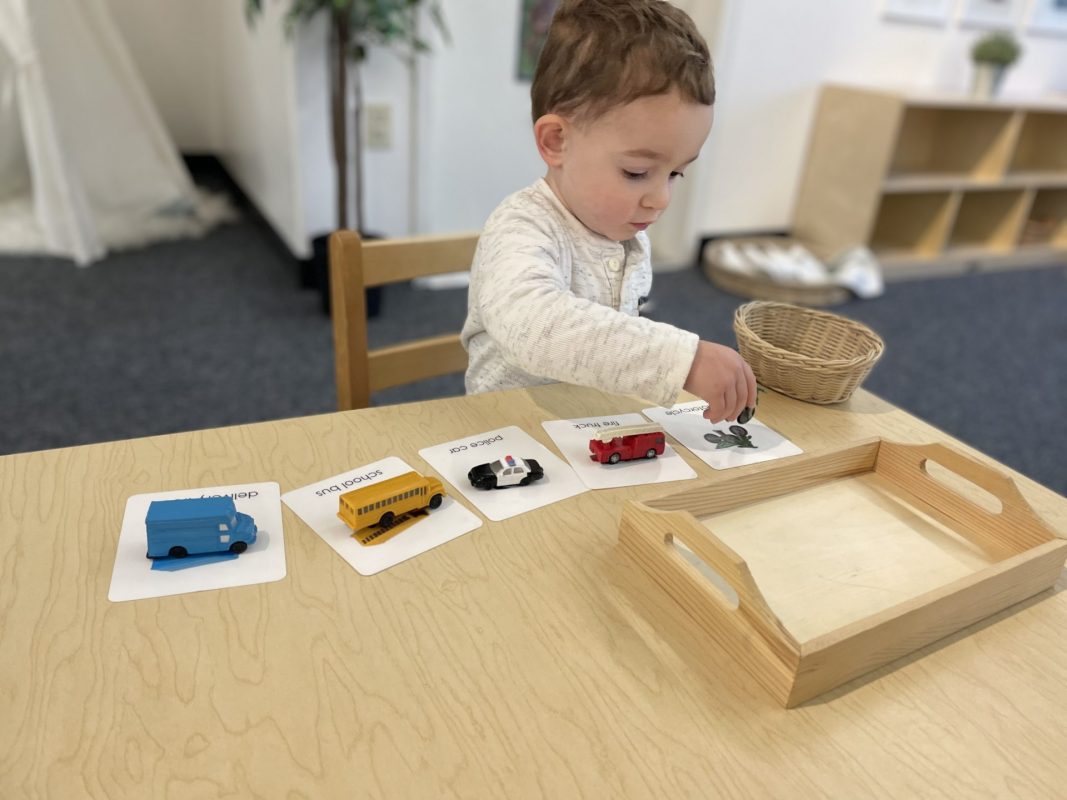
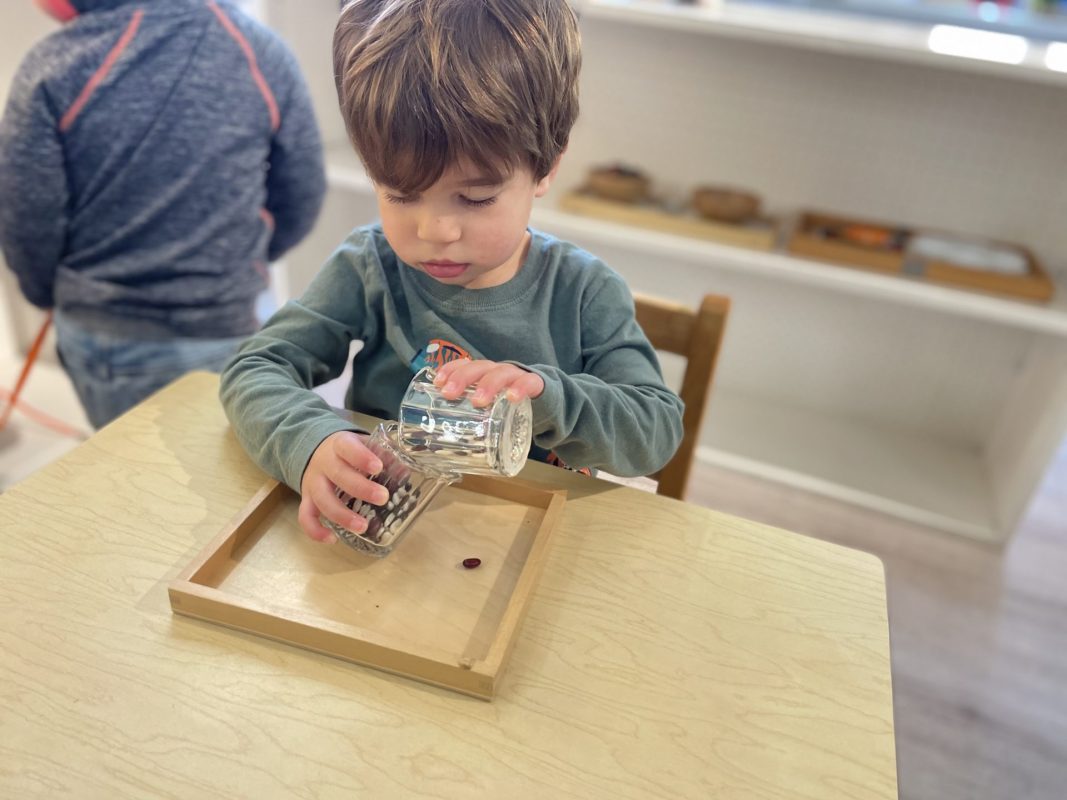
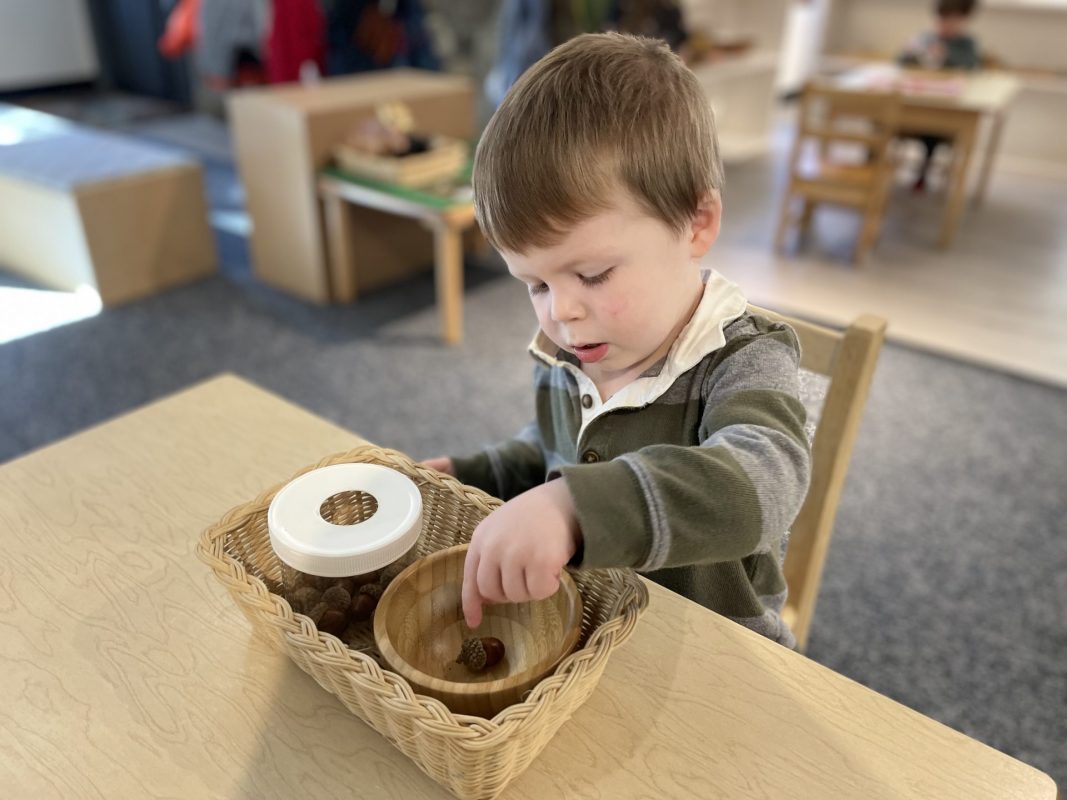
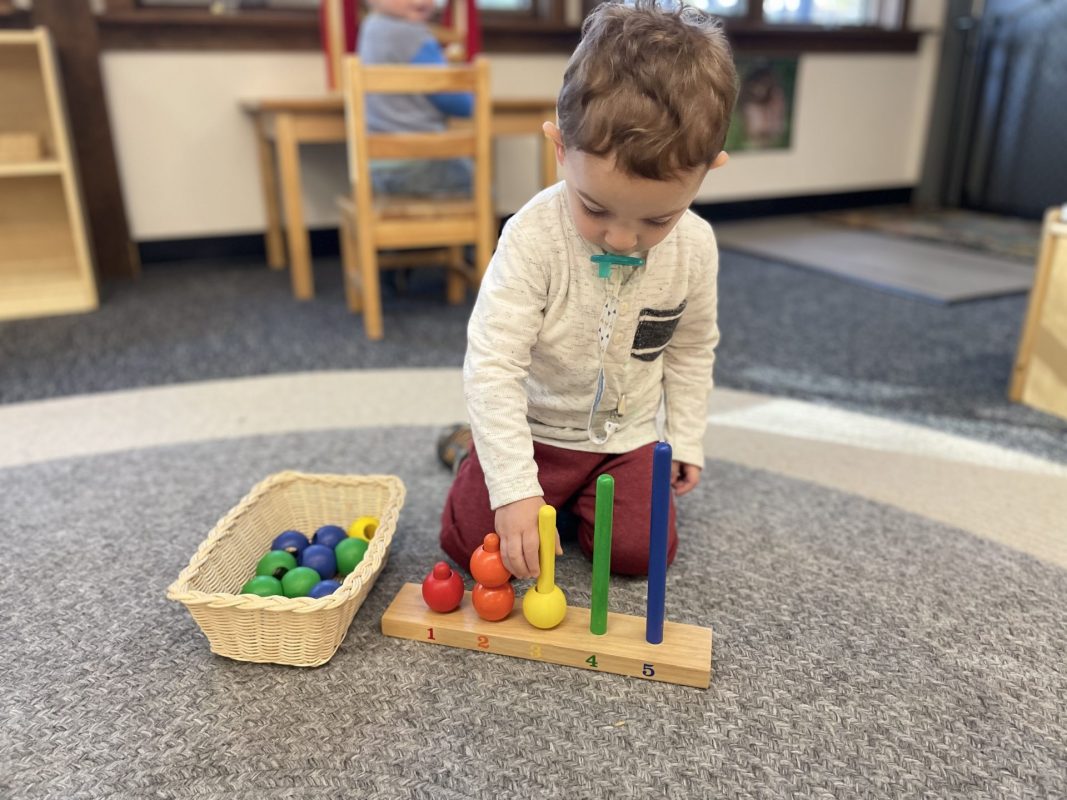
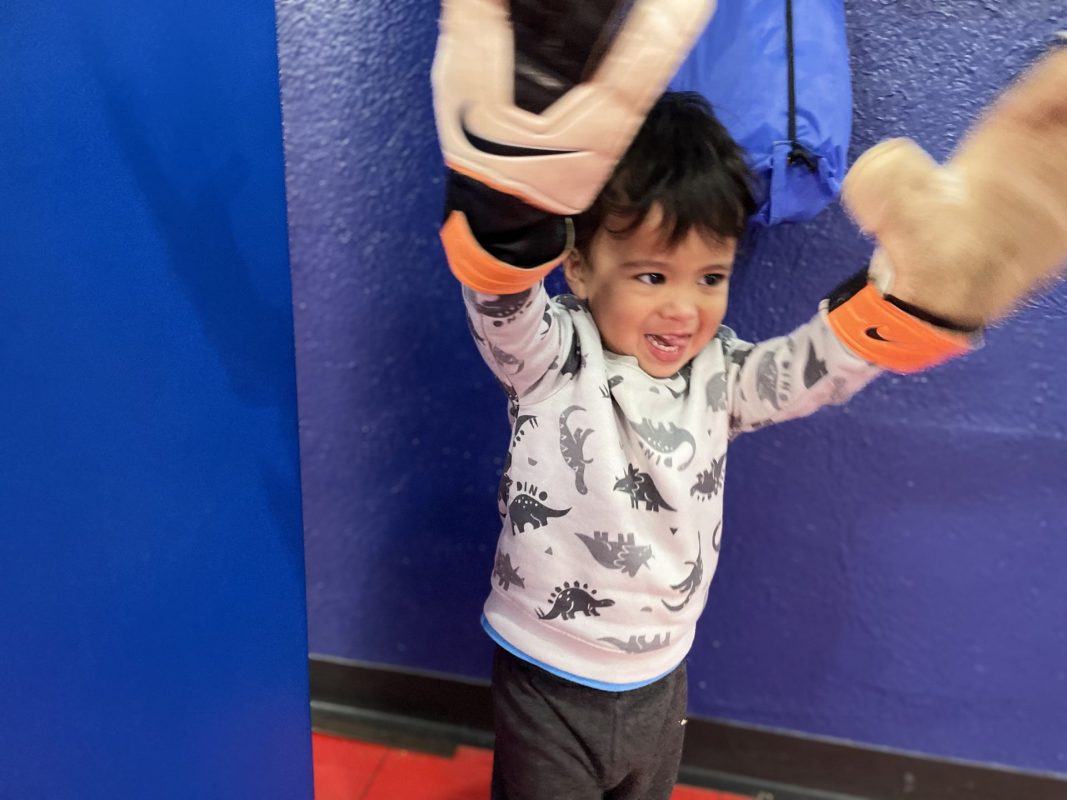
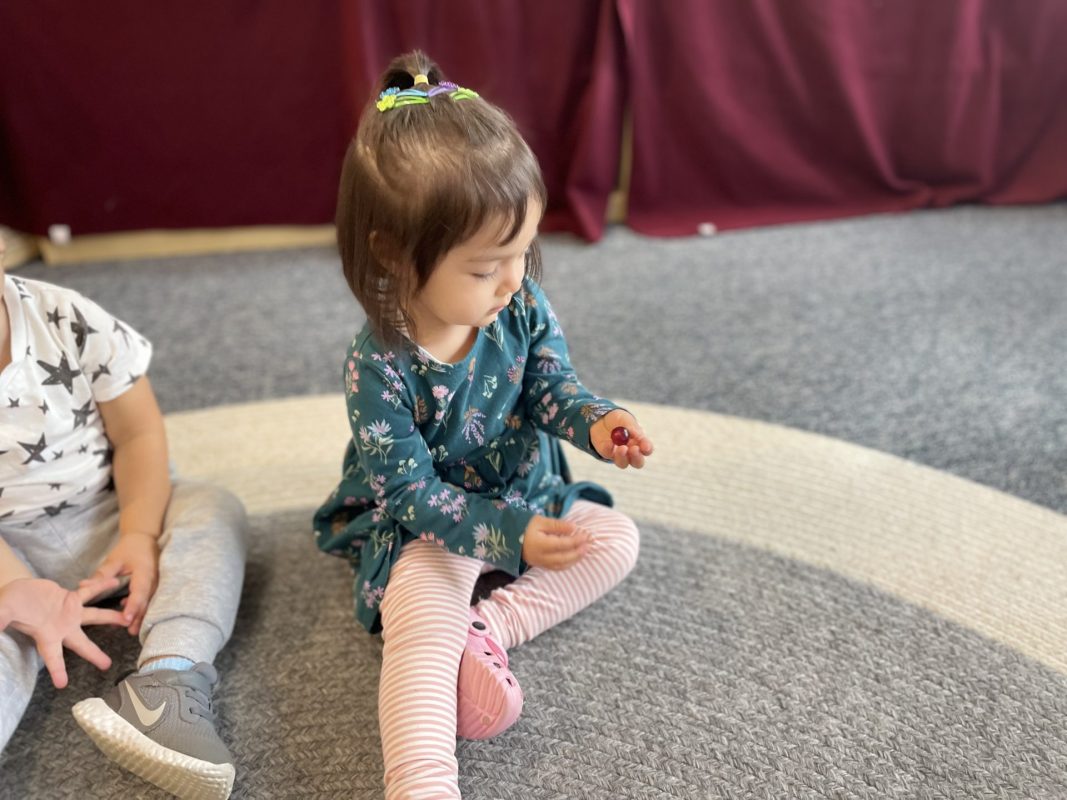
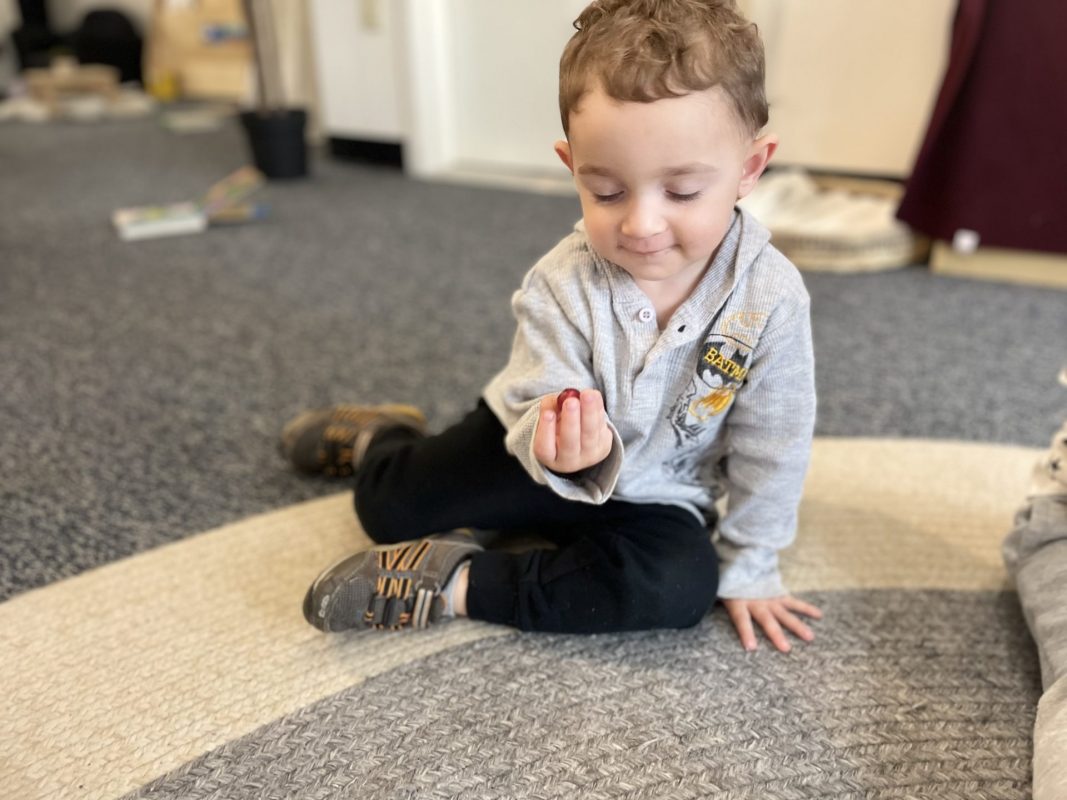
Mrs. Hood: Practicing Concentration!

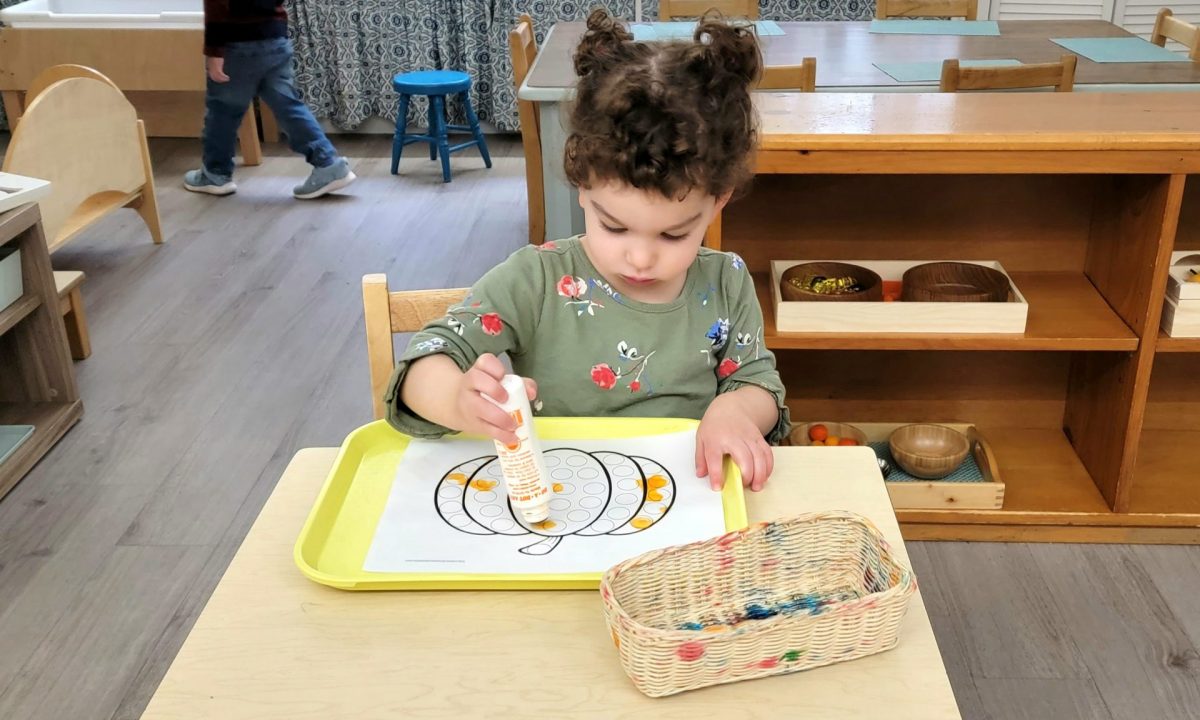
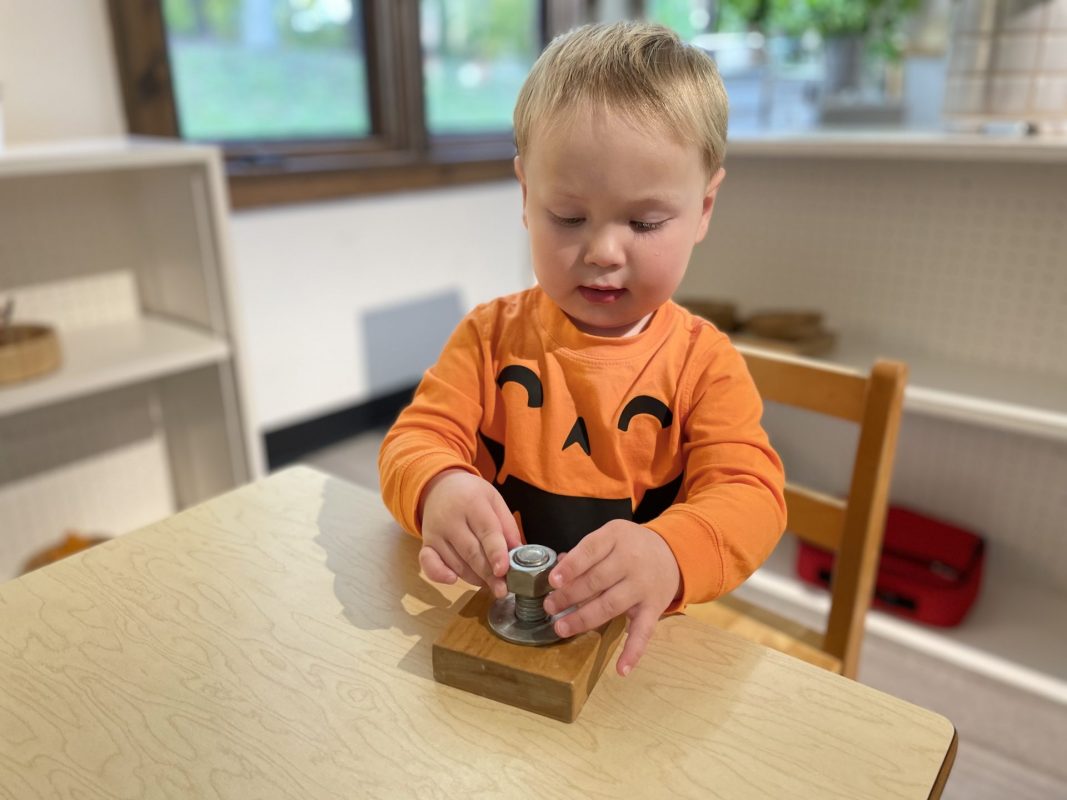
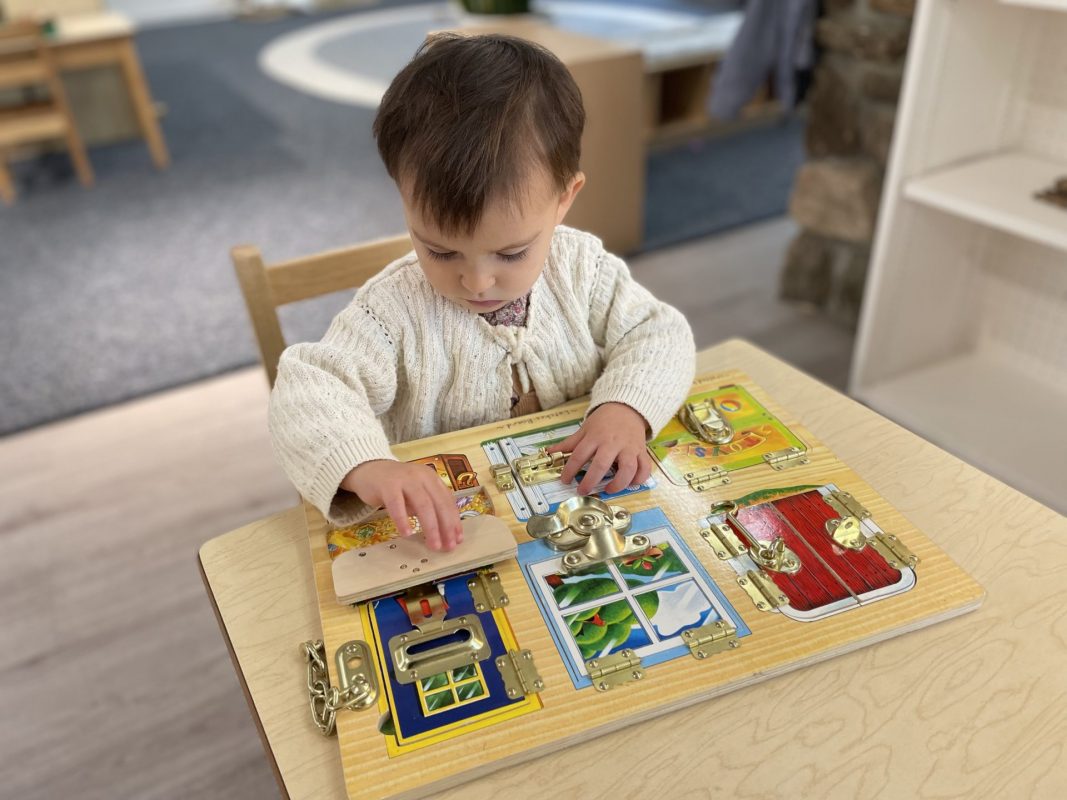
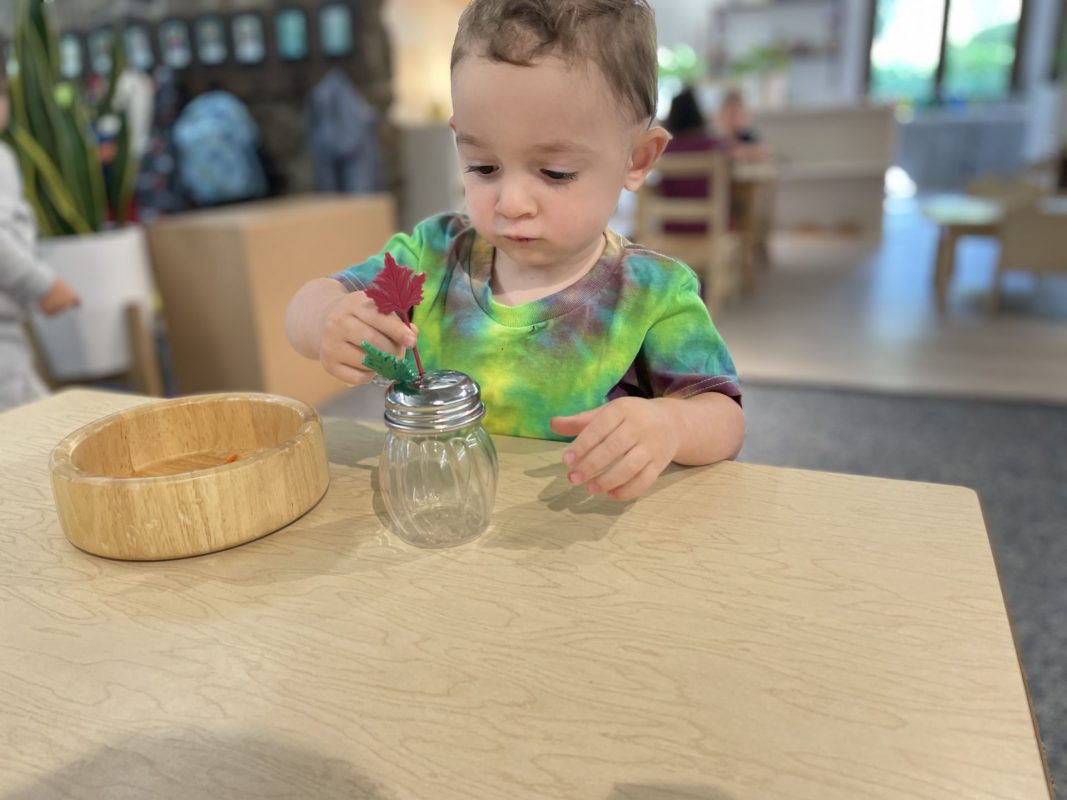
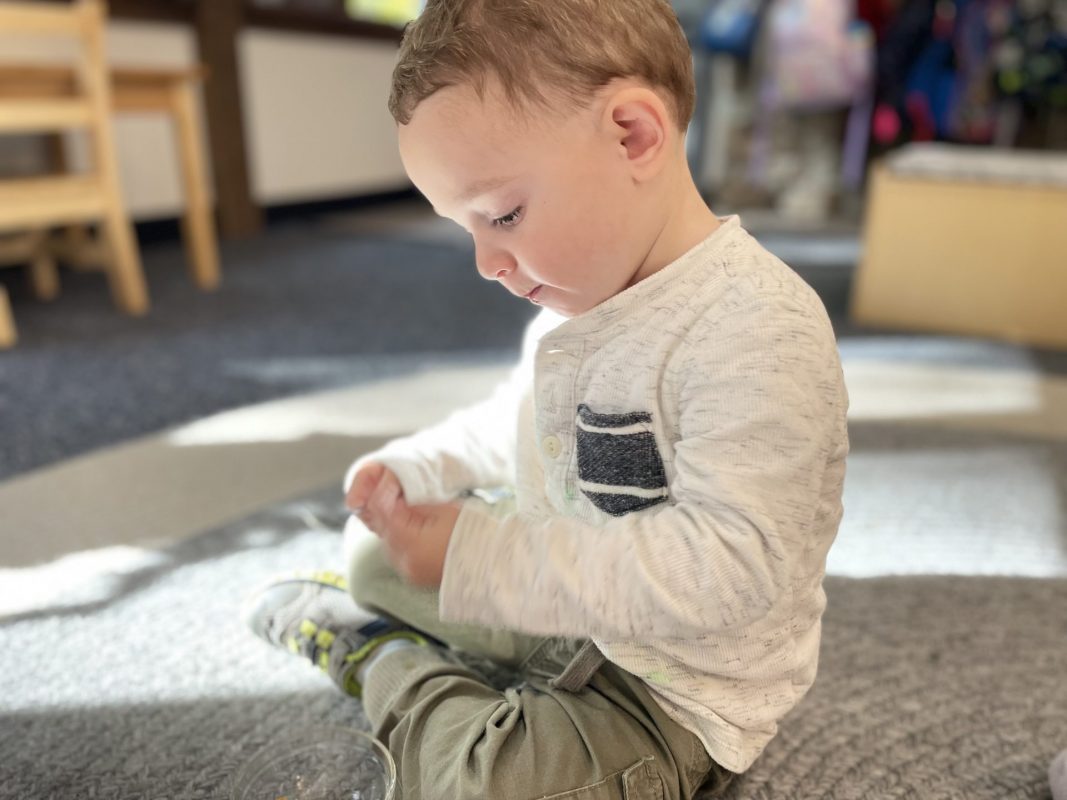
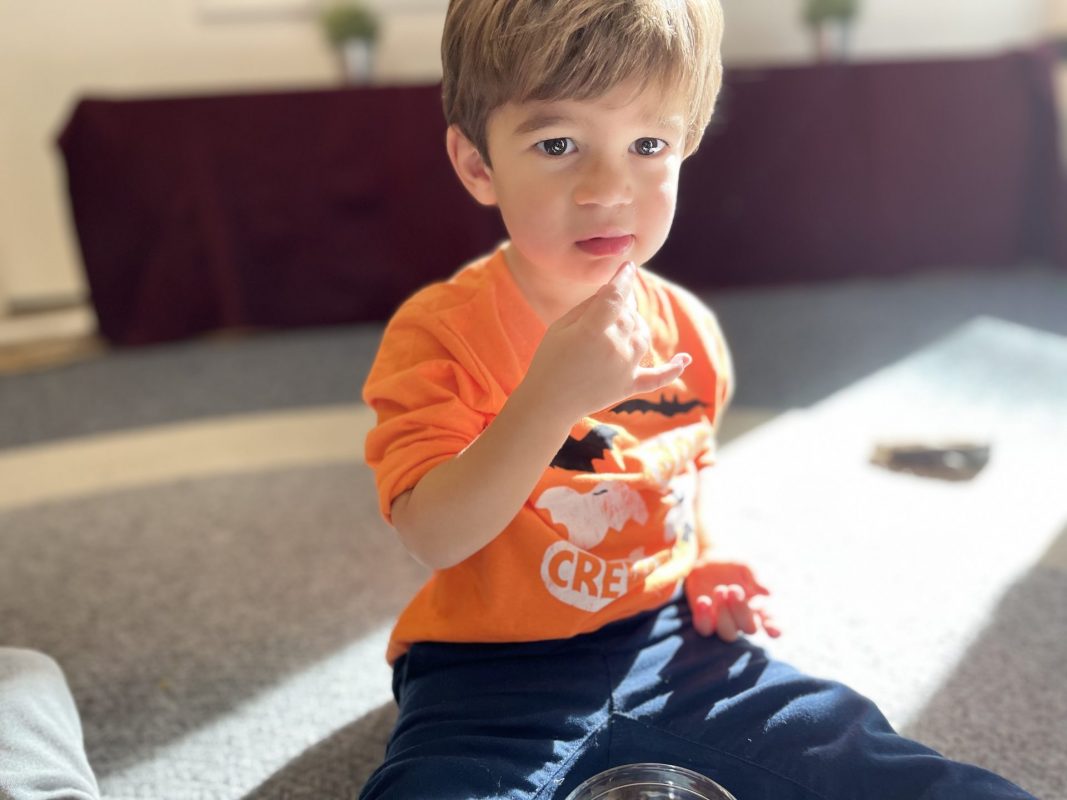
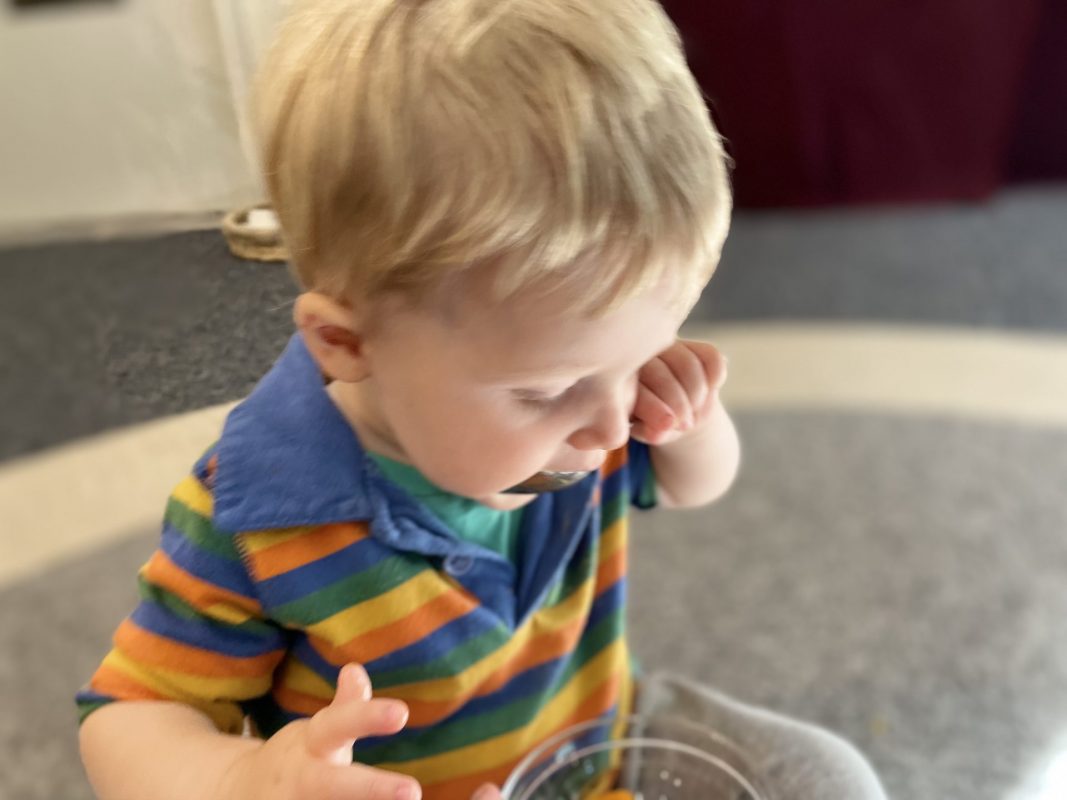
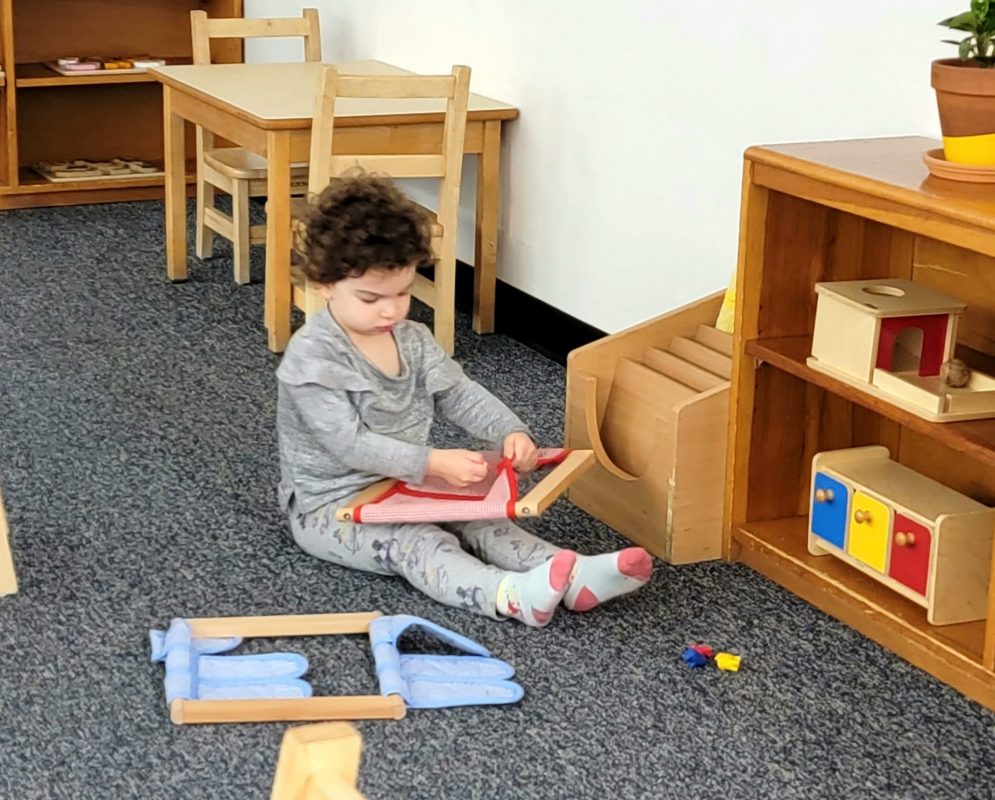
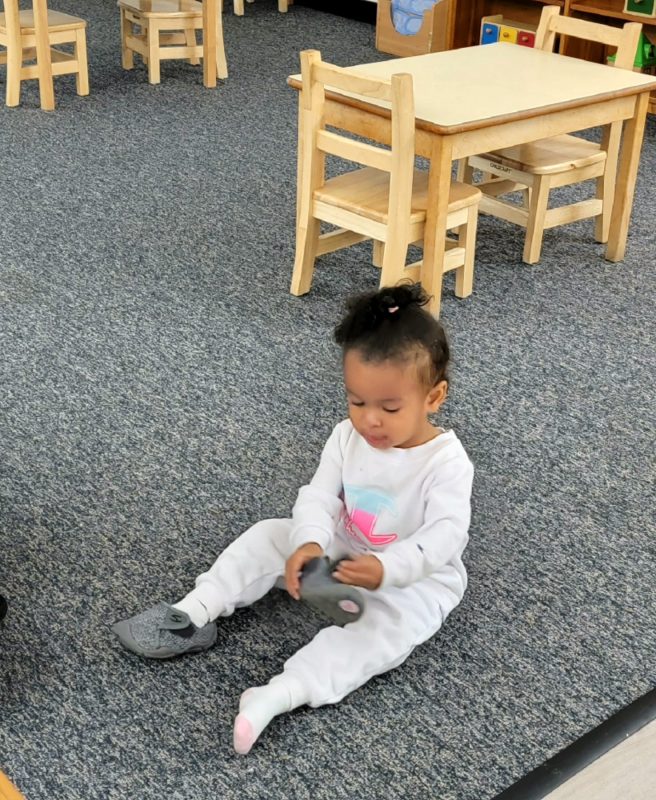
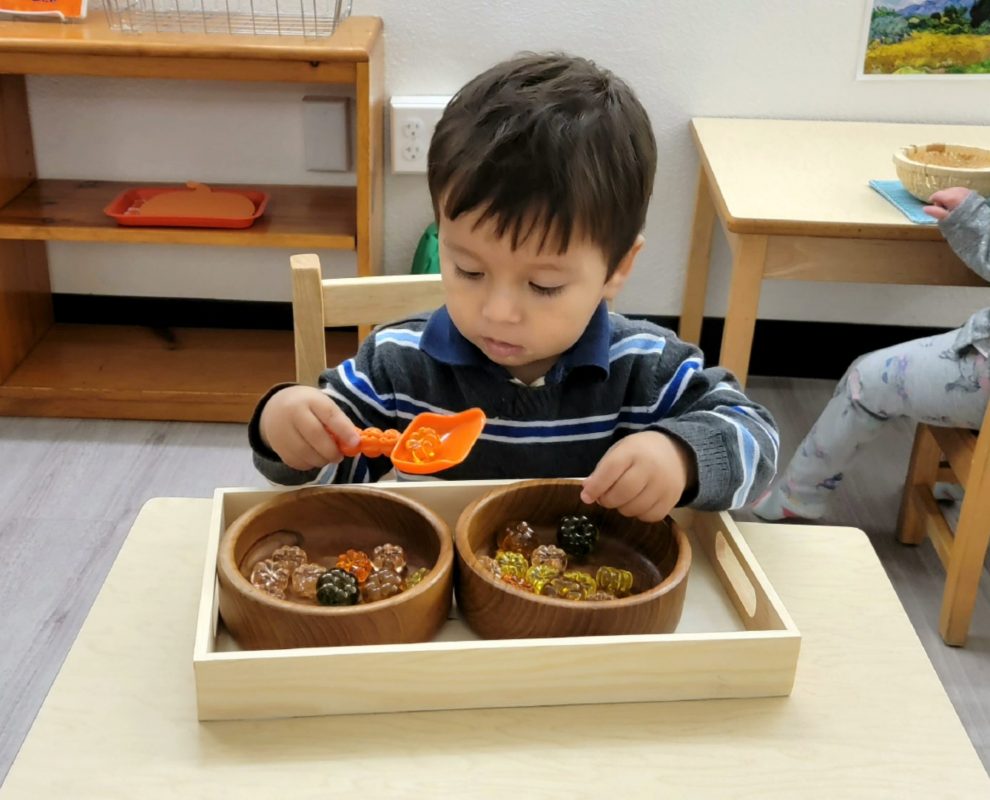
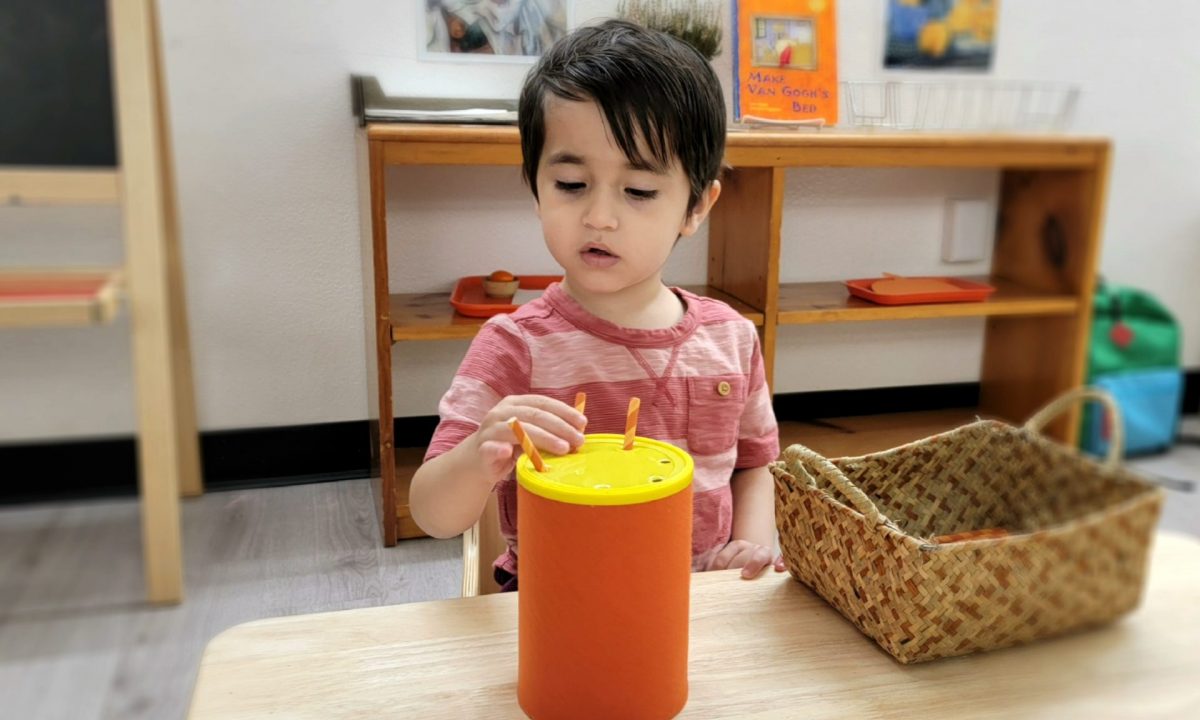
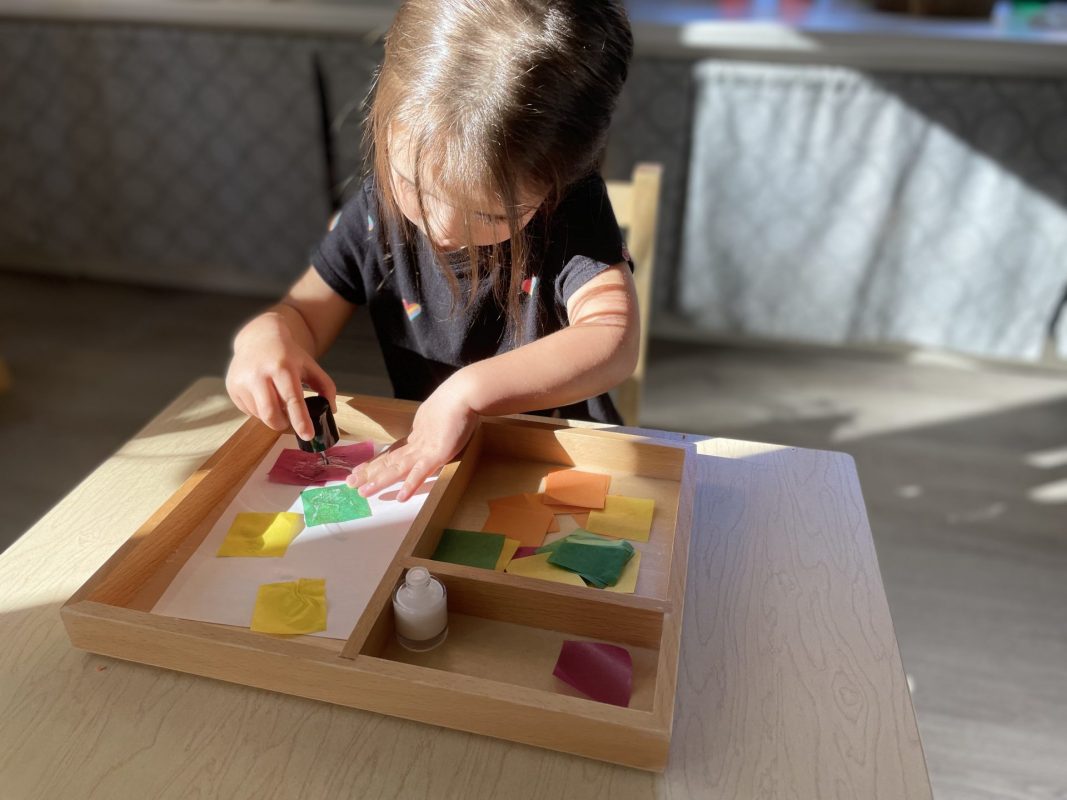
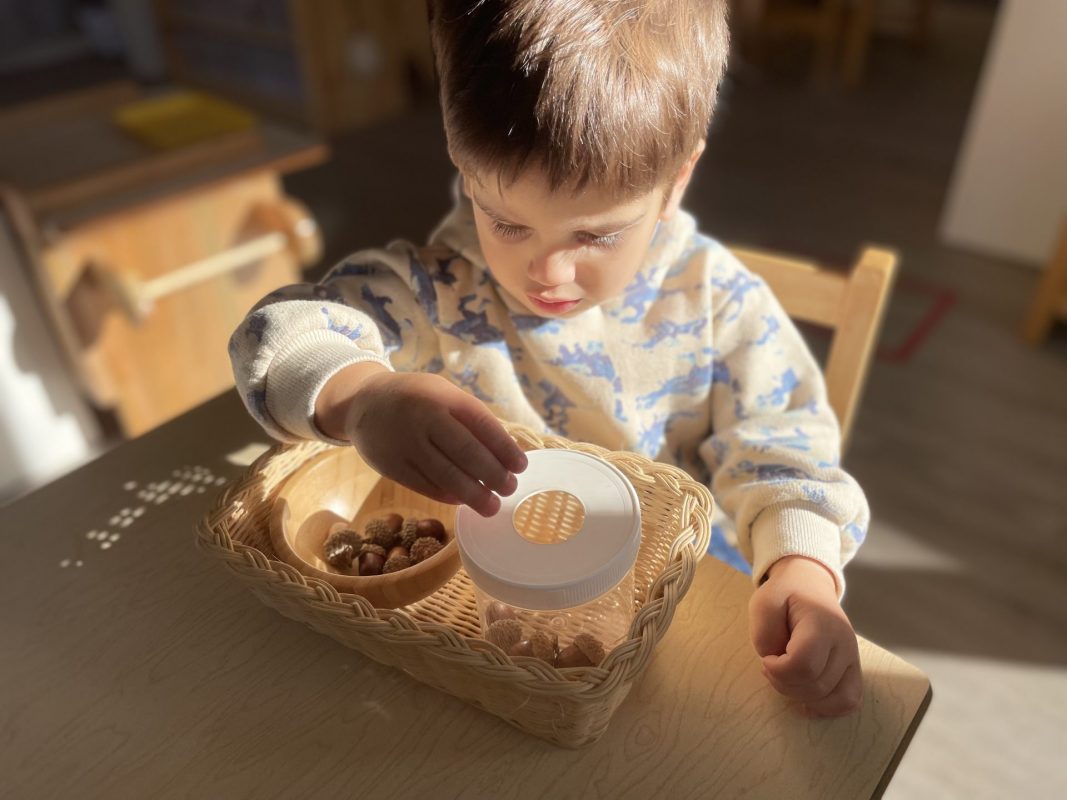
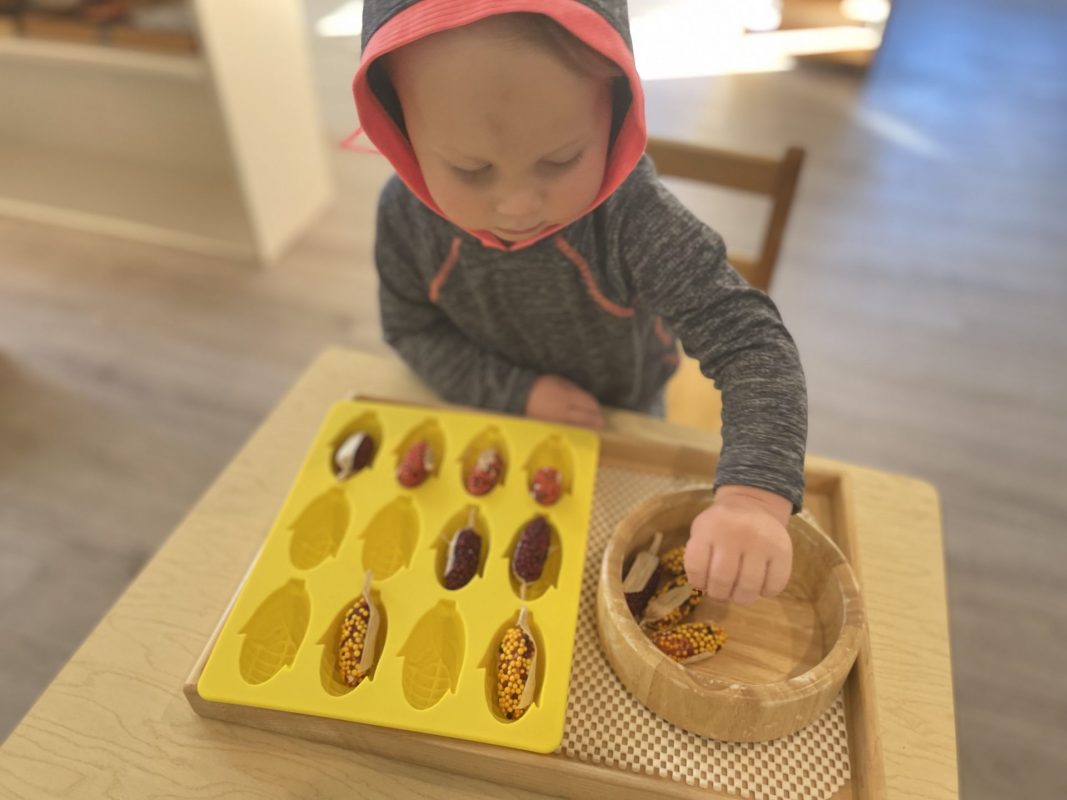
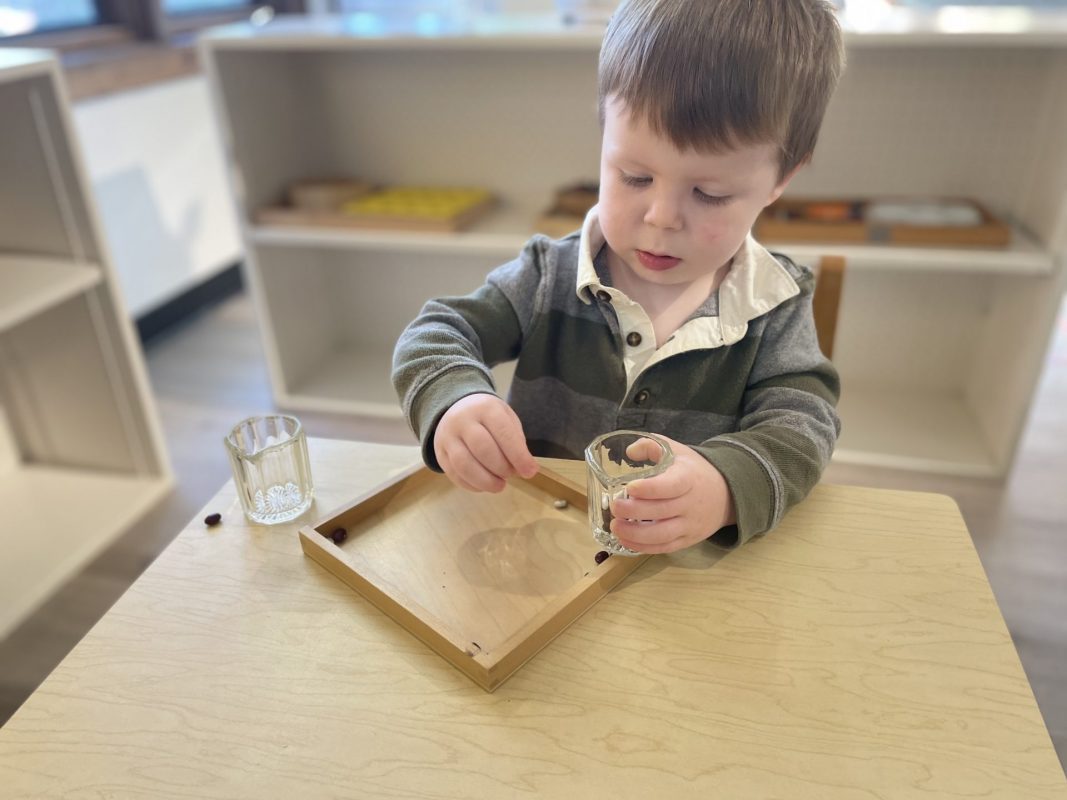
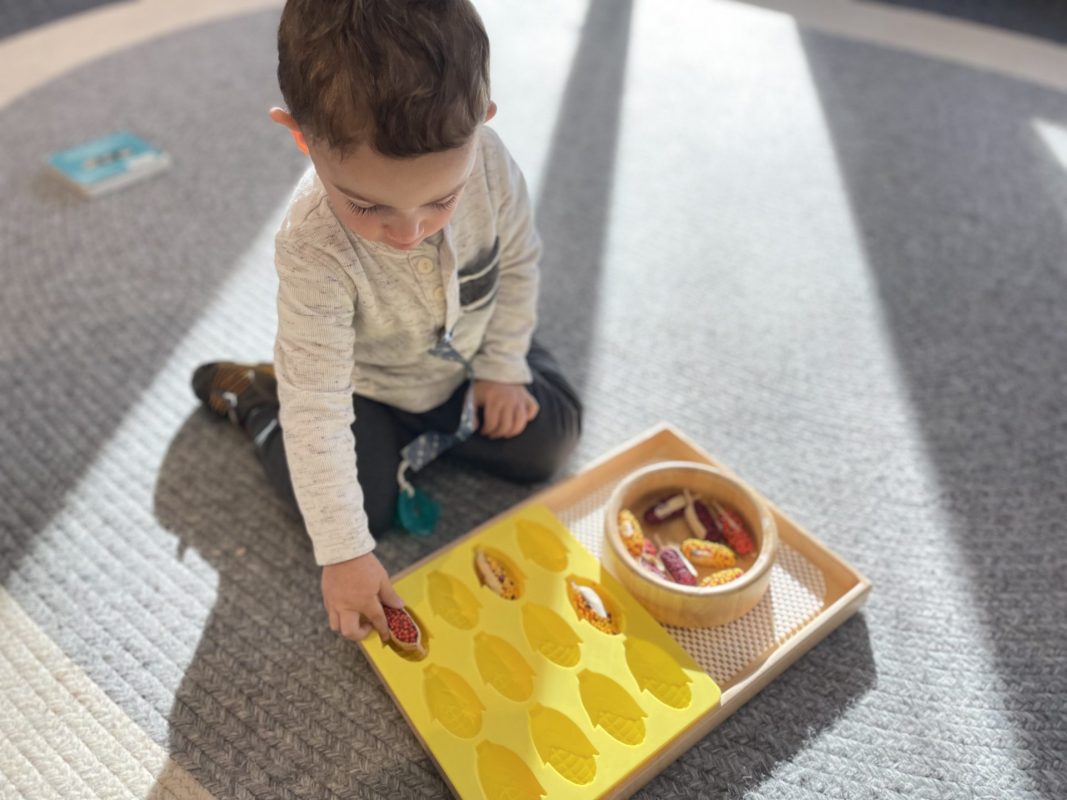
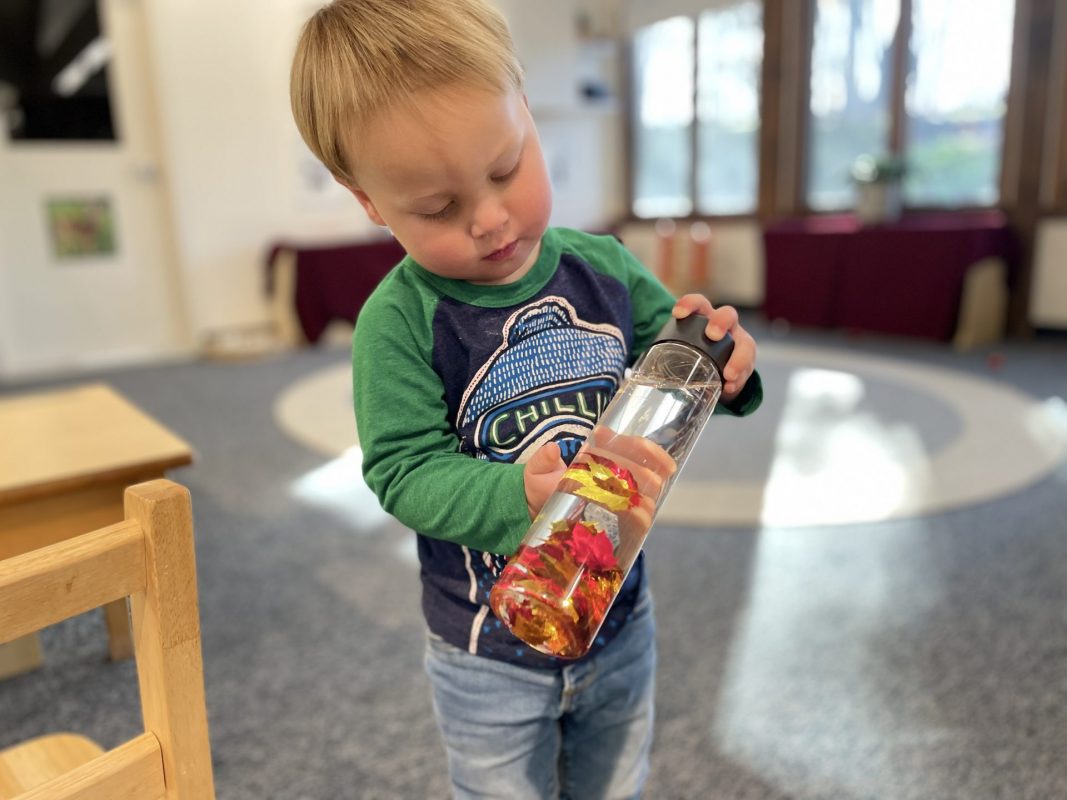
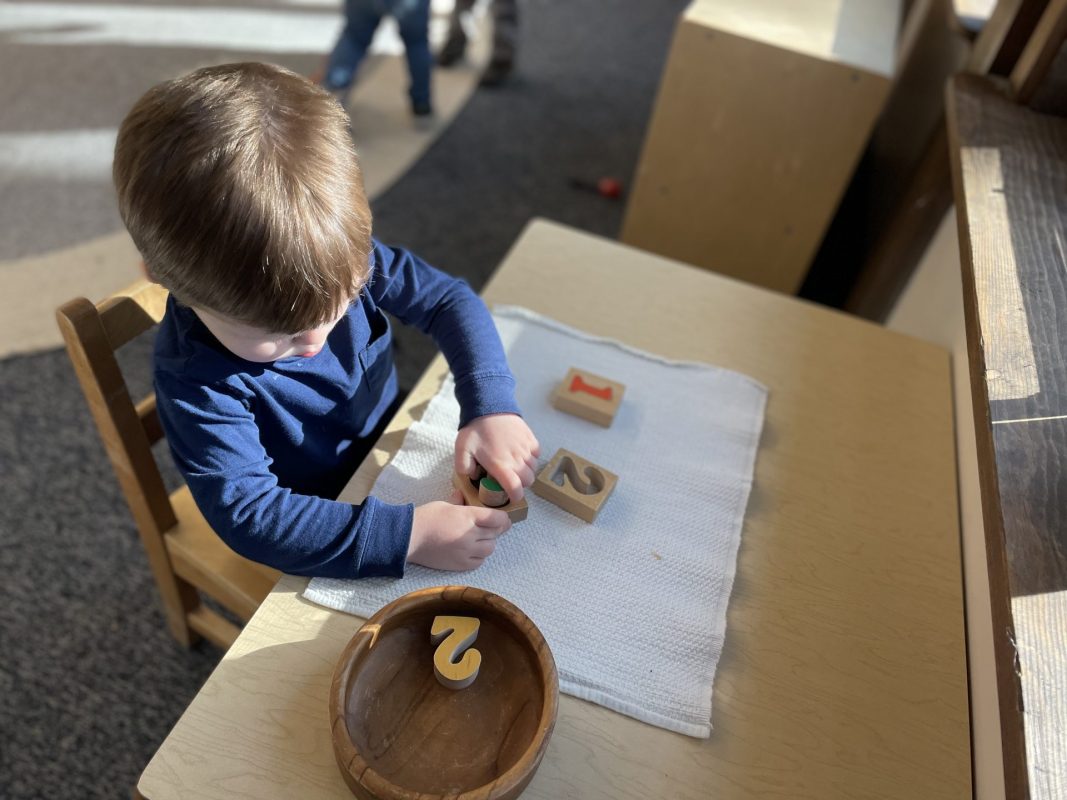
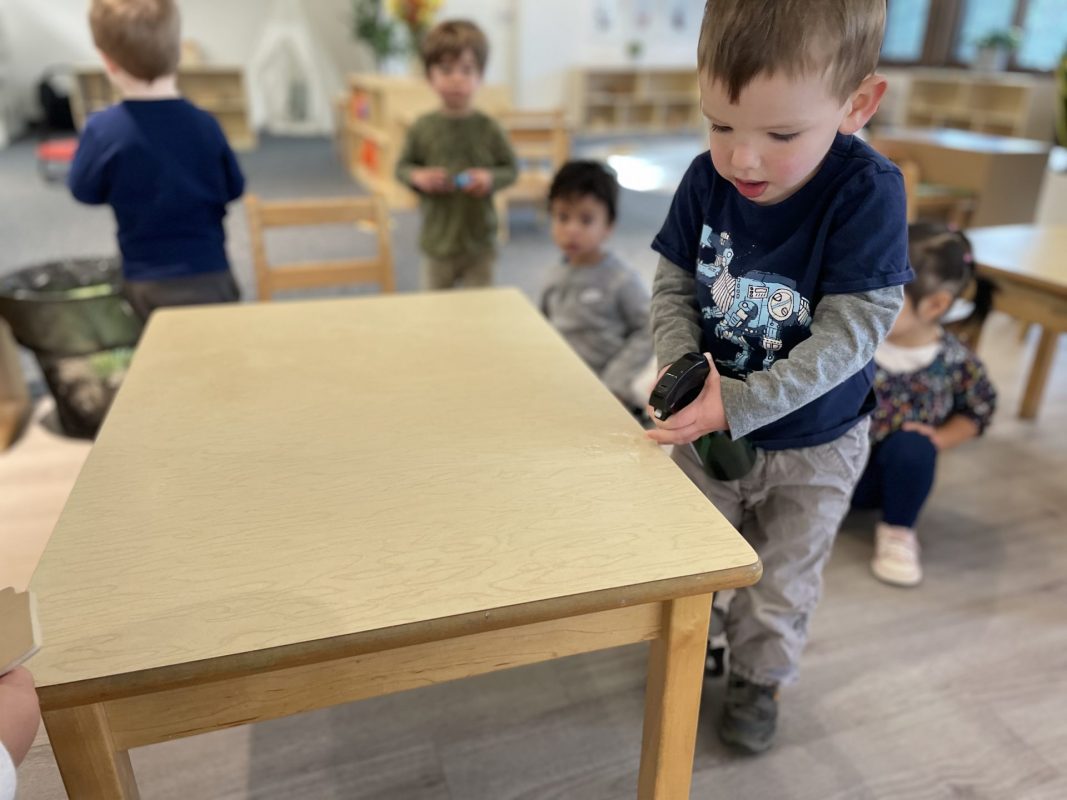
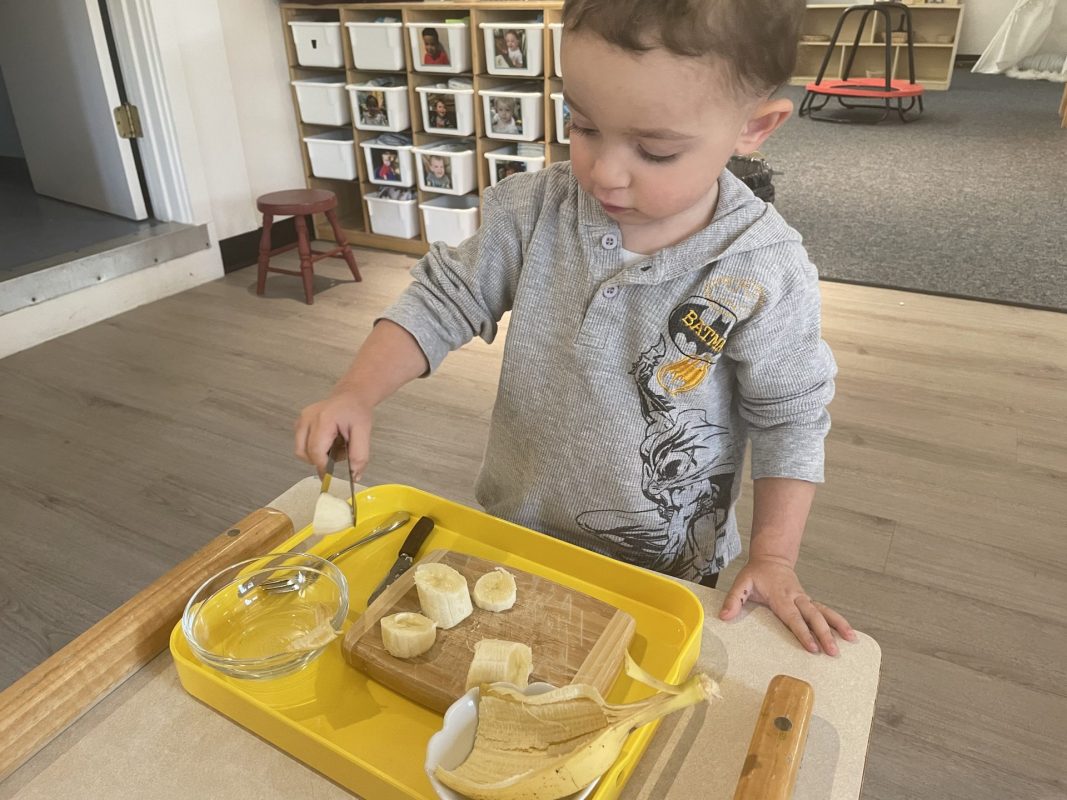
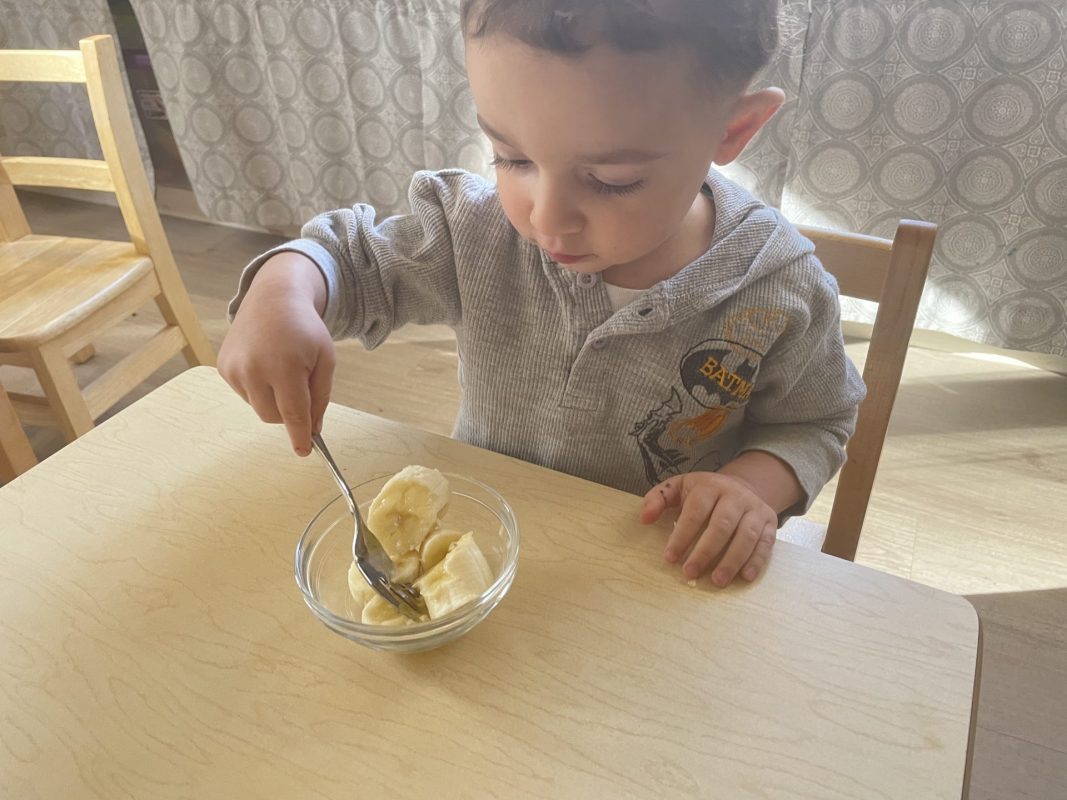
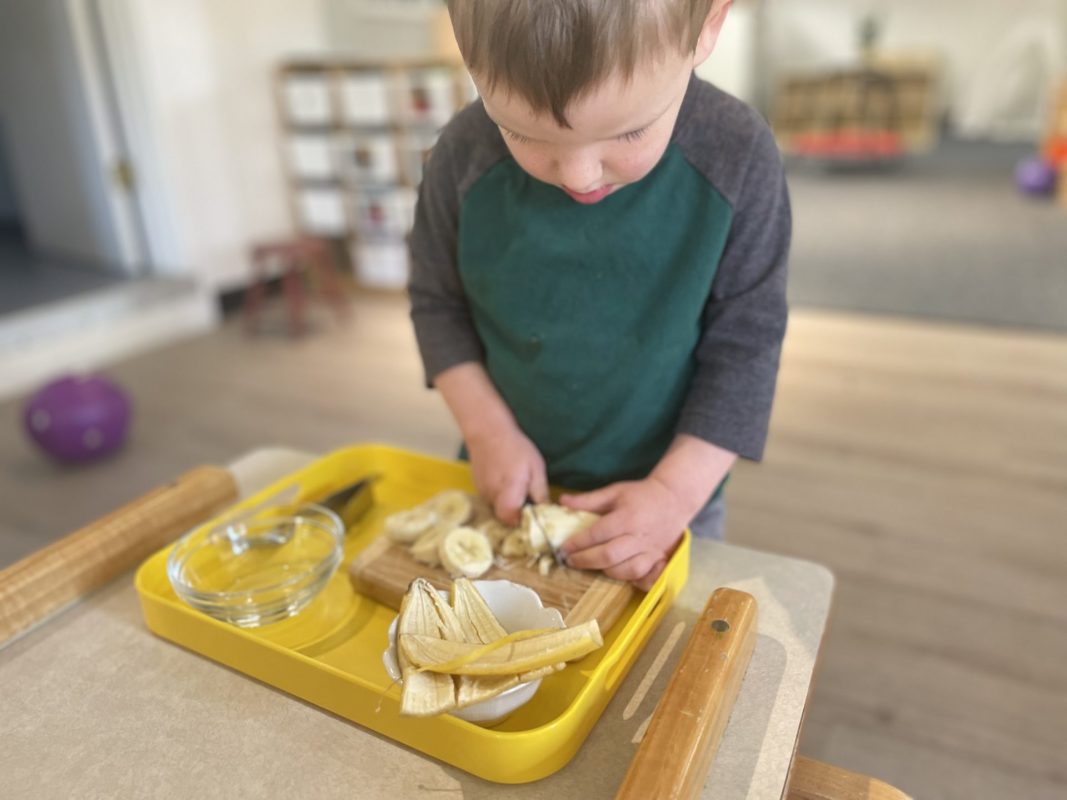
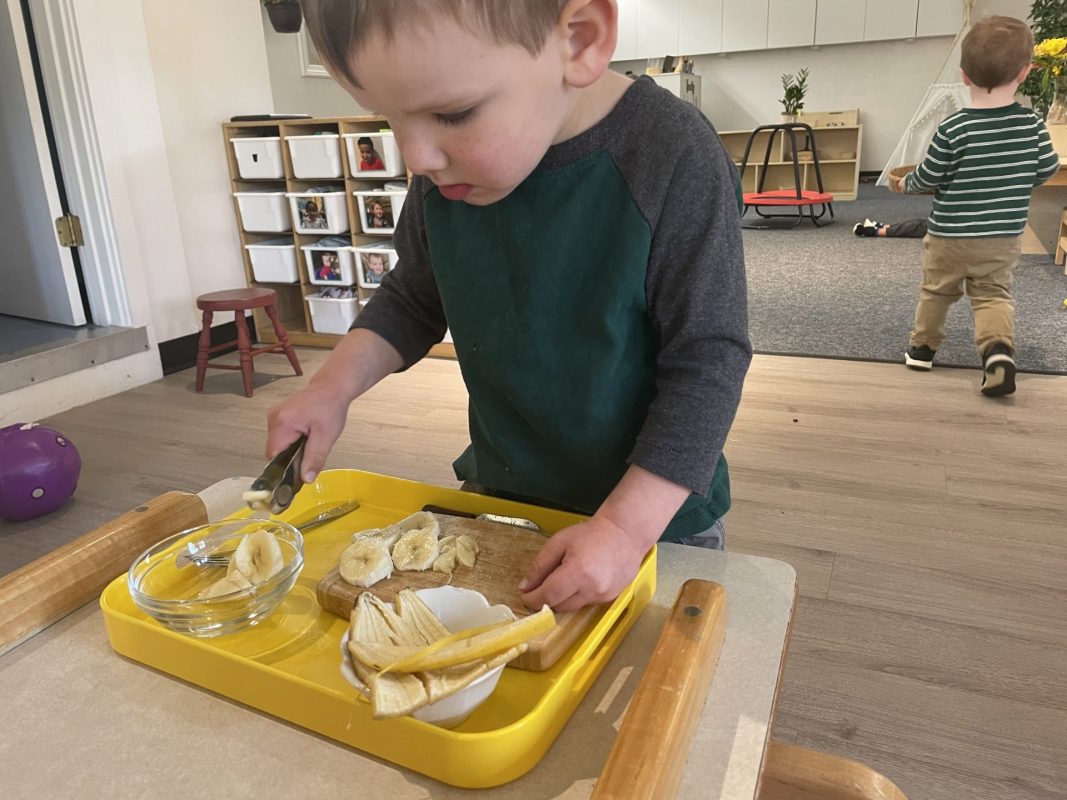
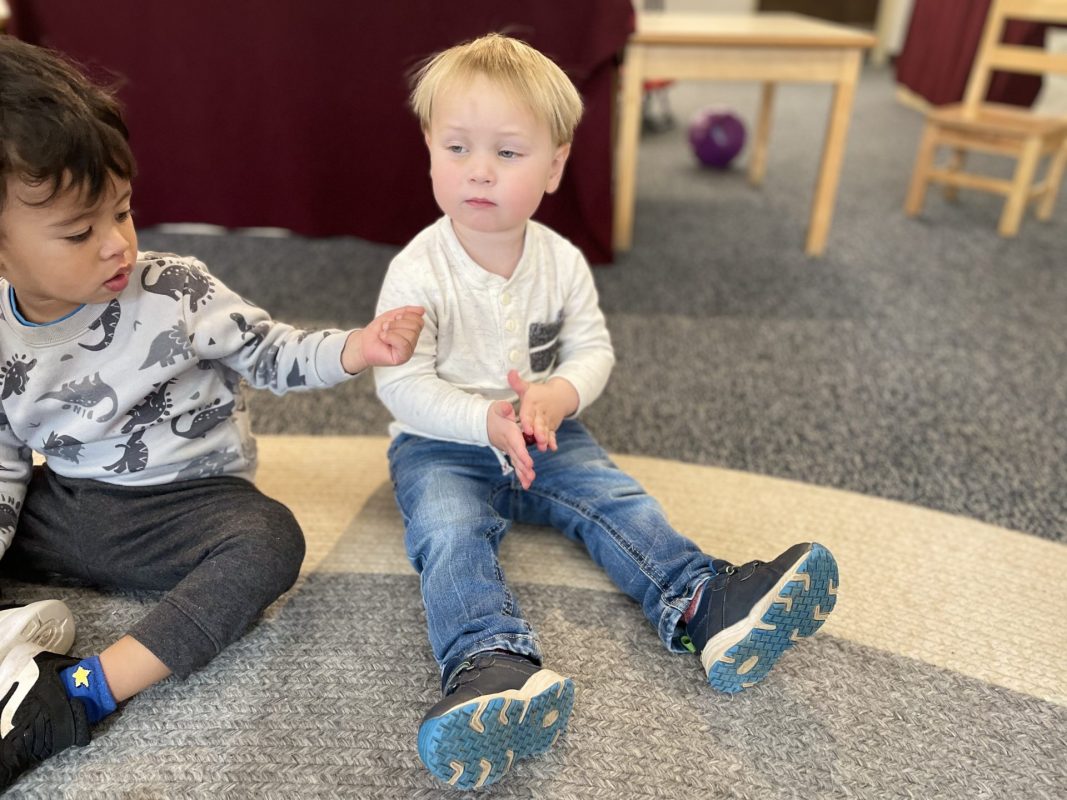
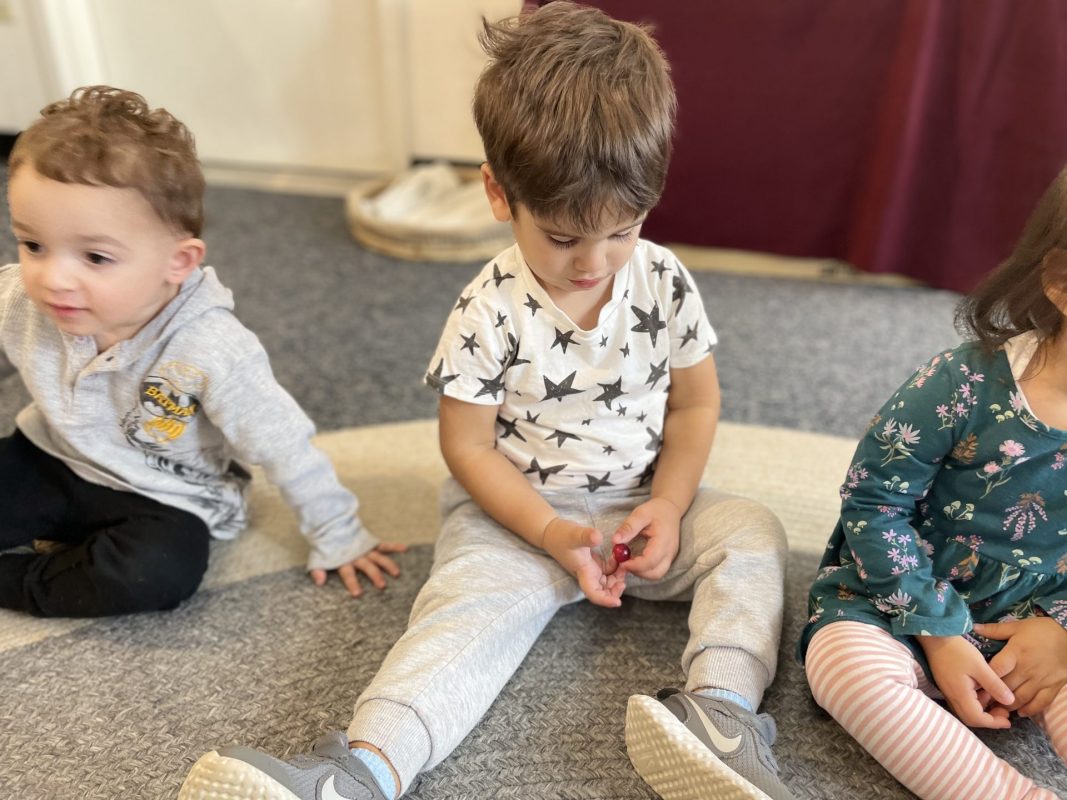
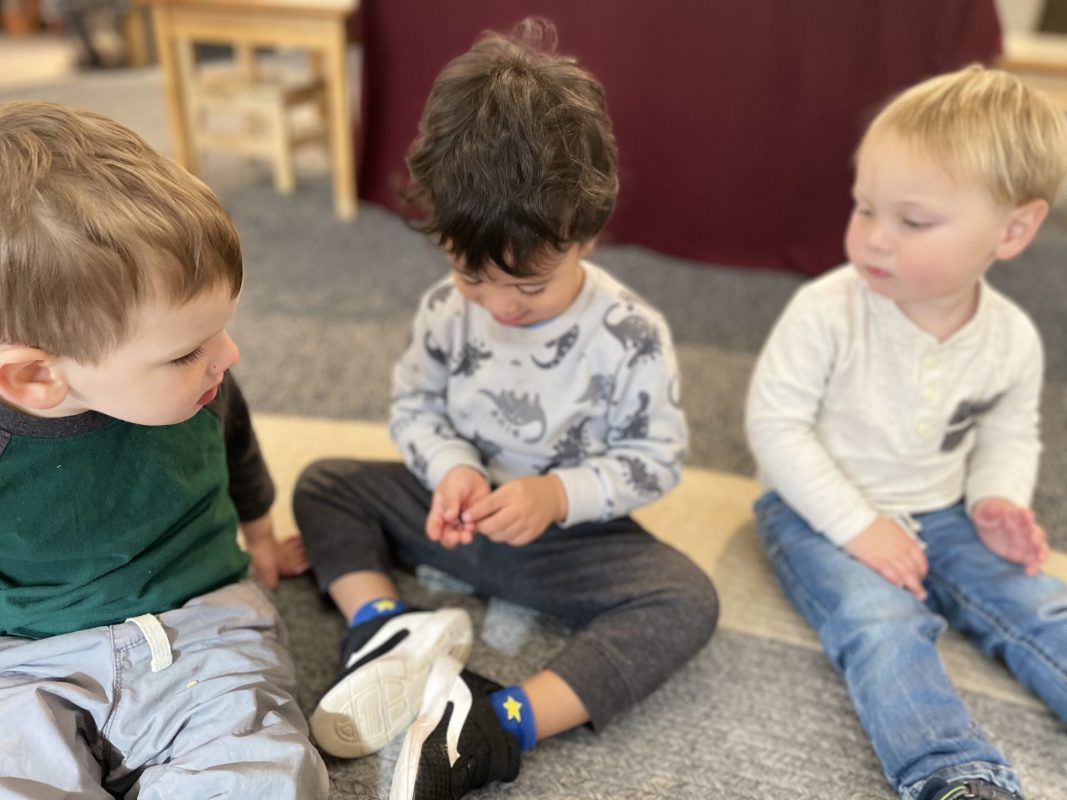
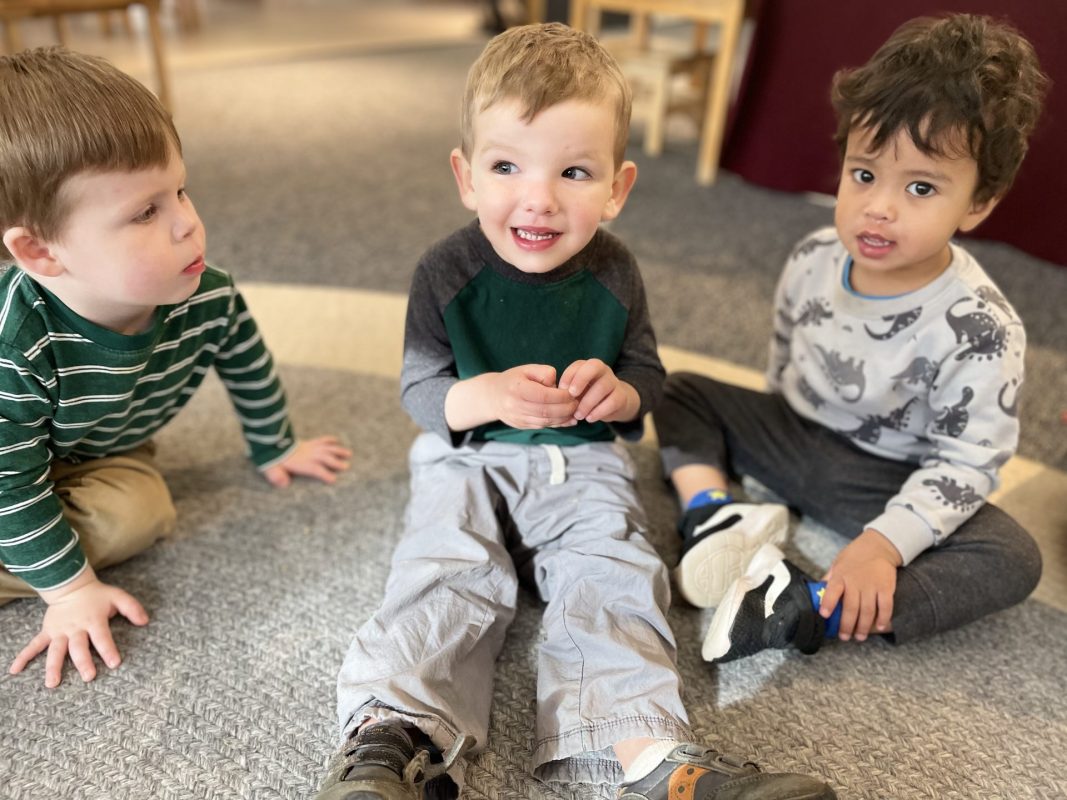
Learning cannot happen without concentration. Concentration cannot happen without interest. Whether we are learning to brush our teeth, write our name, bake a cake, or solve complex algebraic equations, there is intense concentration specific to the task at hand.

Concentration is a skill that needs practice to improve and develop.

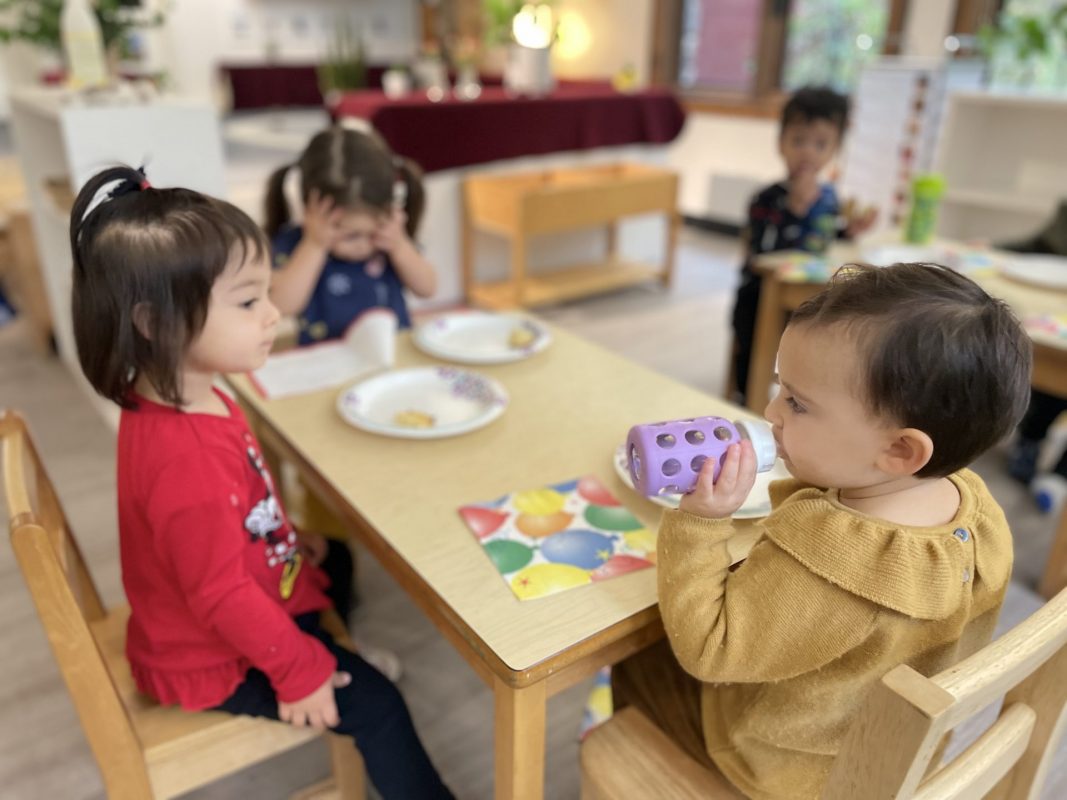
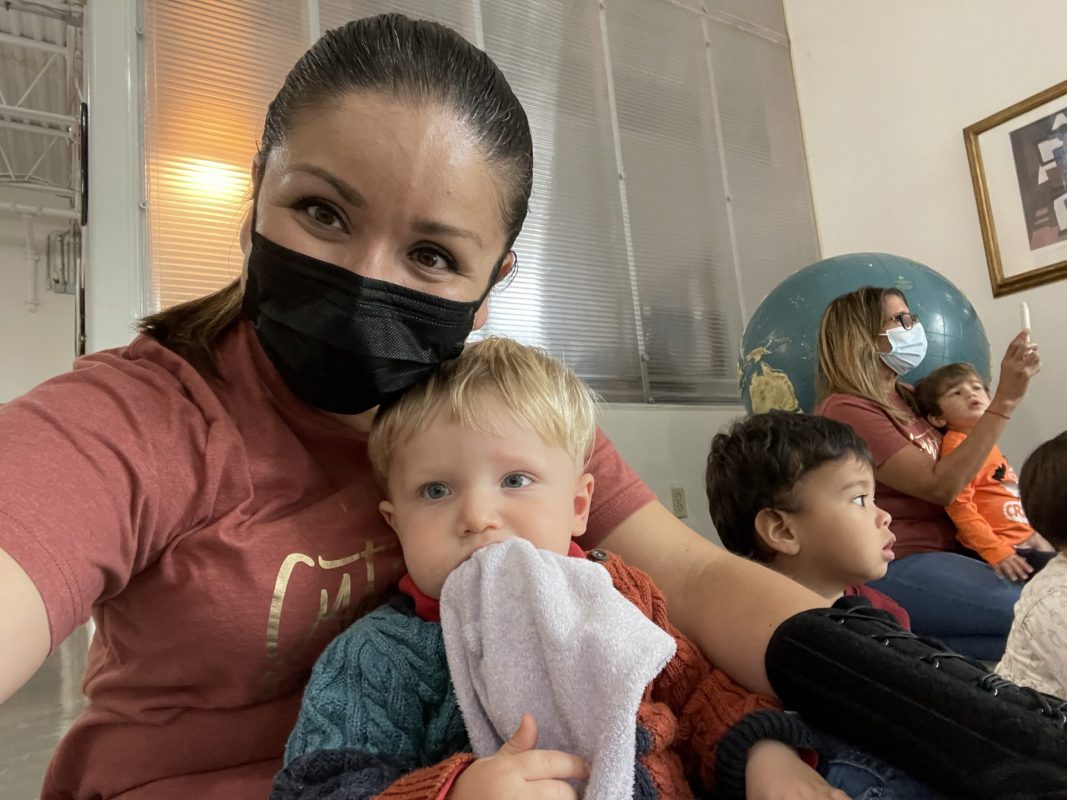
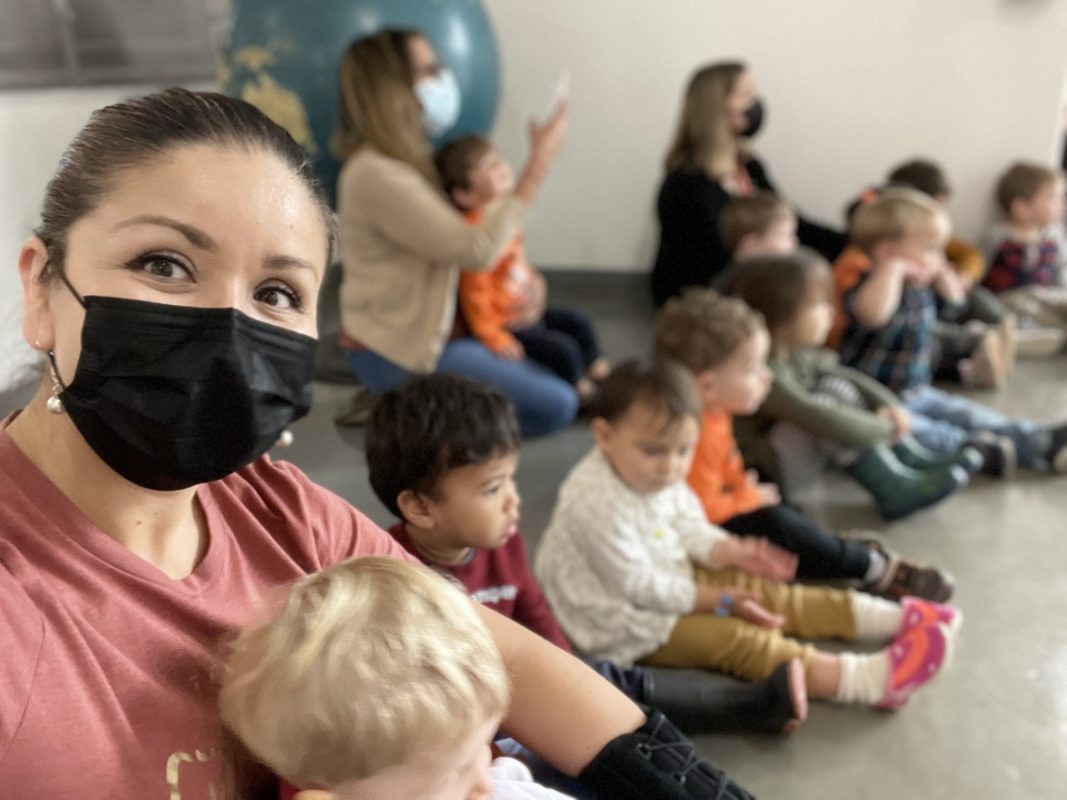
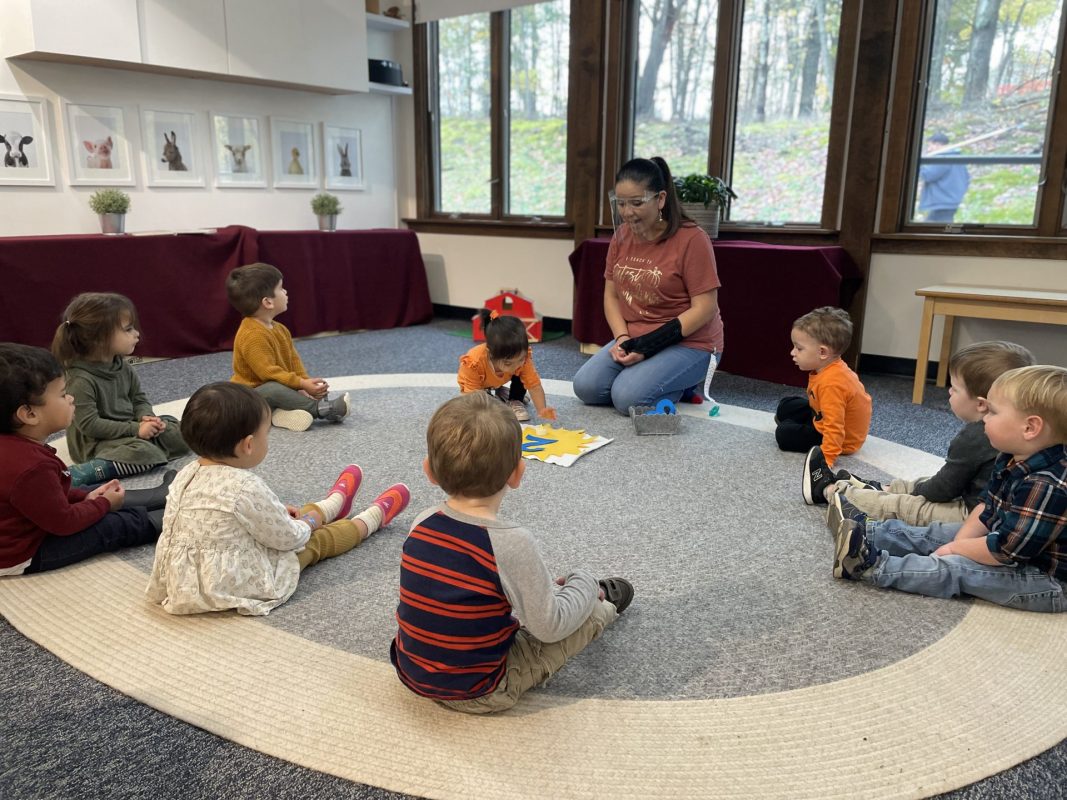
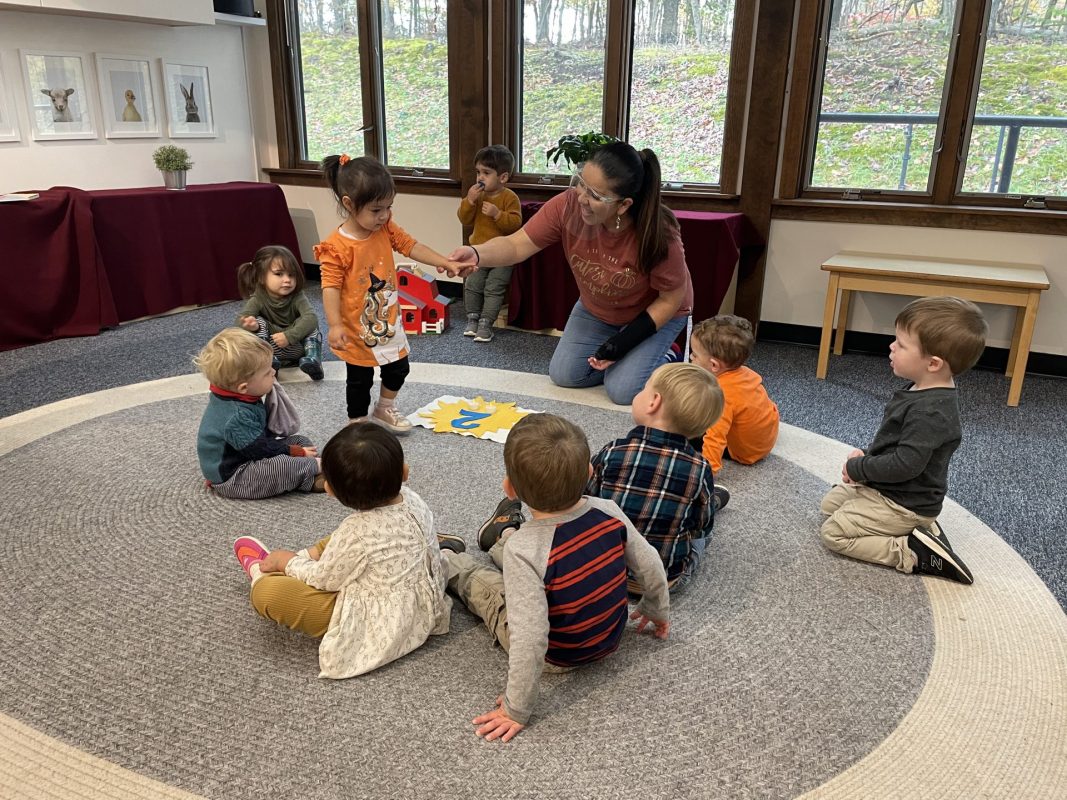
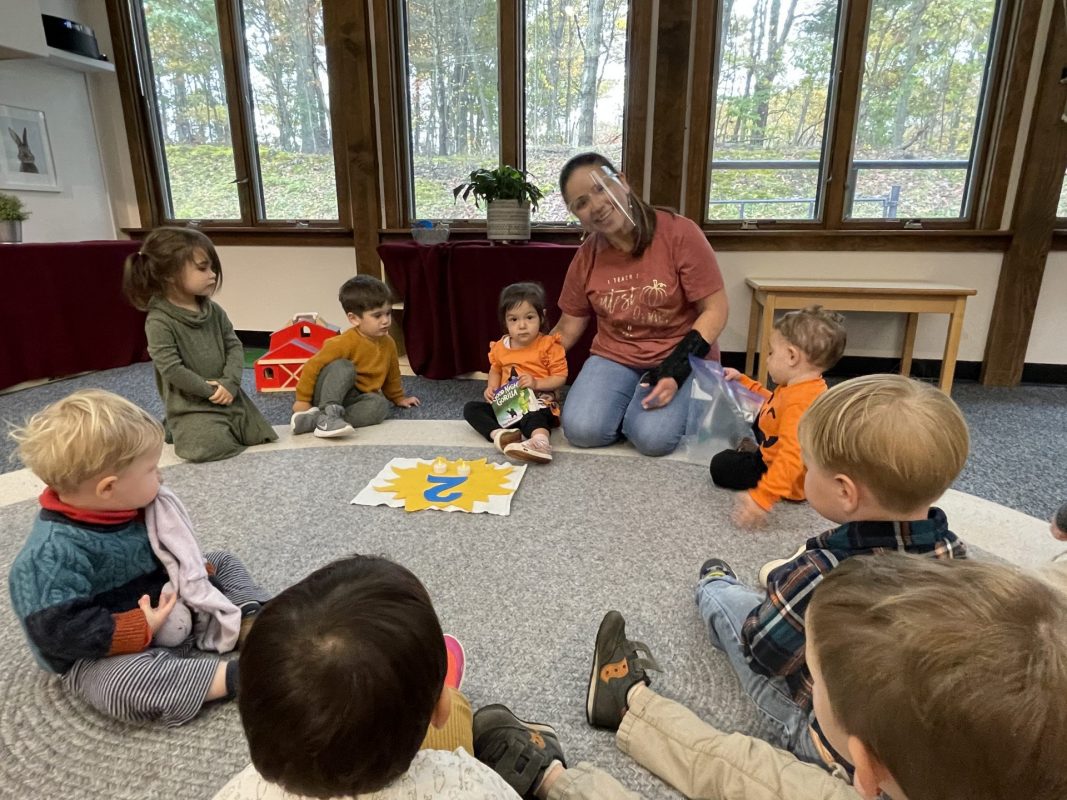
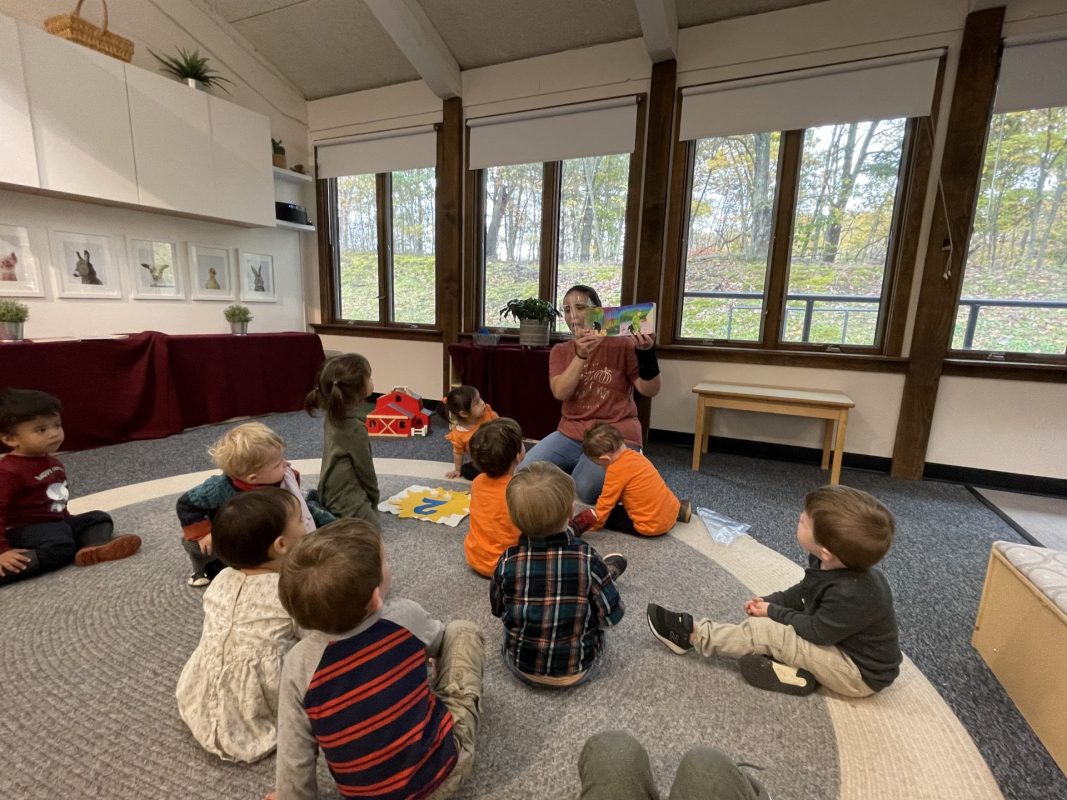
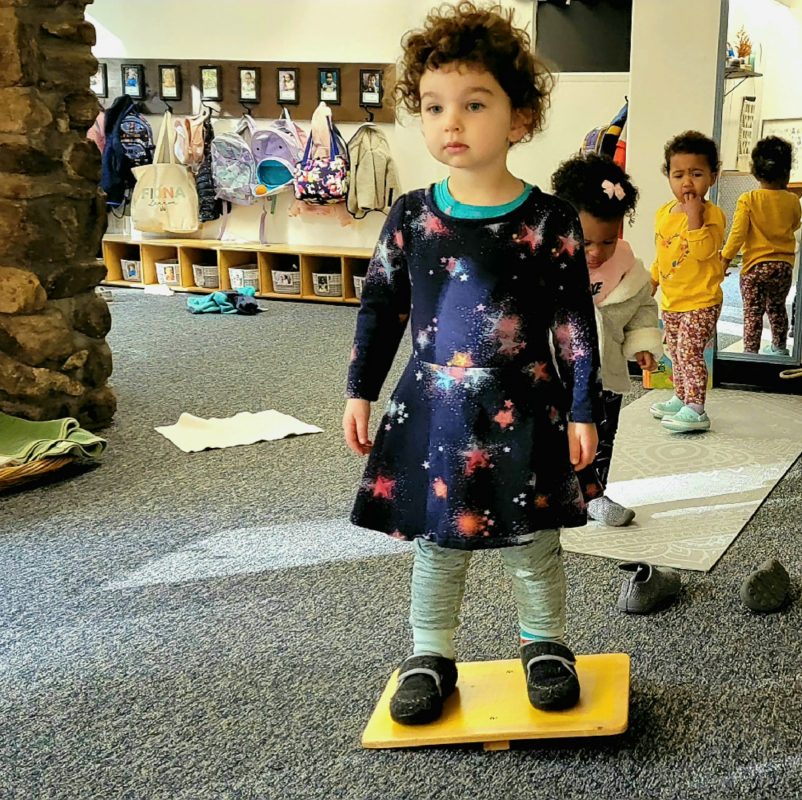
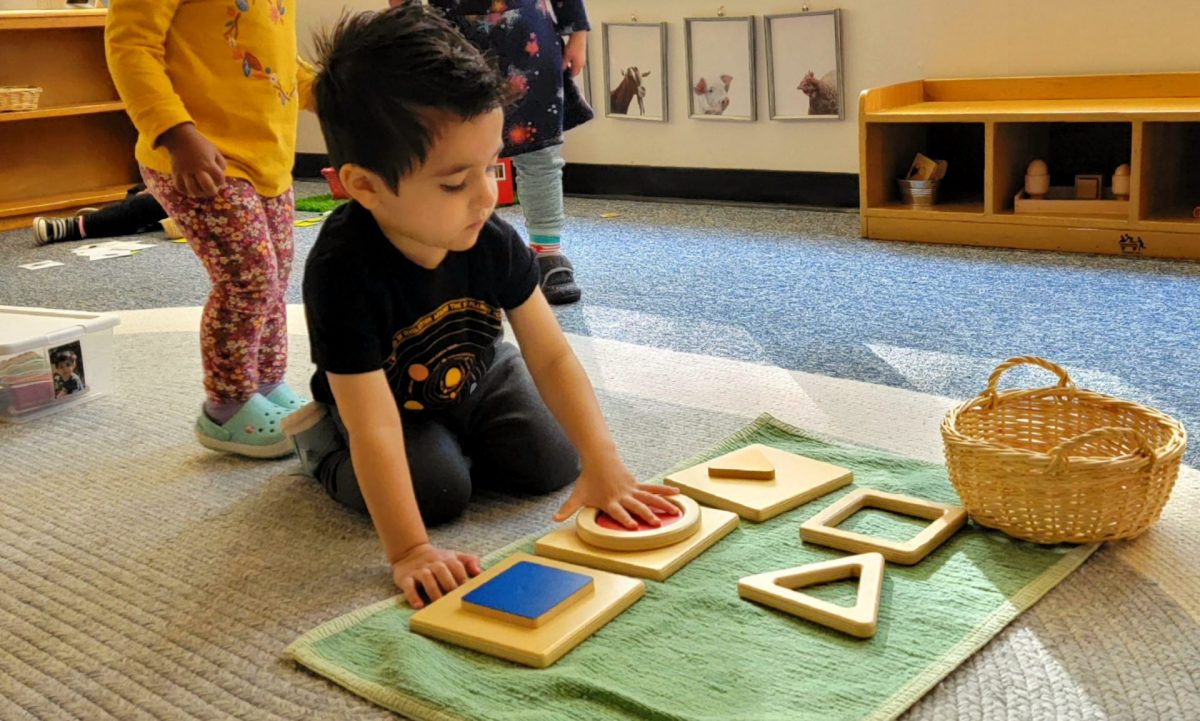
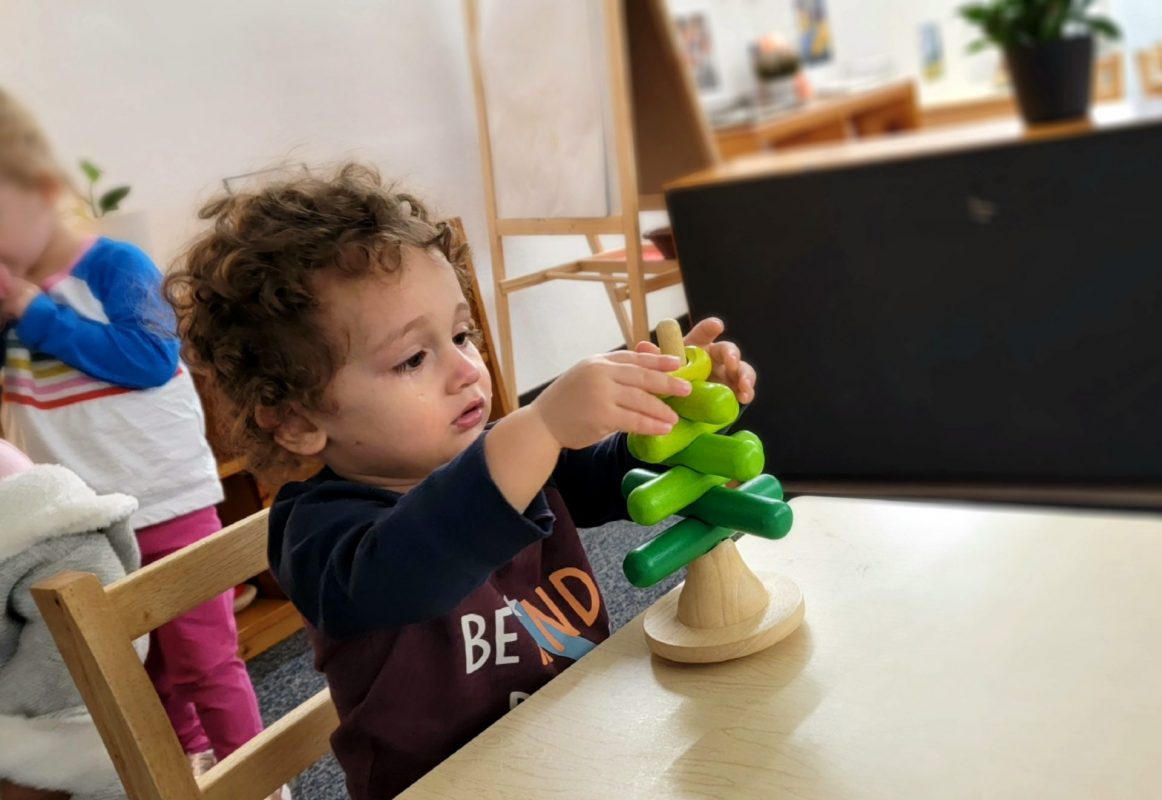
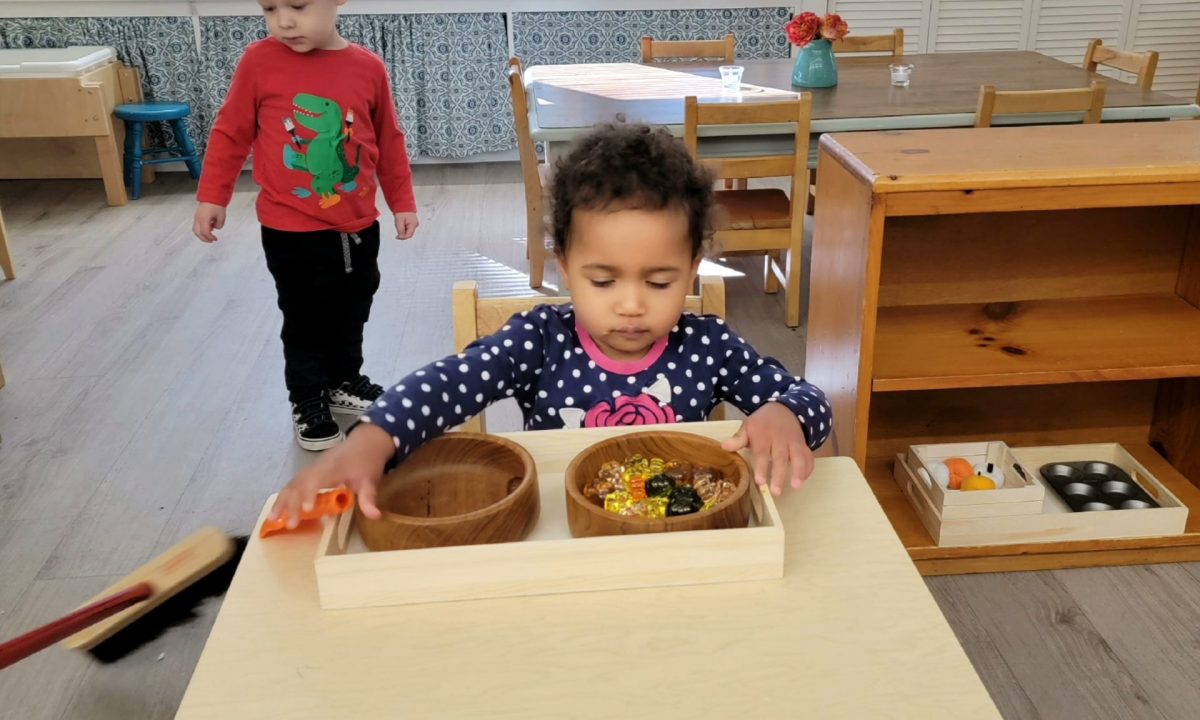
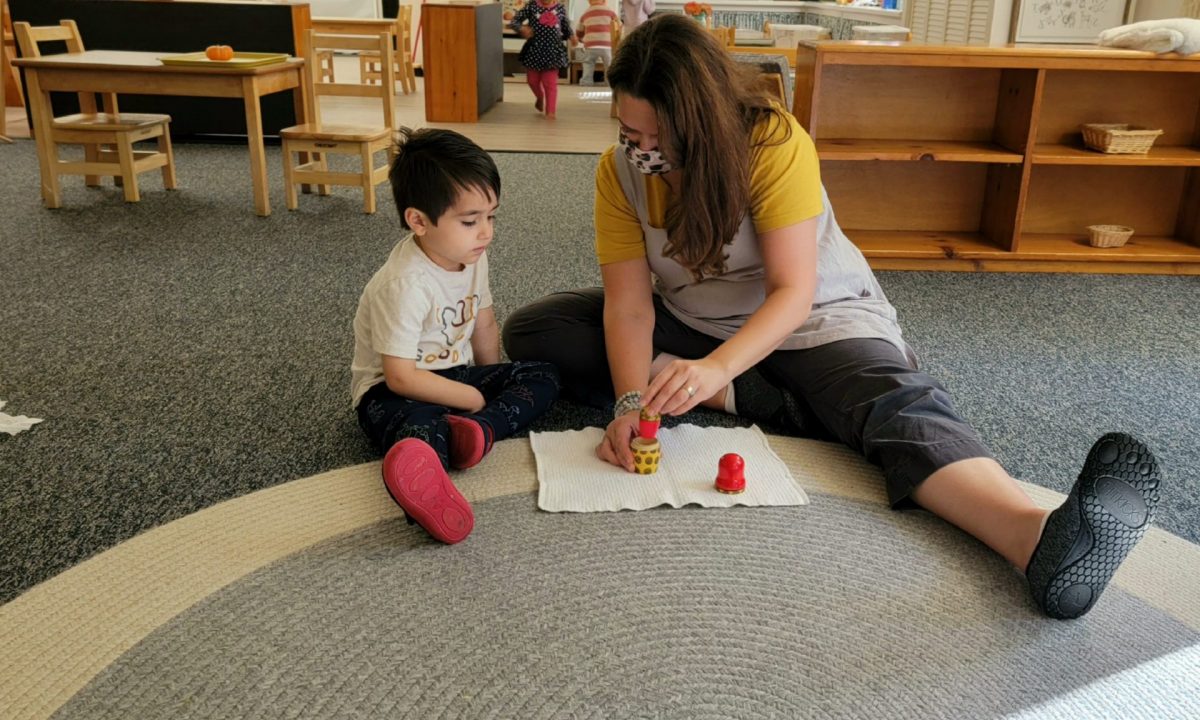
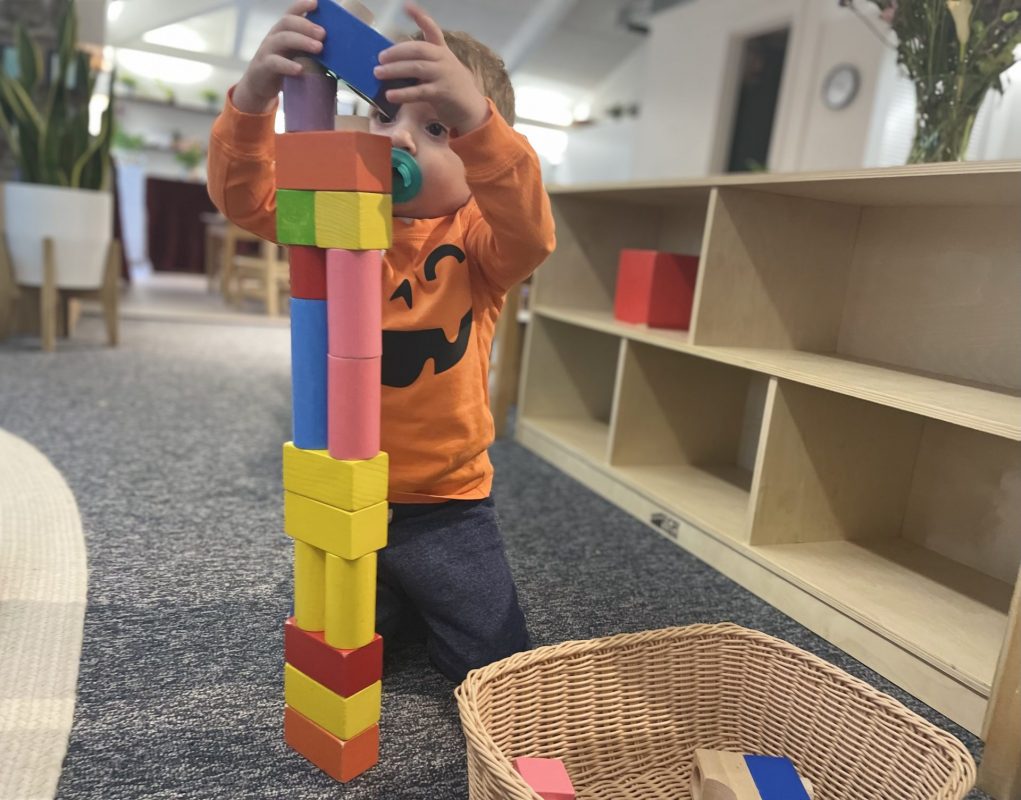
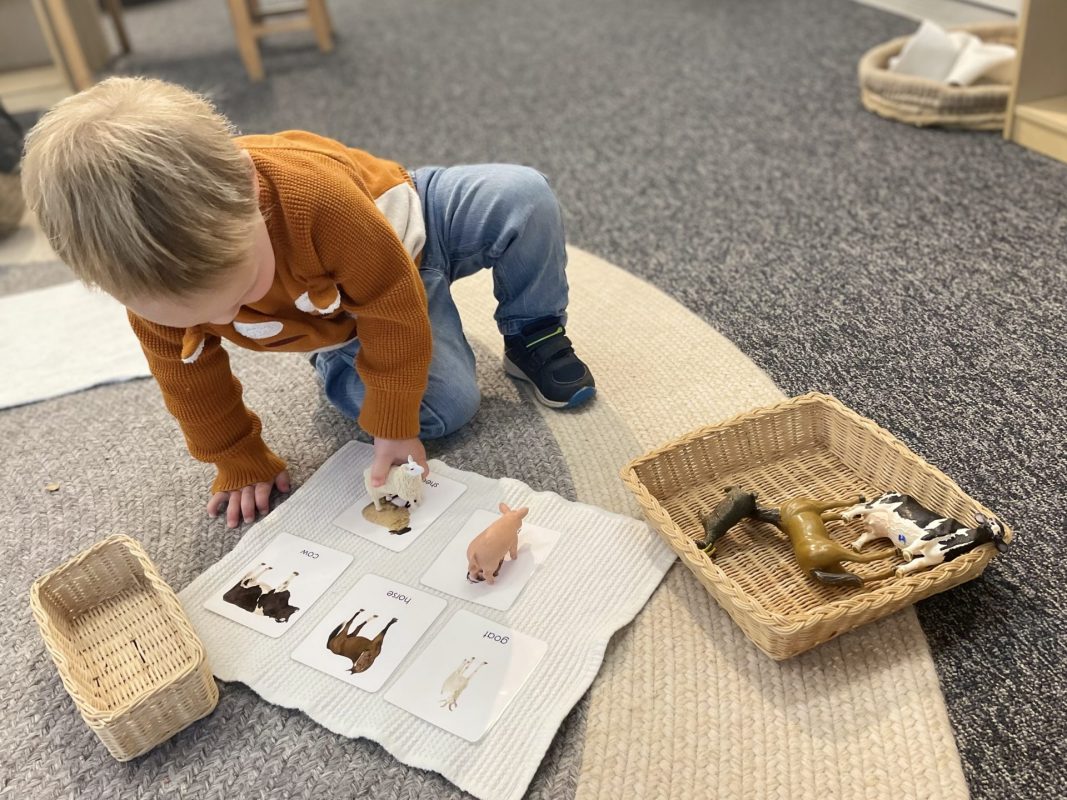
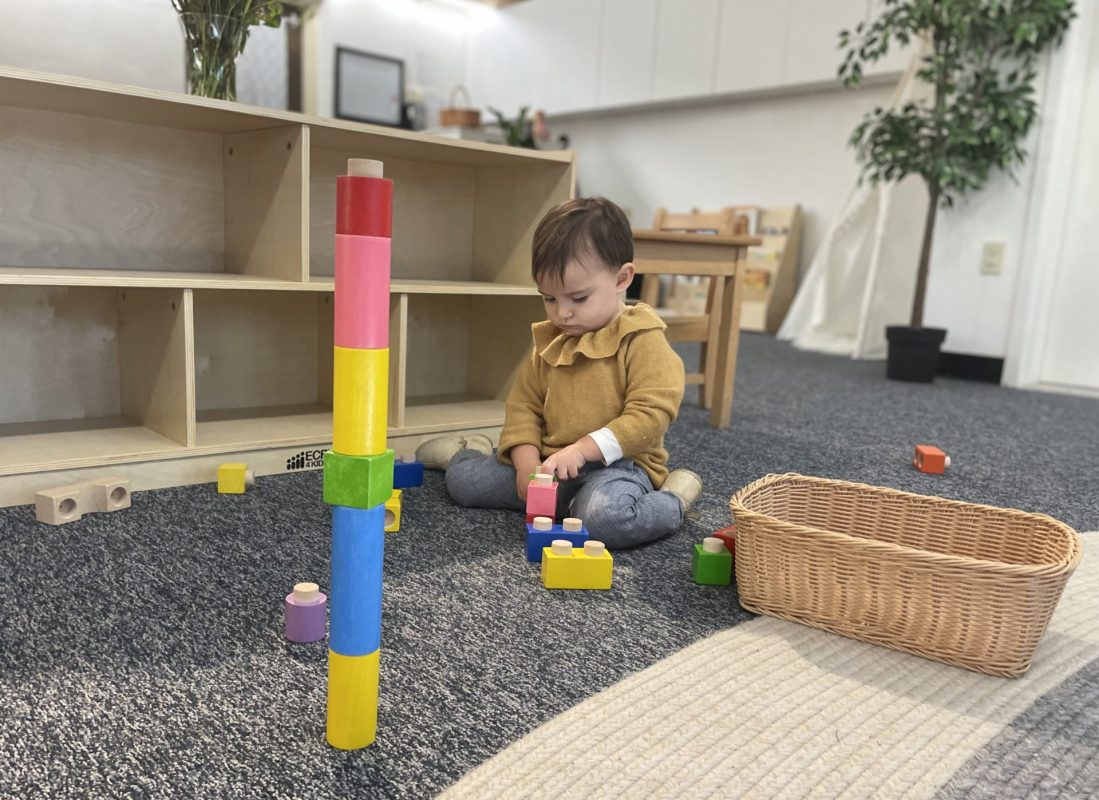
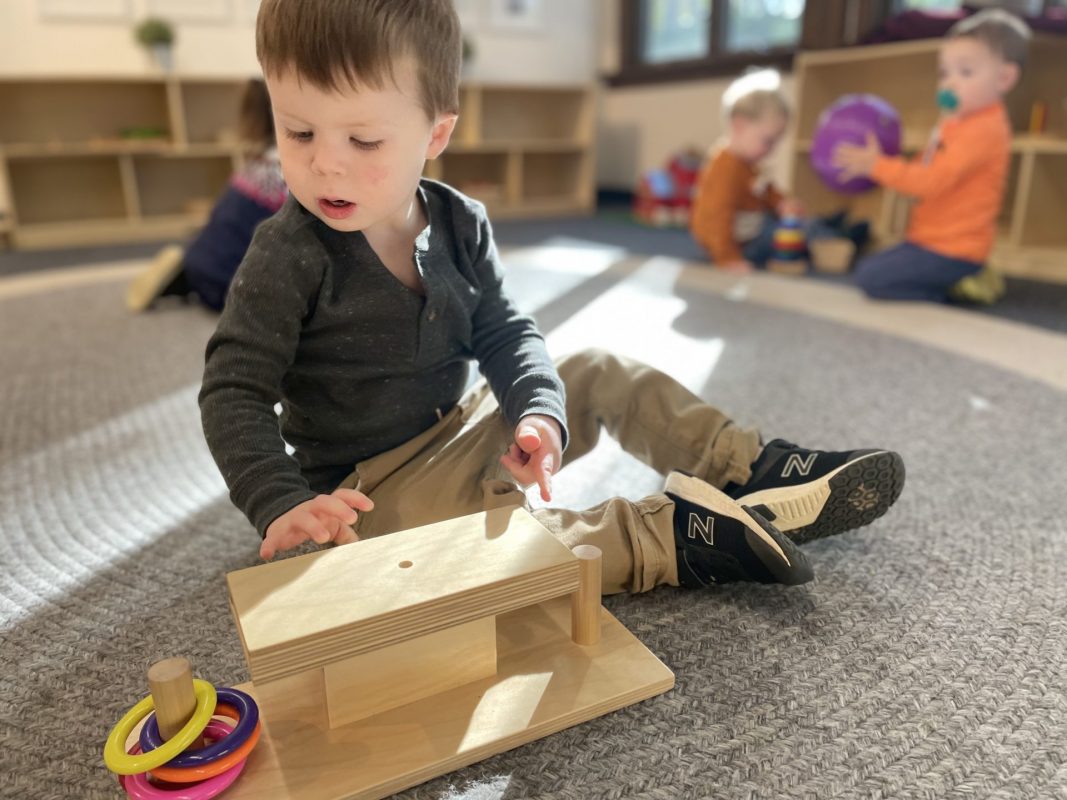
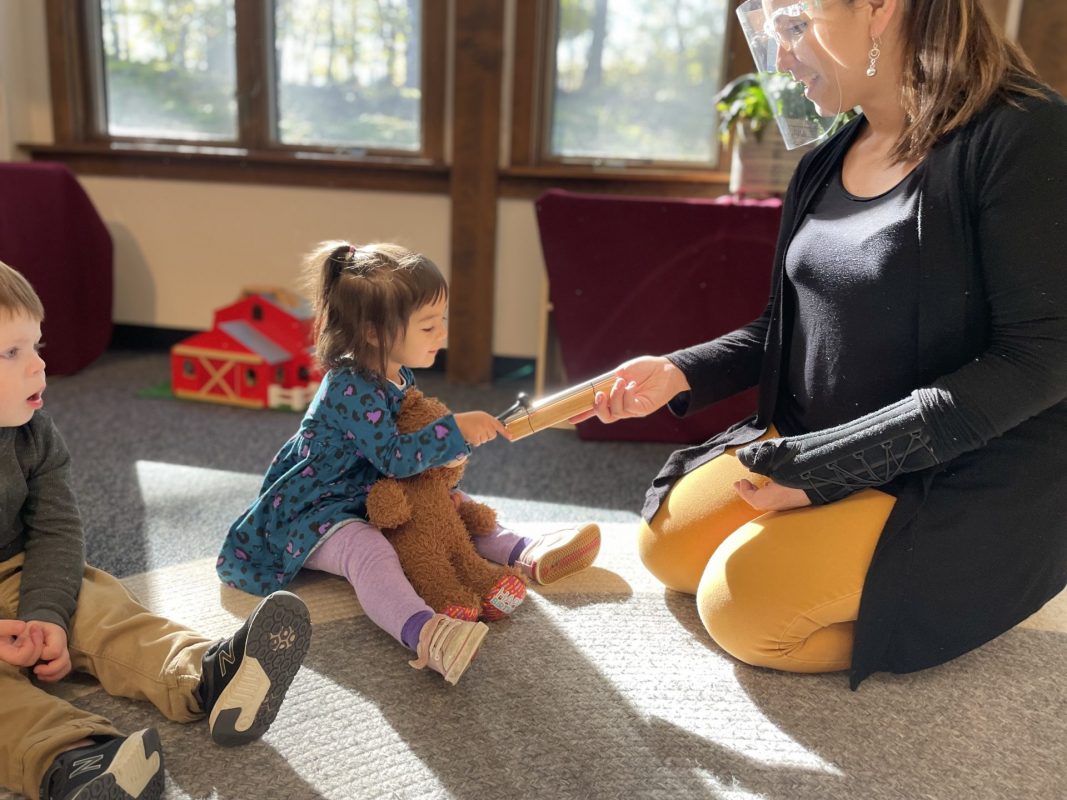
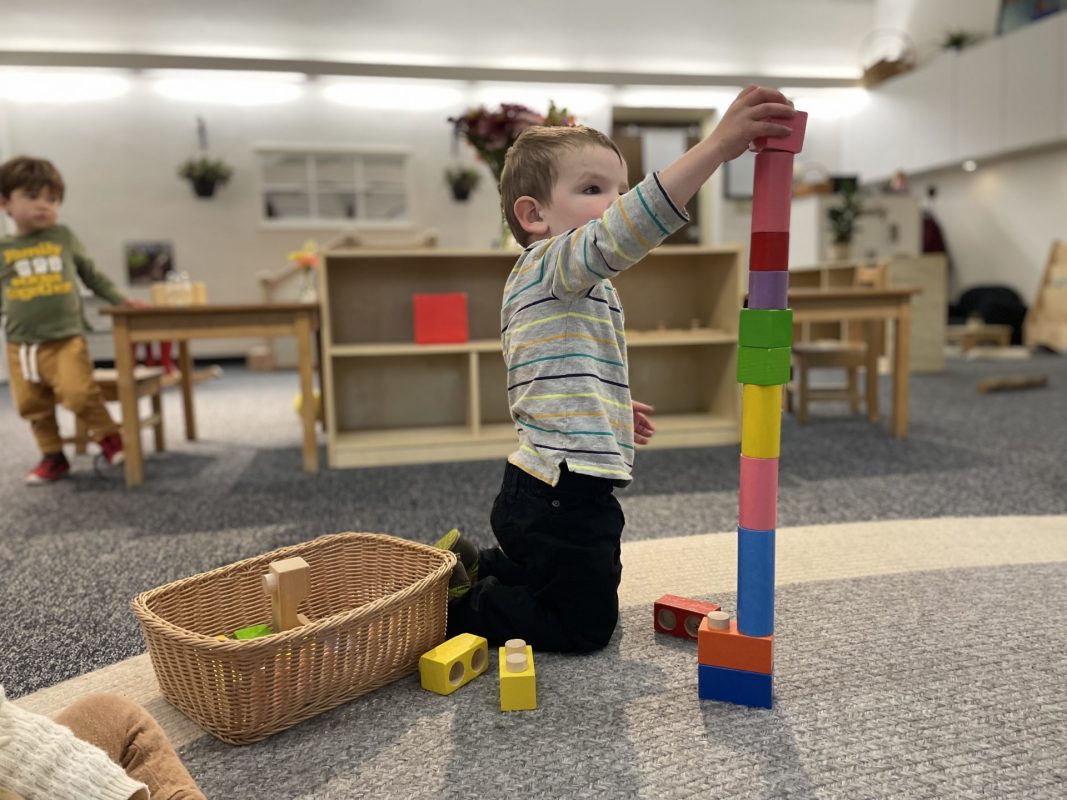
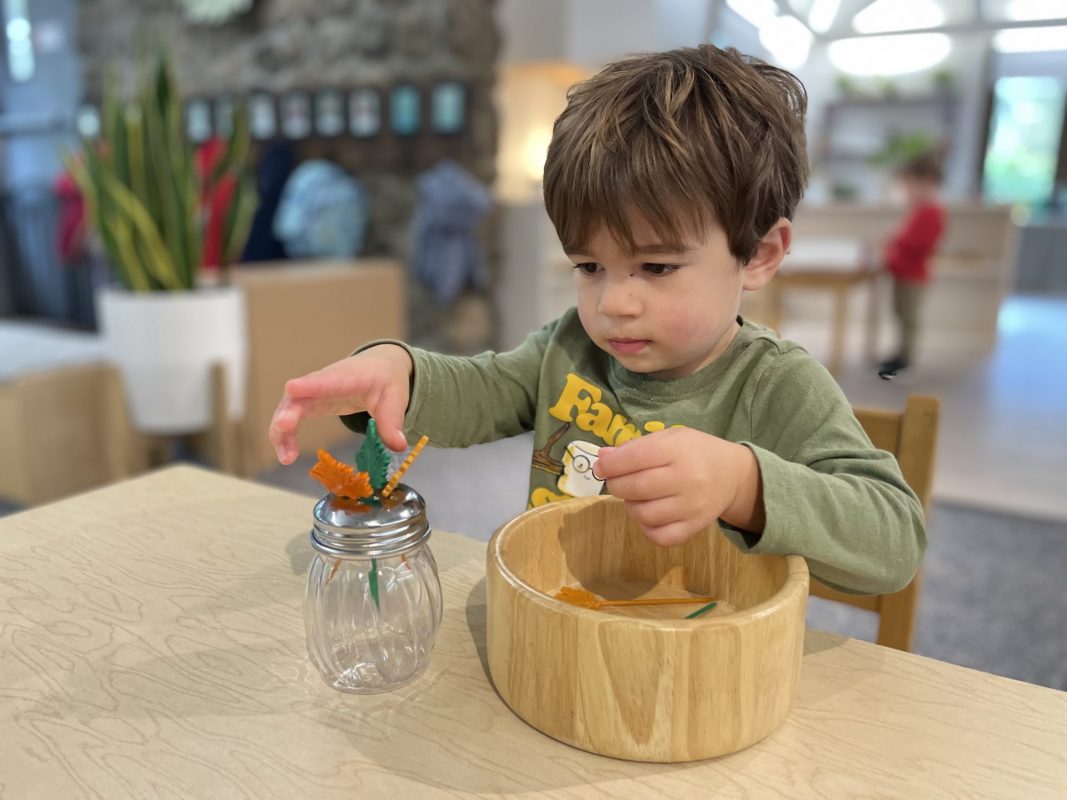
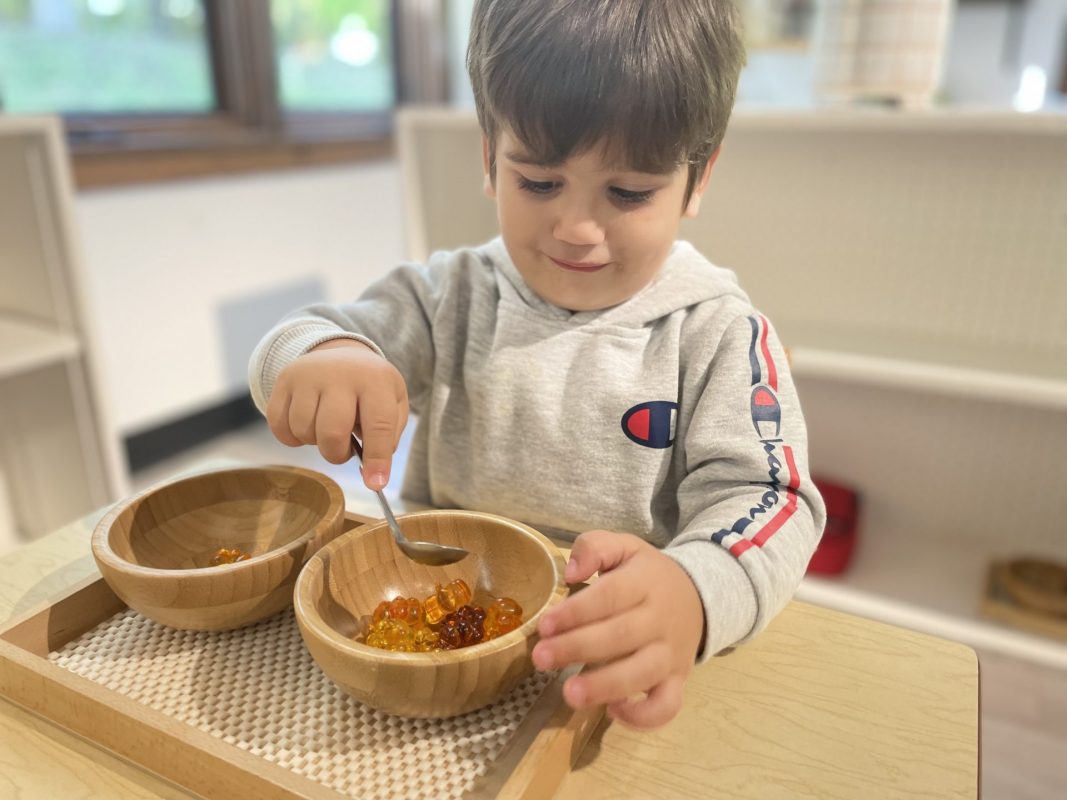
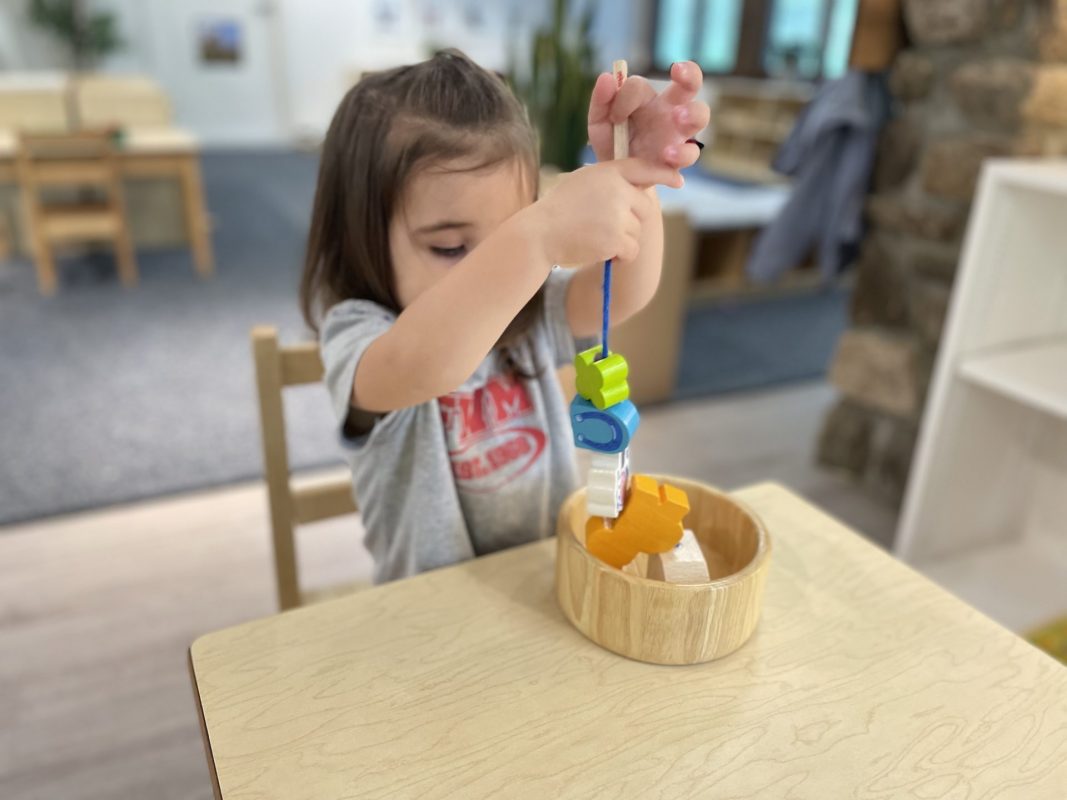
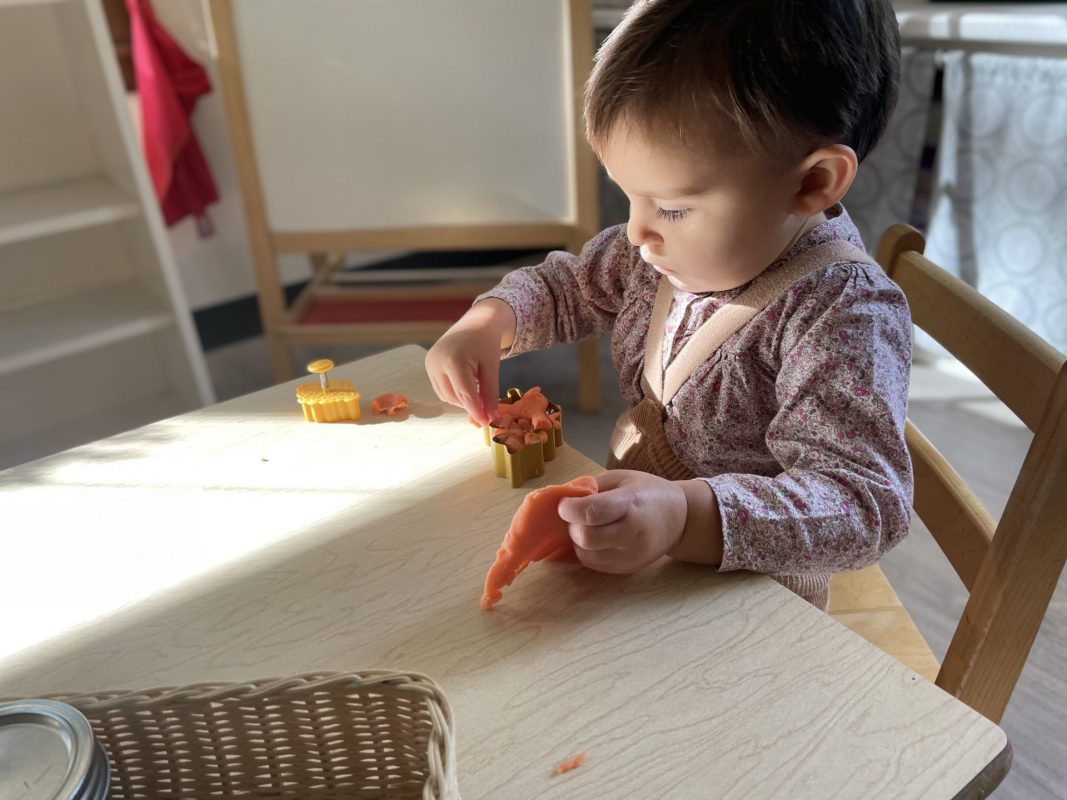
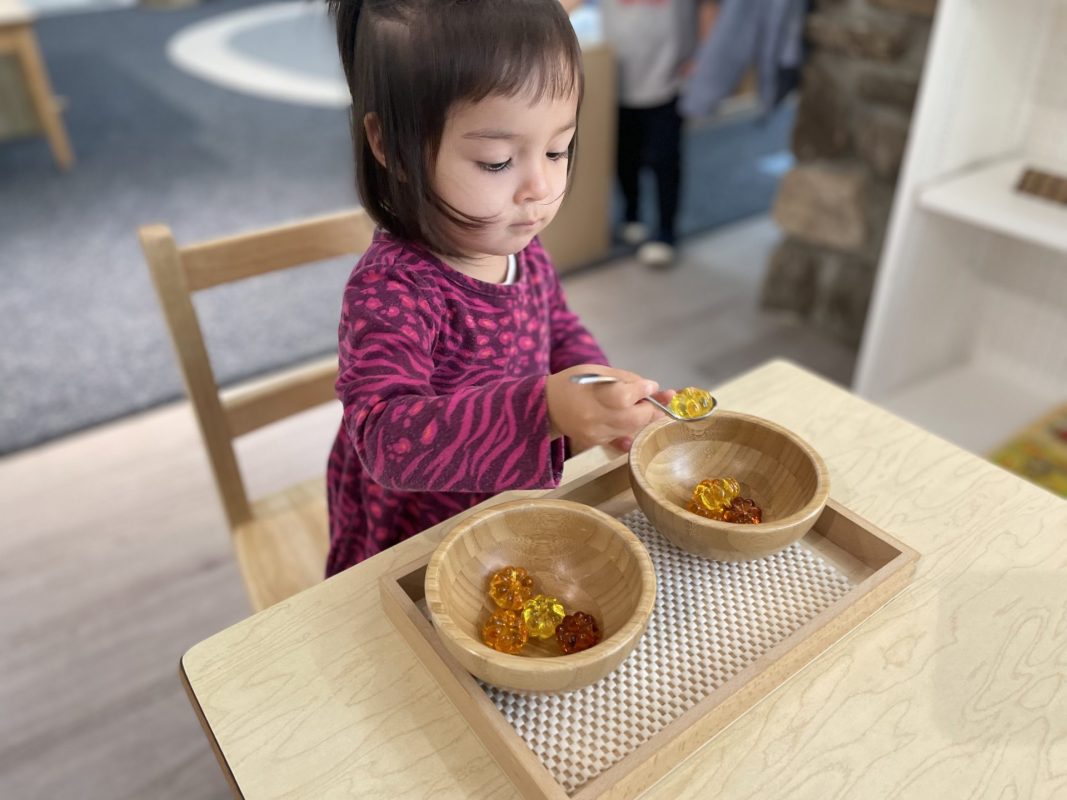
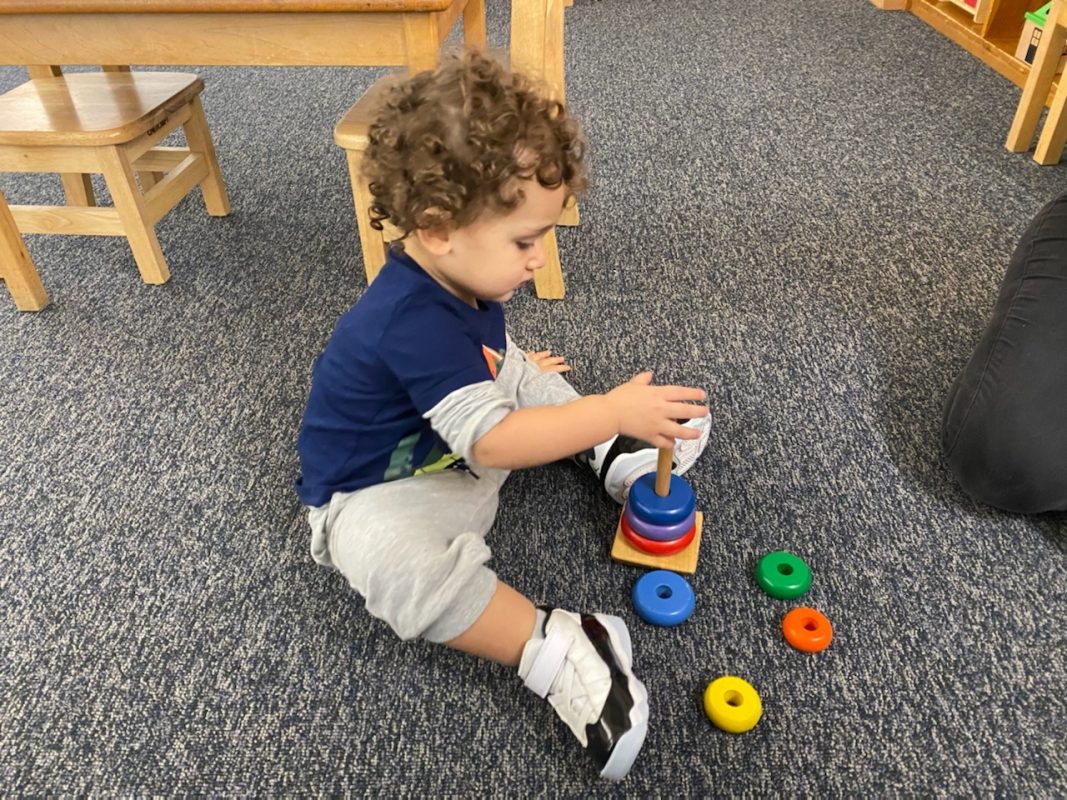
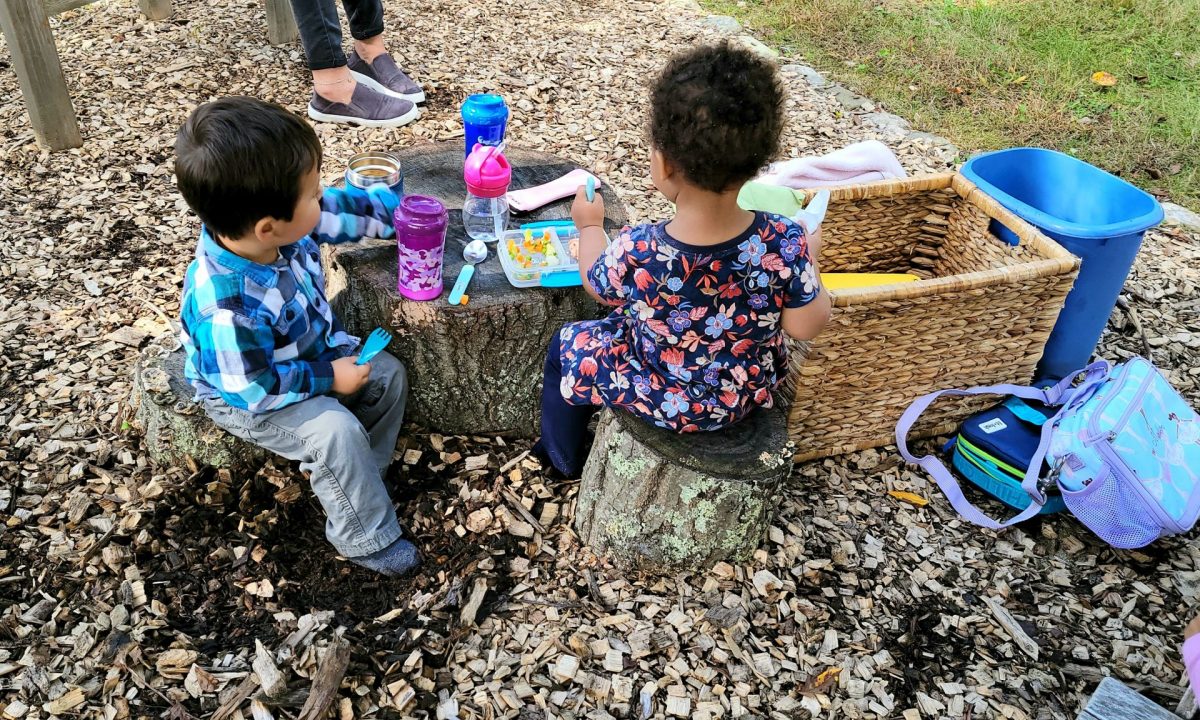
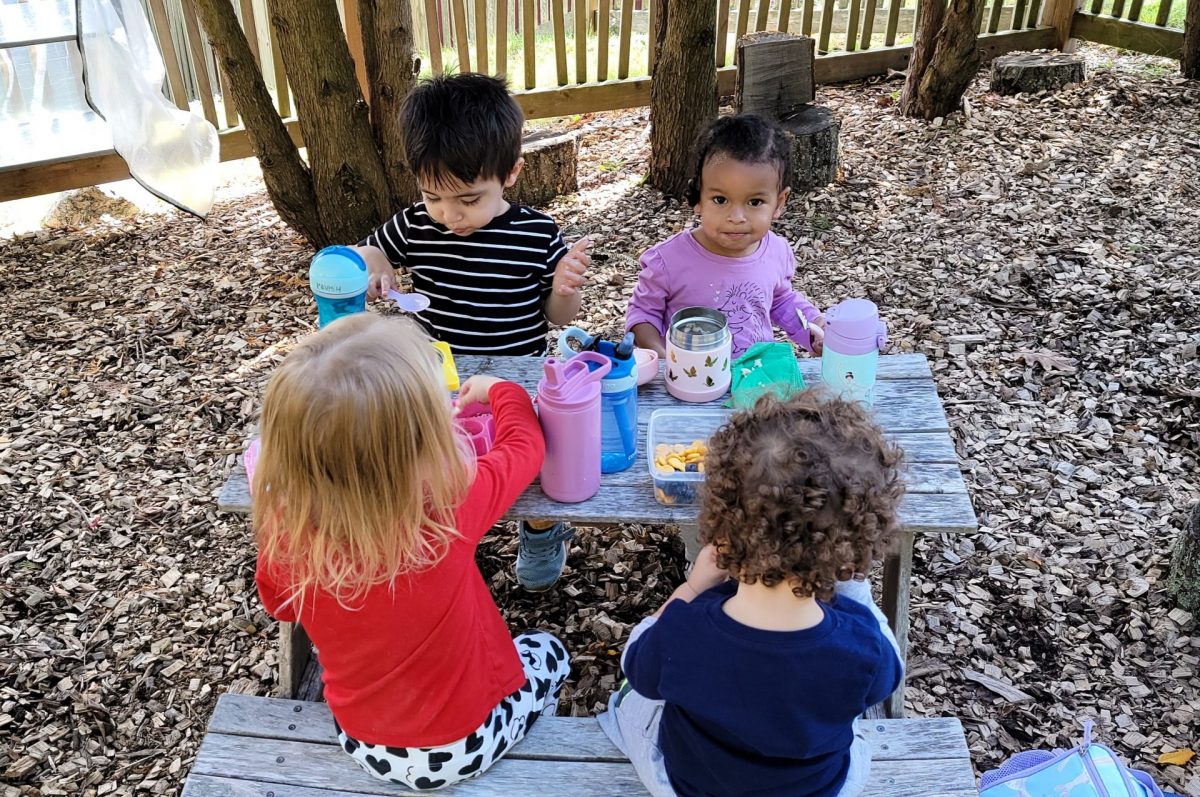
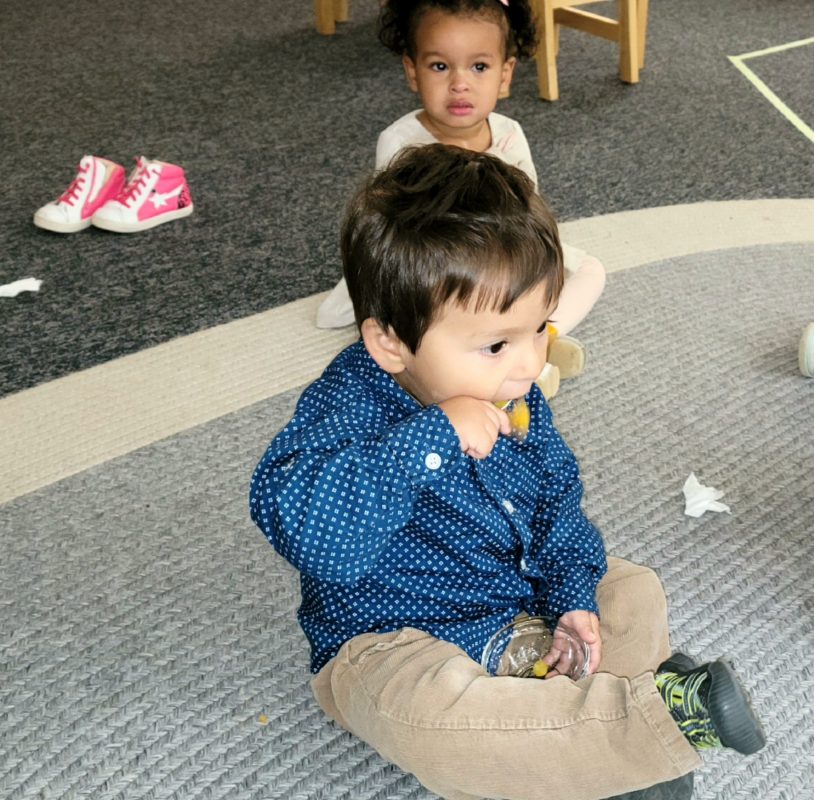
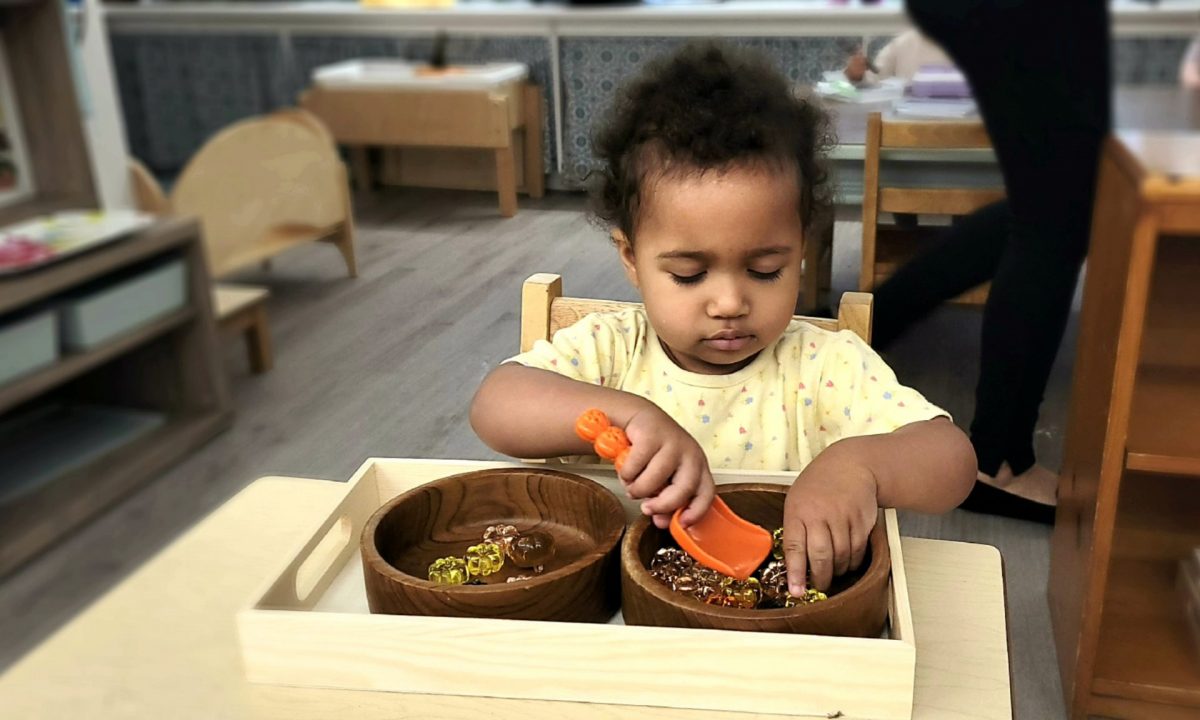
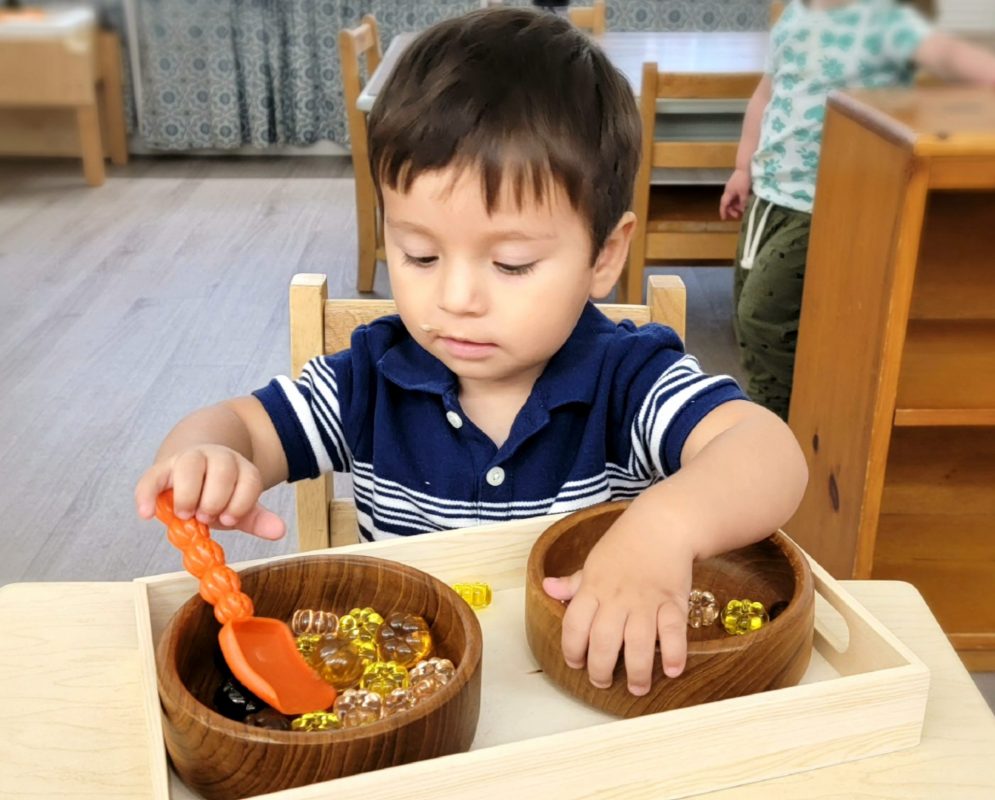
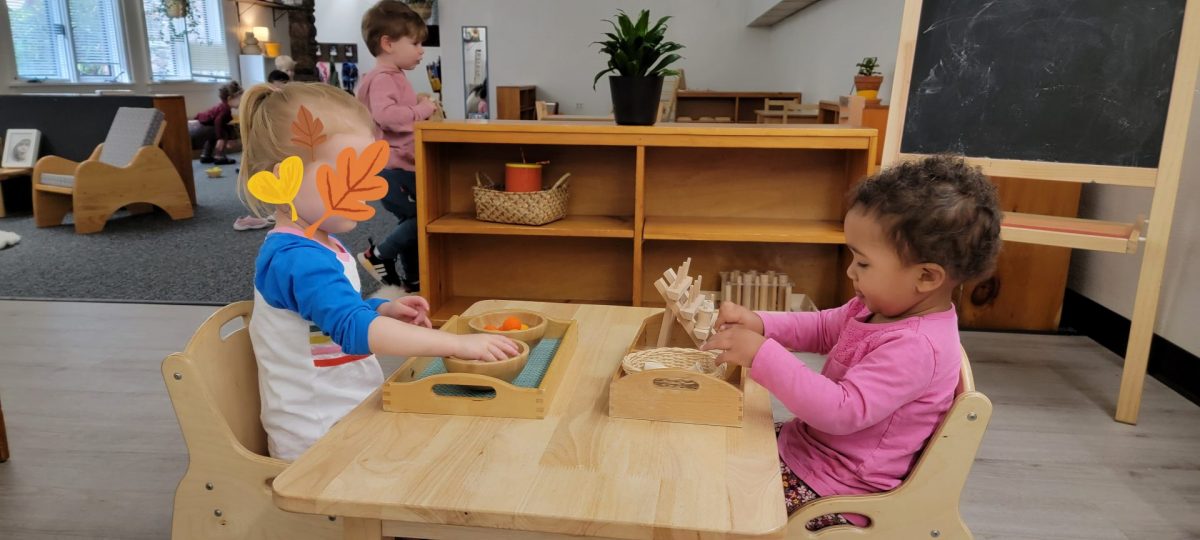
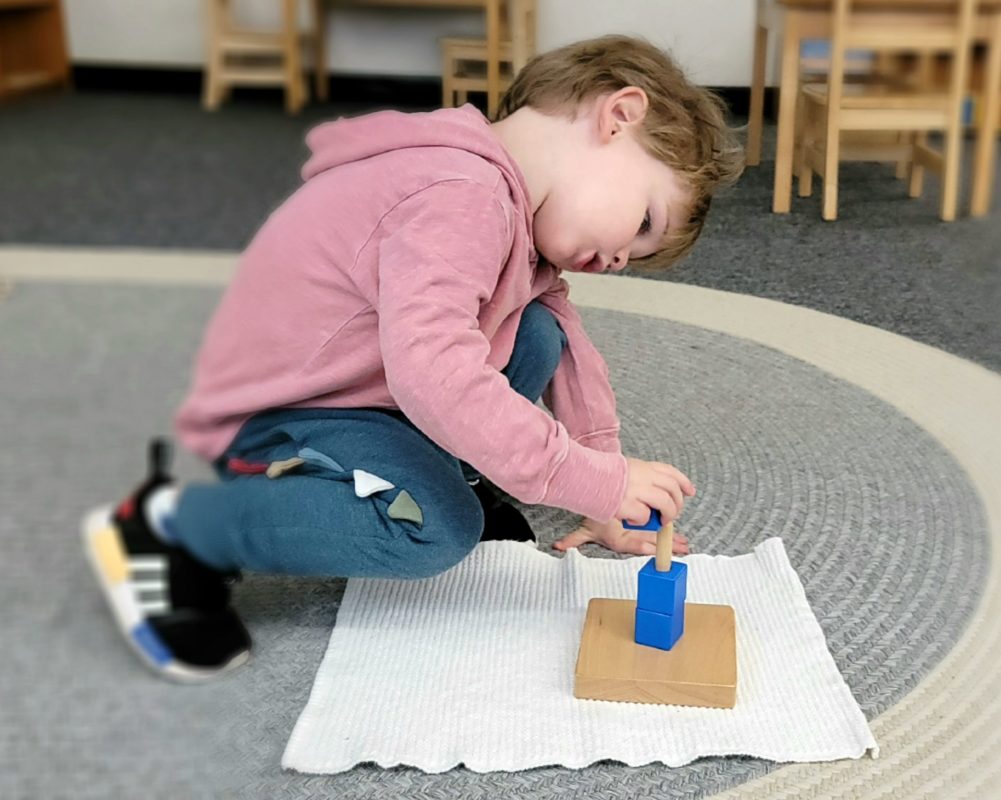
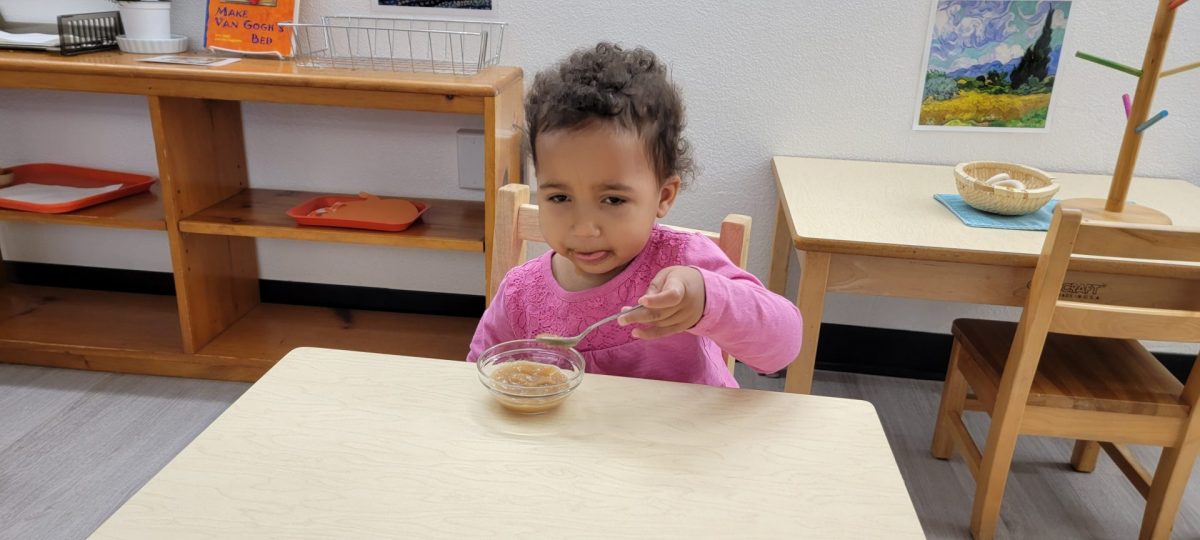
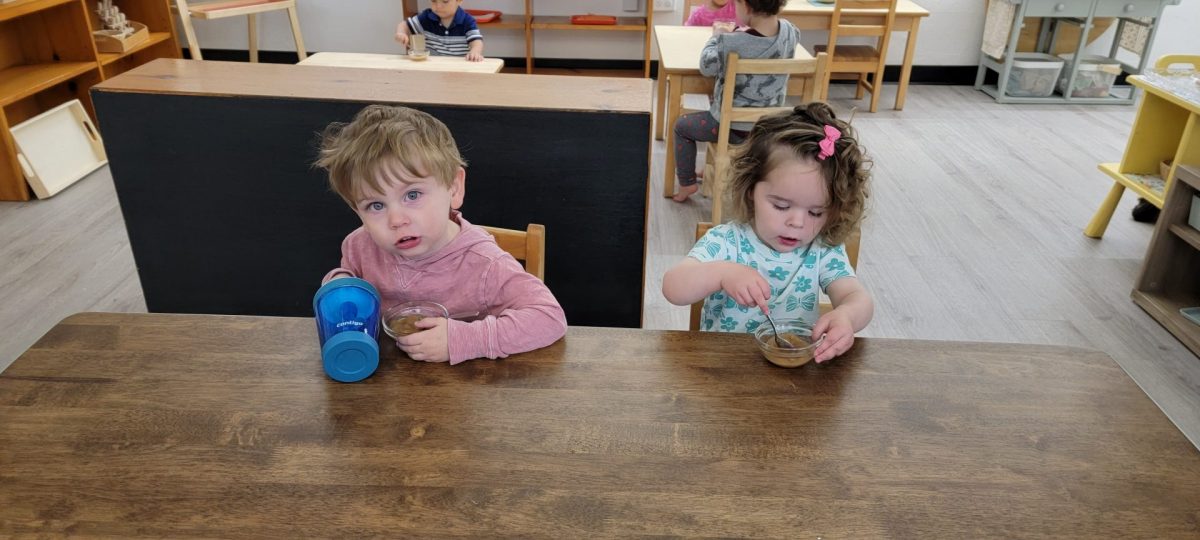
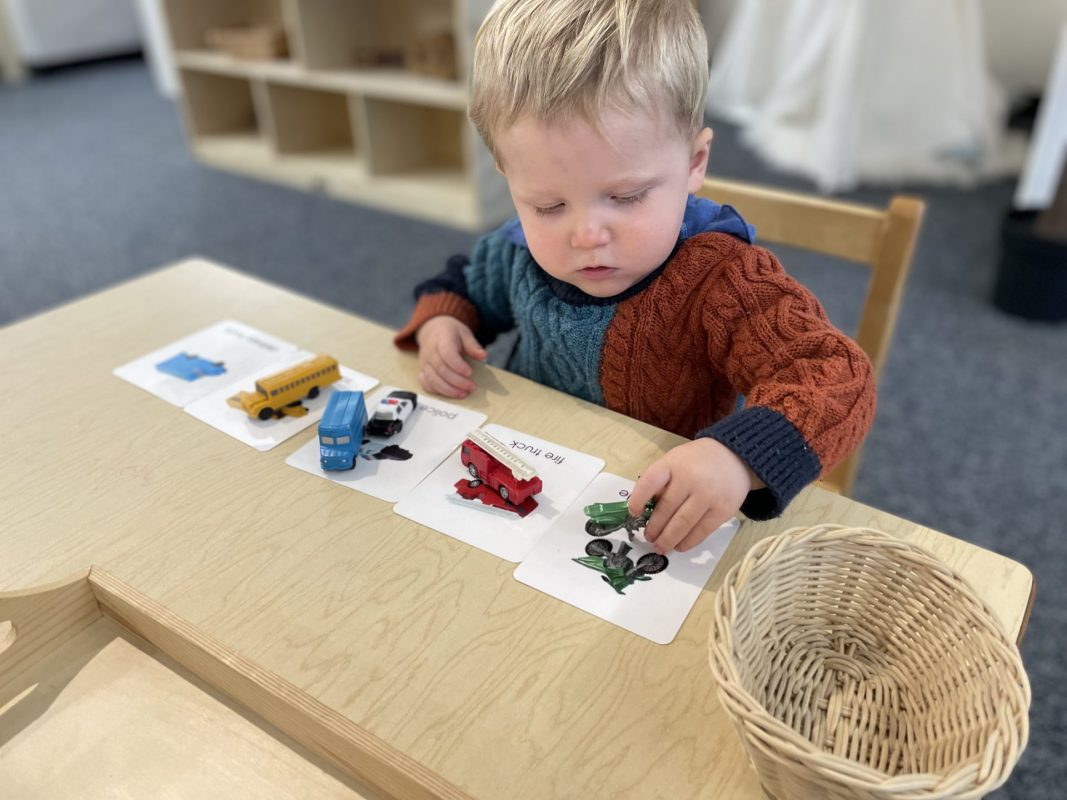
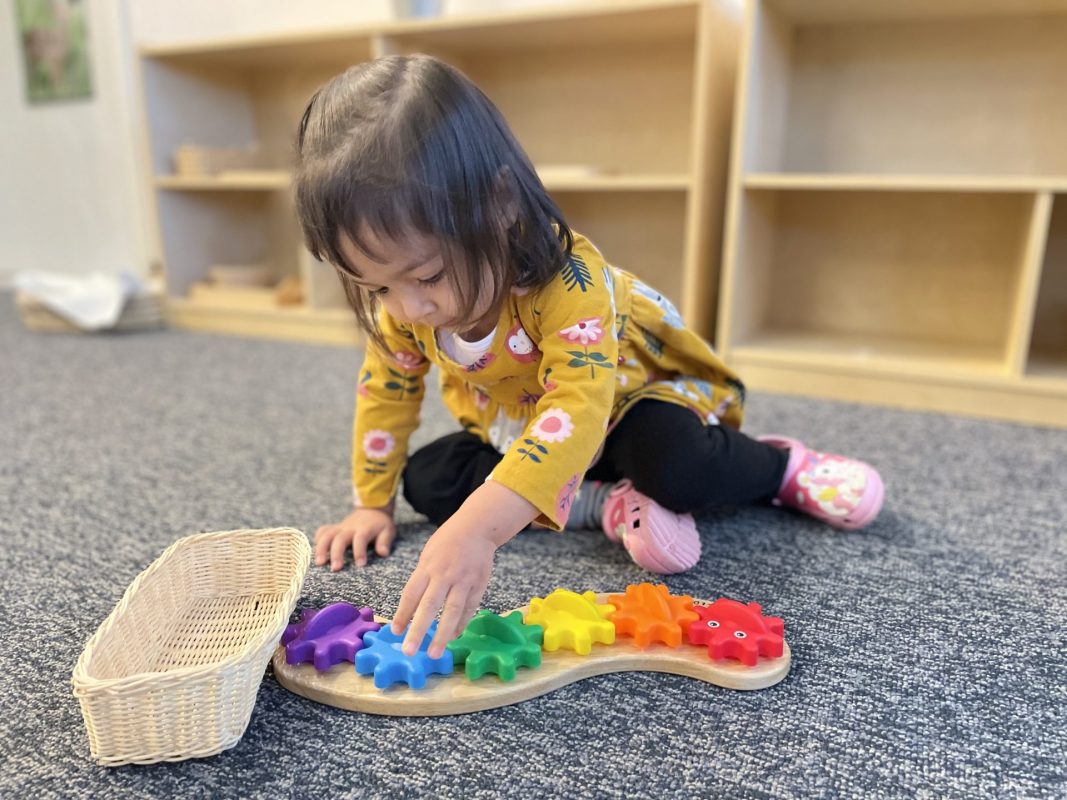
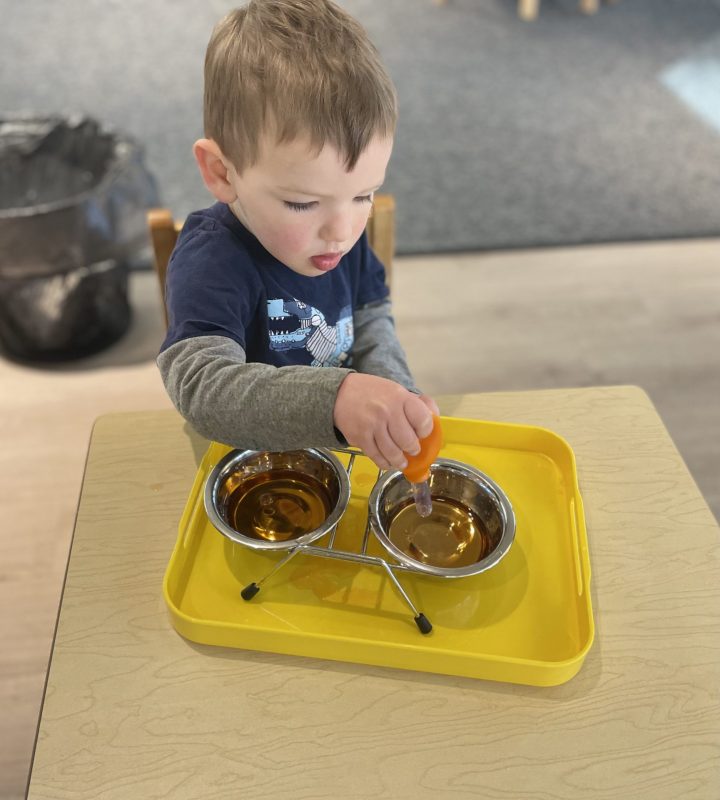
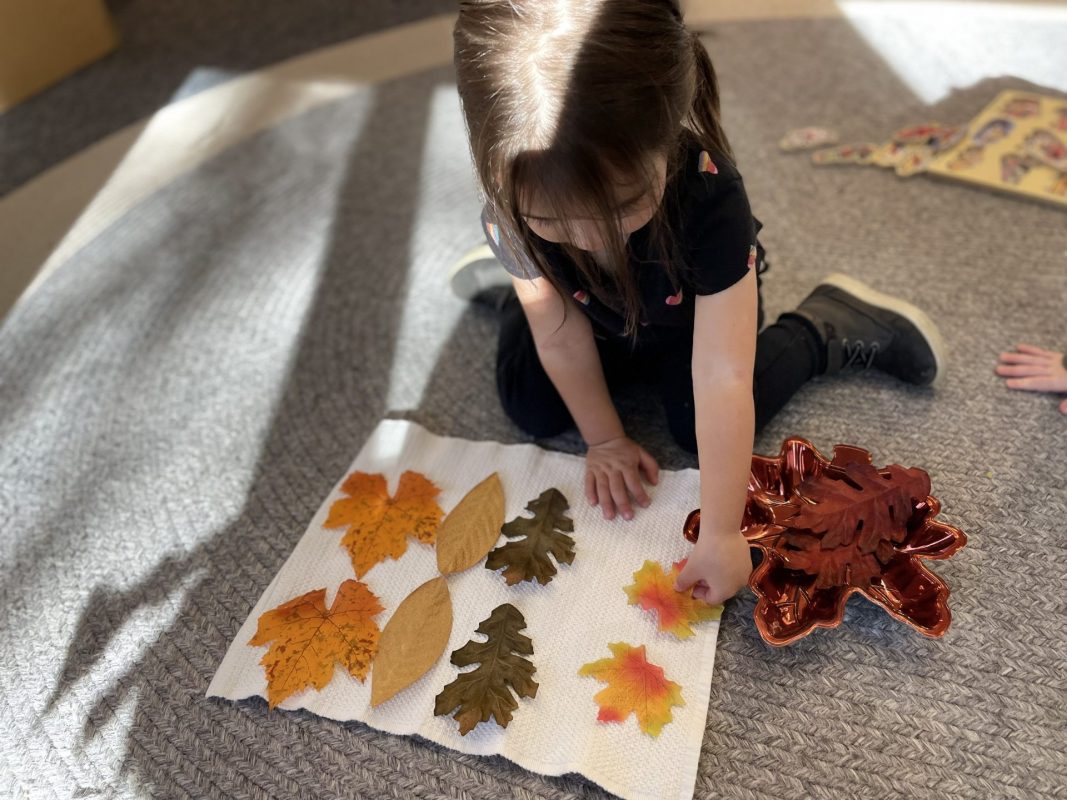
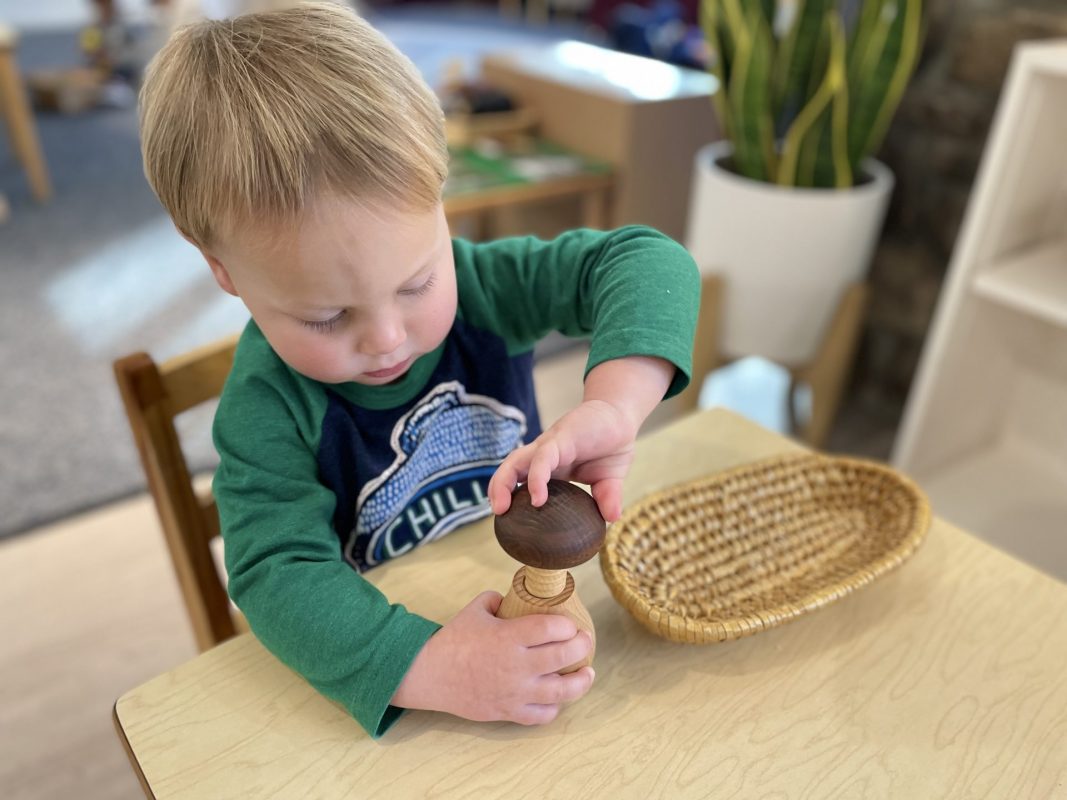
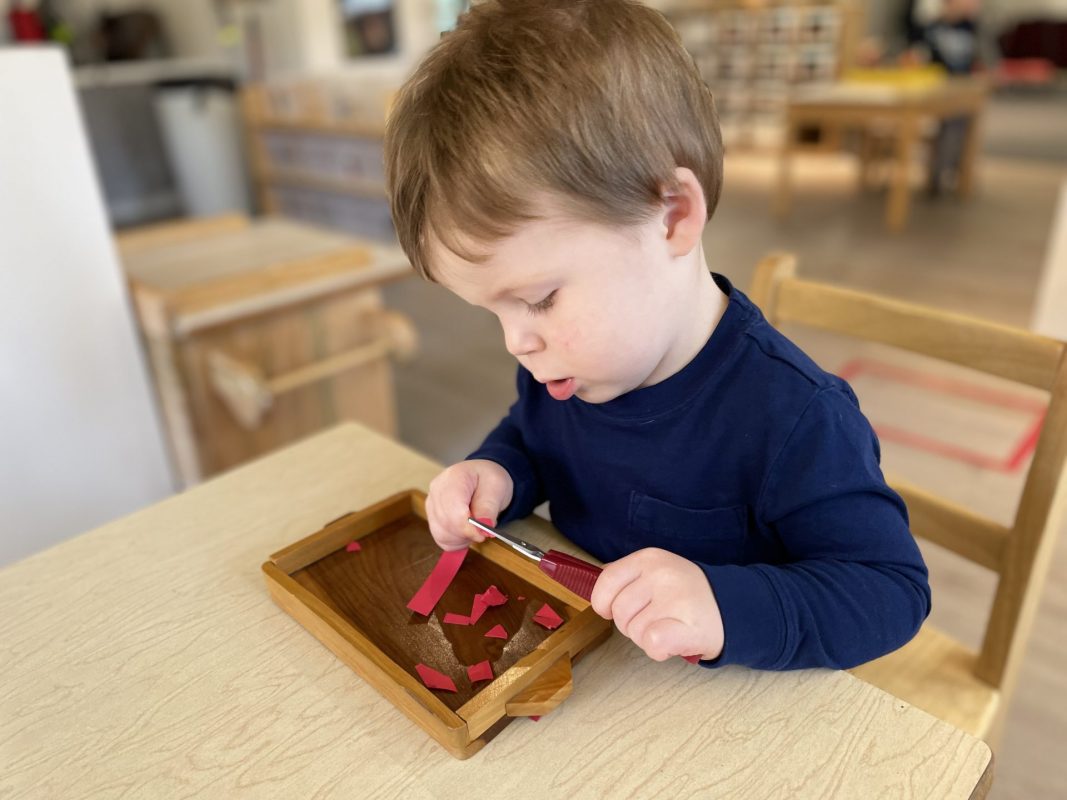
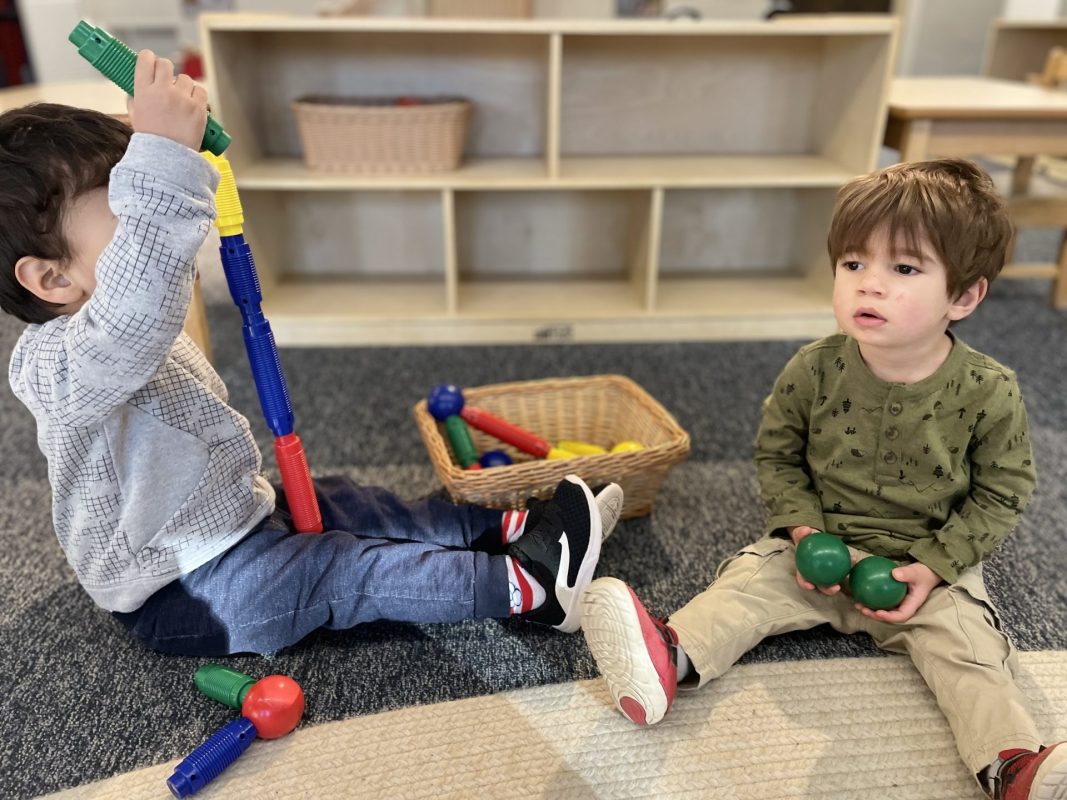
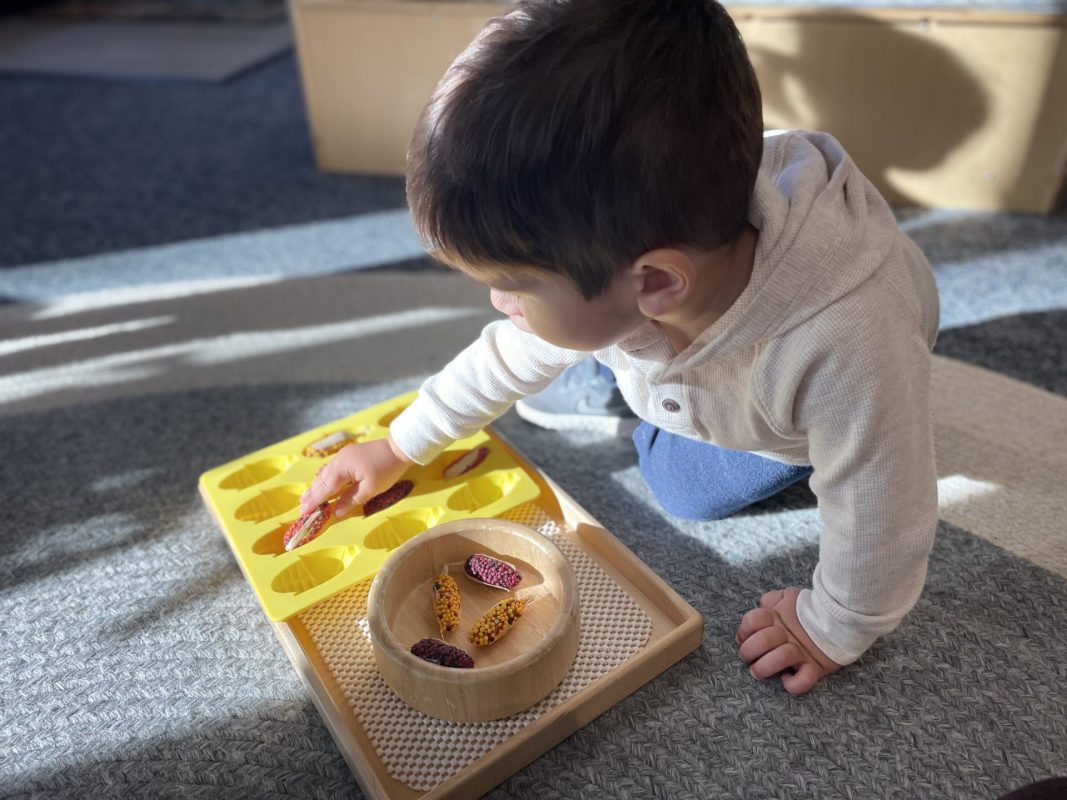
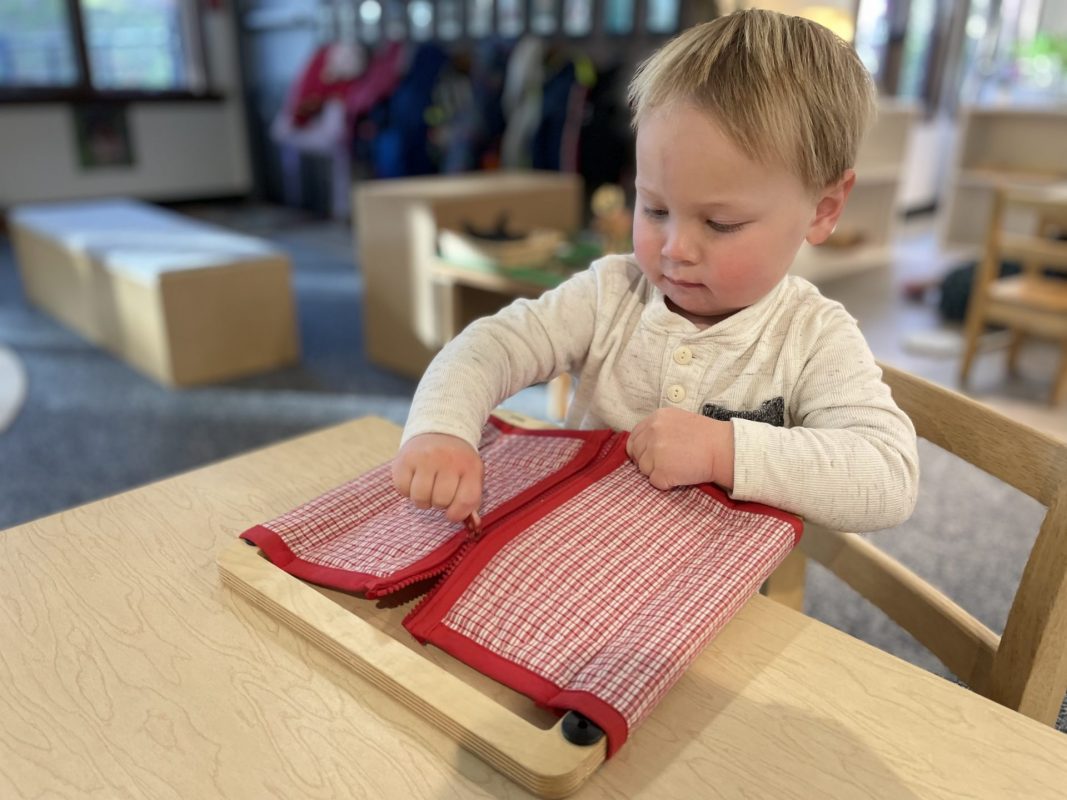
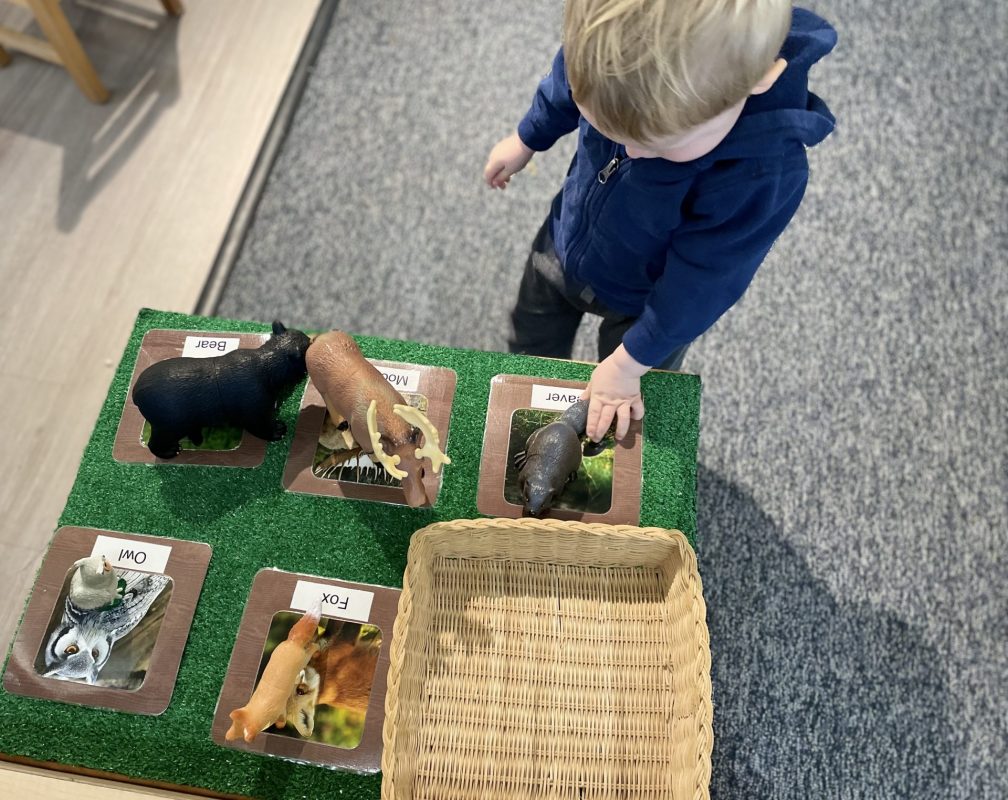
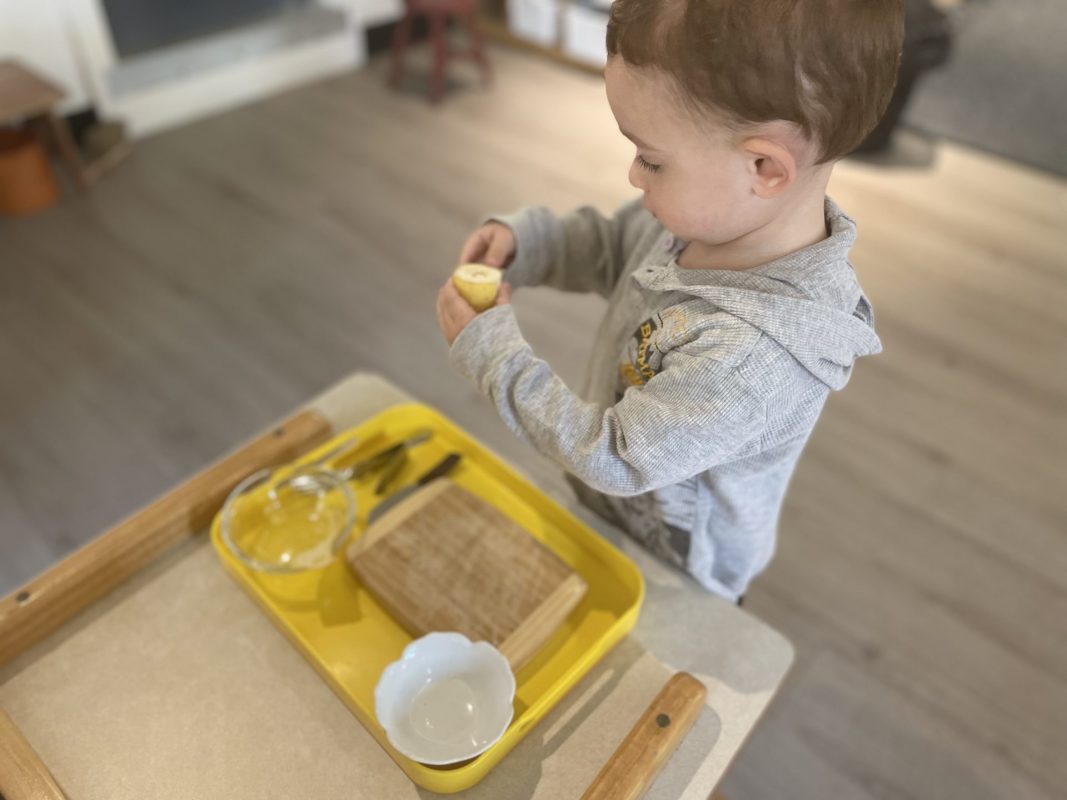
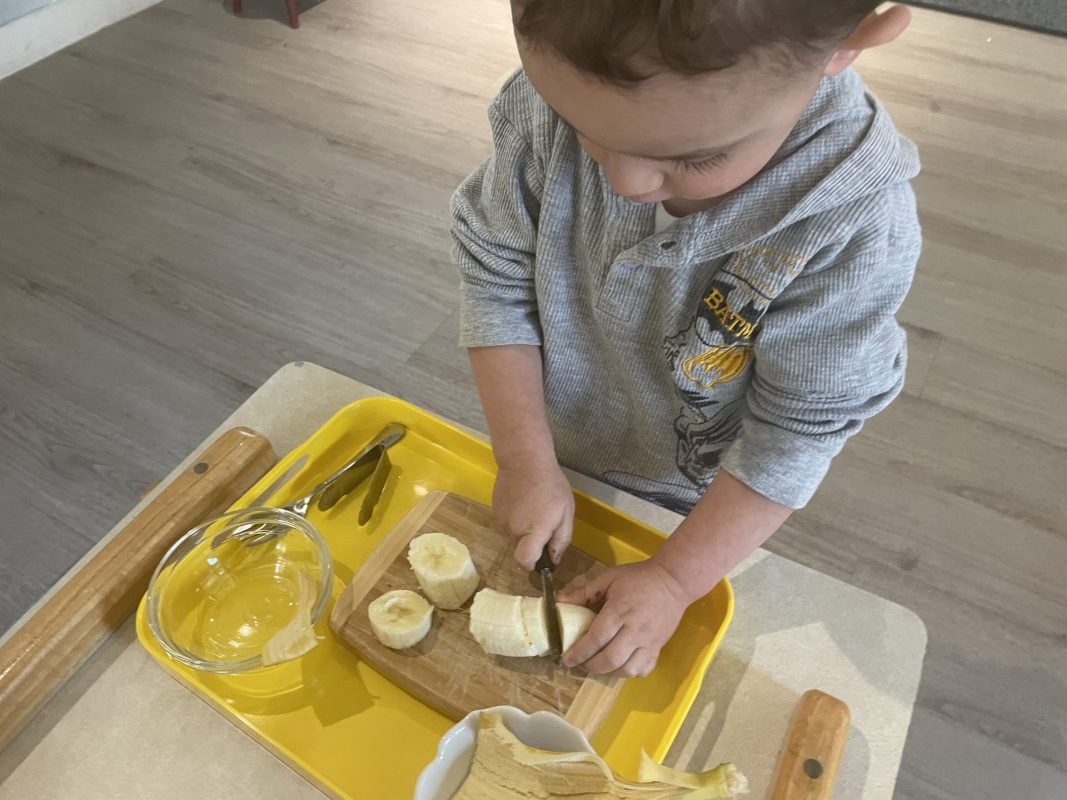
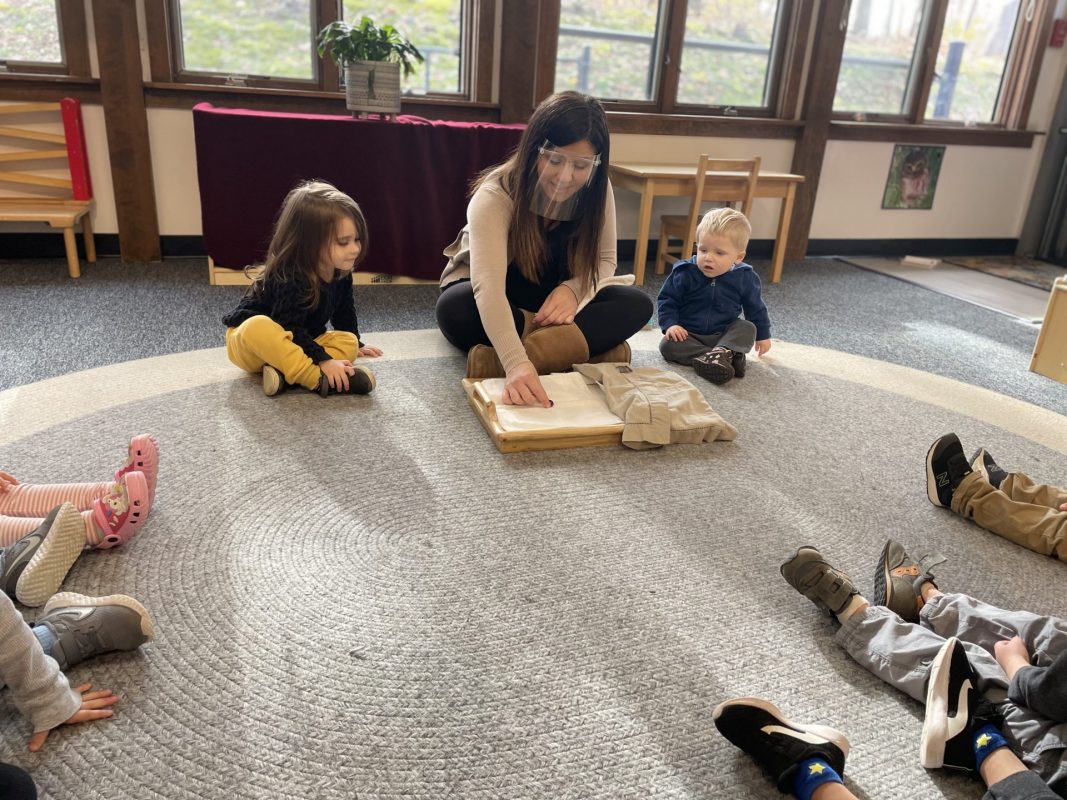
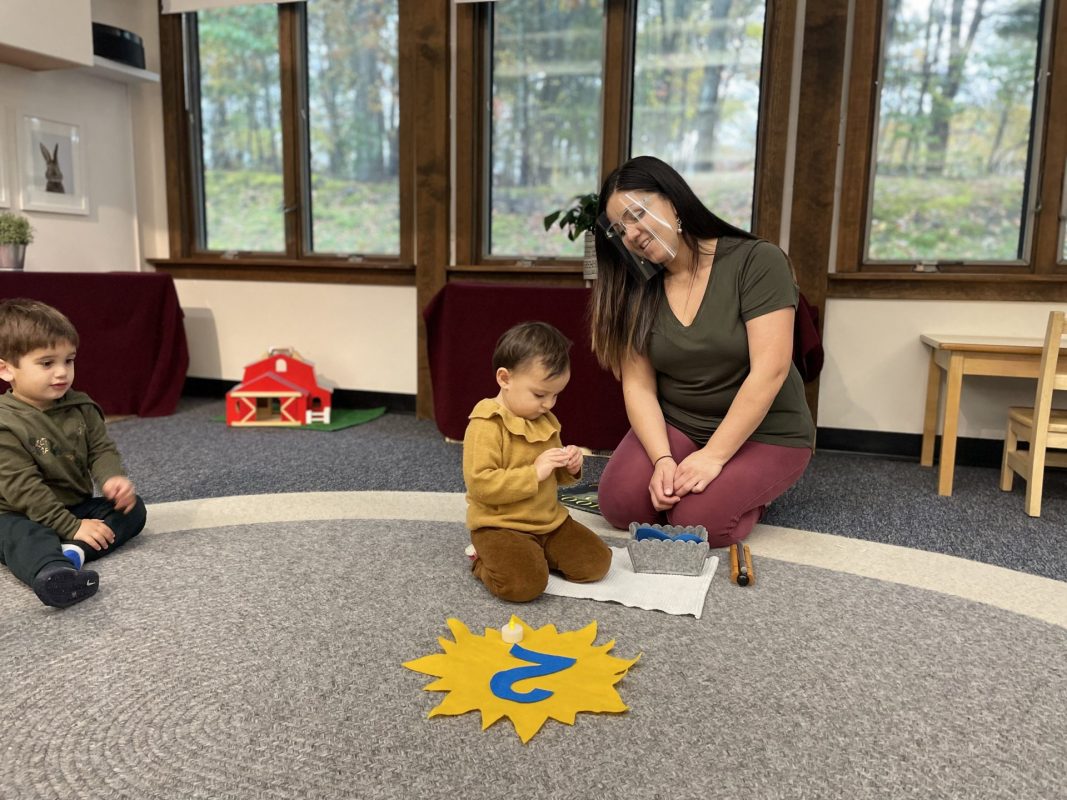
Our Montessori classroom provides an environment that offers the time and opportunity to practice deep concentration. The uninterrupted work period enables the children to focus on a task for as long as they wish without an adult-imposed schedule. The adult in the environment is cautious not to interrupt and break the children’s concentration. As the ability to concentrate improves, the children also develop better self-control and self-regulation.

What can we do to nurture and protect concentration at home?

In recent times there has been a strong social message for parents to spend lots of ‘quality time’ with children. This could be because of the increased amount of time typically spent away from the home. Parents sometimes fear their children may get bored and try to compensate for the loss of quality time by providing videos, iPads, and computer games that can keep children occupied.

It is important to spend meaningful time with your children interacting with them. It is just as important to offer children the opportunity for self-initiated play and the time to become bored. The best way to develop concentration is to practice it, and the best way to let children practice is to avoid interrupting when they are beginning to pay attention to something.

Here are some suggestions for you to do at home:

  • Observe your child and identify what it is that holds his attention.
  • Arrange the materials he uses so they are accessible and organized.
  • Nurture his creative endeavors.
  • Resist the urge to interrupt when he is deeply concentrating. Just supervise.
  • Be a good role model and show your child that you have work that needs concentration.
  • Provide uninterrupted time to complete his task or activity.
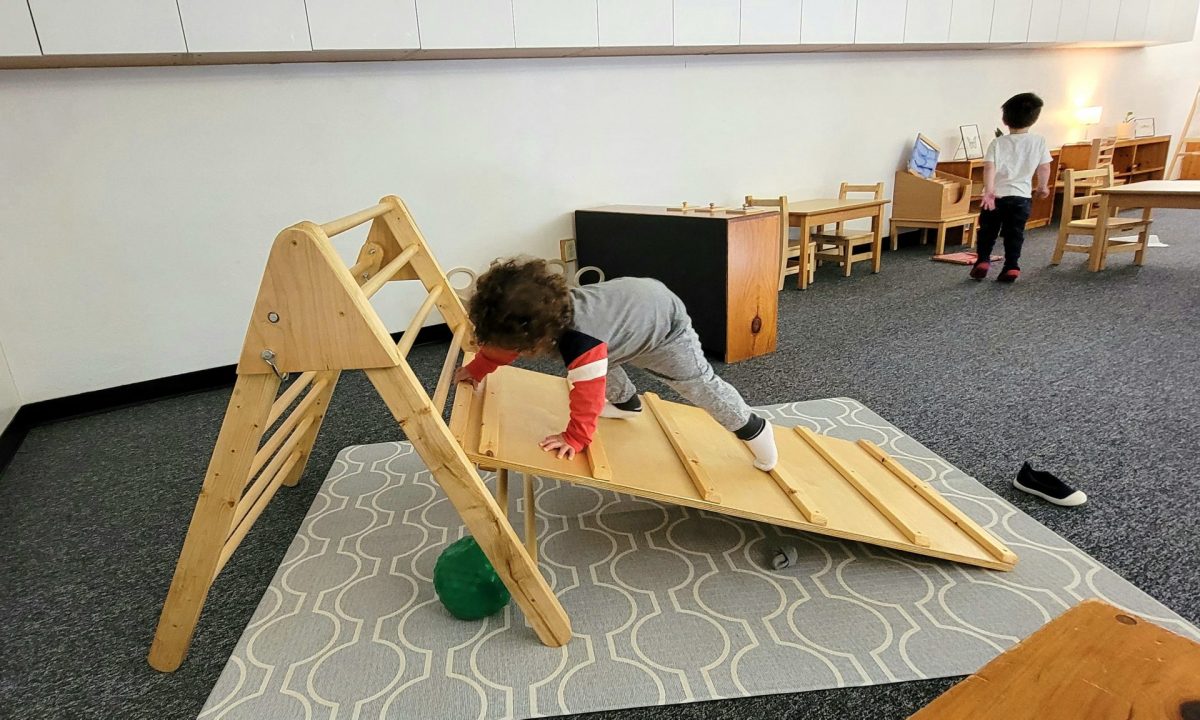
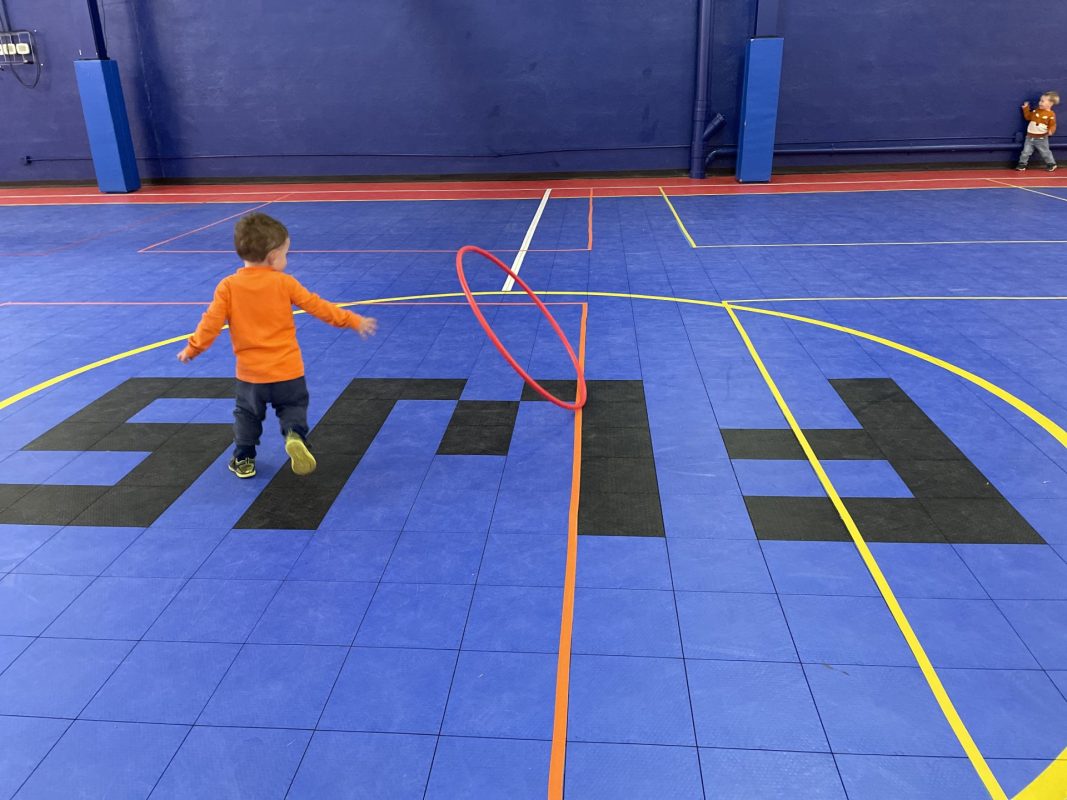
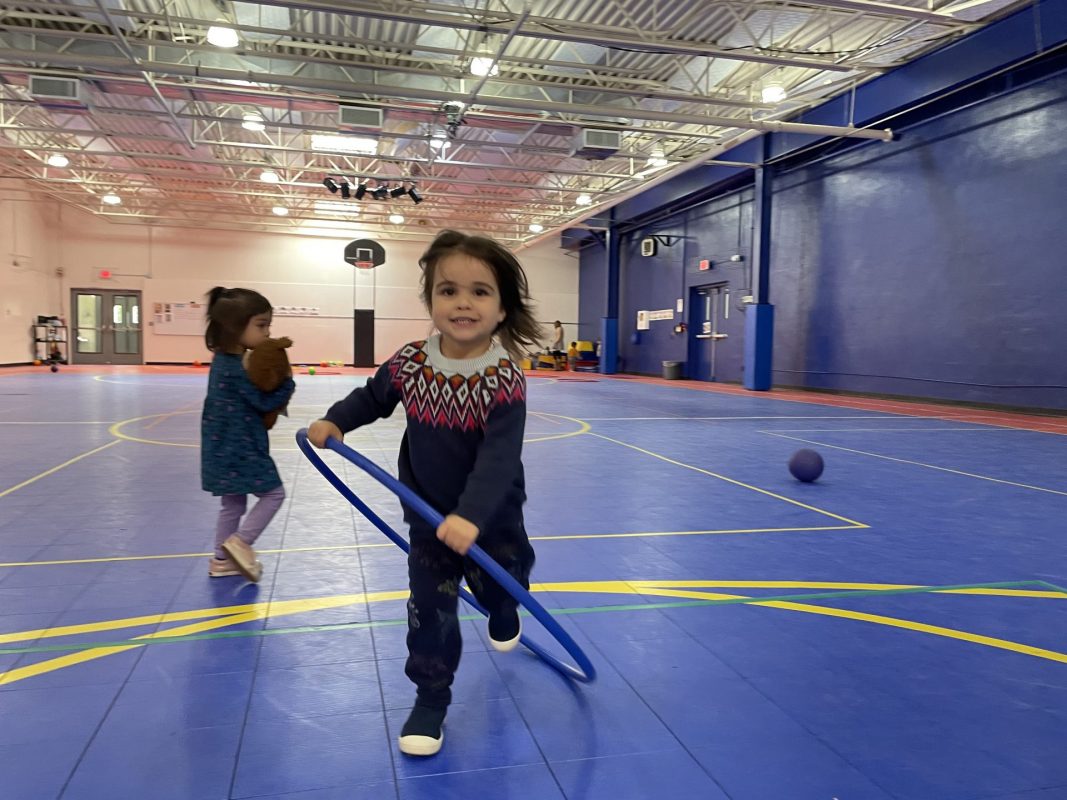
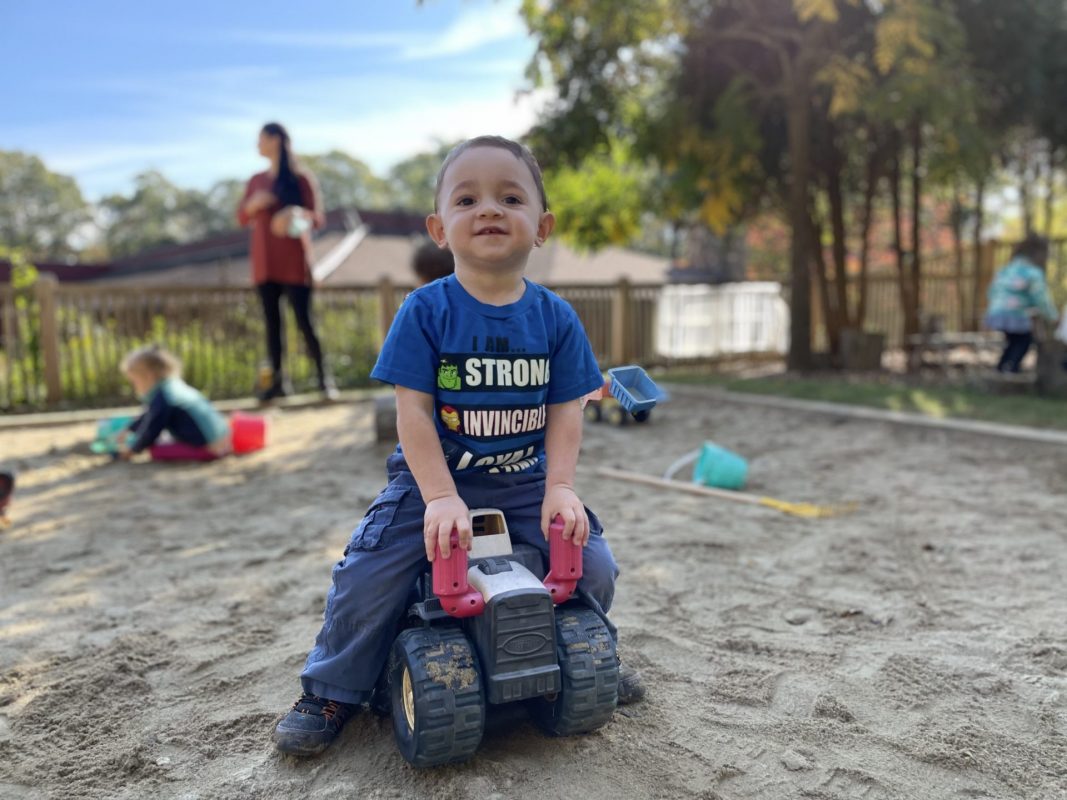
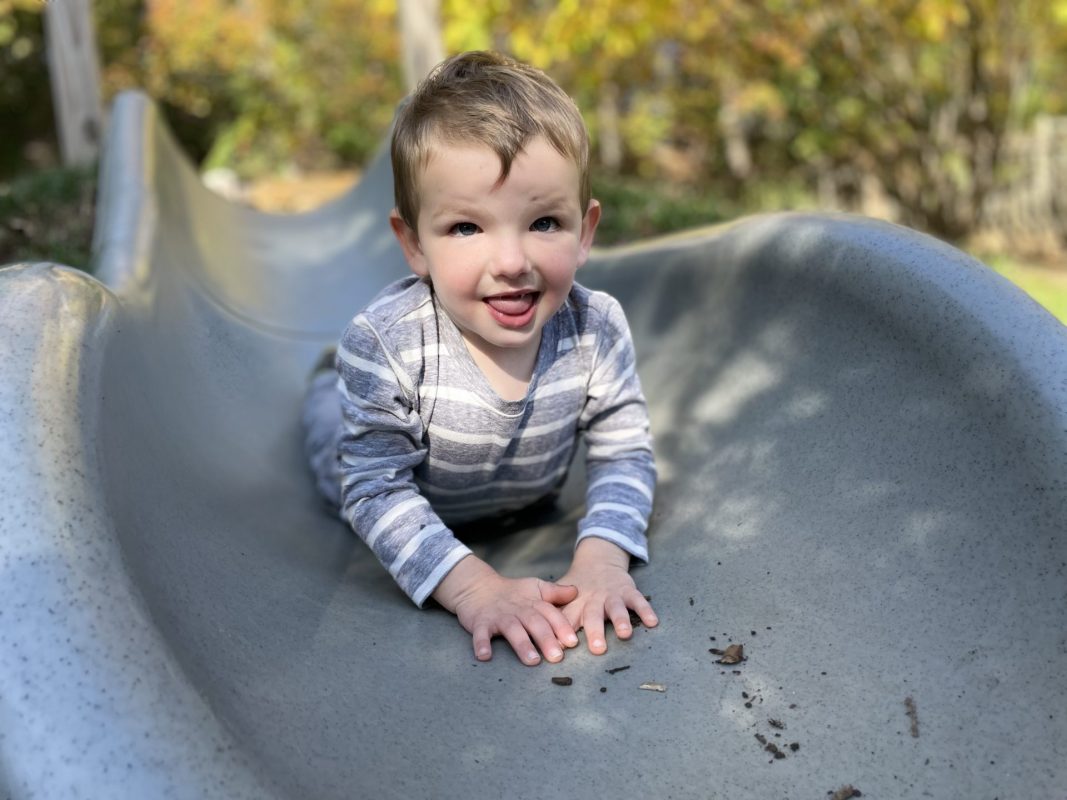
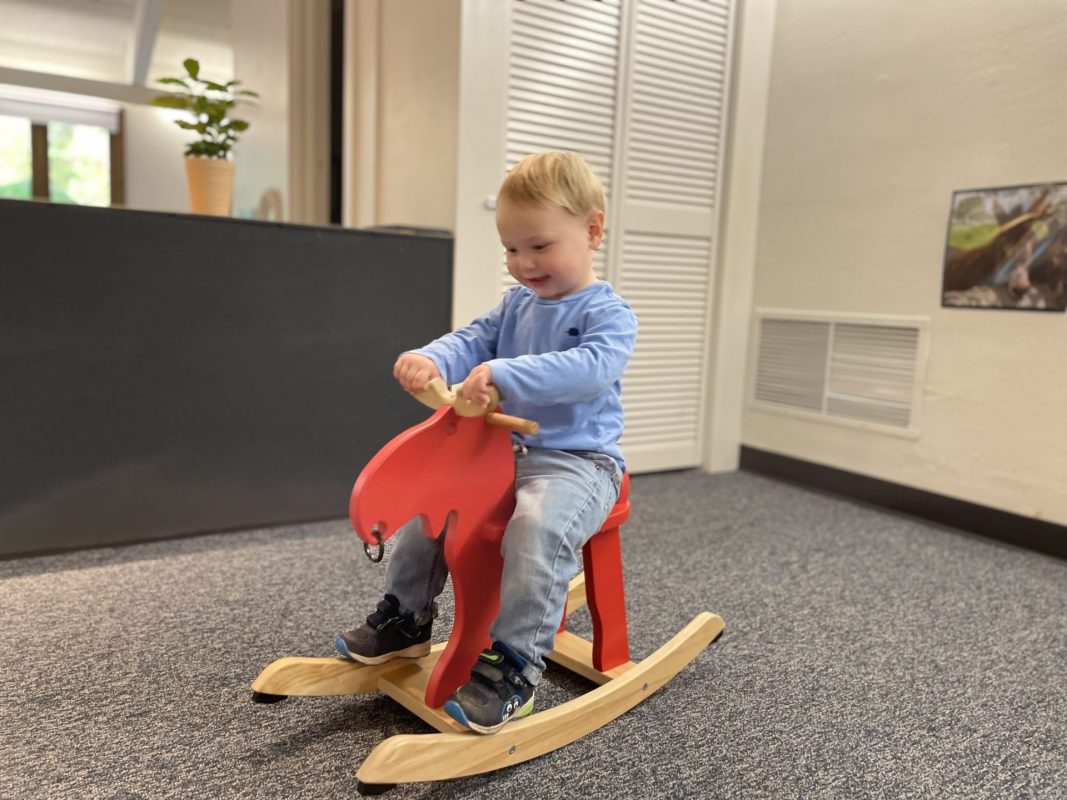
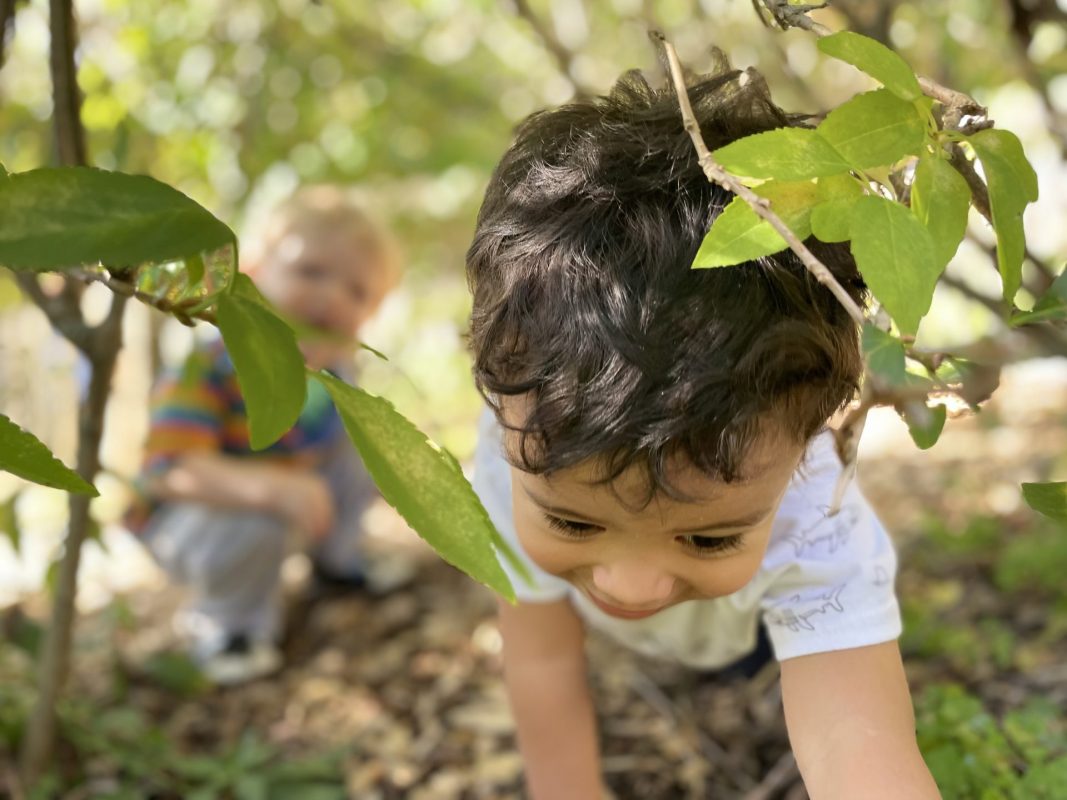
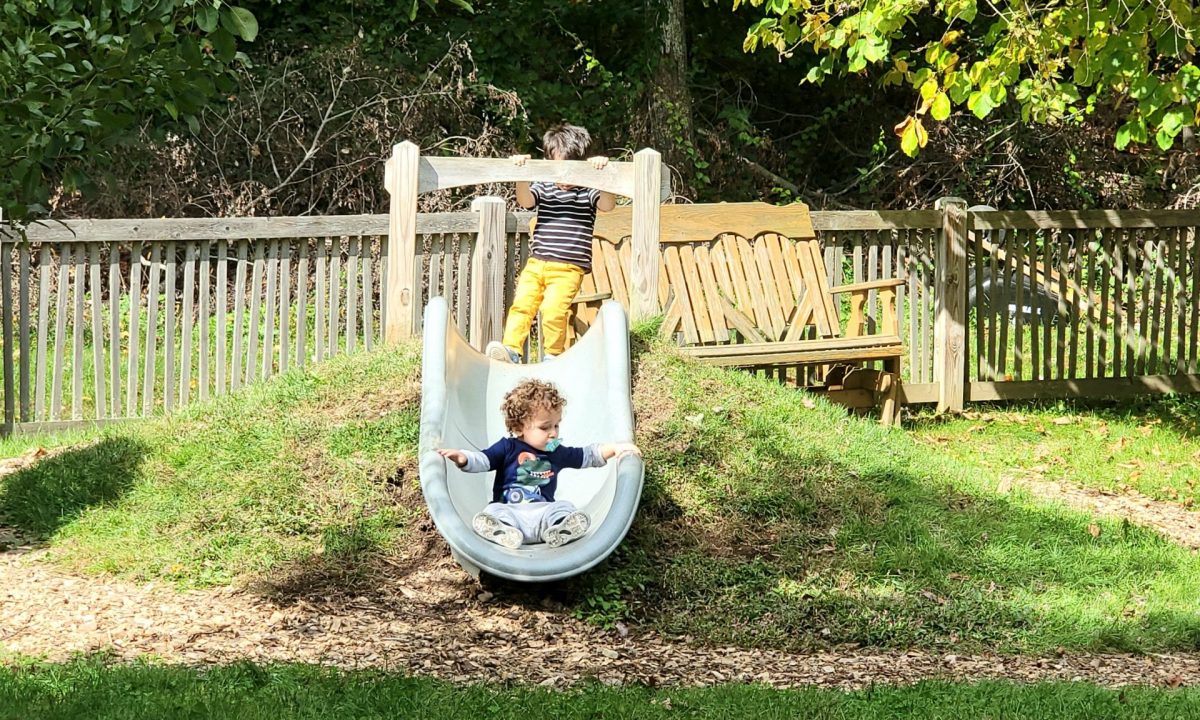
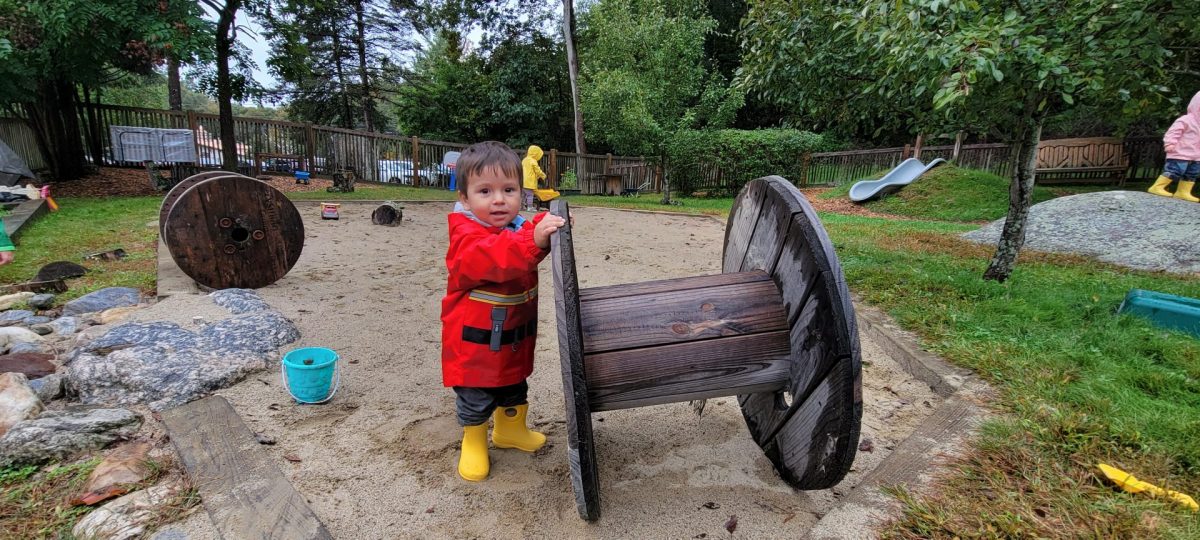
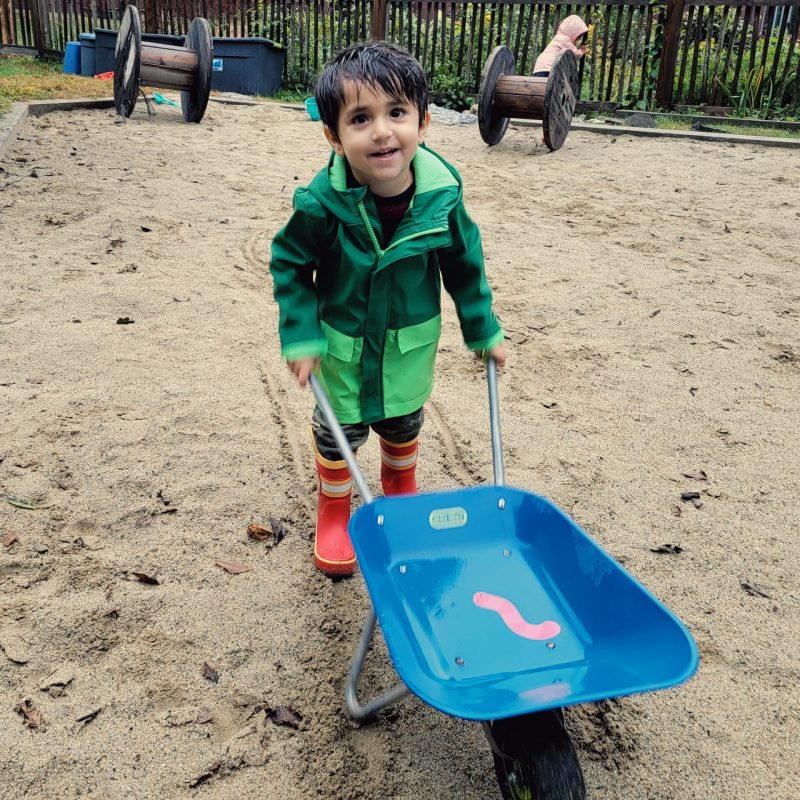
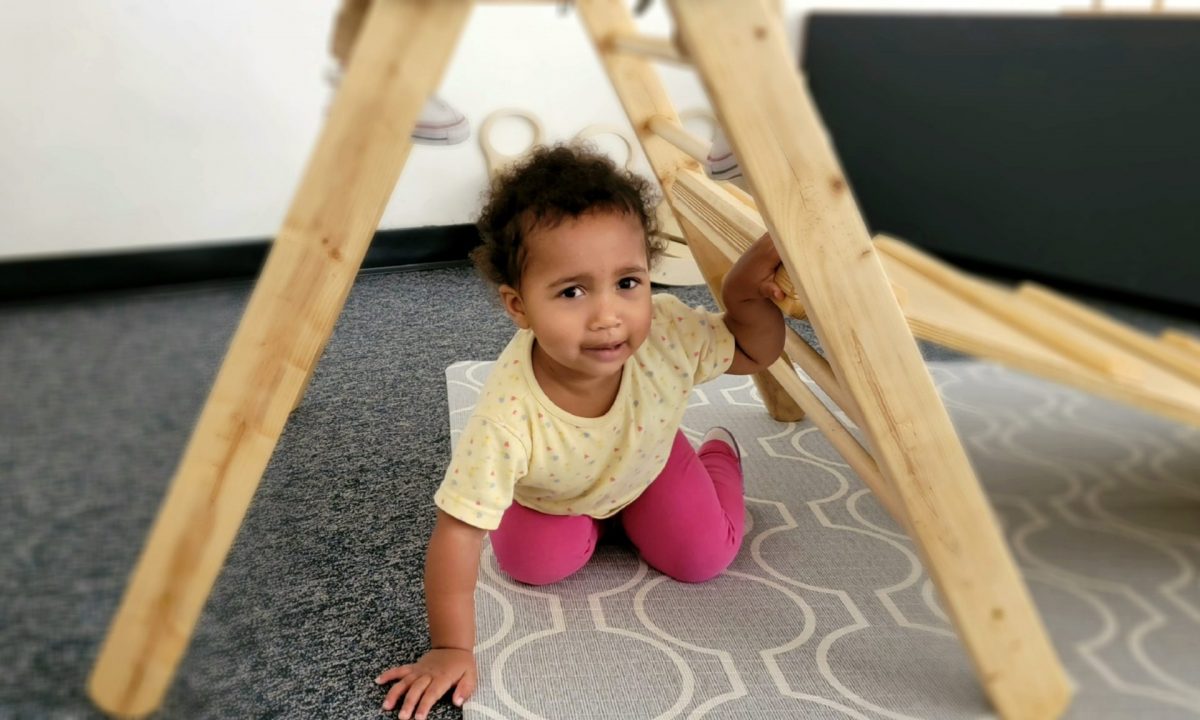
  • Ensure your child has opportunity to develop his gross motor skills through outdoor play.
  • Work on relaxation and introduce meditation or quiet time at the end of the day.

Adapting these practices at home will support your child to develop concentration, a skill essential to success in schooling and life.

“Concentration is a part of life. It is not the consequence of a method of education.” ~Maria Montessori

Best,

Mrs. Hood and Ms. Maria

Mrs. Hood: Let’s Celebrate!

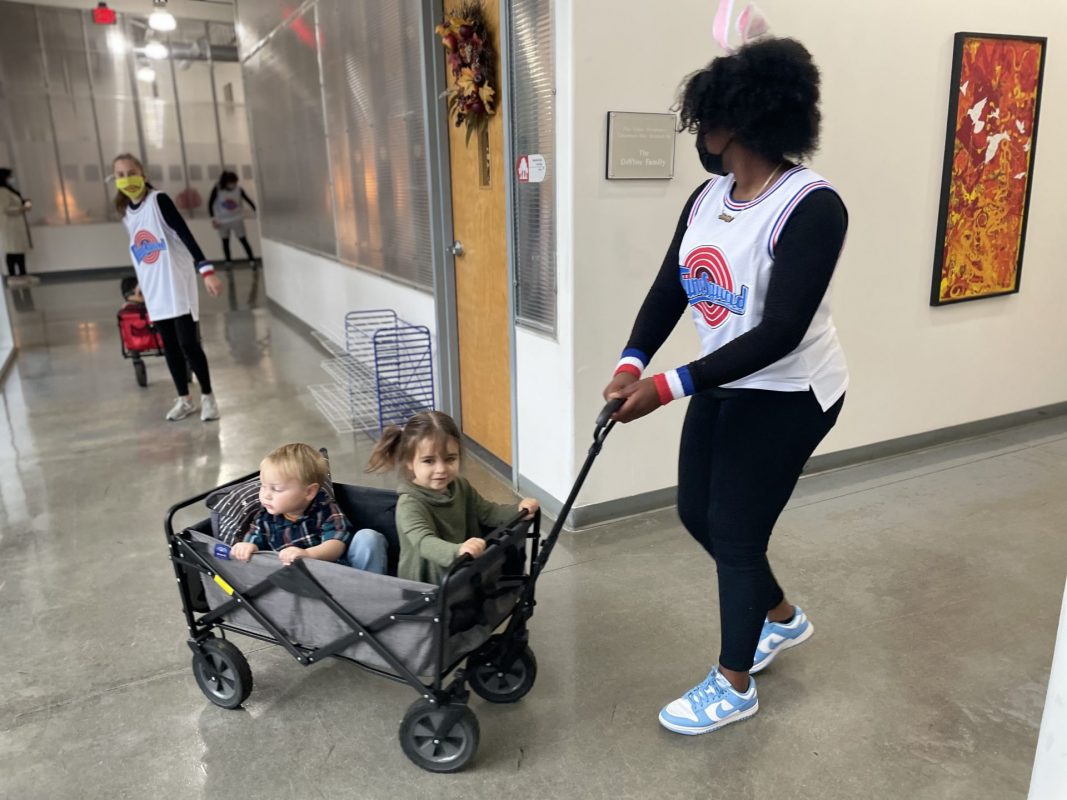
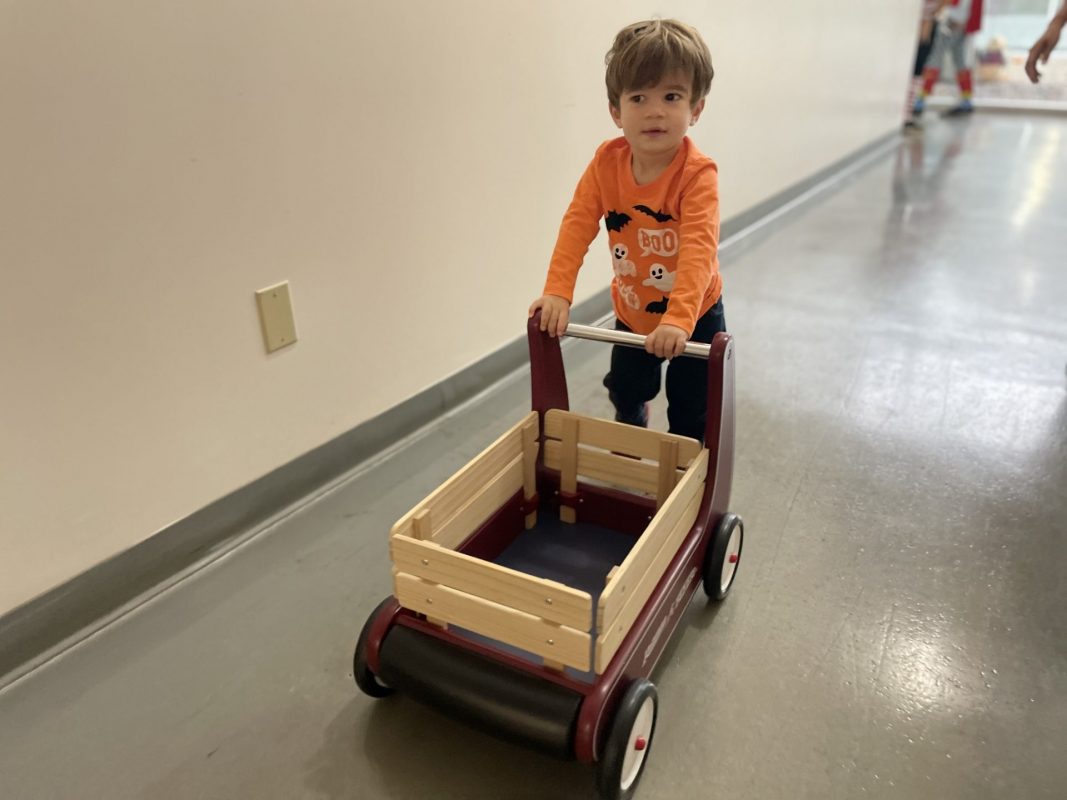
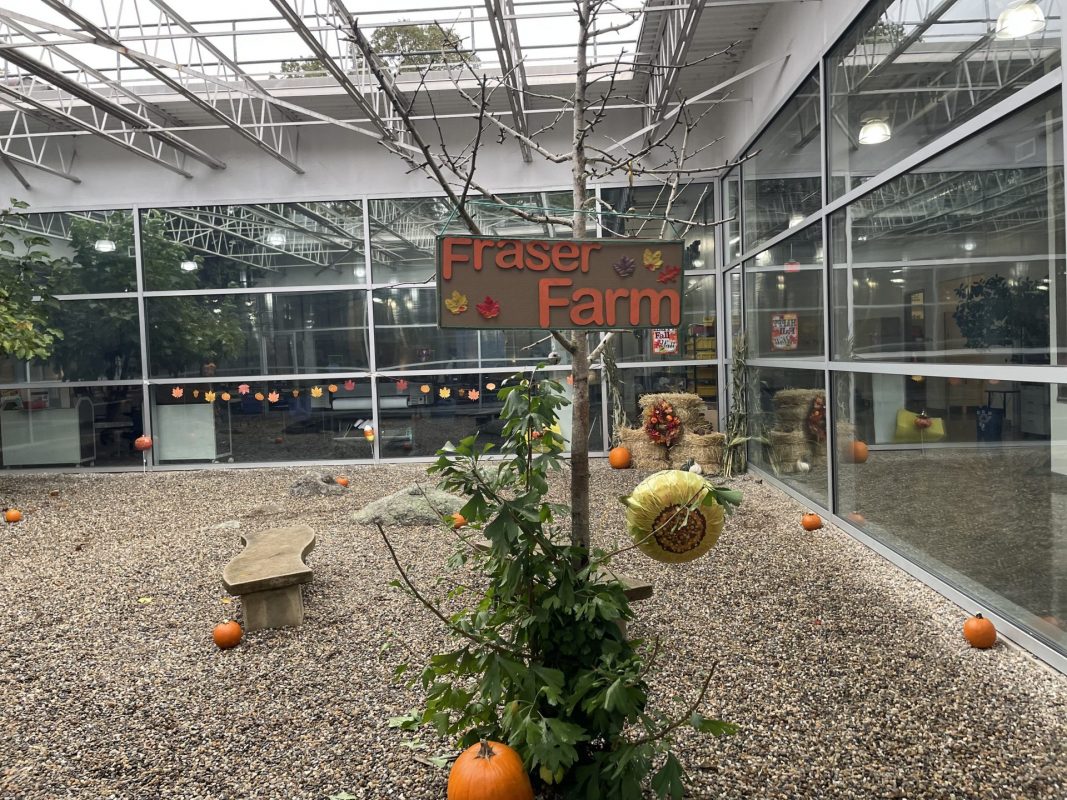
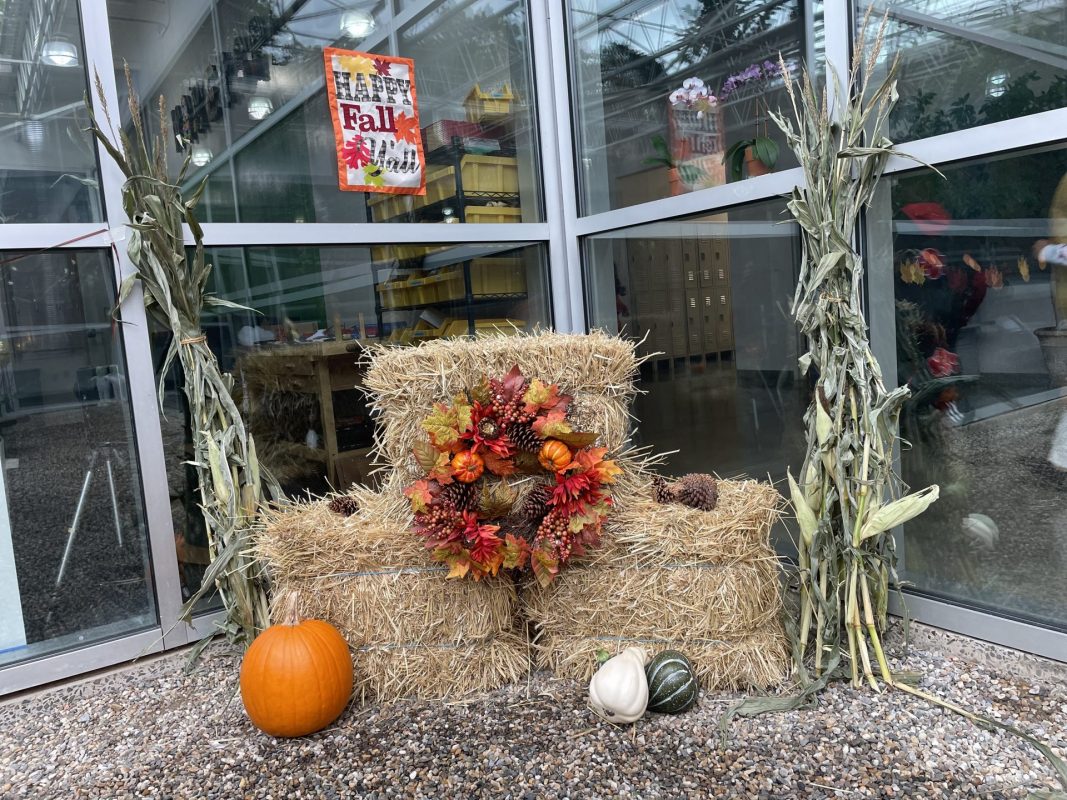
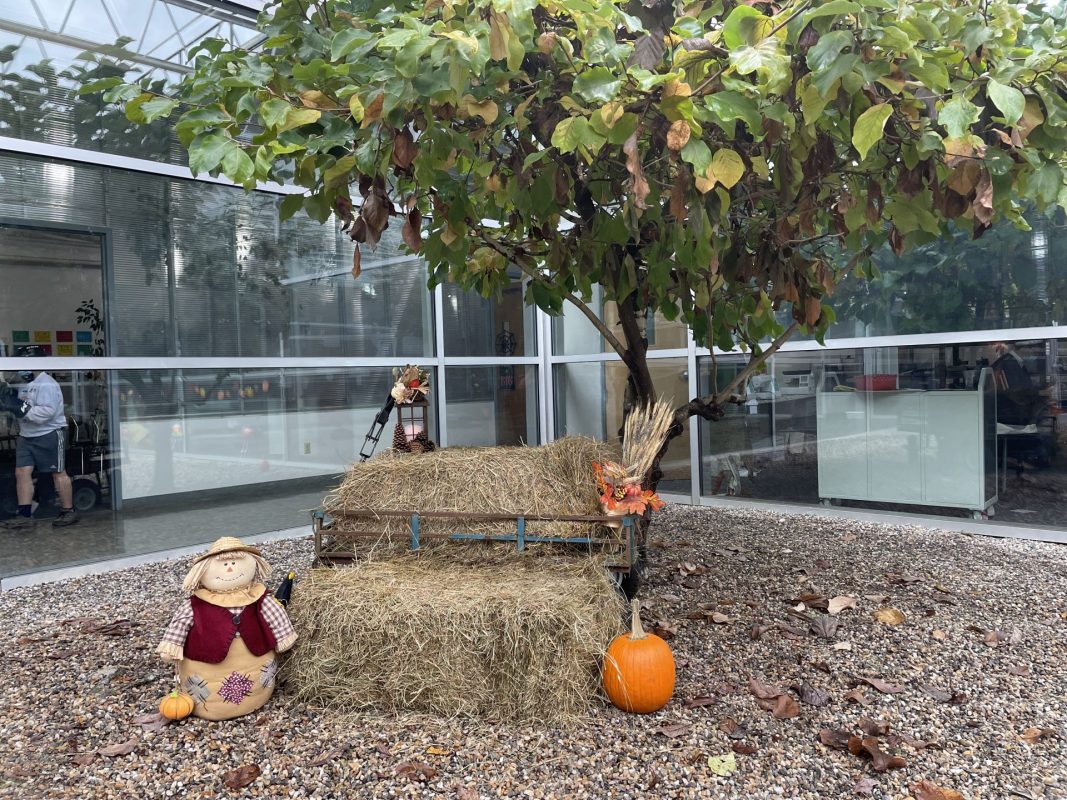
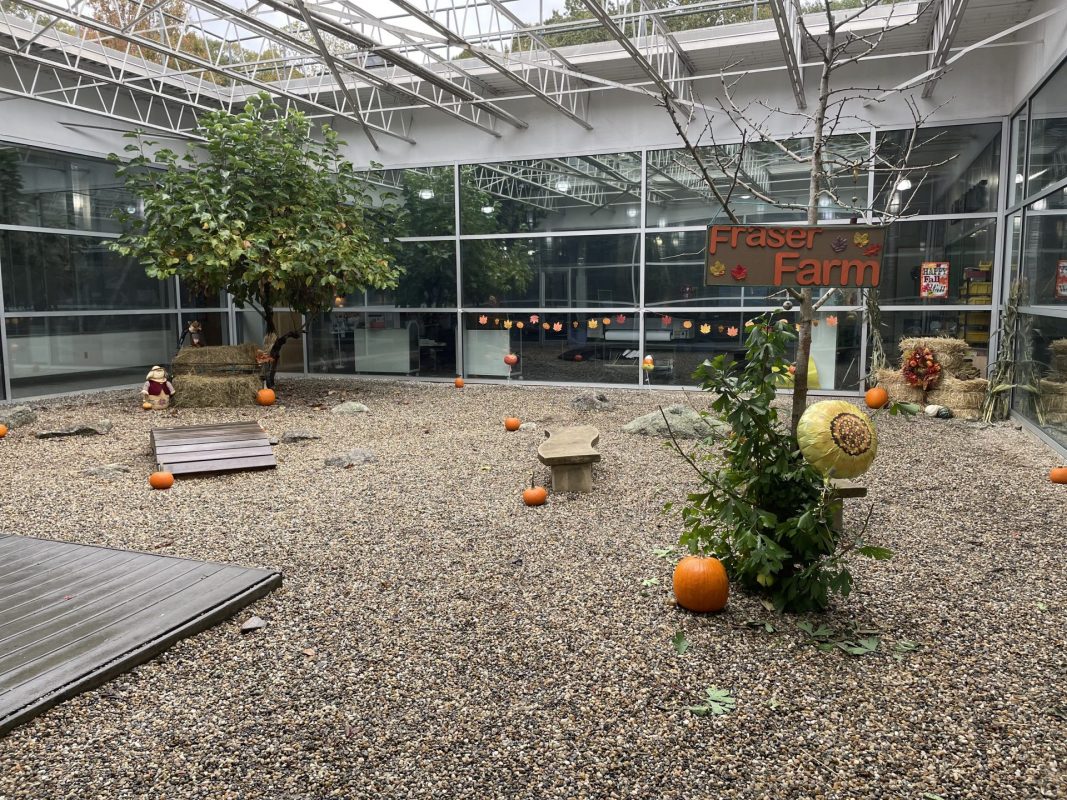
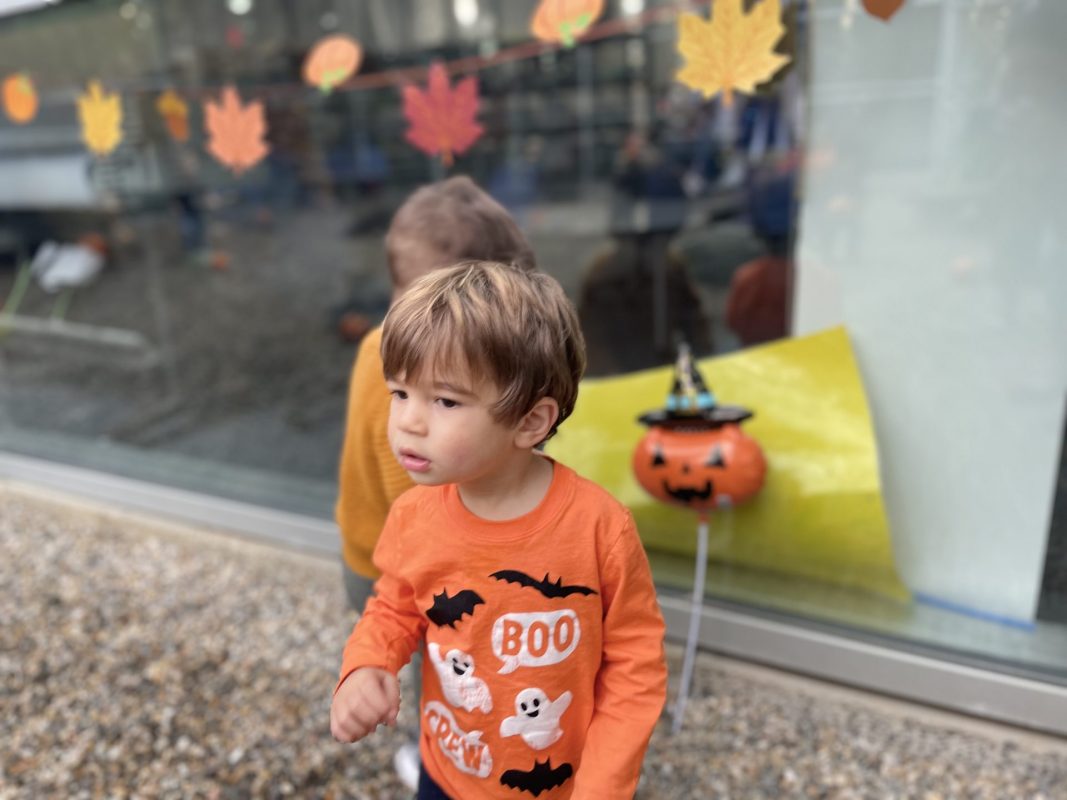
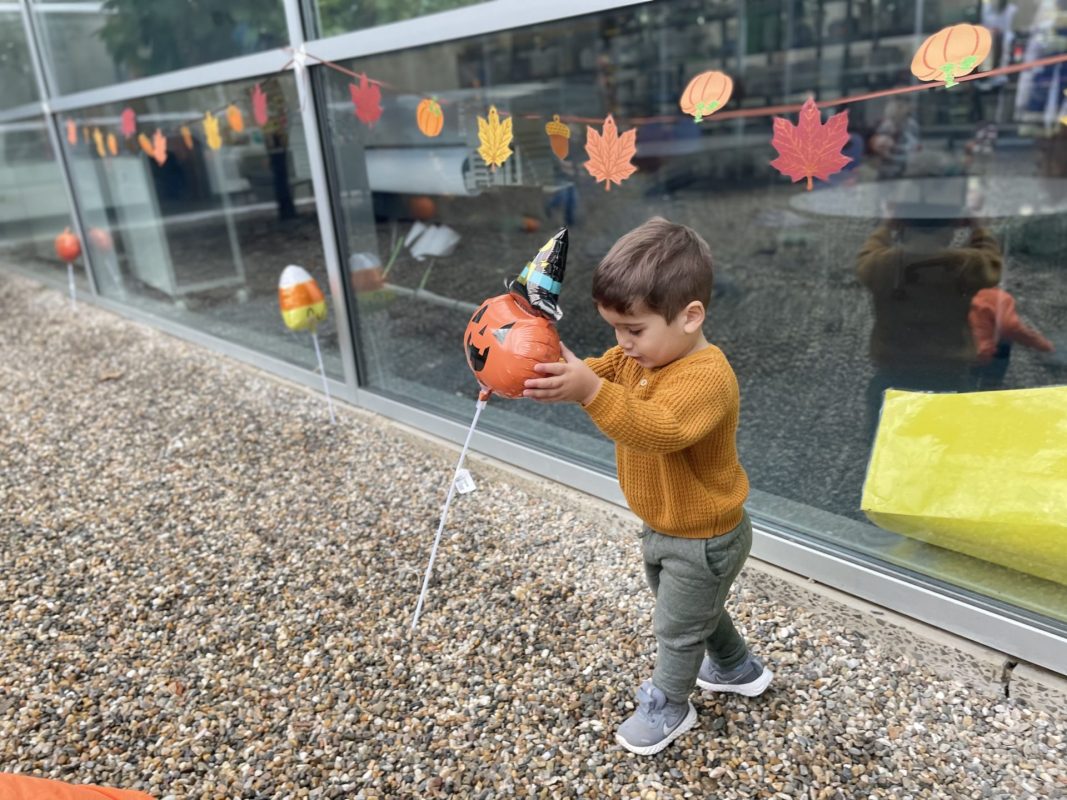
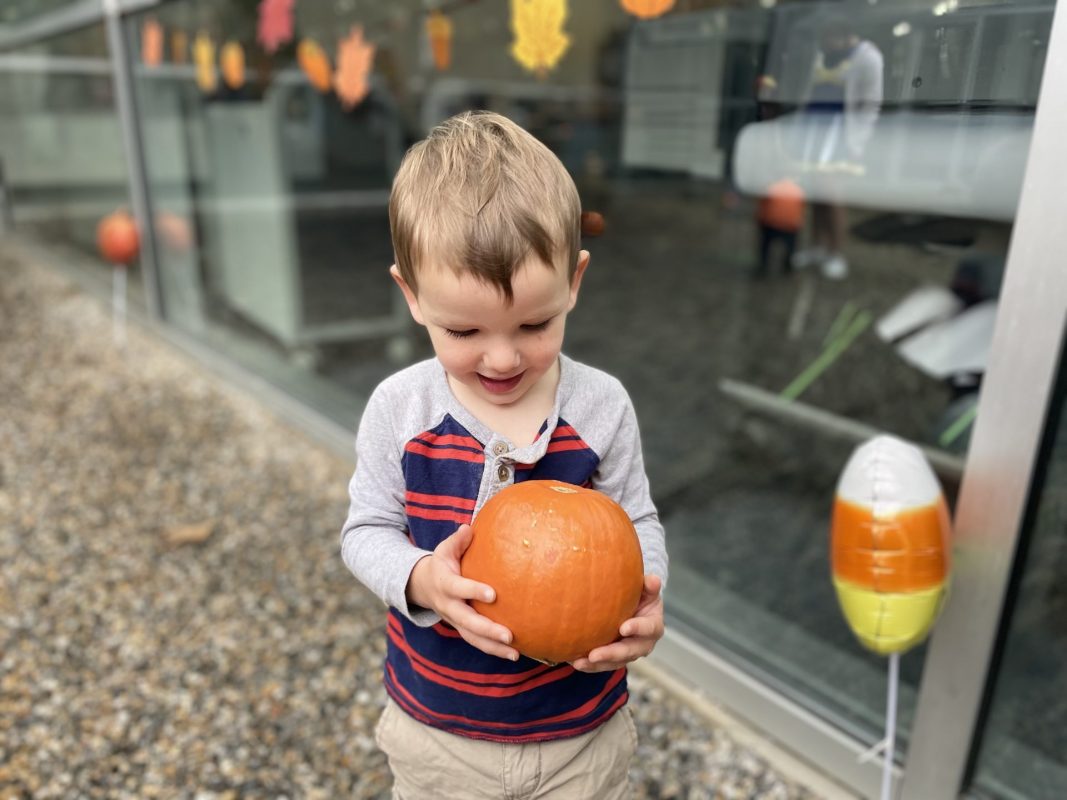
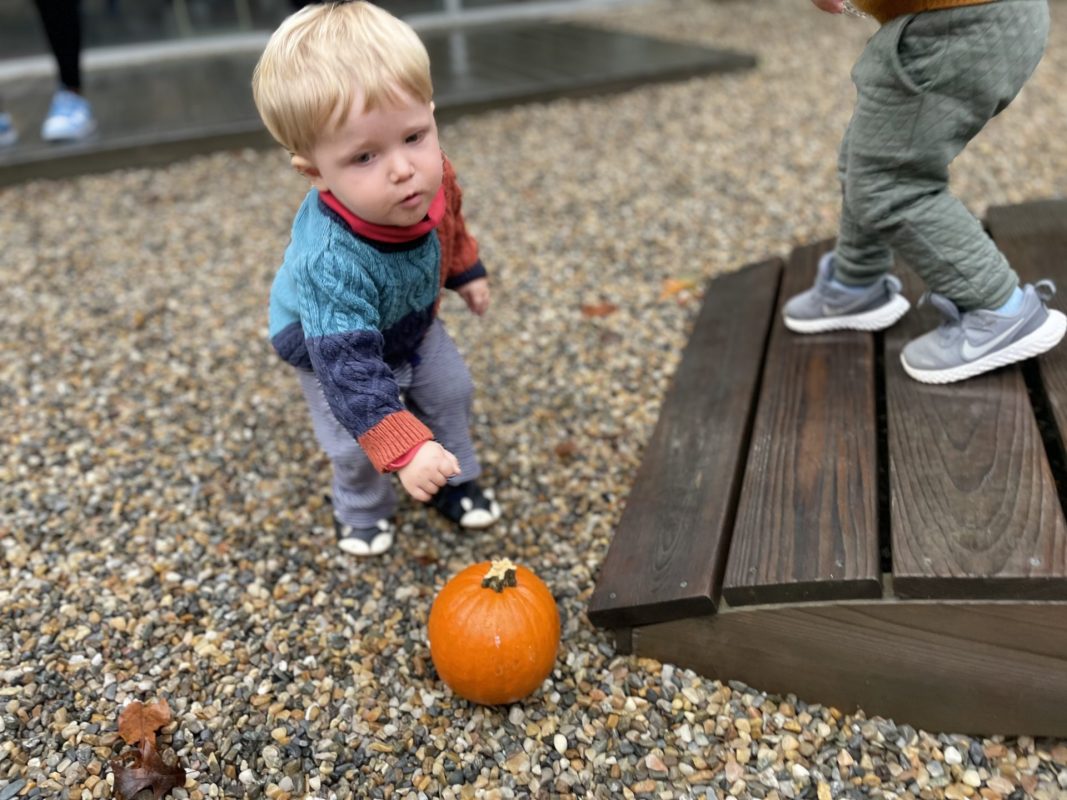
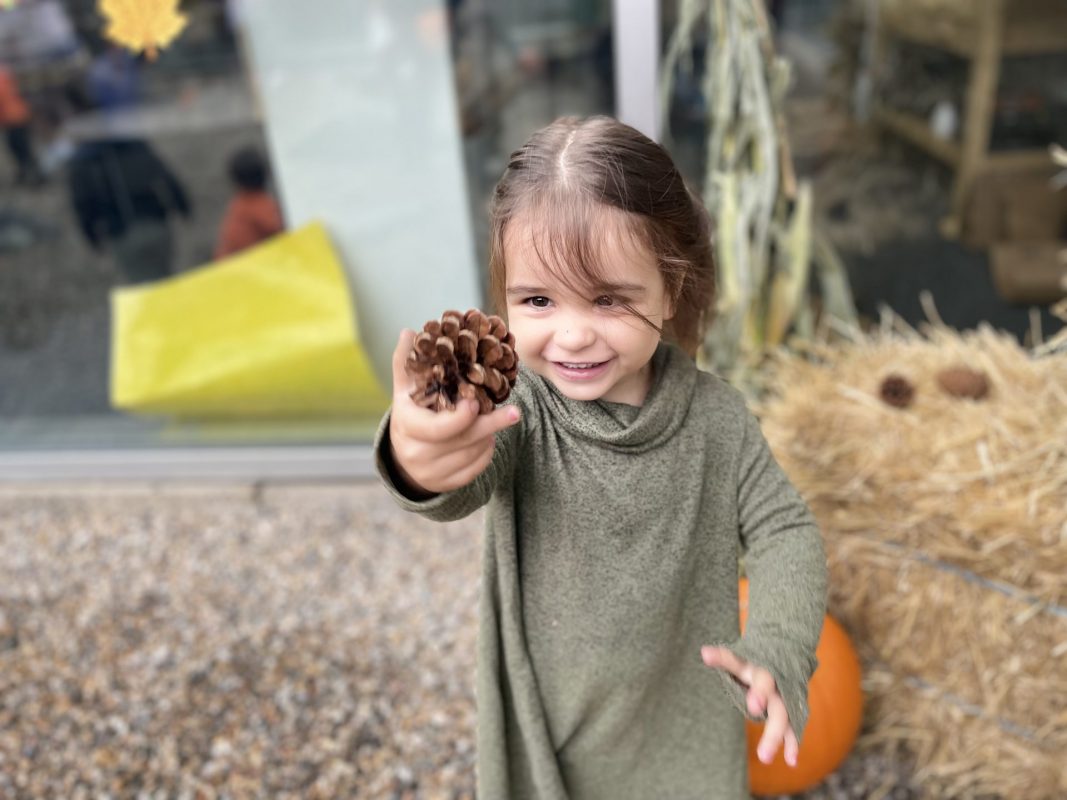
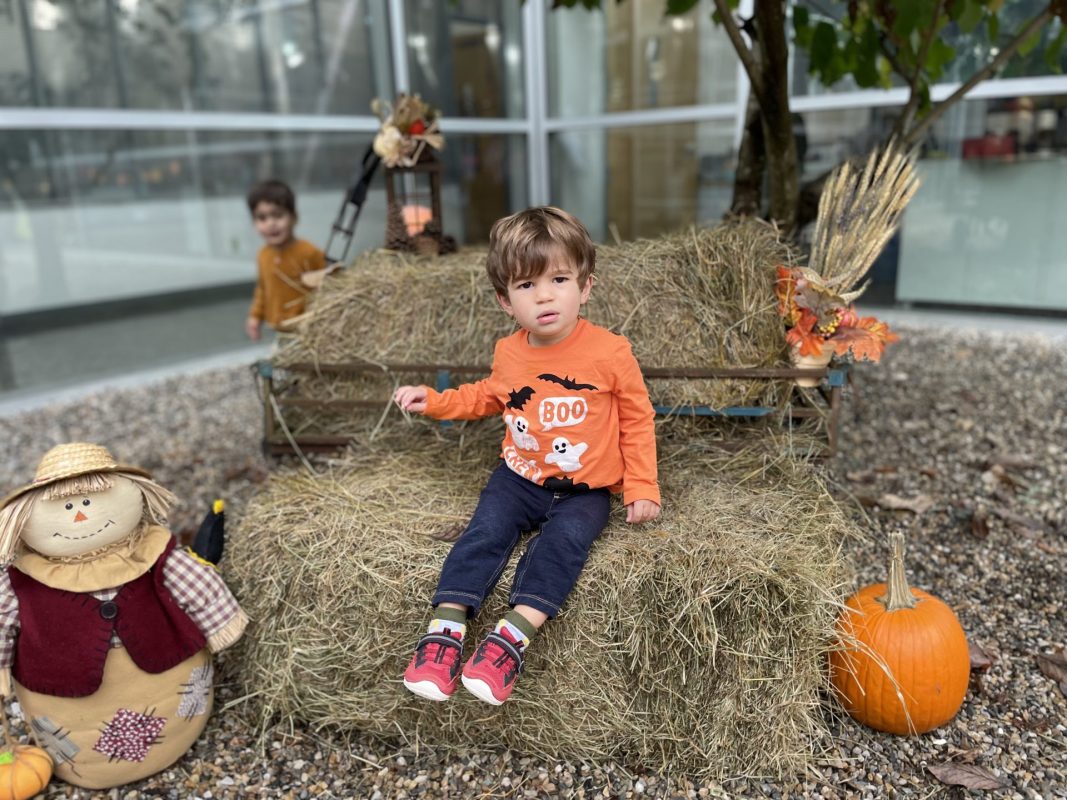
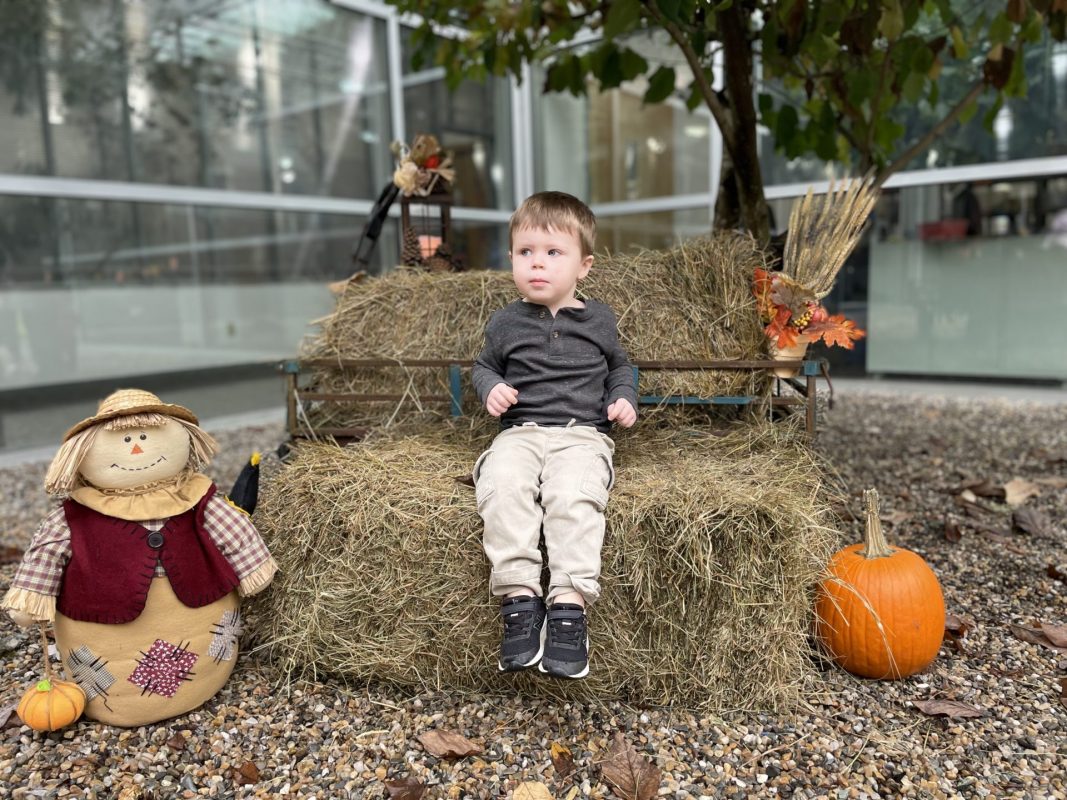
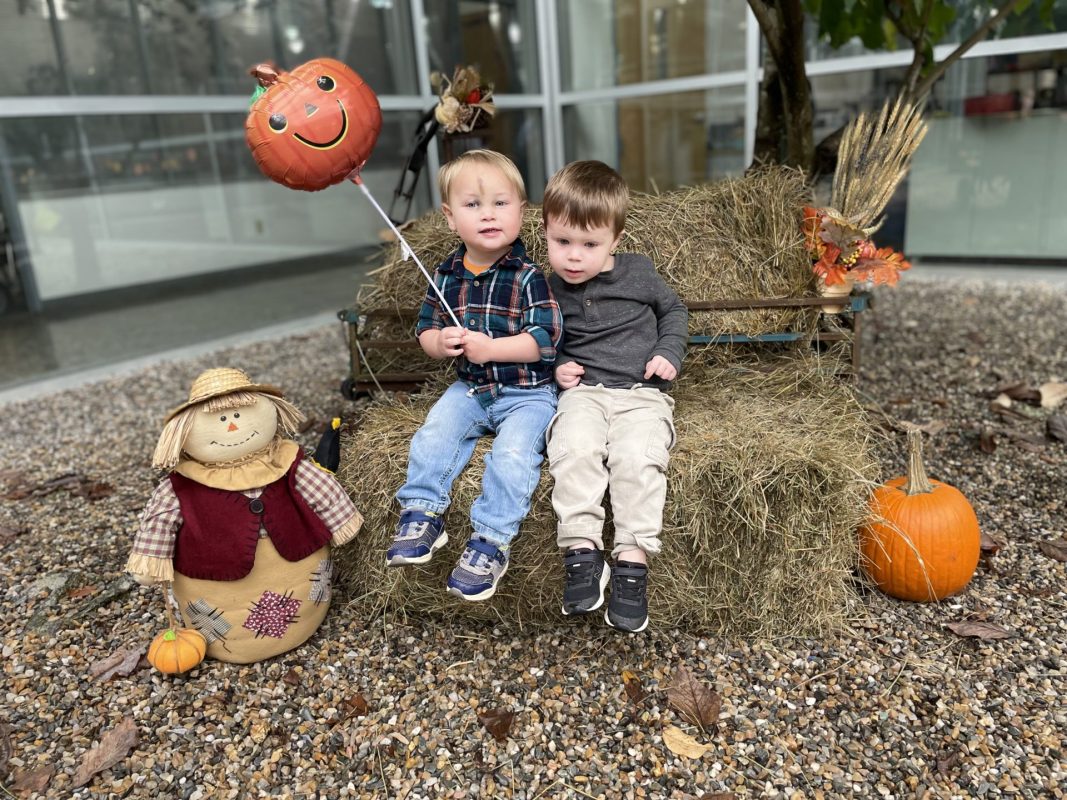
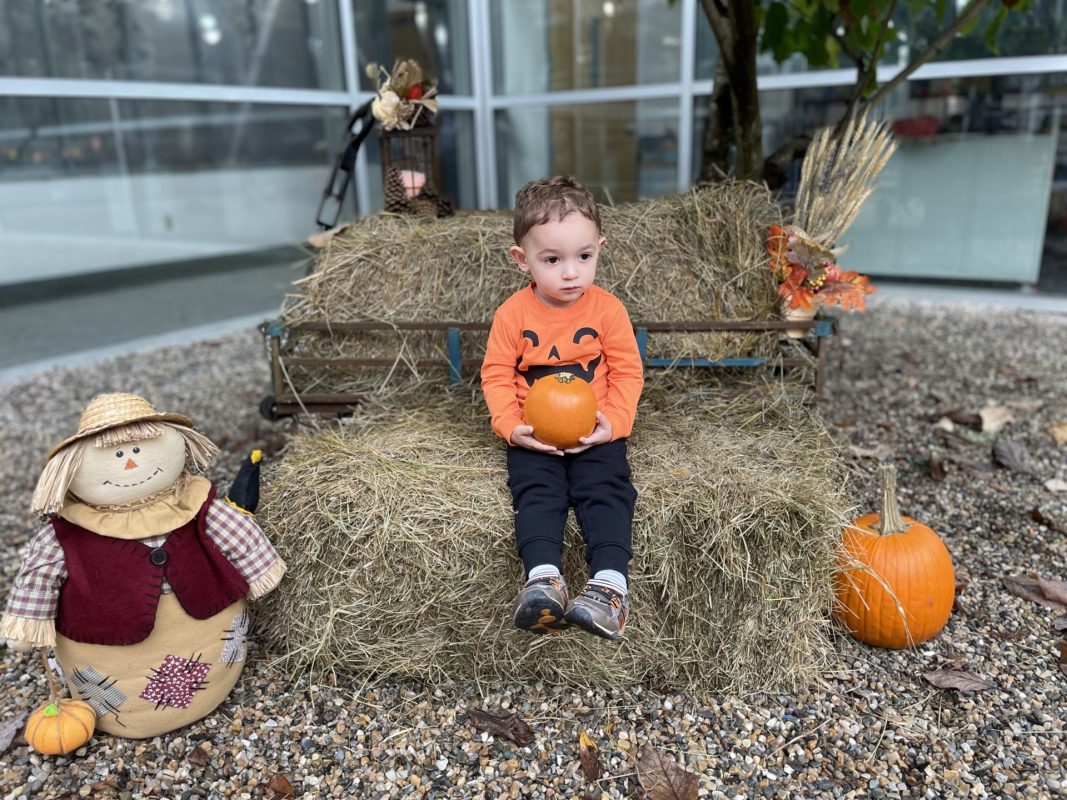
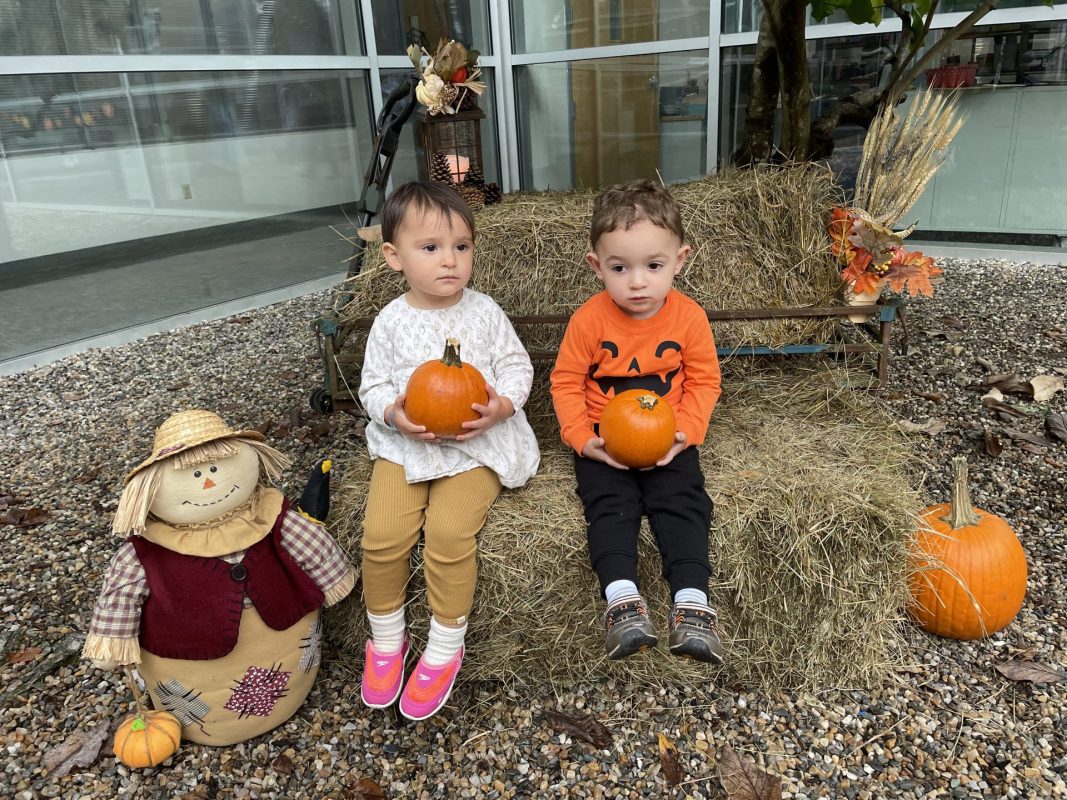
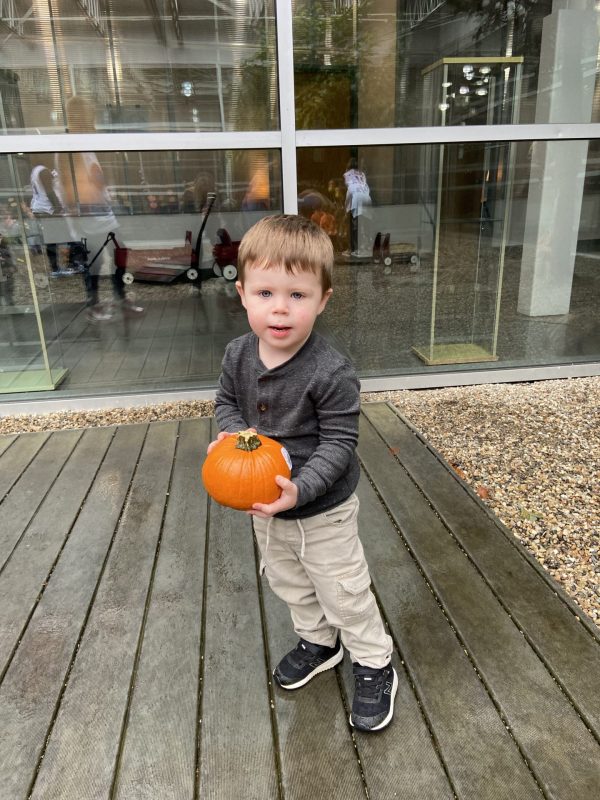
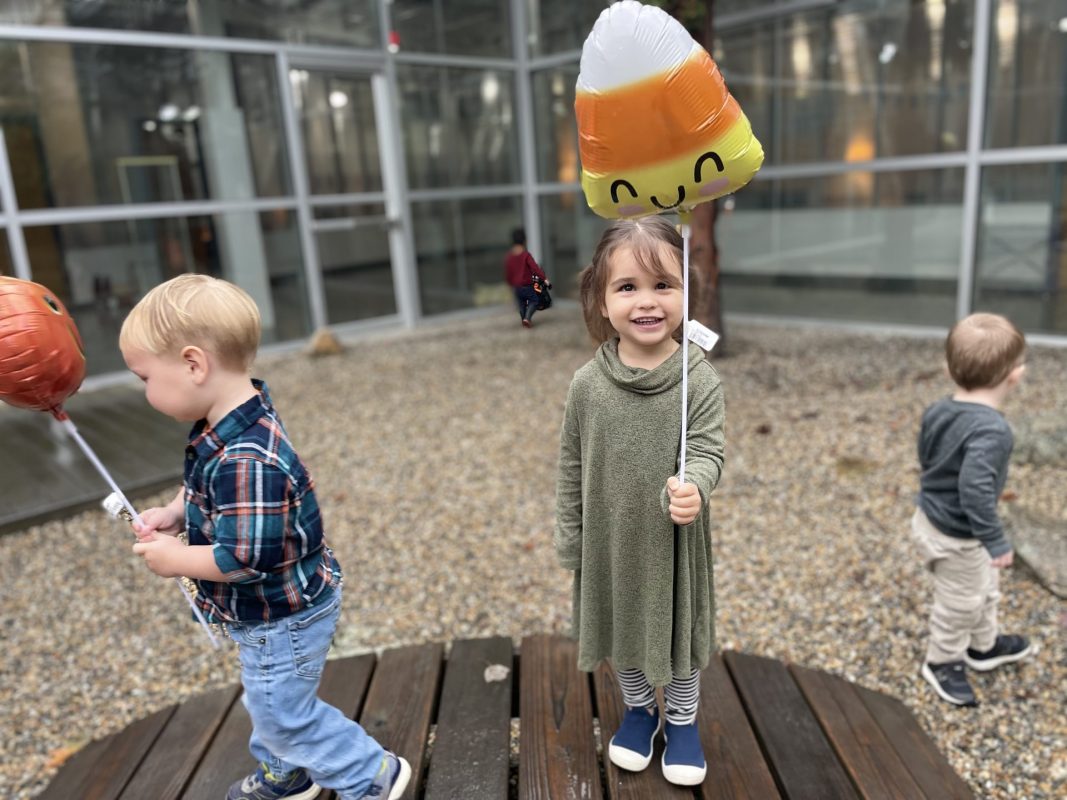
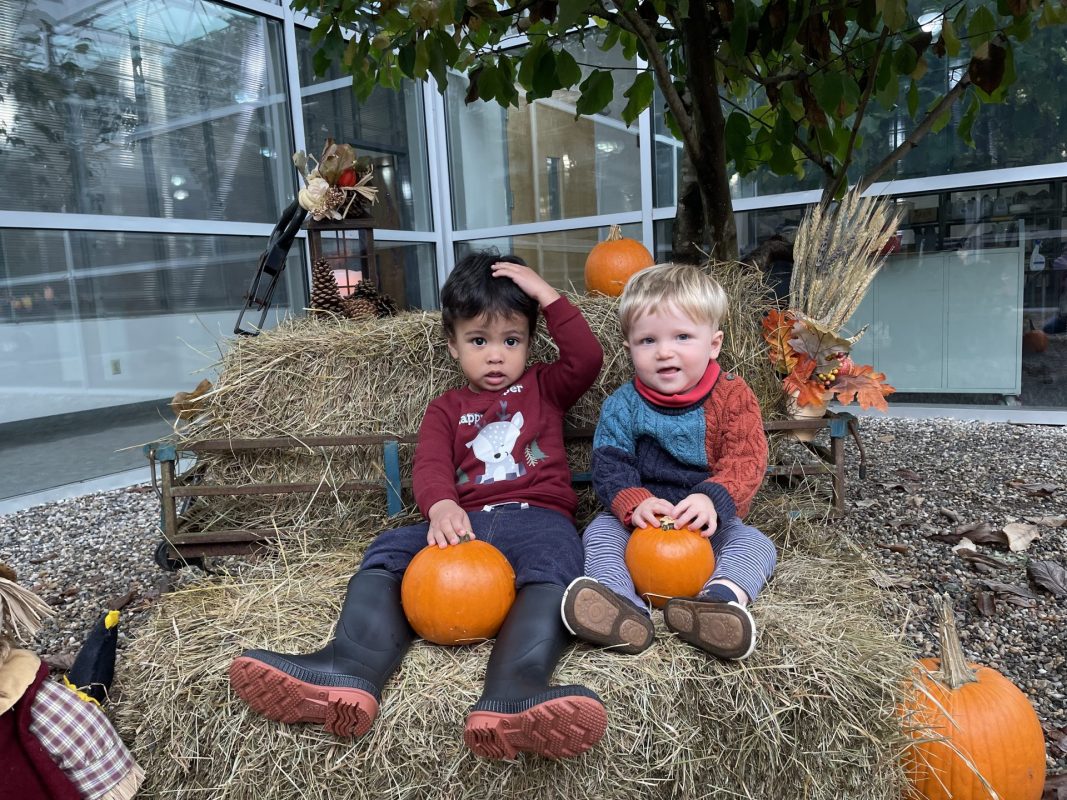
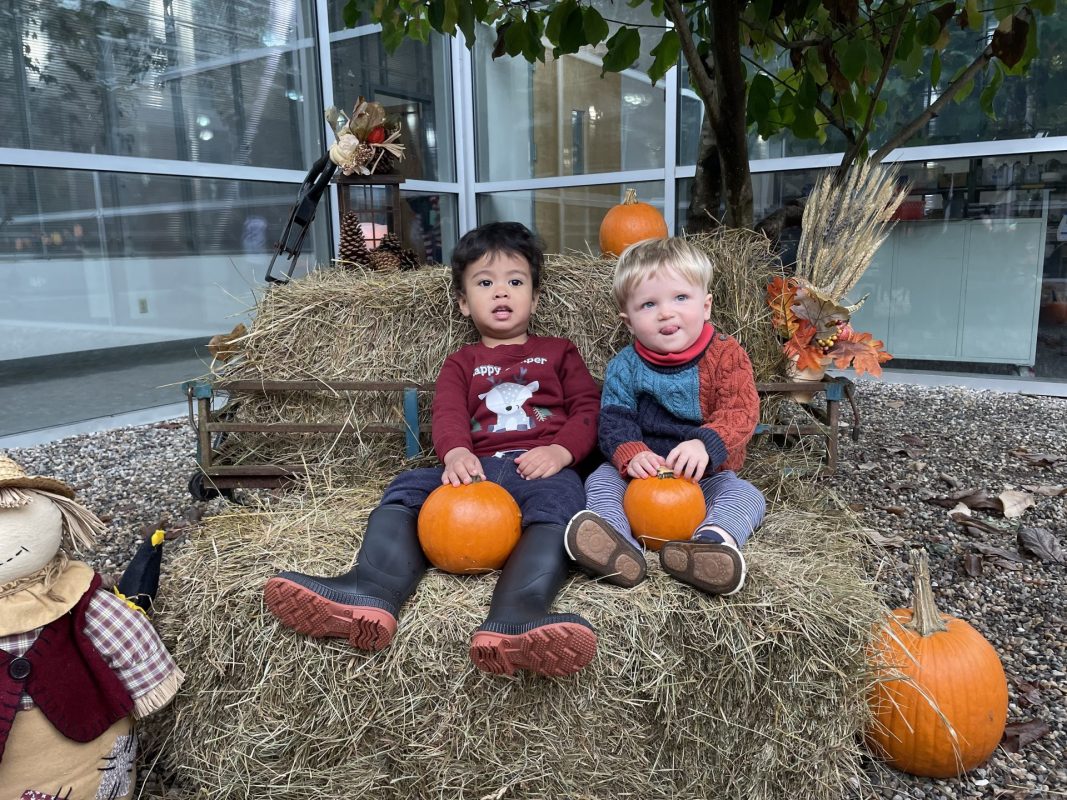
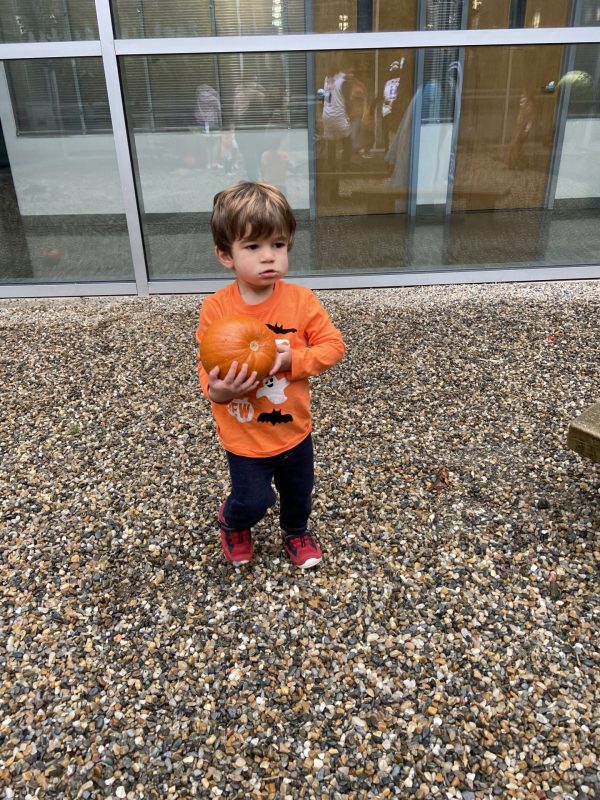
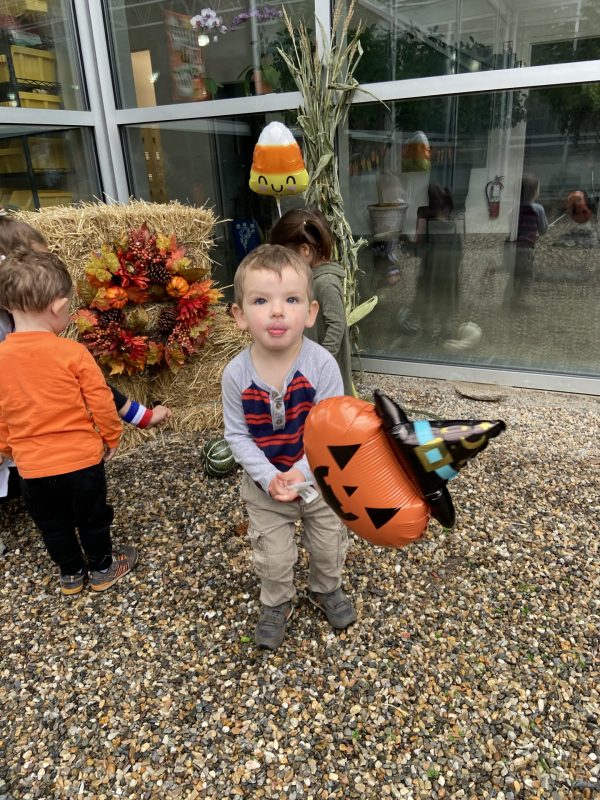
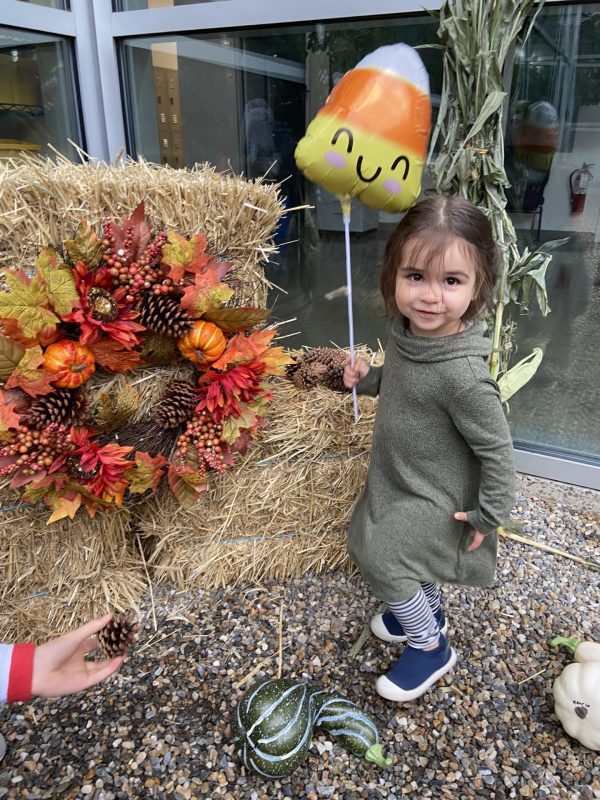
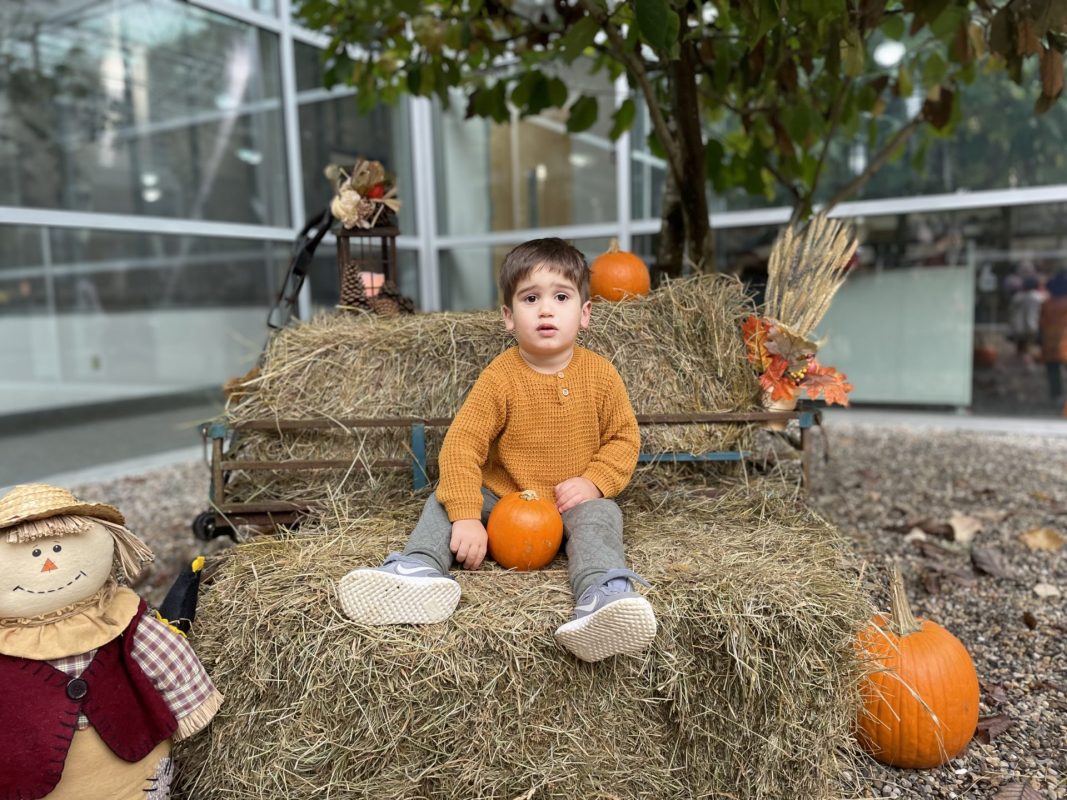
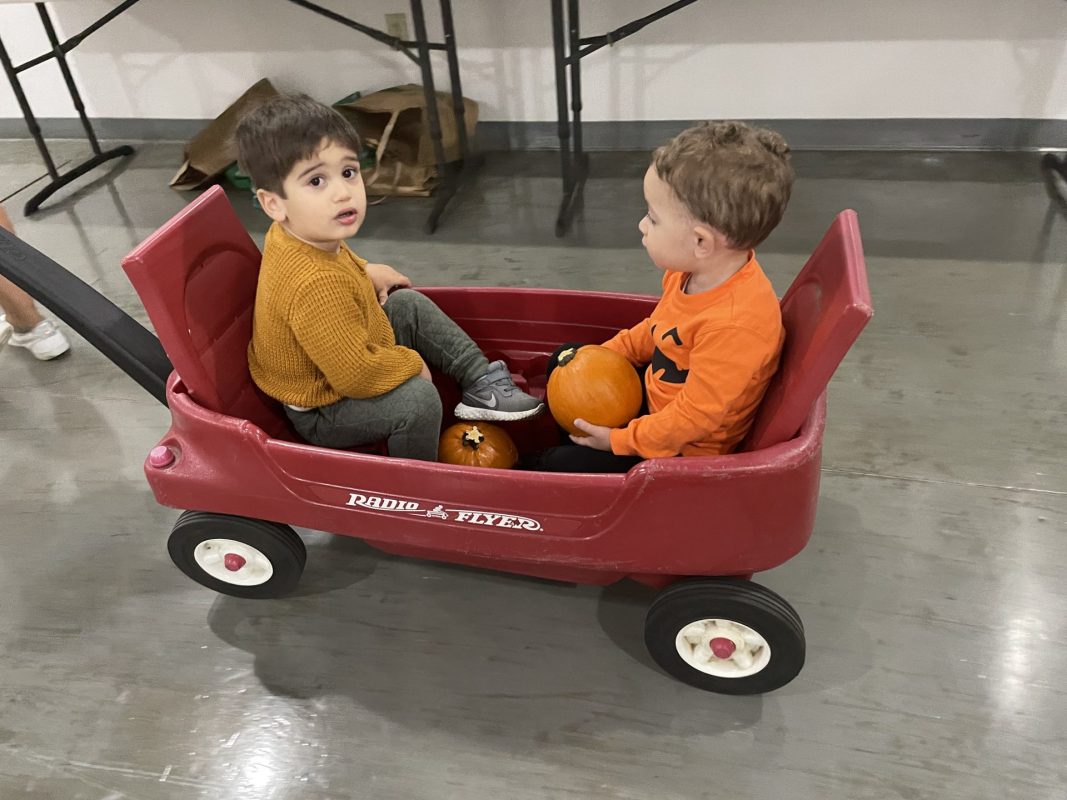
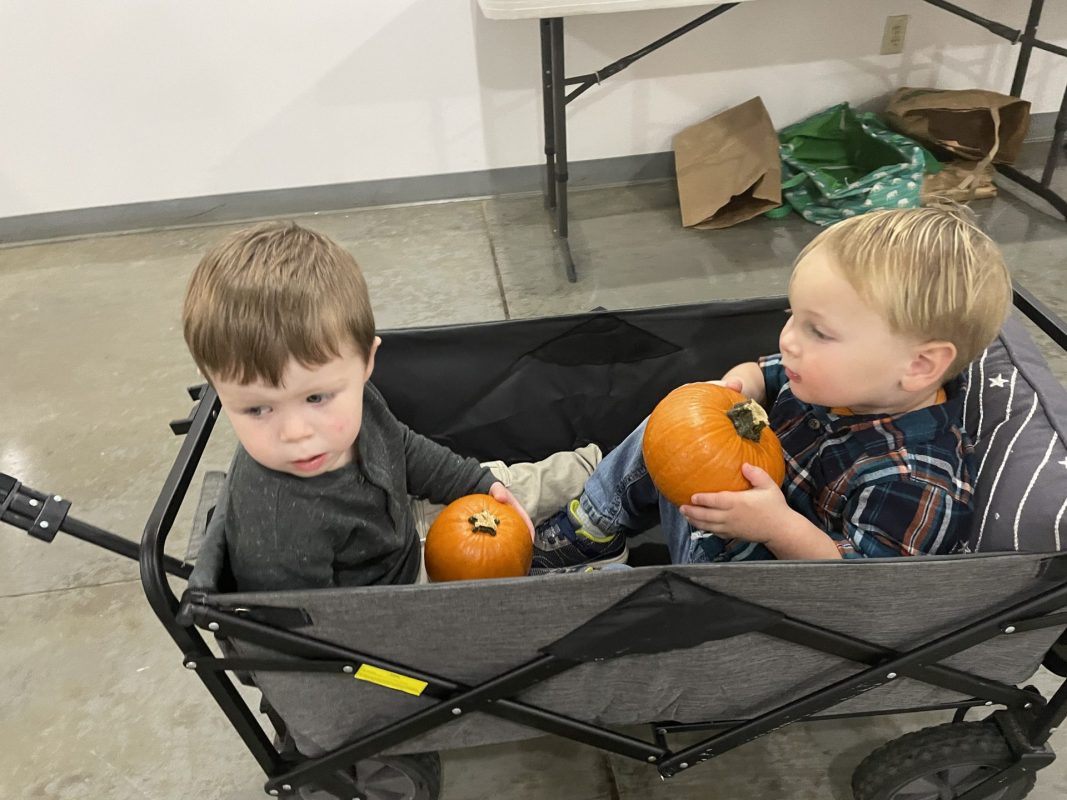
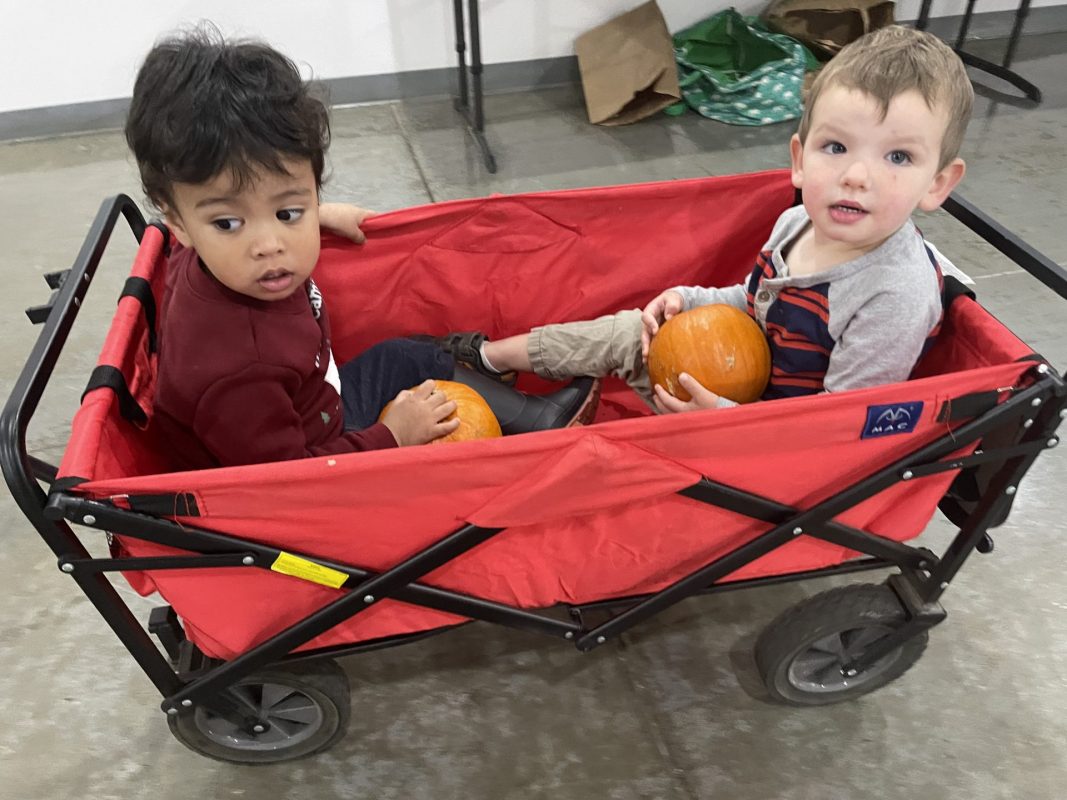
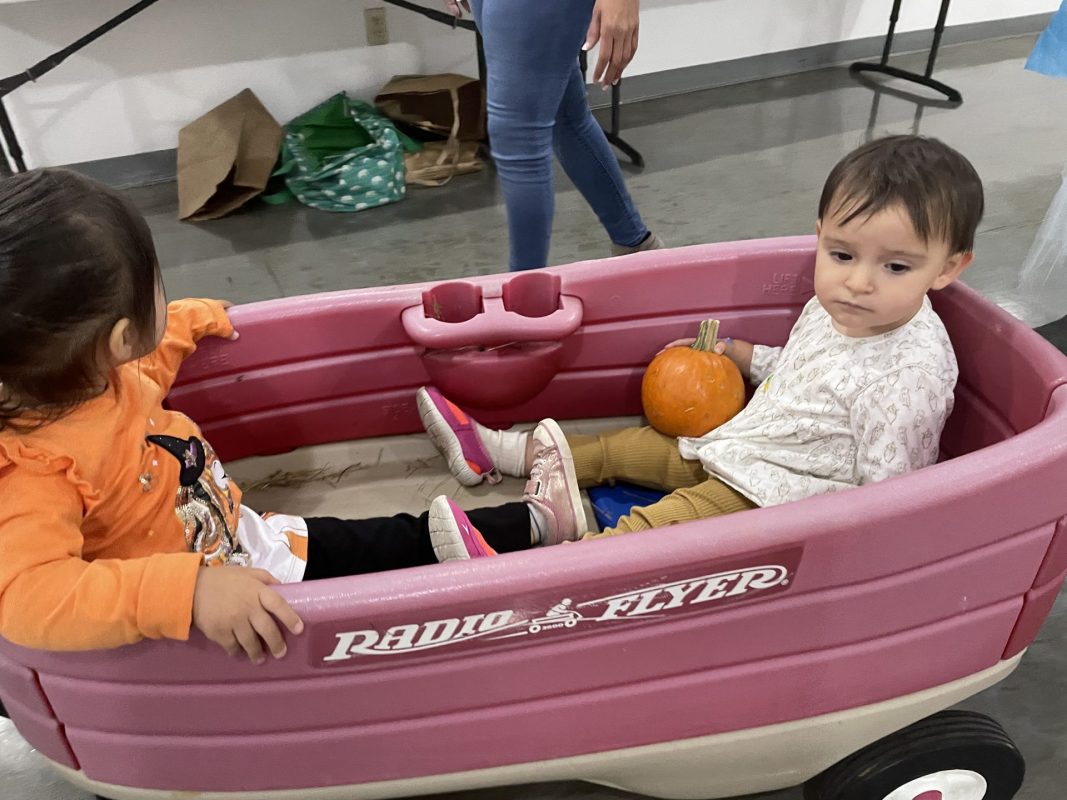
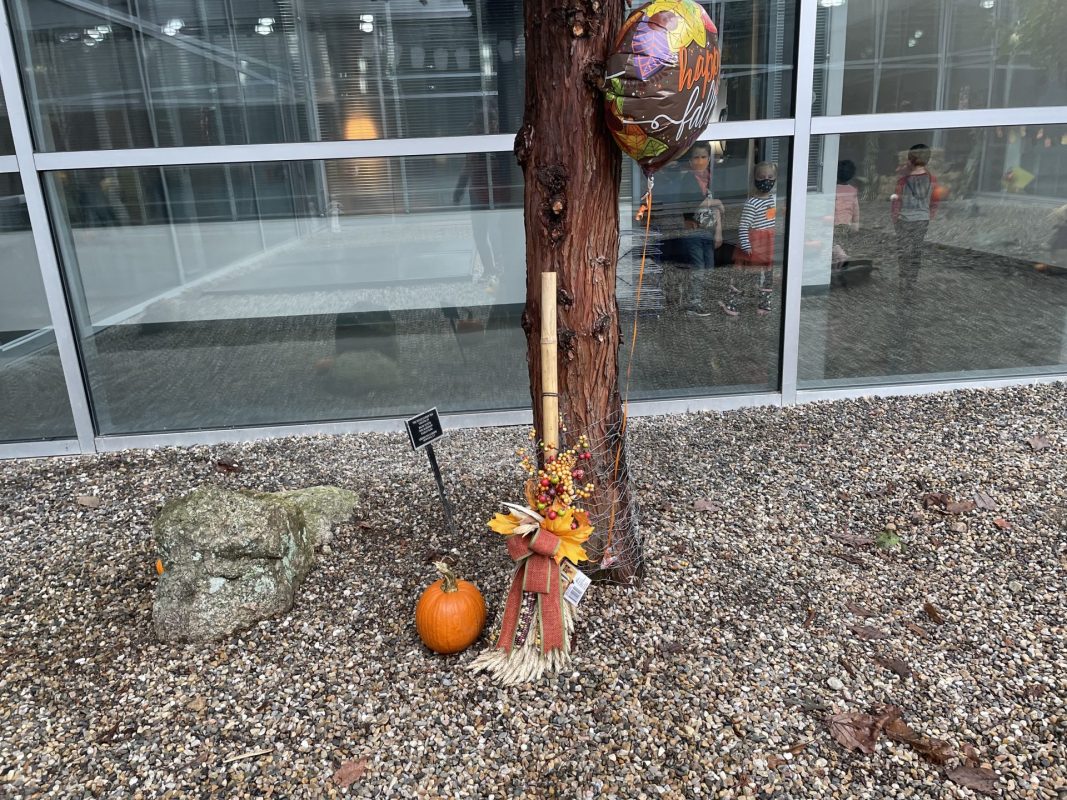
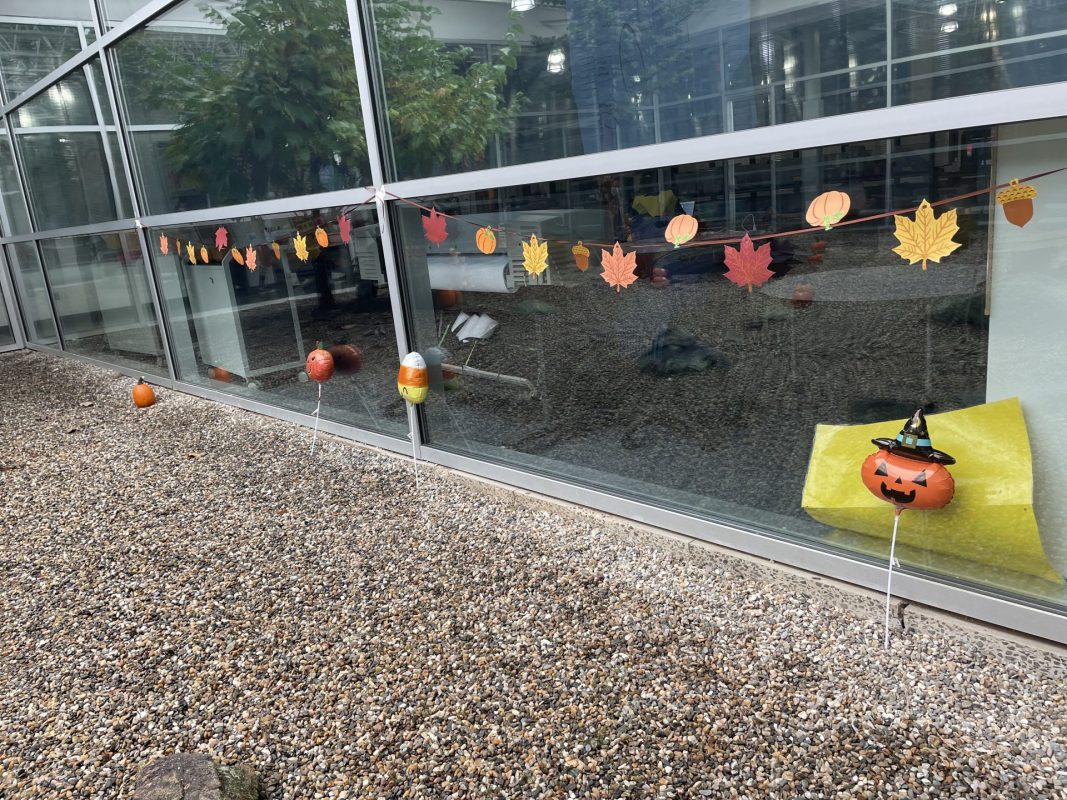
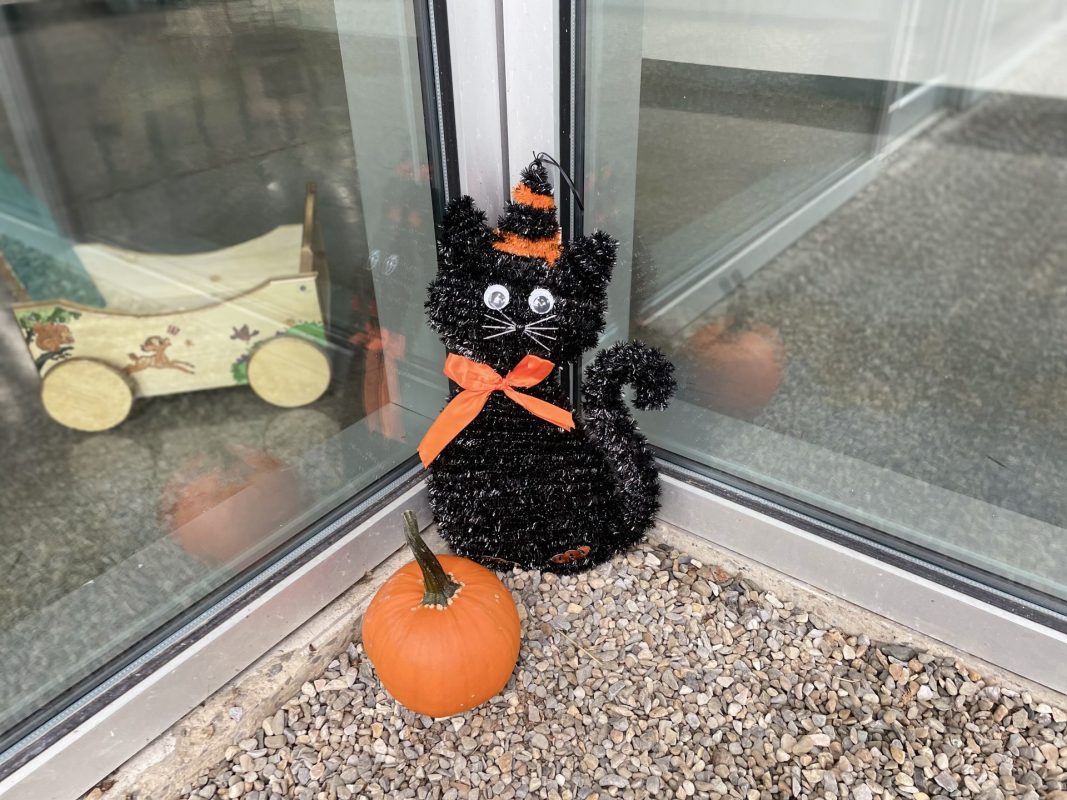
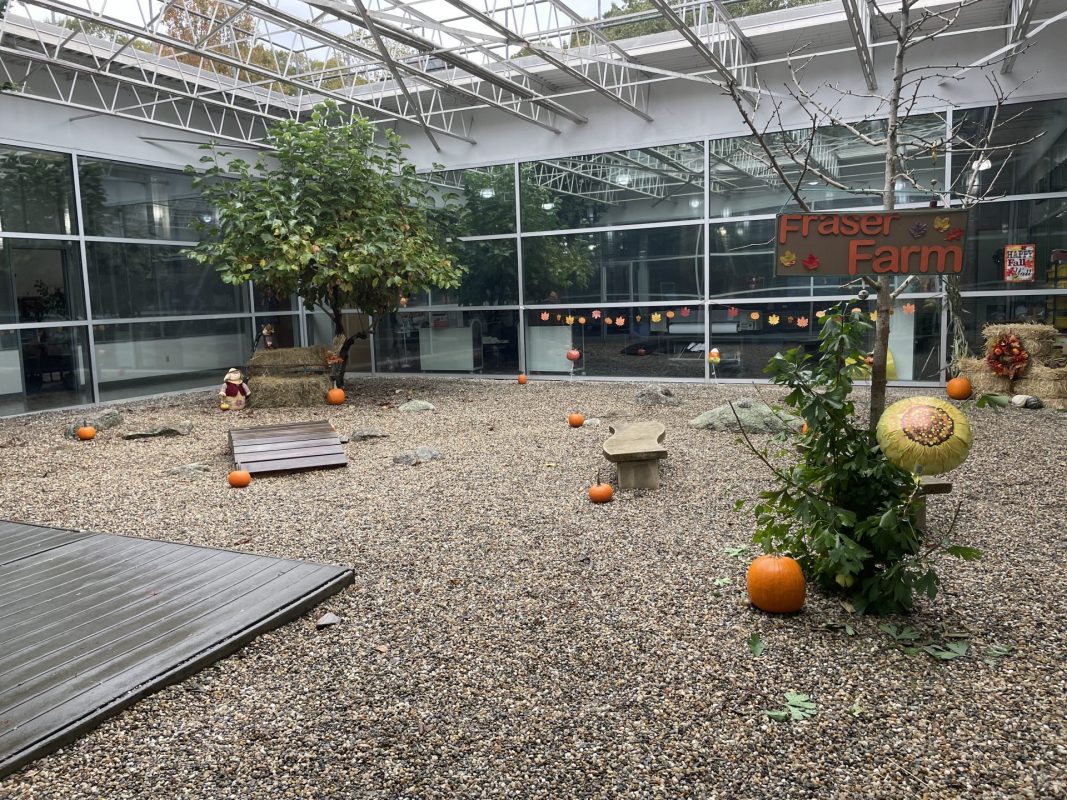
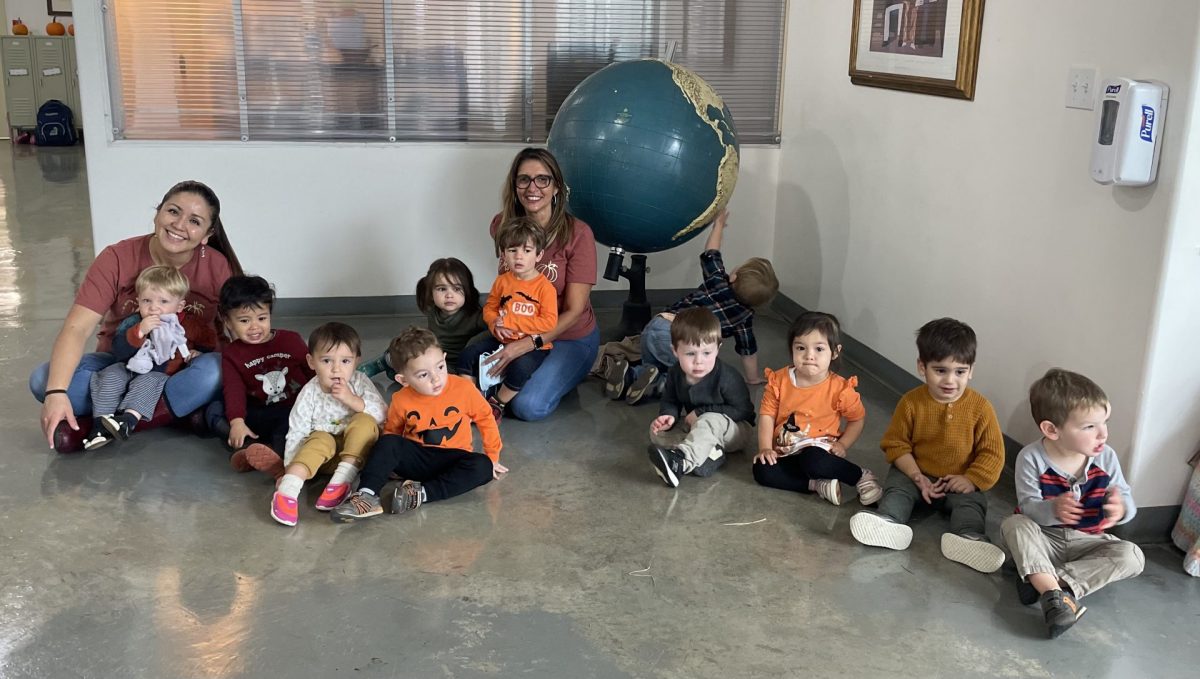
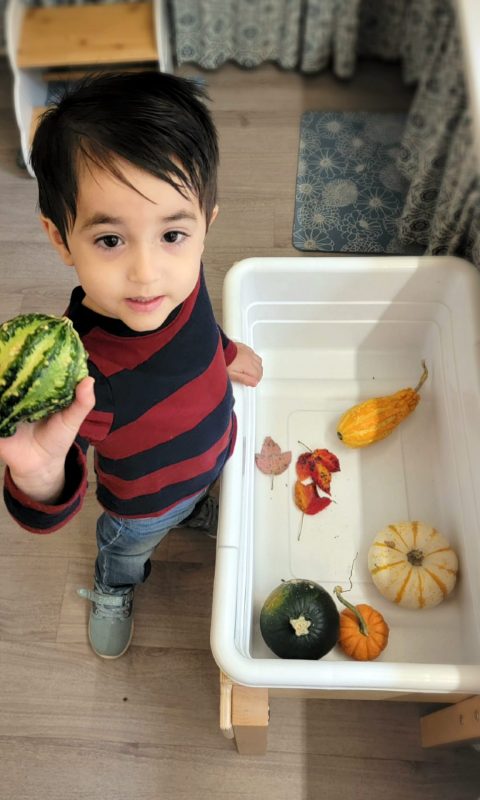
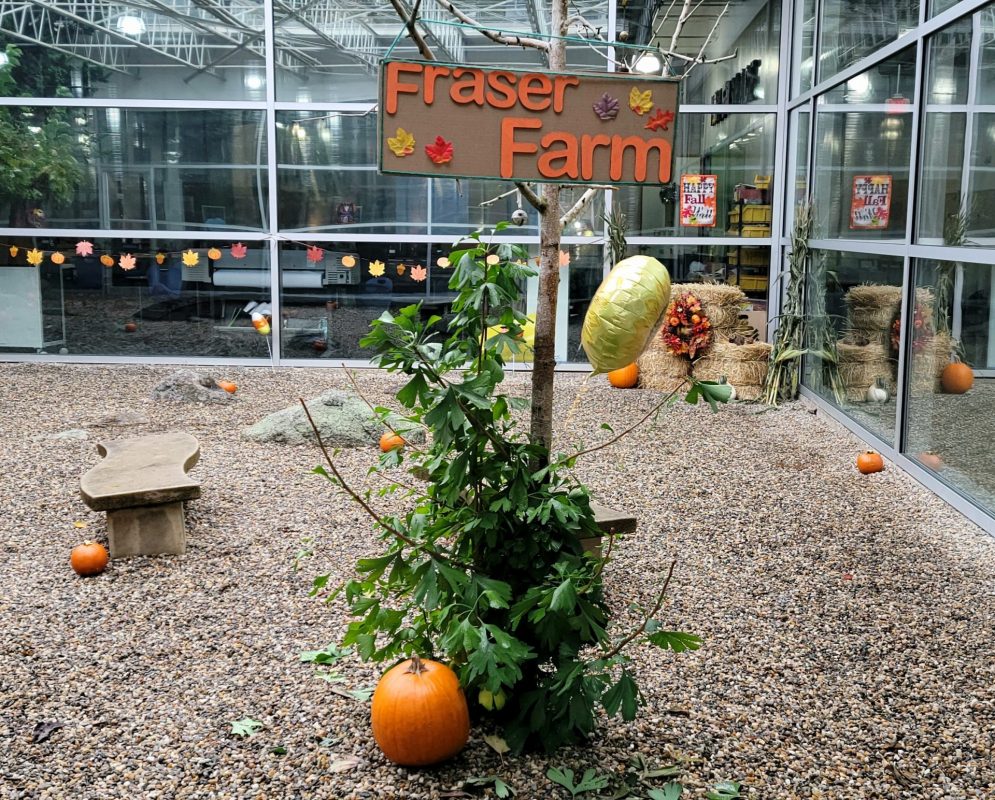
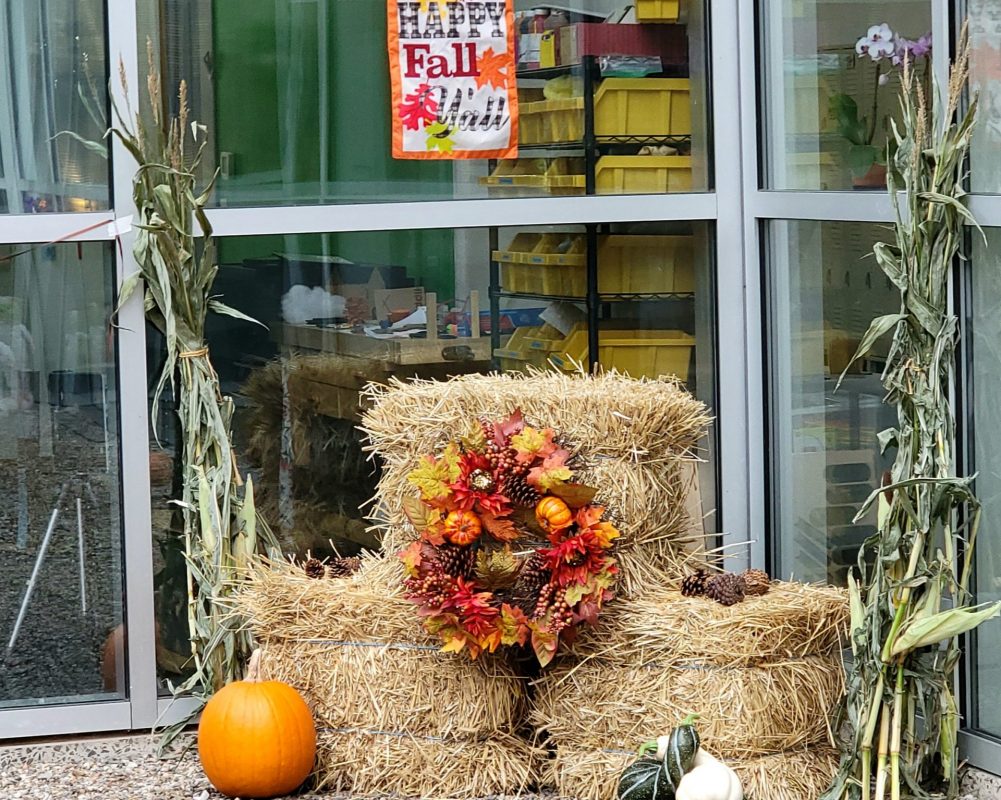
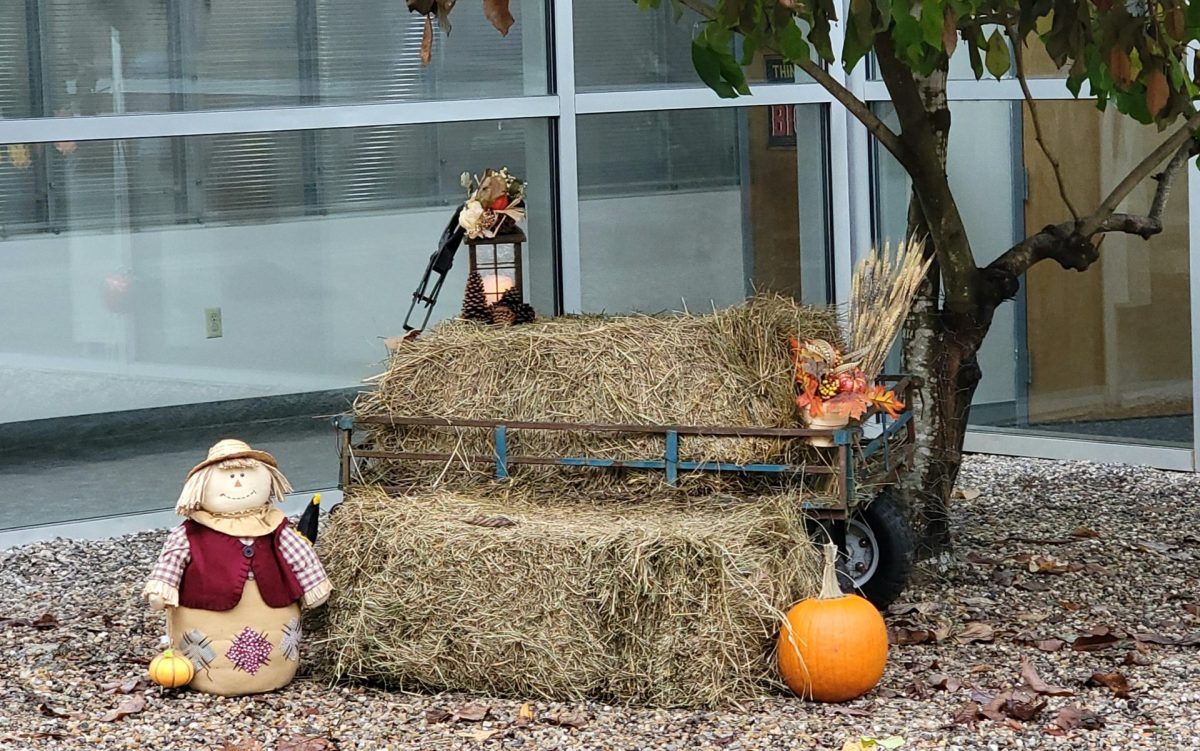
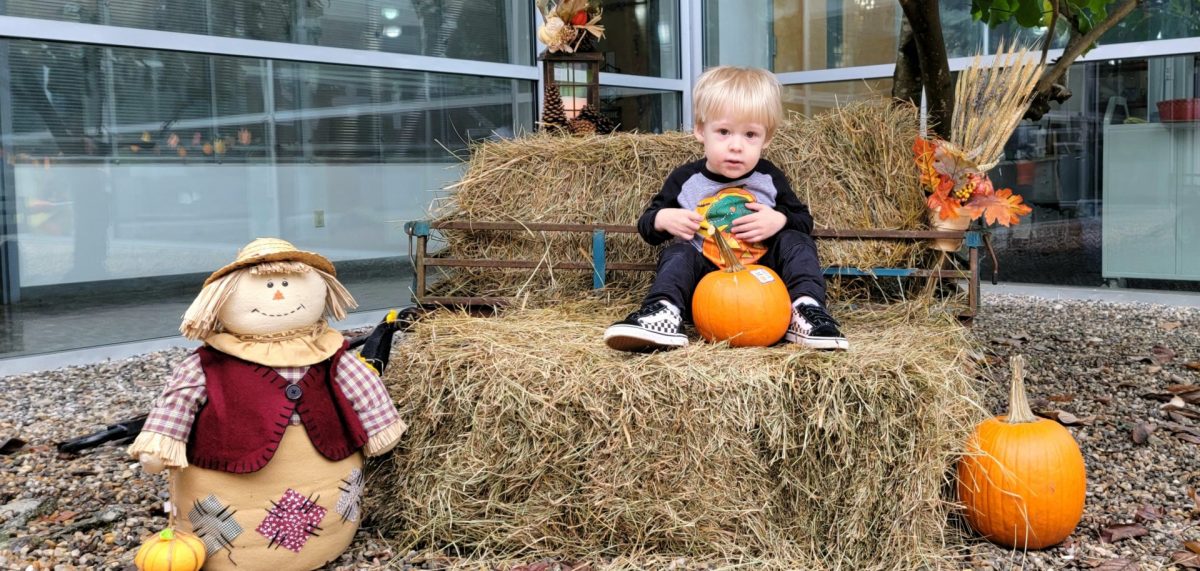
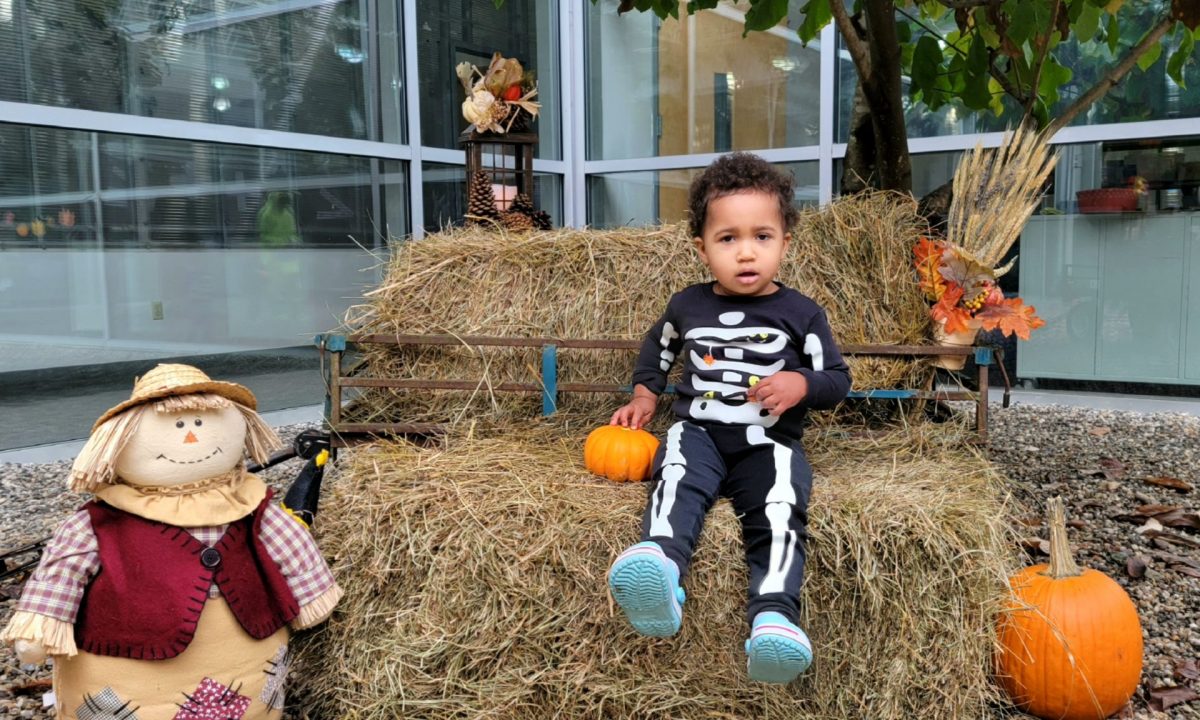
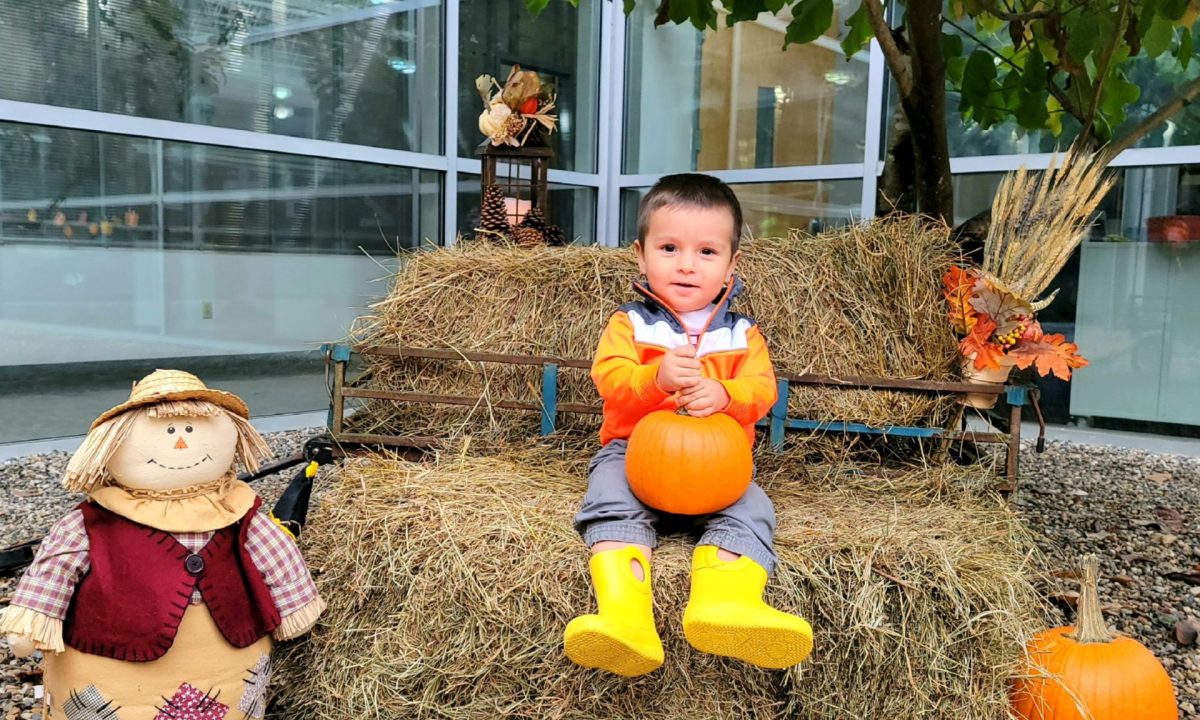
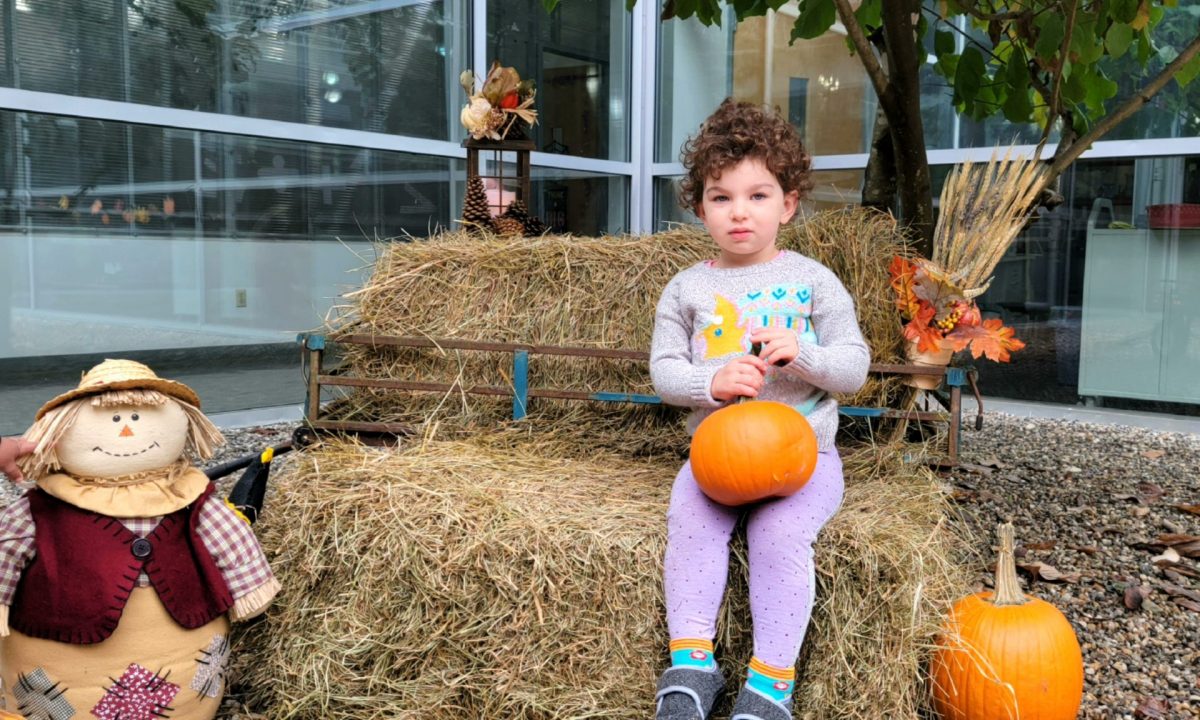
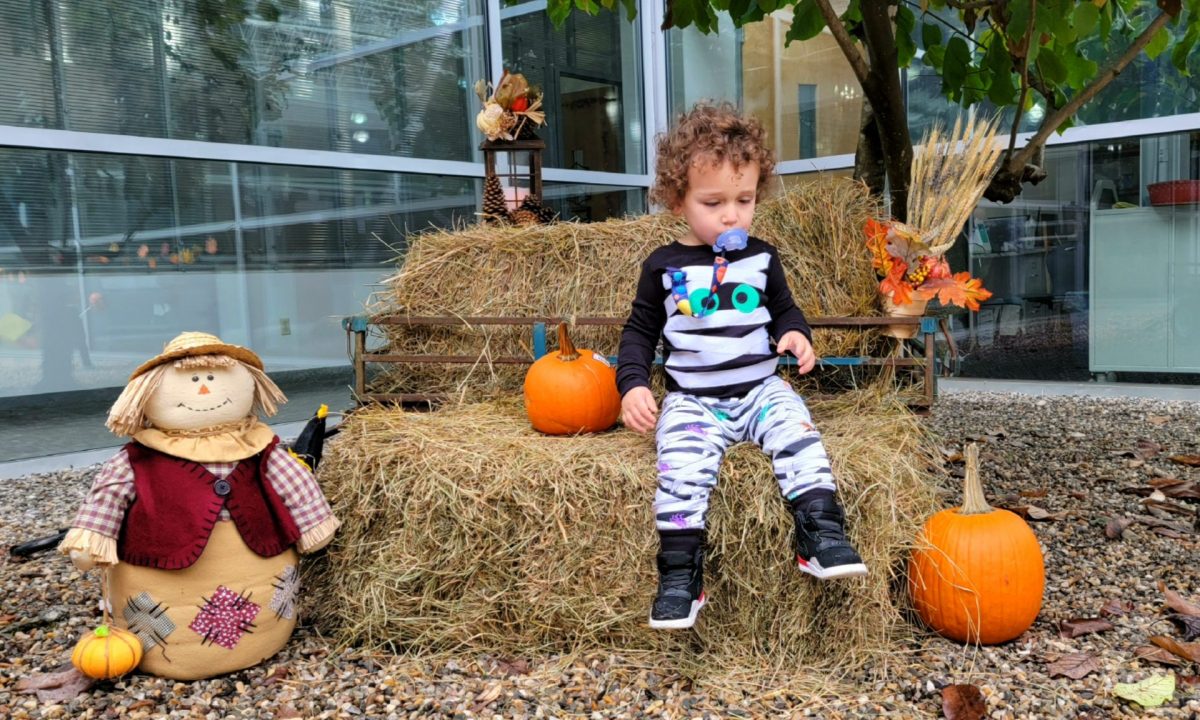
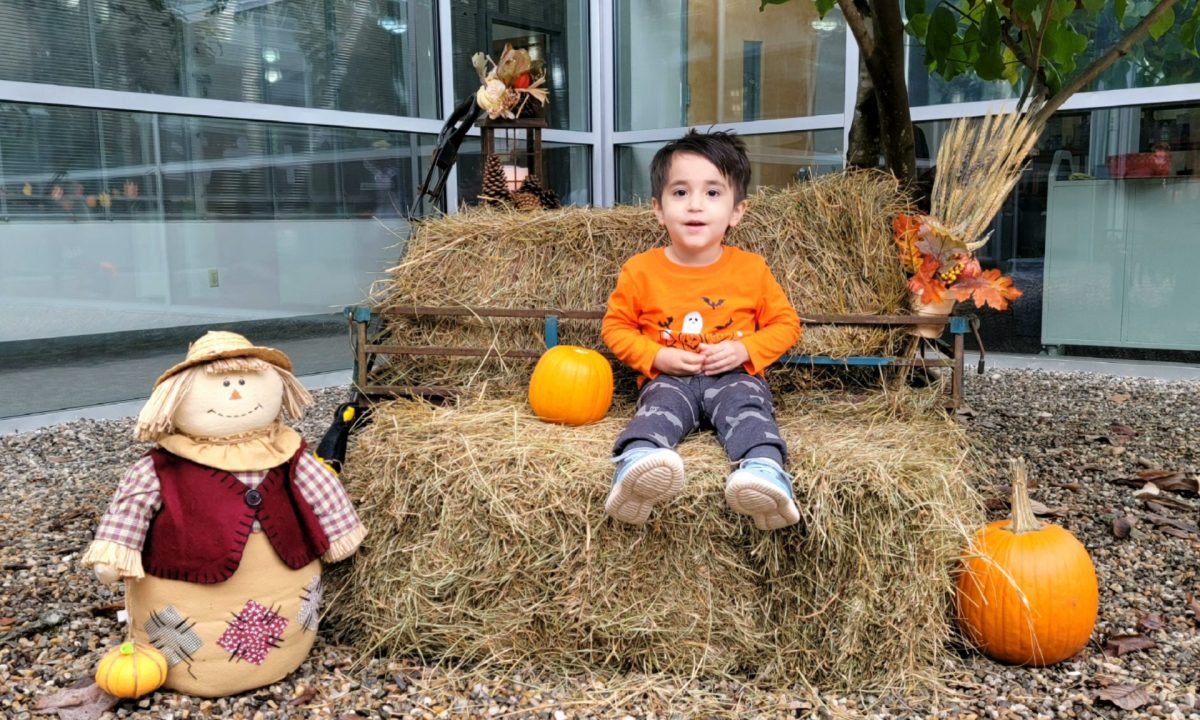
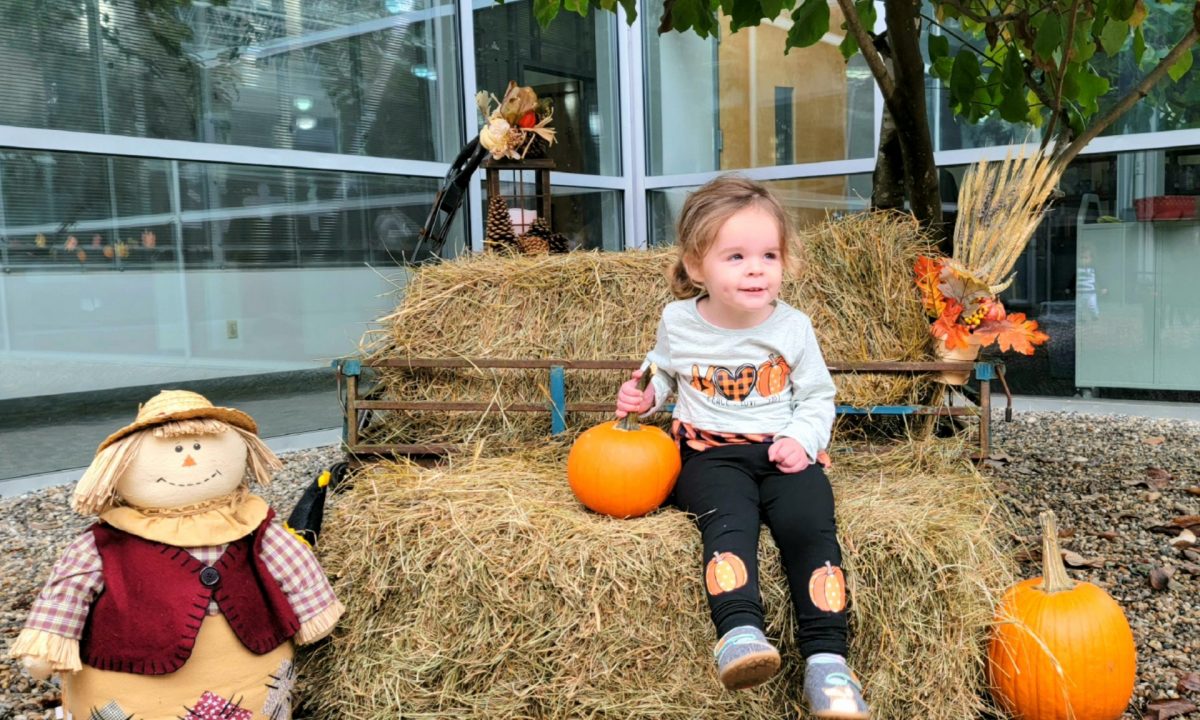
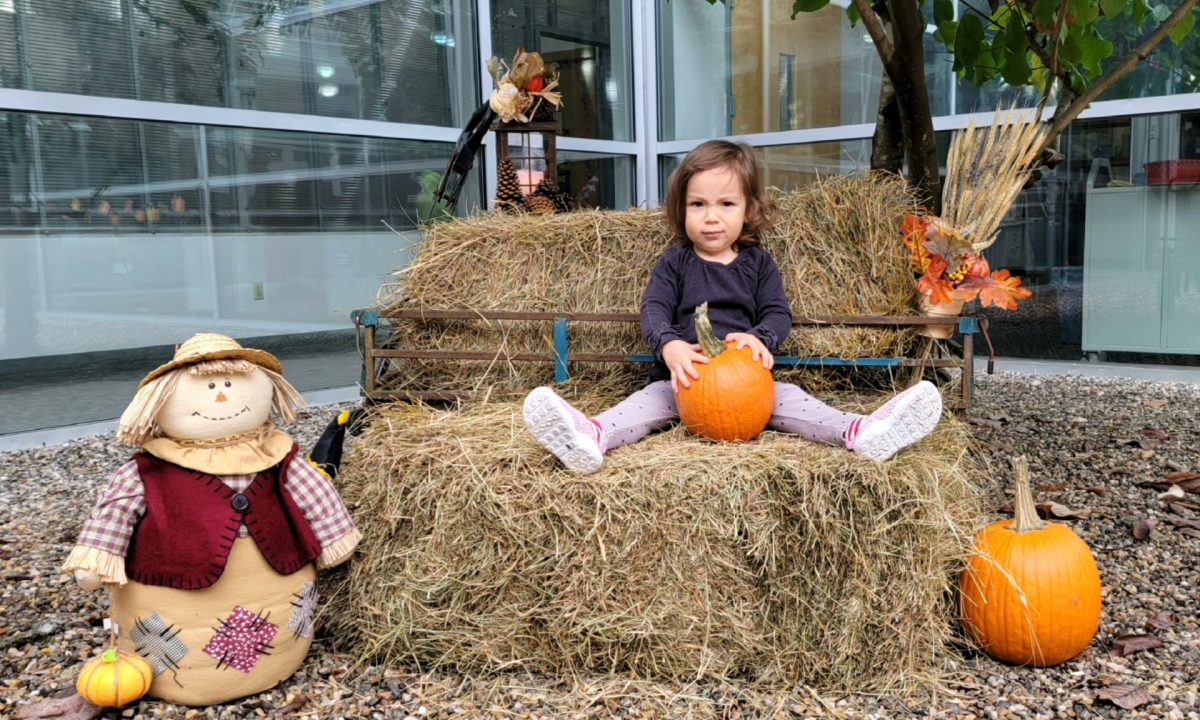
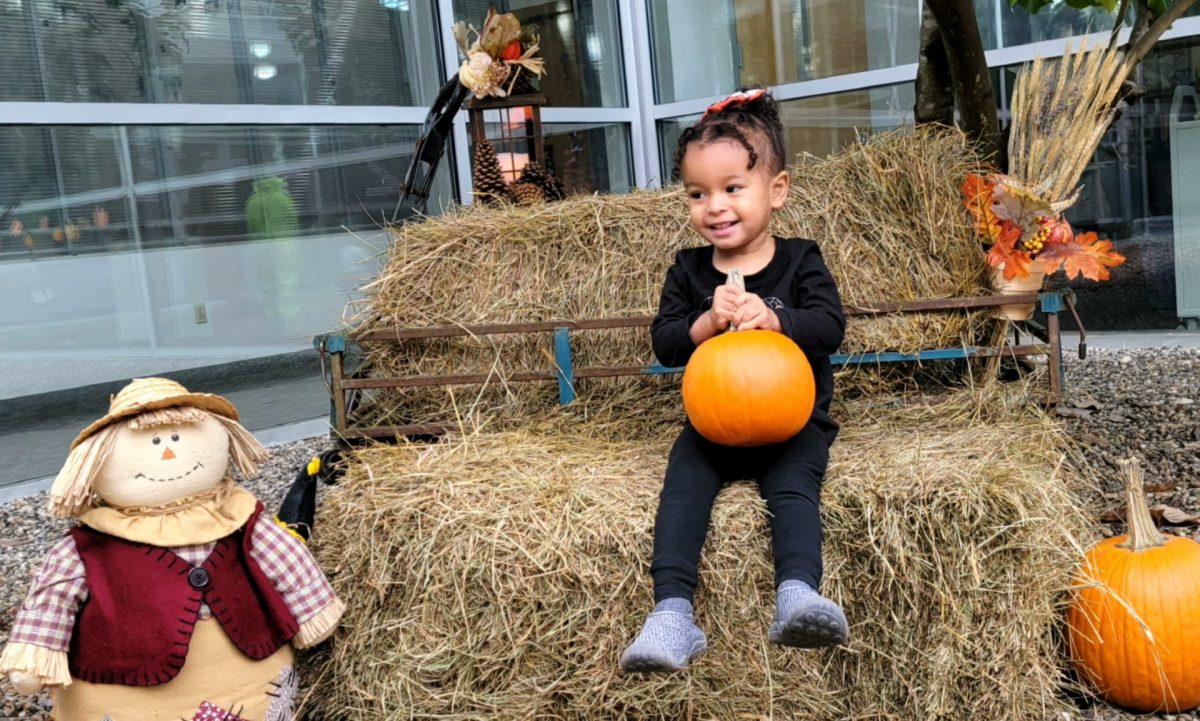
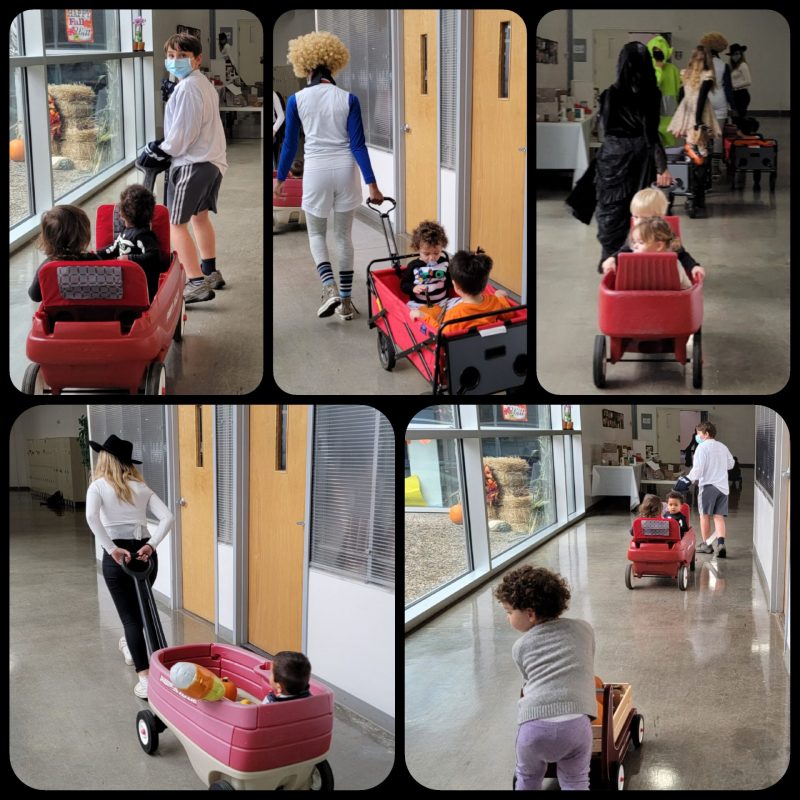
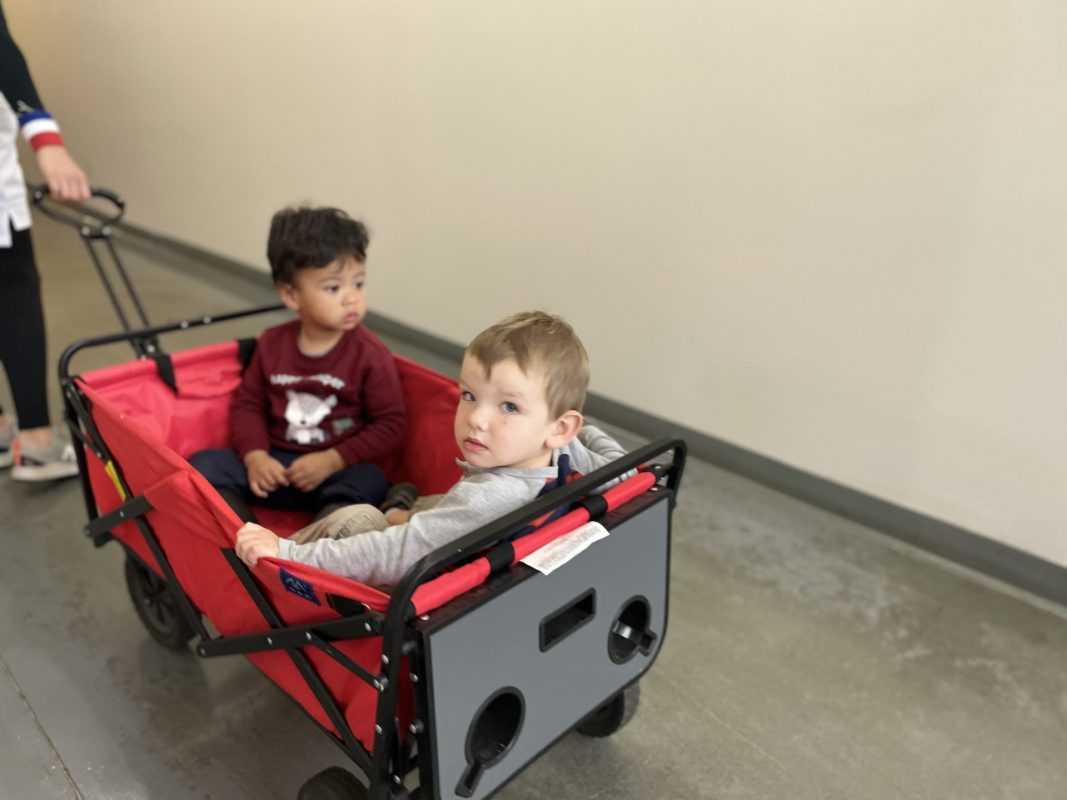
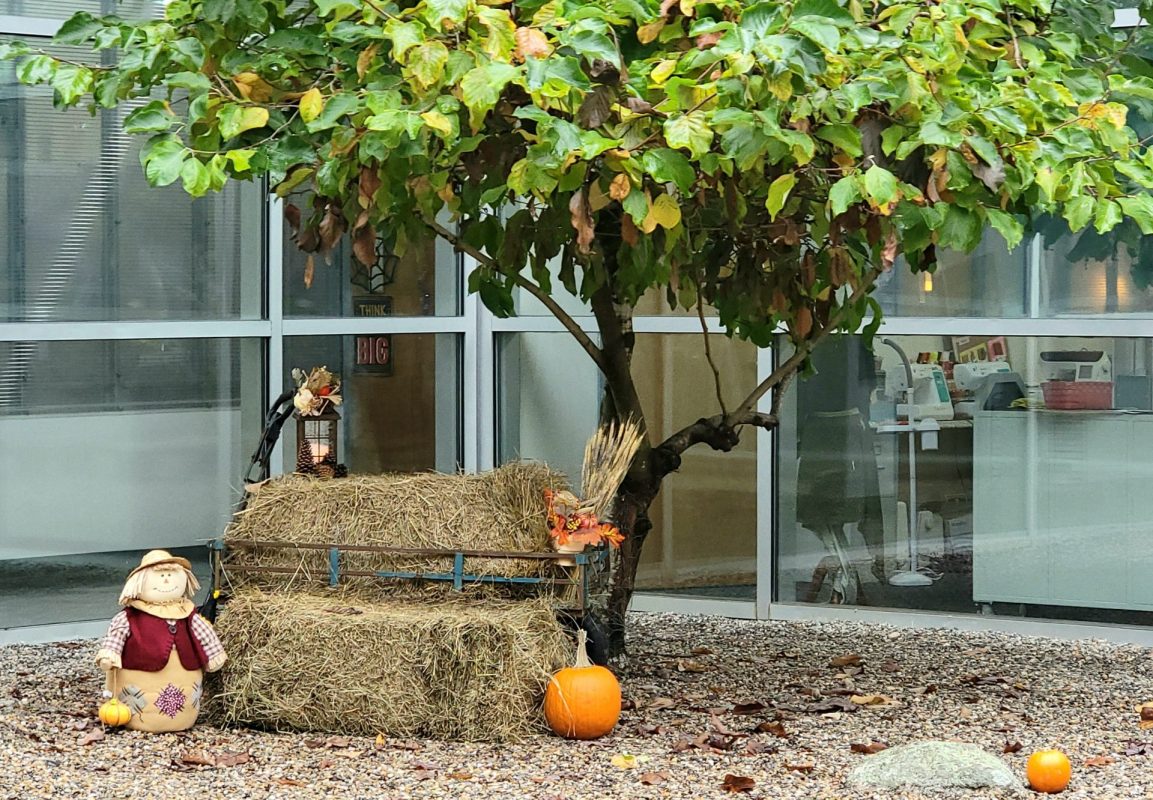
Last week we celebrated the Fall harvest with our annual wagon ride and visit to our very own “Fraser Farm” located in our Zen garden which was transformed into a beautiful Pumpkin patch for our toddlers to explore.

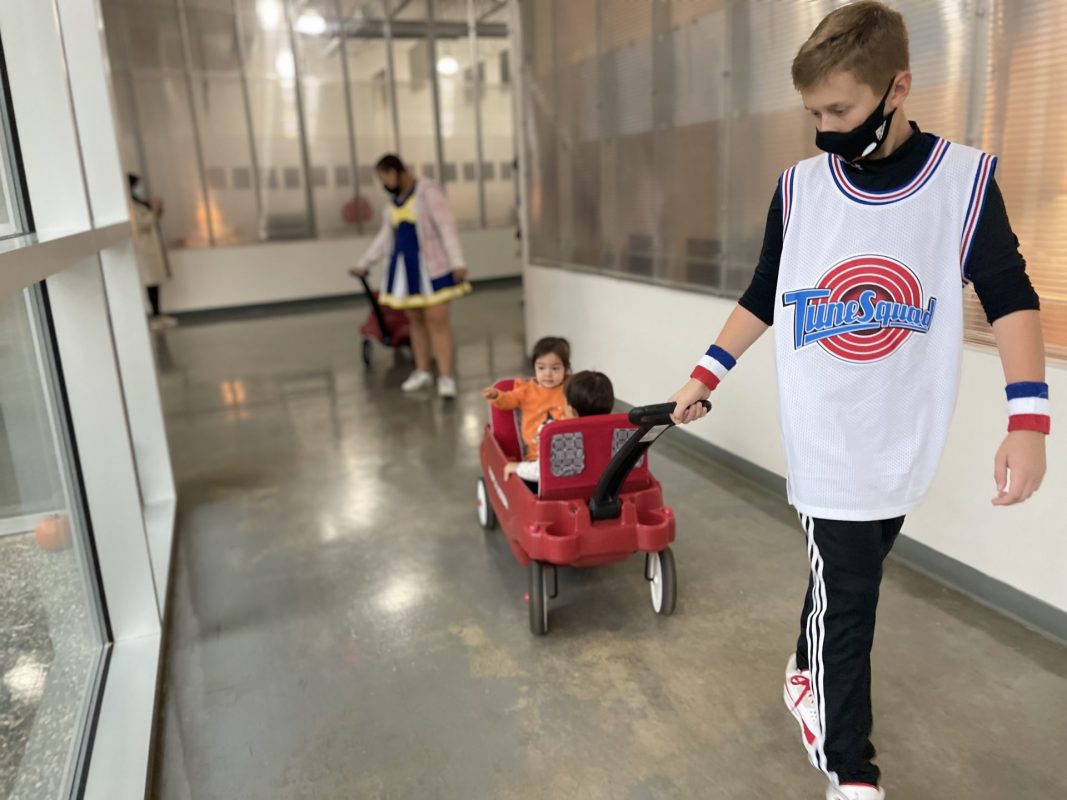
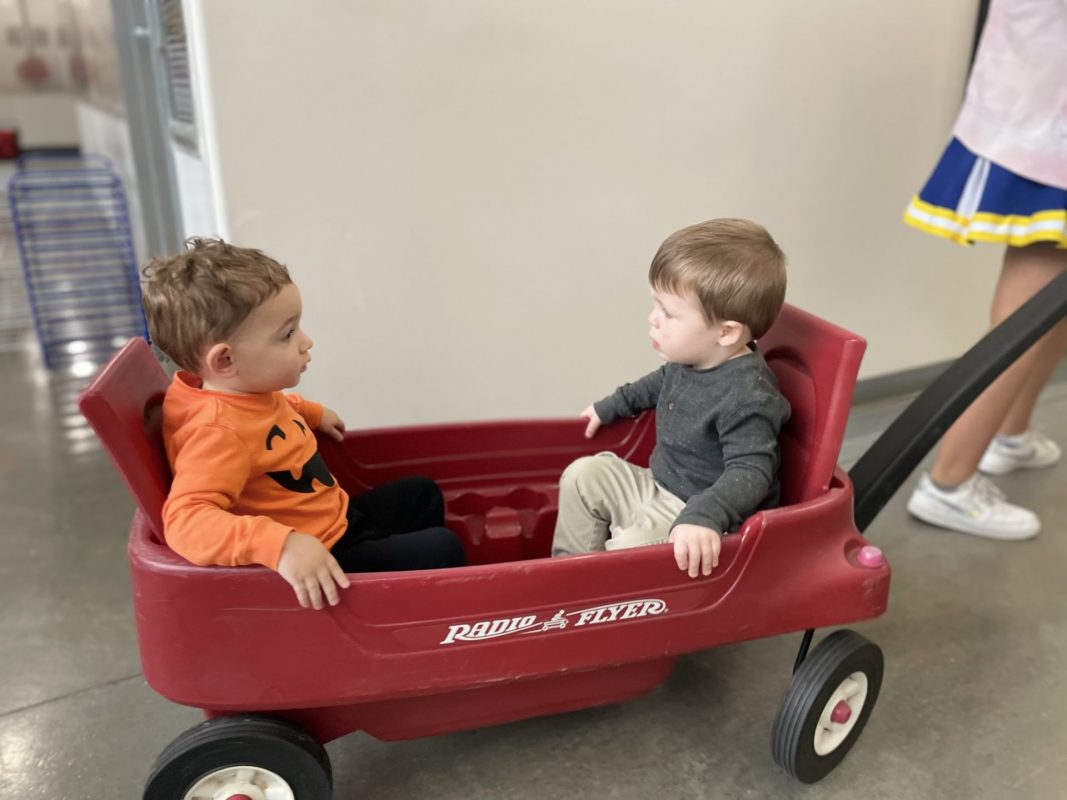
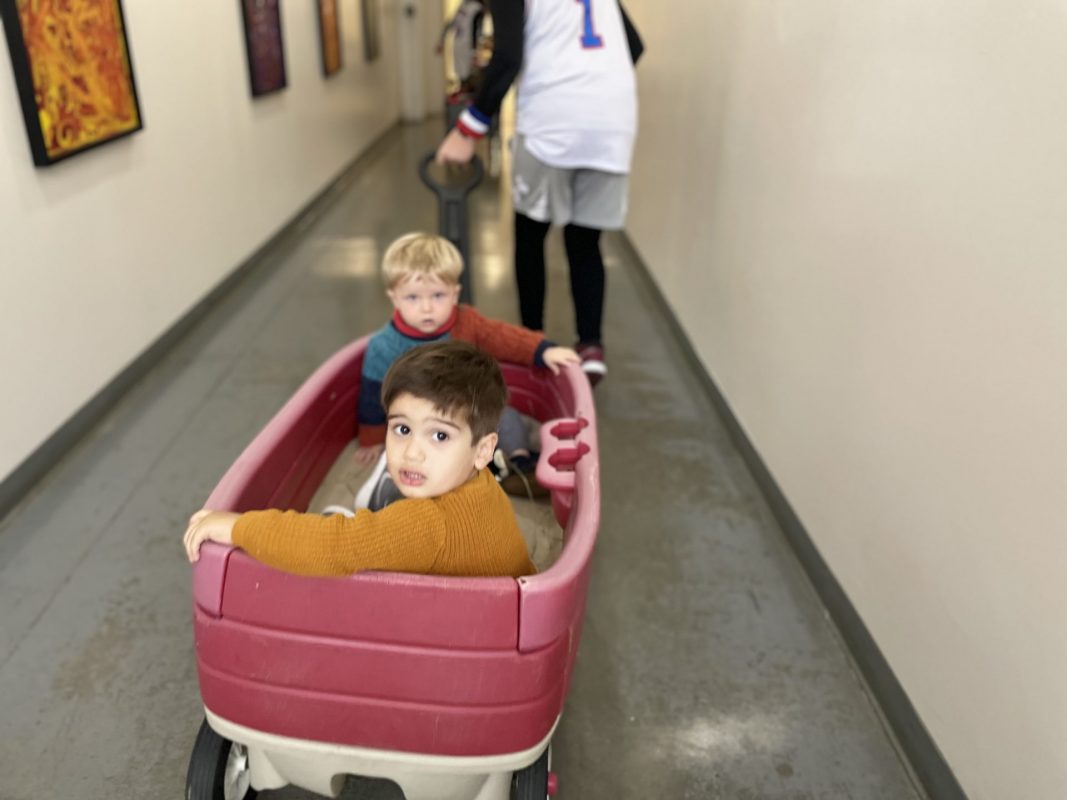
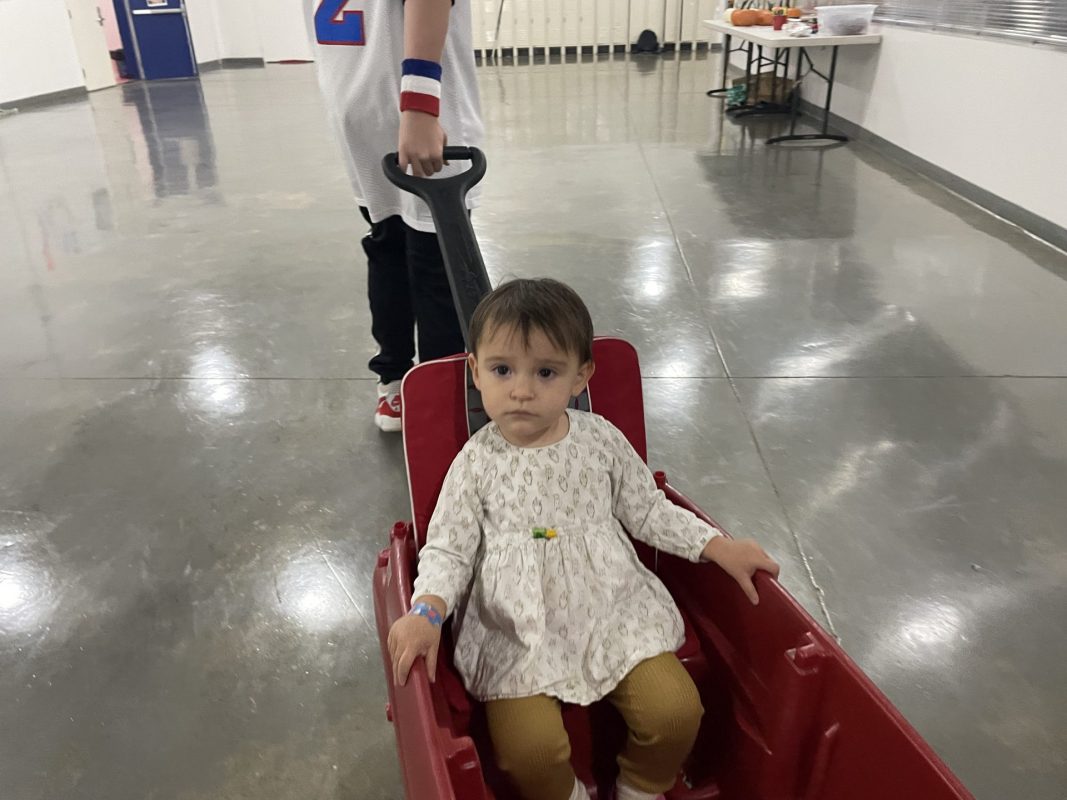
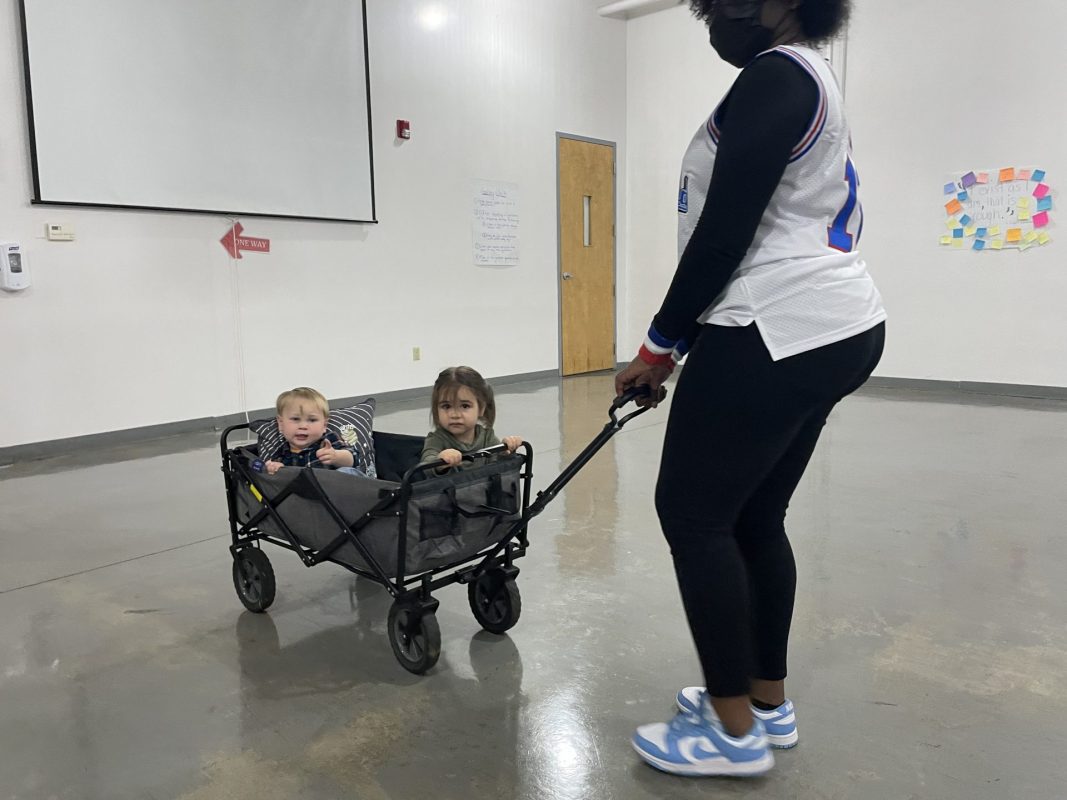
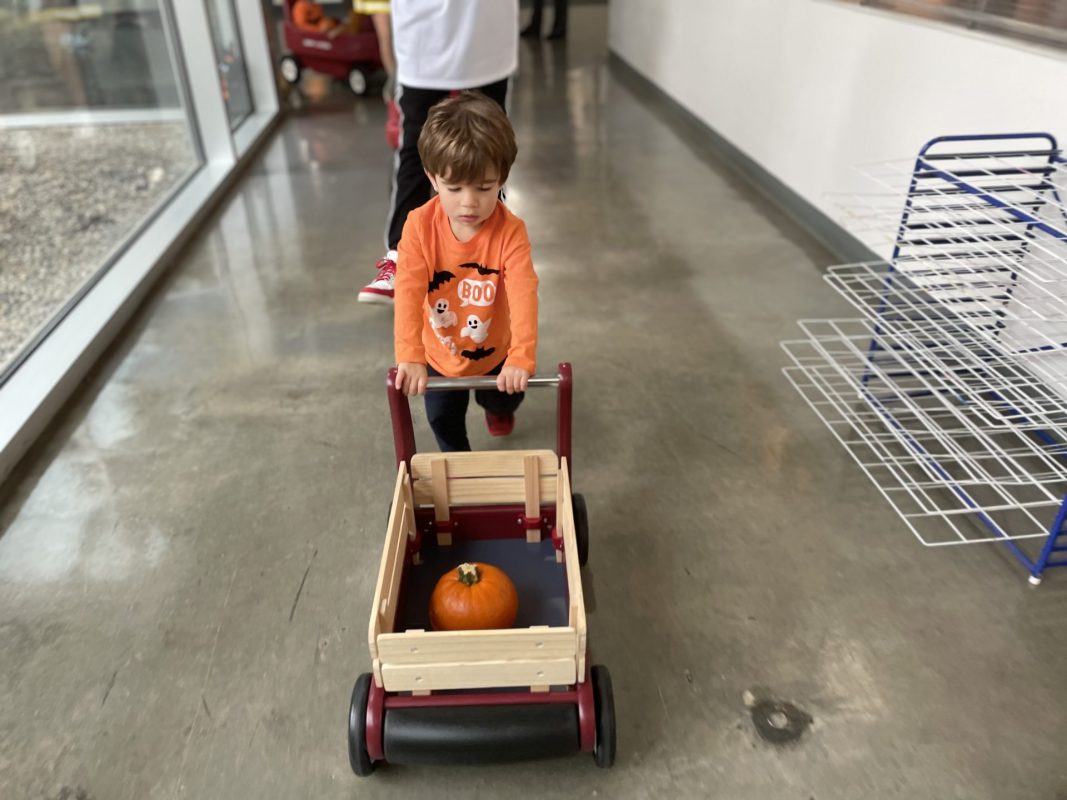
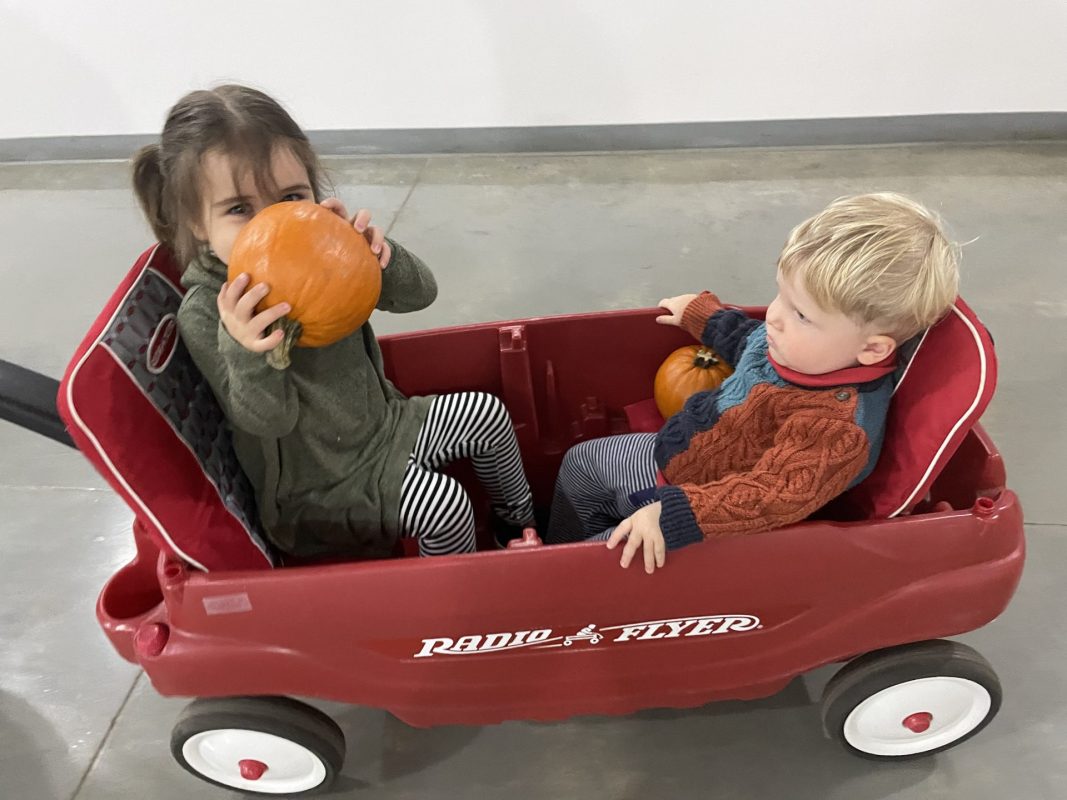
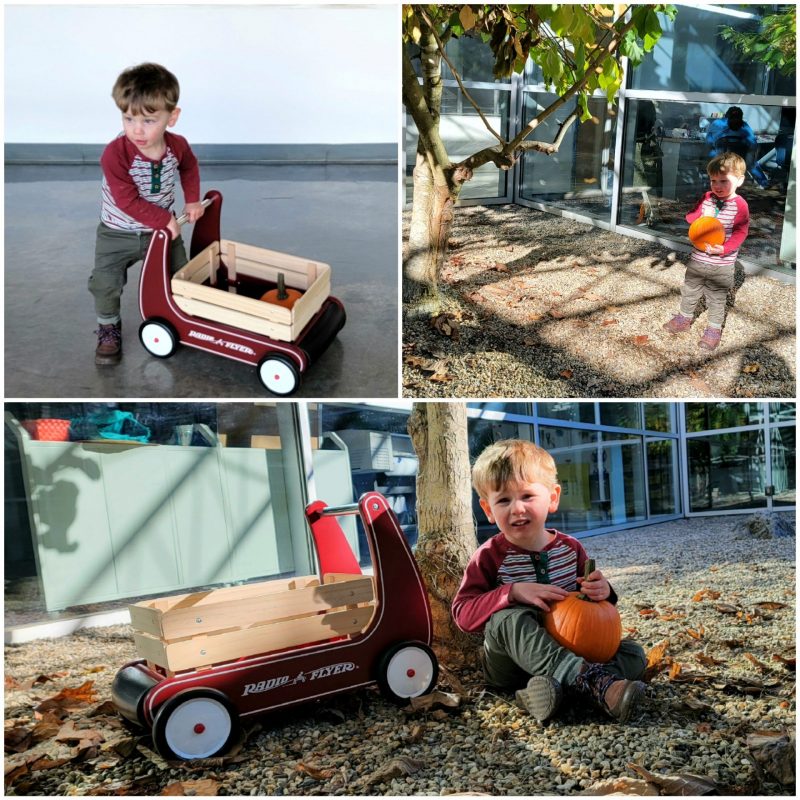
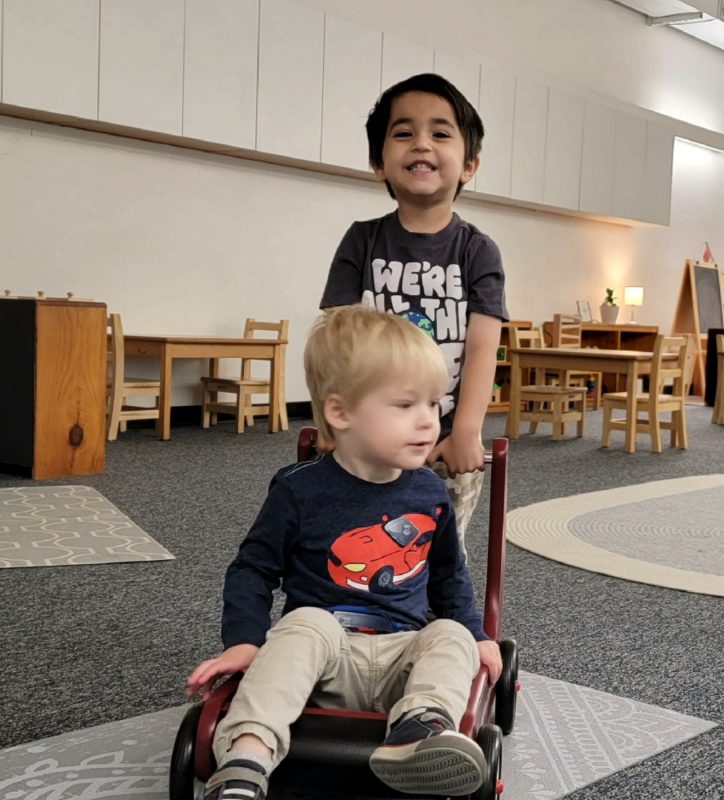
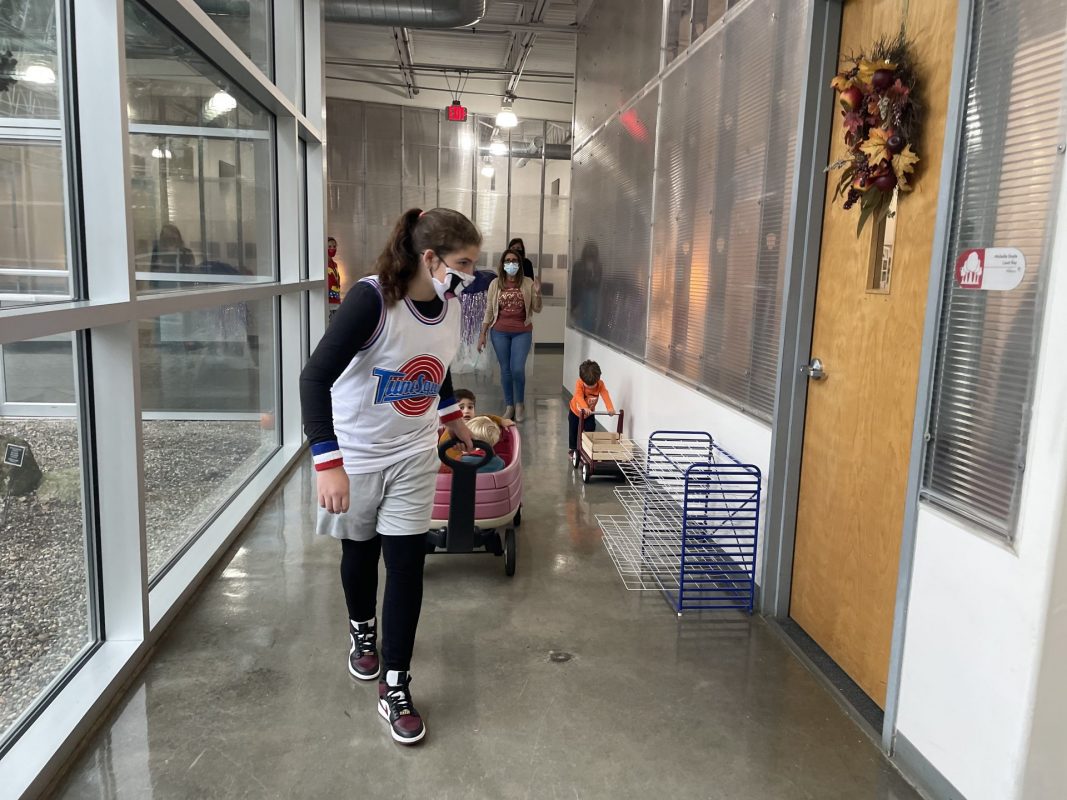
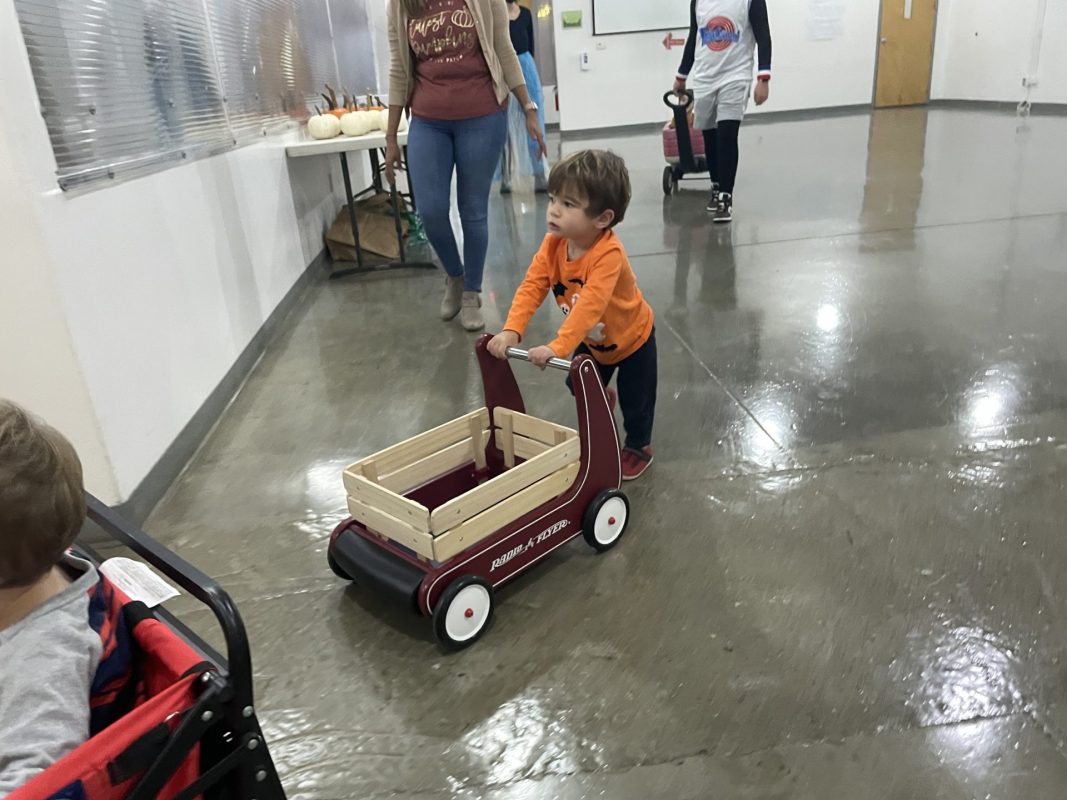
First the children were invited to ride in wagons all around the school knowing that they needed to keep their eyes open for the pumpkin patch. The children seemed to enjoy the ride and were eager to find the pumpkins.

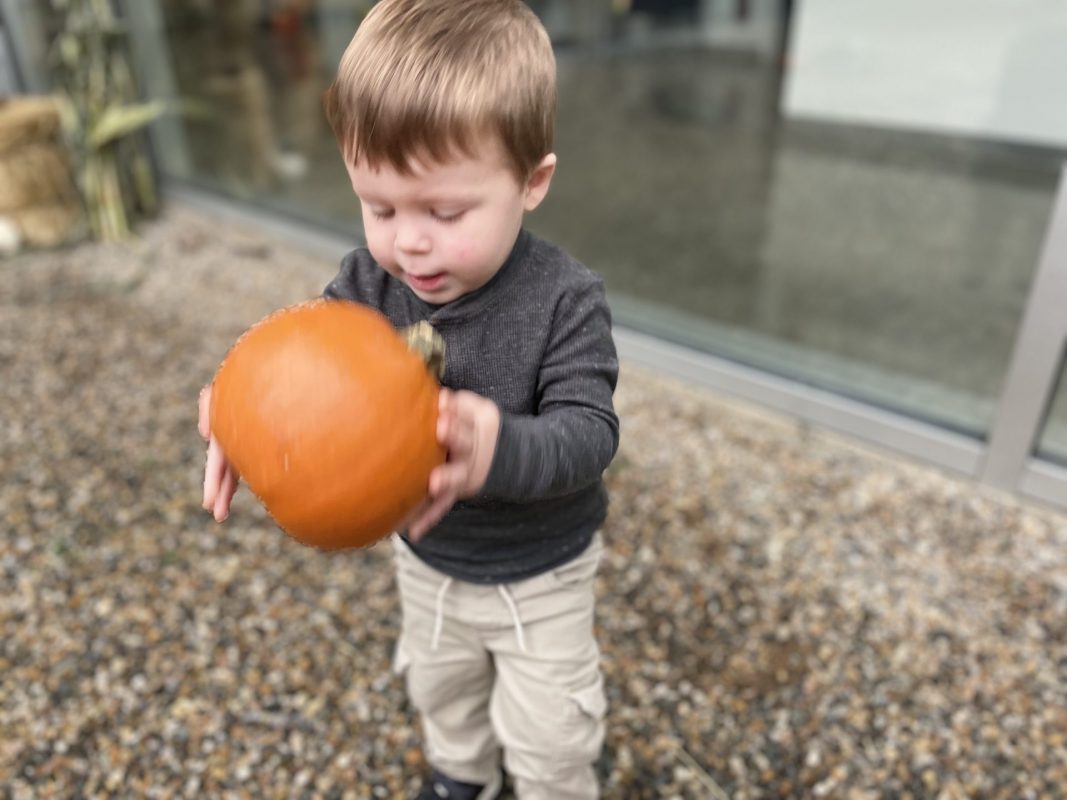
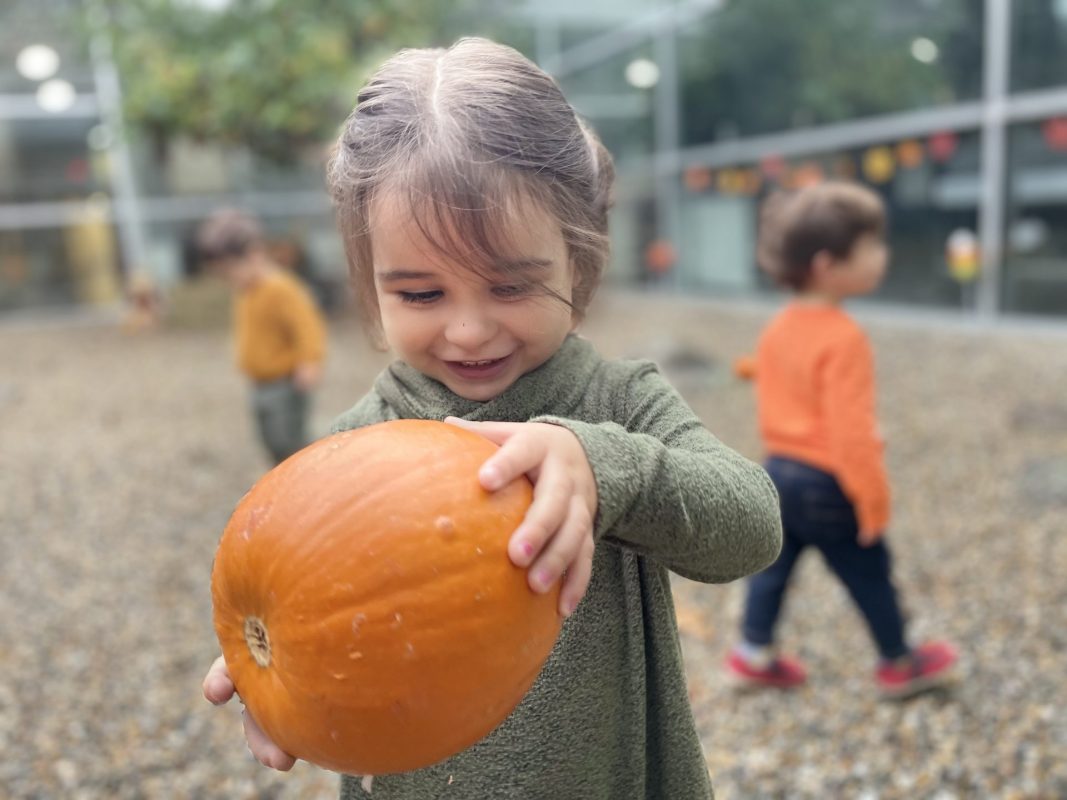
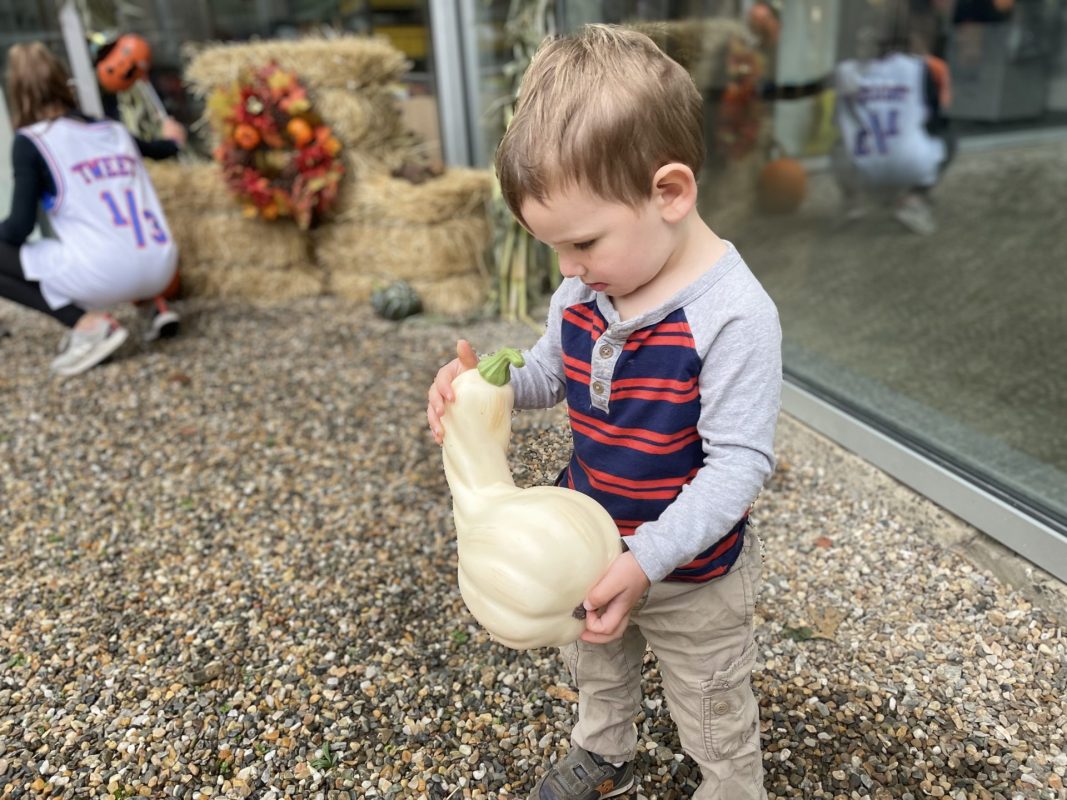
Once we arrived at our Fraser Farm,  children were ecstatic to run around and pick their own pumpkin. There were giggles and so much excitement! Children explored different sizes of pumpkins and worked hard to carry them around. We all had a great time! When the time came, every toddler got into their wagon, carrying their  chosen pumpkin and we went for another ride around the school arriving  at our classroom, satisfied with the experience and happy to hold their pumpkin.

A big shout out to our wonderful Middle School students who happily offered to pull the wagons for us. Also a big THANK YOU to Angela Giorgio for helping with communications  and Patricia Martinez for finding the decorations, wagons and purchasing the pumpkins for all the children.  Thank you to all of you as well who donated  for the pumpkins.  We are thankful to be part of a community that cares!

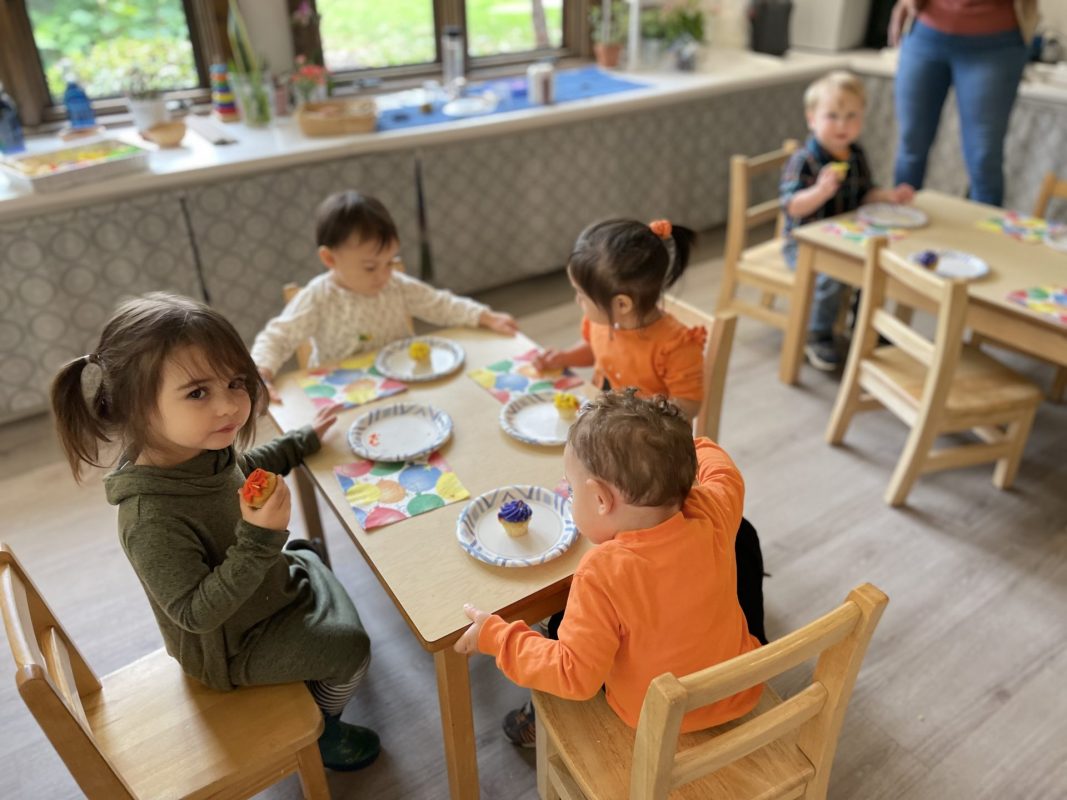
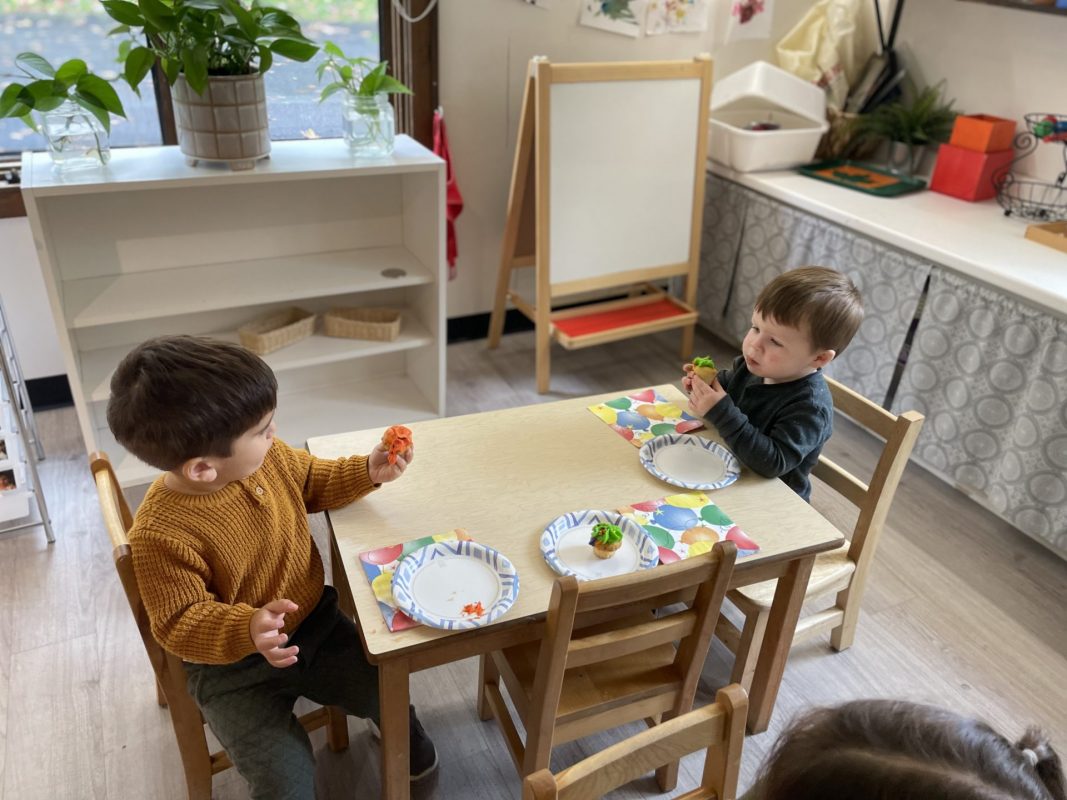
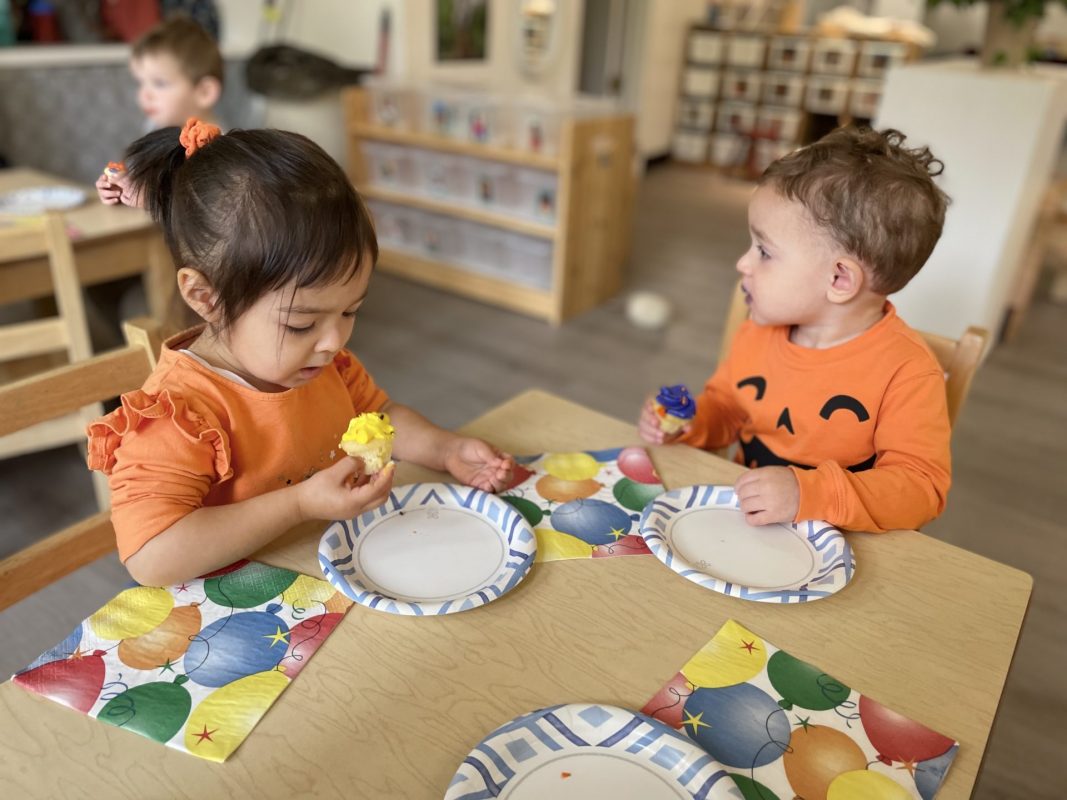
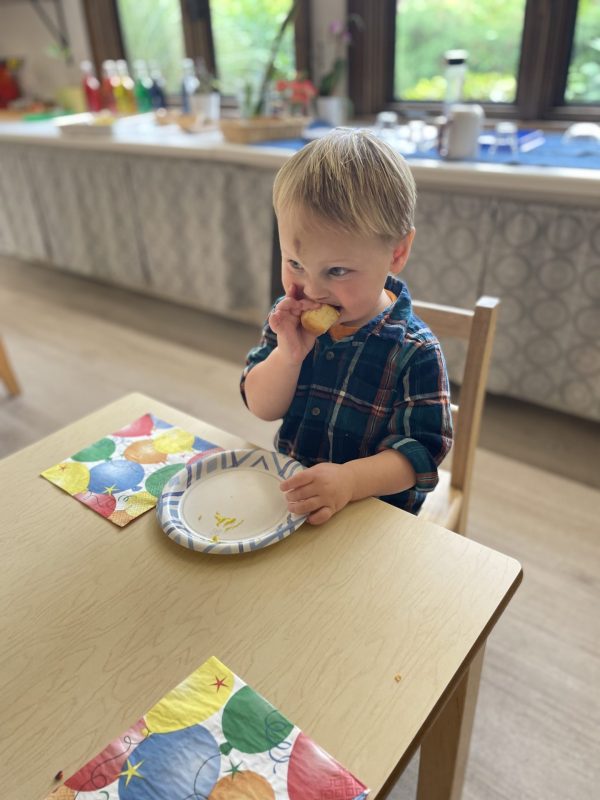
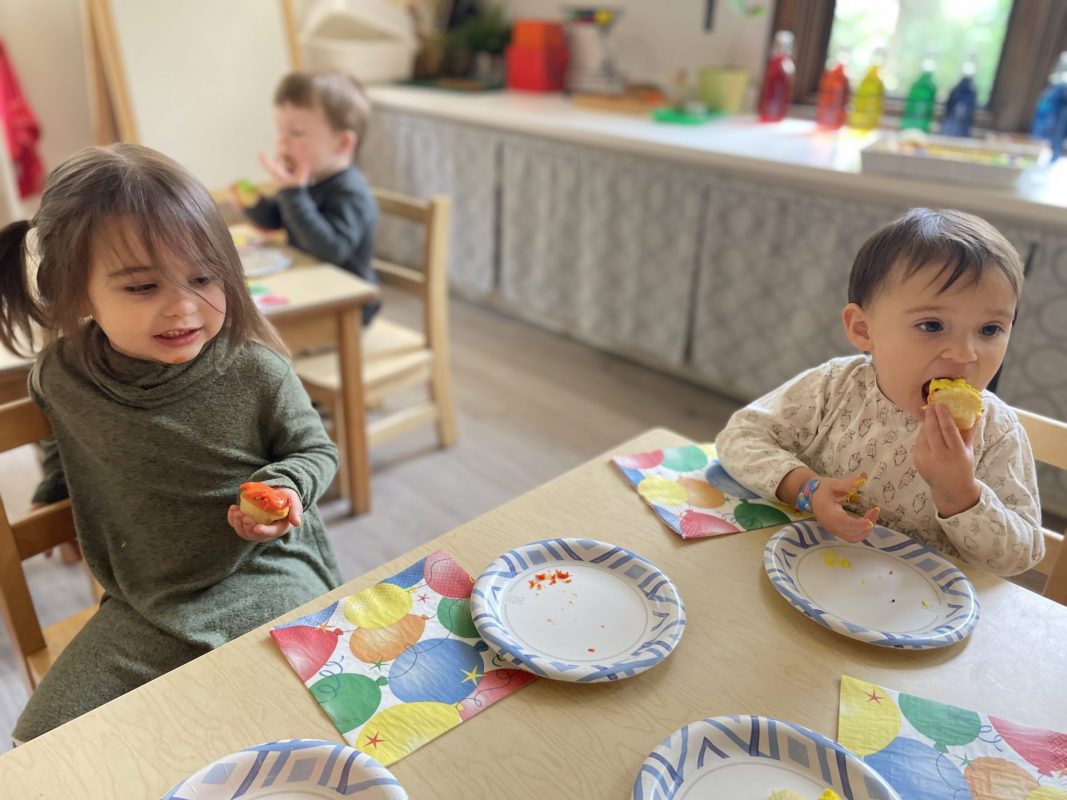
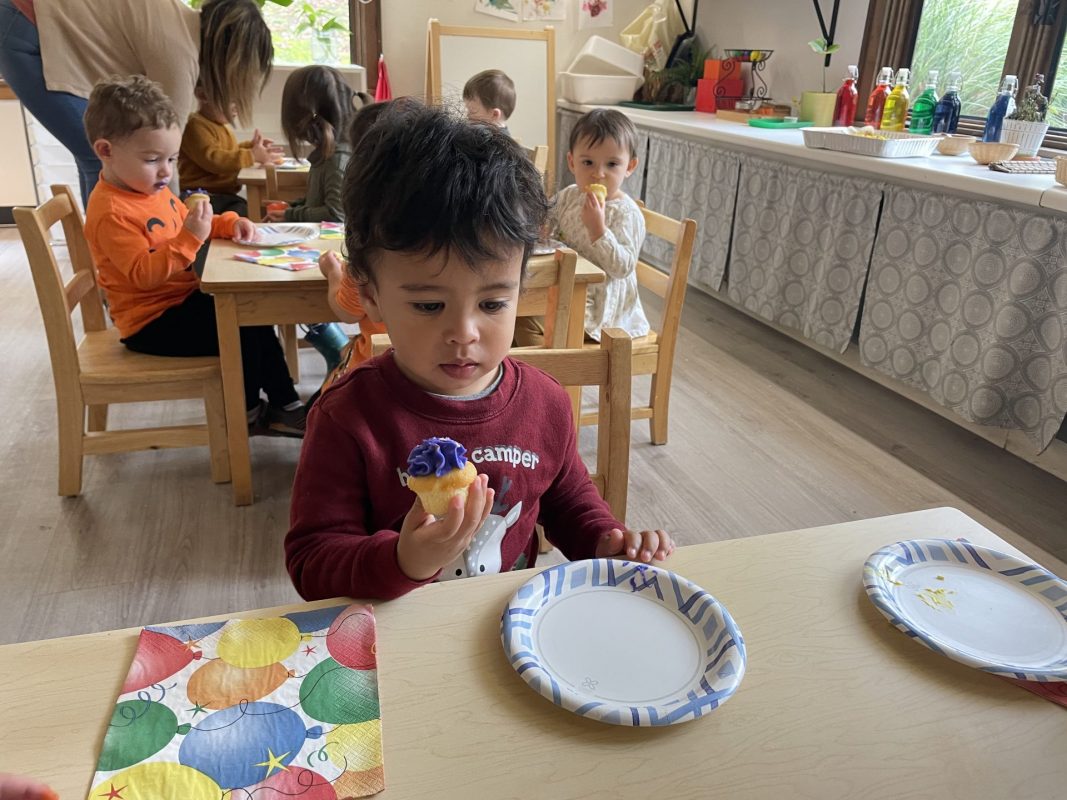
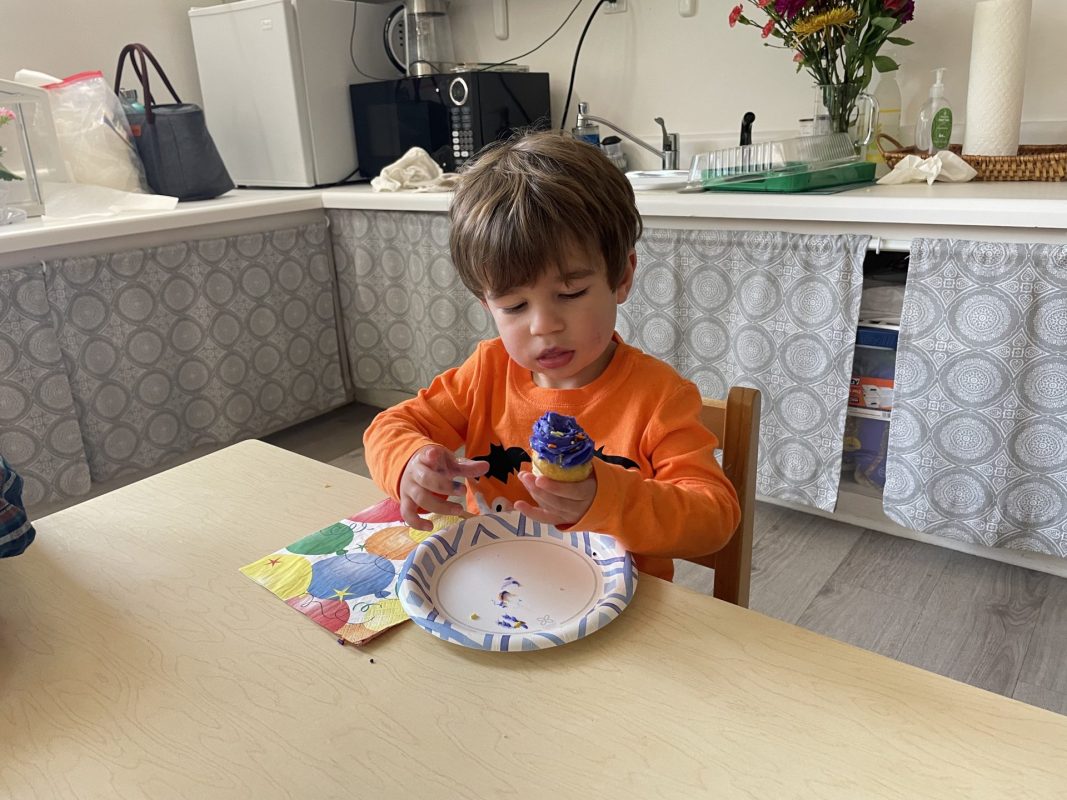
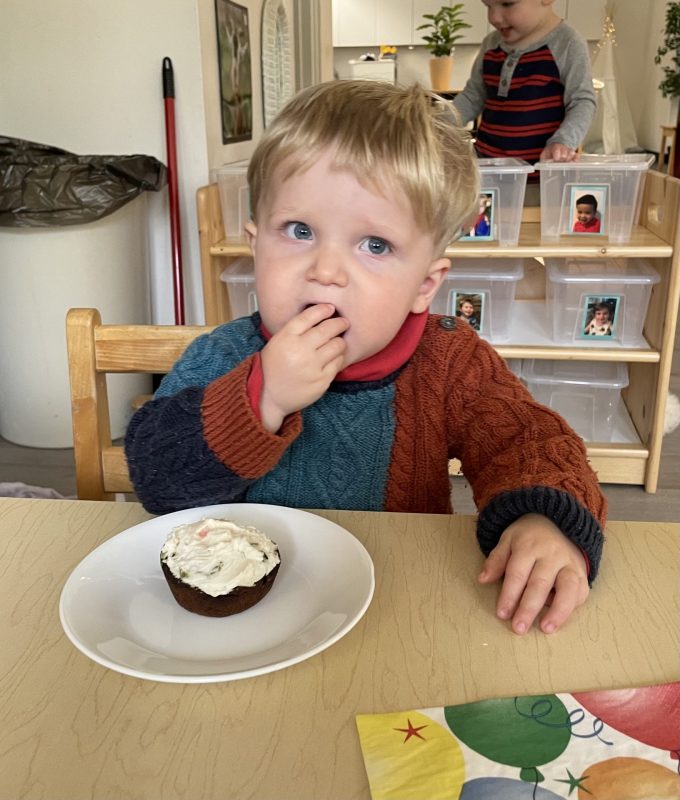
We also celebrated life and growth with two birthdays and got to enjoy some delicious treats! It was a celebration week and we went for it!

We thank you so much for sharing some time with us during Parent-teacher conferences! It’s truly one of our favorite times of the year because we get to talk more in detail about all the wonderful observations we have seen in each of your children. There is so much that happens here at school that won’t ever fit in a weekly blog! Thank you for partnering with us in providing the best experience for all our toddlers!

Sincerely,

Mrs. Hood and Ms. Maria

Mrs. Wilson: Pumpkins Pumpkins

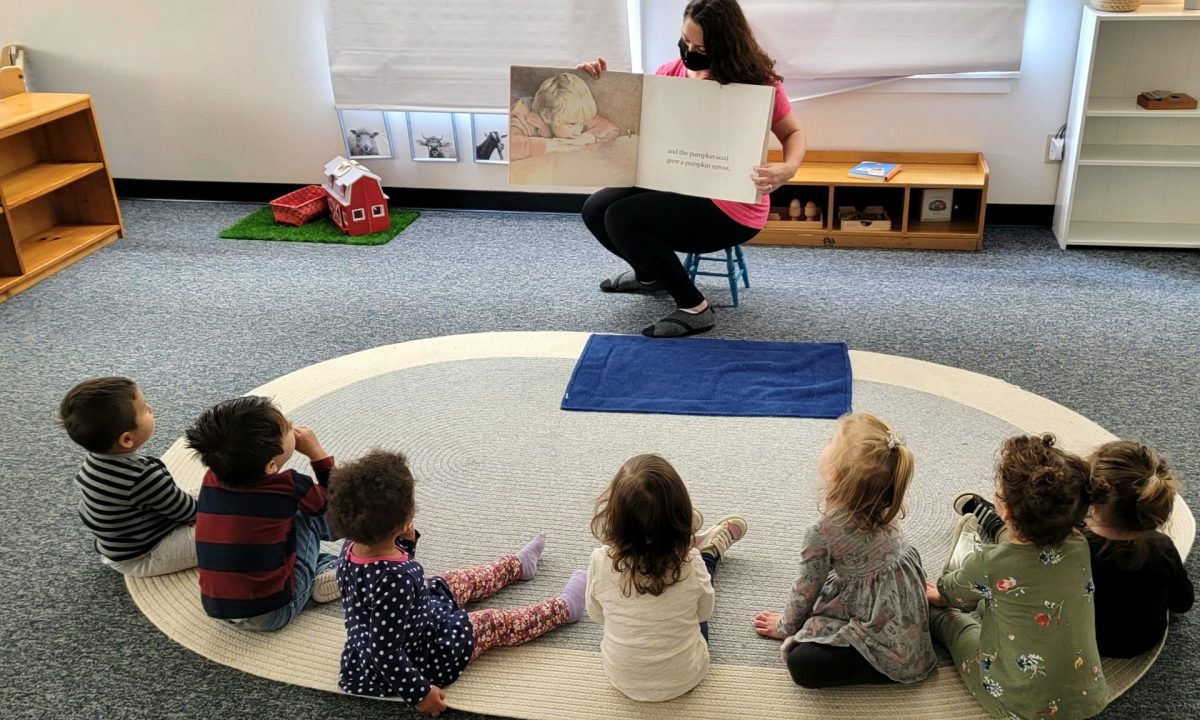
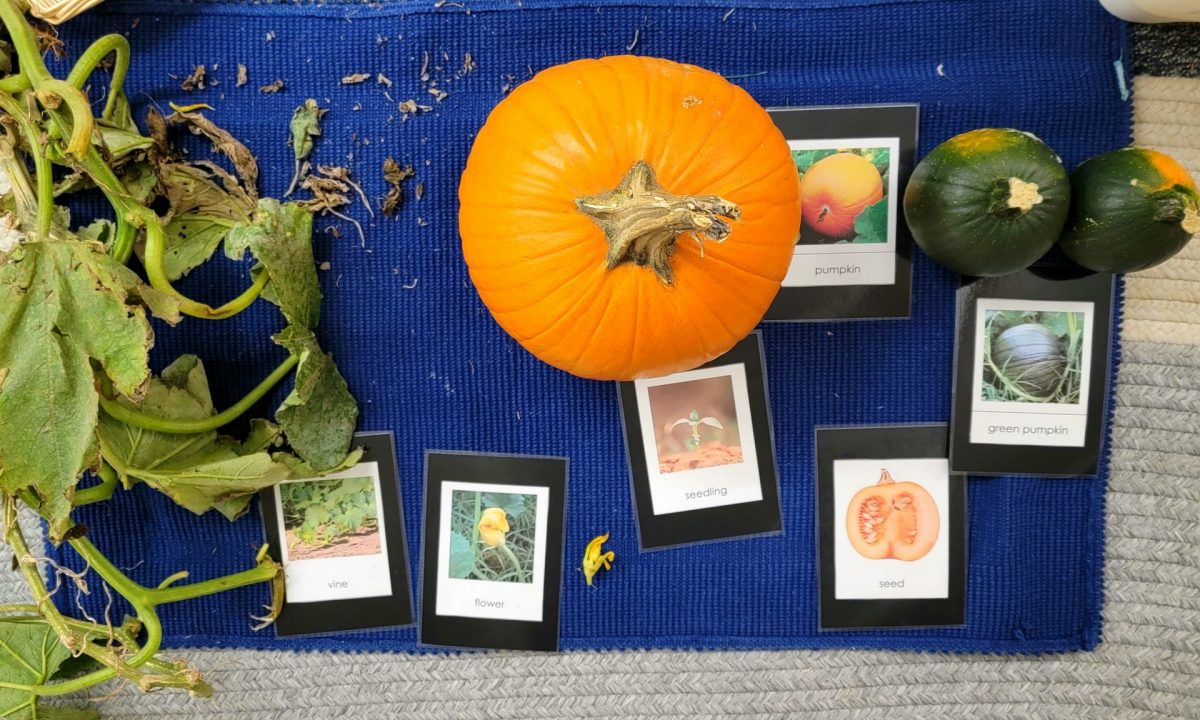
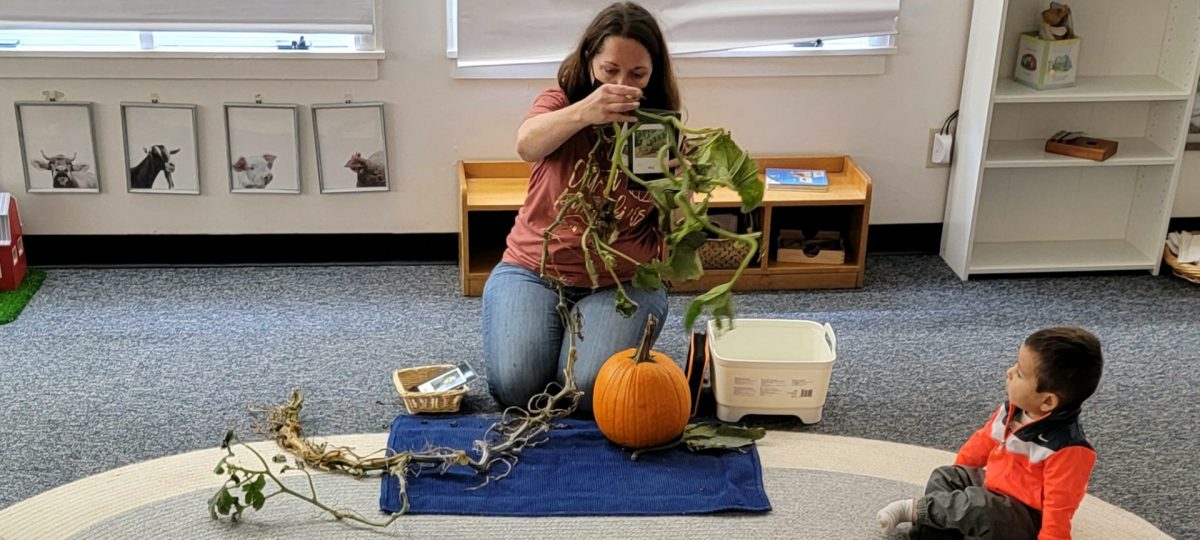
For the month of October the children explored all things pumpkin and pumpkin related. We used language cards to show the life cycle of a pumpkin. And read the book Pumpkin, Pumpkin by Jeanne Titherington. We ended the month with our annual Pumpkin patch and some fun activities.

We started the morning going on a wagon ride around the school. The 7th grade class came to help pull the children in the wagons around the school hallways. They were dropped off at the Zen Garden where the children were invited to explore and find a pumpkin. Afterwards they went on another ride back to the classroom.

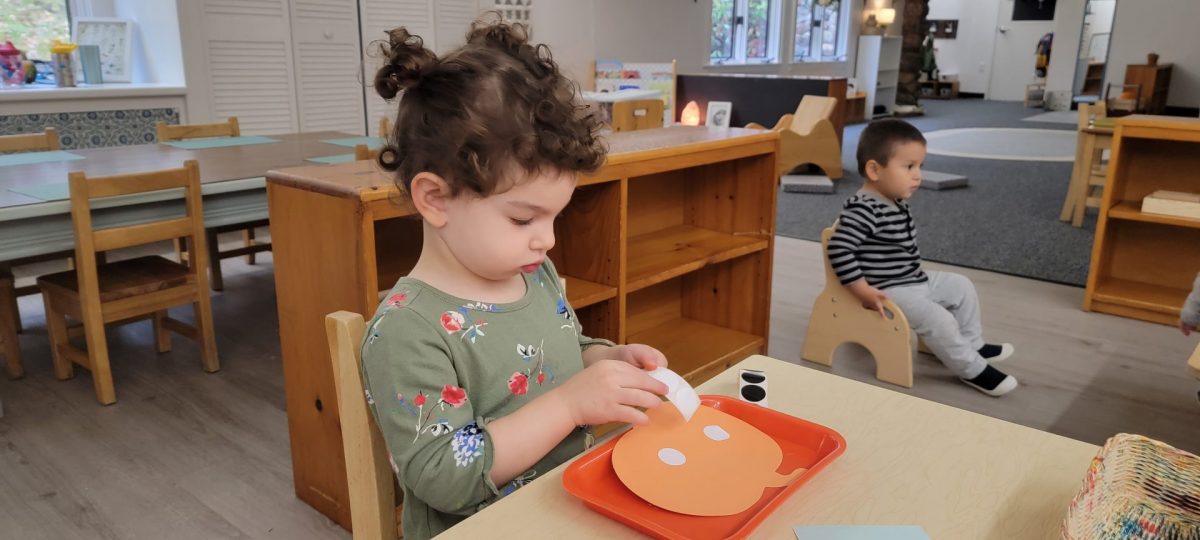
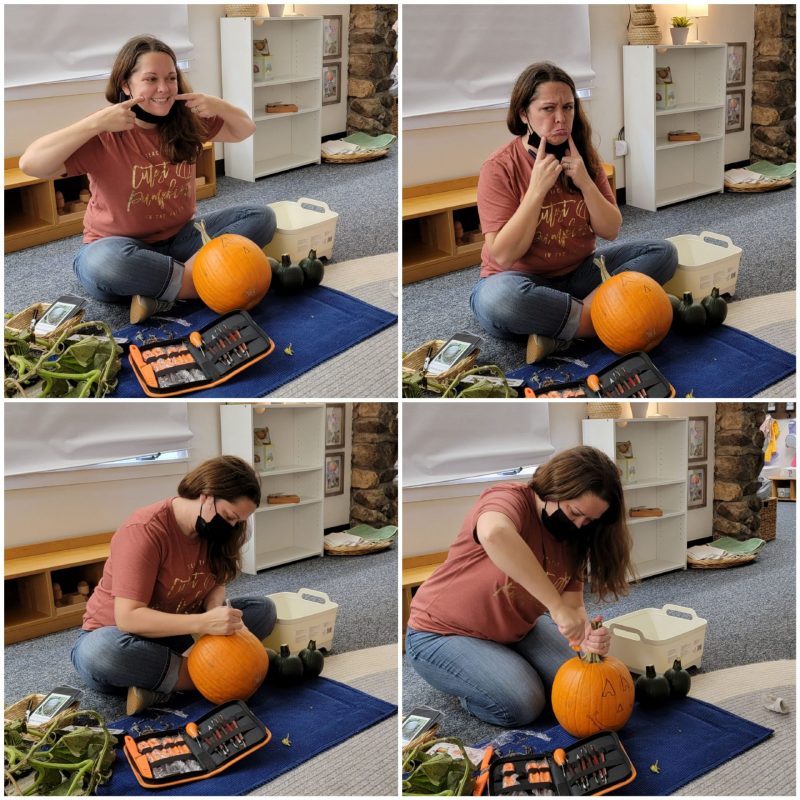
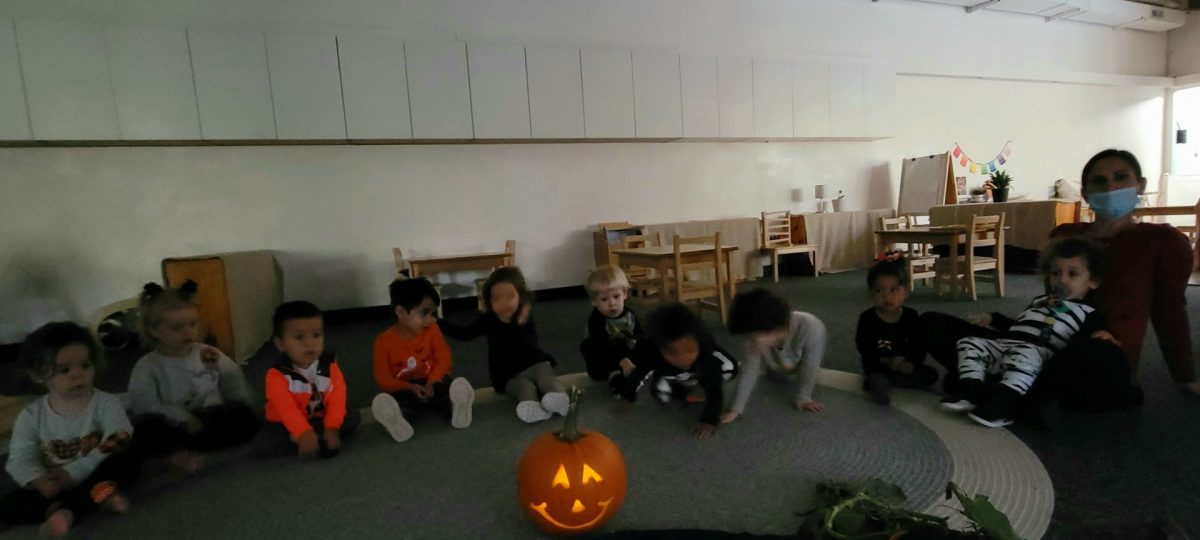
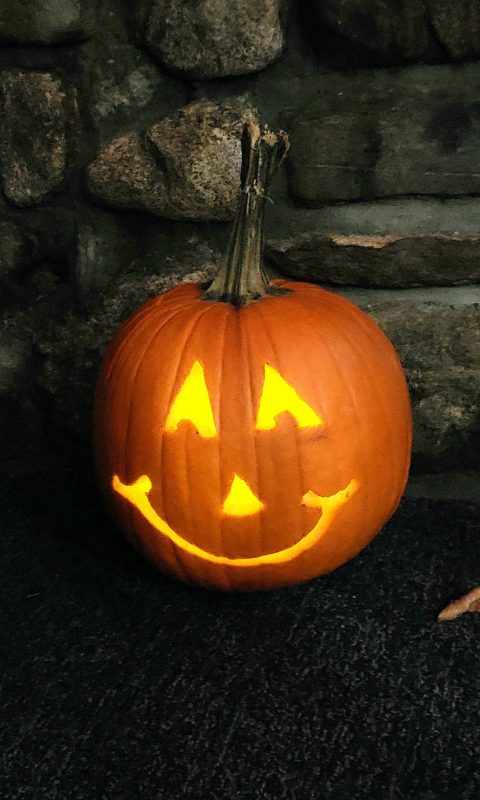
The next activity we did was to explore a large pumpkin and create a Jack-O-Lantern. I gave them choices on how we wanted our pumpkin to look and we all seem to agree that a happy pumpkin was what we wanted.

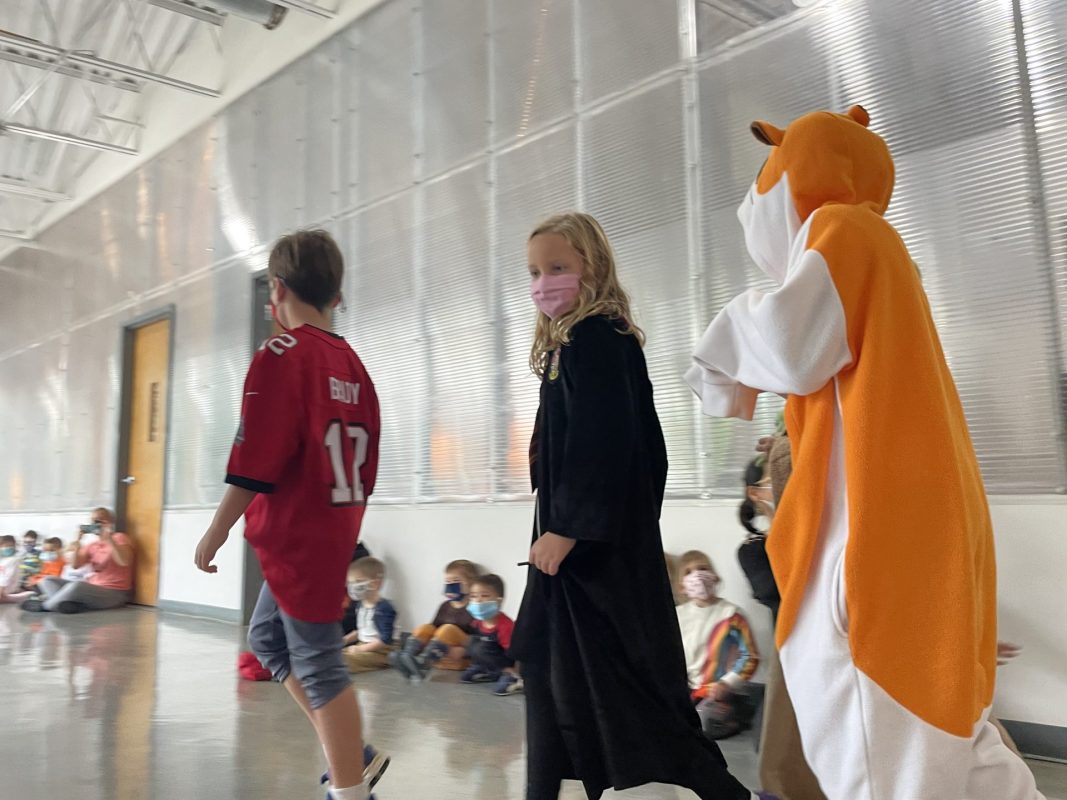
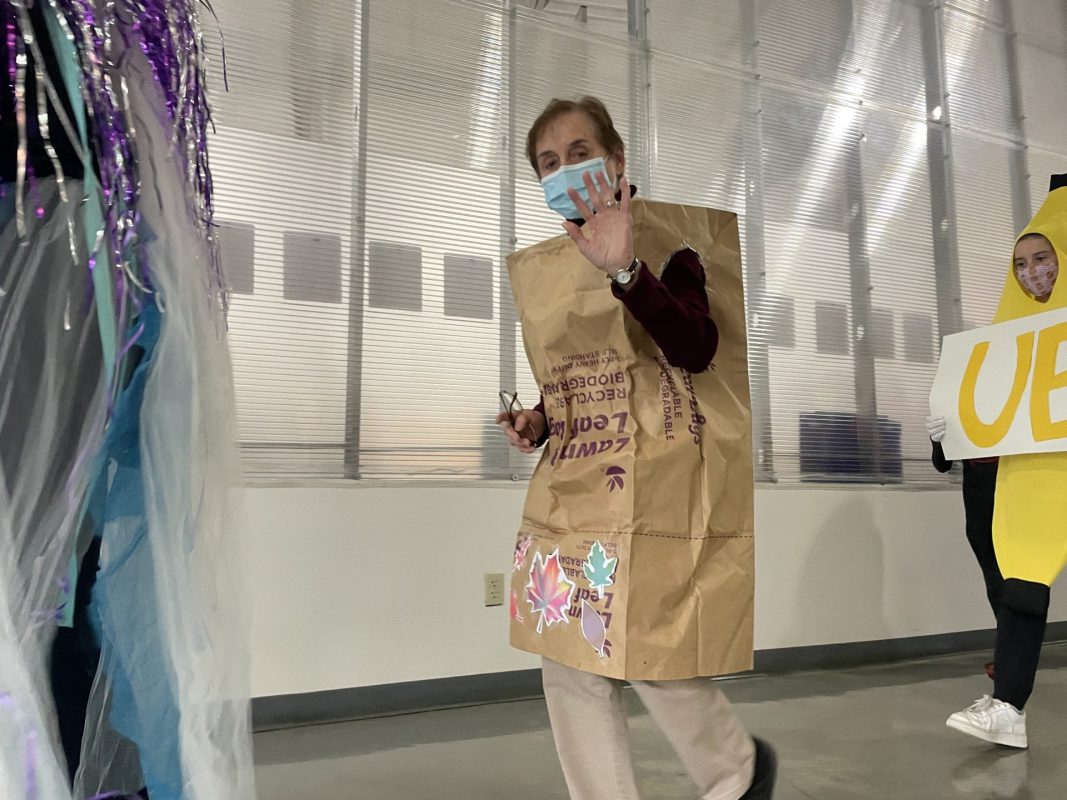
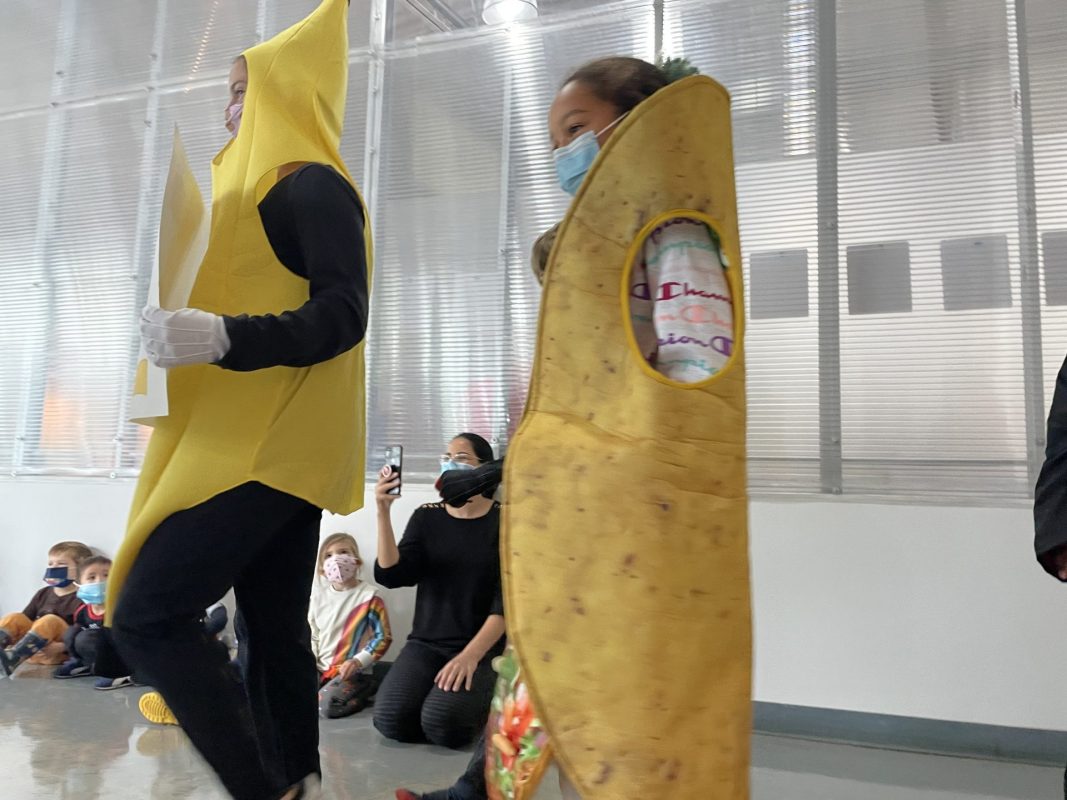
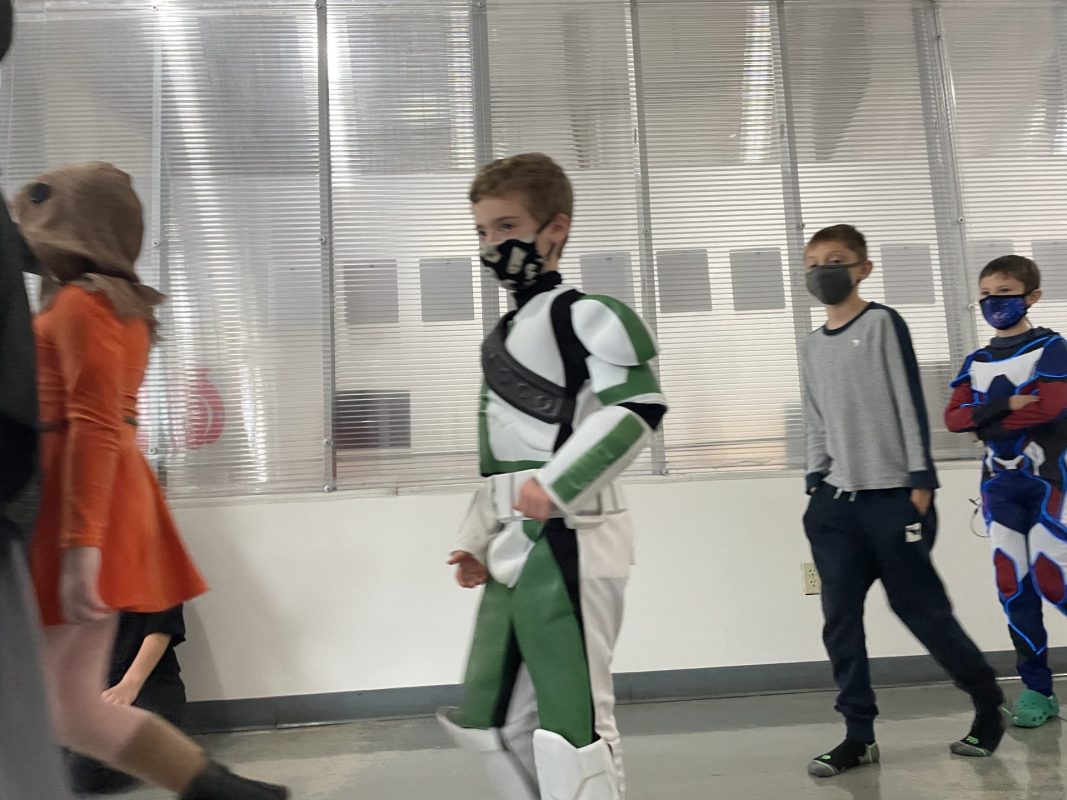
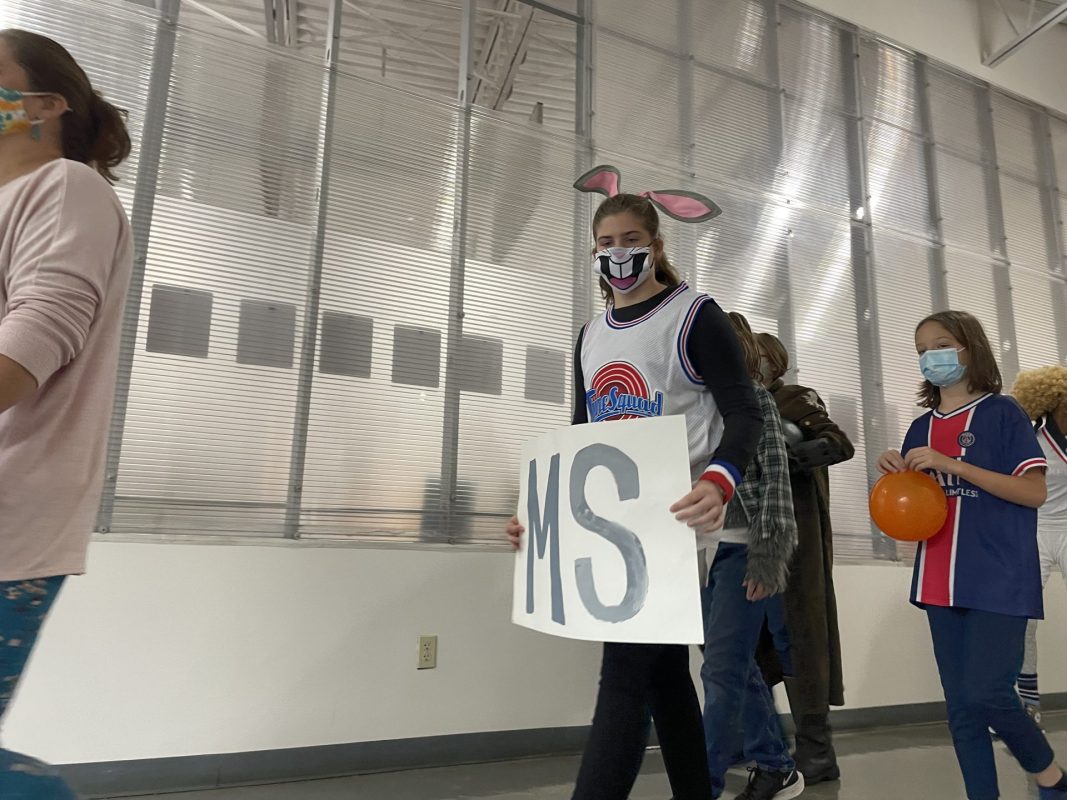
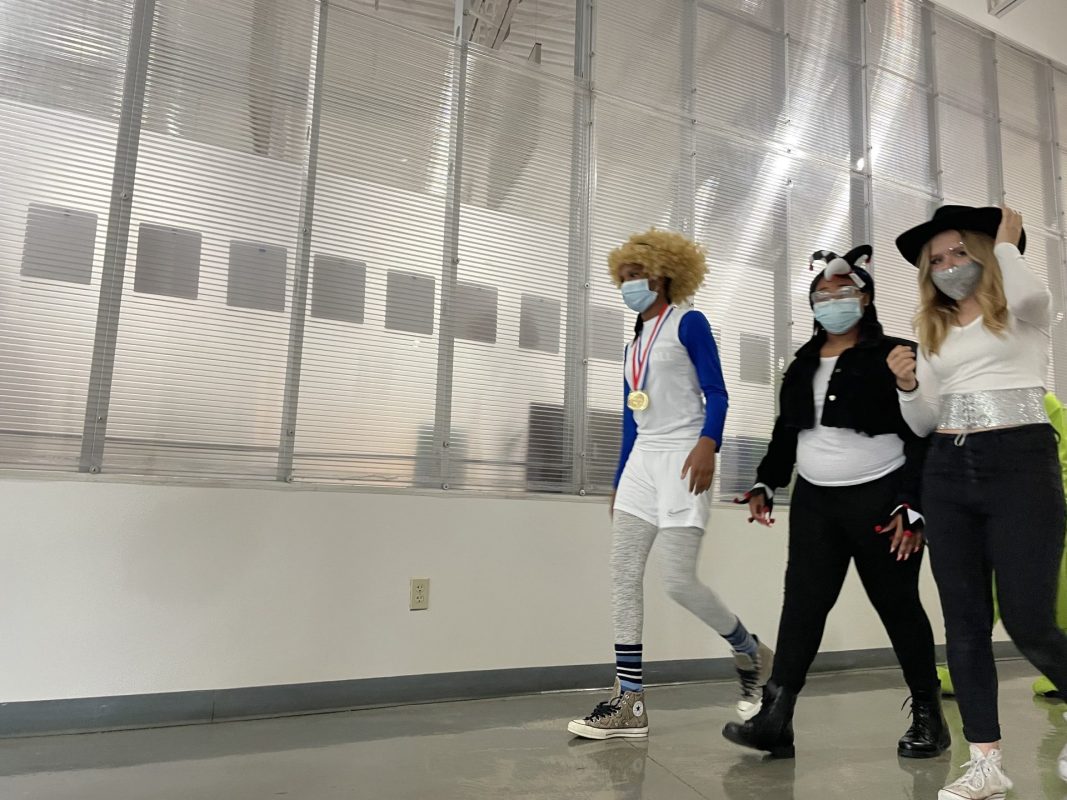
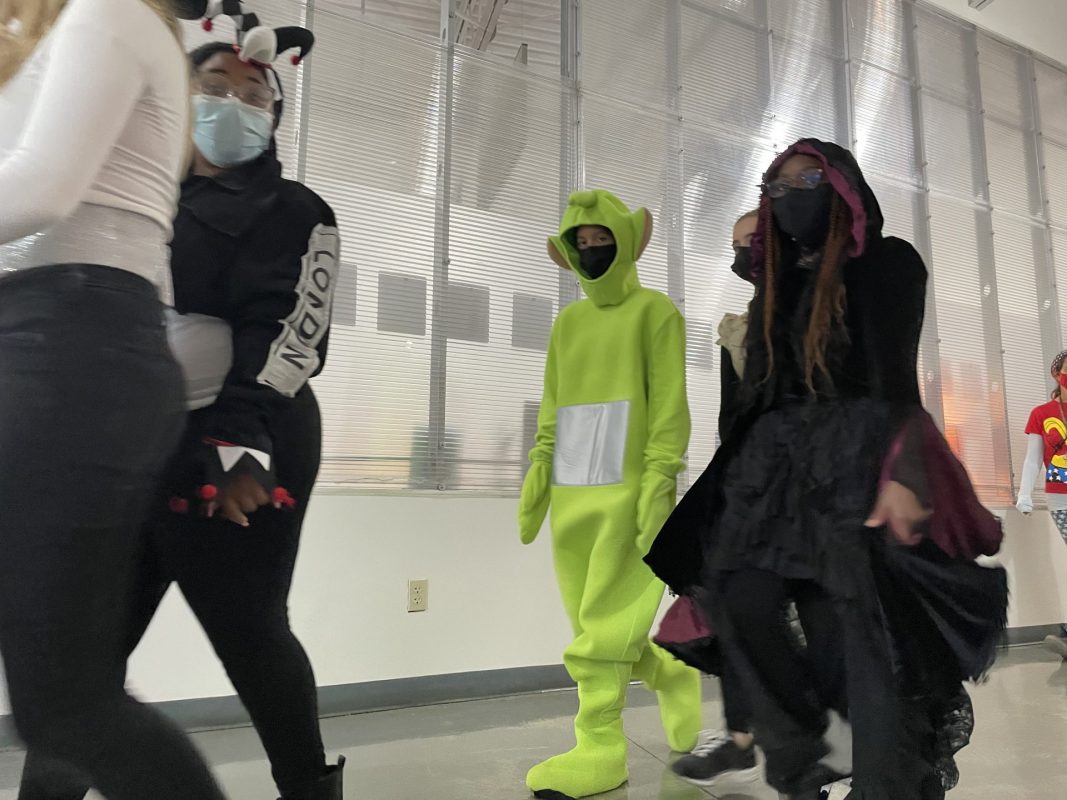
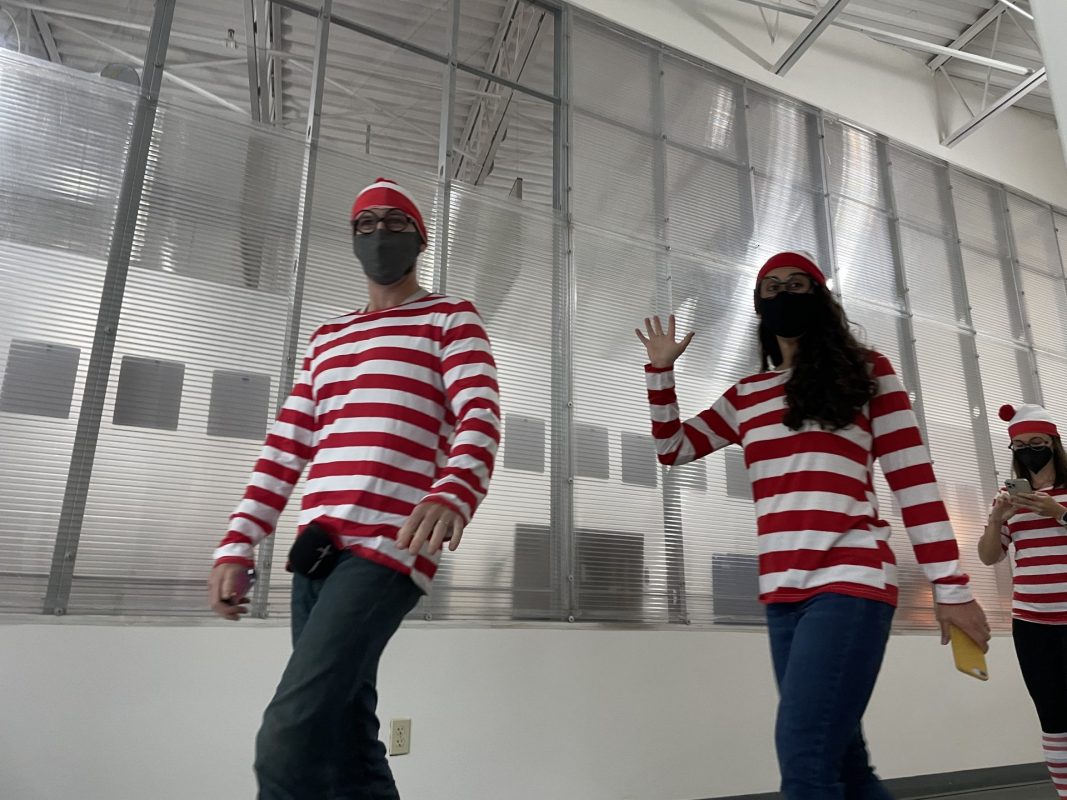
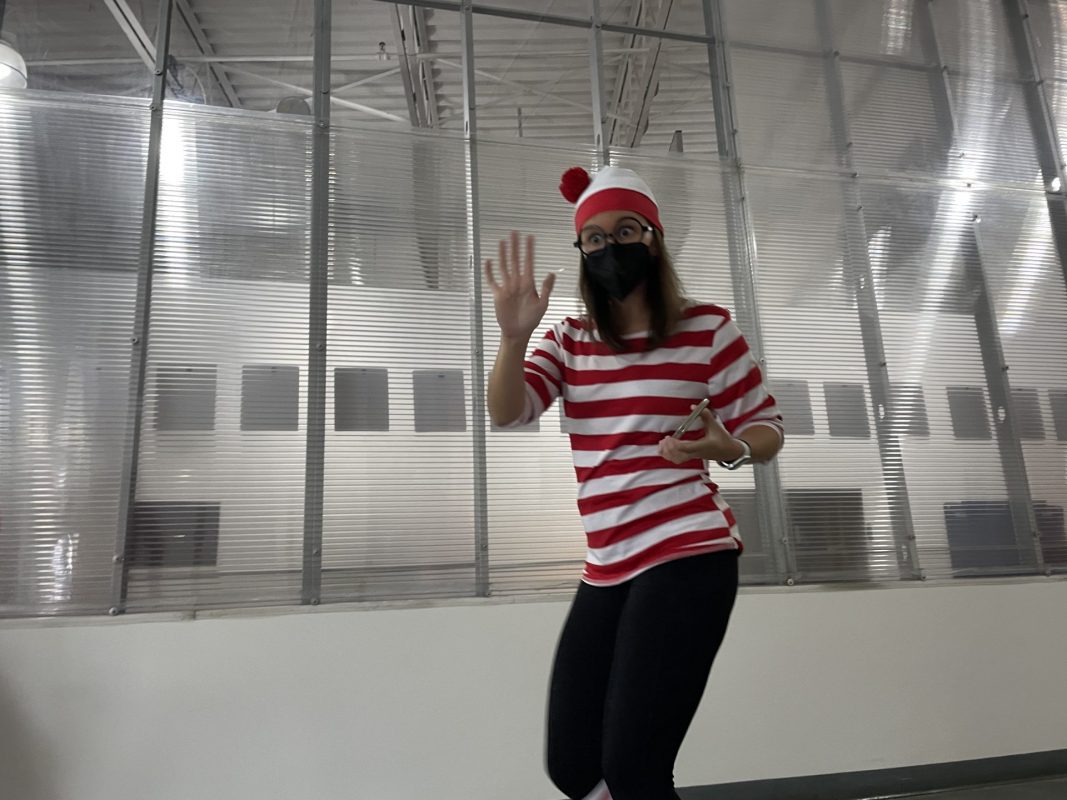
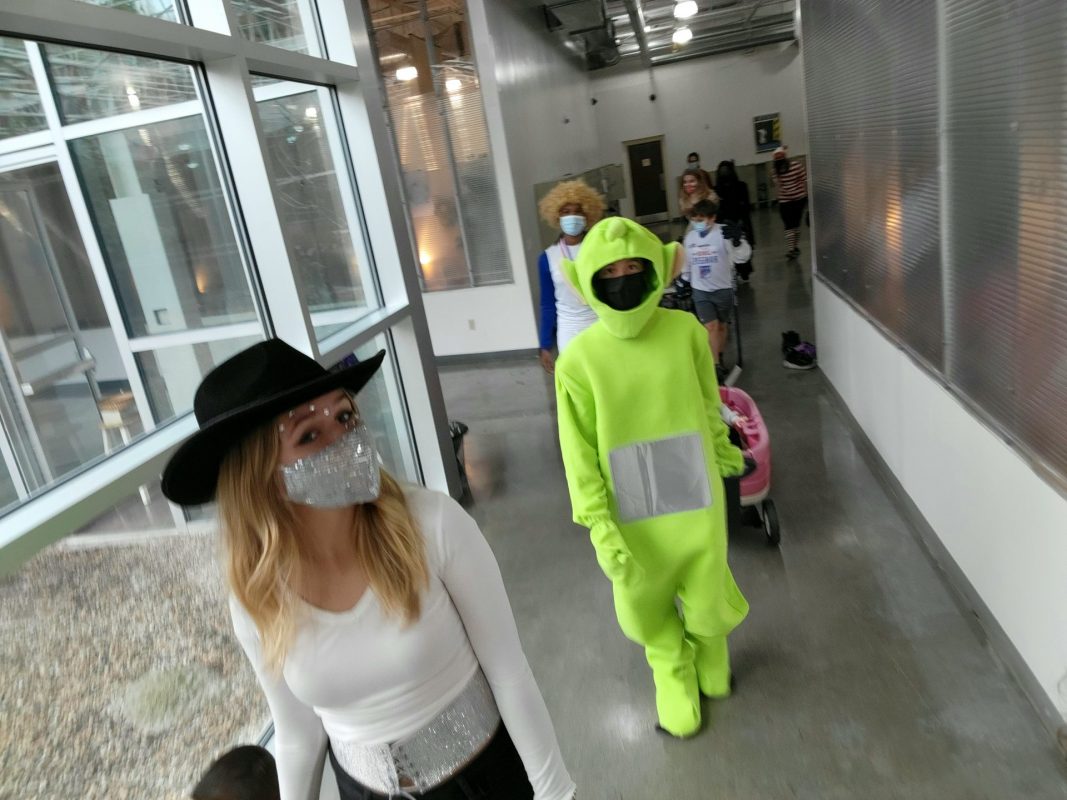
The children participated in the costume parade as audience. As we watched the older children walk by in their costumes we clapped and waved for them.

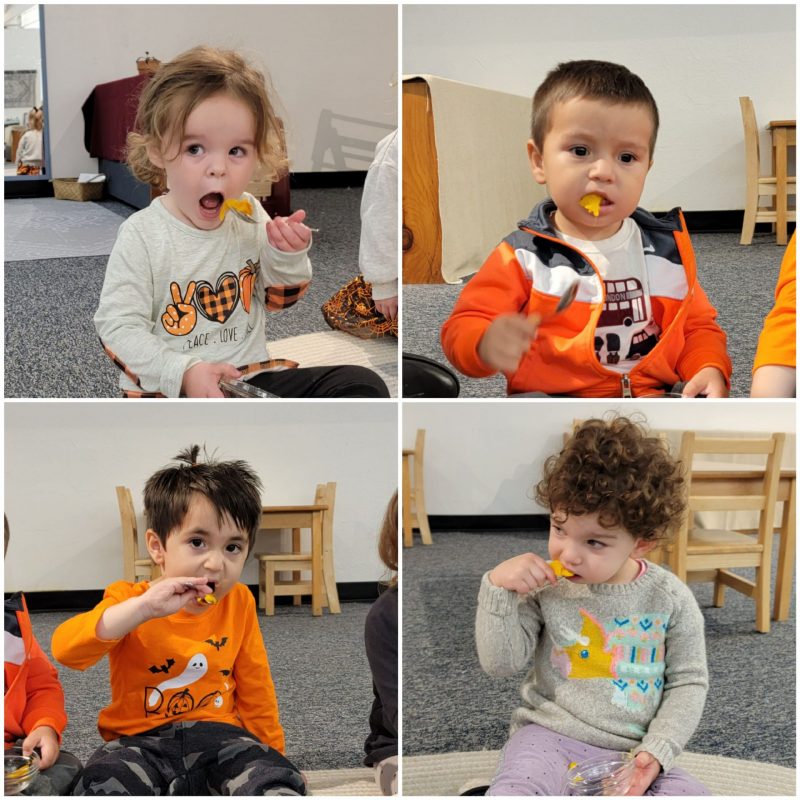
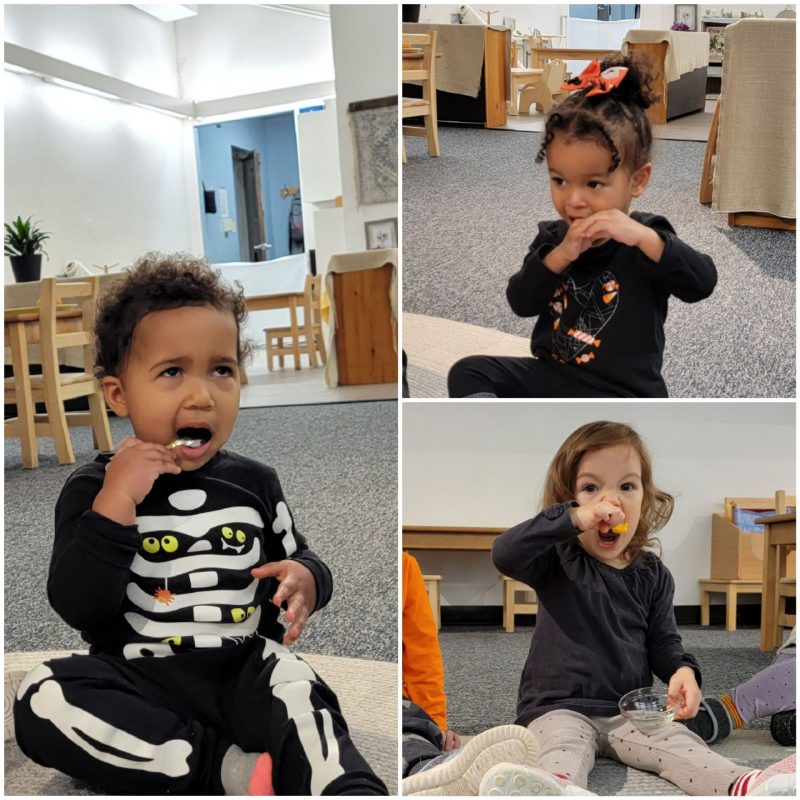
We finished our pumpkin activities with Food tasting. The children were eager to taste a delicious Sugar Pumpkin. Which the majority of them really enjoyed.

Thank you all for taking the time to chat with Mrs. Biba and I during conferences. It was great to spend time with you all.

Mrs. Wilson


Mrs. Wilson: Introducing Practical Life


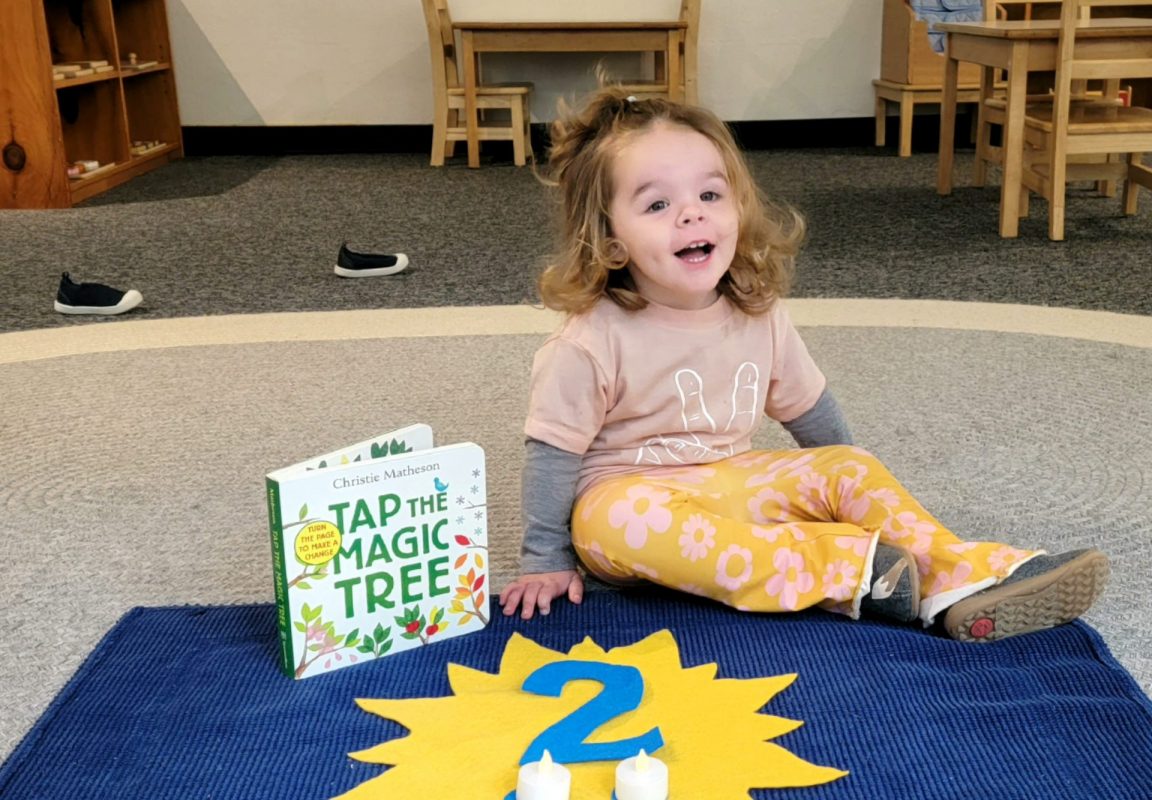
What a wonderful week we have had! The classroom was busy with lots of wonderful activities. We a started by celebrating another friend’s birthday. She gifted our class Tap The Magic Tree by Christie Matheson. This is a lovely interactive story that shows a tree throughout every season.

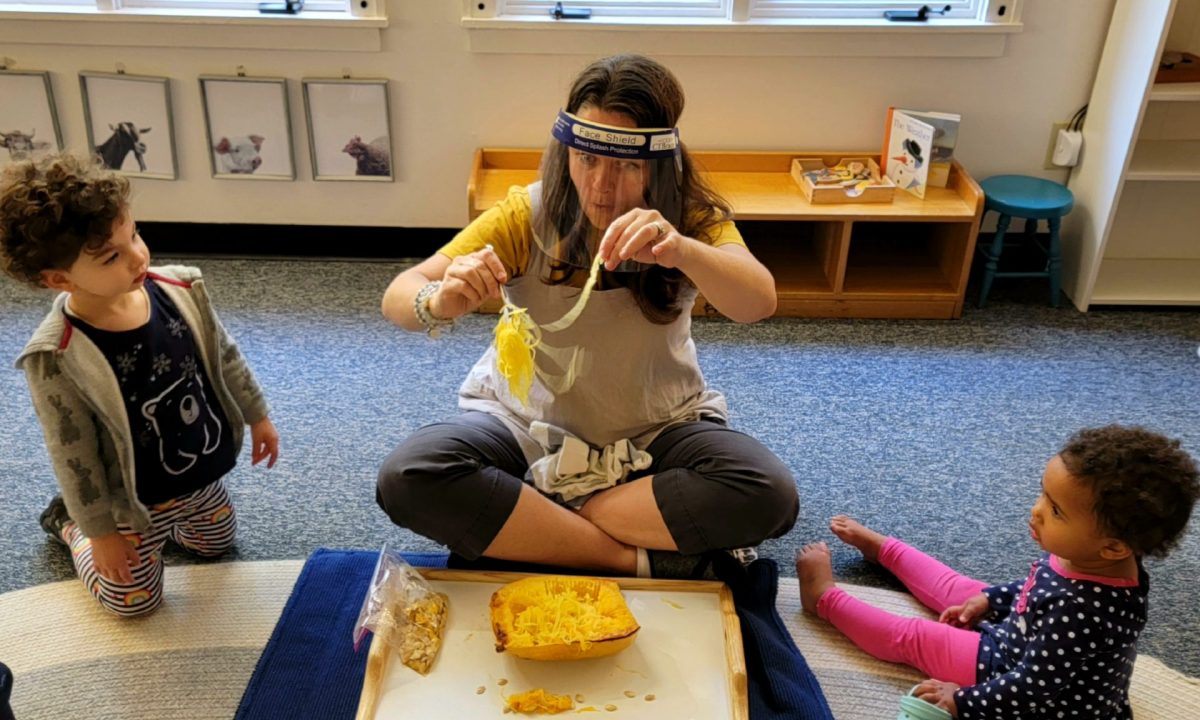
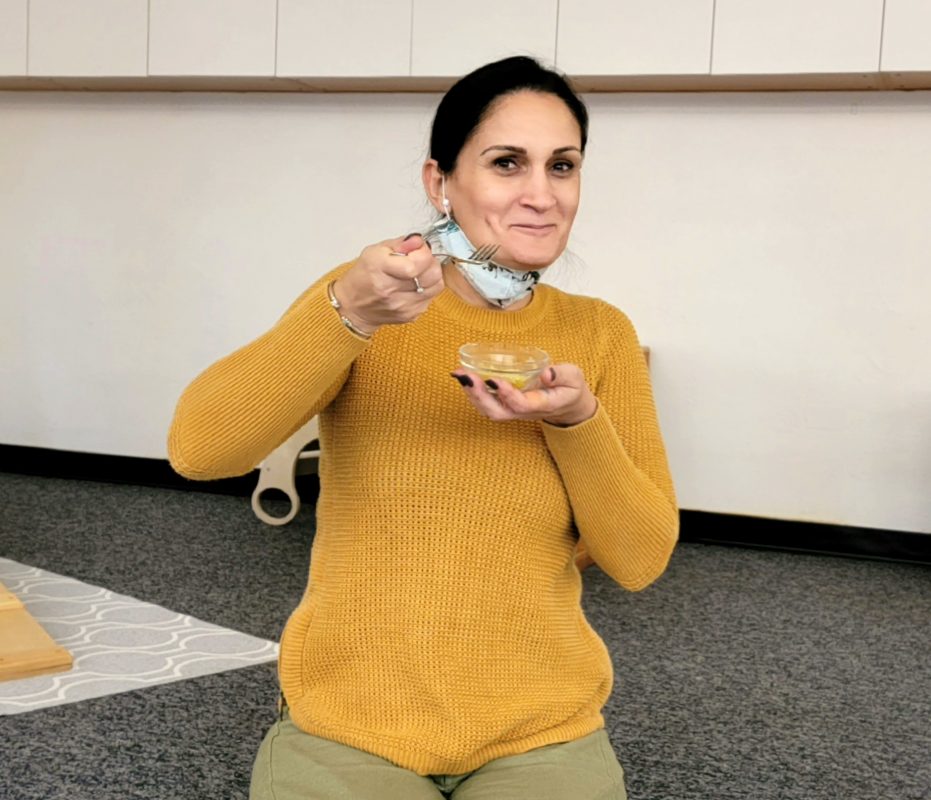
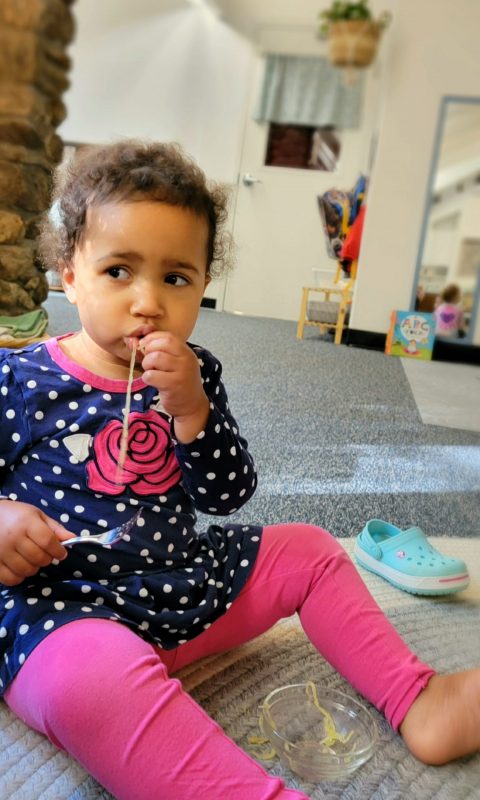
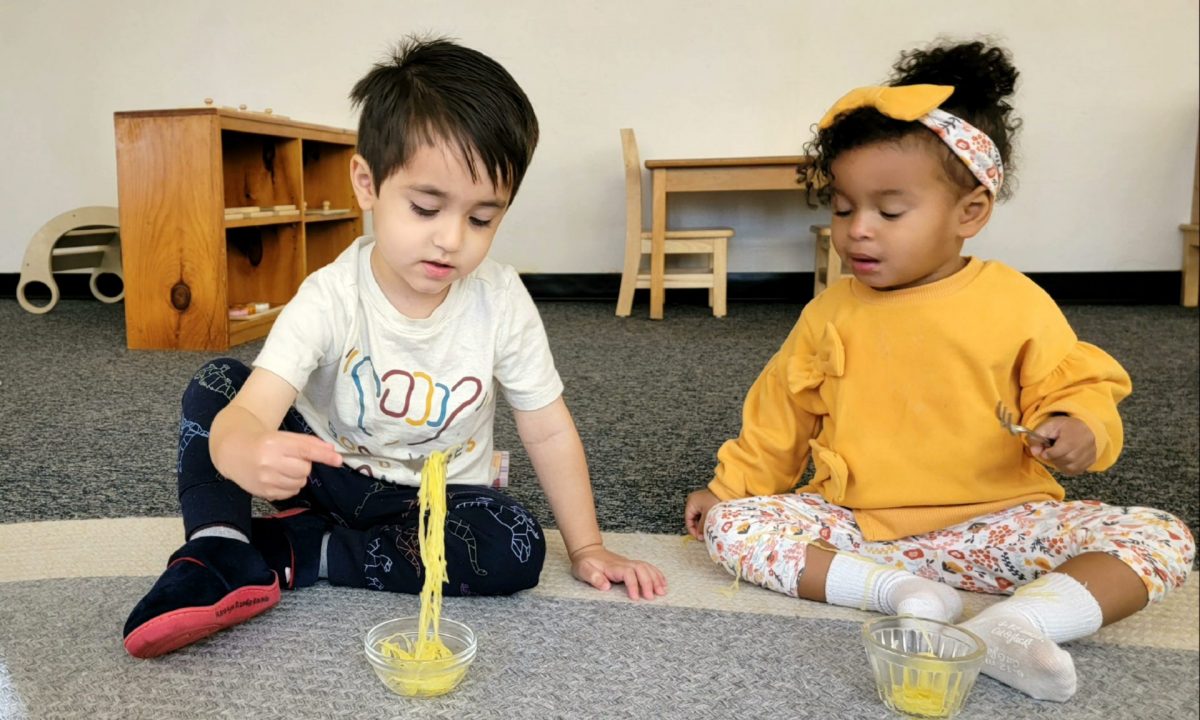
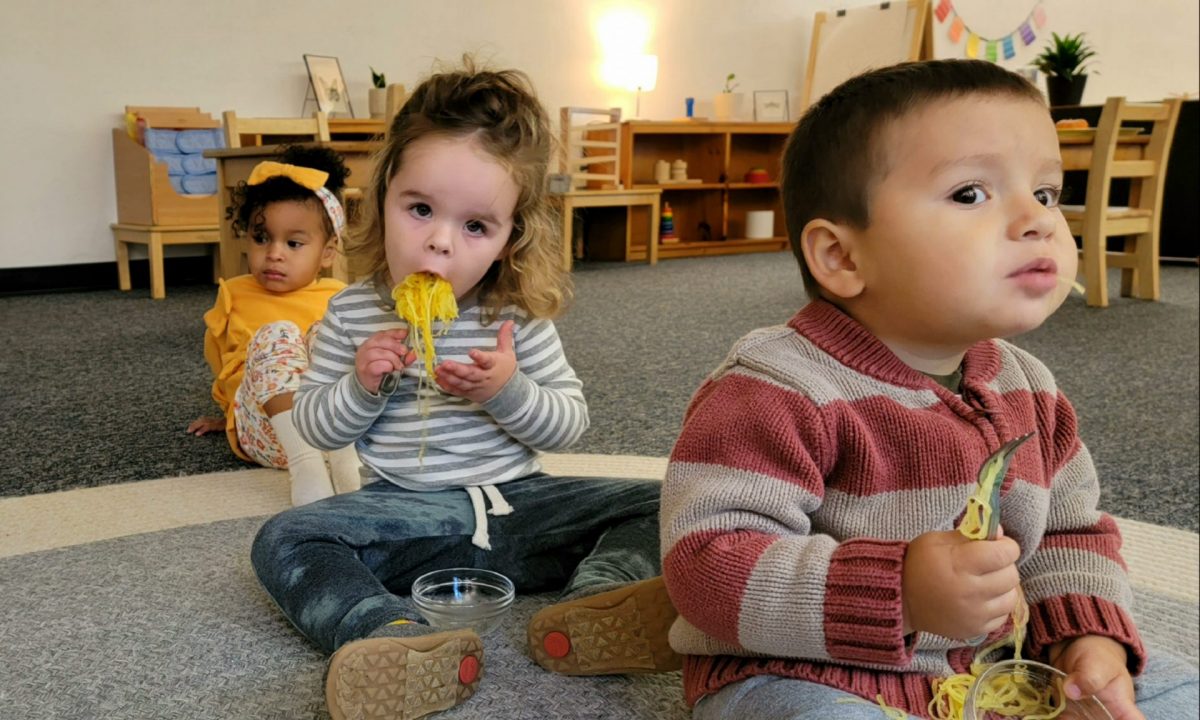
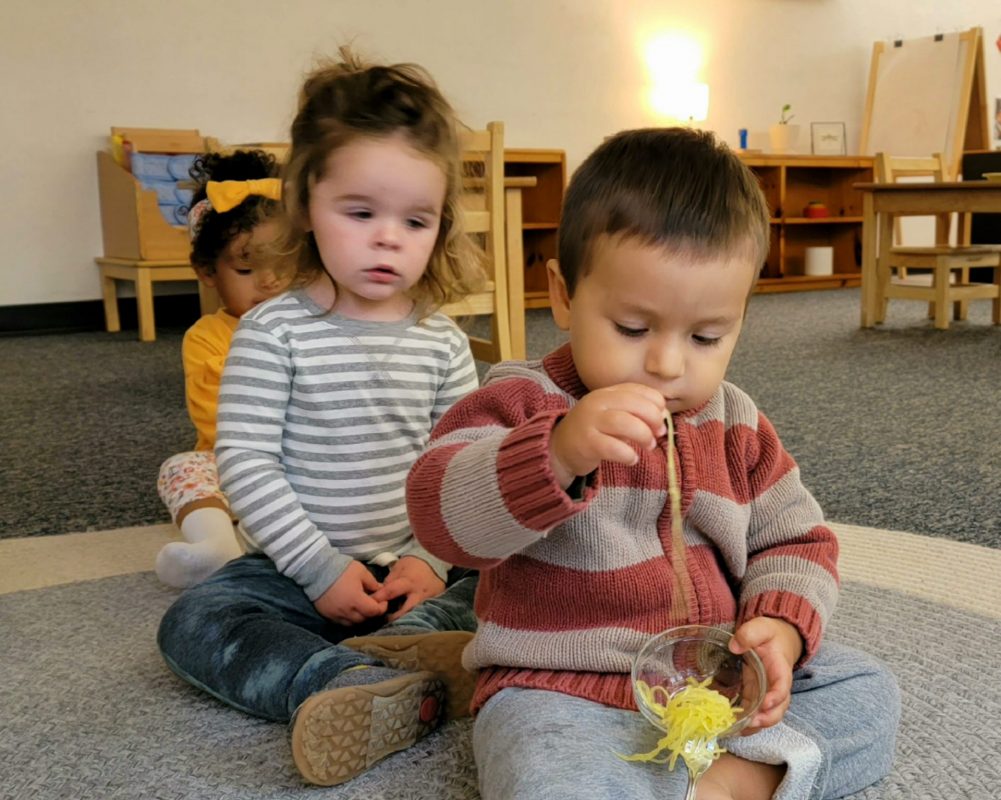
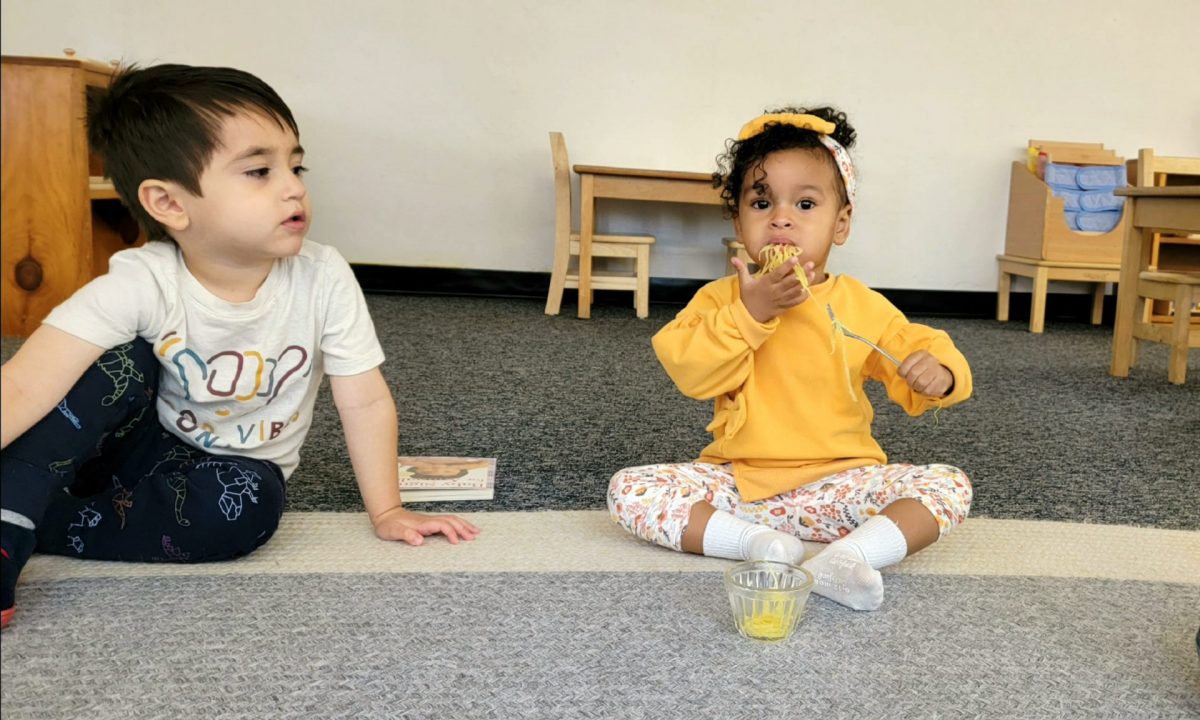
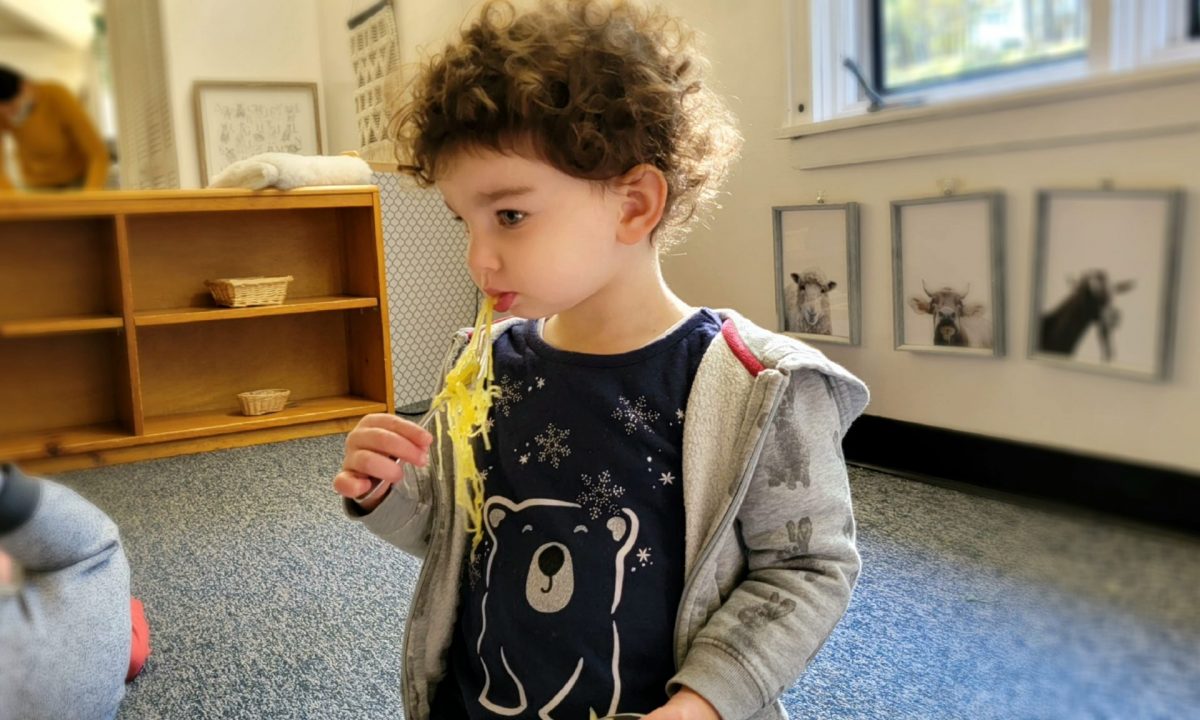
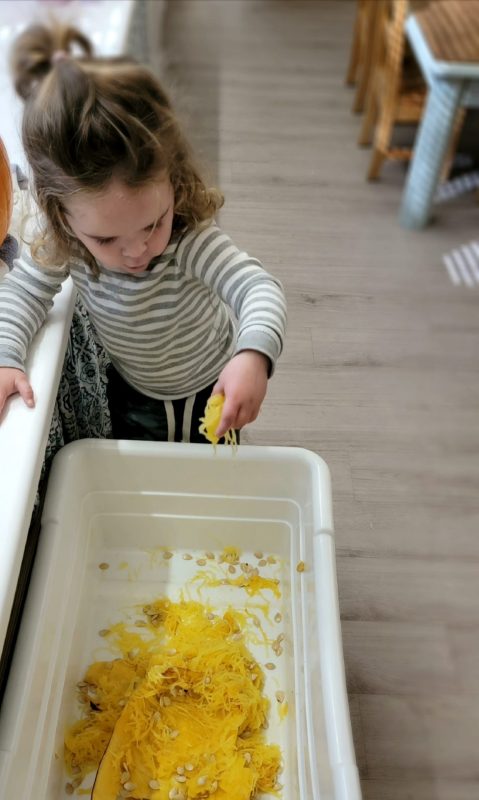
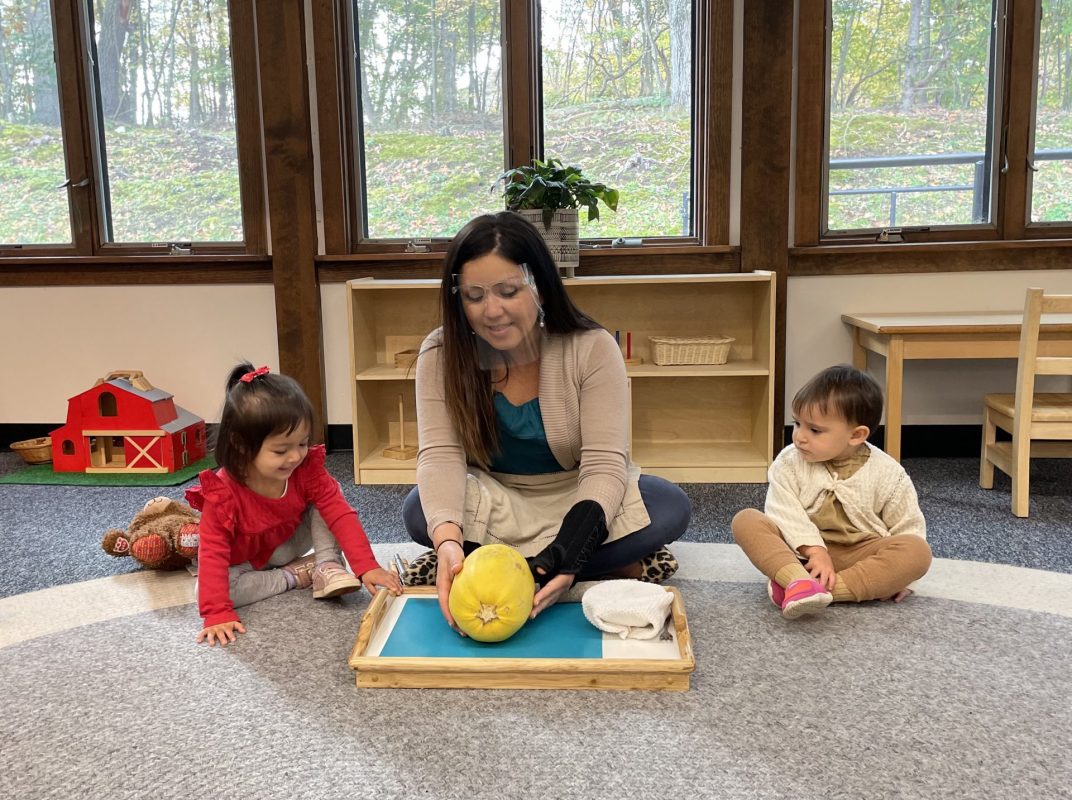
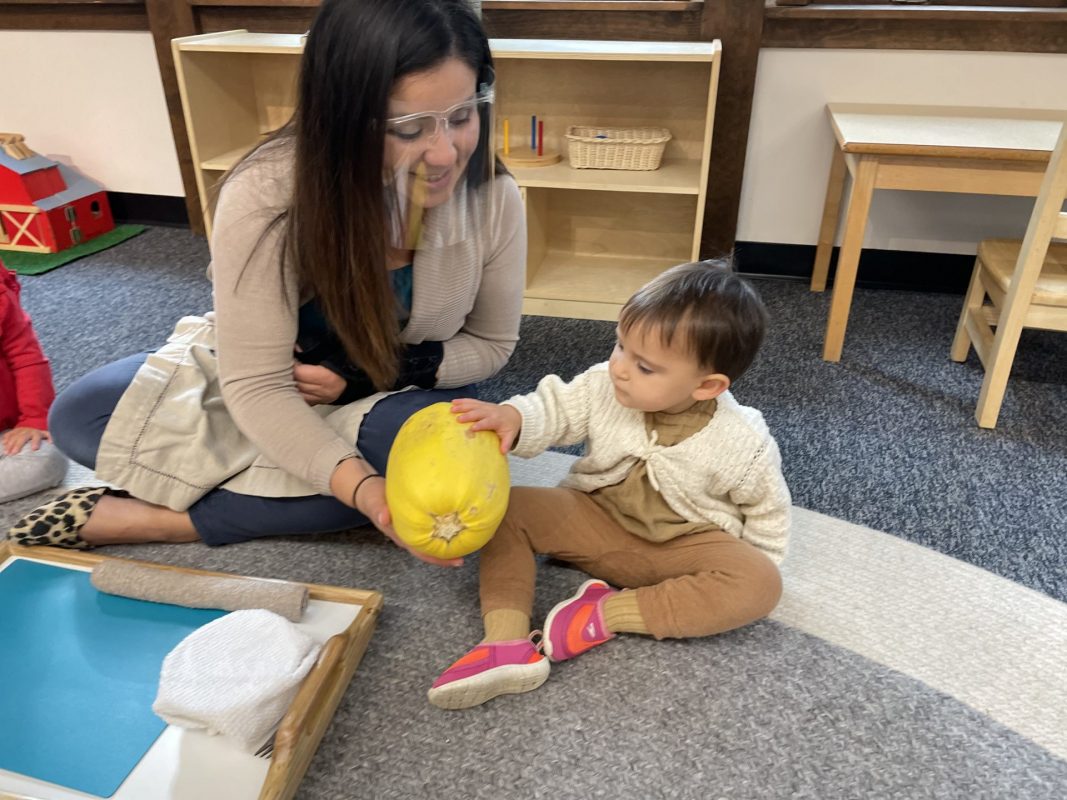
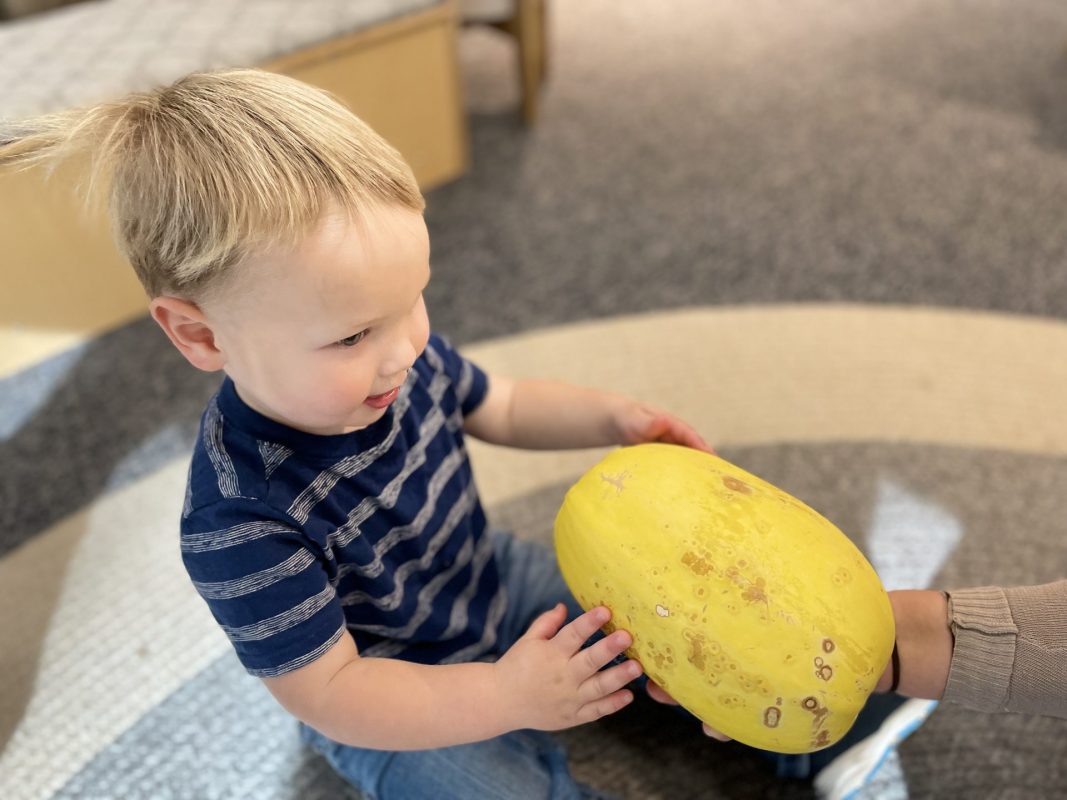
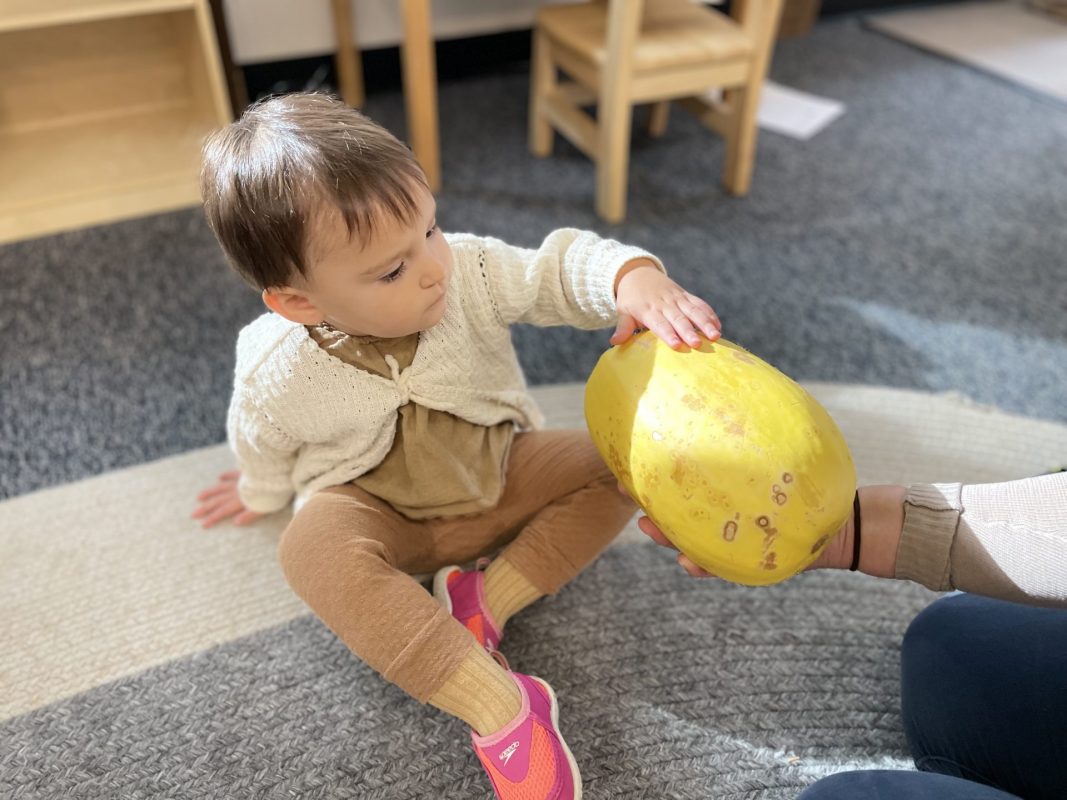
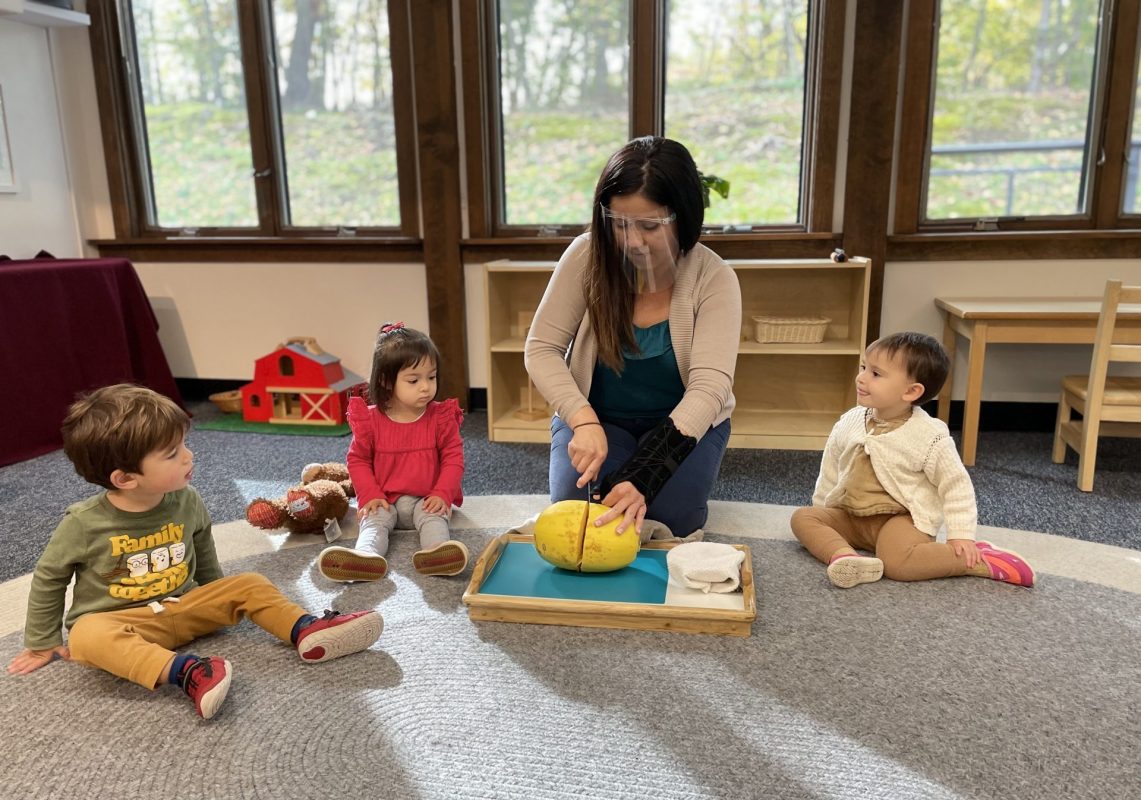
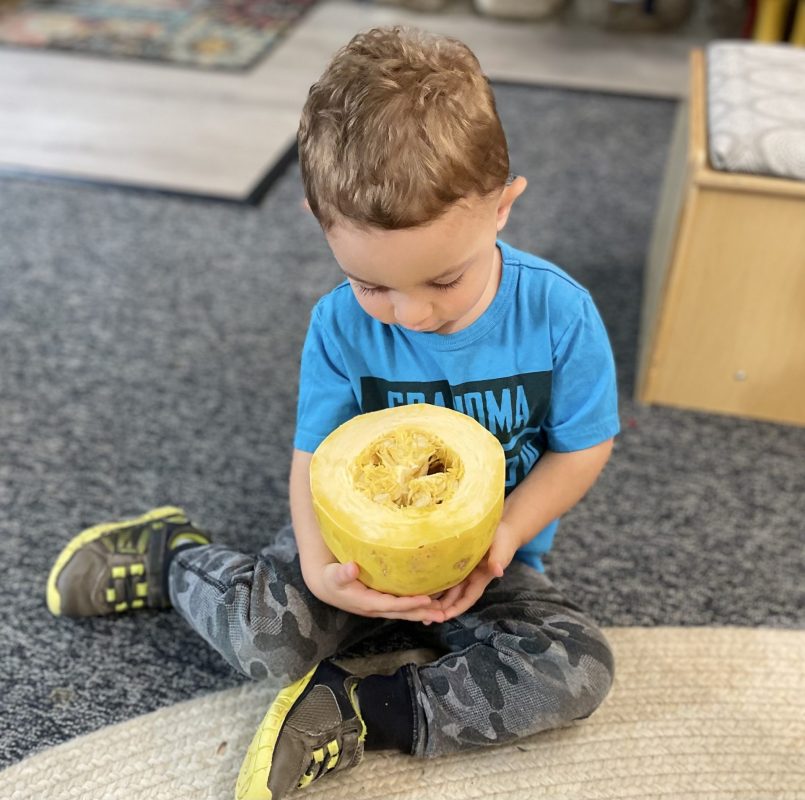
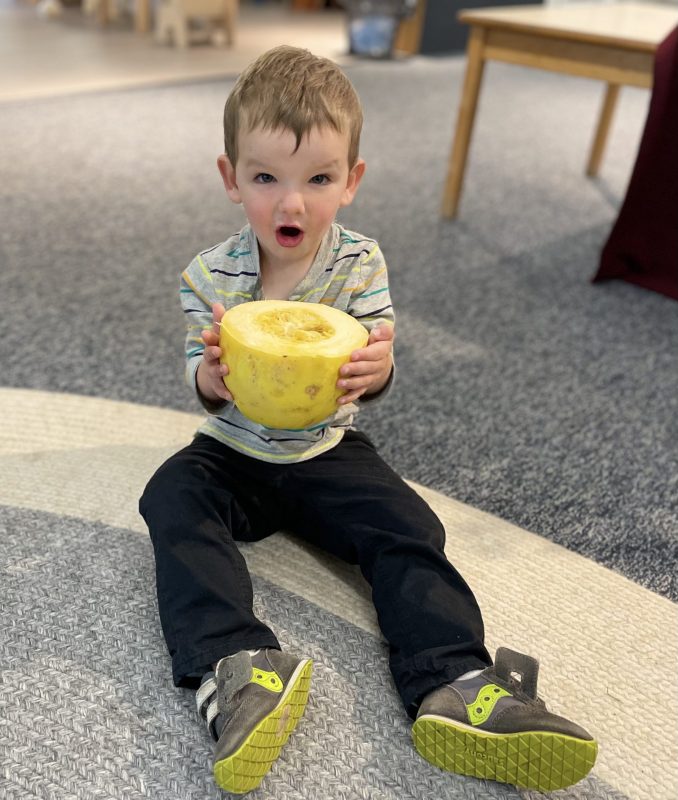
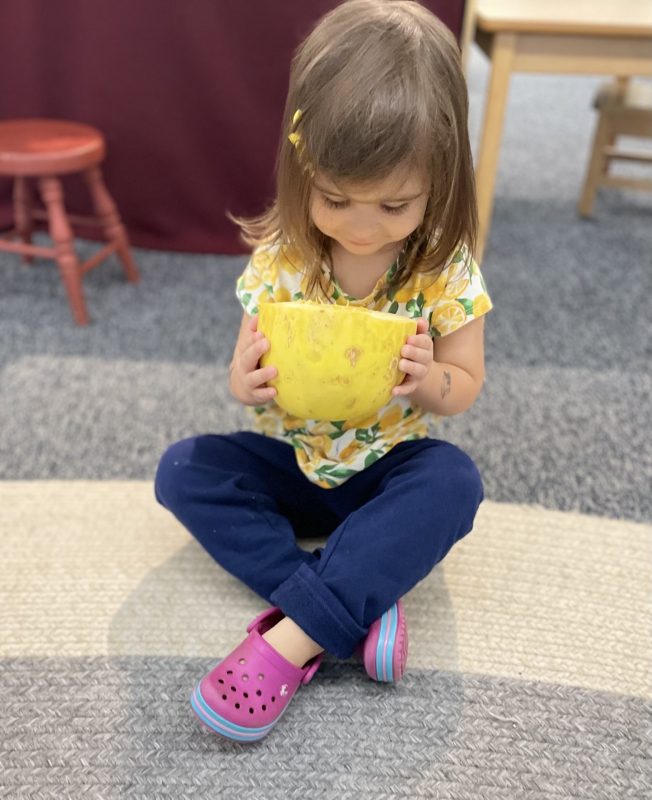
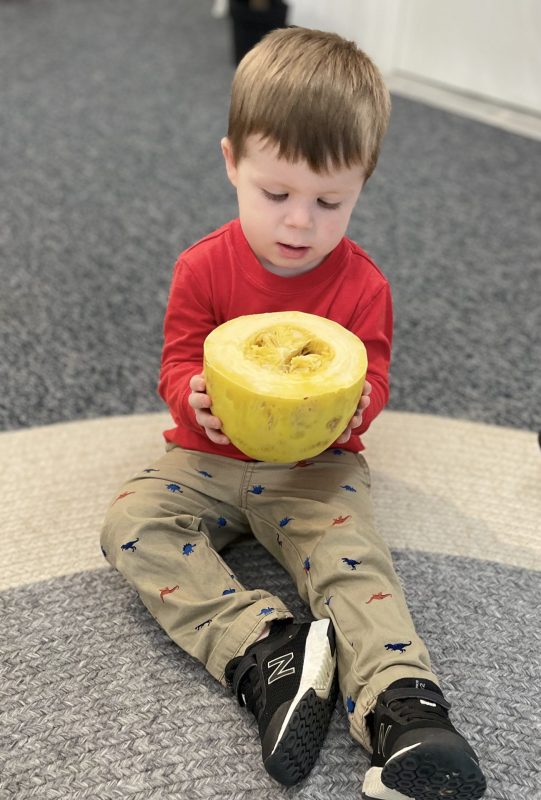
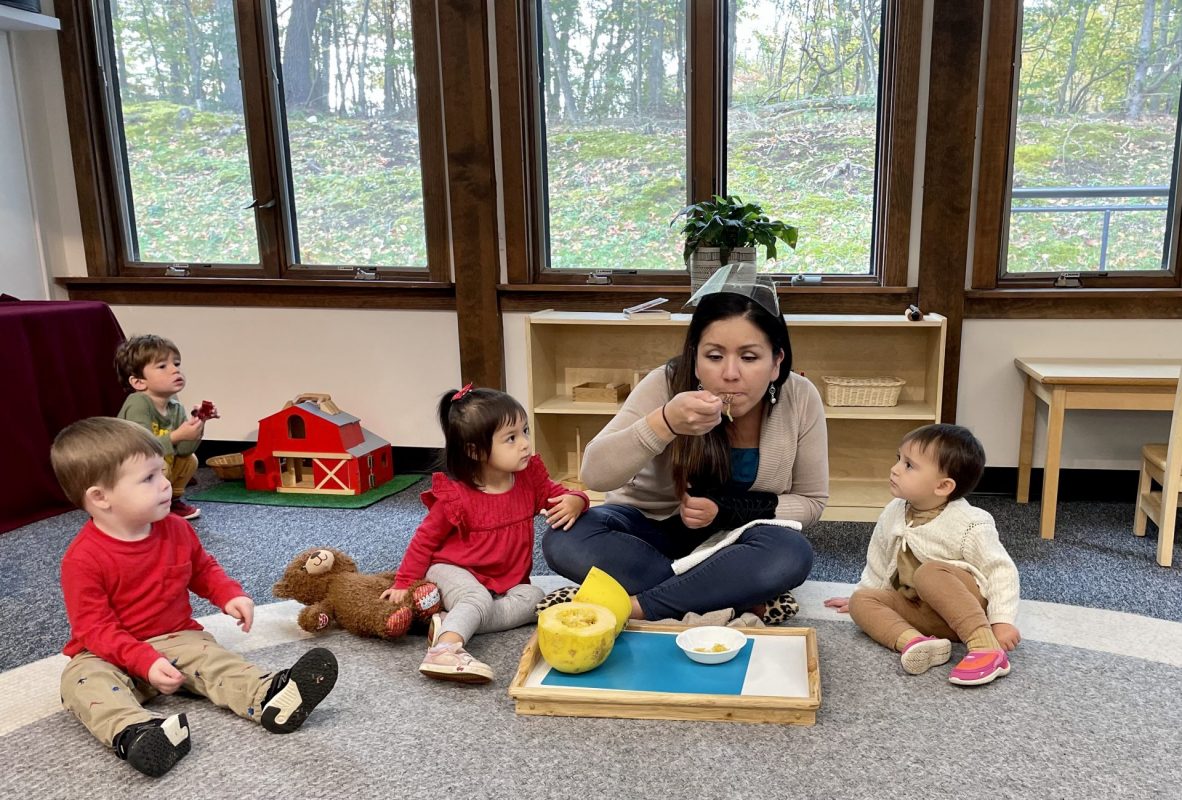
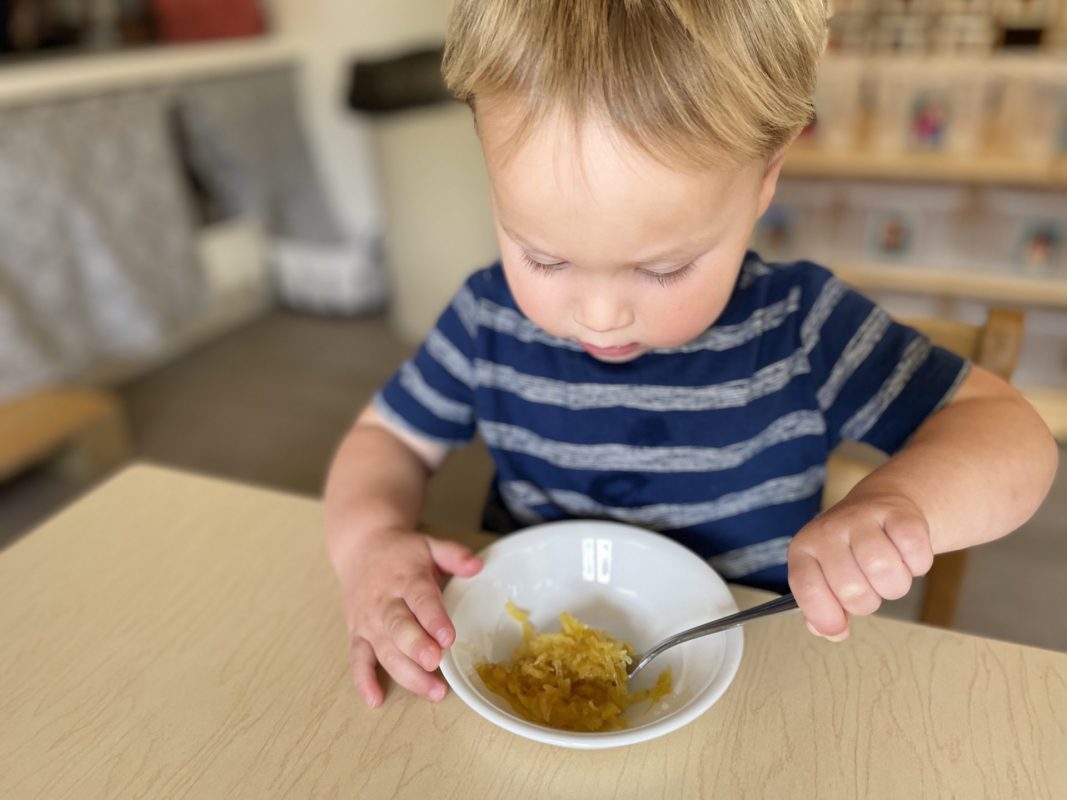
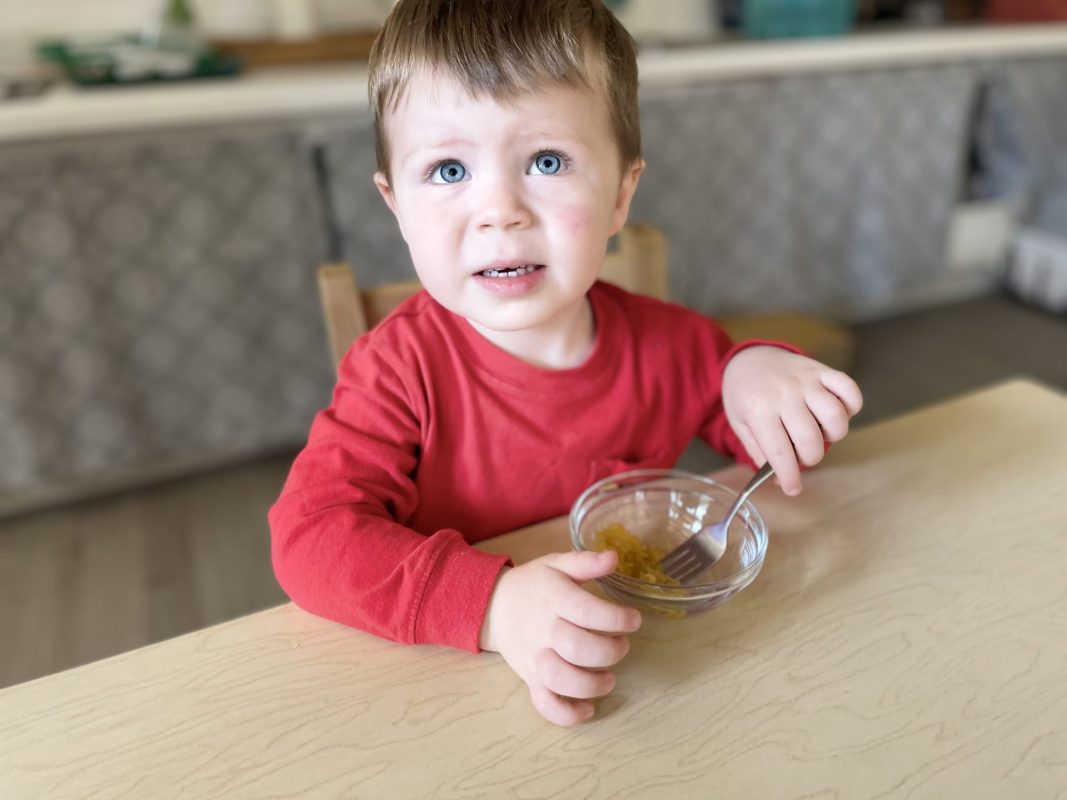
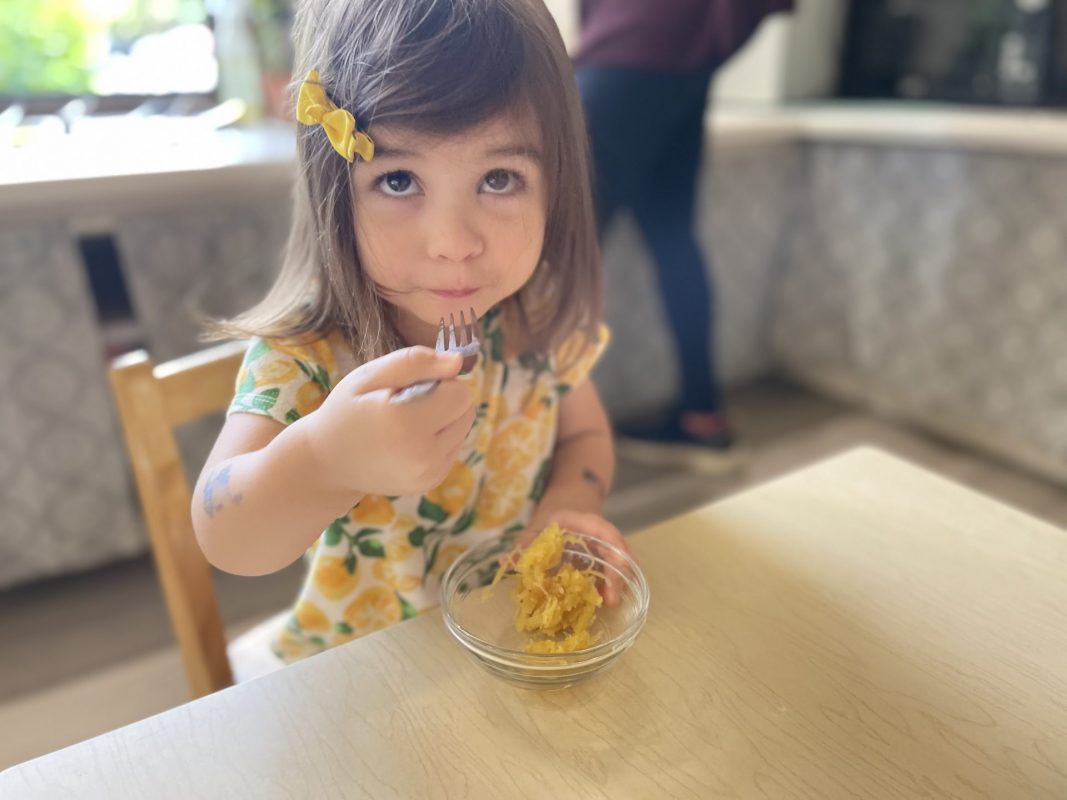
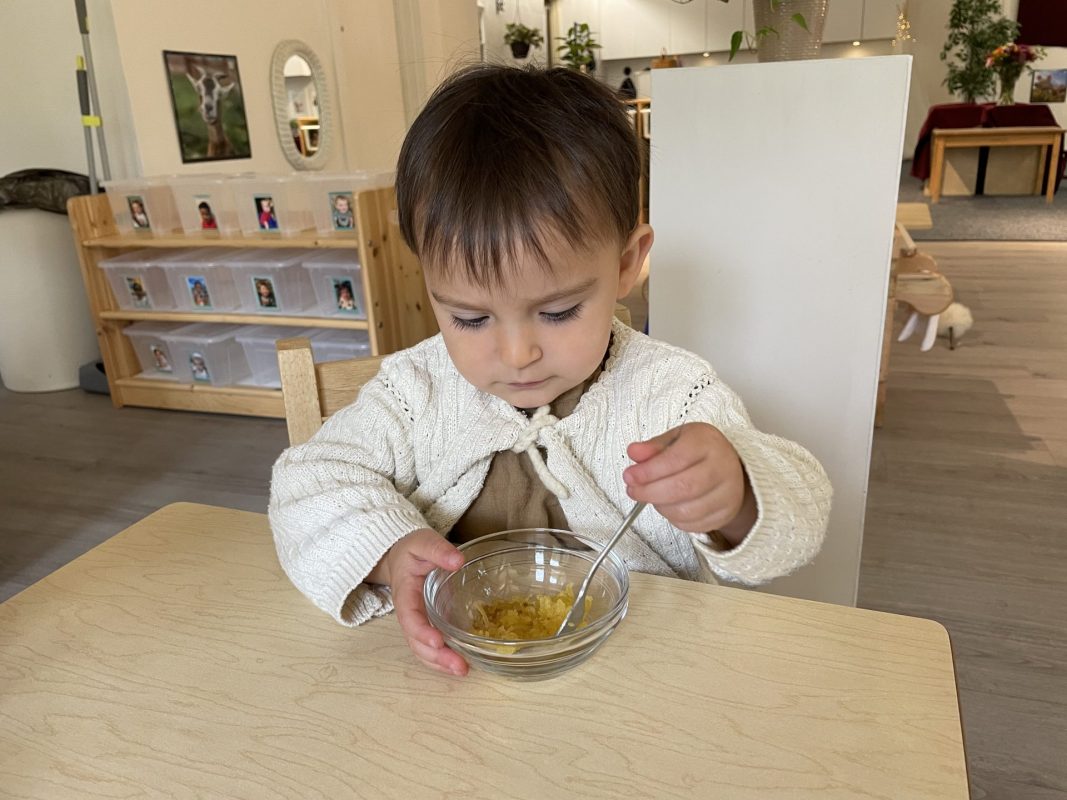
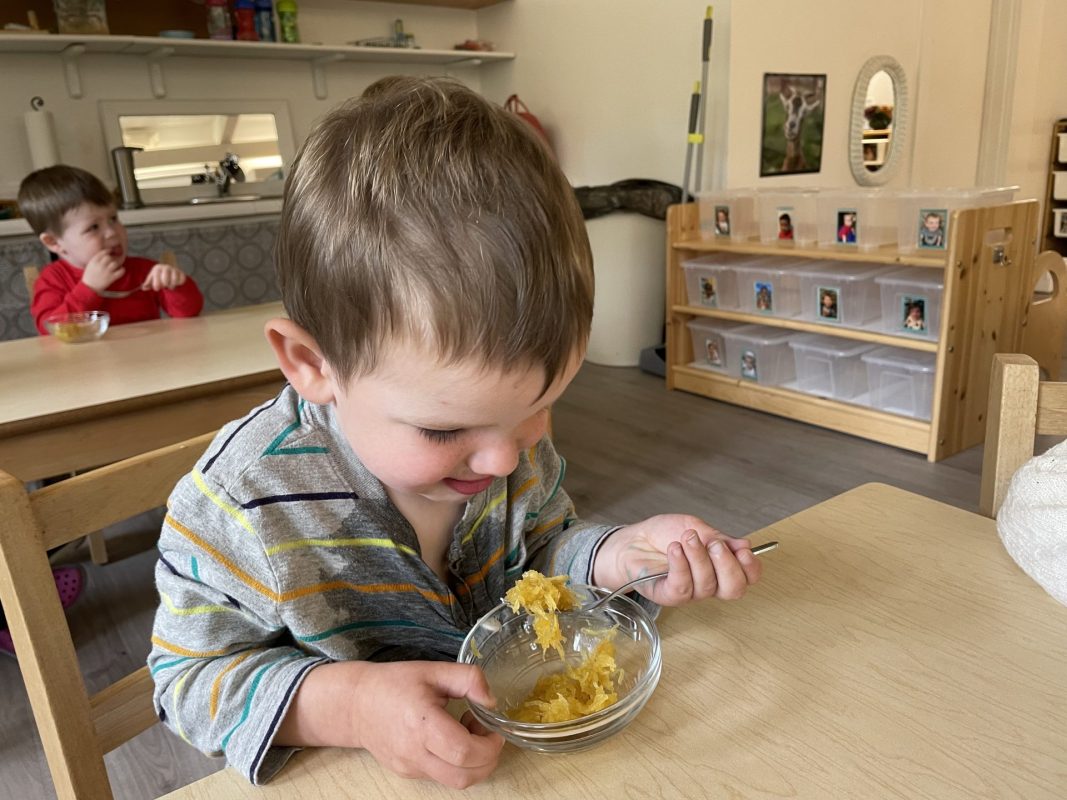
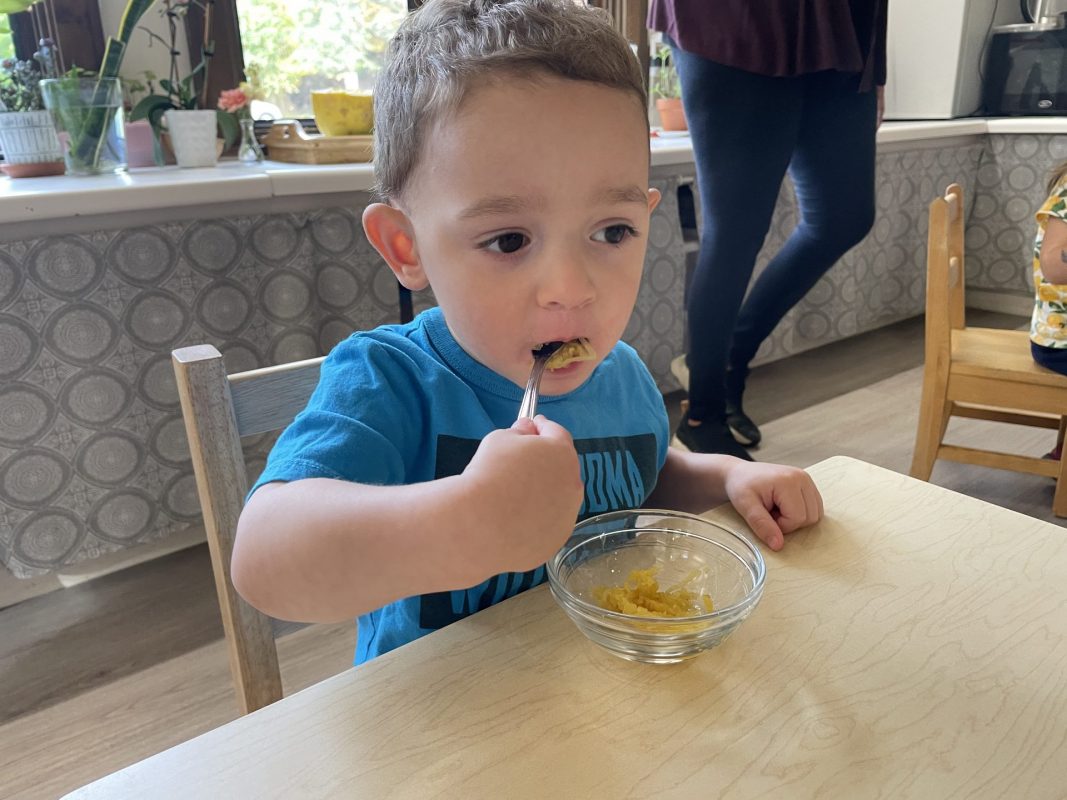
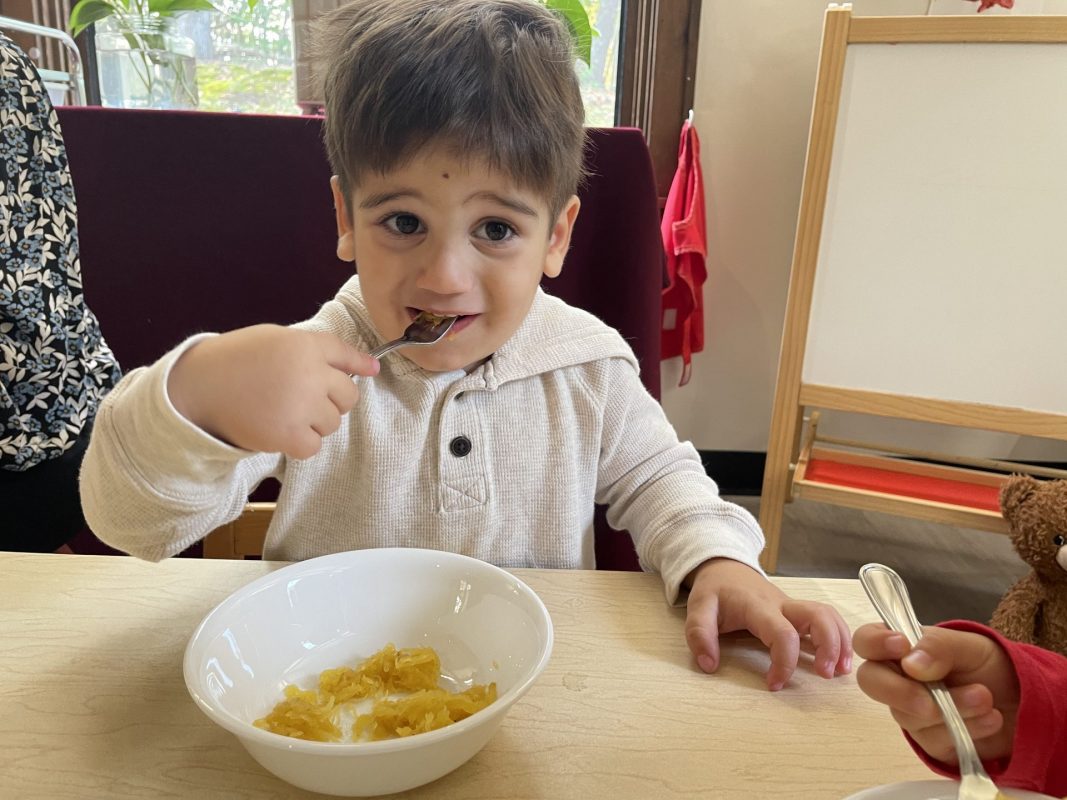
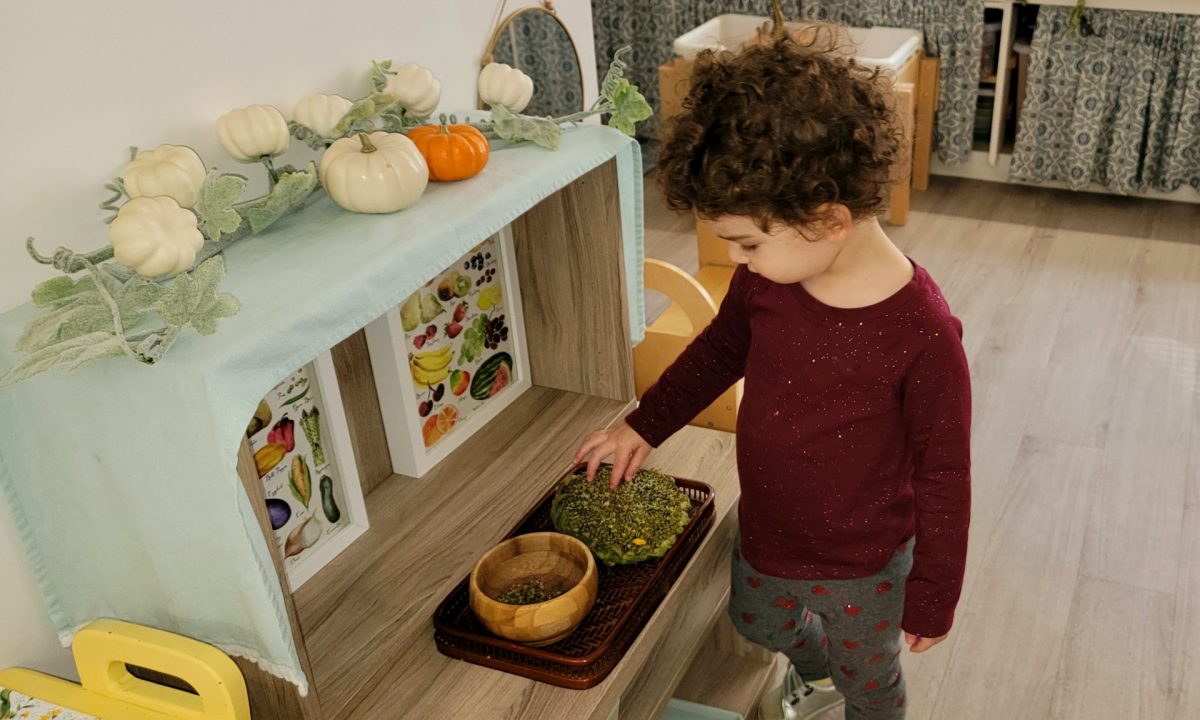
The children tasted spaghetti squash. This was a fun vegetable to taste, and was enjoyed by almost everyone. Even Mrs. Biba tasted the spaghetti squash for the first time. After tasting the squash (a few helpings for some) the children were welcomed to explore the squash, seeds, and skin inside our sensory bin.

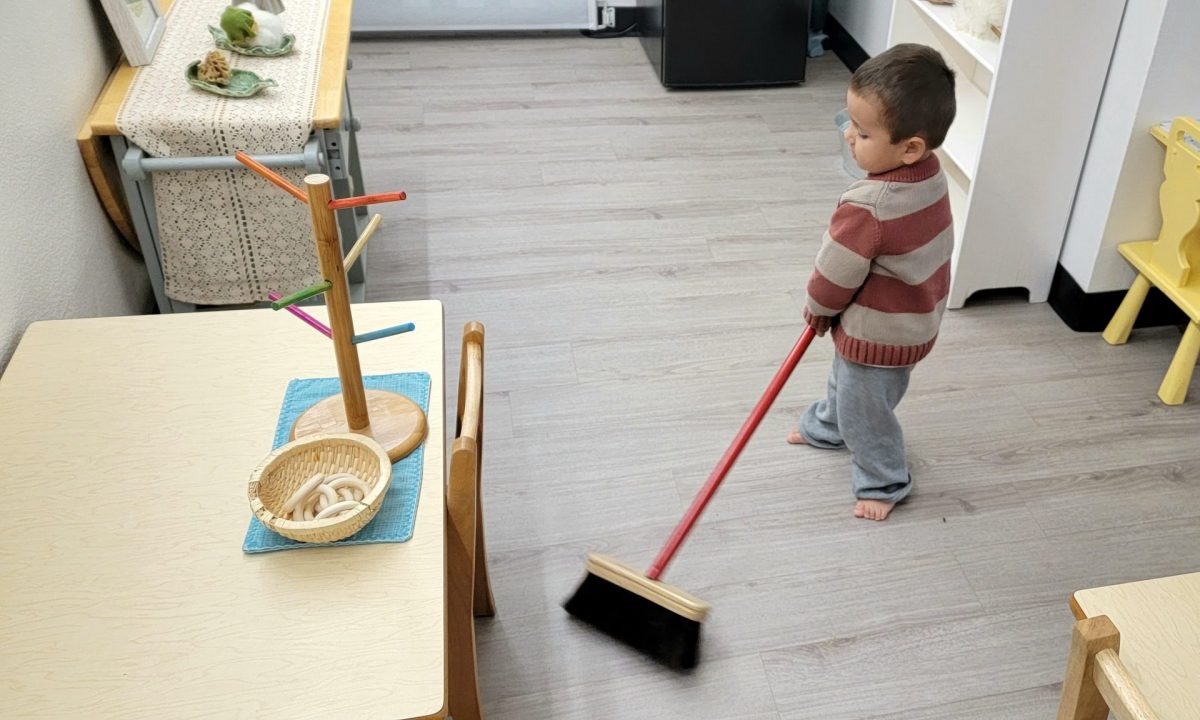
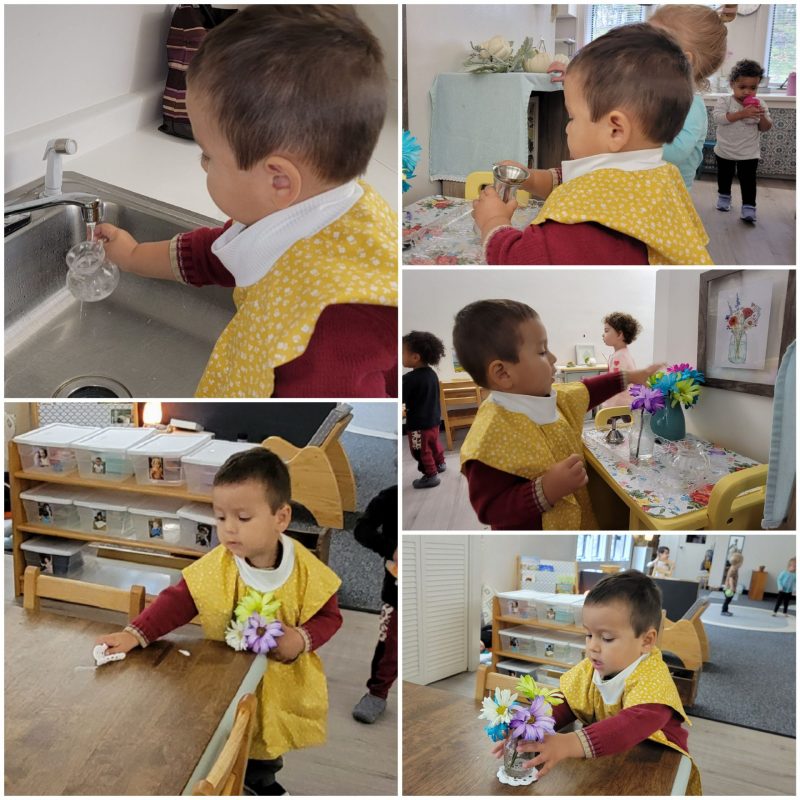
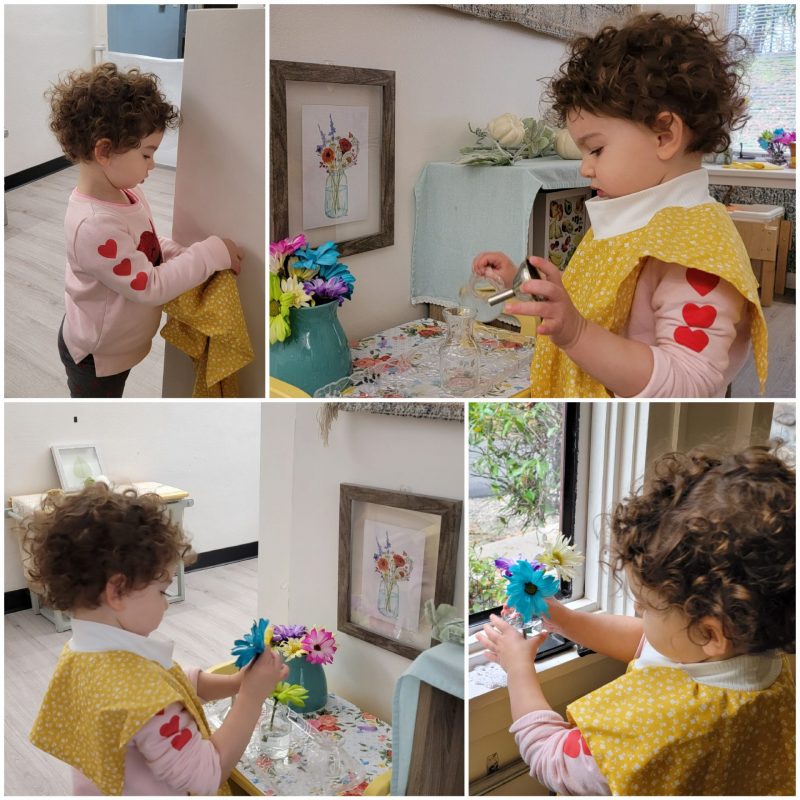
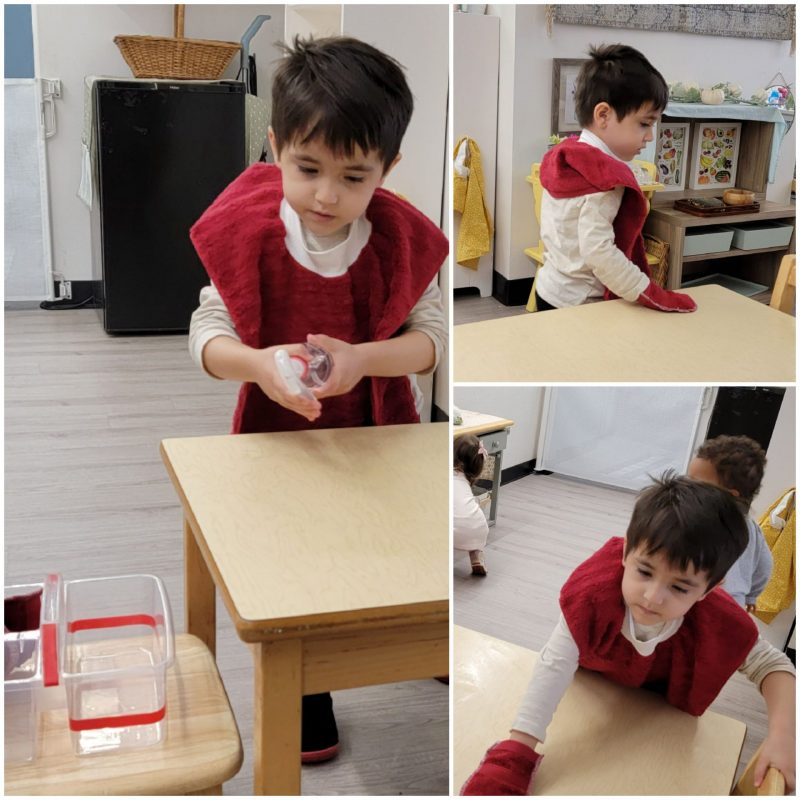
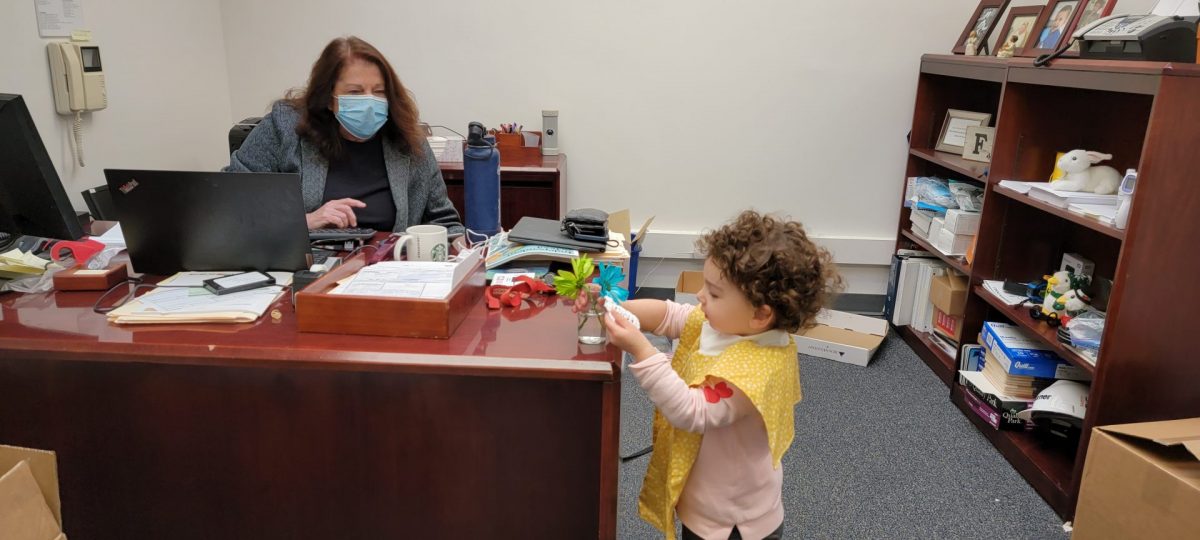
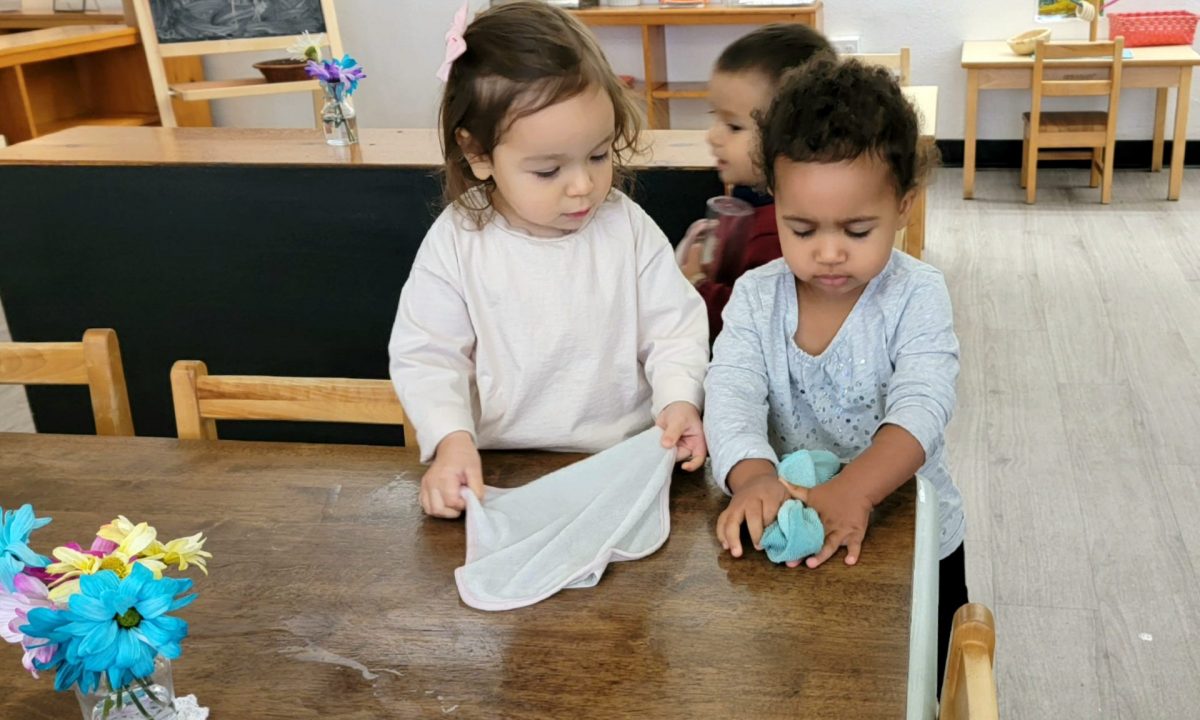
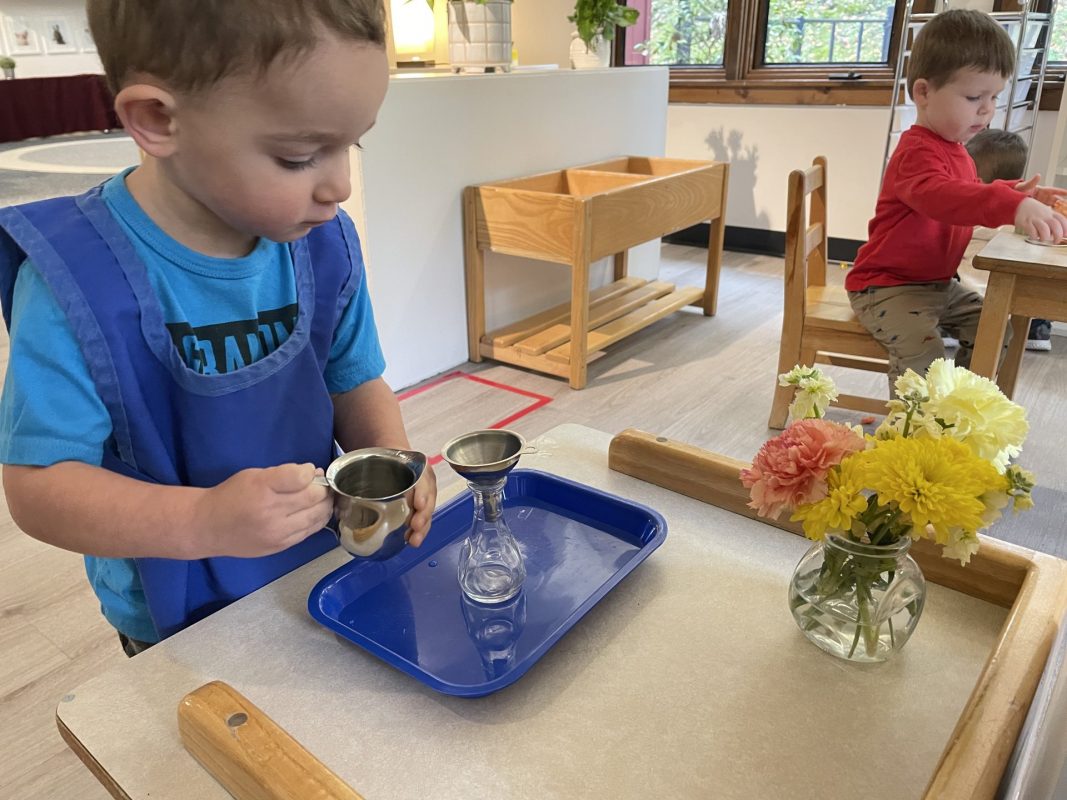
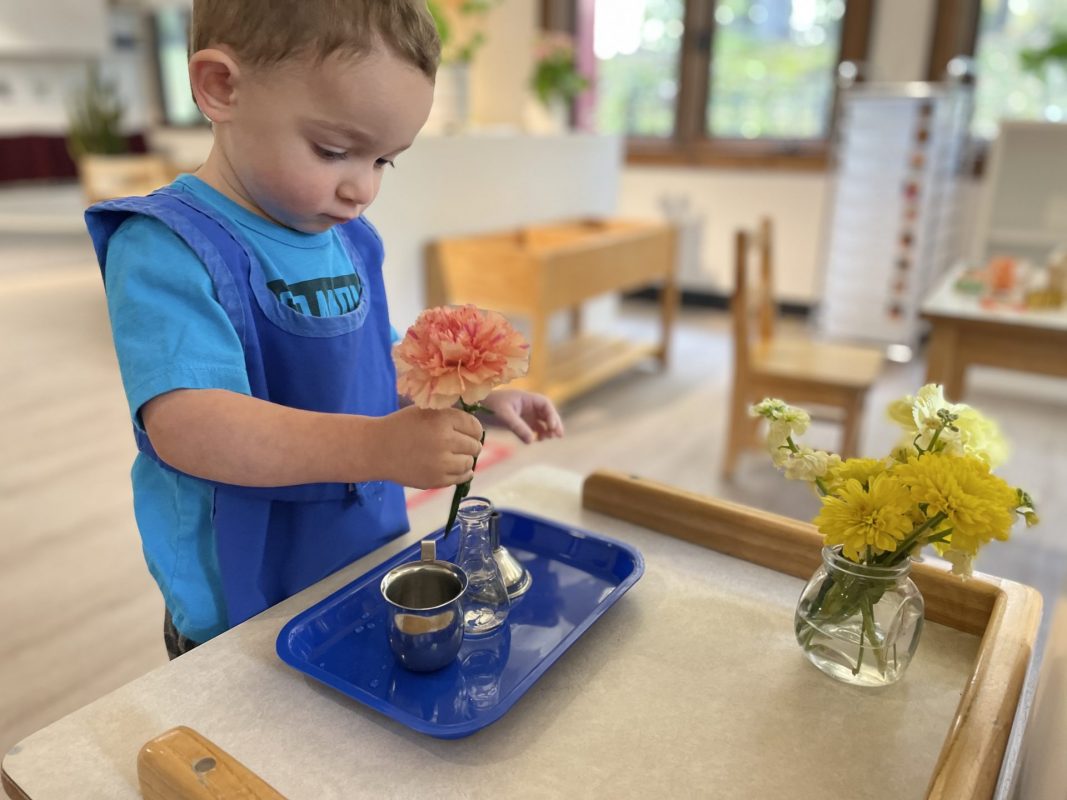
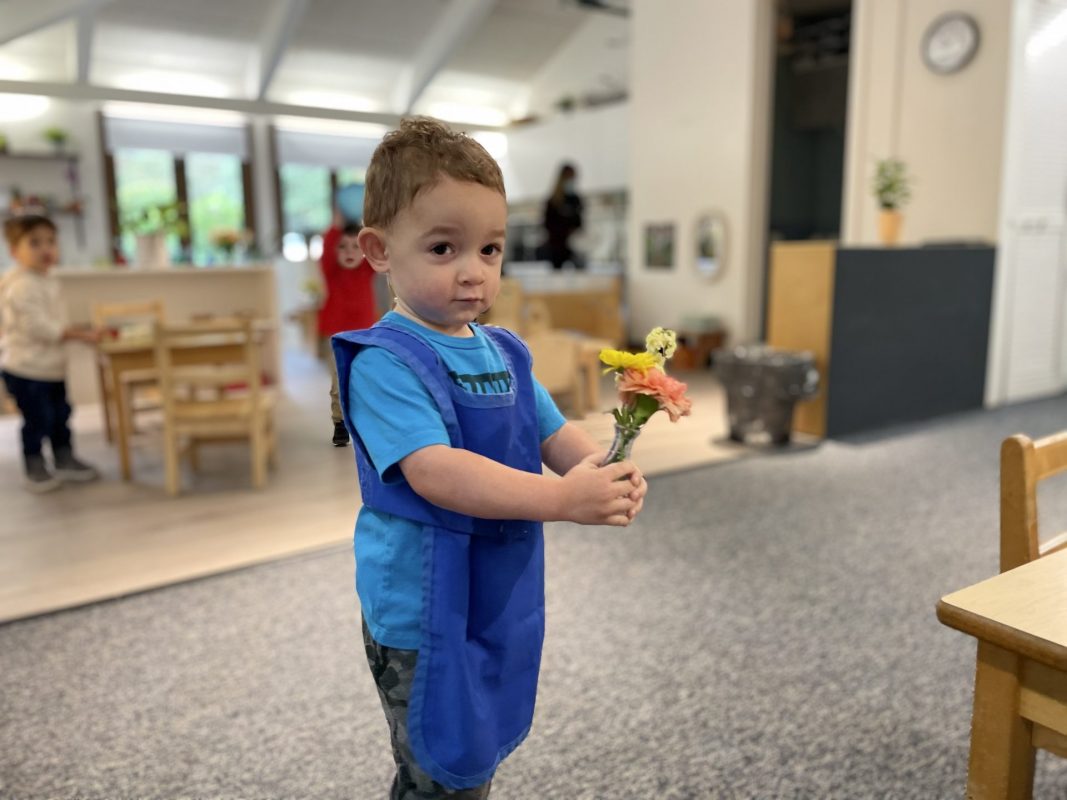
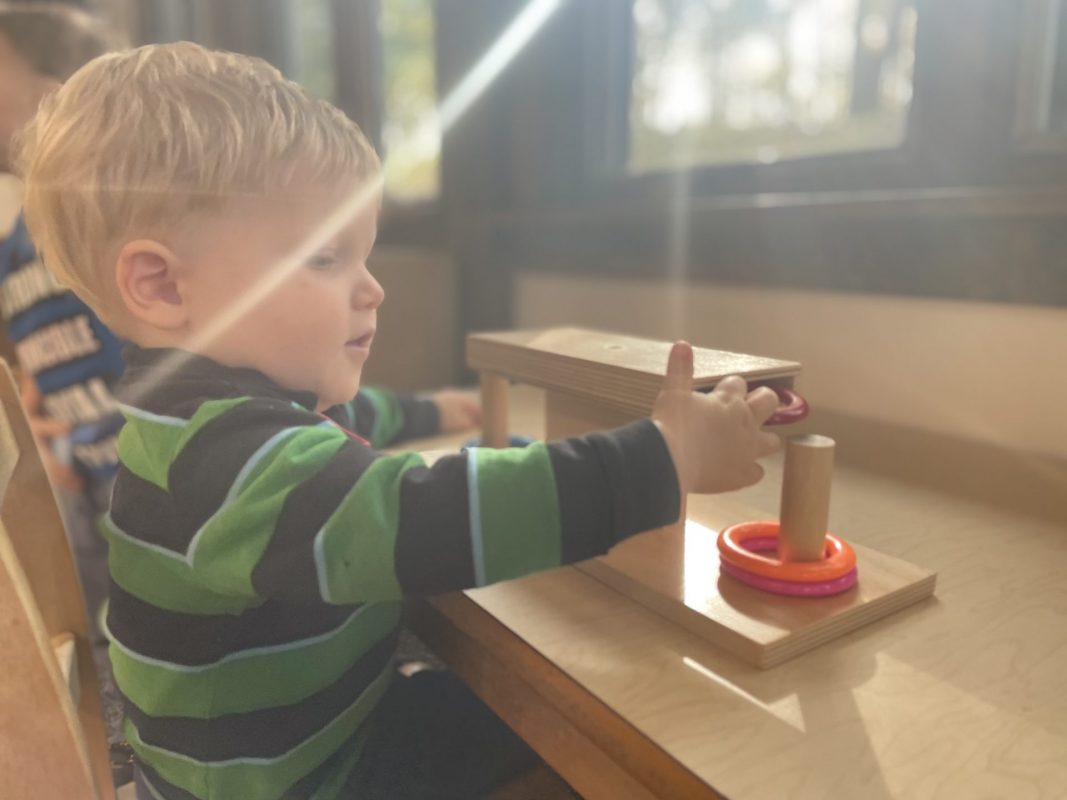
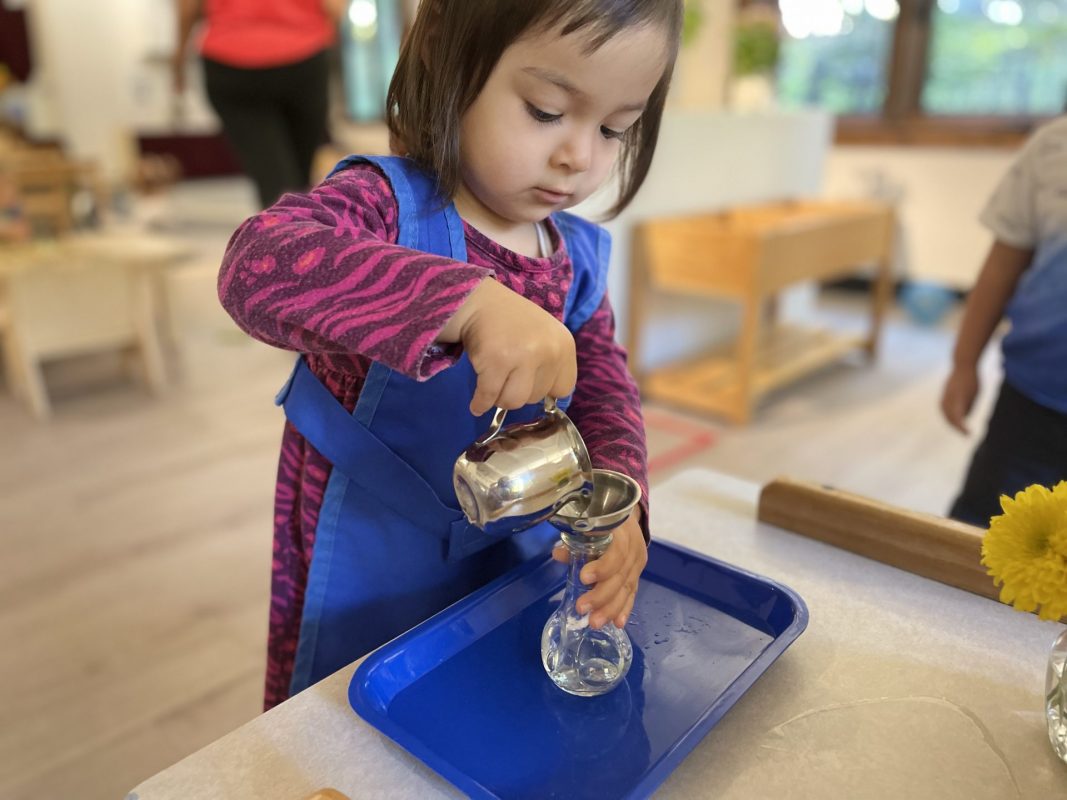
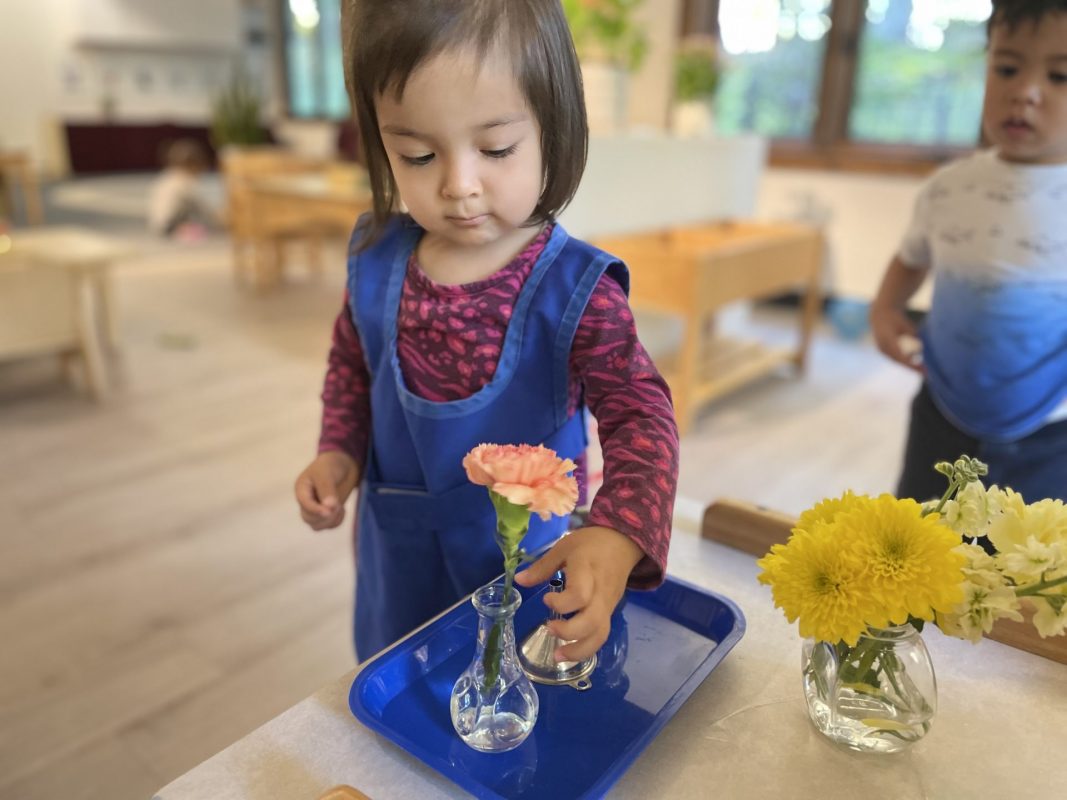
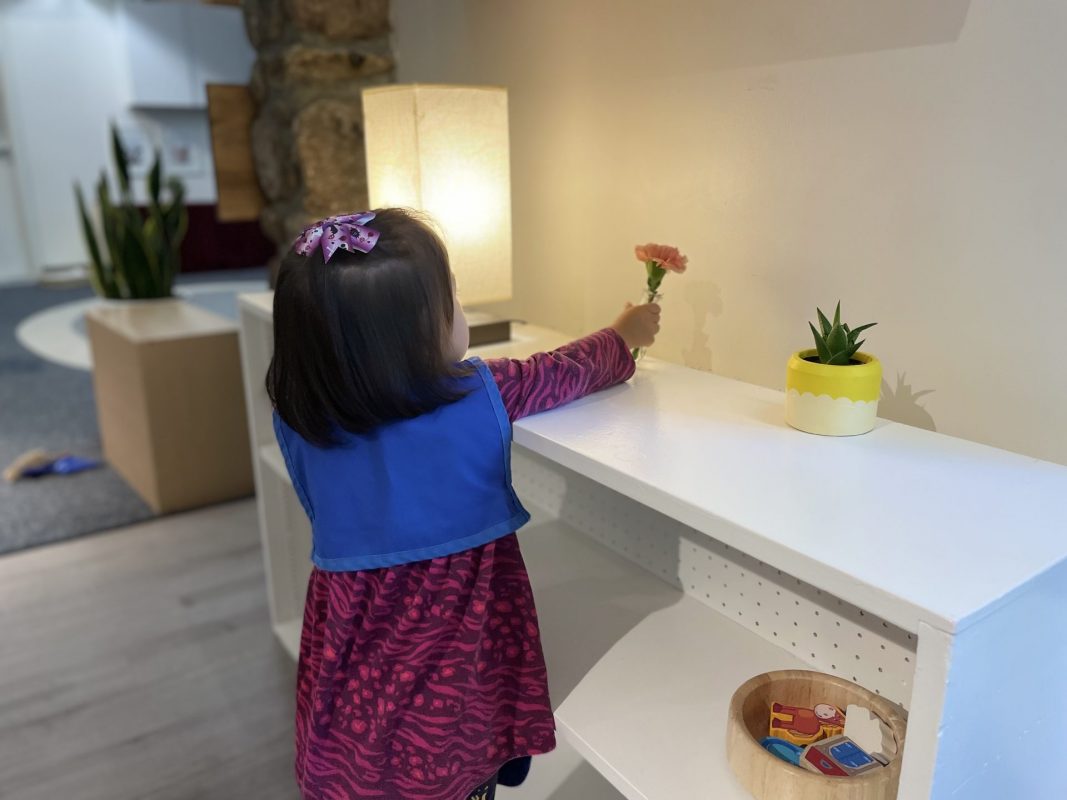
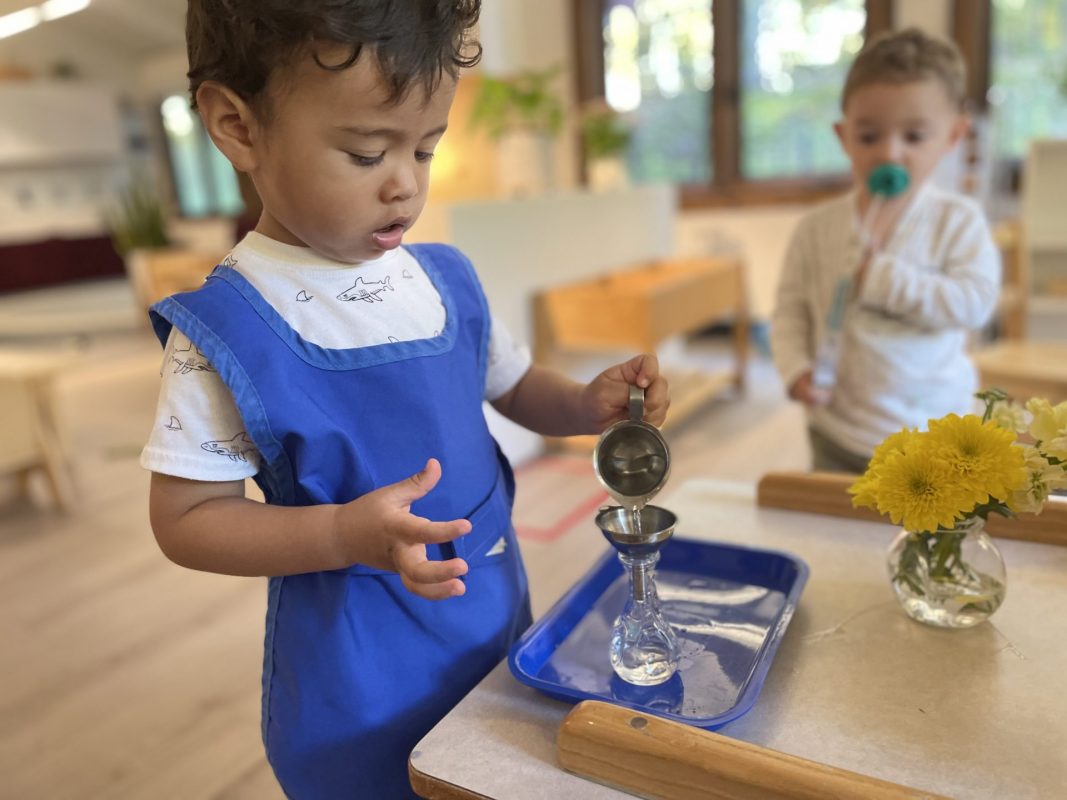
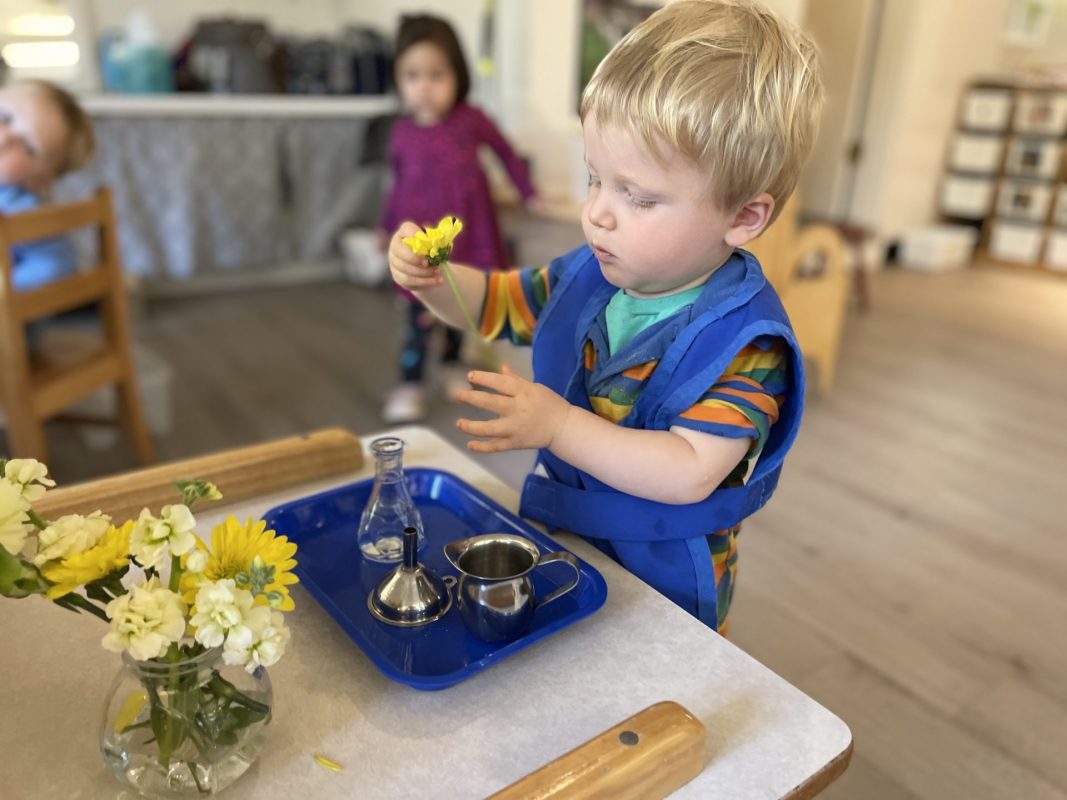
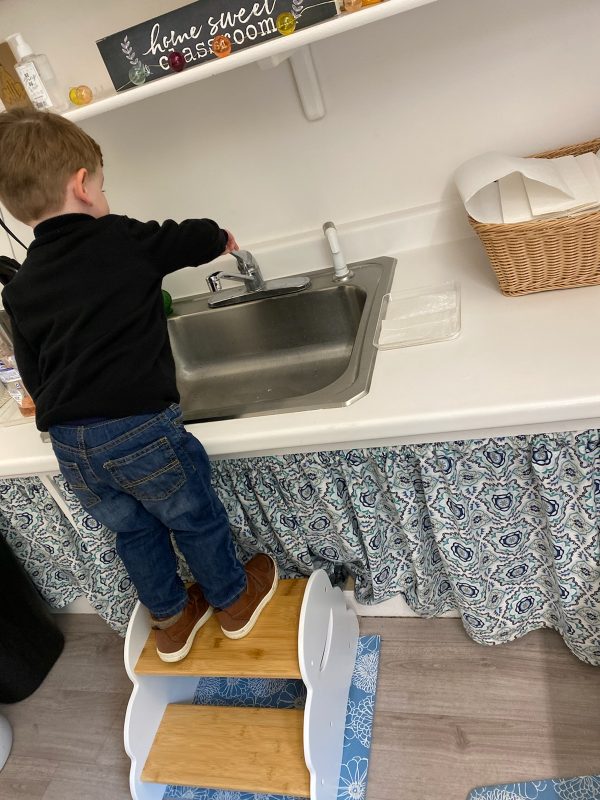
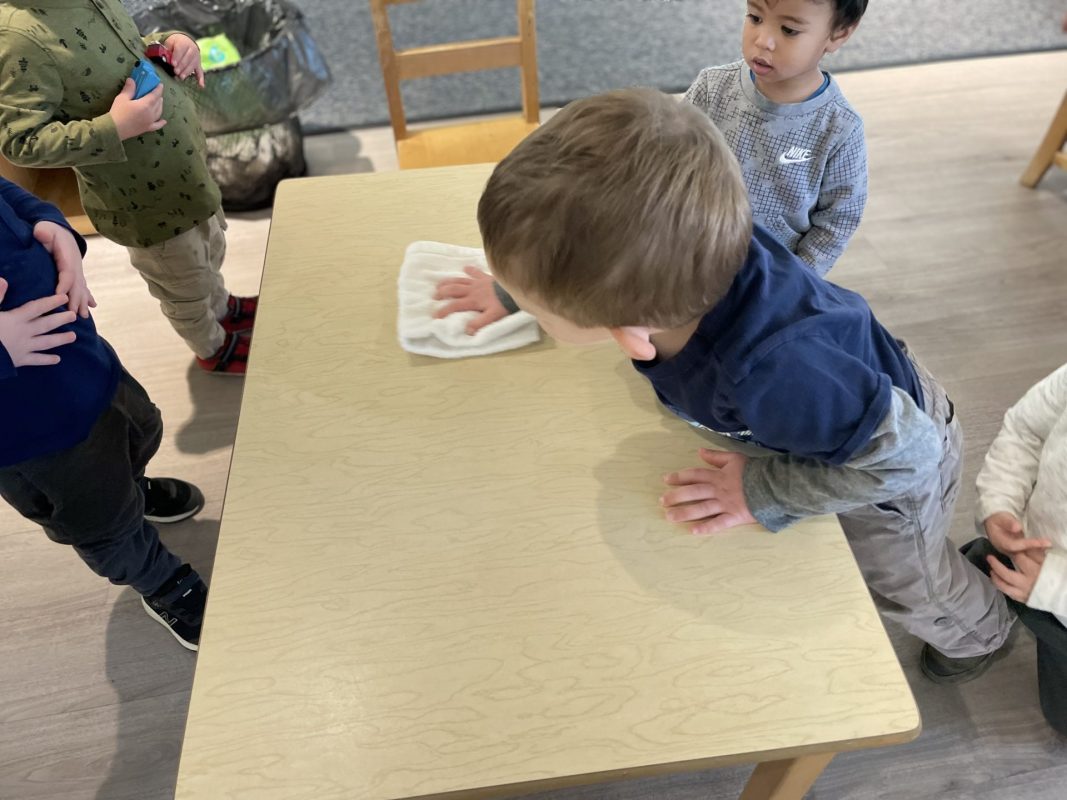
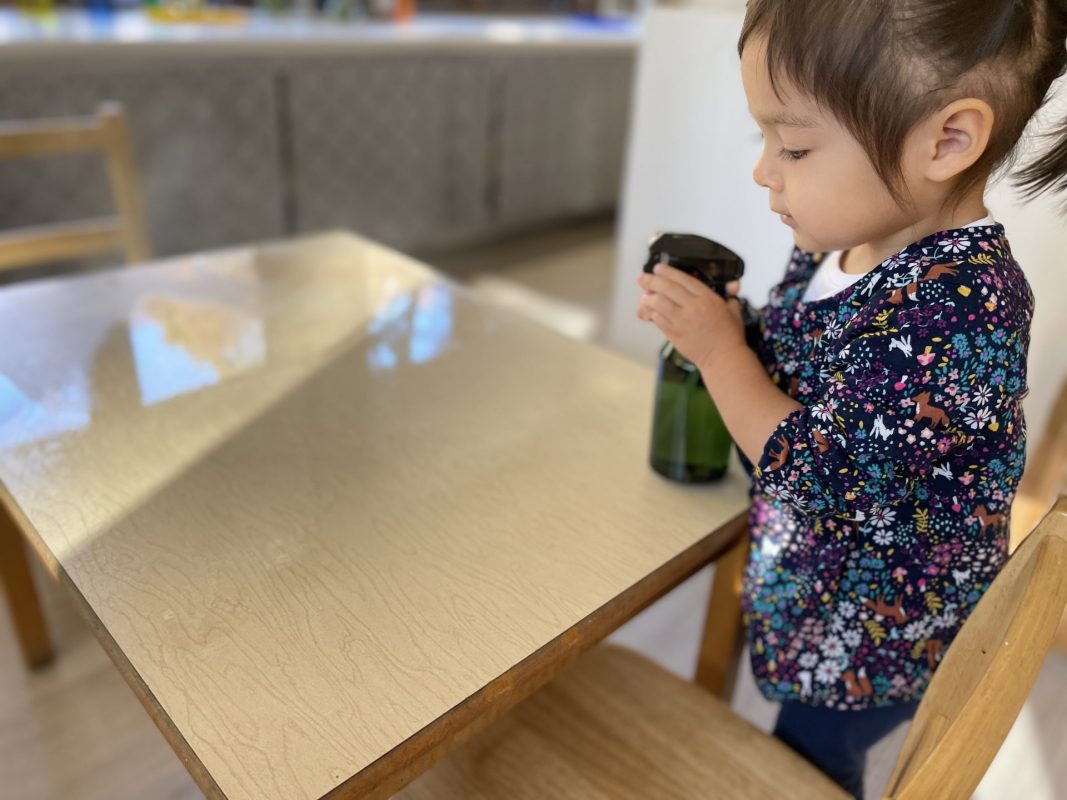
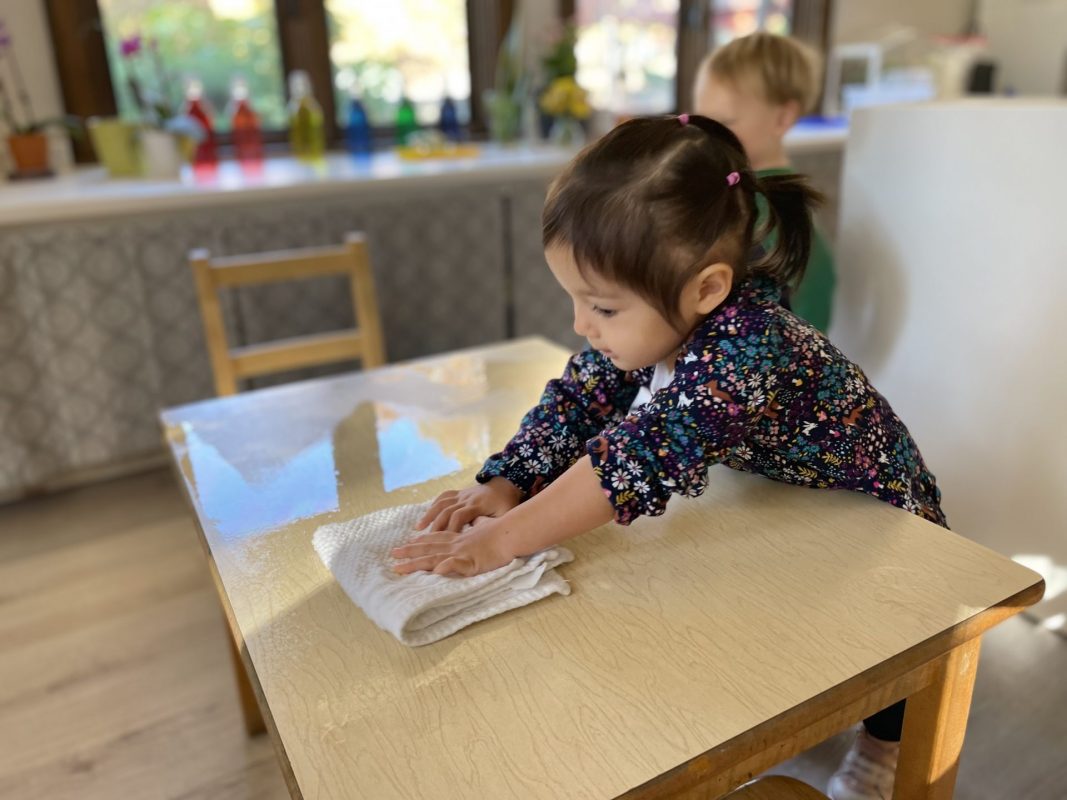
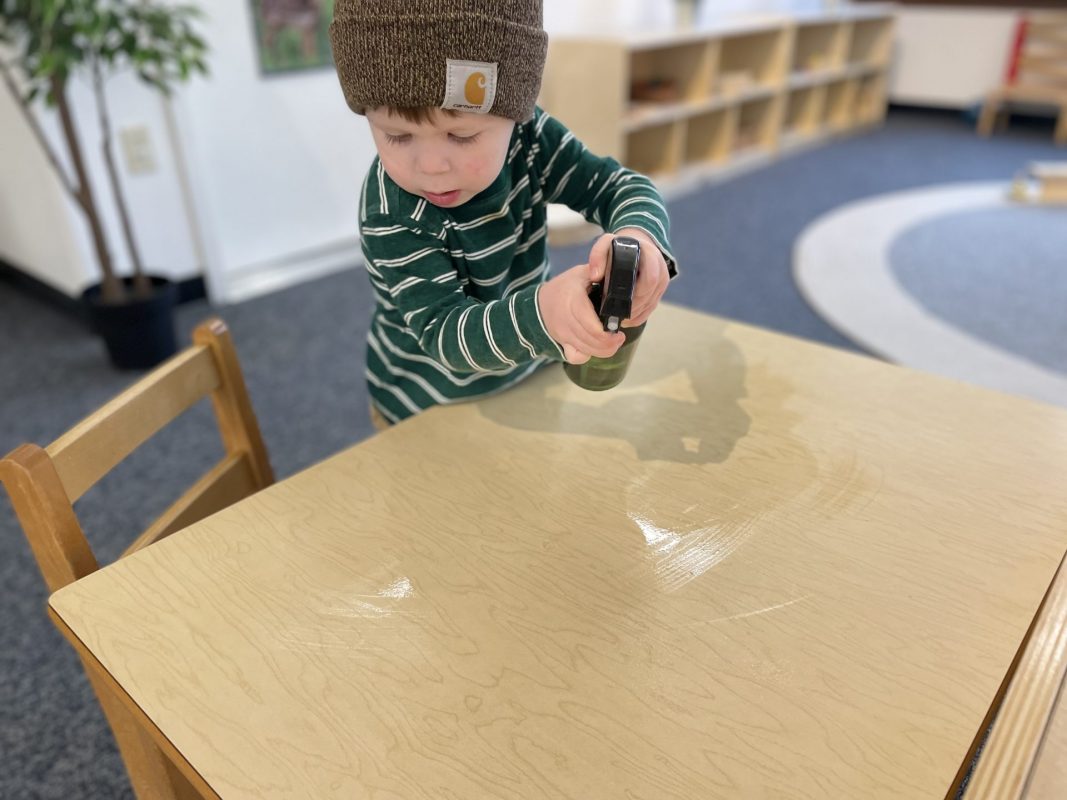
Practical Life is the heart of our classroom. The children learn so much by participating in these activities. They learn that they are part of this community and environment. They learn to respect the environment as well as each other simply by helping to take care of it. The color-coding of the materials gives them the idea of organization, while the sequence of the activity helps them have a sense of order. These two attributes help develop the children’s executive functioning skills. Who knew wiping a table or making a flower arrangement had so many valuable lessons?


Mrs. Hood: Band Time!

Maria Montessori used the scientific method to study children’s natural learning processes. She found that the child absorbs the culture they are in effortlessly and without fatigue between the ages of birth – six. Whatever the child is exposed to is internalized by the child and accepted into the child’s own being, imprinted on their soul. If a child is surrounded with music, the child will be a musical person. If a child hears their parents singing, the child will sing. If a child sees their parents dancing, the child will dance.

She called this the child’s “Absorbent Mind.”

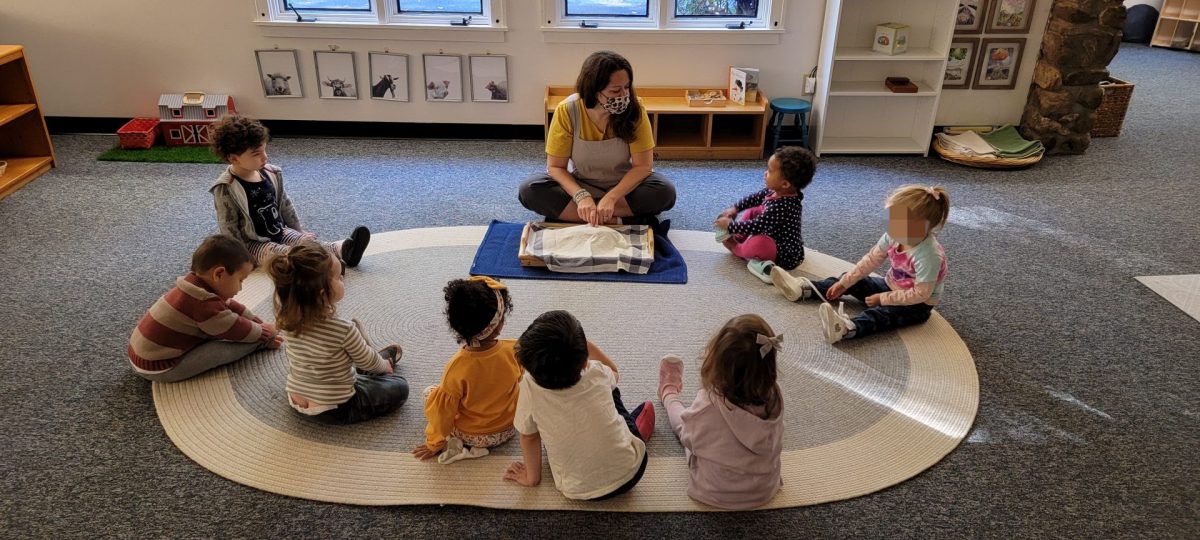
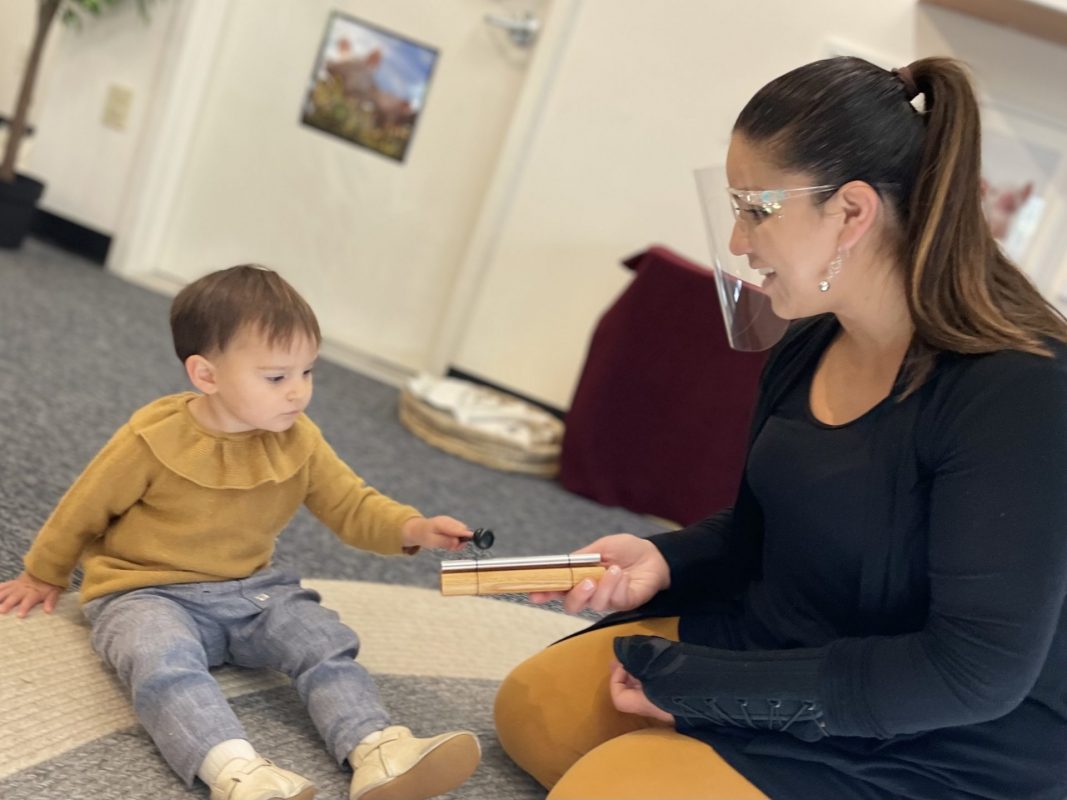
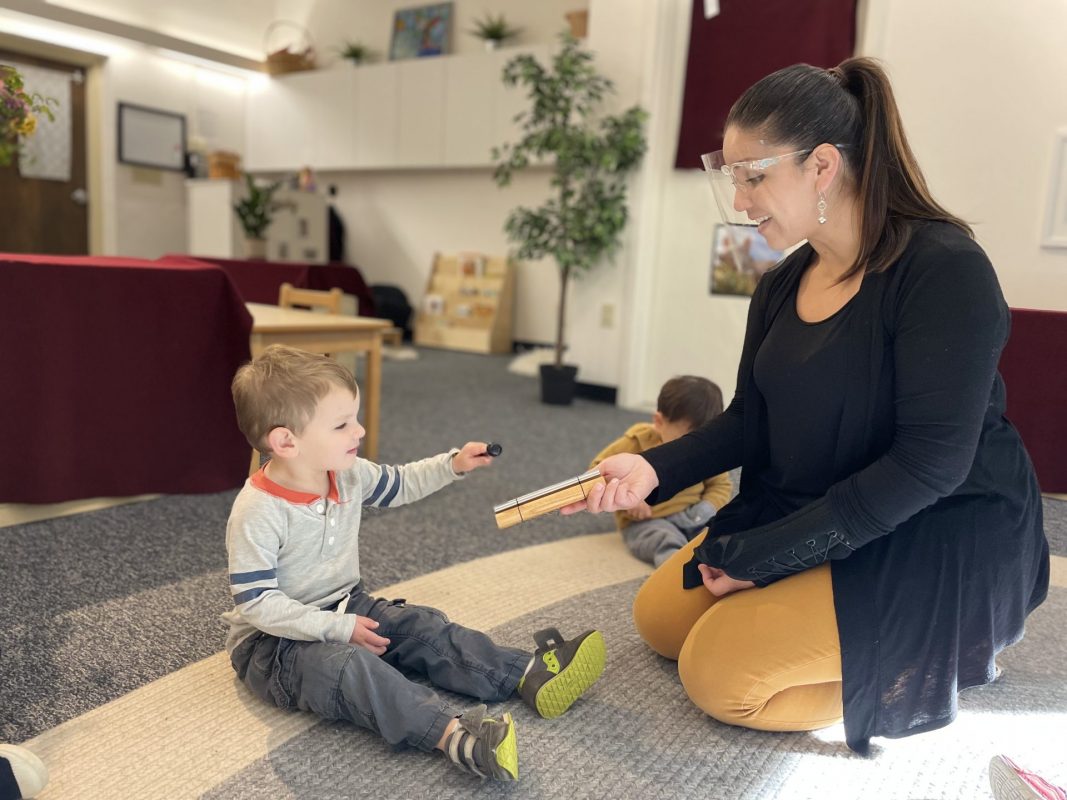
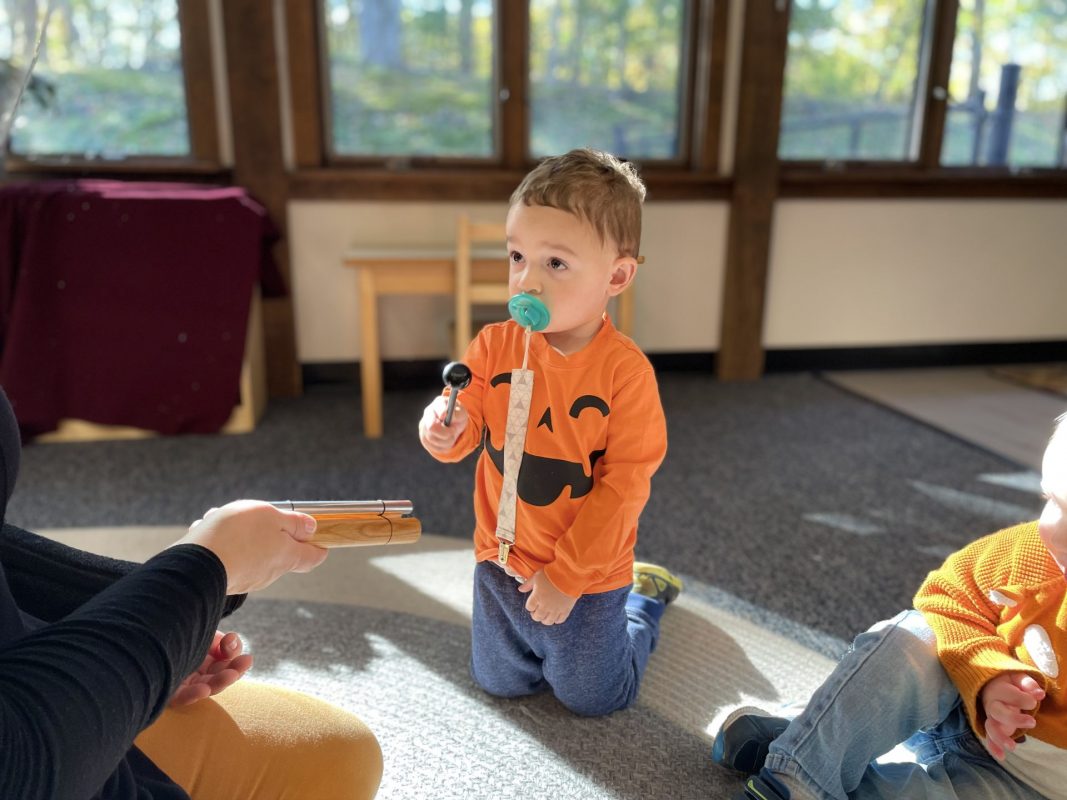
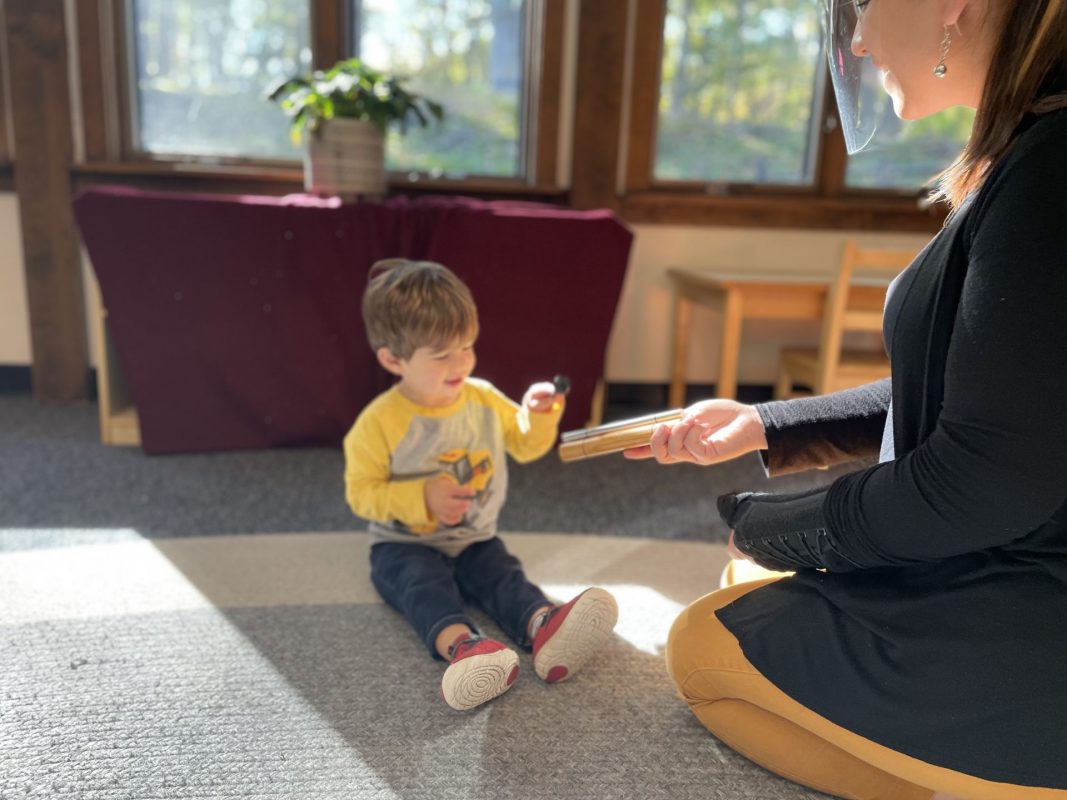
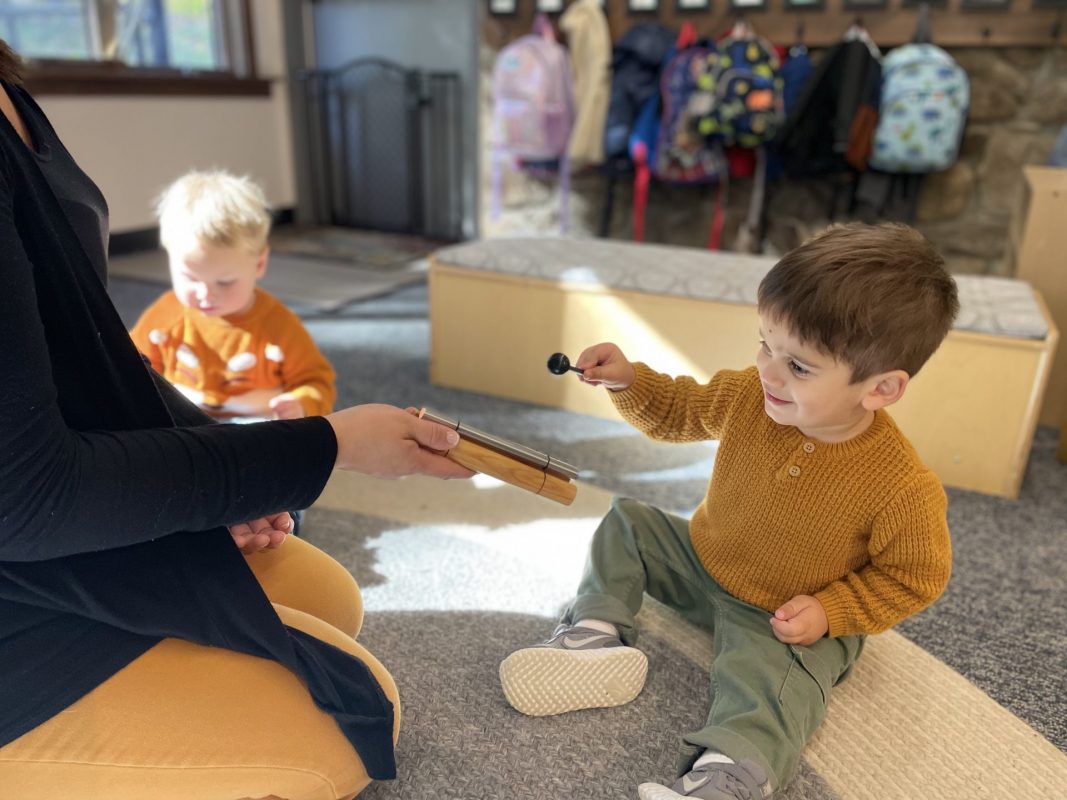
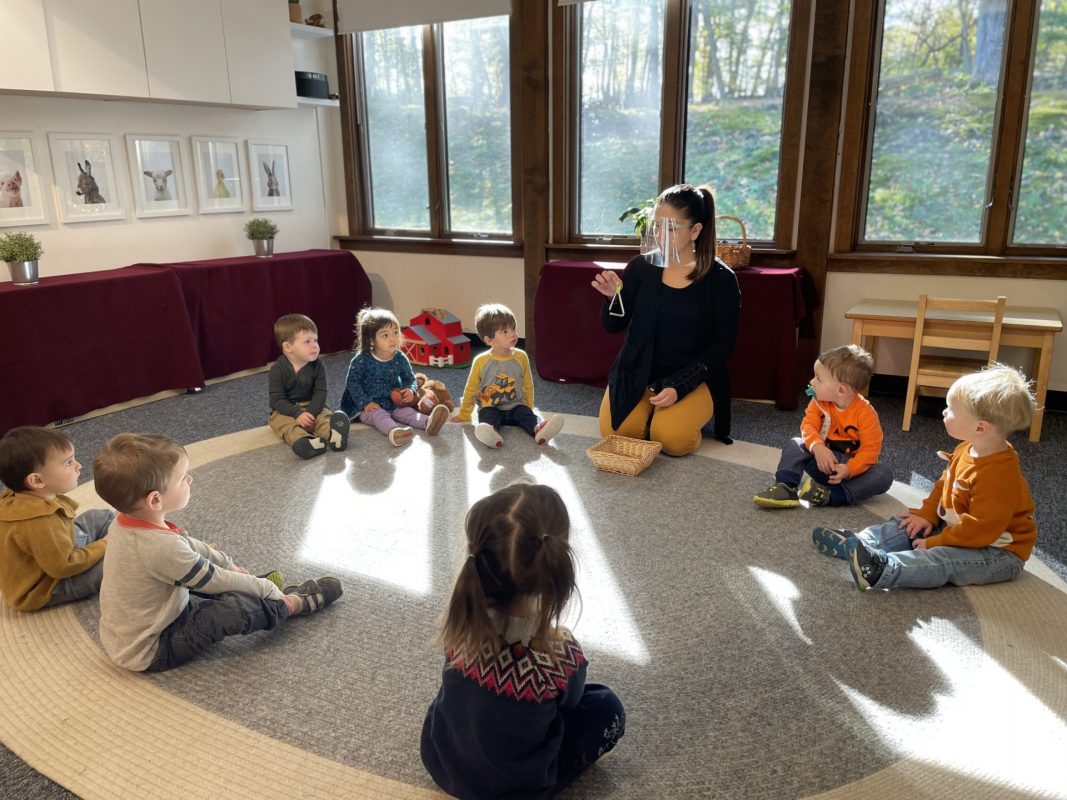
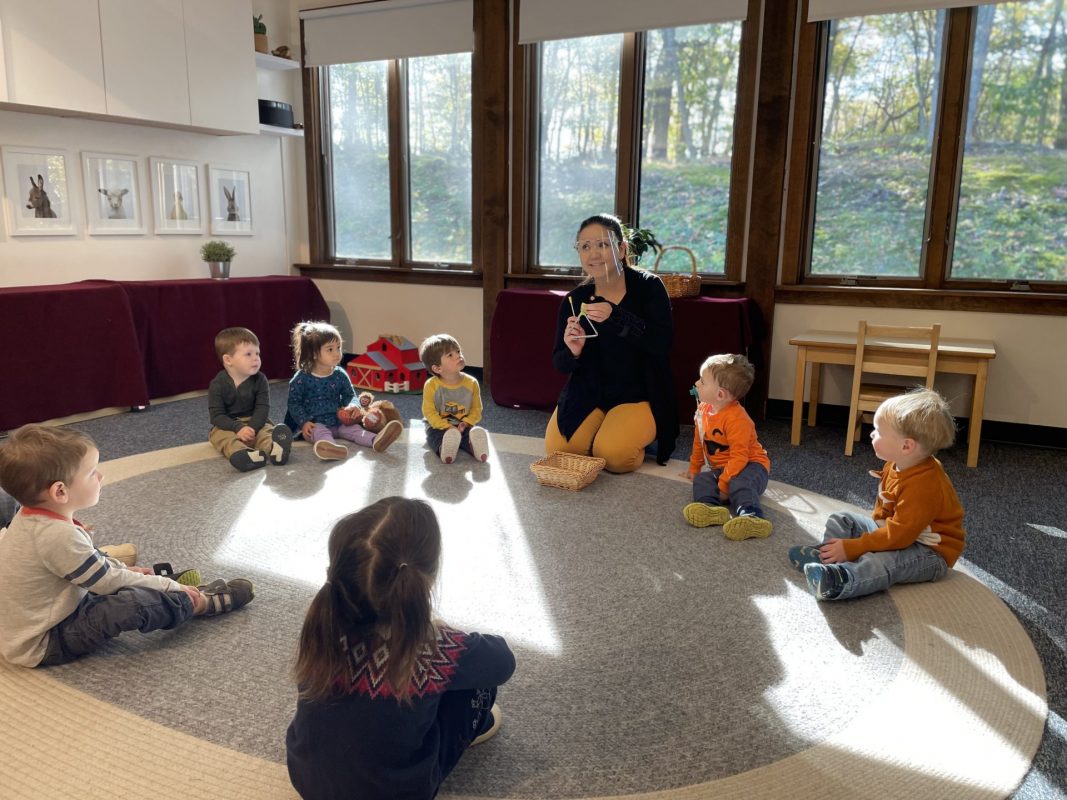
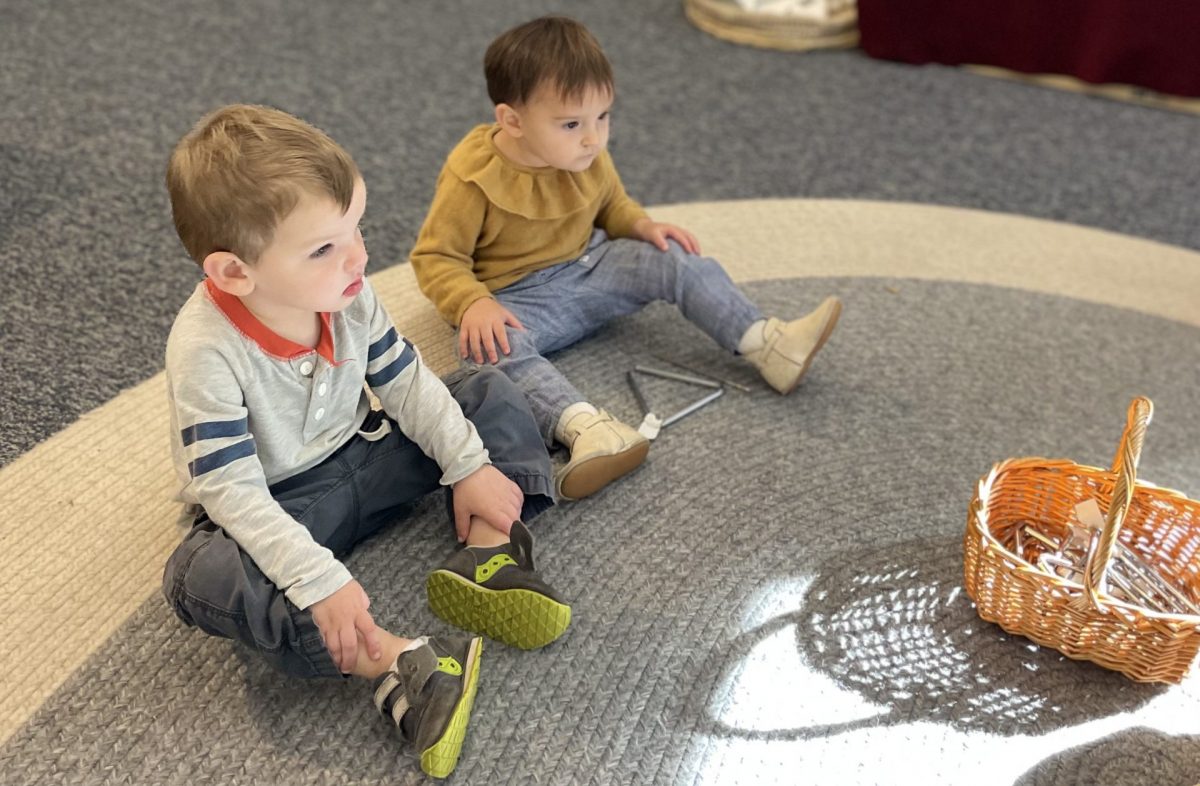
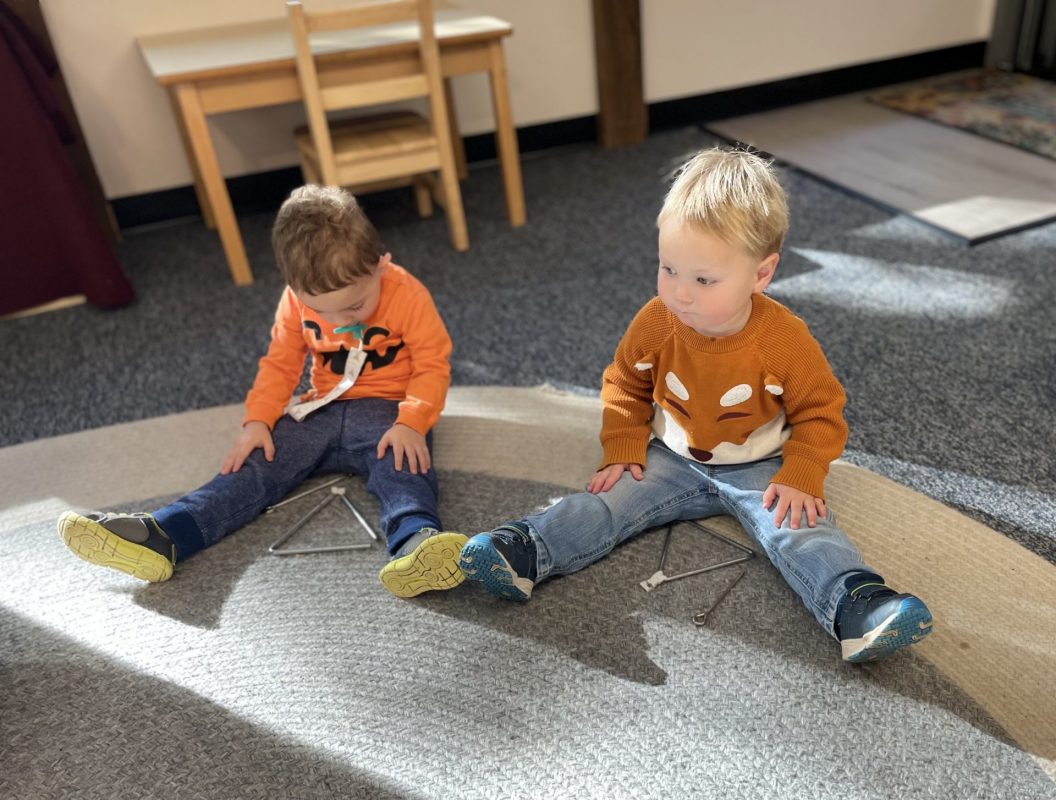
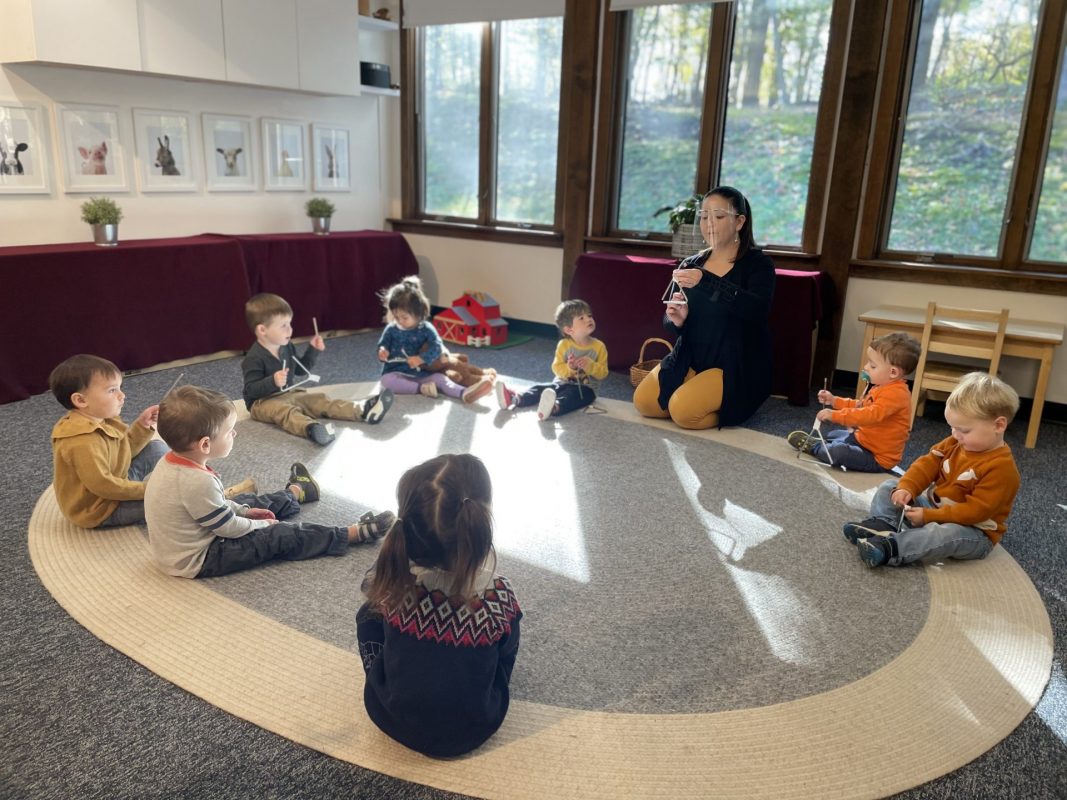
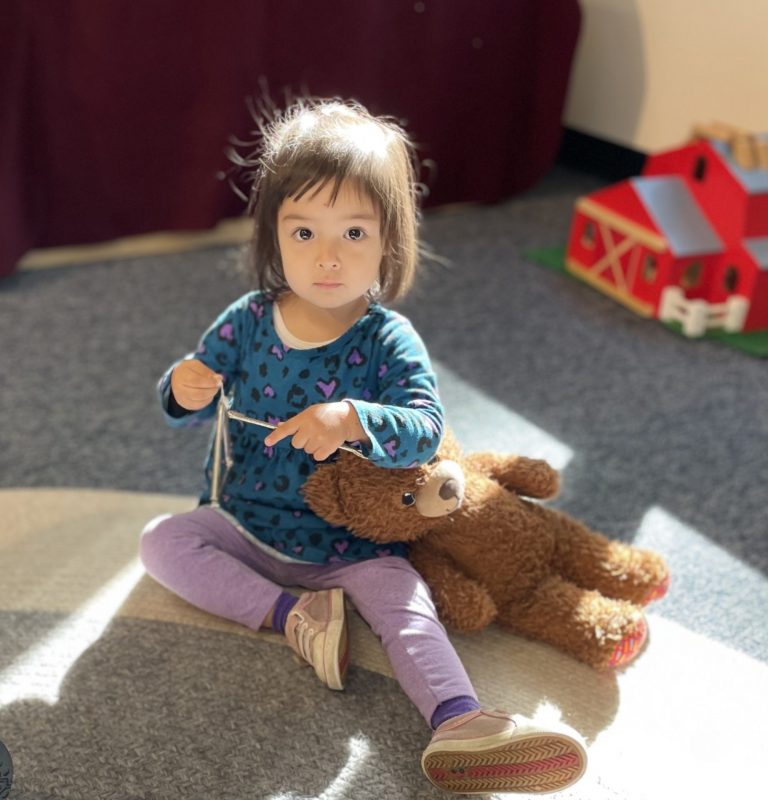
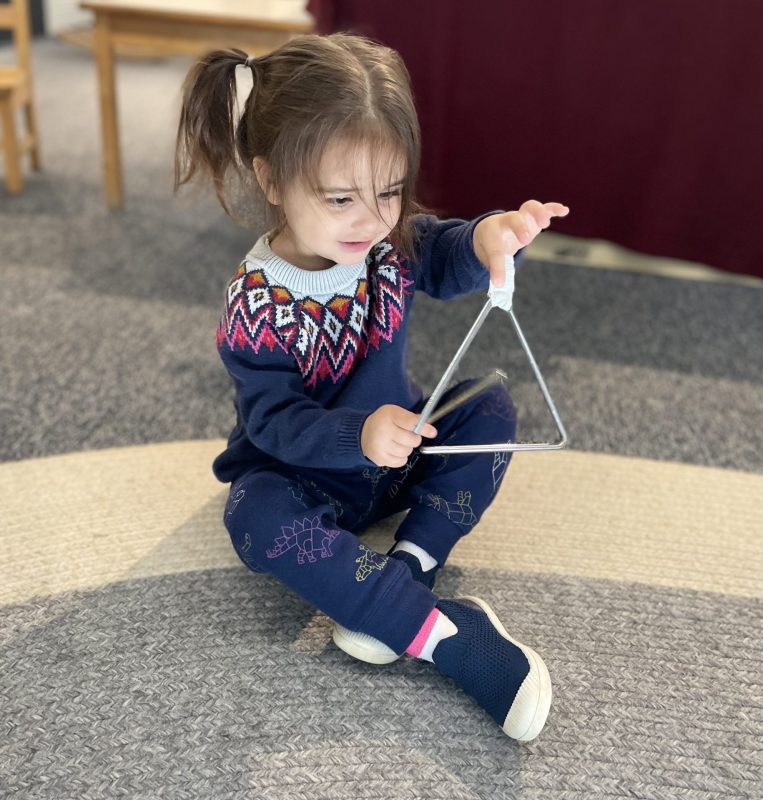
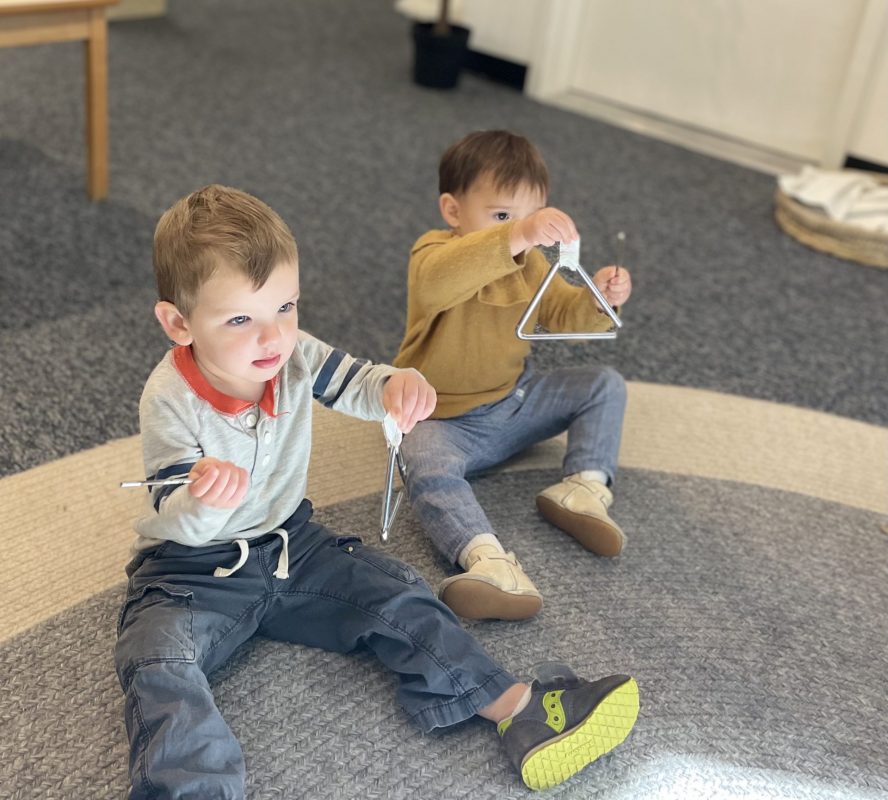
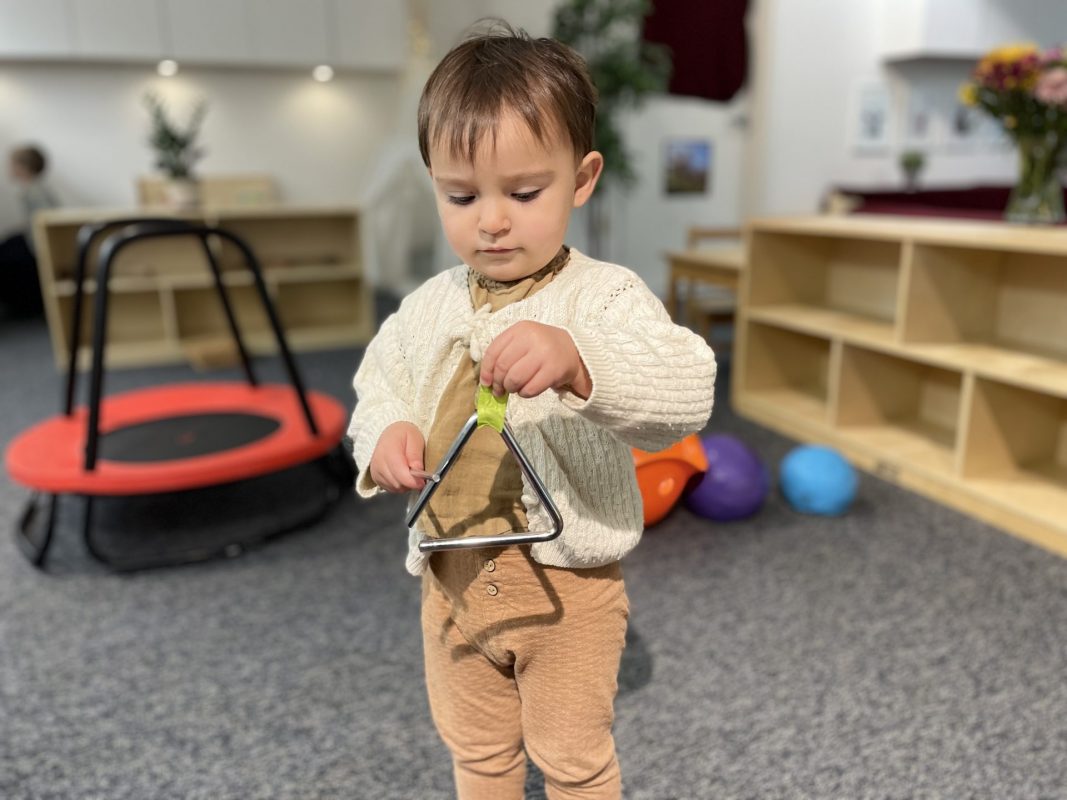
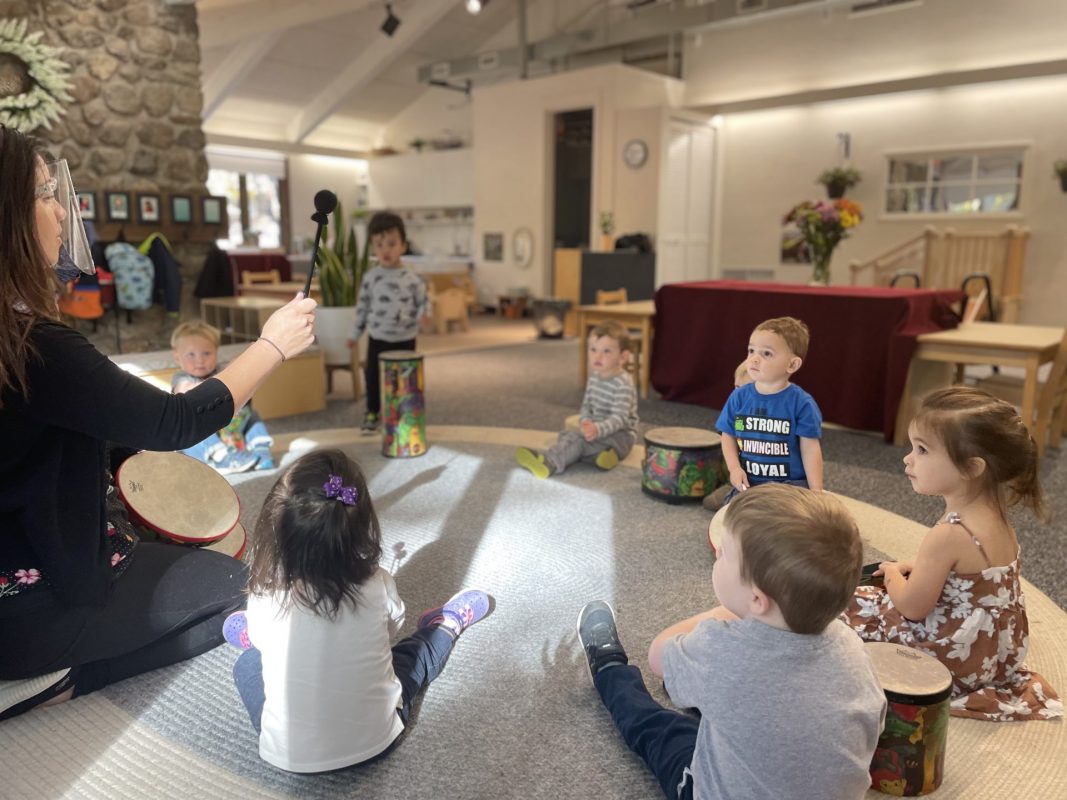
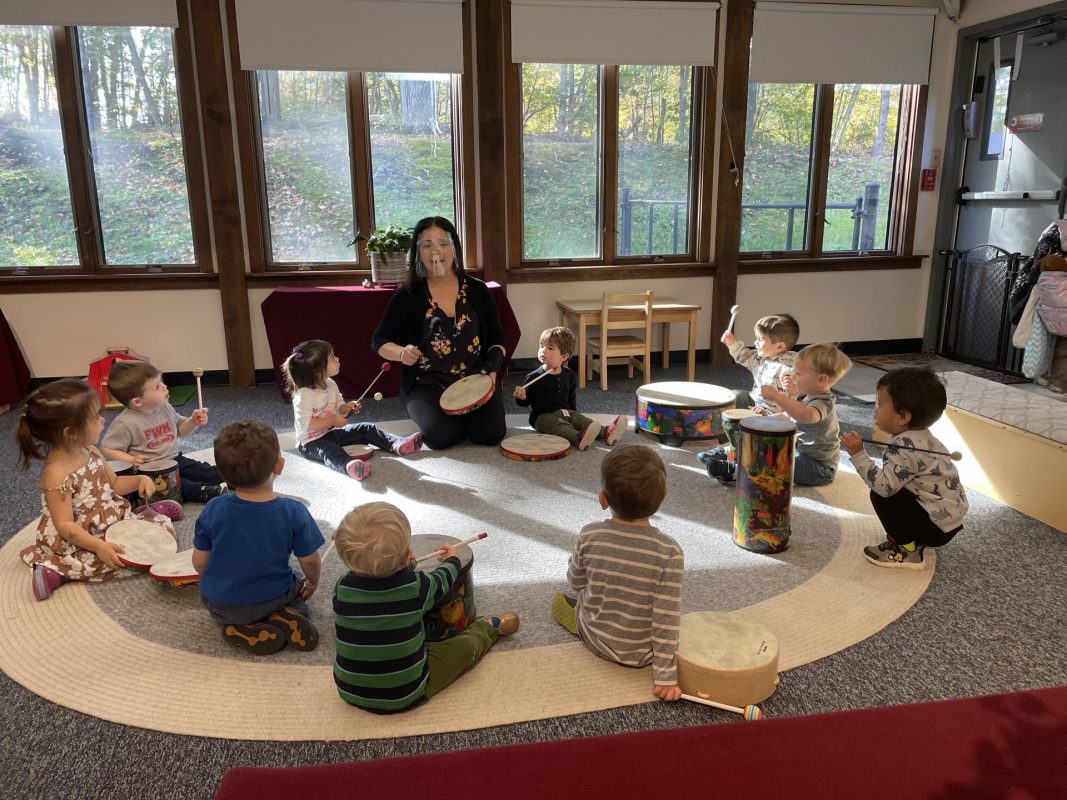
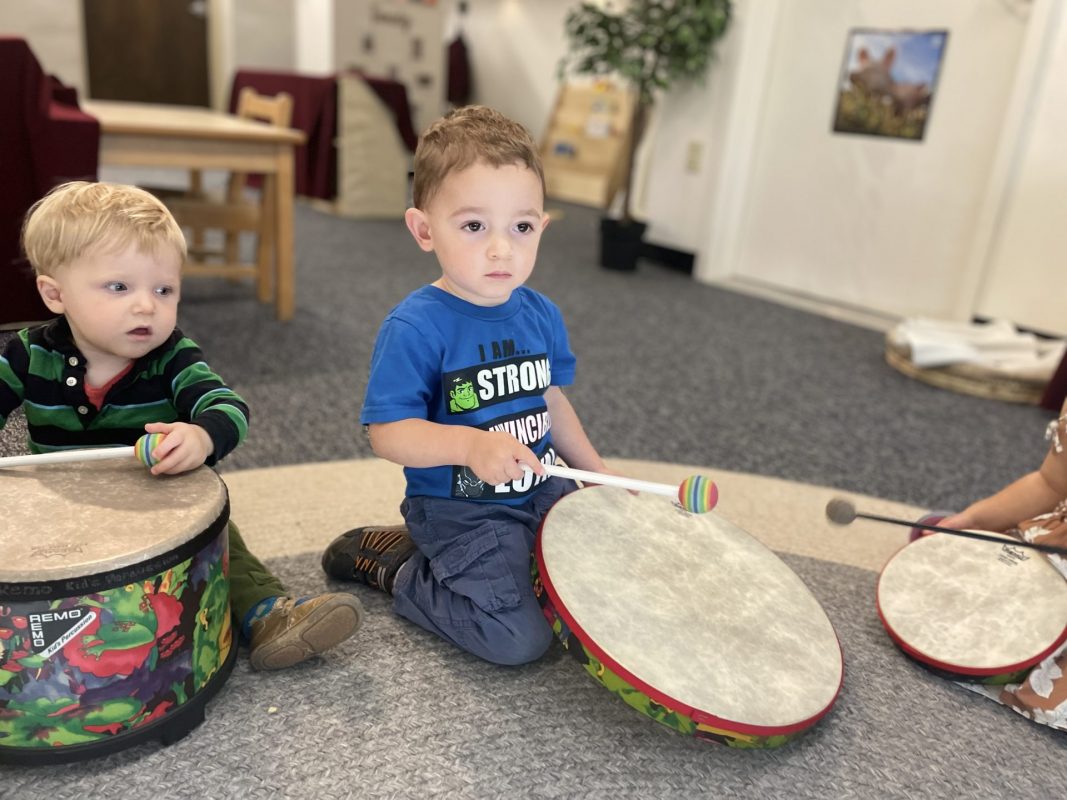
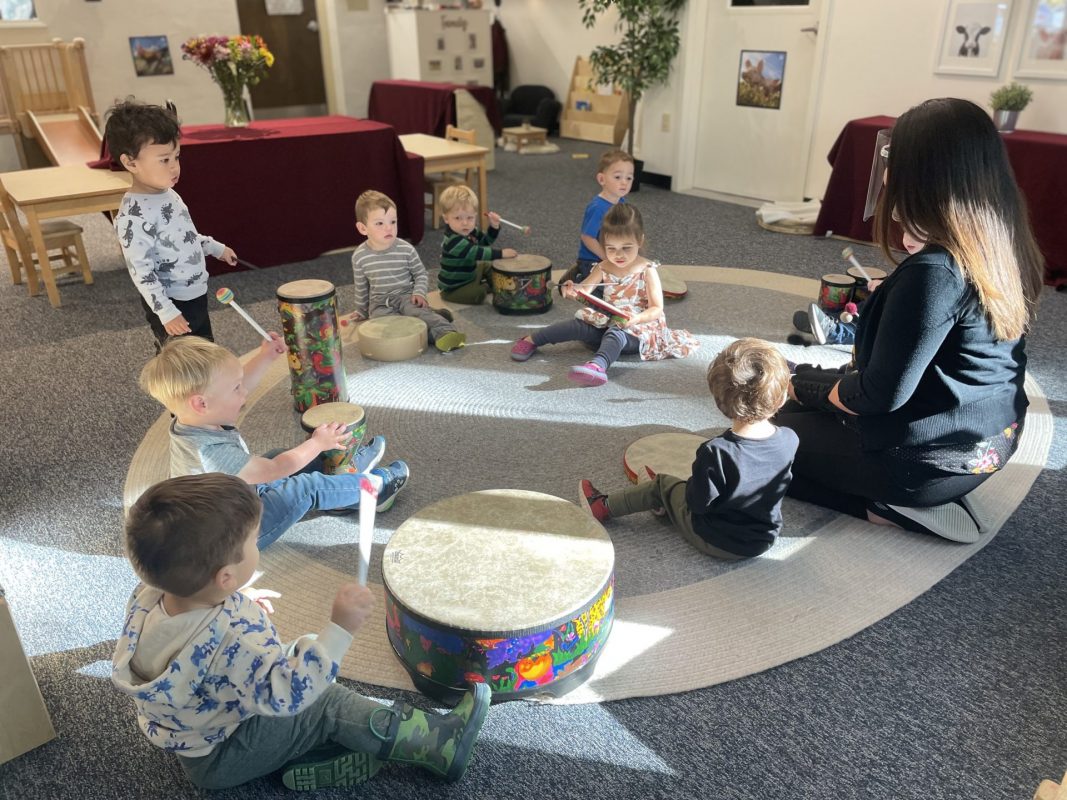
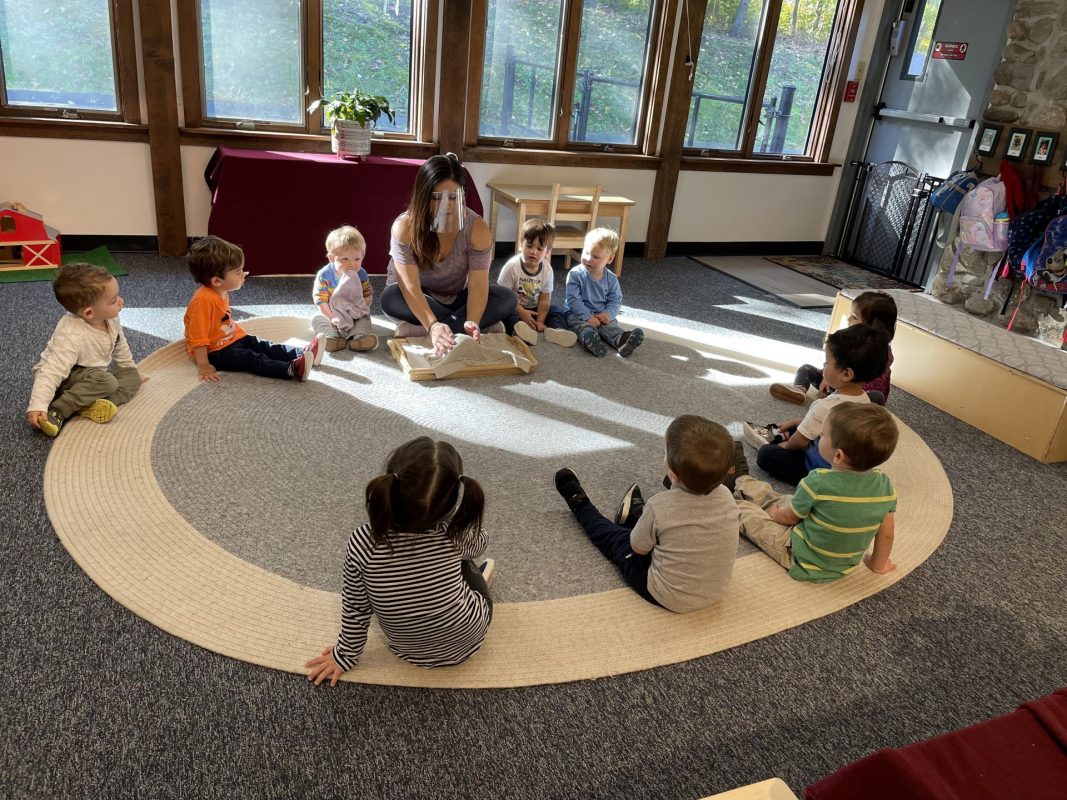
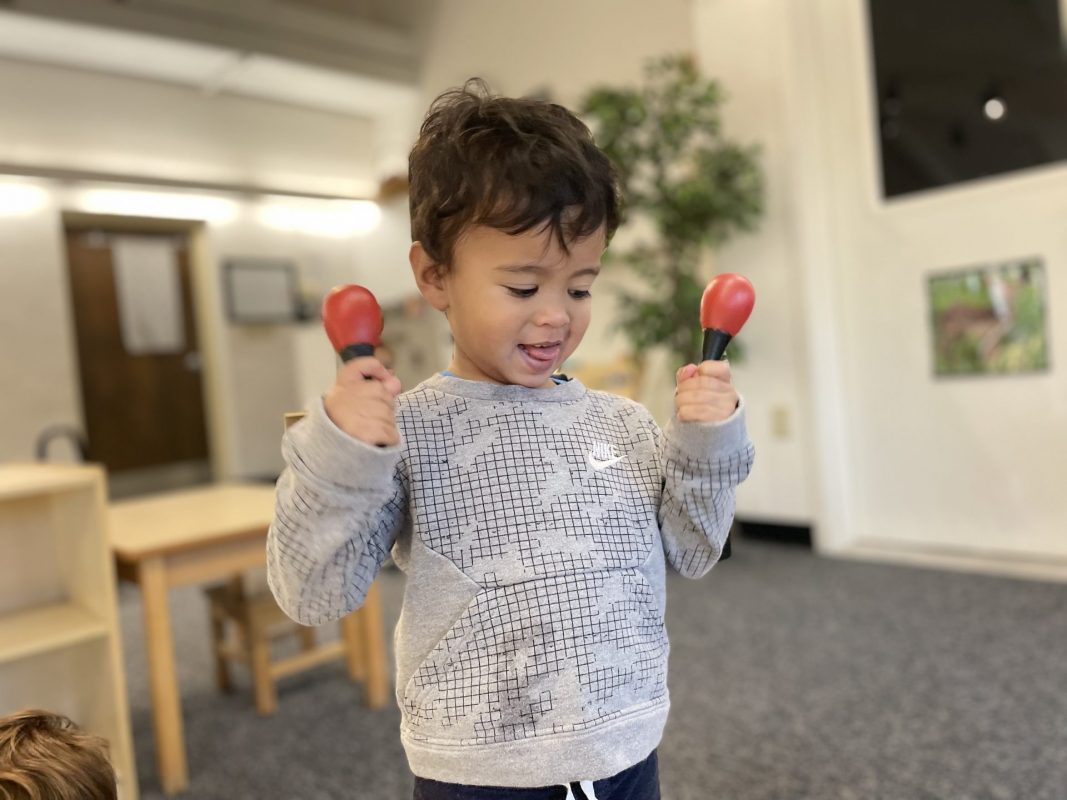
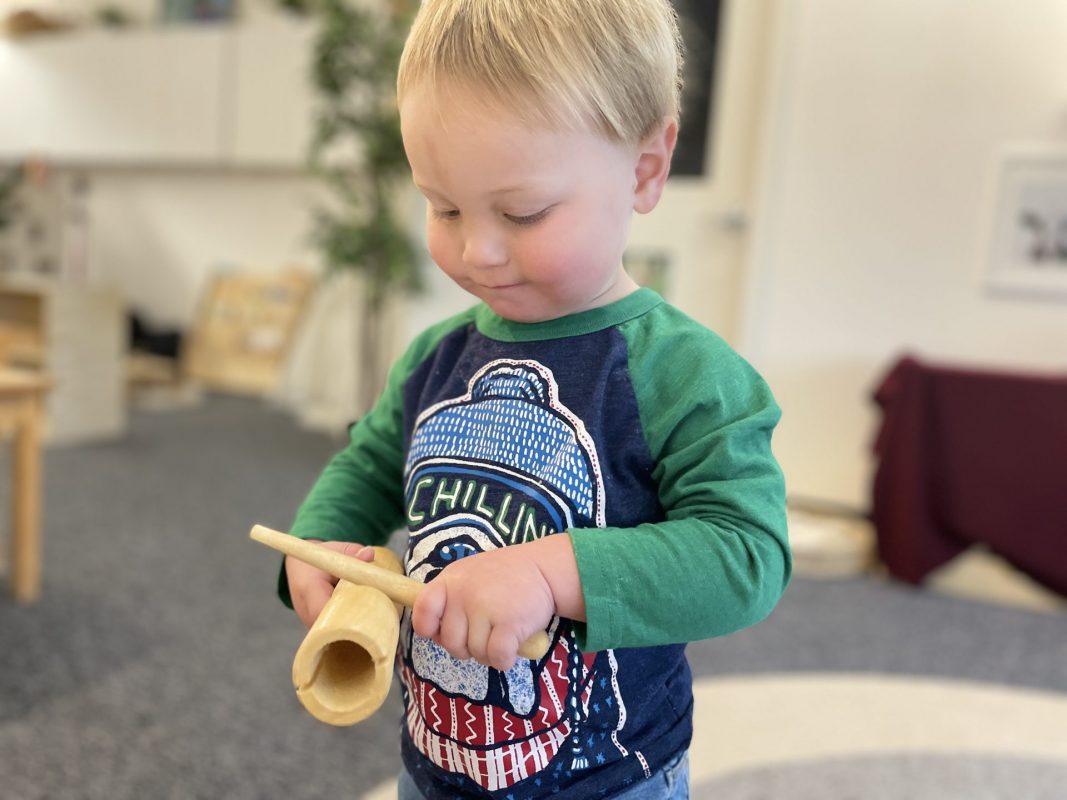
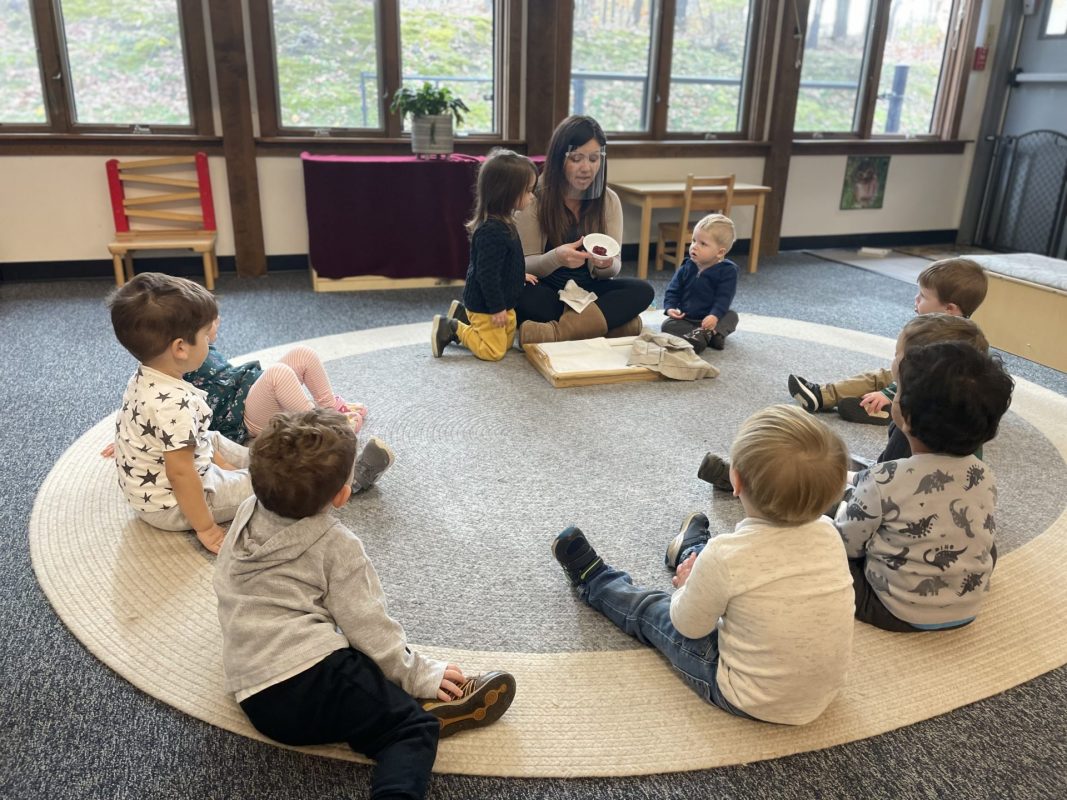
In our environment, children are exposed to meaningful music experiences everyday. Whole body movement songs, singing, finger-plays and instrument times are always part of our morning routine. Children learn the names of the instruments they are playing and they learn how to properly play them. This week we introduced the triangle and we explored the different sounds it produces when struck. We practice the importance of holding the triangle by the loop and not from the body of the instrument to find the beautiful overtones that it produces. We also had a drumming session and children had a blast practicing rhythm with different sized drums. One main part of our music lessons includes grace and courtesy. Through this, the children learn to recognize the importance of being polite and waiting until everybody gets their instrument before selecting a song and grabbing their instrument to play! Children are directed to recognize hand gestures for tempo, dynamics, and their favorite: the closing of the song. They all love to hold their fists up and watch how everybody’s instrument stops at the same time! Their smiles say it all! We call this our “band time.”

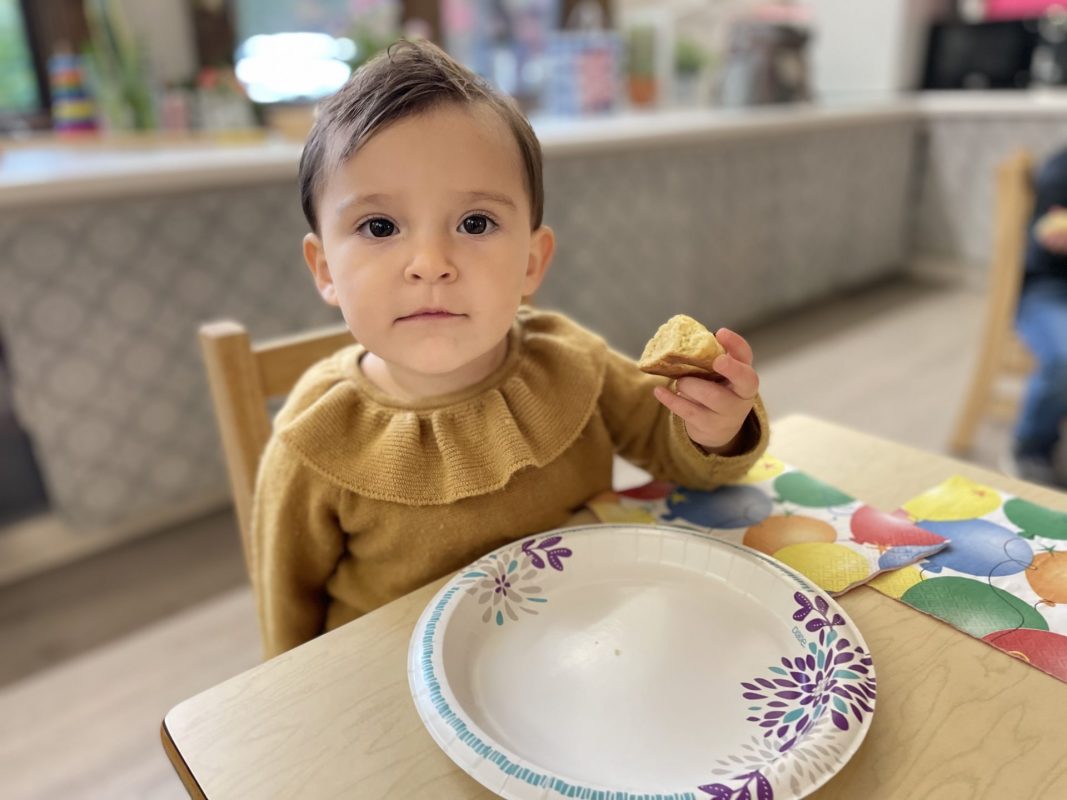
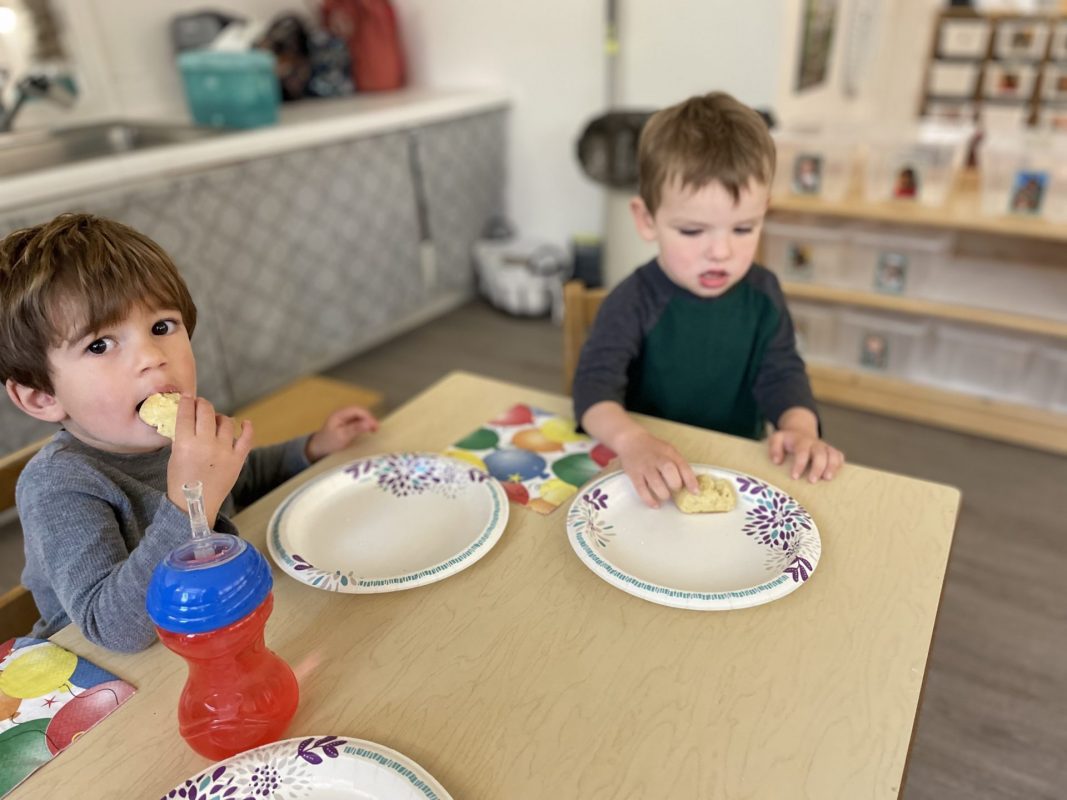
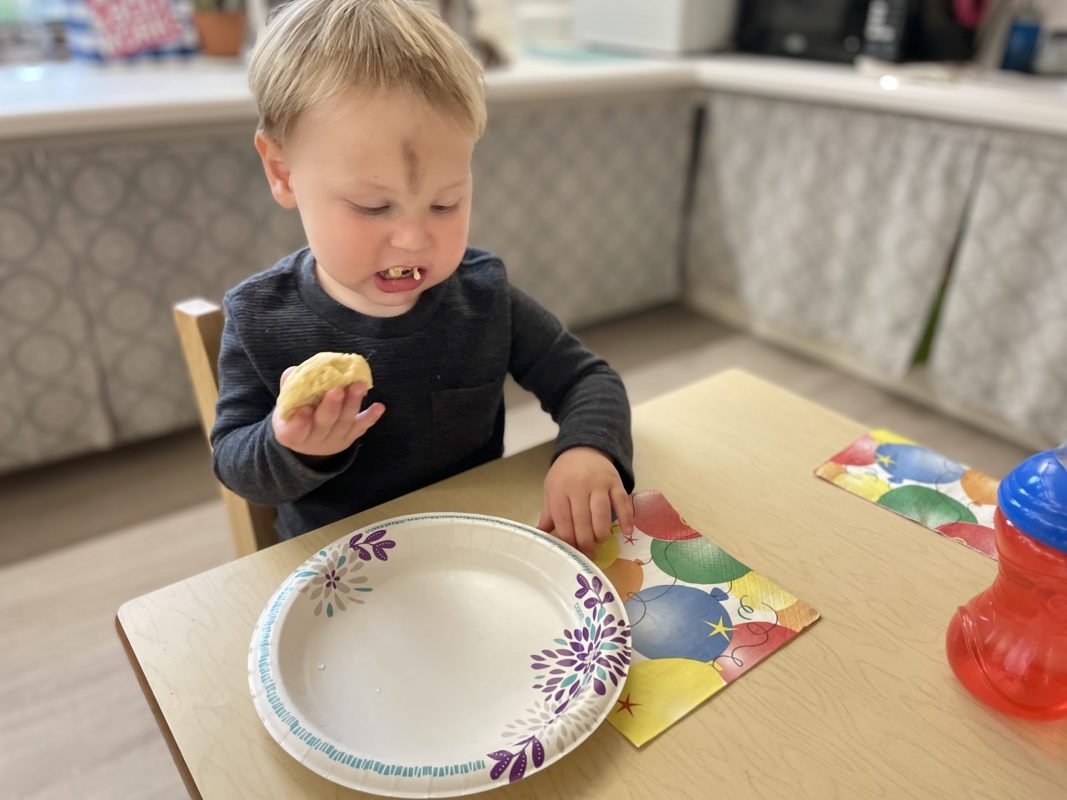
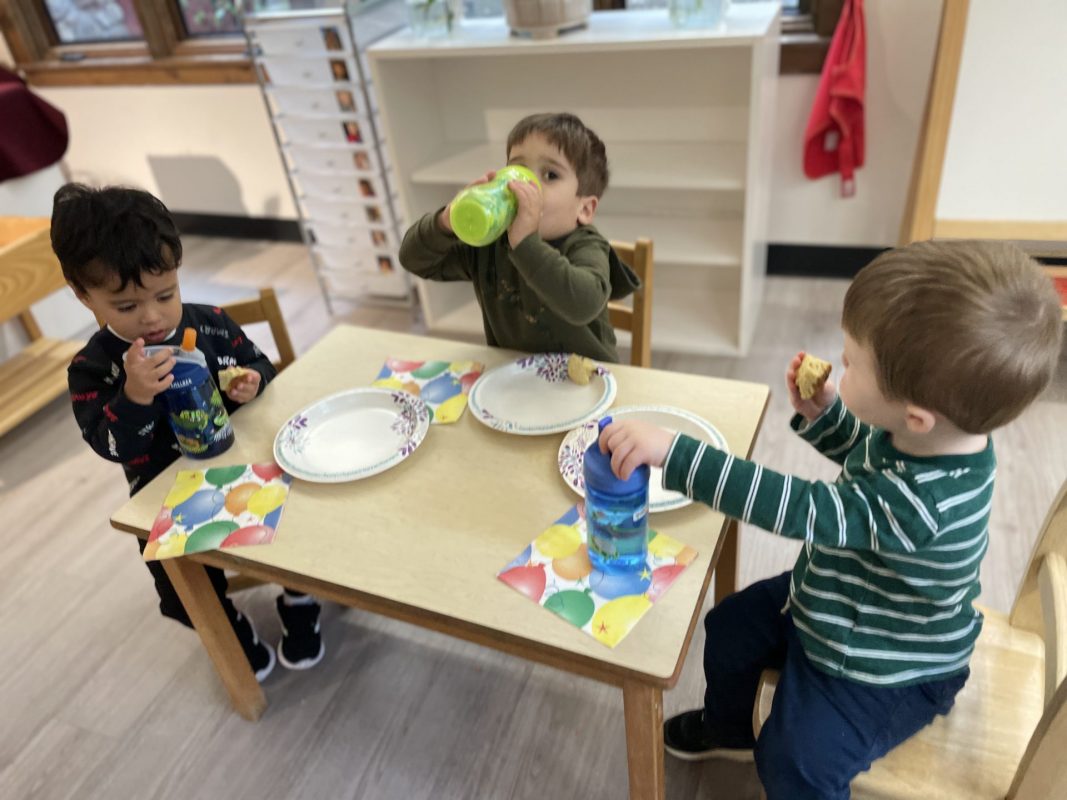
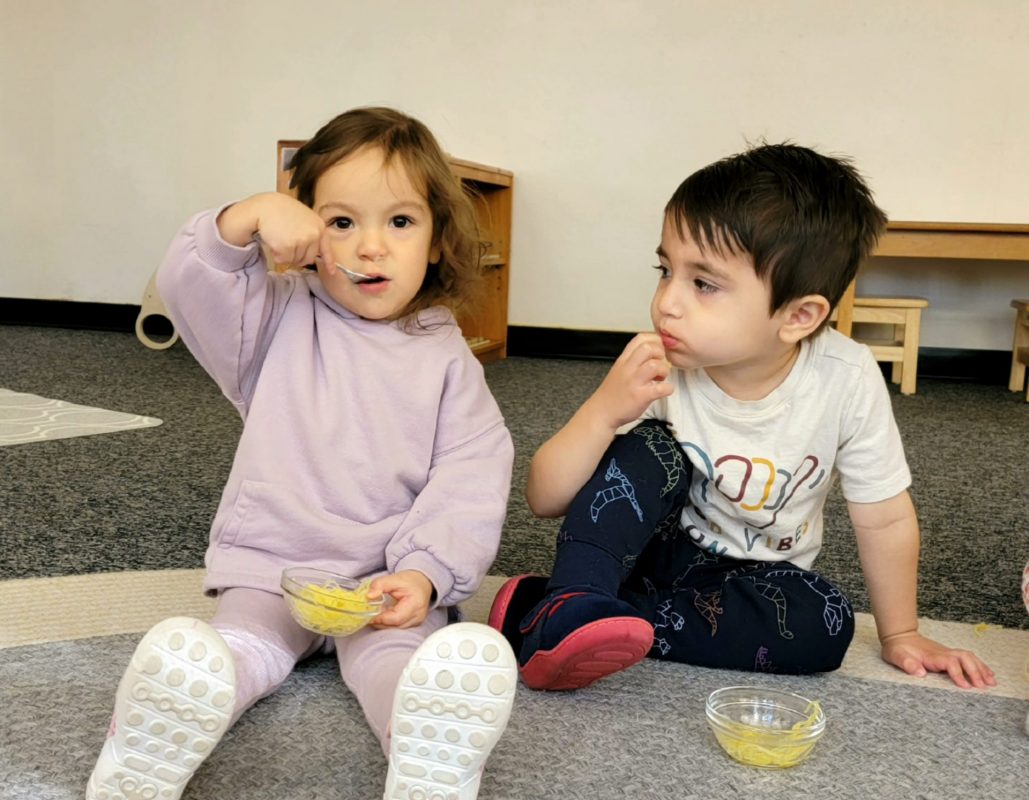
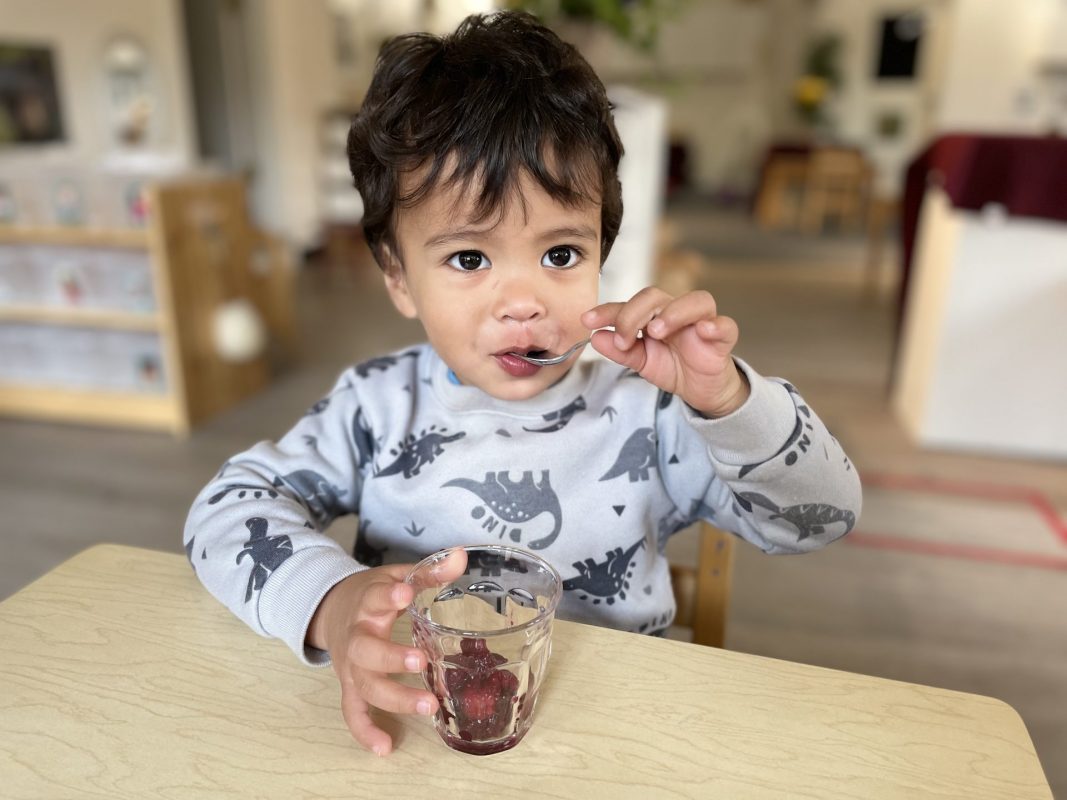
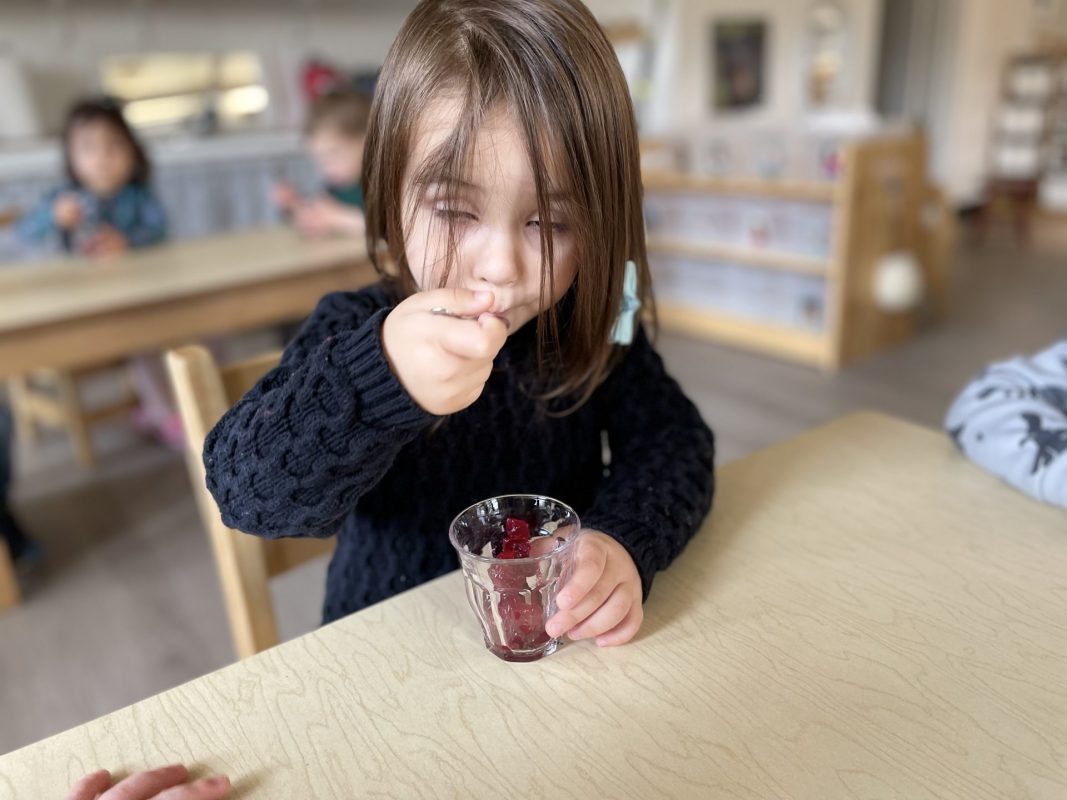
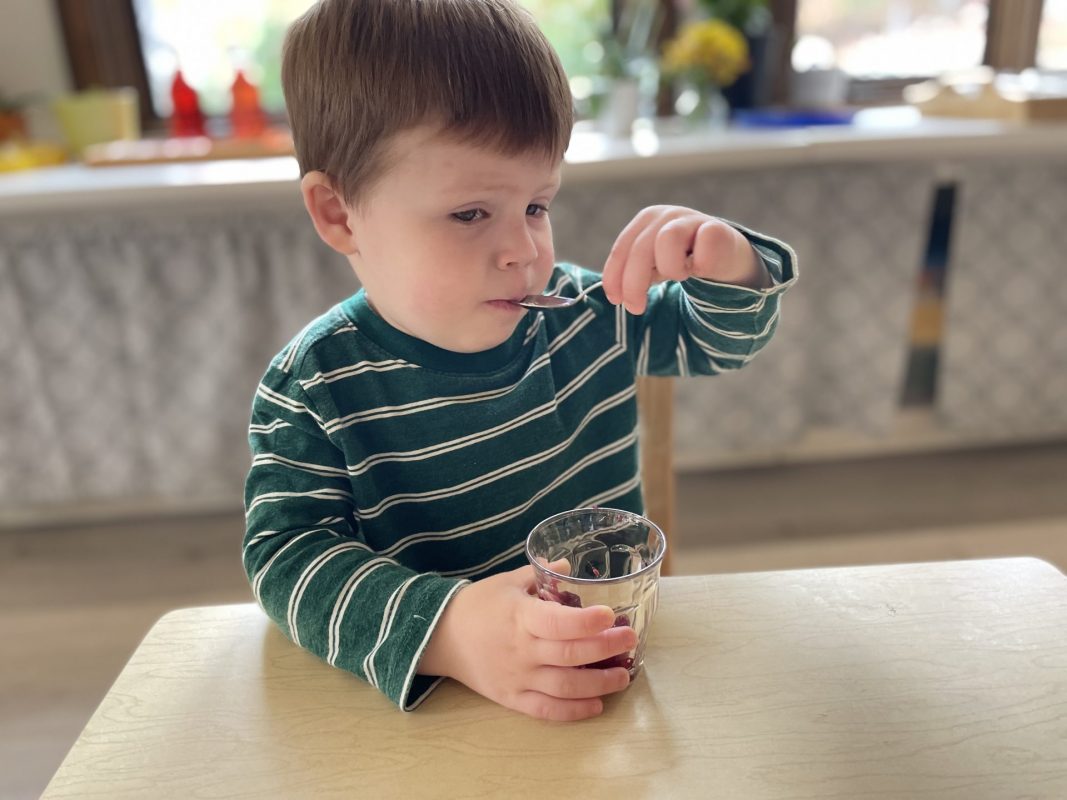
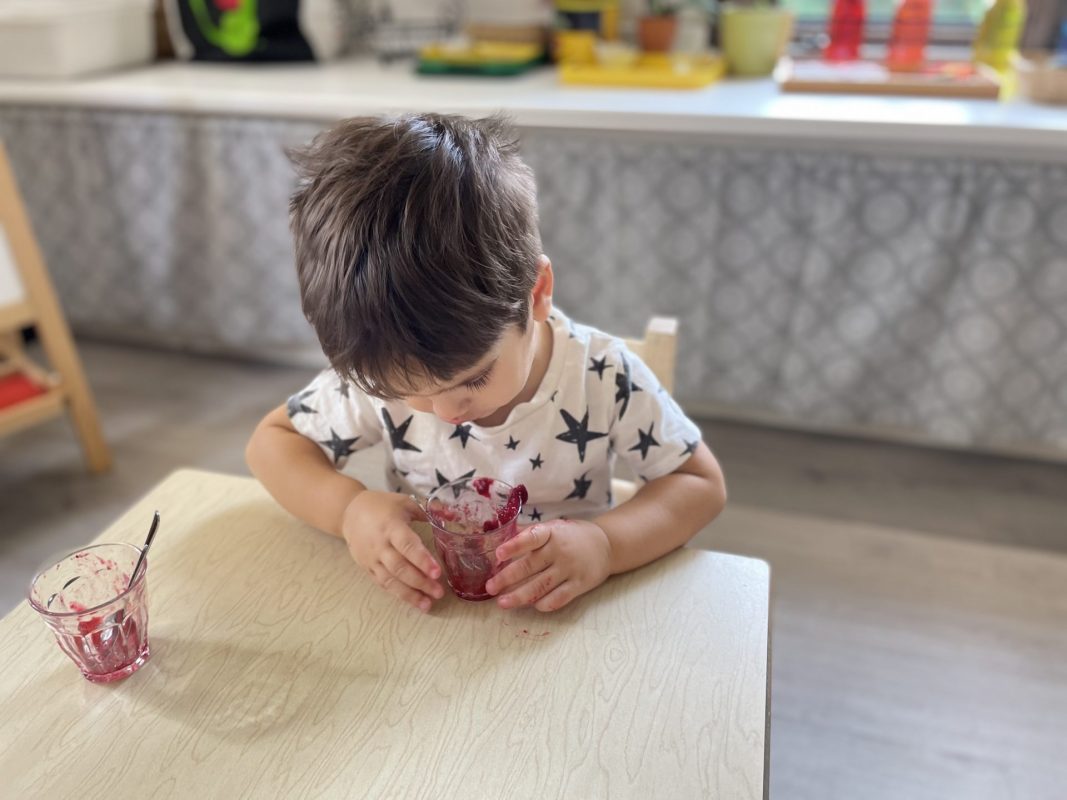
As always, we had fun exploring food and this week we enjoyed spaghetti squash! Most of our children were brave enough to taste it and surprisingly, many asked for second rounds! Yum! 

Enjoy the weekend,

Mrs. Hood and Ms. Maria

Mrs. Hood: En Otoño!

Maria Montessori believed that the initial six years of a child’s life are crucial for a their language development; that from birth a child must receive appropriate stimulation. This is also widely recognized by many specialists in language, also when referring to learning foreign languages.

Research shows that learning a second language boosts problem-solving, critical-thinking, and listening skills, in addition to improving memory, concentration, and the ability to multitask. Children proficient in other languages also show signs of enhanced creativity and mental flexibility.

In our environment, children are exposed to Spanish multiple times a day. From songs, to books, to direct conversations, Spanish is always part of our routines.

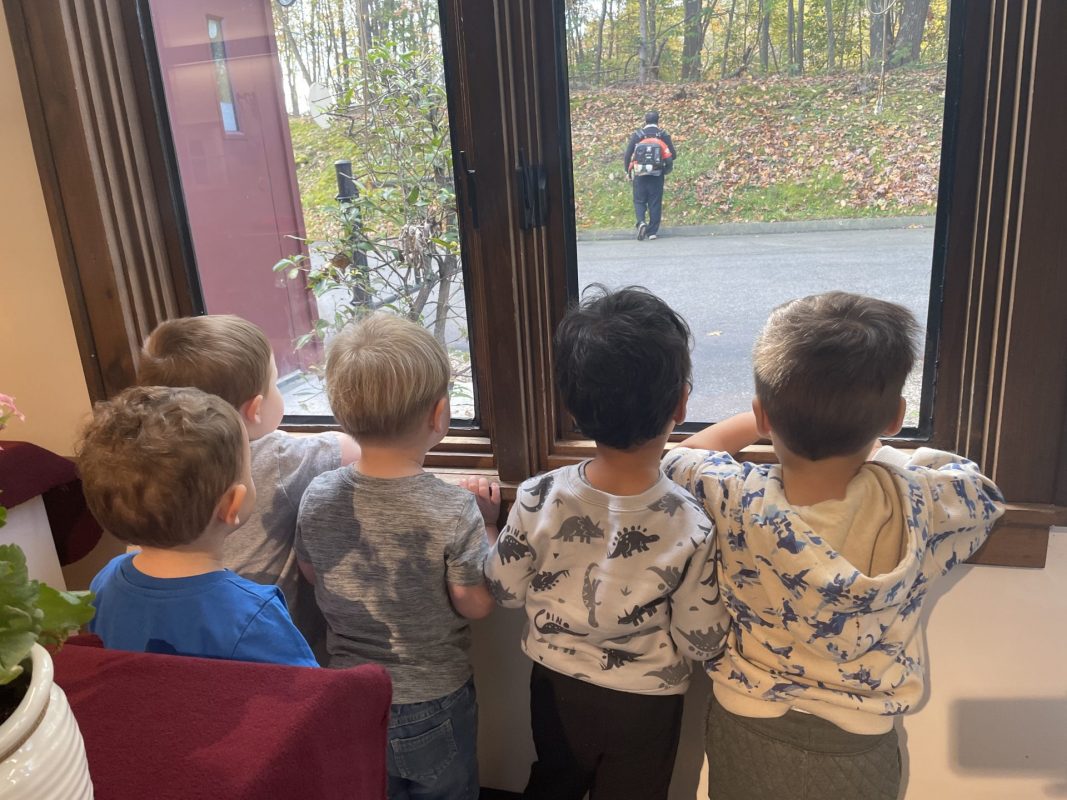
Due to the changing of the season, children have been introduced to the wonders of Otoño (Autumn) by observing and talking about what we see. The wind blowing, the leaves falling, the squirrels gathering acorns and climbing the trees, the scarecrows, the smiley pumpkins, and the different foods in season we get to explore during this time of the year are things we like to talk about, observe in nature, and imitate while reading our favorite book this week, En Otoño (In Autum) by Susana Madinabeitia Manso.

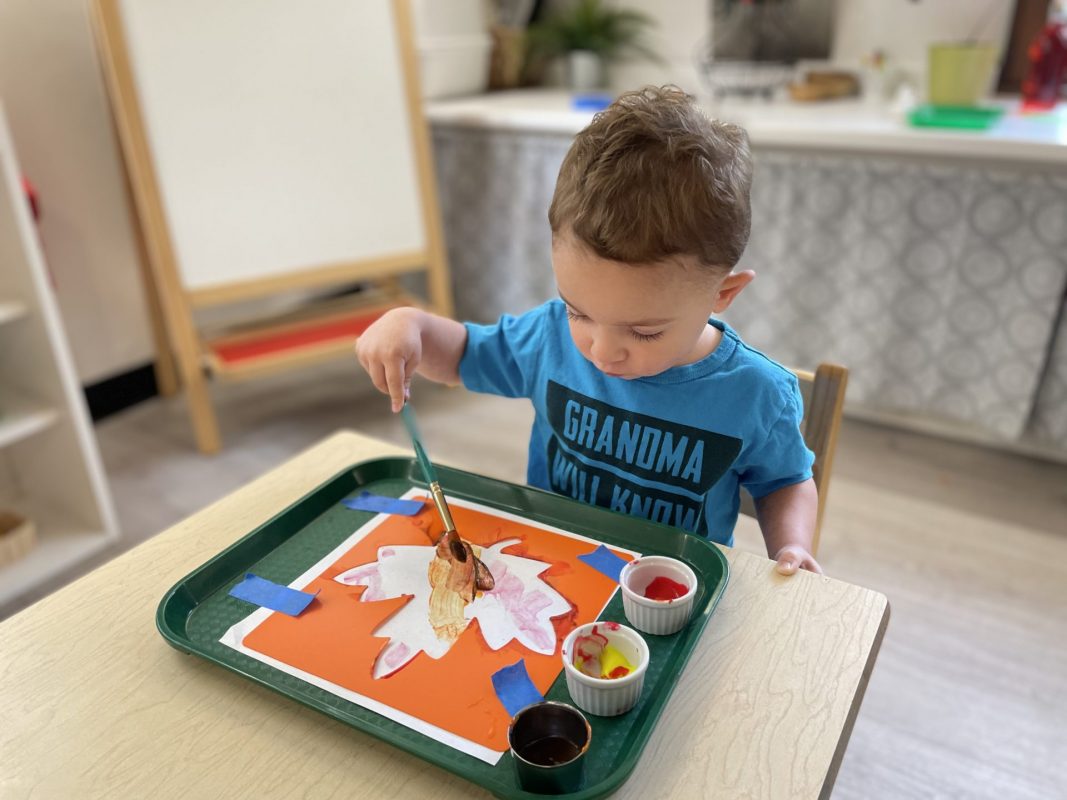
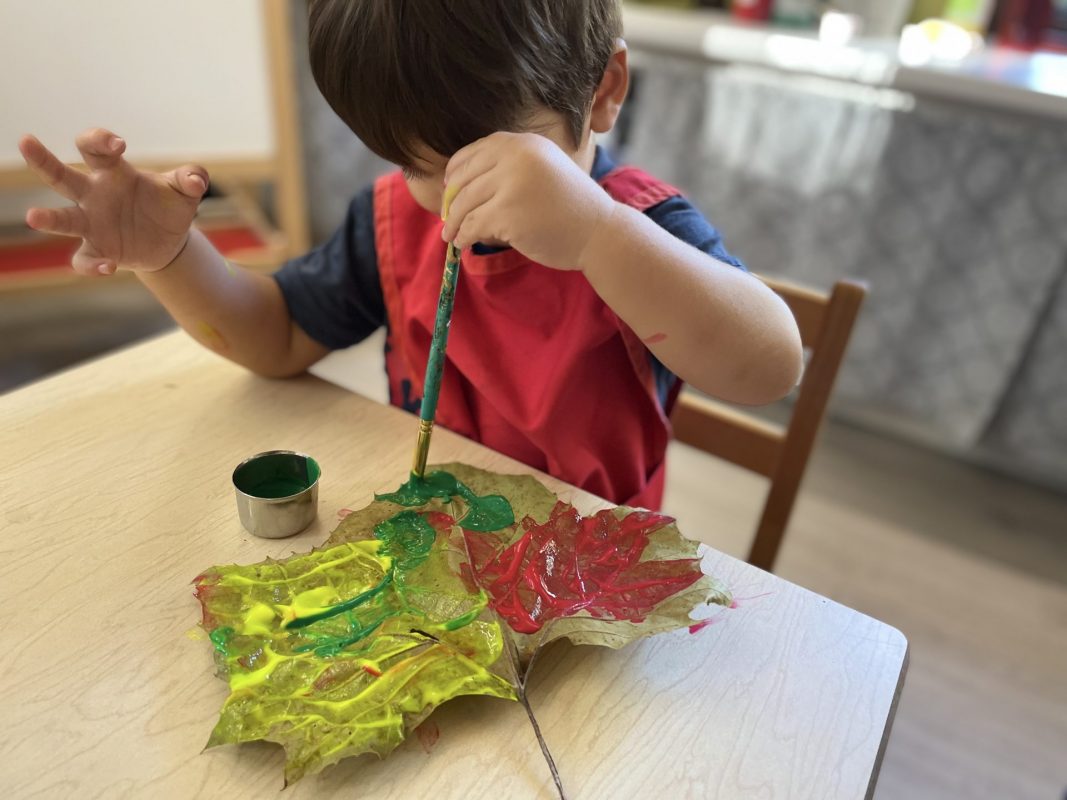
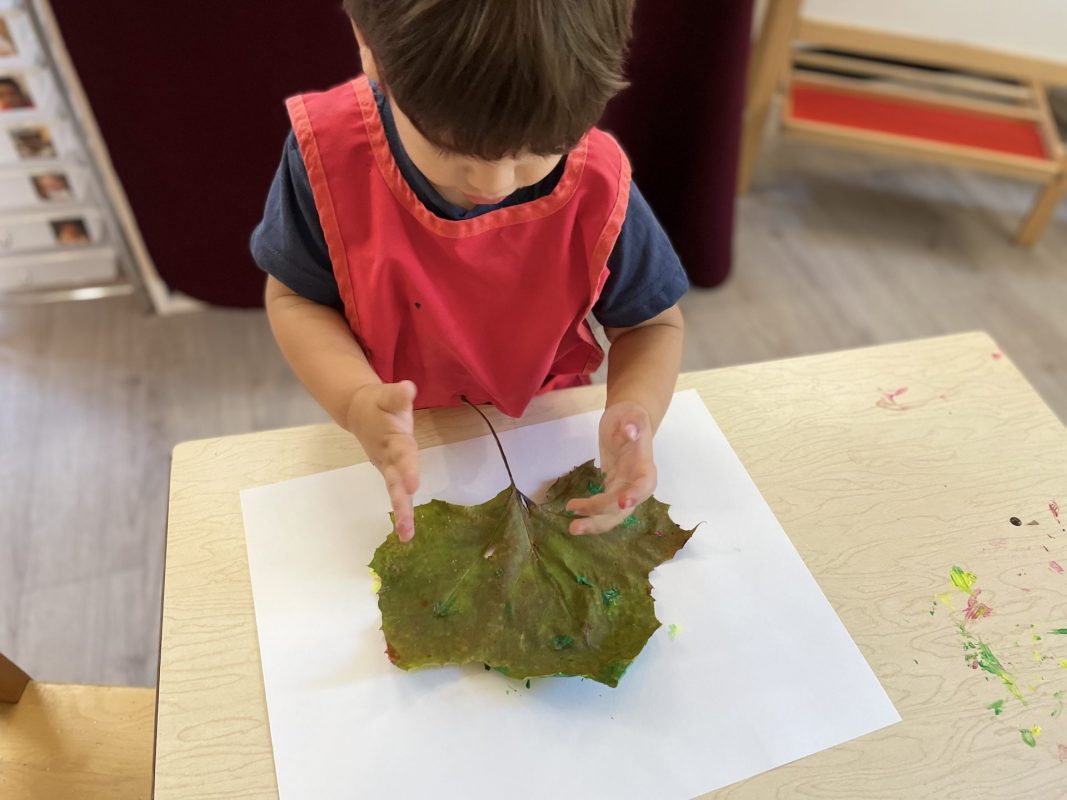
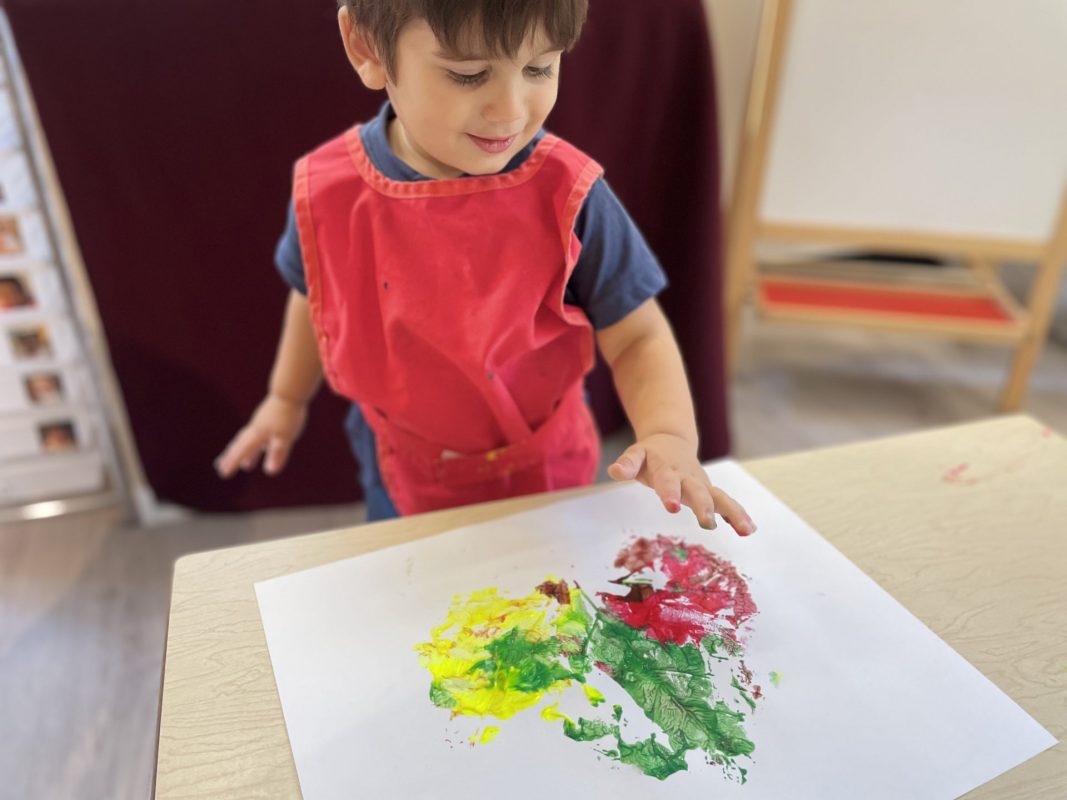
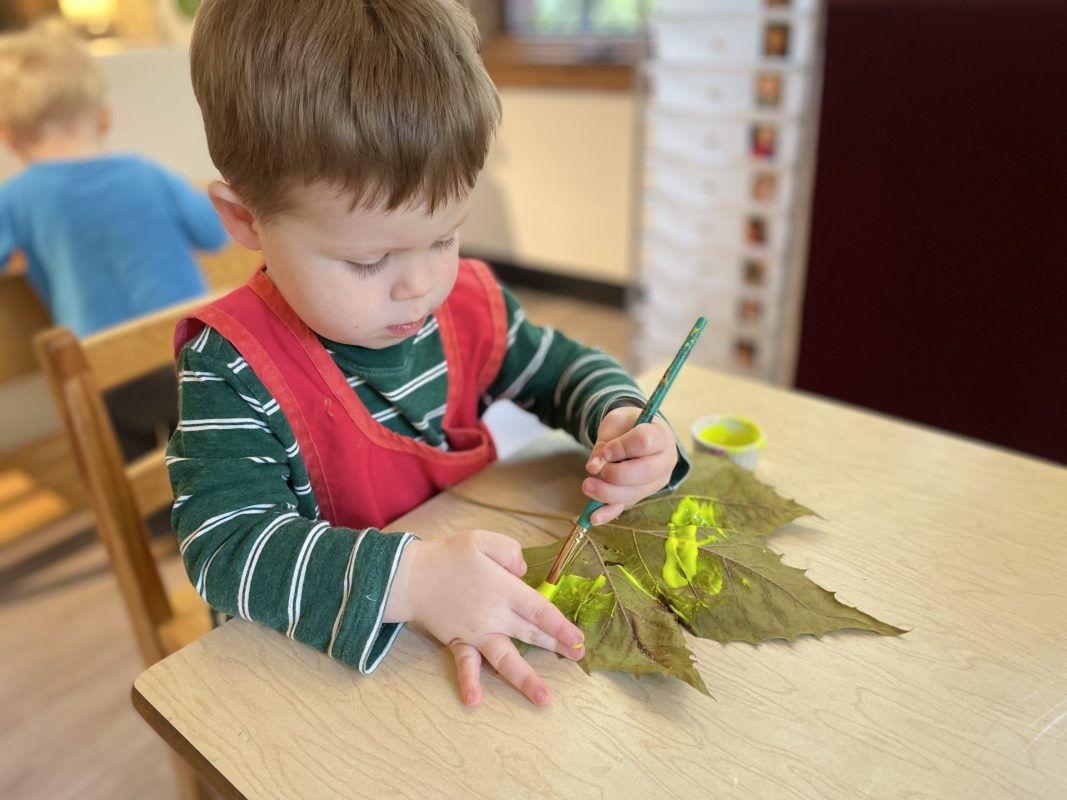
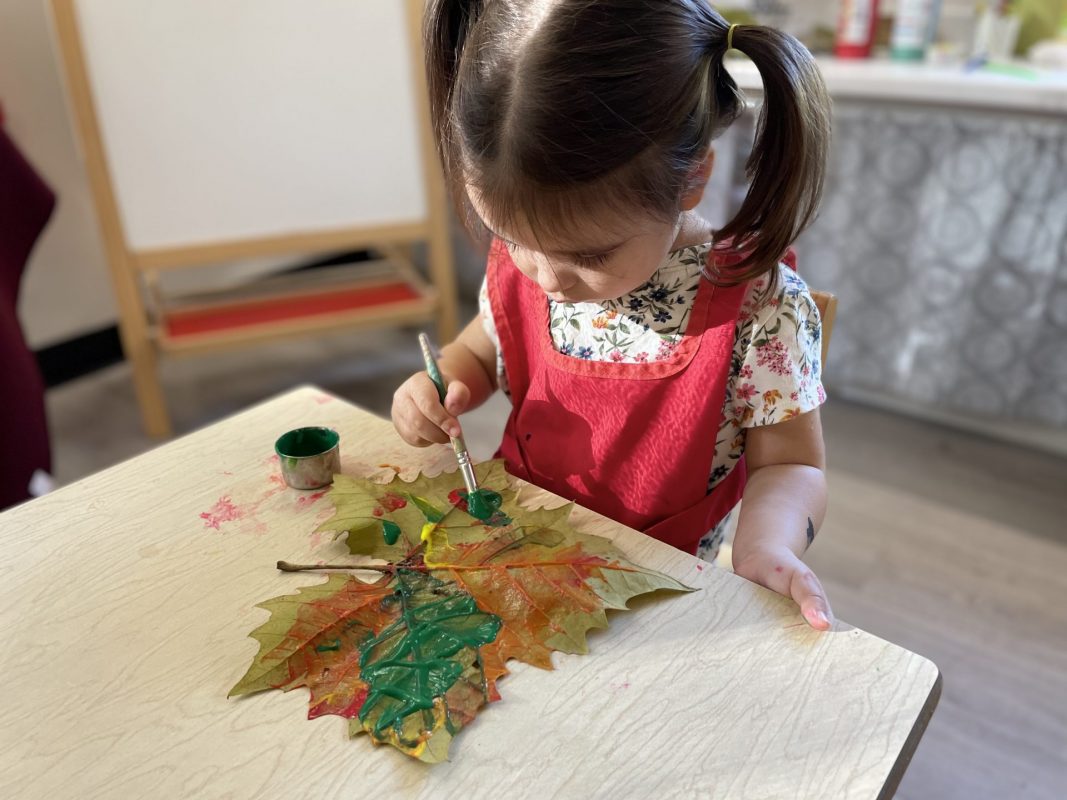
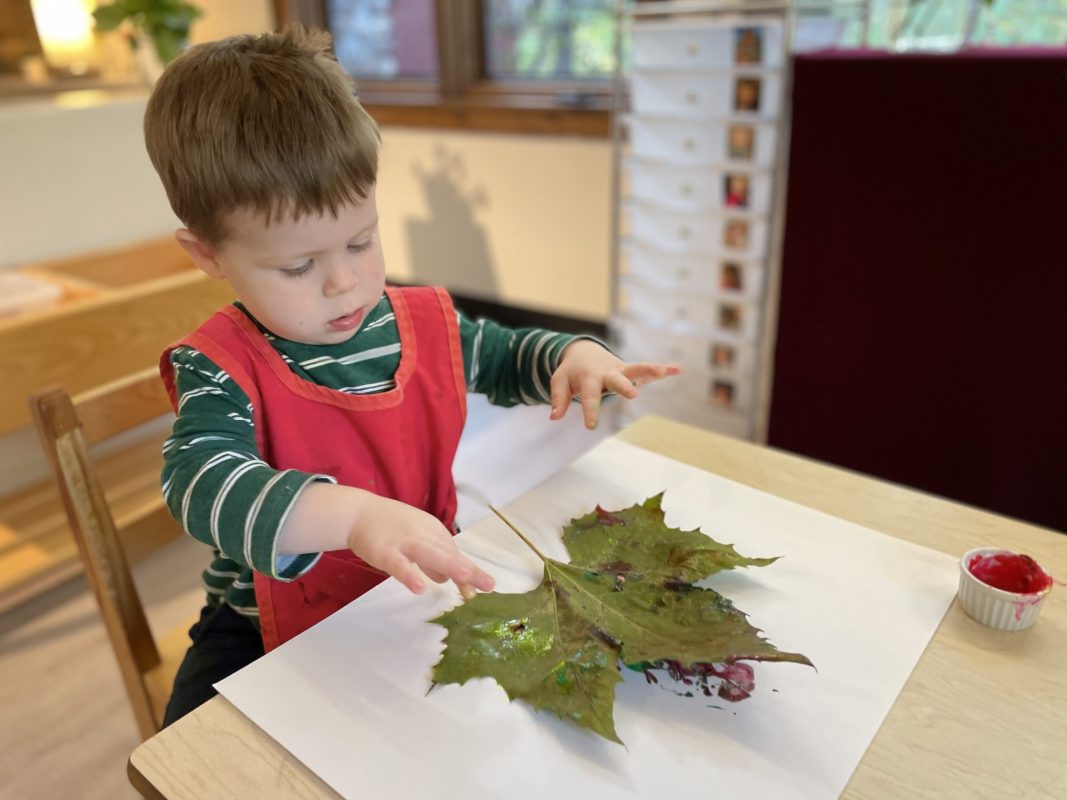
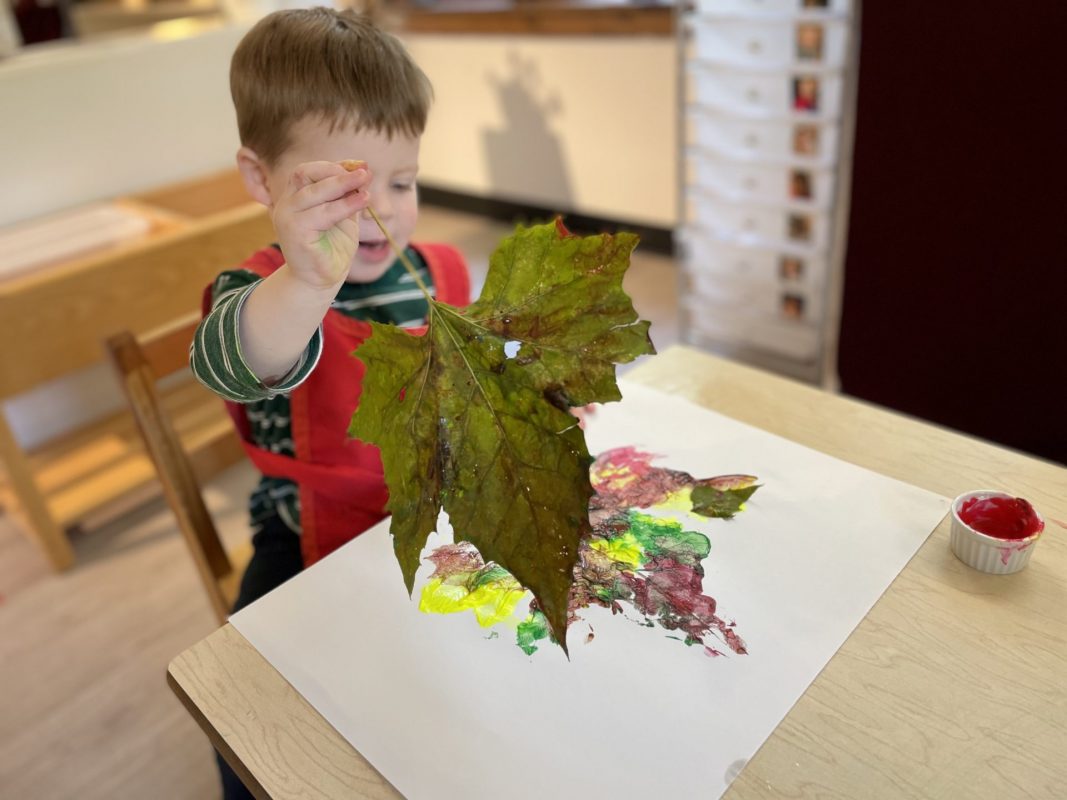
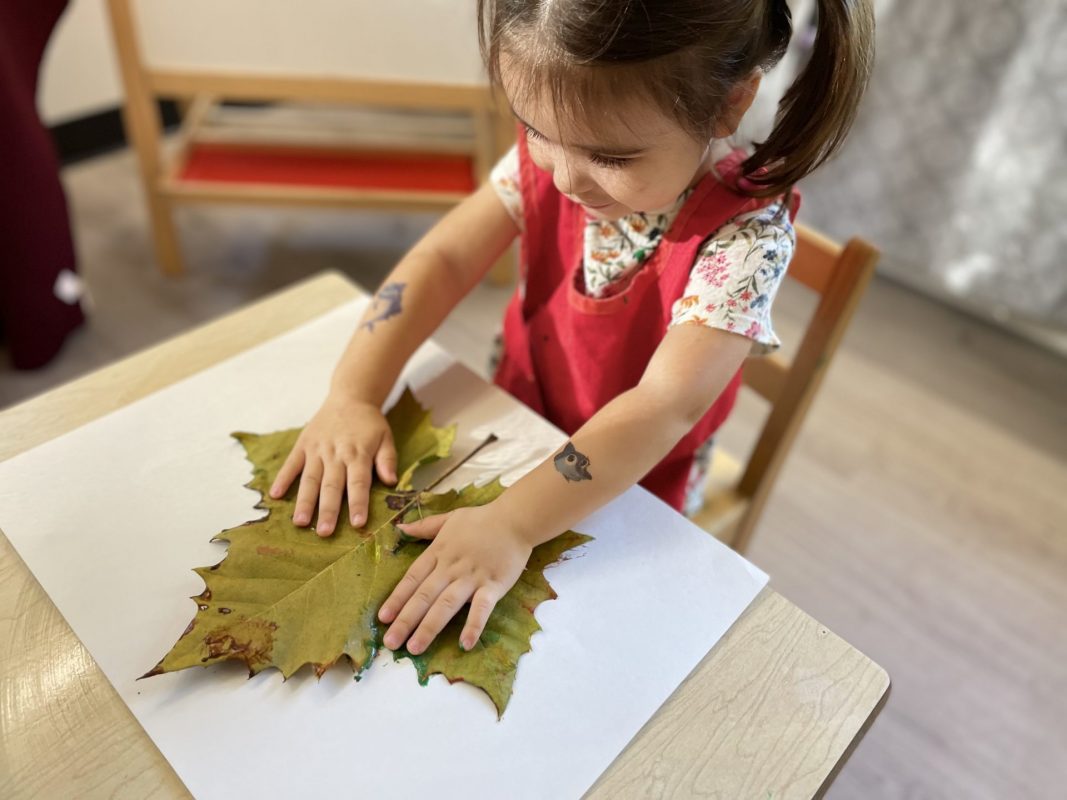
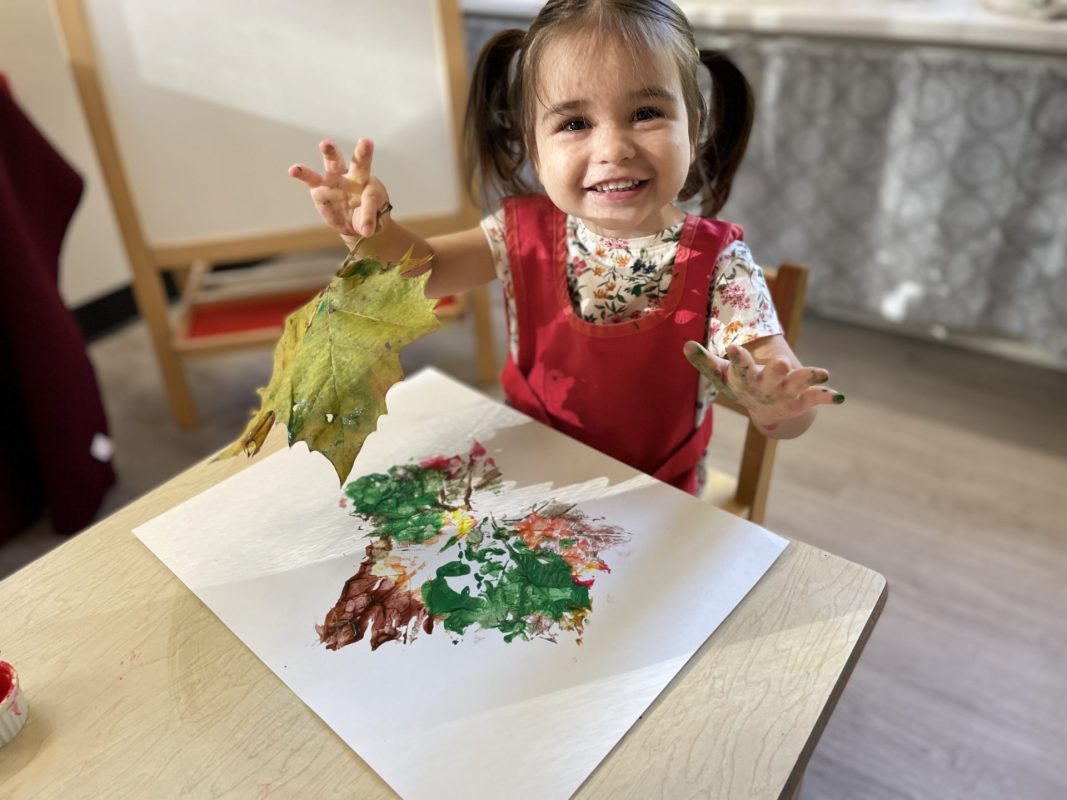
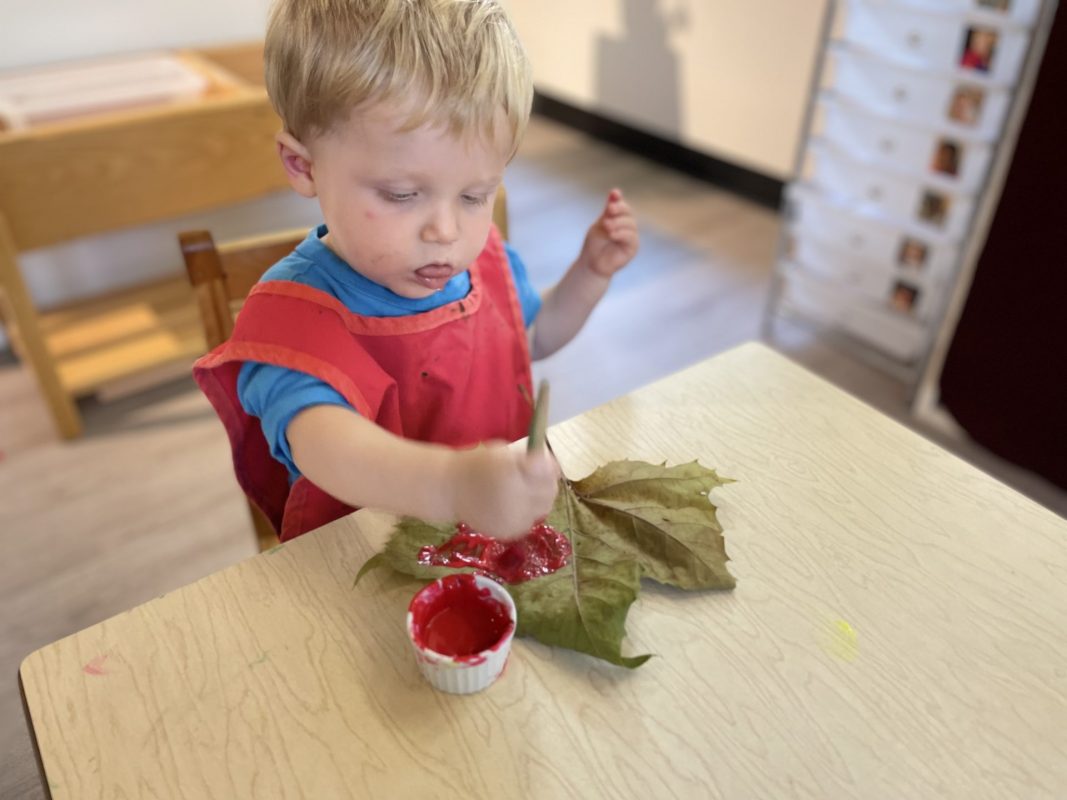
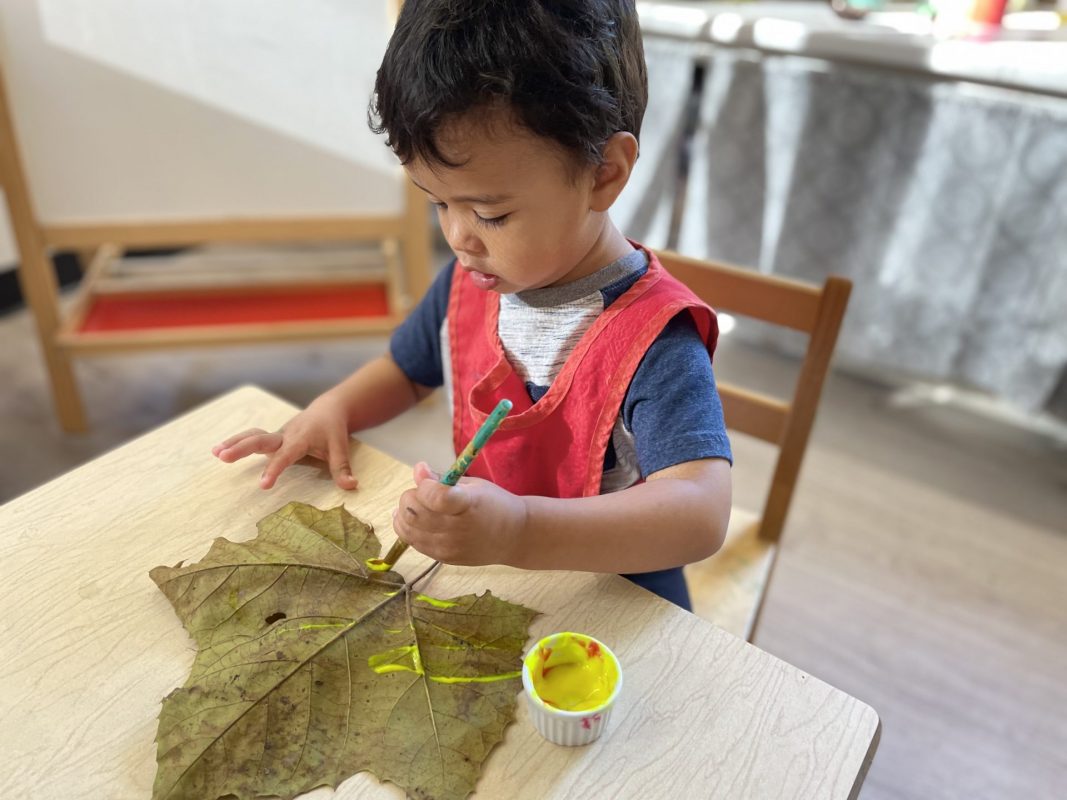
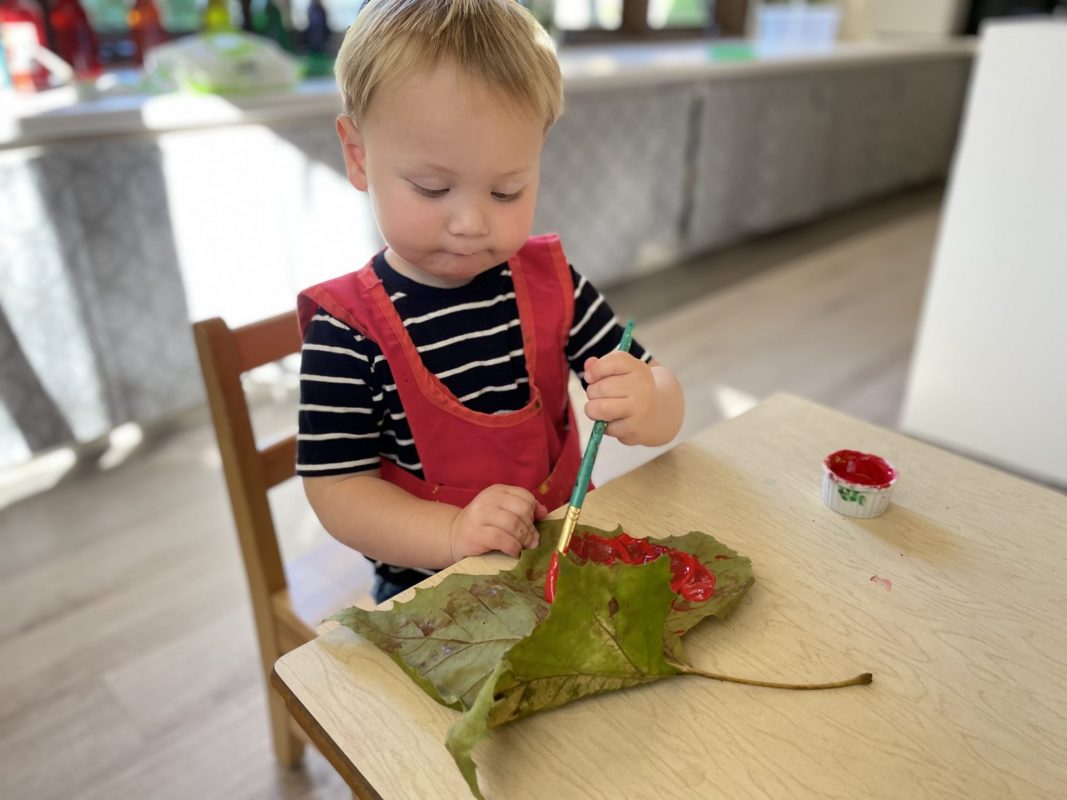
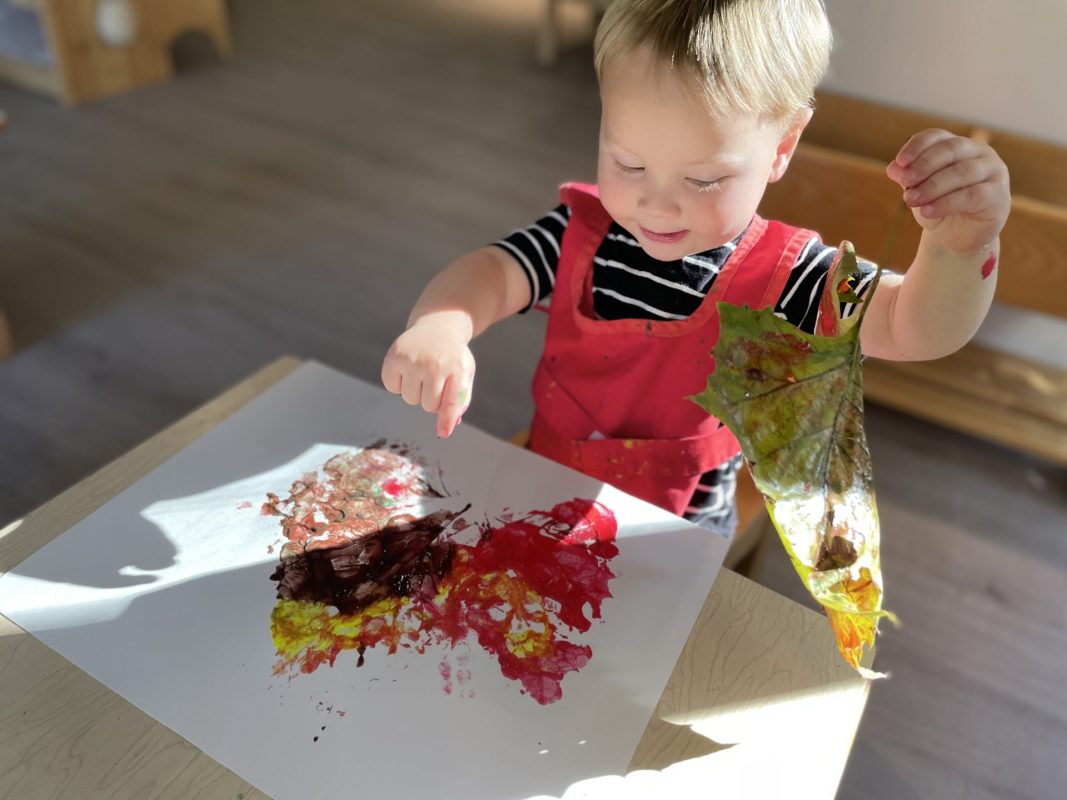
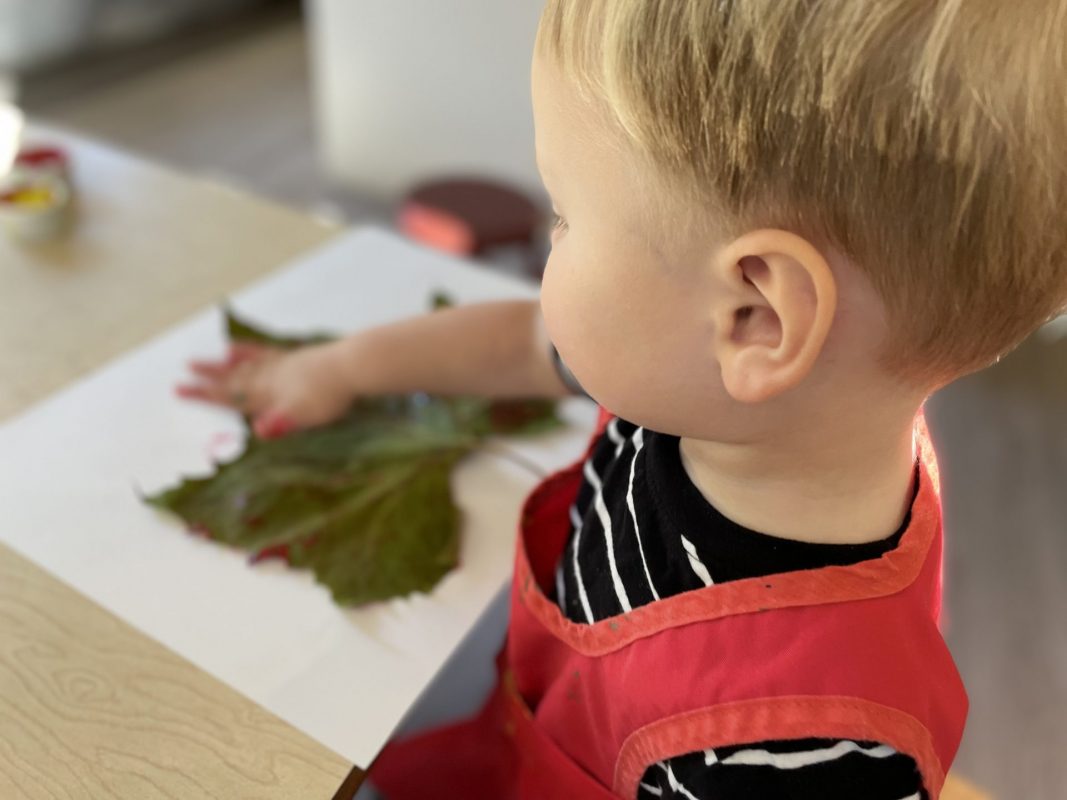
The leaves changing color has been another fun aspect we like to talk about and observe. Color recognition in both languages is always used. As a fun sensorial art work, children worked on a leaf stamping activity mixing fall colors and using giant maple leaves from our playground.

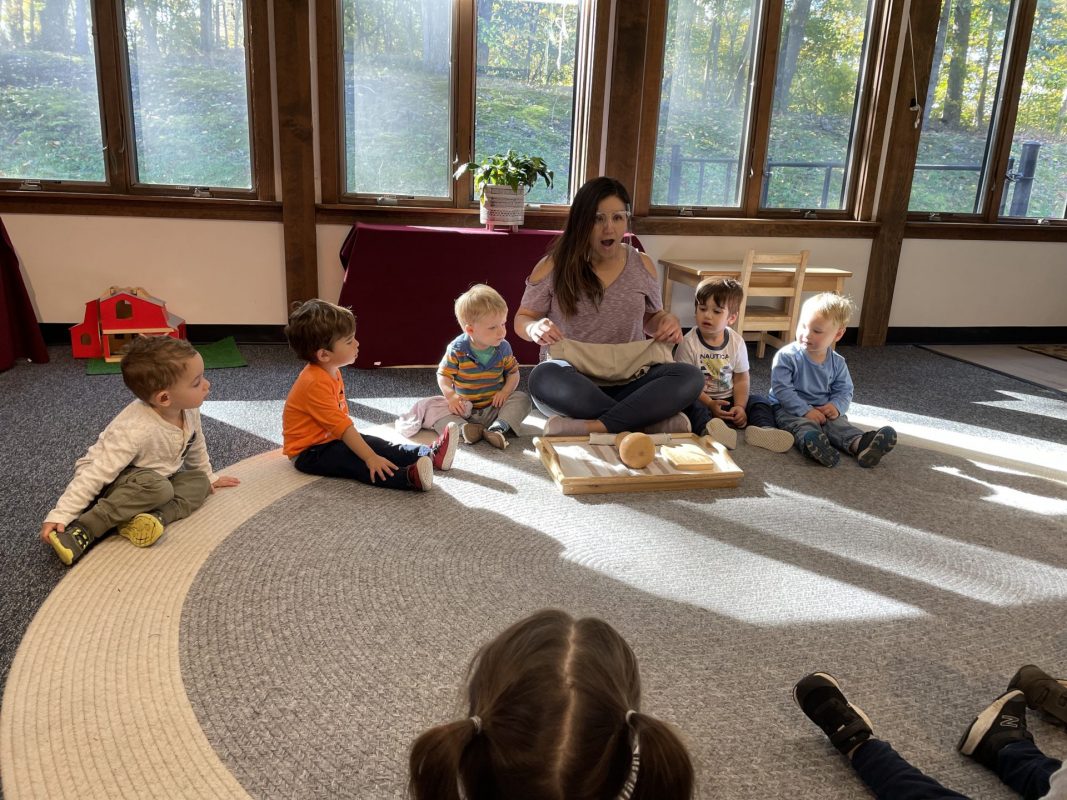
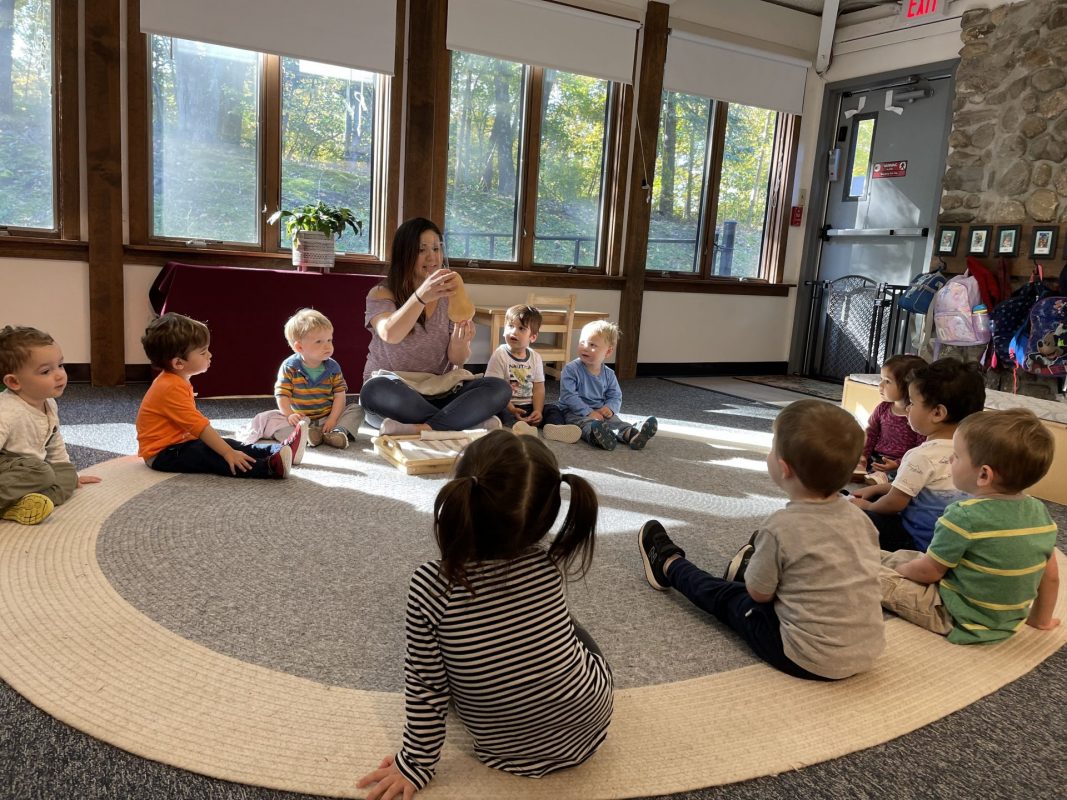
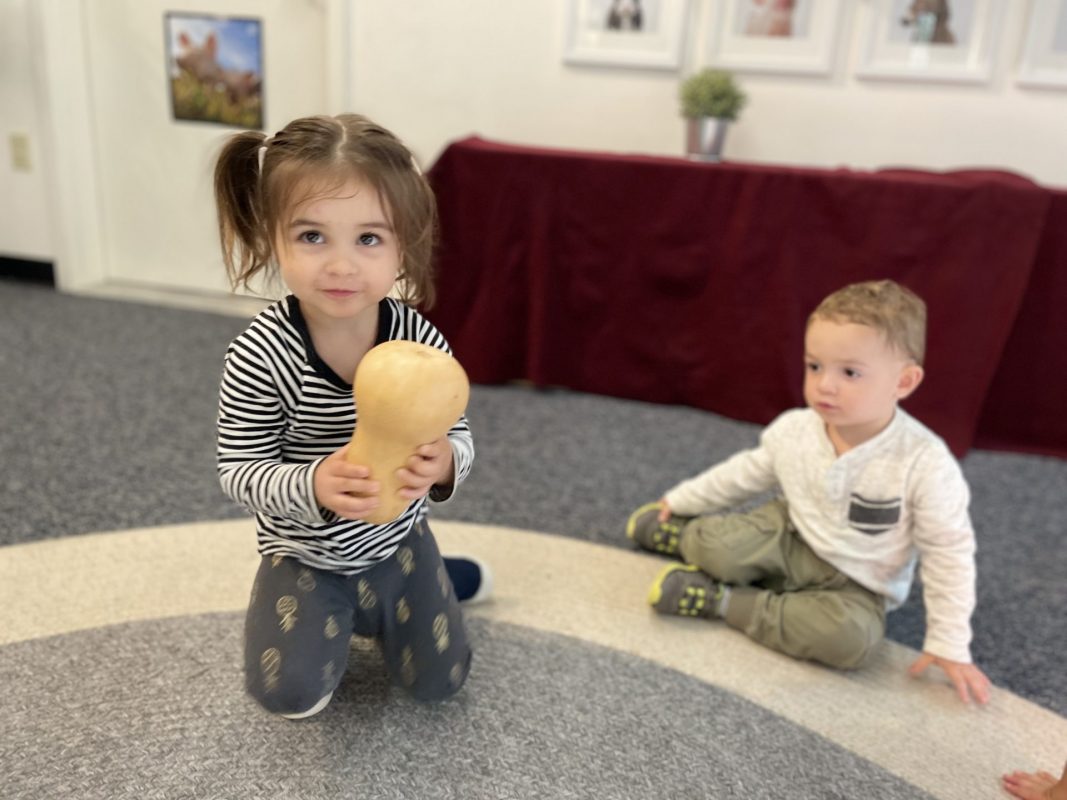
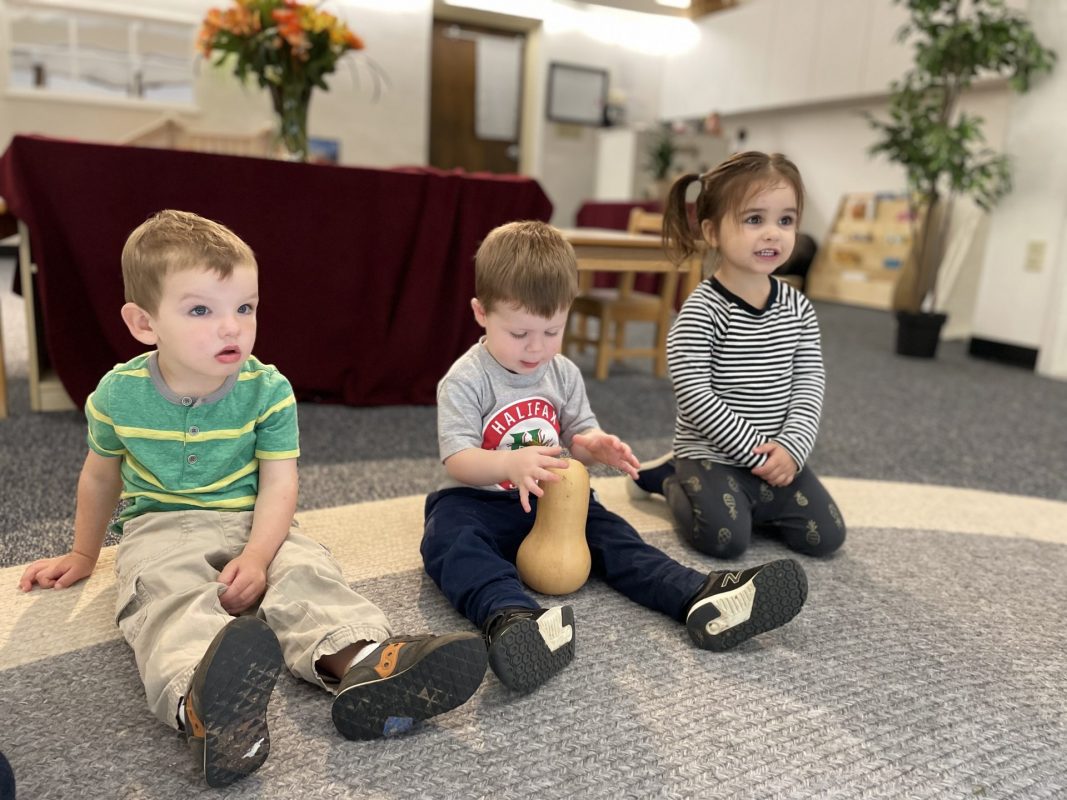
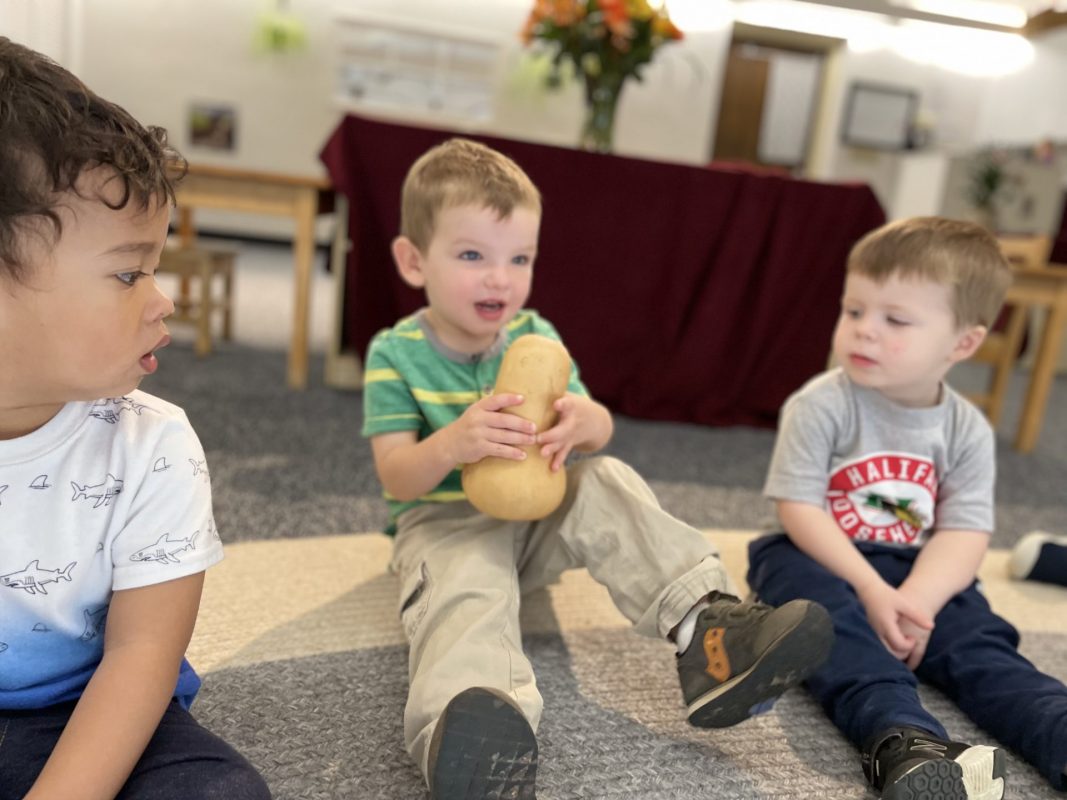
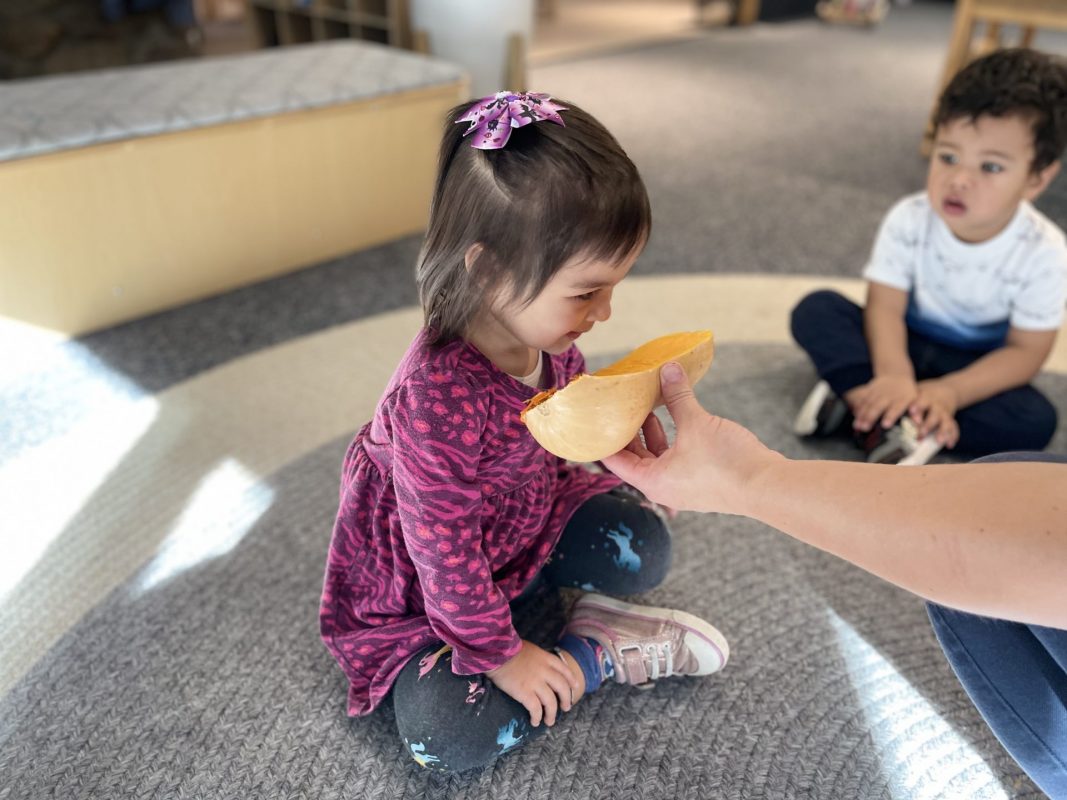
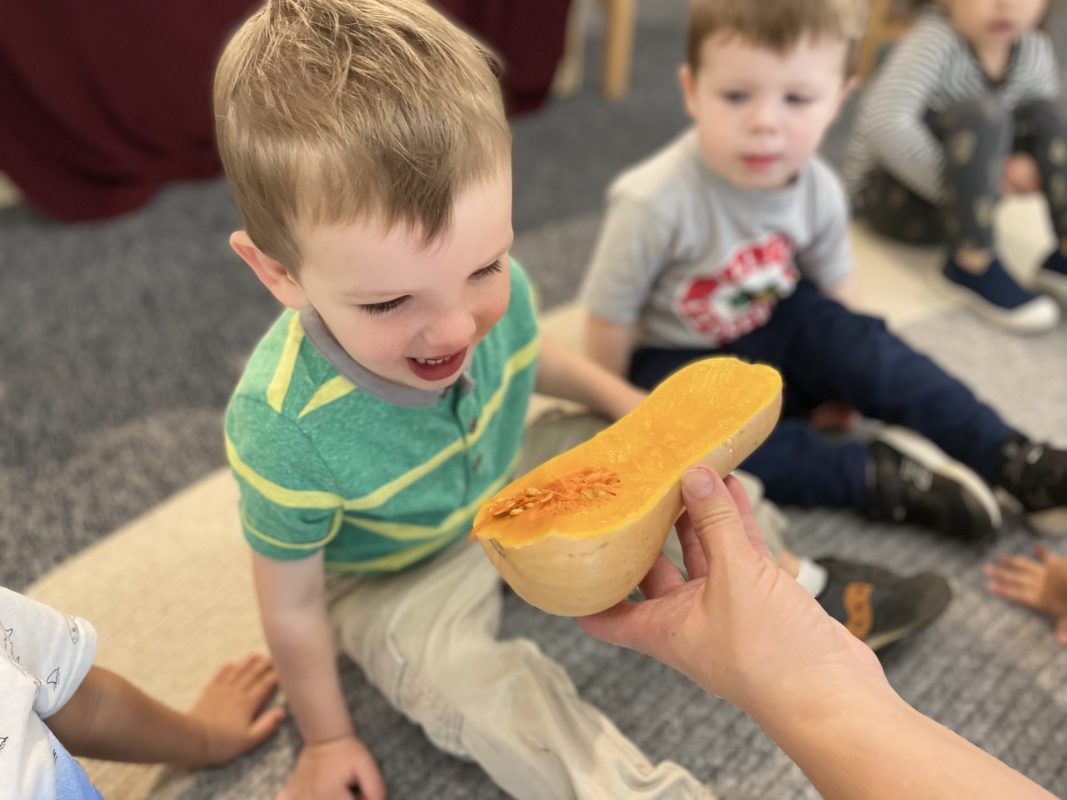
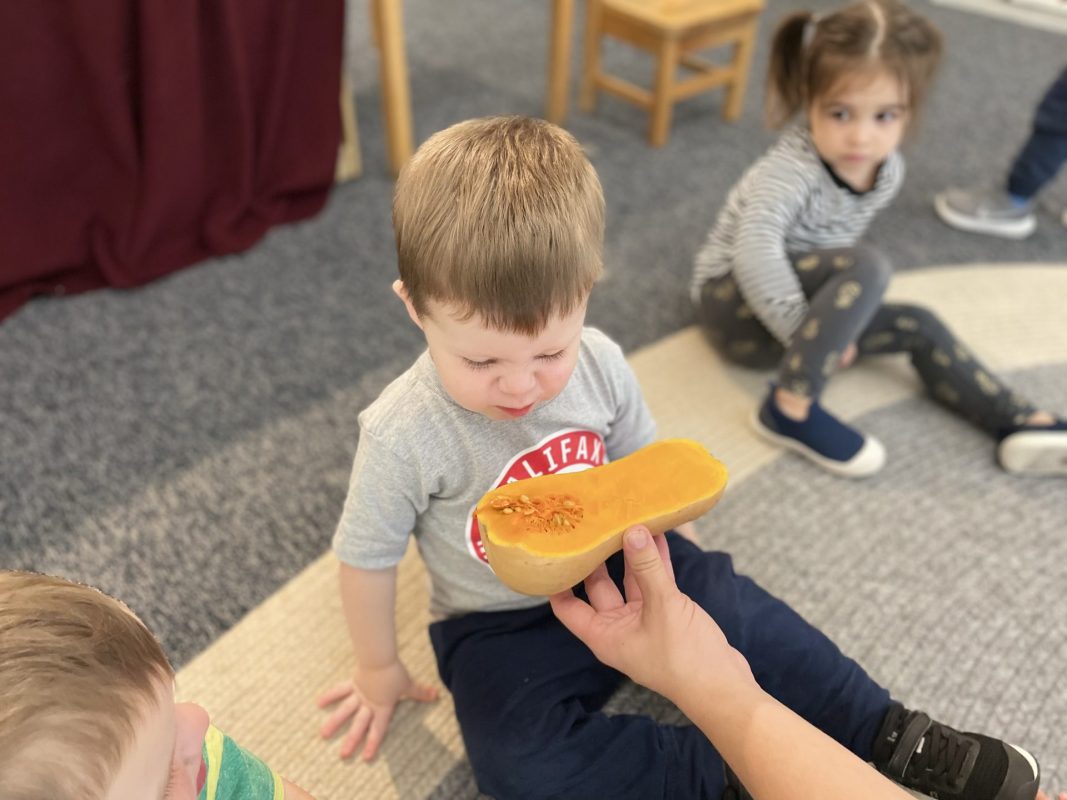
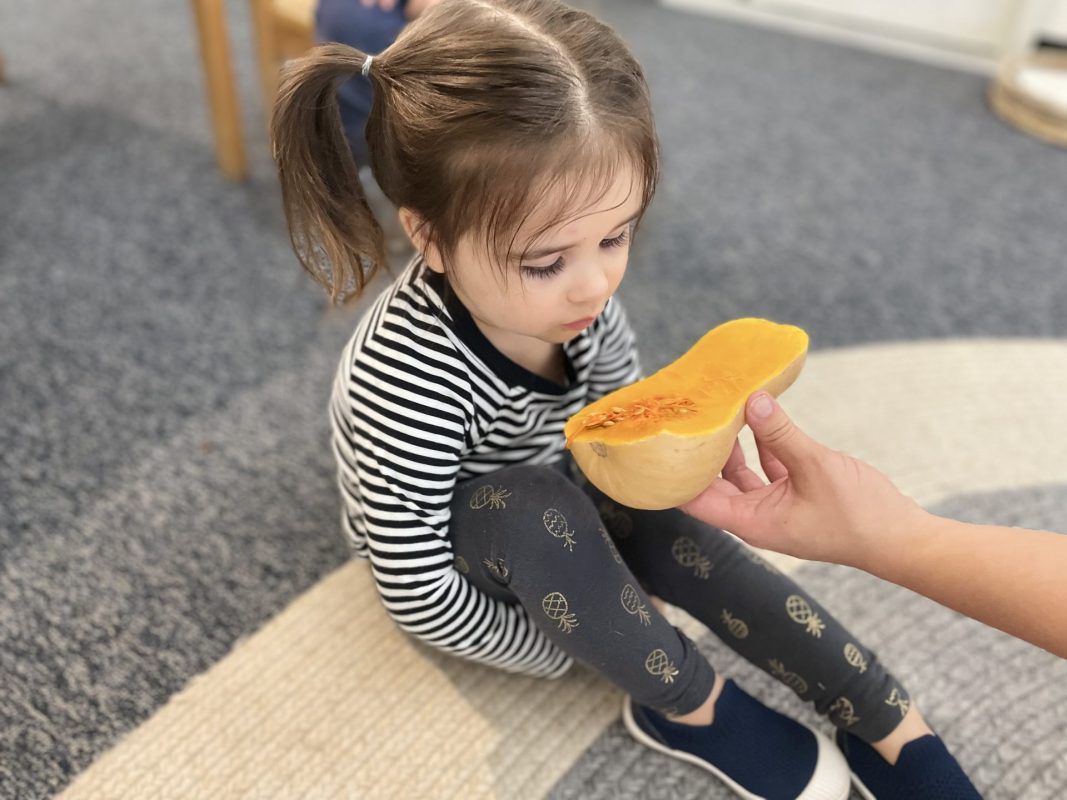
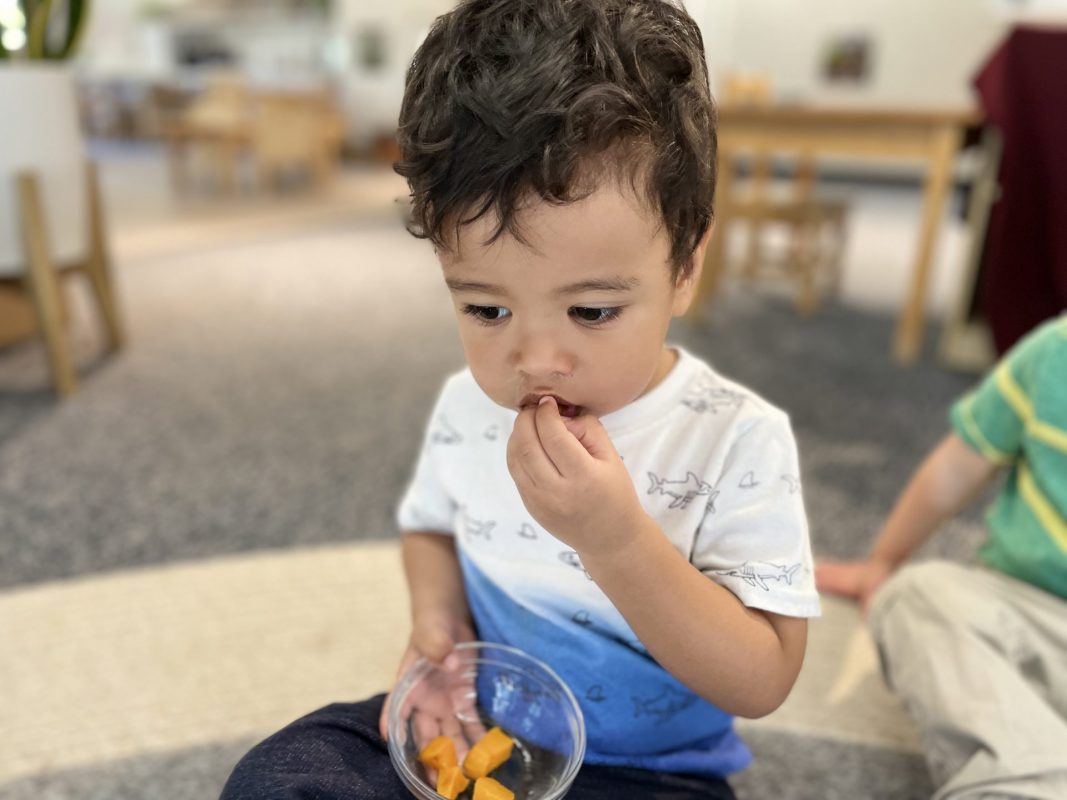
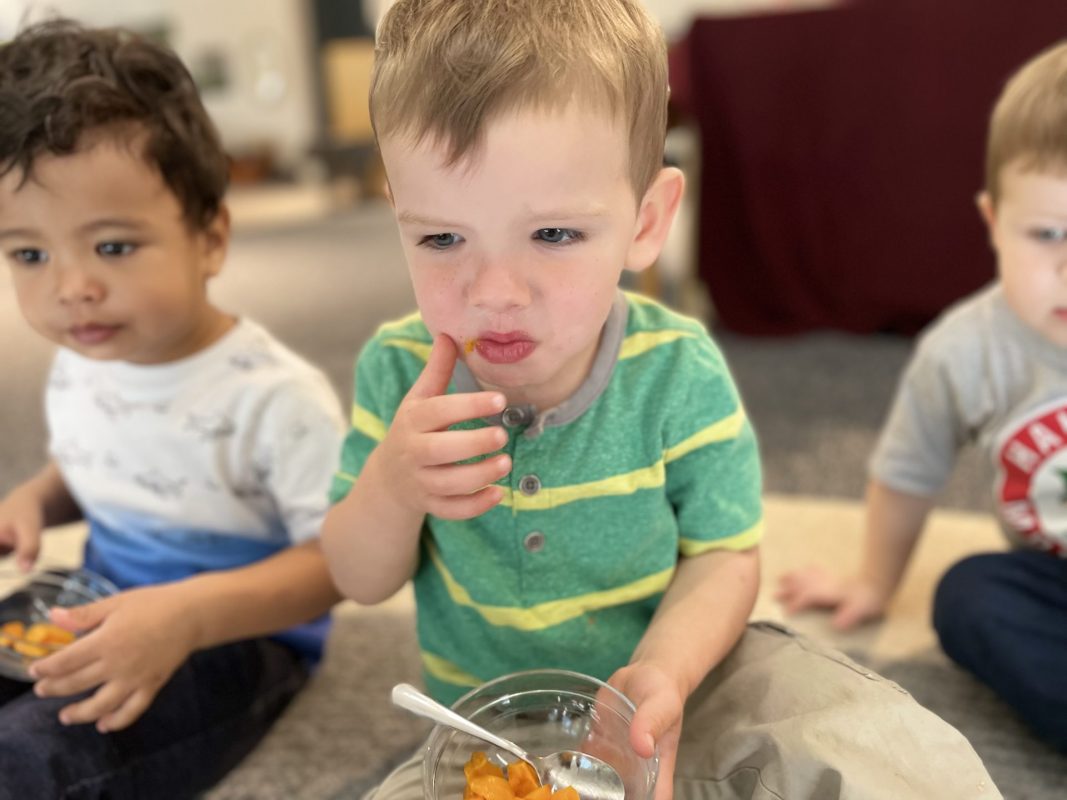
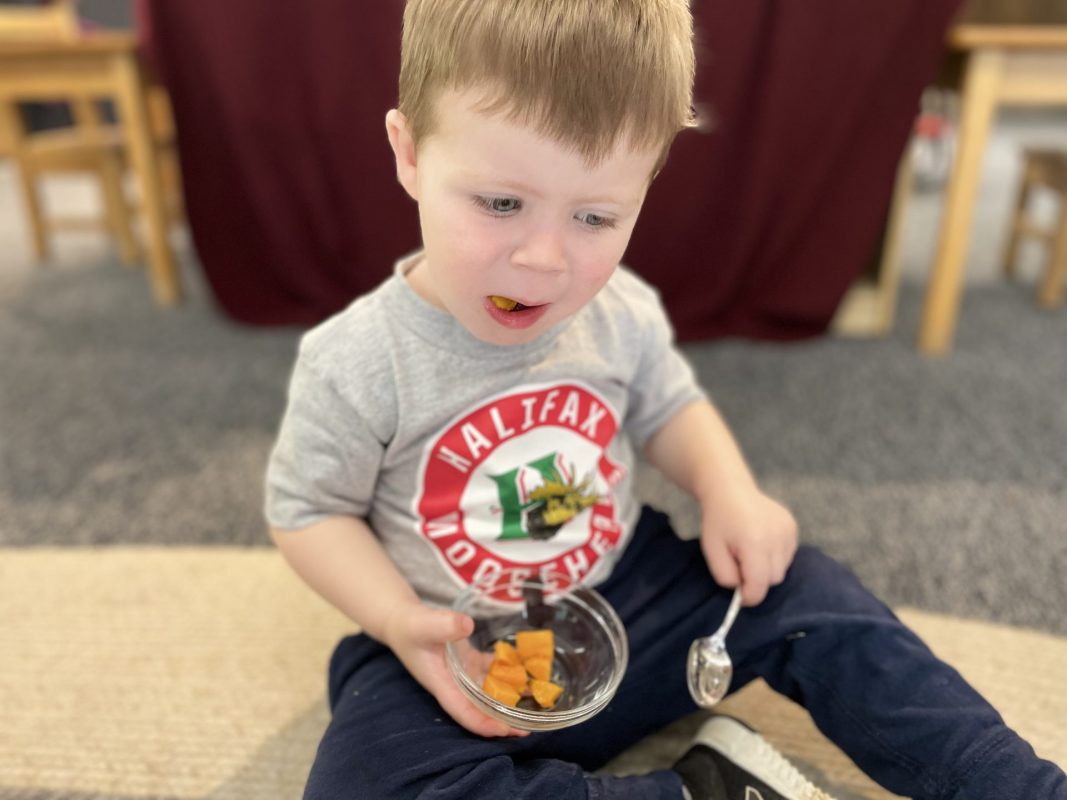
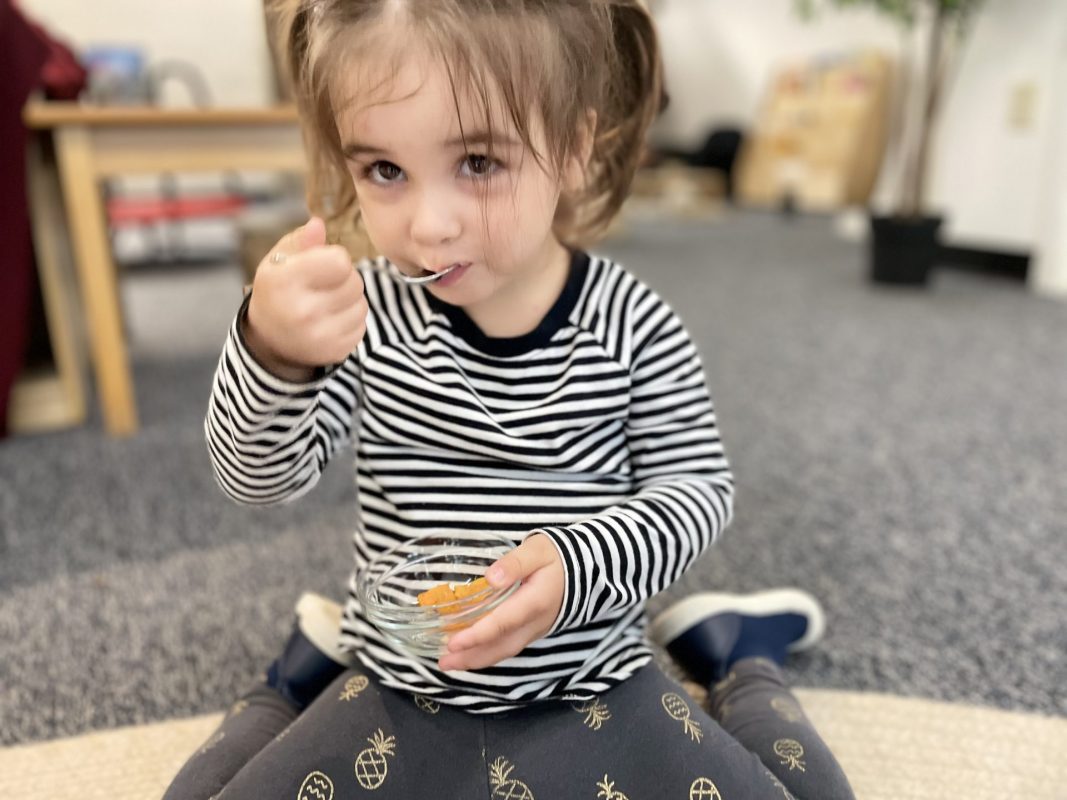
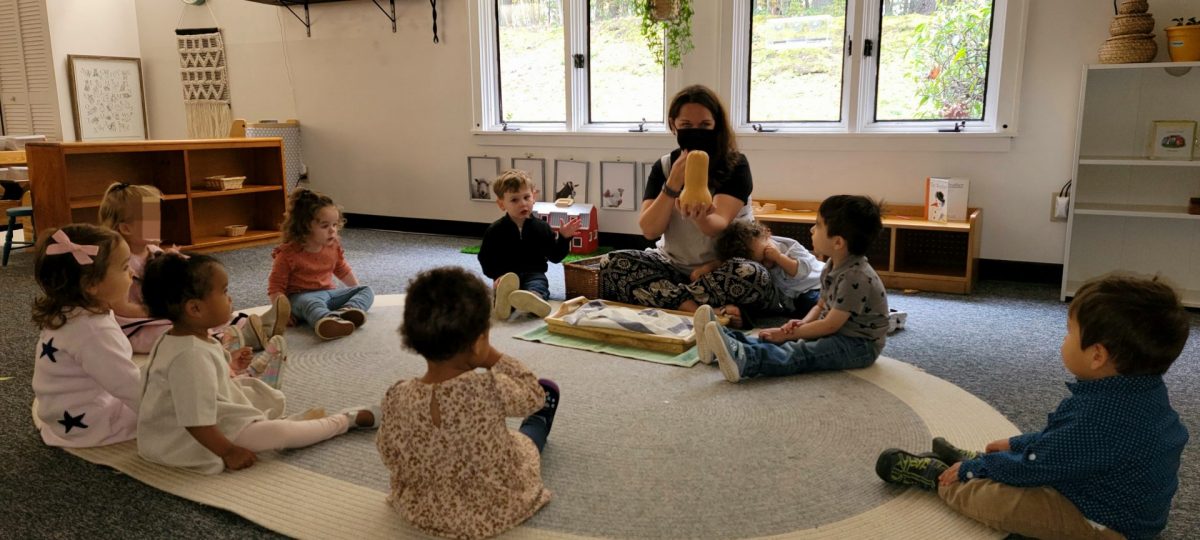
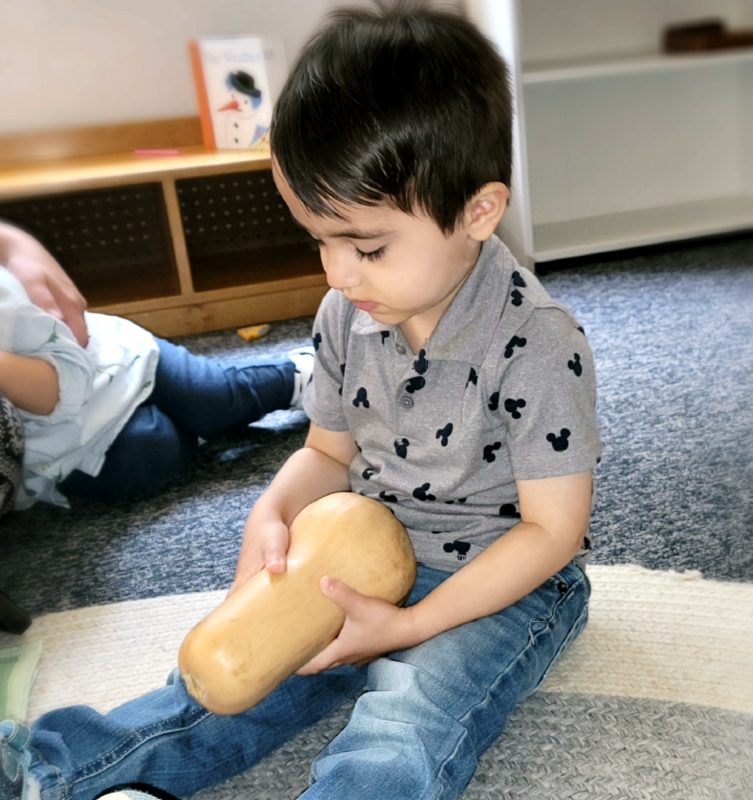
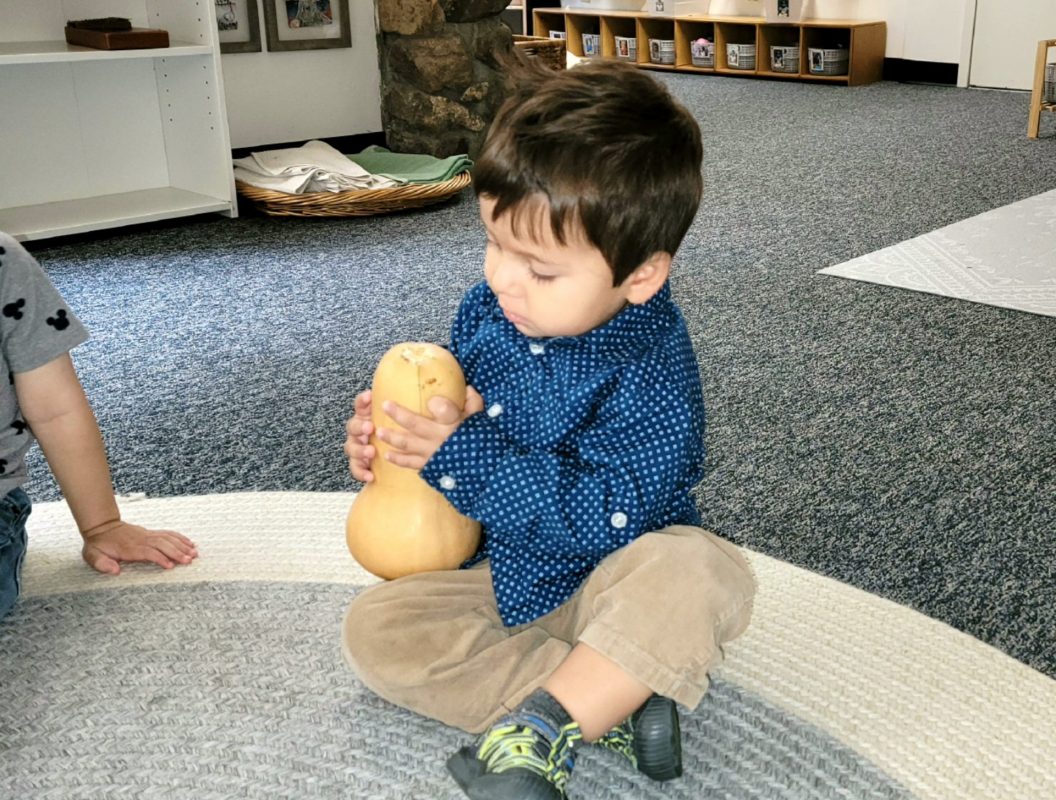
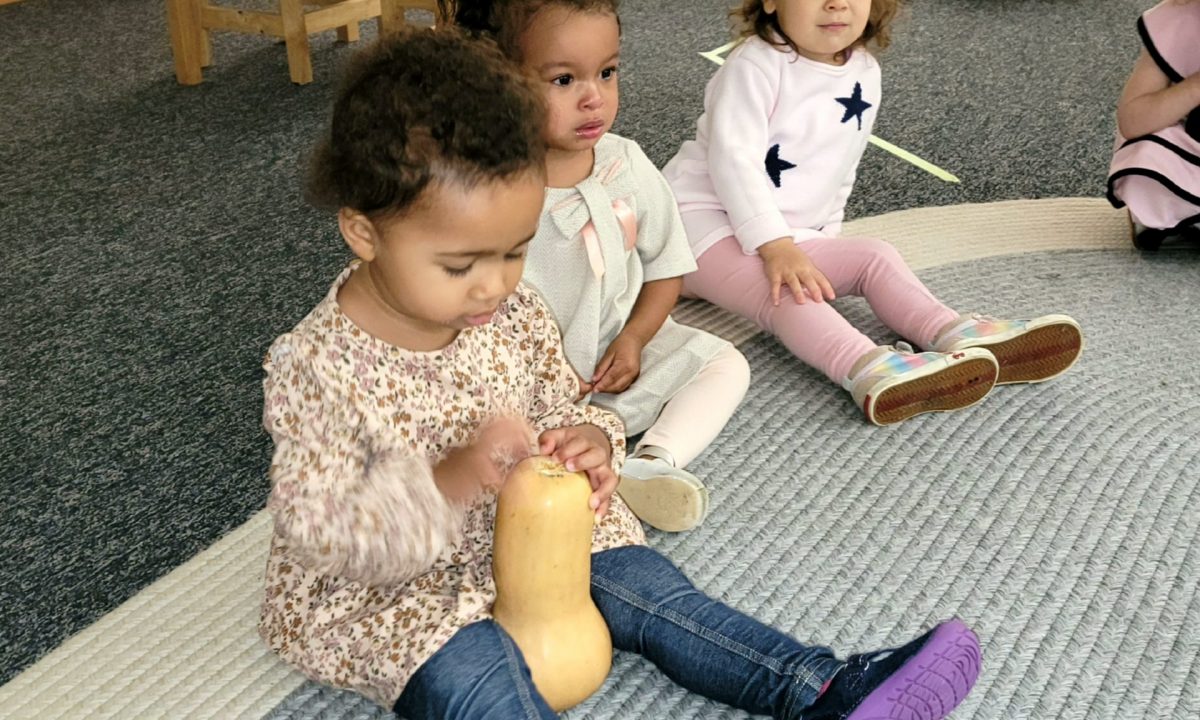
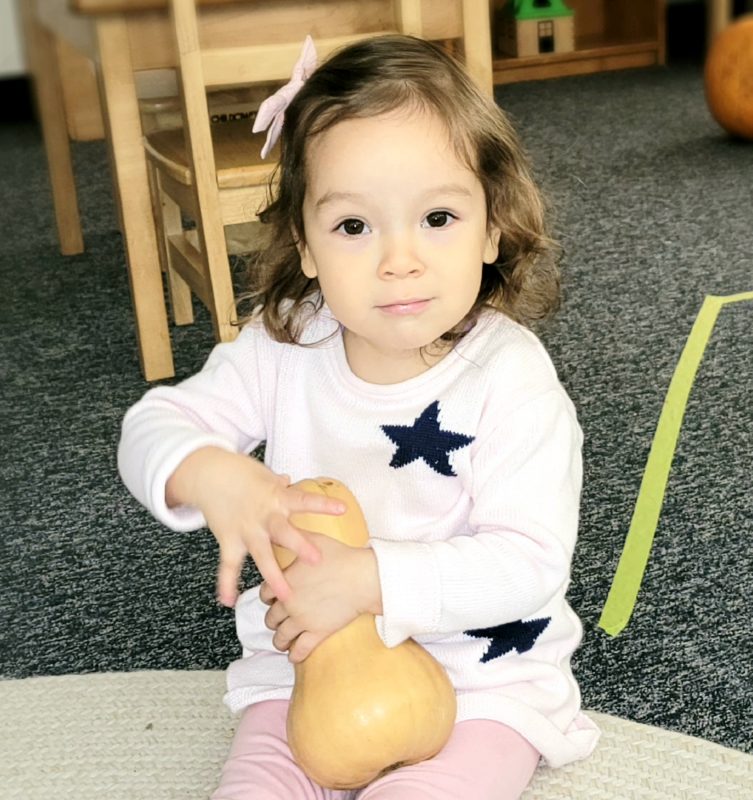
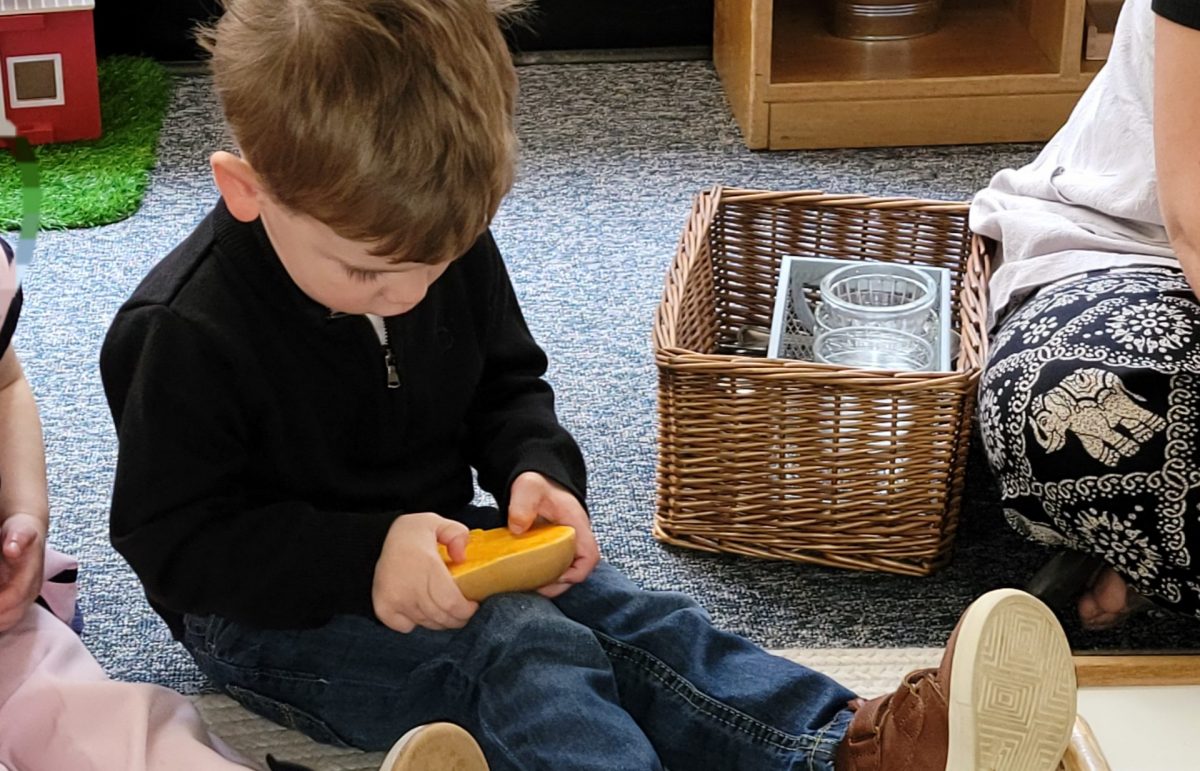
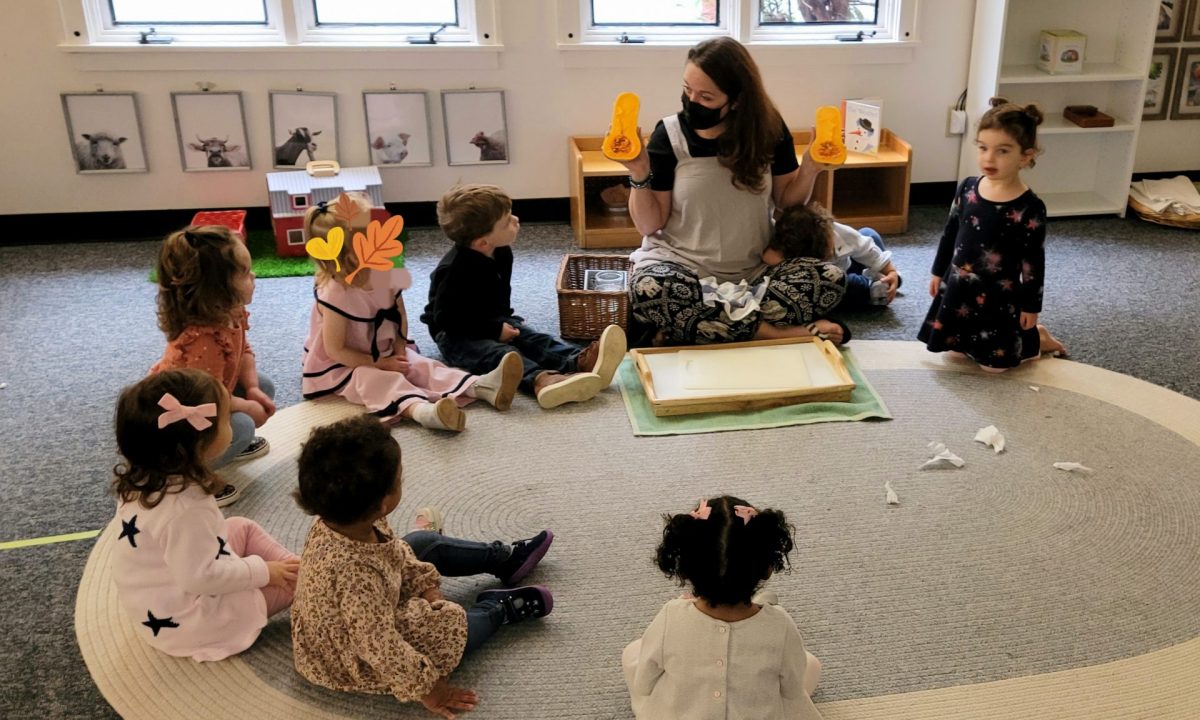
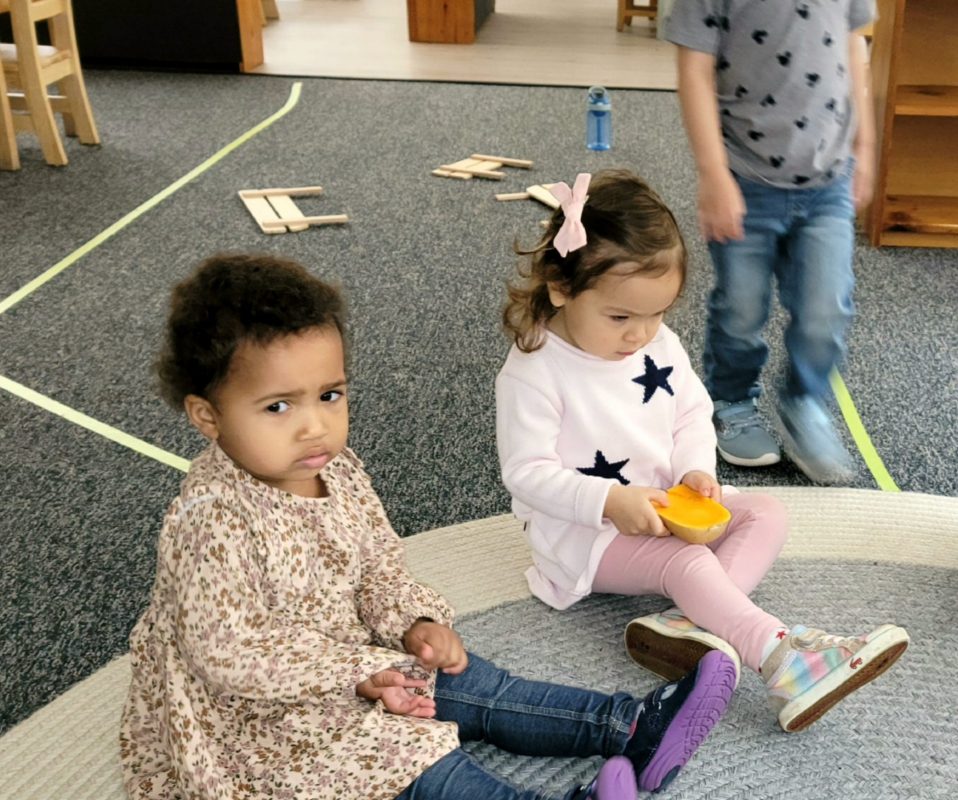
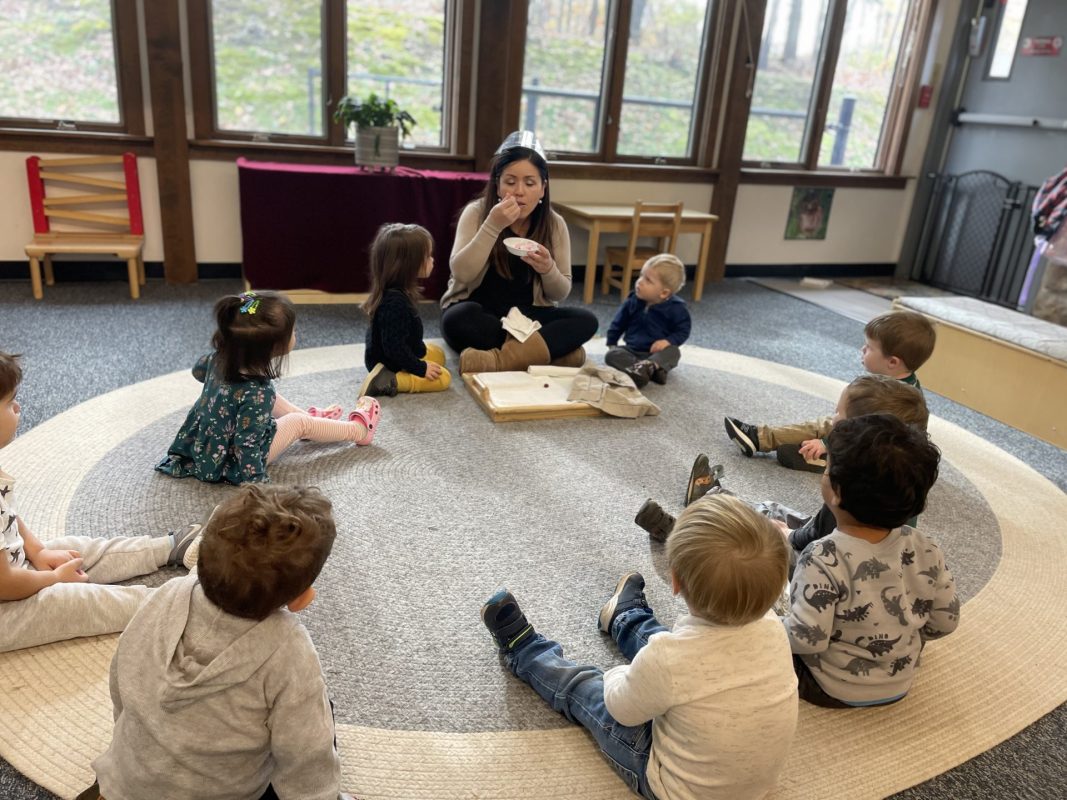
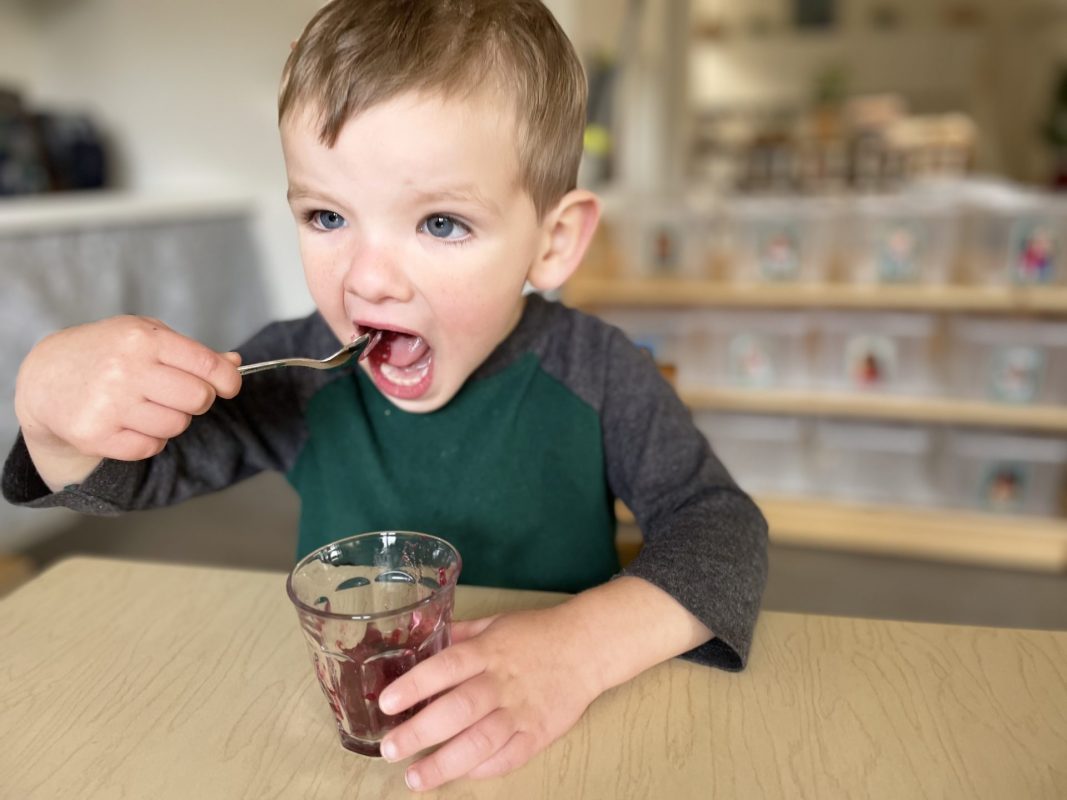
For food tasting we observed, touched, smelled and tasted butternut squash! Just a handful of students really loved it but we’ve gotta say that ALL of them tested it.

Have a great weekend,

Mrs. Hood and Ms. Maria 

Mrs. Wilson: Tasting Butternut Squash and Exploring a Sunflower
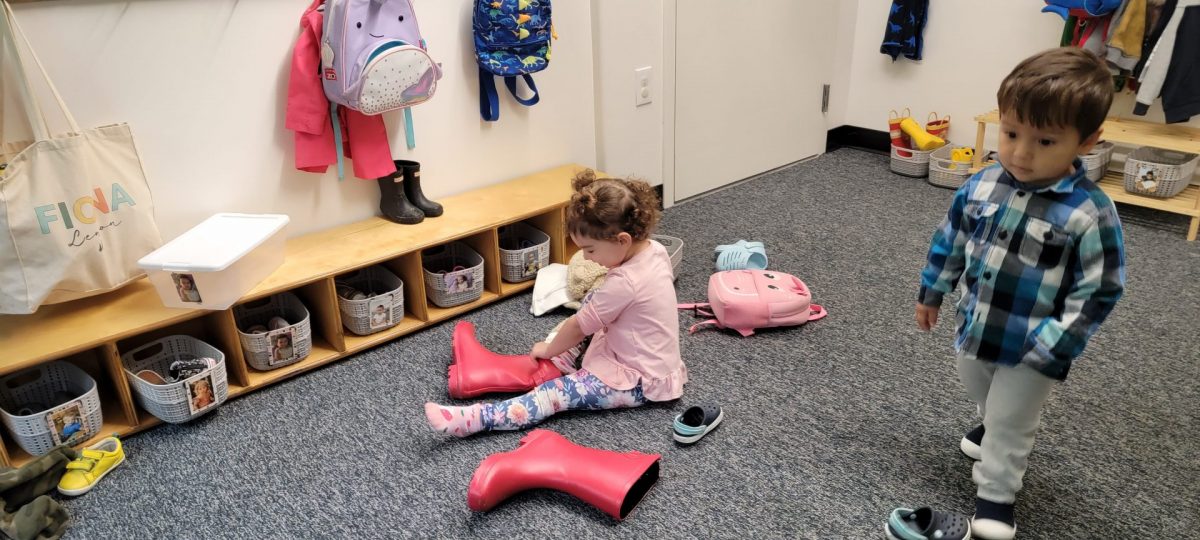
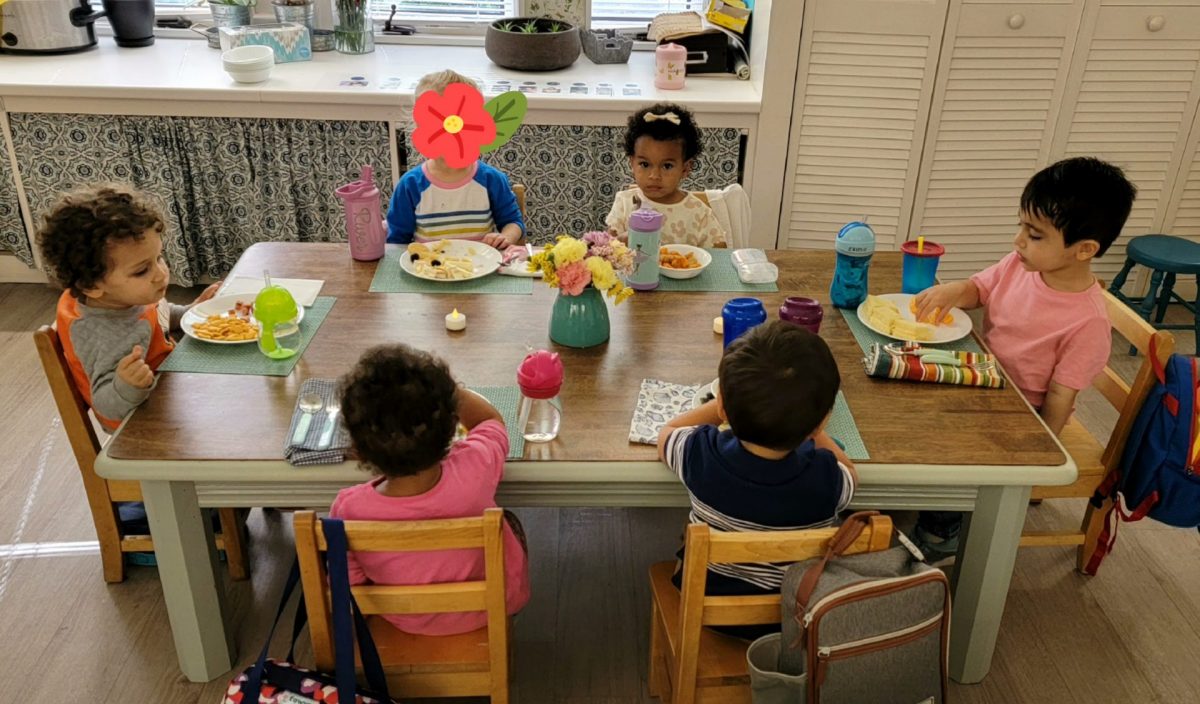
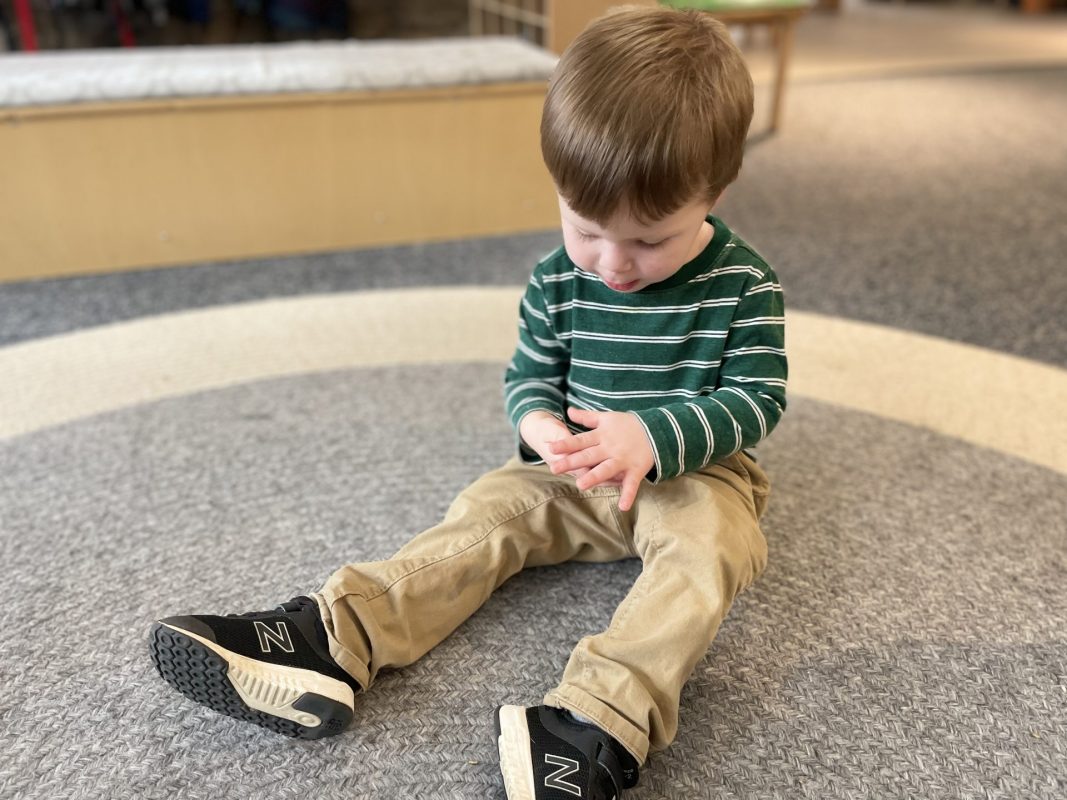
This week we started working on getting more into our daily routines. From changing our shoes when we arrive, to learning how to set and prepare our lunches before we sit down to eat, soon our classroom will have a rhythm and flow and these routines will come naturally to the children.
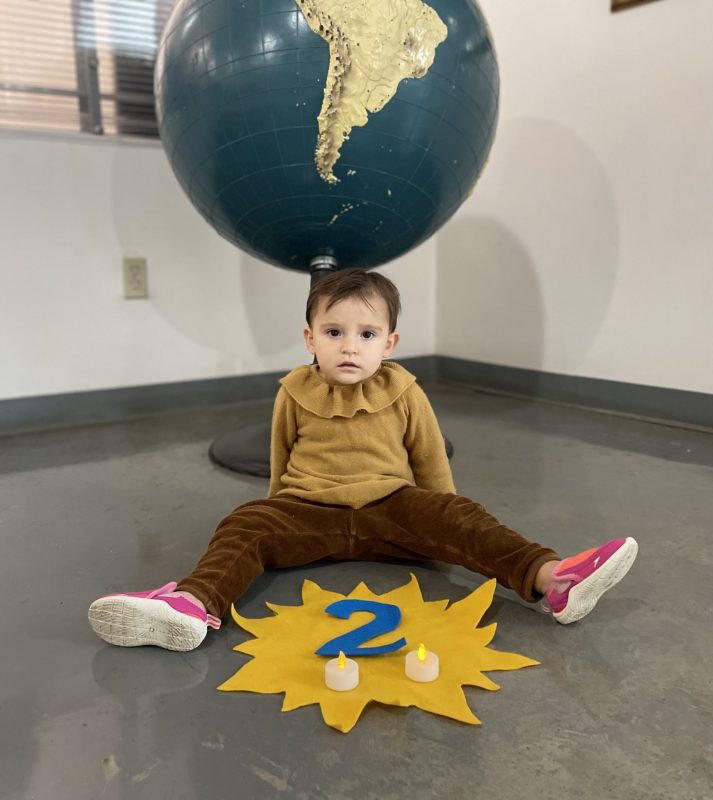
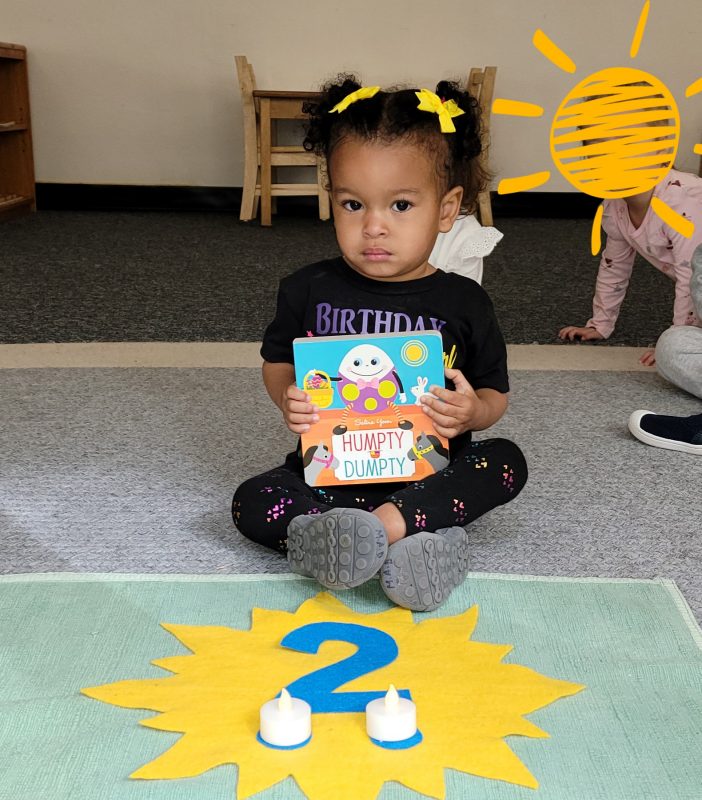
On Tuesday we celebrated our friend’s 2nd birthday. She brought in the book Humpty Dumpty to share with the class. Thank you!

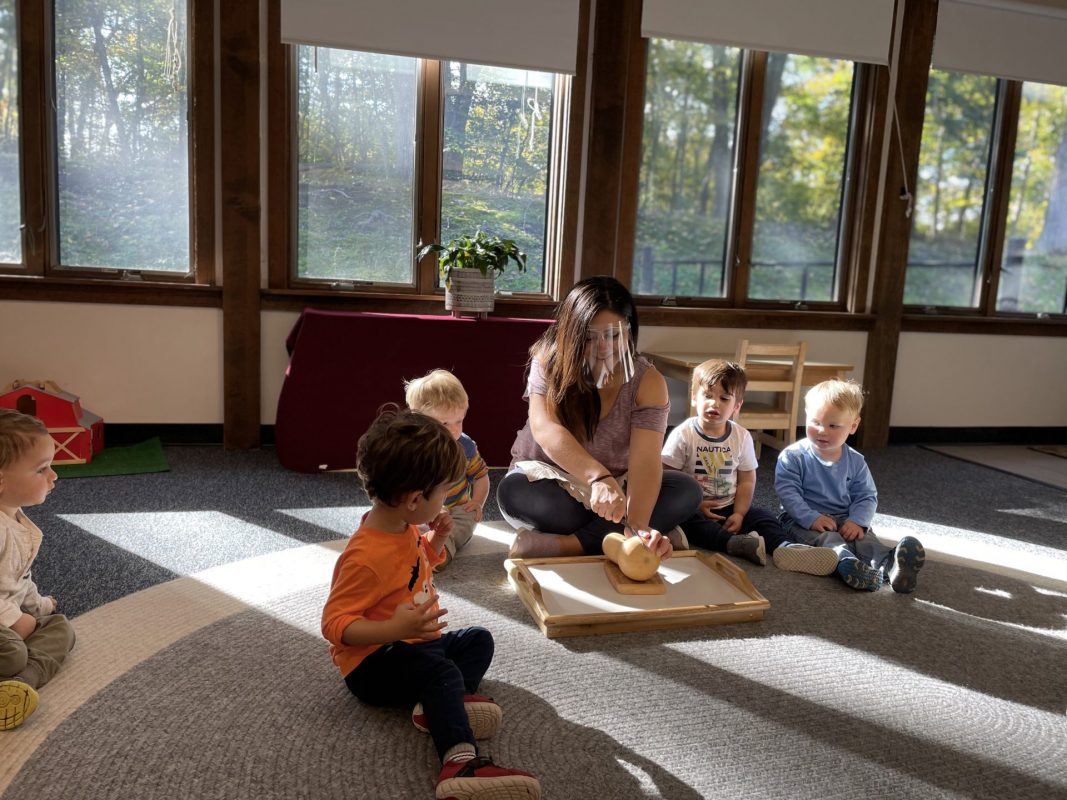
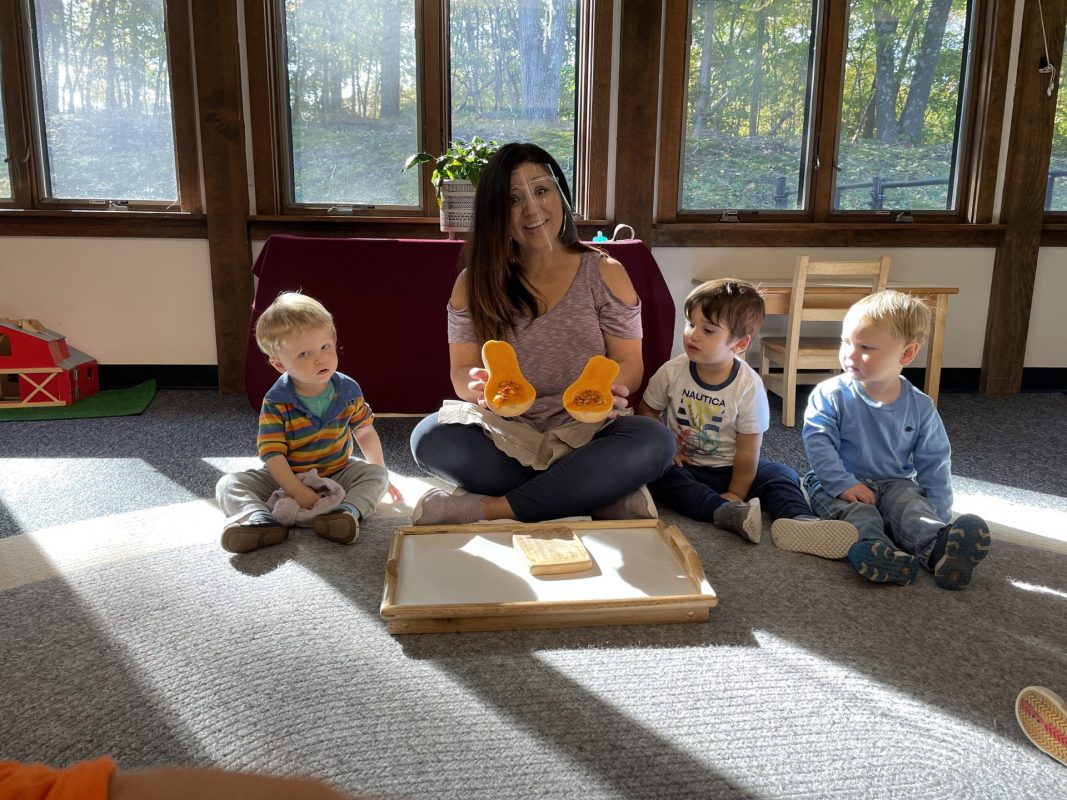
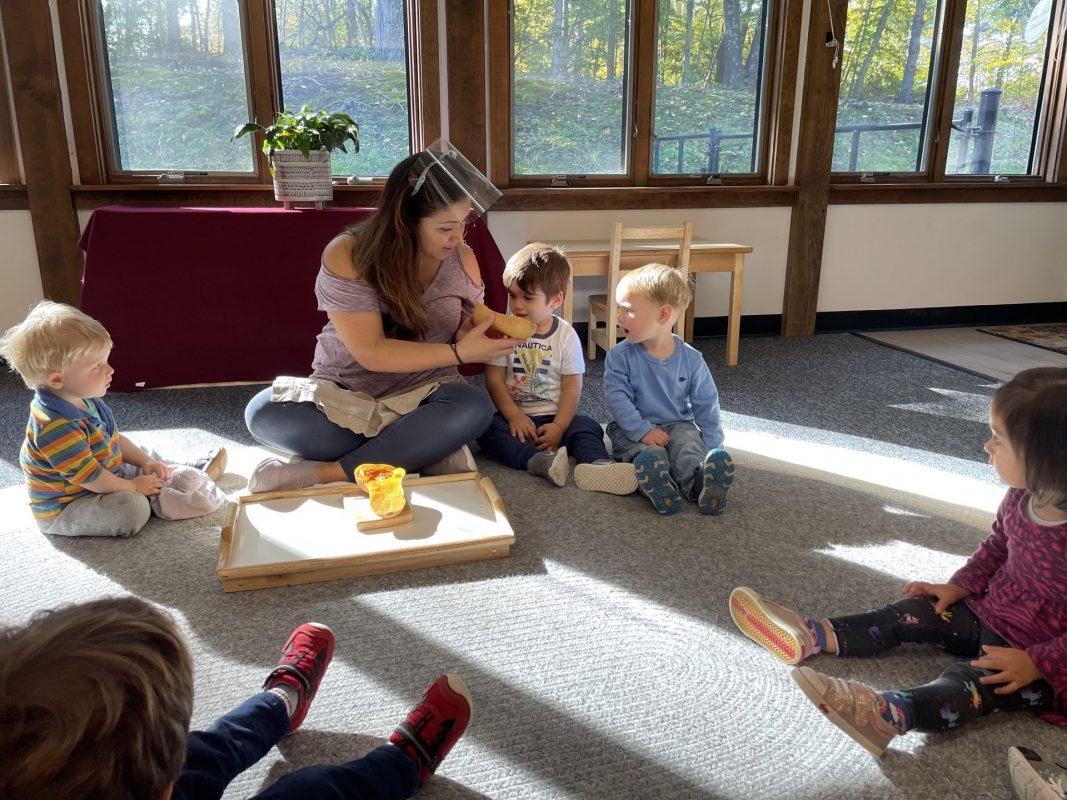
The children had a chance to taste and explore a butternut squash. Like the last three times, they guessed apple and were surprised when a butternut squash was revealed. When we held the squash we felt how heavy it was and that it was smooth and it didn’t have a scent. When I cut in half we were able to see the bright orange coloring and that it did have a scent. Most of the children tasted the squash. Some liked it, and some not so much.

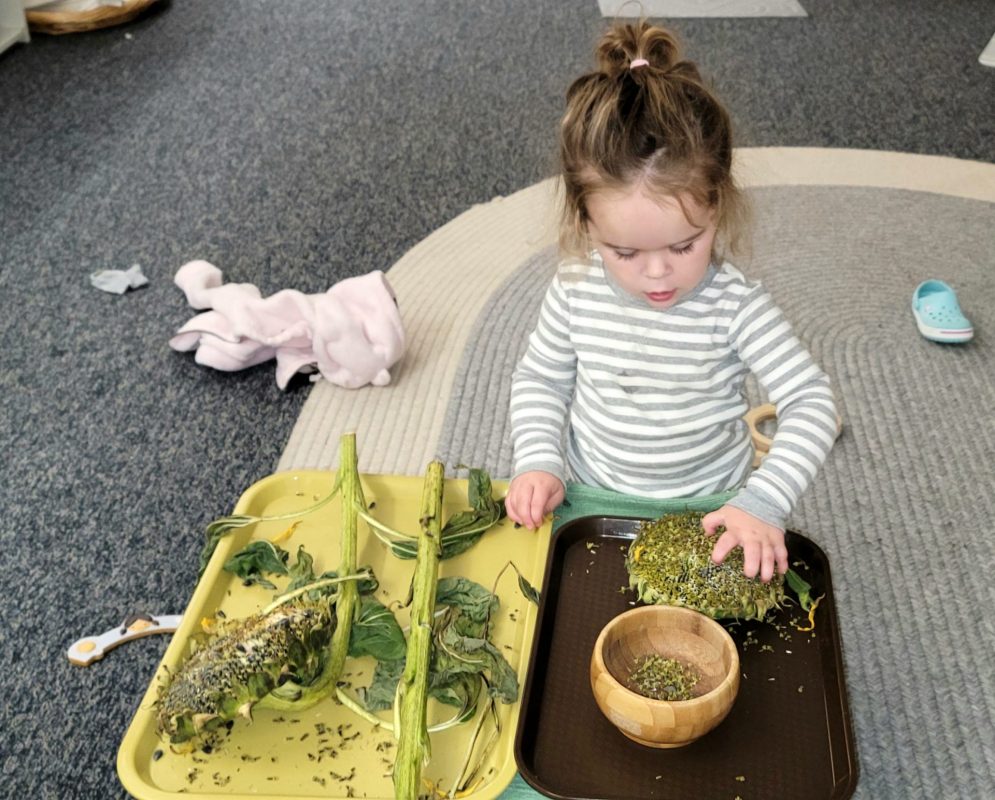
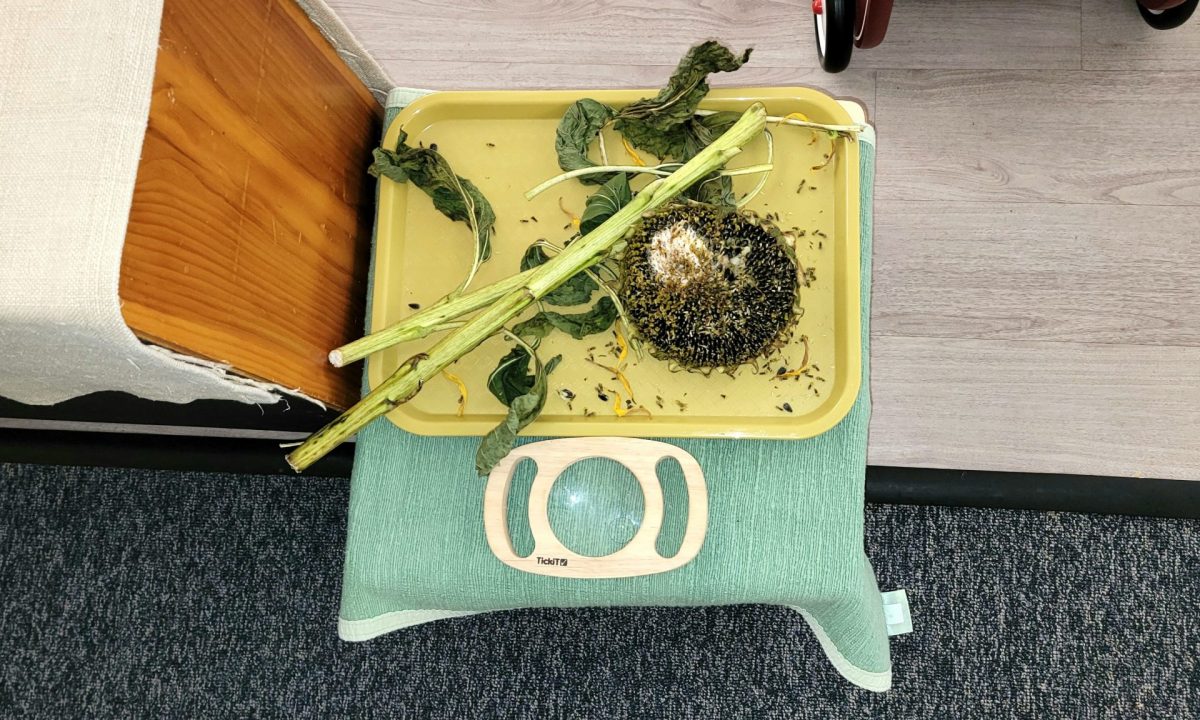
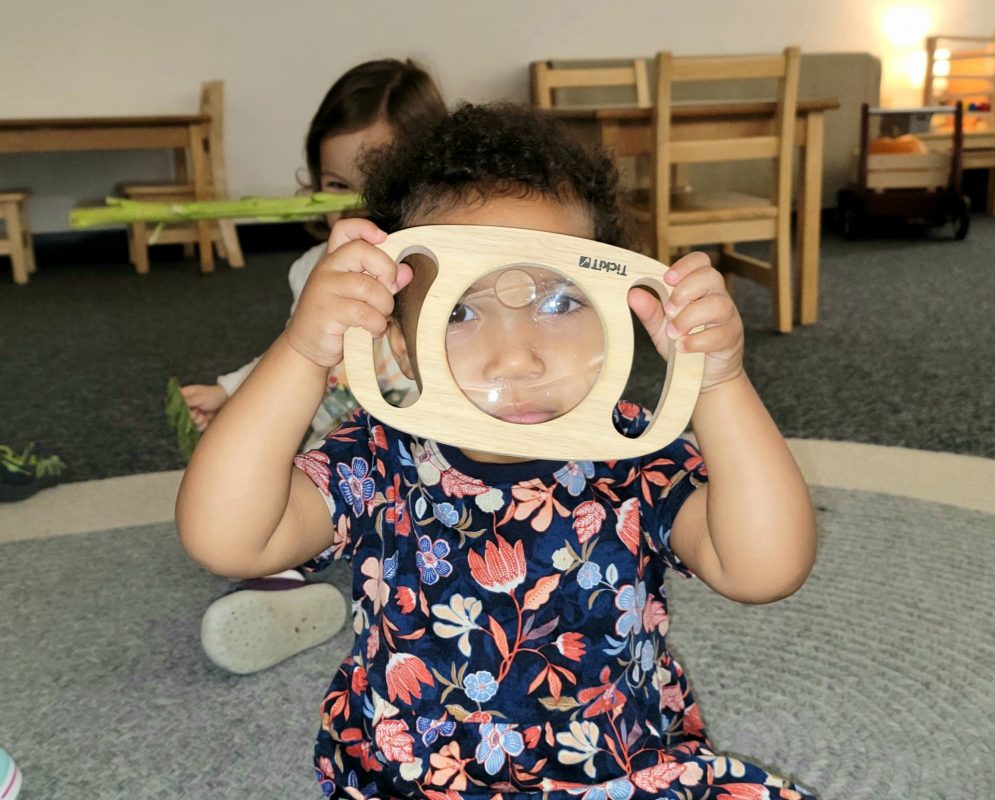
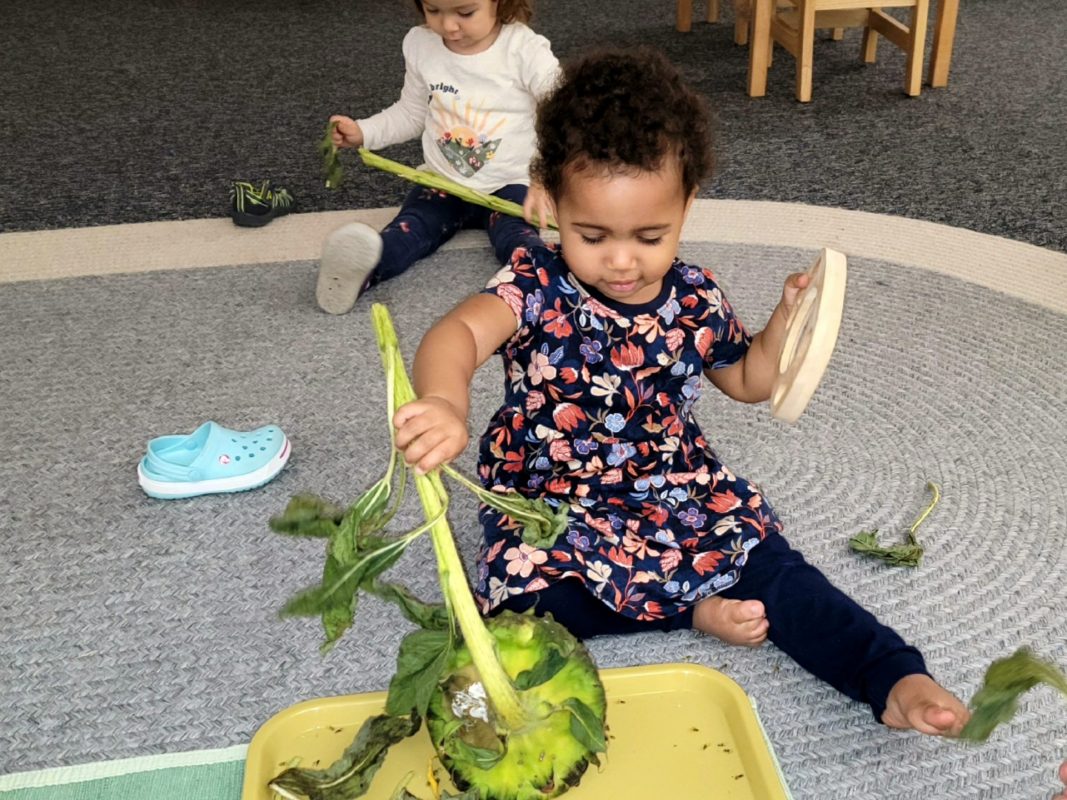
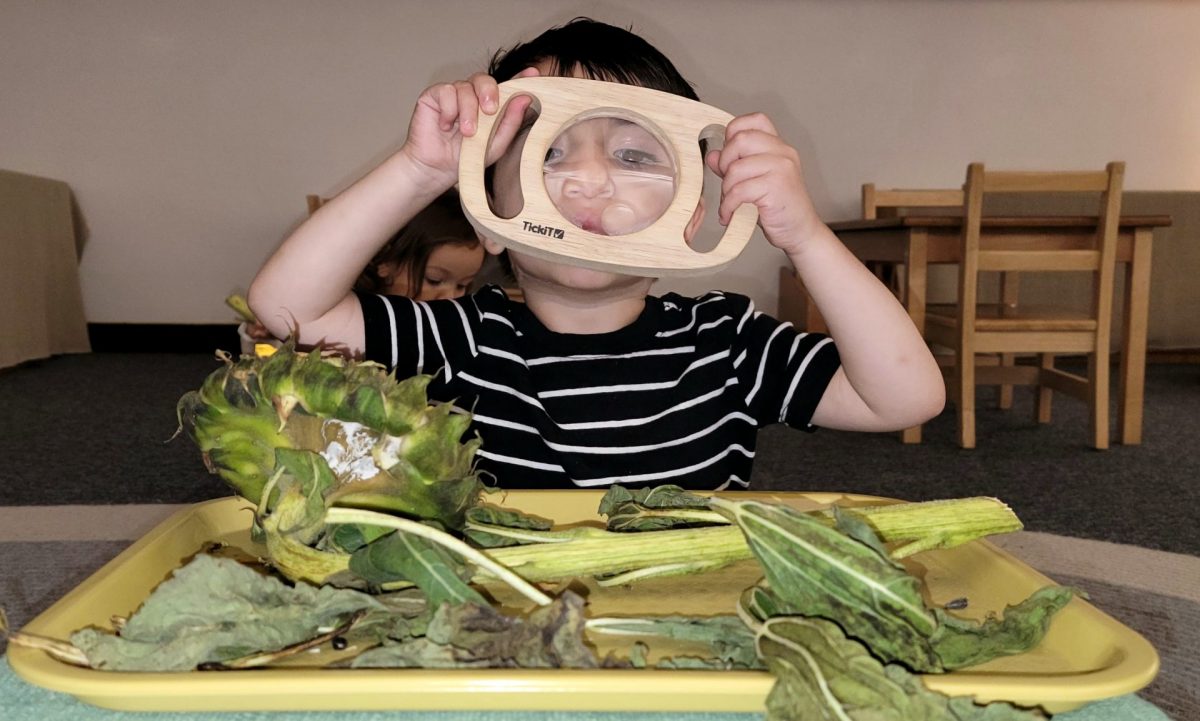
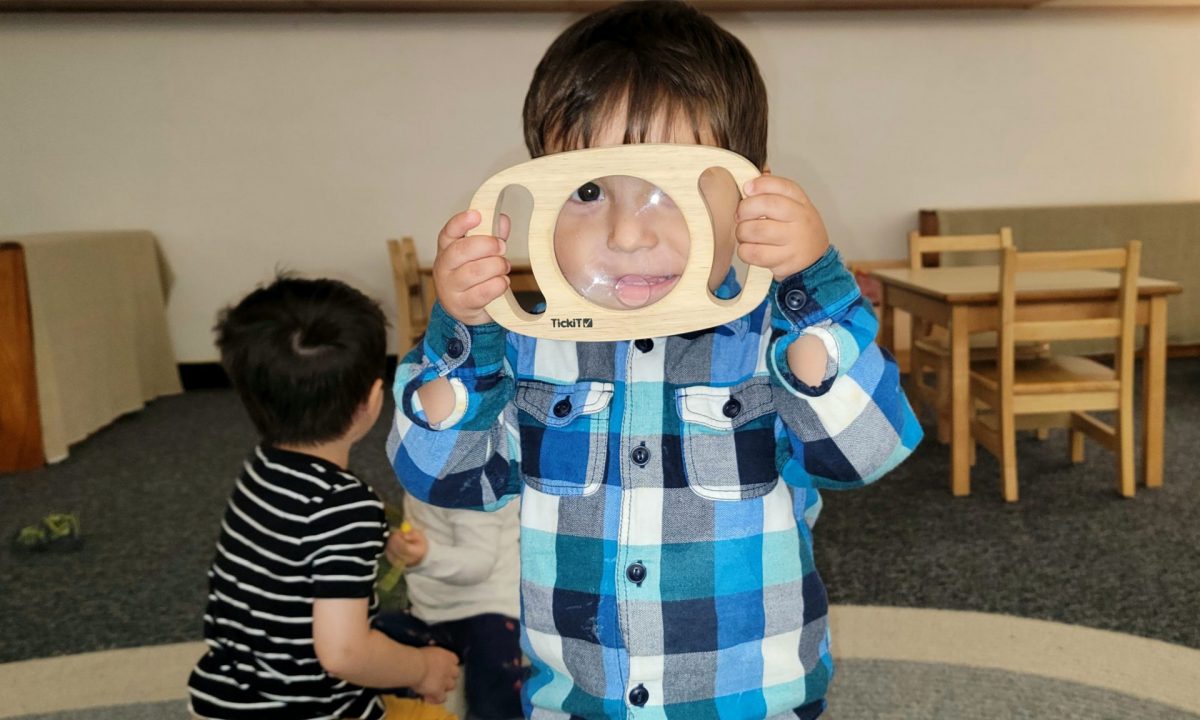
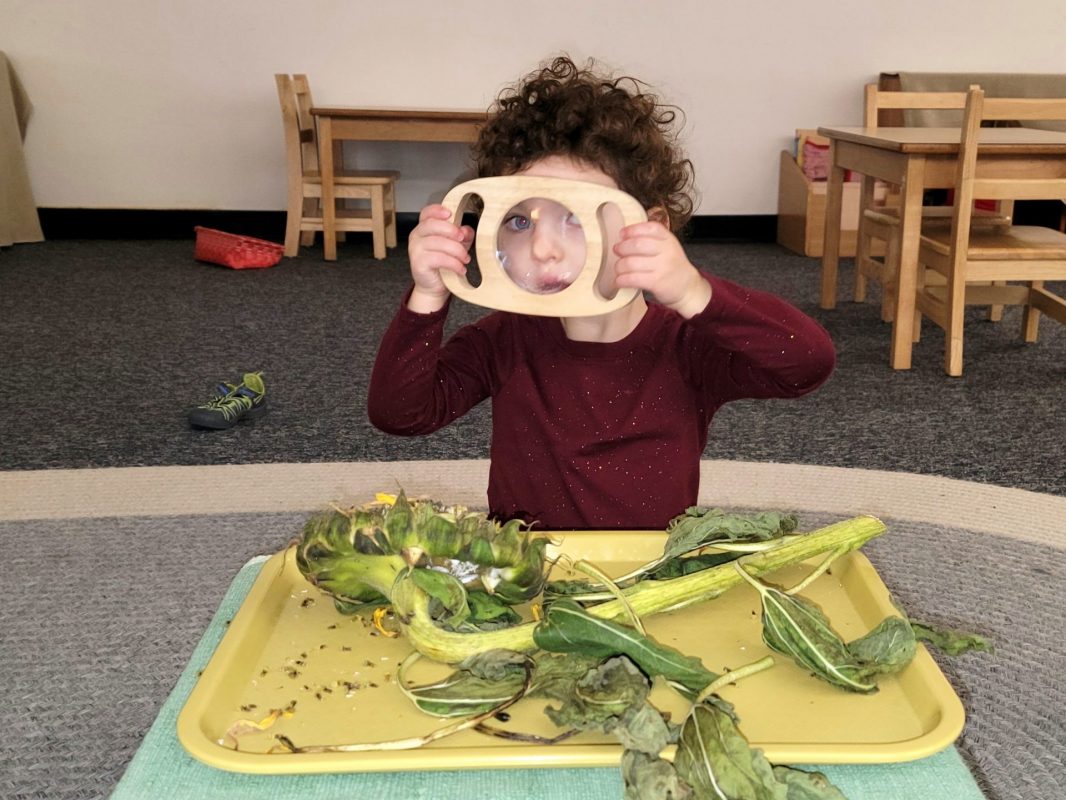
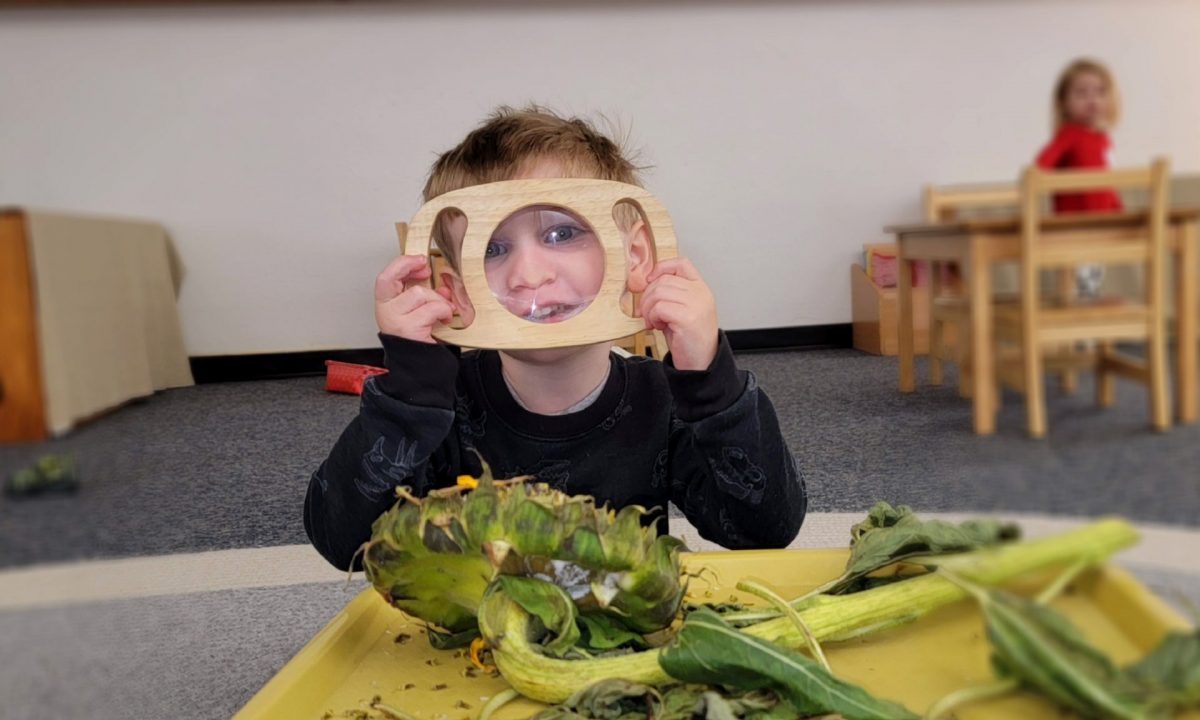
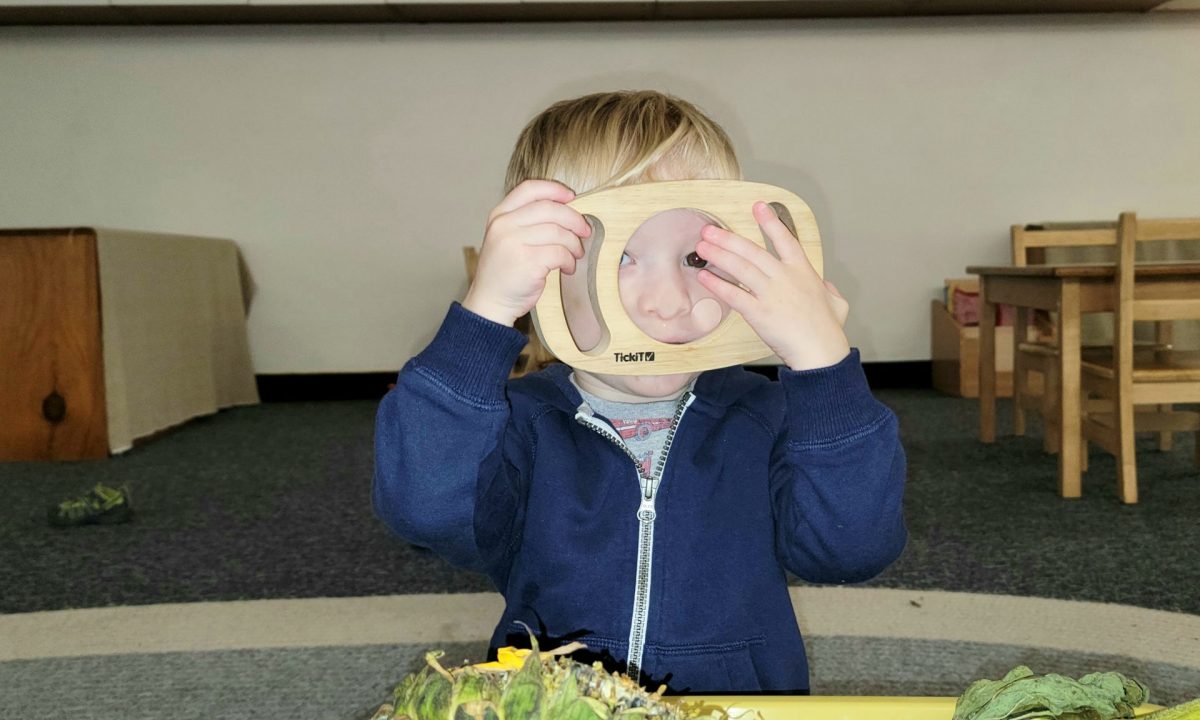
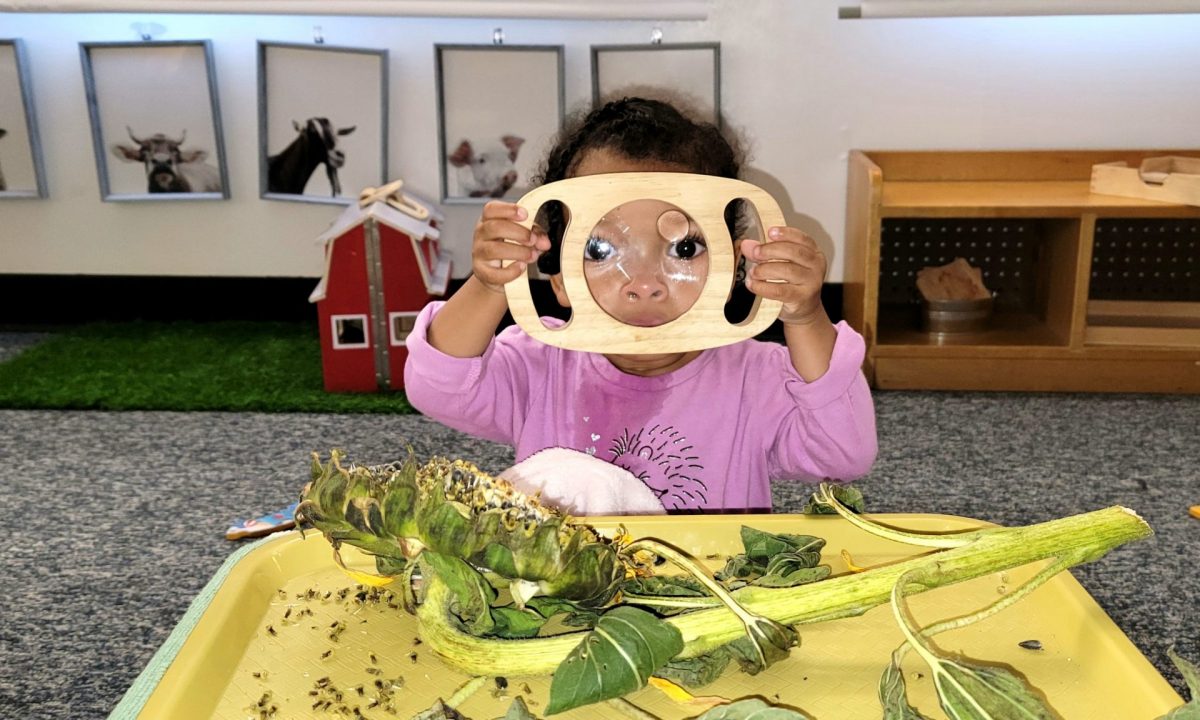
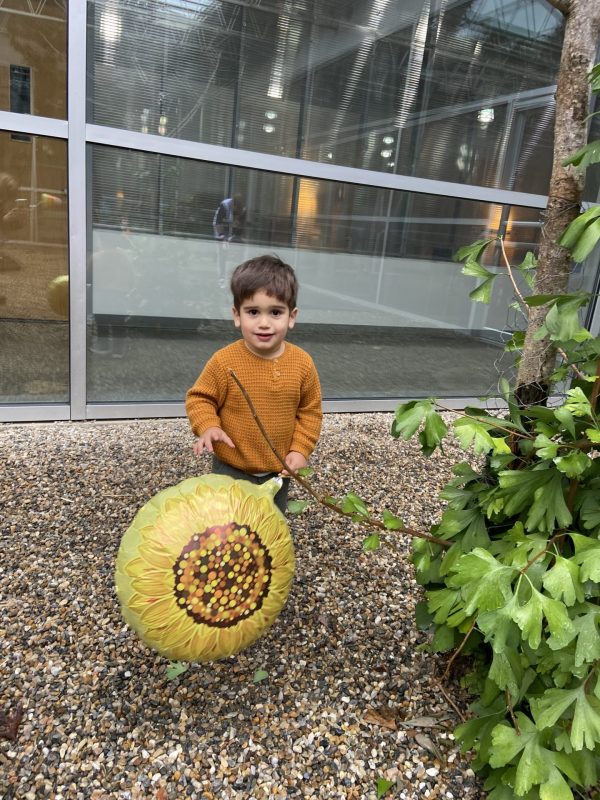
We also explored a sunflower and talked about the different parts of the flower. The children were able to use a magnifying glass to take a closer look at all of the parts. Another activity available is for the children to use their fine motor skills to pull out the seeds.


Mrs. Wilson: Transitioning into October


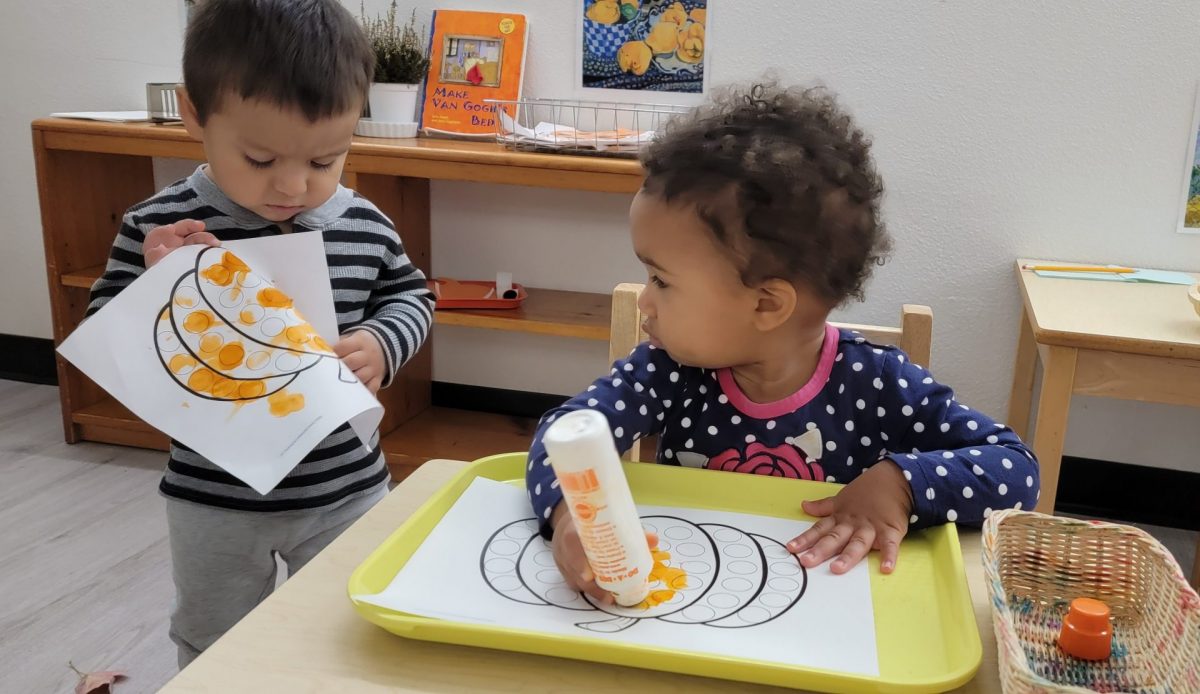
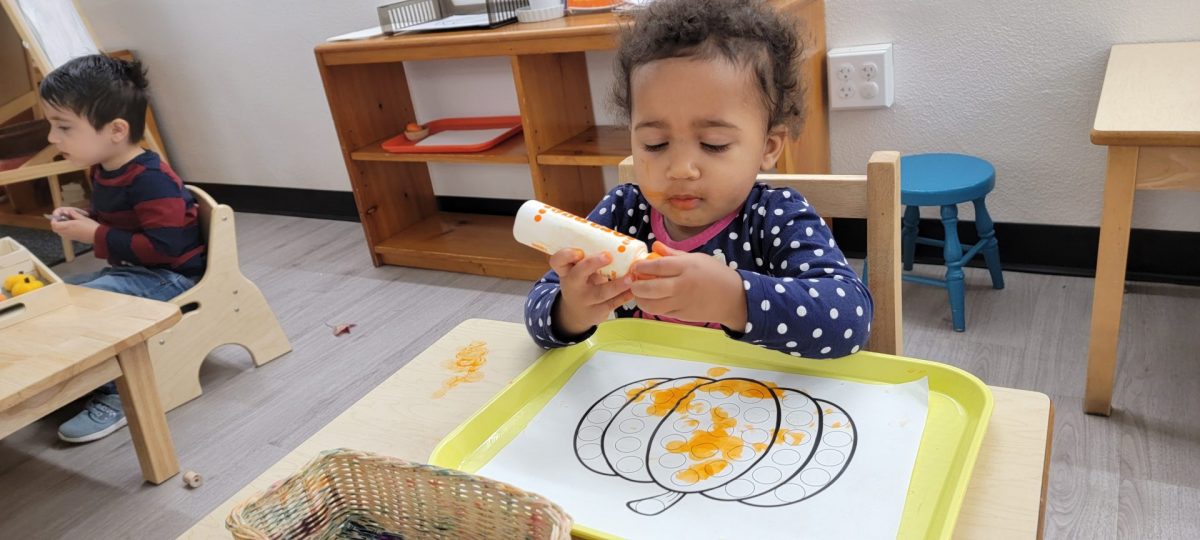
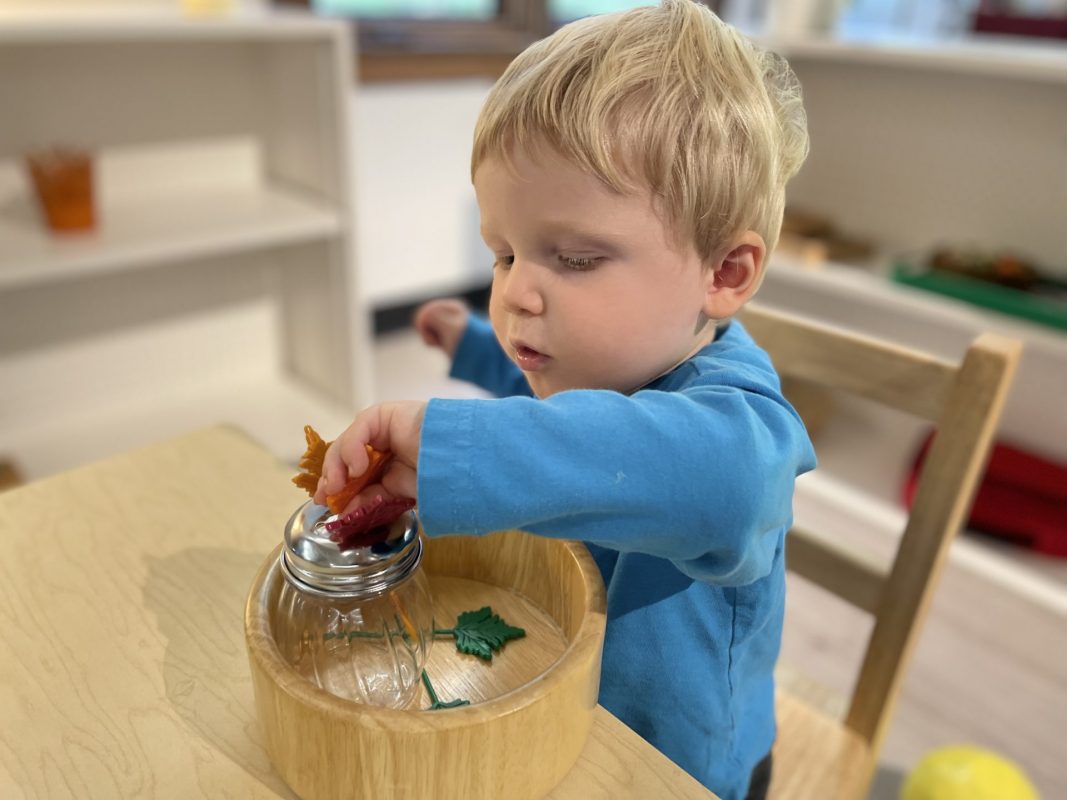
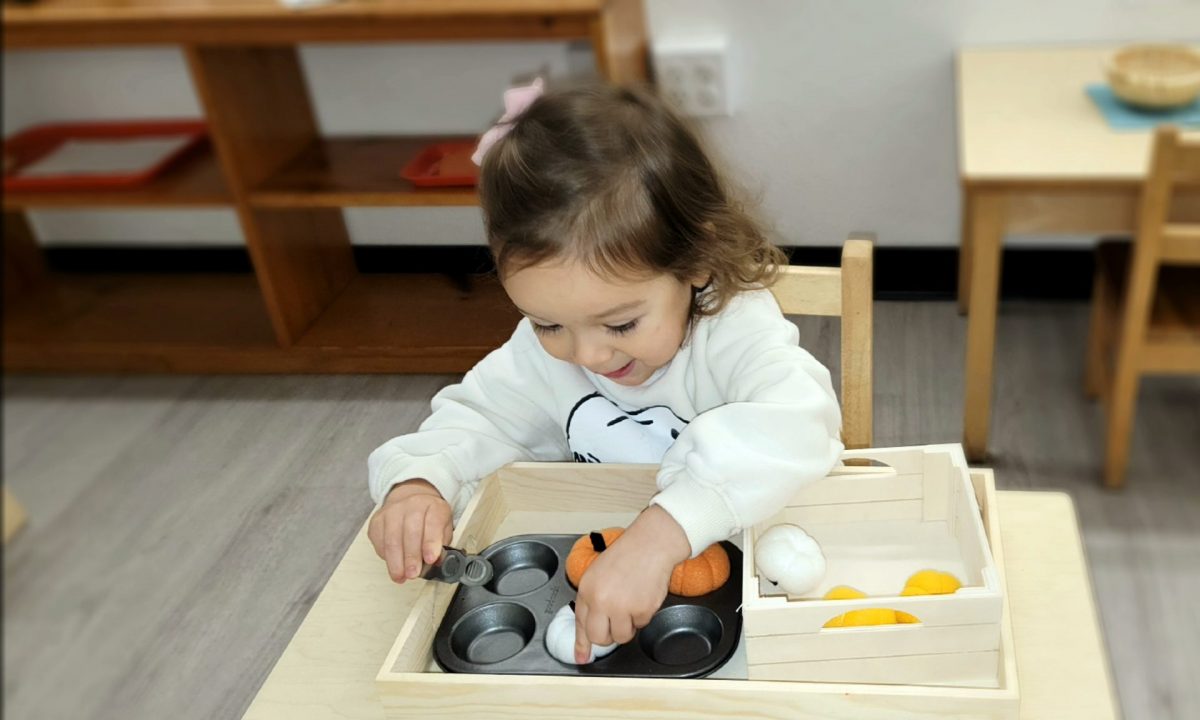
Here we are in the first week of October. Inside the classroom, we have made the transition from apples to pumpkins. In the refinement of the hand area, the children are exposed to materials that are pumpkin-related, such as using orange-colored pompoms for spooning, felt pumpkins to tong, and orange-colored paper straws for posting. For practical life, the children can choose to scrub a pumpkin in the sensory bin.

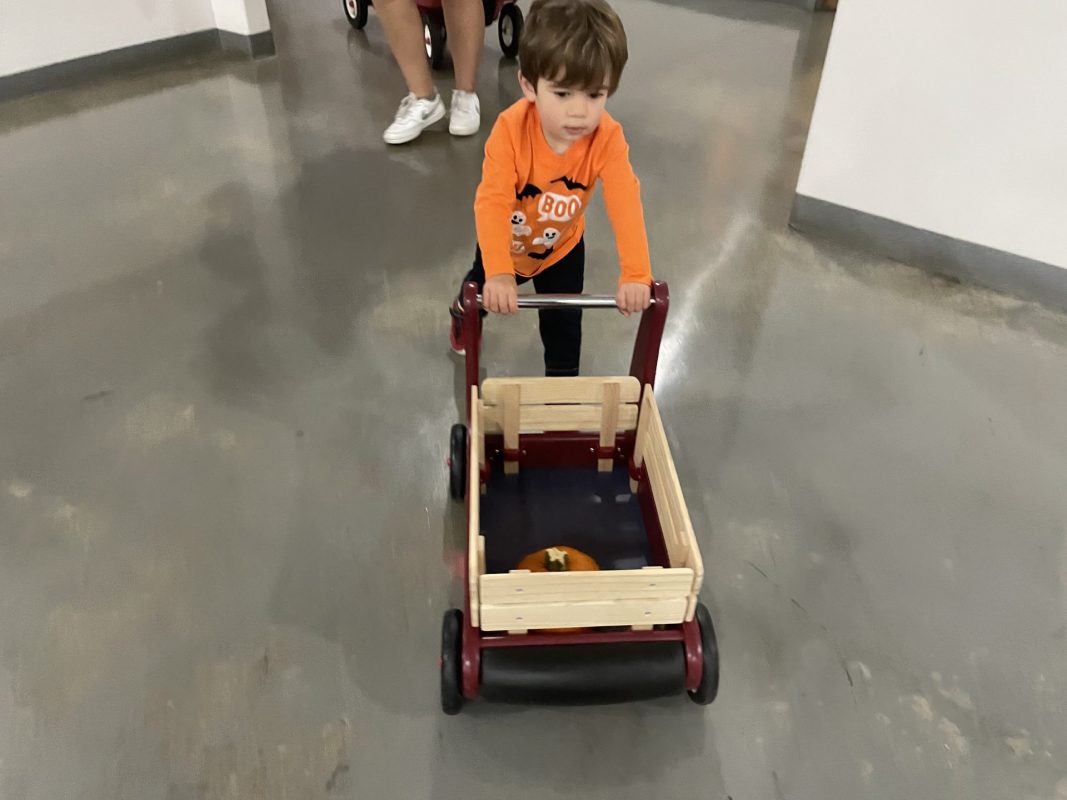
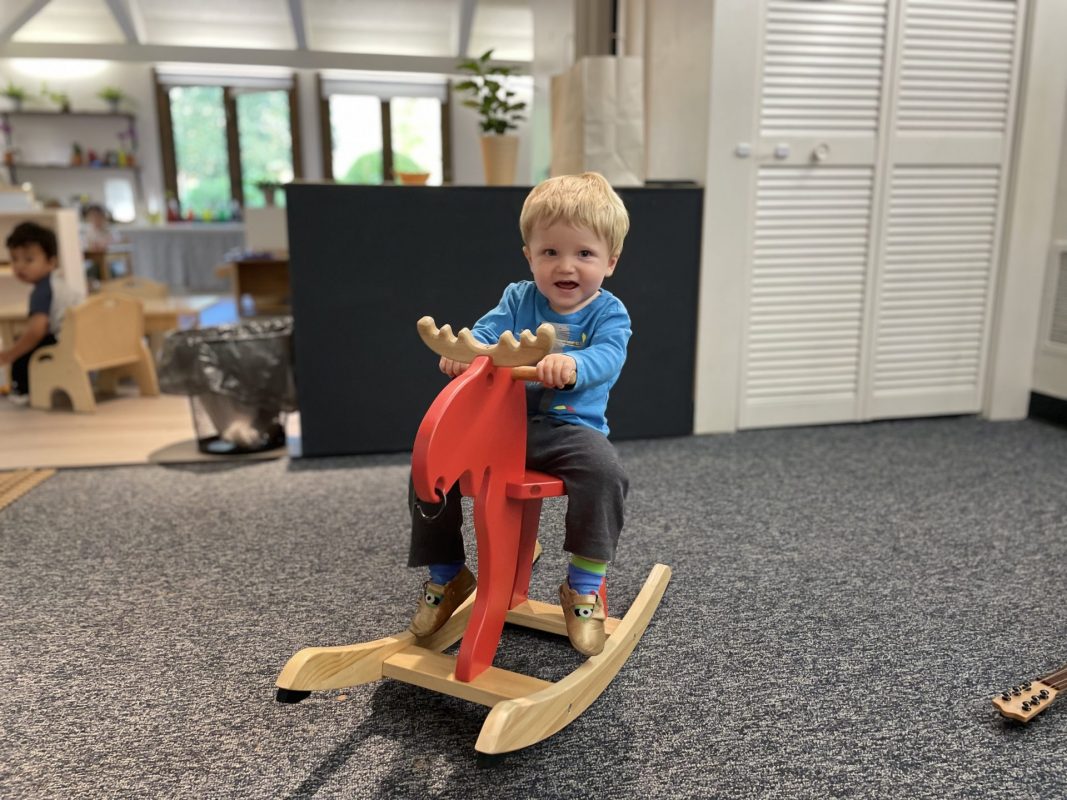
A gross-motor activity they can choose is pushing a large pumpkin in a wagon.

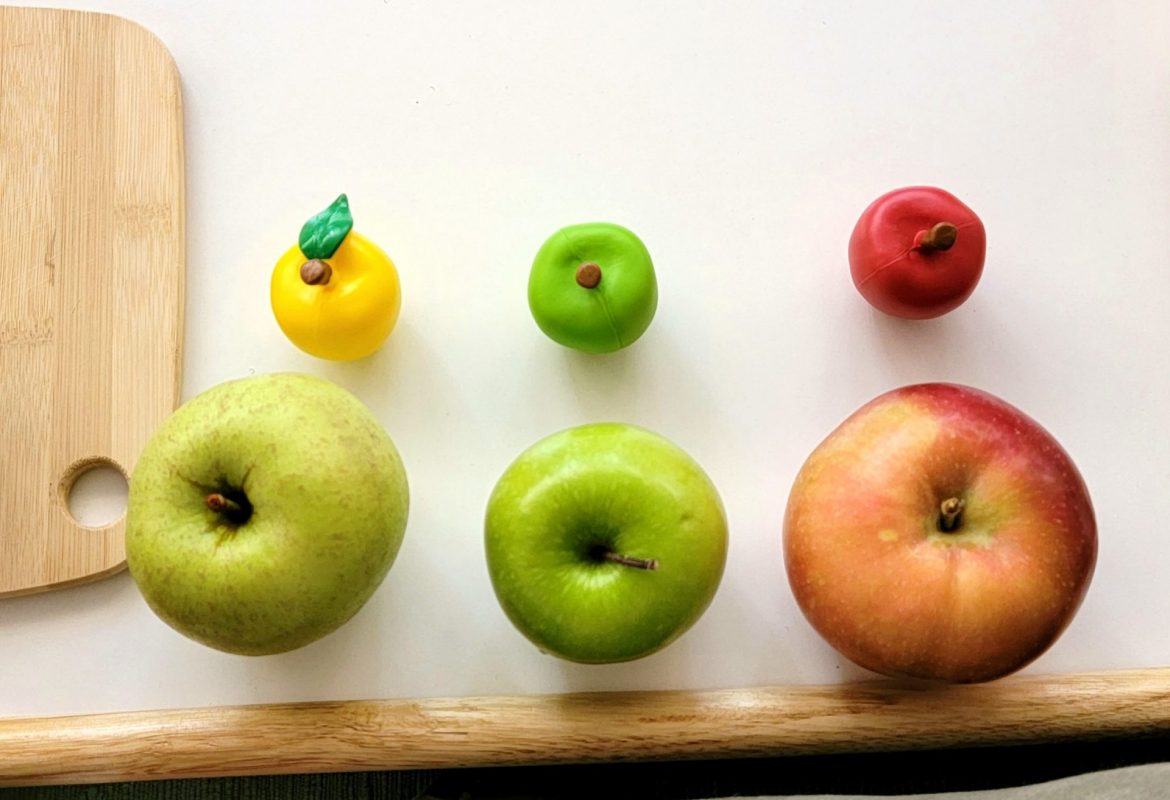
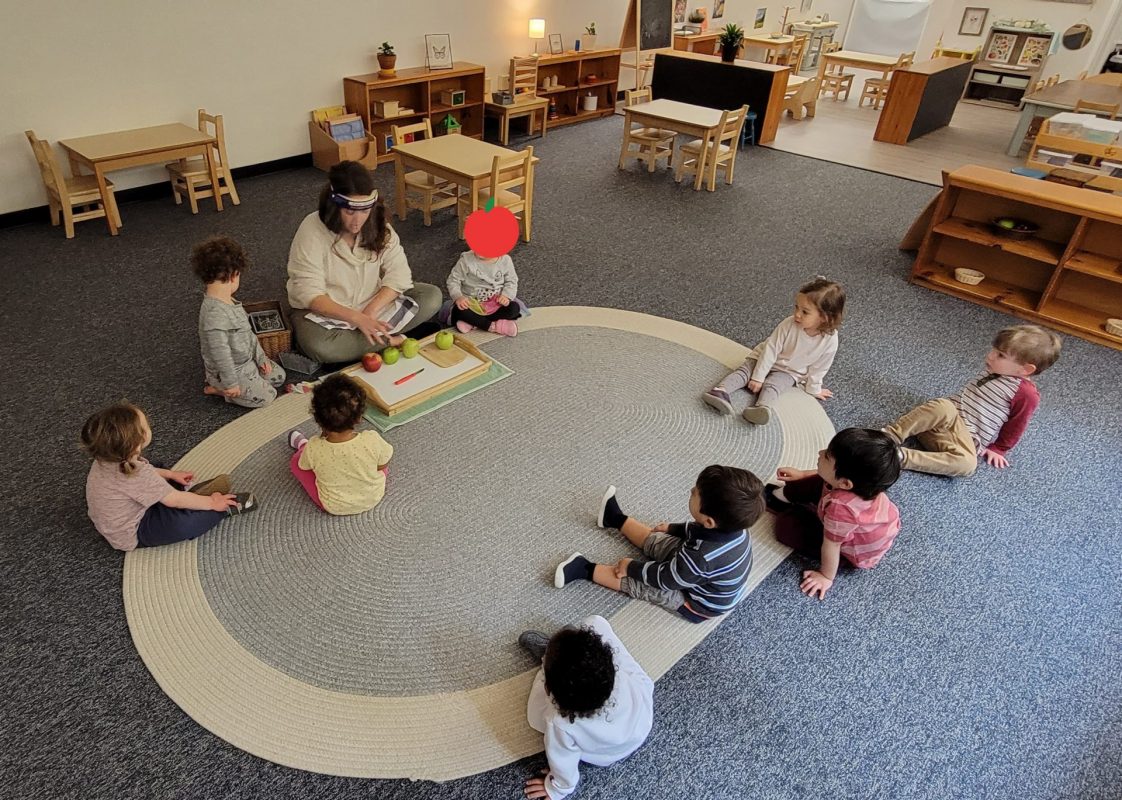
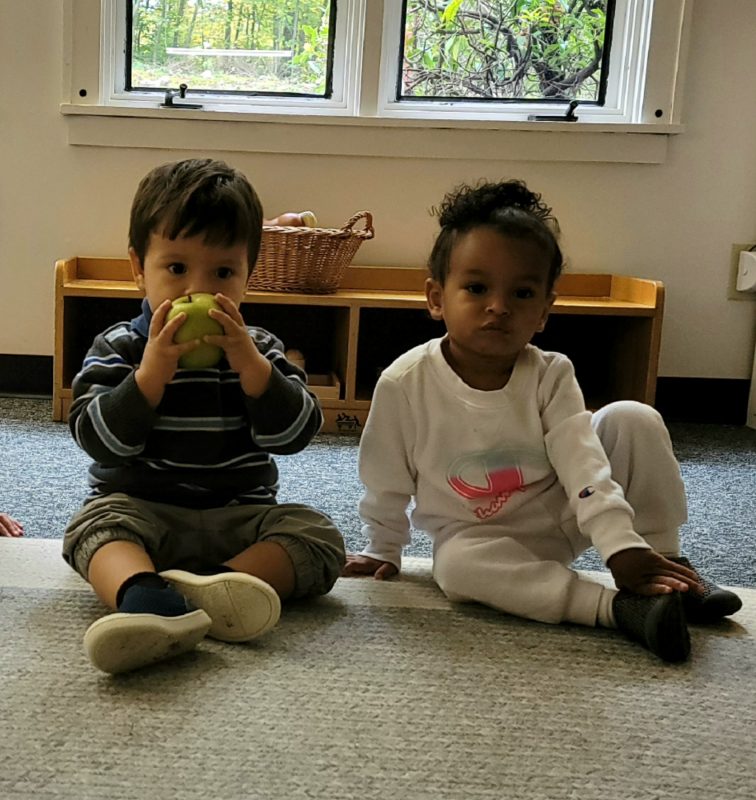
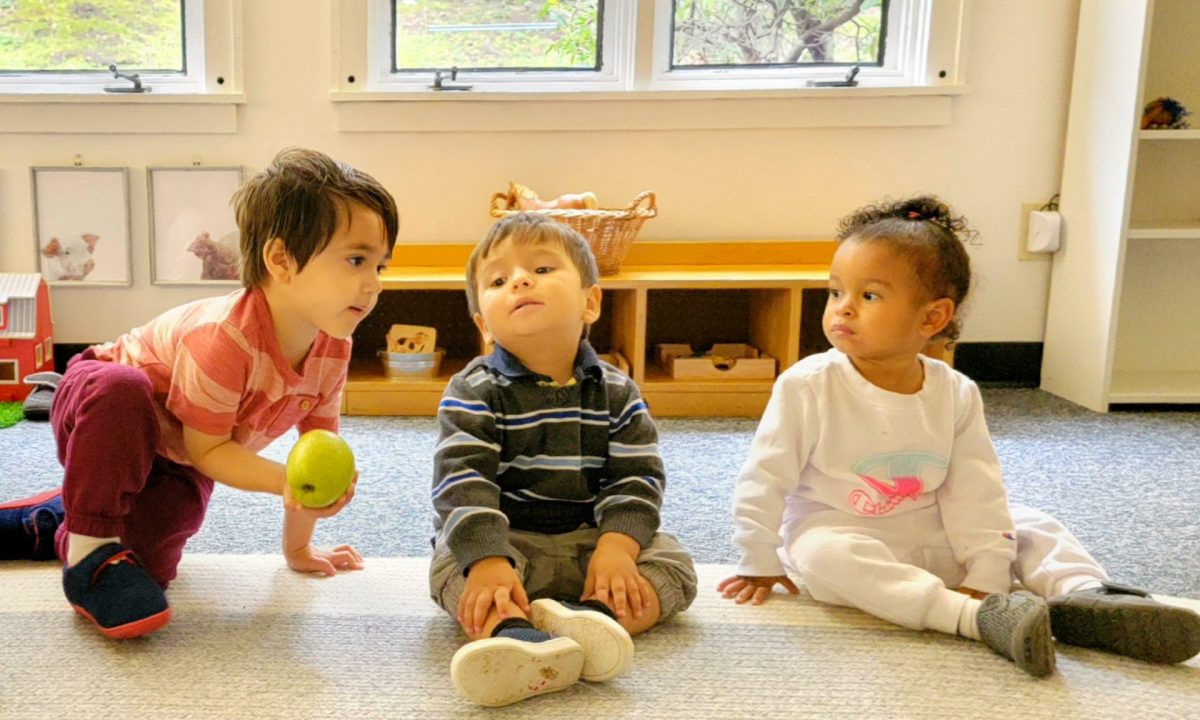
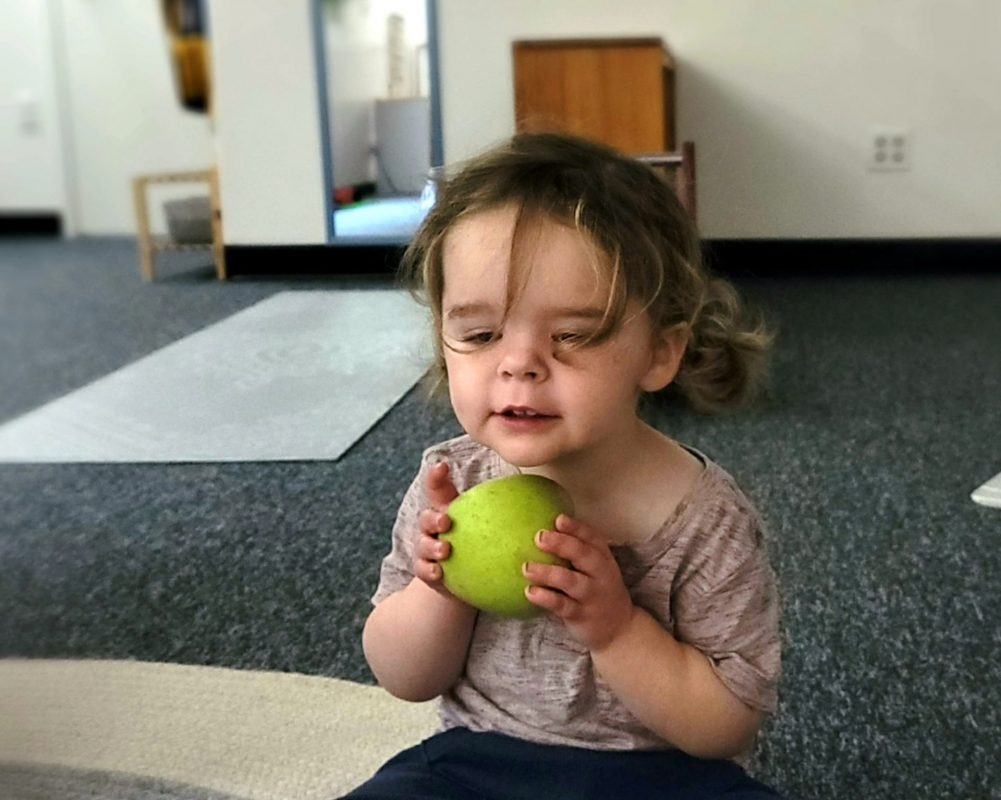
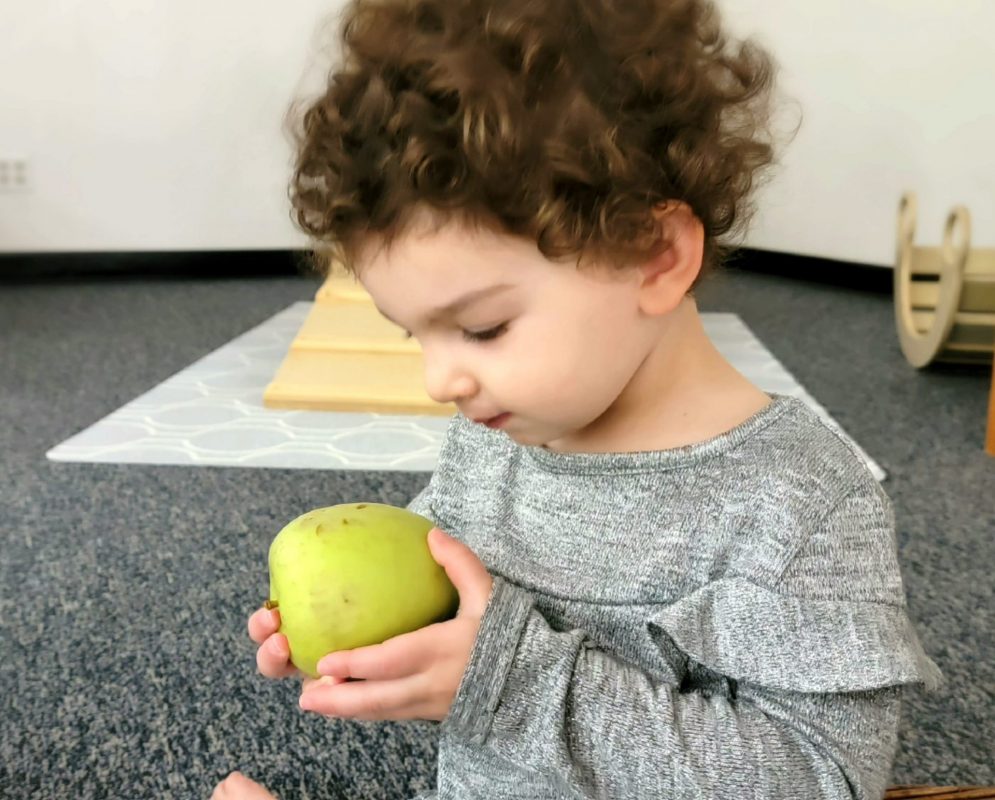
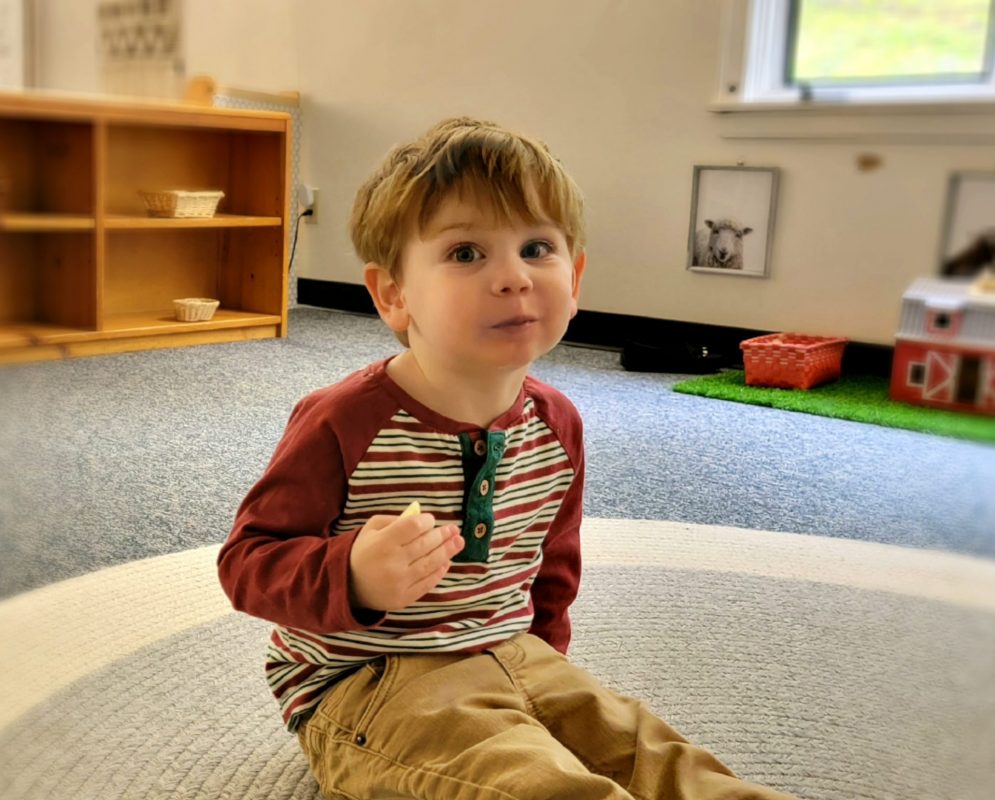
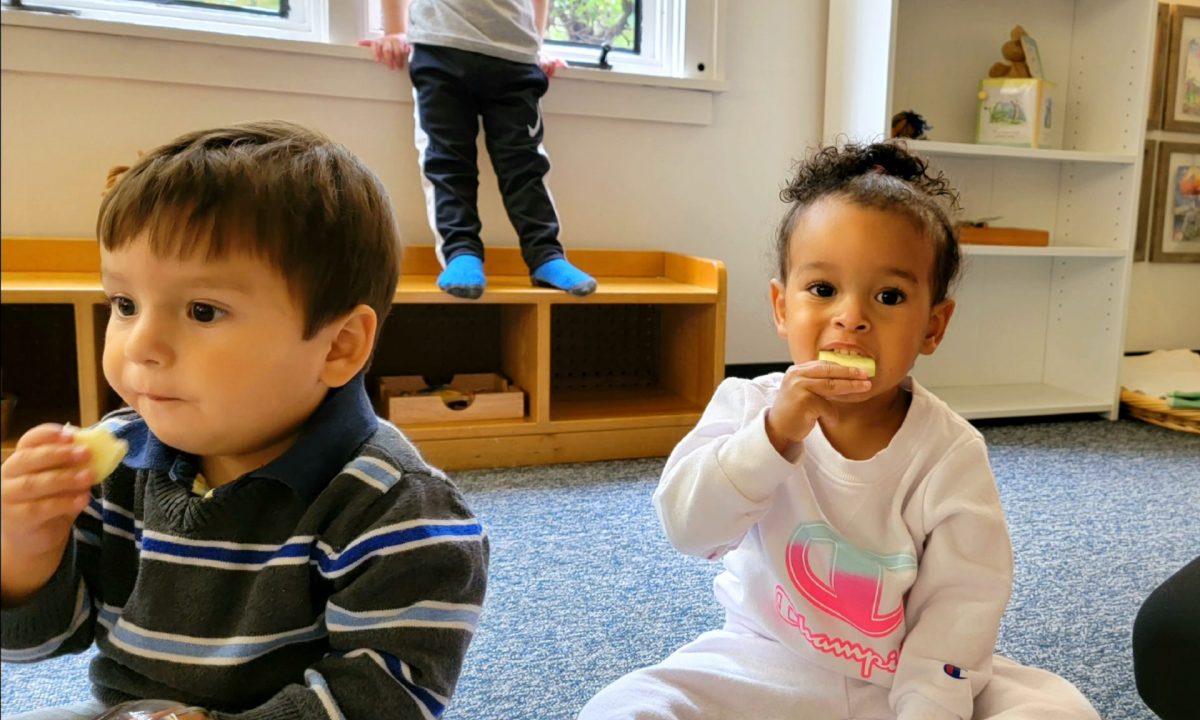
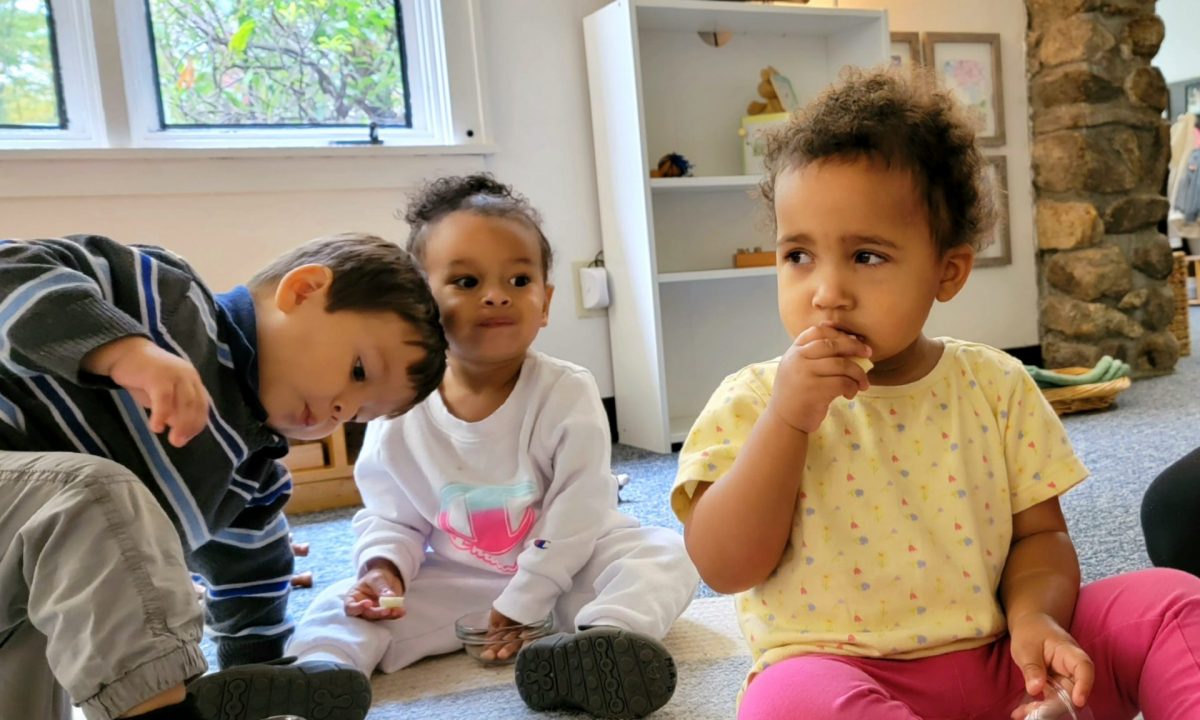
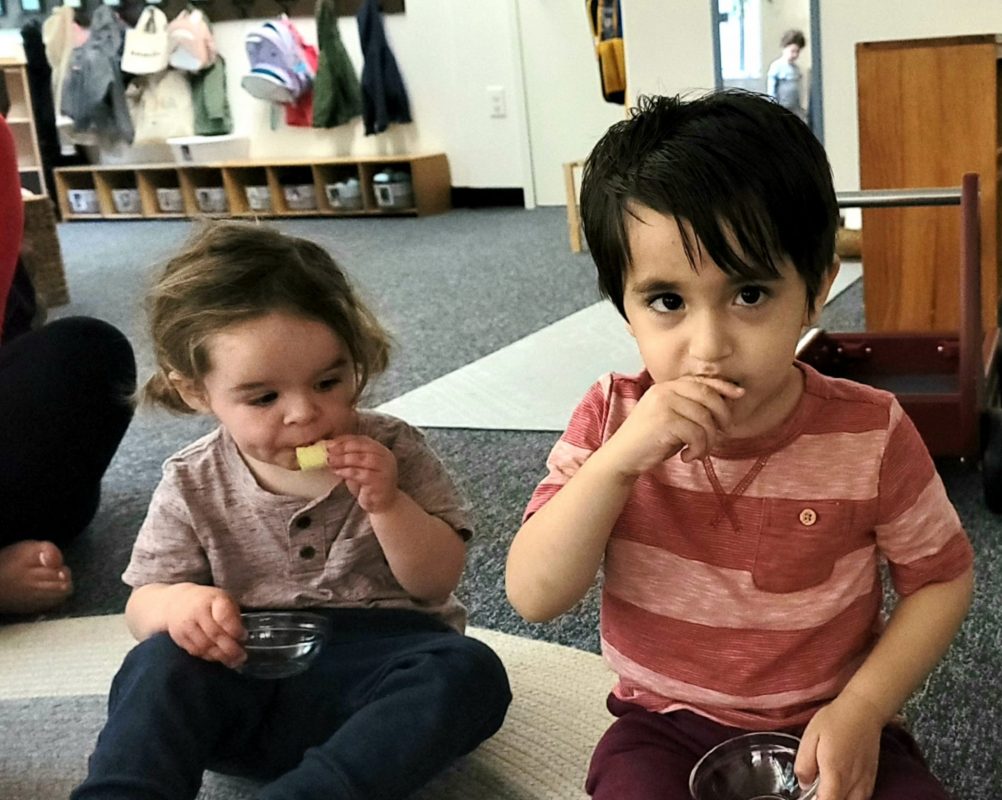
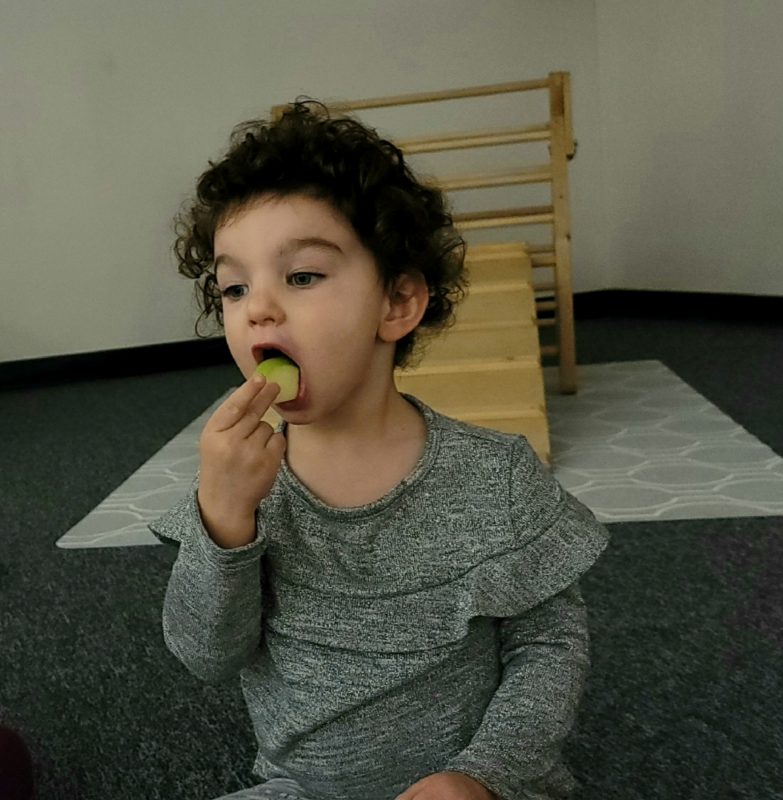
Food Tasting this week was a Golden Delicious Apple. When I do food tasting I hide the item from the children under a towel. Then we count to 3 and I excitedly lift the towel so they can see what we will be tasting. This makes whatever fruit or vegetable that much more desirable. When I asked the children what they thought it was, they guessed right. “APPLE!”

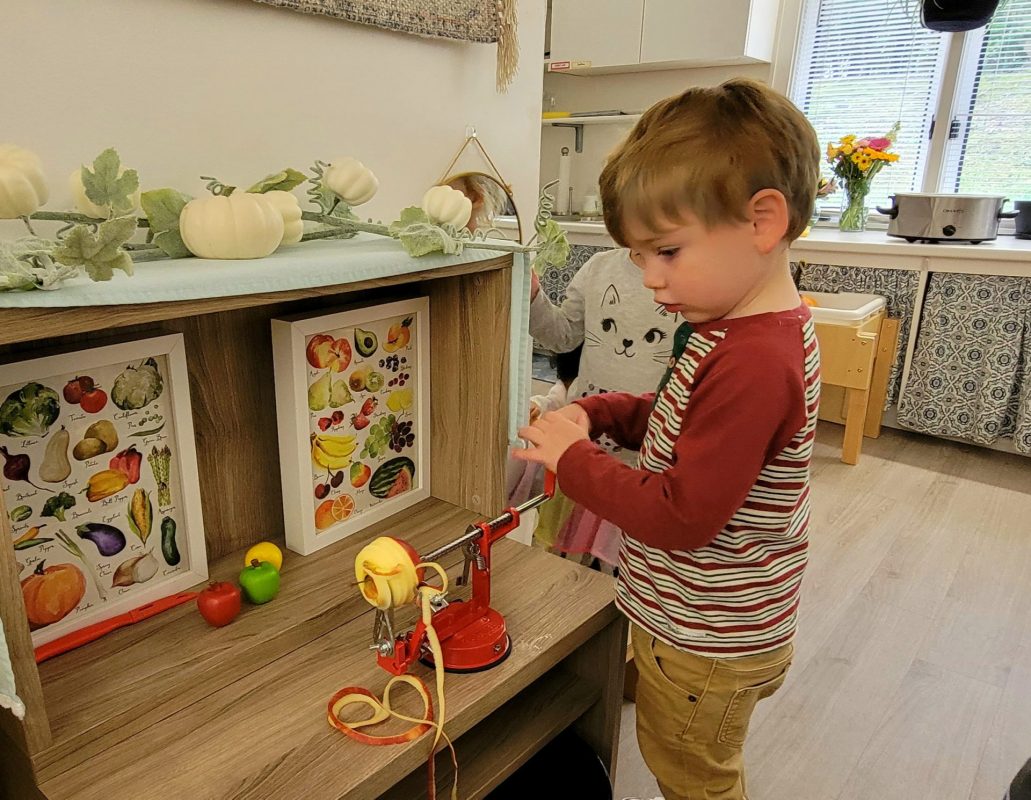
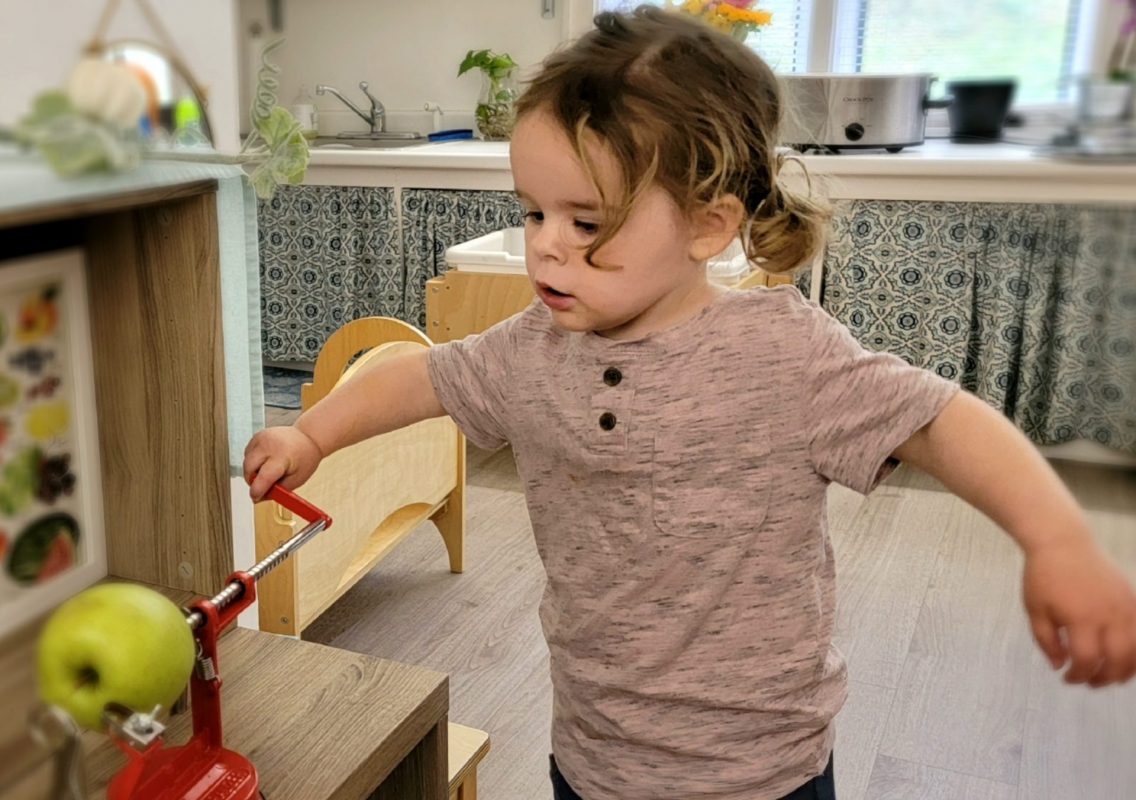
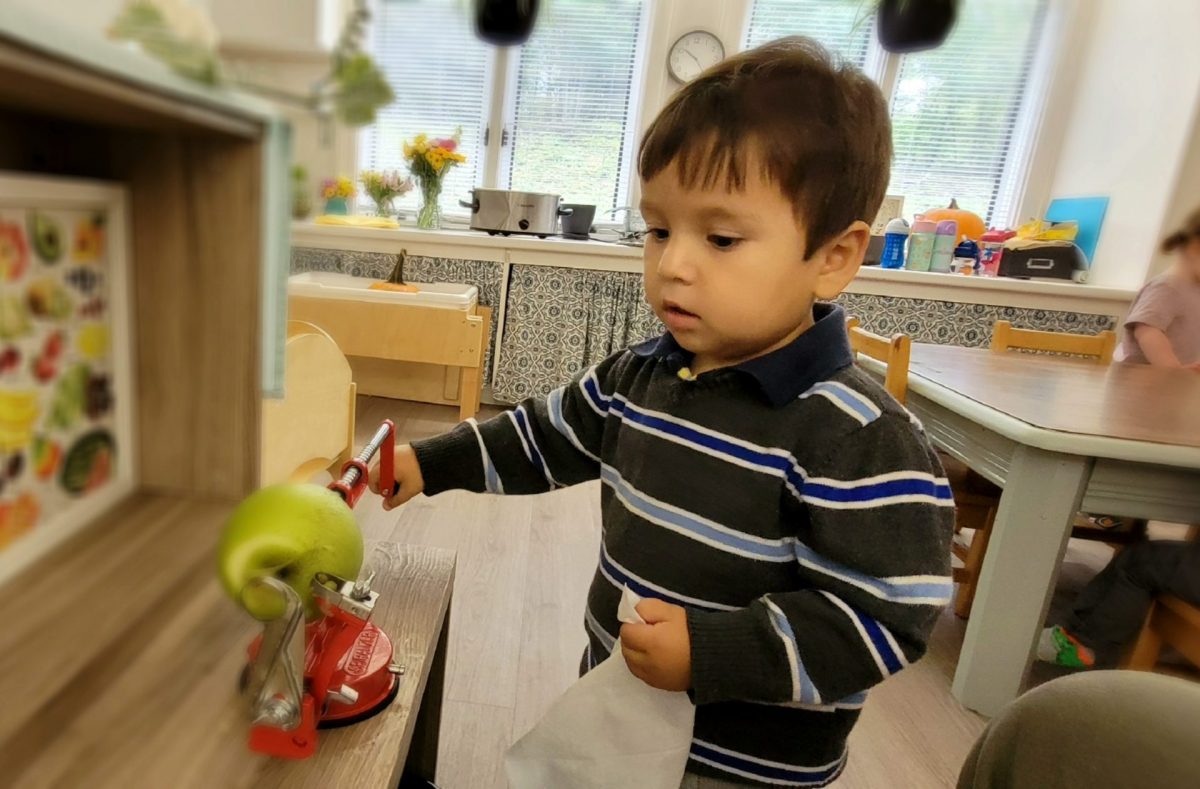
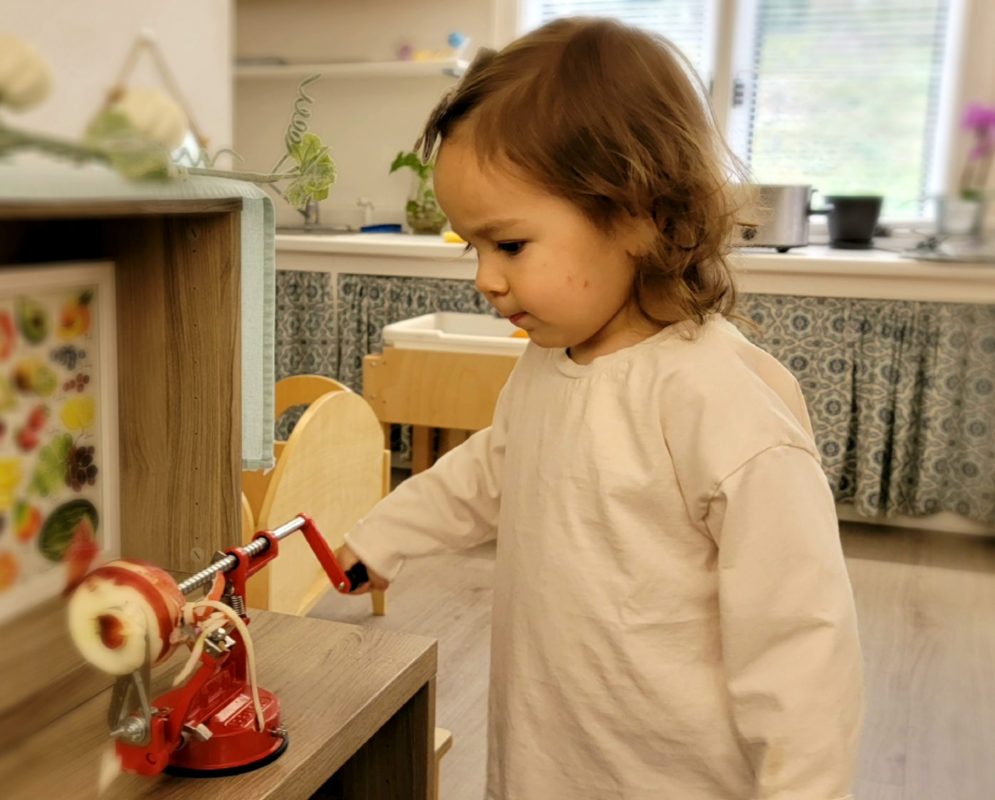
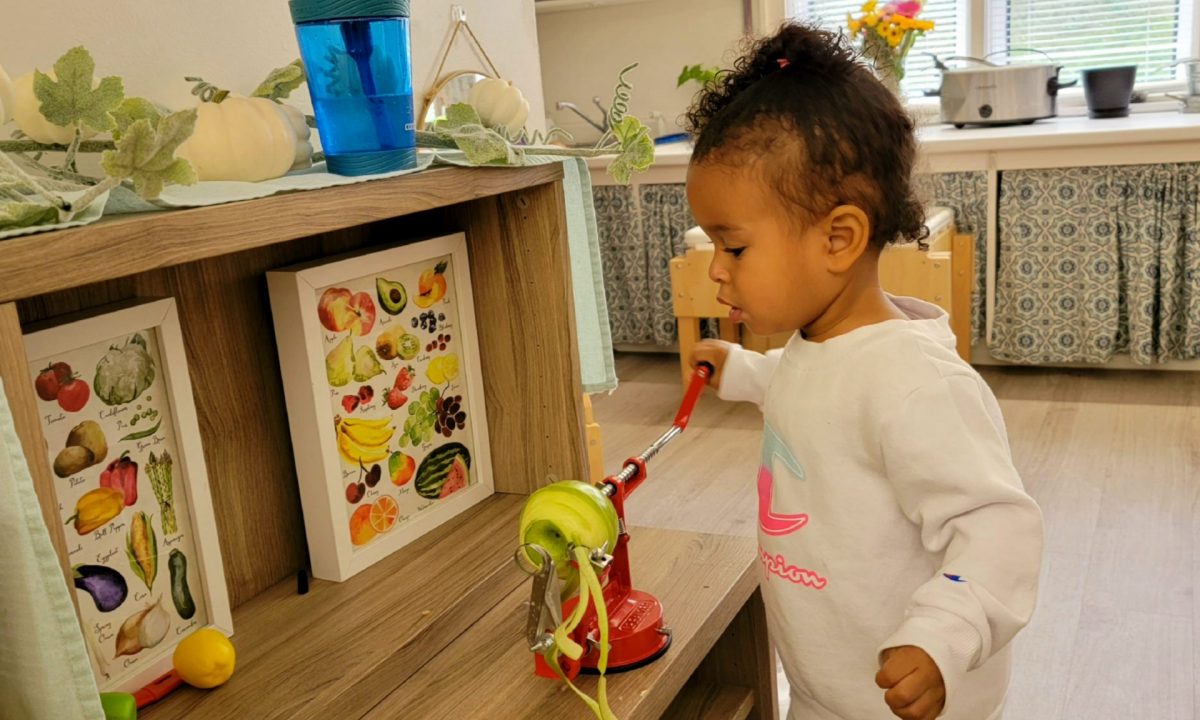
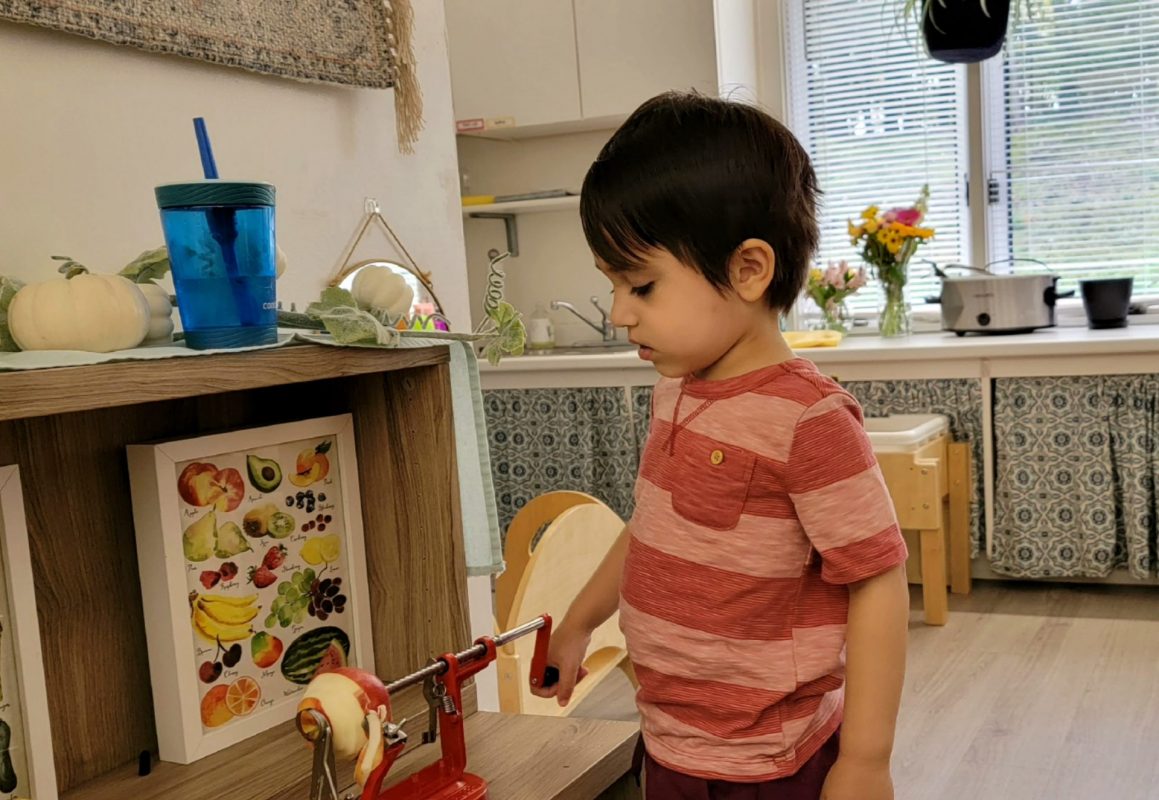
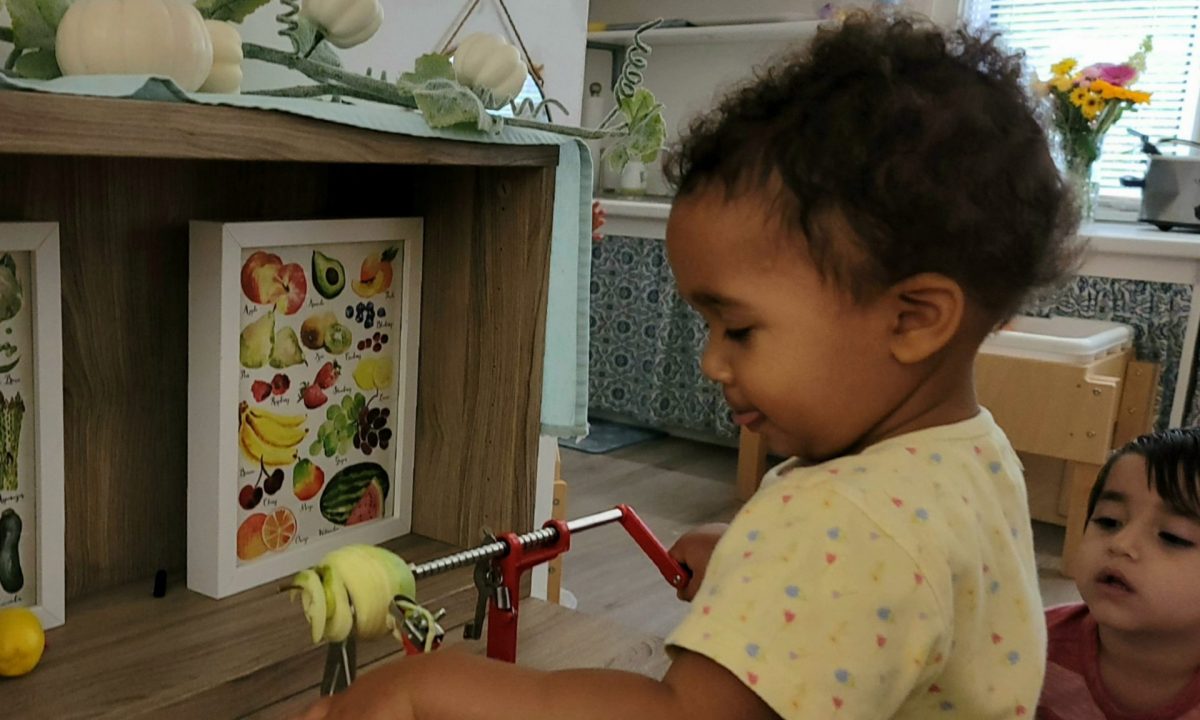
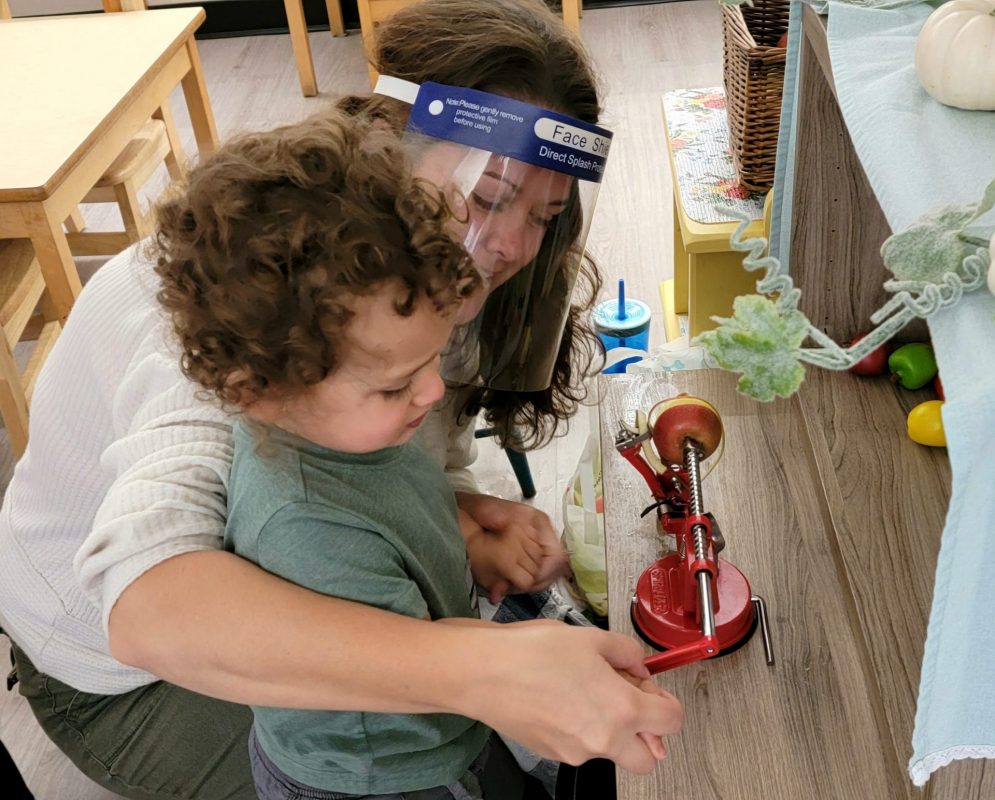
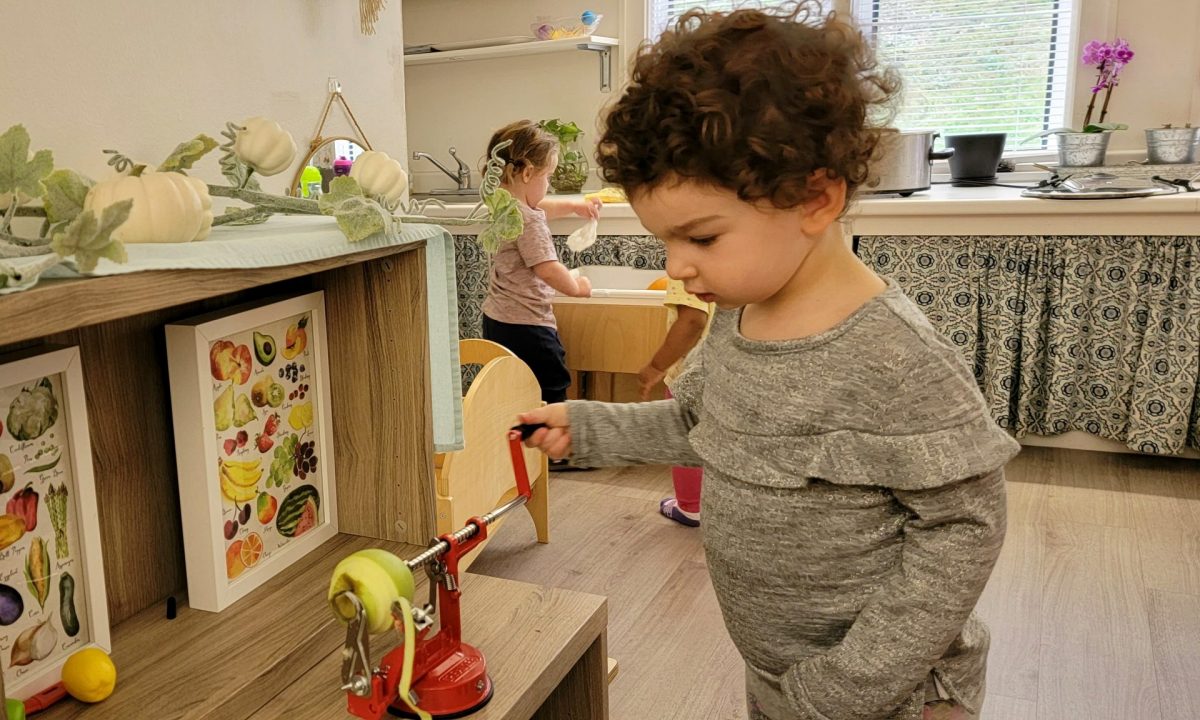
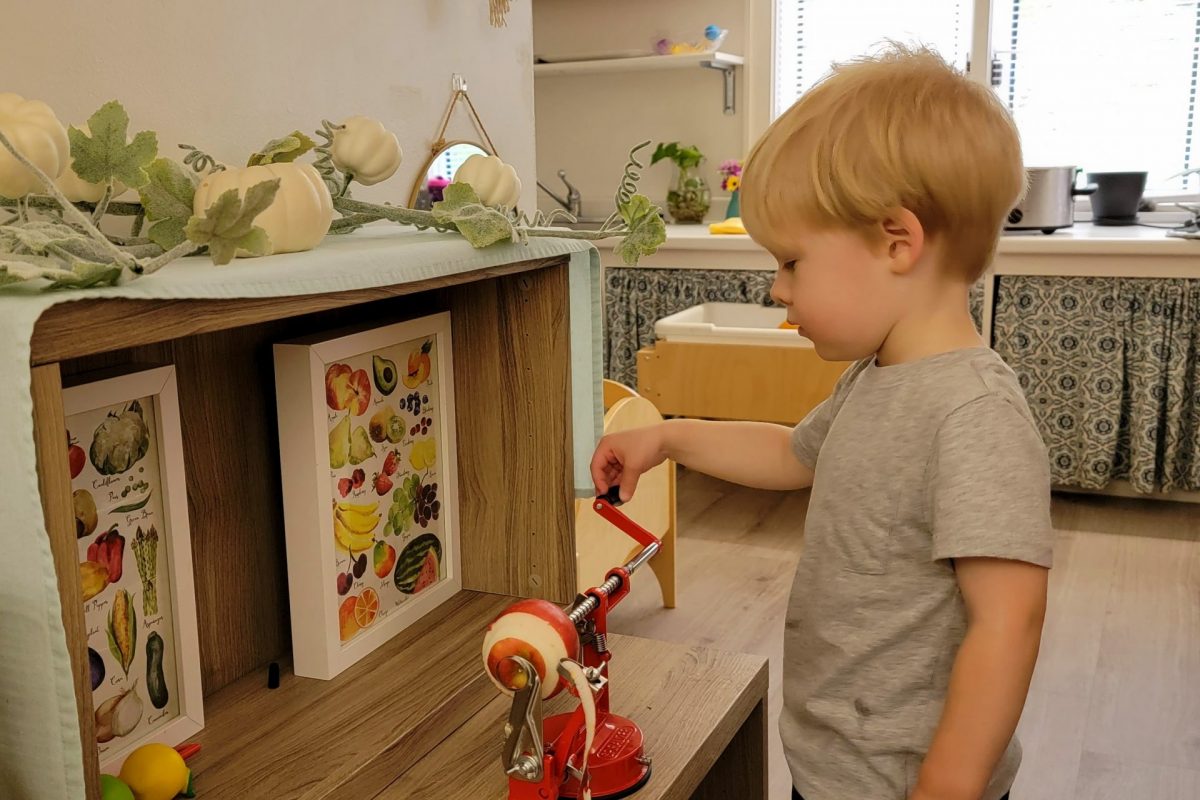
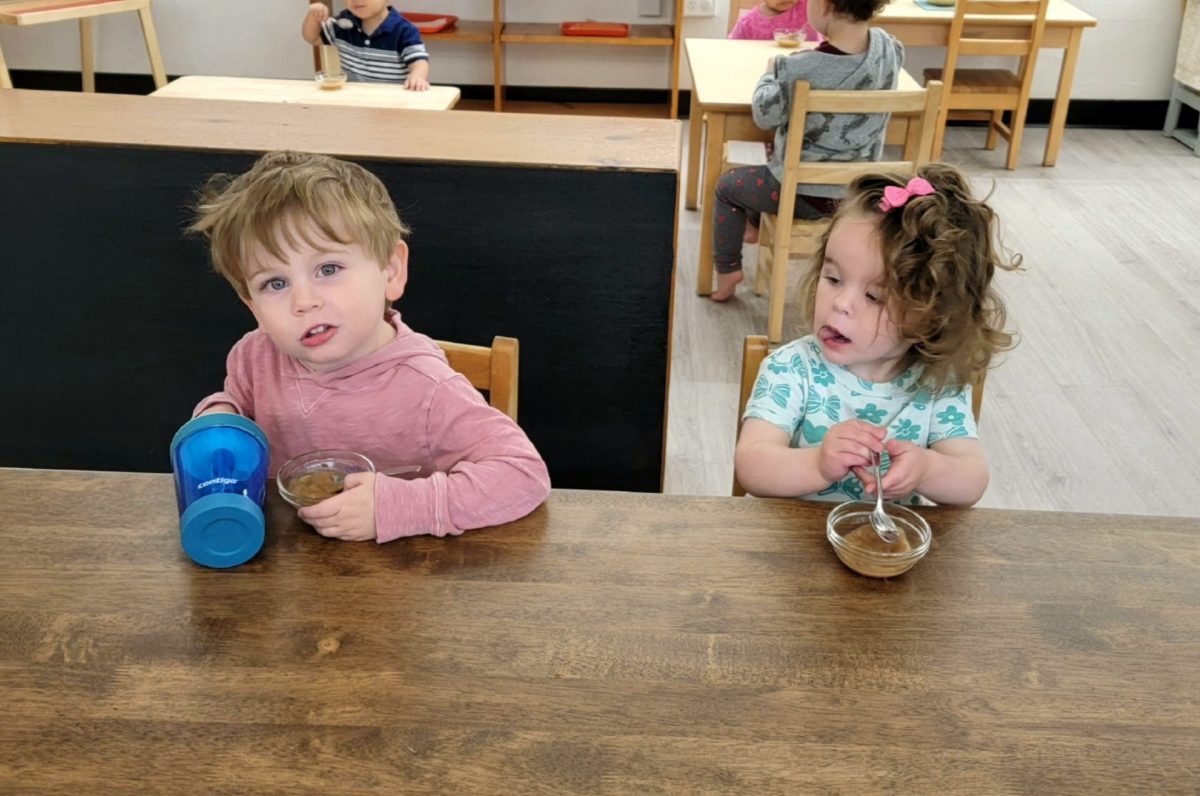
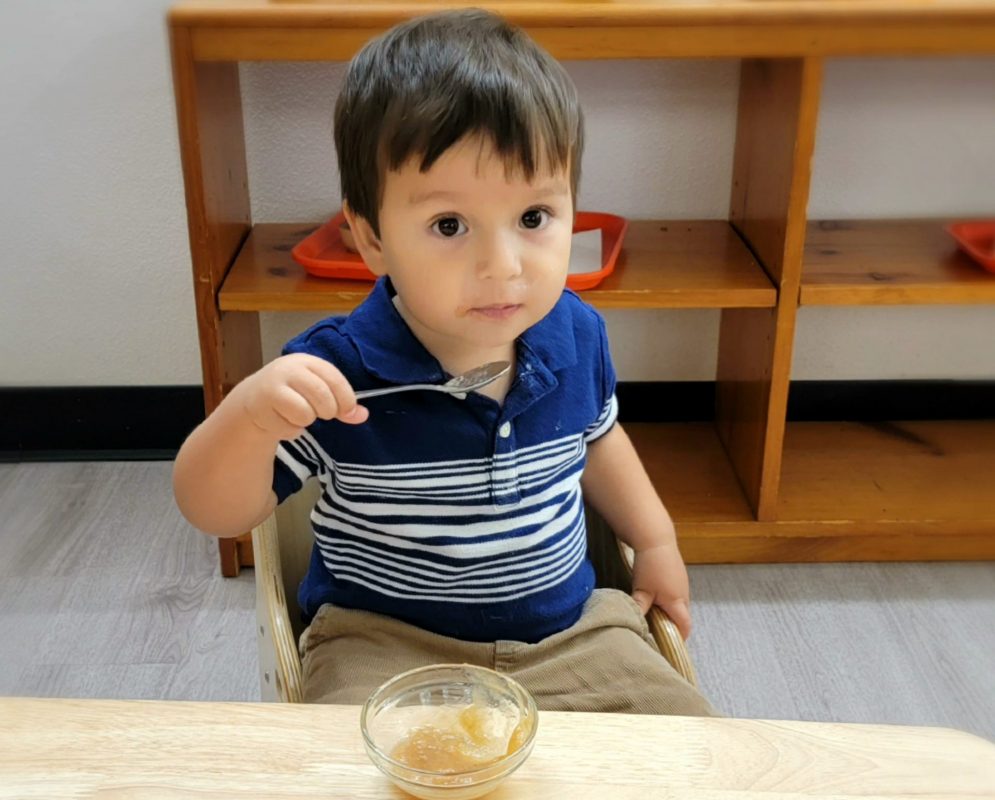
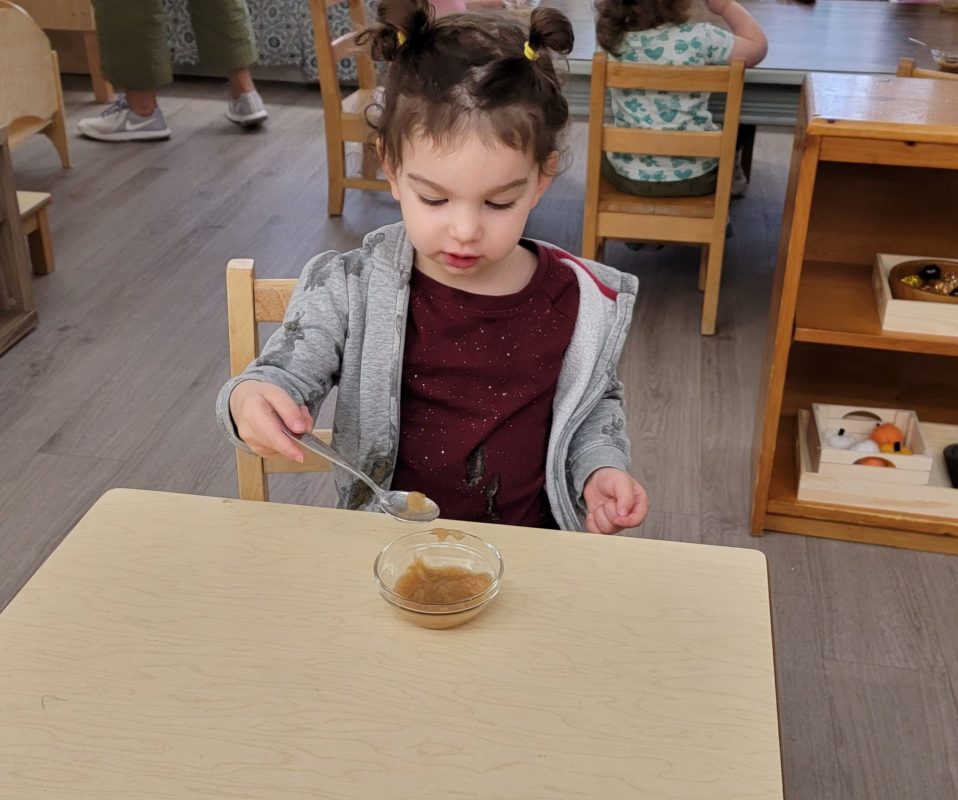
After tasting the Golden Delicious they each had a turn using the spiralizer. We then turned our apples into delicious applesauce which they were welcomed to enjoy as a special treat.

Parent-teacher conferences are coming up on October 28th! Look for an email on Tuesday with a link to sign up for your conference slot. 

Mrs. Wilson