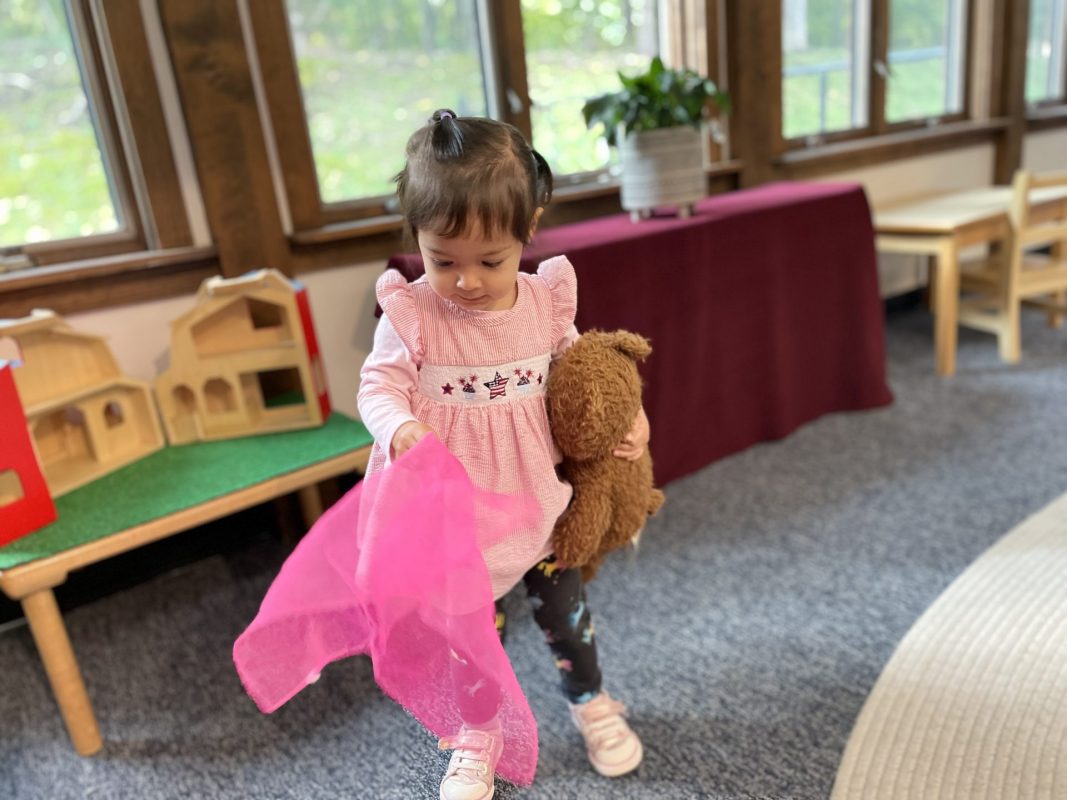
Mrs. Hood’s Class: Explosion Of Words!

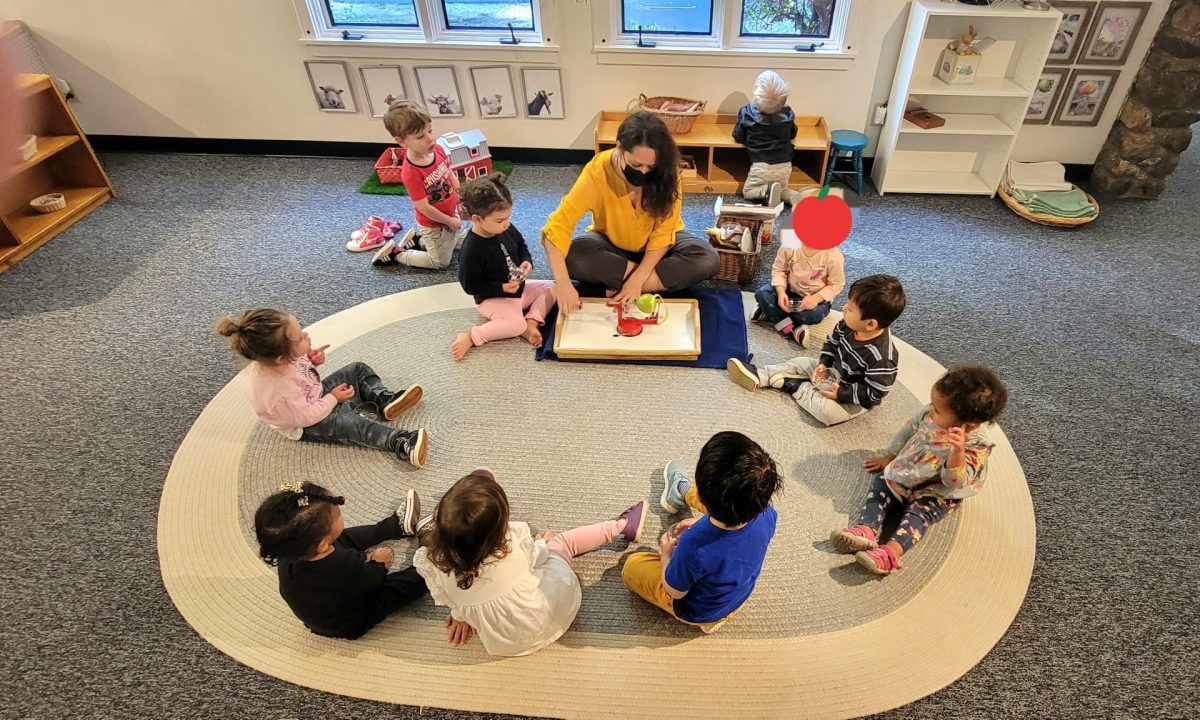
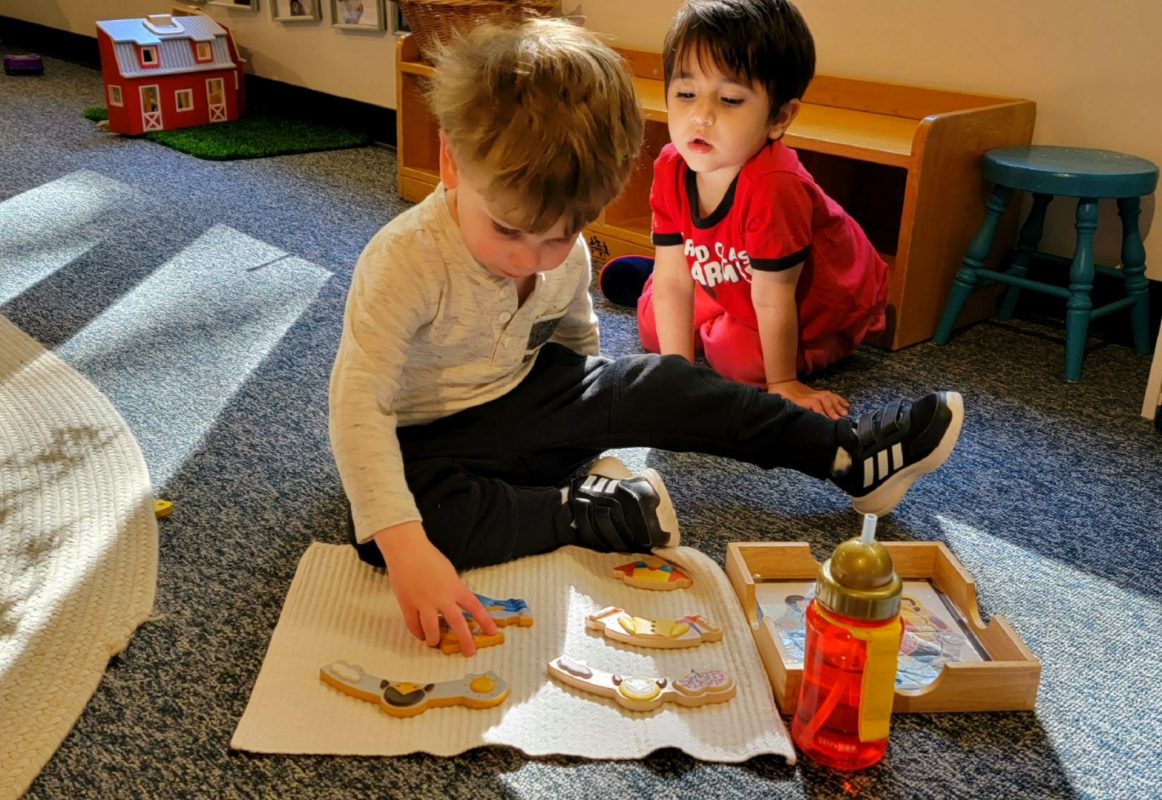
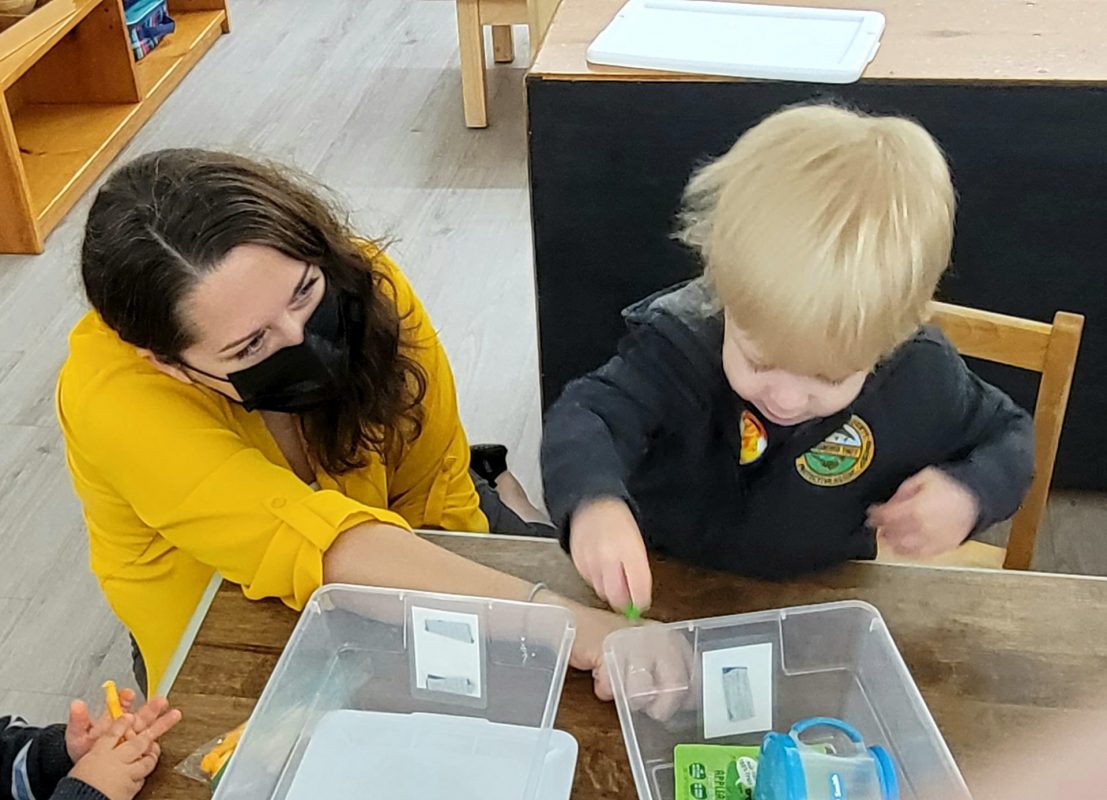
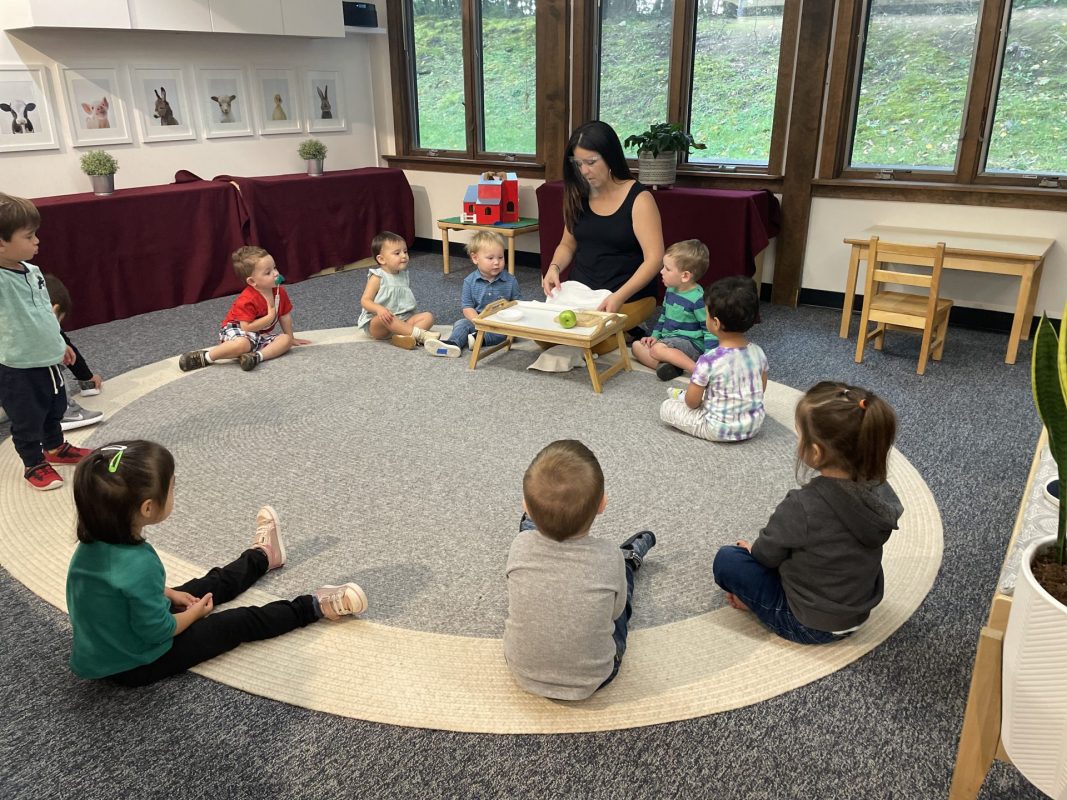
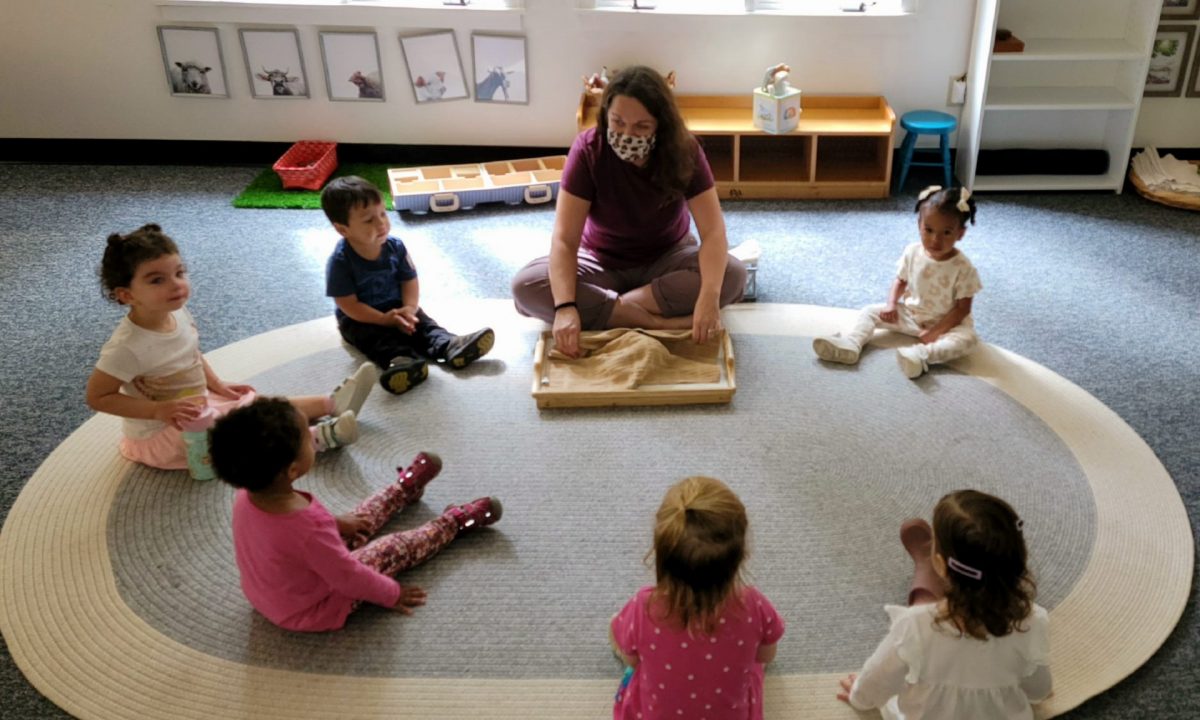
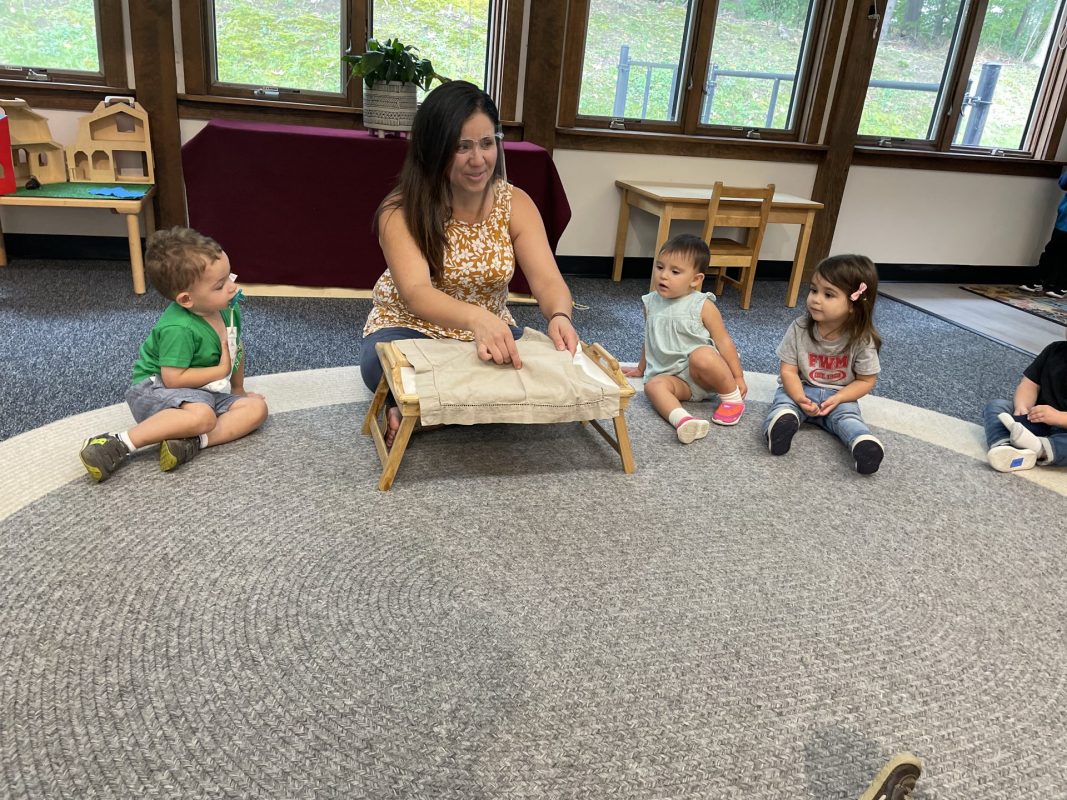
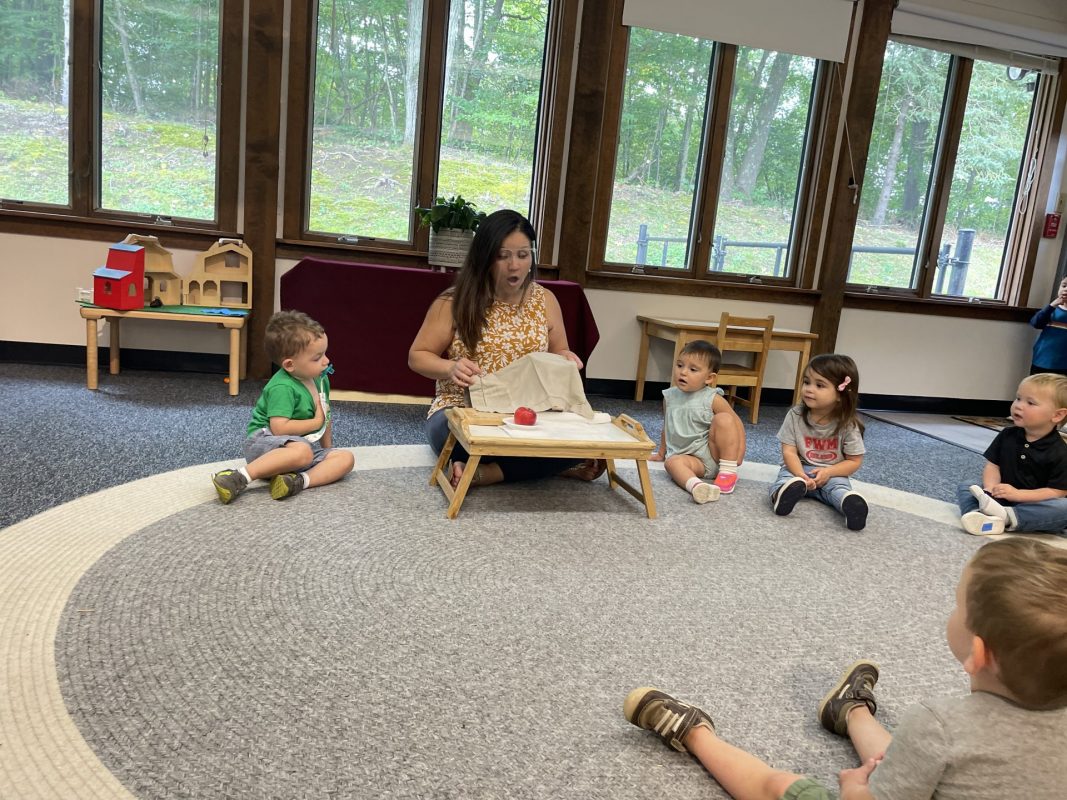
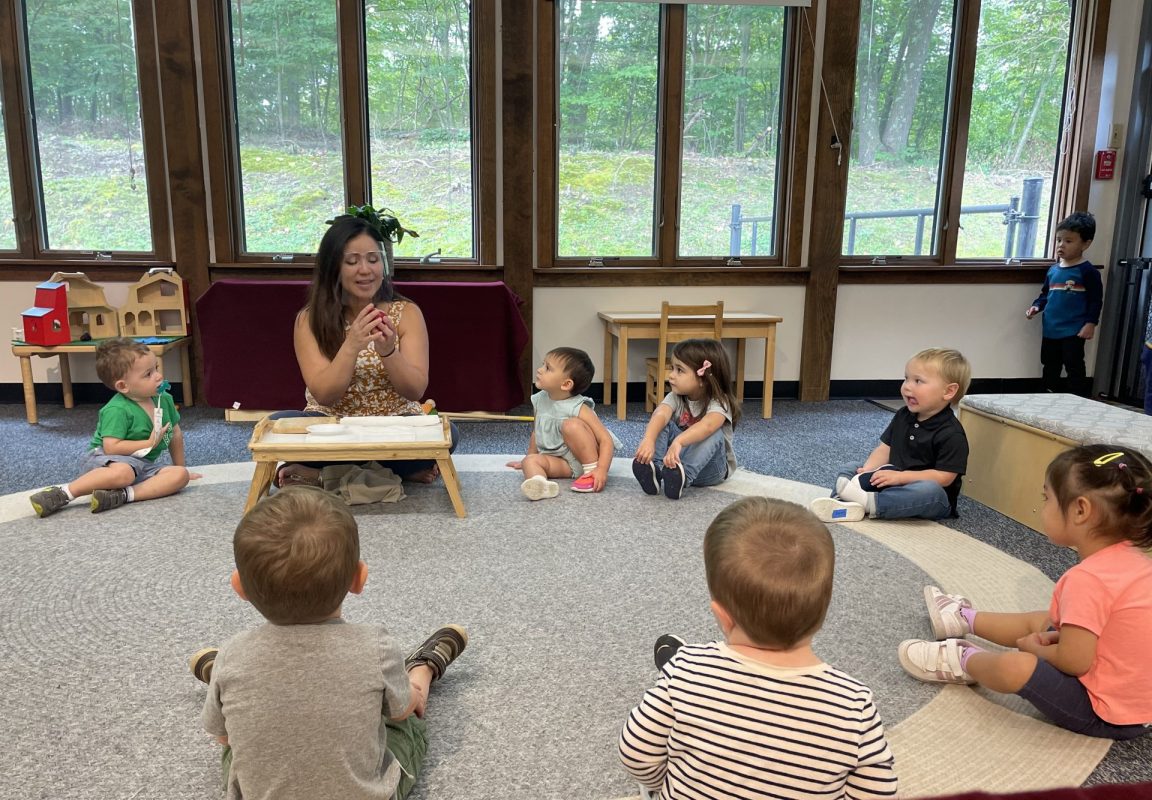
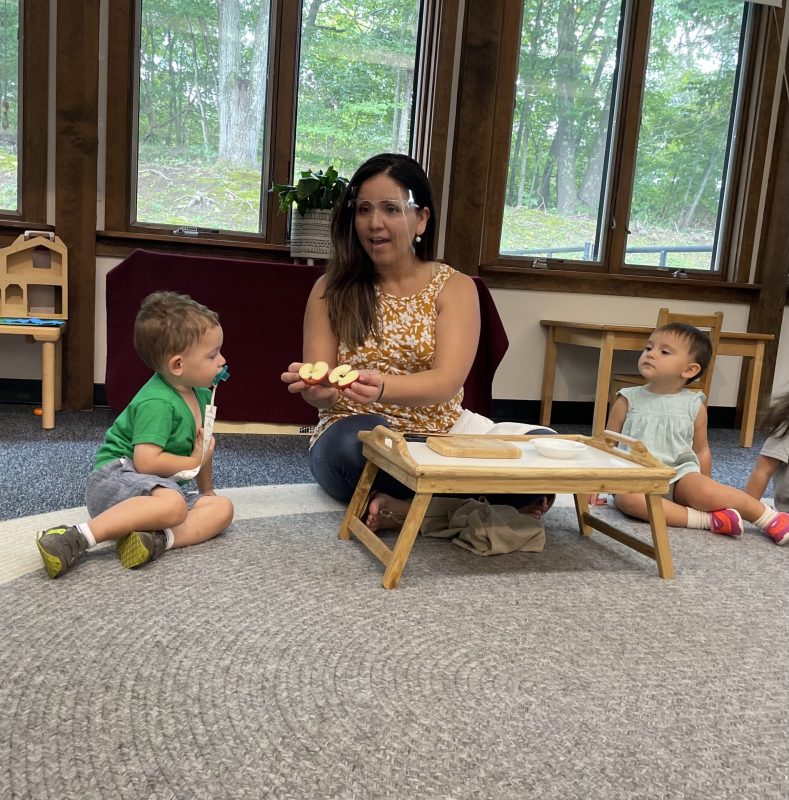
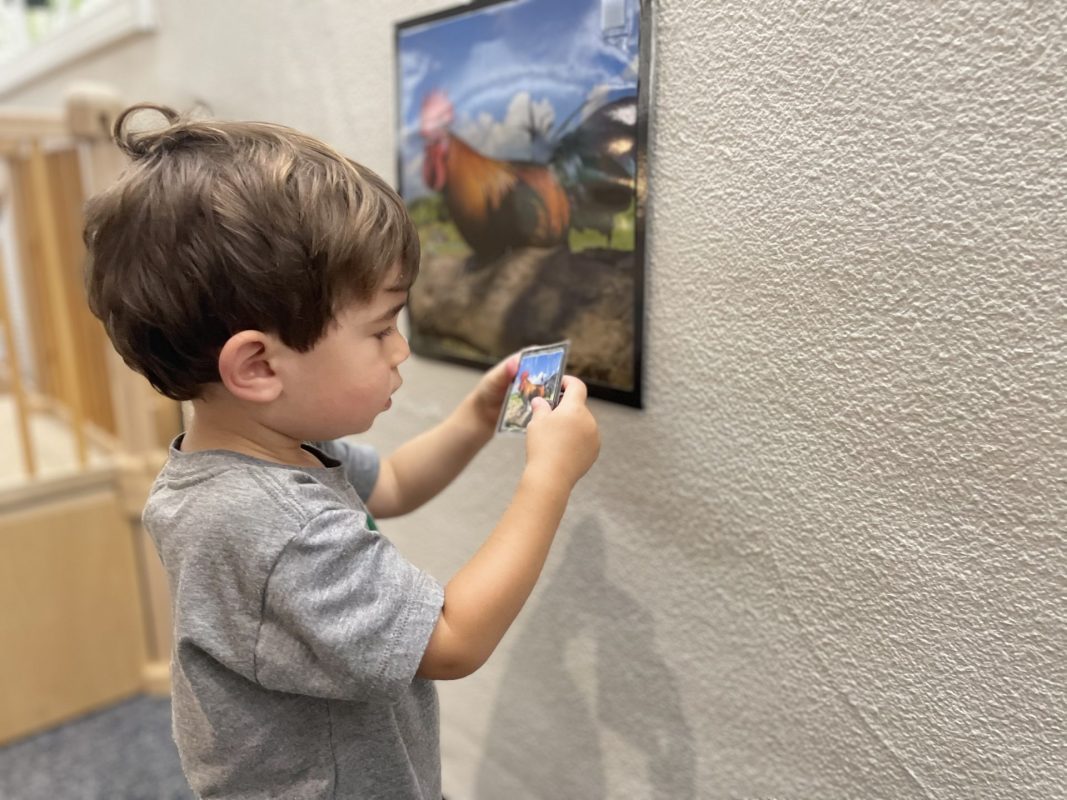
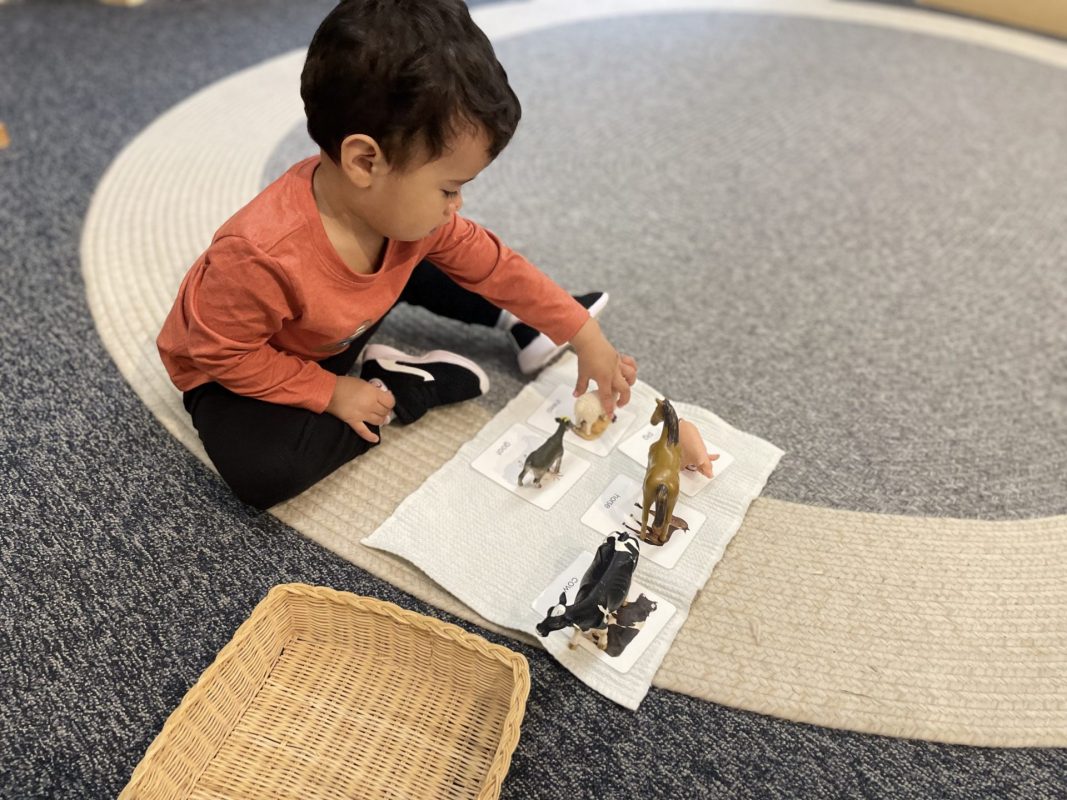
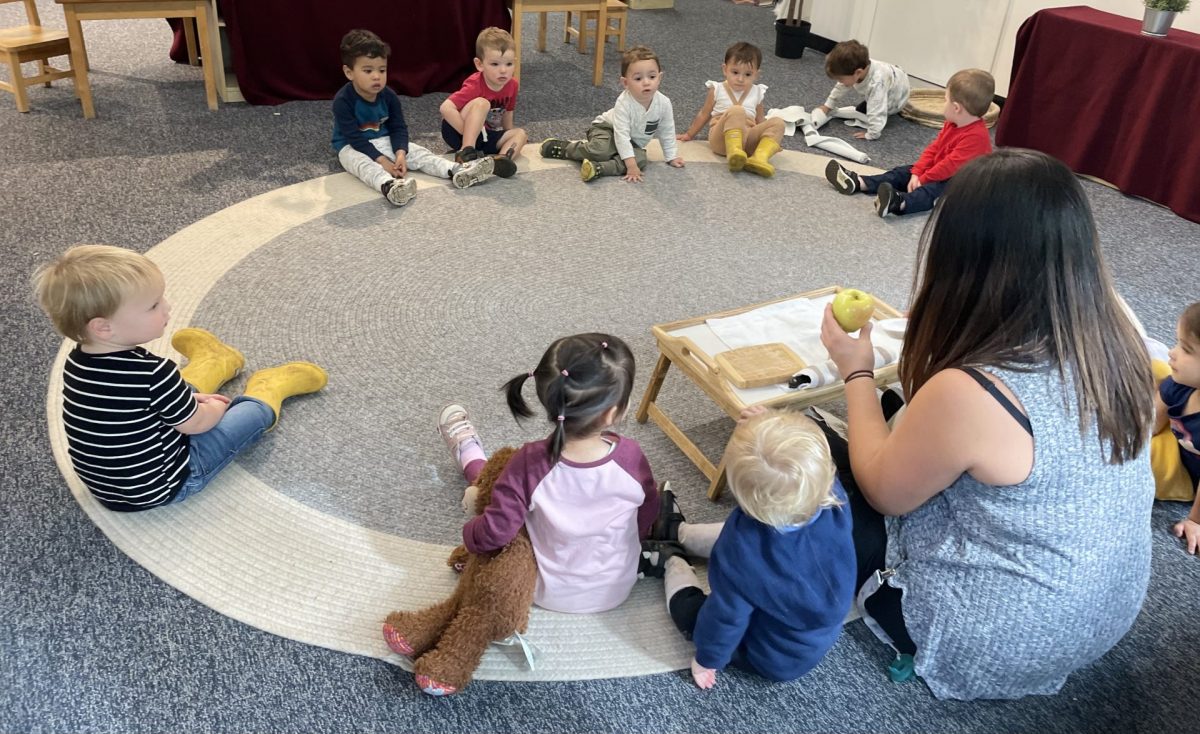
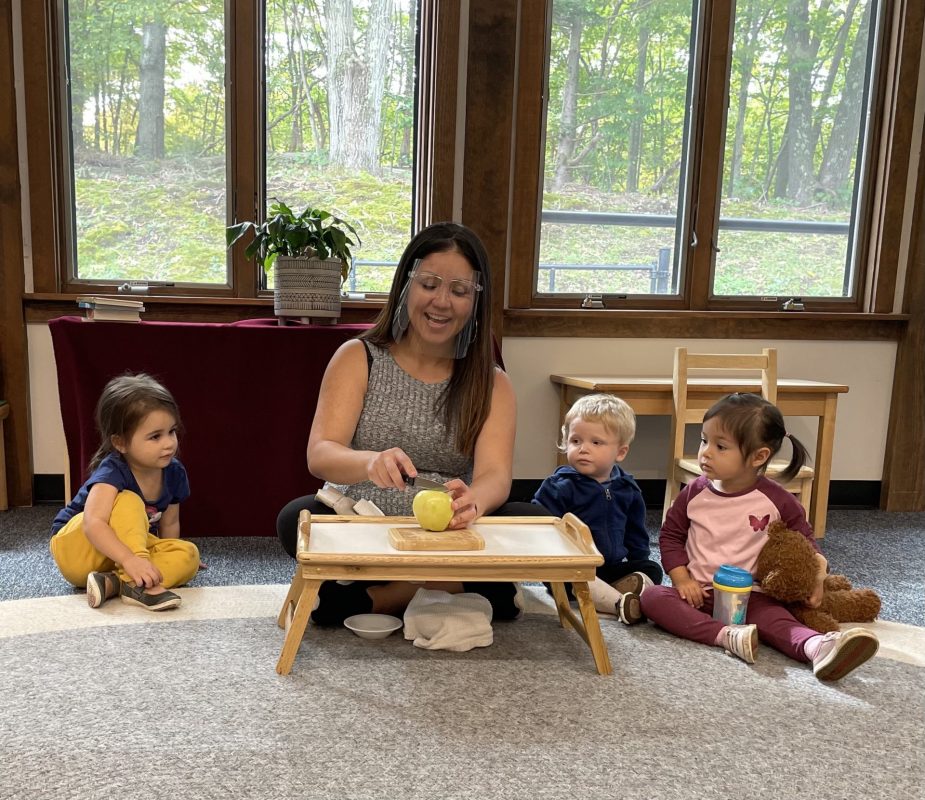
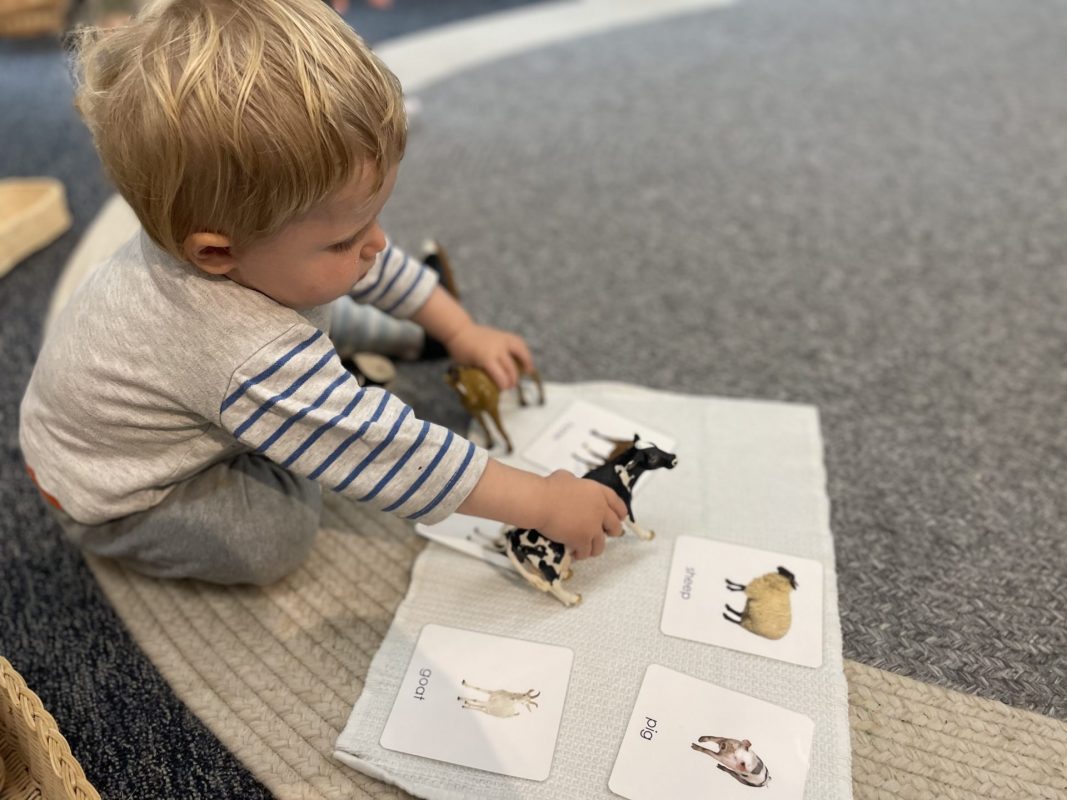
During the last couple of months we have been using three period lessons using different materials in our environment. Three period lessons are a fundamental approach in our Montessori environment to introducing a new concept to children. They are used to move the child from basic understanding to mastery. The three period lesson was developed by Edouard Seguin, a French physician who worked with special needs children in France and the United States during the late 19th century. He discovered ways to increase children’s cognitive abilities and believed in the importance of developing their self-reliance and independence. Seguin’s writings were a major inspiration to Maria Montessori and the source of many of her practical ideas. In simple terms, the three steps, or periods, are:

  1. Naming (Introduction) “This is a dragonfly.”
  2. Recognizing (Identification) “Show me the dragonfly.”
  3. Remembering (Cognition) “What is this?”

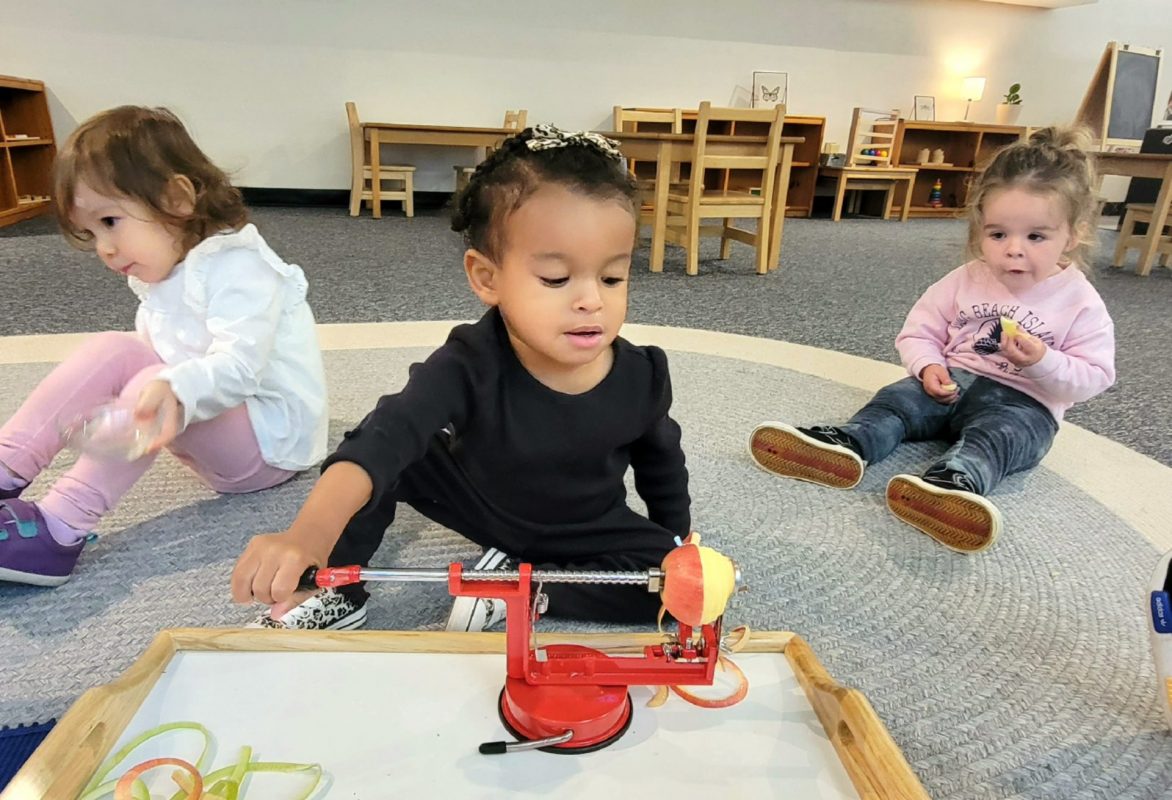
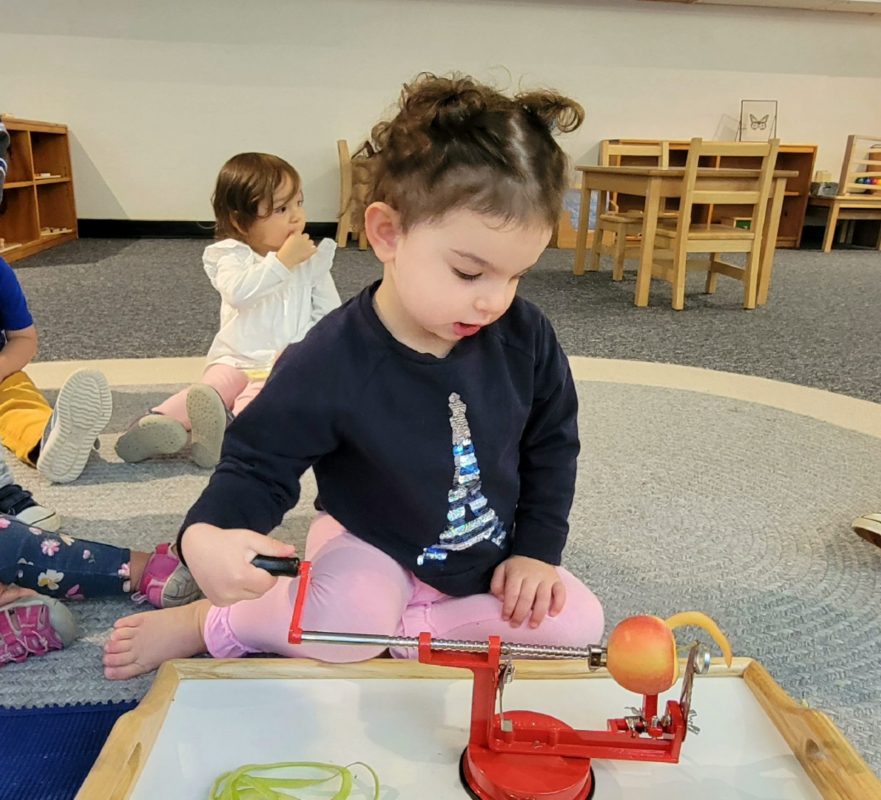
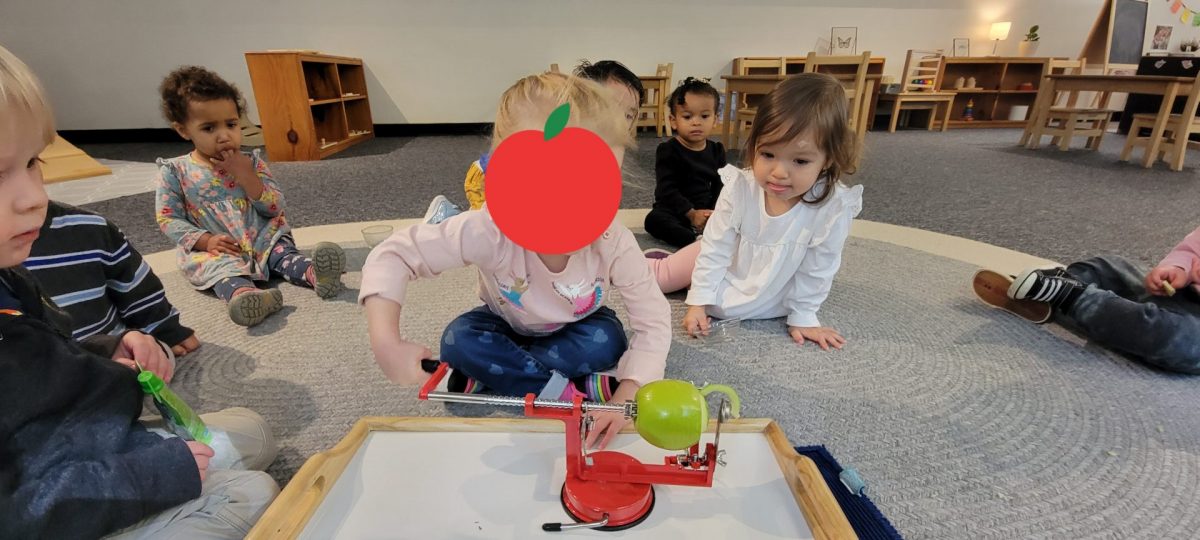
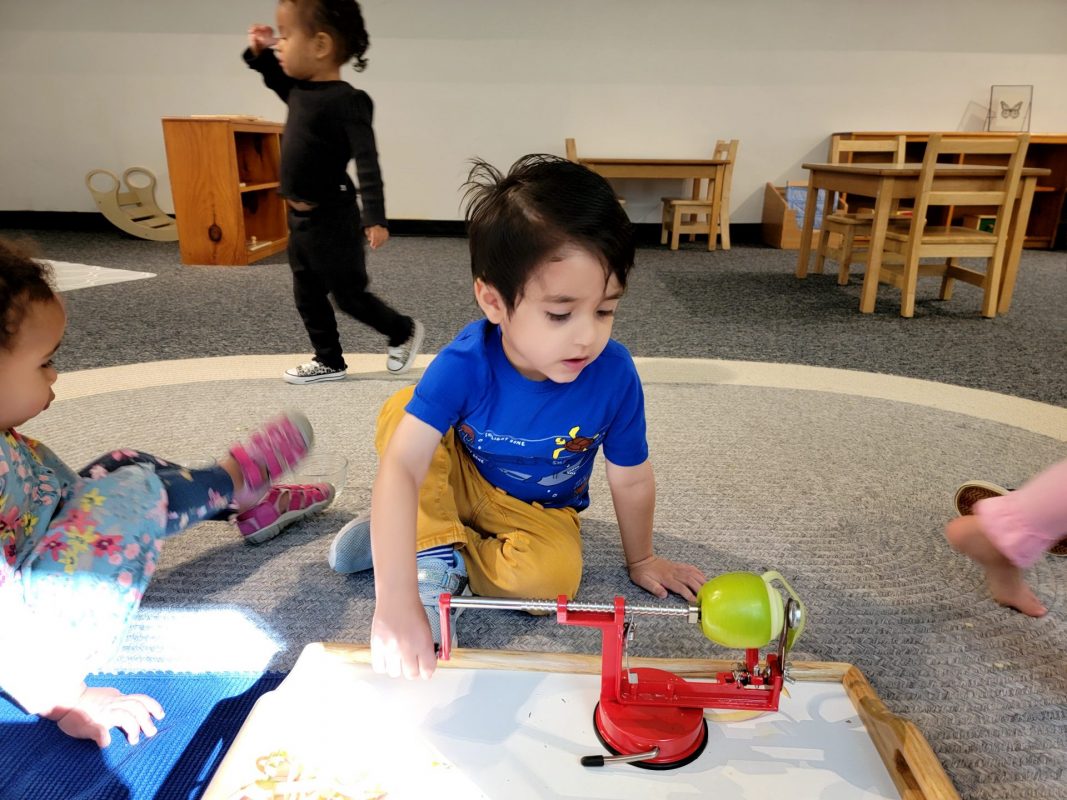
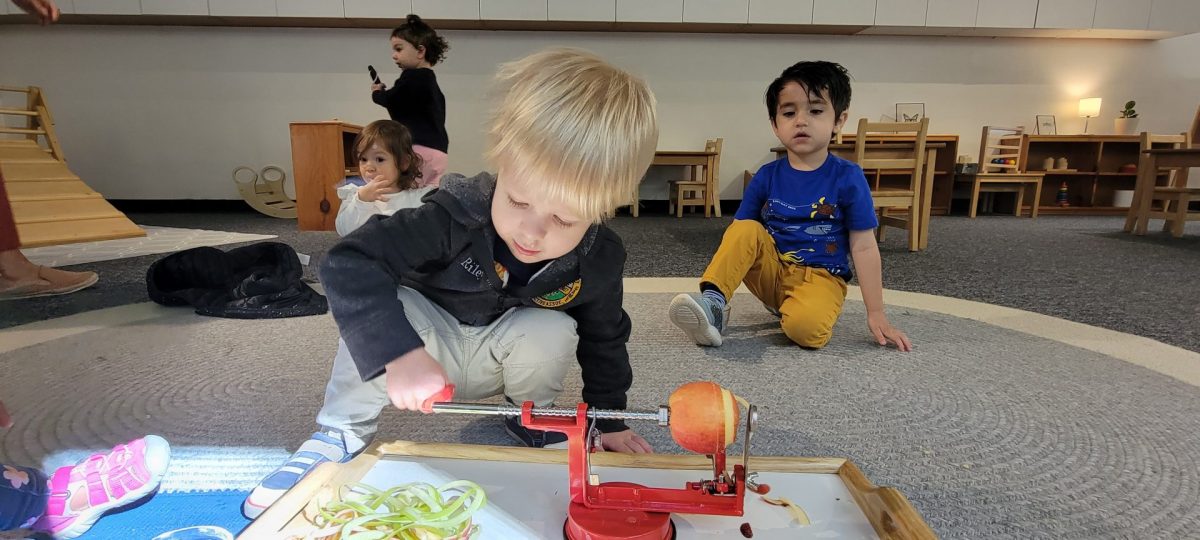
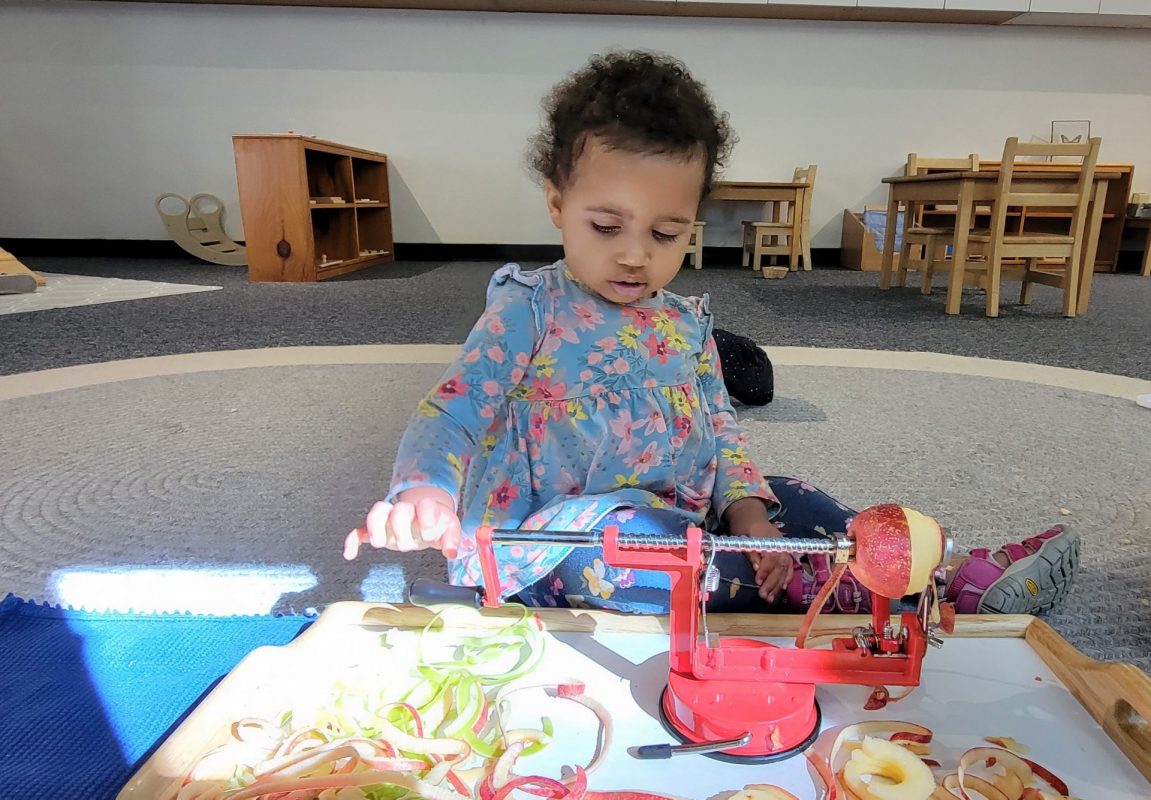
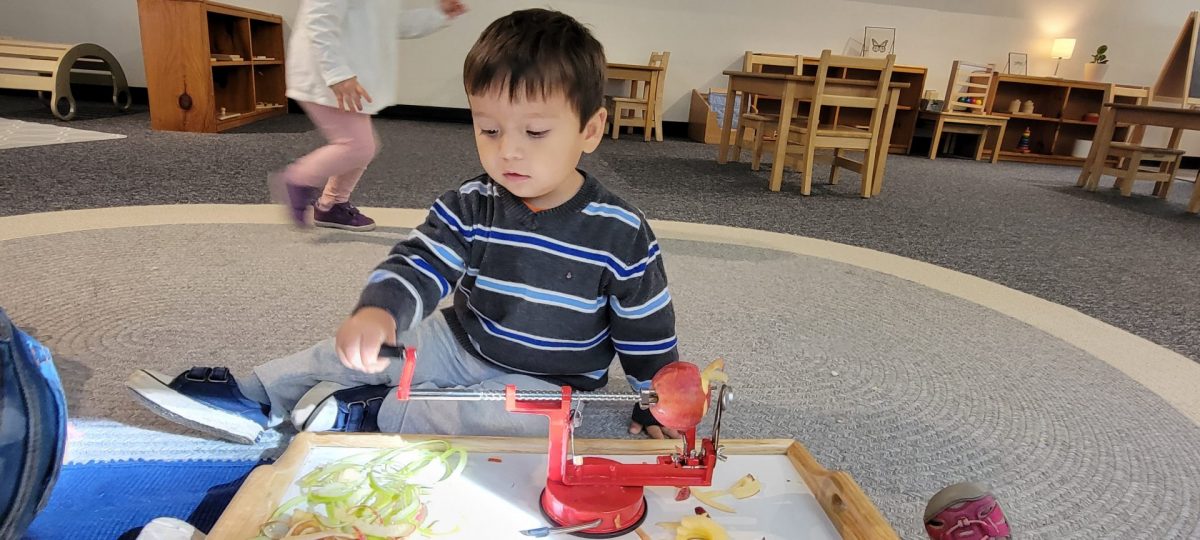
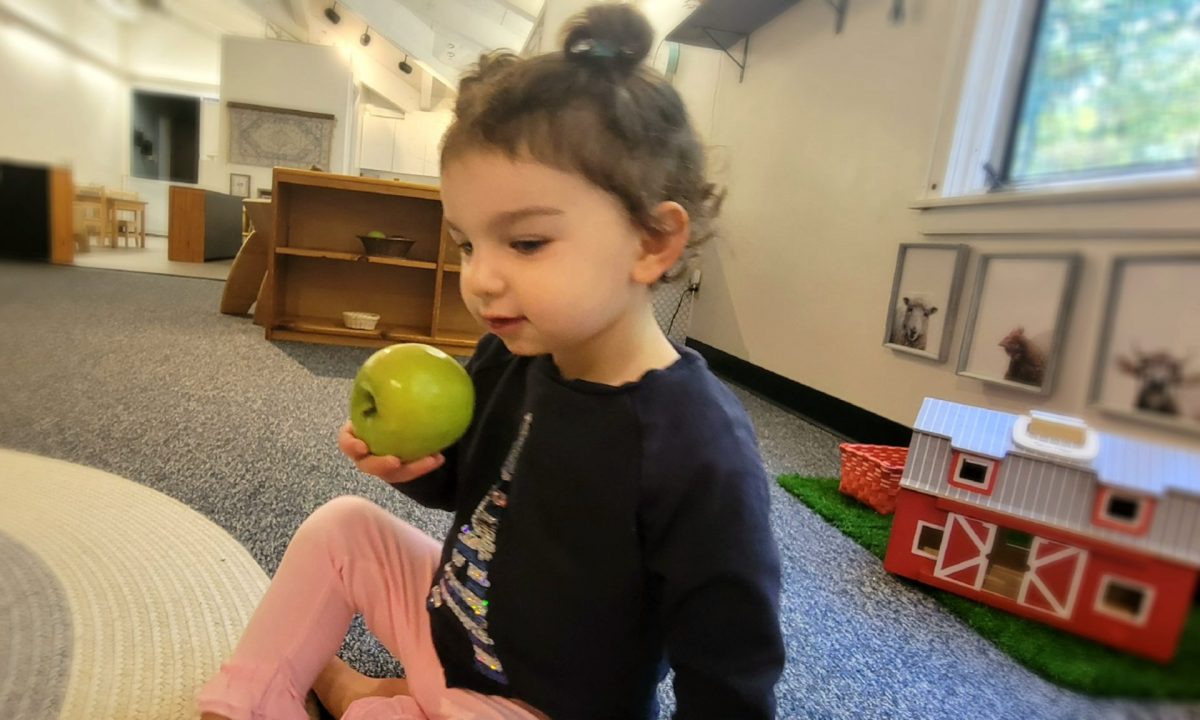
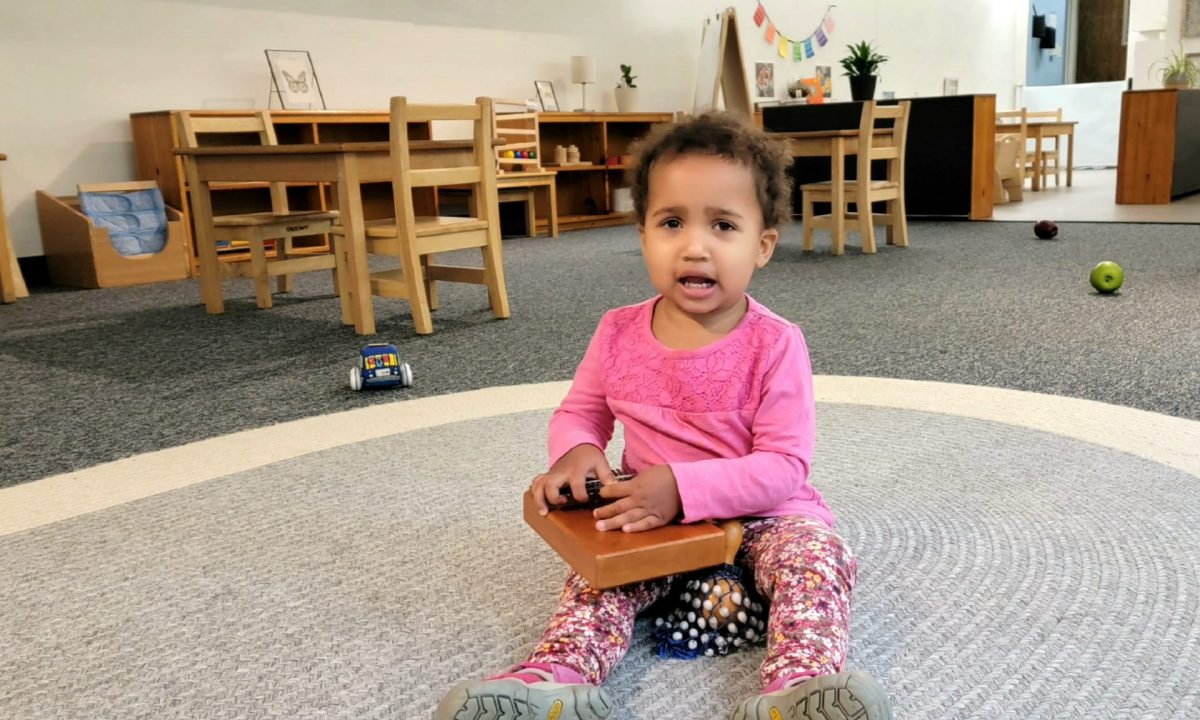
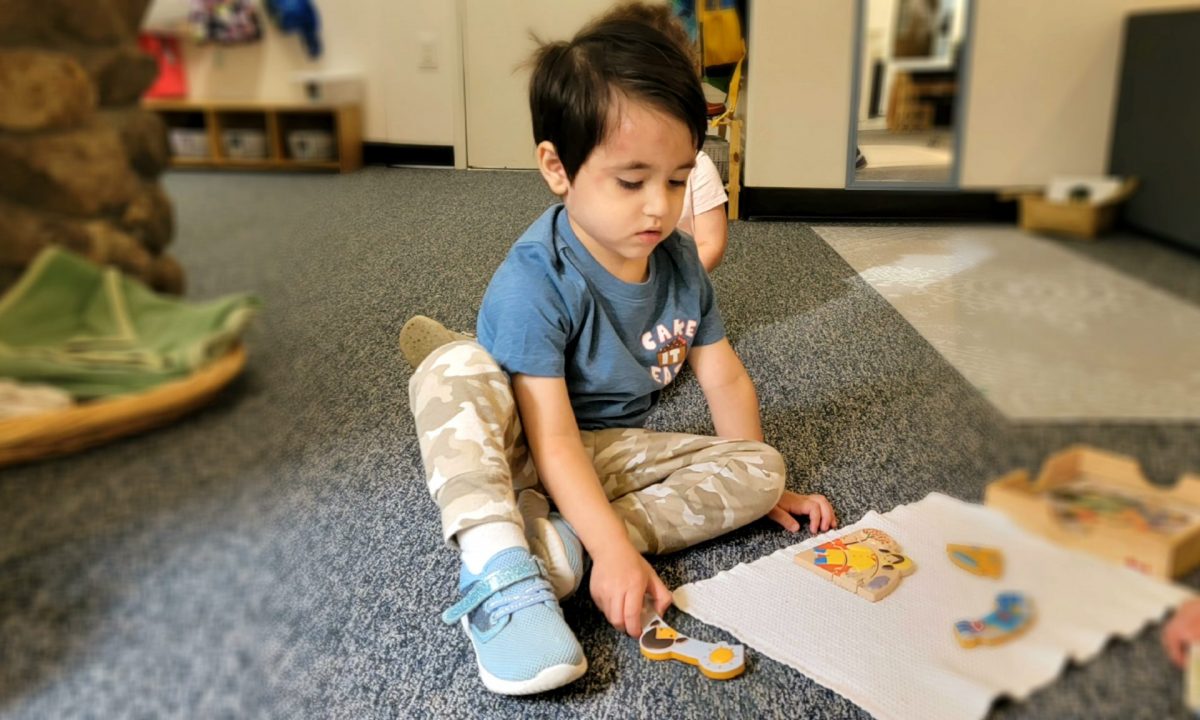
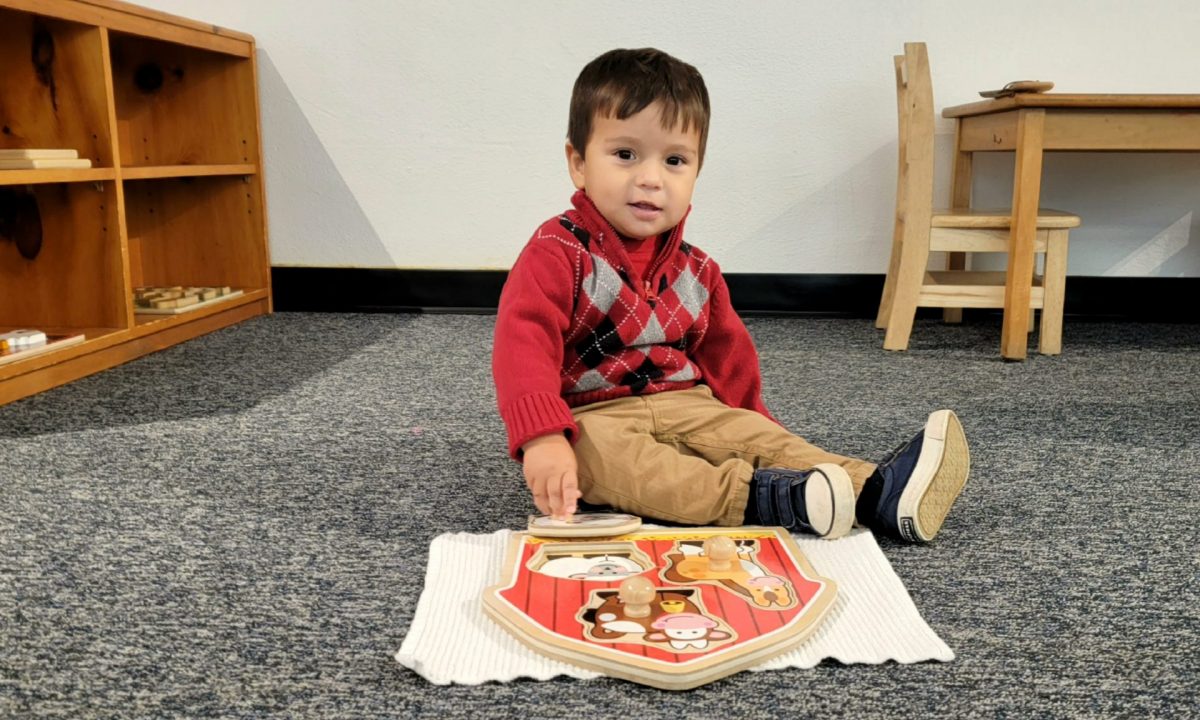
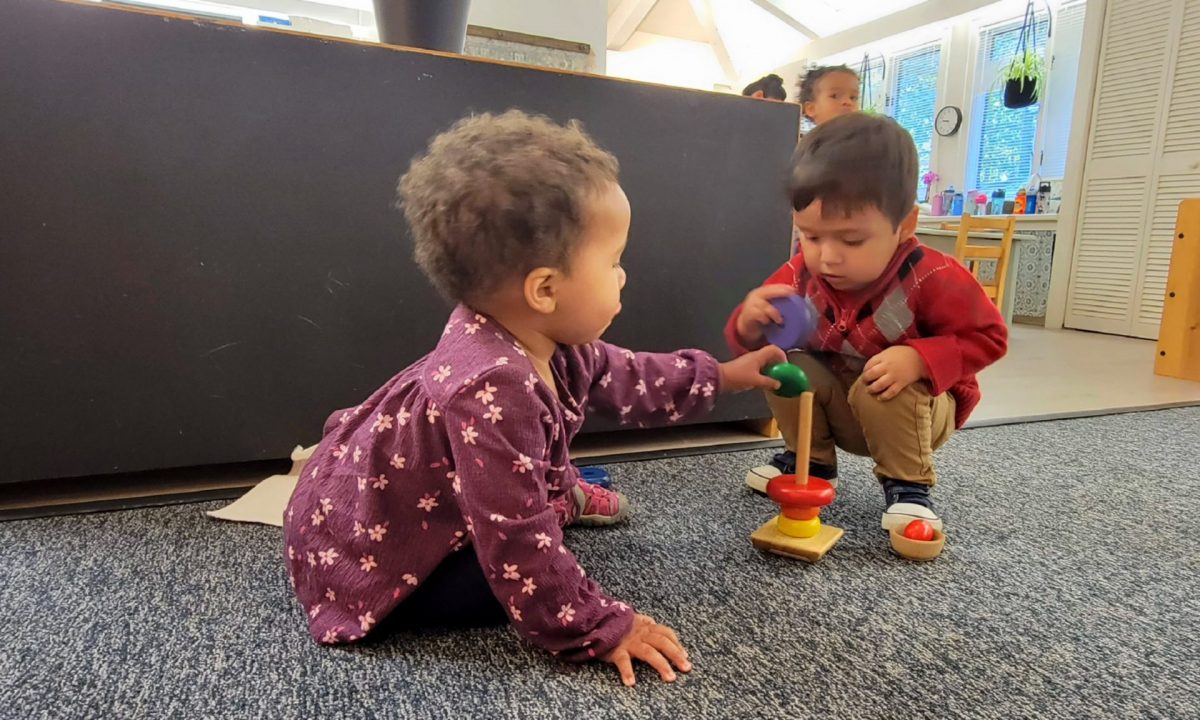
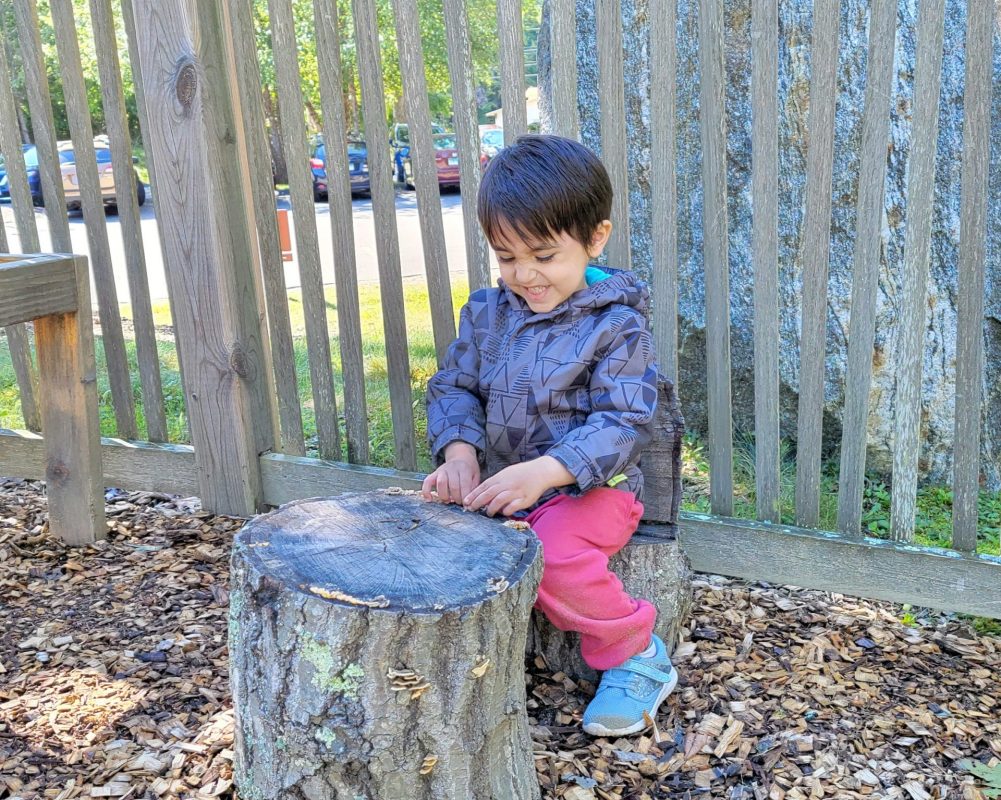
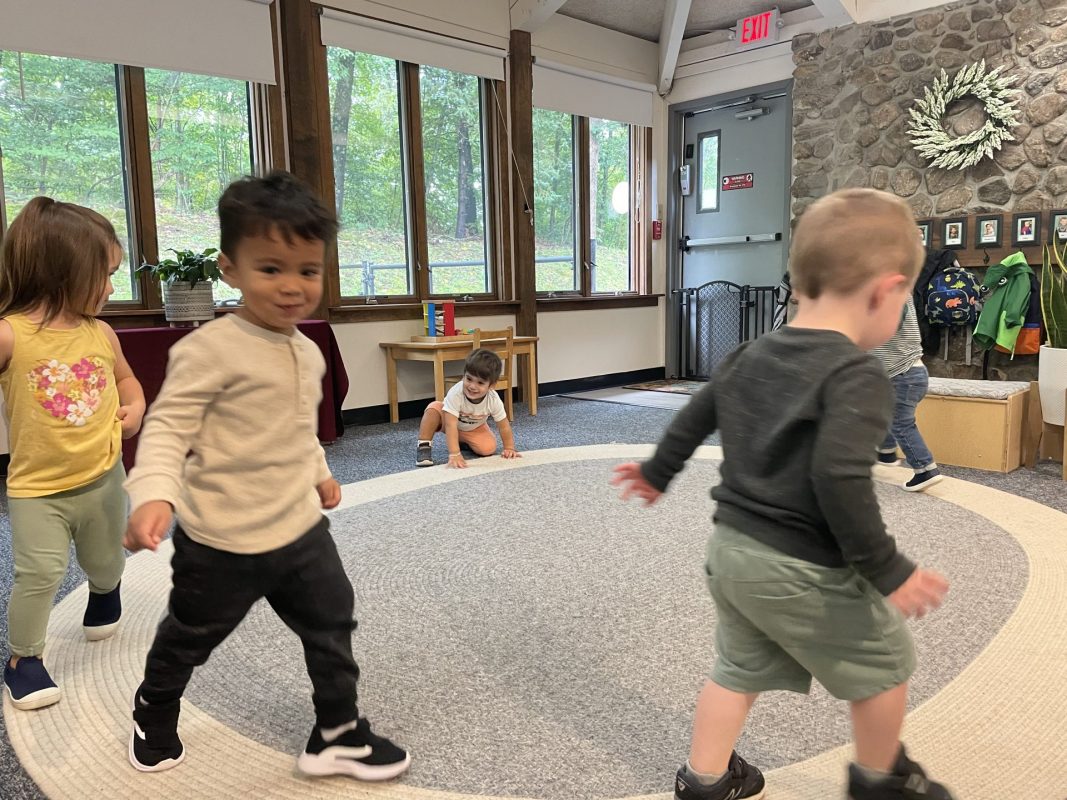
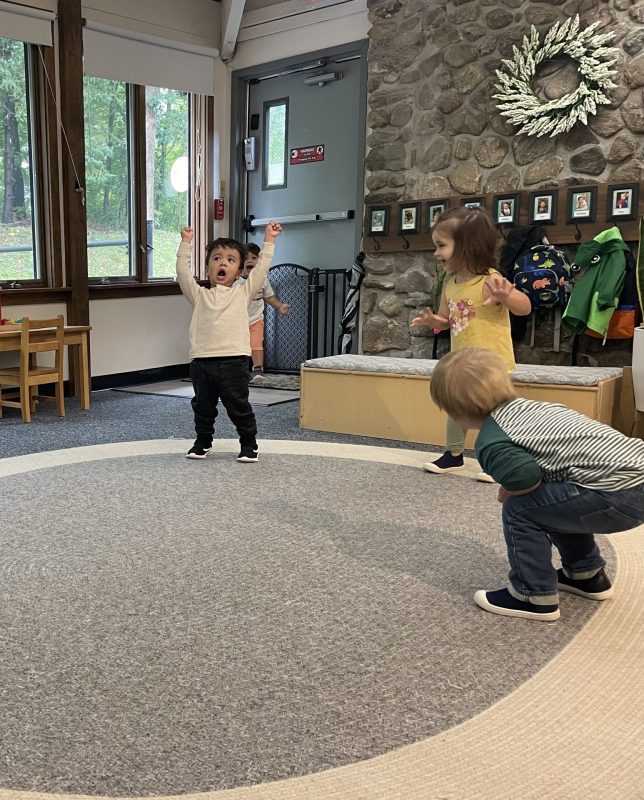
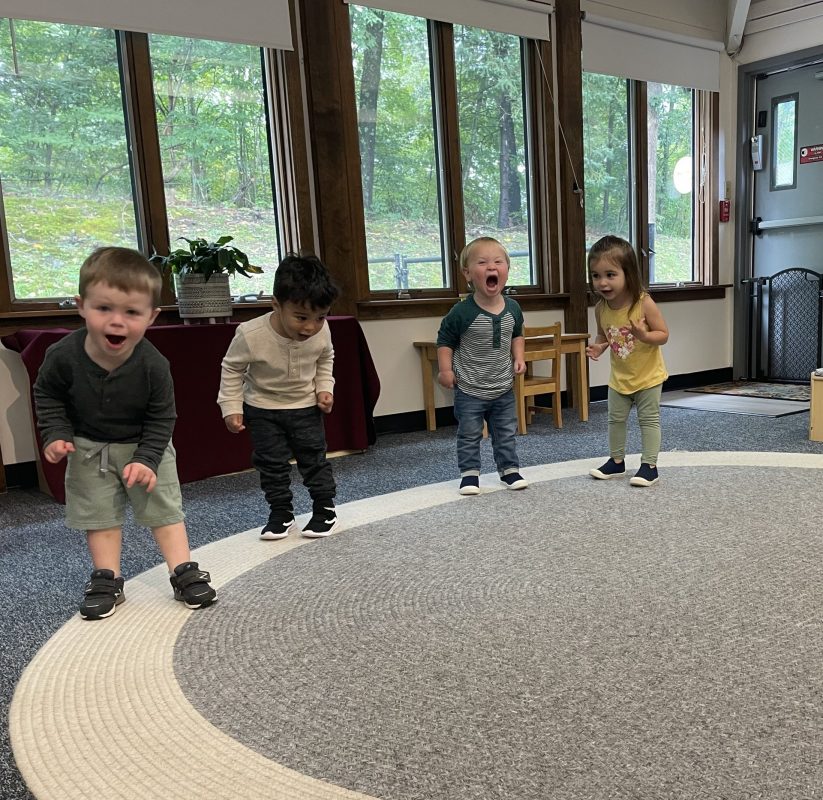
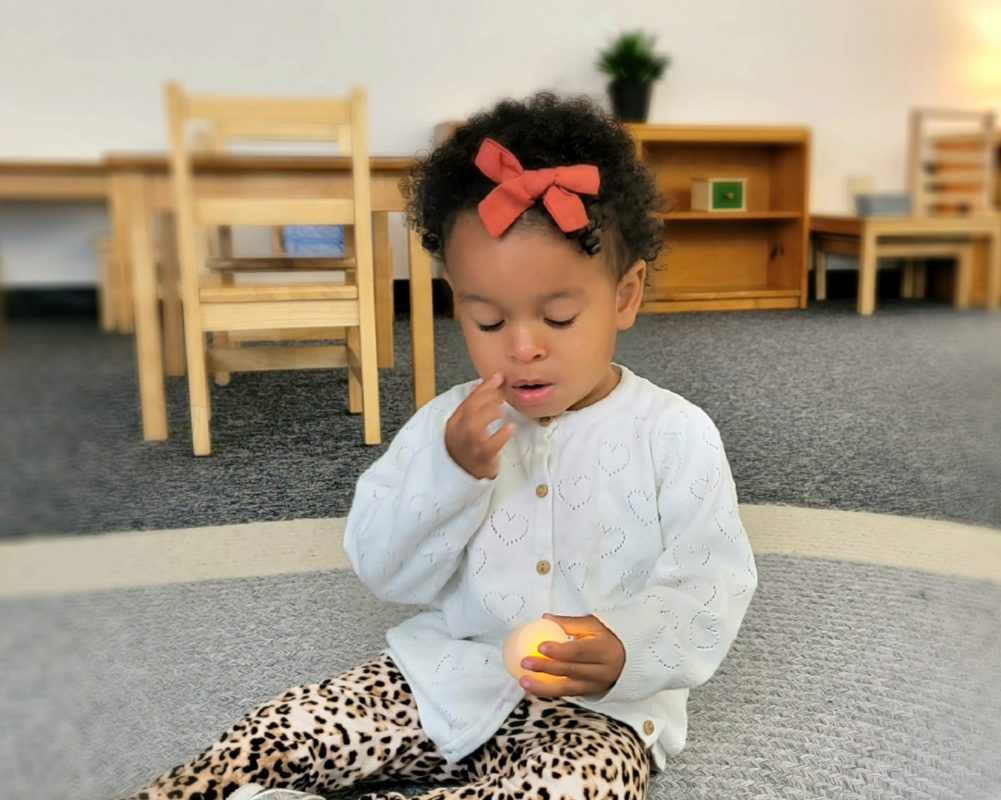
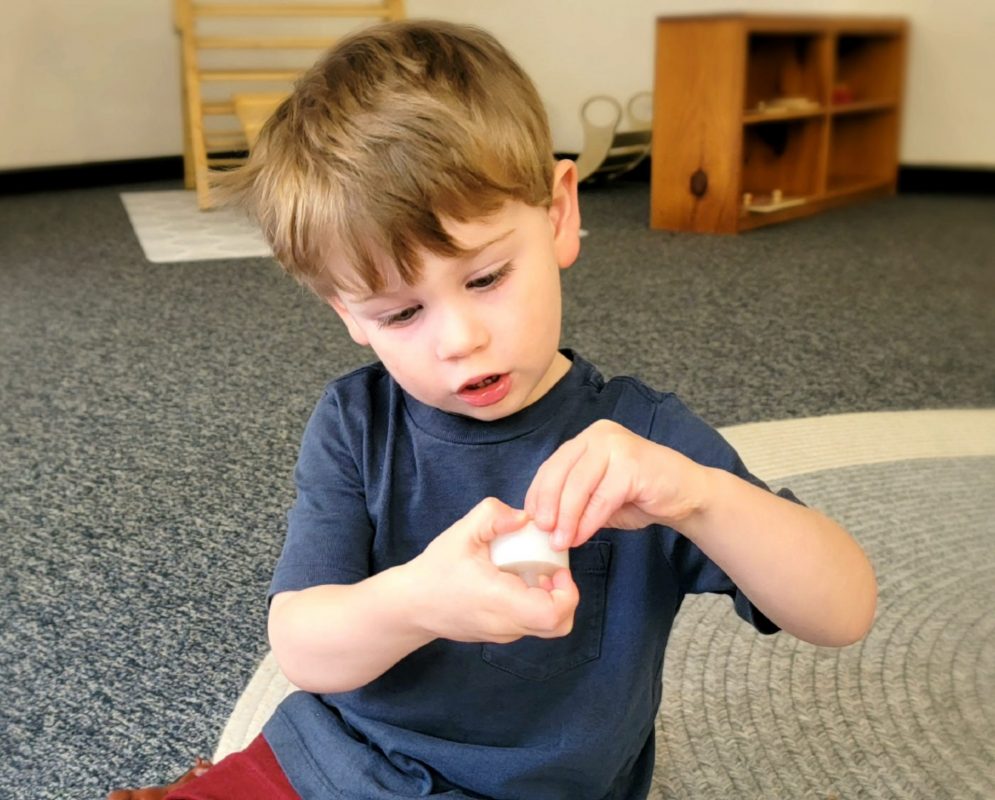
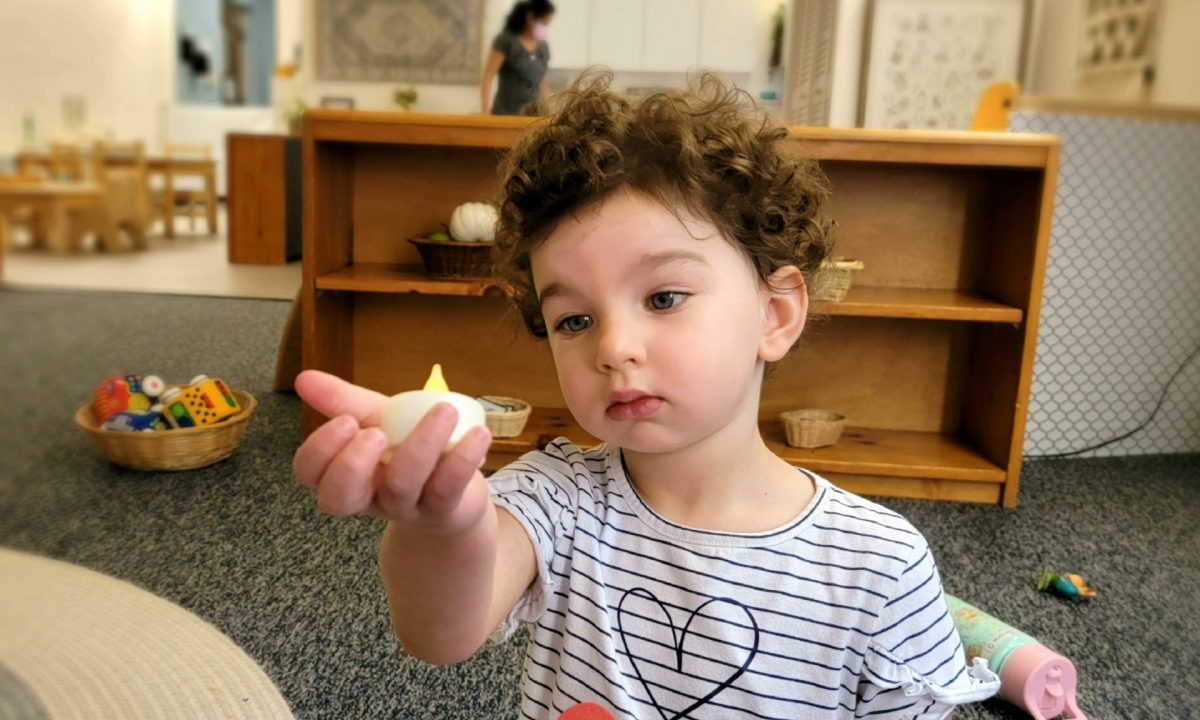
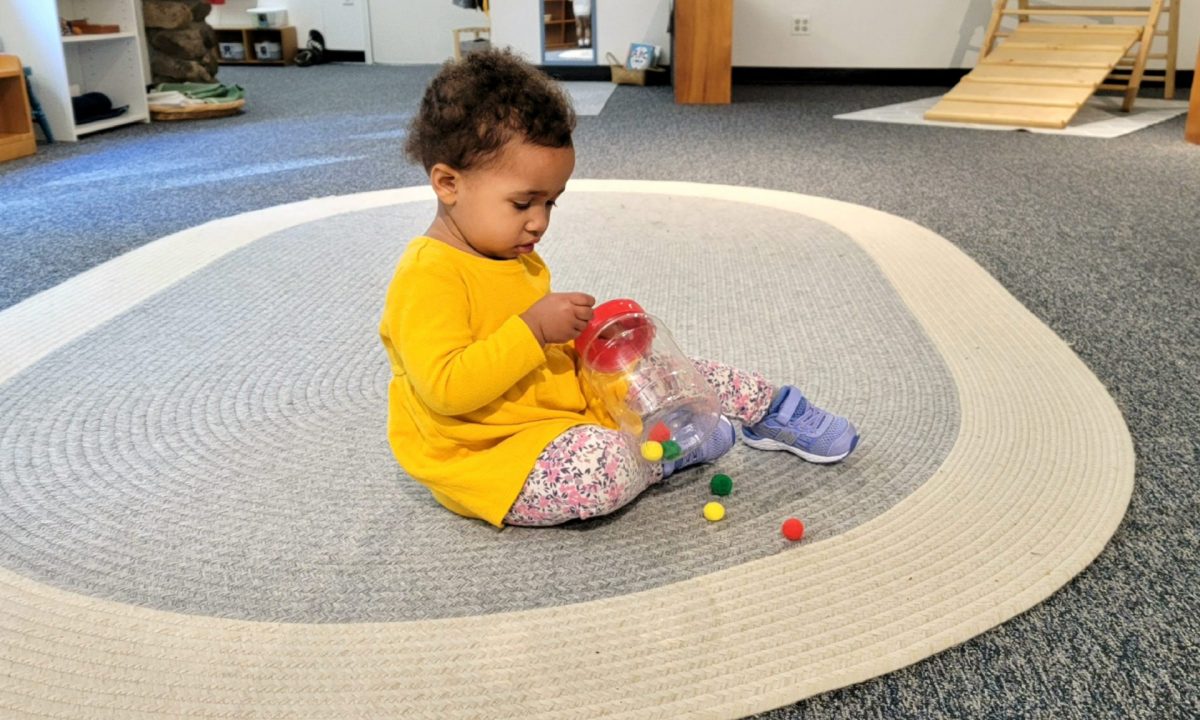
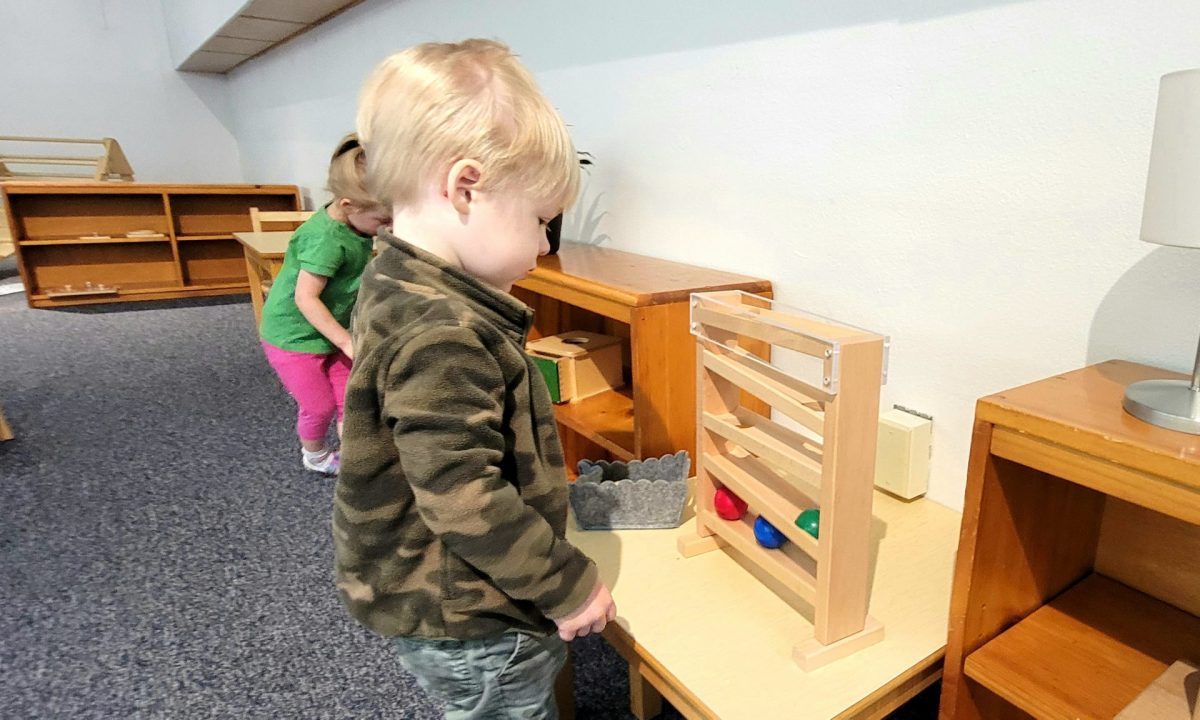
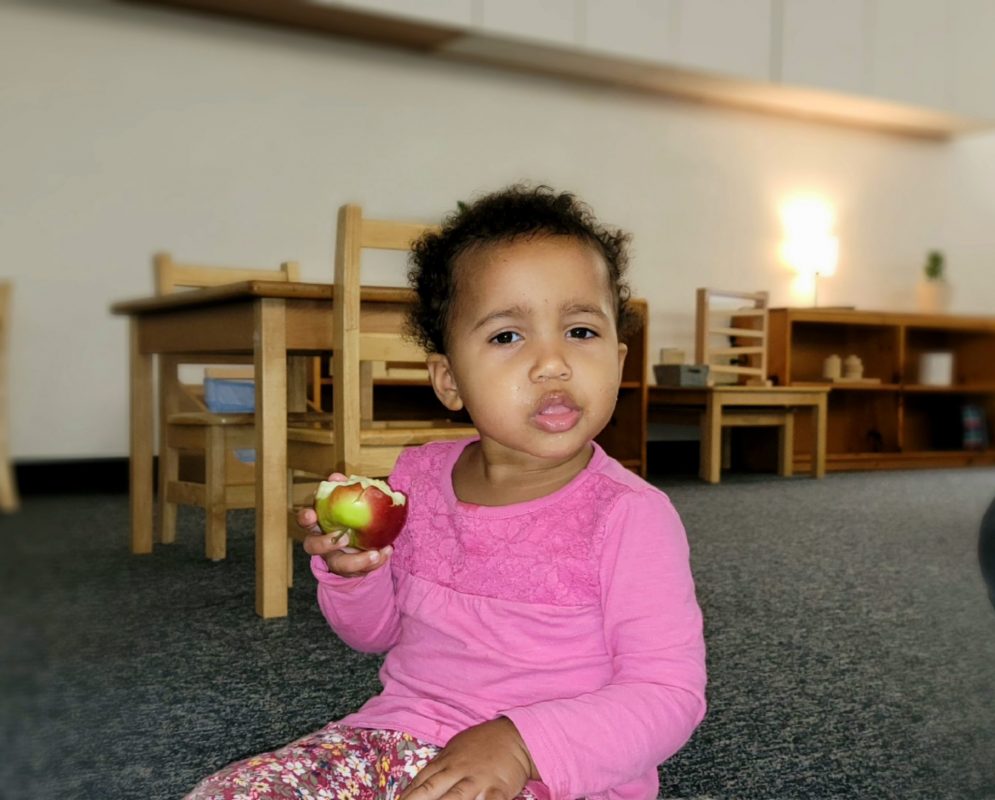
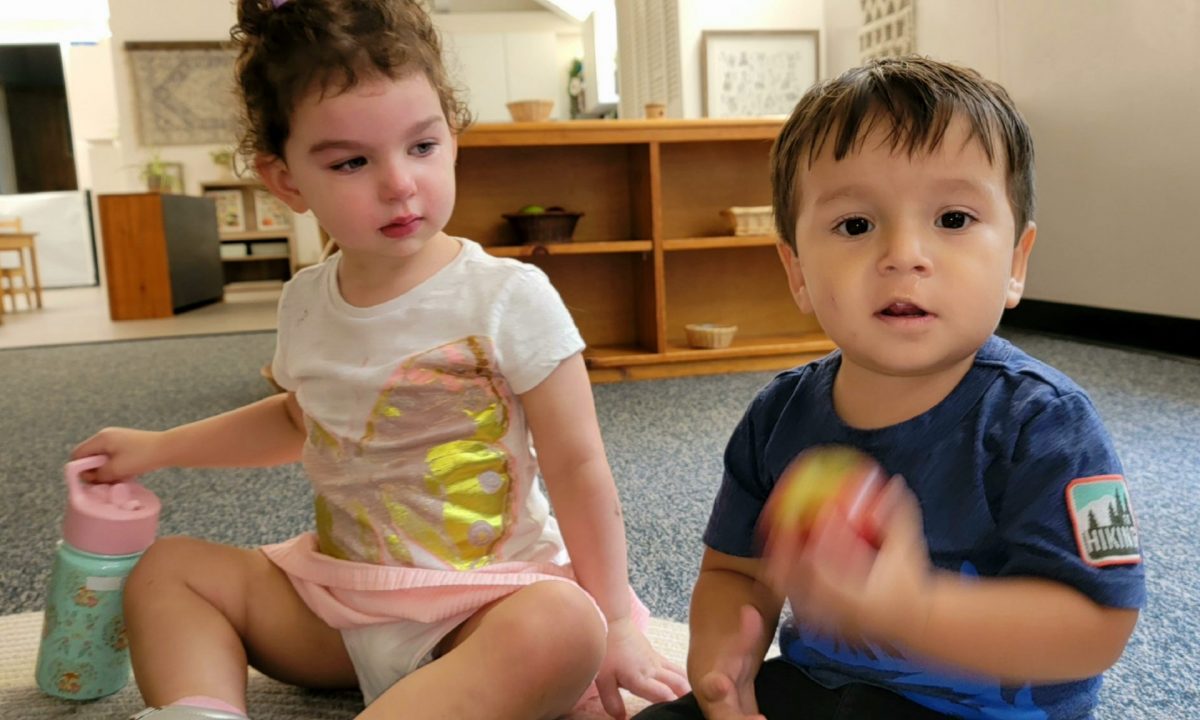
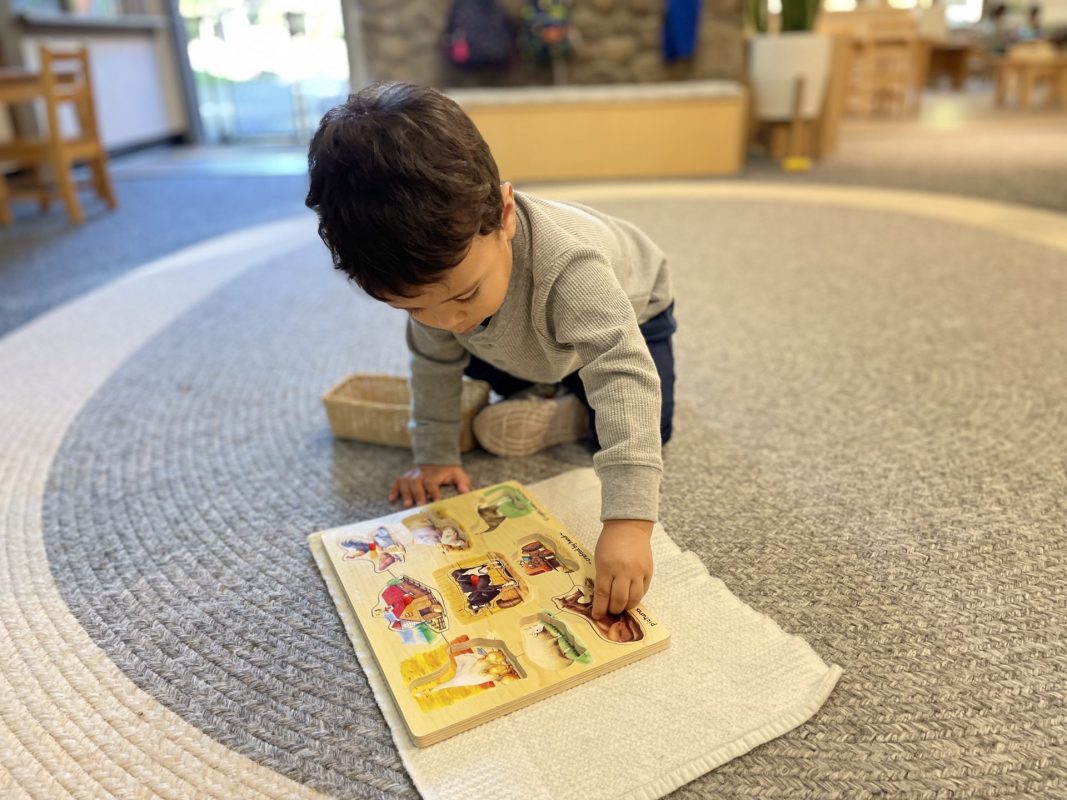
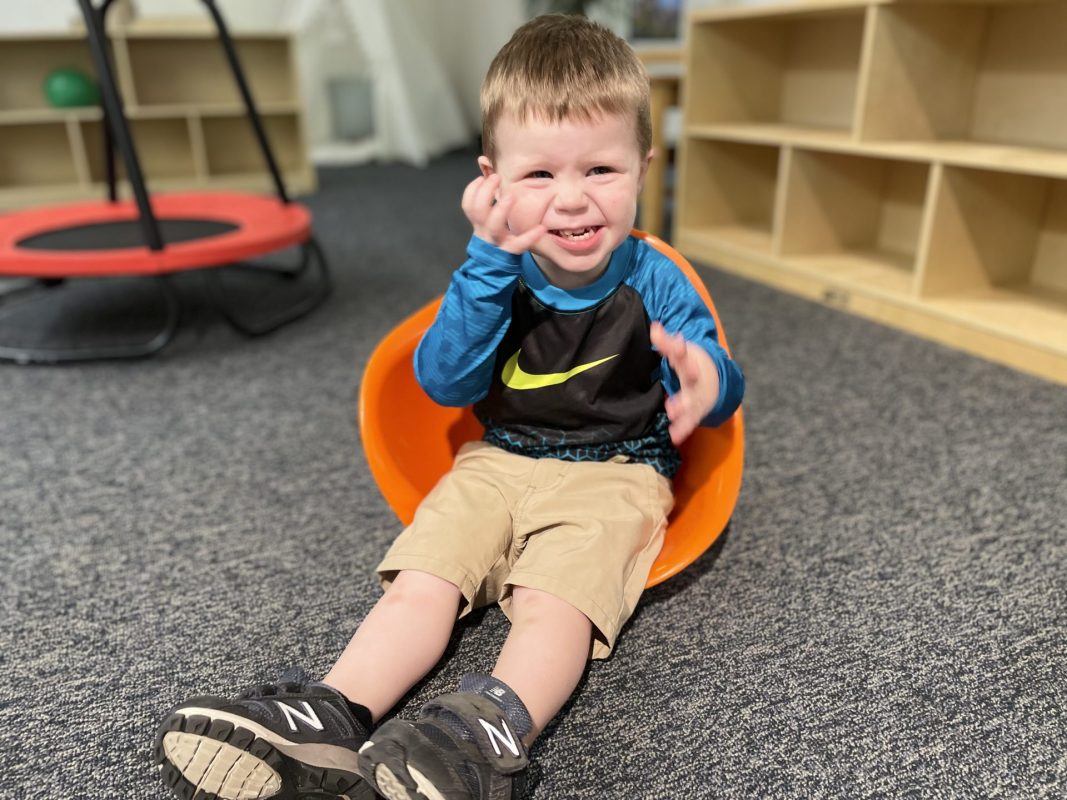
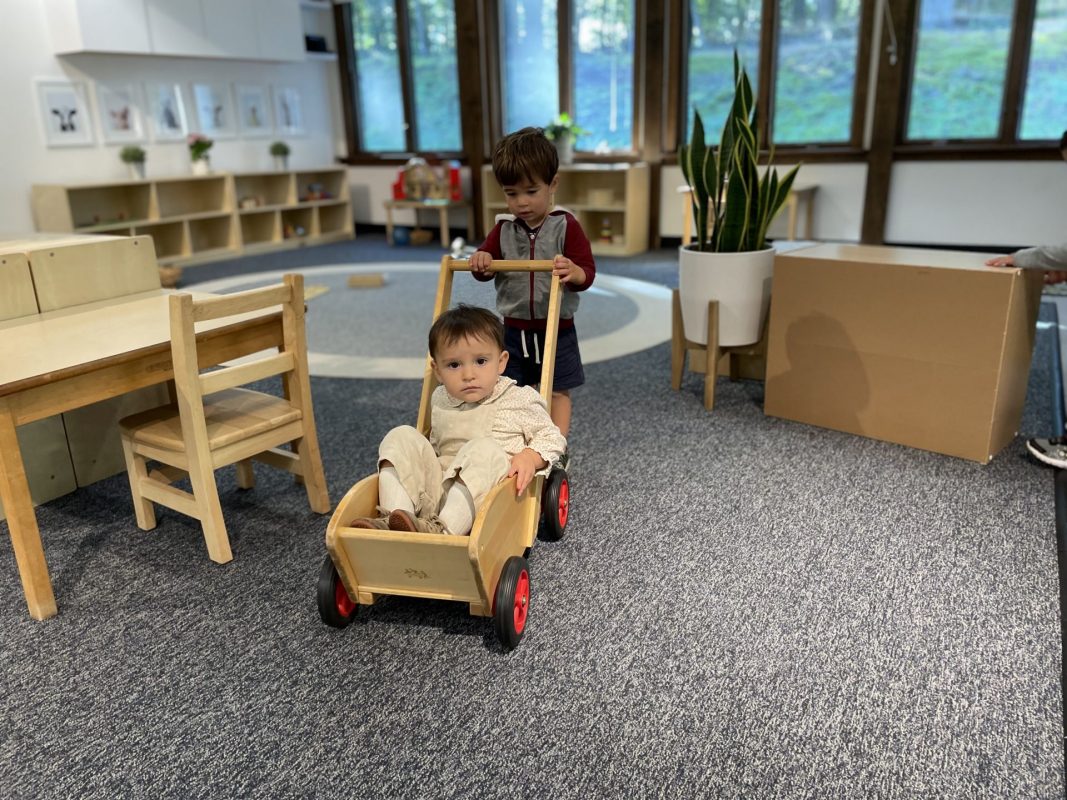
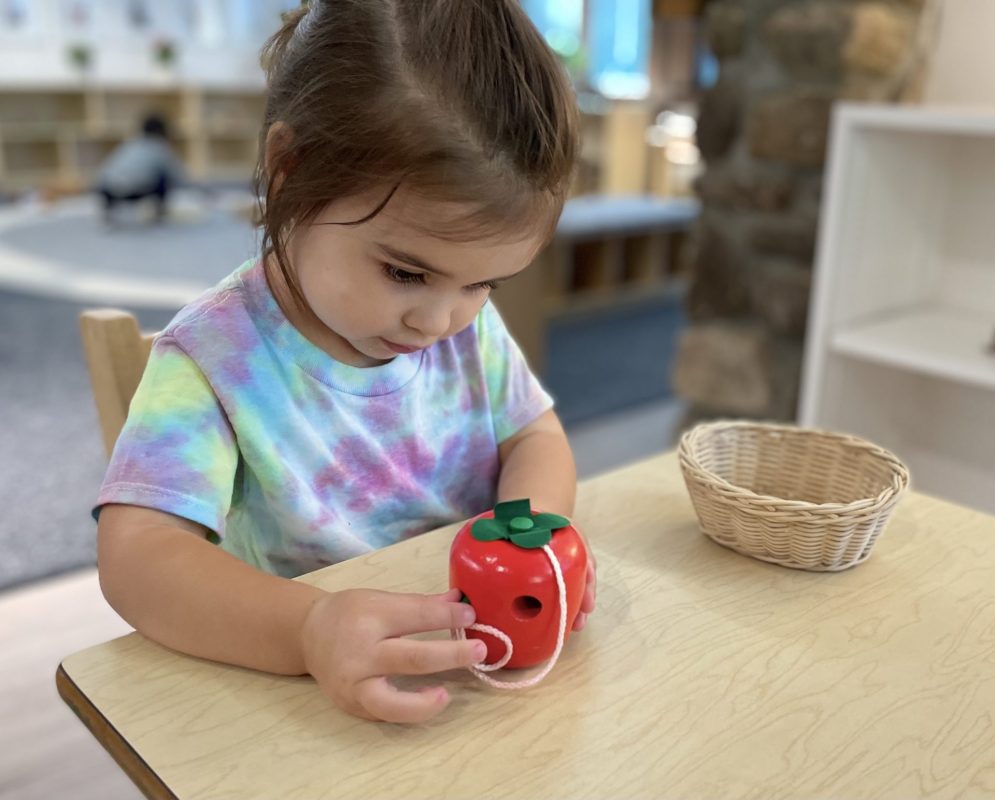
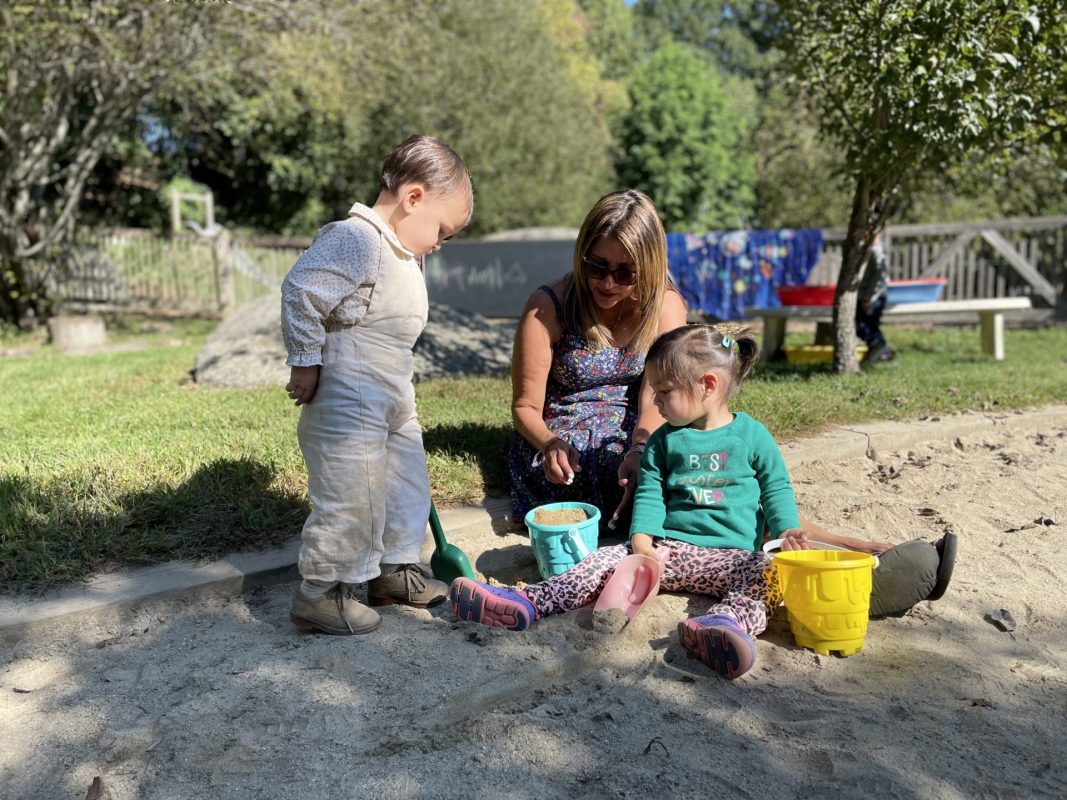
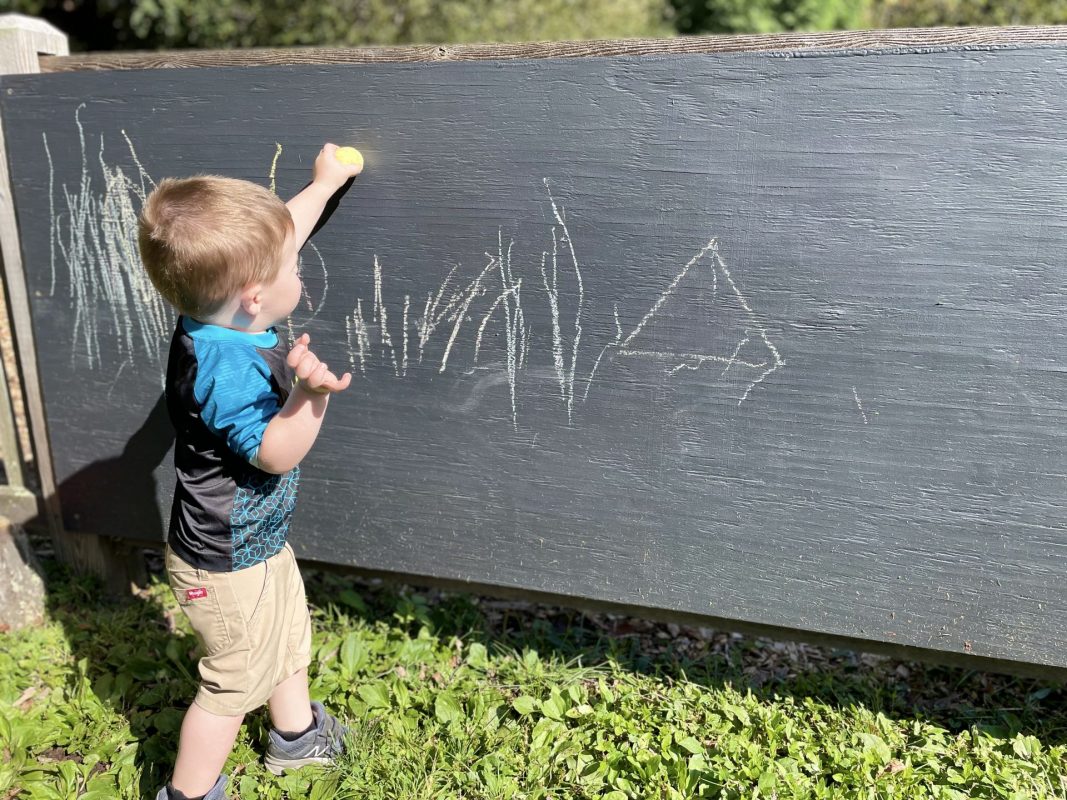
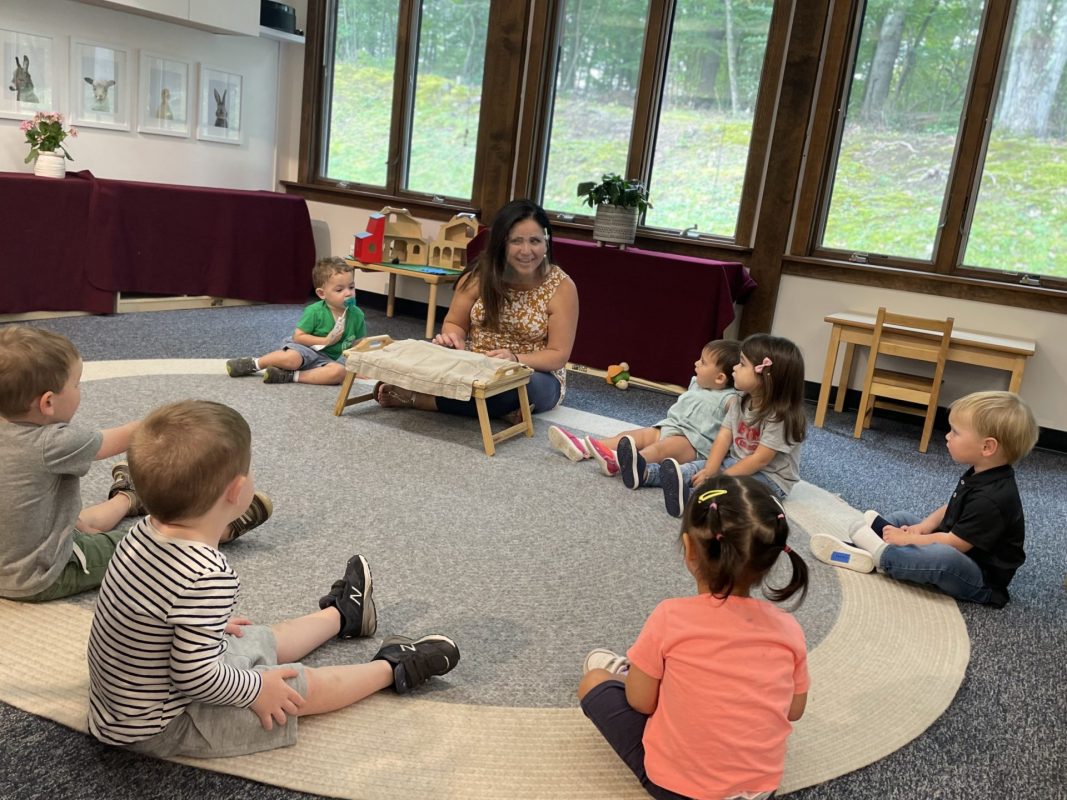
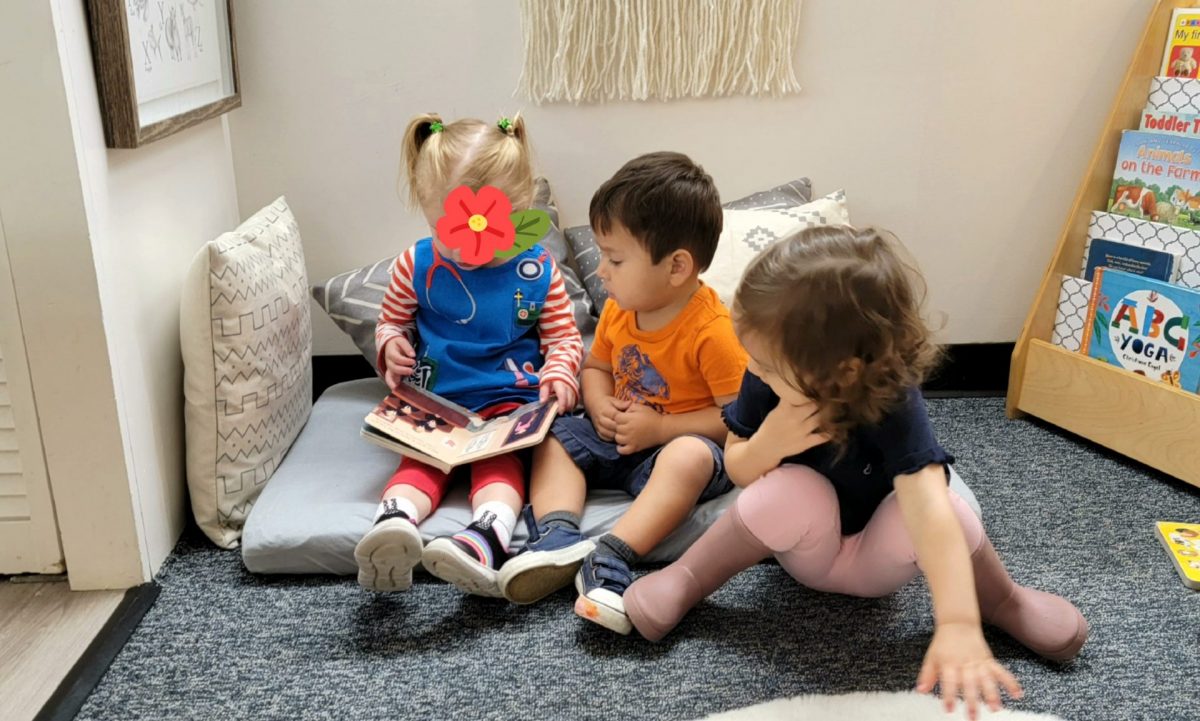
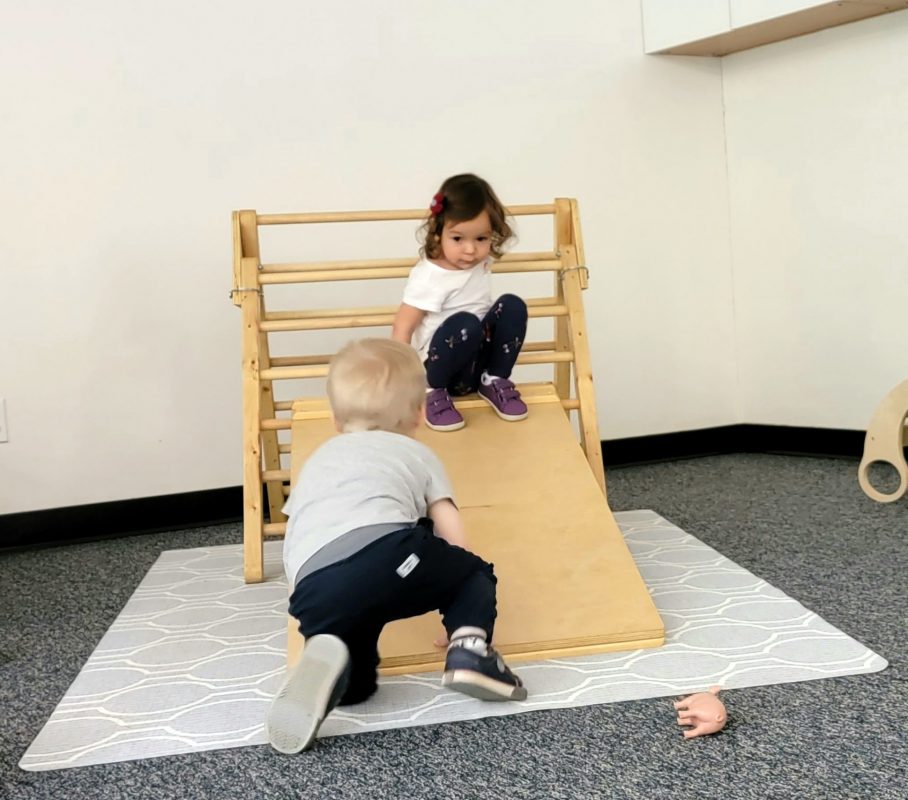
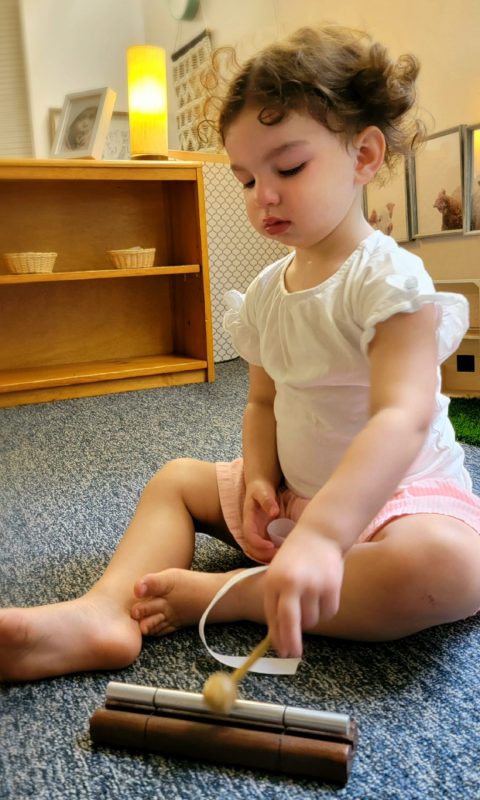
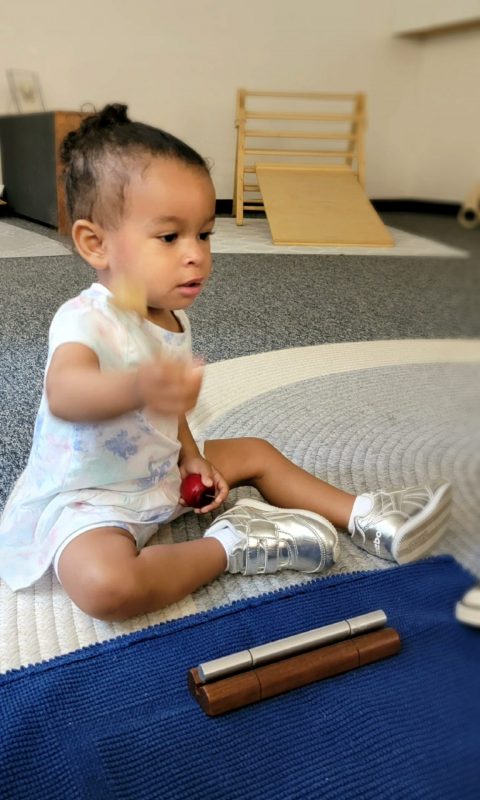
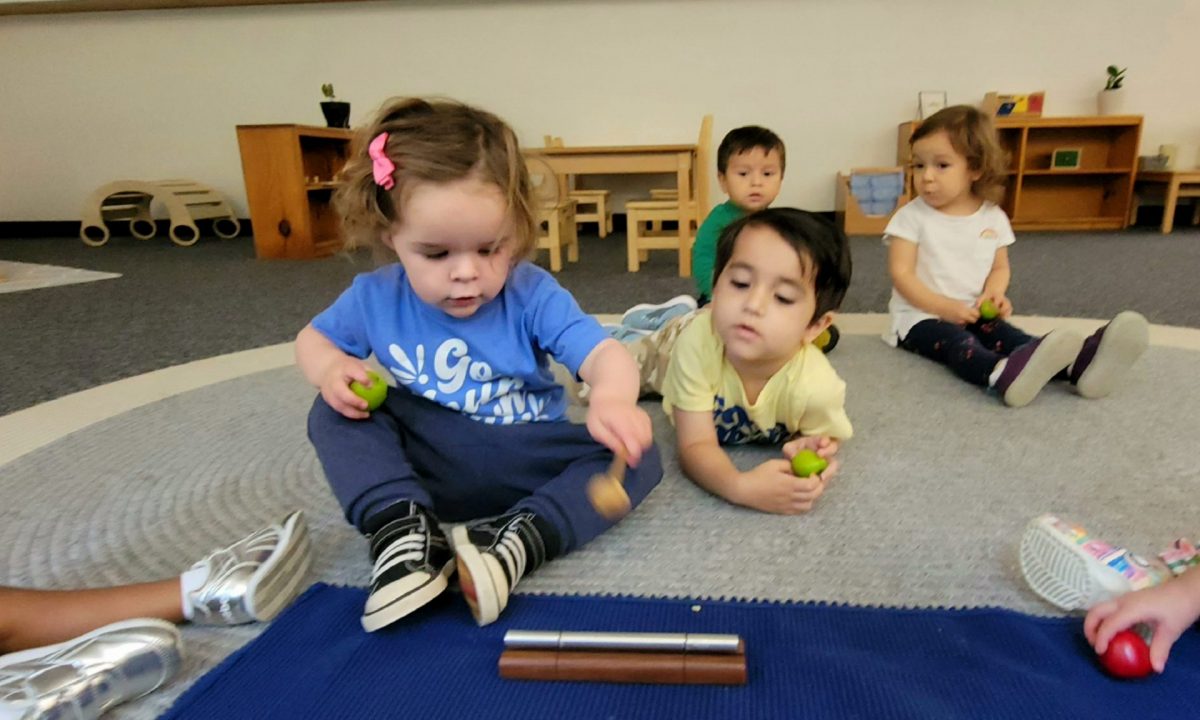
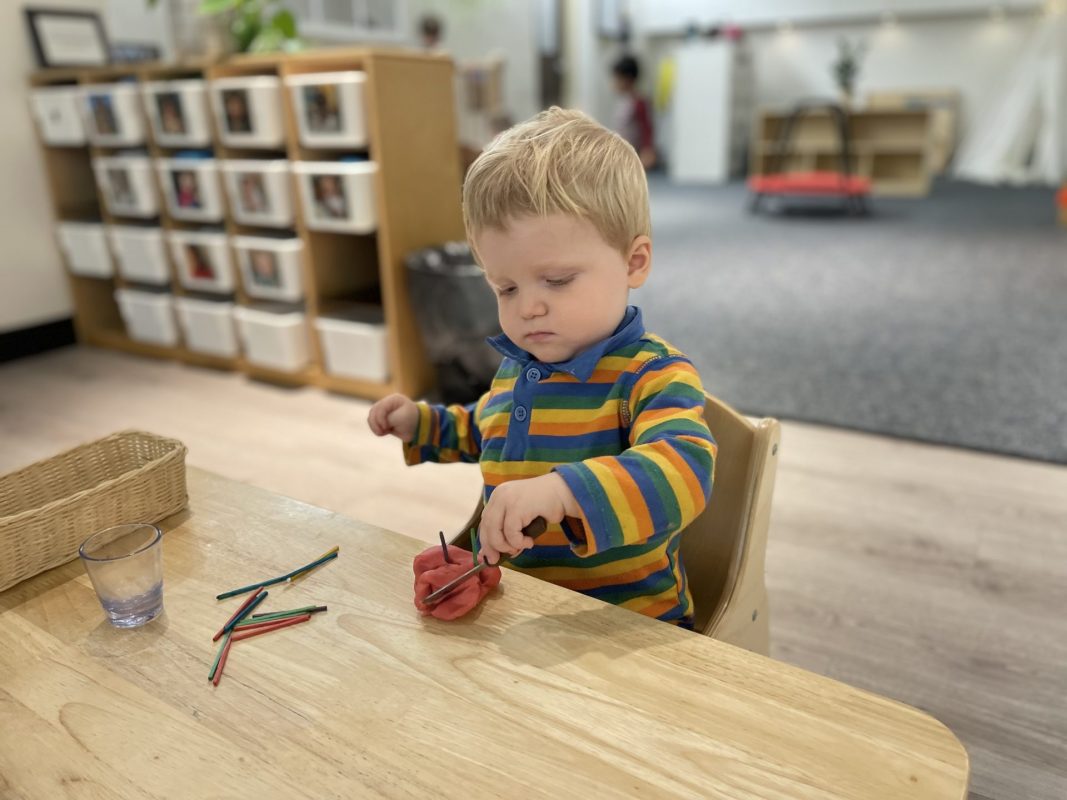
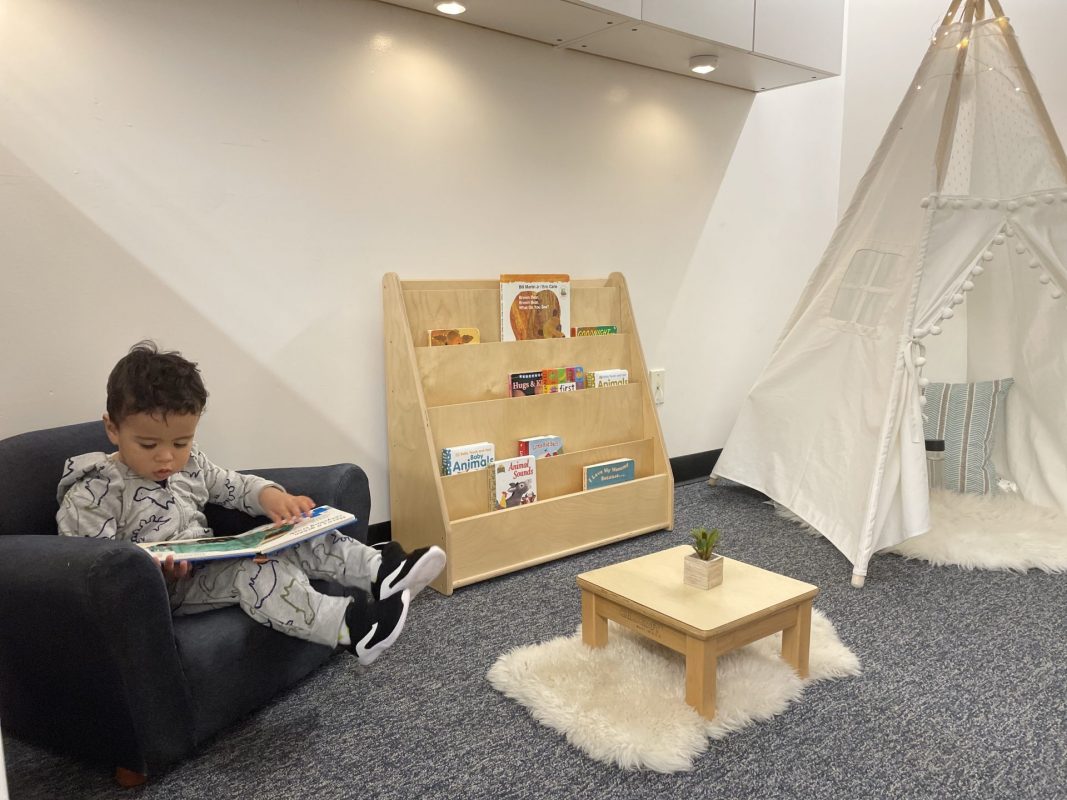
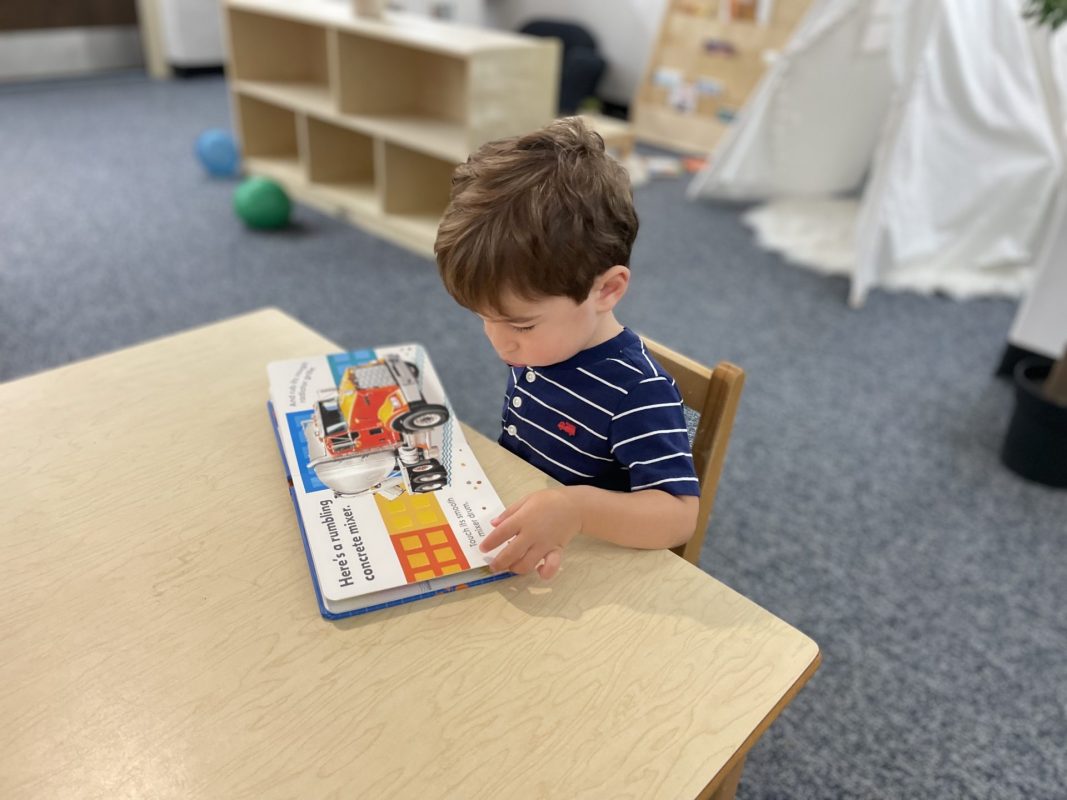
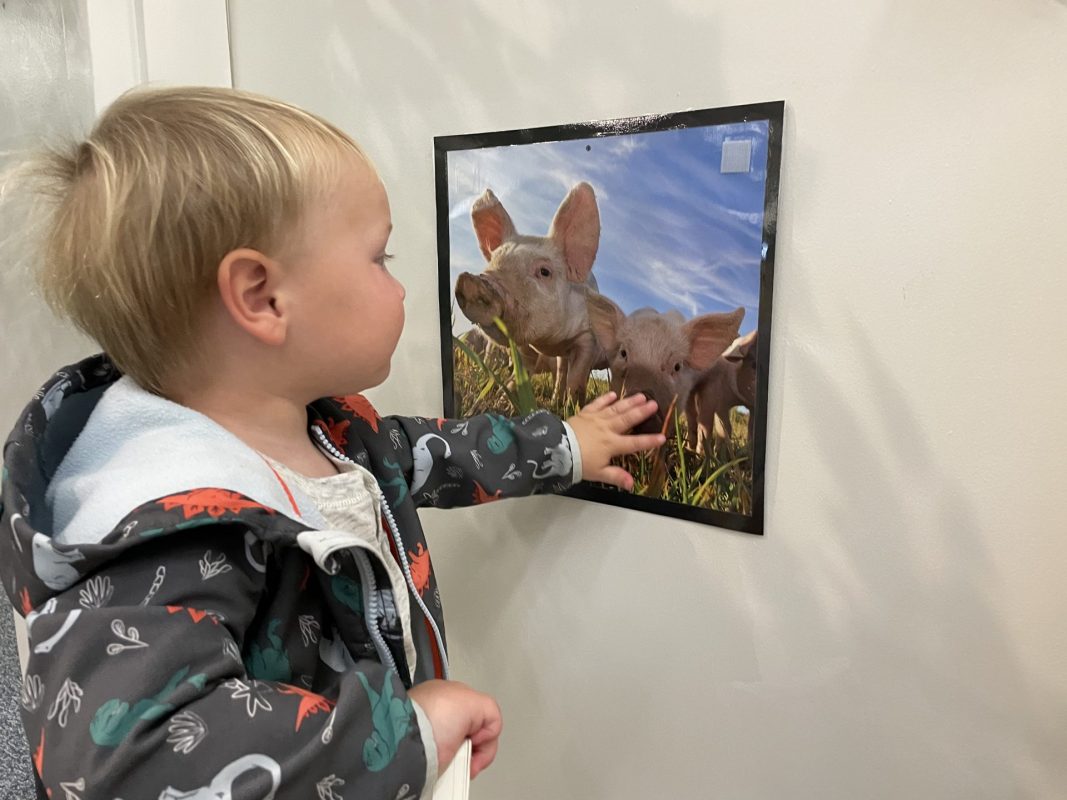
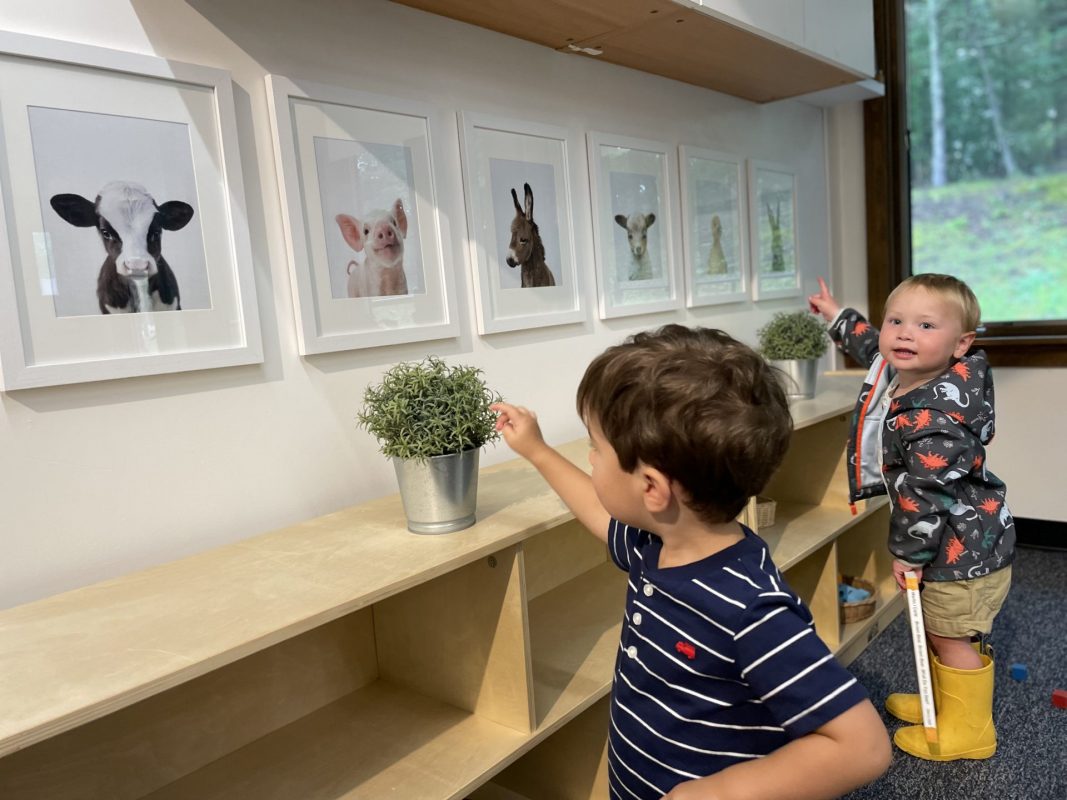
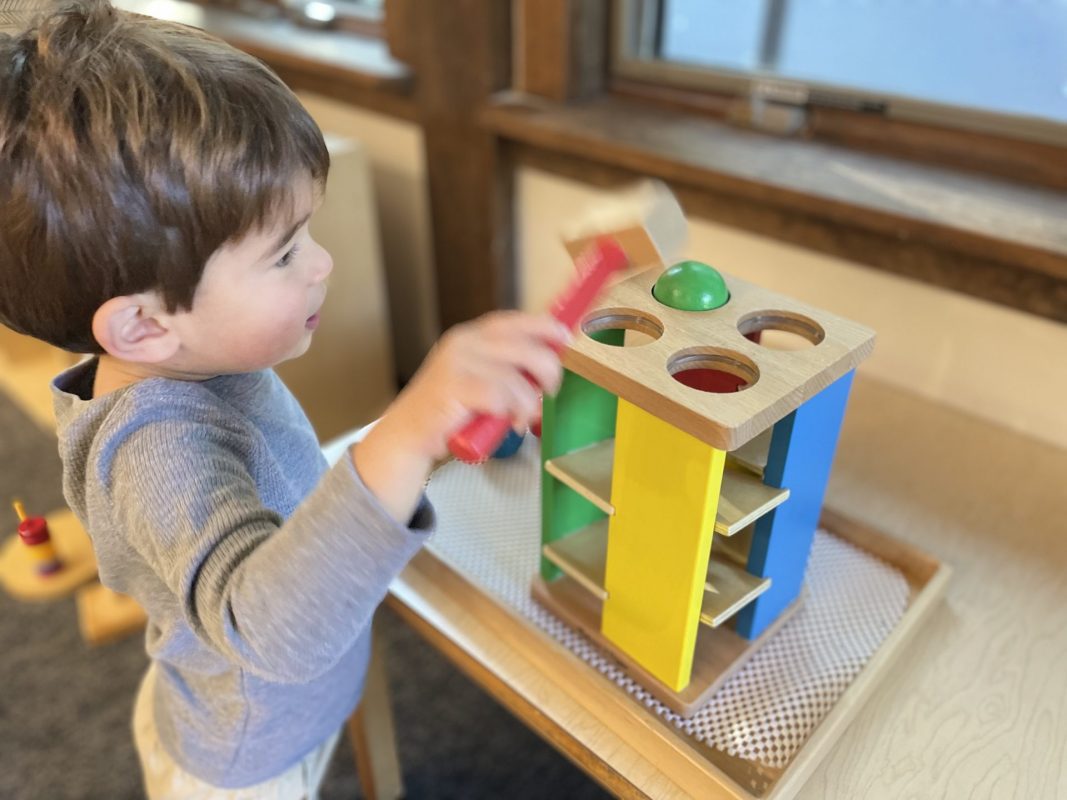
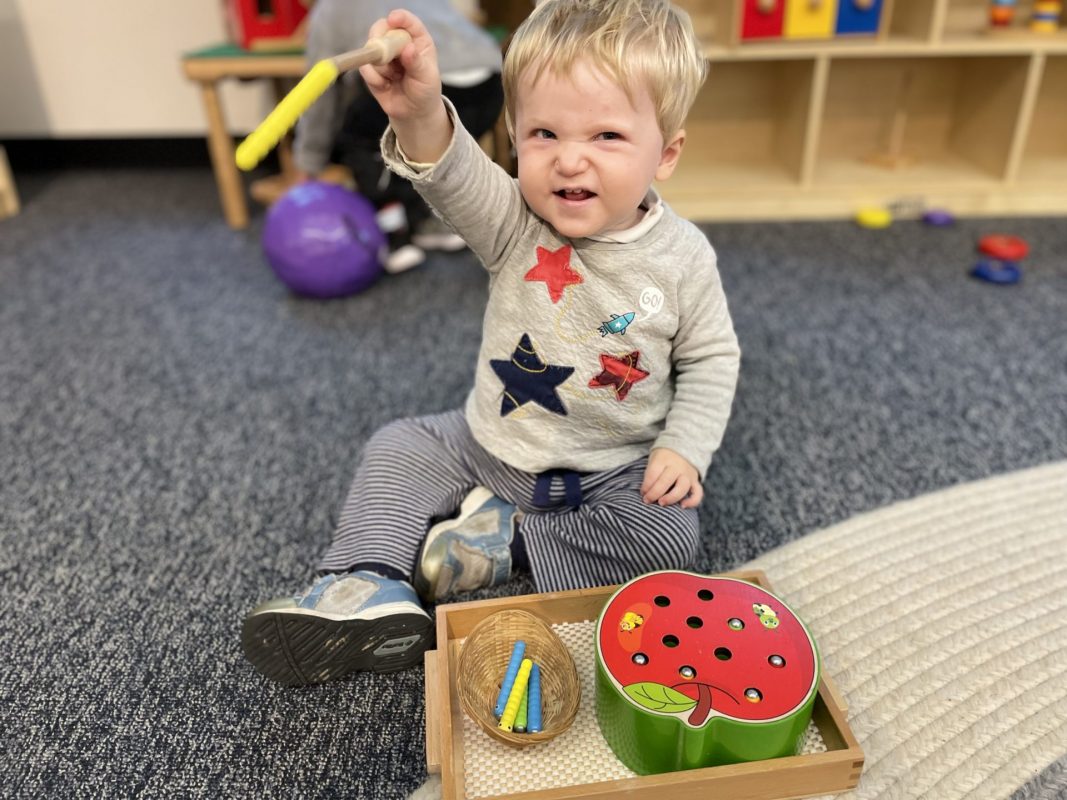
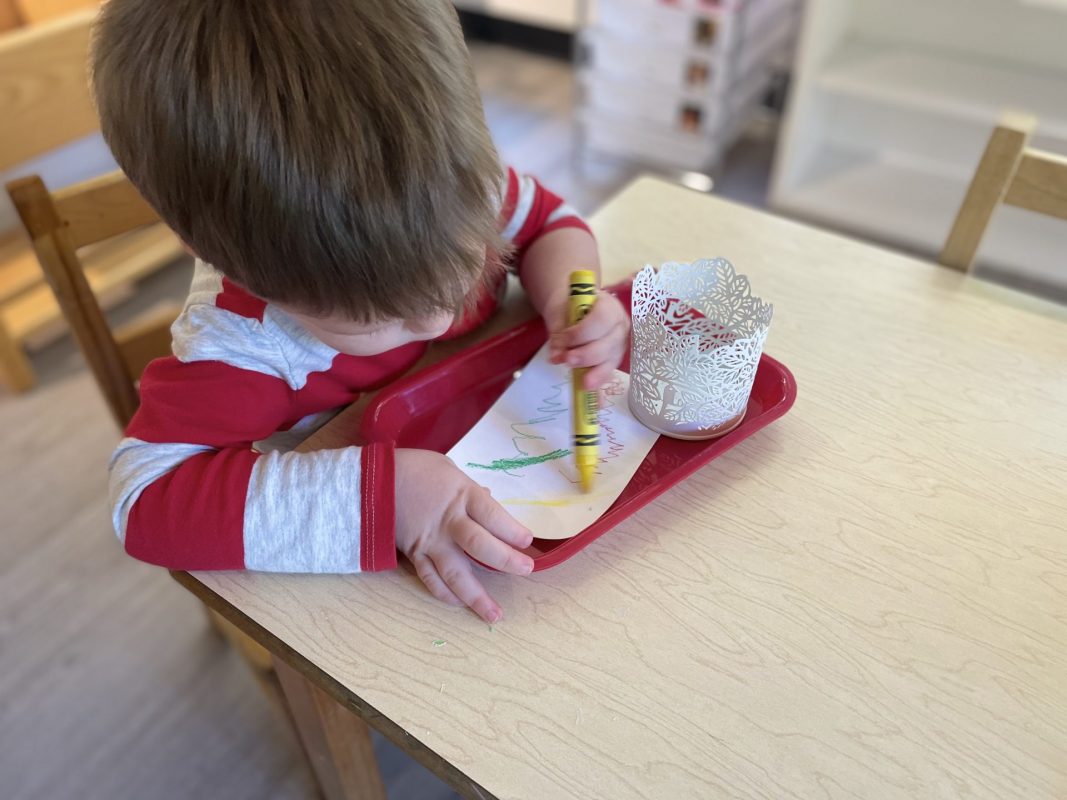
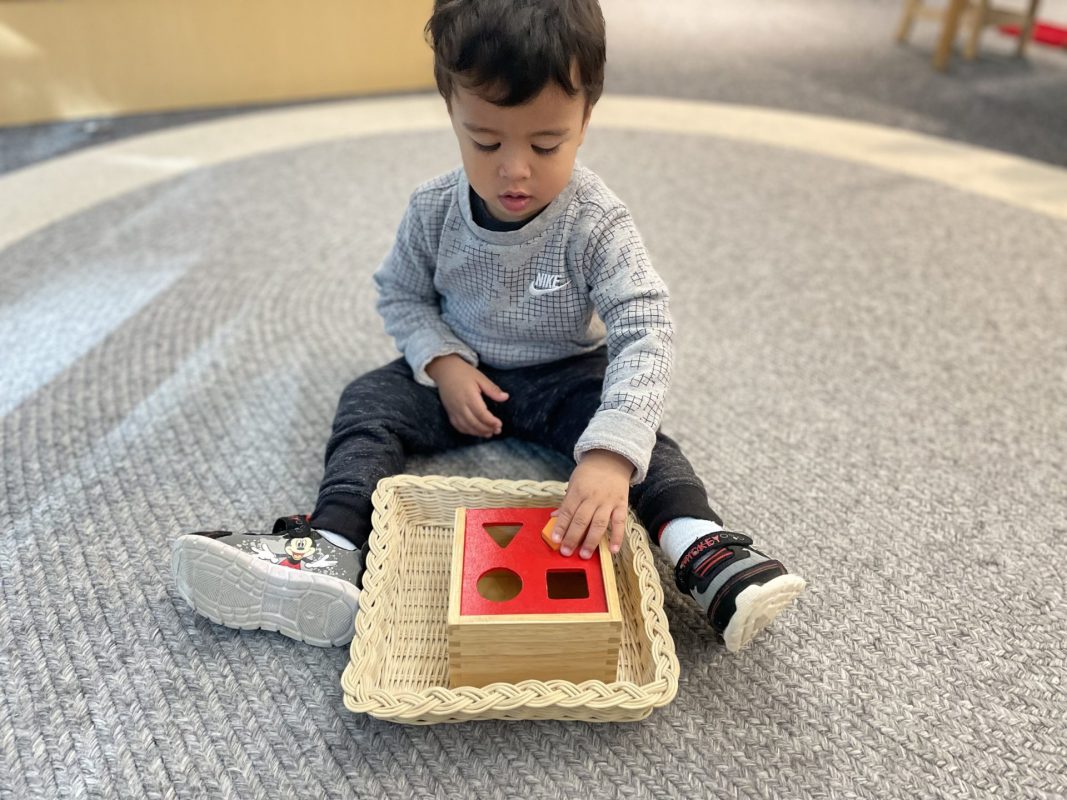
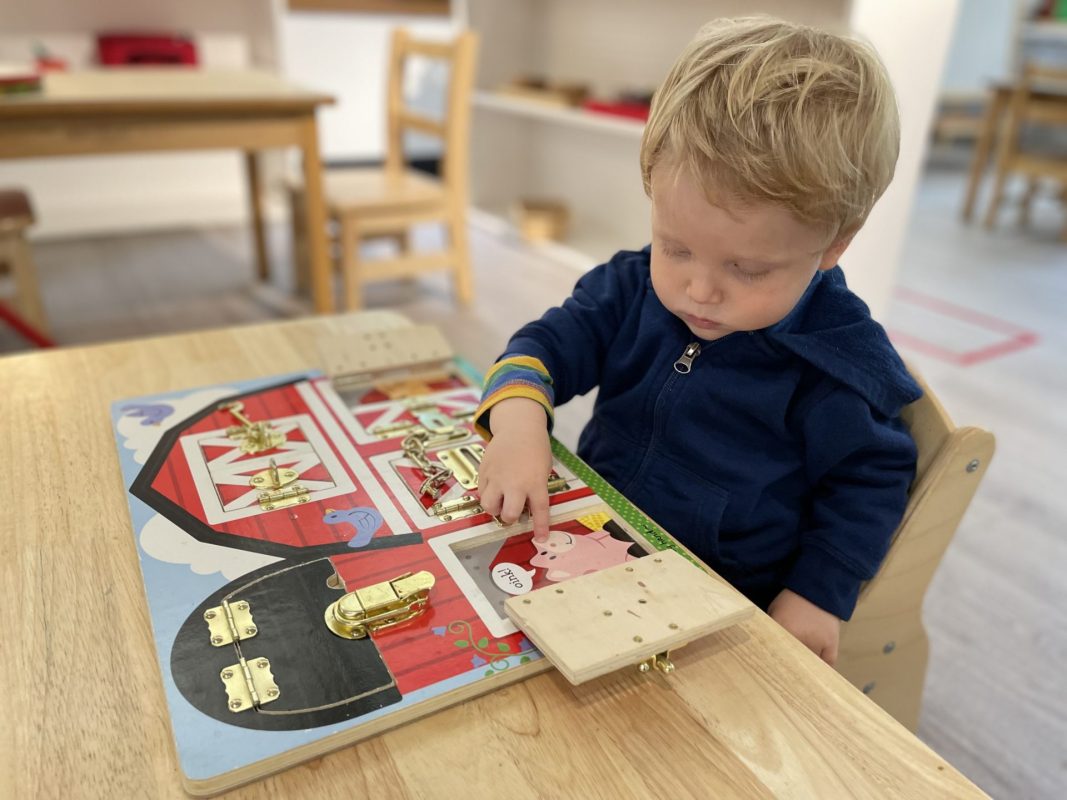
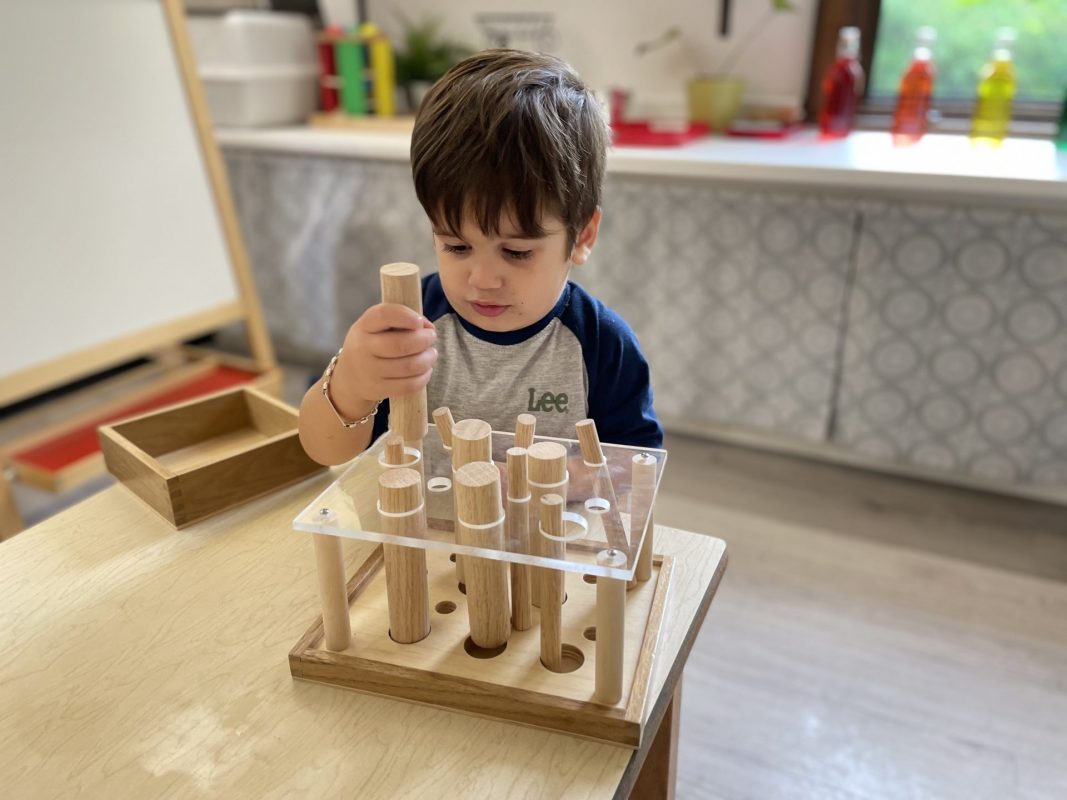
It has been evident that your children have been going through a sensitive period for language showing itself as an insatiable hunger for words, and we have found ourselves giving three period lessons so often either indoor or outdoors. Lately we have observed an explosion of words and the toddlers seem very proud of themselves when being able to reach the last step of the three period lesson. We have seen a big boost of confidence and joy! It’s just amazing to watch!

If you have a couple of minutes, we encourage you to check this article  to find out more  ideas on how to encourage the expansion of your toddler language skills at home.

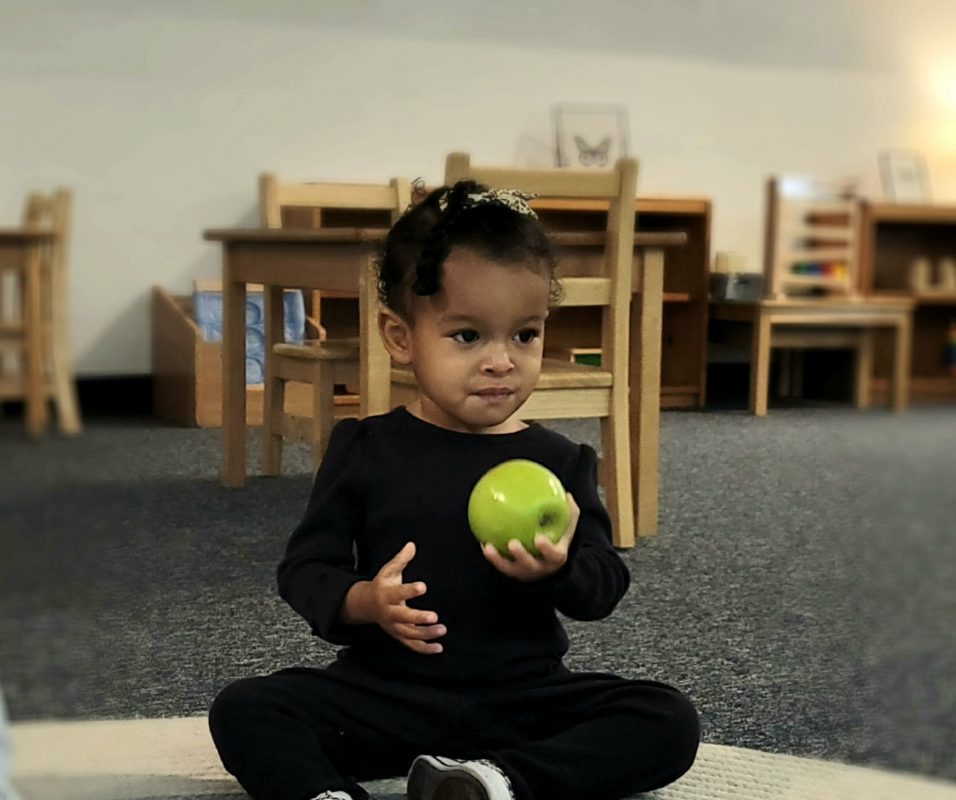
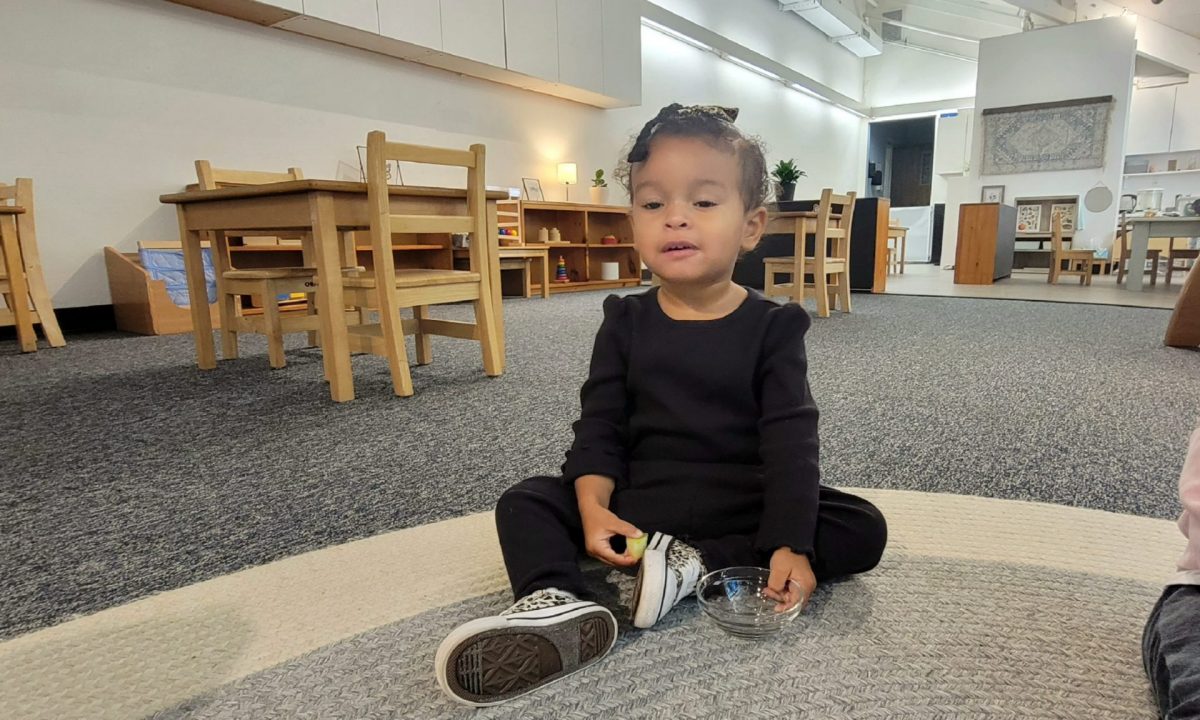
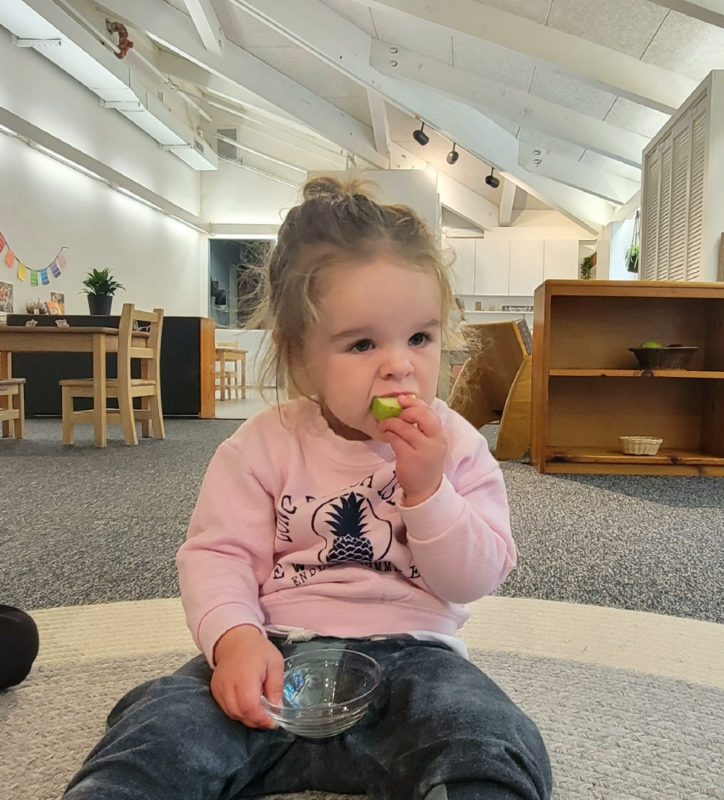
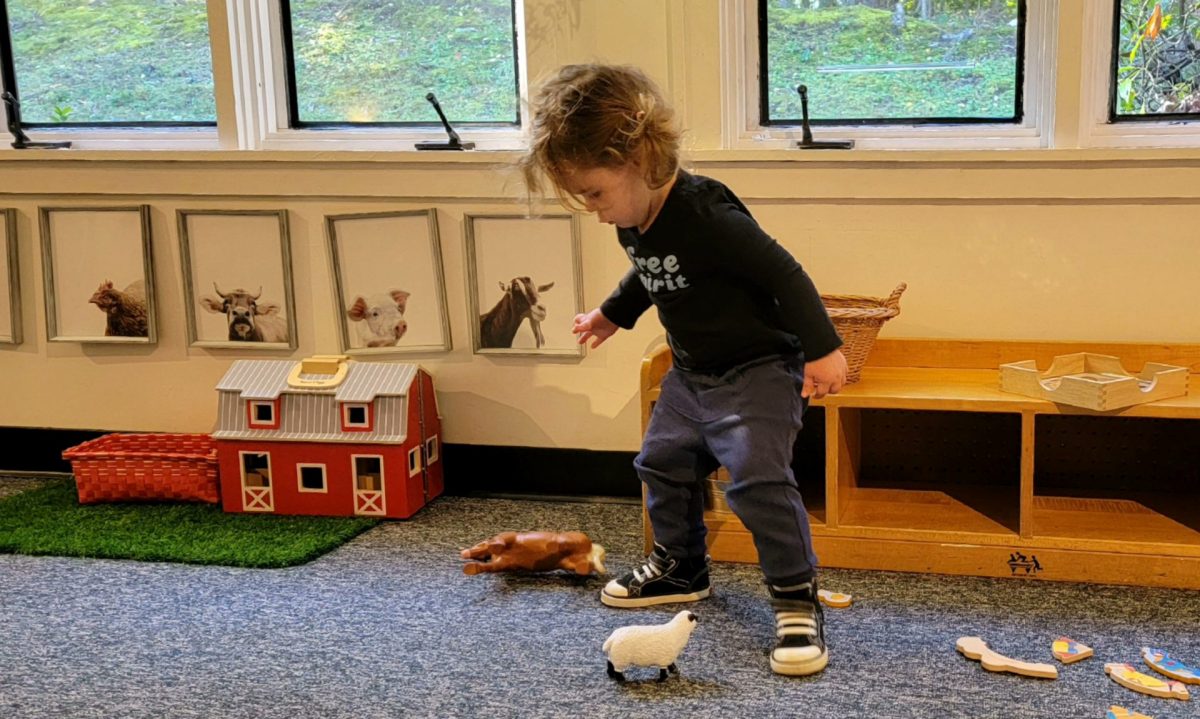
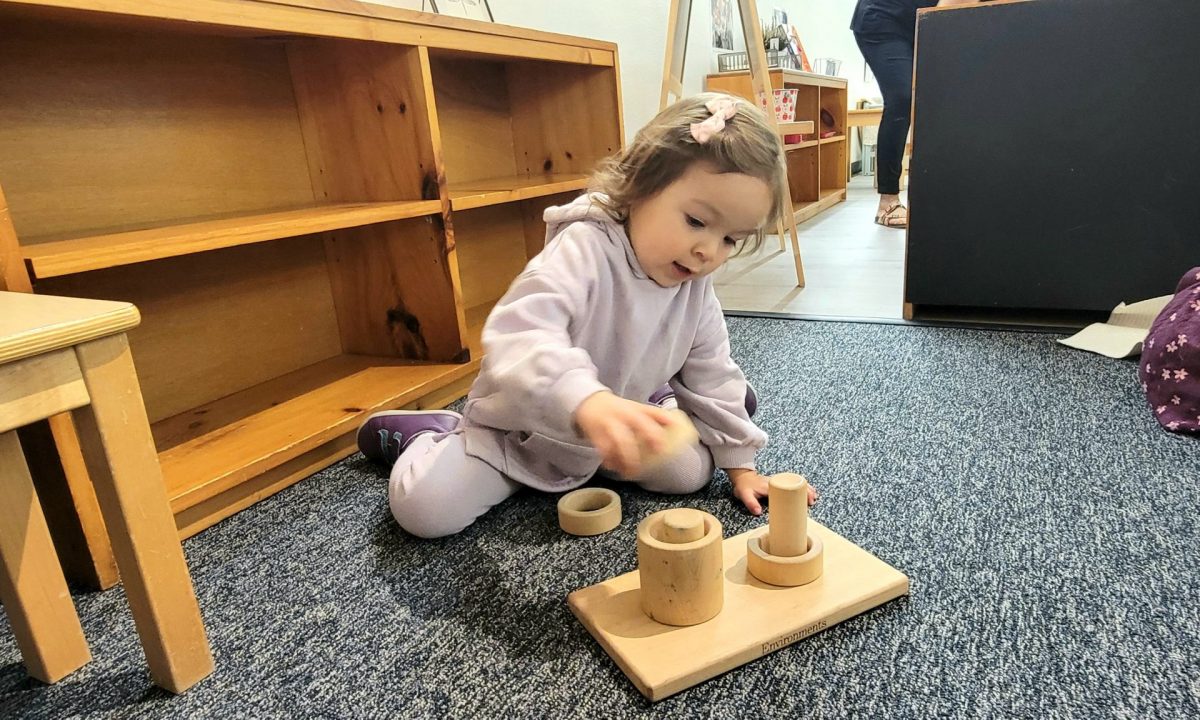
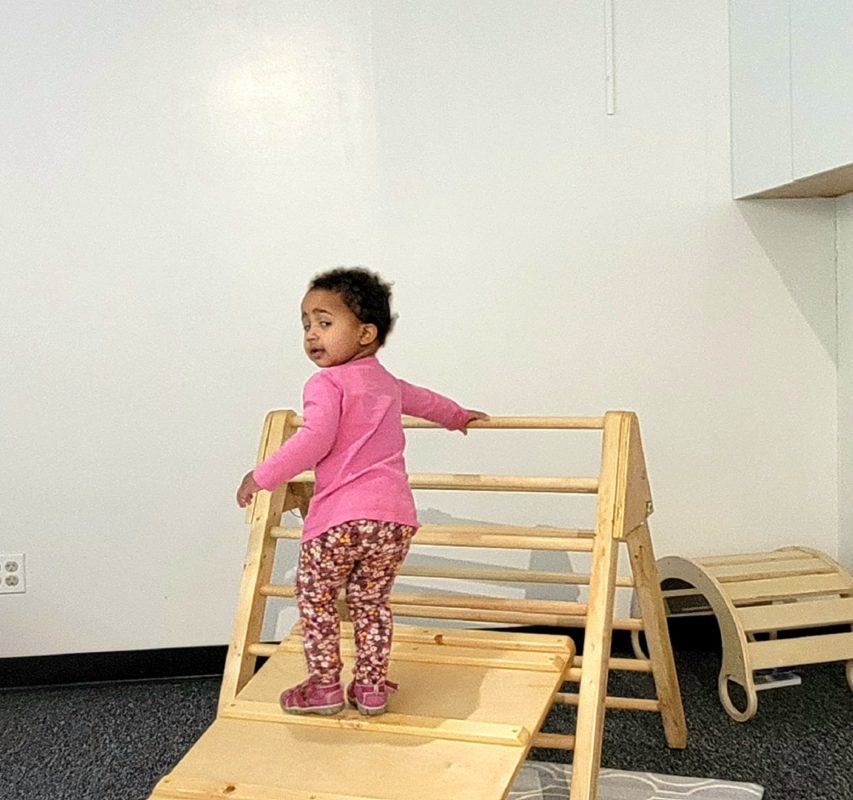
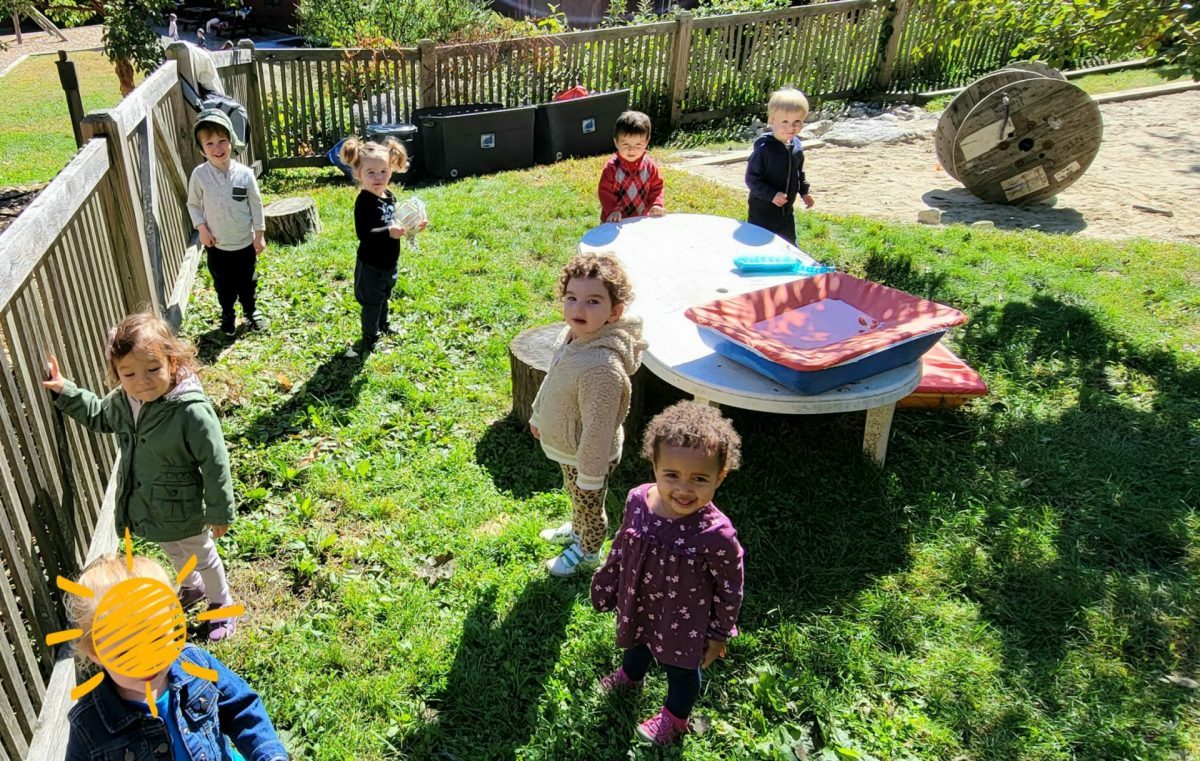
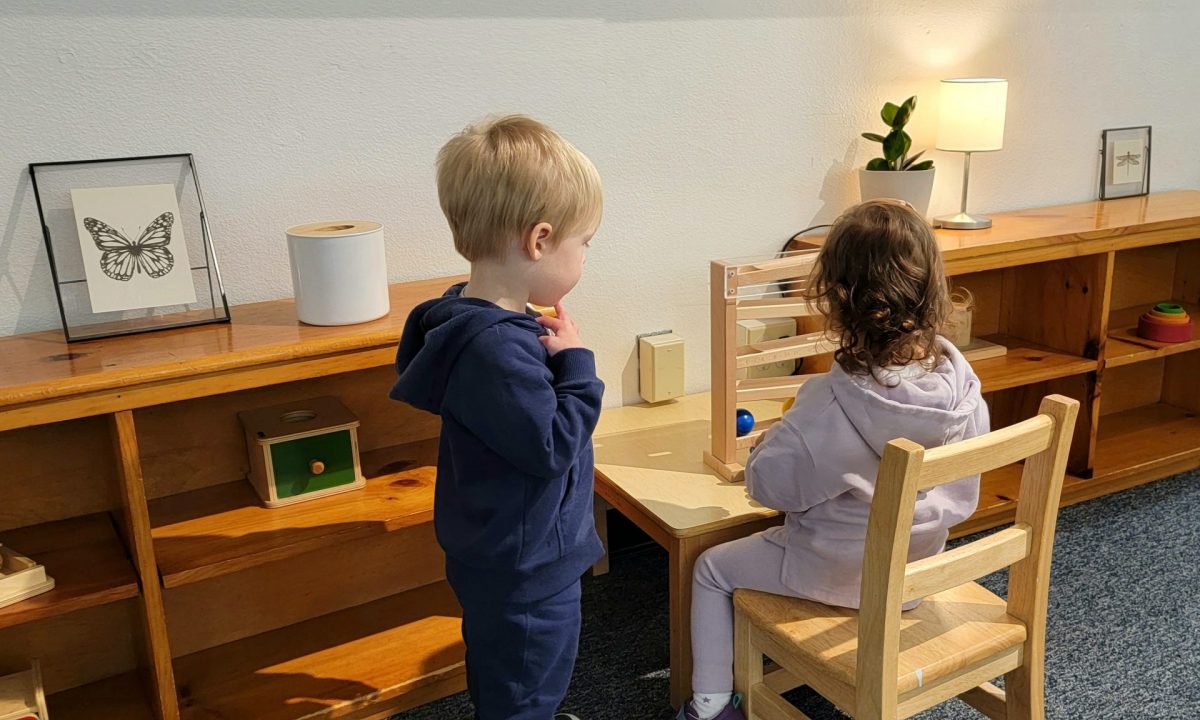
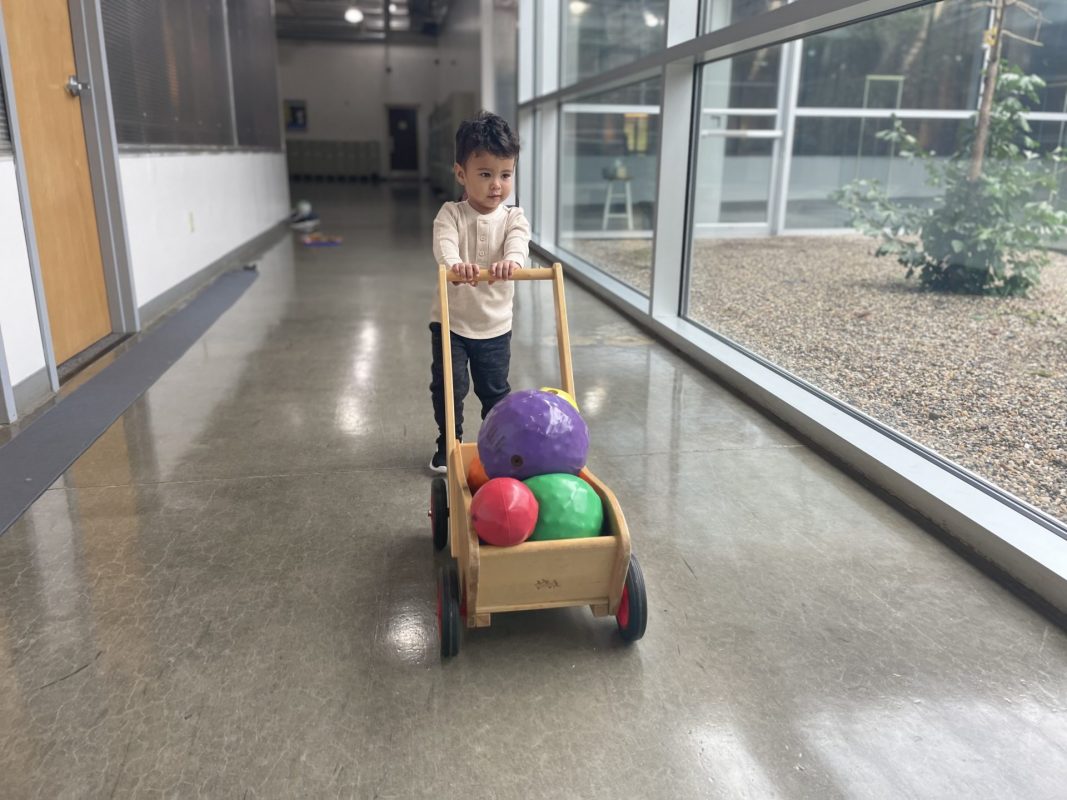
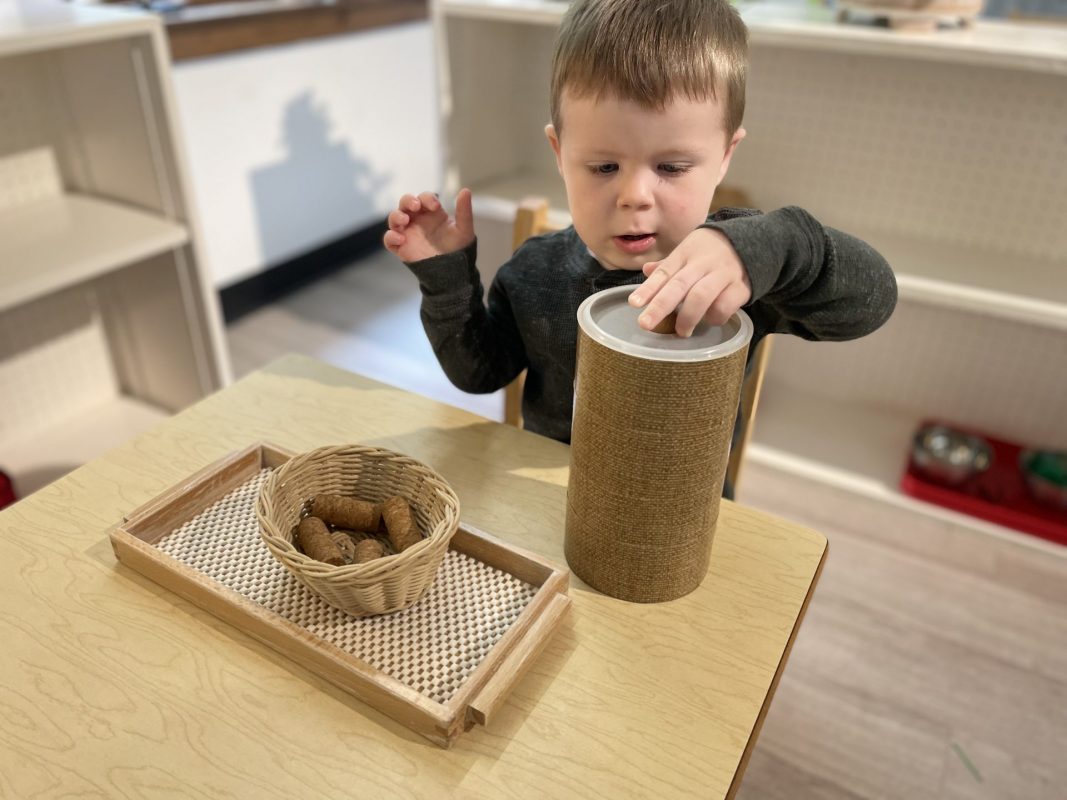
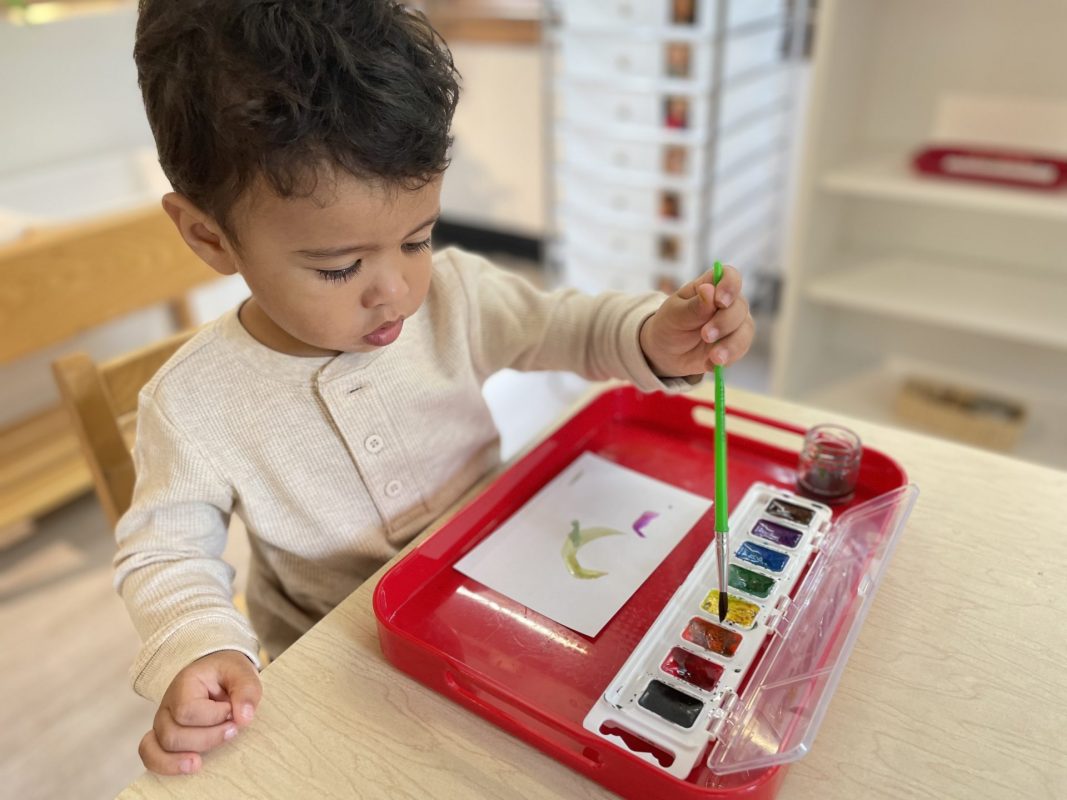
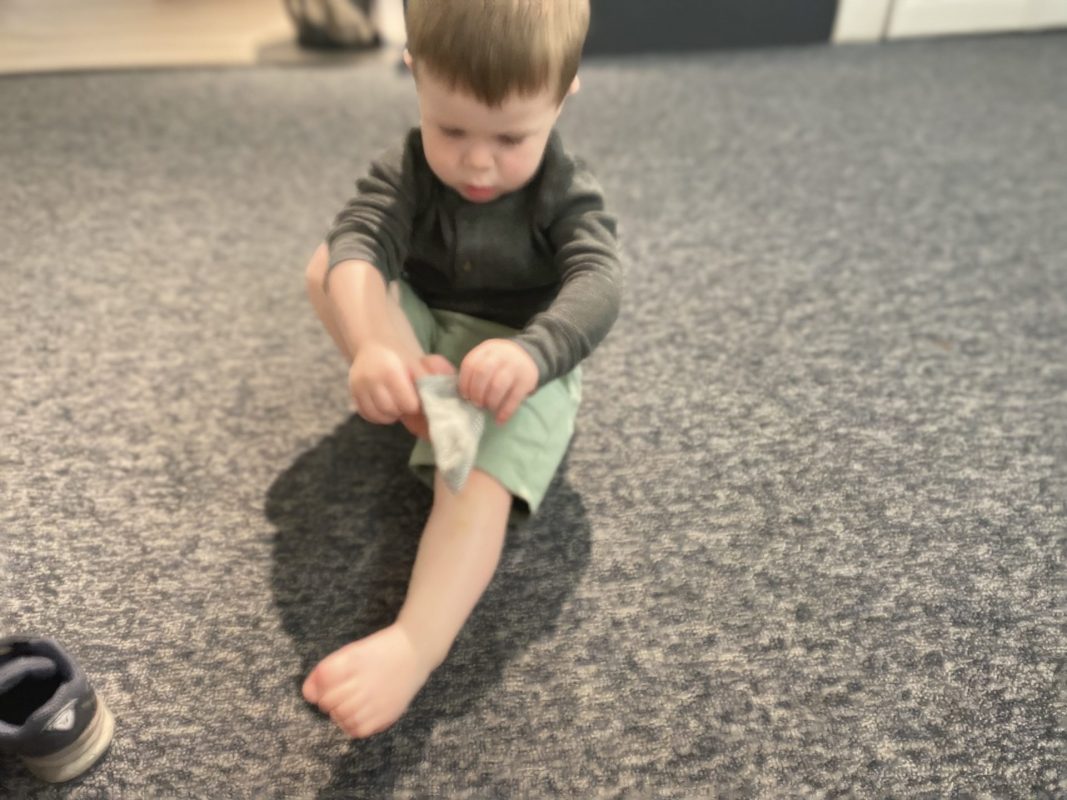
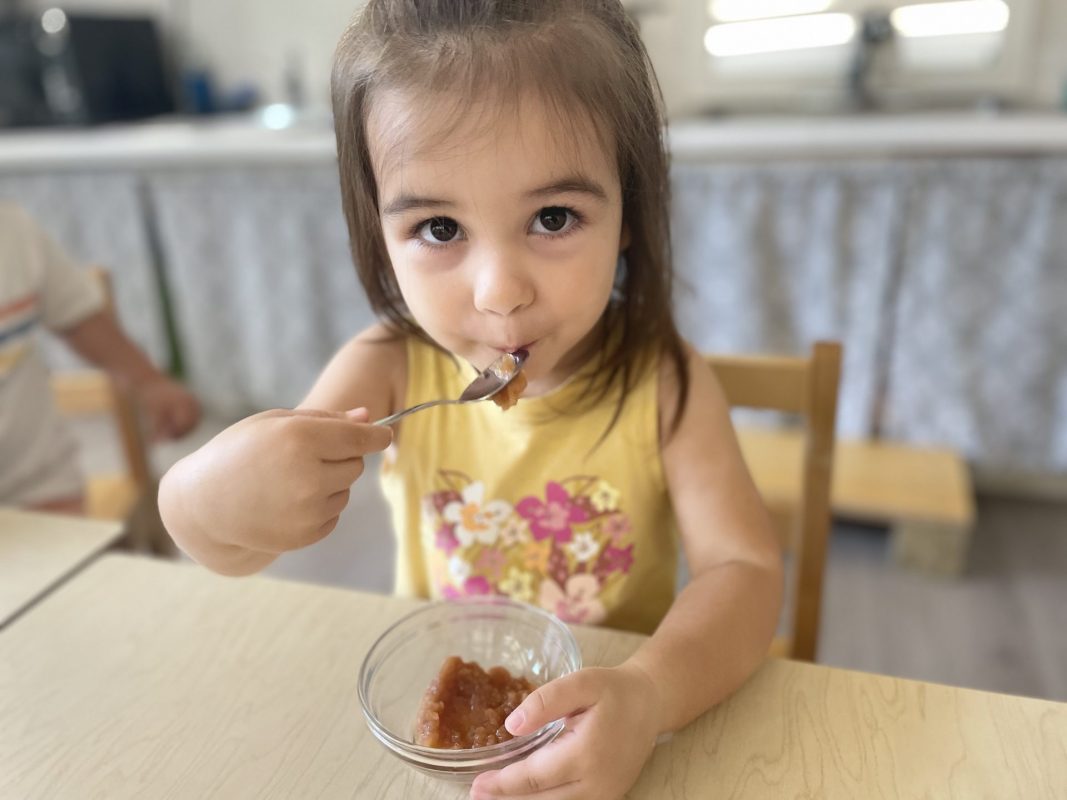
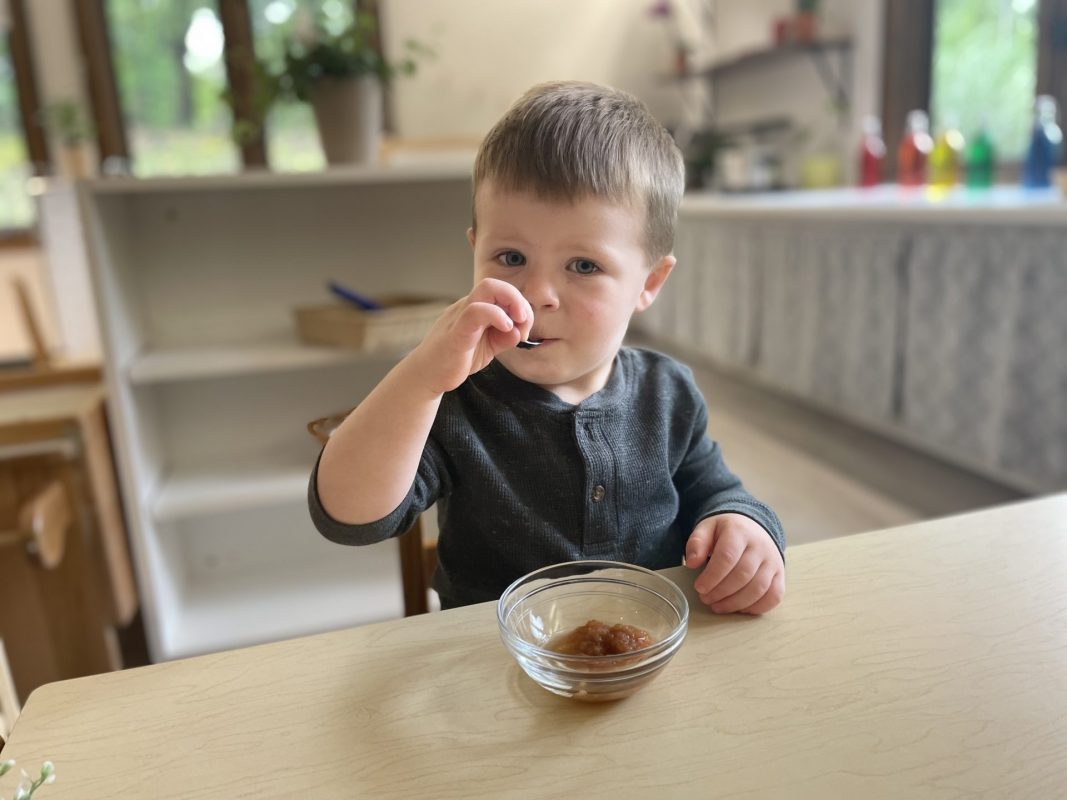
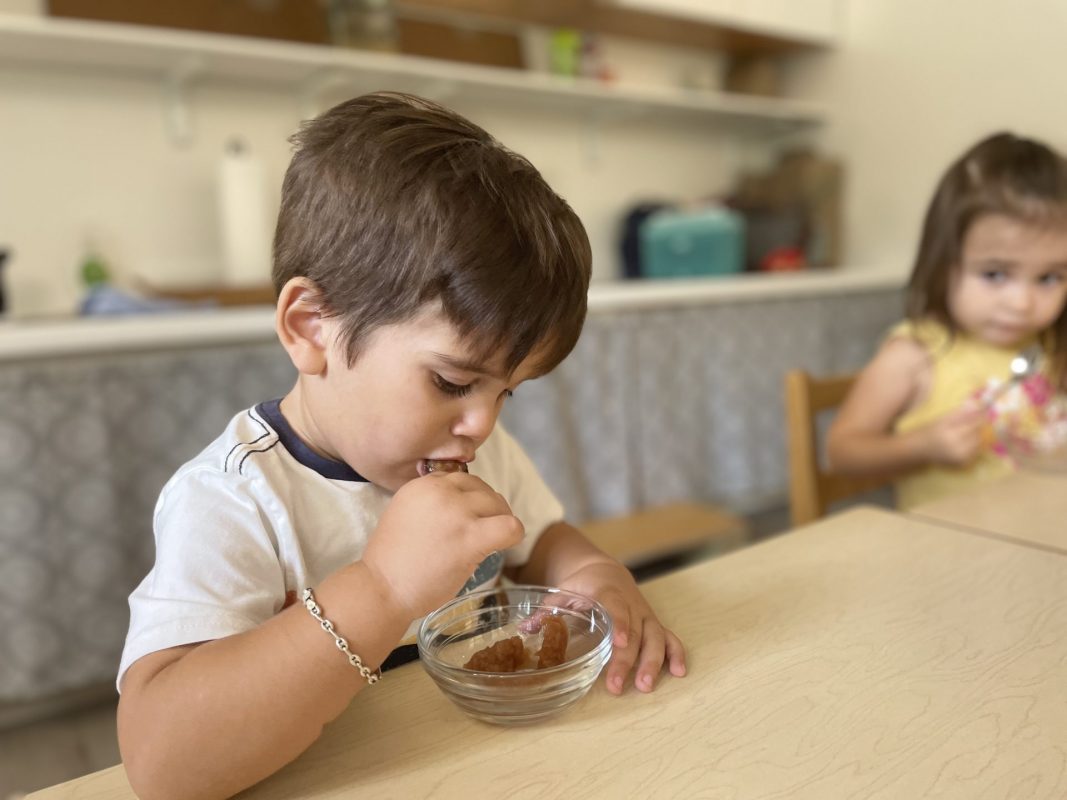
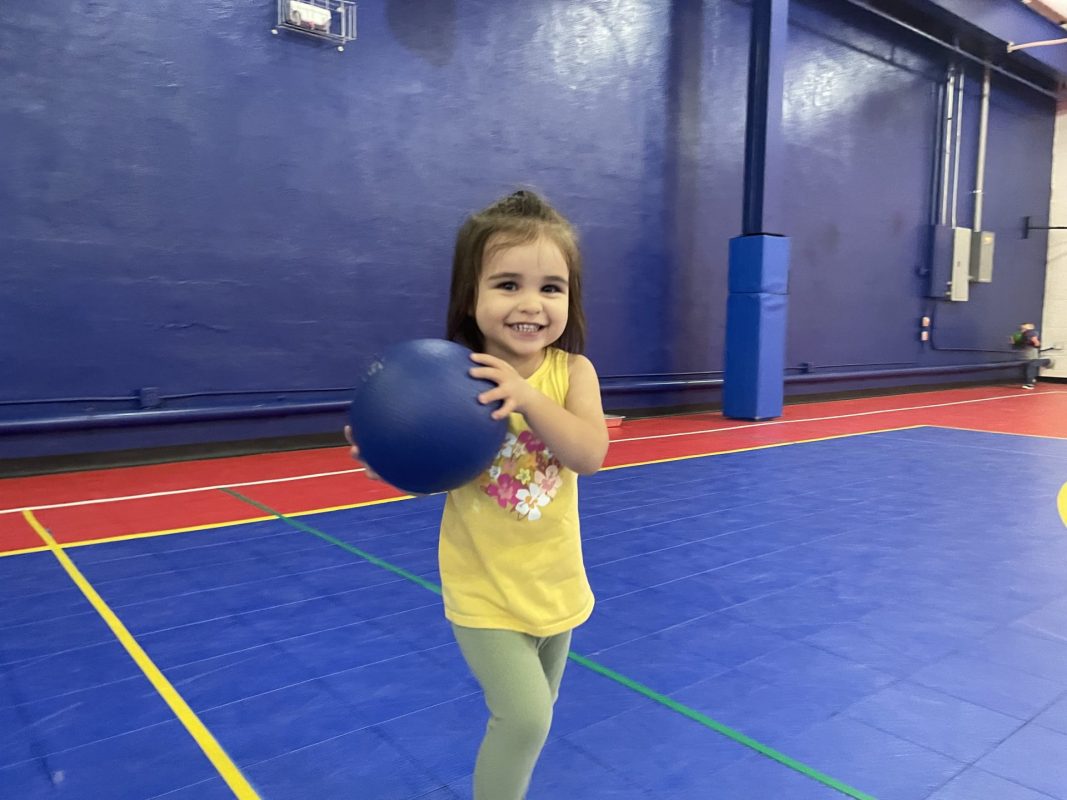
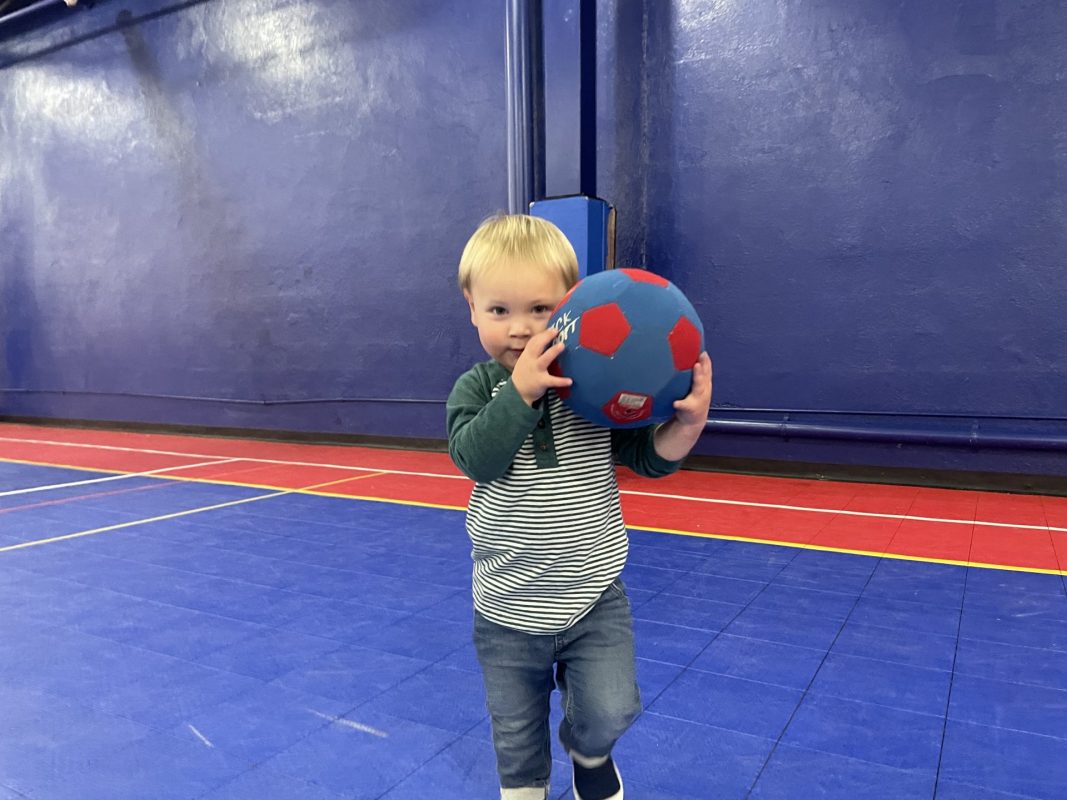
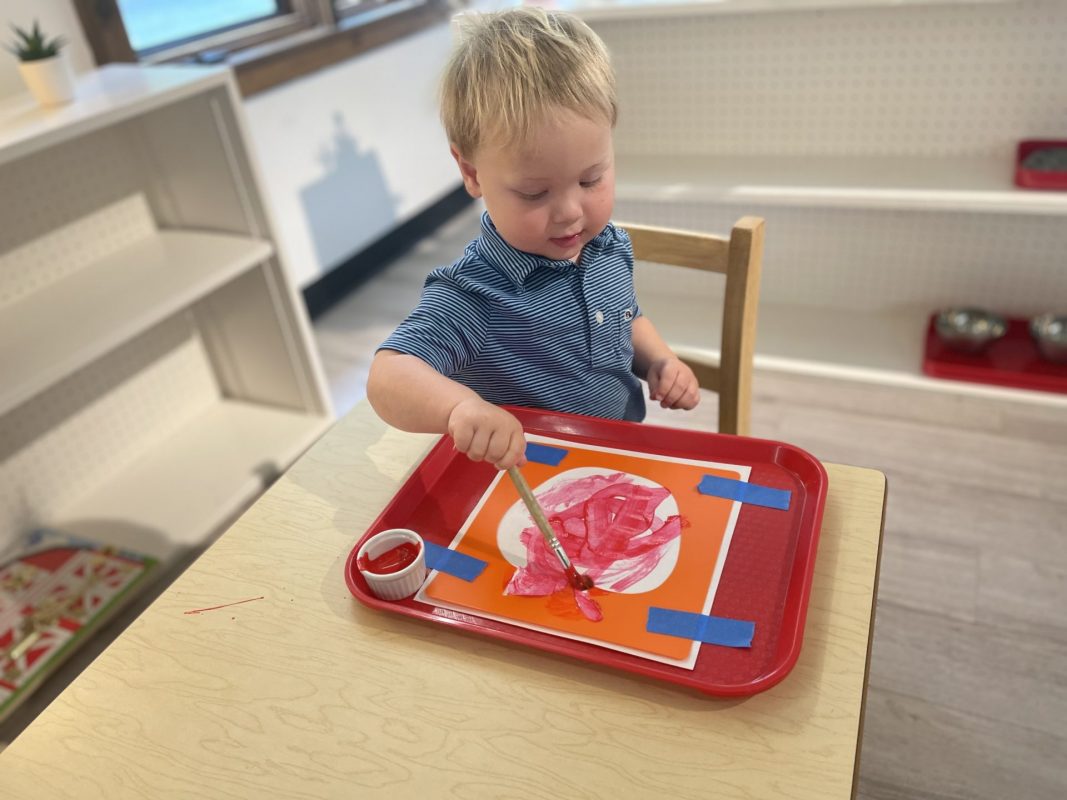
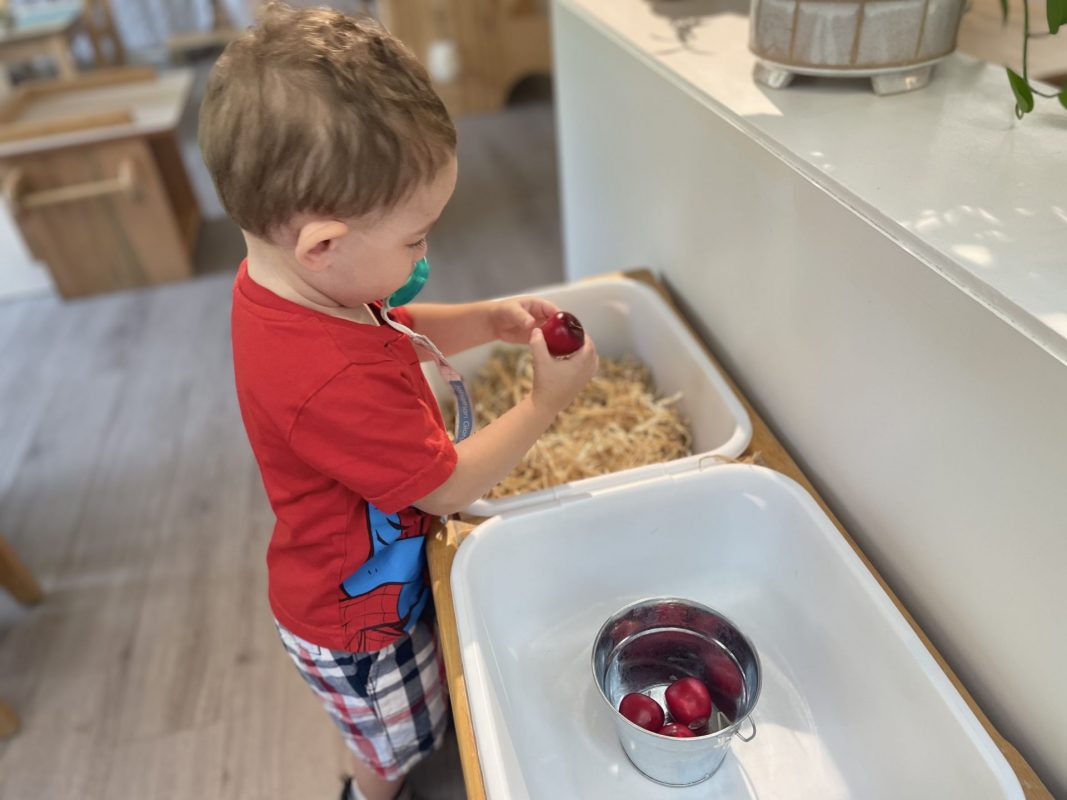
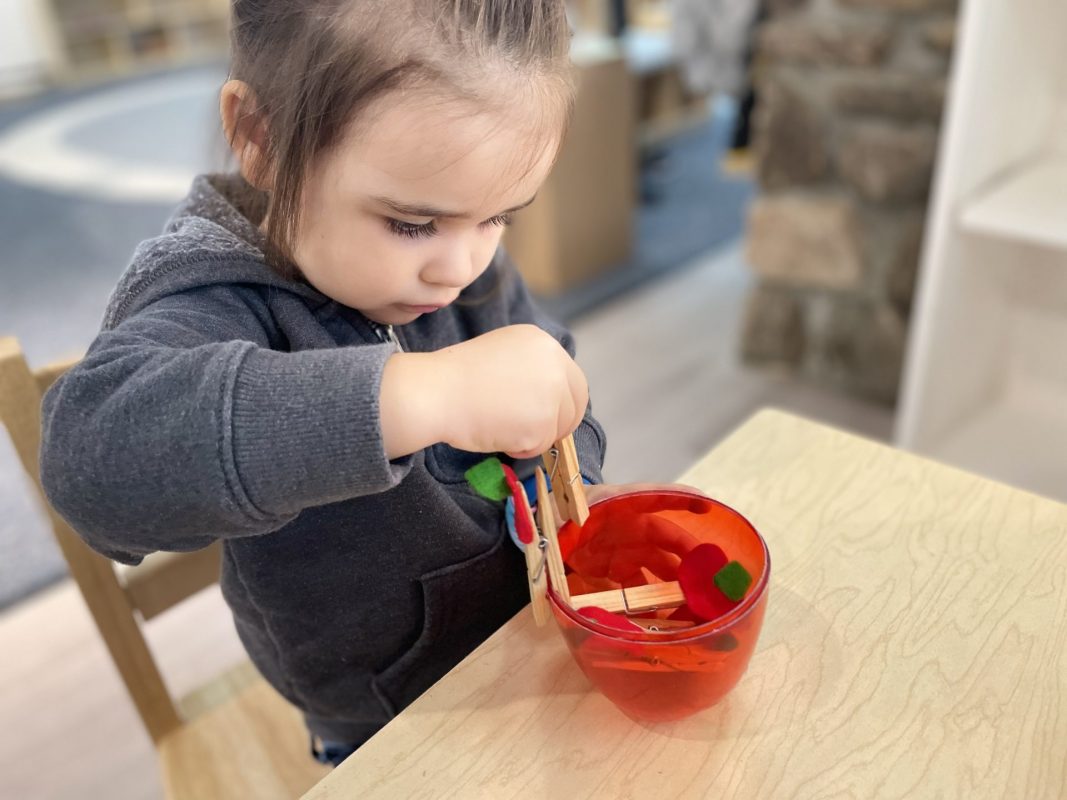
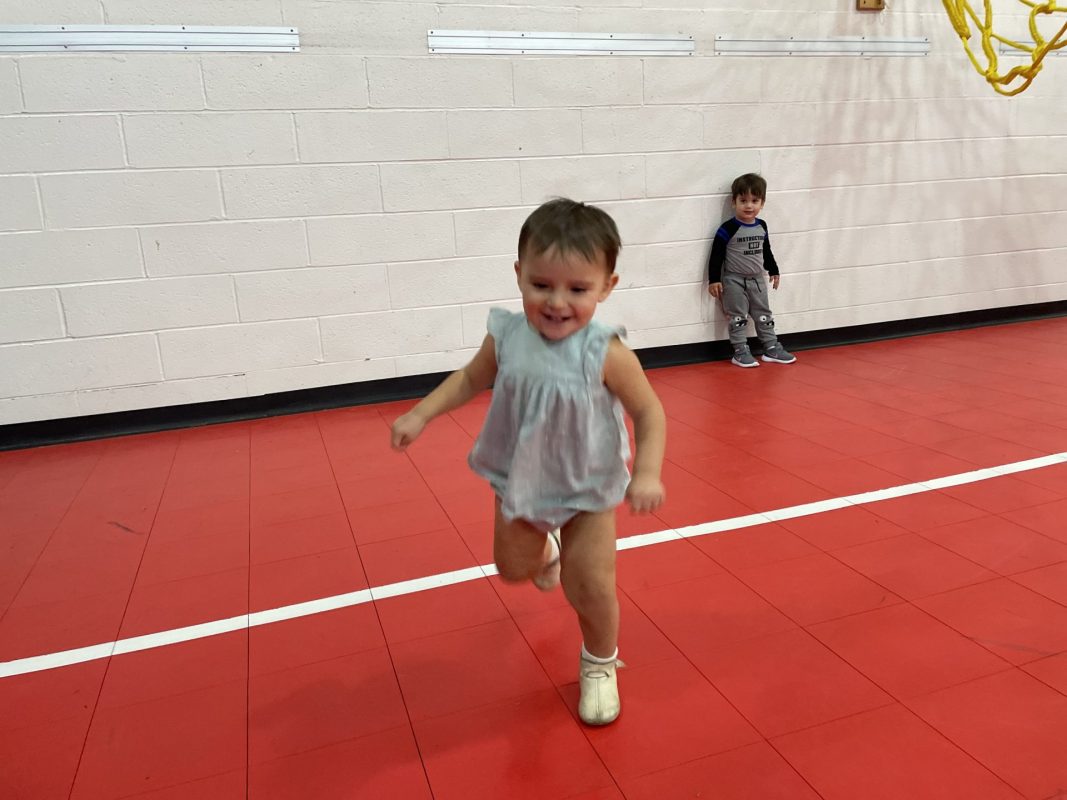
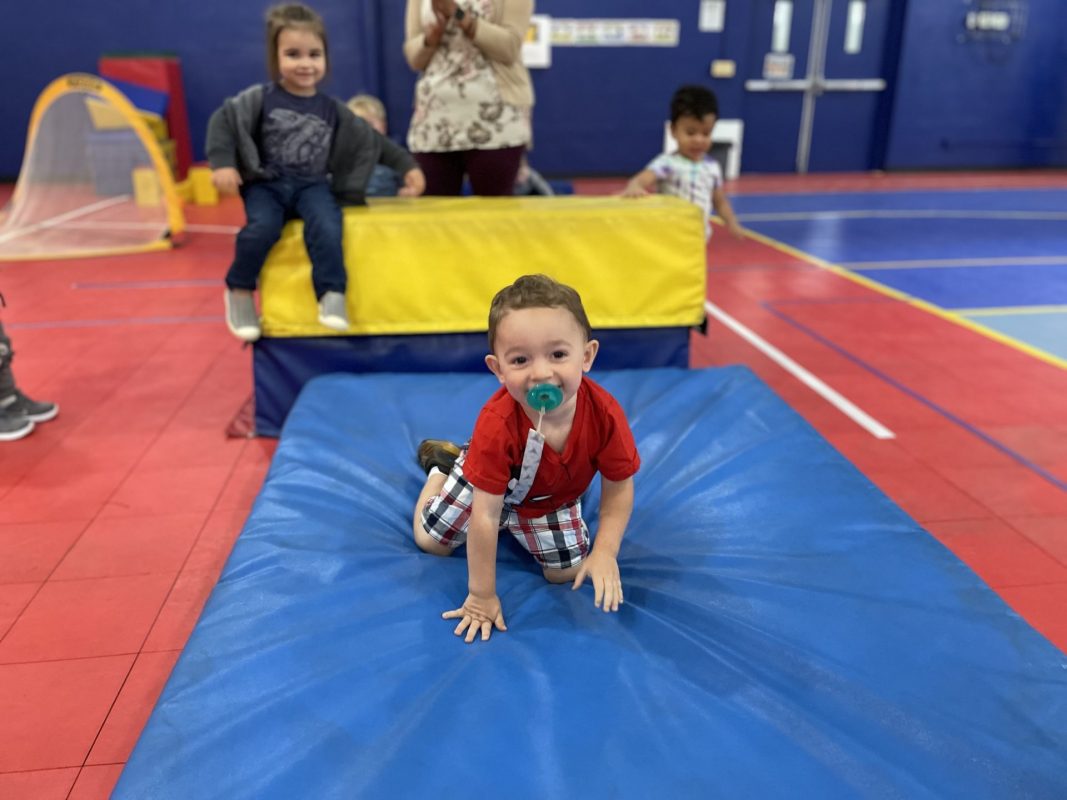
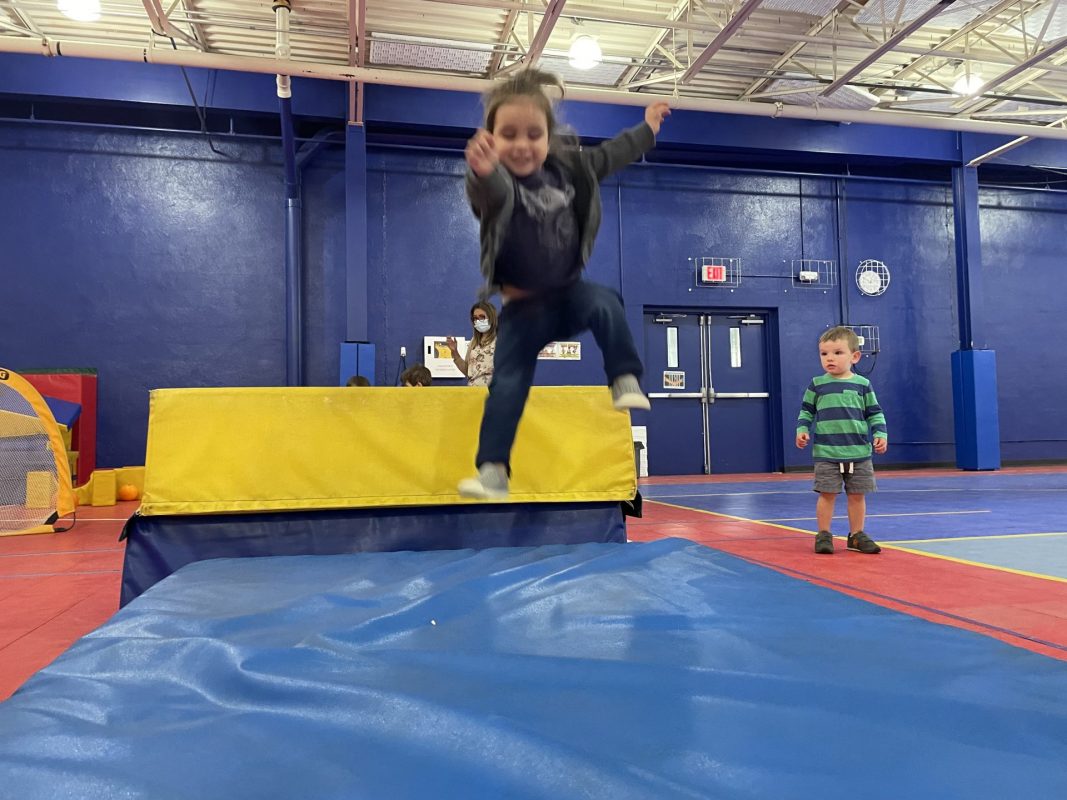
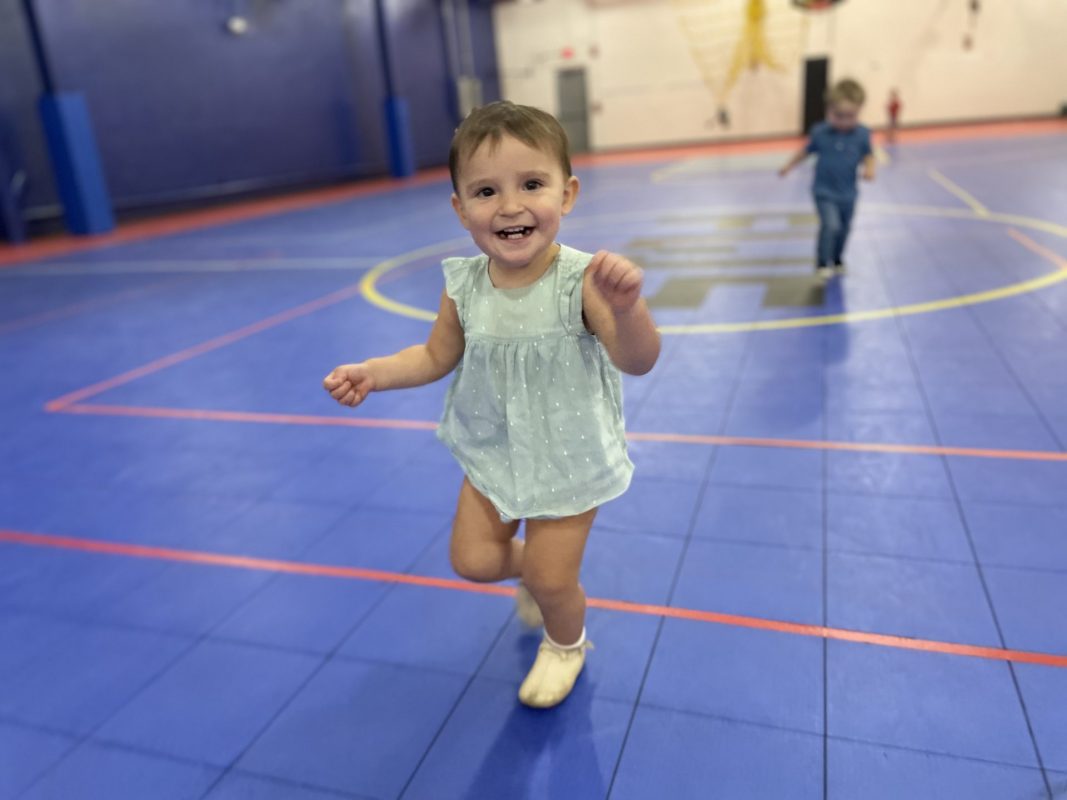
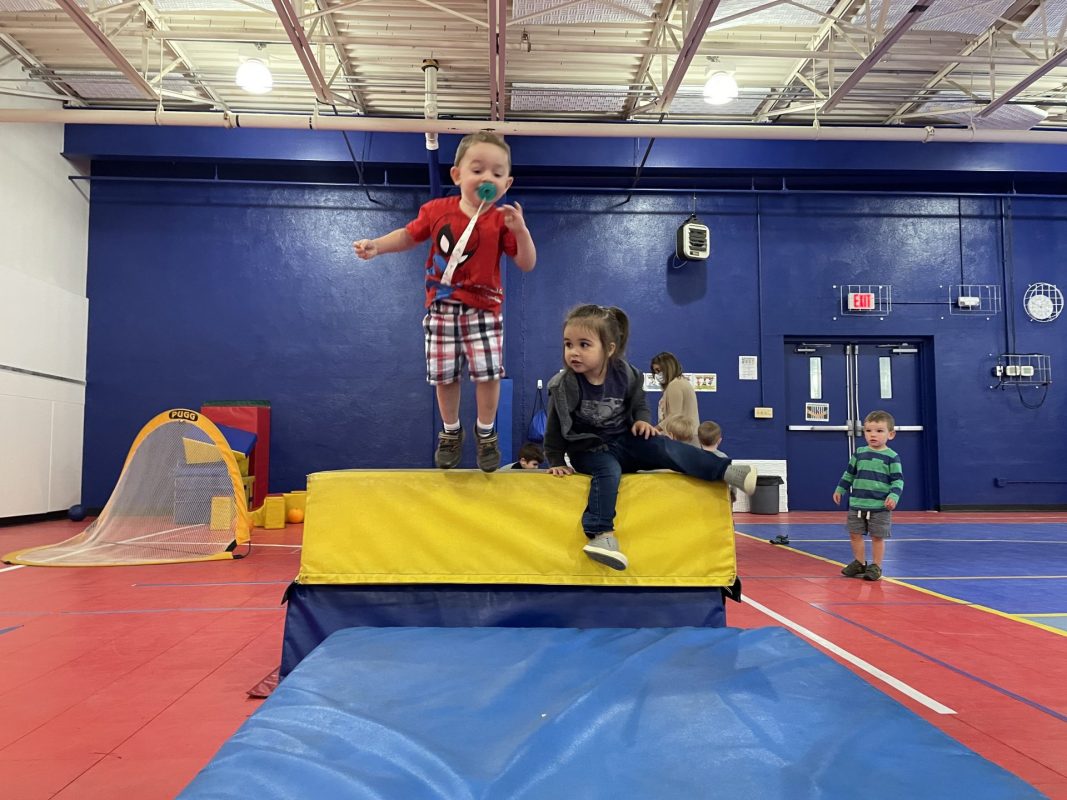
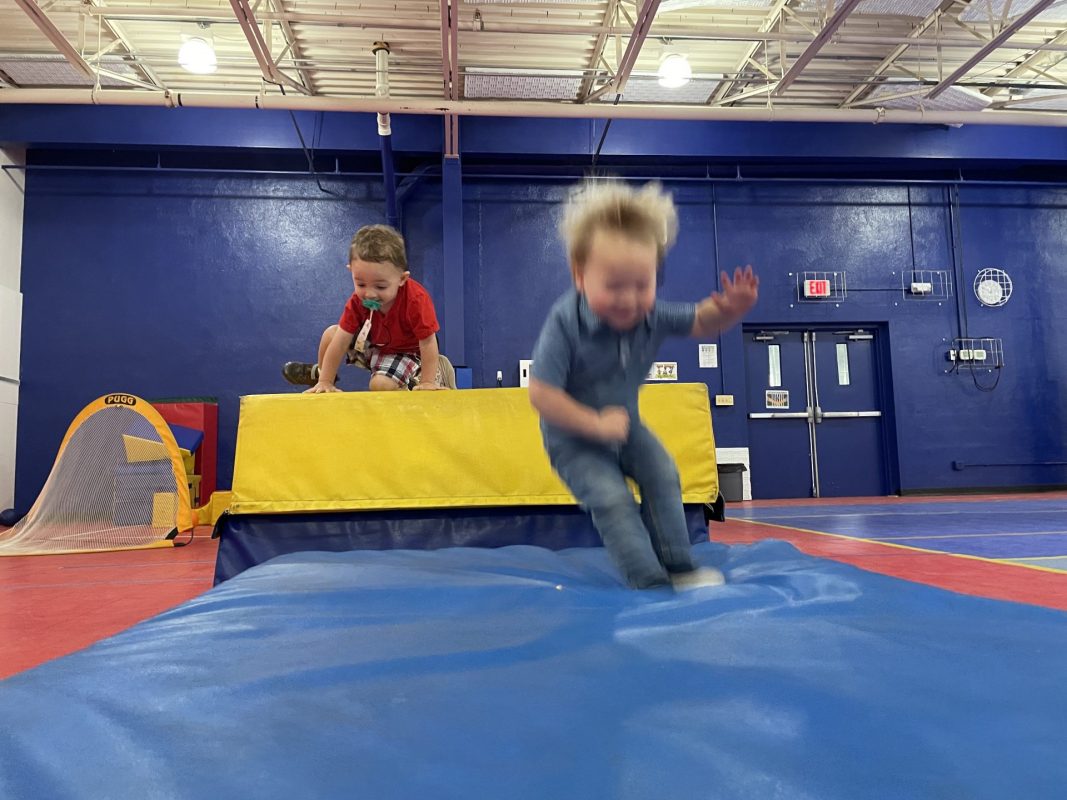
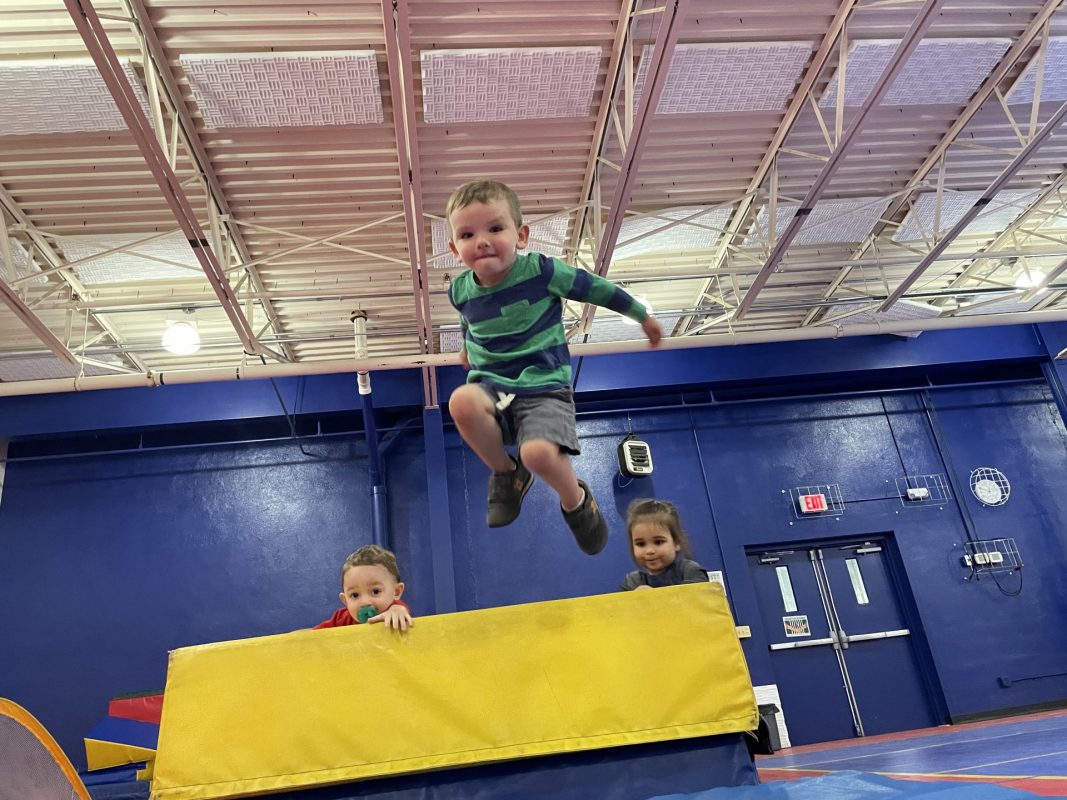
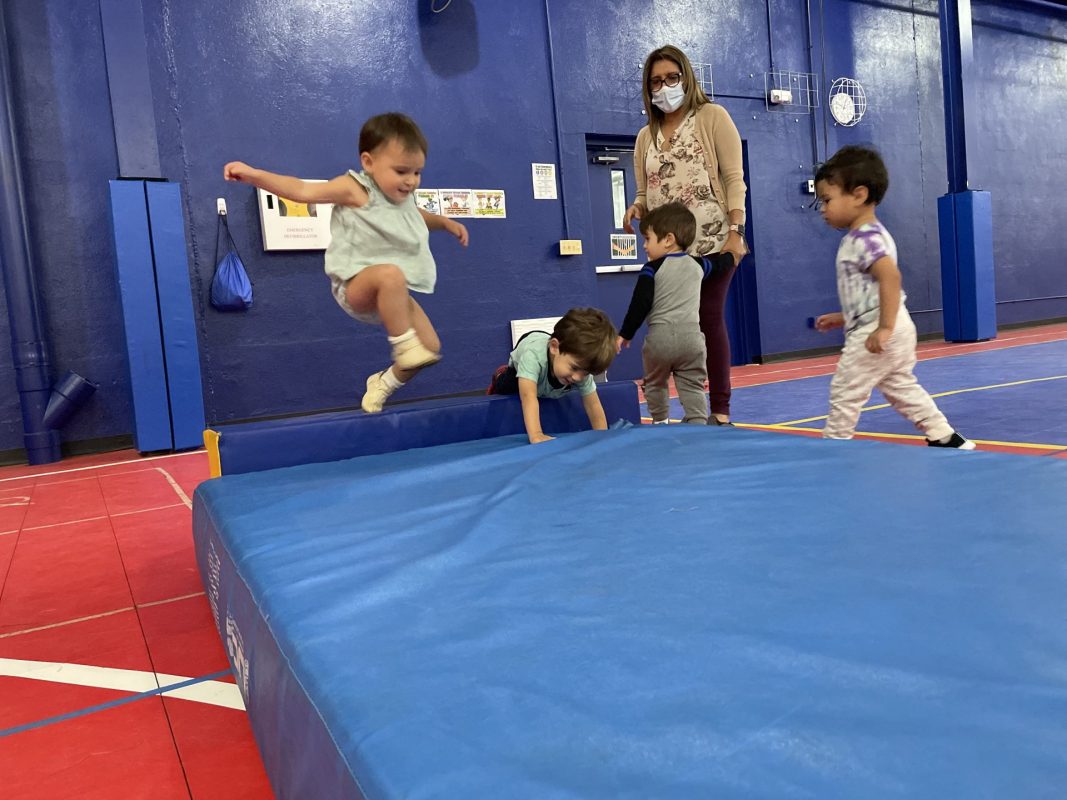
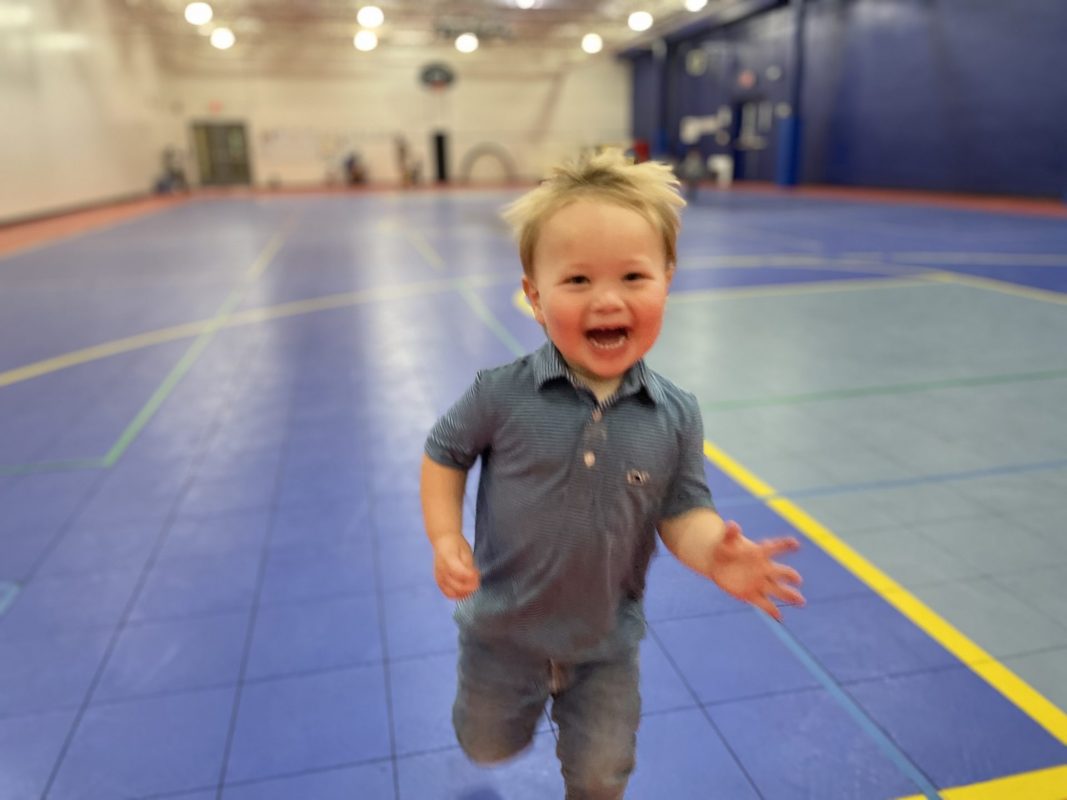
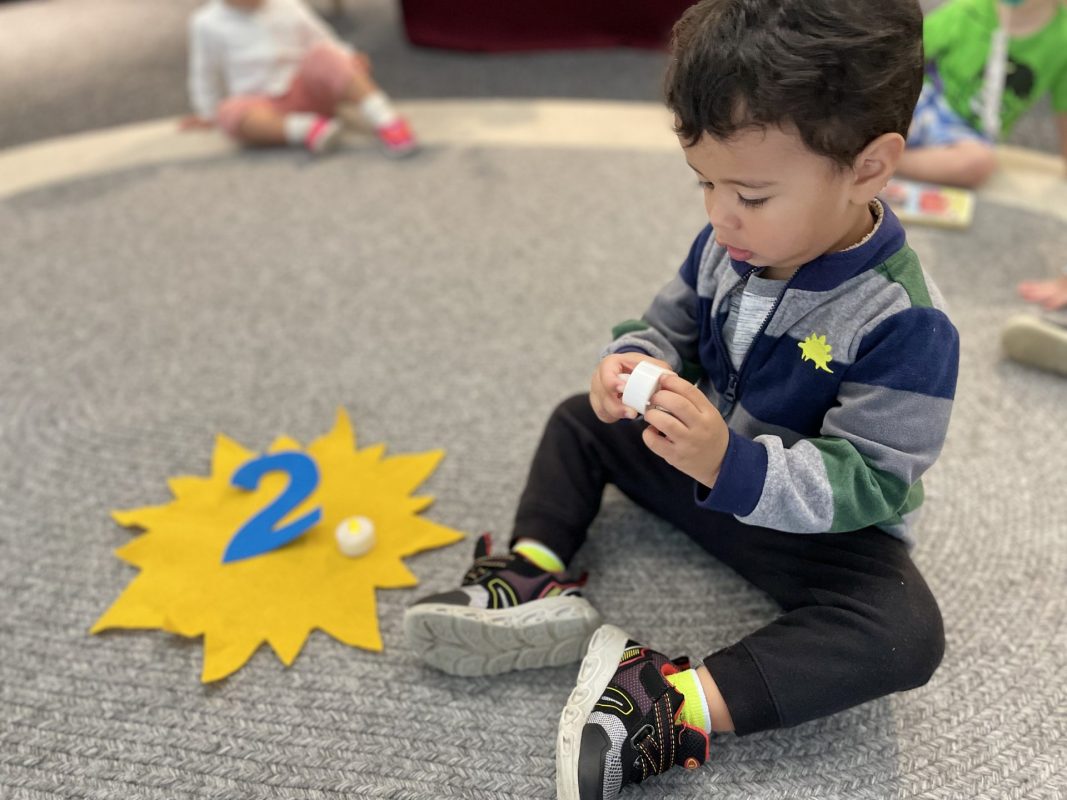
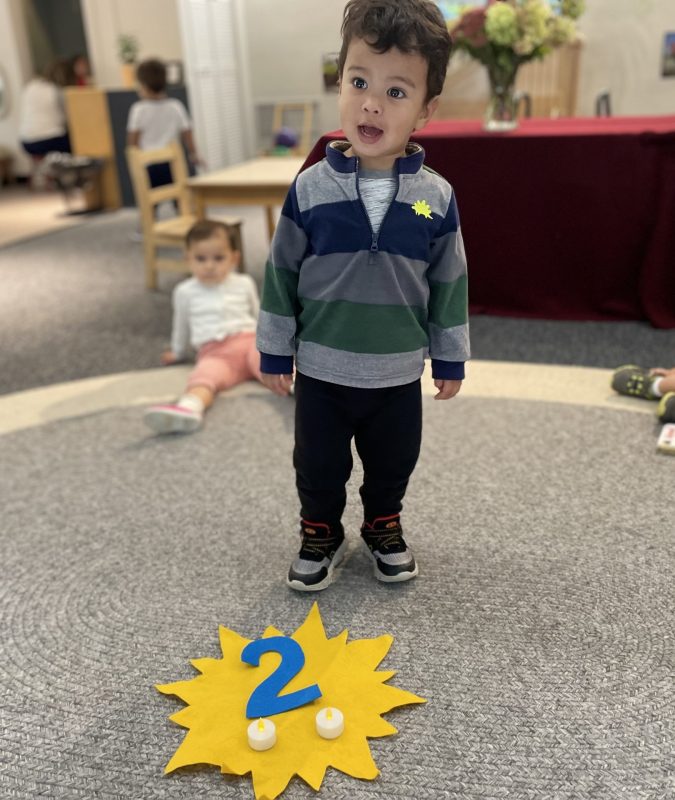
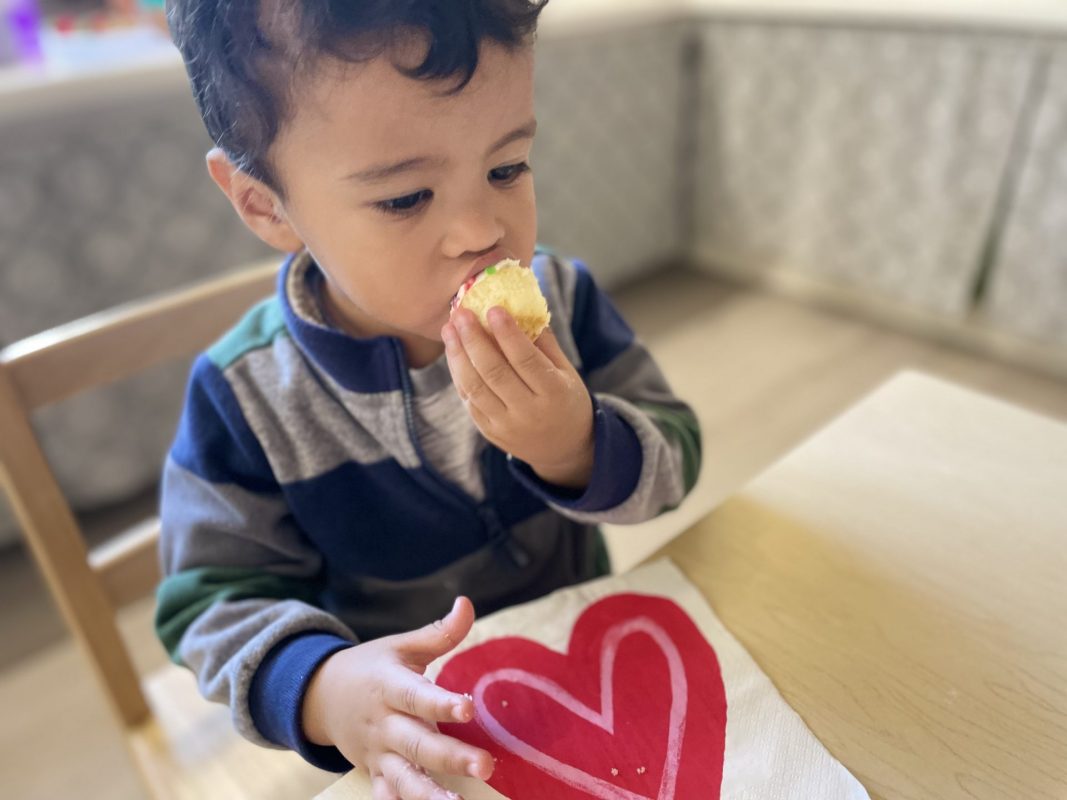
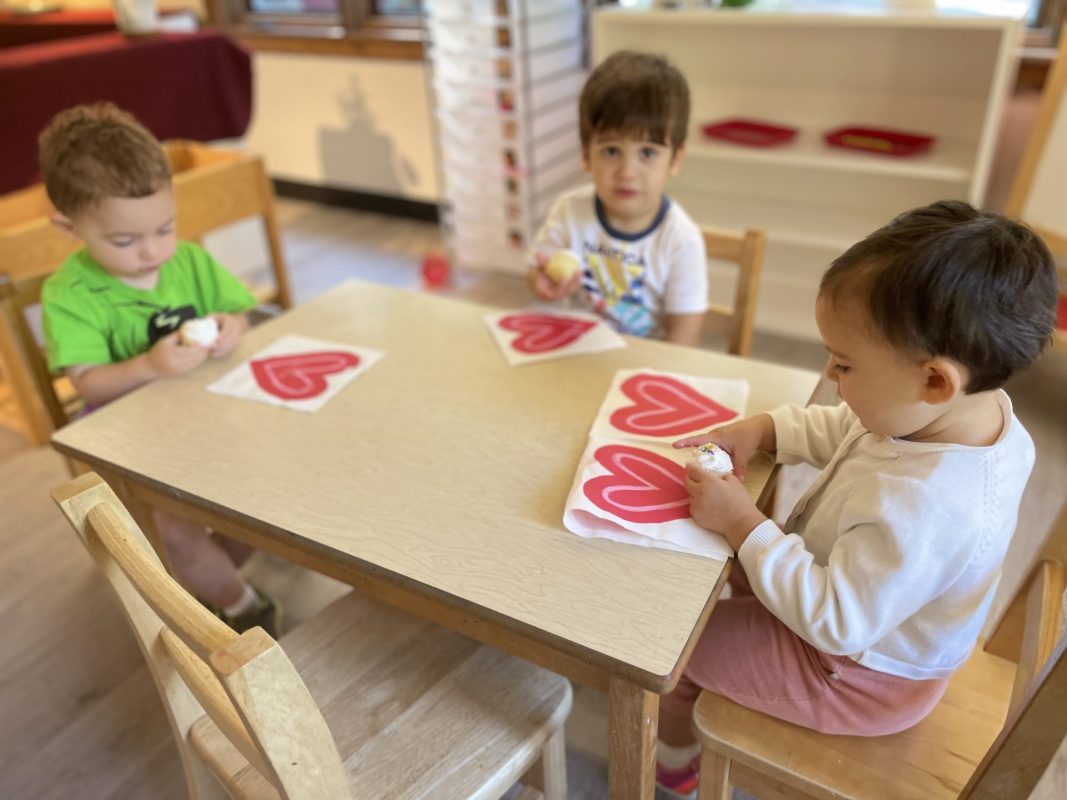
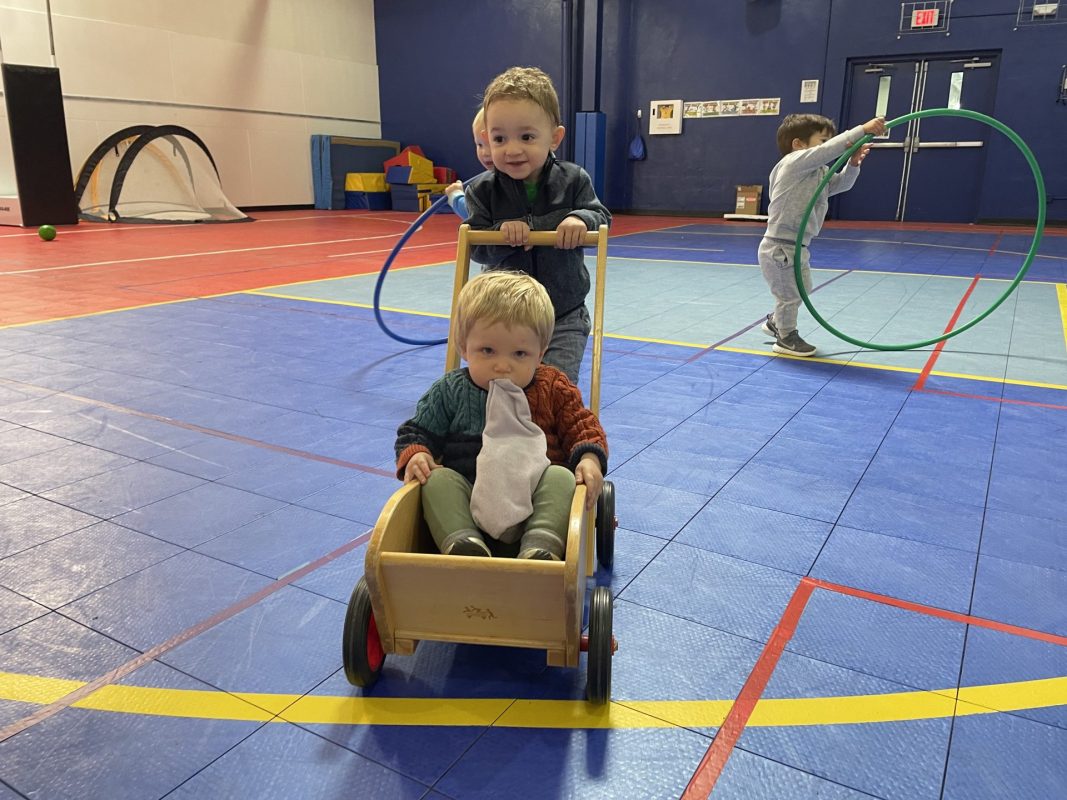
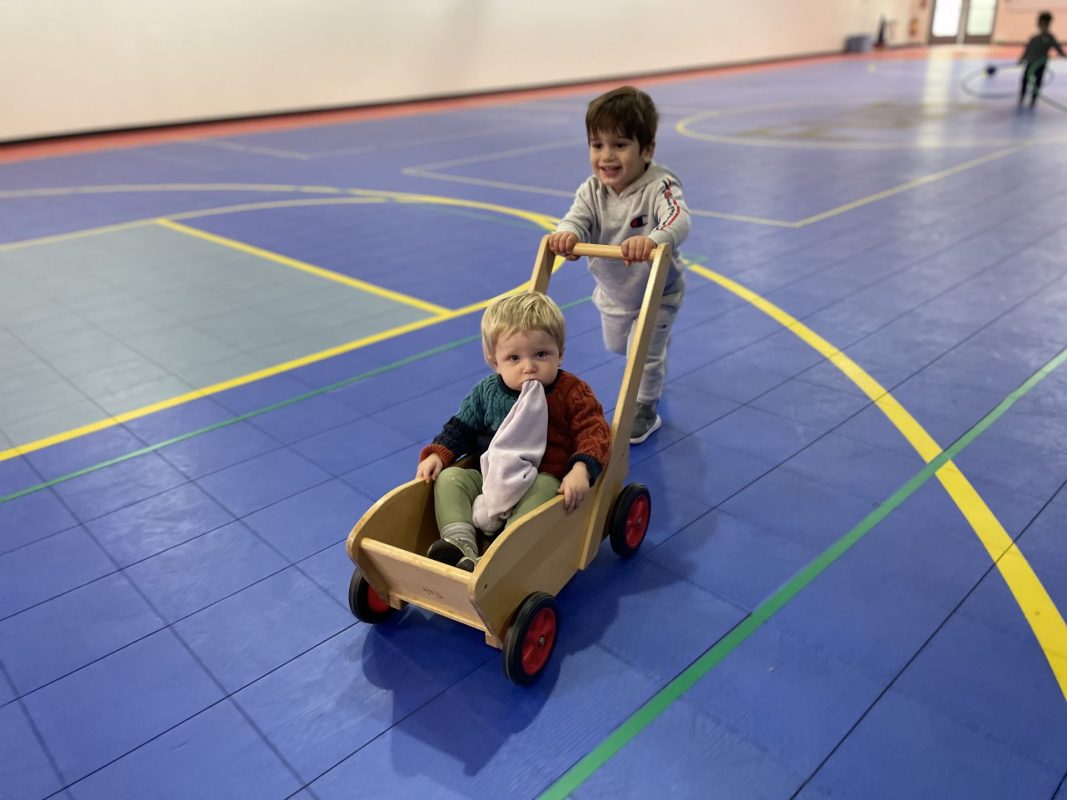
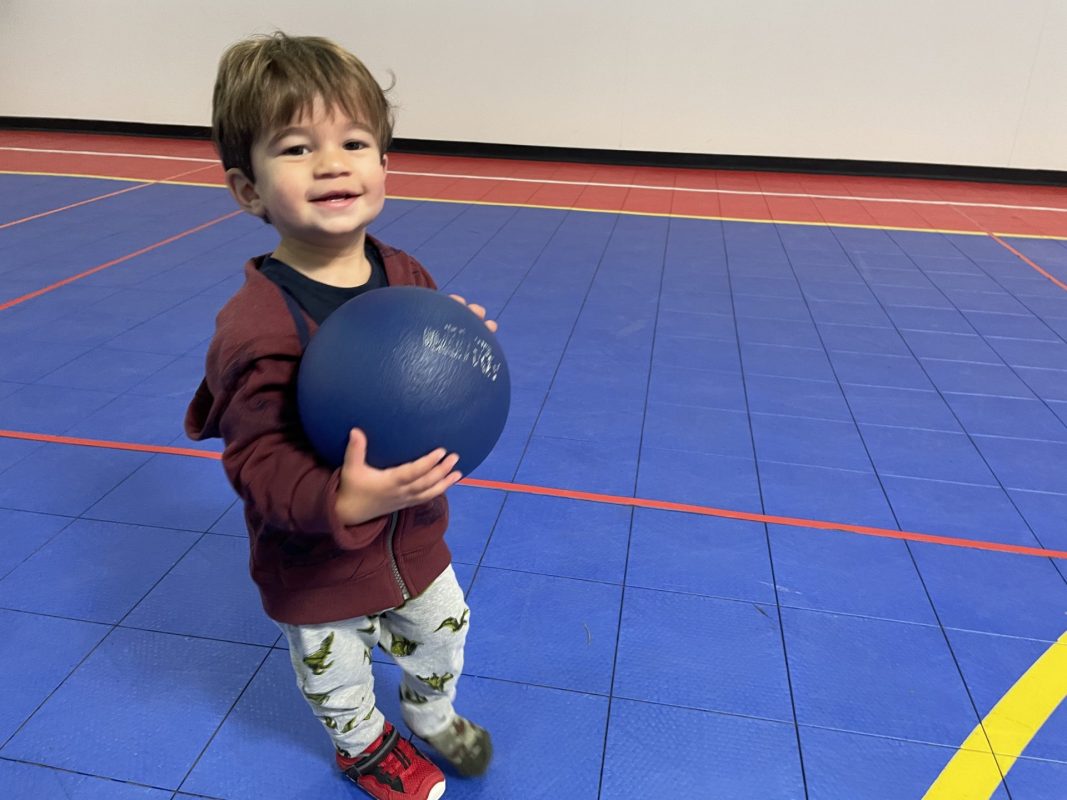
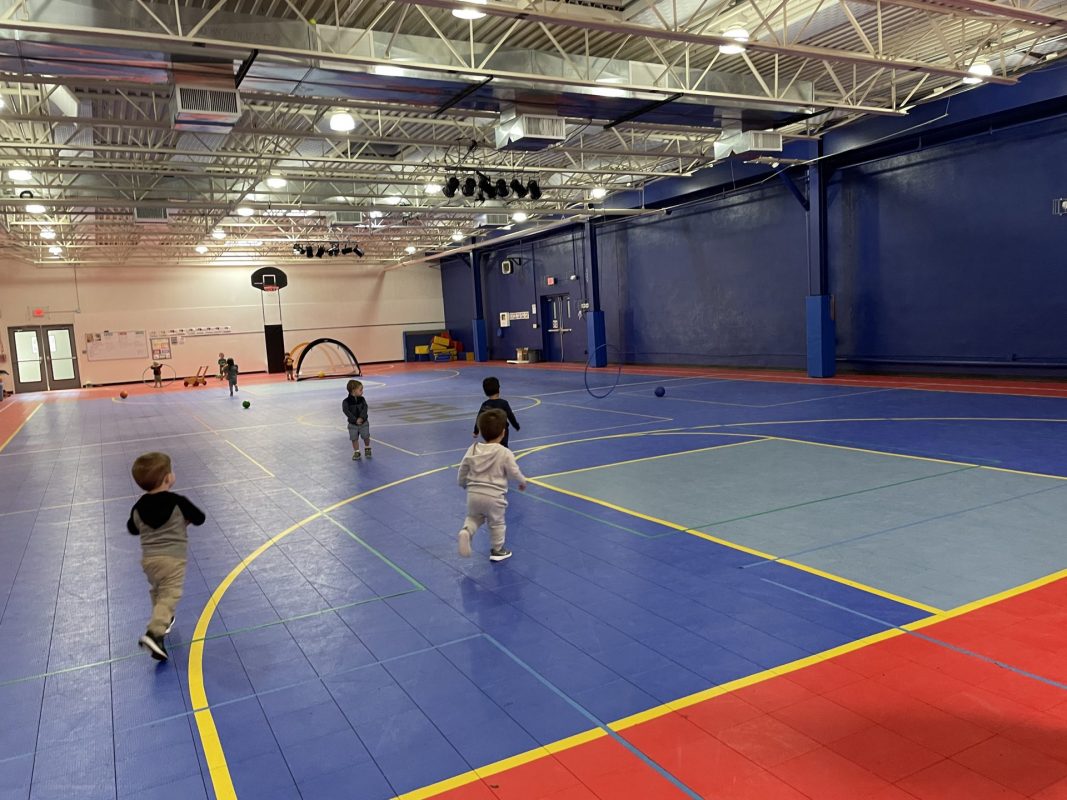
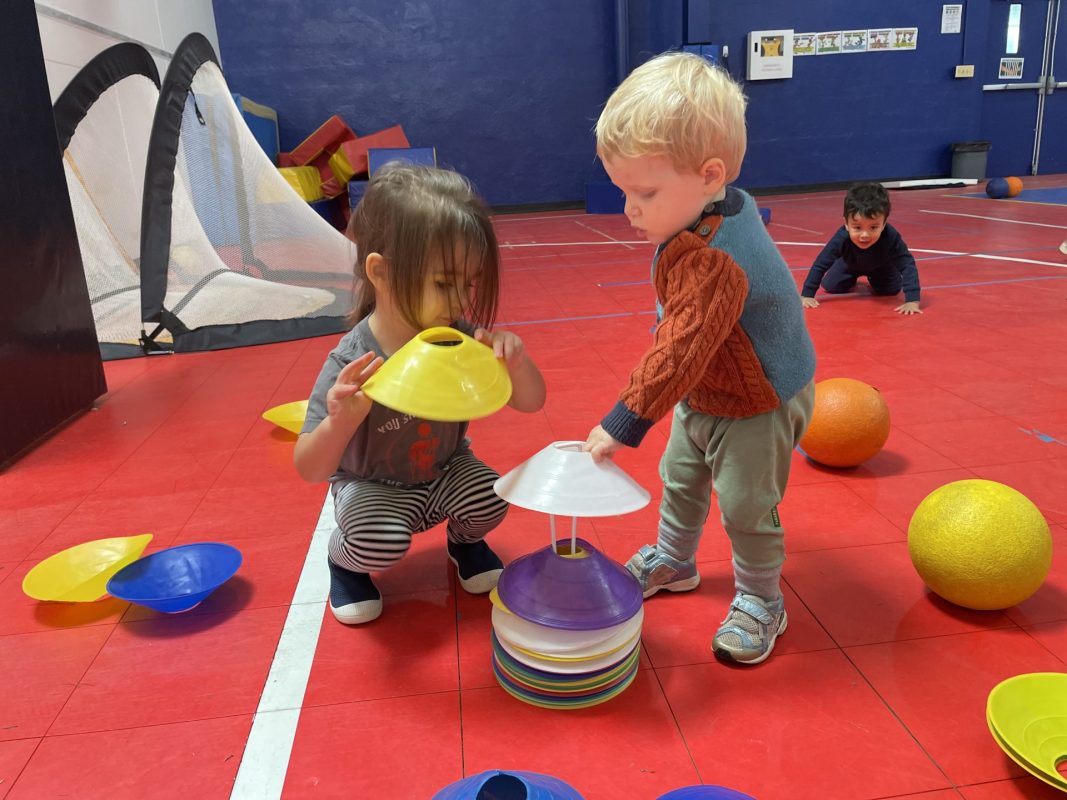
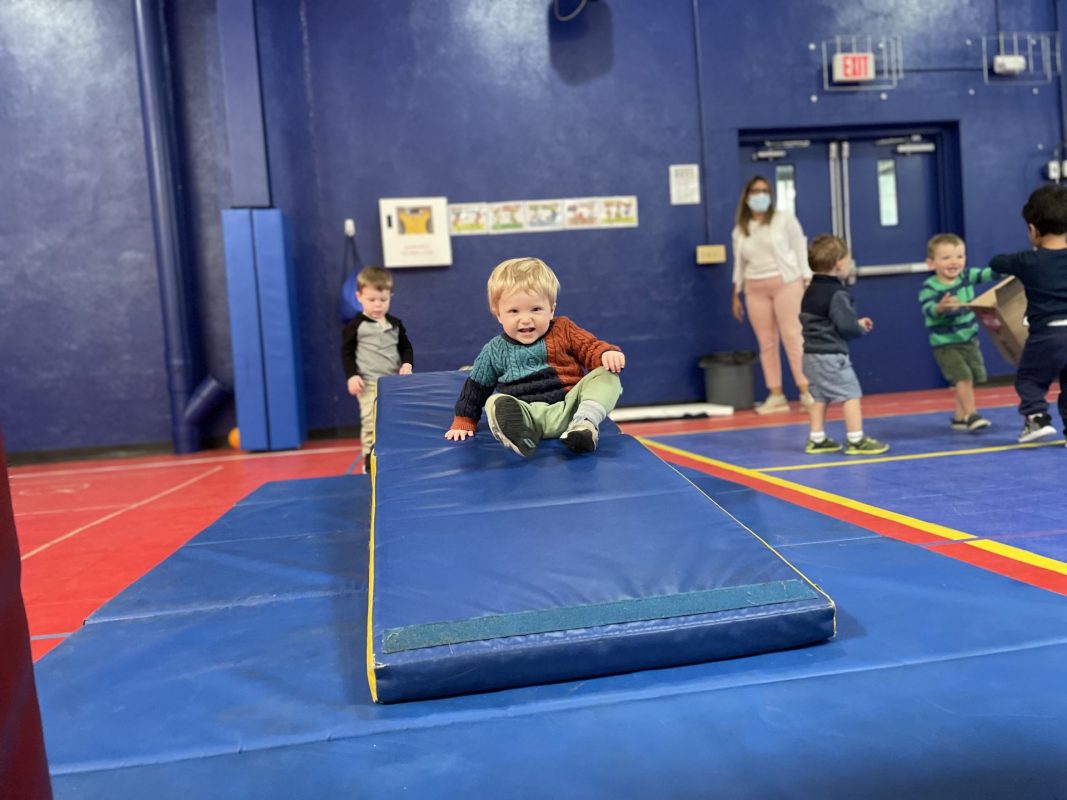
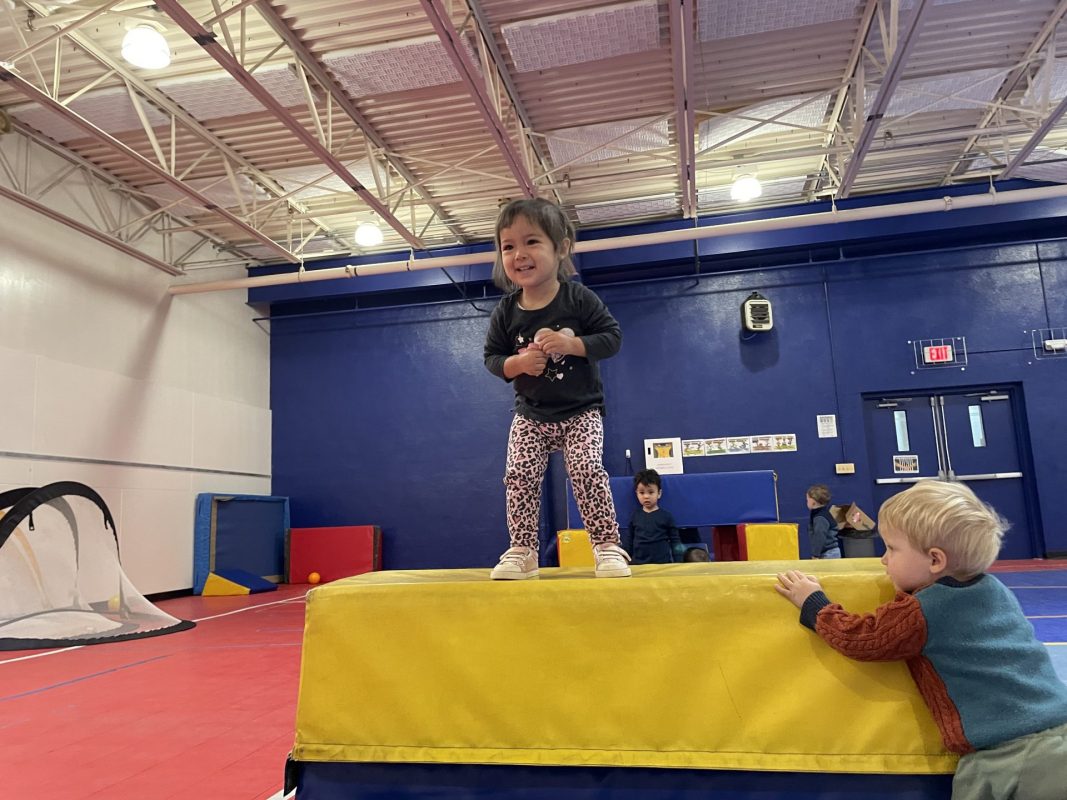
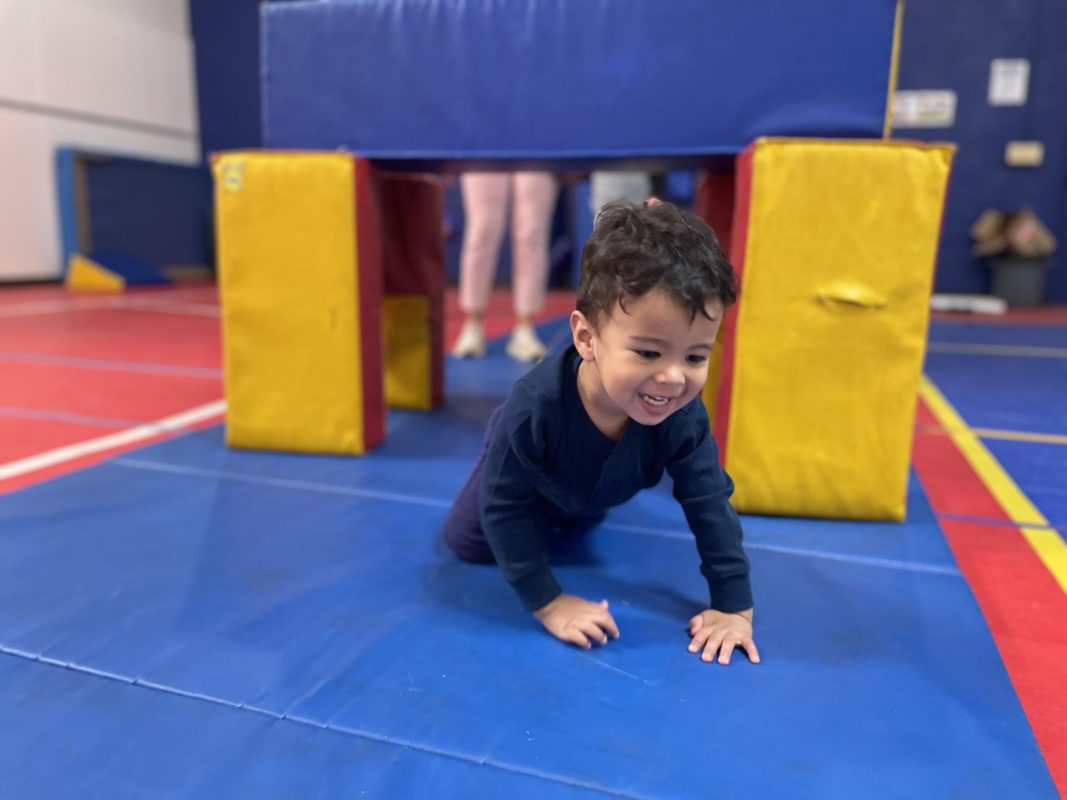
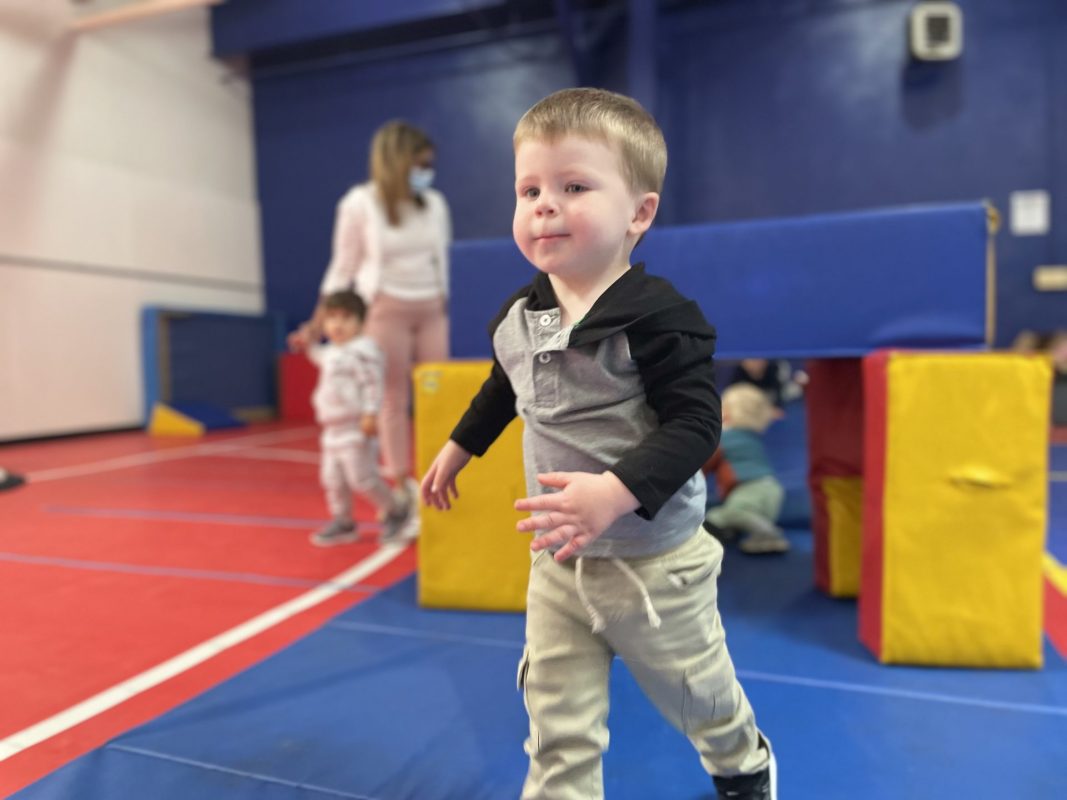
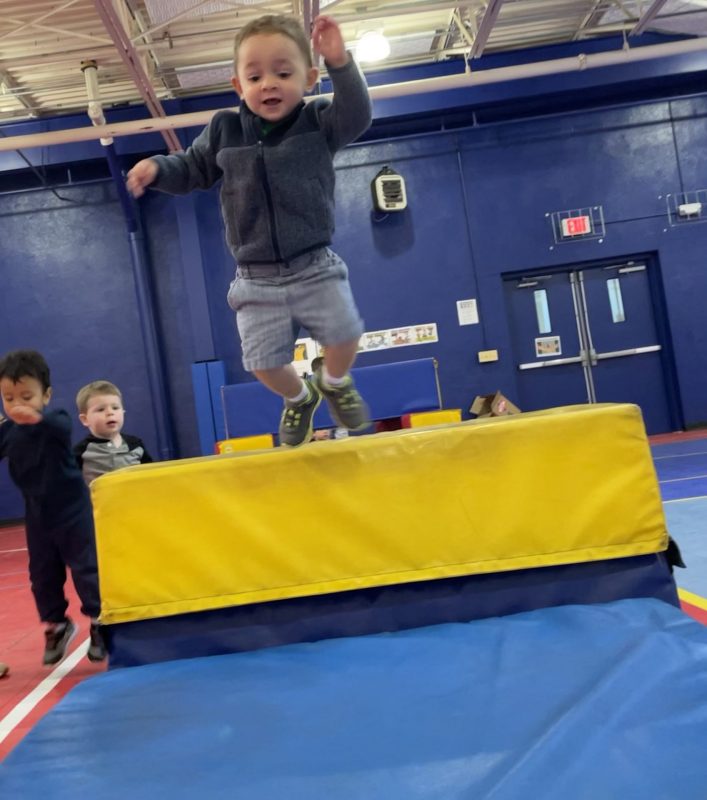
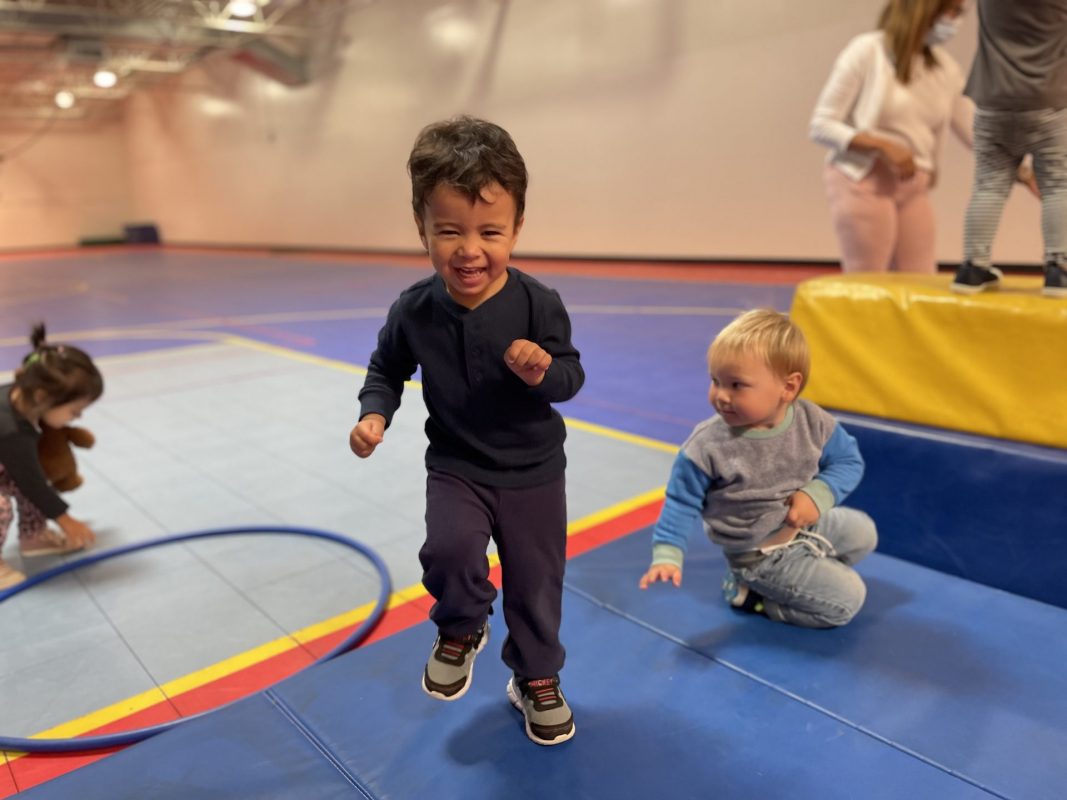
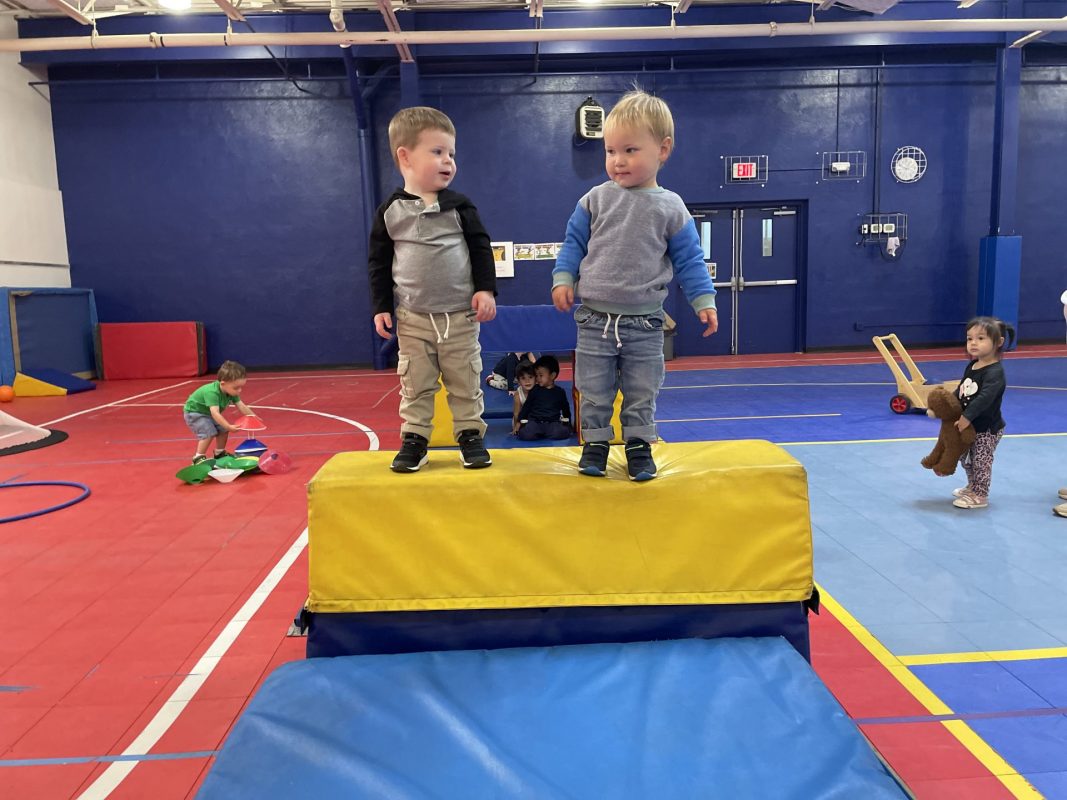
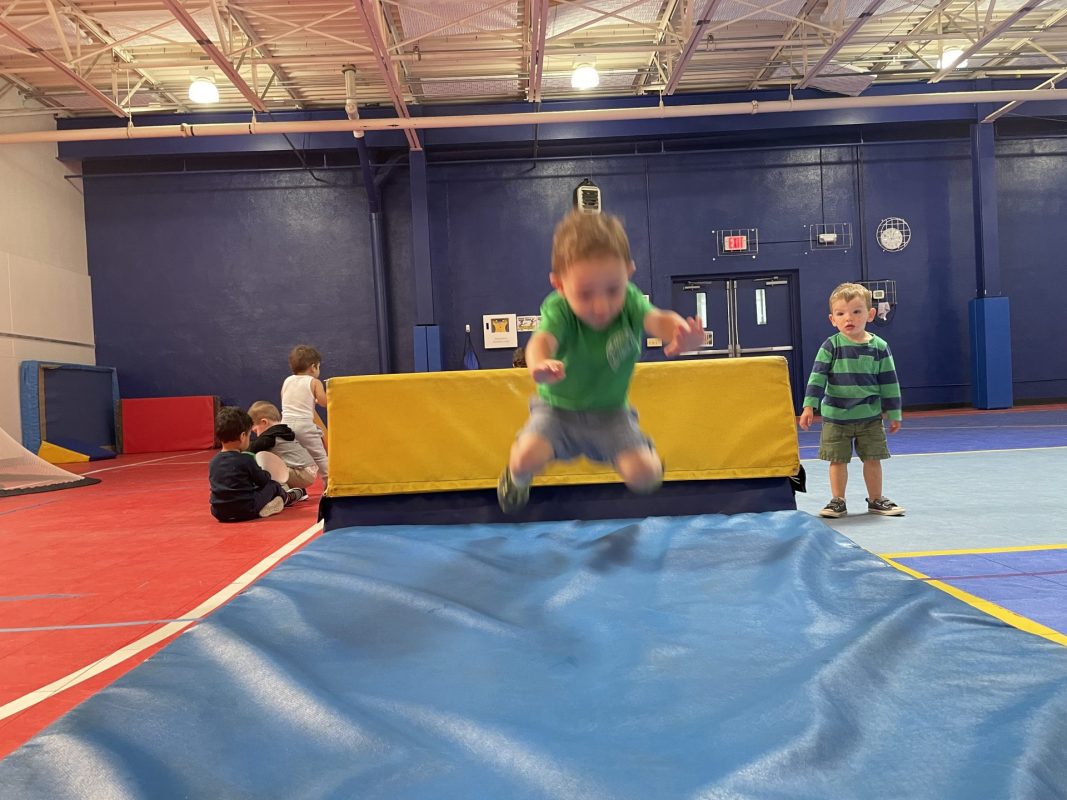
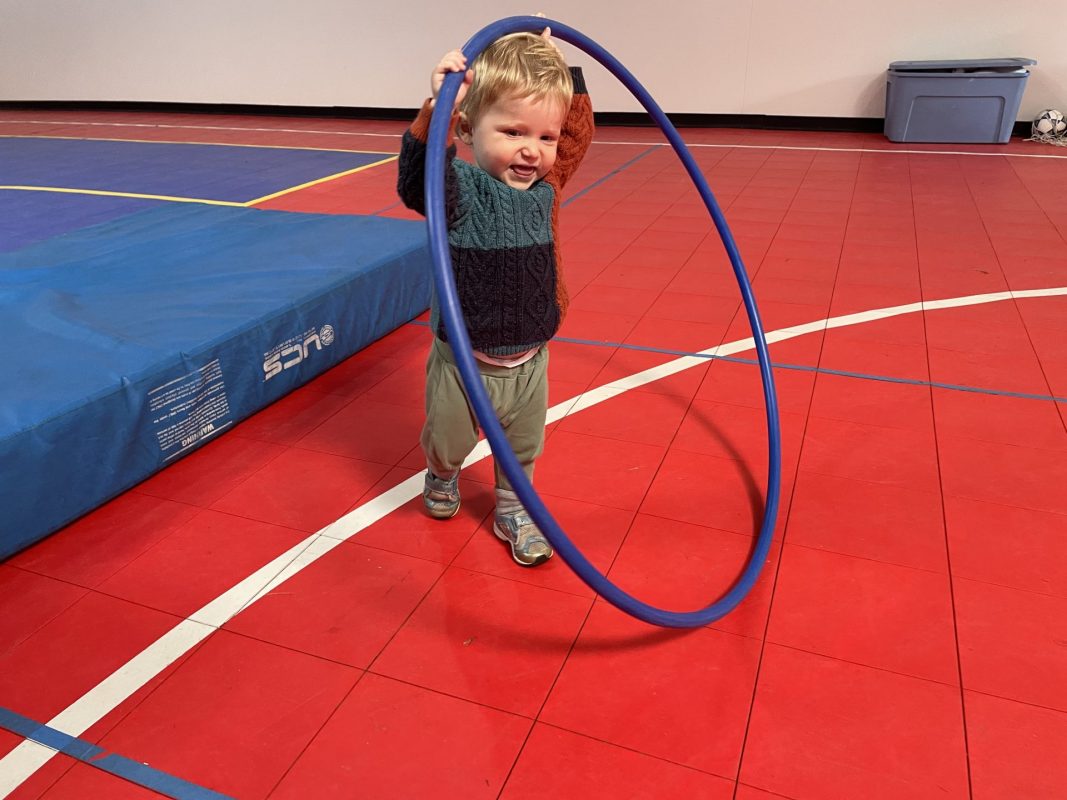
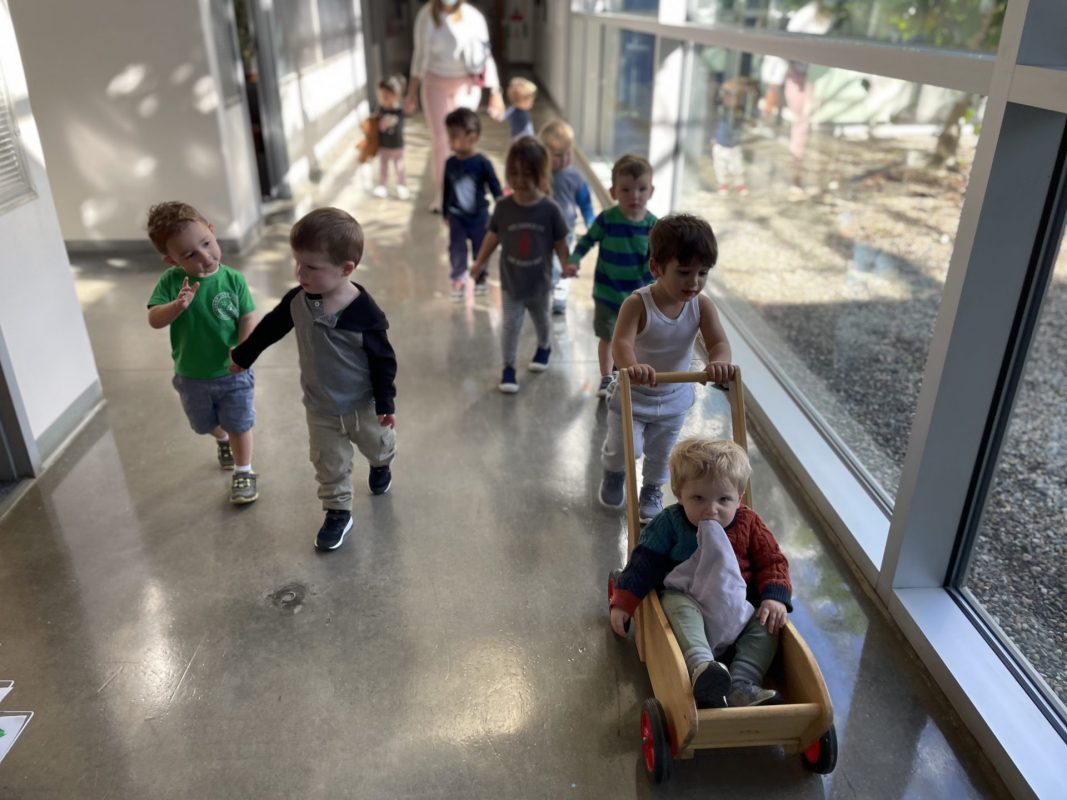
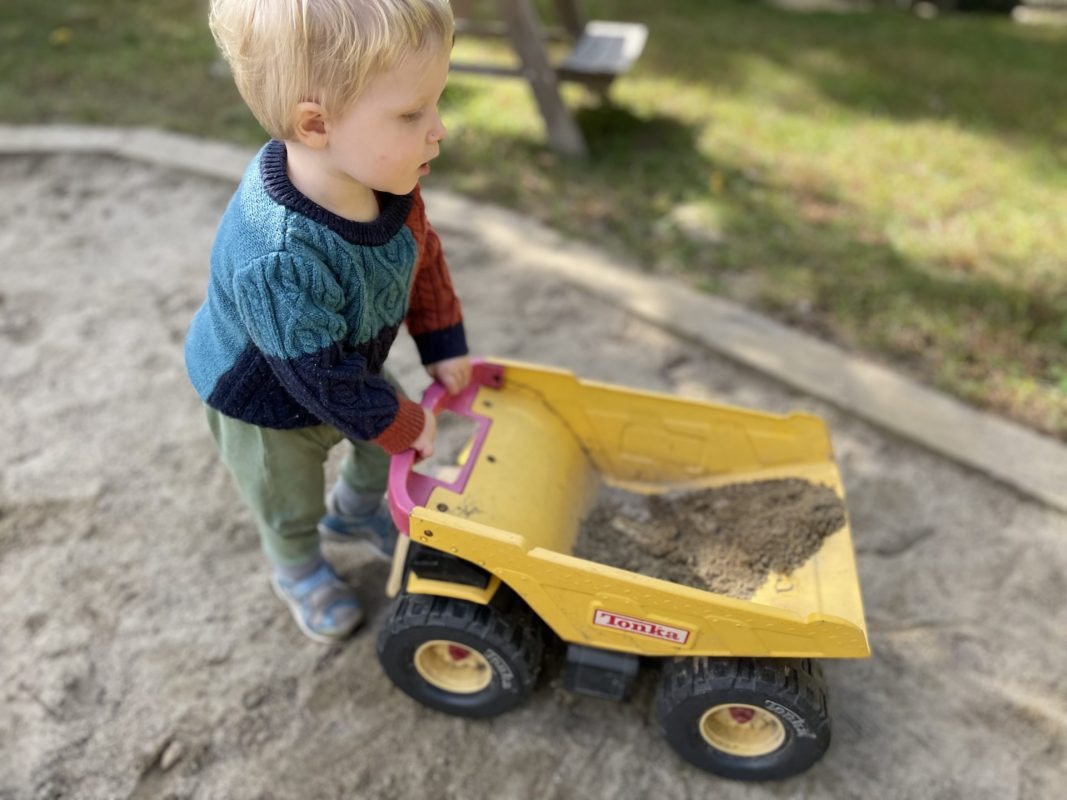
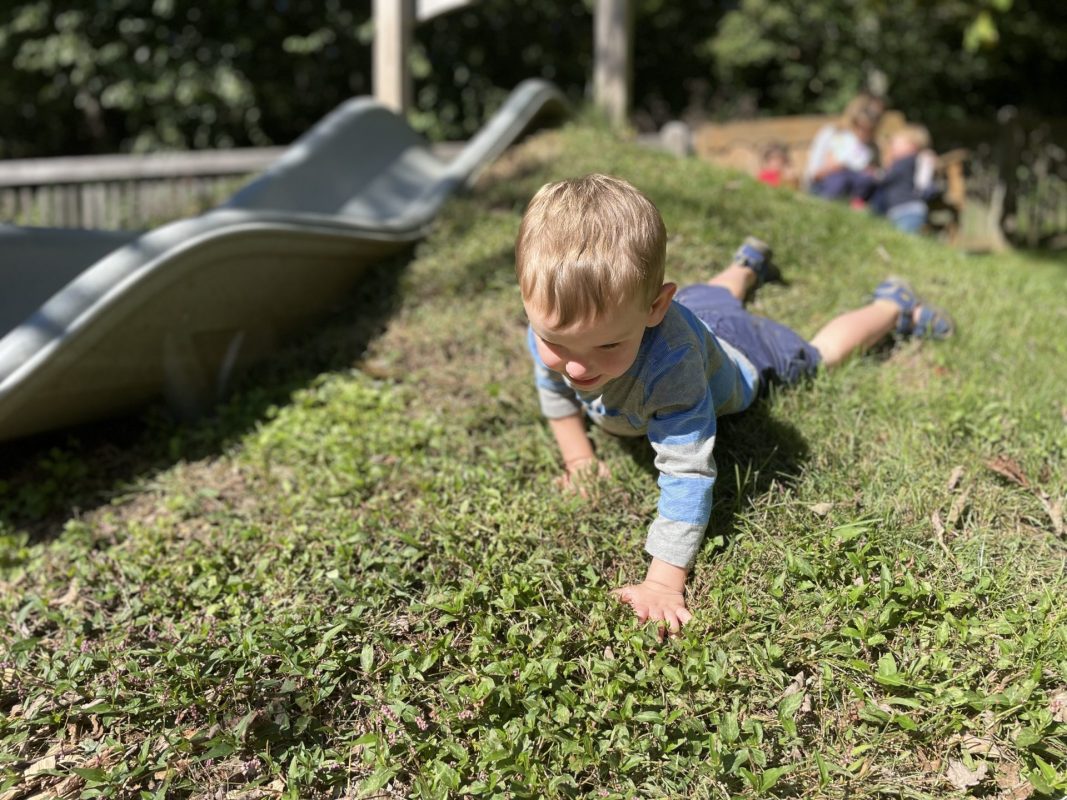
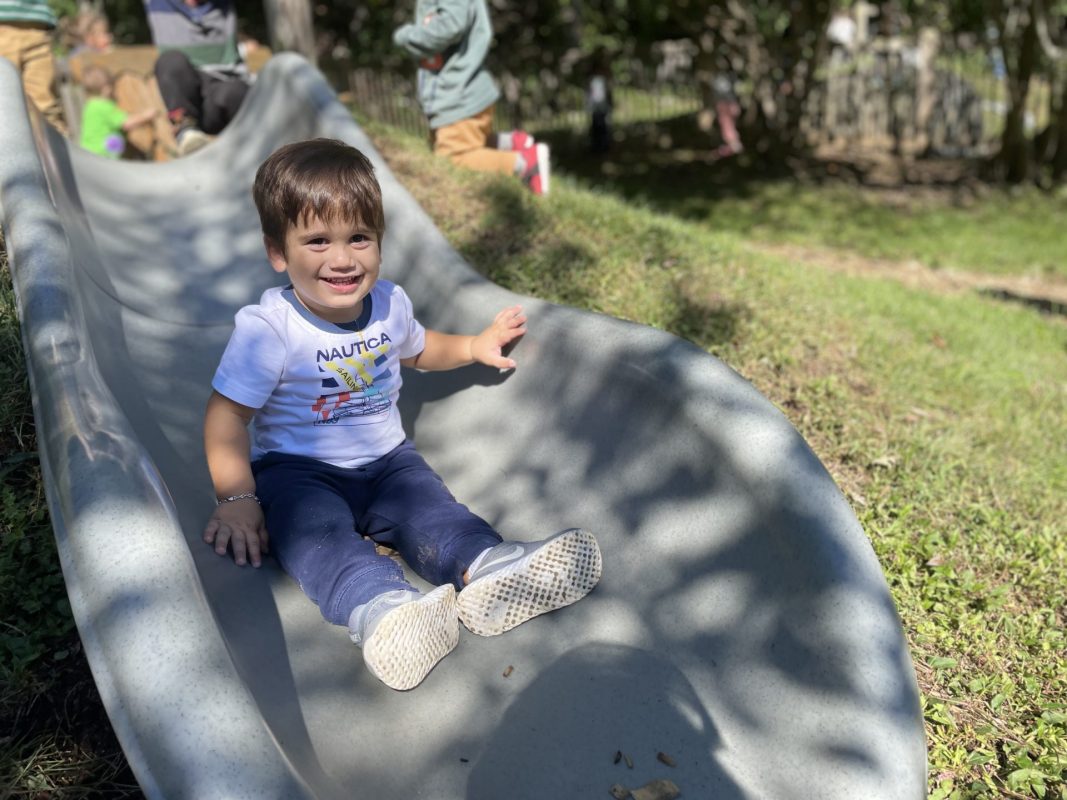
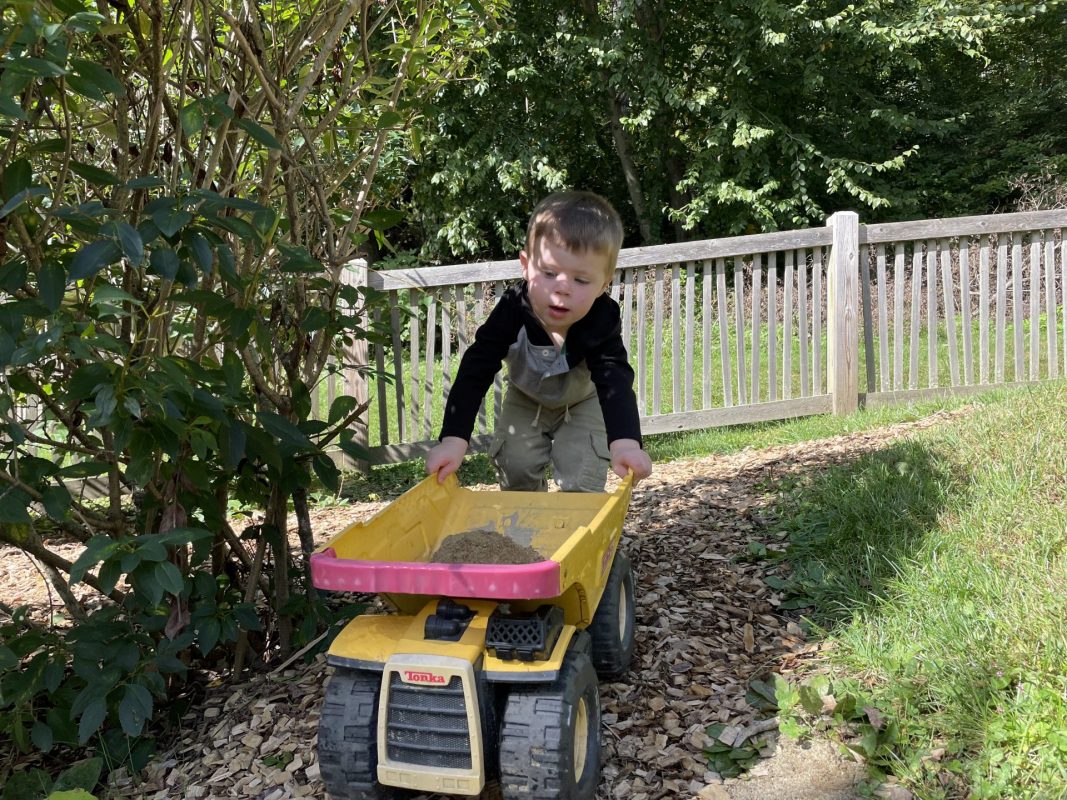
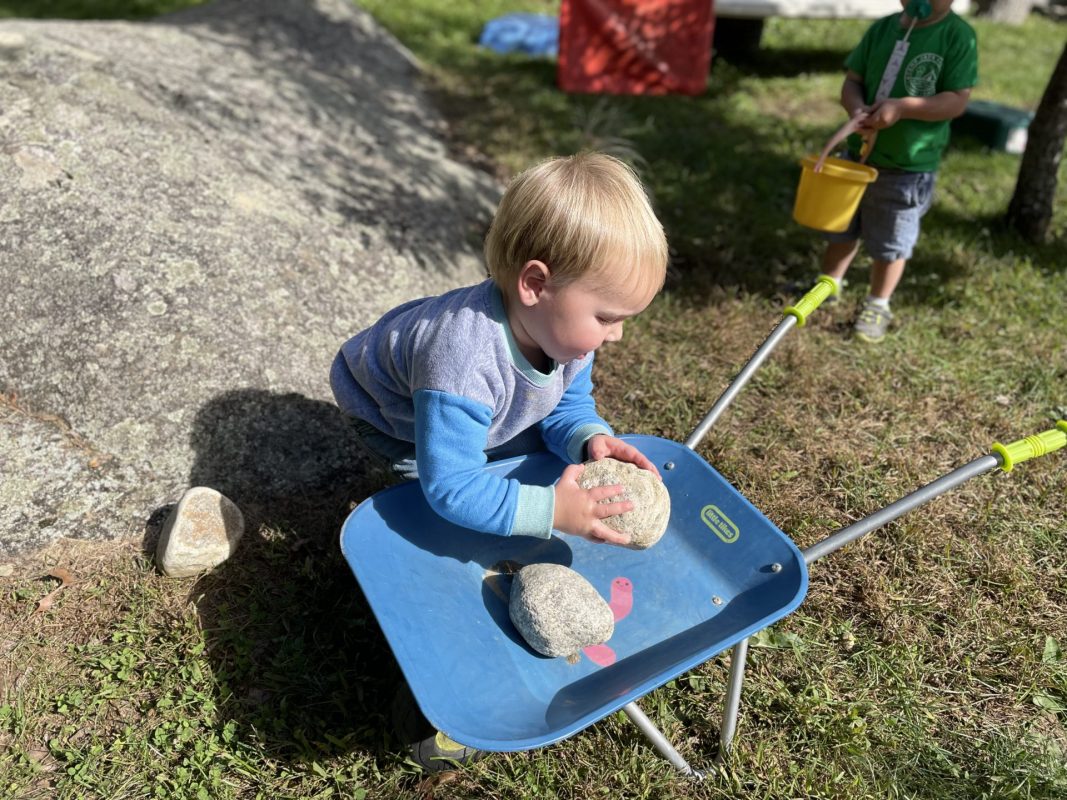
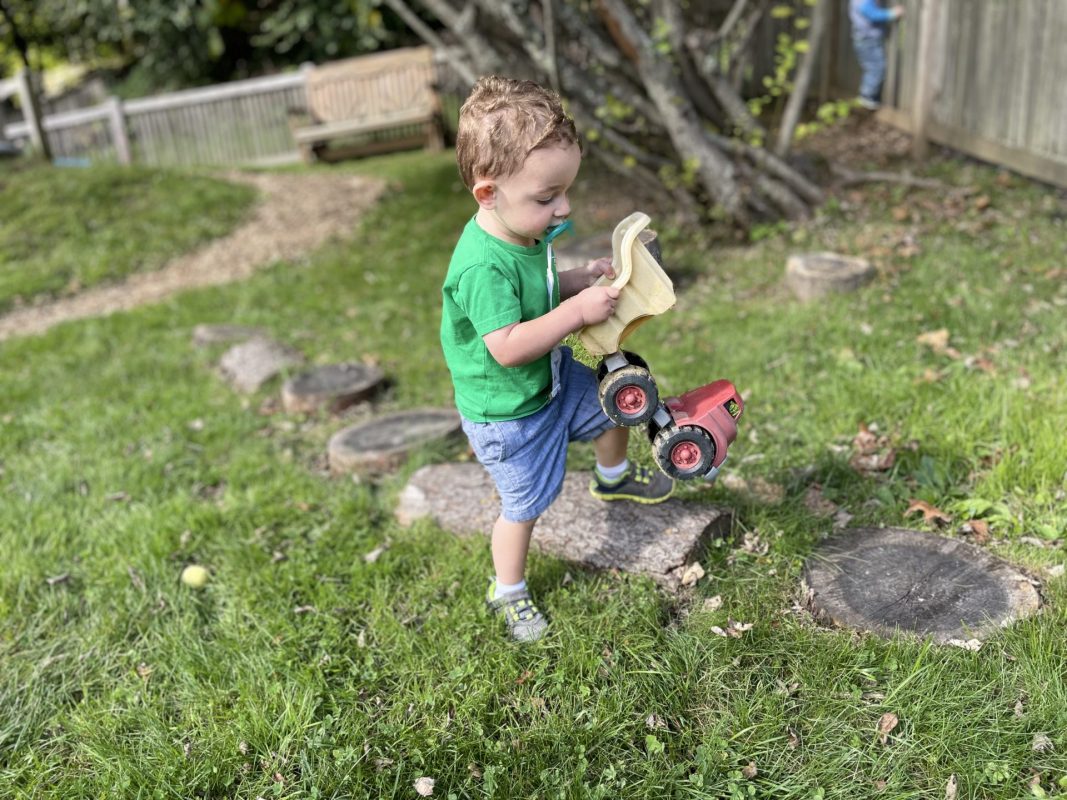
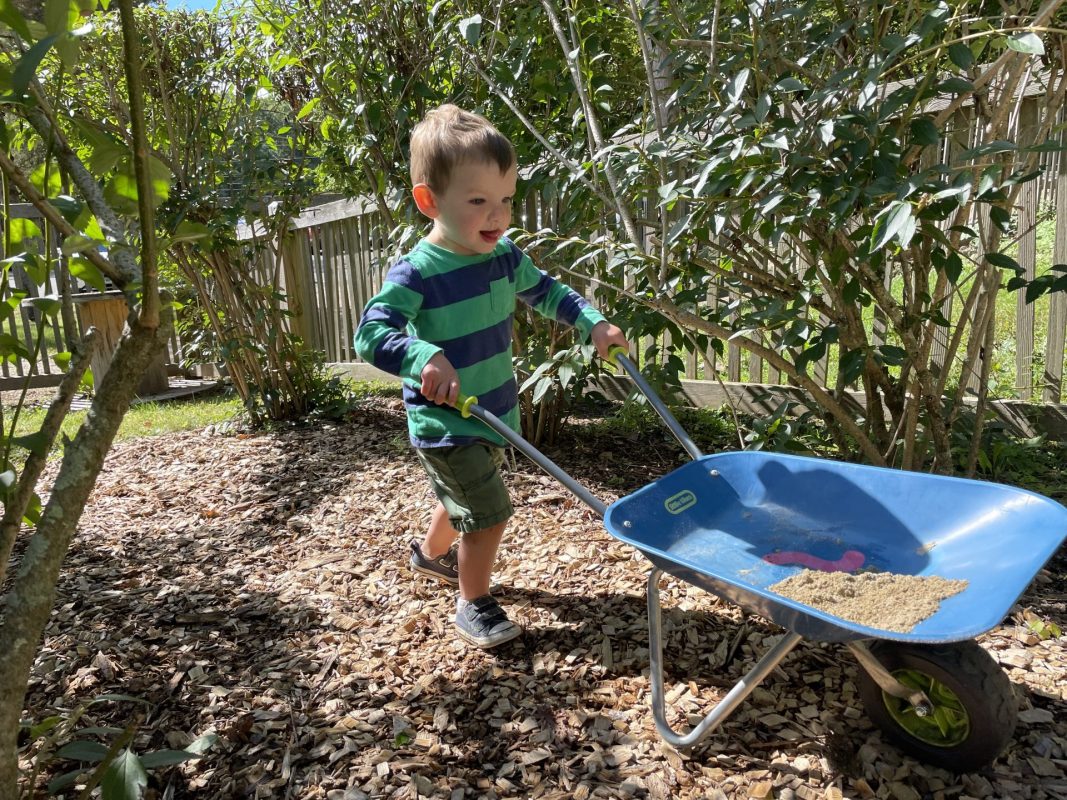
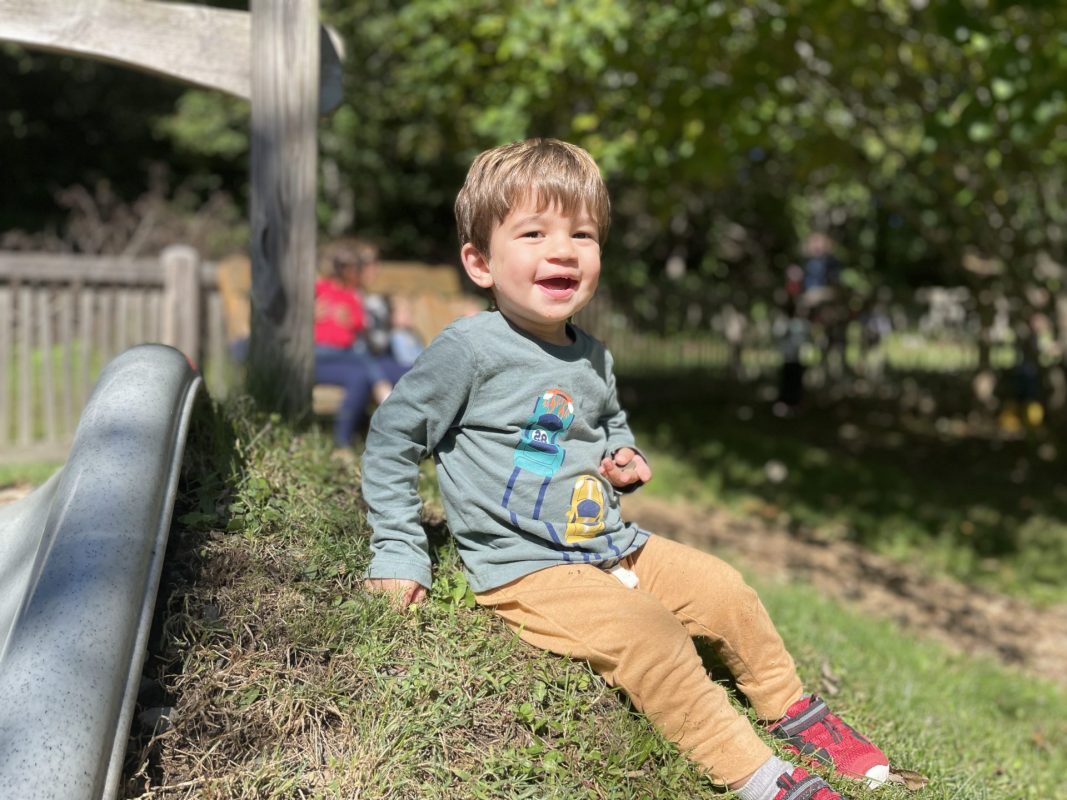
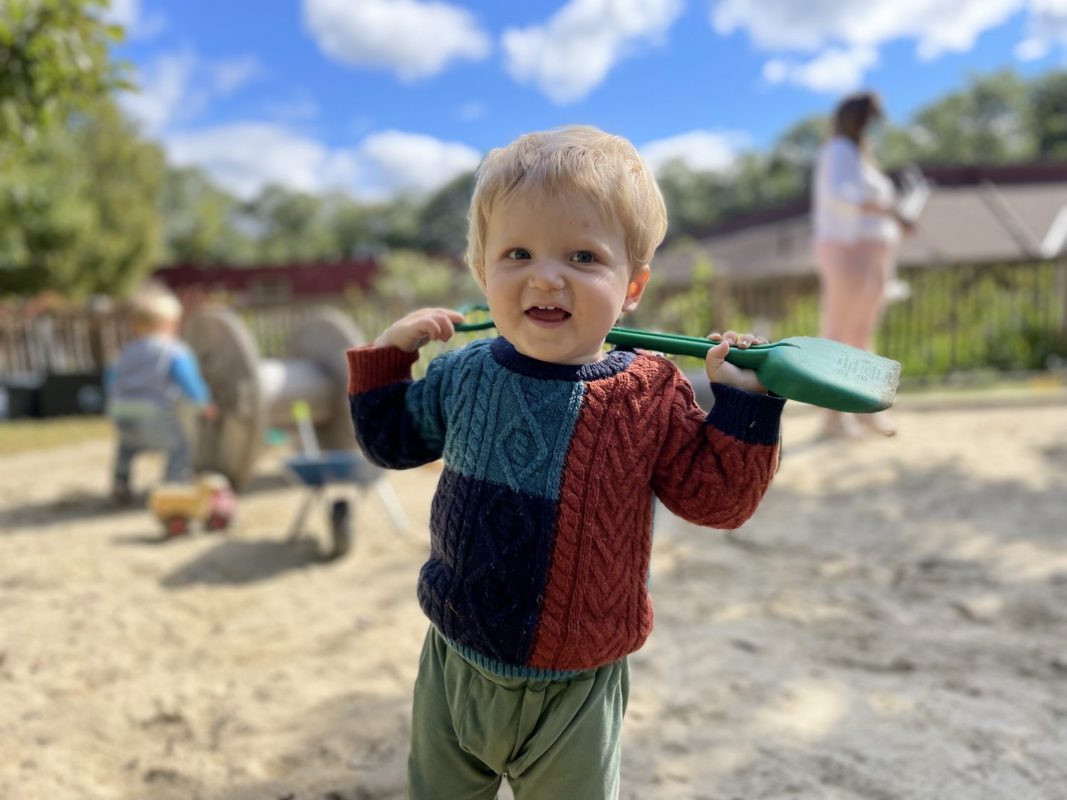
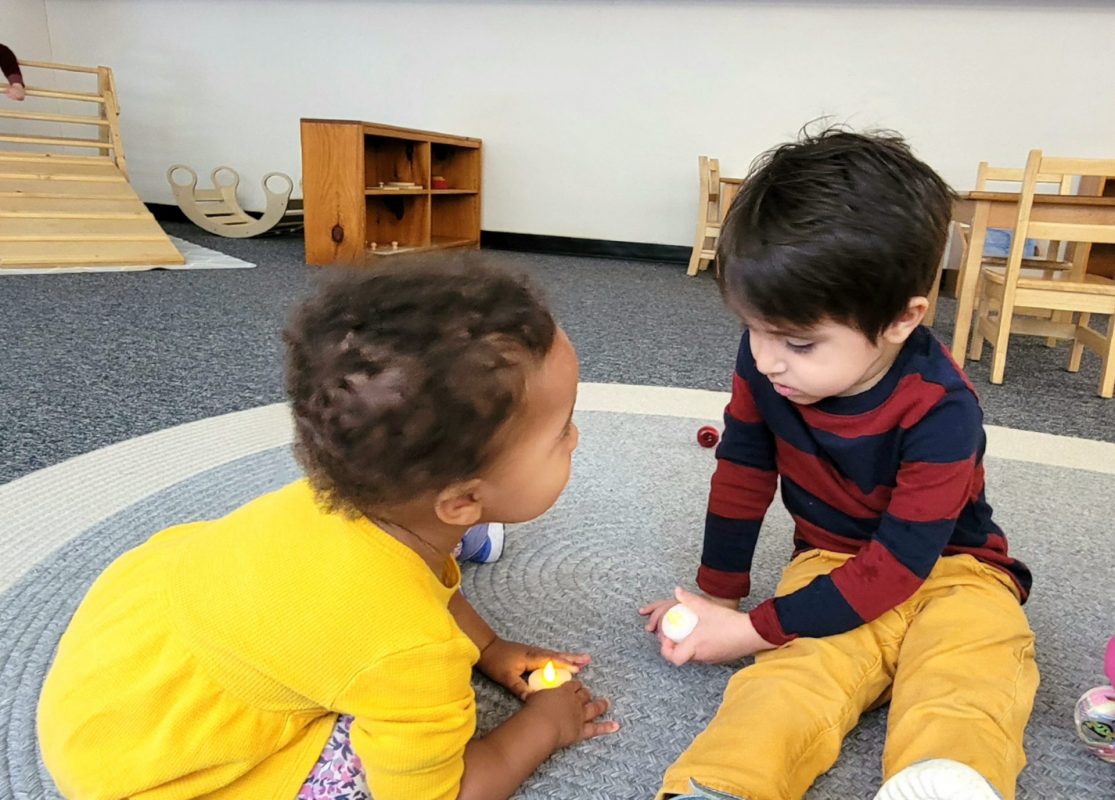
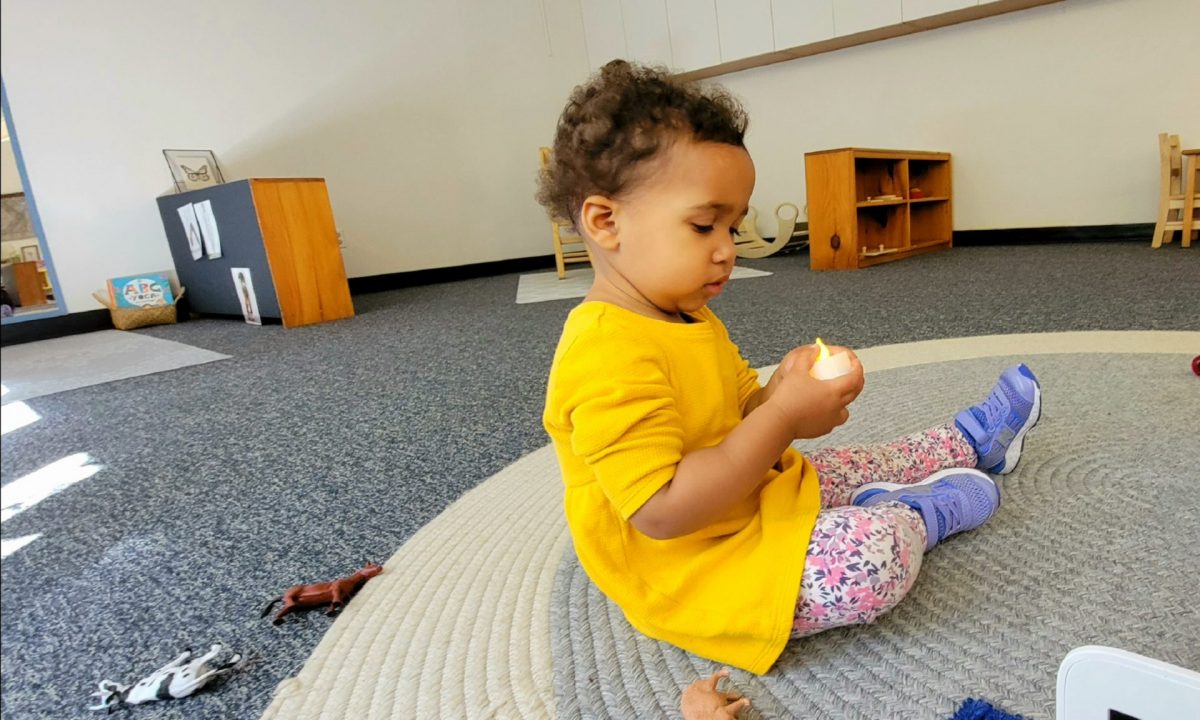
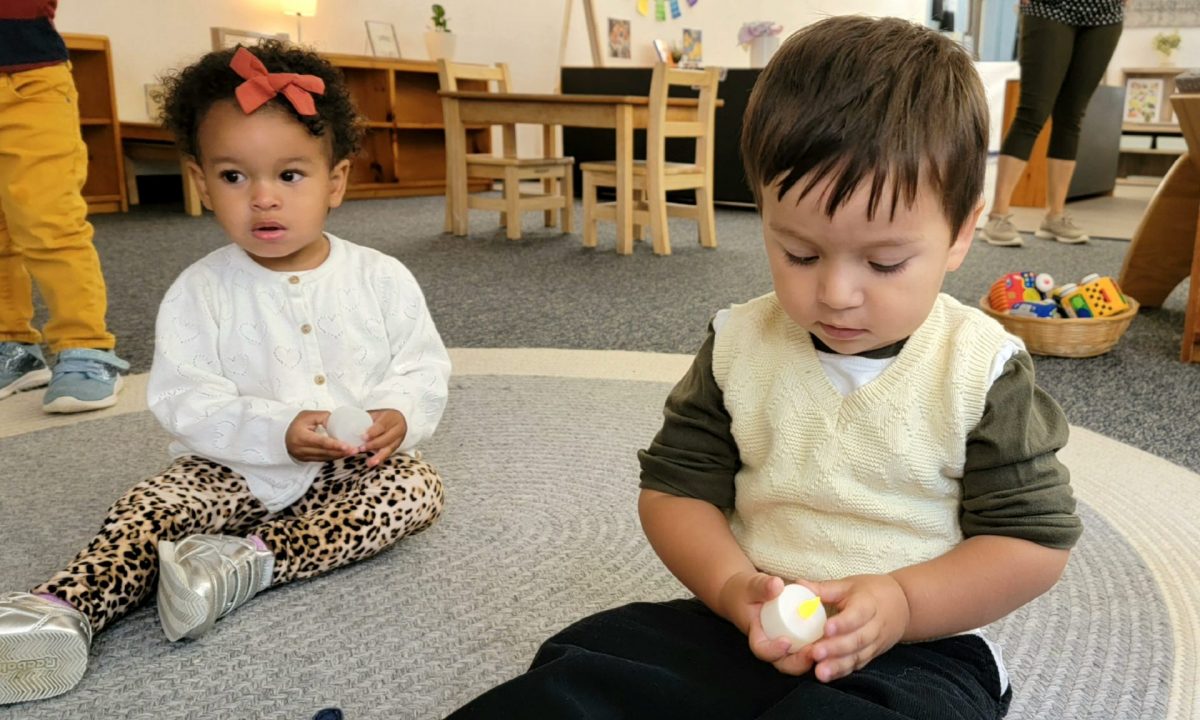
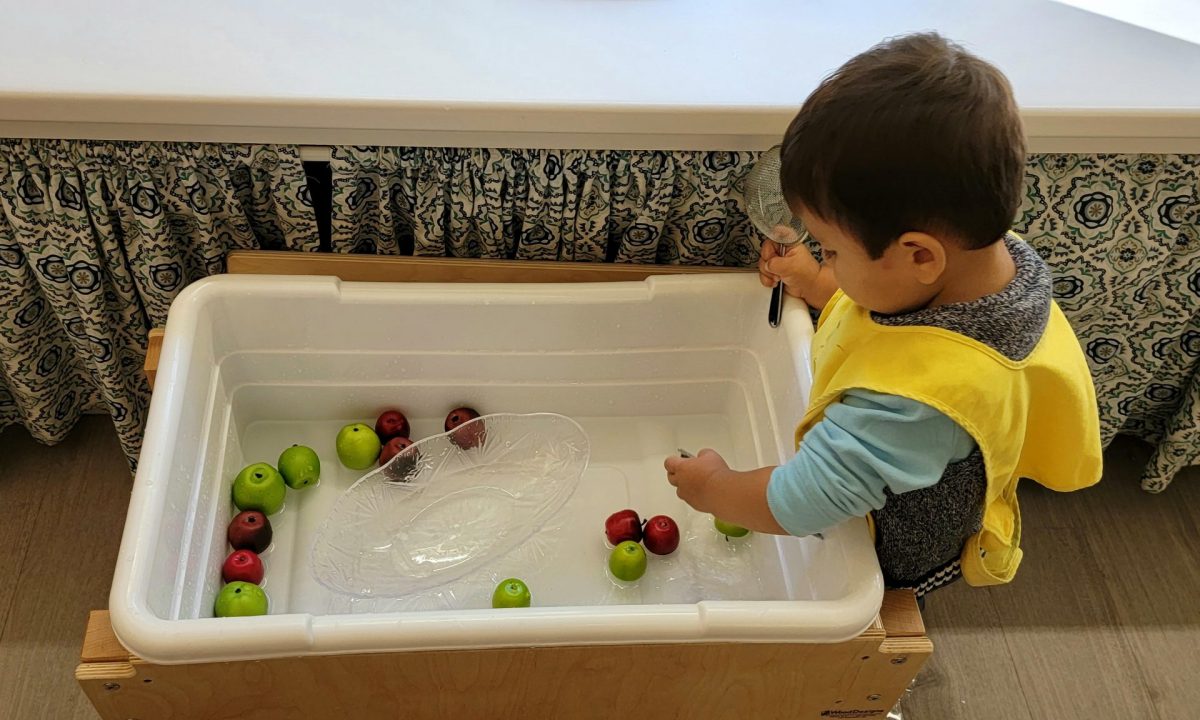
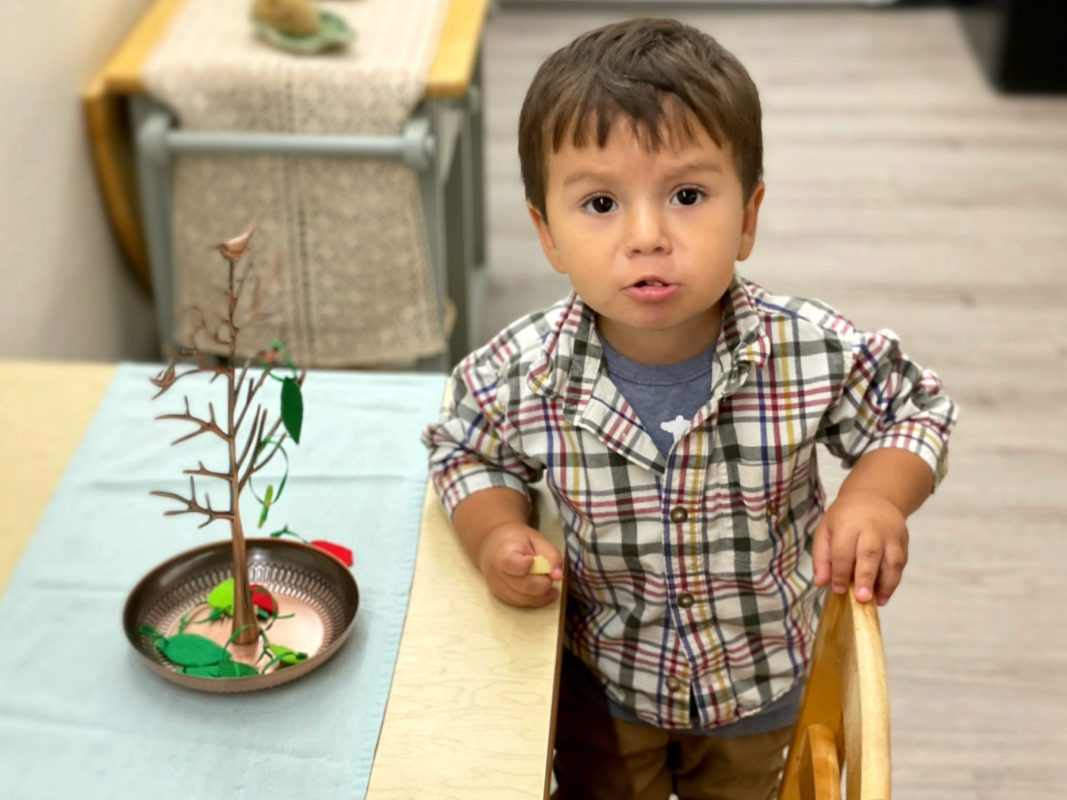
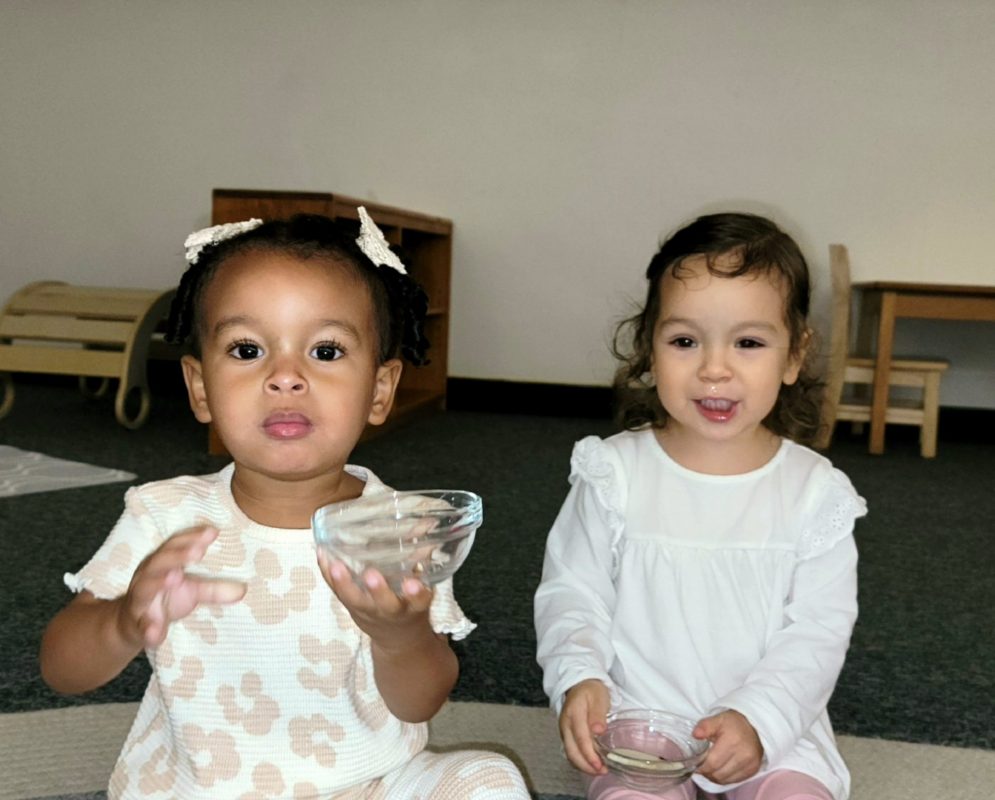
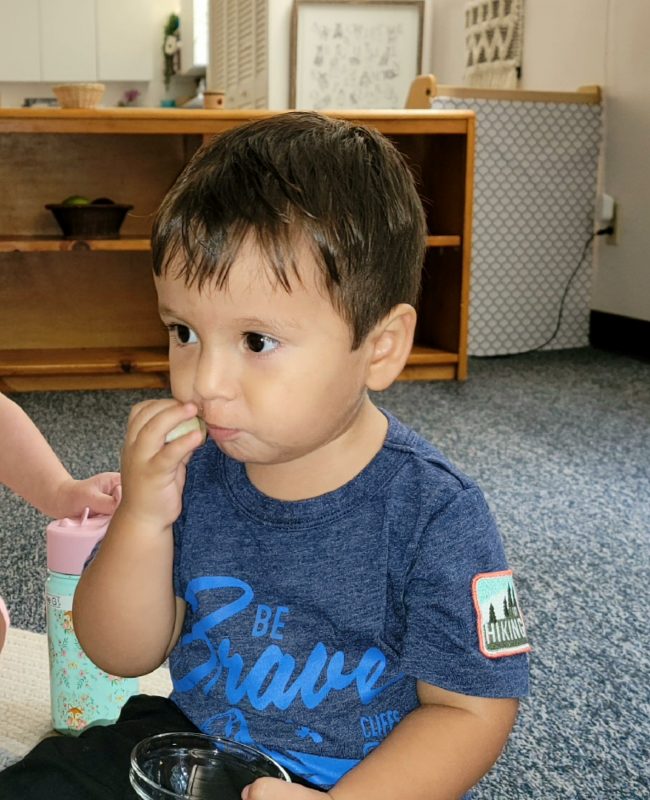
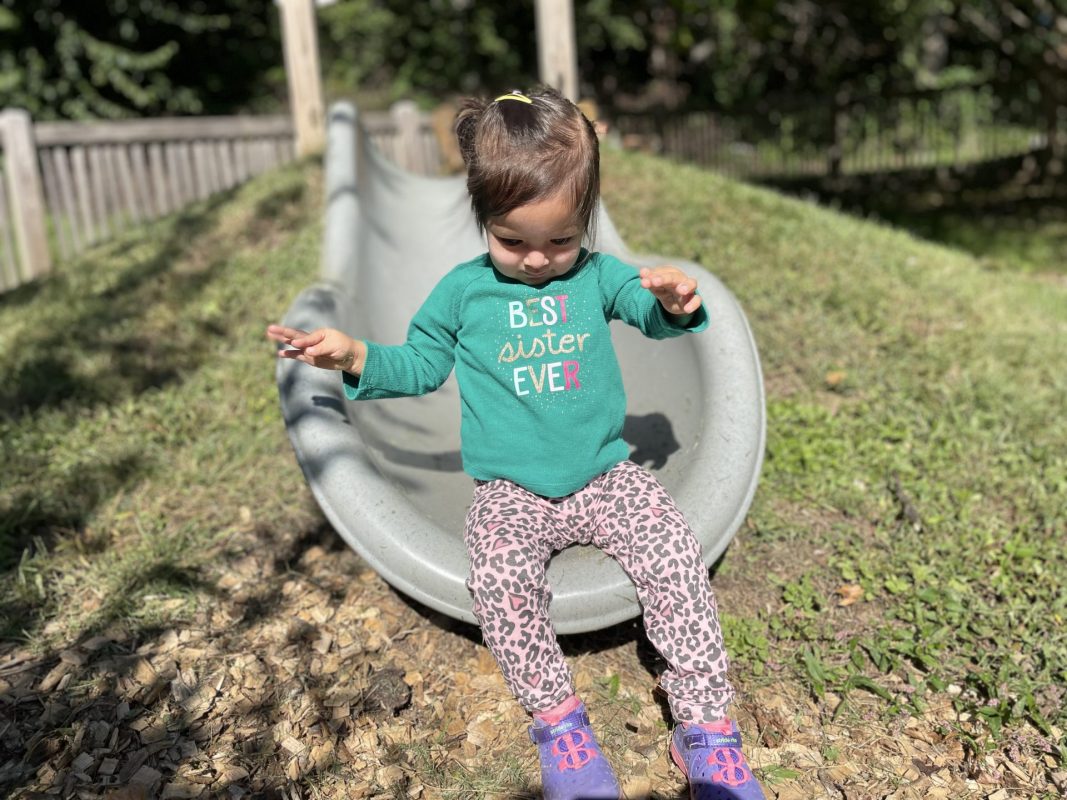
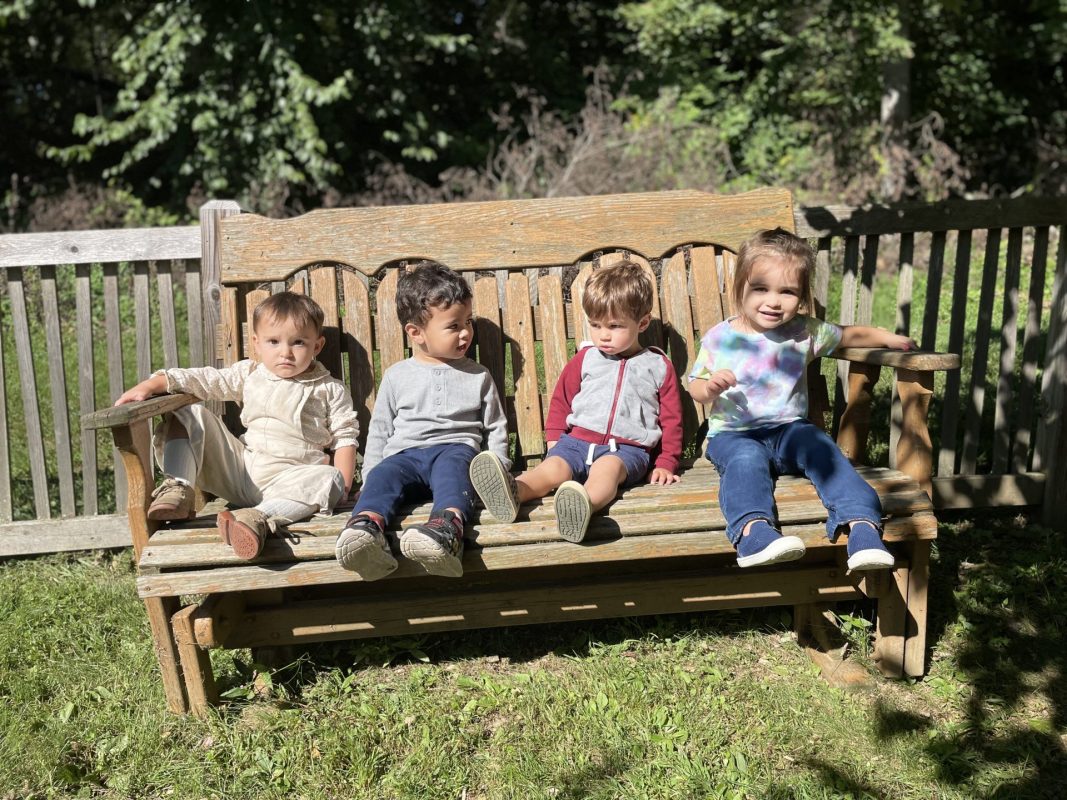
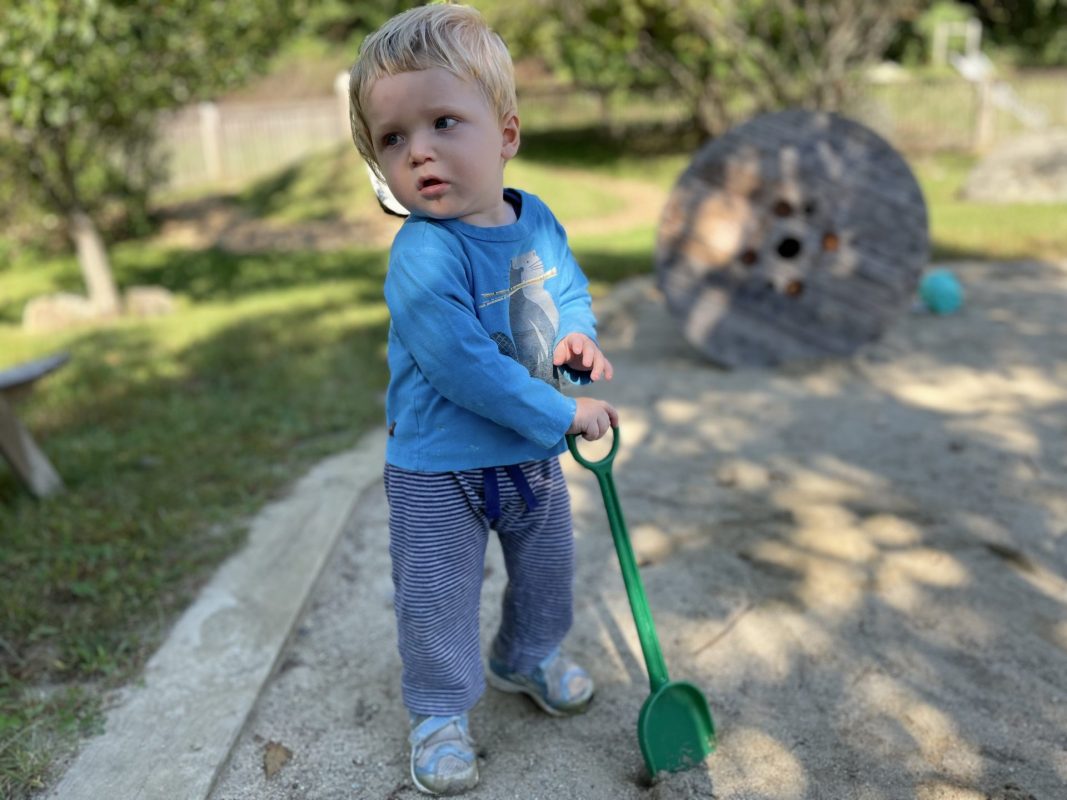
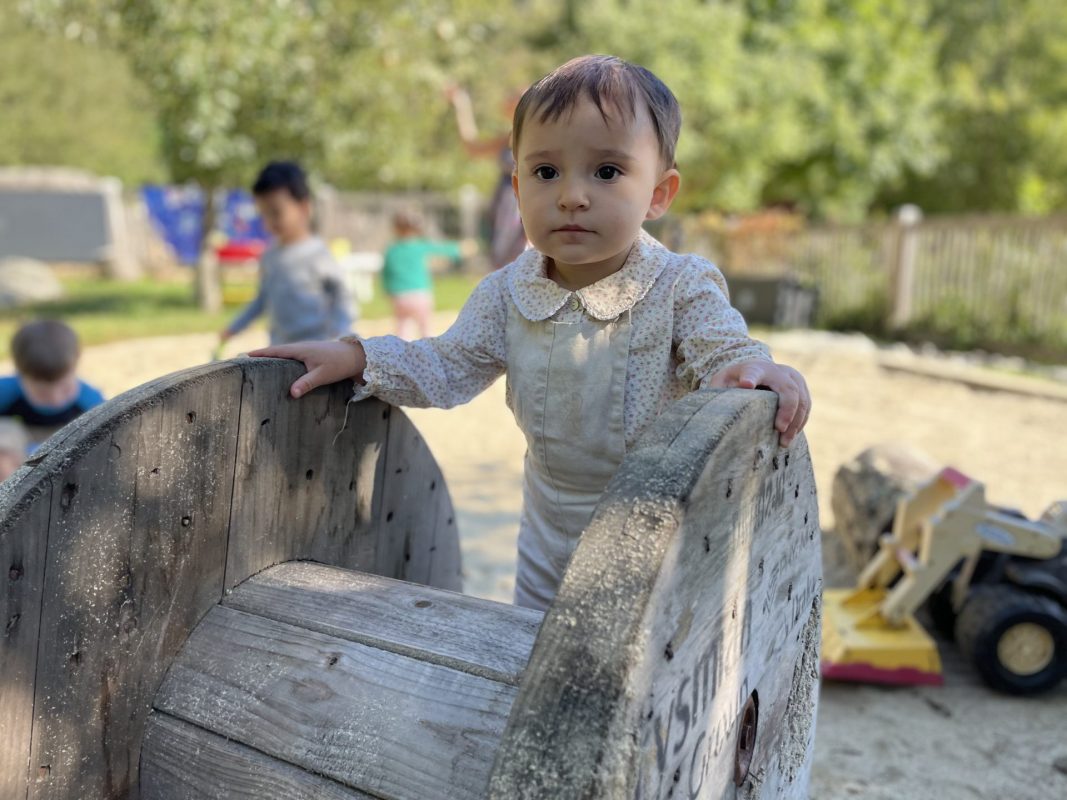
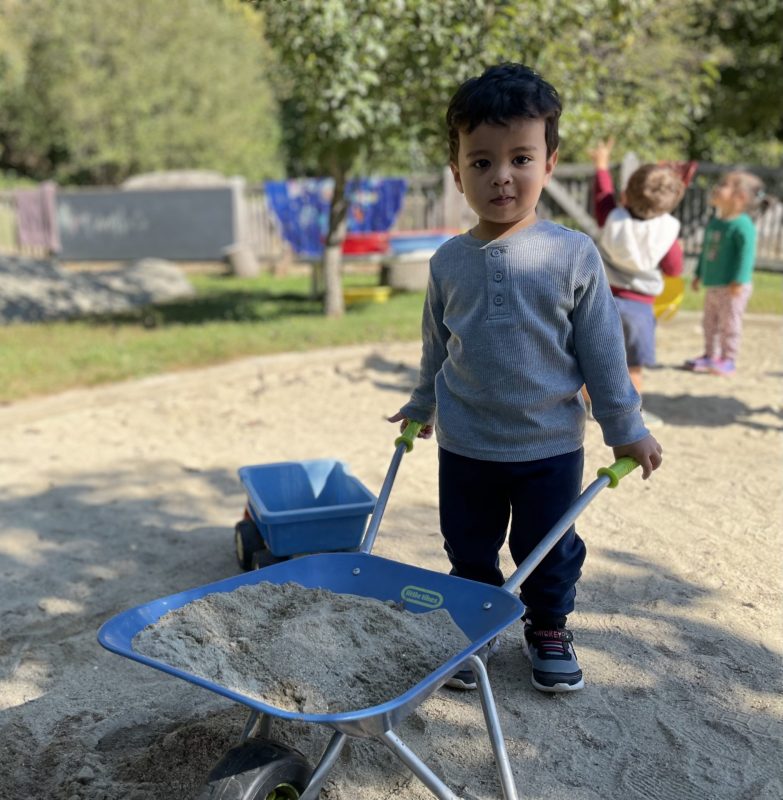
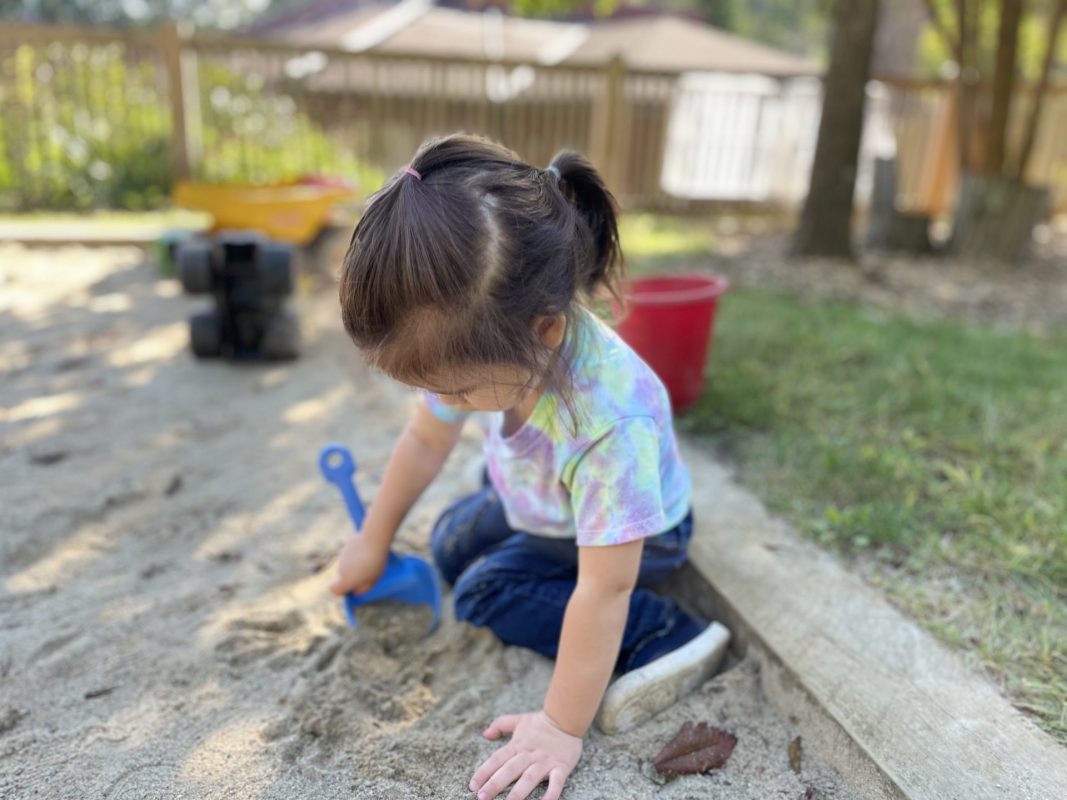
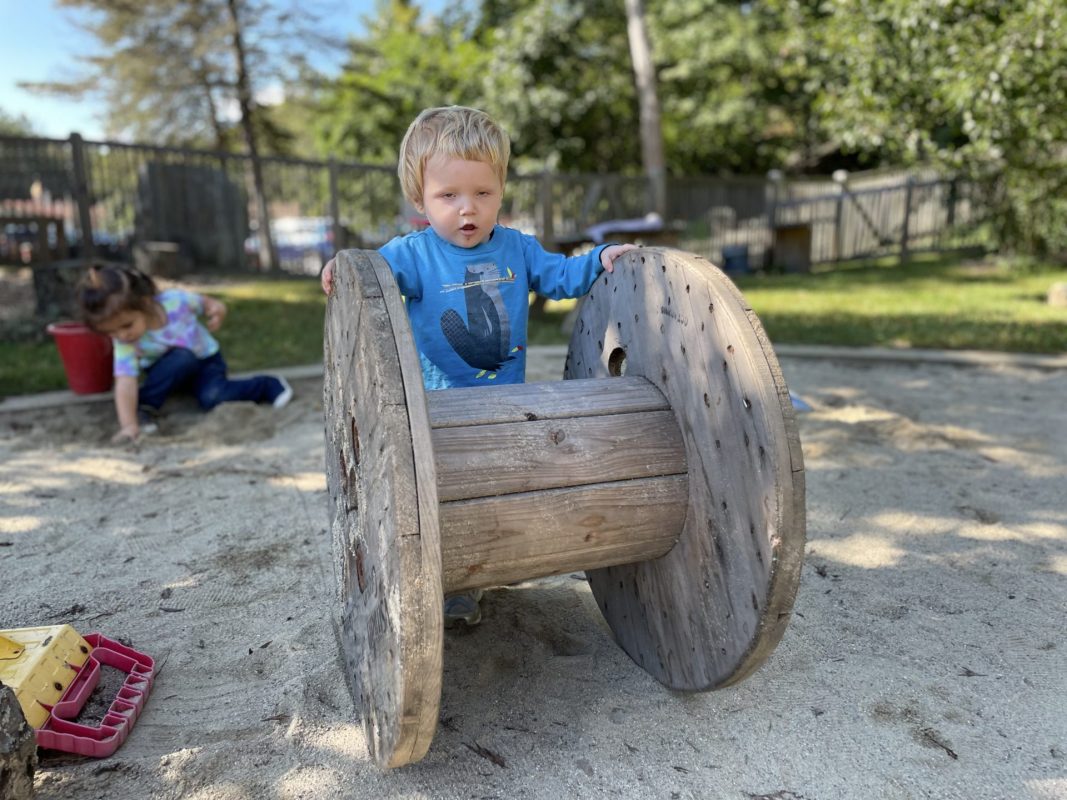
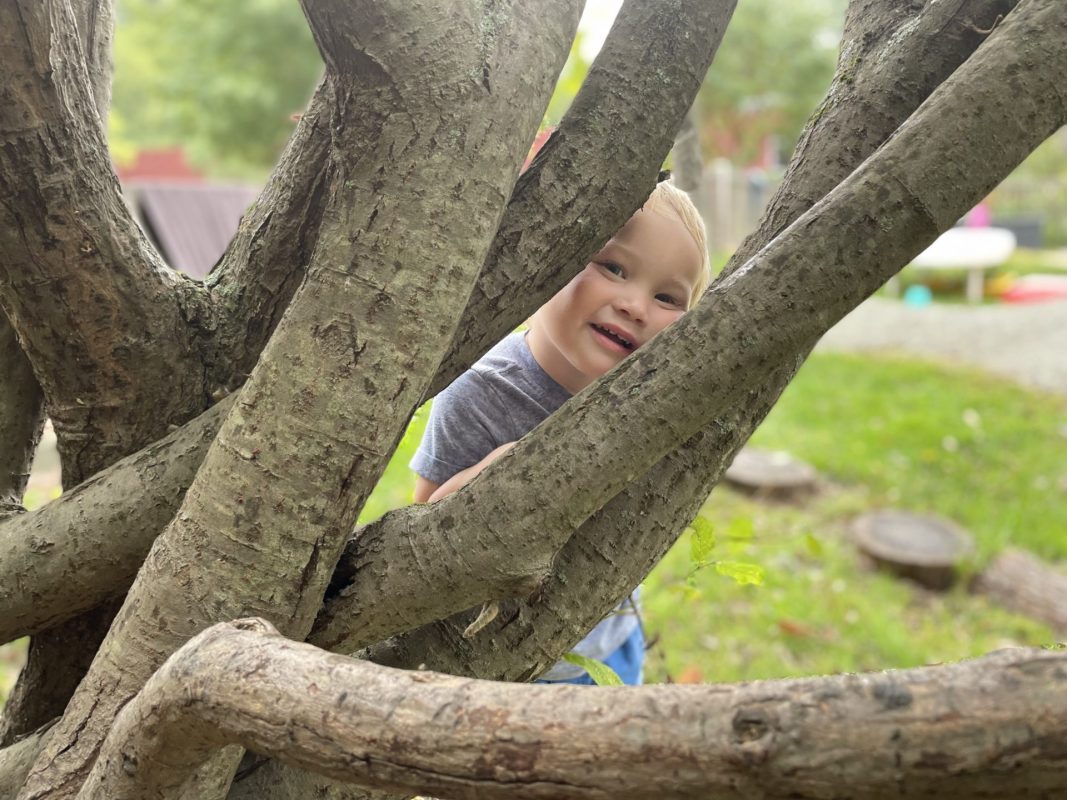
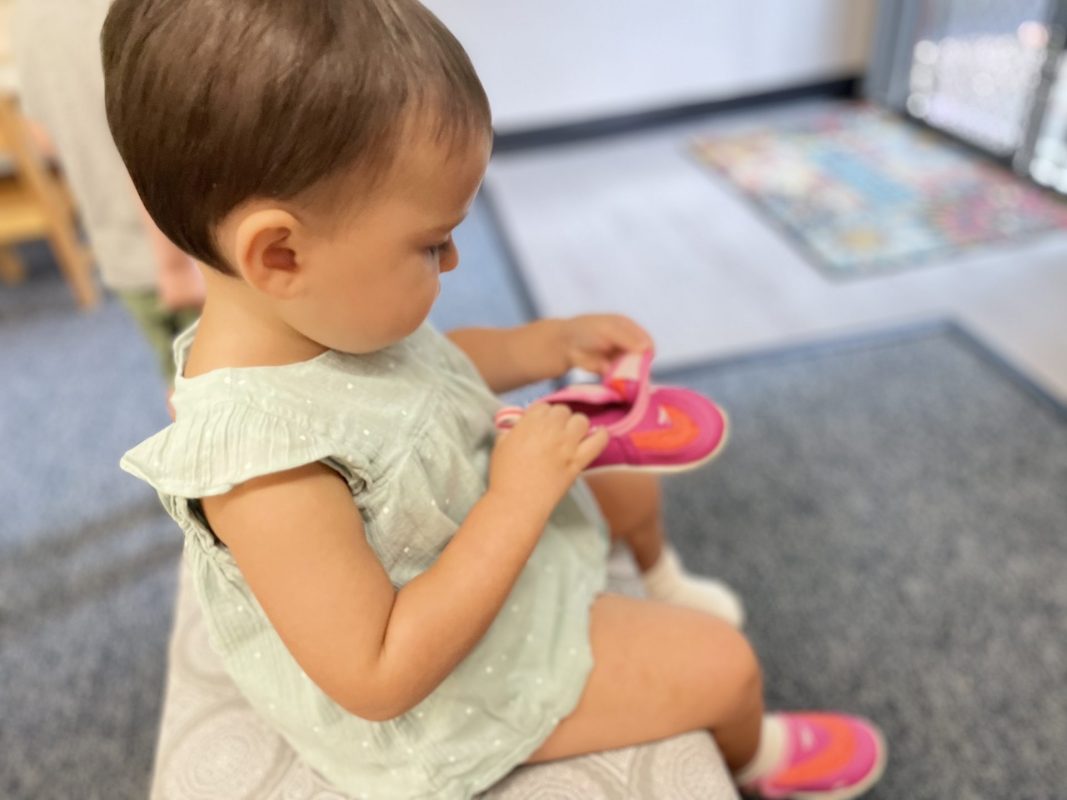
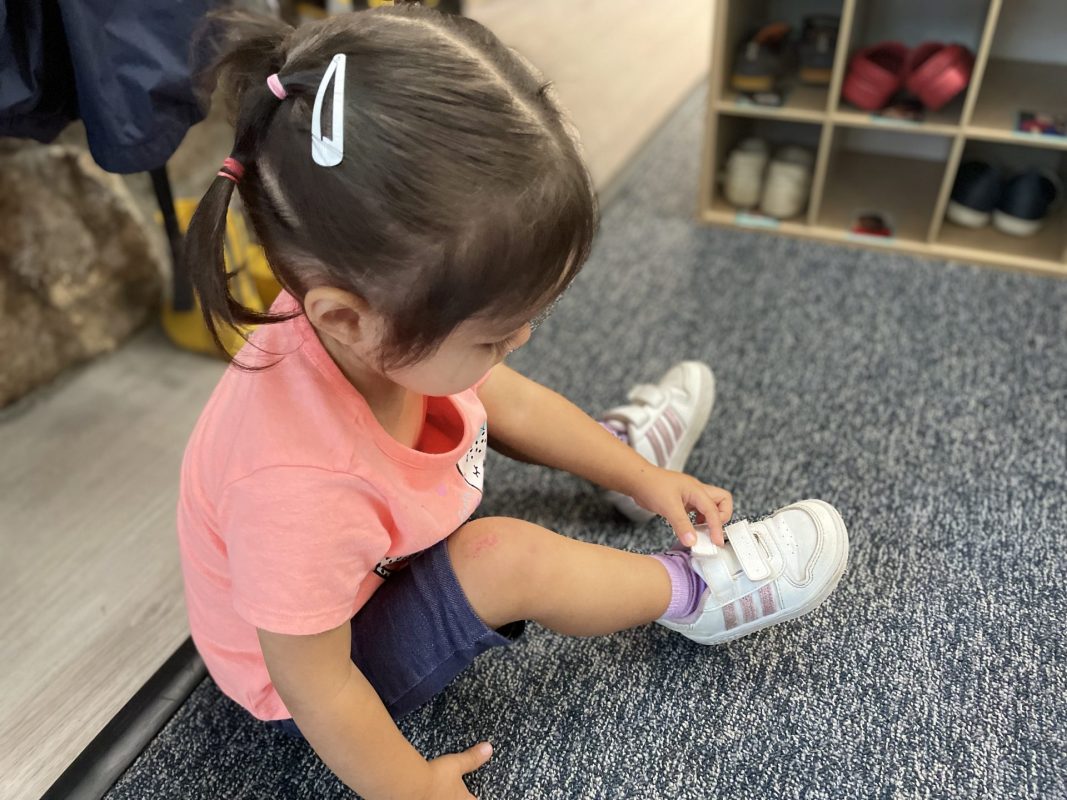
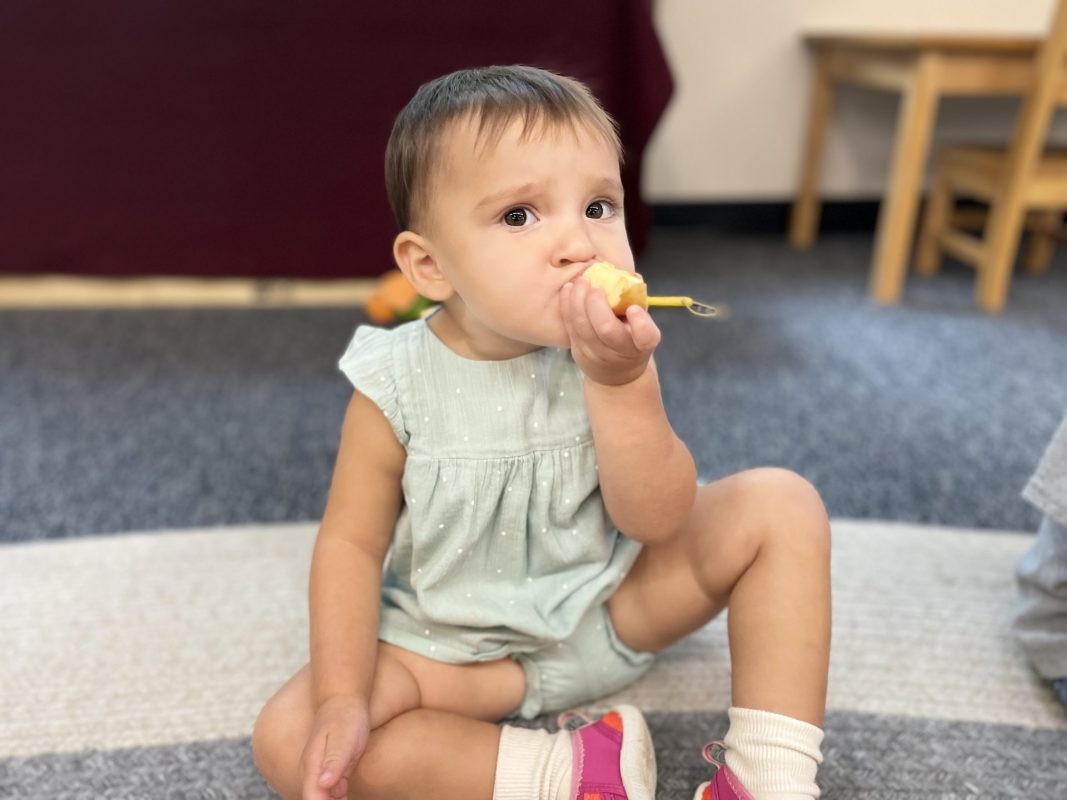
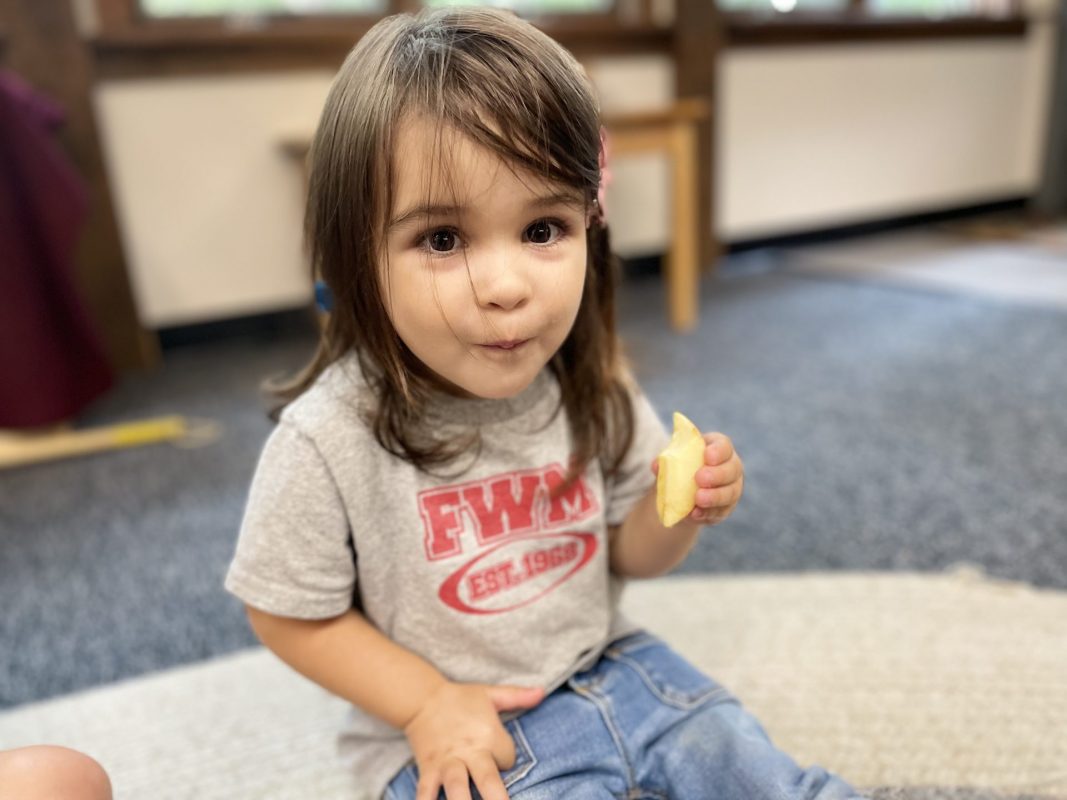
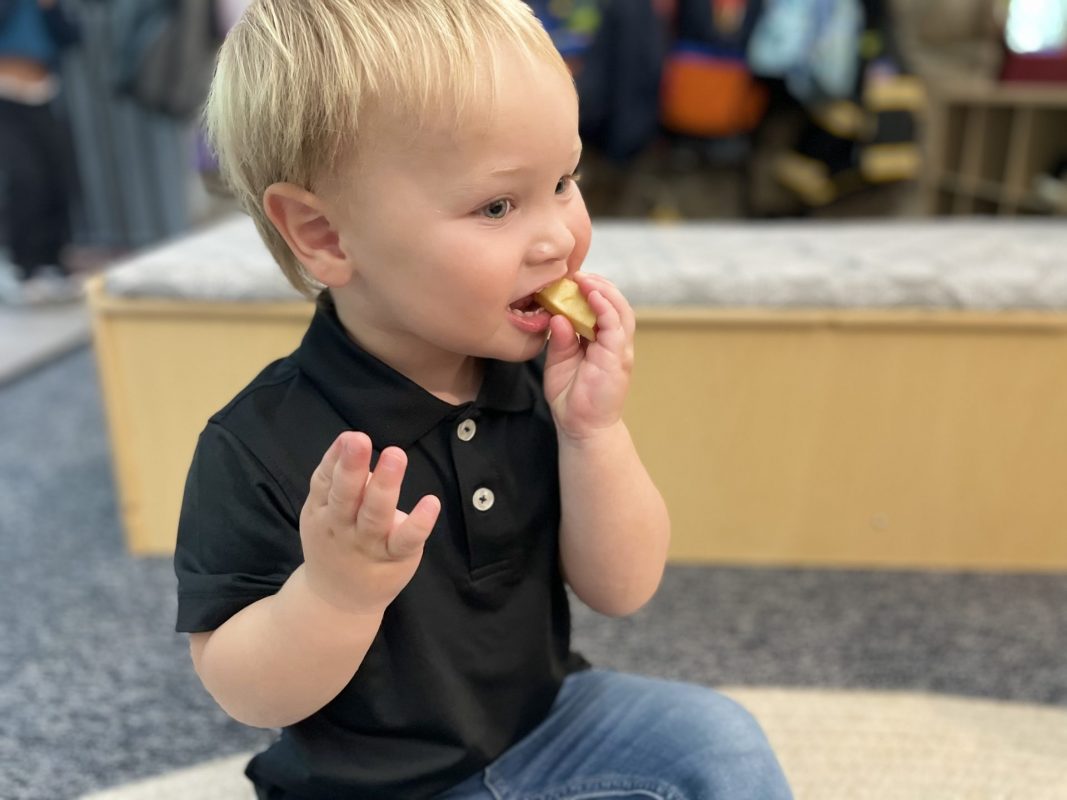
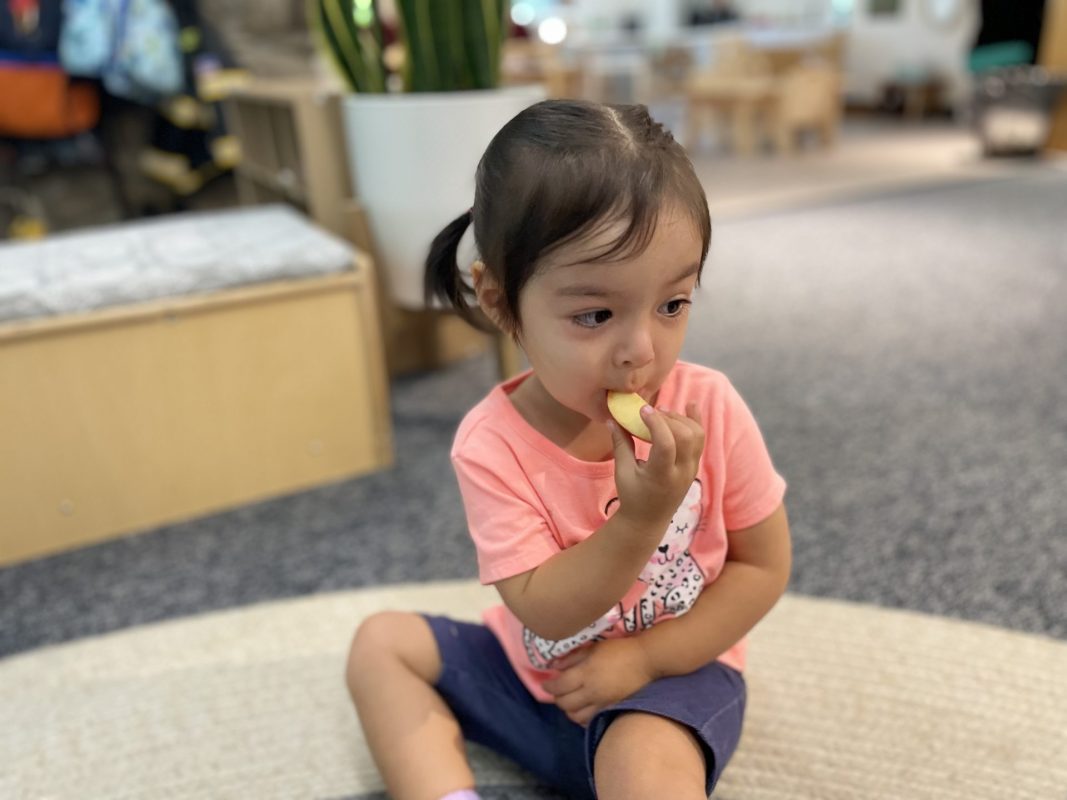
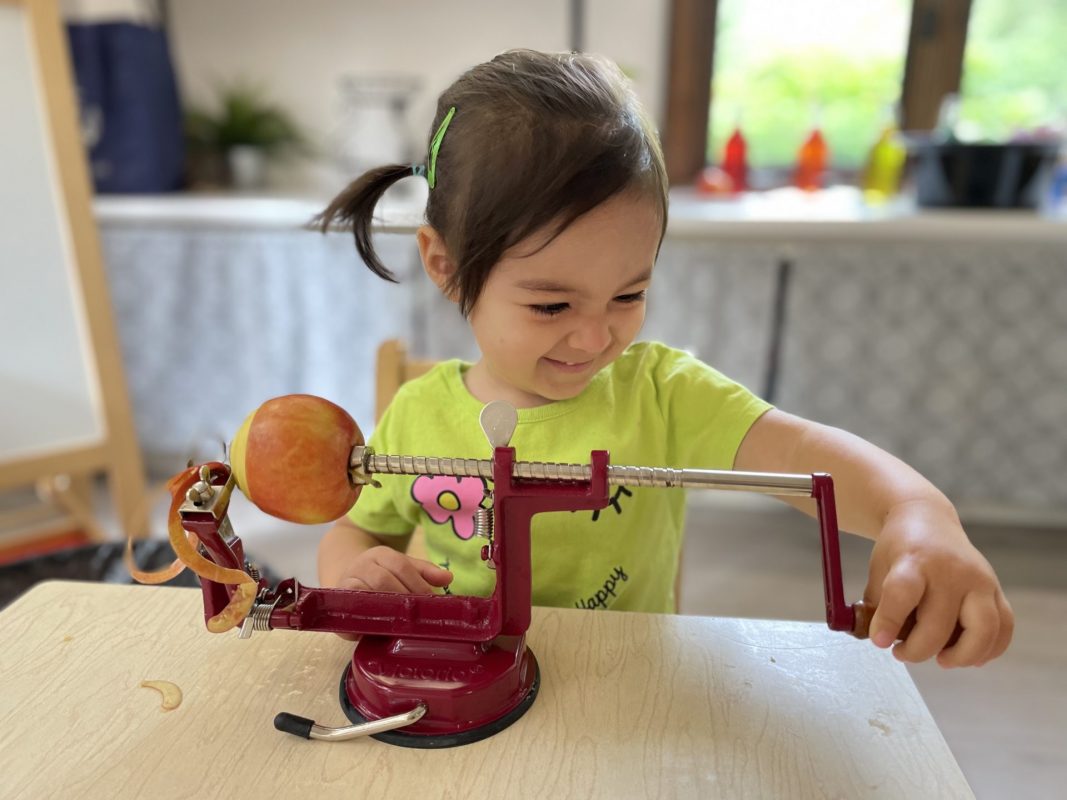
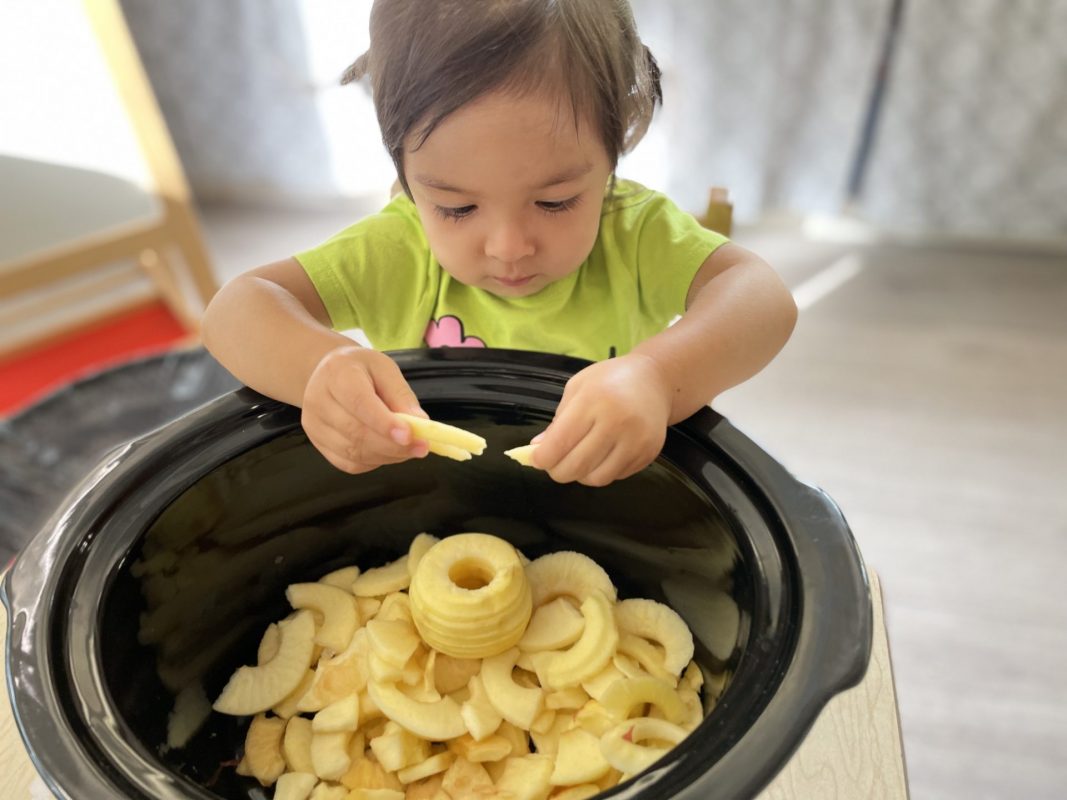
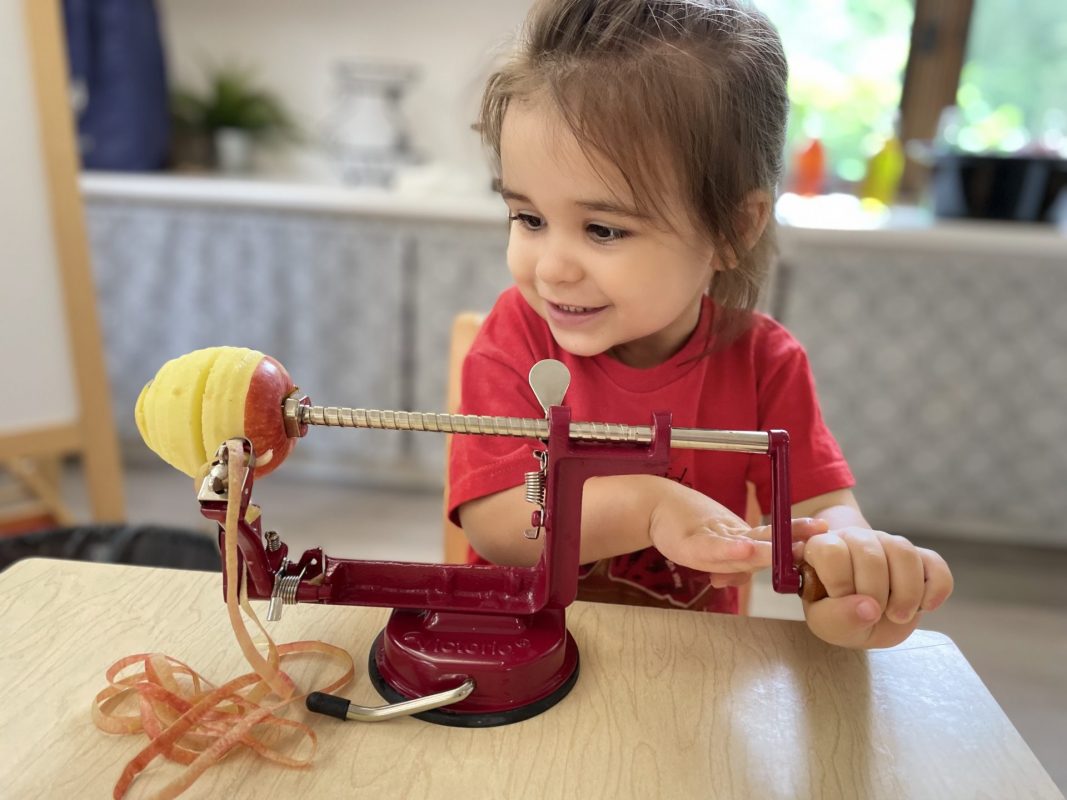
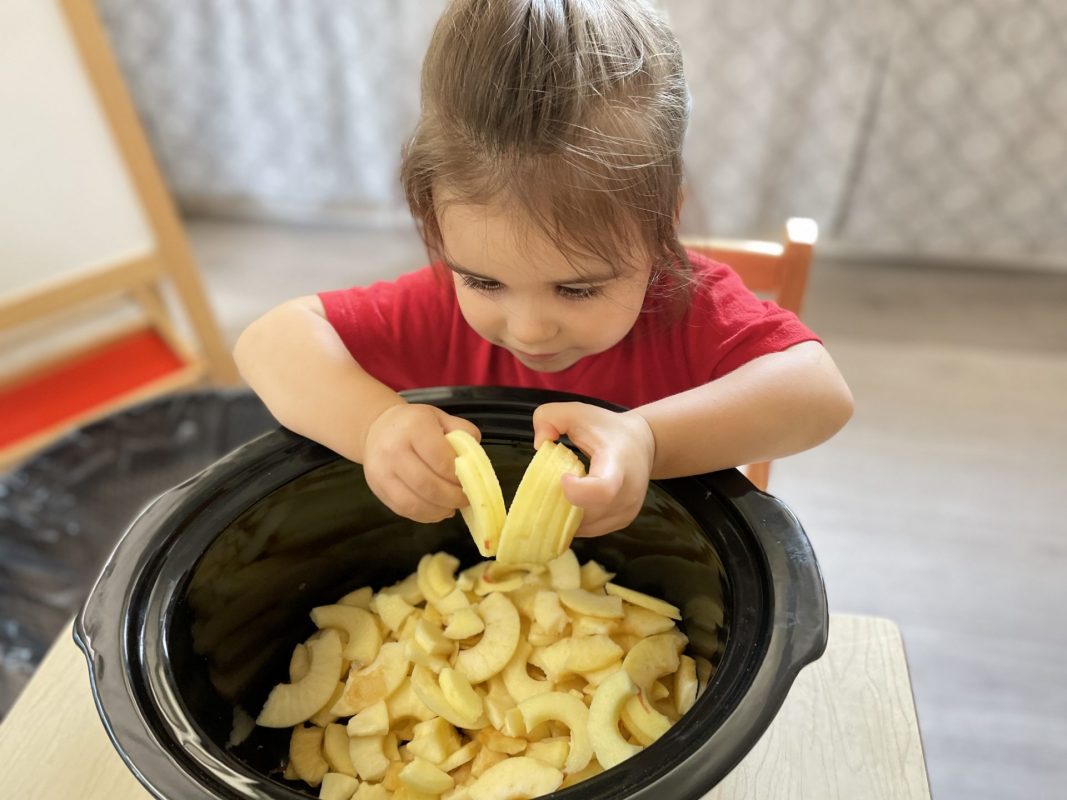
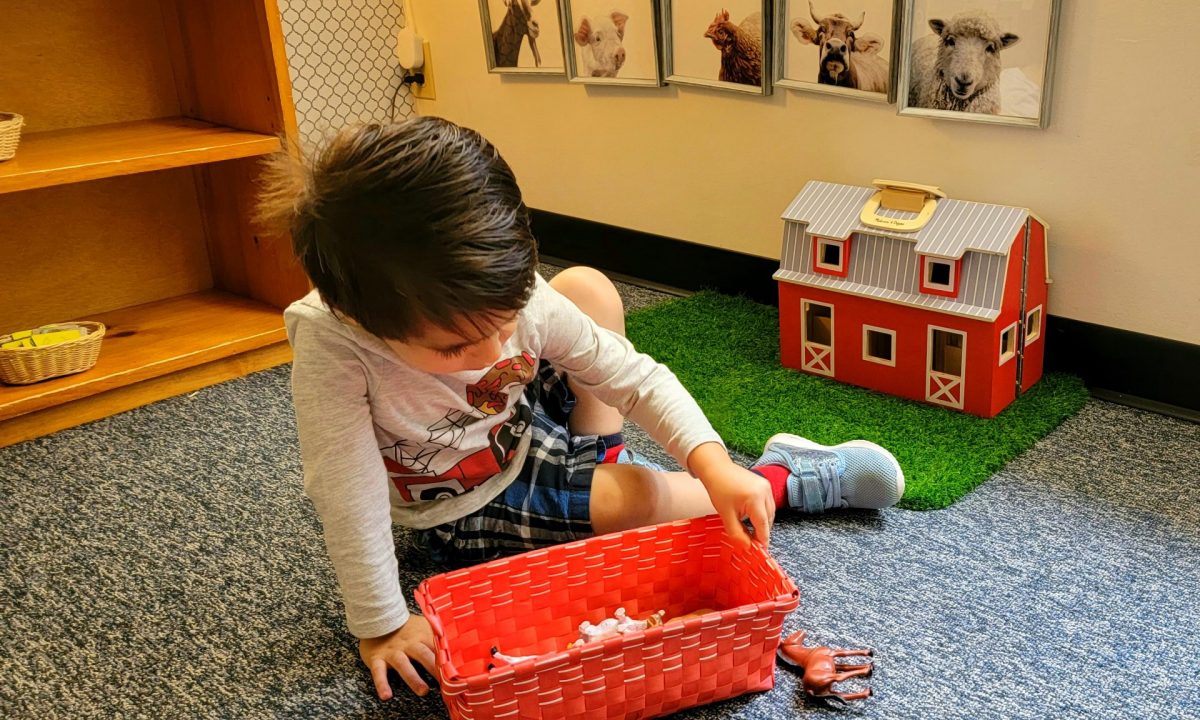
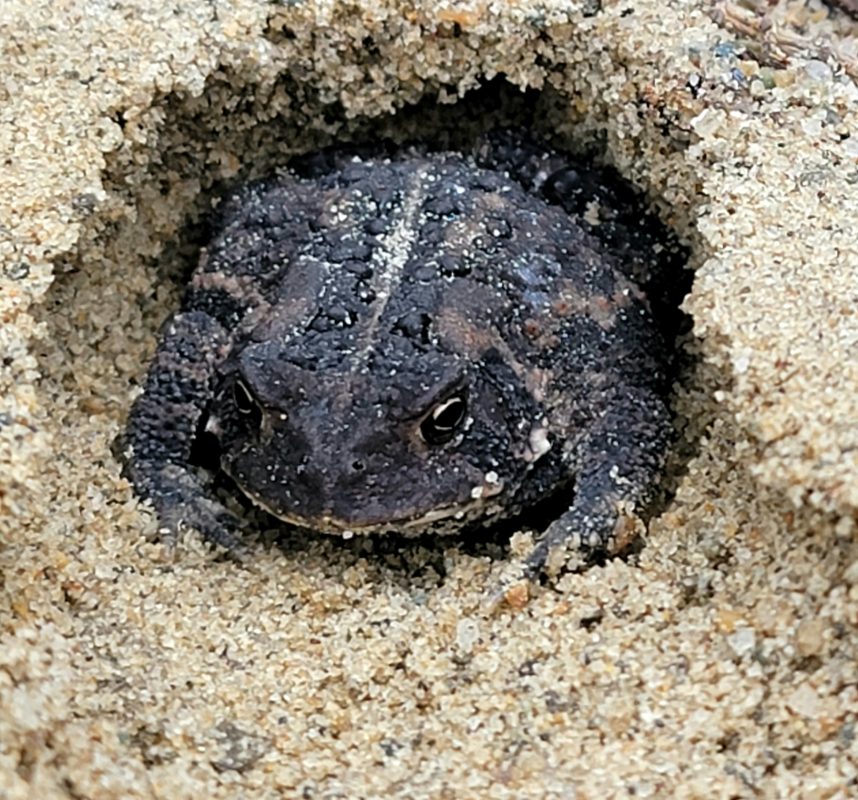
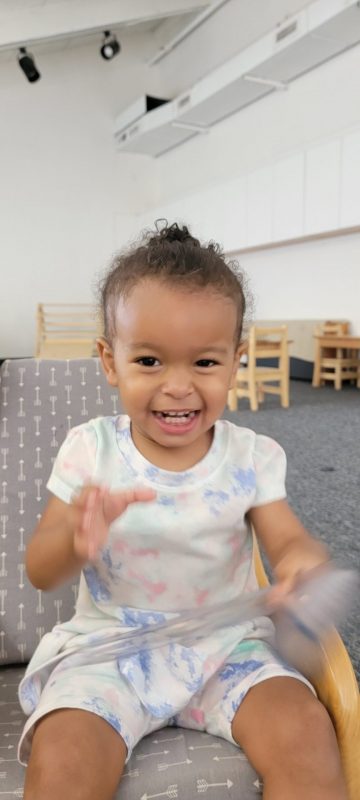
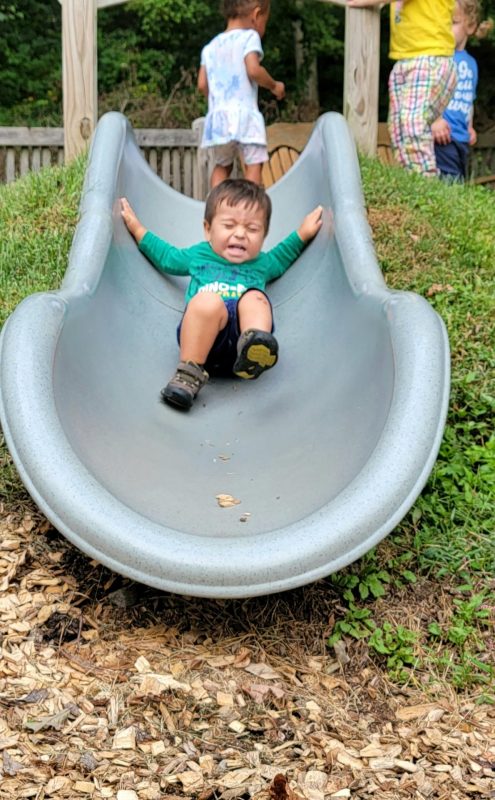
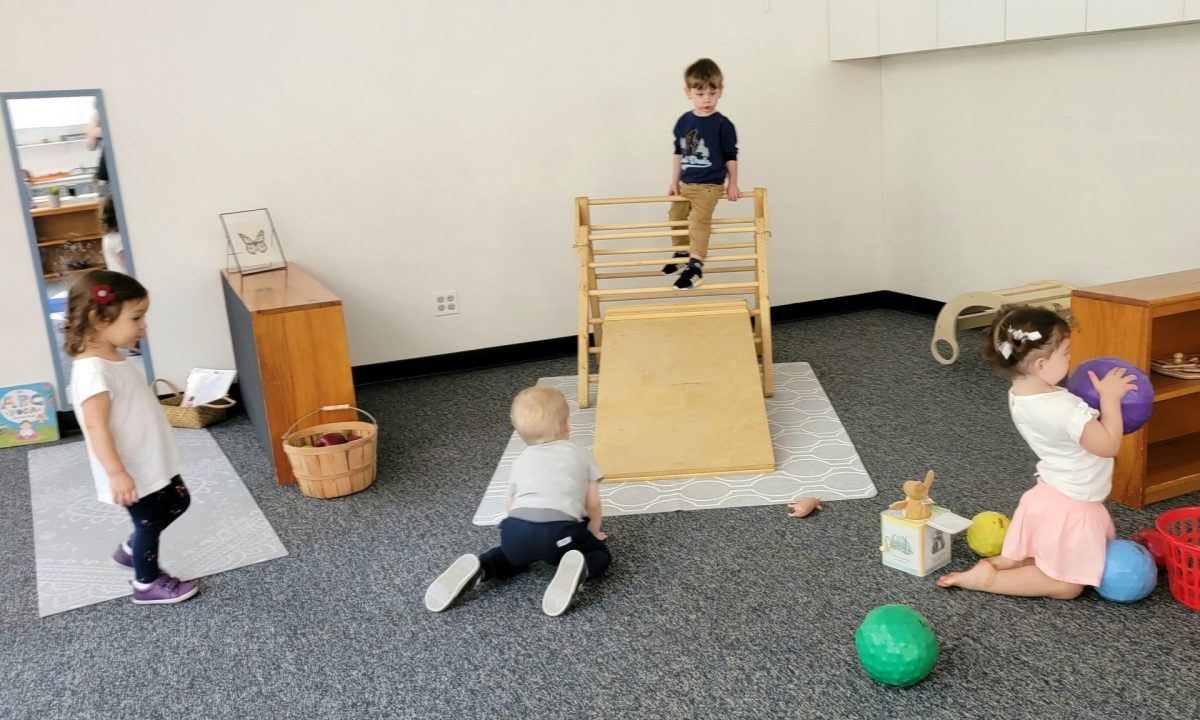
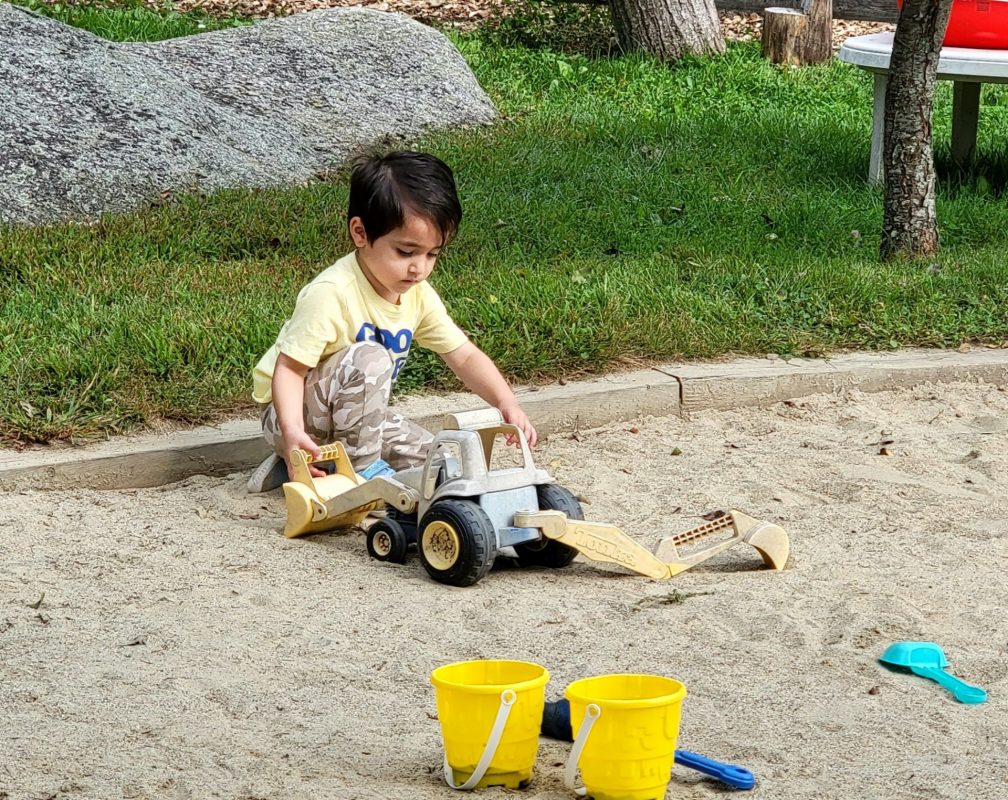
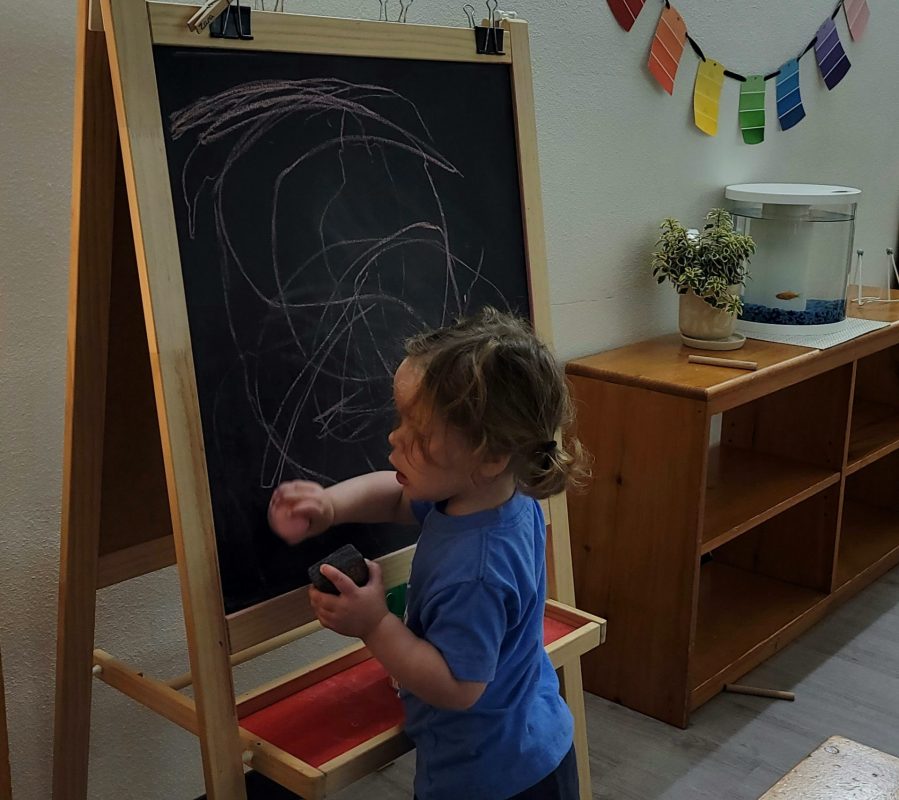
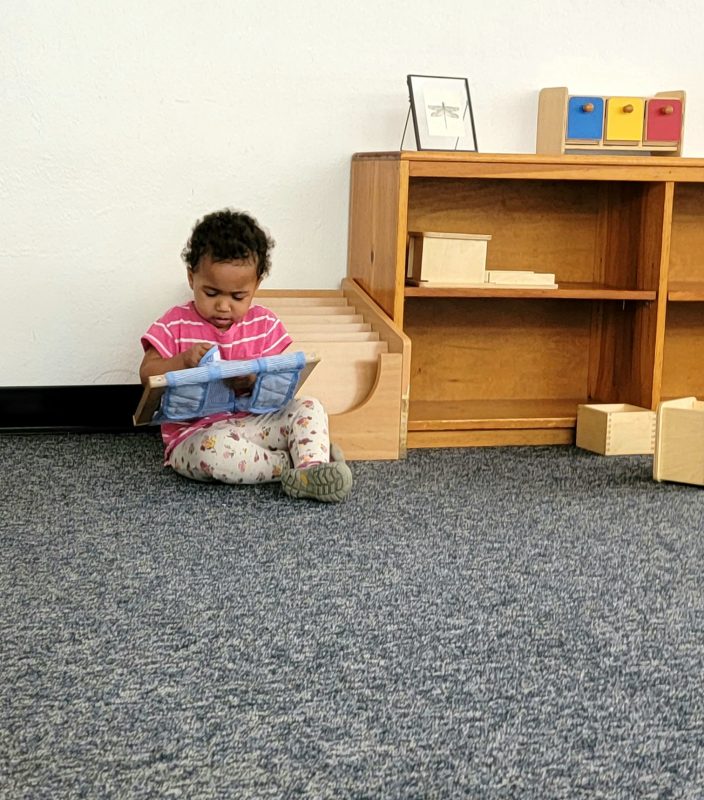
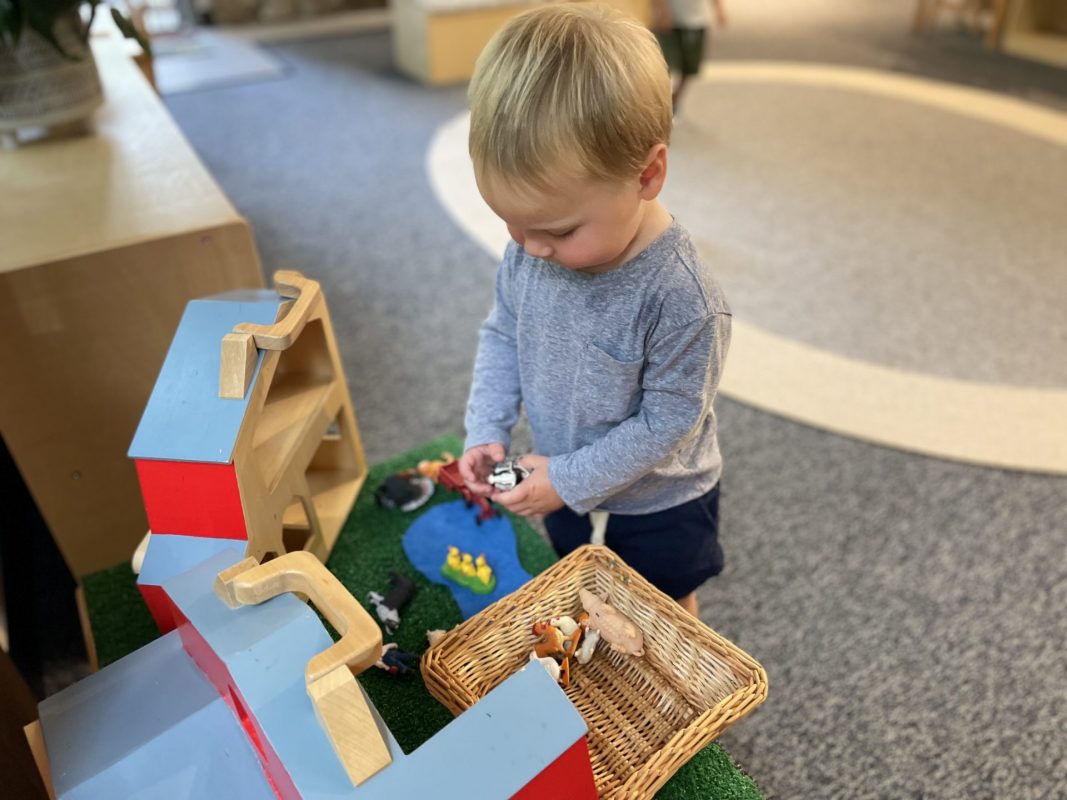
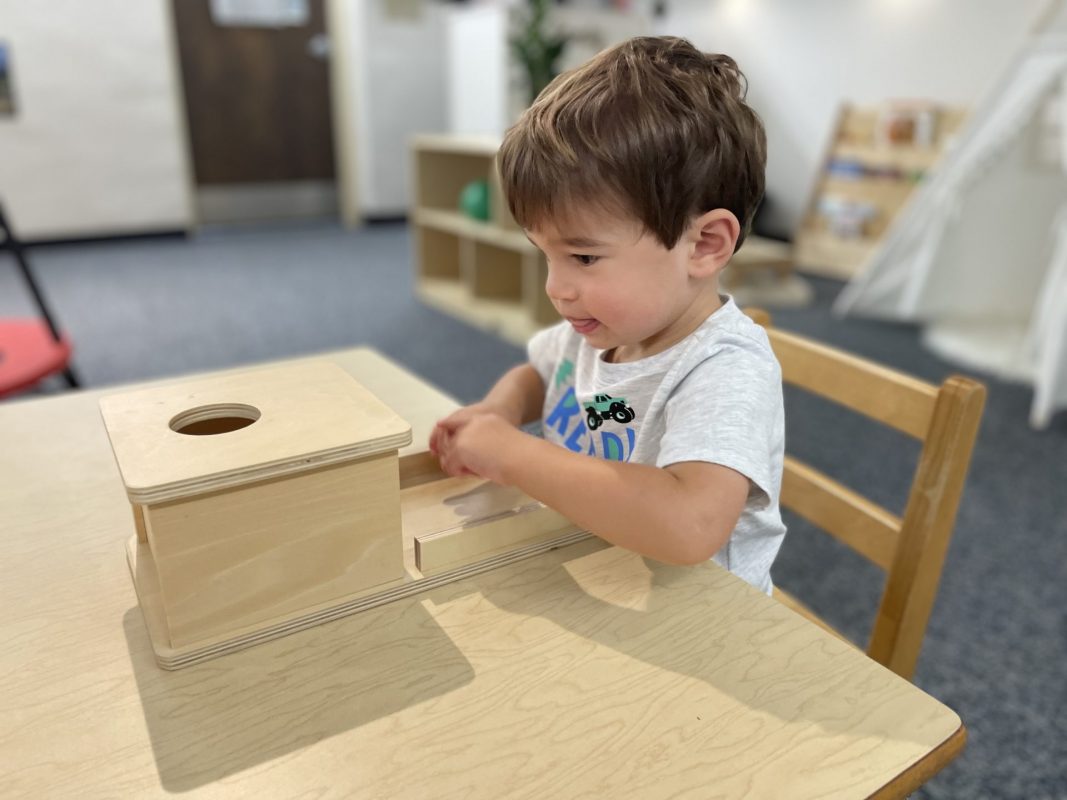
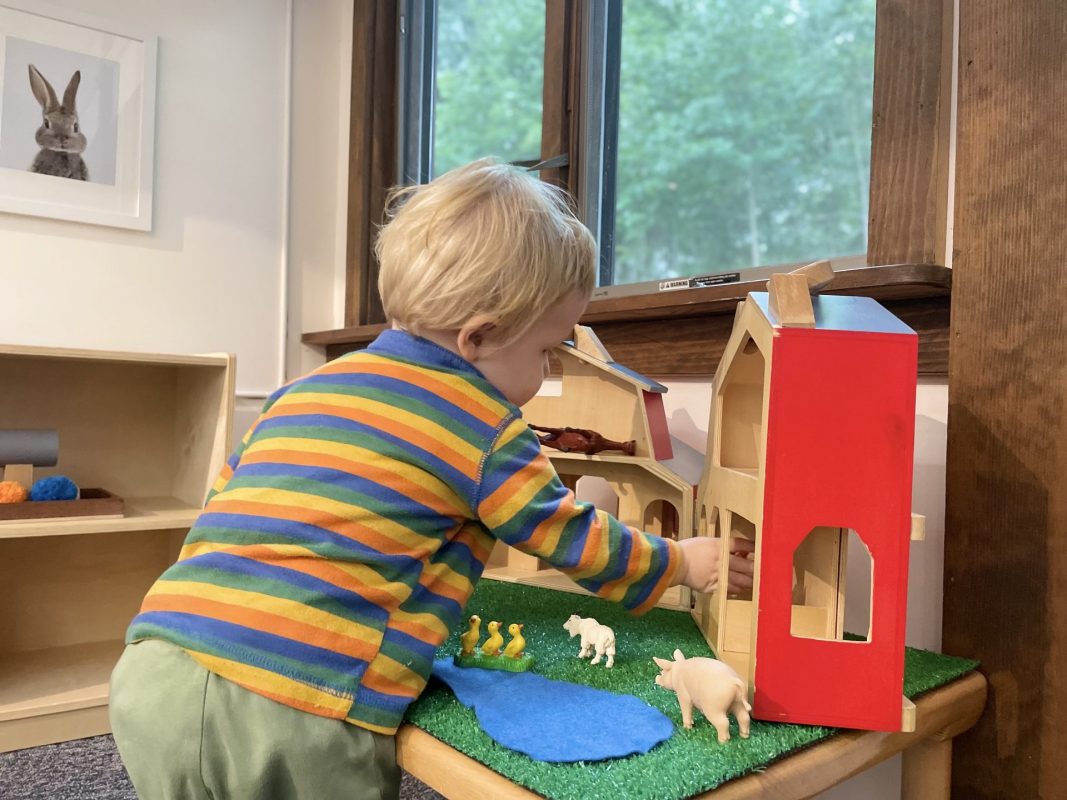
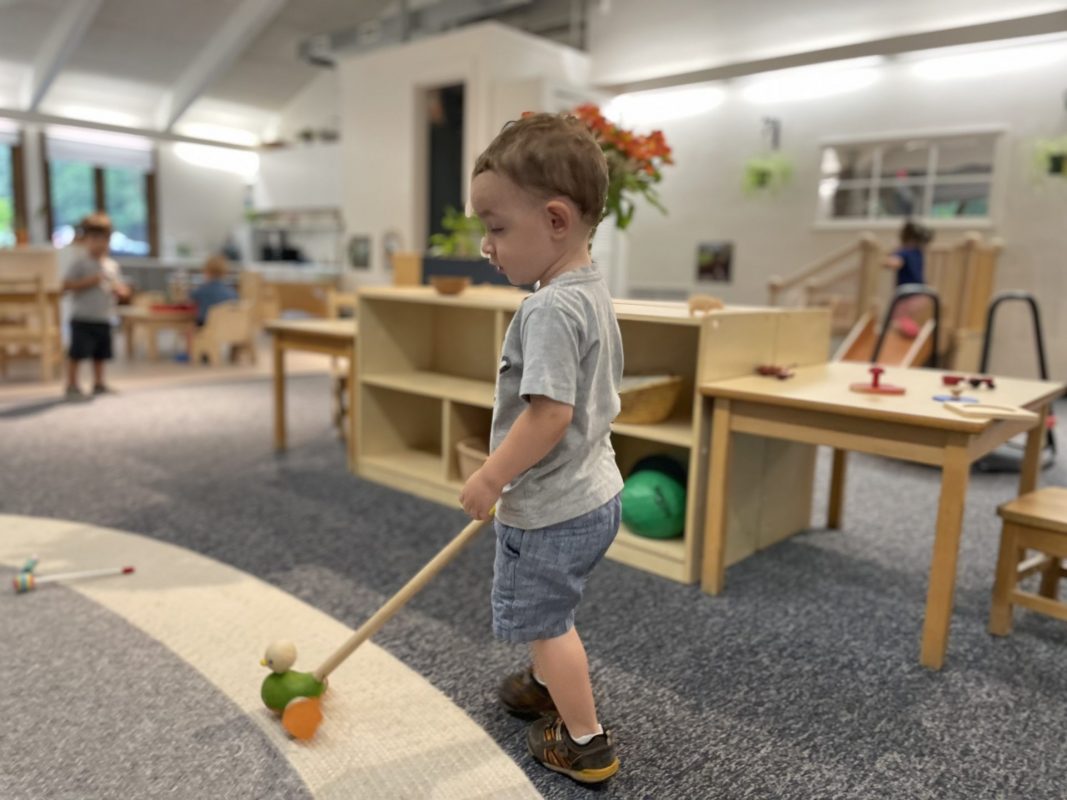
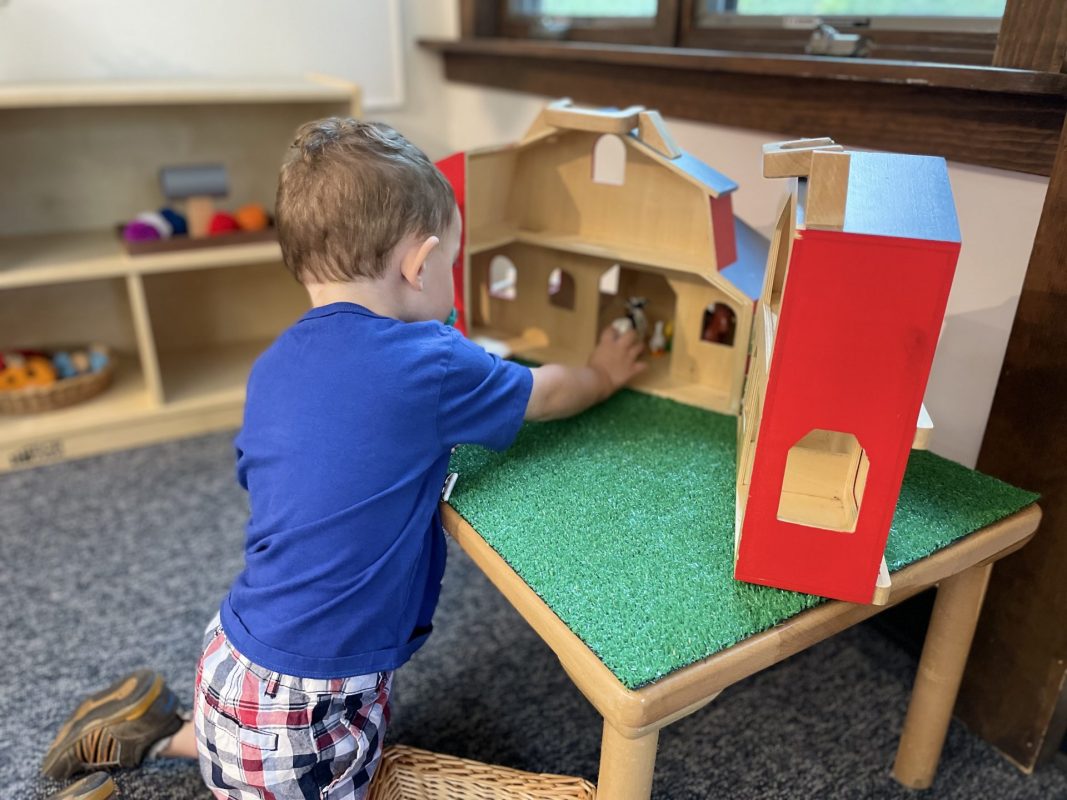
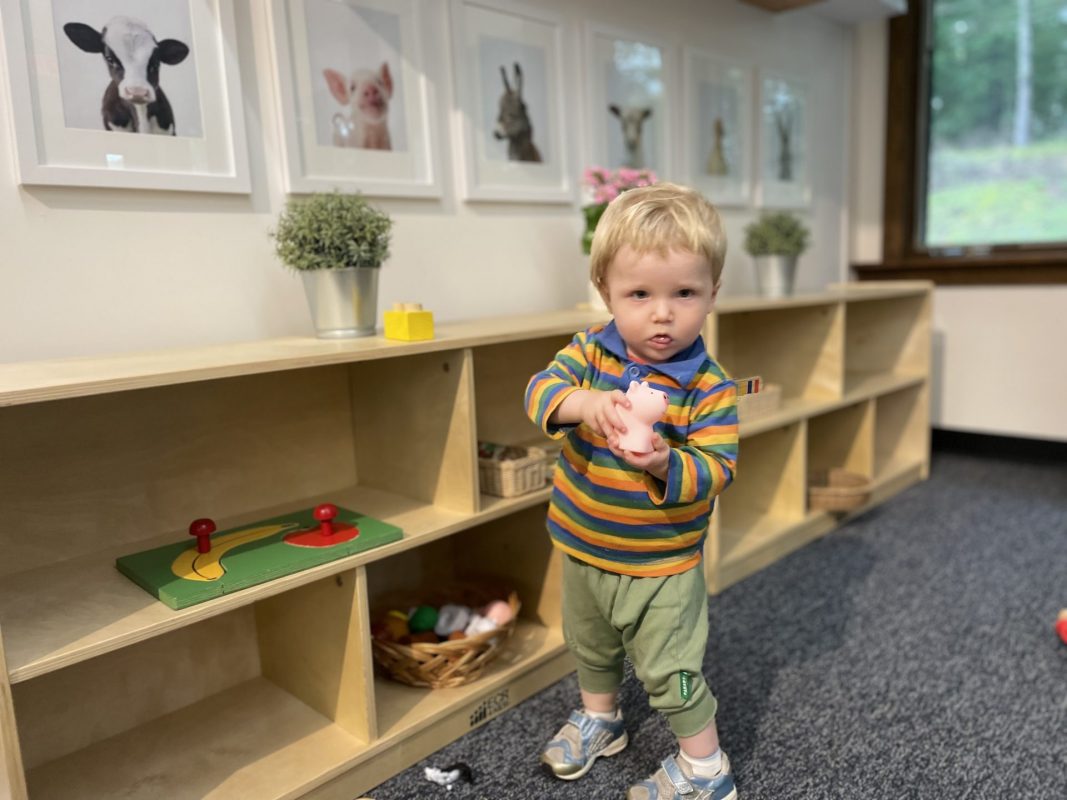
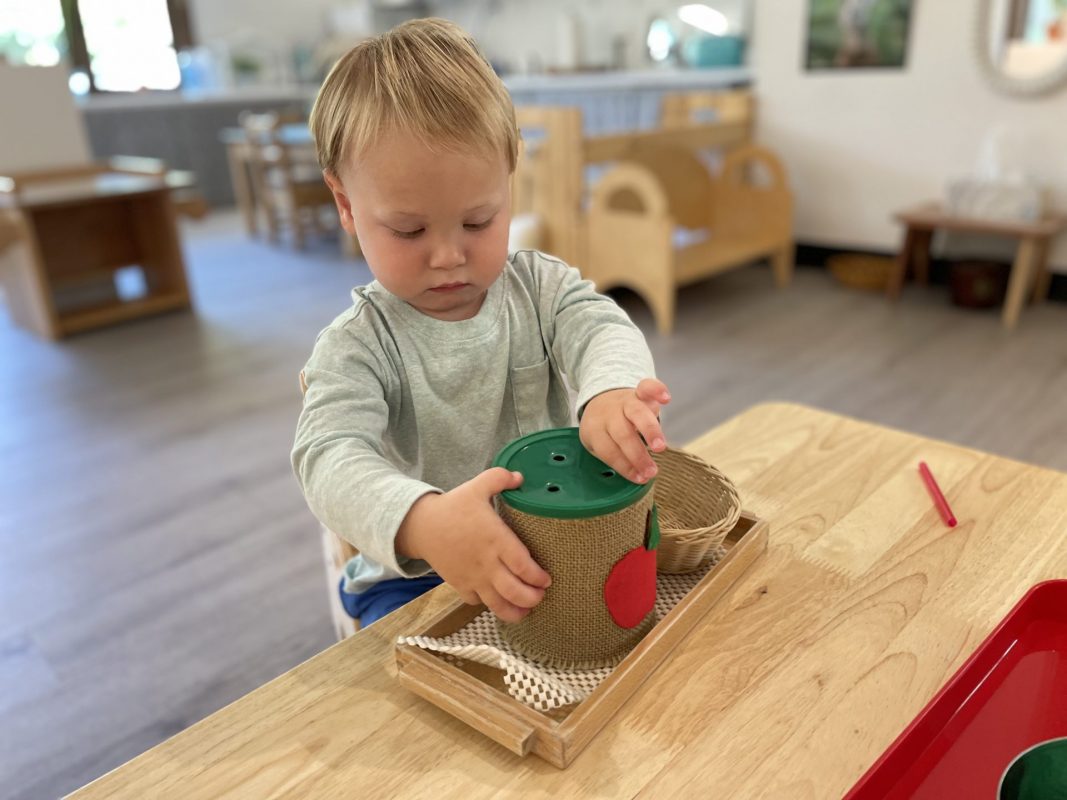
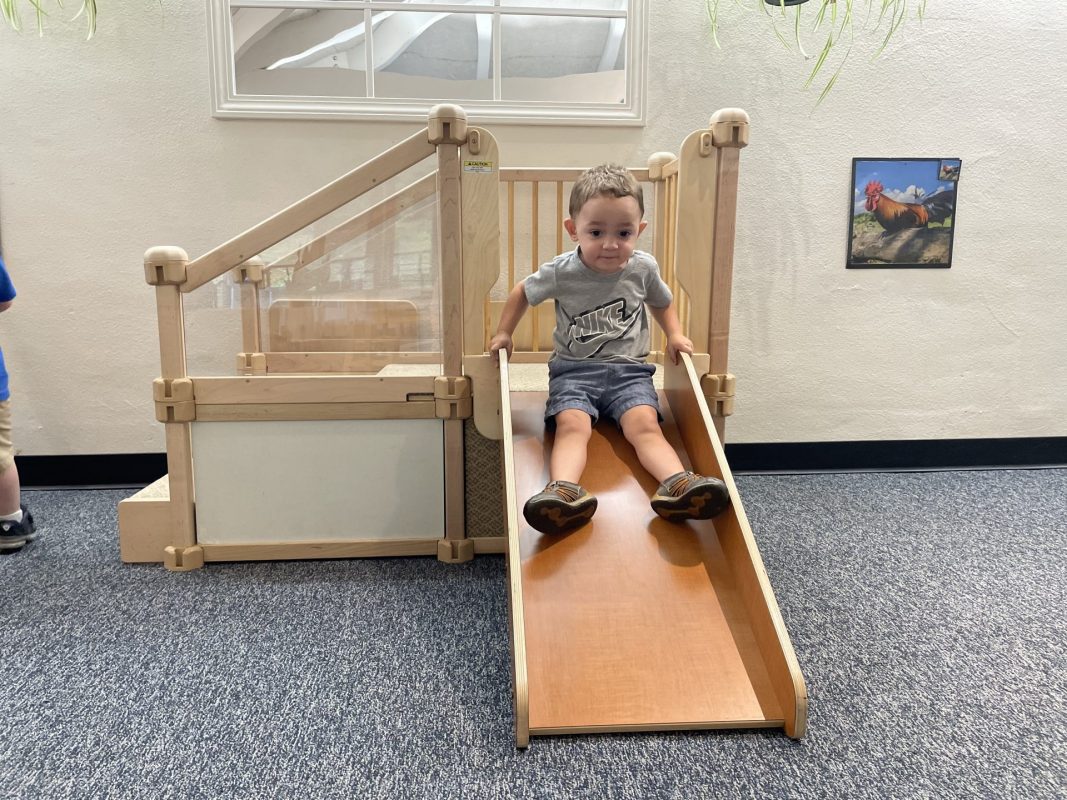
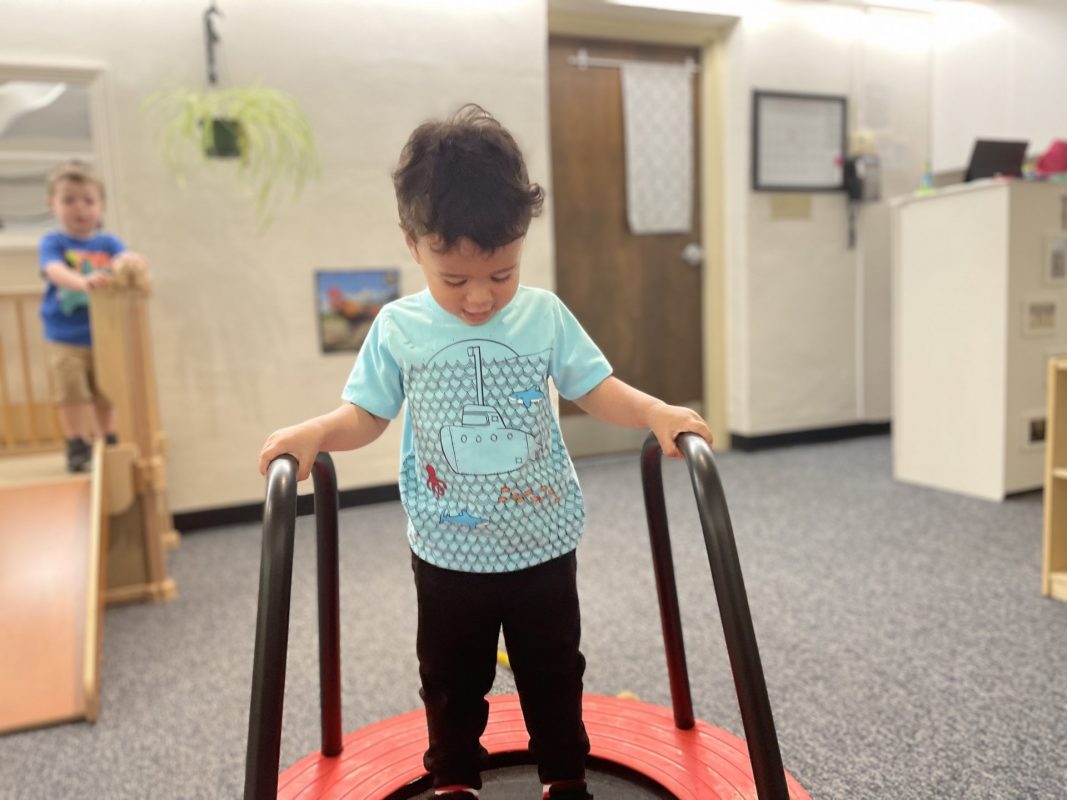
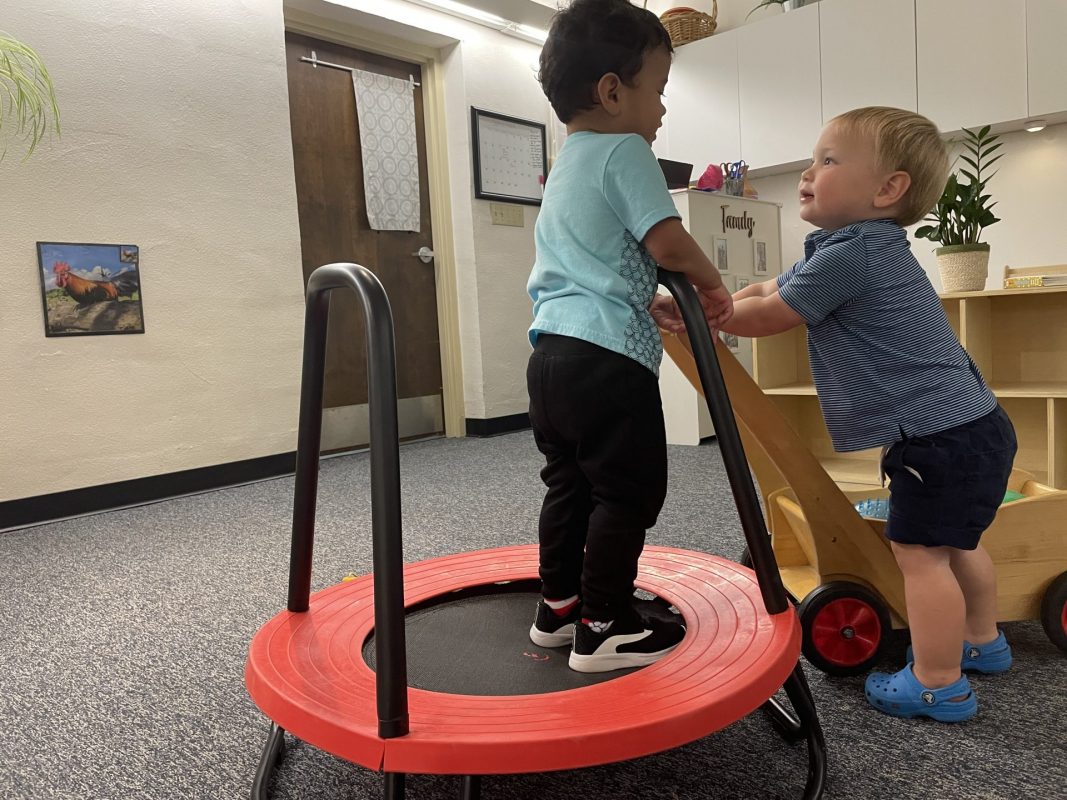
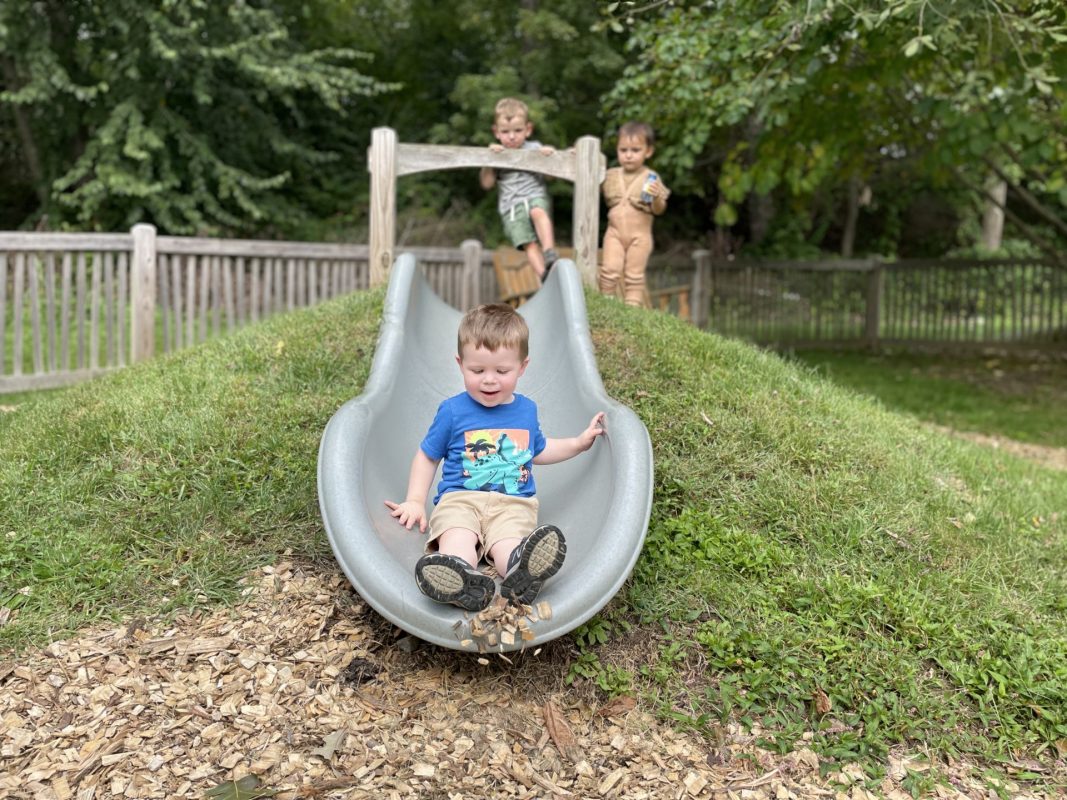
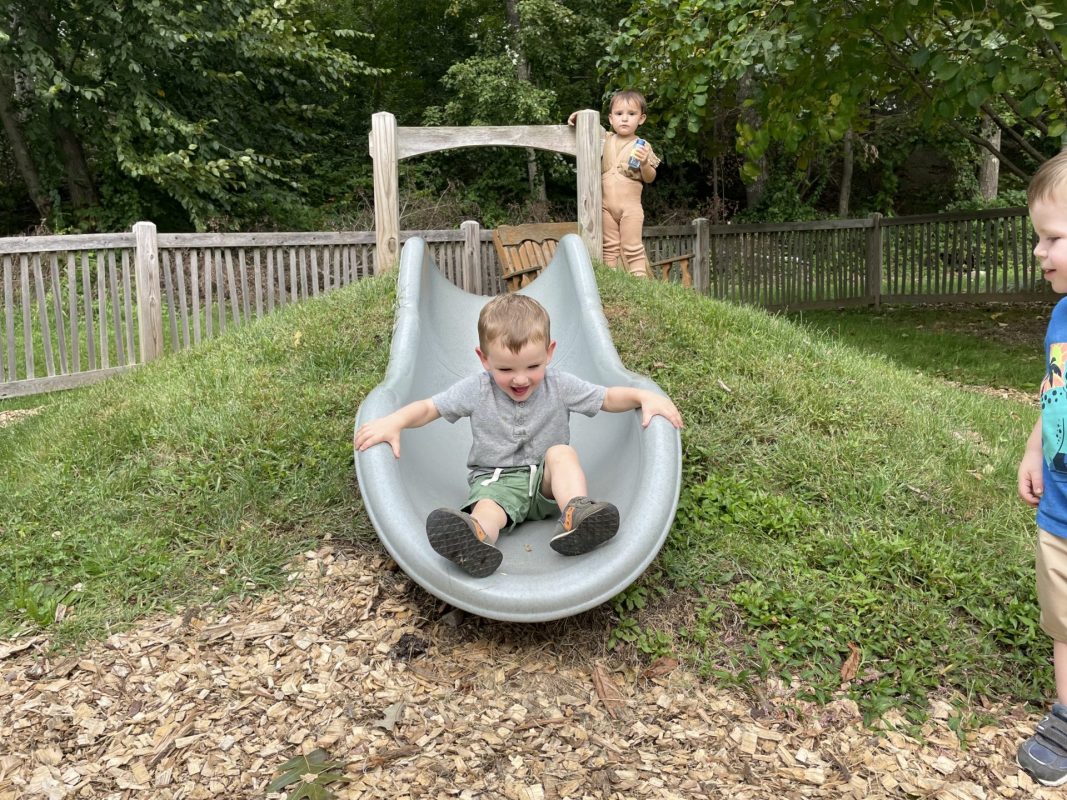
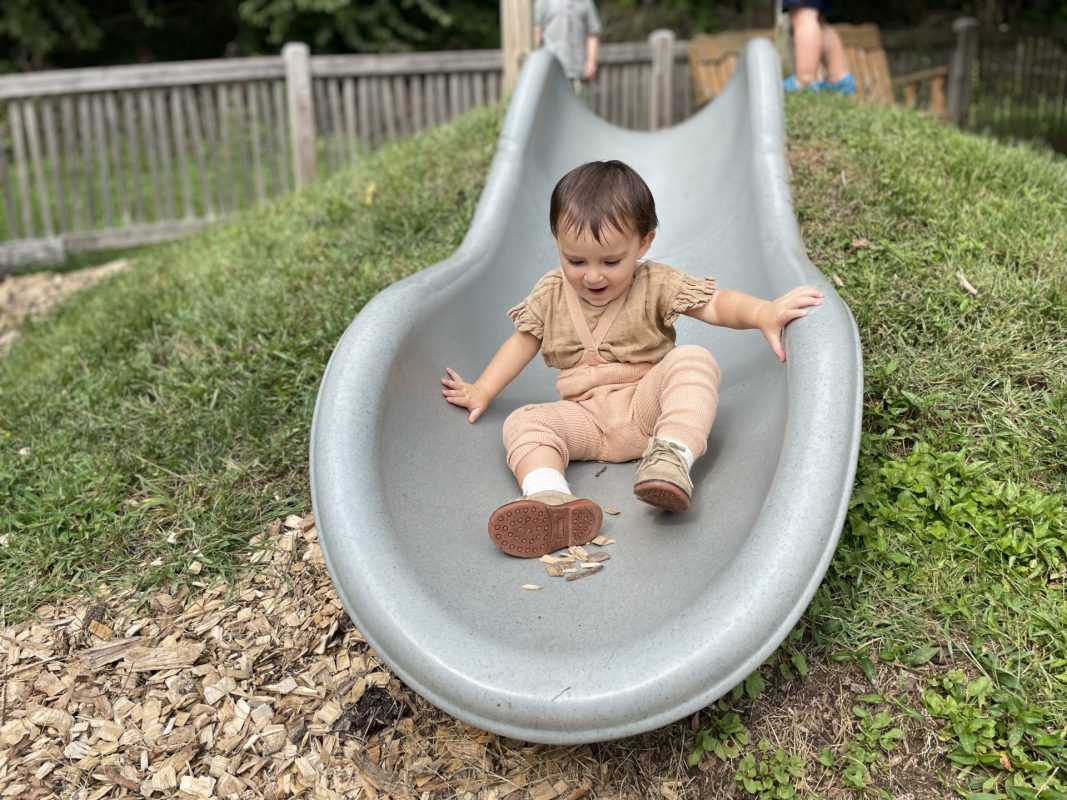
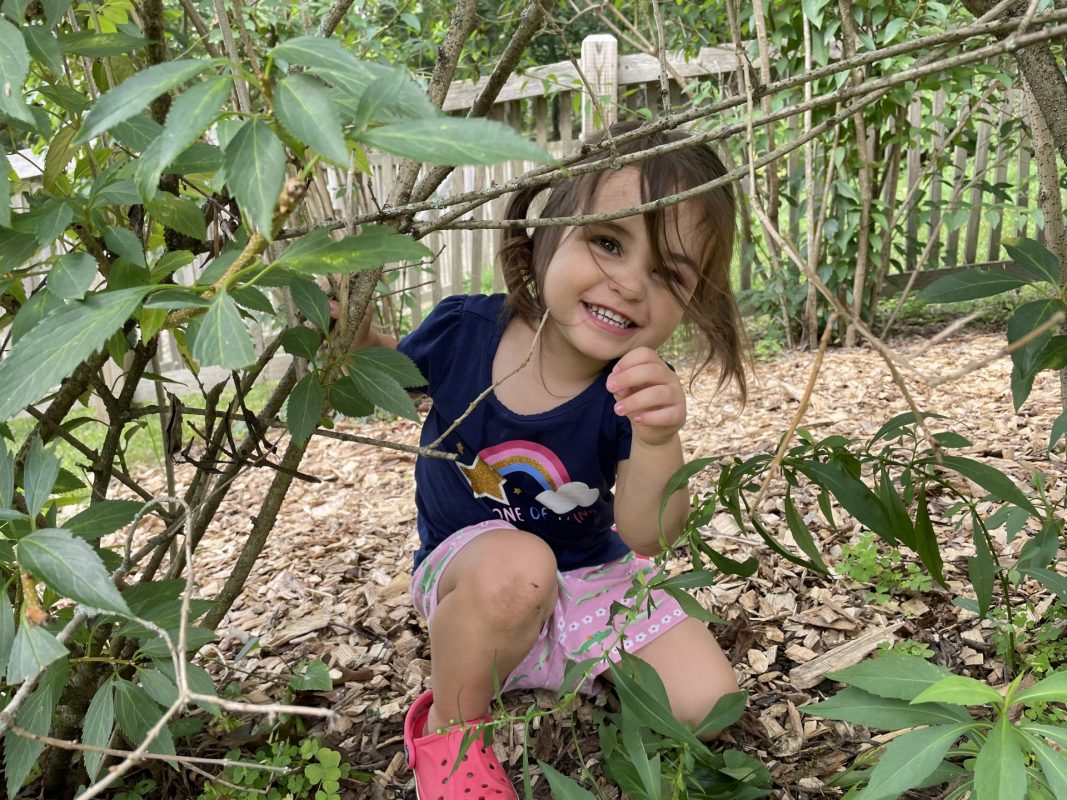
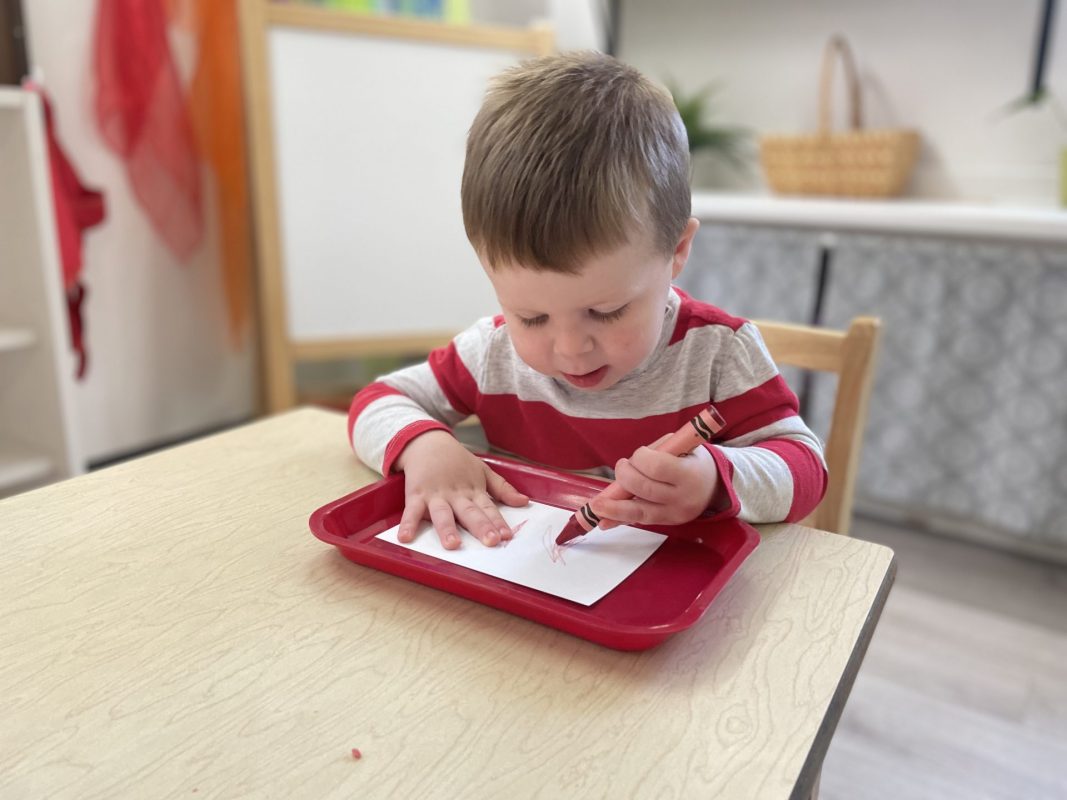
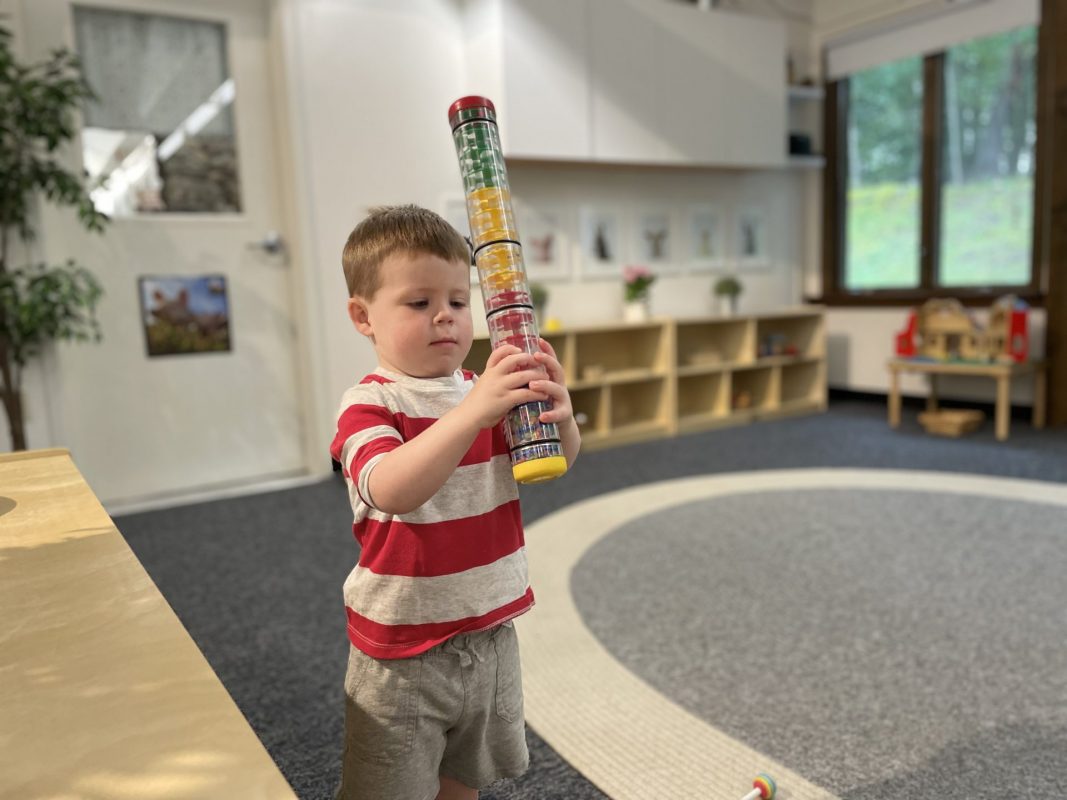
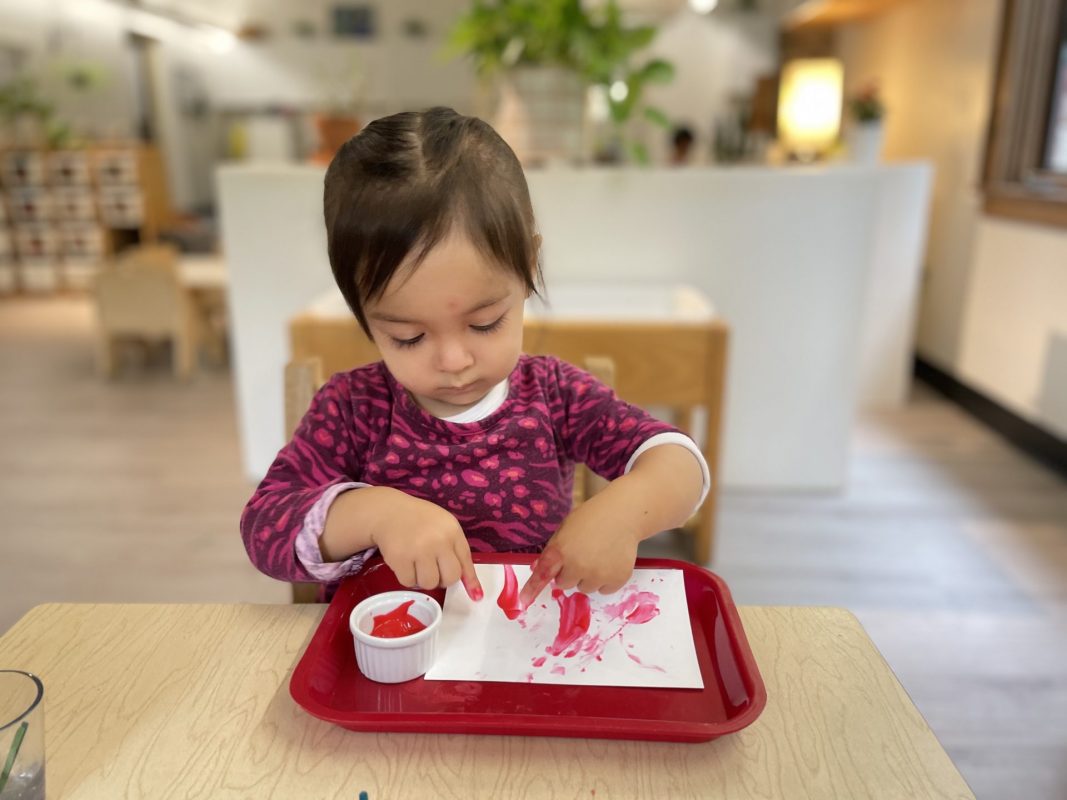
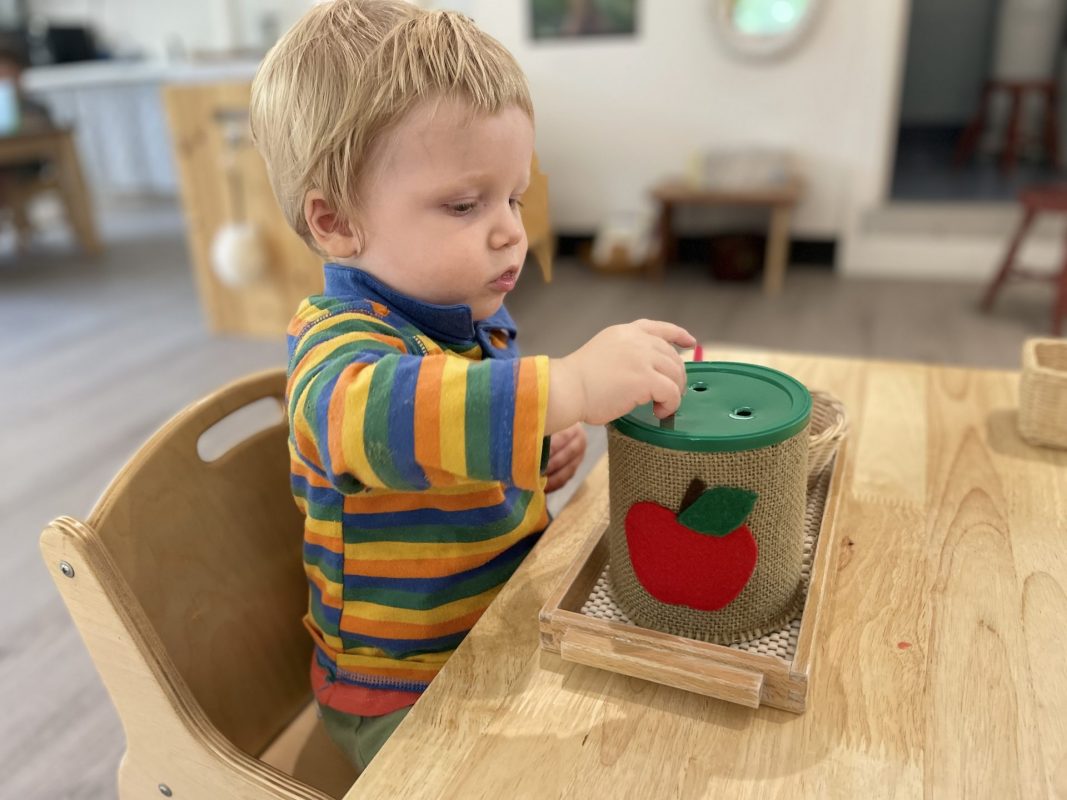
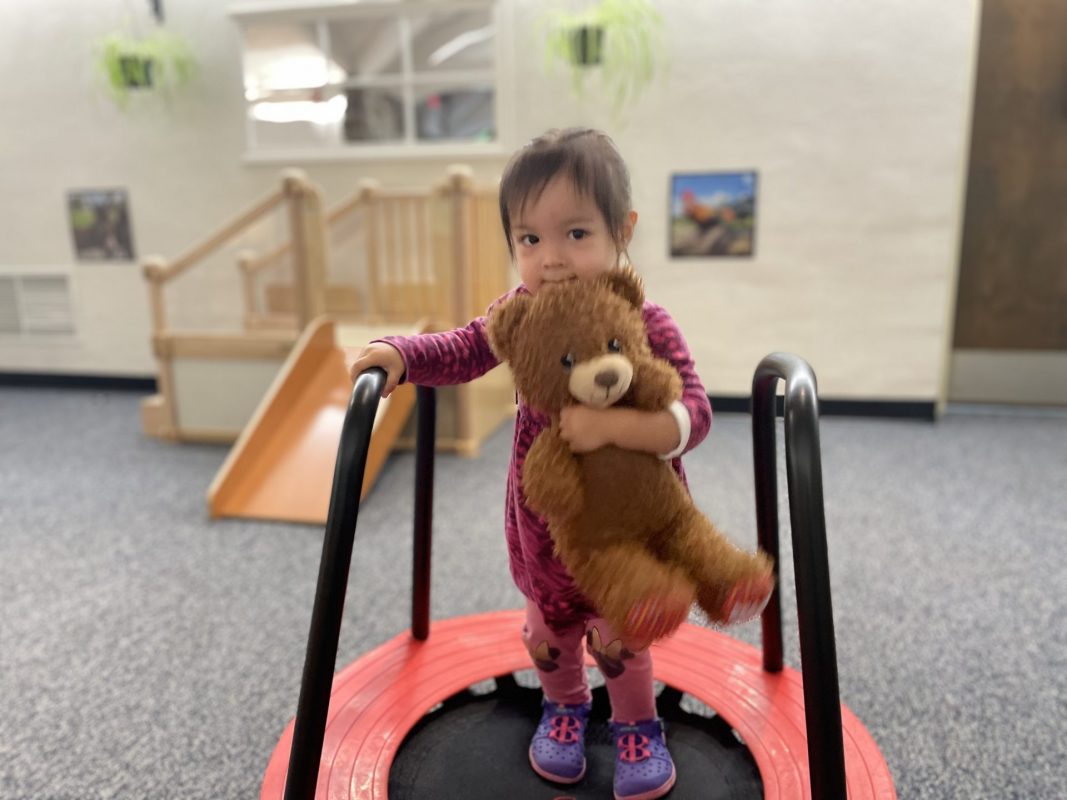
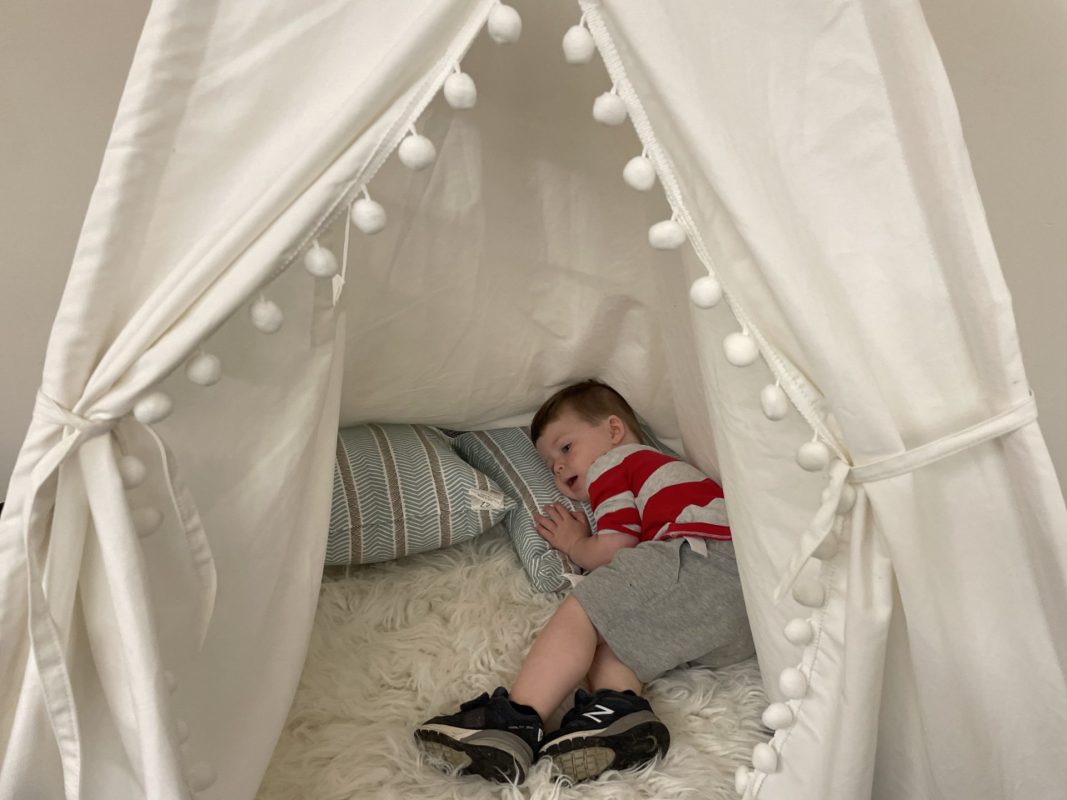
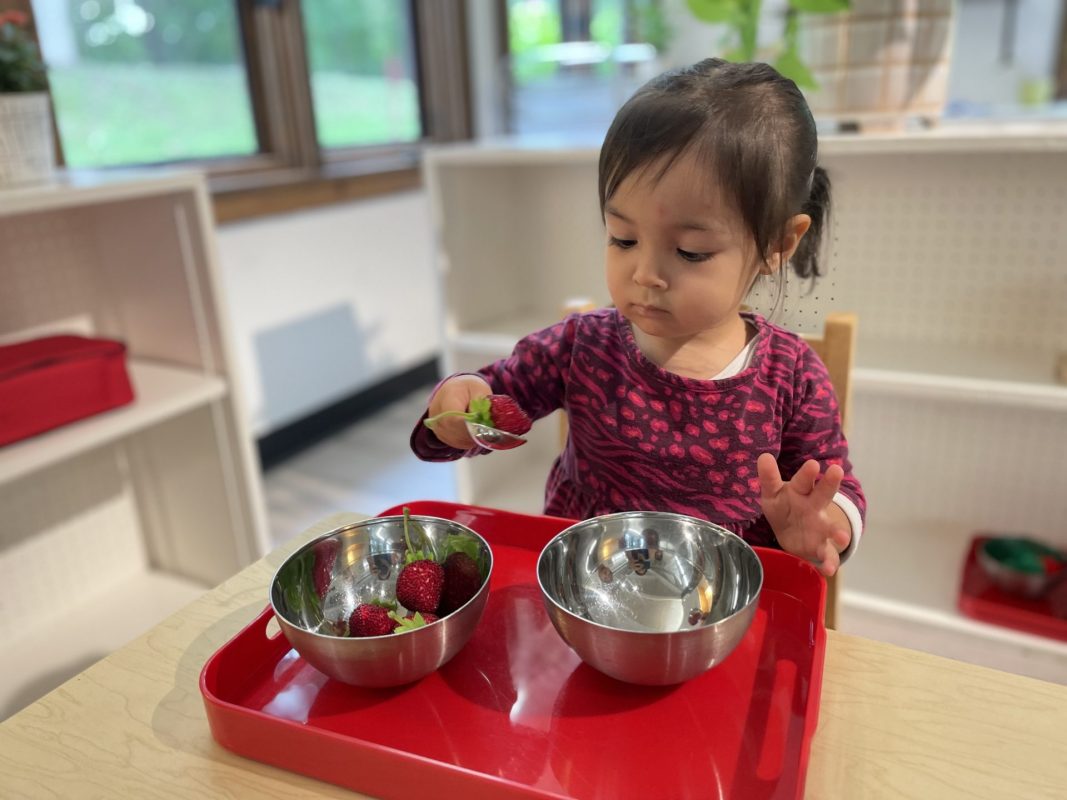
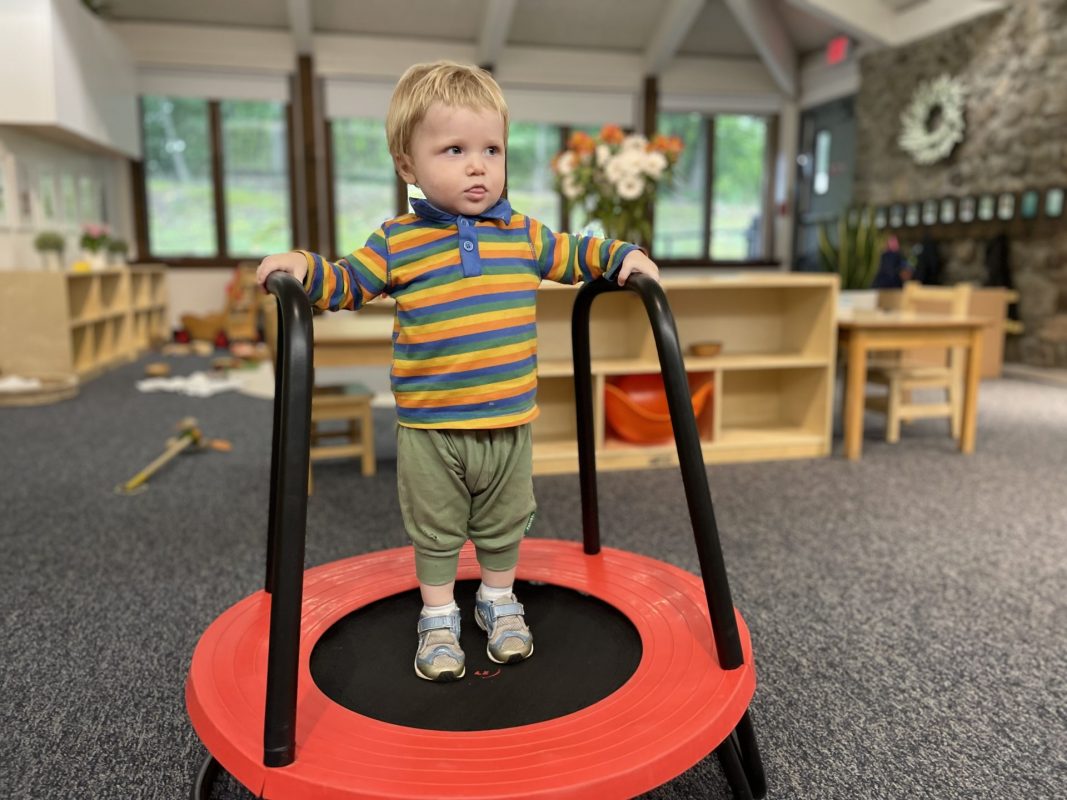
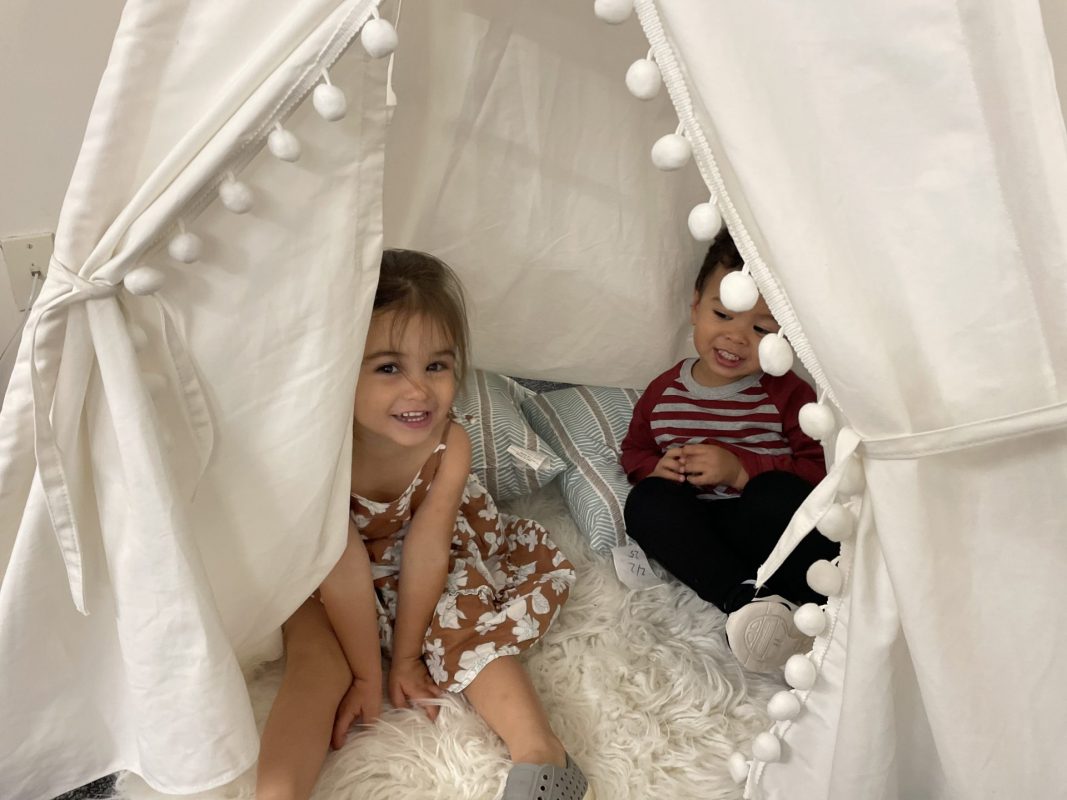
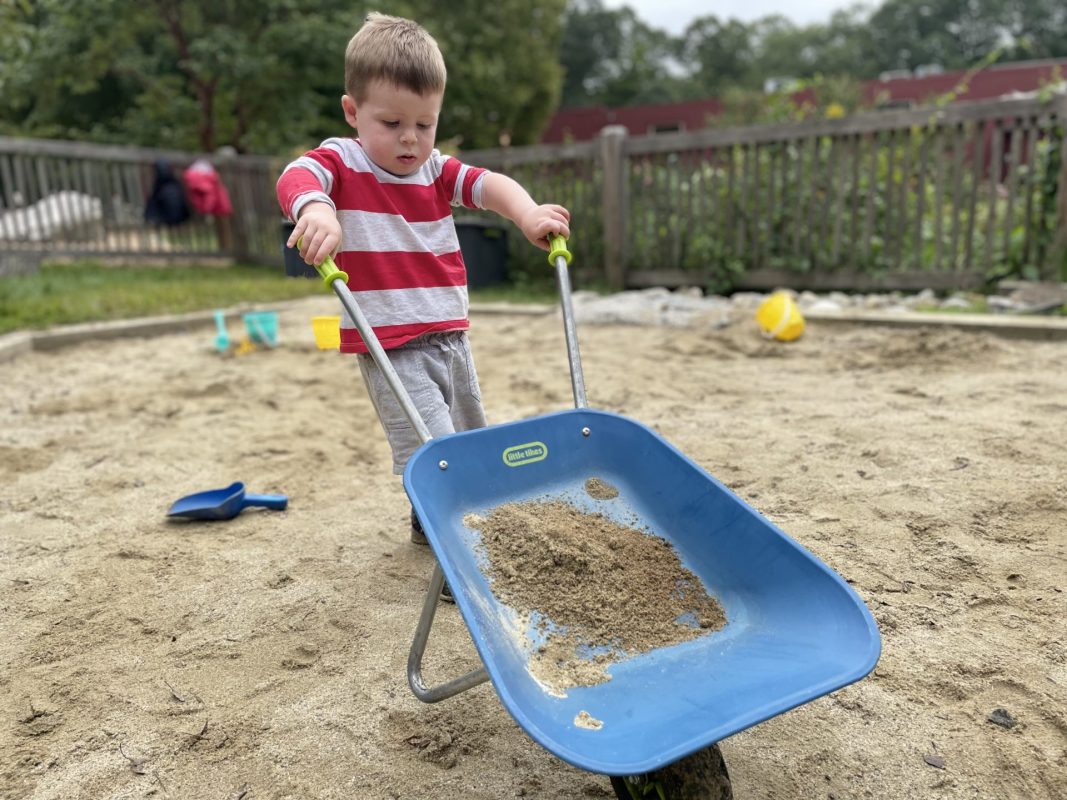
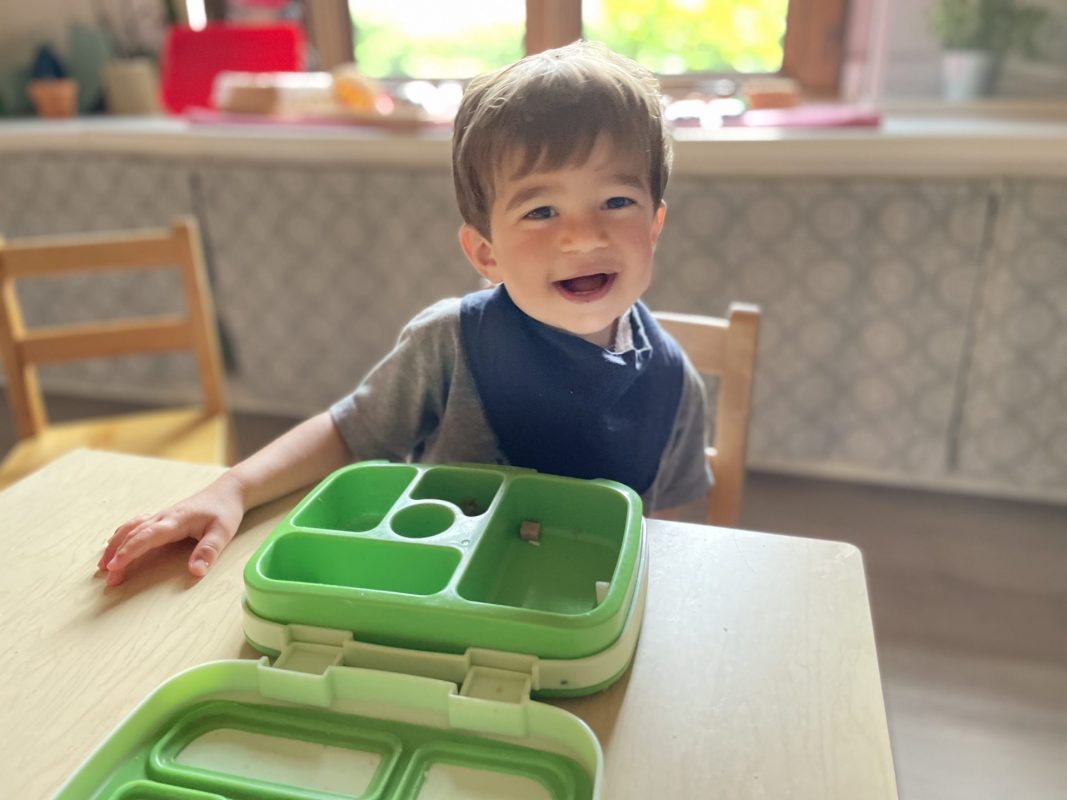
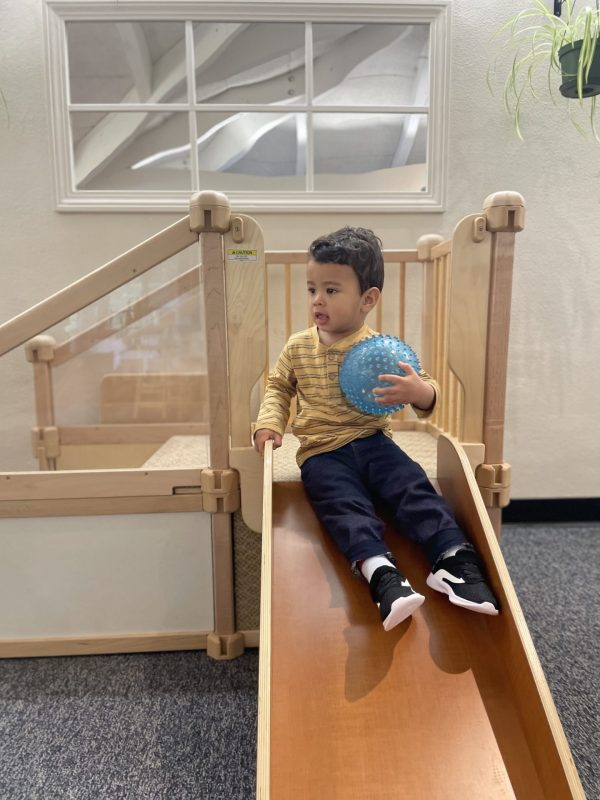
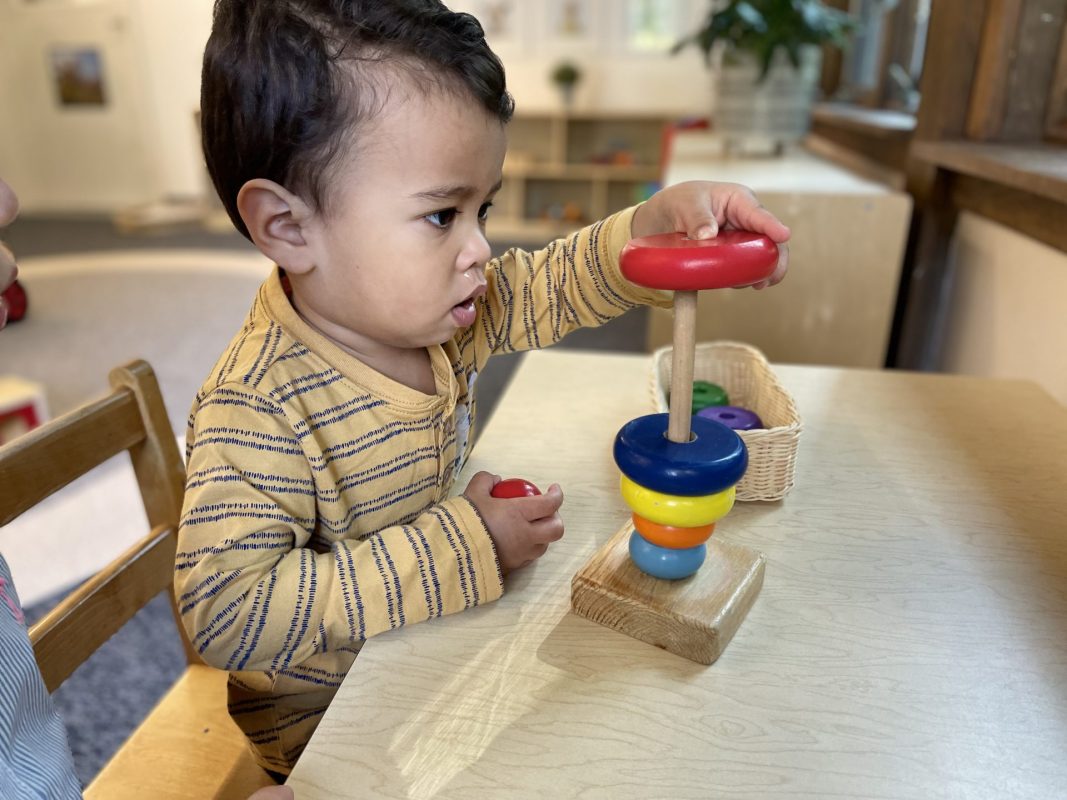
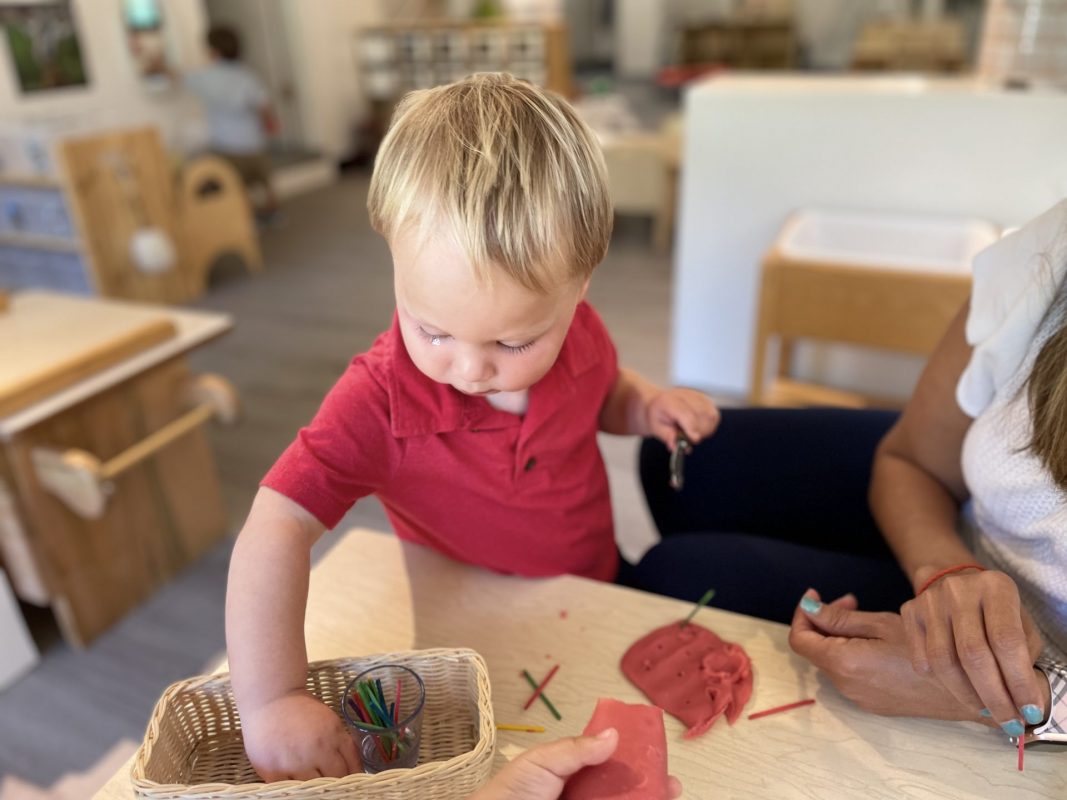
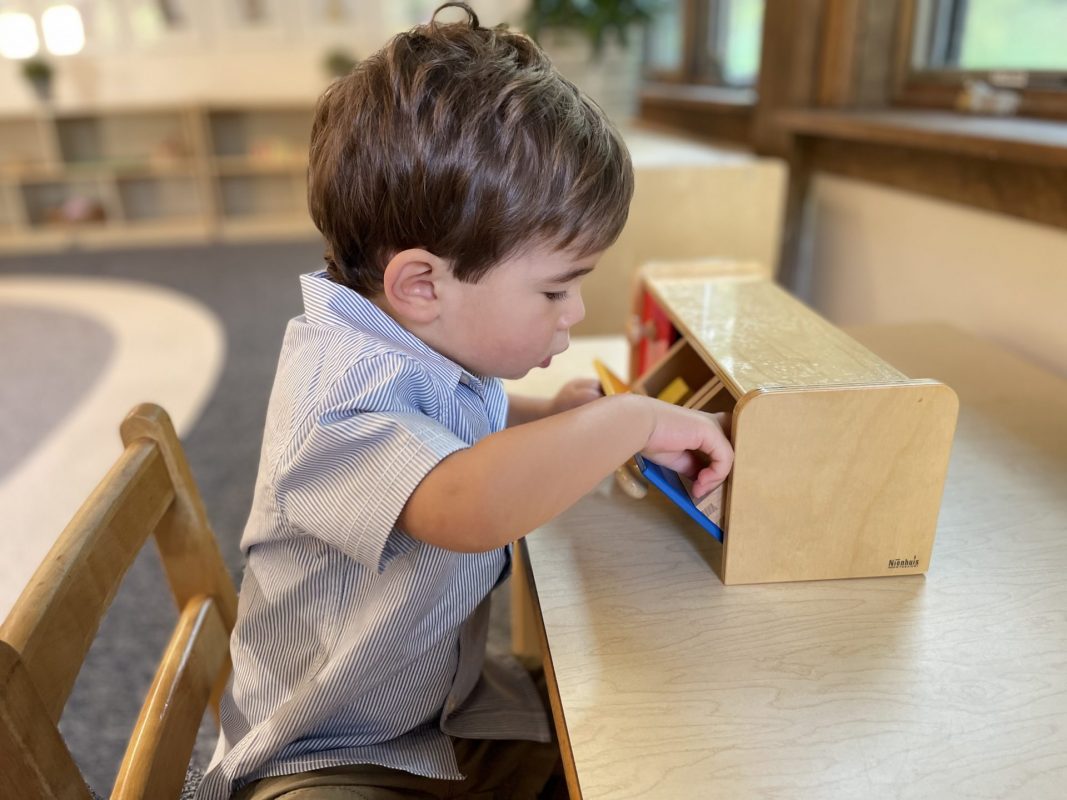
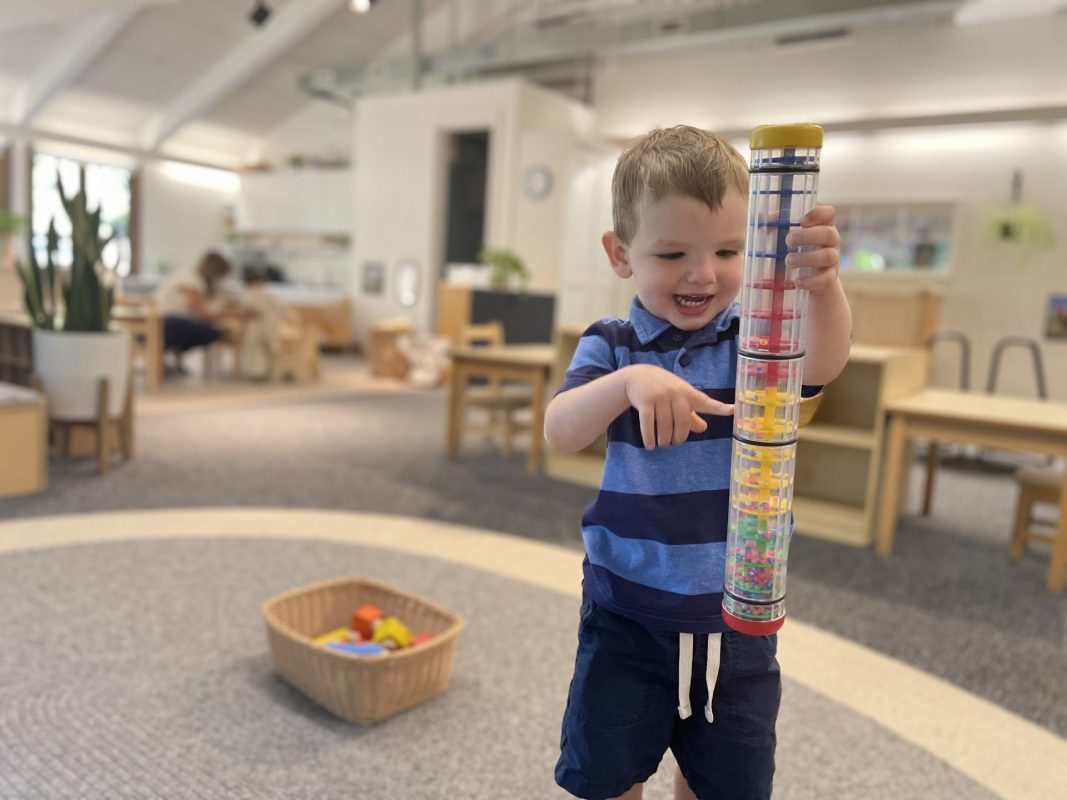
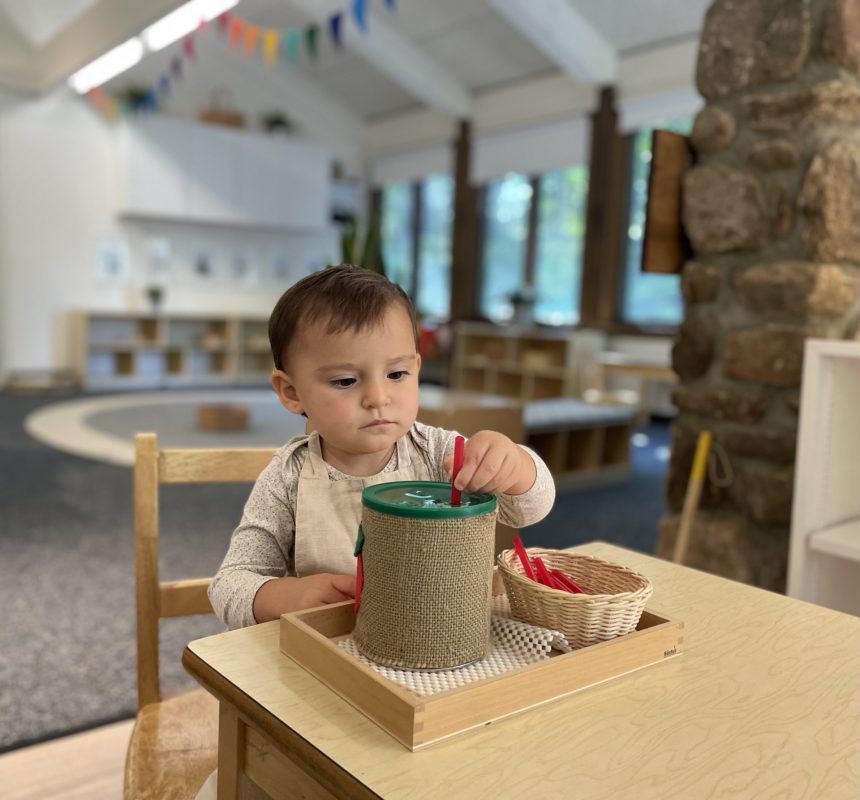
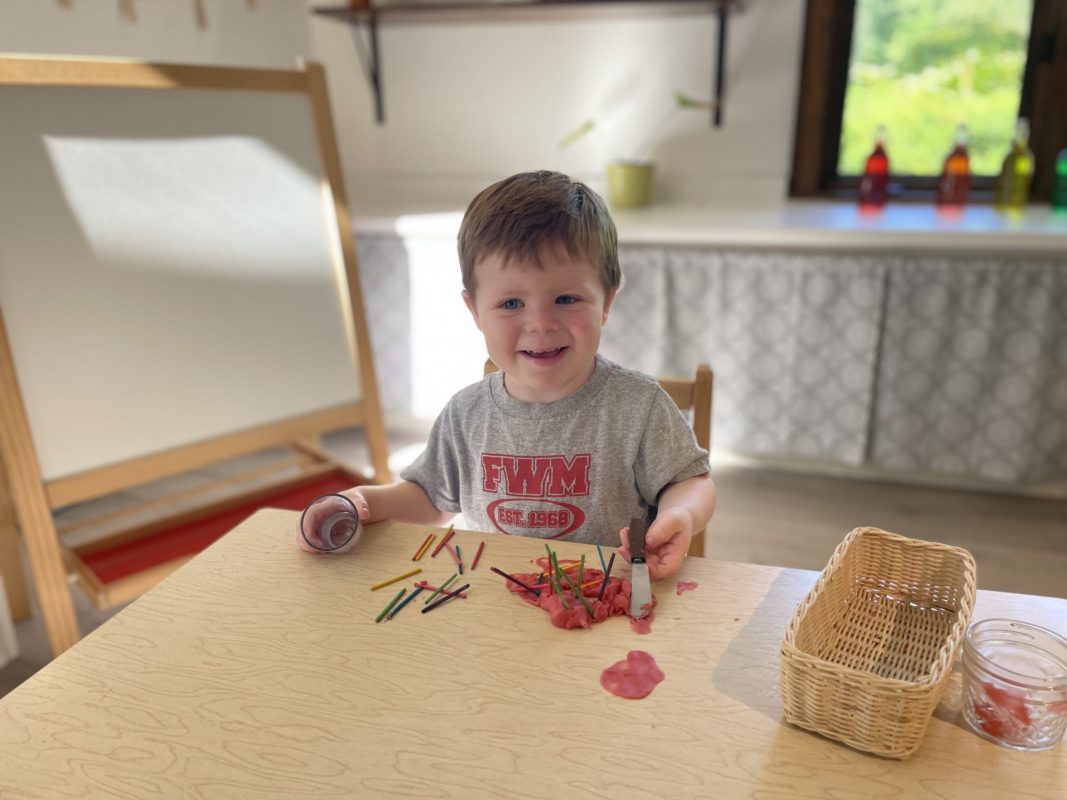
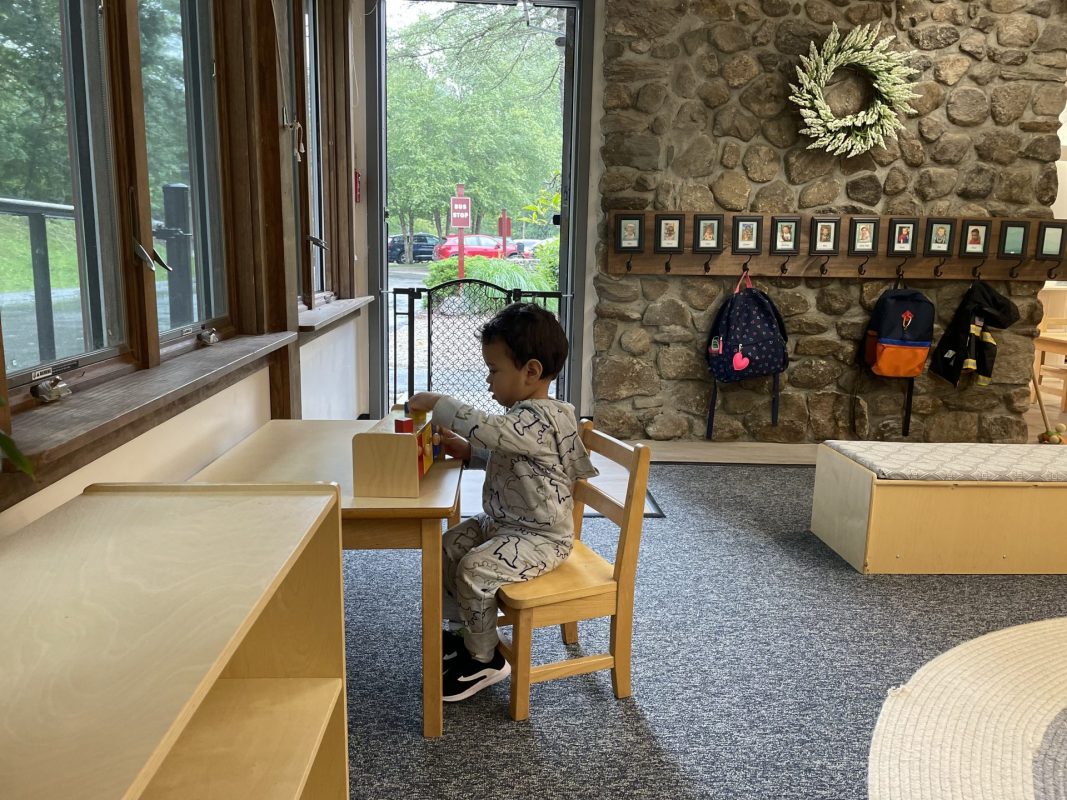
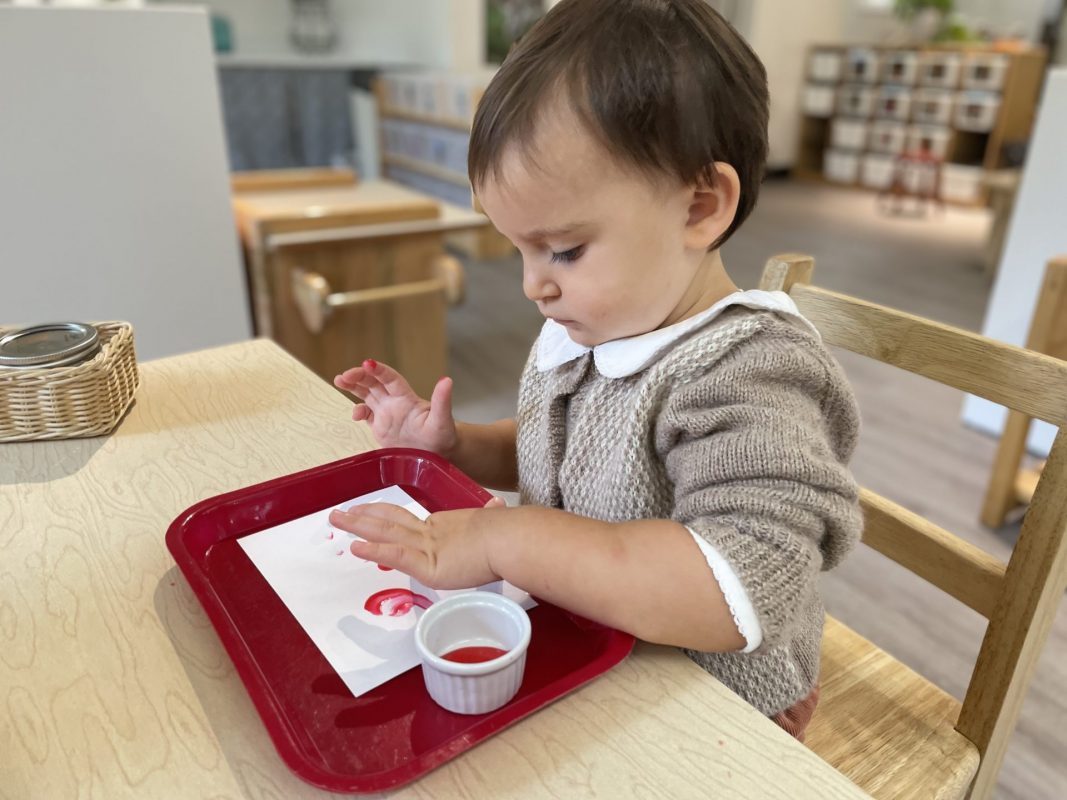
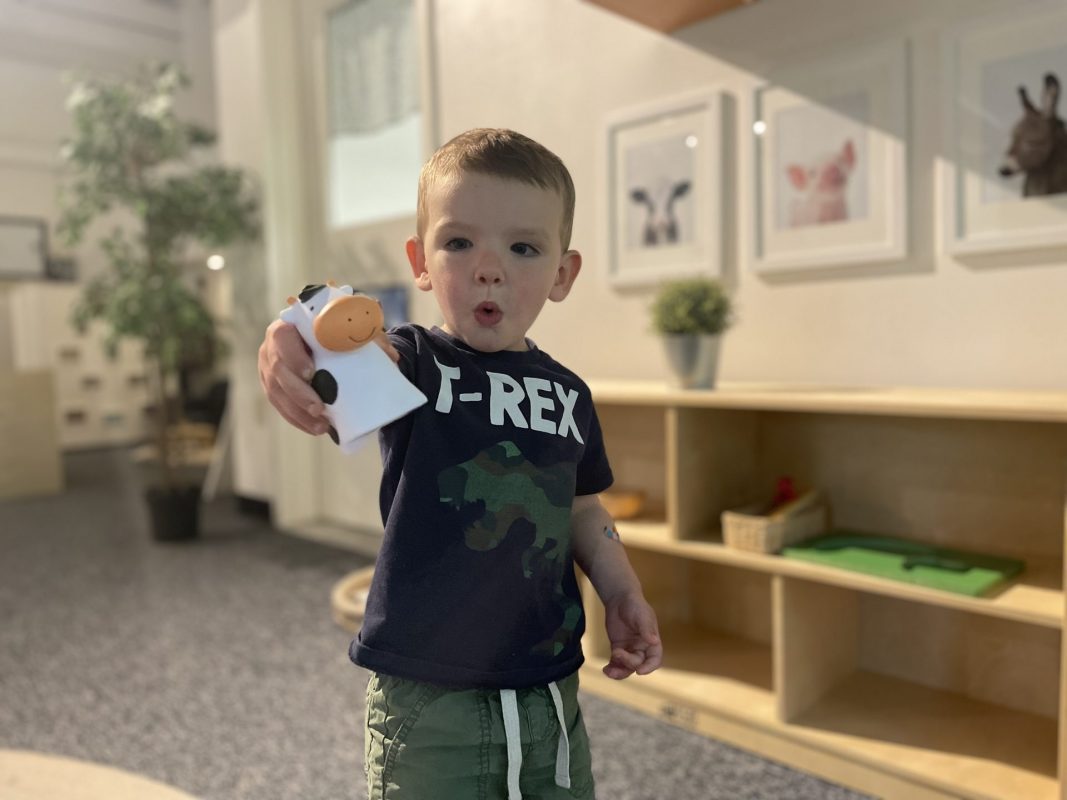
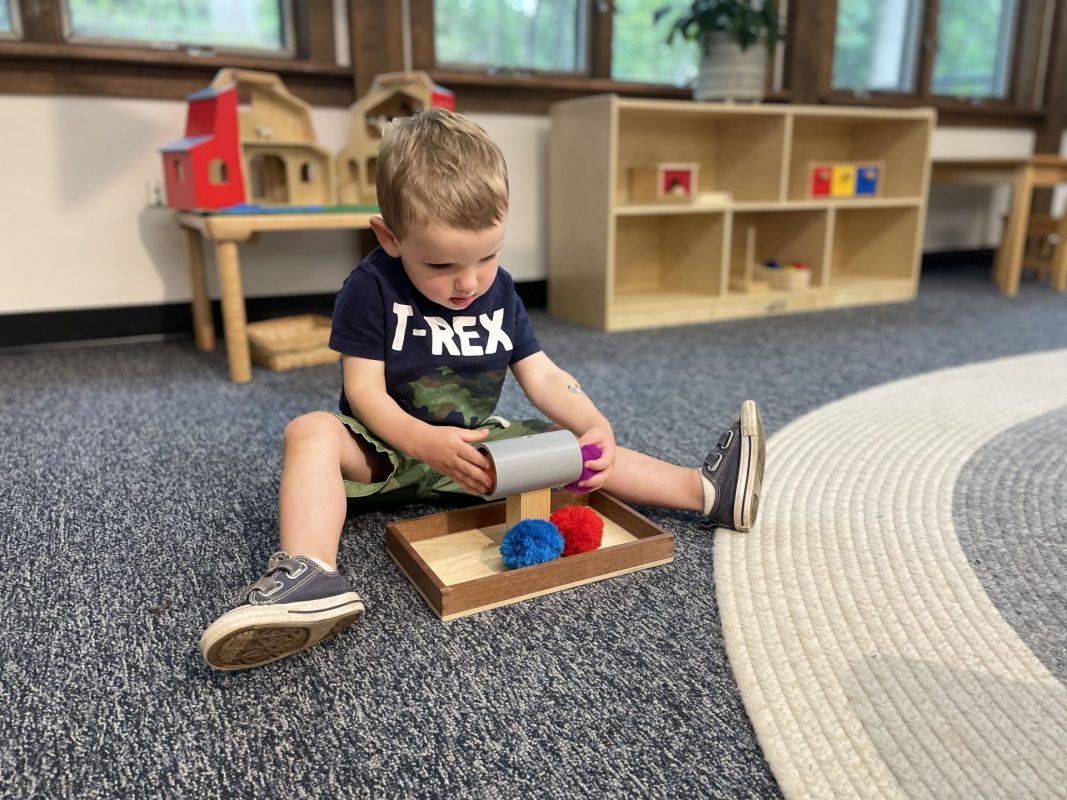
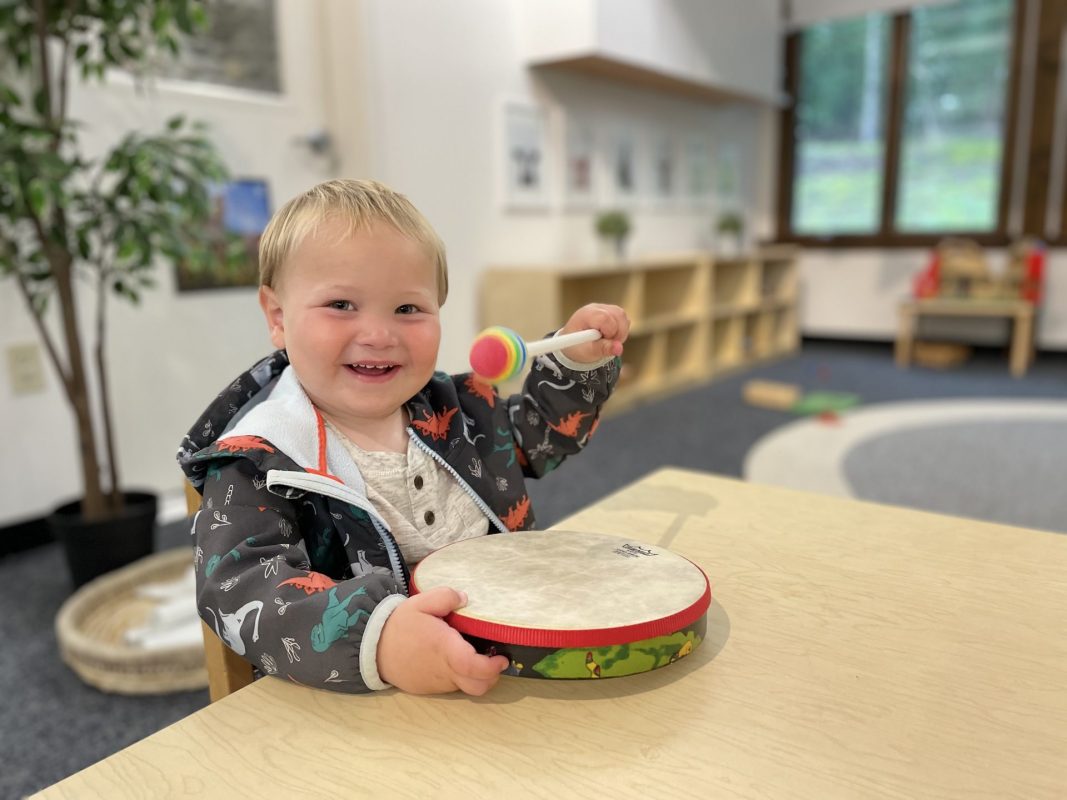
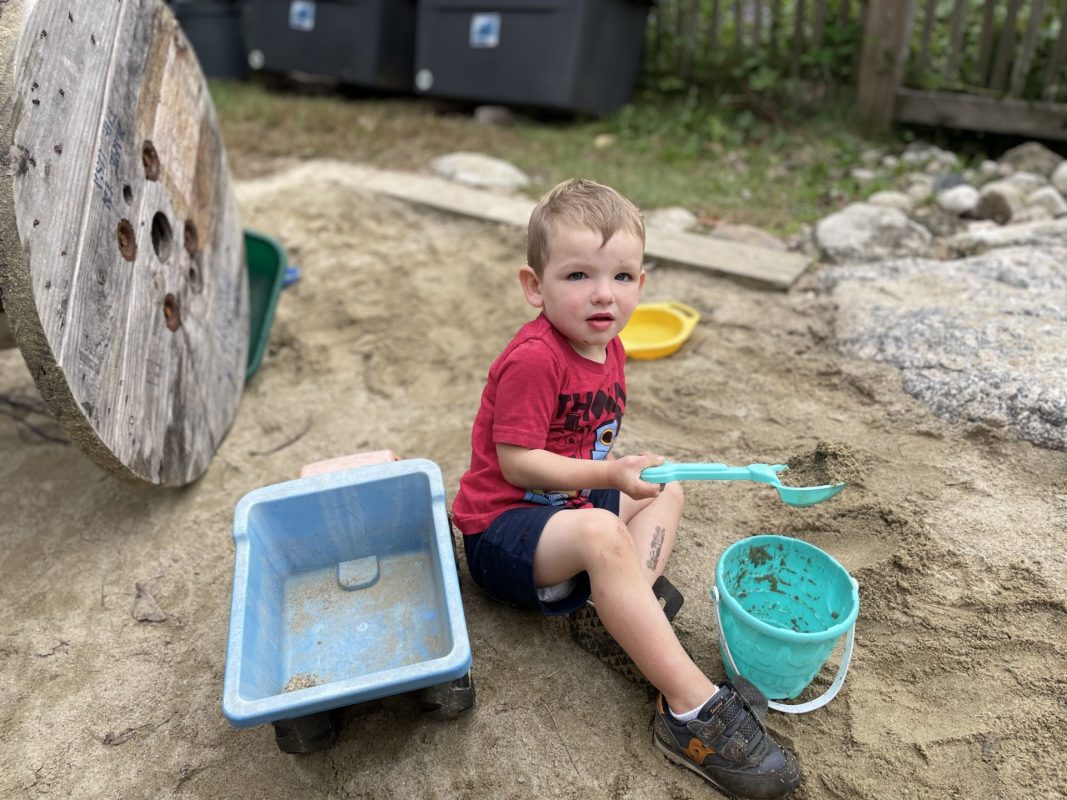
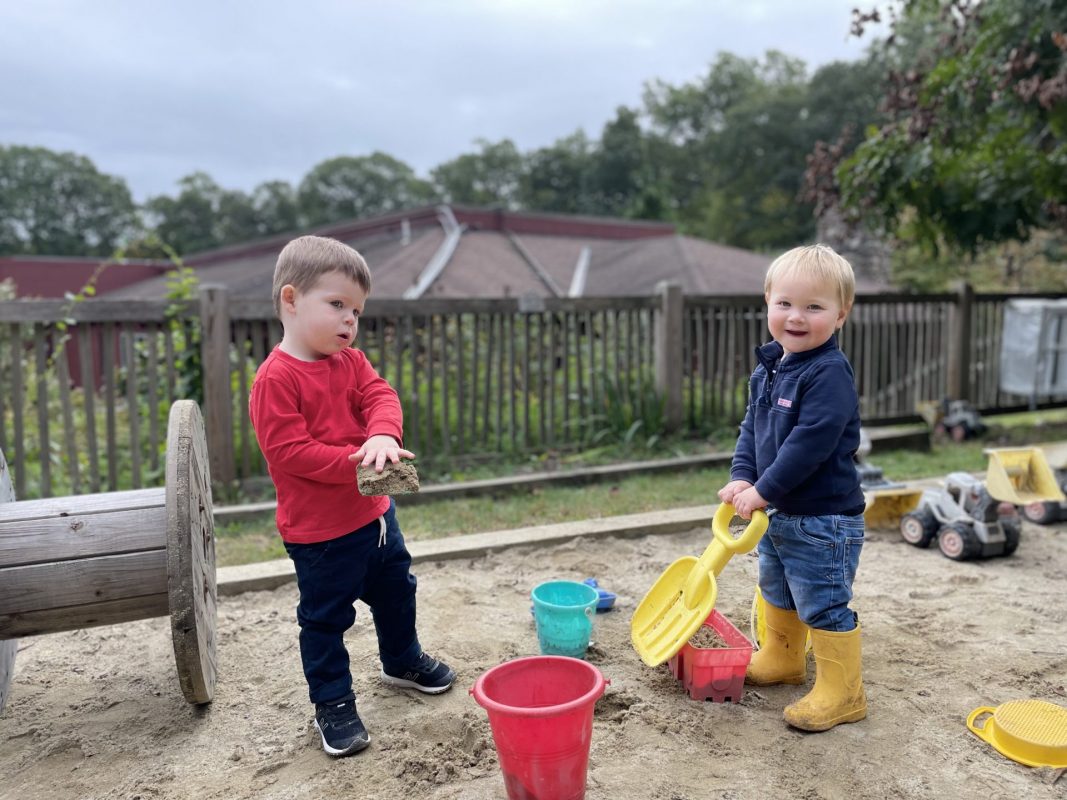
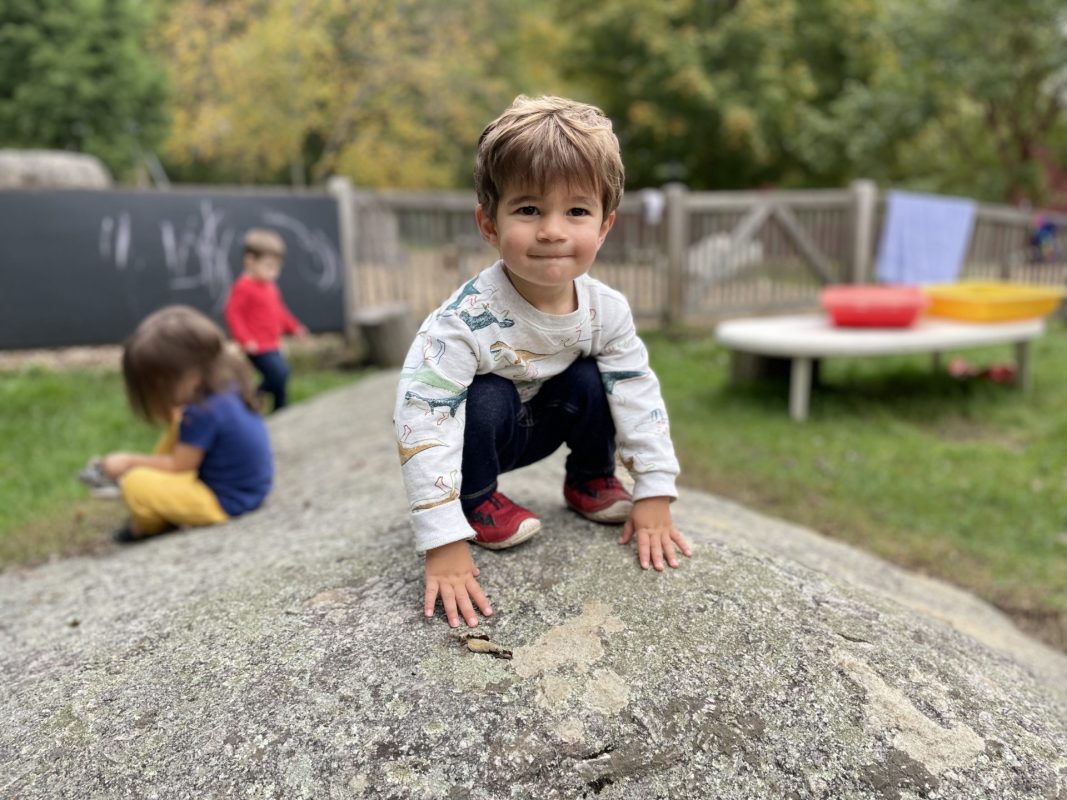
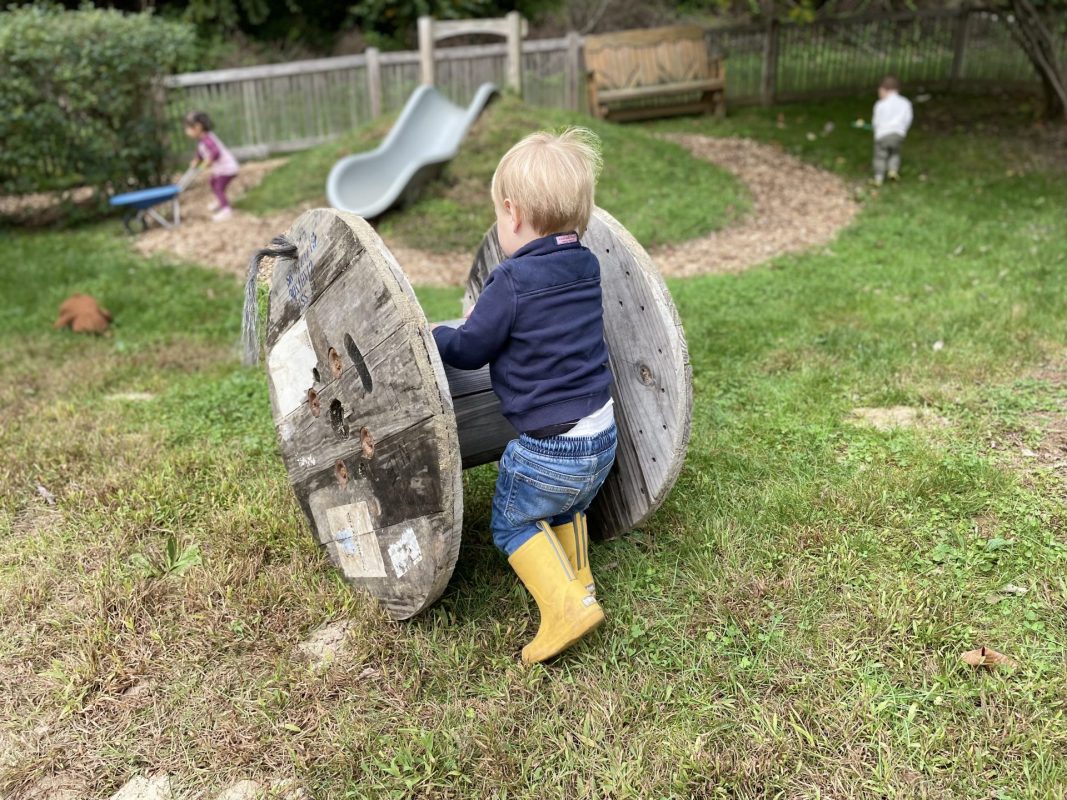
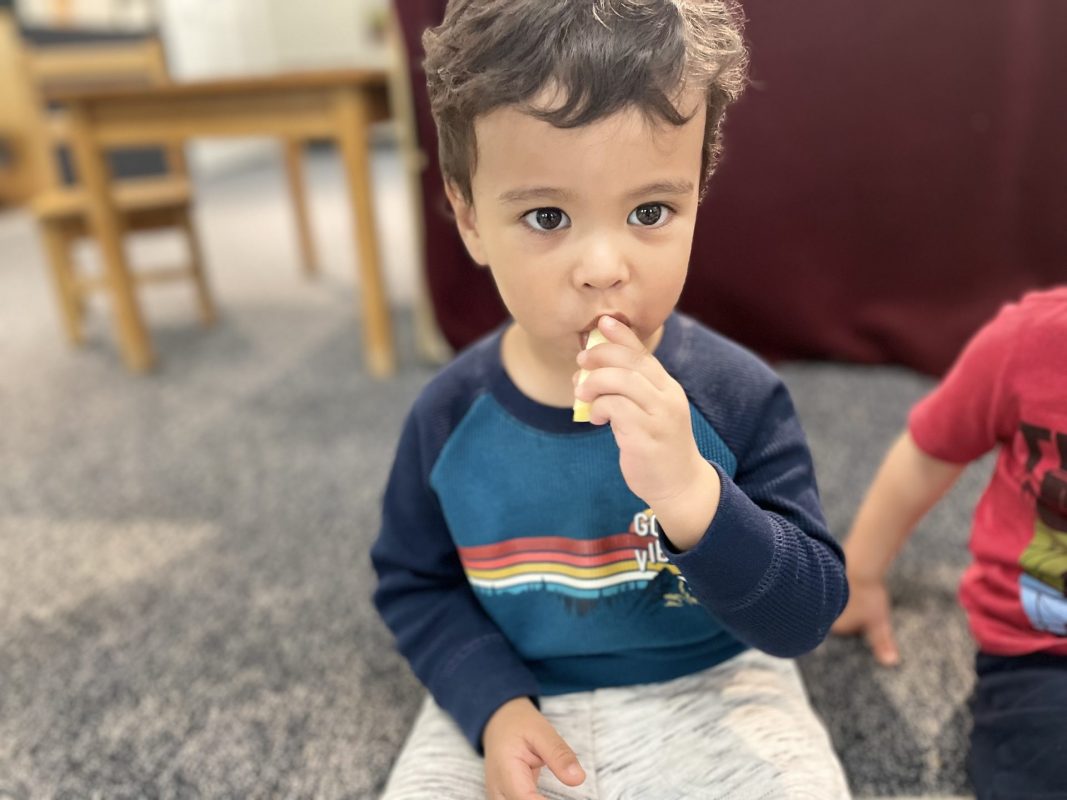
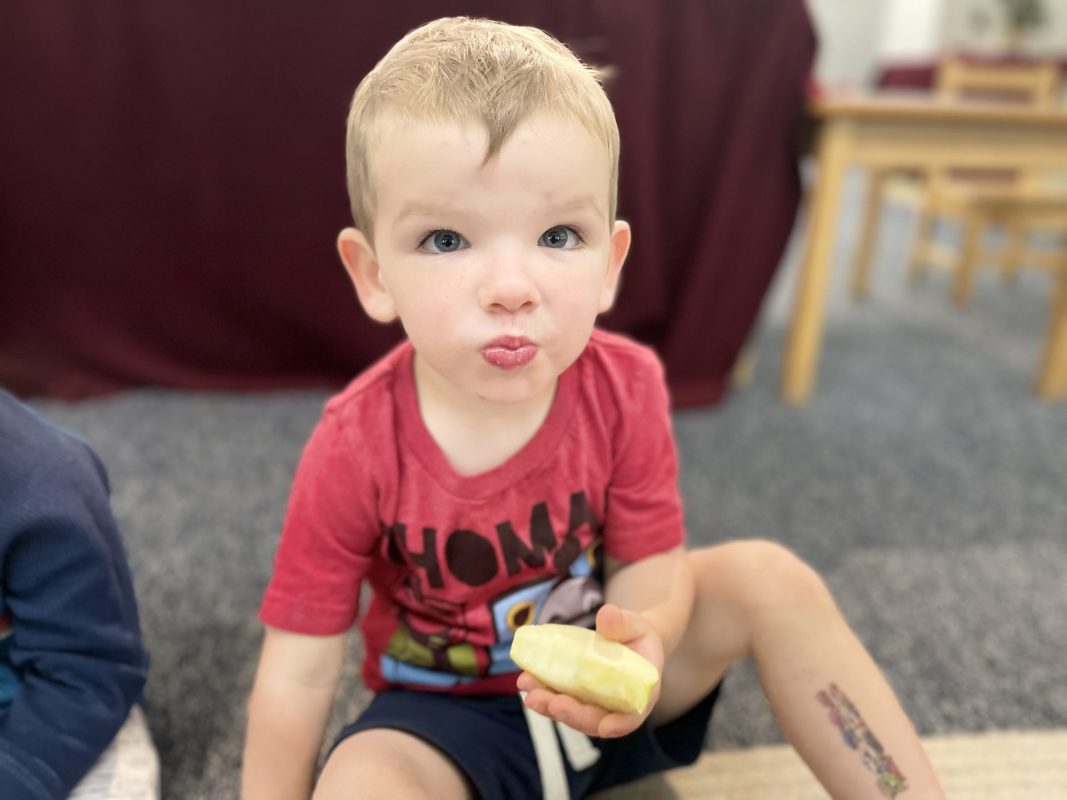
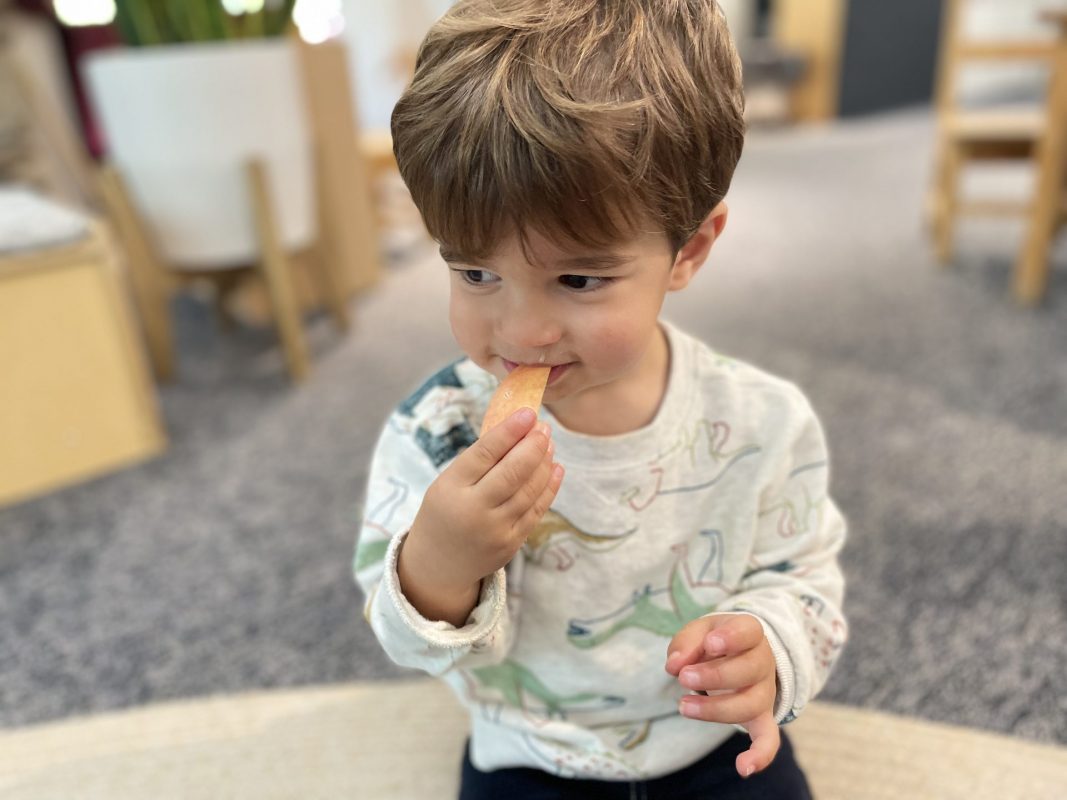
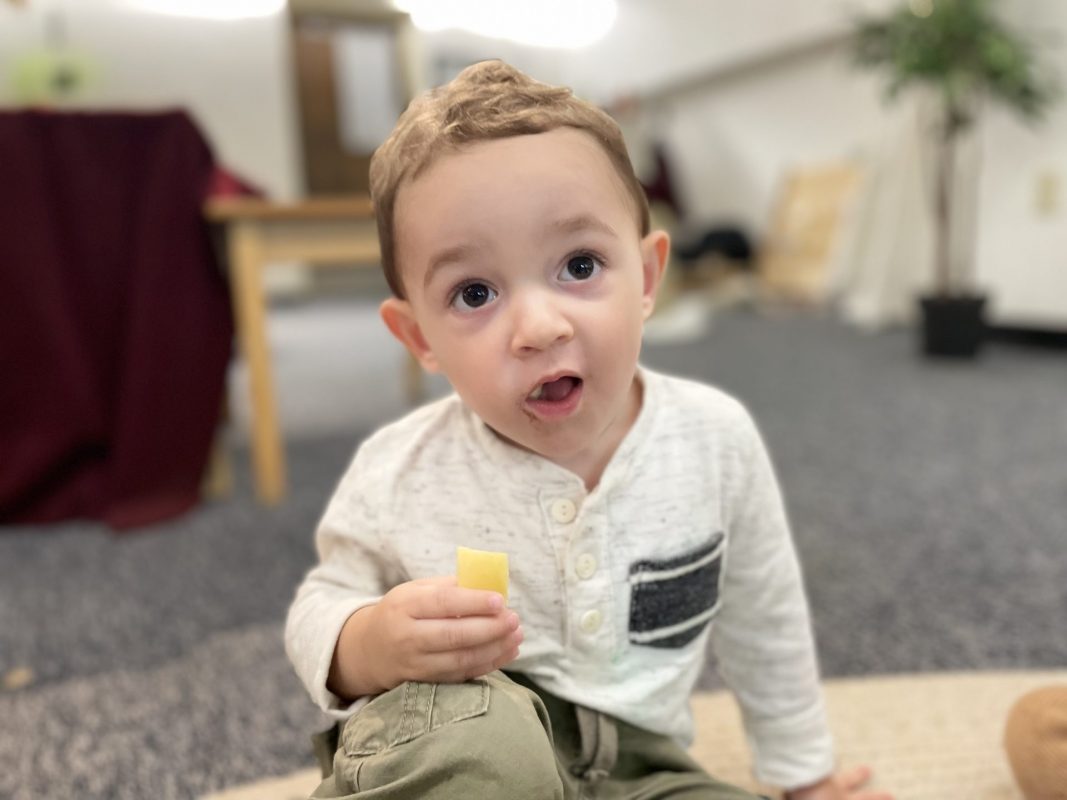
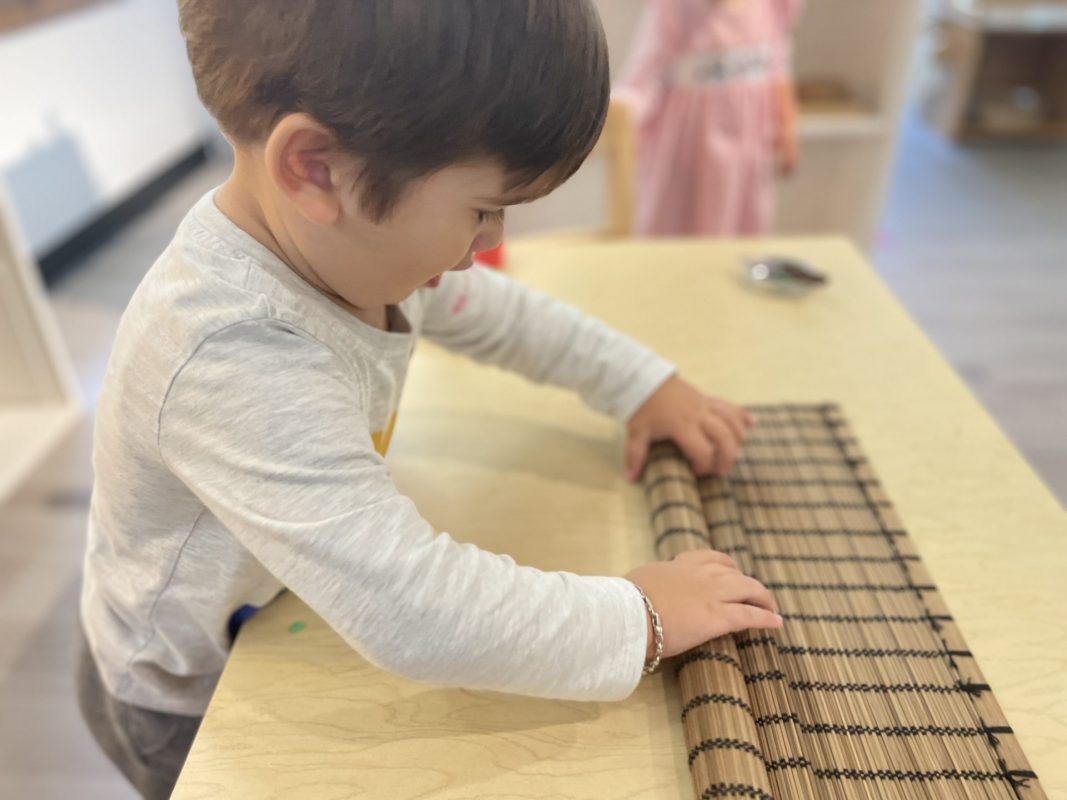
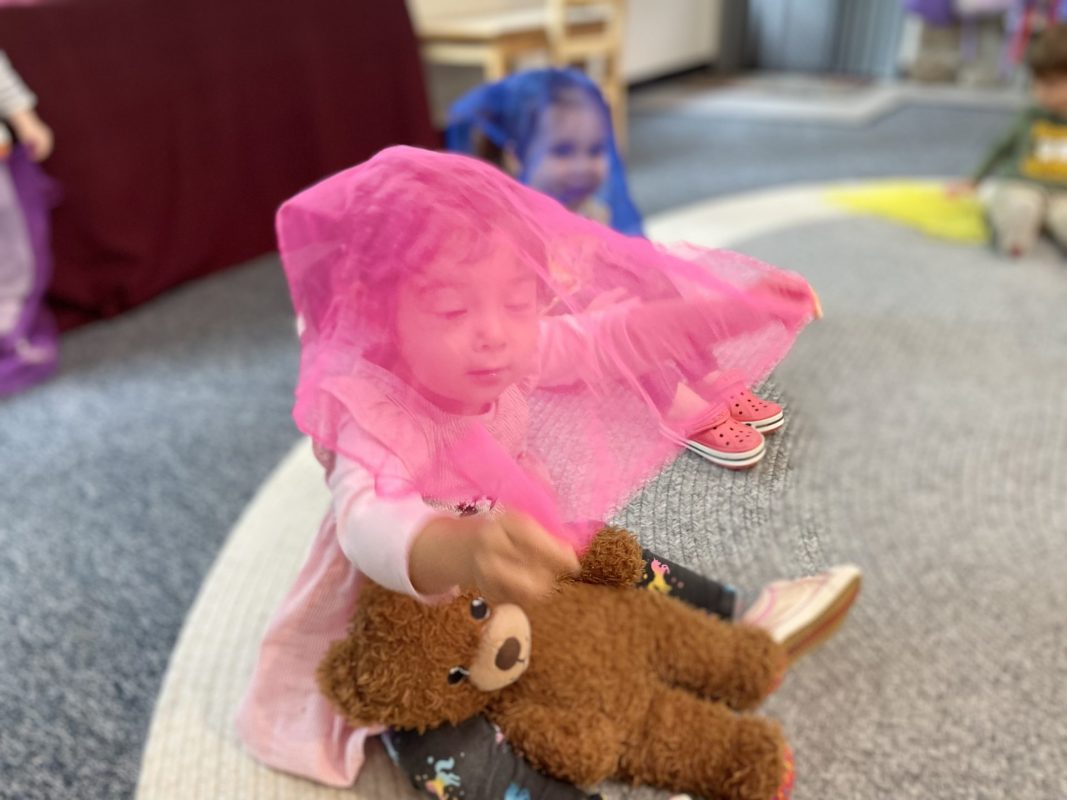
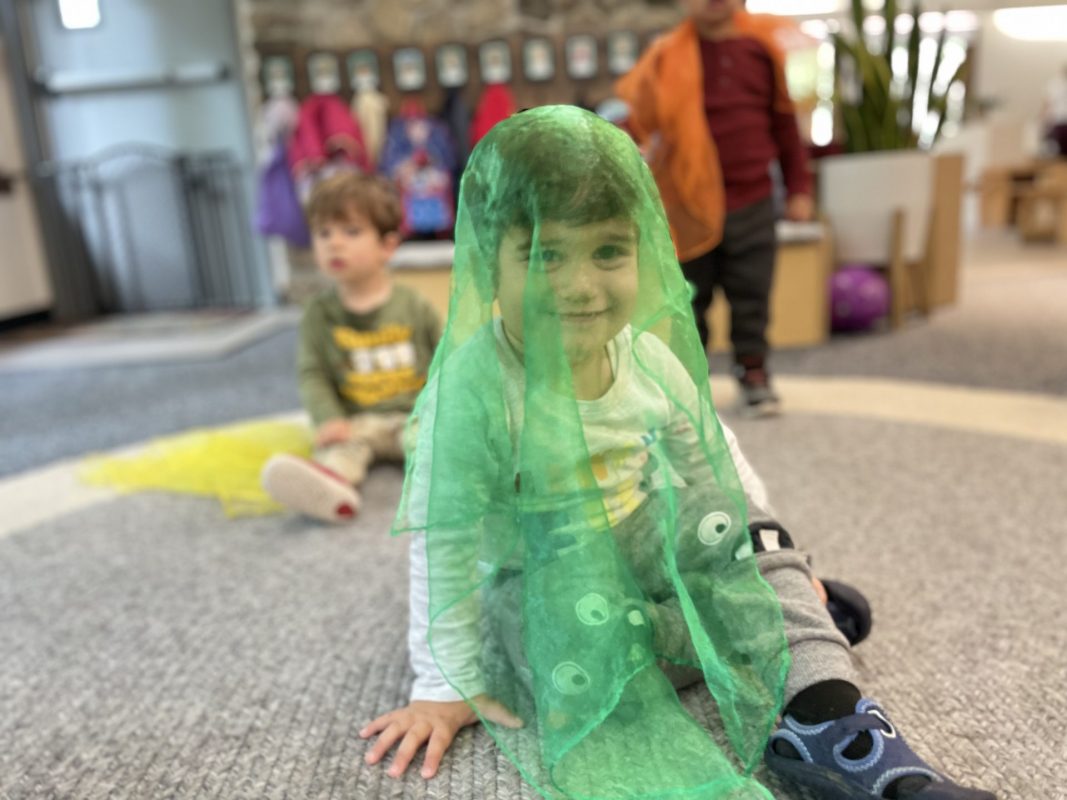
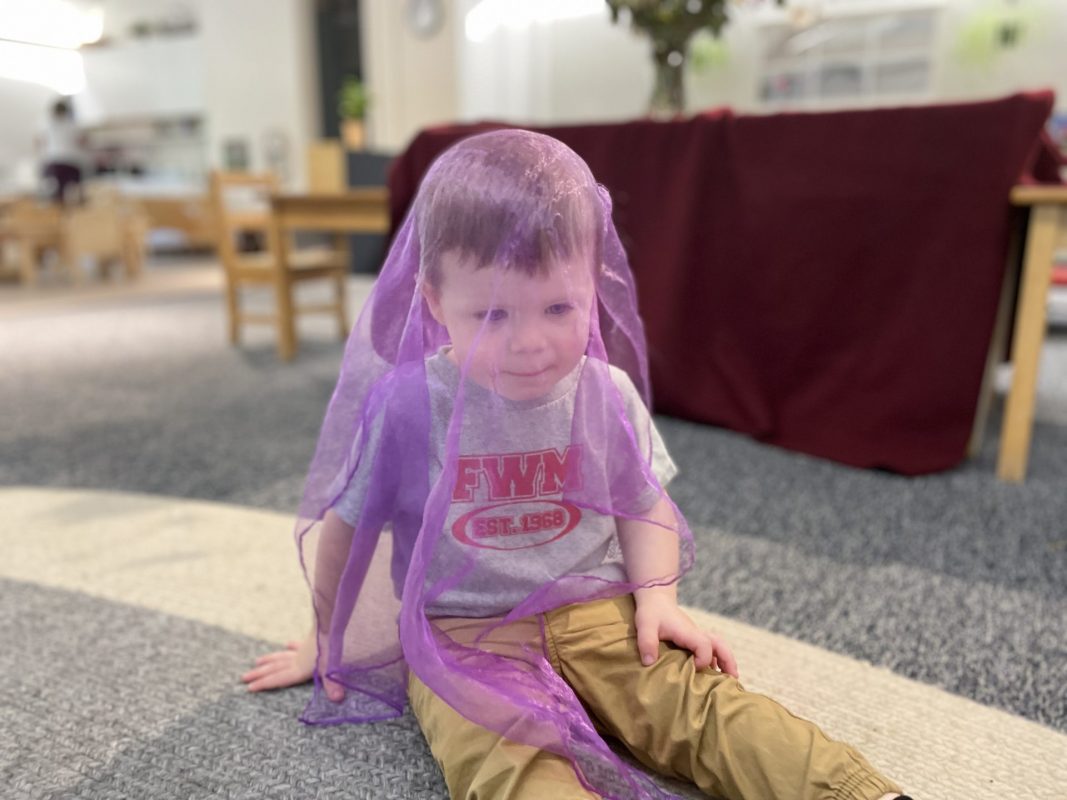
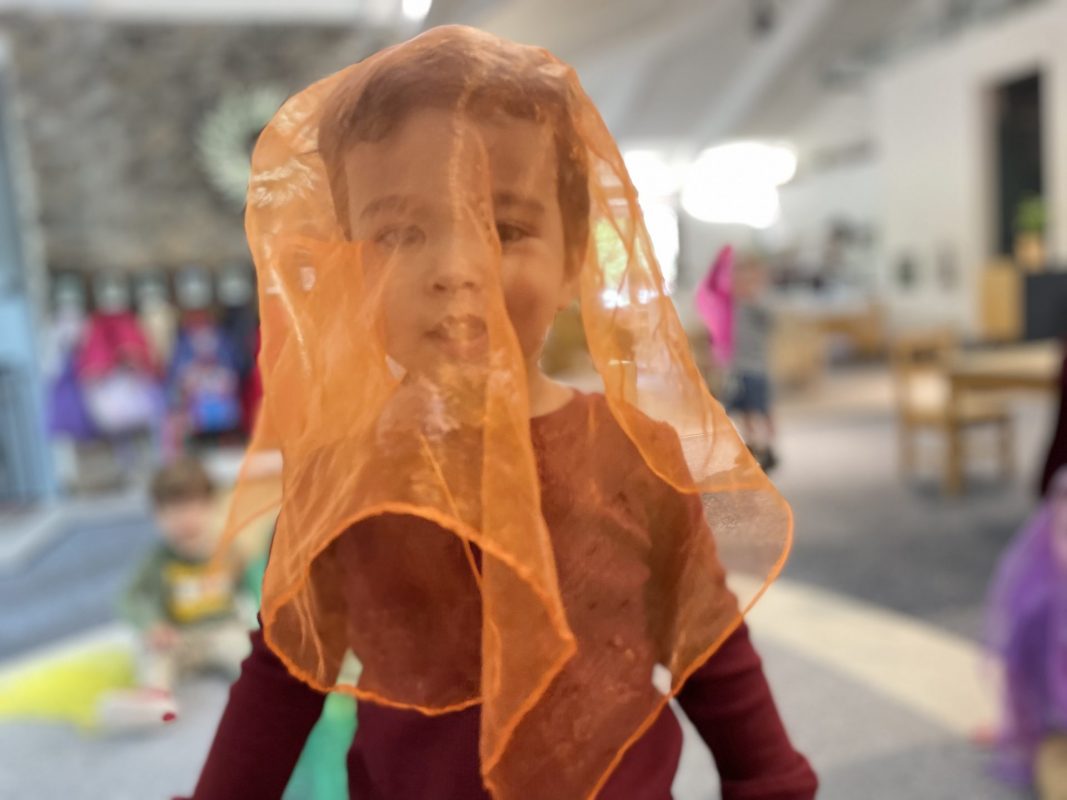
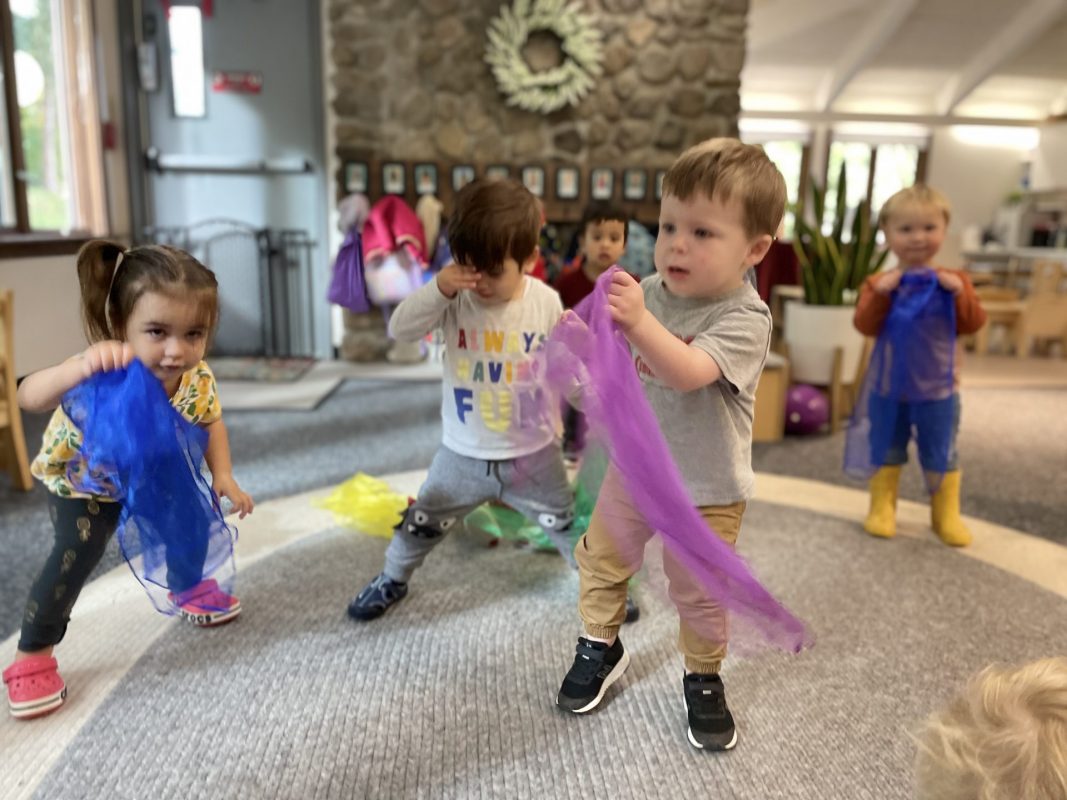
Enjoy the pictures of your busy little explorers this week! 

Best, 

Mrs. Hood and Mrs. Maria


Mrs. Wilson: Spring Cleaning and Water Play

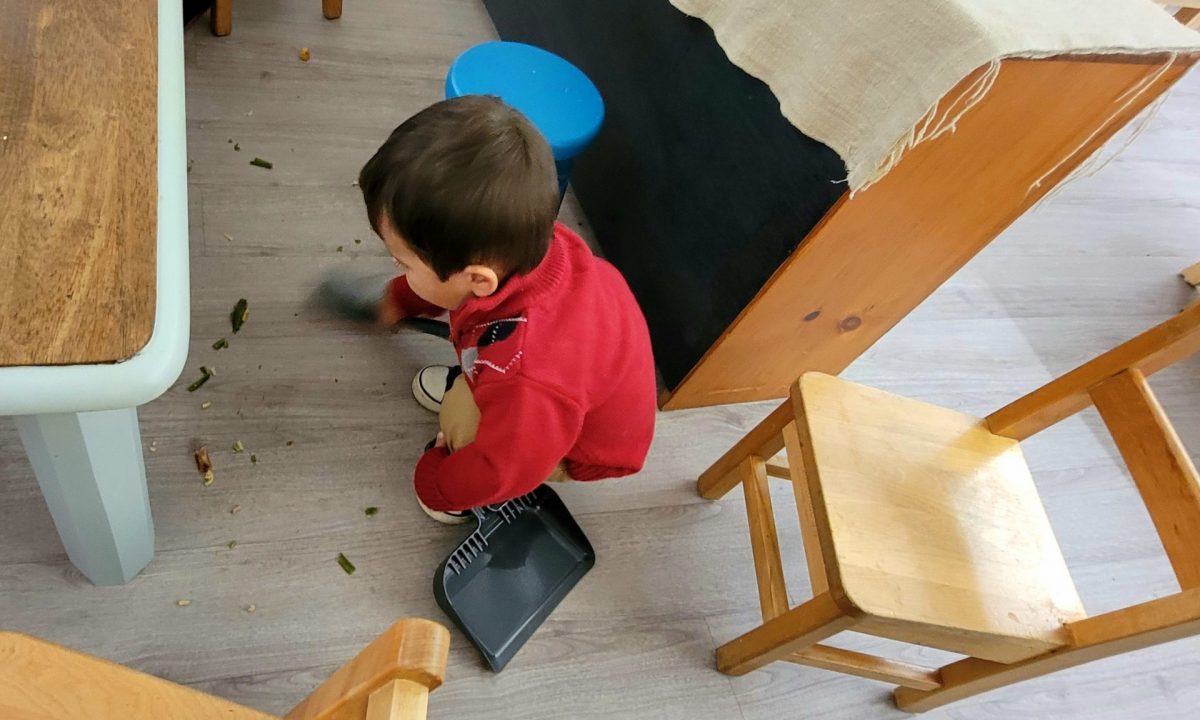
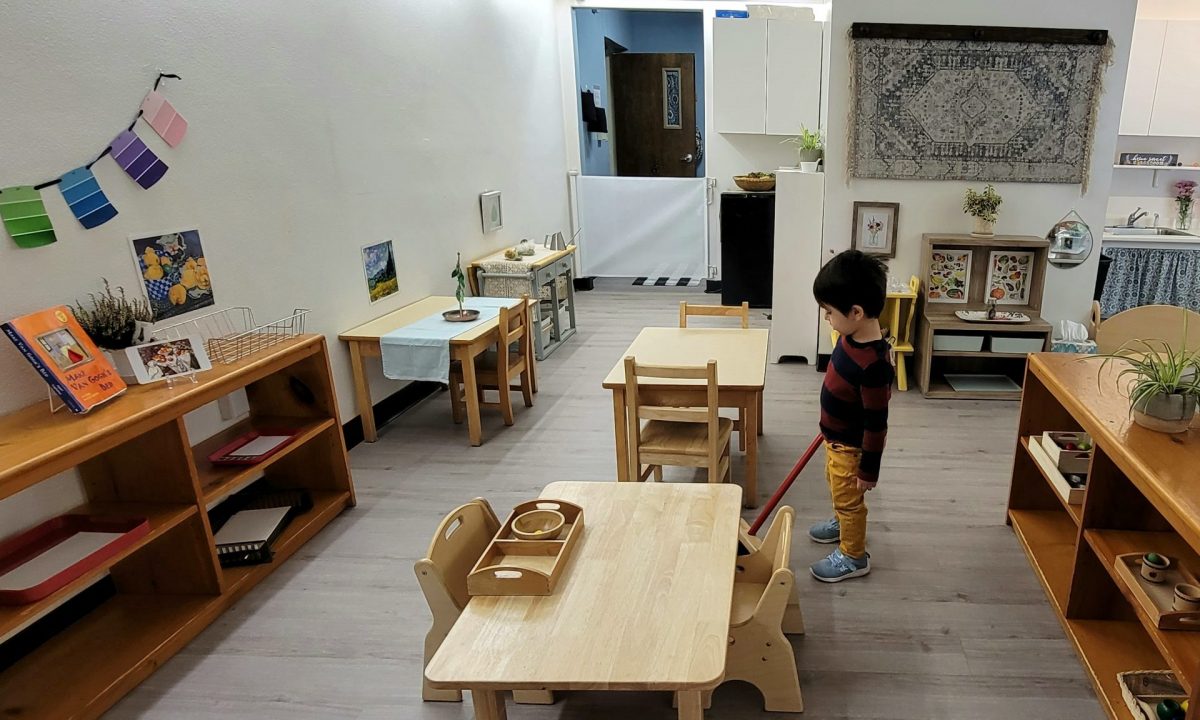
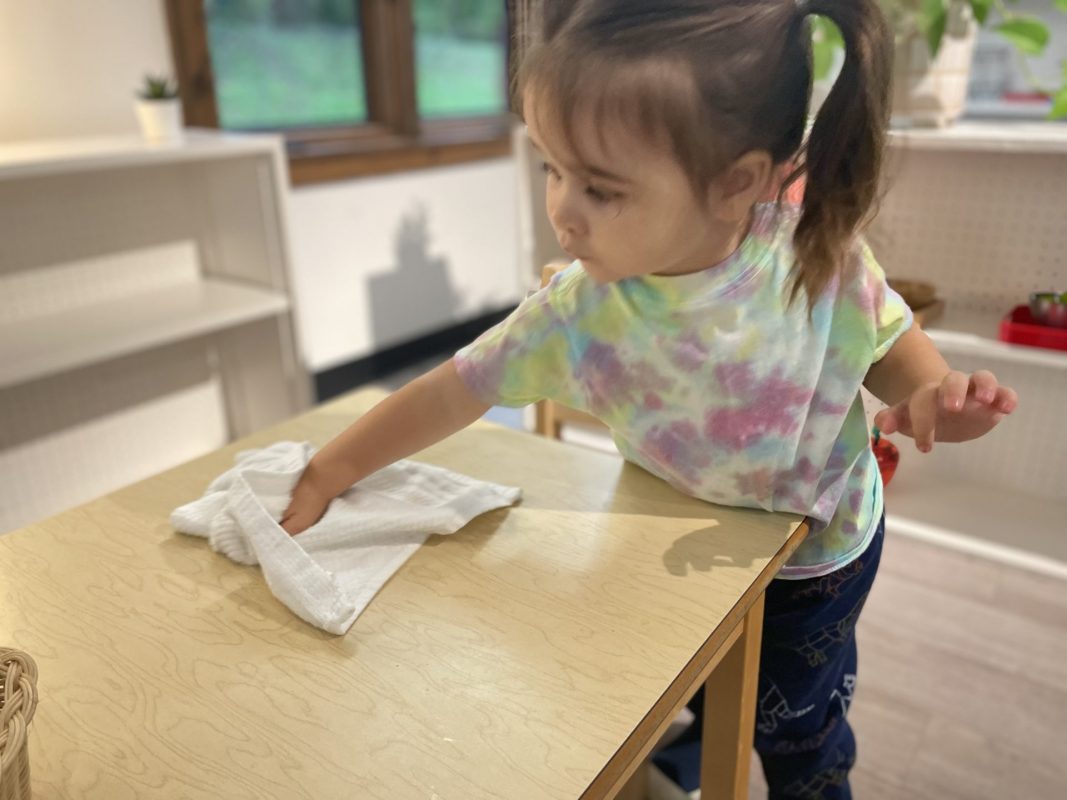
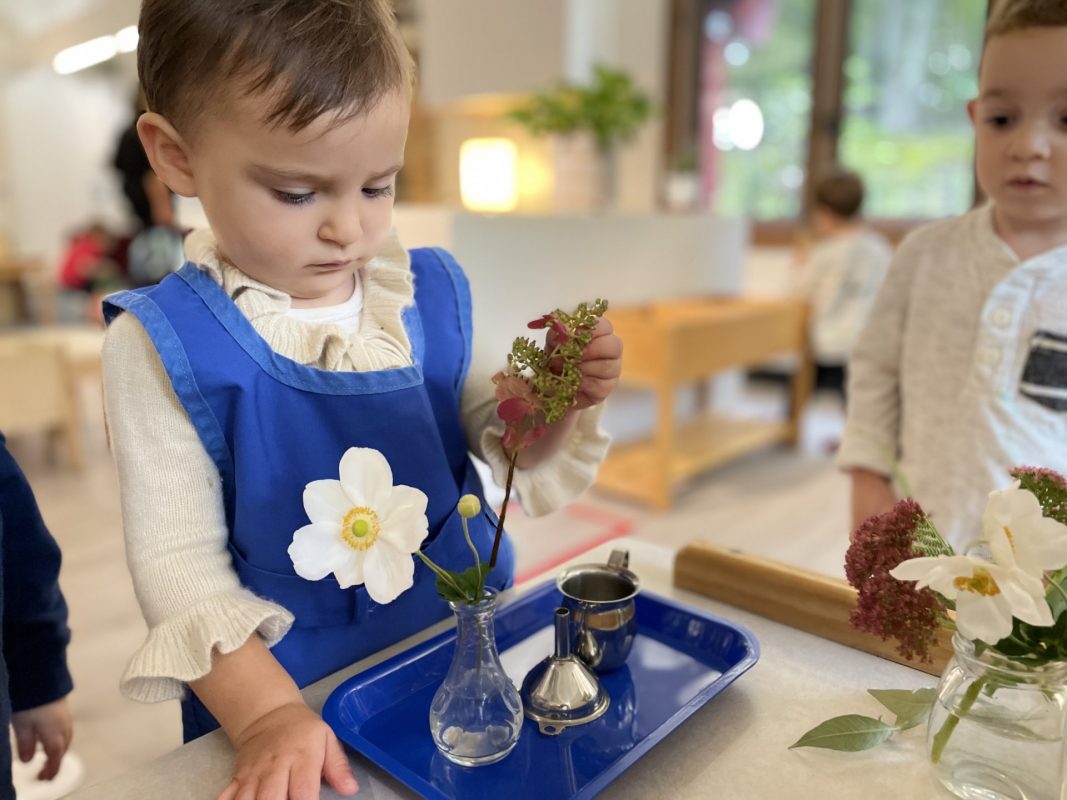
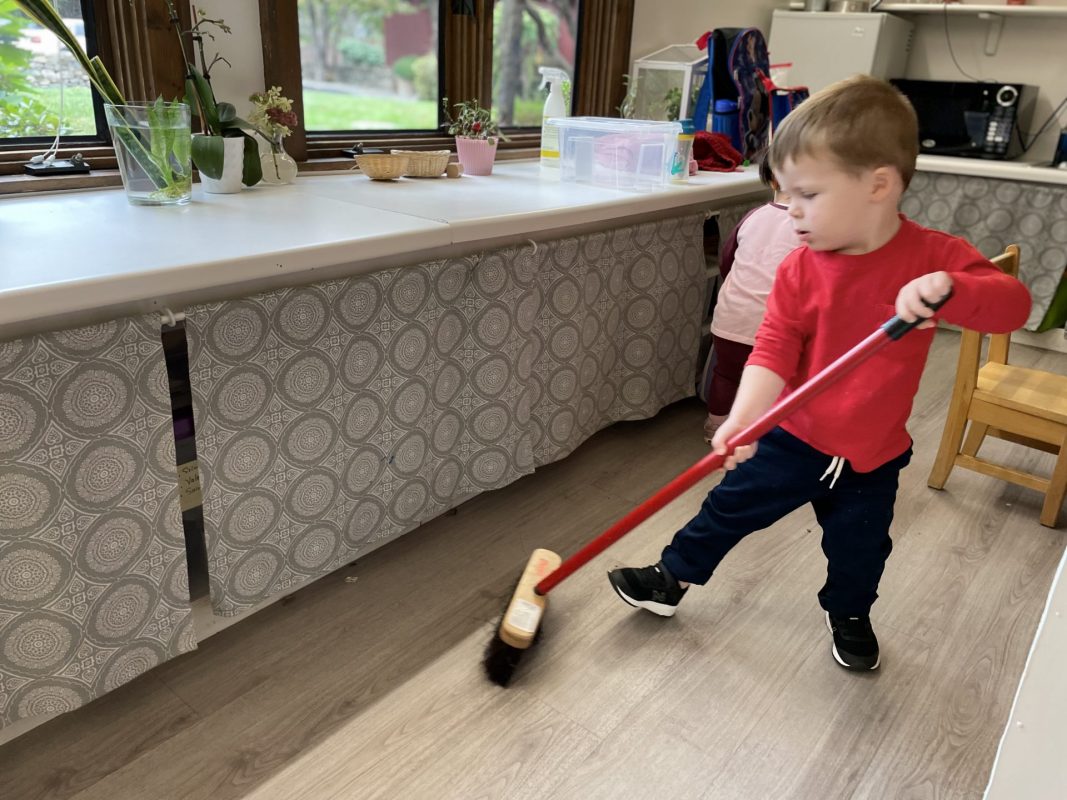
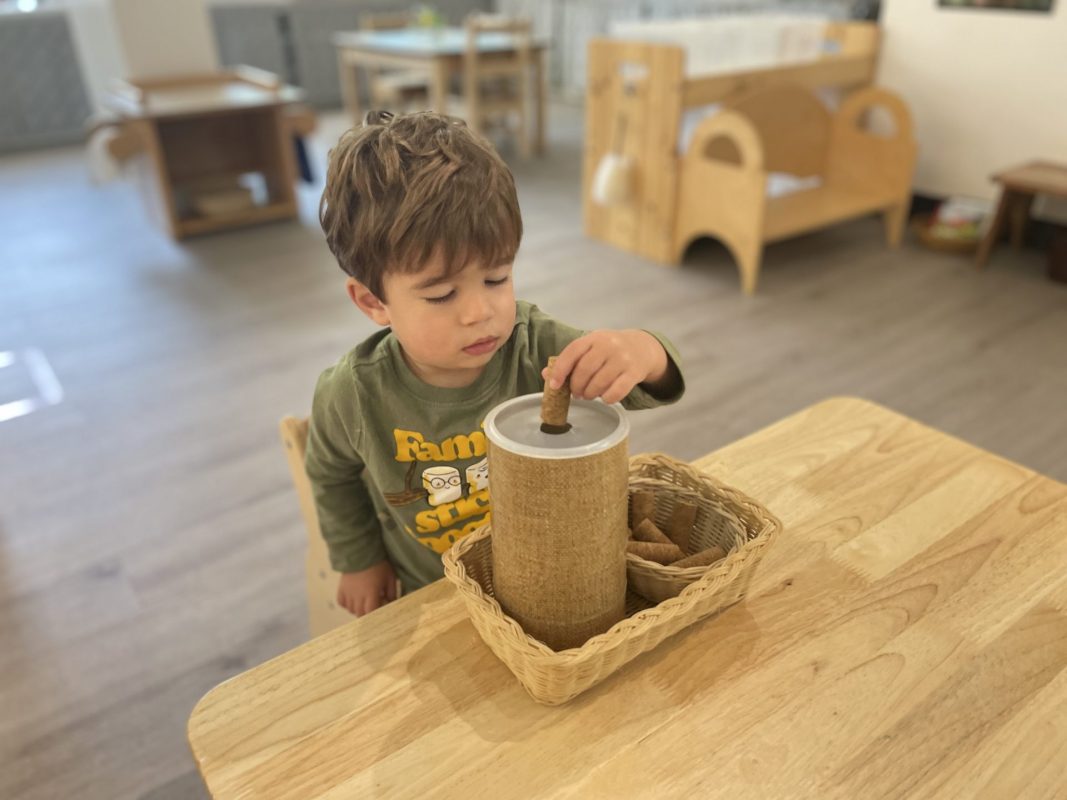
The children are ready for another extension to our practical life, cleaning activities, and care of the environment materials. The wood polishing activity is no longer used as table work. The children are welcome to take the wood polishing tray to any shelf that may need to be polished.

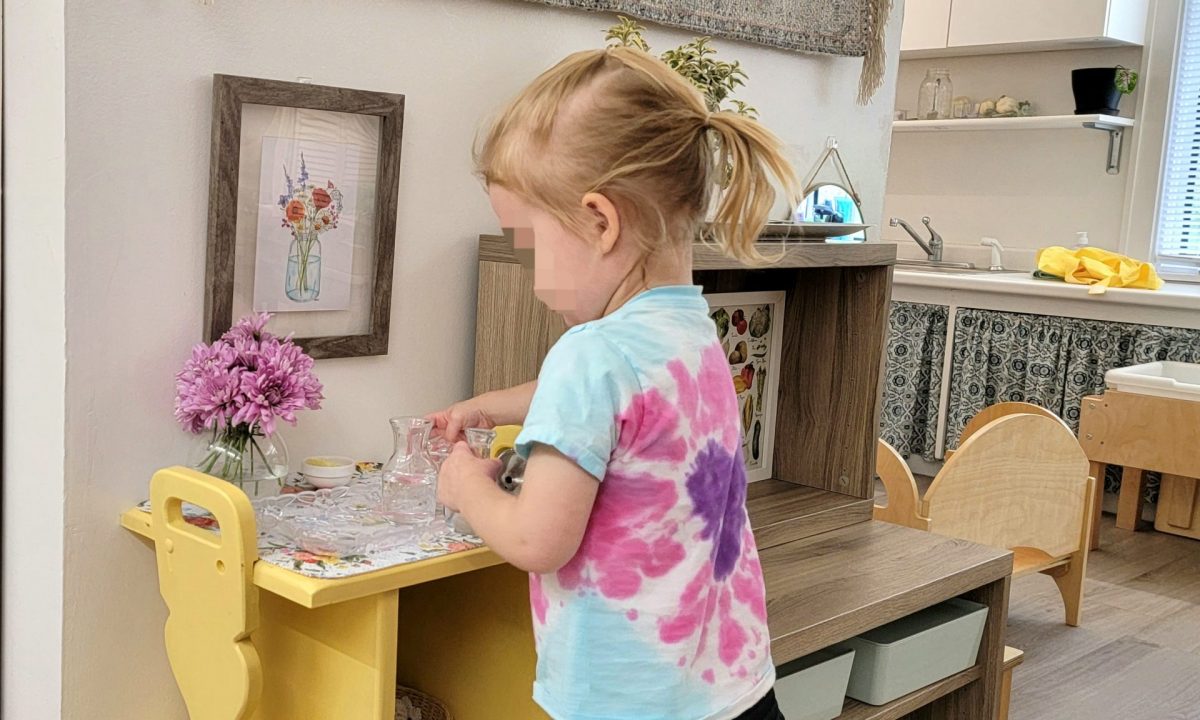
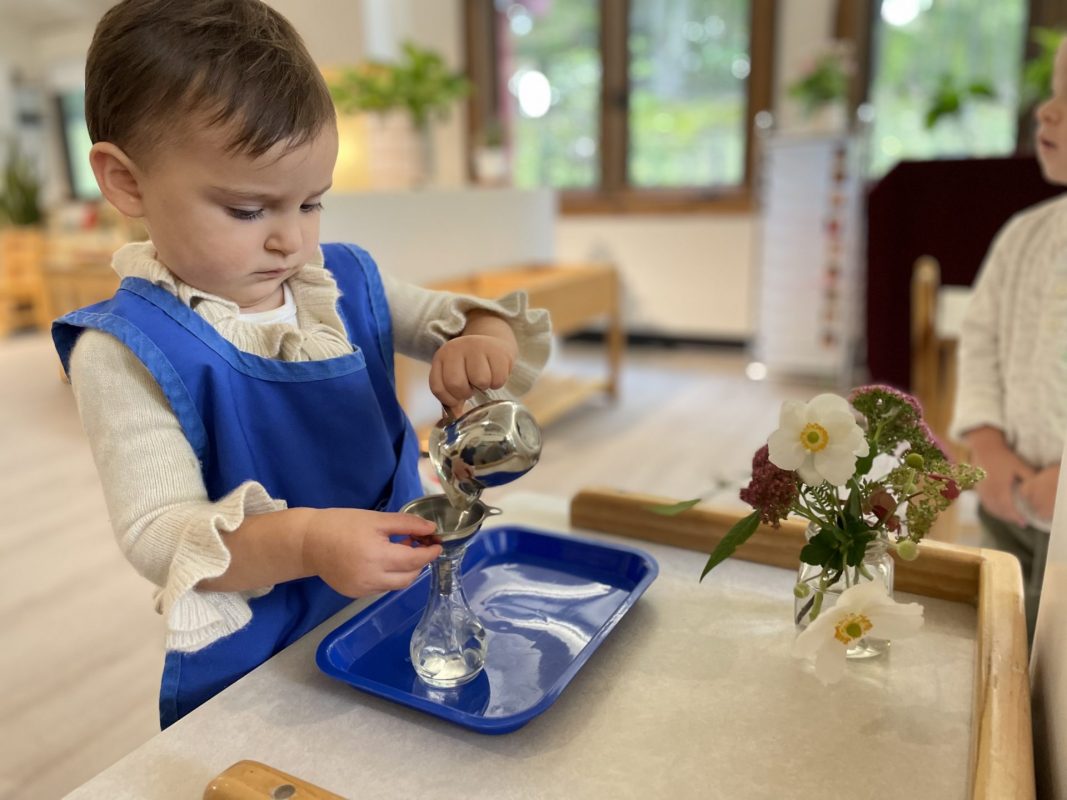
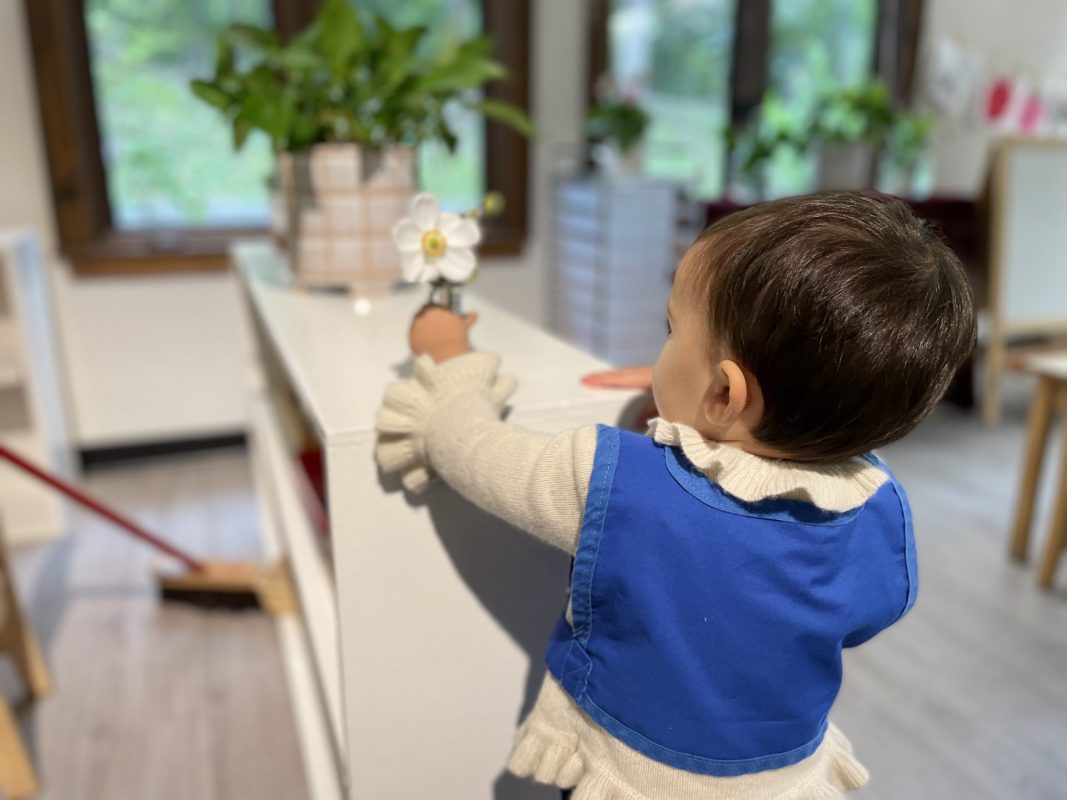
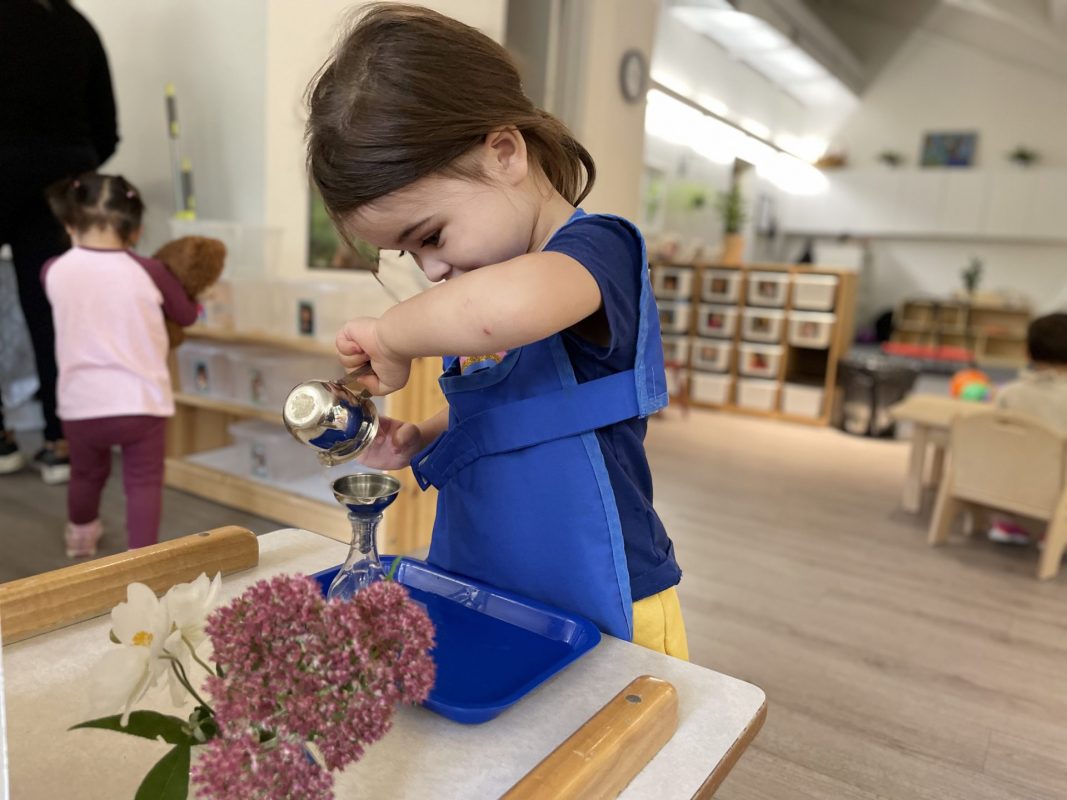
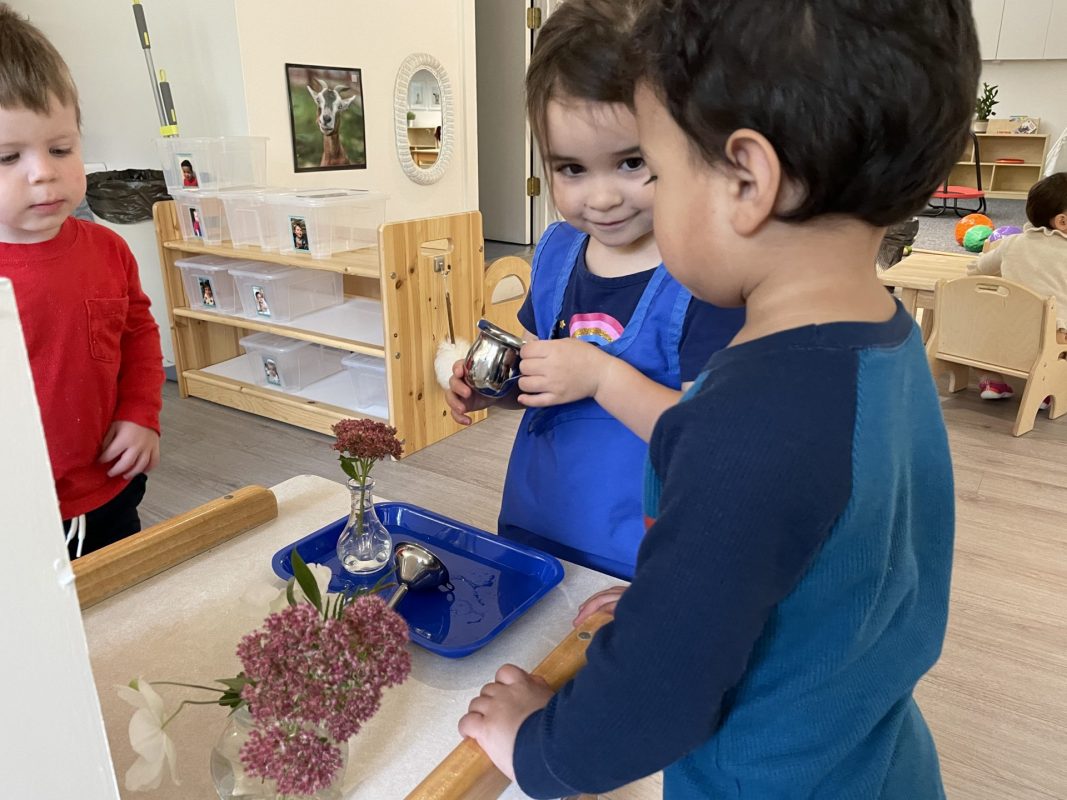
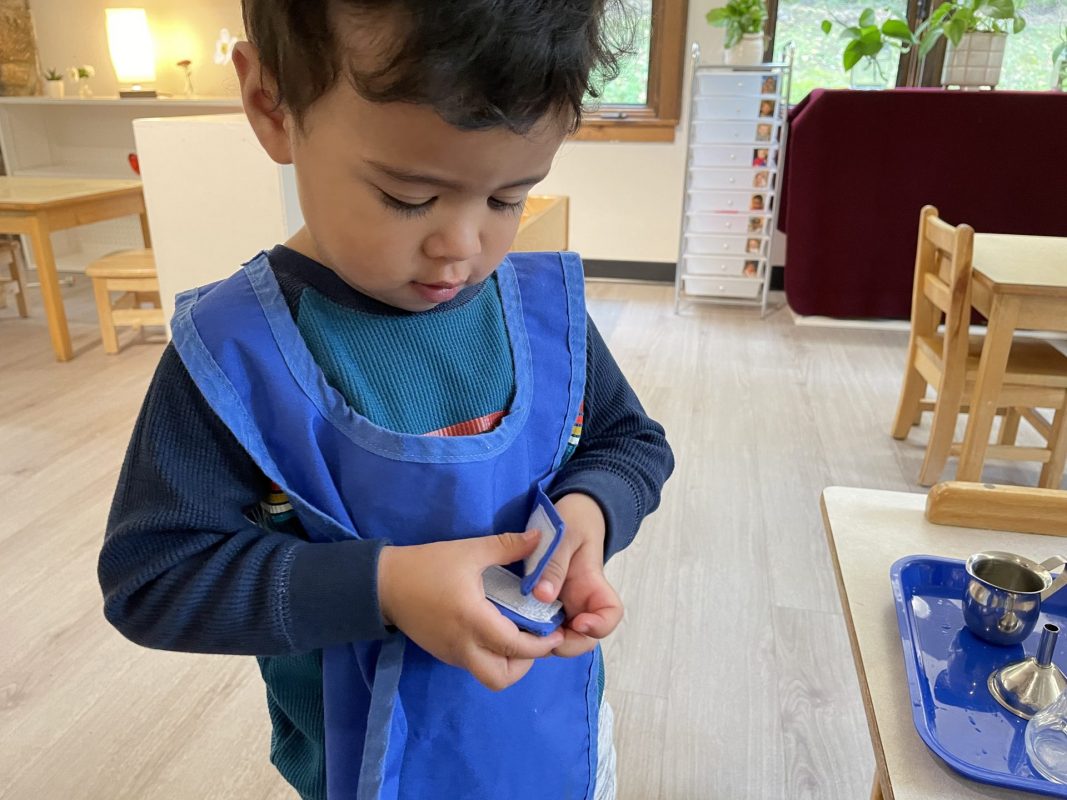
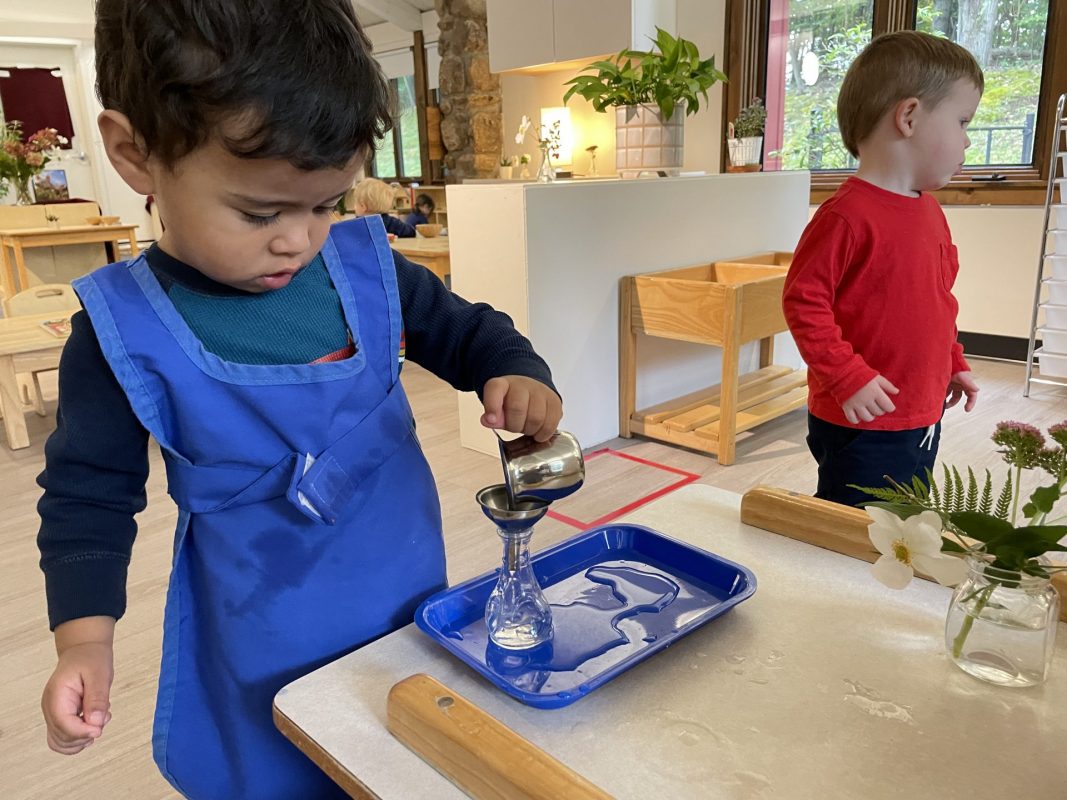
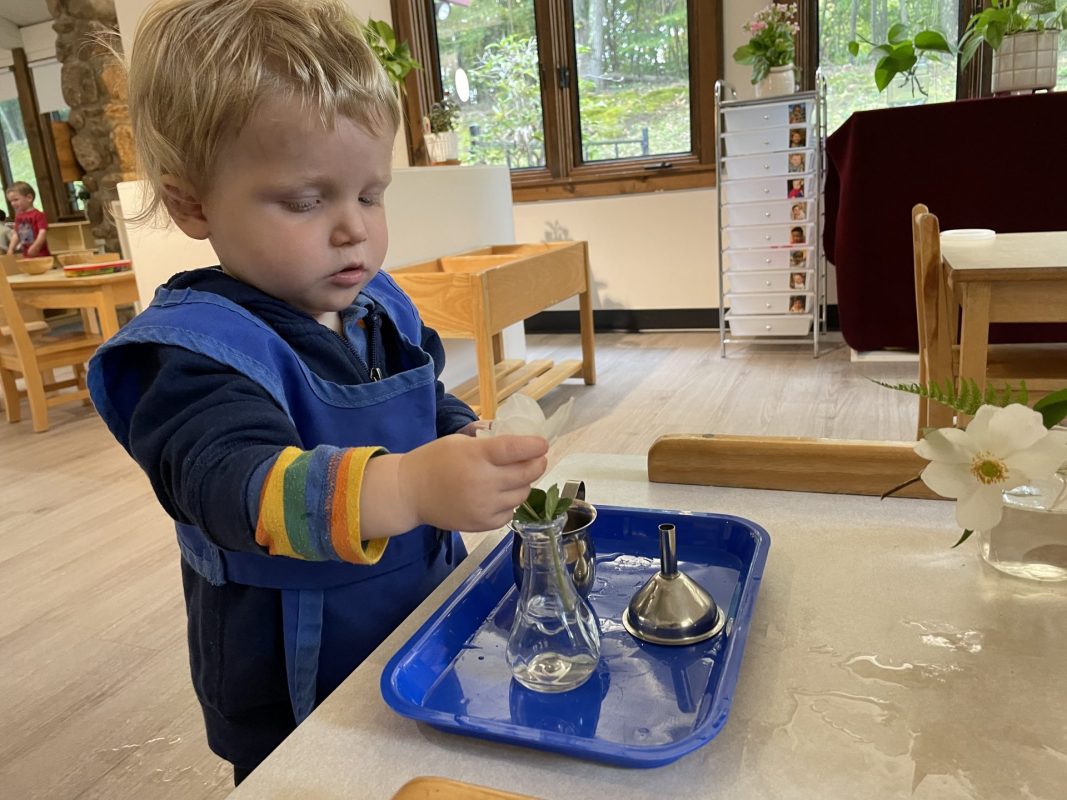
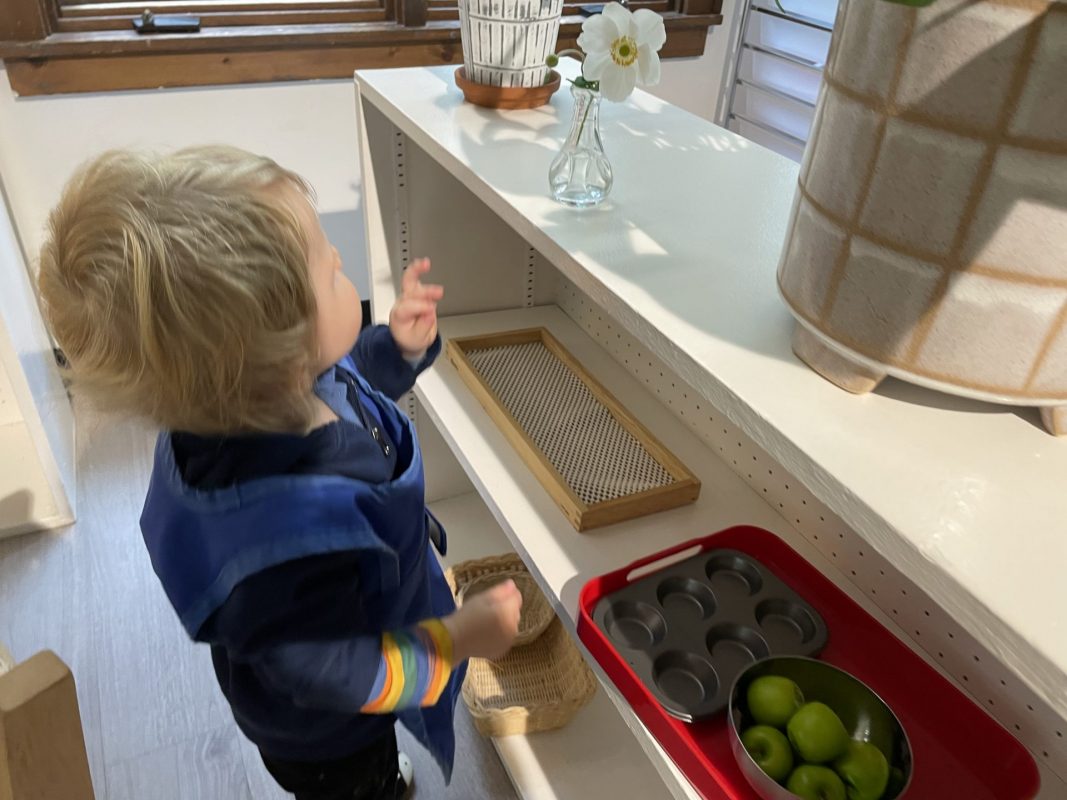
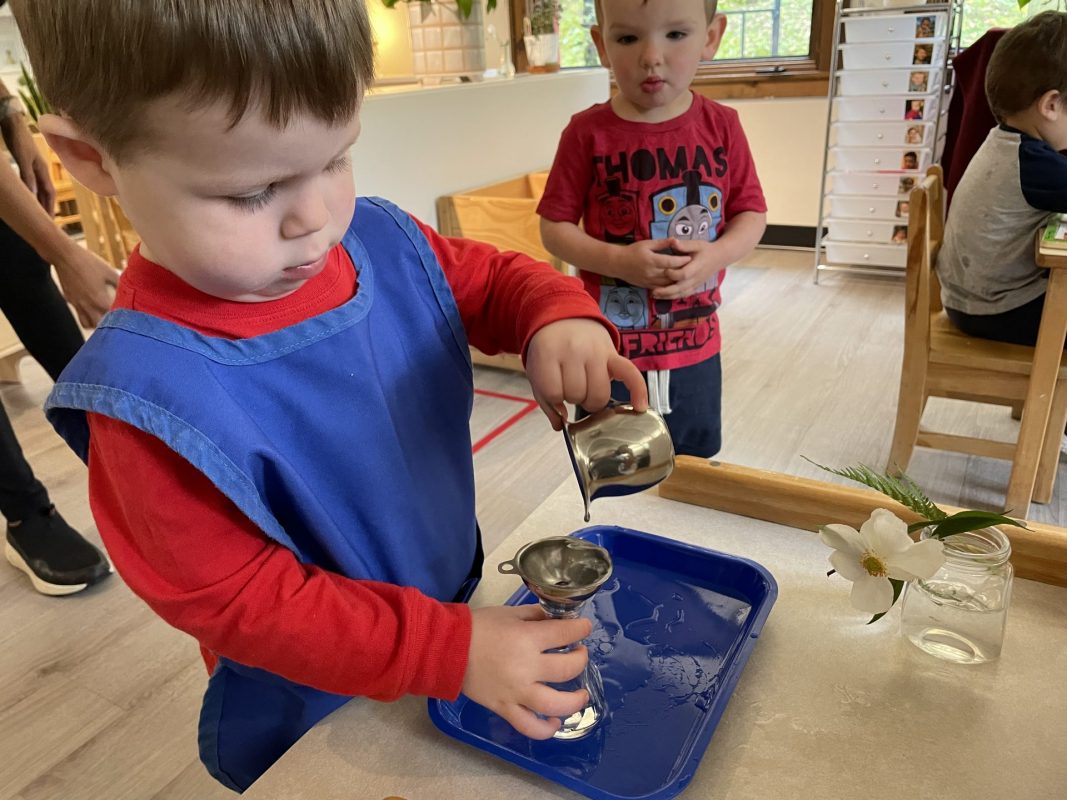
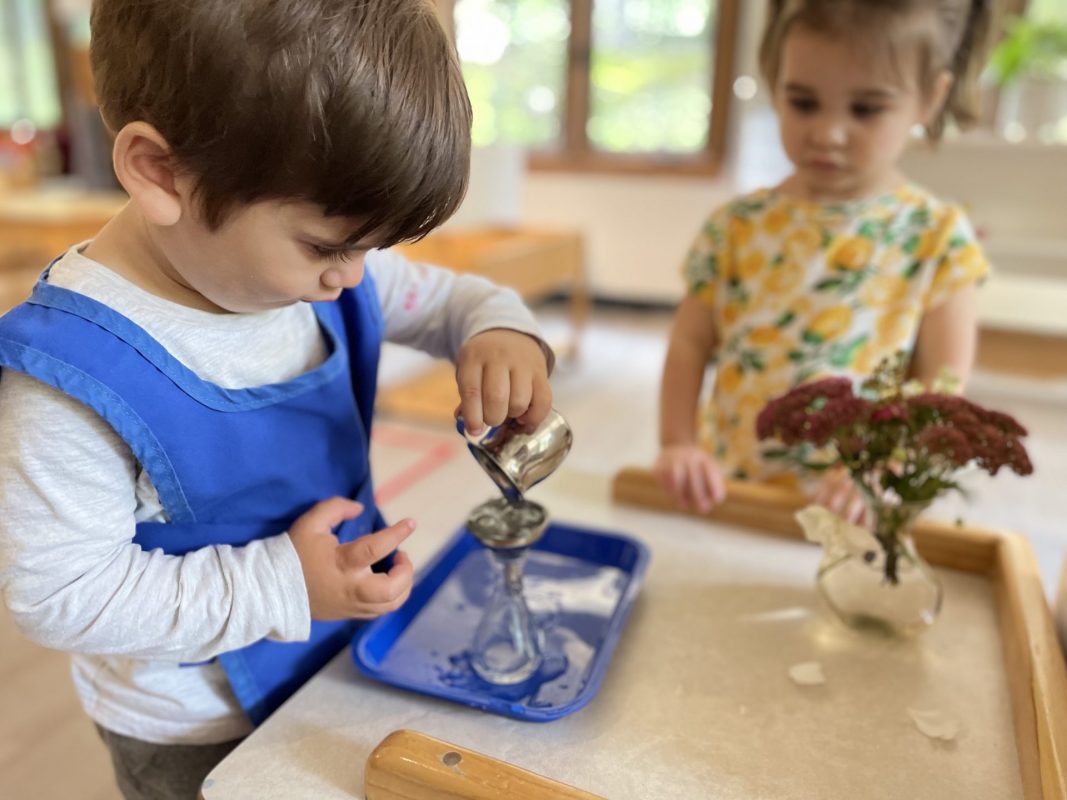
Our flower arrangement work is now just a tray, funnel, and pitcher on the shelf vs a station. This extension is another way the children will develop their executive function. By limiting the material on the tray the children need to think of what they need and where to find it in order to complete the task.

On Wednesday, the children came into the class to see a surprise. We finally got two new goldfish. The children will pull up a stool, sit, and observe the fish.

Along with feeding the fish, the children can now participate in feeding the birds outside. They help fill the bowl with seeds and with an adult they can bring the food outside near our window.

Wednesday’s weather was absolutely amazing. While using the hose to fill the bins for waterworks a few children decided it would be fun to run through it. This lead to a spontaneous morning of water play. All the children were full of laughter and smiles as they ran around through the water.

Reminder: Monday, May 3rd – No school, Professional Development Day.


Mrs. Wilson: Caring For the Earth and the Littlest of Creatures

The child is both a hope and a promise for mankind.” — Maria Montessori

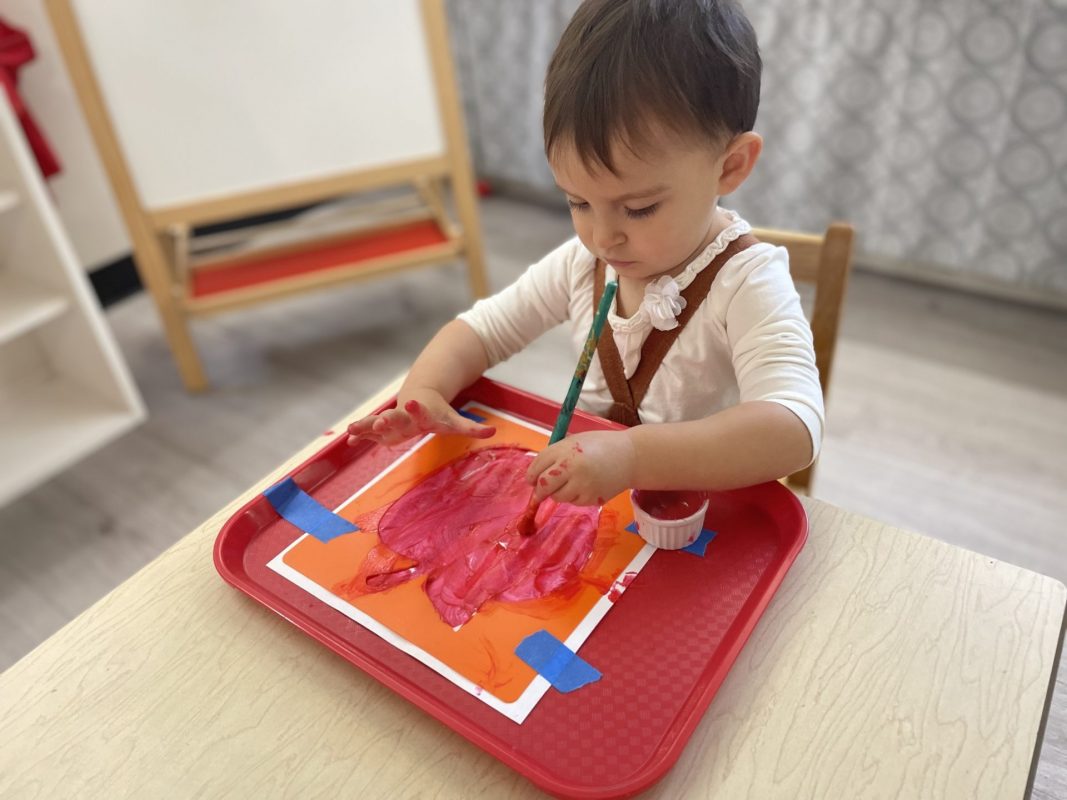
We started this week exploring insects. Some of the new activities available are sorting the insects that fly from the ones that crawl, painting with a (fake) worm, life cycle of a butterfly object to picture matching, and using a magnifying glass to search for the hidden bugs inside a book.

We also received our caterpillars this week. The children are learning to observe the growth of the caterpillars each day. We also are learning that insects are our helpers and we need to care for even the littlest of creatures.

Here is the song they are learning to name all the parts of an insect.

Head (Point to head.)
Thorax (Point to the chest.)
Abdomen – abdomen! (Point to stomach.)
Head, thorax, abdomen – abdomen!
And eyes (Point to eyes.)
And mouth (Point to mouth.)
And antennae, two (Stick 2 fingers up.)
Six legs (Wiggle 3 fingers on each hand.)
And there’s an insect for you!

Along with learning about insects, we introduced recycling. The children rinse off the plastic containers and bring them into the recycling bin. We also added a compost bin into the classroom. The children are learning that we can throw our food scraps into the bin vs. the trash can. We will later use our compost to nourish the garden. The seeds that the children planted on their own have already started to sprout. Some will stay here at school so we can create our own garden and some will be sent home.

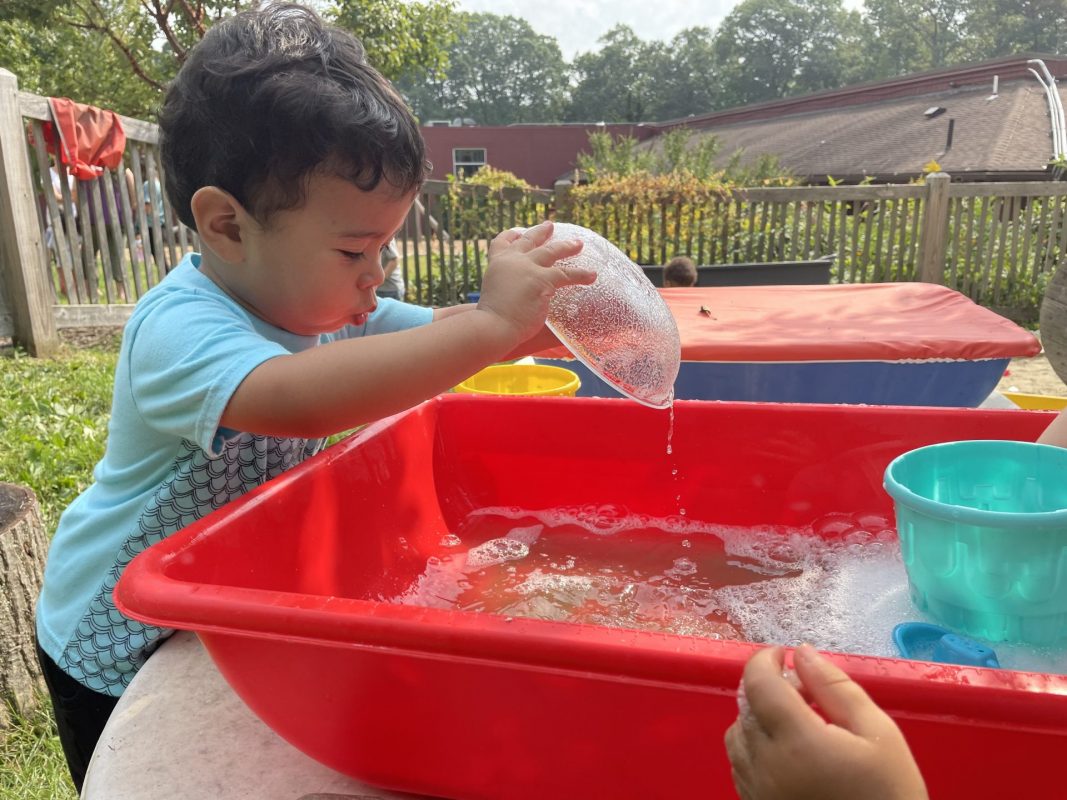
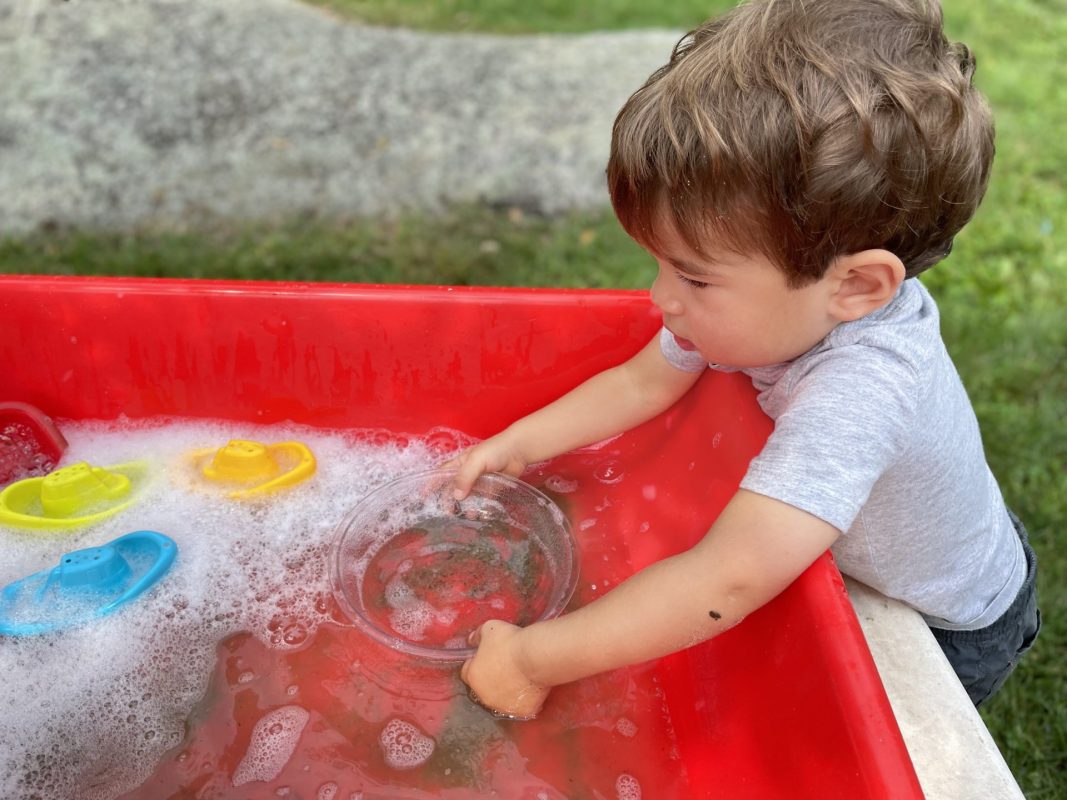
Our outdoor environment has some new water activities as well. The children have enjoyed using these on warmer days. They can choose to use bubble whisking, and water scooping and pouring. There is a bin with smooth flat rocks for building and scissors so they can practice their cutting skills. The children are welcomed to use the scissors to cut the tall grass.

We will be adding more water activities throughout the rest of the year.

Happy Birthday!

Have a wonderful weekend!

Mrs. Wilson and Ms. Sara


Mrs. Hood’s Class: Marvelous Wonders!

“We cannot create observers by saying ‘observe’, but by giving them the power and the means for this observation and the means are procured through education of the senses” – Maria Montessori 

The grass is getting greener, the birds are chirping louder, and after a long winter, we continue to happily observe how the Earth wakes up from its deep slumber. Even though we witness this season every year, it feels so magical every time! 

Like Dr. Maria Montessori, we believe that nature is a patient teacher and that Earth is our classroom. Corresponding to how we teach children in the Montessori tradition, nature provides us with both concrete and abstract learning for students of all ages. At our level, children have experiences that introduce them to marvelous wonders by using all five of their senses to comprehend concrete things and build a foundation for understanding the processes of natural life.

This week children helped to decorate a habitat for some very special guests in our environment: caterpillars. The amazement in your children’s eyes is indescribable but we can tell you that they seem very excited about our new visitors. For the next few days your children will be able to observe the metamorphosis of a butterfly. We introduced this week the first stages of its life cycle  and children seem to be very curious about the anatomy, movement, and feeding procedures  of the caterpillars.  

In honor of Earth Day we also started the plant studies by planting a seed using a transparent container, cotton, water and of course, a seed. We chose a bean! During the next couple of days your child will observe the life cycle of a plant and since the container is transparent, they will be able to see how the roots grow first. It’s very exciting! 

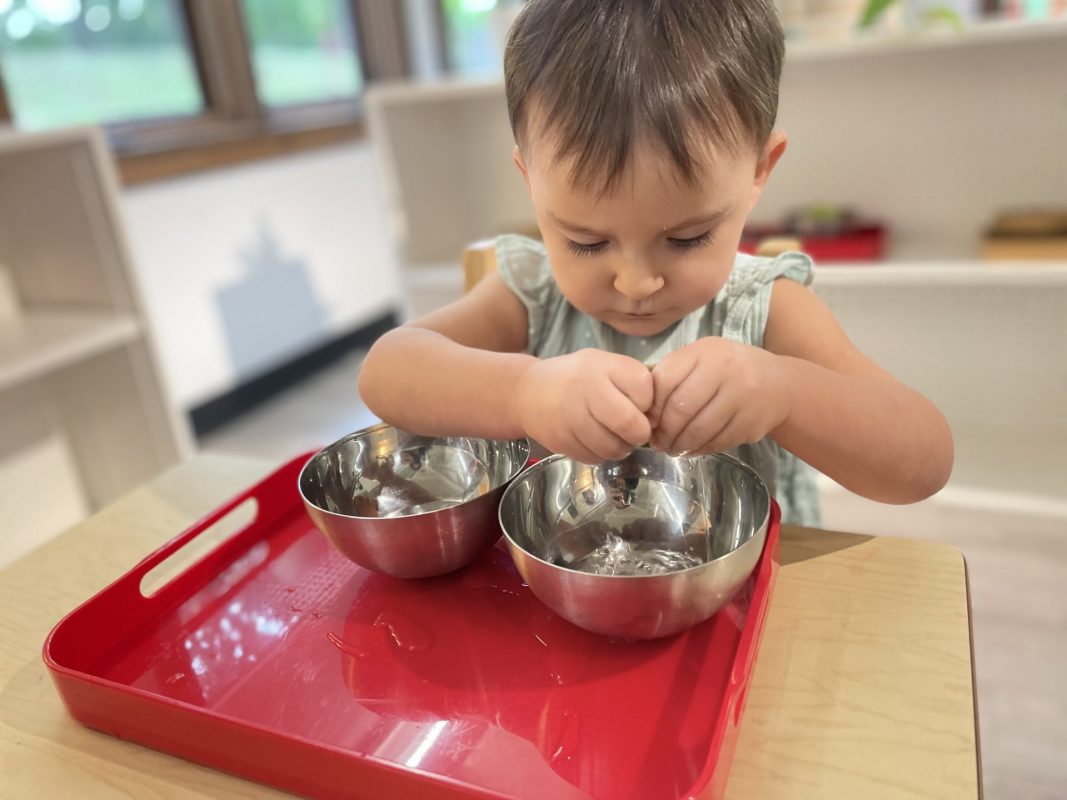
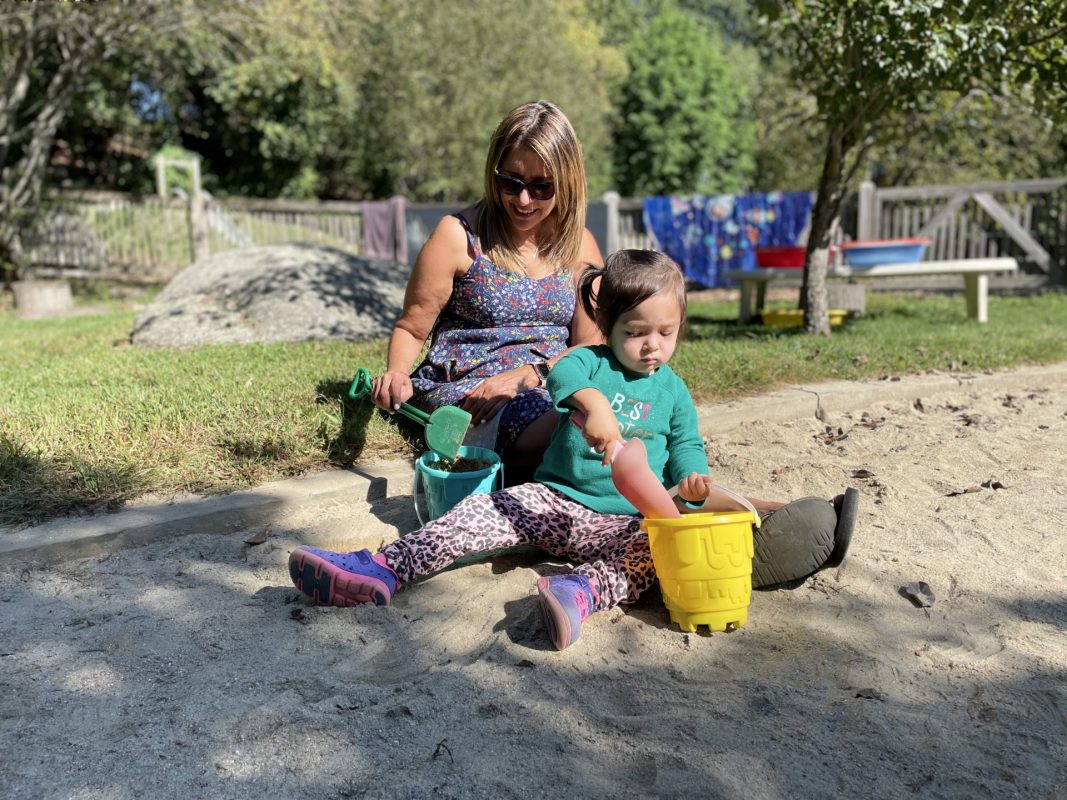
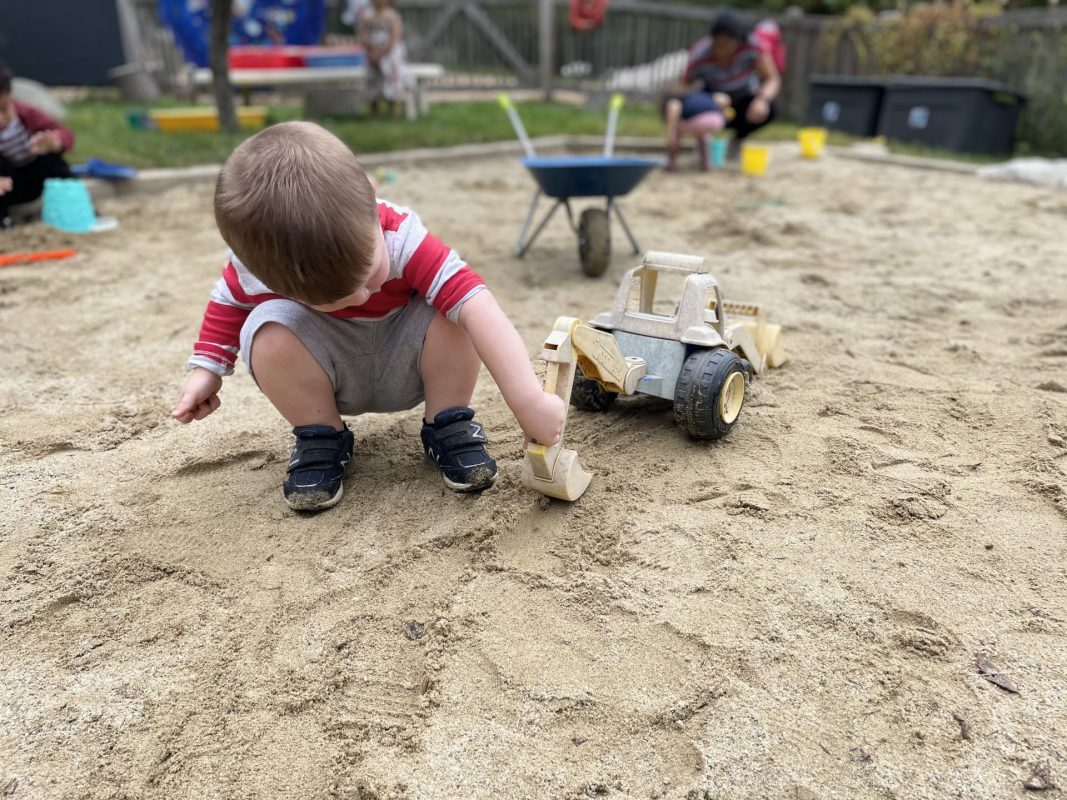
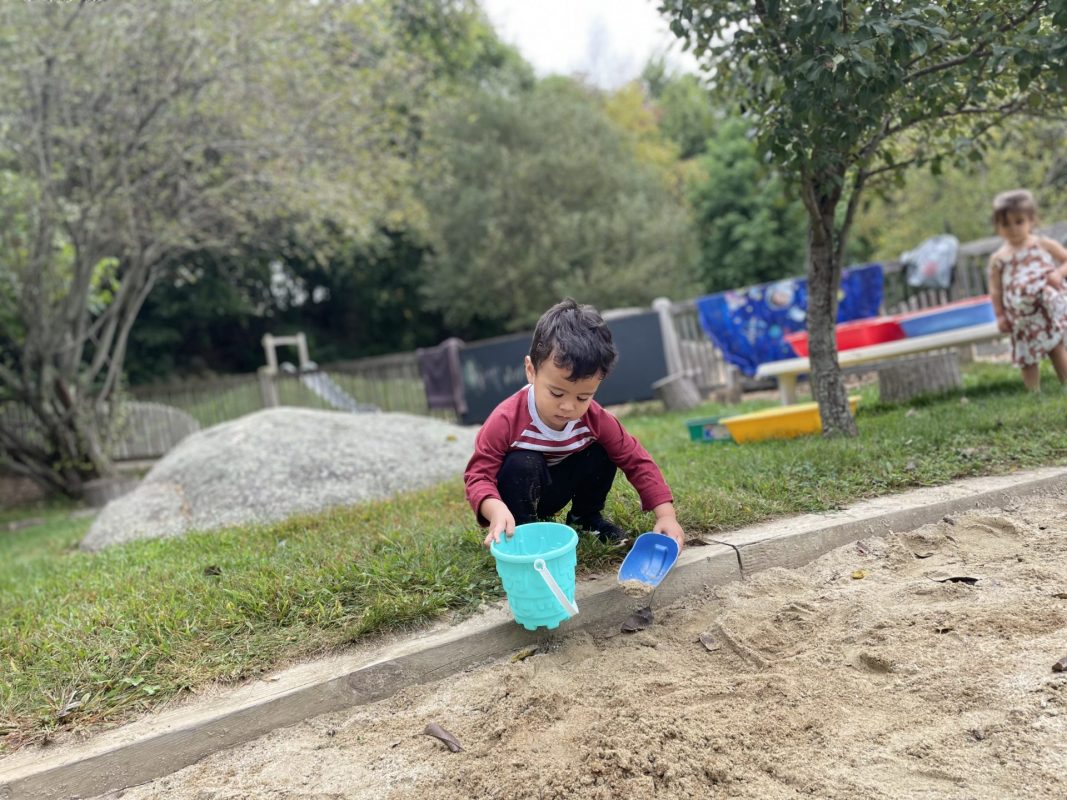
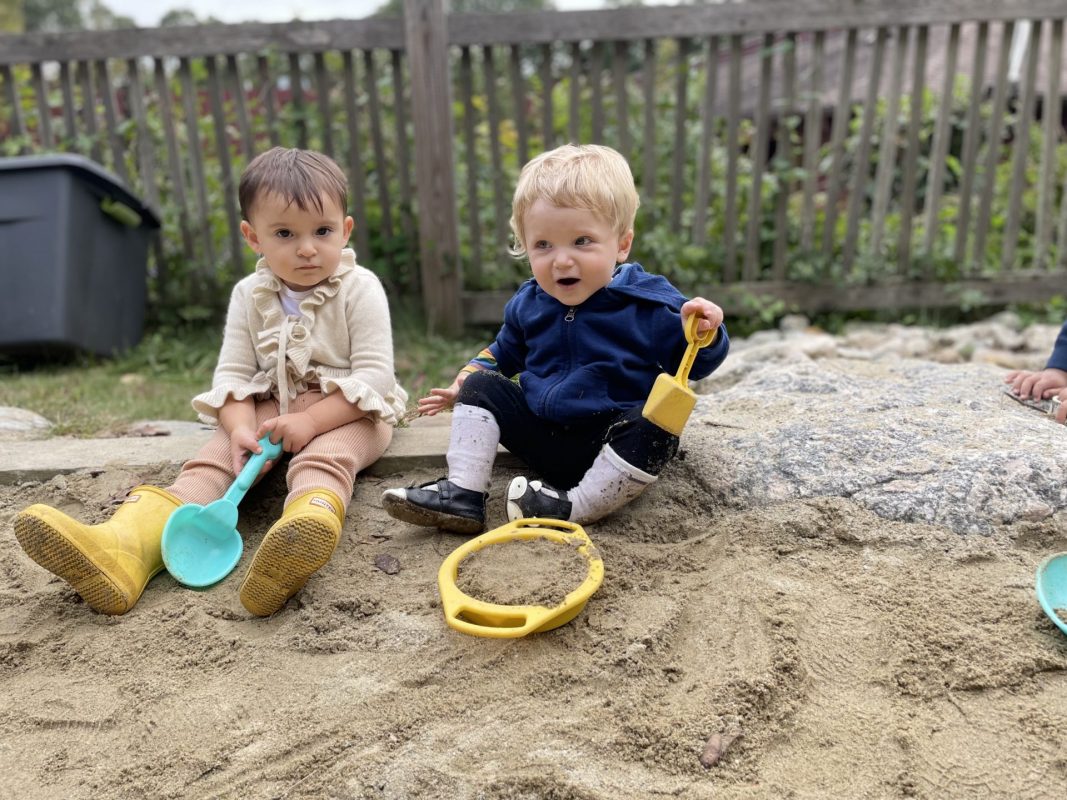
As another highlight of the week, the children enjoyed their outdoor time exploring water. The calming effect that water has in a toddler’s life is just incredible to witness! Children practice their fine motor skills by pouring, scooping, mixing, squeezing, and experiencing a lot of cause and effect. As a reminder, please make sure you send some of sets extra clothes for your child as our spring adventure continues! 

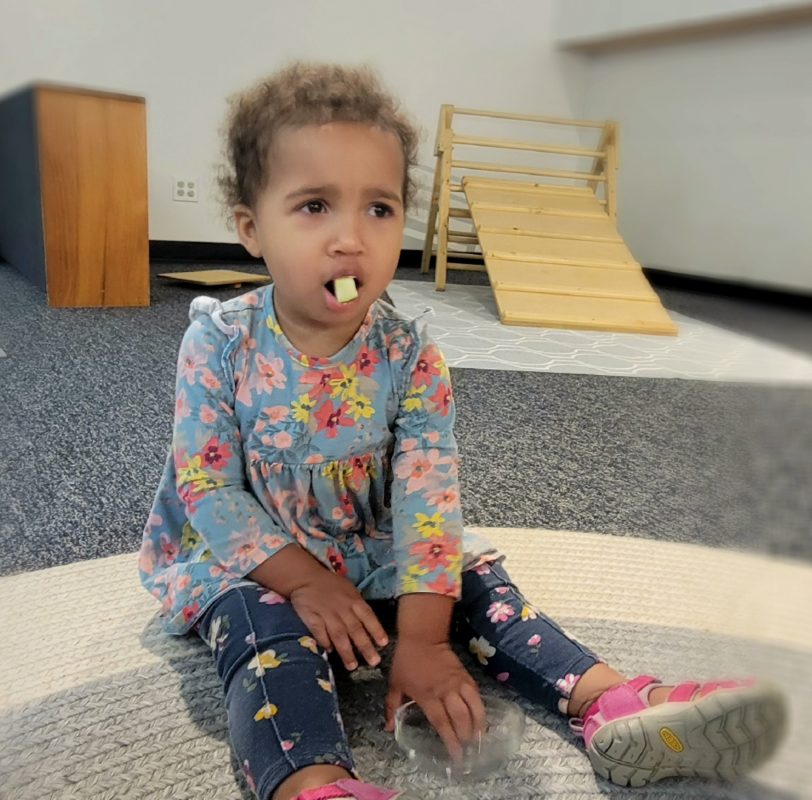
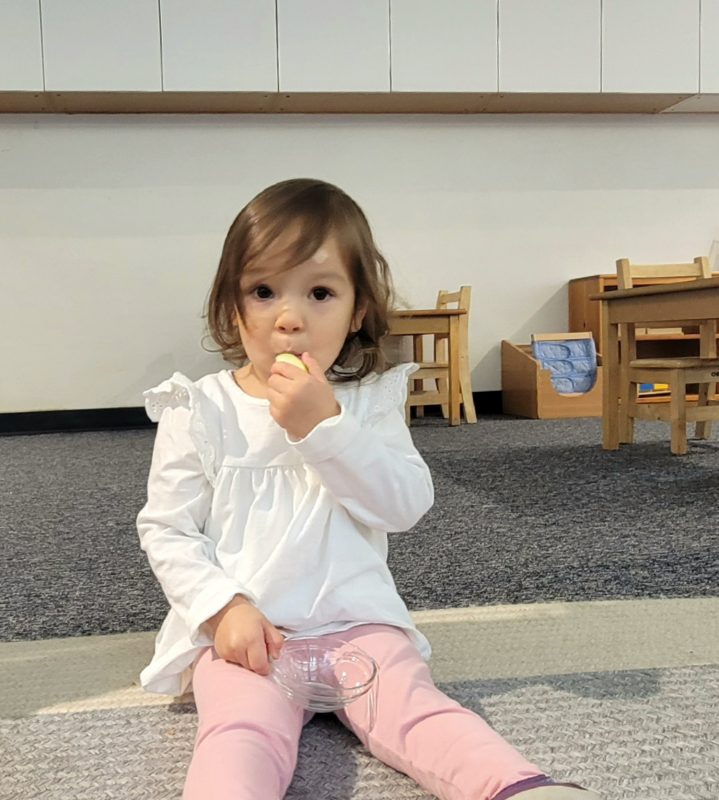
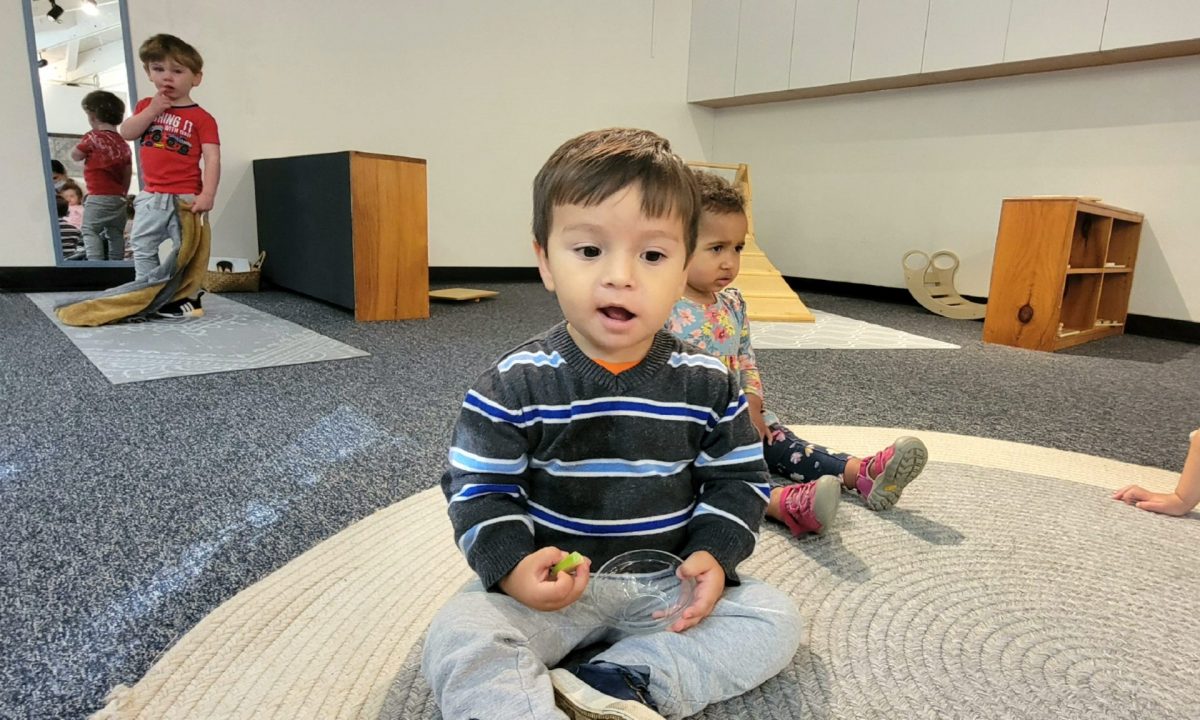
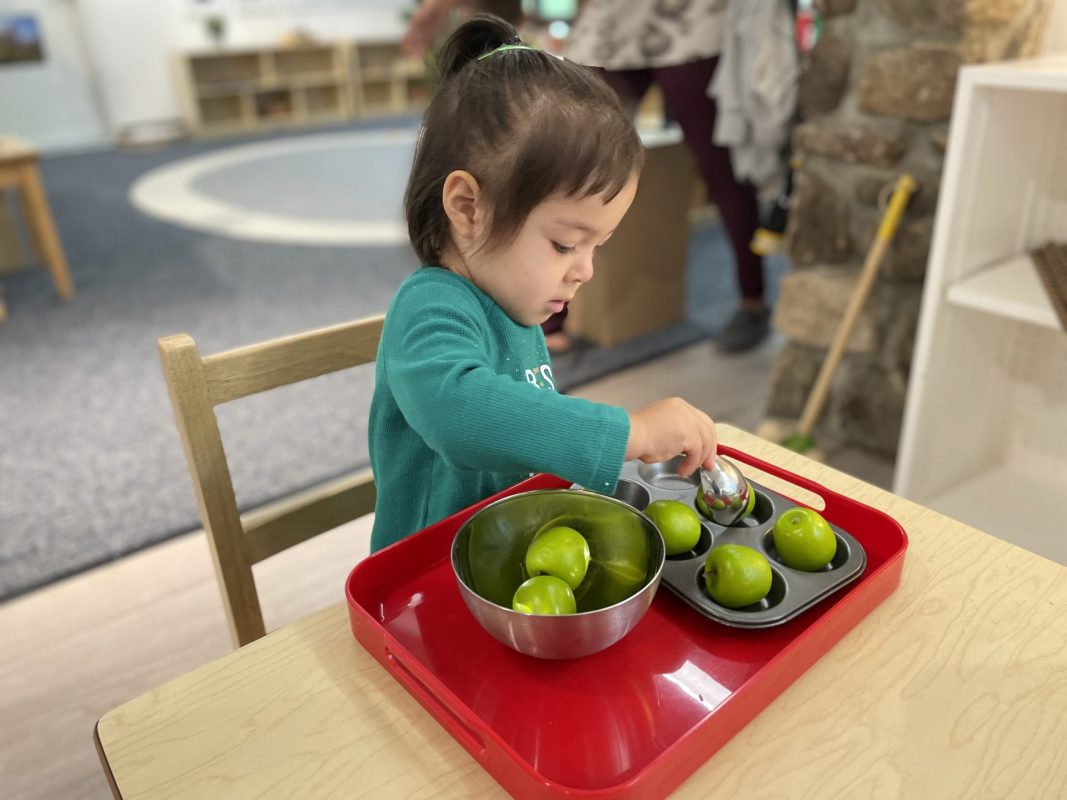
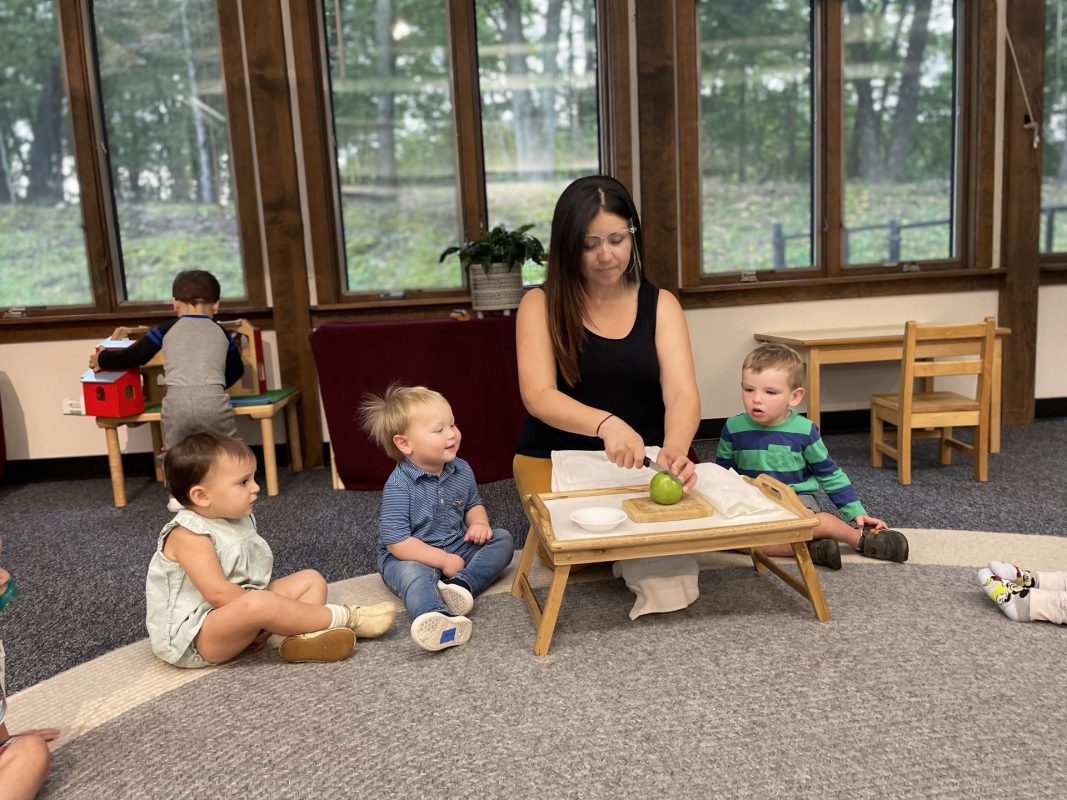
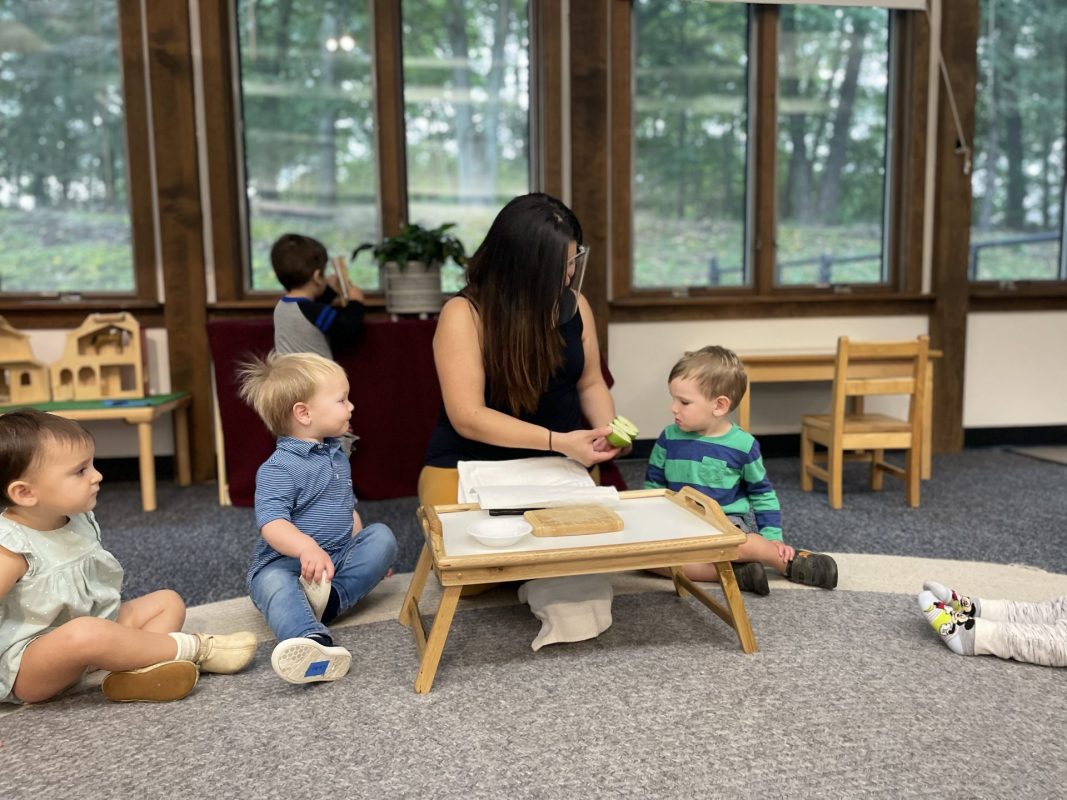
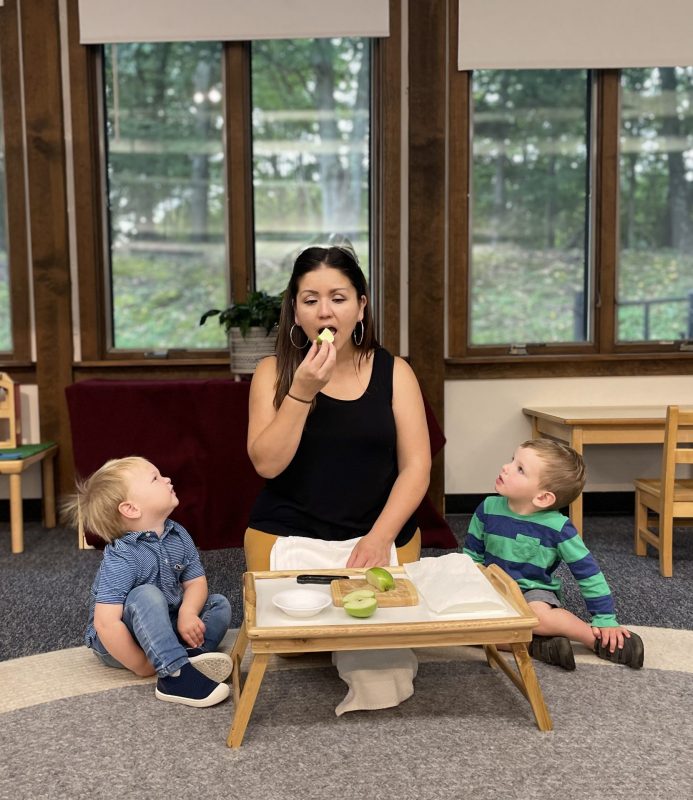
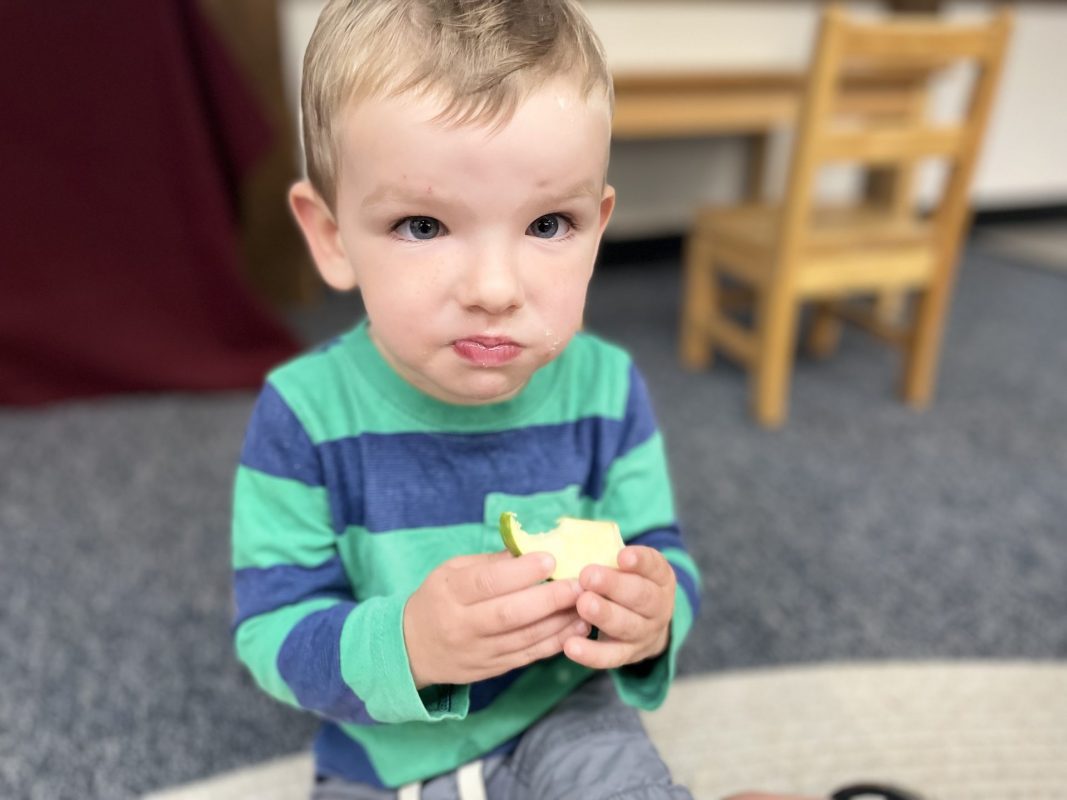
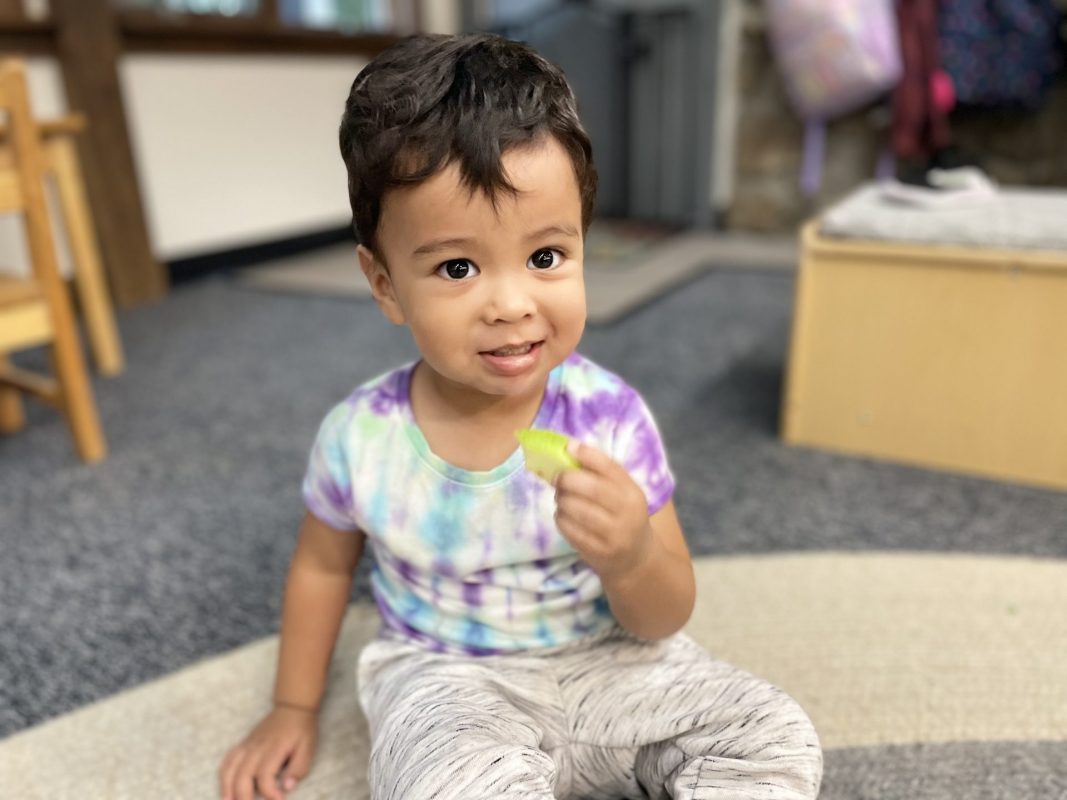
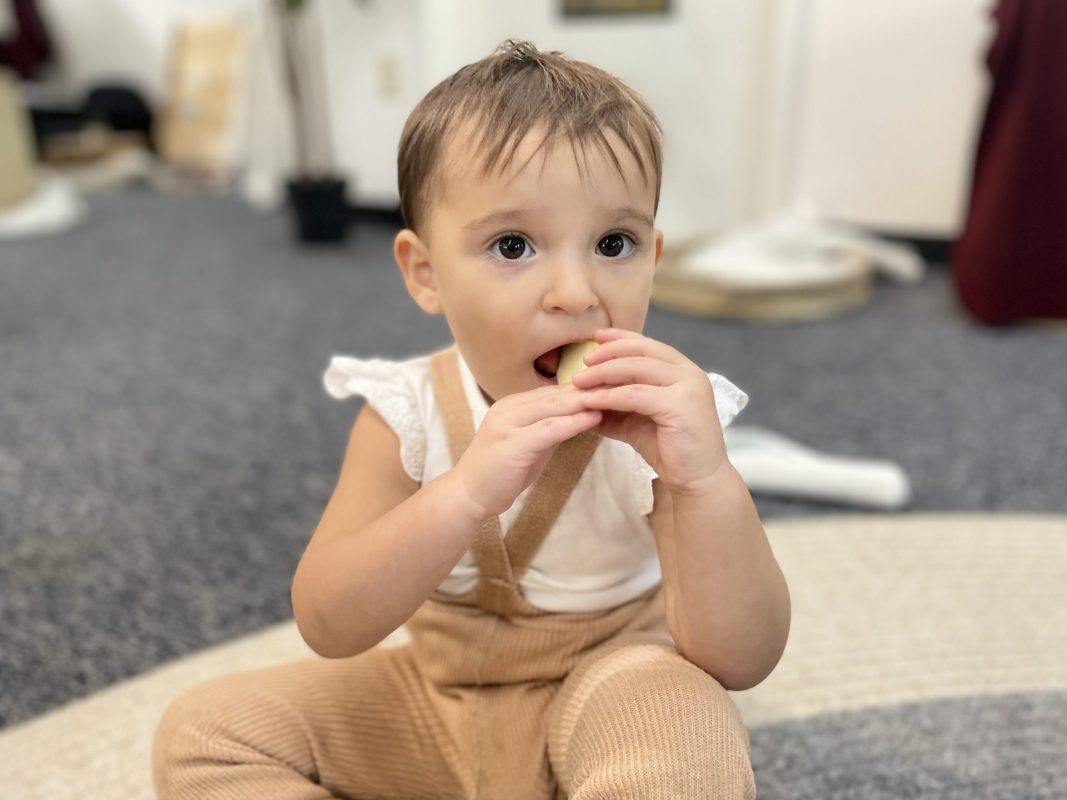
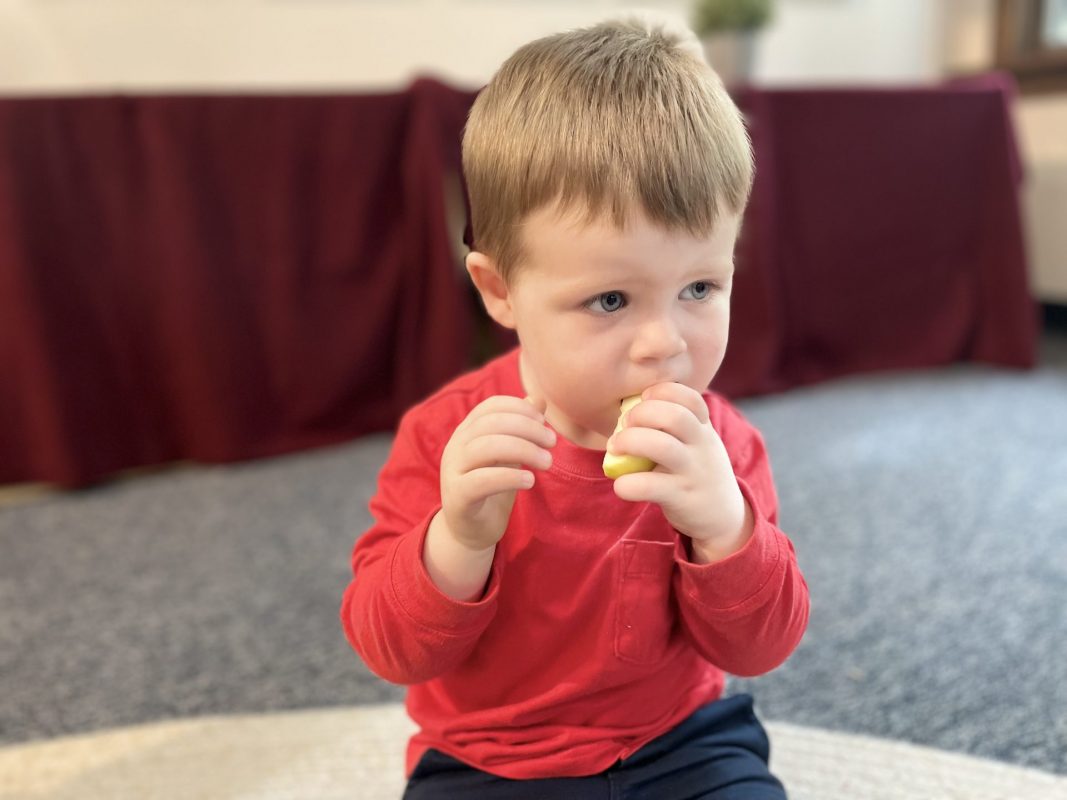
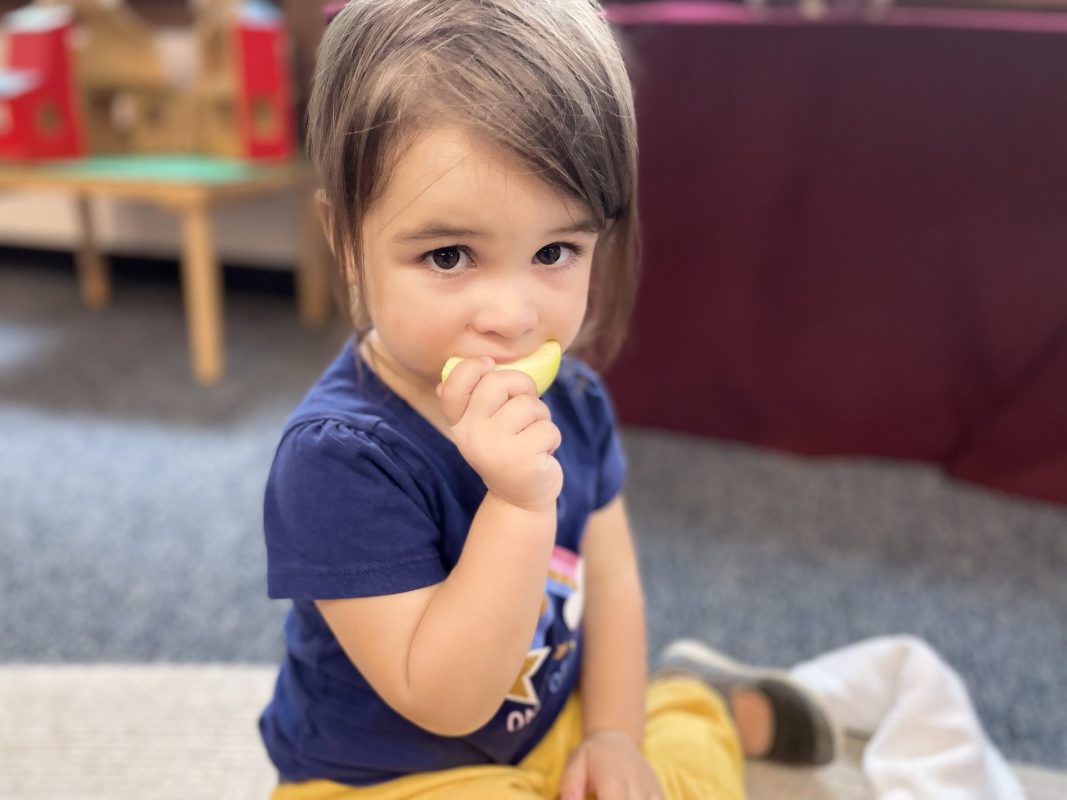
Lastly, children explored asparagus for food testing this week and this vegetable was a complete hit! We hope you add it to your list of favorite toddler foods.

We hope you have a happy weekend and remember to stop and smell the flowers! Nature brings a lot of healing and, oh boy, how we need it! 

Enjoy, 

Mrs. Hood and Ms. Maria
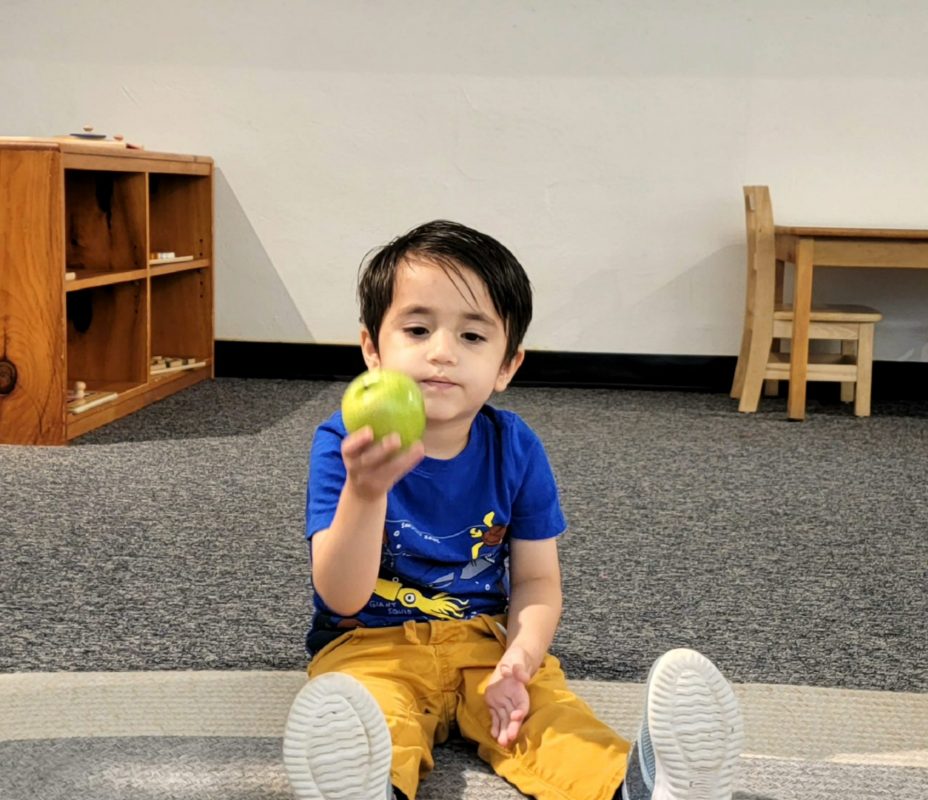

Time outside!

We are enjoying the beautiful weather outside as much as possible. We know that rainy days are headed our way and are taking full advantage of our playground.

We have had several visits from our Community Service Volunteers over the past few weeks. FWM Middle School students devote one hour every six days to work with those younger than them. This is a pleasurable time for all involved as the children begin to see each other as an extension of their families and class communities.


Mrs. Wilson: The Adventure with Mrs. T and Rain Puddles!

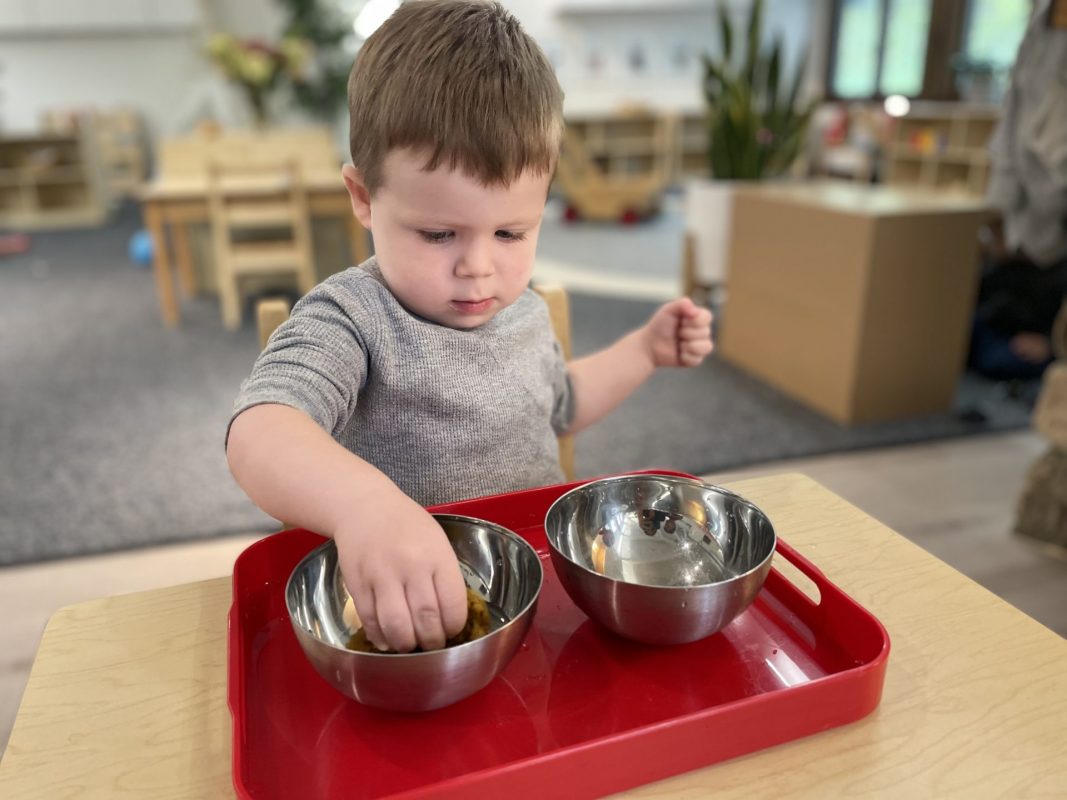
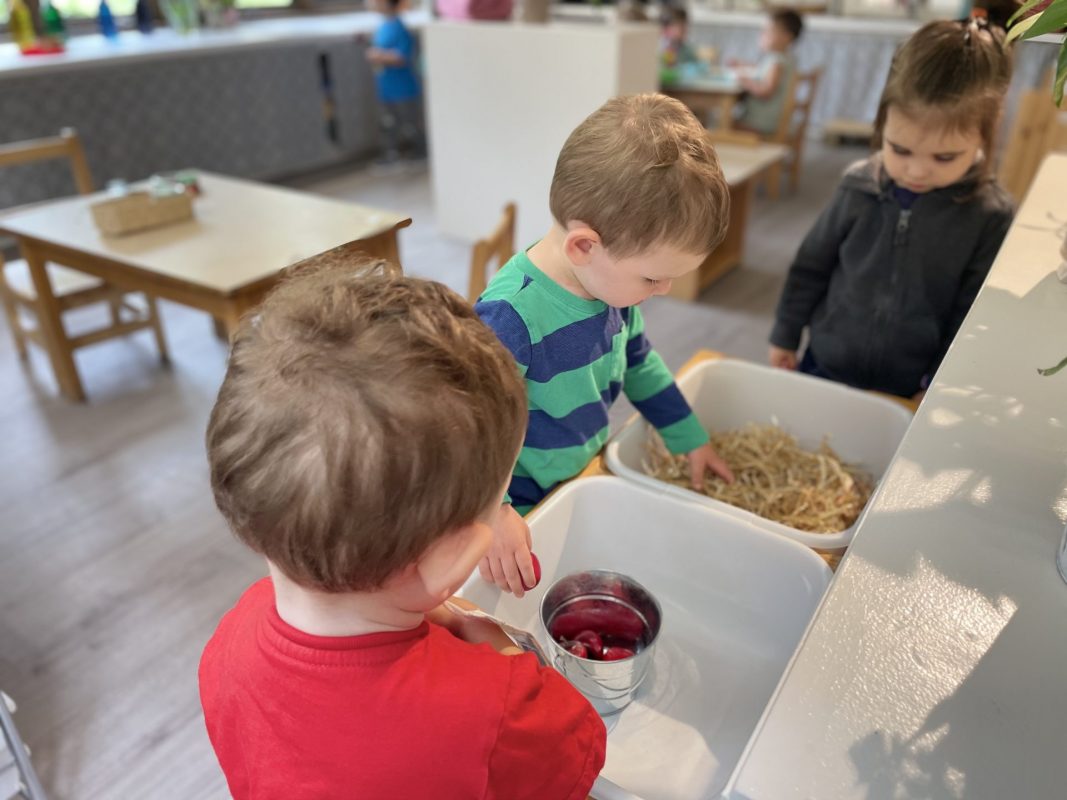
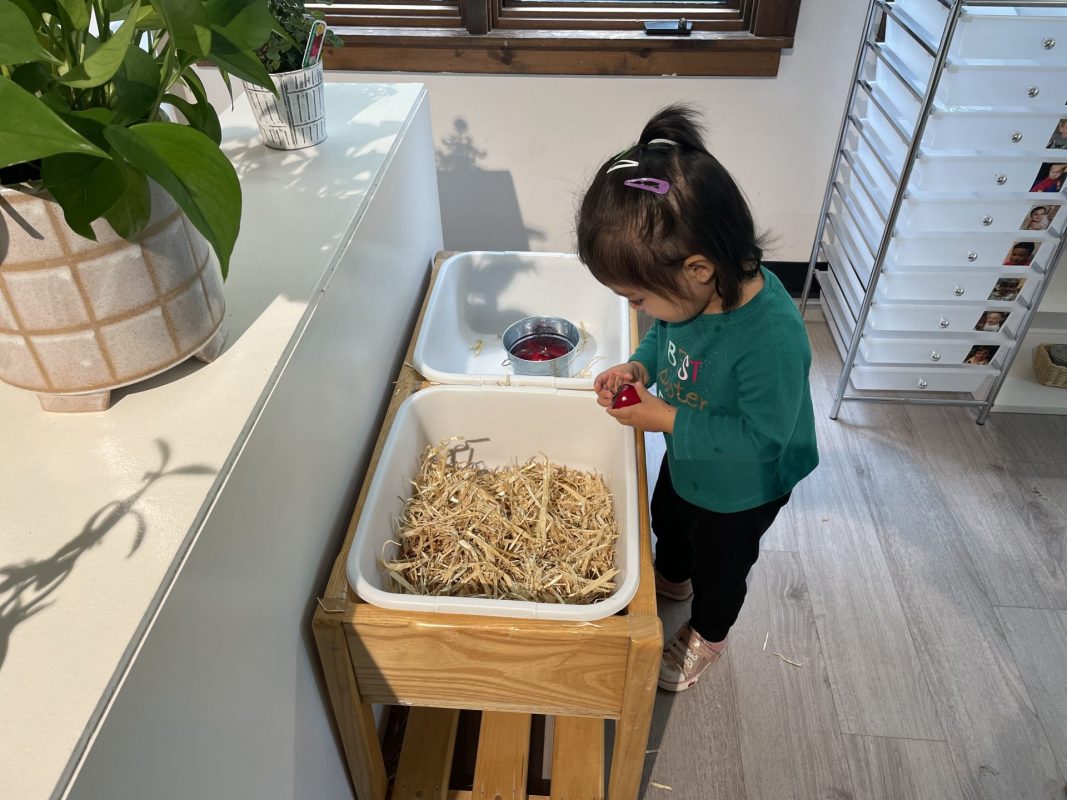
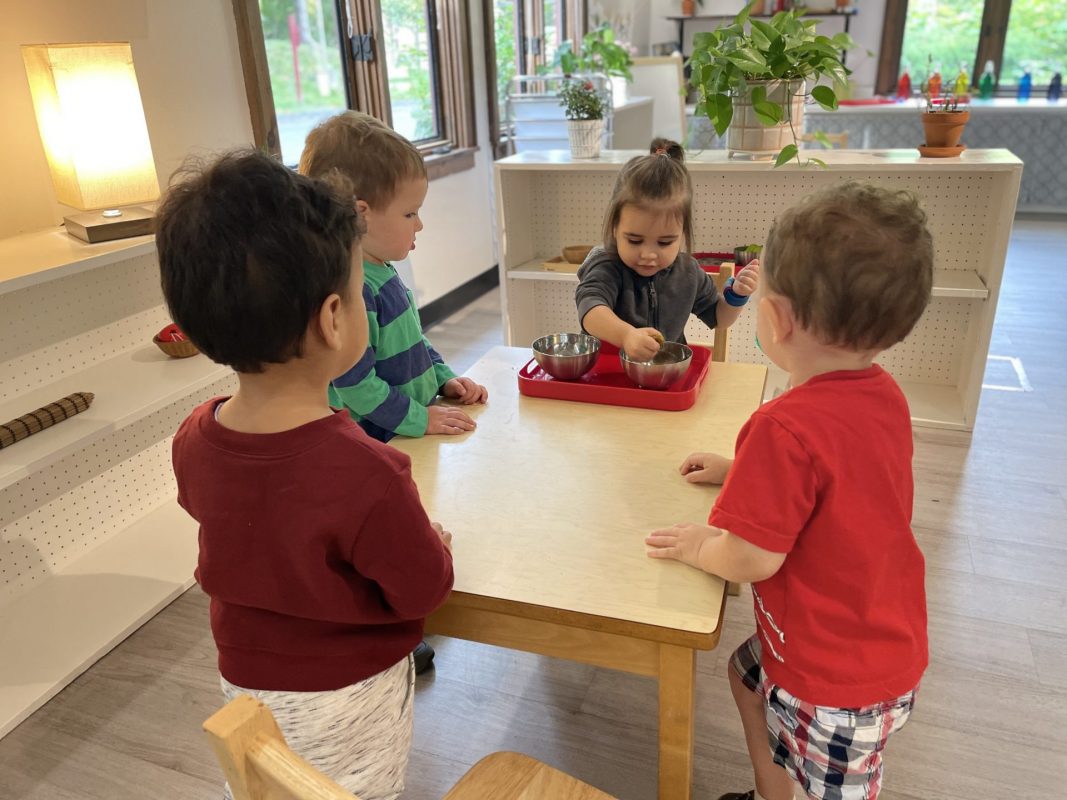
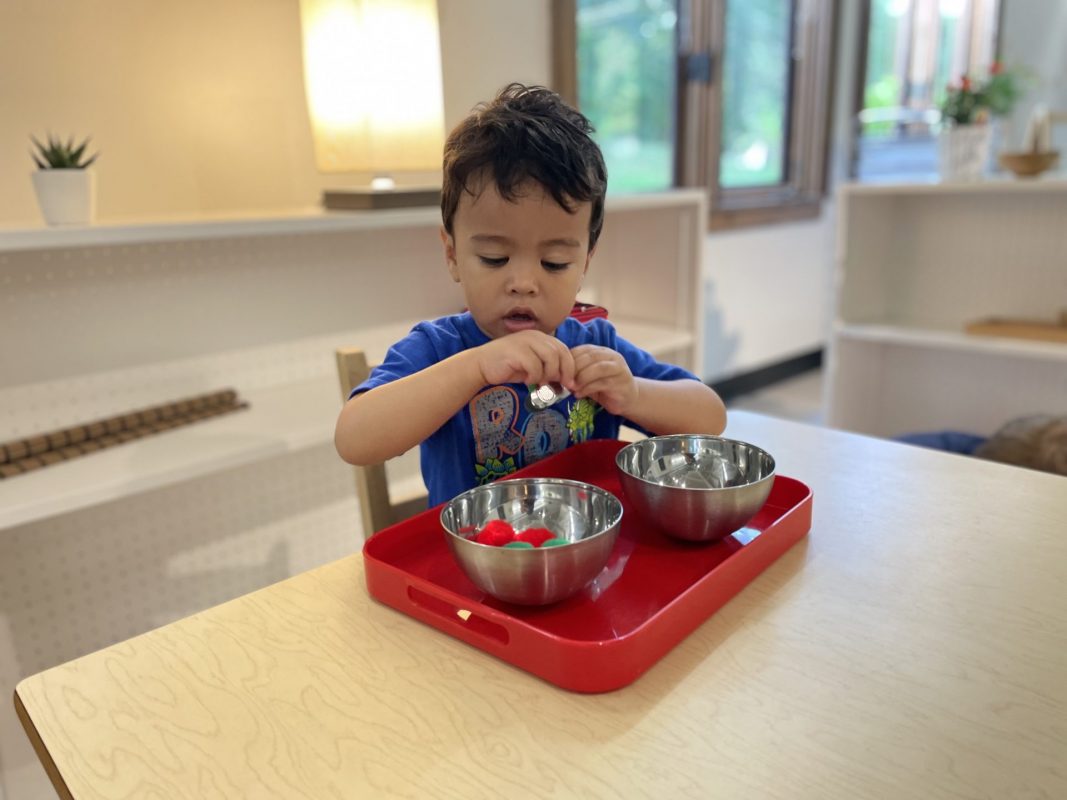
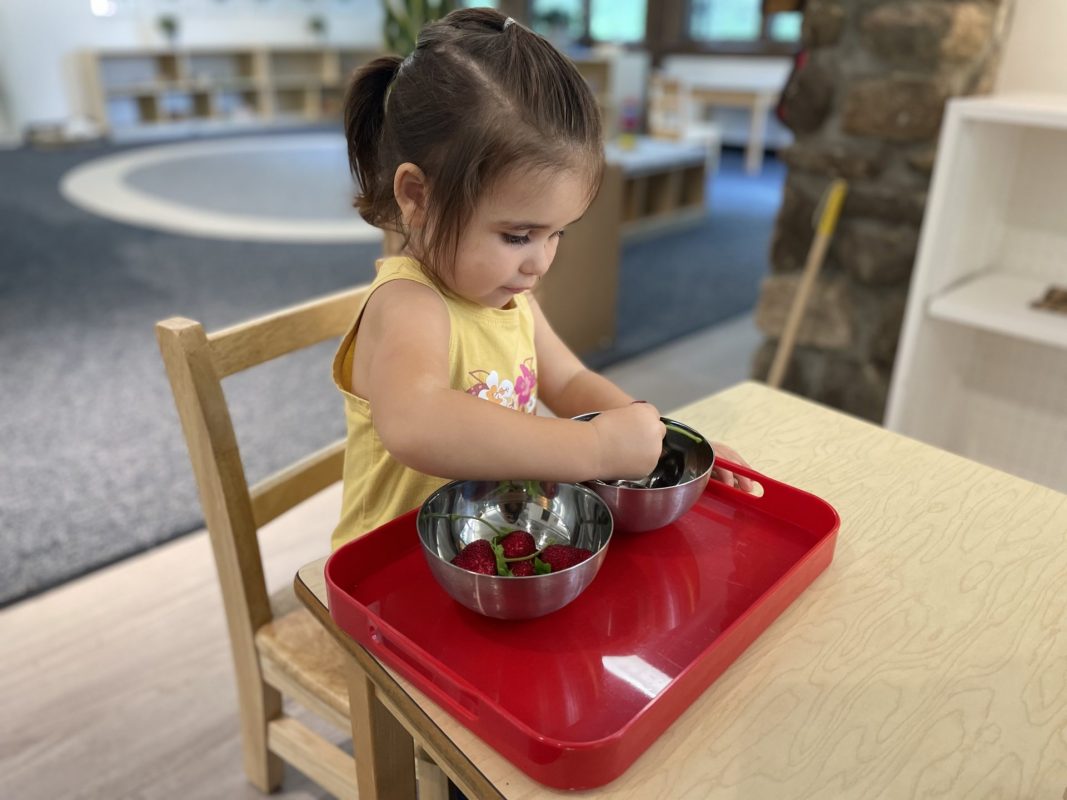
This week the children continued to explore lessons related to weather and spring. They were introduced to the life cycle of a chicken and a plant. Outside the children have an option to explore the sensory bin filled with life-like worms. They can choose to use tongs to pick up and collect the worms into bowls. Thank you Mrs. Hood for sharing this wonderful activity with us.

On Wednesday, the children had a special visitor stay with us for the day. The children were called to circle and we introduced to them Mrs. T. the box turtle. Mrs. T is a very sweet and gentle 36-year-old turtle. The children were eager to have a turn to hold and pet her. We taught them to hold her carefully like holding a hamburger or sandwich. We pointed out the parts of her body and talked about all the different kinds of food Mrs. T eats.
Mrs. T enjoyed some time outside exploring the playground. The children sang her songs like Twinkle Twinkle Little Star and Mary had a Little Lamb. Another child sat down to read a book to her. By the time it was nap time Mrs. T sure did need a nap too!
We can’t wait for Mrs. T’s next visit!

Thursday, we were so thankful for the warm spring air and rain. This gave us the opportunity to get outside and jump in puddles. The children were elated while given the freedom to run and jump from puddle to puddle. It was such a joyful experience and even more when Ms. Sara and I joined in!

“When life gives you rainy days, jump in the puddles.”
Mrs. Wilson and Ms. Sara


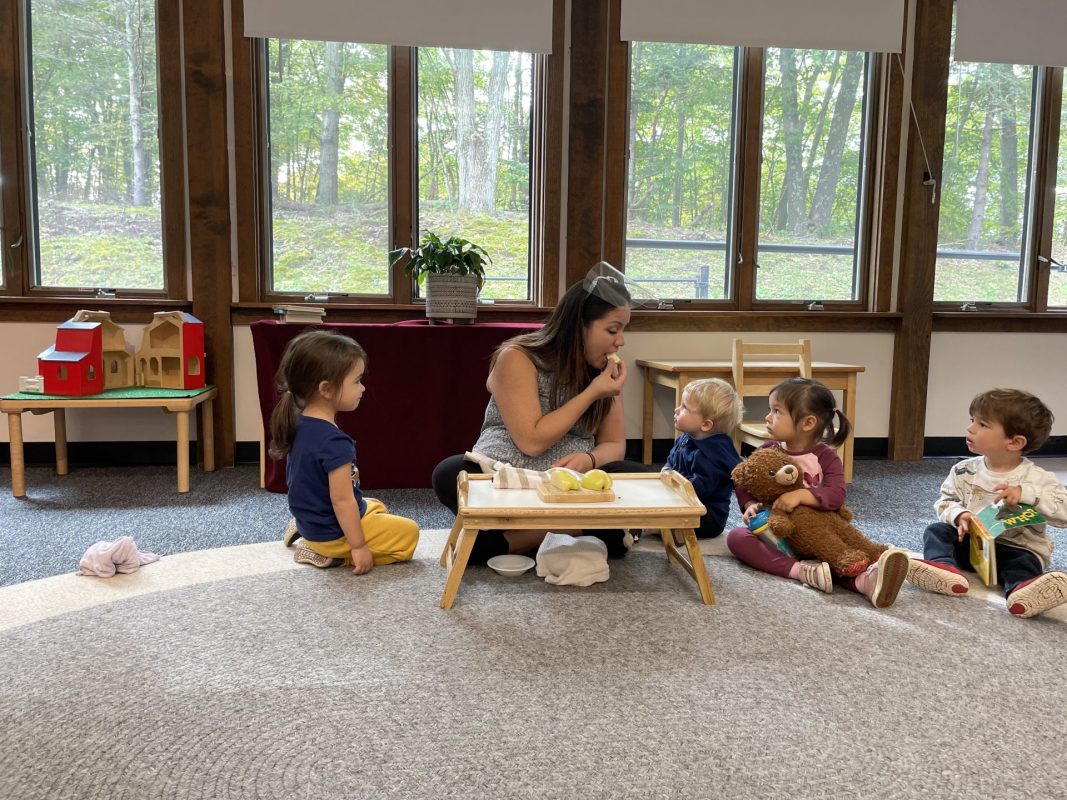
Mrs. Hood’s Class: I Know a Chicken!

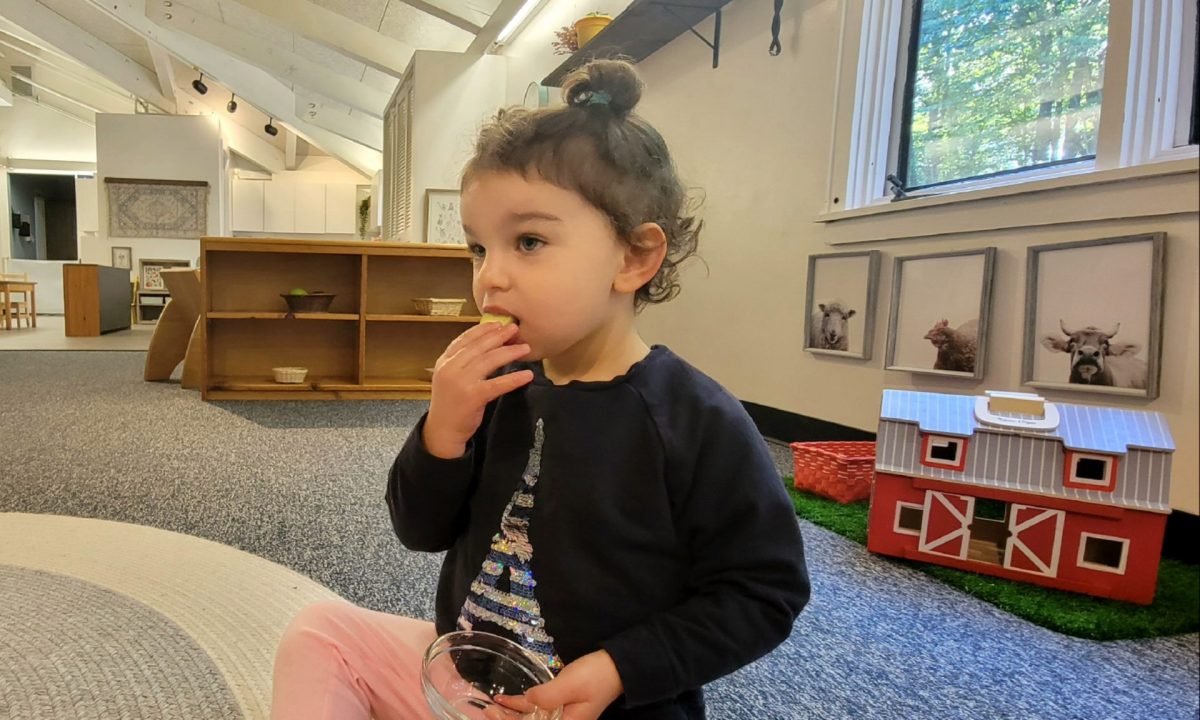
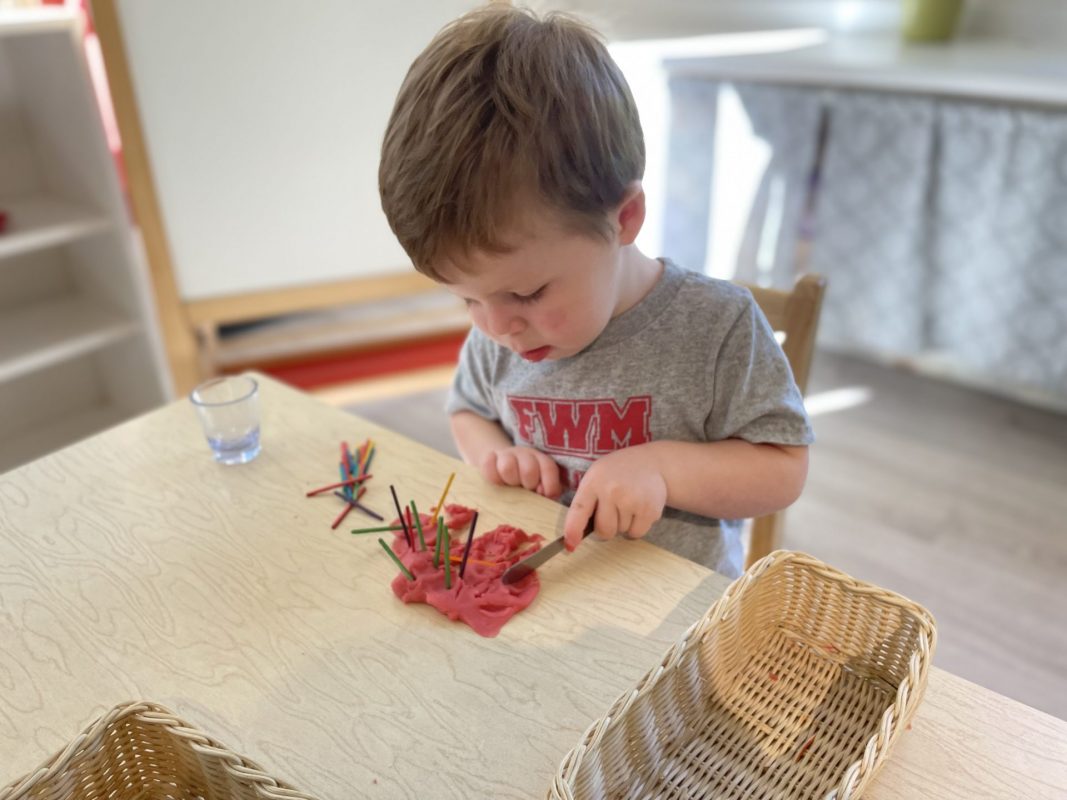
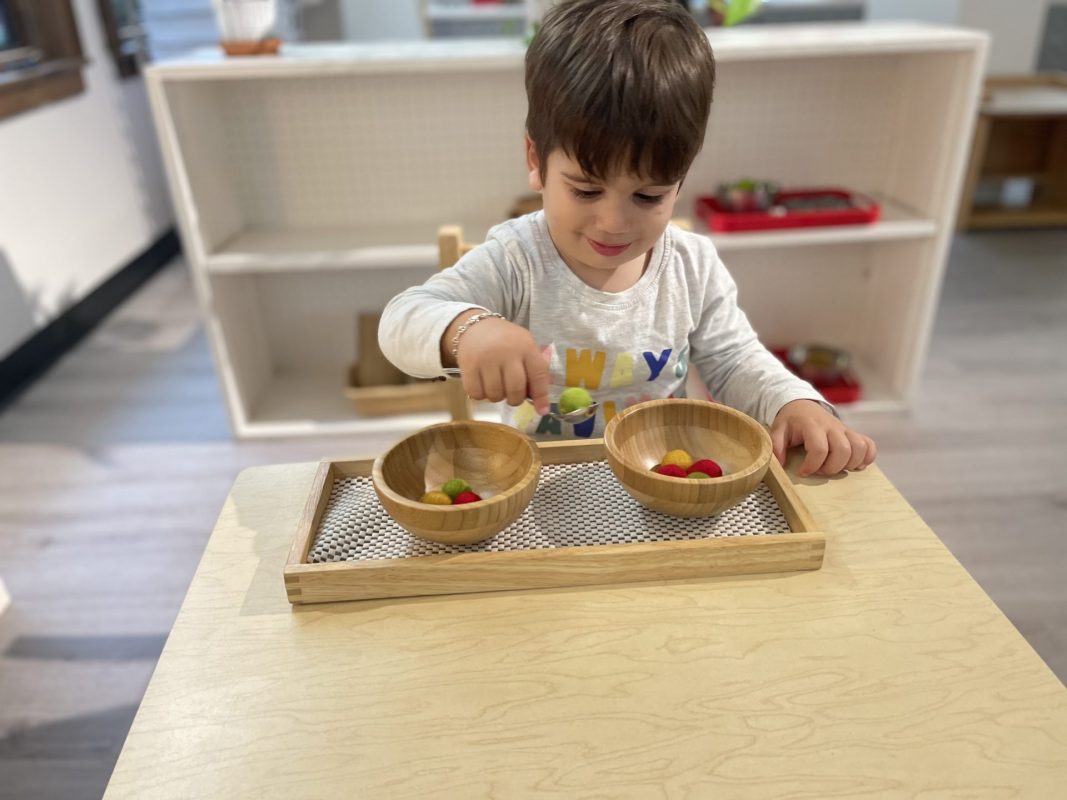
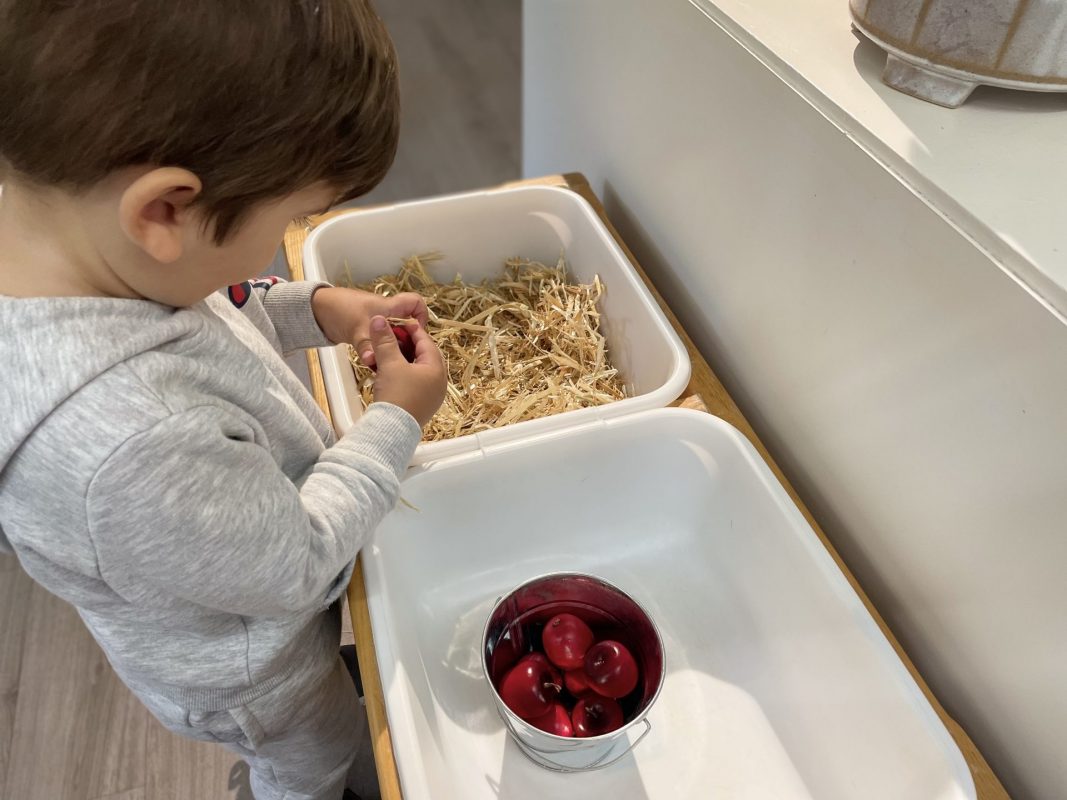
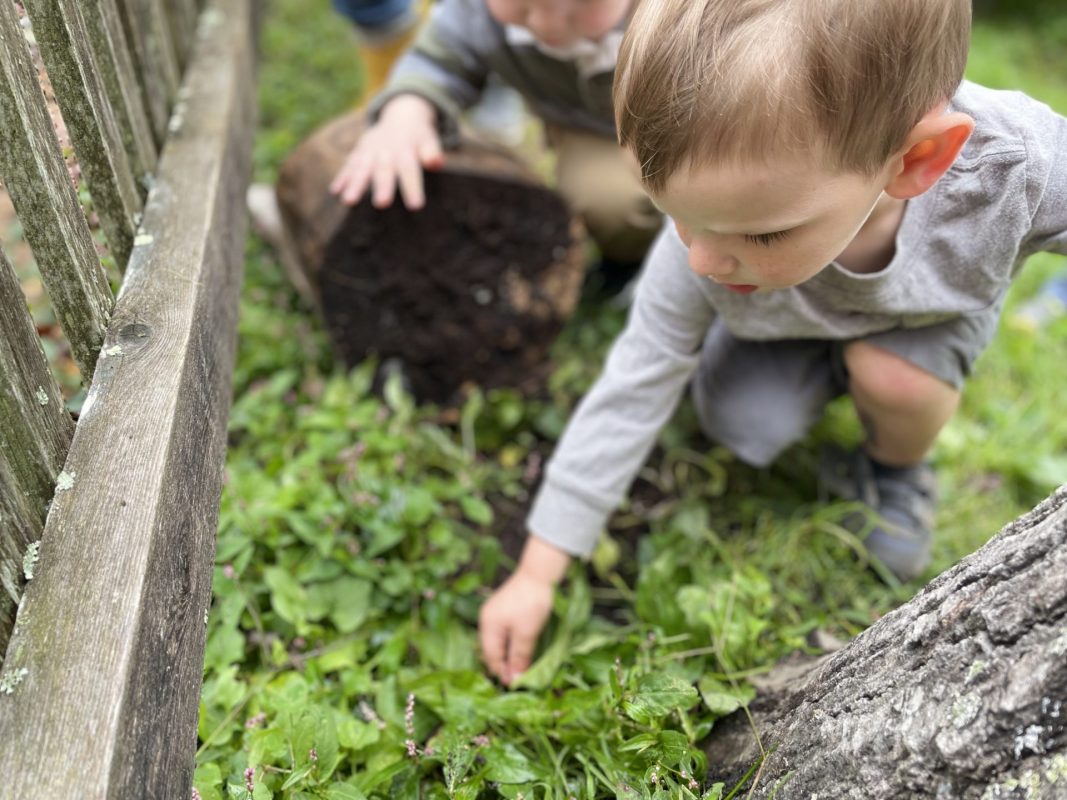
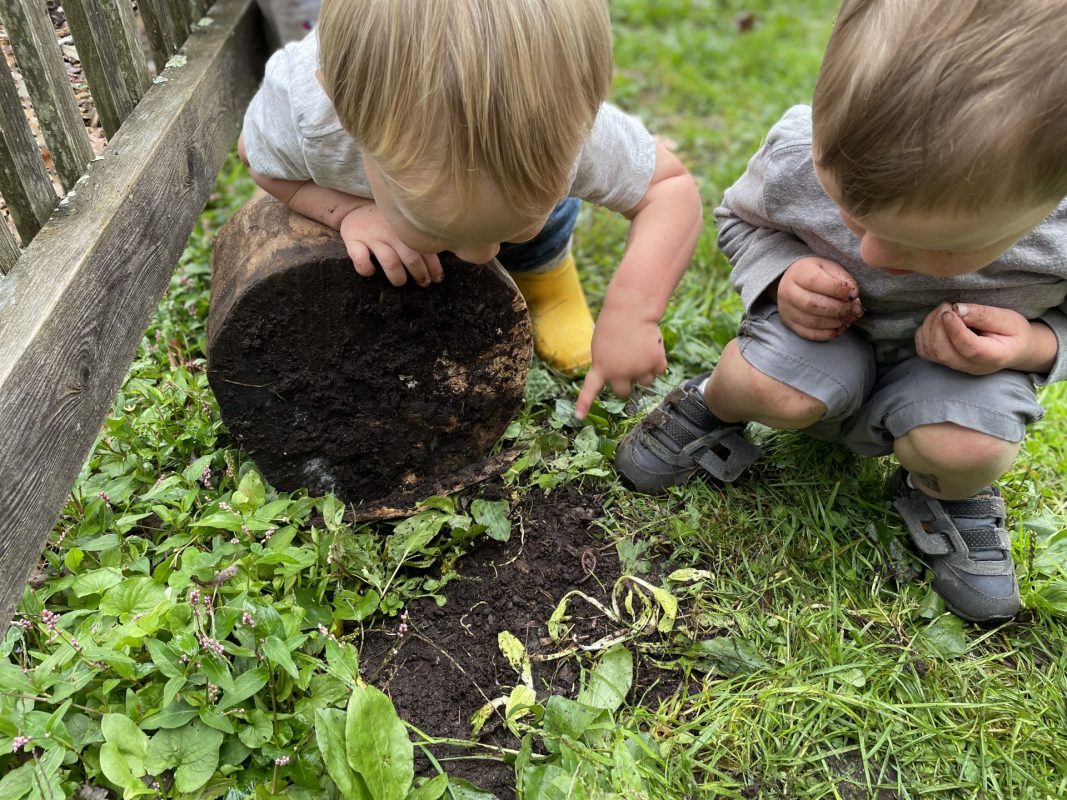
The highlights for this week are based on the continuation of our chicken studies. We focused on completing the life cycle of a chicken. We learned that after the chick has hatched from the egg, the mother hen takes care of it and provides food for it. Children learned that chickens do not have teeth but they have strong beaks to eat seeds, green plants, insects, and worms. In our outside environment we were able to find some real worms and observe them moving. We then pretended to be little chicks by exploring the worm sensory bin. Children practiced their fine motor skills by digging, finding, and picking with tweezers some life-like worms and transferring them to a bowl. 

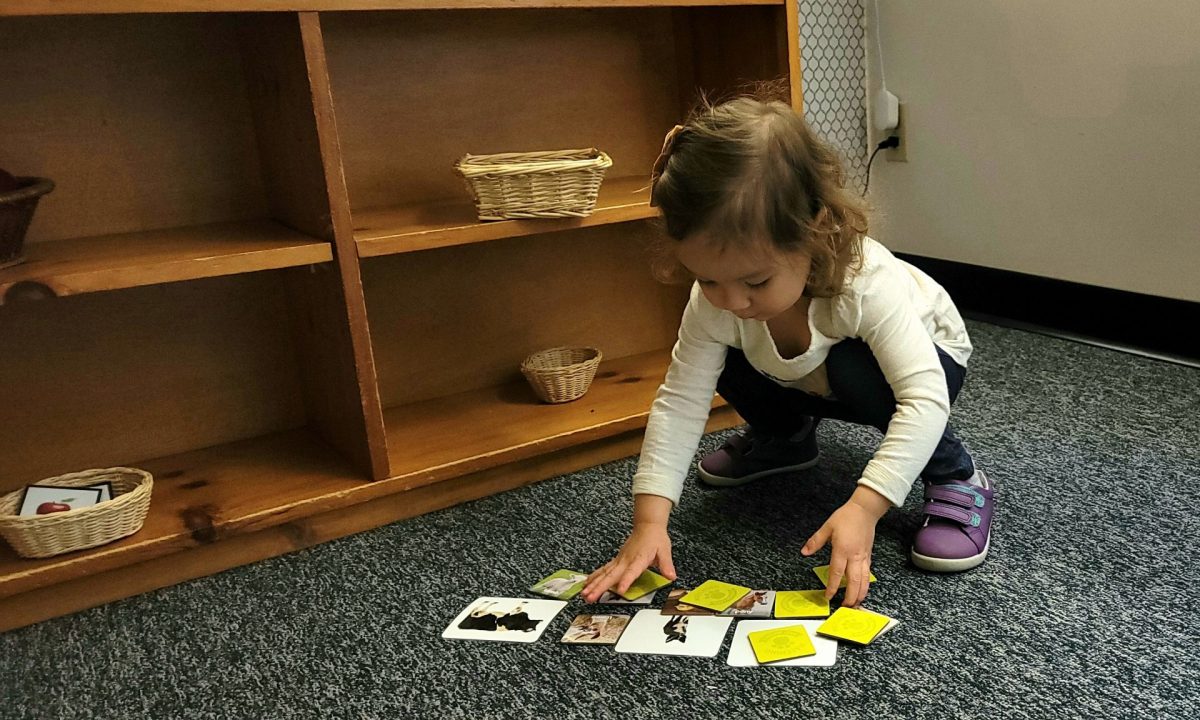
We also learned the different parts of an adult chicken including vocabulary words like comb, beak, feathers, legs, wings, claw, tail, and wattles. Children were able to observe a real chick coming out of the egg shell through an educational clip and through books in our environment and then reinforced this lesson by using an object-picture matching work in our language area. 

In addition to various new spring works in the environment, children learned how to use a mortar and a pestle in our practical life area. They worked hard to crush eggshells very small and transfer them into a container. We will use the crushed egg shells next week as part of our care of plants lessons. 

For a fun sensory activity, the children chose their favorite color egg and filled it with rice to create musical egg shakers. We then introduced the song, “I Know a Chicken,” by Laurie Berkner and we had so much fun dancing to it with our own eggs shakers.  

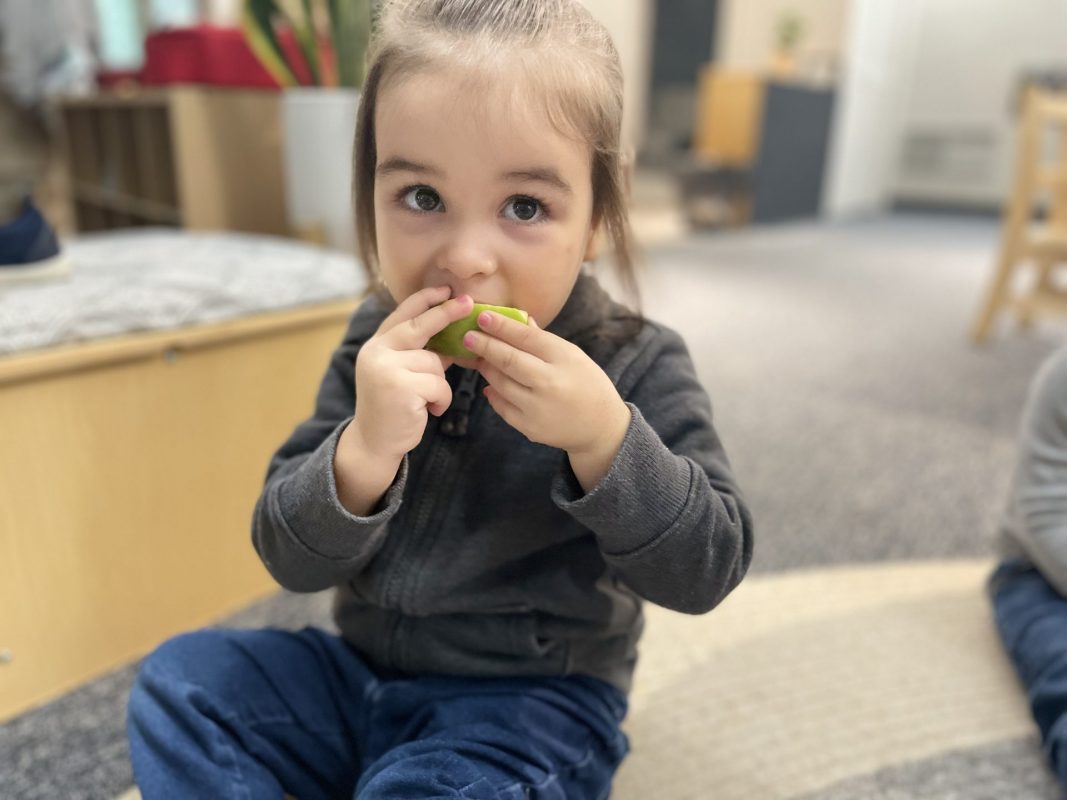
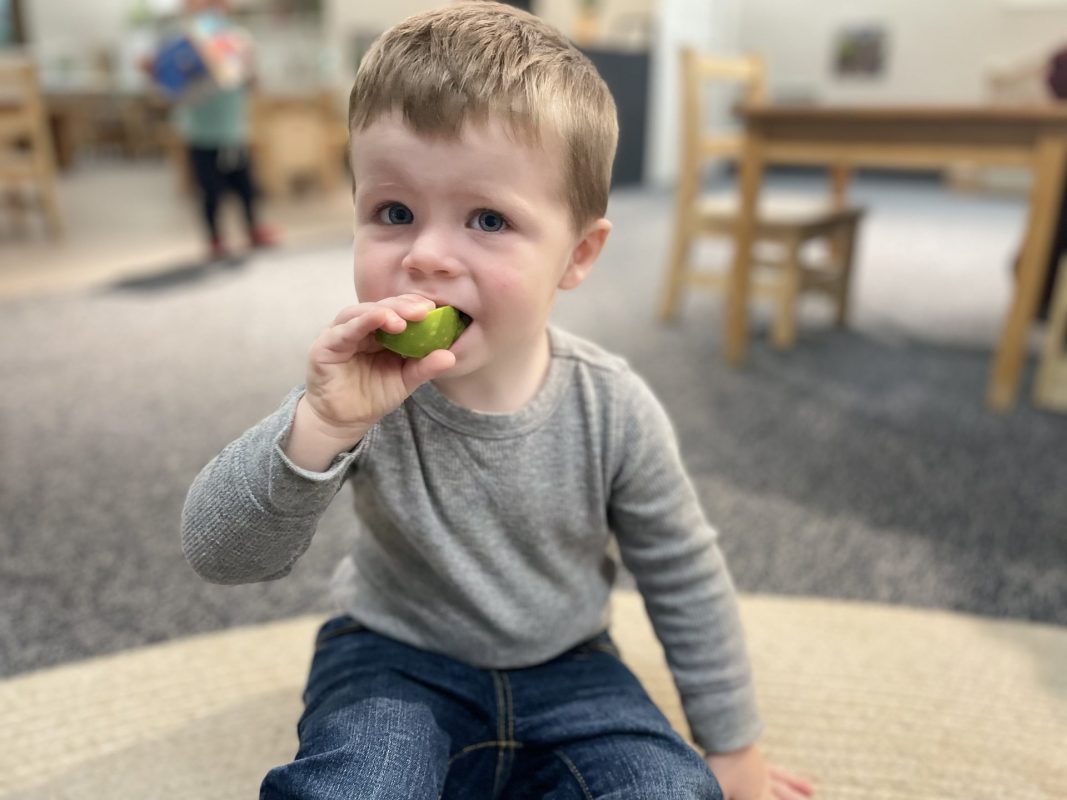
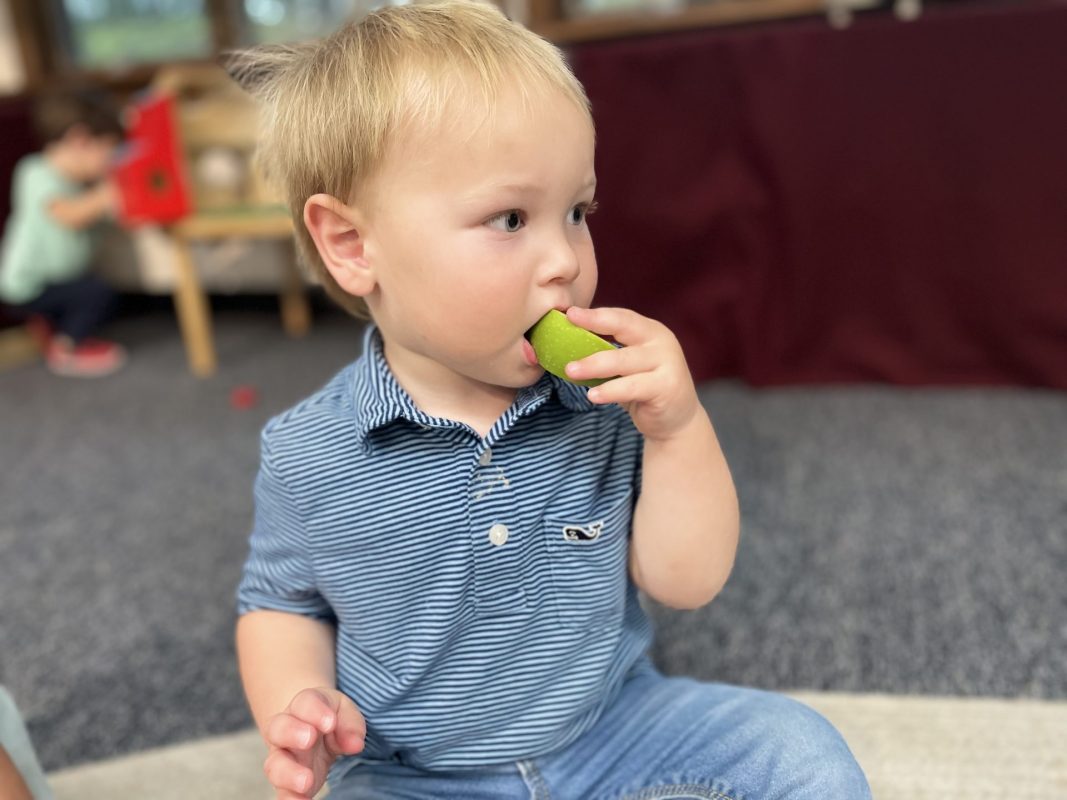
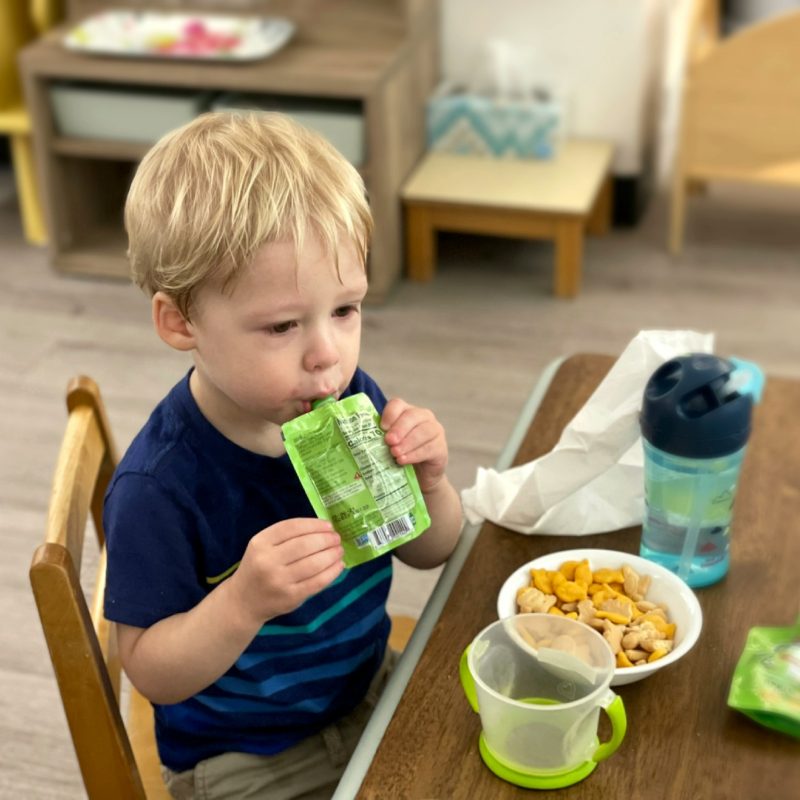
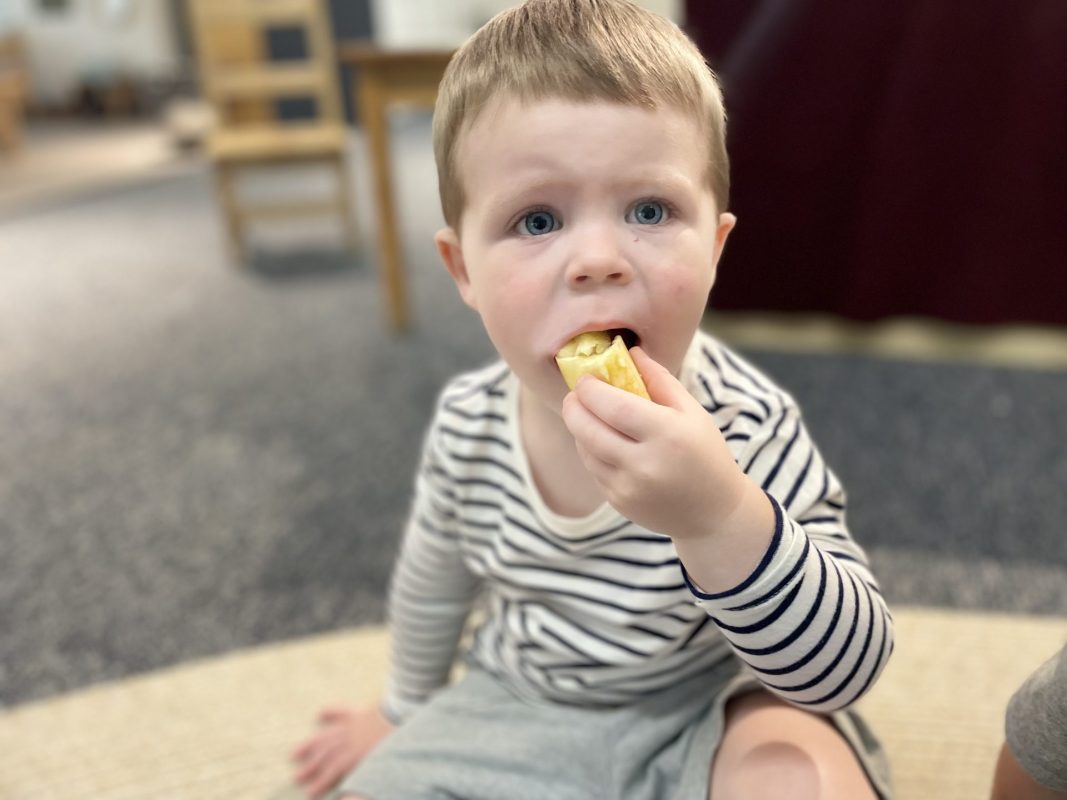
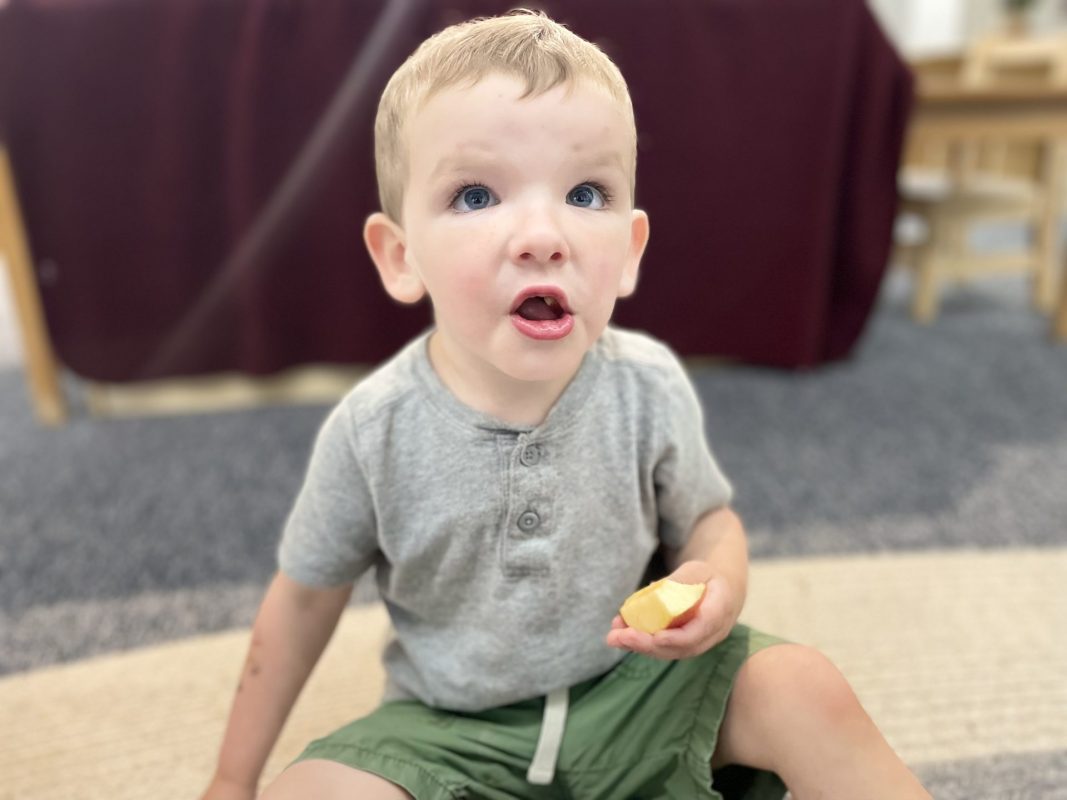
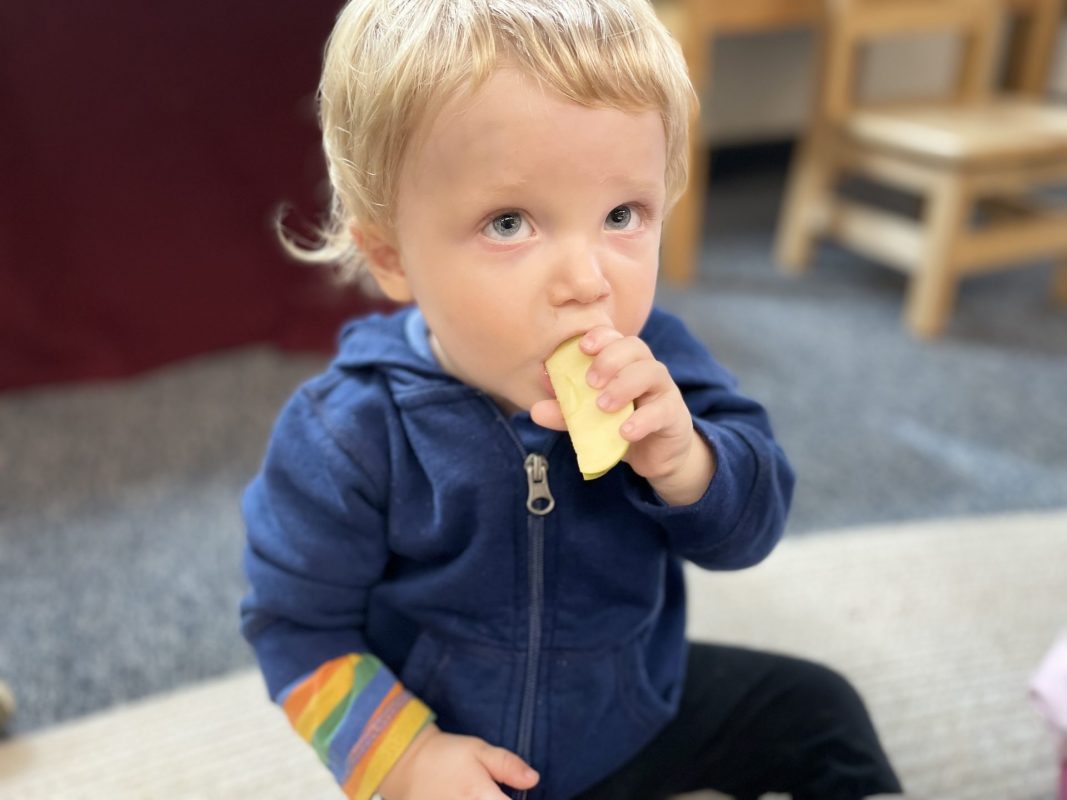
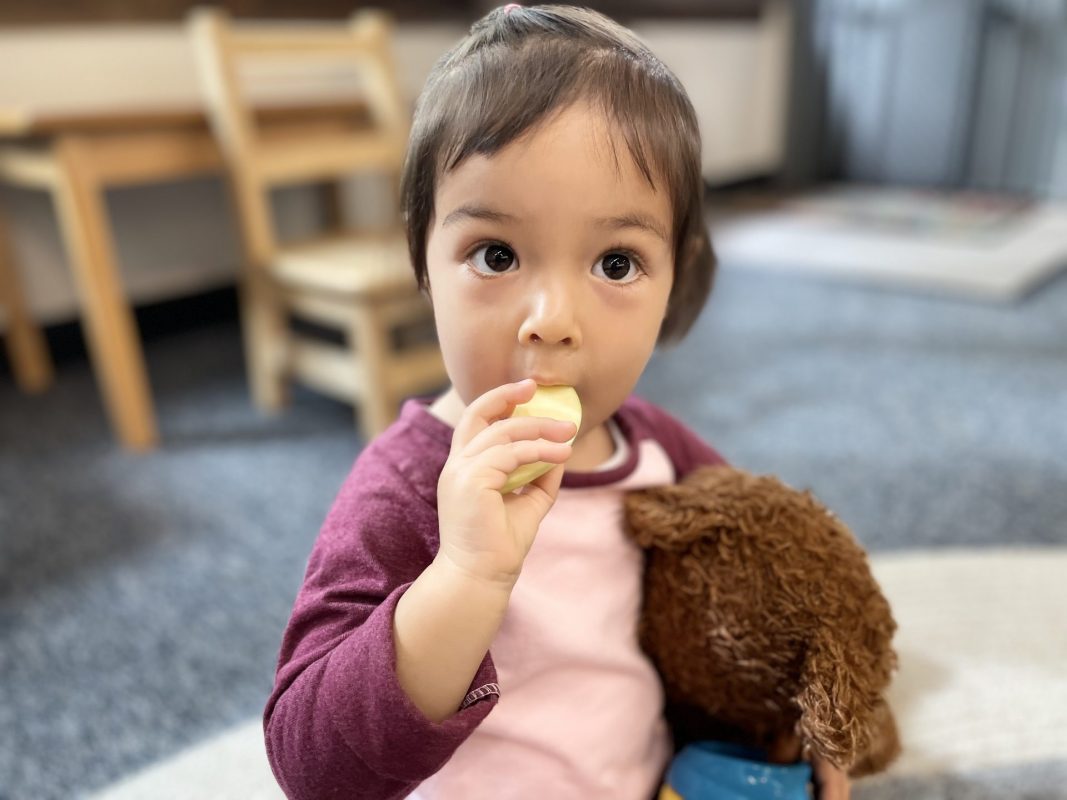
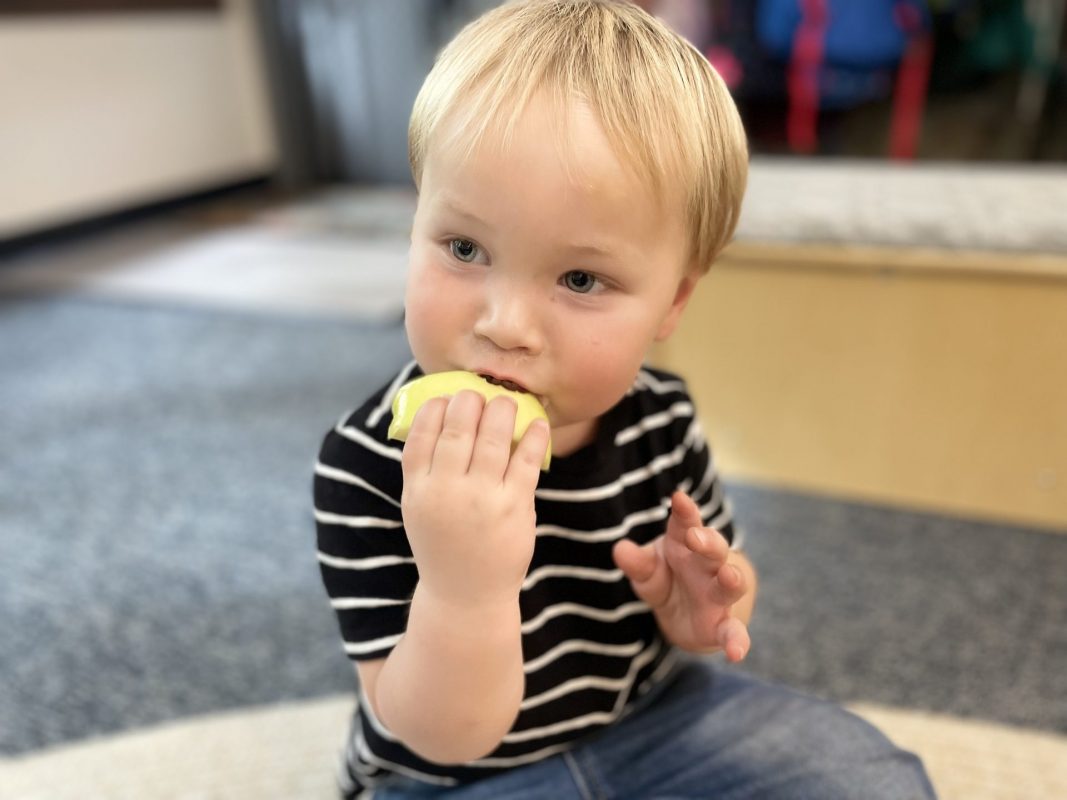
Lastly, the children seemed to enjoy exploring snow peas during our food tasting lesson. The shape, size, and crunchiness of them gave the feel of eating chips, which seemed to attract the children to explore this food item.

Enjoy the pictures of your beautiful children, take some time to dance, and have a great weekend! 

Mrs. Hood and Ms. Maria  
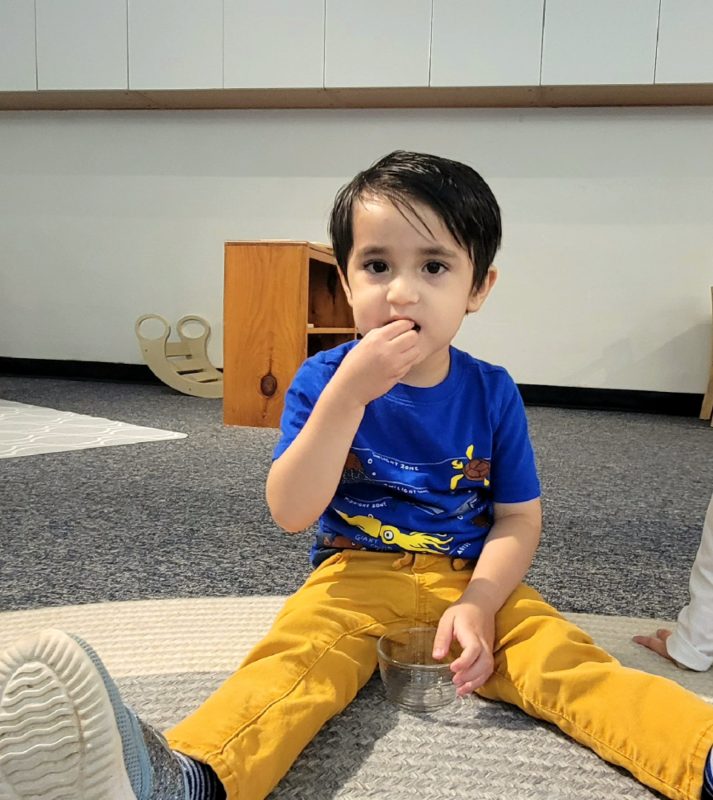

Mrs. Wilson: Spring Is In the Air!

How wonderful it is to feel the warm sunshine and see the new life blossoming in nature! As we are continuing to explore the weather, we are also looking around for the signs of spring. As we walk to our playground, we stop to look at the flowers that have grown. We have observed these flowers from just tiny sprouts peeking out of the dirt into bloomed daffodils. As we walked by them on Thursday a friend shouted with excitement, “Look flowers, look flowers!” More signs that we spotted are buds on the trees and our forsythia tunnel now has yellow flowers.
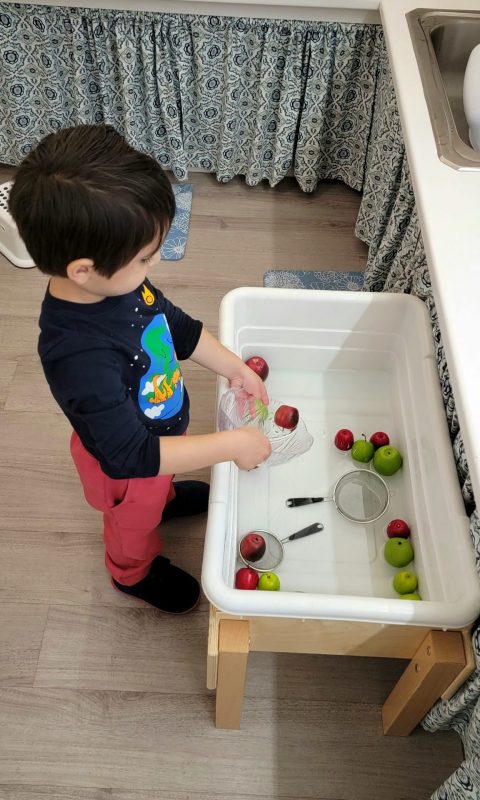
The sensory bin has two smaller bins inside, one is filled with ice-cold water and the other has warm water. The children can experience the warmth and cold simultaneously. Along with that, they can use the model of a cloud to fill up and watch the water trickle down like rain.
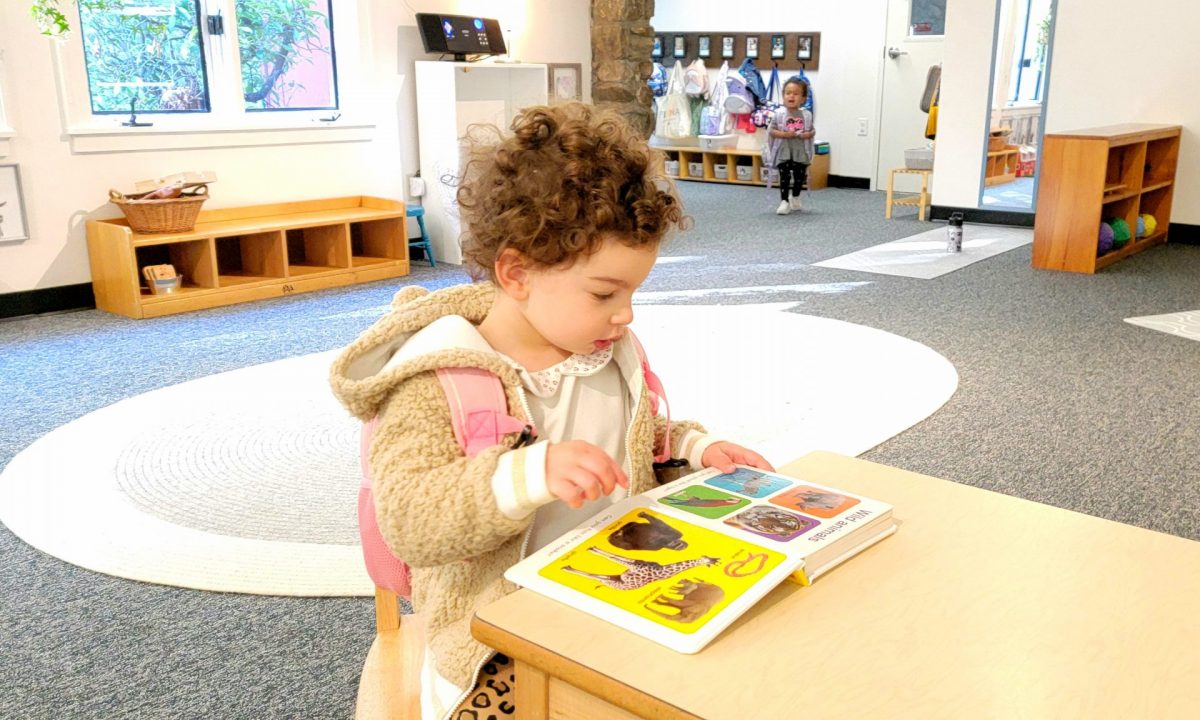
There is a seed starting station set up in the classroom for the children to start their own vegetable plants. After they plant their seeds, they are then put inside our greenhouse. Once it is time to transition the plant ,the children can take theirs home to be planted into the ground.
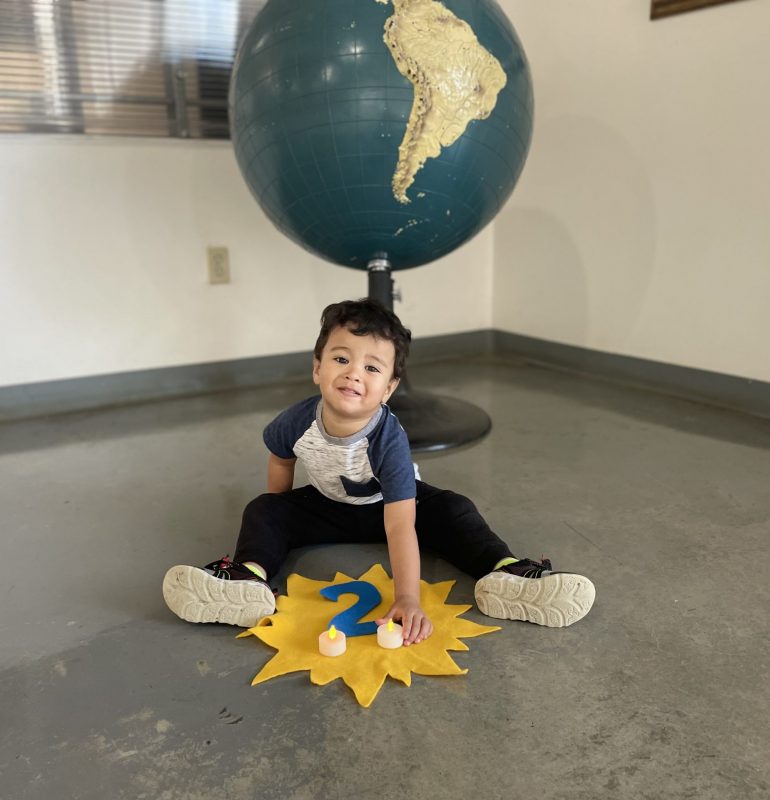
Happy Birthday!