Upper El Historians

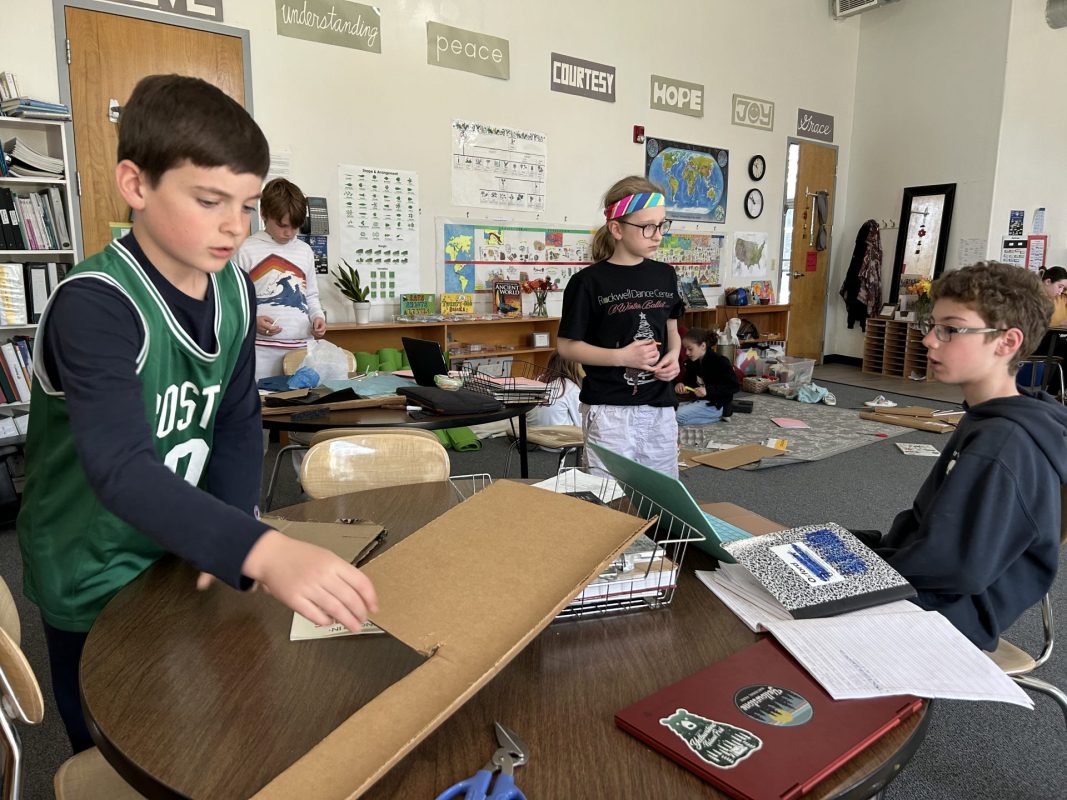
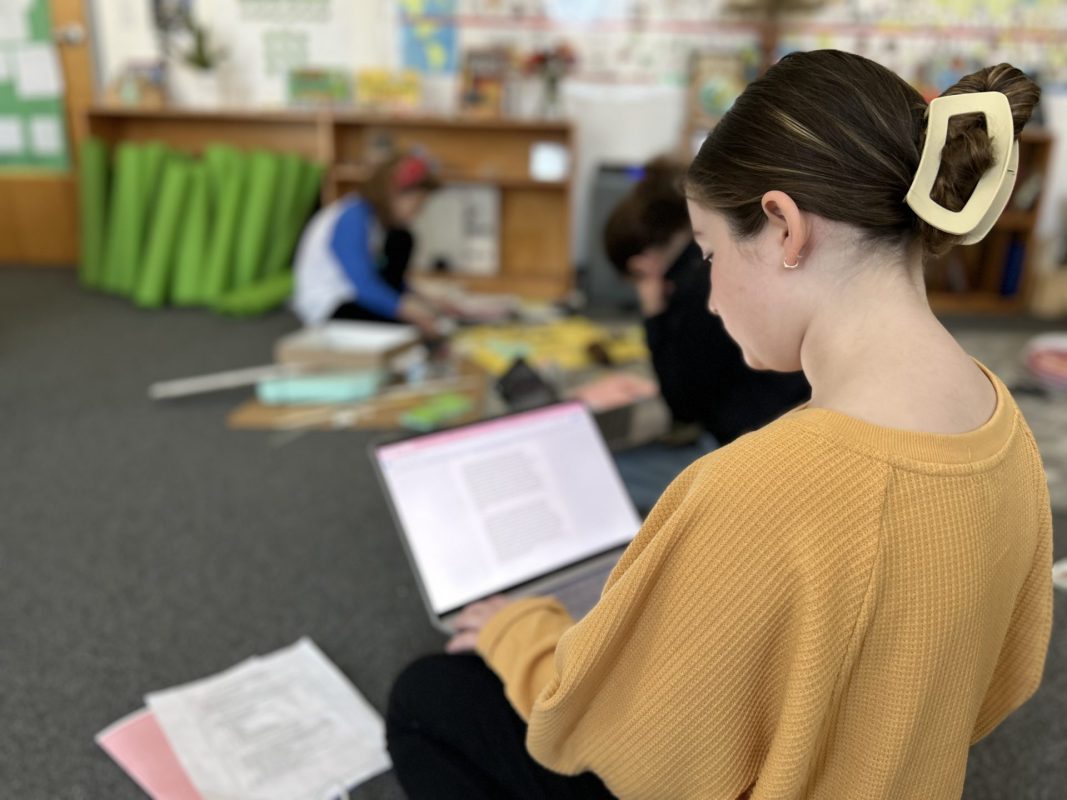
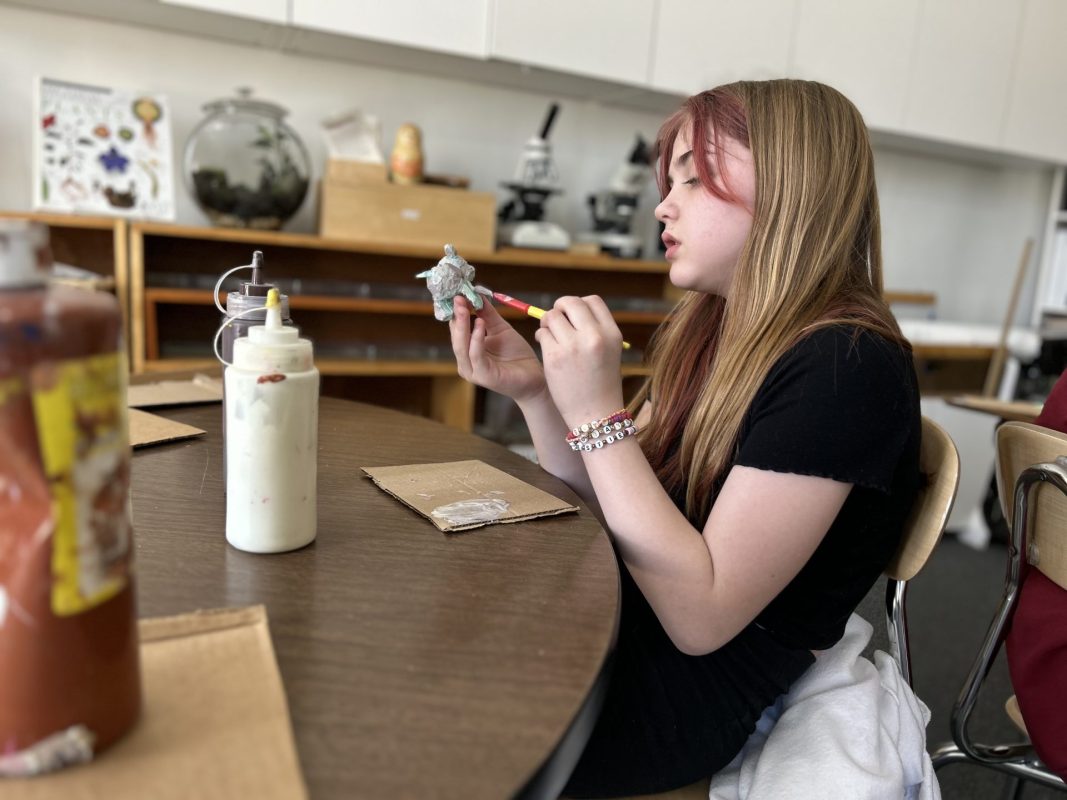
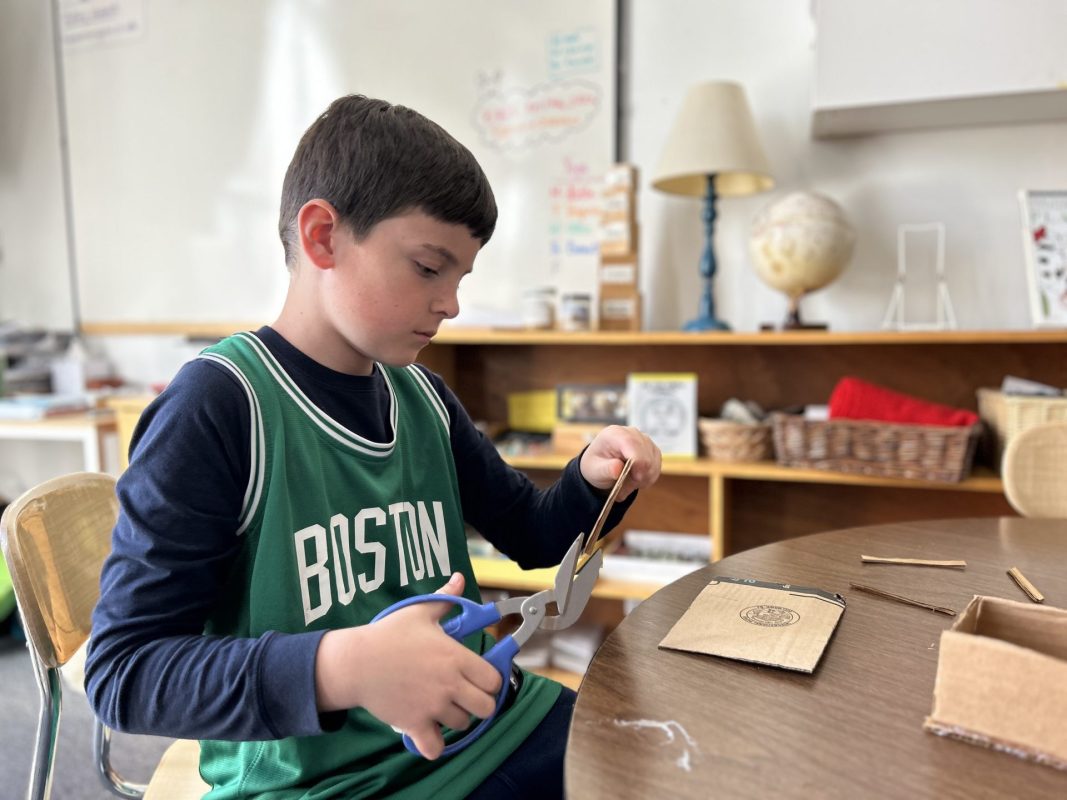
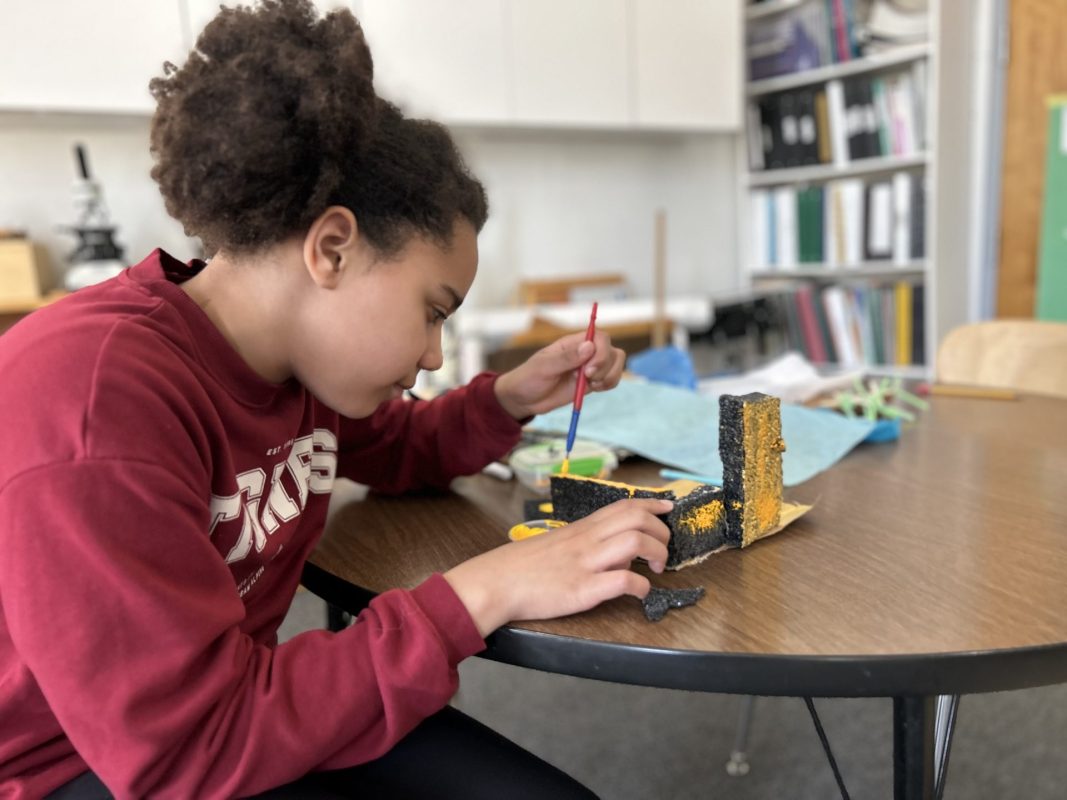
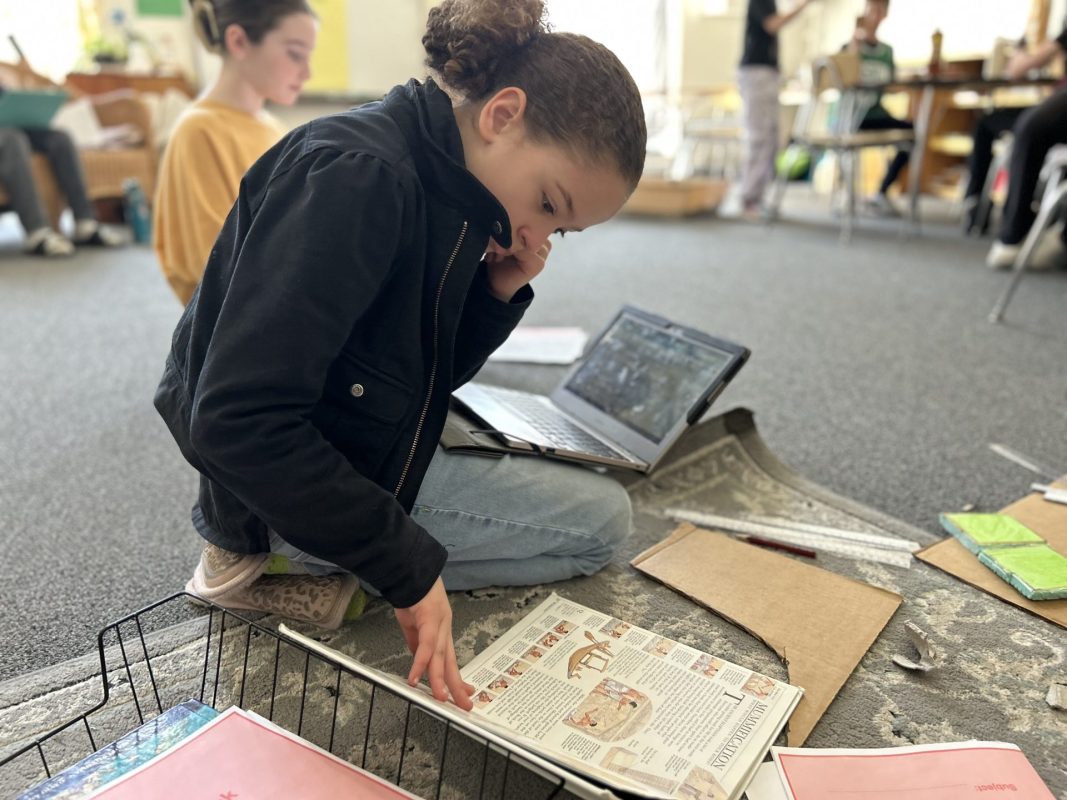
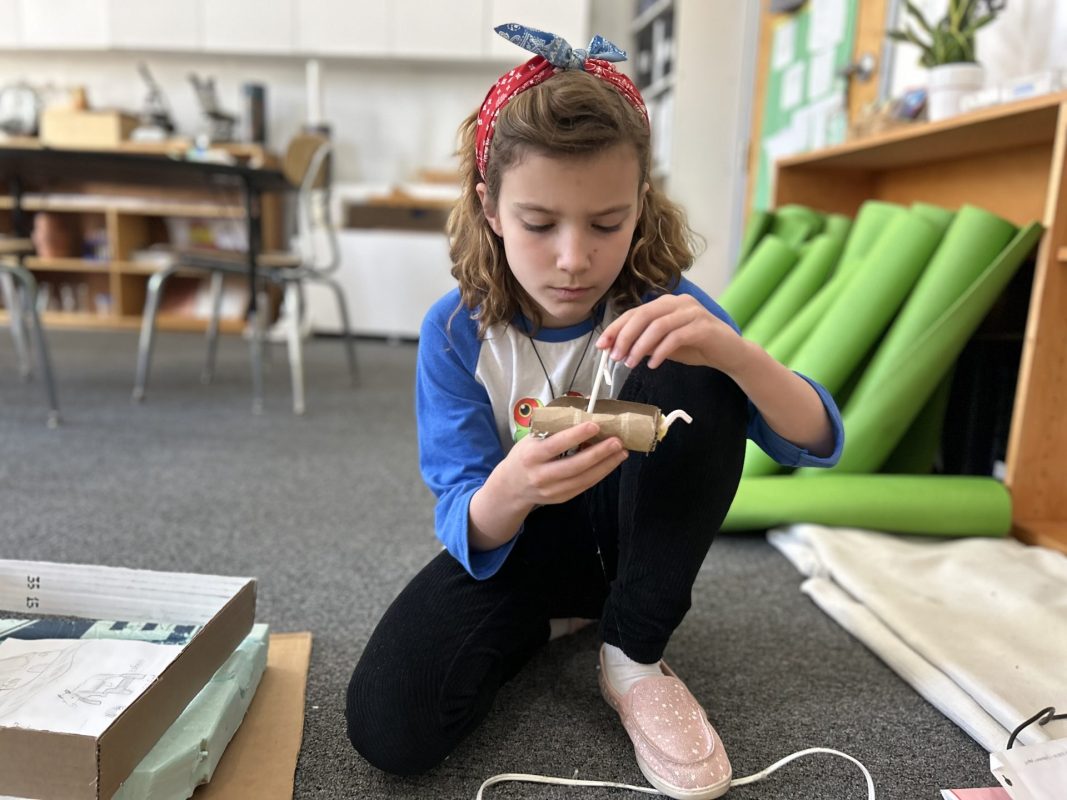
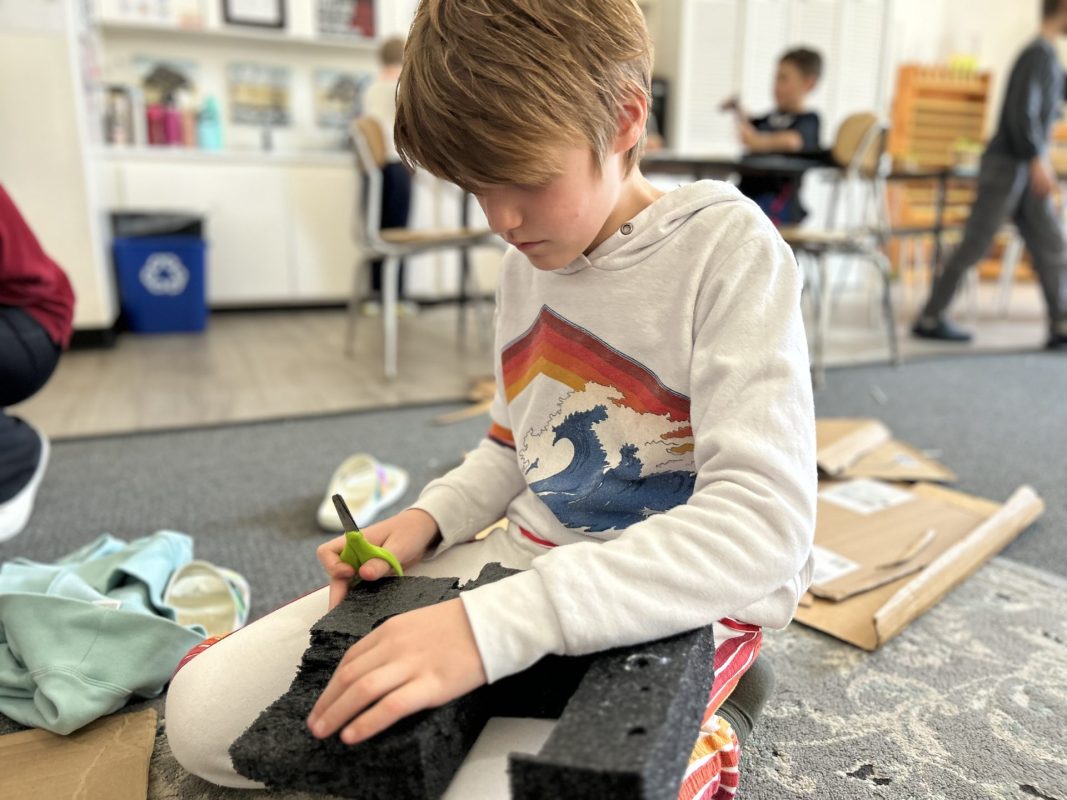
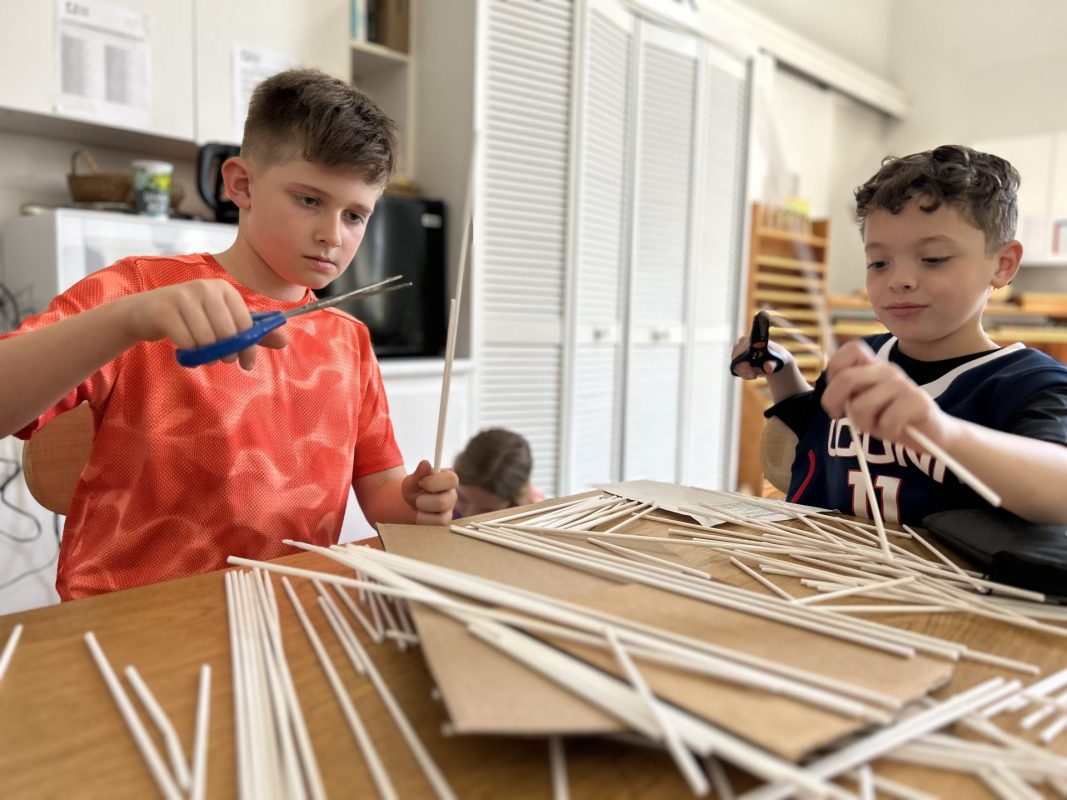
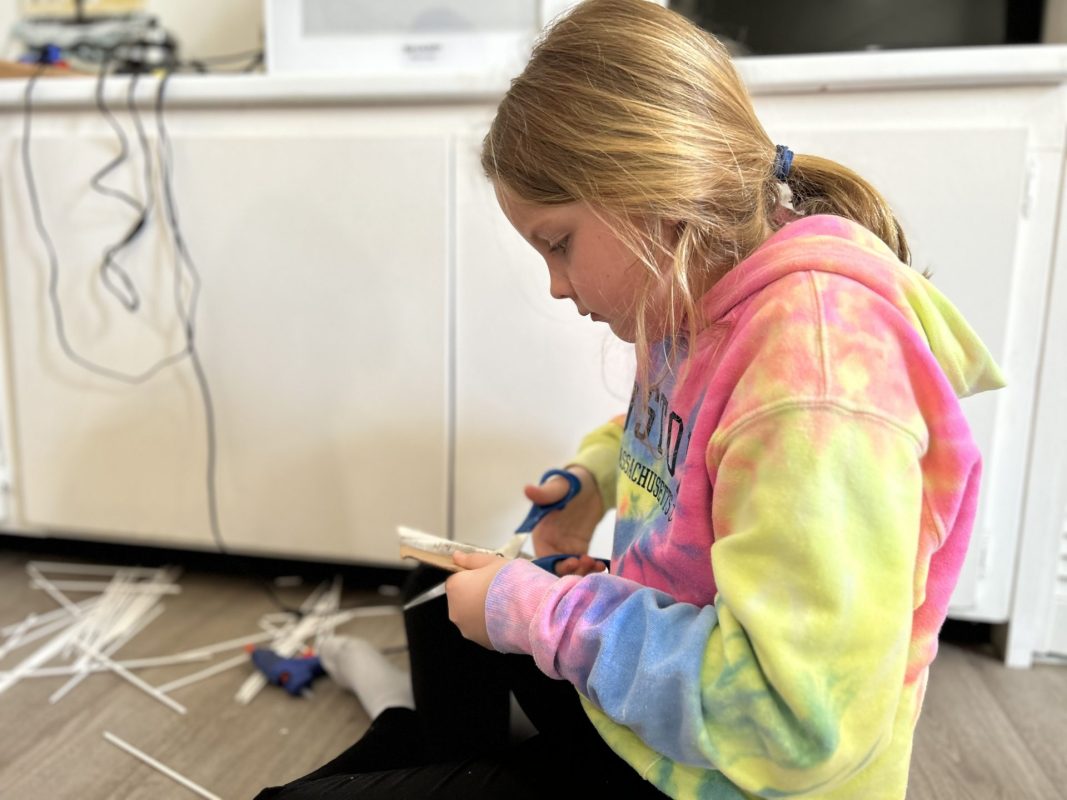
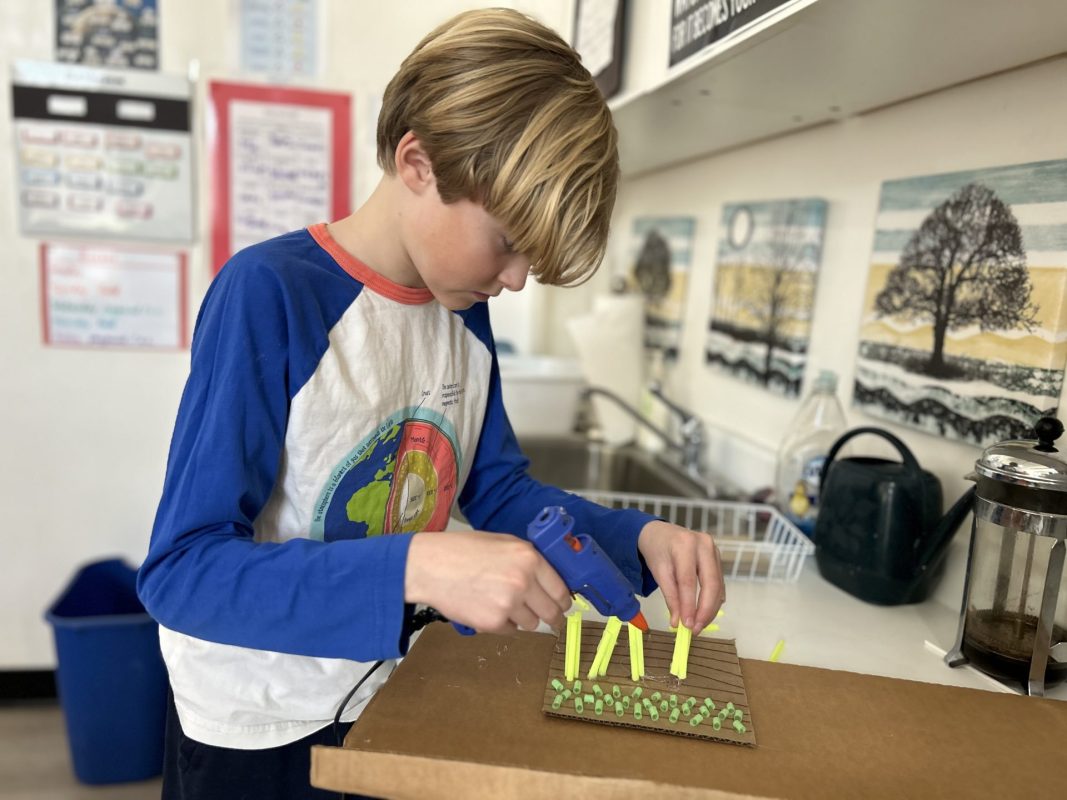
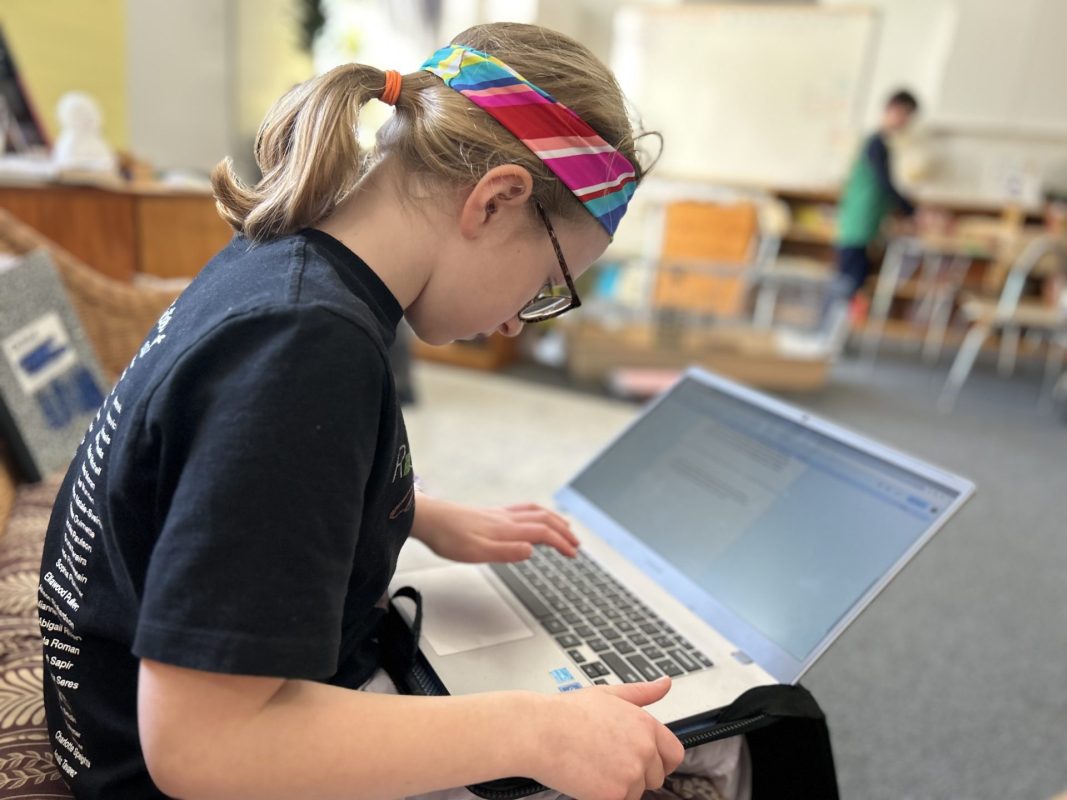
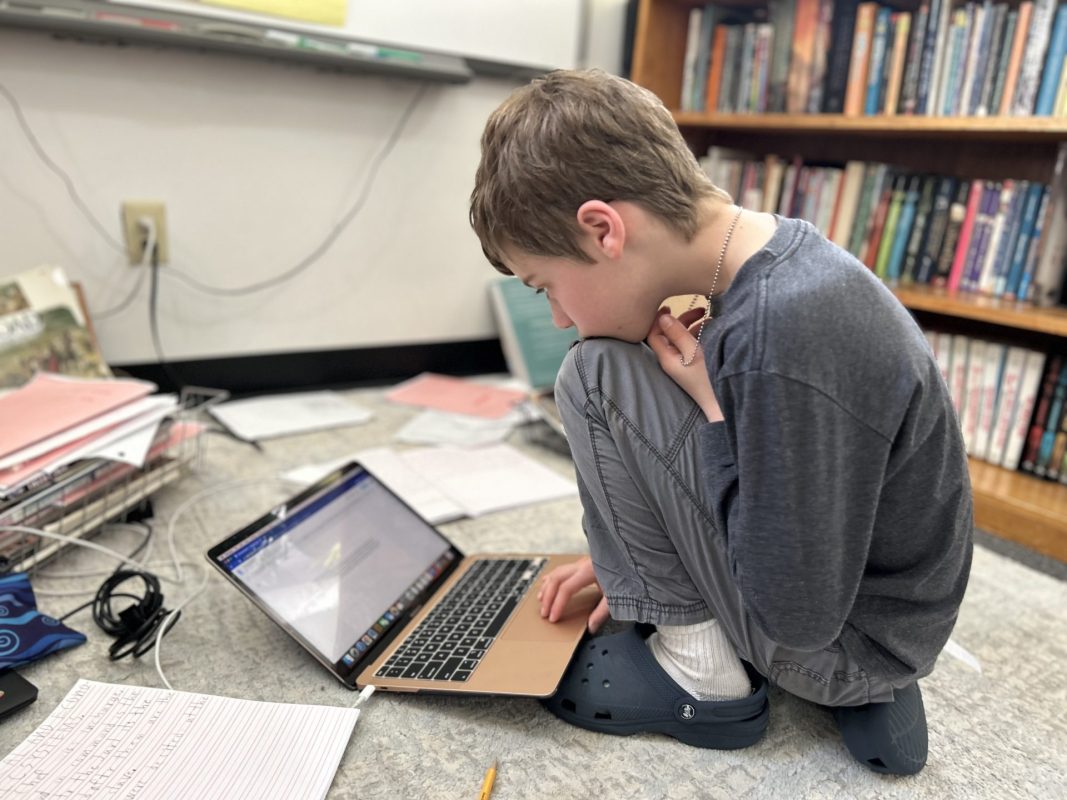
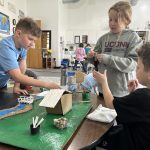
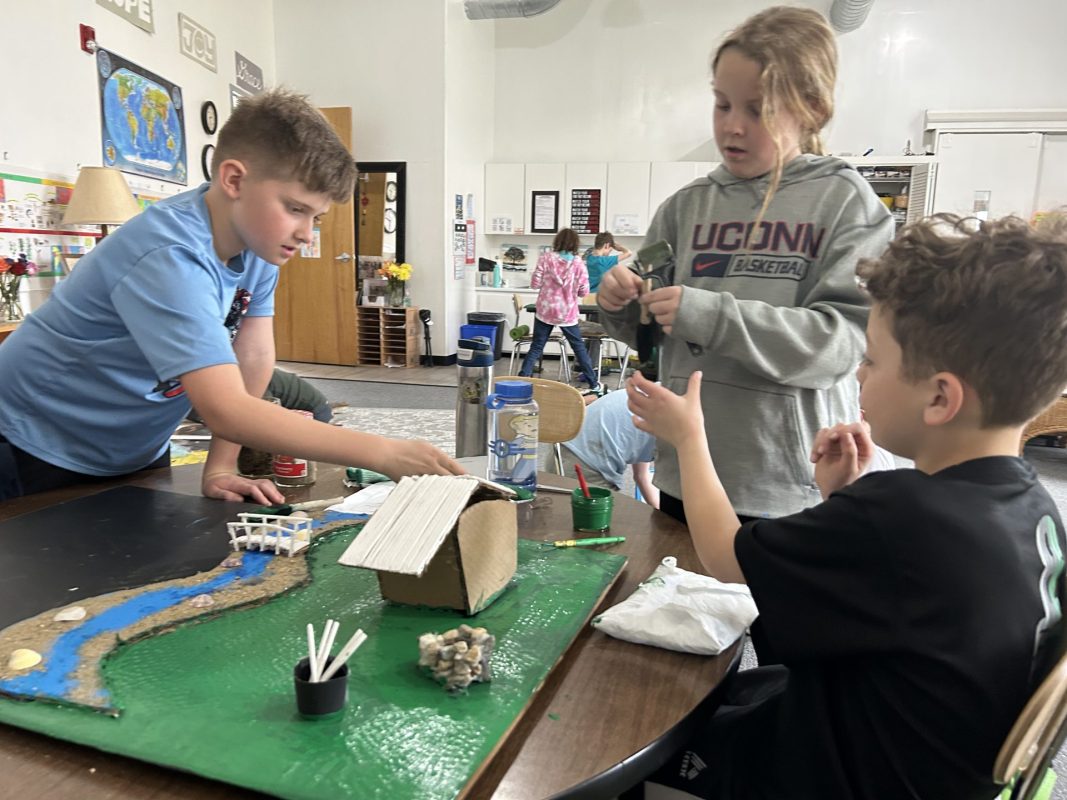
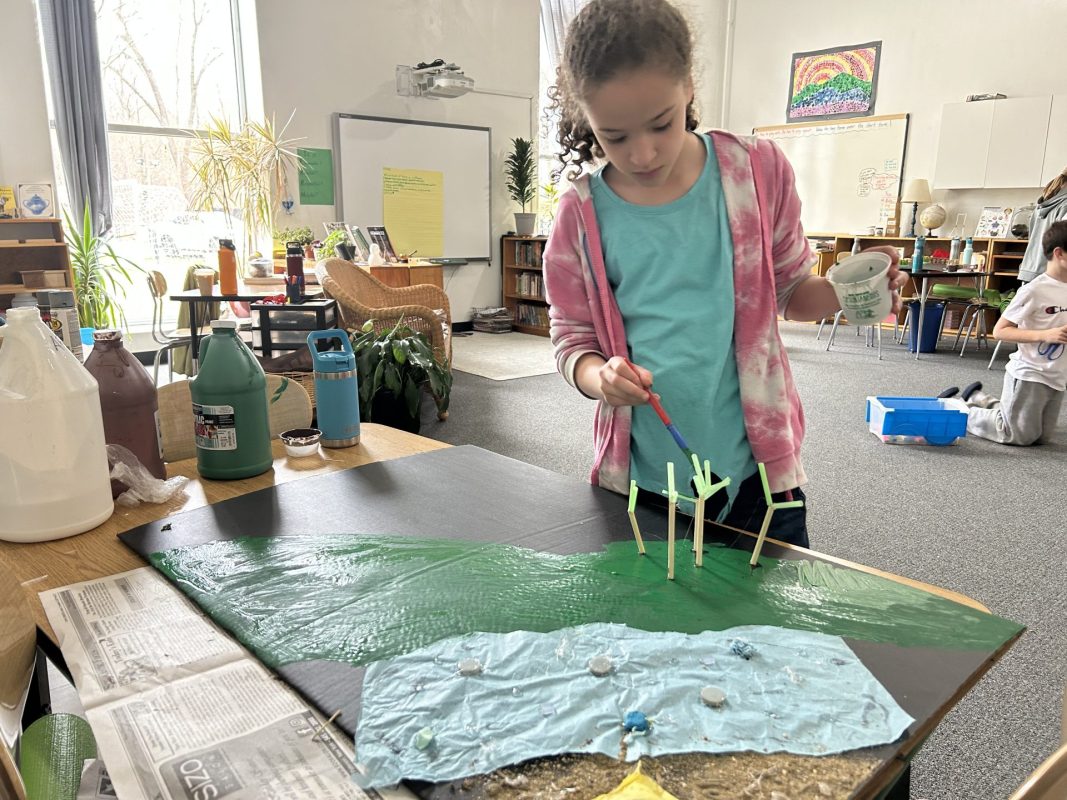
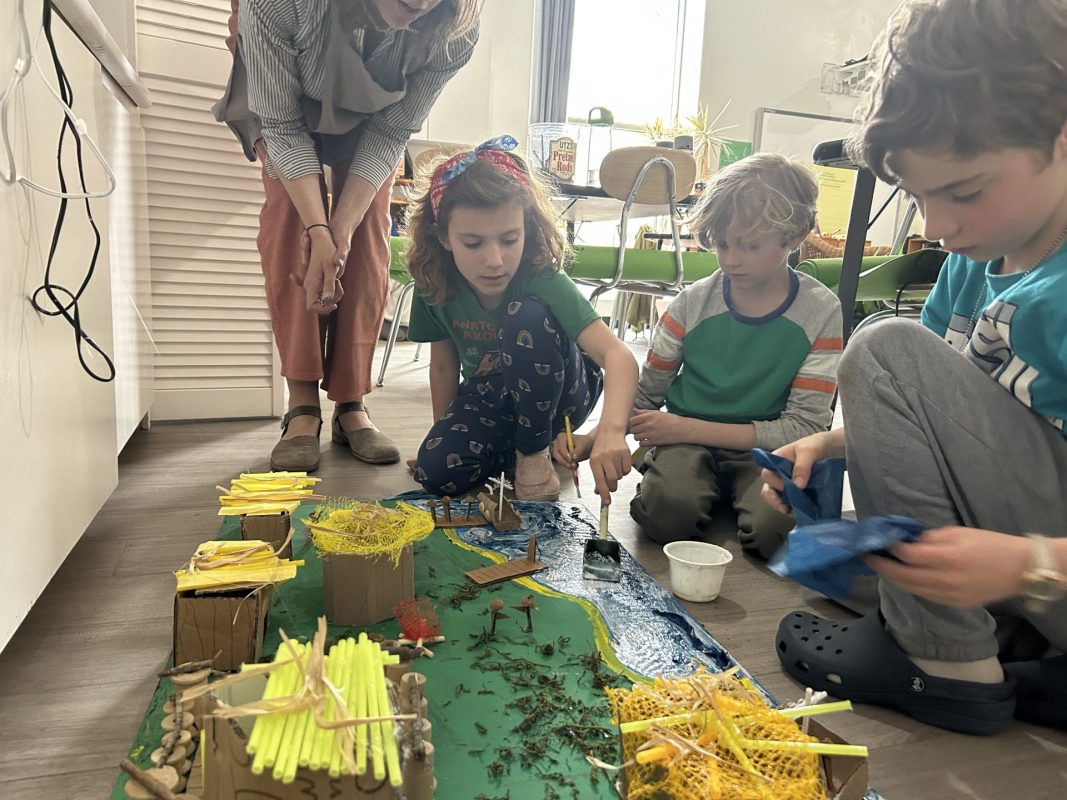
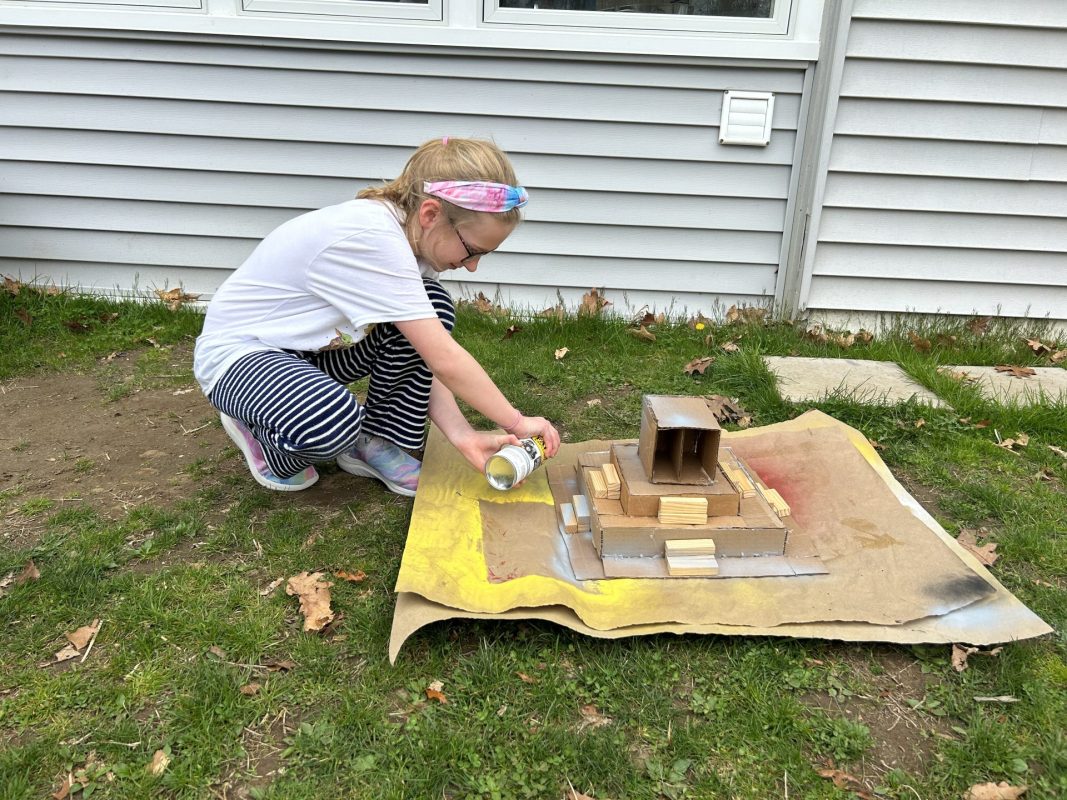
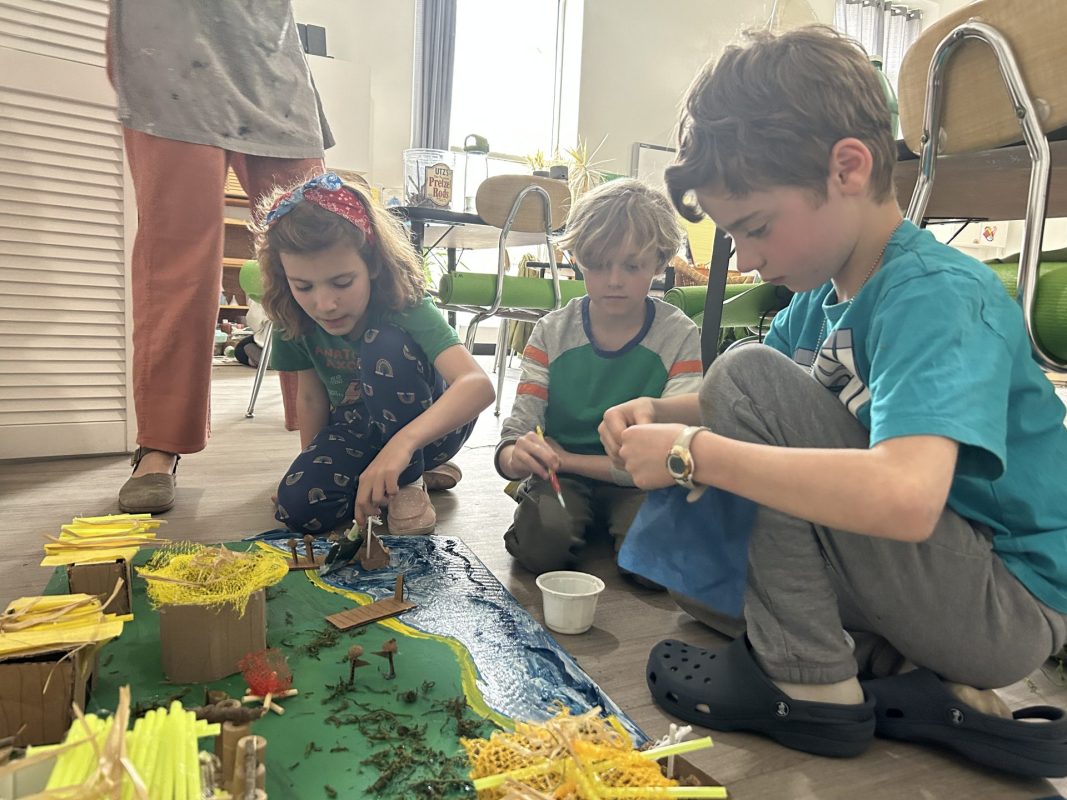
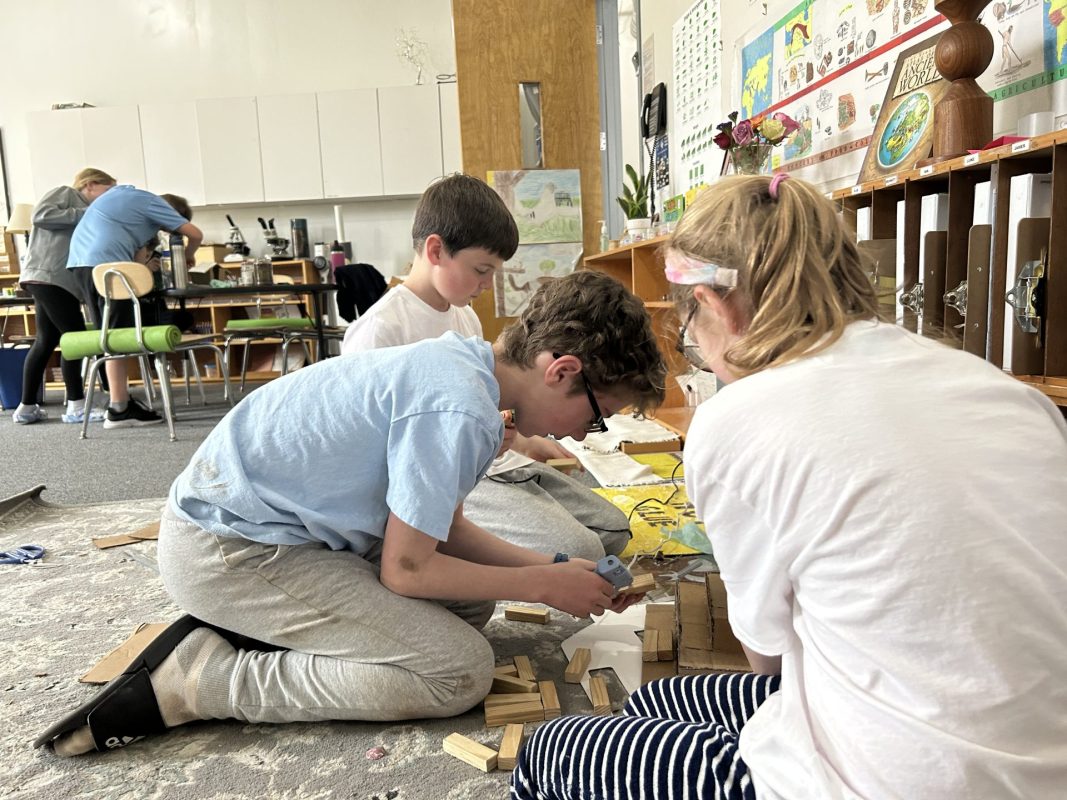
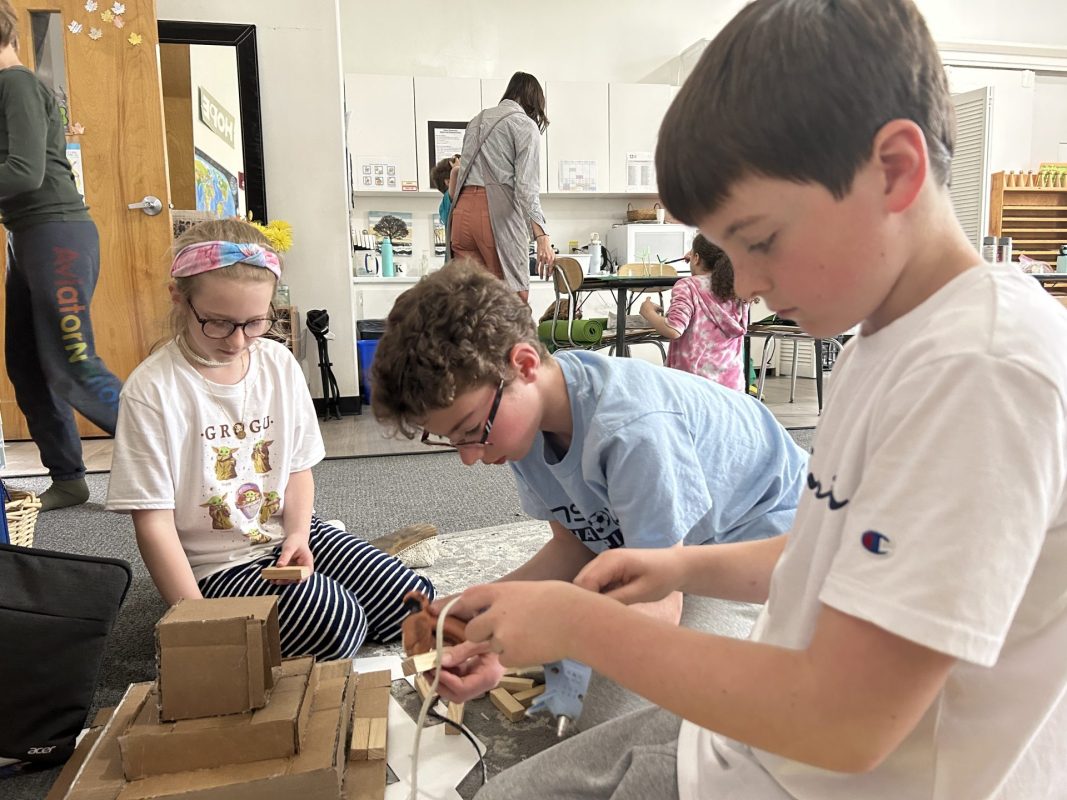
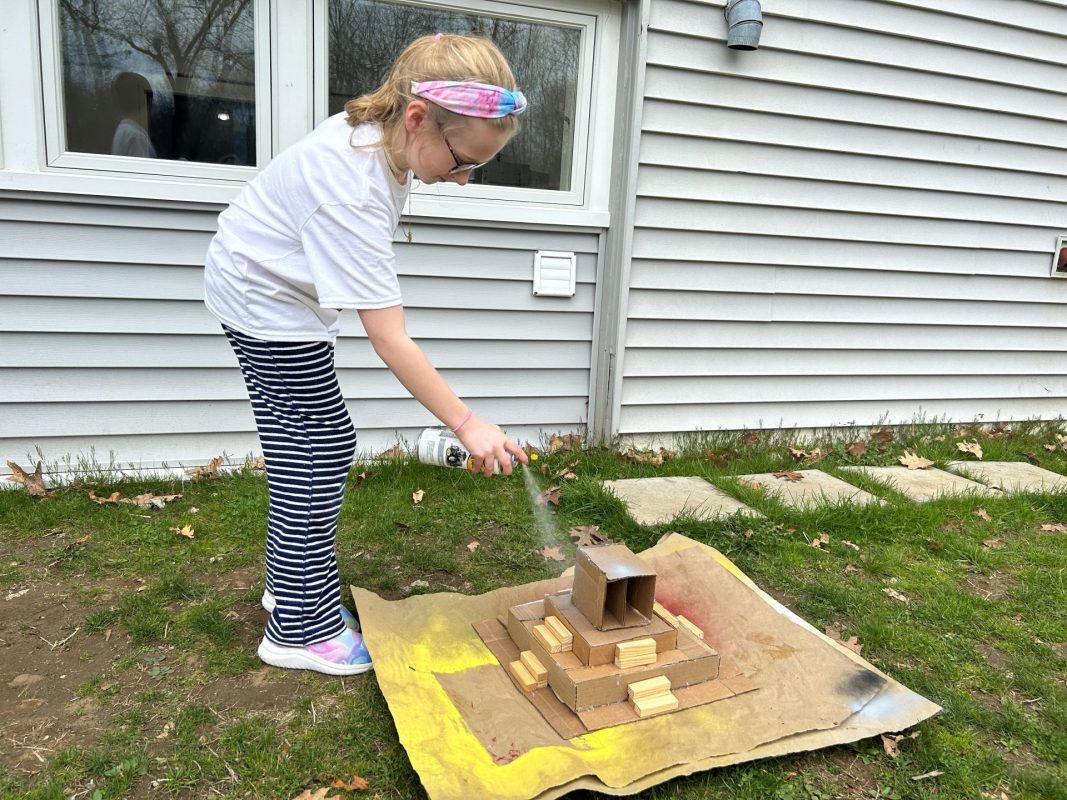
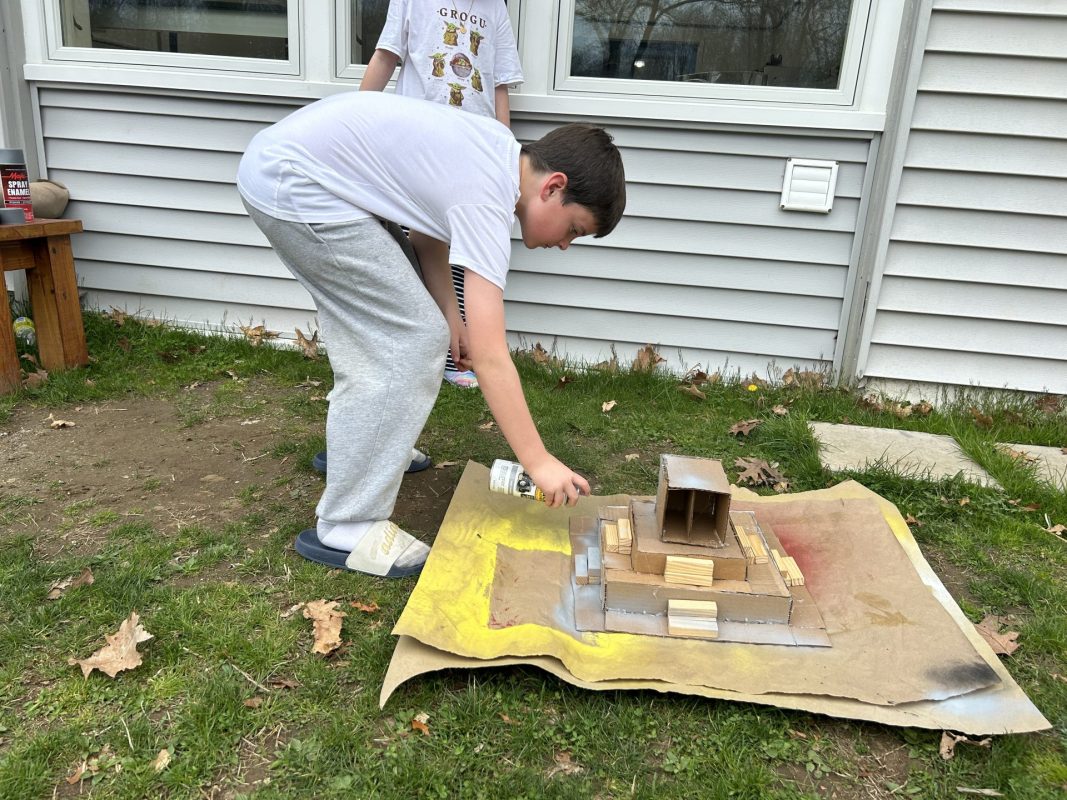
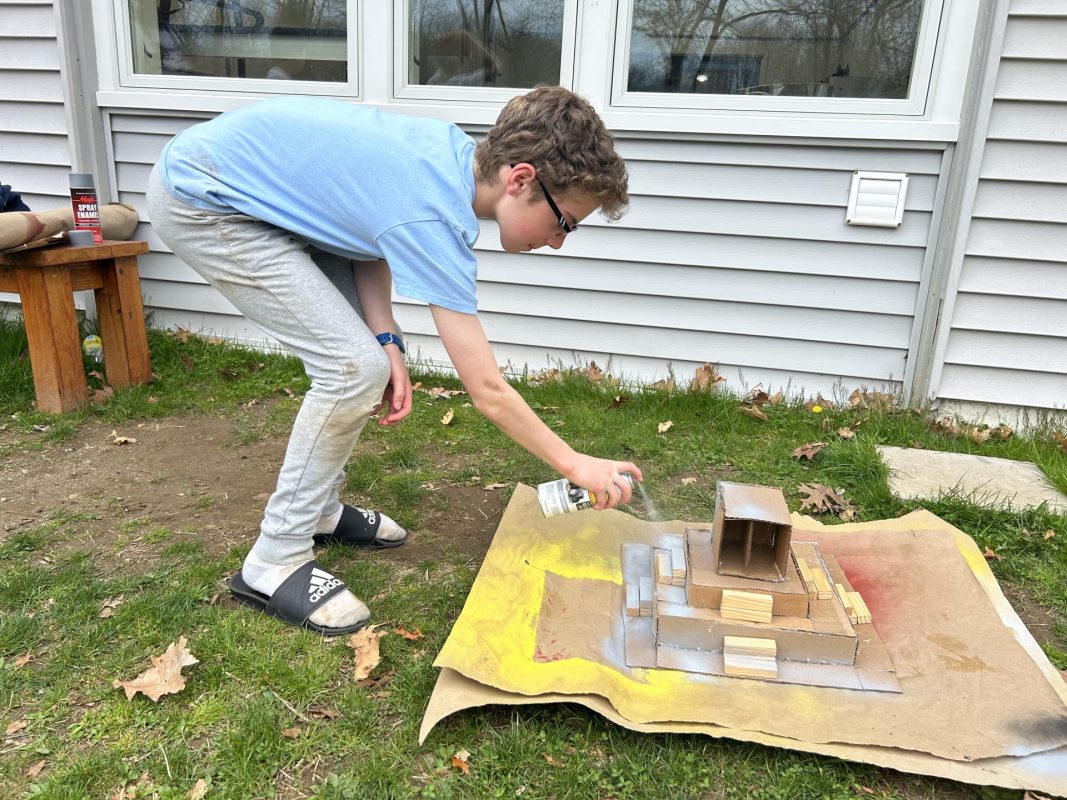
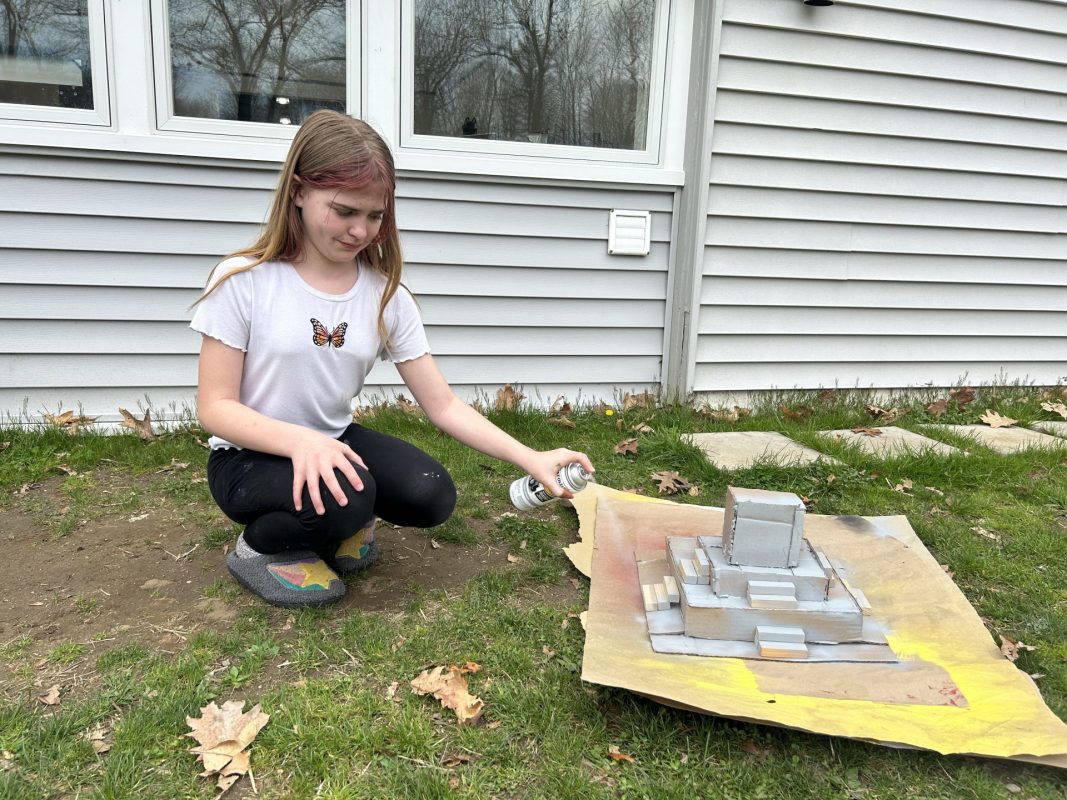
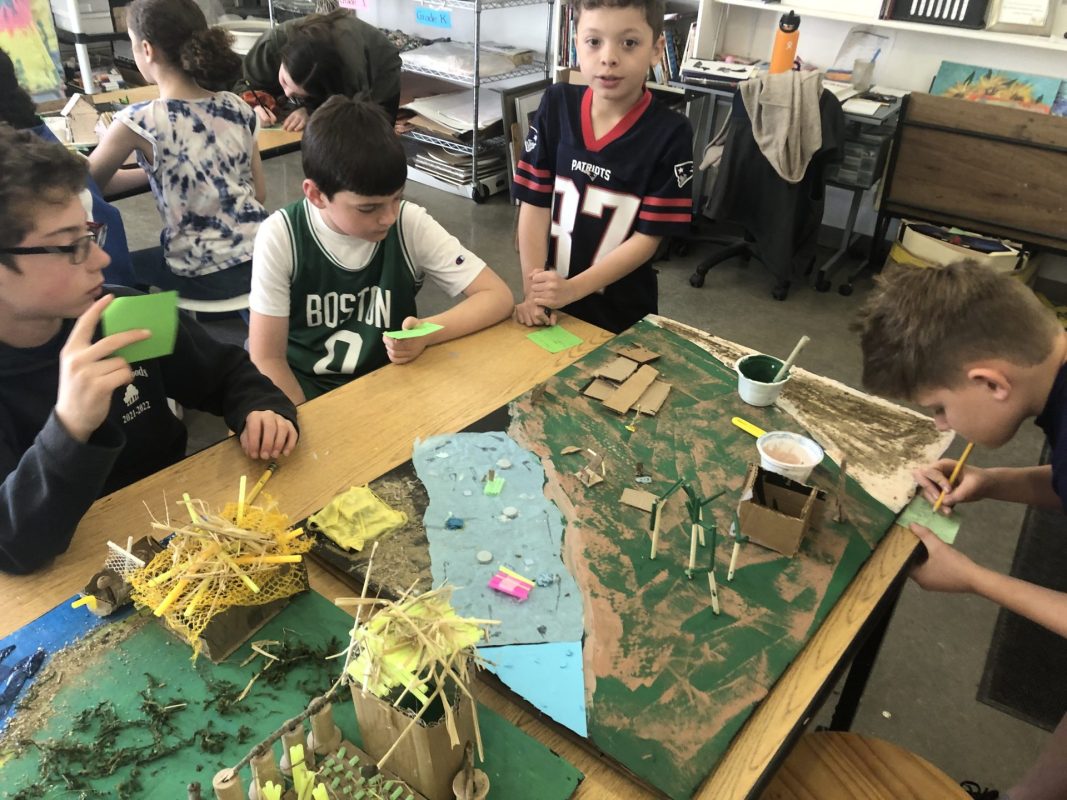
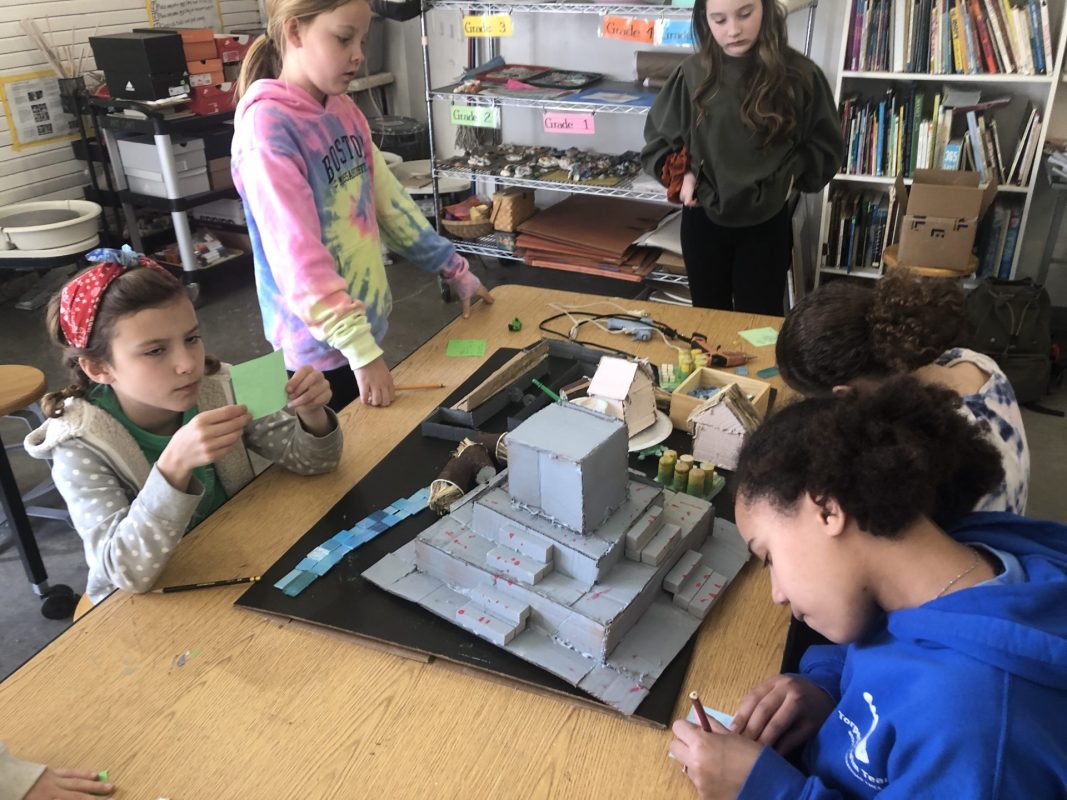
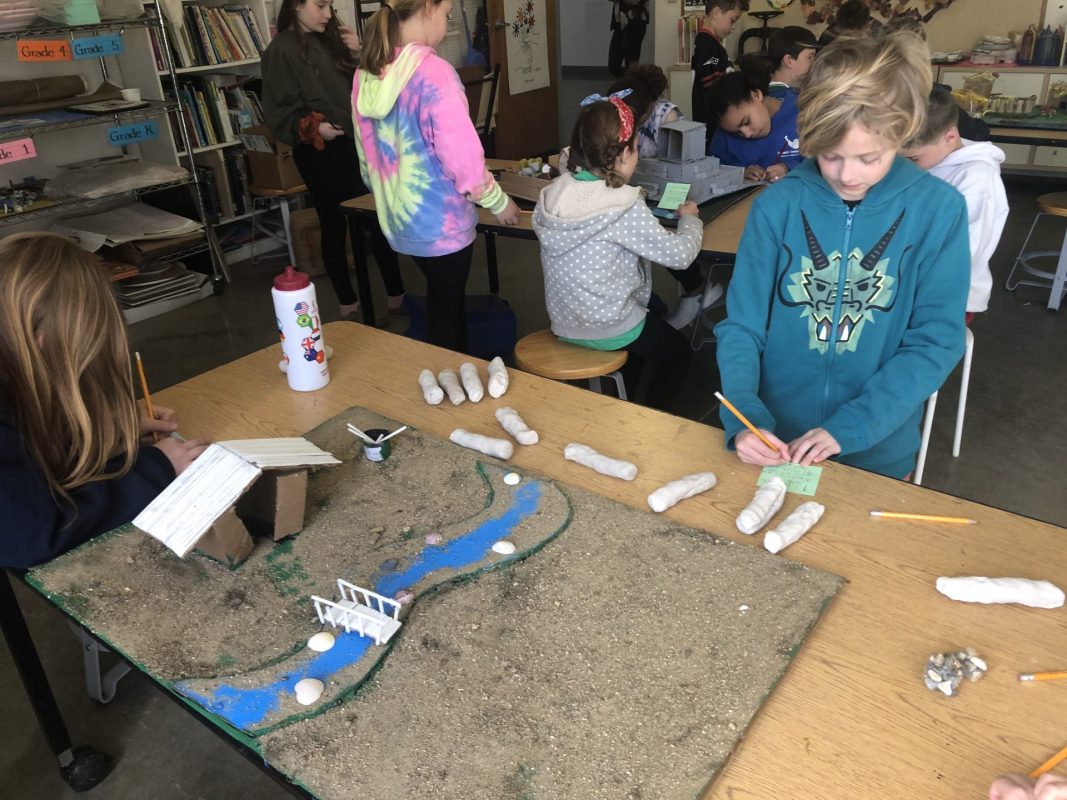
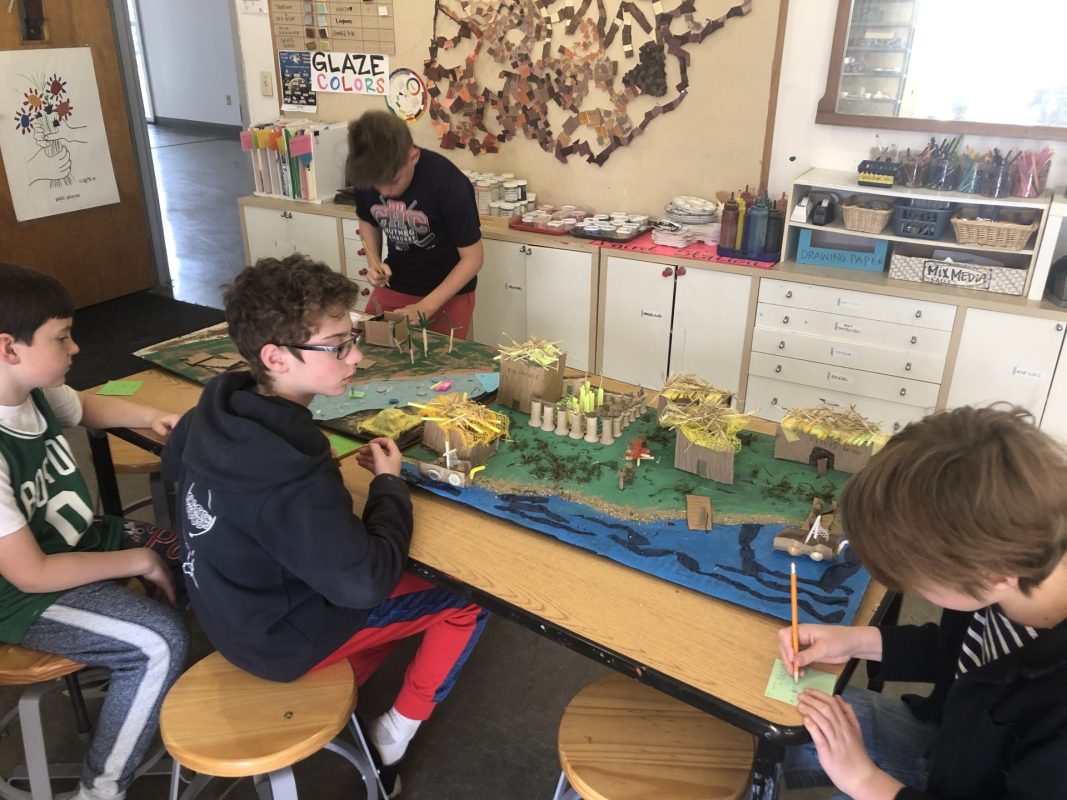
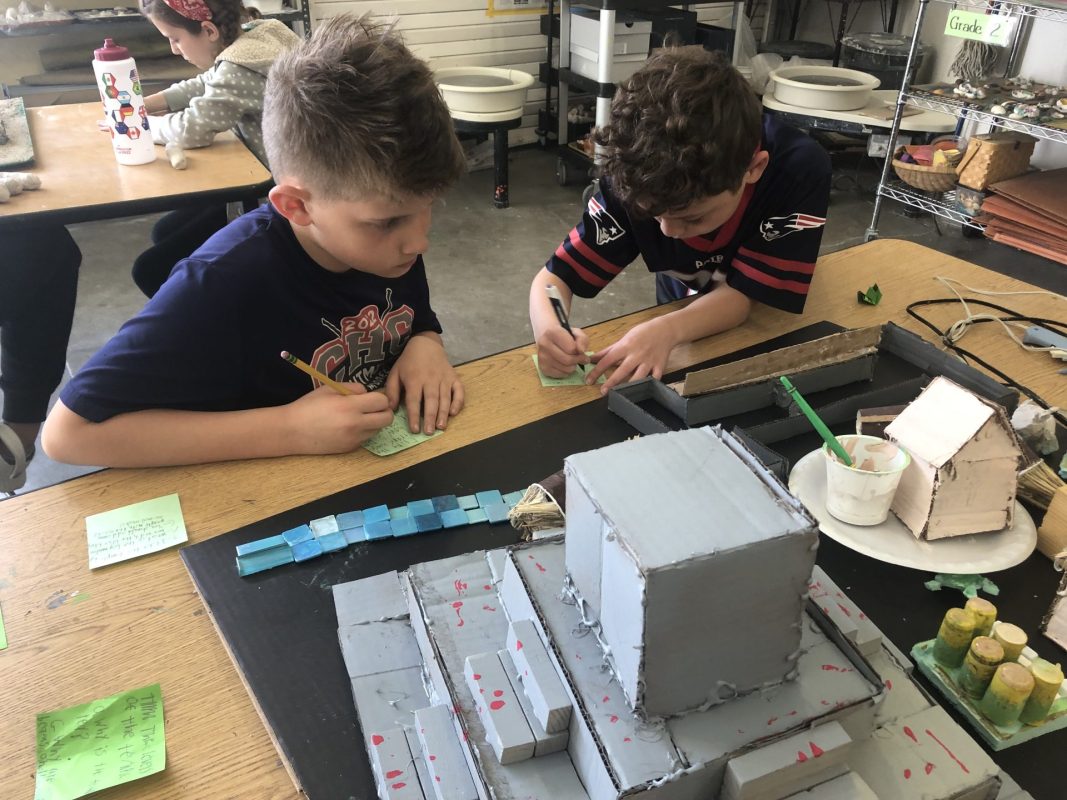
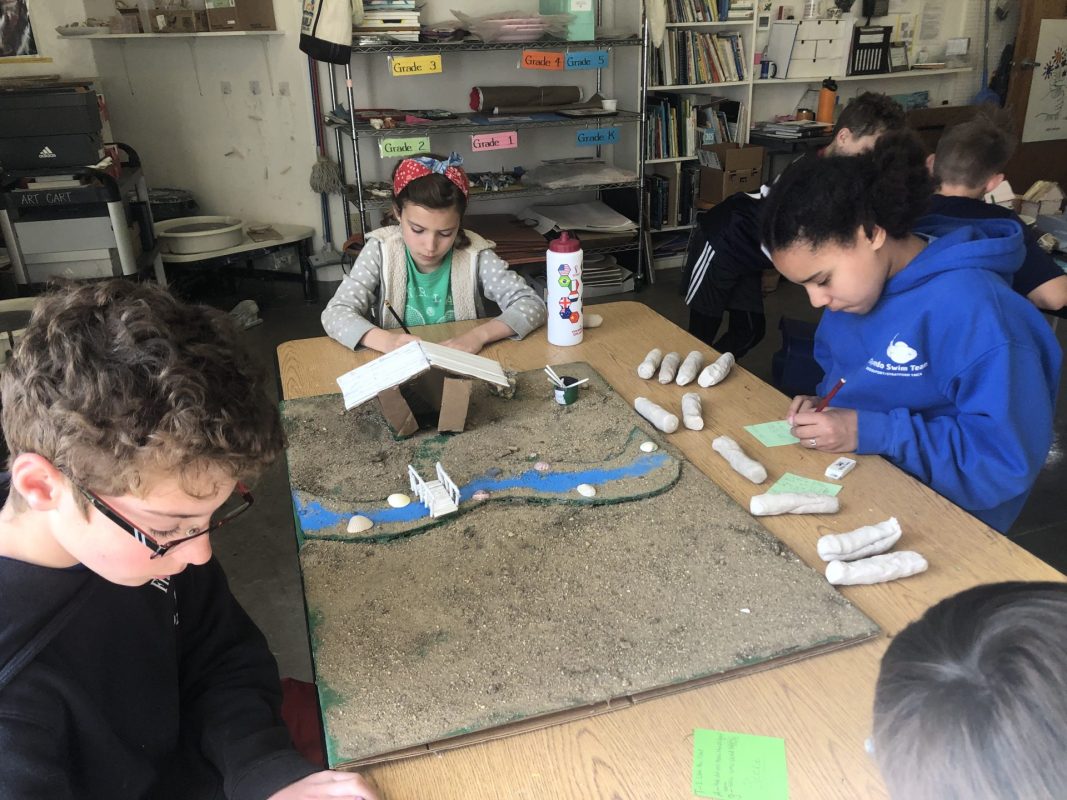
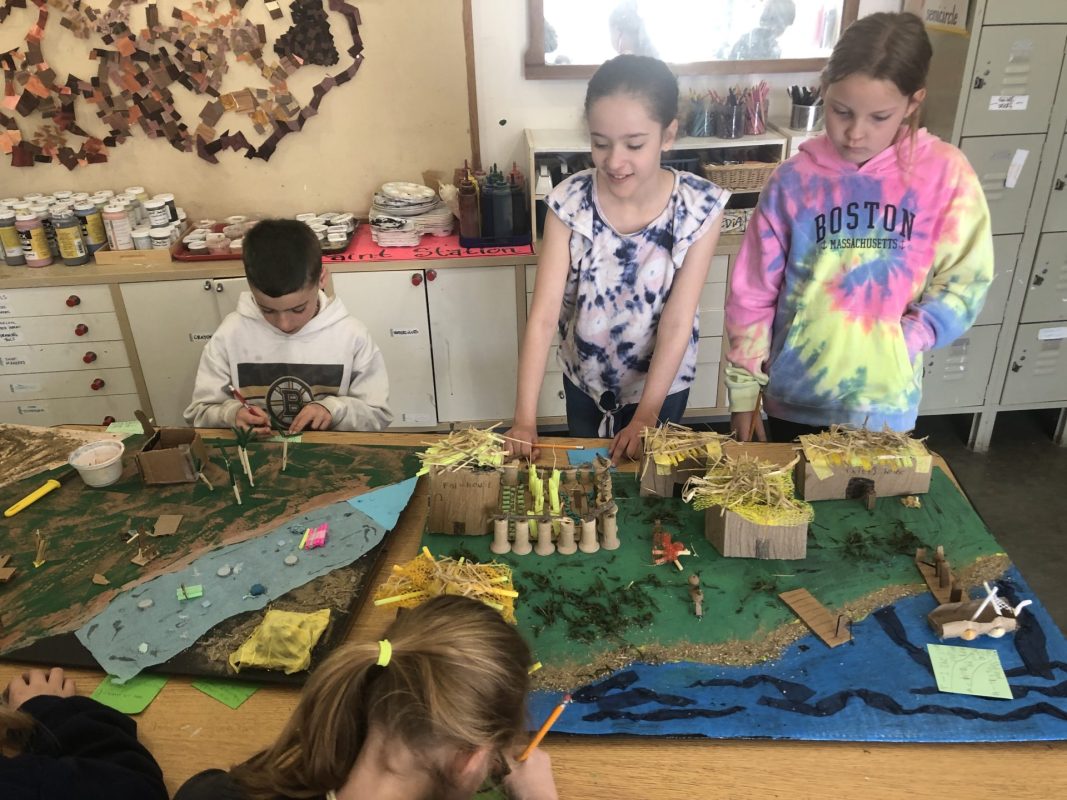
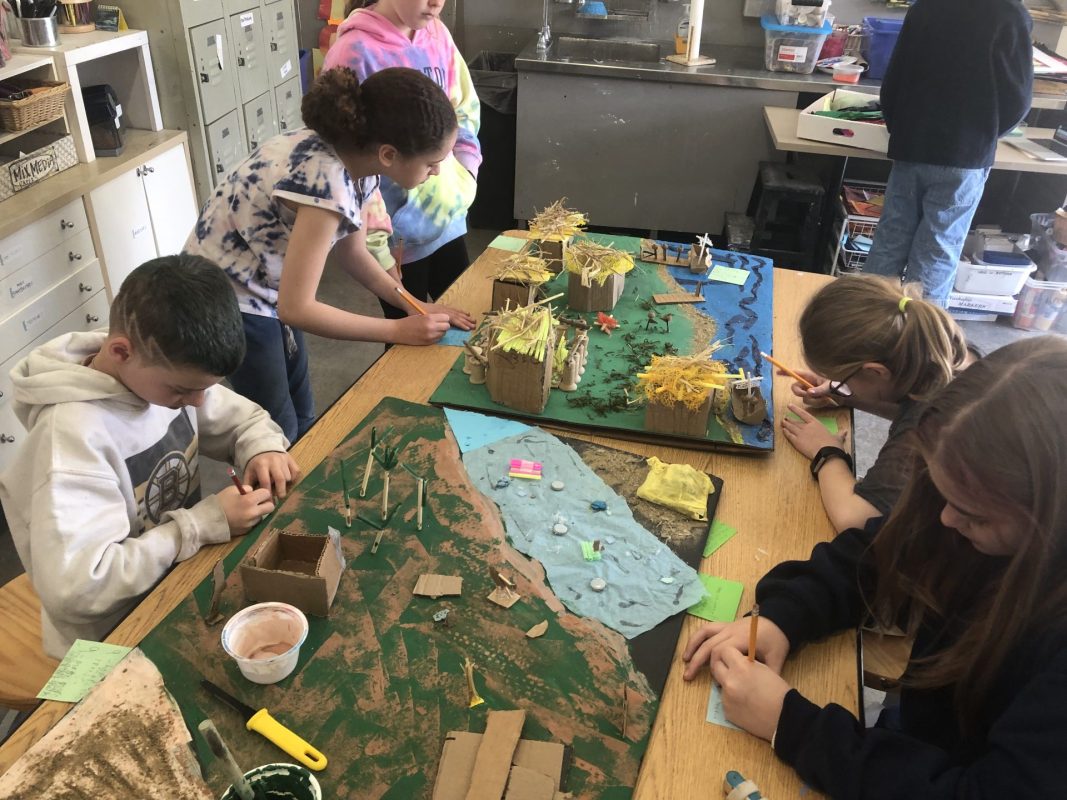
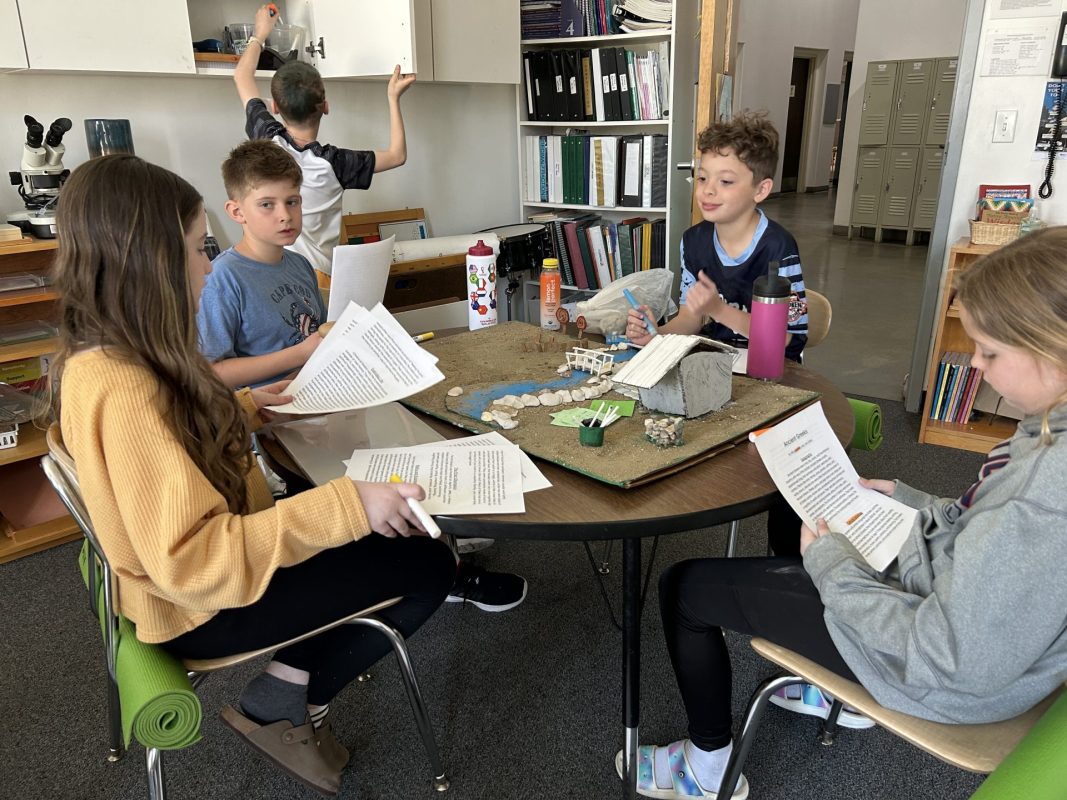
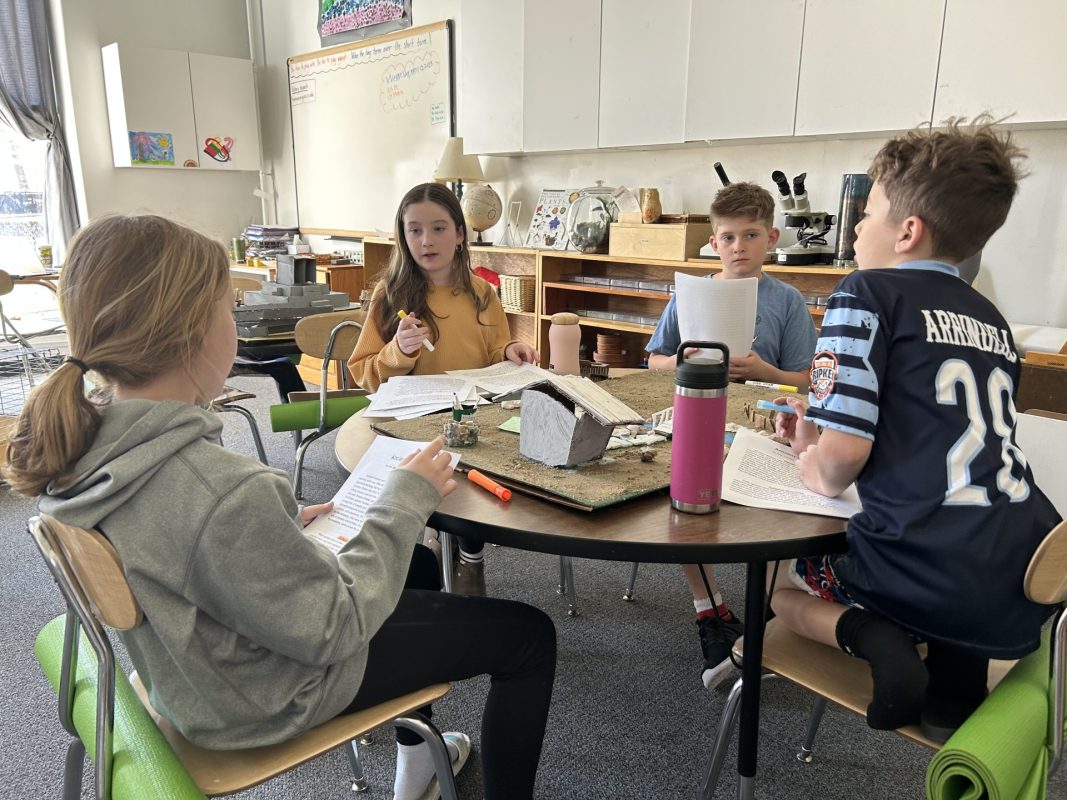
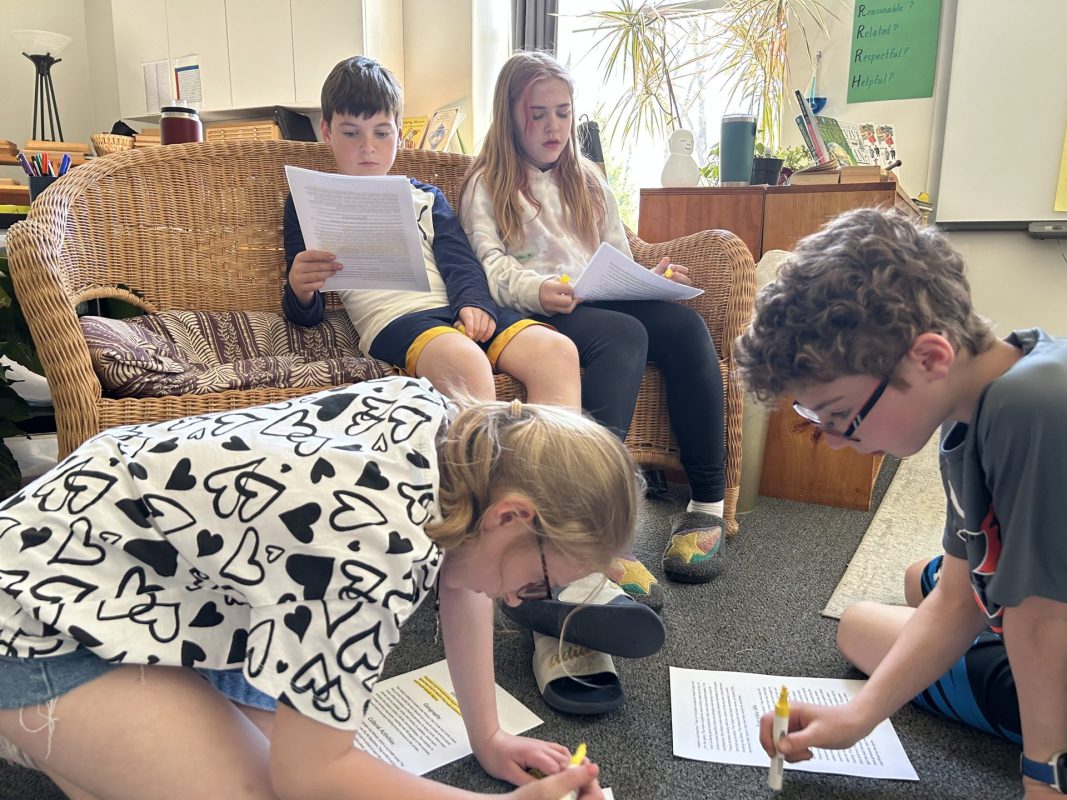
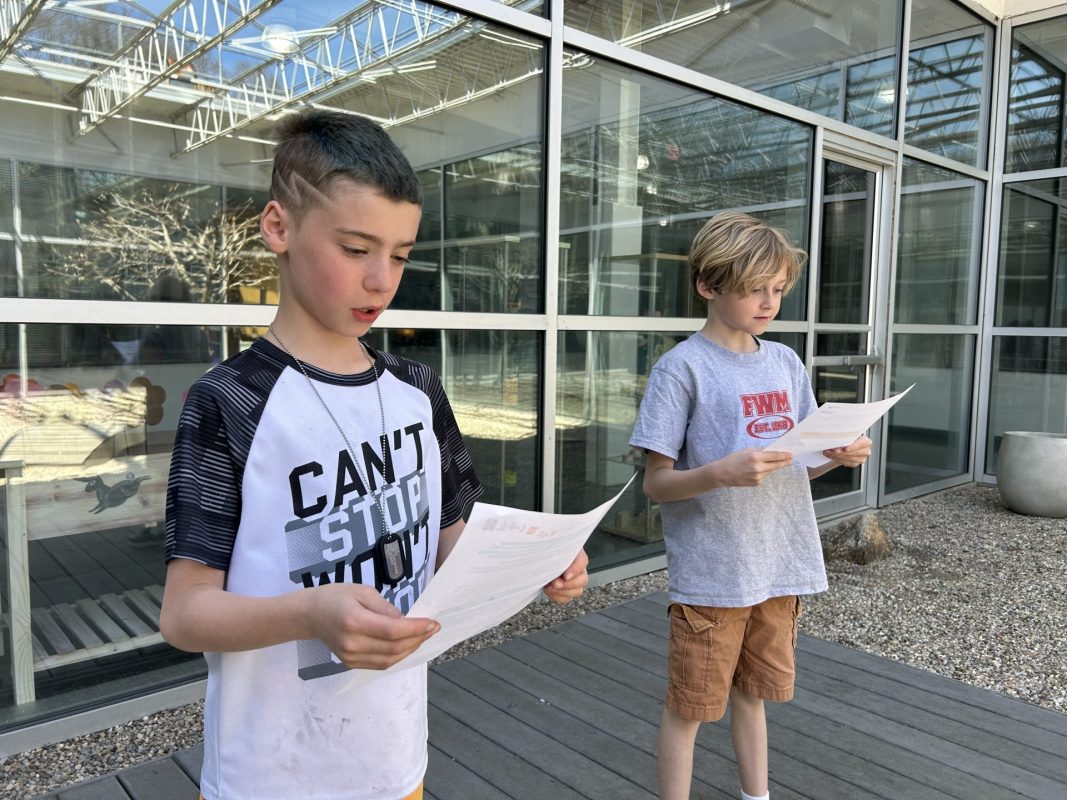
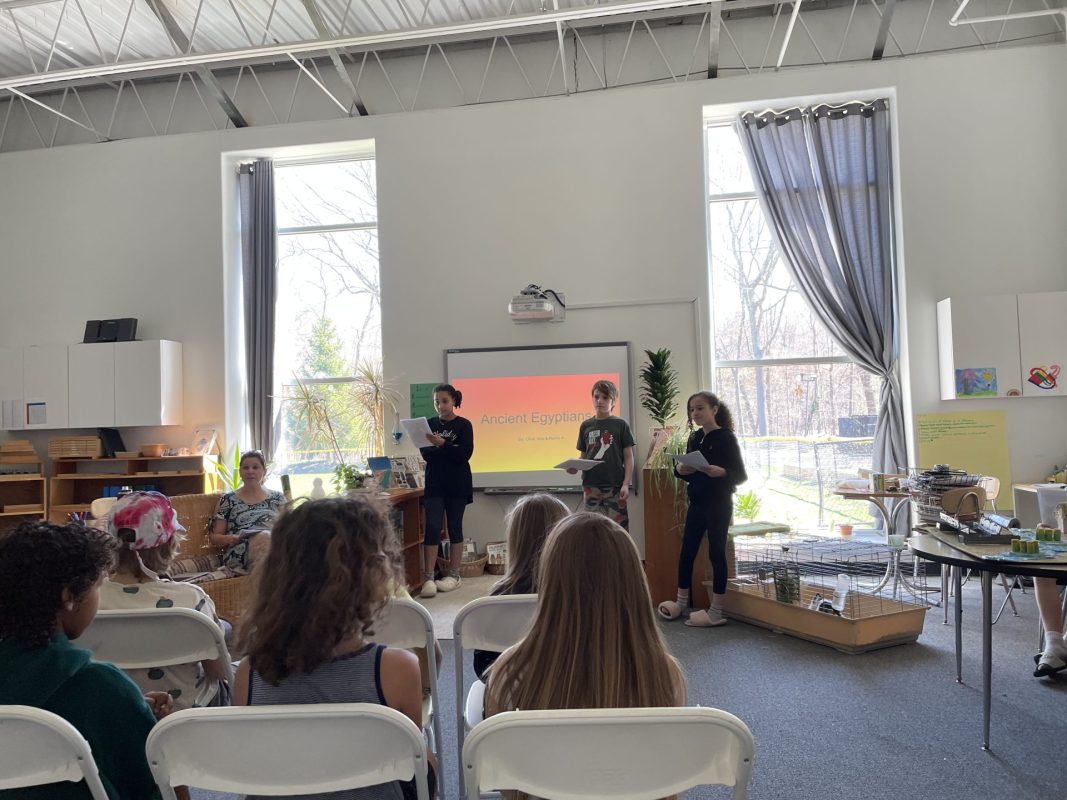
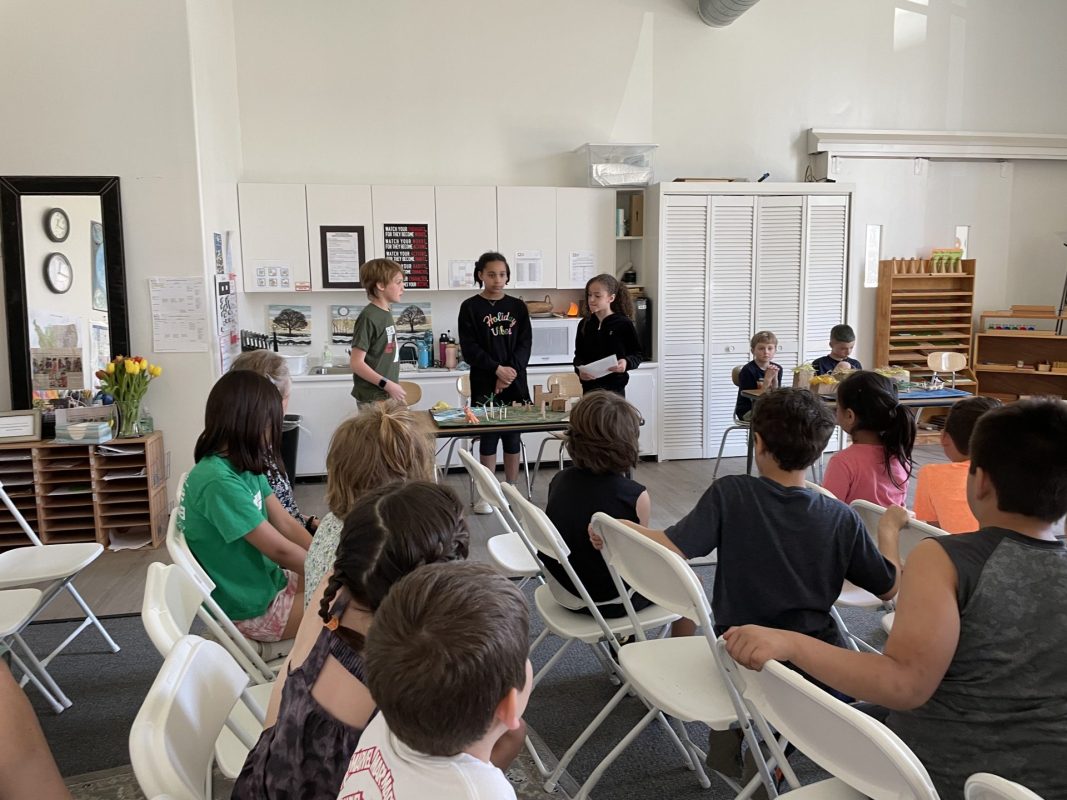
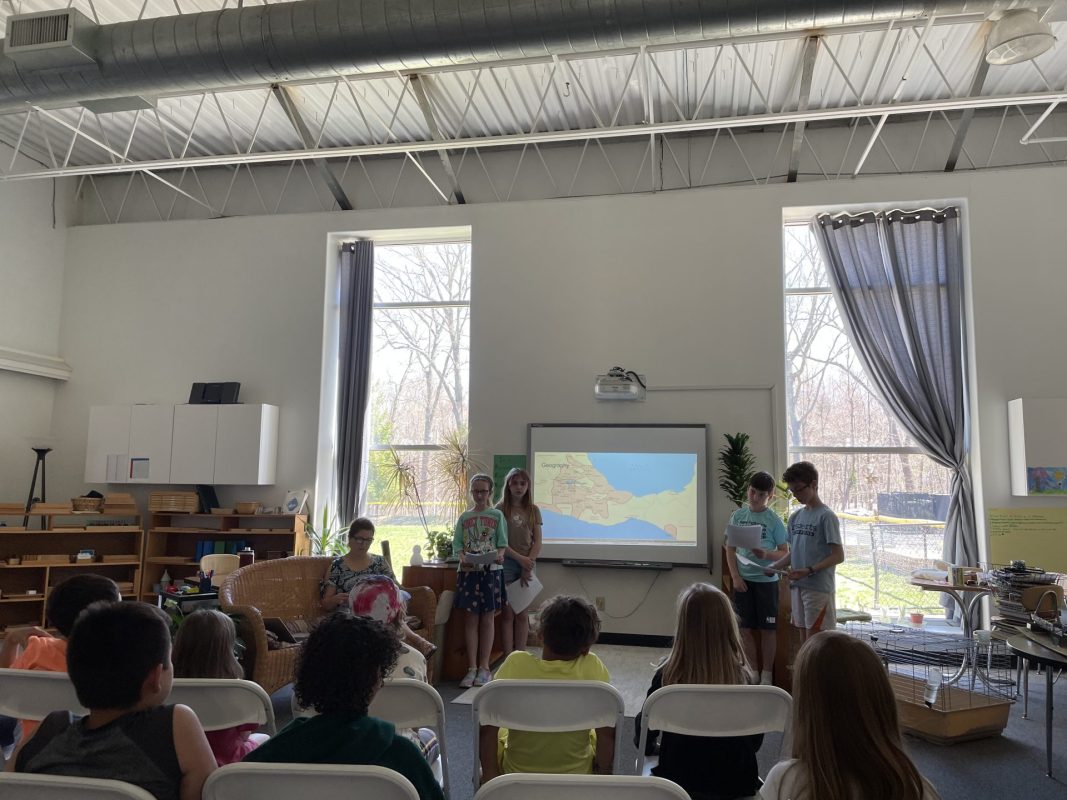
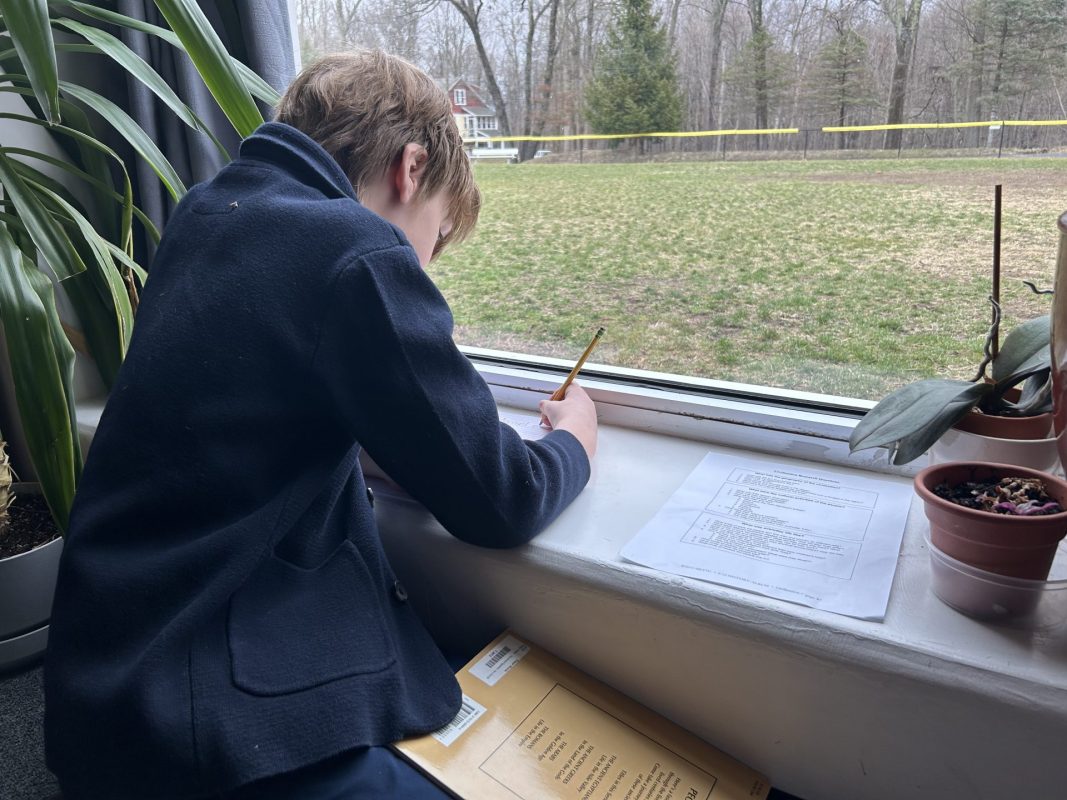
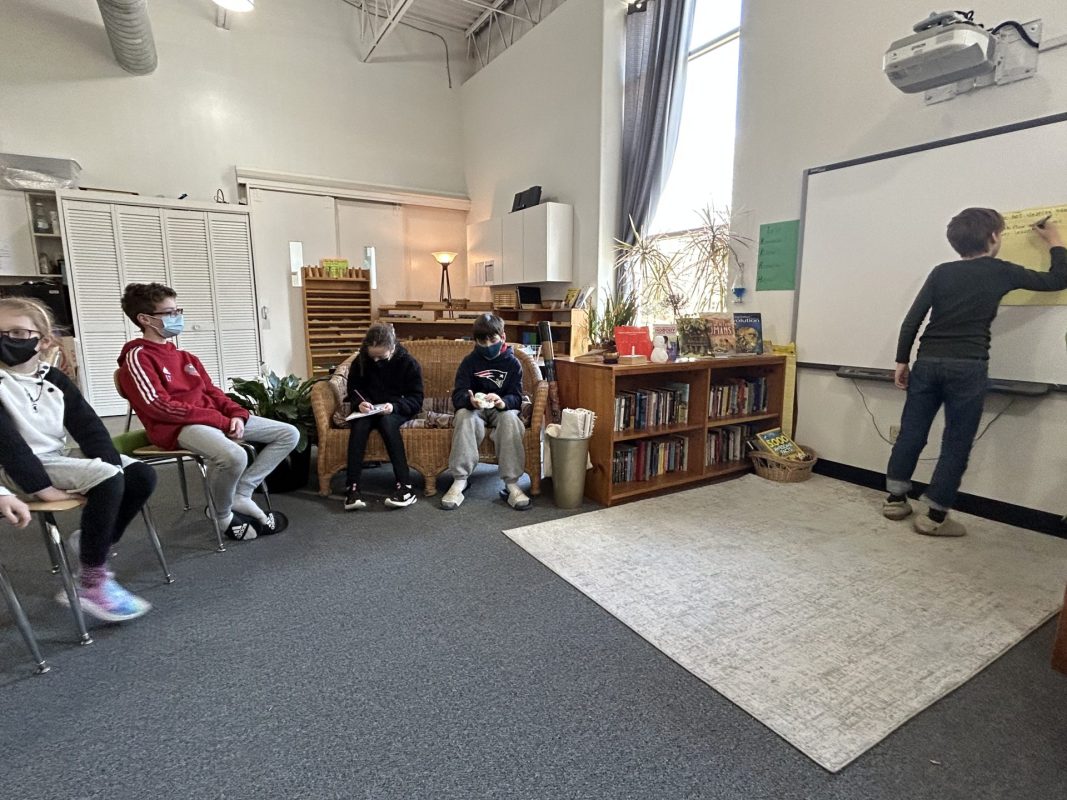
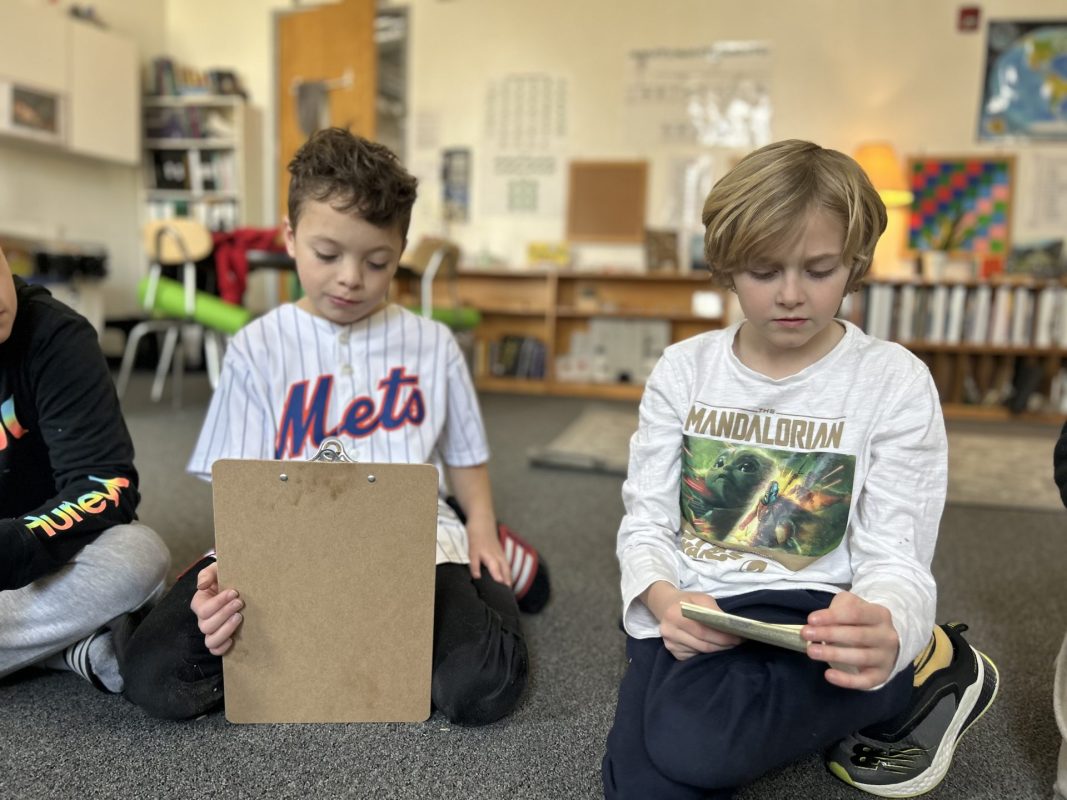
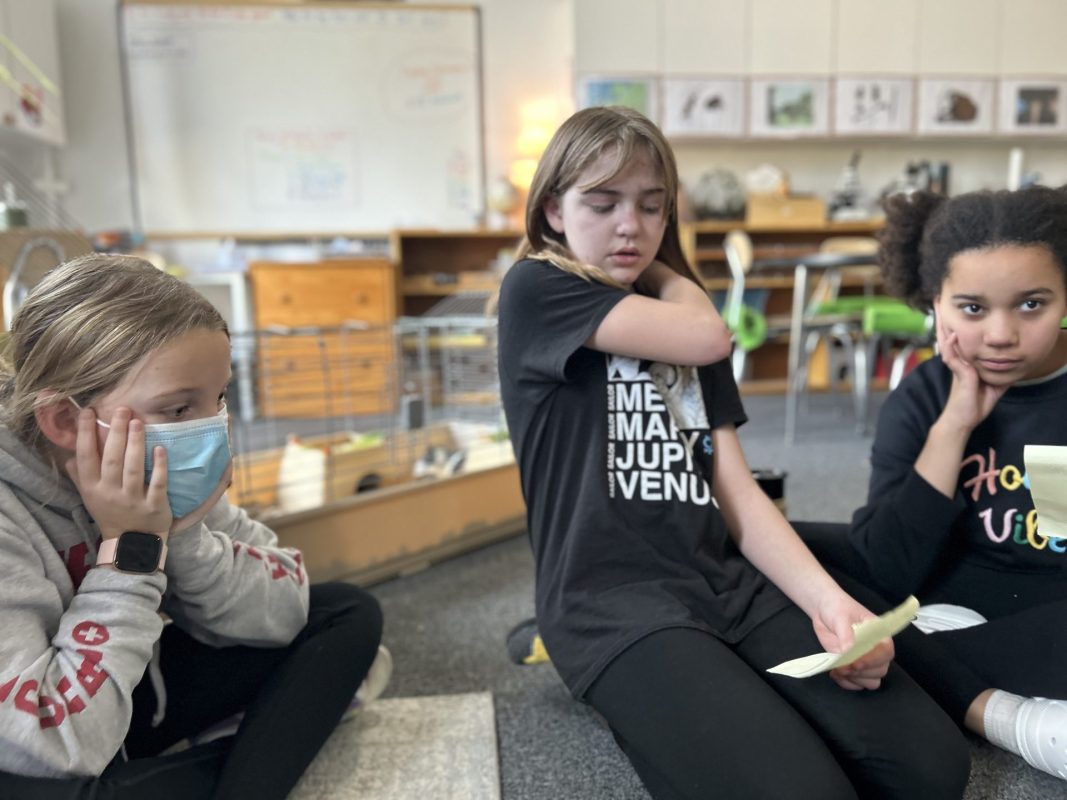
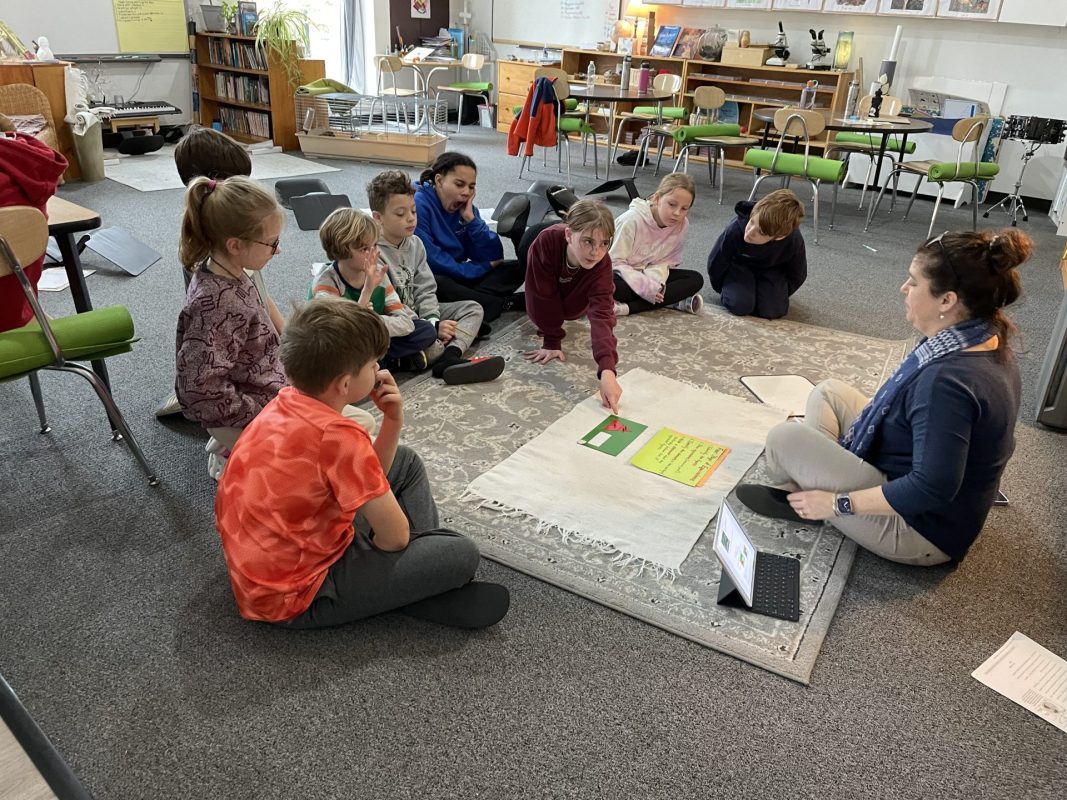
What an exhilarating two weeks! Upper El students wrapped up their research papers, made slide presentations, and created three-dimensional models of their ancient civilizations. They worked hard and displayed intense focus and outstanding collaboration skills during their big project leading up to their presentations on research night, the first in-person in three years. While preparing, they independently learned about their ancient civilization, gathering and retaining a great deal of information and passing it along to their peers.

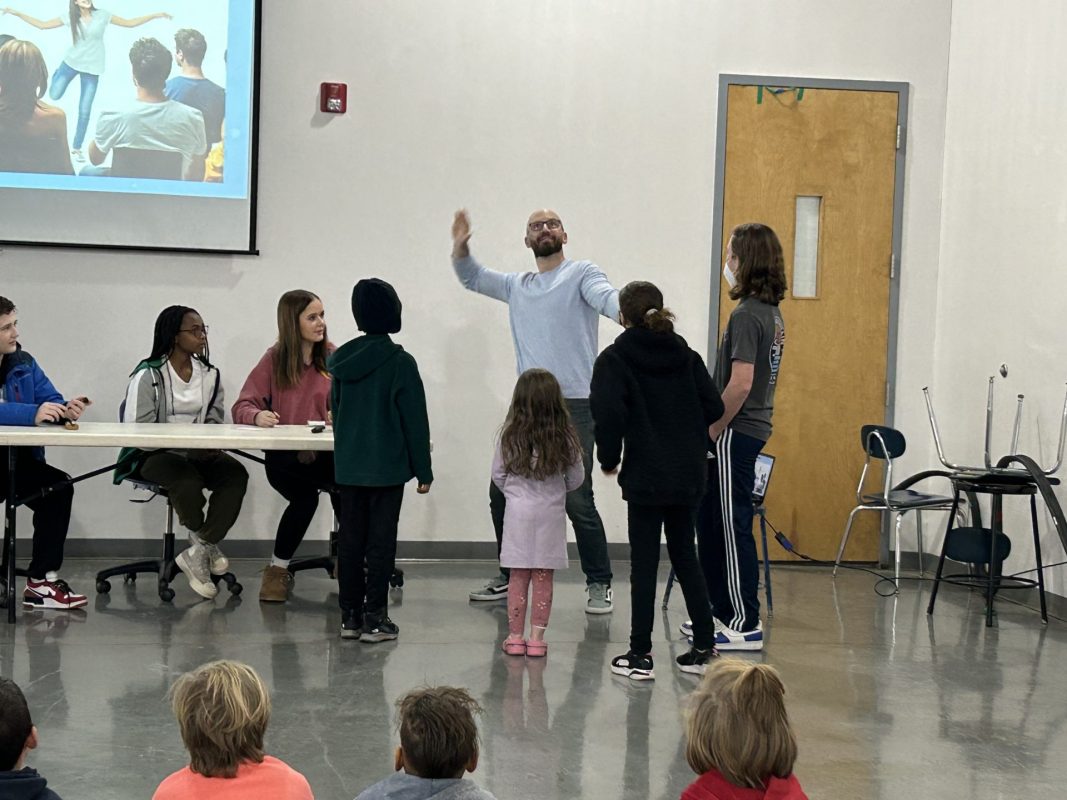
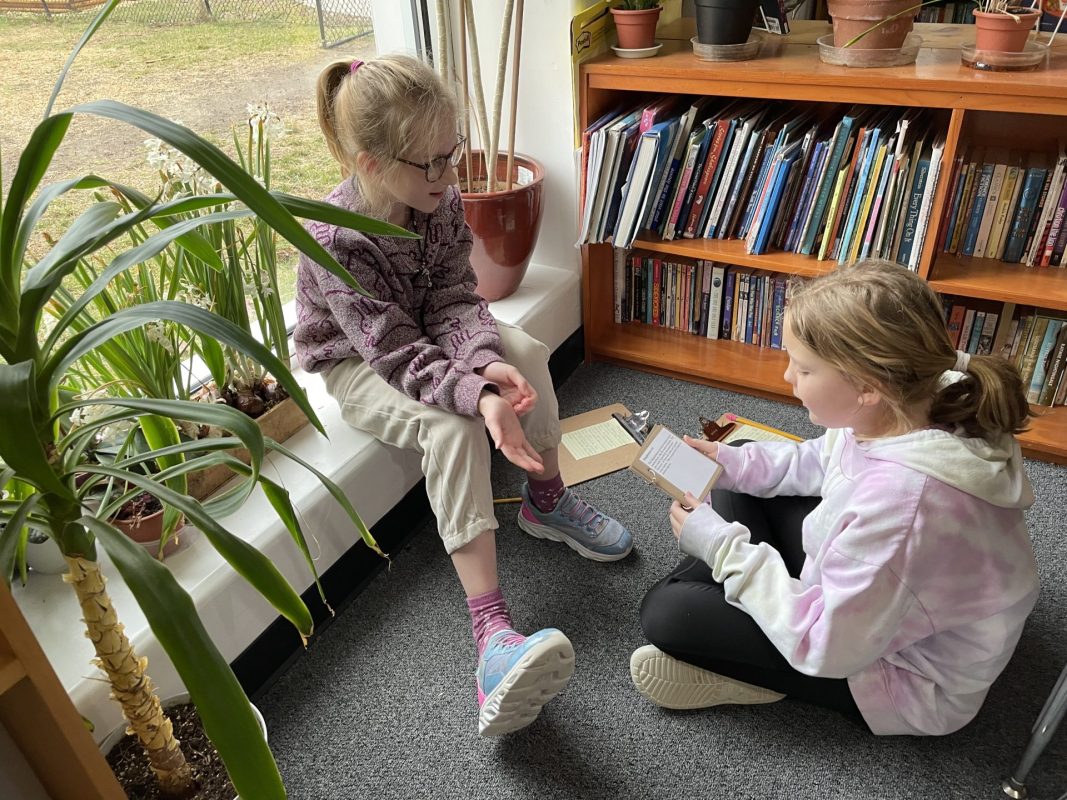
This week, after completing their models, they participated in an activity in art called TAG: Tell something you like, Ask a question, and Give a suggestion. After this activity, they made minor improvements to their models, demonstrating a willingness to listen to the critiques of their classmates. Then, with the fifth-years leading the way, they planned their speaking parts for their presentations and practiced, practiced, practiced. Finally, students pushed through their discomfort to speak in front of the group, each time getting easier. The result was four fabulous presentations in front of families and friends on Thursday night.

Bravo, Upper El!

Wishing you a marvelous weekend,
Karen and Angie

Upper El Collaboration

We have had a wonderful and busy week back from break, preparing for our upcoming Research Night on April 13th from 5:00 to 6:00. We will meet in the Upper Elementary Classroom, and the children will present their Ancient Civilizations research to you and their classmates.

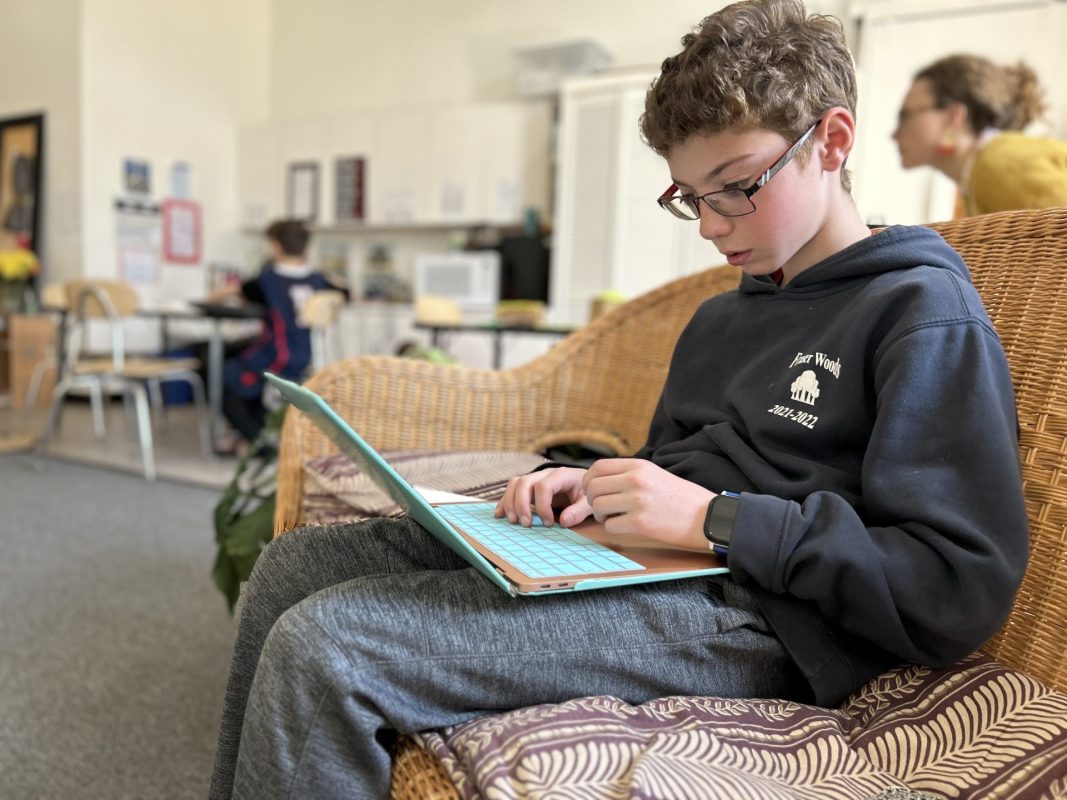
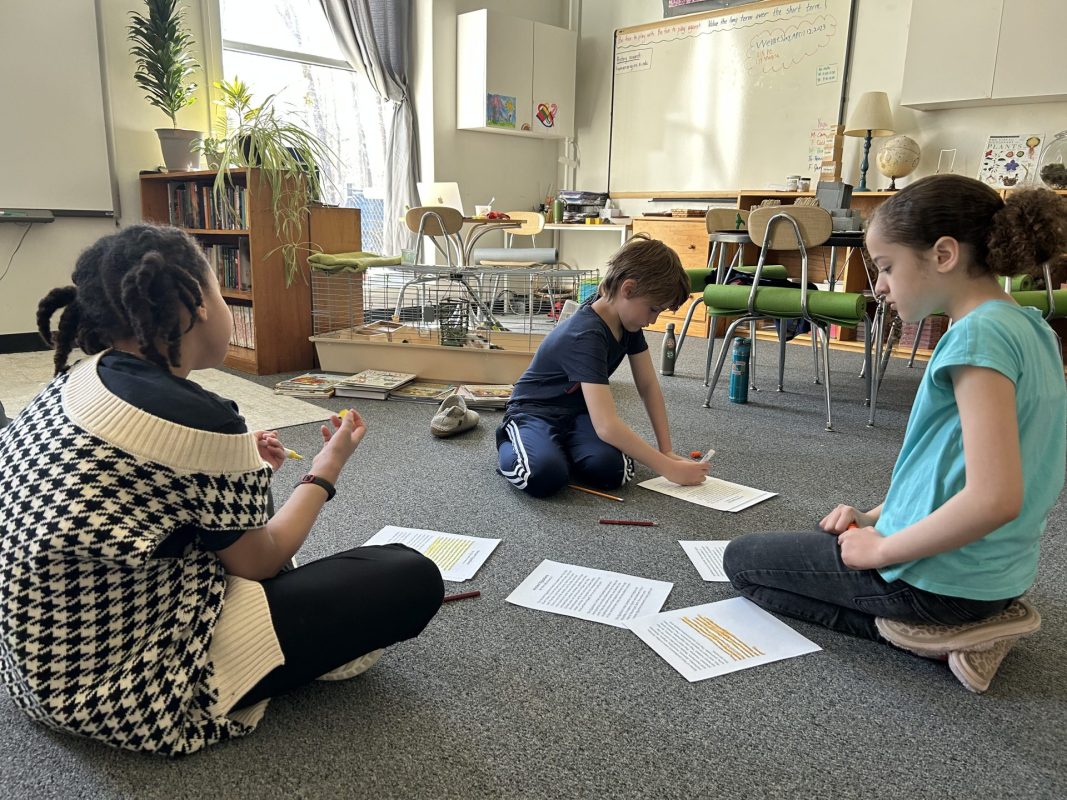
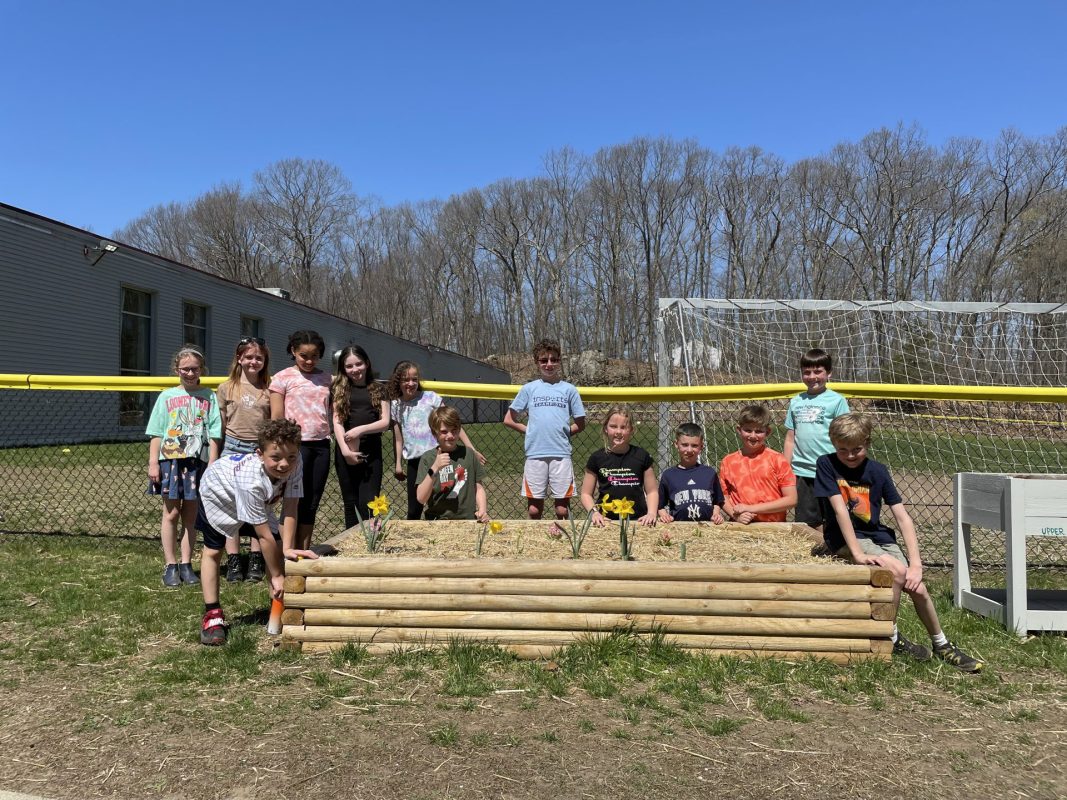
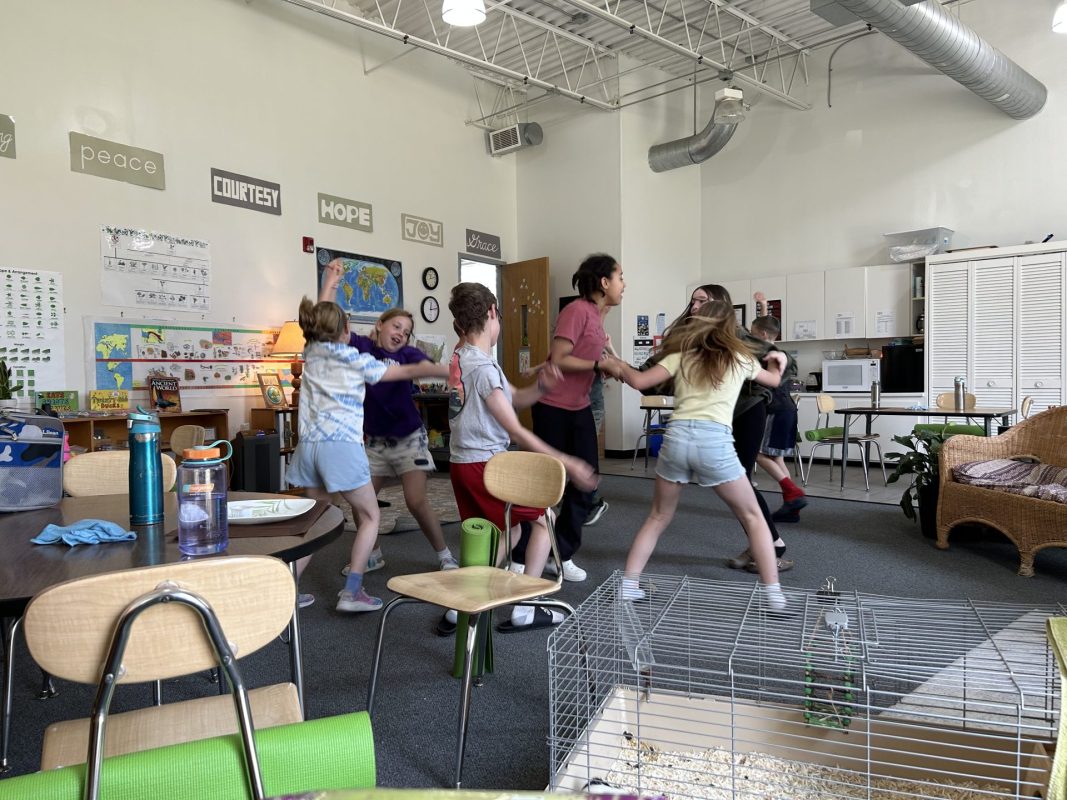
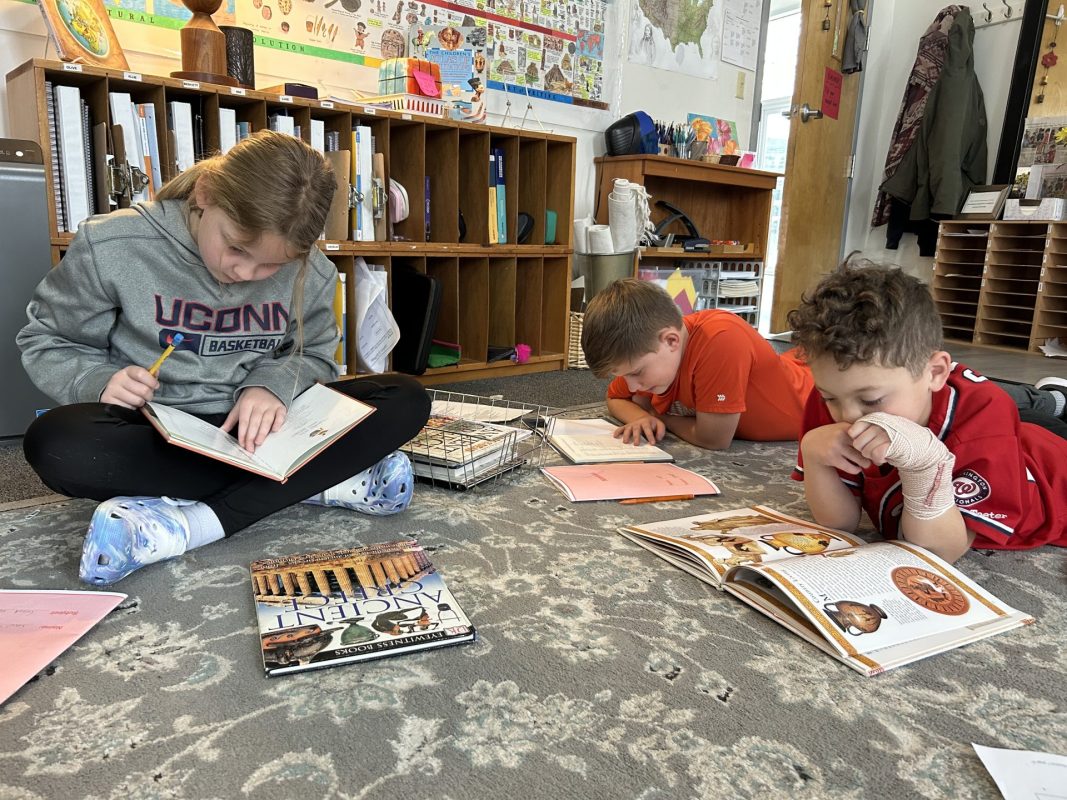
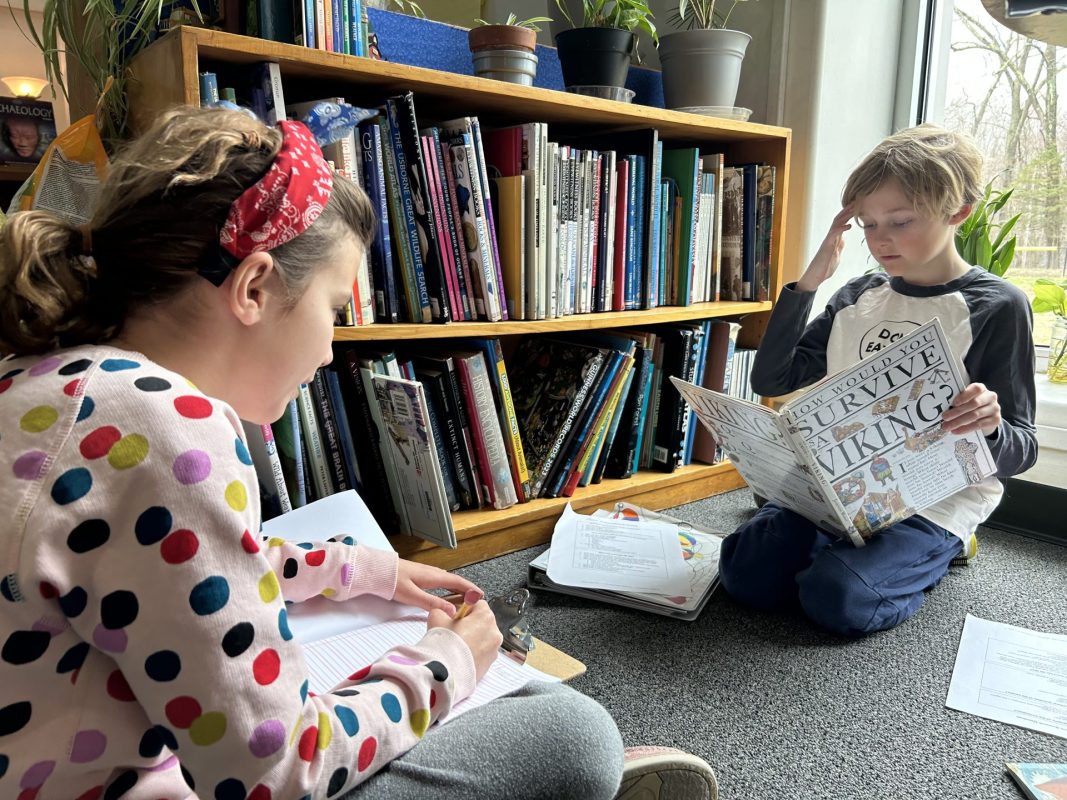
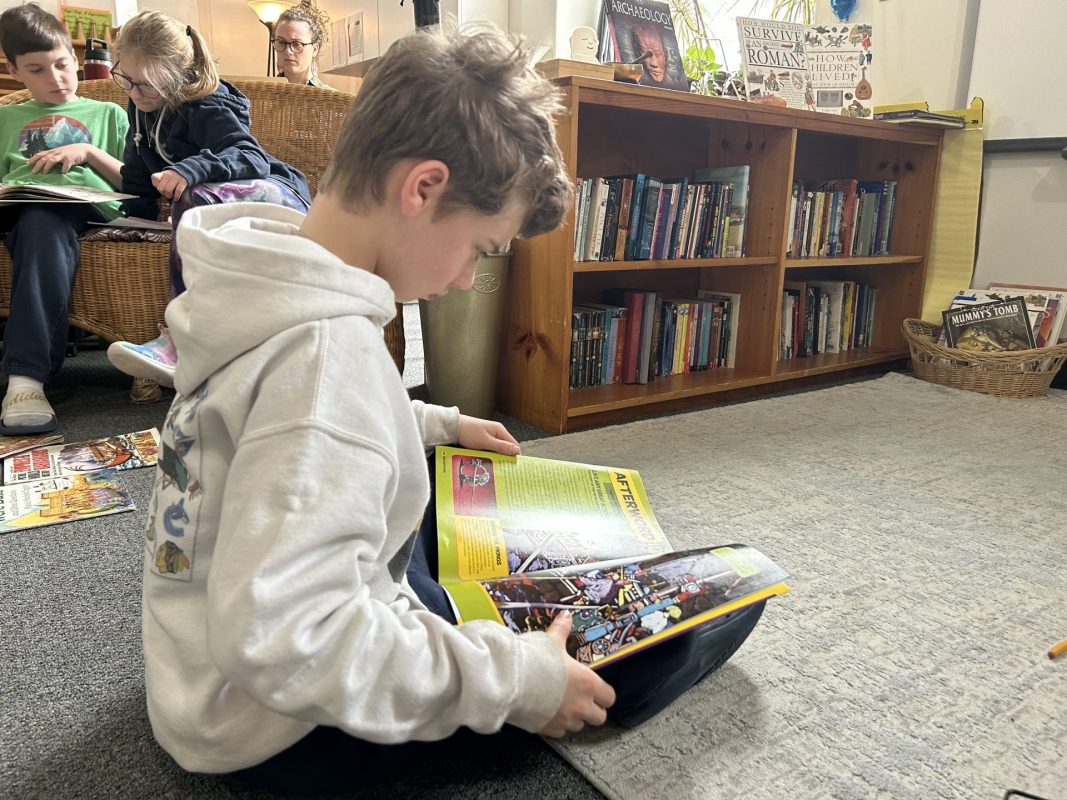
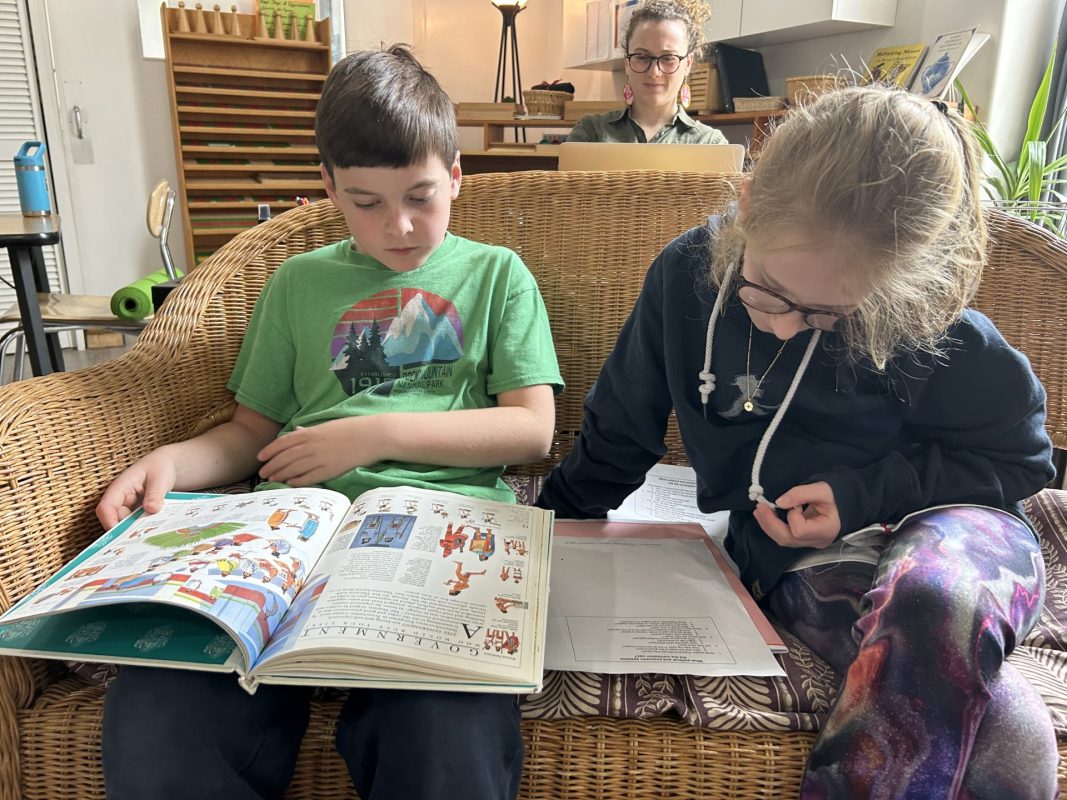
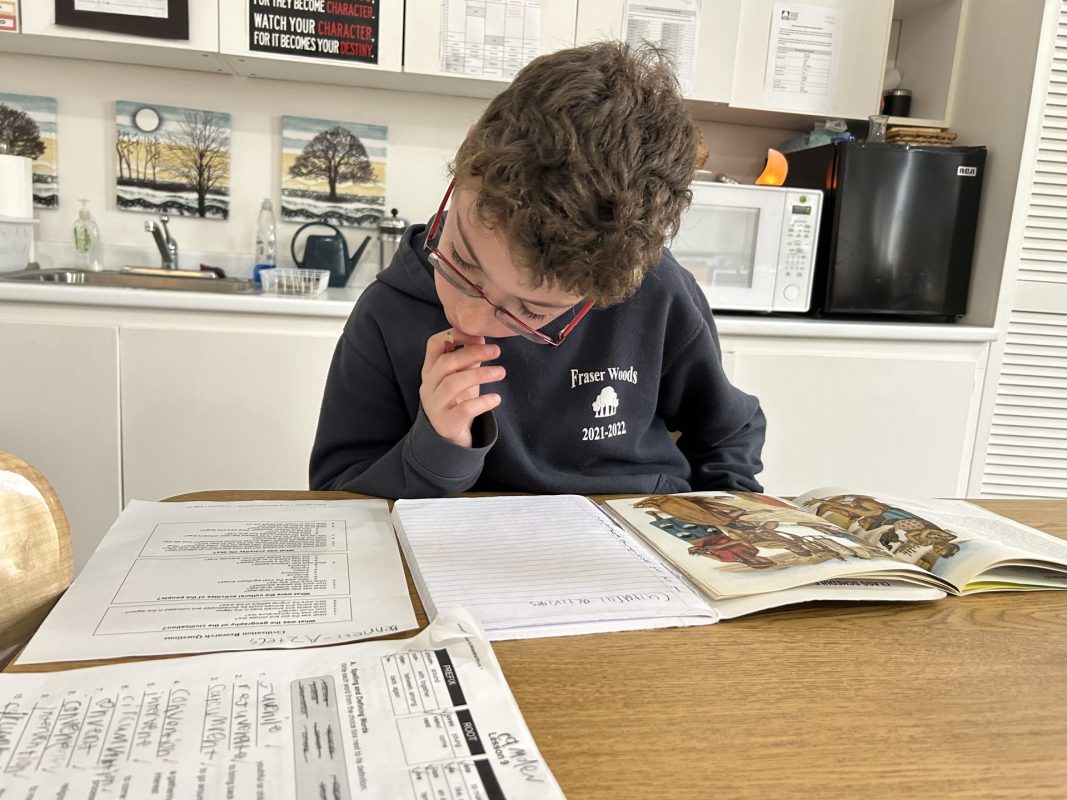
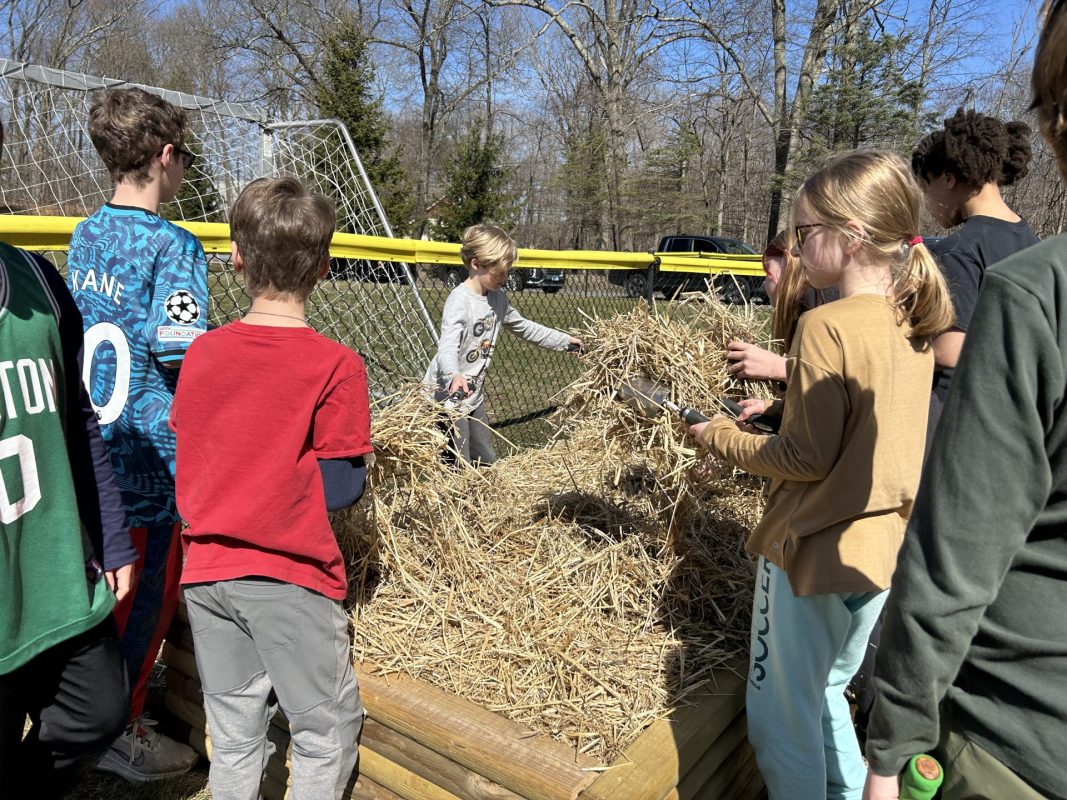
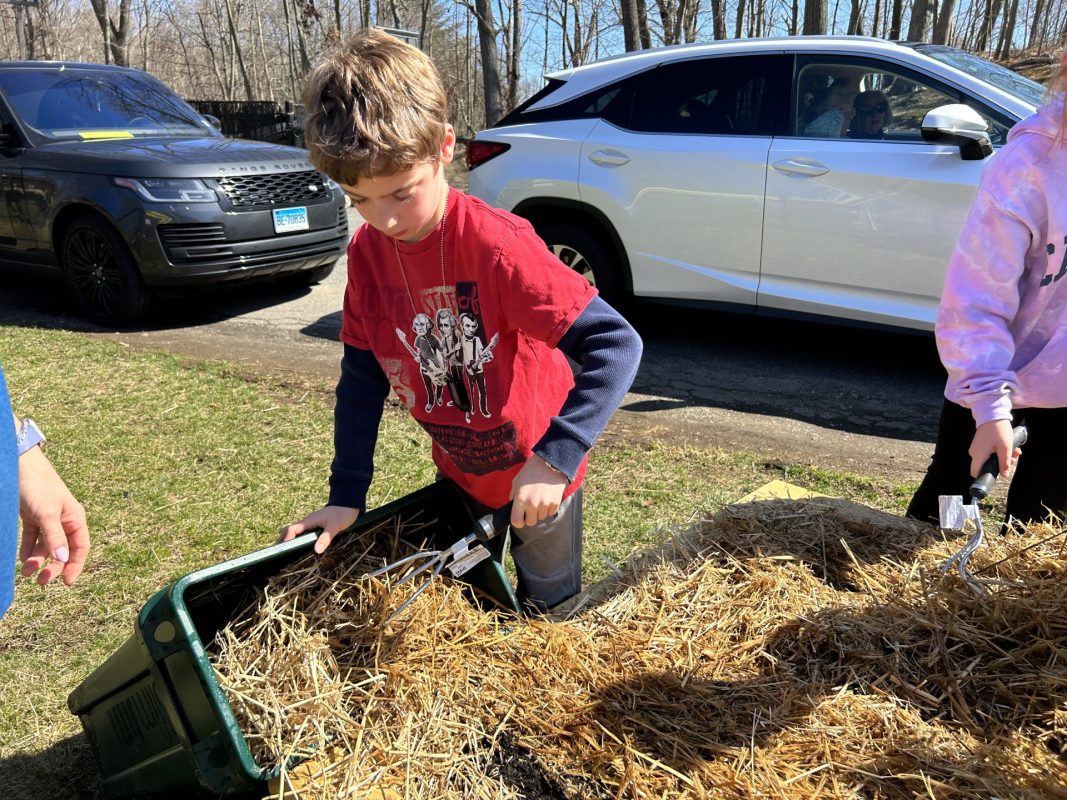
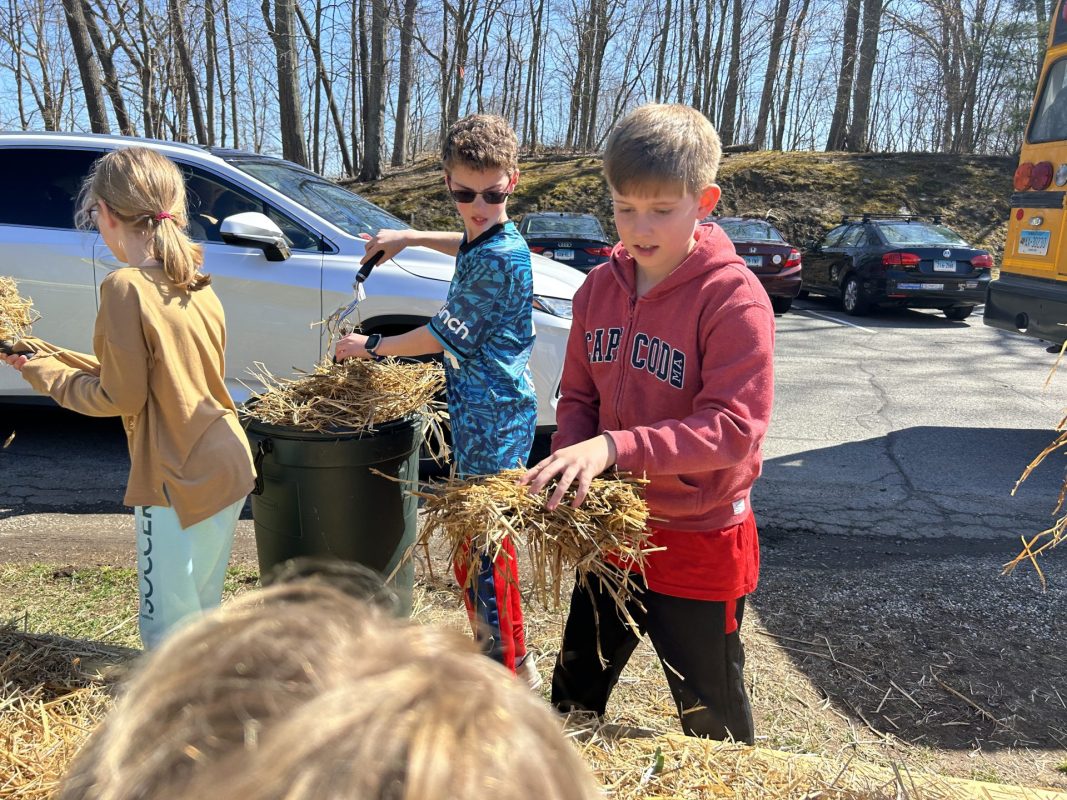
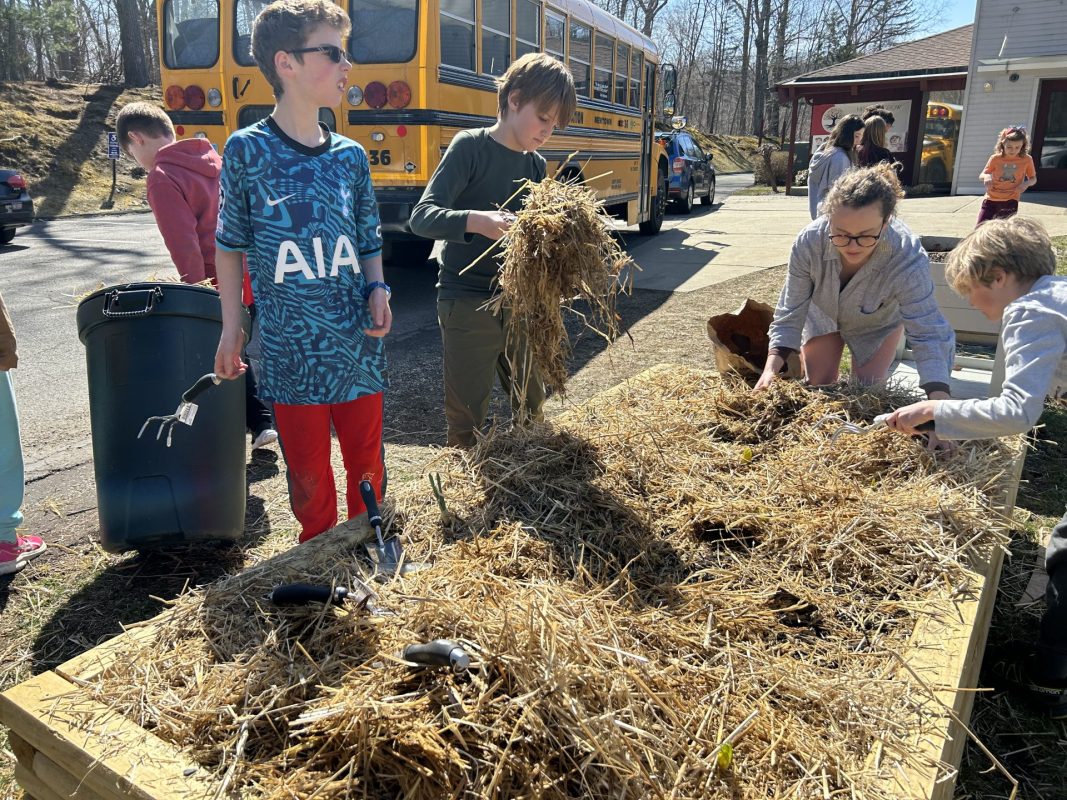
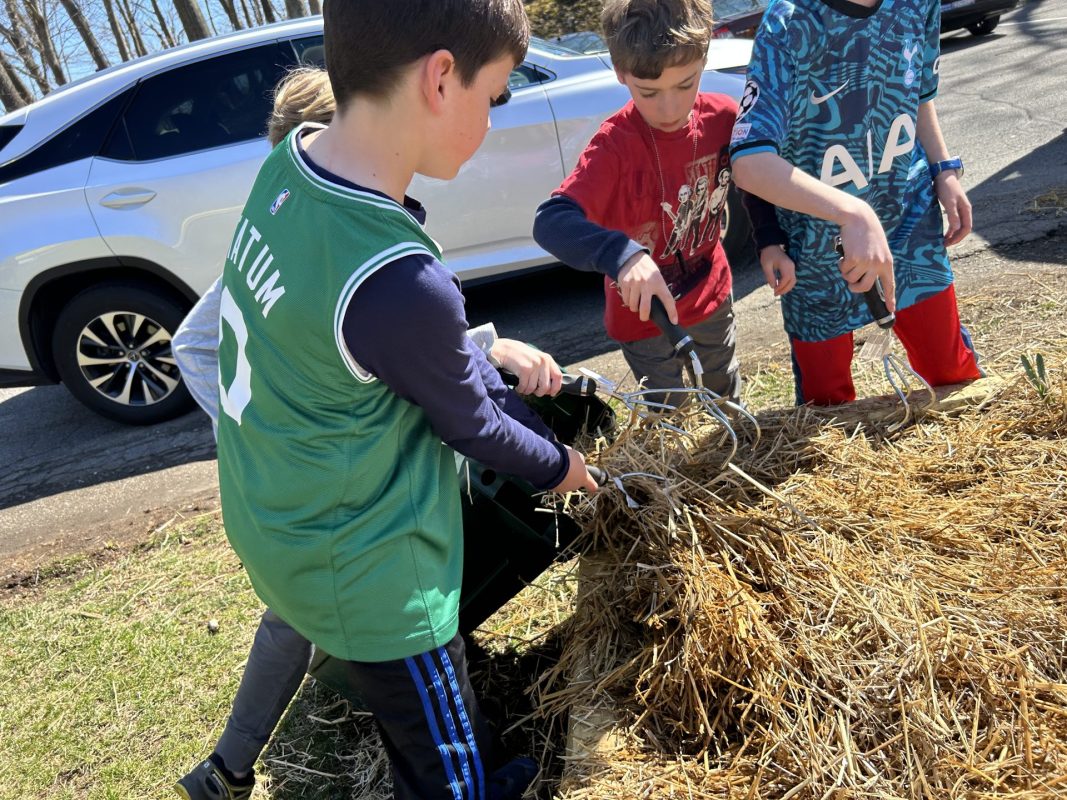
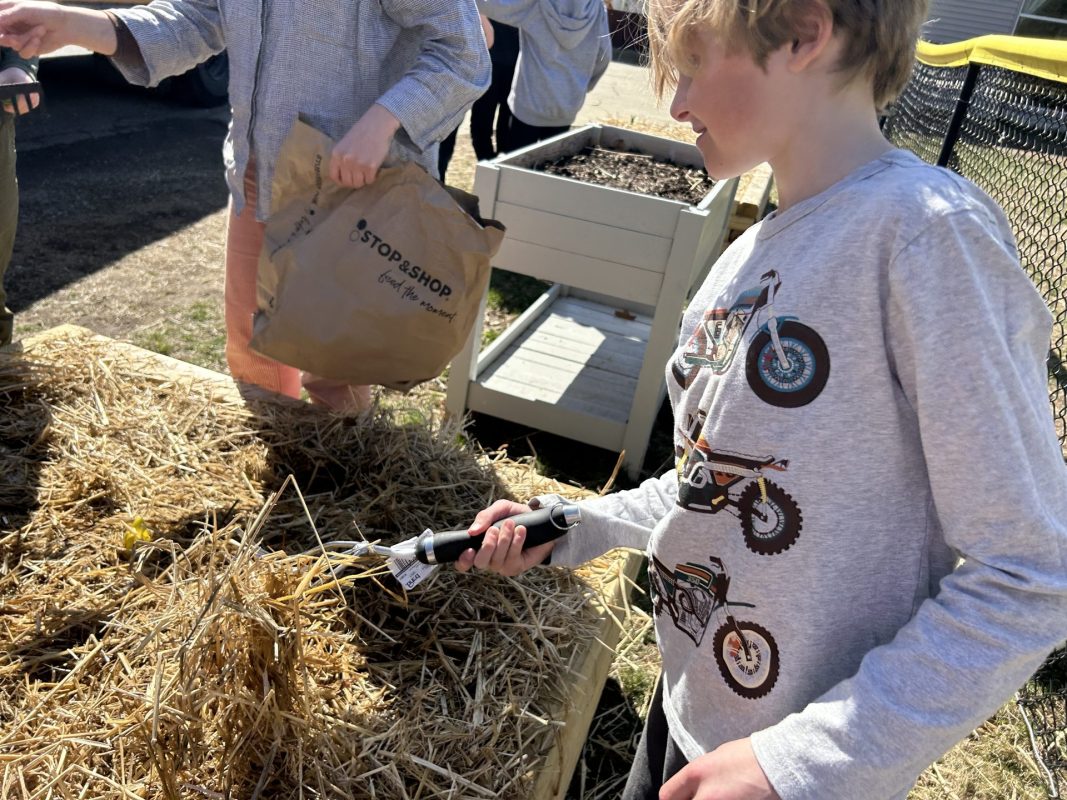
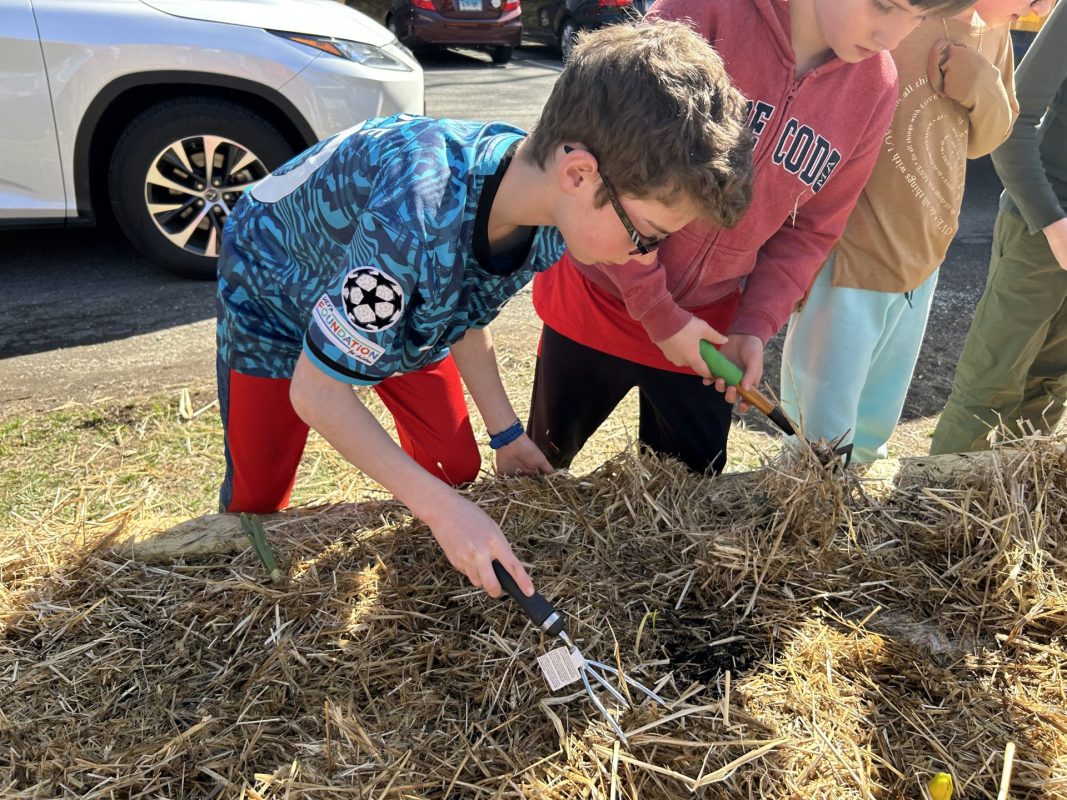
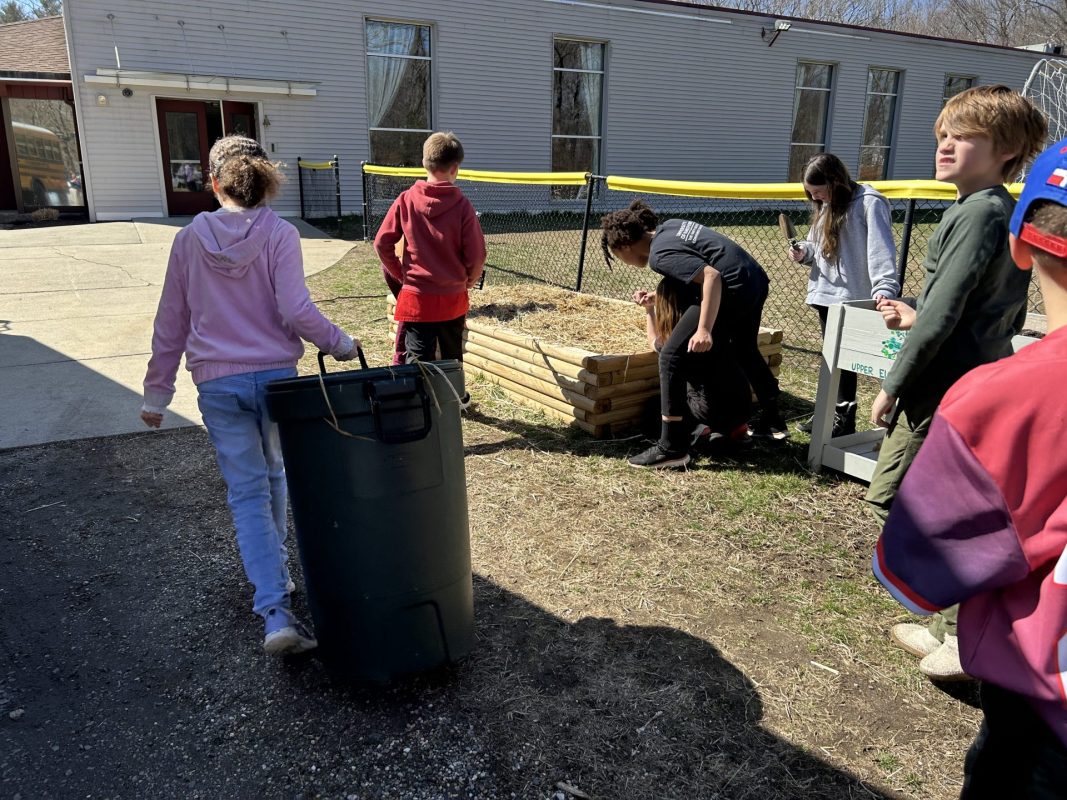
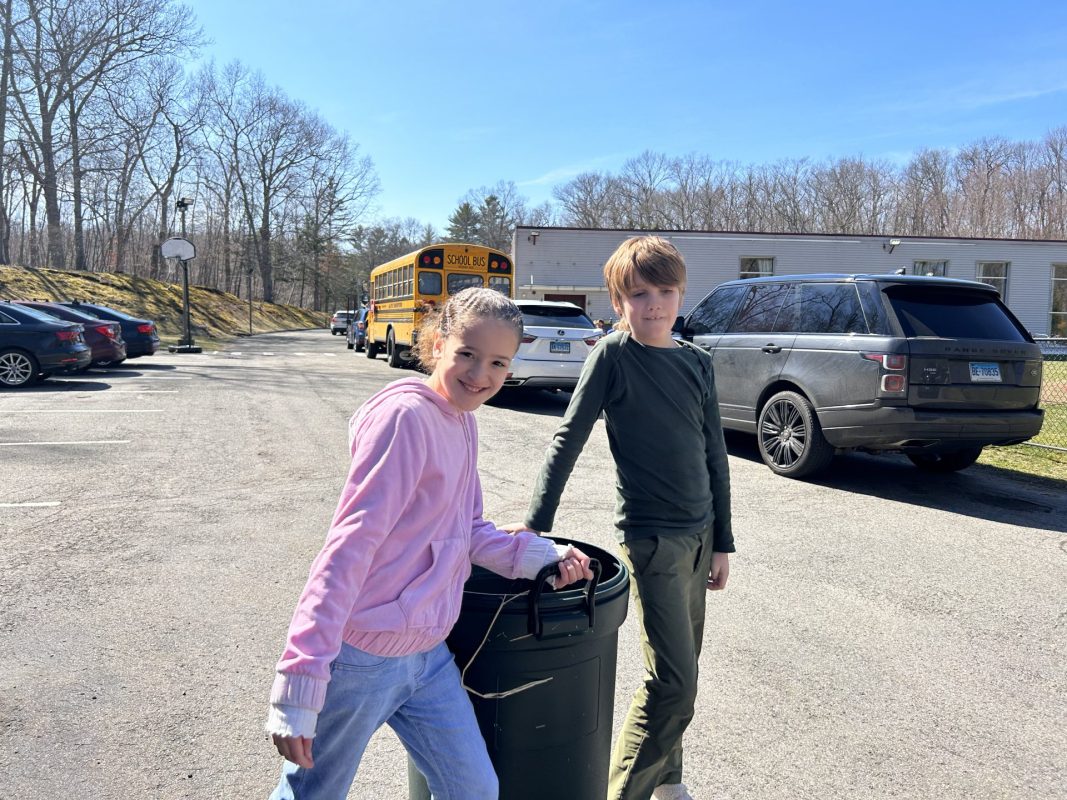
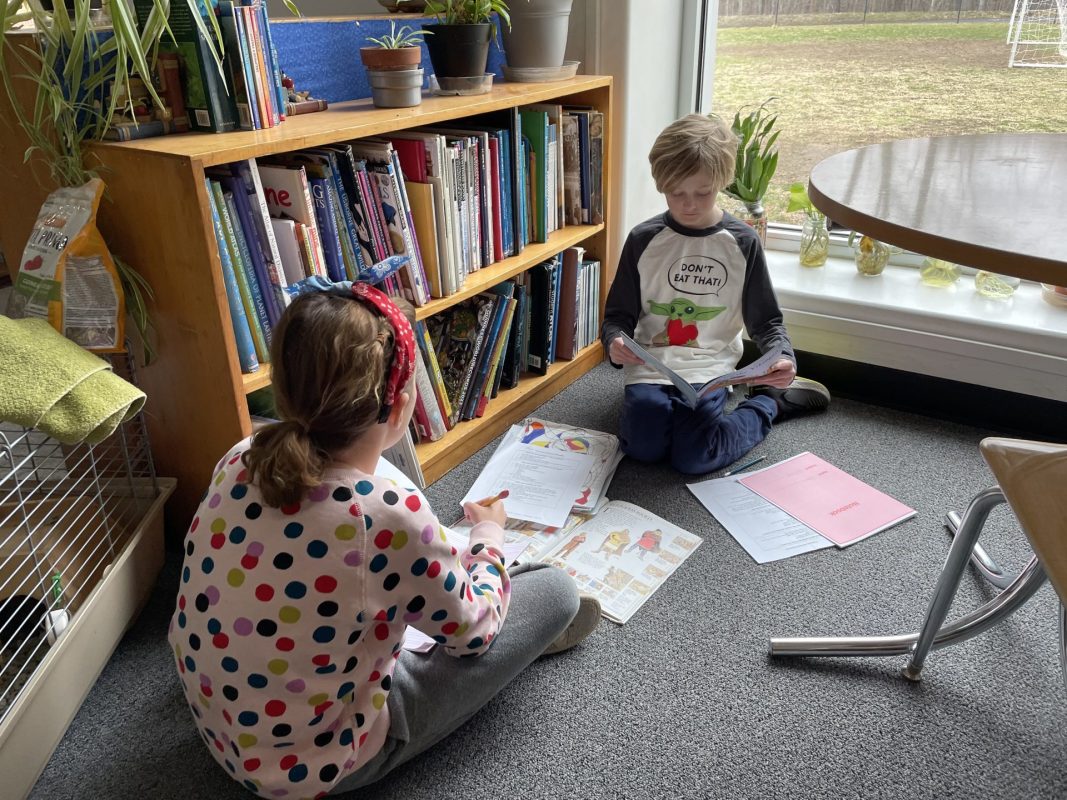
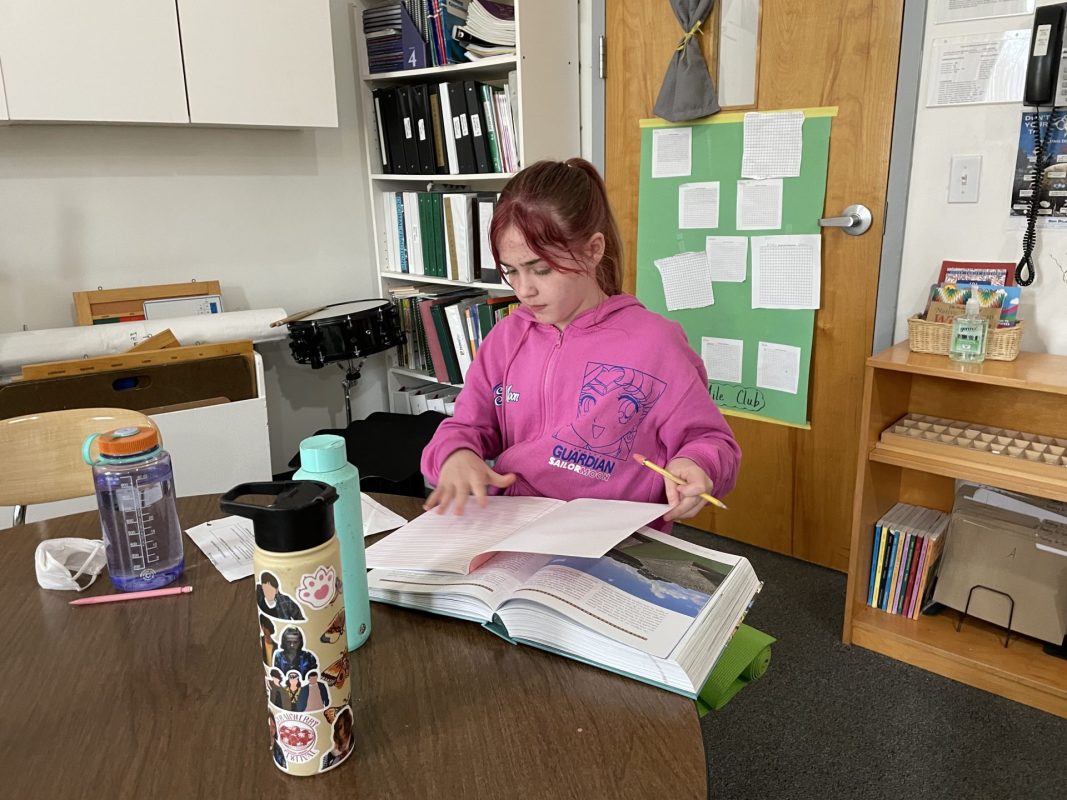
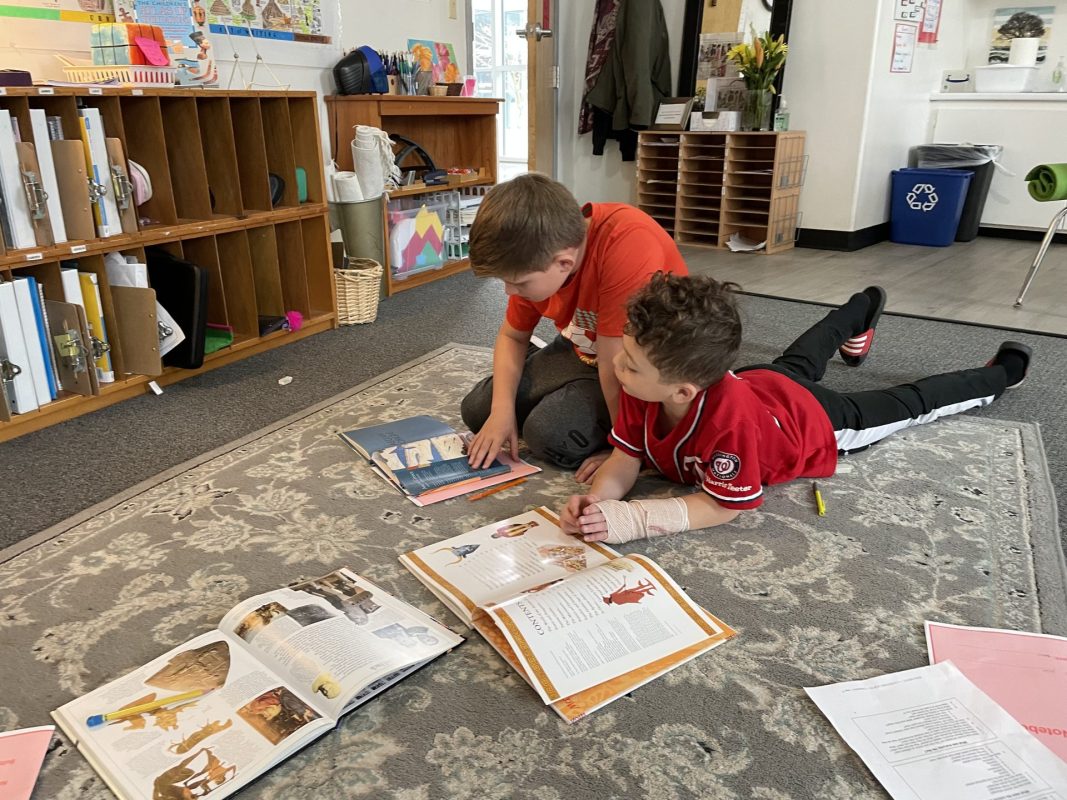
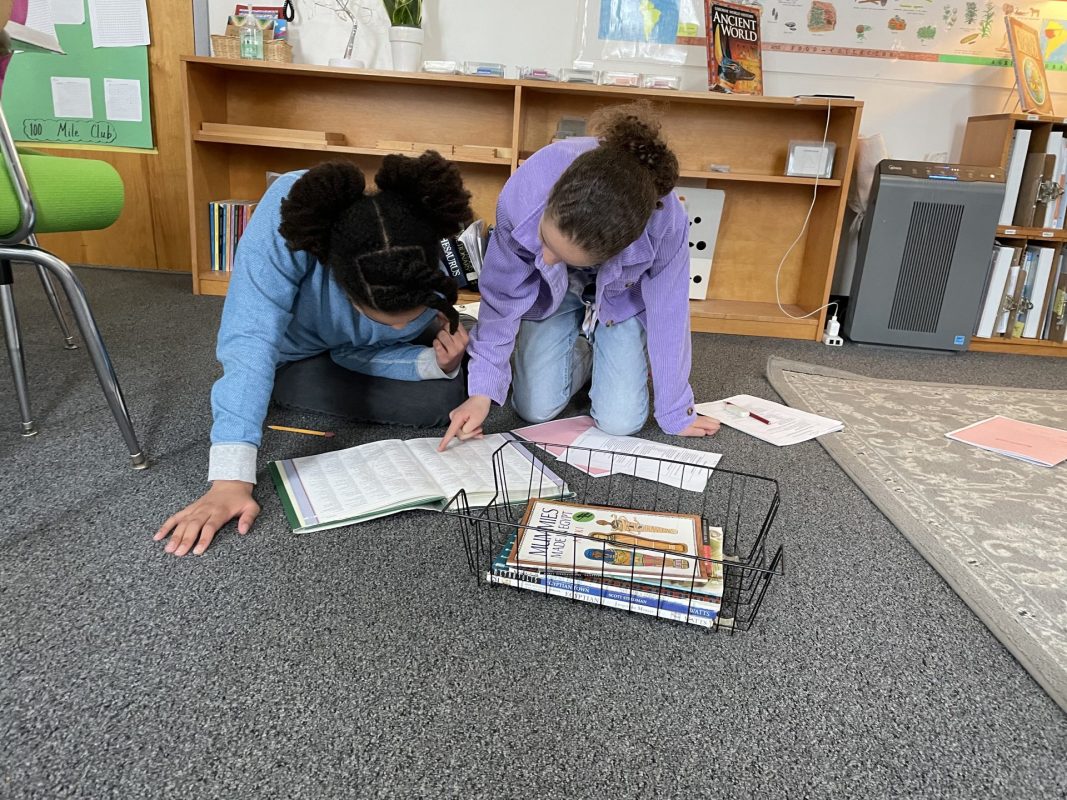
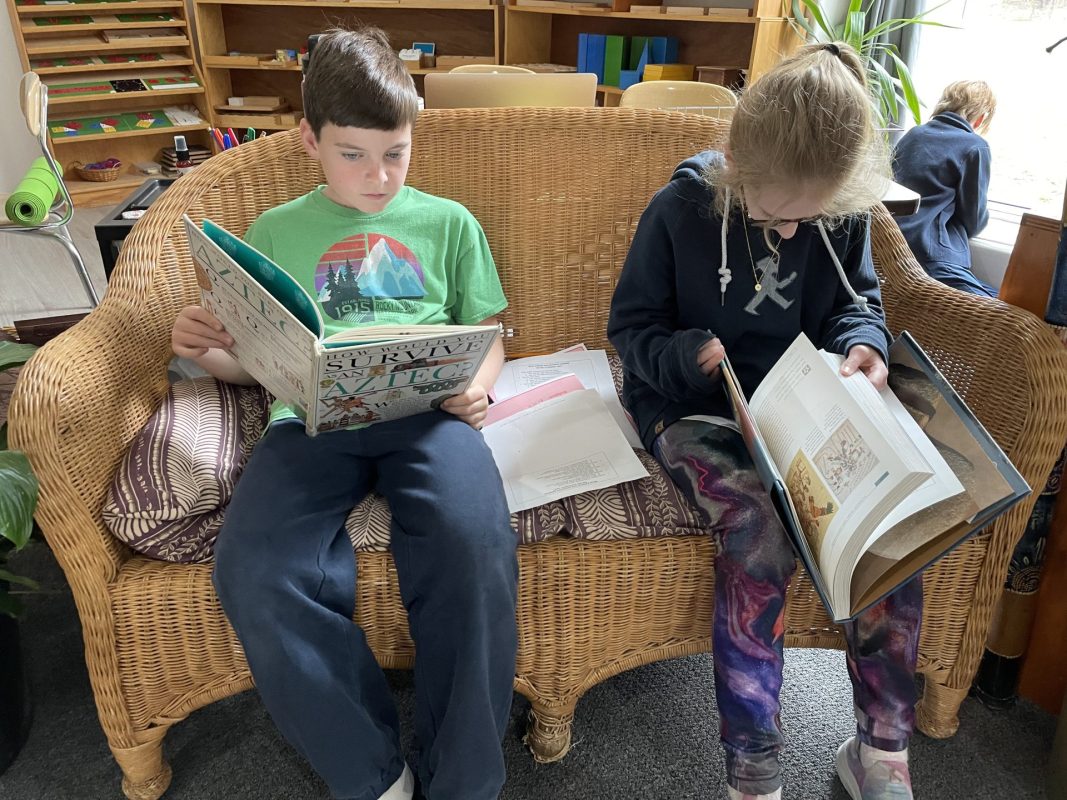
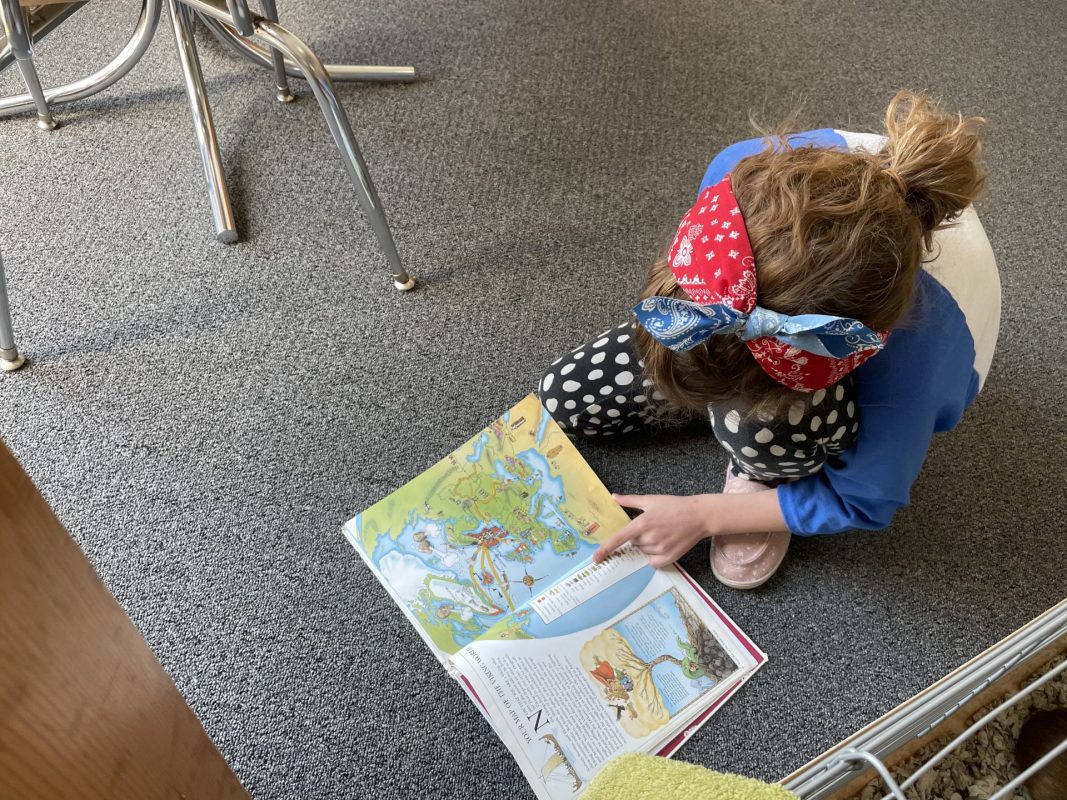
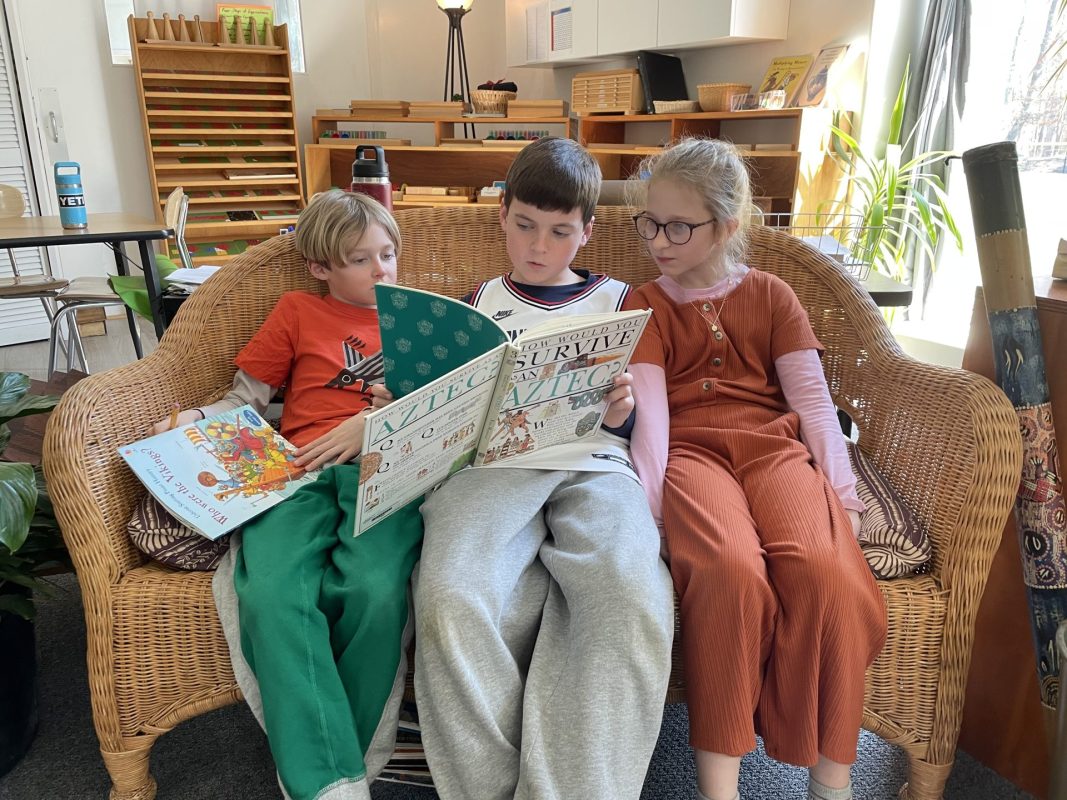
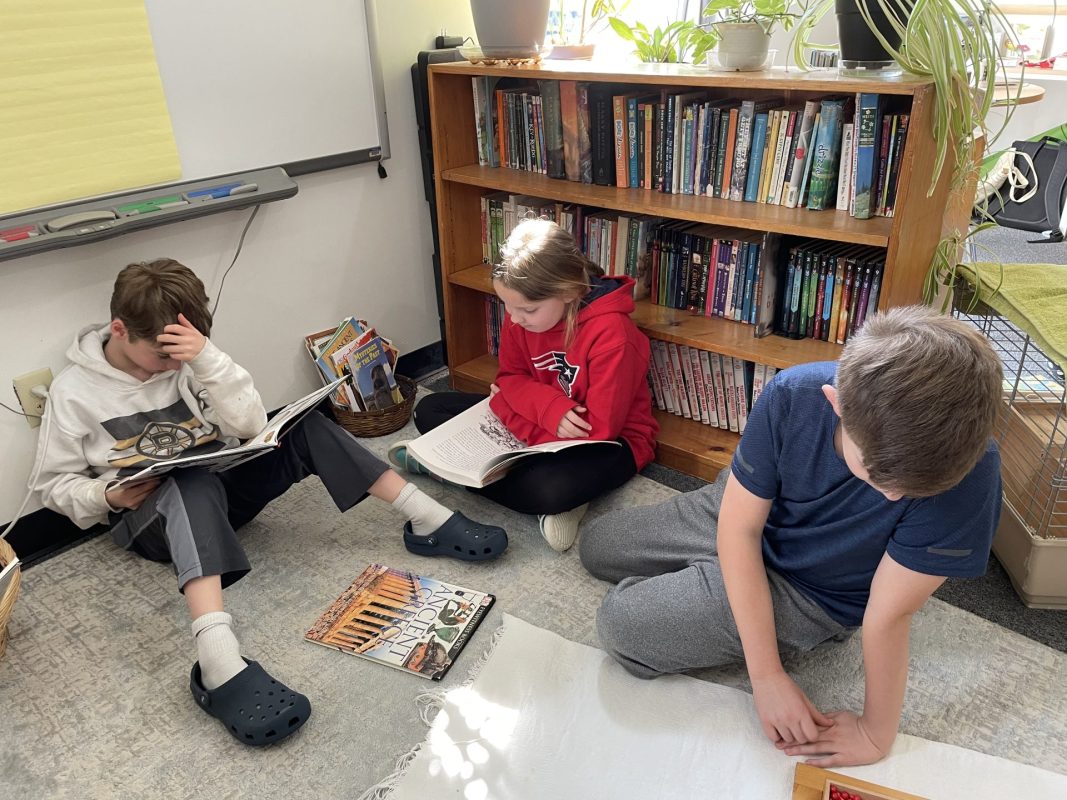
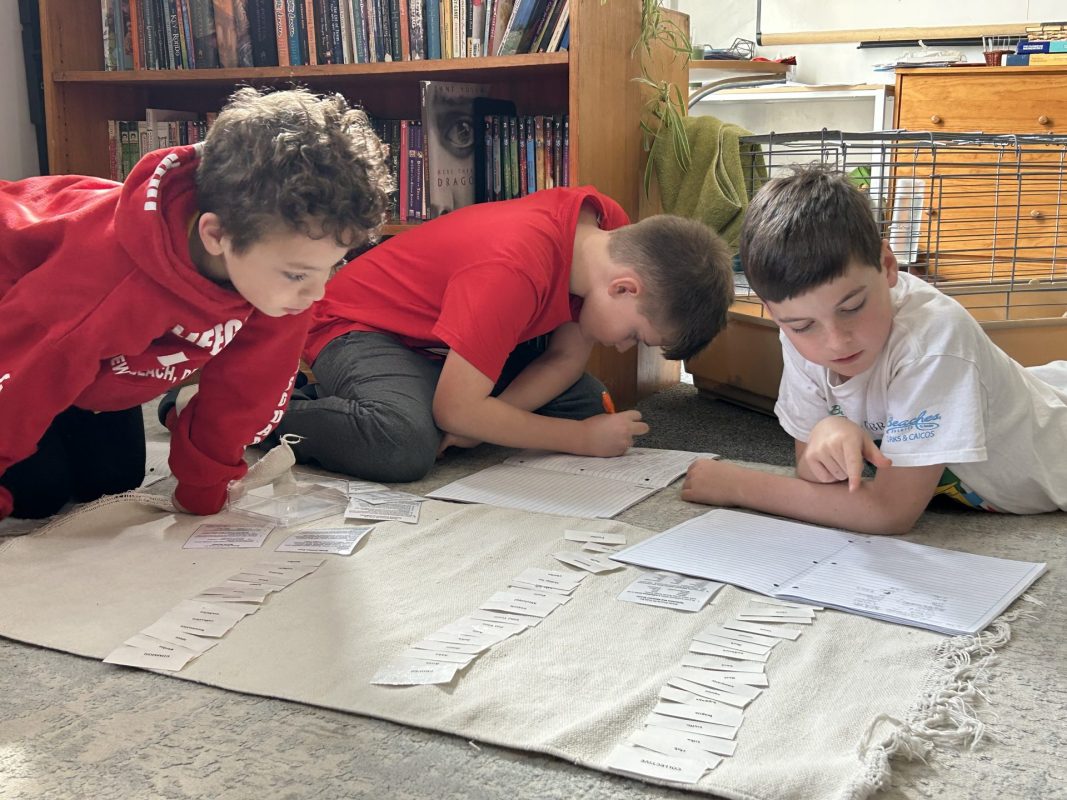
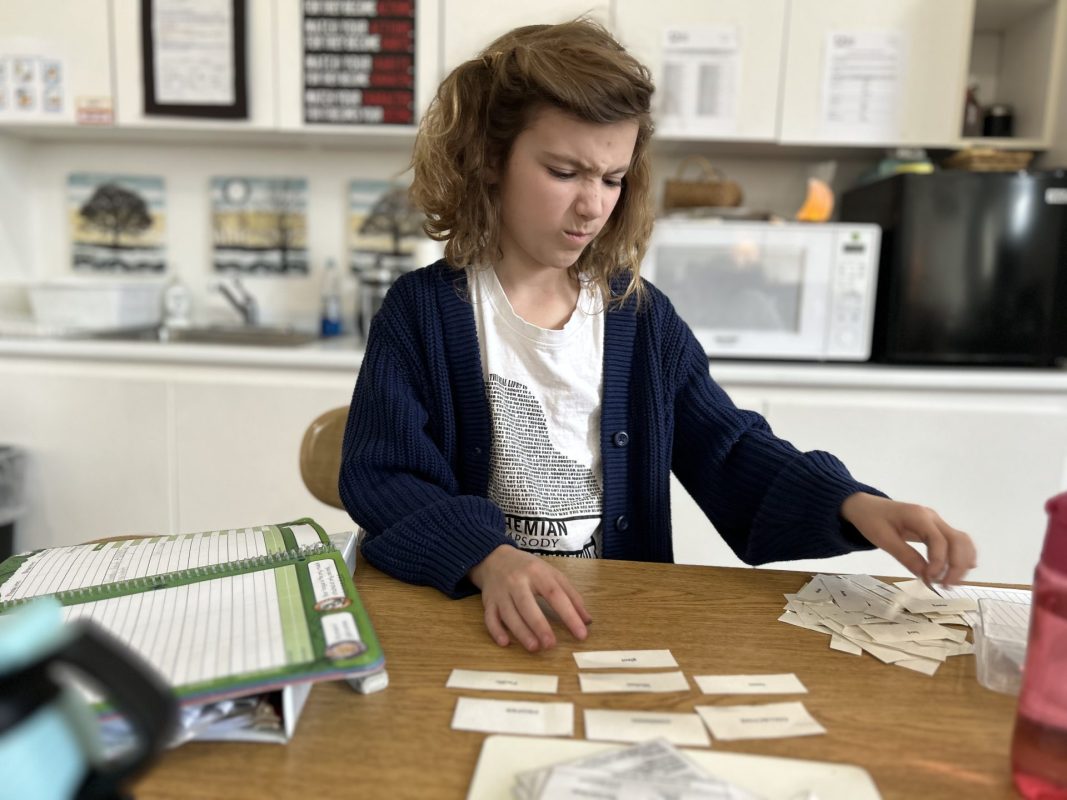
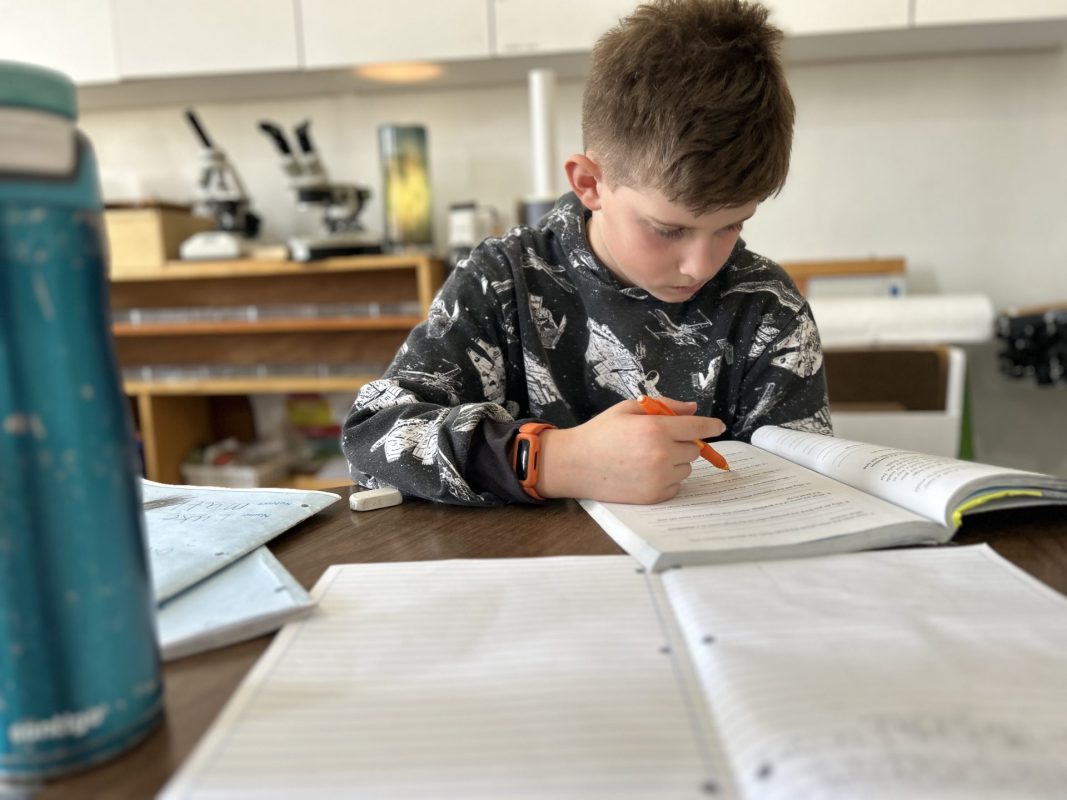
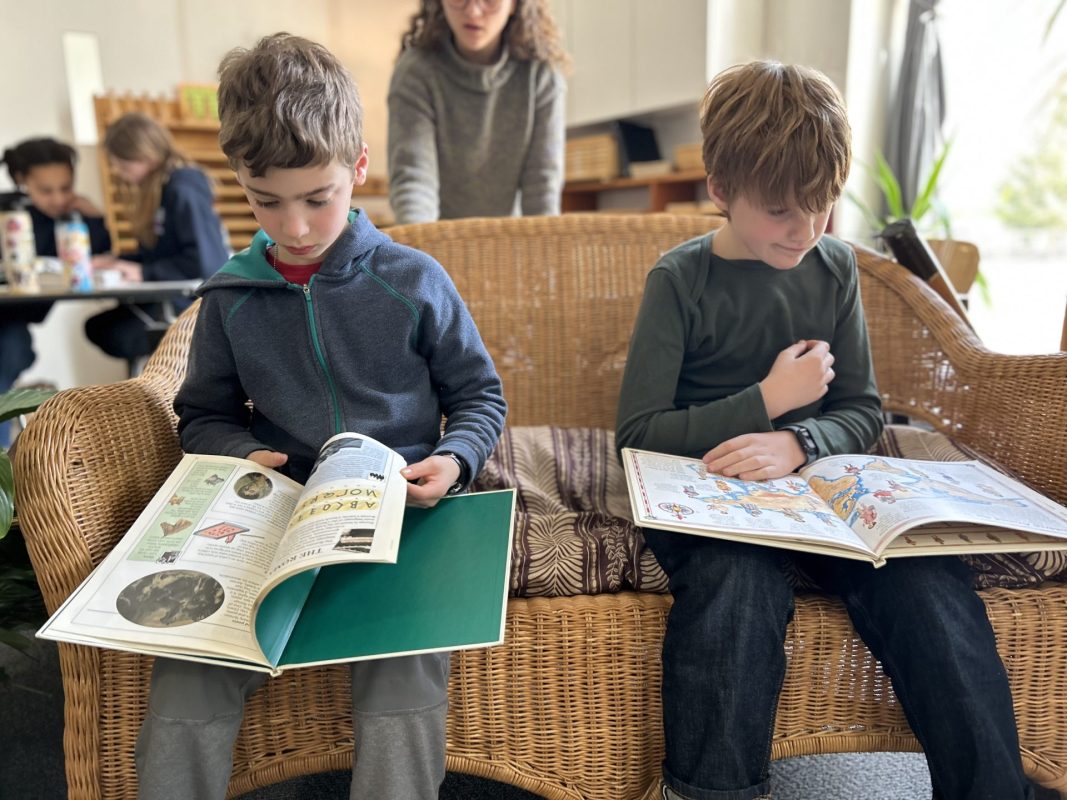
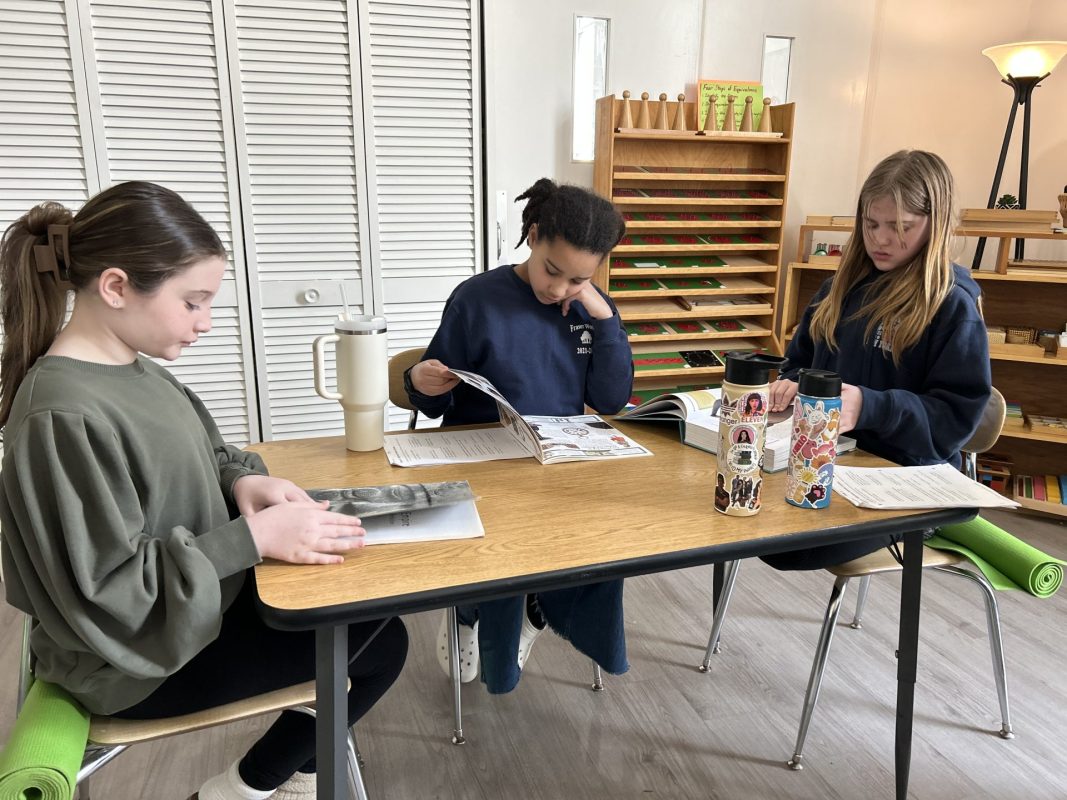
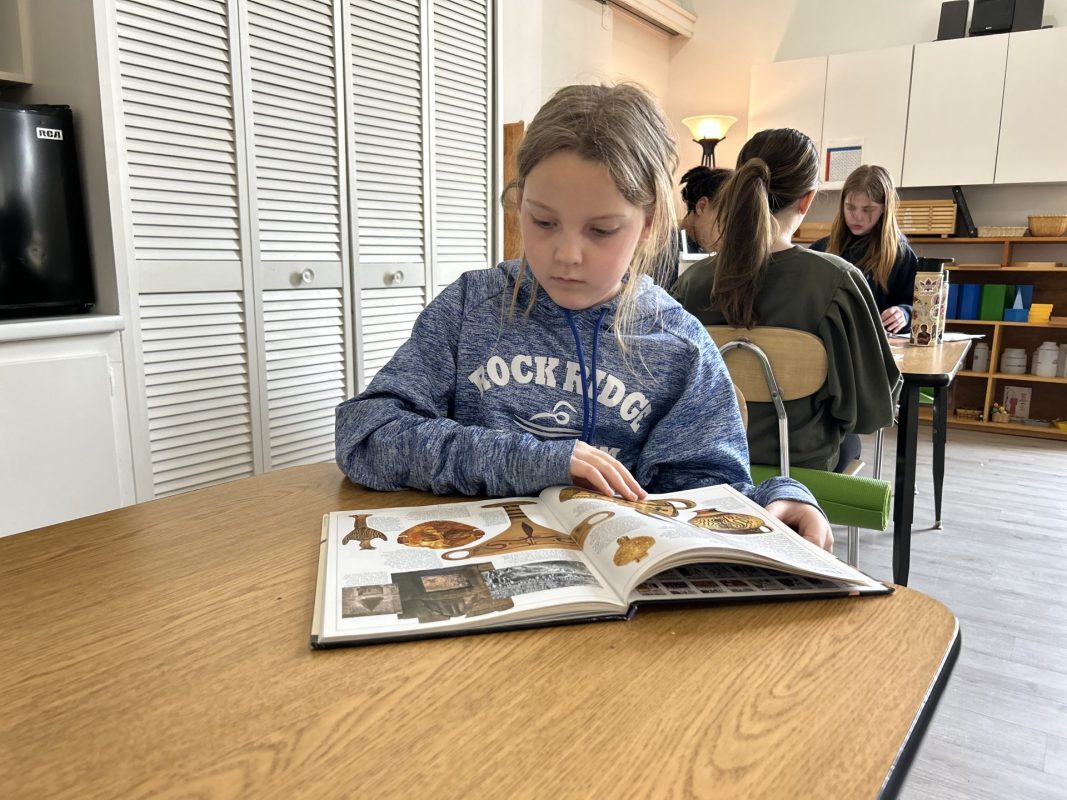
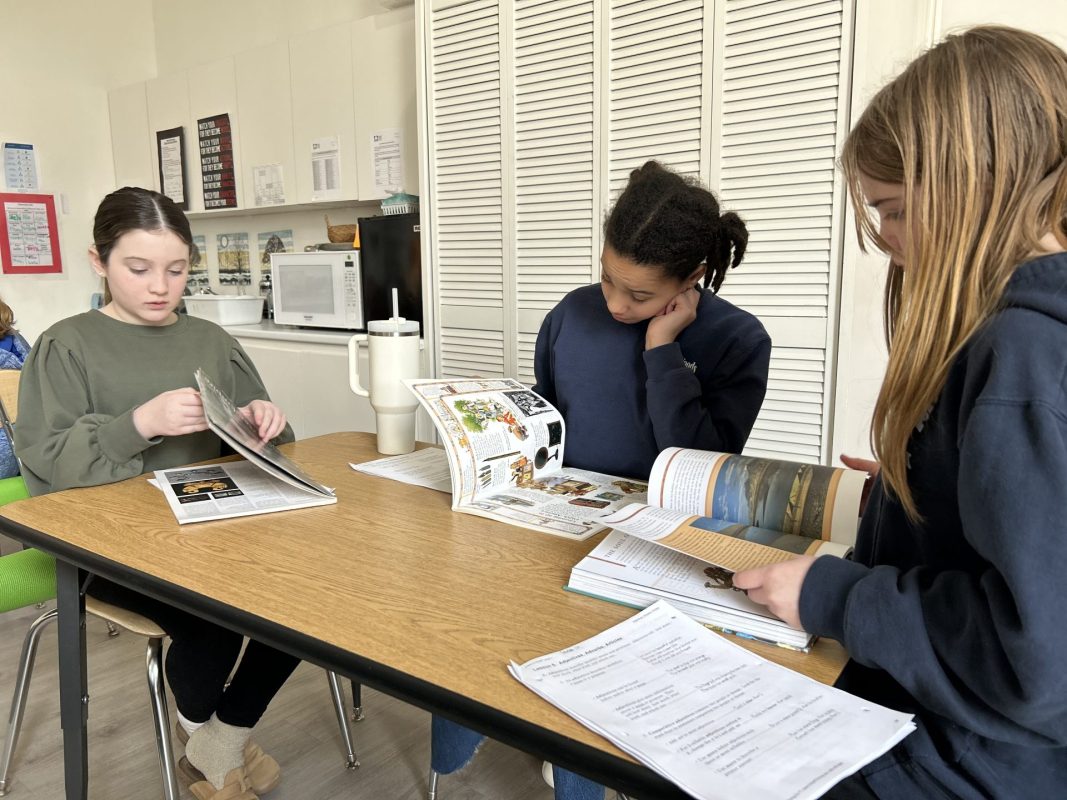
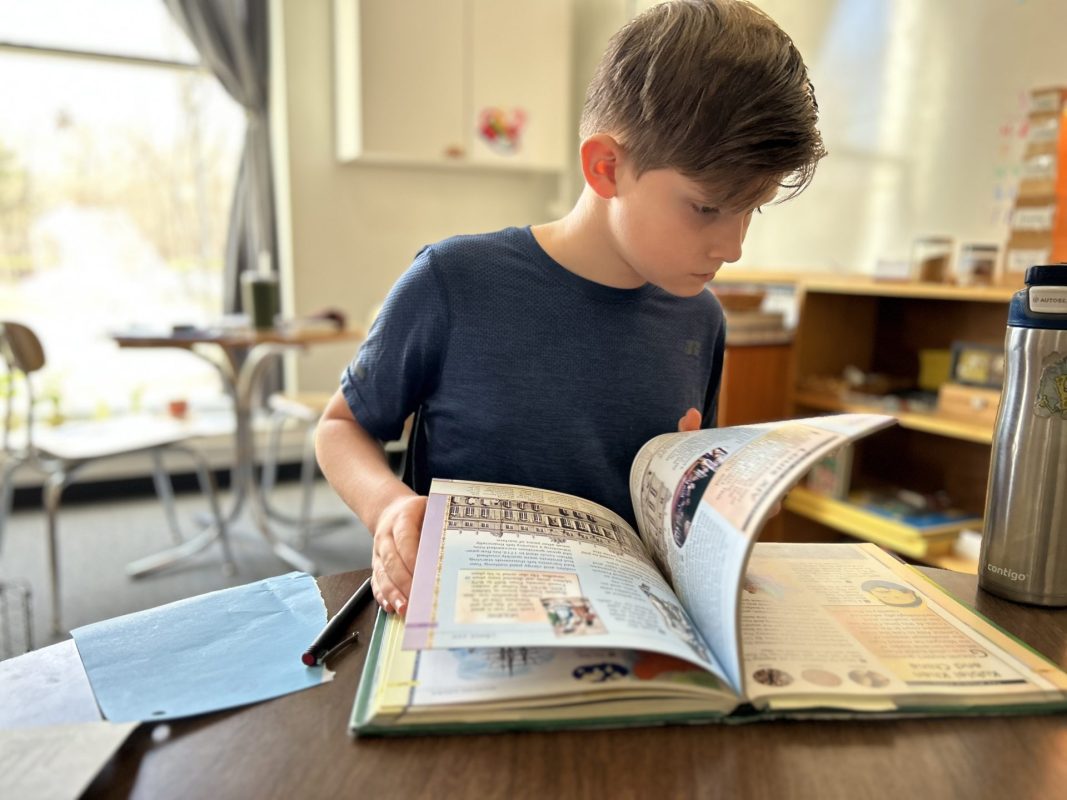
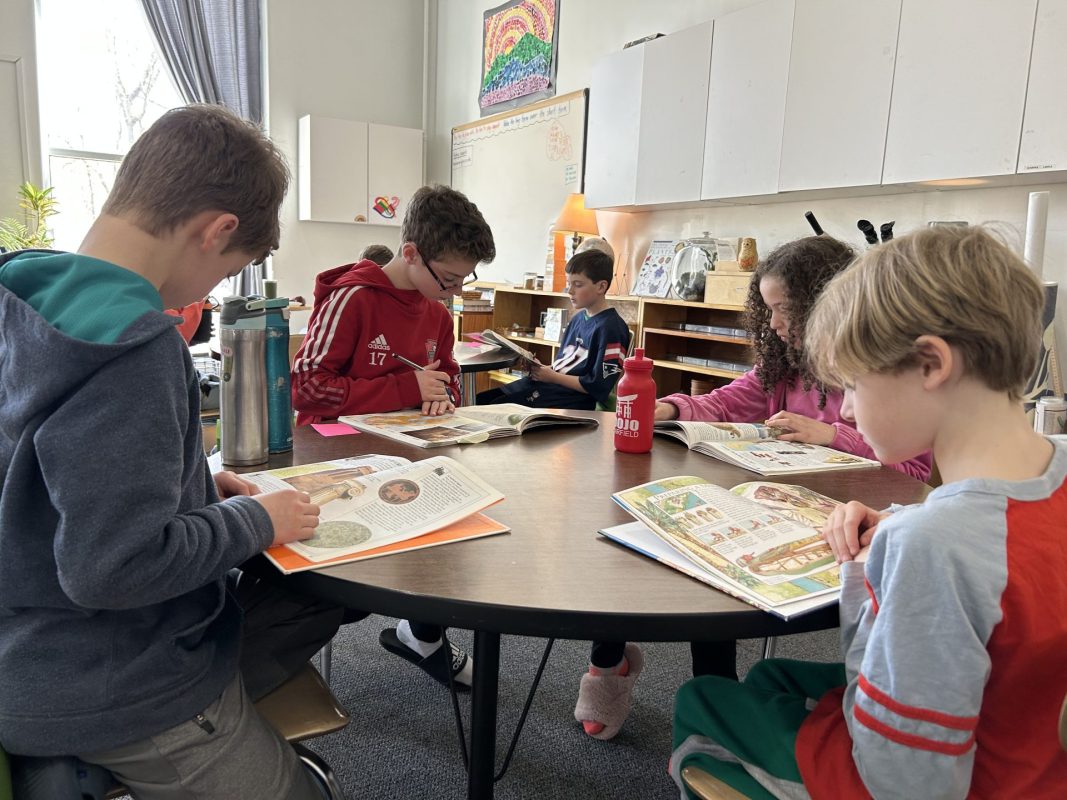
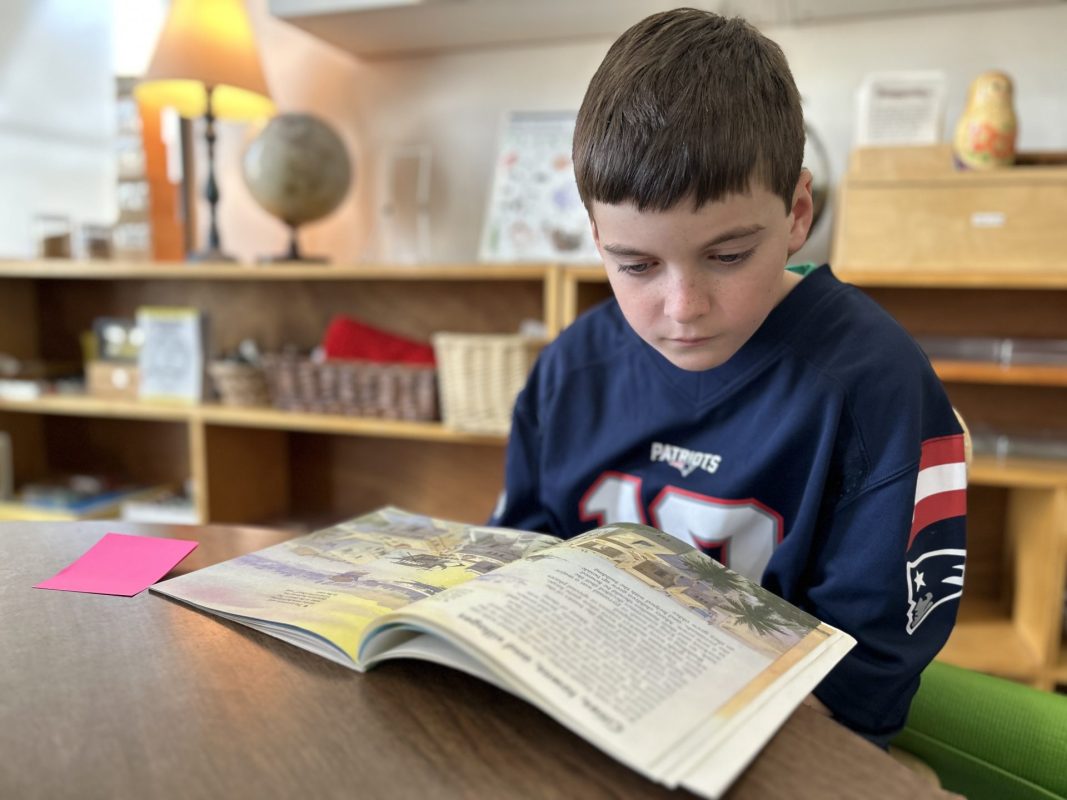
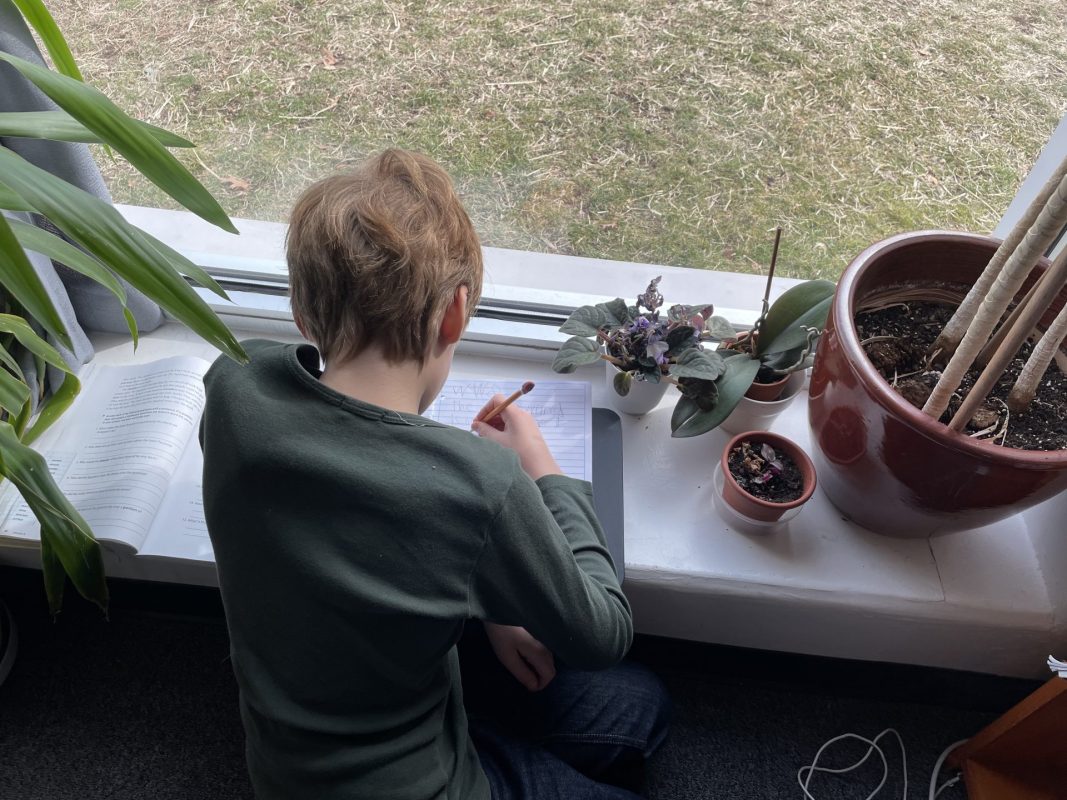
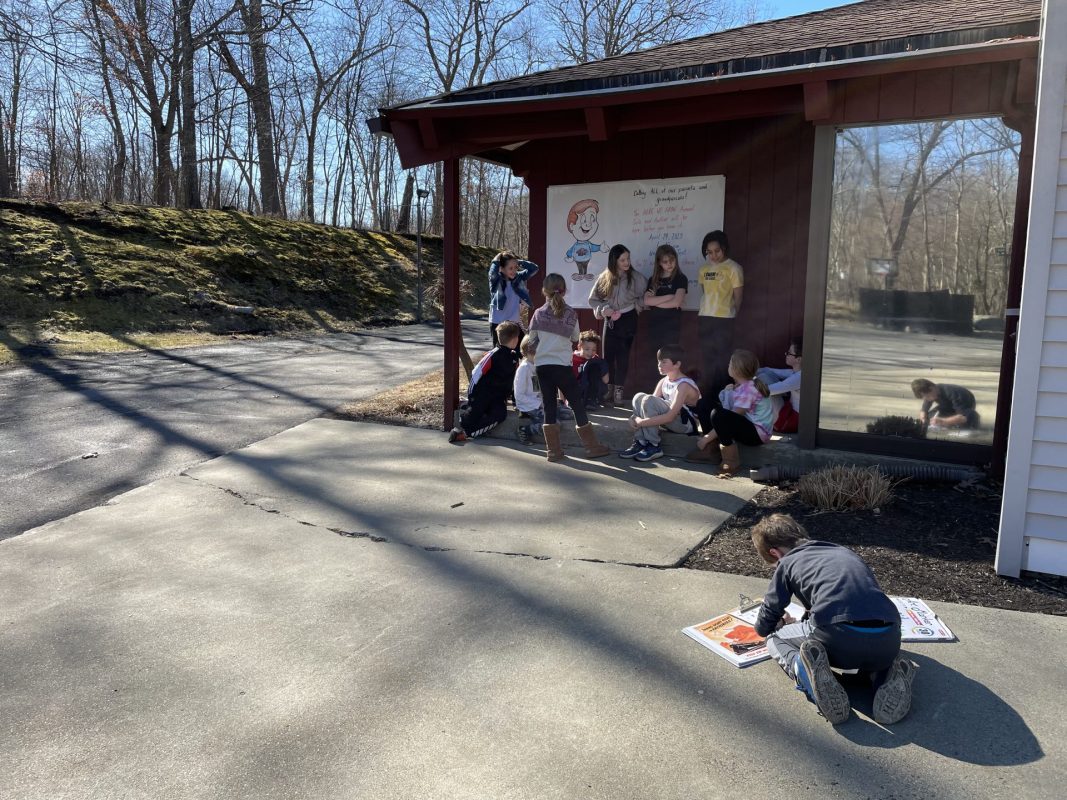
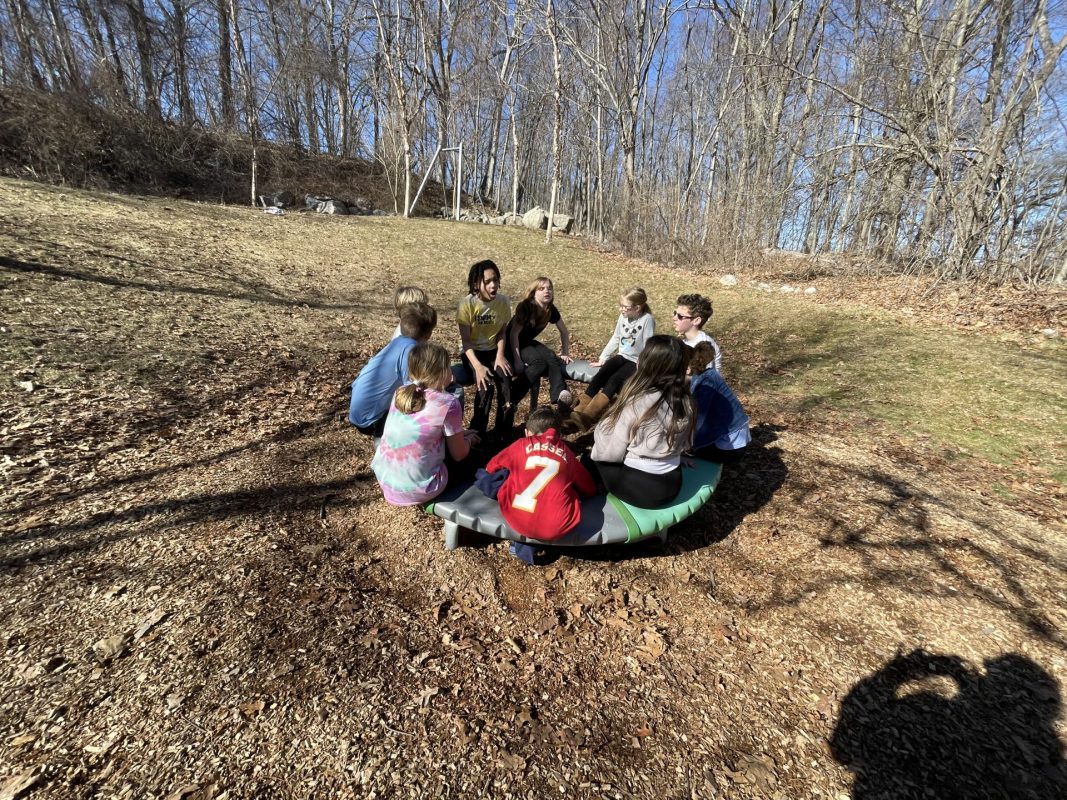
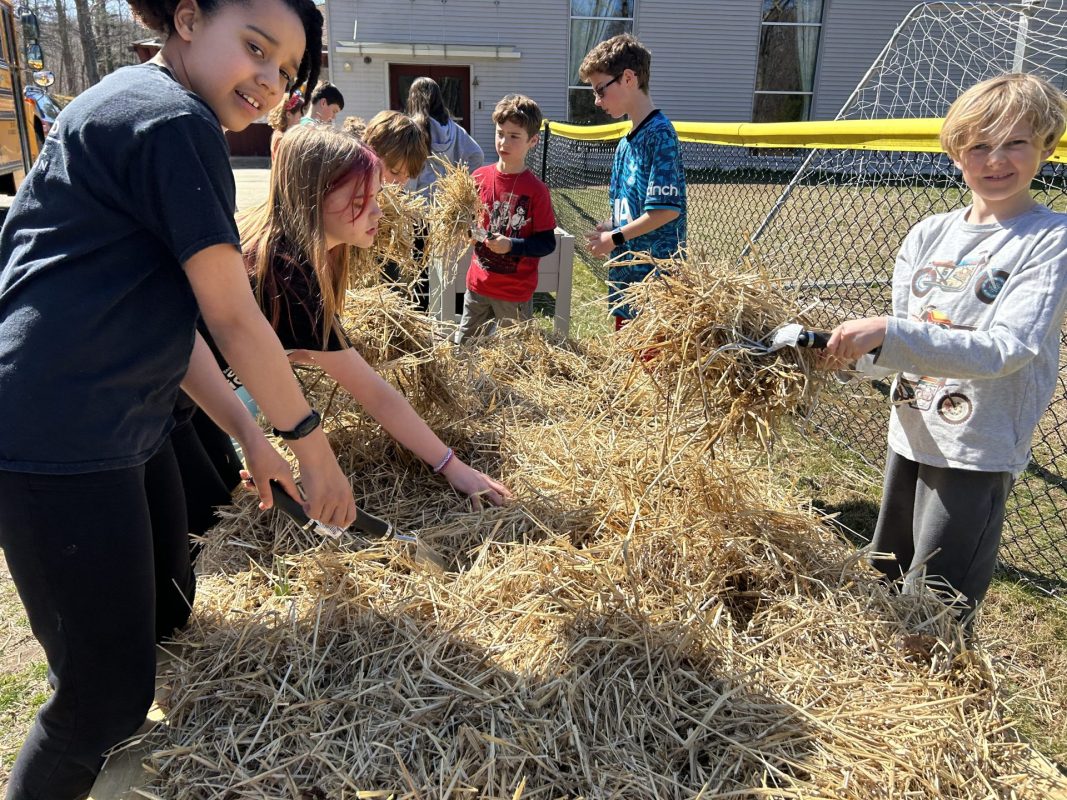
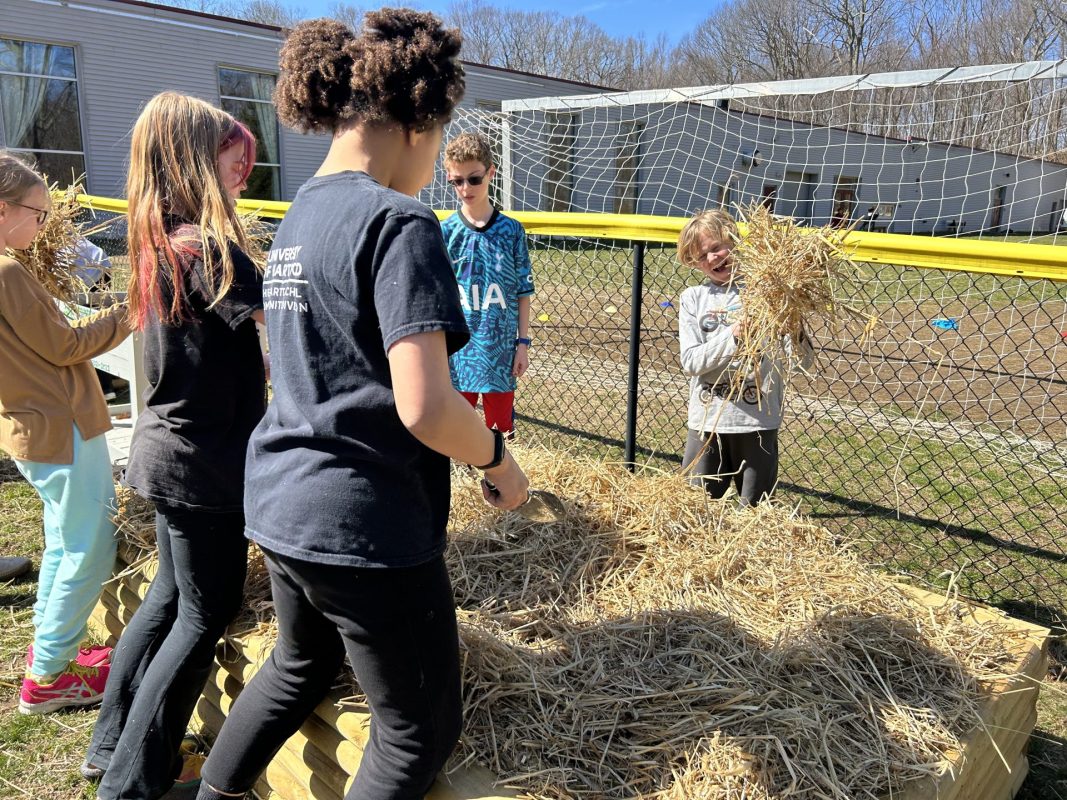
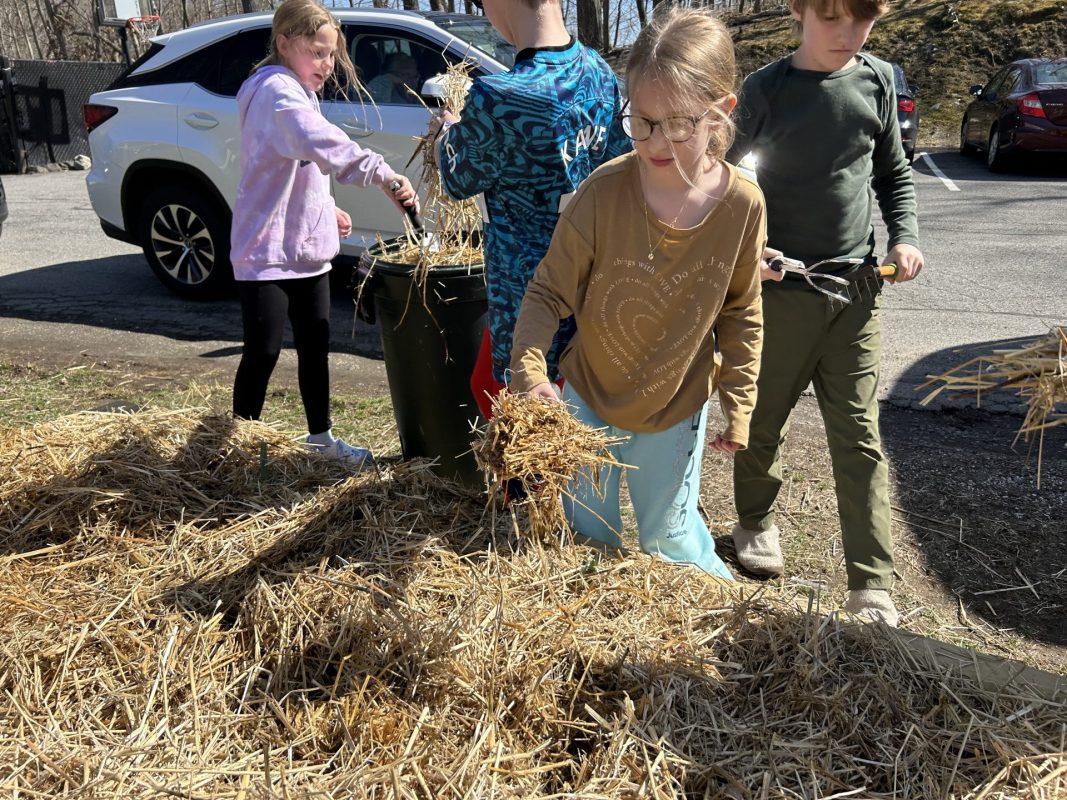
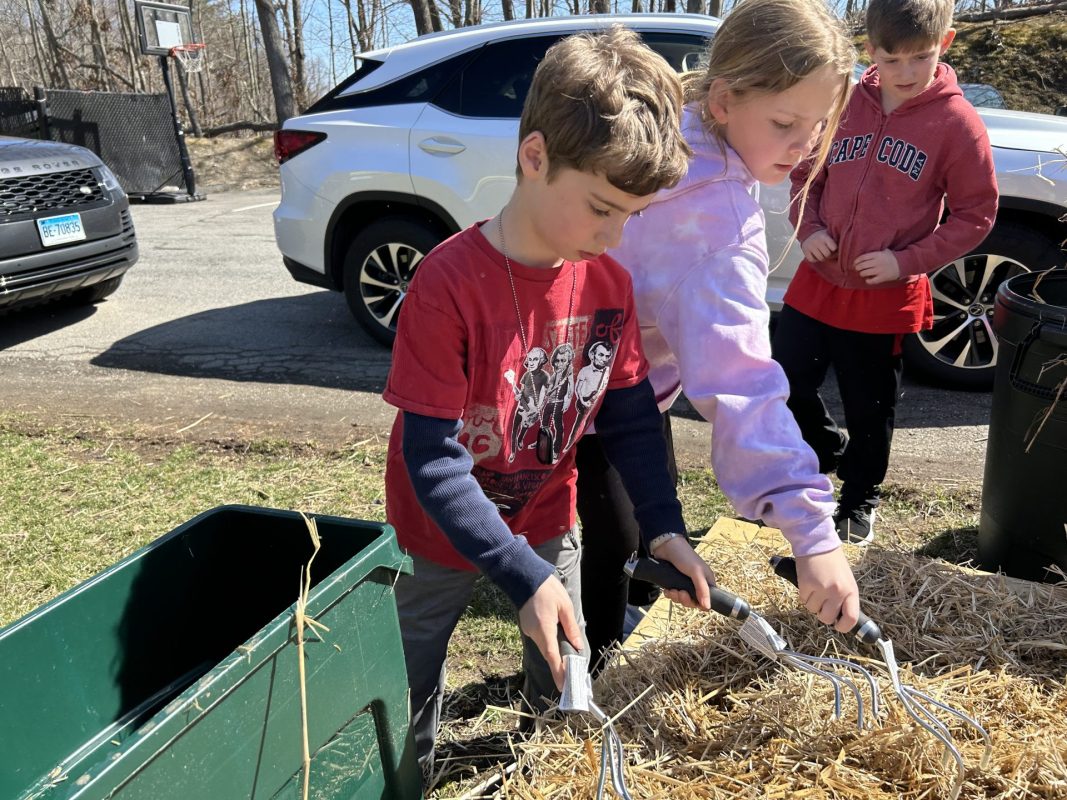
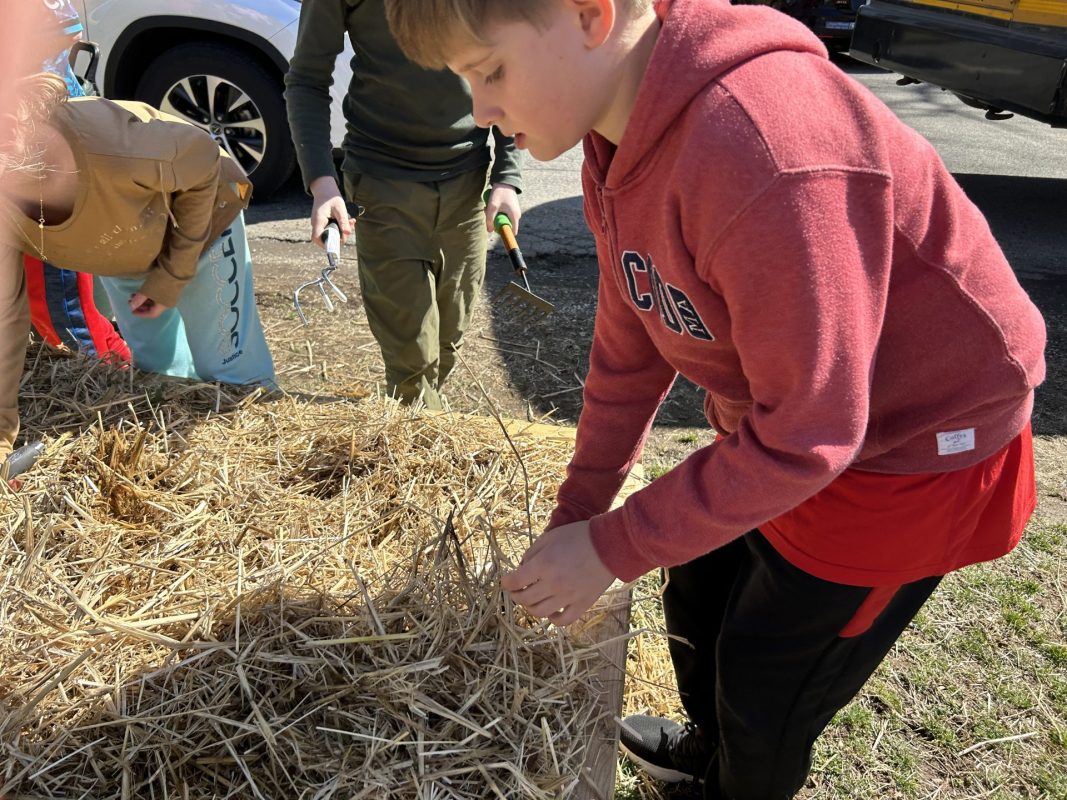
This week, in addition to our regular lessons and tending our raised garden beds (photo creds to Mia!), we began an intense focus on our small-group research project. Upper El students have been engaged in reading and note-taking about their ancient civilization. They are divided into four groups, each learning about a different civilization. They are learning about ancient Greece, Egypt, Vikings, and Aztec cultures. Within each of those civilizations, they focus on the region’s geography, the people’s cultural activities, everyday life, and the political and economic systems. They have a research guide to help them in this process and are looking for answers to specific questions in each of those four categories.

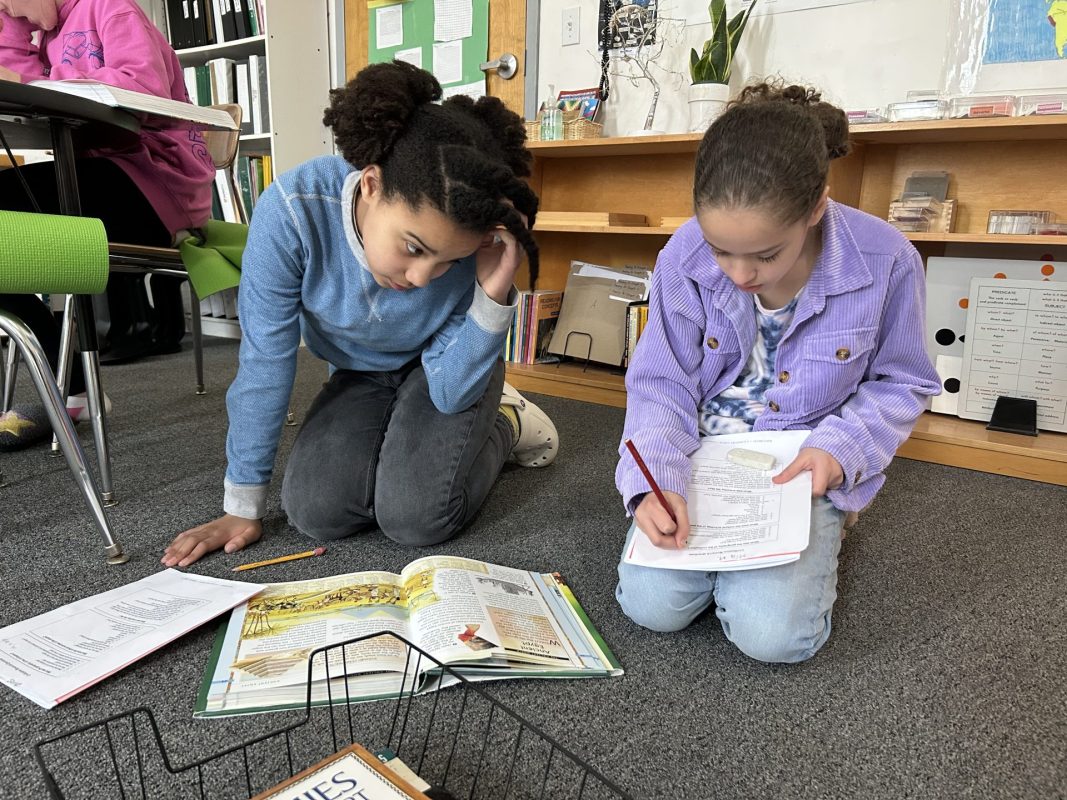
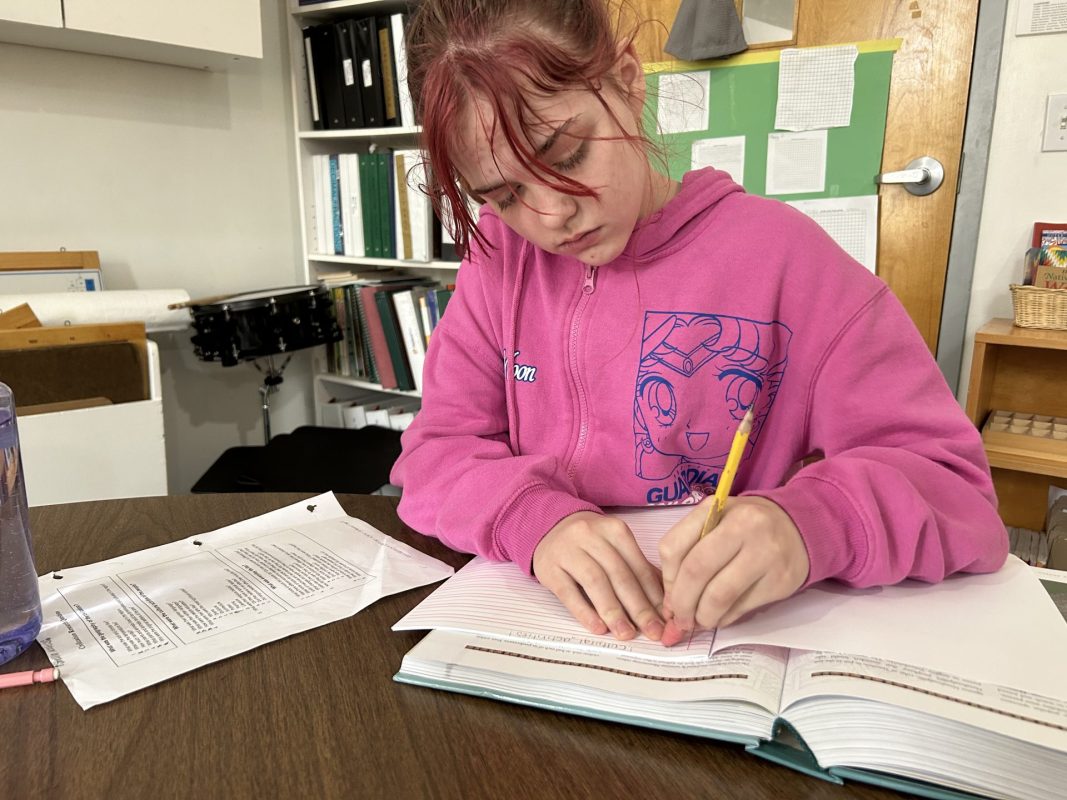
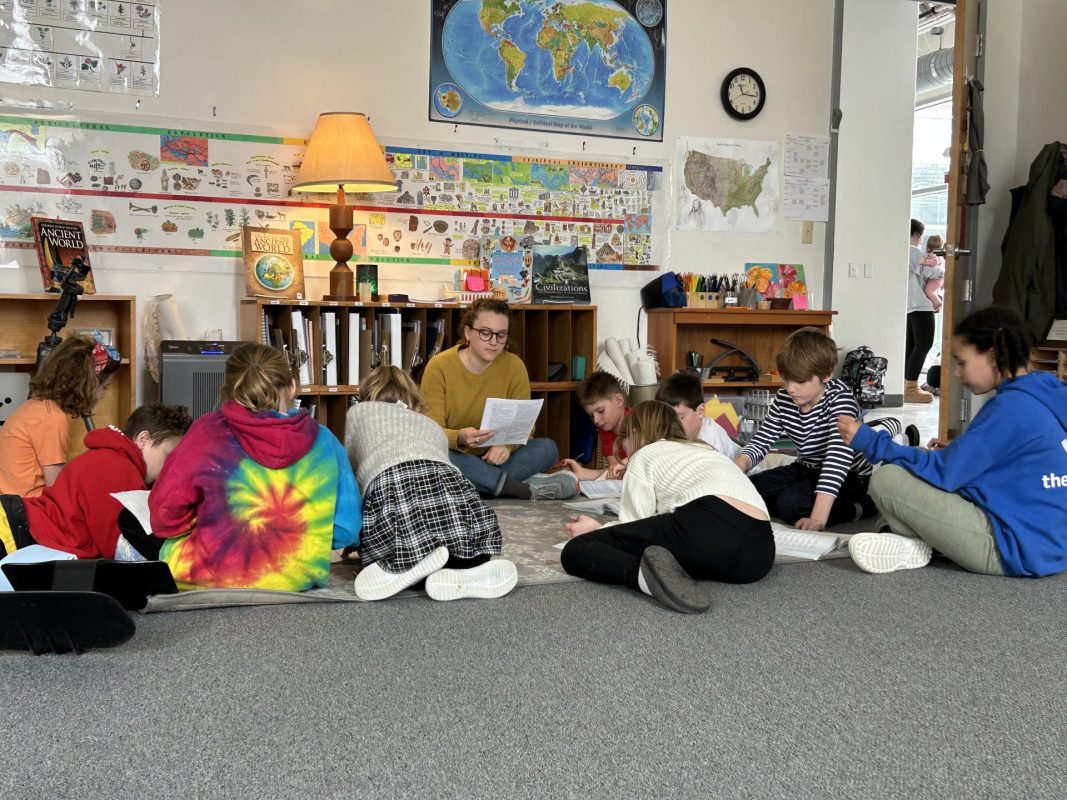
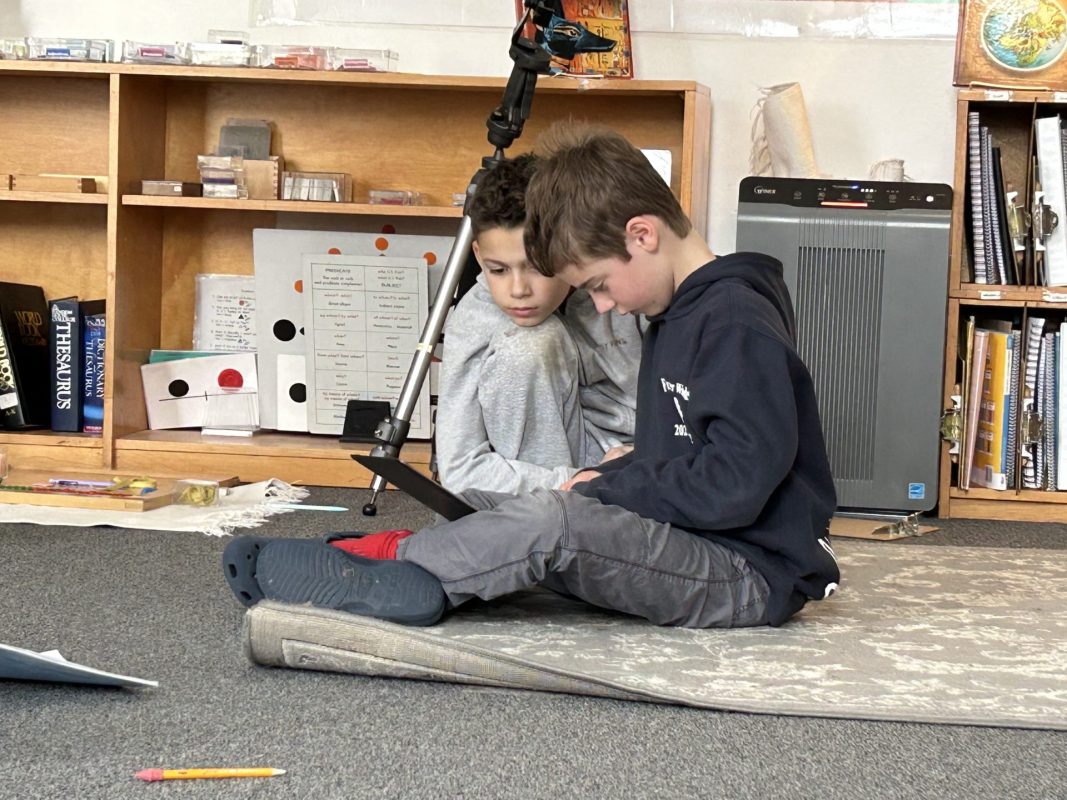
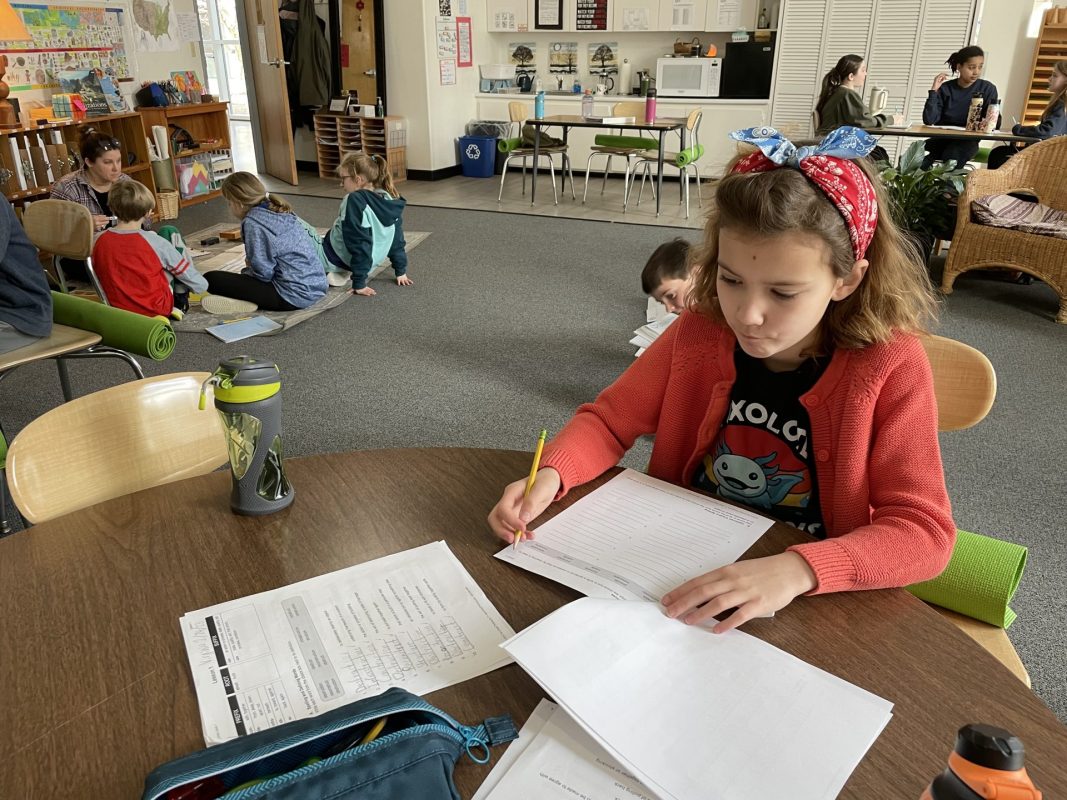
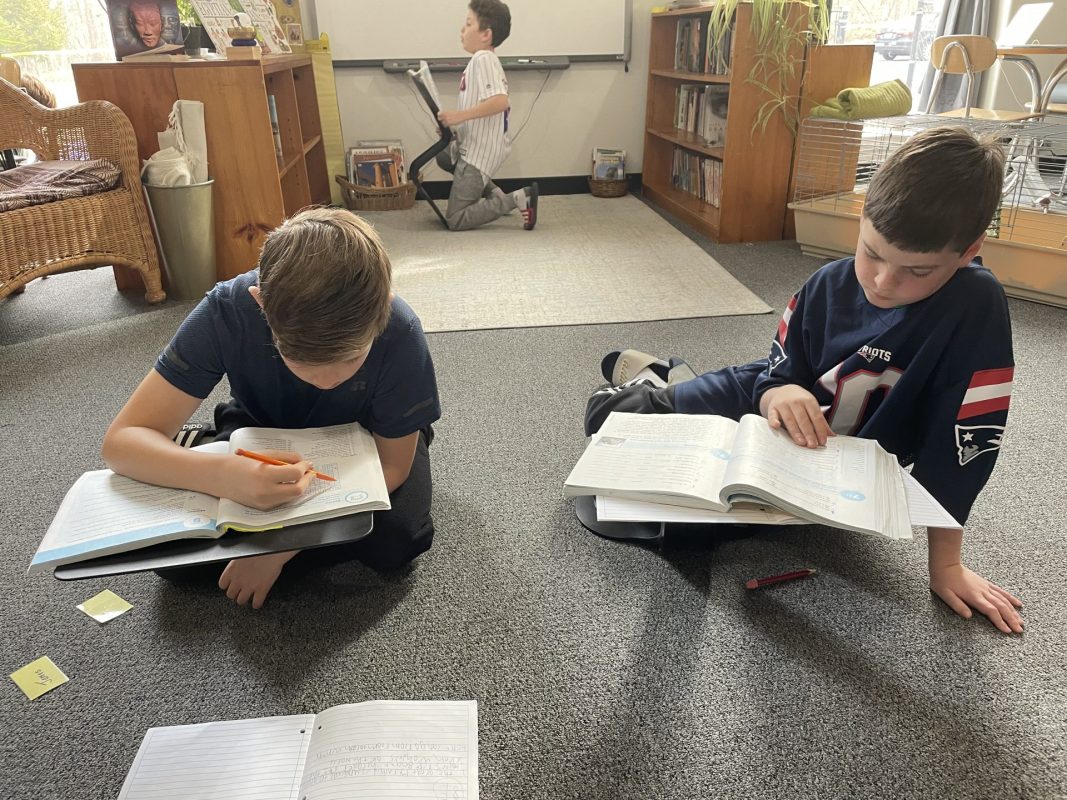
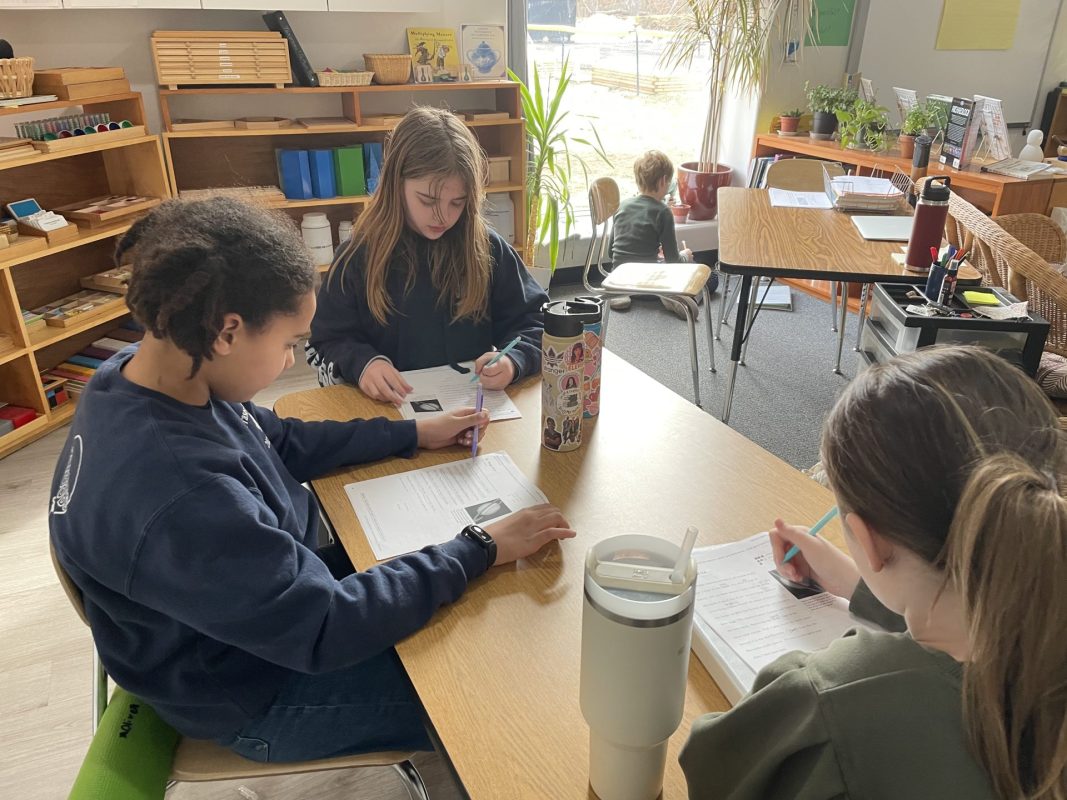
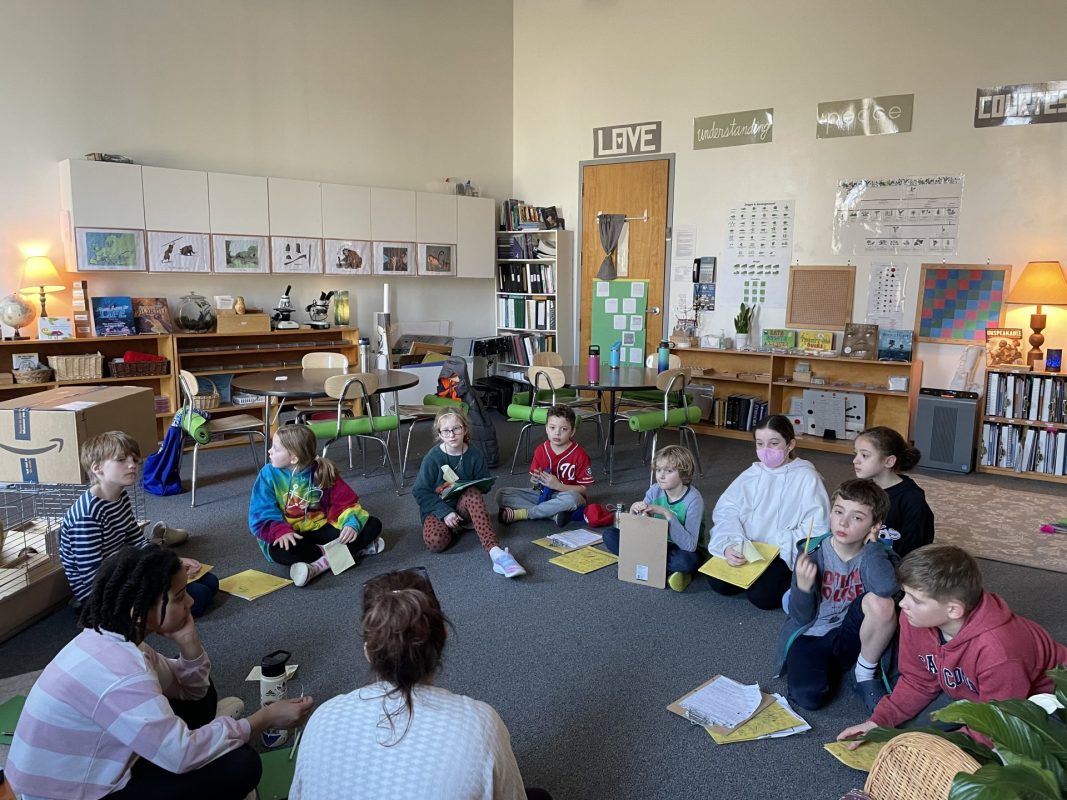
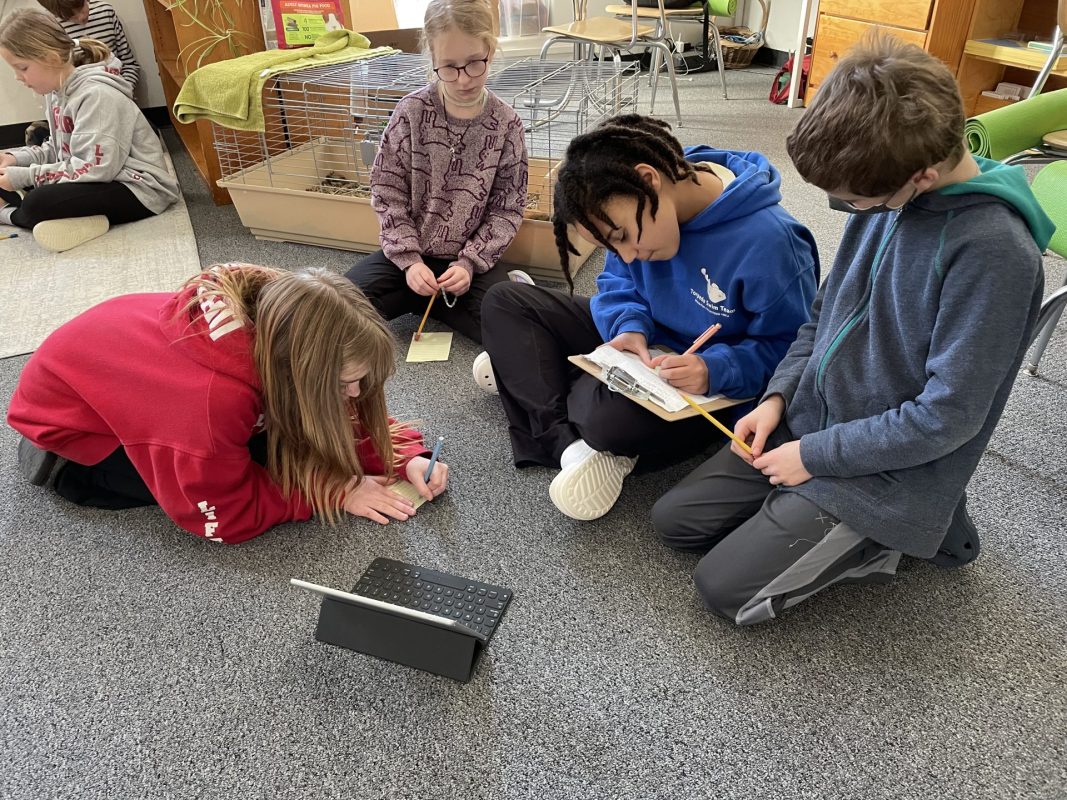
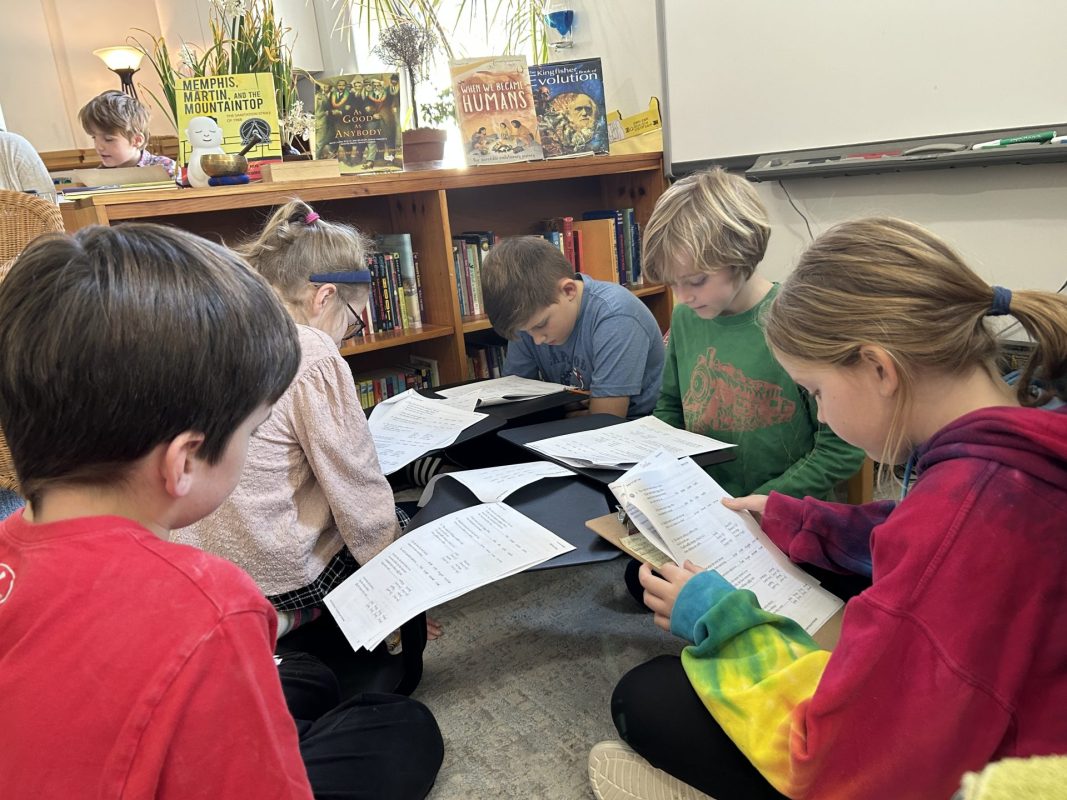
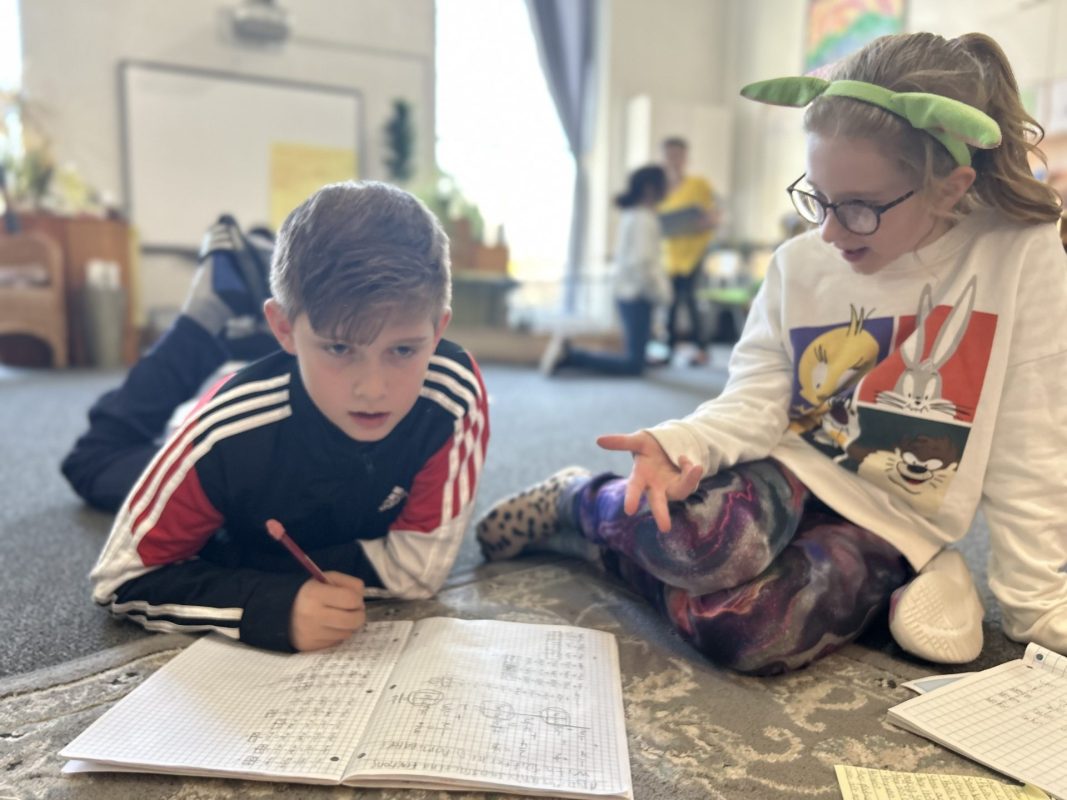
This is collaborative work at its best. Each group of three to four students meets daily and plans their course of action for our research time. Some groups have chosen to research each category together, one at a time. Other groups have assigned a category to each student, everyone exploring their area. As they go through this reading and note-taking process, students learn how to record their sources.

After note-taking, the groups will each collaboratively write one paper, each person contributing to it. They will also each prepare a slide presentation and create a three-dimensional model for their presentation.

We look forward to seeing you on Research Night when this meaningful work will come together.

Wishing you a lovely weekend,
Karen and Angie

Upper El’s Week

We have packed as much as possible into this week before our two-week March Break.

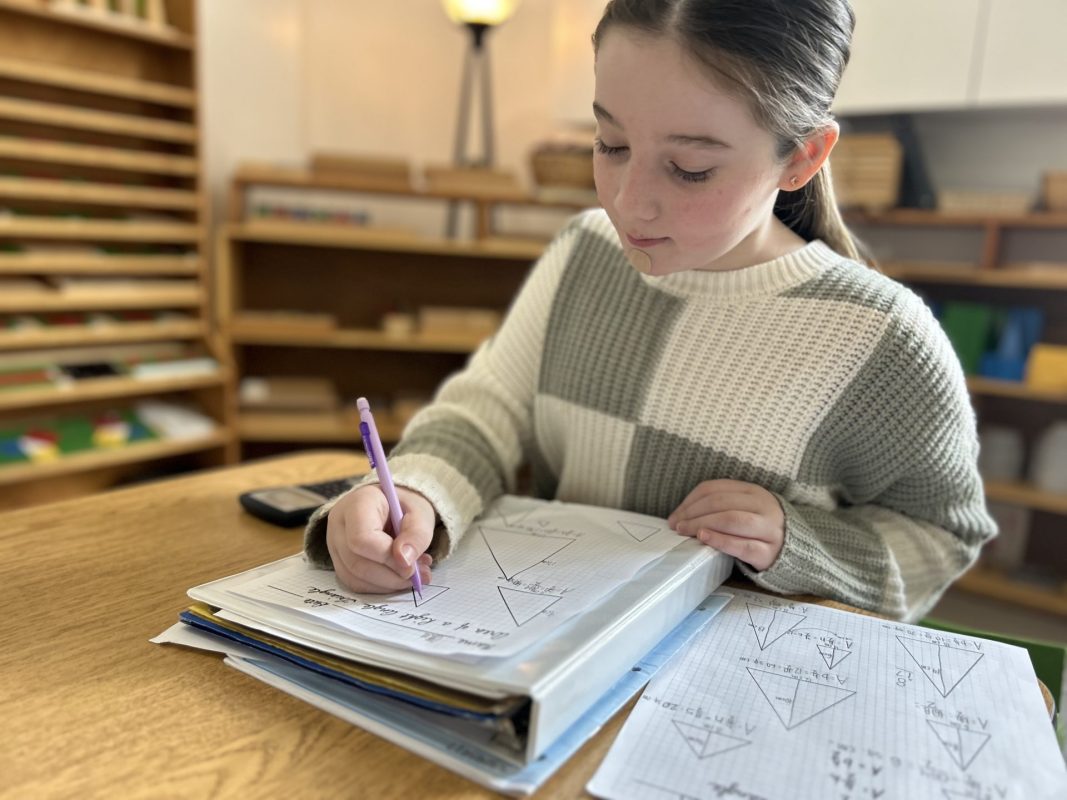
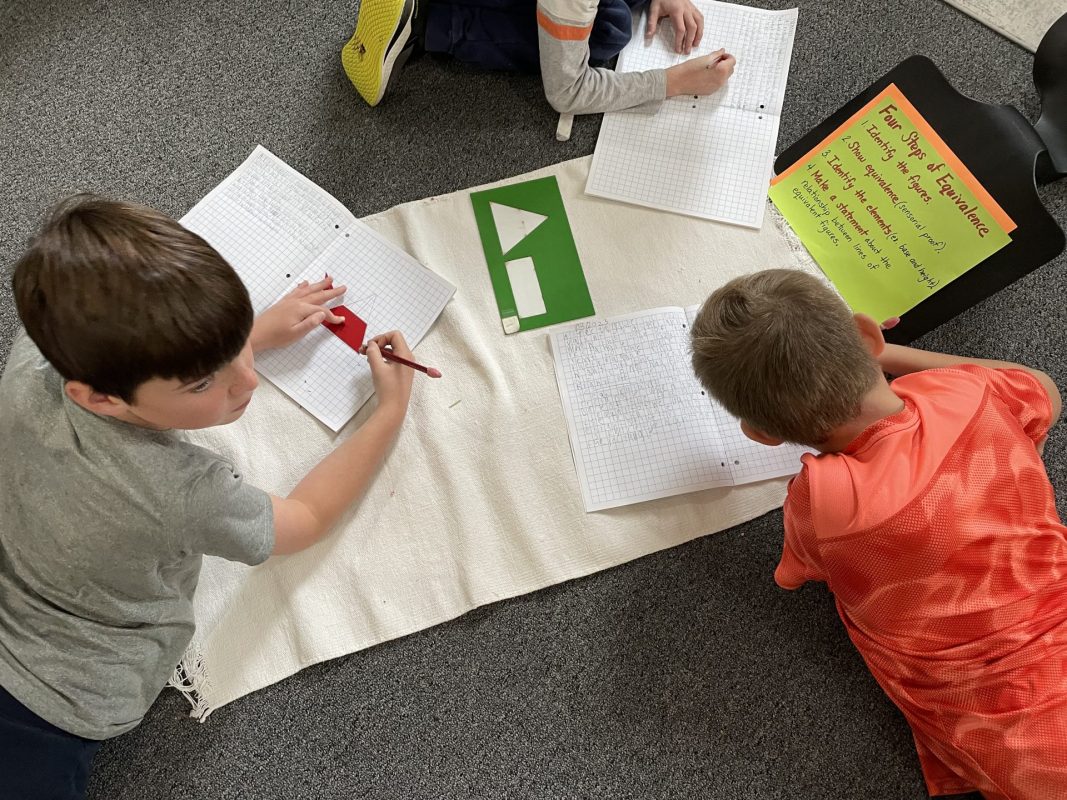
Everyone had updated individual lessons in math, with many students moving on to new concepts. We will hit the ground running when we return from break! In geometry, fourths continued their lessons on proving equivalence between two figures. Fifths are working with area formulas, most recently finding the area of acute and right triangles.

In history, students started learning about their ancient civilizations for our extensive research project. They will spend the next few weeks researching their assigned civilizations and working with their group members to write papers, prepare presentations, and make three-dimensional models of their civilizations. Then, on Research Night, April 13th, at 5:00, students will present their research to you and their peers. They are very excited to work together on this project. I will send more information about Research Night and the work leading up to it when we return from March Break.

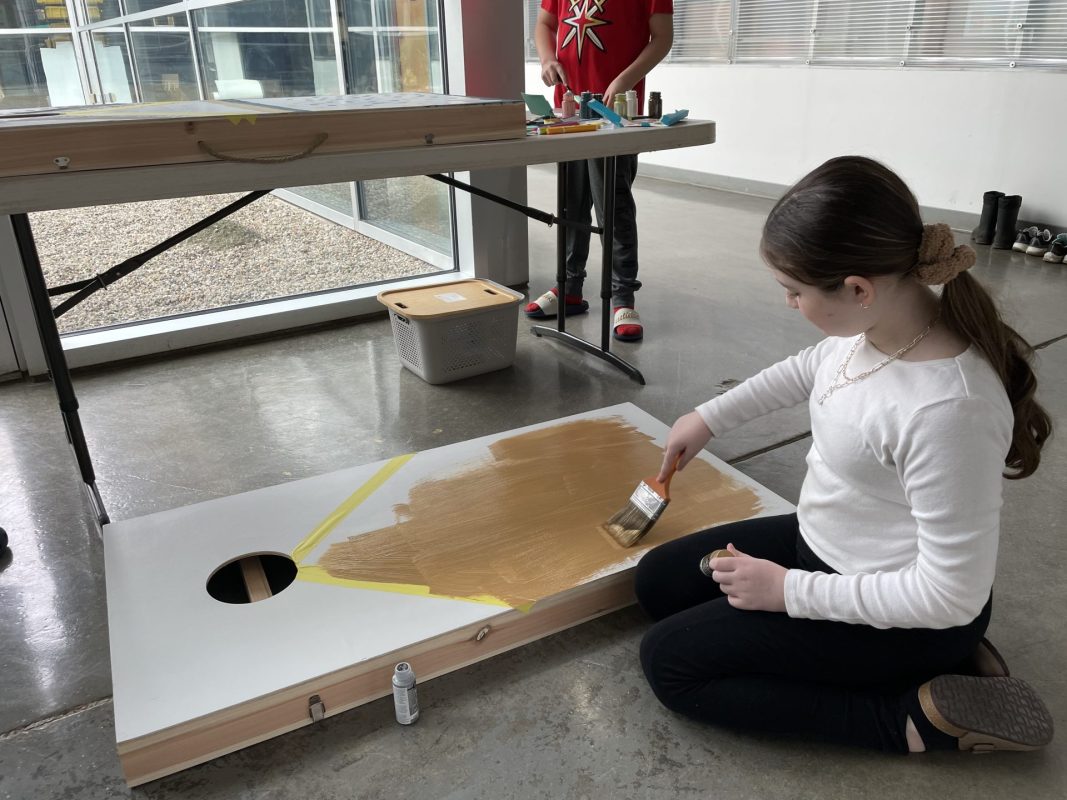
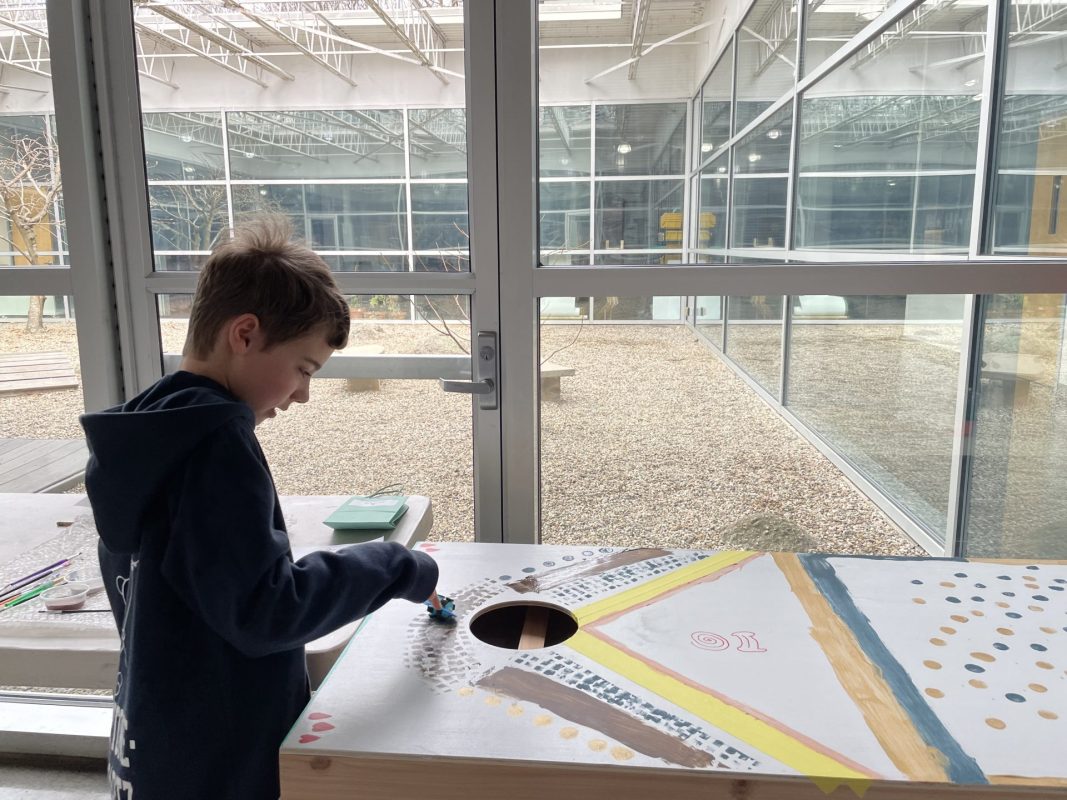
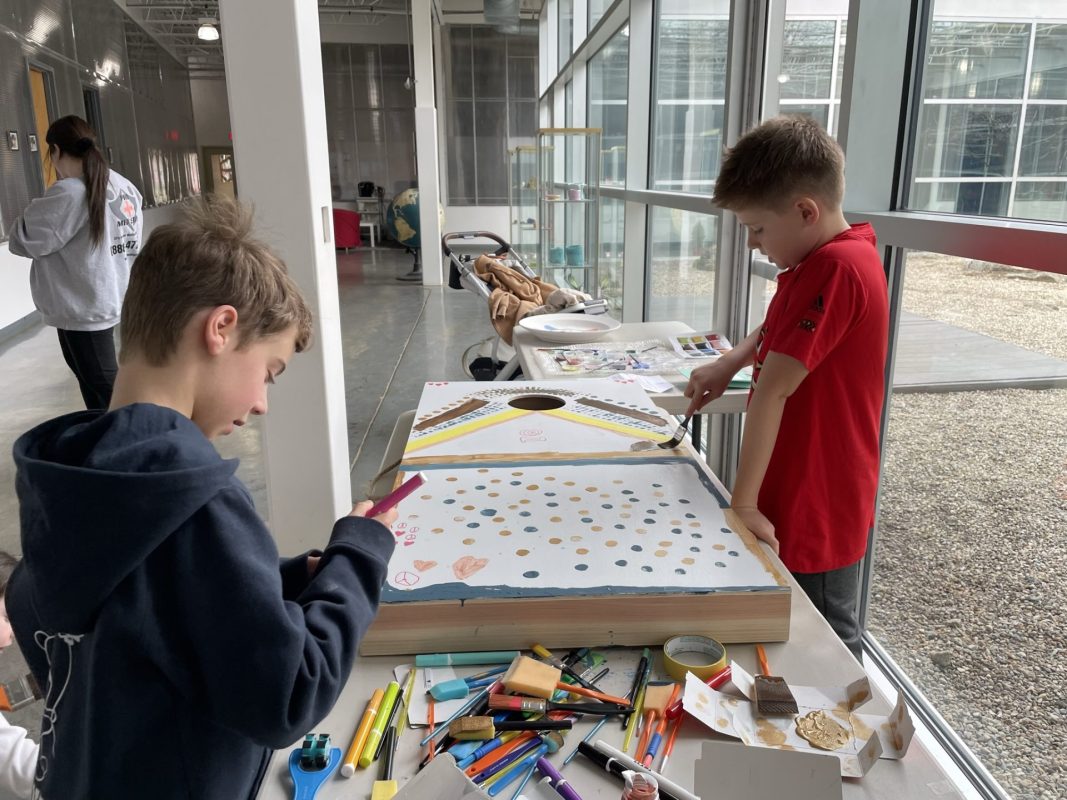
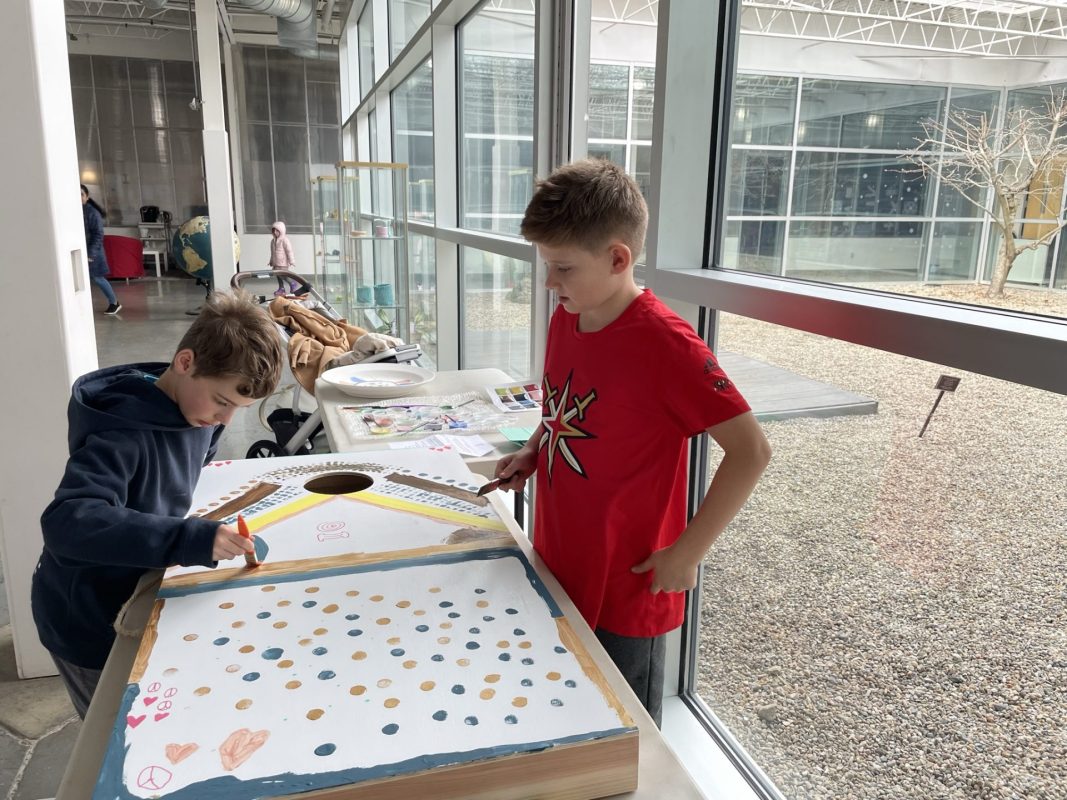
Thank you to Raquel for coming in this week and working on our class plate, and gift for the Here We Grow Spring Gala and Auction! The children enjoyed expressing their creativity while painting the plate and cornhole game.

Wishing you a marvelous March Break,
Karen and Angie


Upper El: Ancient Civilizations

The time has finally come for our big Ancient Civilizations Research Project!

Upper El students study ancient civilizations to learn to see them as an evolutionary stage and to identify with the process of civilization. They learn to challenge the notion of a simplistic, linear progression of human development and discover the most significant events of civilization. We will explore the contributions of cultures, and we hope these studies will arouse each student’s curiosity for expanded studies of civilizations. As we learn about the development of civilizations, we will explore how each group satisfied specific fundamental needs. We will look for ways they expressed basic human tendencies and compare and contrast groups. Each study will focus on geography, cultural activities, everyday life, and political and economic systems. Upper el students will work in small groups, each focusing on one civilization. Working together, they will complete their research in school. They will present to their peers and parents at Research Night on Thursday, April 13th.

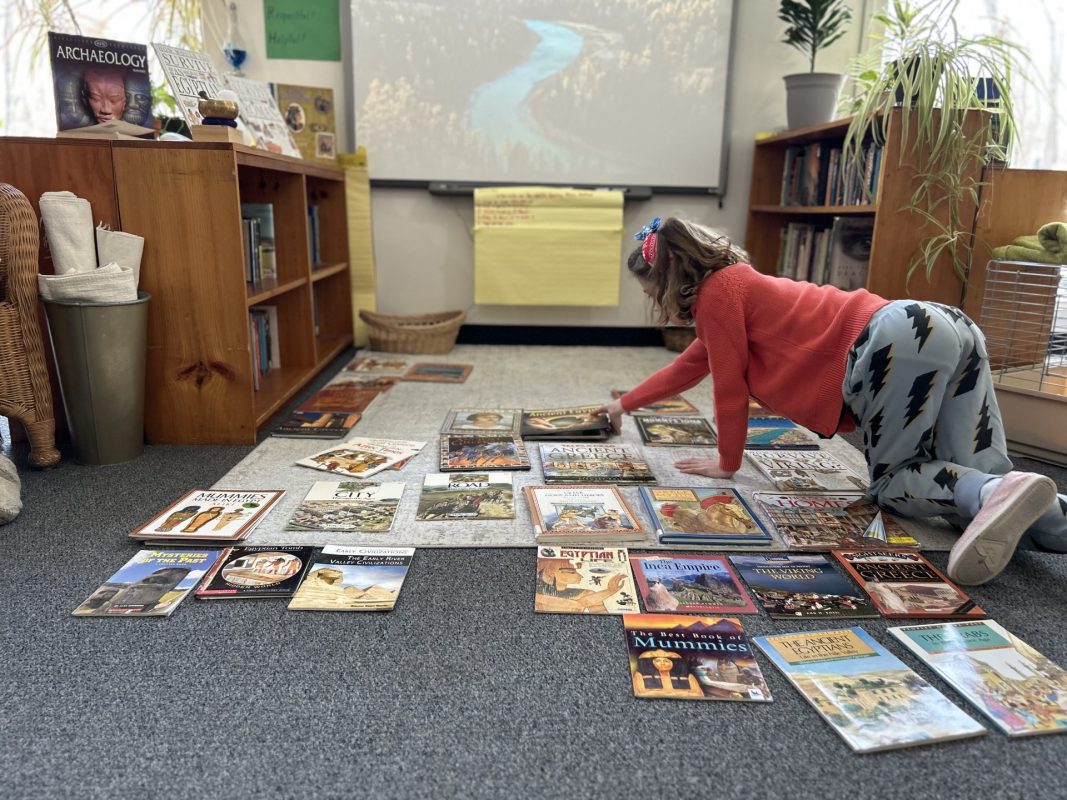
After a week of introductory lessons and browsing our classroom library of books on ancient civilizations, students ranked their top four choices. The cultures were narrowed down to Aztecs, Greeks, Vikings, and Egyptians. They received their research group assignments on Friday at the end of the day. The majority, if not all, of the research and presentation preparations, will be completed in school. I’ll update you as we go and let you know if any work is to be completed at home. The children are very excited and look forward to collaborating to present this project to you!

We hope you have a wonderful weekend,
Karen and Angie

Upper El – Binomial Equations

Thank you for taking the time to come in and chat about your child’s progress in school! It was a pleasure spending time with each of you. We also thank you for your generous donations to the Brian Bags we assembled on Valentine’s Day. We were fortunate to receive photos of appreciative recipients of the bags.

We want to extend a warm welcome to a new member of our class this week. We are so happy Virginia has joined Upper El!

After learning about fractions and decimals for the last few weeks, this week, we will look at squaring and preparation for finding square roots.

These lessons “test” multiplication abilities and give children experience in complex, multi-step multiplications with geometric and hierarchical relationships becoming apparent and predictable with practice. Students are looking at the shape and value of a product and thinking ahead.

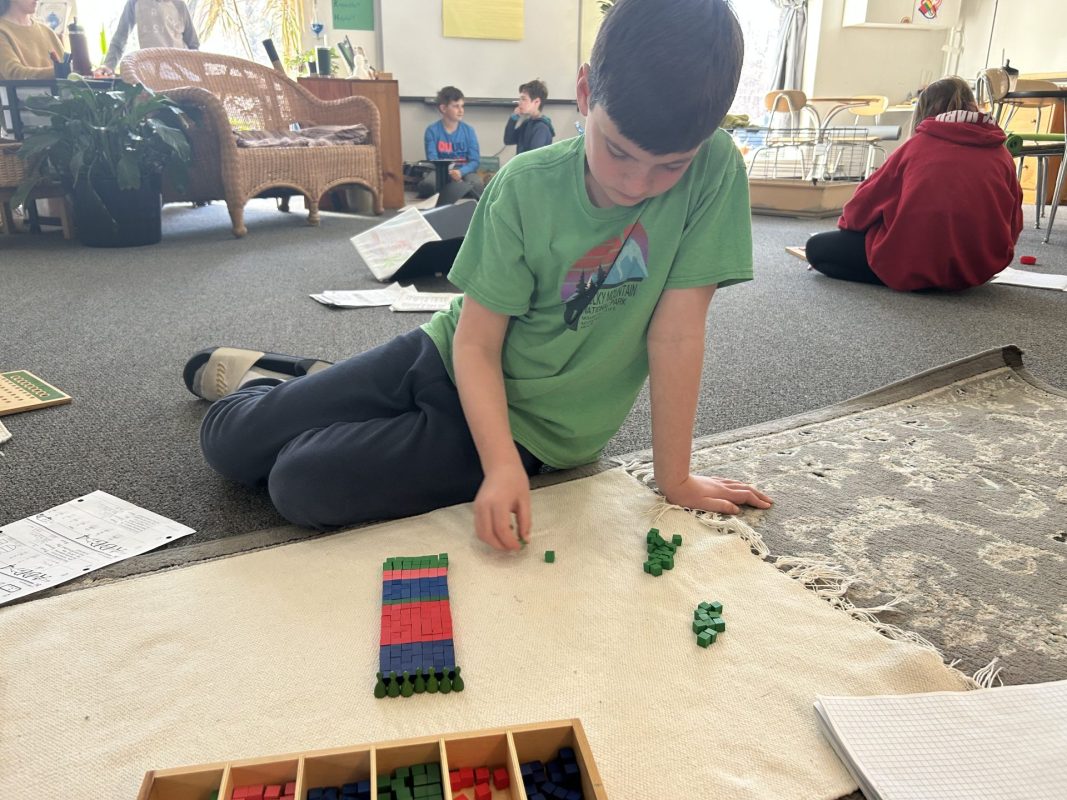
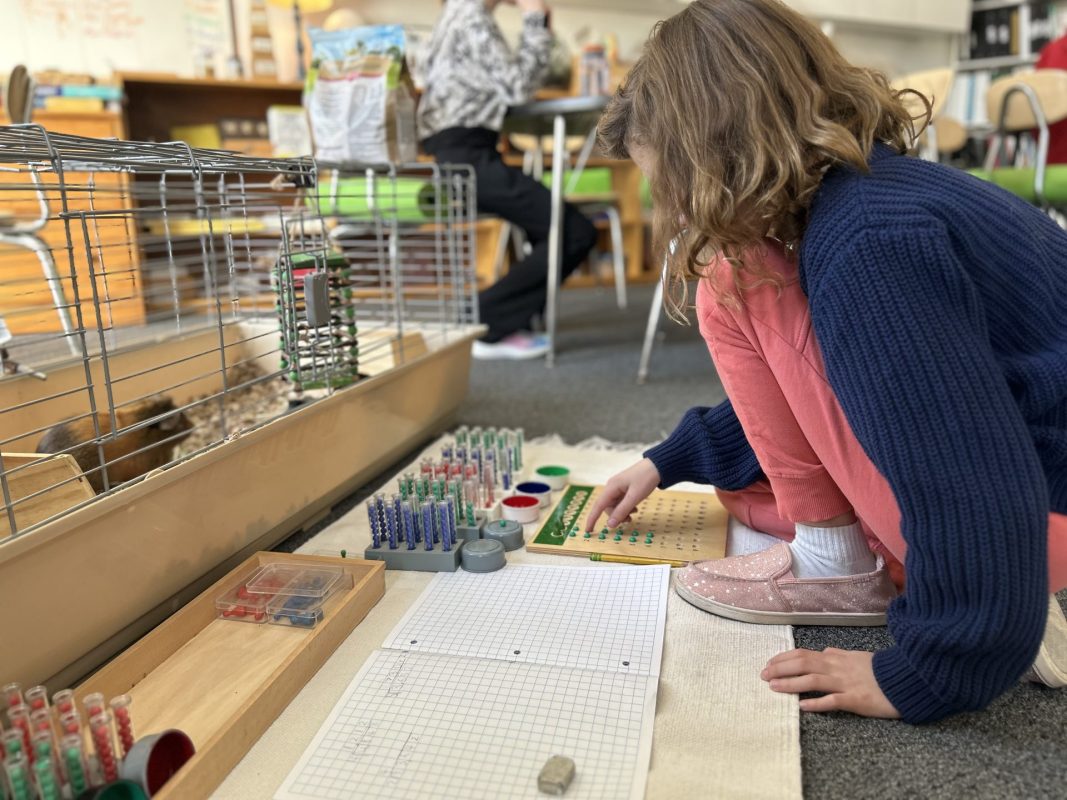
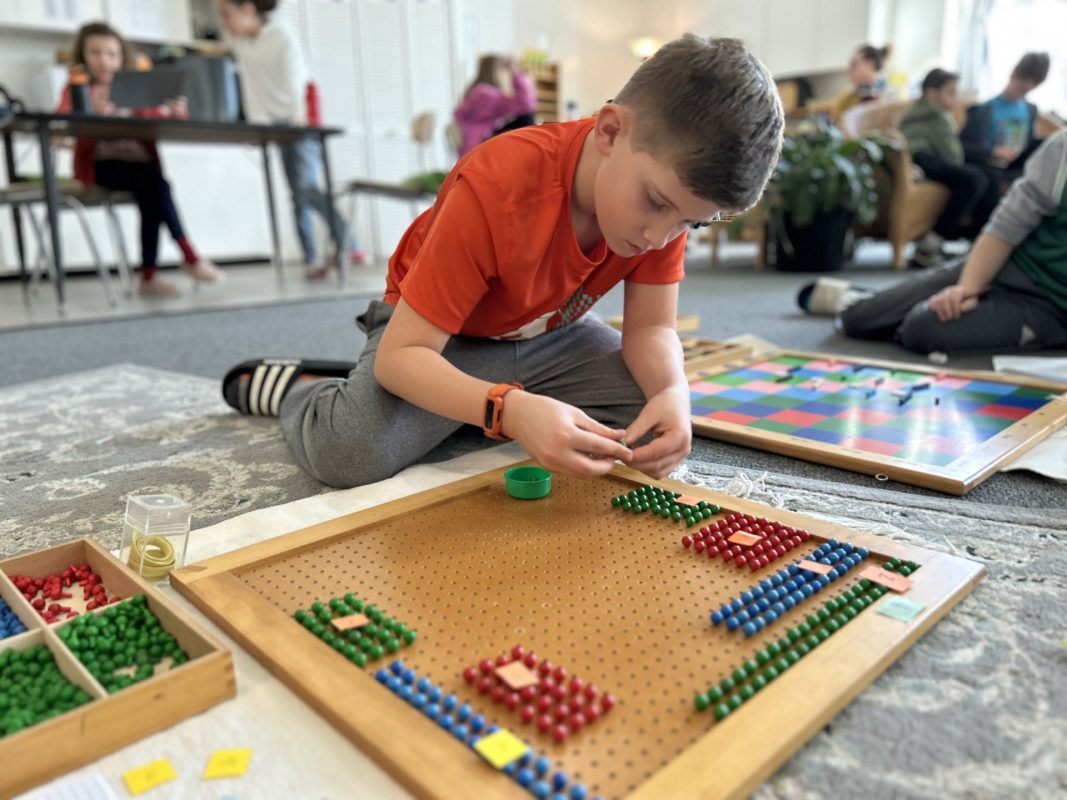
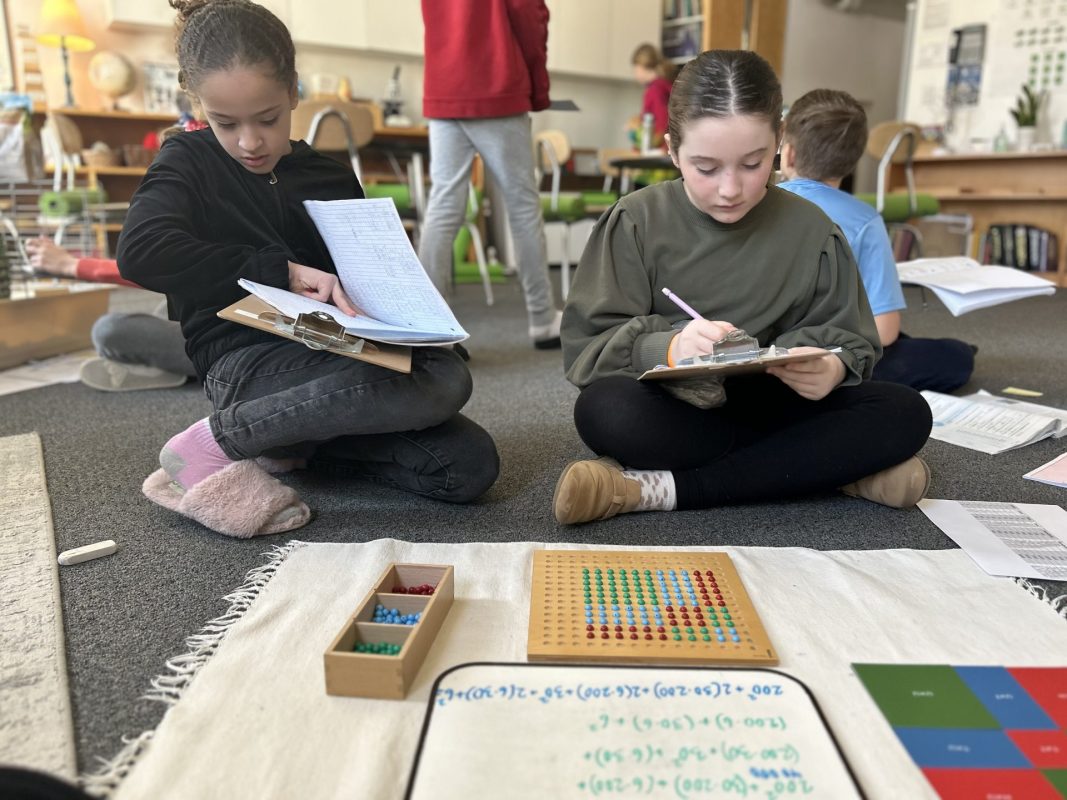
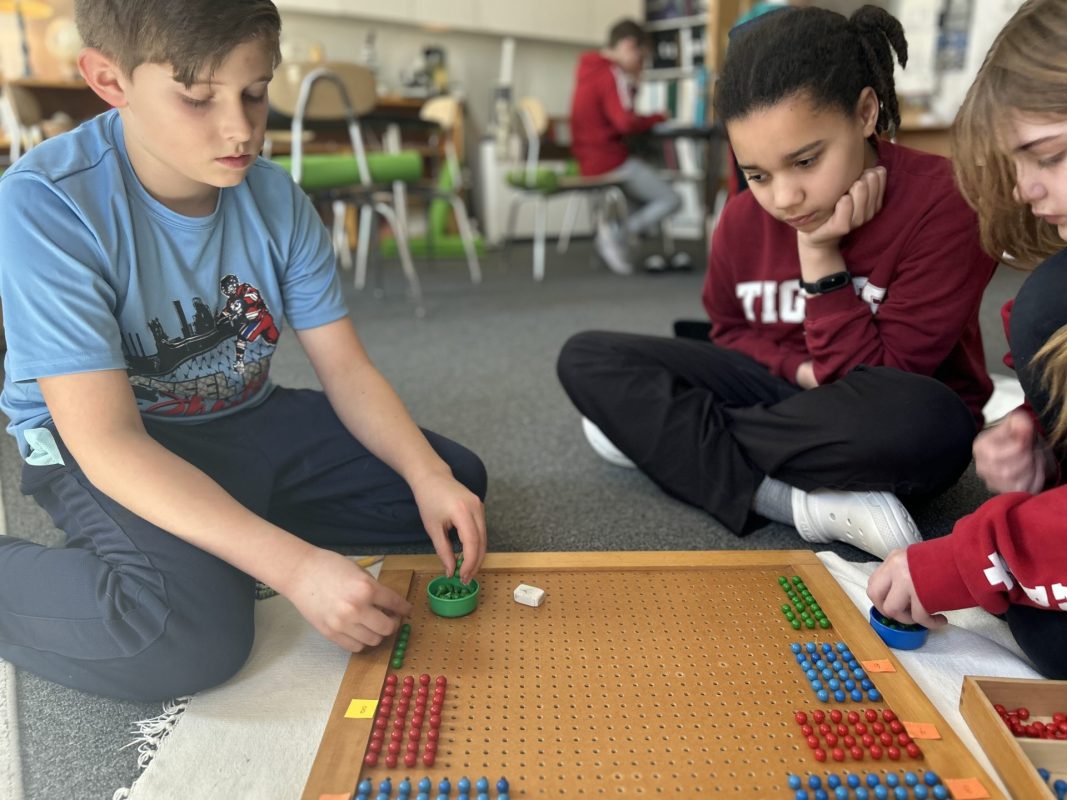
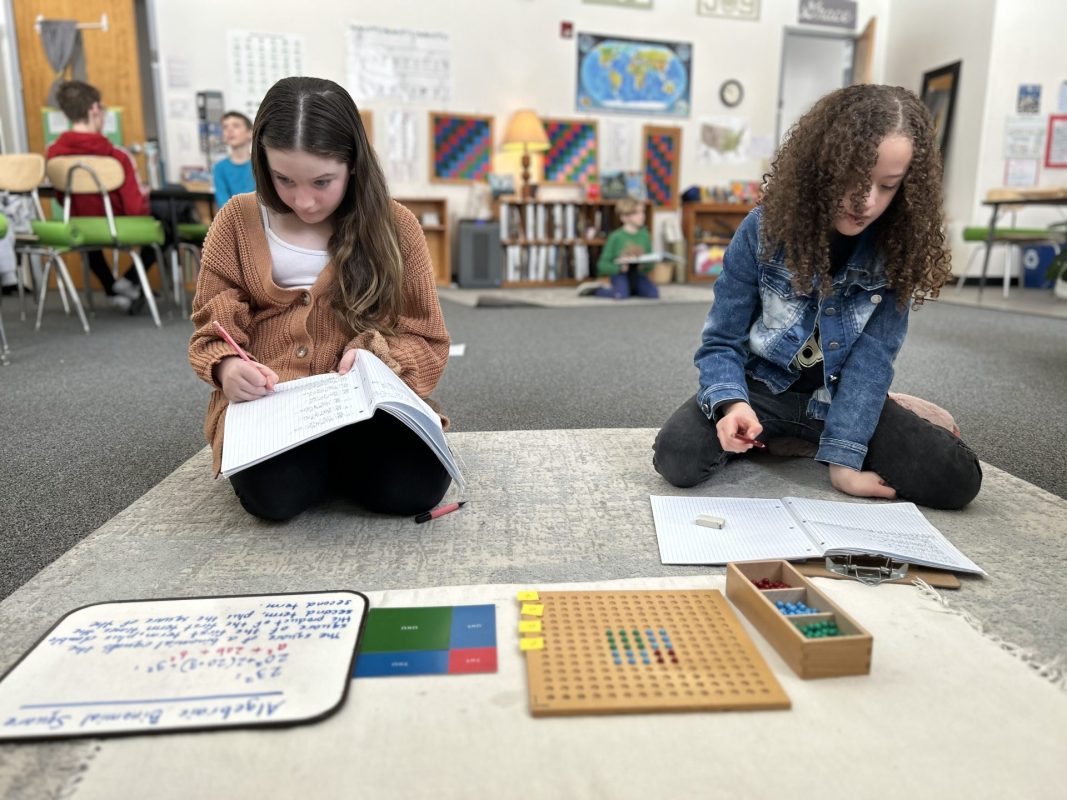
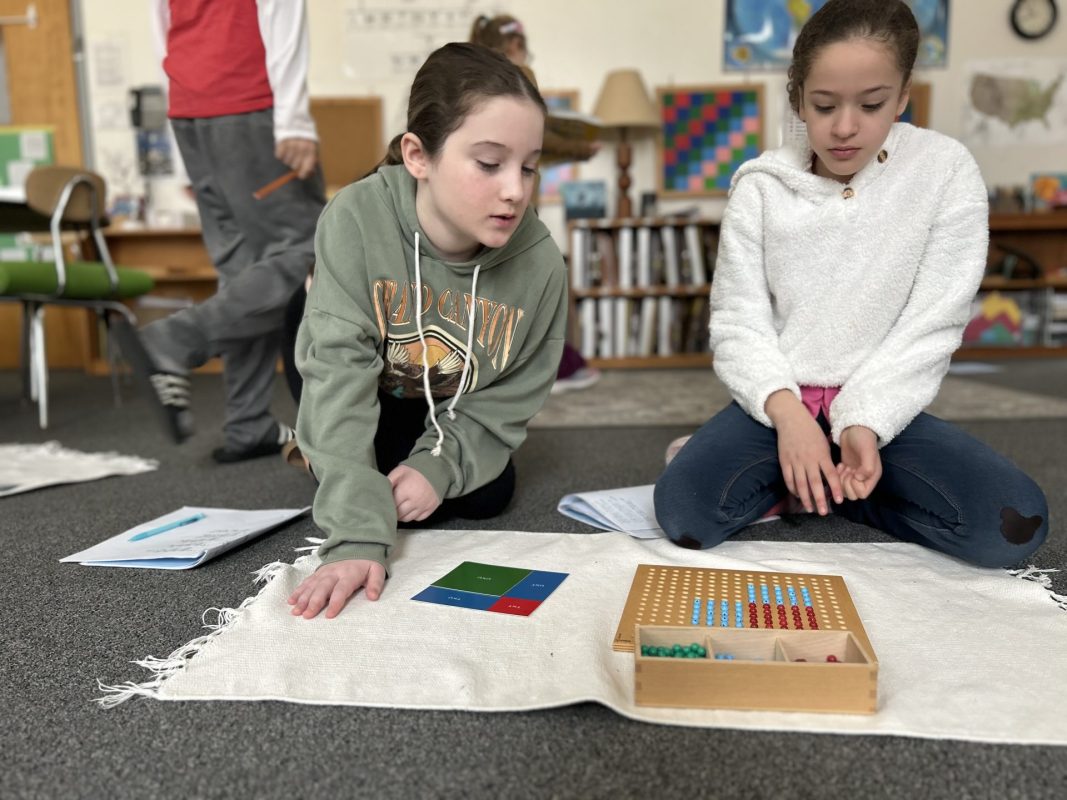
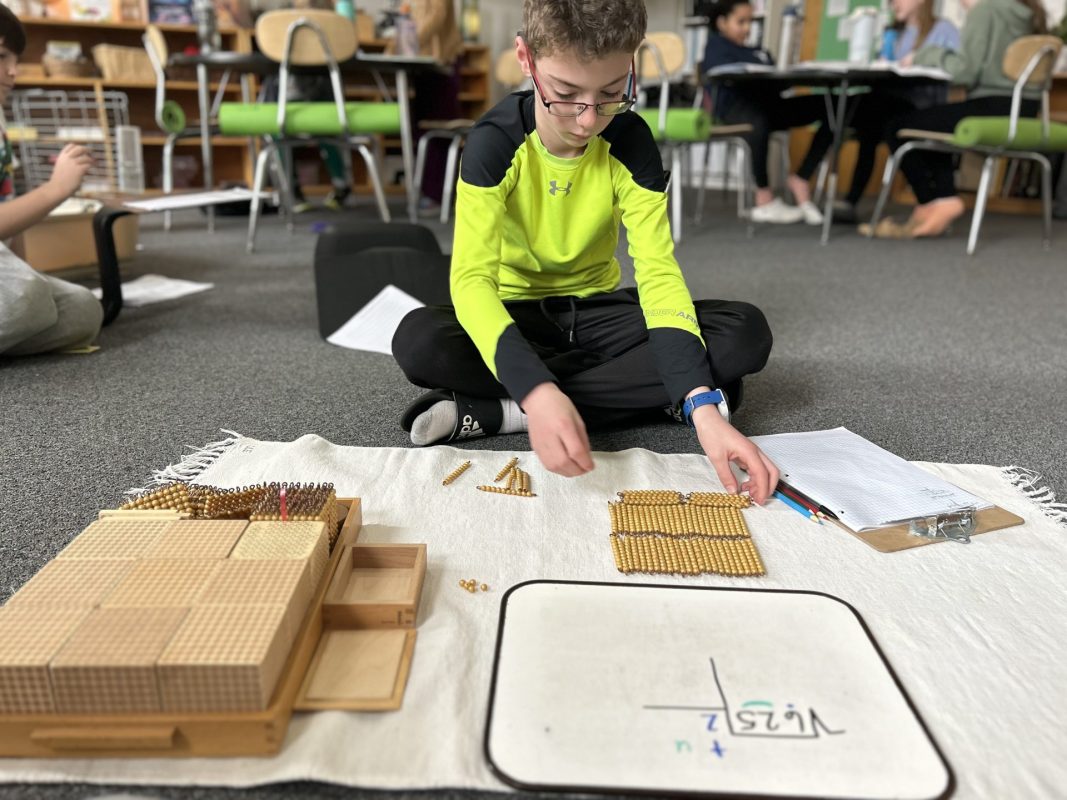
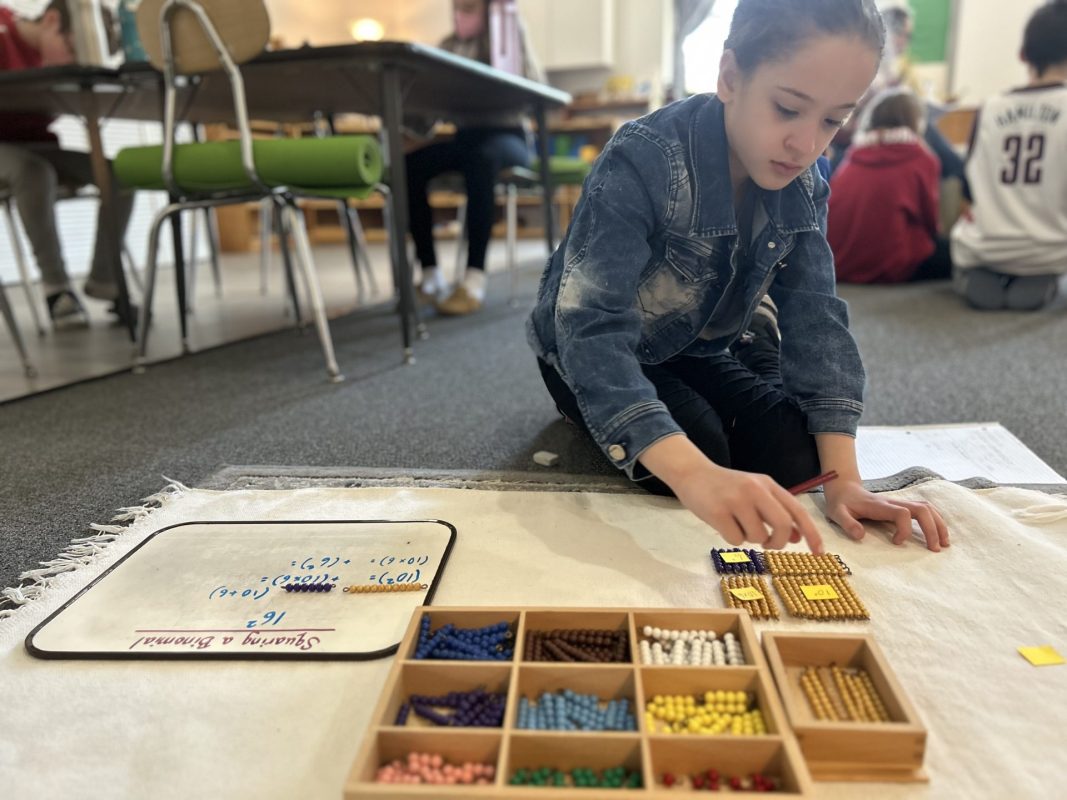
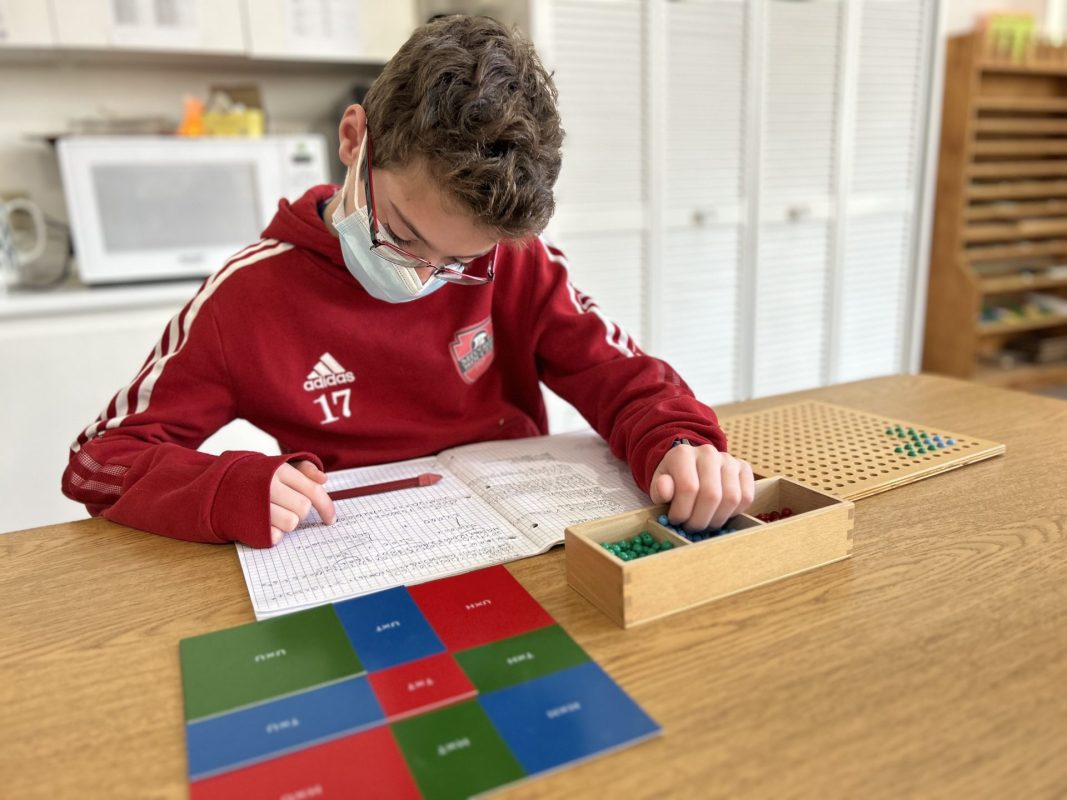
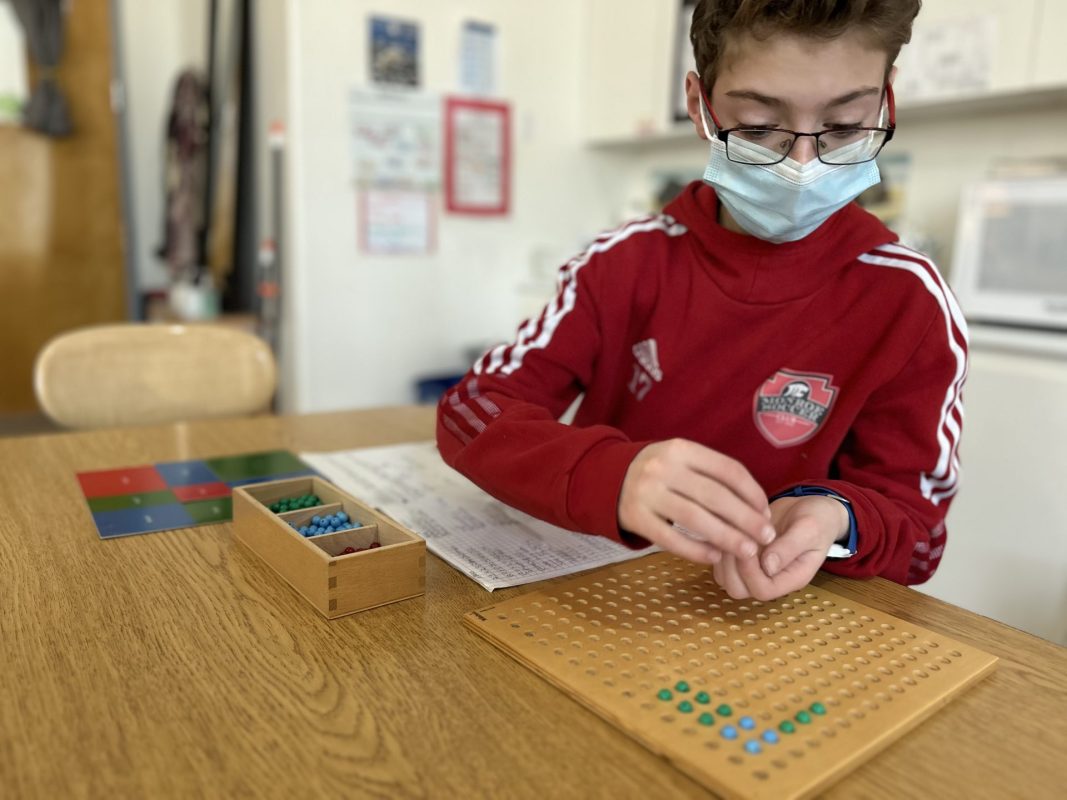
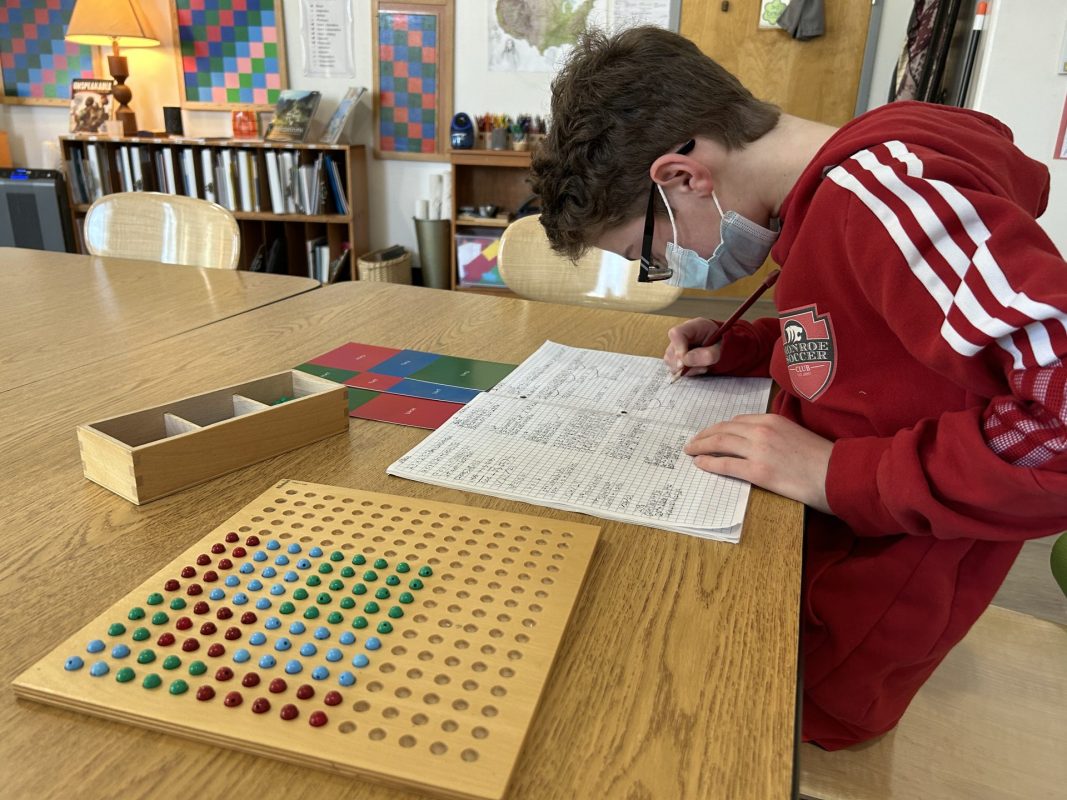
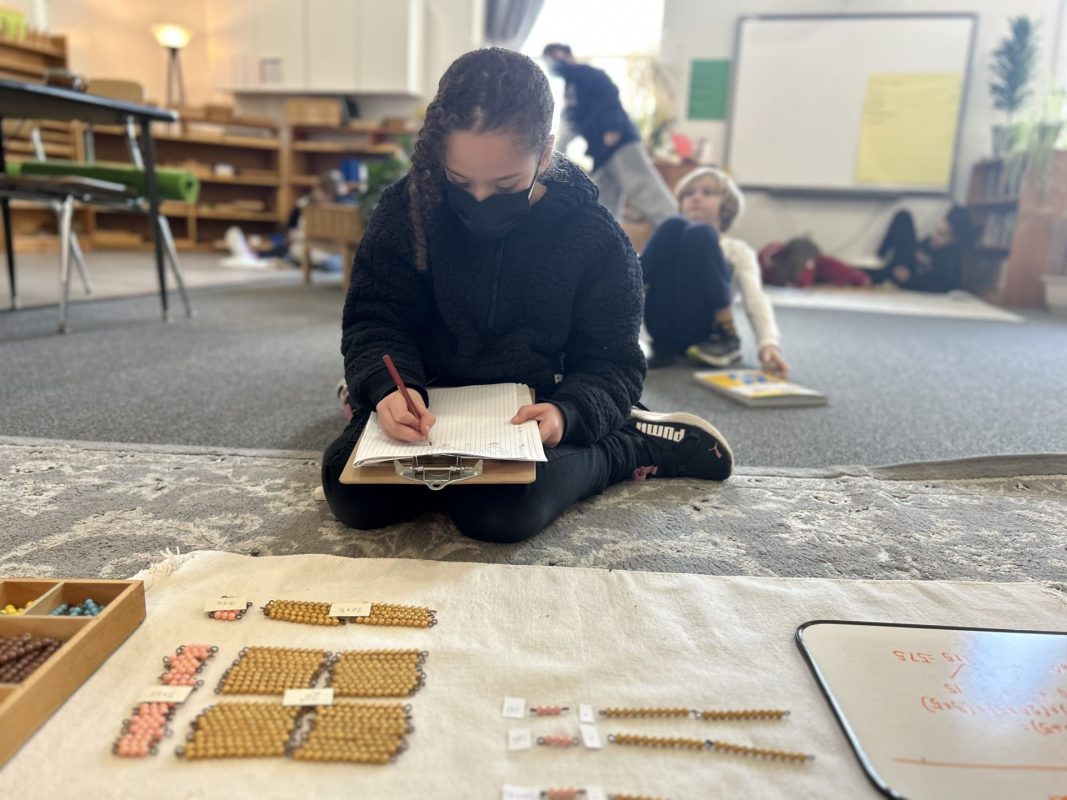
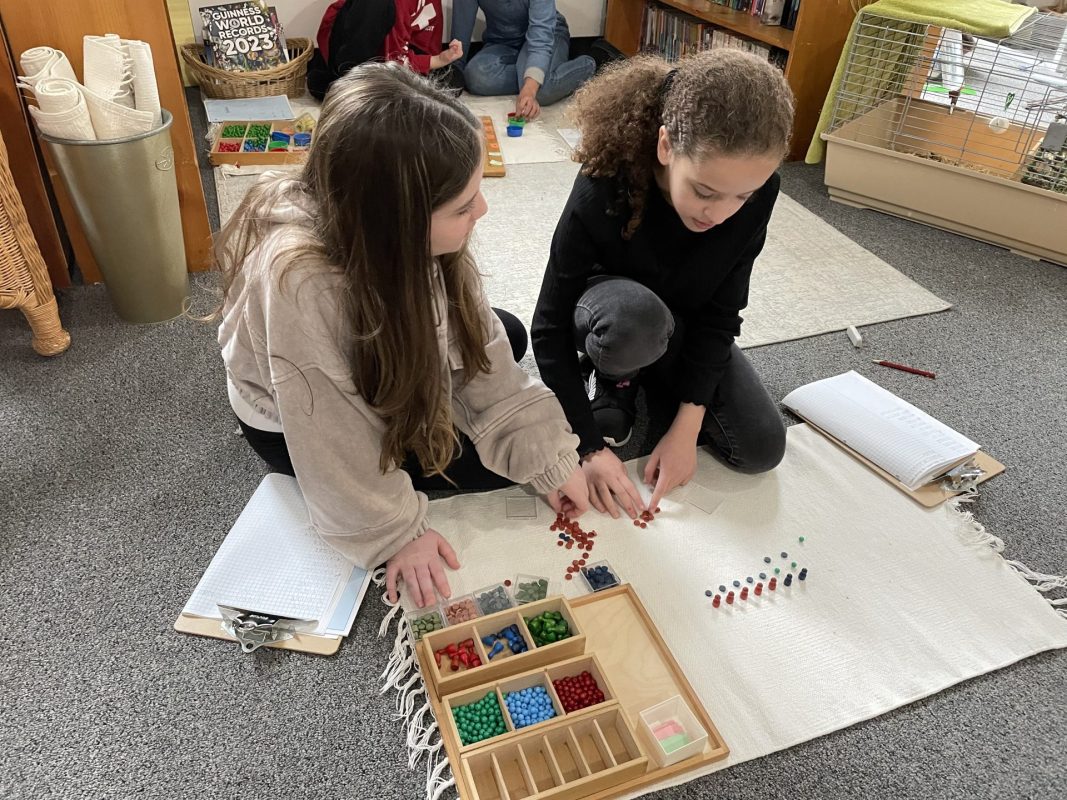
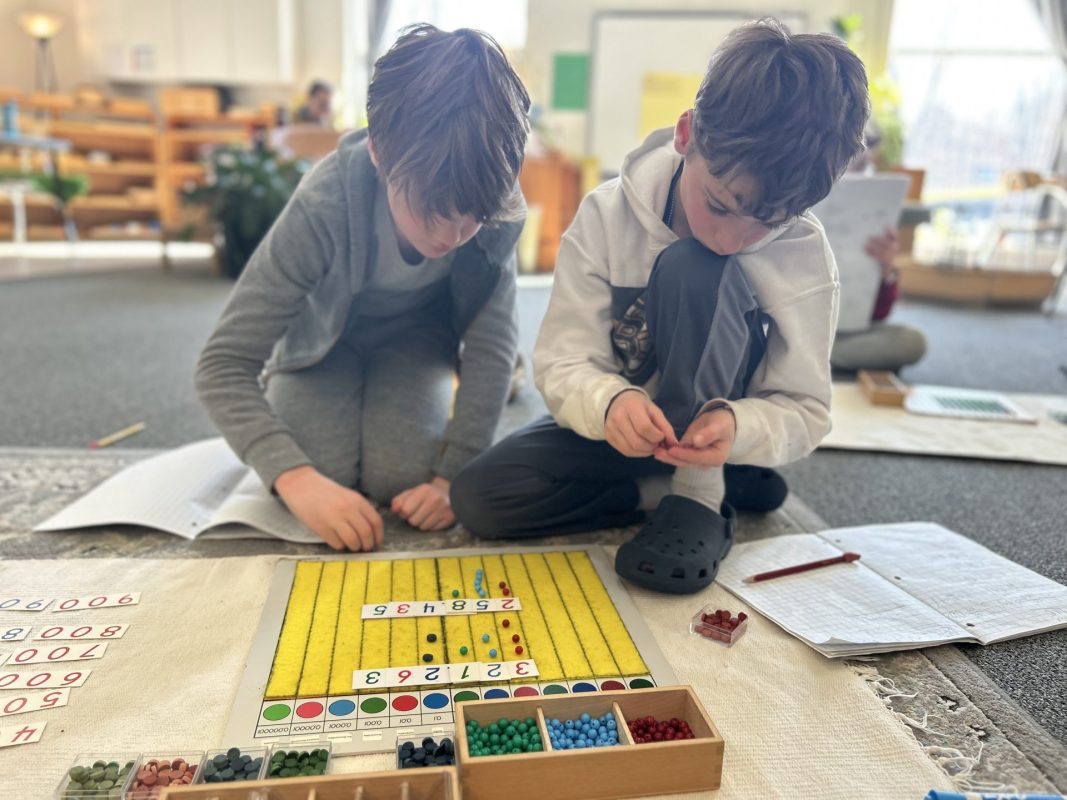
The first two lessons in this series focus on multiplying a binomial by a binomial, first (7+3) x (4+2), and then 23 x 25. First, the problem is represented with bead bars, focusing on the shape the beads form (rectangles), and then the equation is recorded.

From here, we move on to squaring a binomial, 16². This is in preparation for finding the square root of a number. Like in the first two lessons, bead materials are used to geometrically represent the parts of the equation, 10² + 2(10×6) + 6². The point is for students to see that when a number is multiplied by itself, the product of that multiplication is a square, which is a measurement of surface, not a linear measure.

Let me know if you’d like a lesson. I’m happy to demonstrate this for you.

Wishing you a lovely weekend,
Karen and Angie

Upper El Math – Decimals

Last week I shared information about how Upper El students learn operations with fractions. This week we’ll look at decimals.

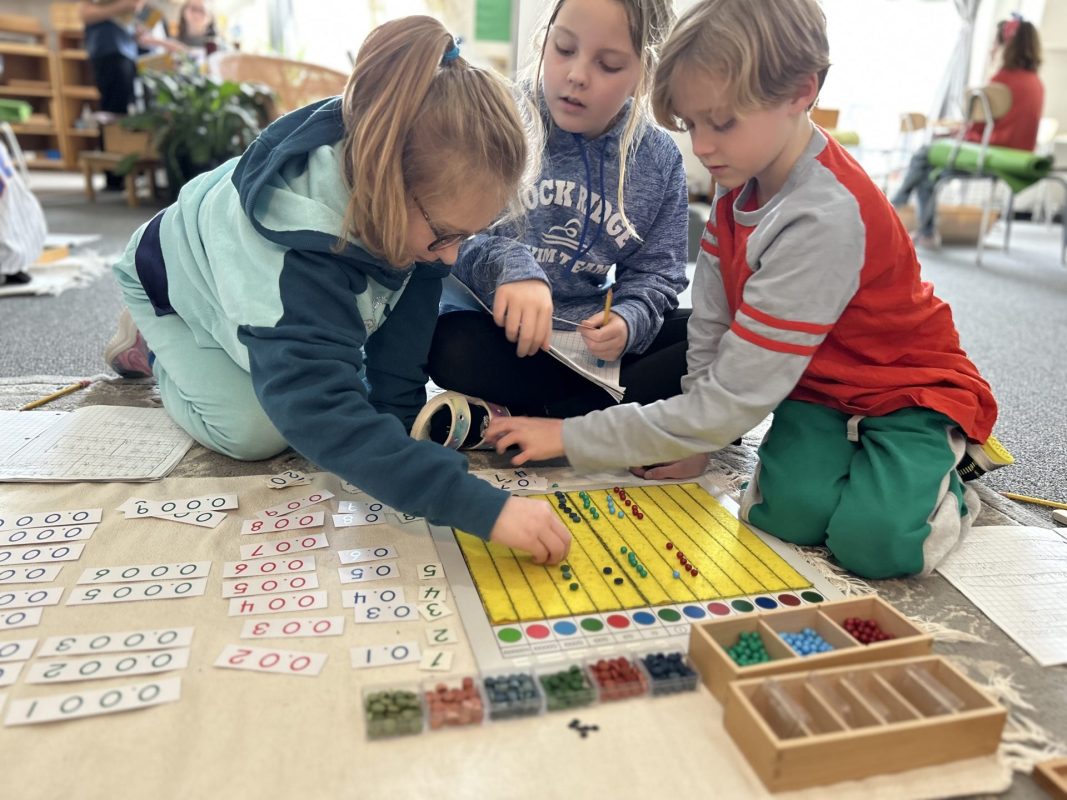
As with all Montessori math, sequences of the work with decimal numbers move from simple to complex and from concrete to increasingly abstract calculations. Decimal work begins with the passage from ordinary fractions to decimal numbers. After learning to build decimal numbers with materials, students work with the four operations, starting with addition and subtraction before moving on to multiplication and division.

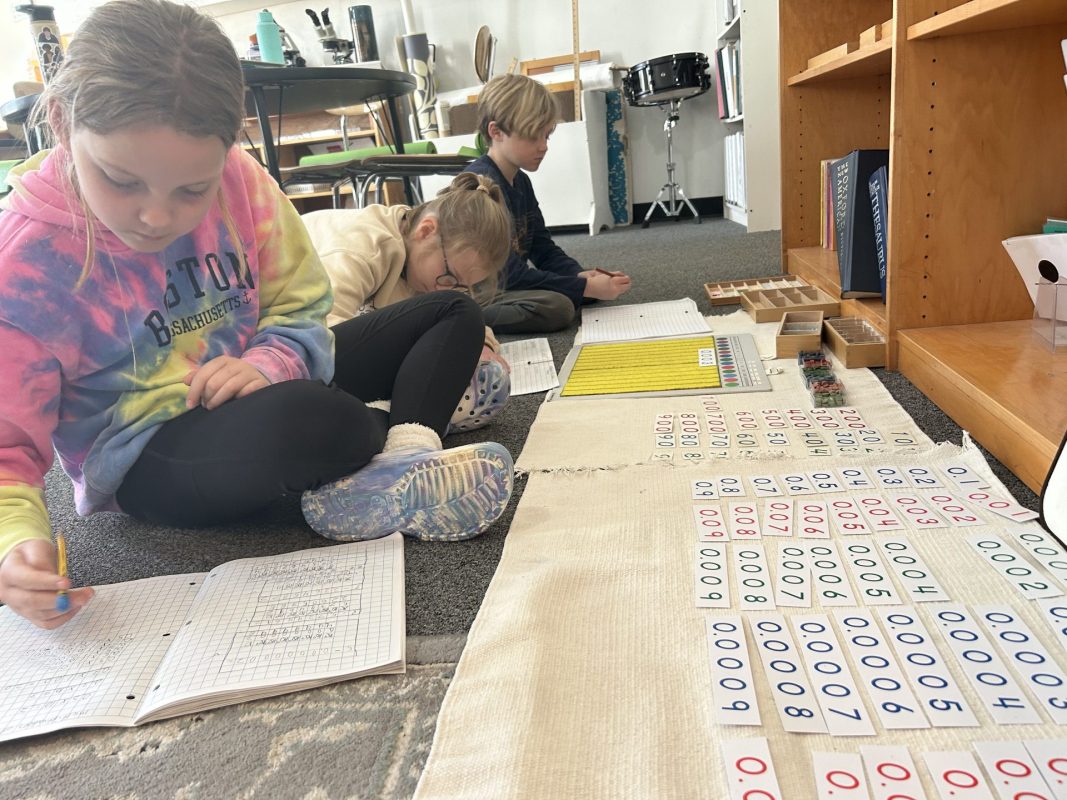
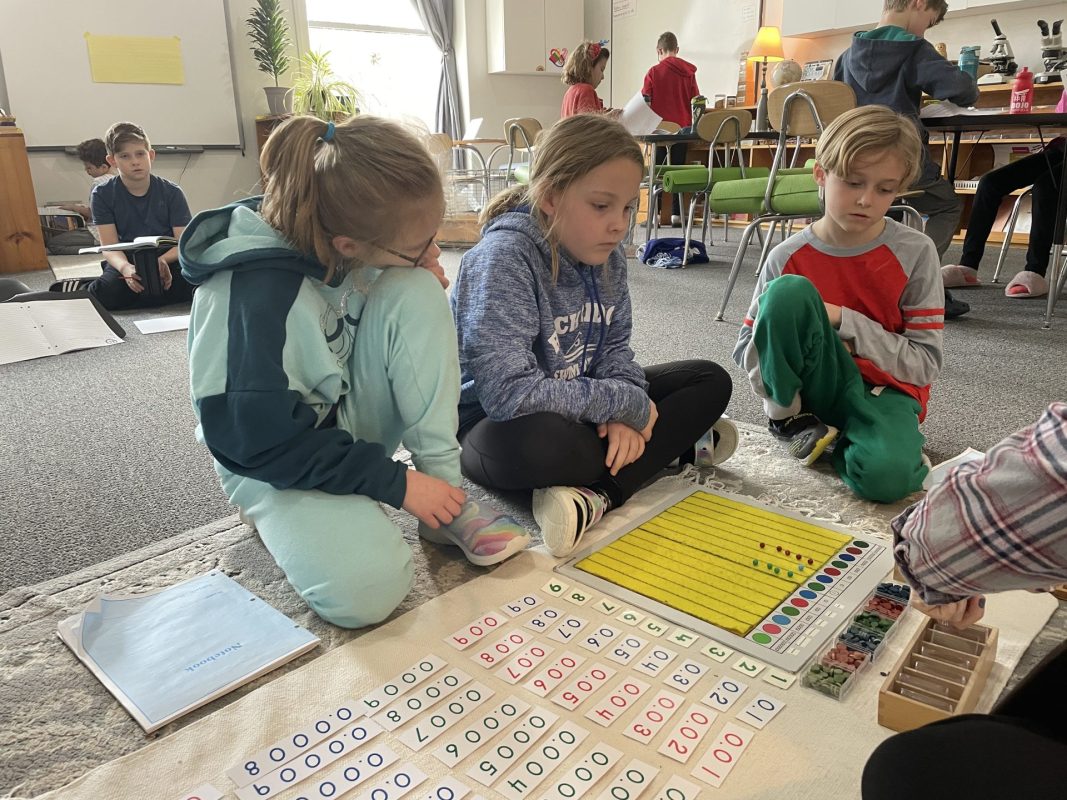
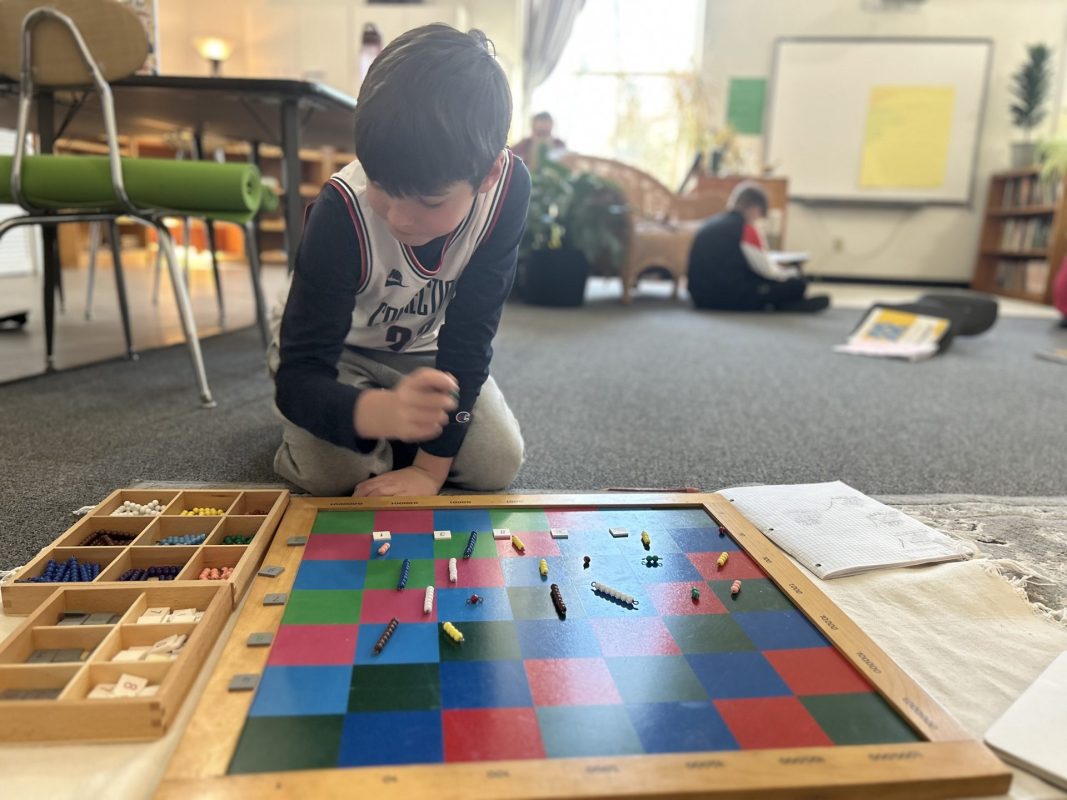
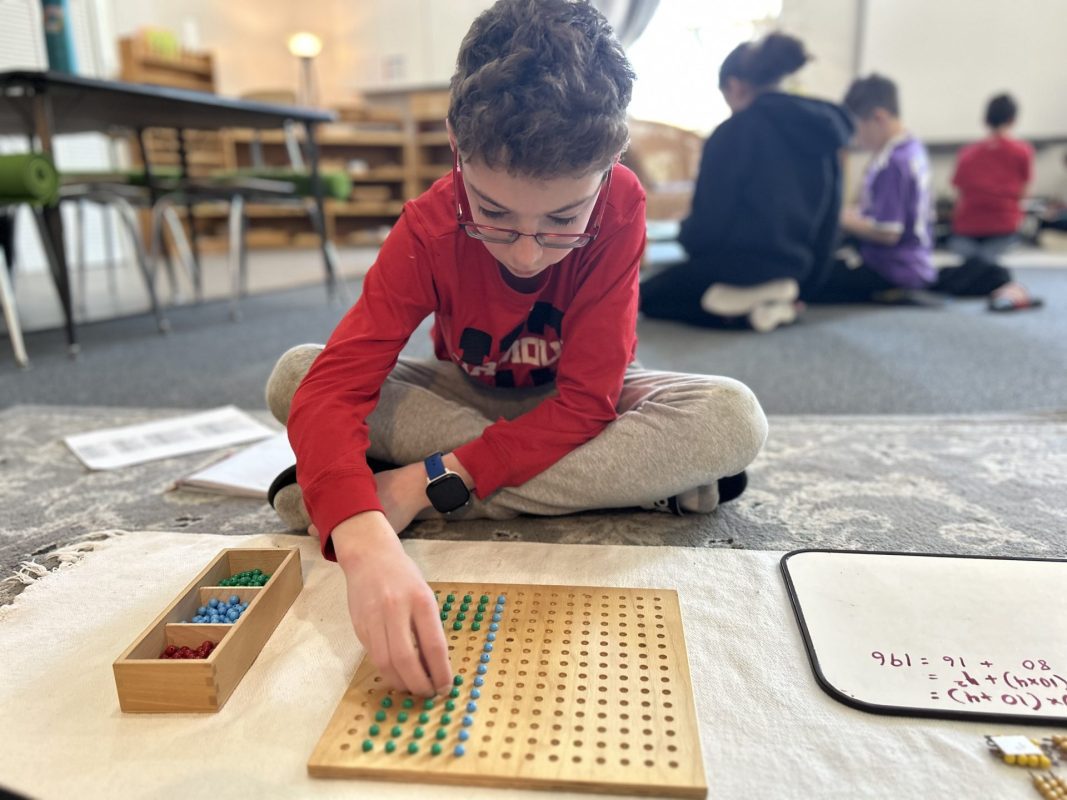
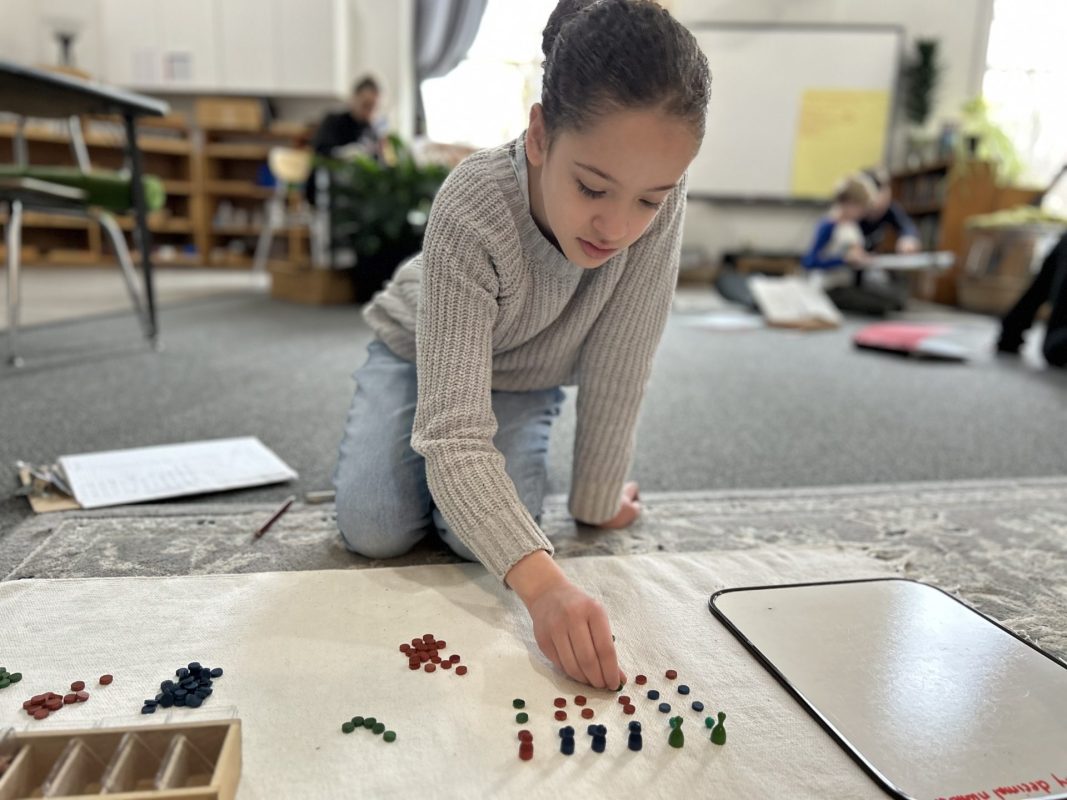
The first material students work with is called the decimal fraction board. This material lays out the hierarchy of numbers from millions to millionths, with units in the center of the board. Using this board to add, subtract, and multiply numbers helps students understand place value and guides them in learning to read decimal numbers.

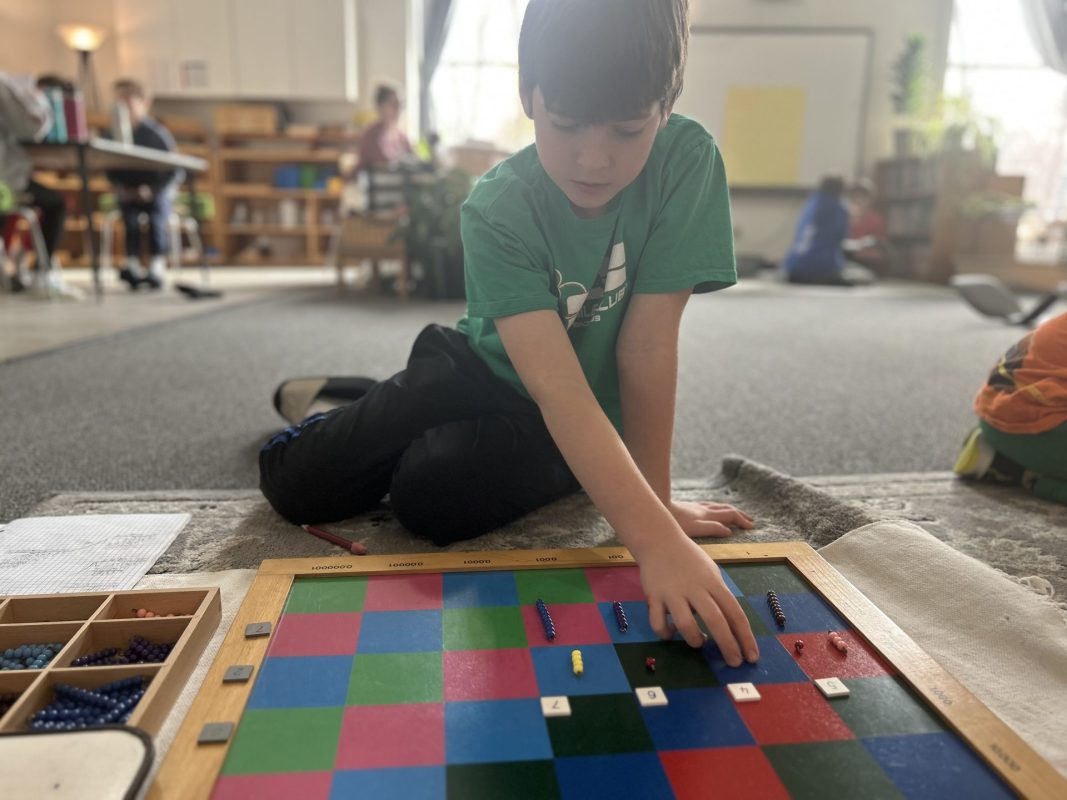
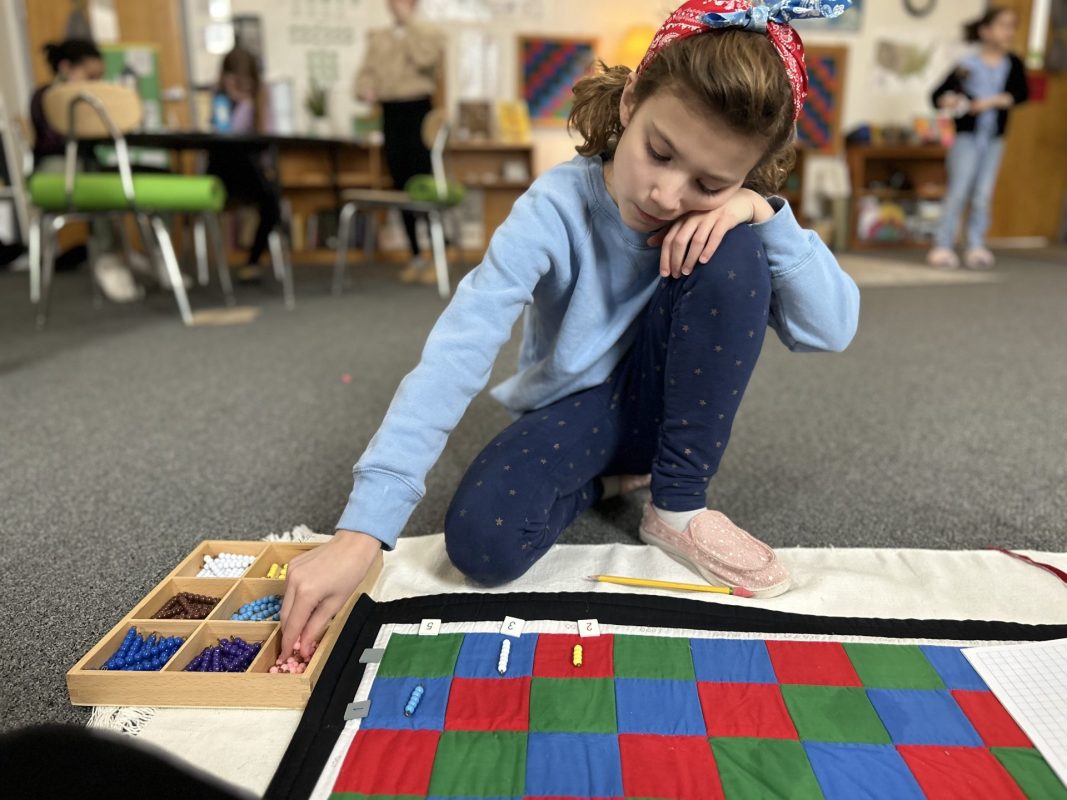
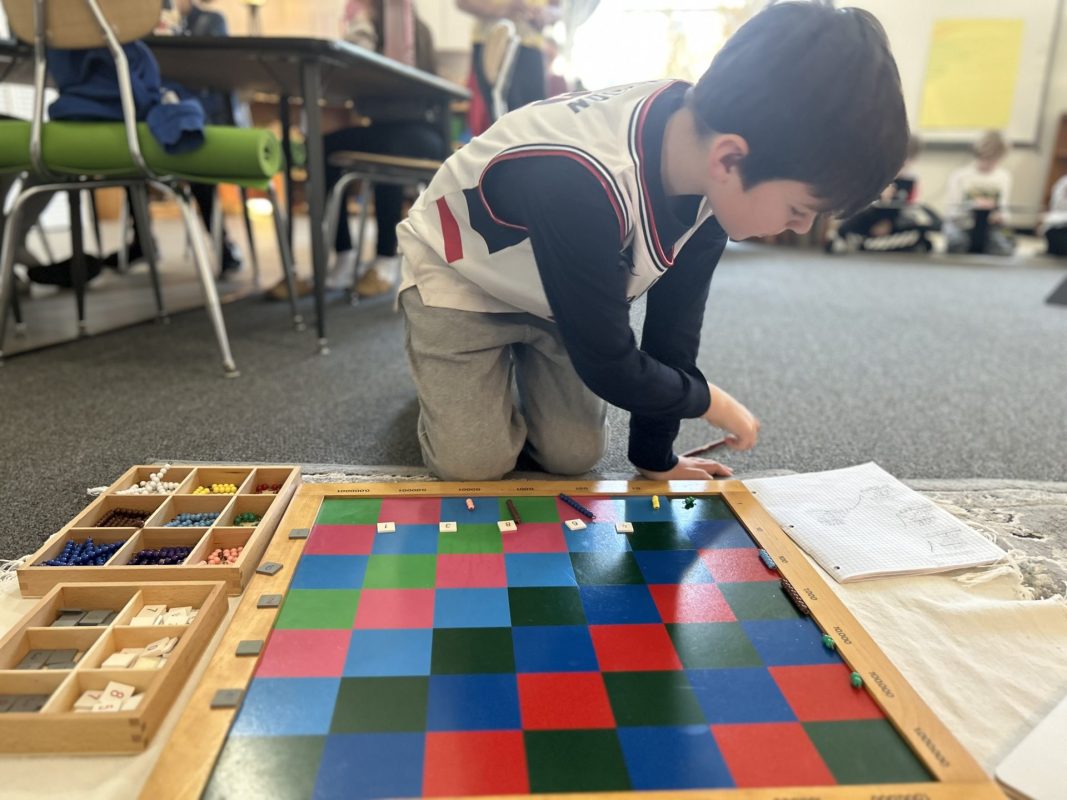
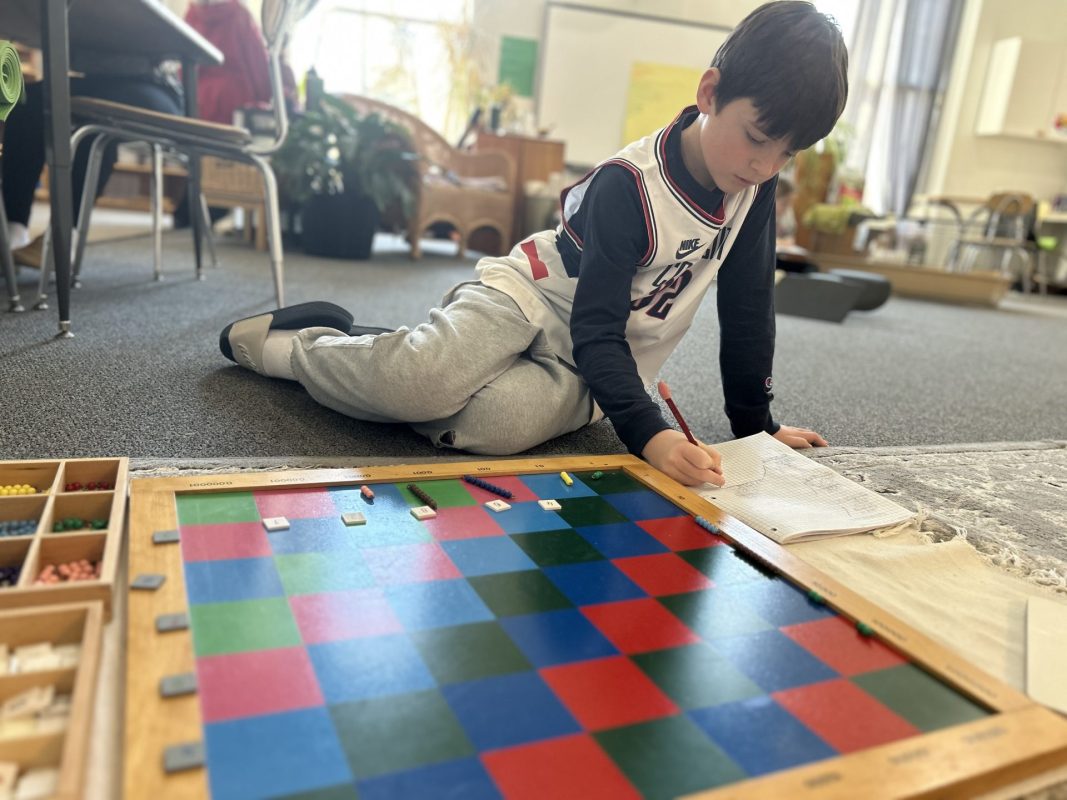
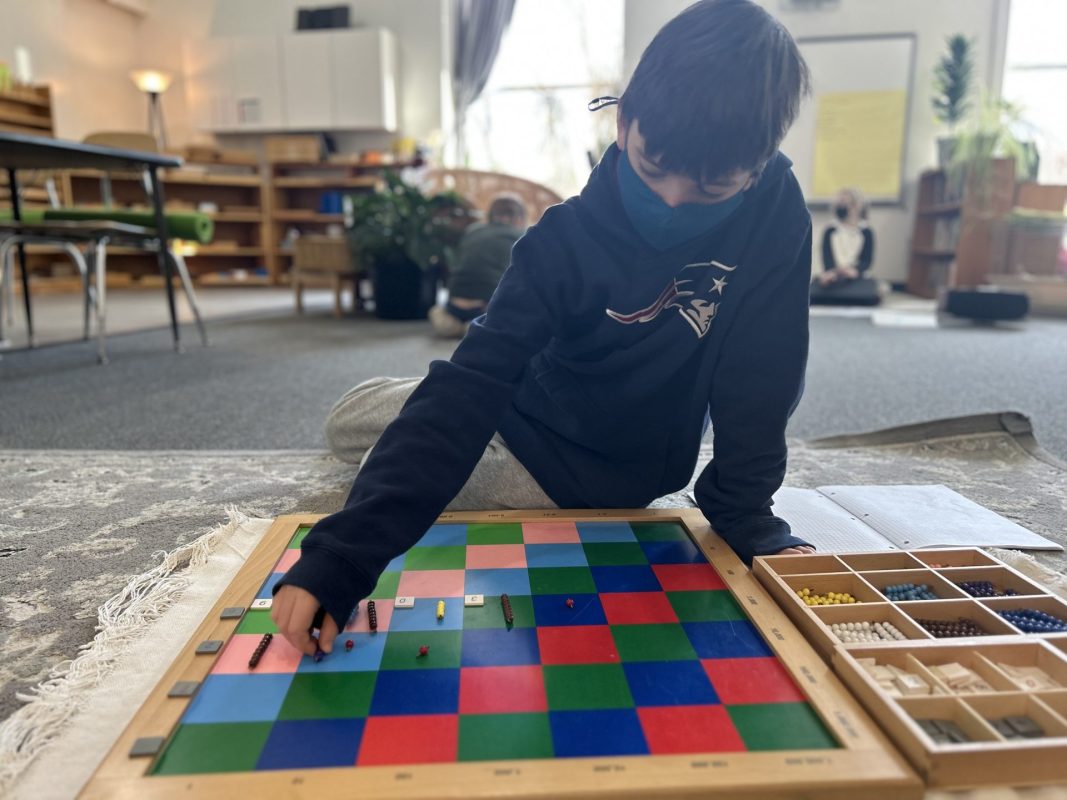
After moving through many passages with the decimal fraction board material, work transitions to the decimal checkerboard to complete compound multiplication problems. The decimal checkerboard allows students to experience a geometric representation of decimal multiplication and continues to emphasize place value. While working with this material, students learn to record partial products as they work through their problems.

After completing their work with multiplication, students learn to divide decimal numbers, with the final step being learning the Property of Invariance (if we multiply or divide both the dividend and the divisor by the same whole number, the result does not change, and the remainder, if any, is automatically multiplied or divided by the same number). The property of invariance in traditional schools is the starting point for the division of decimals. Here it is the point of arrival. This order helps construct the mathematical mind because, with these demonstrations, children are doing rational arithmetic.

We look forward to talking with you next week at Parent Teacher Conferences!

Wishing you a wonderful weekend,
Karen and Angie

Upper El’s Week

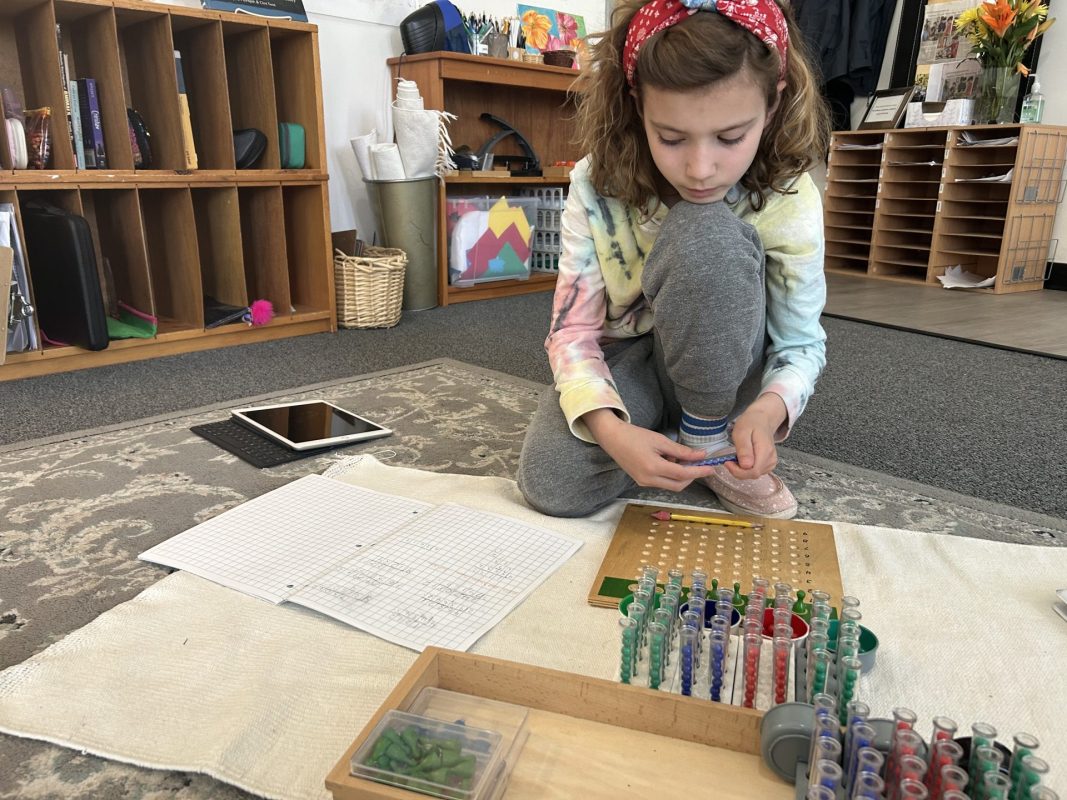
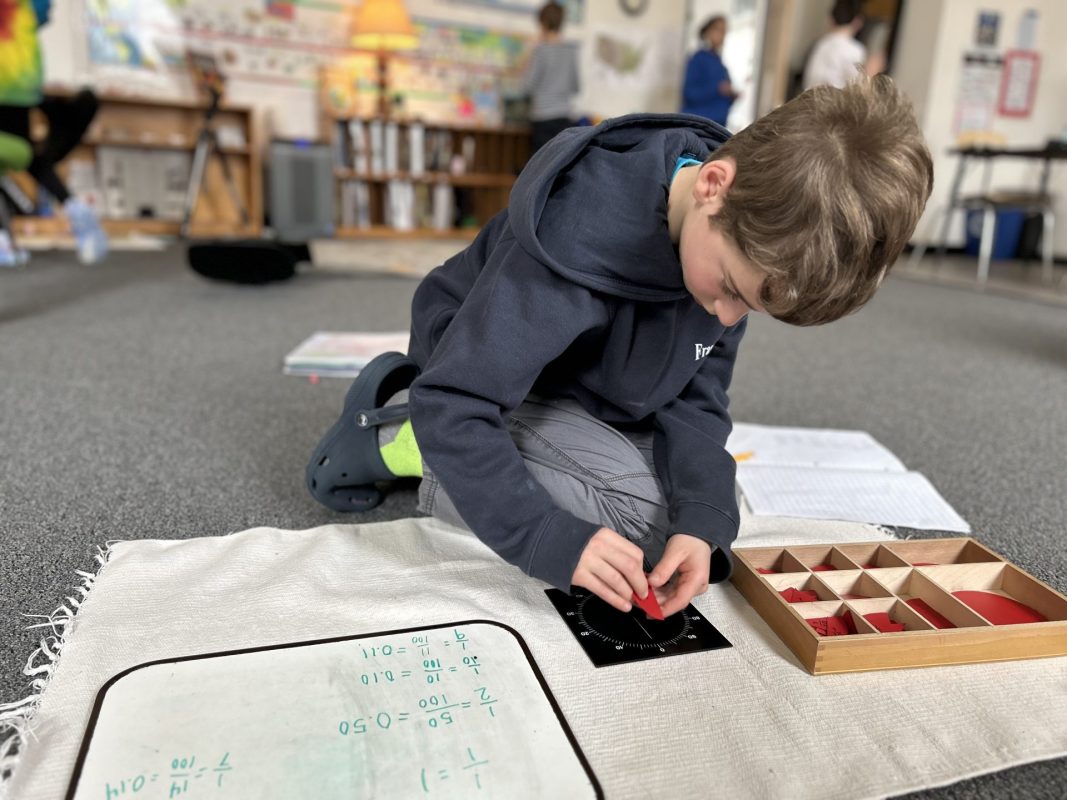
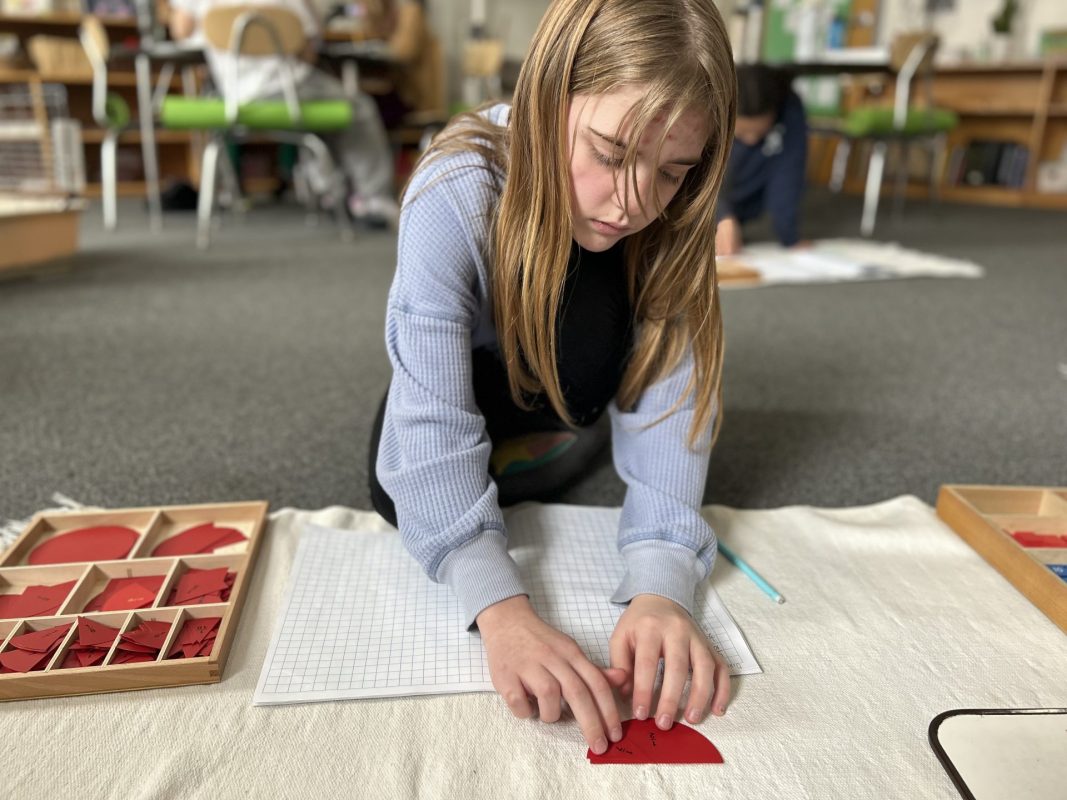
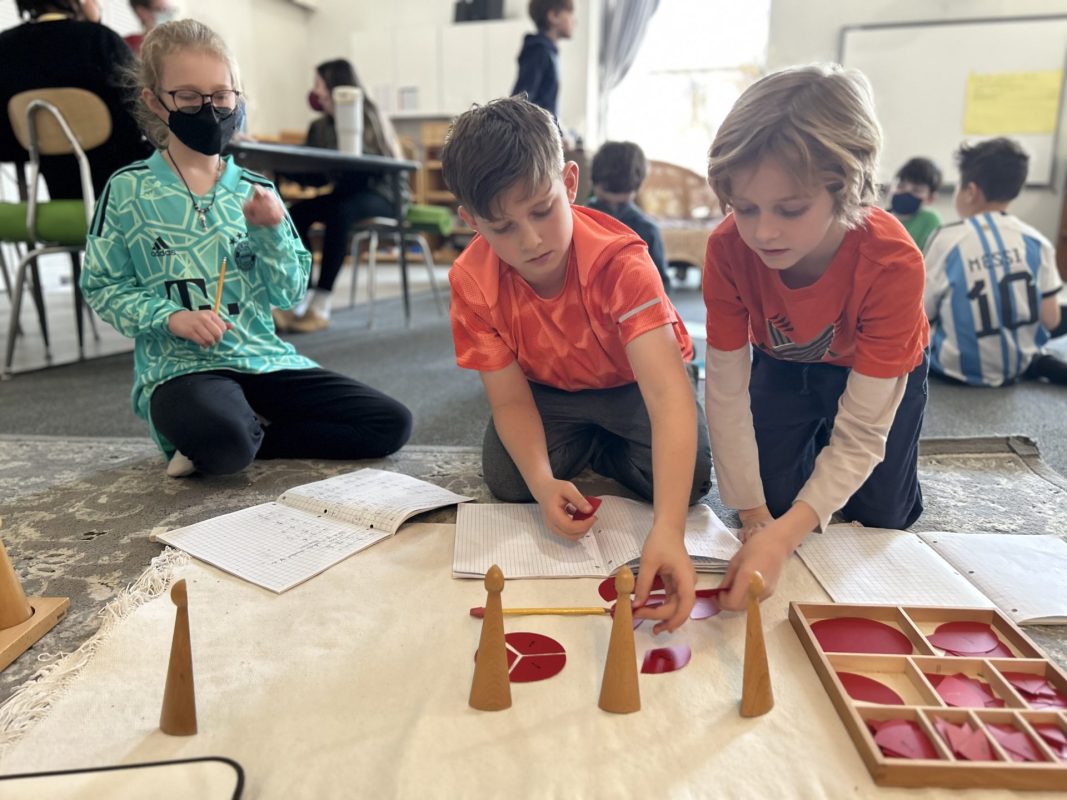
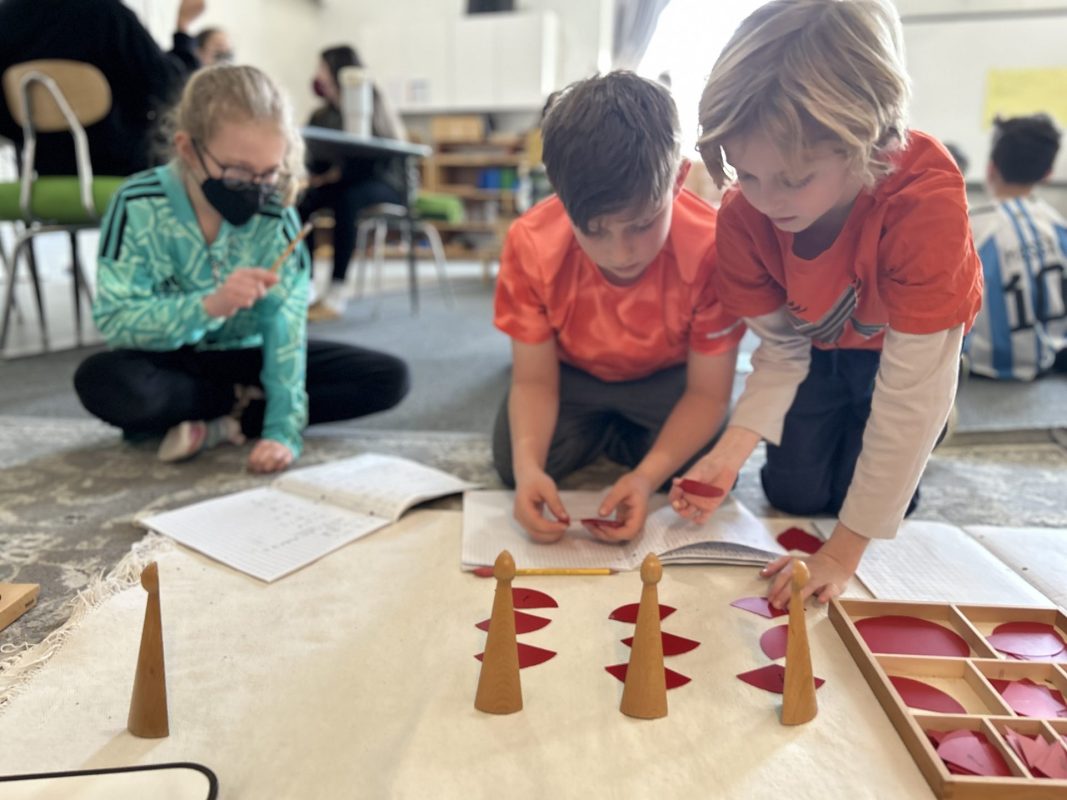
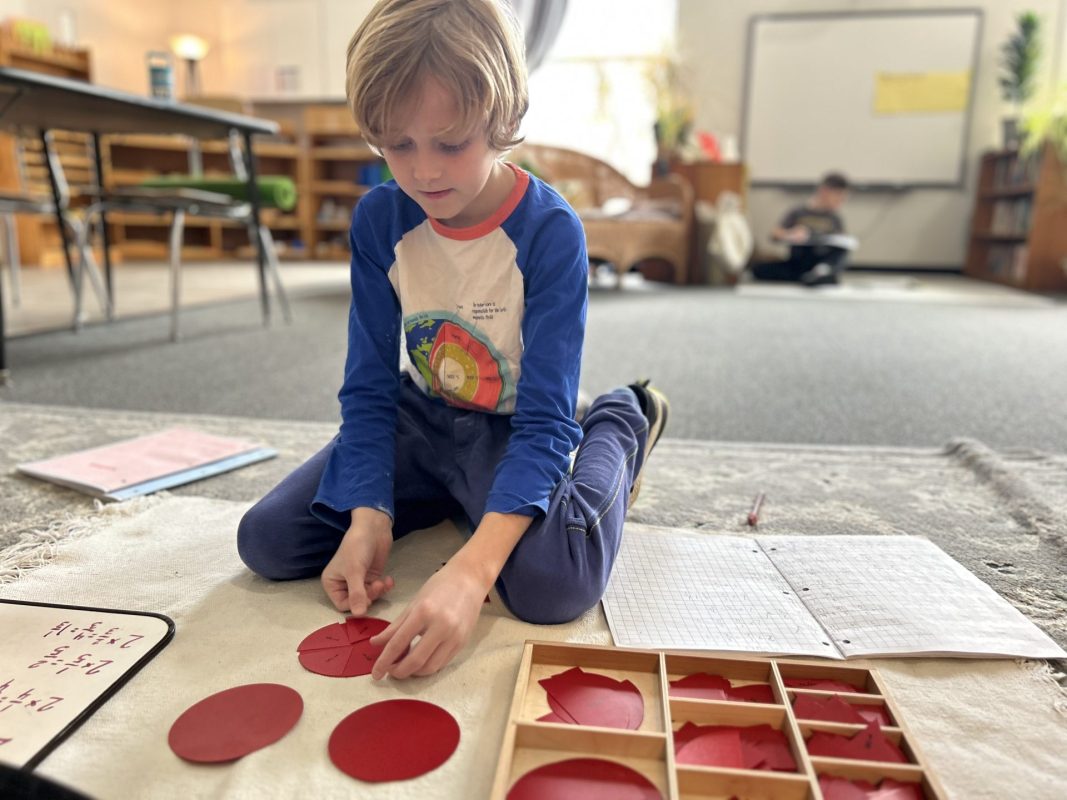
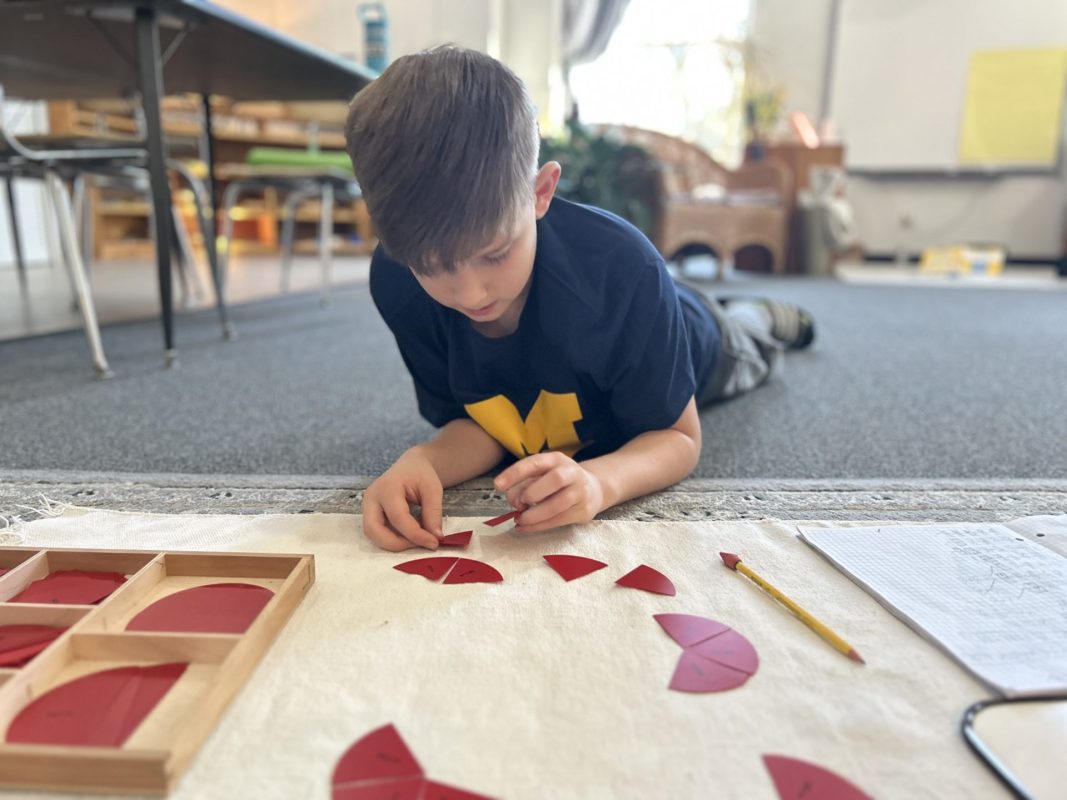
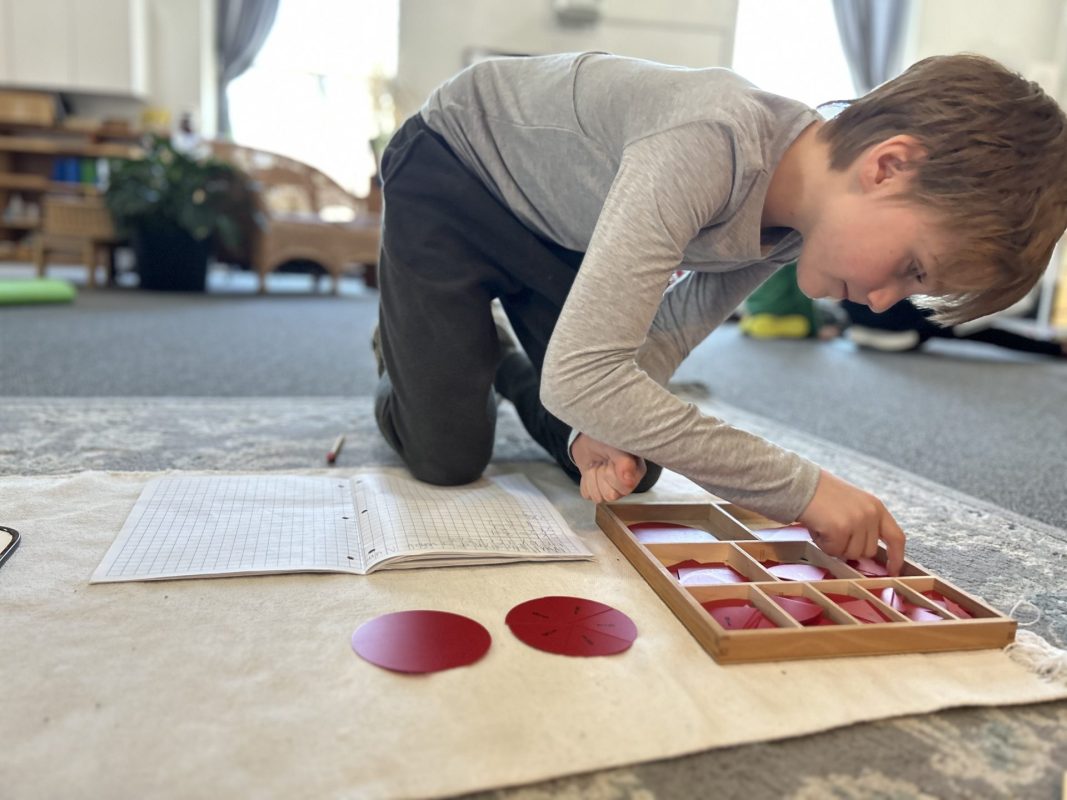
We are a small but mighty group this week. As introduced in last week’s blog, math work starts with the concrete and leads naturally to the abstract. We had lots of progress in math this week.  Many students are working with fractions. They are learning to add and subtract fractions with different denominators and to multiply whole numbers by fractions. All fraction work begins with students using cut pieces of circles, called fraction insets. In their addition and subtraction work, they manipulate the pieces to figure out what the common denominator is. After doing several problems, we look to see if they recognize a pattern in what they are doing. As they work, students notice that:

  1. To add or subtract fractions with different denominators, all fractions must be reduced to the same denominator.
  2. To change the terms of a fraction, they either multiply or divide both terms by the same number.
  3. If they multiply or divide the terms of a fraction by the same number, the value of the fraction doesn’t change.

In their work with the multiplication of whole numbers by fractions, they start by taking the whole circle insets and changing them into the number of fraction pieces they need in order to multiply. Students begin to notice that, as the denominator of the multiplier is increased, the total product is decreased. They then begin to notice the pattern, they simply have to multiply the whole number by the numerator to get their new numerator and the denominator stays the same. All students working with fractions are also learning to reduce their answers to the lowest terms.

We also have students working with decimal numbers, multiplying binomials, and squaring trinomials. I look forward to sharing more details about those lessons with you in the next few weeks.

Wishing you a beautiful weekend,

Karen and Angie

Montessori Math in Upper El

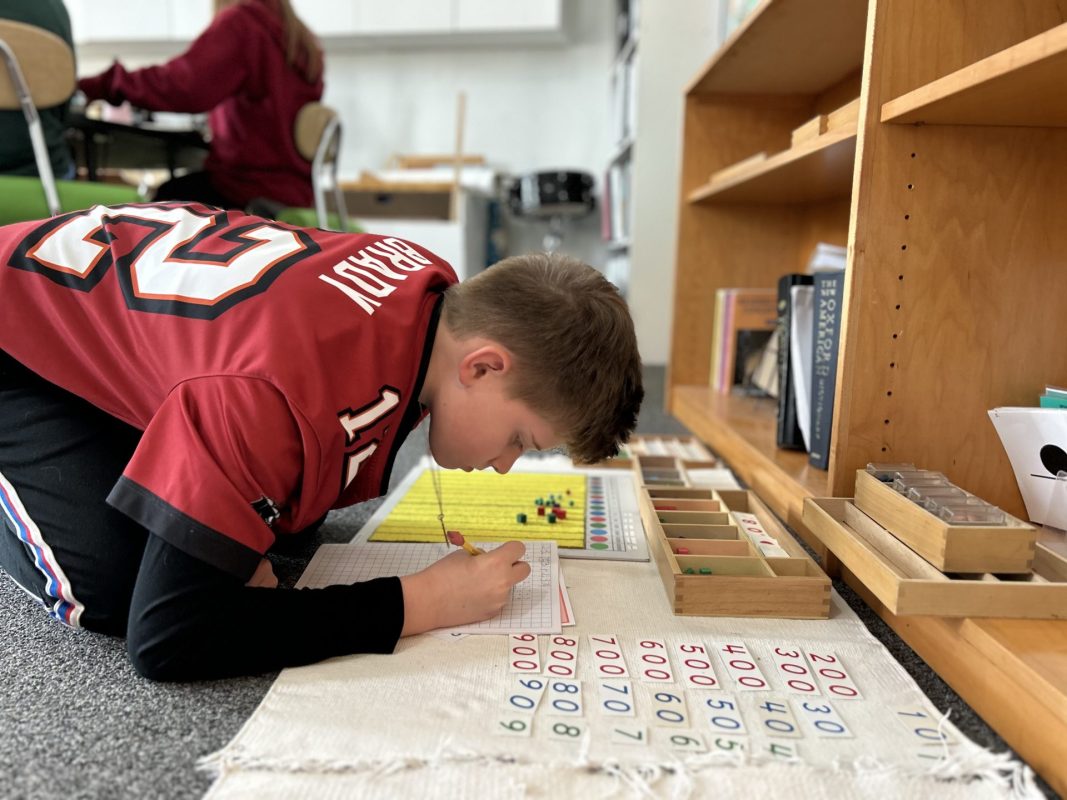
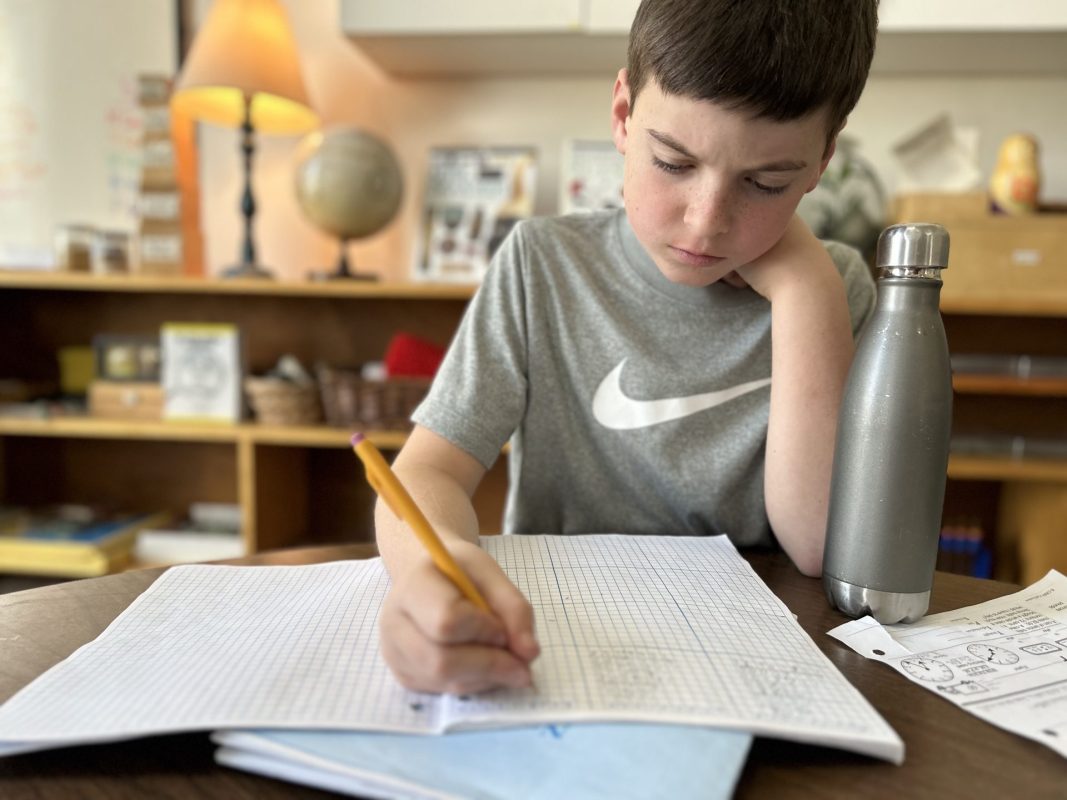
At the Upper Elementary level, Montessori math work continues to begin with hands-on demonstrations and work with materials for each new concept before students move to the abstract. This provides many benefits for students. Concrete math work in Montessori allows students to naturally develop a deep understanding of concepts, with the exploration of each concept leading to an understanding of rules and formulas. Our process is an introduction to a new concept with the material, independent practice of the concept using the material, and demonstration of understanding of the concept through the use of the material. After understanding is demonstrated, a rule or formula is verbalized before students begin to complete the problems without the use of materials. Sometimes the rule or formula is recorded in their math books for later reference by the student.
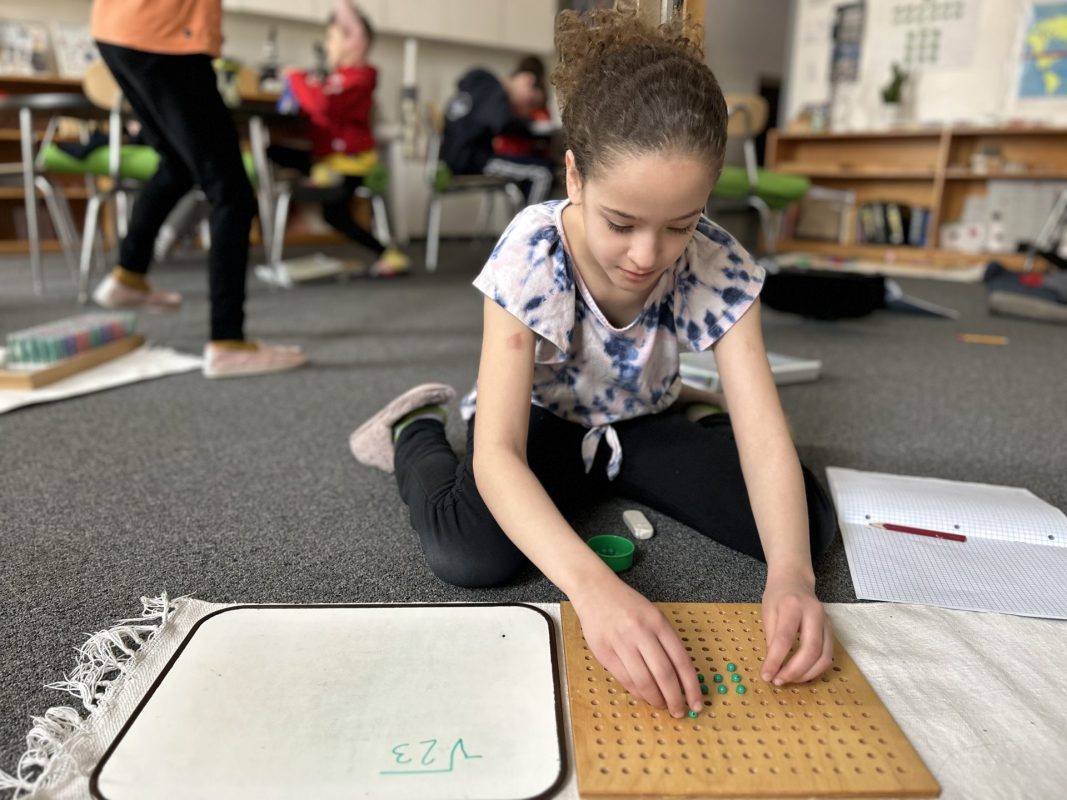
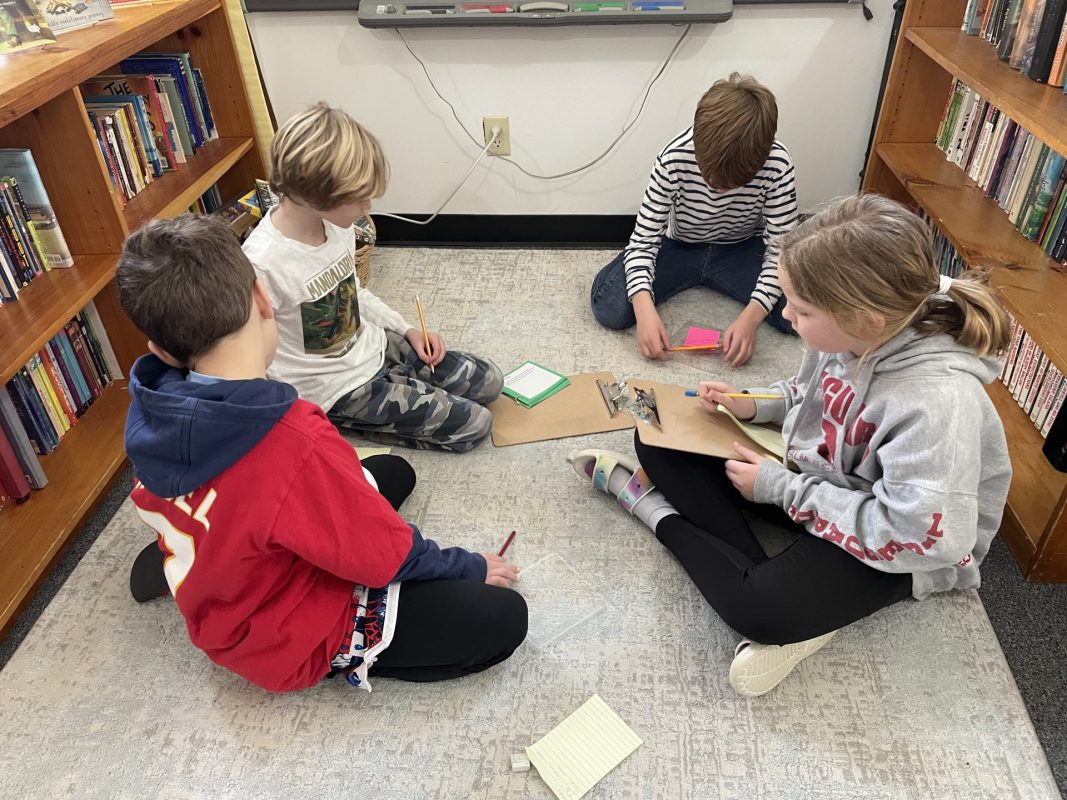
Students are also encouraged to come up with their own math problems (within the concept they are studying). This process of Guided Discovery leads to children engaging with issues that arise in their exploration, creating opportunities for mini-lessons as those issues arise. Its focus is on the technique or the process instead of on correct answers to each individual problem. This means that students get to move through the curriculum at a pace that holds their interest and makes math engaging for them. Working at their own pace helps students to develop confidence in their problem-solving ability and a strong sense of independence.

Wishing you a wonderful weekend,
Karen and Angie