-

-
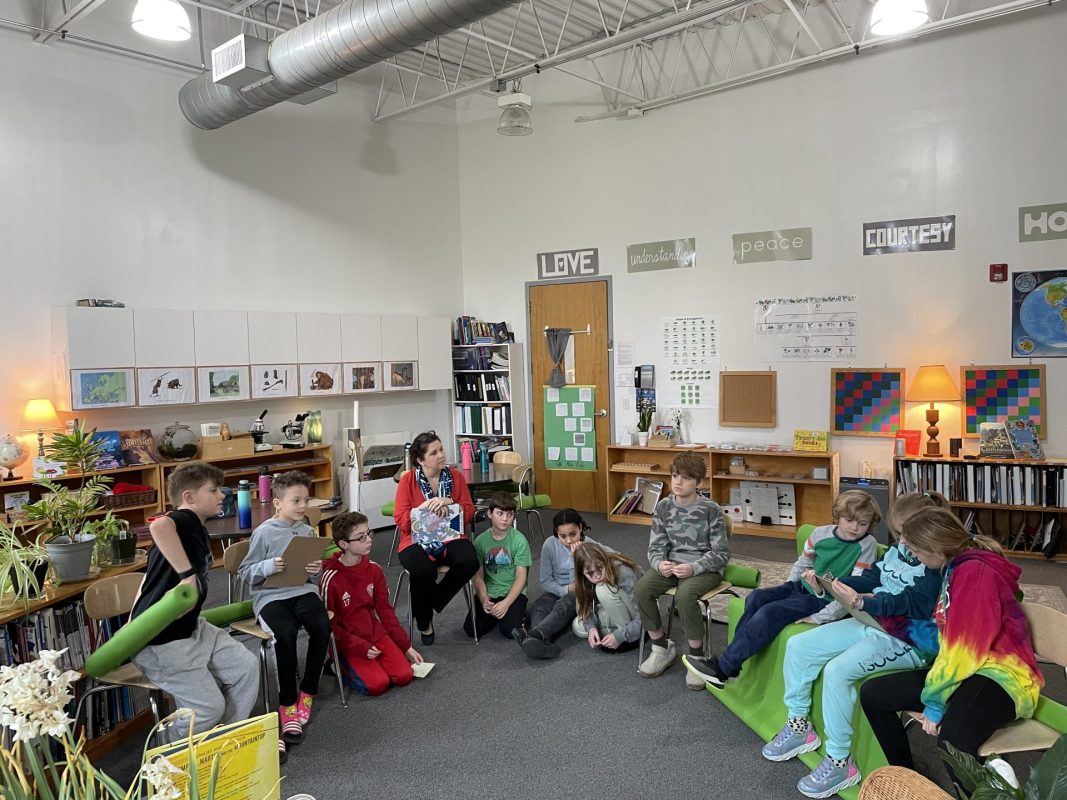
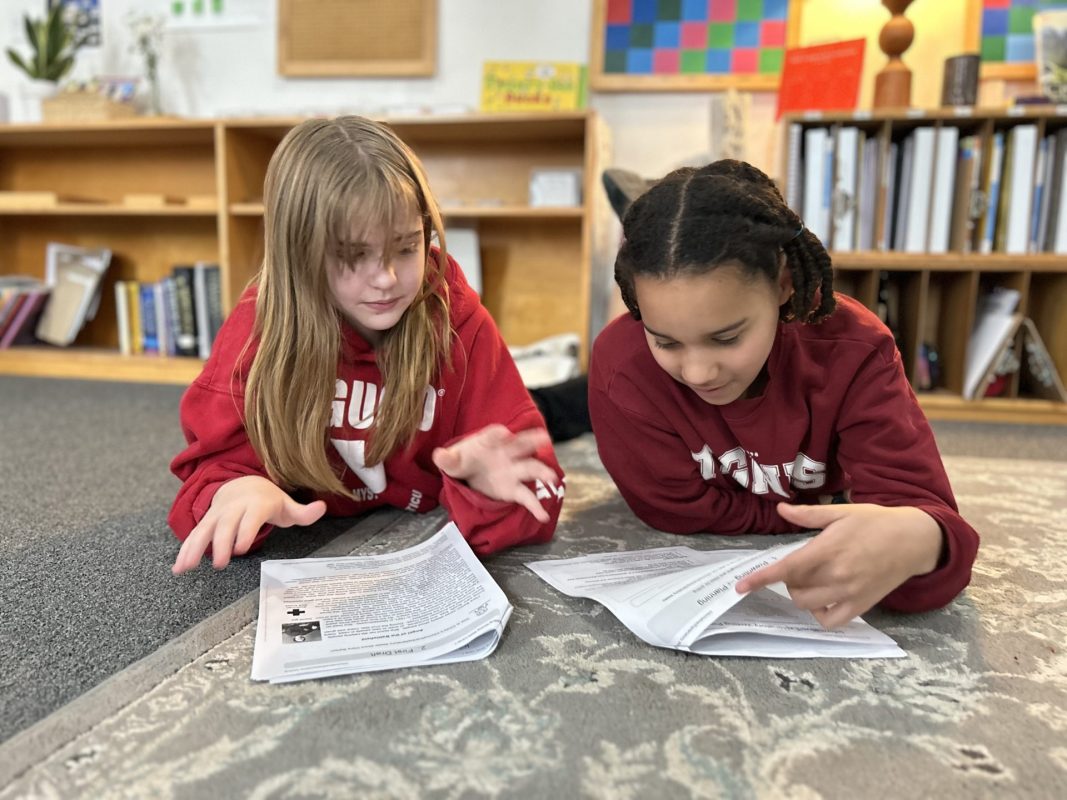
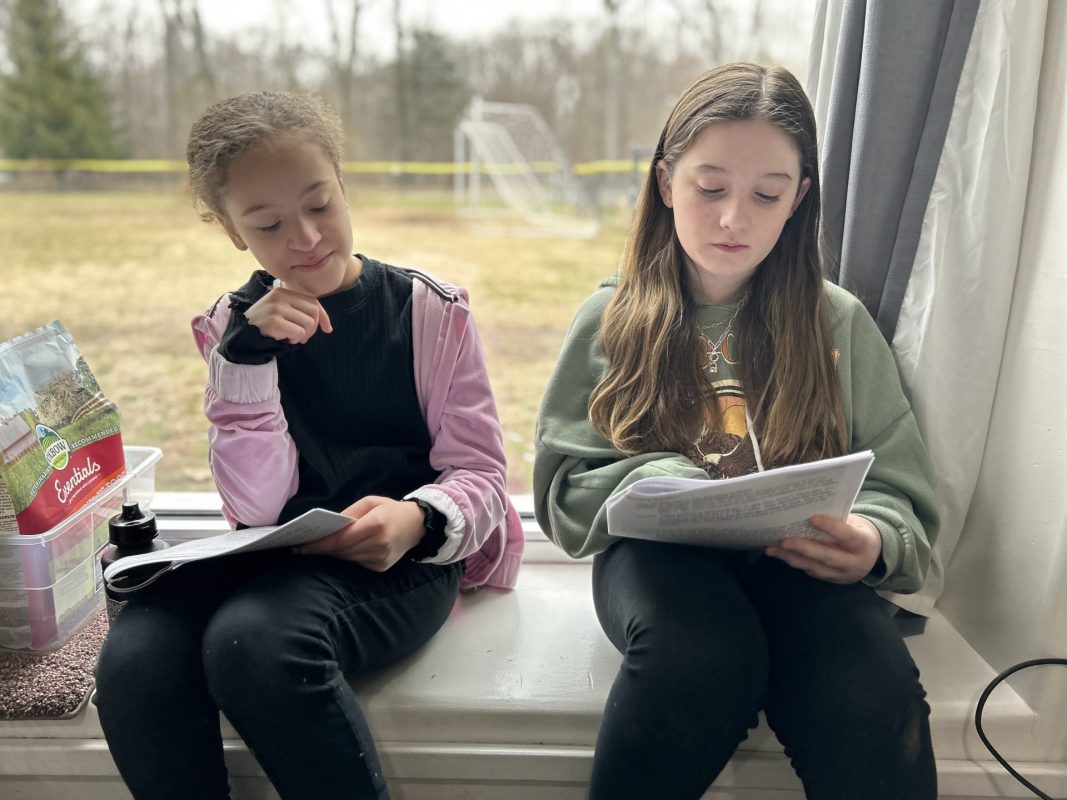
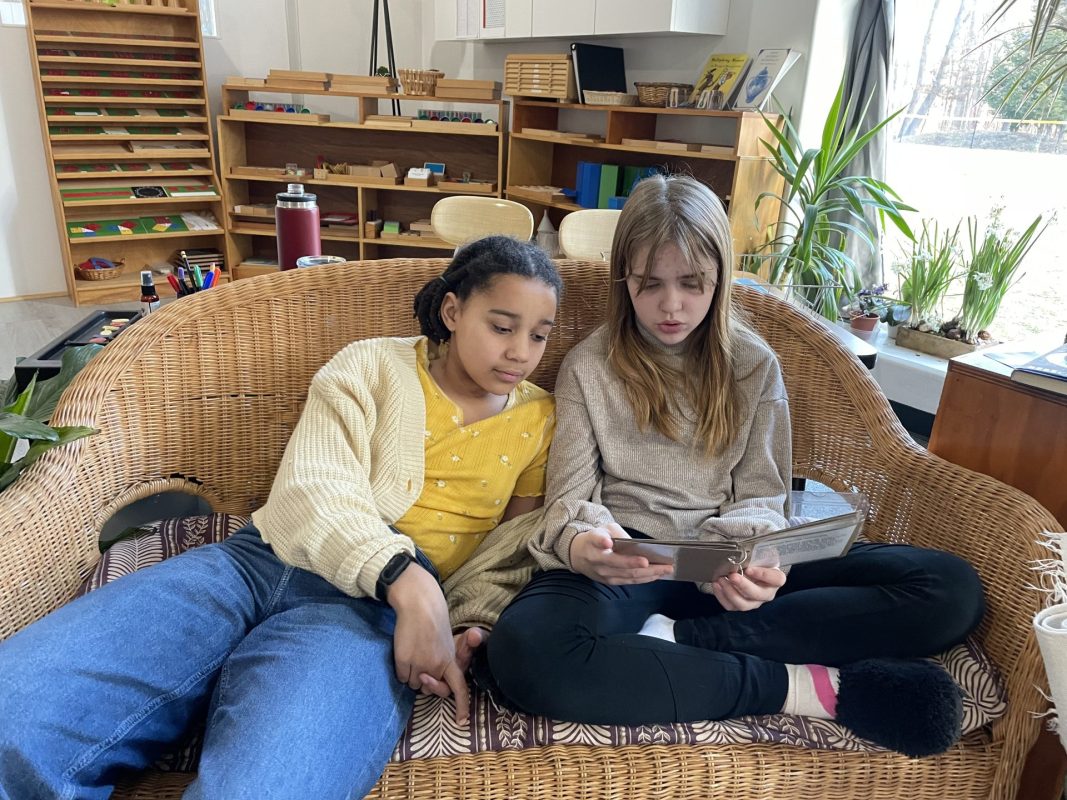
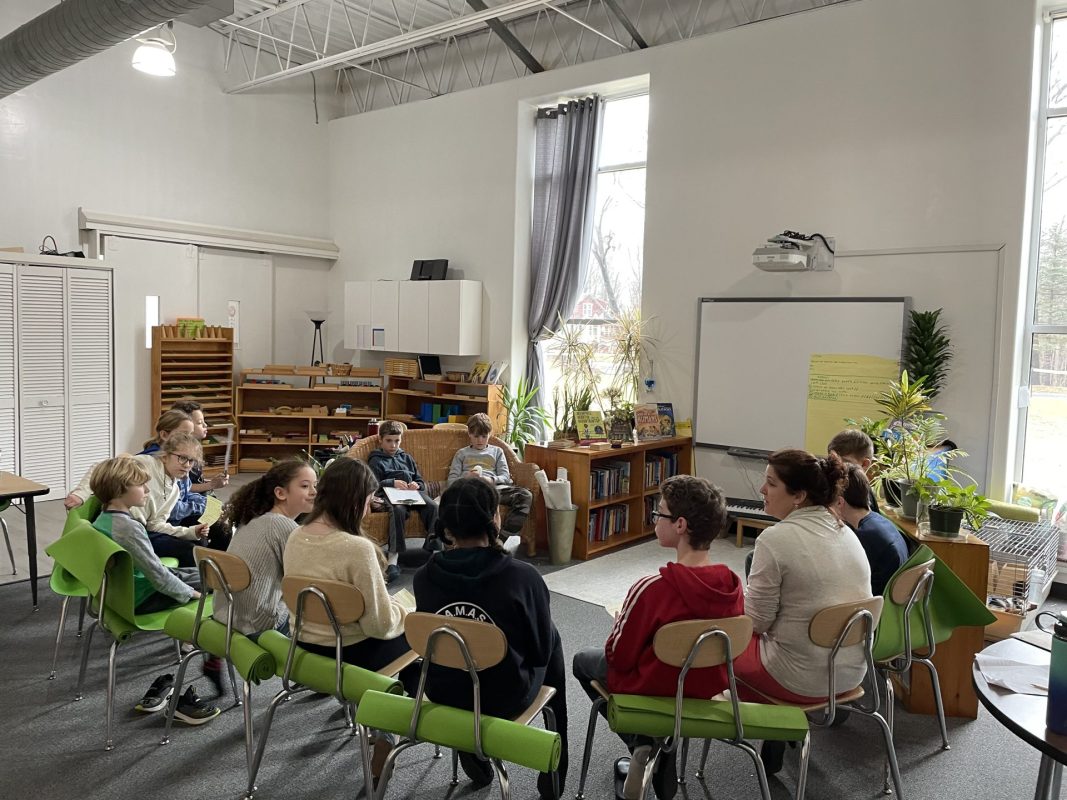
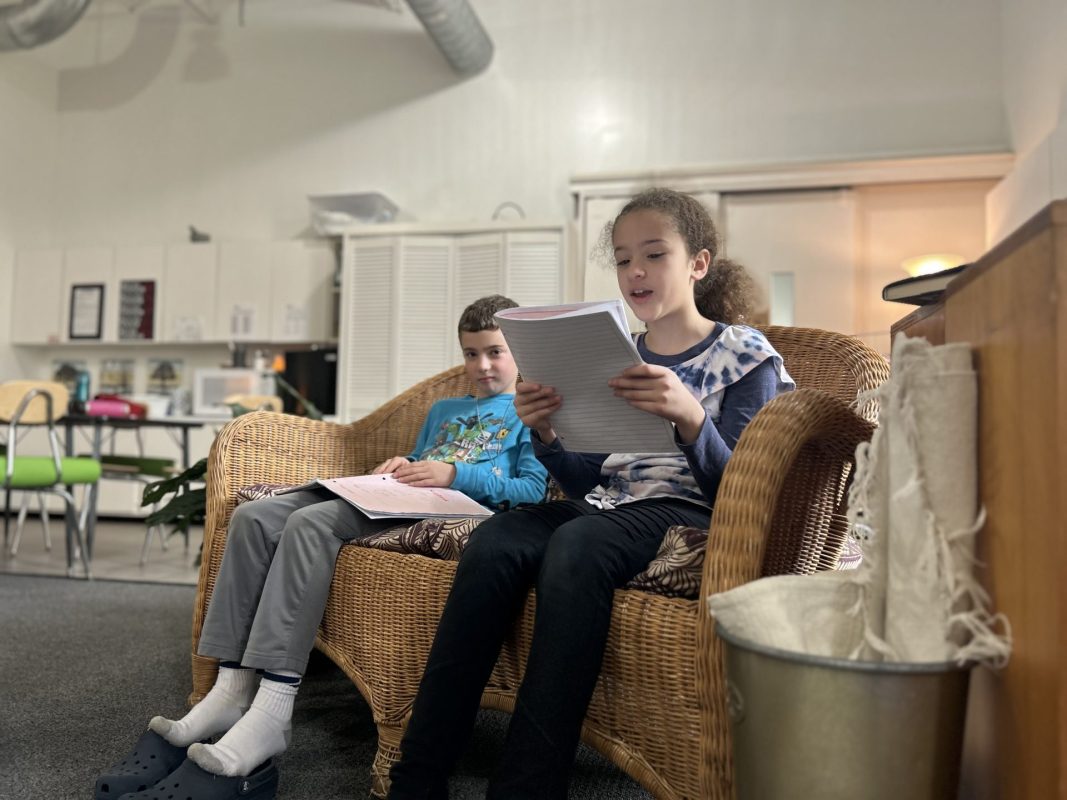
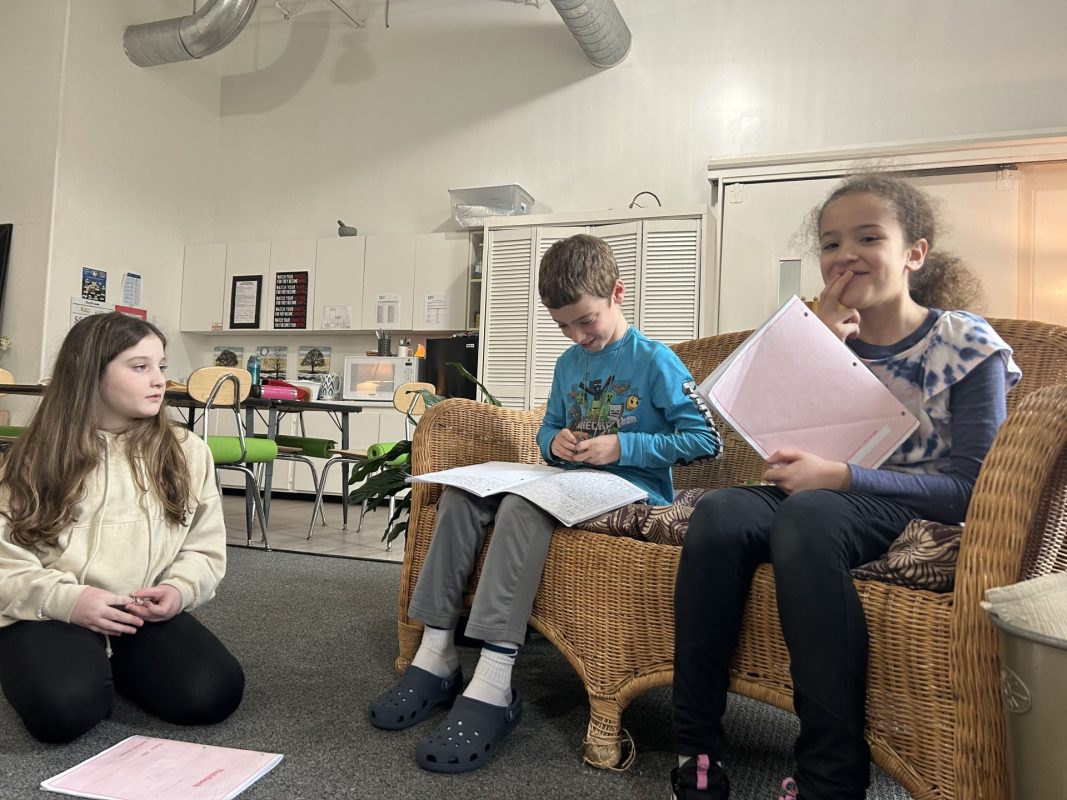
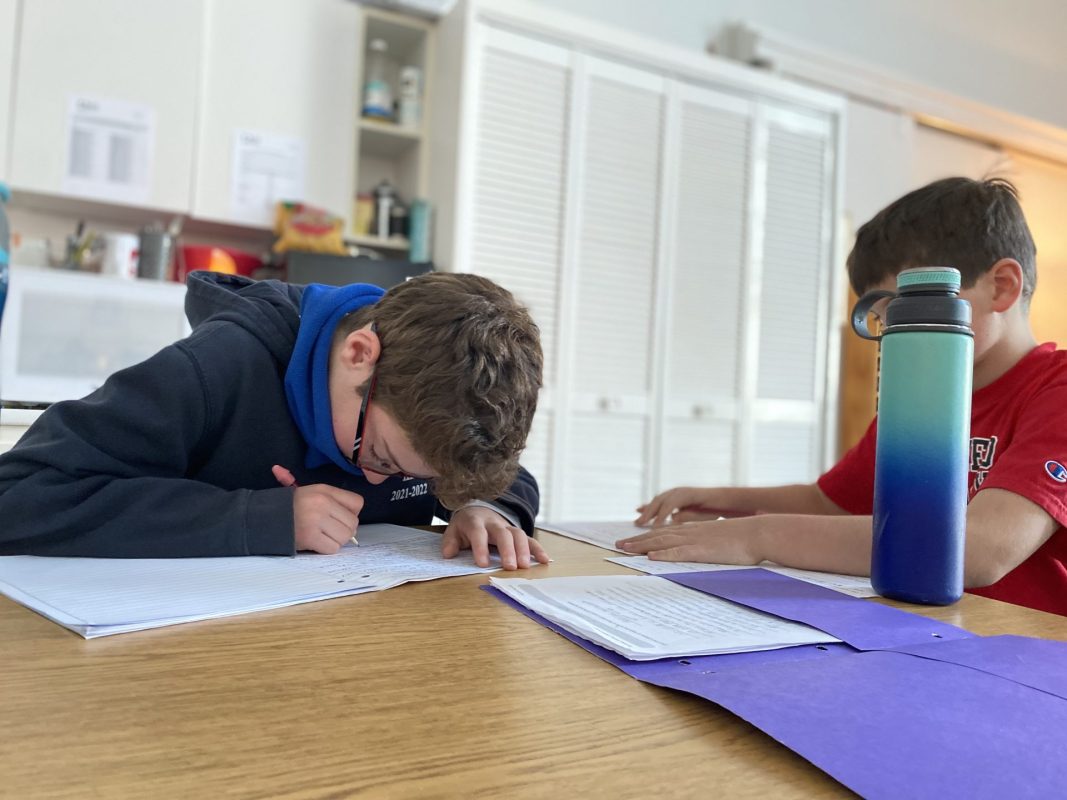
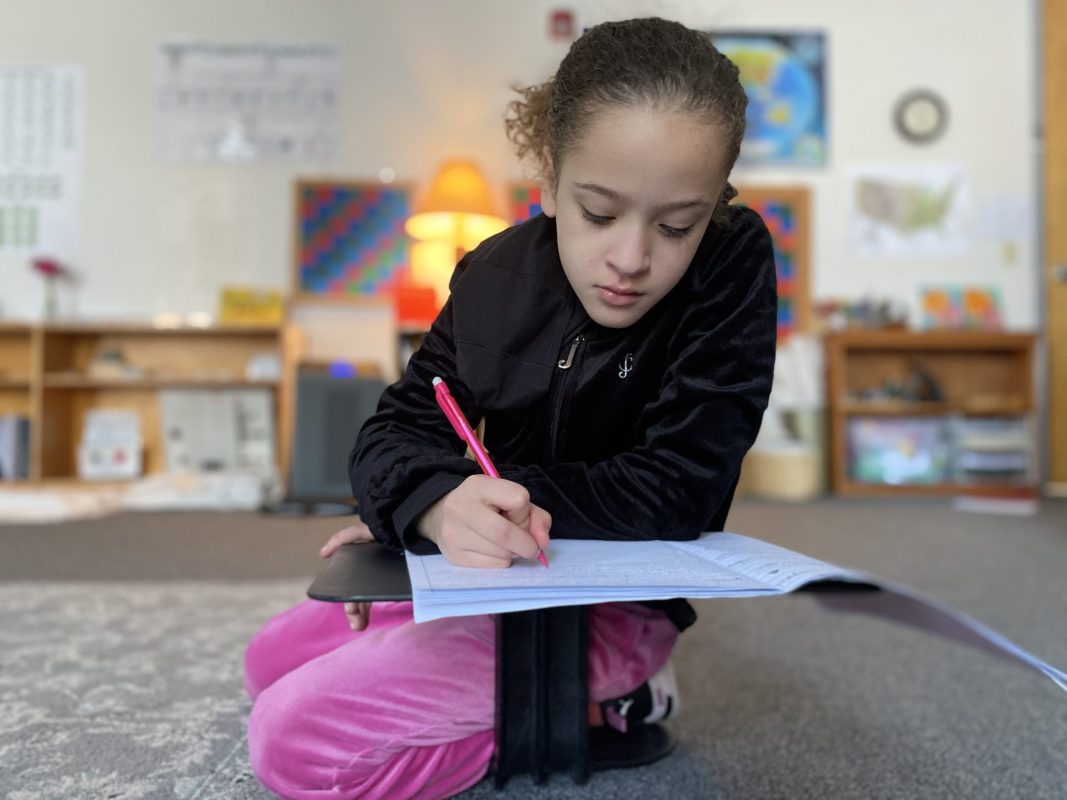
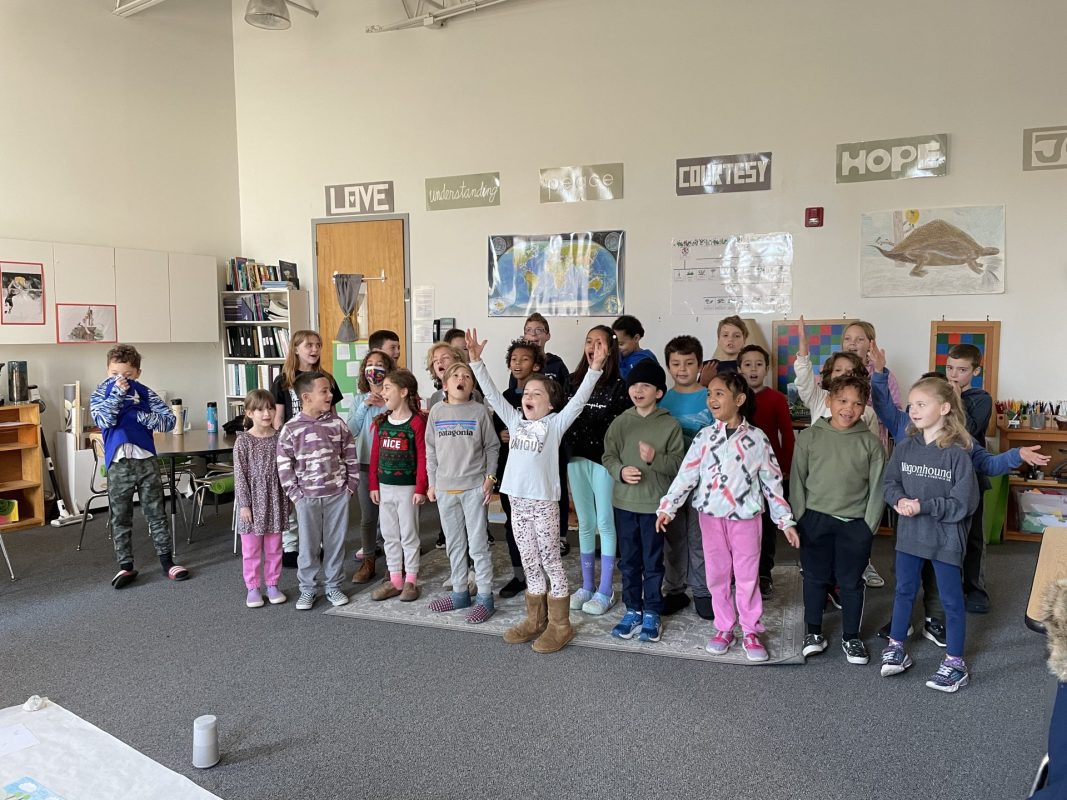
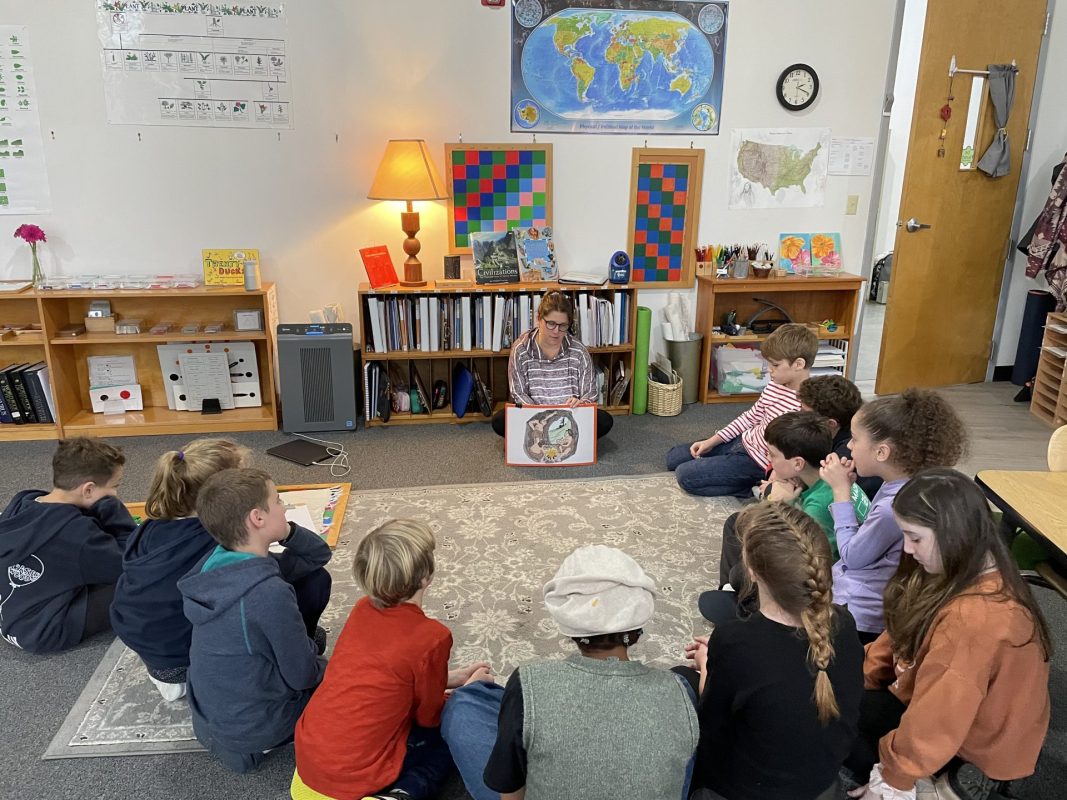
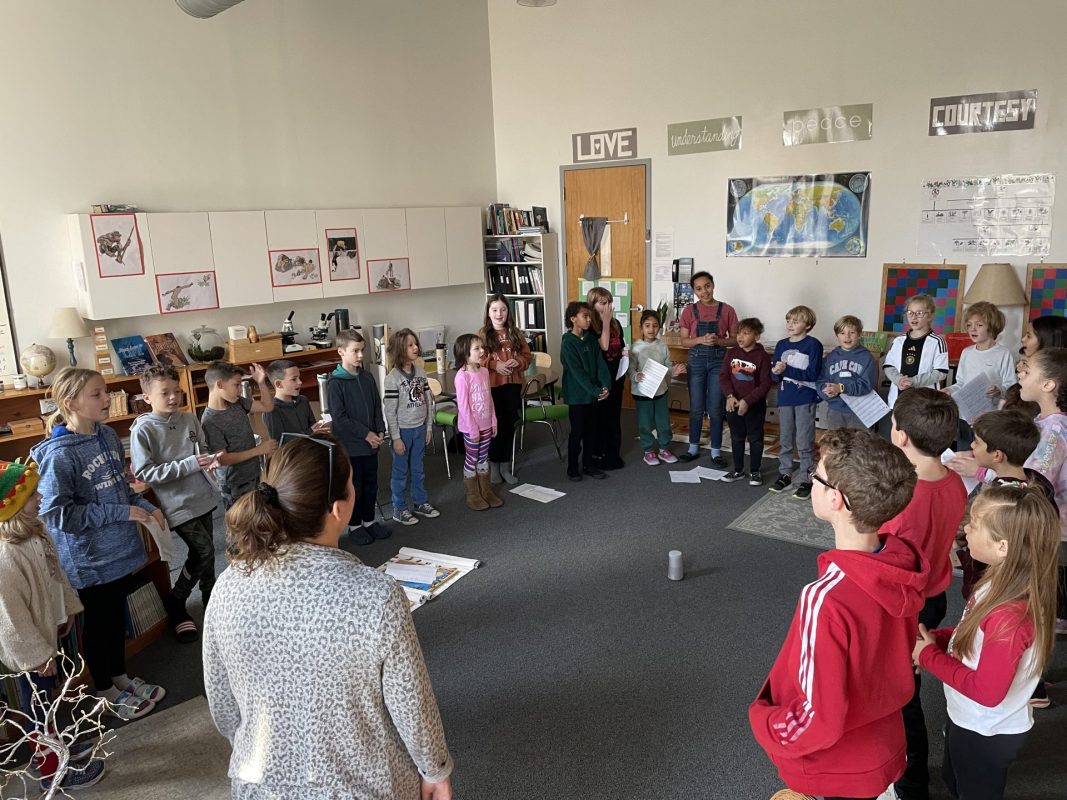
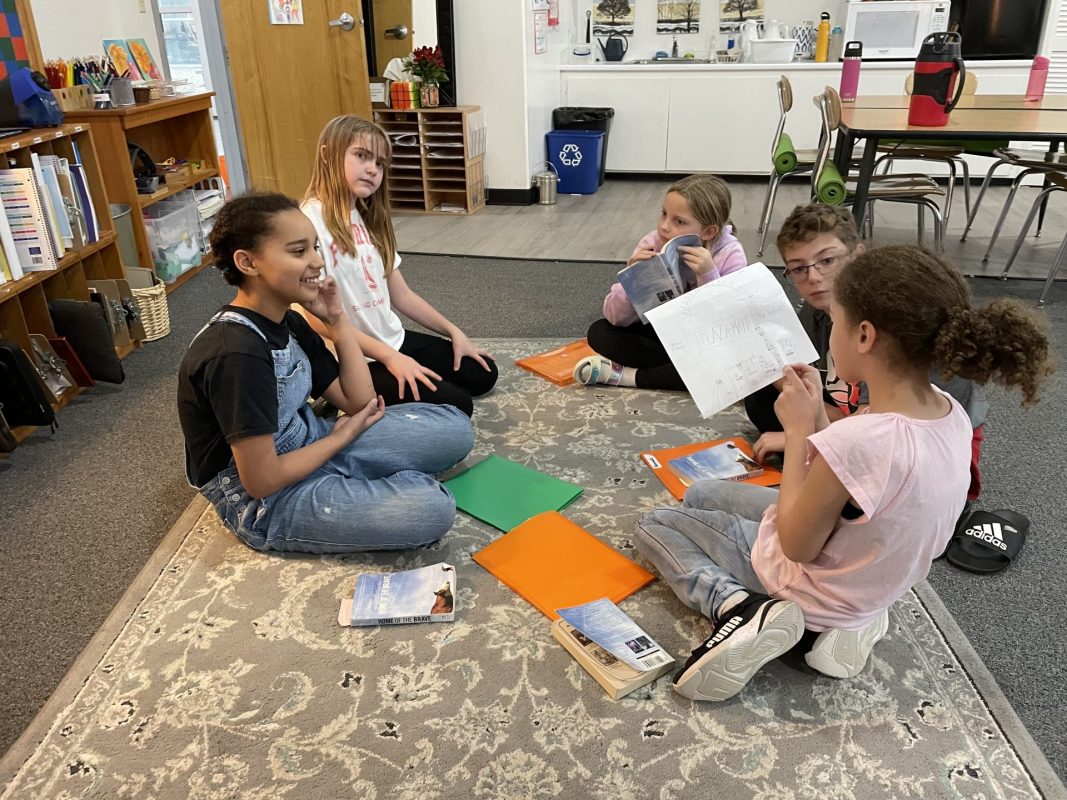
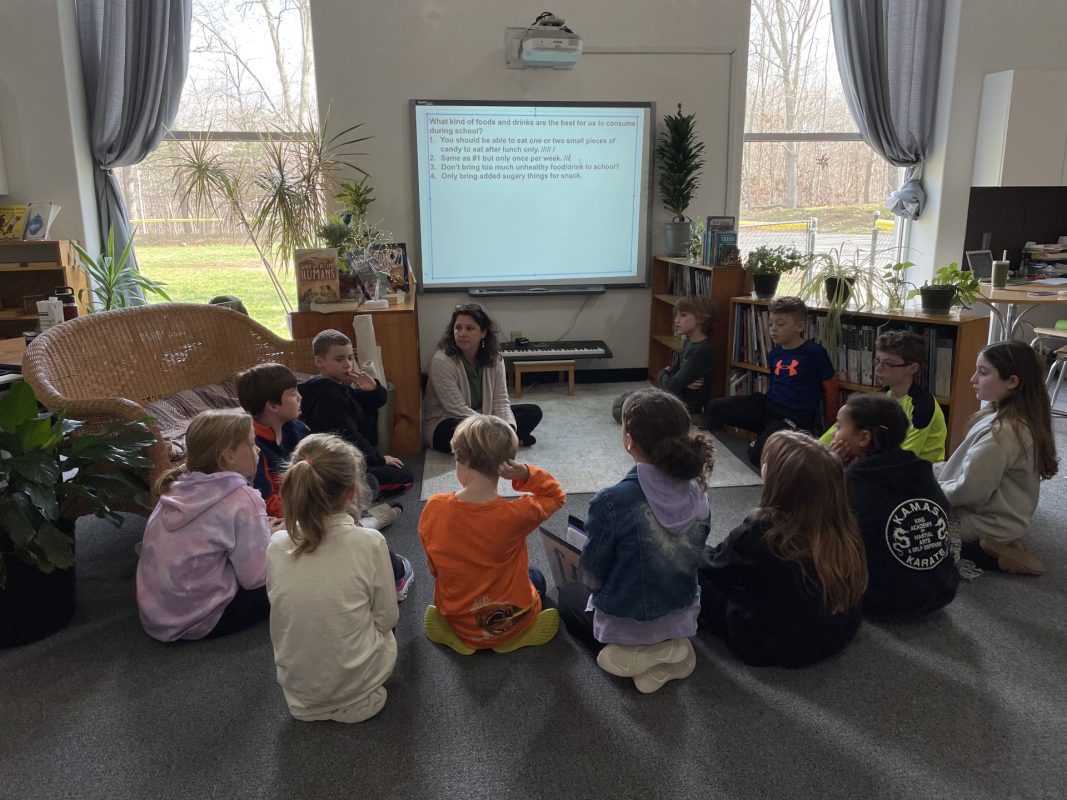
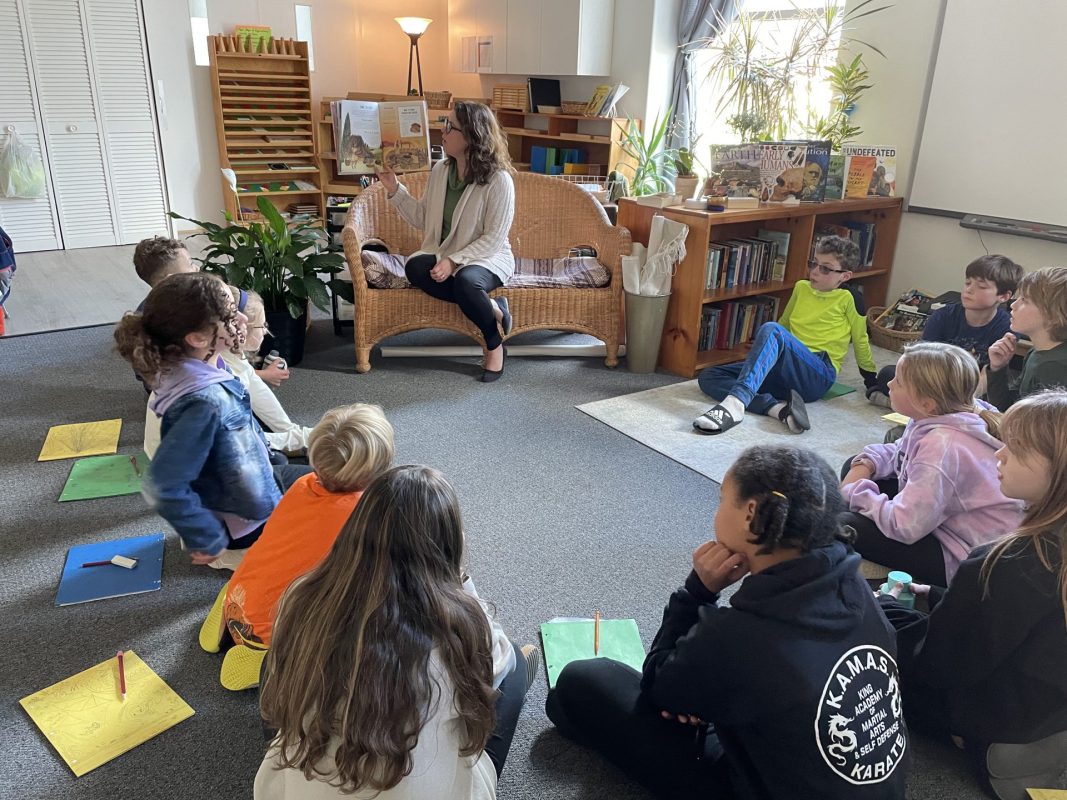
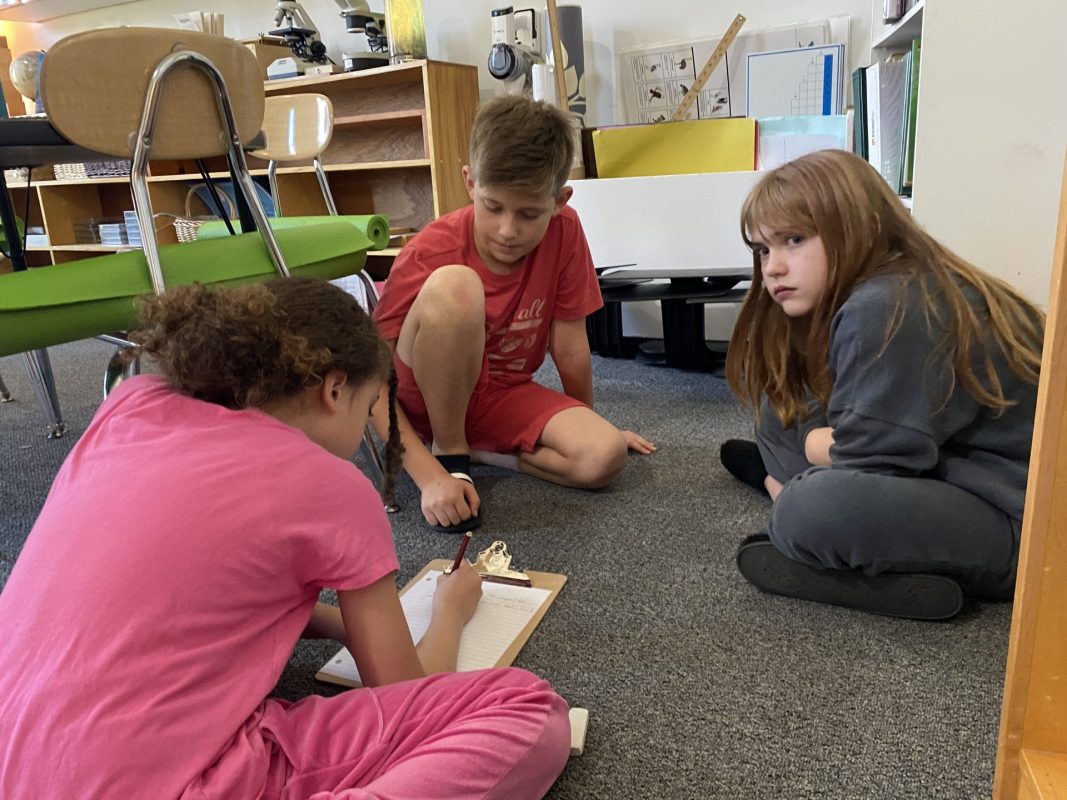
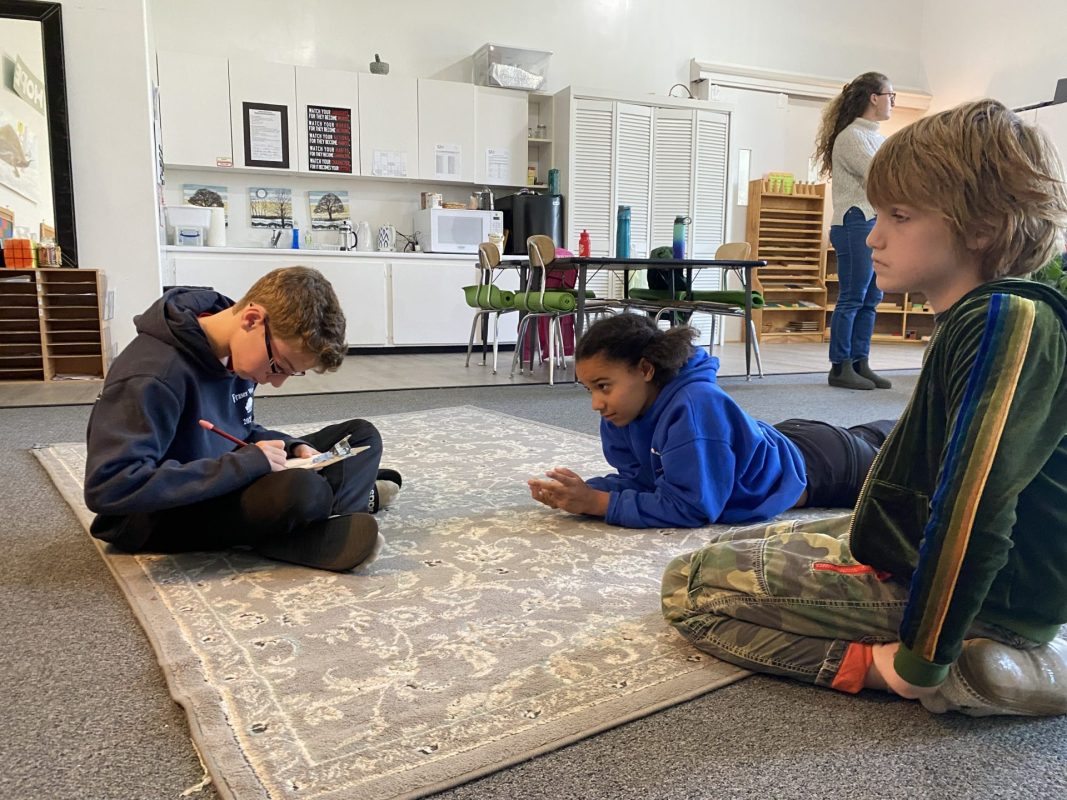
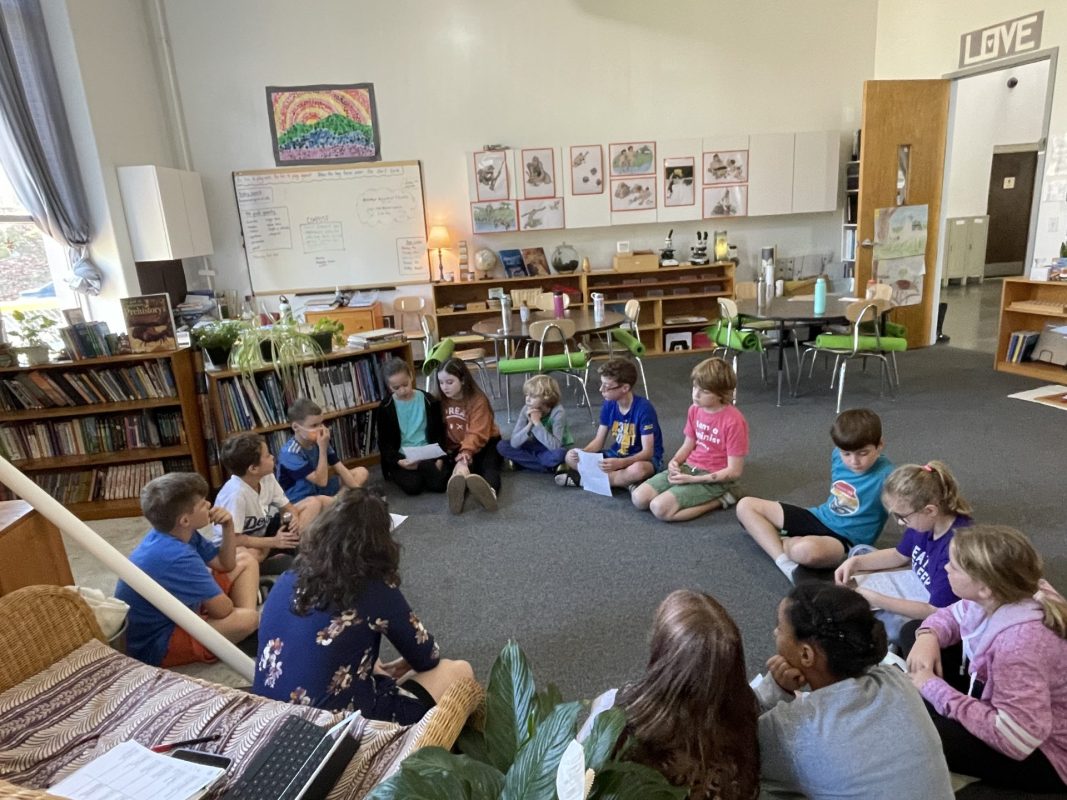
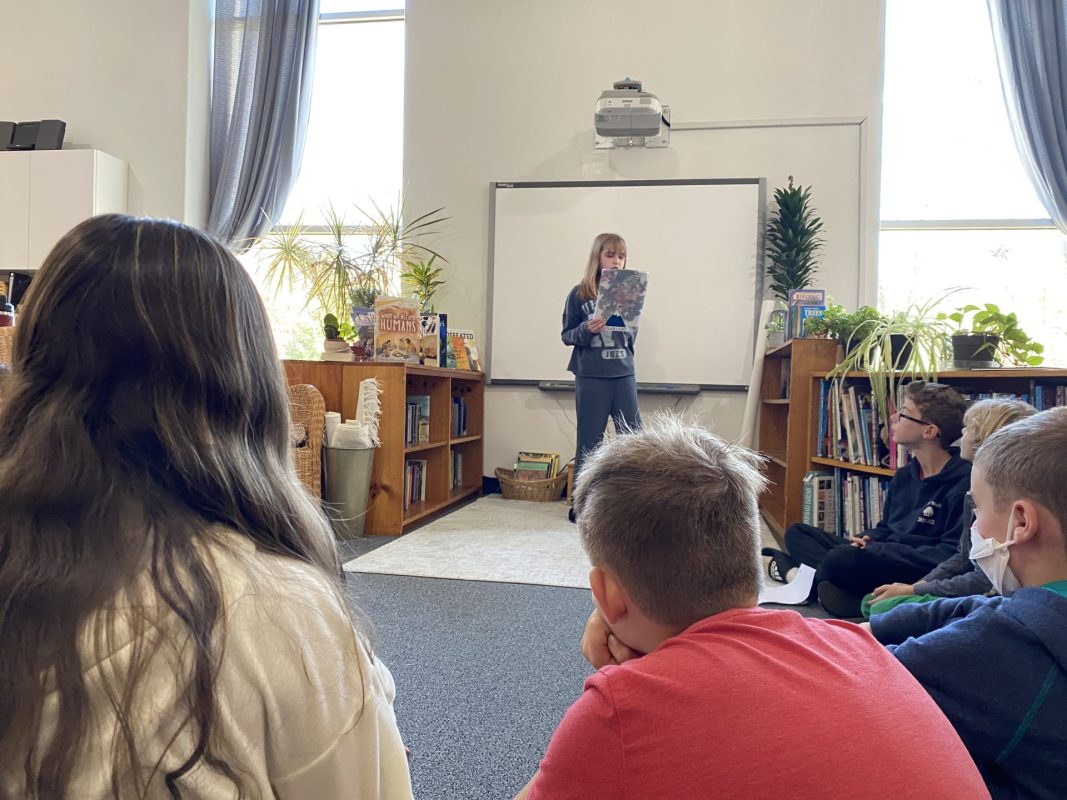
Fifth grade presenting their pronoun stories
-
-
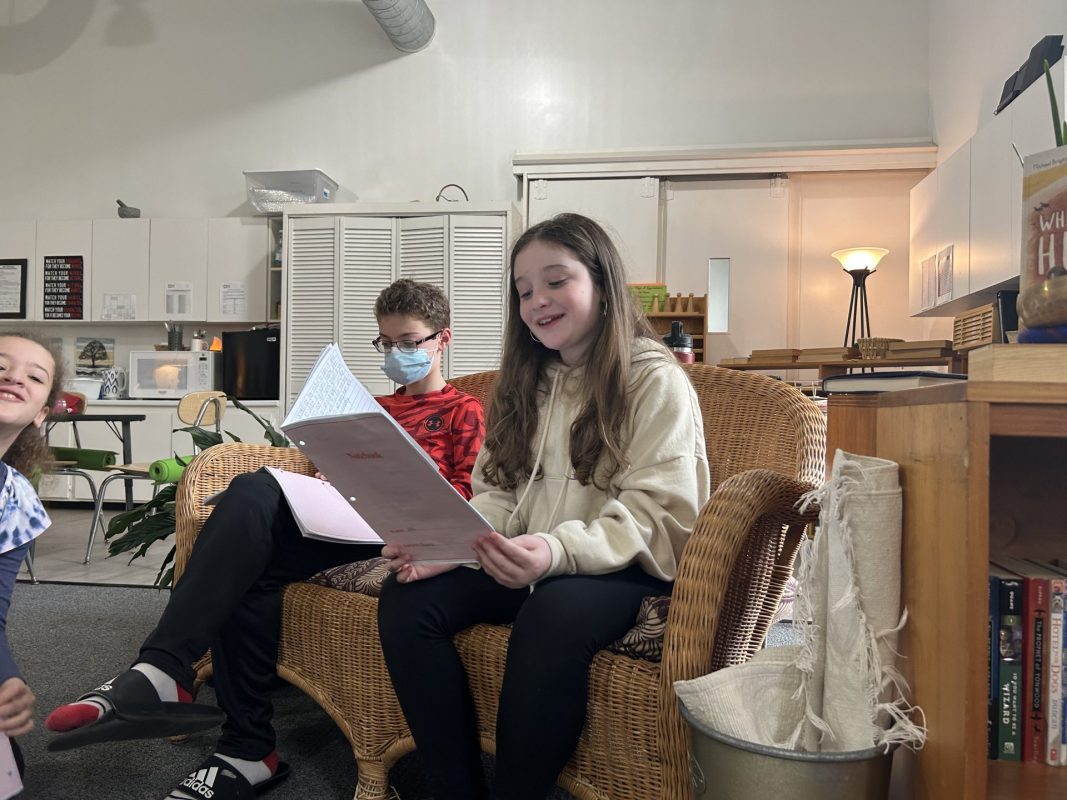
Fifth grade presenting their pronoun stories
-
-
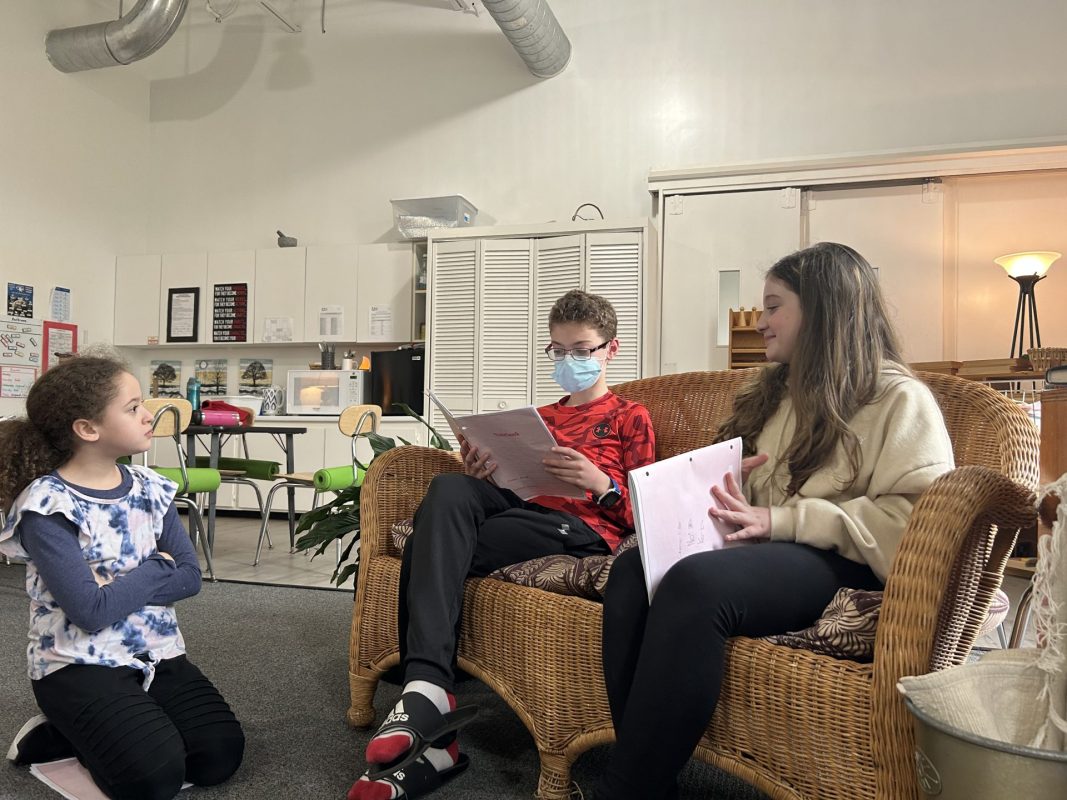
Fifth grade presenting their pronoun stories
-

-
Fifth grade presenting their pronoun stories
-

-
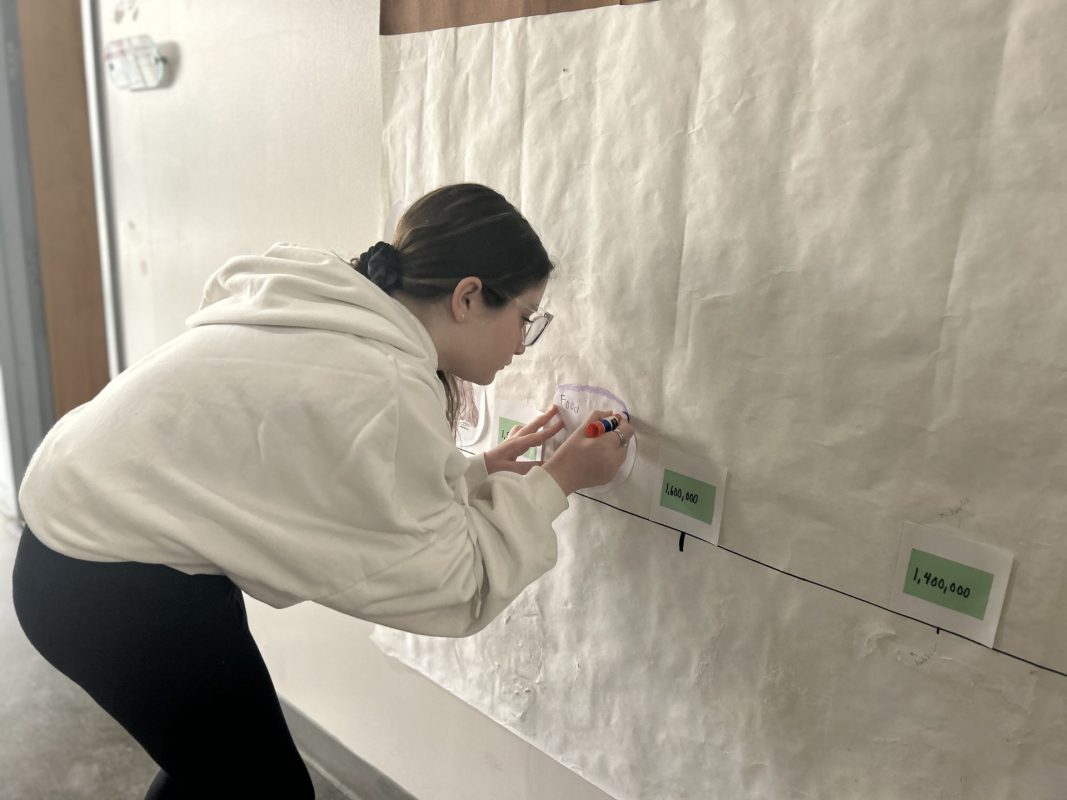
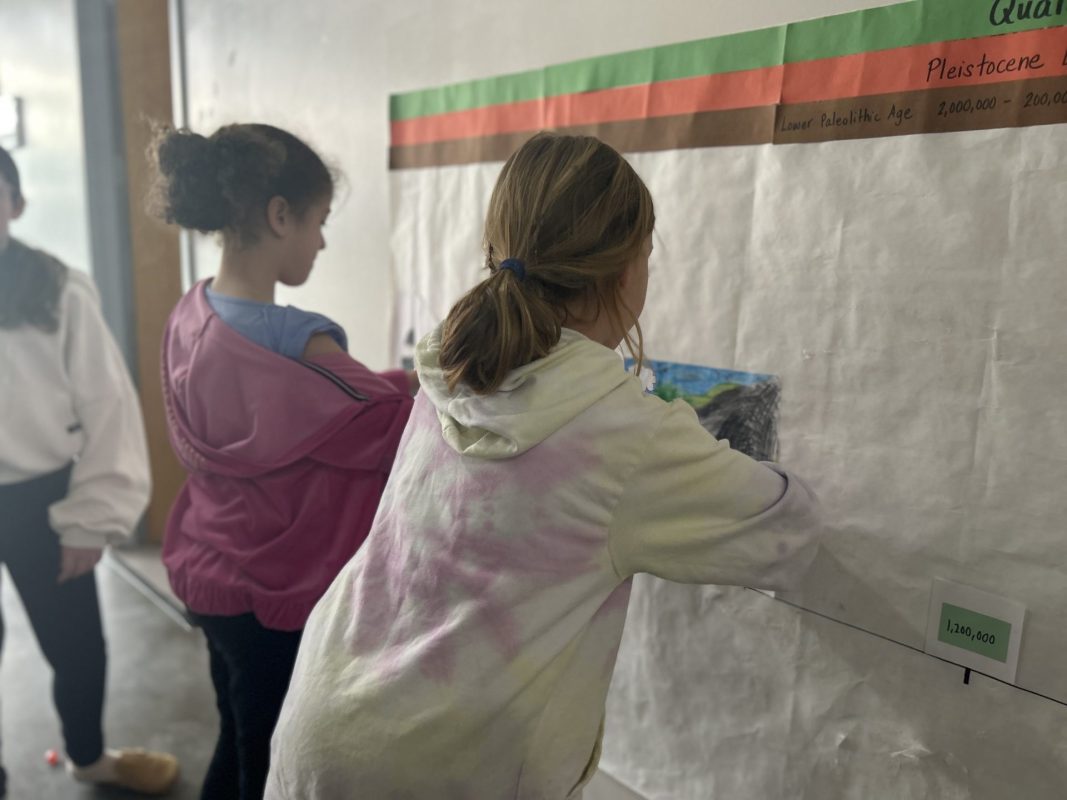
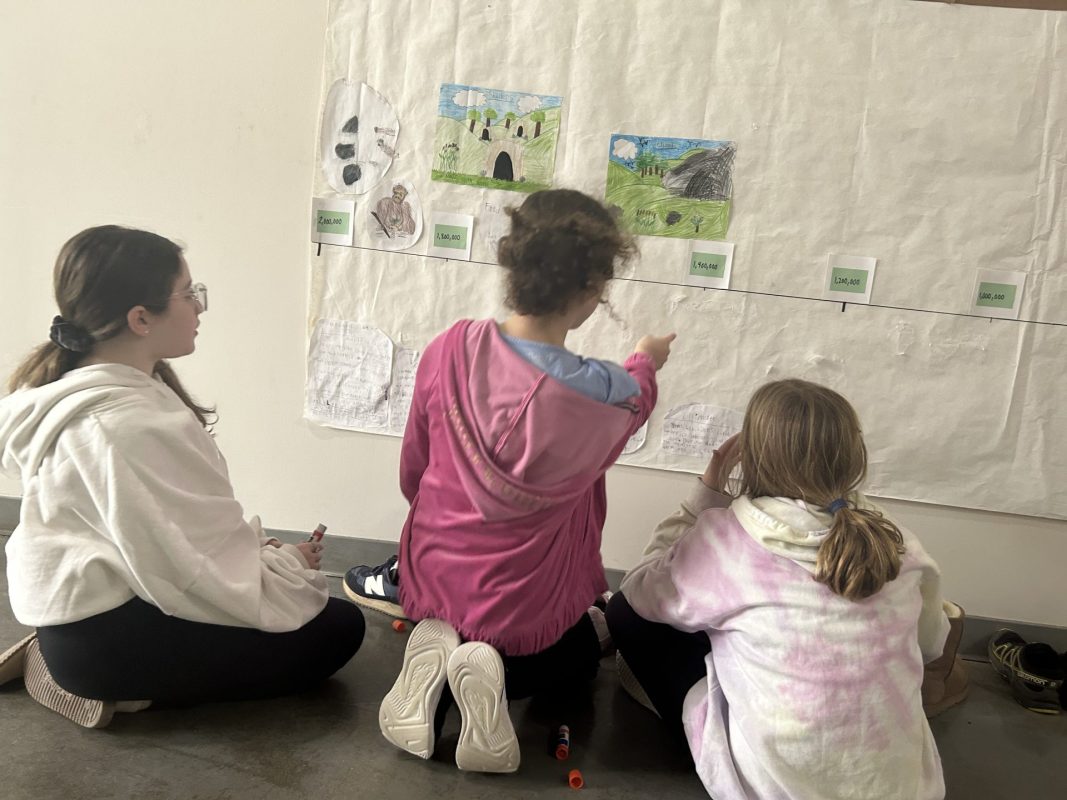
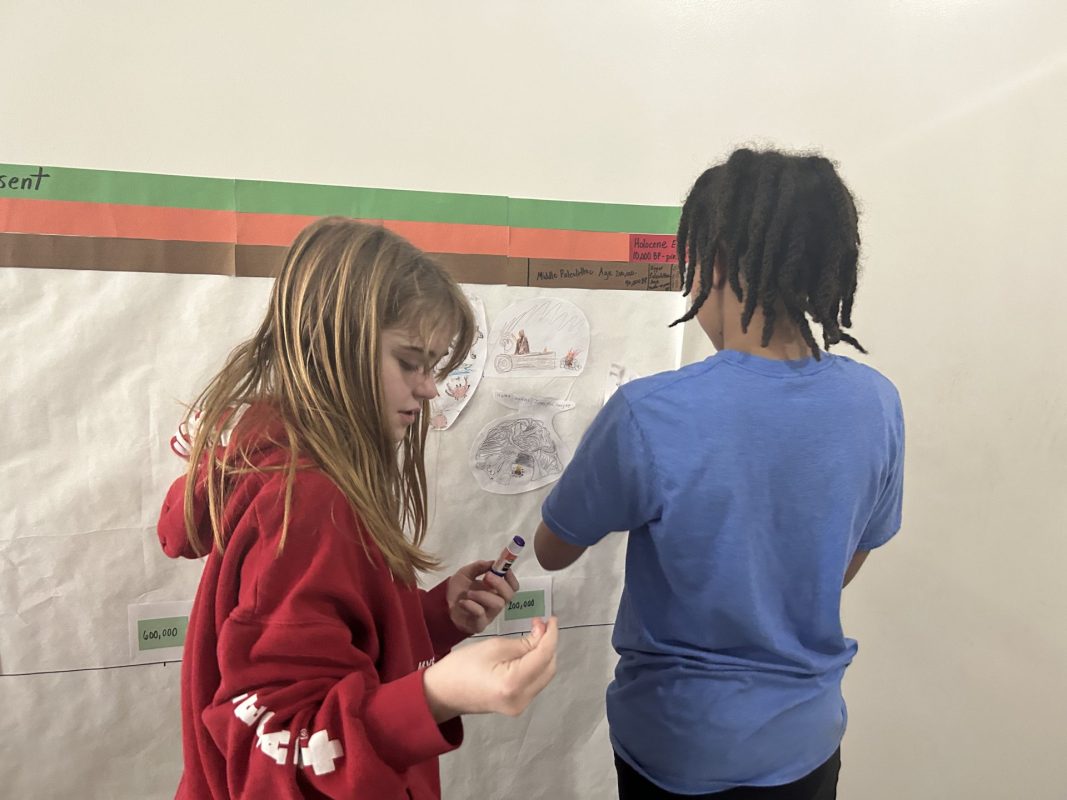
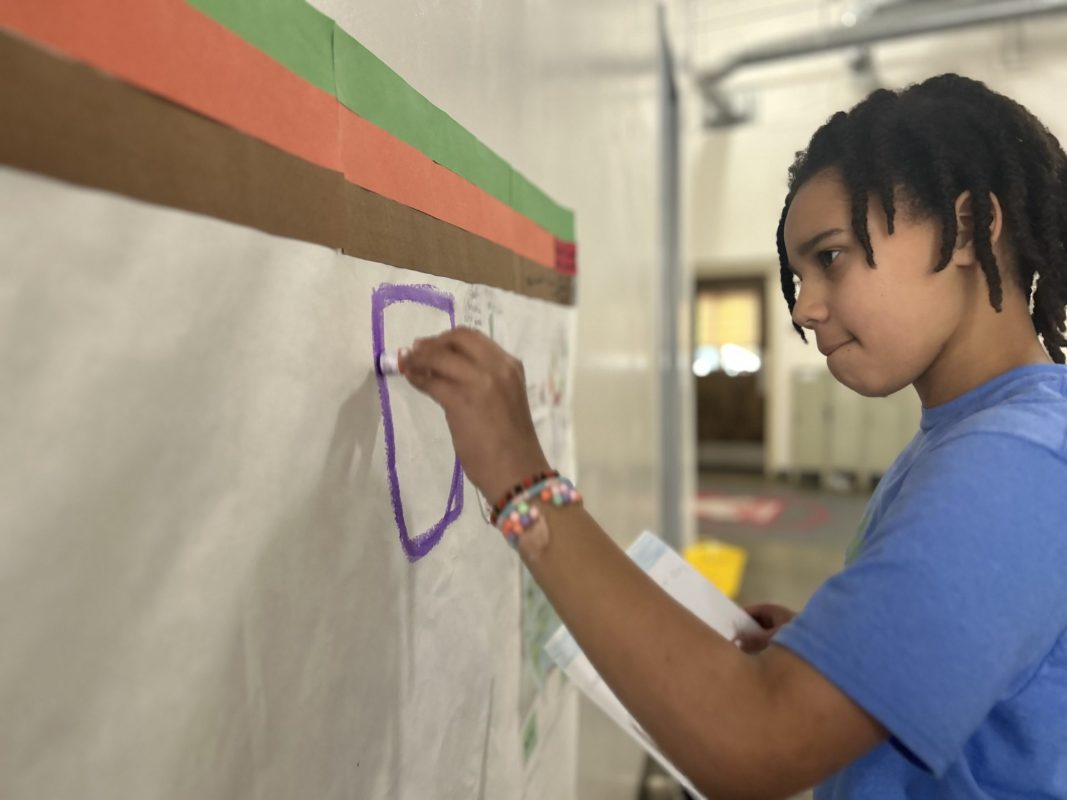
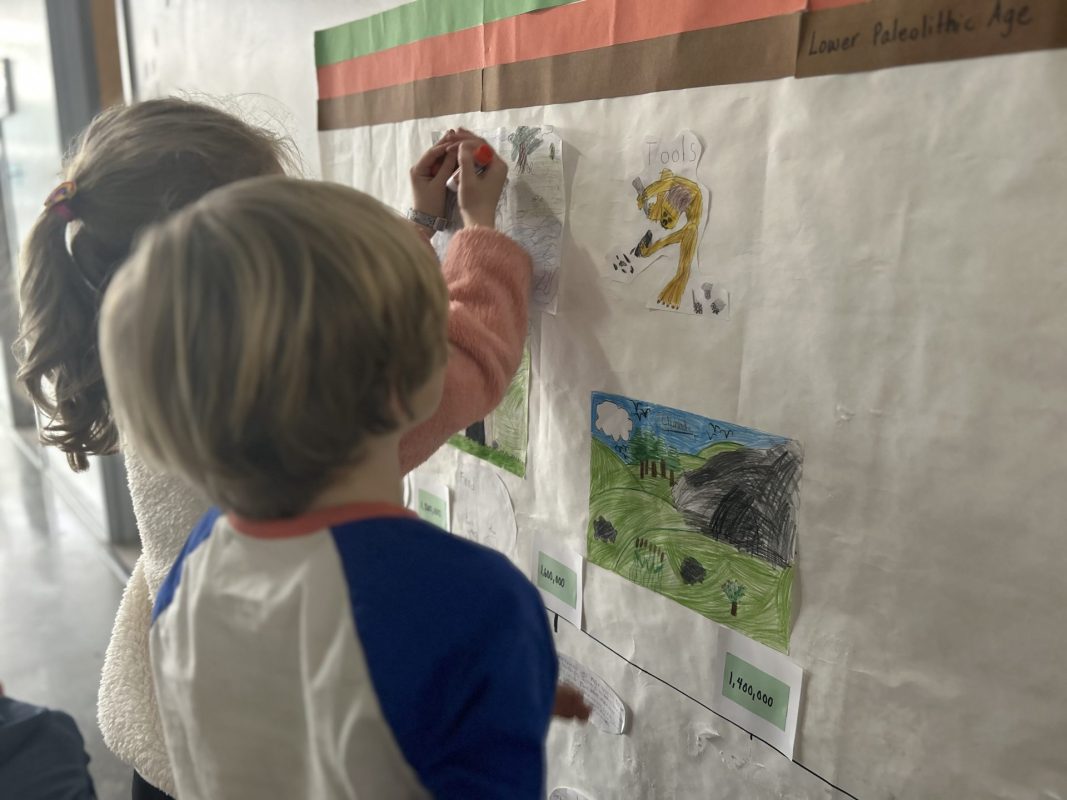
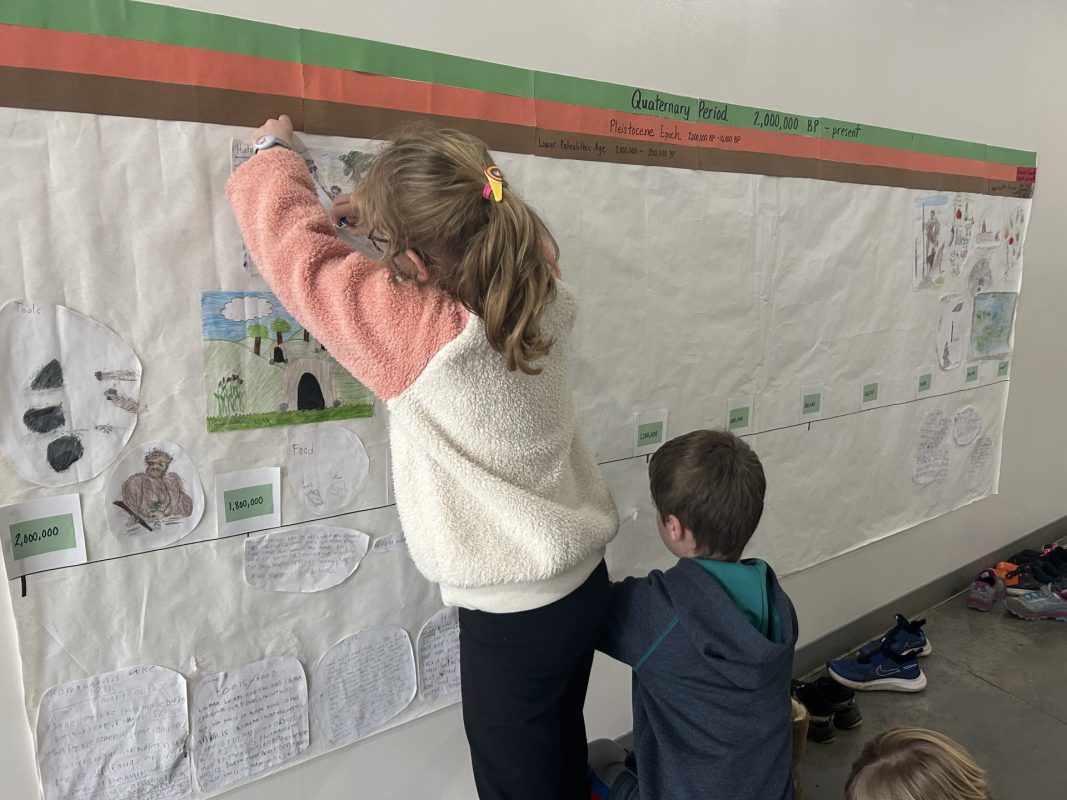
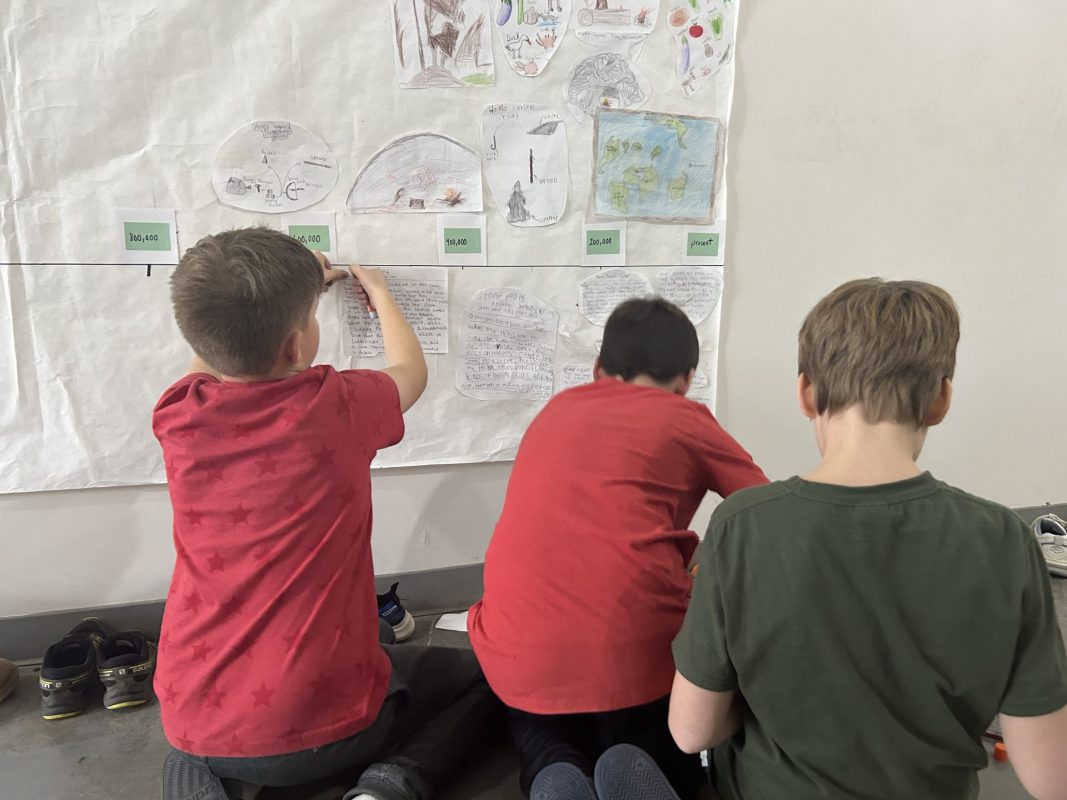
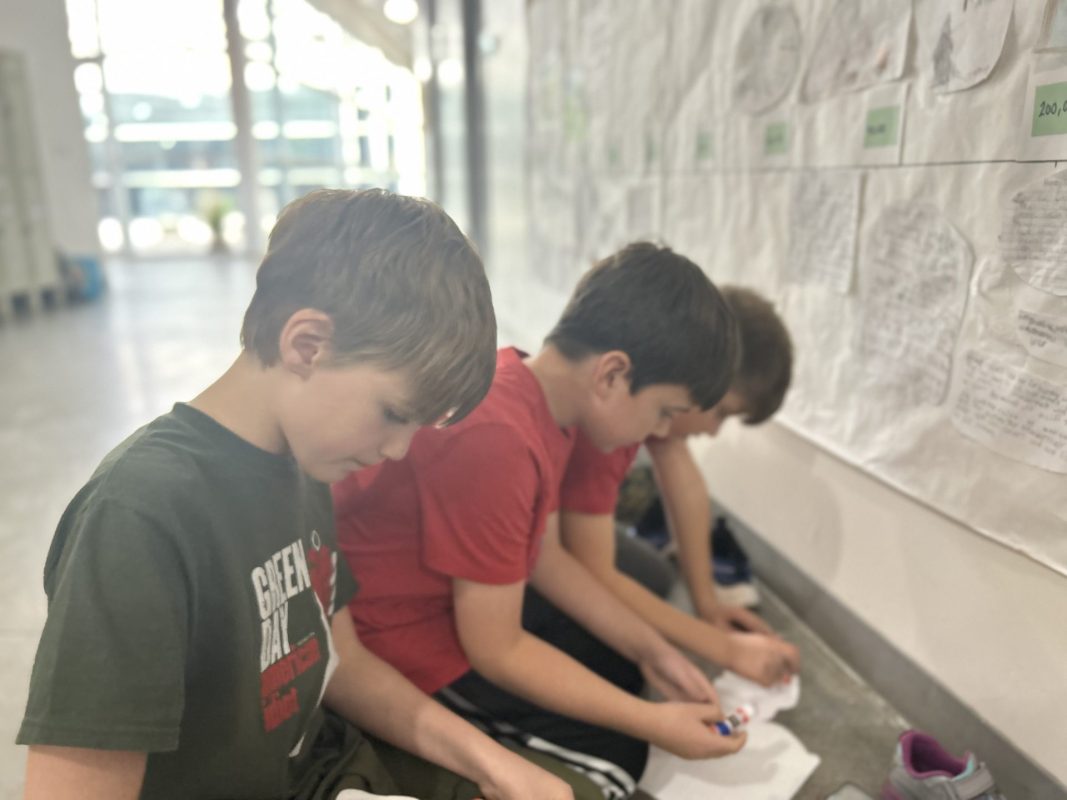
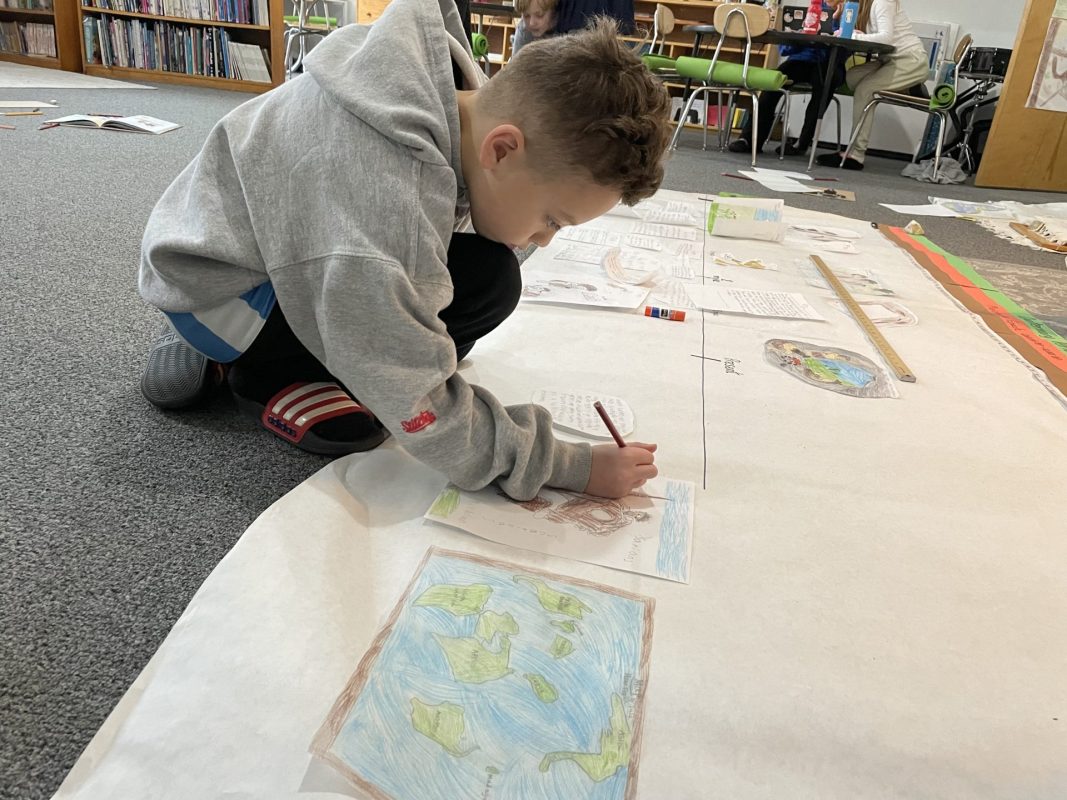
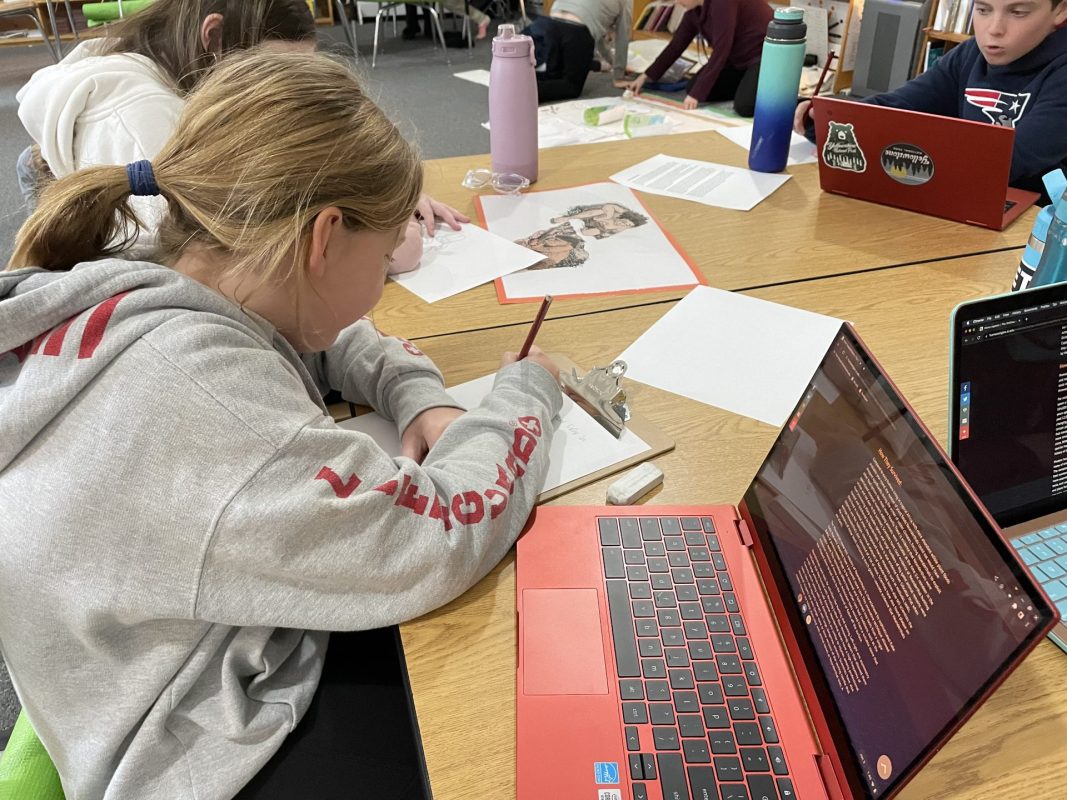
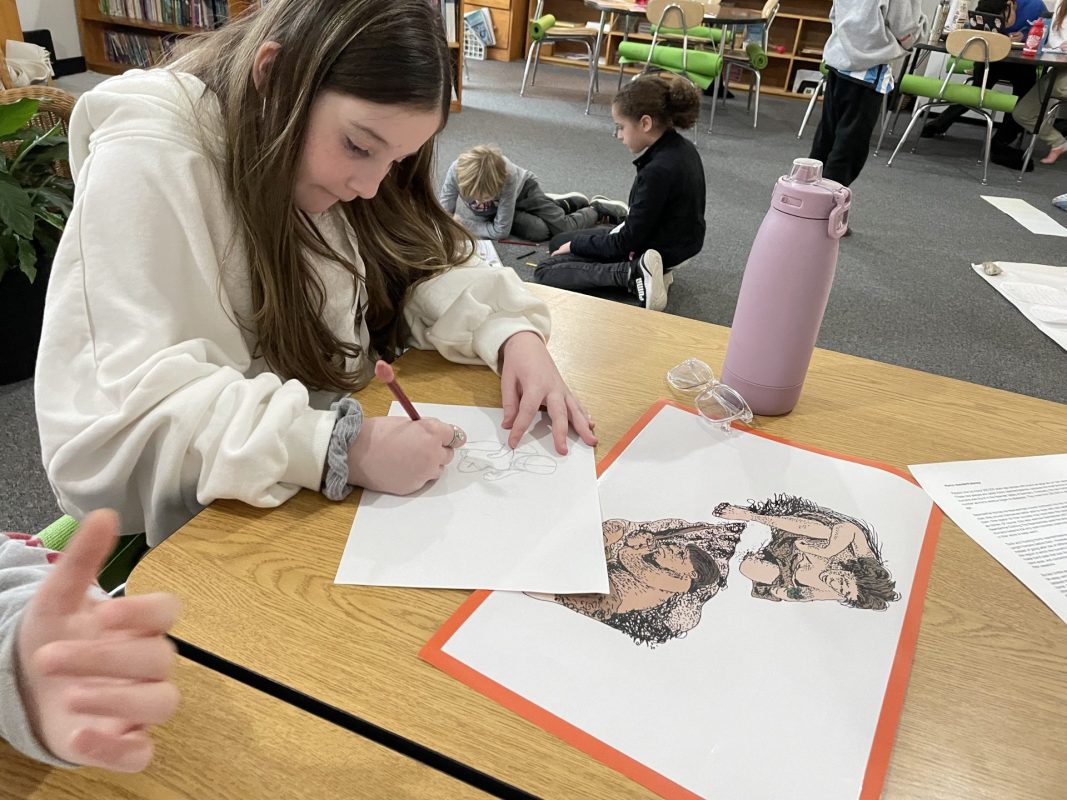
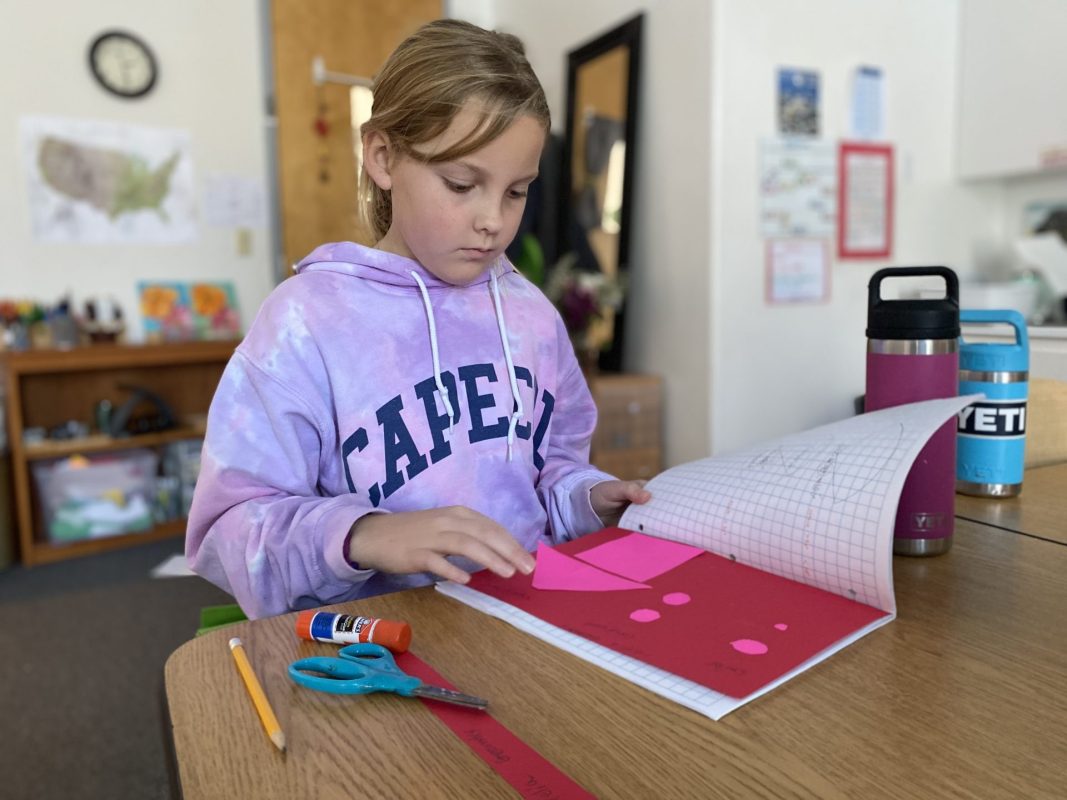
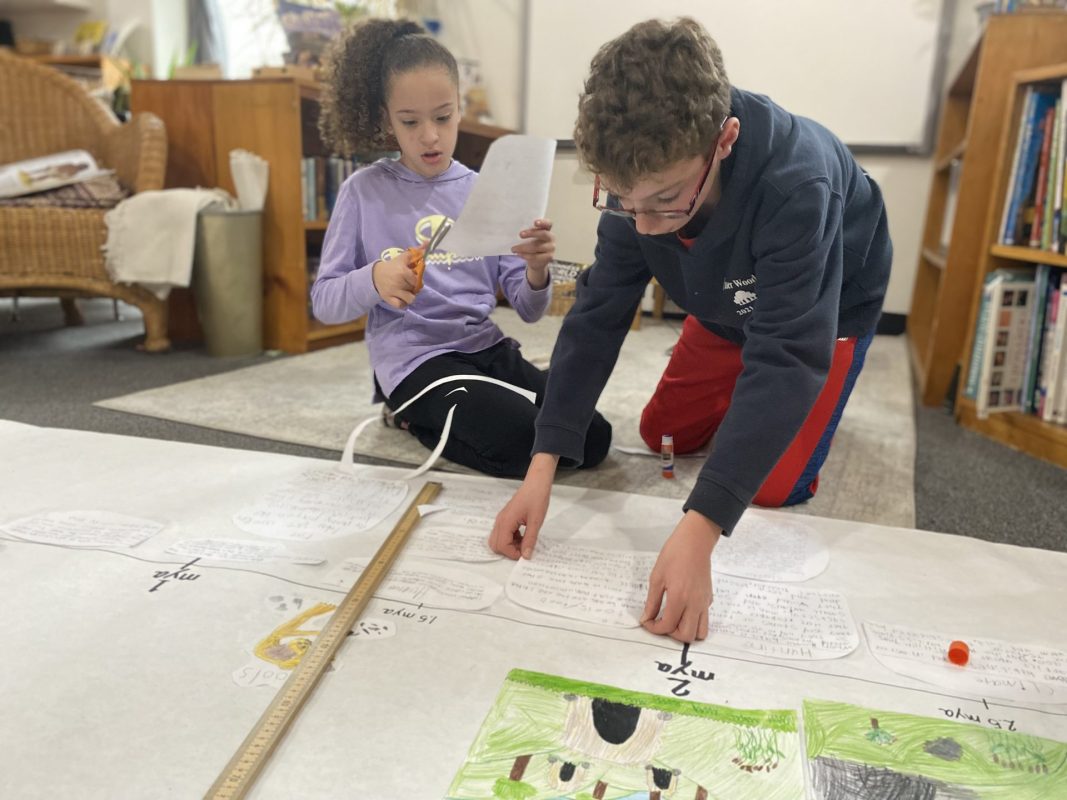
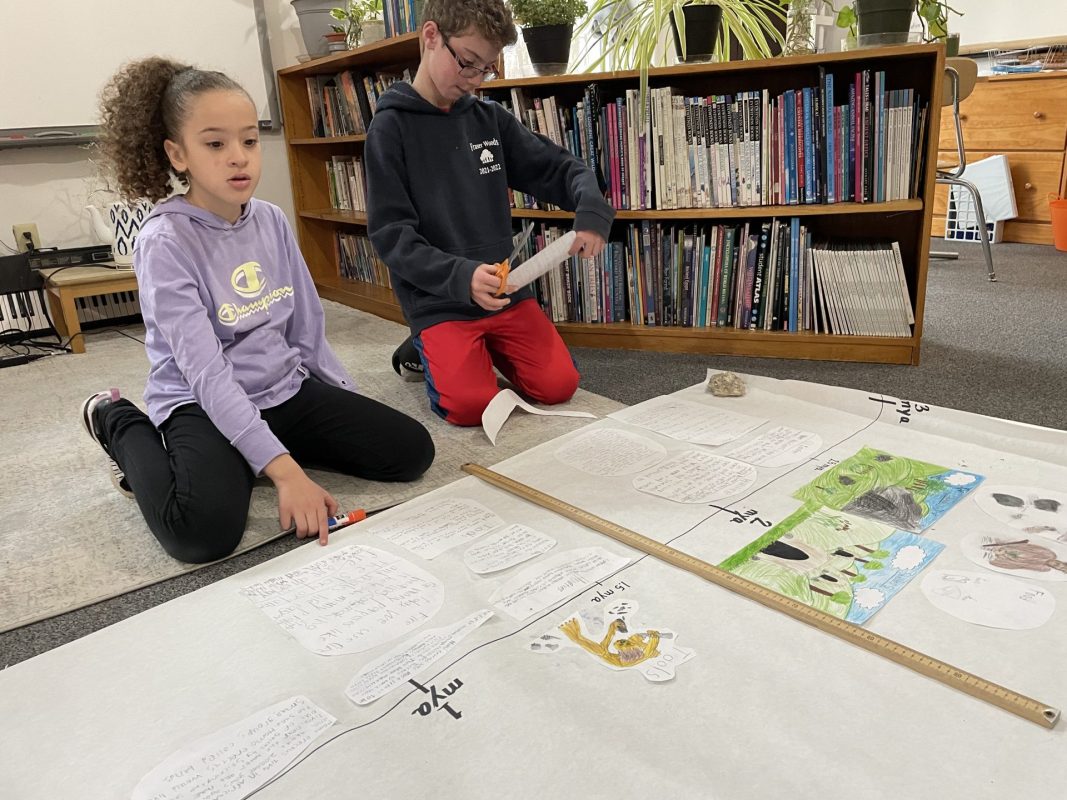
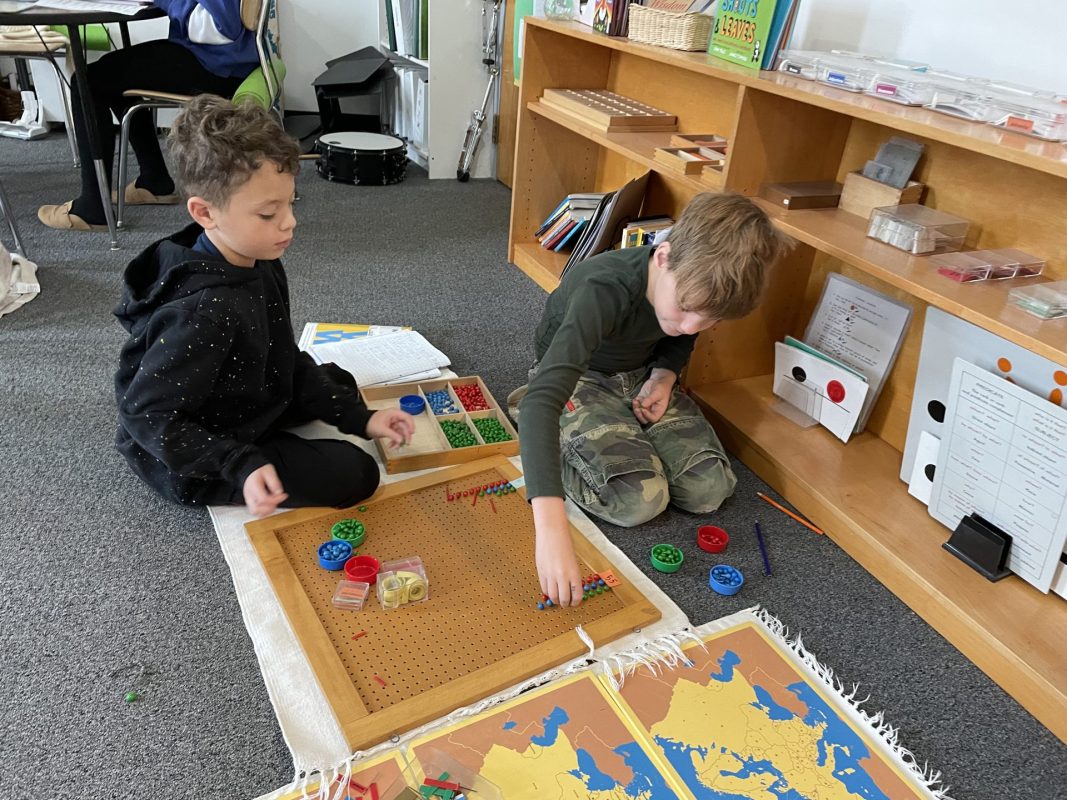
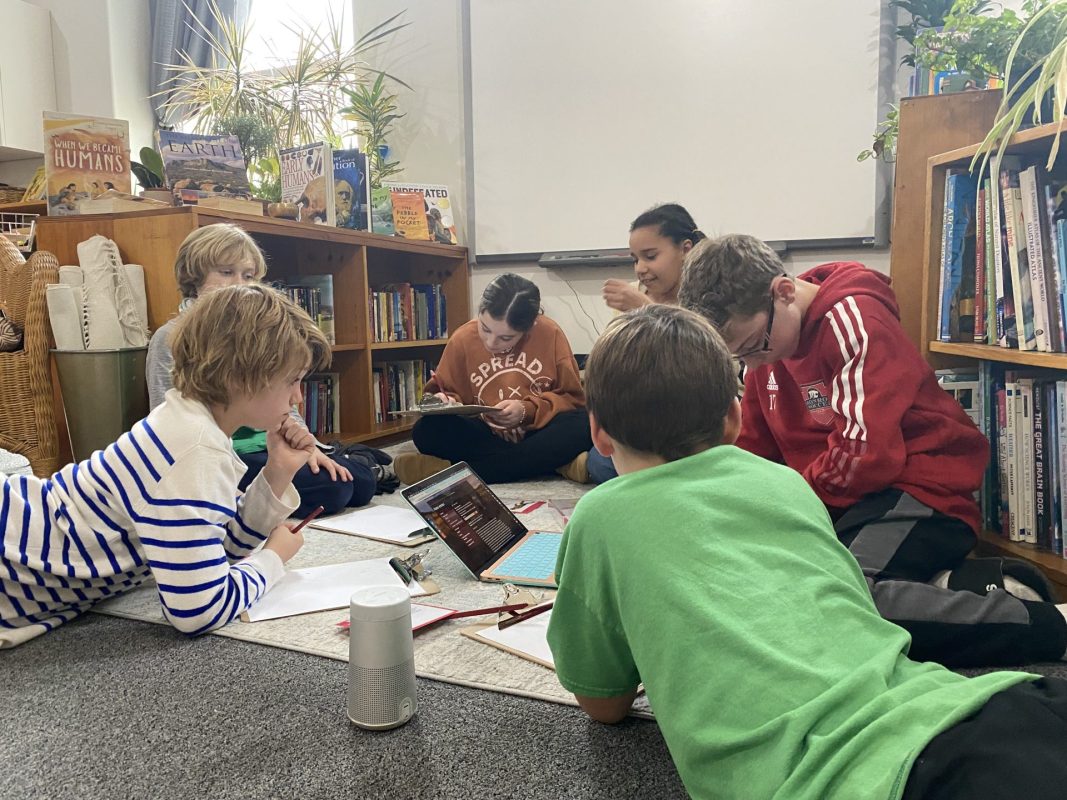
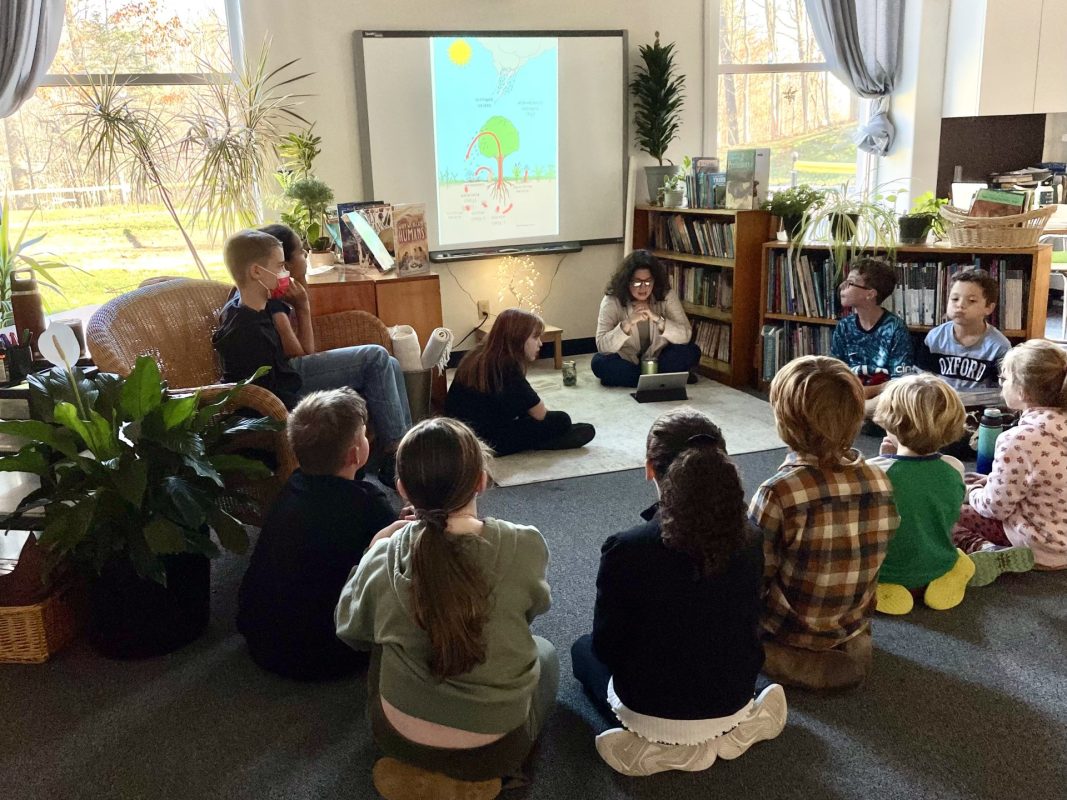
Creating our class timeline of humans
-
-
Creating our class timeline of humans
-

-
CreatinCreating our class timeline of humansg our class timeline of humans.
-

-
Creating our class timeline of humans
-

-
Creating our class timeline of humans
-
-
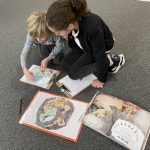
Creating our class timeline of humans.
-

-
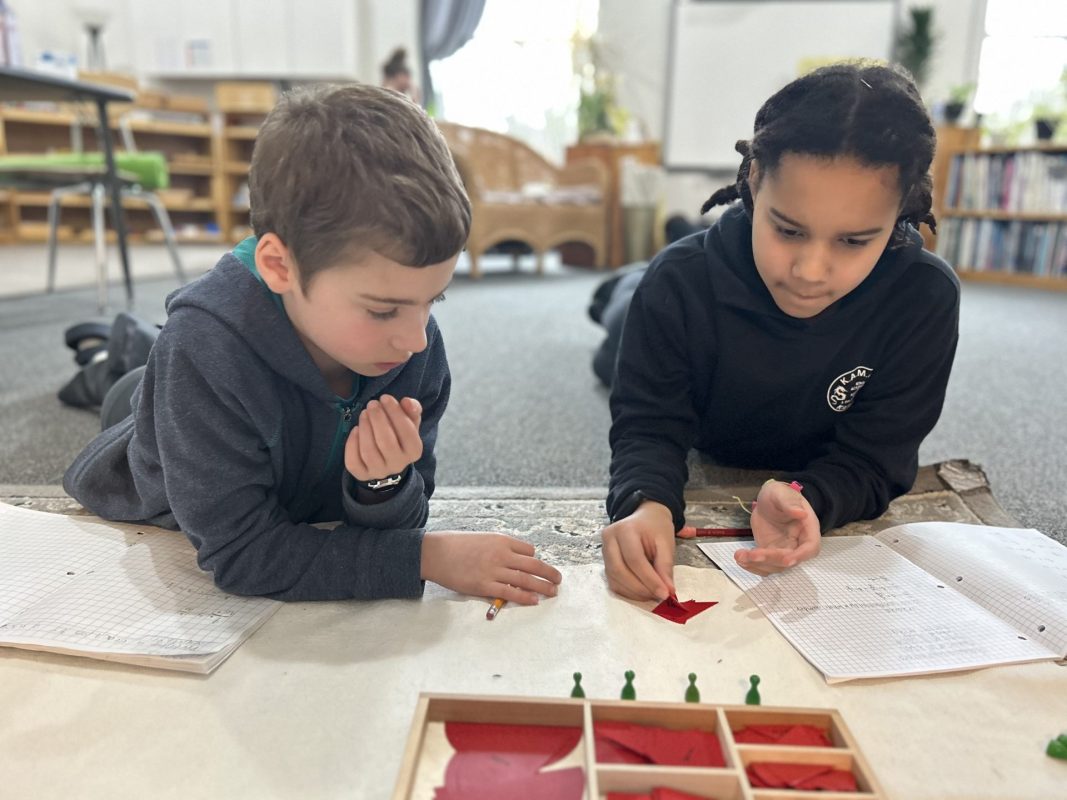
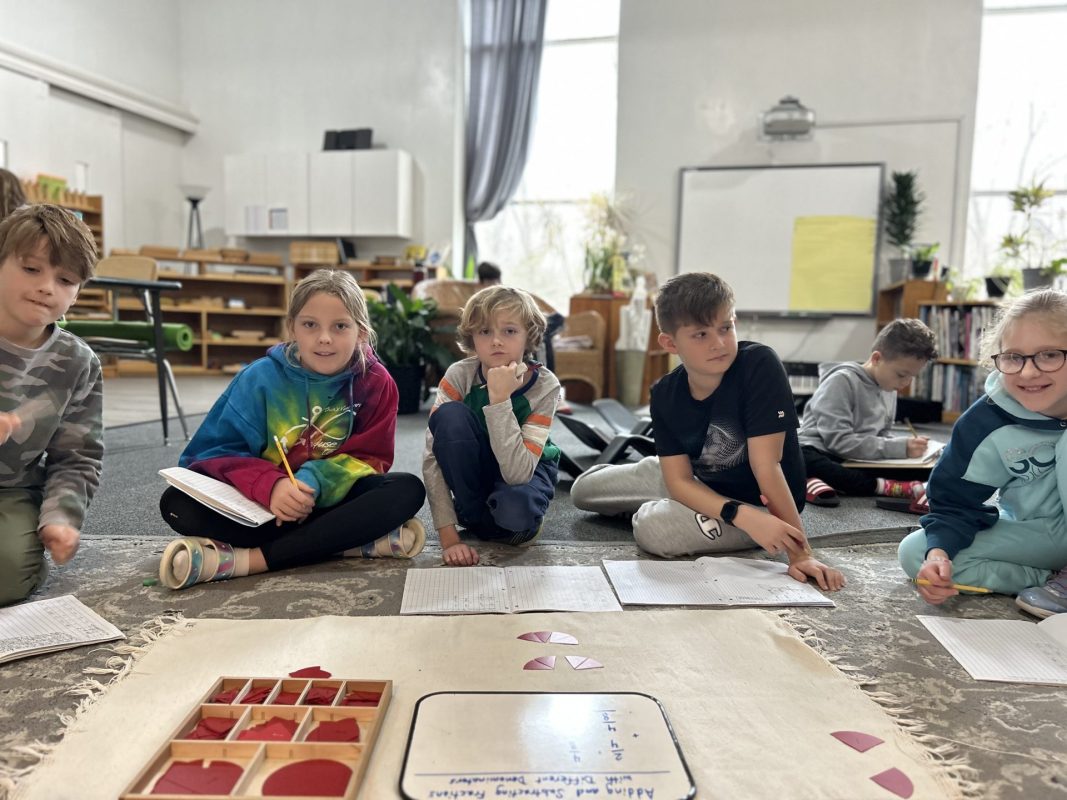
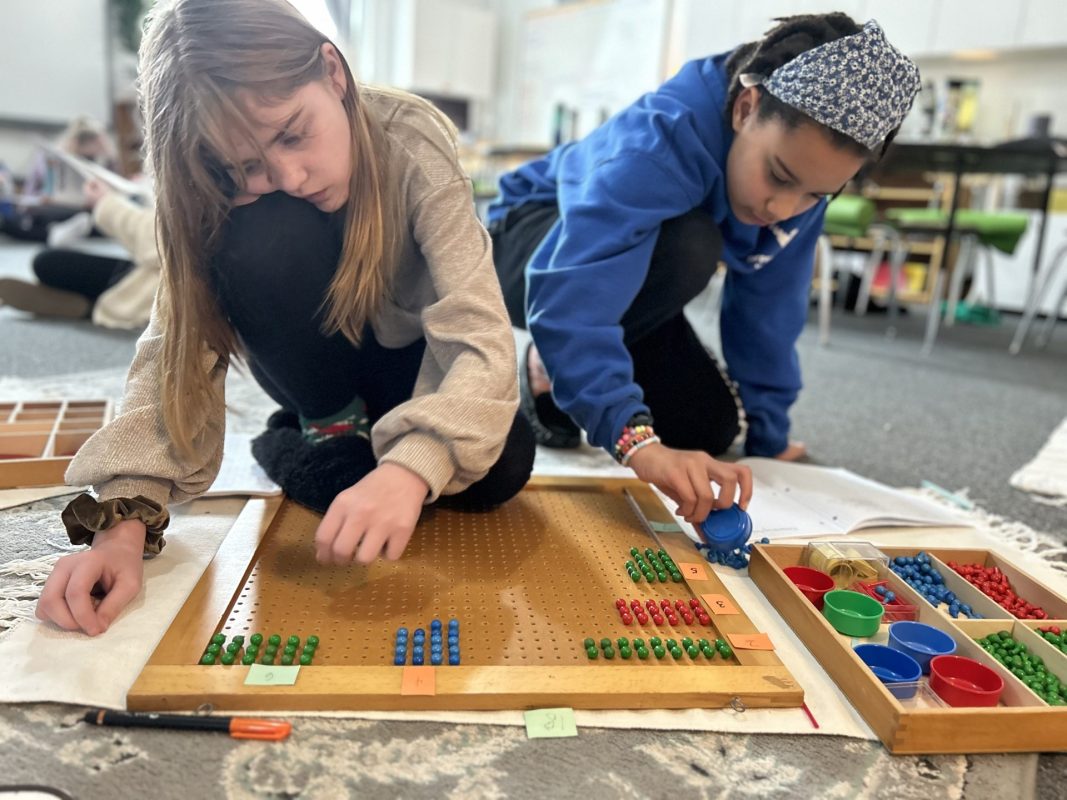
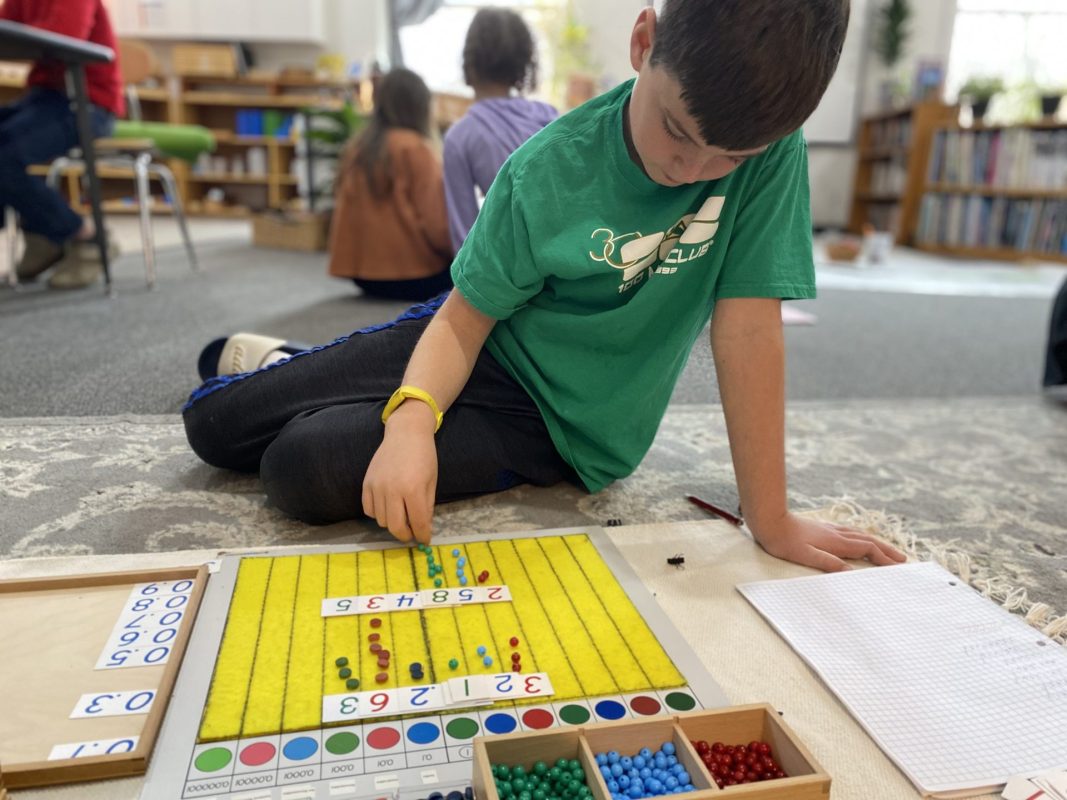
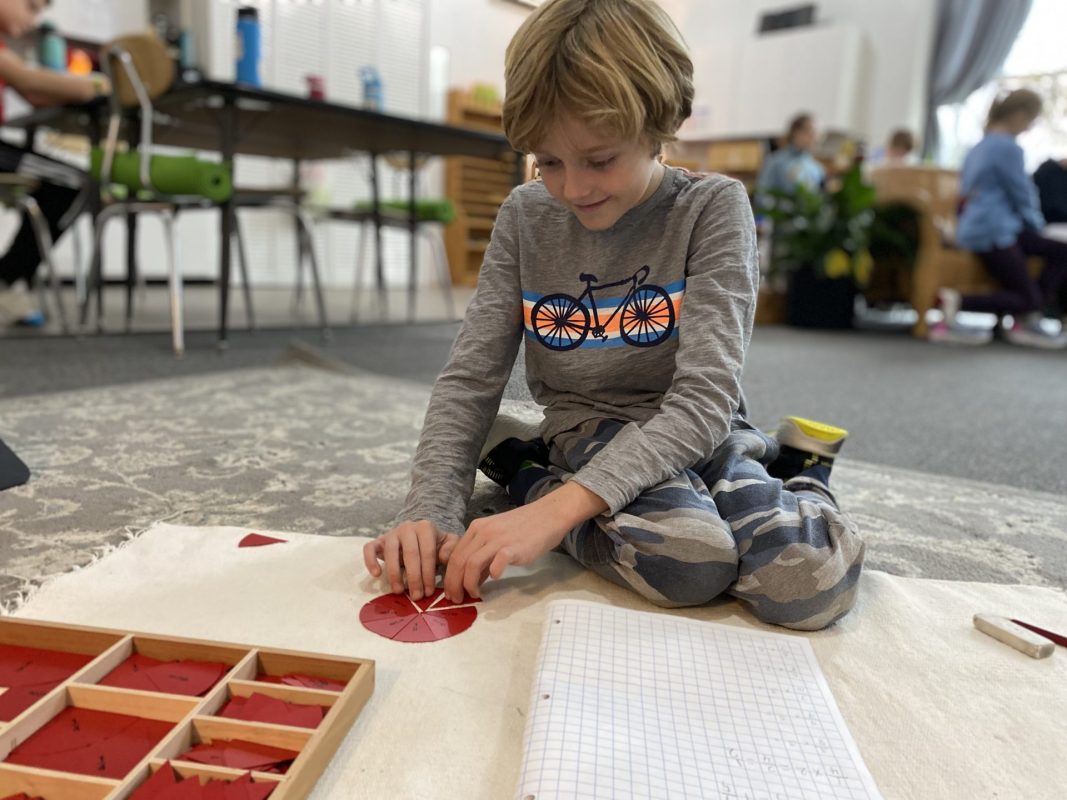
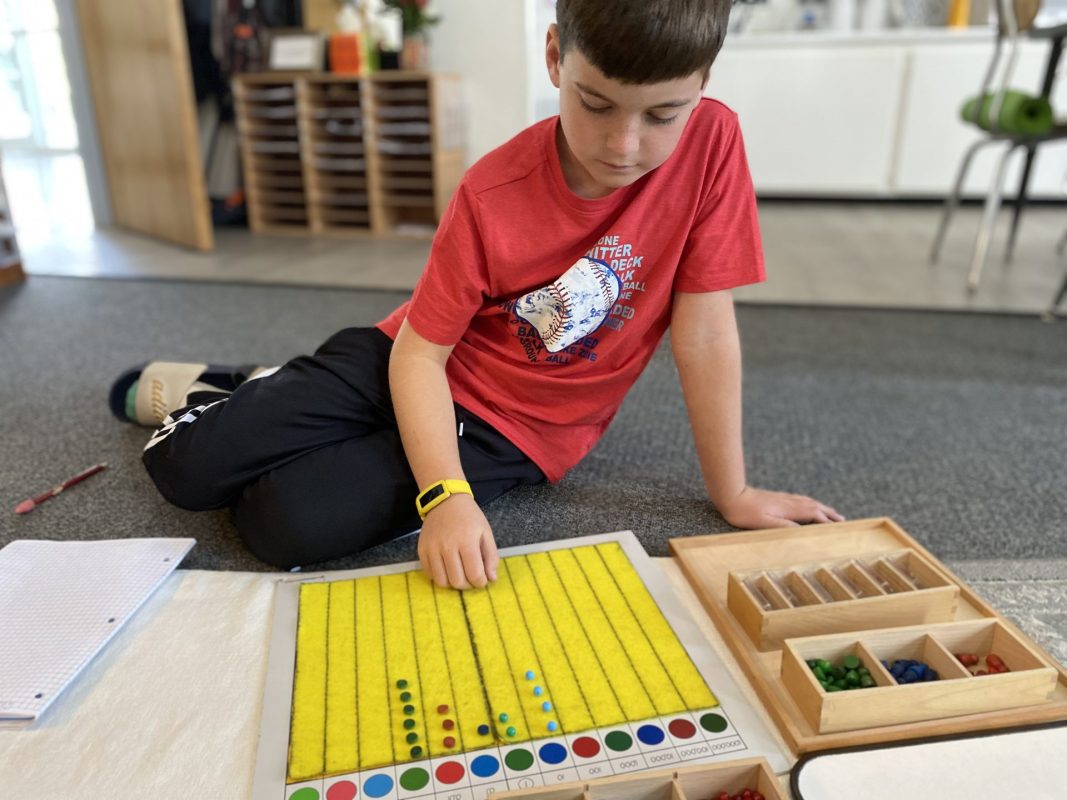
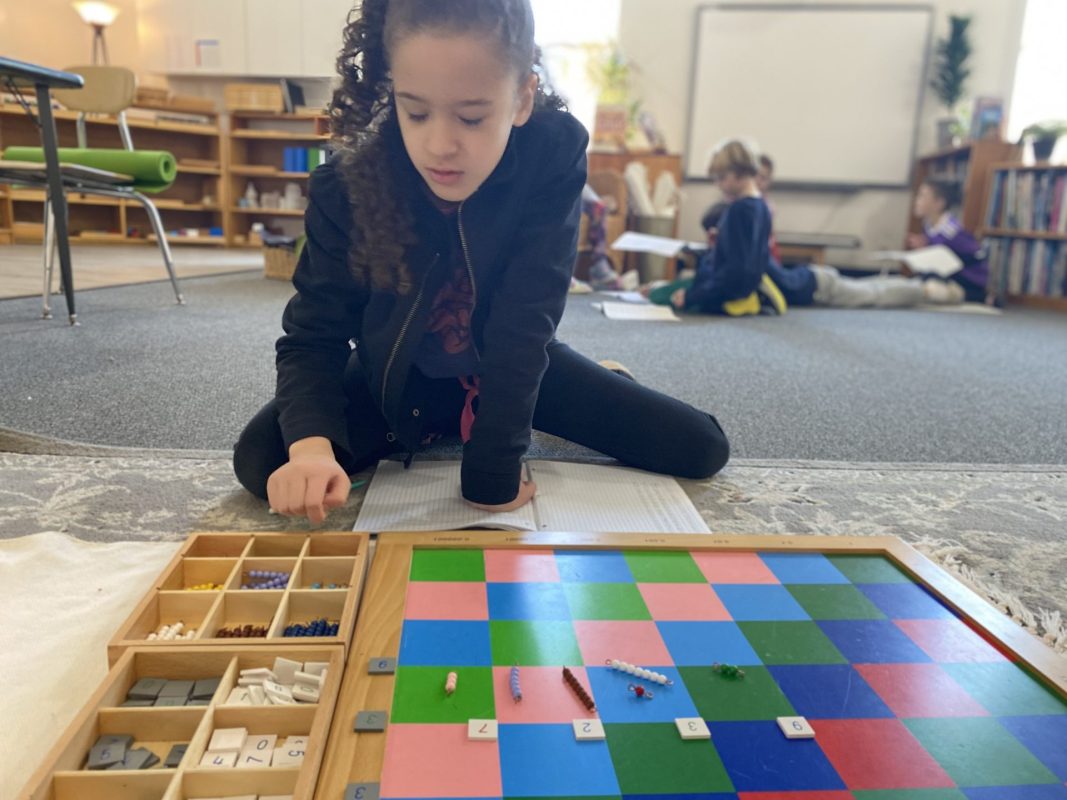
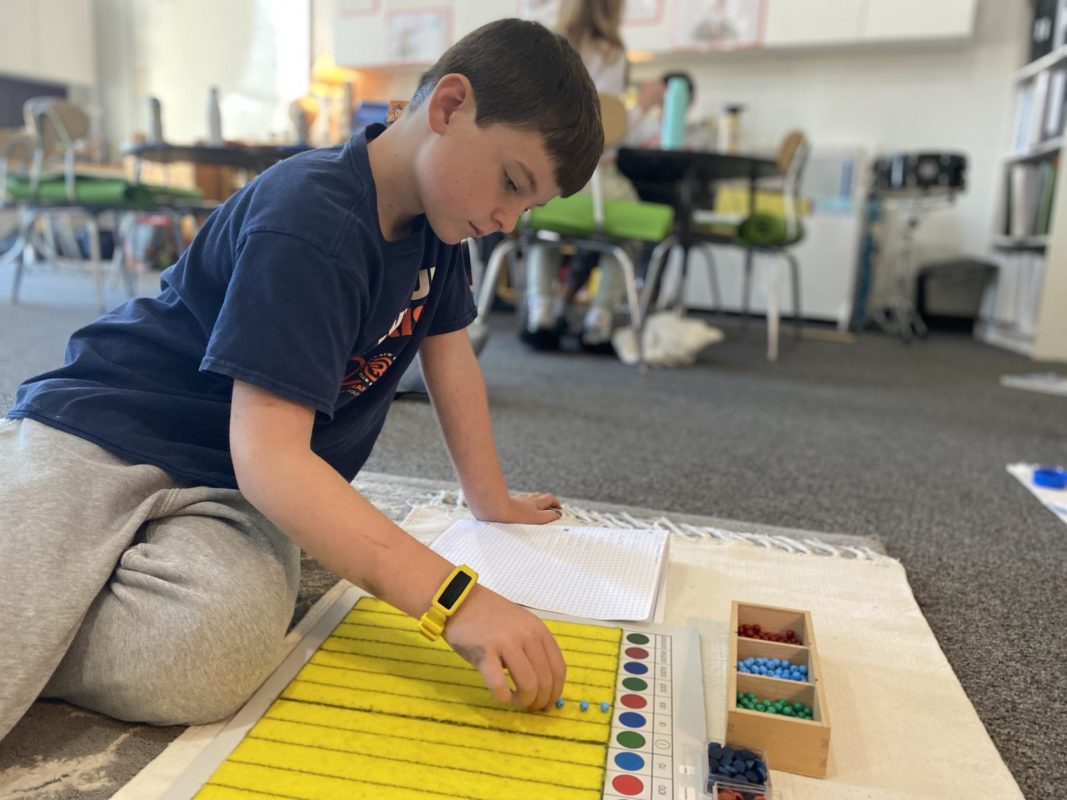
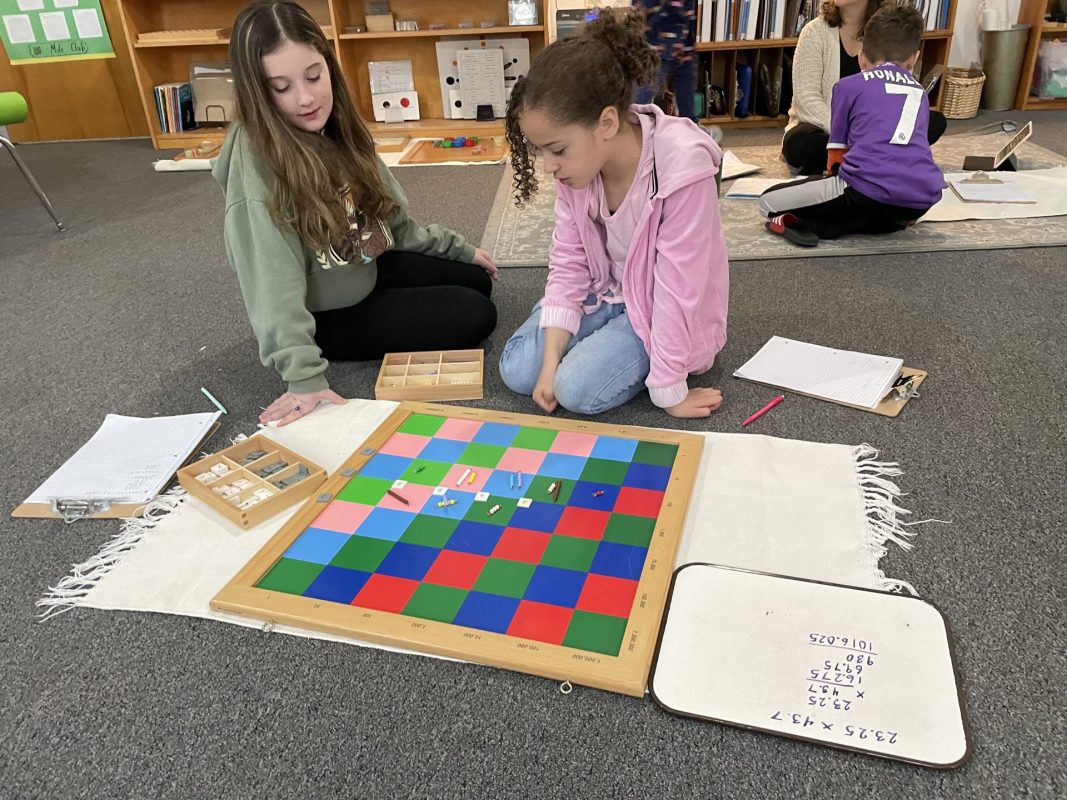
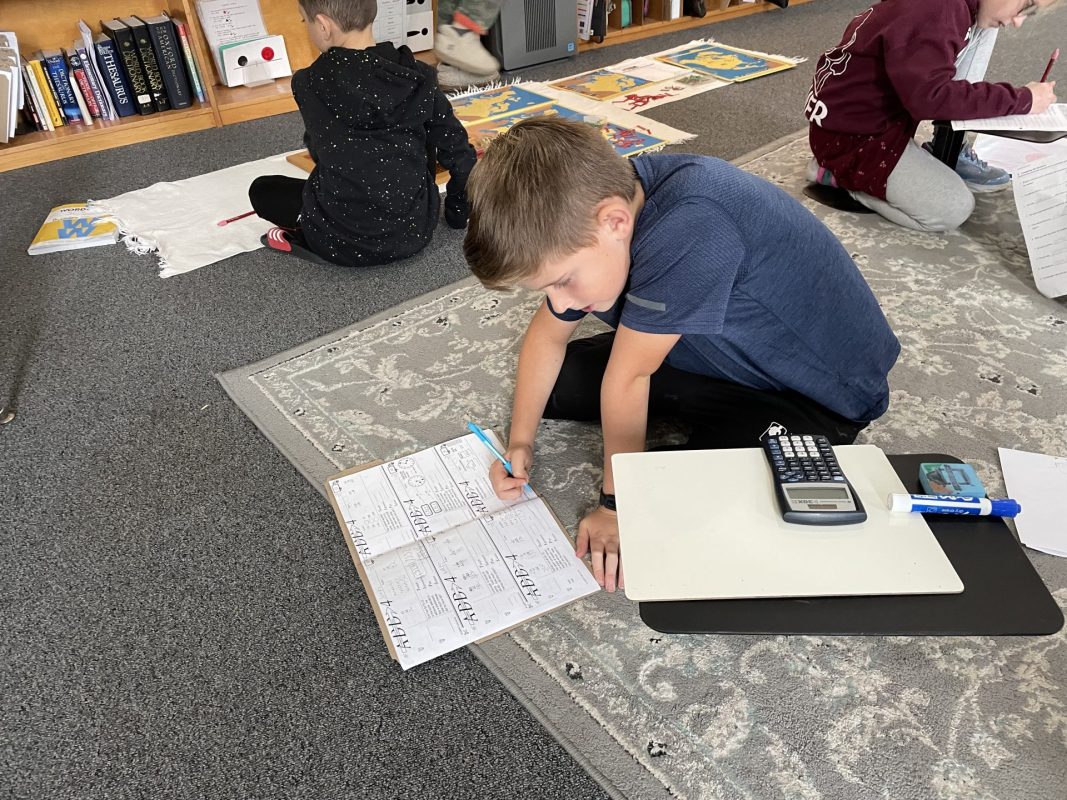
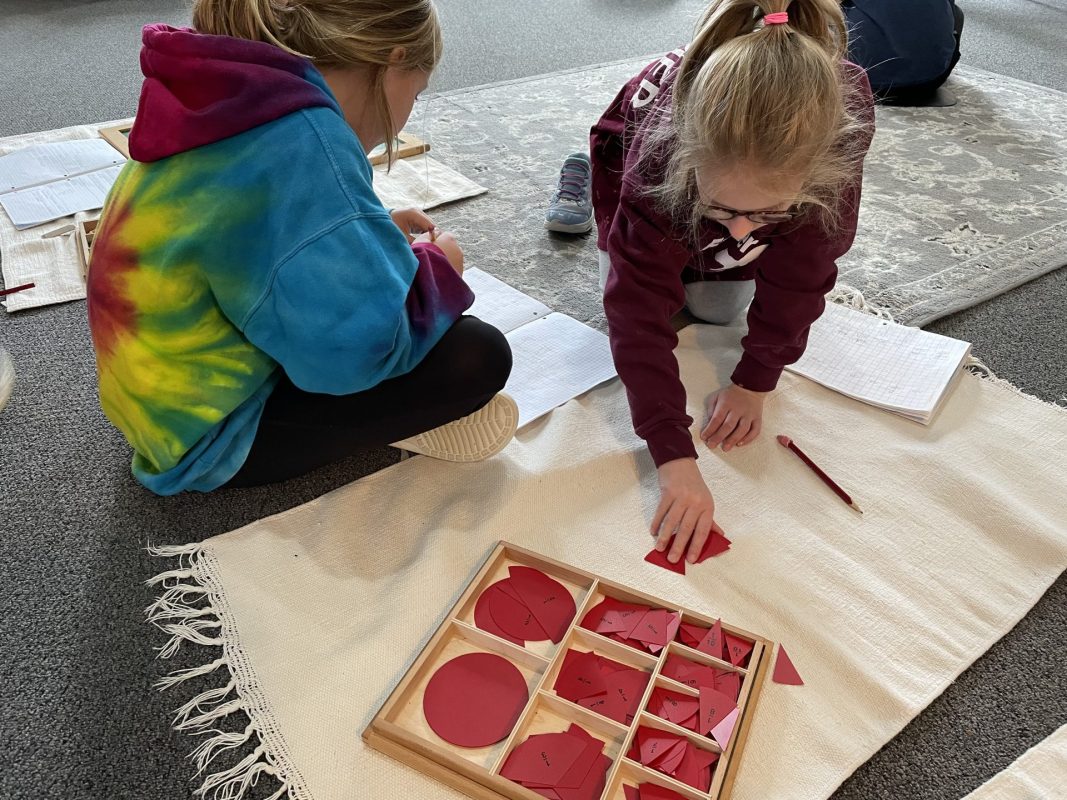
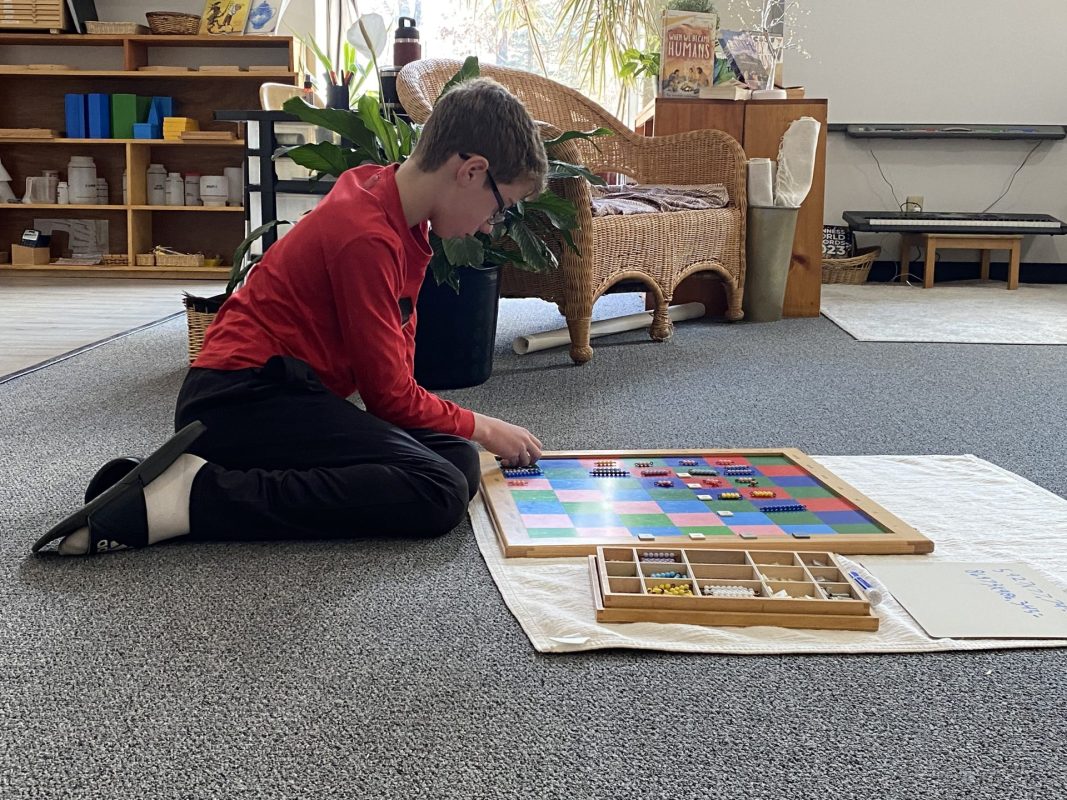
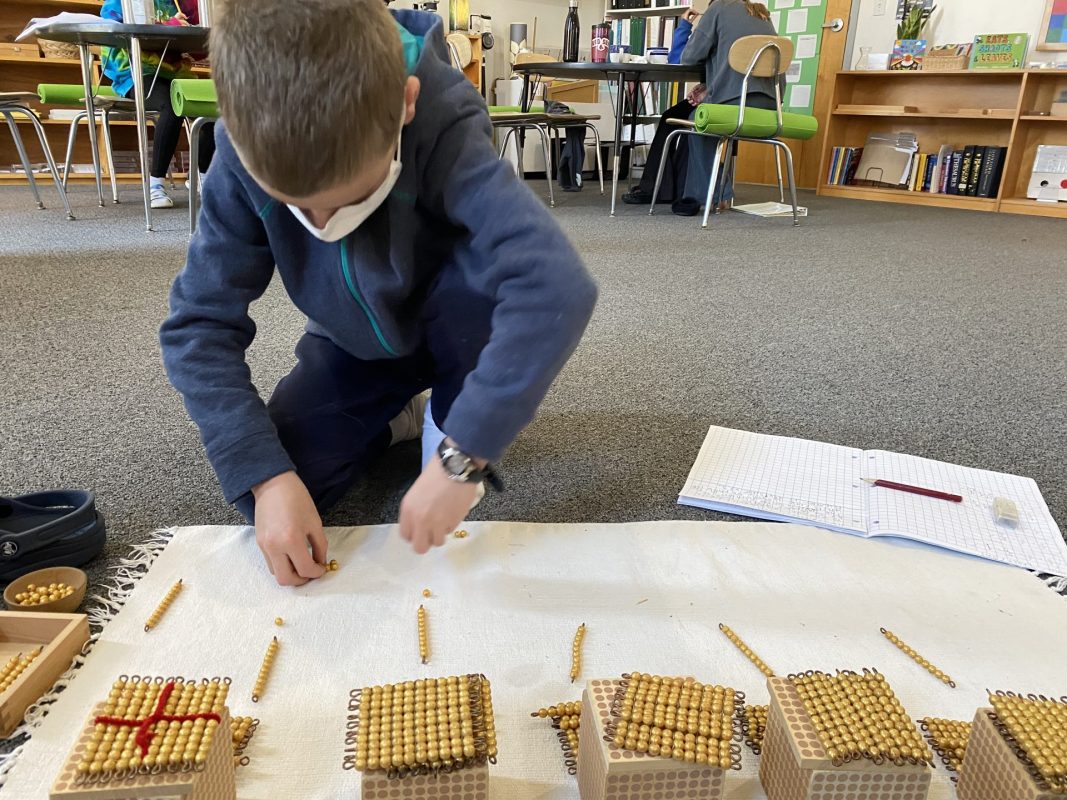
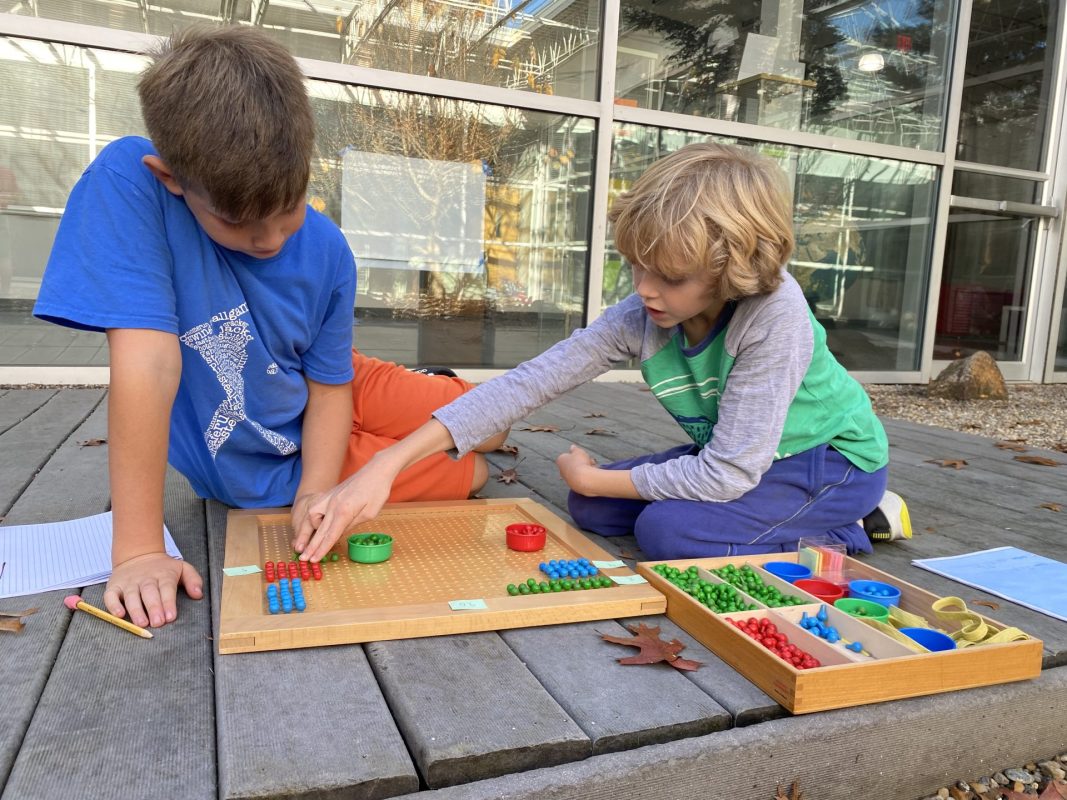
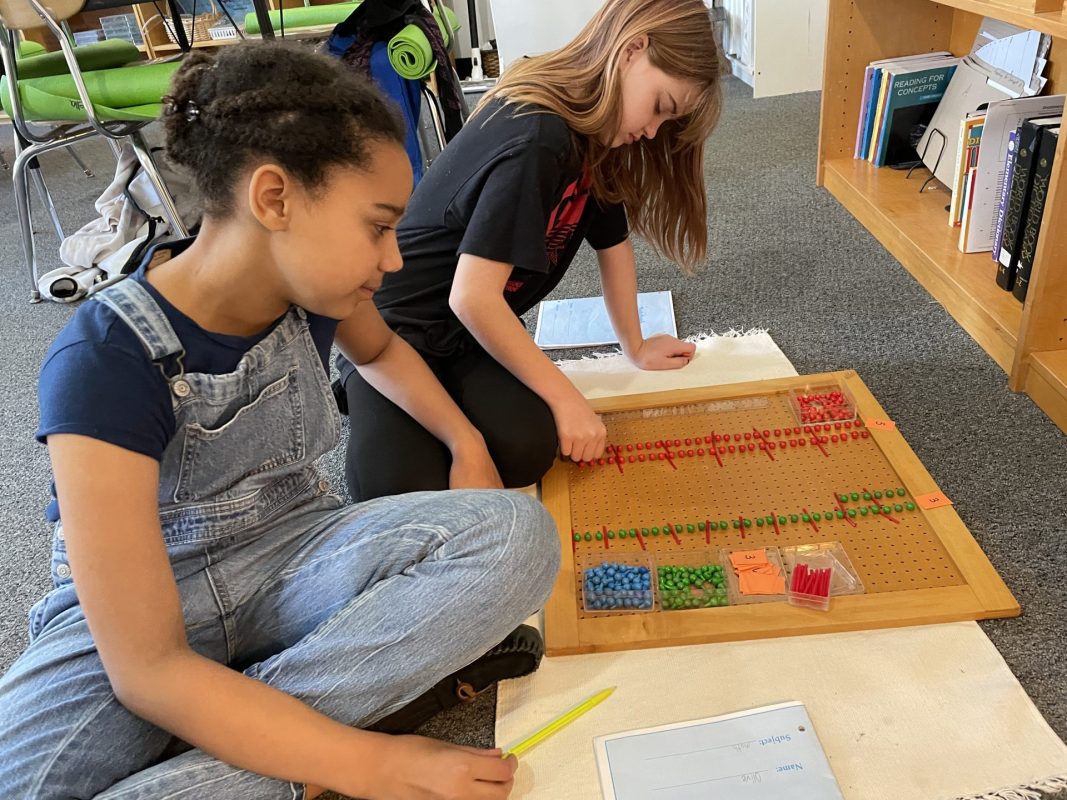
Decimal division
-
-
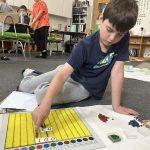
Decimal multiplication
-

-
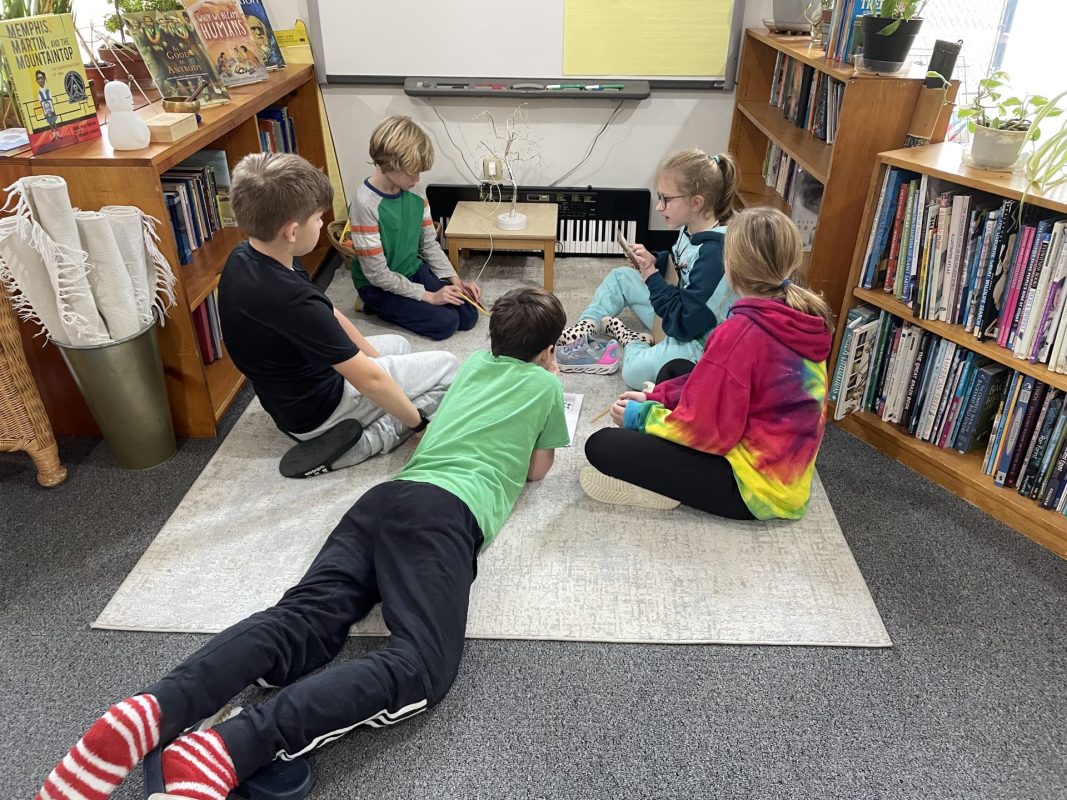
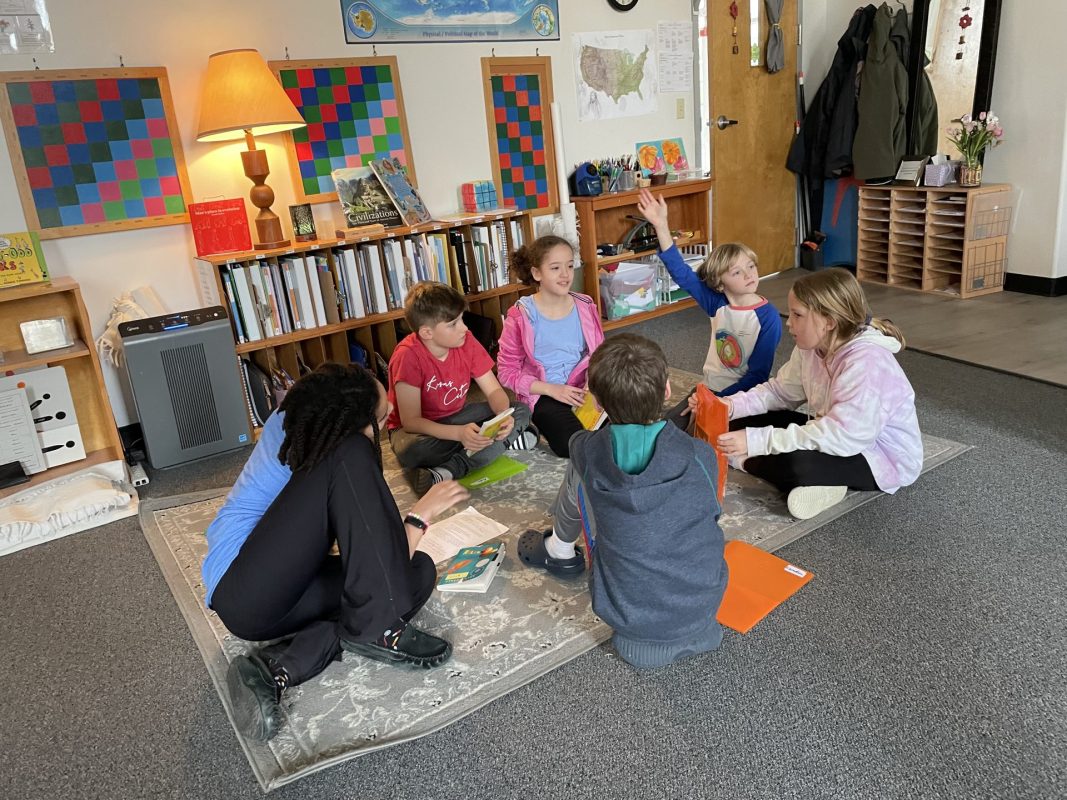
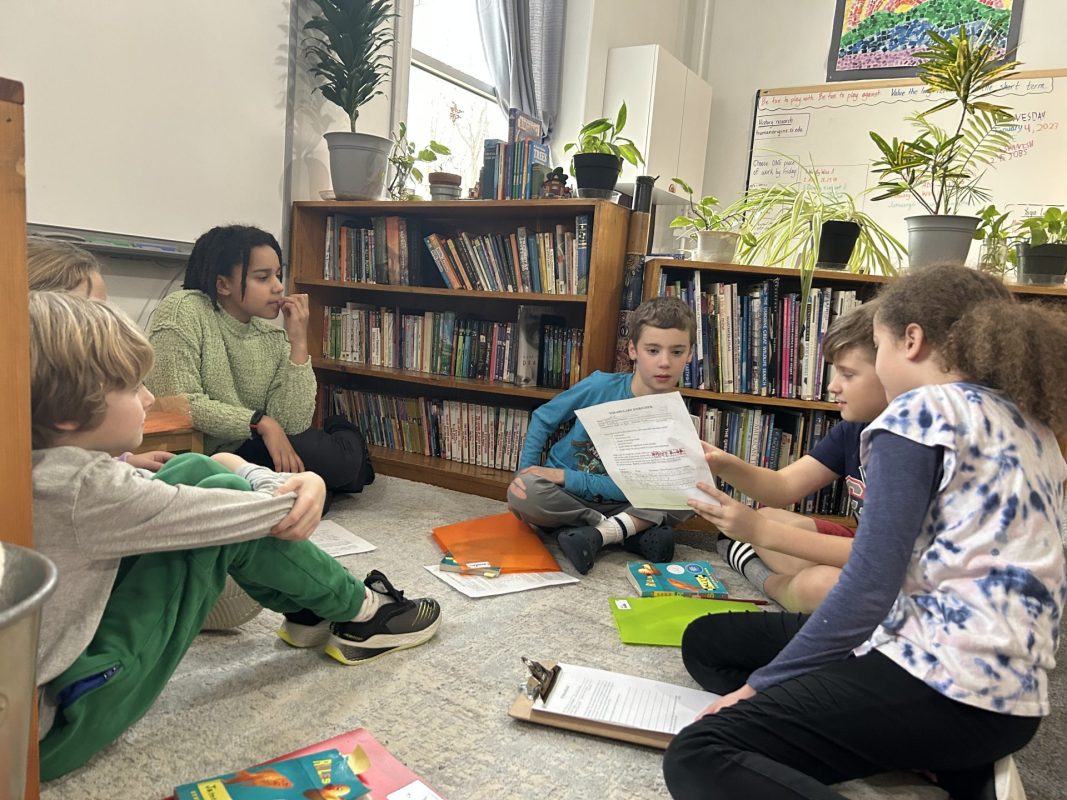
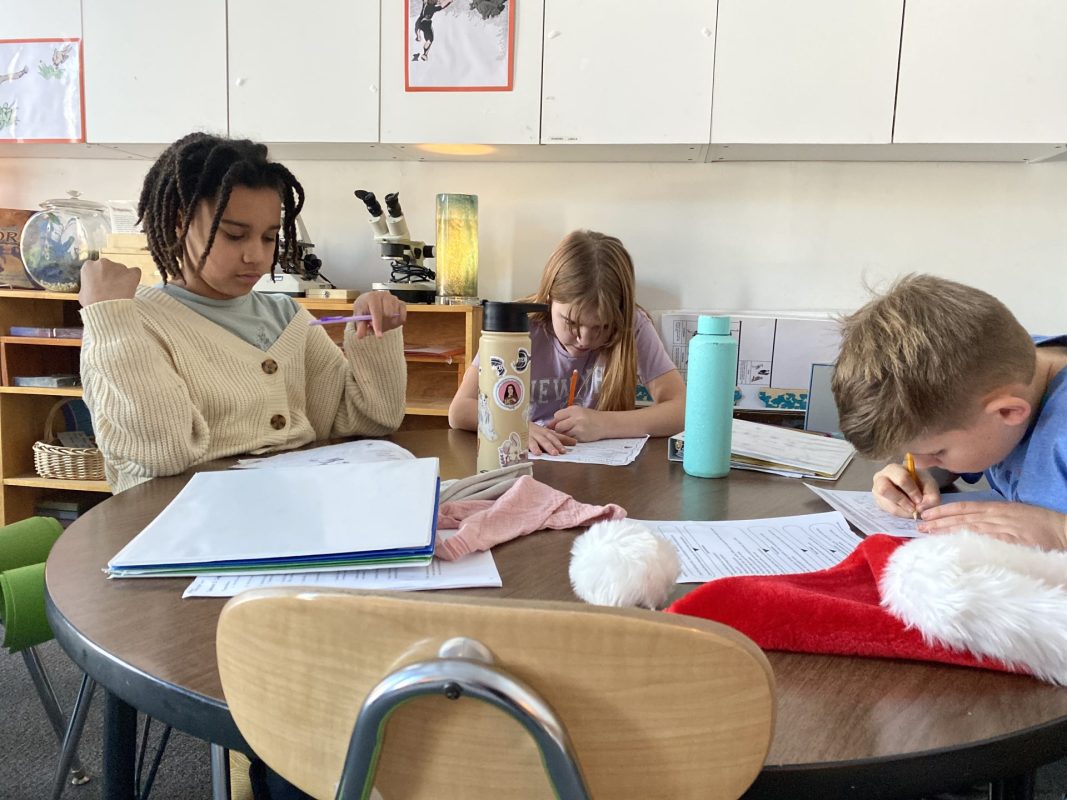
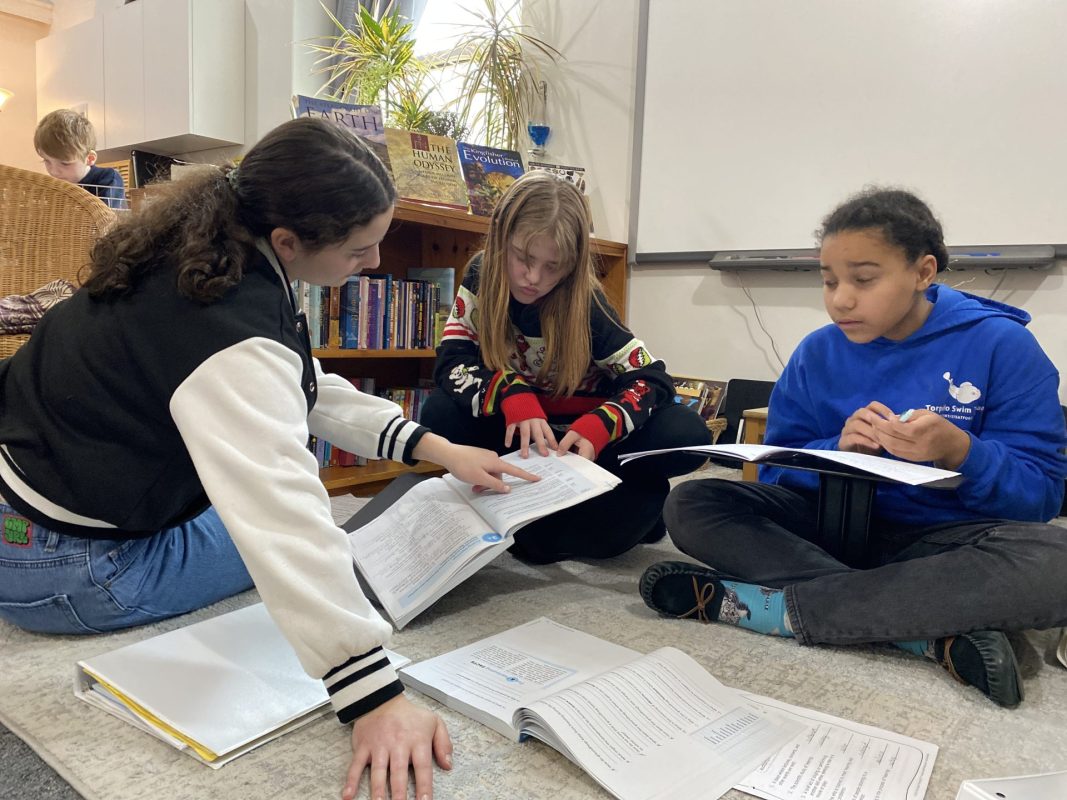
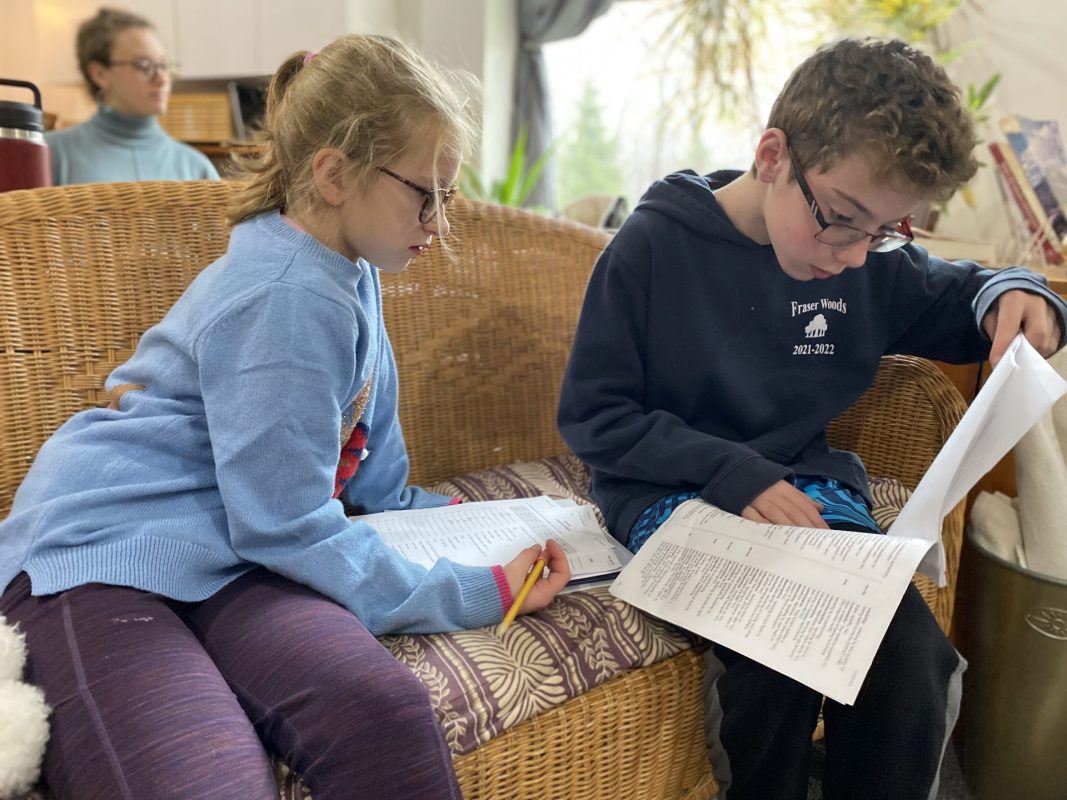
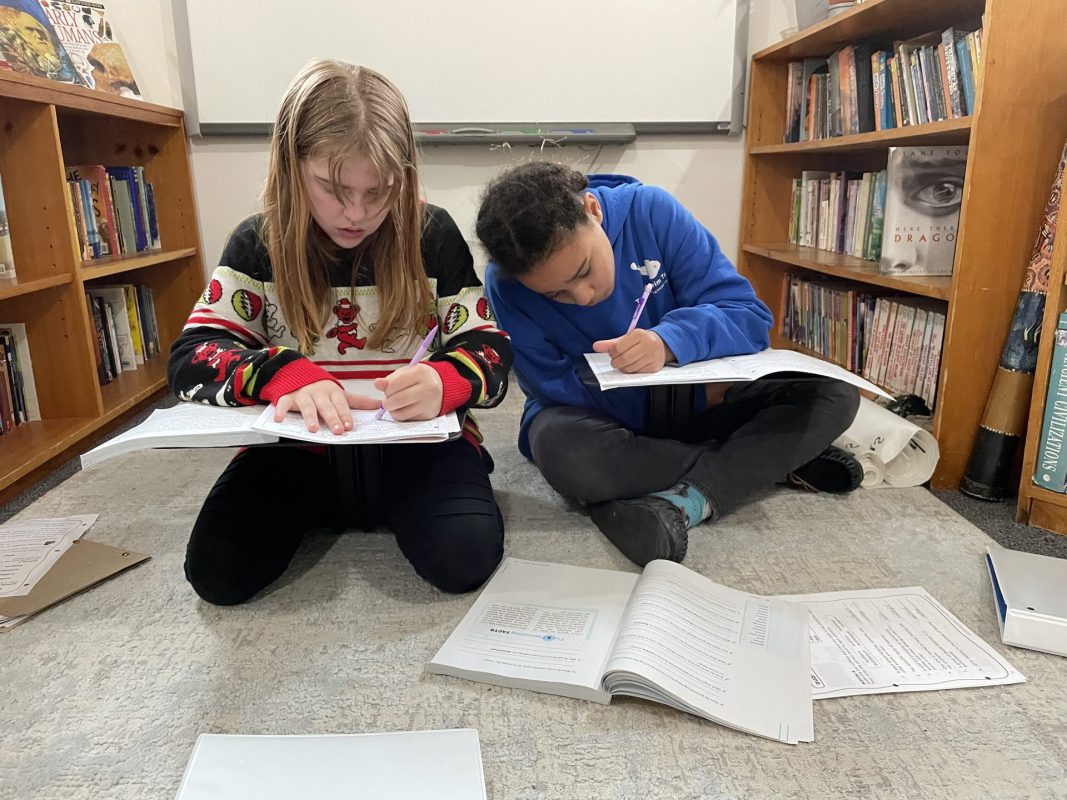
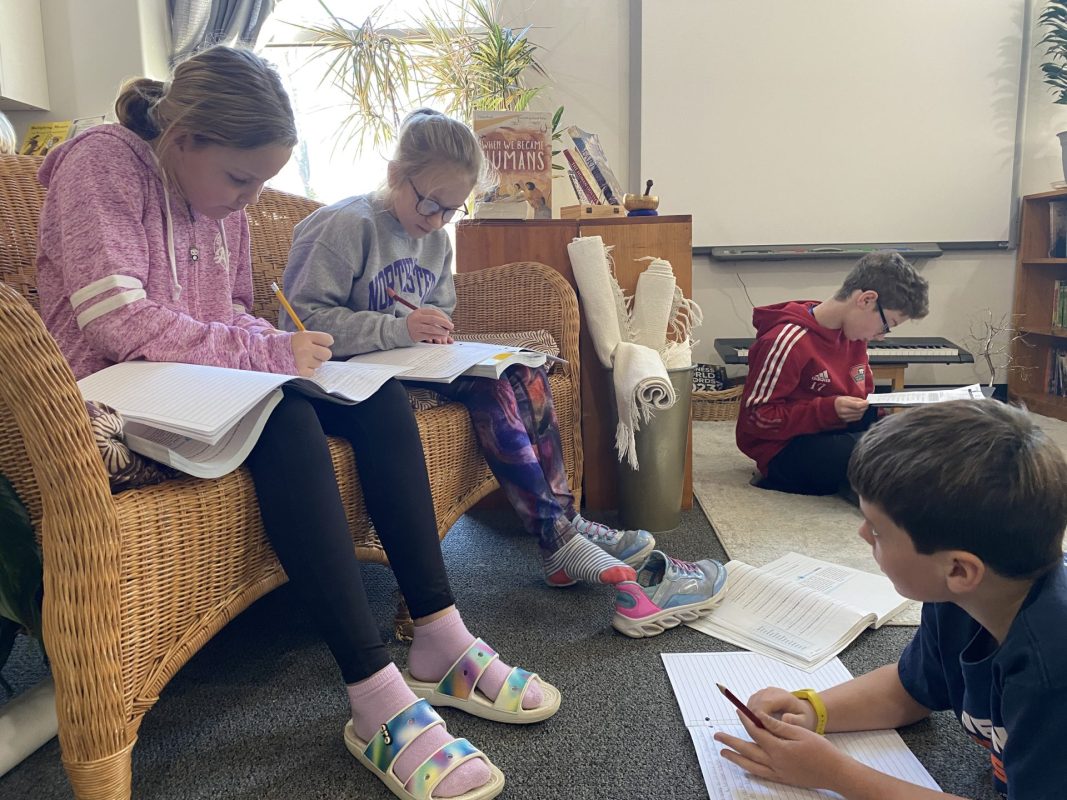
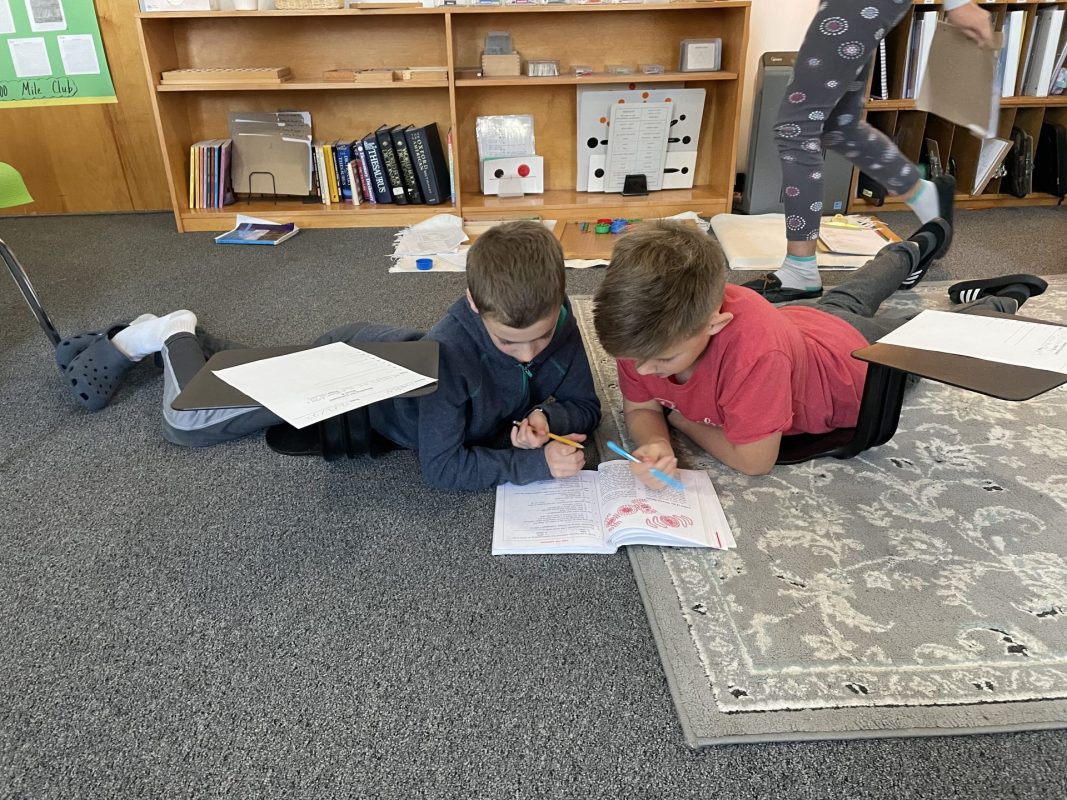
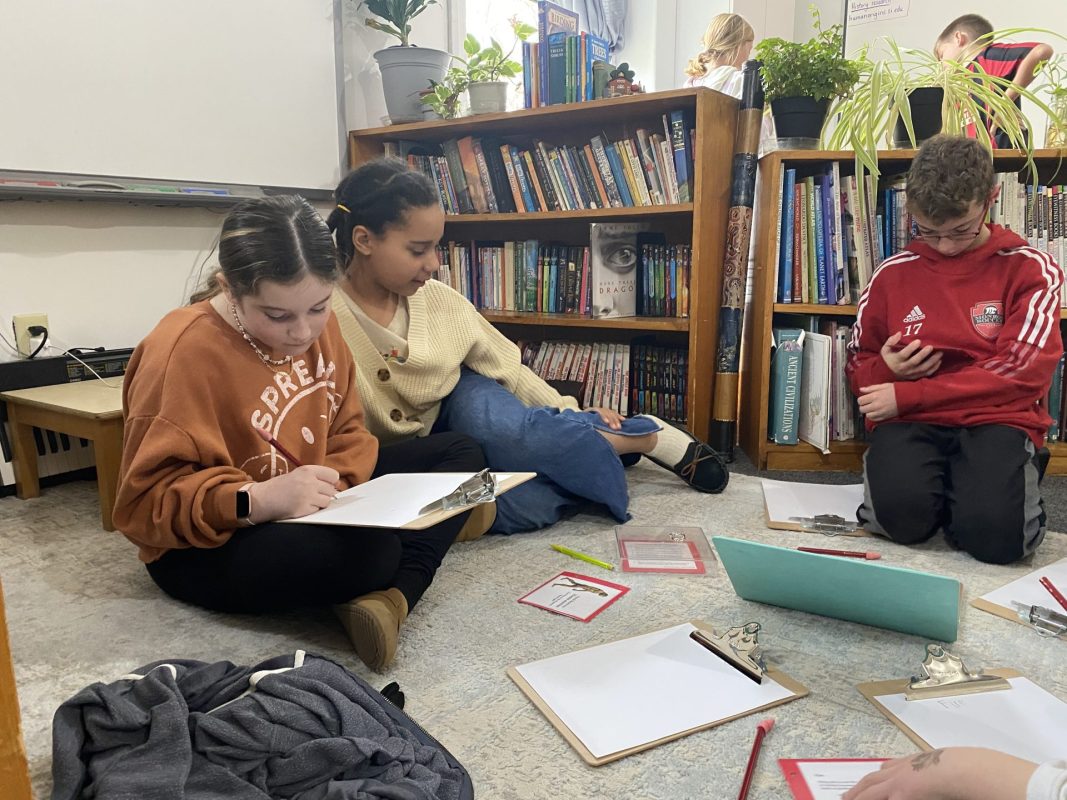
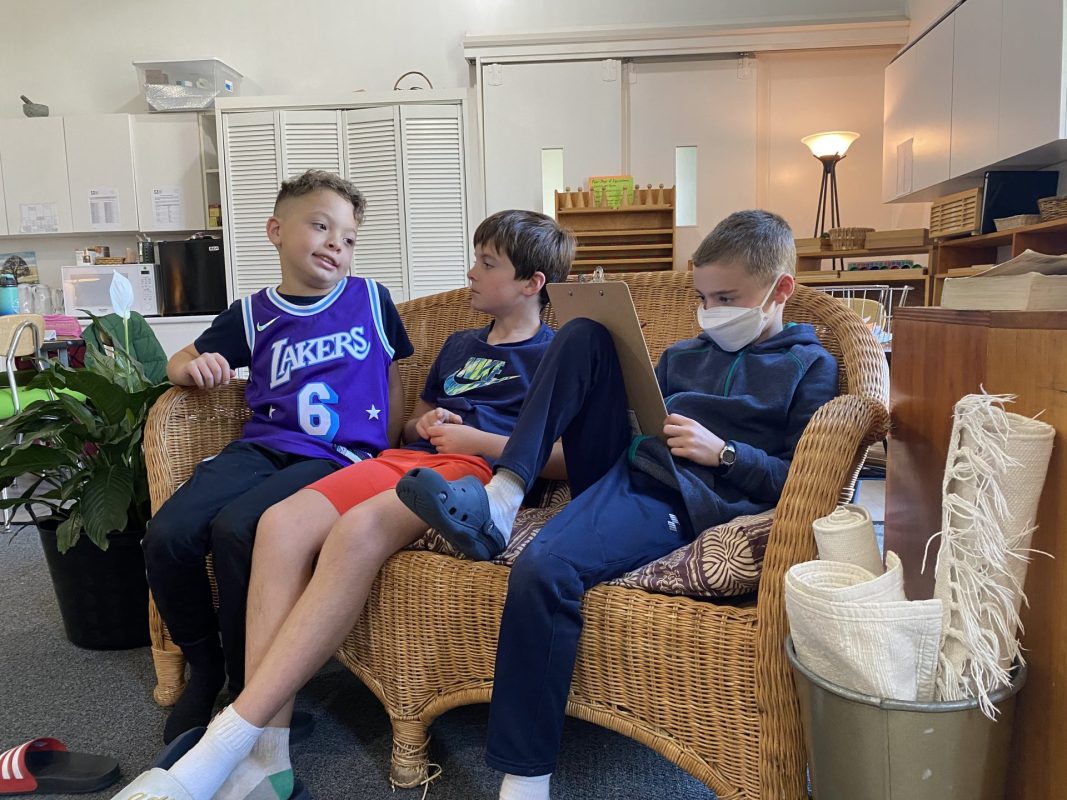
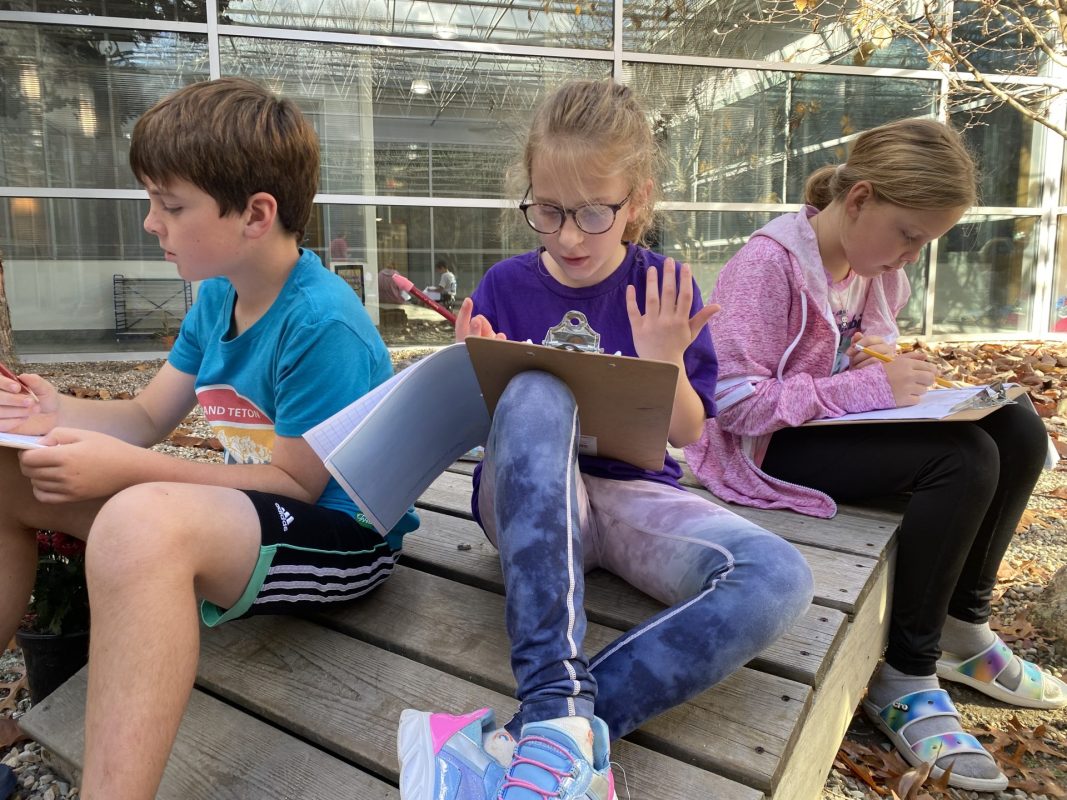
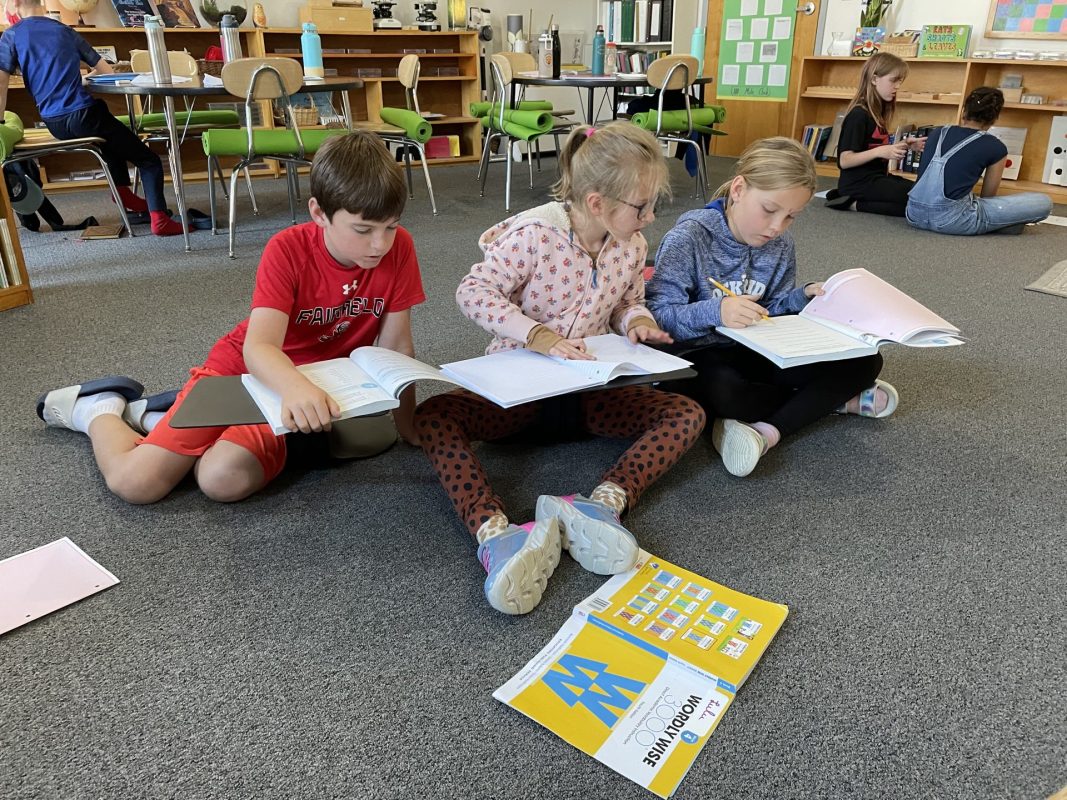
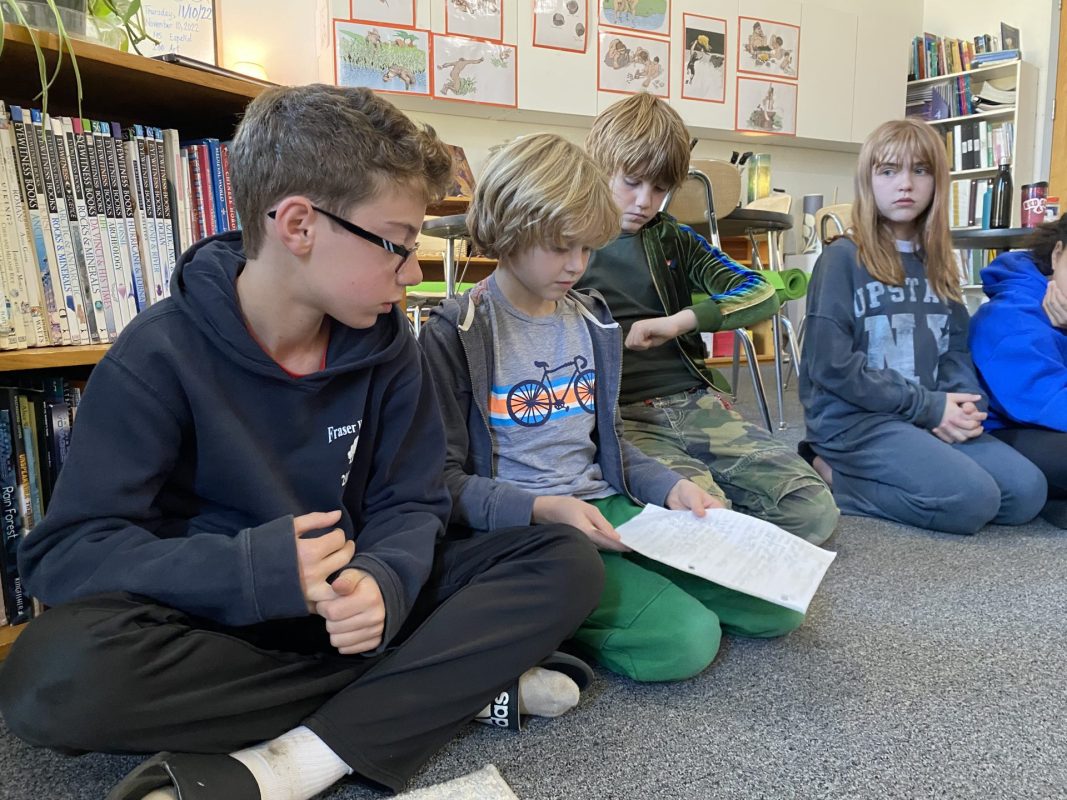
Literature circle
-
-
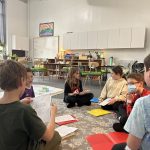
Literature circle
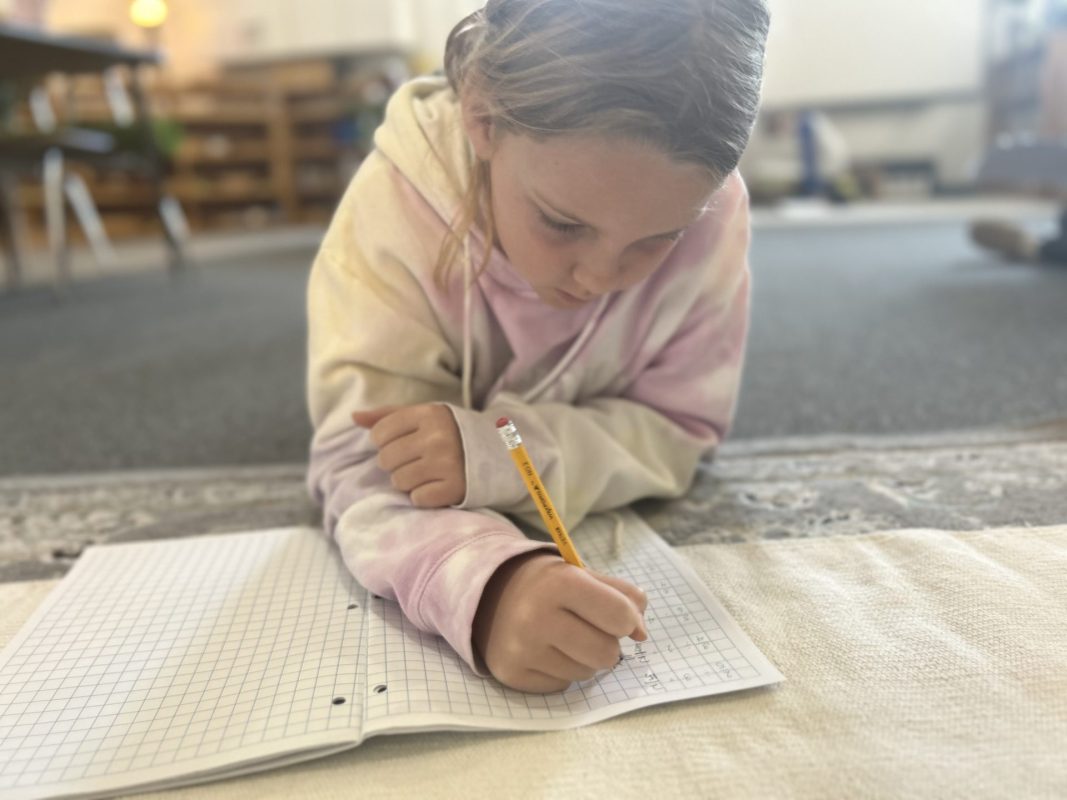
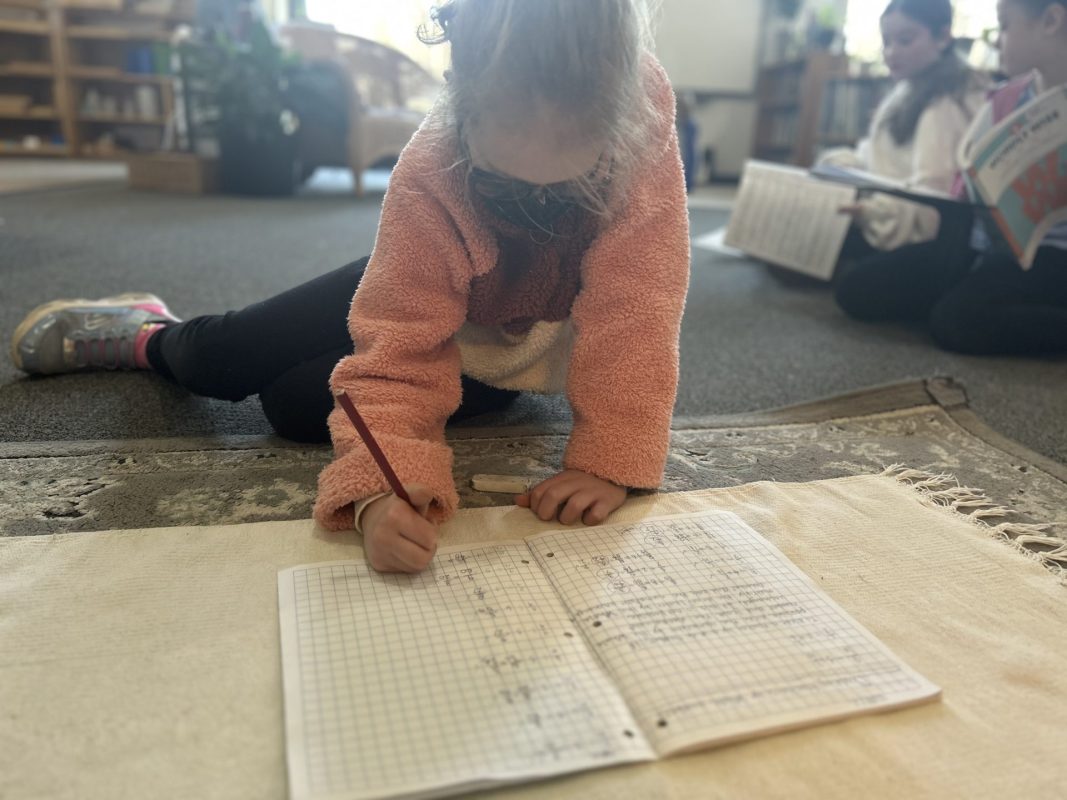
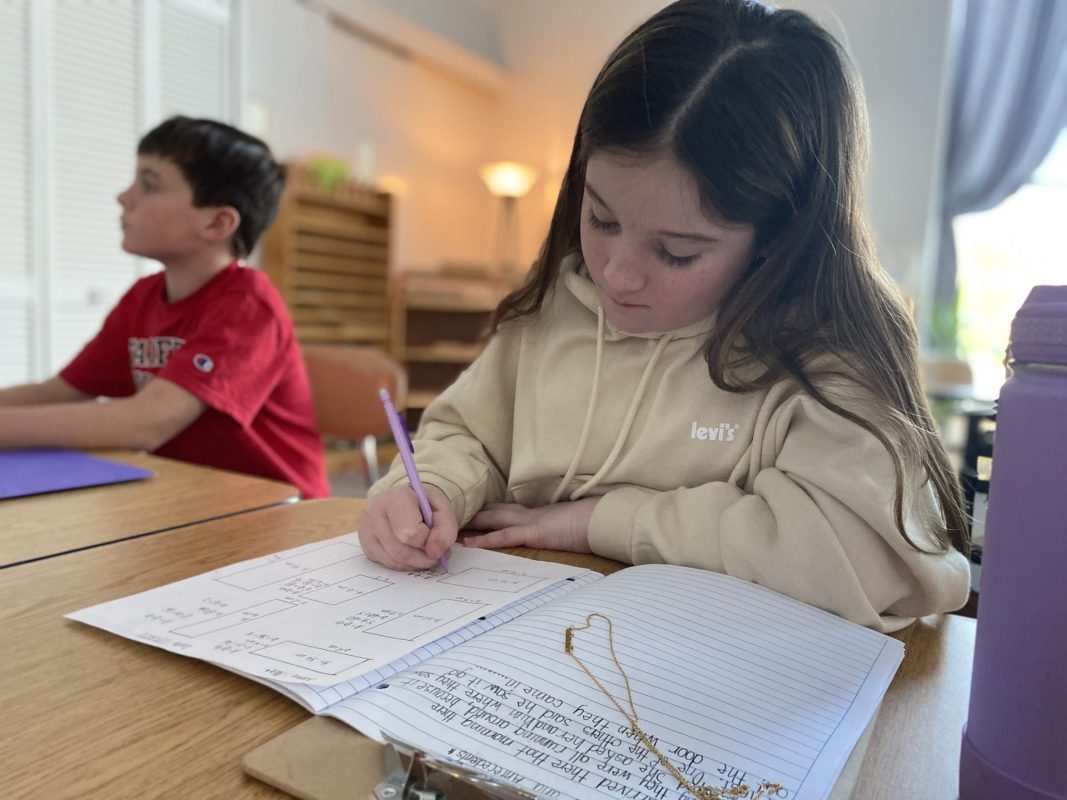
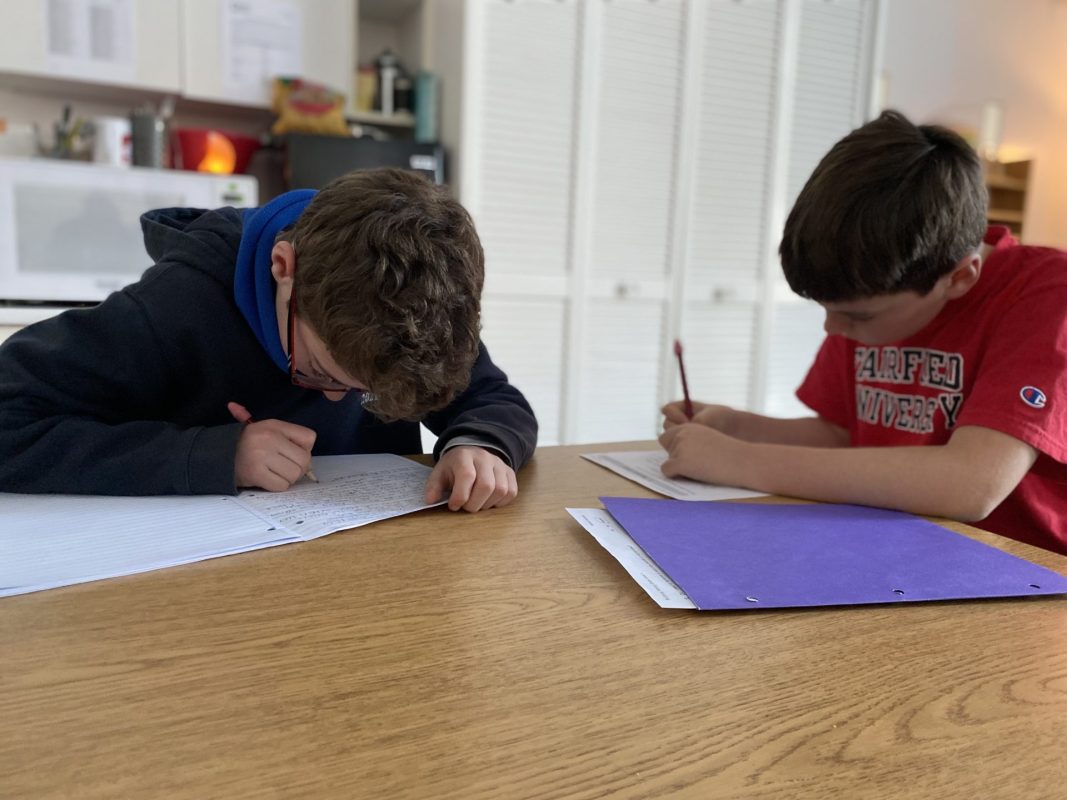
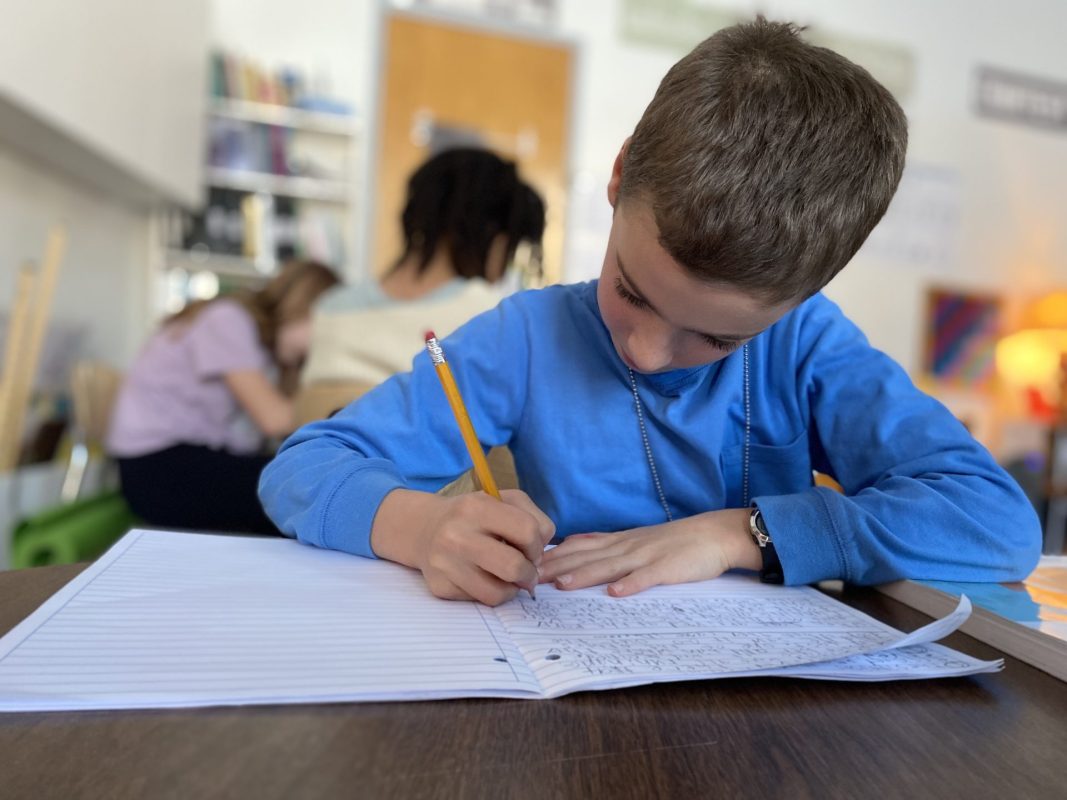
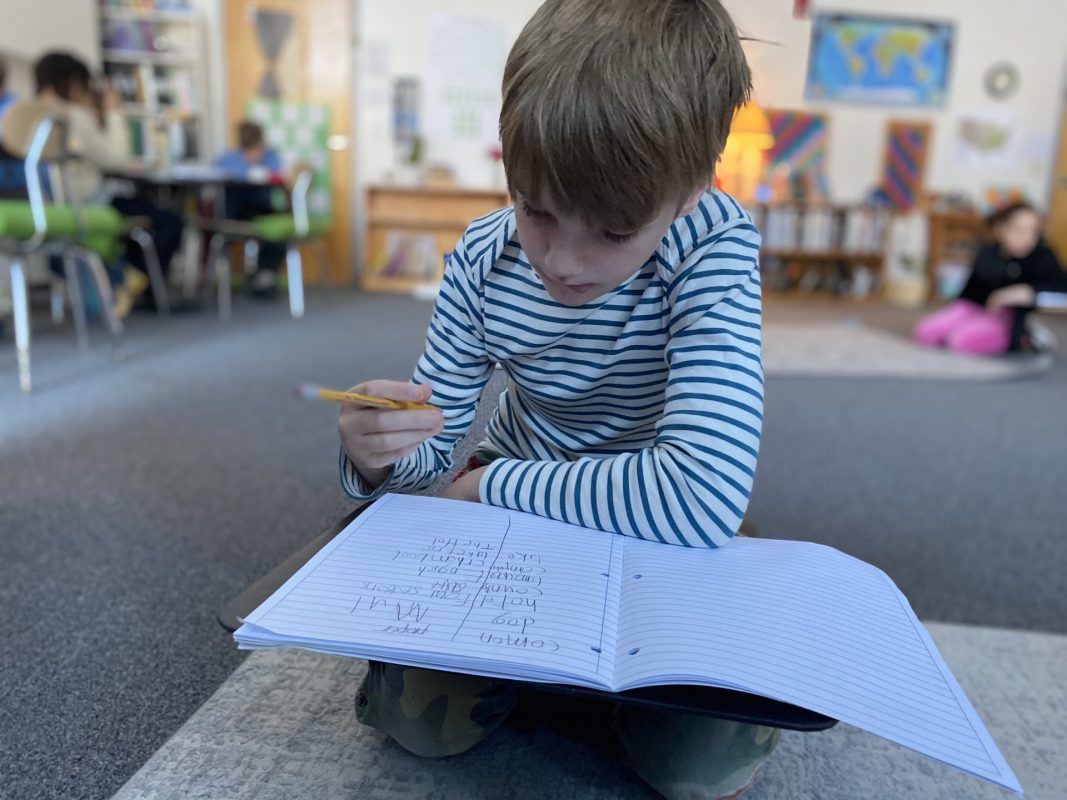
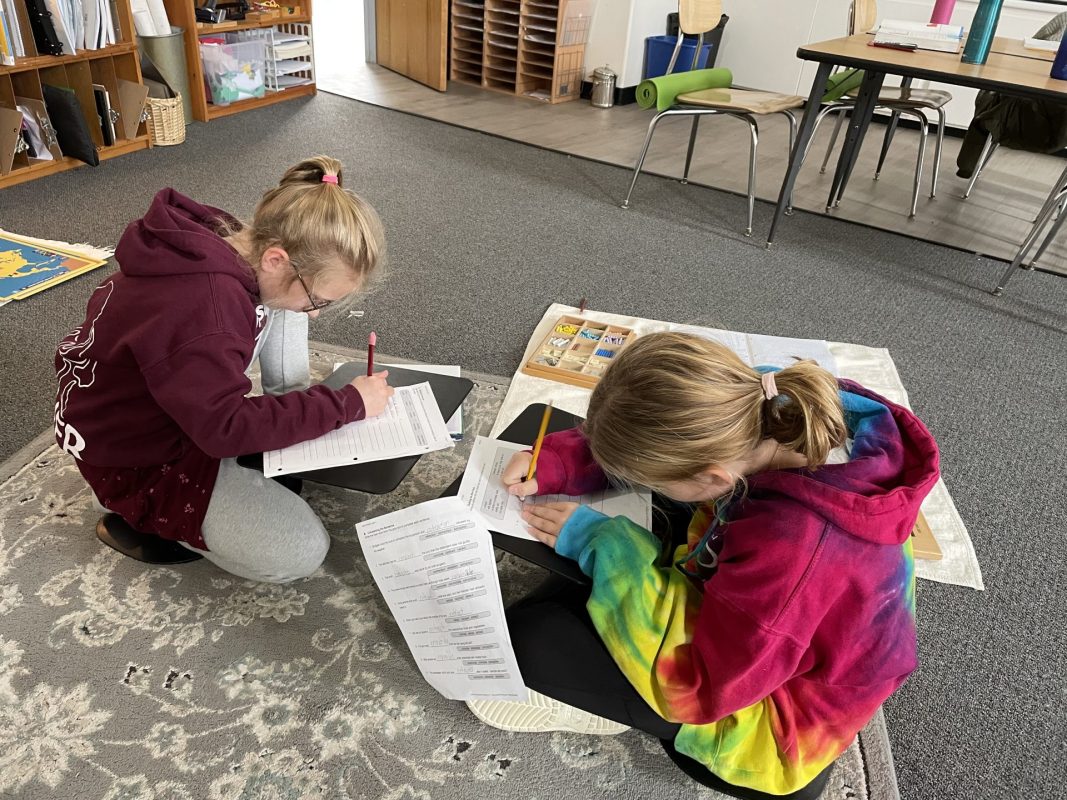
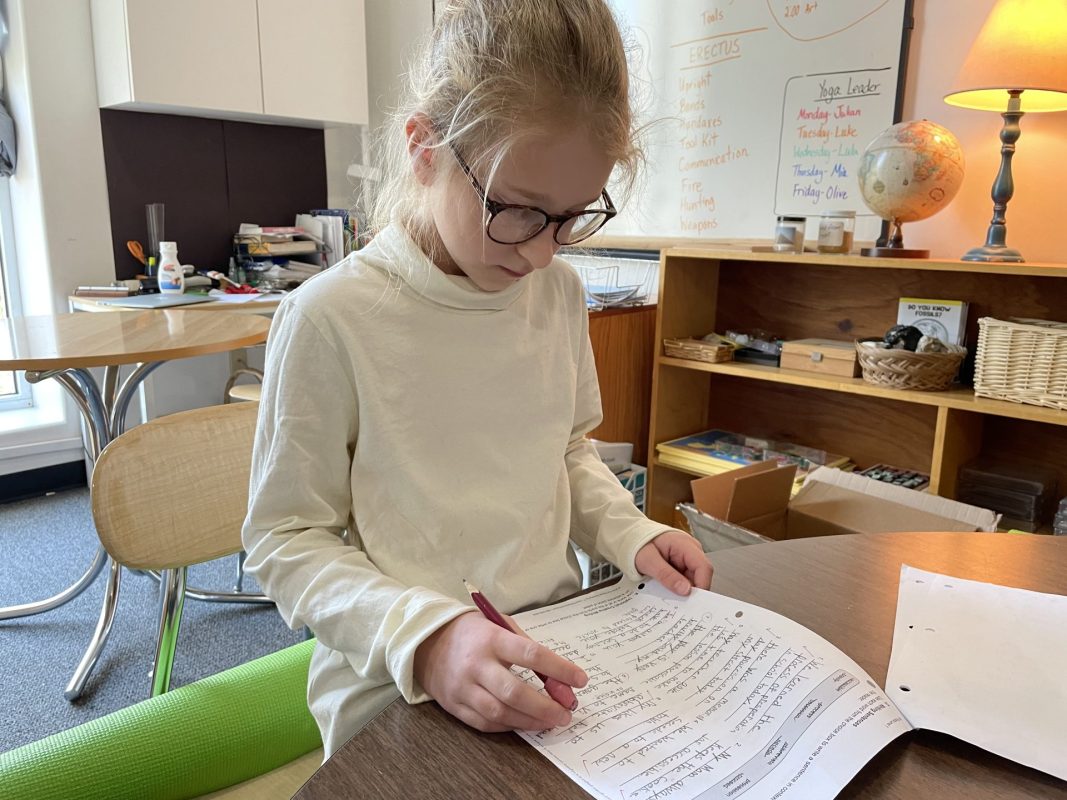
Before break, fifth grade students were given a grammar assignment. After being given the following prompt, they were asked to rewrite it, adding a few sentences, using personal pronouns and their antecedents:
When she arrived there that morning, they were all running around, because it had escaped. She asked her and him where they saw it last. One of the others said he saw it go out the door when they came in…
They enthusiastically took that prompt, decided to collaborate, and ran with it. Here is their collaborative story…
When Lilly arrived at the restaurant on Sunday morning, the Pet Pack were all running around, because Heater the microwave had escaped. Lilly asked Kirby and Jewel where they saw it last. Kirby said he saw it go out the door when he and Jewel came in. Lilly went to go ask Toasty Toaster the Toaster Oven, Heater’s best friend, if Toasty knew anything about what Heater had done. Toasty said he hadn’t seen Heater all day, but he might be at his favorite spot, the sewers. Lilly asked Sewey the sewer rat if Heater was in the sewers recently.
Sewey said, “Yes, Heater was here two hours ago, carrying a cake. I tried to ask him, ‘Why the cake?’ when he took a piece of the pipe and ran off.”
Lilly ran to Heater’s favorite climbing place, the cherry tree. When she asked Squirrely if Heater was there, Squirrely said, “Yep, Heater was here one hour ago, carrying a cake and a piece of a pipe that looked like it came from the sewers. He didn’t say a word, but he took my prized collection of acorn candles.”
Lilly said, “Thanks!” then ran off. Lilly tried to think. A cake, a piece of a pipe, and an acorn candle collection could only mean one thing…he was planning a surprise birthday party for someone…but who?
Lilly was in the middle of thinking when she heard some voices yell, “Surprise! Happy birthday, Lilly!”
When Kate arrived at the party that morning, the guests were running around, because the mad toaster oven had escaped. Kate asked John and Sara where they saw the toaster last.
One of the others said, “Mike saw the toaster go out the door when the guests came in.
Next, Kate called the police, “There is a mad toaster oven on the loose!”
“Don’t worry, we’ll get it,” the police officer said. “Oh, we see it, that thing is really mad. We are not going to get it, you’re on your own. Oh gosh, I am so scared.”
So Kate took the closest rocket ship to the moon and looked down on the planet and saw the toaster. It was growing by the minute! Kate then called the SWAT team, but even they were too scared! Then Kate had an idea, “I should make the rocket into a laser!” So she did, and after much work, she BLASTED the now huge toaster off the face of the Earth! And then Kate heard a noise behind her. It was Allie with a ring of cake around her mouth. “Hey, can I get a ride with you?” asked Kate.
When Mia arrived on the moon that morning, Bennett and Camden were both running around because Allie had escaped. Mia asked Bennett and Camden where they saw Allie last. Camden said he saw her go toward Mars when he arrived…
When Allie arrived at Mars, she found a cake and decided to sit down and eat it. Suddenly, a strange figure approached. It was Persila from Bennett’s story. “MY CAKE!” she exclaimed, “WHY ARE YOU EATING MY CAKE?”
“Mrm..,” Allie mumbled.
“This is the worst day of my li-,” Persila complained. “Wait a second…that’s not my cake…my cake was vanilla and that one is…chocolate.”
“Hmm?” Allie mumbled again.
Suddenly Persila turned around and marched right back to her rocket and launched back to Earth.
After Allie finished, she went back to the moon where she found Kate from Camden’s story, disassembling her rocket to turn it into a laser to shoot a gigantic toaster. After she shot the laser, she turned around to see Allie. Kate asked, “Can I get a ride home?”
“Sure,” Allie said, “you can go home with Mia.” Allie marched away to tell Mia that Kate was going home with her, and to tell them to launch immediately.
When Persila arrived at her party that morning, the other guests were all running around, because the cake had escaped. She asked Chuck and Margie where they saw the cake last. Chuck said he saw the cake run out the door when he came in, then Persila turned and ran as fast as she could all the way to the bakery where the cake was bought. She stormed in and yelled, “I NEED A MANAGER!” When the manager came in she said even louder, “DID YOU PUT LEGS IN MY CAKE?”
The manager calmly responded, “We did not mean to put legs in your cake. We’ve had three people come in to say the same thing. We must really stink.”
Persila then turned and stormed out. She returned to the party and said, “I WILL FIND THIS CAKE!”
Suddenly, from the other room, Margie yelled, “NASA’s launching a rocket to Mars.”
Persila walked to the TV room and sat down. Almost immediately she jumped up and yelled, “ISN’T THAT MY CAKE?” She had seen the cake boarding the rocket. She ran outside and called an Uber before anybody knew she was gone. When she arrived at NASA, she stormed into the control building and demanded that they stop the launch.
The scientists responded, “We can’t, we’re too far into the launch sequence.”
“Then I’ll stop it myself,” Persila responded in a heroic tone. She sprinted to the rocket and entered the bottom door. Suddenly, the rocket started to shake, it was time for liftoff. They were headed for Mars. When Persila stepped off the rocket onto Mars, she followed the footsteps of the cake all the way until she found Allie from Allie’s story (wink, wink, wink) eating the cake. “My CAKE! Wait,” she said, “that’s chocolate, I ordered vanilla.” Back to Earth she went. She followed her footsteps and entered the rocket. She turned the rocket on and flew back to Earth. When Persila arrived at Earth she ran back to the party, but before she got there, she almost tripped over a toaster oven in the middle of the road.
Suddenly it said, “Hi, I’m Toasty the Toaster Oven but everyone calls me Toasty. Is your name Priscilla?”
“No, my name is Persila, but why do you want to know?”
“We had a party for Lilly and there was a cake that said, ‘Happy Birthday Persila.”
“WHAT?” she screamed, “Take me there NOW!” When she arrived, she barged in and said, “Who ate my cake?”
Through a bite of cake Lilly said, “Not me,” and burped.
That is the story of Persila’s cake.
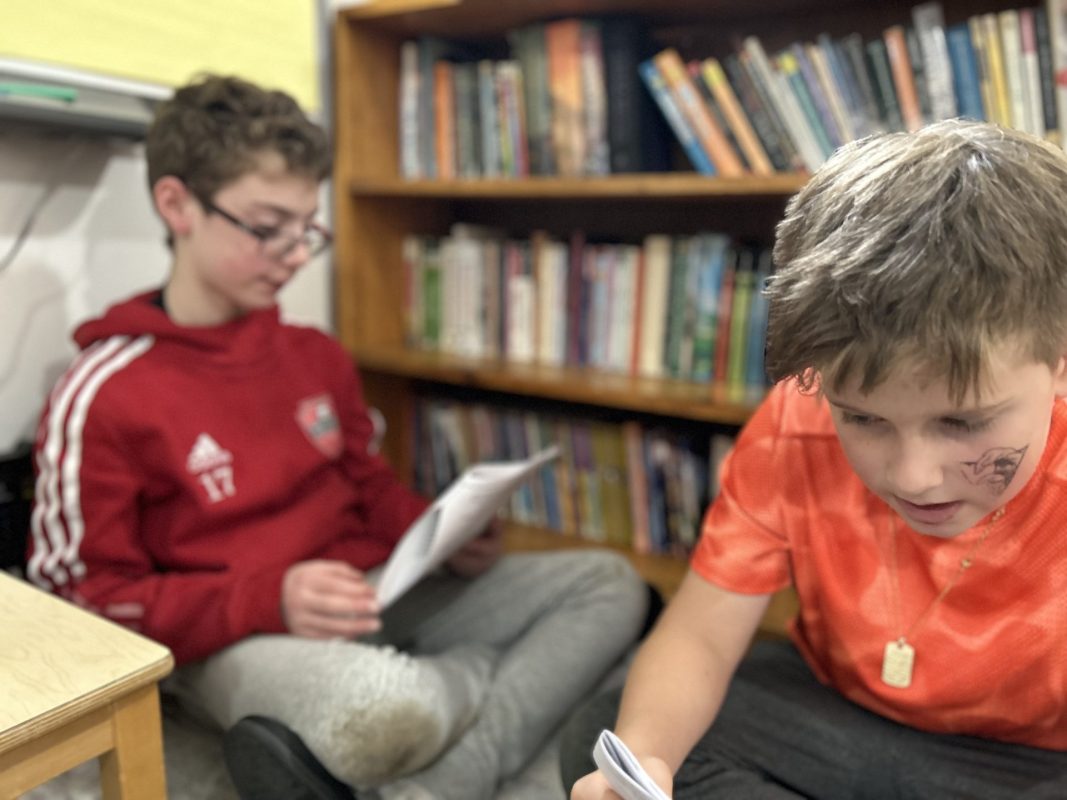
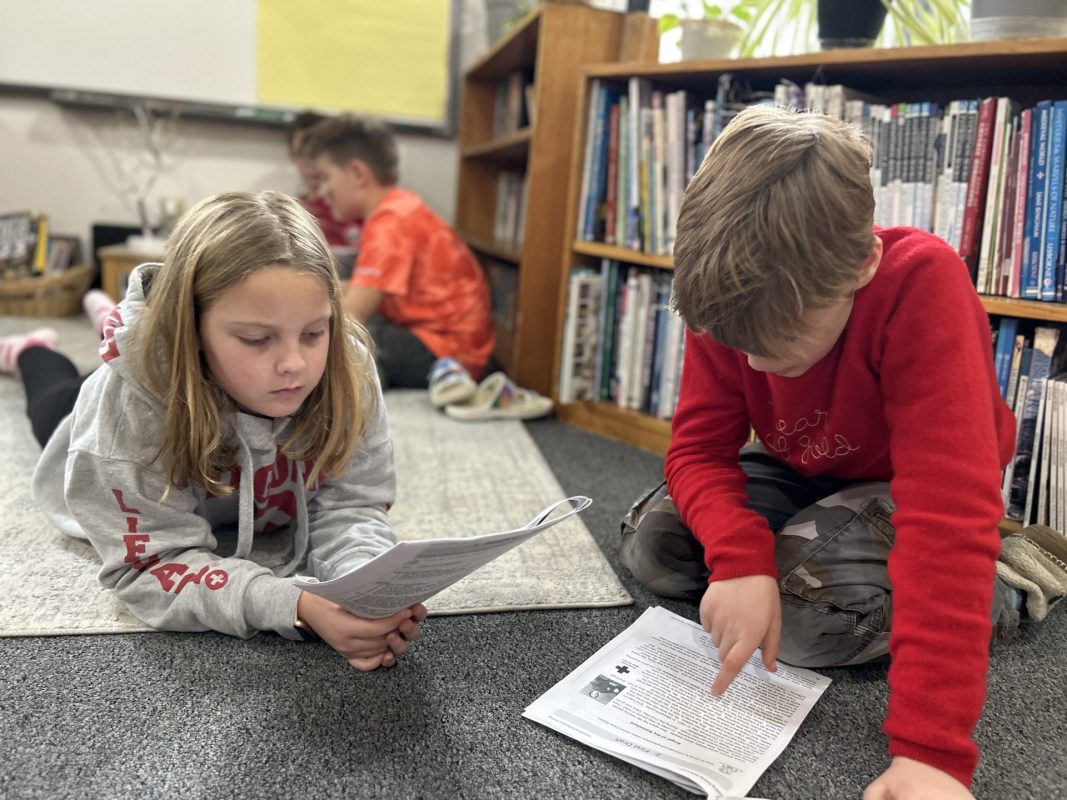
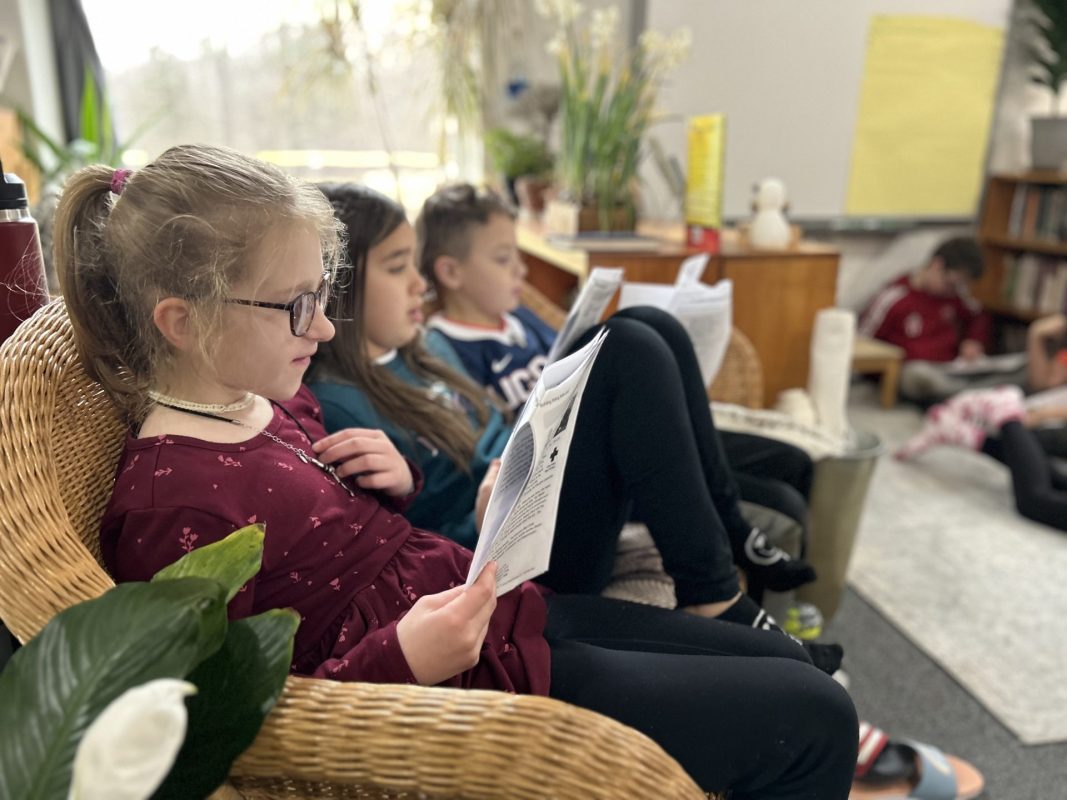
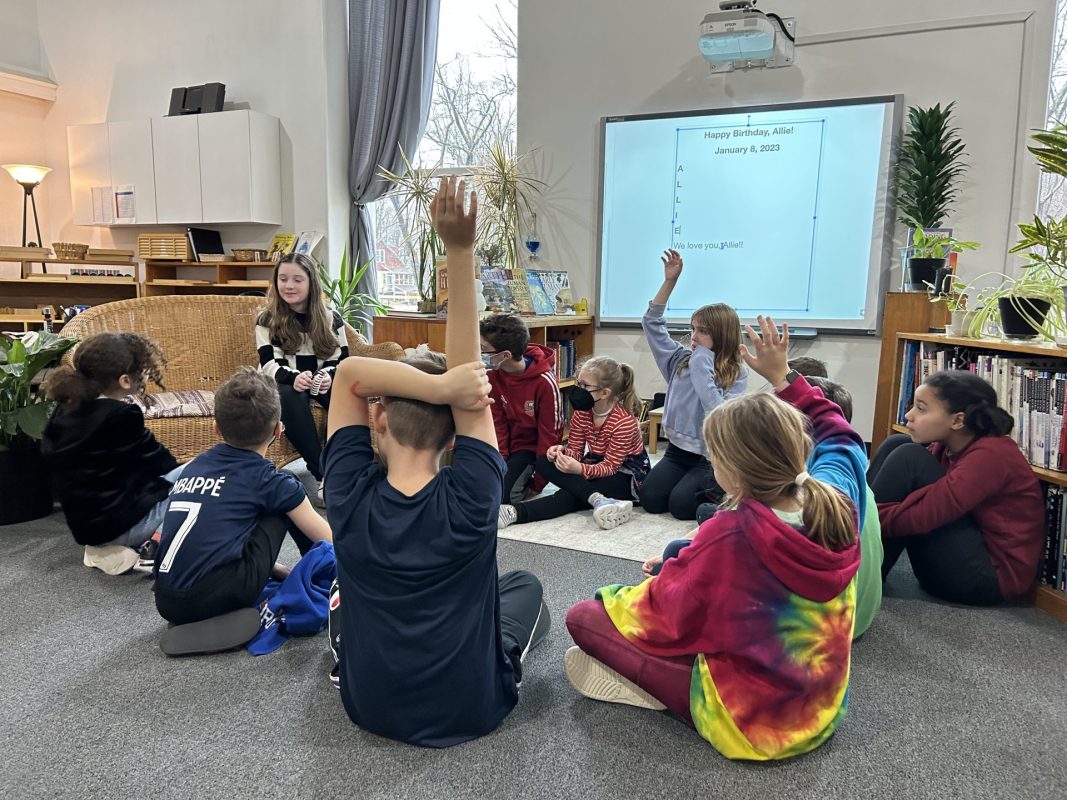
When the fifth graders shared their stories with the fourths this week, they did it with such enthusiasm and pride, and their classmates LOVED it! Sharing was filled with giggling and enjoyment. THIS is love of learning, one of the many benefits of the Montessori method.
Wishing you a beautiful weekend,
Karen and Angie