Digging In: Ancient Civilizations

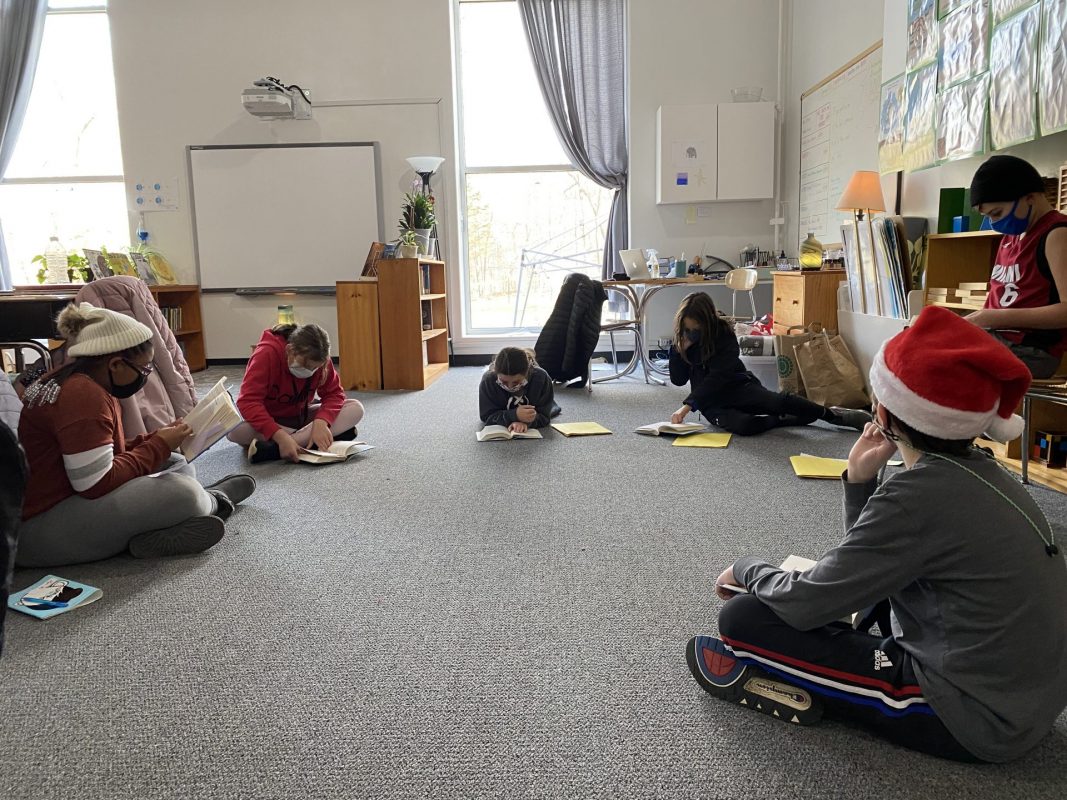
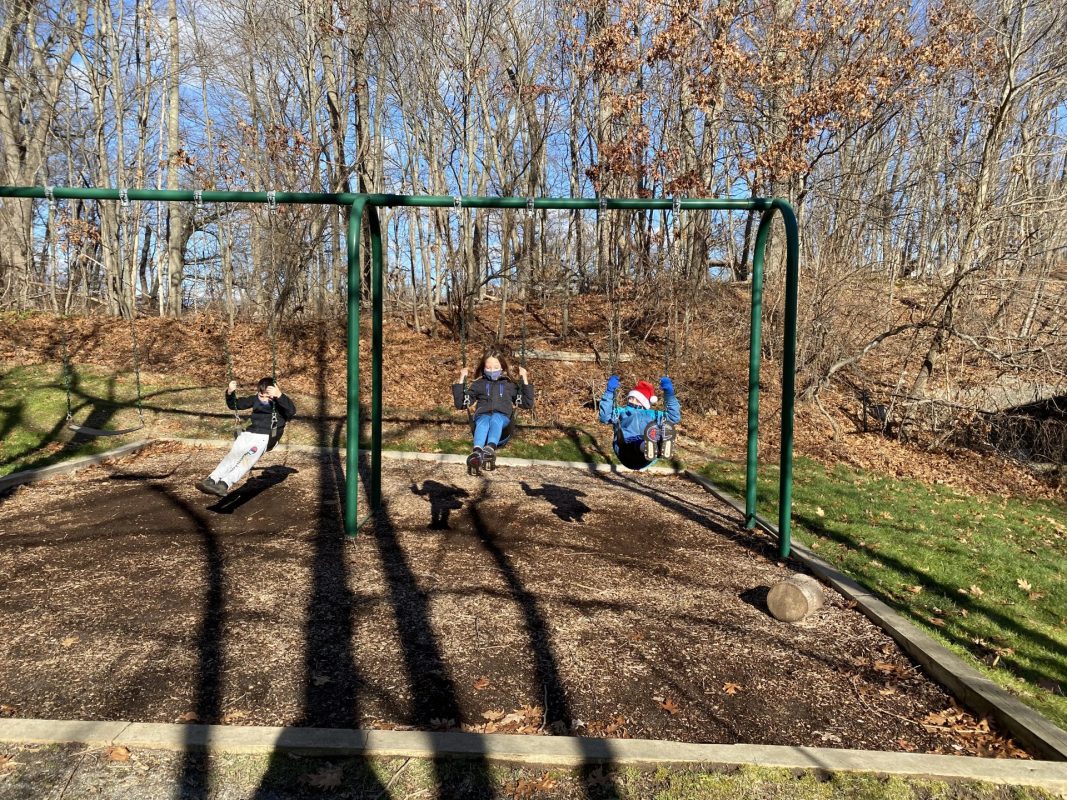
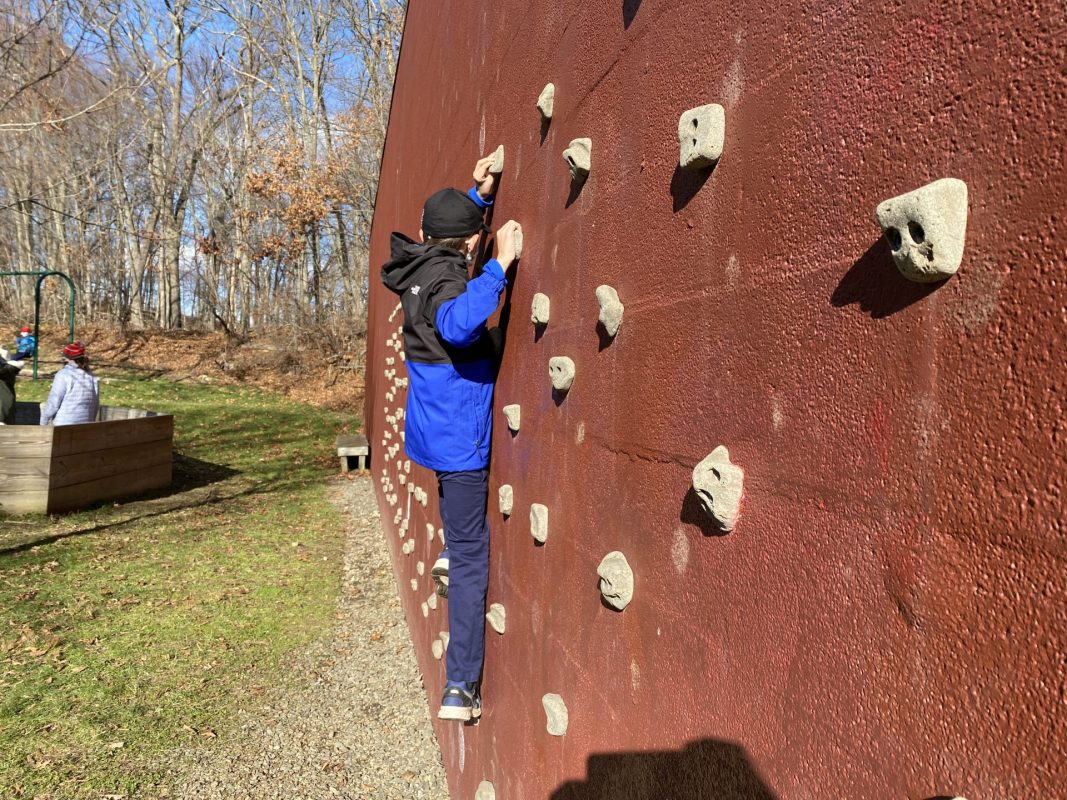
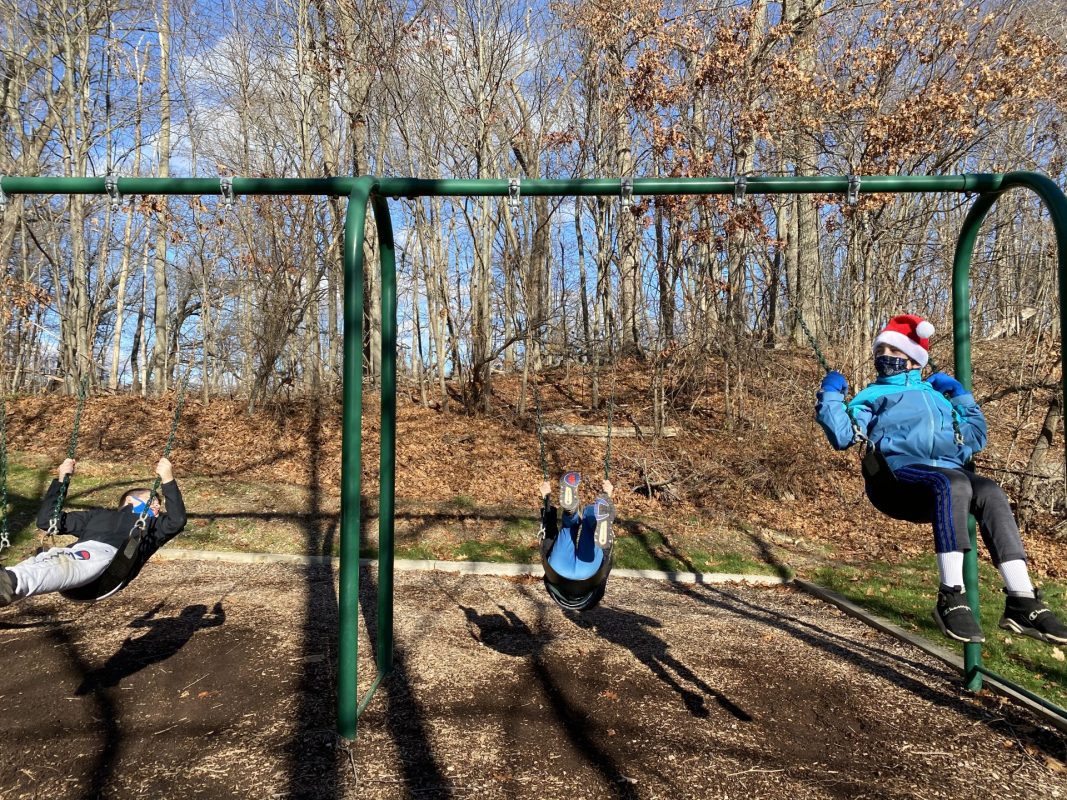
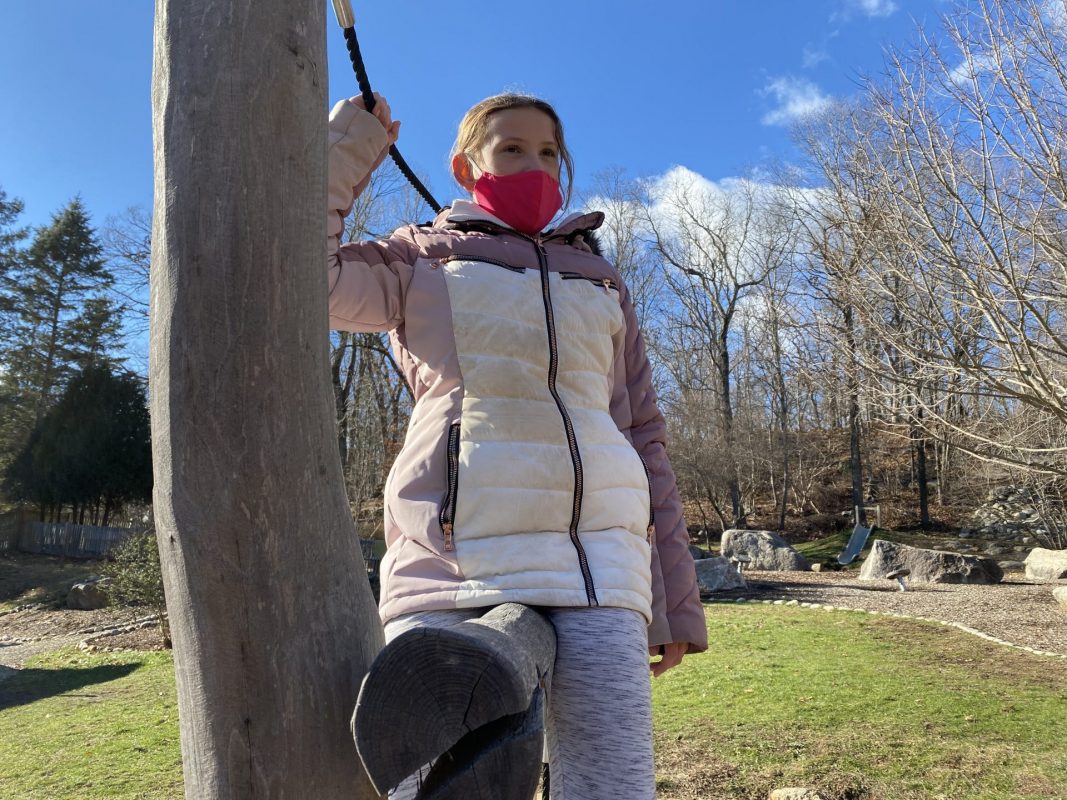
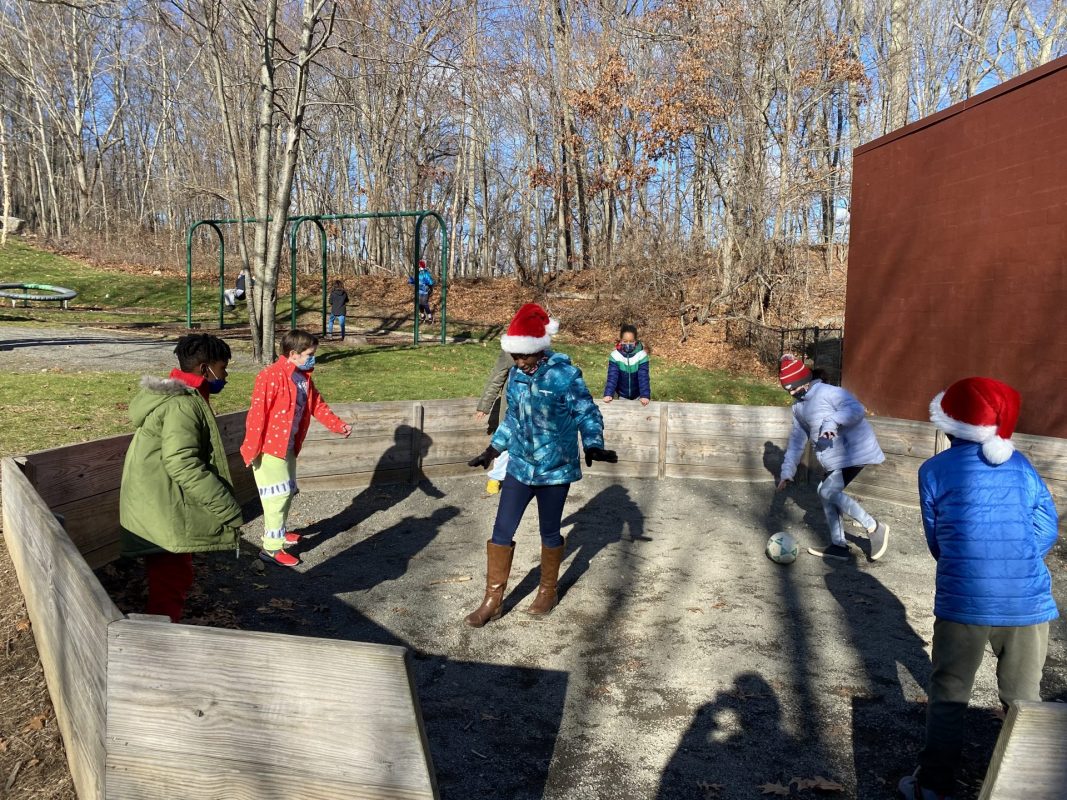
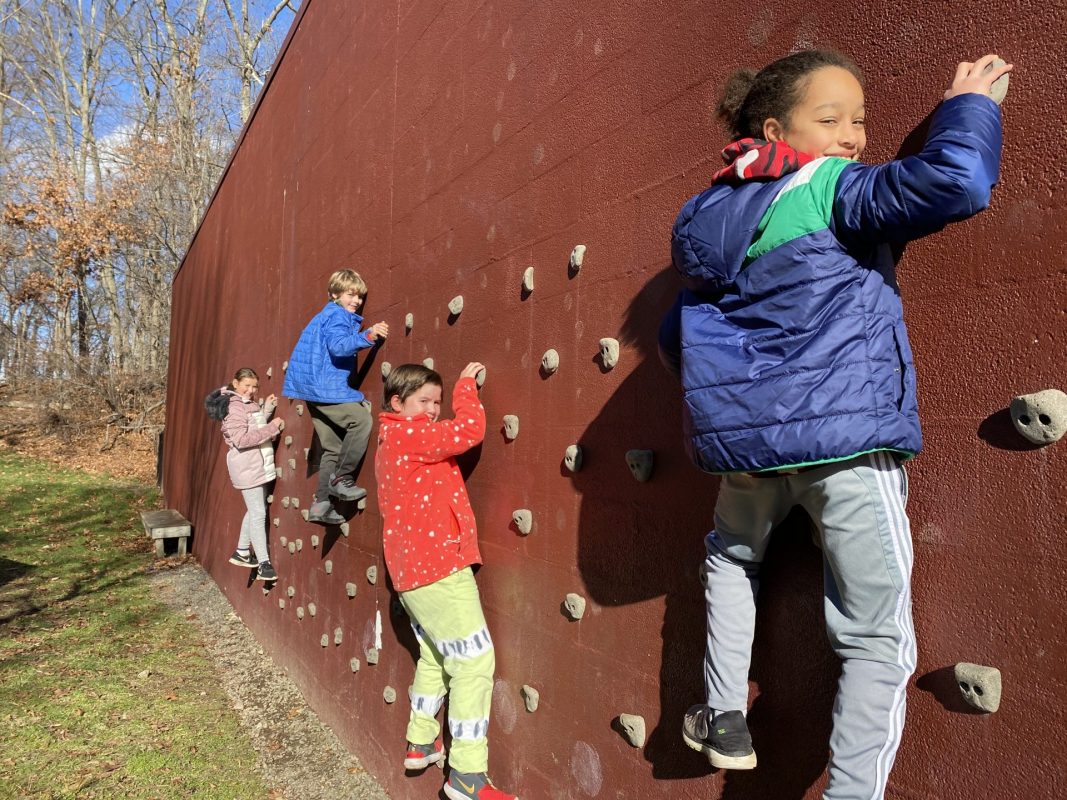
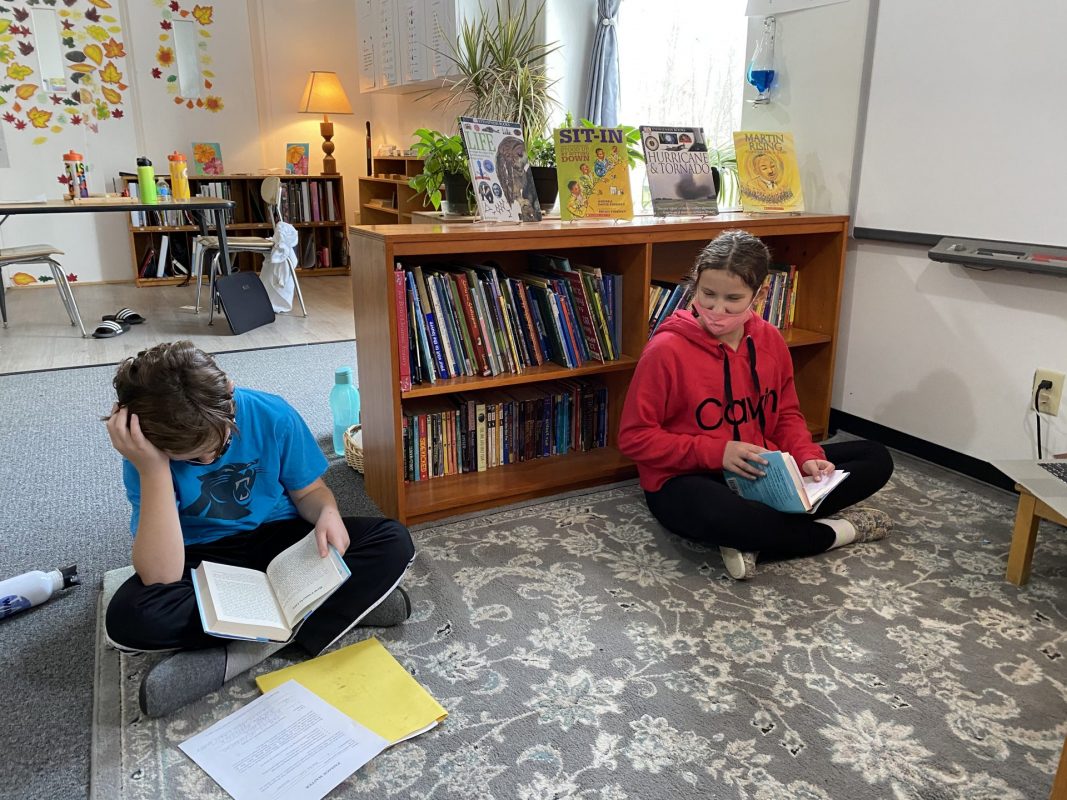
I hope you all had a wonderful break and enjoyed the holidays with your families. We have had a happy and busy first week back full of collaborative work, individual lessons, and engaged class discussions.

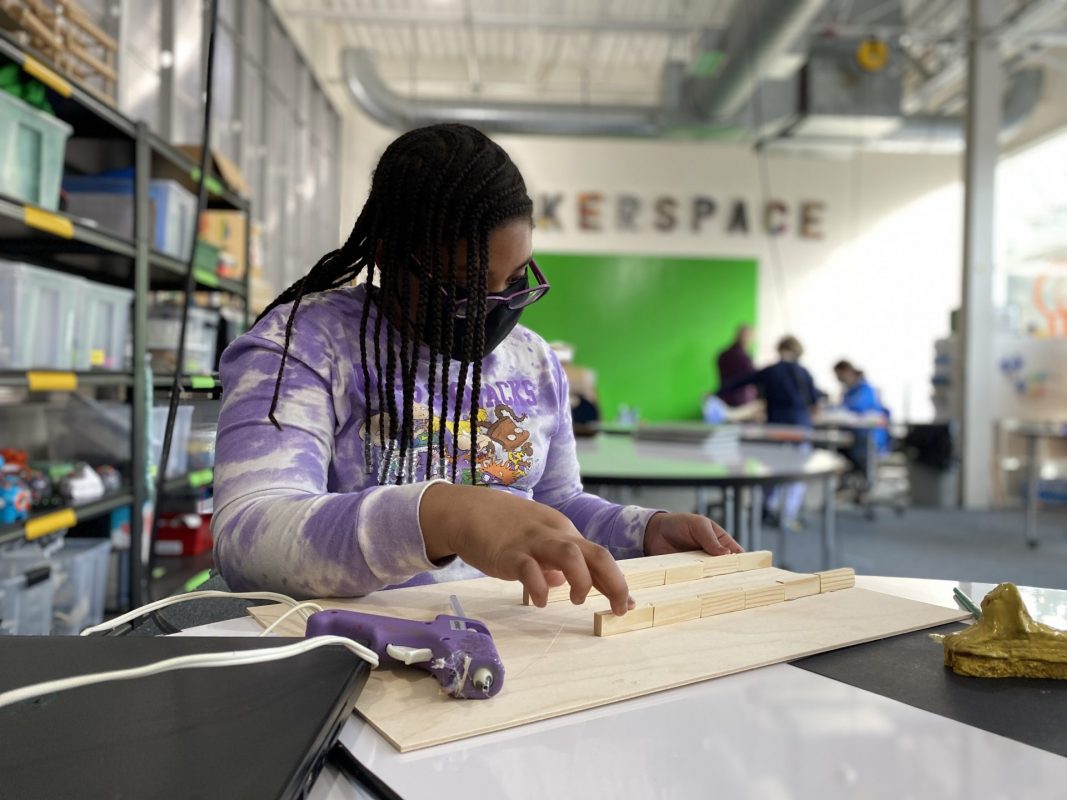
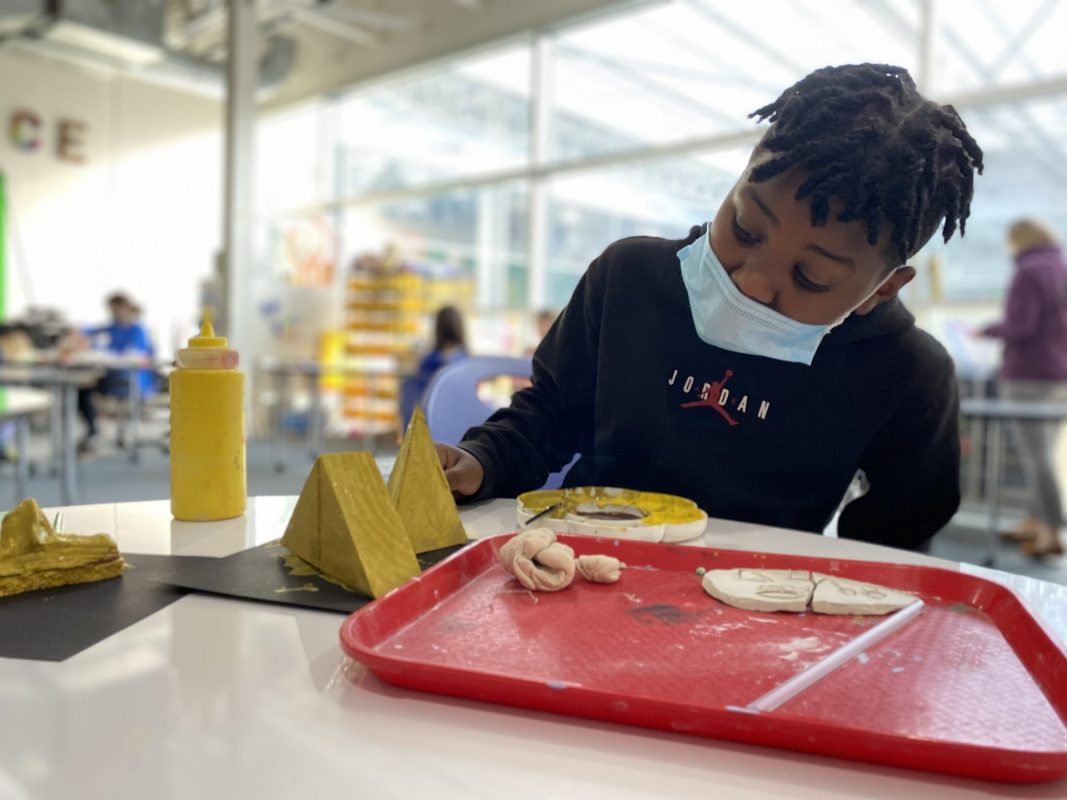
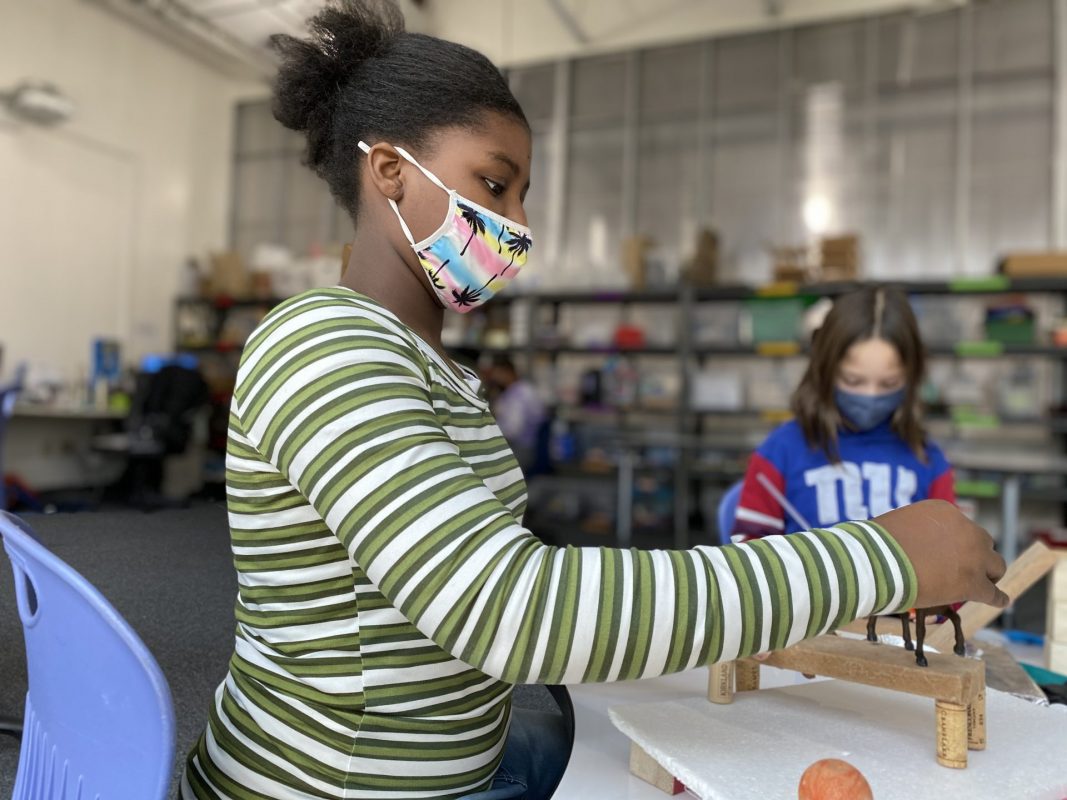
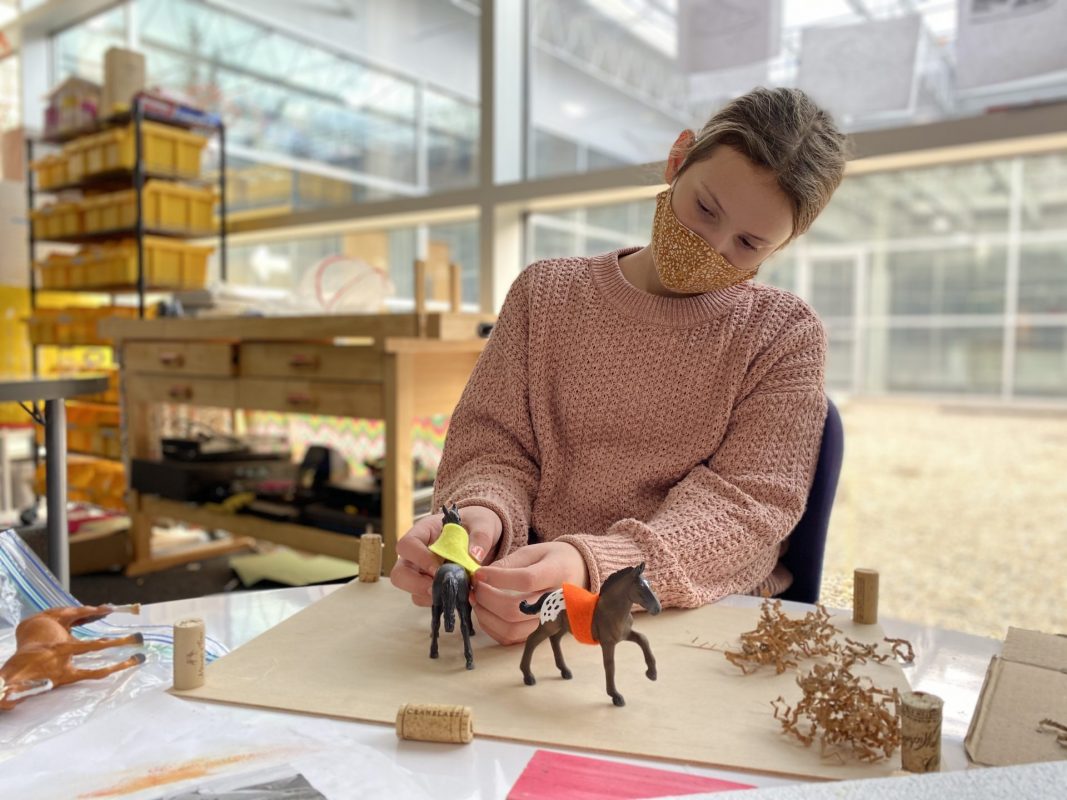
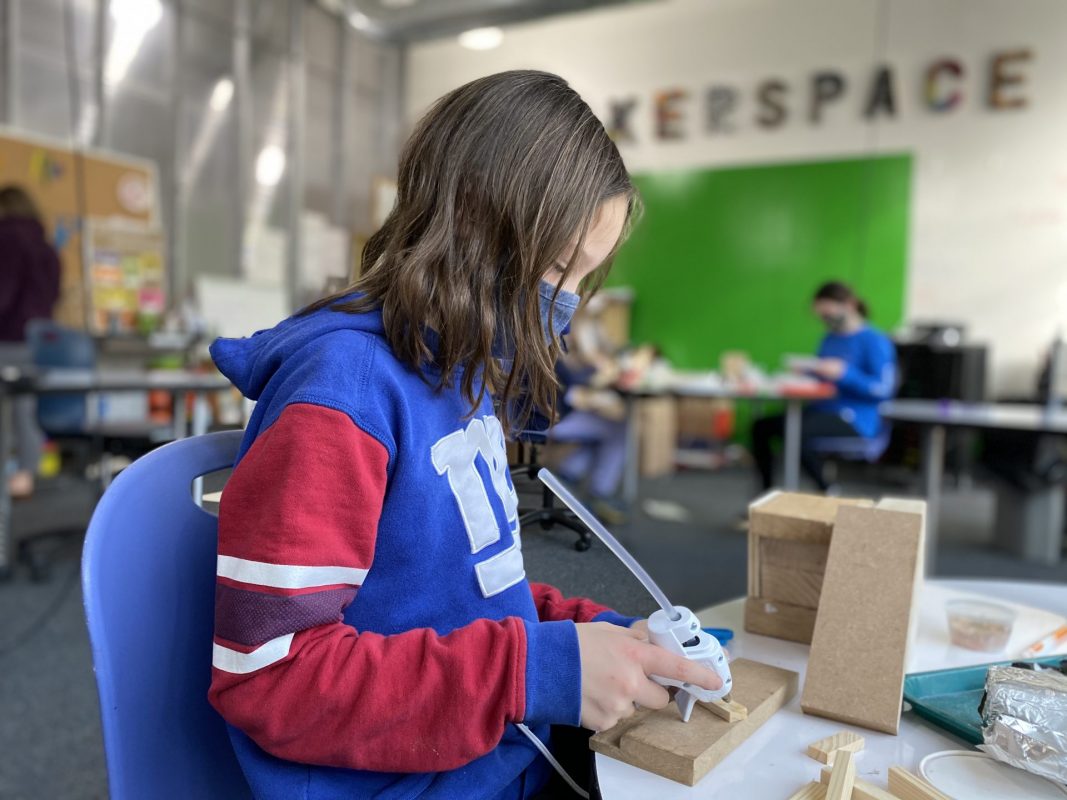
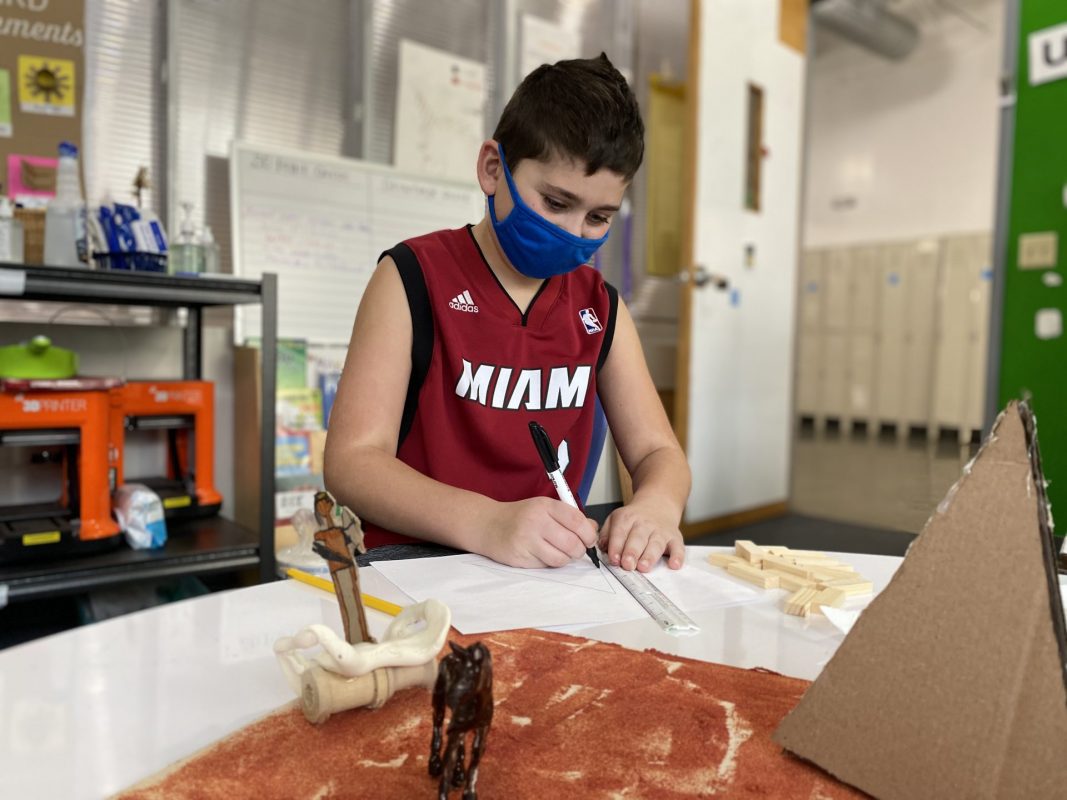
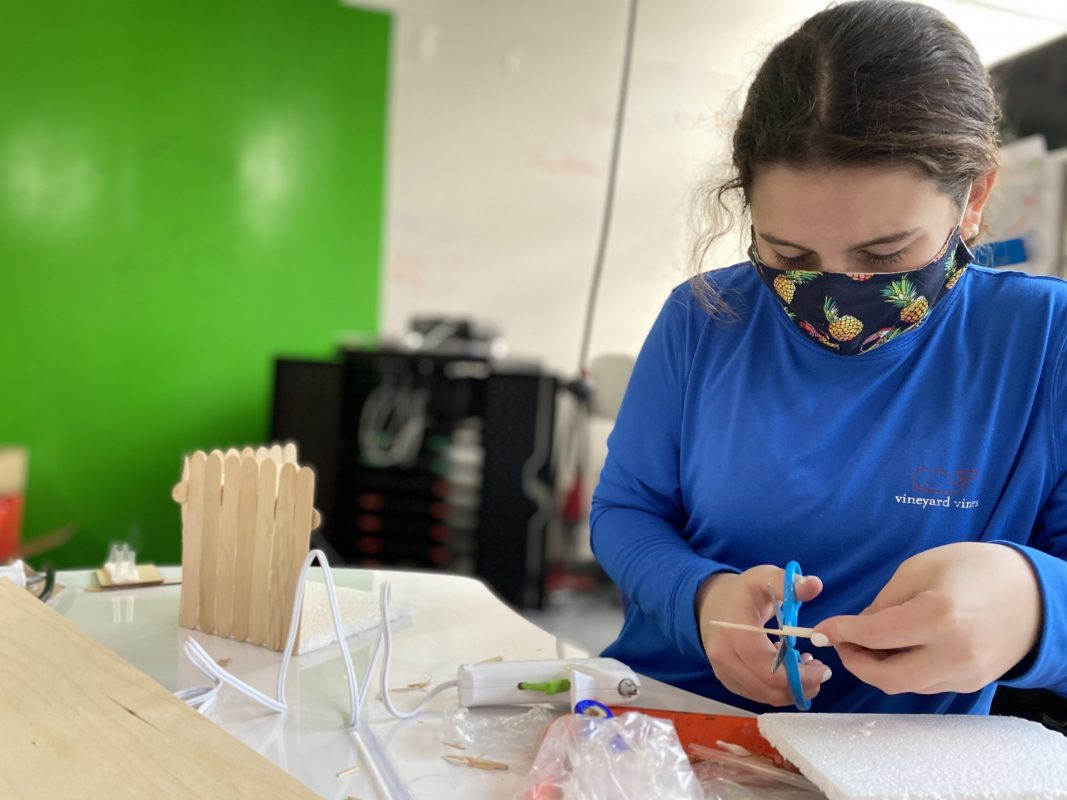
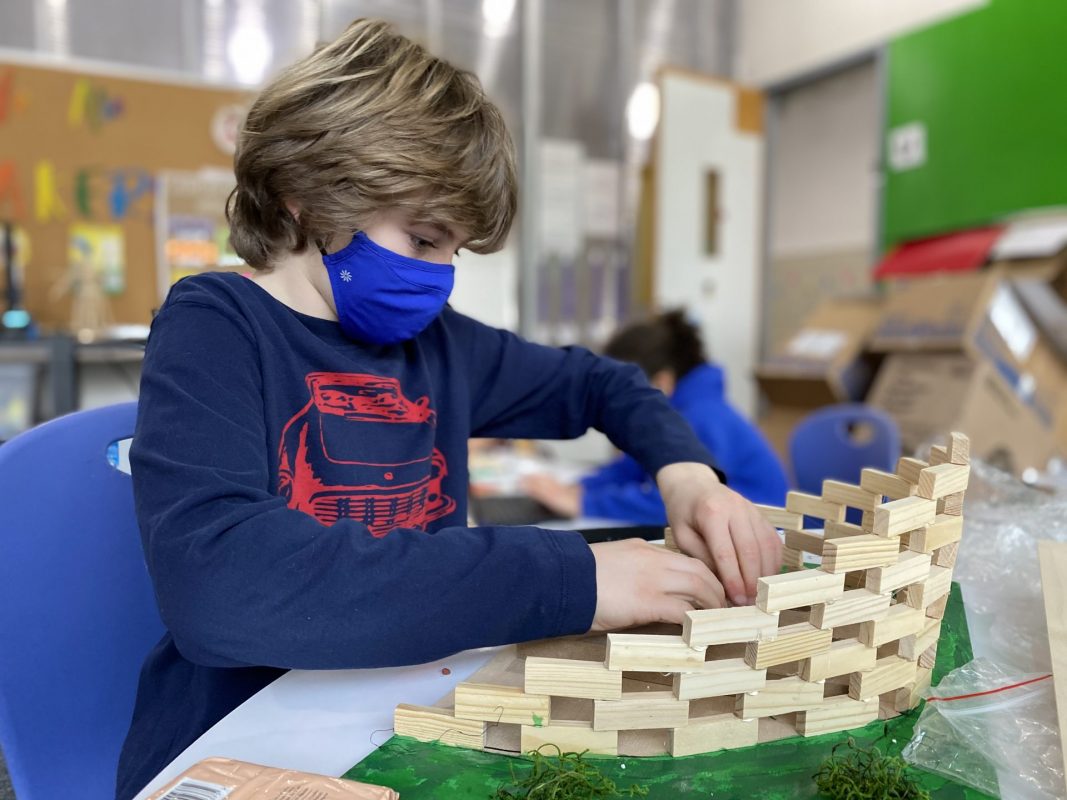
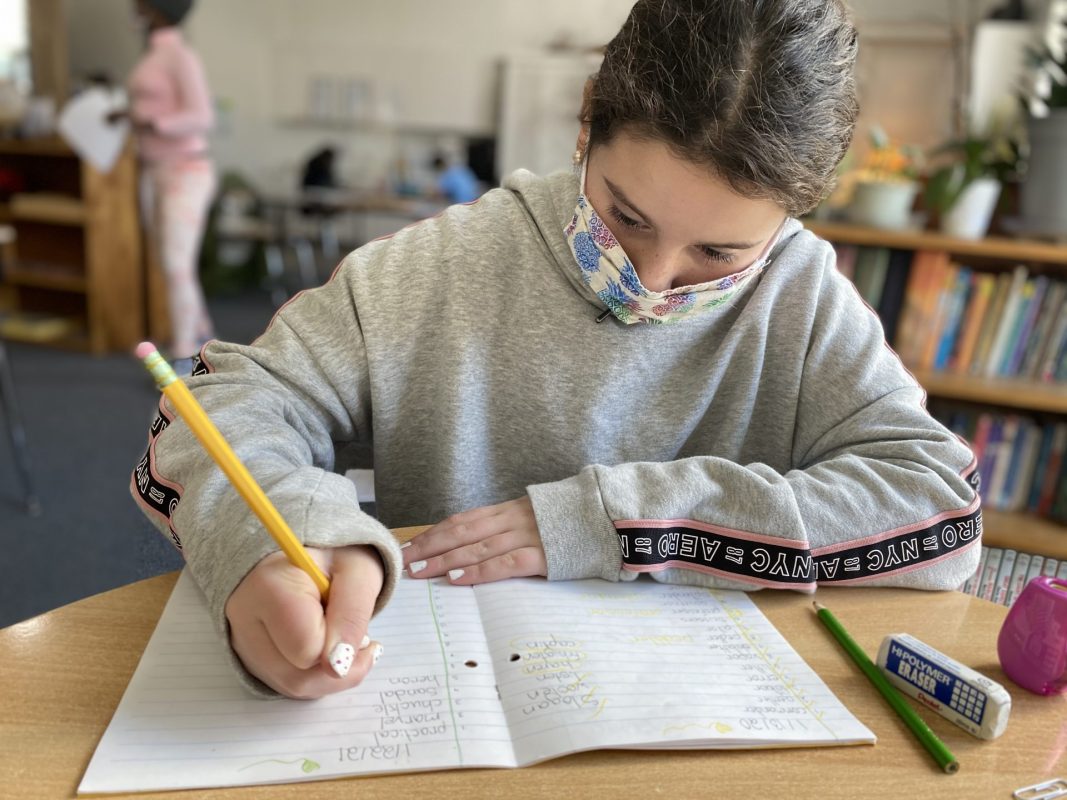
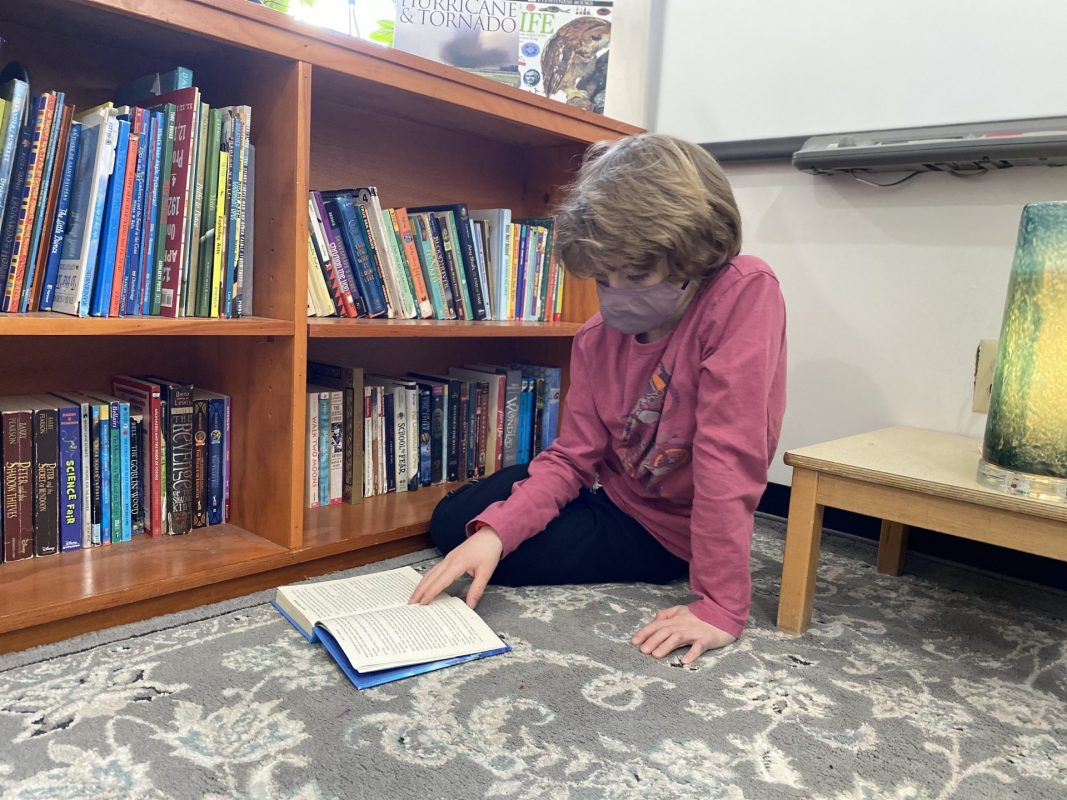
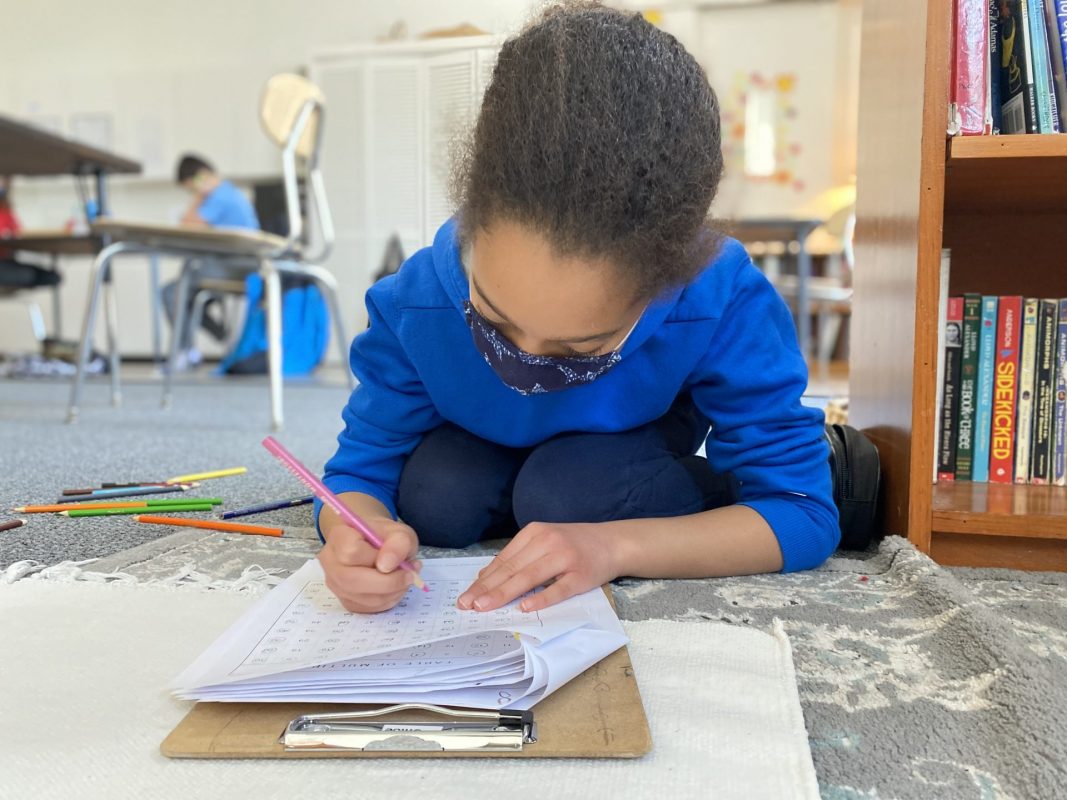
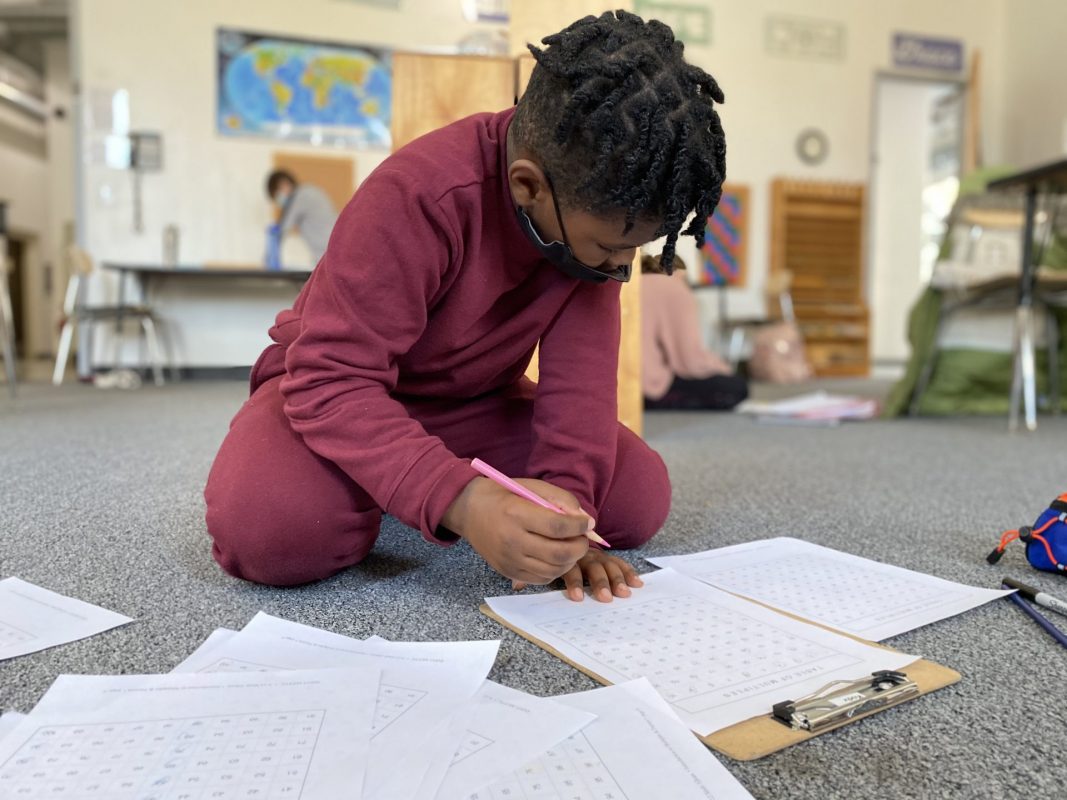
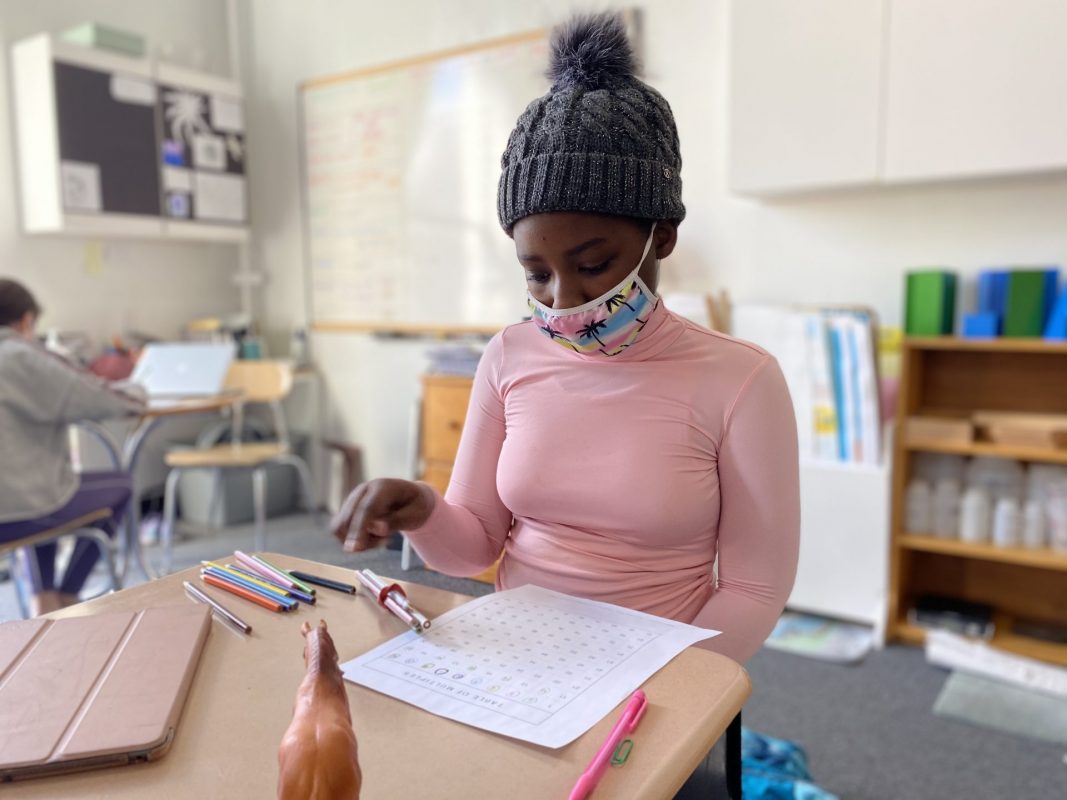
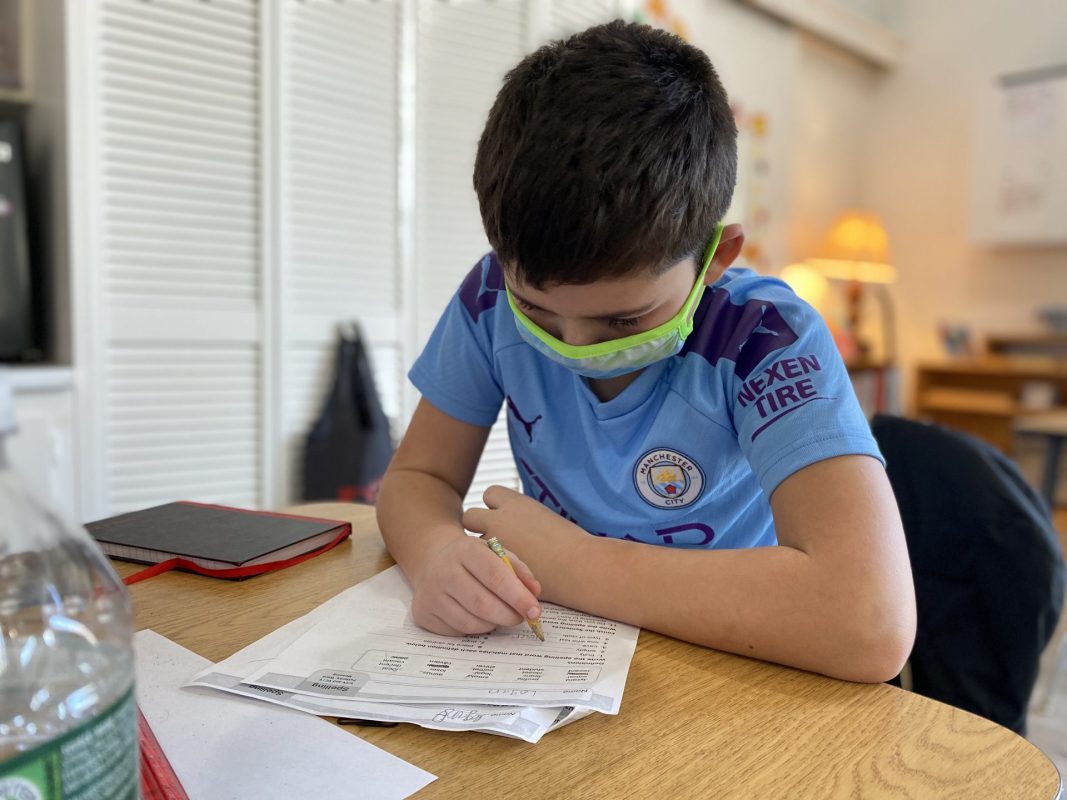
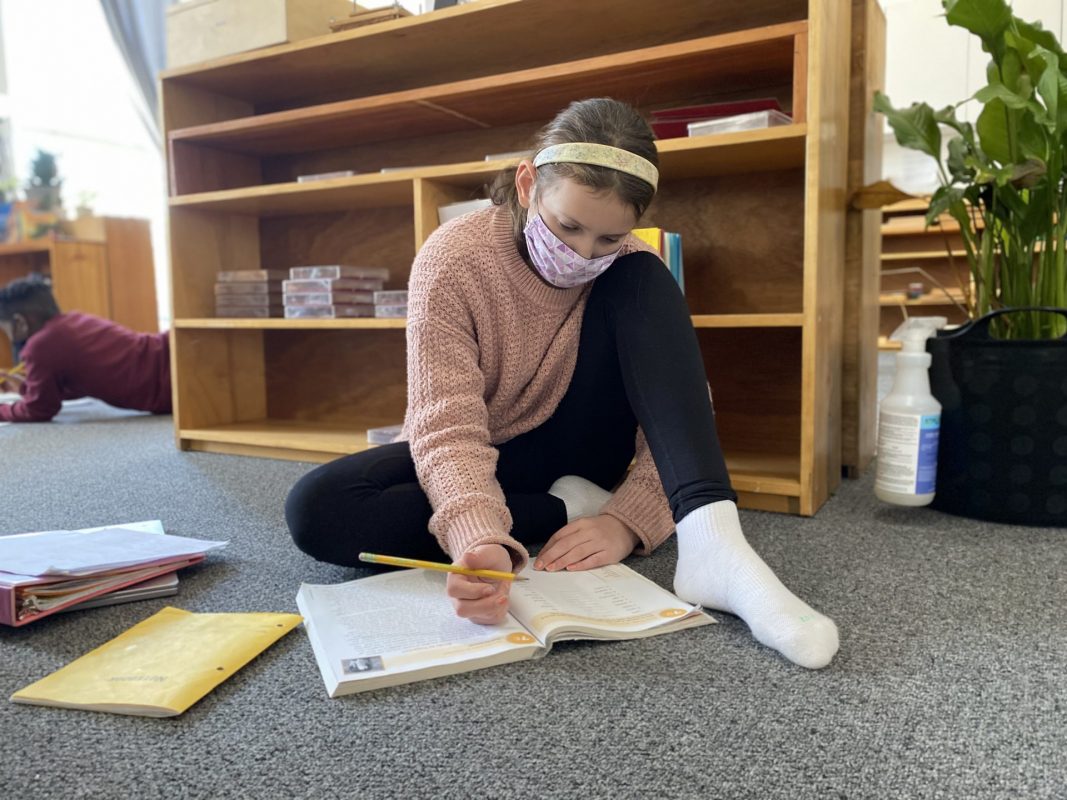
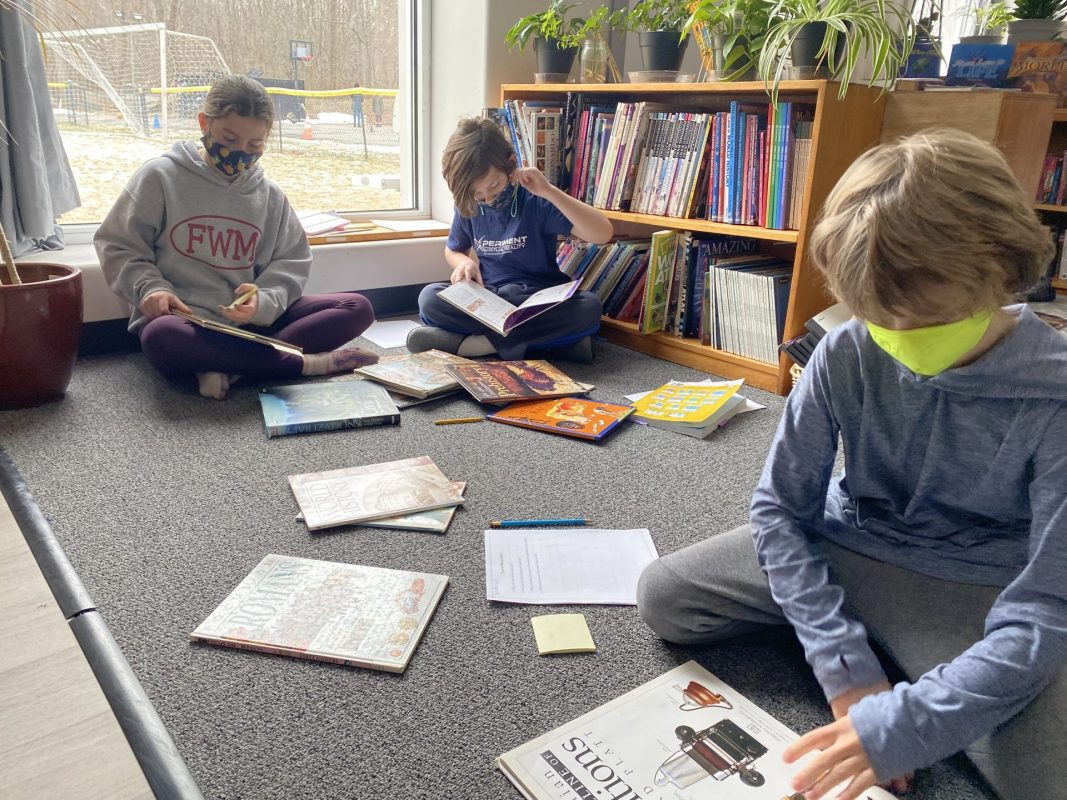
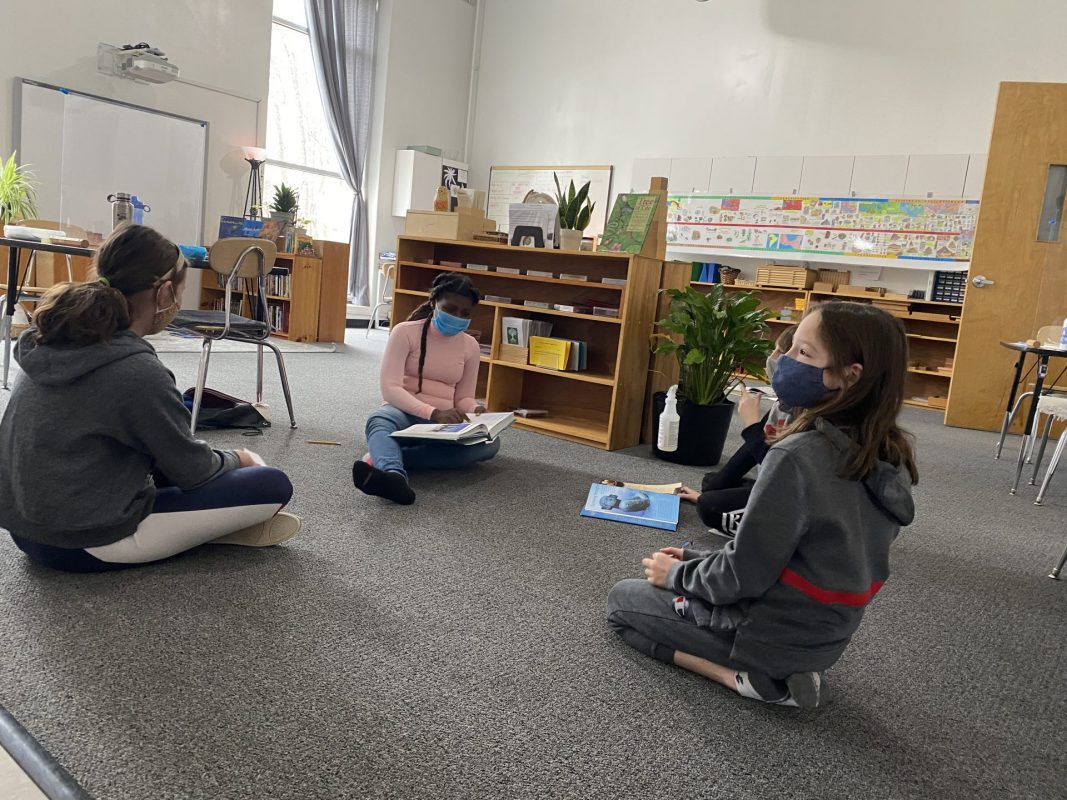
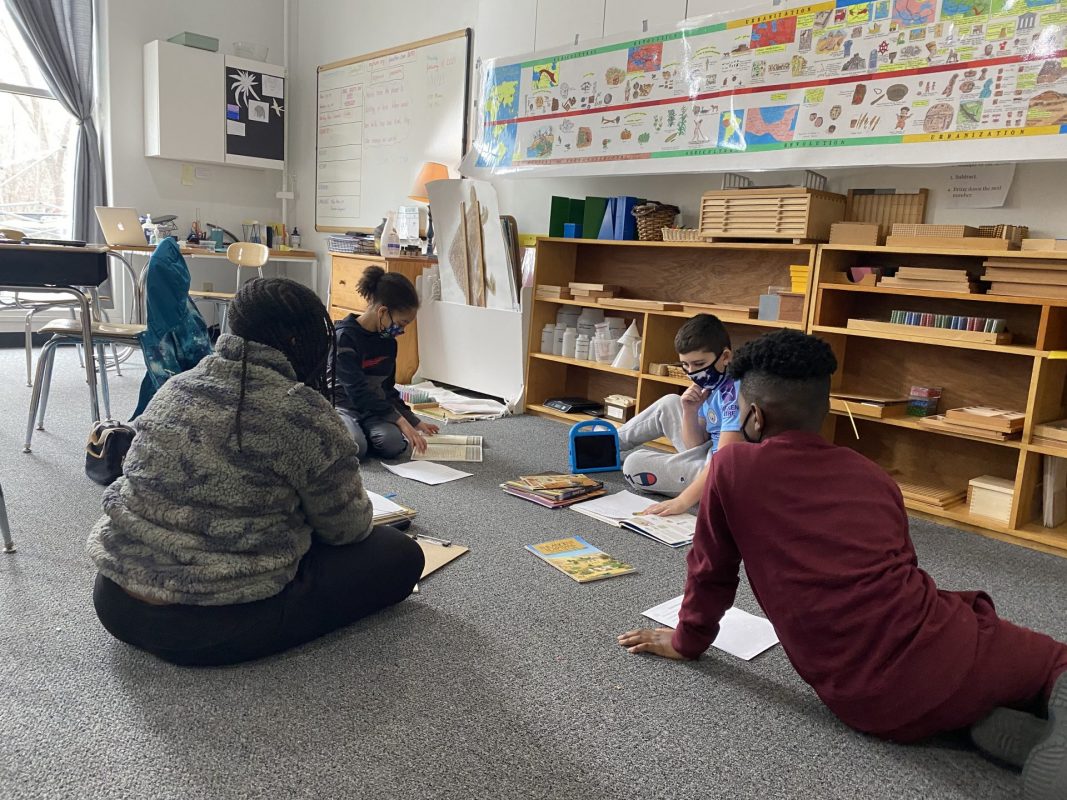
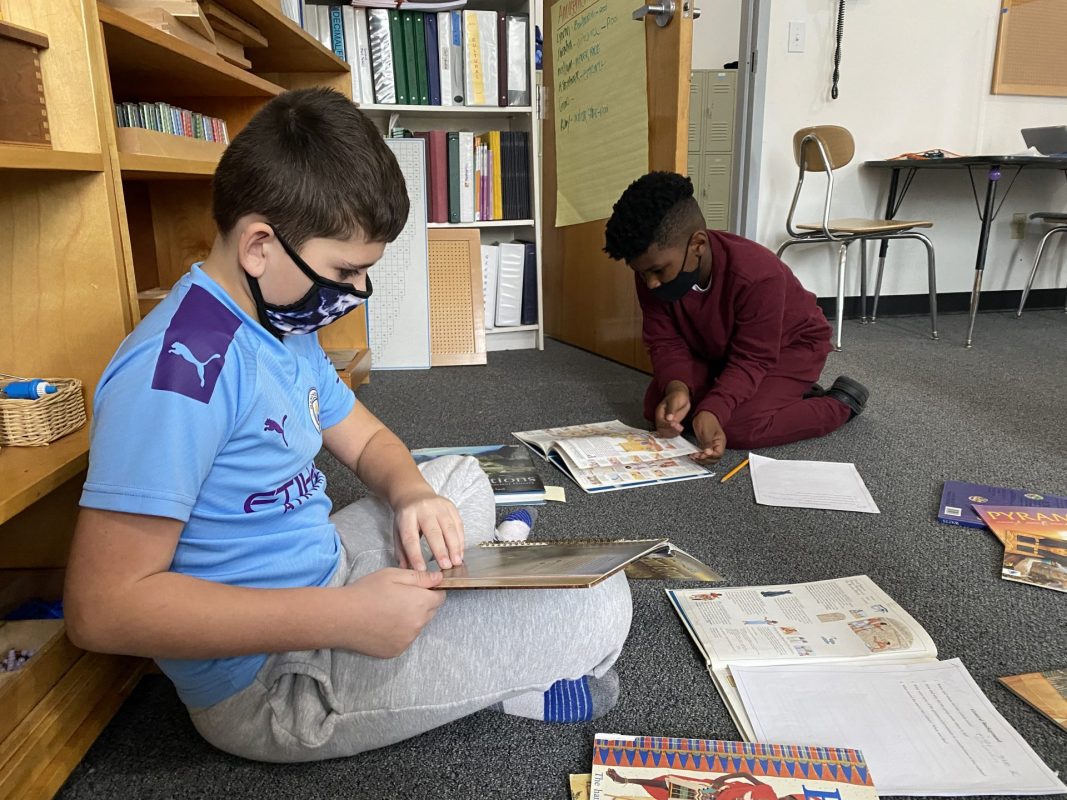
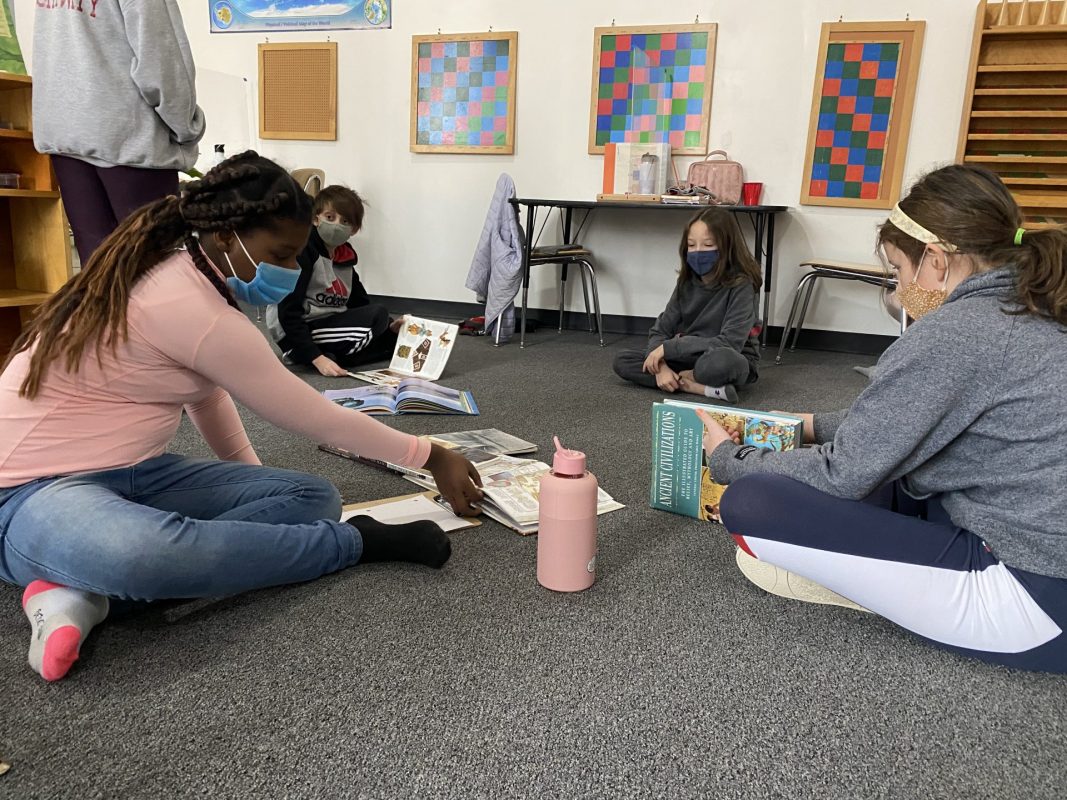
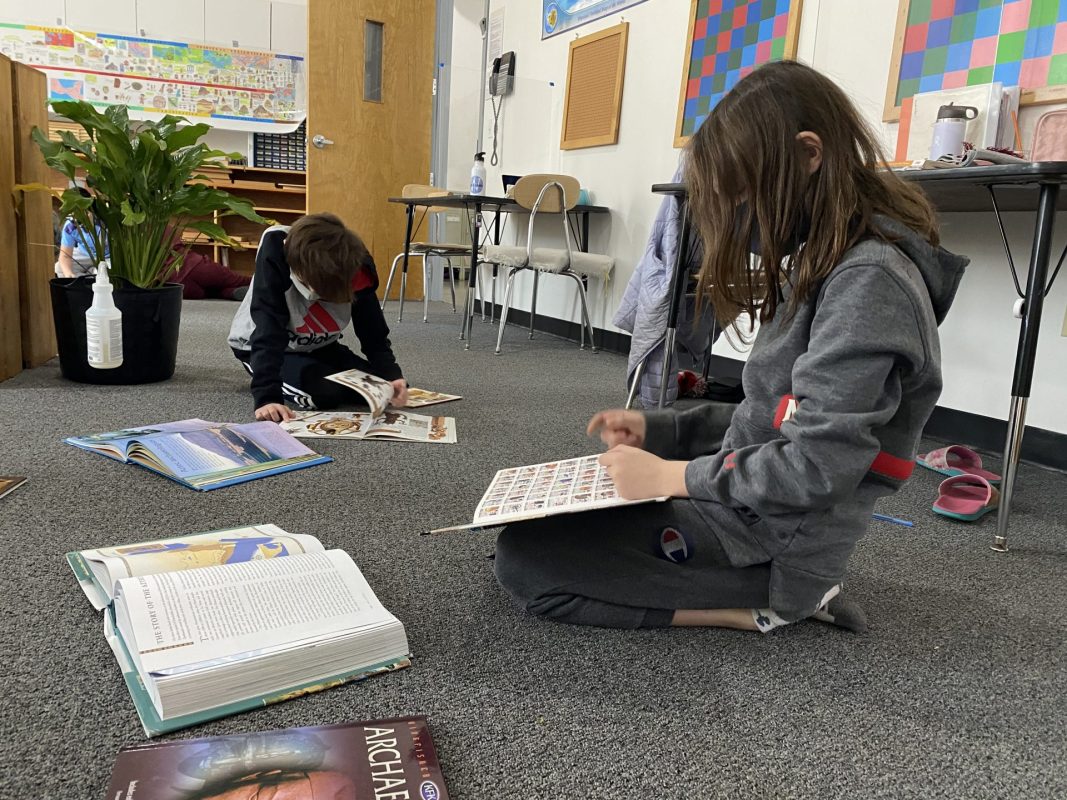
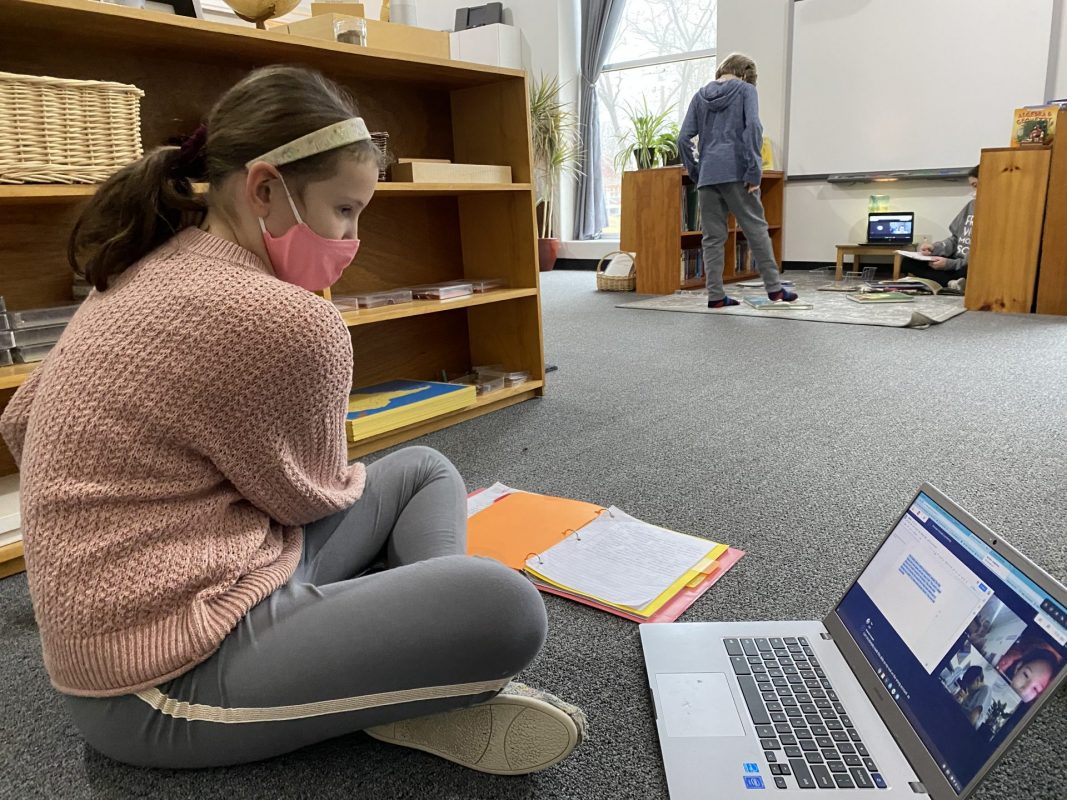
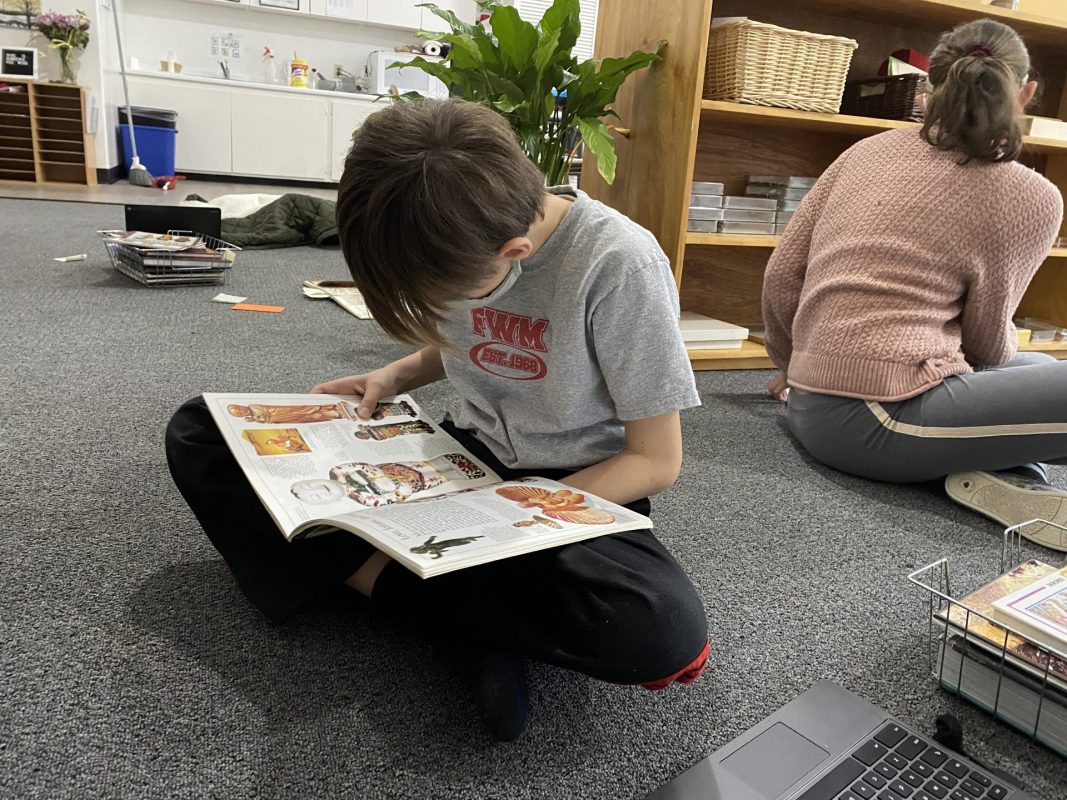
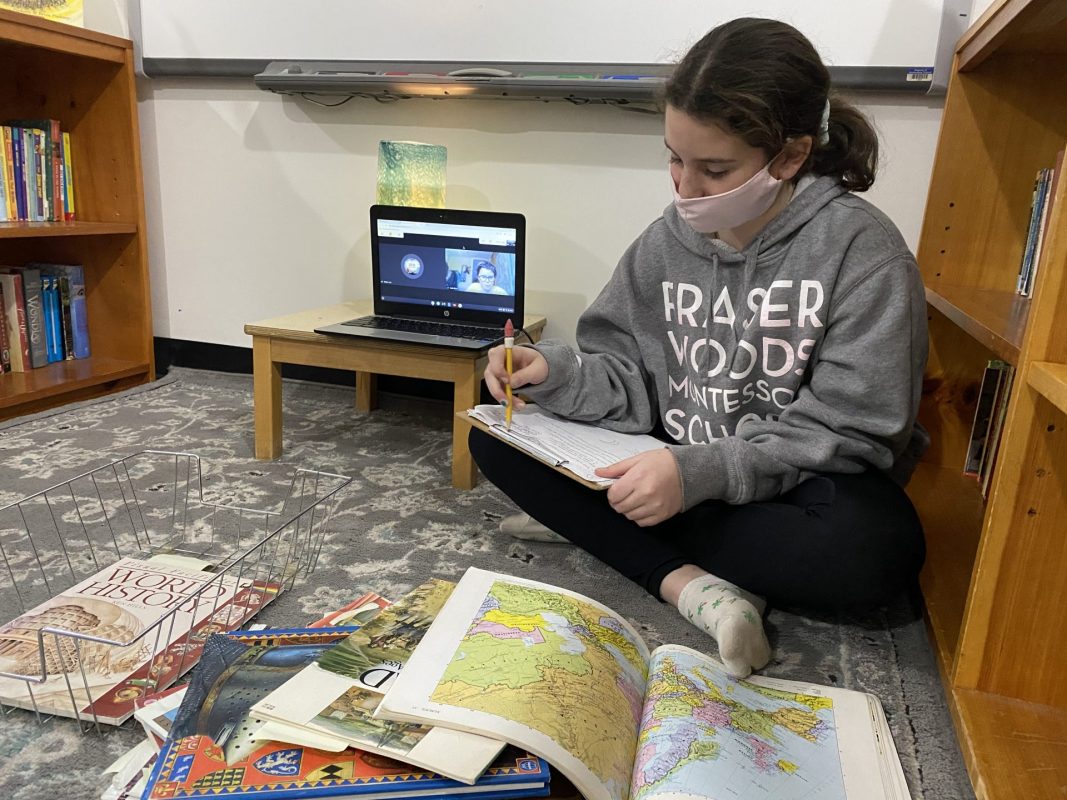
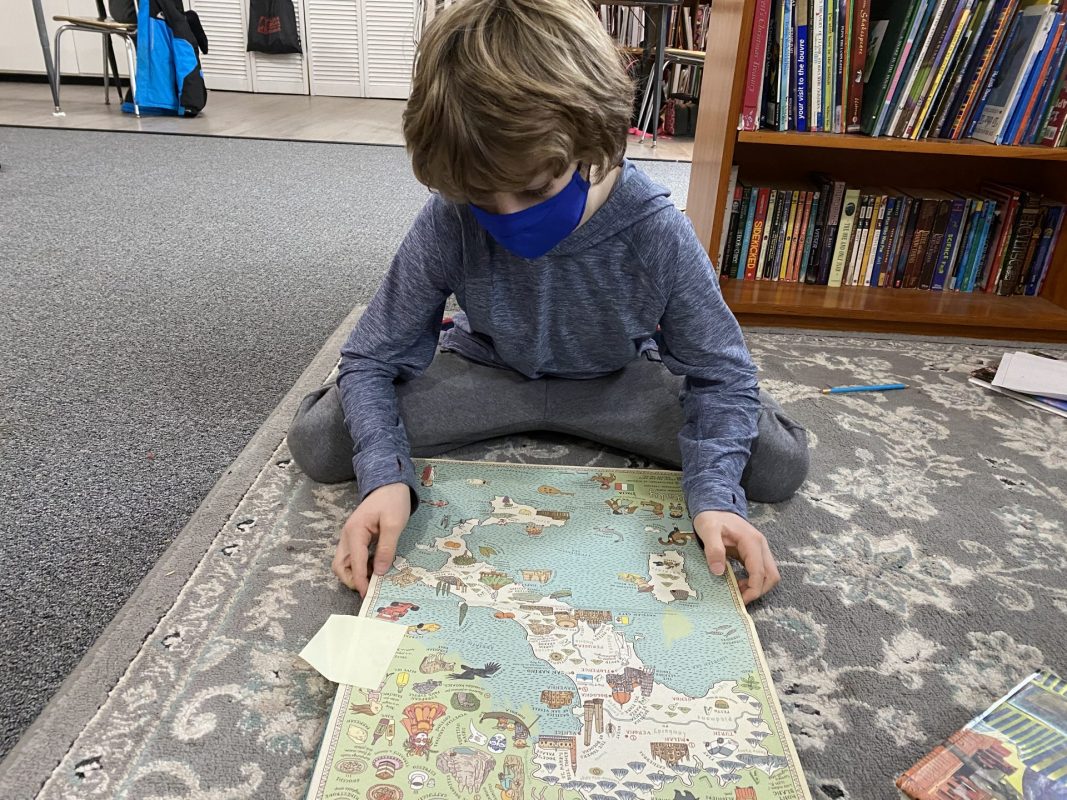
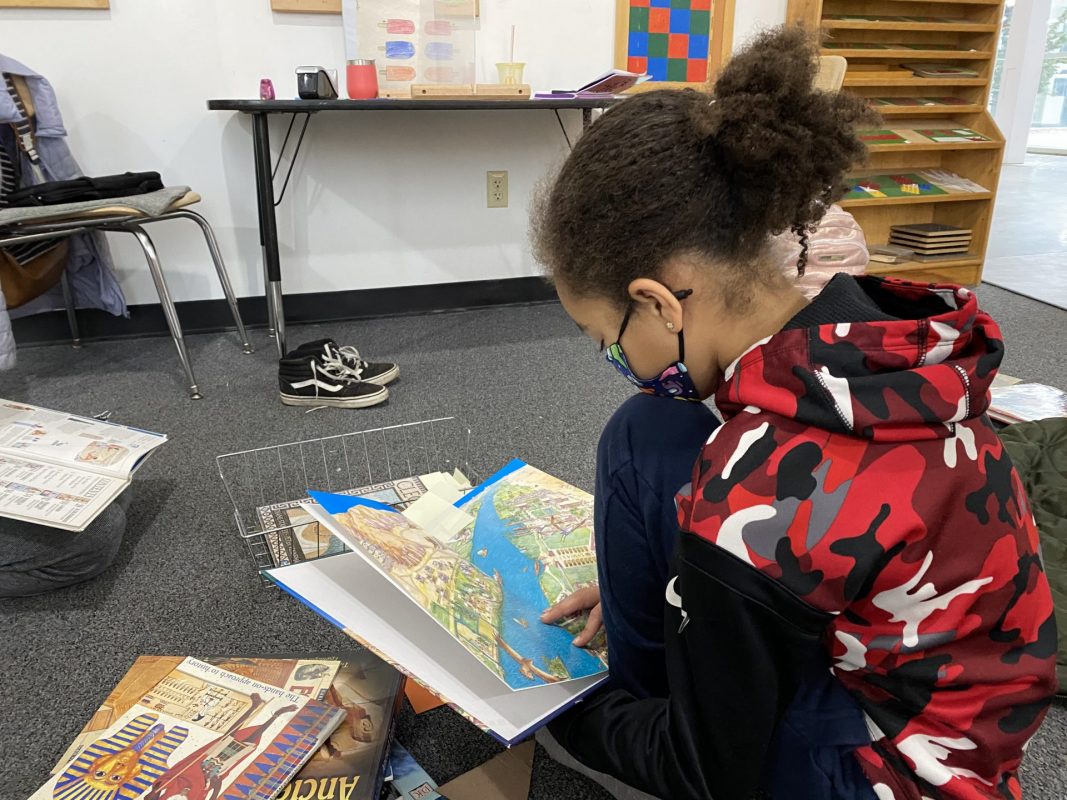
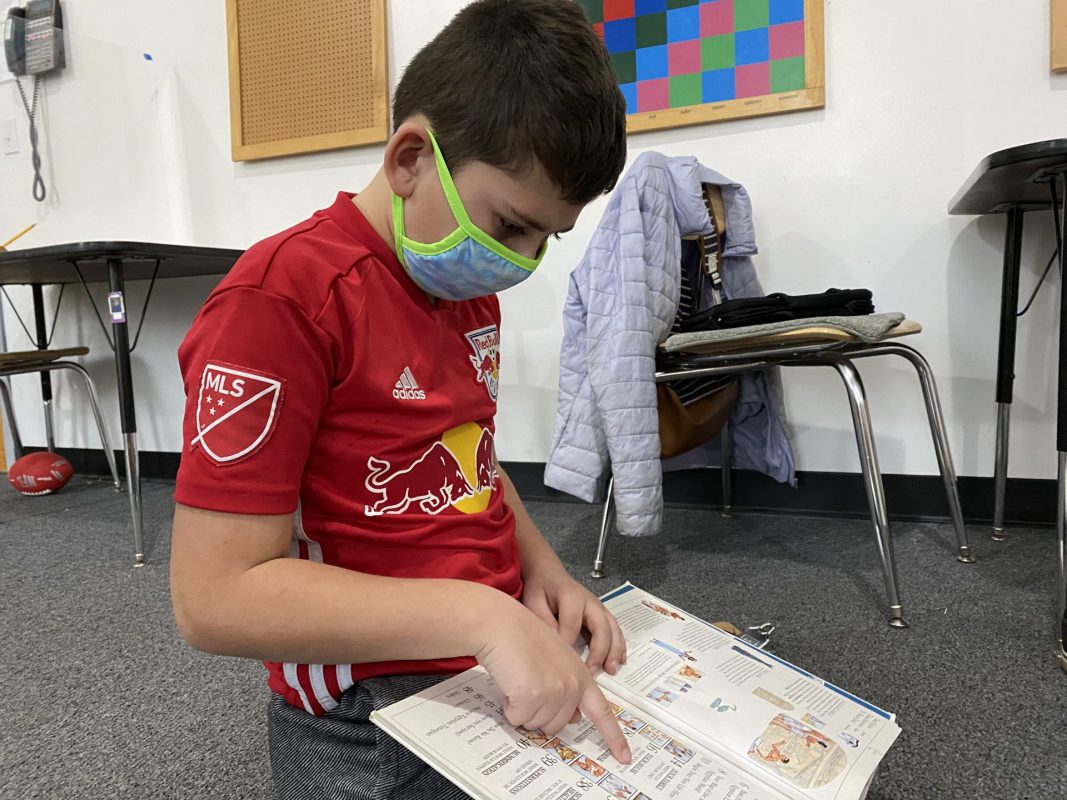
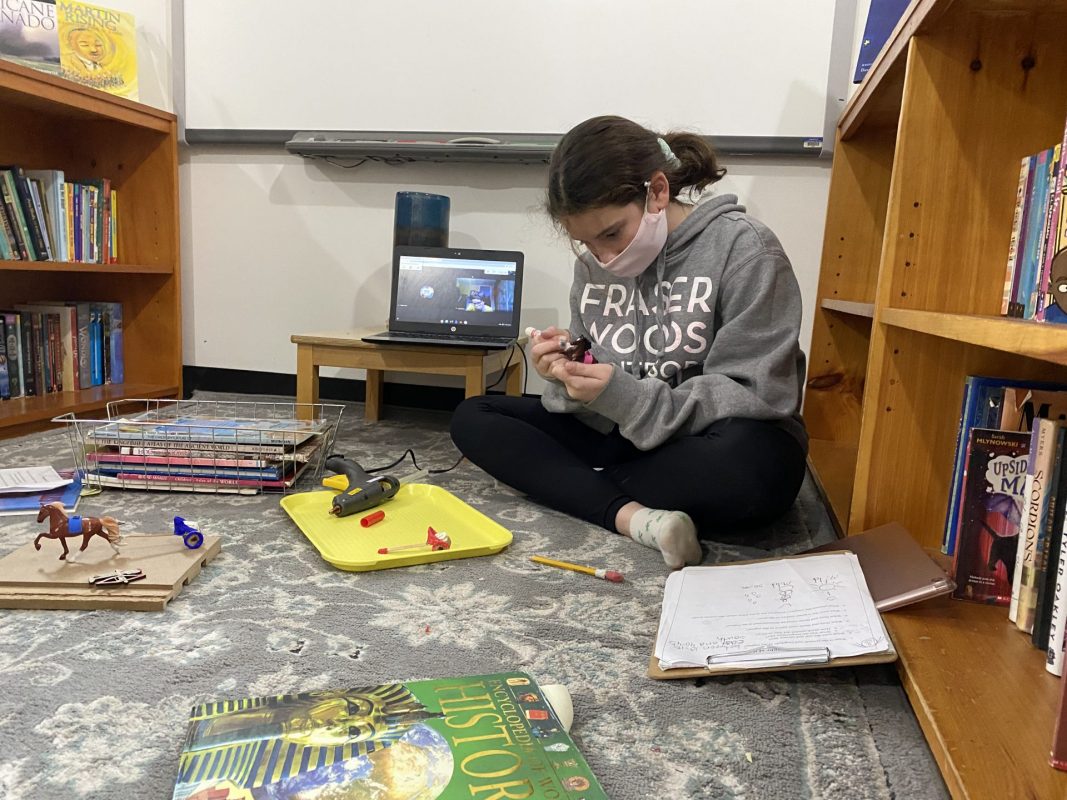
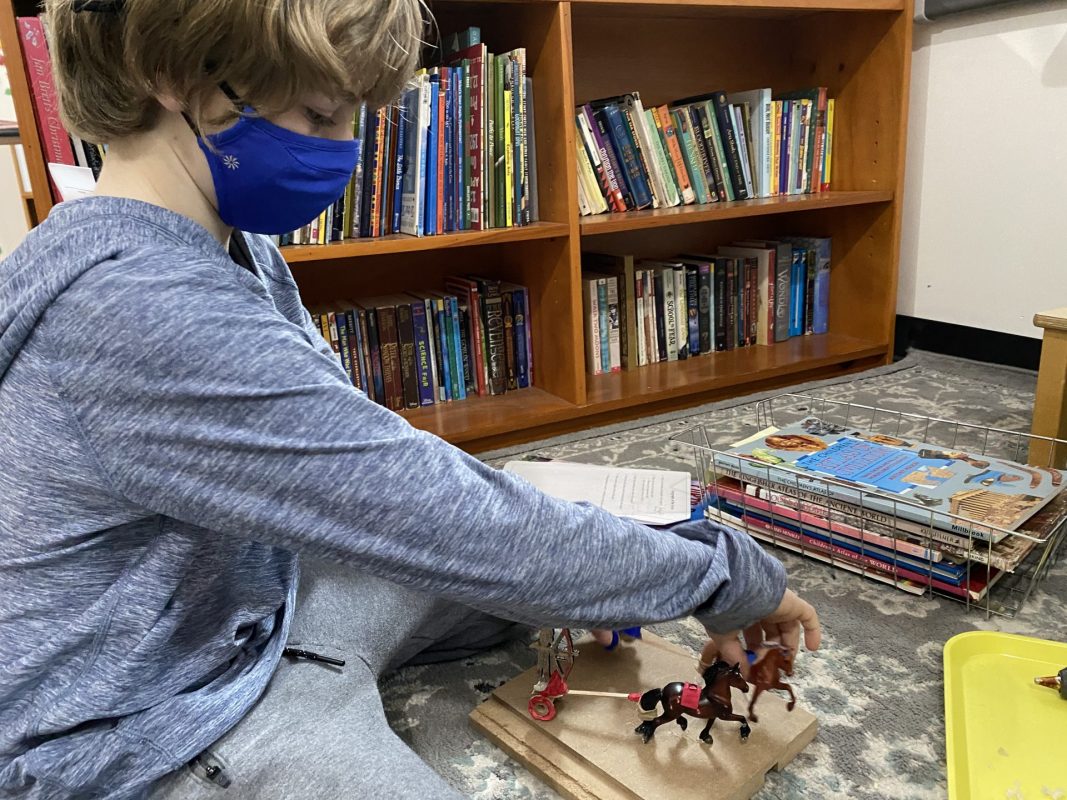
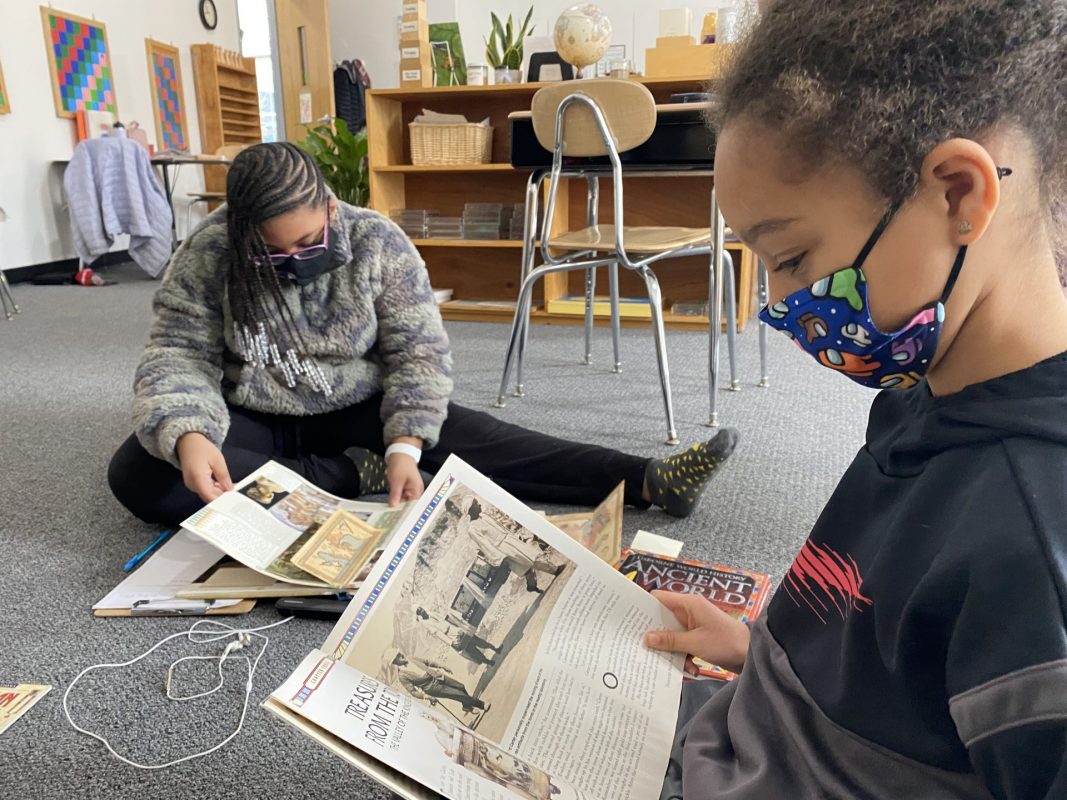
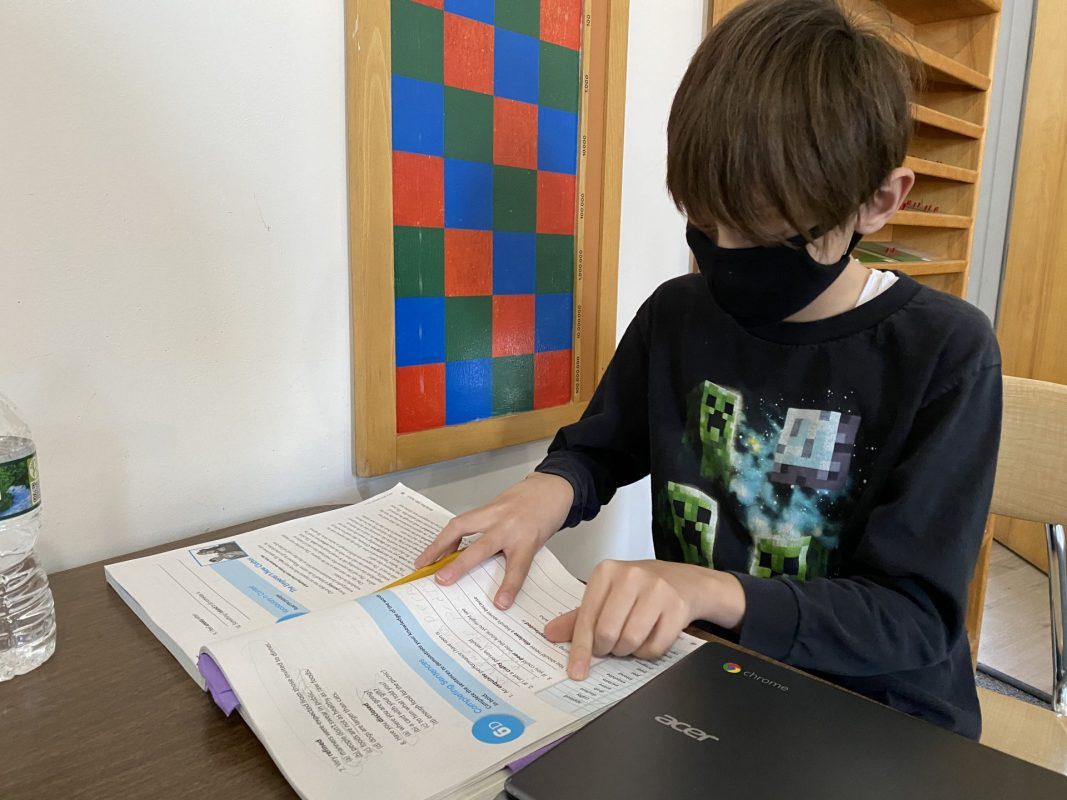
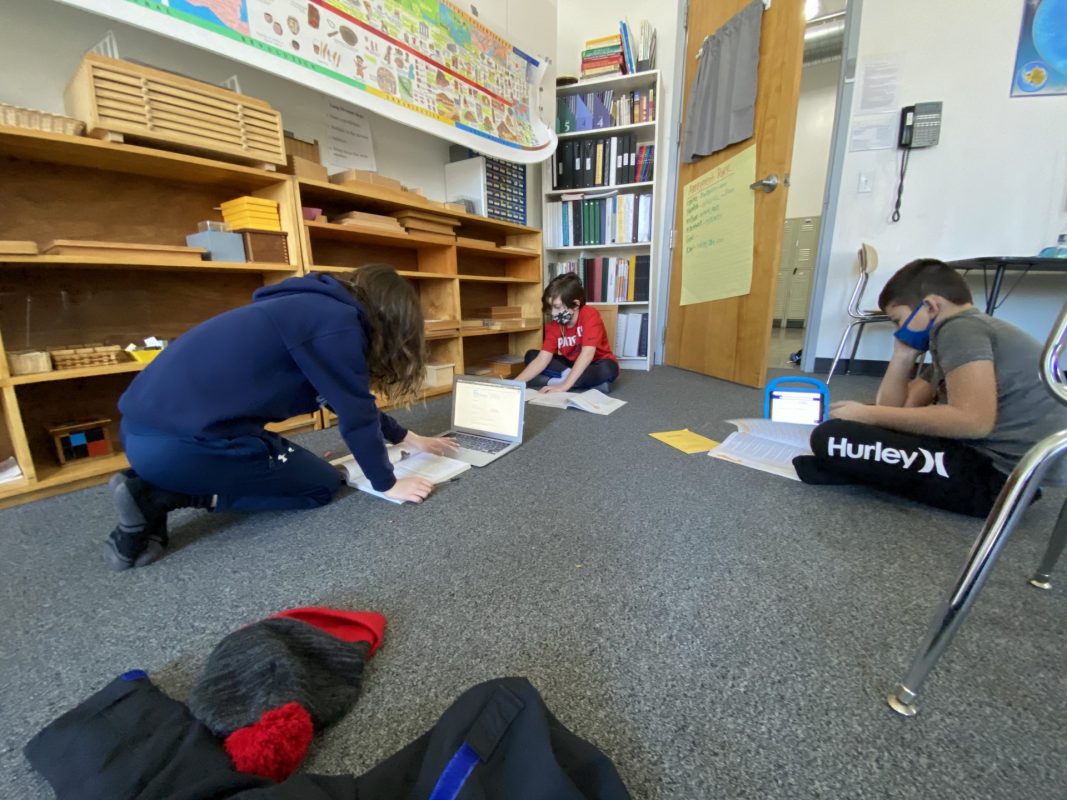
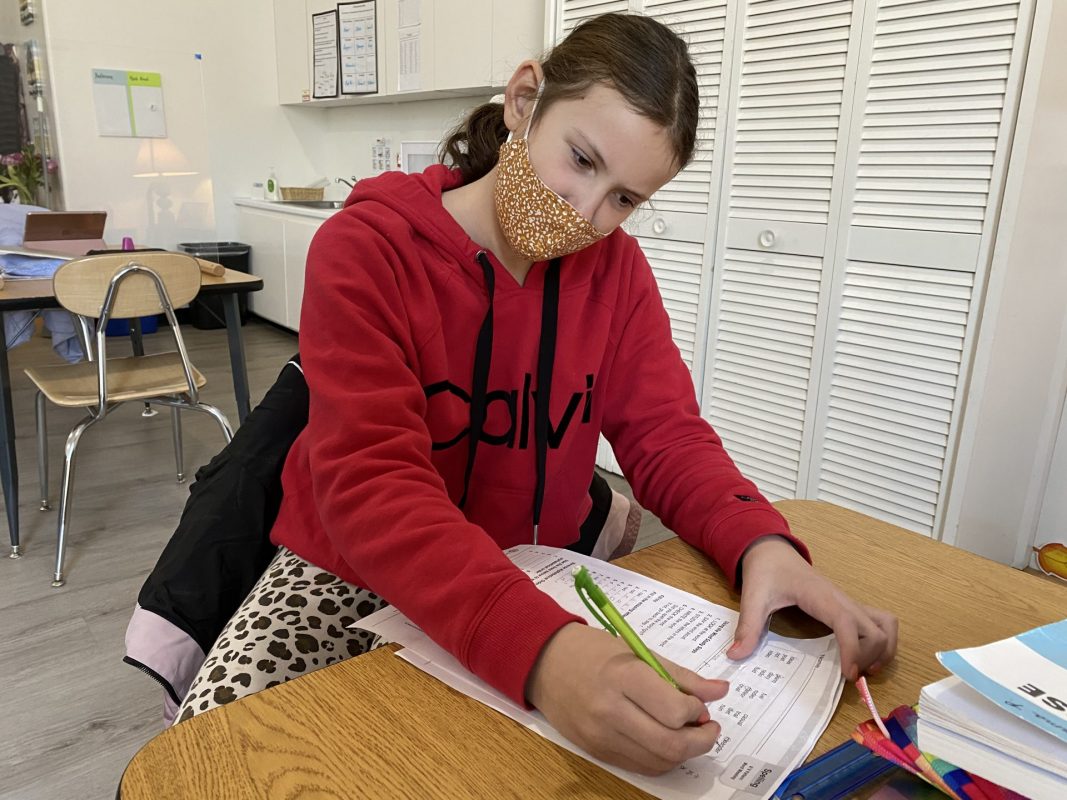
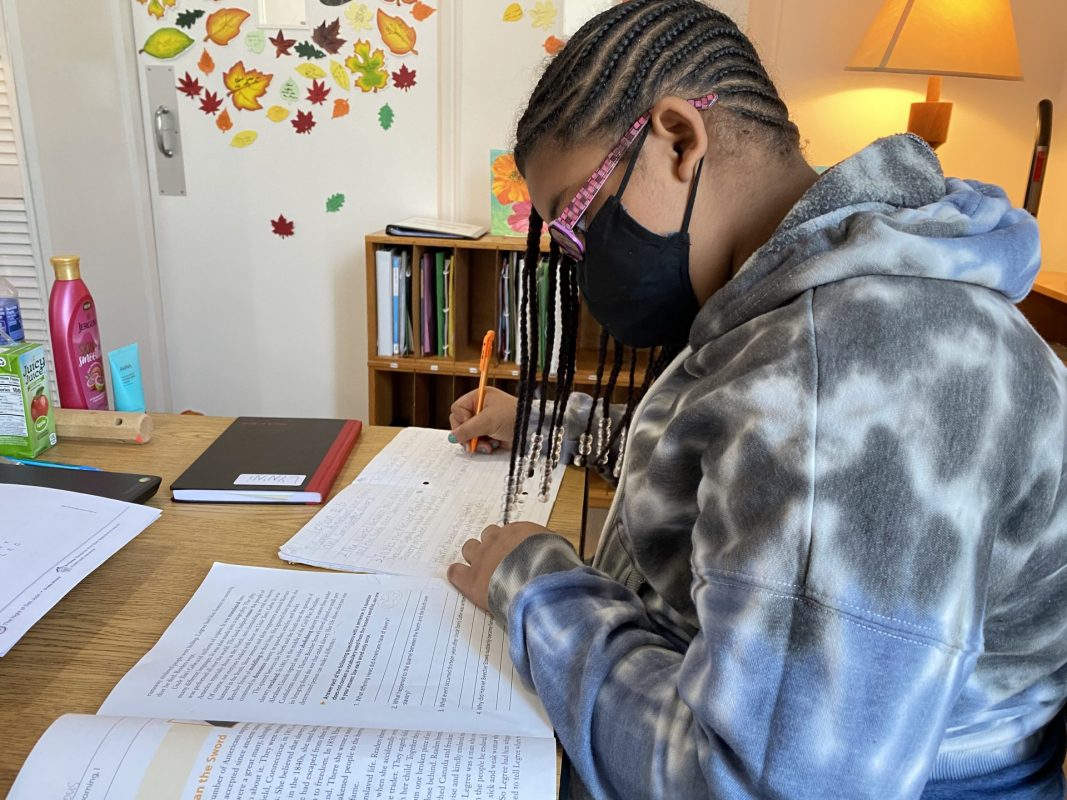
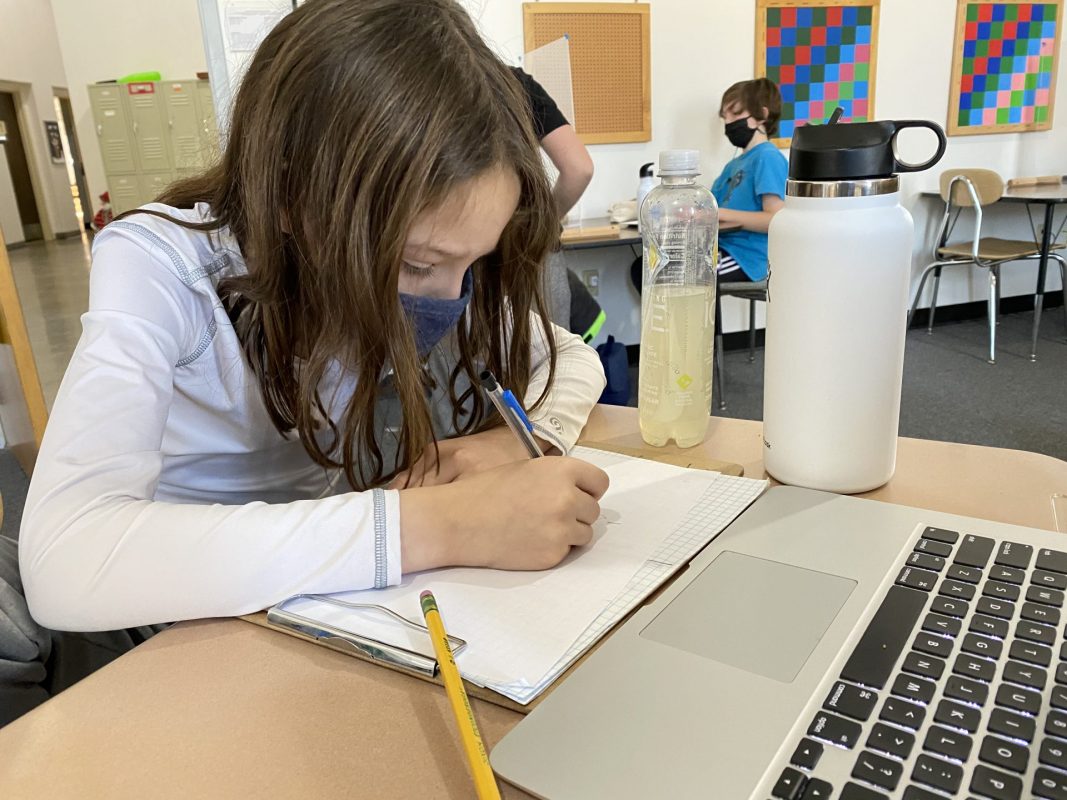
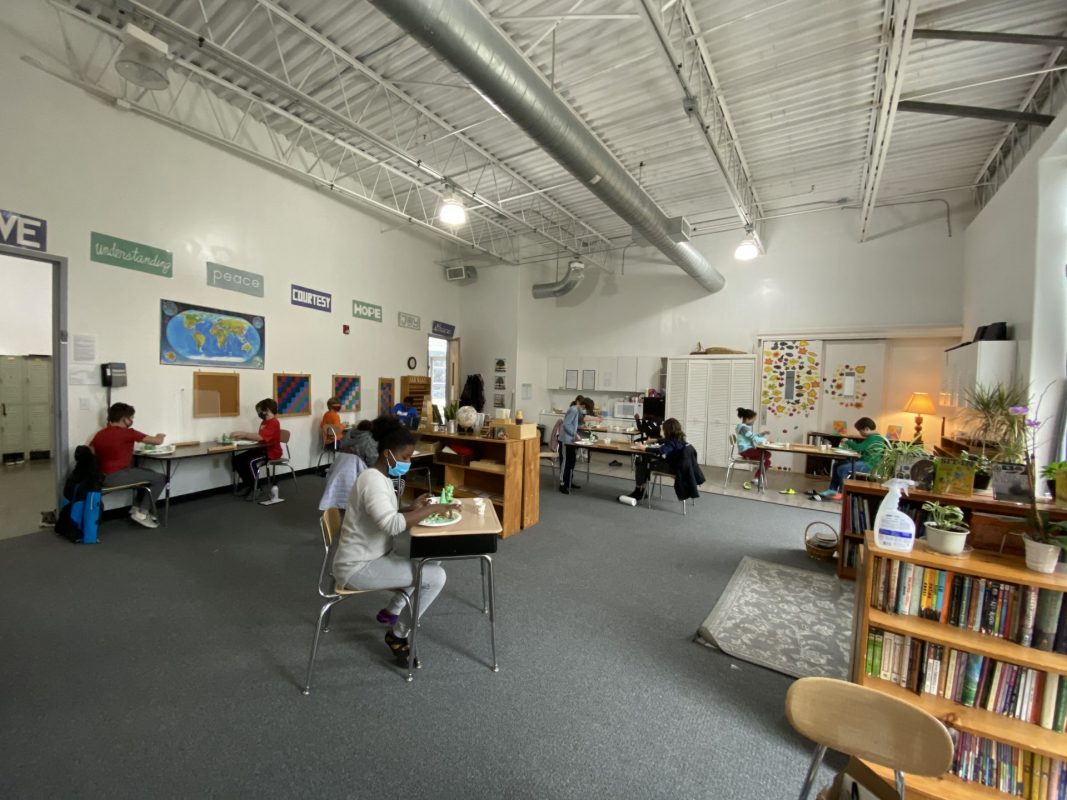
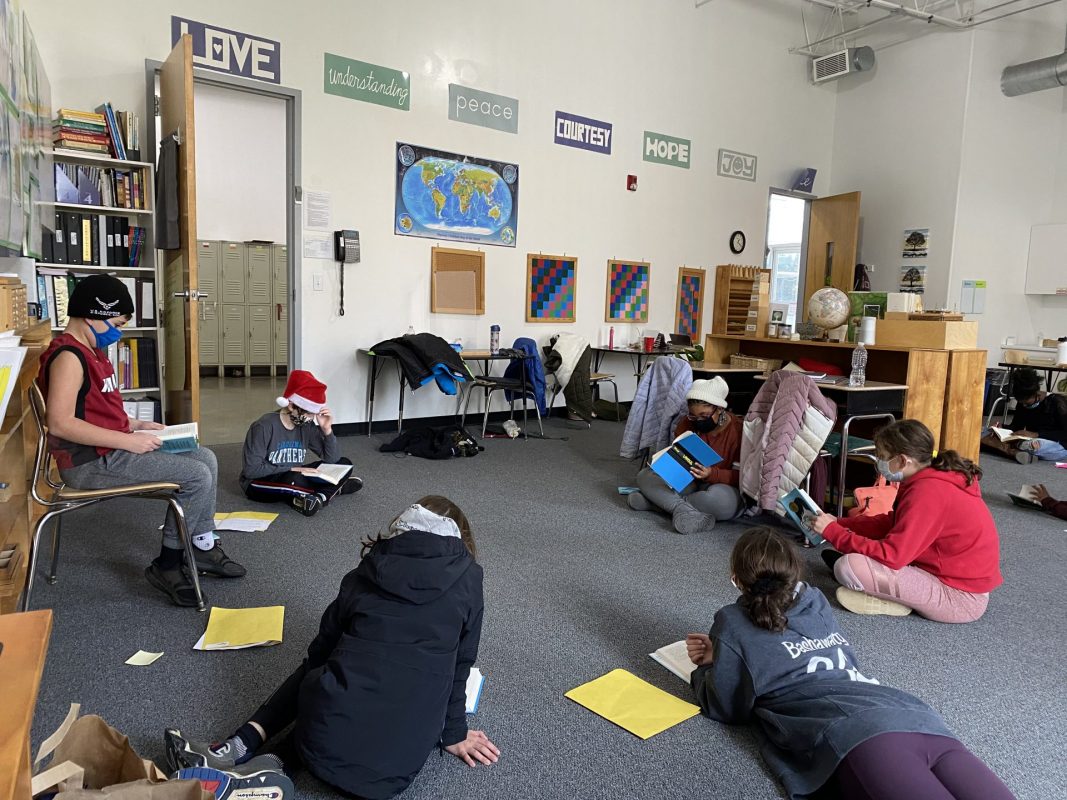
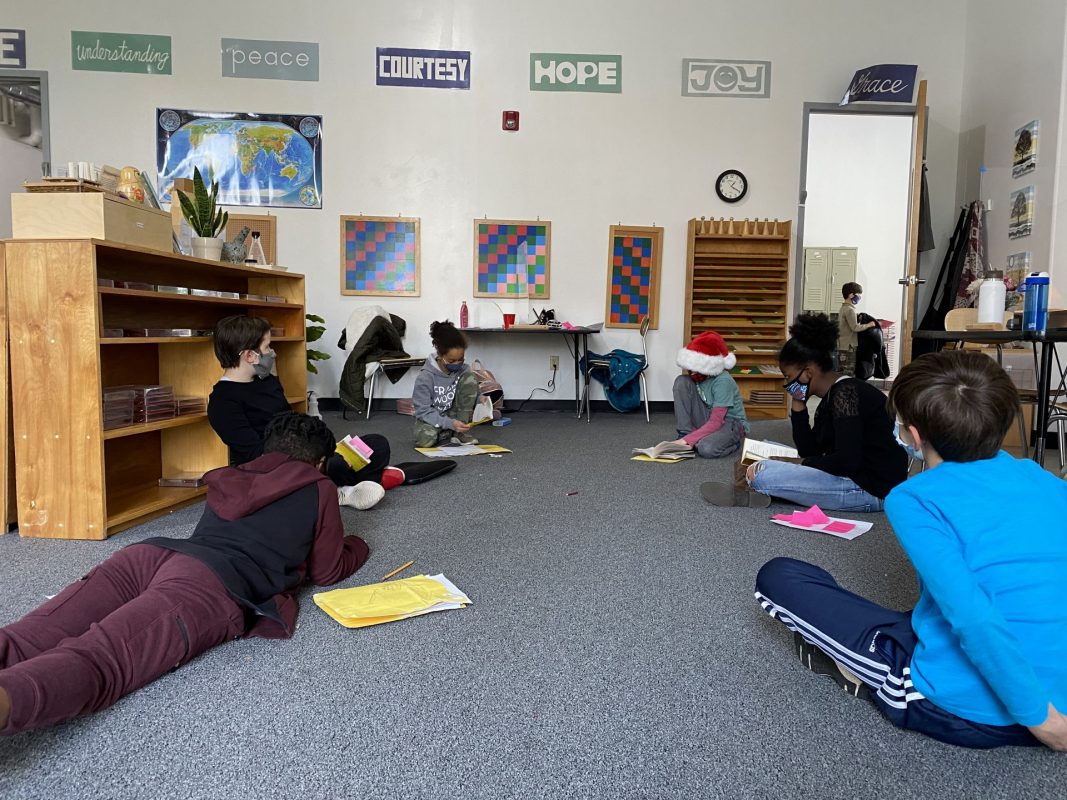
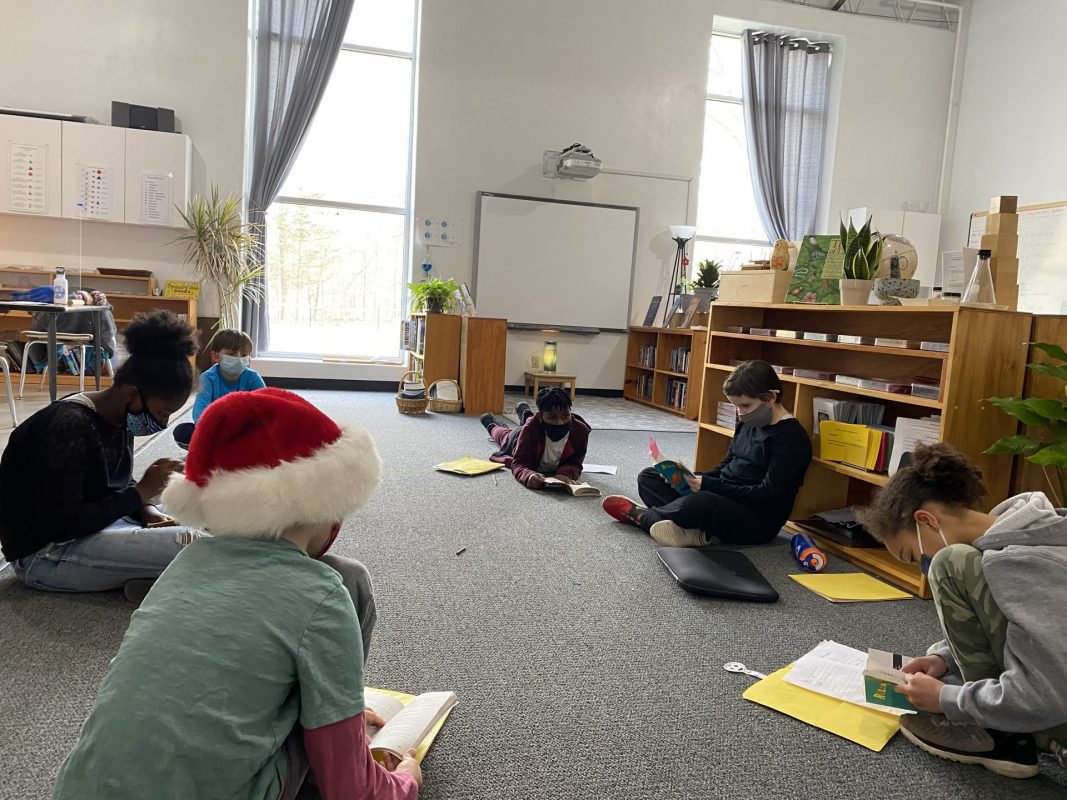
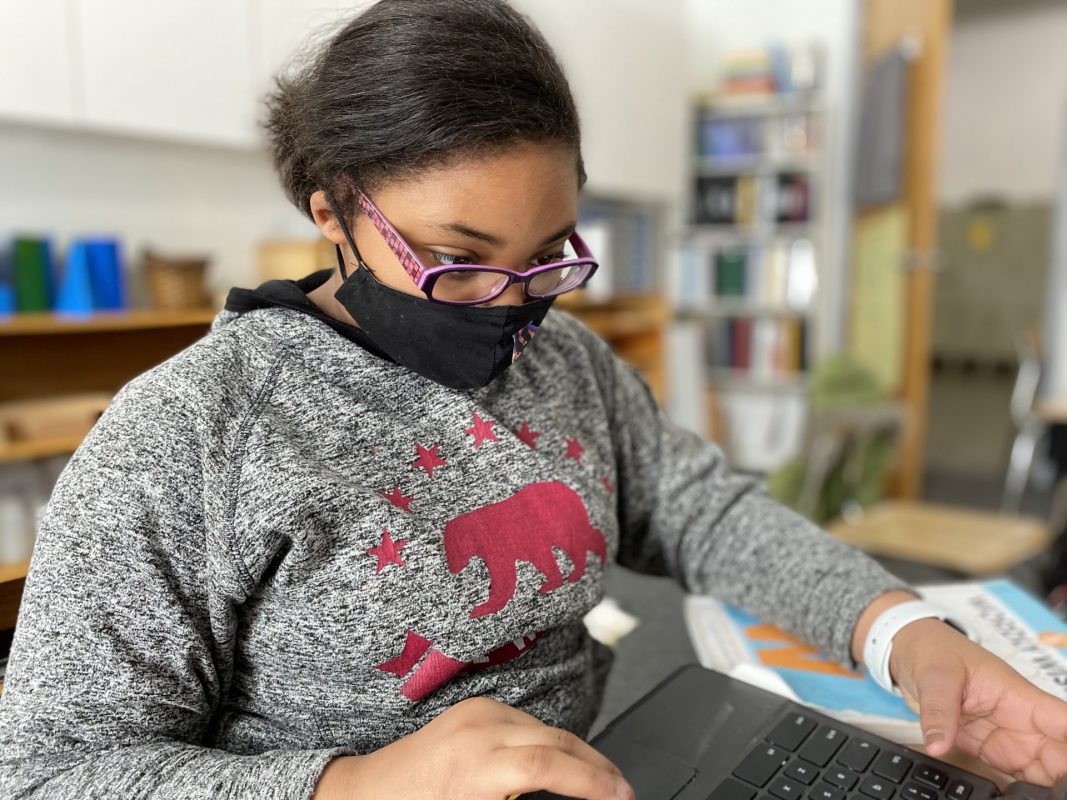
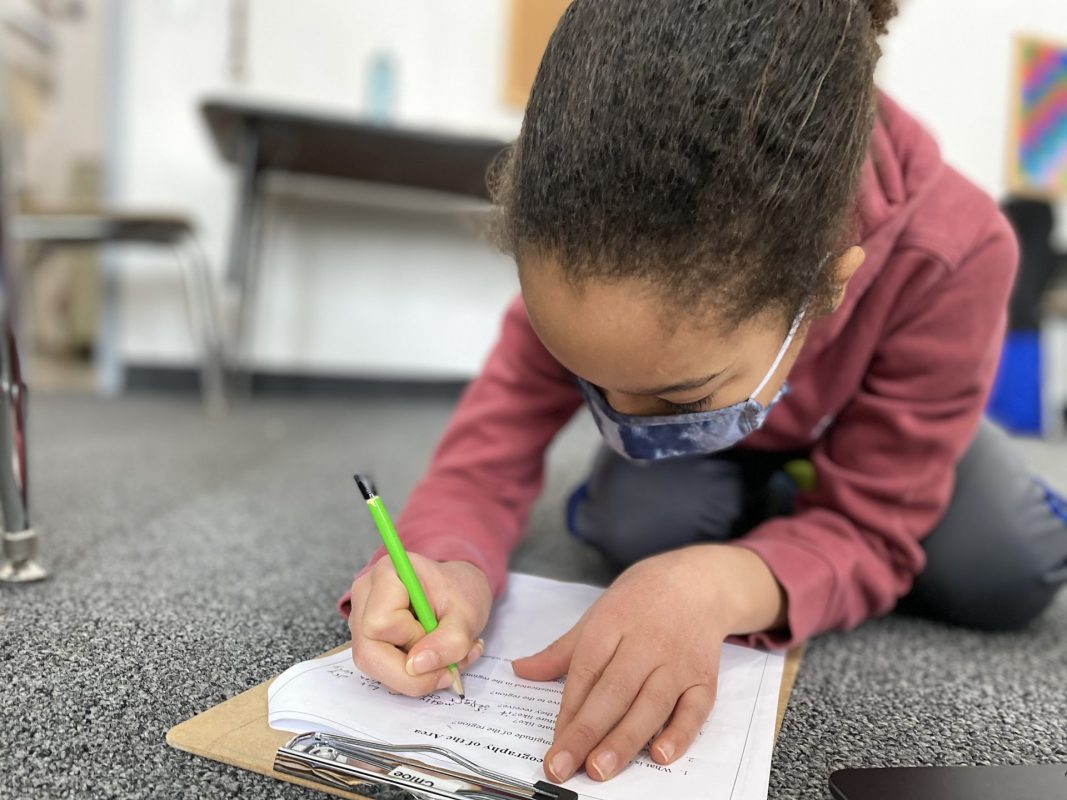
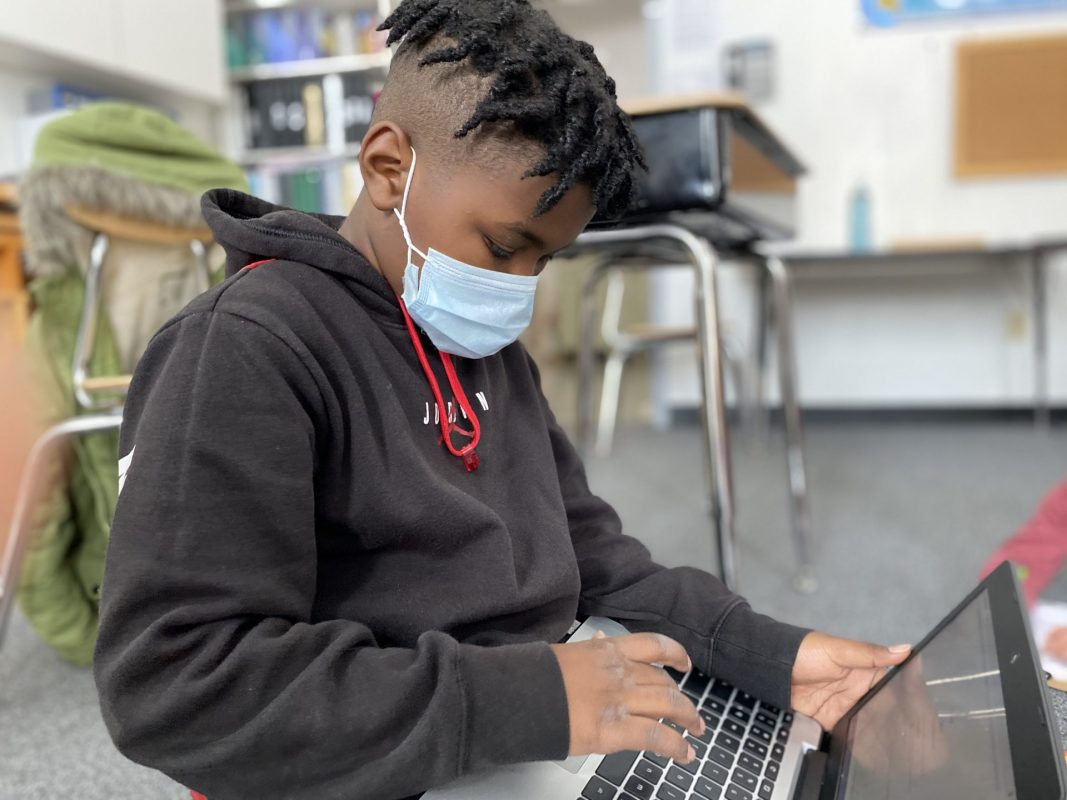
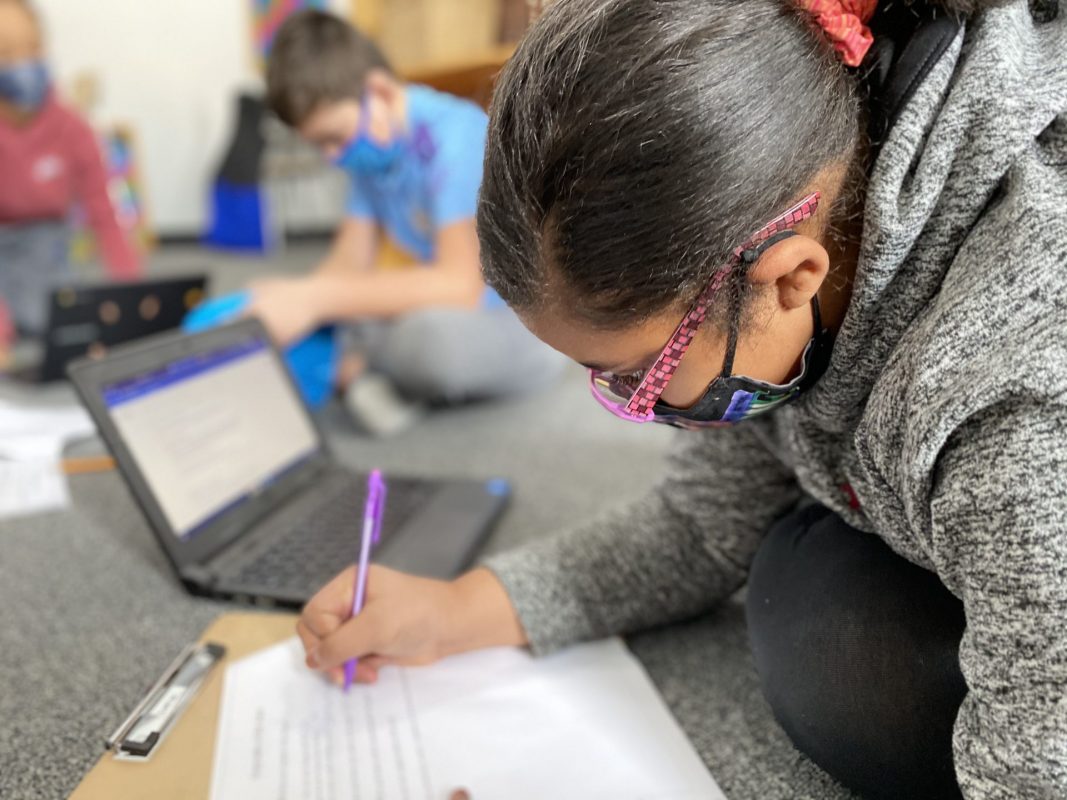
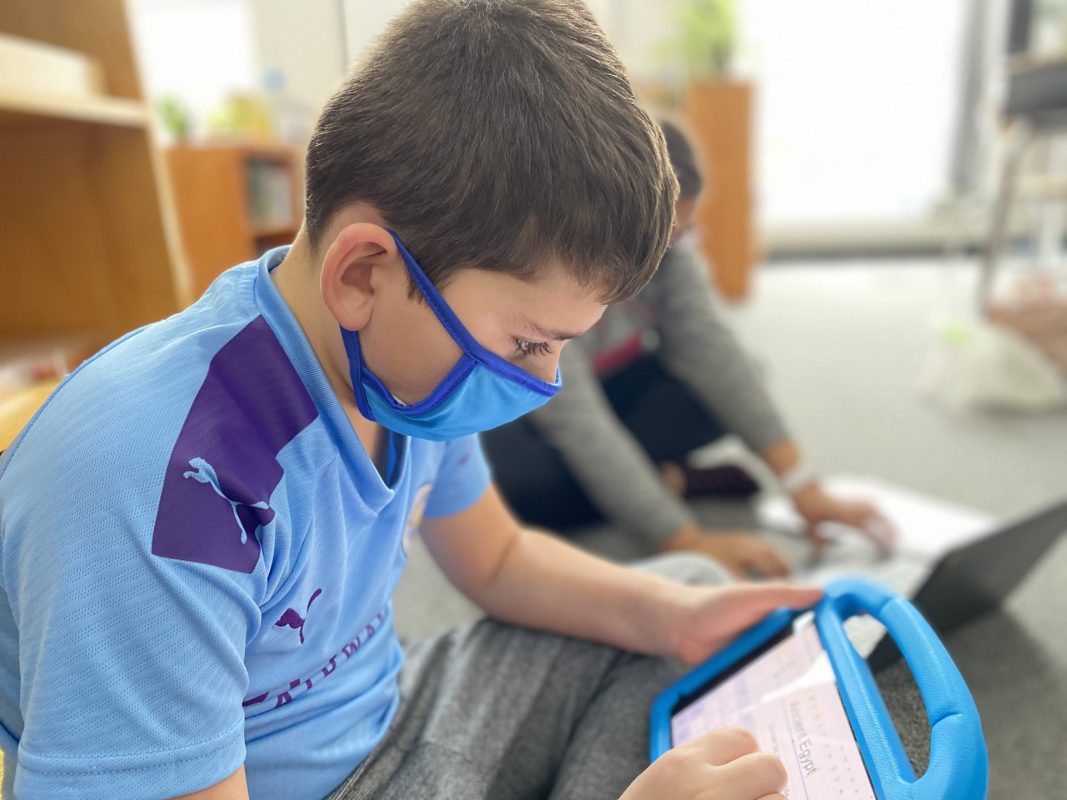
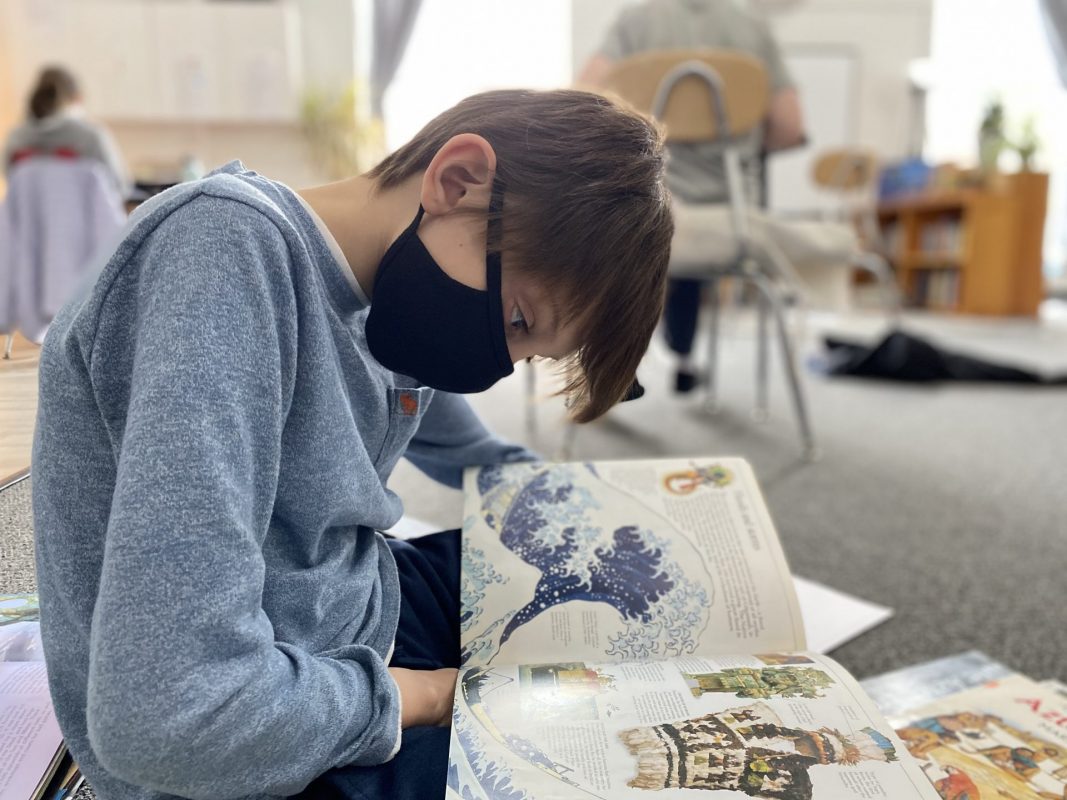
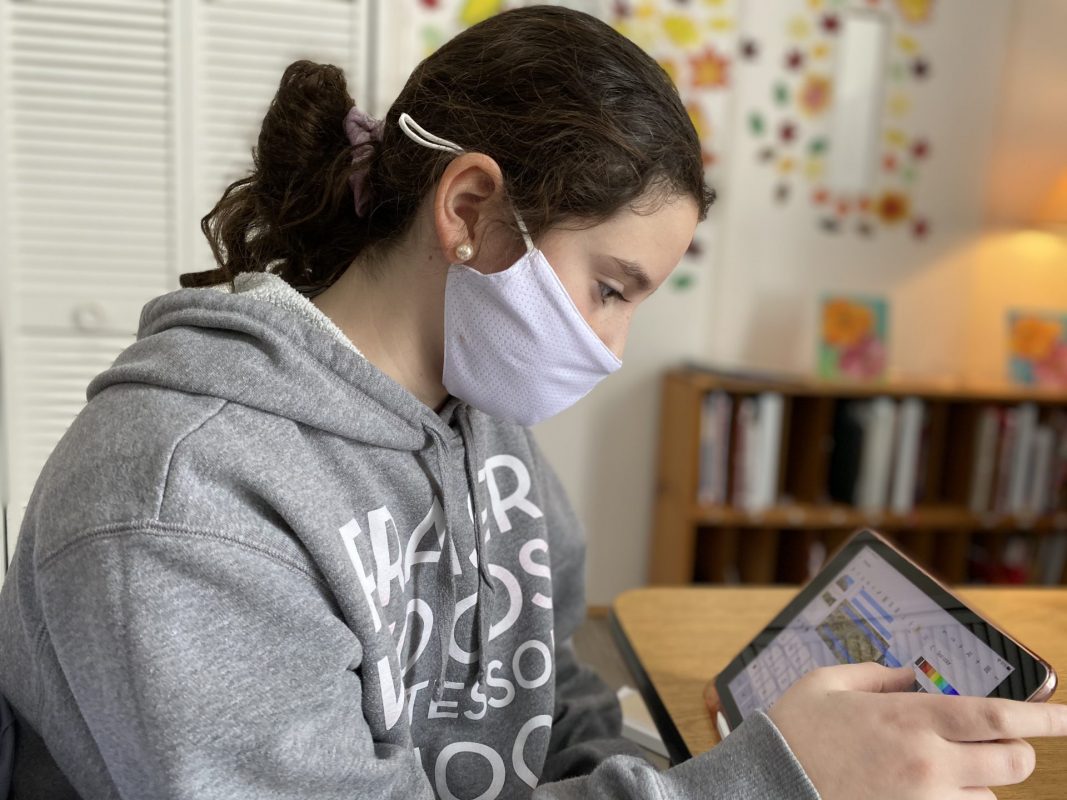
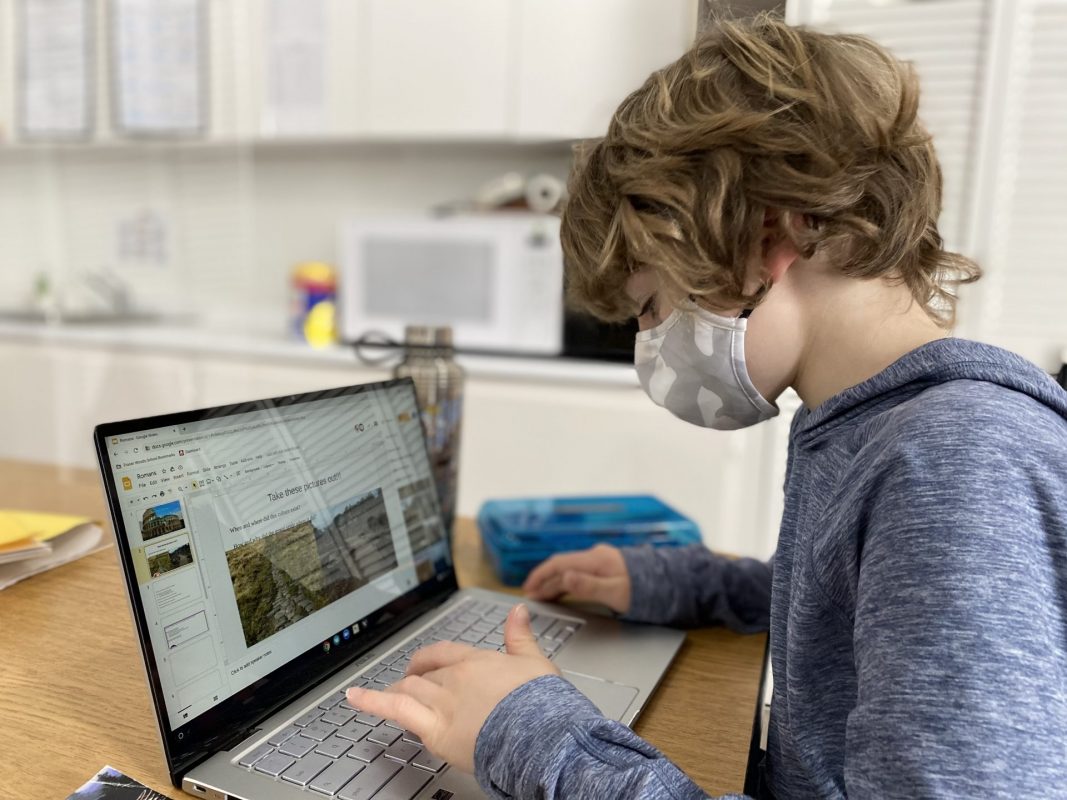
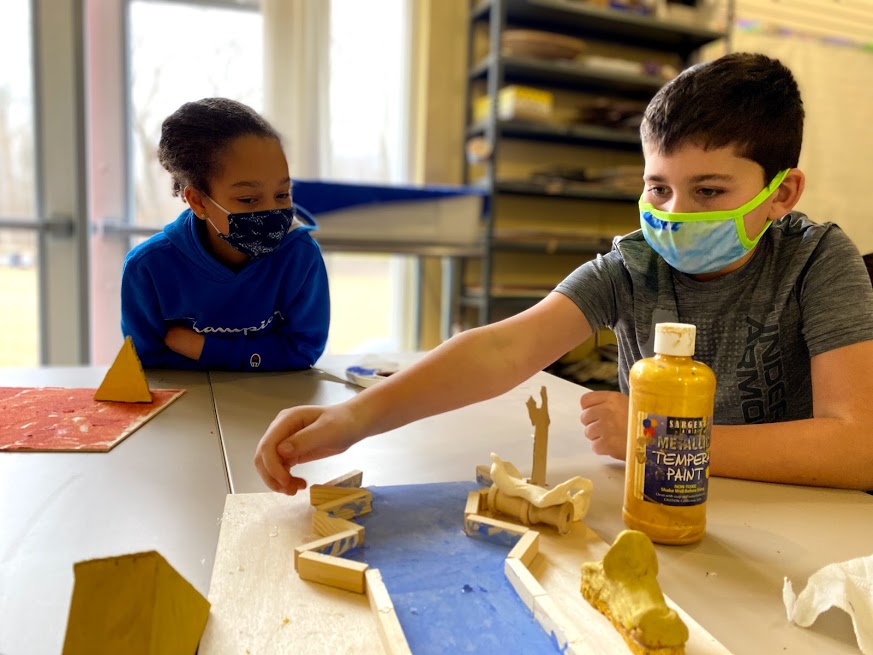
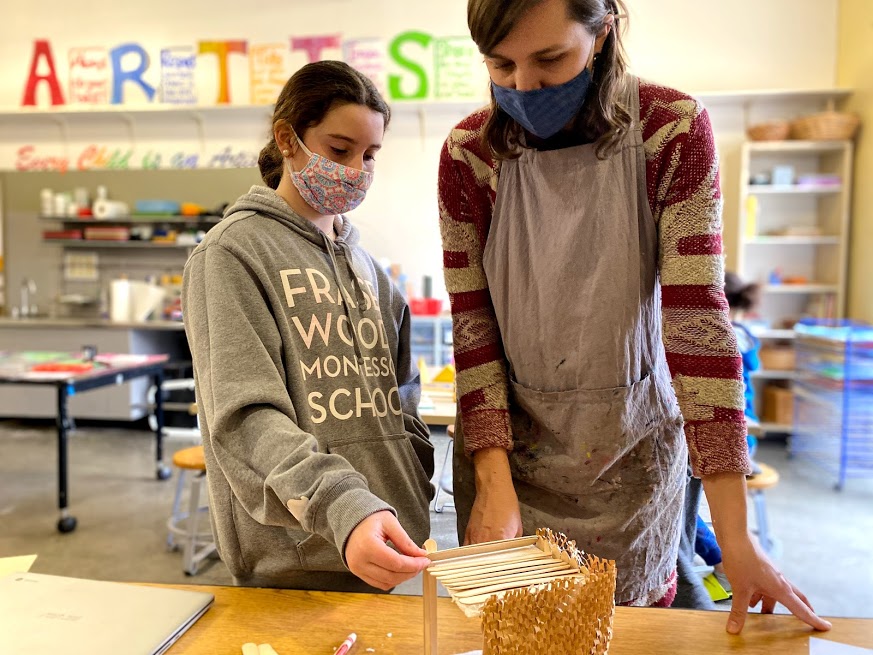
This week we kicked off preparations for our upcoming research presentations during the first week of February with daily lessons on Ancient Civilizations. In Upper Elementary, we study civilizations to learn to see them as an evolutionary stage and to identify with the process of civilization. They learn to challenge the notion of a simplistic, linear progression of human development and they discover the most significant events of civilization. We explore the cultural contributions of civilizations and we hope these studies will arouse each student’s curiosity for expanded studies of civilizations. As we learn about the development of civilizations, we will explore how each group satisfied certain fundamental needs. We will look for ways they expressed basic human tendencies and will compare and contrast groups. Within each study, we will focus on geography, cultural activities, everyday life, and political and economic systems. Upper El students will be working in small groups, each group focusing on one civilization. Working together, they will complete their research in school. During the first week of February, they will present to their peers and I will record their presentations. The Ancient Civilizations group presentations will be shared with you at the end of that week. I’ll be sharing more information with you as we go!

Wrapping Up

“When a particular sensitiveness is aroused in a child, it is like a light that shines on some objects but not others, making of them [their] whole world.”…”[The sensitive period] comes for a moment but its benefits last for a lifetime.” -Maria Montessori

The sensitive period of six to twelve year olds includes the development of the conscious mind, and at this level, learning happens at a slow, steady pace. These children have a great capacity for mental growth. The goal of our curriculum is to inspire them to think and question; to become thoughtful. As they are developing this thoughtfulness, they are also building their inner sense of right and wrong, their conscience. It is essential that children in this sensitive period feel the love and respect of the adults in their lives.

This week we focused on wrapping things up before the holidays, figuratively and literally. We started our week with our community meeting. We had two items on our completely student-set agenda:

  • How can we have a fair recess schedule?
  • How do we make sure people are being safe in the hall?

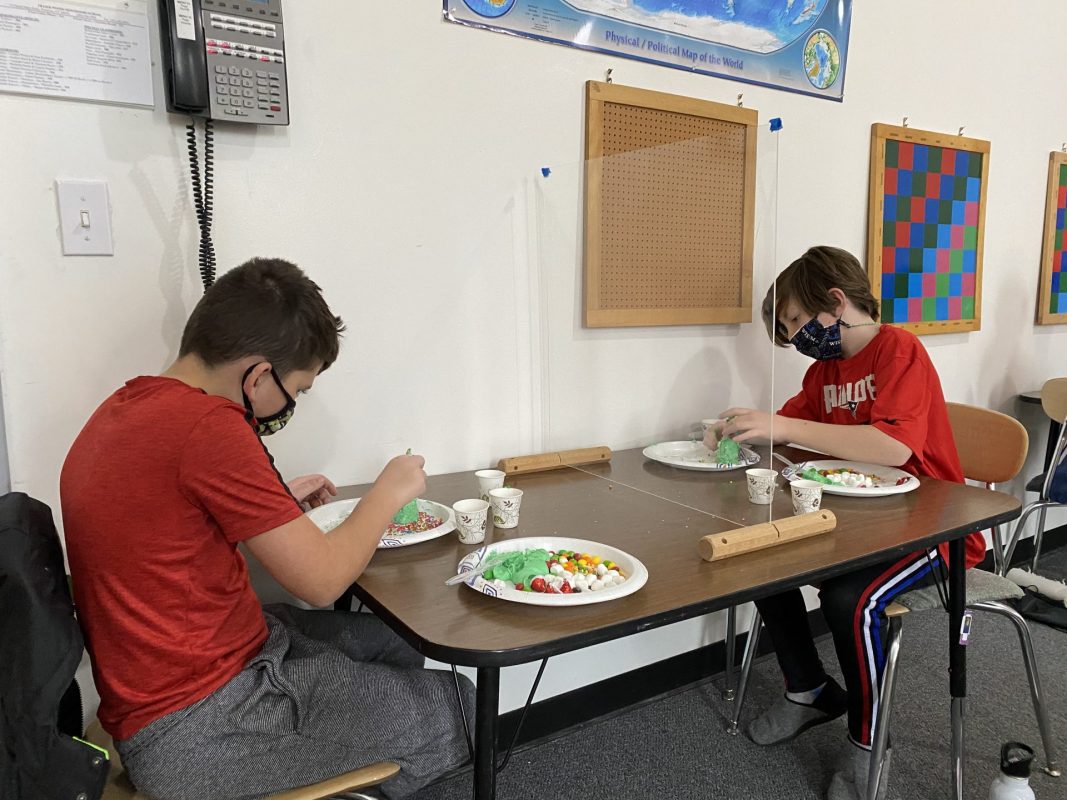
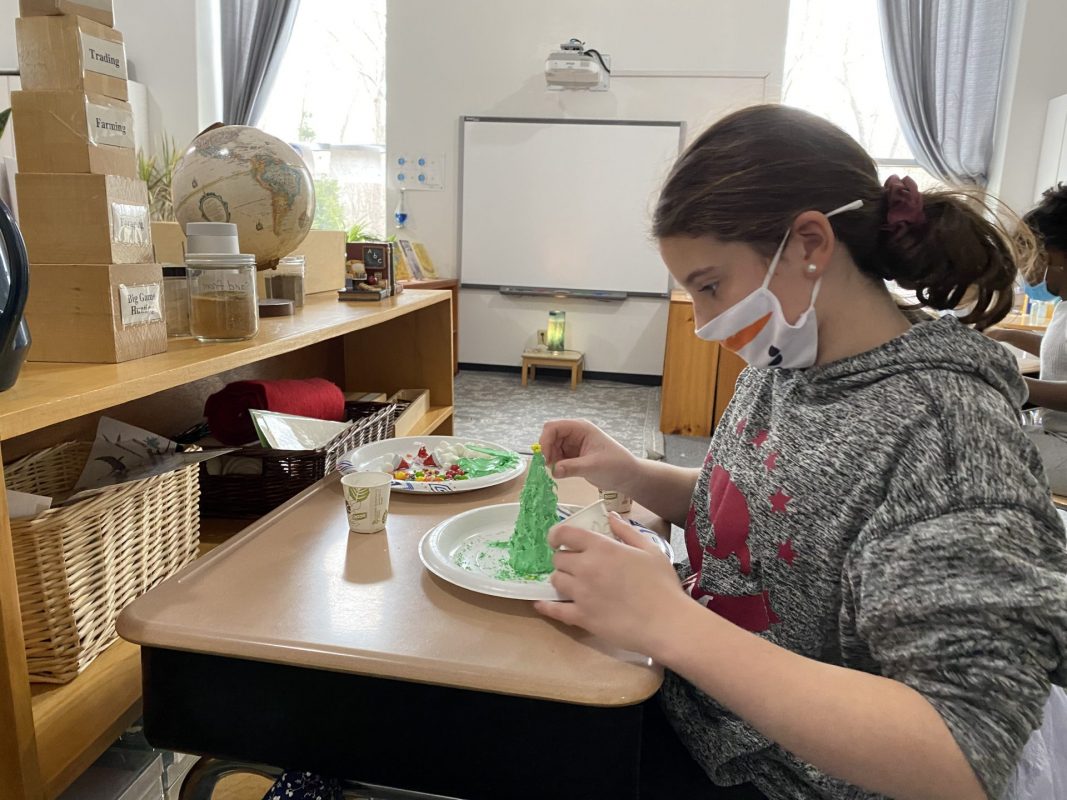
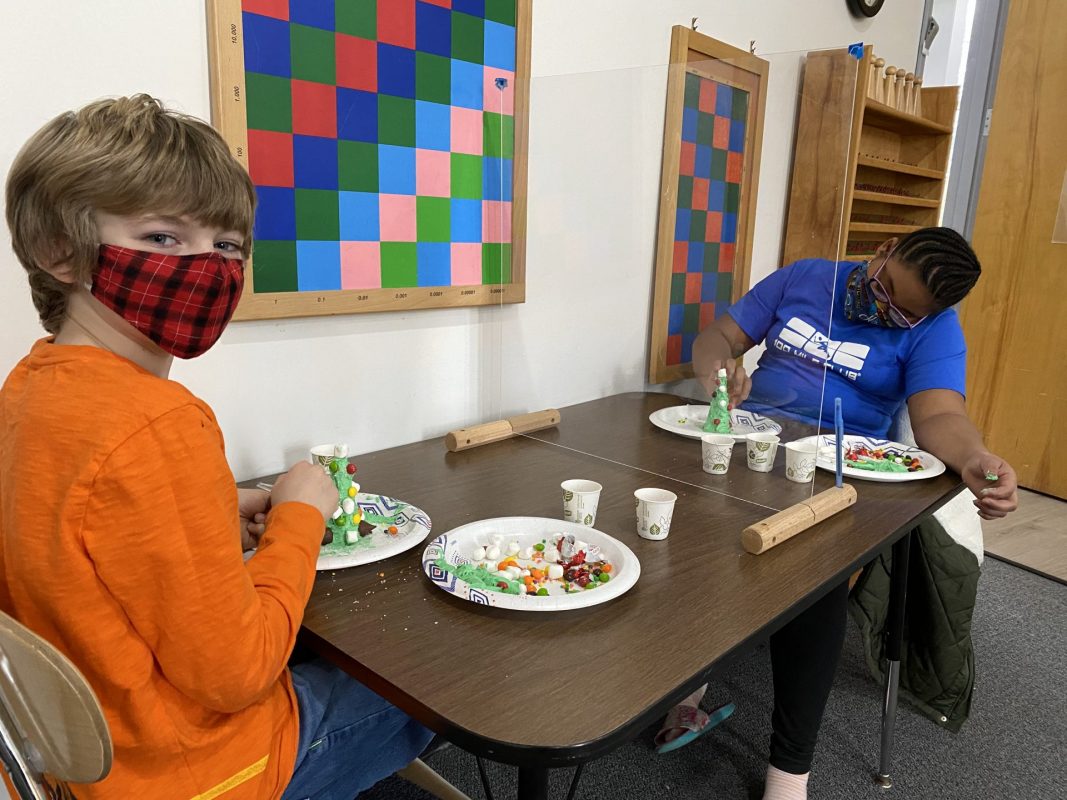
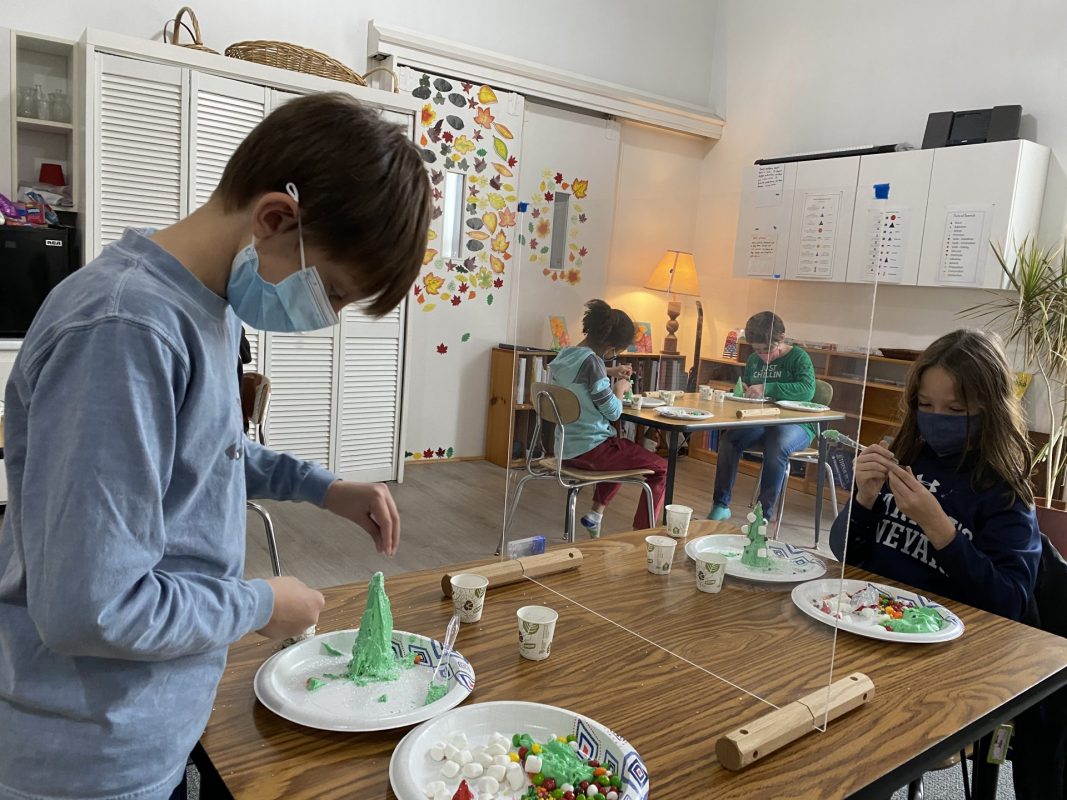
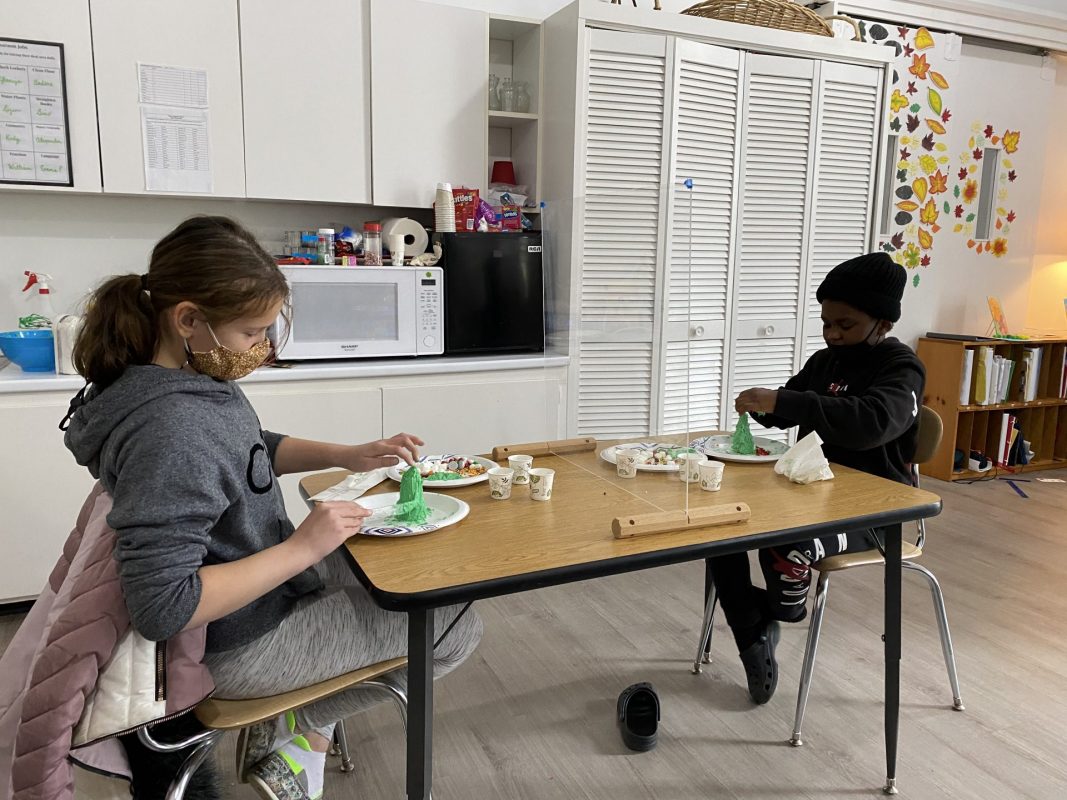
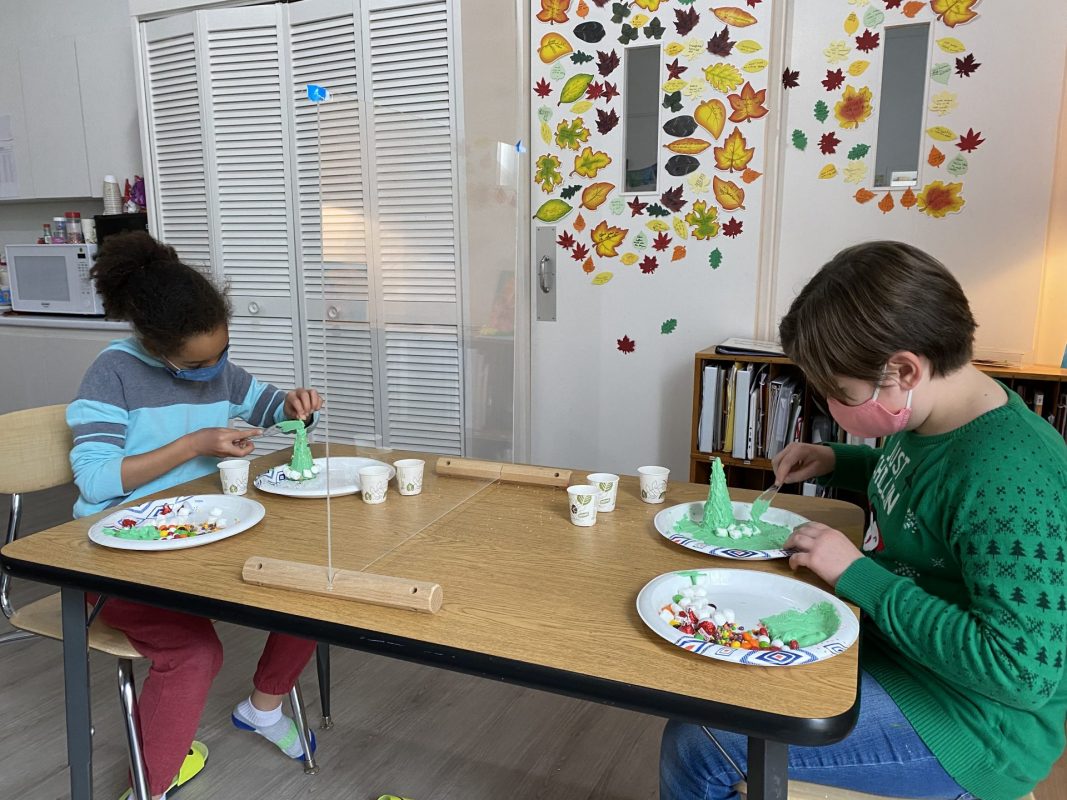
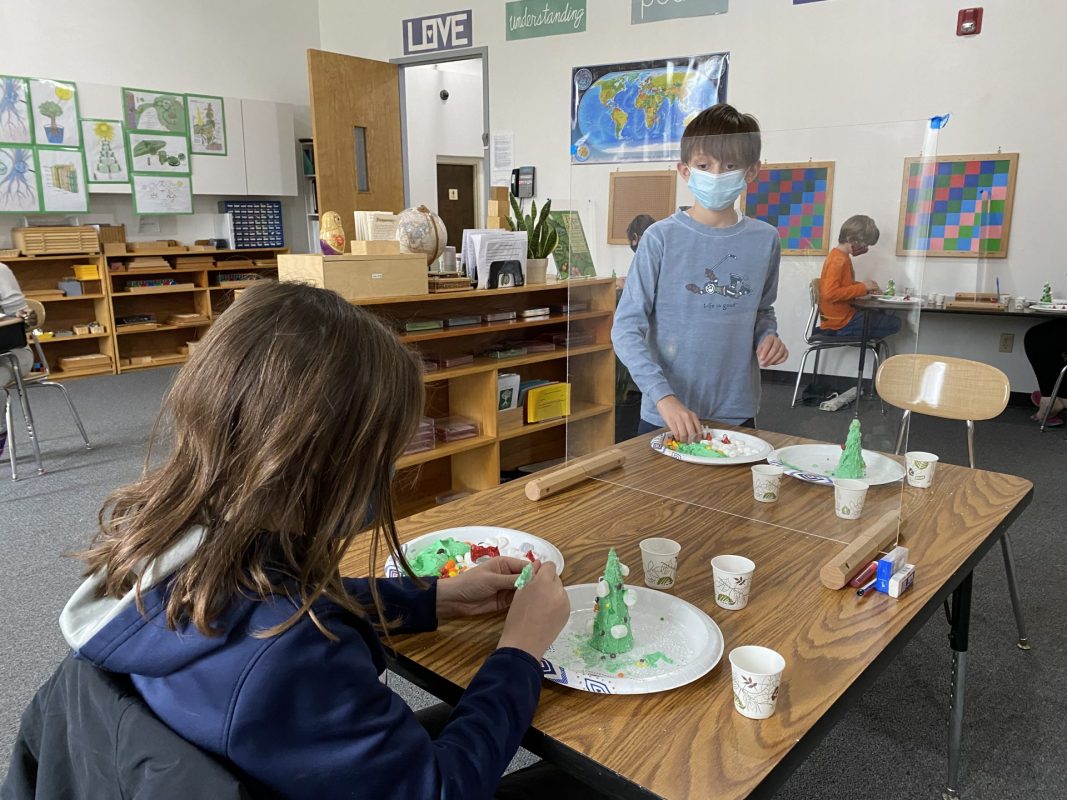
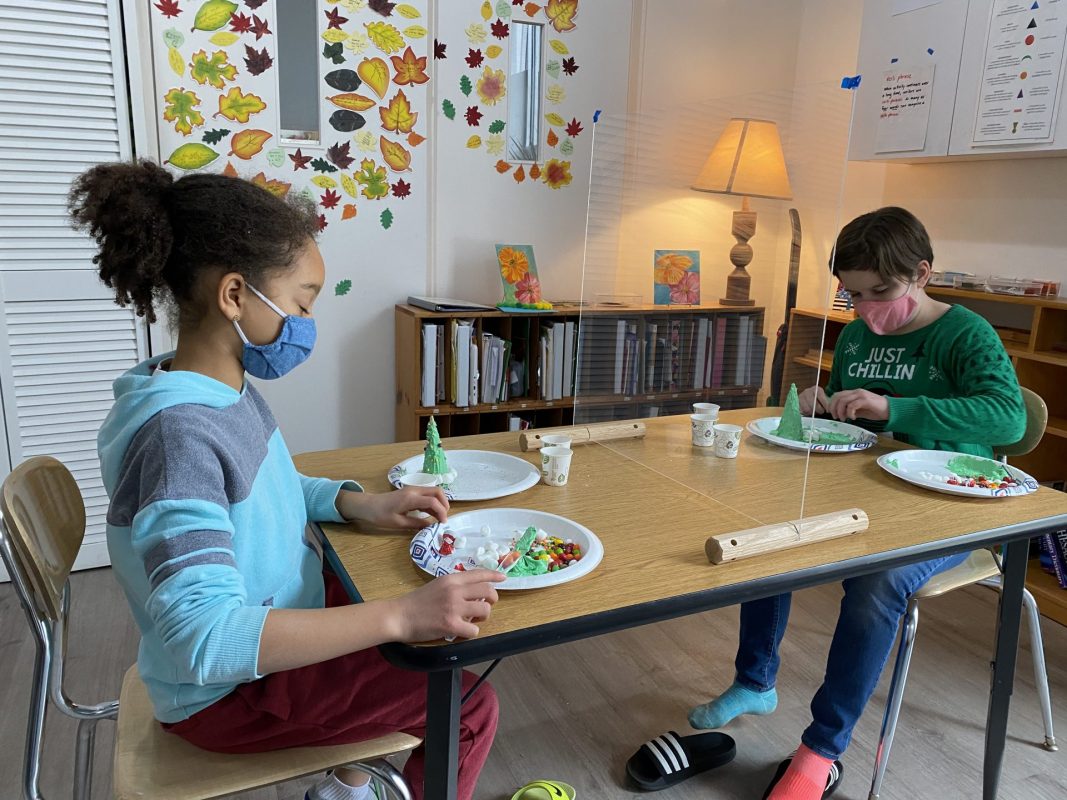
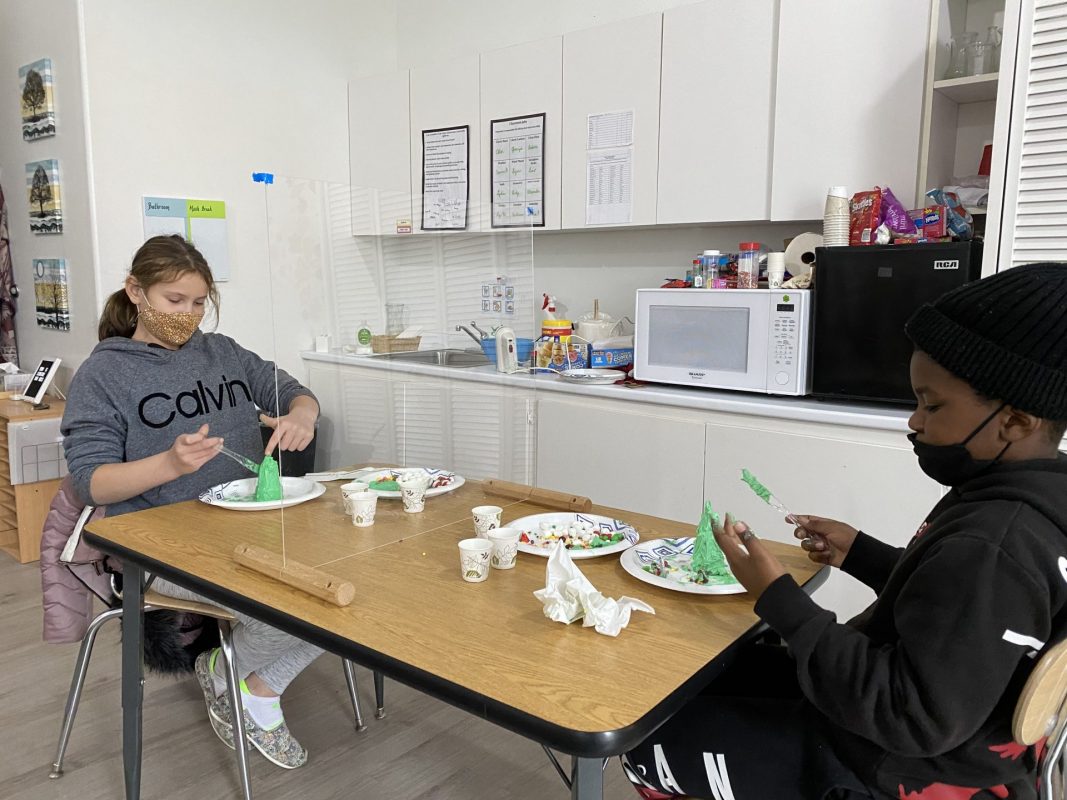
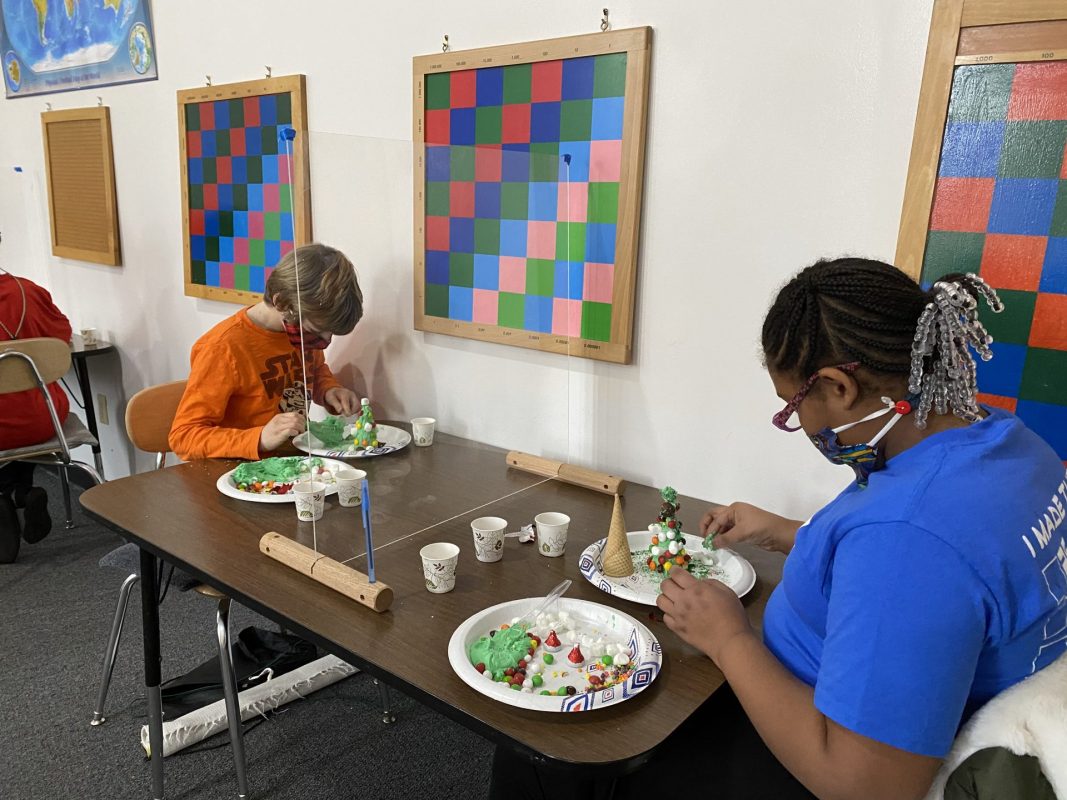
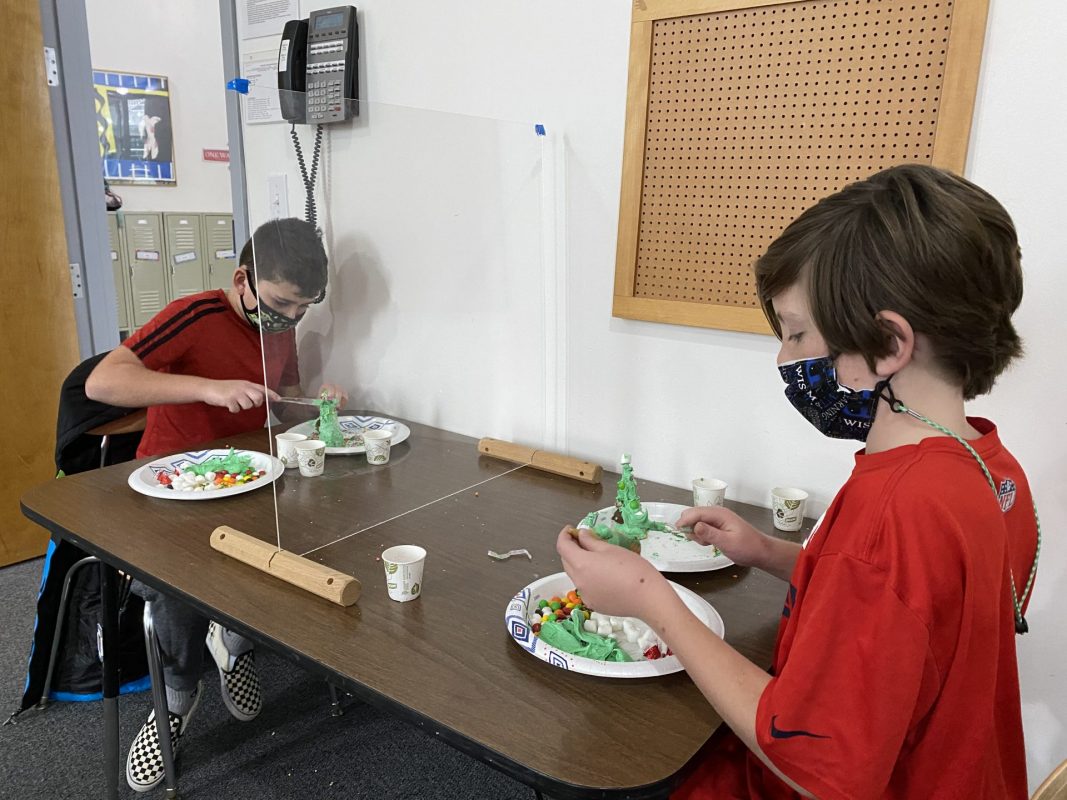
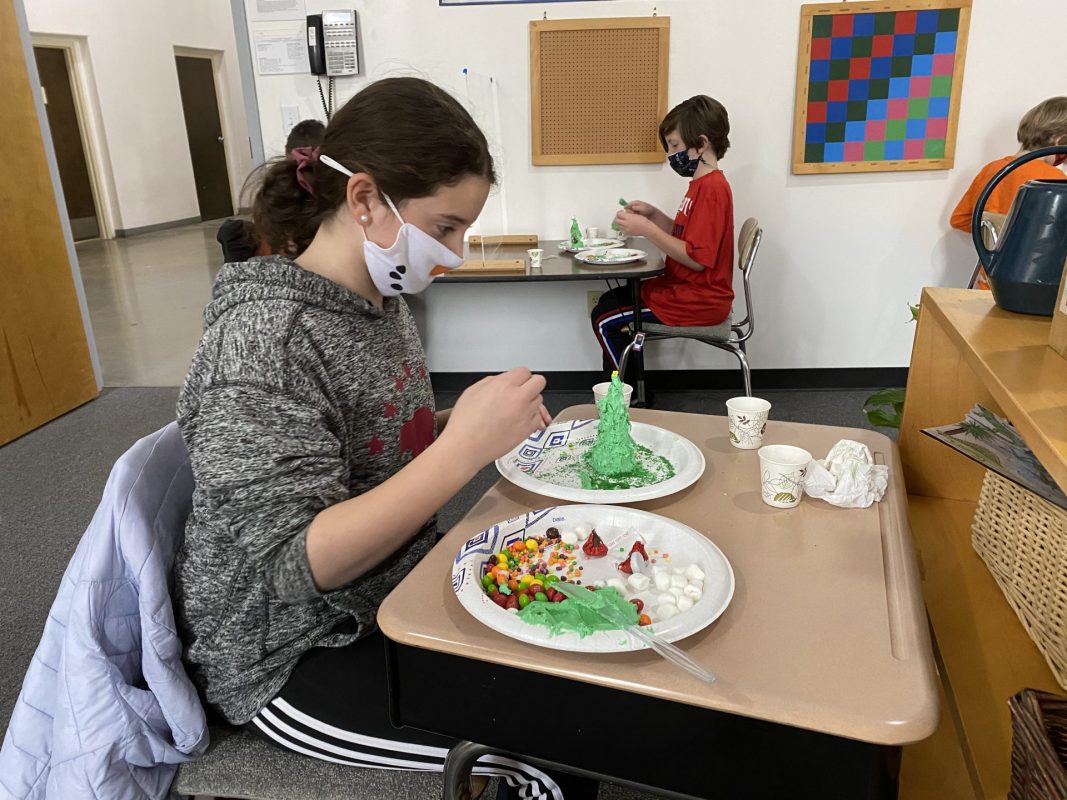
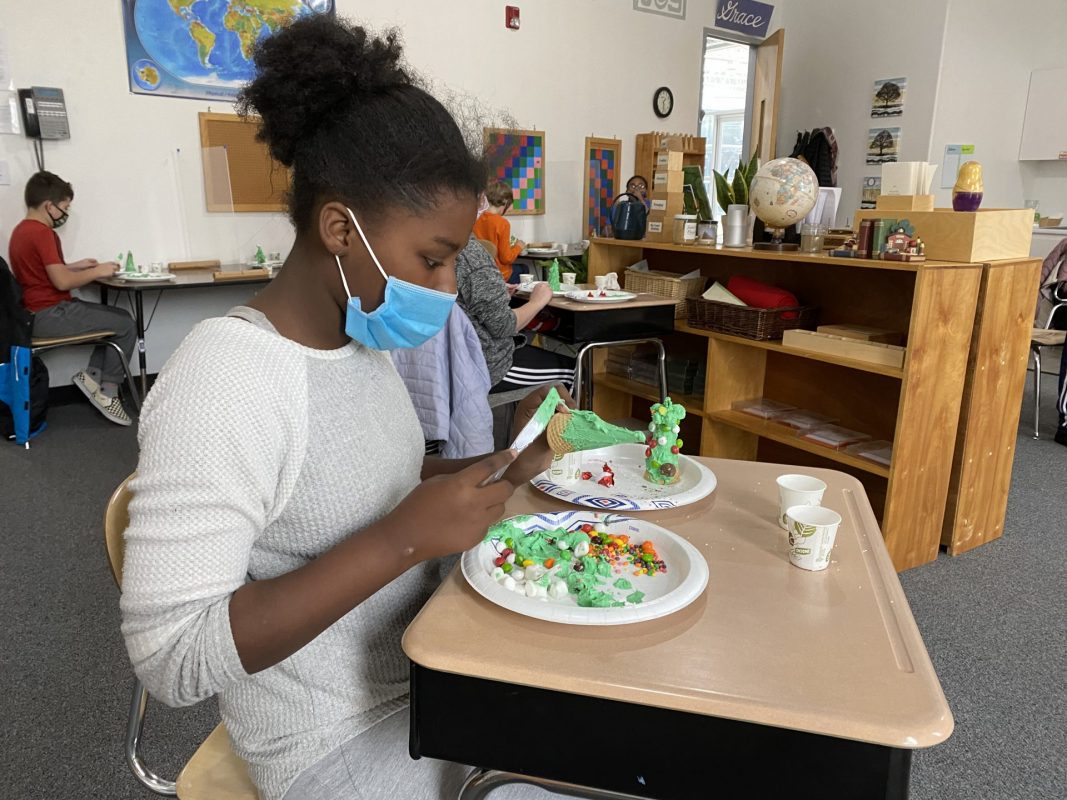
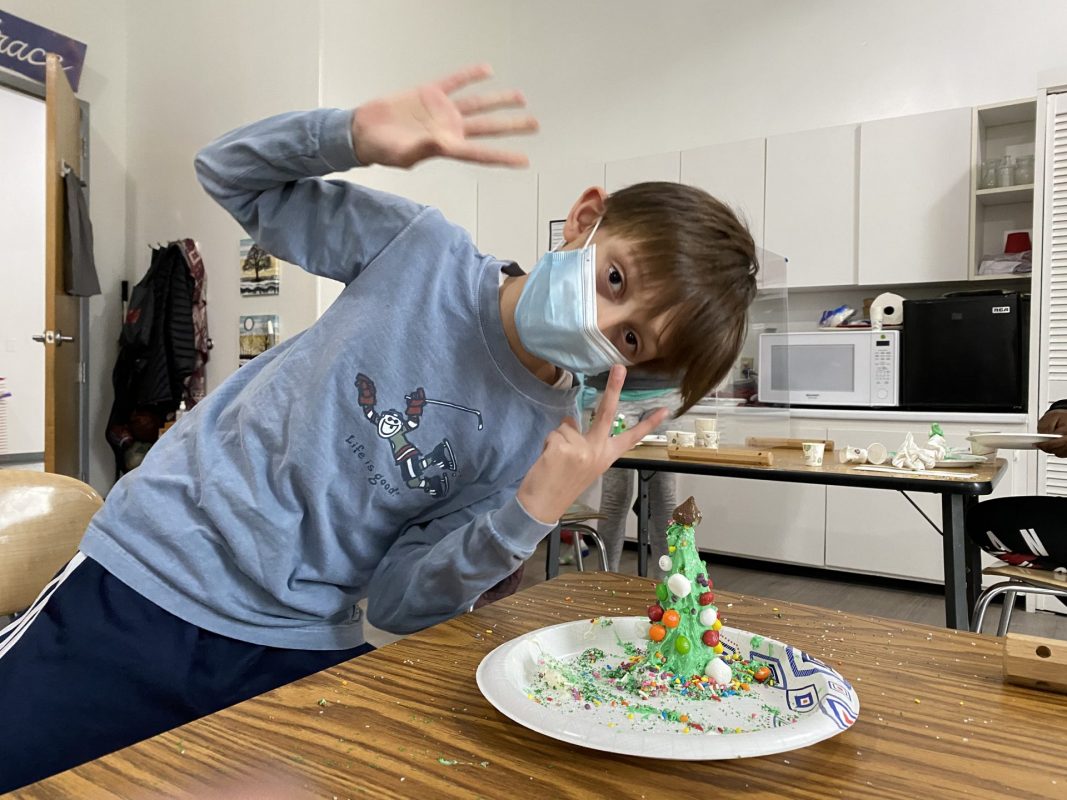
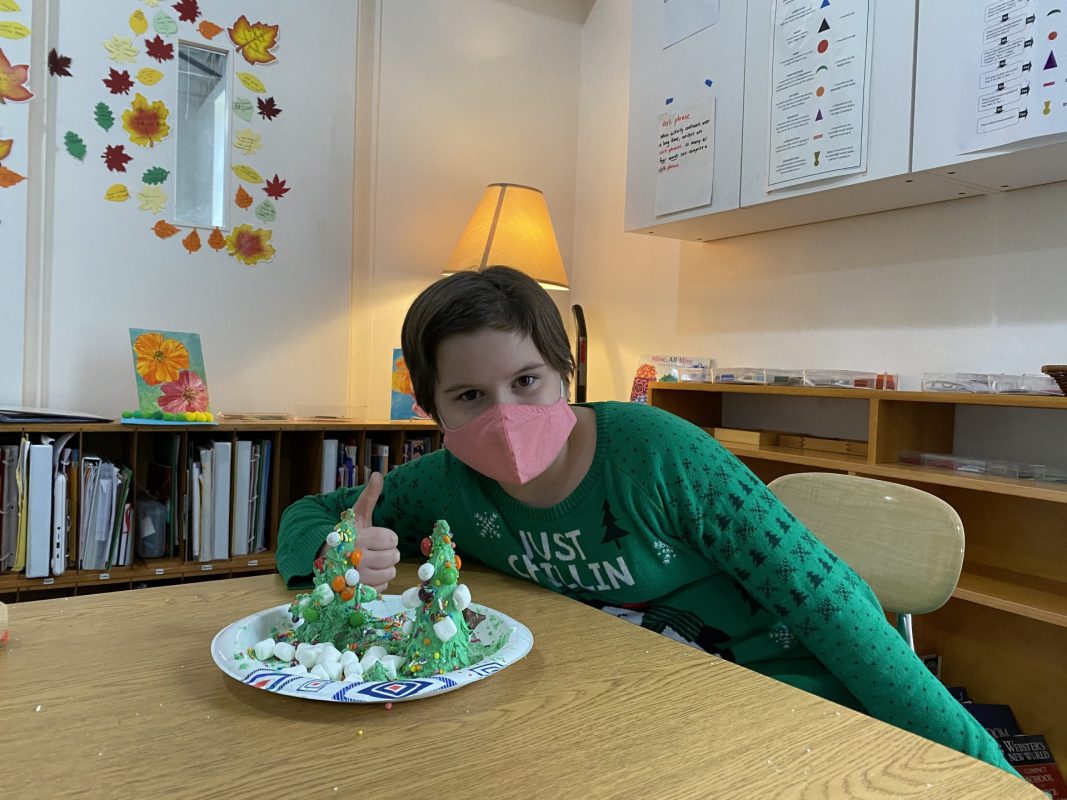
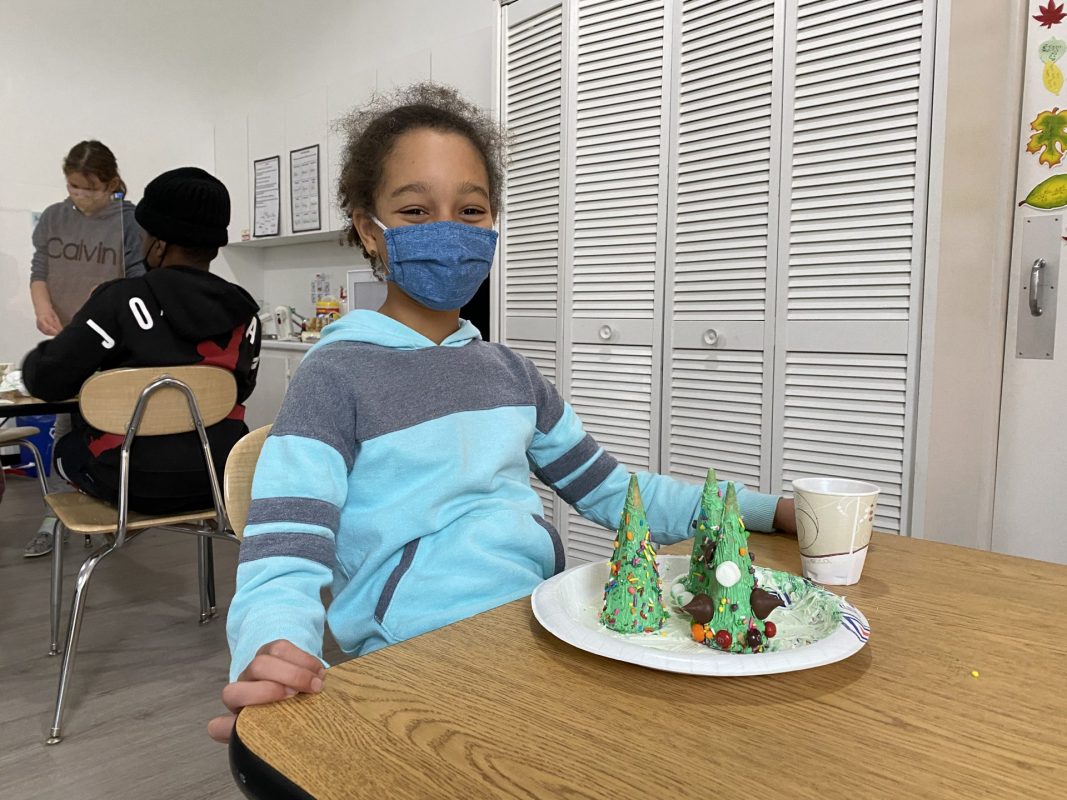
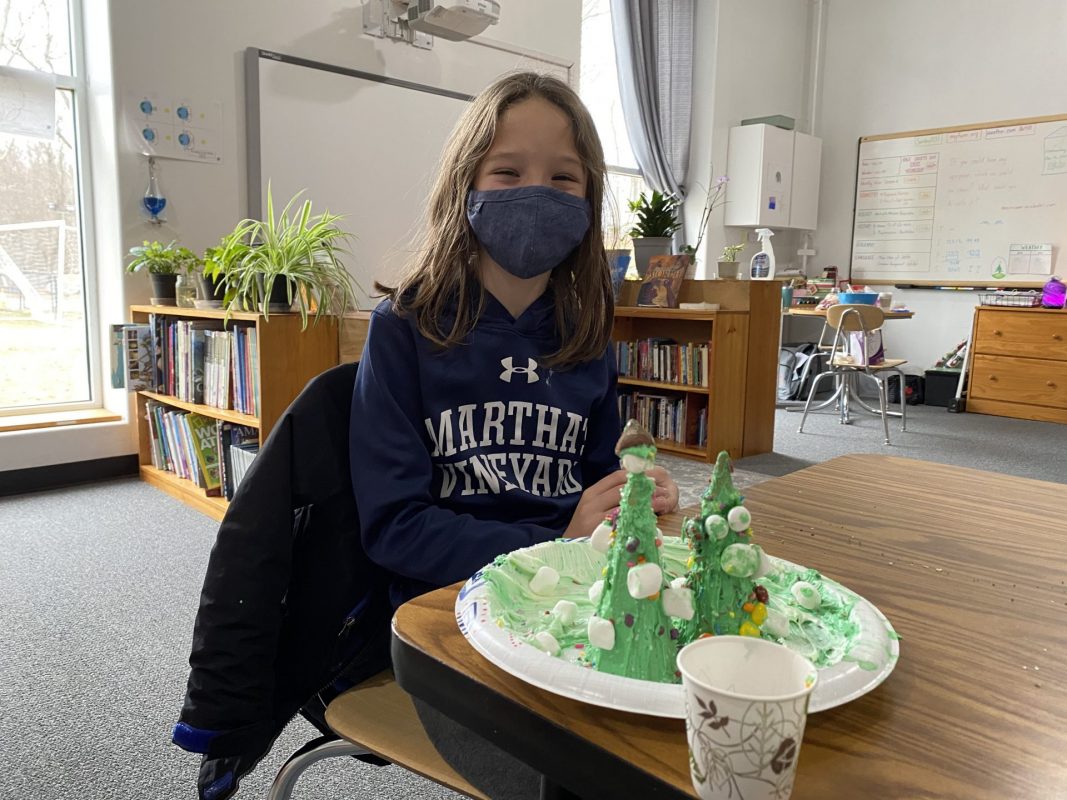
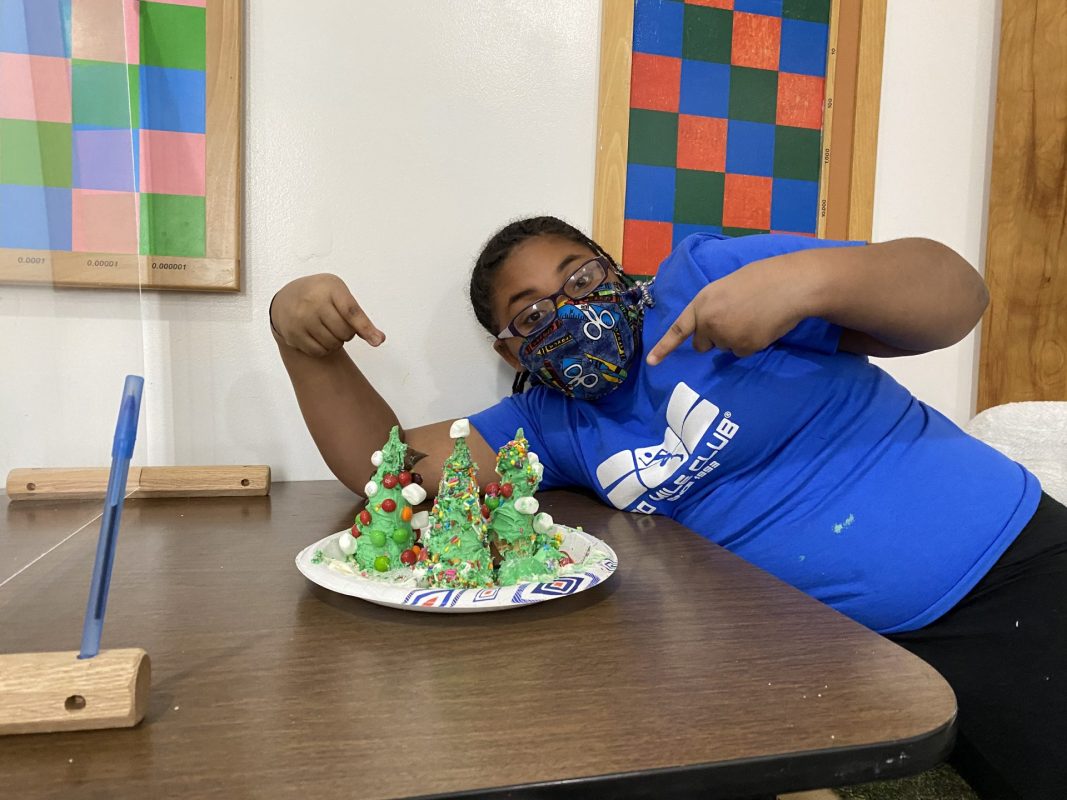
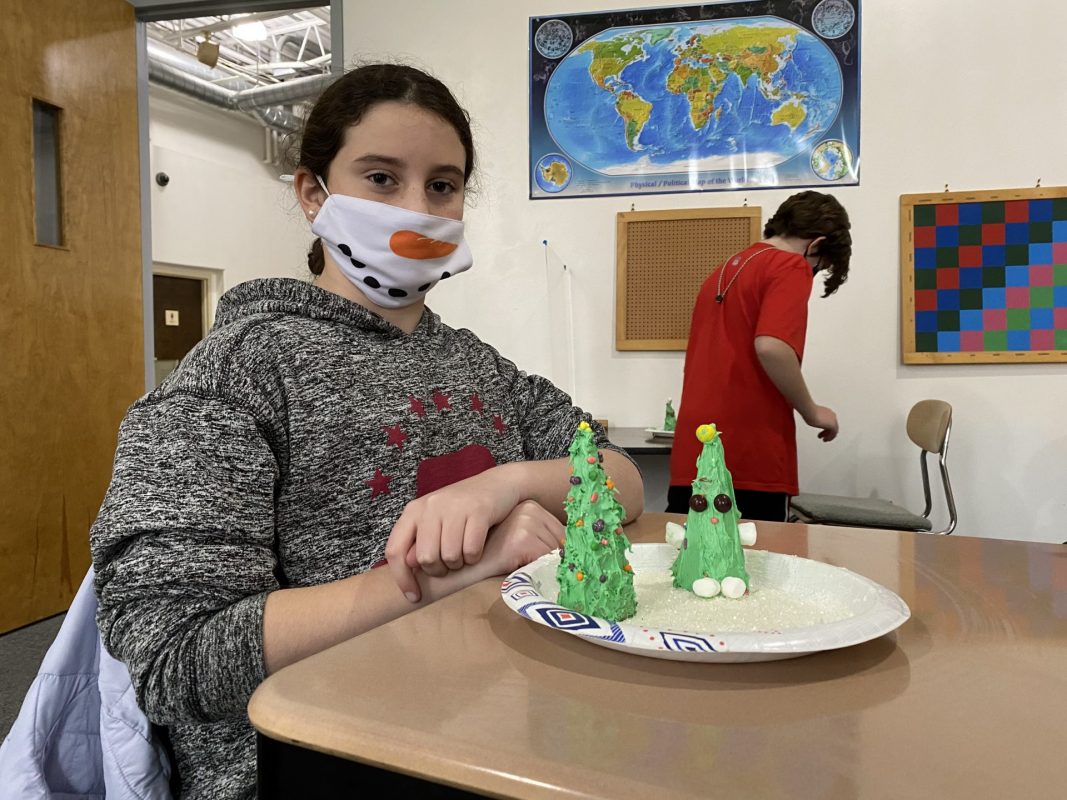
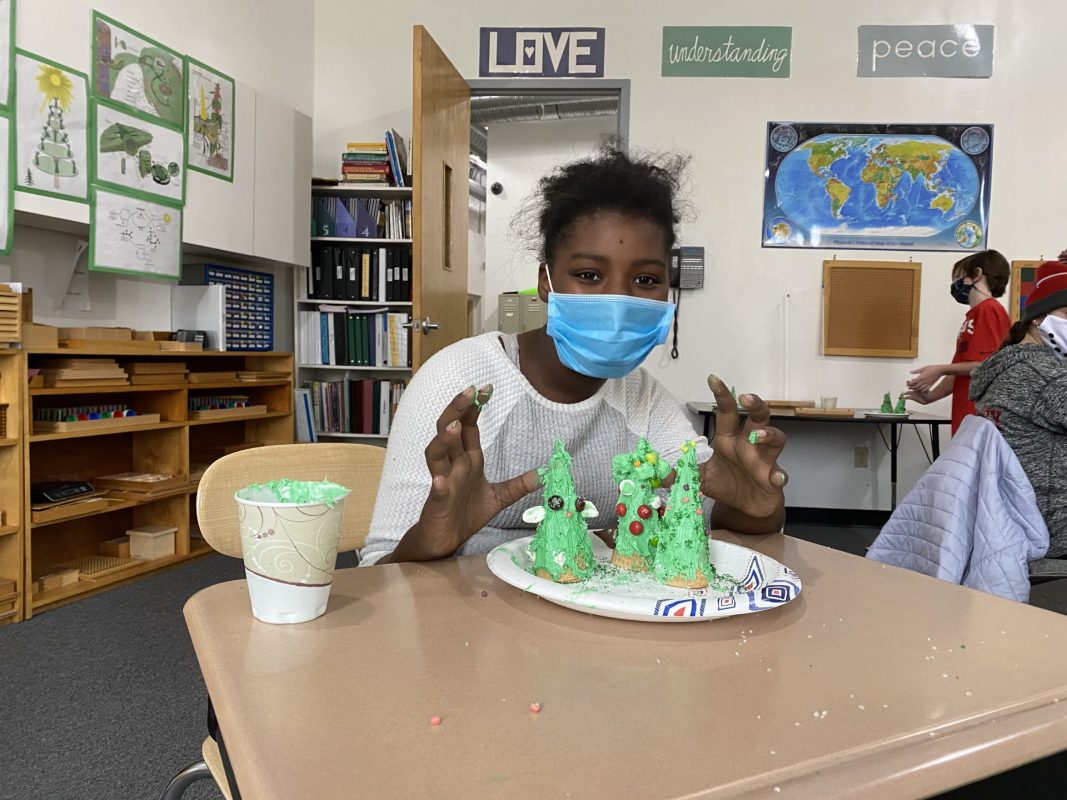
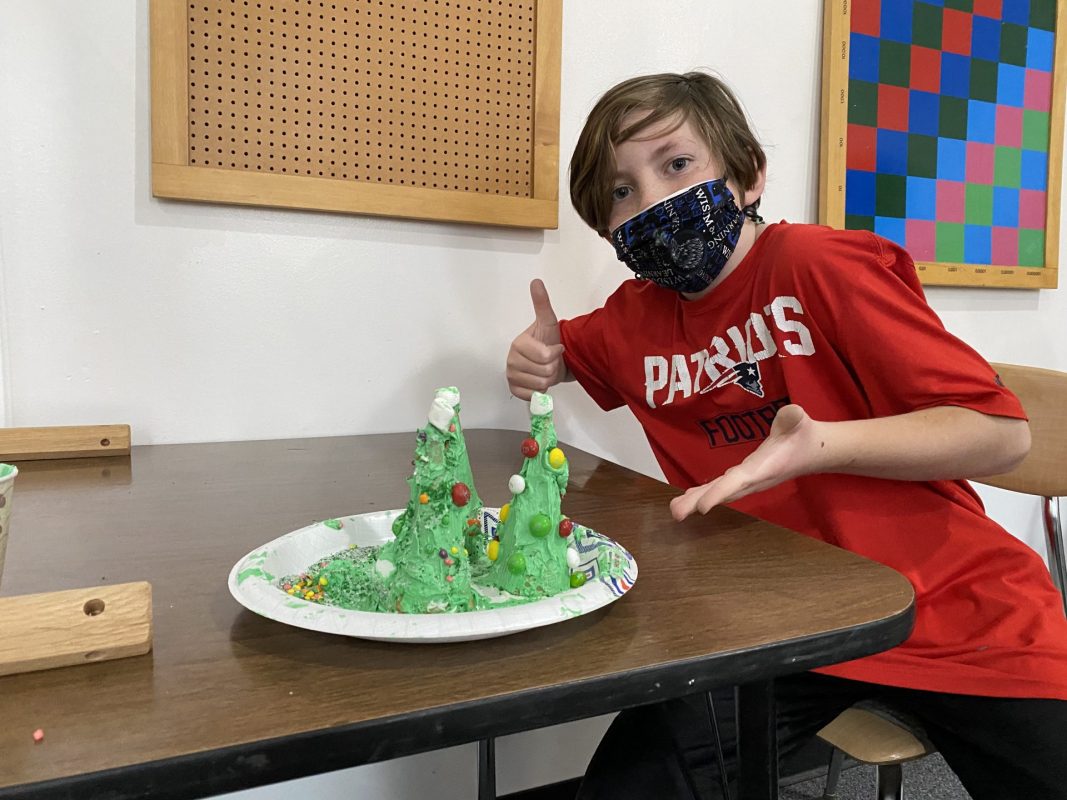
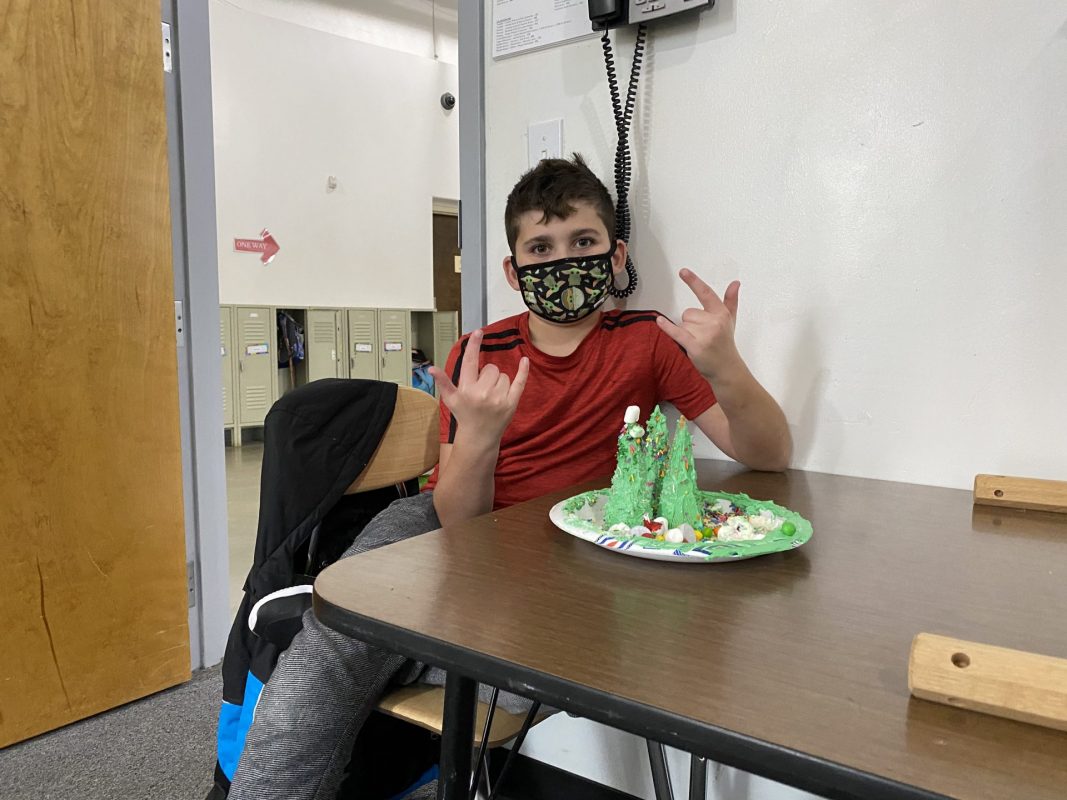
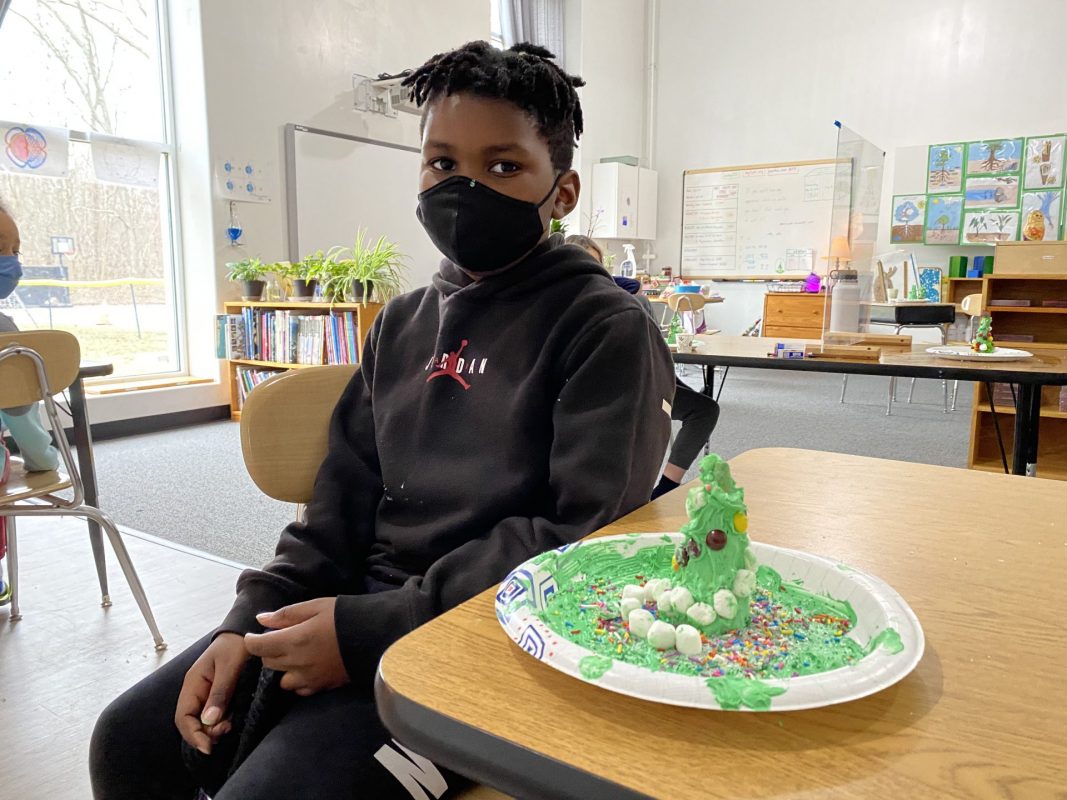
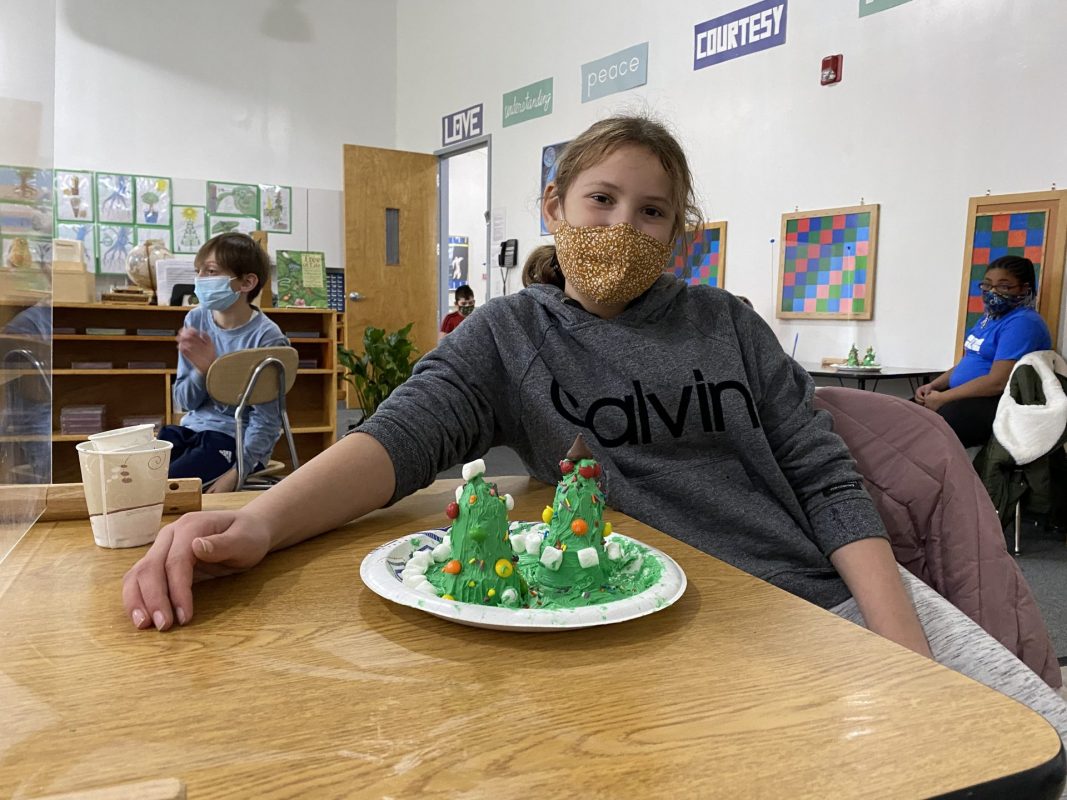
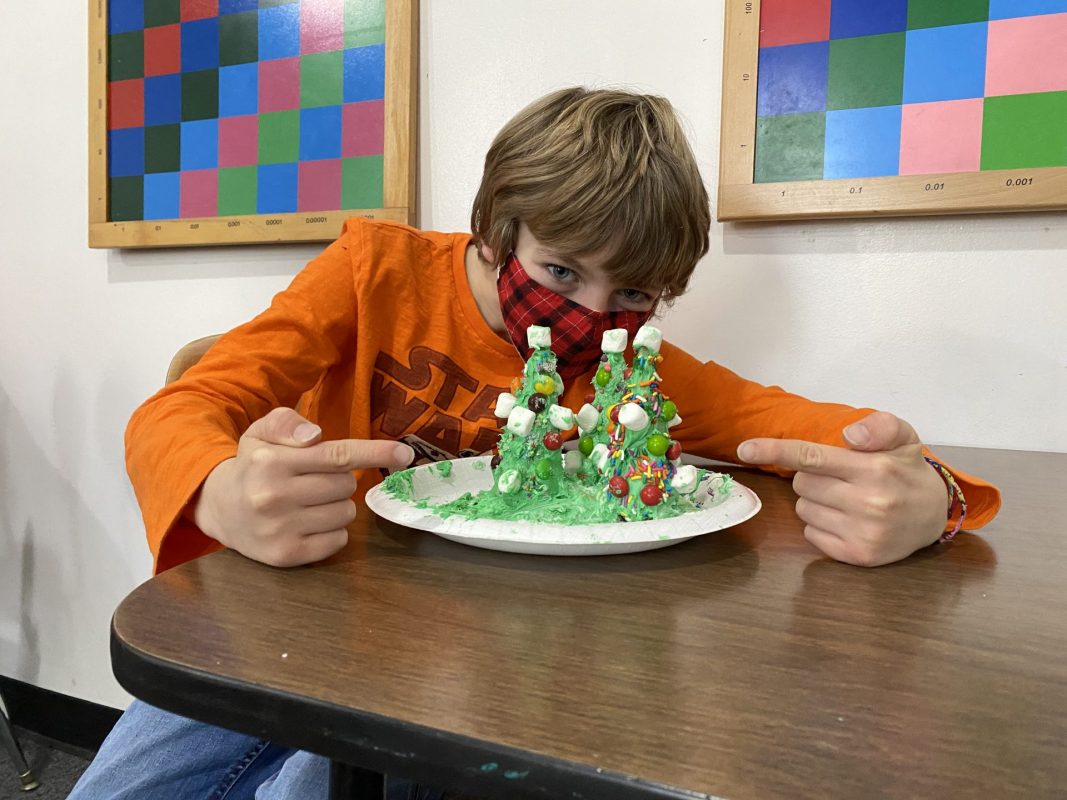
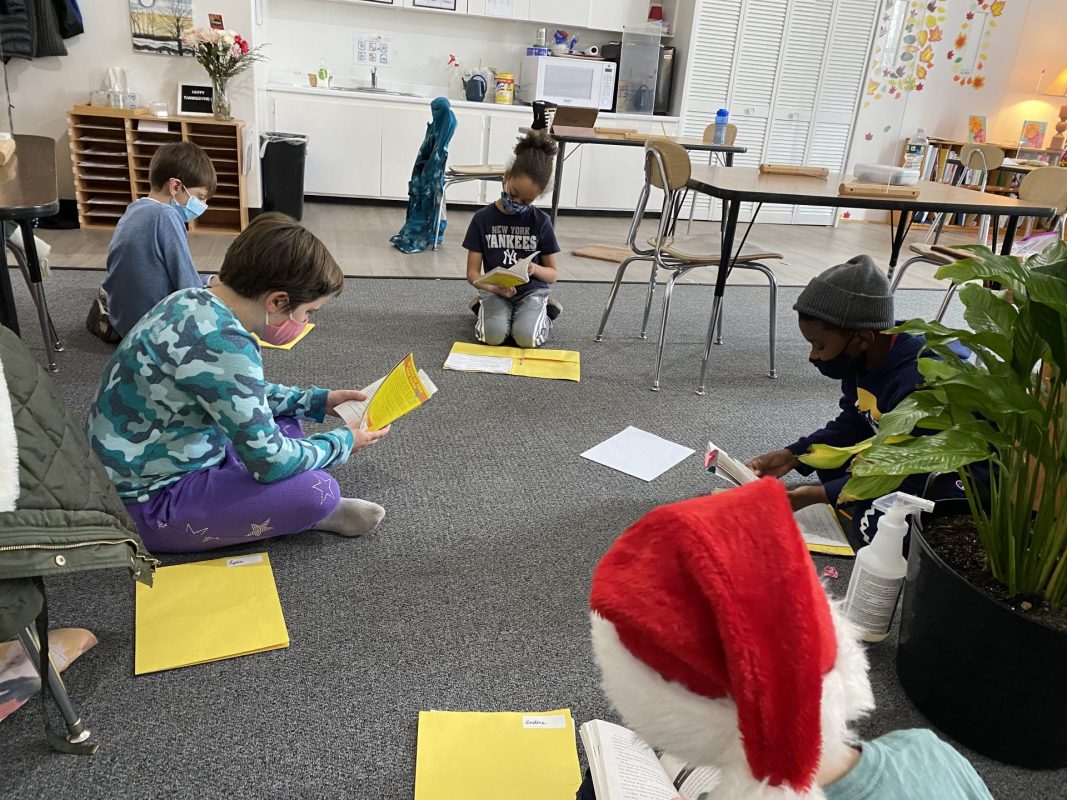
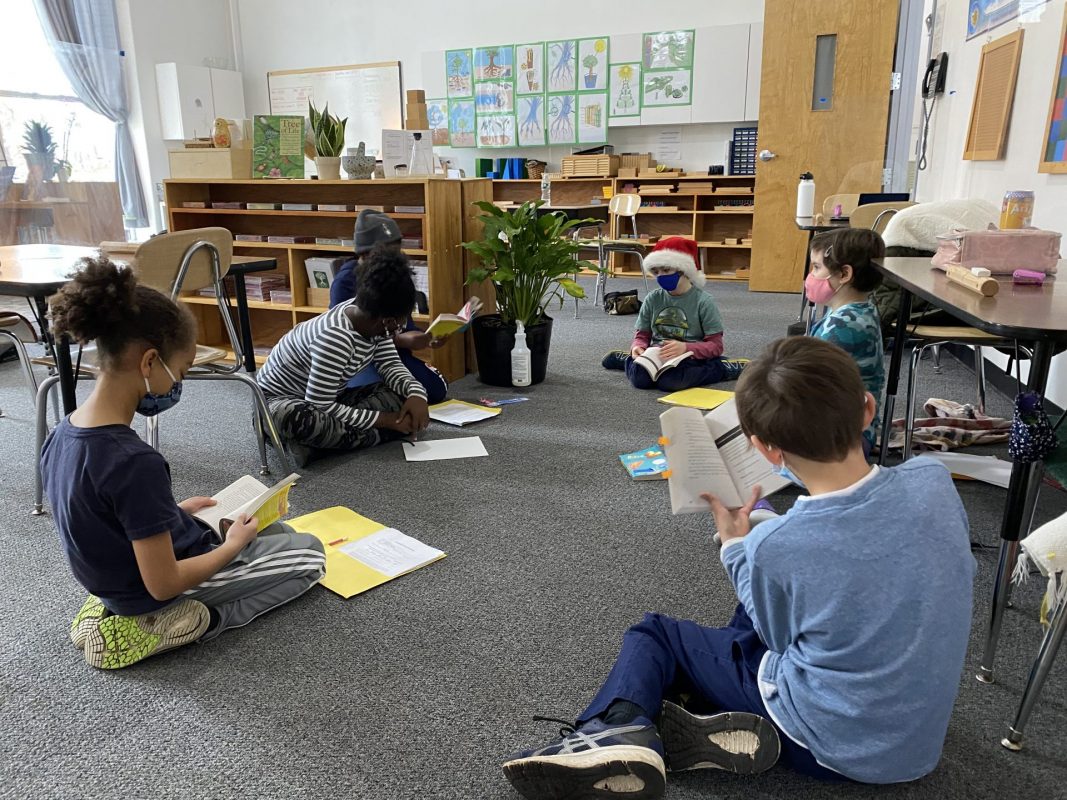
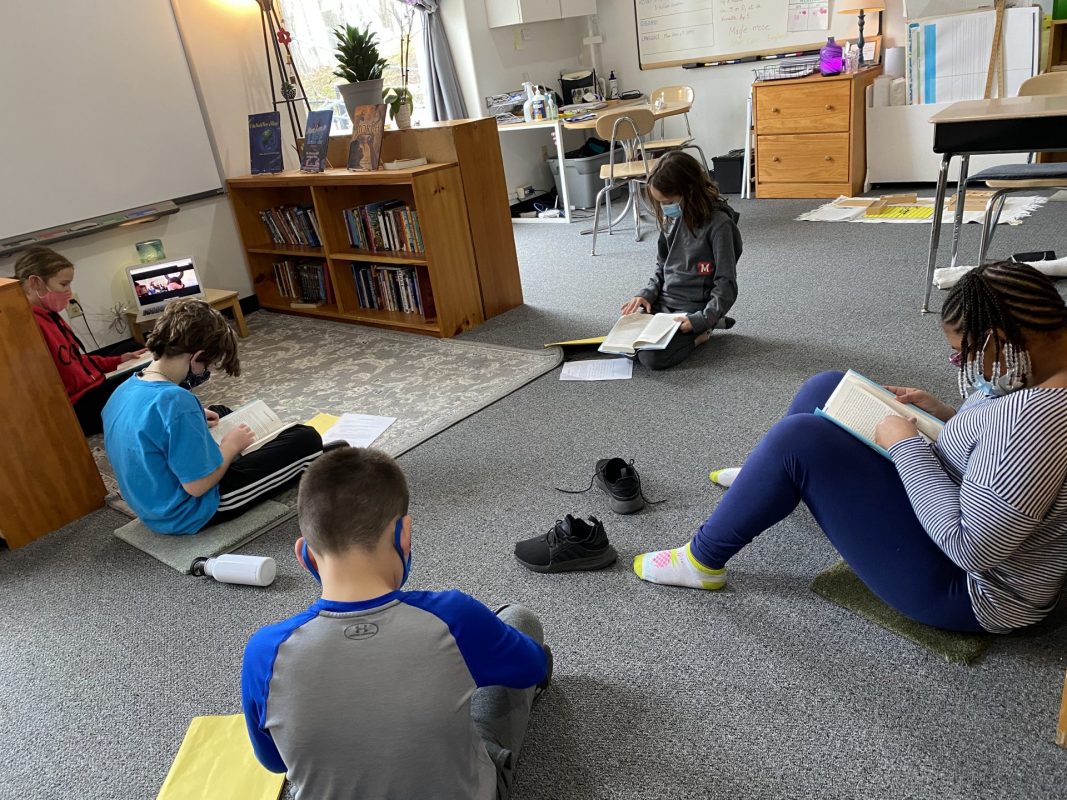
After brainstorming, openly discussing each item, and then voting on the solutions, they successfully came up with a plan for each. We wrapped up some of our weekly language and math work with small group meetings. Fourth graders finished their literature circle book, Rules, and had a nice final discussion about the book. They have chosen to read My Side of the Mountain by Jean Craighead George next. Fifth graders are a little over halfway through Wonder. We spent time wrapping hats, mittens, and blankets for the children served by St. Vincent DePaul Mission. Thank you very much for your donations! Your children commented while wrapping about how much they enjoy volunteering their time to help those in need. One student sweetly remarked, “First it was like we got to work in a deli and now it’s like we are working in Santa’s workshop!” We celebrated the holidays together at the end of the week by making edible evergreen forests while listening to the music of the season.

I was overwhelmed by the generous class gift from you. Thank you! And thank you for sharing your awesome children with me each day. I wish you joyful and peaceful holidays! Here’s to a great 2021!


Serving the Spirit

“The child’s development follows a path of successive stages of independence, and our knowledge of this must guide us in our behaviour towards [them]. We have to help the child to act, will and think for [themselves]. This is the art of serving the spirit, an art which can be practised to perfection only when working among children.” -Maria Montessori, The Absorbent Mind

Every single day I am amazed and impressed by this group of students. In all my years of teaching, I have never seen a group of individuals who treat each other with such kindness and caring. They rarely have any conflict at all, and when they do, they work things out with each other beautifully and respectfully. And it’s not just their social interactions which are impressive. Each and every one of them is incredibly hard working and focused. They hold themselves accountable for their work and are consistently motivated to work hard. They love collaborating with each other, both within and across their two grade levels. They are a joy to teach and I am grateful every day to guide them in their education.

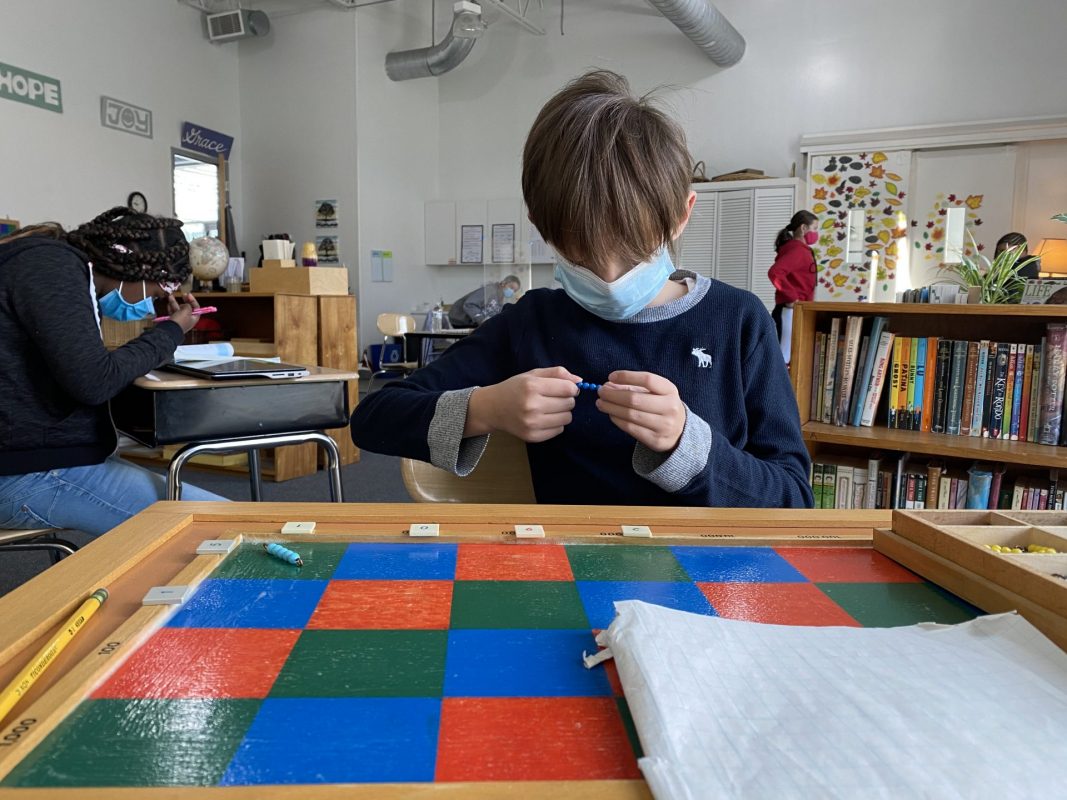
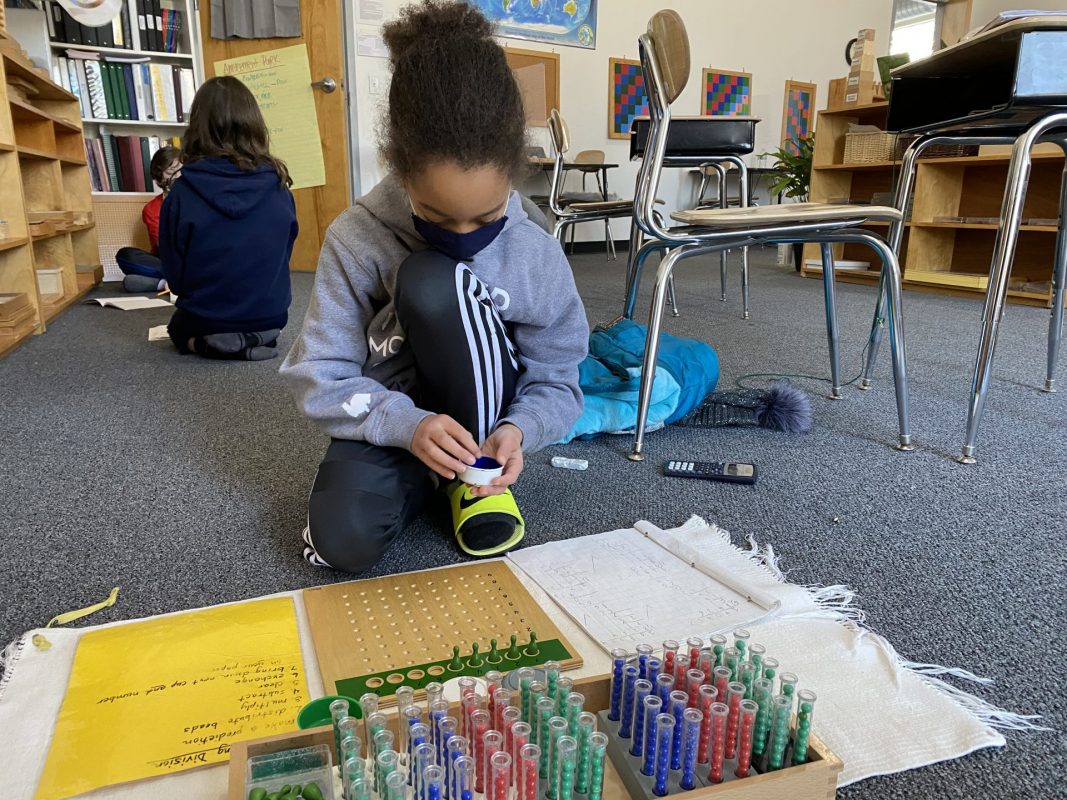
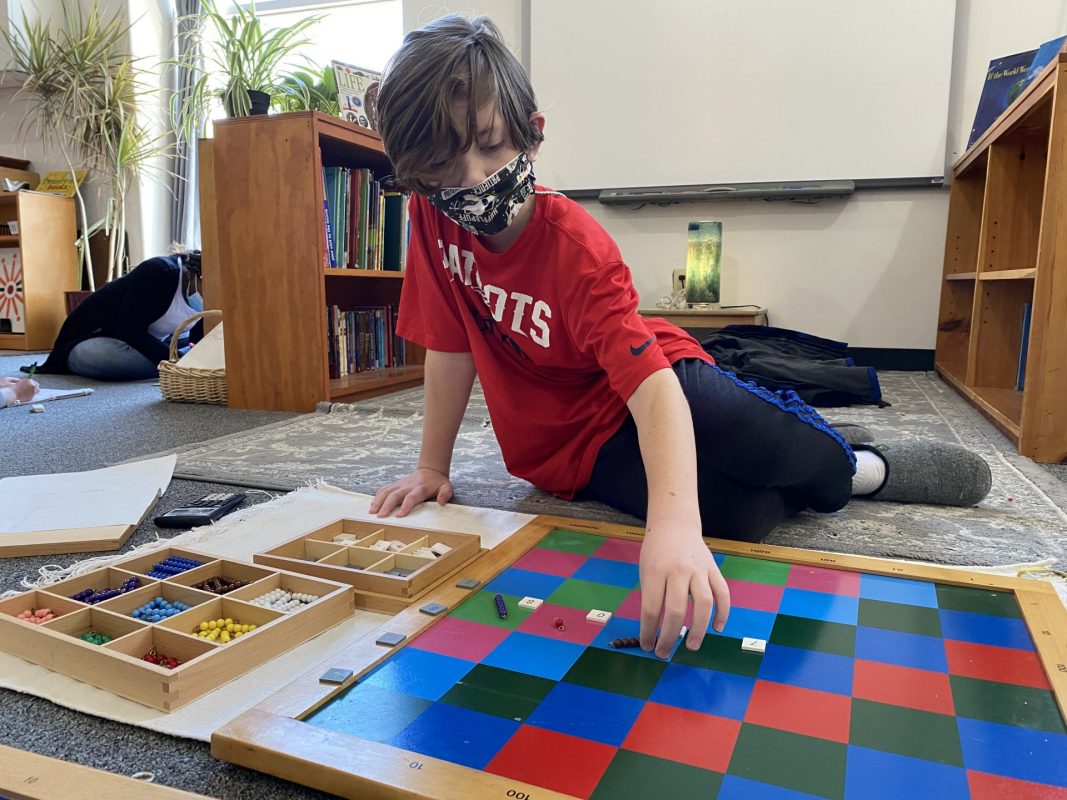
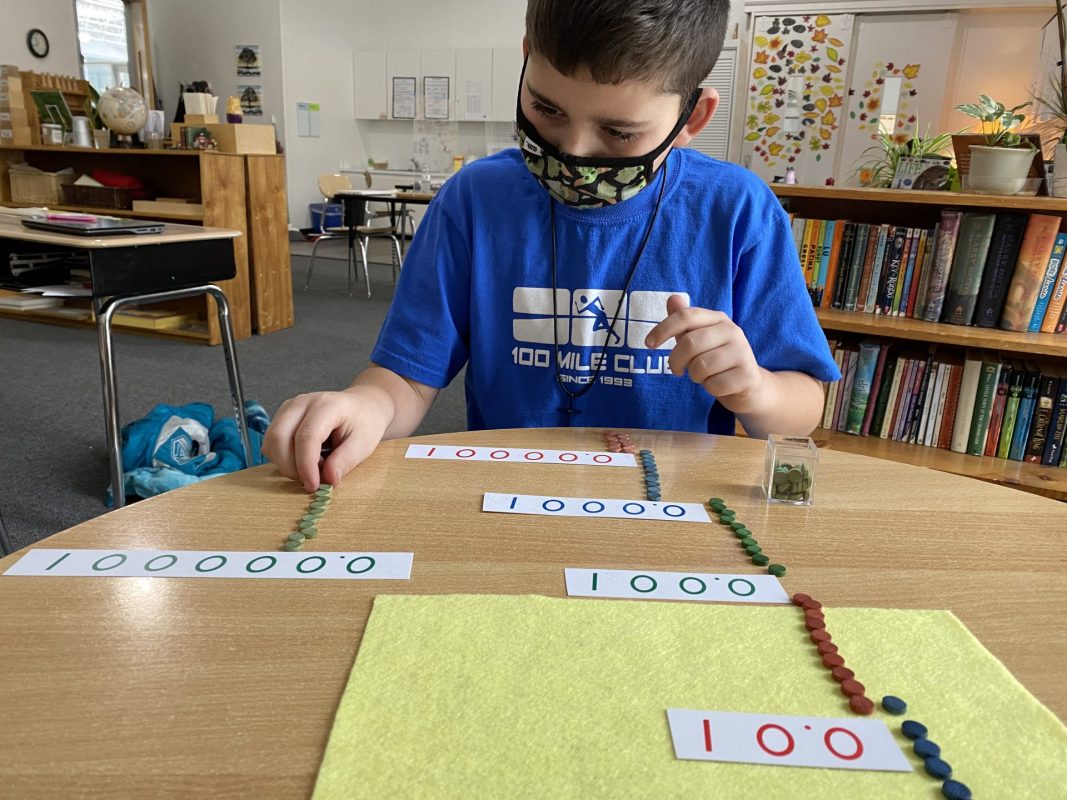
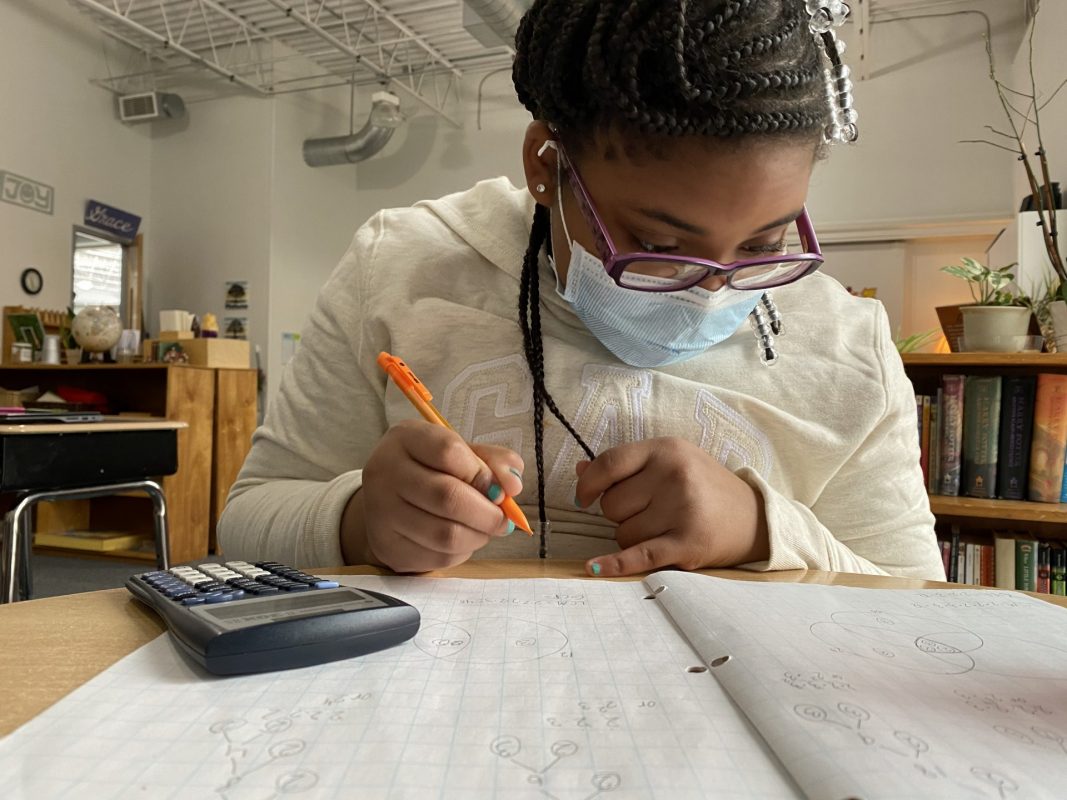
This week’s lessons in geometry were a continuation of the fourth grade work with equivalence and fifth grade work with finding area. Our biology work continued with a lesson on the chemical reactions that take place in plants during respiration. We used the molecule model material to represent what happens when plants take in oxygen and burn and break down their sugar into molecules of water and carbon dioxide. In our geography lesson this week we looked at air pressure on Earth. We learned what causes areas of low and high pressure and the different kinds of winds that are created by these areas. The students have also worked hard all week on their individualized lessons and independent work across the curriculum. We ended the week by making over 200 sandwiches for the St. Vincent DePaul Mission in Waterbury. Thank you so much for generously donating all of the ingredients for our sandwiches!


Our Week

We were happy to be back after our long weekend. We had a productive week with lots of lessons and fun.

In geometry, fourth years learned to determine if a parallelogram and rectangle are equivalent by looking at the base and height of each. Fifth years learned three formulas for finding the area of an acute angle triangle. Our biology lesson this week on photosynthesis focused on the specifics of what is happening inside the plant during the process. We looked at the molecular structure of water, carbon dioxide, sugar, and starch and, using models, explored the work the plant does to make sugar and starch. In history, fourth years wrapped up their Timeline of Life work with an exploration of the entire timeline and they will be working with it independently over the next two weeks. Fifth years learned about the Maglemosians, the people of the great bog. They continue to research and illustrate one concept from the lesson and will be constructing a timeline of modern humans together. Literature circles are going well with fourth years reading Rules and fifths reading Wonder. Each group is now able to lead their own discussions, and after going over their roles, spends time discussing what has happened in the book so far and shares their thoughts about the story.

The students are looking forward to making sandwiches for St. Vincent DePaul Mission in Waterbury next week. Please look for the sign up in the next few days if you would like to contribute.


Wishing You A Happy Thanksgiving

This week the Upper El students and I would like to share some thoughts about what we are thankful for this year. With permission, and a promise to keep it anonymous, I am sharing quotes from each student’s daily journal…

“I’m thankful for my family, friends, and dog, Freddy. This is because they’re kind, funny, make me feel loved, and are a little bit crazy – but in a good way. I’m also thankful to be able to have Thanksgiving in person this year which I think is amazing and very important this year 🙂 !”

“I am thankful for my mom, my grandpa, and my dog because my dog is very funny and so is my grandpa and my mom is very nice. I am thankful for my friends, my family, and food. I am thankful for food because food is one of the things we need to live, my family because they are the best, and my friends because they stick with me and we have the greatest memories.”

“I’m thankful for my family because if we did not have family what would we do, my friends, teacher, and church because they are nice, strong, and amazing.”

“I’m thankful for my family and friends, pets and farms because they honor me and respect me. I am thankful for my moms because they help me and cook for me.”

“I am thankful for my family, for my friends, for the food we get to eat, and for my video games.”

“I am thankful for my grandma (Nonna) because she is fun to play with. I am thankful for mountain biking because it feels good when you land a jump or go down a trail very fast and don’t fall.”

“I am thankful for my family, friends, and teacher. I am thankful for water, food, my house, entertainment, and school.”

“I’m thankful for my brother and my dad because my brother and I don’t see each other that much.”

“I’m thankful for my friends because they’re always there for me. I’m thankful for food because it keeps me living.”

“I am thankful for food because you can’t live without it. I am thankful for my mom because she helps me in tough situations and we do fun things together.”

“I am thankful for my family because they help me when I need it. I’m grateful for my xbox because it is fun.”

“I’m thankful for my mom and dad because they do so much for me and they brought me into this world. I am thankful for food, family, entertainment, friends, joy, love, caring, being kind, and the Earth.”


…and I am beyond thankful that I get to walk this journey with your children. They are truly amazing, hard working, kind, and compassionate people.

I hope you and your loved ones have a wonderful Thanksgiving!


Developing Compassion Through Service

“We see the figure of the child who stands before us with [their] arms held open, beckoning humanity to follow.” -Maria Montessori

It was Maria Montessori’s vision that the way to make the world a better, more peaceful place, was through the children. Consequently, serving others is a vital part of the Montessori philosophy. In Upper Elementary, we place great emphasis on becoming good stewards and caretakers of the Earth and its inhabitants. One way we do this is by participating in real, meaningful community service for others, outside our school. By doing this work, the children learn the joy of giving of themselves, and develop compassion. The intentional focus on serving others fosters the growth of caring, empathetic students who are capable of thinking beyond themselves.

We were pleased to learn that the St. Vincent DePaul Mission in Waterbury continues to need contributions to its Sandwich Making Program and that, by following COVID safety guidelines closely, we are allowed to participate in that program. On Friday, at 12 physically distanced food preparation stations, the Upper El students worked joyfully to make sandwiches for our neighbors in need. We made a total of 206 sandwiches. Thank you parents, for donating the ingredients!

This week we continued our Biology lessons on photosynthesis with a focus on food making that goes on inside of plants. We learned how a plant uses water and carbon dioxide to make sugar, and how some of that sugar is used up immediately and rest of it is reduced to starch for storage. In Geography we learned about simple wind patterns on Earth that are created by heated air rising at the equator and cool air flowing in from the poles to replace it, a cycle of a constant flow of air.


The HUB

The MyFWM Dashboard has a fantastic new feature called the HUB. Each morning we start our daily work cycle by visiting the Dashboard of MyFWM and checking out the HUB. There, the children are learning to check any messages they have received from teachers, see what the schedule is for the day, and look at their current assignments. They check off assignments as they complete them, and in this way are using the HUB as an organizational tool for their schoolwork. By making this part of our daily routine, each student is not only learning useful skills to help them become responsible, organized, and accountable, but they will also be prepared to use this tool in the event that we spend a portion of our year learning from home.

In Geometry the fourth years learned another way to prove the equivalence between a rhombus and a rectangle and fifths learned how to find the area of a parallelogram. Everyone really seemed to enjoy our Biology lesson this week on photosynthesis. We had a great discussion about the pigment chlorophyll and why most plants are green. The students enjoyed using a mortar and pestle to crush leaves into a pulp and then combine the pulp with rubbing alcohol to draw out the pigment. They also learned that plants need the sun, and without the sunlight, the pigment in the plant will die. Our fourth grade History lesson this week was on the Cenozoic Era, the age of mammals. Our fifth graders learned about the Azilian people of the Mesolithic, or “Middle Stone Age” culture. In language this week, fourth graders wrapped up their work with Sentence Analysis, and fifth graders did some in-depth work with main and auxiliary verbs.


Studious Scientists

Our week has been filled with fun and learning together. The fourth years learned about proving the equivalence of a rhombus and a rectangle in geometry and the fifths worked on finding the area of squares. In our biology work this week, we continued learning about the upward flow of water in plants with a focus on transpiration. We learned that as water passes out of leaves through the stomata and evaporates, the empty space it leaves is filled by water flowing in from the stem. This continues and creates a steady pull of water and nutrients from the roots, through the xylem and the leaves. The students were surprised to learn that this force is strong enough to pull the water ten times as high as the highest tree. In our geography lesson, we experimented to see which heats up and cools off faster, land or water. We started with some predictions; some thought land would heat faster and some predicted the water would. Everyone thought the water would cool off faster. The children impressed me with the reasoning behind their predictions. We learned, by monitoring the temperature of a jar of sand and a jar of water placed in the bright sunlight, that the sand’s temperature rose much higher than the water’s, and when we removed them from the sunlight, it cooled off faster too. This principle will be used when we examine the heating and cooling of land and water masses.