Competent Collaborators

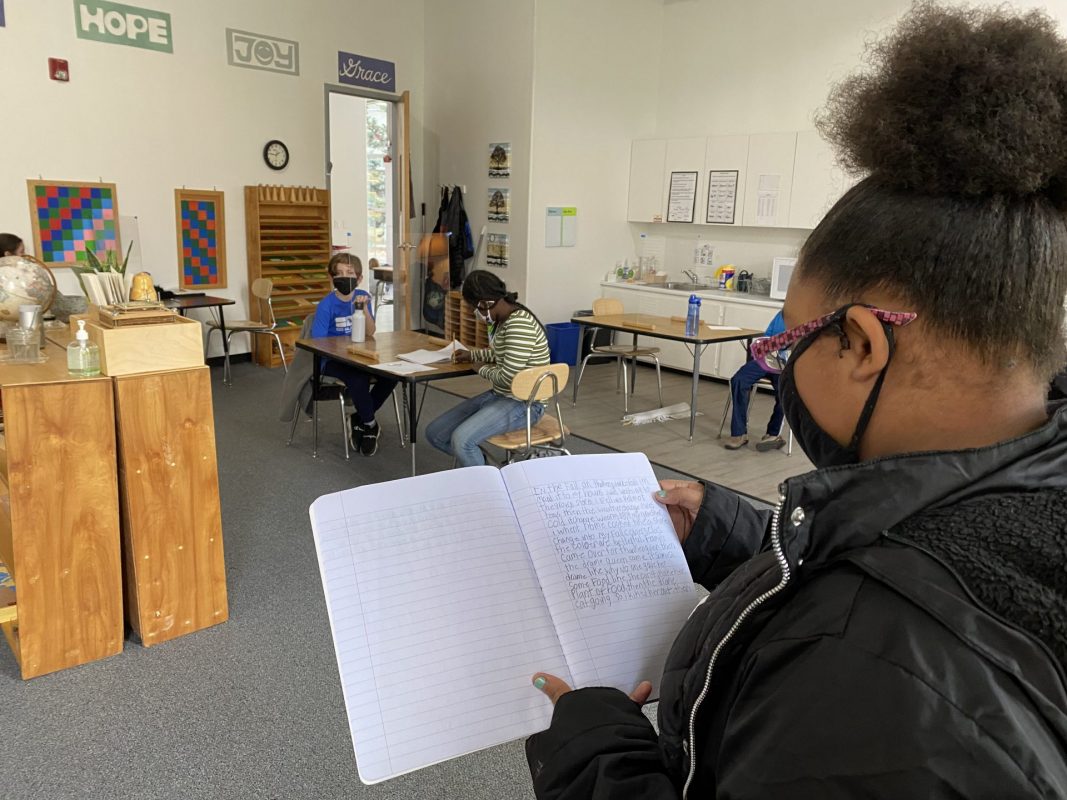
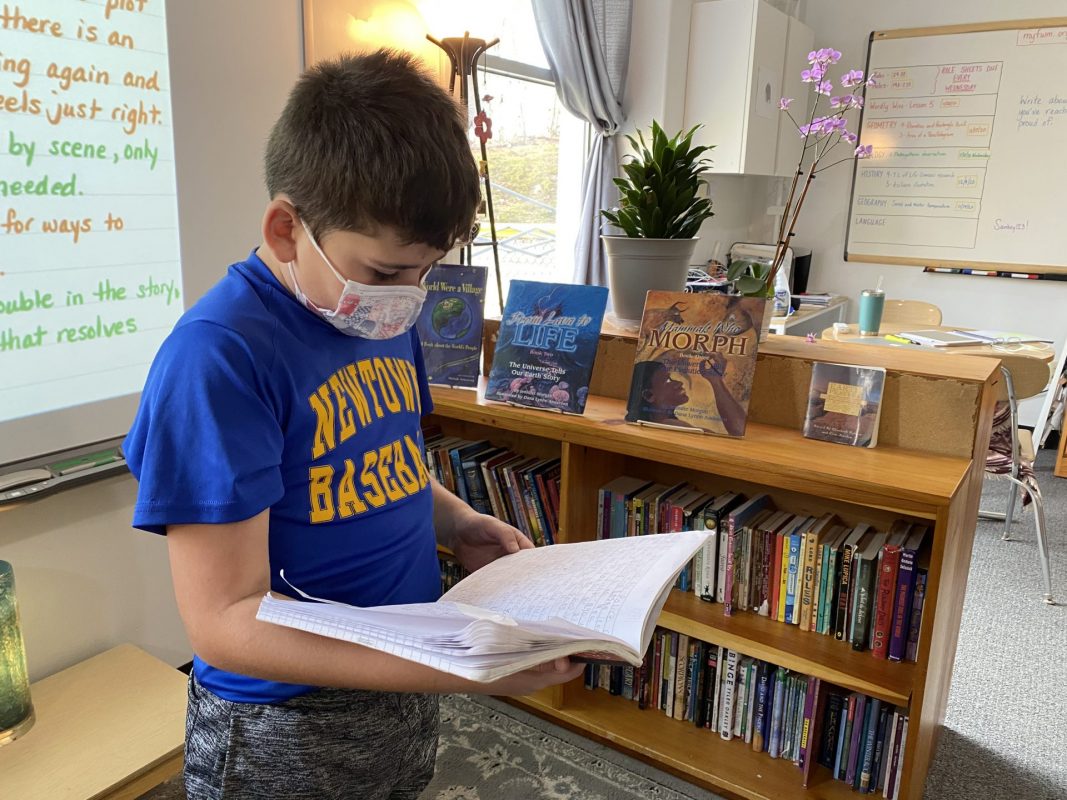
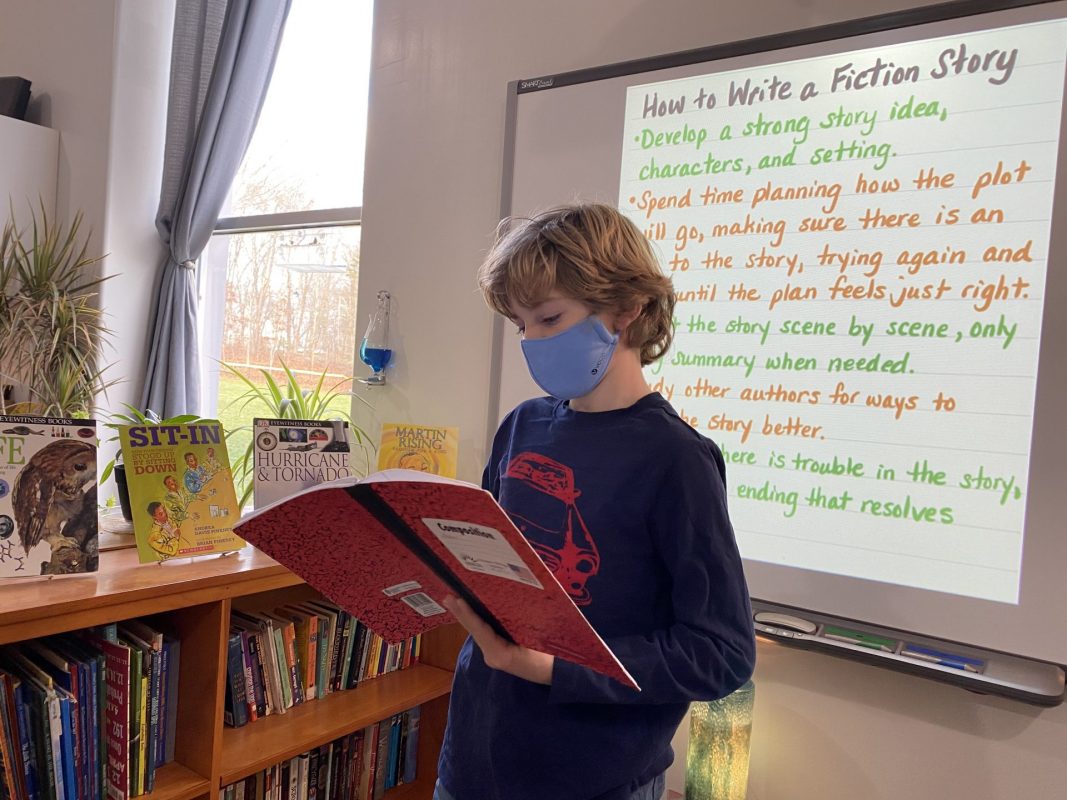
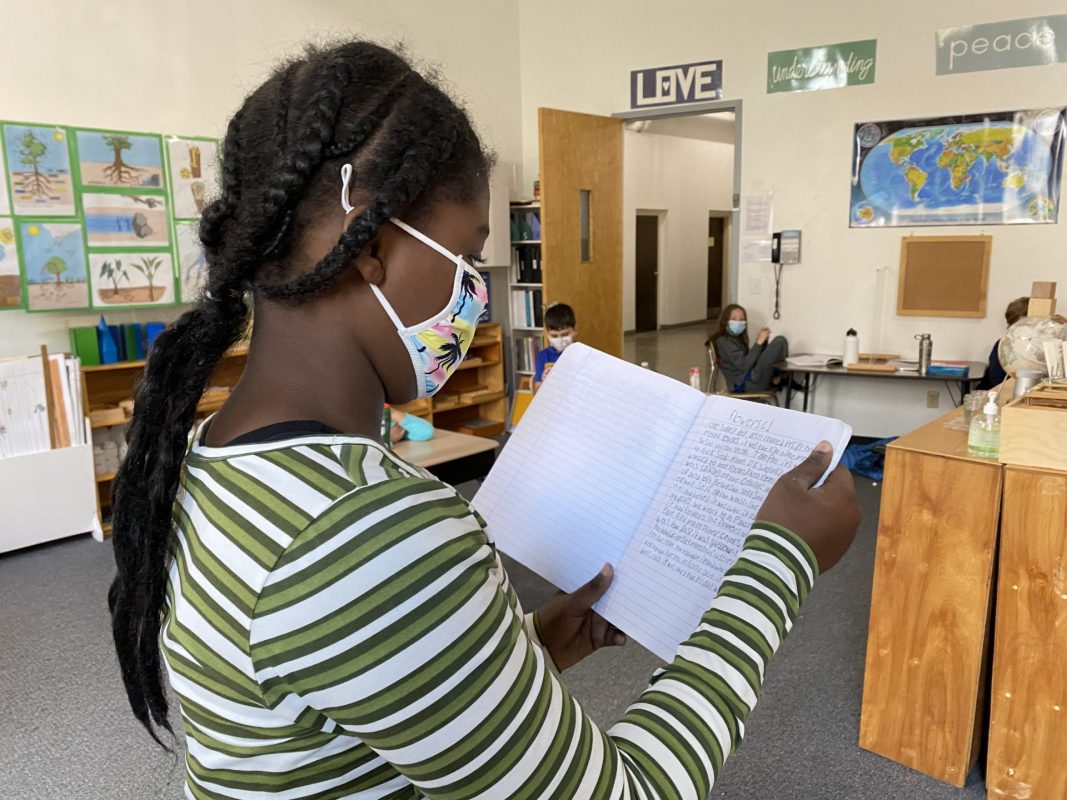
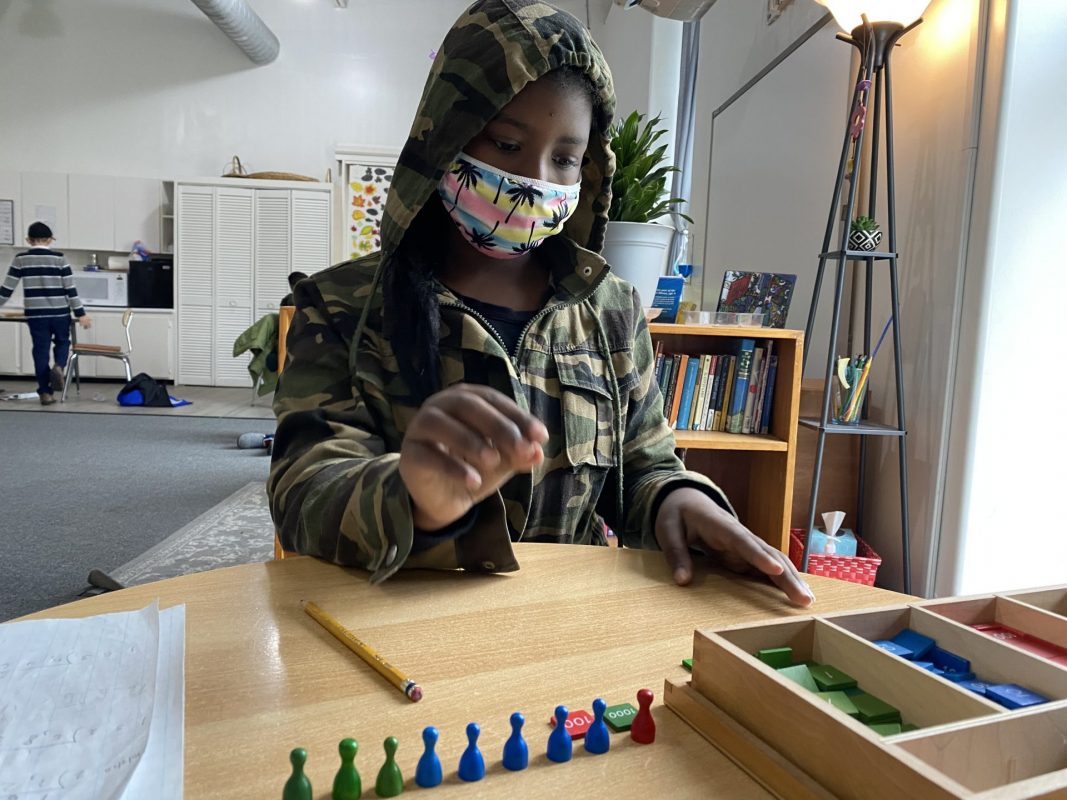
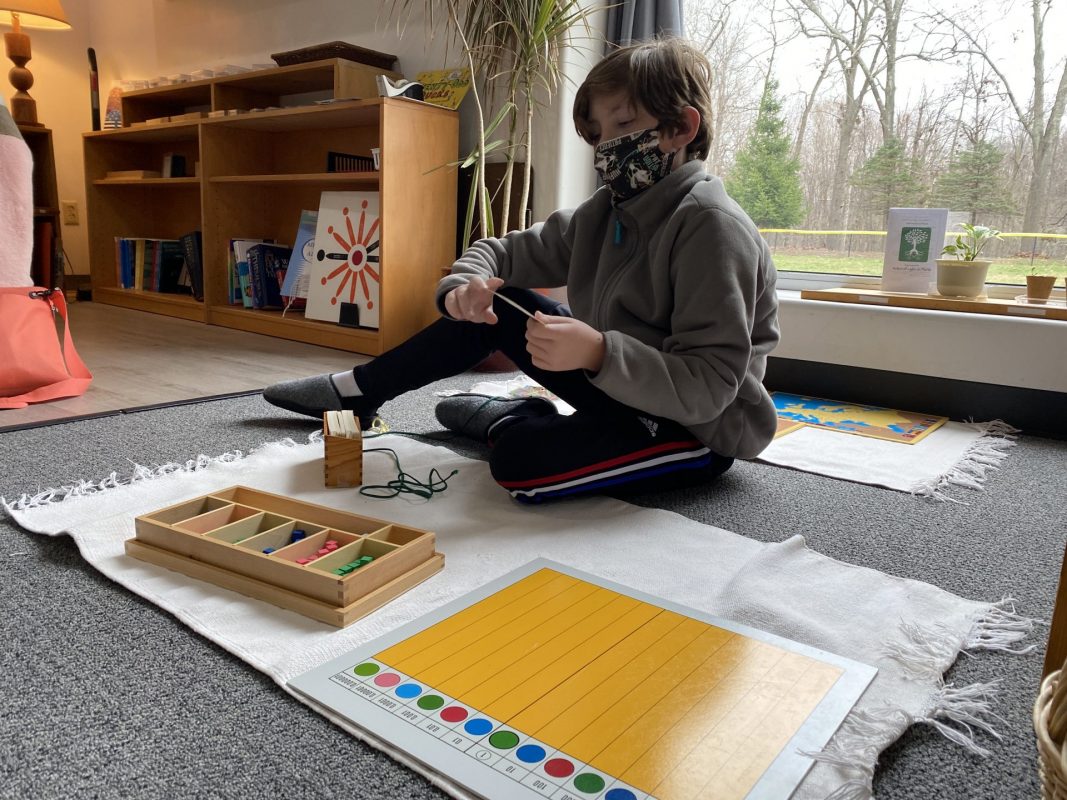
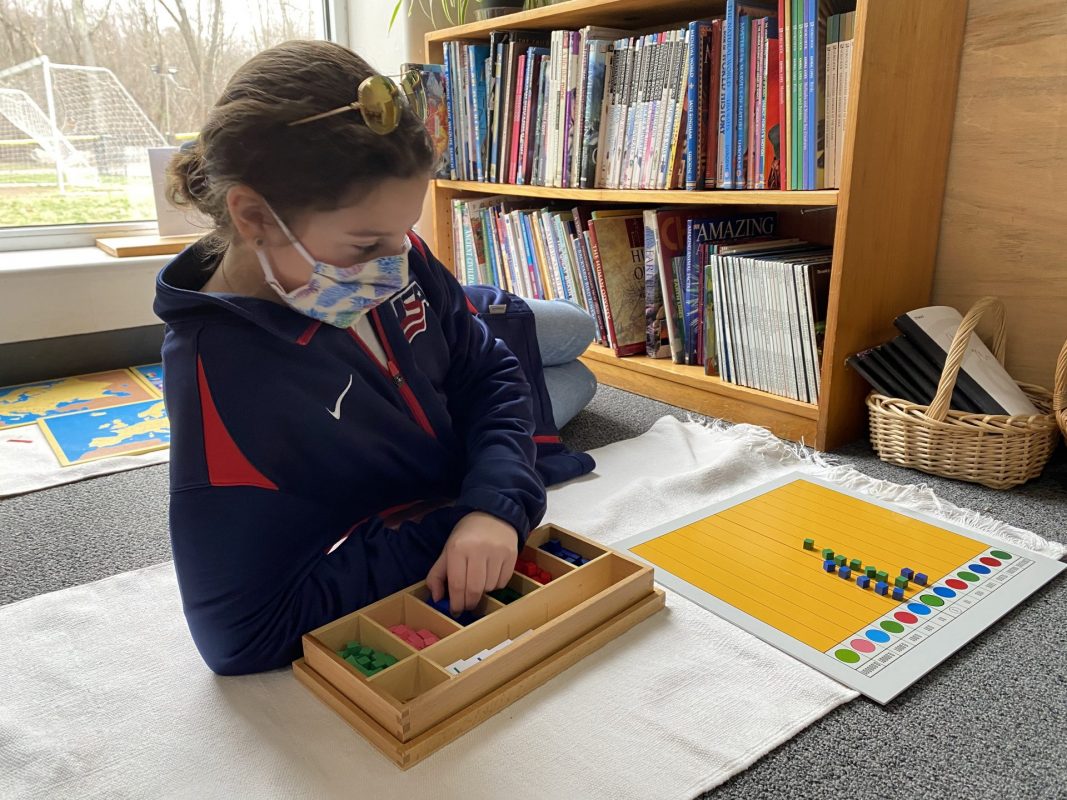
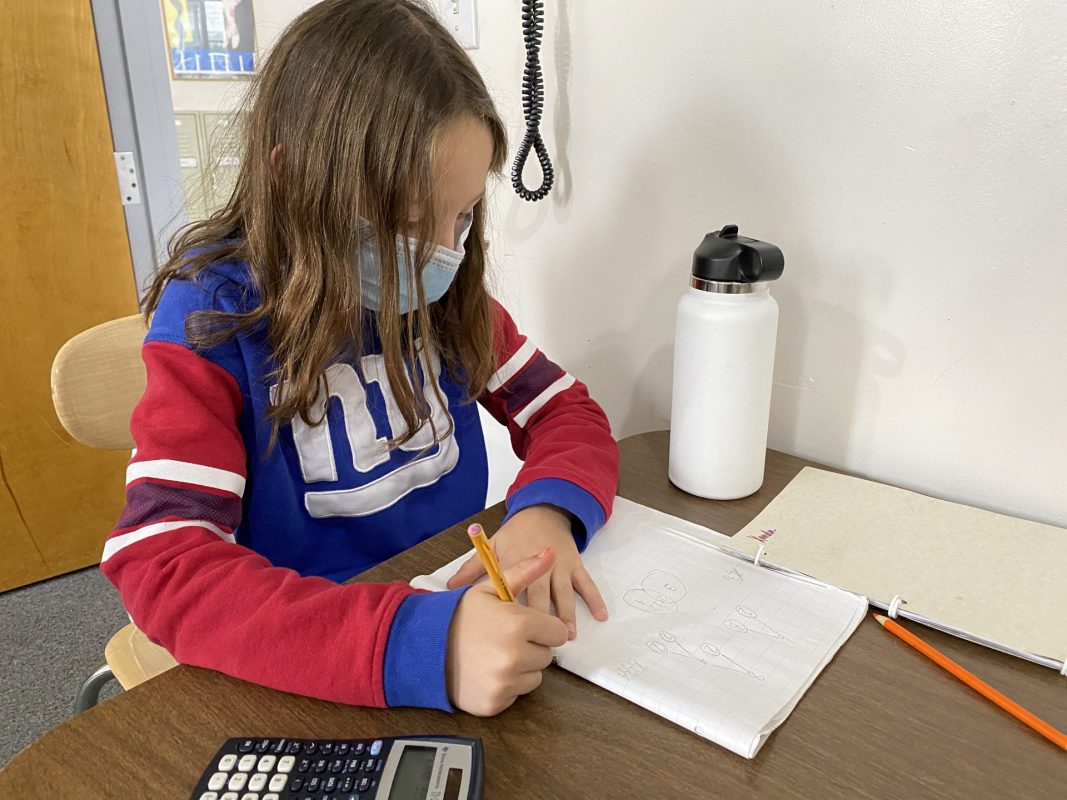
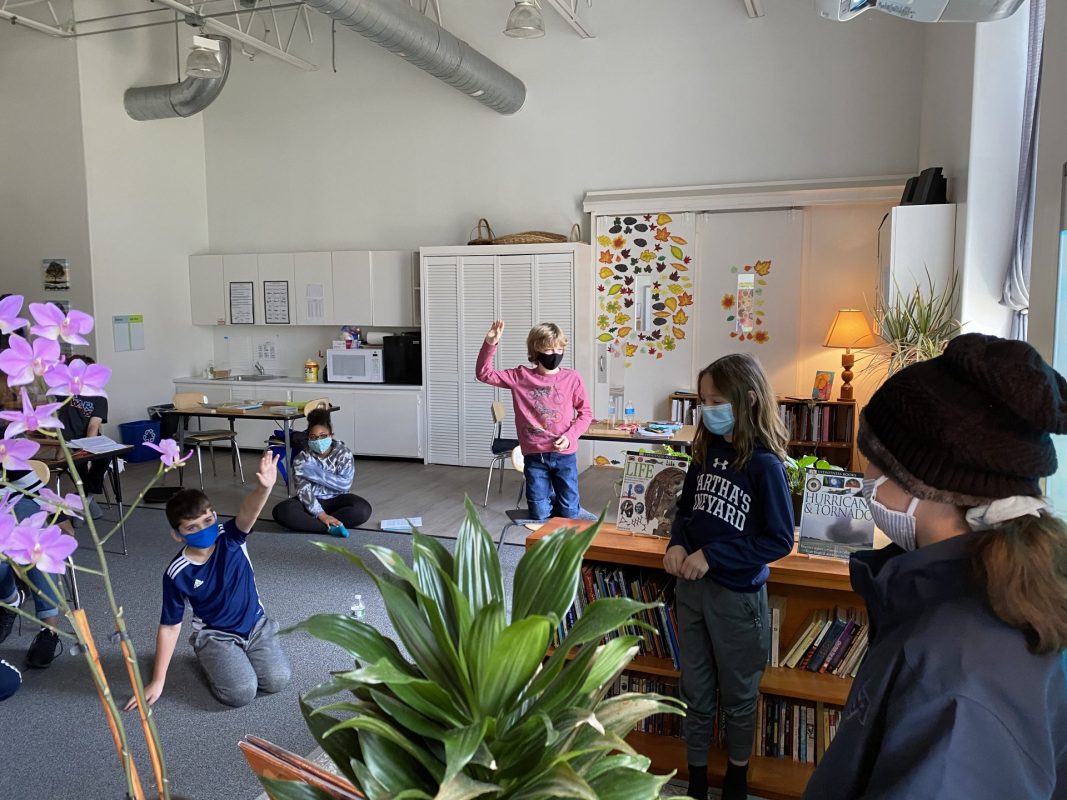
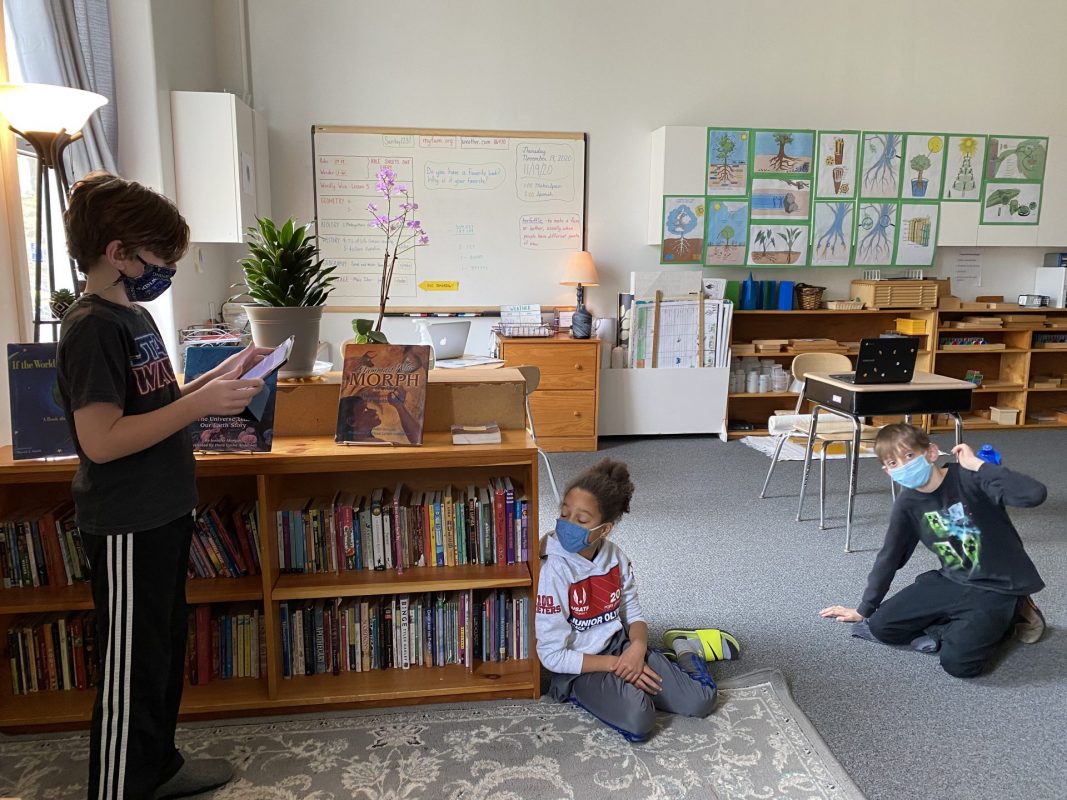
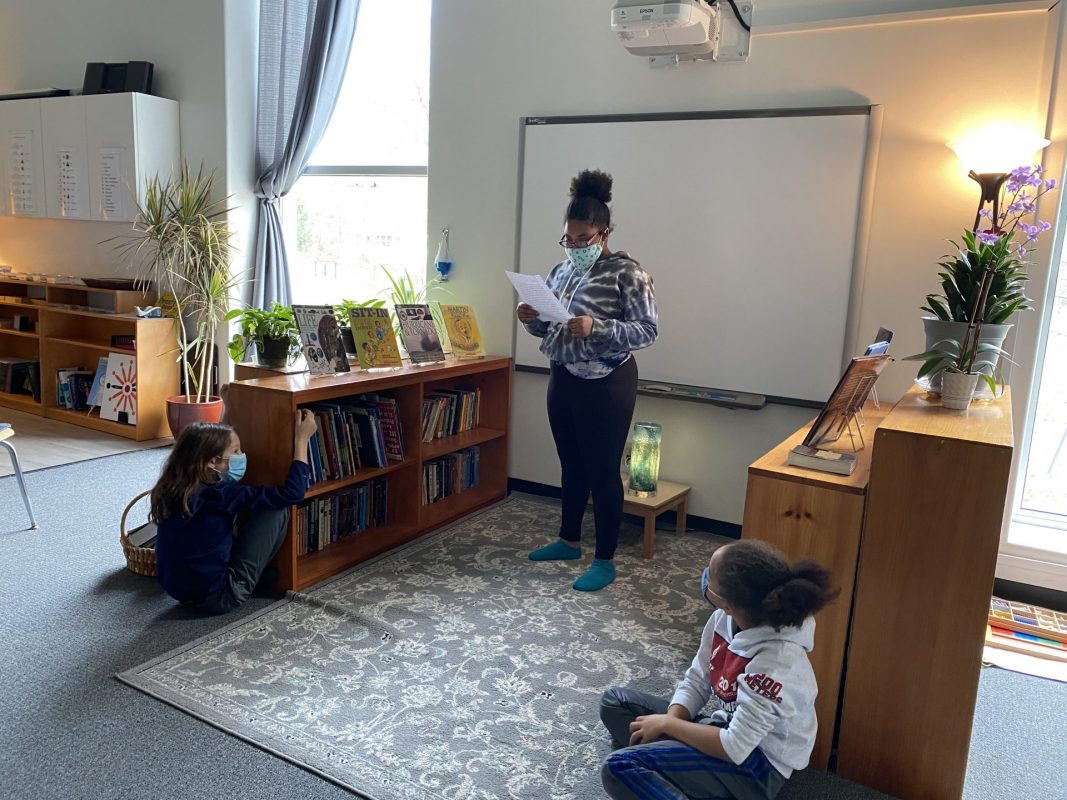
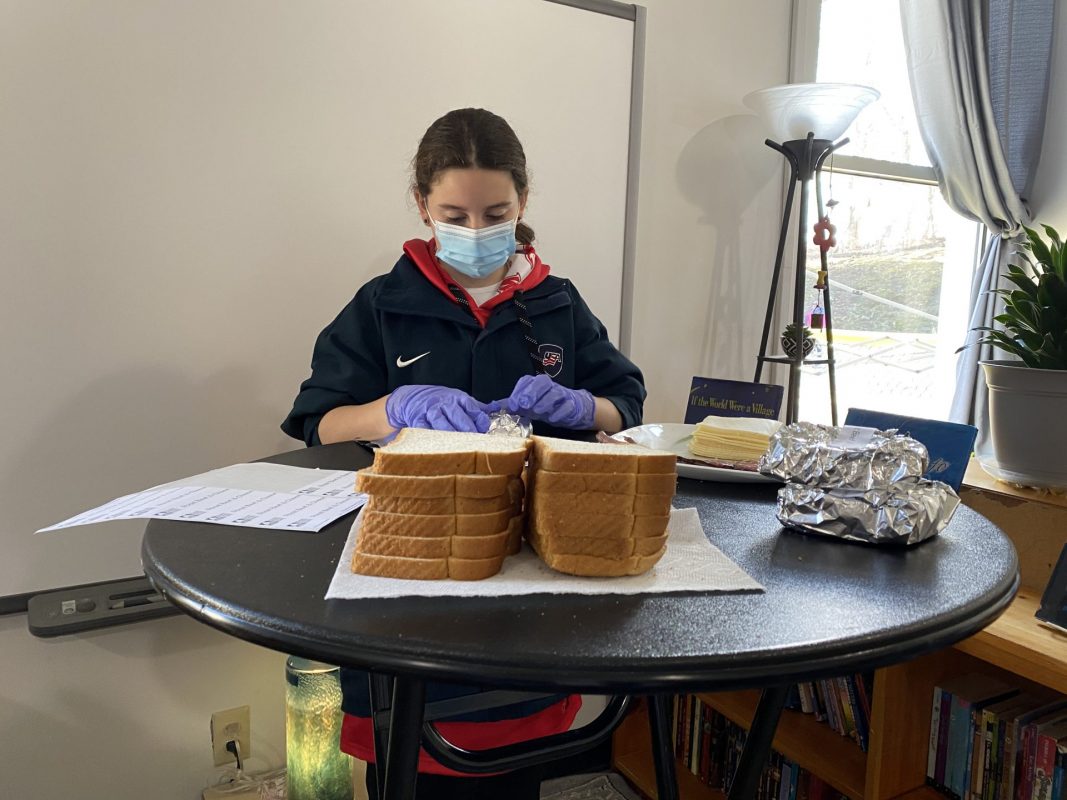
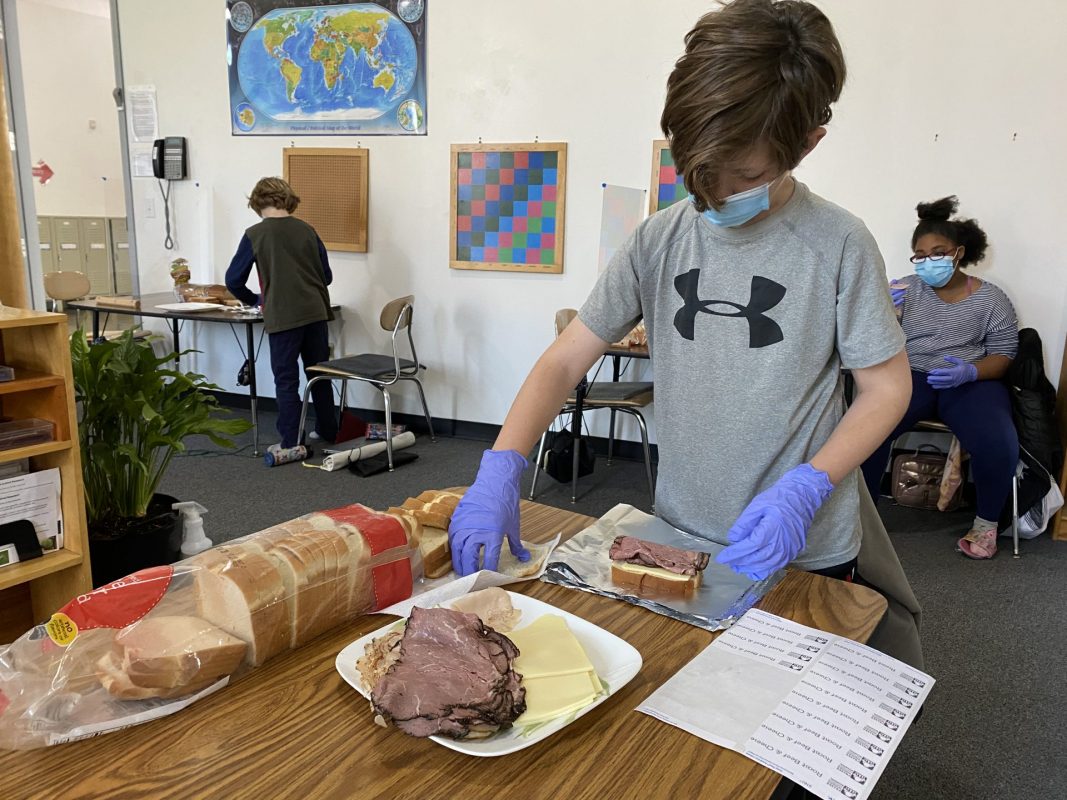
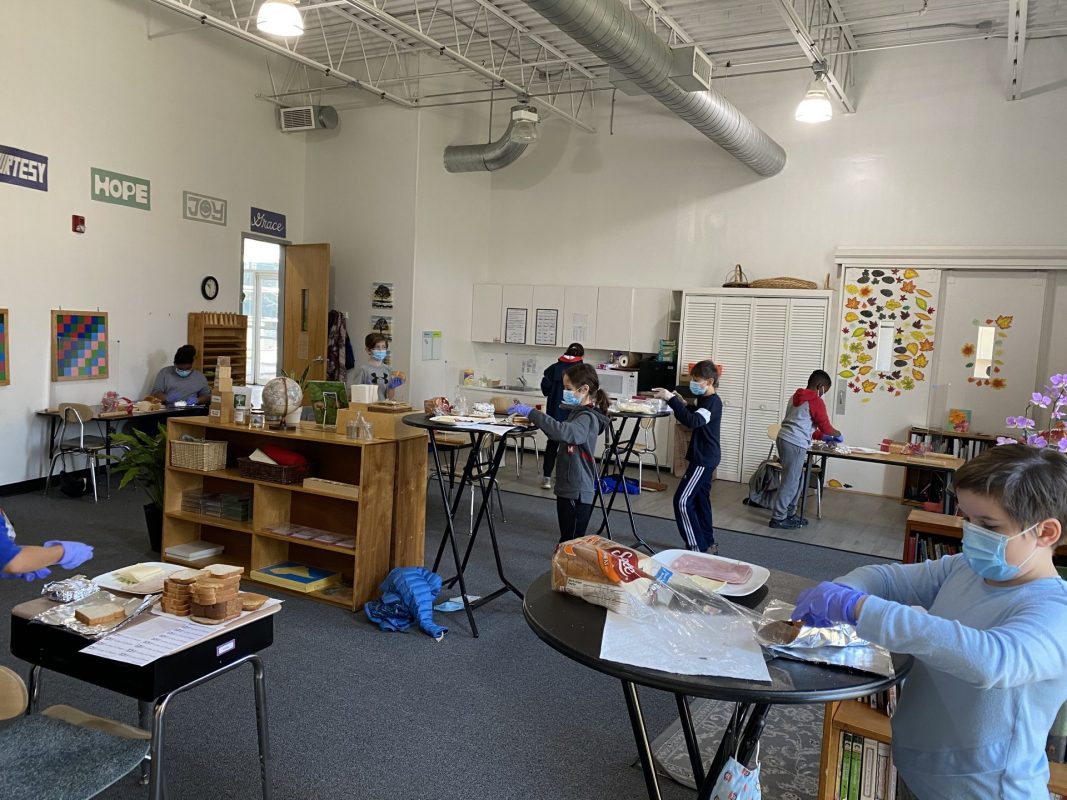
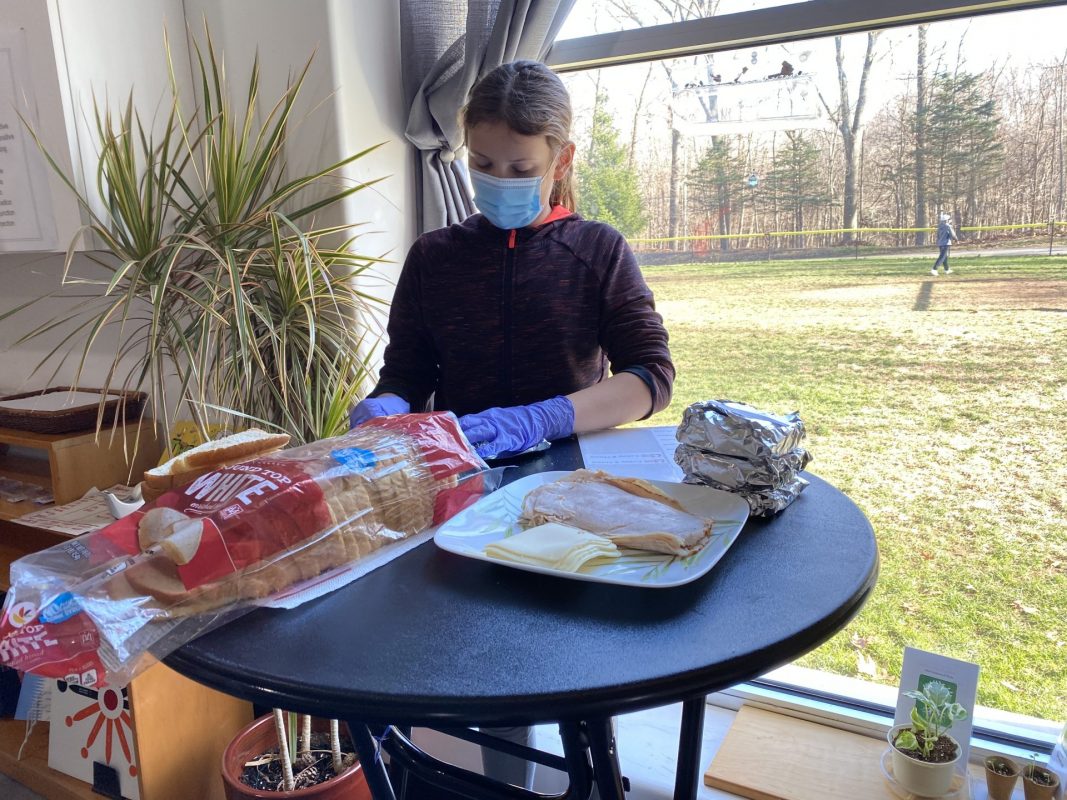
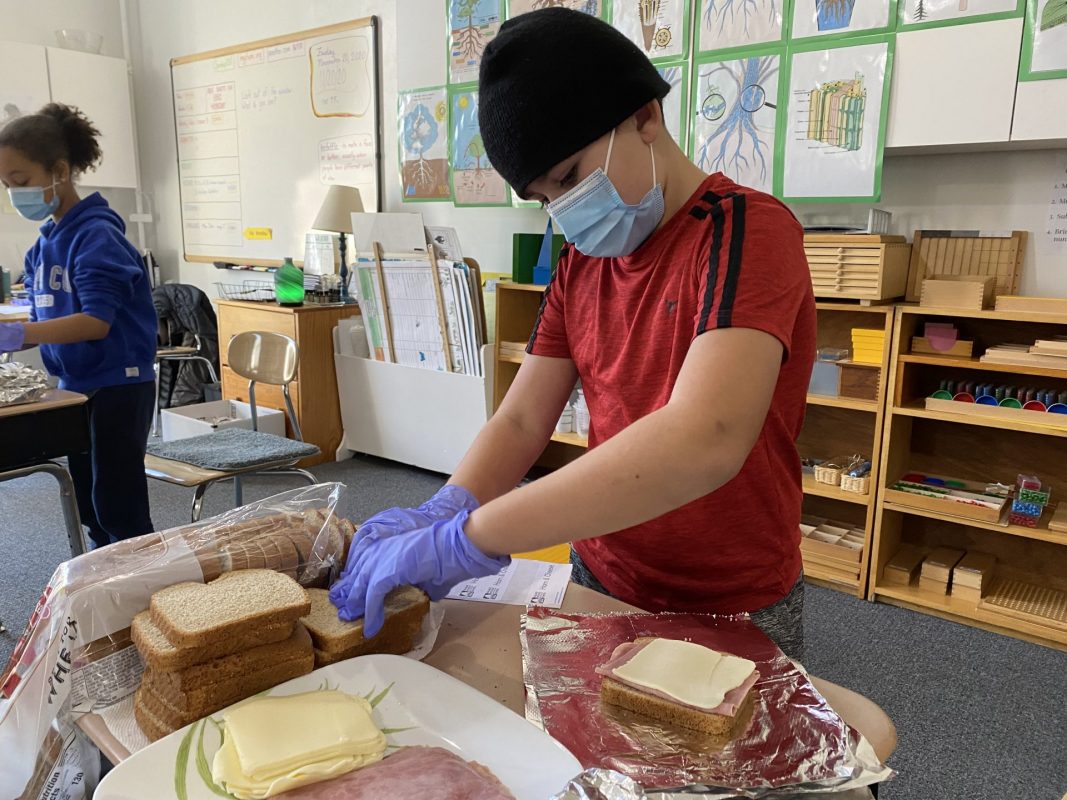
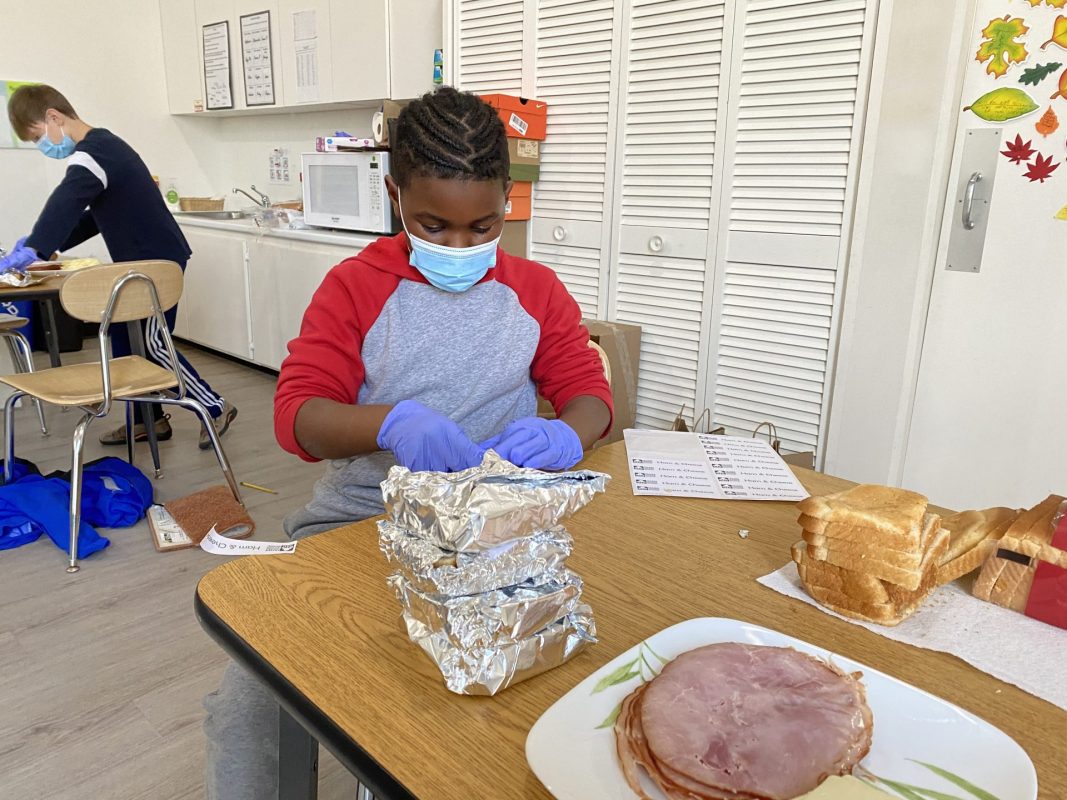
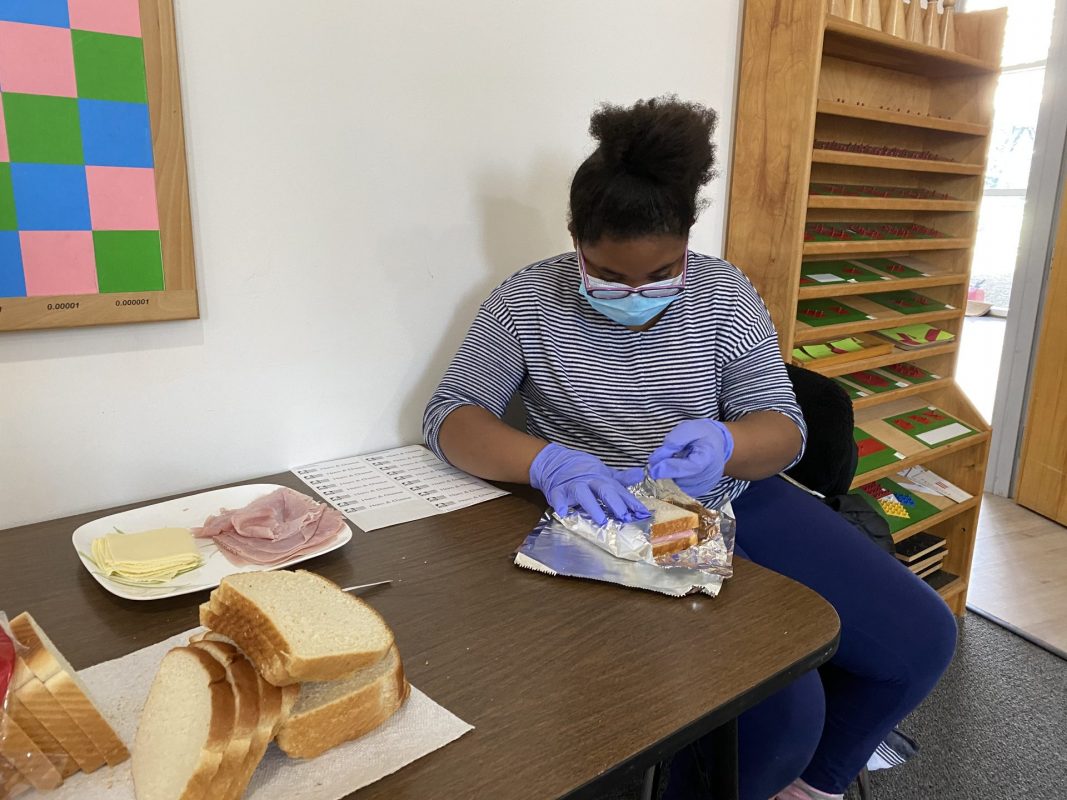
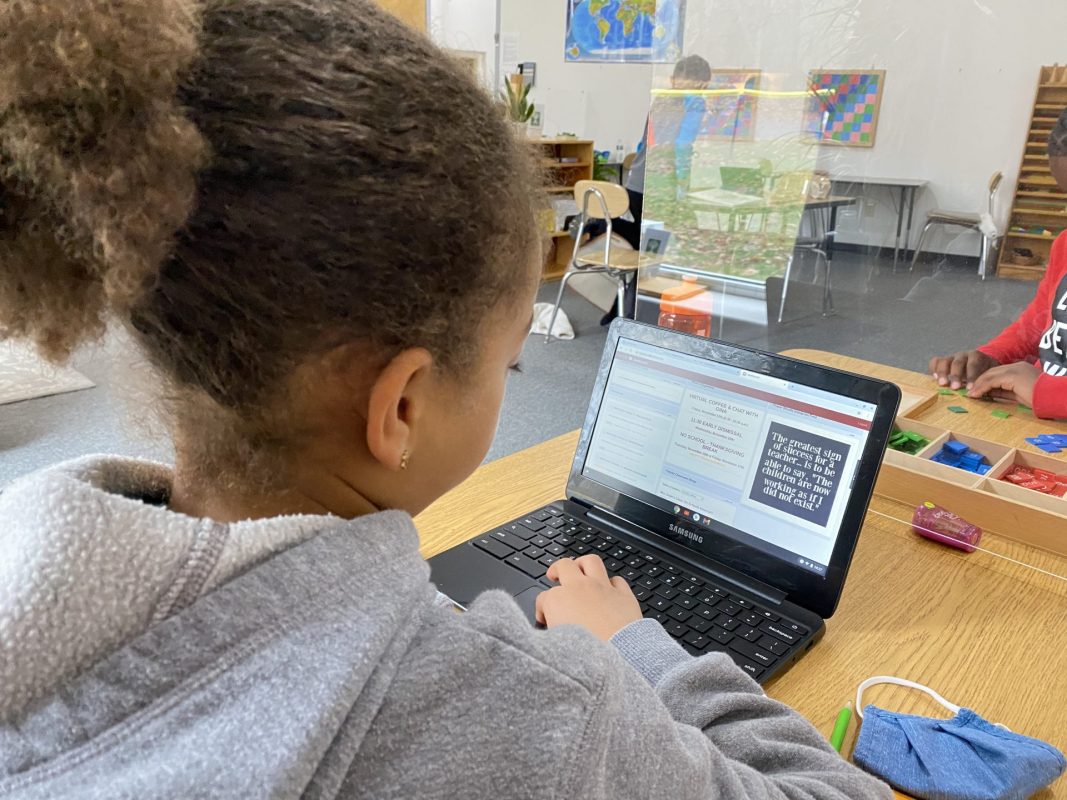
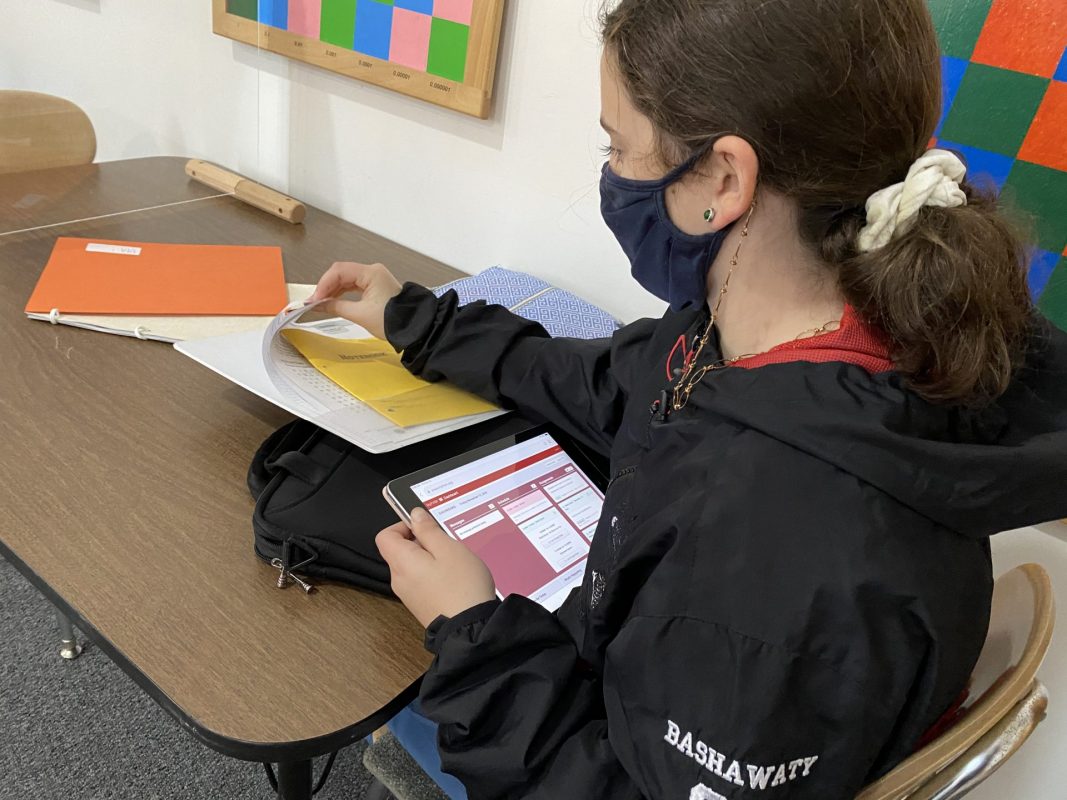
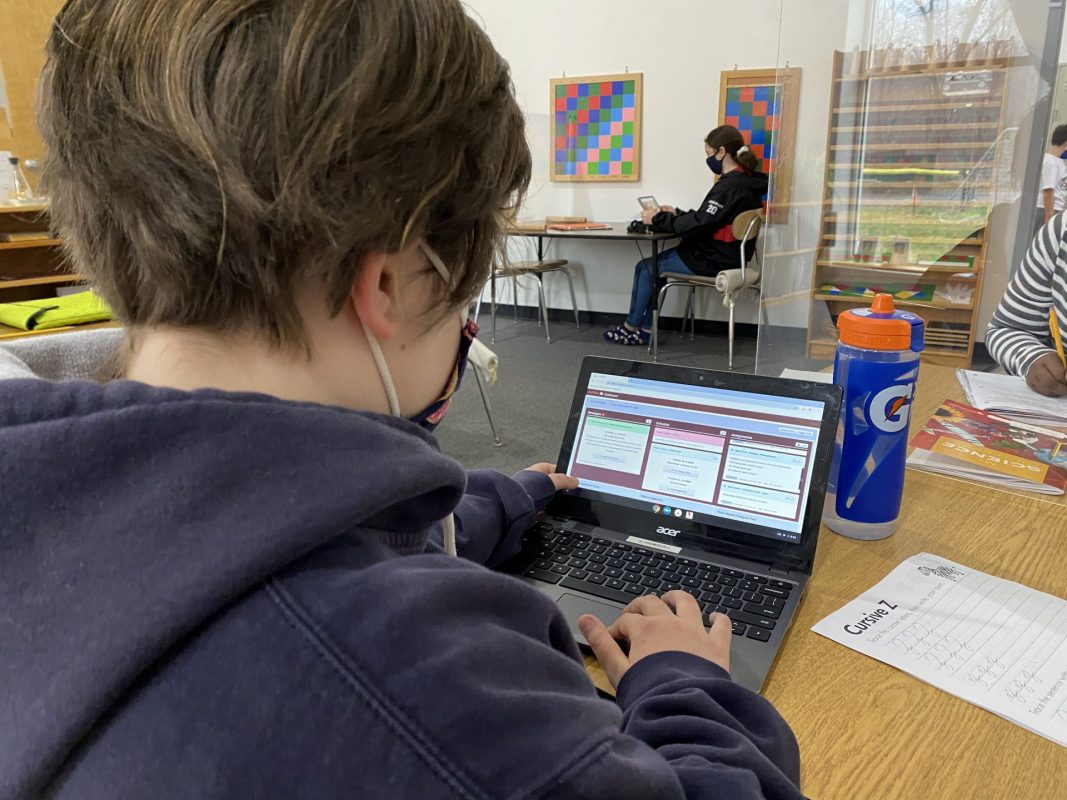
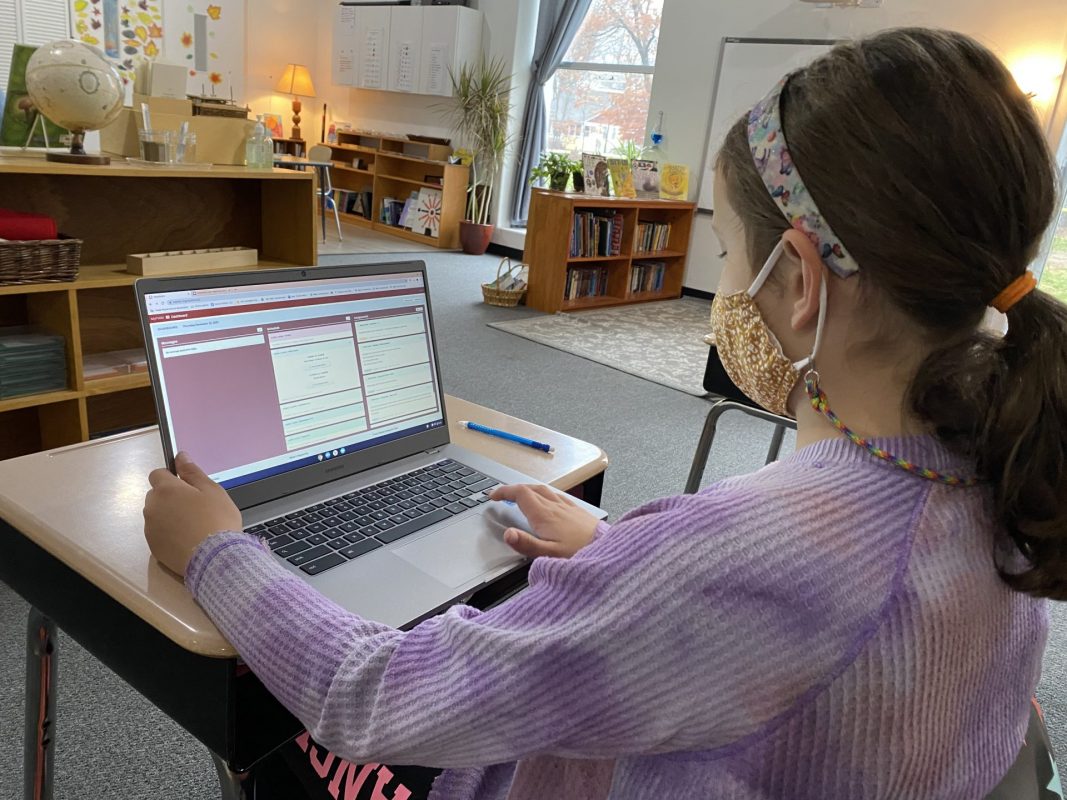
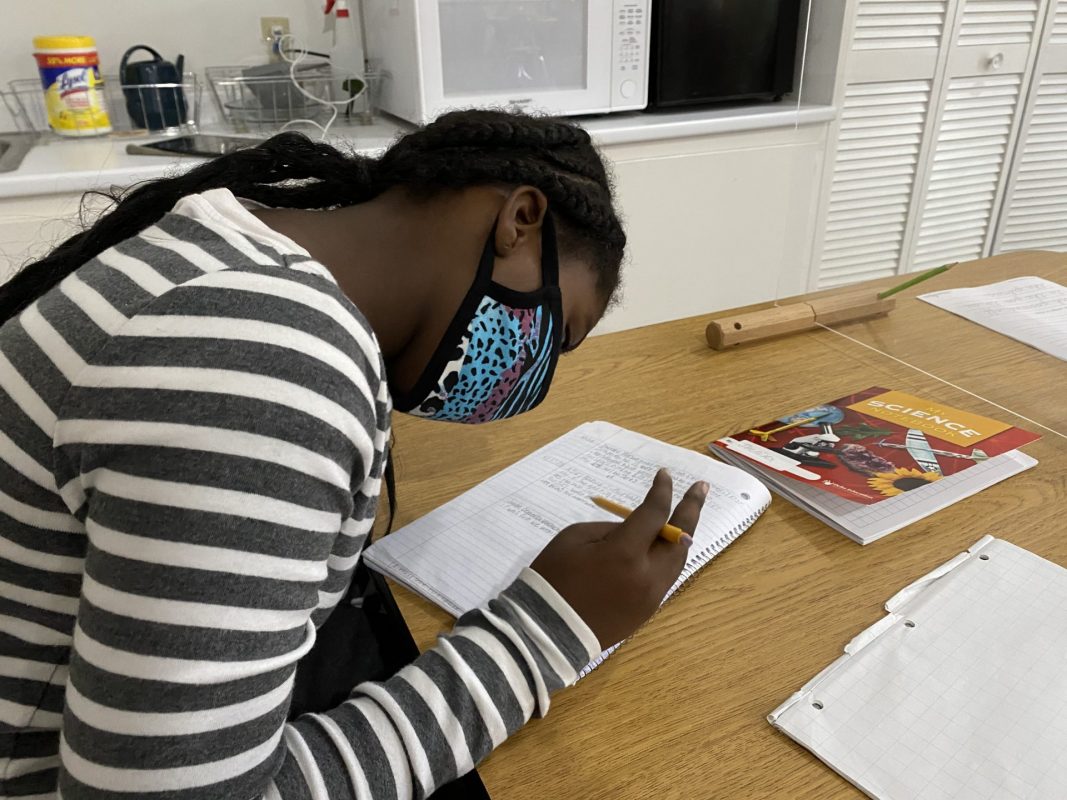
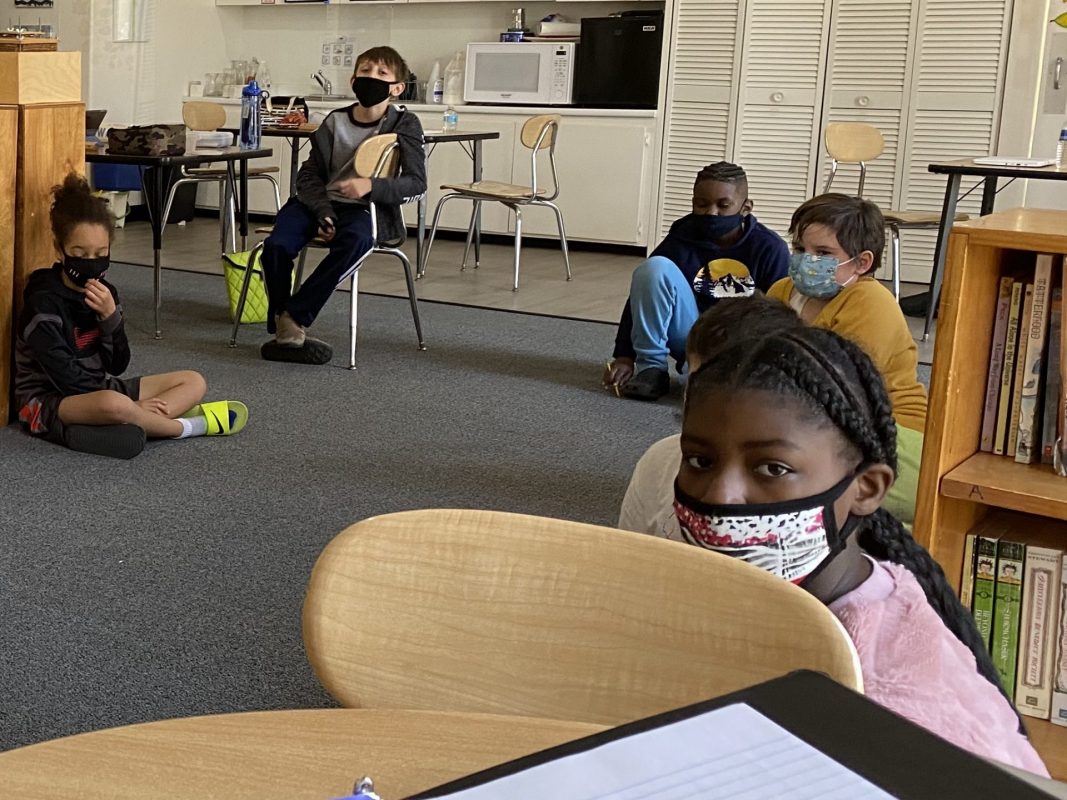
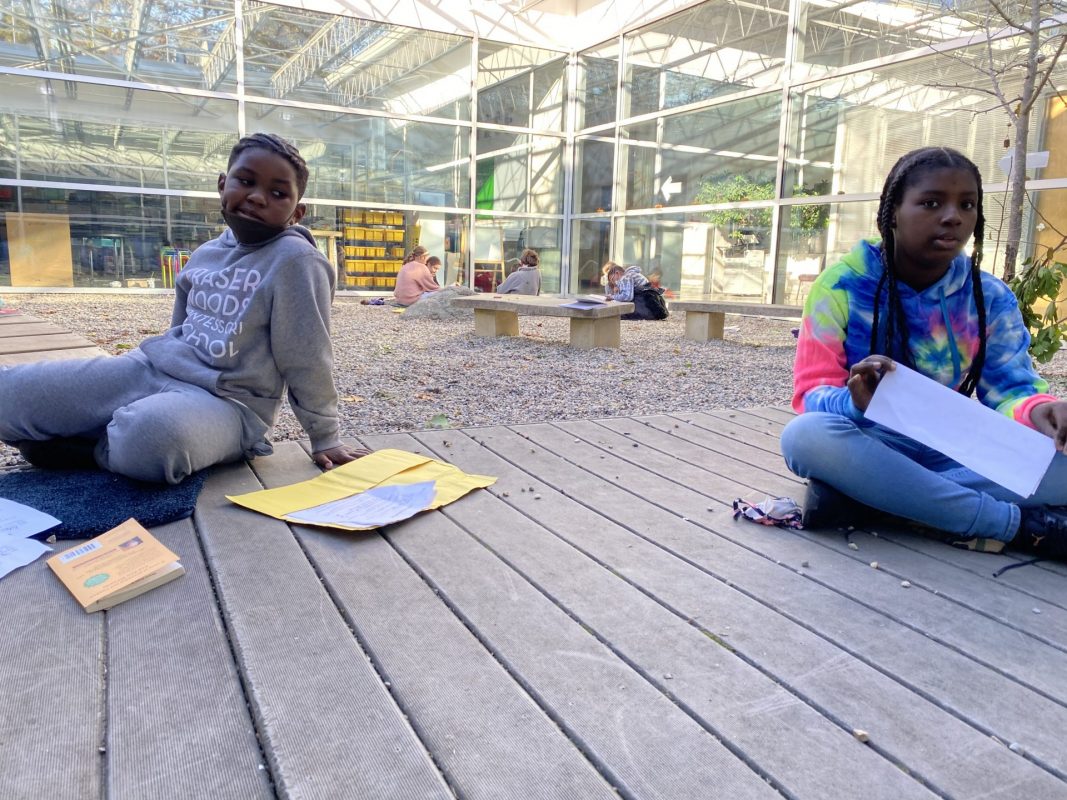
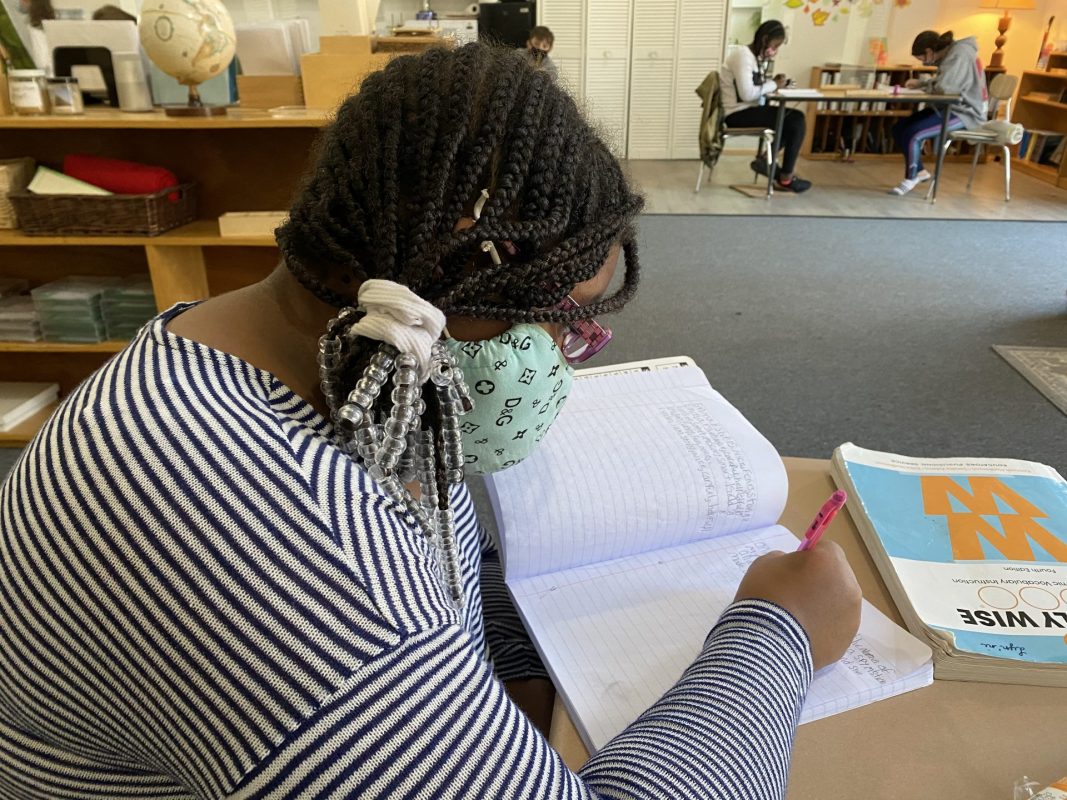
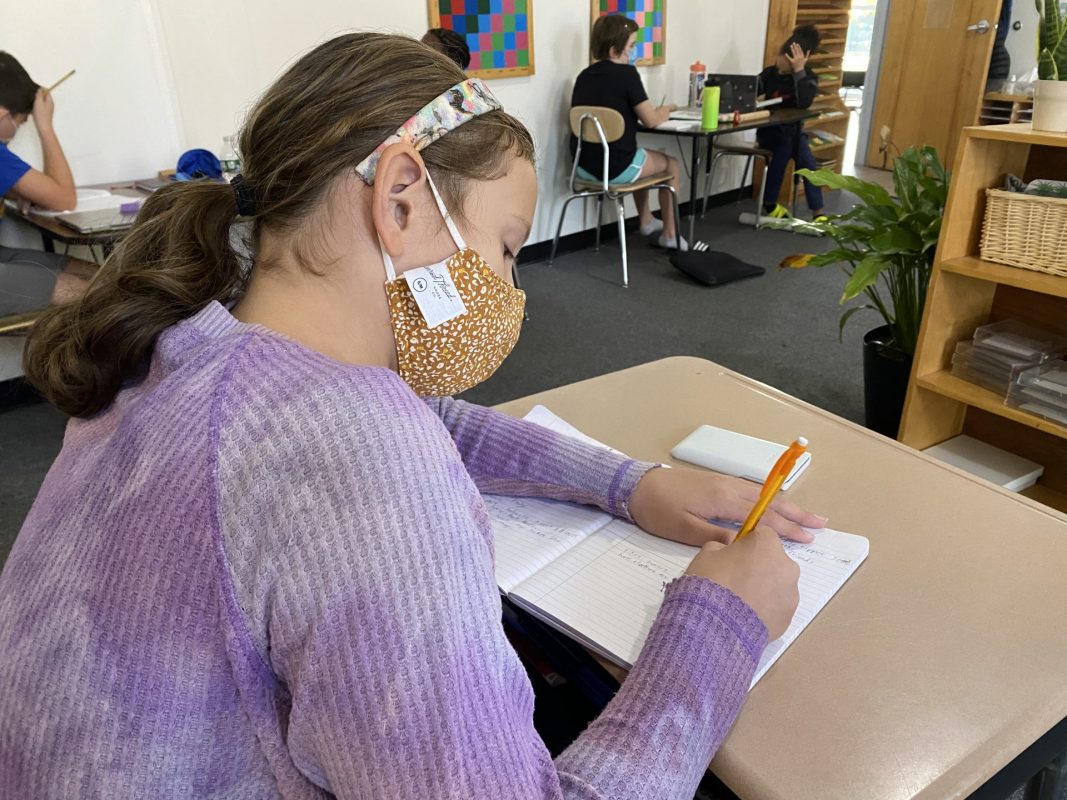
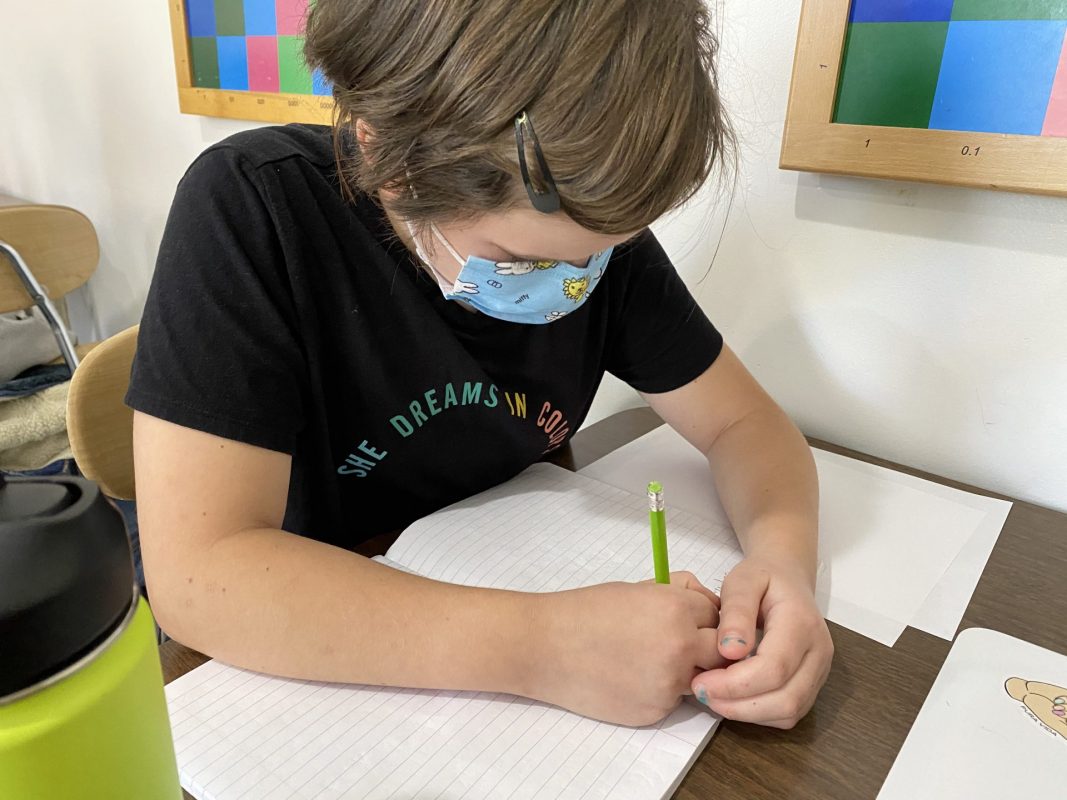
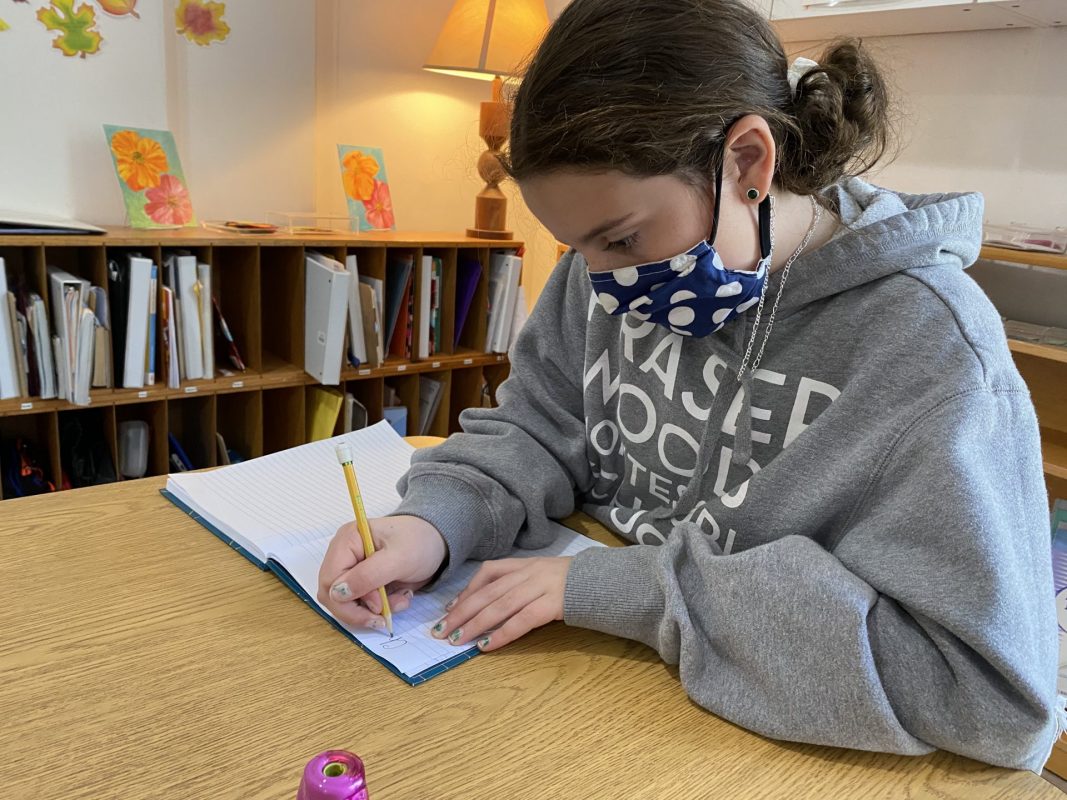
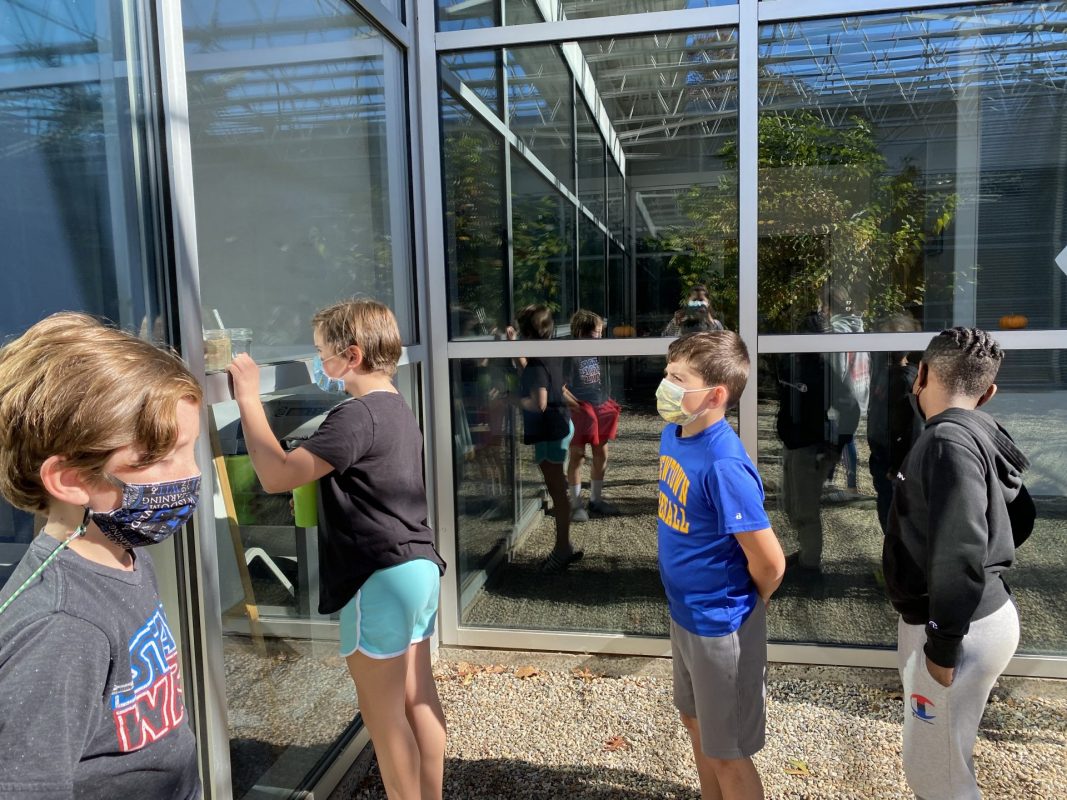
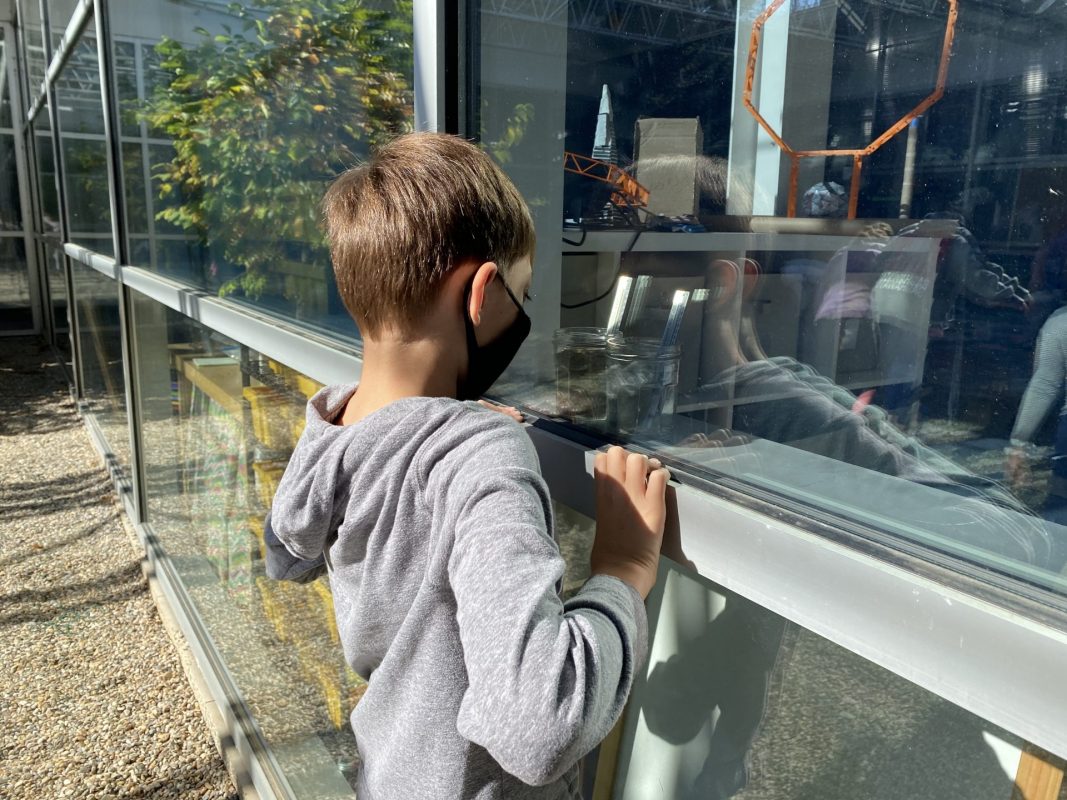
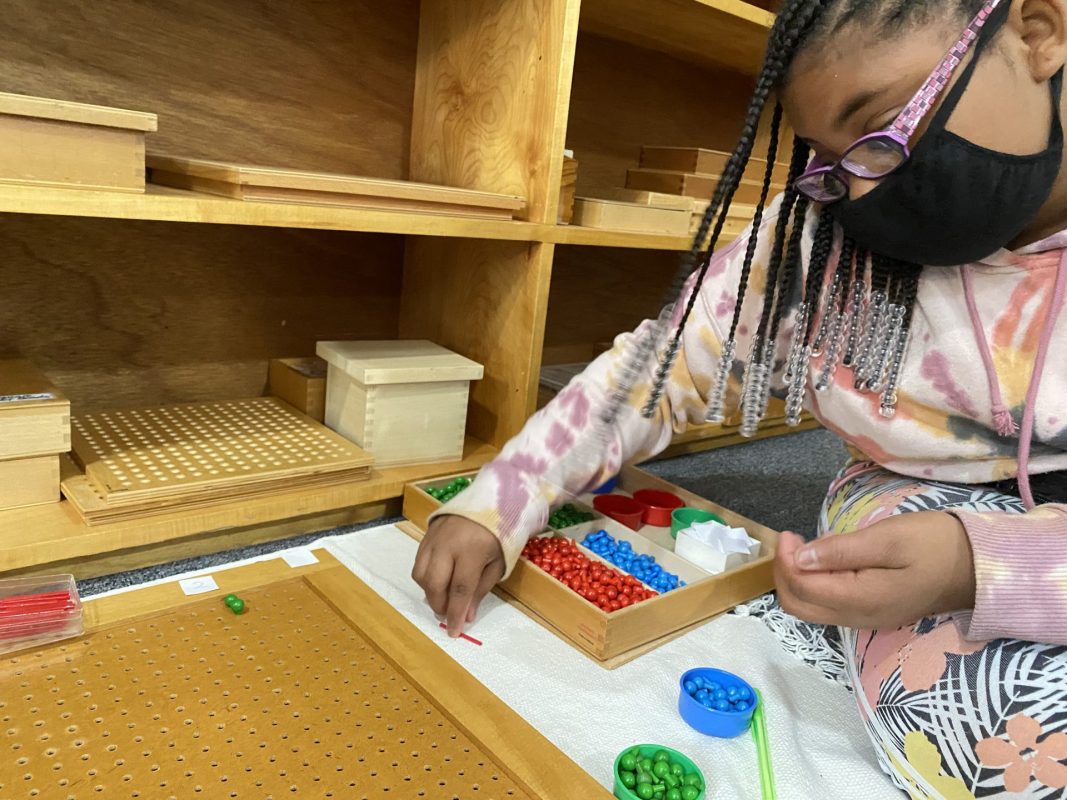
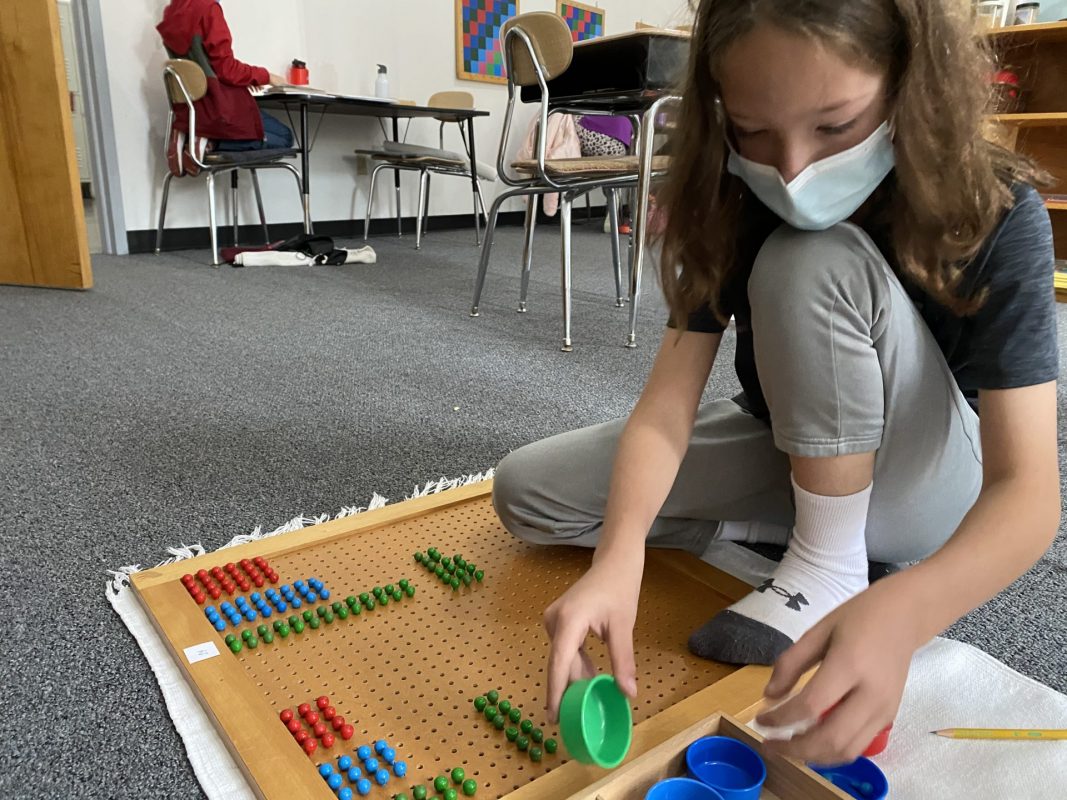
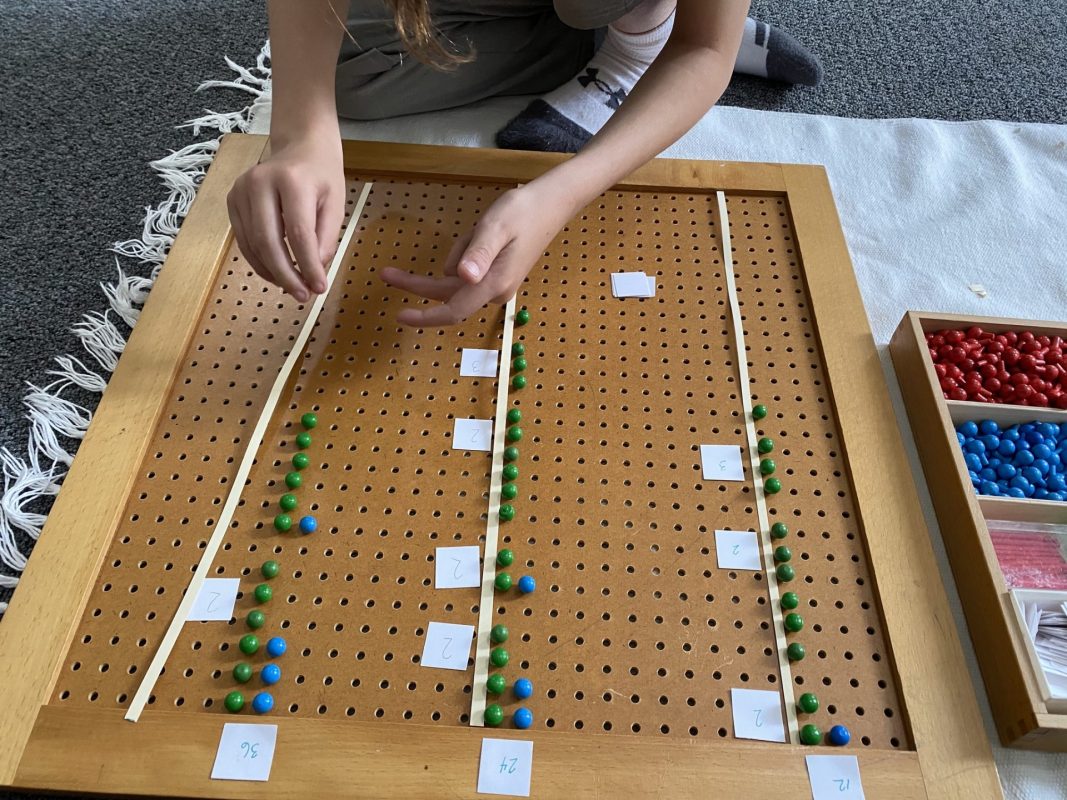
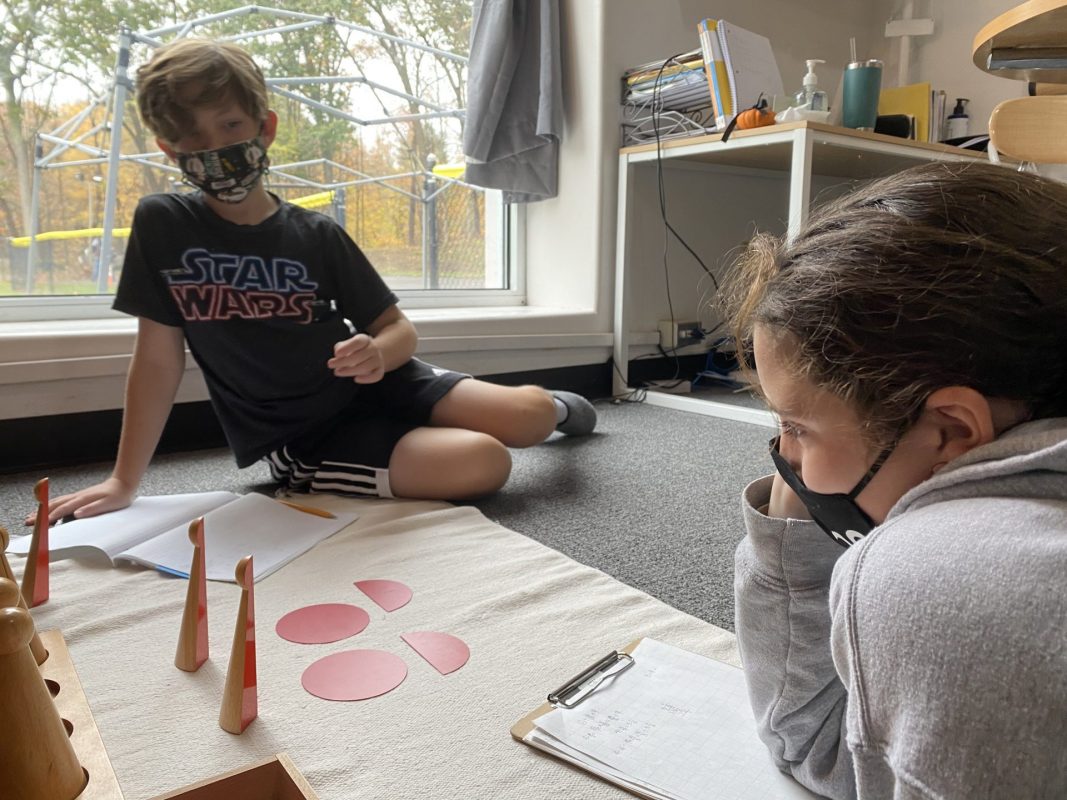
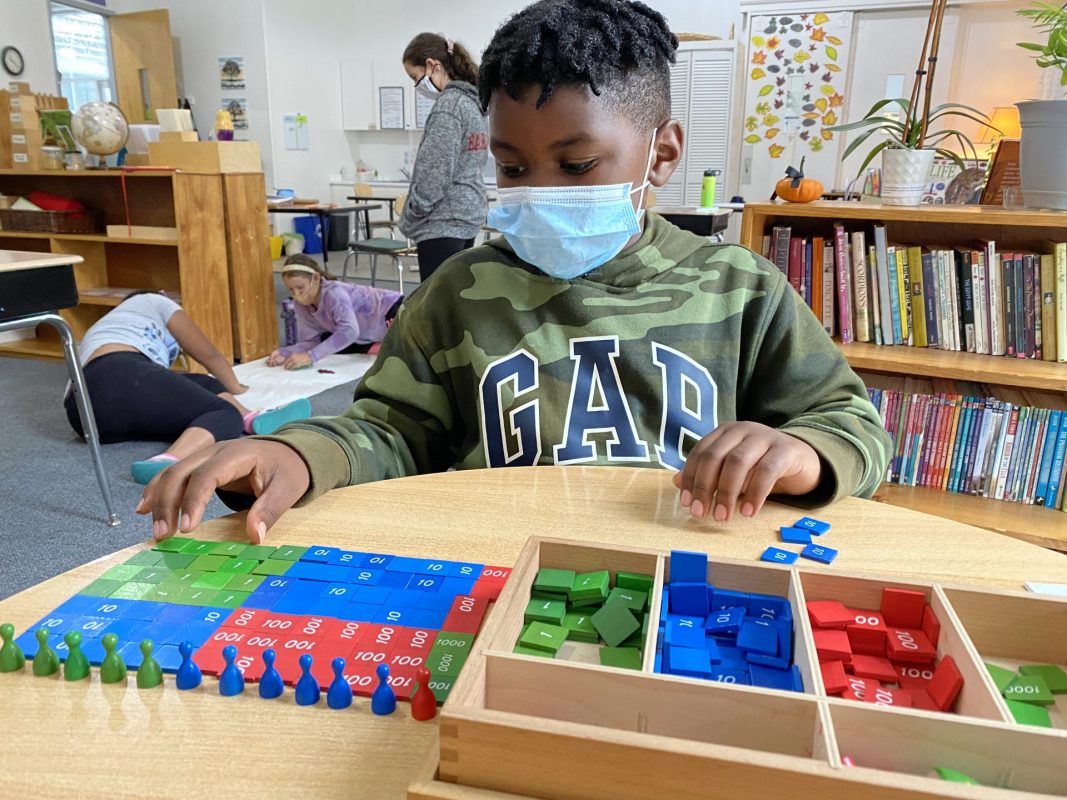
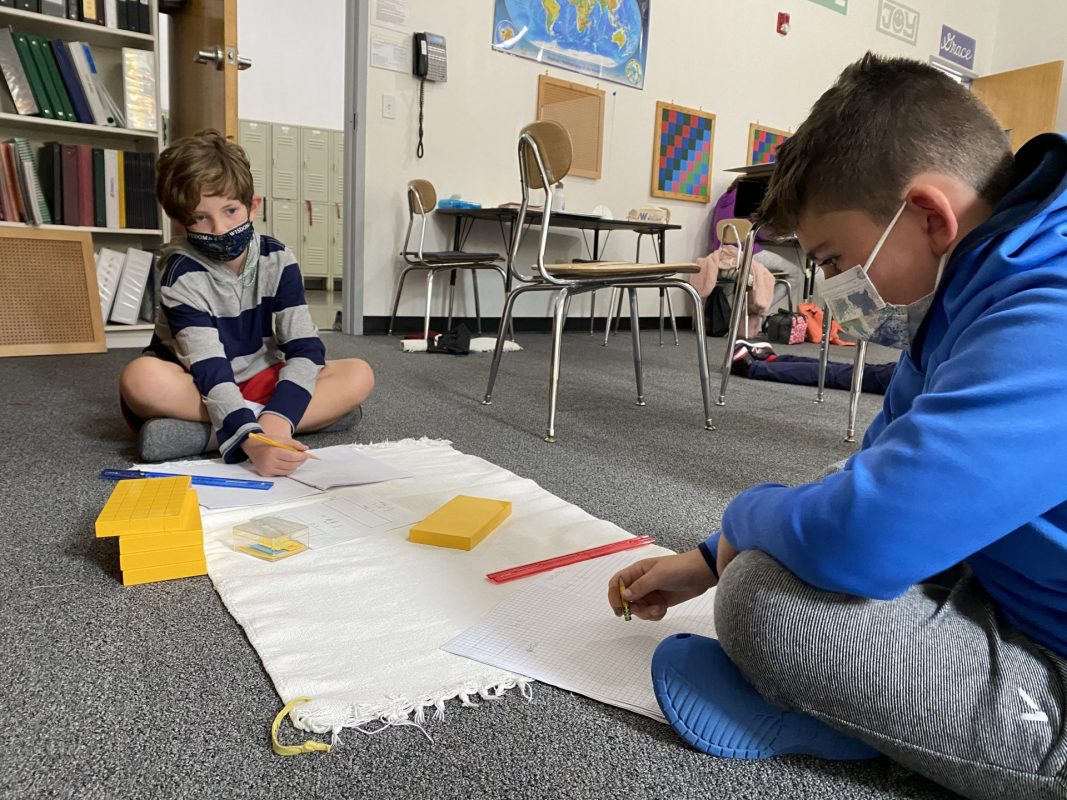
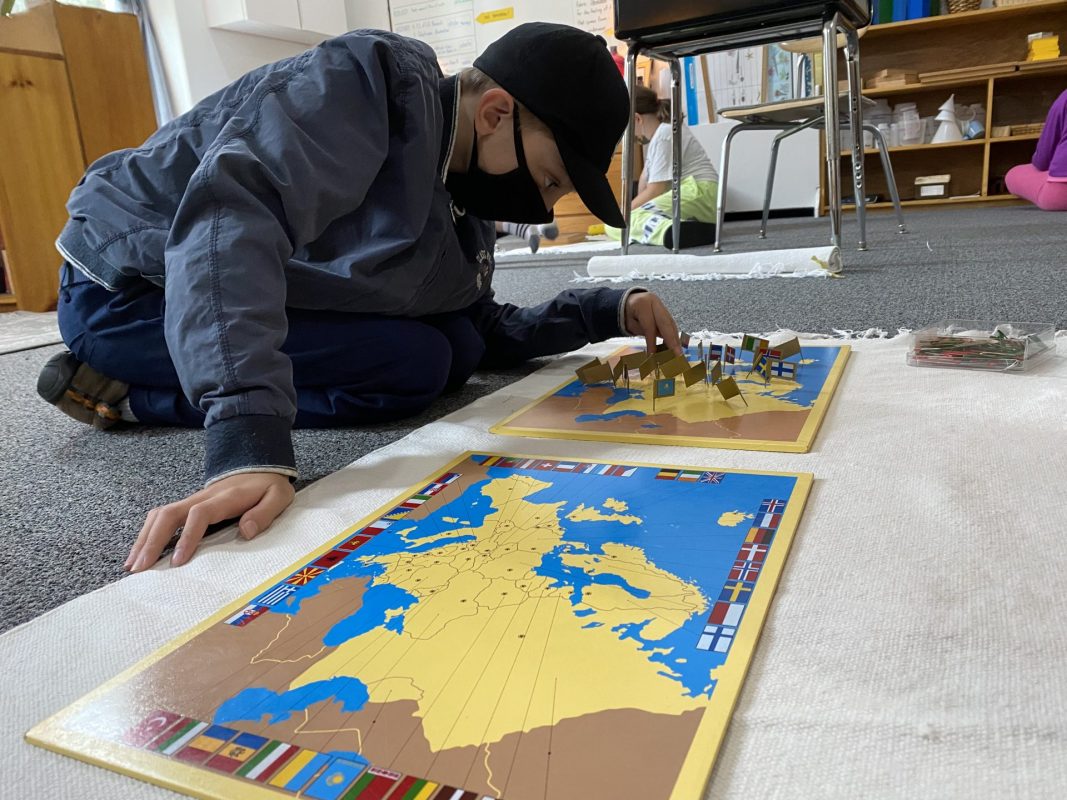
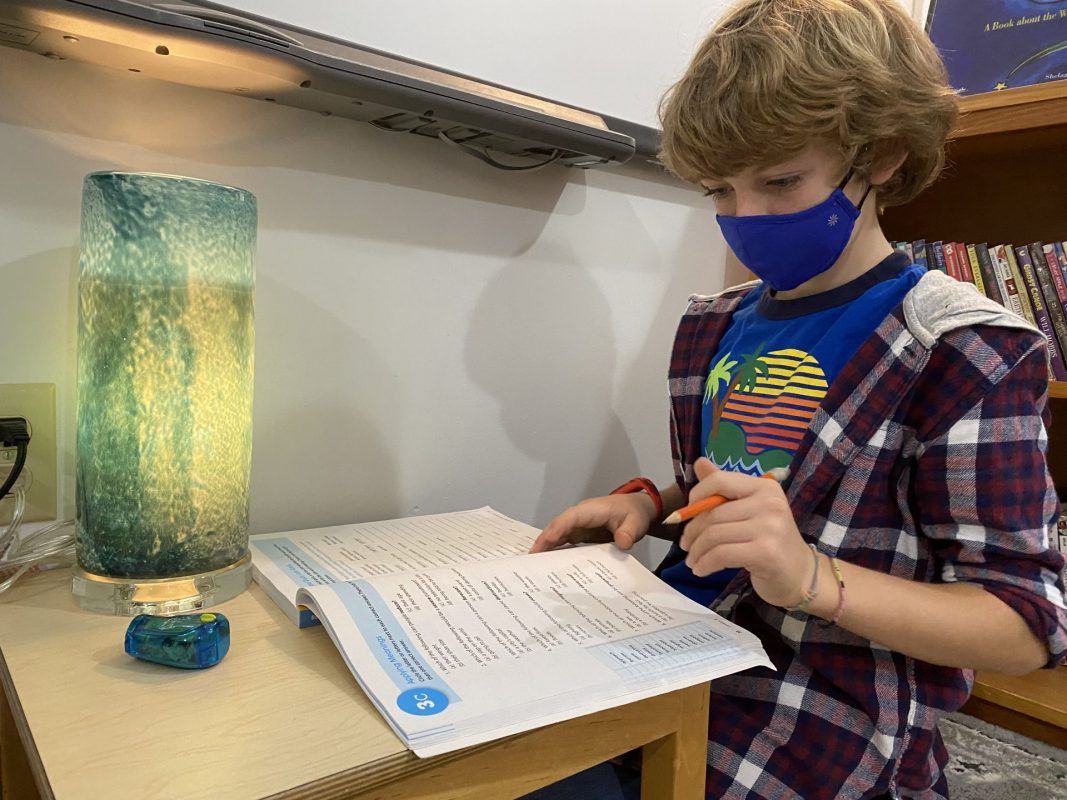
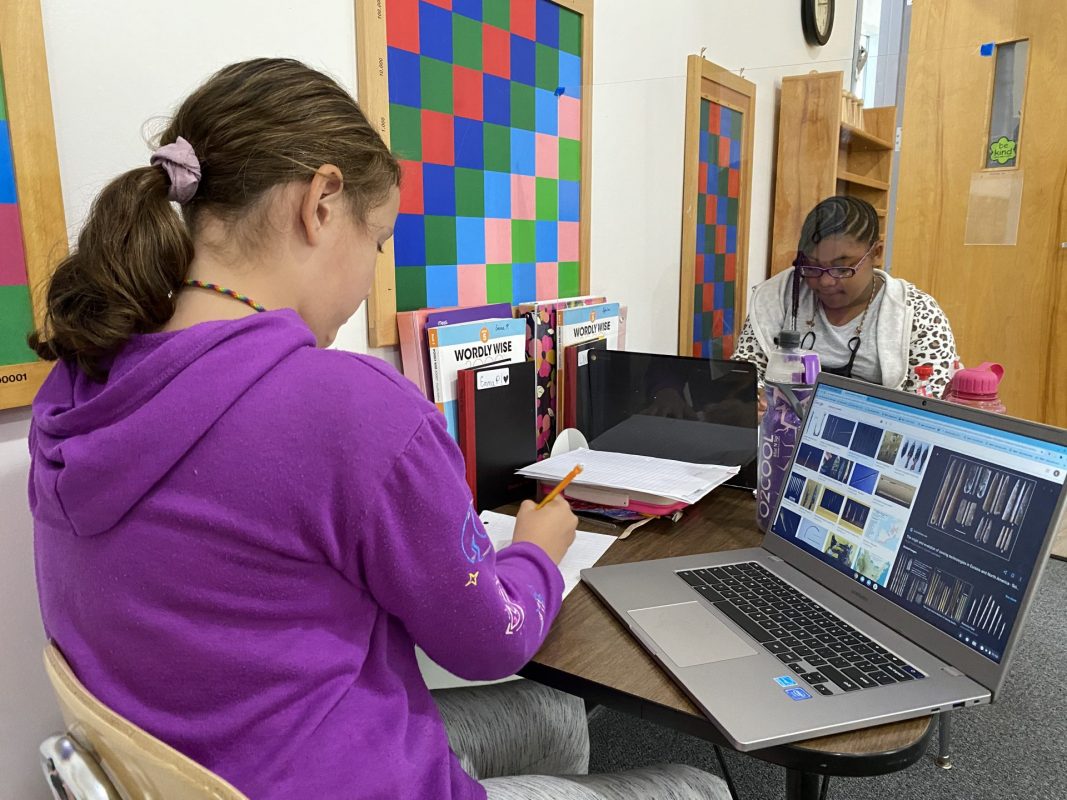
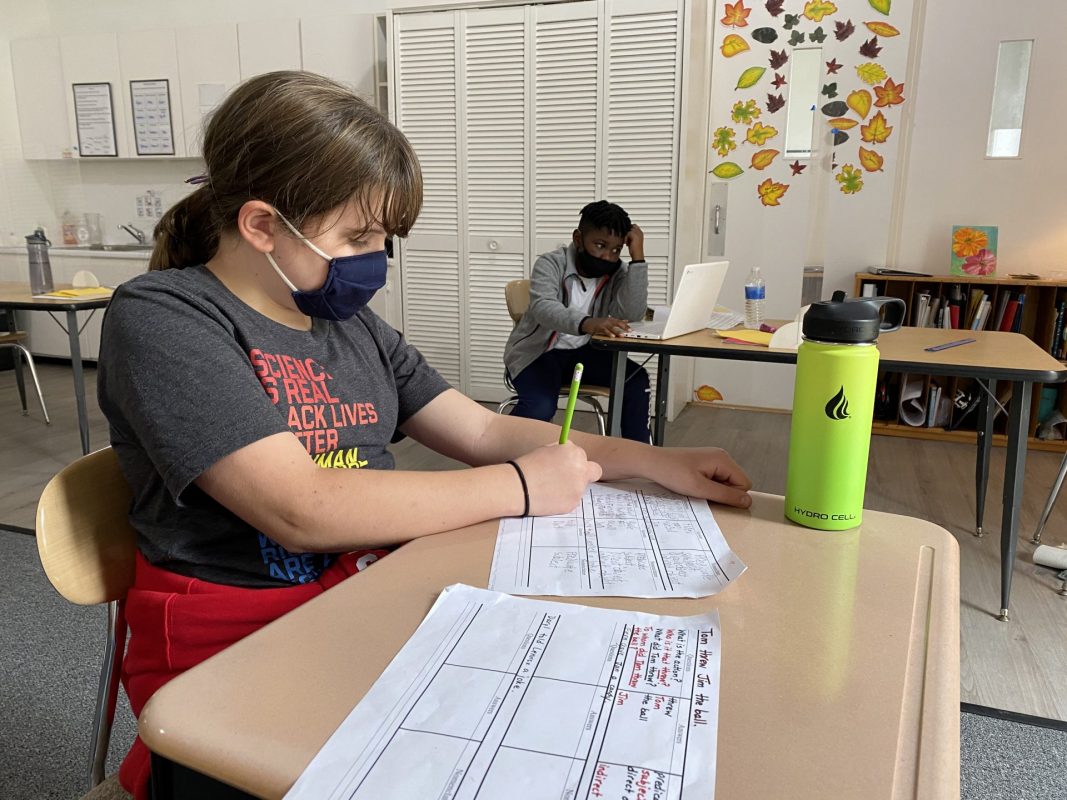
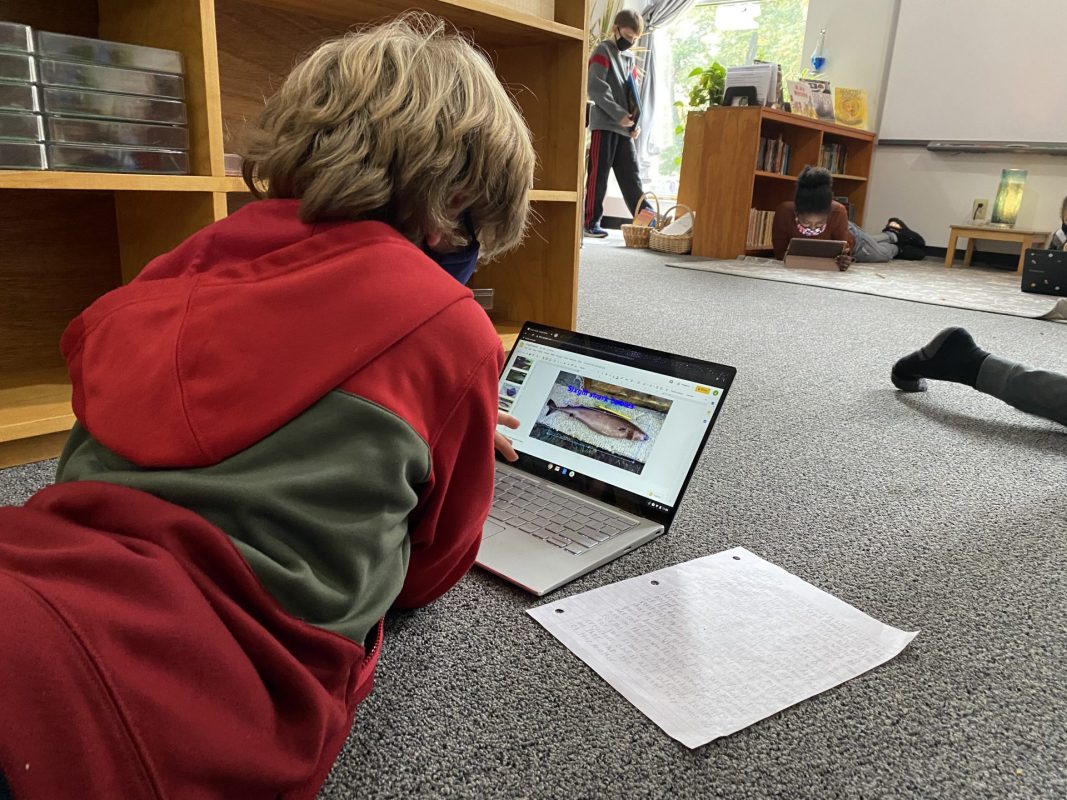
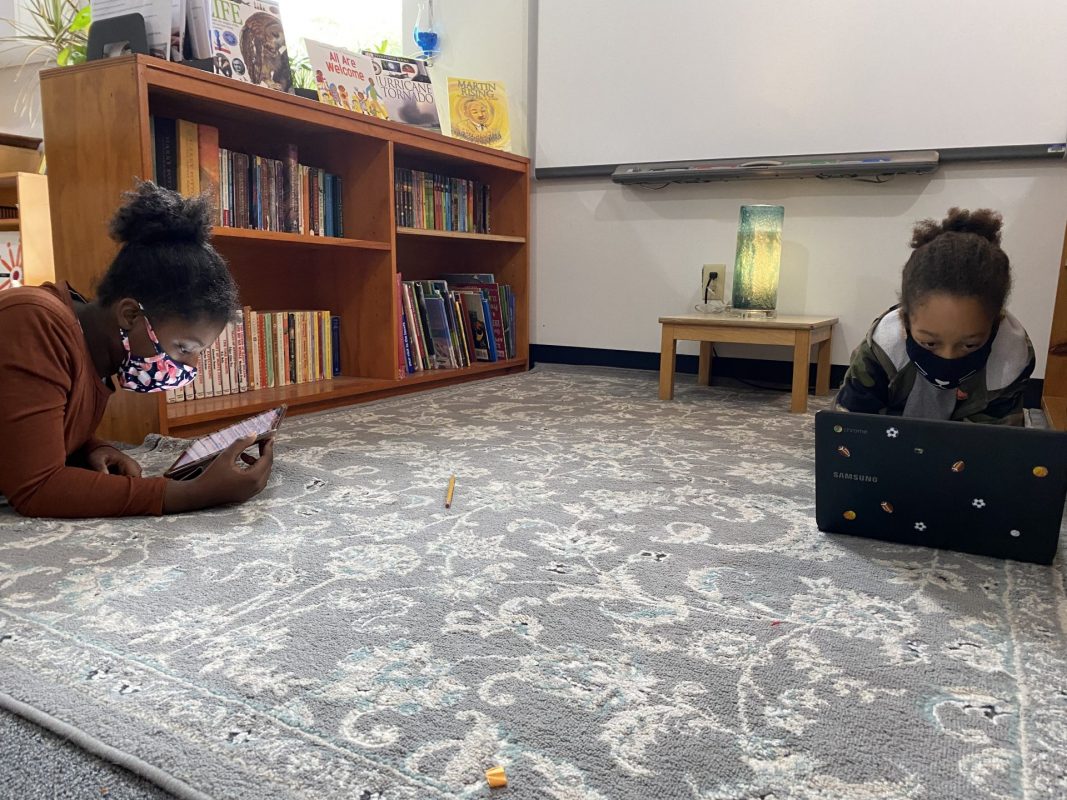
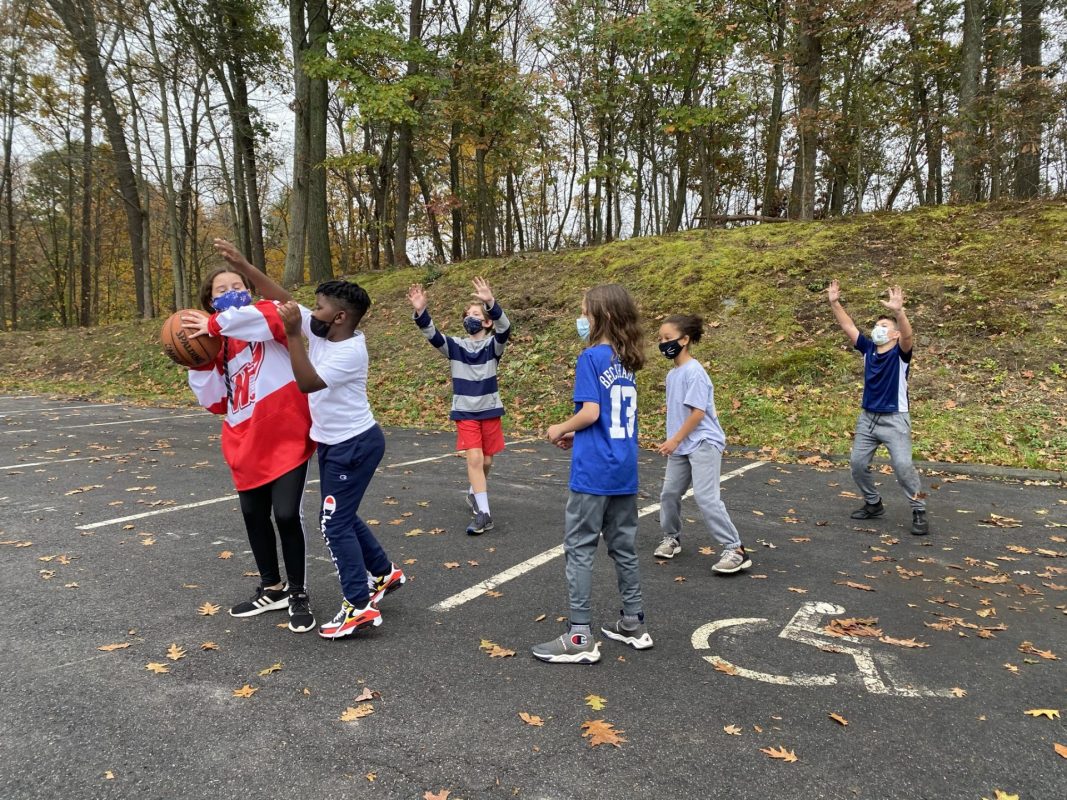
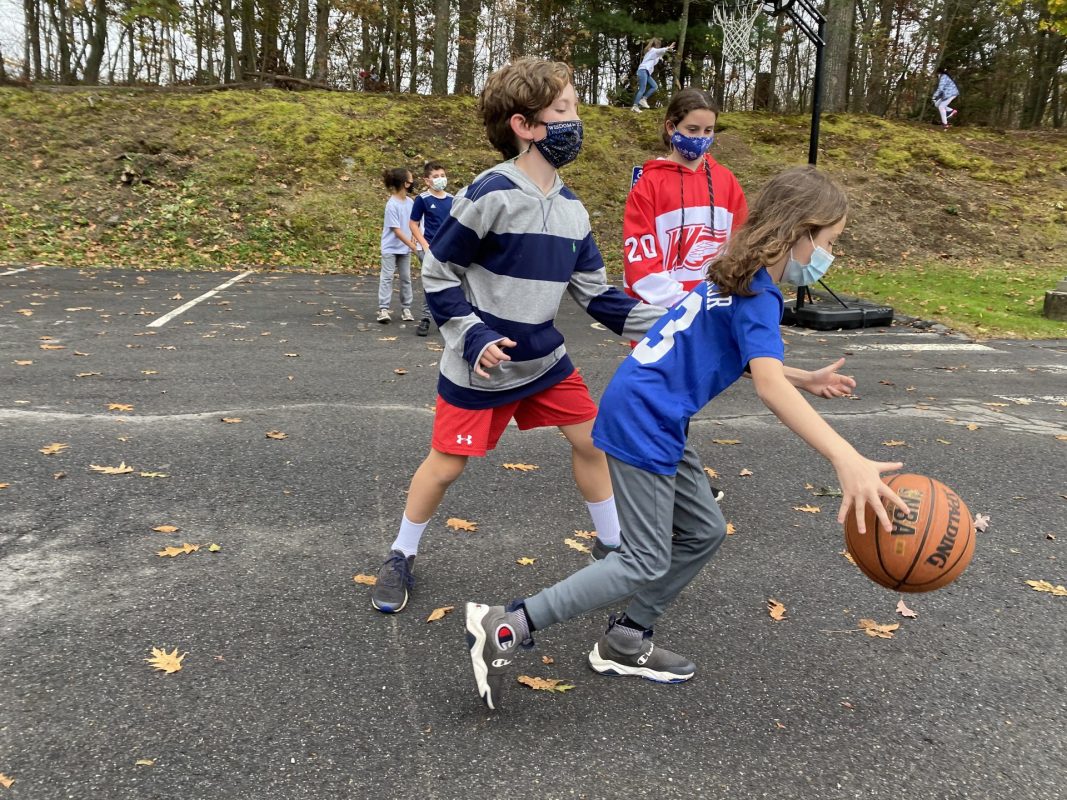
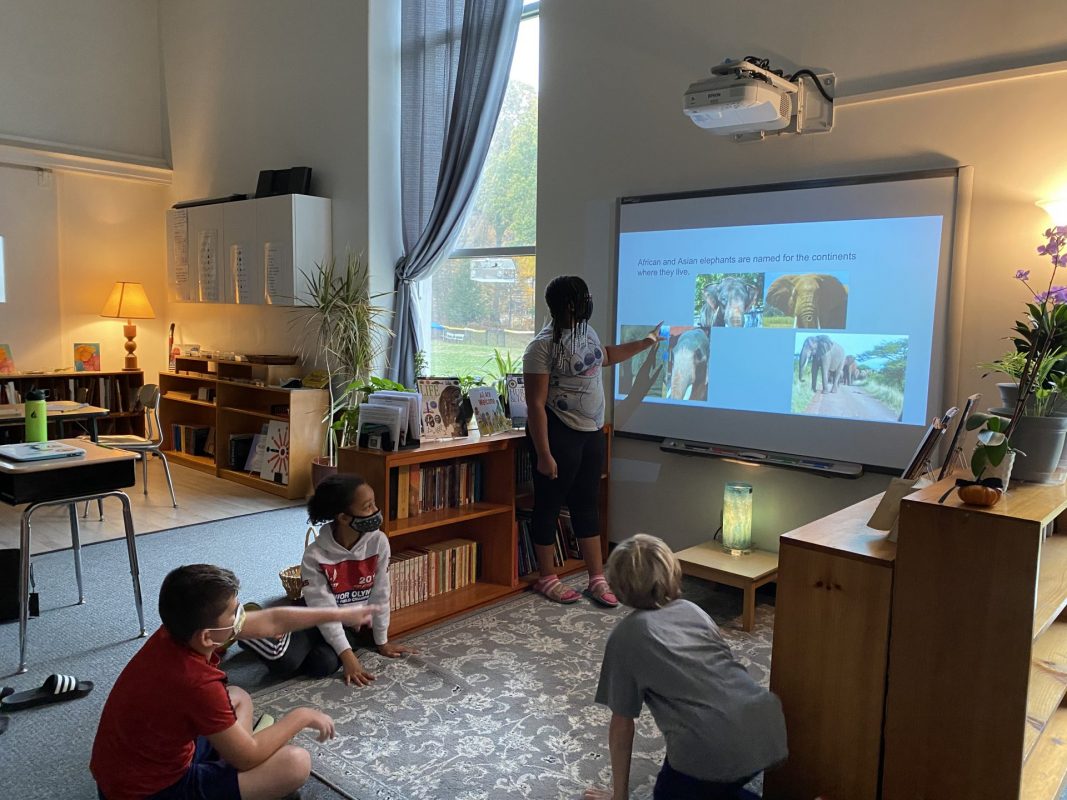
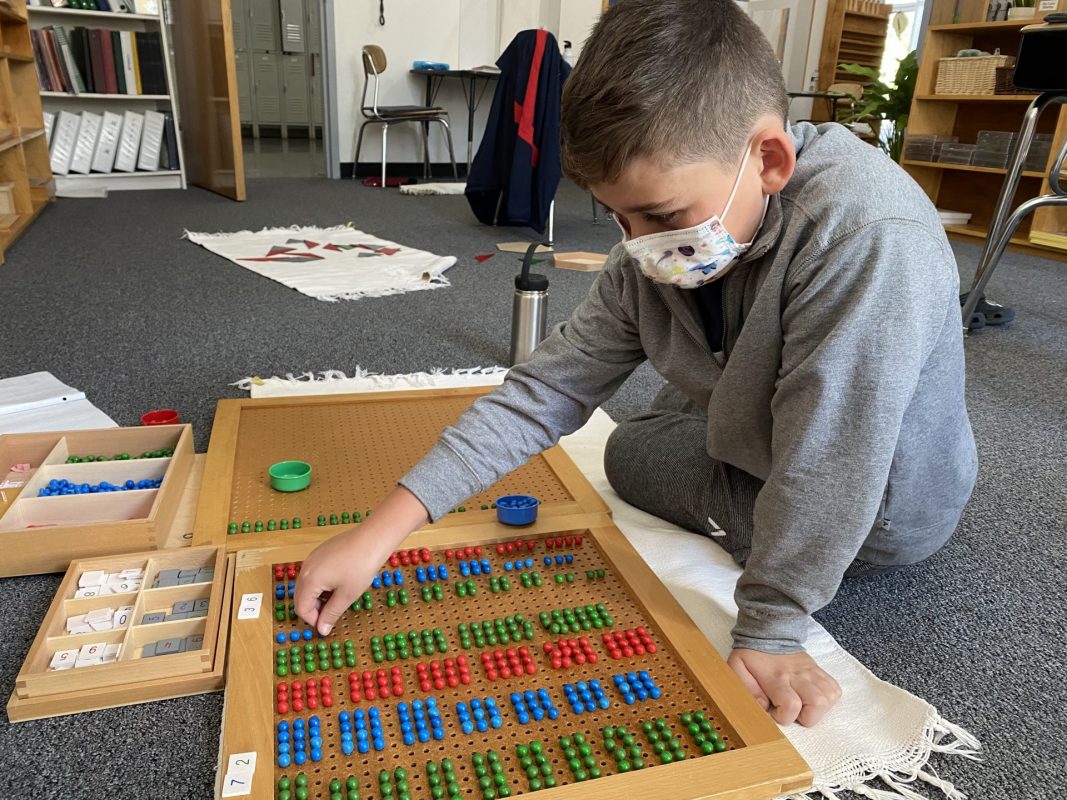
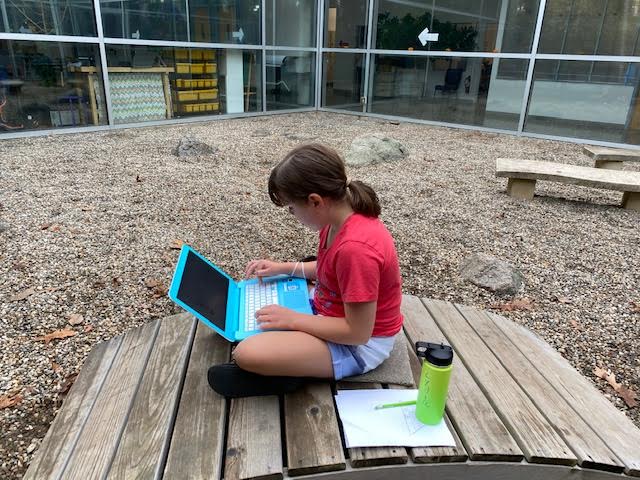
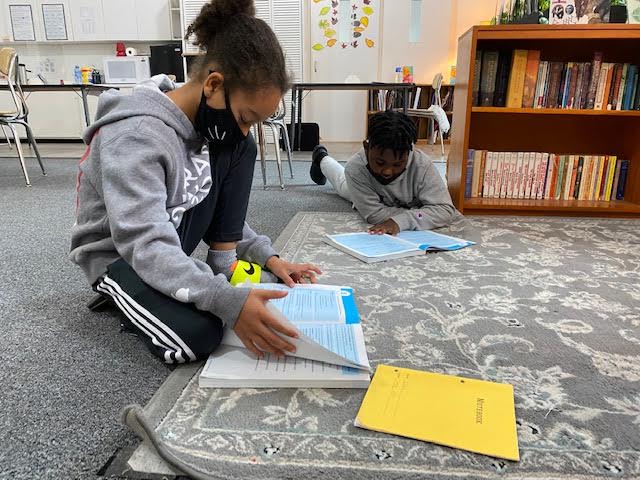
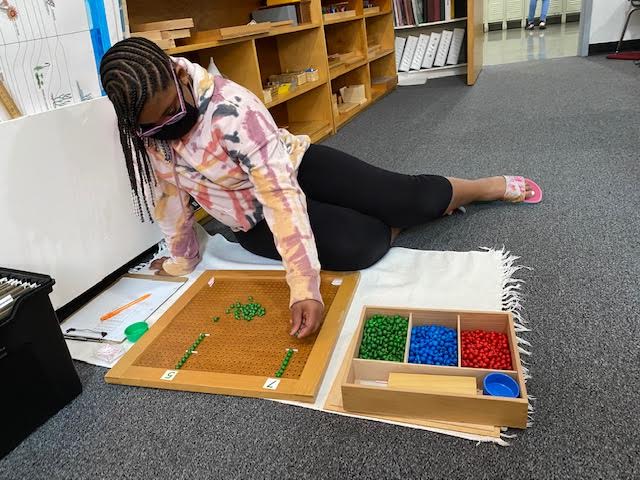
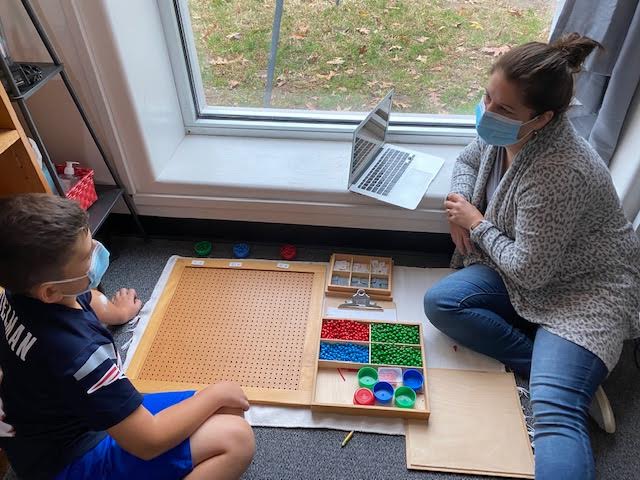
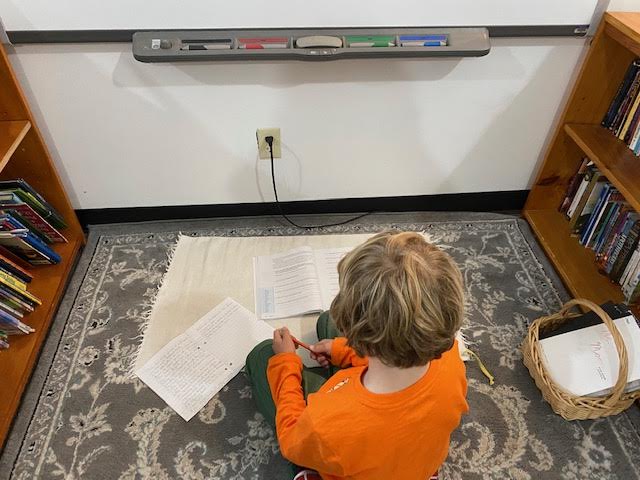
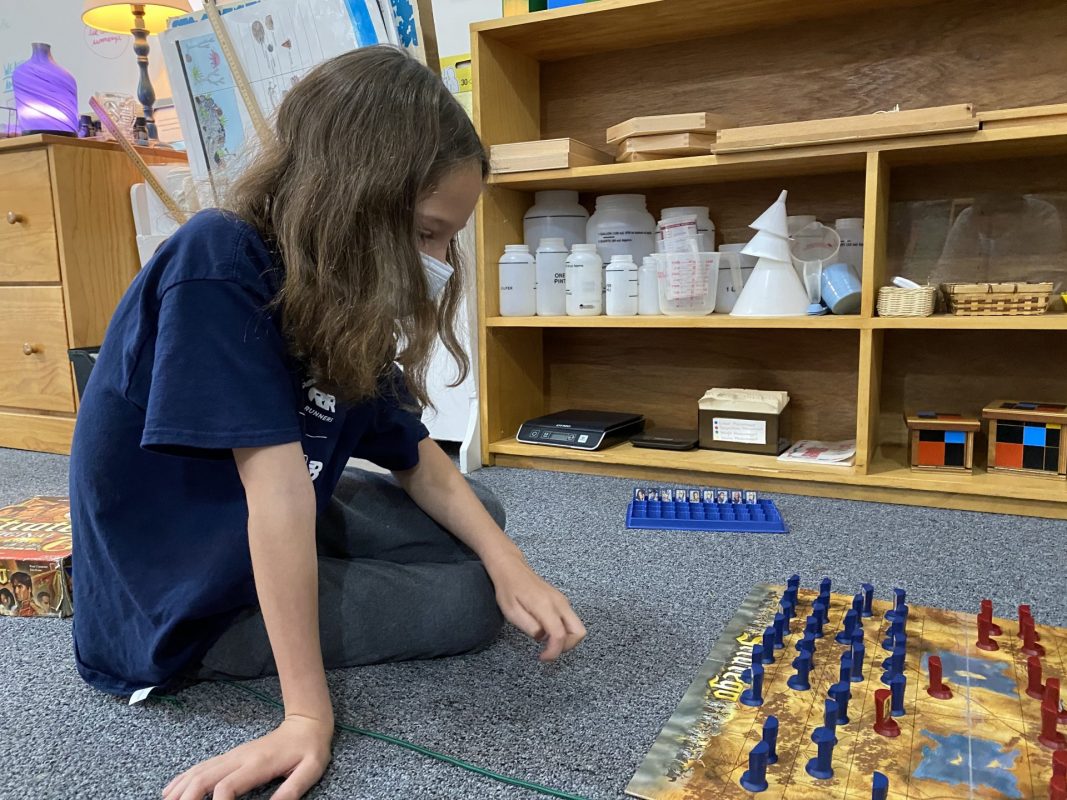
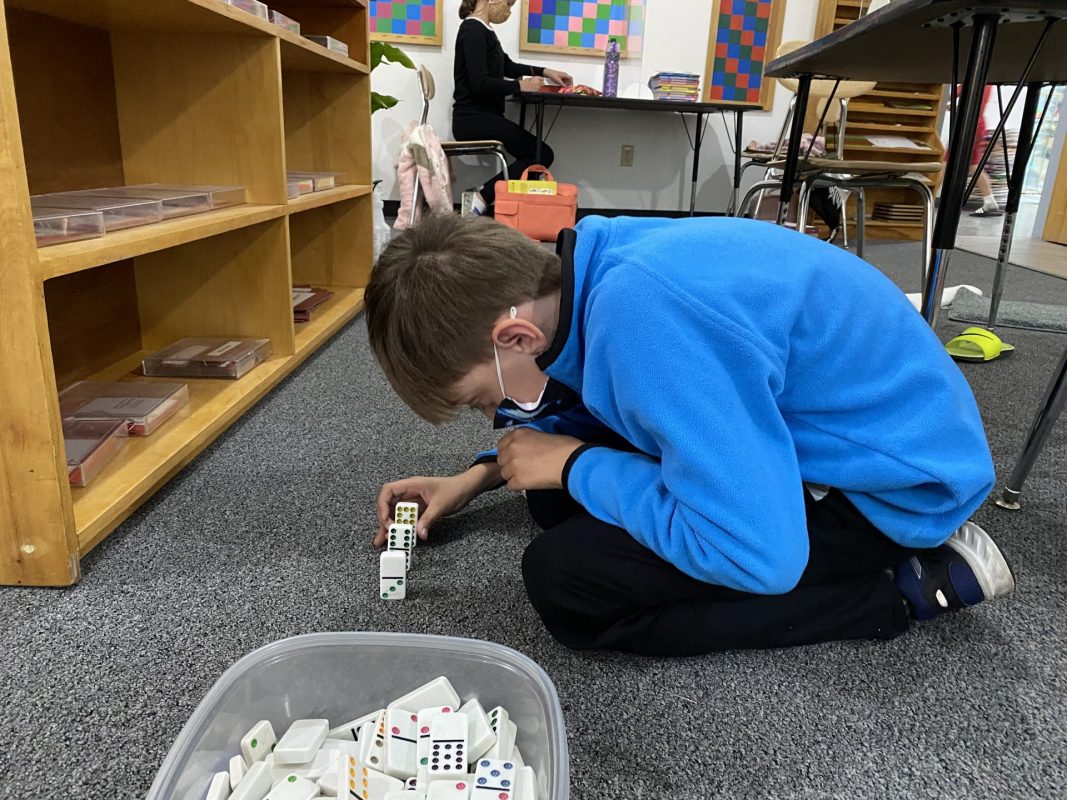
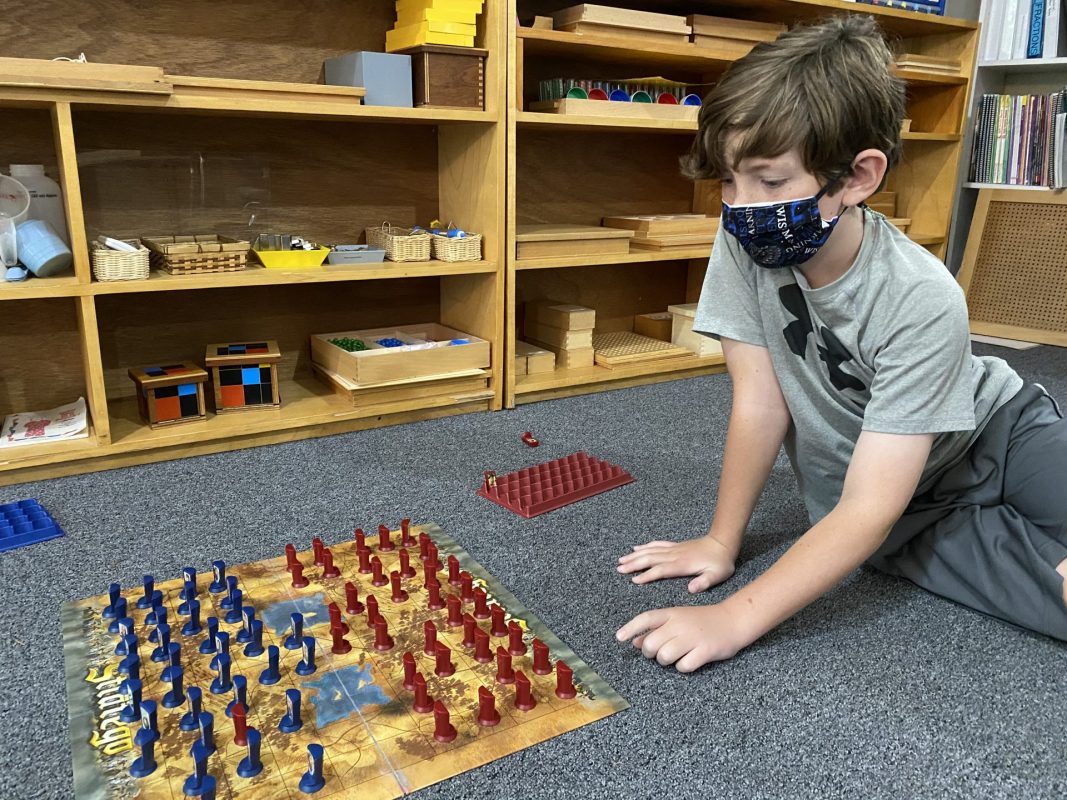
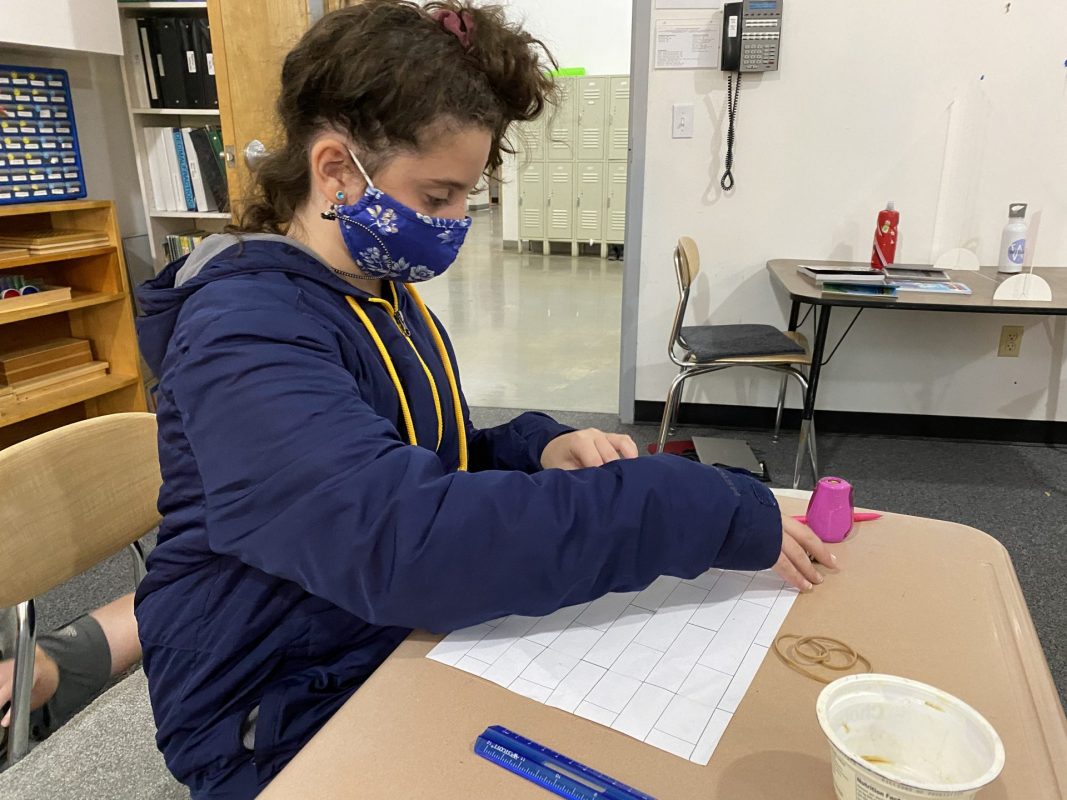
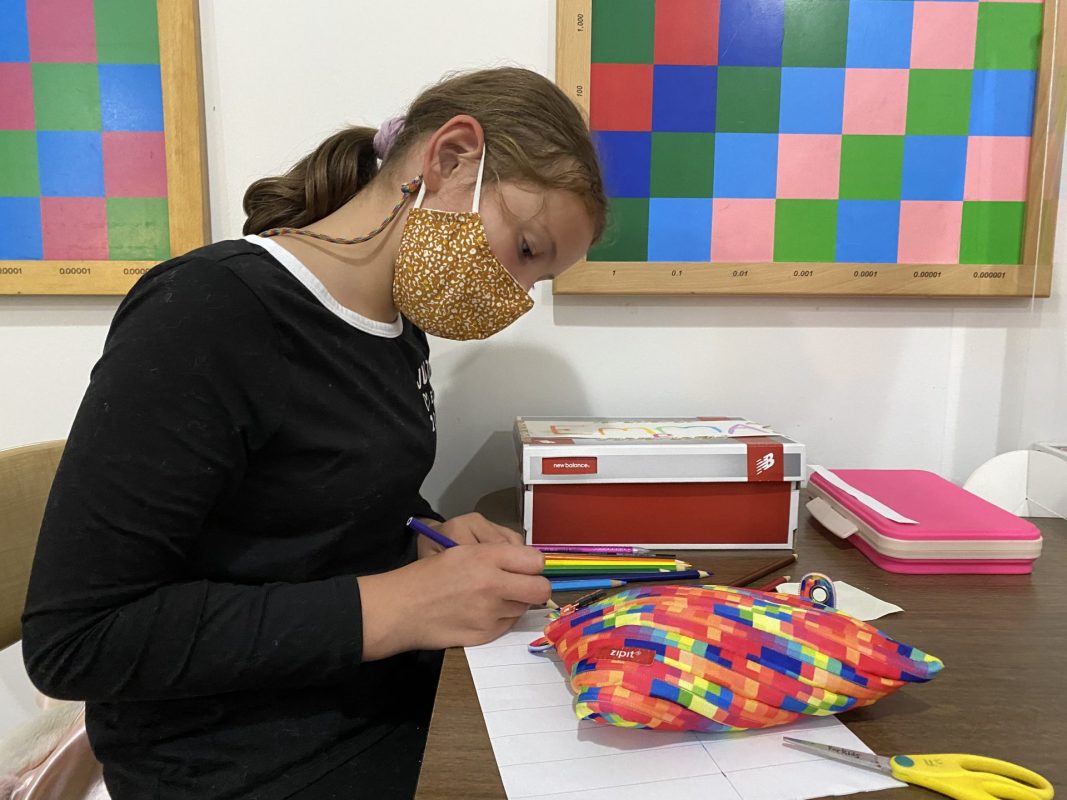
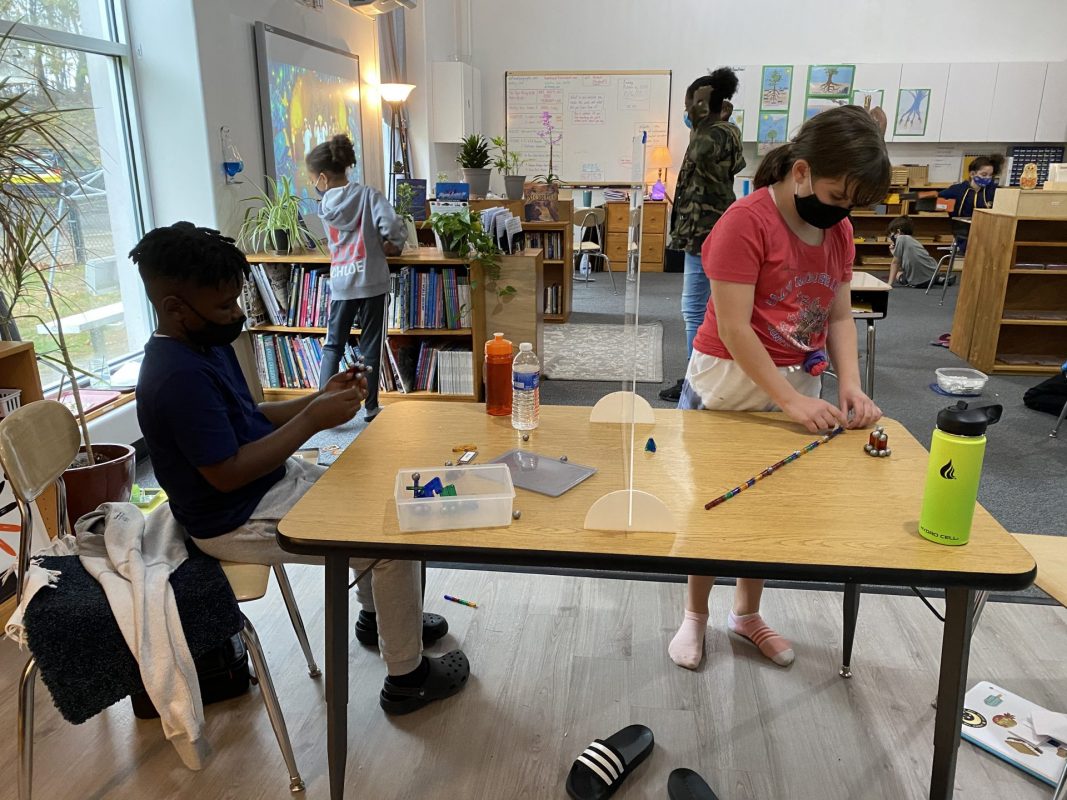
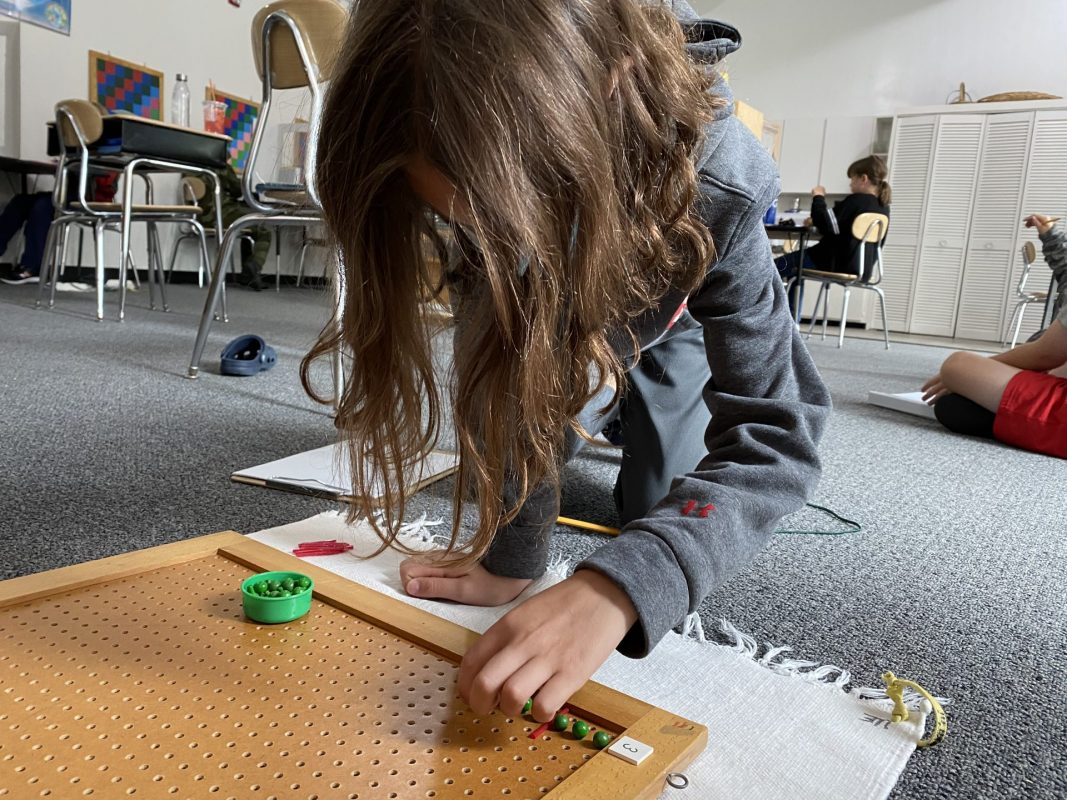
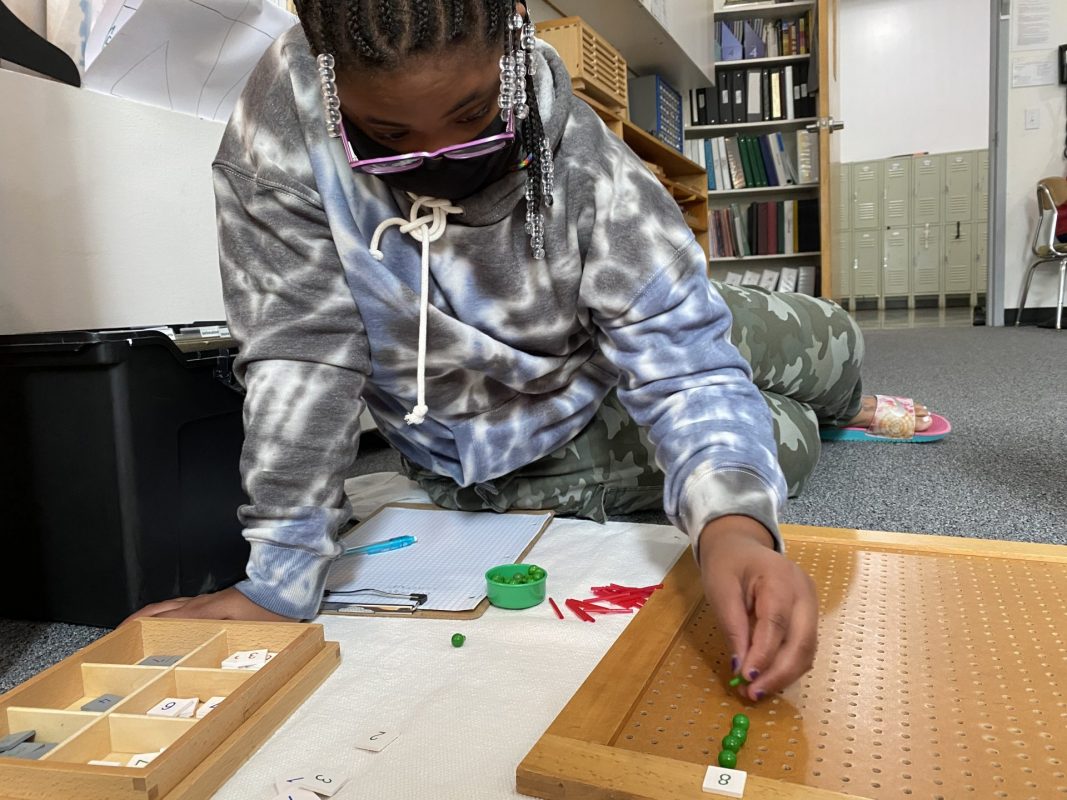
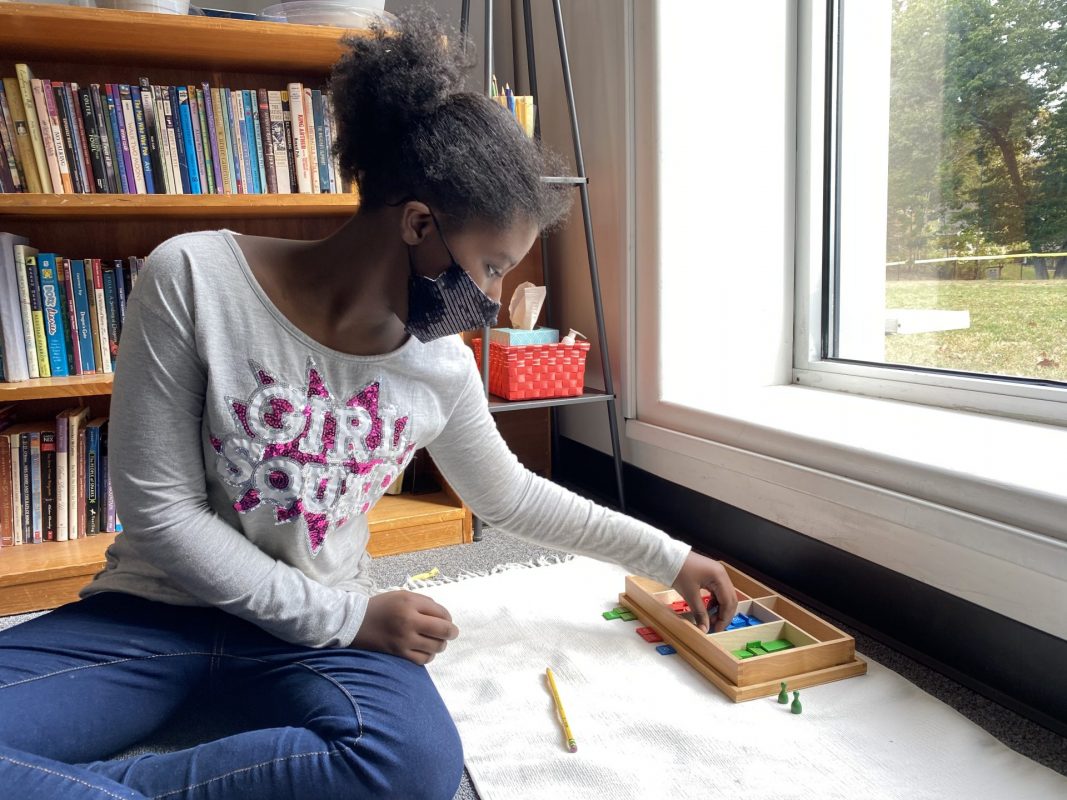
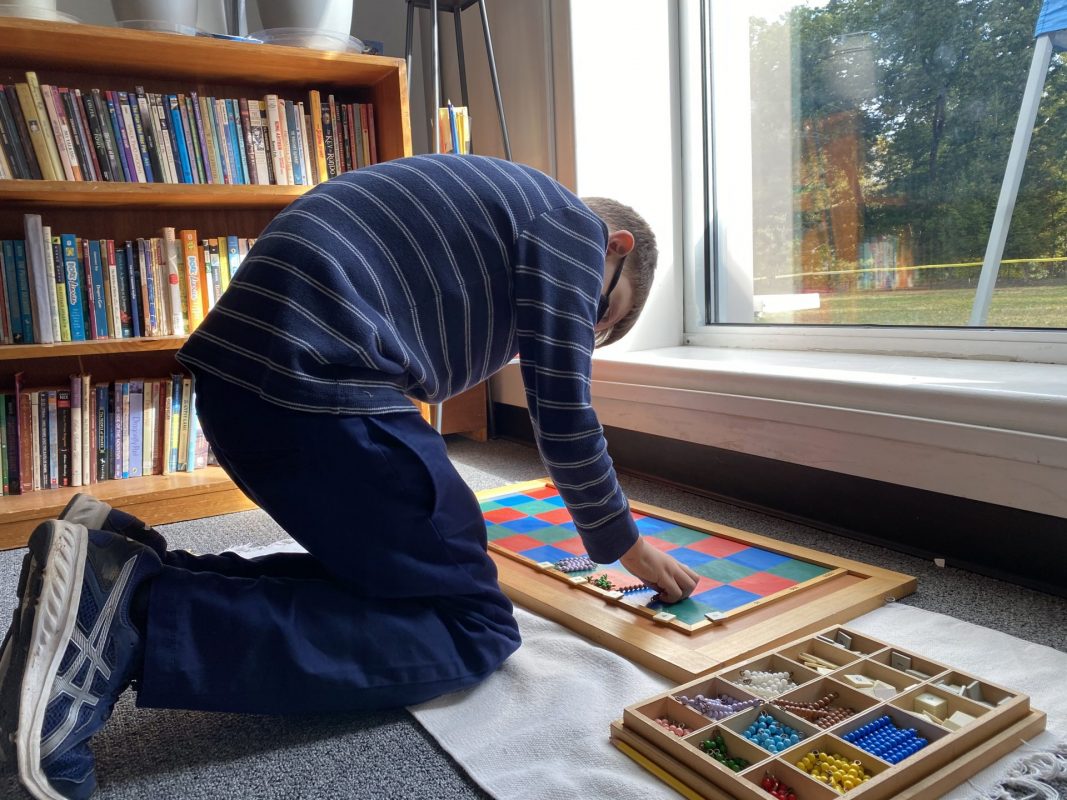
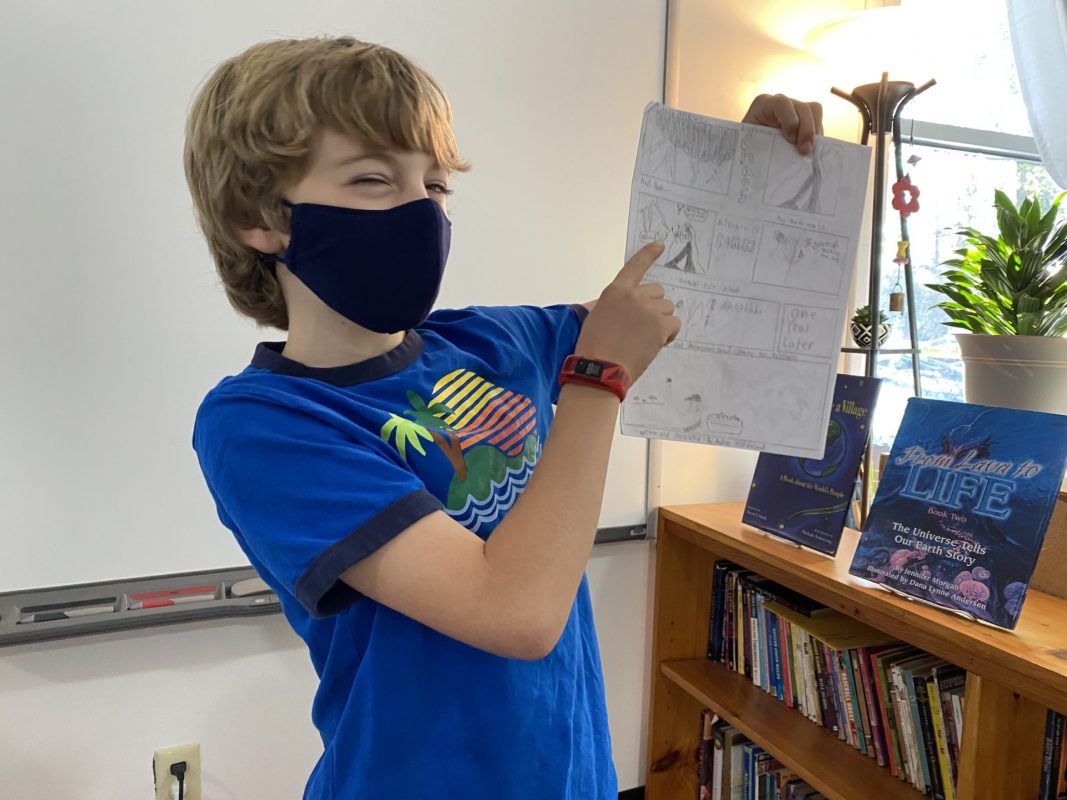
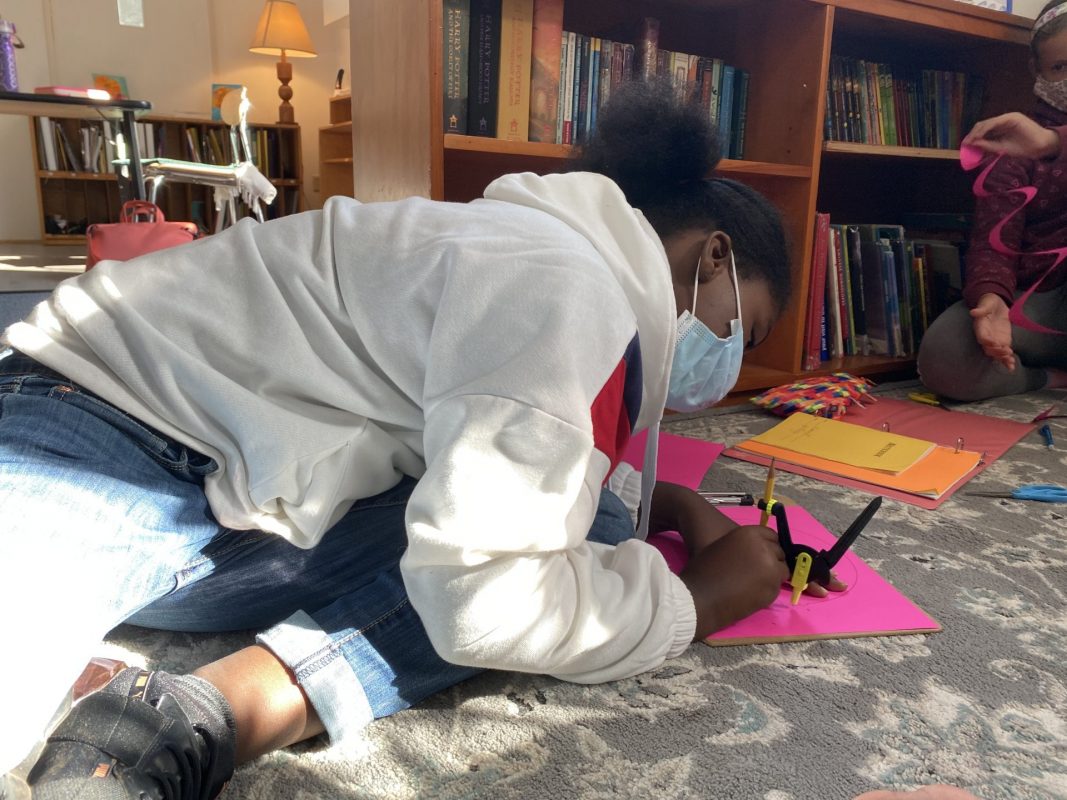
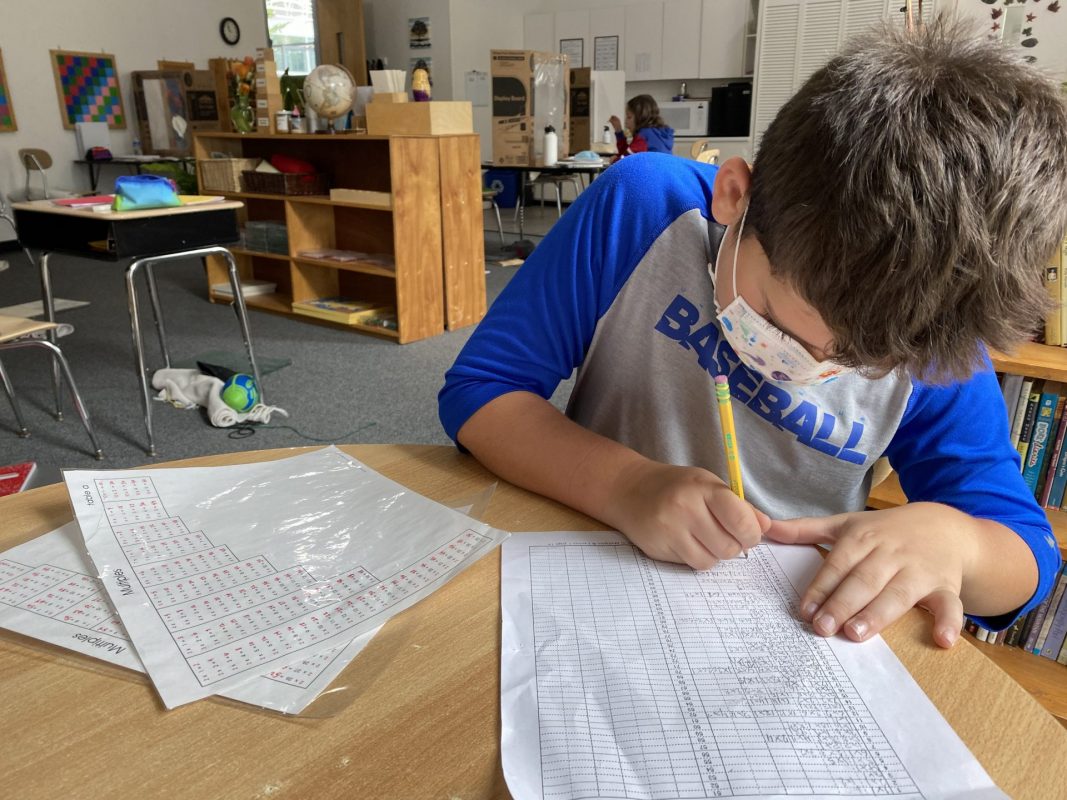
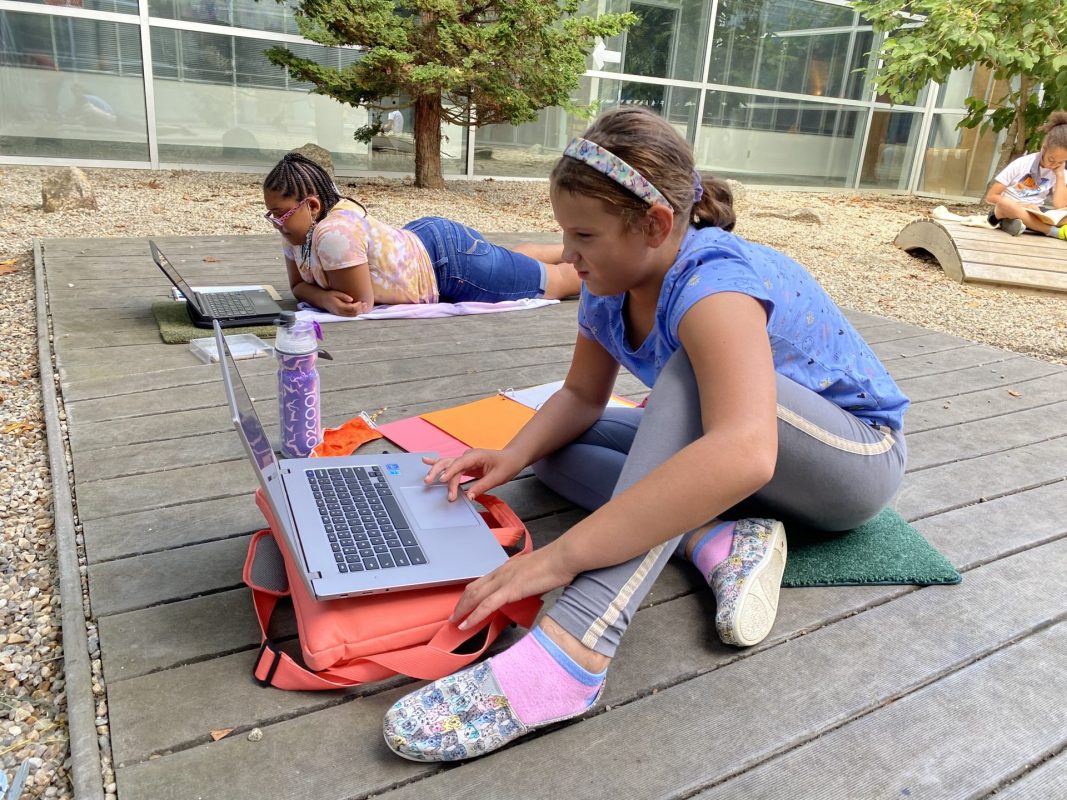
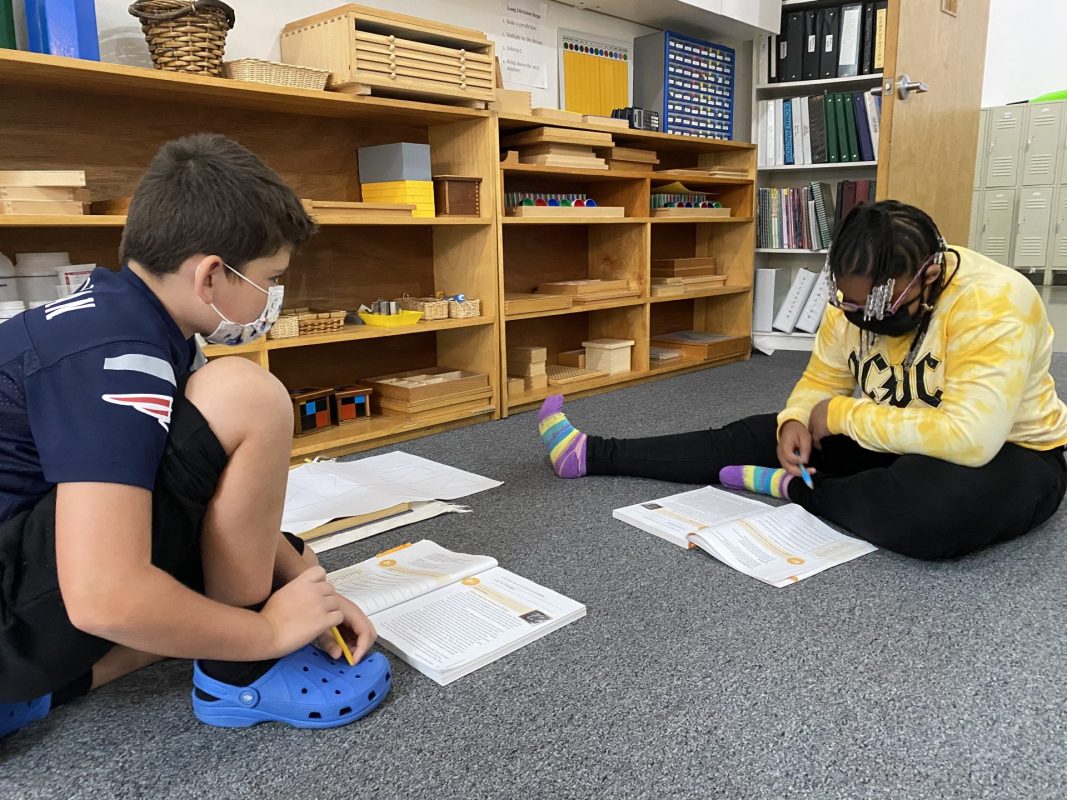
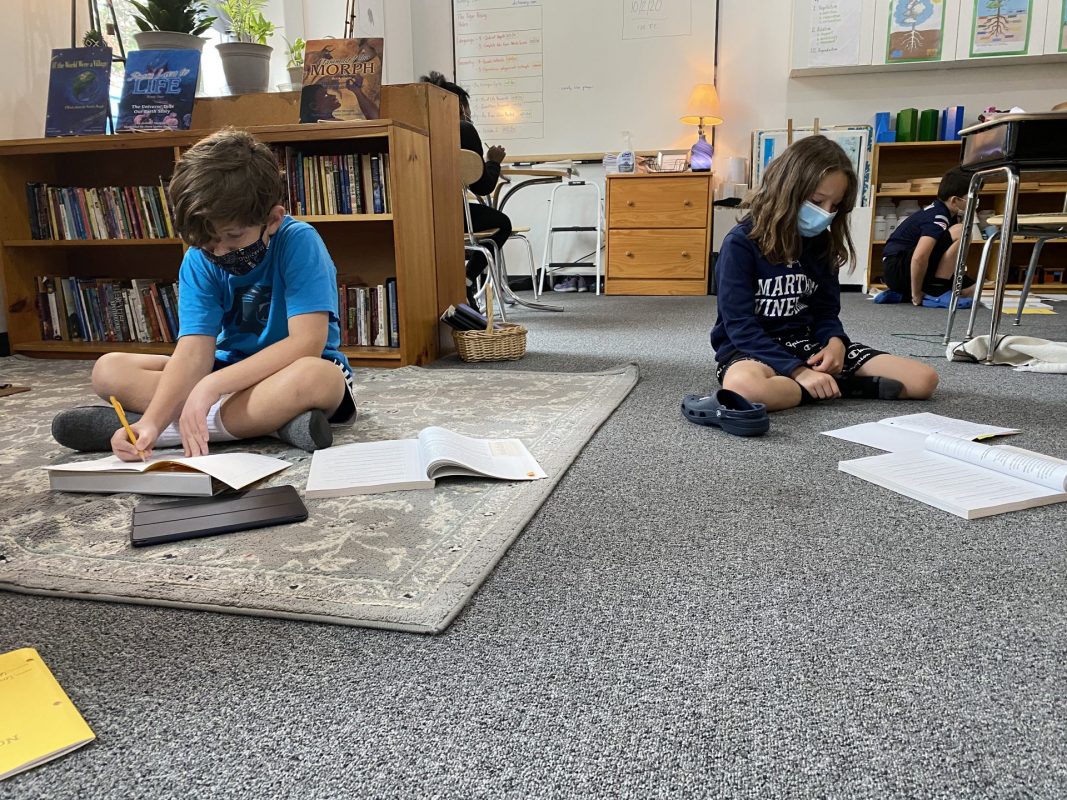
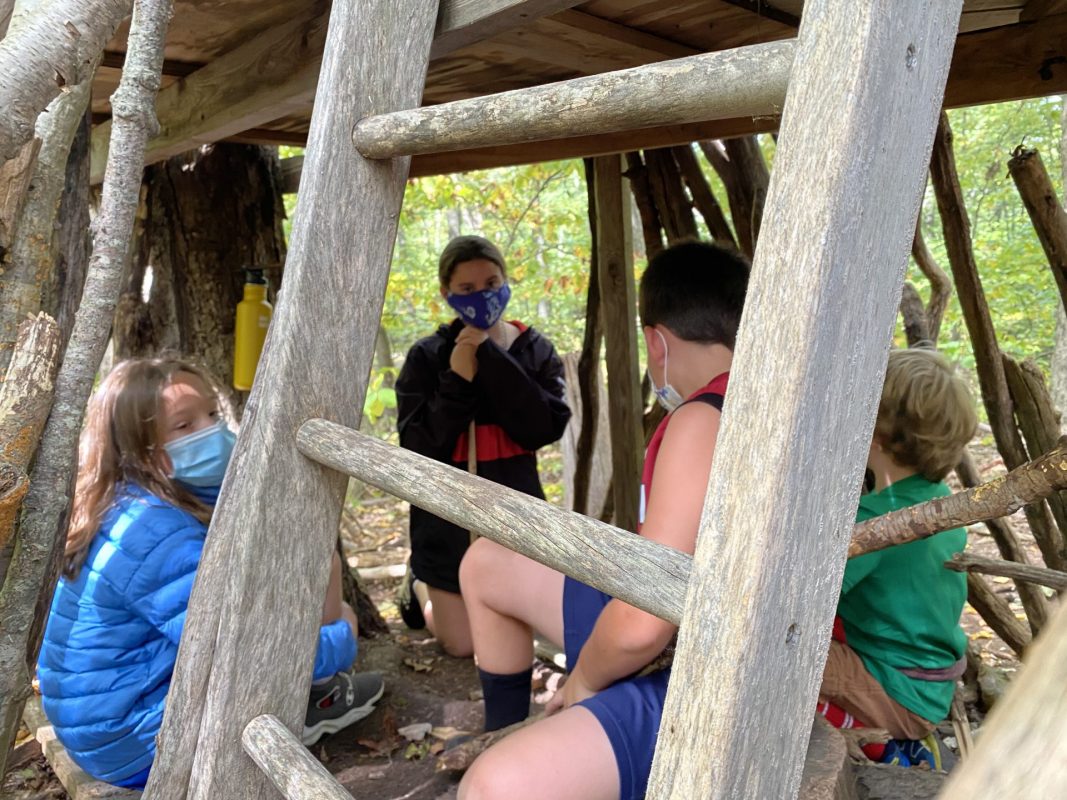
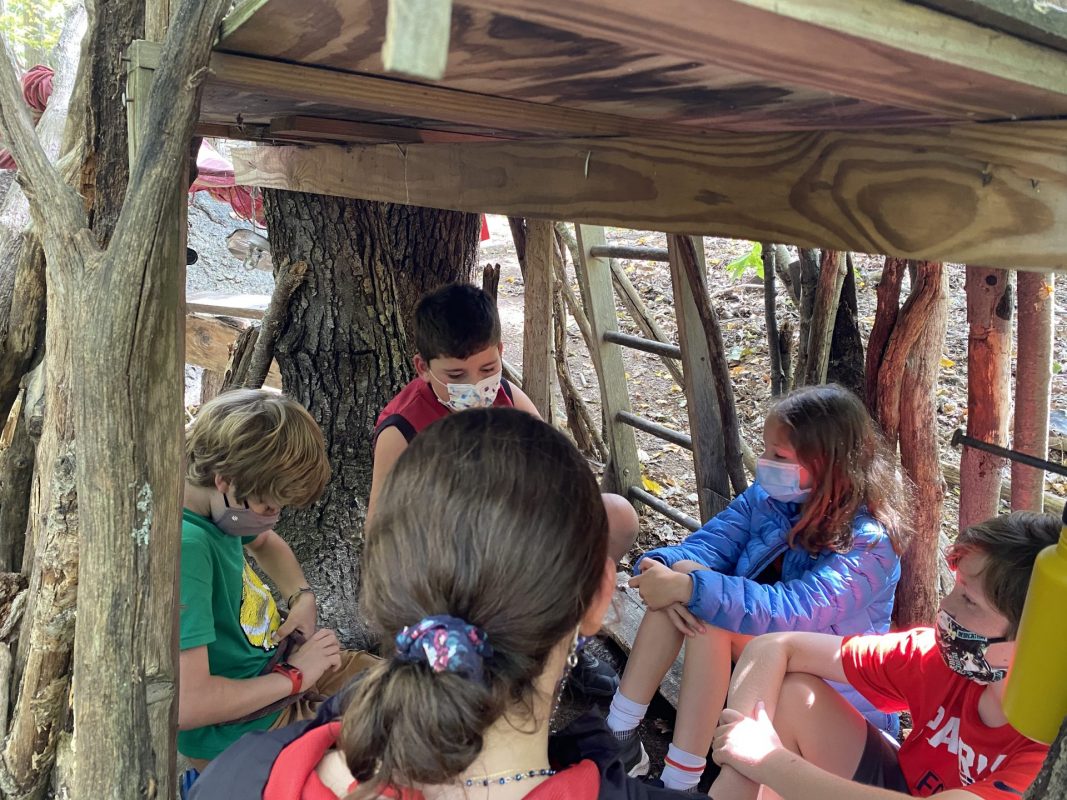
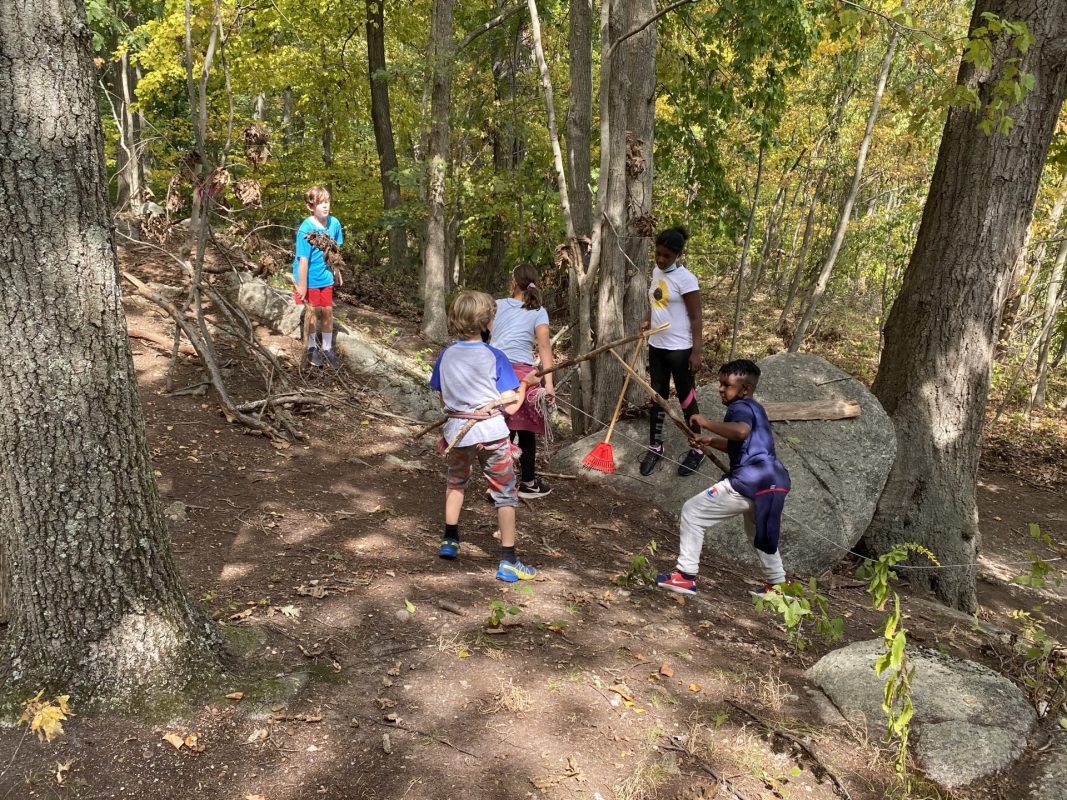
An observer of our Upper Elementary classroom would see most of the children collaborating on their work; this is intentional. Montessori elementary communities are designed to support this collaboration because it is recognized as a need for this age group. Elementary children crave interaction, not just in a purely social setting, but also in organized groups where they are focused on a goal with their peers. At this age, children form strong attachments to friends and want to be surrounded by their peers. For this reason, most of their work is collaborative, with the exception of when they are working on individualized skills. This is also the phase for “acquisition of culture” (Montessori). This is one reason why there is such a strong focus on learning about how people throughout history have contributed to society. The children assimilate this new knowledge about history as they are learning to contribute to their own world, classroom and beyond.

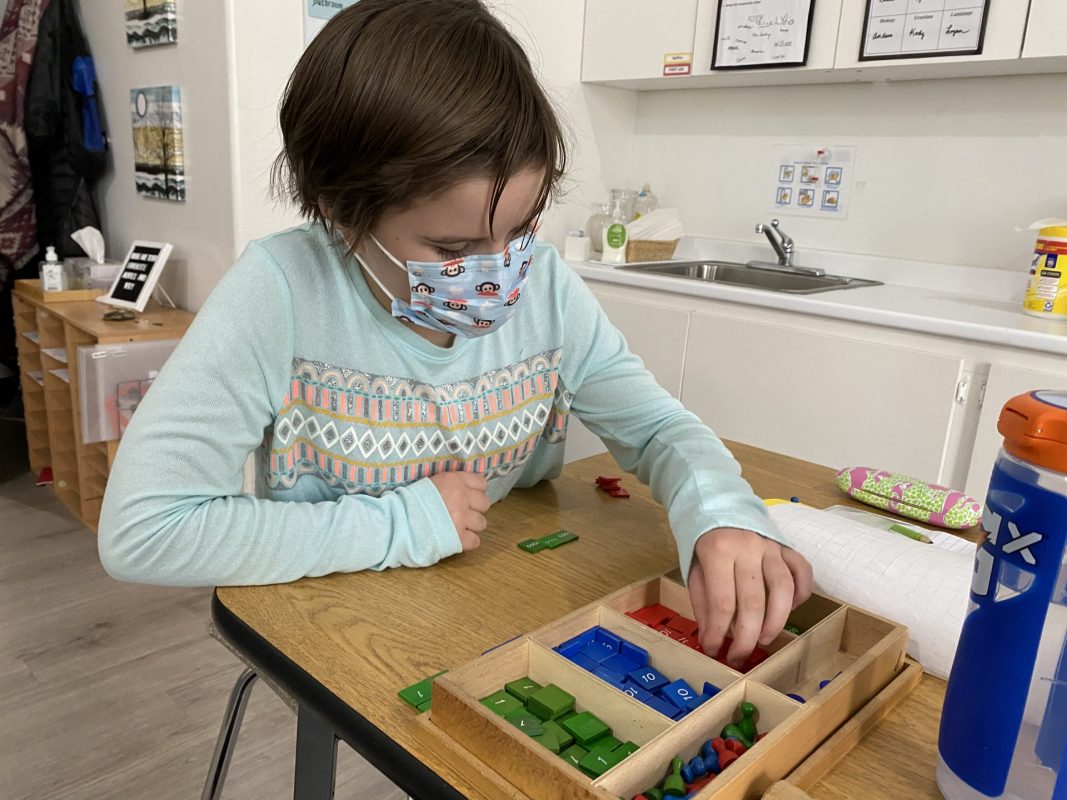
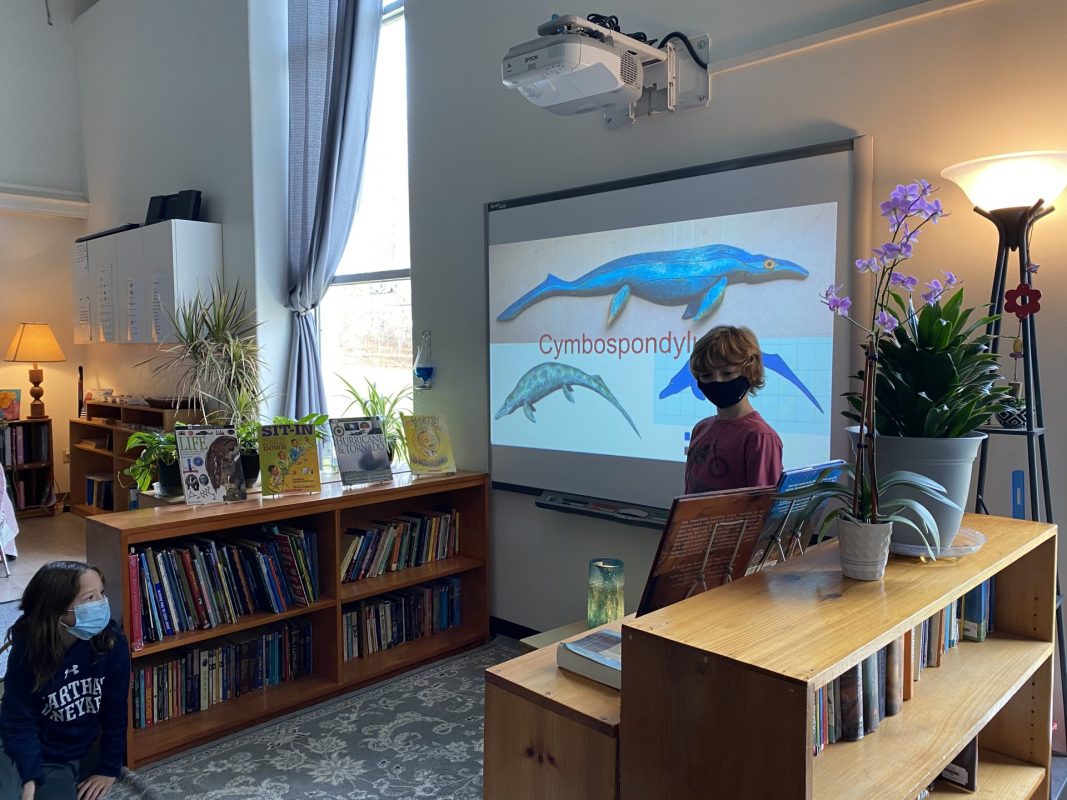
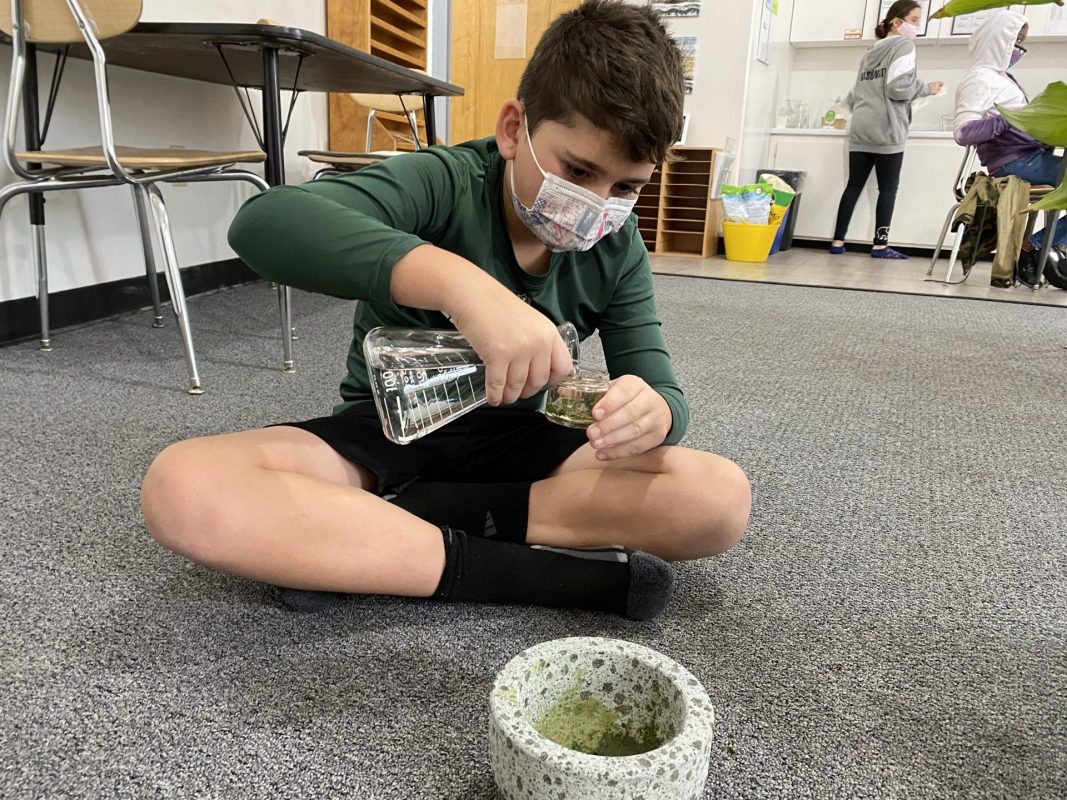
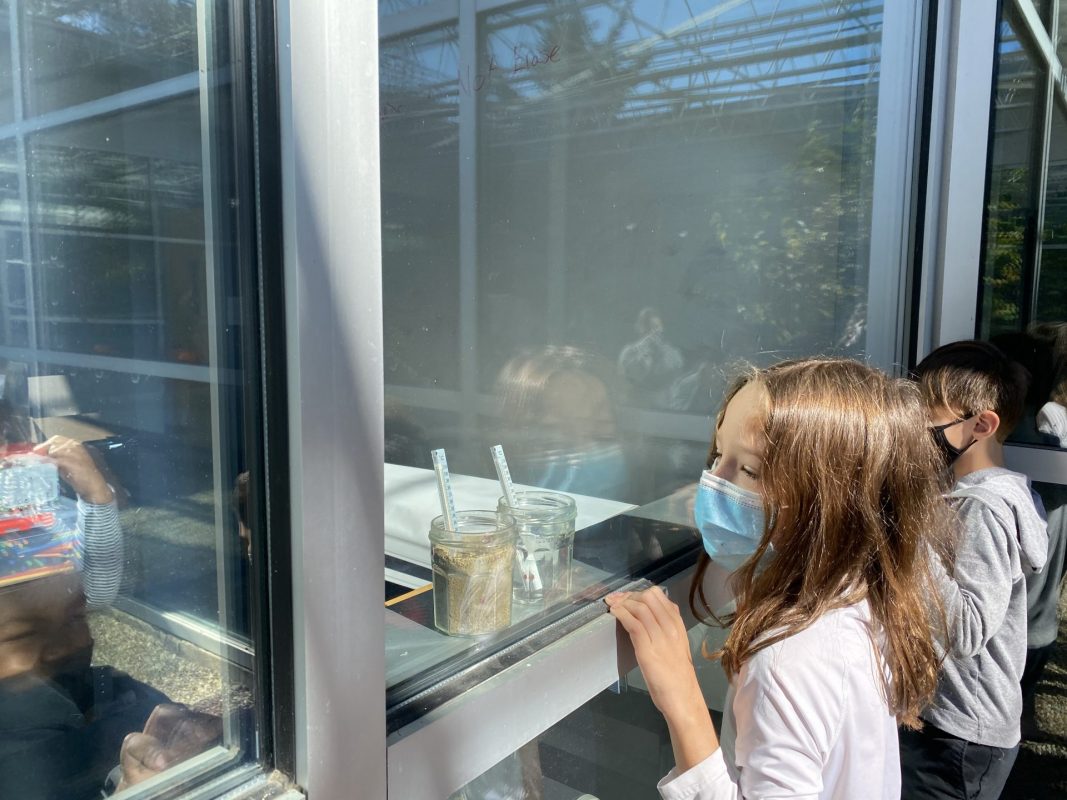
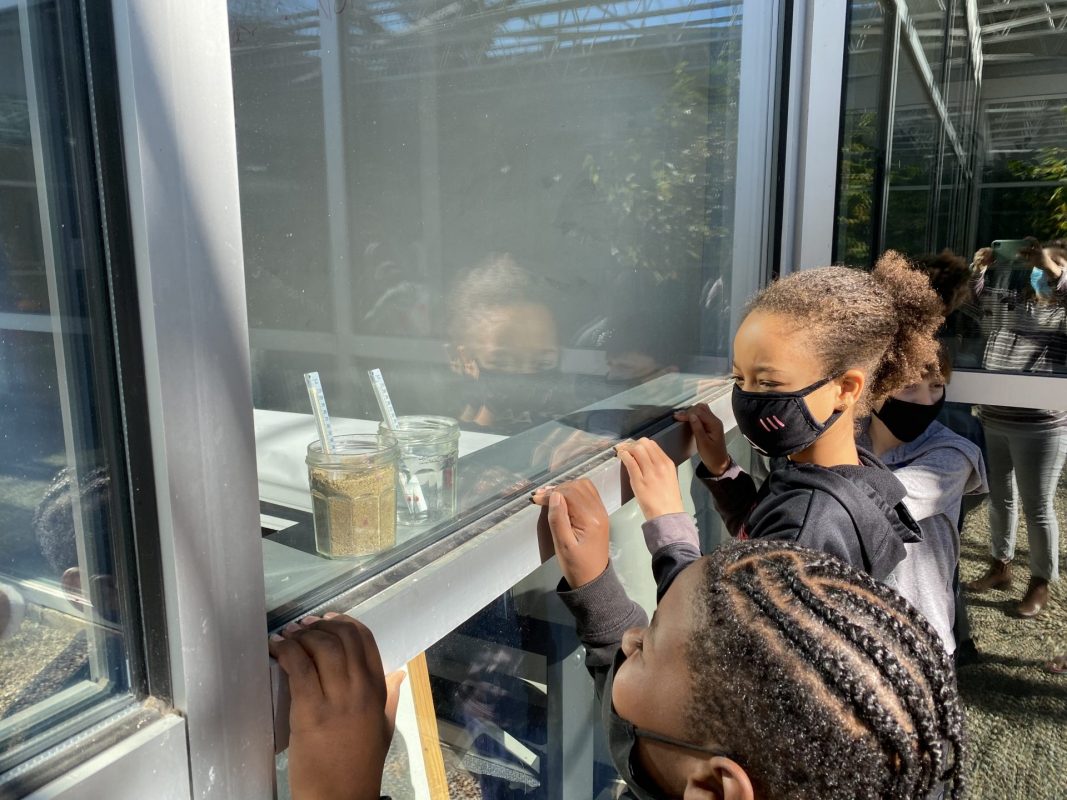
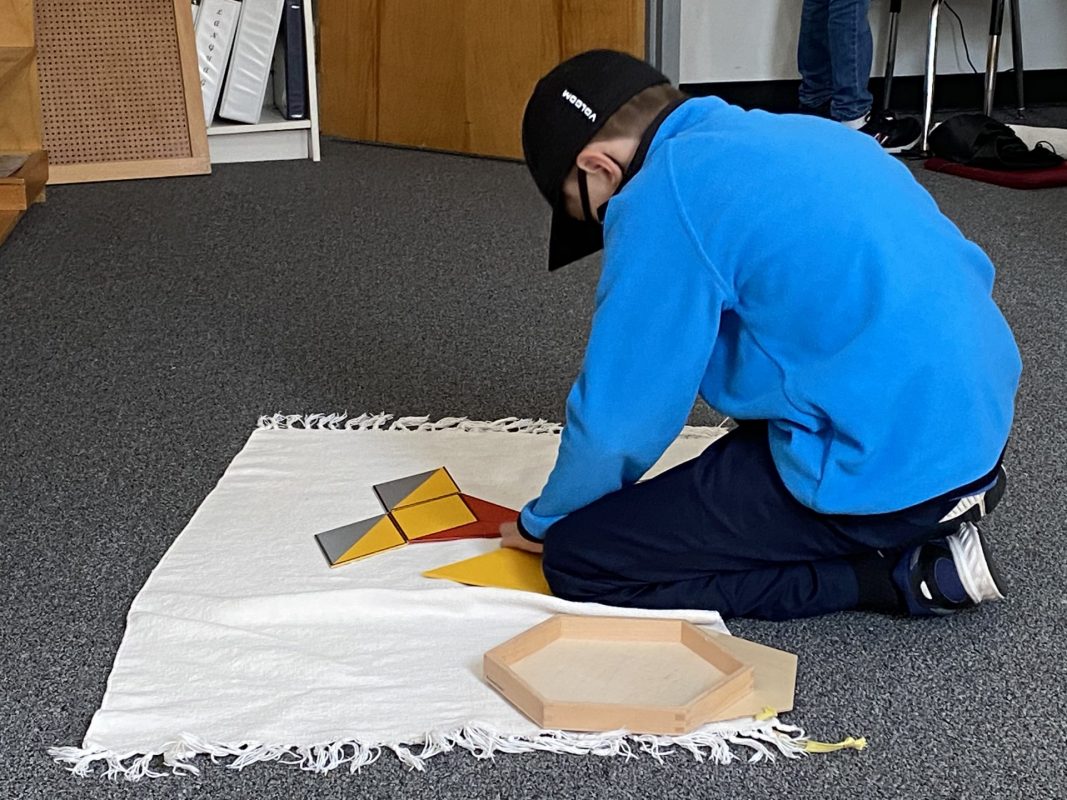
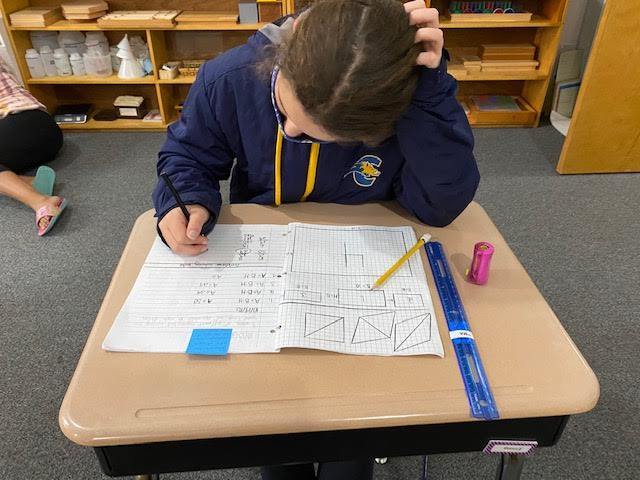
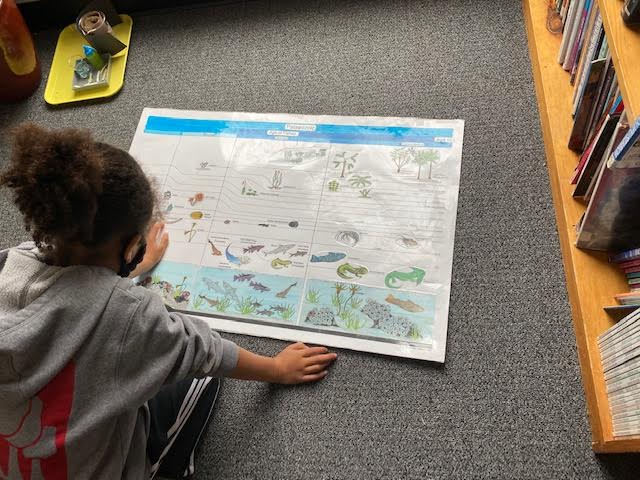
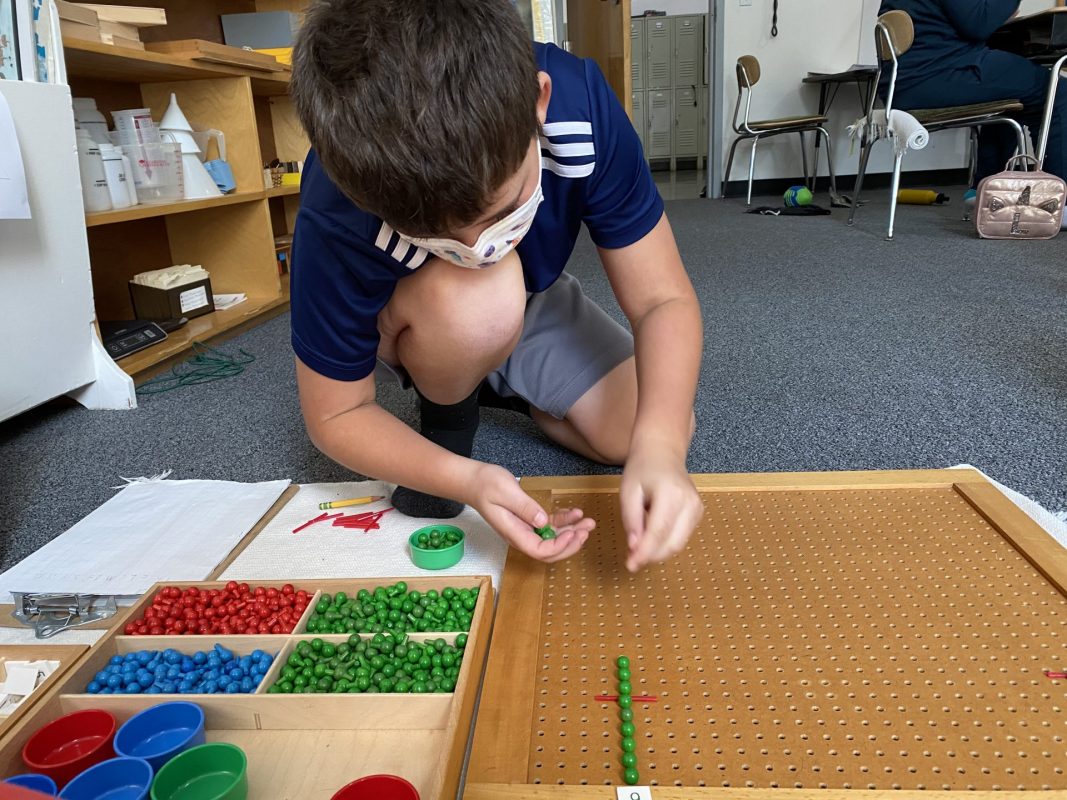
This week our fourth grade geometry work focused on proving the equivalence of a triangle and rectangle. This work starts sensorially; the children use a metal inset material to prove the equivalence of the two shapes. After using the material, we discuss the requirements for the equivalence of a triangle and rectangle; when the base of the two shapes is equal and the height of the rectangle is half that of the triangle. The fifth graders focused on inverse area formulas. They learned how to find the height when given the base and area, and how to find the base when given the height and area. In biology we continued our lessons on the circulation of plants with a discussion and demonstration about capillarity; the upward movement of liquids as a result of surface tension. In history this week, the fourth years learned about the Mesozoic Era of the Timeline of Life (250 to 65 million years ago) and the fifth years learned about the Magdalenian people (17,000 to 12,000 years ago), the last group of modern humans in the Upper Paleolithic Age. The children’s enthusiasm about our Literature Circles continues to grow. They are enjoying discussing their books and sharing their roles with the group.


The Science of Kindness

“Let us treat them [children], therefore, with all the kindness which we would wish to help to develop in them.” -Maria Montessori

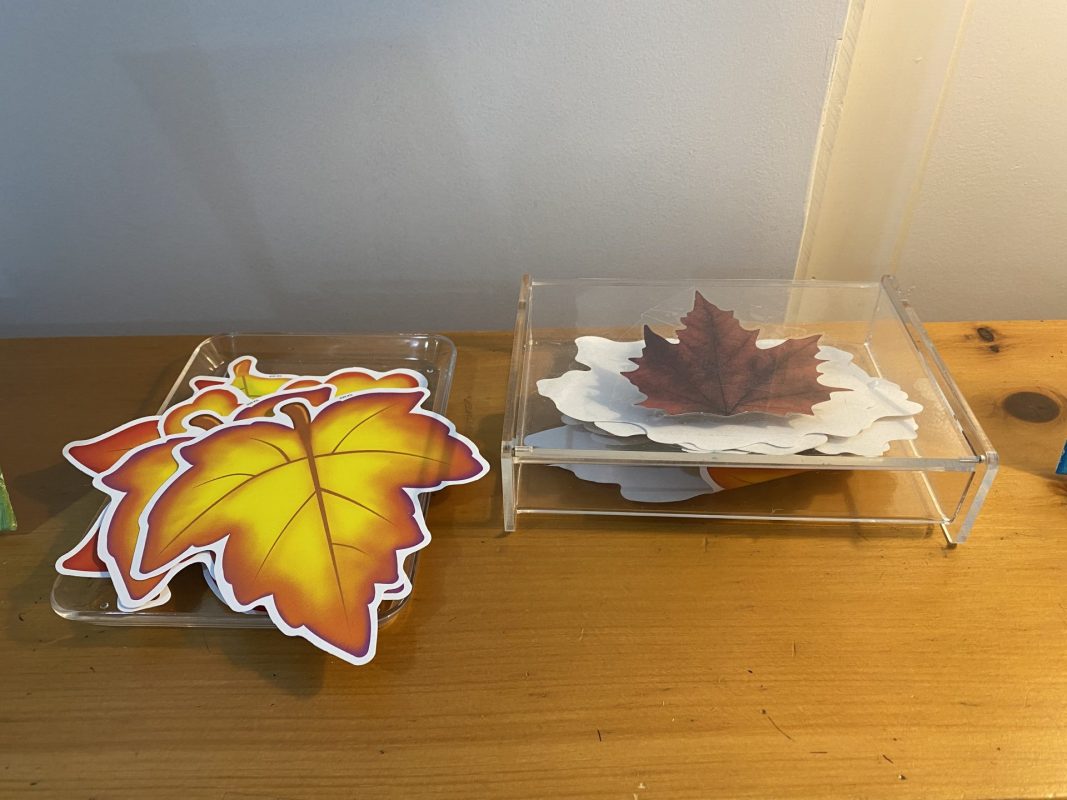
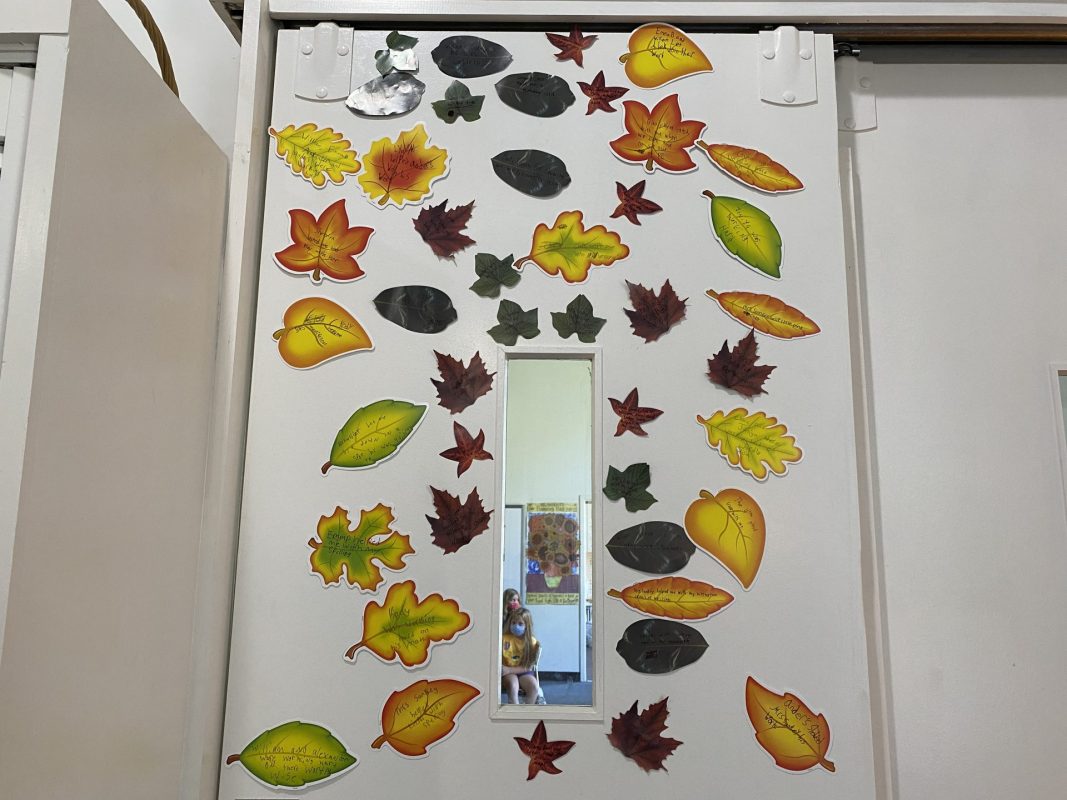
In Upper Elementary we put an intentional focus on recognizing acts of kindness. Being kind and witnessing others showing kindness creates several physiological changes in our bodies. We get a boost to our oxytocin levels – a hormone which helps us form social bonds and increases our trust in others. Our dopamine and serotonin levels also rise. These are neurotransmitters which, respectively, give us a euphoric feeling and help regulate our mood. Being kind to others also benefits us by increasing our self-esteem, empathy, and compassion. Upper El students are encouraged to record acts of kindness others extend to them or that they witness between their classmates throughout the day on Kindness Leaves. These leaves are collected throughout the week and on Friday they are read aloud to the class, recognizing the person who extended the act of kindness. The leaves will be displayed in our classroom throughout the year before they are brought home at the end of the year by the children.

In addition to individual lessons in math and spelling this week, the children participated enthusiastically in our small and large group lessons. In geometry, the fourths focused on identifying seven different types of angles and fifths learned to use a square as the measurer of a surface and worked on finding the area of rectangles. Our biology work this week was recording observations of the four experiments with roots from last week and we also learned about the upward flow of water in plants and root pressure. Our geography lesson on the Work of Air demonstrated that when hot air rises, cool air flows in. Ask your child to tell you about the experiment we did to demonstrate this concept. In language, fourth years continue their work with sentence analysis and identifying the elements in a sentence. Fifth years learned about adverbs of time, place, and manner. We enjoyed our book discussions and role sharing during Lit Circle. I was impressed with each student for remembering to complete their role sheets at home!


Open Lessons

In Upper El we follow an open lesson policy. This means that small group lessons which have a target group (usually grade level groups for lessons in history, language, geometry, and sometimes biology and geography) are also offered to anyone else who wishes to attend. The “target” group is required to attend the lesson, and it is optional for anyone else who is interested. Sometimes fourth year students are interested in sitting in on a fifth grade lesson, sometimes fifth grade students want to see a lesson again, or sometimes I’ll invite someone to join who I determine needs to see the lesson again. The follow up work is assigned only to the target group; the others who join aren’t expected to do the follow up. This week, as I gave a history lesson on the Paleozoic Era of the Time Line of Life to the fourths, some fifth graders decided to join and see it again. Their participation with the fourths in this lesson added delightful enthusiasm and richness to the discussion. I was also pleased to see one of our fourths join the fifths for a geometry lesson this week!

In our Literature Circles this week, students shared their role sheets with their group. They did a wonderful job completing their roles and sharing with their classmates. Next week’s roles have been sent home, along with their books, to be completed as homework. For geometry, fourths learned about classifying regular polygons and about the different parts of a polygon, and fifths learned a theorem based on equivalent figures. Our biology lesson focused on the nutrition of plants and of the work of the roots, and included four experiments which will be ongoing for the next week or so. In history lessons, fourth years finished the discussion of the Paleozoic era and fifth years learned about the Solutreans, who lived 20,000 years ago. The focus of the fourth grade language lesson this week was identifying the elements of a sentence and adverbial extensions. The fifth graders learned about action verbs, linking verbs, auxiliary verbs, and verb phrases.


Working Together

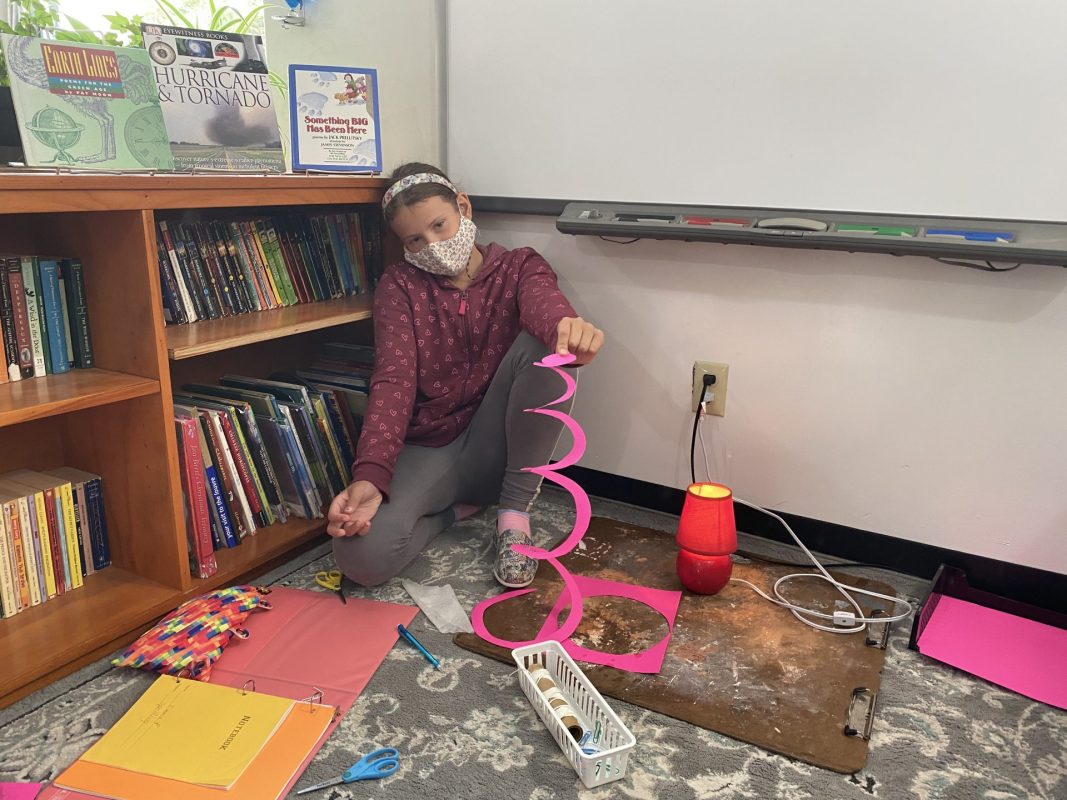
We used our time well during this short week and were joyfully busy! In geometry, fourth year students continued their work with classifying plane figures according to sides and angles and fifth years learned about equivalence of regular polygons and rectangles. For our biology lesson on vital functions of plants this week, we learned about the nitrogen cycle and how nitrogen is fixed so it can be used by plants and animals. As part of this lesson, we learned about the composition of air and that nitrogen makes up 78% of the air in our atmosphere. In our geography lesson on the work of air, we learned that air rises when it is heated. The children learned to make a paper spiral and suspend it over a heat source. They were able to see that the rising heat makes the spiral spin.

We had our first Literature Circle meetings this week and the children received their first role assignments. The role assignments are: reader, vocabulary enricher, illustrator, summarizer, passage master, and character captain. The children will get a different role each week, working their way through all six. They will be completing these assignments at school this first time while they are still learning how to do this new work. We are all excited to start this process!

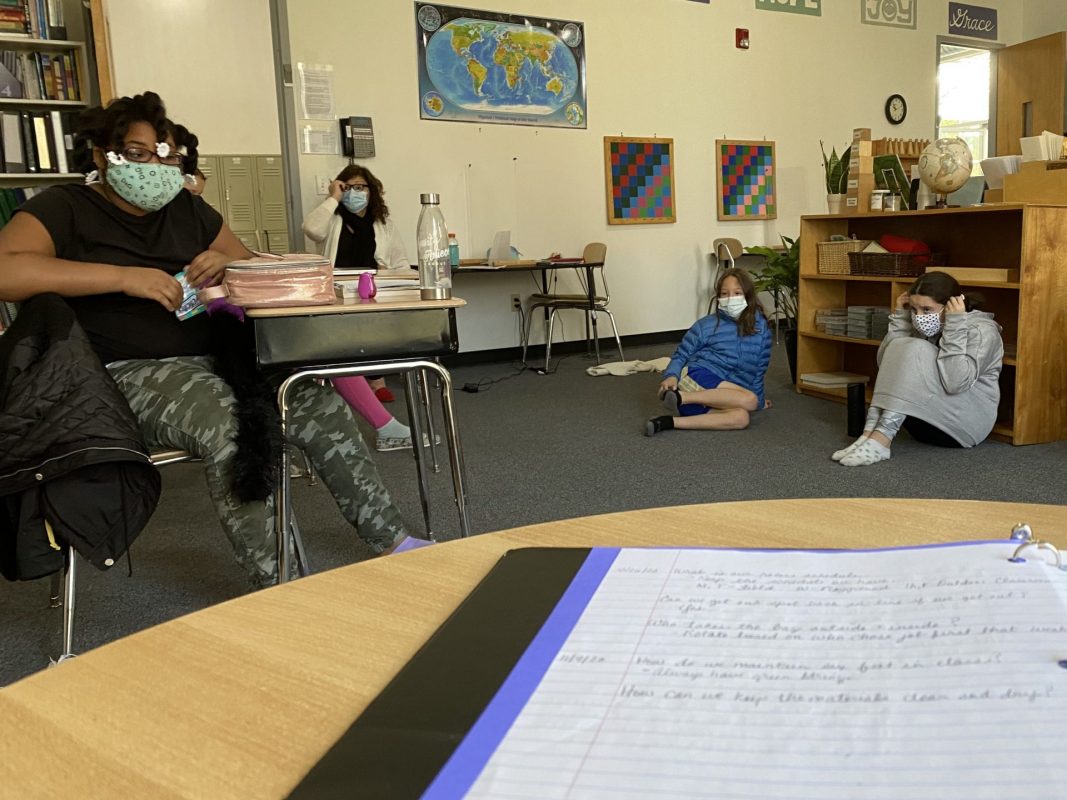
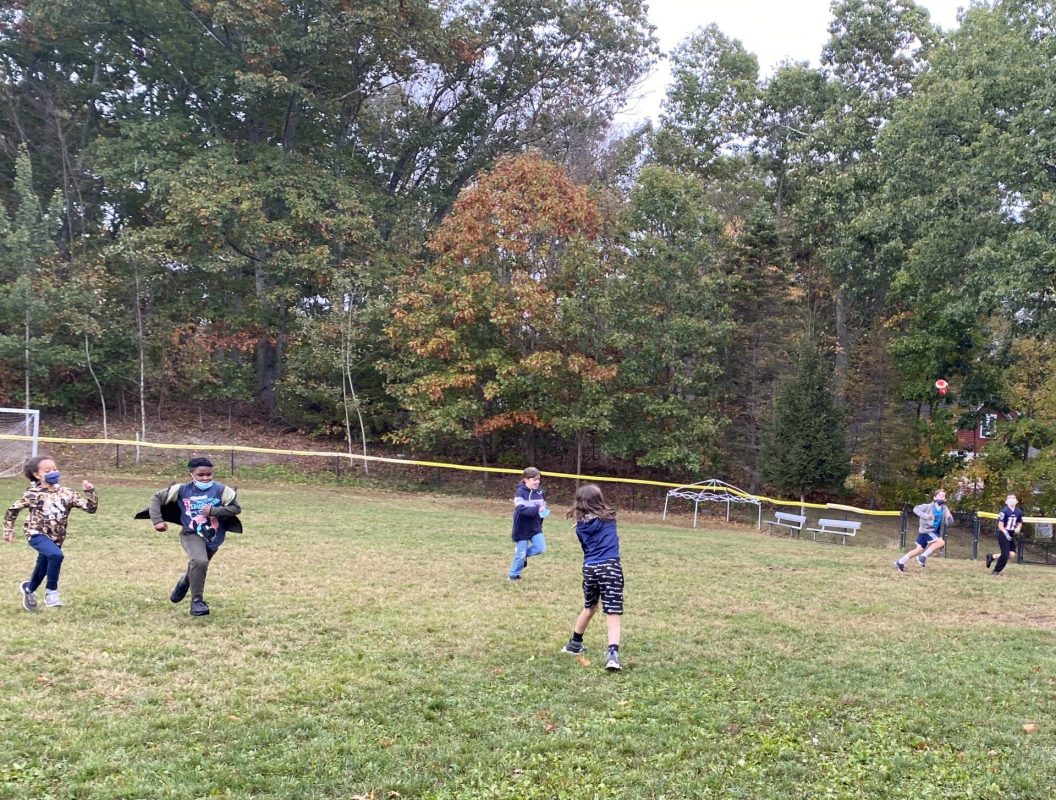
The topic of our community meeting this week was playground safety. In our community meetings we are learning to state the problem as a question. This week our question was, “How do we stay safe when playing football on the playground?” After stating the question, we brainstormed ideas, solutions, and answers. Each child was given a turn to speak without being interrupted and each idea was recorded for the class to see. After brainstorming, we discussed the ideas and the children asked clarifying questions about some of the suggestions. We then categorized the ideas into logical groupings and voted on the solutions to our problem. The children did a great job speaking and listening and showed great respect for one another during our community meeting. We’ll follow this same format each week, learning to problem solve problems that are real and matter to the members of the class.


Signing for Peace

“We shall walk together on this path of life, for all things are part of the universe and are connected with each other to form one whole unity.” – Maria Montessori

This week we had our first class Community Meeting. These weekly meetings are led by the fifth year students and the agenda is set by the class. Over the next few weeks, the fifth years will be learning how to lead the meetings, each being assigned a job during the discussion. Community meetings provide opportunities for the children to learn the skills involved in having productive discussions about topics that matter to them. They learn to: give and receive appreciative and complimentary comments, brainstorm ideas – taking turns speaking and categorizing suggestions into logical groupings, keep to a timetable while discussing, keep the discussion on task, vote to get a sense of the meeting and then tweak solutions until they build consensus, and summarize the problem and the solution.

In language lessons this week, fourths learned about indirect objects and fifths continued with their advanced functions of words. For geometry, fourth years learned to classify quadrilaterals based on sides and angles and fifth years learned another way to prove equivalence of trapezoids and rectangles. Biology lessons continued, learning about the nutrition of plants. We had a lively discussion about the minerals and water that plants get from the soil and the carbon dioxide plants get from the air. In history, fourths learned about the Paleozoic era and the explosion of life which happened during that time. Fifths learned about another group of modern humans from the Upper Paleolithic, the Gravettians, who lived 29,000 to 22,000 years ago.
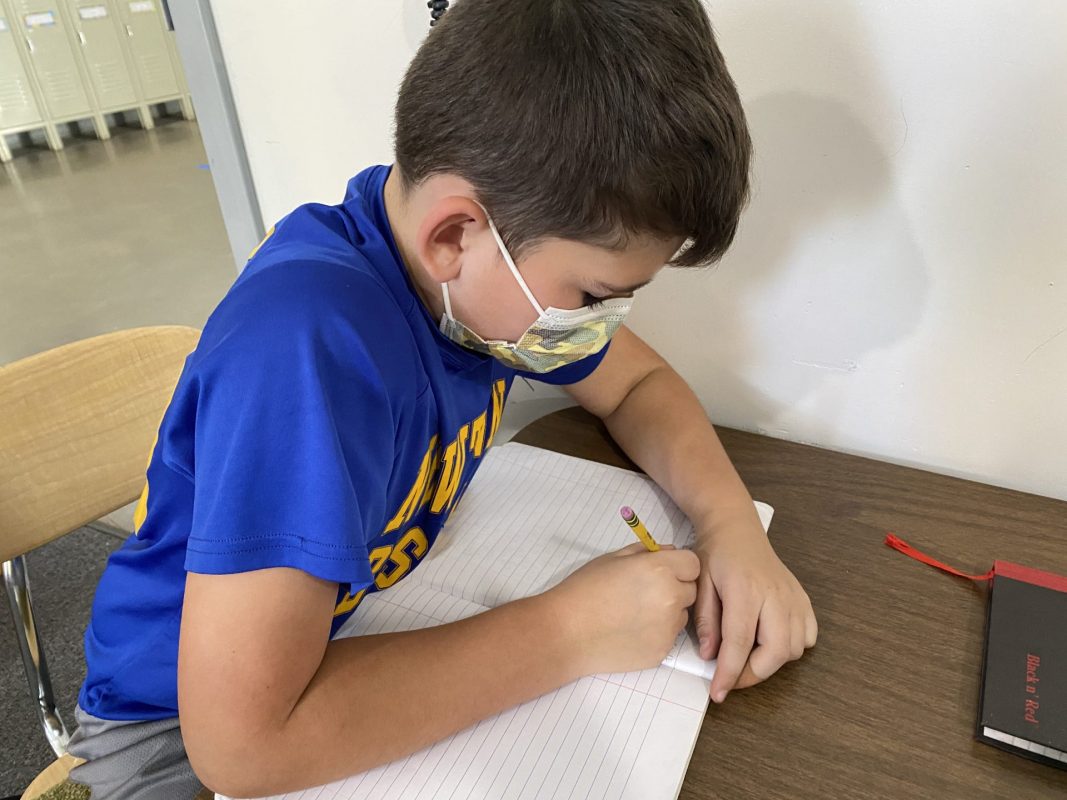
In keeping with the tradition of our school, and of Montessori schools around the world, this week we gathered to celebrate the International Day of Peace. Although we weren’t able to gather as a whole school community, and we weren’t able to lift our voices in song, we found another way. We gathered as a class and learned to sign the song, “Light a Candle for Peace.” The result was beautiful, and there was something very peaceful about signing along with the song, in silence.


Love of Learning

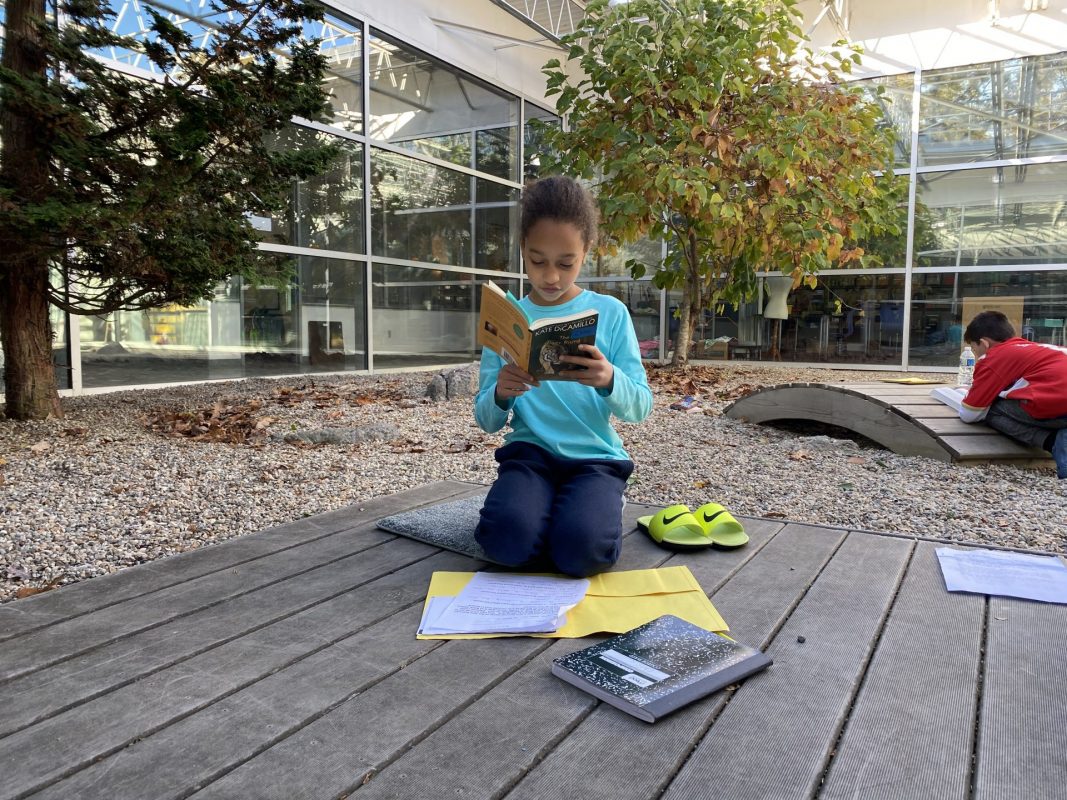
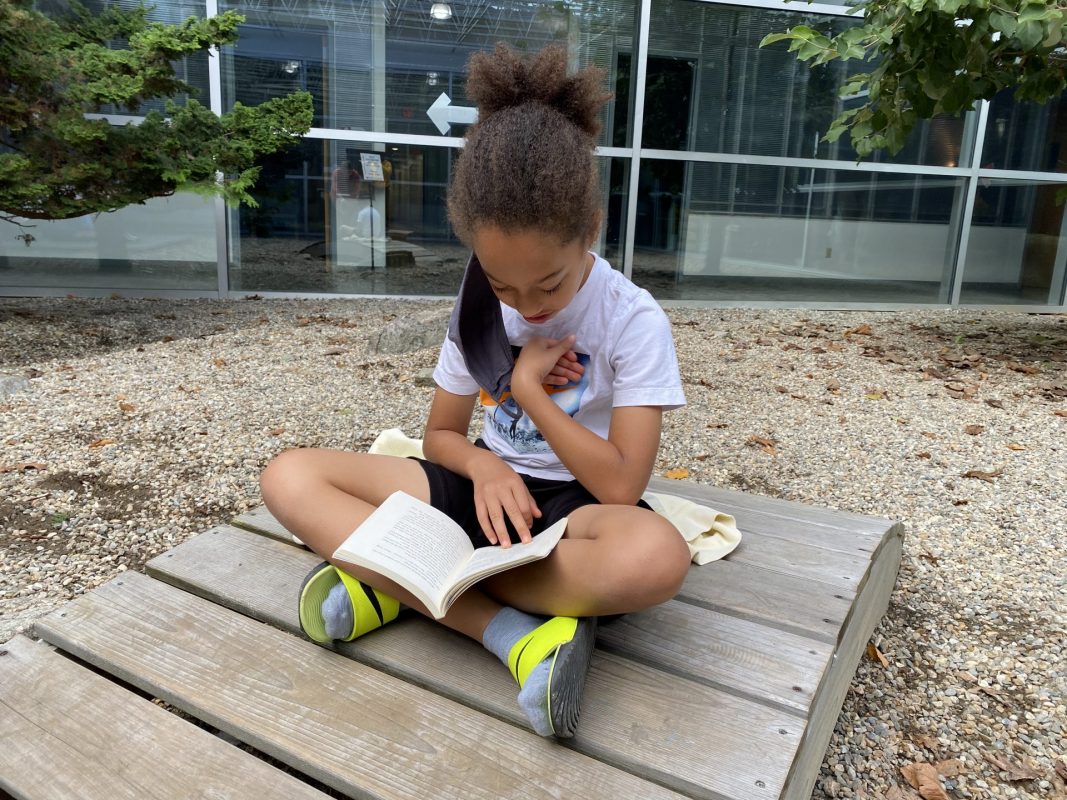
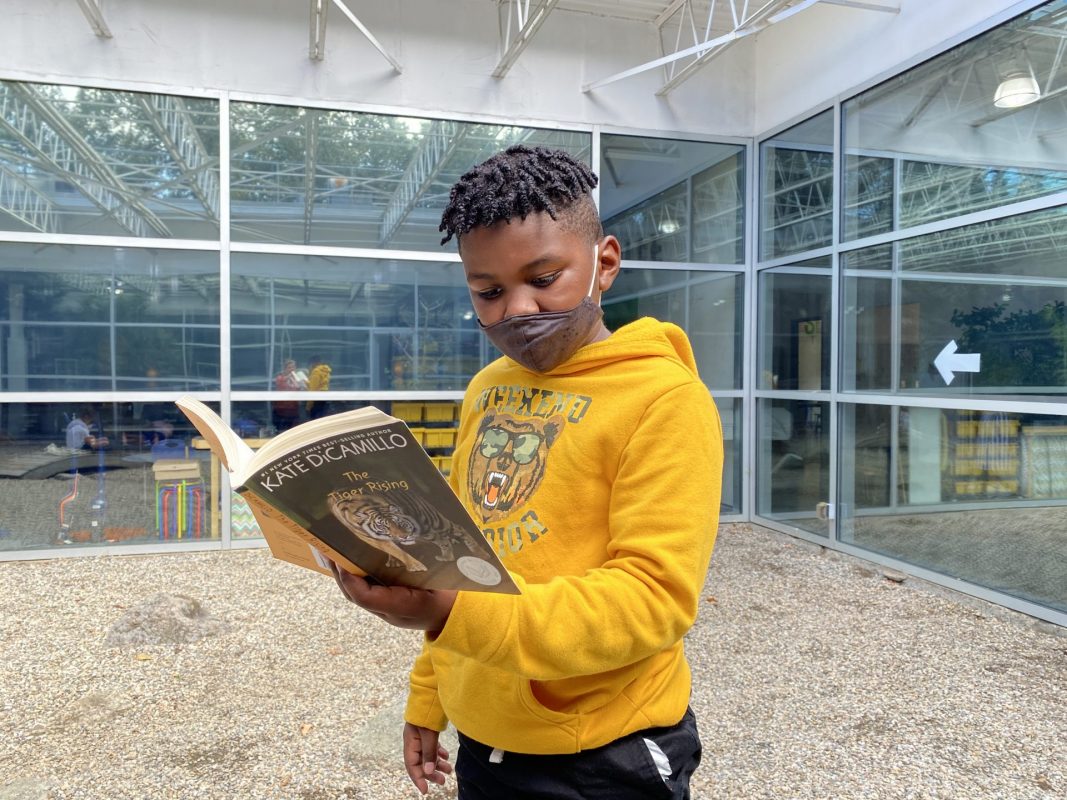
We’ve had another productive week in Upper El. We chose our books for Literature Circles. Fourth grade will read The Tiger Rising by Kate DiCamillo and fifth grade will read Holes by Louis Sachar. The kids are excited about their books and many have already read well past the first assignment. They will be gathering twice a week to discuss their assigned pages. They will have assigned roles each week with tasks to complete before coming to Literature Circle. Assigning roles gives young readers the framework for a multi-faceted interpretation of literature. Eventually the children will spontaneously incorporate the roles into their literary discussions and when they do that, they will no longer need assigned roles.
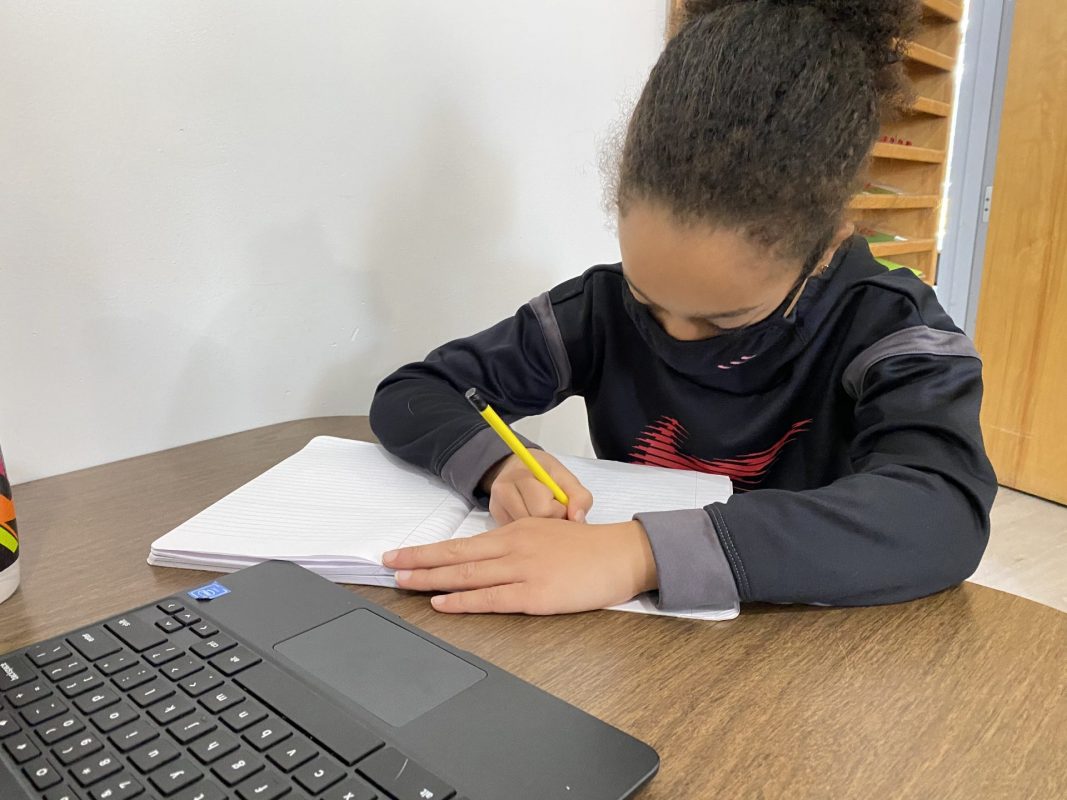
Grammar lessons this week focused on adverbial extensions for fourth grade. They learned to take a simple sentence with a predicate and a subject, and, by asking the questions: when, why, where, and how, make the sentence more complex. The fifth grade focused on the advanced function of words. One example of this work using nouns is sorting words into the categories of plurals, possessives, common, proper, abstract, and collective. Over the next few weeks they will be working their way through similar work with adjectives, prepositions, adverbs, pronouns, conjunctions, and interjections.

In geometry lessons the fourths learned about the seven triangles of reality and worked on sorting triangles from our plane inset cabinet into the proper place on a grid based on the sides (equilateral, isosceles, scalene) and angles (right, acute, obtuse) of each triangle. The fifths learned about proving the equivalence of a trapezoid and a rectangle.

Continuing with our lessons on the vital functions of plants, this week we learned about the needs of the plant. We had a great discussion about the origins of the 2,500 year old theory that everything is composed of a combination of four elements: fire, air, water, and earth. We discovered that, although this theory is from long ago, there is truth to it. We discussed that plants need sun (fire), air, water, and earth (minerals) to survive.

We kicked off a series of geography lessons focusing on the Work of Air with an experiment proving that air occupies space. Each student will have the opportunity over the next week to use the materials and try the experiment out for themself.

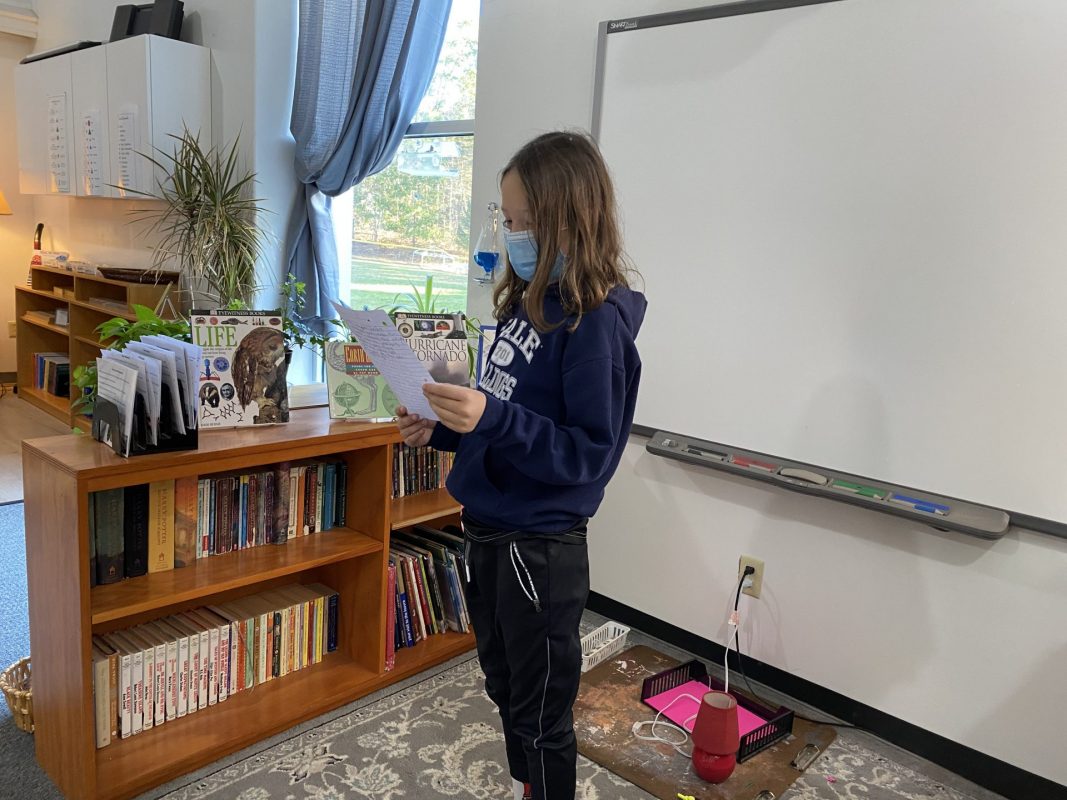
Many of the children have already been hard at work researching topics of their own choice. Today, three of them presented their research to the class. This is work they are very enthusiastic about and they will have the opportunity to continue to research topics of interest throughout the year, presenting as they are ready.

Please remind your child to wear something BLUE on Monday, September 21 to recognize and celebrate the International Day of Peace.  Blue is the universal color of peace.


Ready to Learn

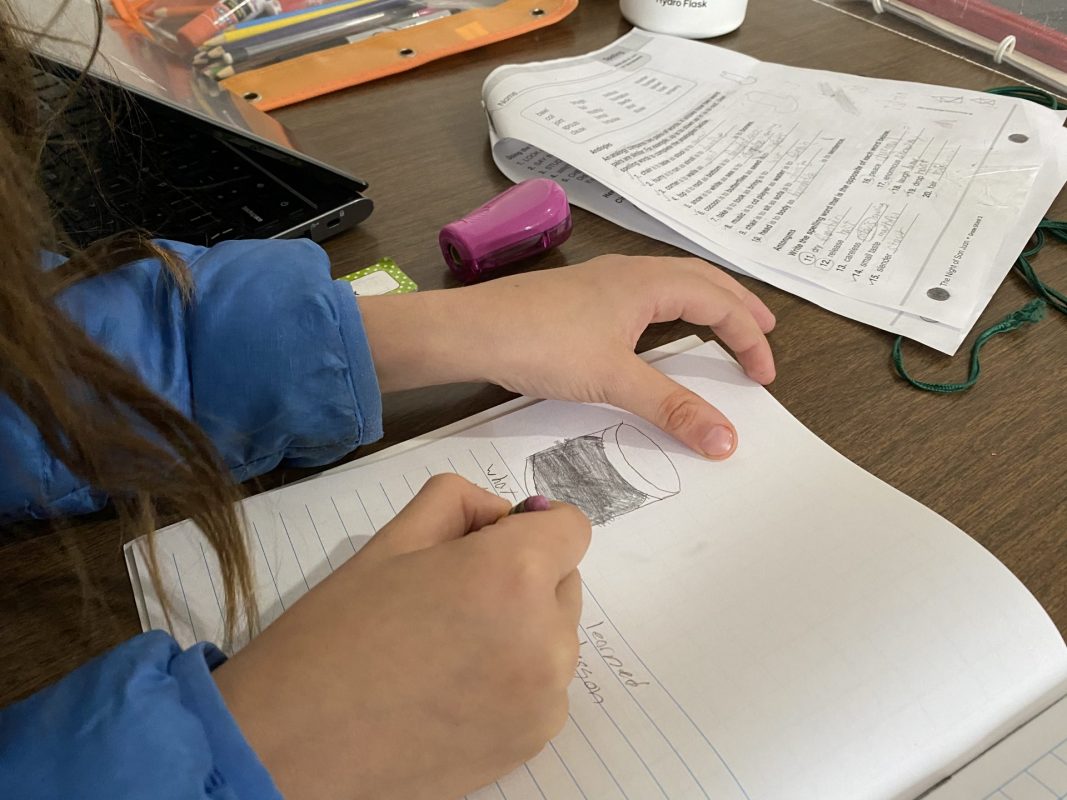
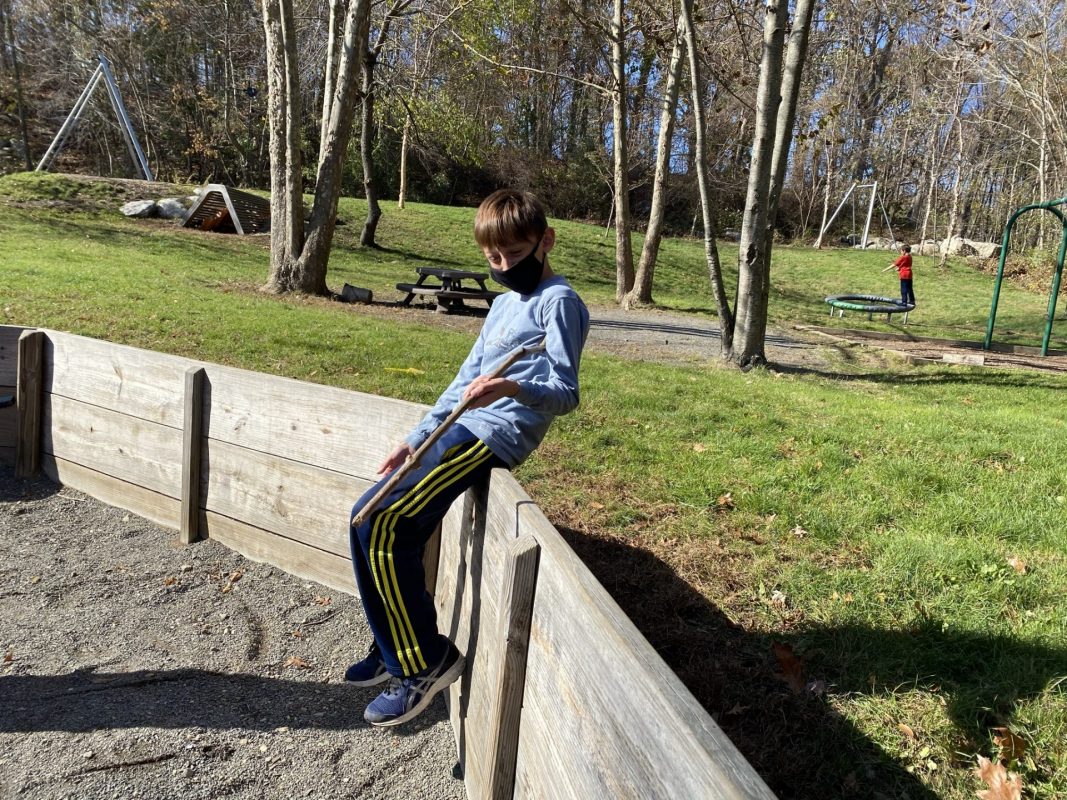
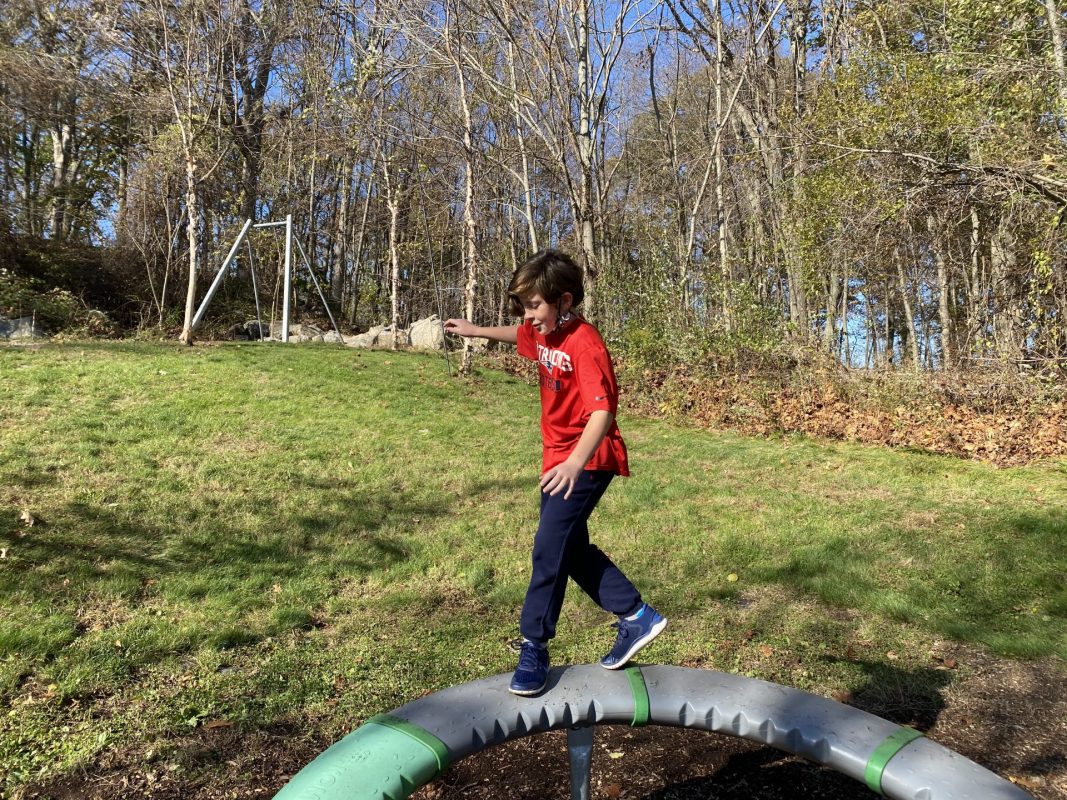
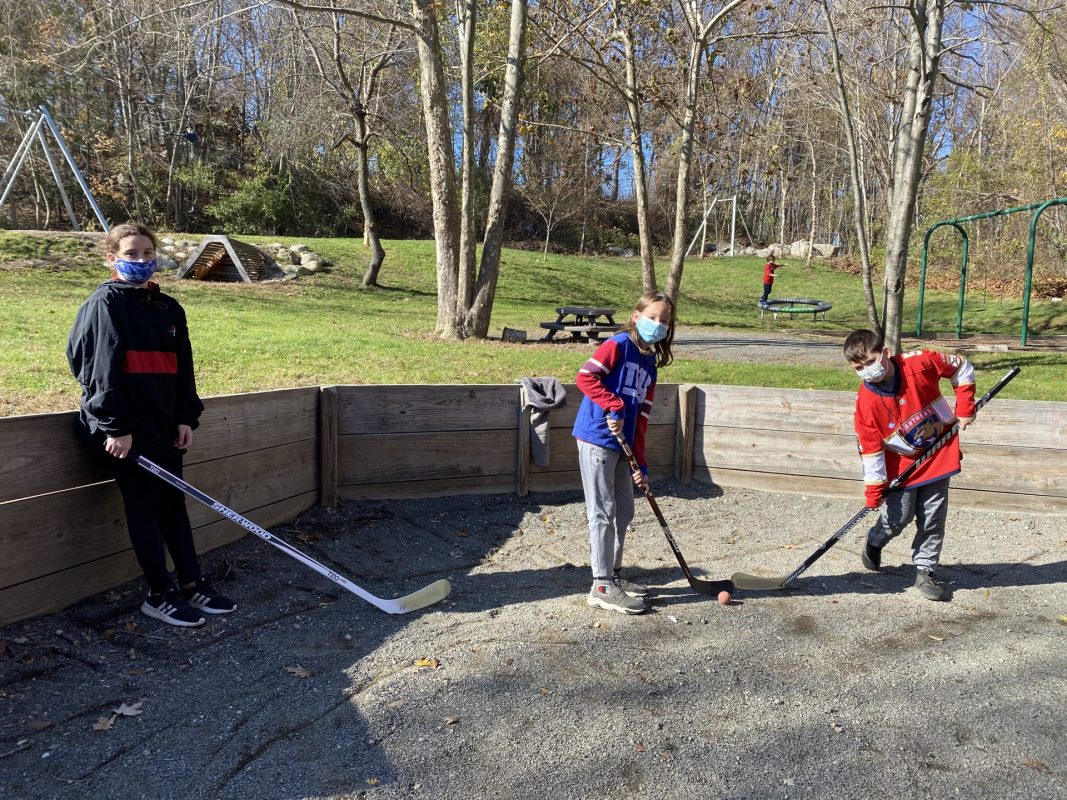
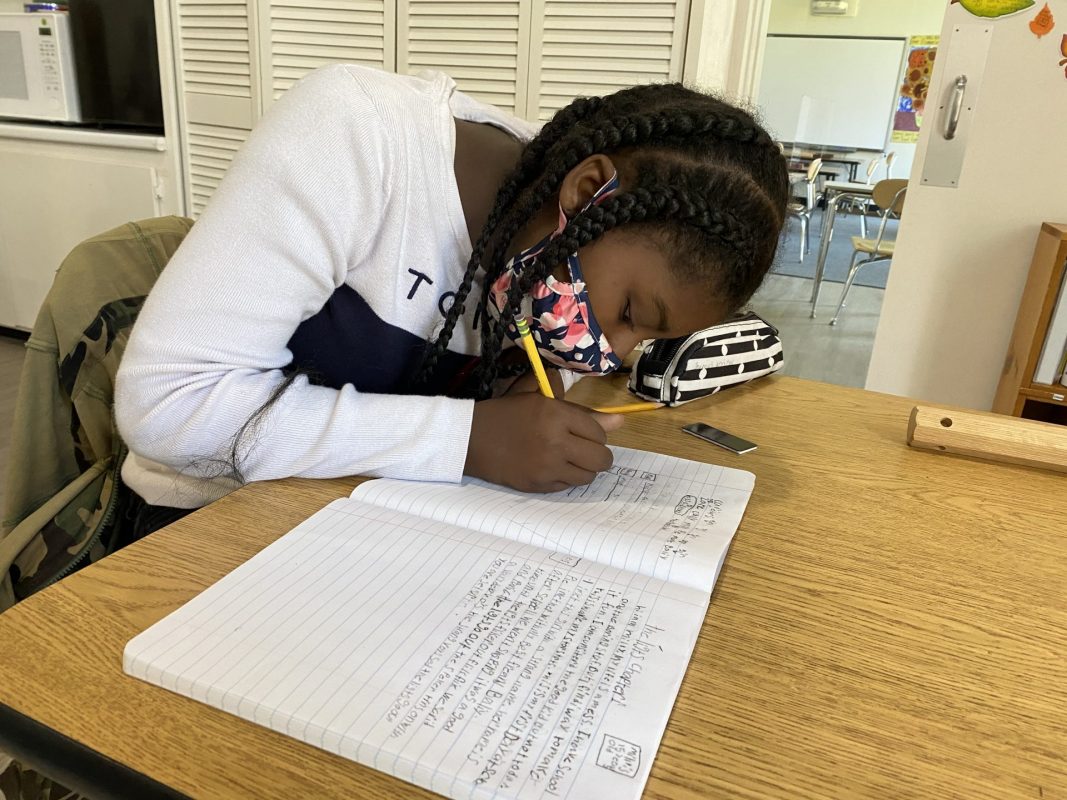
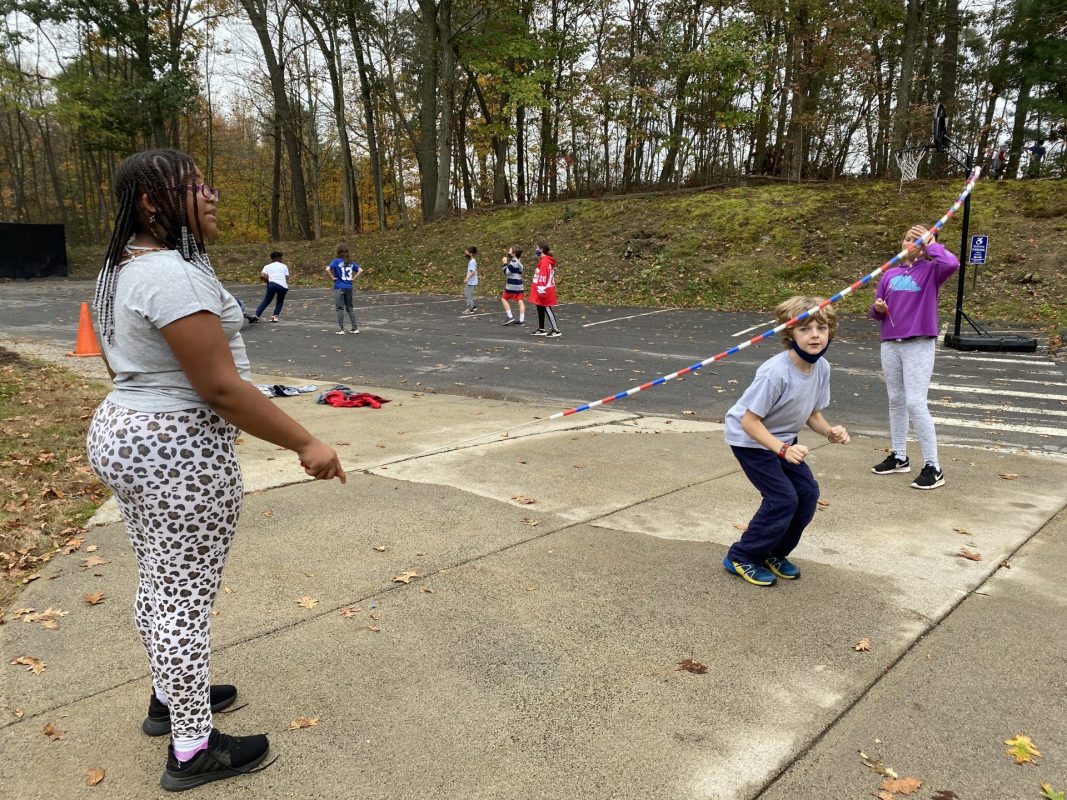
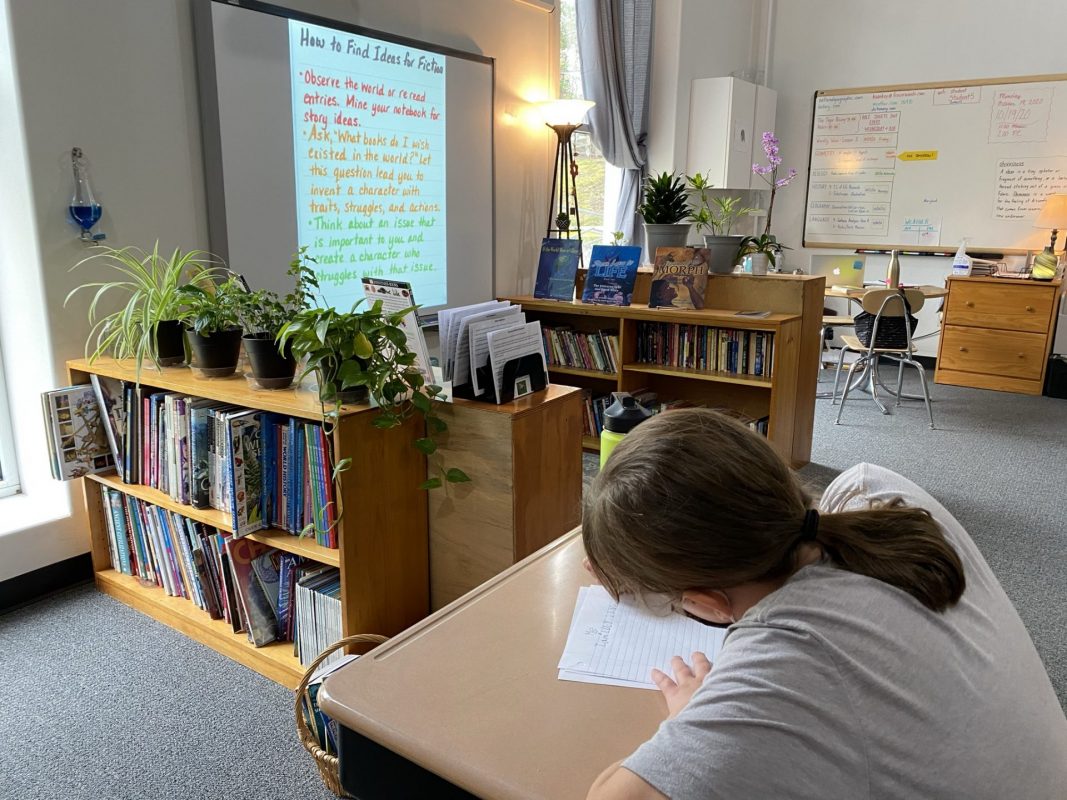
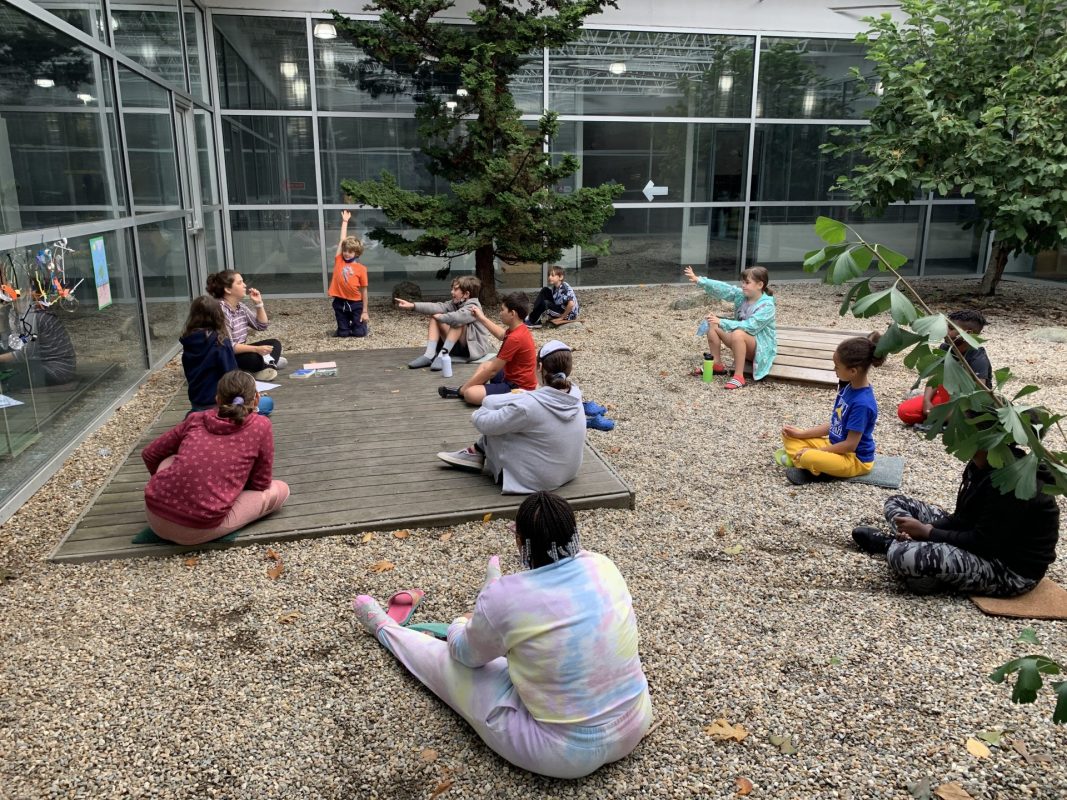
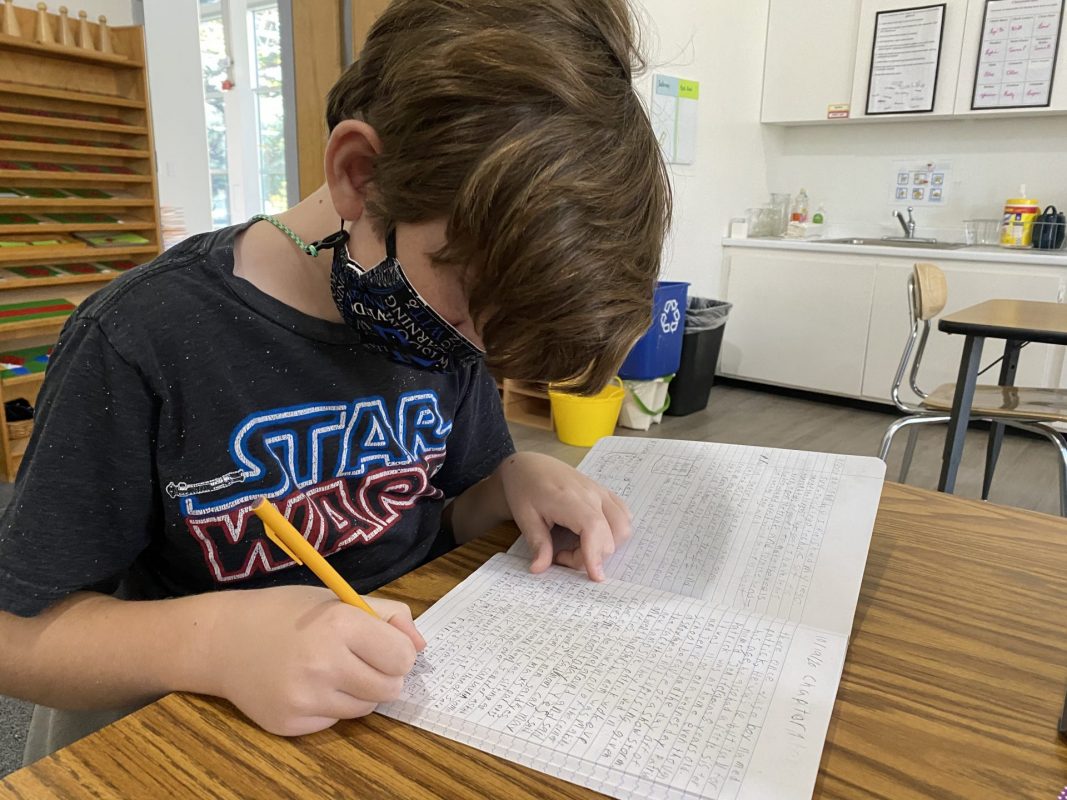
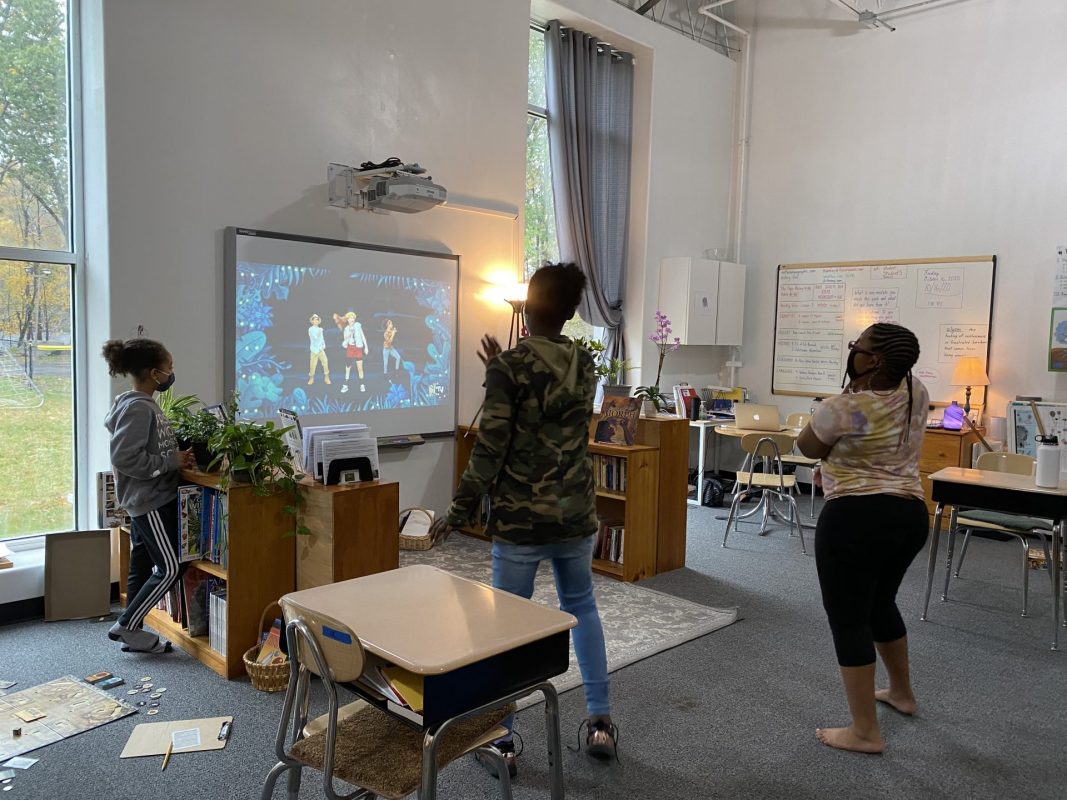
We love starting our day exercising our bodies and getting the blood flowing before coming inside to meditate and write in our journals. These activities get our minds ready for learning.

This year will be full of different types of lessons in Upper Elementary. One benefit of Montessori education is that students are able to move at their own pace in math and some areas of language. One way we accomplish this is through individual lessons. Each student has at least one meeting time with me each week. During this time, I observe, evaluate, and work with them on the next step of their learning. Students also meet with me as small or large groups for lessons in geometry, biology, geography, history, and evolutionary chemistry.

This week we had small group lessons in geometry. The fourth year students learned about congruent, similar, and equivalent shapes and the fifth years learned about the relationships between lines in equivalent parallelograms and rectangles.

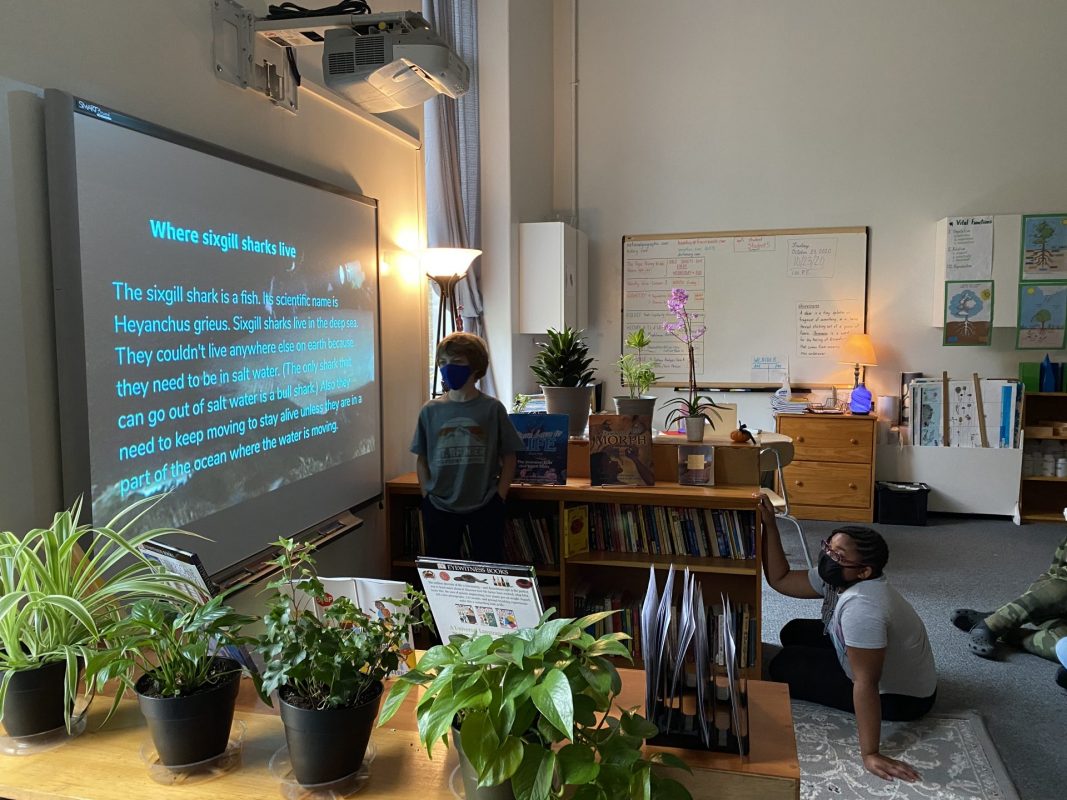
We also kicked off our biology and history lessons. In biology we are learning about the vital functions of plants. We started by learning about three different categories of vital functions: vegetative functions (nutrition, respiration, and circulation), functions of relationship (support, sensitivity, and movement), and the function of reproduction.

In history, our fourth year students have started learning about the Time Line of Life, a study of the changes life has gone through since it appeared on Earth. Our fifth years are learning about the Time Line of Modern Humans which is an overview of fourteen cultures of the modern human species, Homo sapiens sapiens, who lived in Europe during the last 40,000 years.

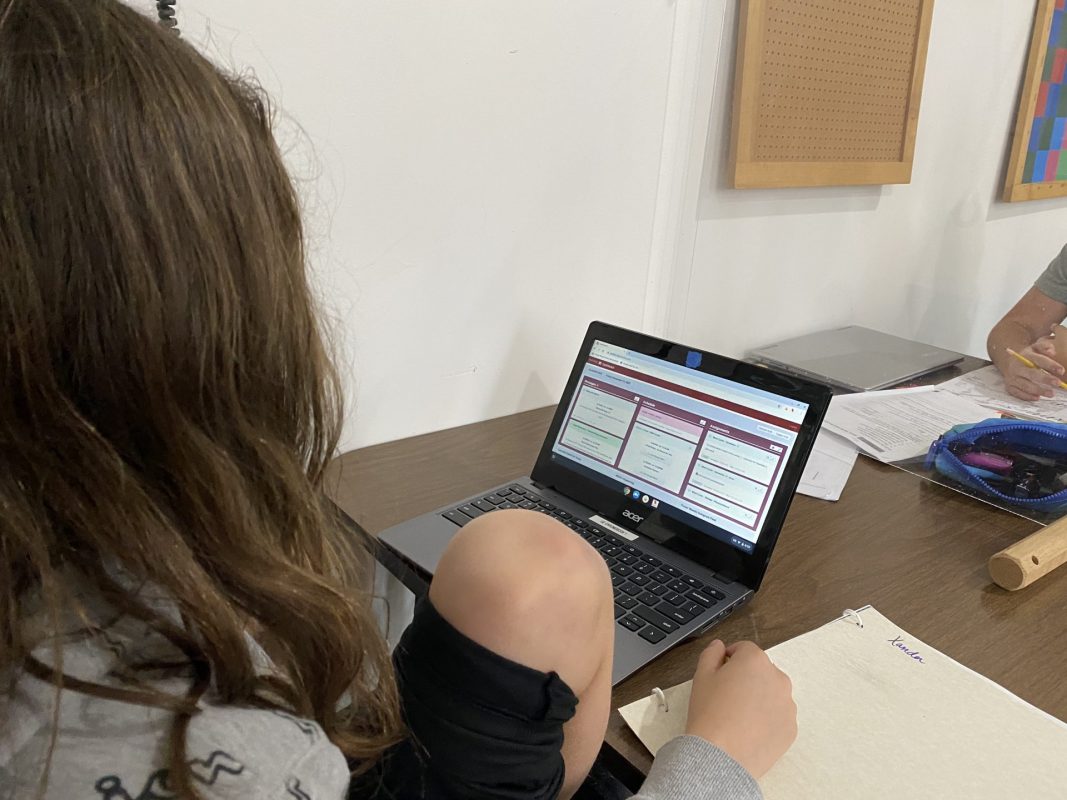
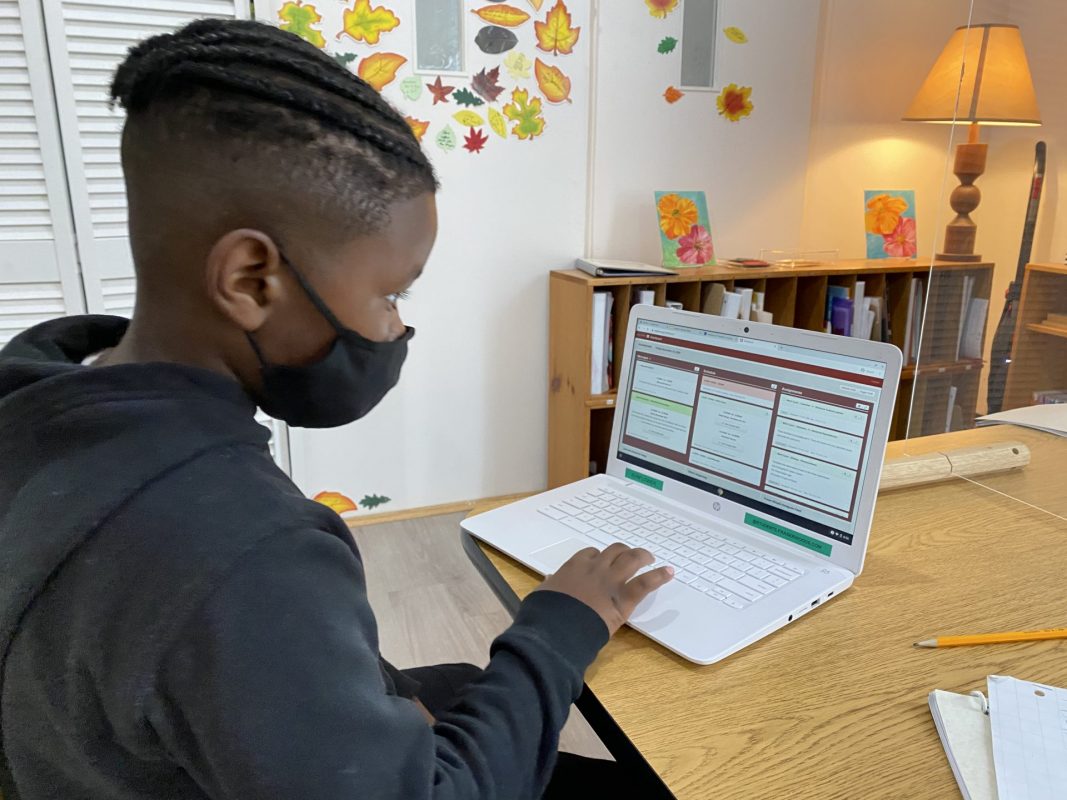
If you would like to access your child’s weekly schedule, including enrichment classes, you can do so on myfwm.org. Go to the Parents module and select Student Schedules. If you have more than one child at FWM, you can access all from this one location using the drop down menu.


Settling In


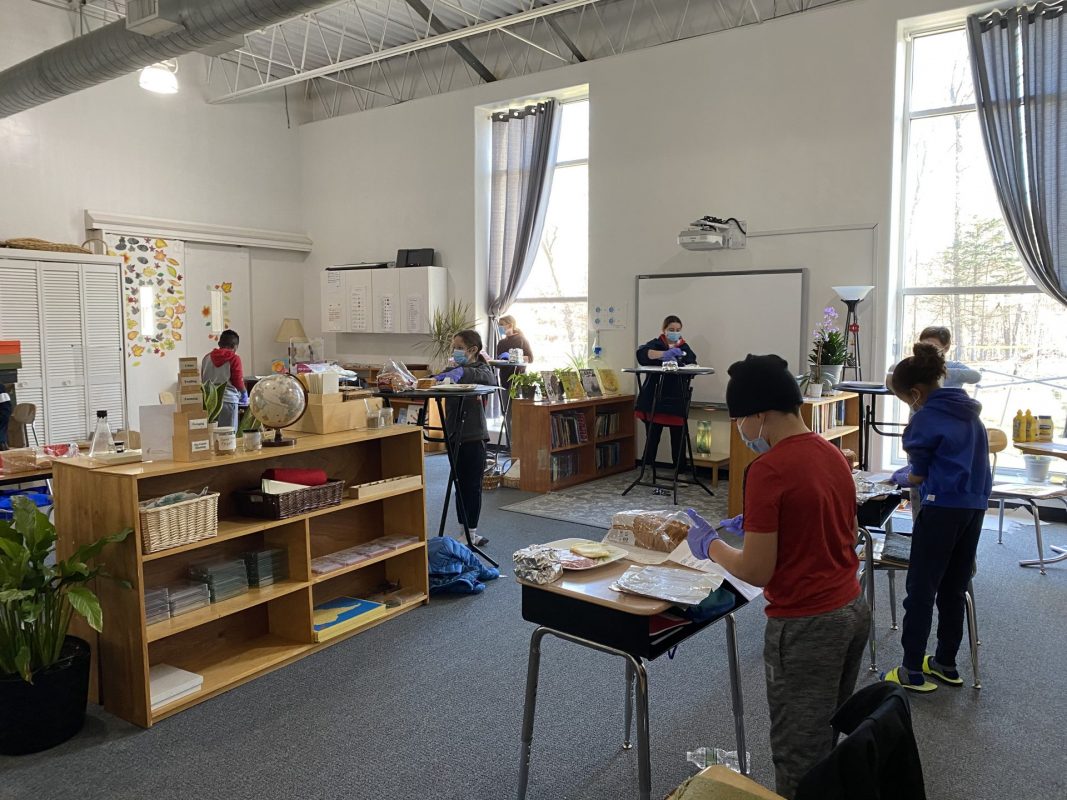
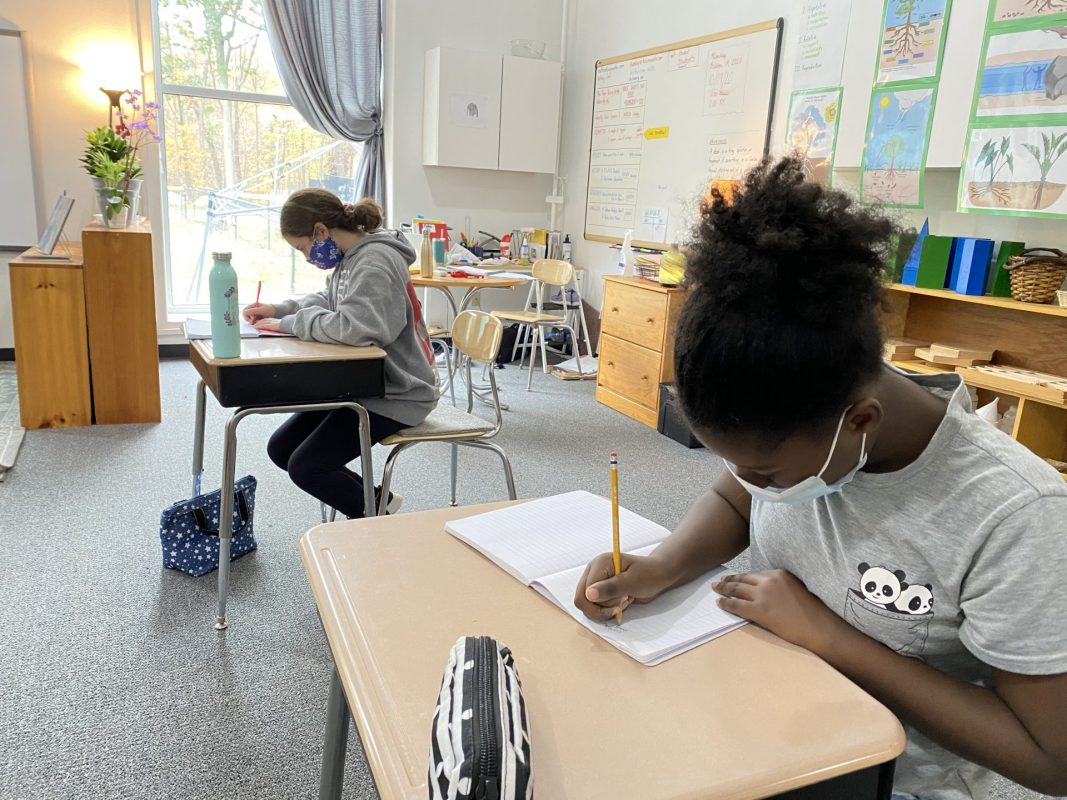
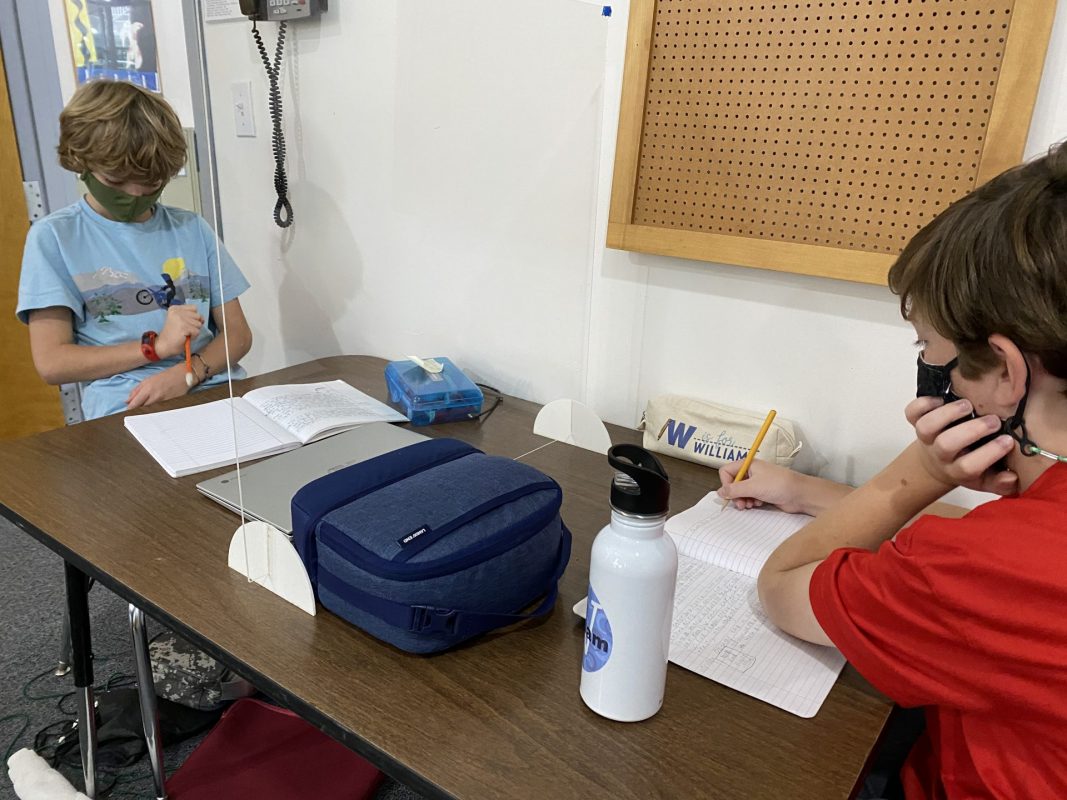
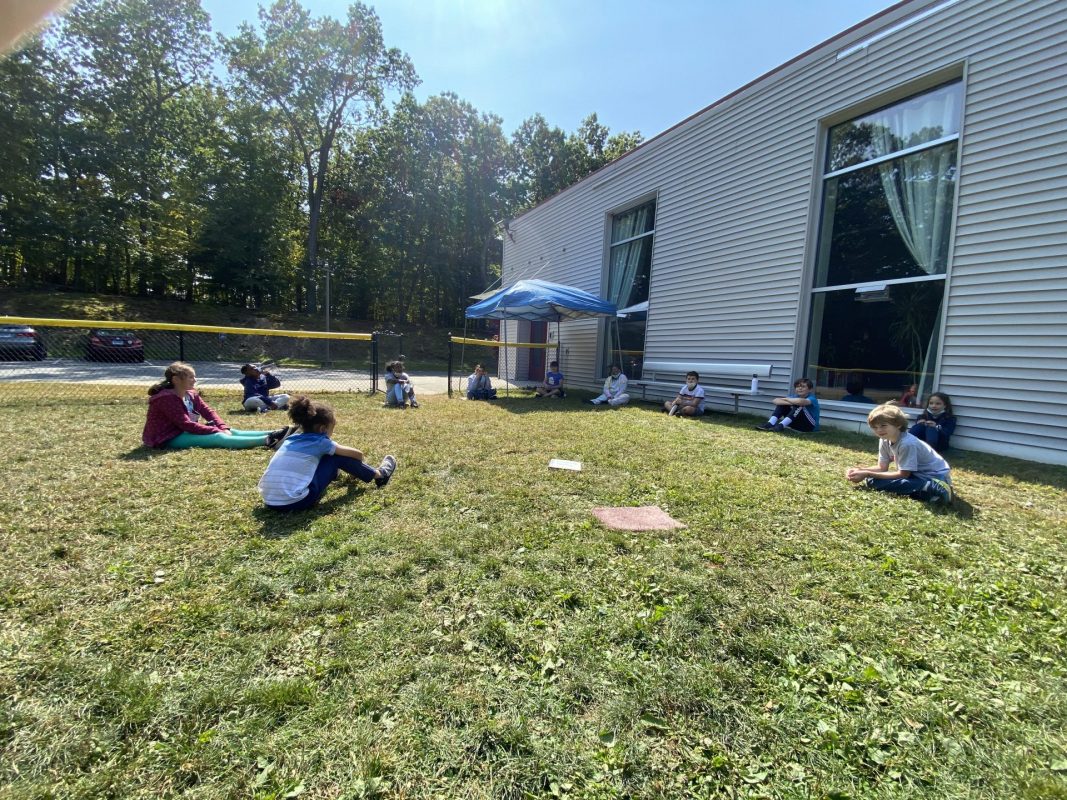
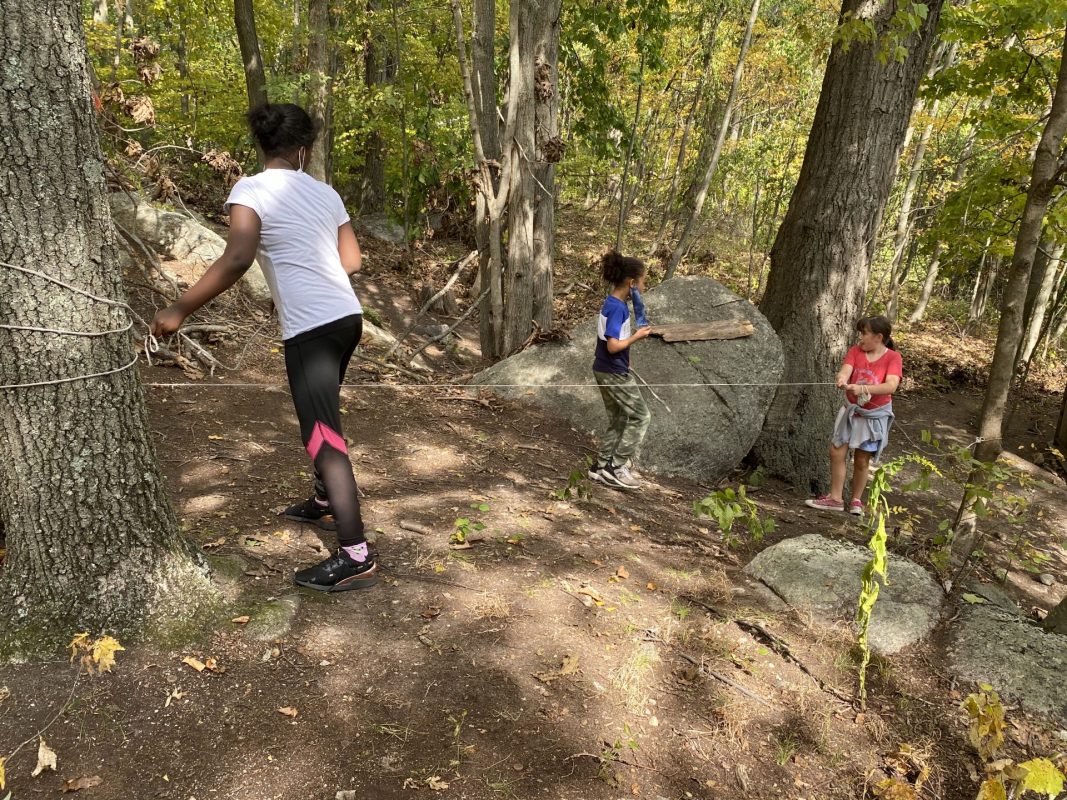
Our first full week of school has been busy with math assessments, reviews, and lessons. We’ve been settling into our daily work cycle and have continued to spend time outside whenever possible. The children are very quickly getting used to staying a safe six feet apart while they are working, even when doing floor work. They are even able to do partner work, maintaining distance through use of their six foot measuring ribbon.

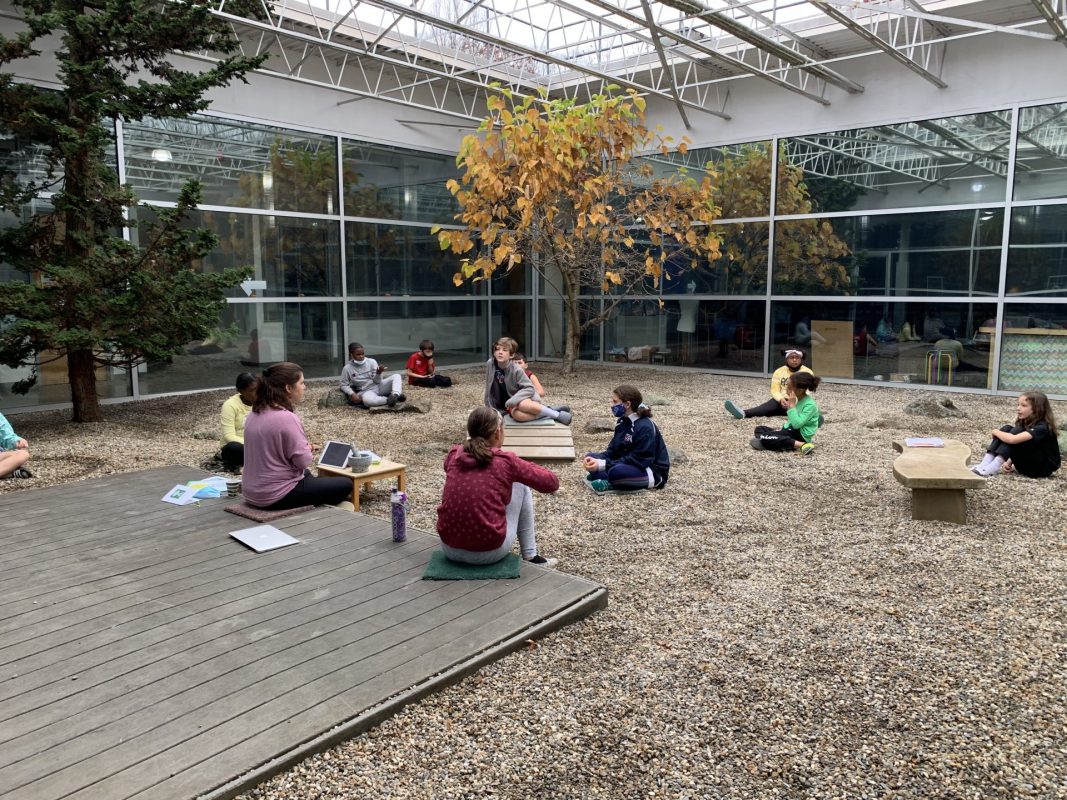
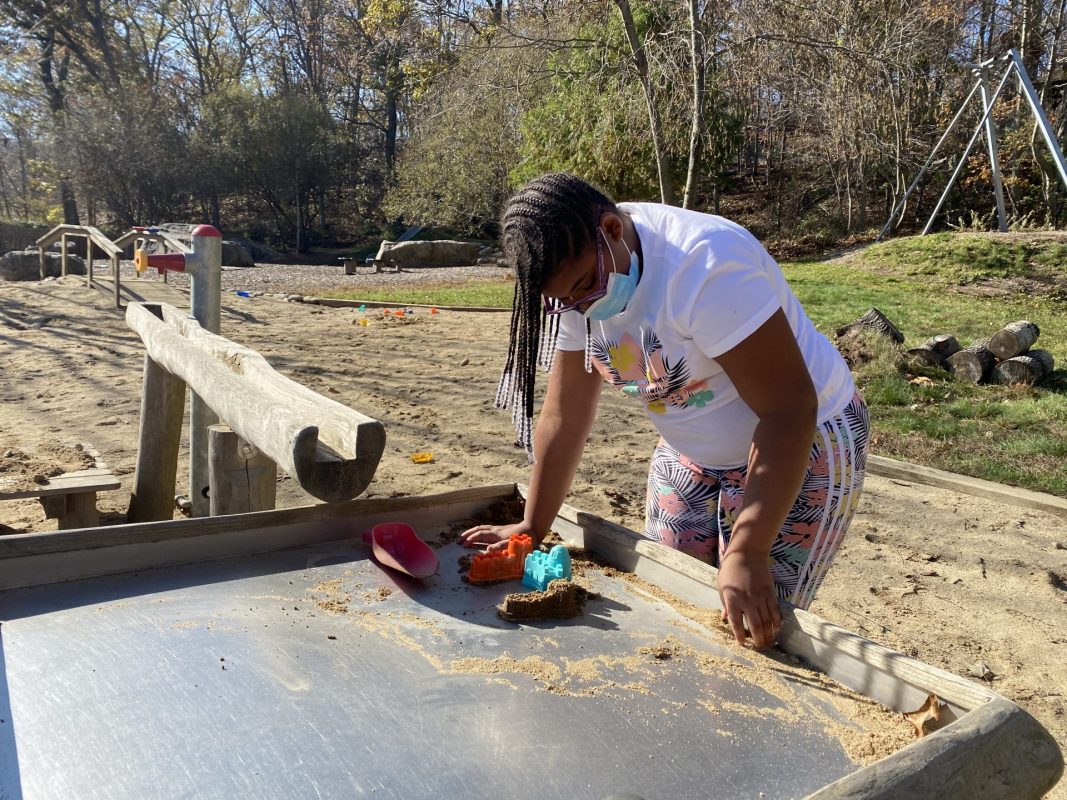
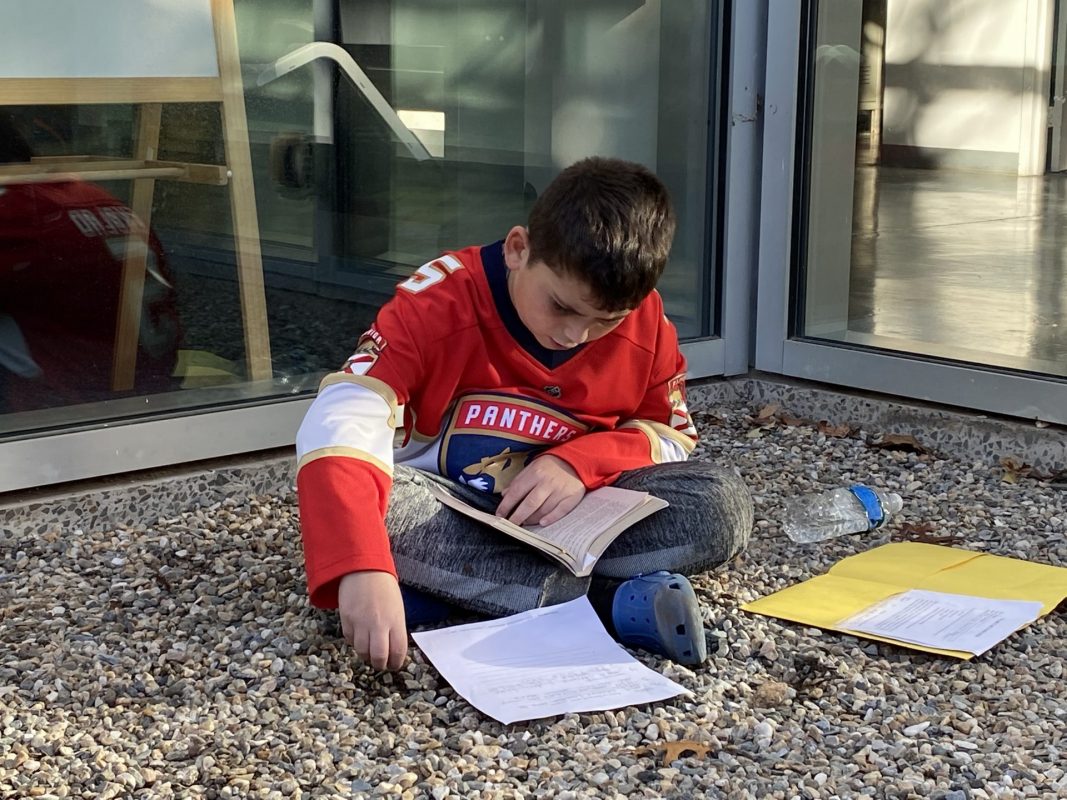
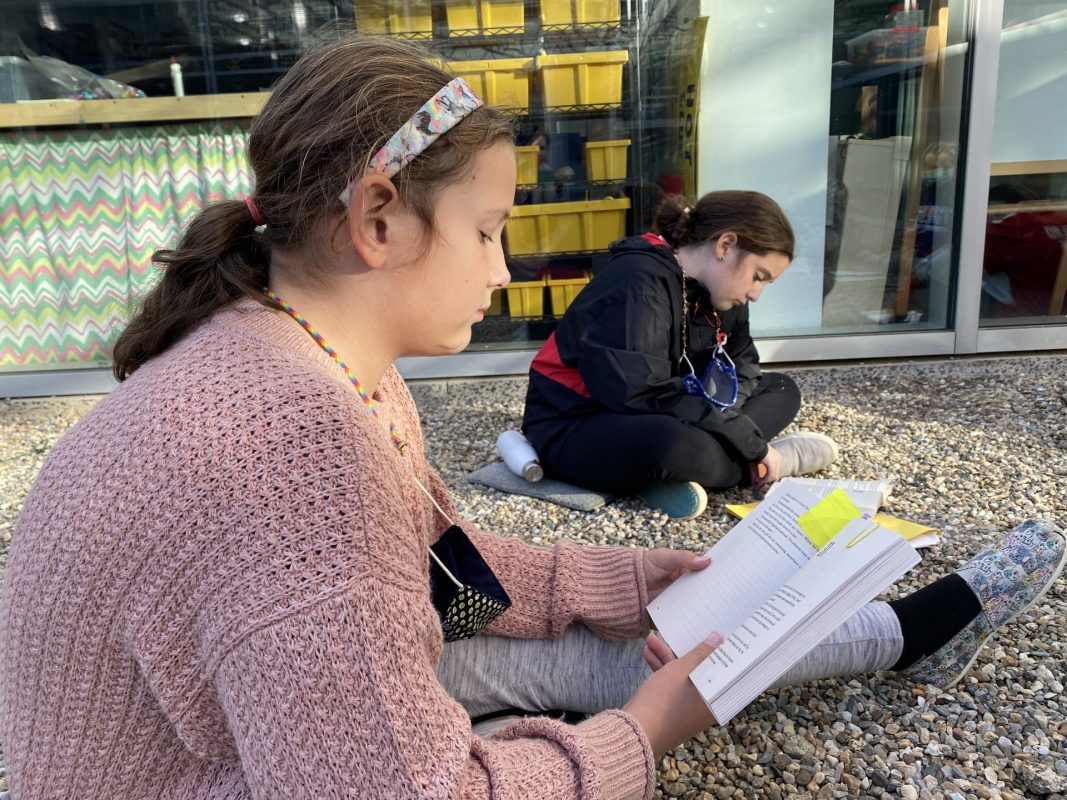
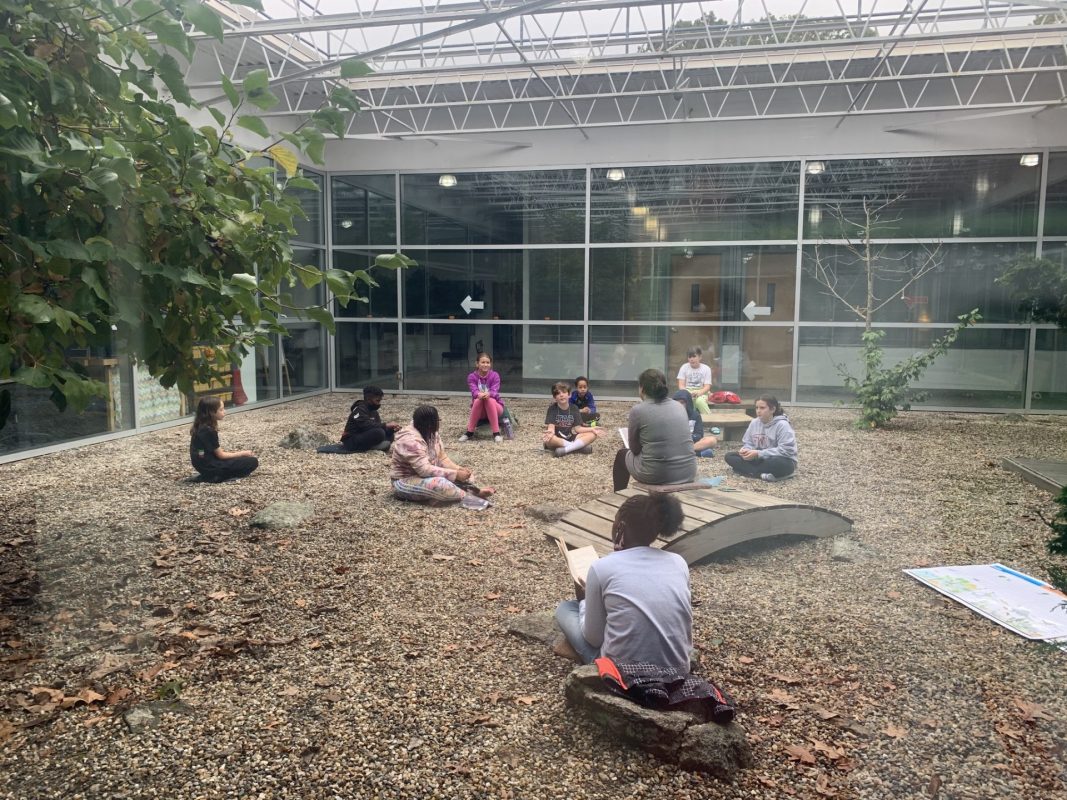
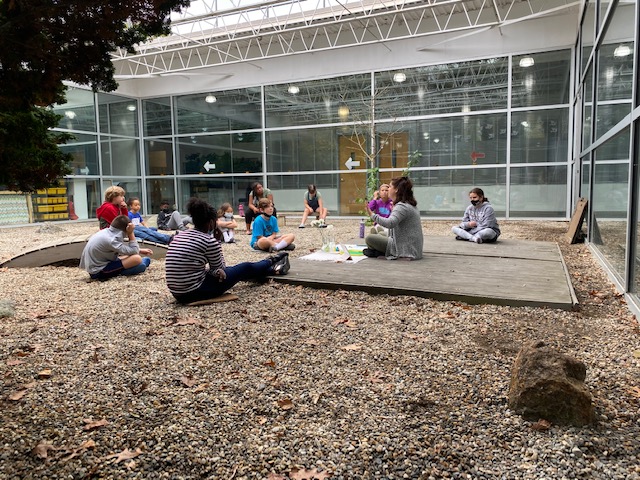
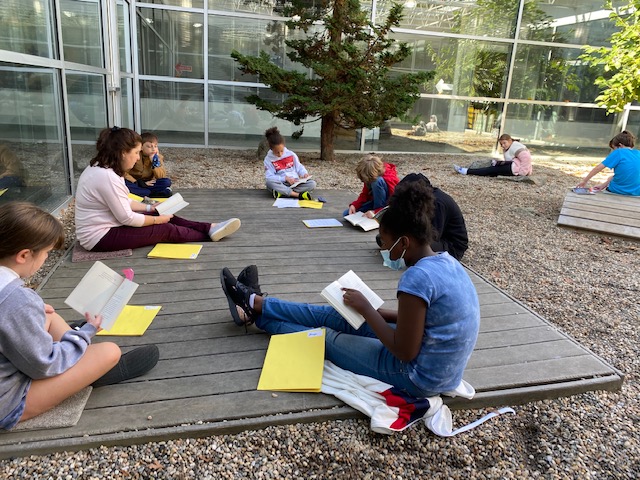
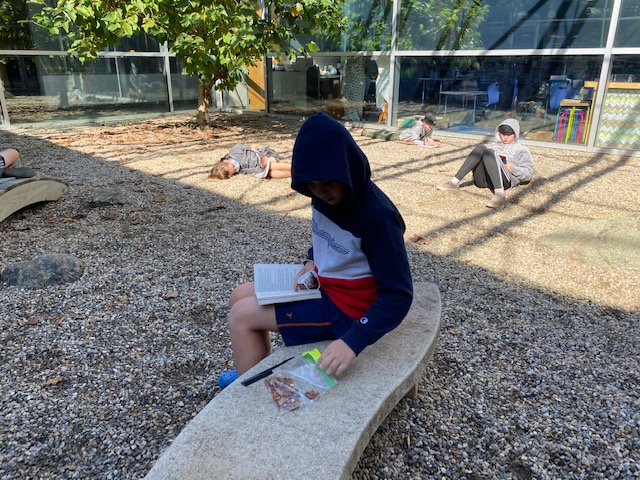
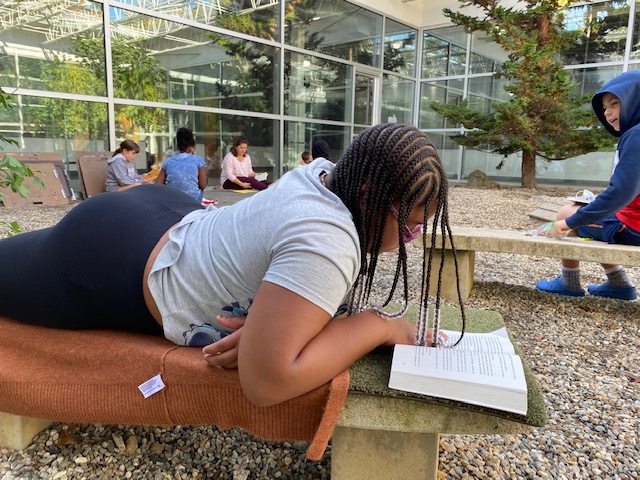
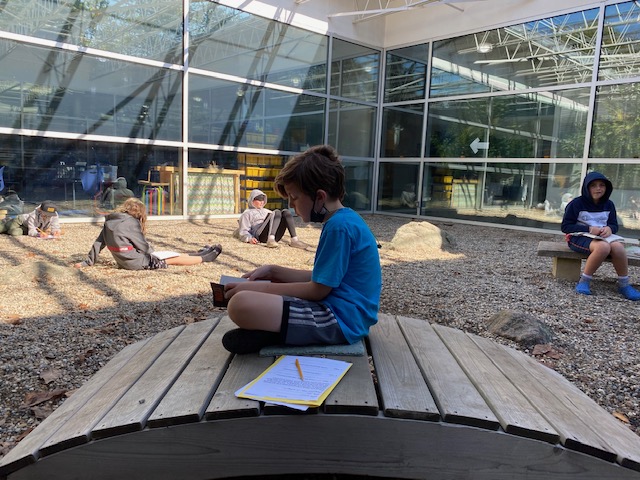
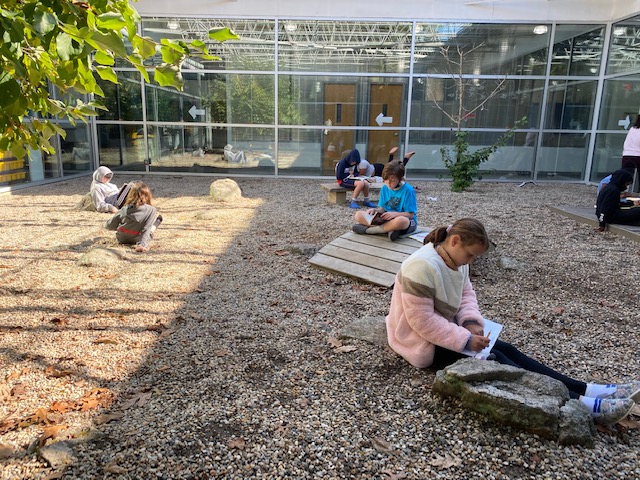
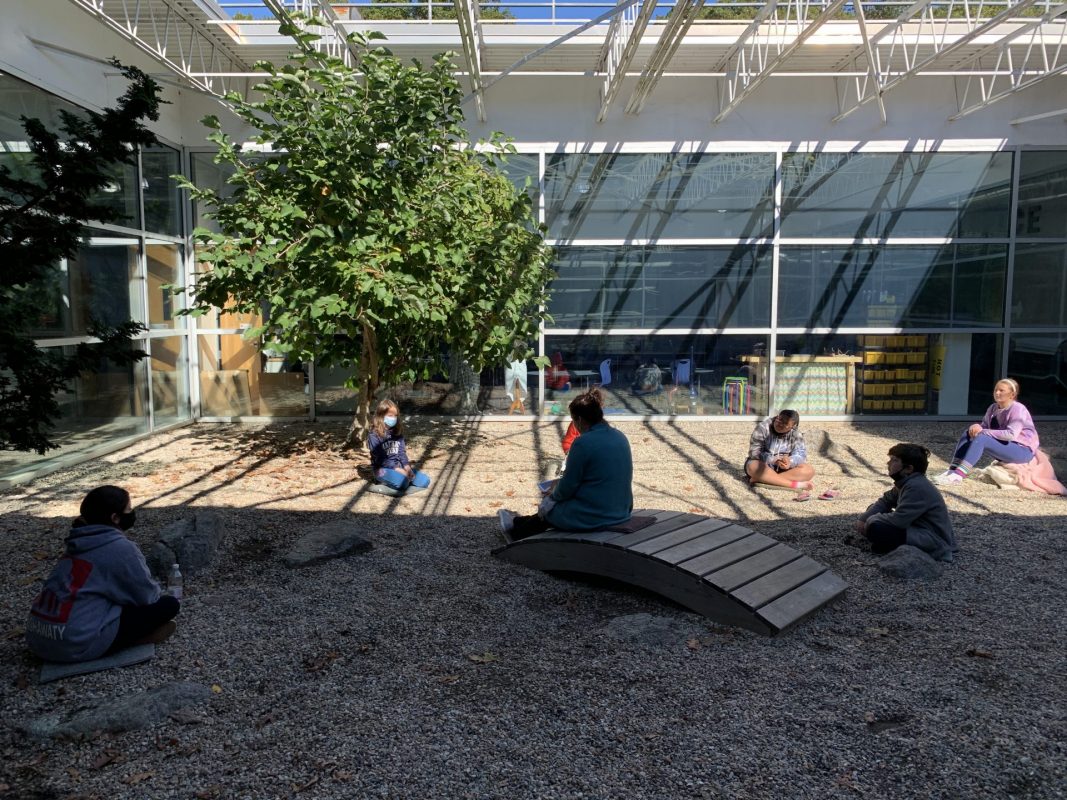
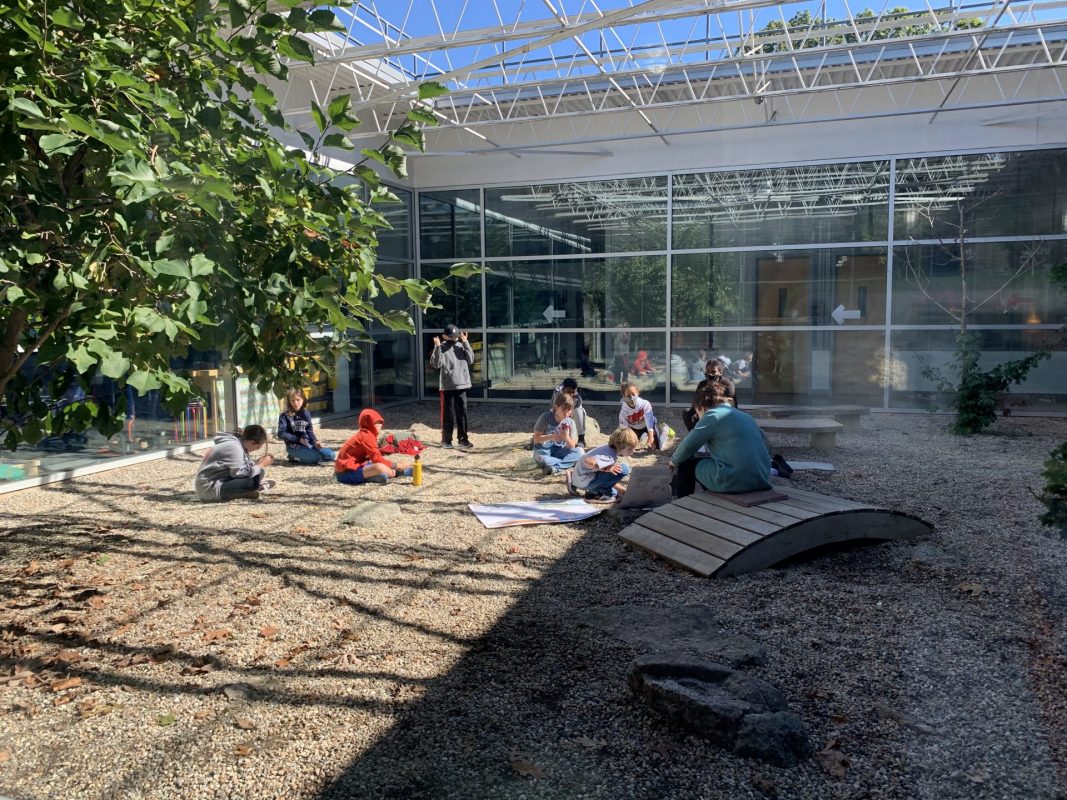
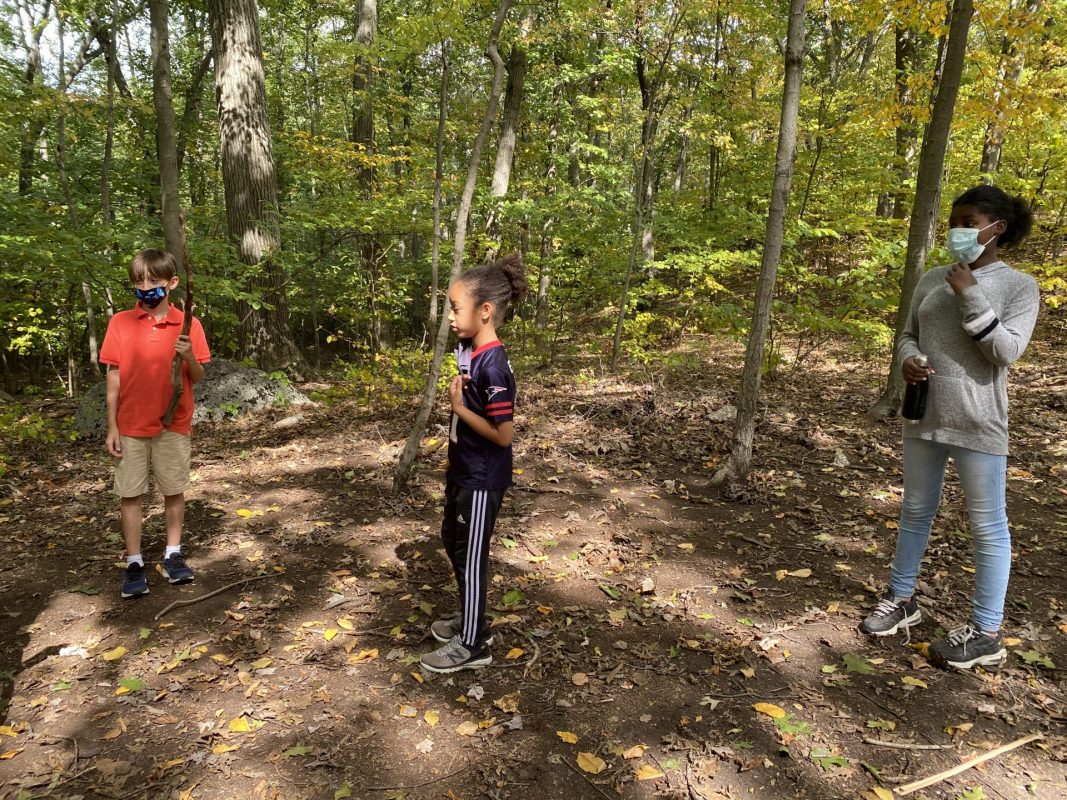
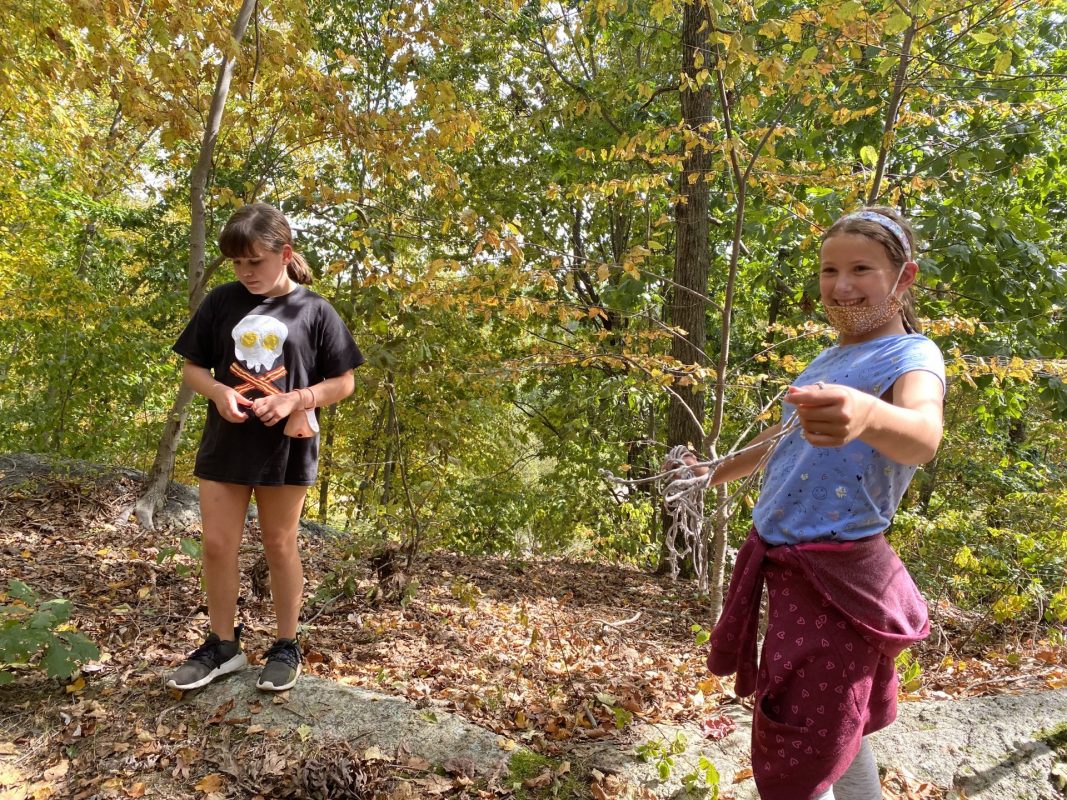
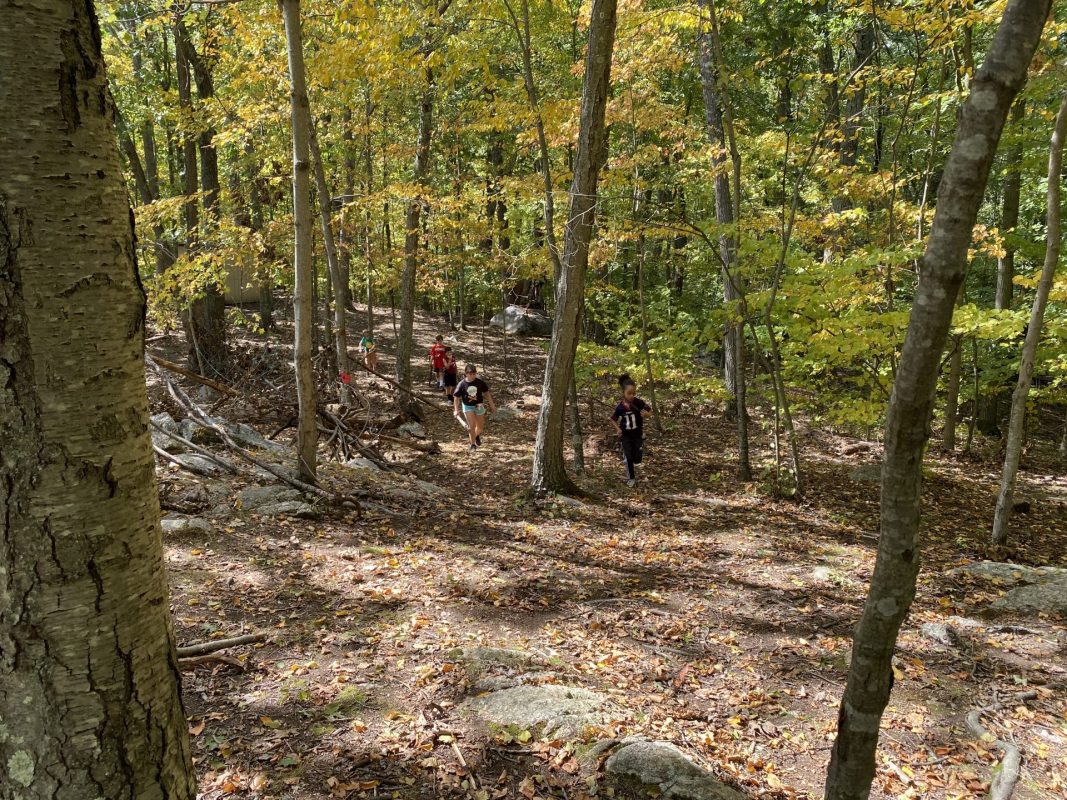
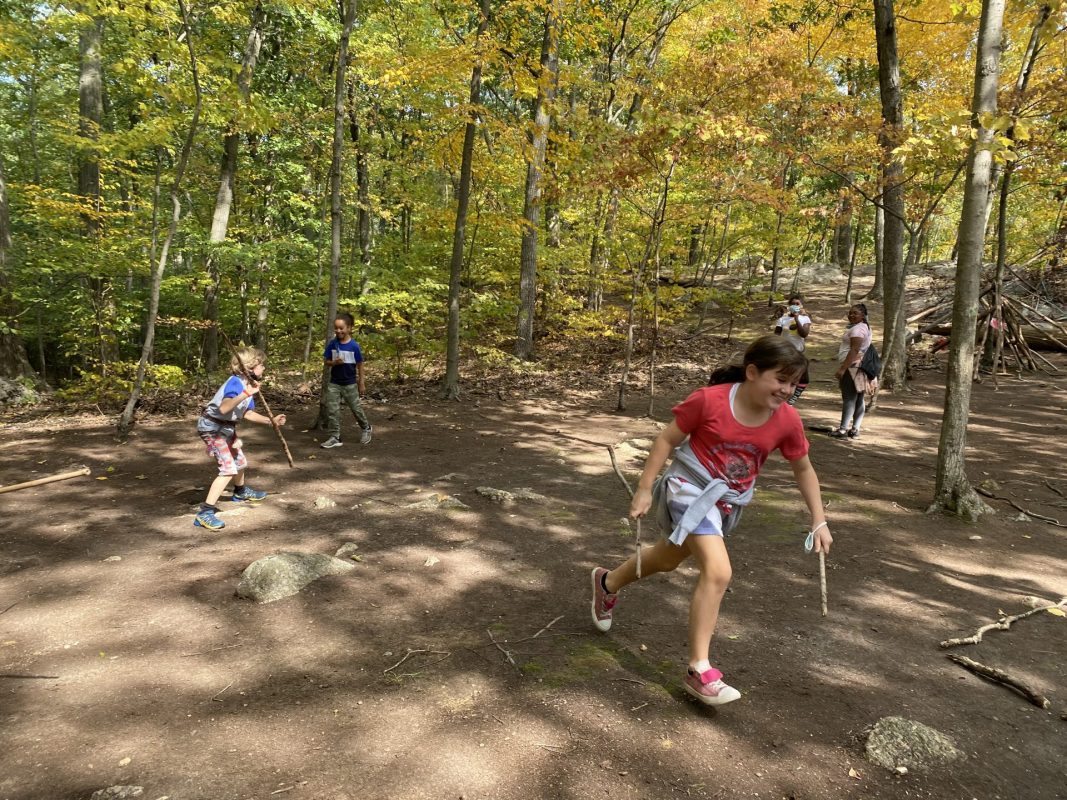
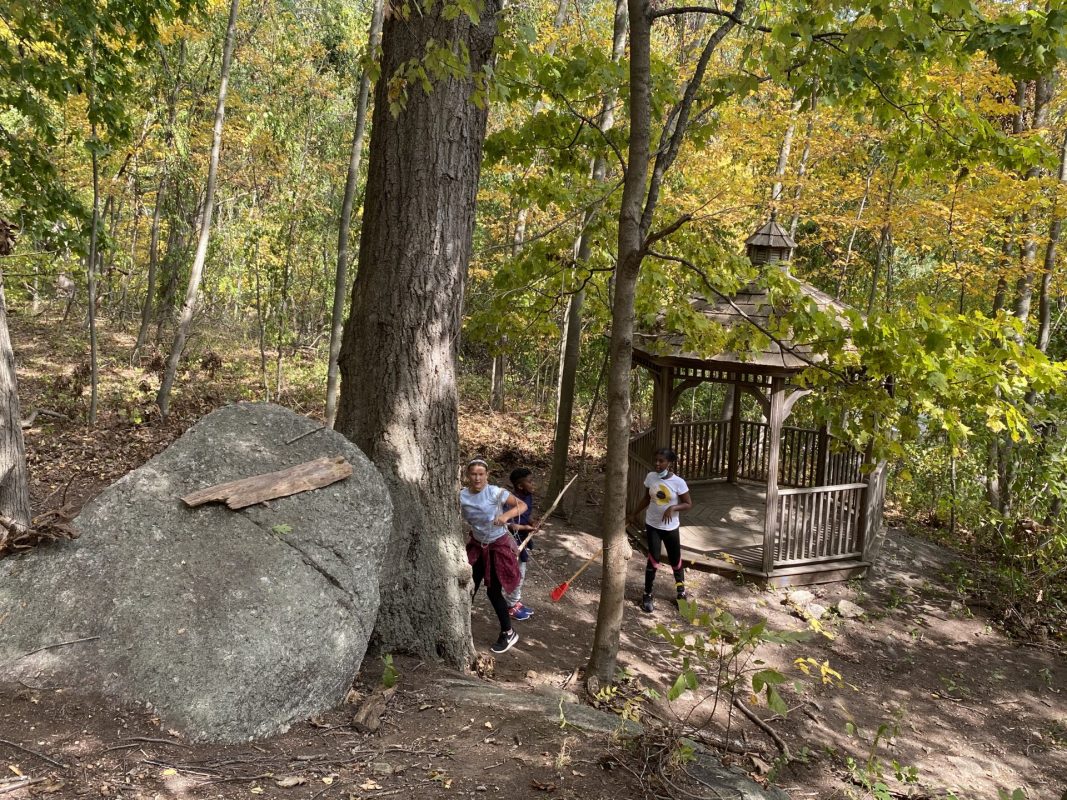
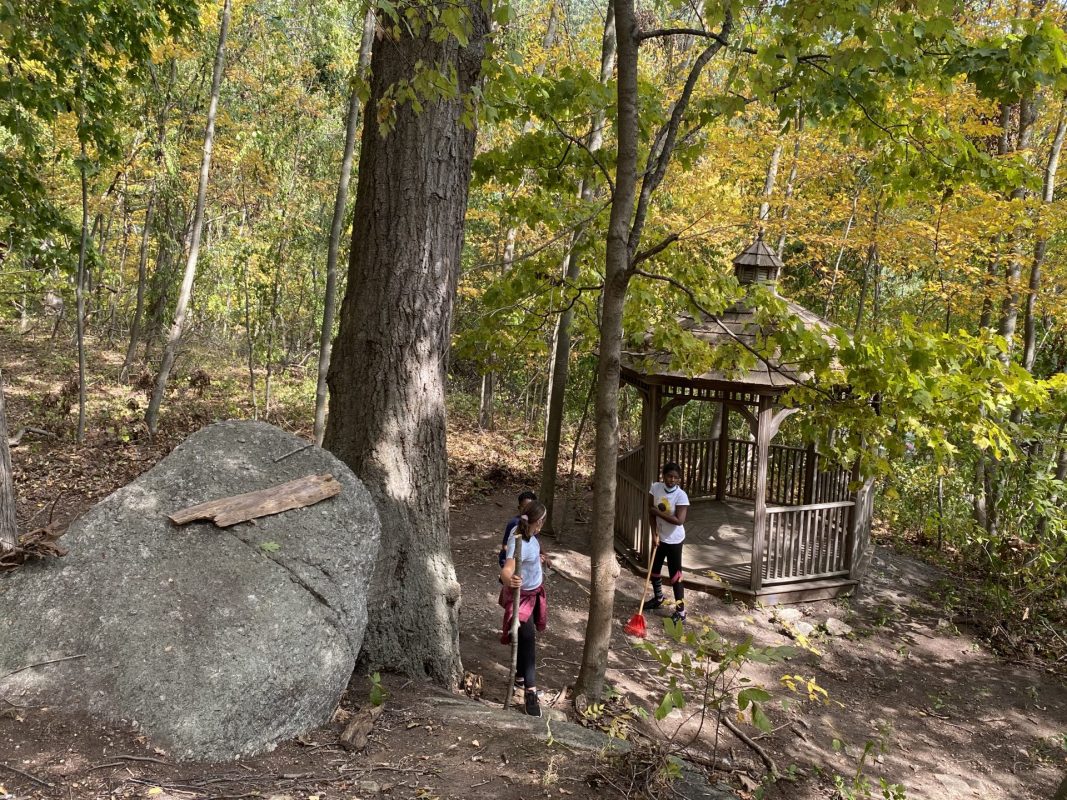
We enjoy going outside for our read aloud and writing time as well as at lunch time. We also did our morning meditation and journaling in the outdoor classroom one morning this week, before beginning our work cycle.

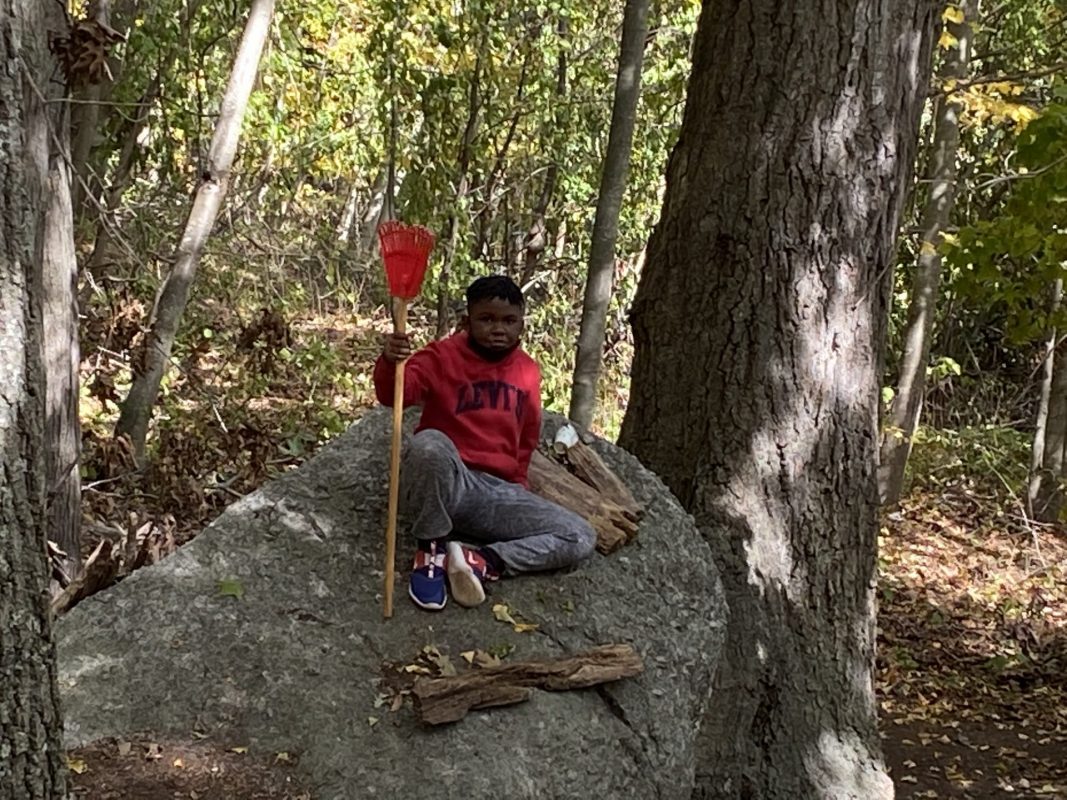
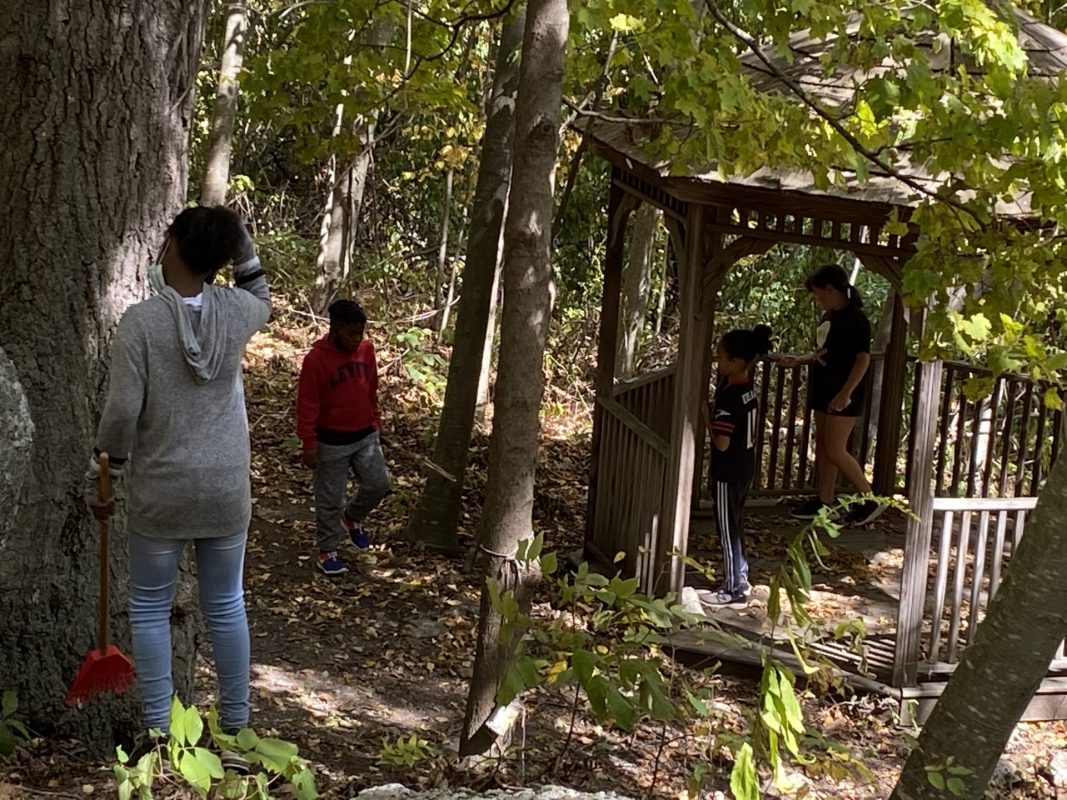
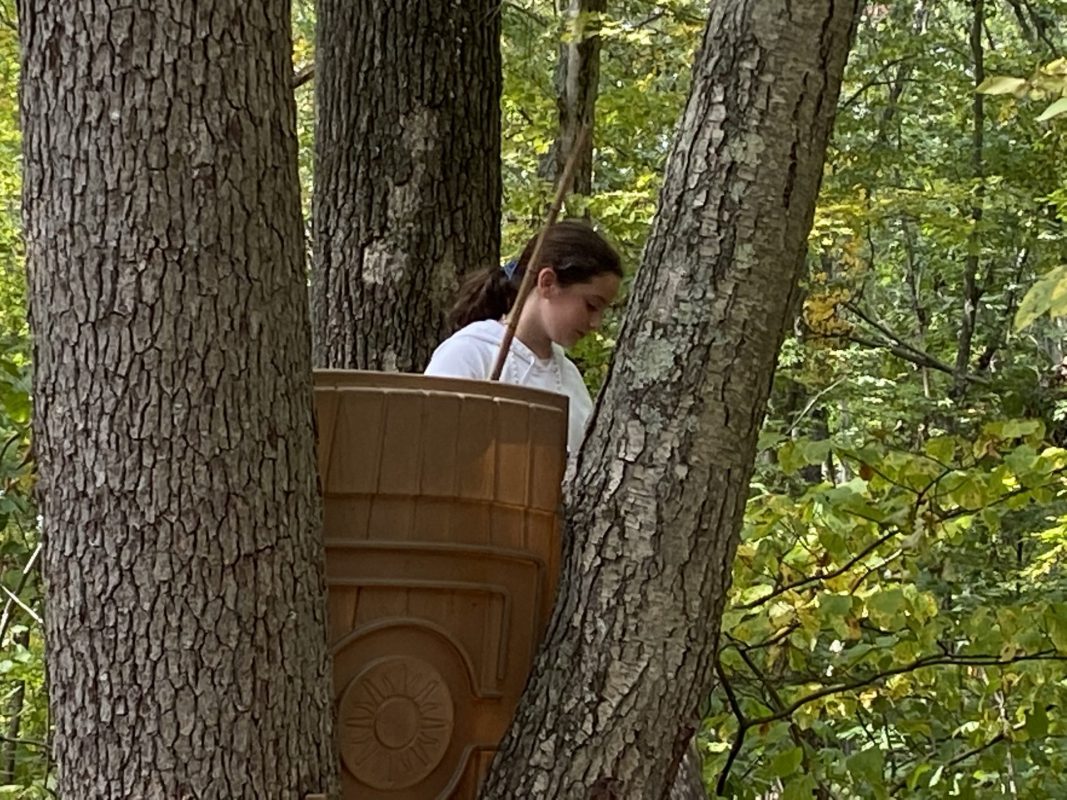
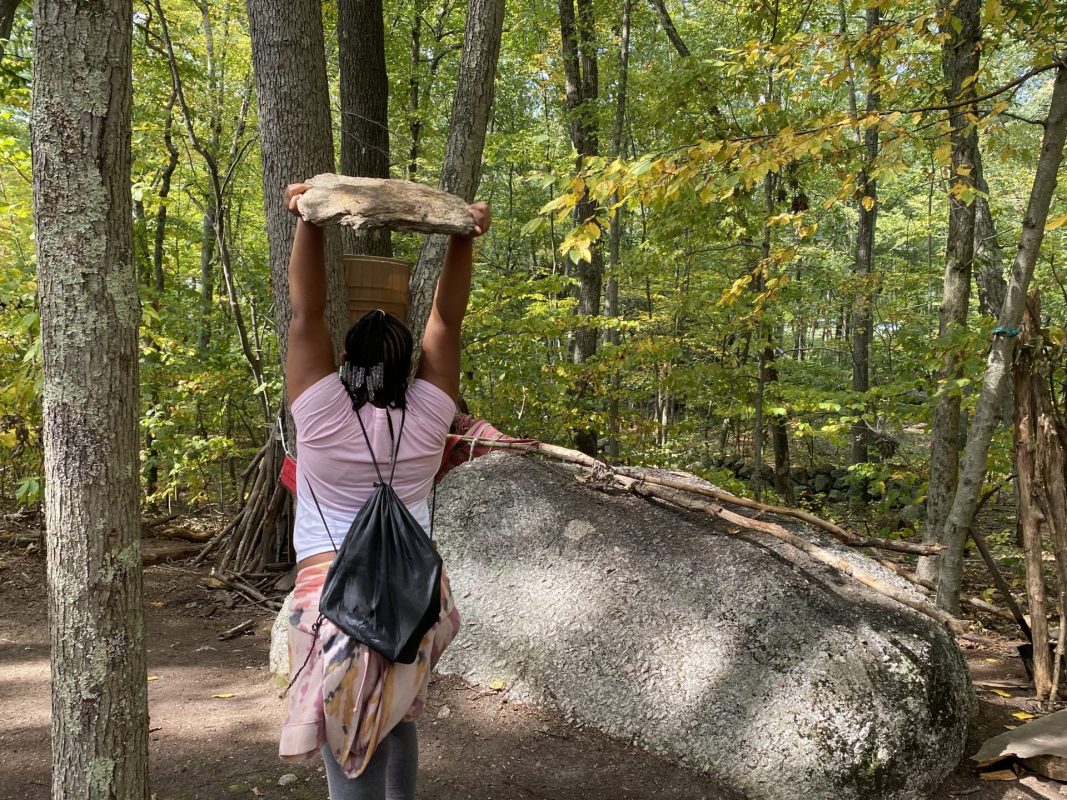
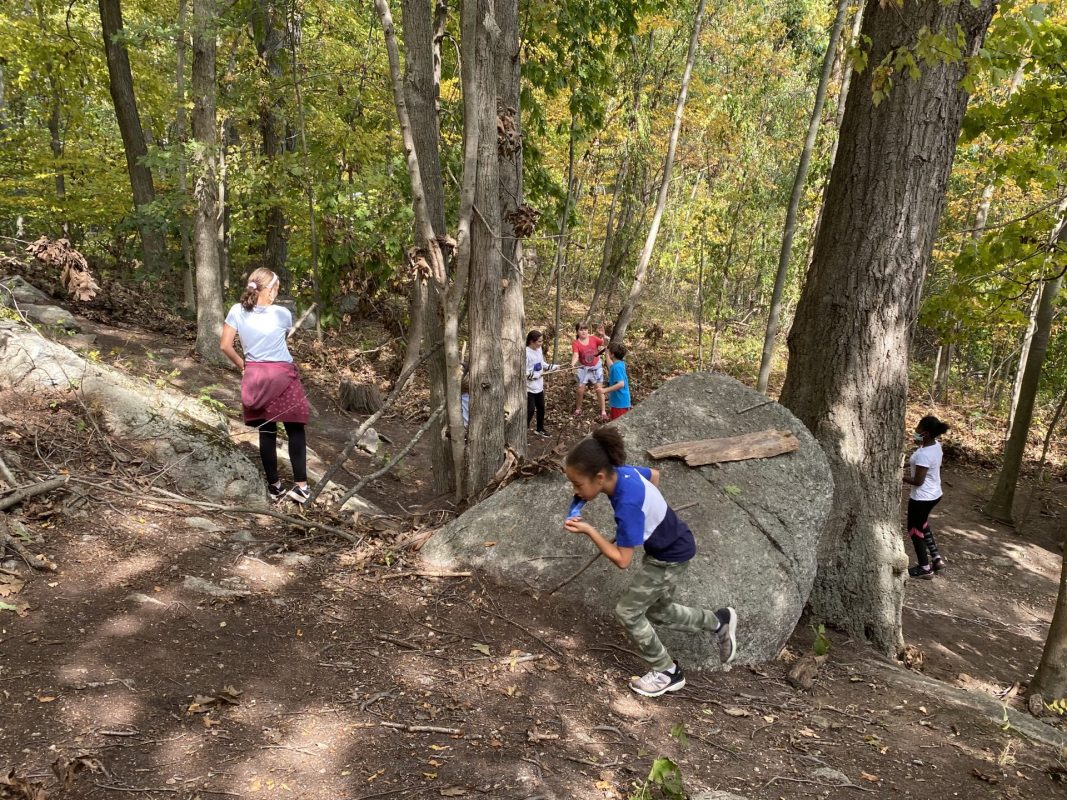
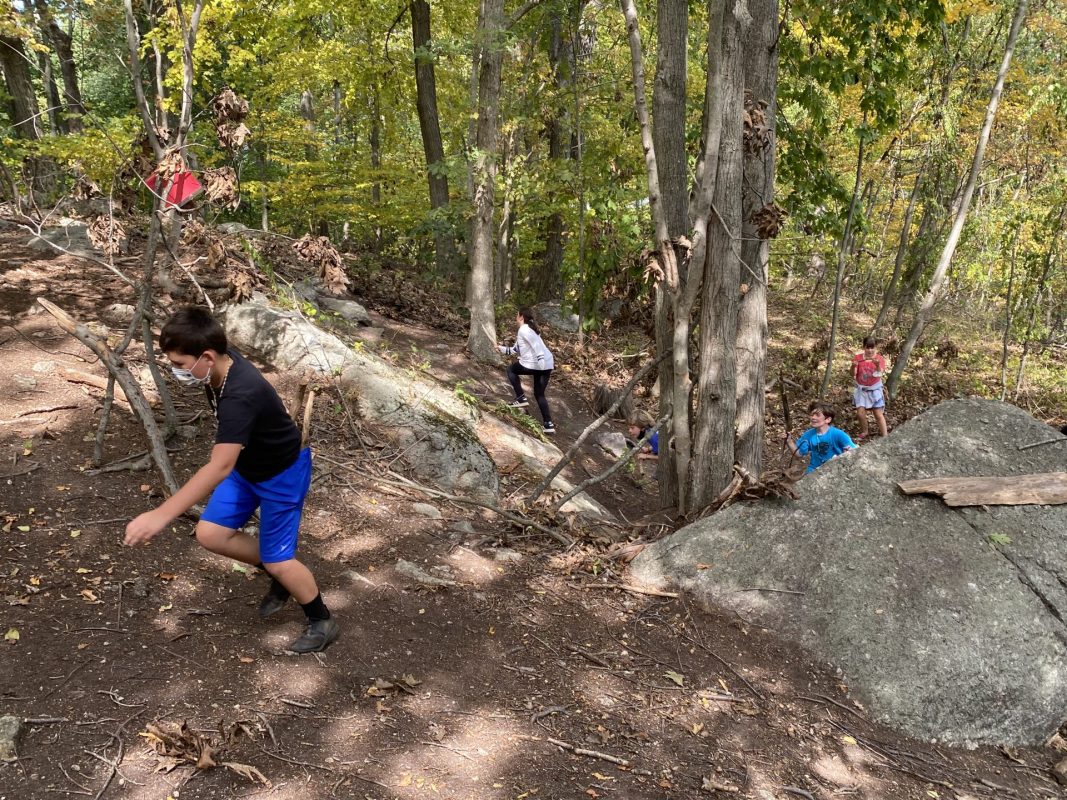
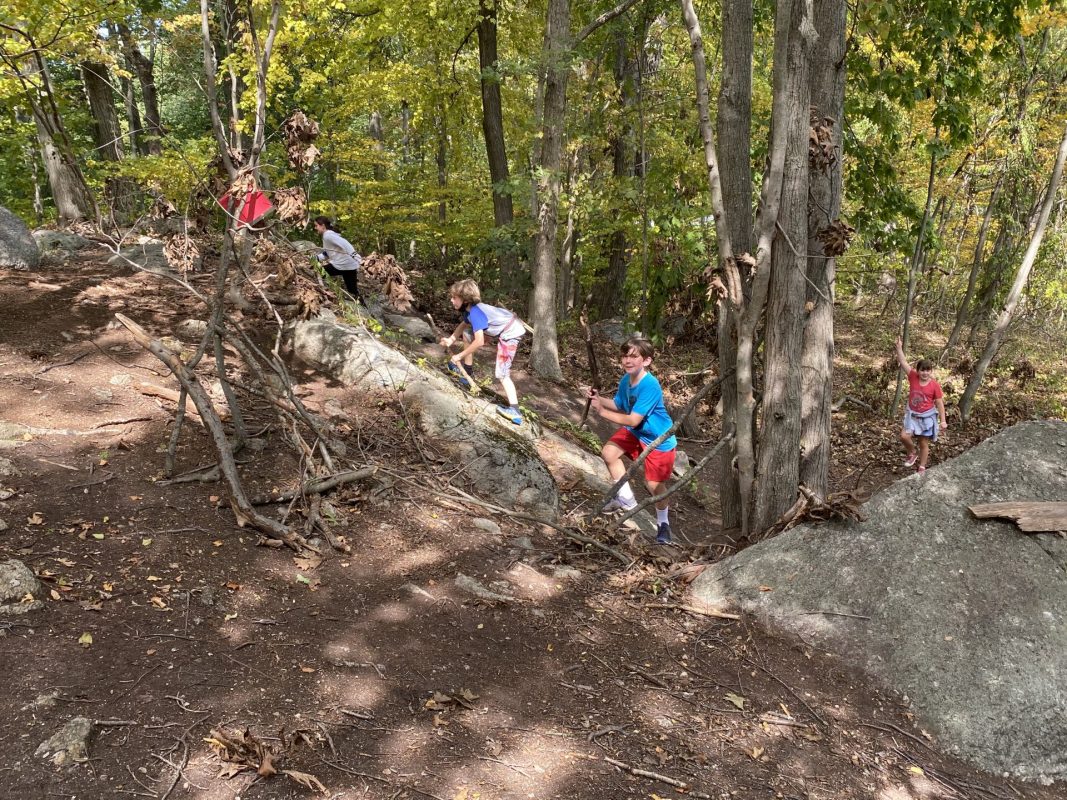
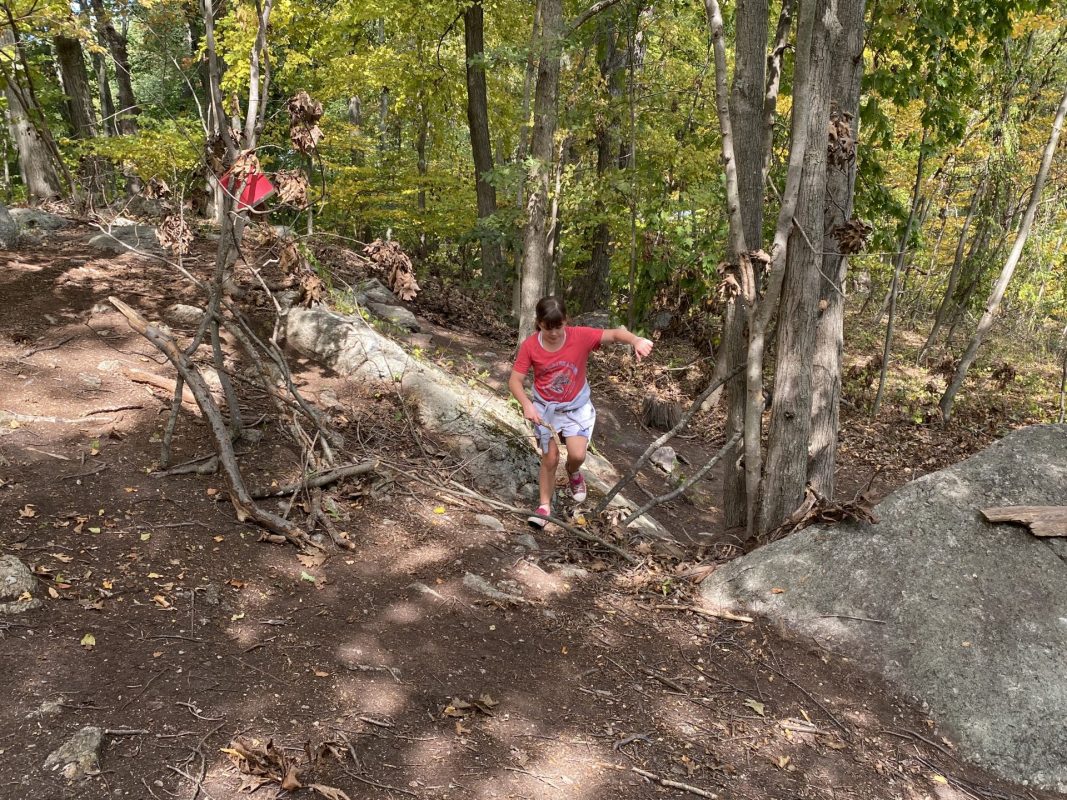
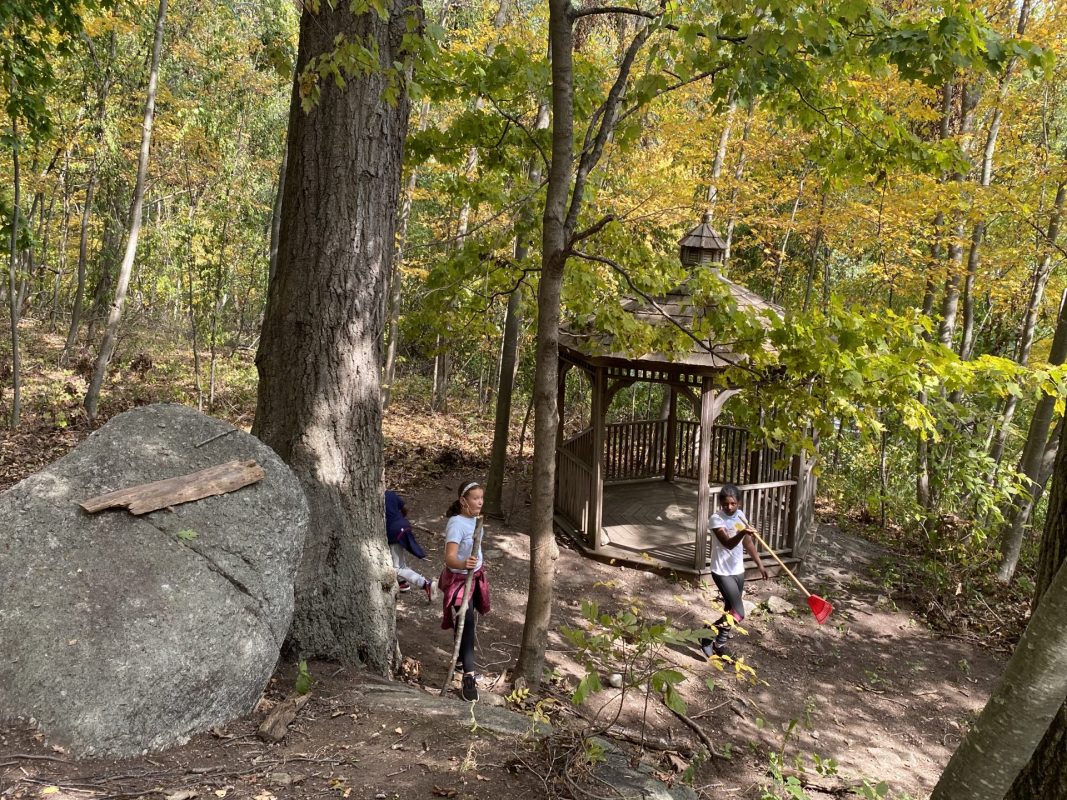
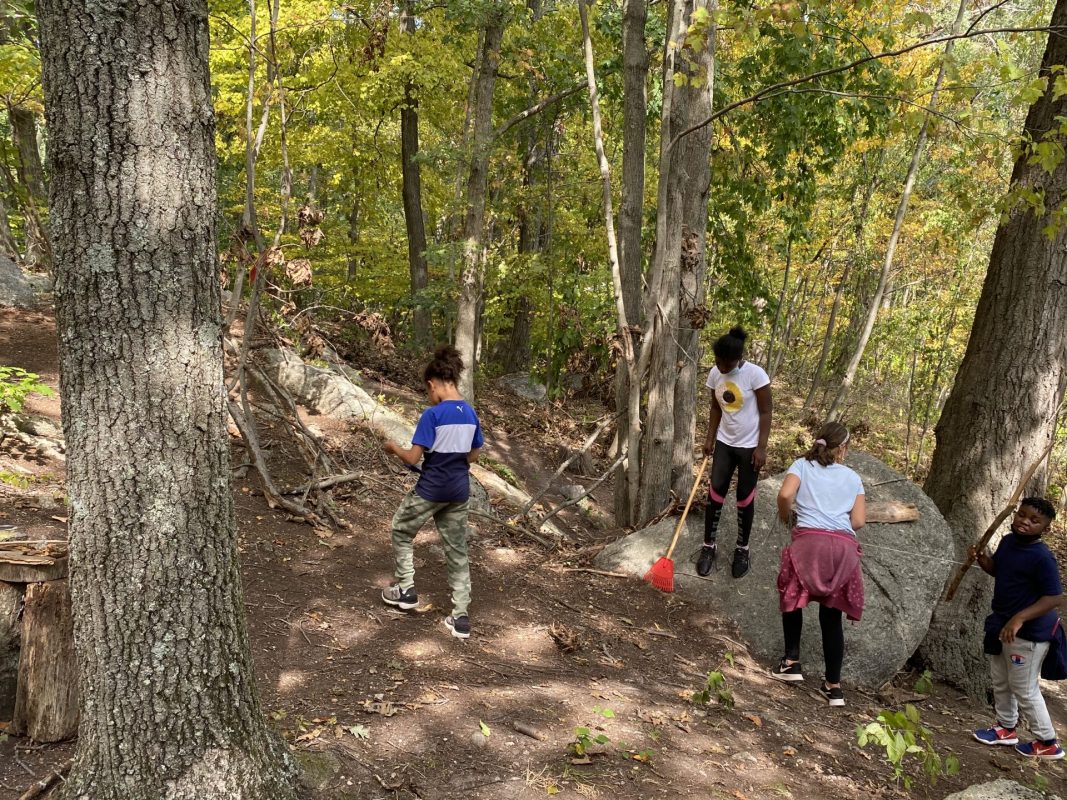
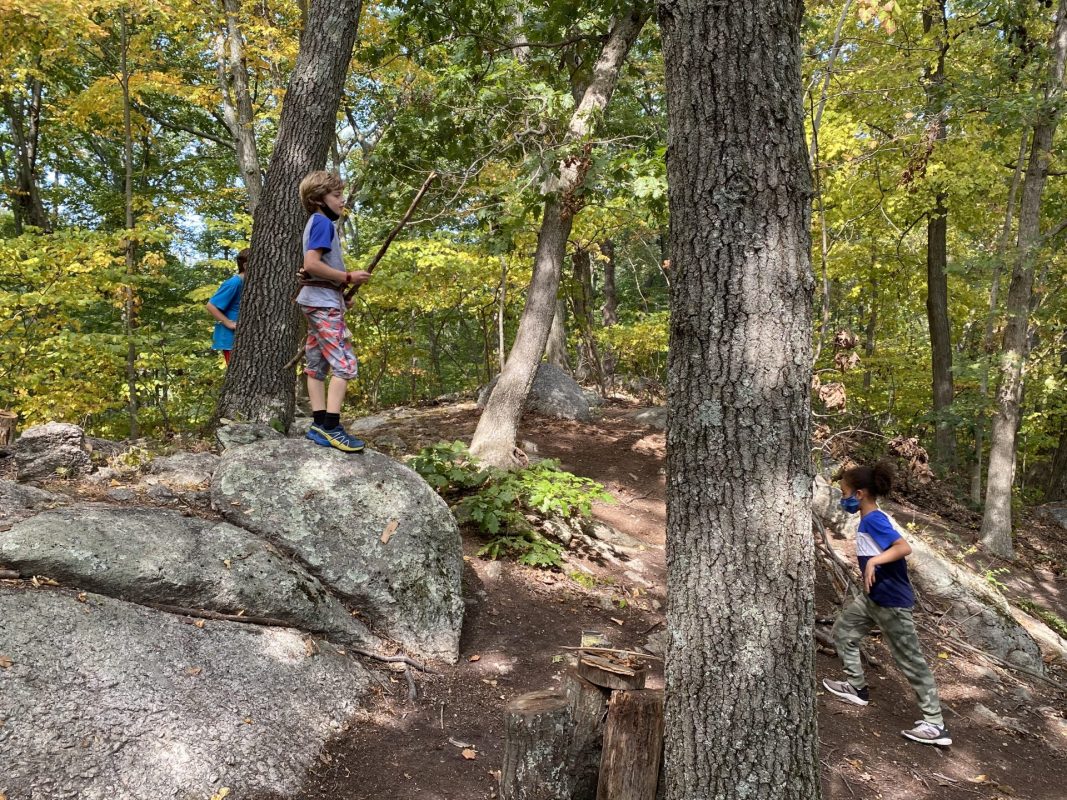
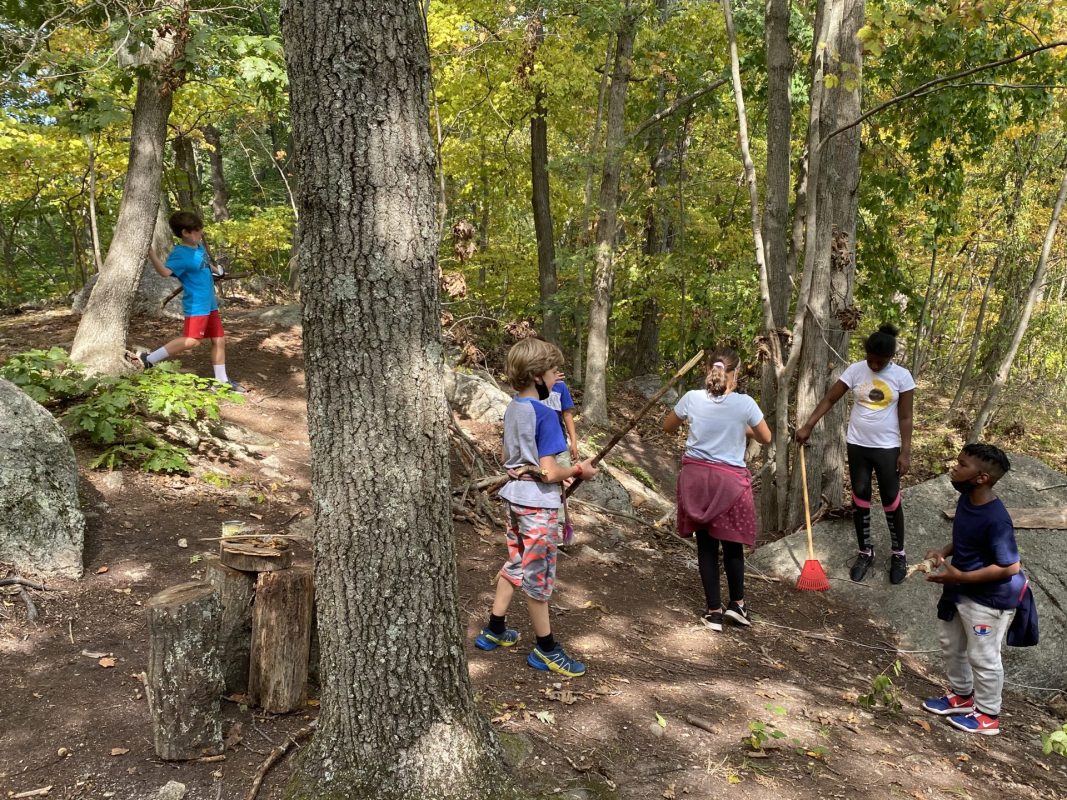
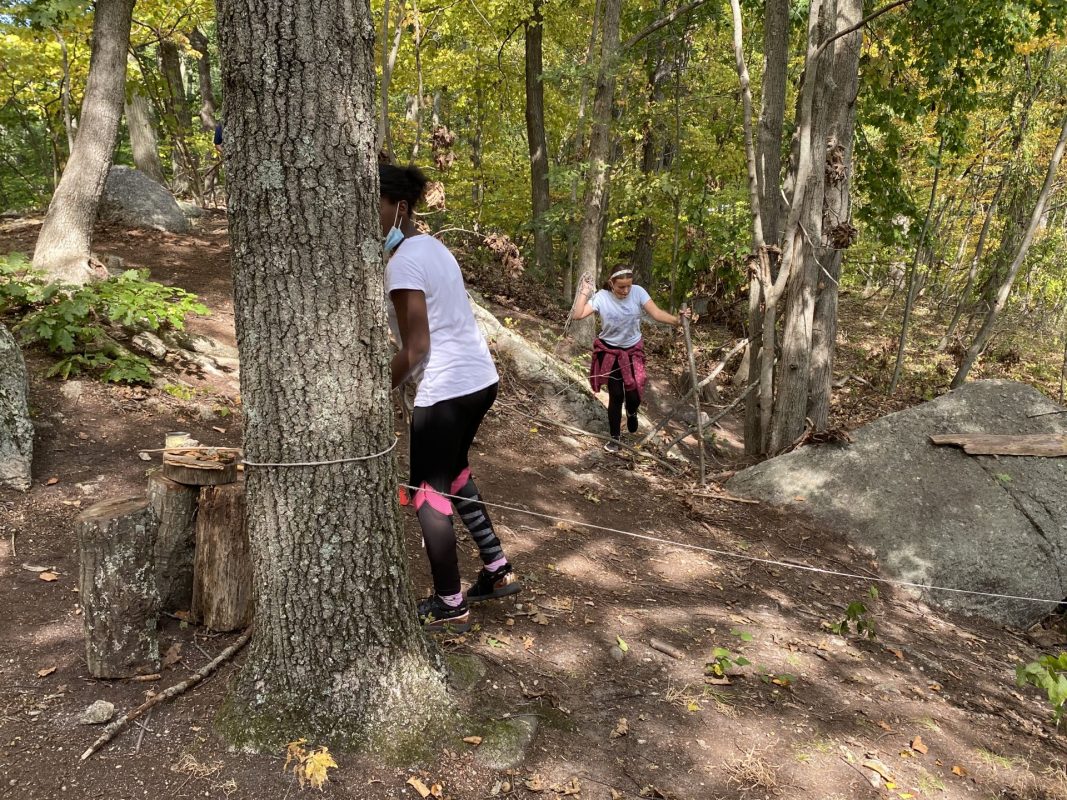
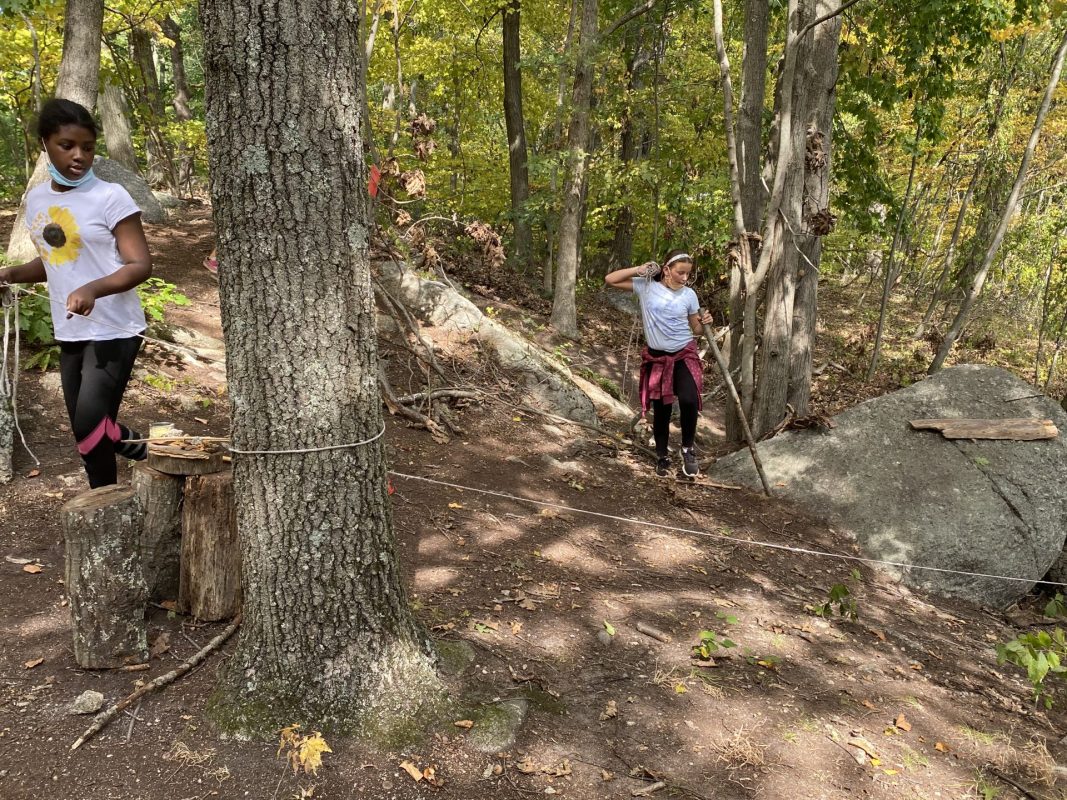
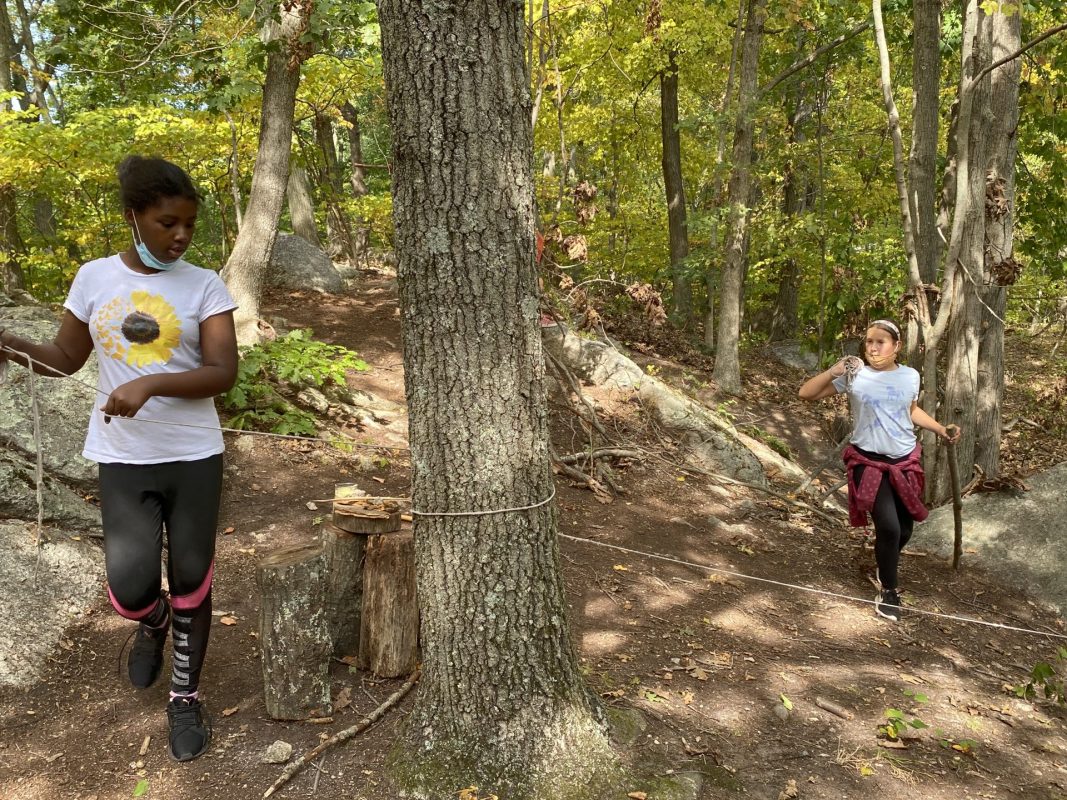
The children are working collaboratively in several different groups in the outdoor classroom, building structures. They have worked out a system with each other to trade branches they have collected, to add to their structures. It’s quite impressive to see them problem solve and voluntarily collaborate as they are building and trading. They are an incredible group of students and it is such a pleasure to work with them.