Blog

Exploring the Wonders of the Universe in Lower El

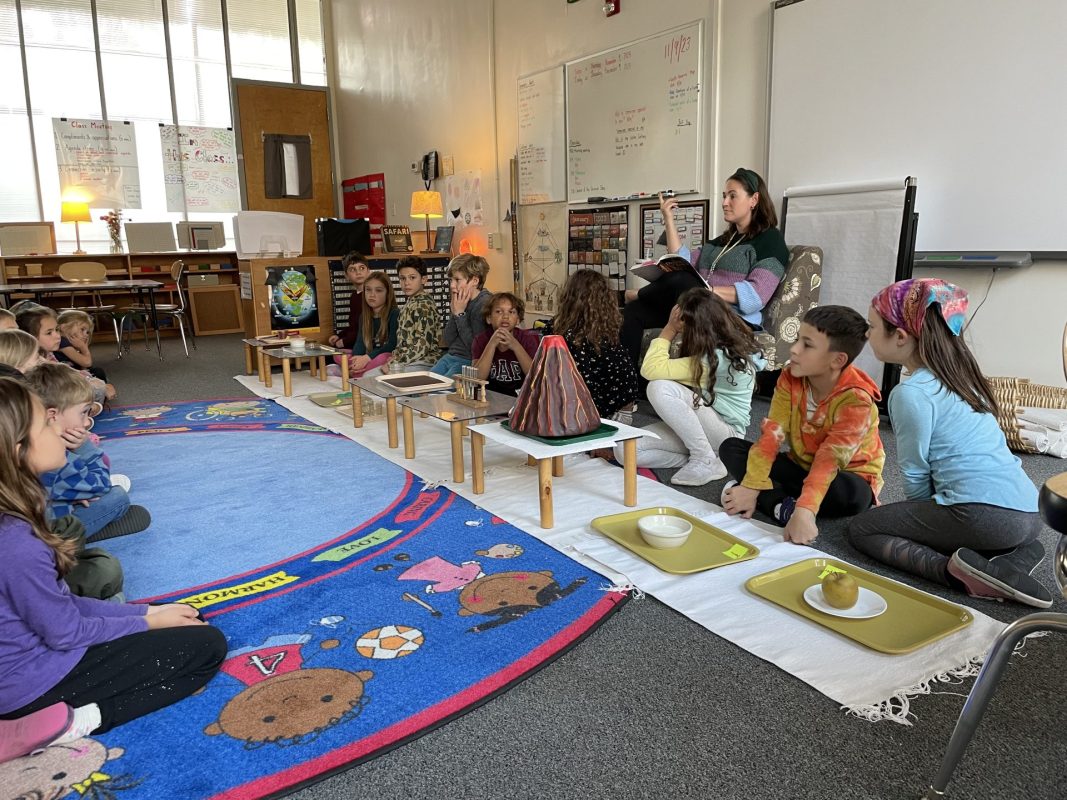
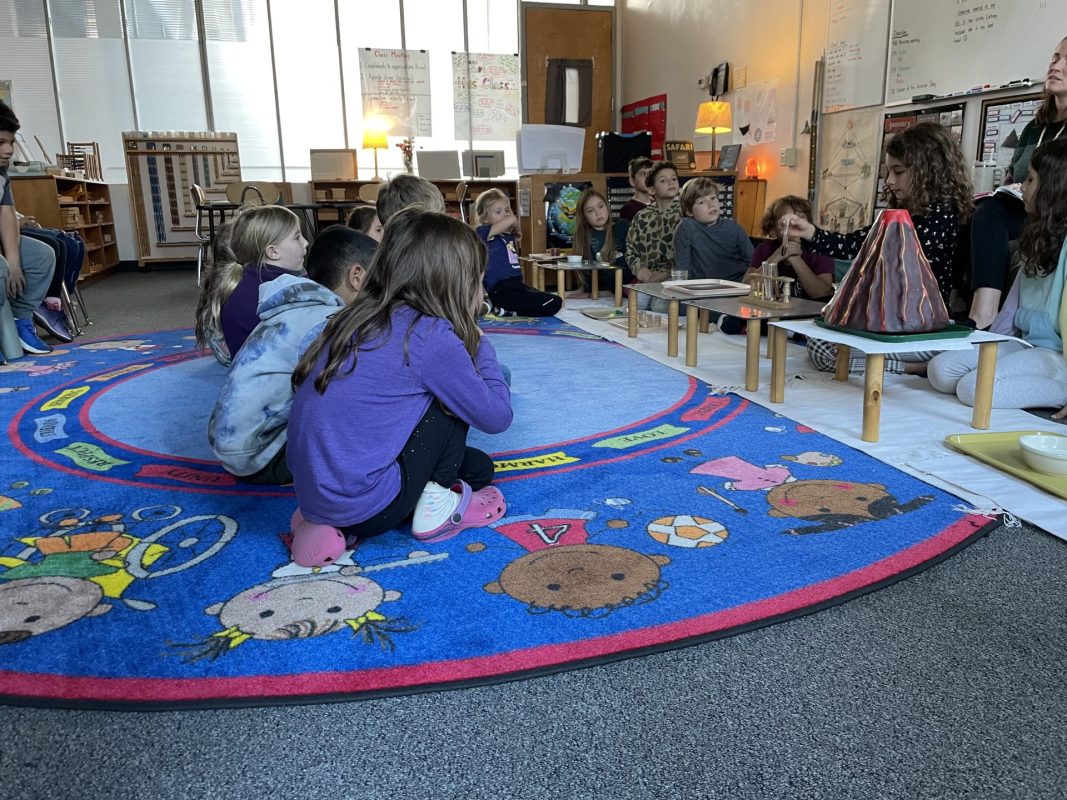
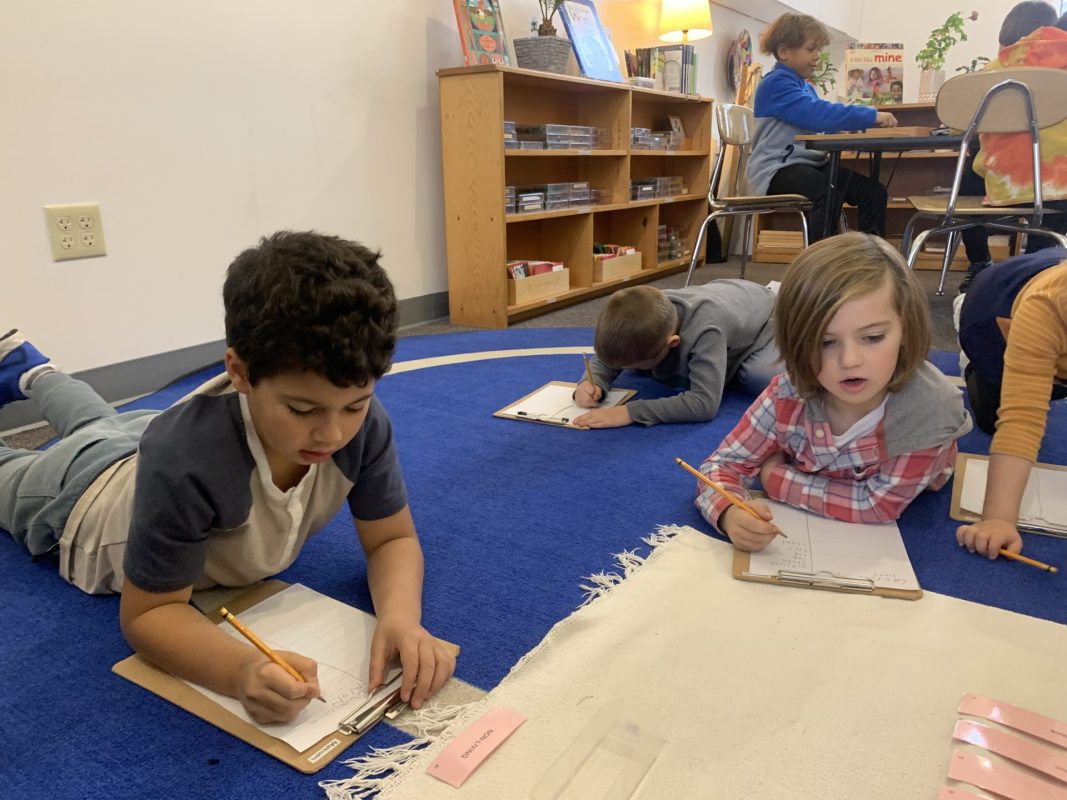
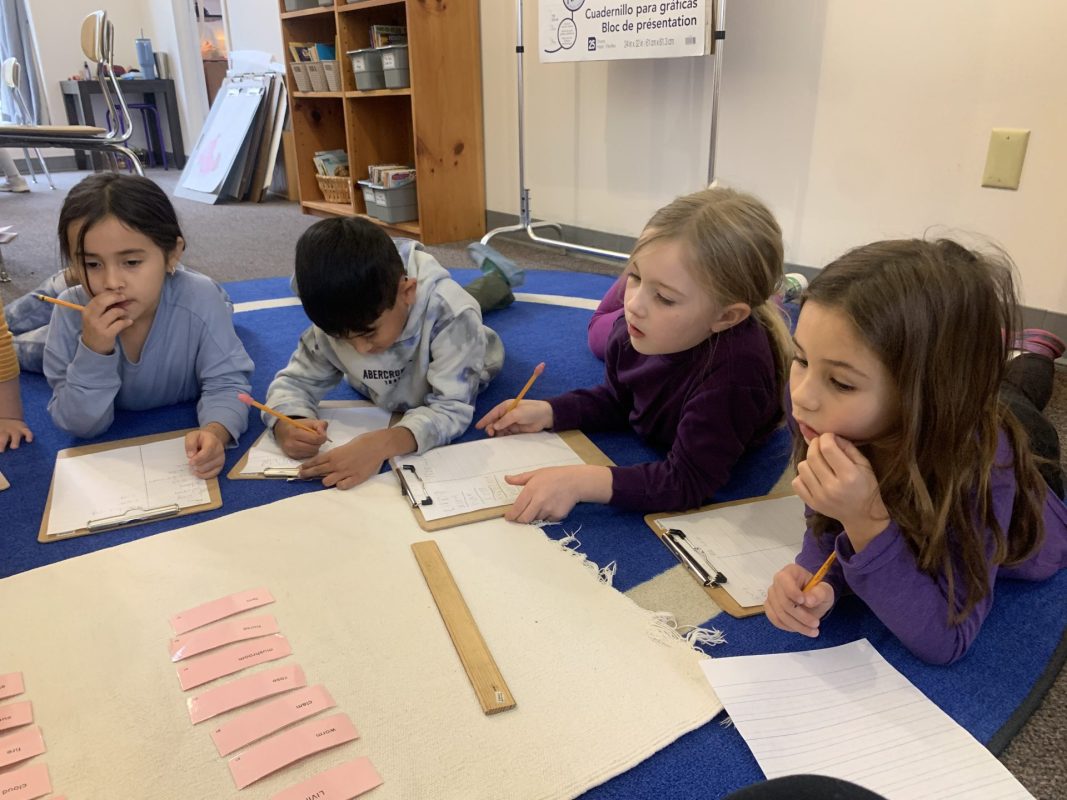
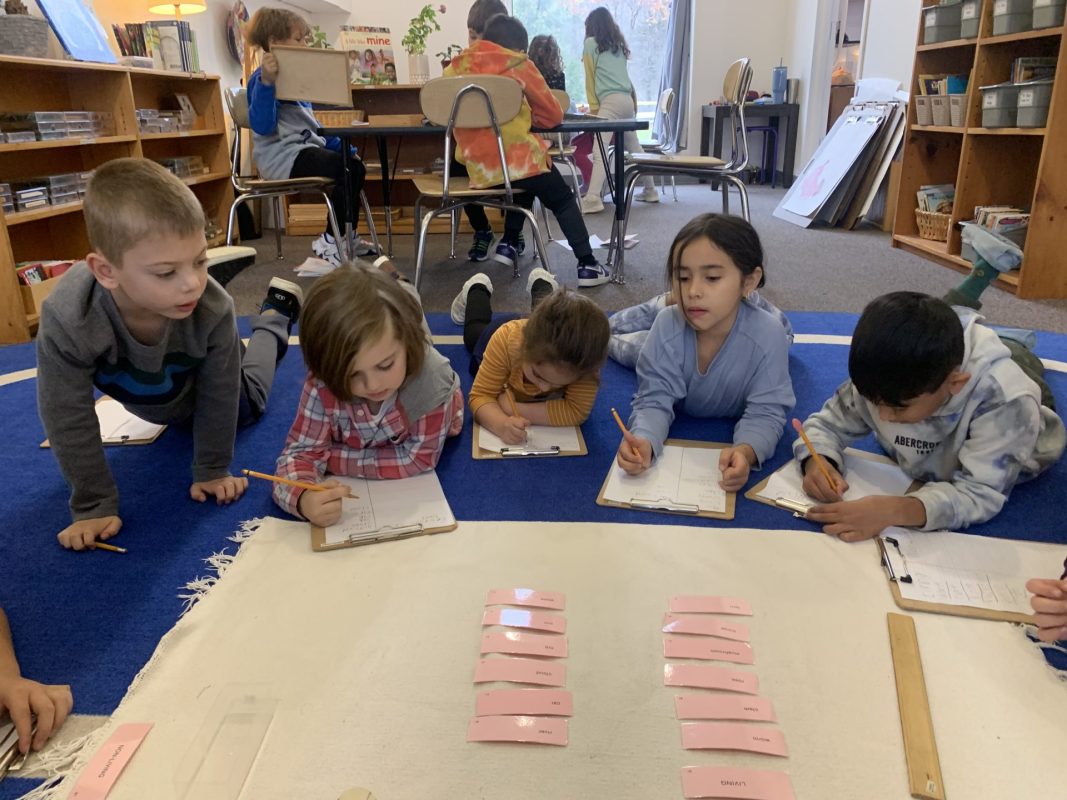
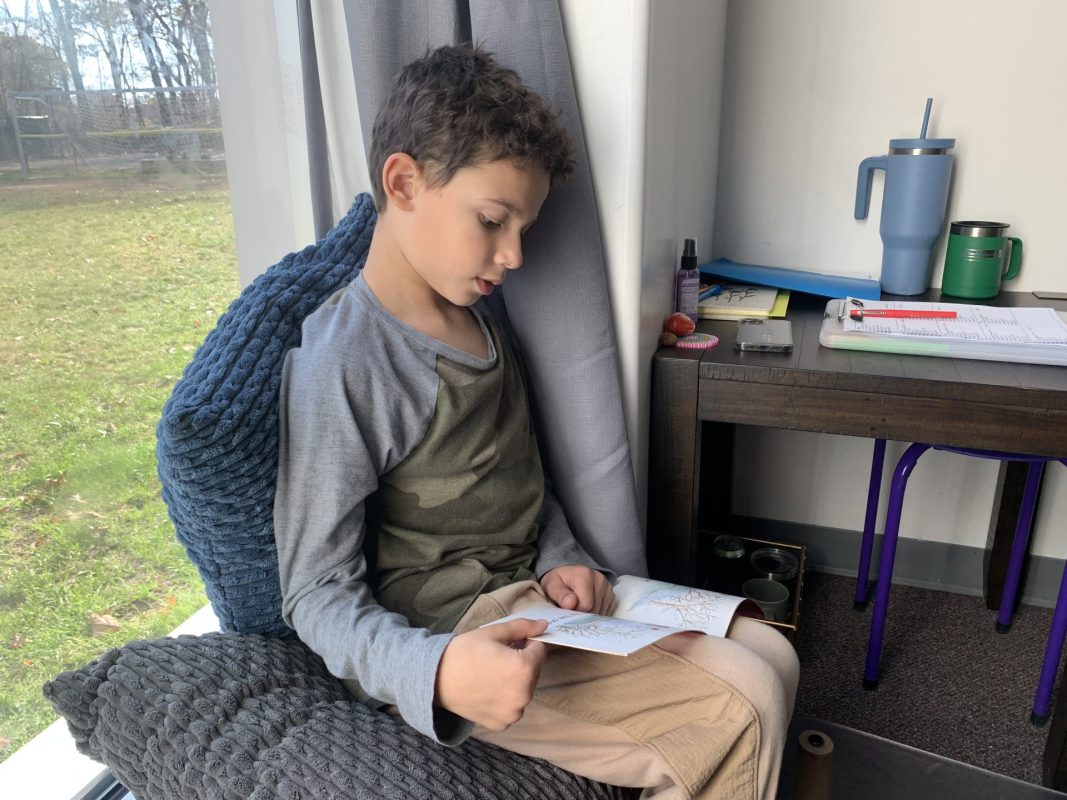
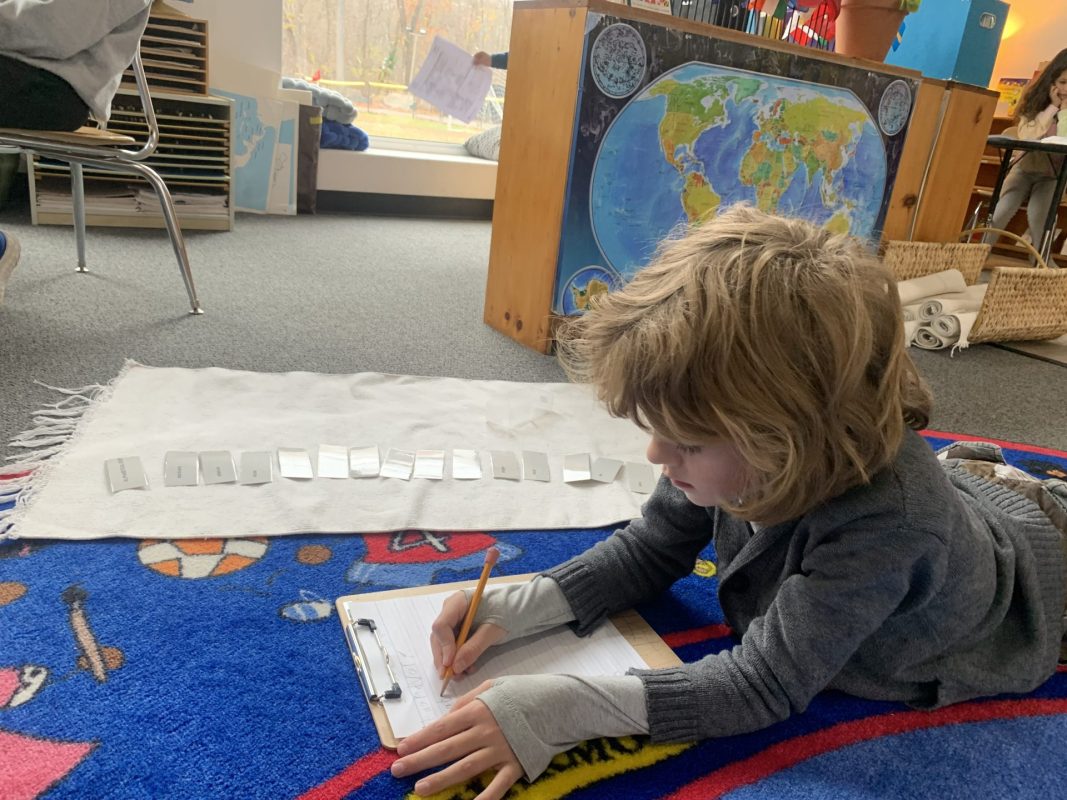
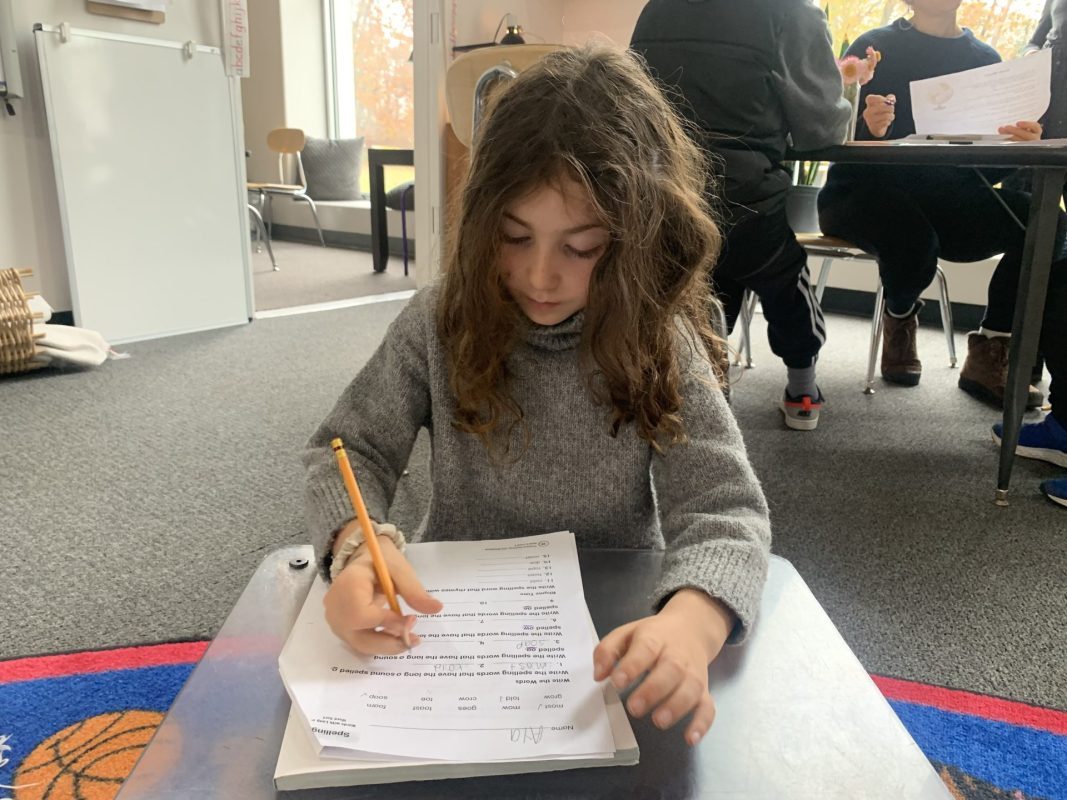
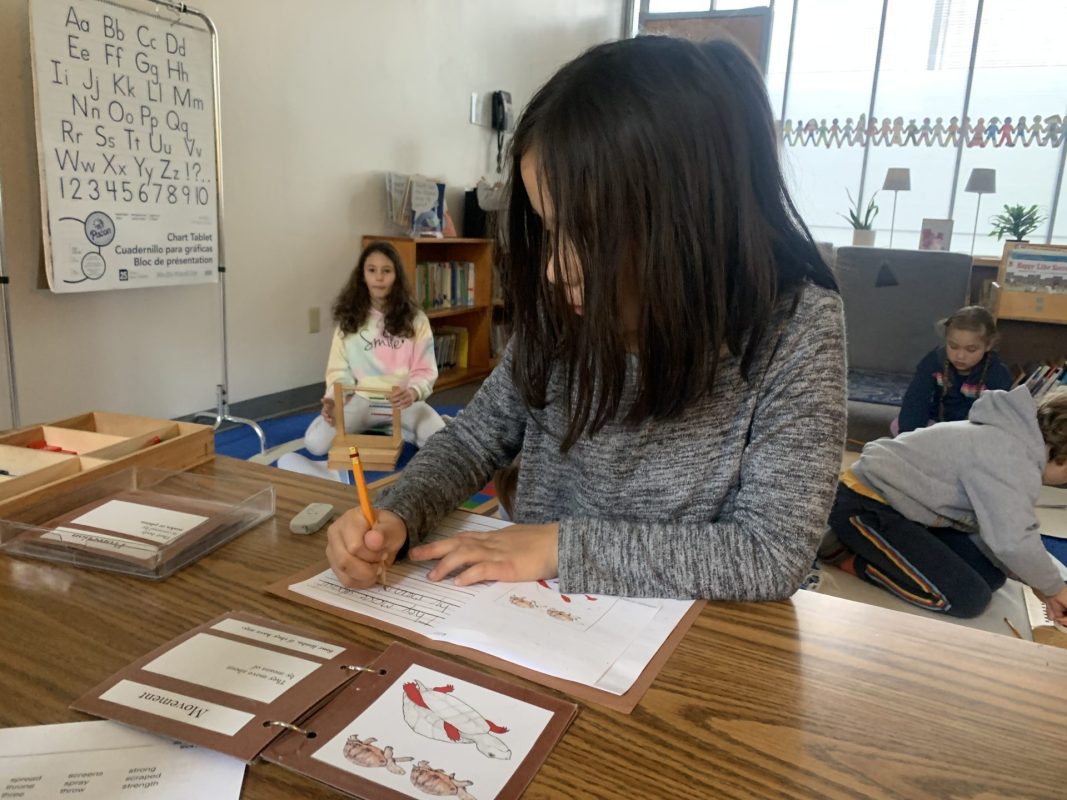
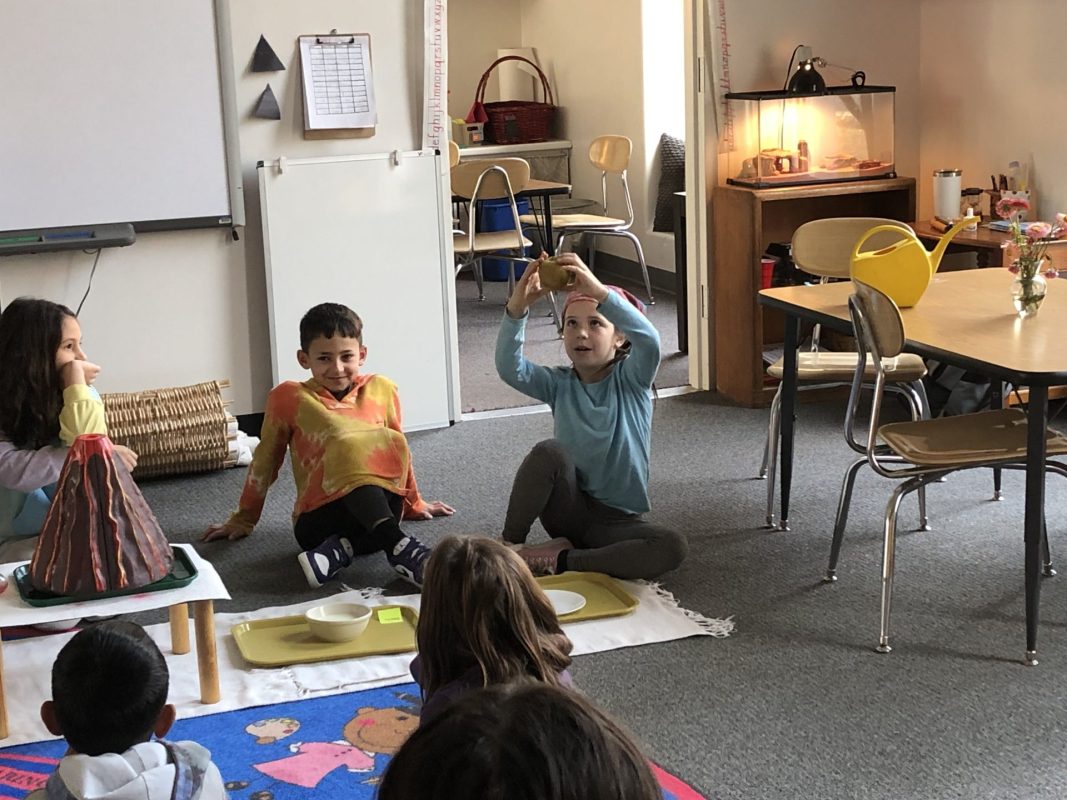
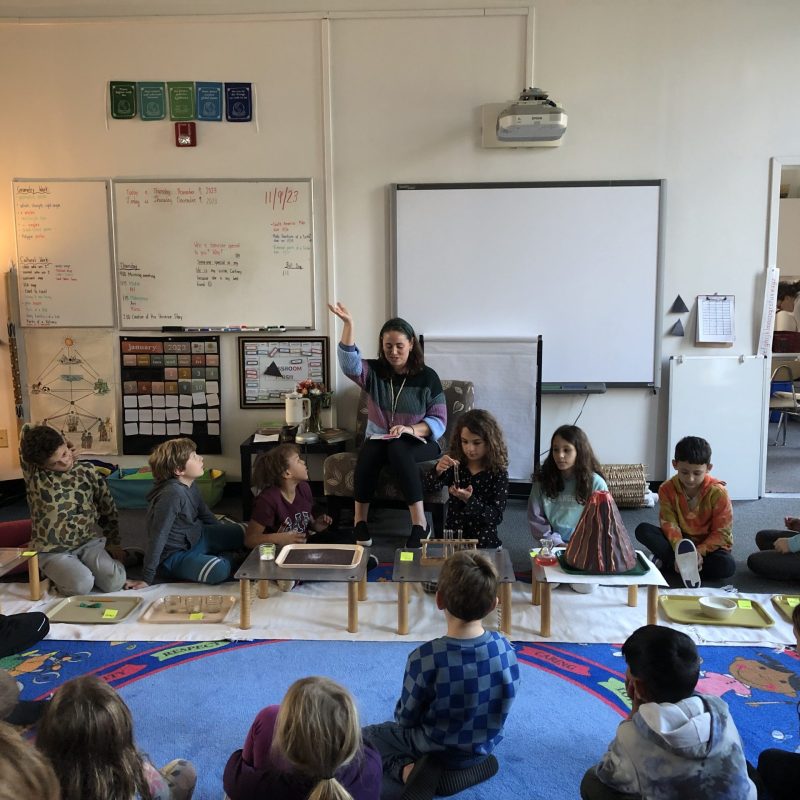
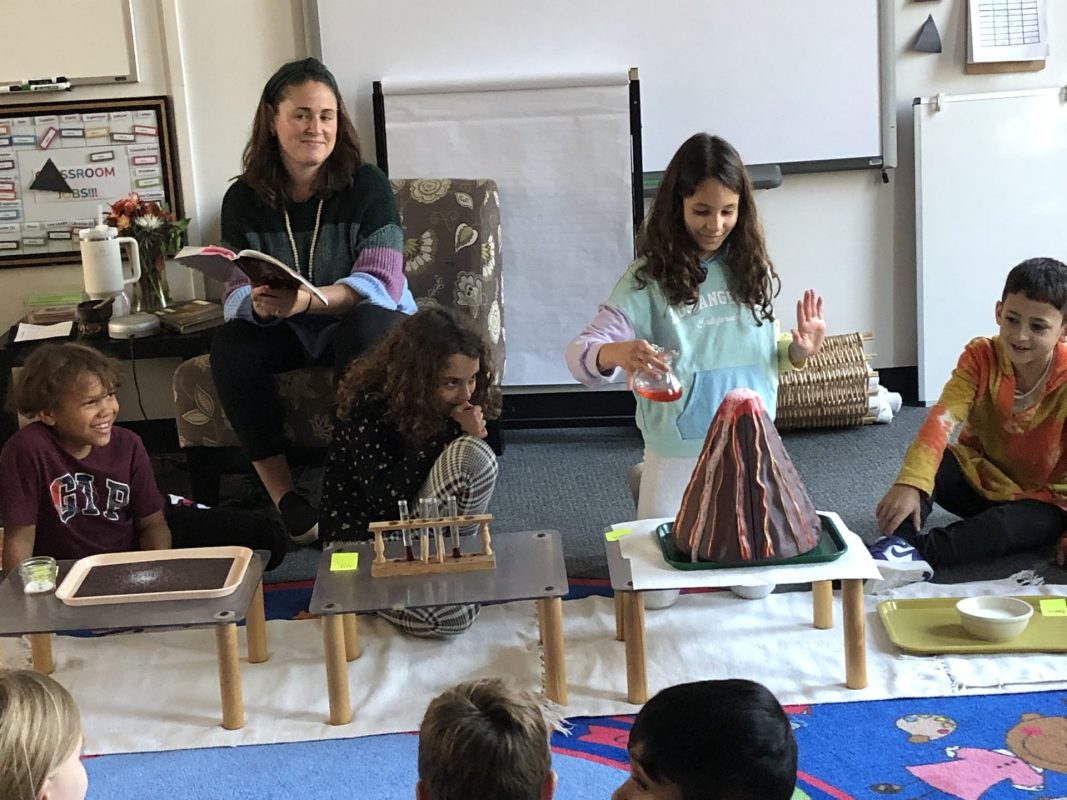
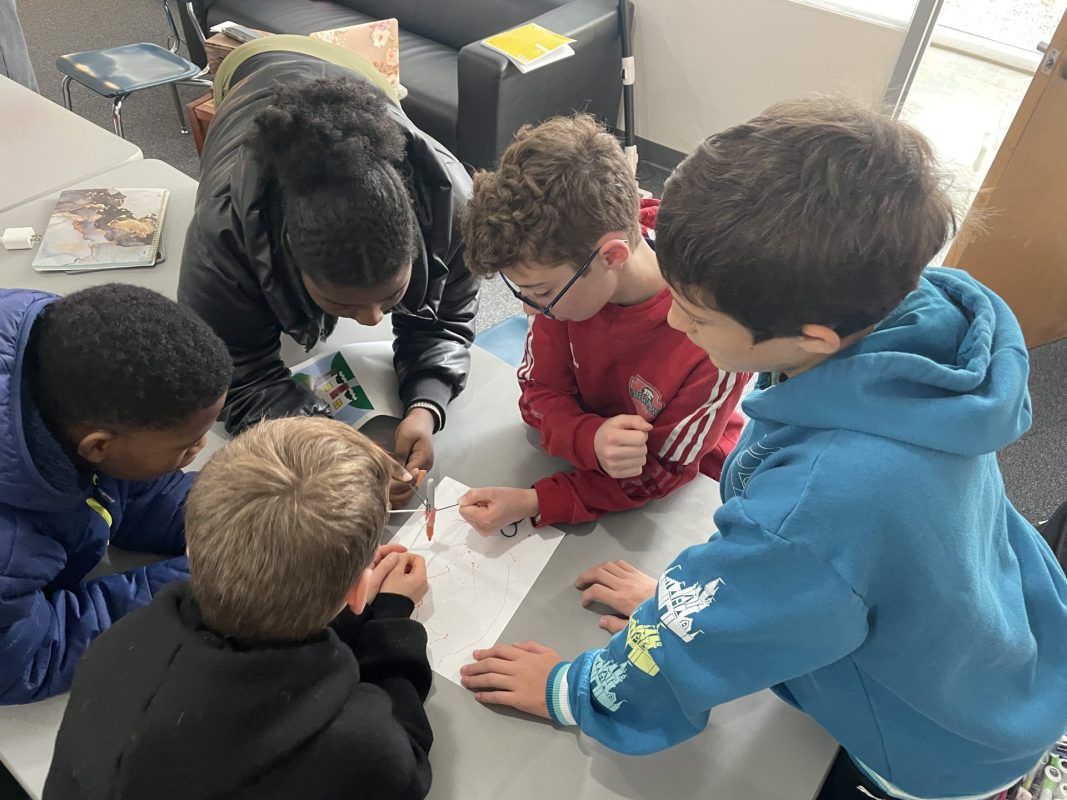
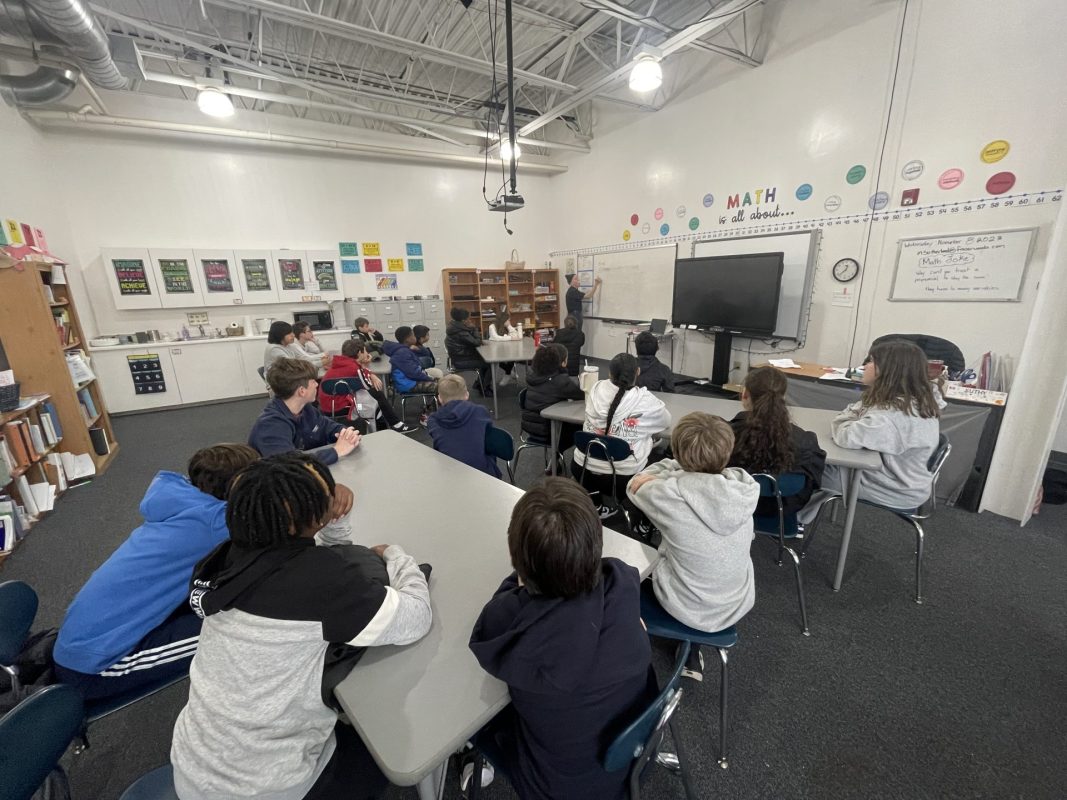
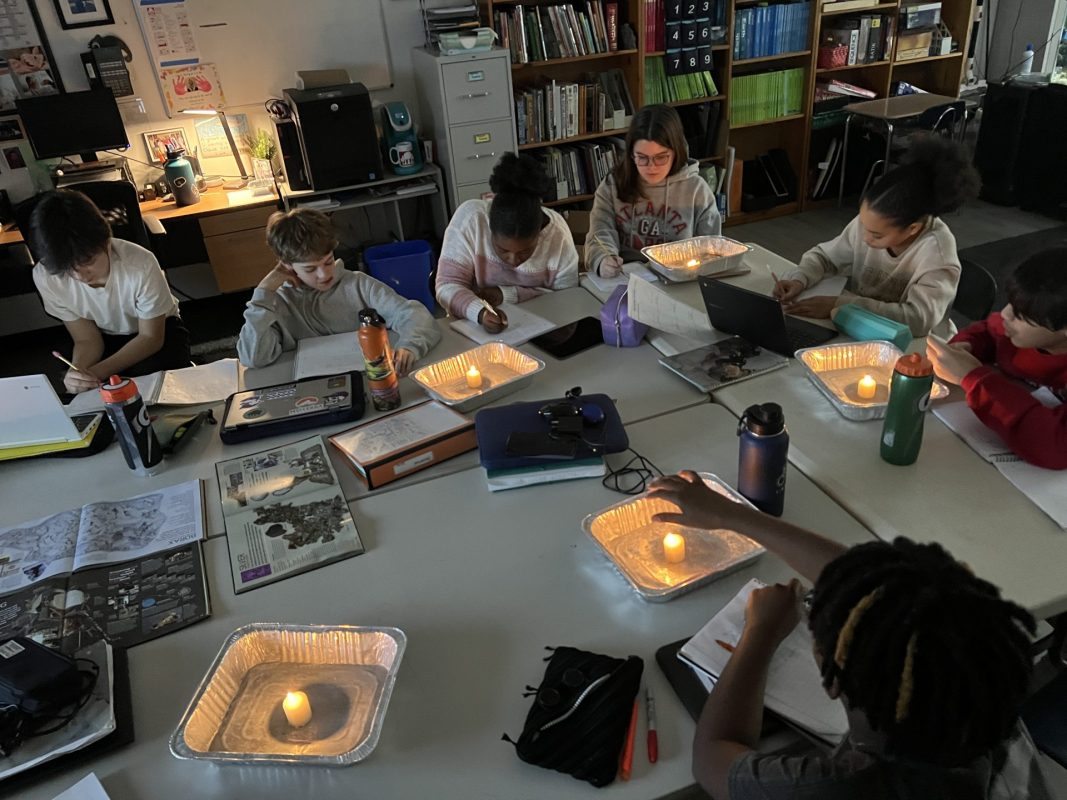
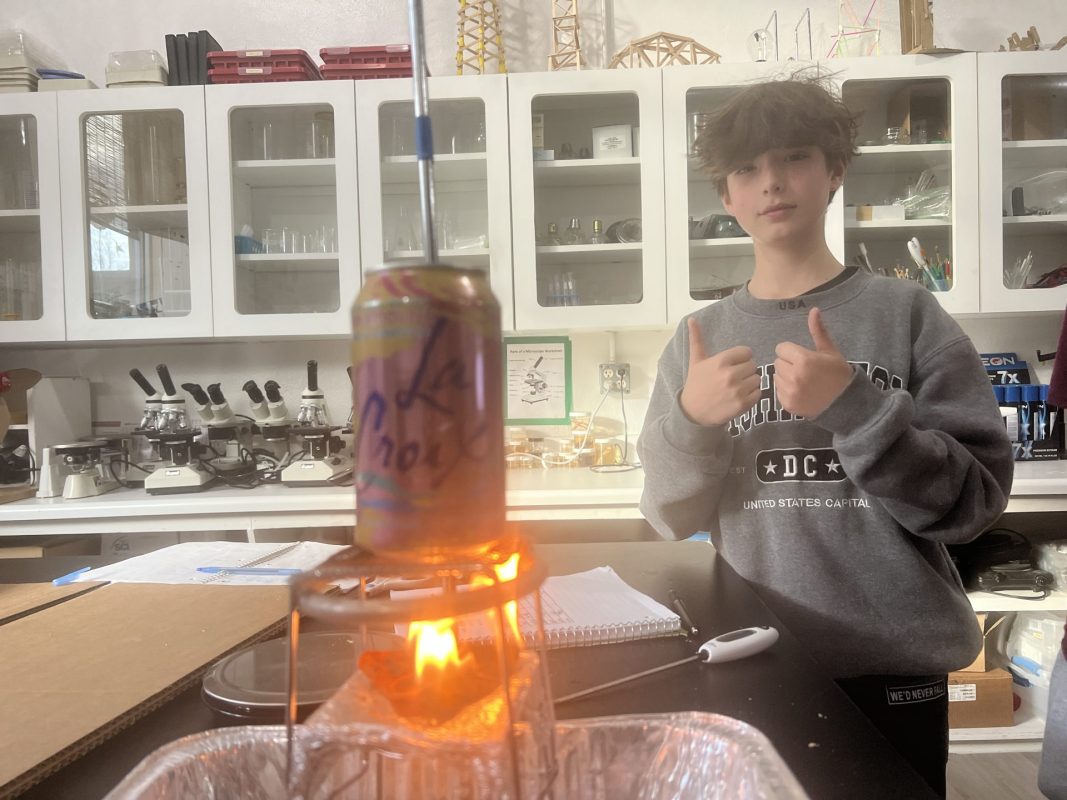
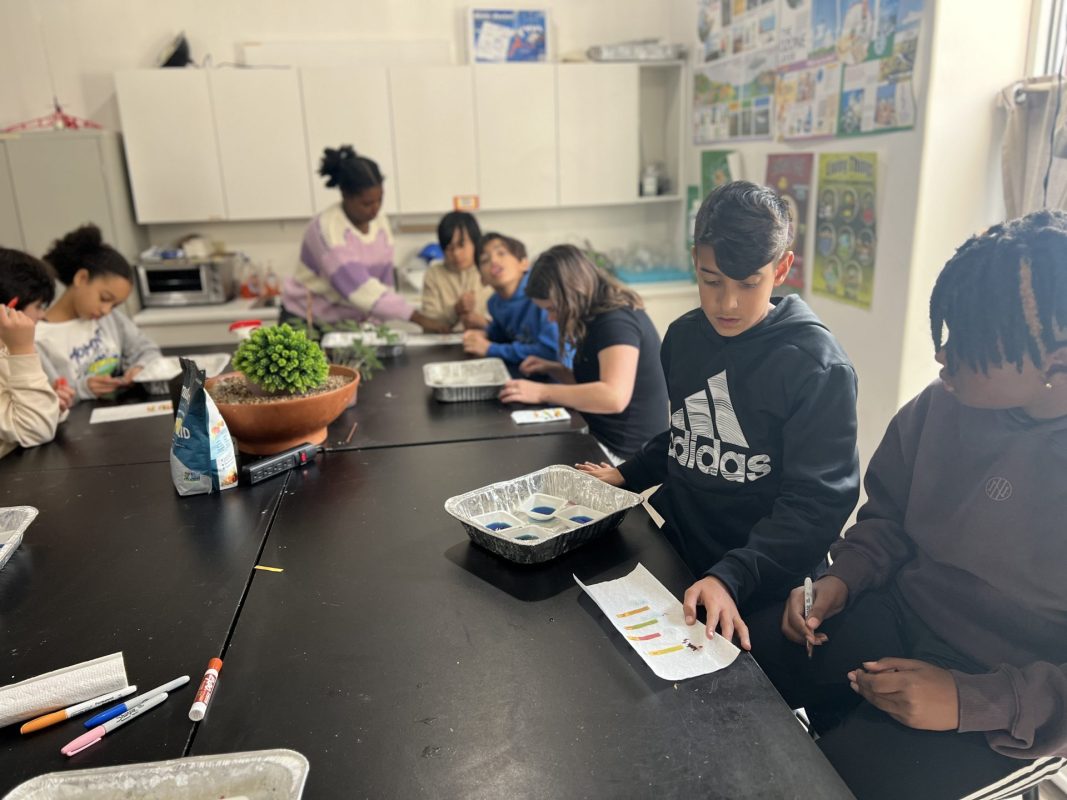
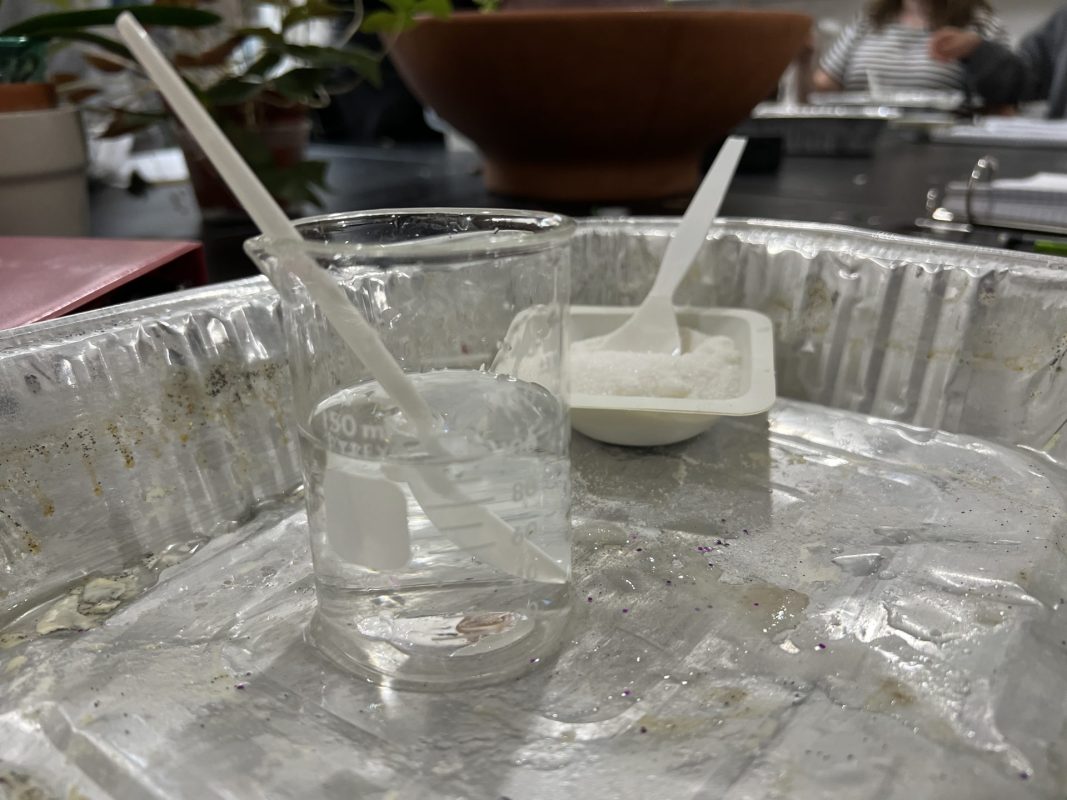
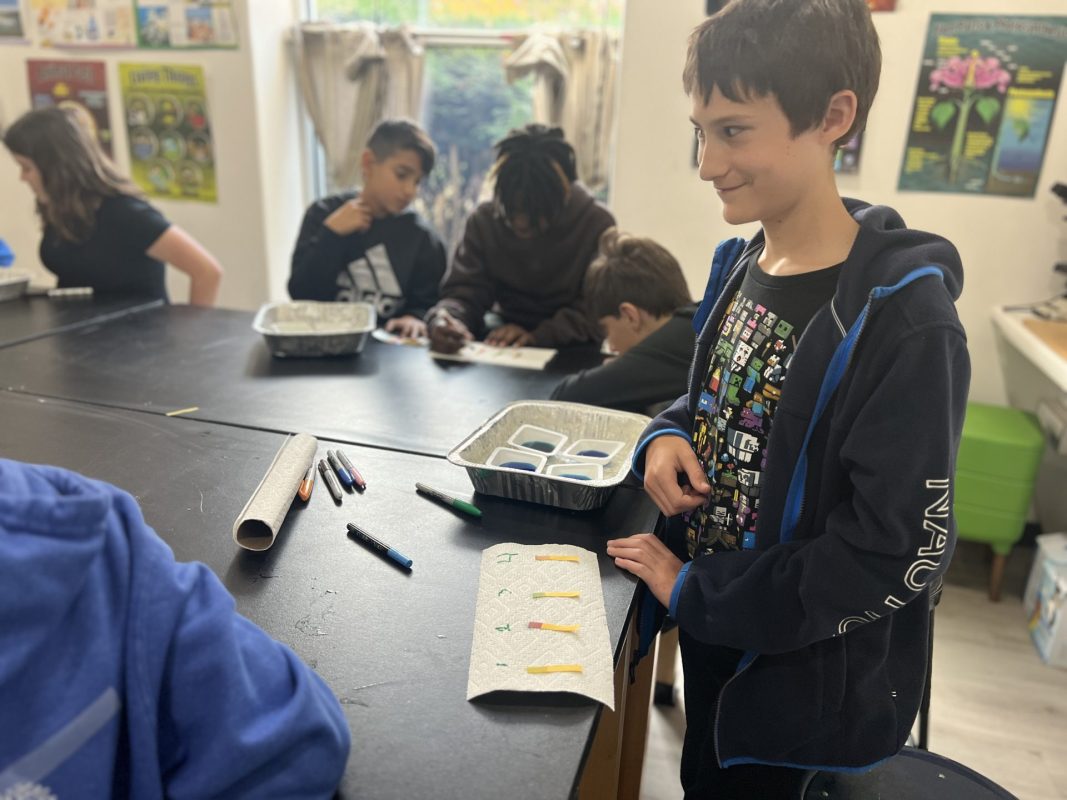
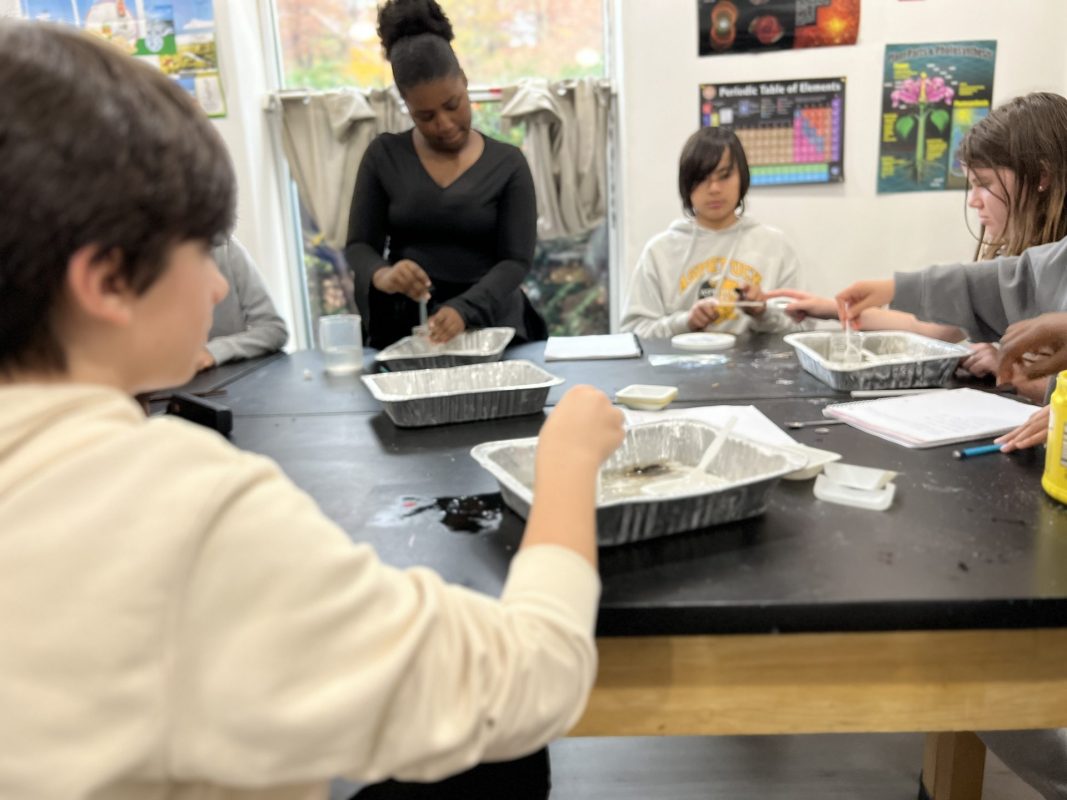
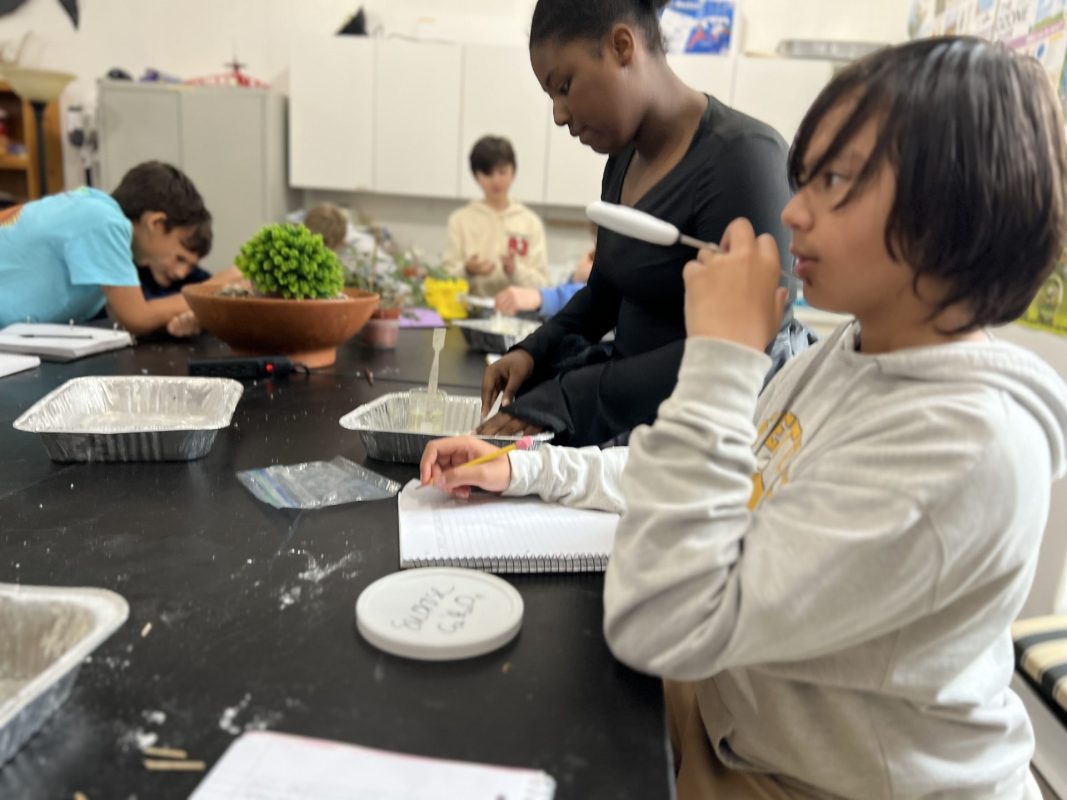
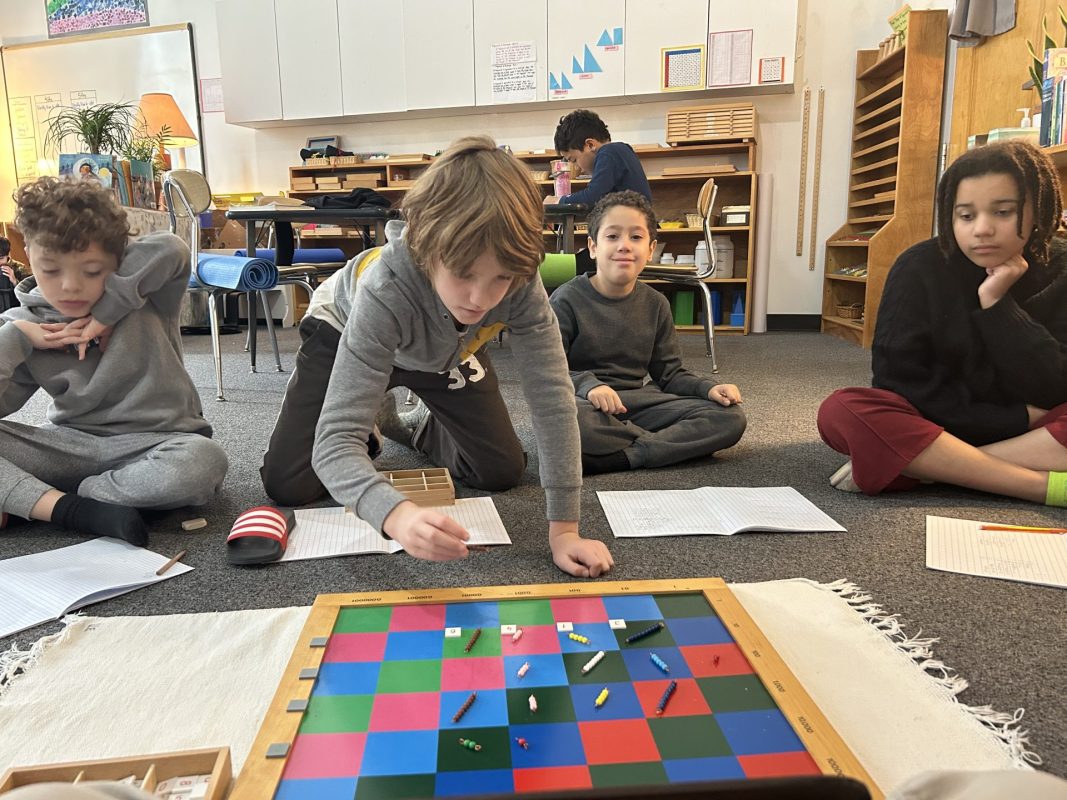
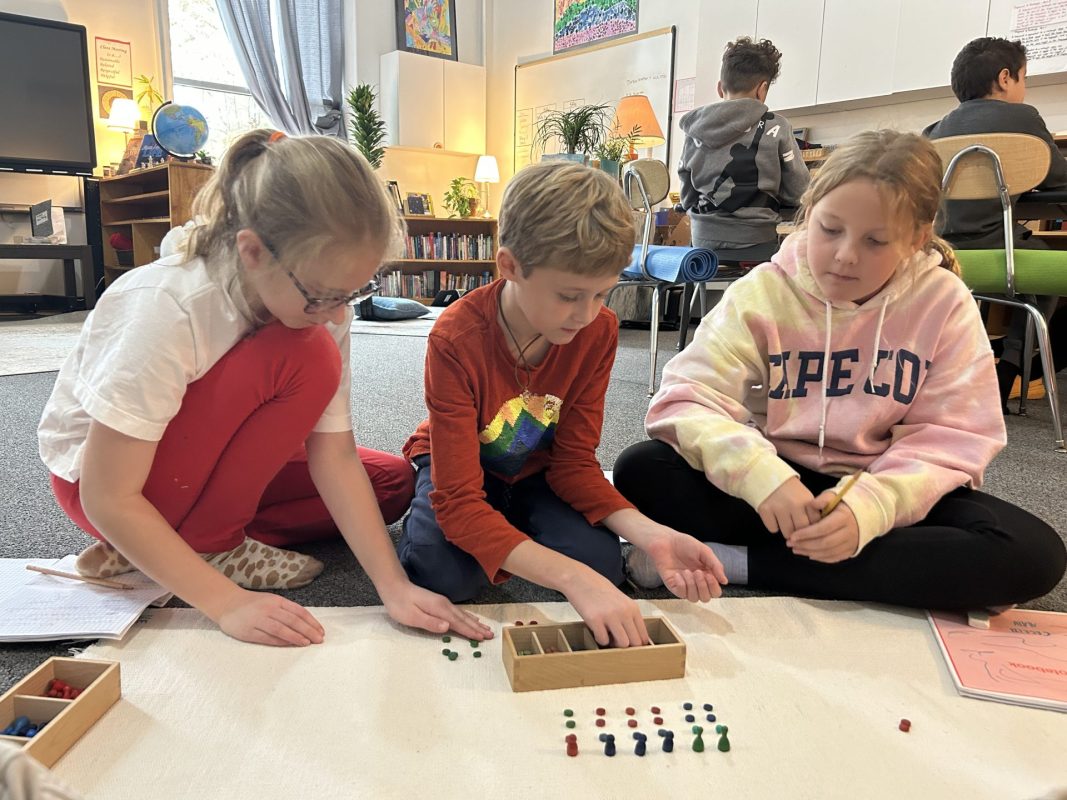
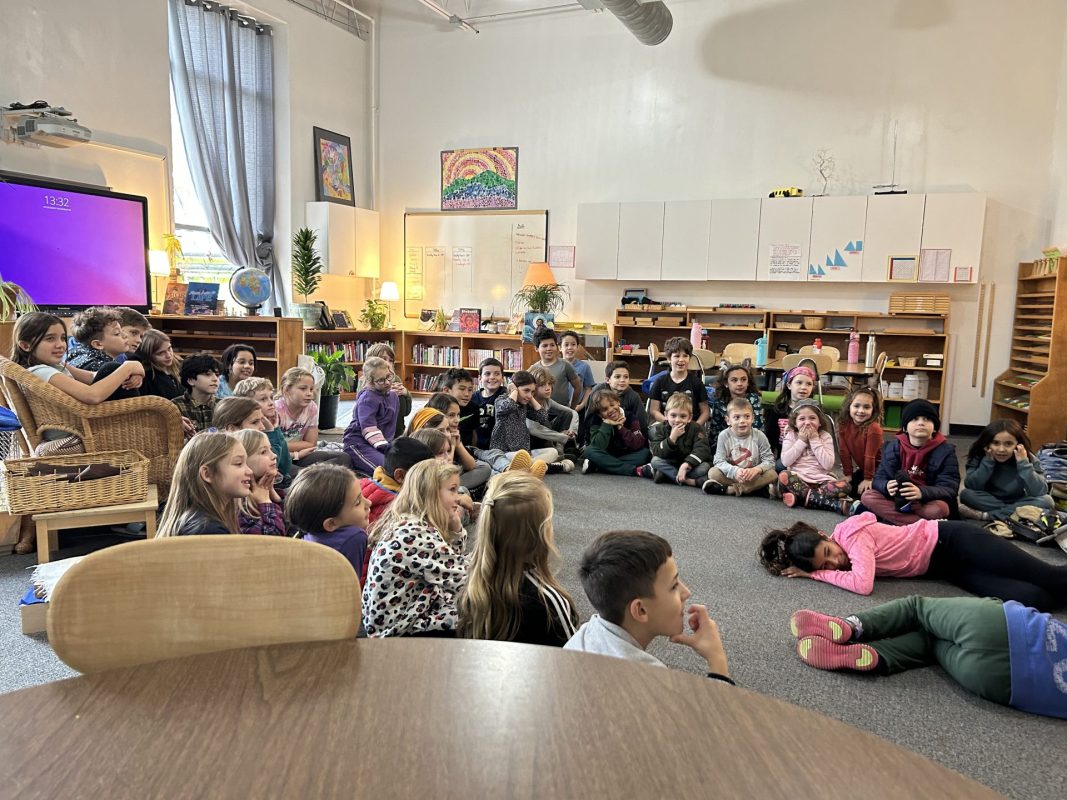
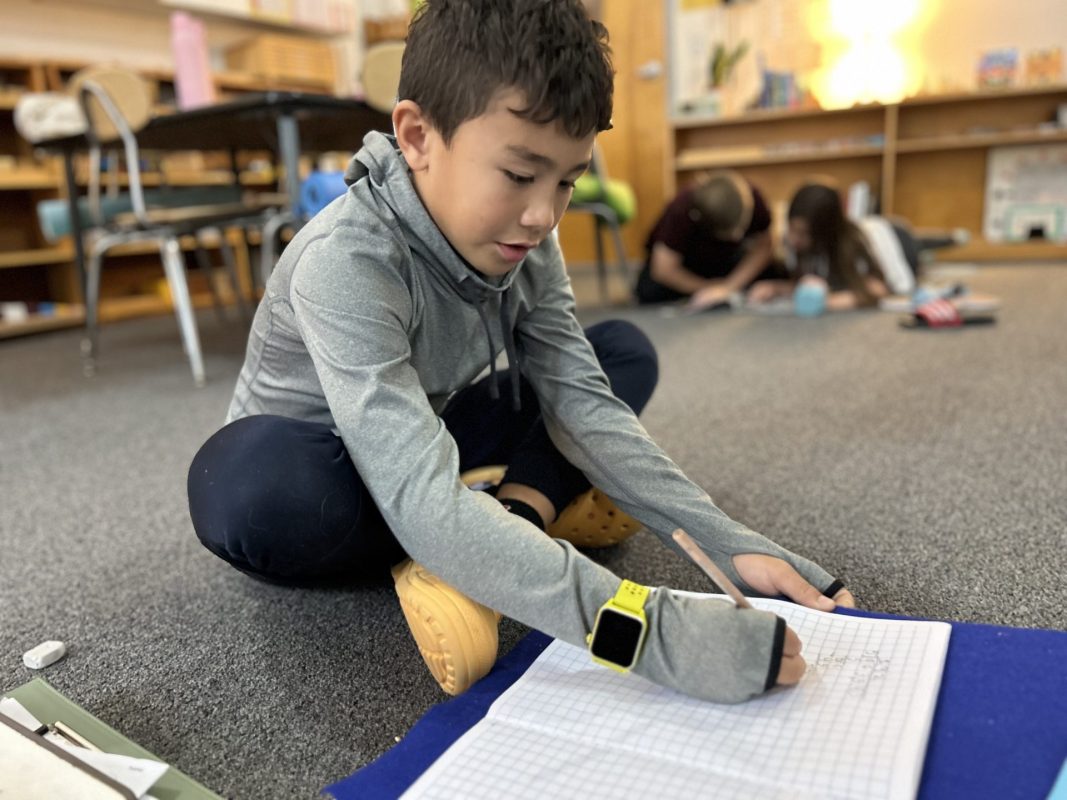
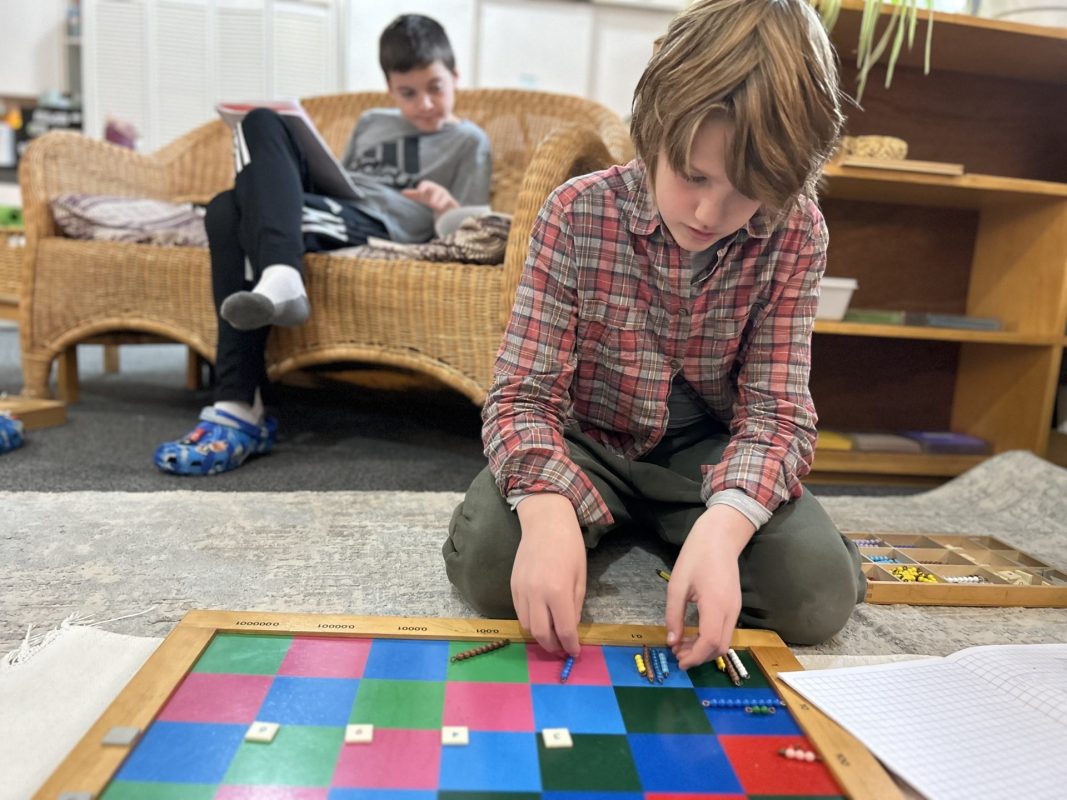
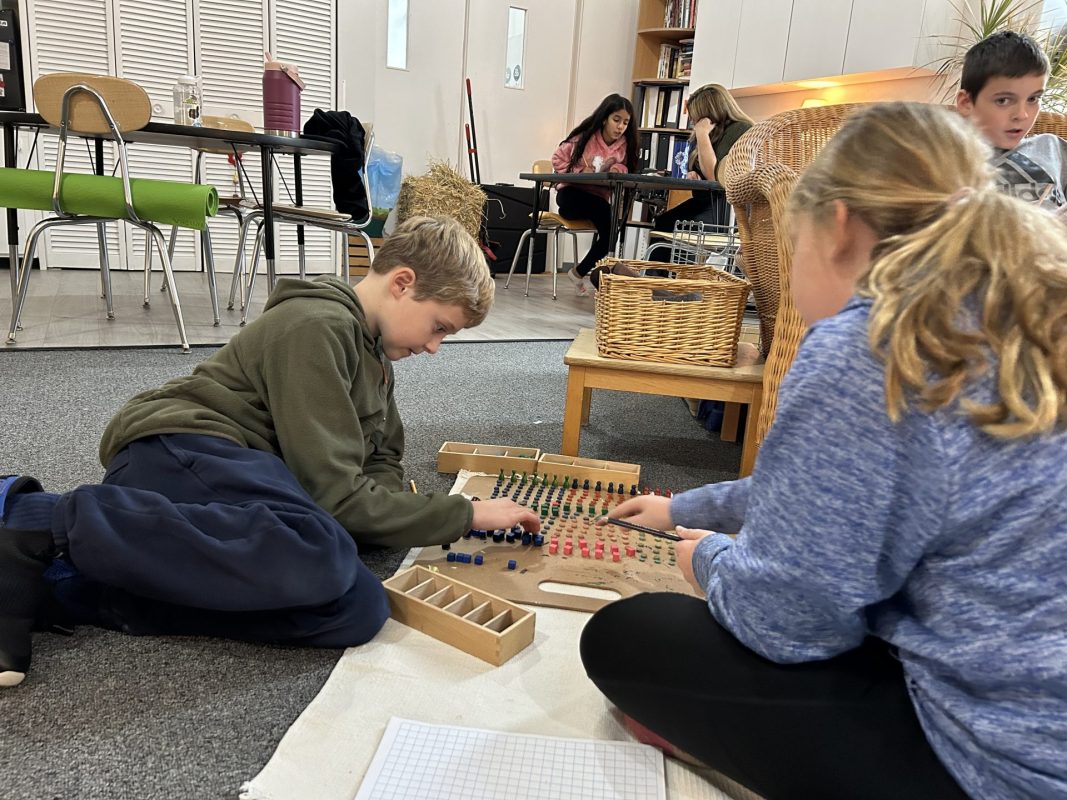
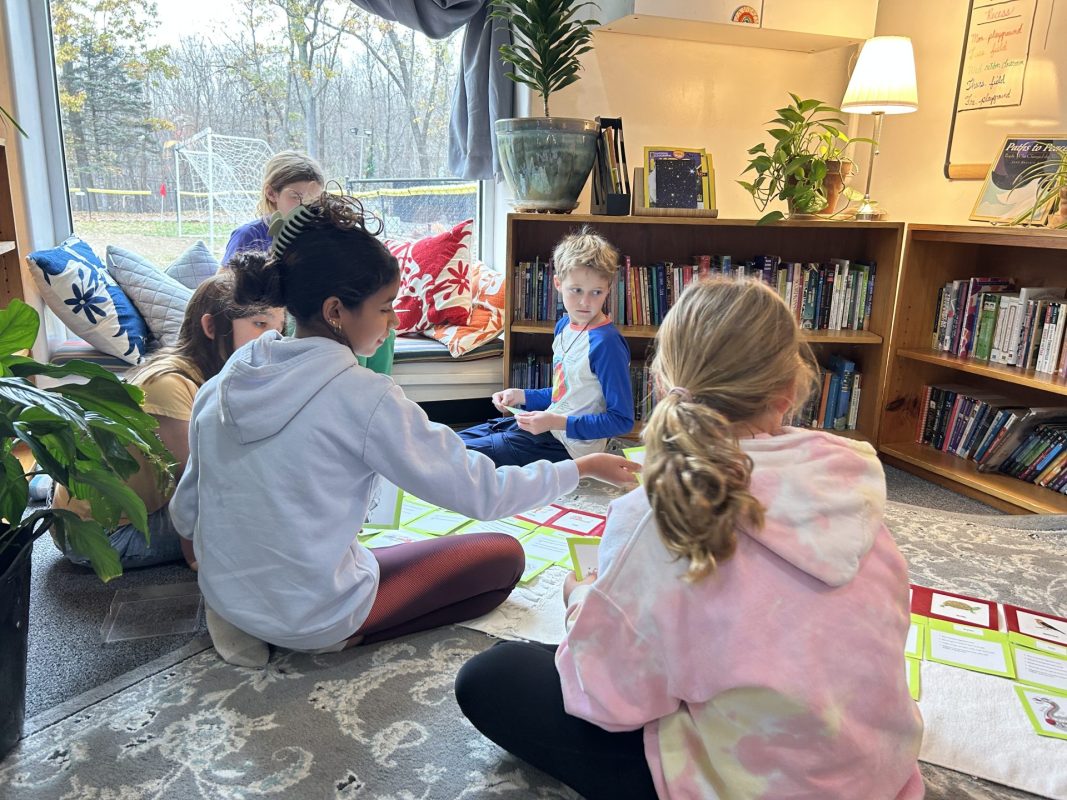
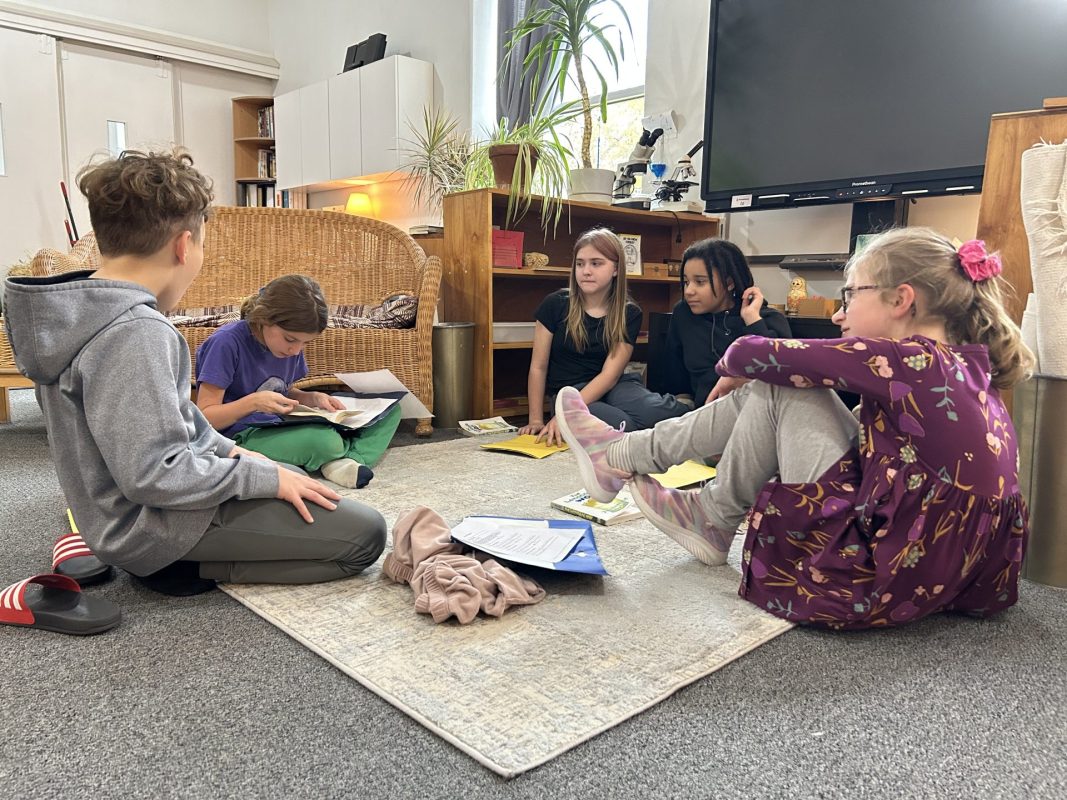
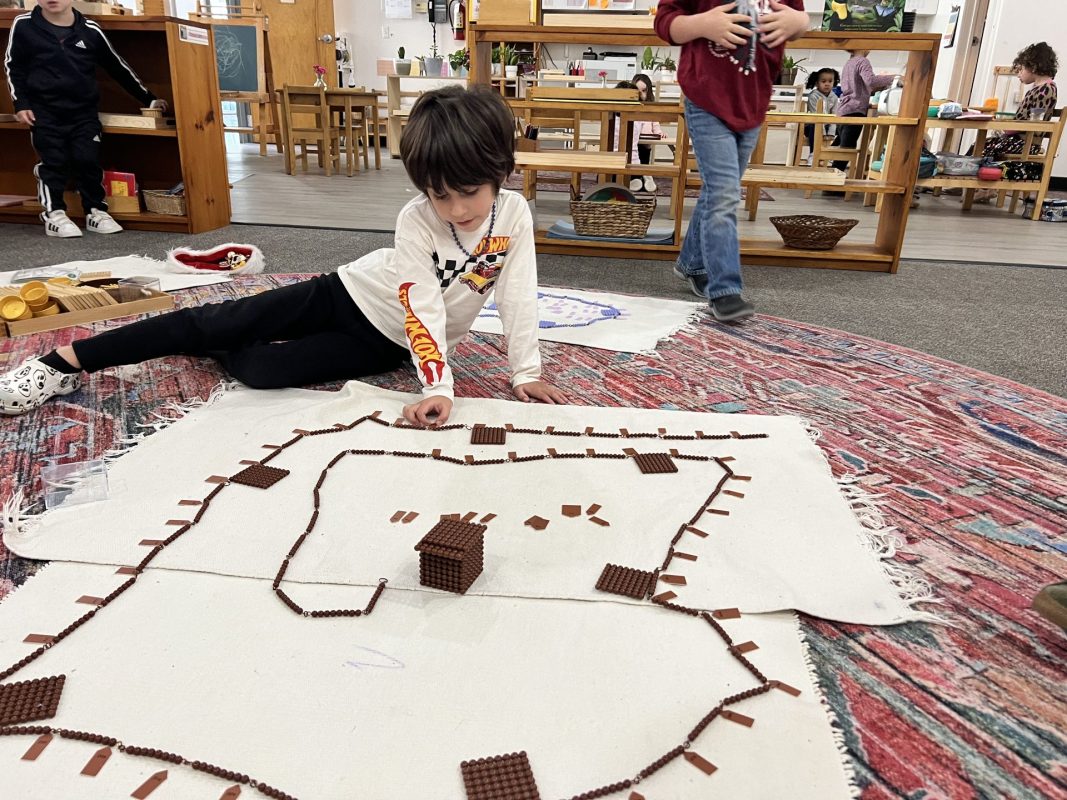
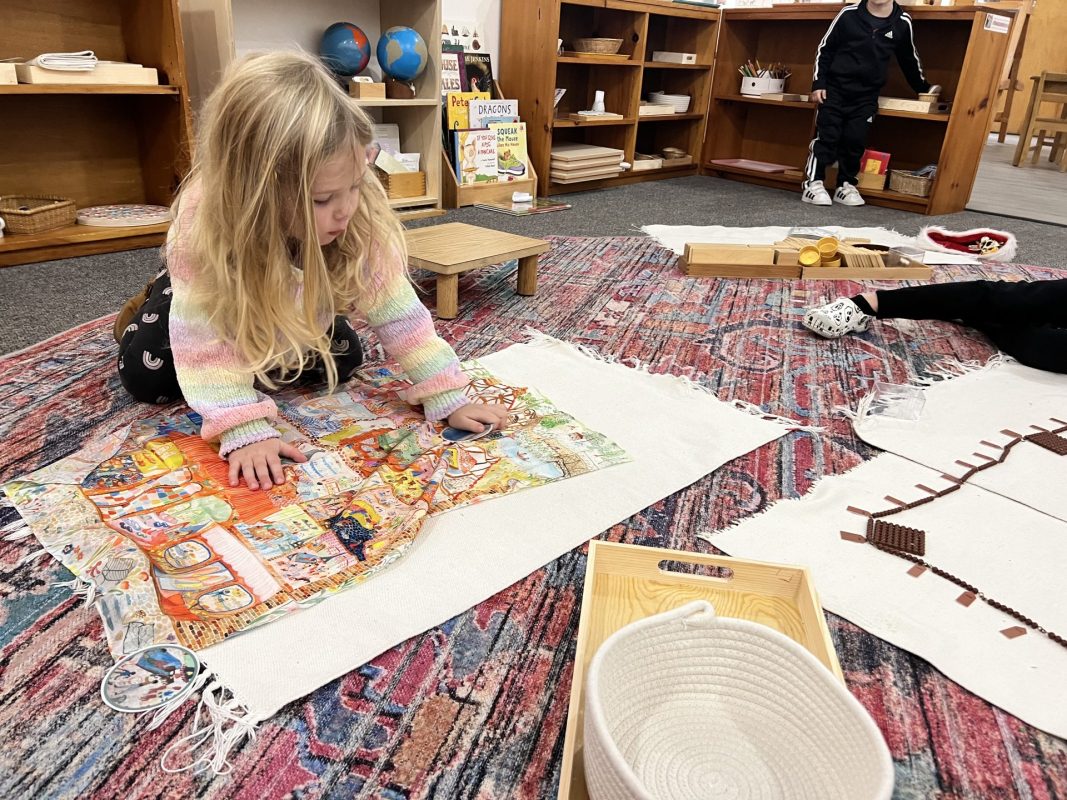
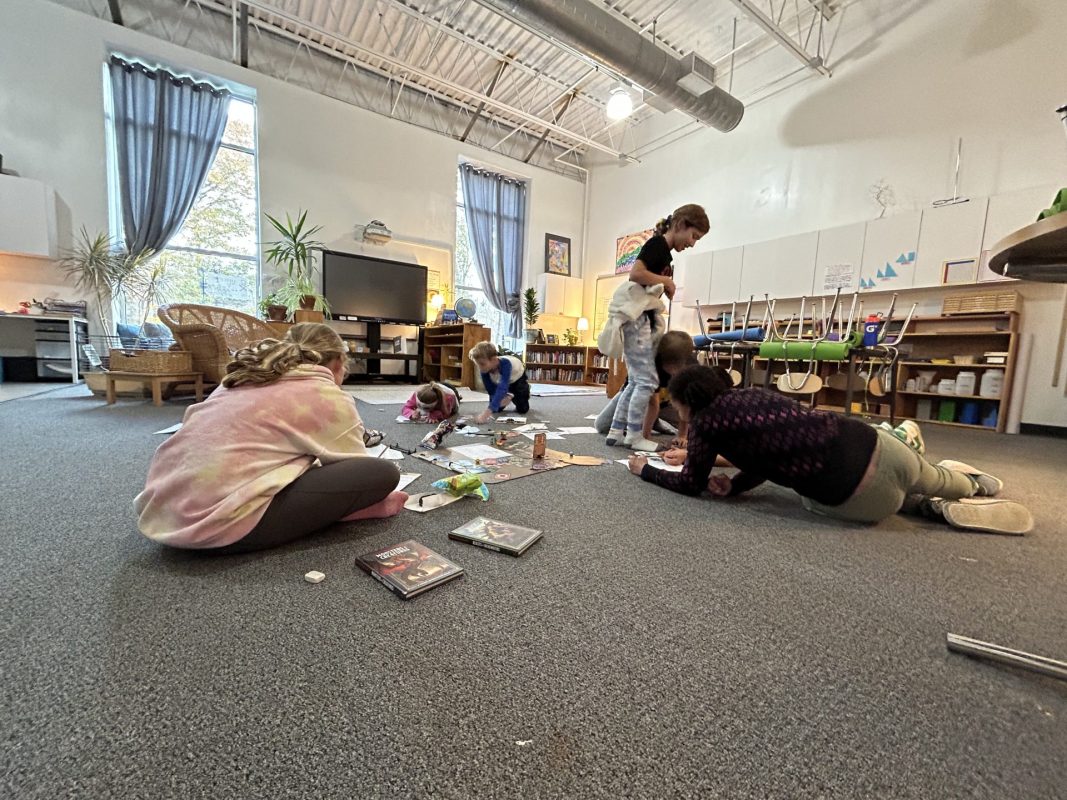
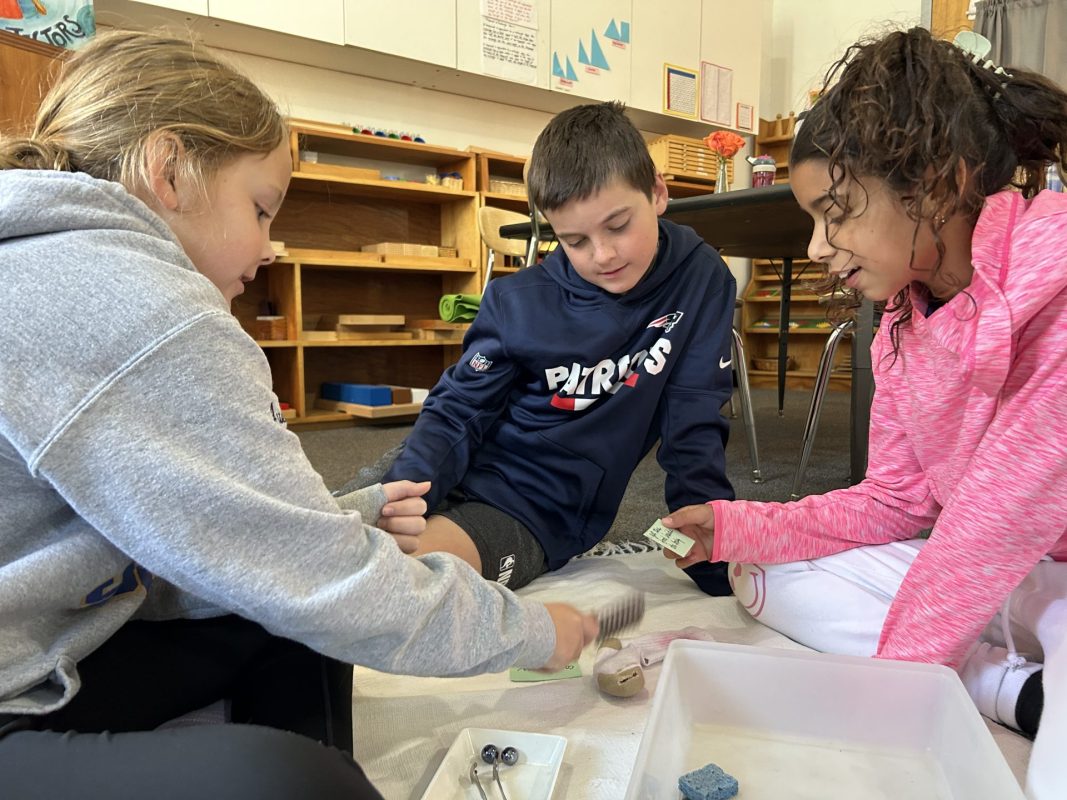
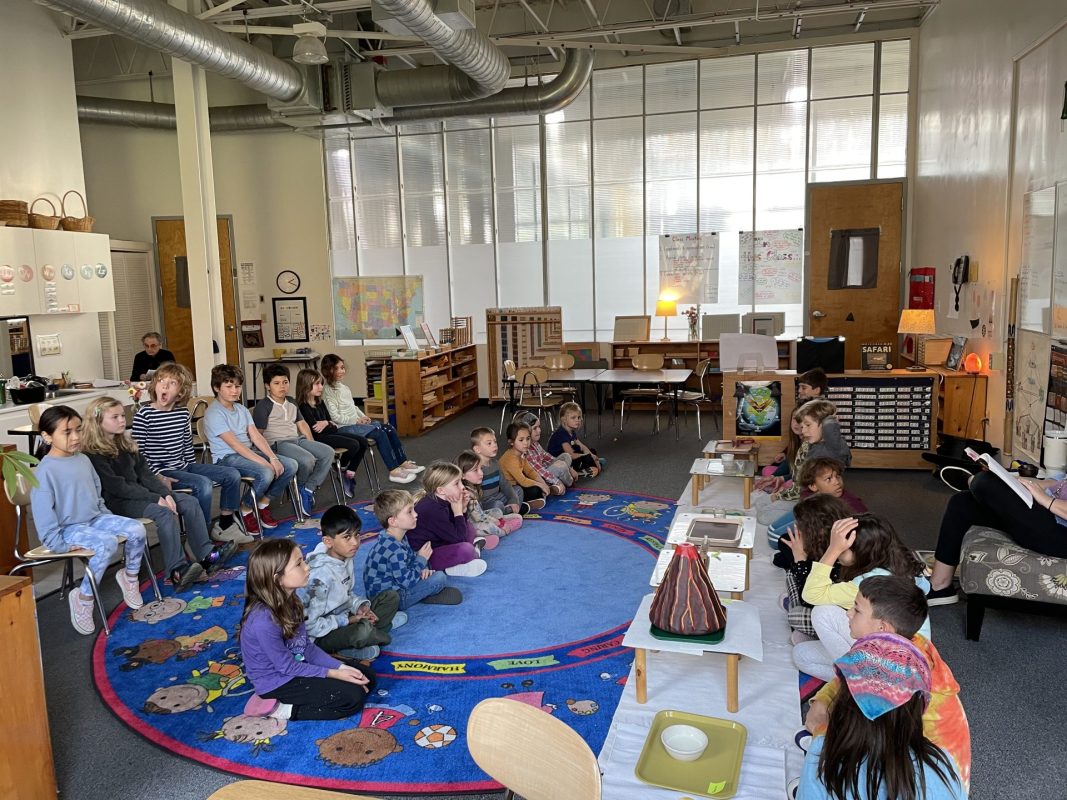
This week, lower elementary students embarked on an incredible journey delving into Maria Montessori’s Great Lesson on the creation of the universe. What made this learning experience particularly special was the active involvement of the third-grade students, who not only absorbed the lesson themselves but also took on the role of presenters. They guided their younger peers through engaging science experiments, showing the intricate concepts behind the formation of the universe. This interaction between different age groups fosters a dynamic learning environment where knowledge is shared, curiosity flourishes, and understanding is deepened. As the older students led demonstrations, the enthusiasm and wonder on the faces of the younger learners were palpable.

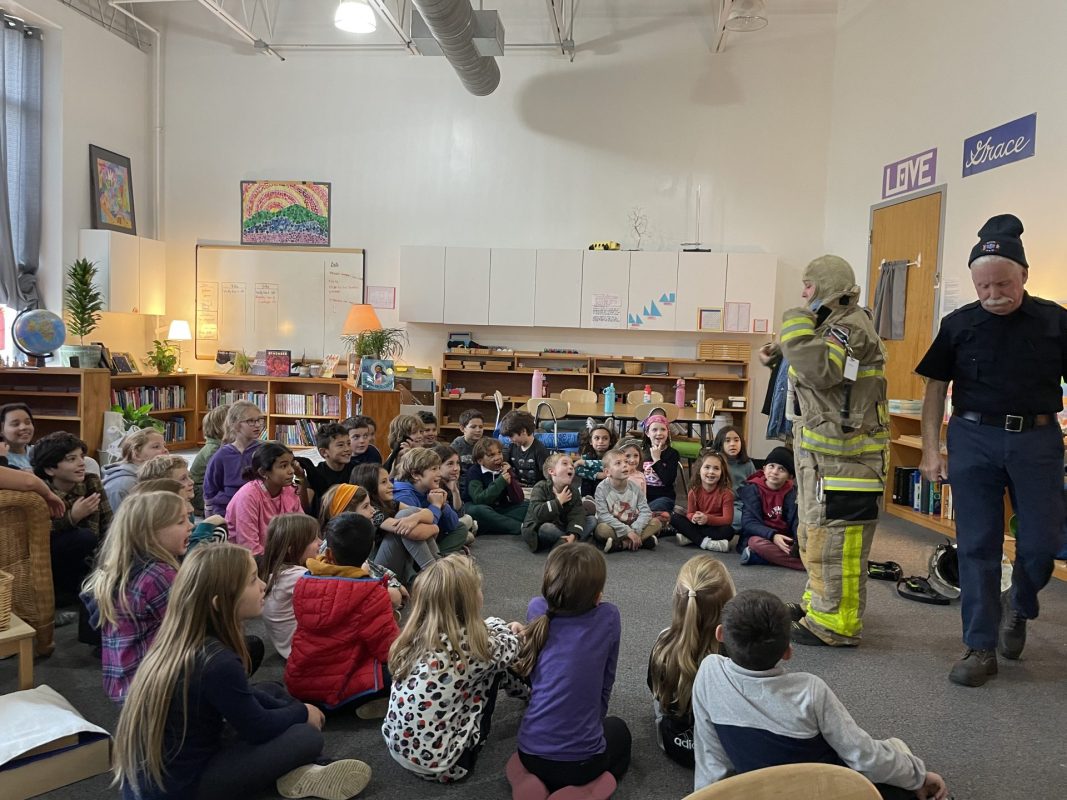
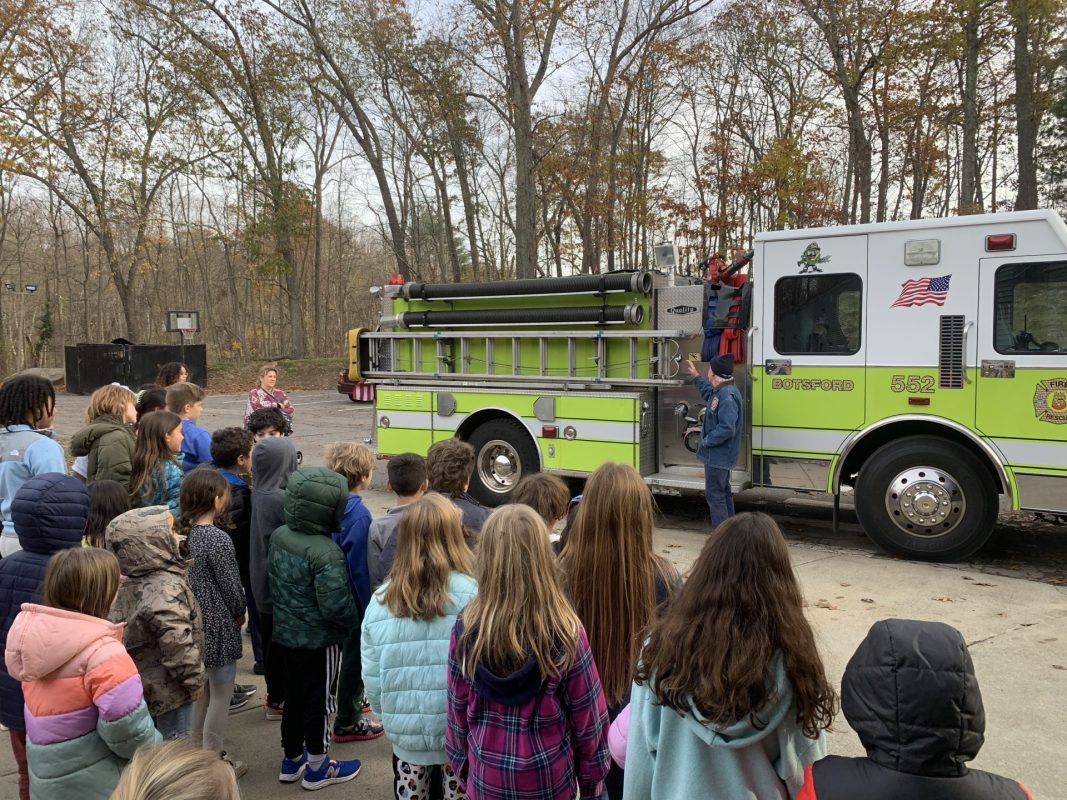
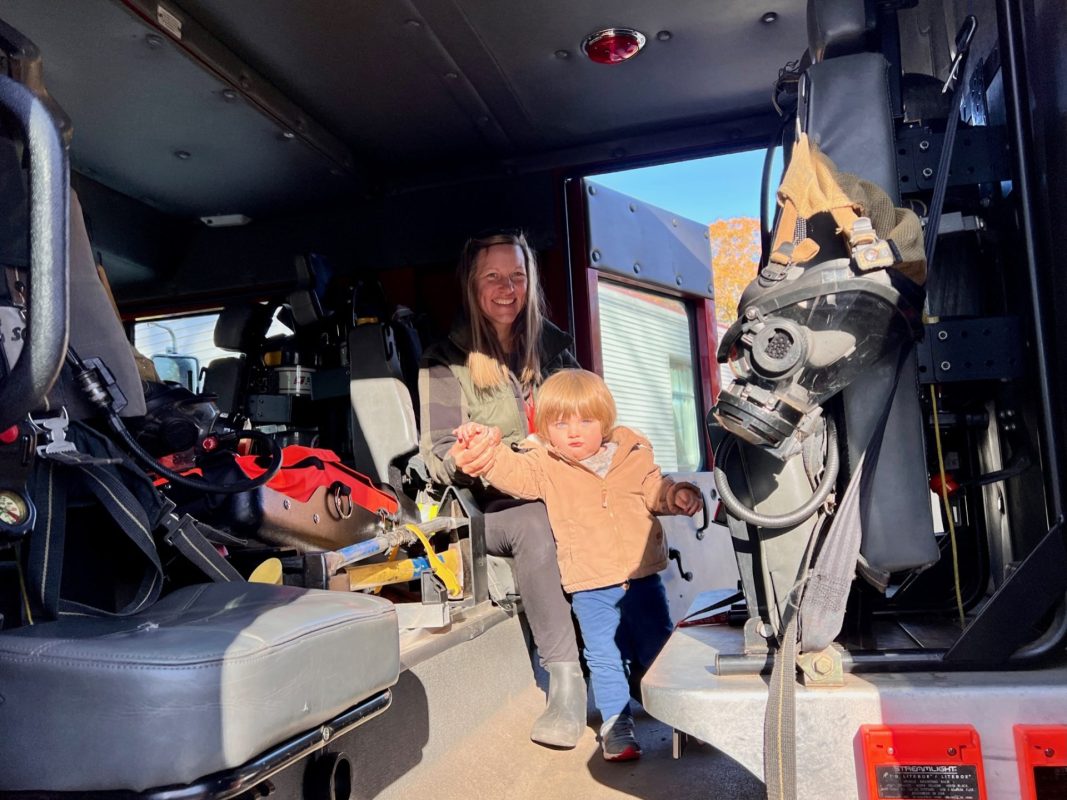
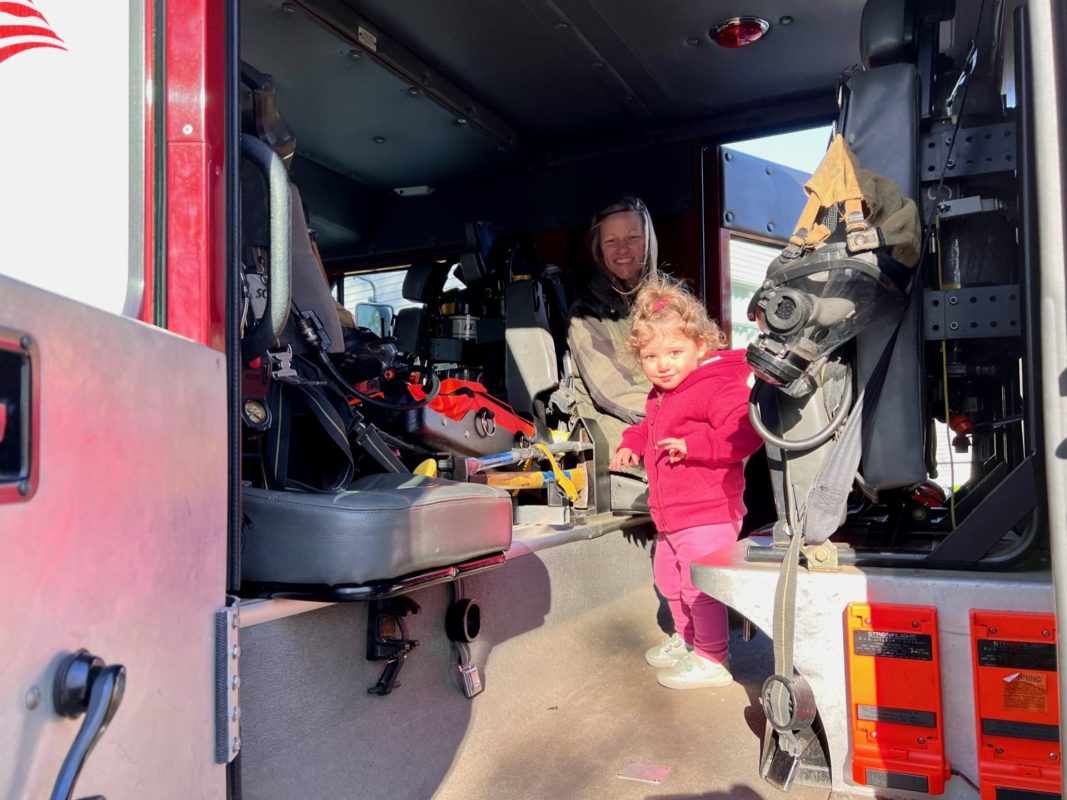
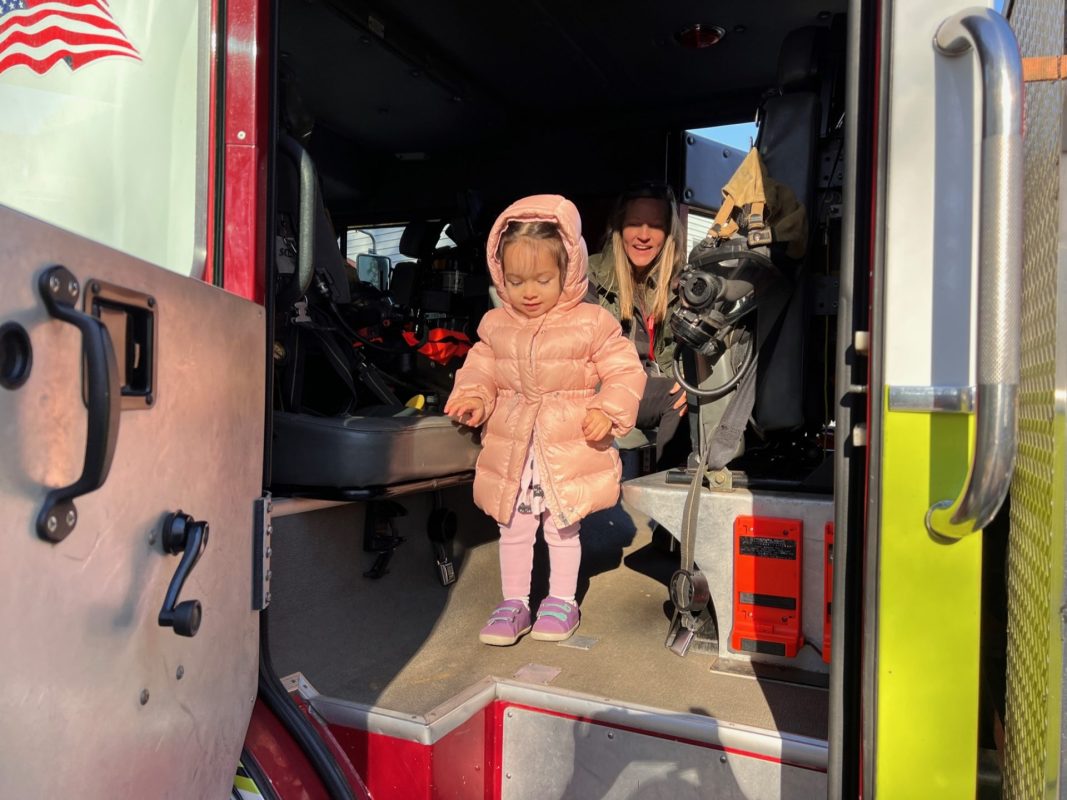
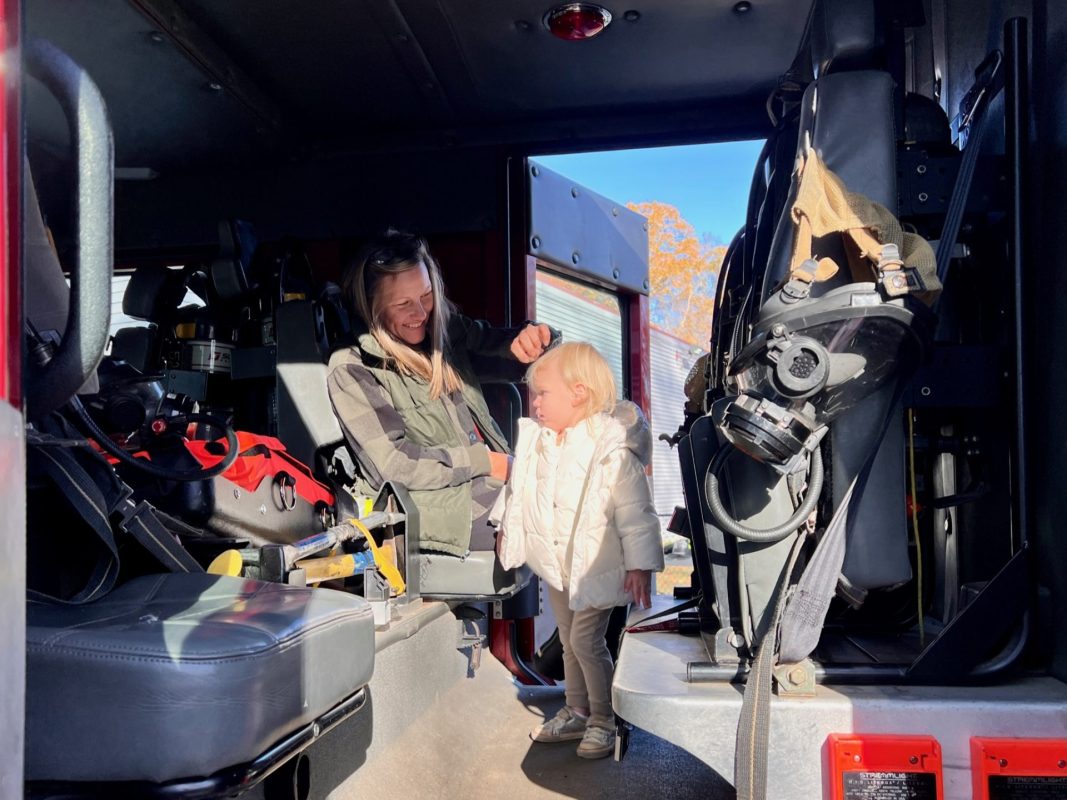
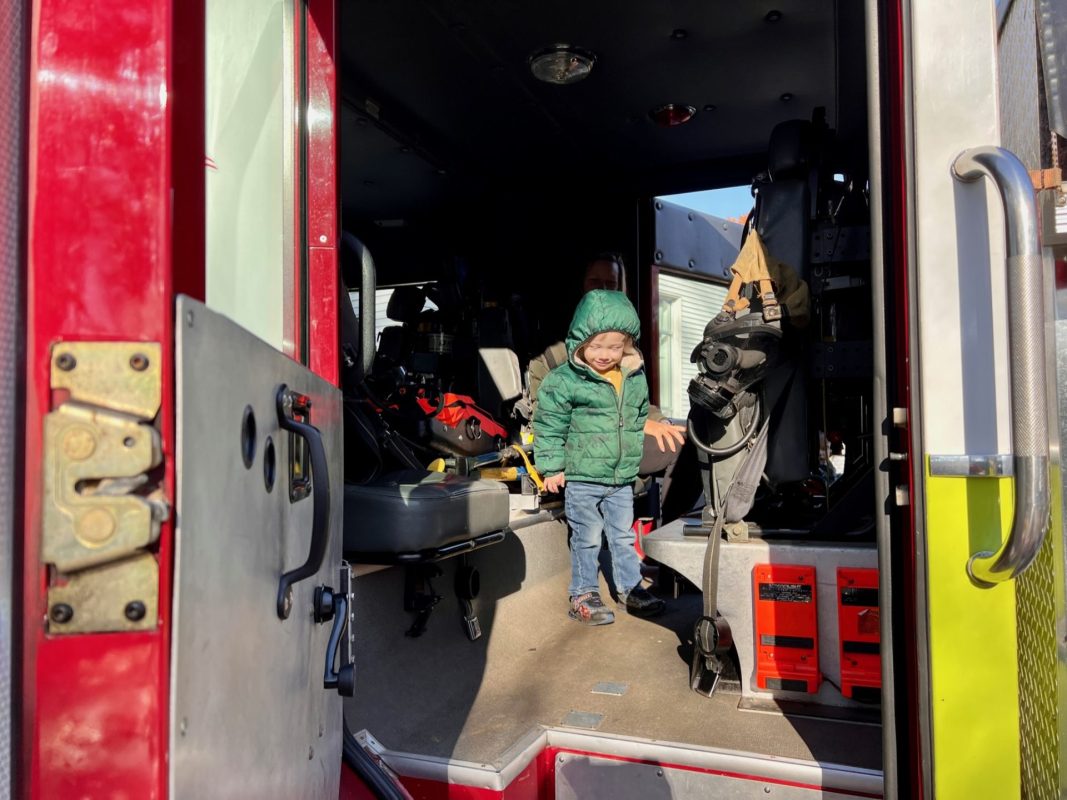
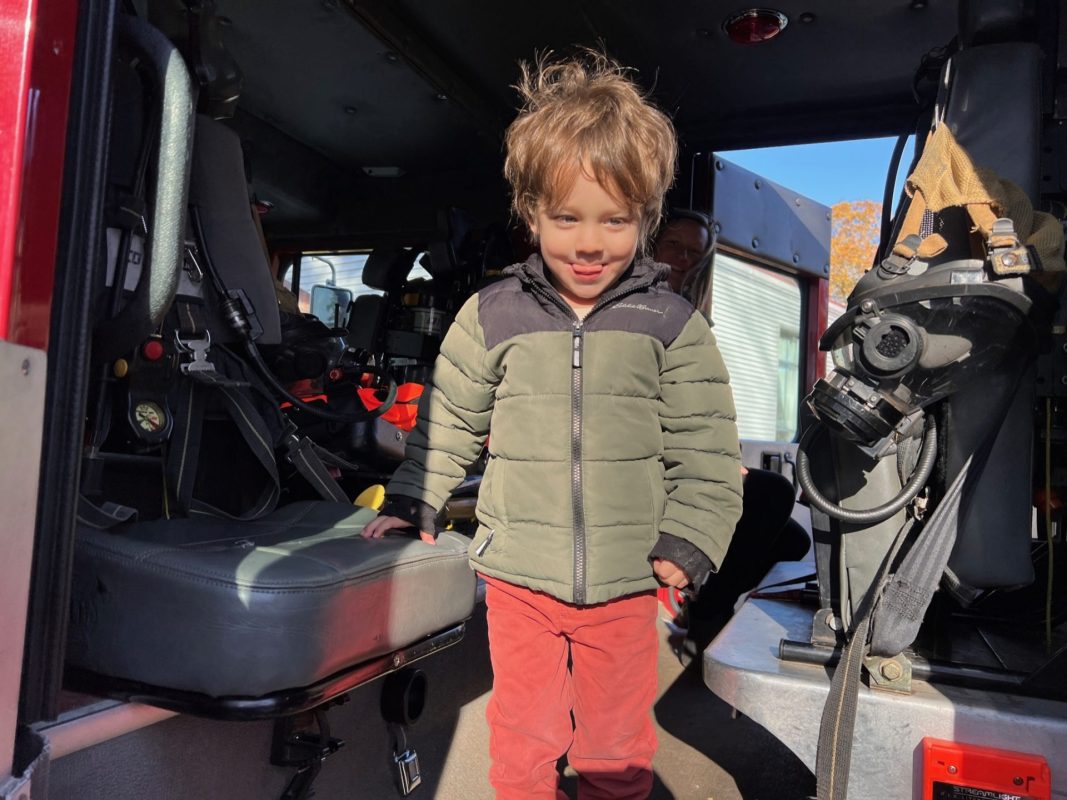
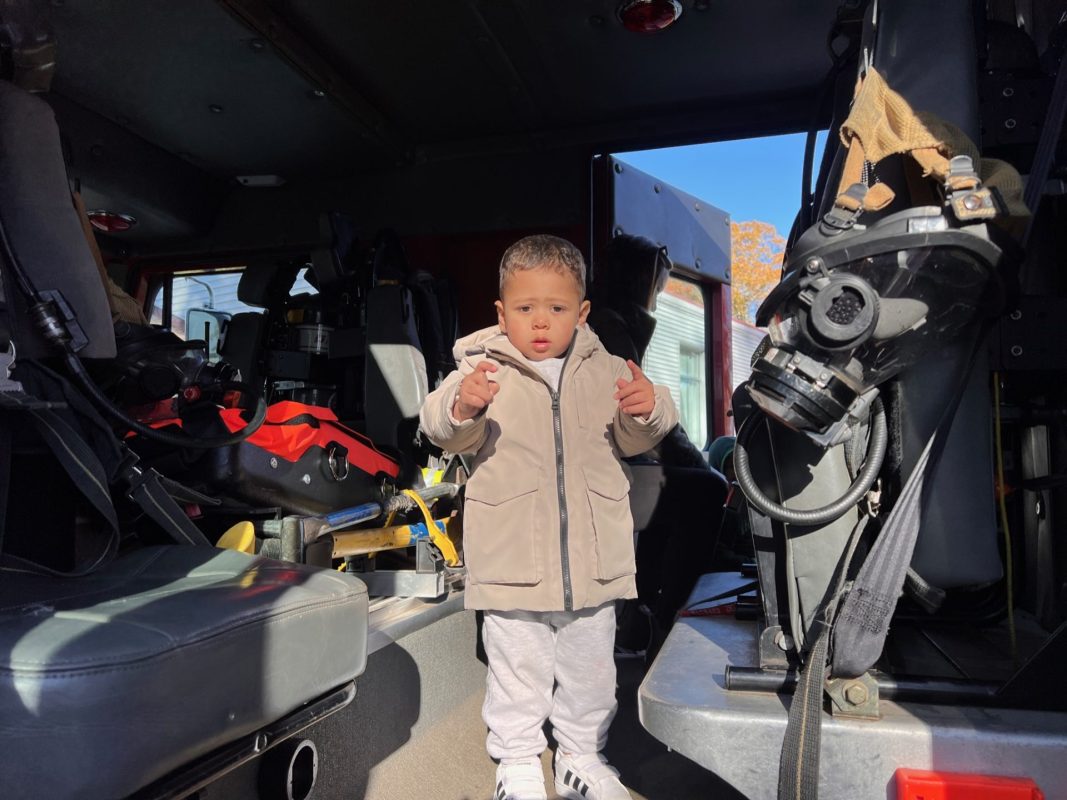
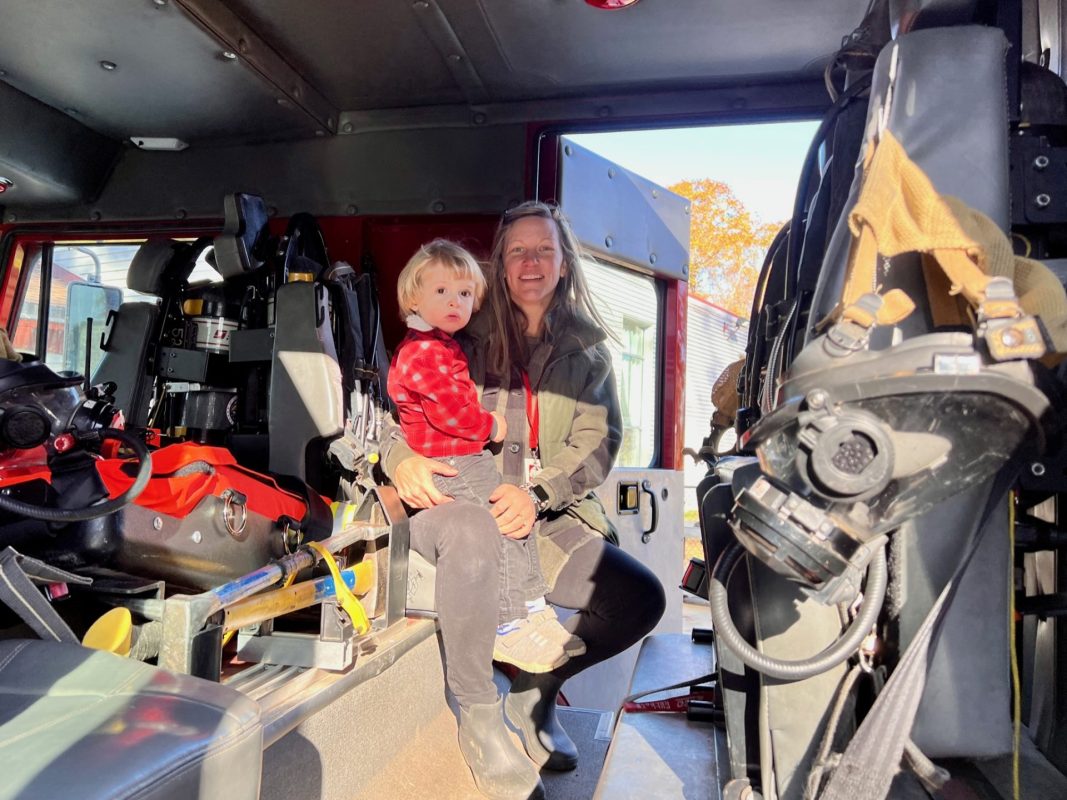
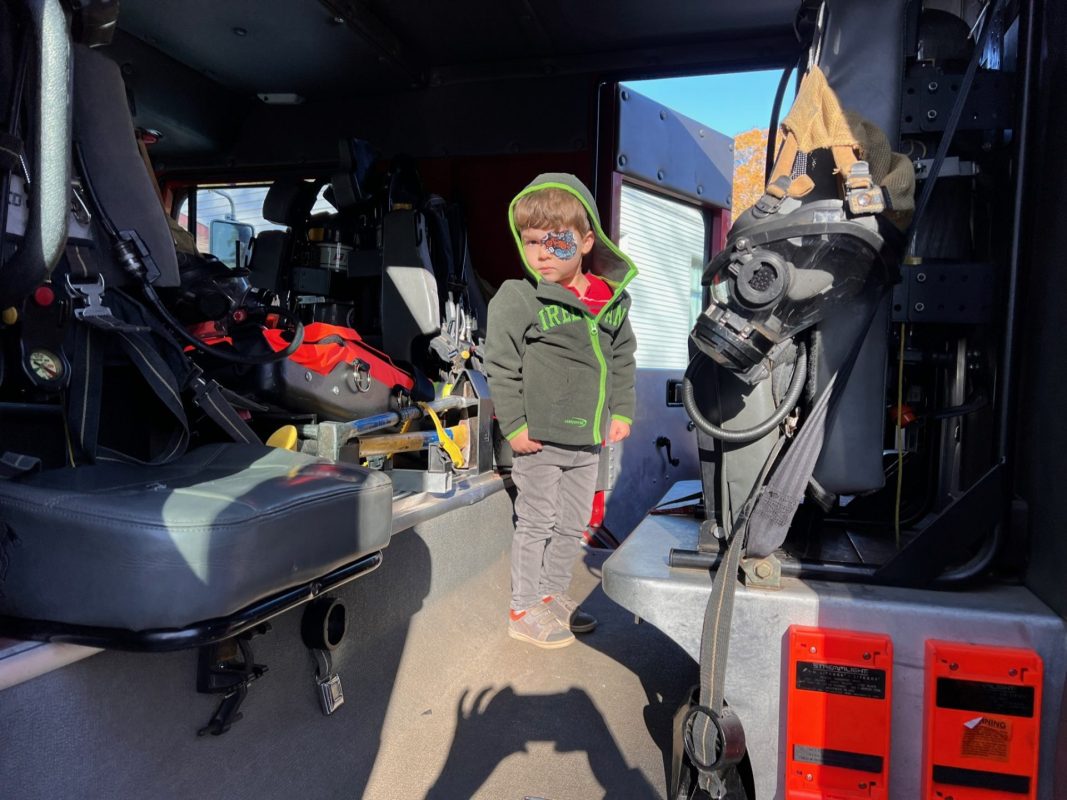
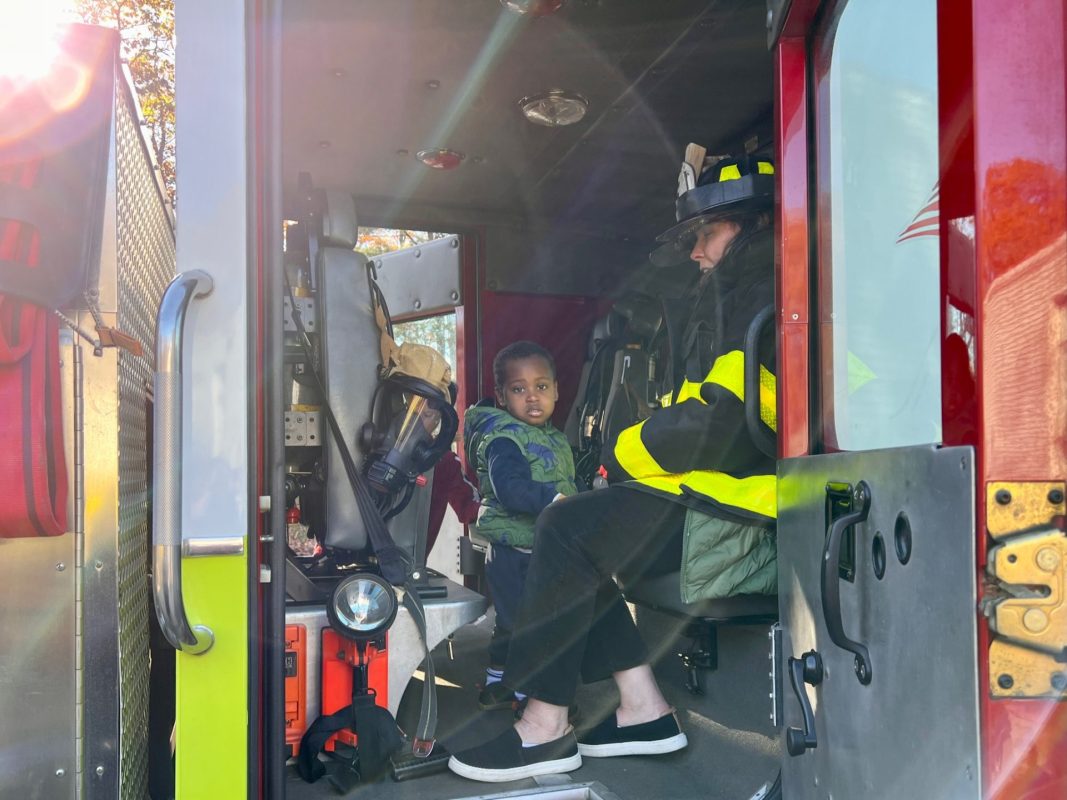
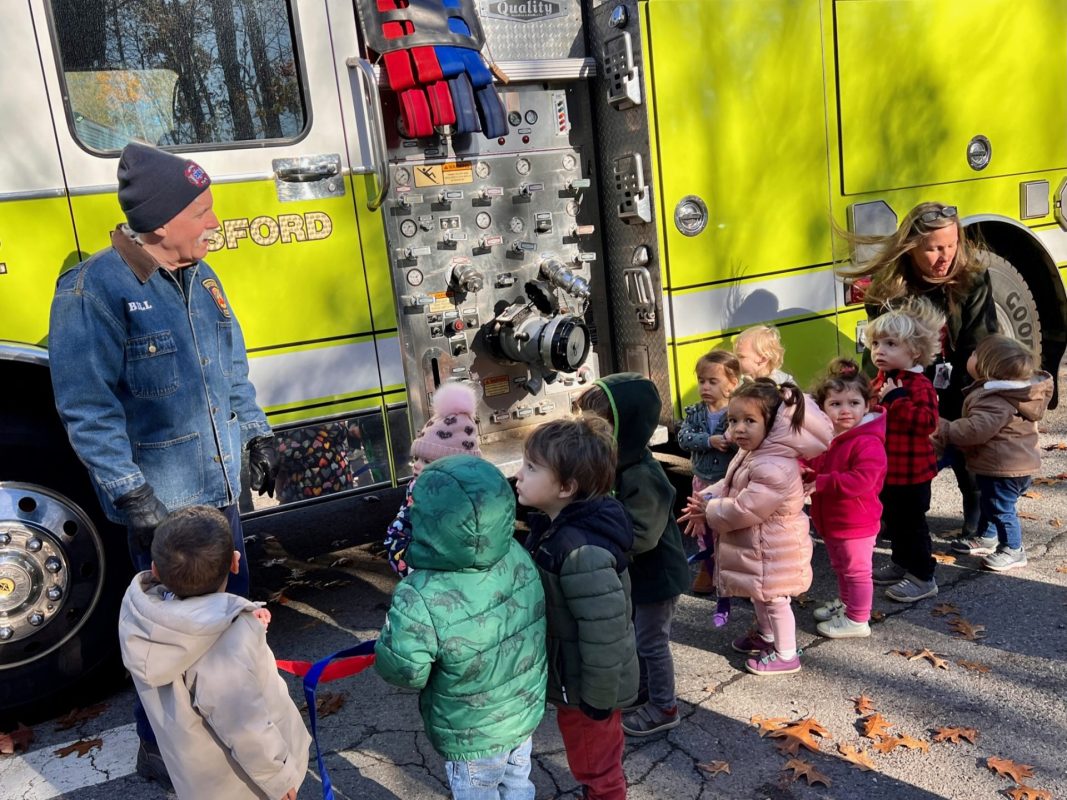
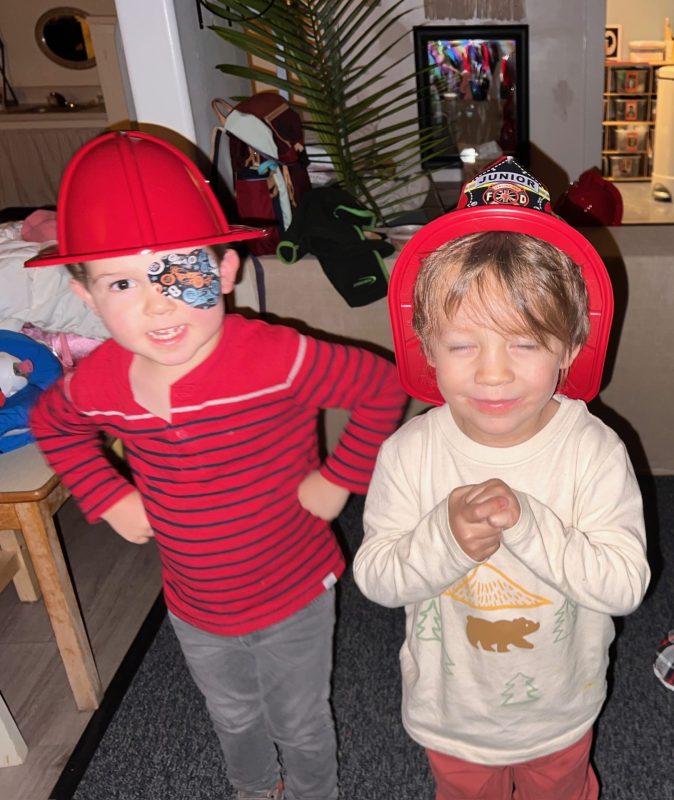
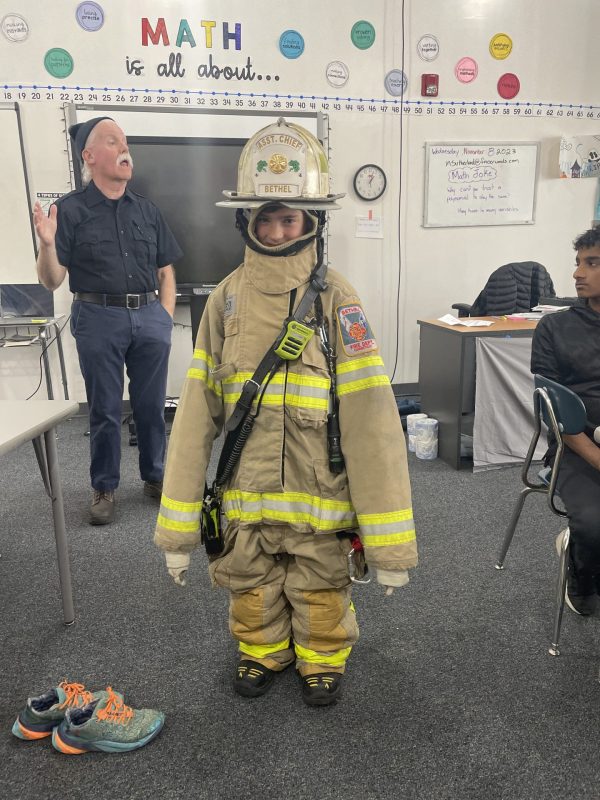
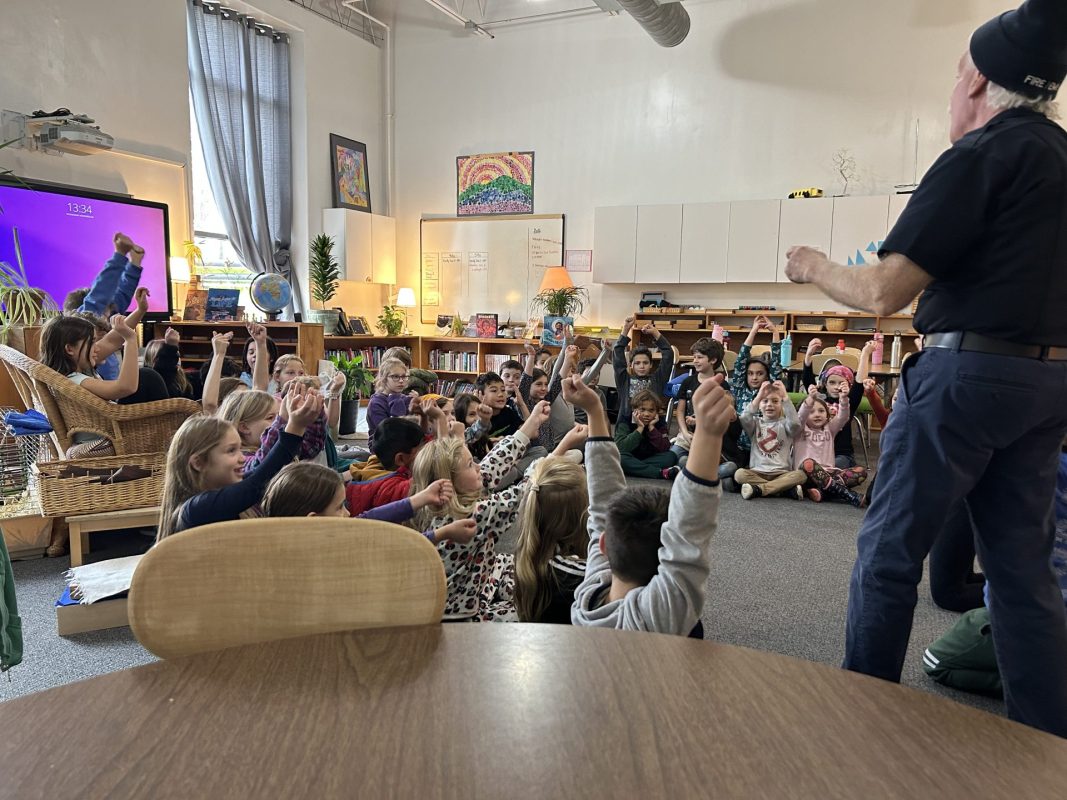
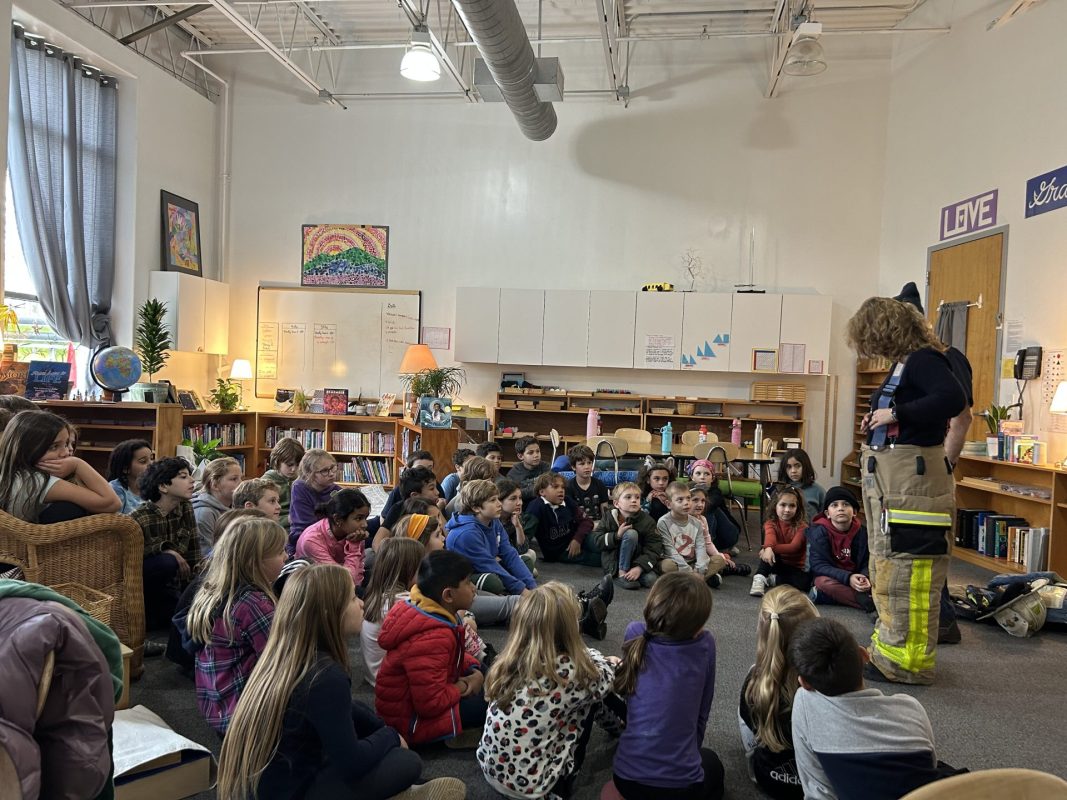
On Wednesday, we had a visit from the Botsford Fire Department. We learned about fire safety and prevention, how smoke moves through a house, and all of the equipment on a fire truck!


Mrs. Hood: With My Eyes and My Hands!

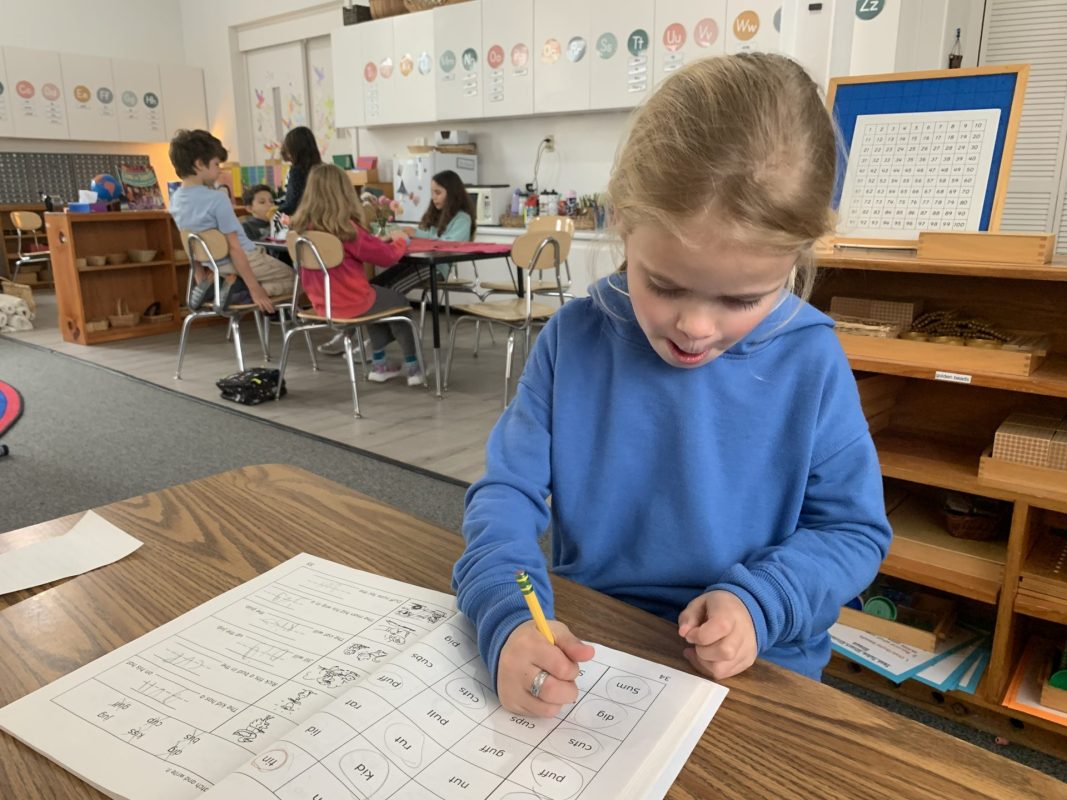
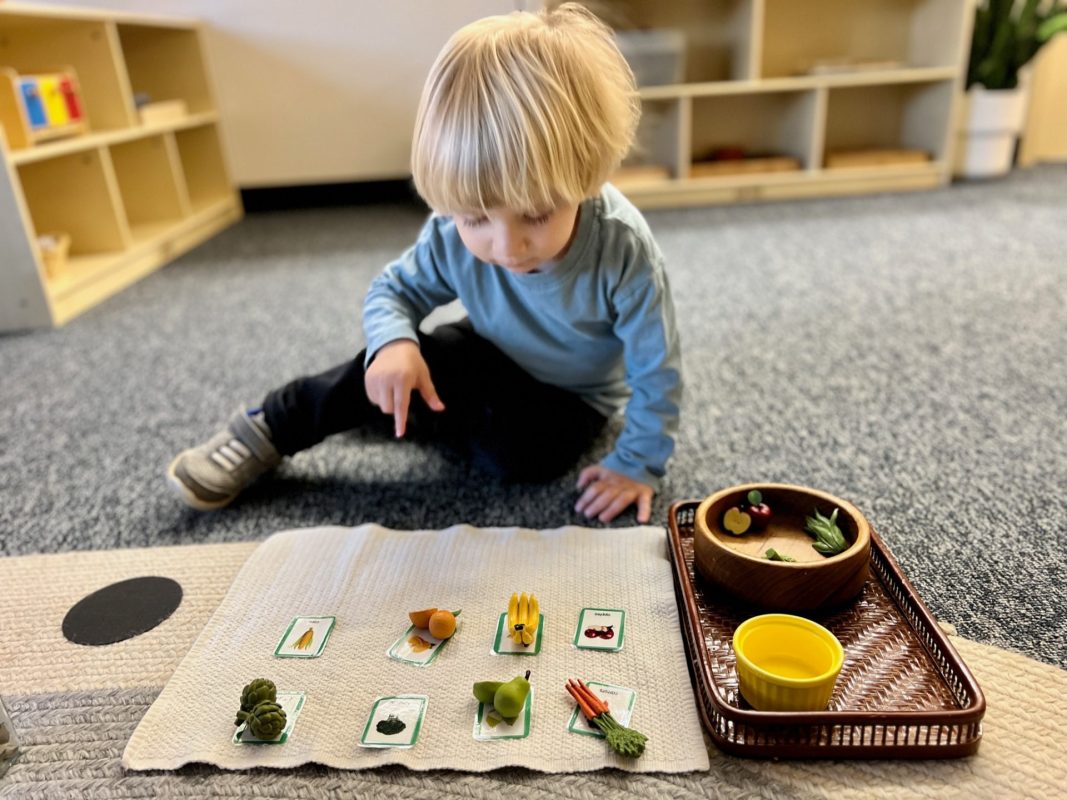
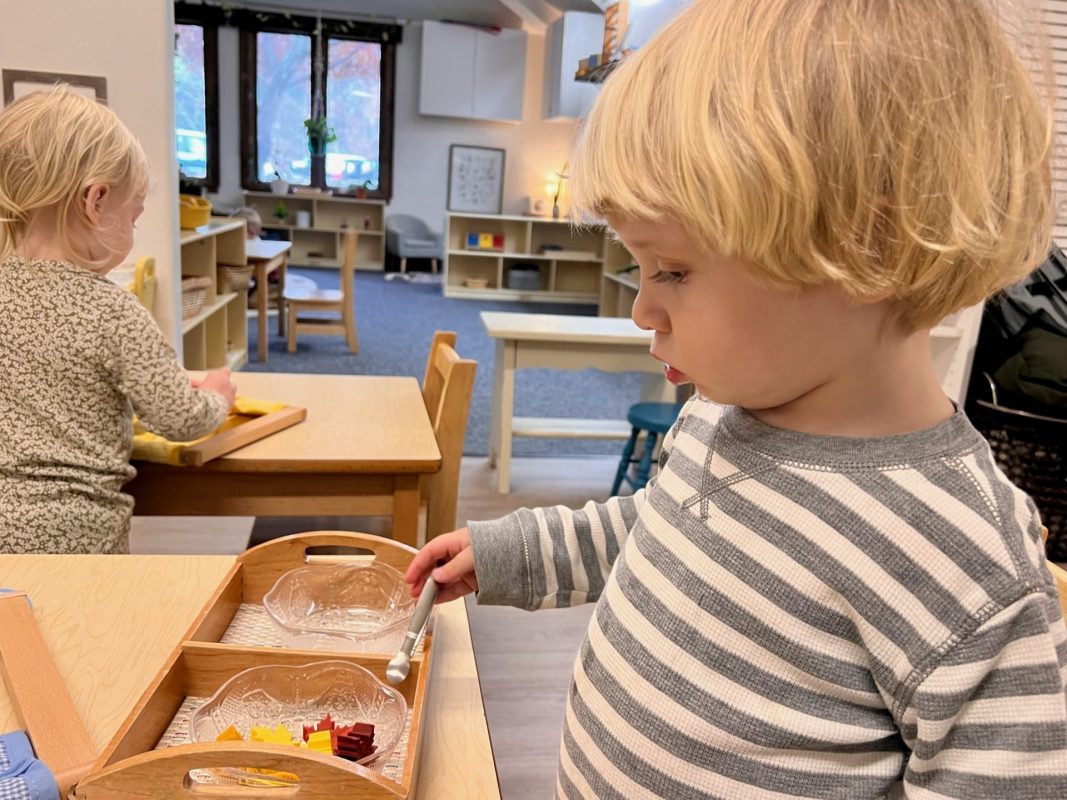
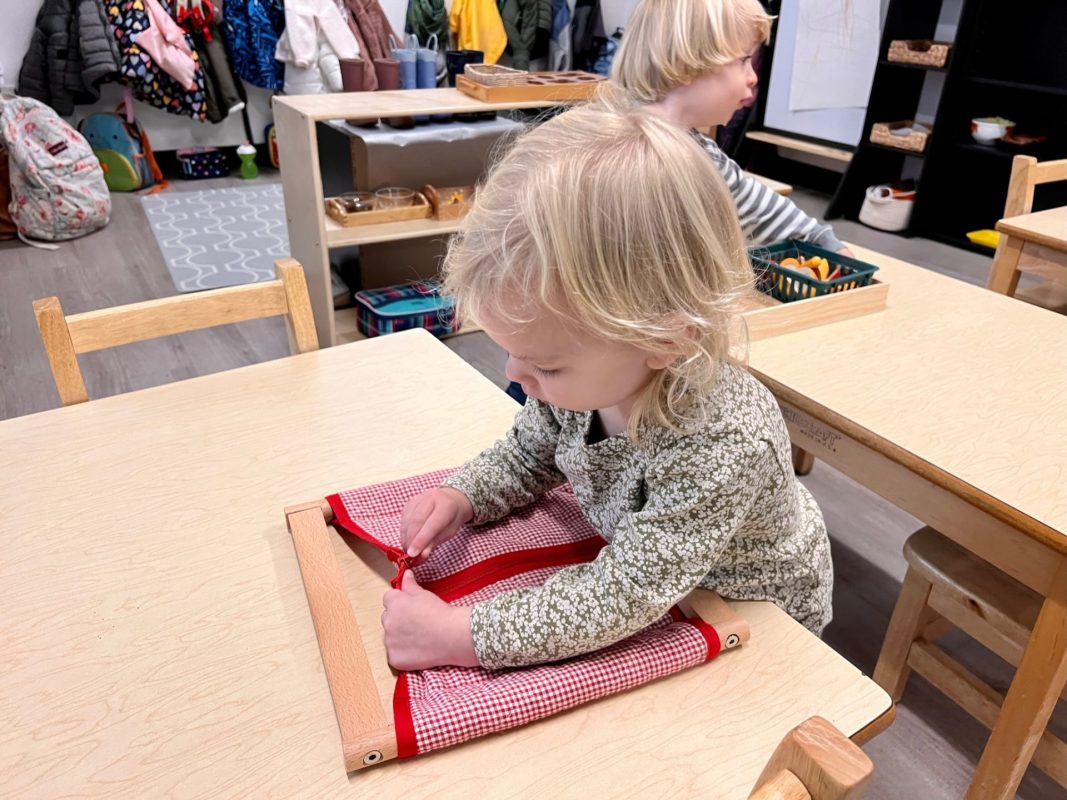
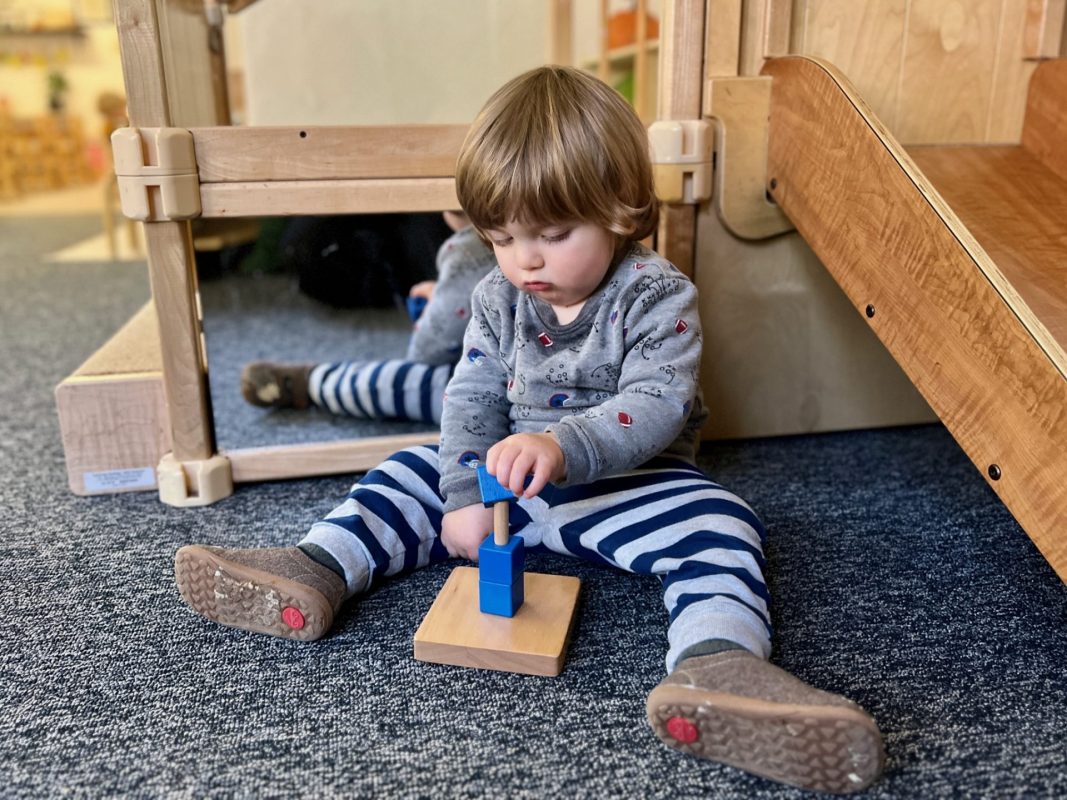
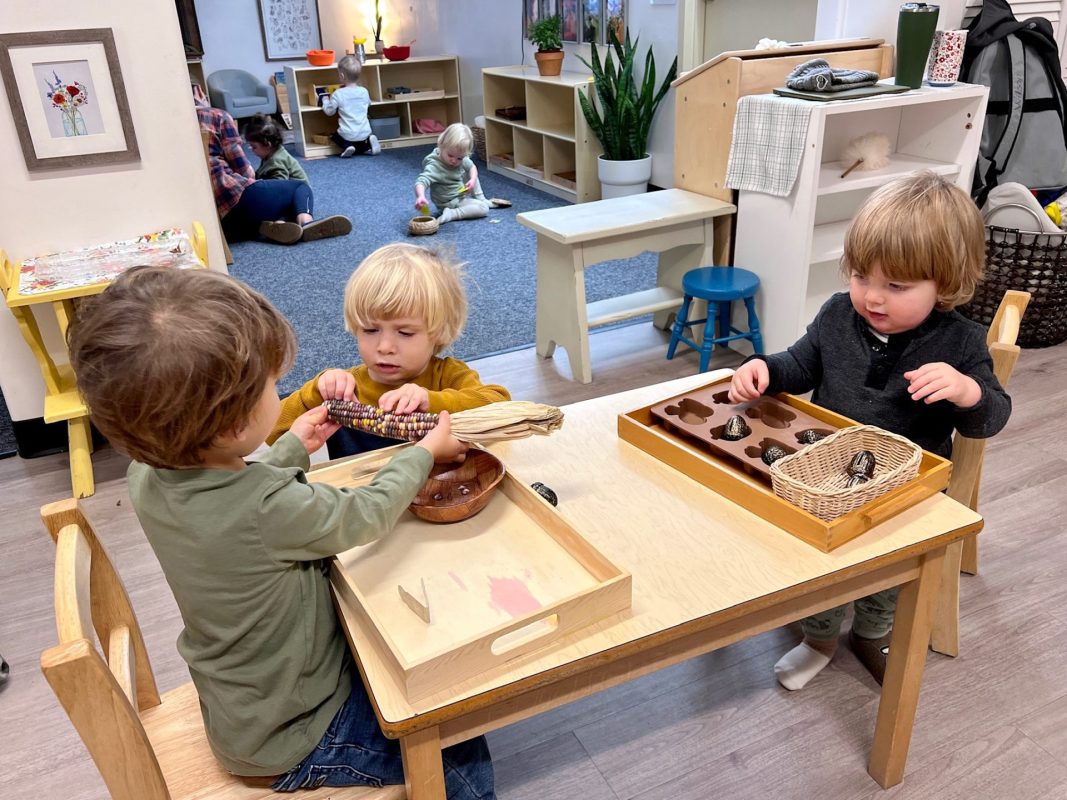
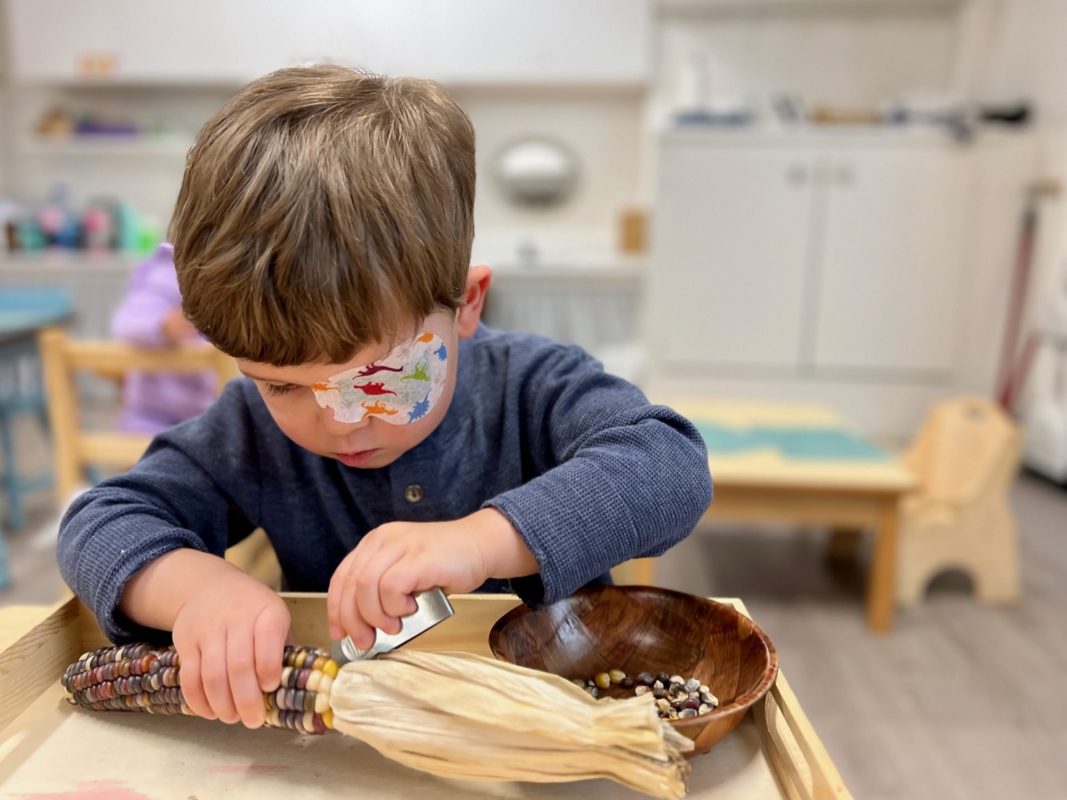
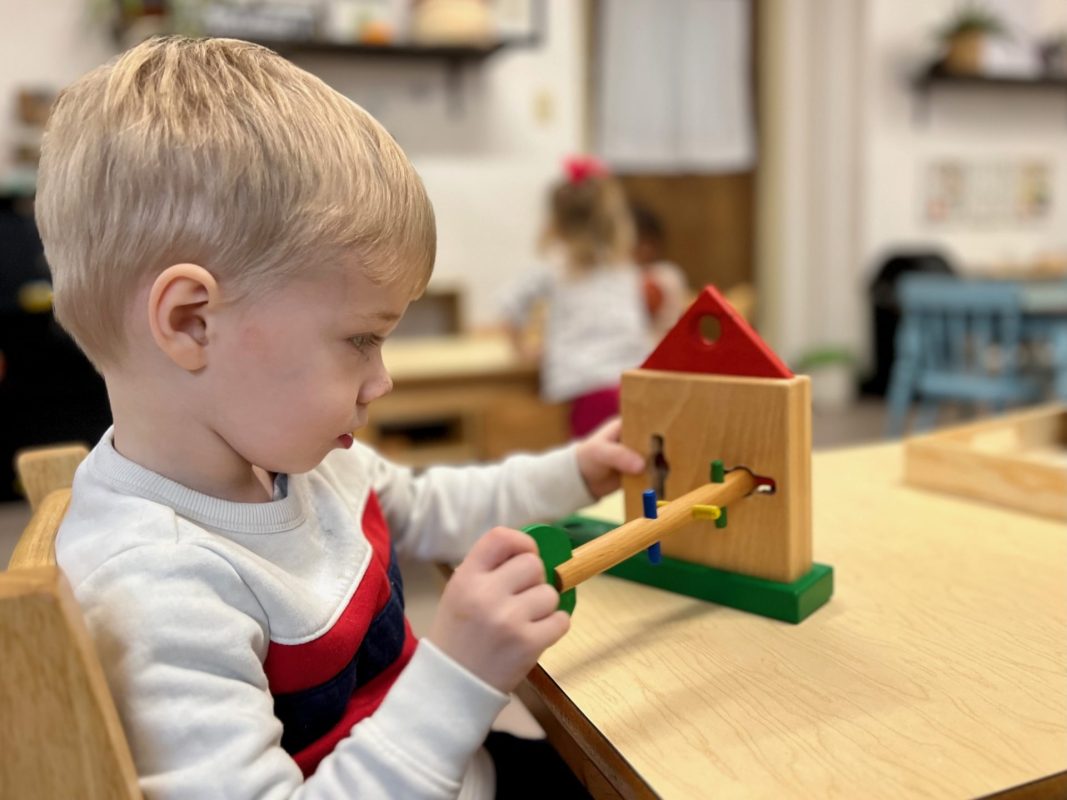
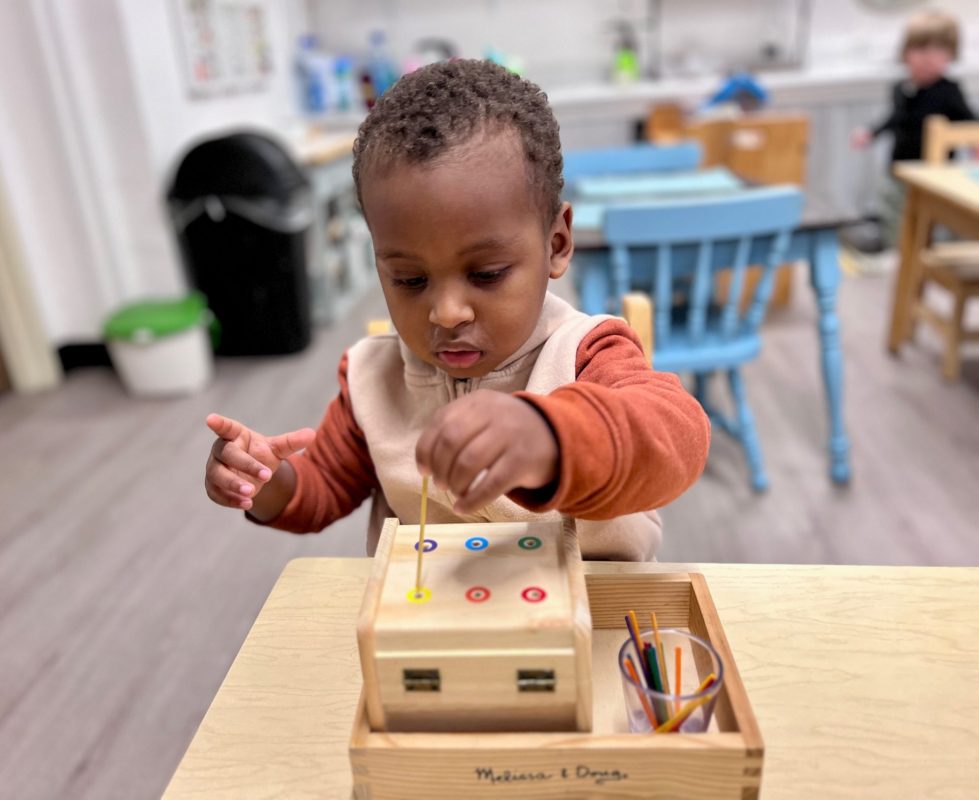
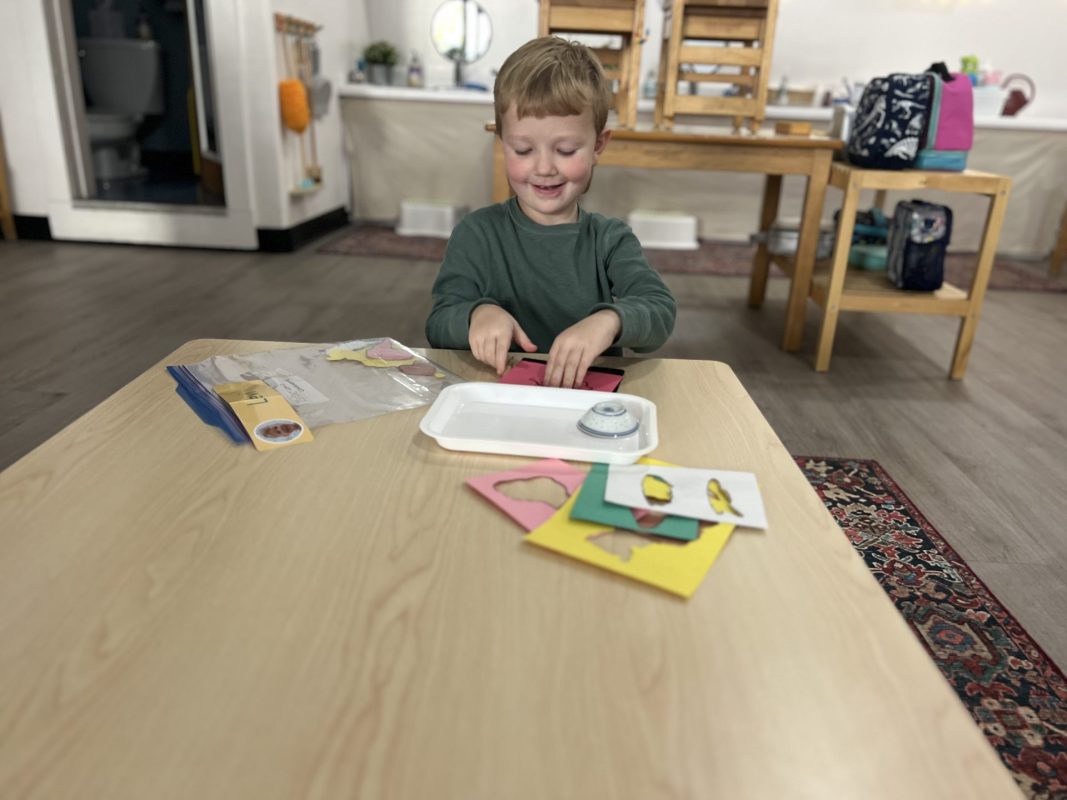
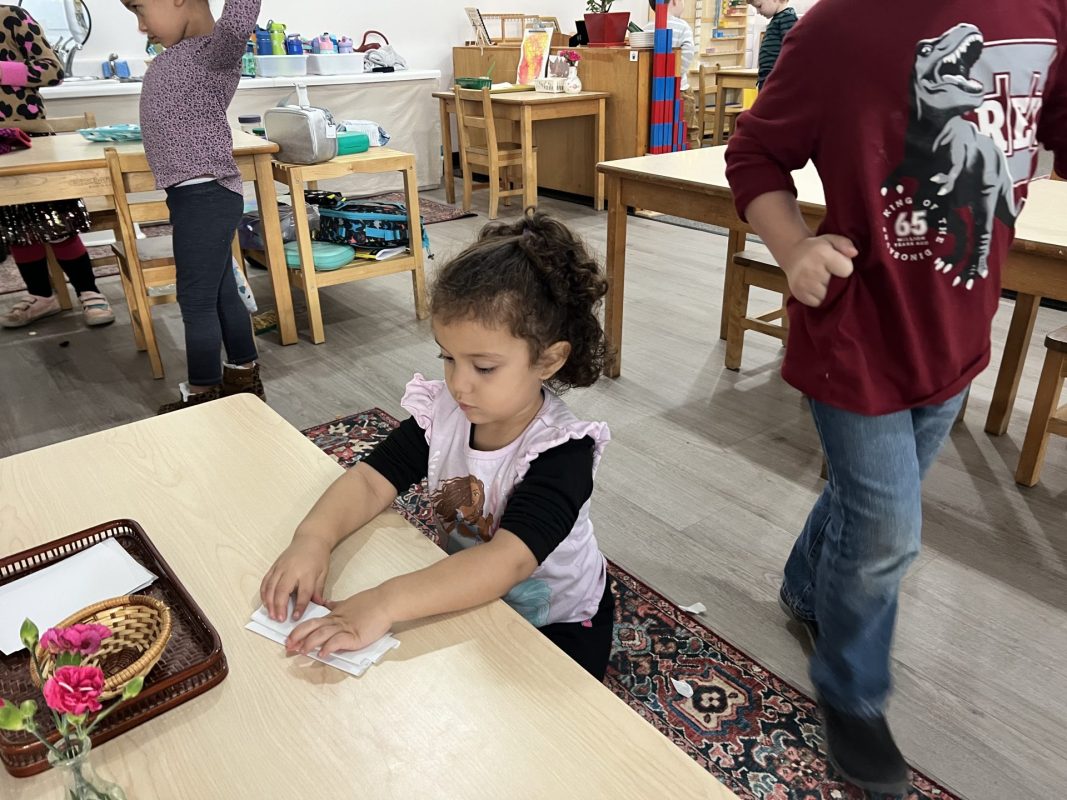
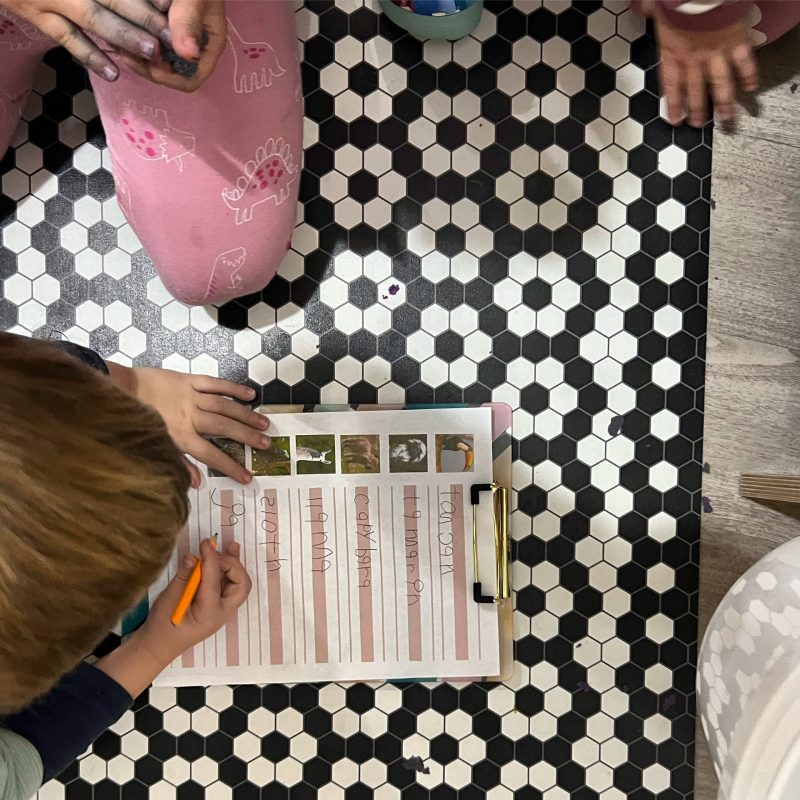
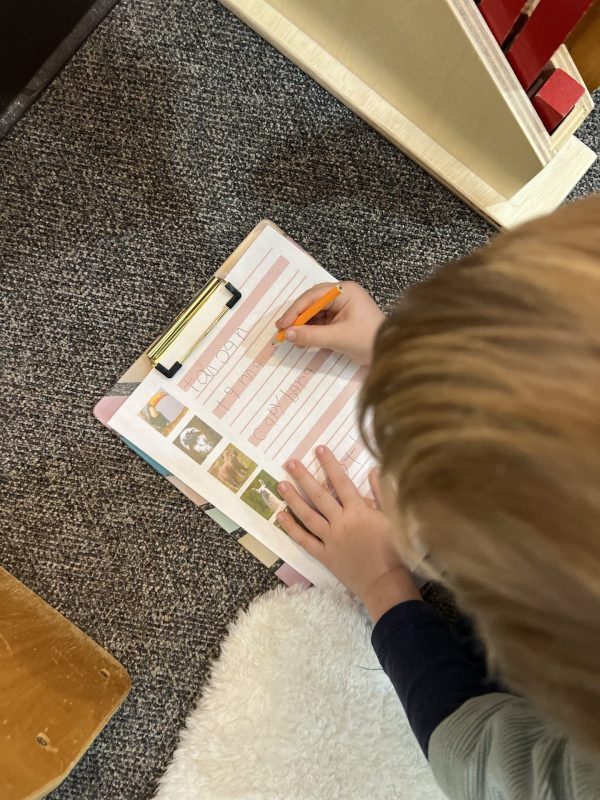
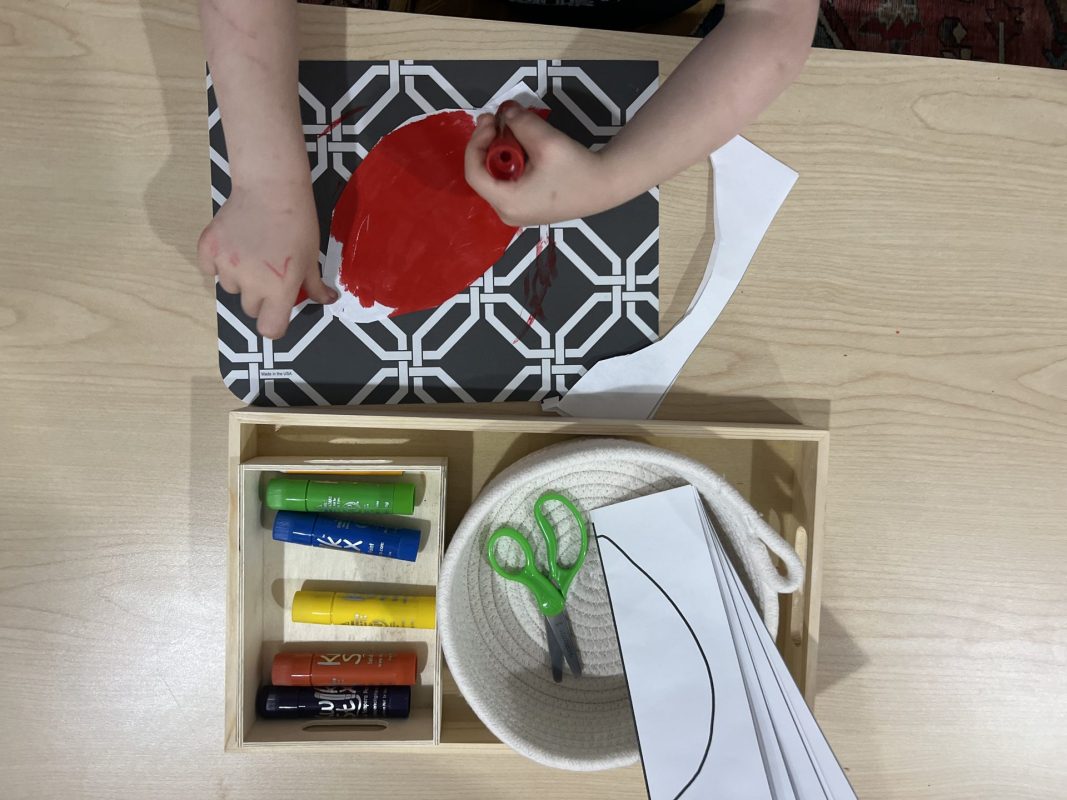
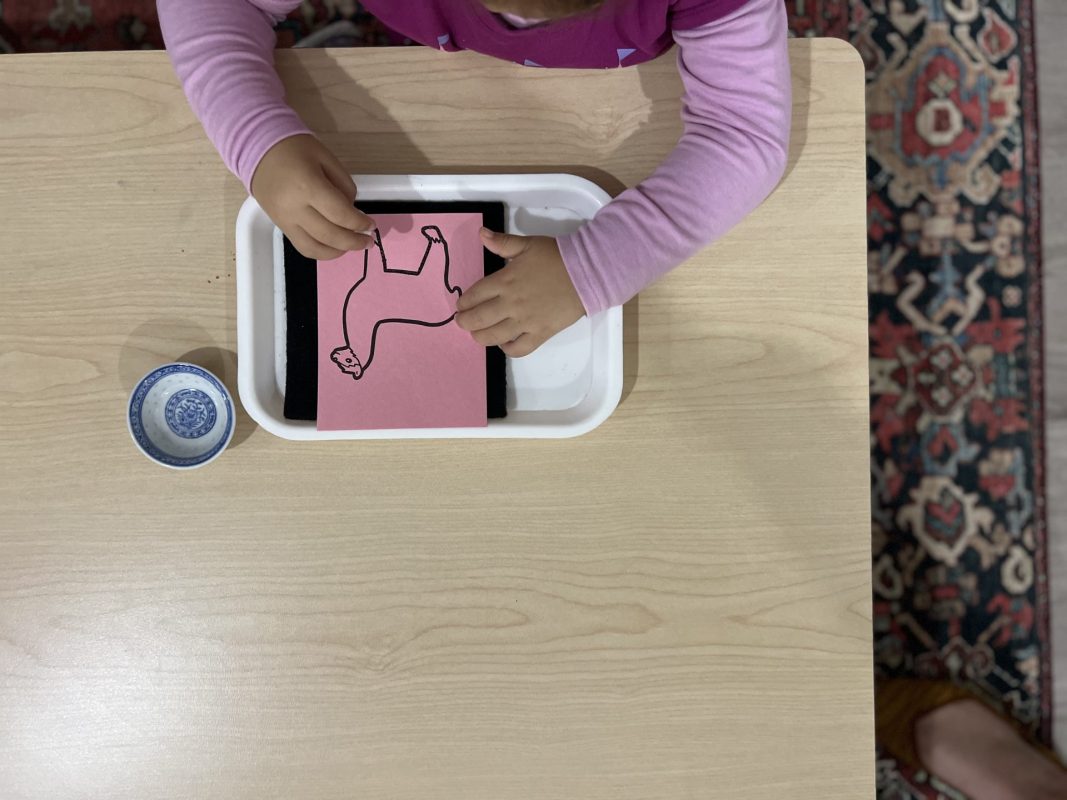
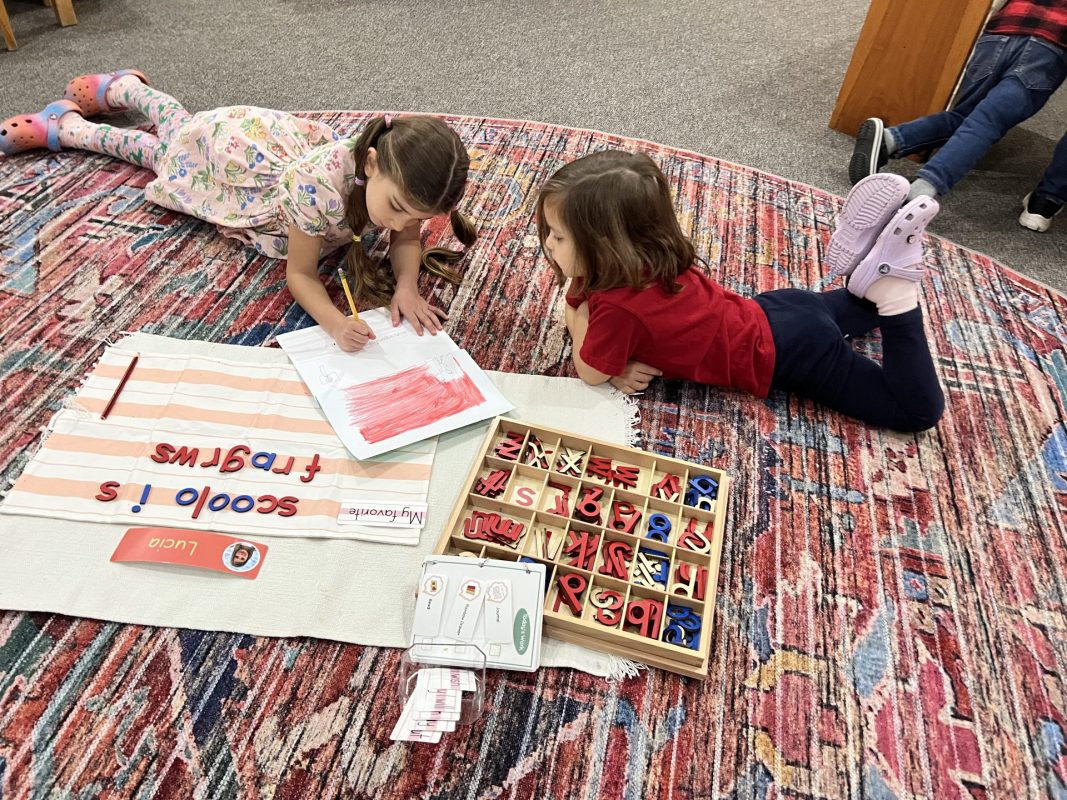
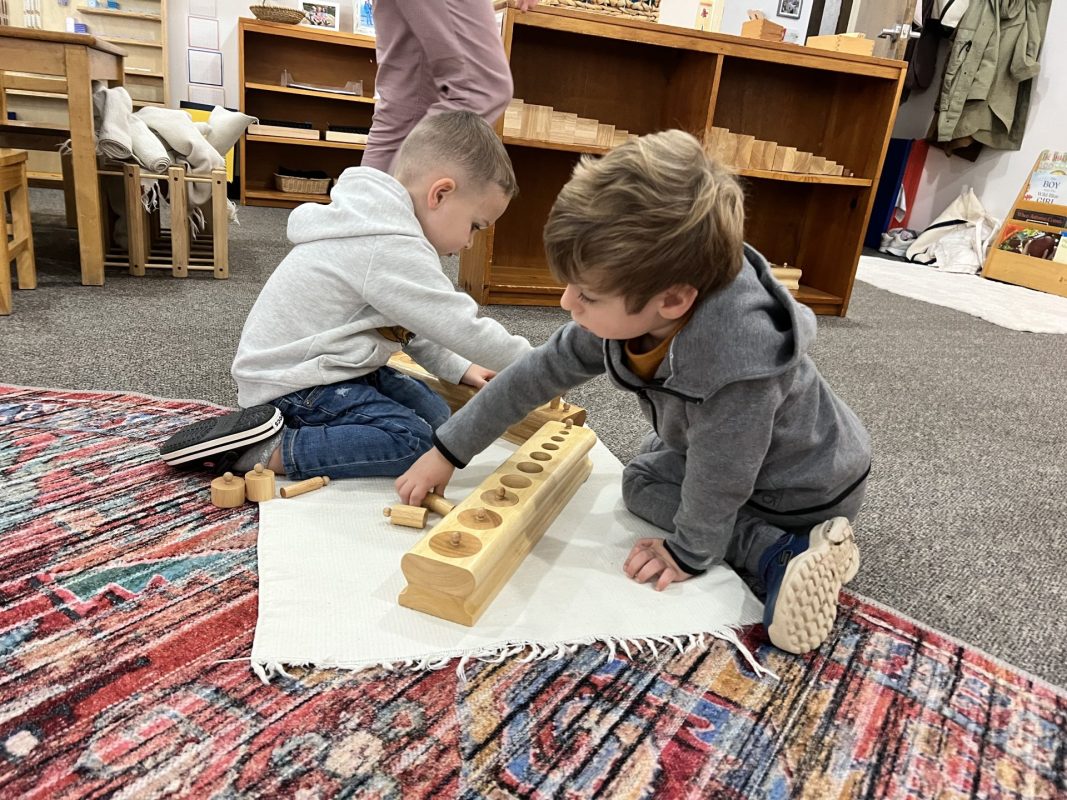
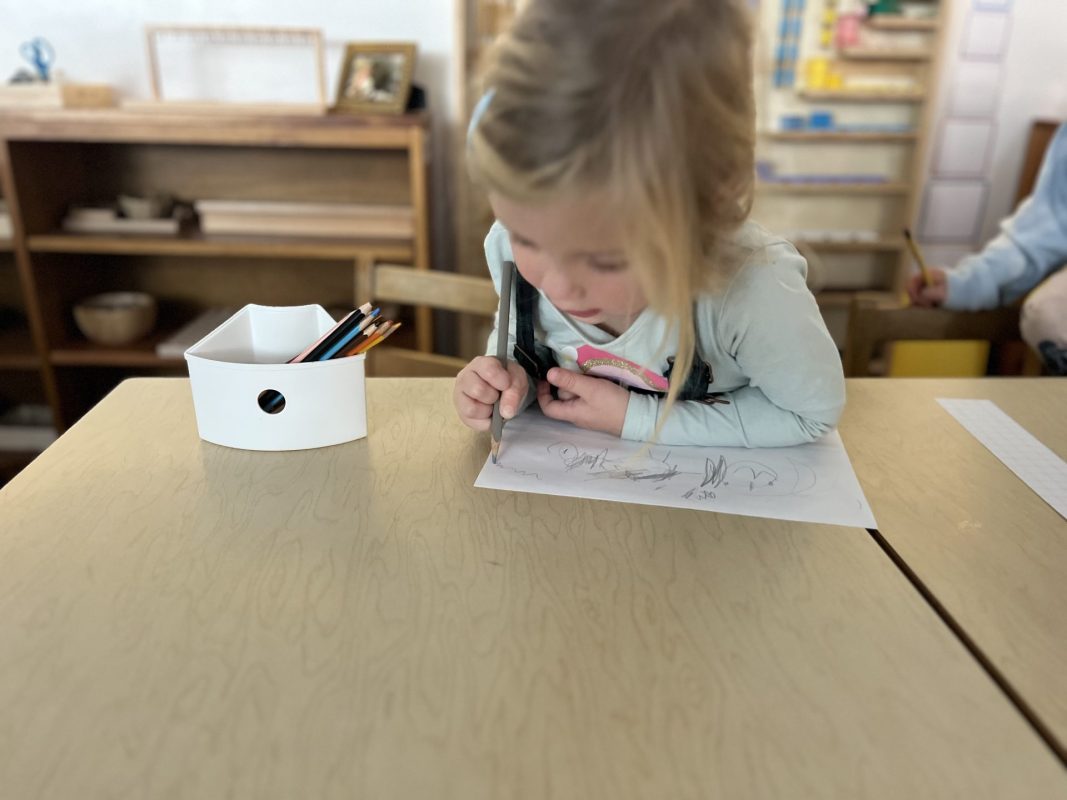
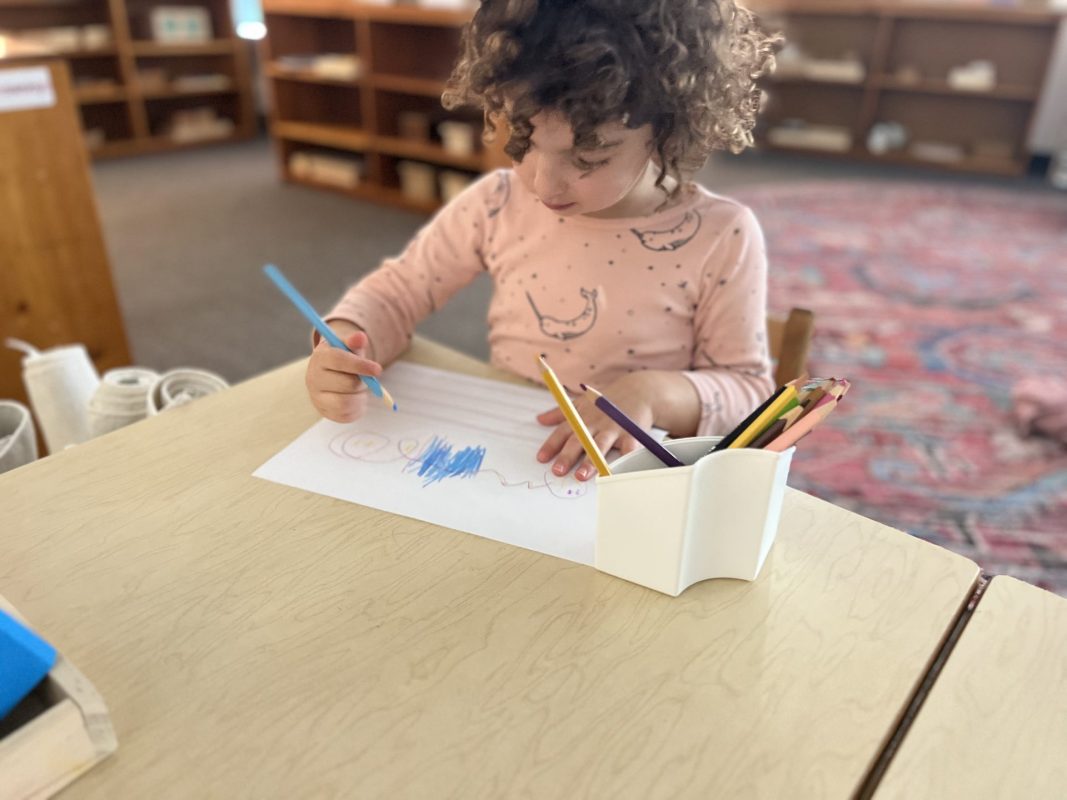
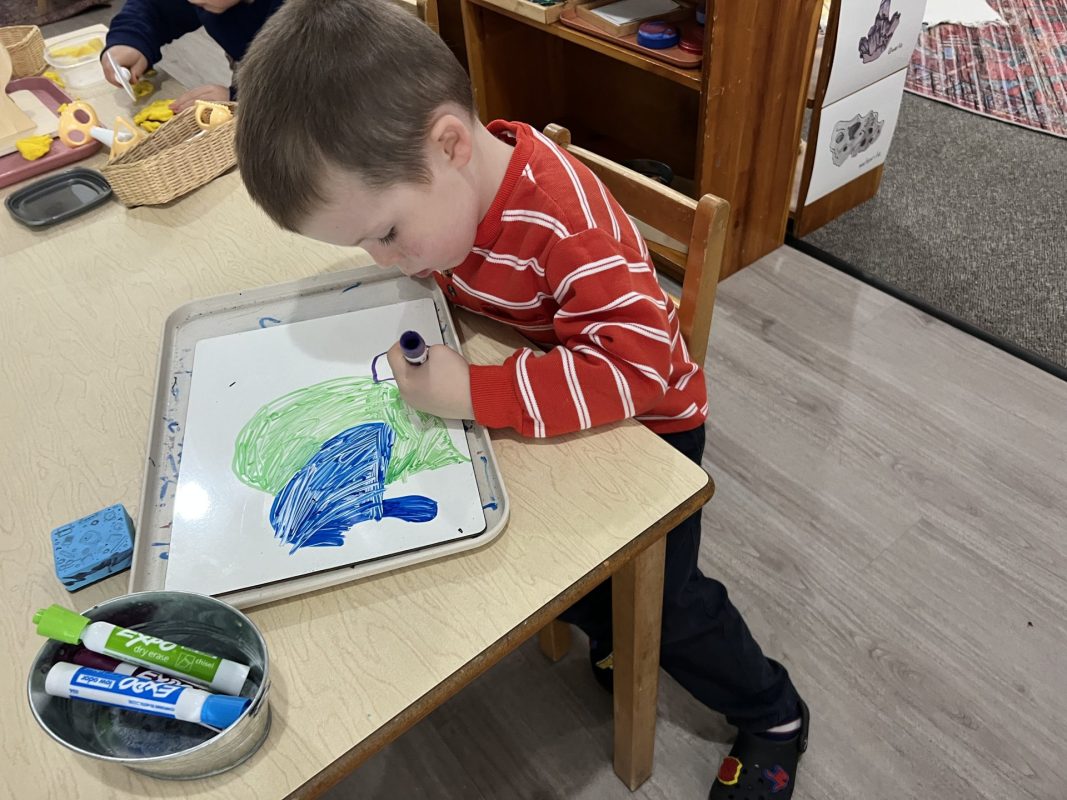
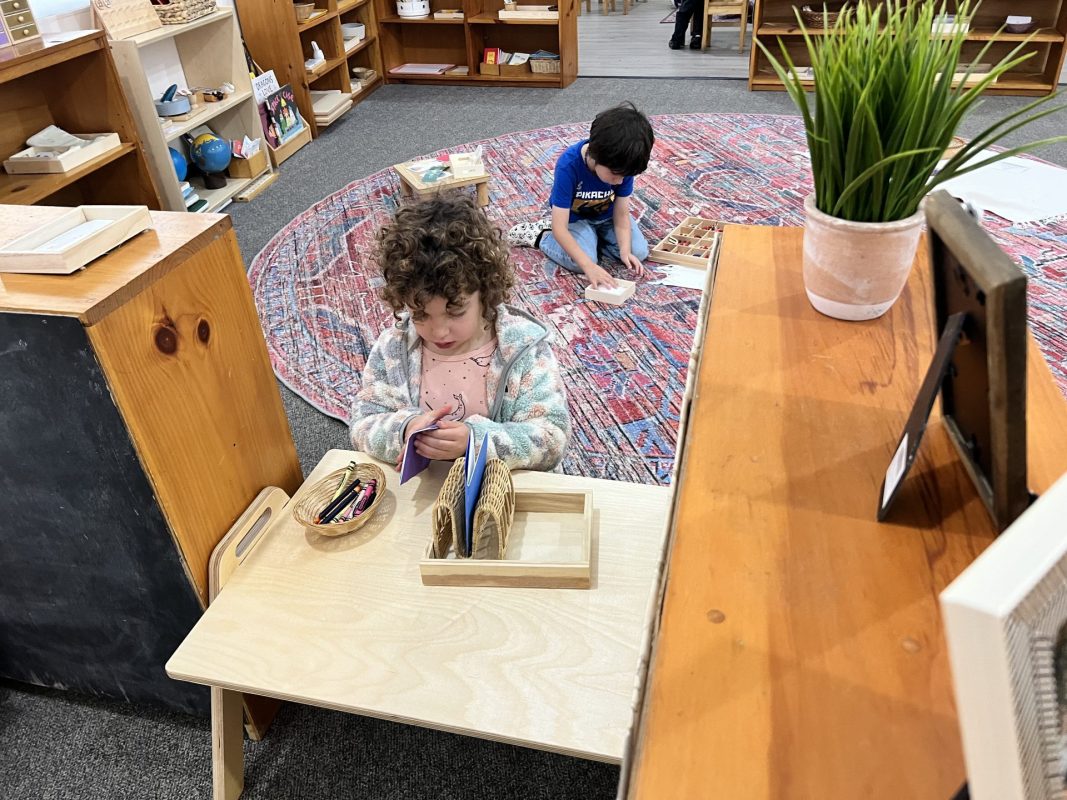
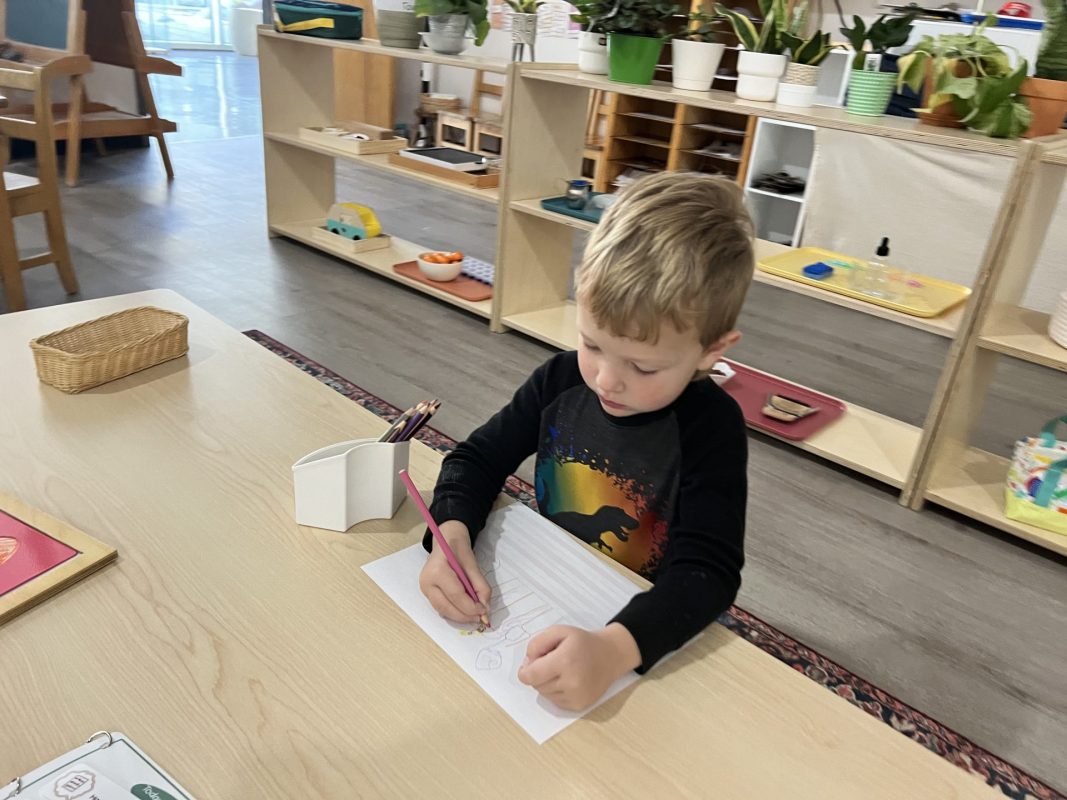
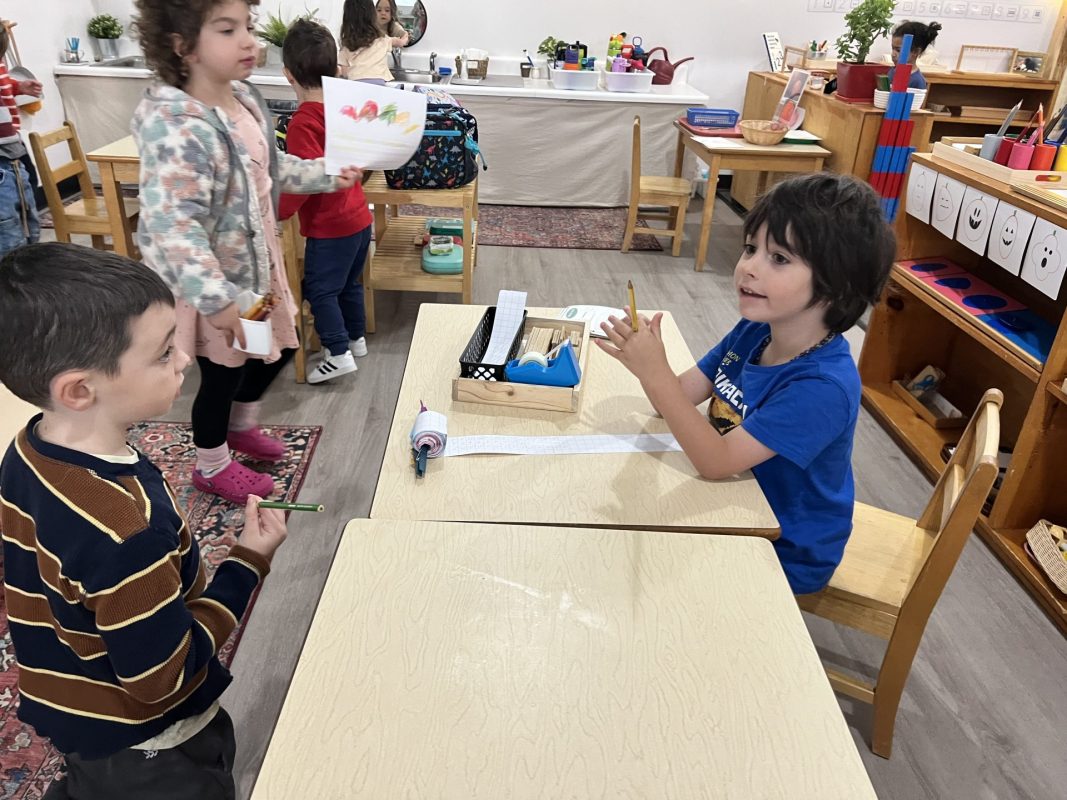
Hand-eye coordination is one of the most important parts of the learning process. It helps your child track the movements of their hands with their eyes, which is essential for decoding and reading. Because your child also uses their visual system with hand-eye coordination, it can greatly impact their writing skills and handwriting as they use their eyes to guide, direct, and control their hand movements across the page as they write letters and words.

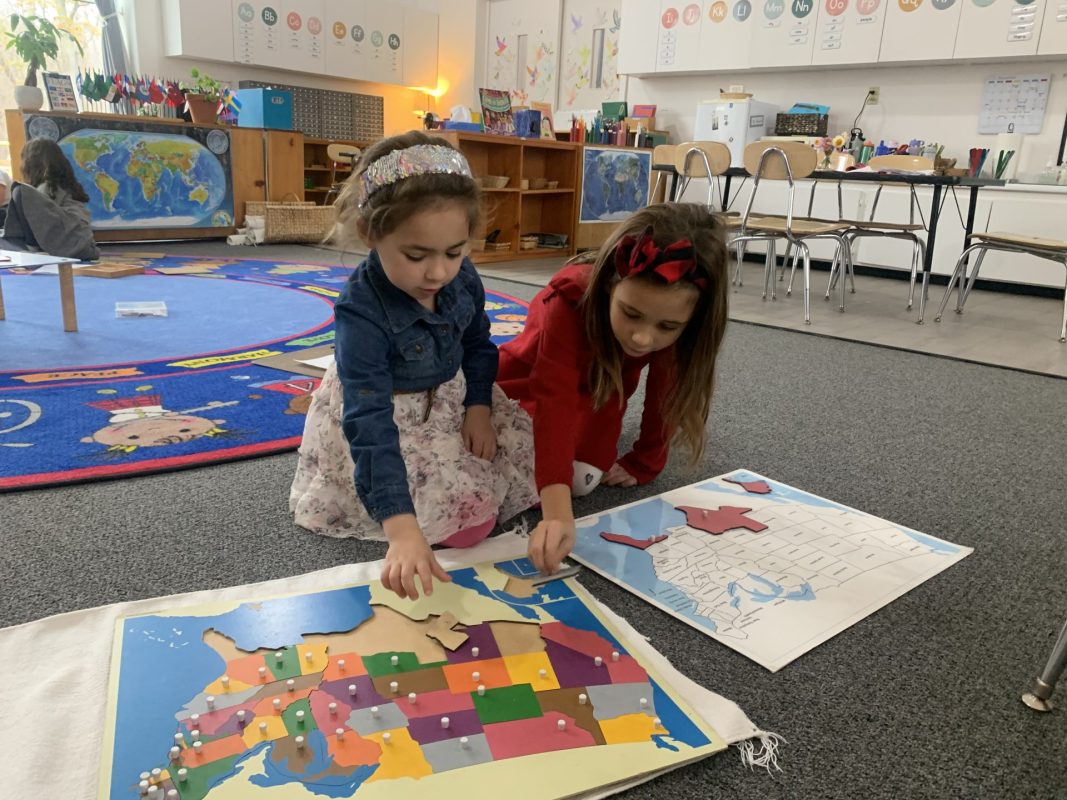
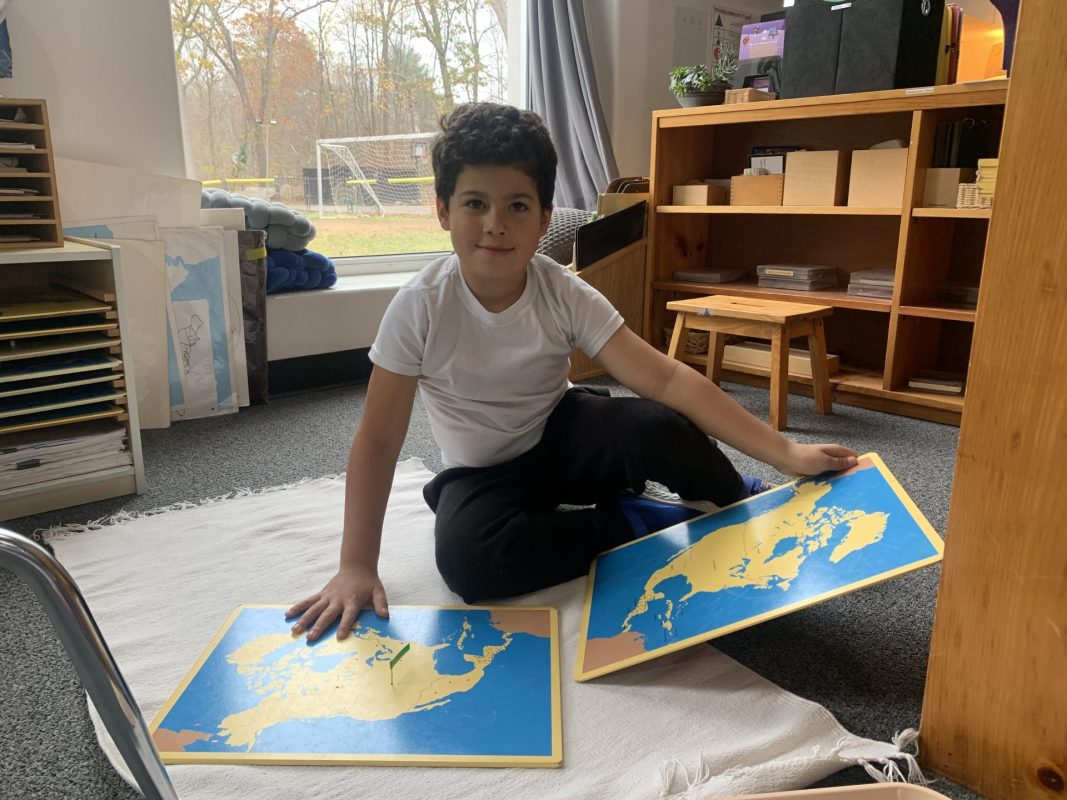
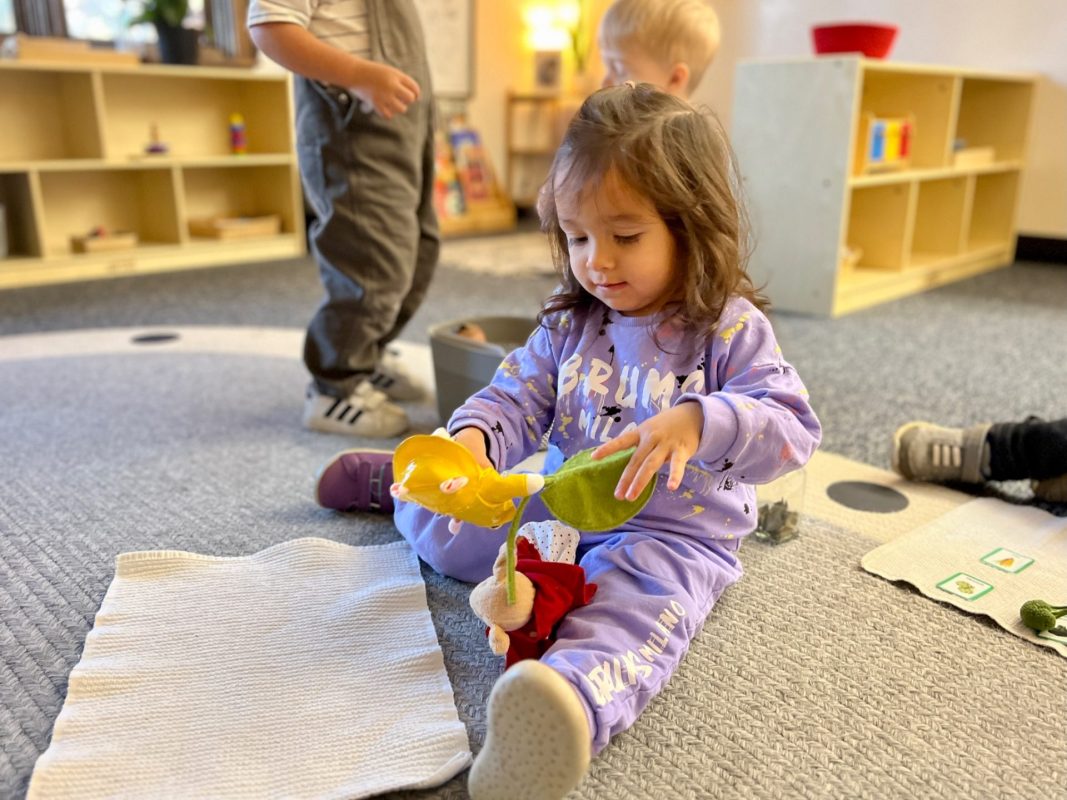
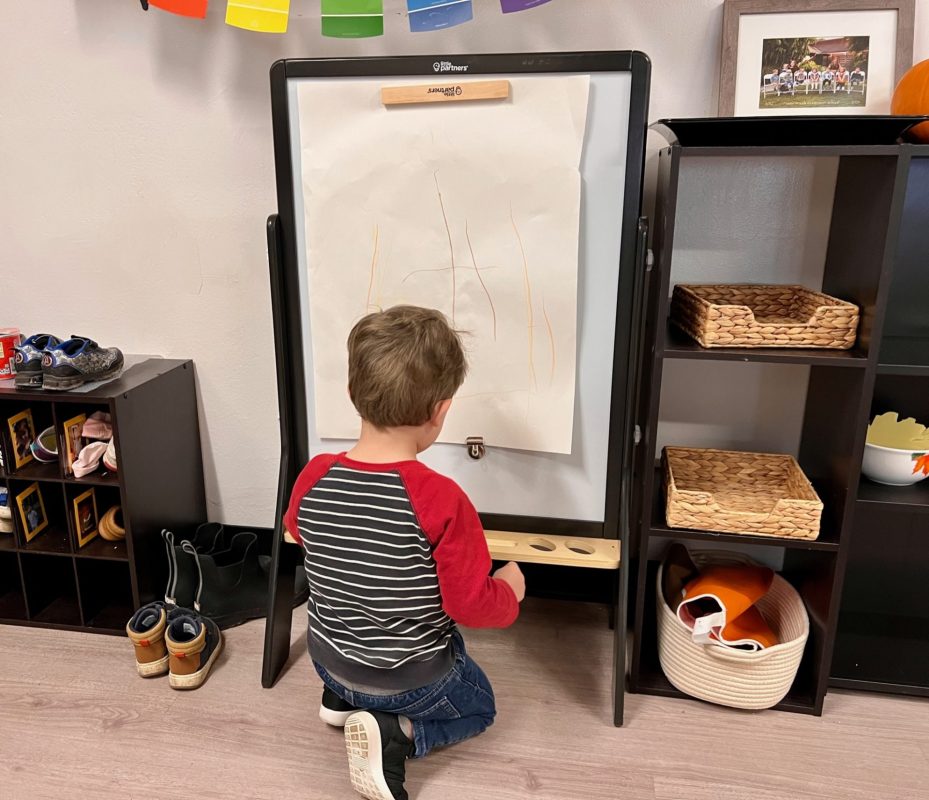
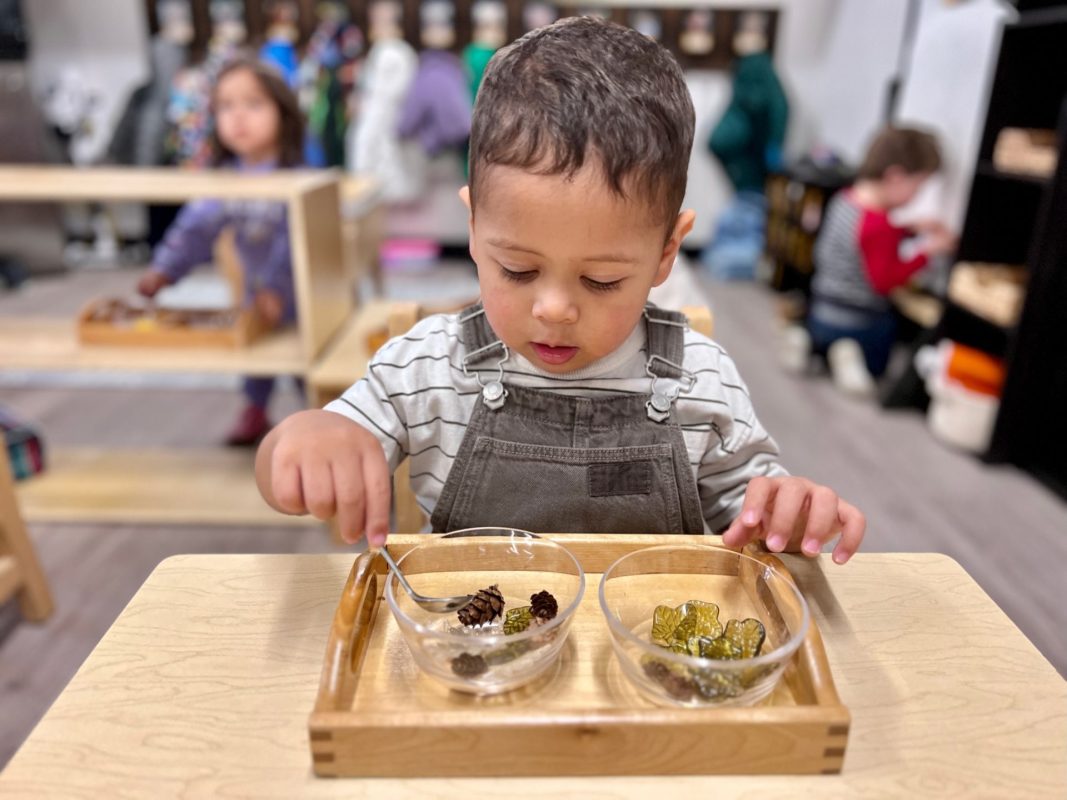
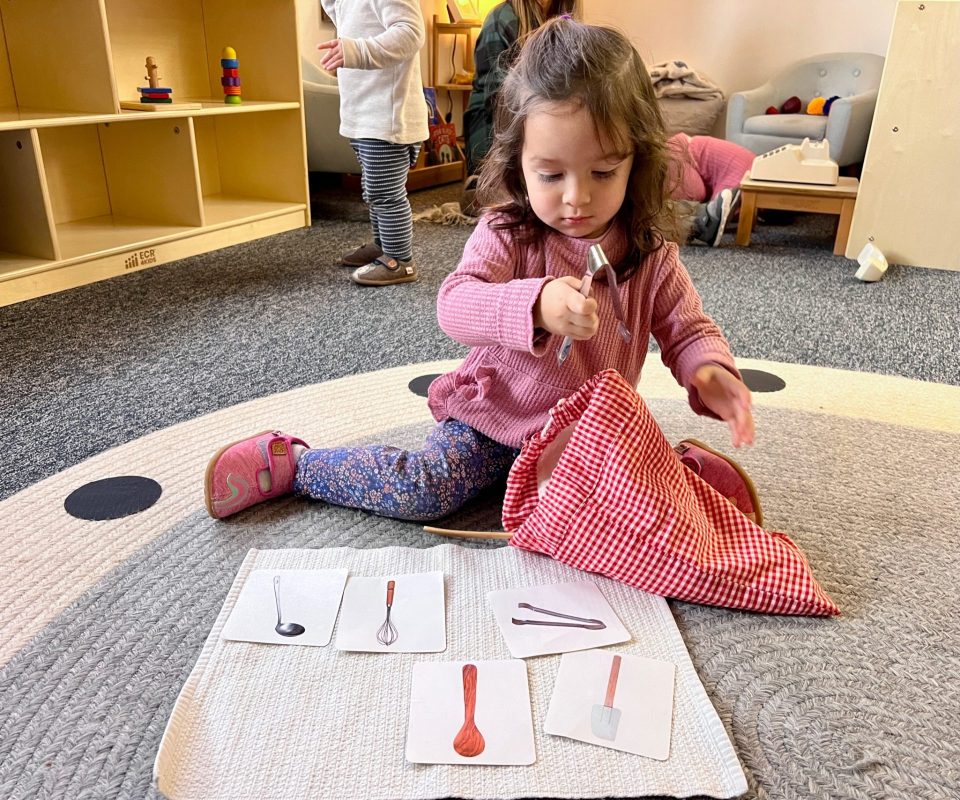
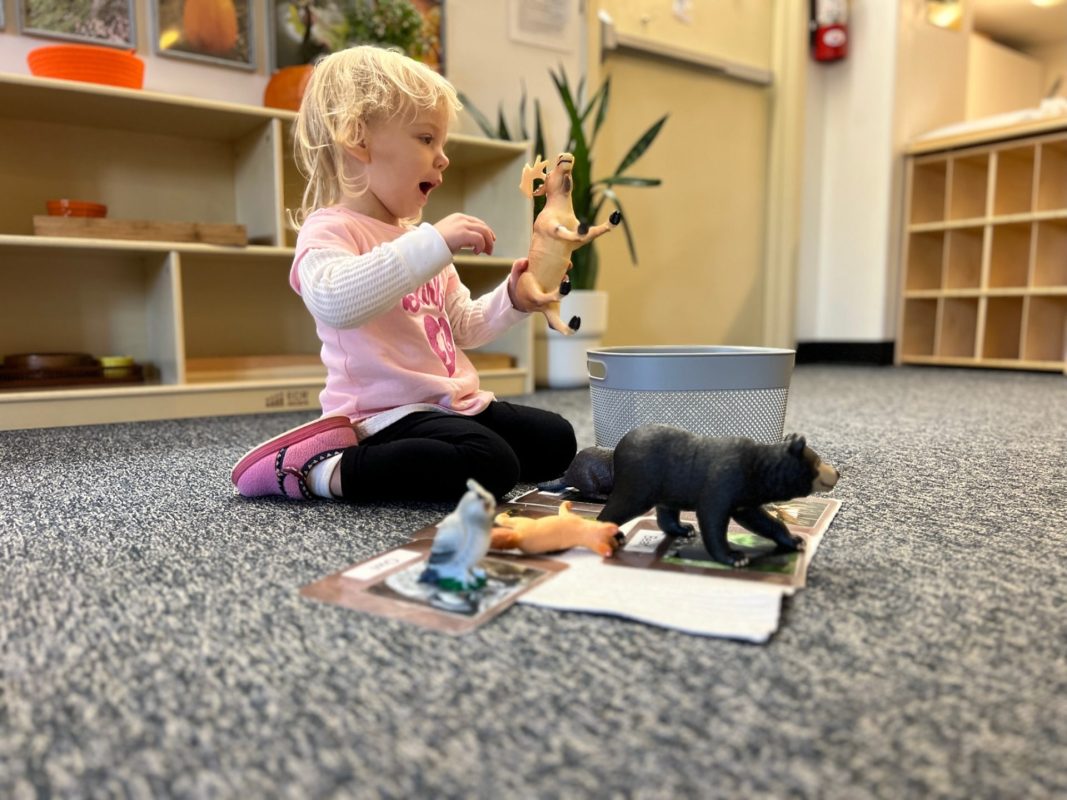
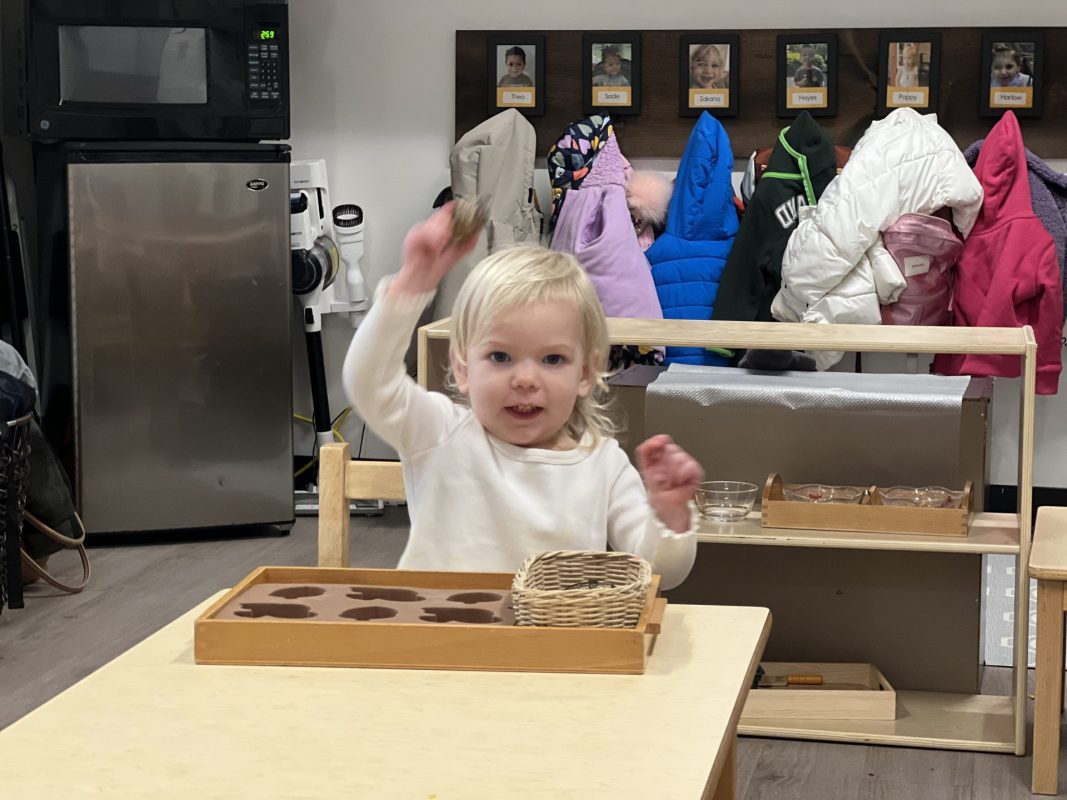
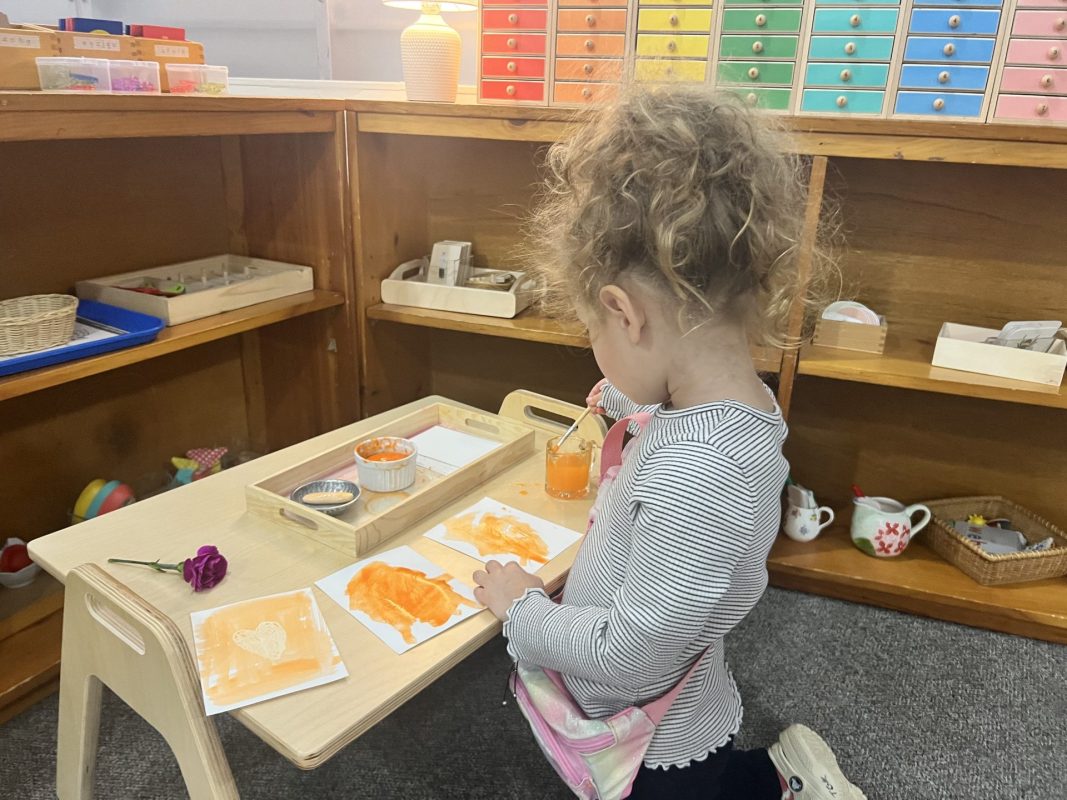
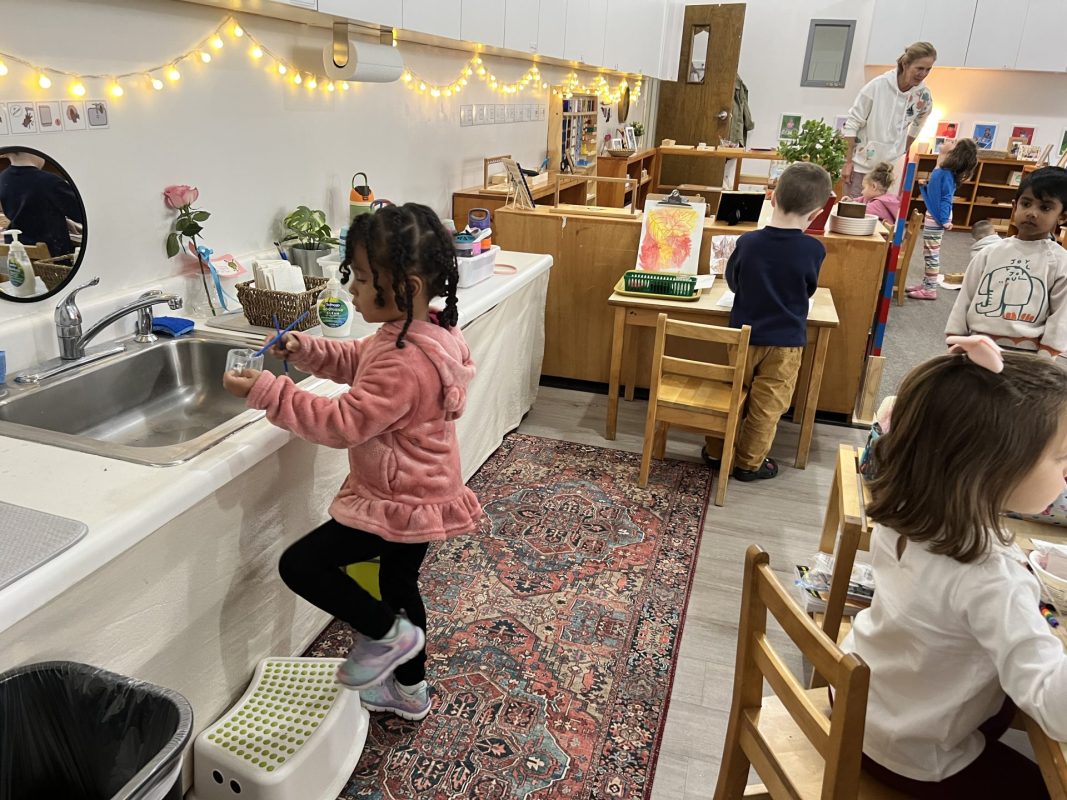
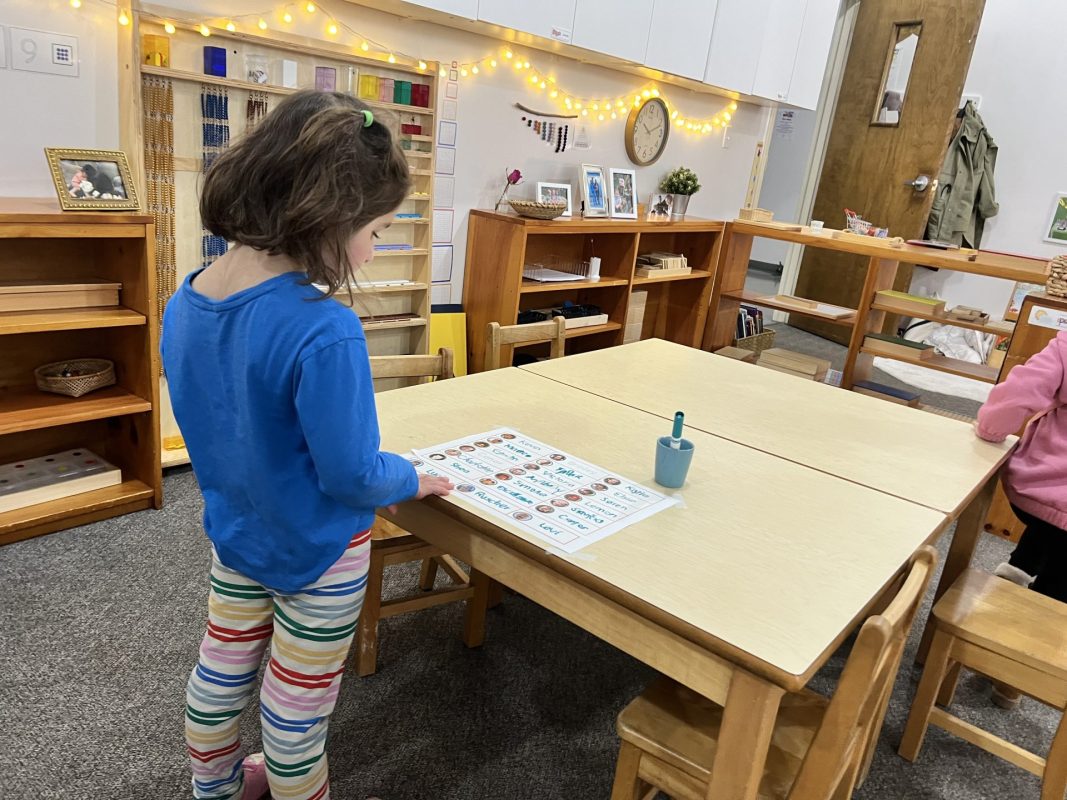
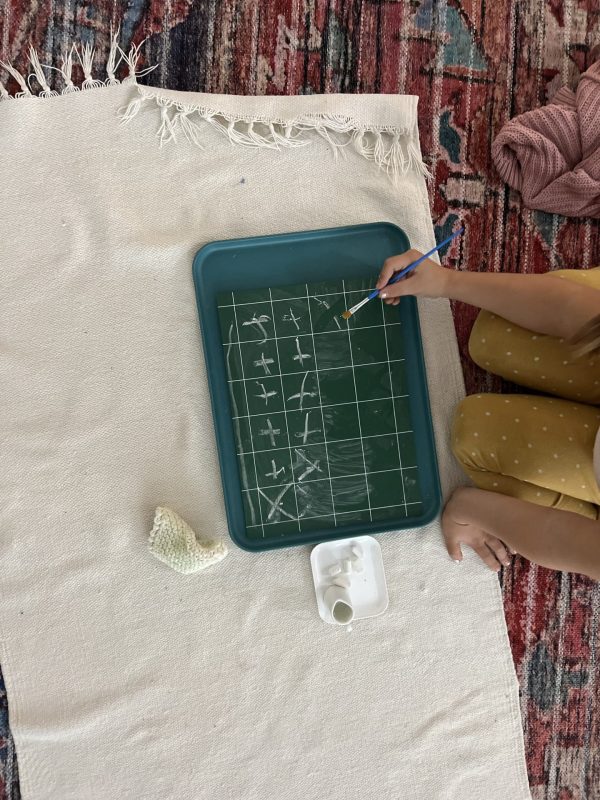
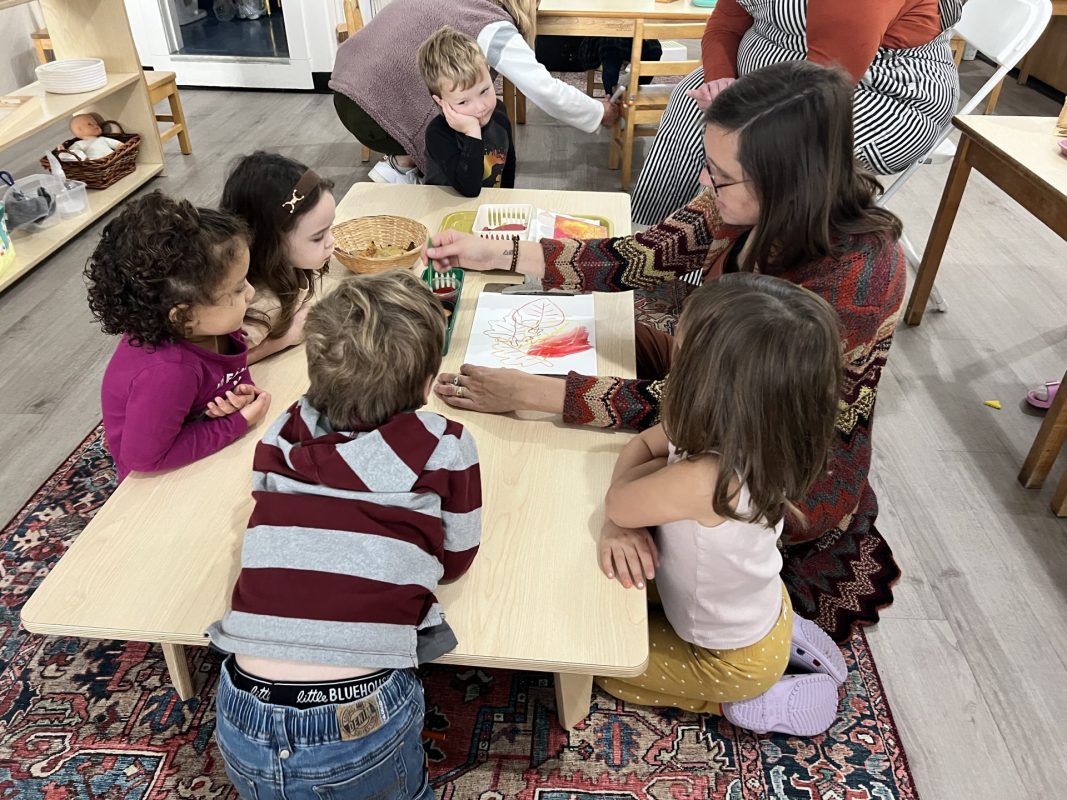
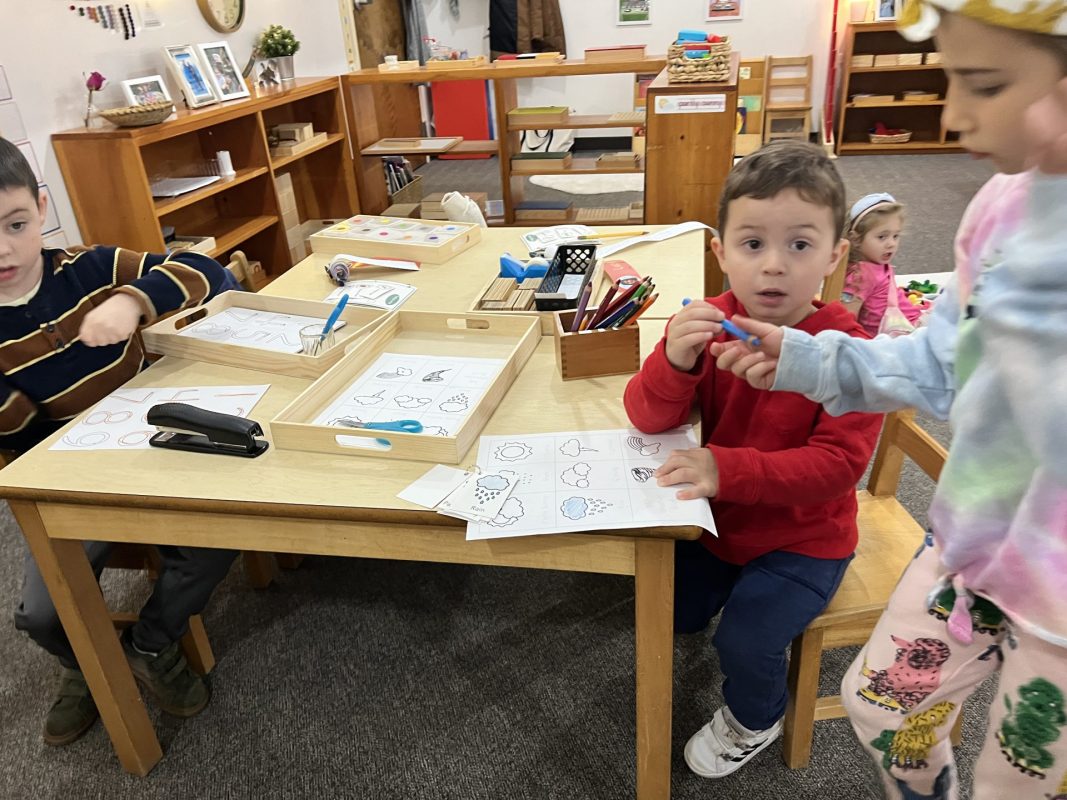
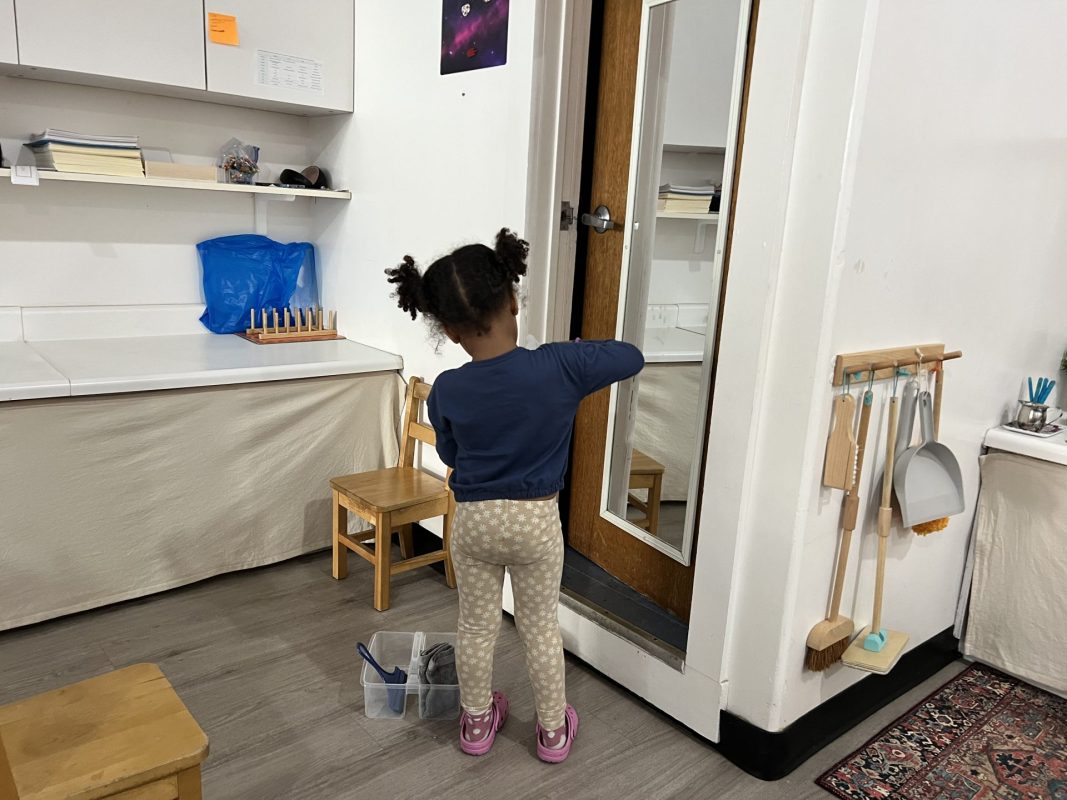
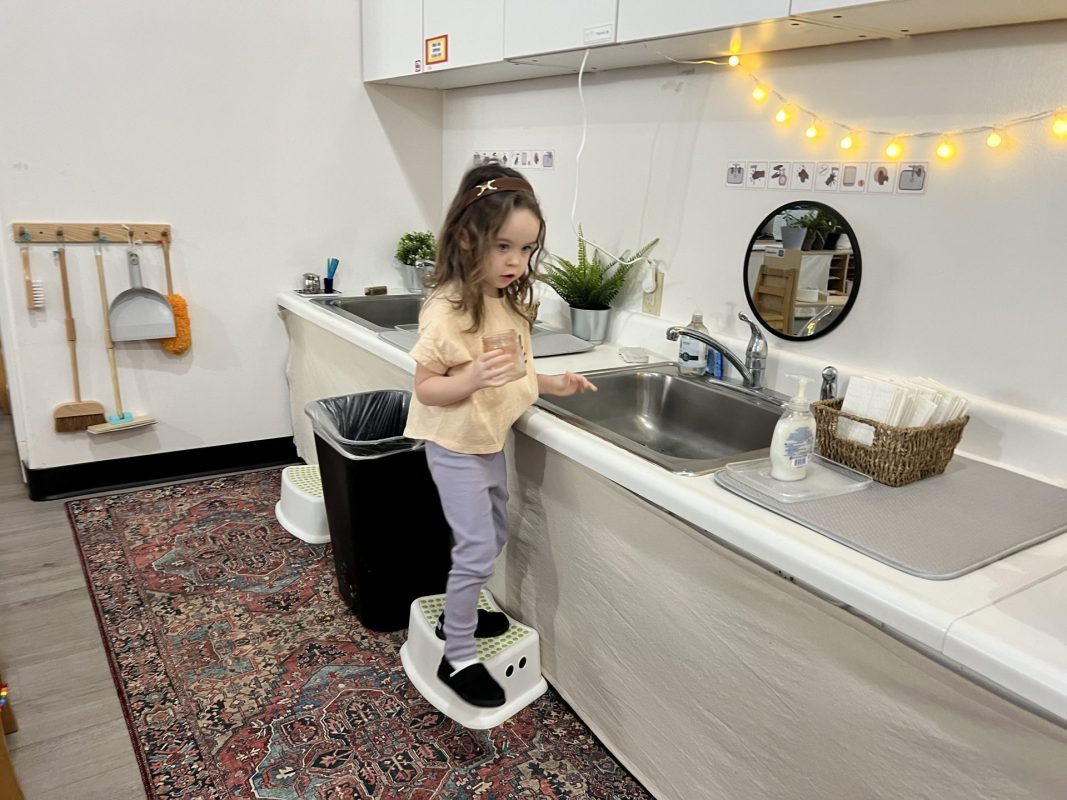
Our Toddler environment is set up in a specific way, looking to sharpen and challenge these skills while meeting your child exactly where they are developmentally. Each material is displayed in progressive order, from easiest to hardest and from left to right. This logical structure encourages children to organize their thinking and to absorb the outcome of the material at their own pace. The left-to-right orientation of the materials also assists children with preparation for reading and writing, aligning with the natural processing flow of the brain. By engaging in activities that demand hand-eye coordination, your children are actively stimulating their cognitive faculties, fostering attention, memory, and problem-solving skills.

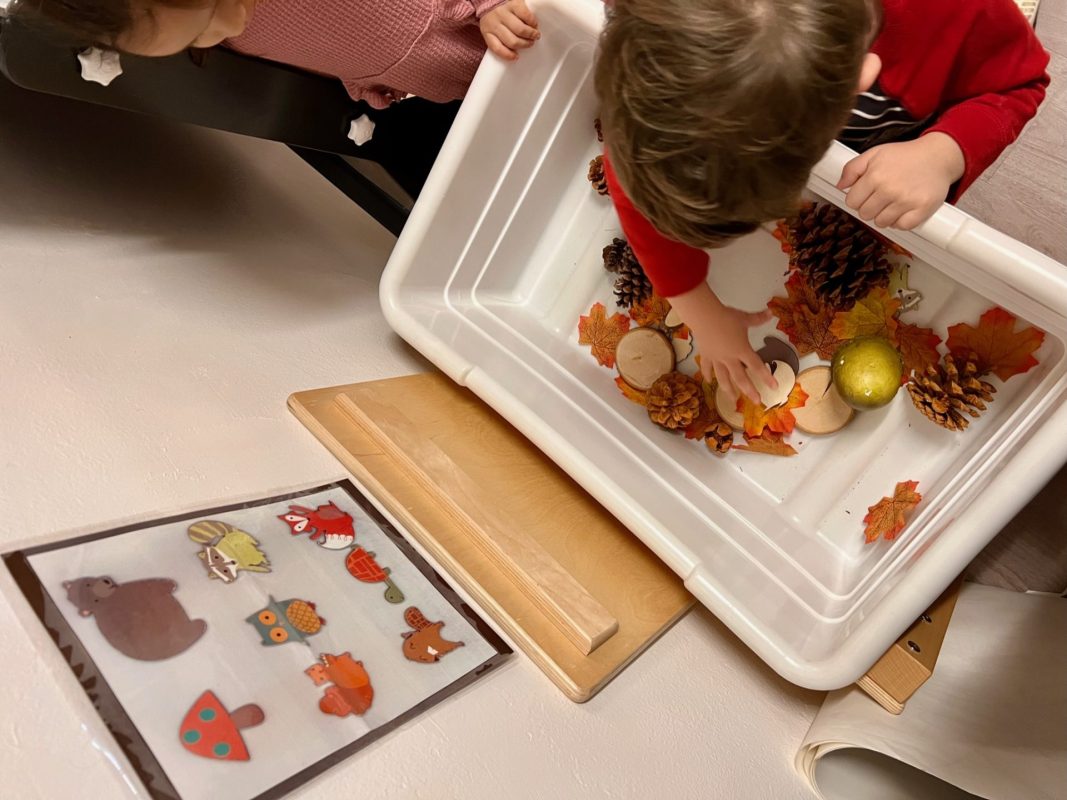
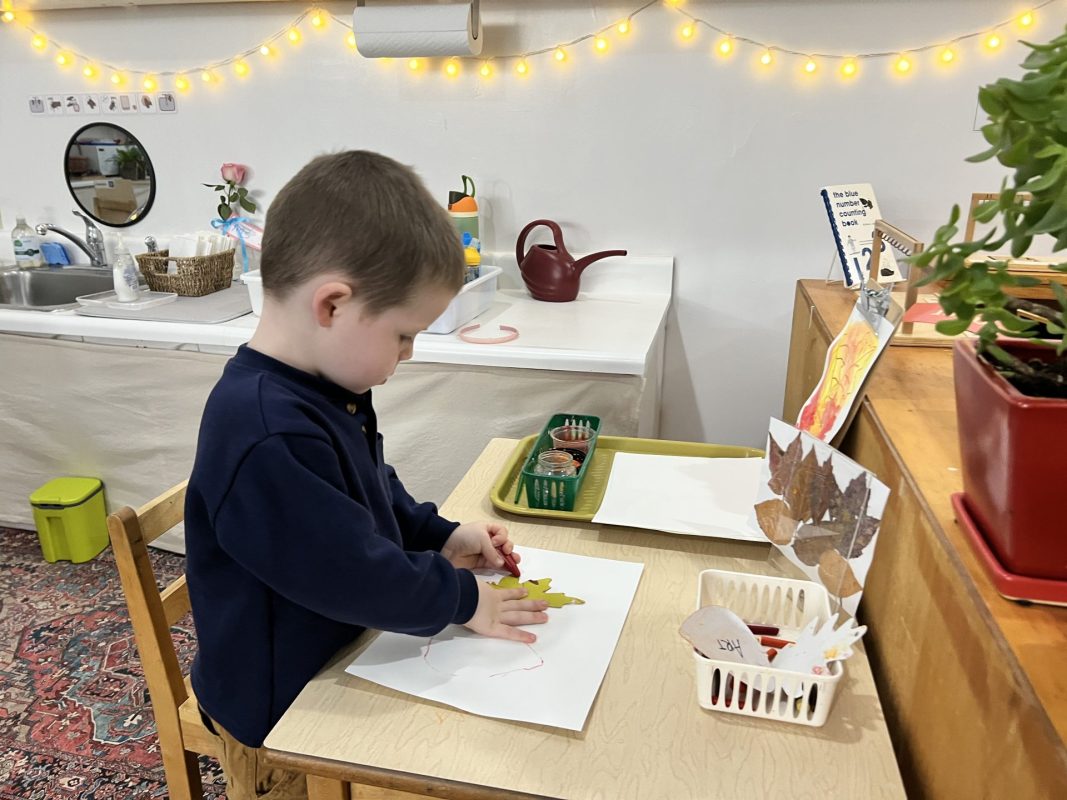
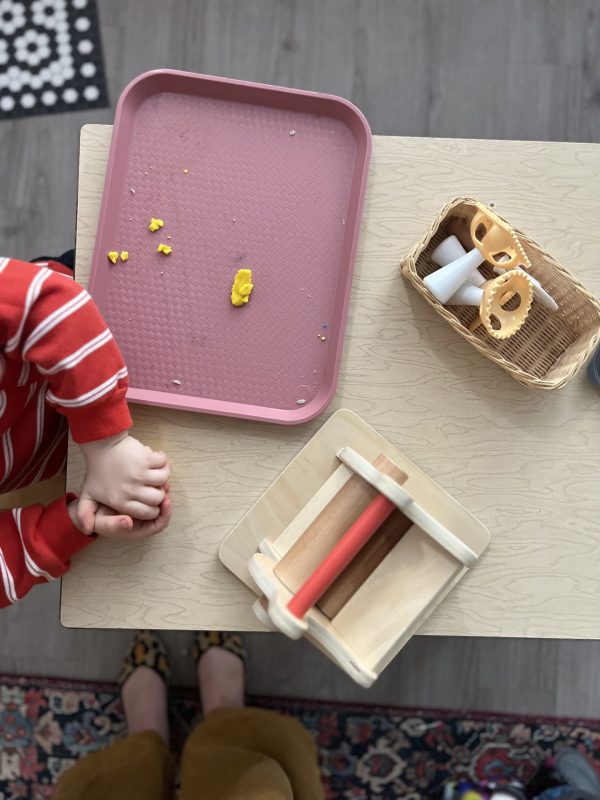
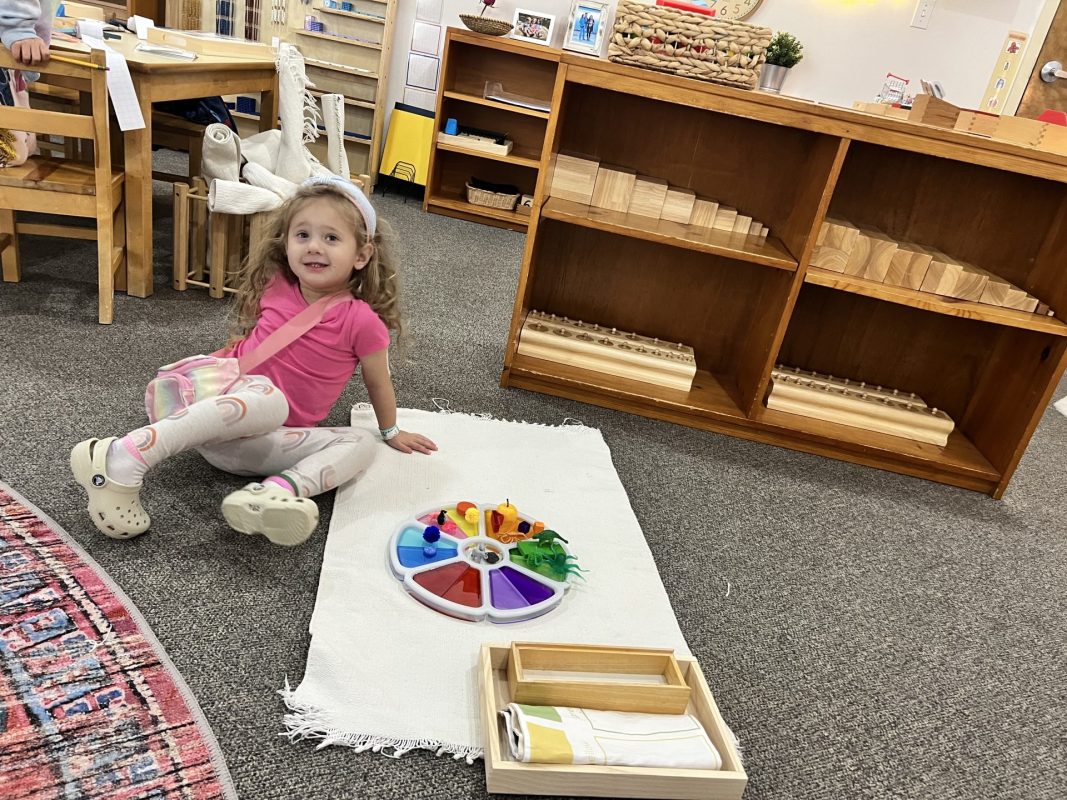
Some of the most popular works in our environment these days, sharpening these skills, are spooning acorns, sorting leaves and pumpkins, pouring water, water transferring with a dropper, sunflower stickers, draining and spooning cranberries, cubes nesting, putting the scarecrow together, jigsaw puzzles, ring box, using a roller and a leaf stamp with the playdough and many more.

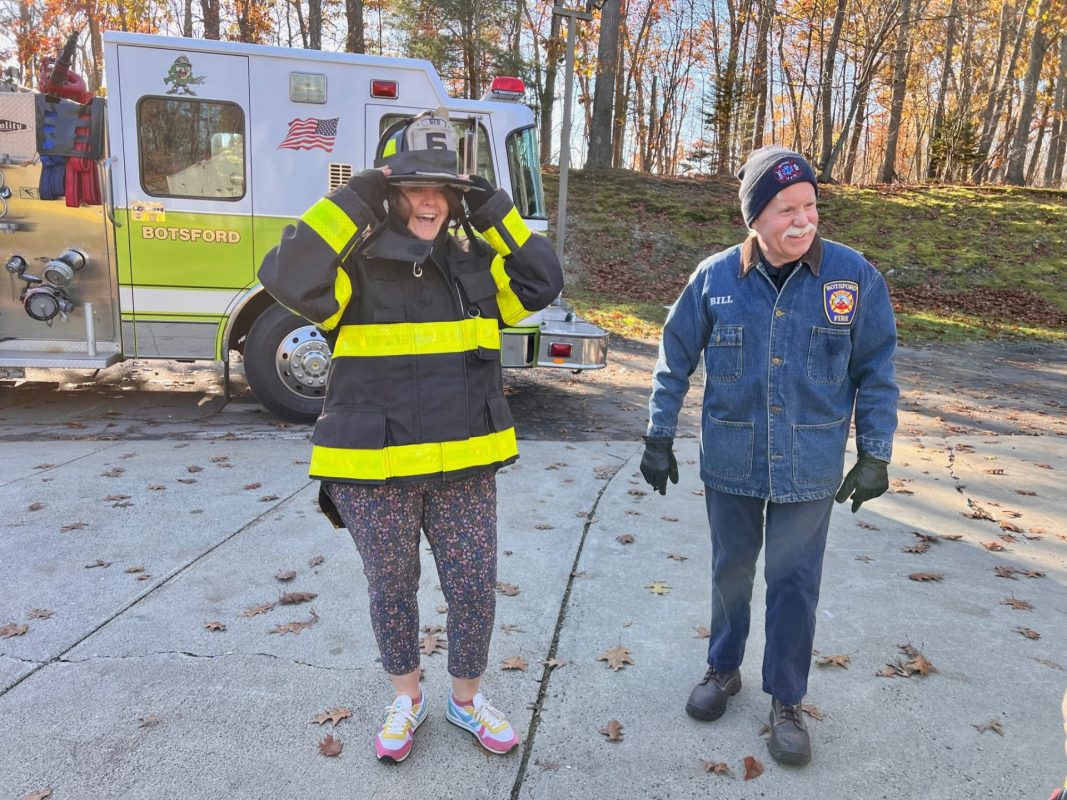
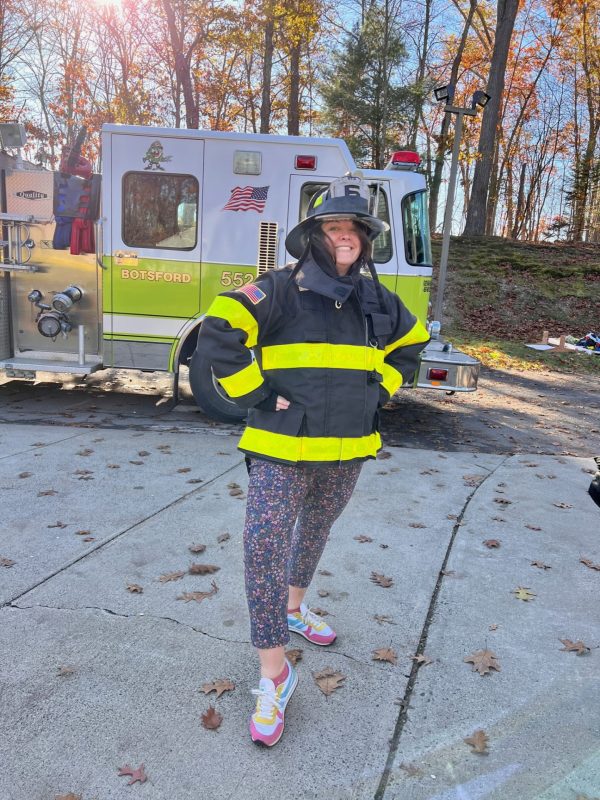
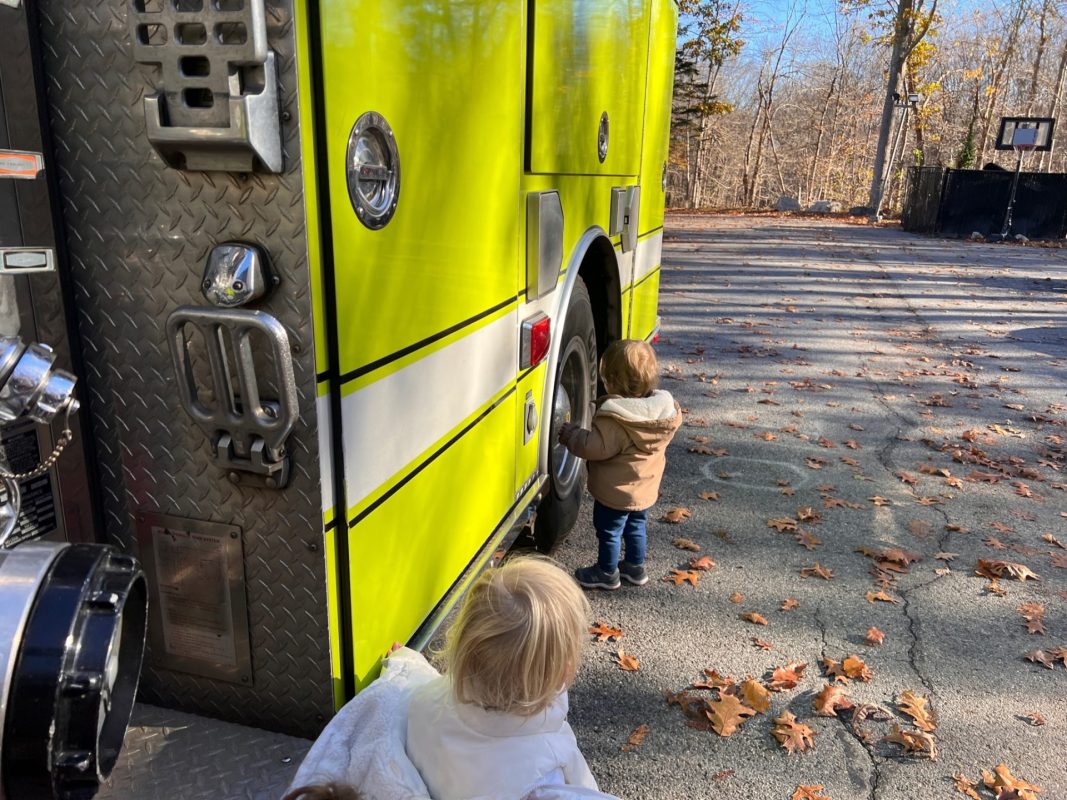
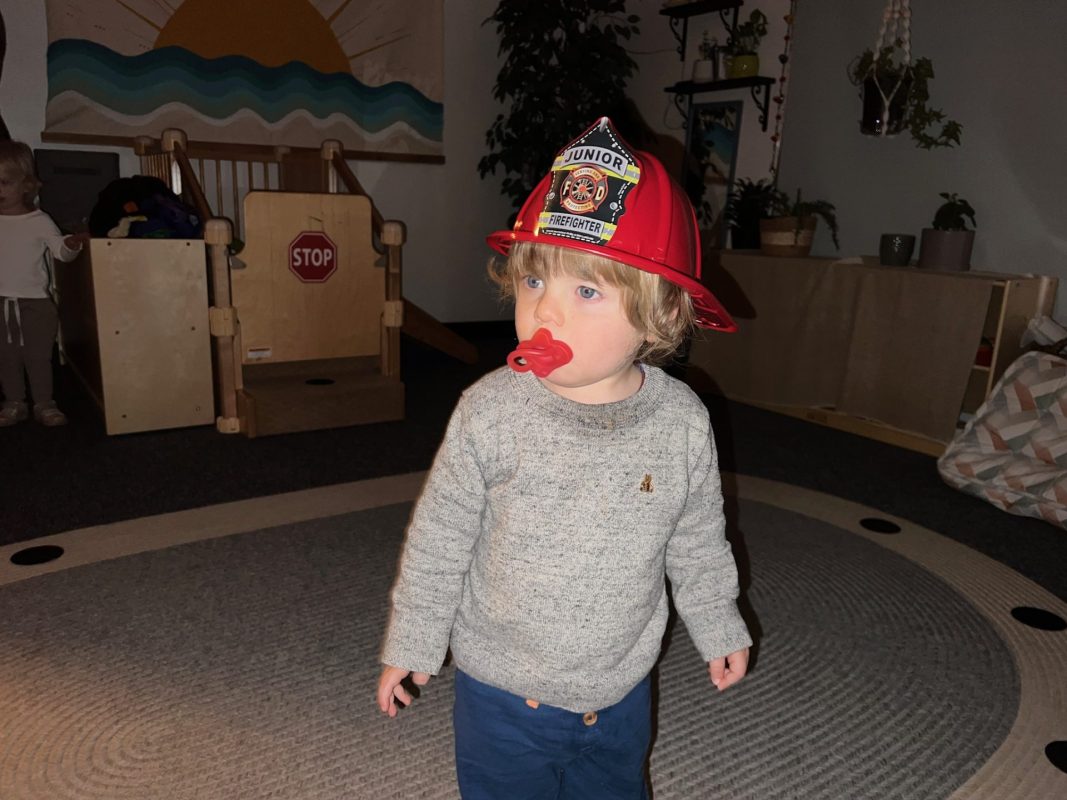
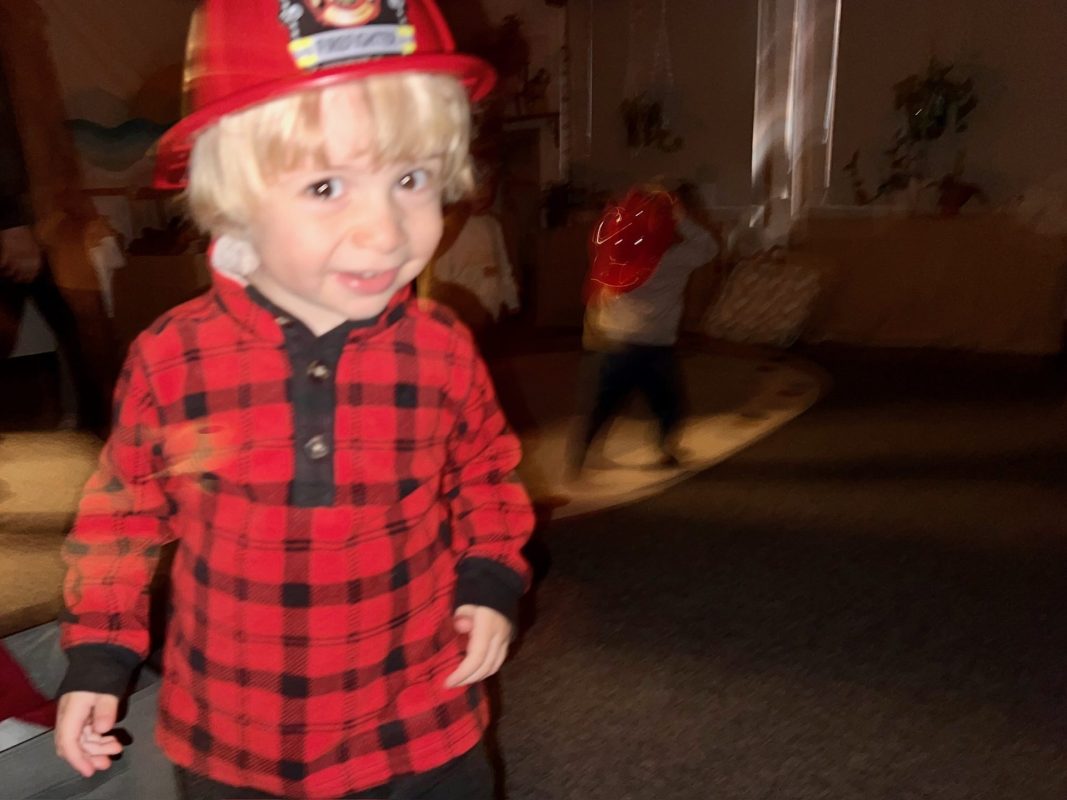
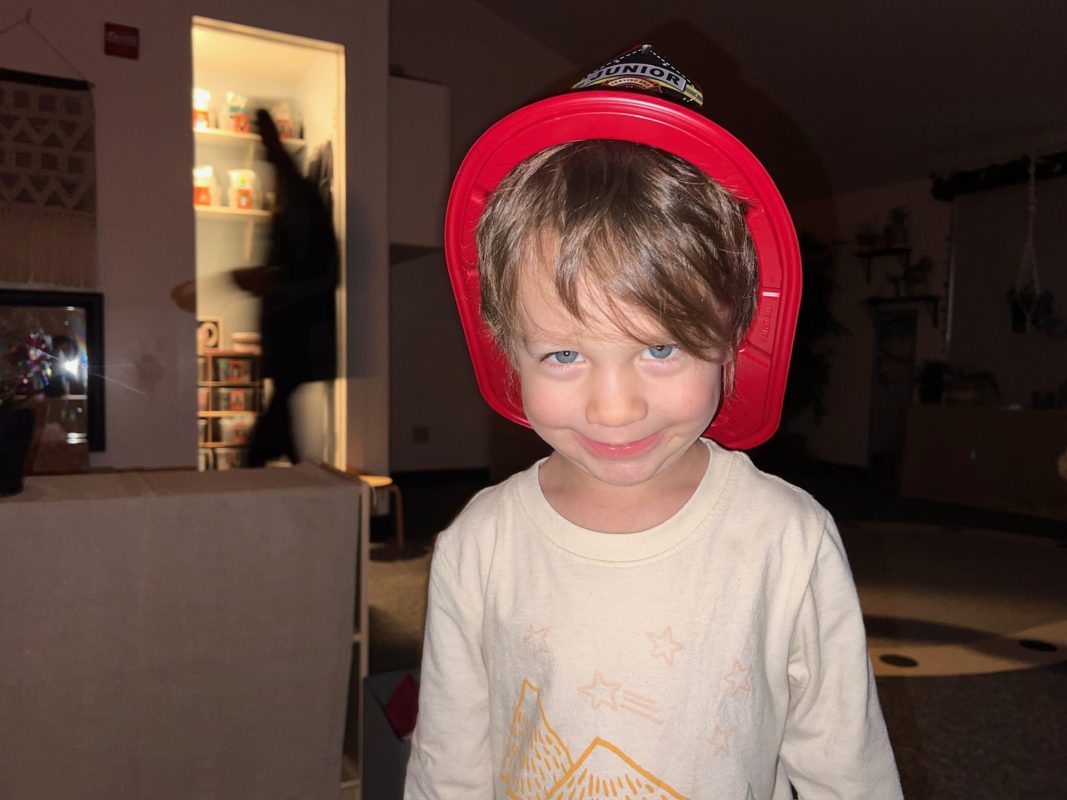
As a fun activity, the children got to enjoy the visit from the Botsford Fire Department this week. We were surprised to see the firetruck was green instead of red and learned that as we are most sensitive to greenish-yellow colors under dim conditions, these firetrucks are easier to see in low lighting. Children received a tour of the firetruck, and they even got to see me dressed like a firefighter! 🙂

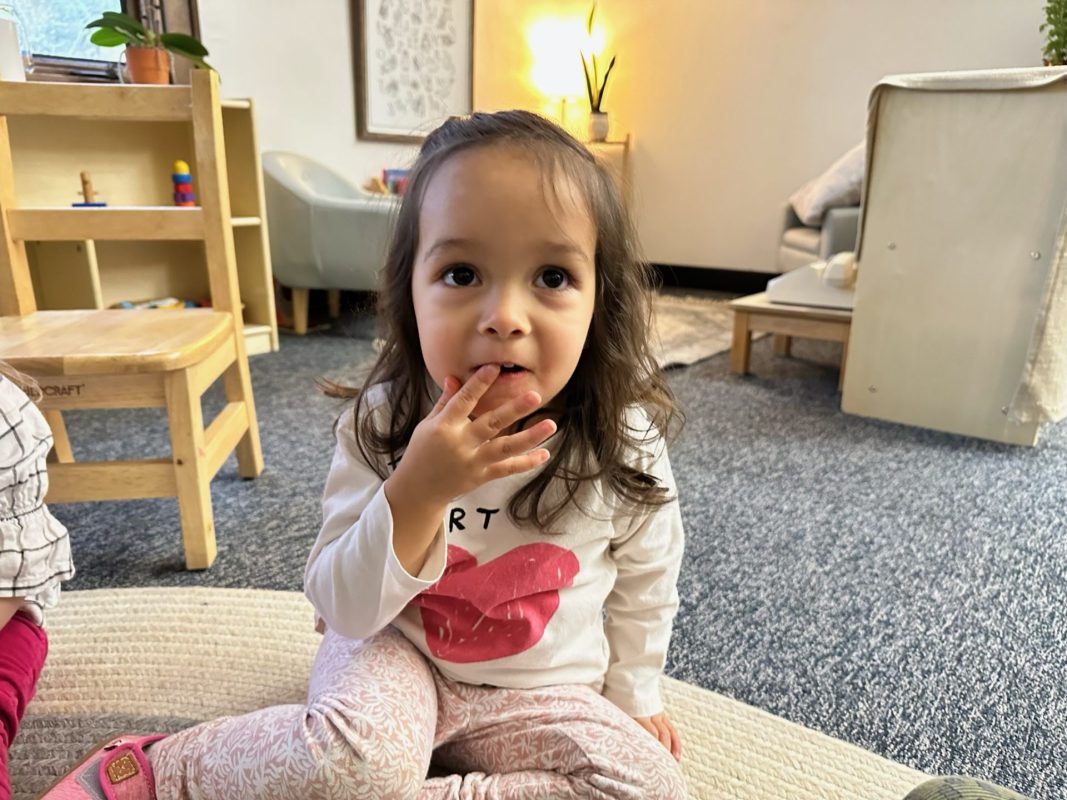
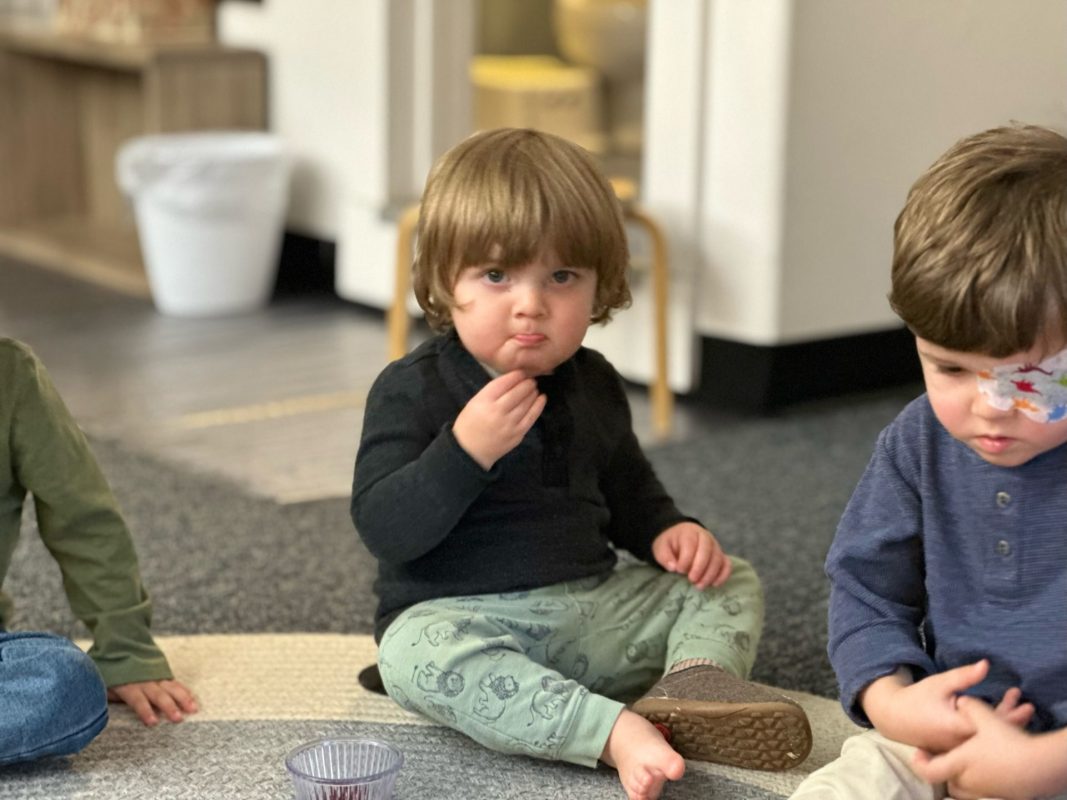
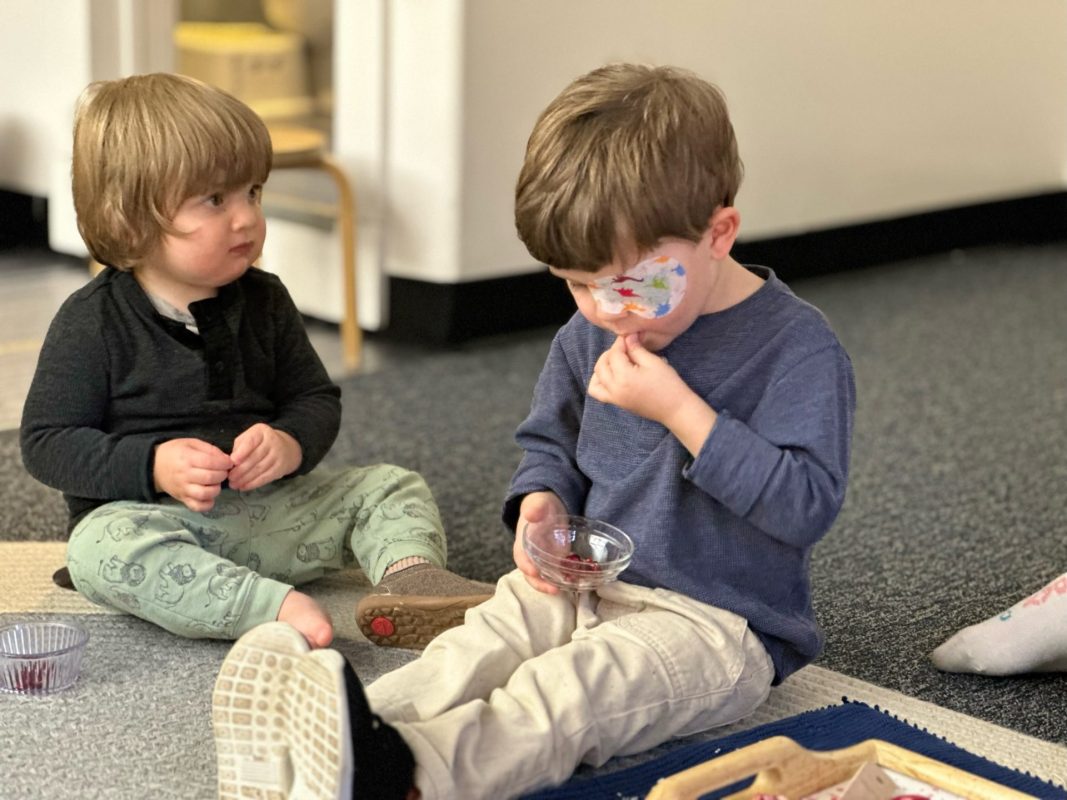
For food tasting, children explored cranberries. They seemed to be in awe of the flower shape and tiny seeds that we found when we cut a small cranberry, and most of them enjoyed tasting the cranberry sauce.

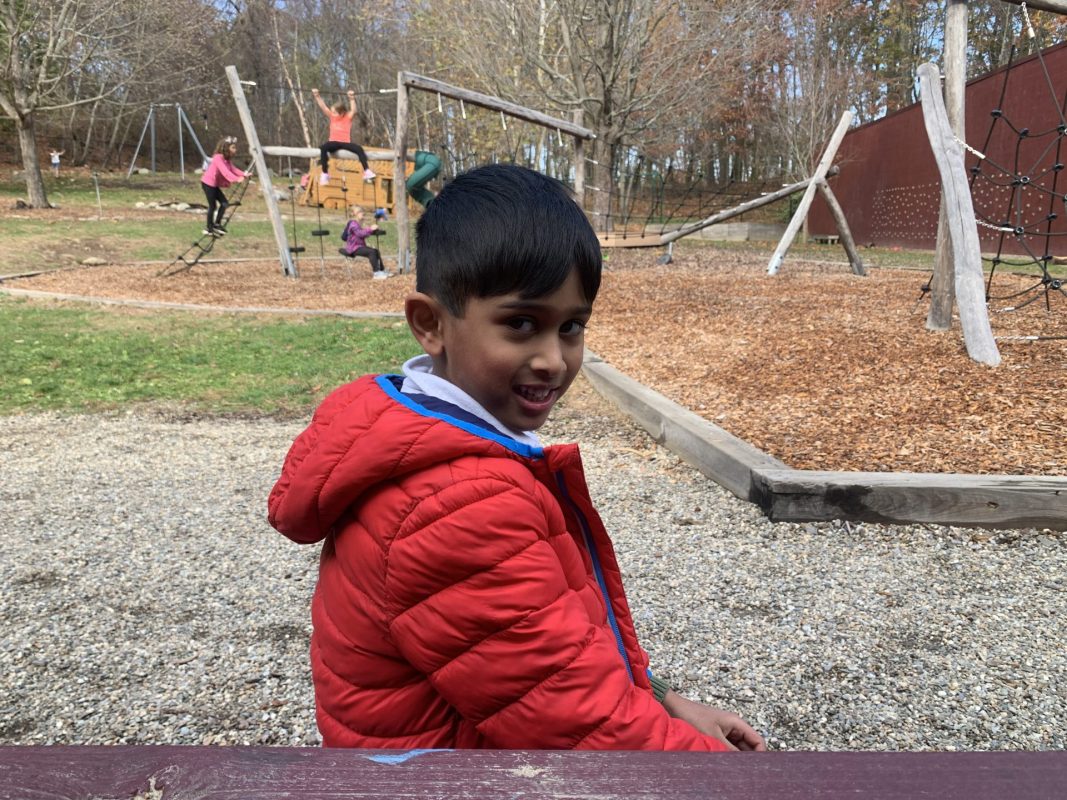
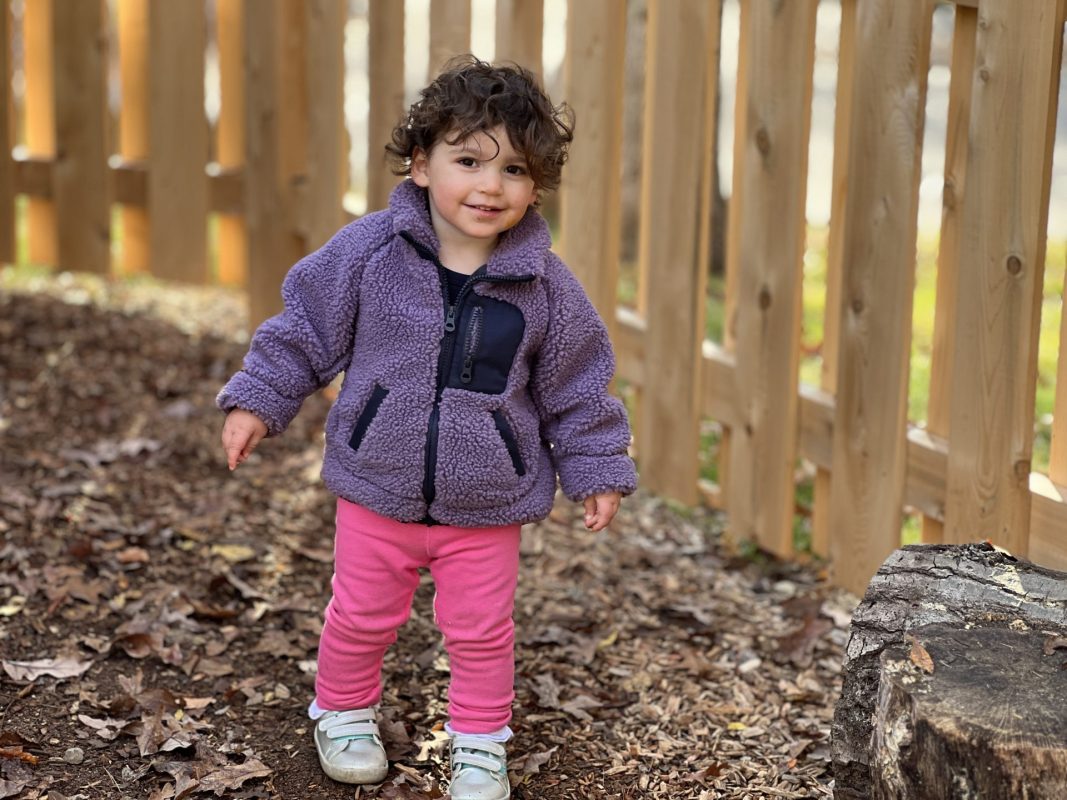
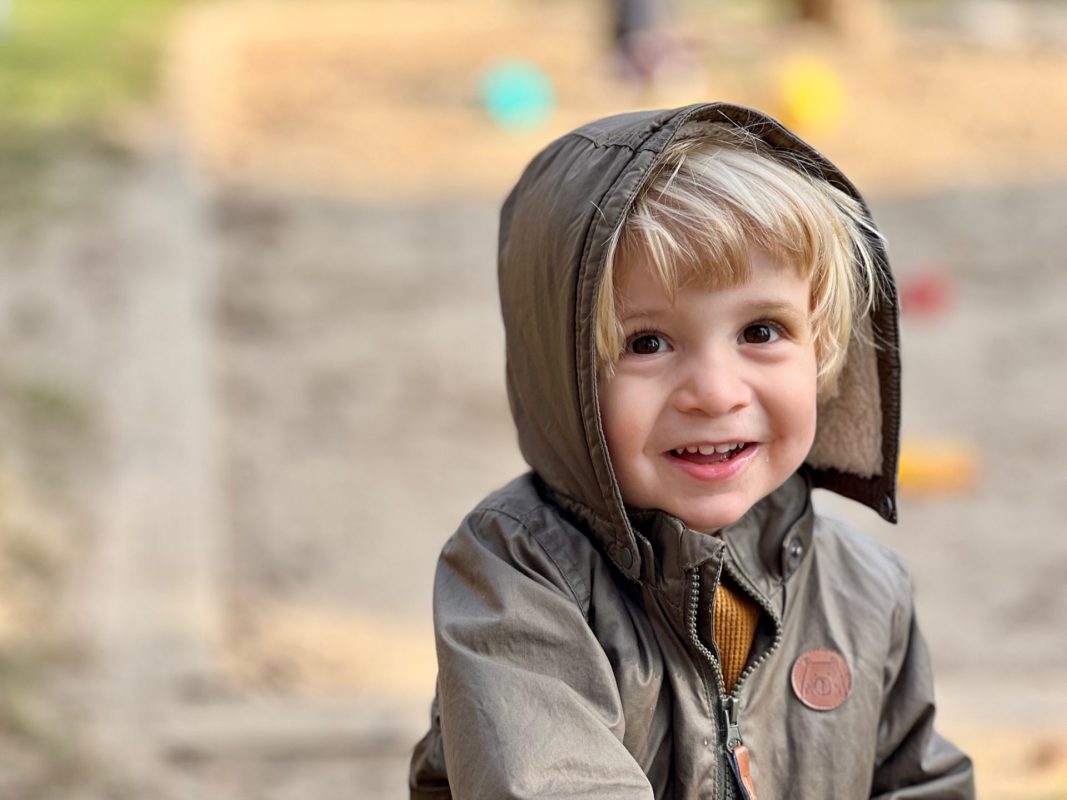
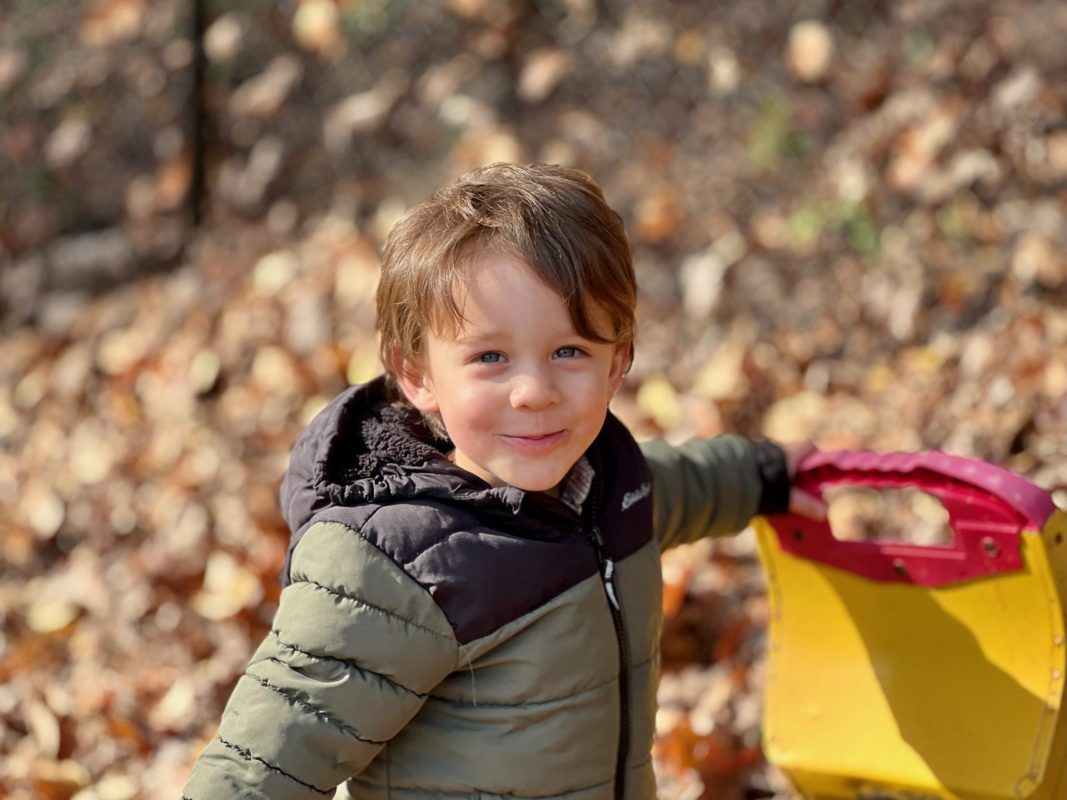
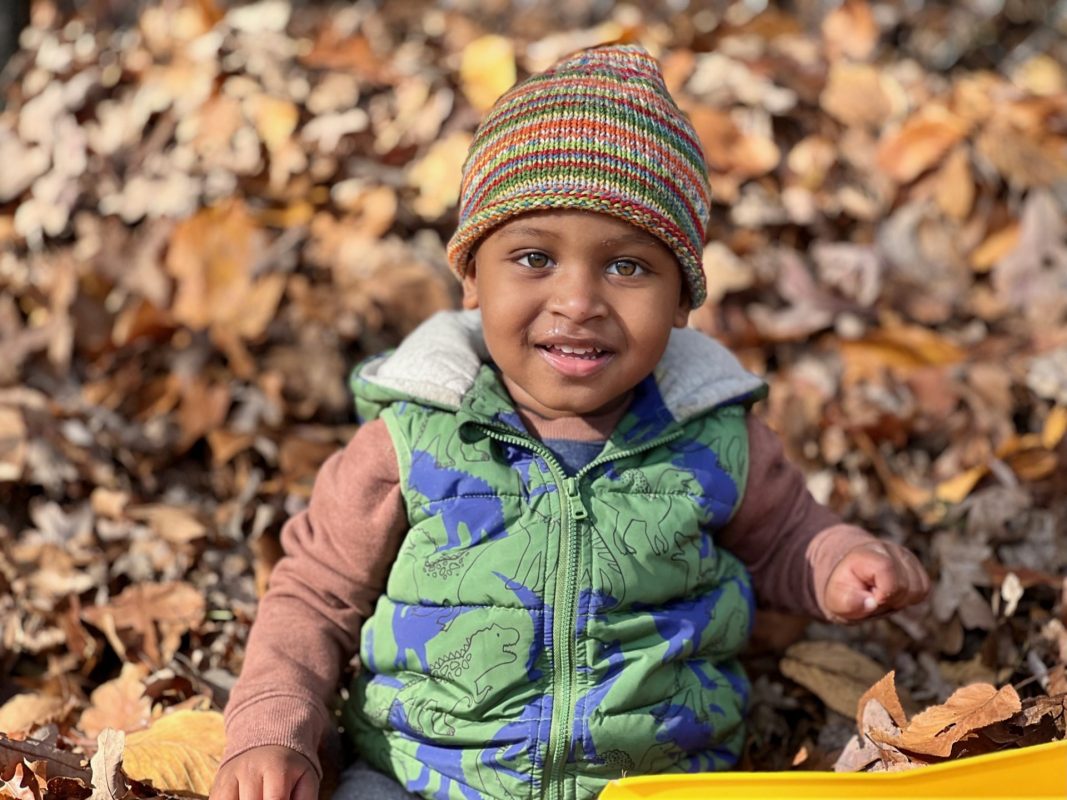
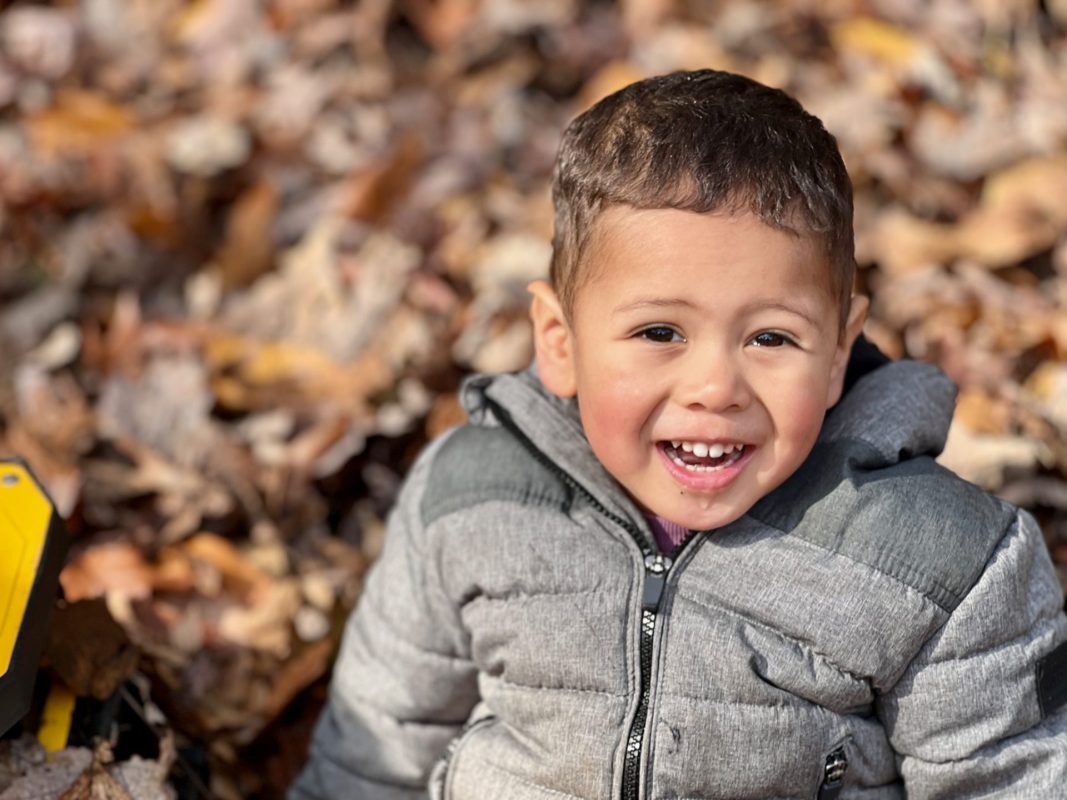
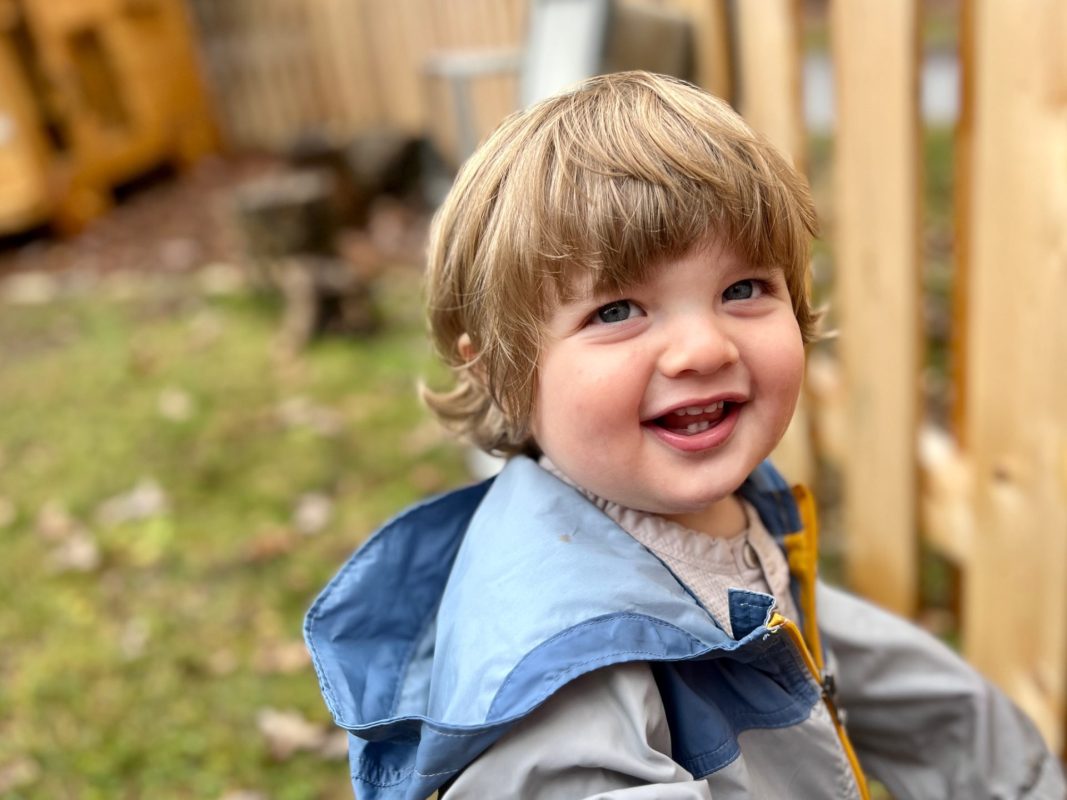
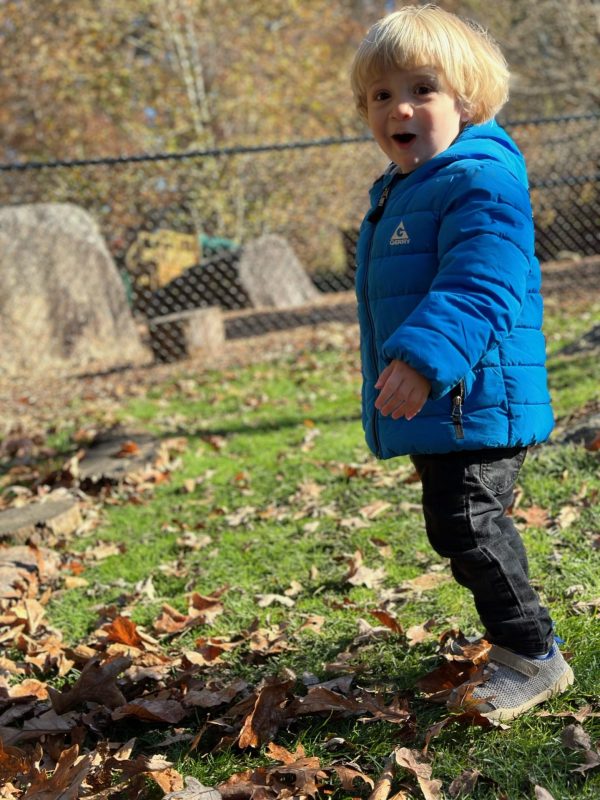
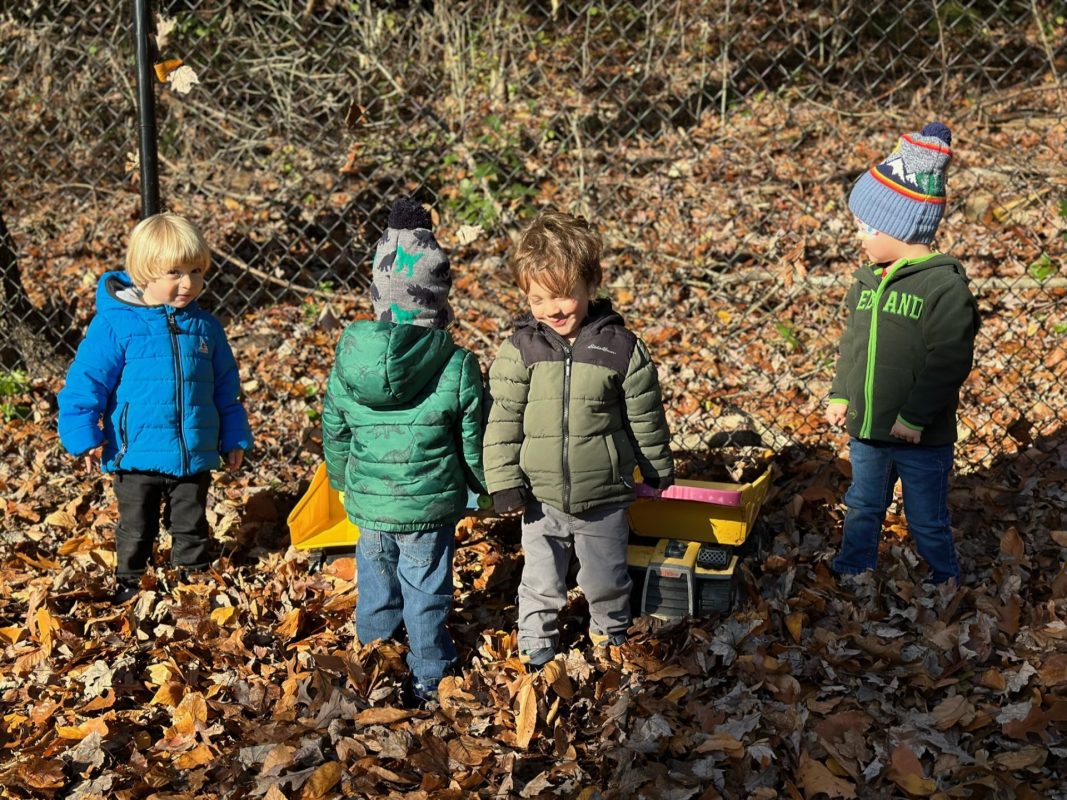
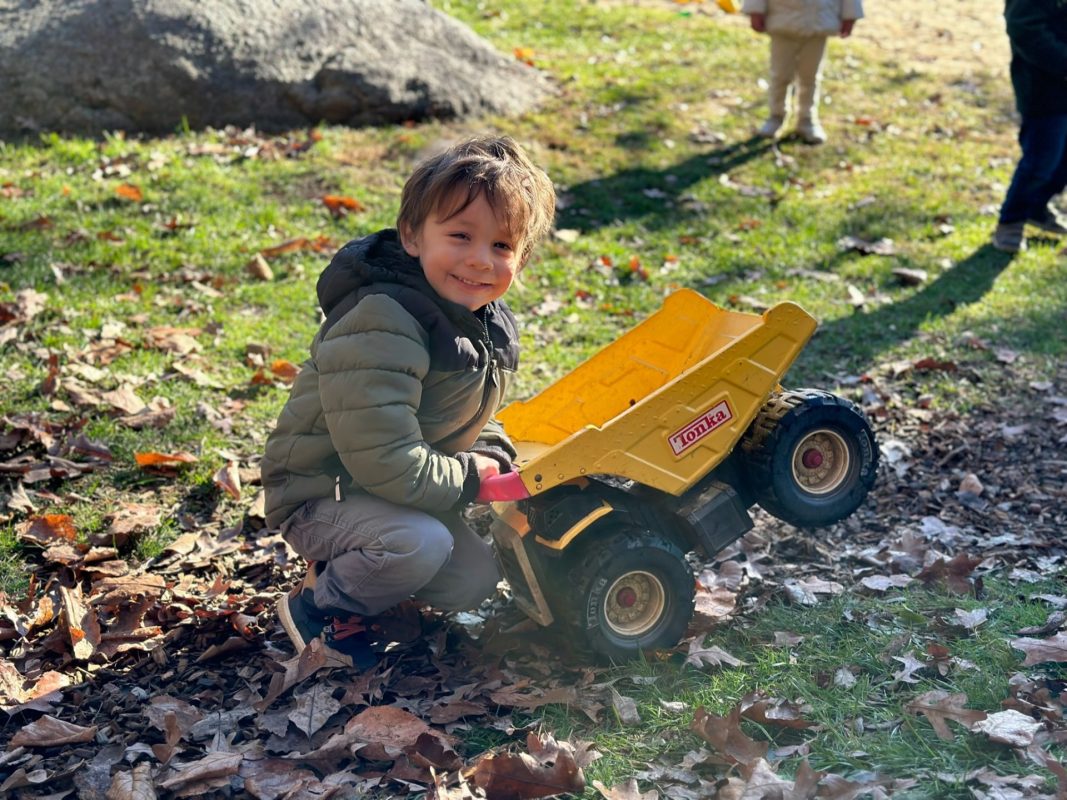
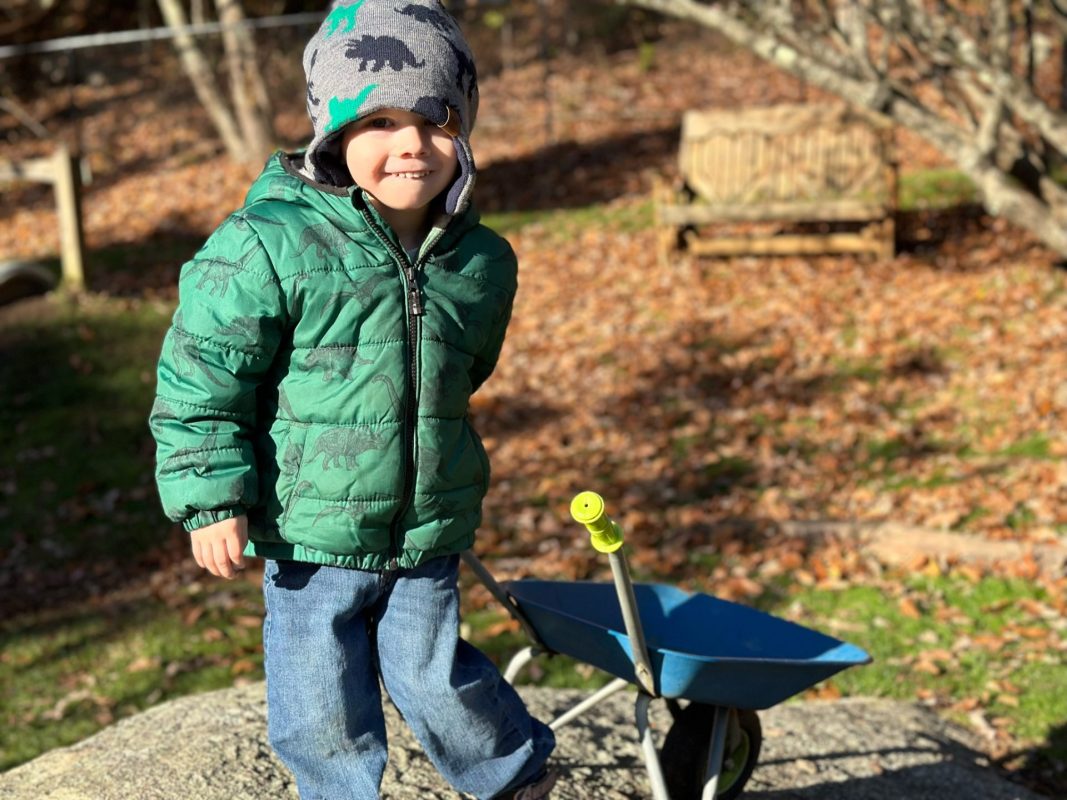
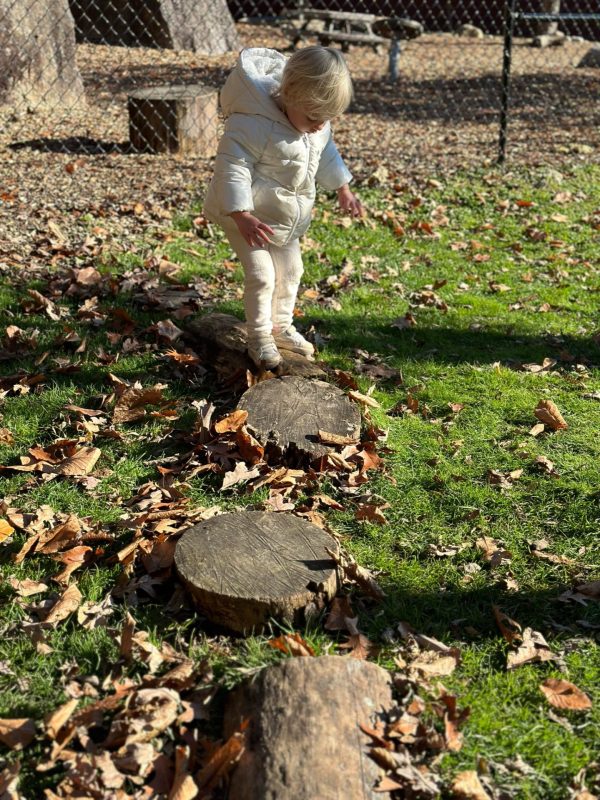
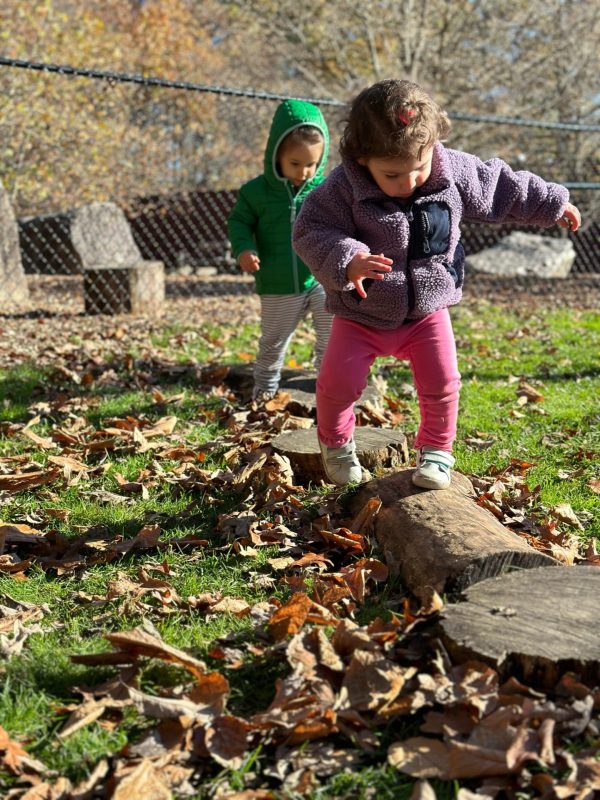
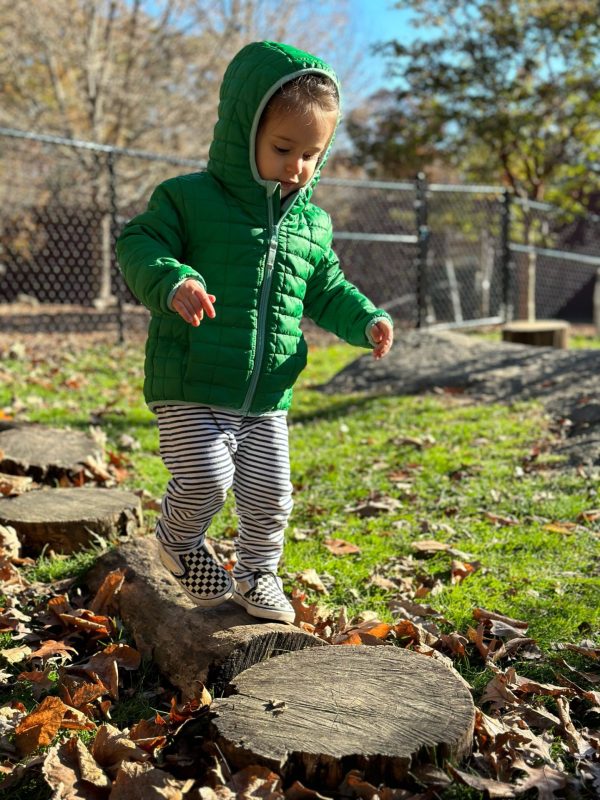
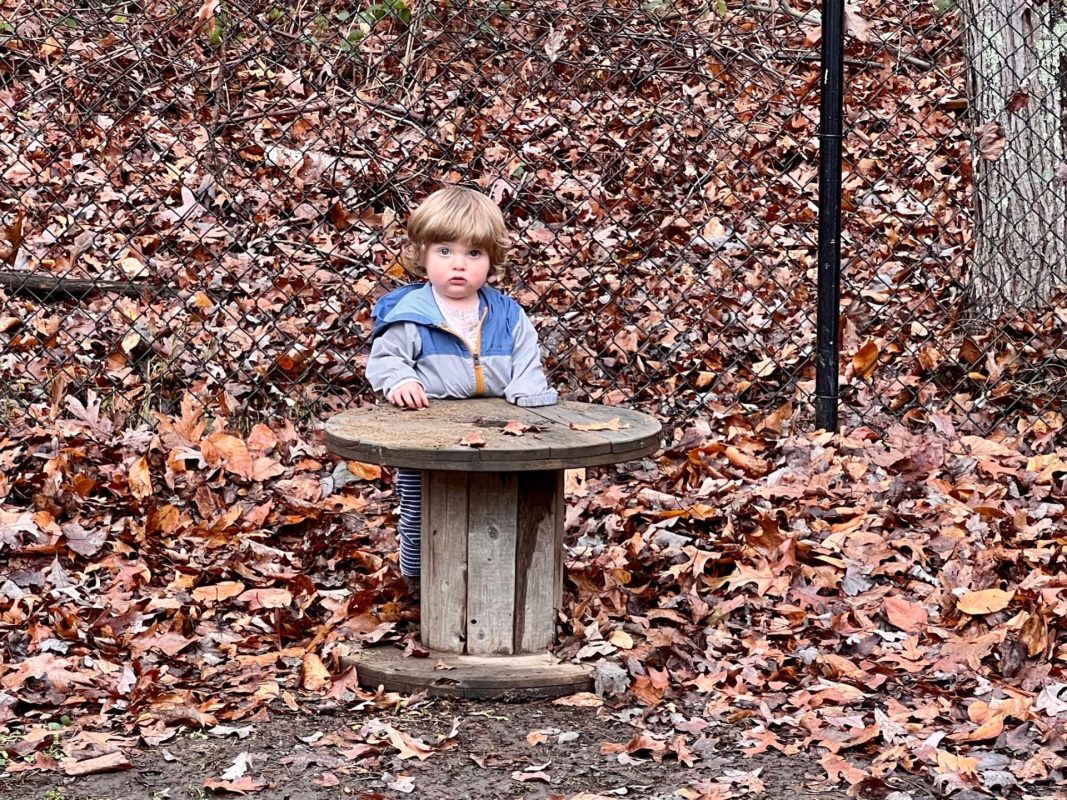
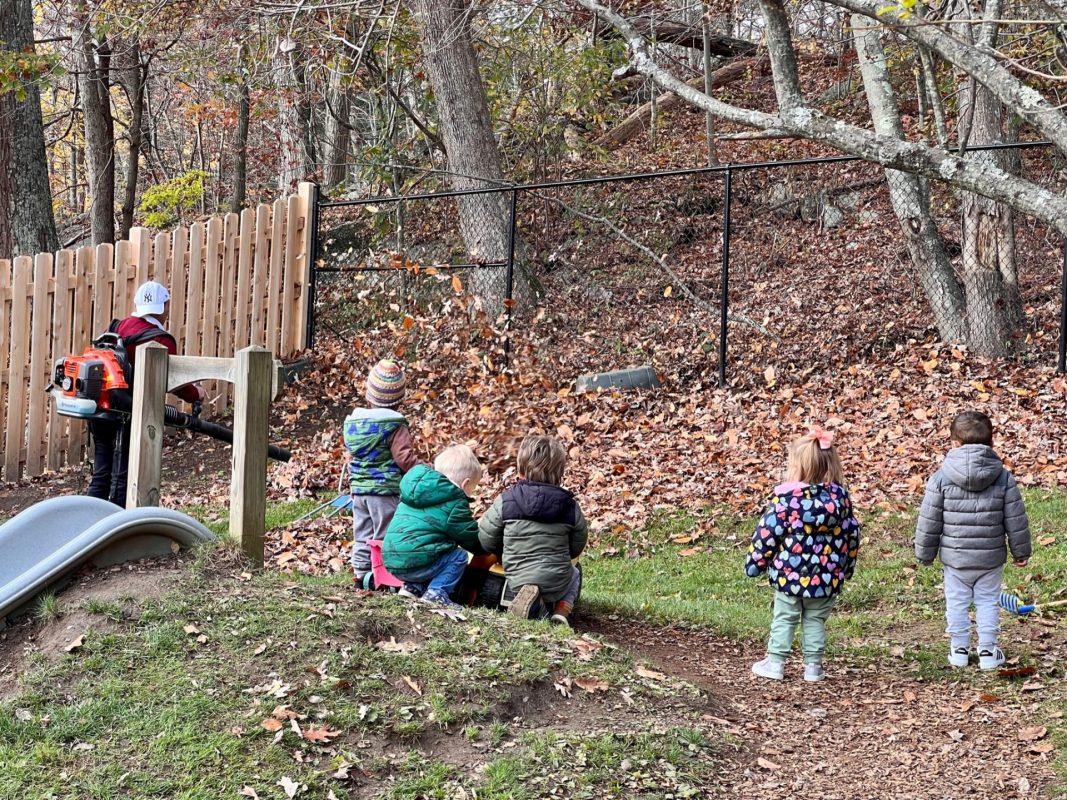
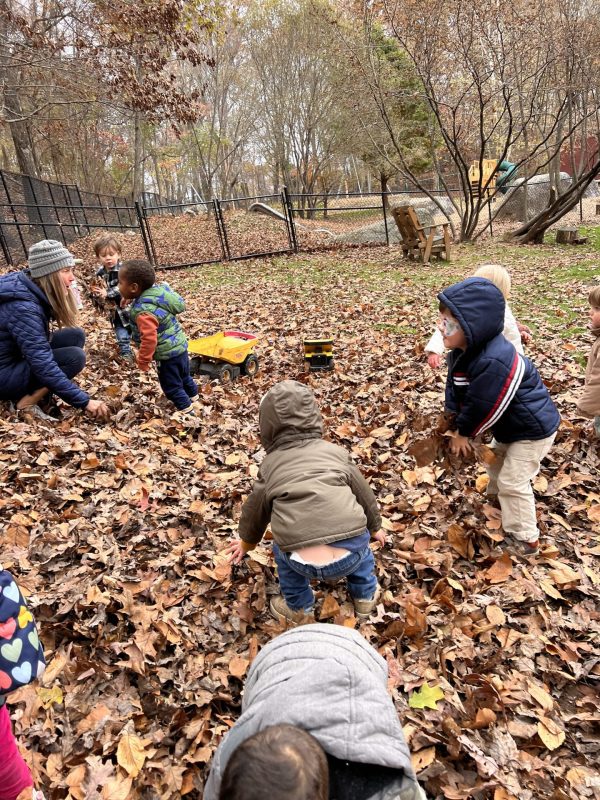
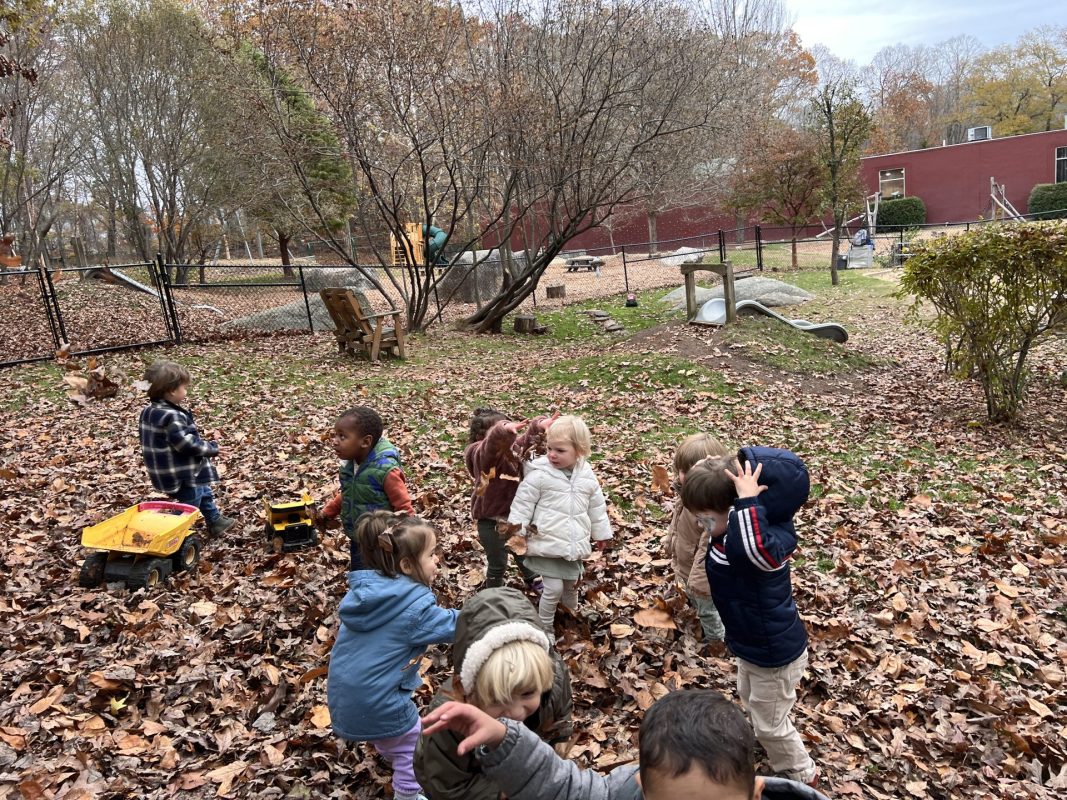
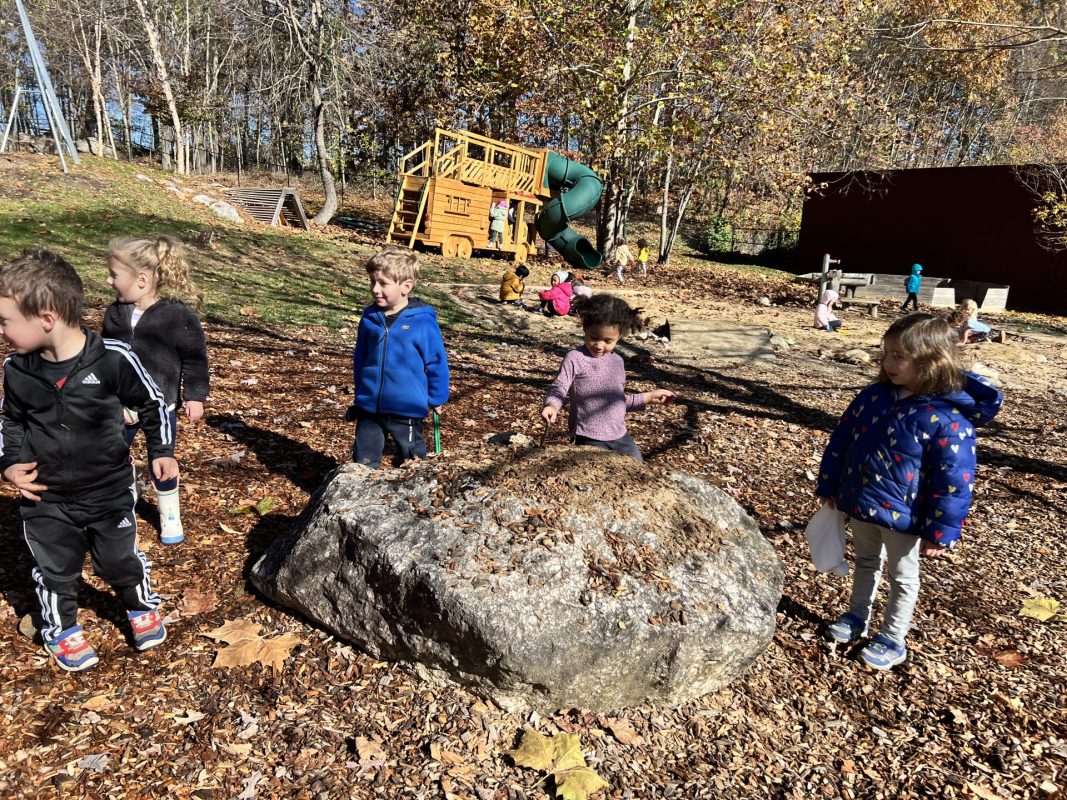
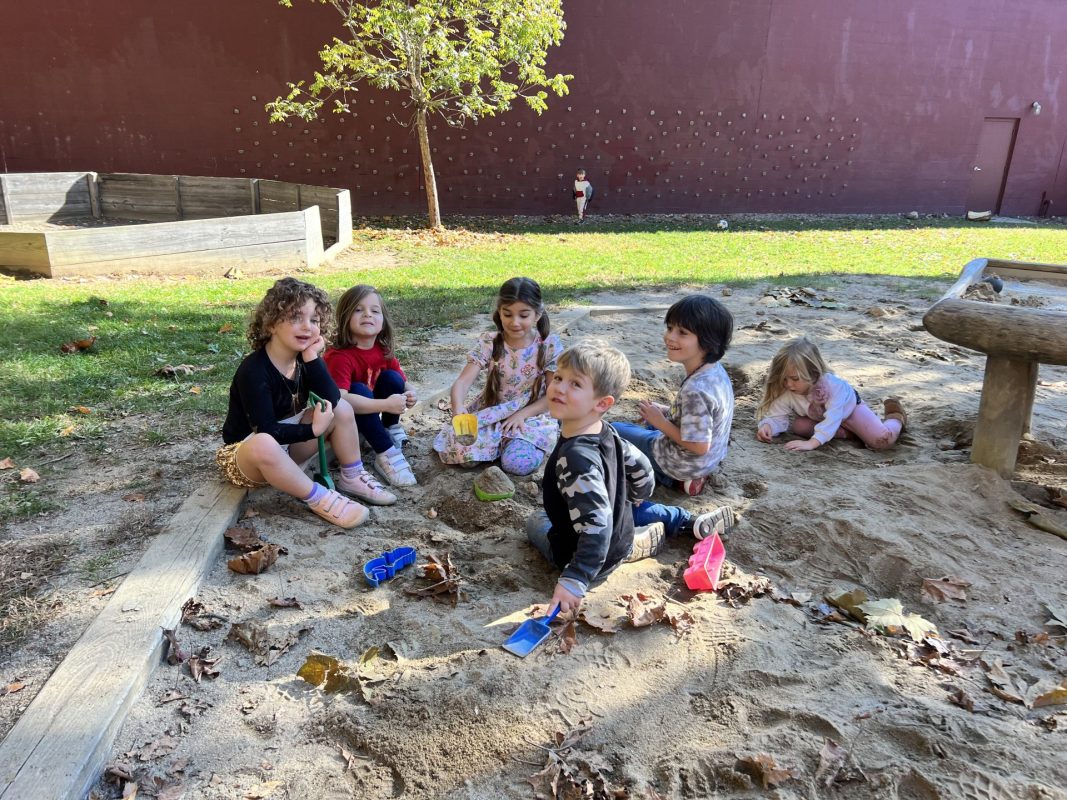
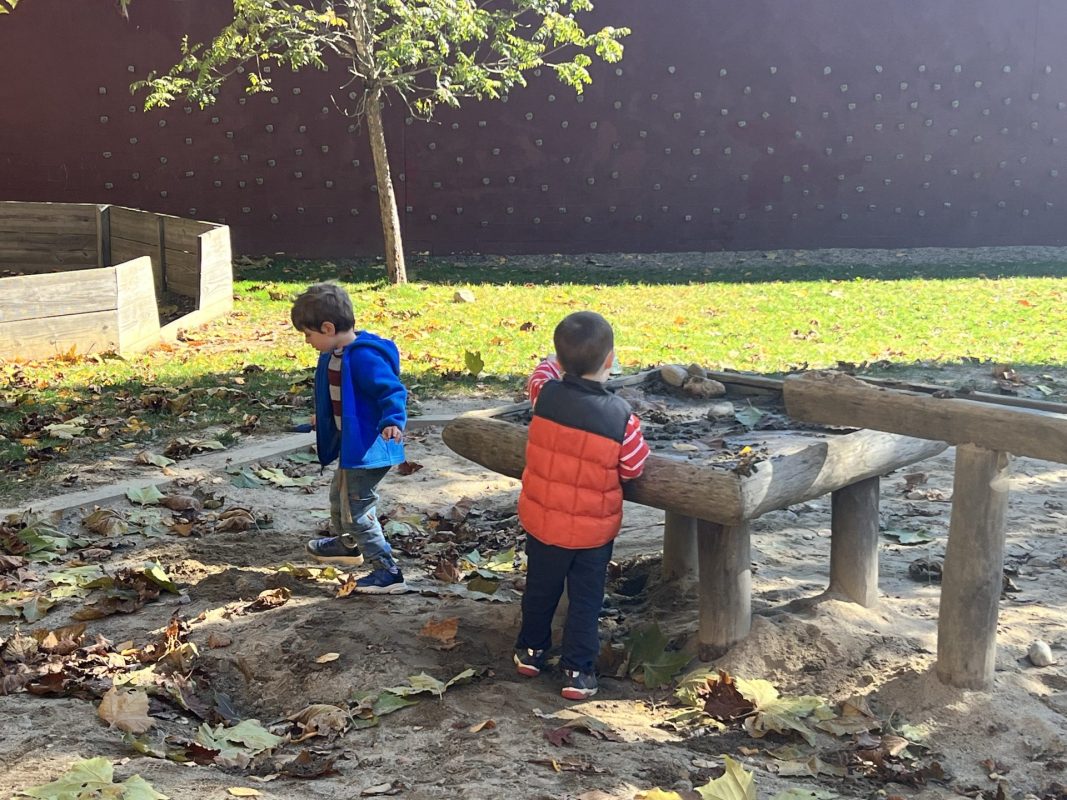
Children also have been learning the names of different types of leaves and enjoy observing, finding, and of course, playing with them on the playground!

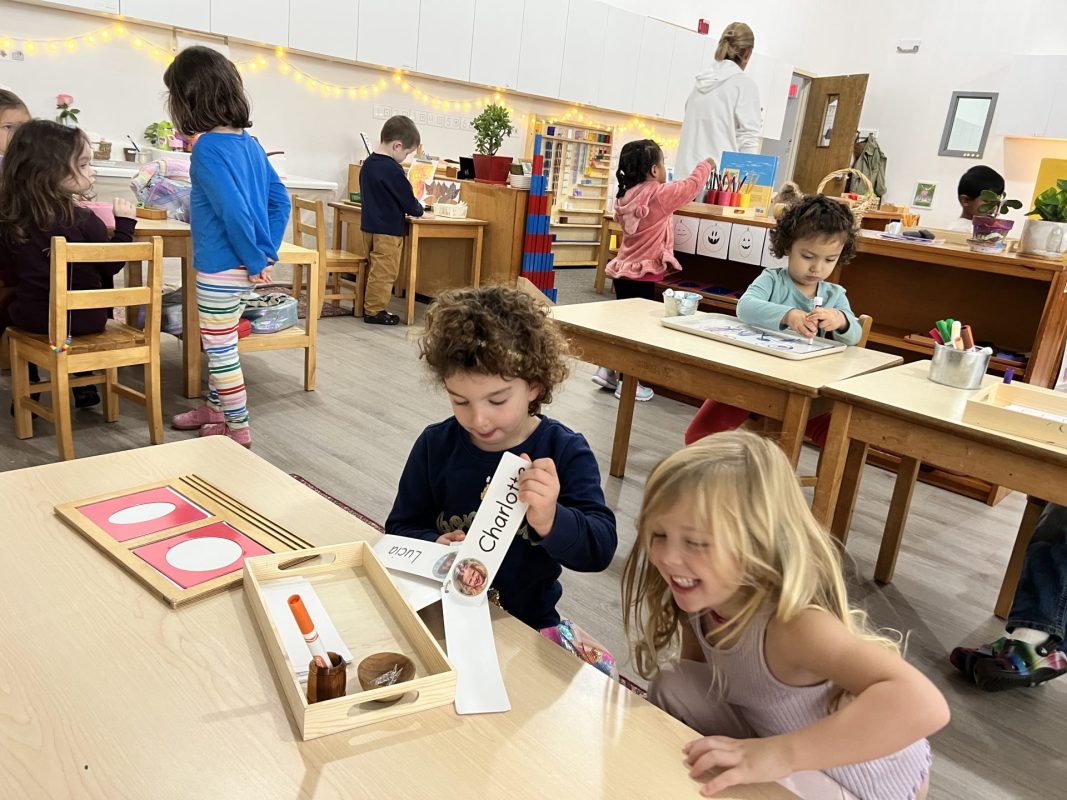
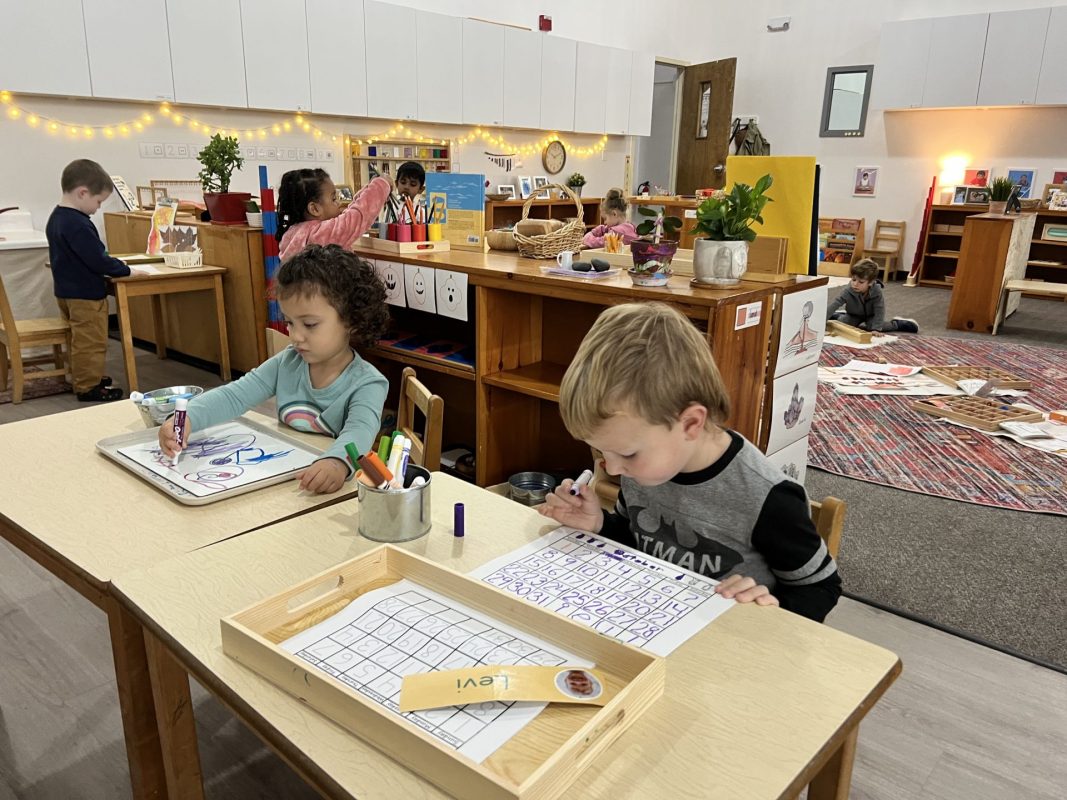
Enjoy the pictures,

Mrs. Hood and Ms. Mollie

Mrs. Wilson: November Explorations and Little Firefighters!

In the enchanting month of November, our pint-sized explorers will embark on a journey through the warm hues of yellow, the crunch of leaves, the charm of acorns and pinecones, and the magical world of woodland creatures. 

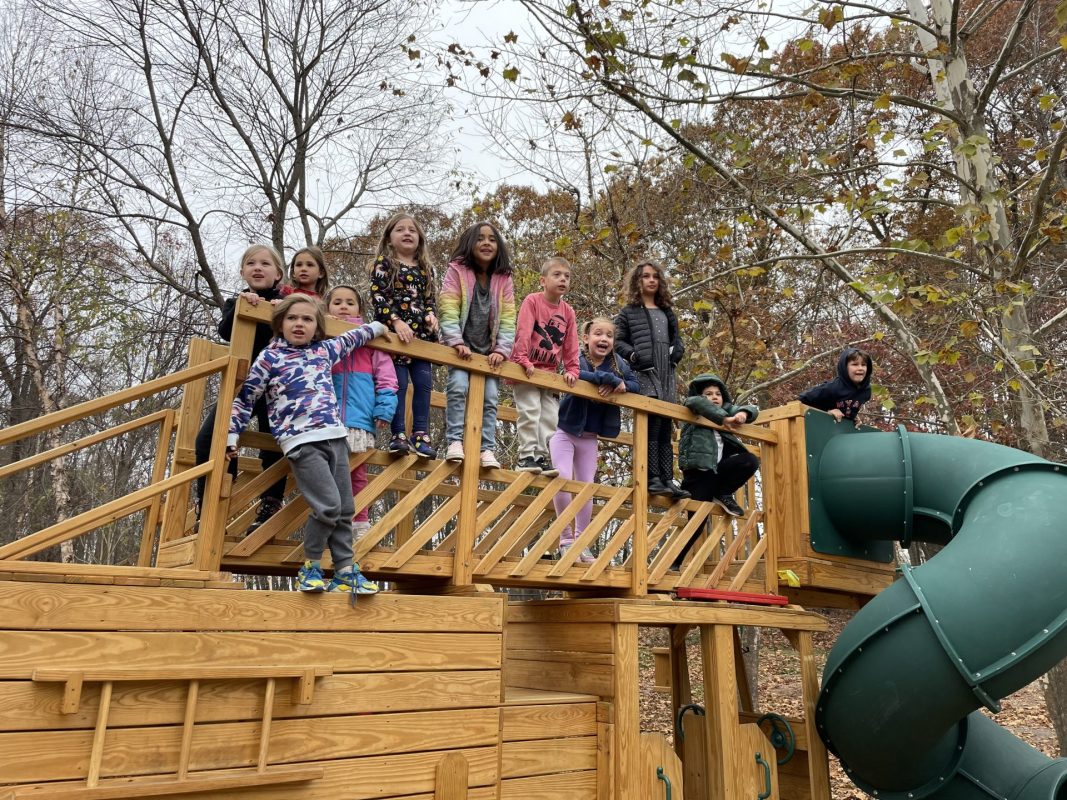
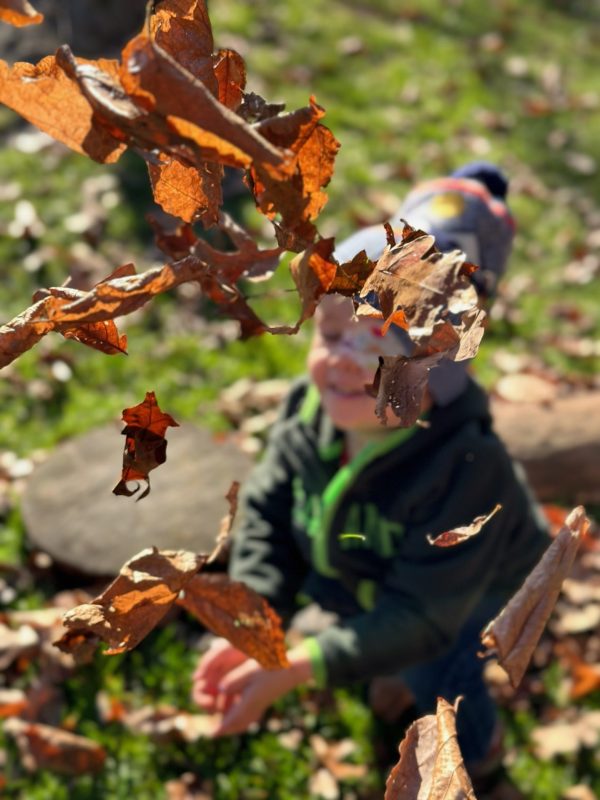
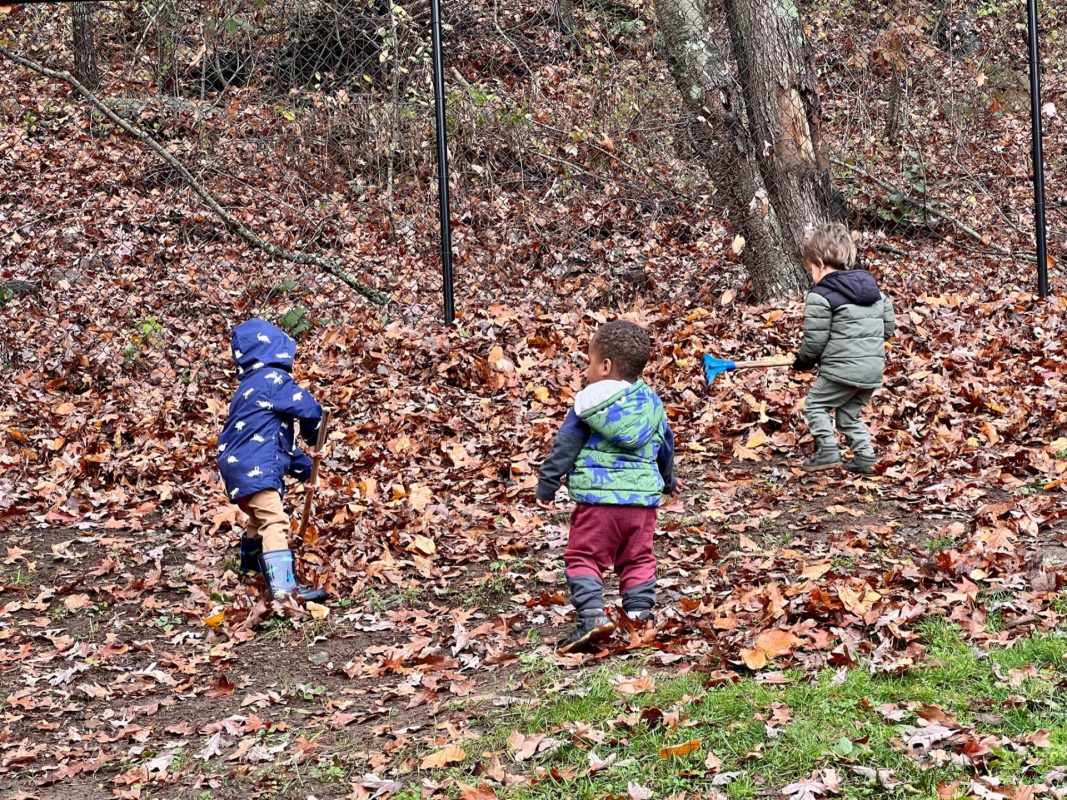
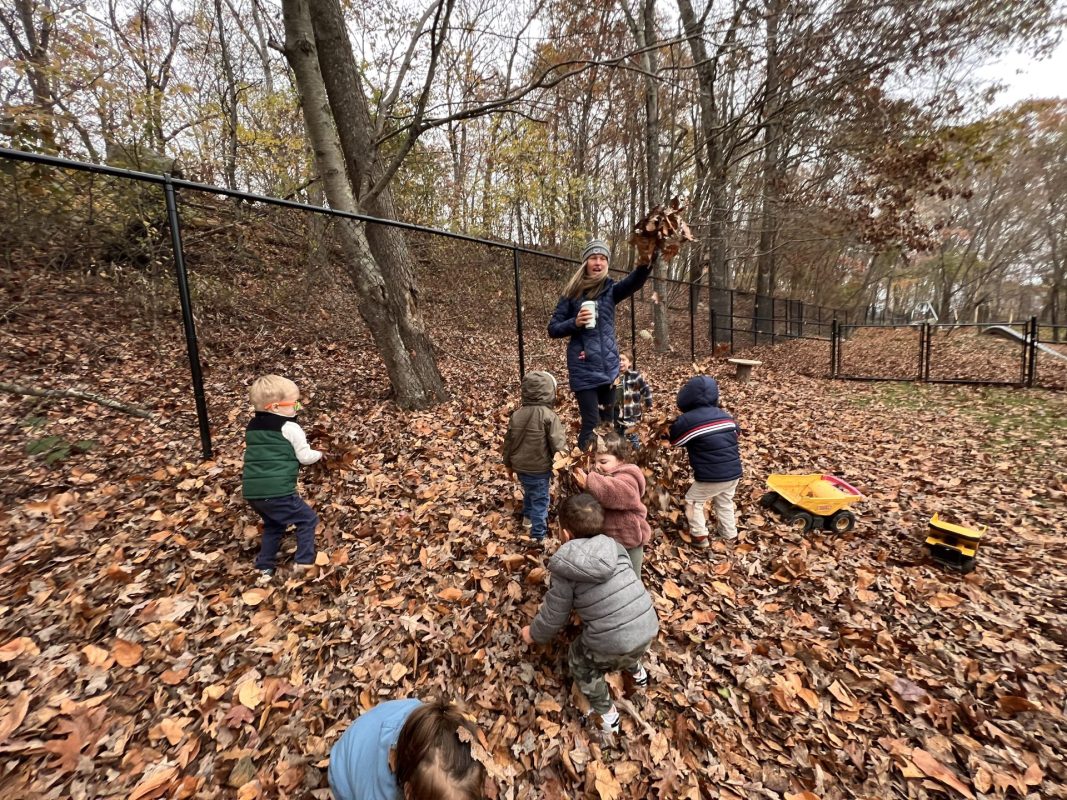
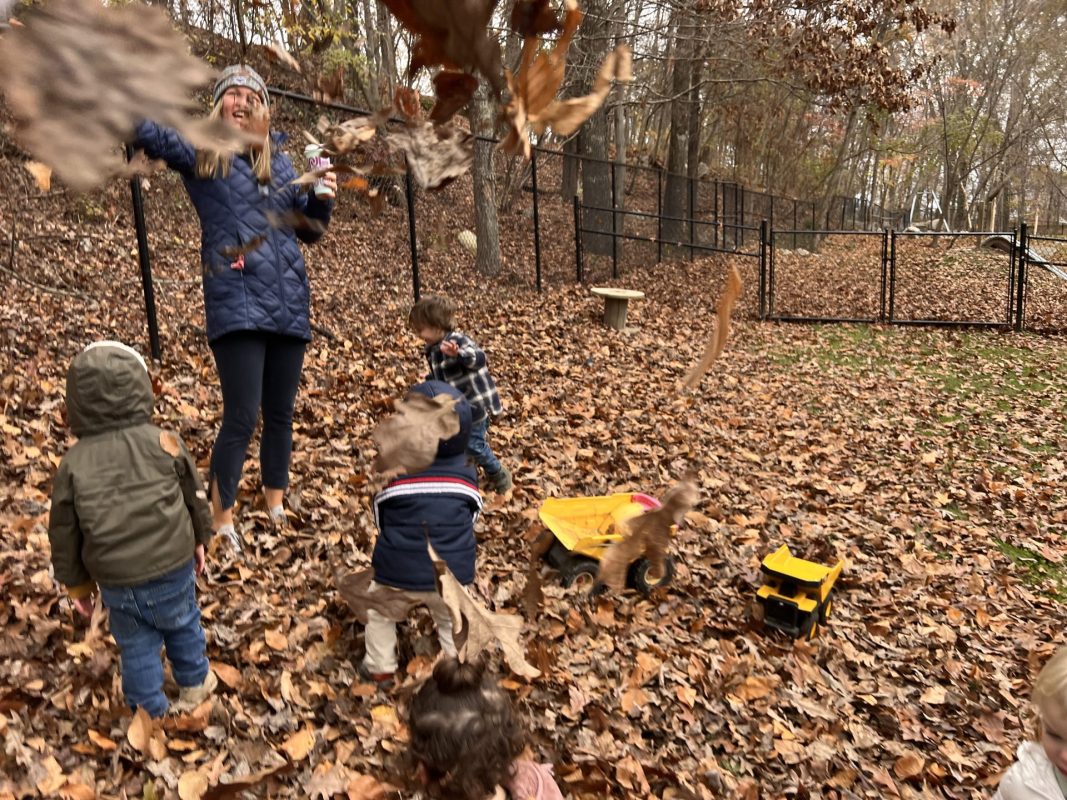
During our time outdoors, the children filled the air with laughter as we leaped into a pile of leaves and found simple joy as they tossed the fallen leaves up into the air and at each other. 

A highlight that lit up our week was the visit from Fireman Bill of the Botsford Fire Rescue. Mrs. Wilson transformed into a firefighter, and the kids got an up-close look inside a real firetruck. The firefighter helmets were the cherry on top – who knew a firetruck wheel could tower over our toddlers?

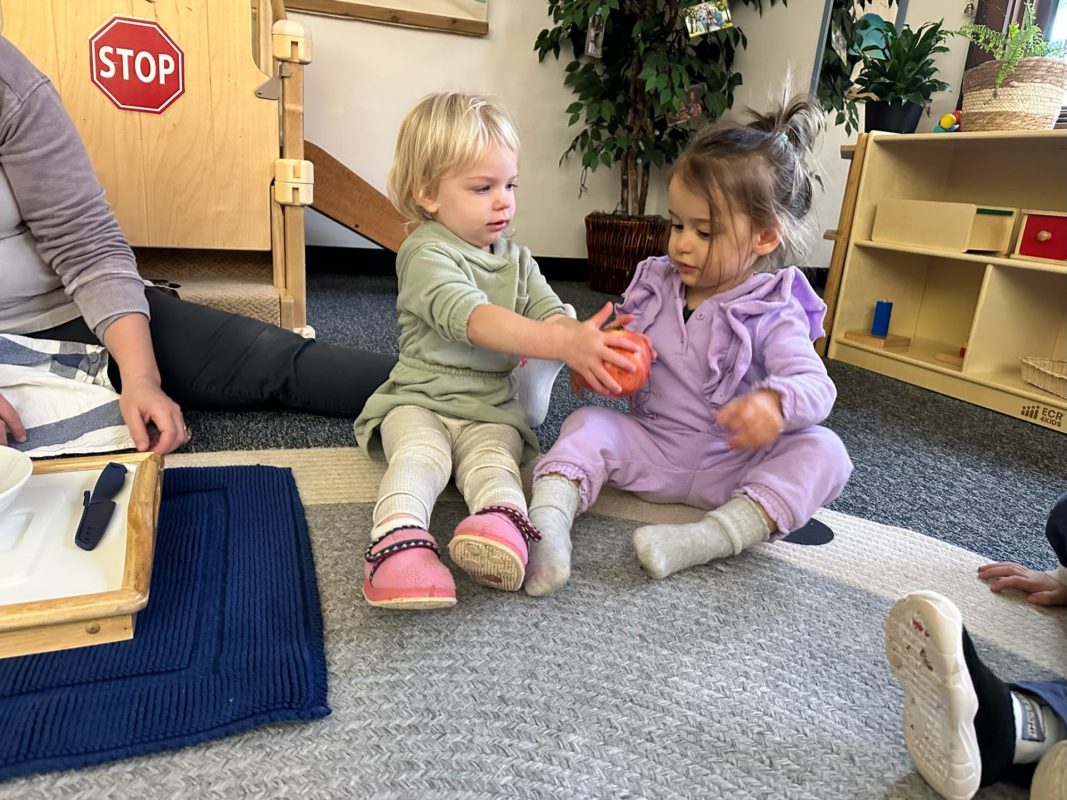
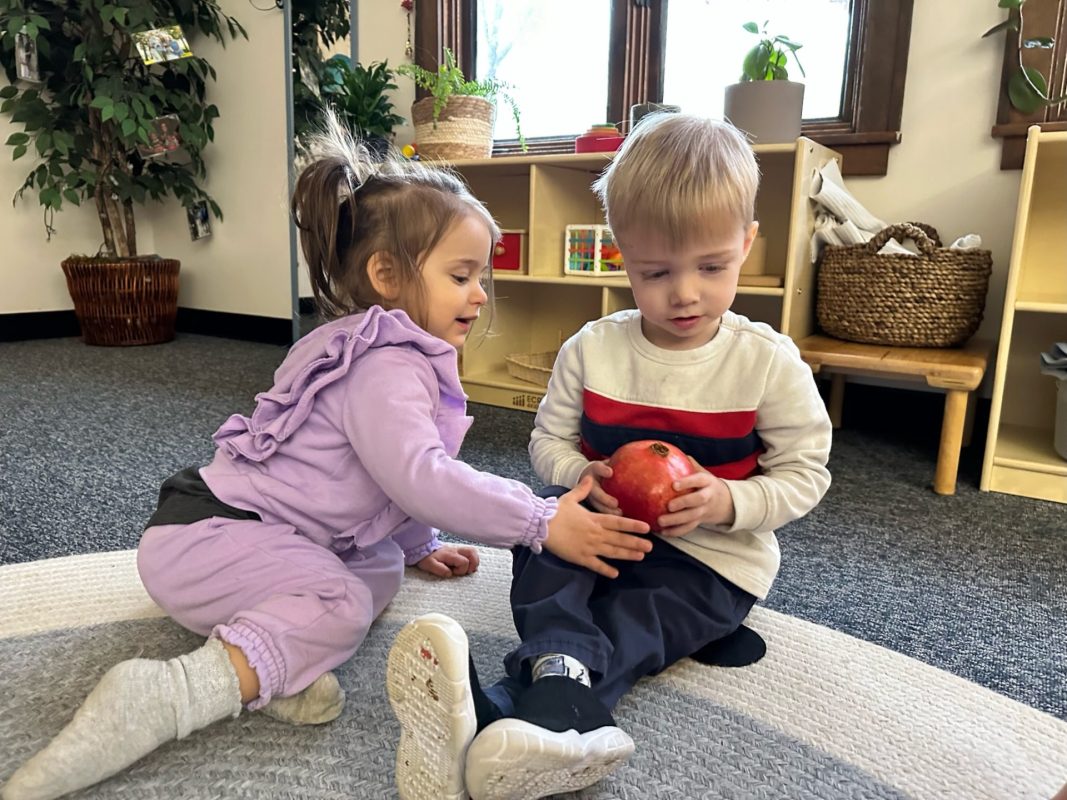
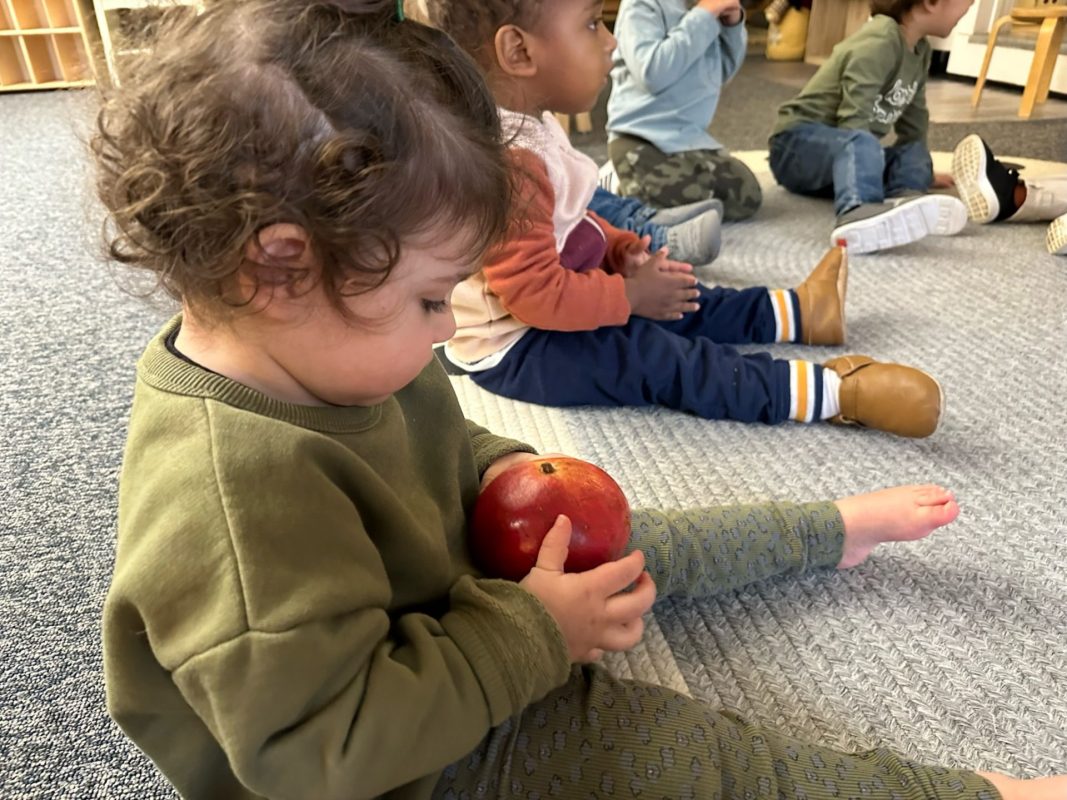
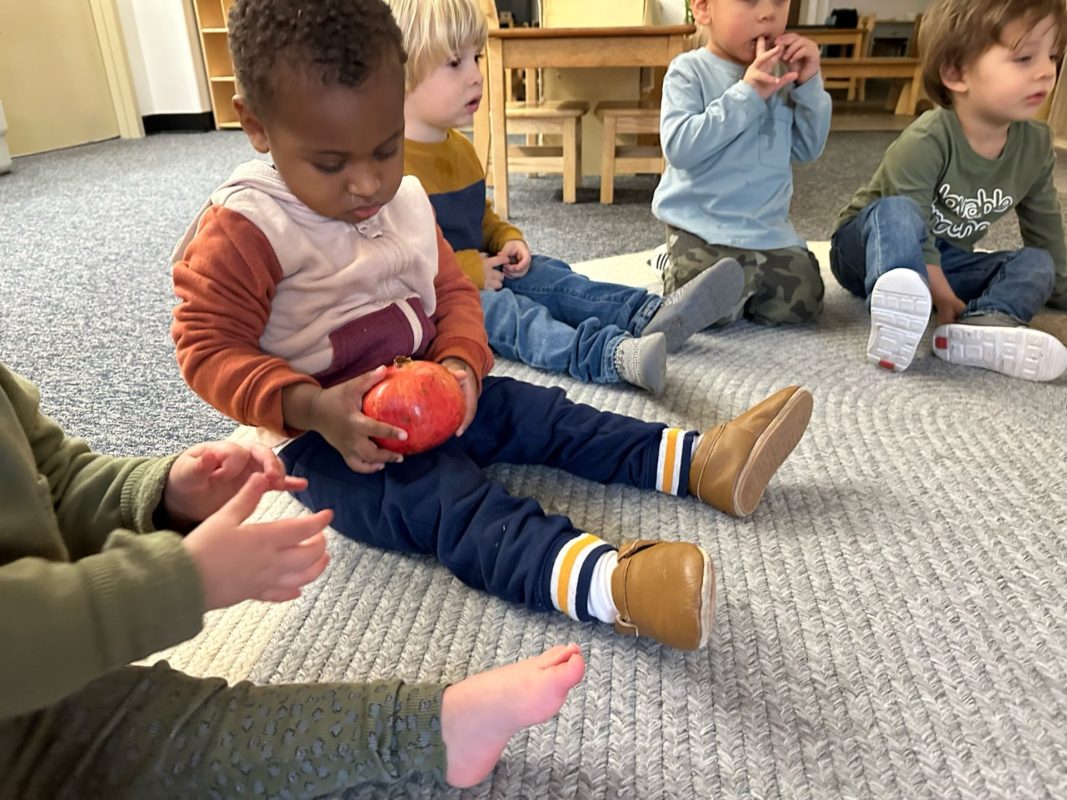
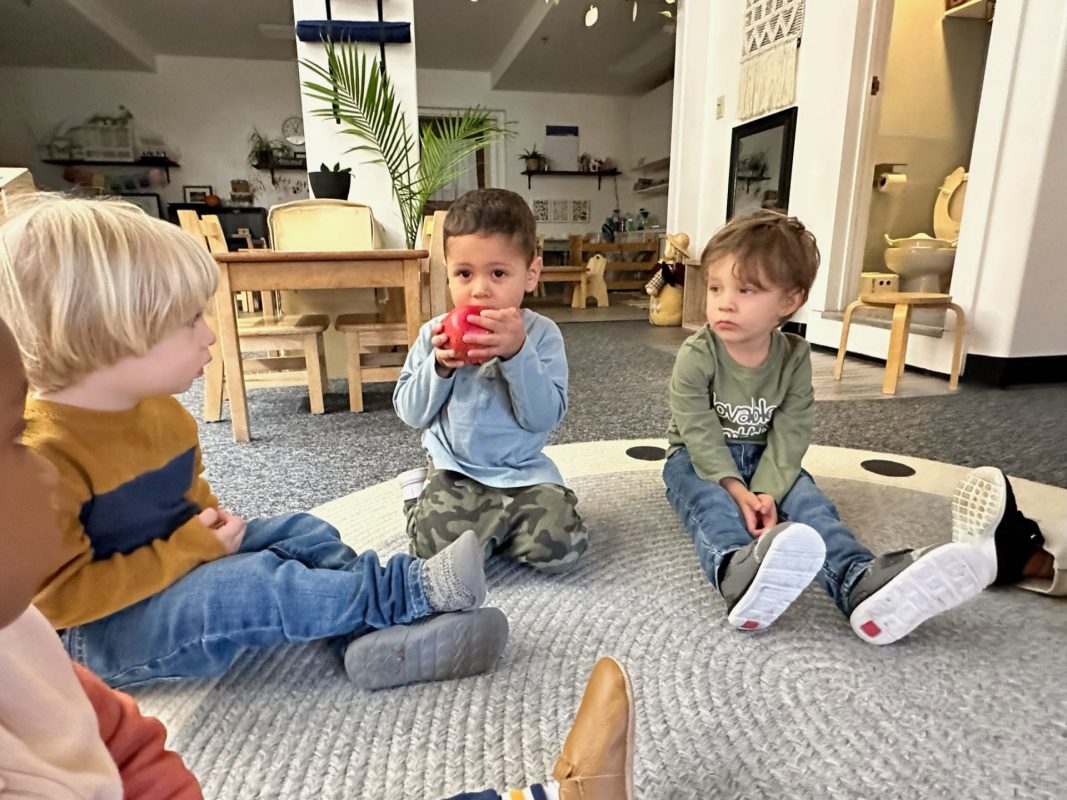
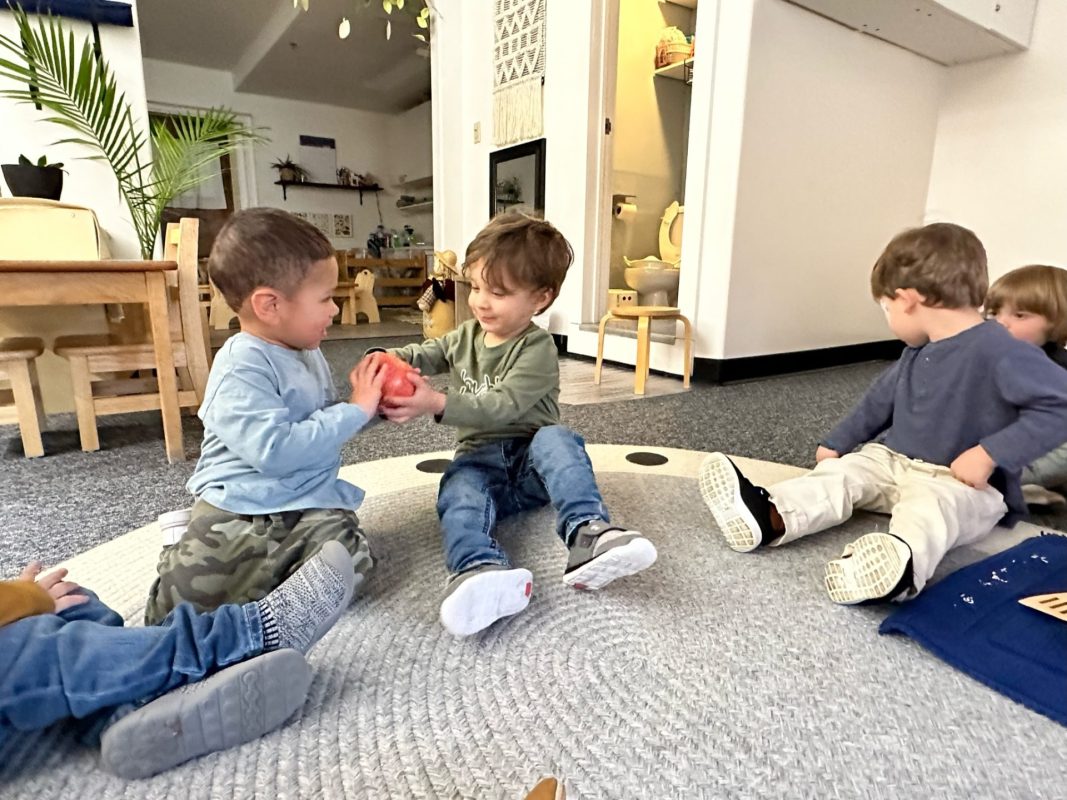
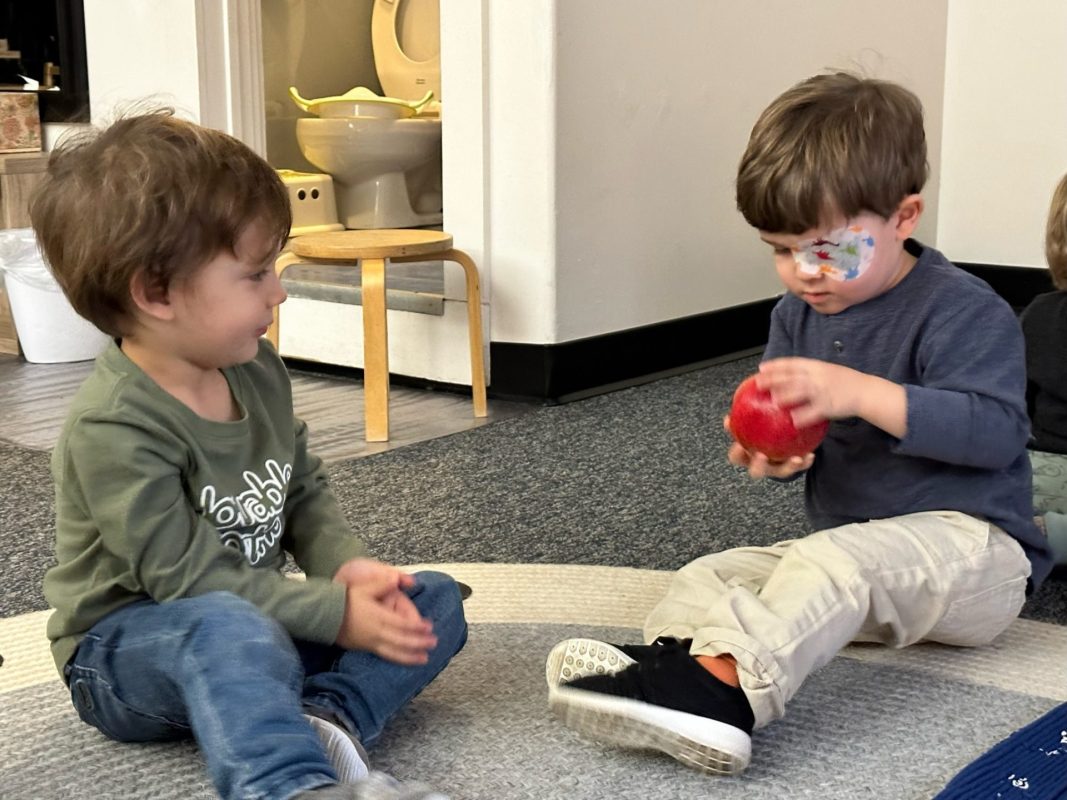
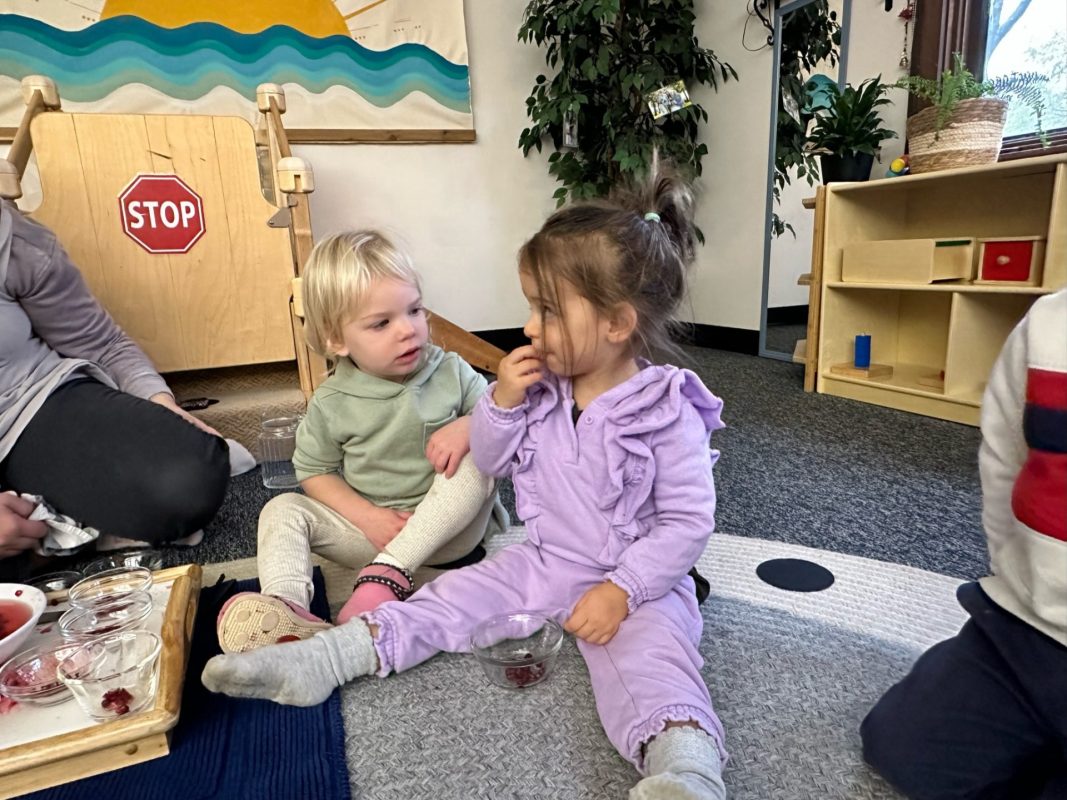
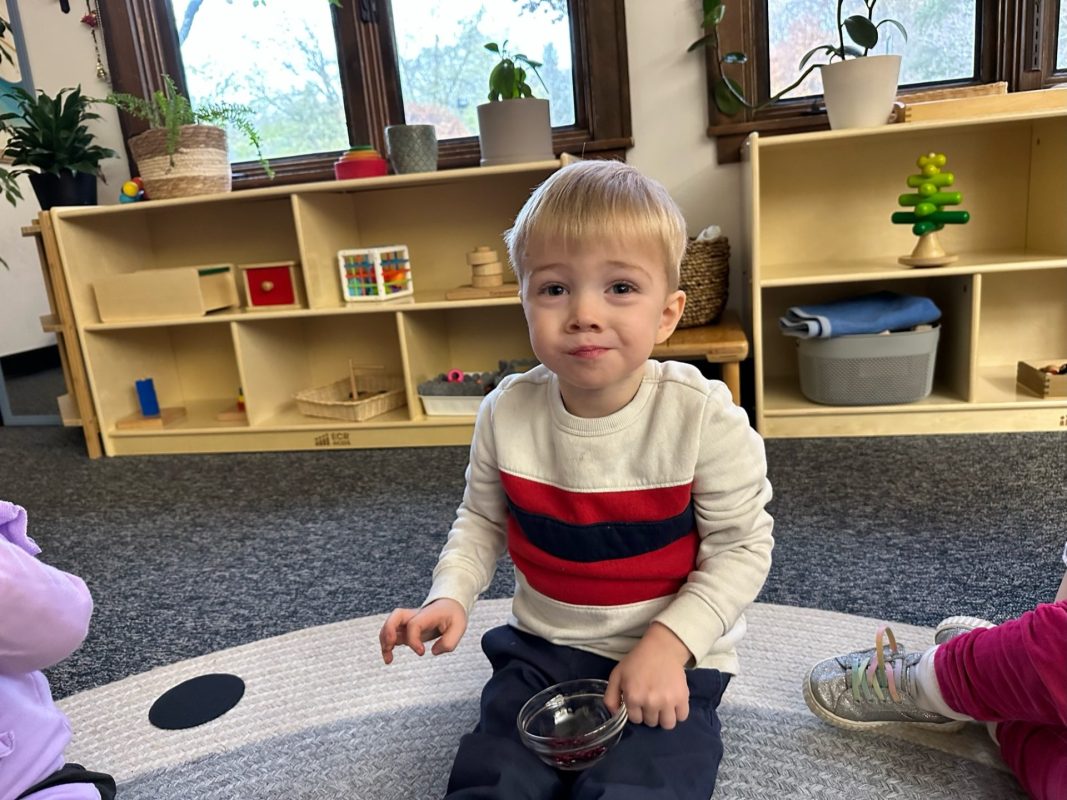
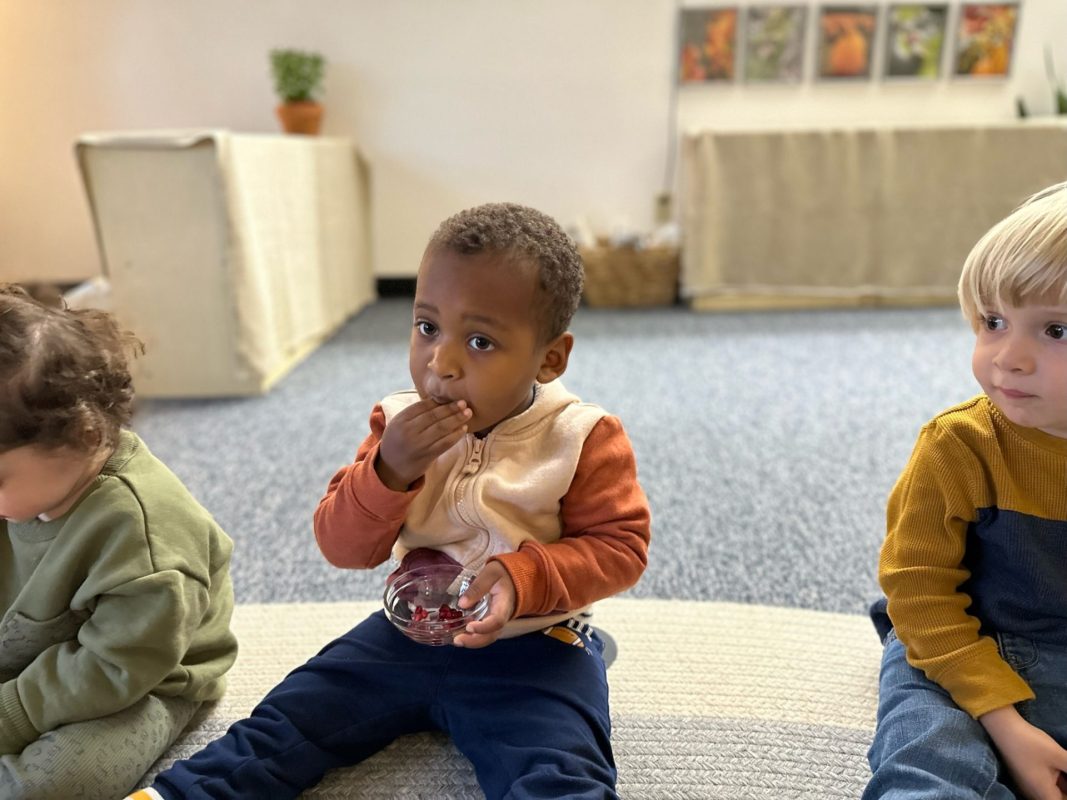
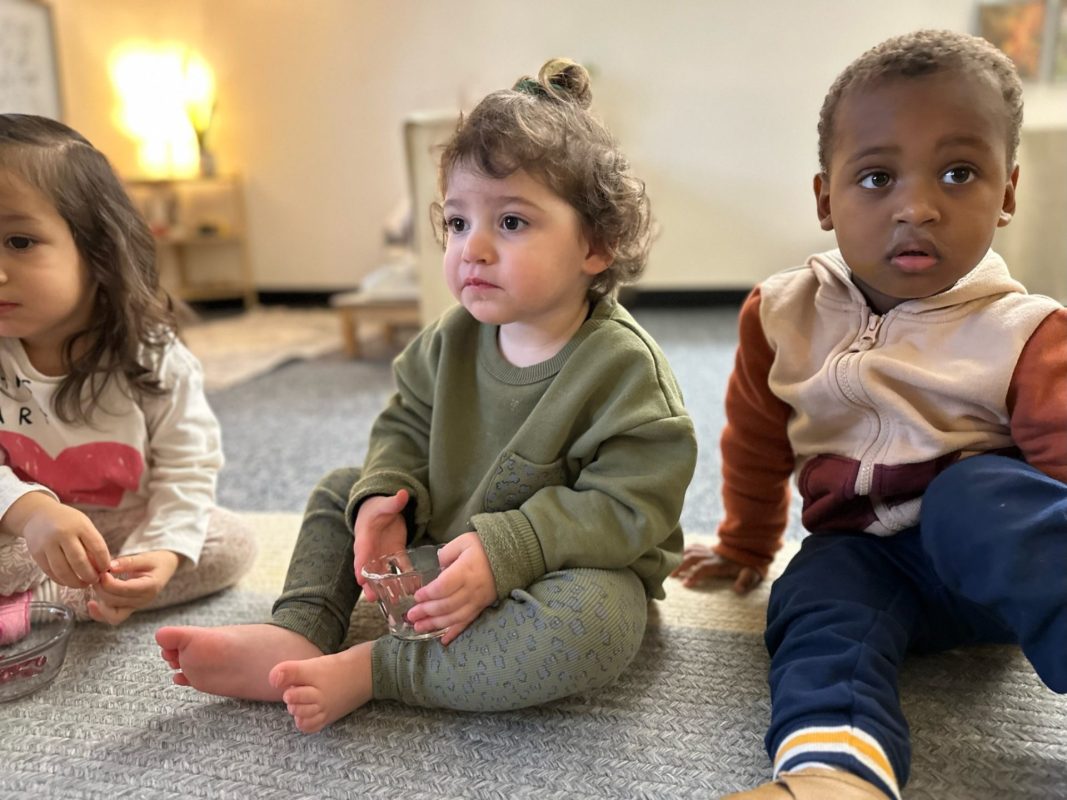
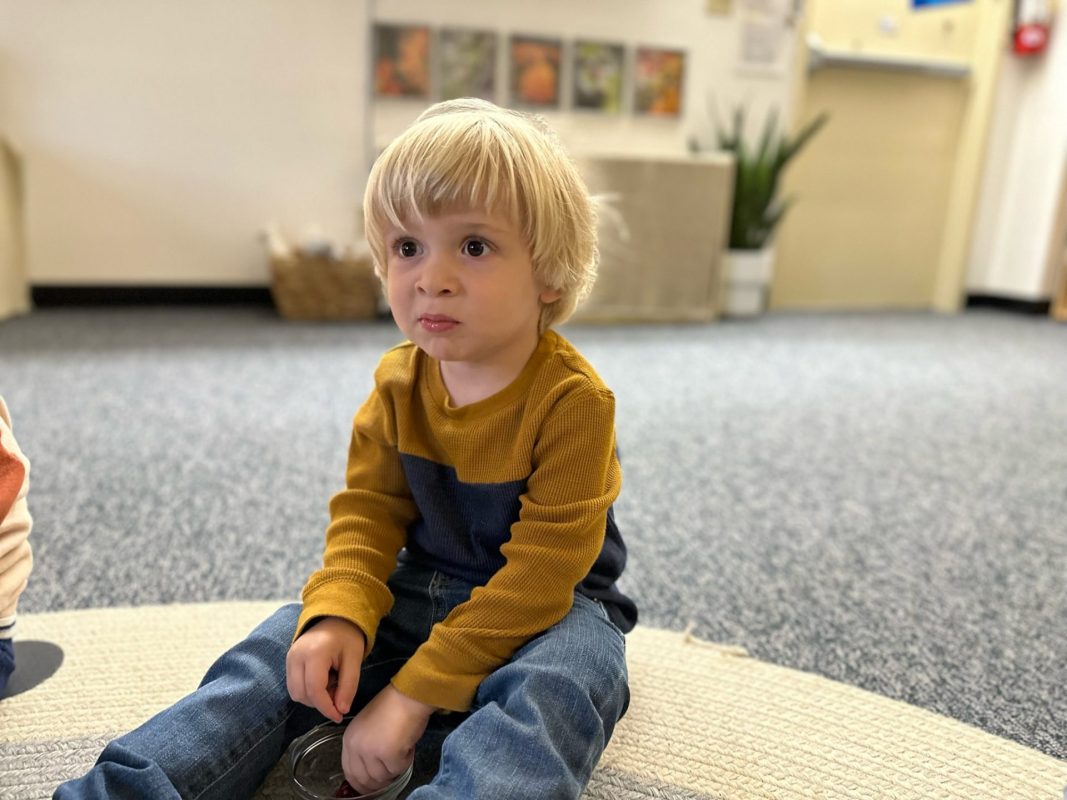
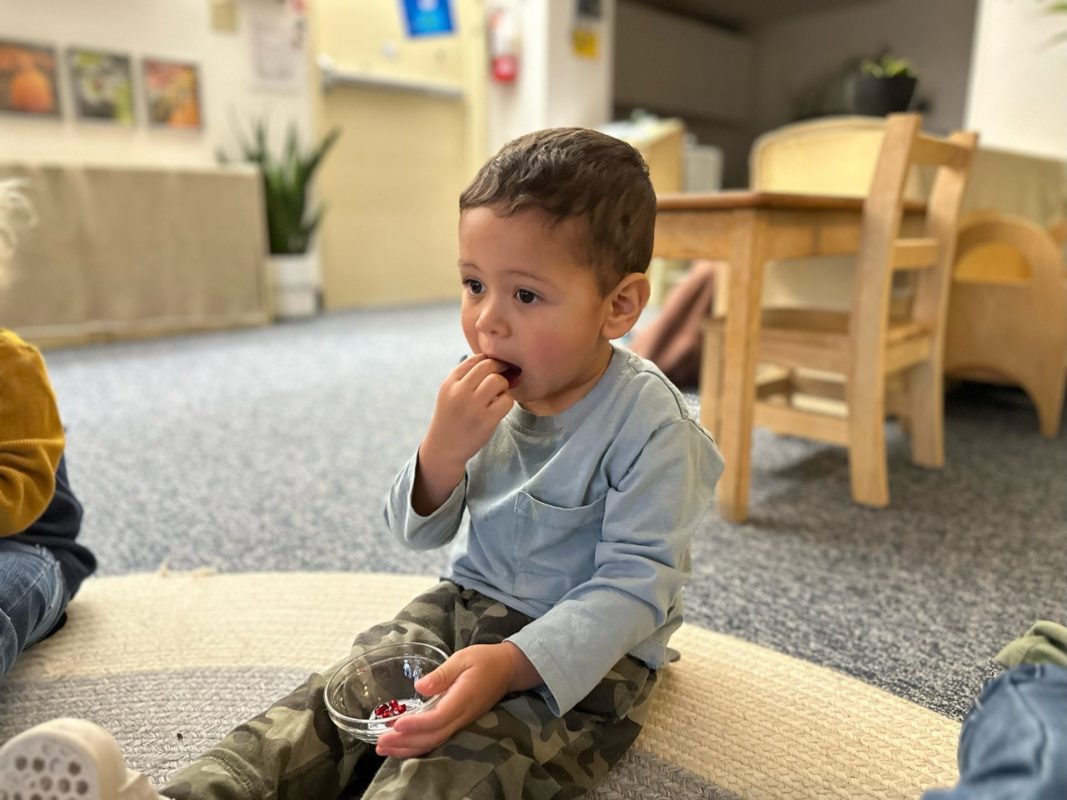
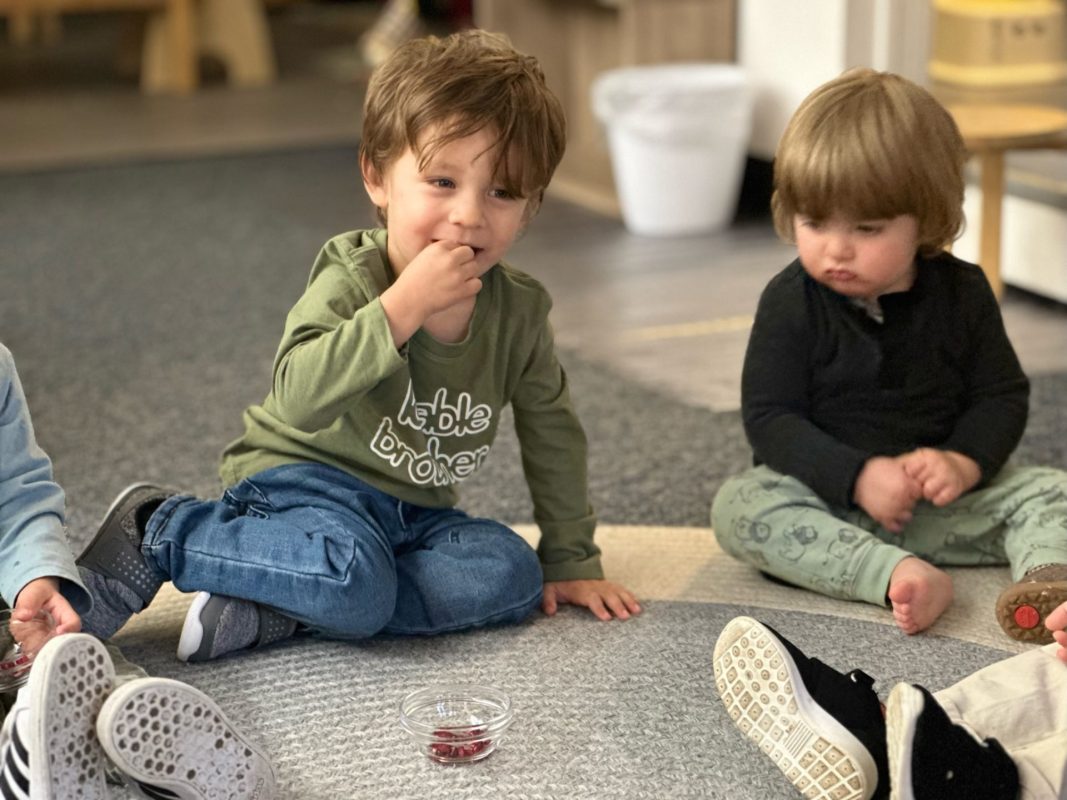
Food Tasting: Food tasting took a delicious turn as we introduced the little ones to pomegranate seeds. The children saw the vibrant red juice drip out from the fruit and heard the crunch of one little seed. This was a sensory experience that brought the flavors of fall to life.


Middle School: Week in Review

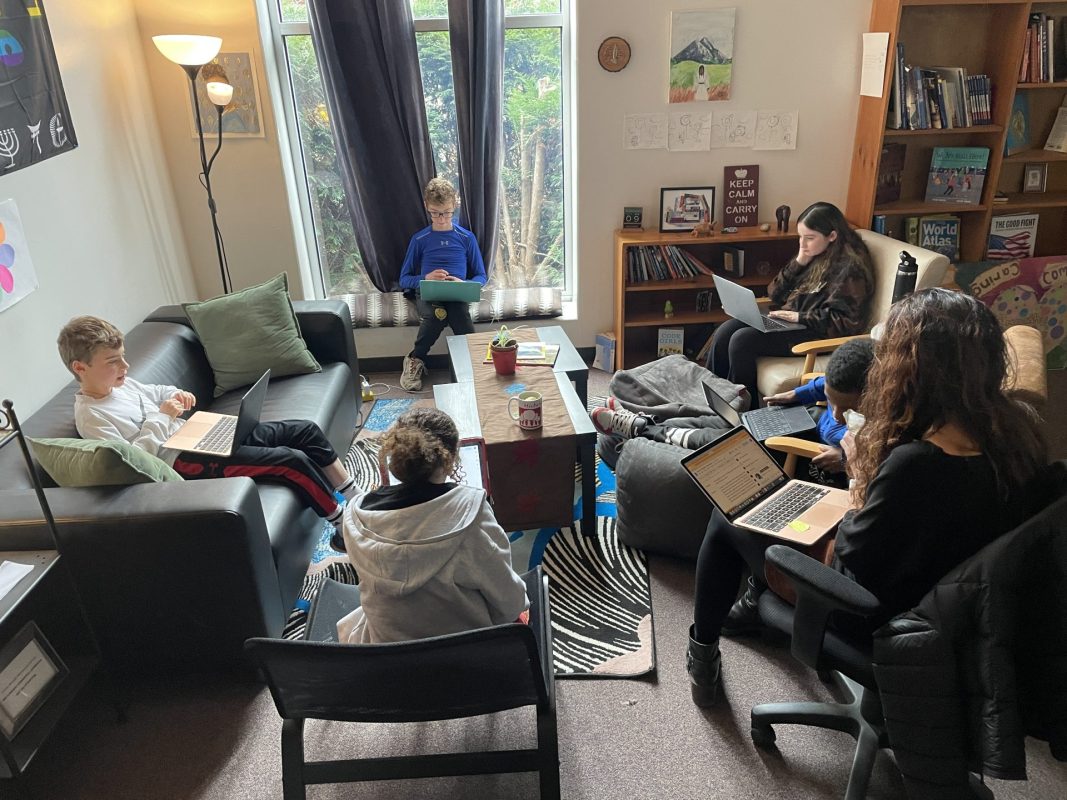
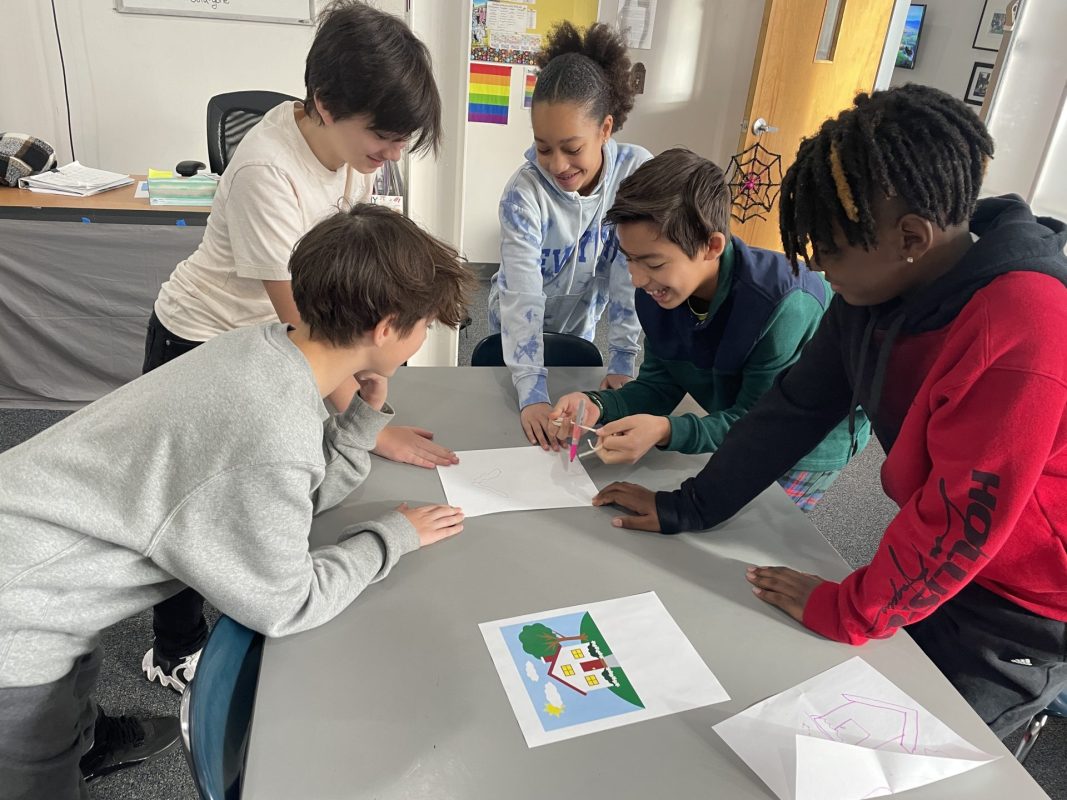
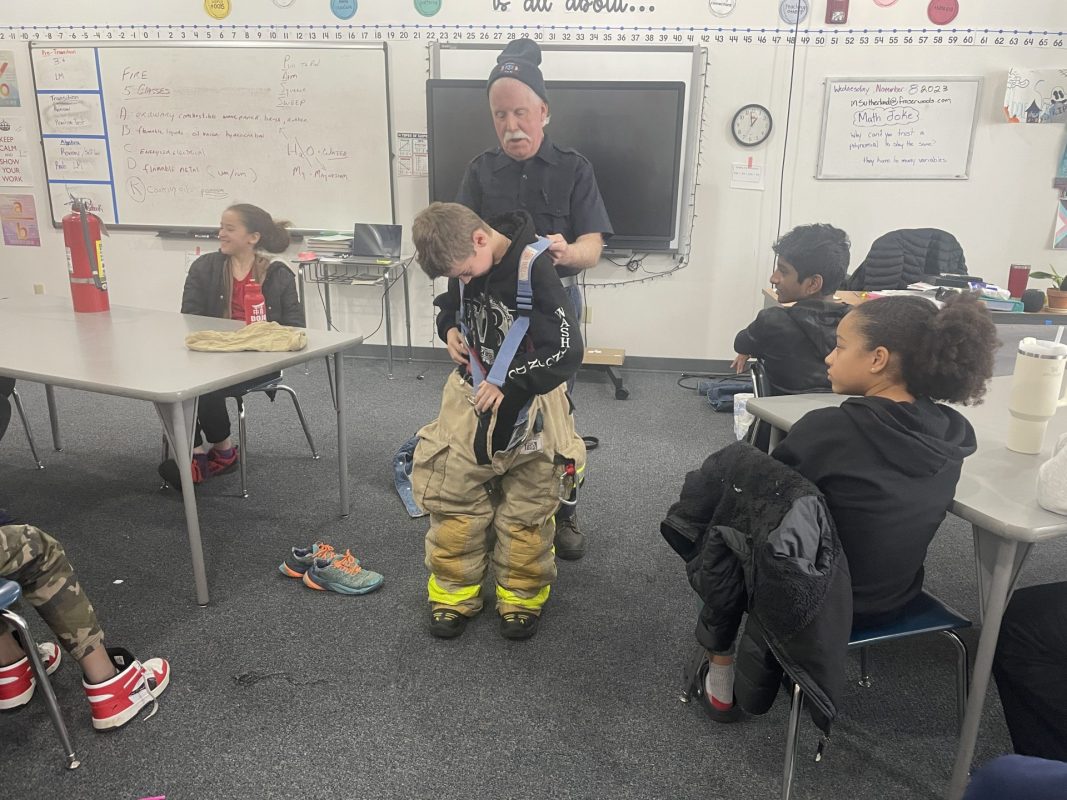
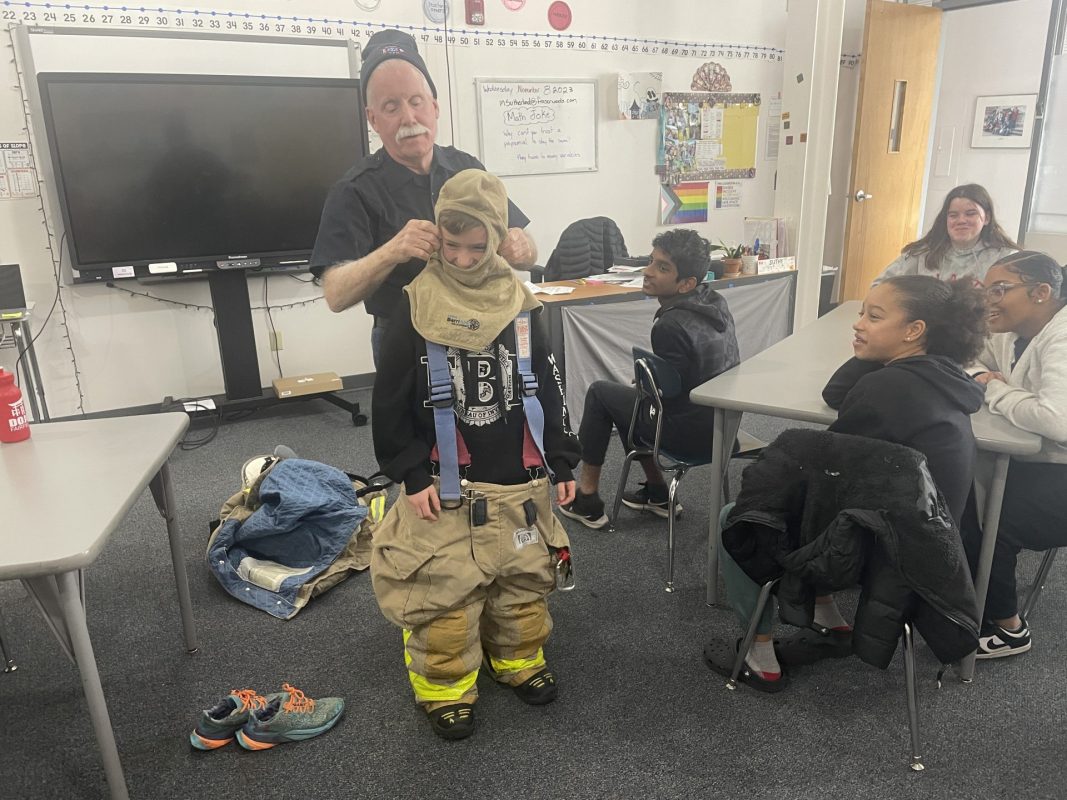
This was another exciting week for our middle school community! Students participated in a Fire Safety demonstration from the Botsford Fire Department; they continued to build cardboard furniture in STEAM class and concluded another great soccer season. We enjoyed our fun Friday Grill & Chill event and are excited to share a few leadership initiatives in the coming weeks! As a general reminder, we will have early dismissal on Tuesday, November 21st, before the Thanksgiving Break. Immersion week will commence when we return as we prepare for this year’s main-stage production.

HUMANITIES:

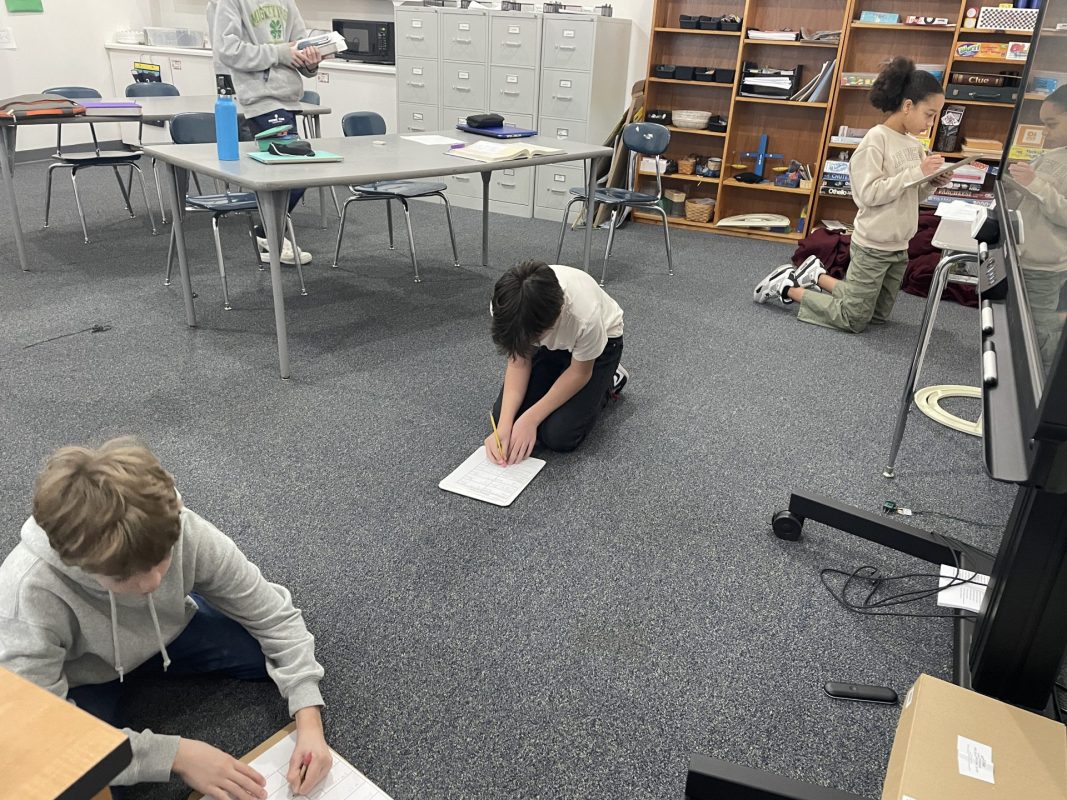
This week, all Middle School Humanities classes surrounded the writing of the first few scenes of our play! Characters are written, the plot is decided, and the title is even chosen—more to come in next week’s blog, as it will feature the playwriting process.

SCIENCE:

6th-year Earth Science students are working on representing their unit “Tectonic Plates” by creating stop motion videos. Students are asked to represent what tectonic plates are, what causes them to move, what the three types of plate boundaries are, and how tectonic plate movement influences our landscape. Students have the ability to choose from a variety of artistic representations to base their videos on.

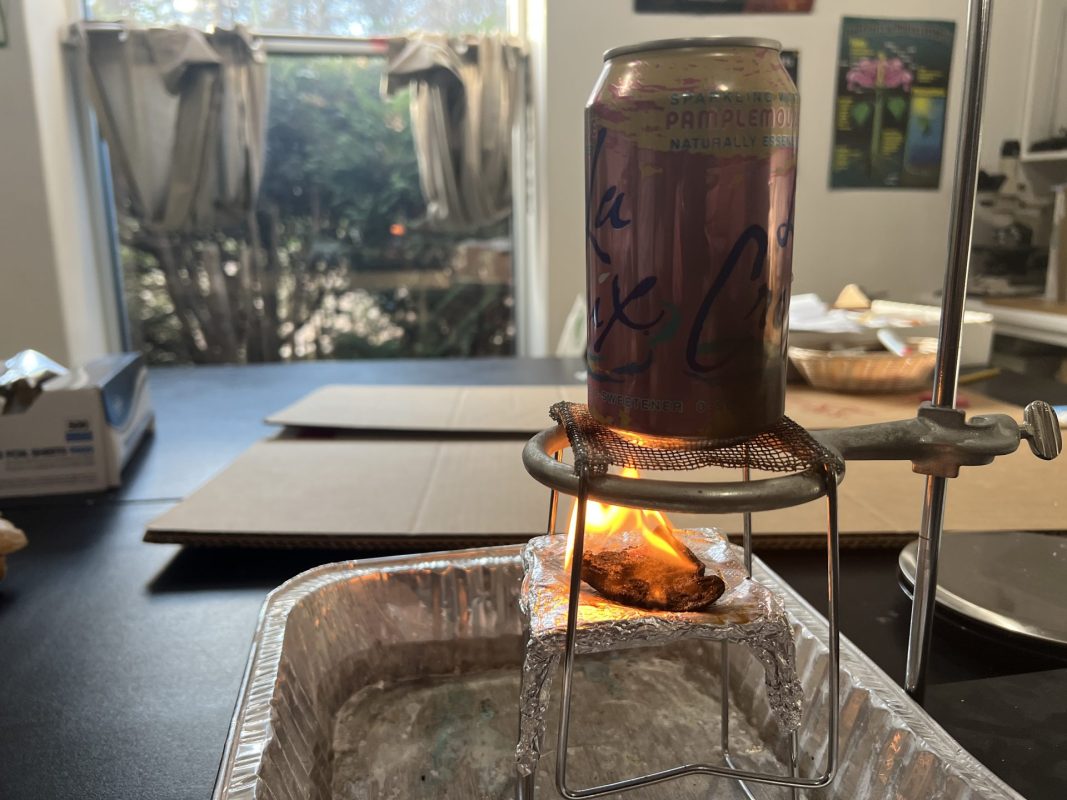
7th-year Physical Science students are finishing their unit “Characteristic Properties of Matter.” Throughout the unit, students conducted several experiments and lab reports that tested unknown substances’ physical and chemical properties. Some of the experiments conducted tested electrical conductivity, malleability, density, pH, and combustibility. Our next unit will be “States of Matter.”

8th-year Life Science students have been working on their unit “Cellular Respiration.” This week, students were asked to begin the unit by first understanding the differences between respiration (breathing) and cellular respiration (obtaining energy from food). Students will be asked to break the unit into three main parts (glycolysis, Kreb’s cycle, and the electron transport chain).

MATH:

In the Pre-Transition math class, students began learning chapter 3, which covers a variety of concepts involving addition. This class is exploring how to add numbers with mixed units in real-world situations, add integers on a number line, and apply addition’s commutative and associative properties. This class can use a protractor to measure given acute and obtuse angles and add values to make complementary and supplementary pairs.
In the Transition math class, students completed chapter 3 and wrote the unit assessment on Thursday, November 9th. This class has demonstrated they understand using square roots, converting a value between decimals/fractions/percentages, and modeling terminating and repeating decimals. Students are confident with finding decimals between integer values and finding equivalent fractions.
In the Algebra math class, students continue investigating linear equations and inequalities. Students practiced rearranging formulas for specific variables, solving for ax + b = cx + d statements, and graphing absolute value inequalities on a coordinate grid. This class can graph horizontal and vertical lines and use a table of values to solve real-world problems involving linear situations.
In the Geometry math class, students were excited to explore transformations of figures and study the importance of isometries. This class can reflect points and figures over parallel and perpendicular lines. Students can perform a composite reflection of more than two movements and properly label a figure’s preimage.
Make Joke: Why can’t you trust a polynomial to stay the same? ………They have too many variables.

This Week in Upper El

This week, we had a visit from the Botsford Fire Department to learn about fire safety, with a focus on being safe around stoves. We practiced what to do in case of a fire in the home and learned about the equipment on a fire truck.

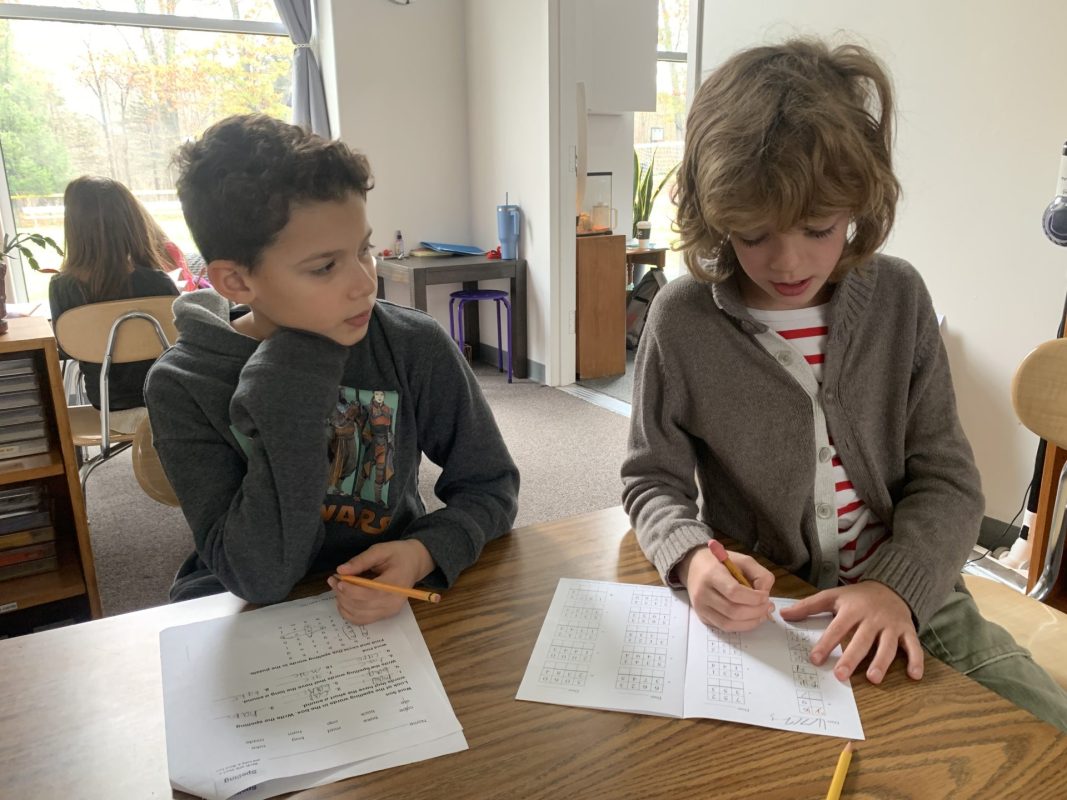
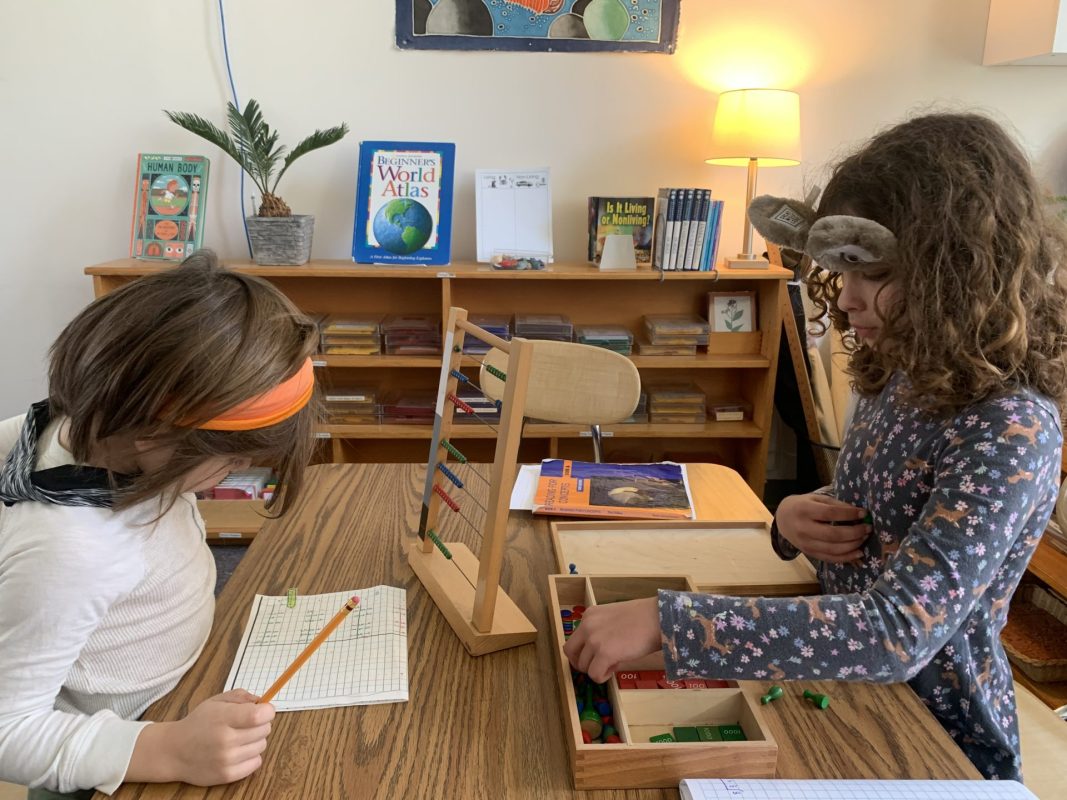
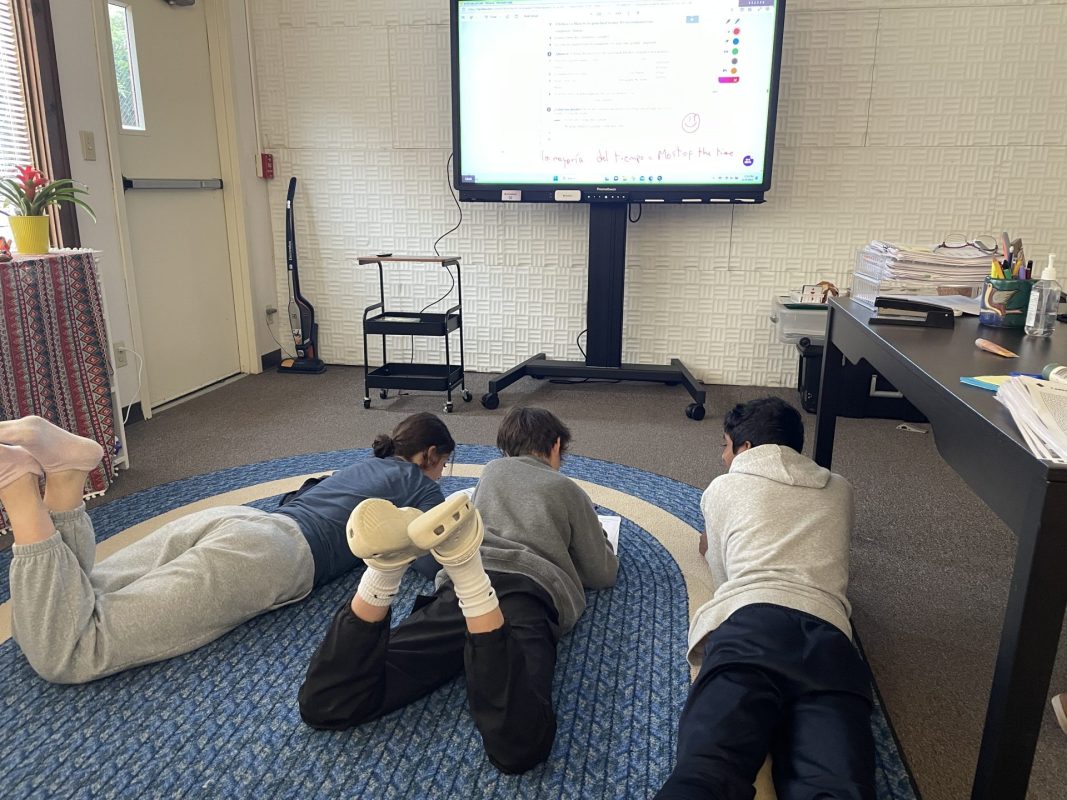
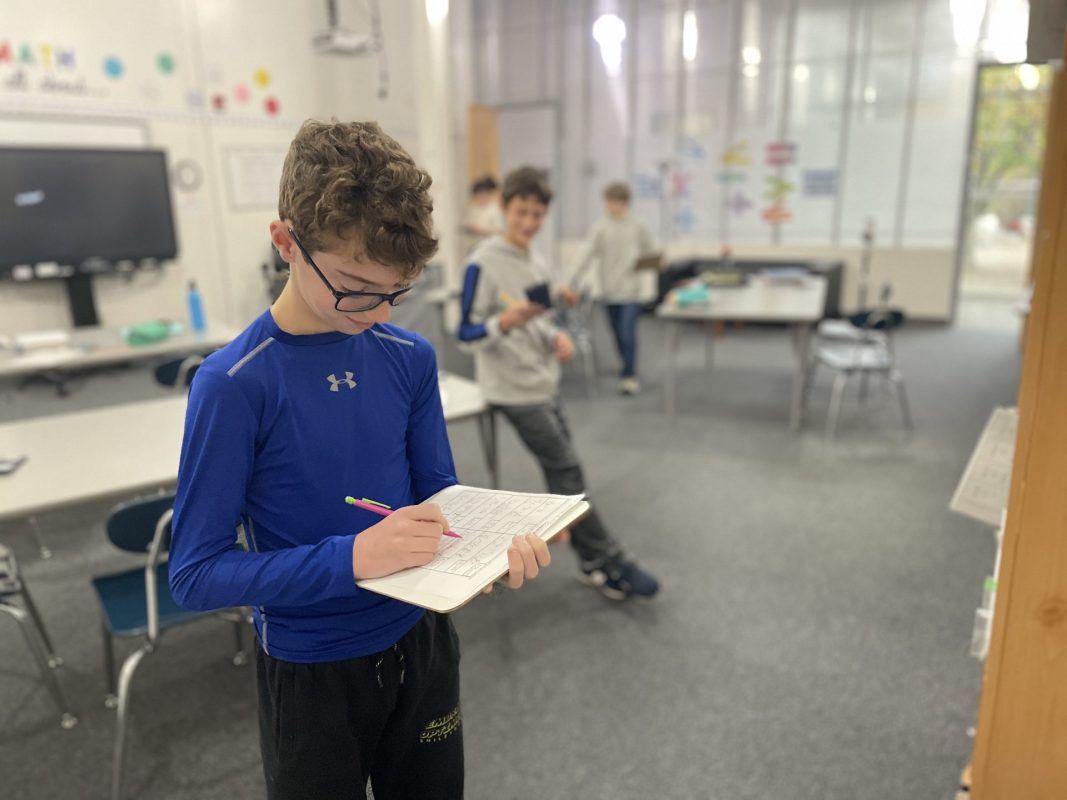
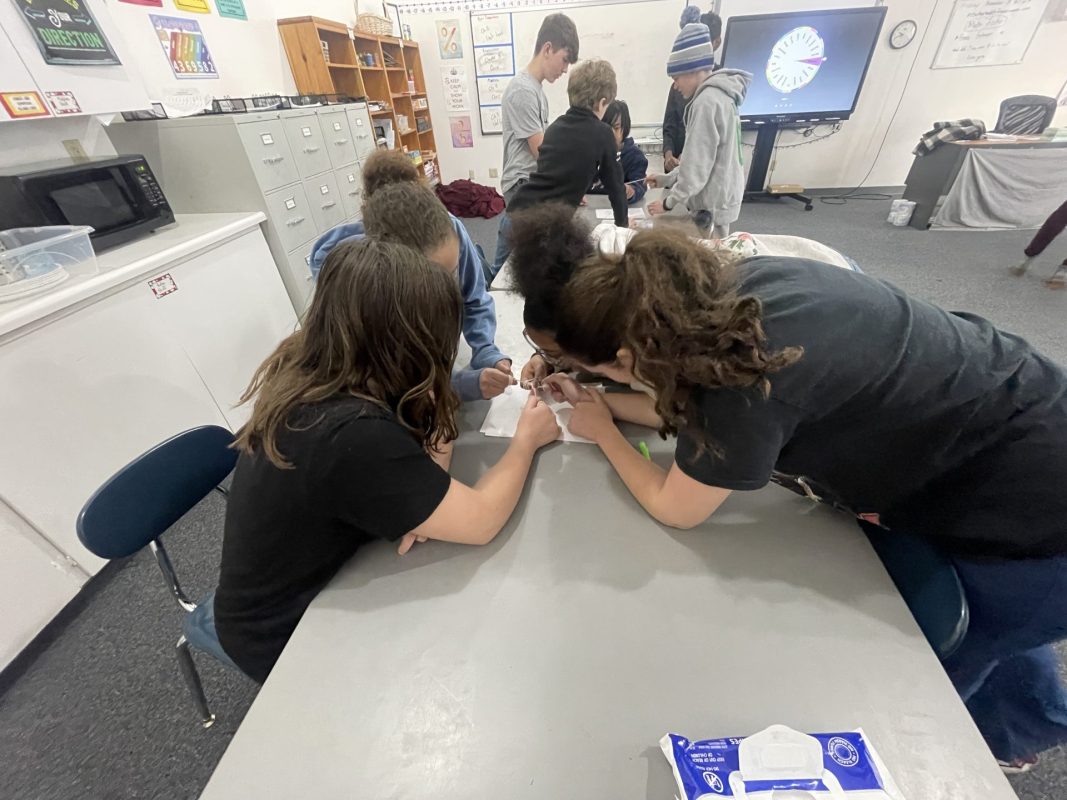
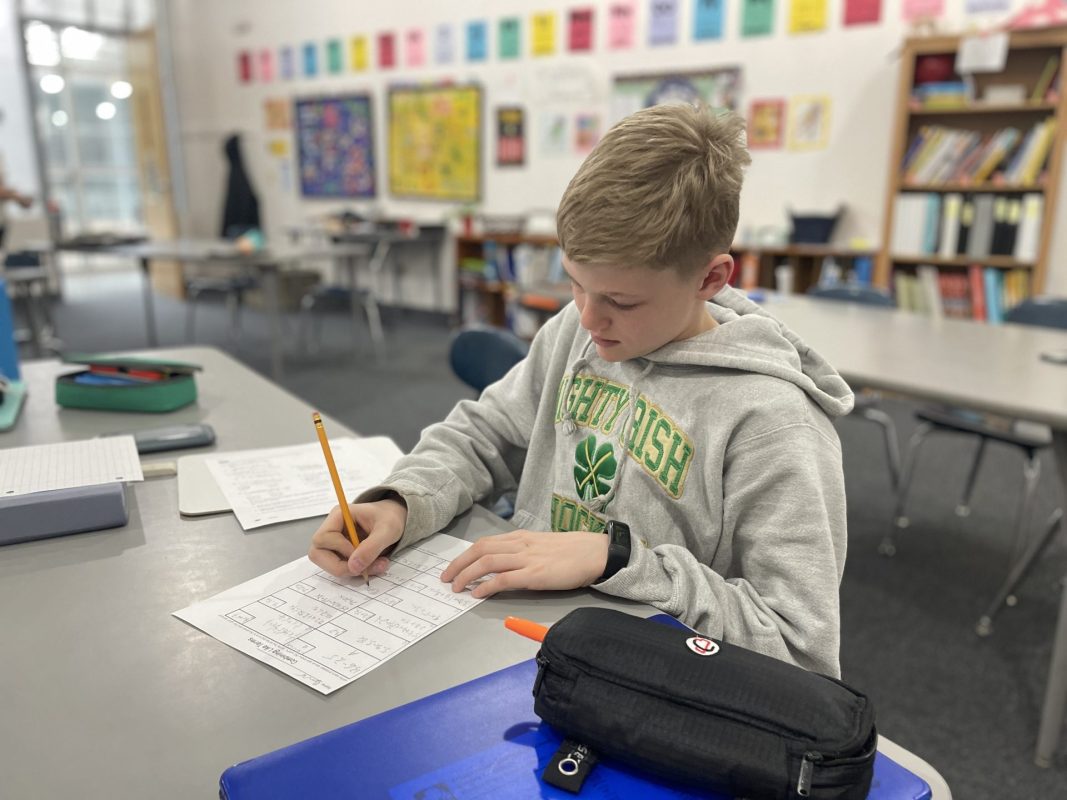
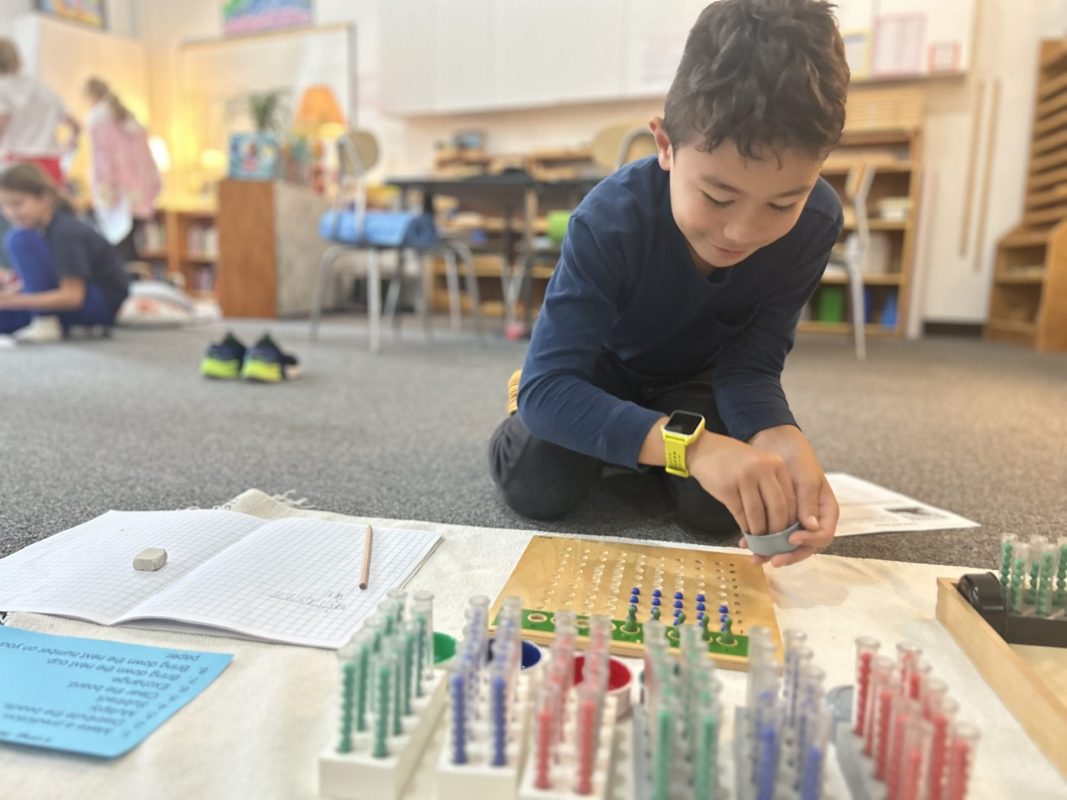
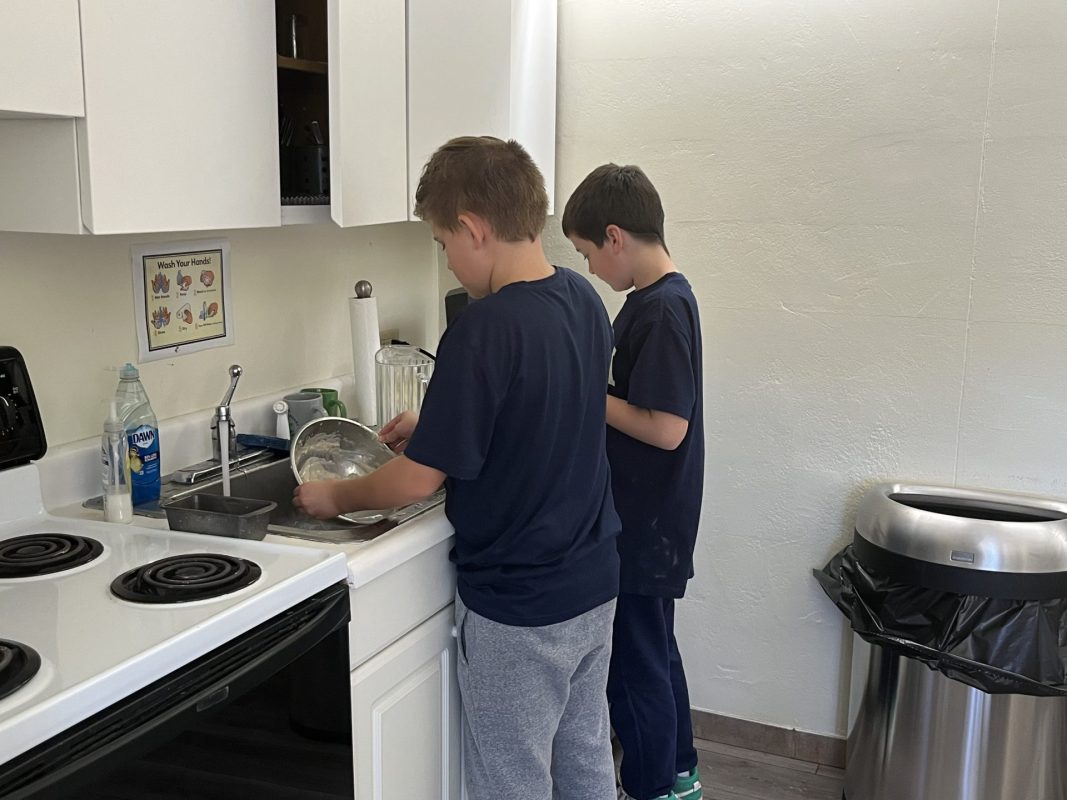
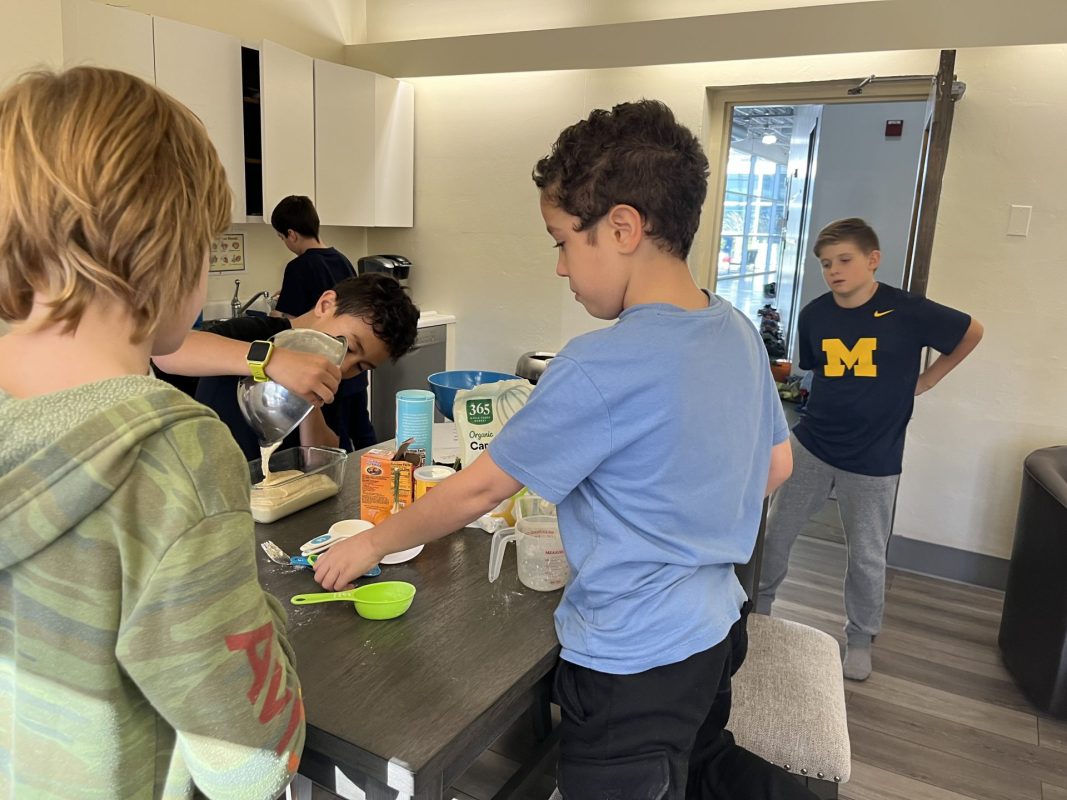
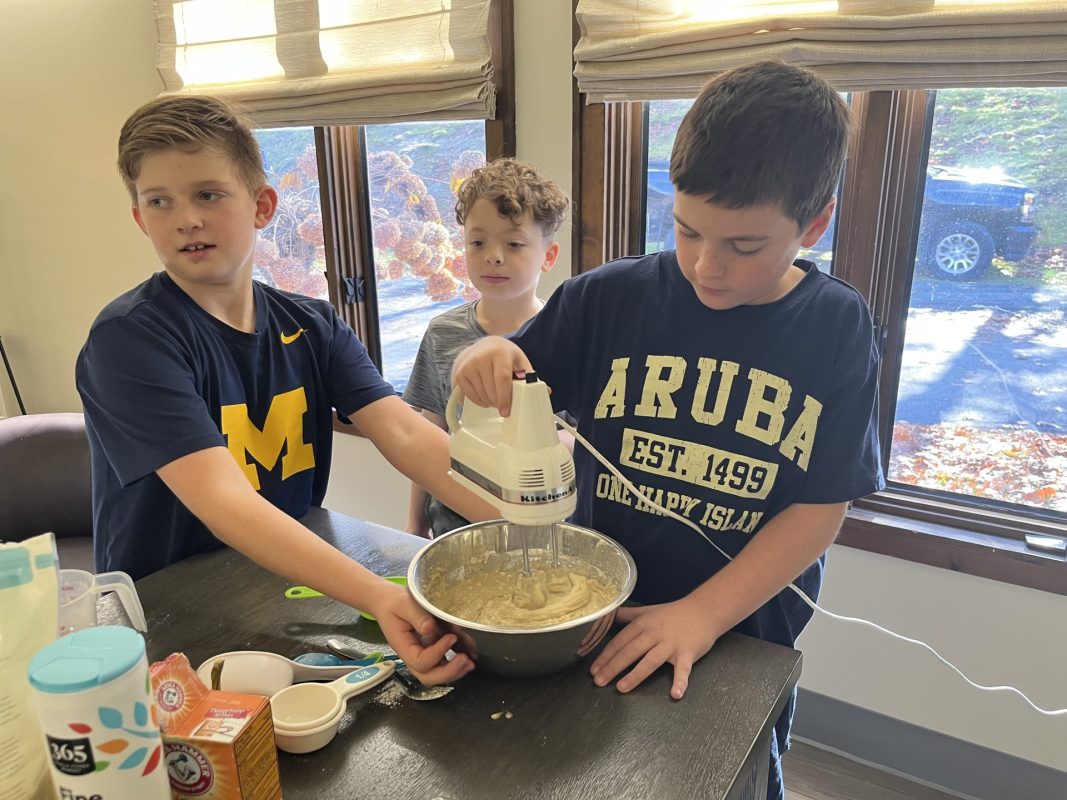
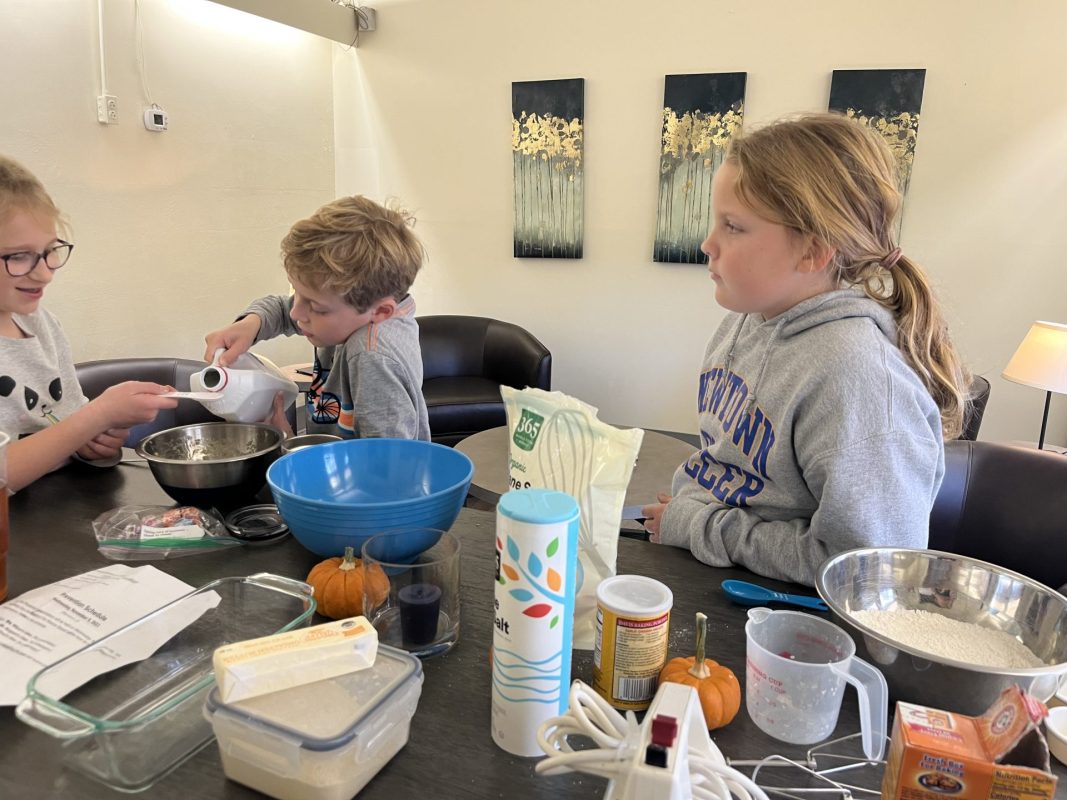
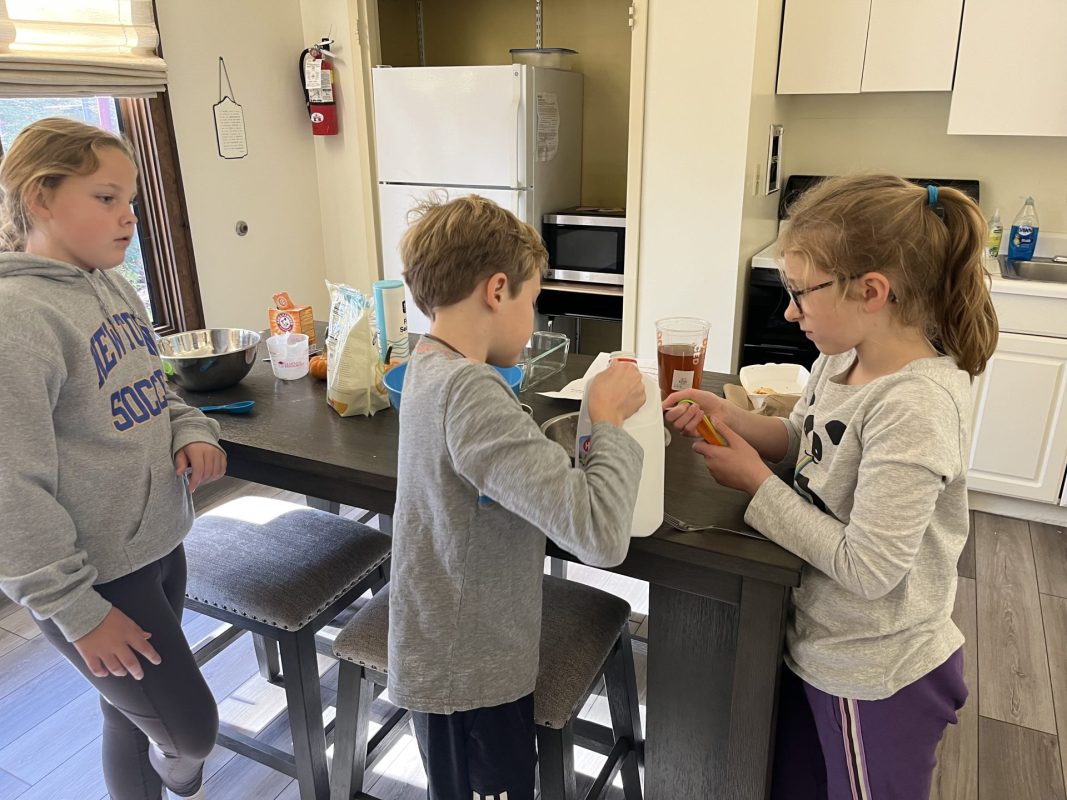
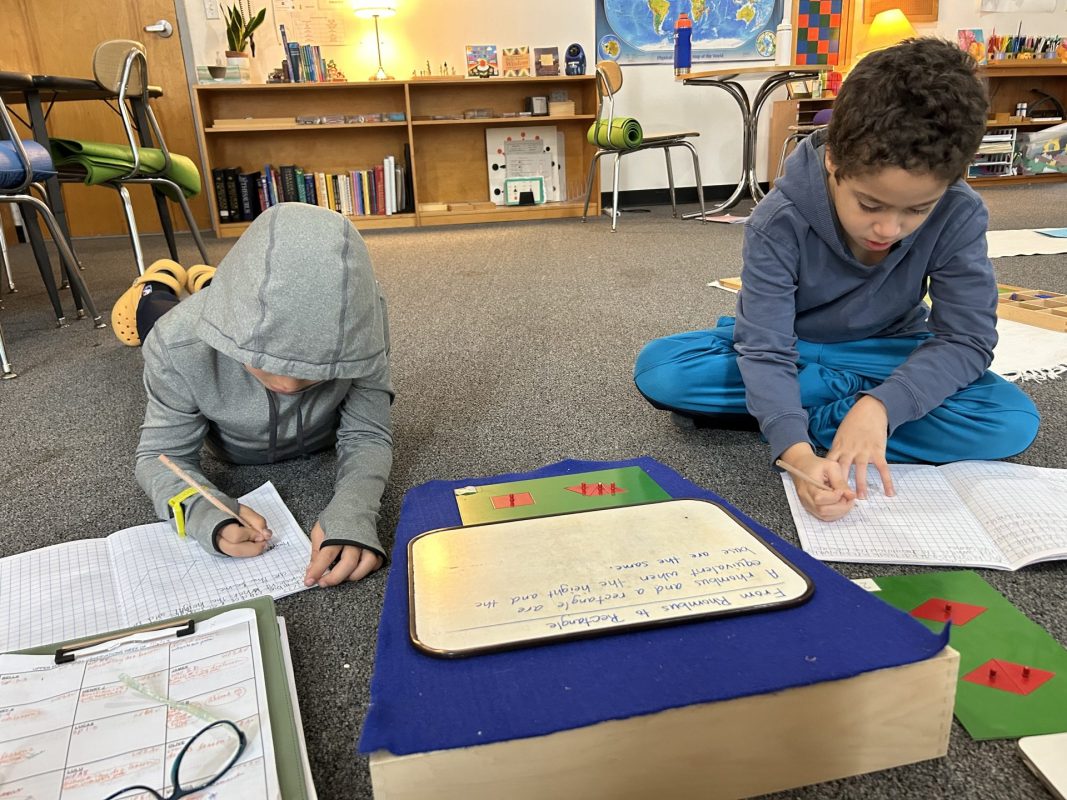
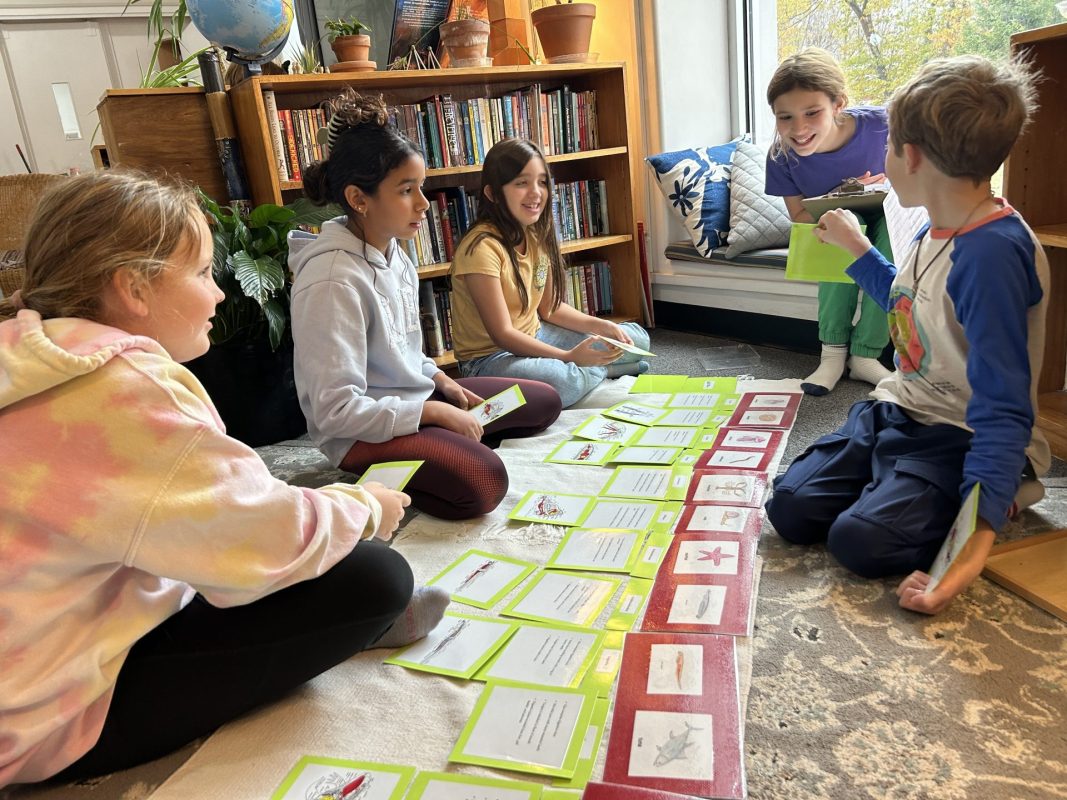
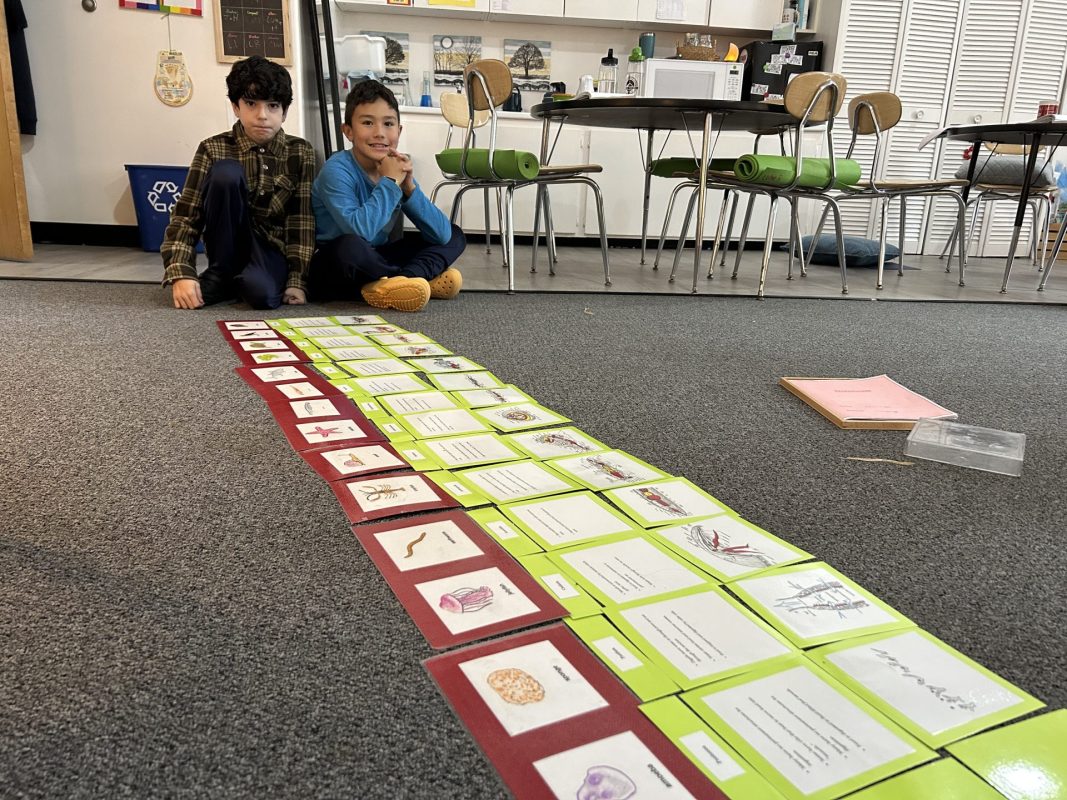
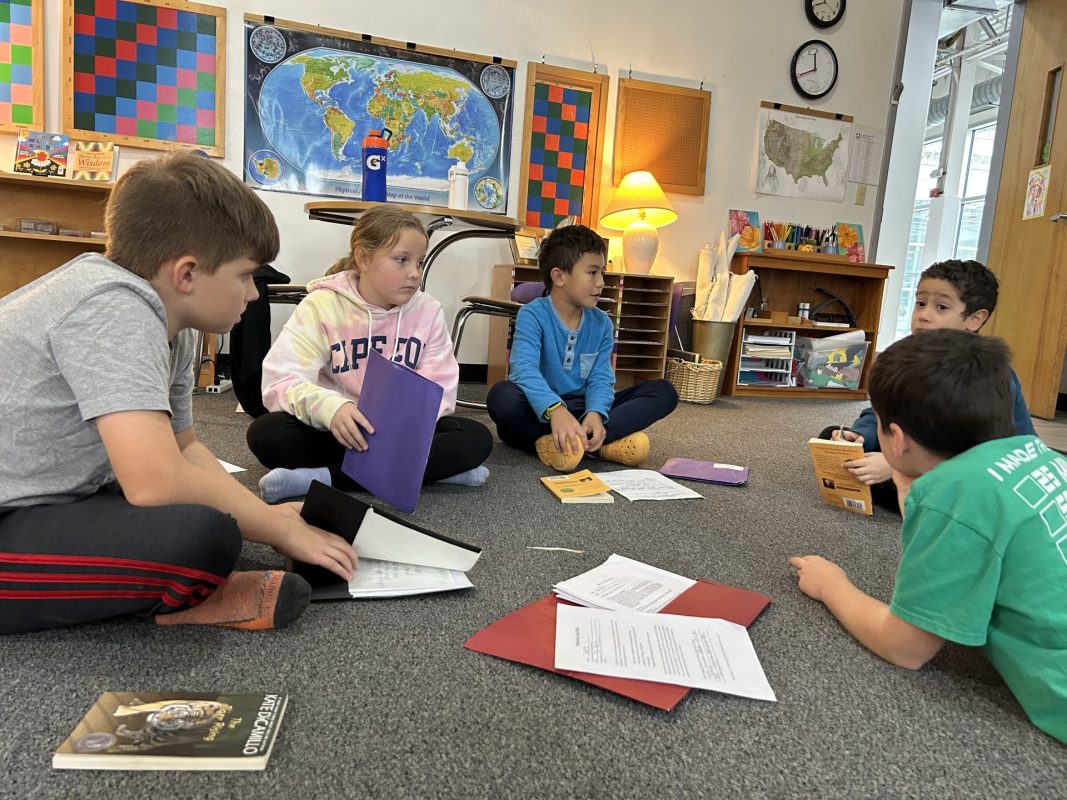
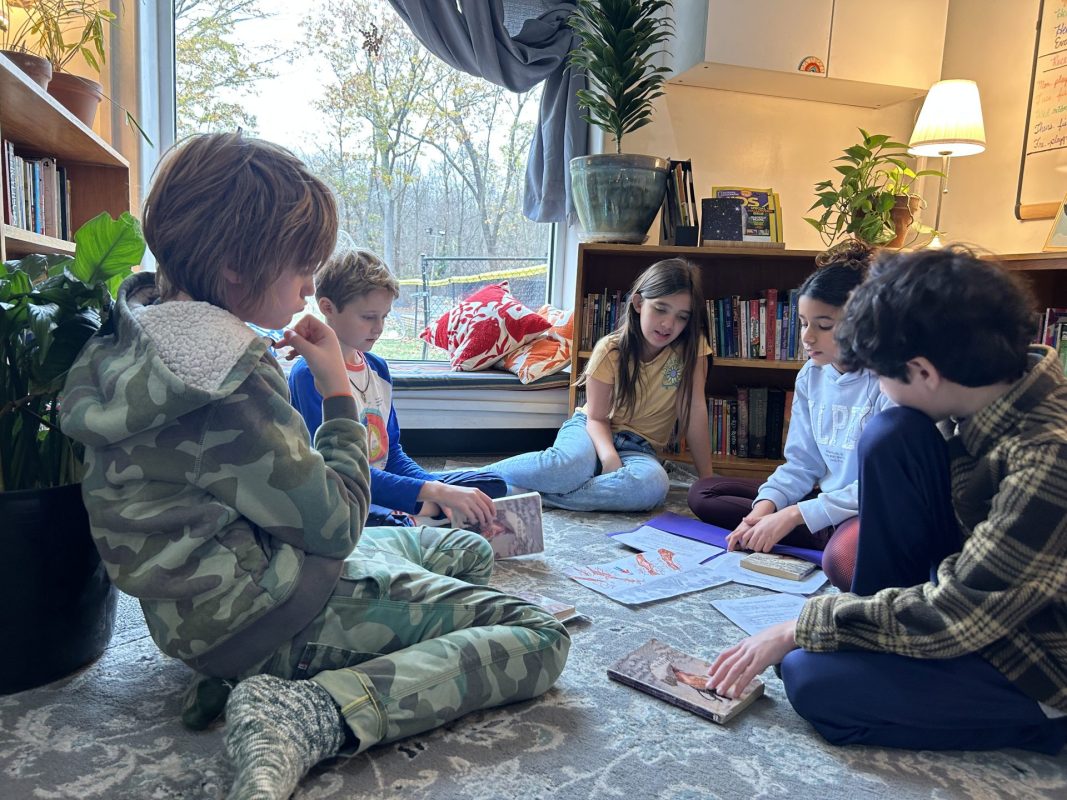
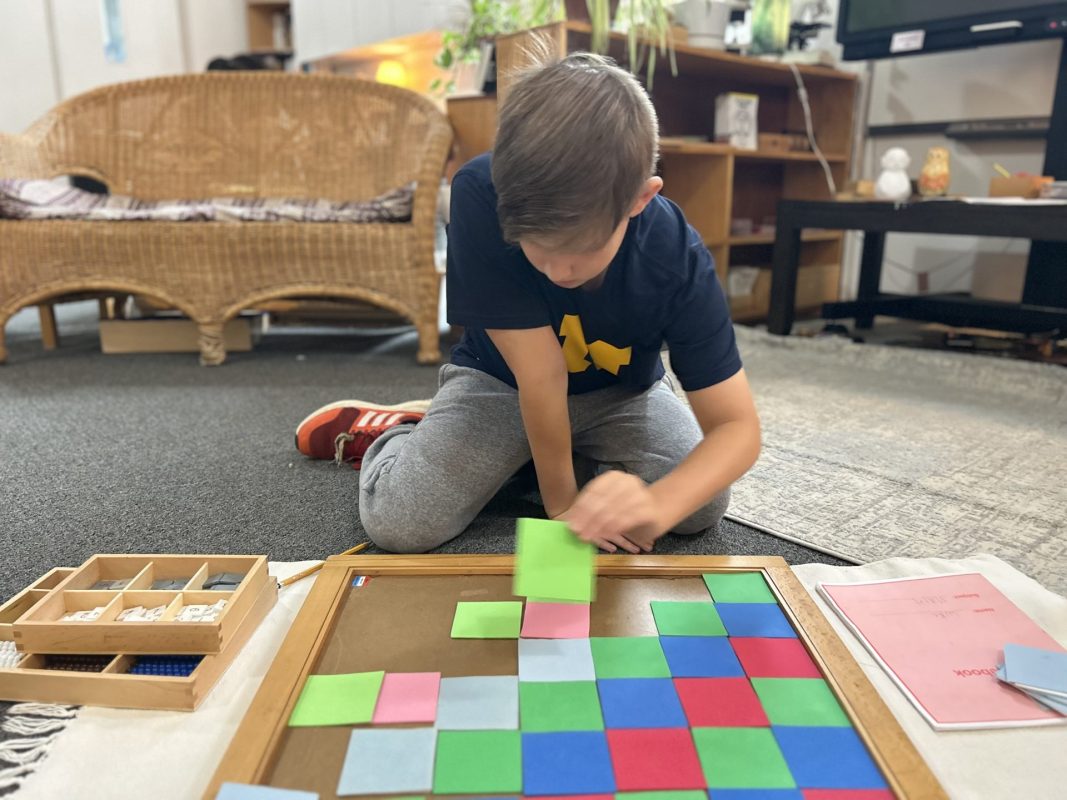
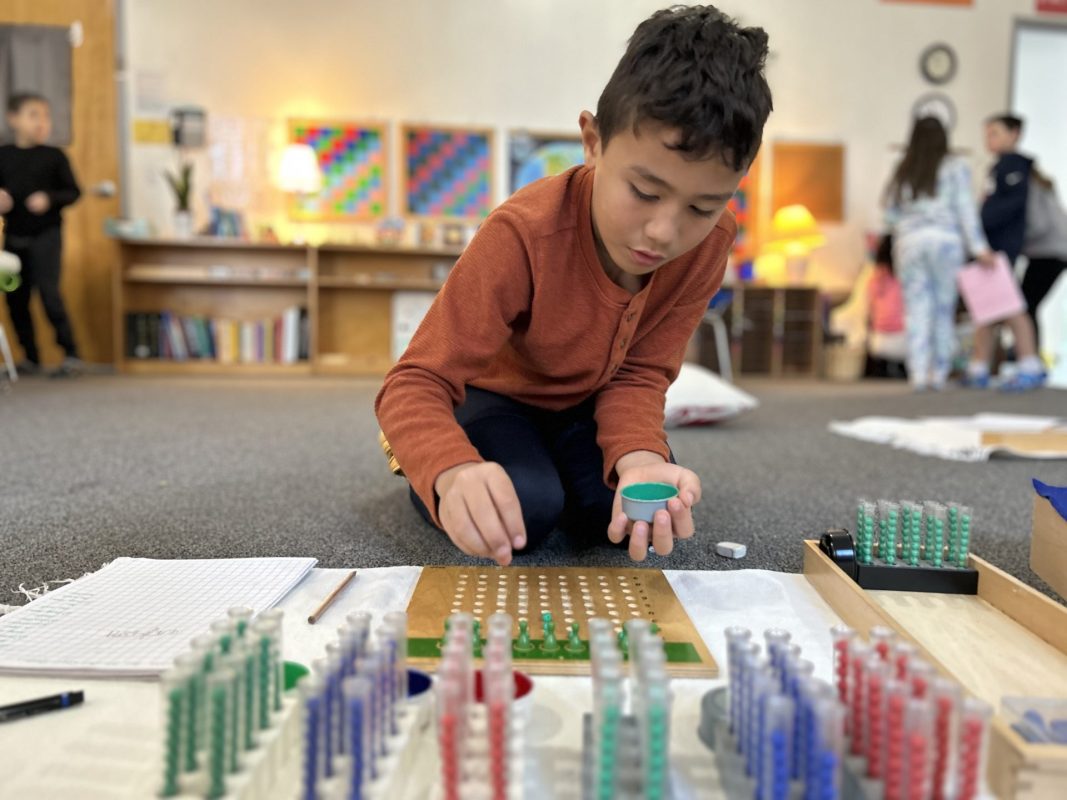
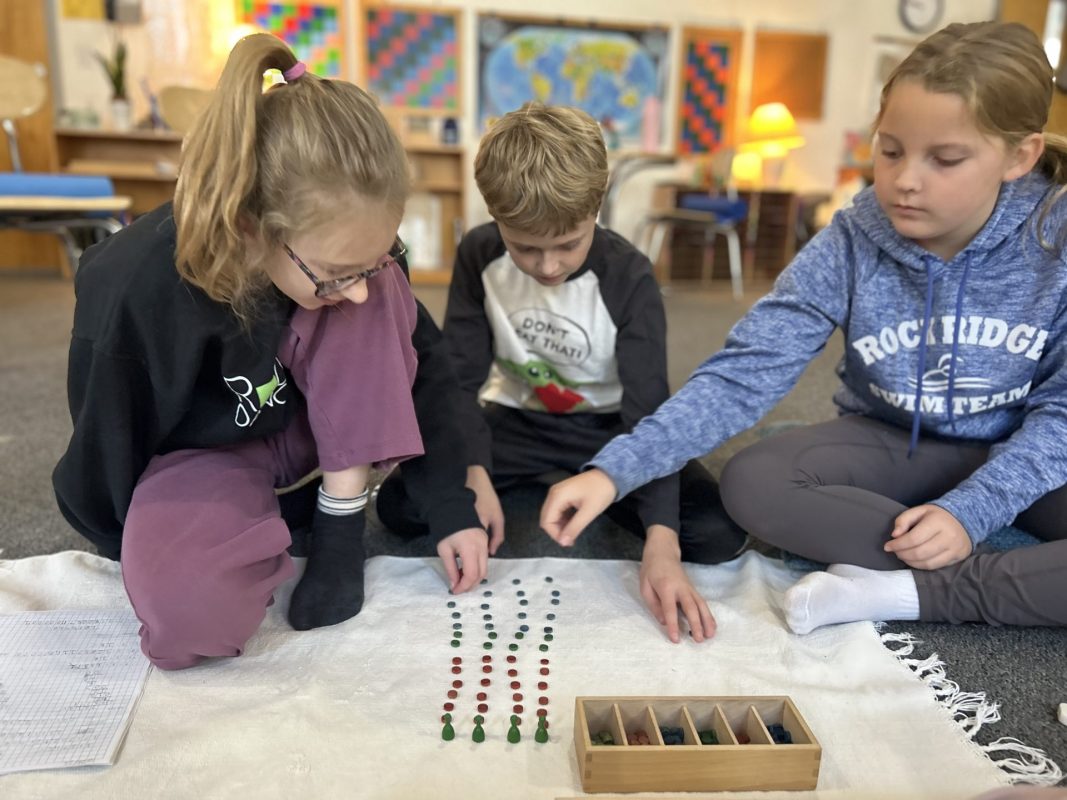
Our class was very busy with lessons and assignments this week. There were numerous individual math lessons and lots of fantastic collaborative work in math. In geometry, the fourth graders learned about the equivalency between a rhombus and a rectangle. The fifth graders had their first of many area lessons. They learned that we use the square as a unit of measure when finding area, and they also discovered the formula for finding the area of a rectangle. In biology, the class worked in small groups to identify how different animals obtain their nutrition. In grammar lessons, the fourth graders focused on sentence analysis and breaking sentences into their parts. This week, they learned about the action, subject, direct object, and indirect object in a sentence. The fifth graders learned about collective nouns and how they differ from plural nouns. Students also had fun baking banana bread with Ms. Krystin this week. They are looking forward to doing more baking throughout the year!

Lastly, to all veterans, we express our sincere gratitude for your service to the country with courage and dedication. Happy Veterans Day!

We hope you have a wonderful weekend,
Karen and Krystin


November Family Connection Newsletter

“There are many who hold, as I do, that the most important period of life is not the age of university studies, but the first one, the period from birth to the age of six. For that is the time when man’s intelligence itself, his greatest implement, is being formed. But not only his intelligence; the full totality of his psychic powers.” –Maria Montessori, The Absorbent Mind, p.21

Dear Families,

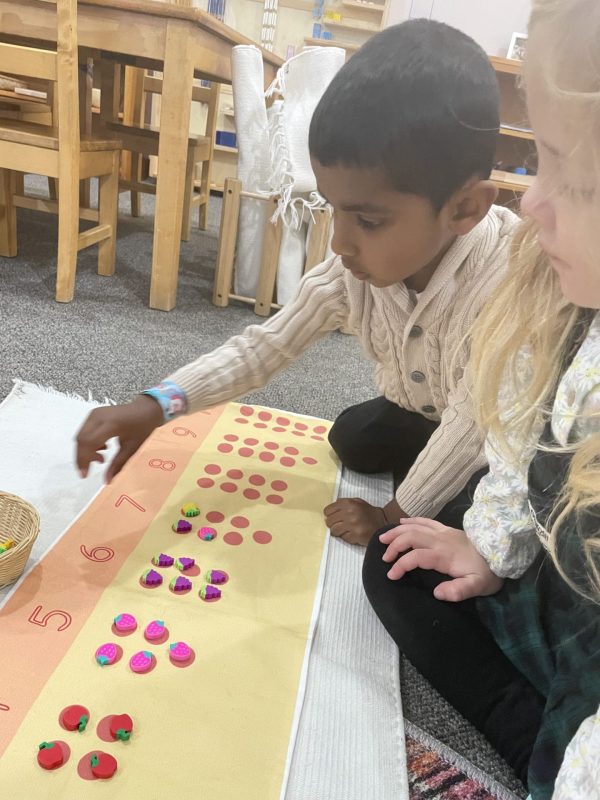
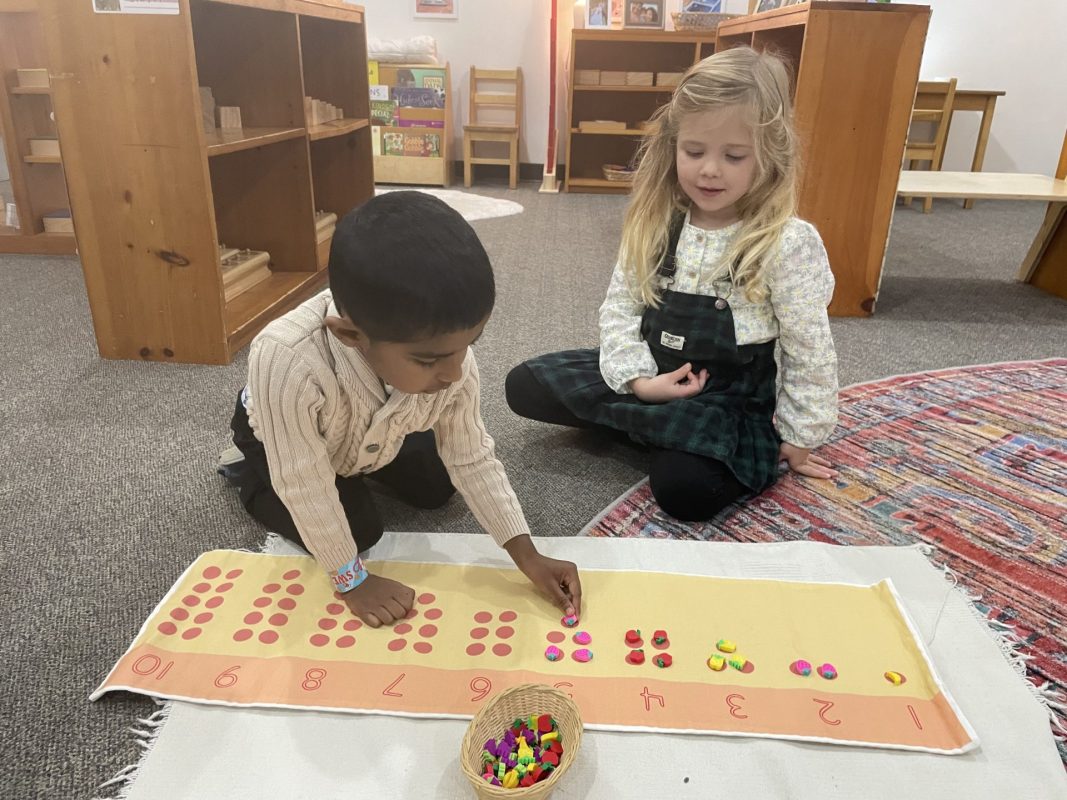
This month’s edition of the Family Connection Newsletter by the American Montessori Society focuses on the sensitive periods identified by Maria Montessori during her years of studying and observing children. Sensitive periods are phases during which we acquire specific skills or knowledge easily. In this newsletter, the age group highlighted is birth to age six. During this first phase, Dr. Montessori identified six sensitive periods, including language, order, movement, refinement of the senses/sensorial exploration, small objects/tiny details, and social behaviors. Our toddler and primary programs are designed to promote the development of our students’ skills in these areas. I hope you find this article informative and valuable.

On Veteran’s Day and every day, we express gratitude to all the Veterans in our community who have served.

Wishing you a wonderful weekend,

Karen Sankey
Director of Montessori Education


Ms Marissa: A Pumpkin Filled October!

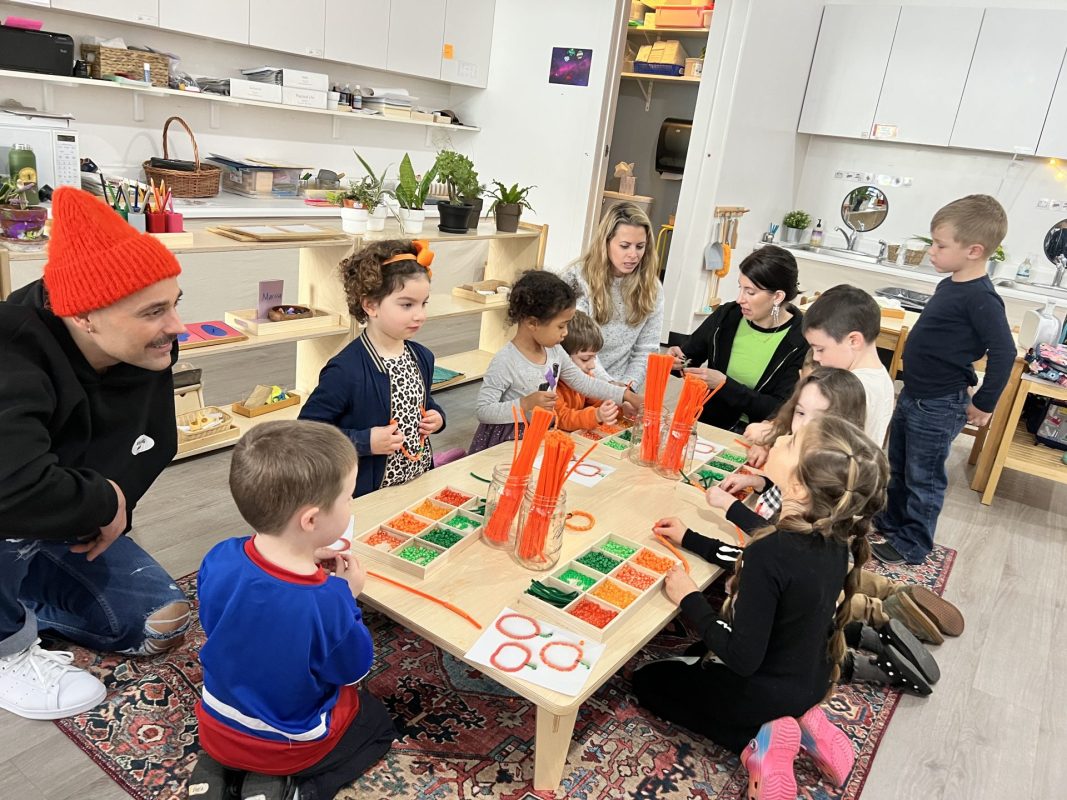
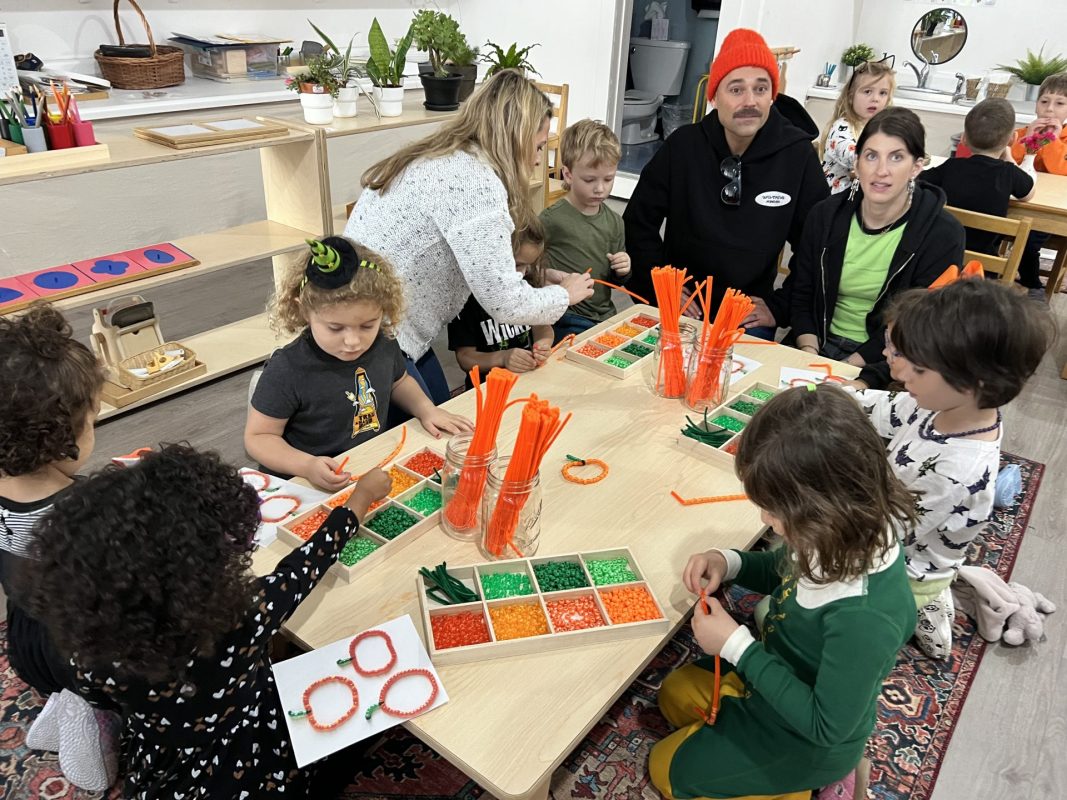
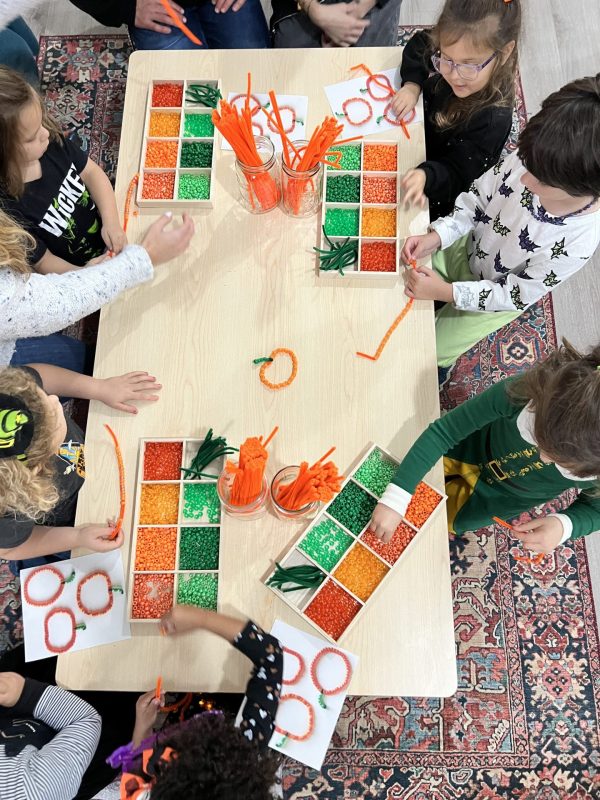
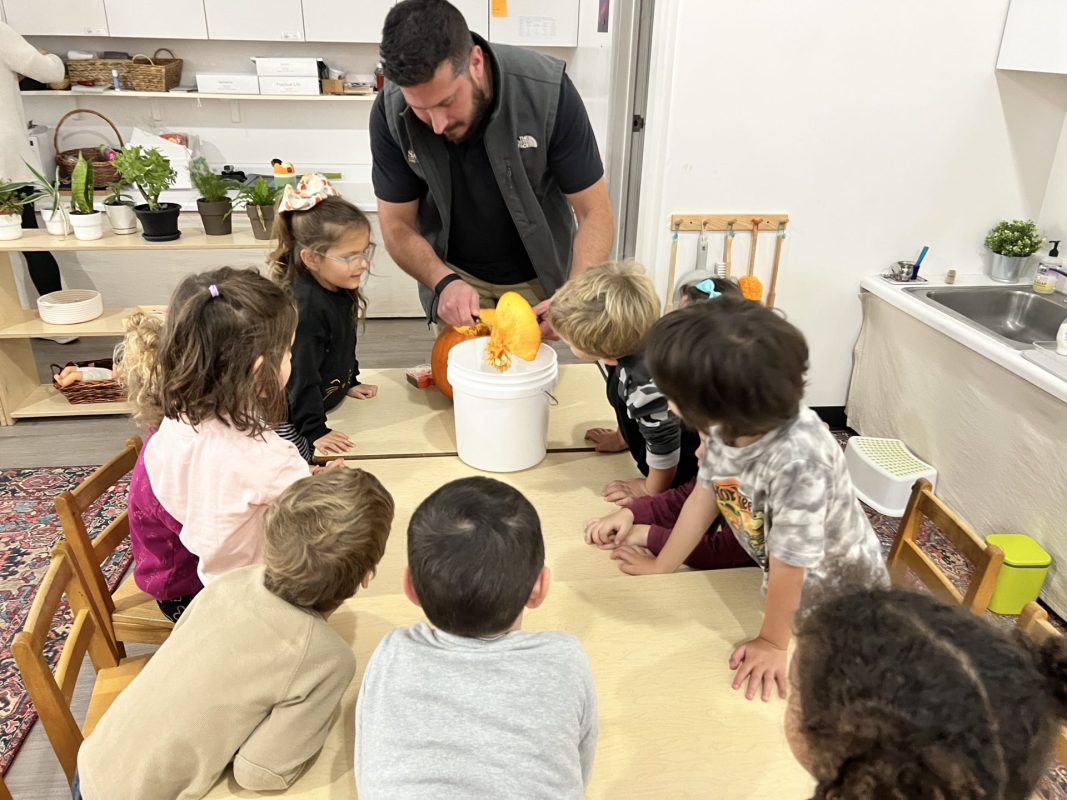
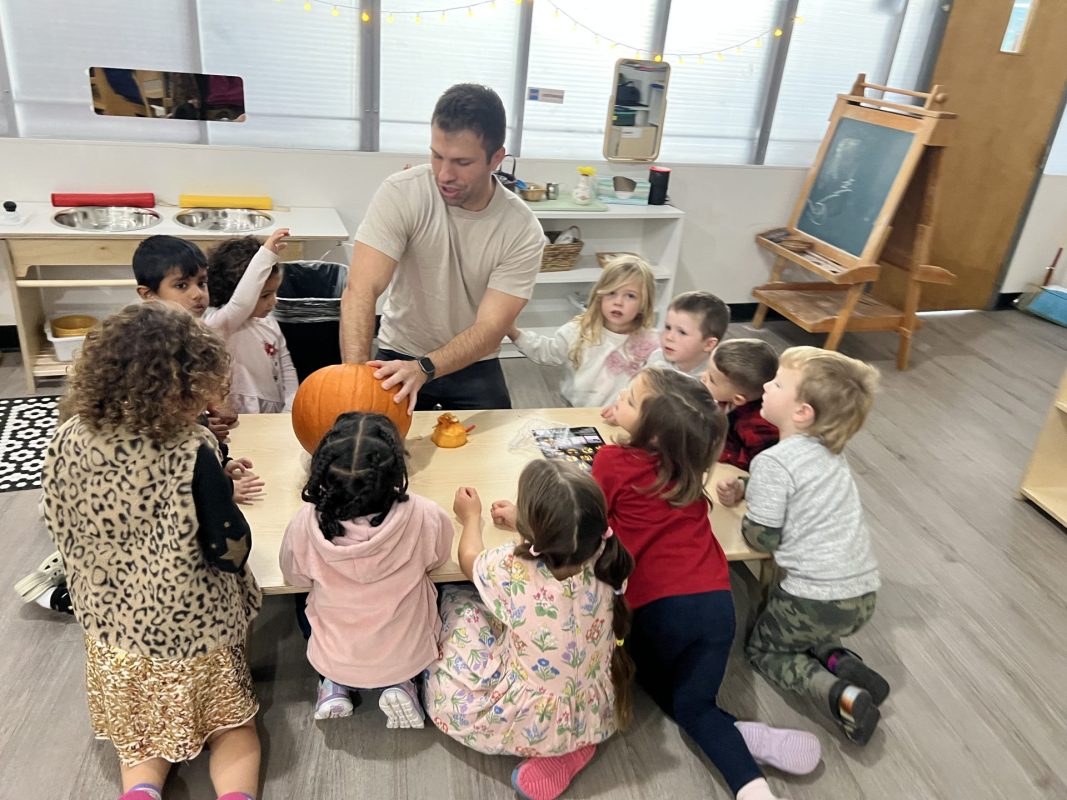
Welcome to our pumpkin patch!  There are pumpkins everywhere in our class. Having pumpkins in the classroom provides many opportunities for the children to observe and introduce basic science and math concepts.

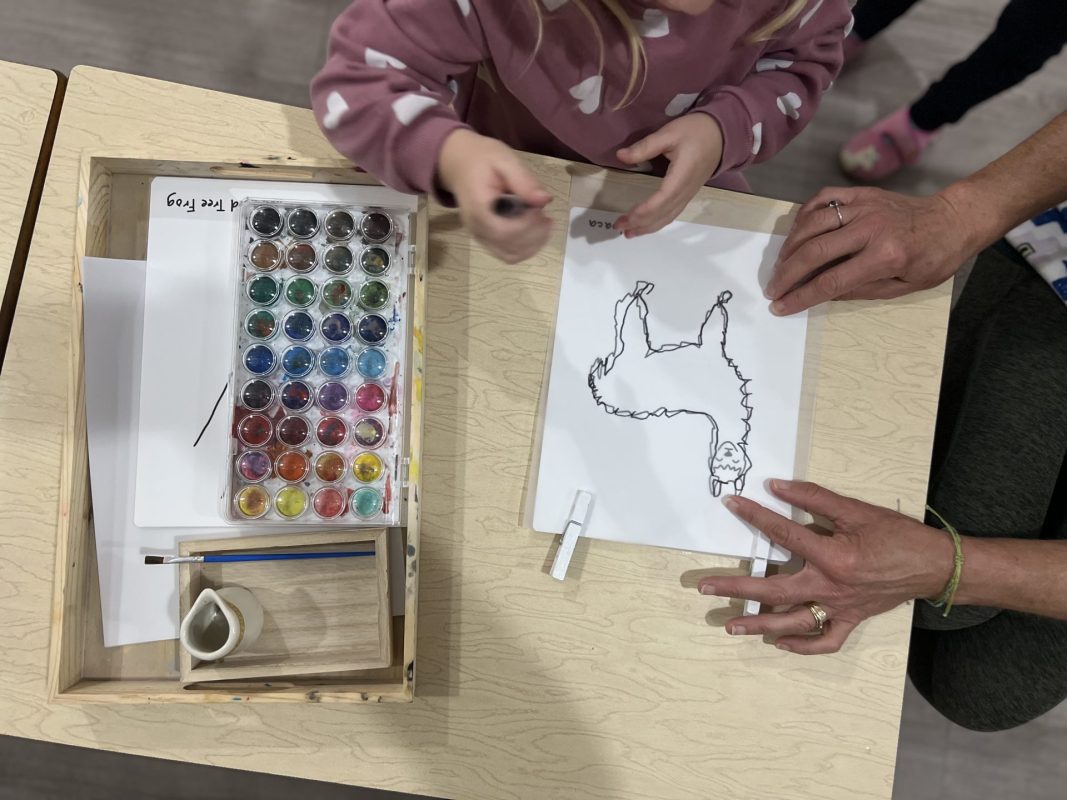
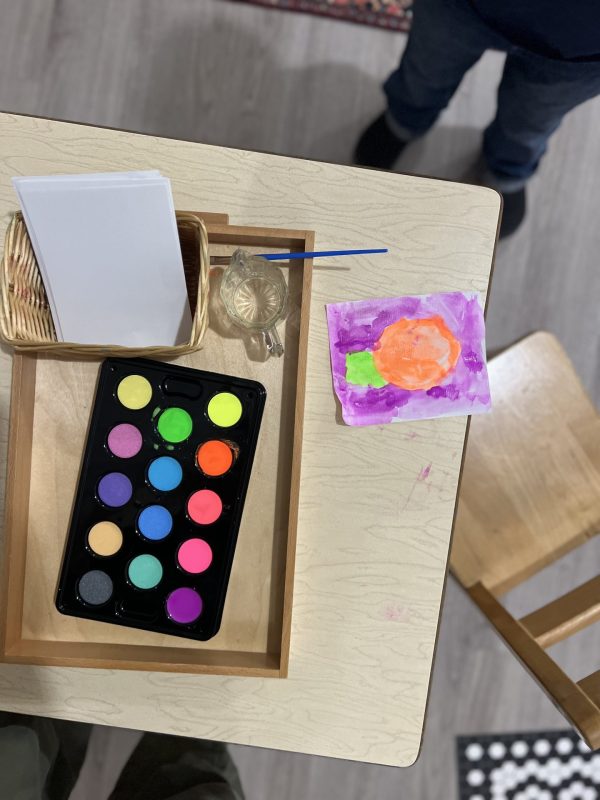
In Practical Life, we have pumpkin spooning, pumpkin pouring, pumpkin scrubbing, and pumpkin grasping. In Science, we learned about the parts of a pumpkin and the pumpkin’s life cycle. We compared pumpkins and categorized them as small, medium, and large. We are using our five senses to determine what pumpkins look, smell, feel, sound, and taste like.

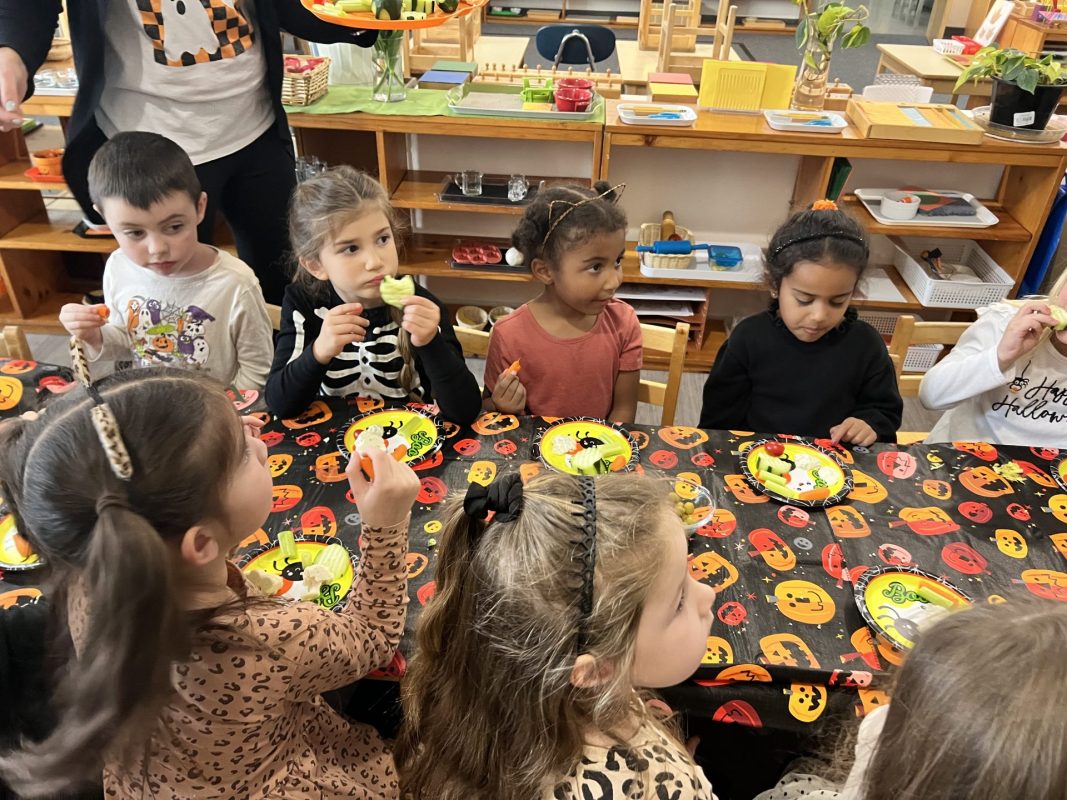
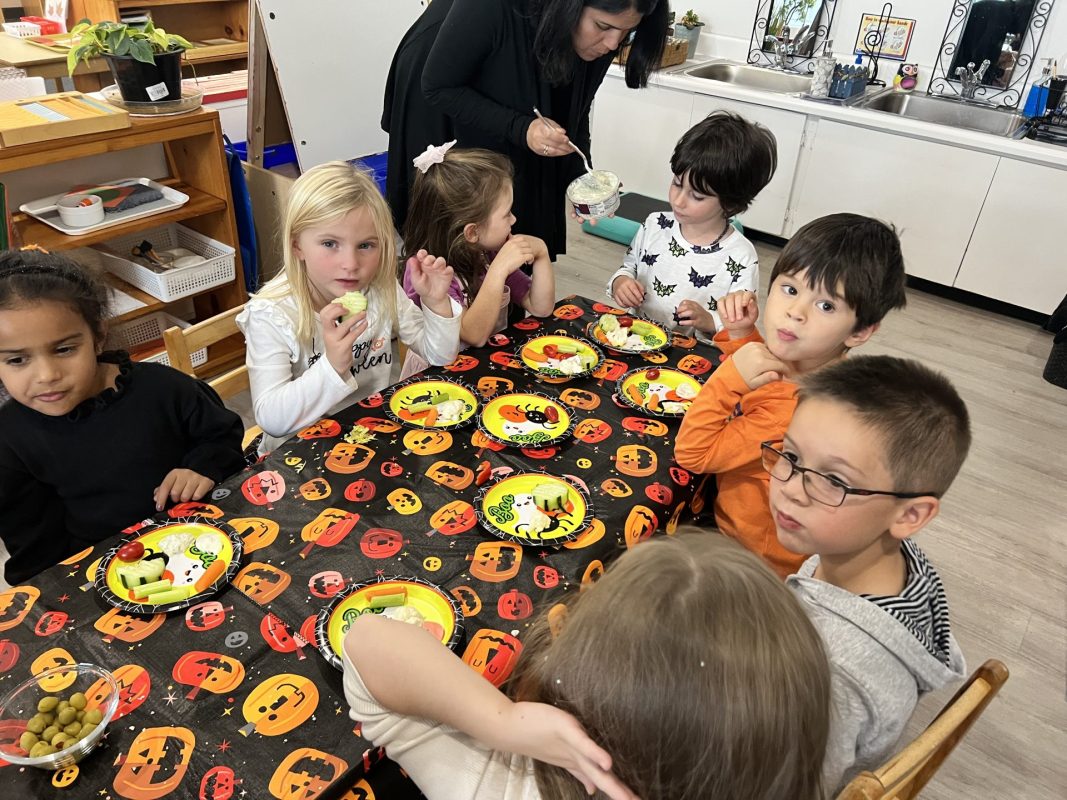
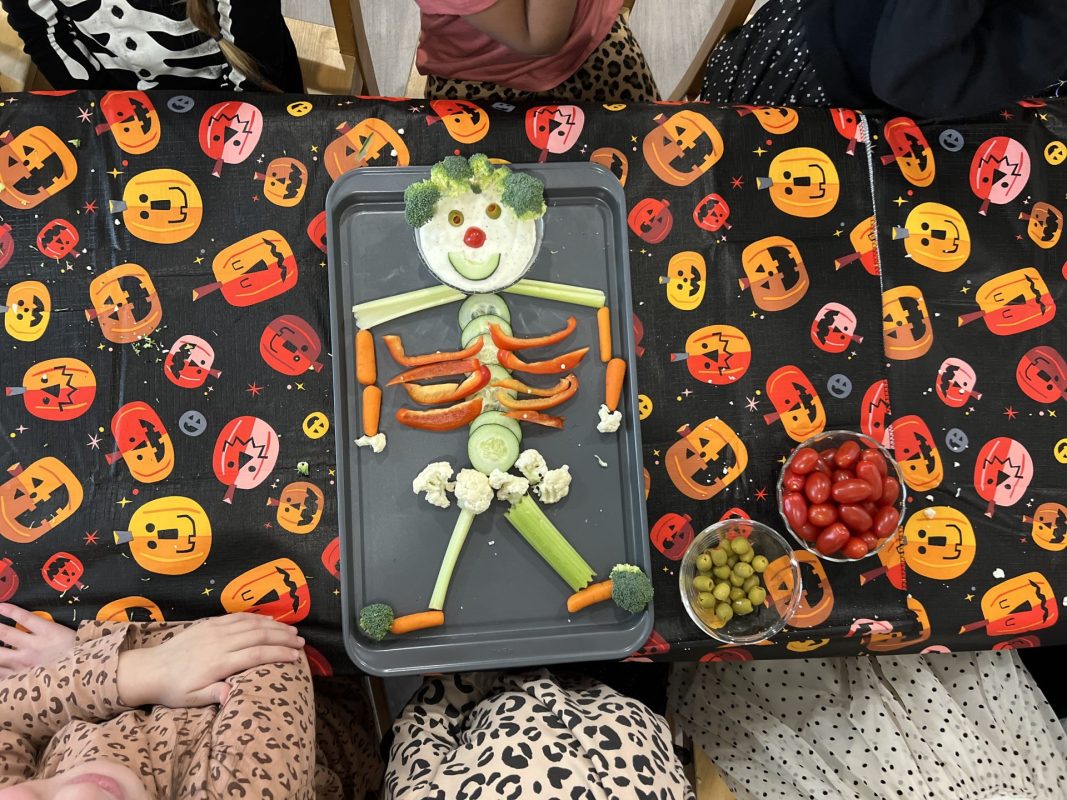
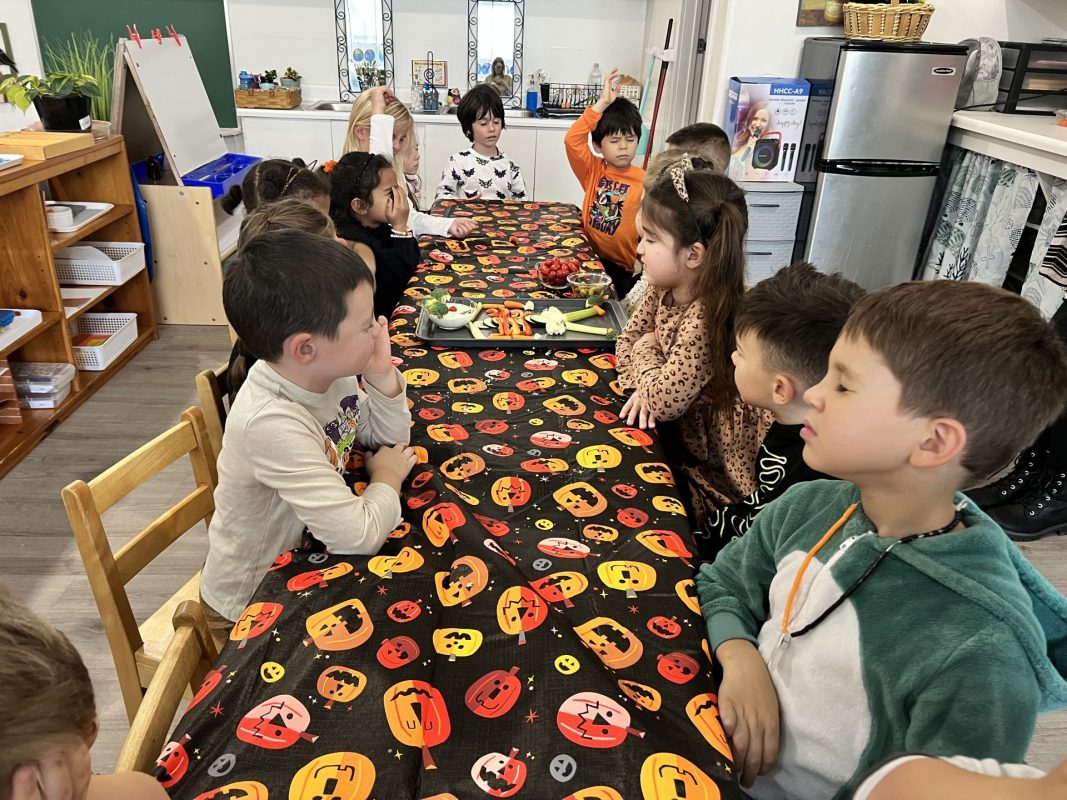
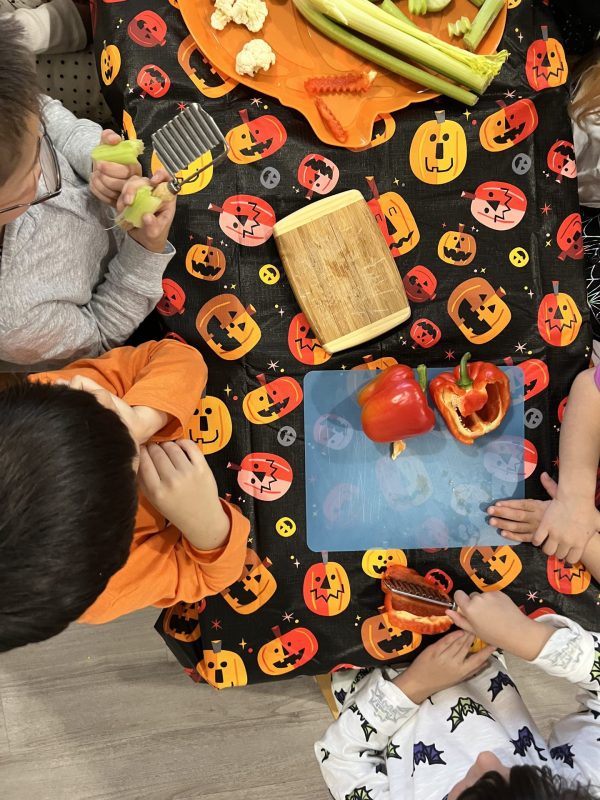
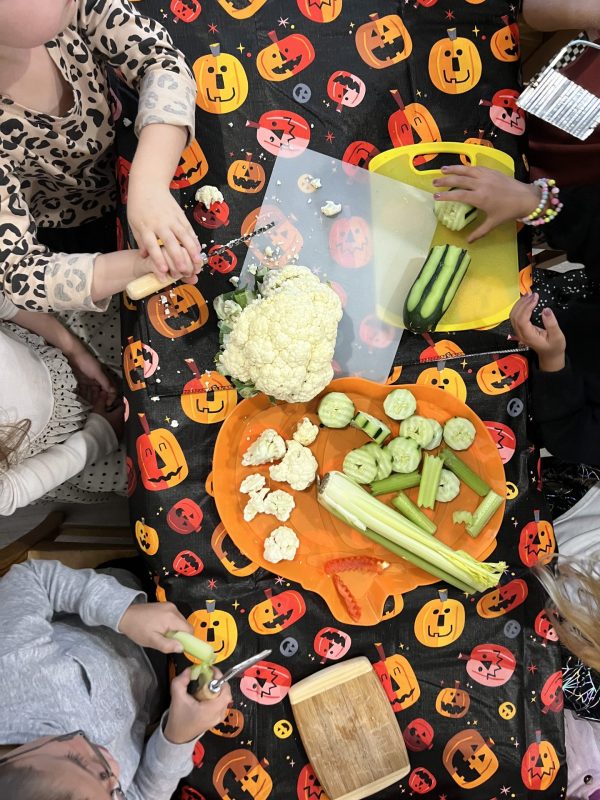
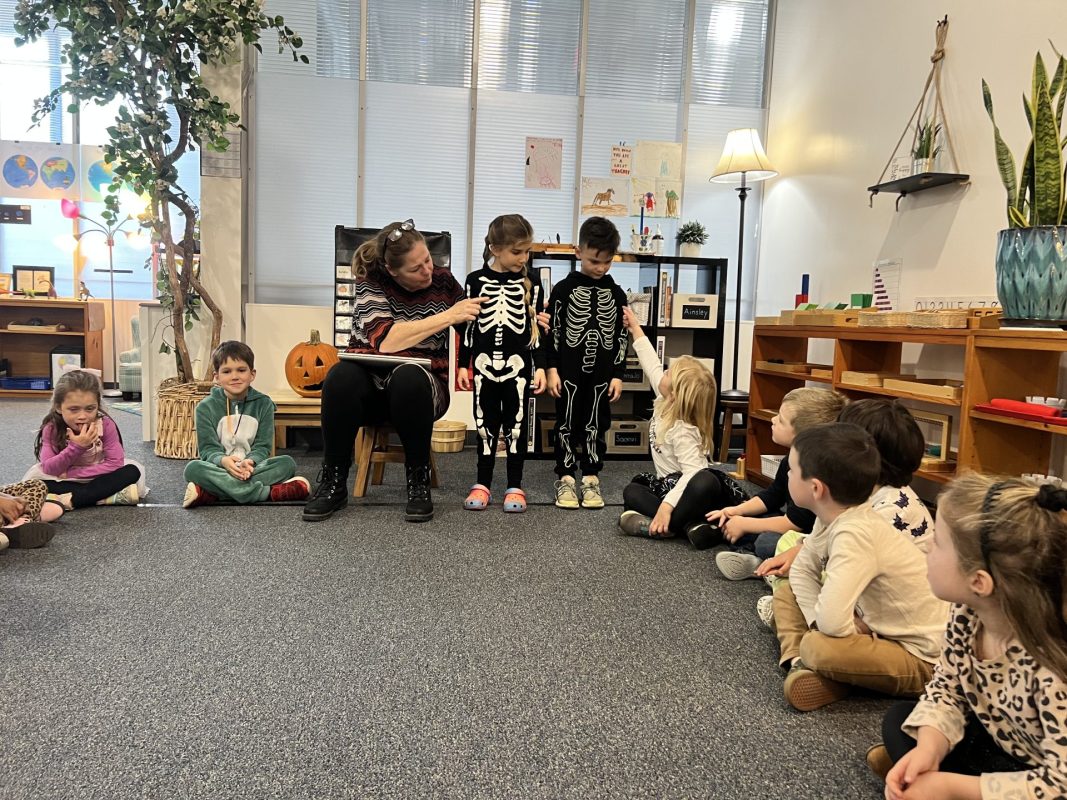
On Tuesday, we had a small in-class Harvest Celebration where each child had the opportunity to visit our “pumpkin patch” and pick their own pumpkin, make a yarn spider web, and have a fun snack.  Last but not least, meet Skelly, our veggie skeleton prepared by the kindergarten students.  It is always so wonderful to hear the children say they don’t like this vegetable or that one and then devour all of it! All of this was possible because of parents helping behind the scenes.  A huge shout out to everyone for sharing their time and energy with us to provide these wonderful opportunities for the children. We are very grateful and truly blessed.

Wishing you a week filled with peace and love.

Marissa & Sue


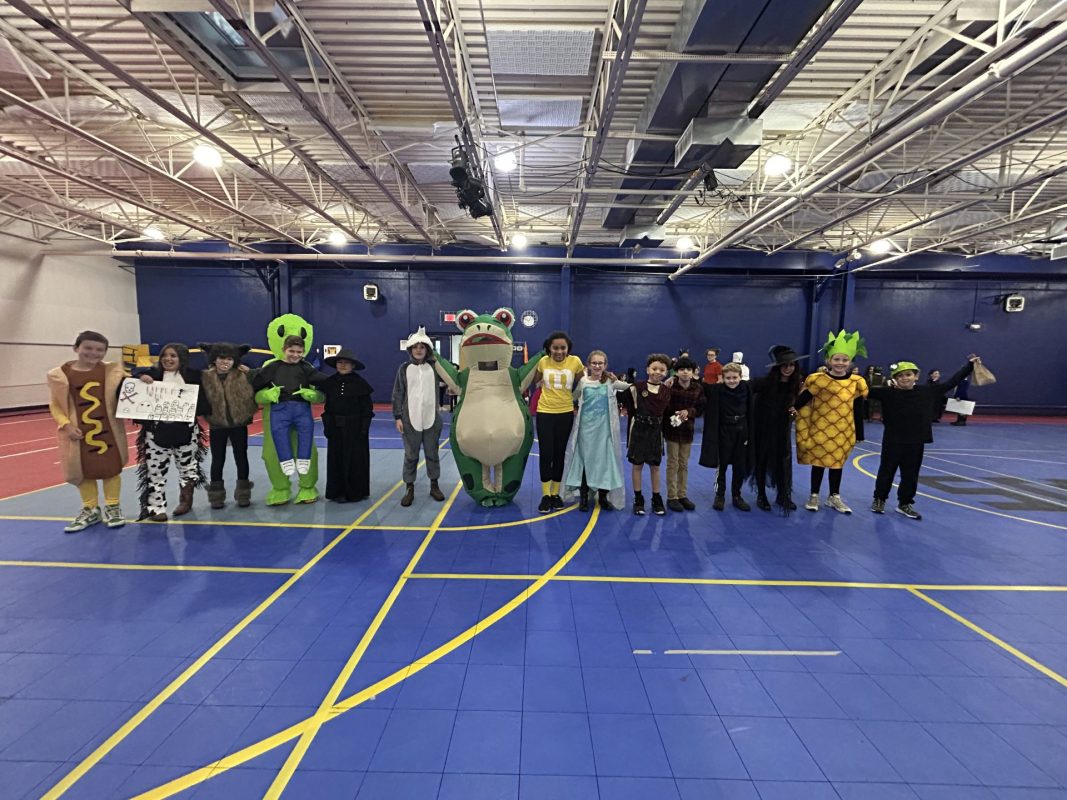
Upper El’s Spooky Fun

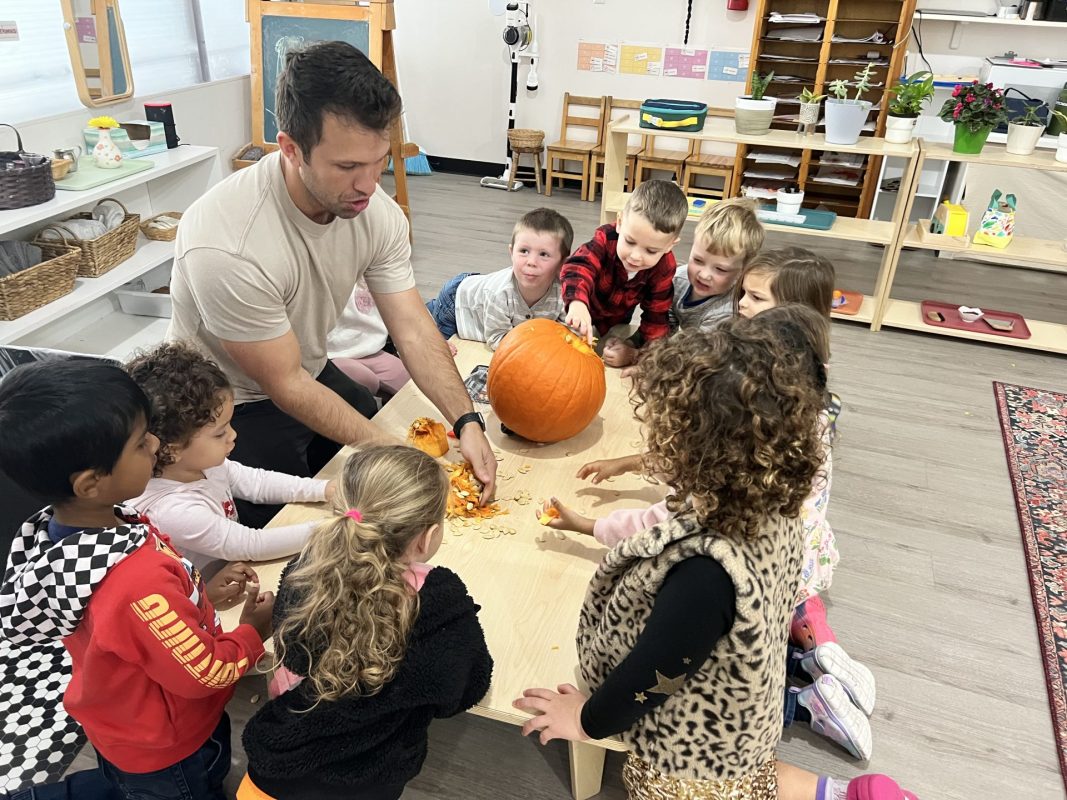
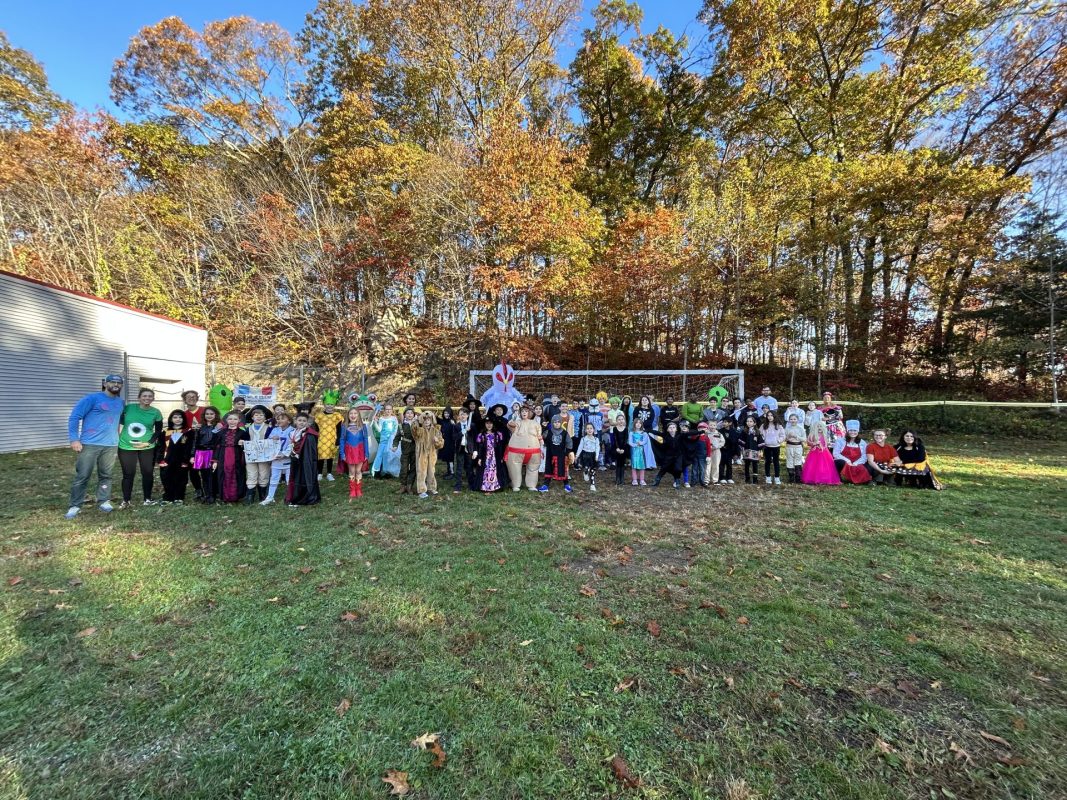
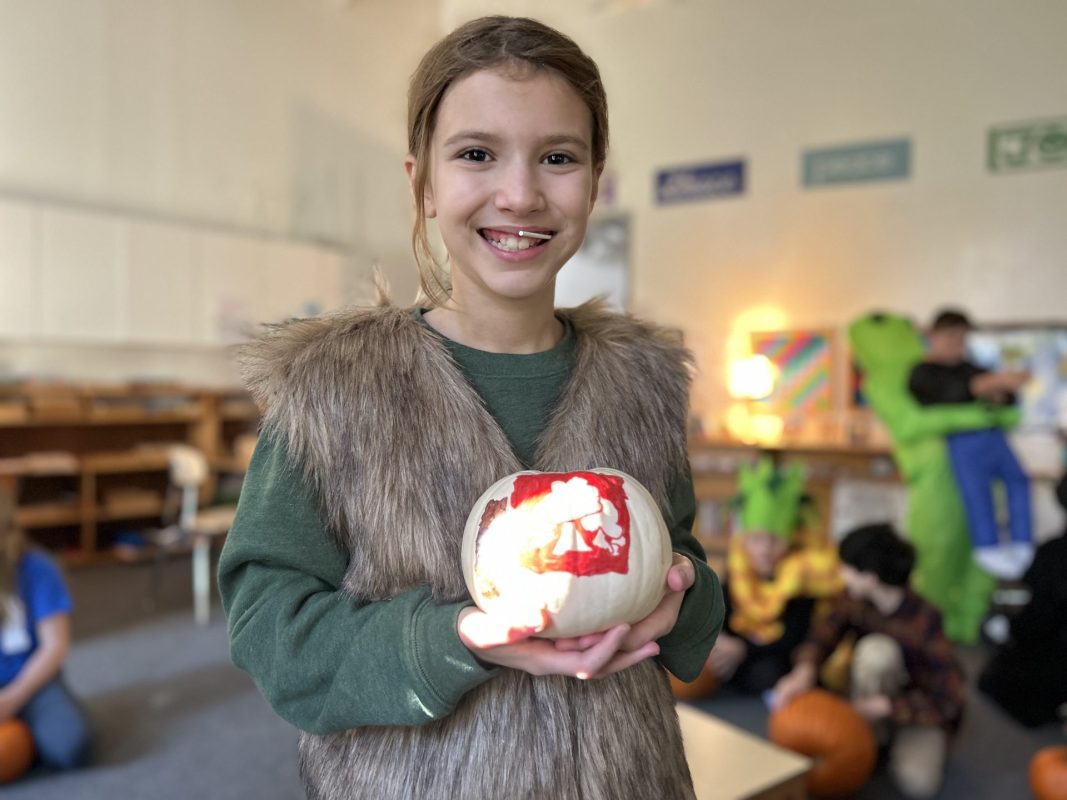
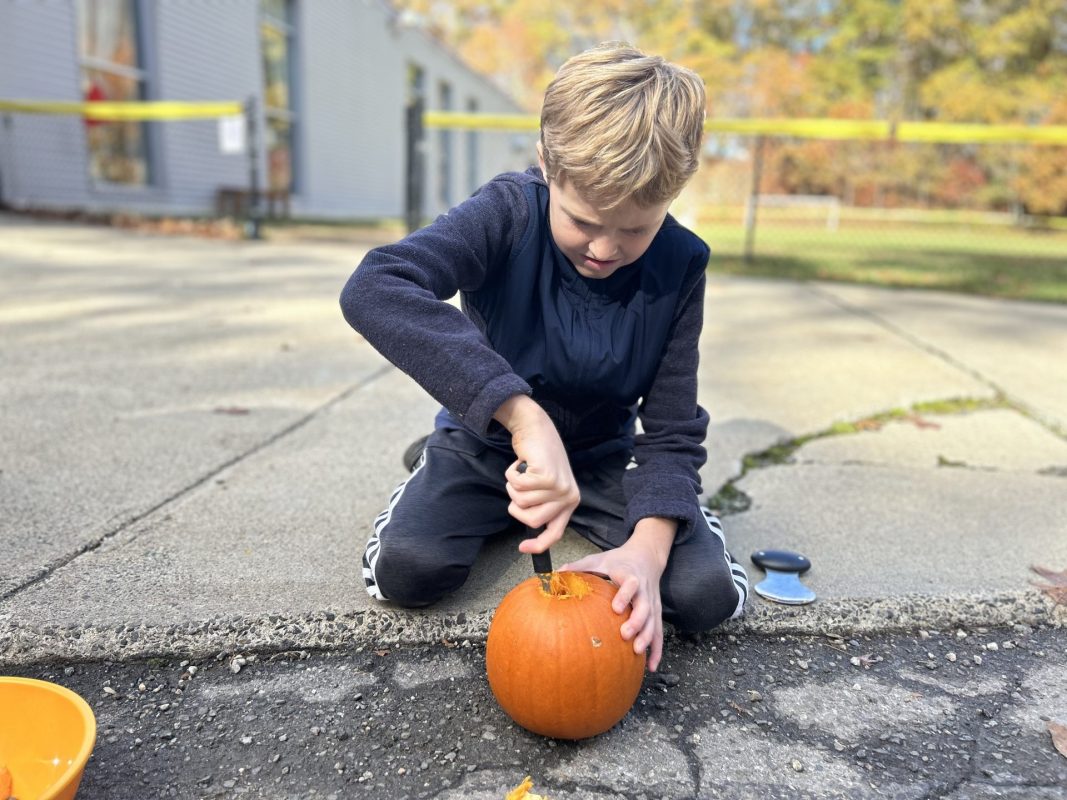
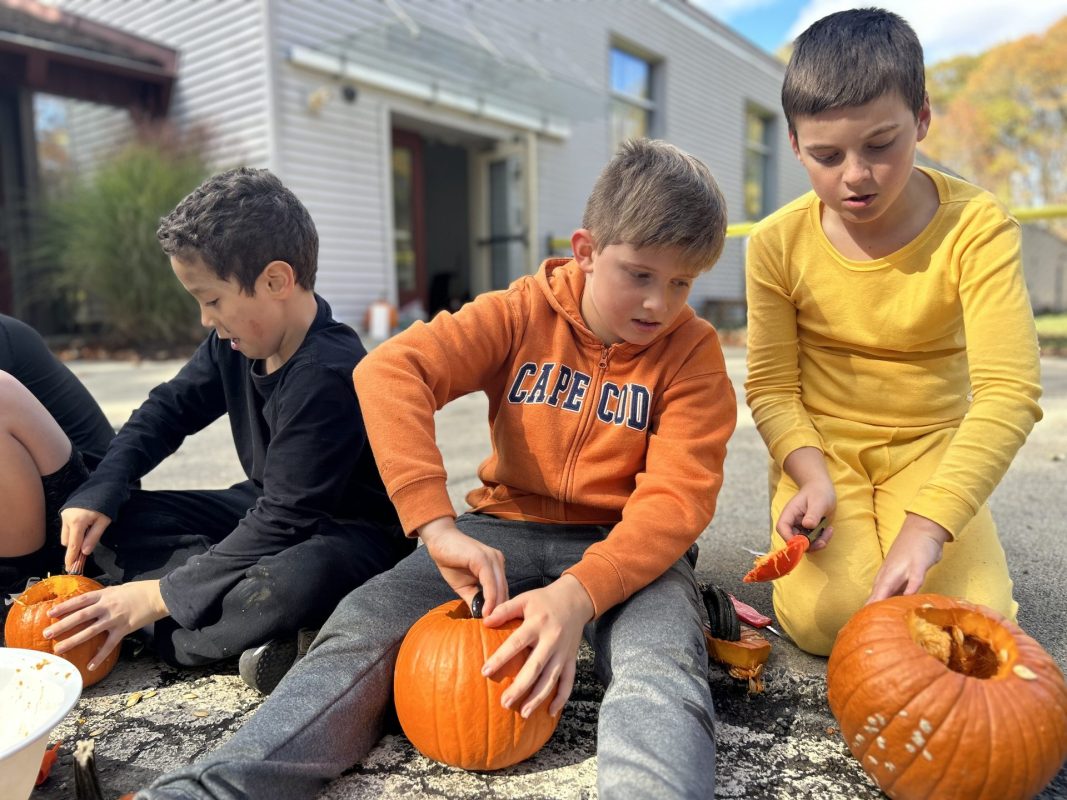
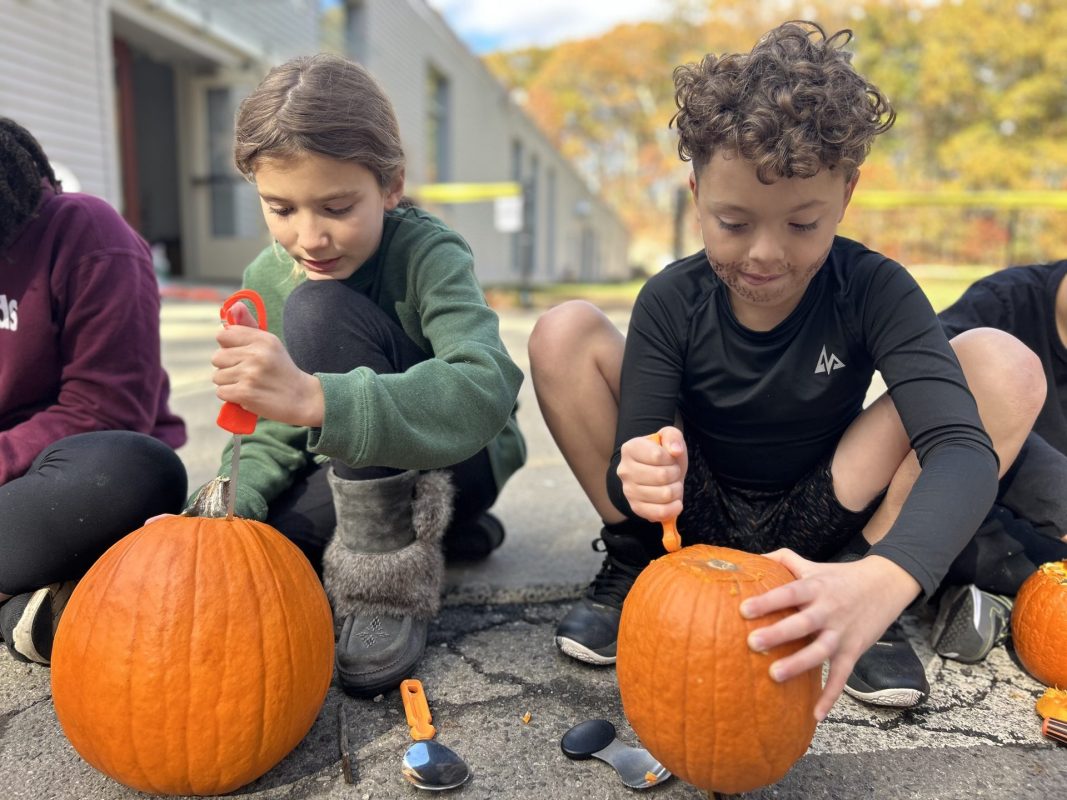
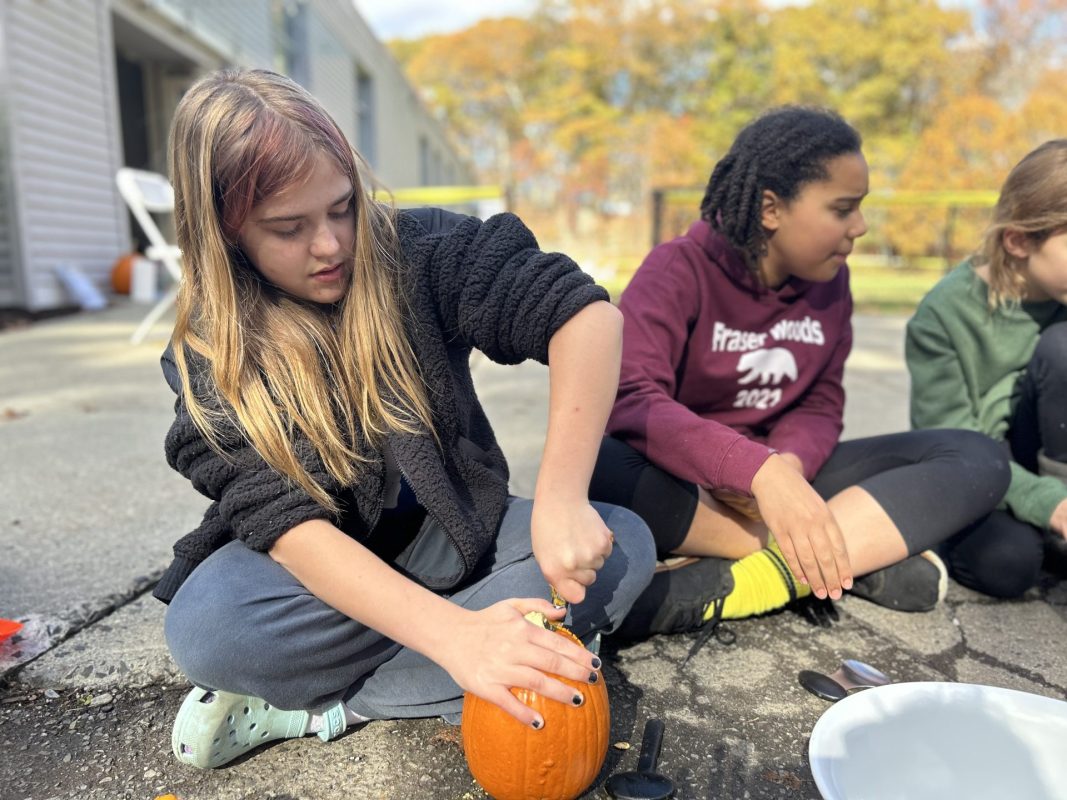
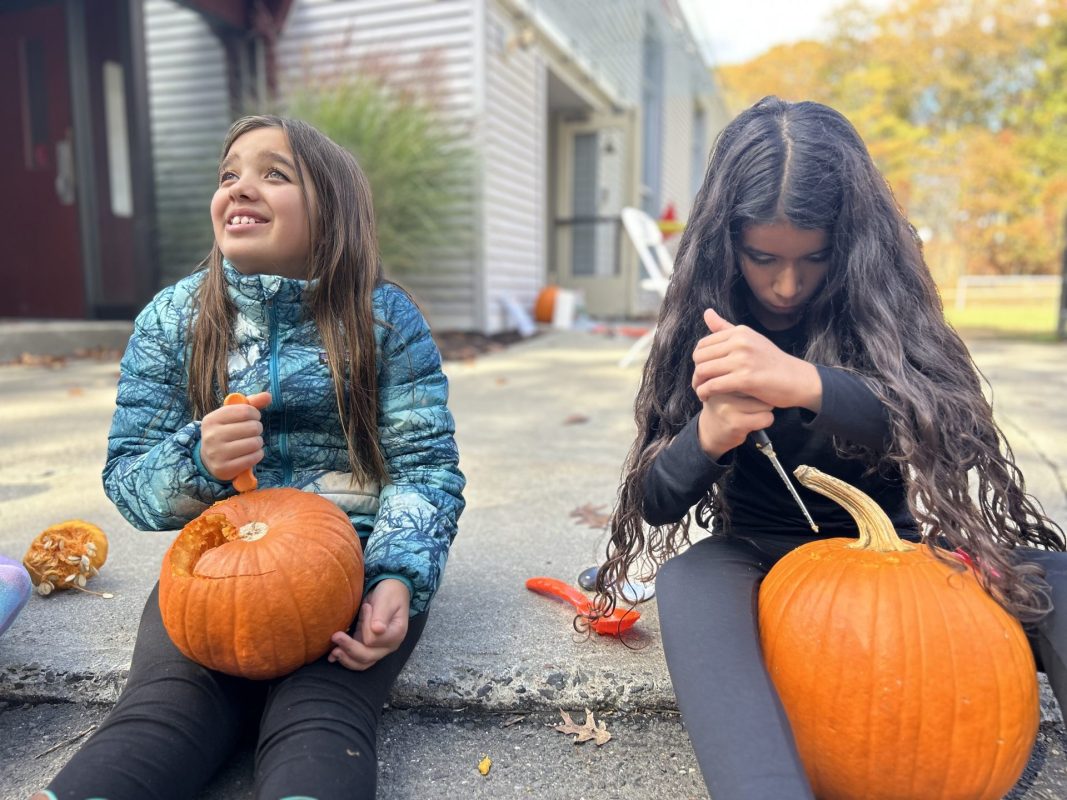
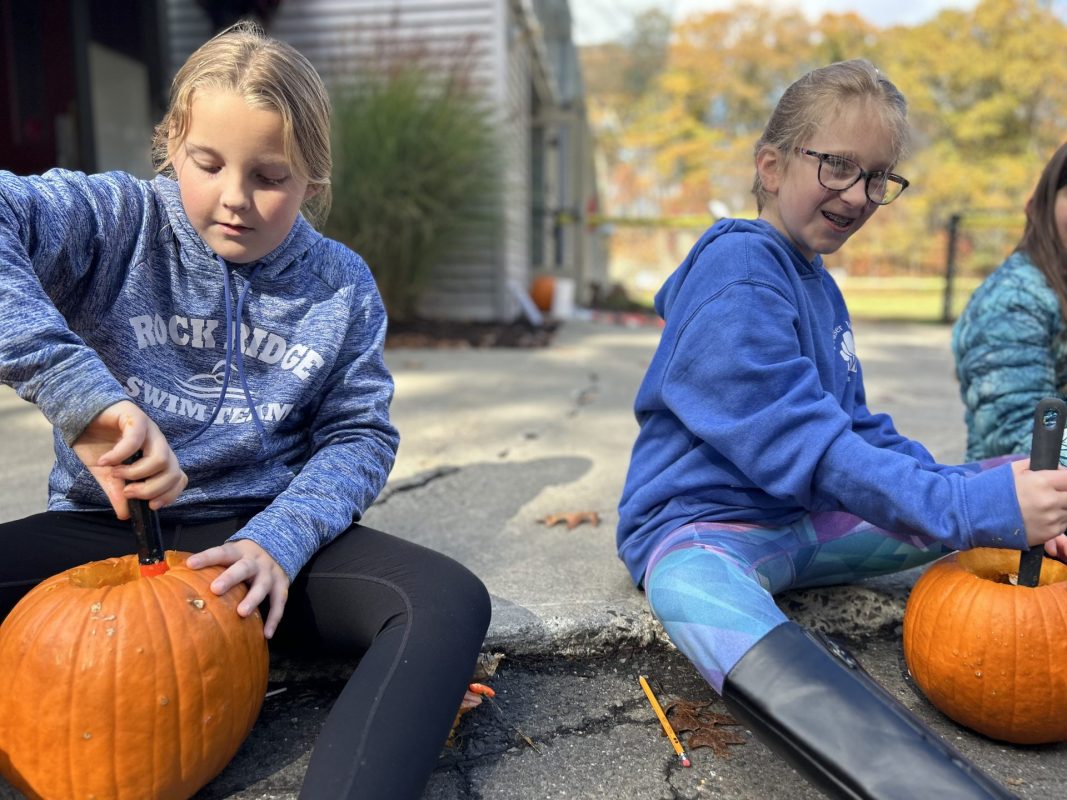
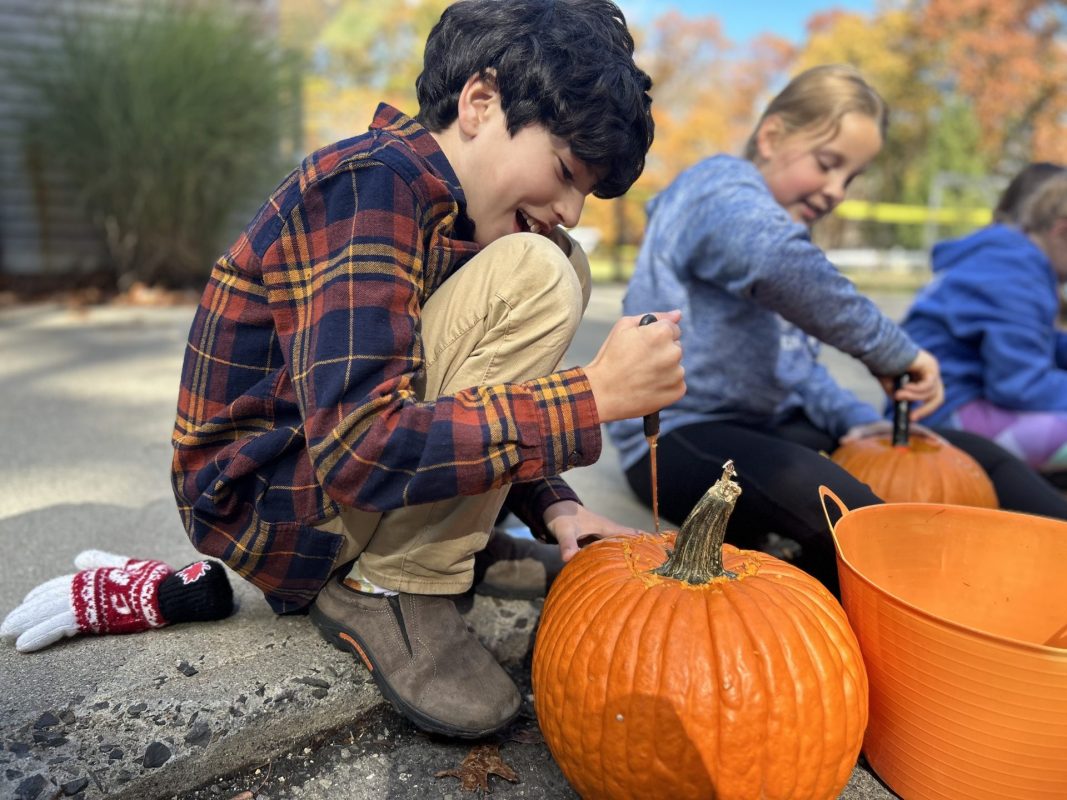
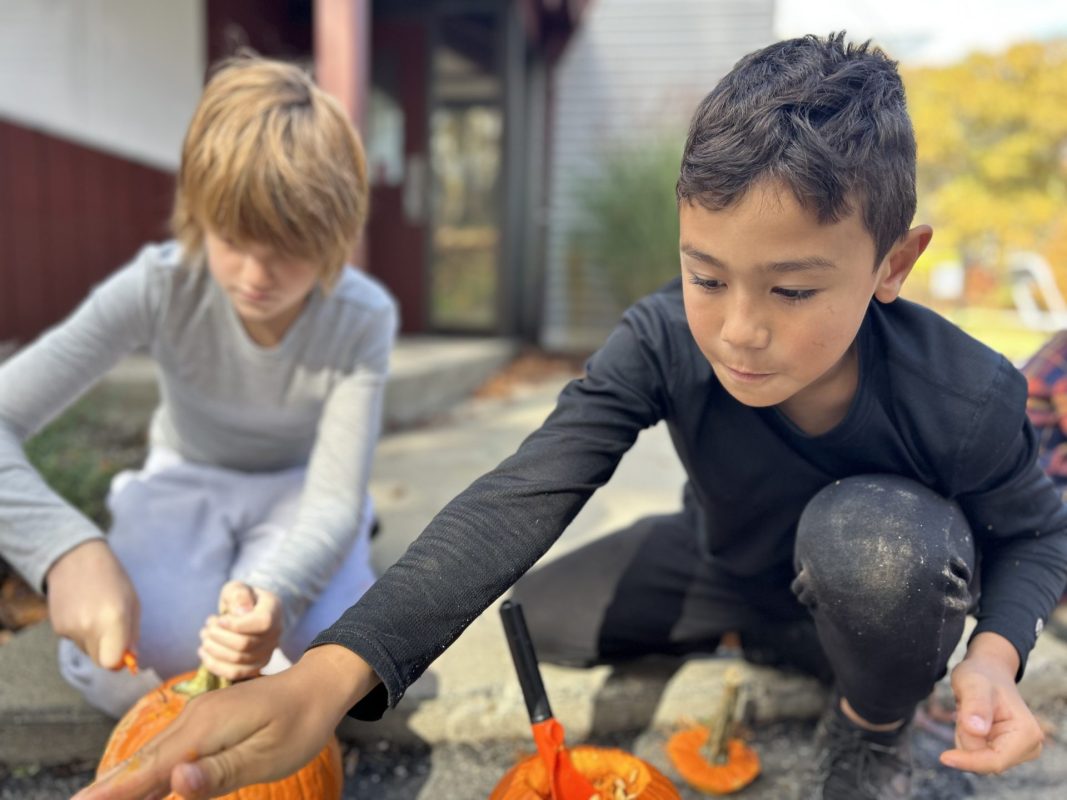
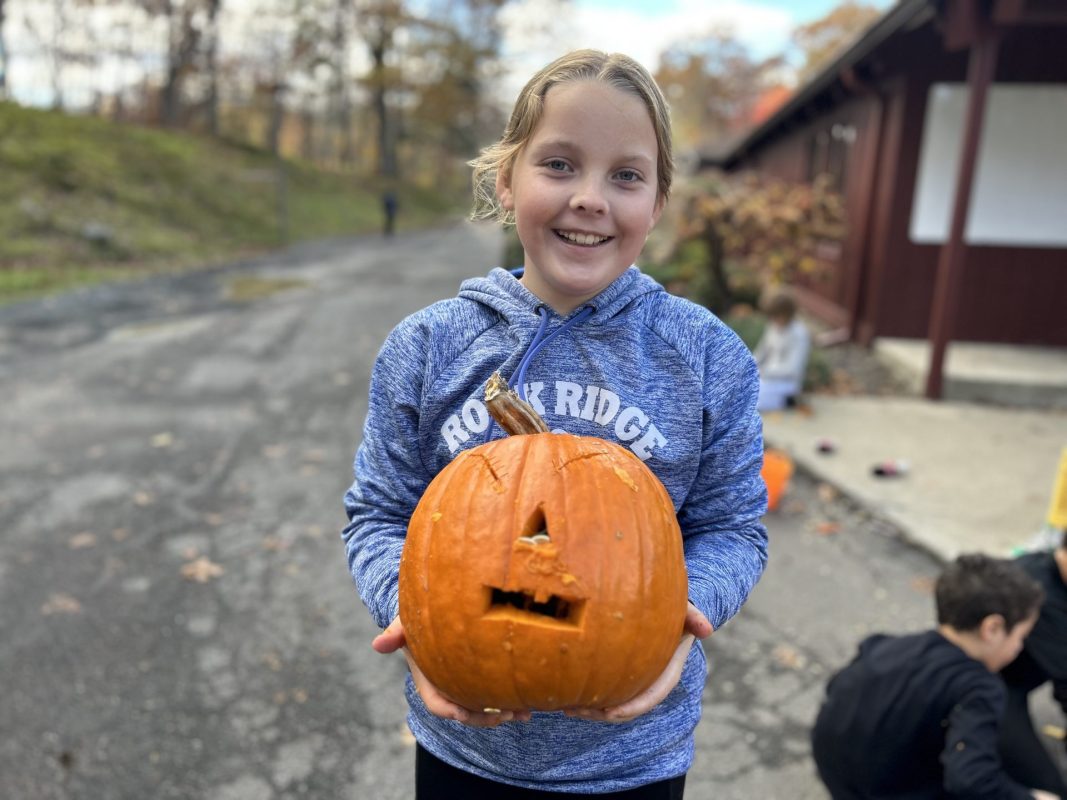
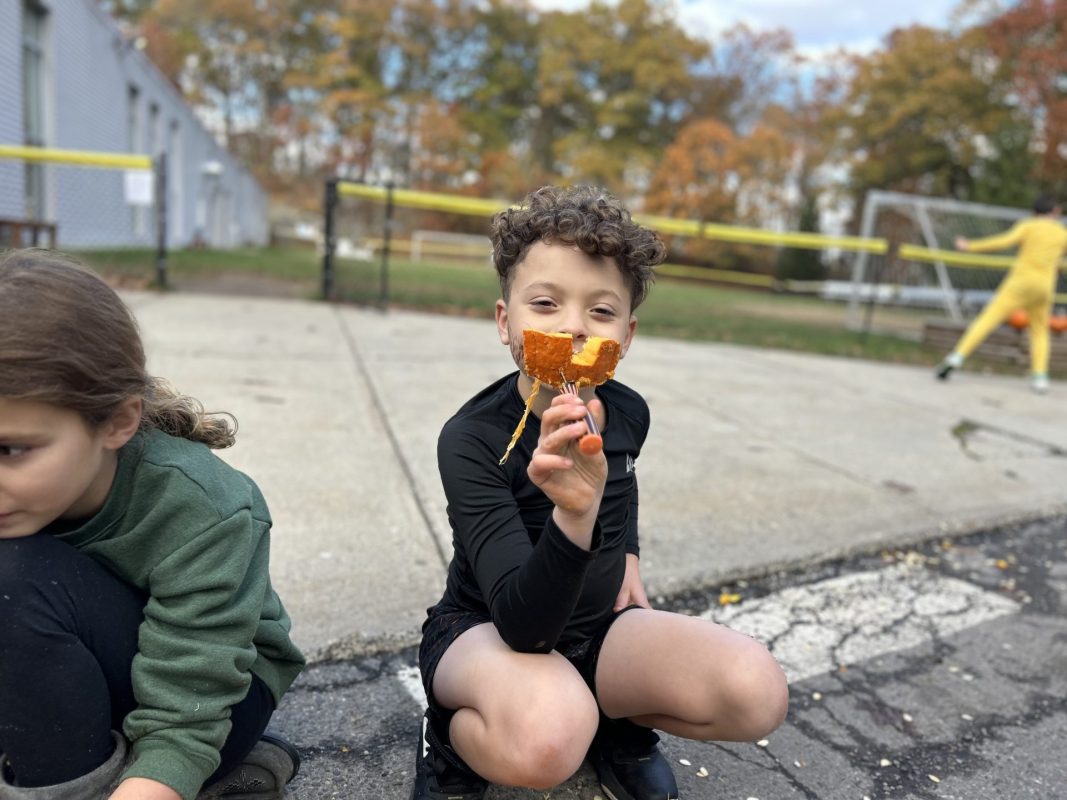
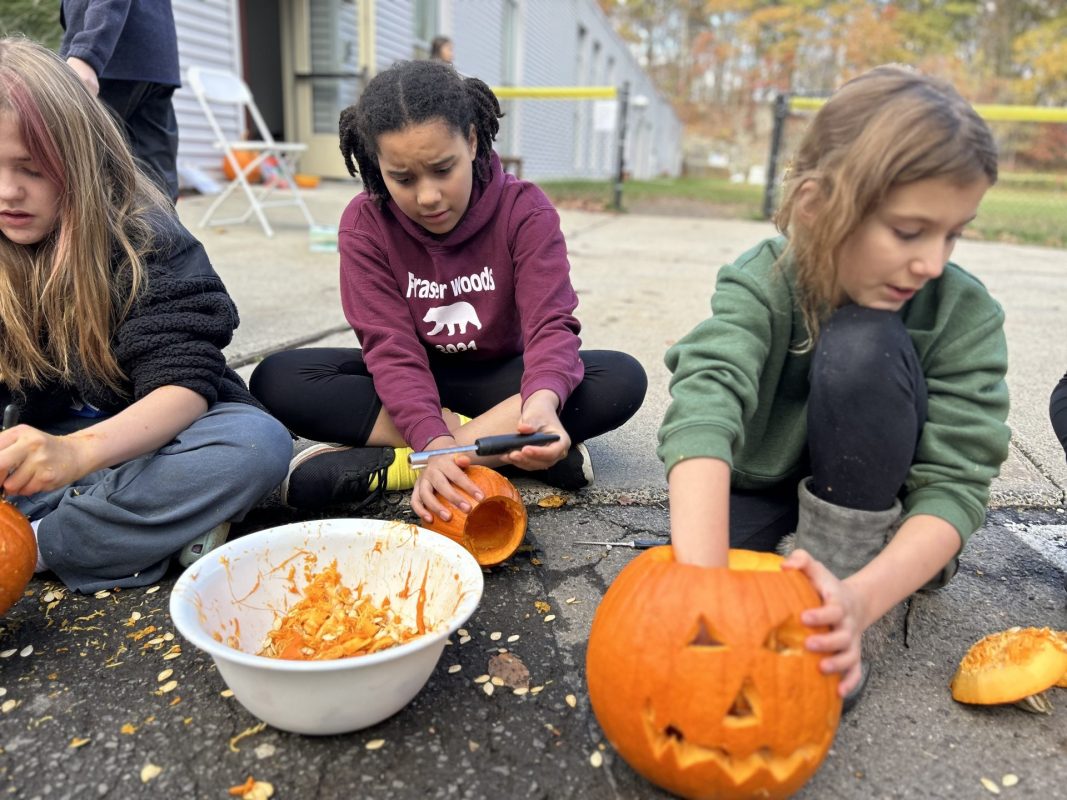
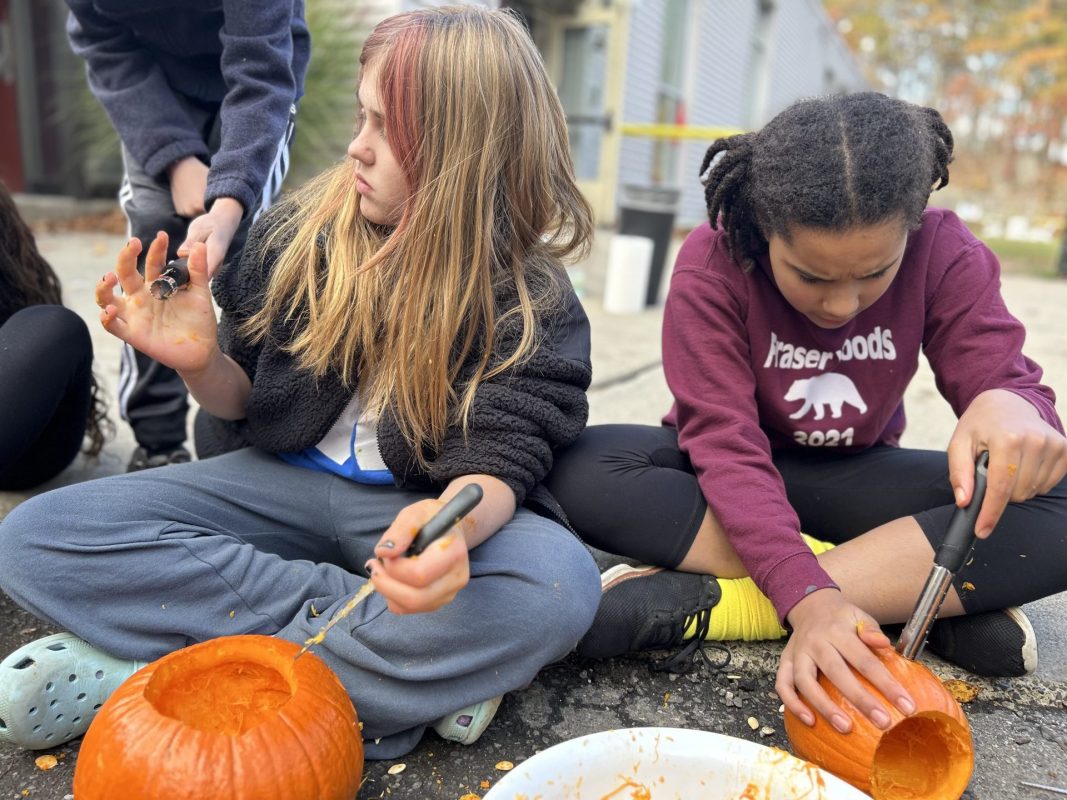
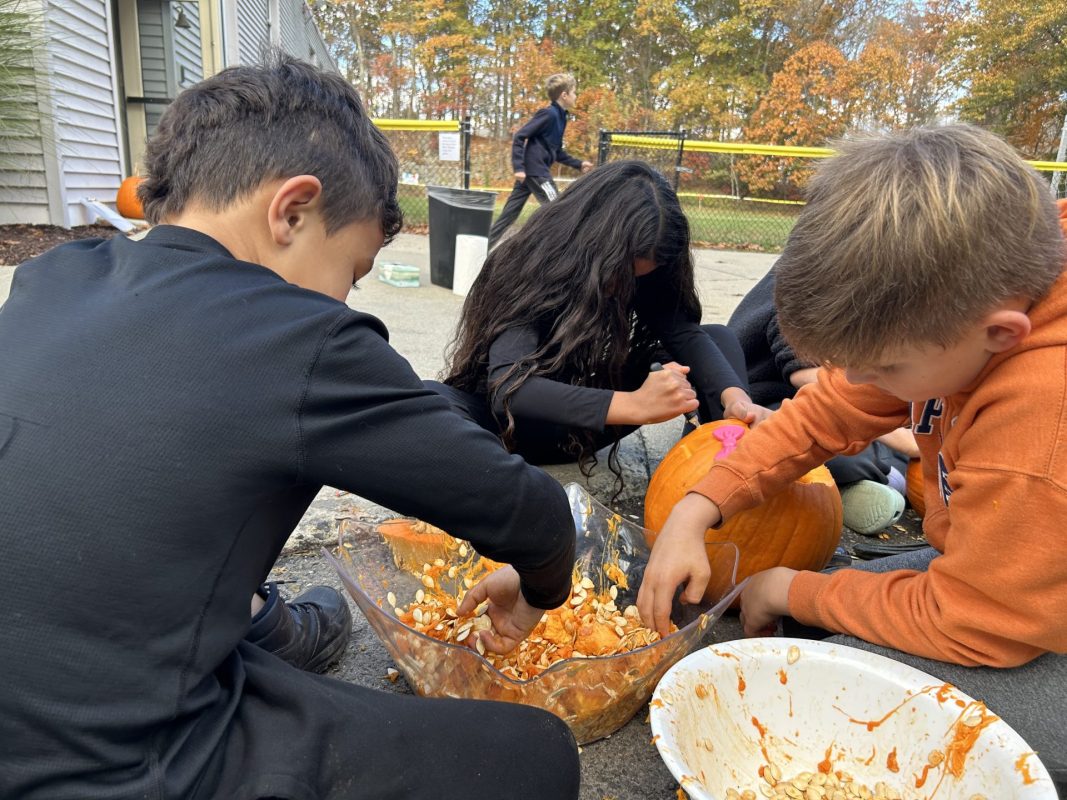
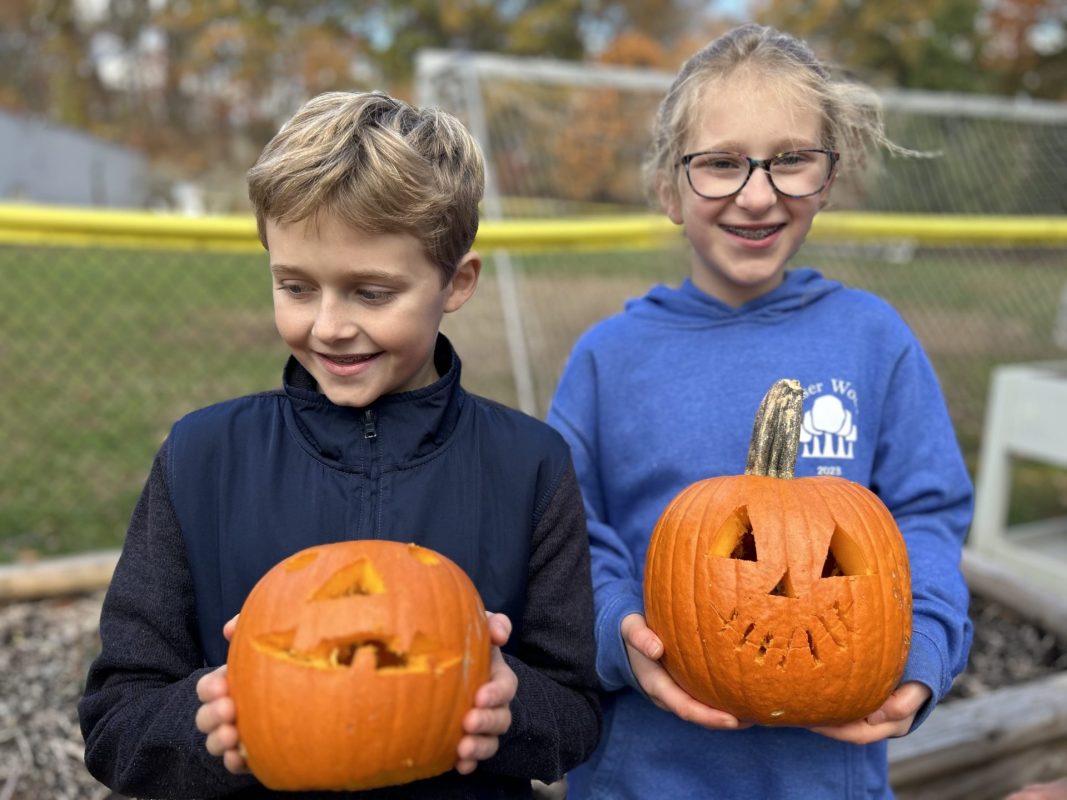
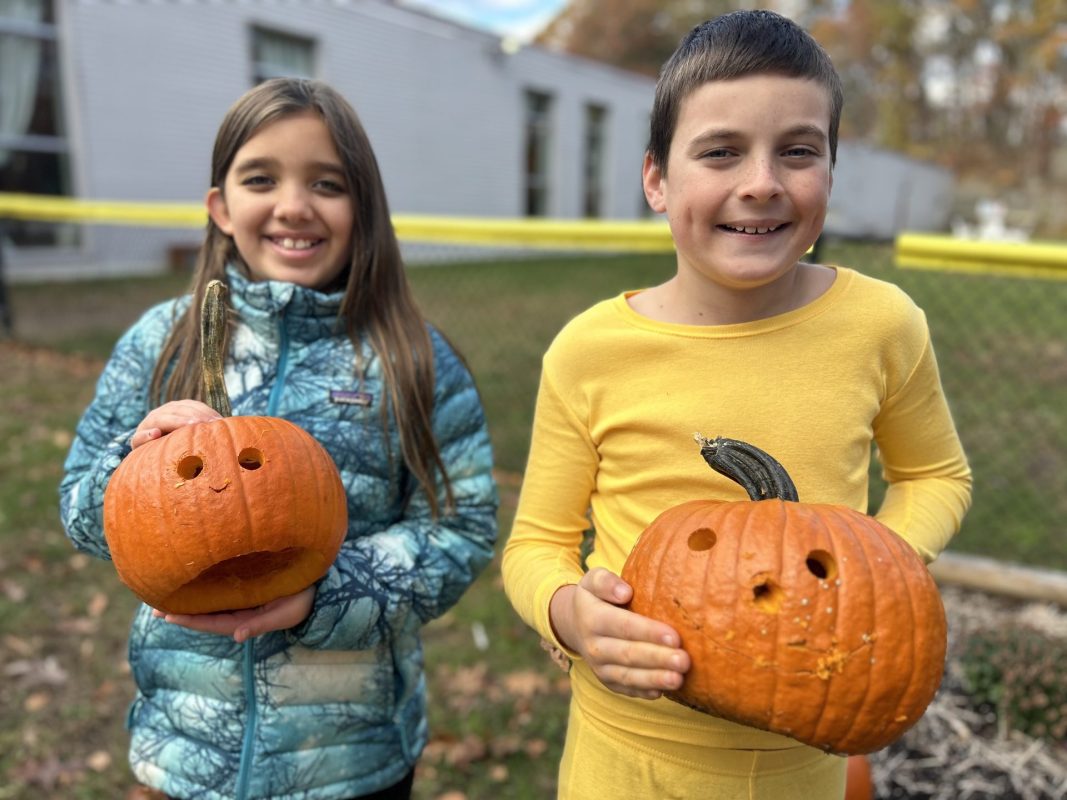
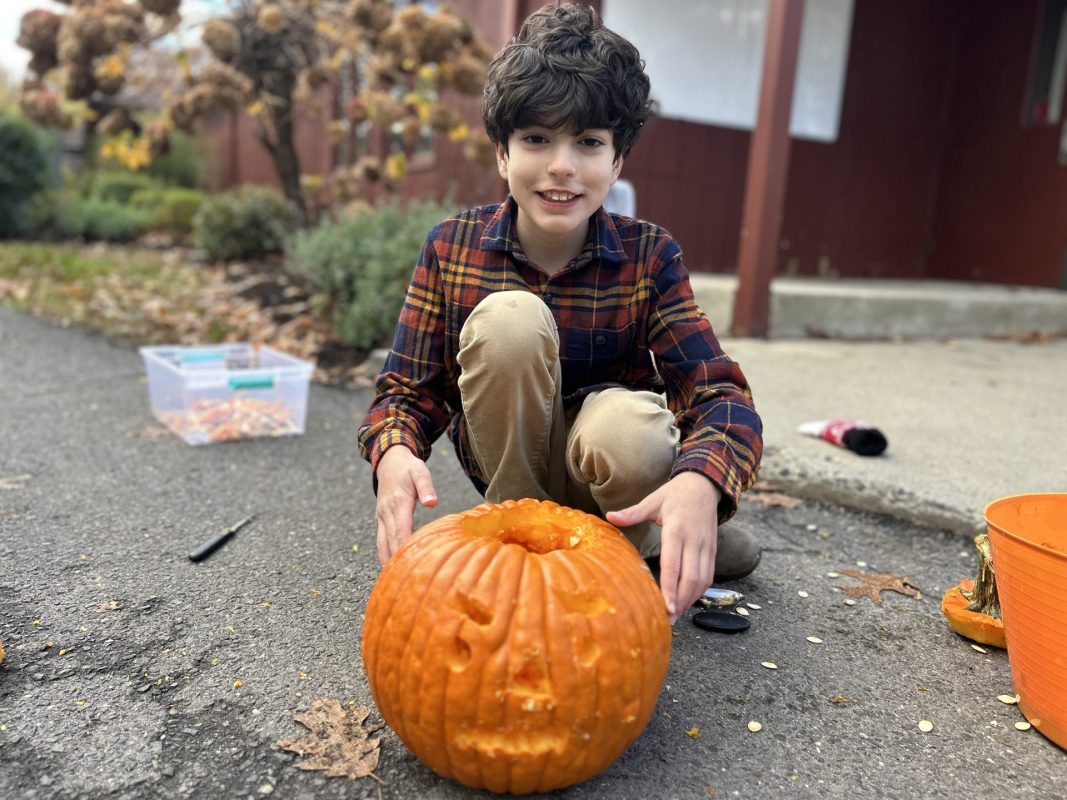
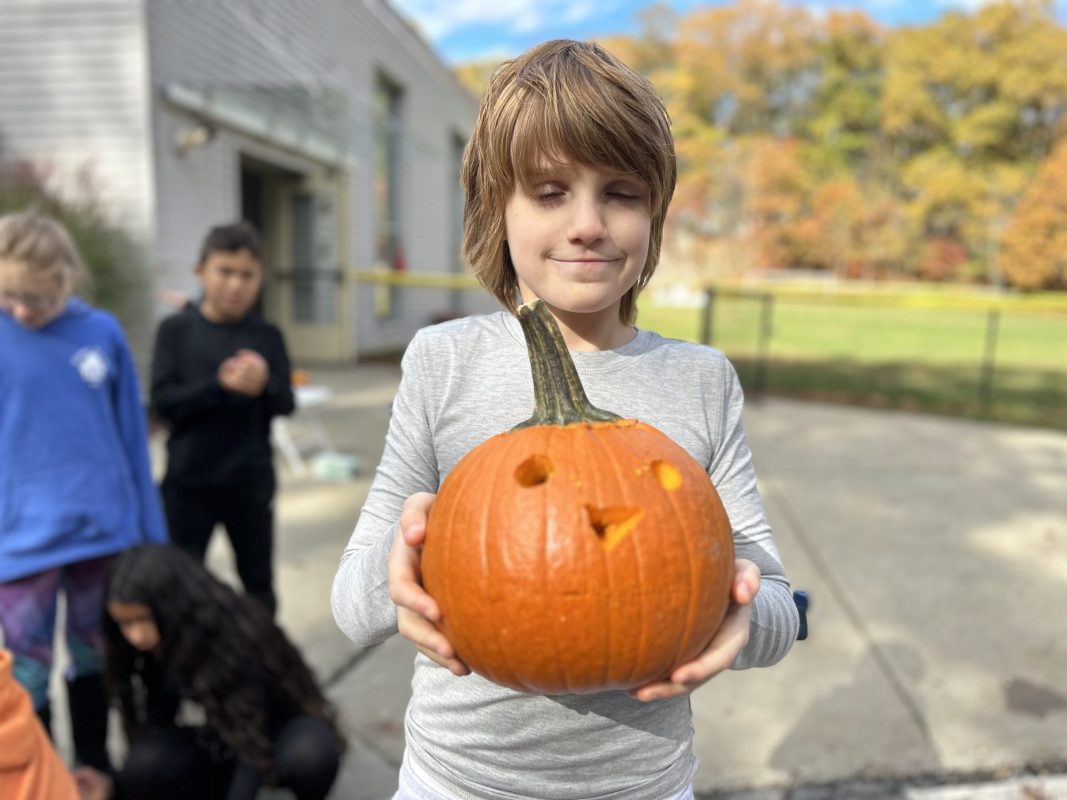
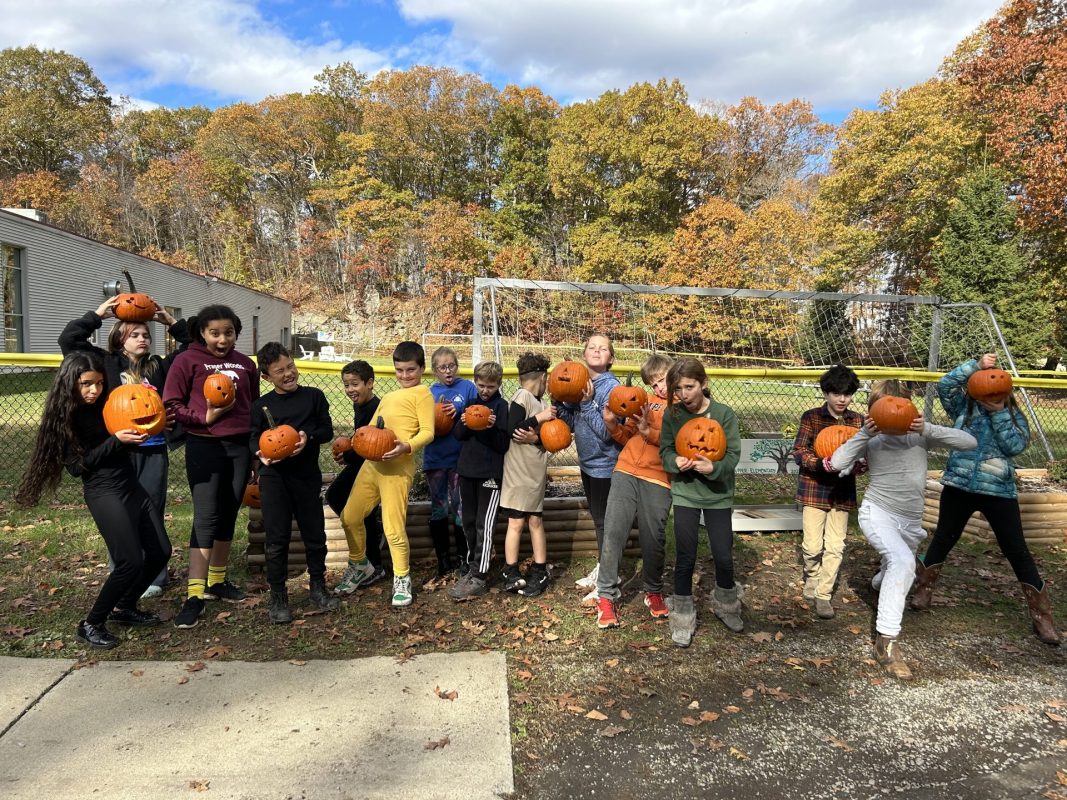
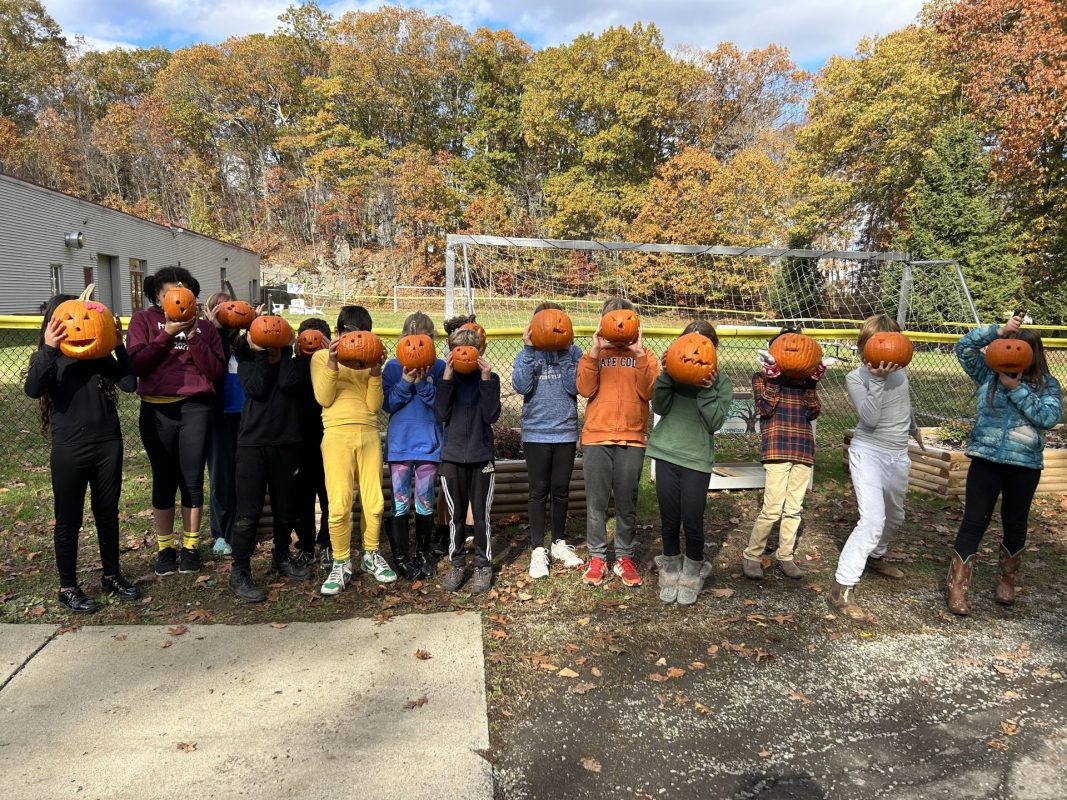
It was a week of spooky fun and focused work in Upper El. We celebrated Halloween with a costume parade, a class party complete with many tasty foods brought by the children, and pumpkin carving. Thank you very much to everyone who contributed to our delicious spread! For some, it was their first time carving and pumpkin and there was a range of reactions to scooping out the seeds and soft inside of the pumpkin. After carving, a group of students separated the seeds from the rest of the innards and we have been enjoying roasted pumpkin seeds all week.

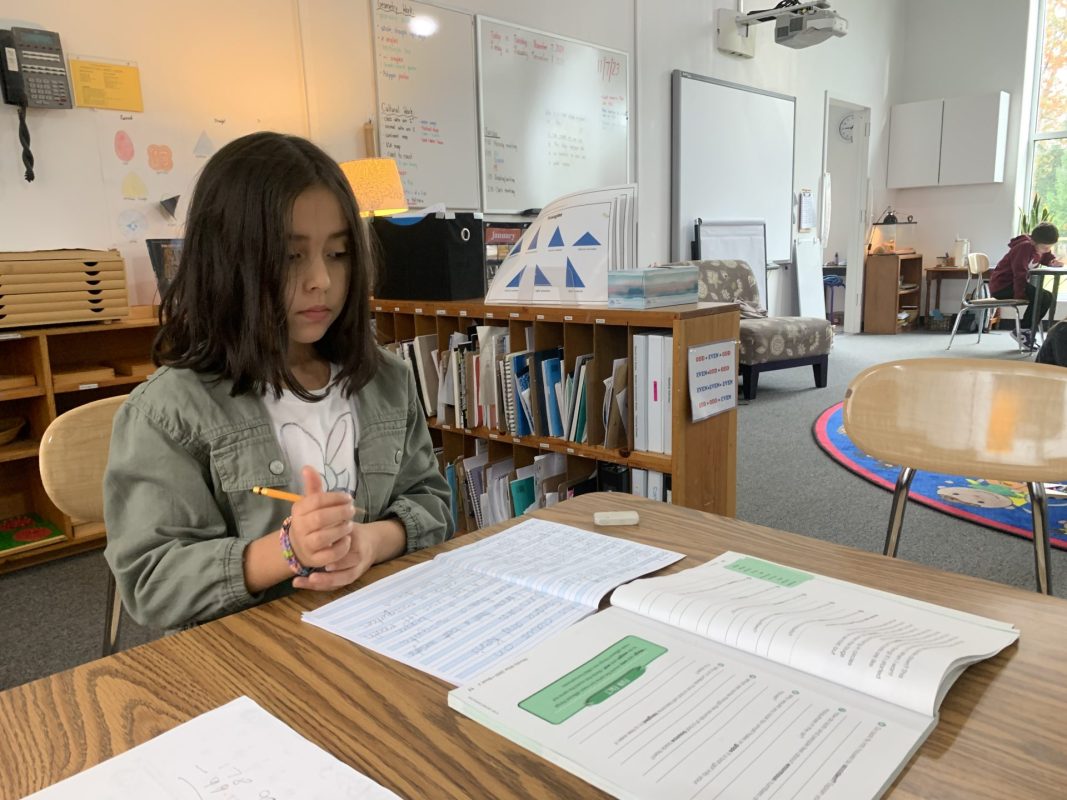
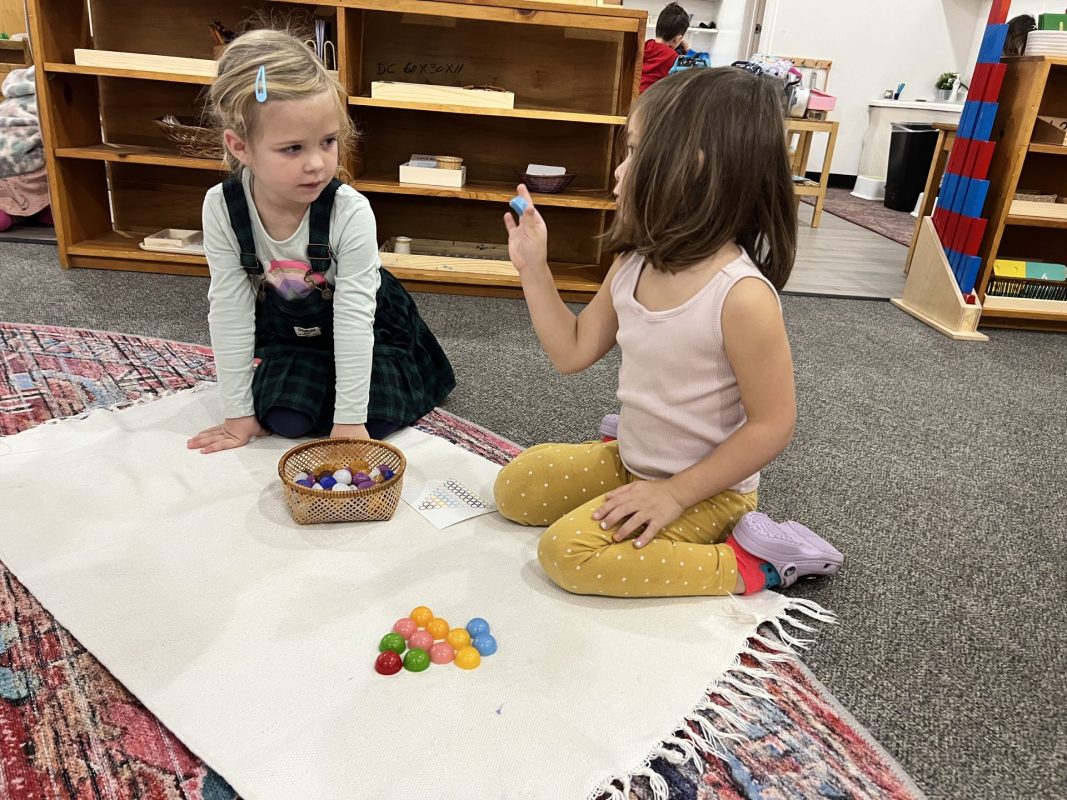
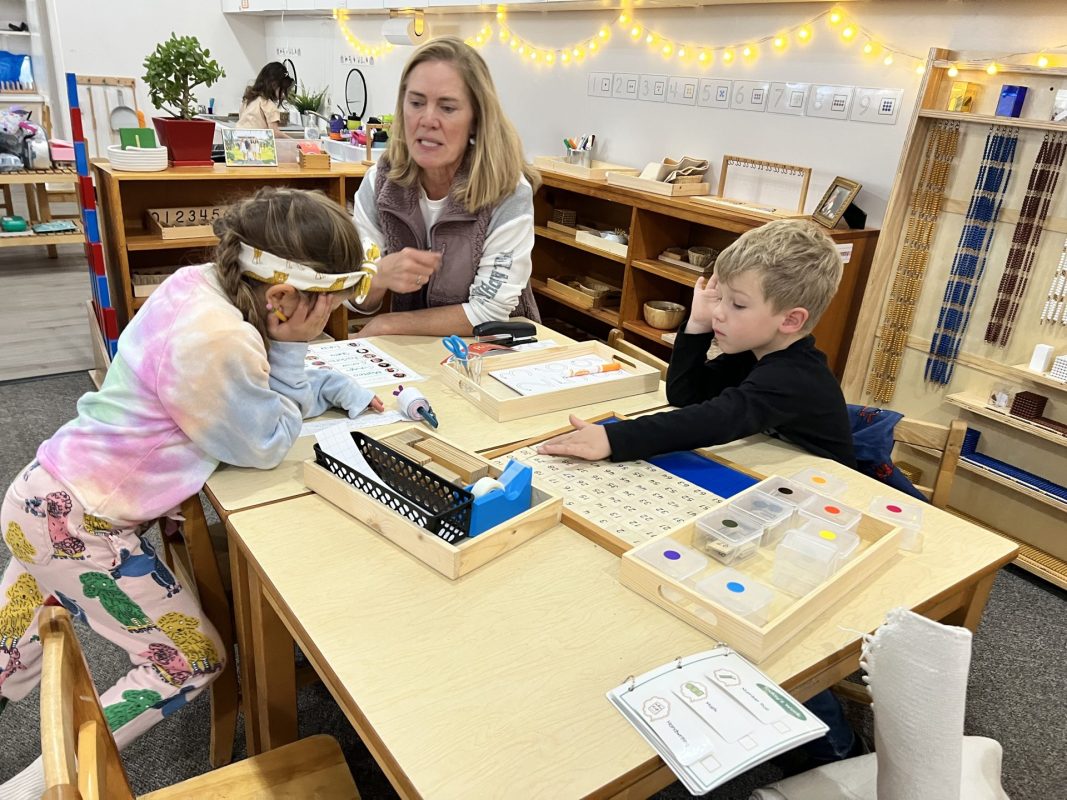
Our lessons this week included learning about the digestion process in biology, advanced equivalences in geometry, and identifying parts of speech in language. Individual students also had various lessons in math. We added two new pieces of independent work this week as well. The first is puzzles which are designed to help children sharpen their ability to reason, draw inferences, and evaluate evidence, all of which are important and vital critical thinking skills. The puzzles they worked on this week involve using deductive logic; students must draw conclusions based on what they know as certainly true or false, or unknown. The second new work is analogies. When students work with analogies they sharpen their reasoning skills as they analyze the subtleties of language and relationship. Analogies are useful tools for developing students’ grasp of concepts and ideas in different content areas.

Now that the weather has turned colder, please make sure your child has proper outdoor clothing each day at school. This means a warm coat for our morning recess and possibly a hat and gloves or mittens as the temperature continues to drop. We go out to play when the temperature is 20 degrees or above.