For the new 2019-2020 school year, the MakeSpace has added 3D pens to our ever-growing curriculum. These pens will be utilized by our Kindergarten and Elementary makers. The 3Doodler works by “extruding heated plastic that cools almost instantly into a solid, stable structure, allowing for the free-hand creation of three-dimensional objects”.
Blog
Middle School: Week in Review
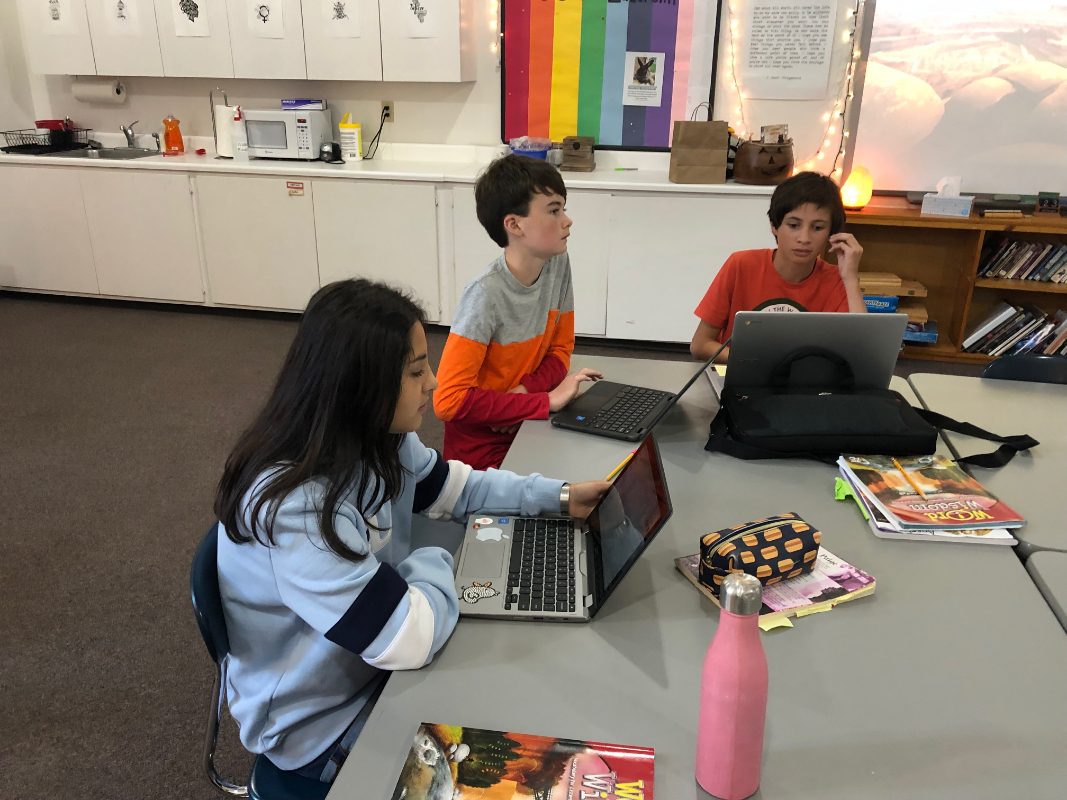
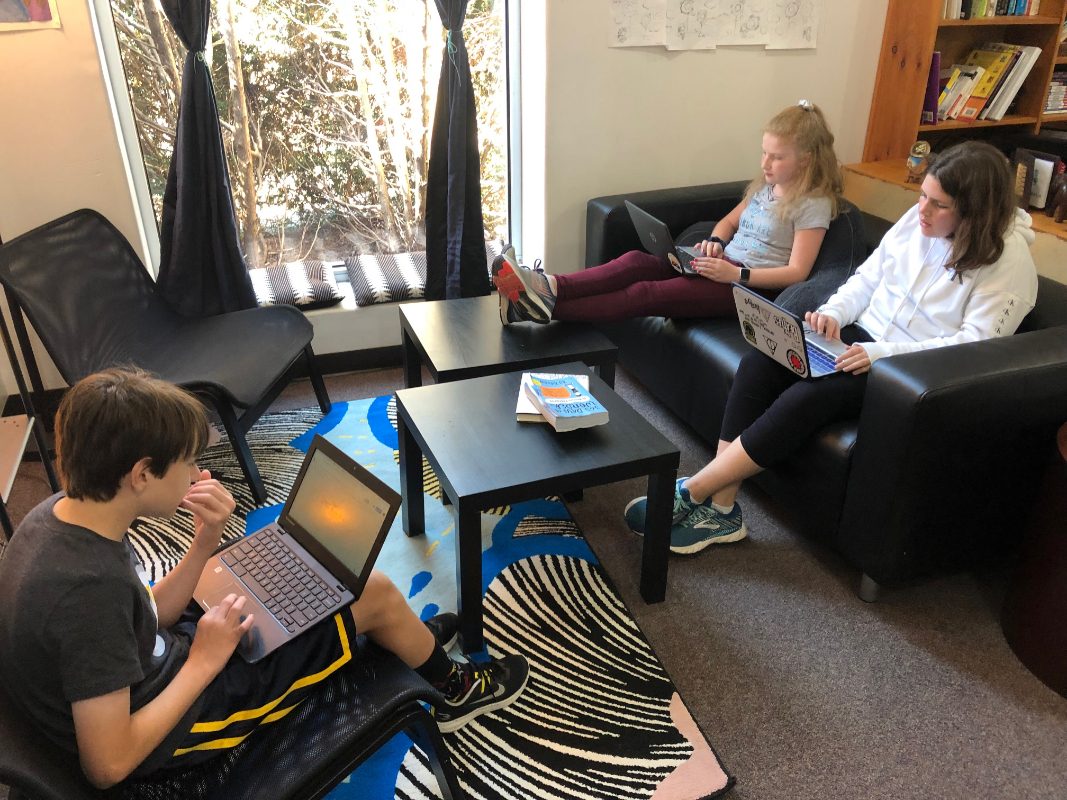

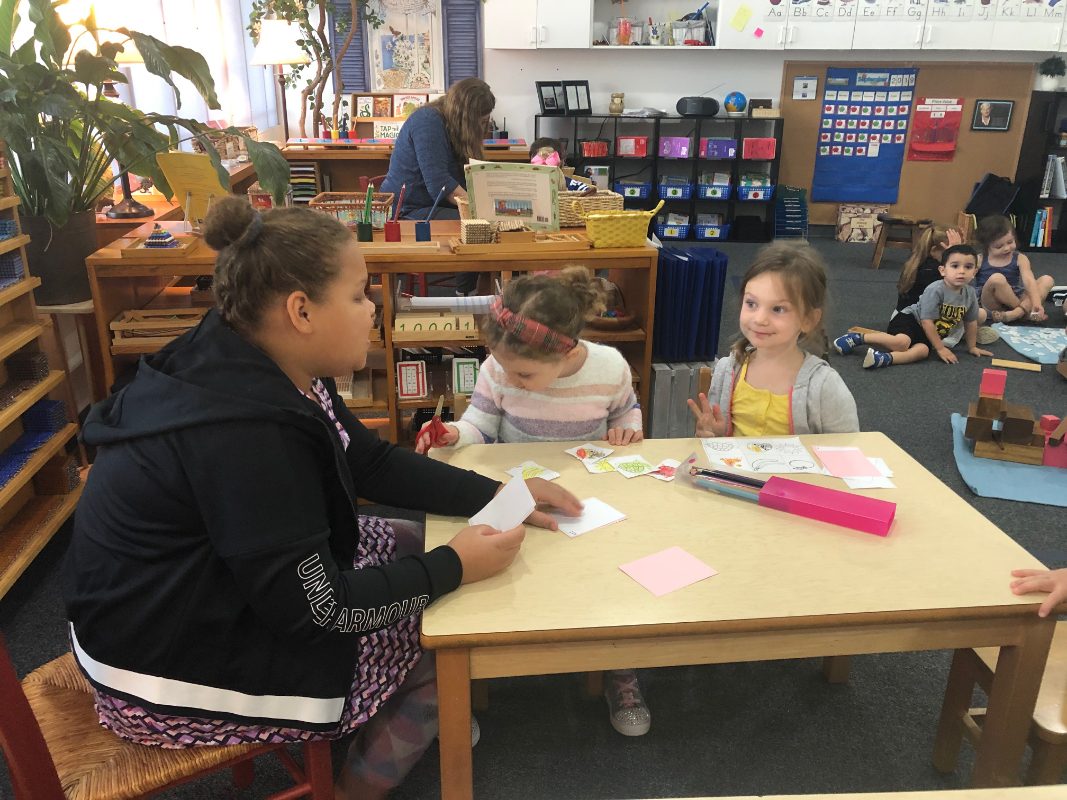
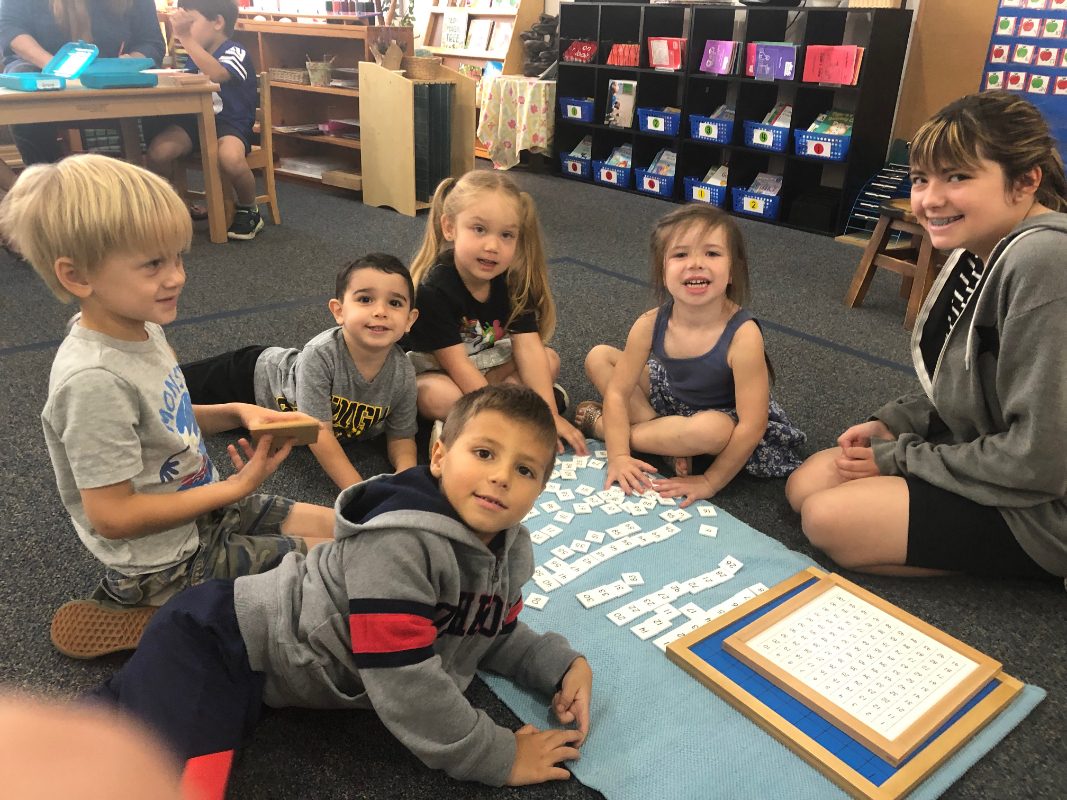
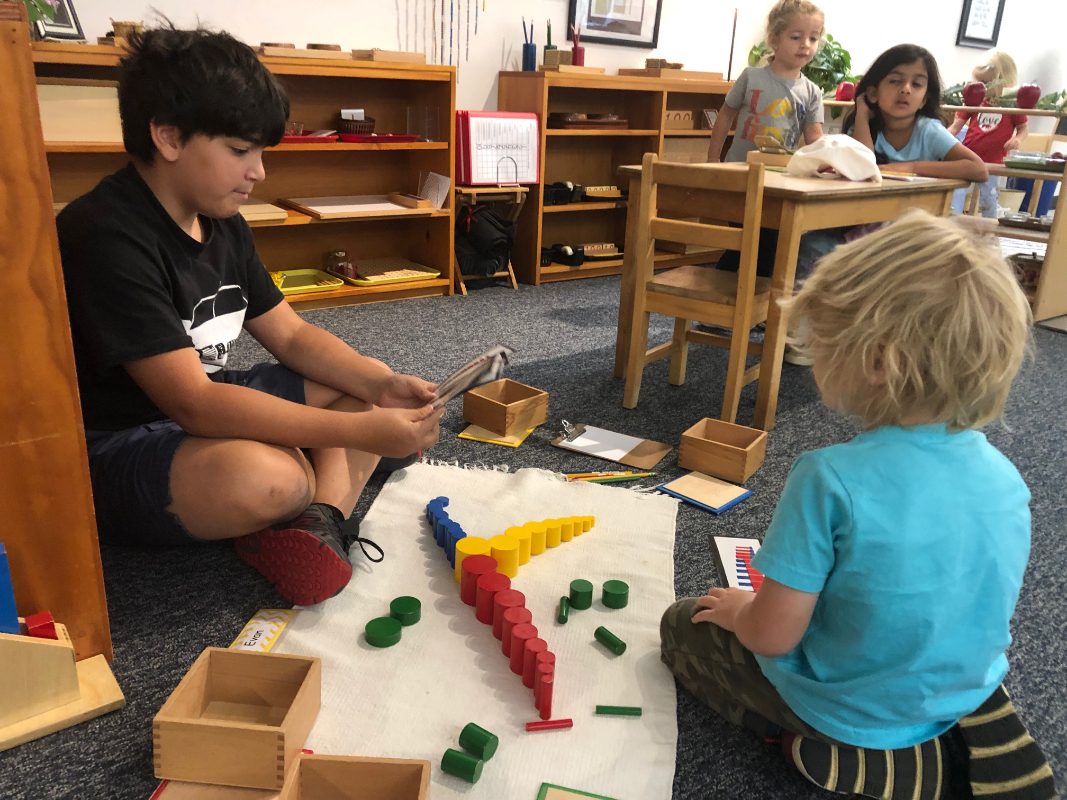
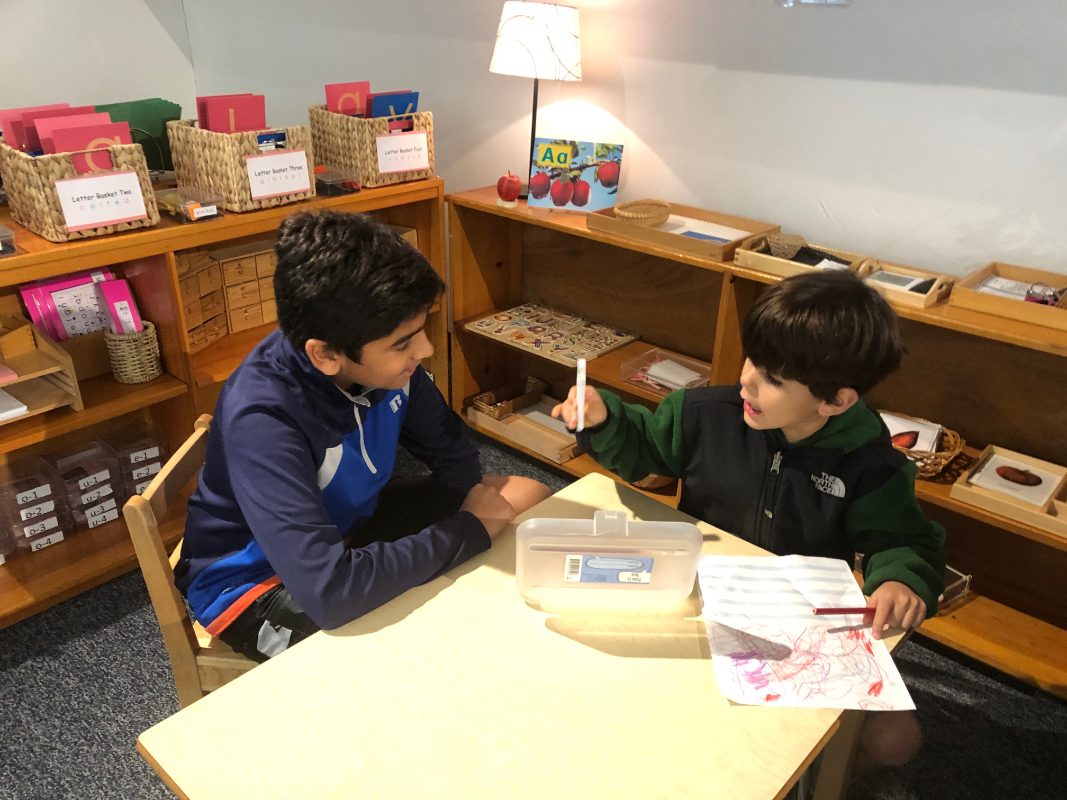

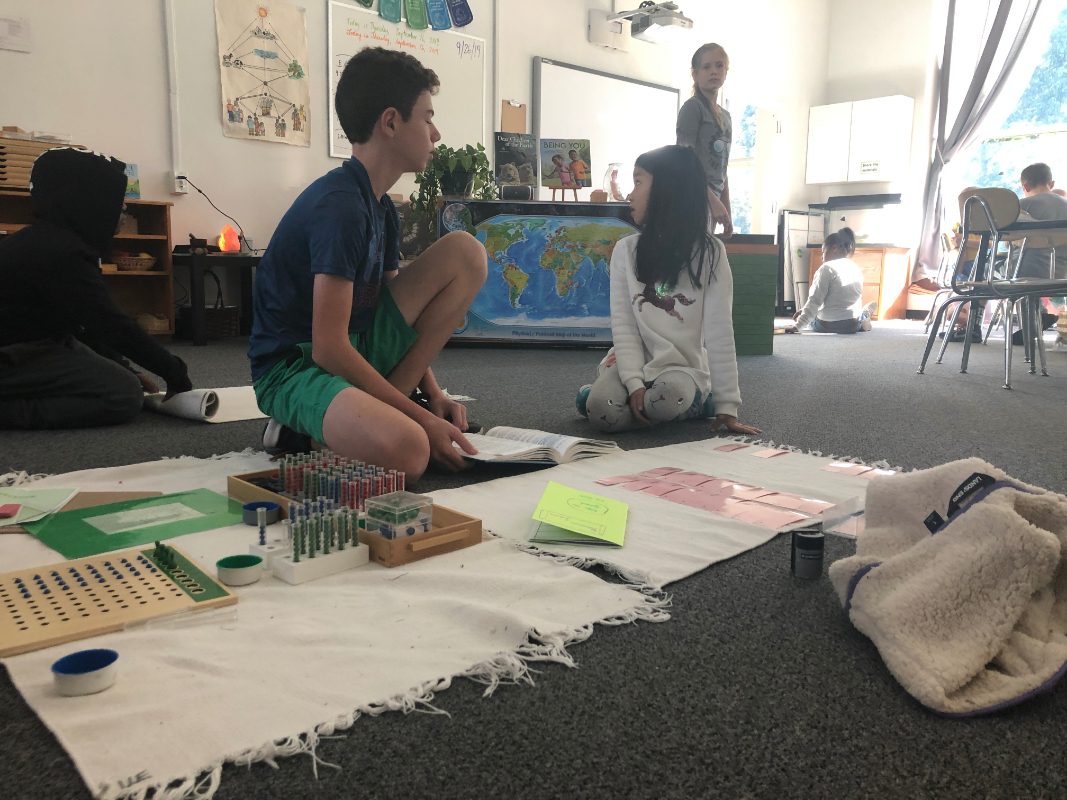
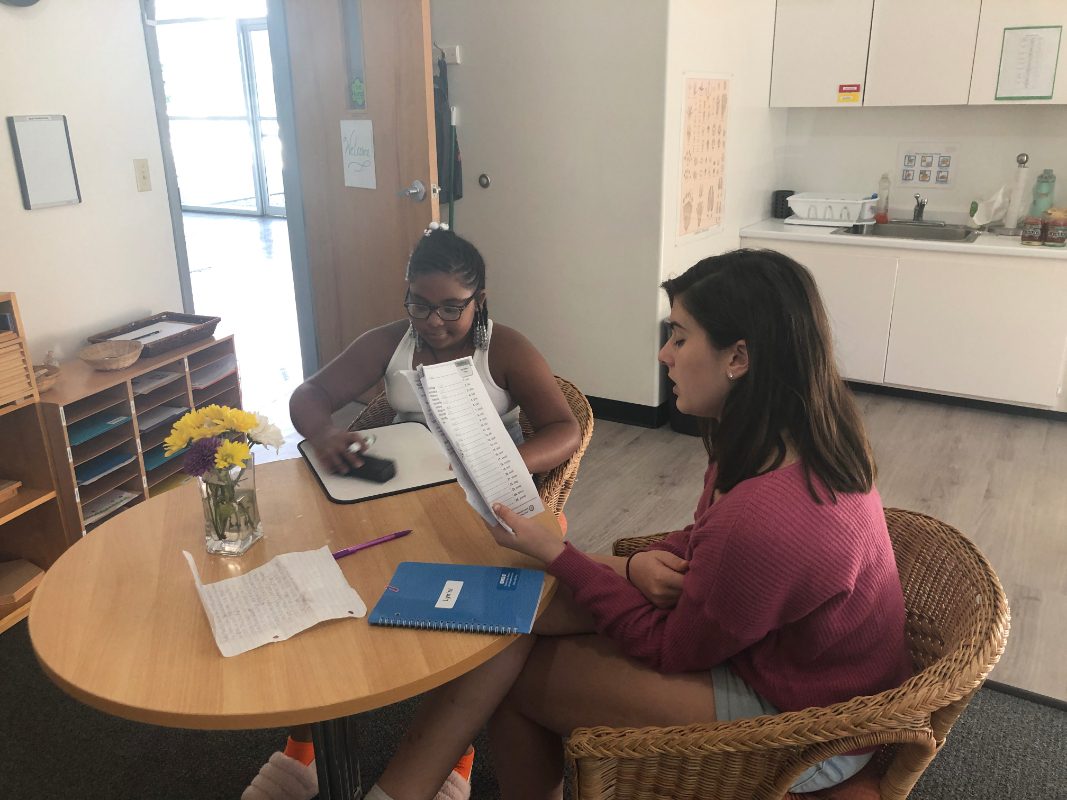
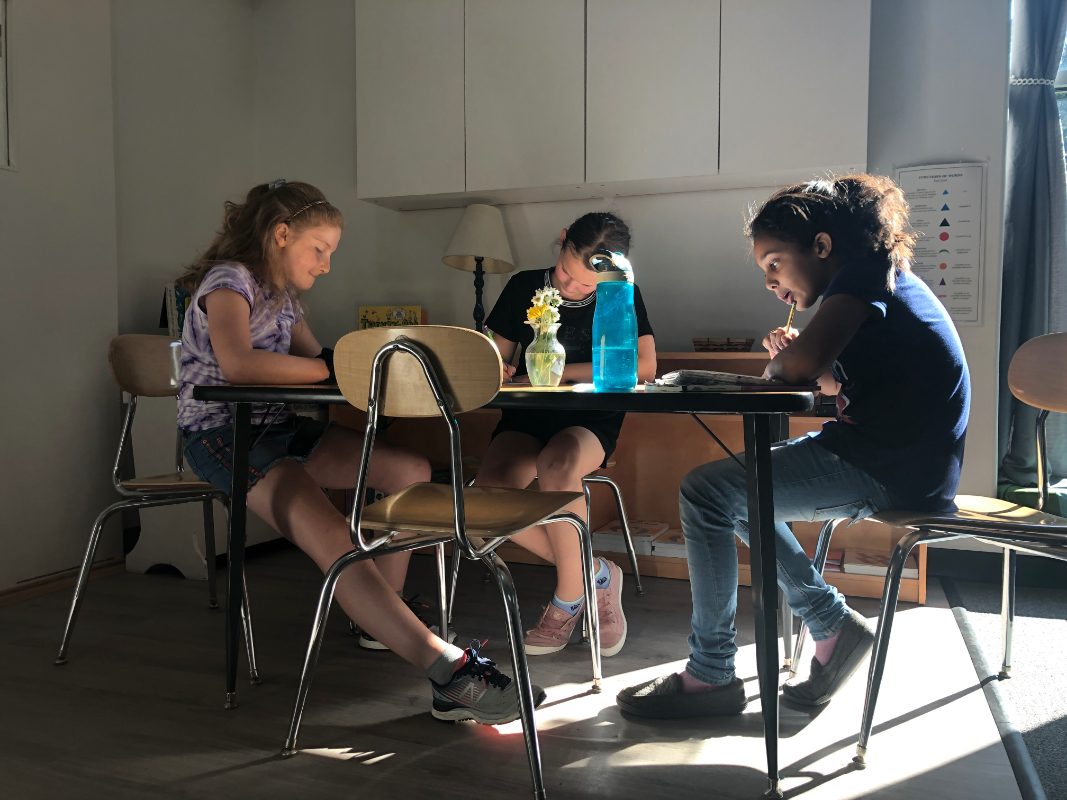
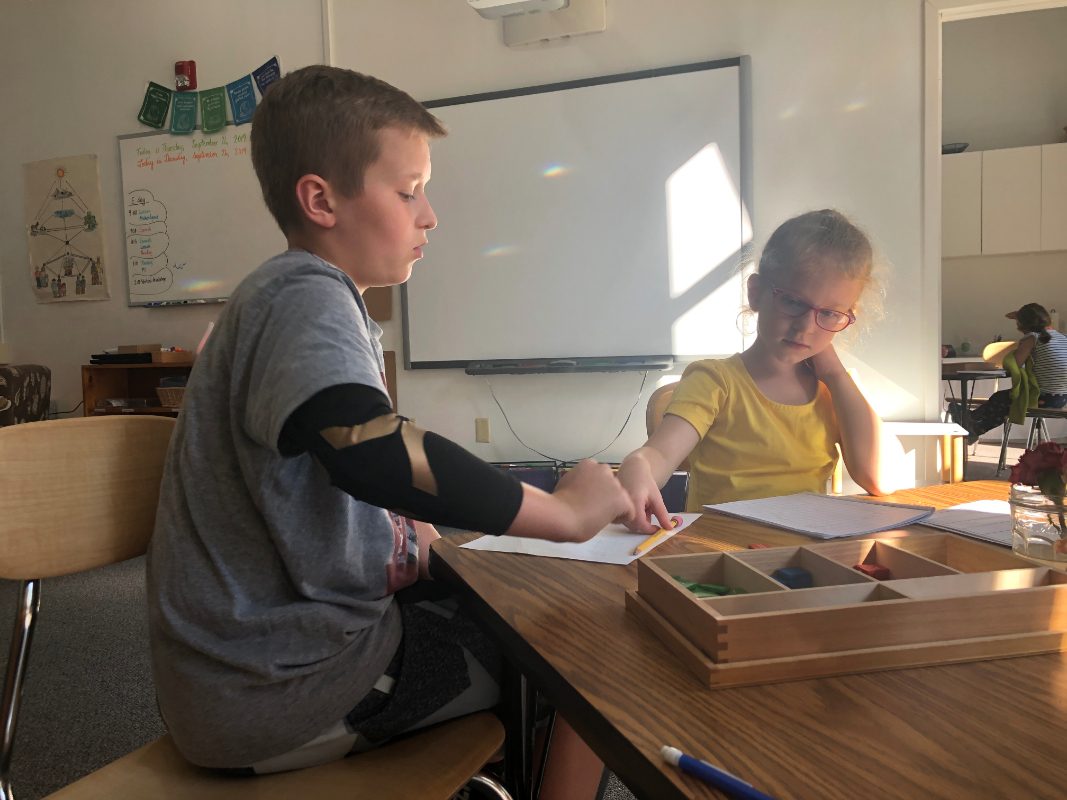
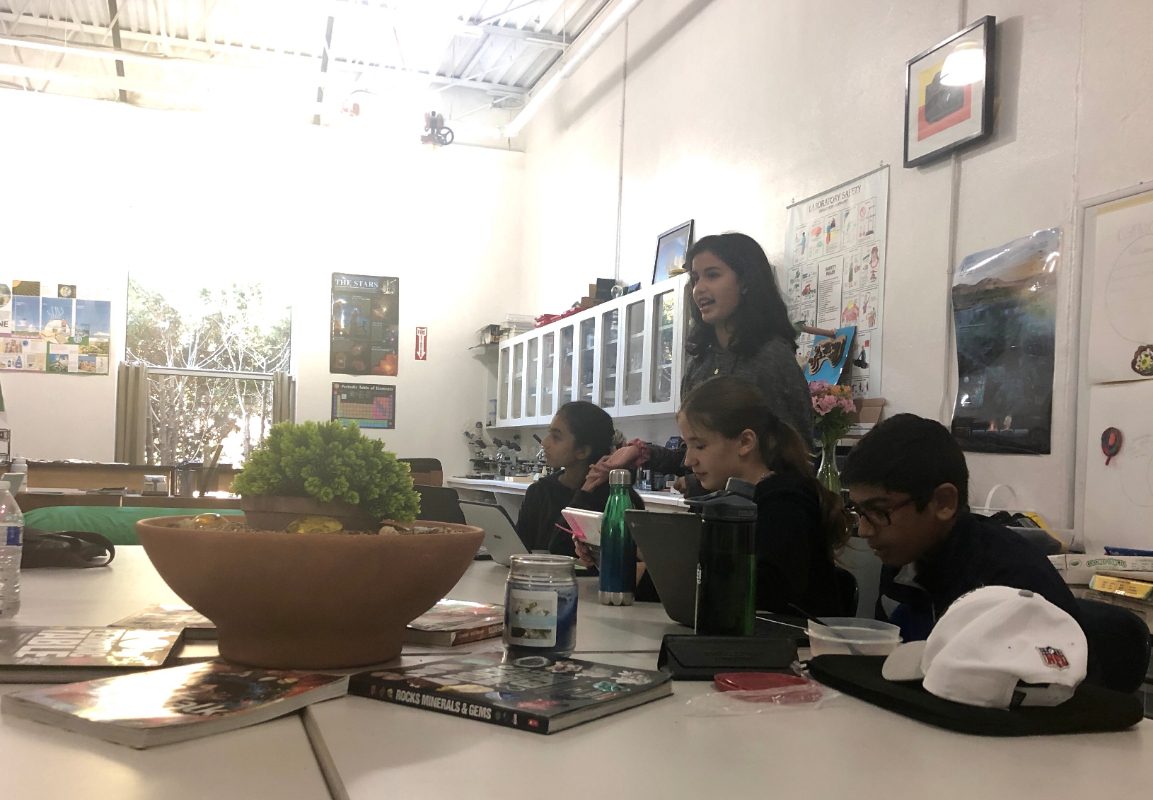
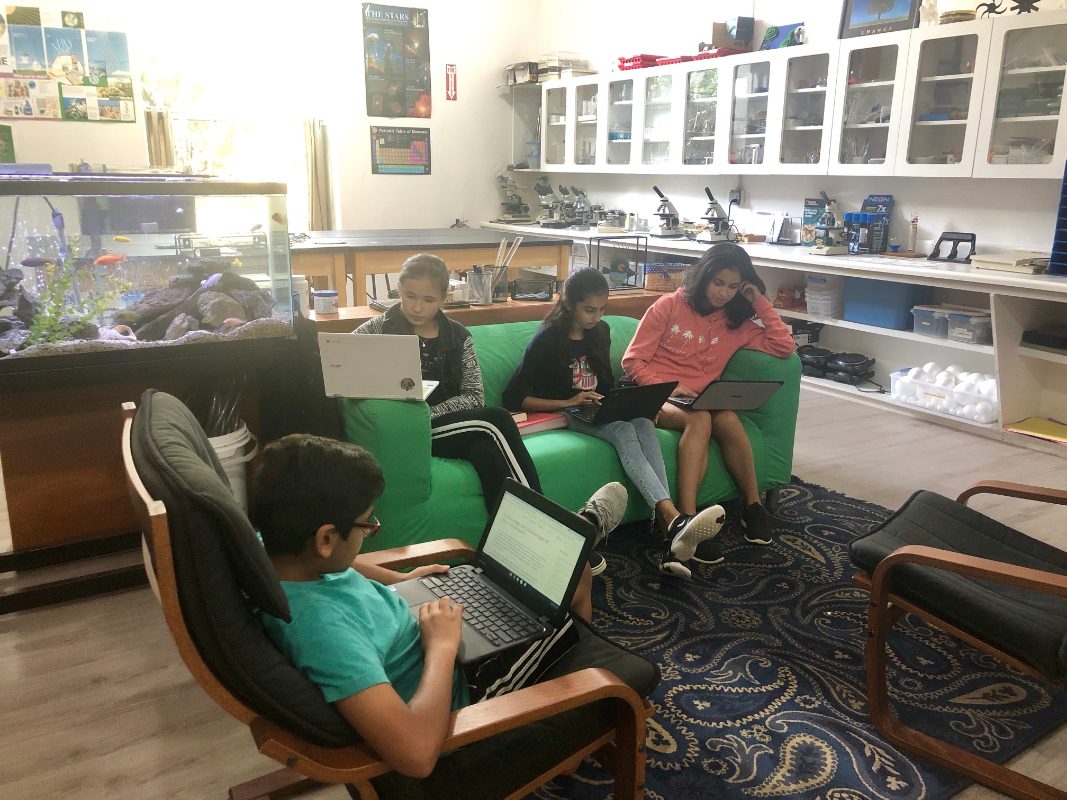

Happy Friday, everyone! It’s been a busy week in the middle school!
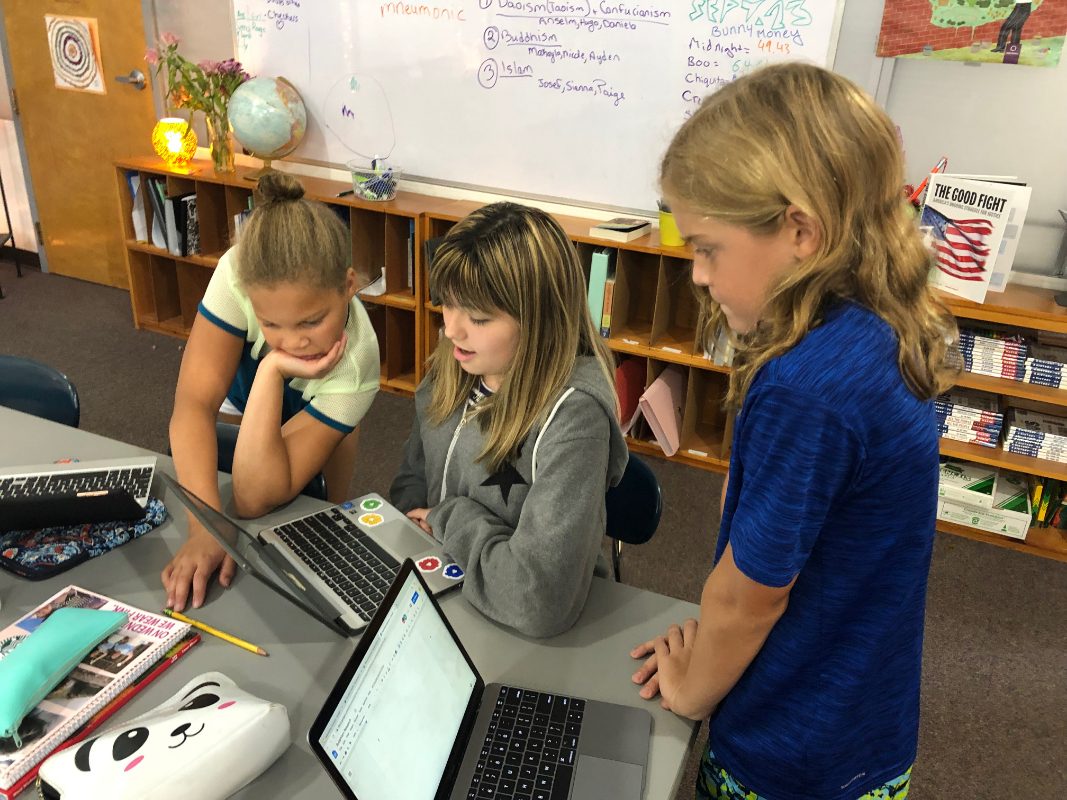
In 6th year Humanities classes, students discussed some examples of figurative language and identified it in poetry. We also spent time learning how to respectfully argue a point. It can be difficult not to become emotional when you fervently believe in something, so listening to another perspective can seem impossible. I am proud of the 6th years for working on this tricky skill. They also finished Becoming Naomi Leon. Next up is our empathy and compassion unit centered around Sharon Draper’s novel, Out of My Mind. In 7th year Humanities classes, we are finishing our unit on China by researching the major religions of the country: Buddhism, Taoism, Confucianism, Islam, and Christianity. Students completed group presentations to teach each religion. Finally, 8th years talked about human migration, Mesoamerica, early exploration from the Vikings, and Columbus. We have begun the Age of Discovery and will continue learning about the different exploits by European explorers and their effects on the indigenous people of those lands.
Week 3 was a success in all math classes!
Algebra 1 has been practicing on the graphing calculator. Work included plotting scatter points, drawing linear functions, and creating new absolute value images. We are analyzing data with mean, median, range, and mean absolute deviation values.
Transition has been working on mastering order of operation problems, using inequalities to compare numbers, and simplifying fractions. Most recently we have practiced how to plot ordered pairs on a coordinate grid, using both paper/pencil and a graphing calculator. We have also worked with numbers in scientific notation form.
Pre-transition has been working on understanding mixed, improper, and proper fractions. Students are able to identify natural numbers, whole numbers, and integers. We are also practicing different study techniques in order to feel prepared for the upcoming test.
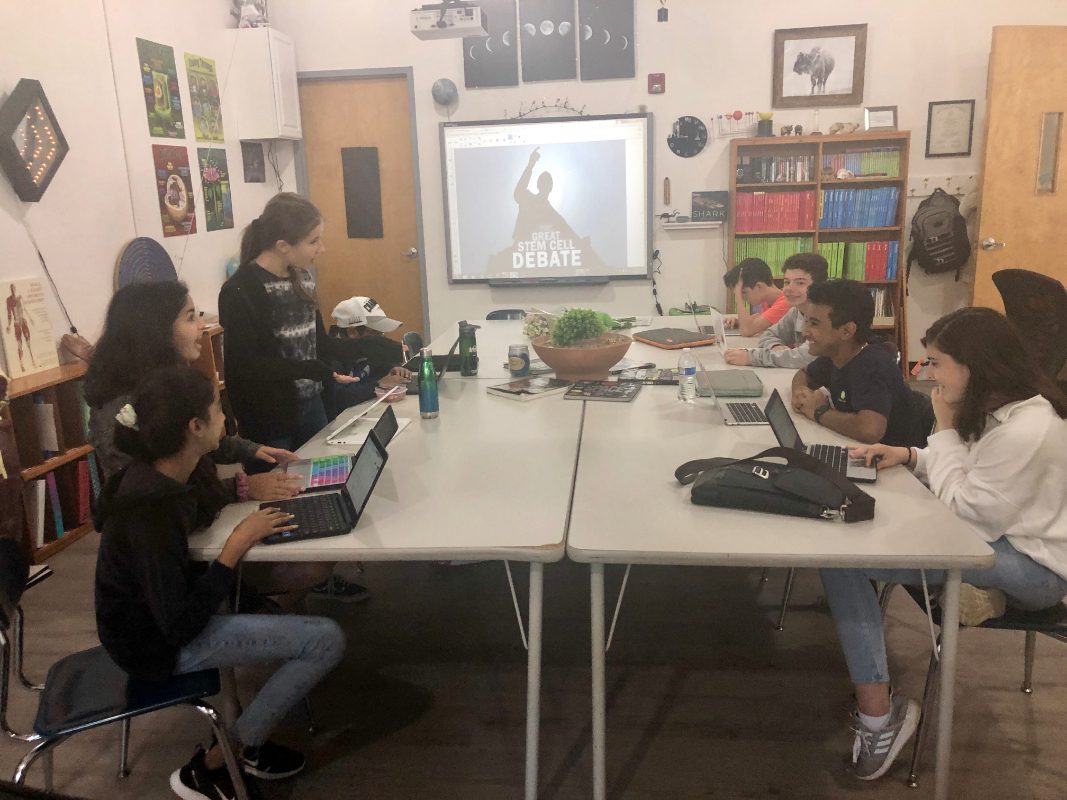
In Science, 6th year students are finishing their unit, Fossils and Studying Earth’s Past. Throughout this unit, students constructed amber preservation, molds, casts, and fossils. 7th year students are also finishing their unit, Combining and Separating. Students had several in-class activities in which they created different types of mixtures (suspensions, solutions) and methods of separation. Lastly, 8th year students conducted their debate on stem cells. Embryonic stem cells were the focus of their debate.
We are looking forward to the week ahead!
Mrs. Carroll’s Class: Pathways to Peace
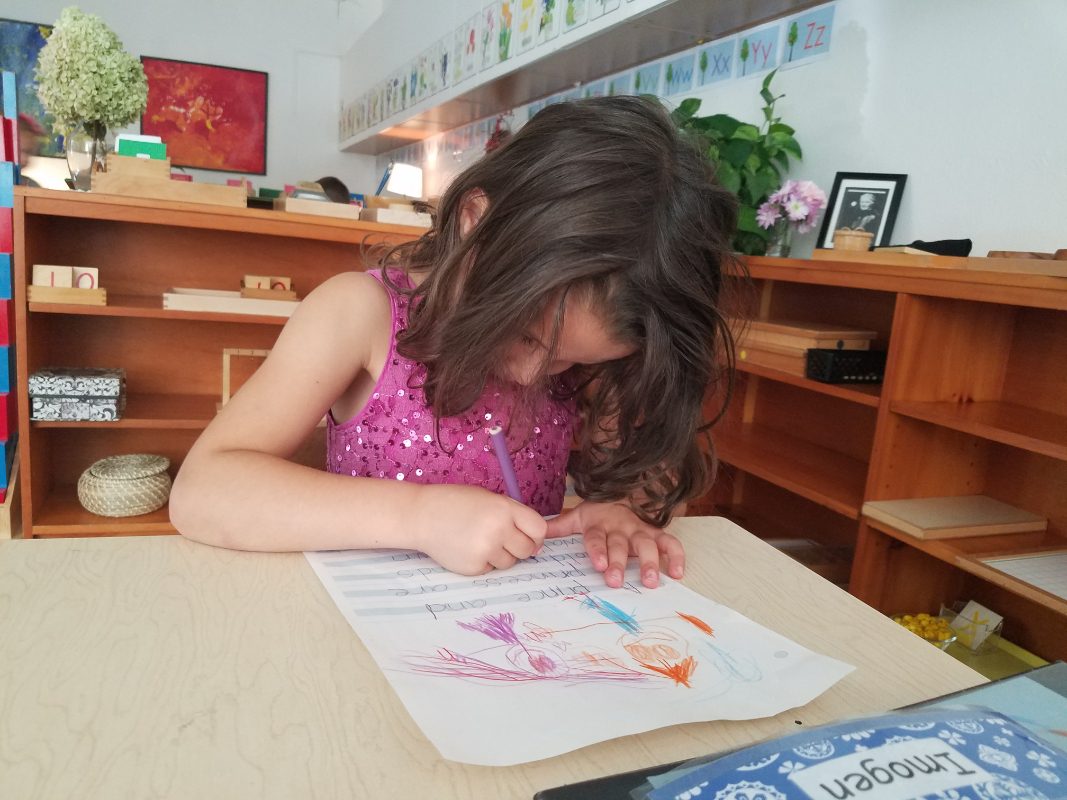
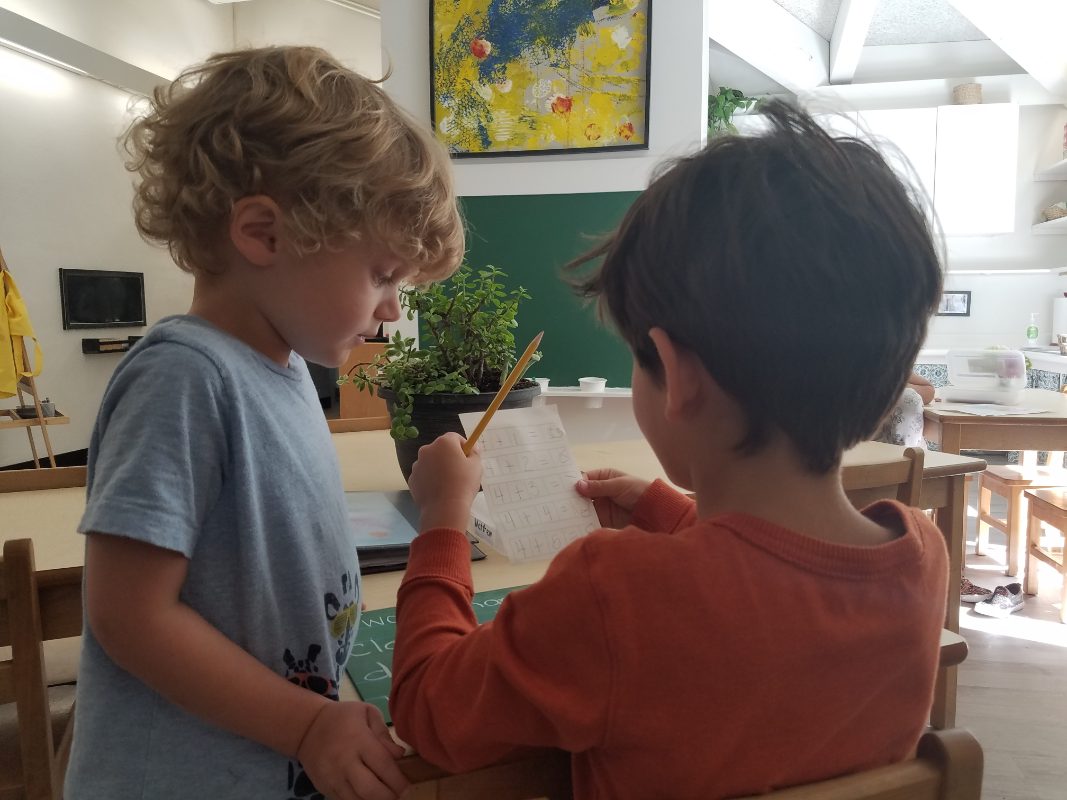
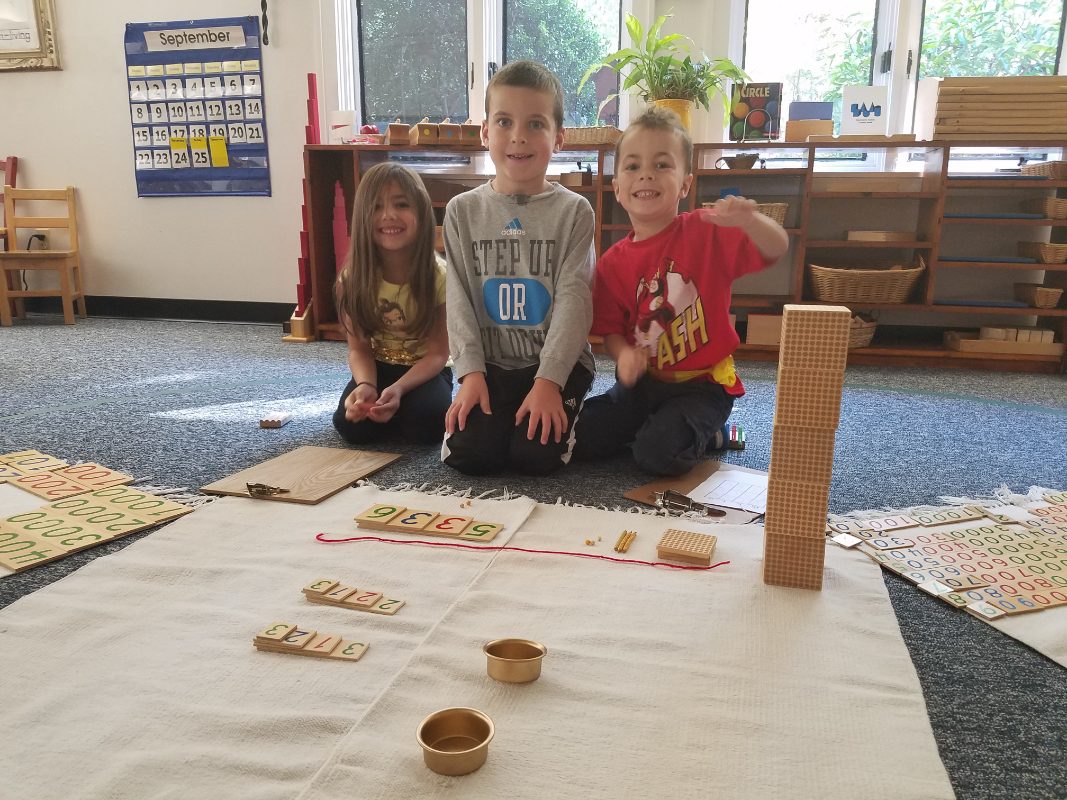
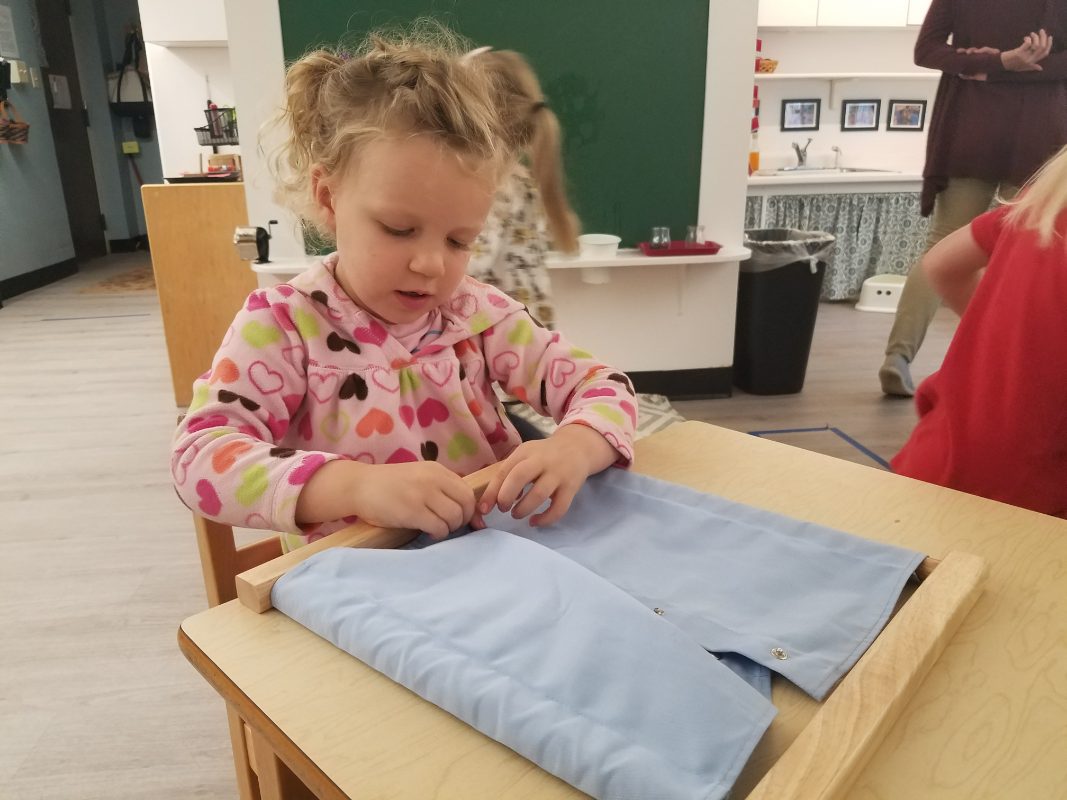
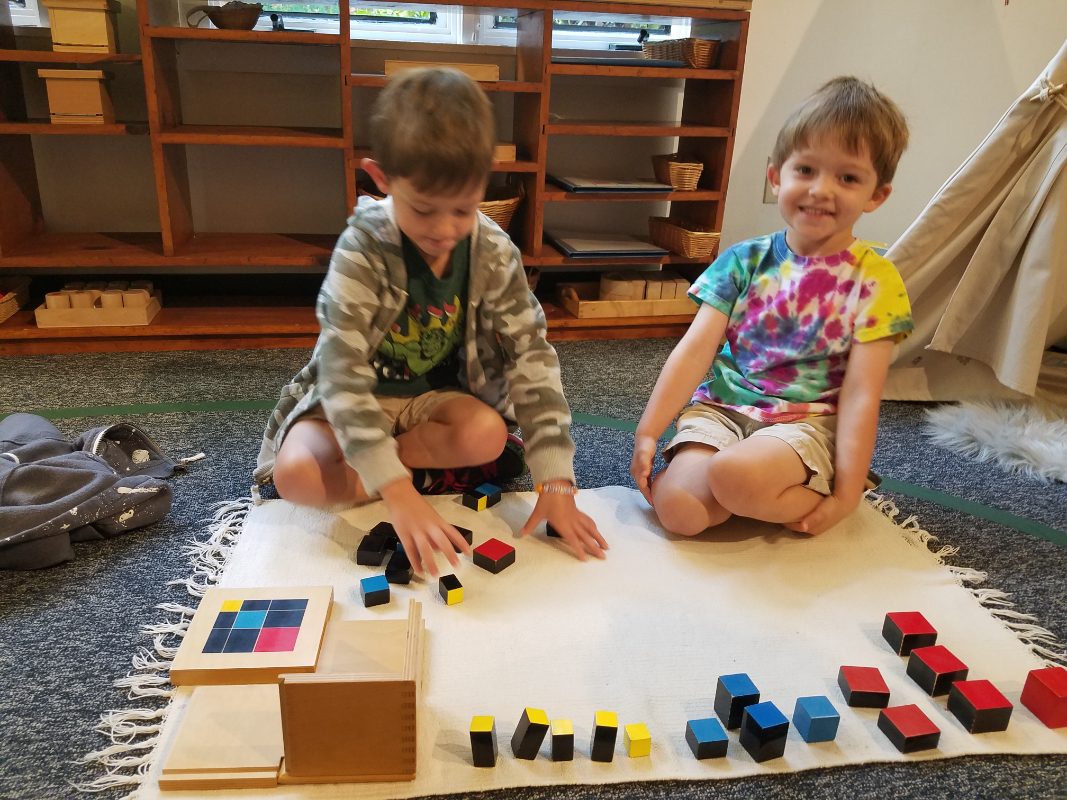
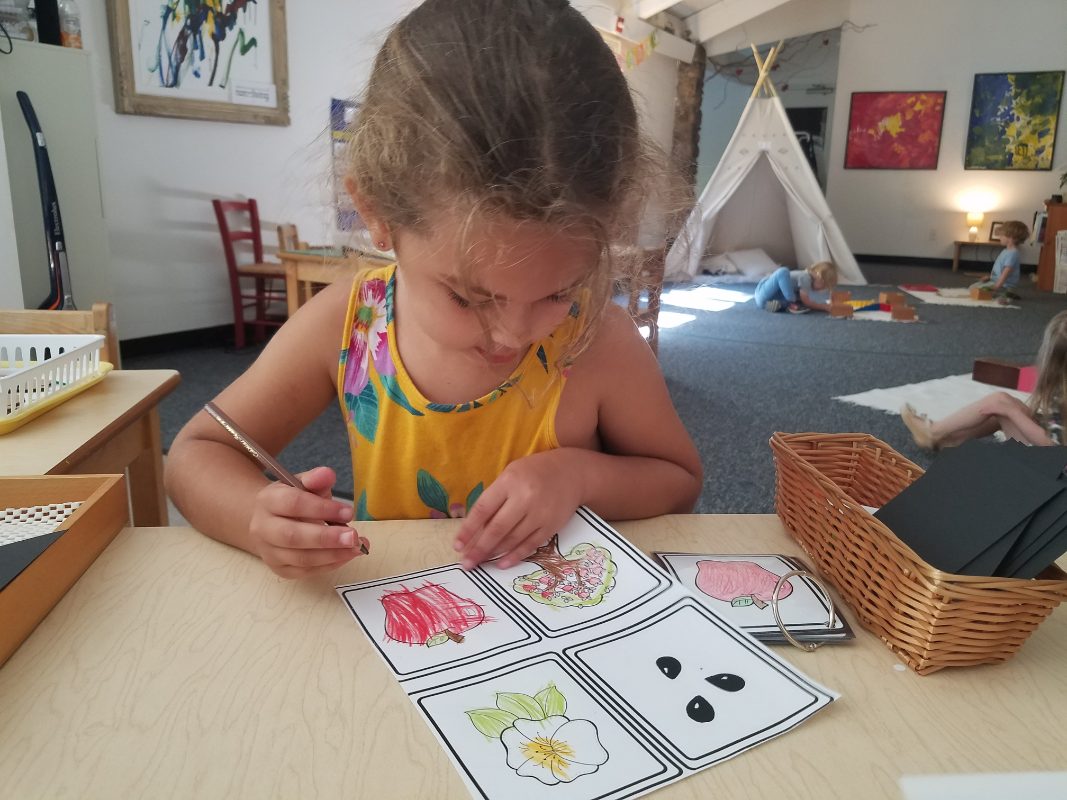
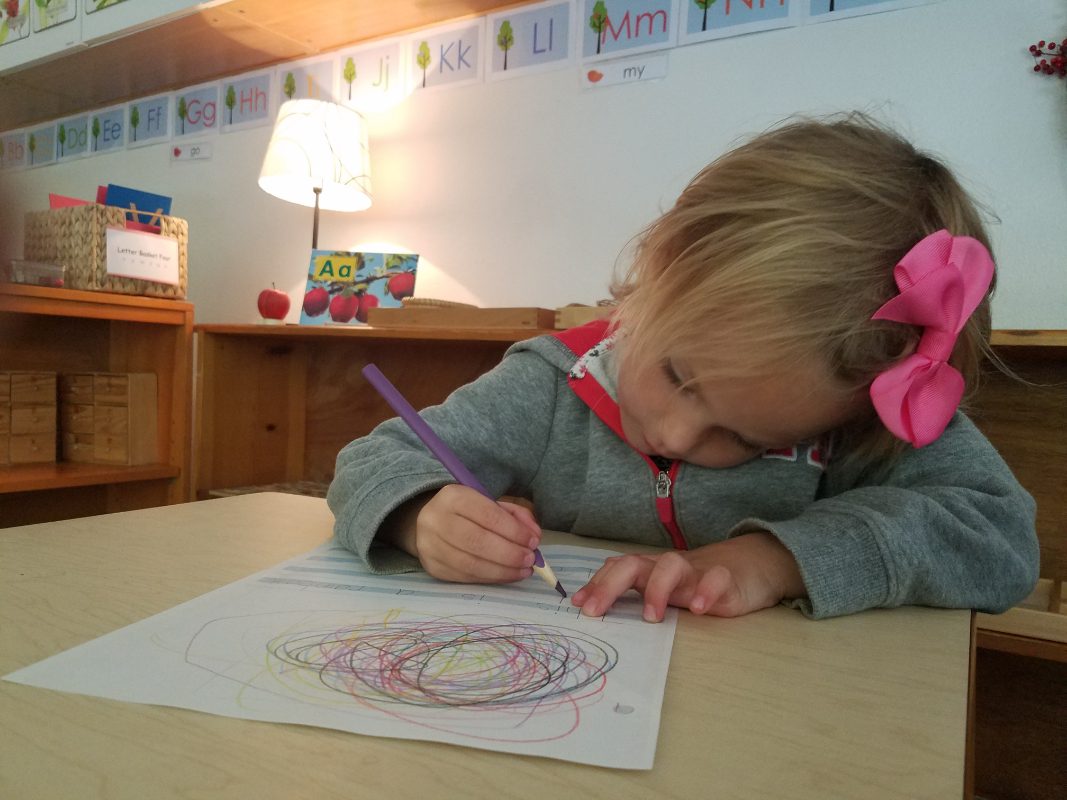
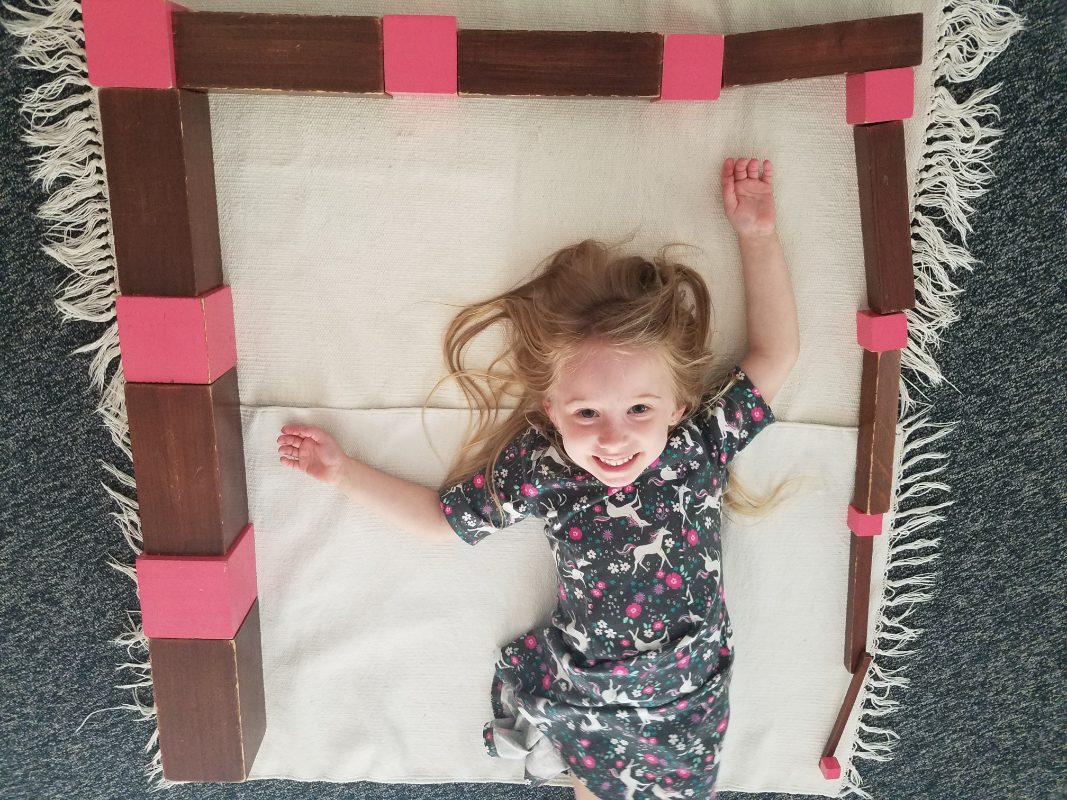
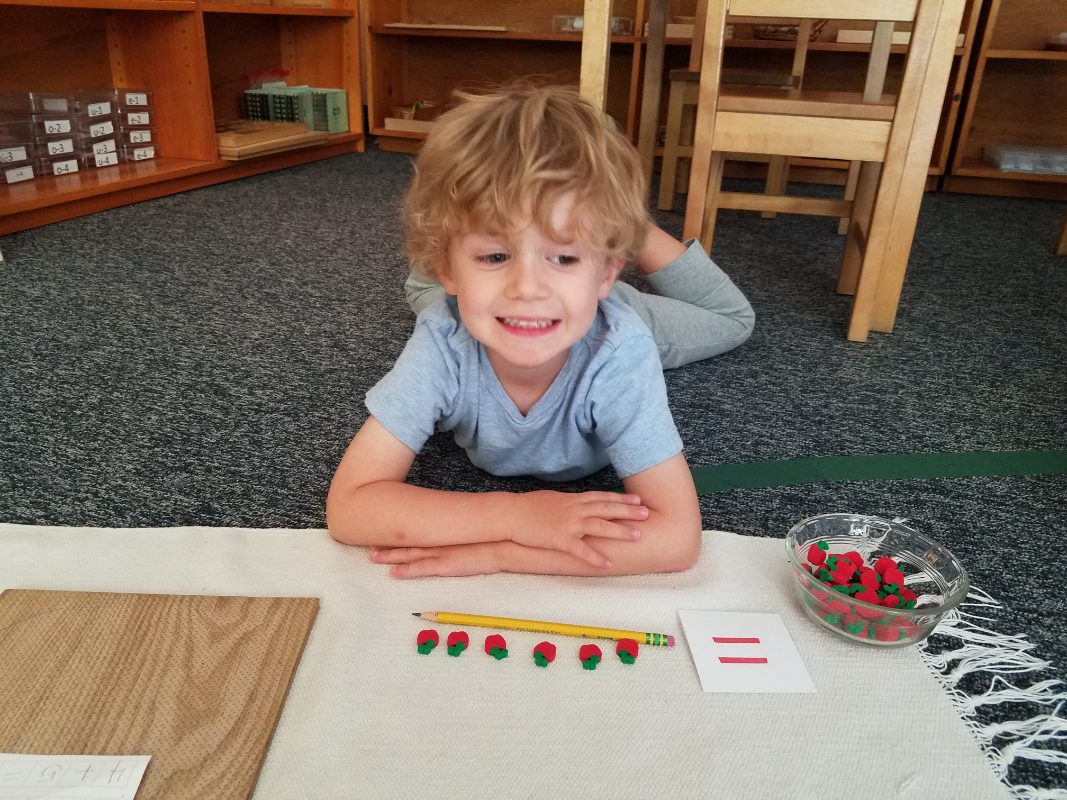
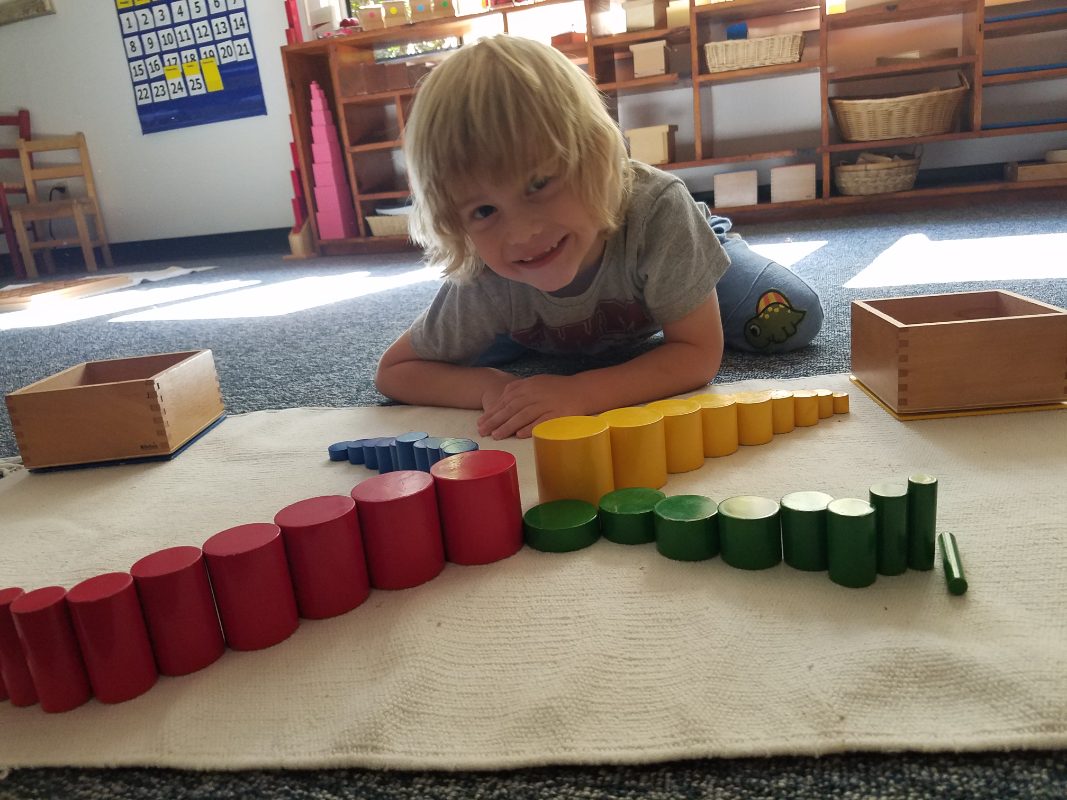
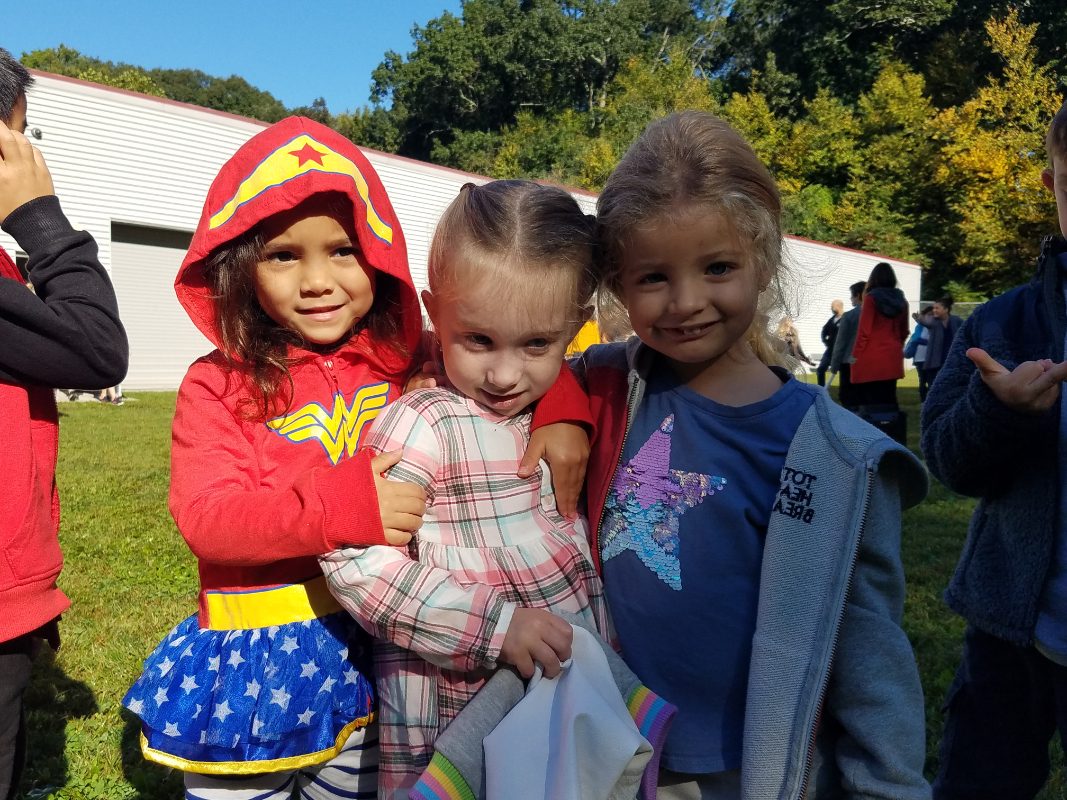
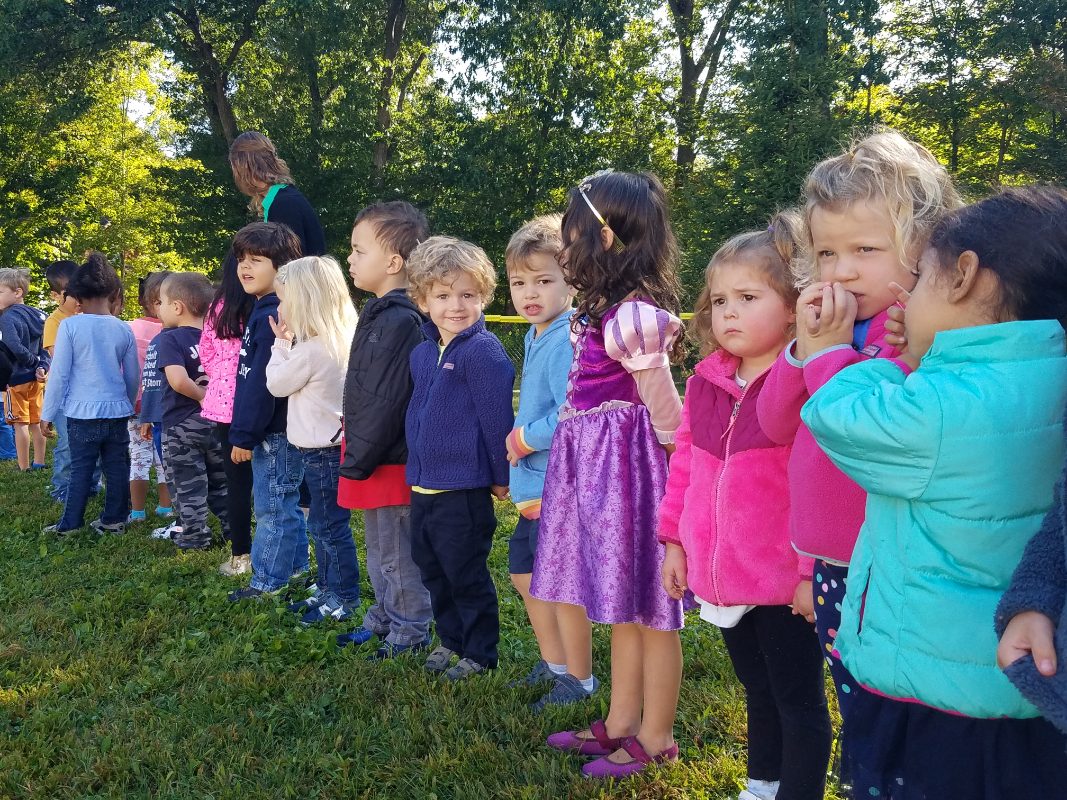
” We shall walk together on this path of life, for all things are part of the universe and are connected with each other to form one whole unity.”-Maria Montessori
Peace truly begins in our homes and in our classrooms. The basics of peace include providing day-to-day environments which operate under an umbrella of respect, where our children can freely share concerns, feel safe, be productive, and enjoy one another.
As is tradition, Fraser Woods celebrated an International Day of Peace with Montessori children from around the world on September 20th. We participated in singing “Light a Candle for Peace,” joining in the efforts of the organization Pathways to Peace to create a “Peace Wave” along with millions of others to honor and inspire the work we all are called upon to do in order to be peacemakers. The song was sung non-stop for twenty four hours by children from around the world.
May we all work together to create a world where everyone everywhere is able to enjoy and exercise their ‘right to peace’. And may we all help our children learn how to carry on this important mission.
Wishing you all strength and peace.
Cindy and Sharlene
Mrs. Lopes Class: Welcome Fall
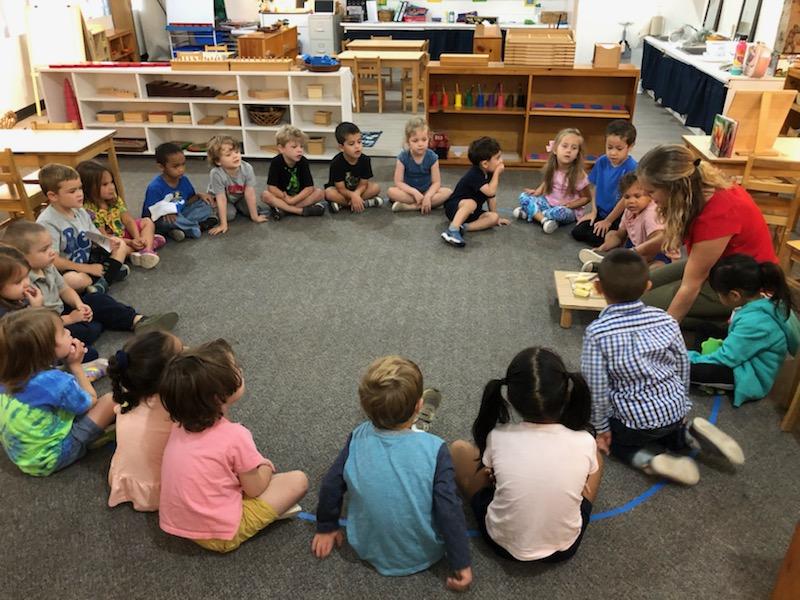
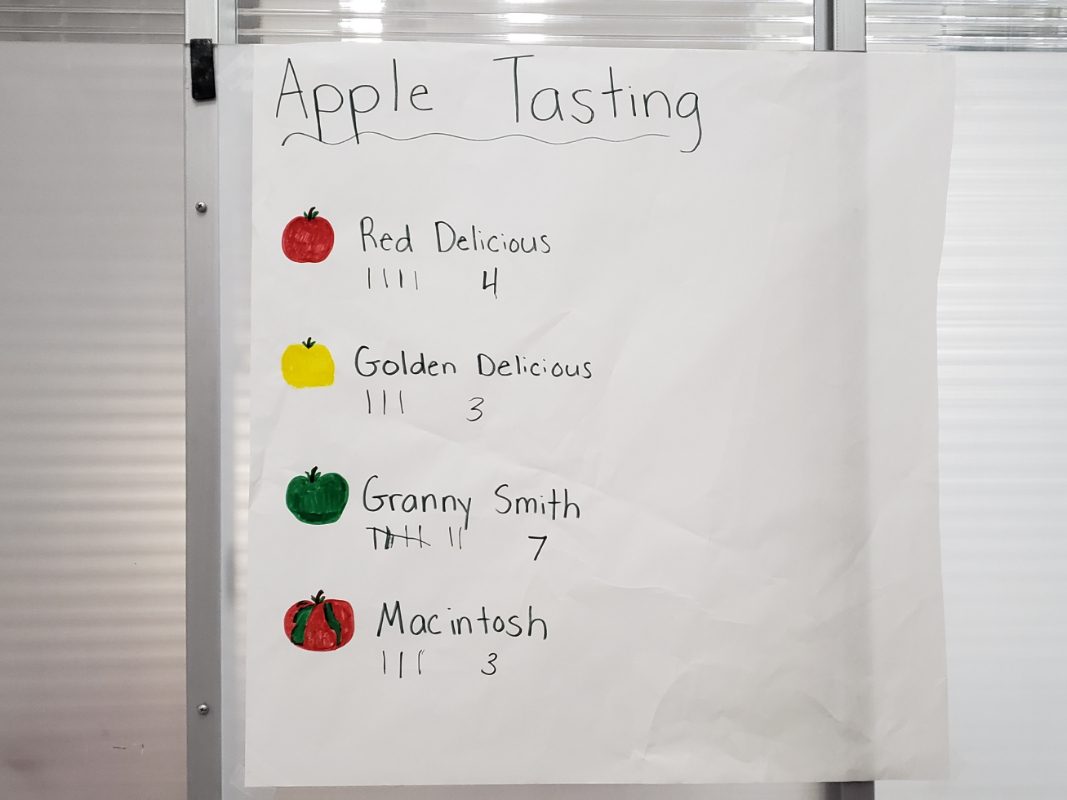
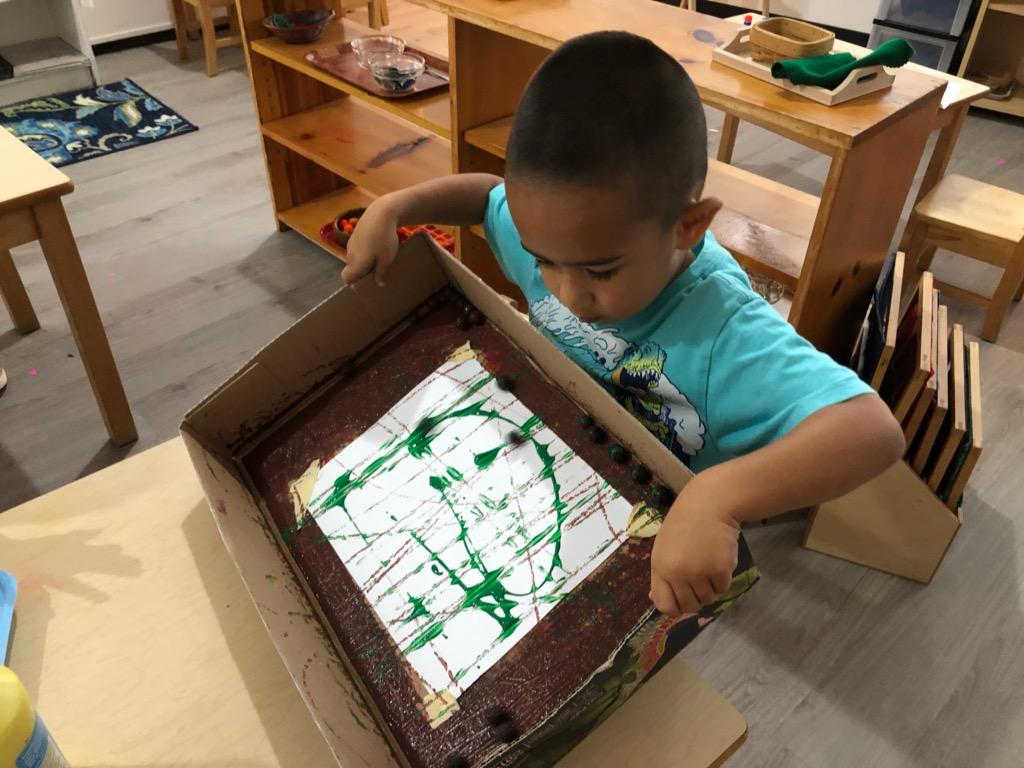
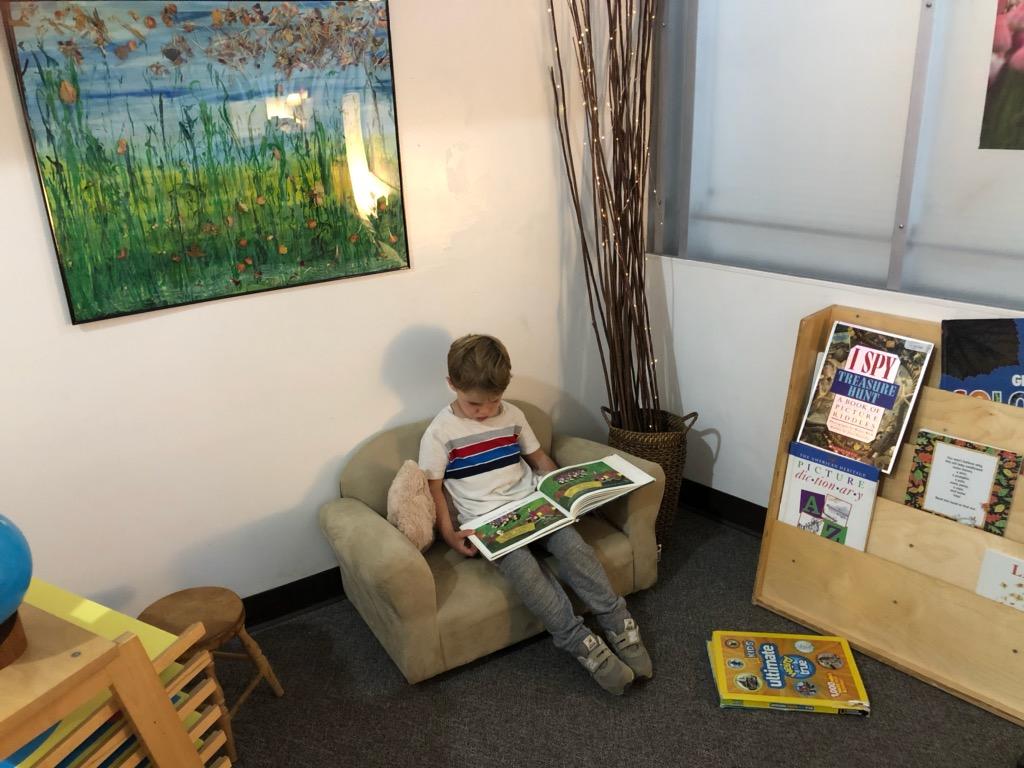
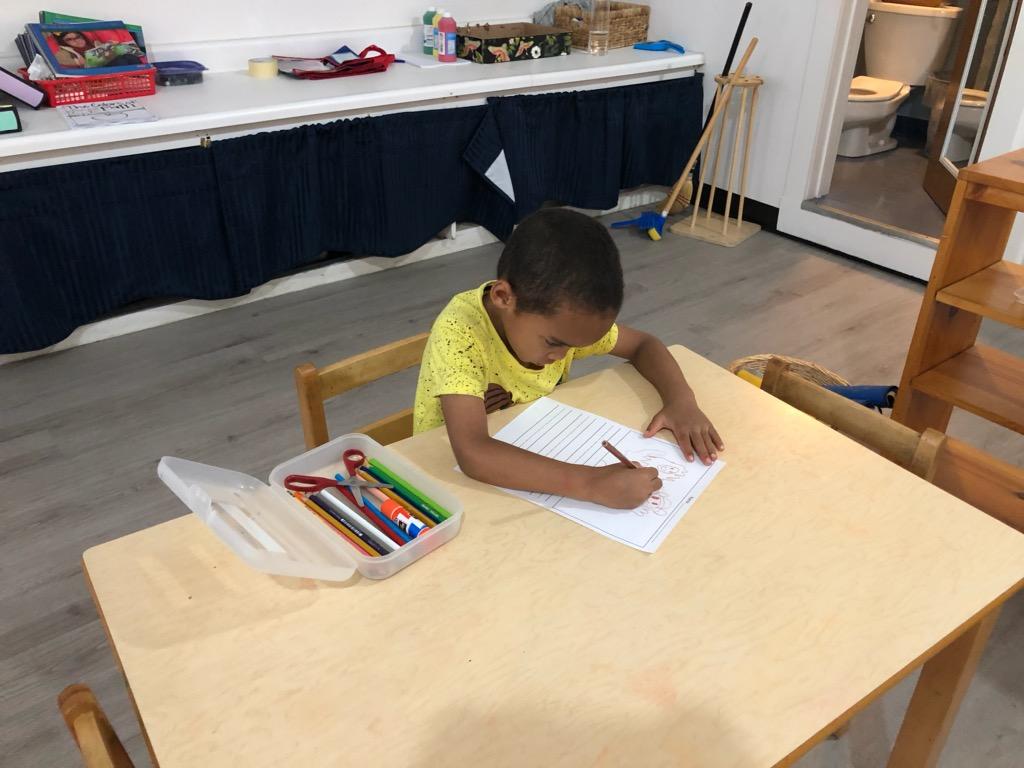
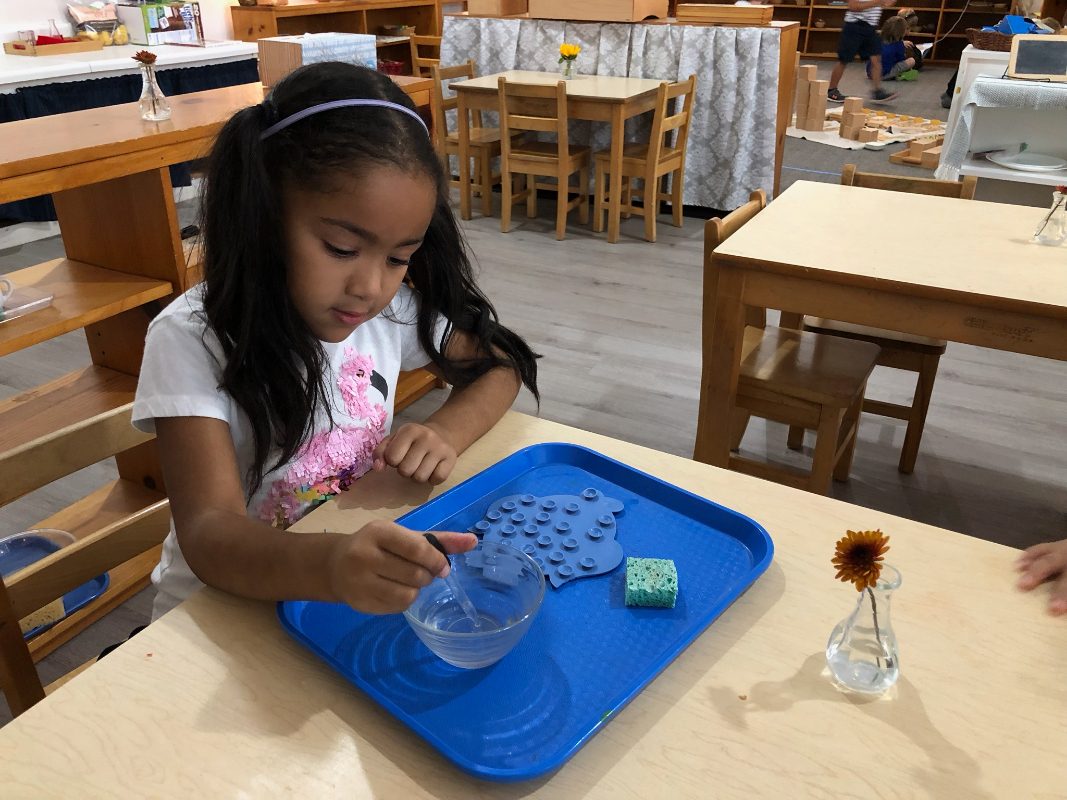
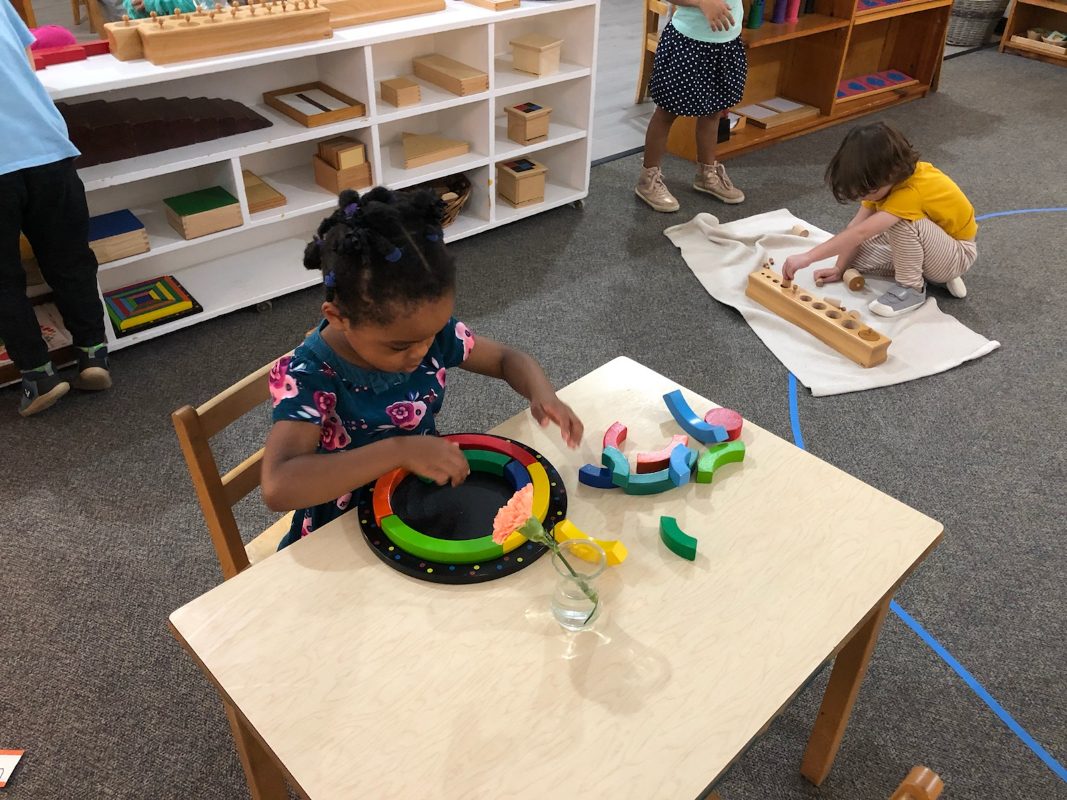
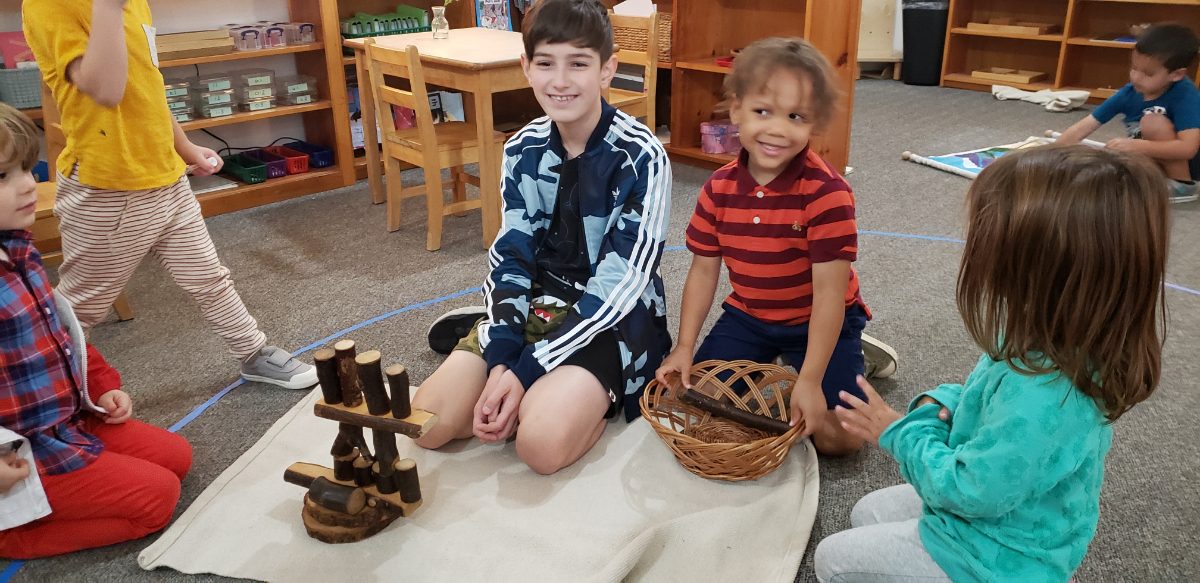
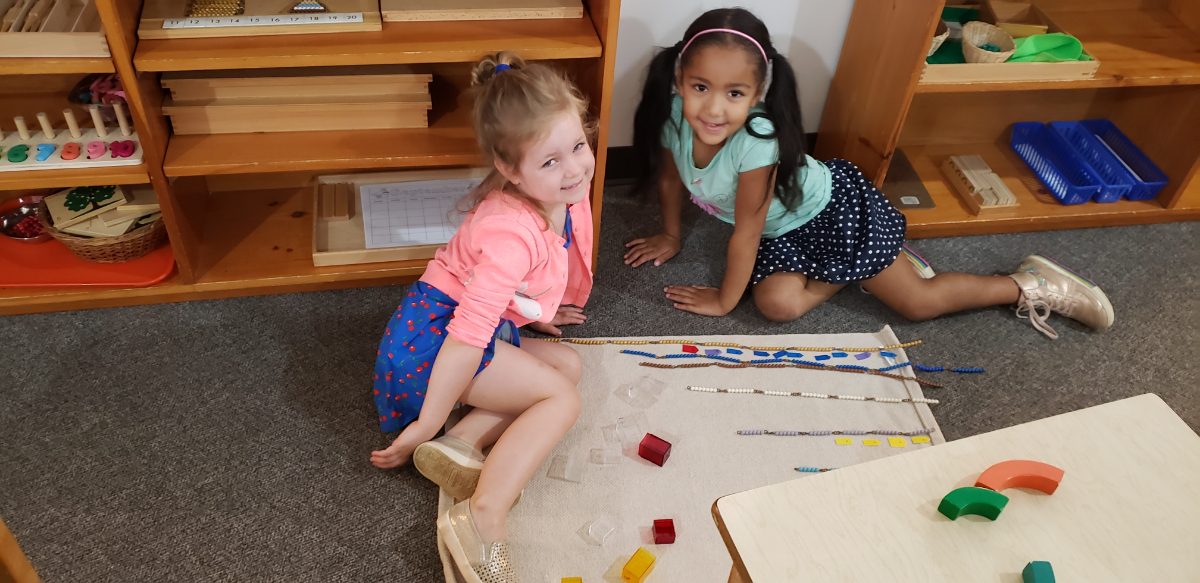
The weather is getting cooler and the leaves are starting to change as we welcomed the first day of fall. We have enjoyed spending some extra time outdoors this week with the gorgeous weather. In the classroom, we discussed what we like to do in the fall and one of our favorites was apple picking! We had so much fun learning more about apples this week. We studied the life cycle of an apple, talked about the parts of an apple, and even did an apple tasting. It was interesting to watch the children react to each kind of apple and describe how they looked and tasted different. We heard words such as “crunchy,” “juicy,” and “sour.” At the end of the tasting, each child got to vote for their favorite…Granny Smith won!
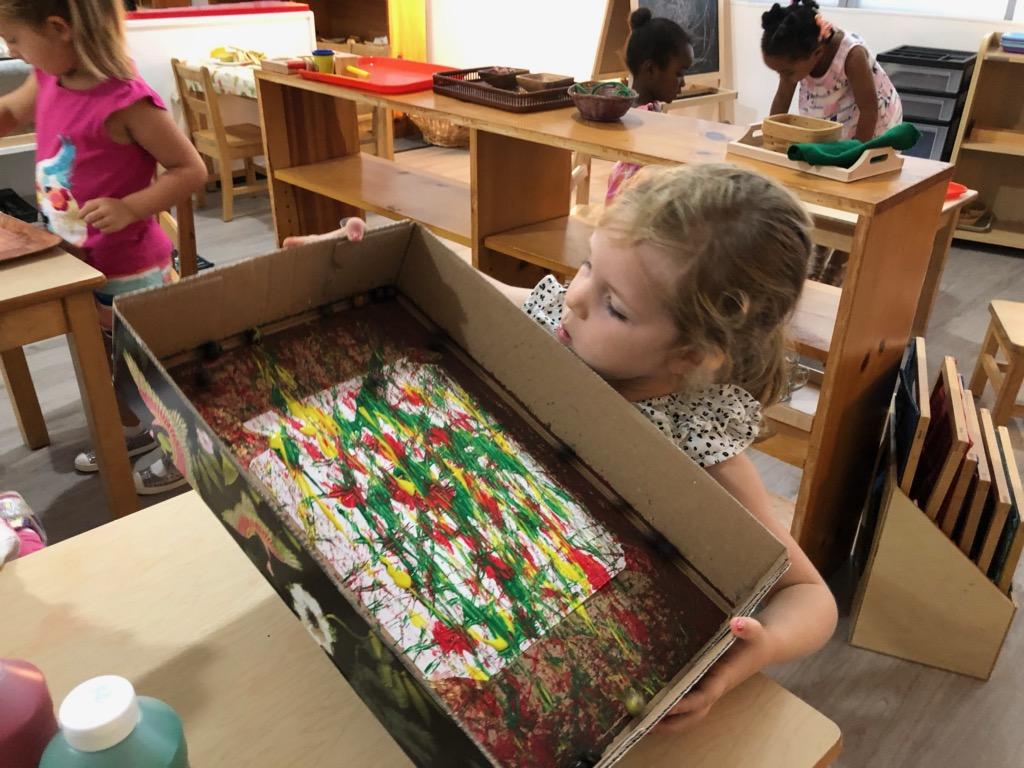
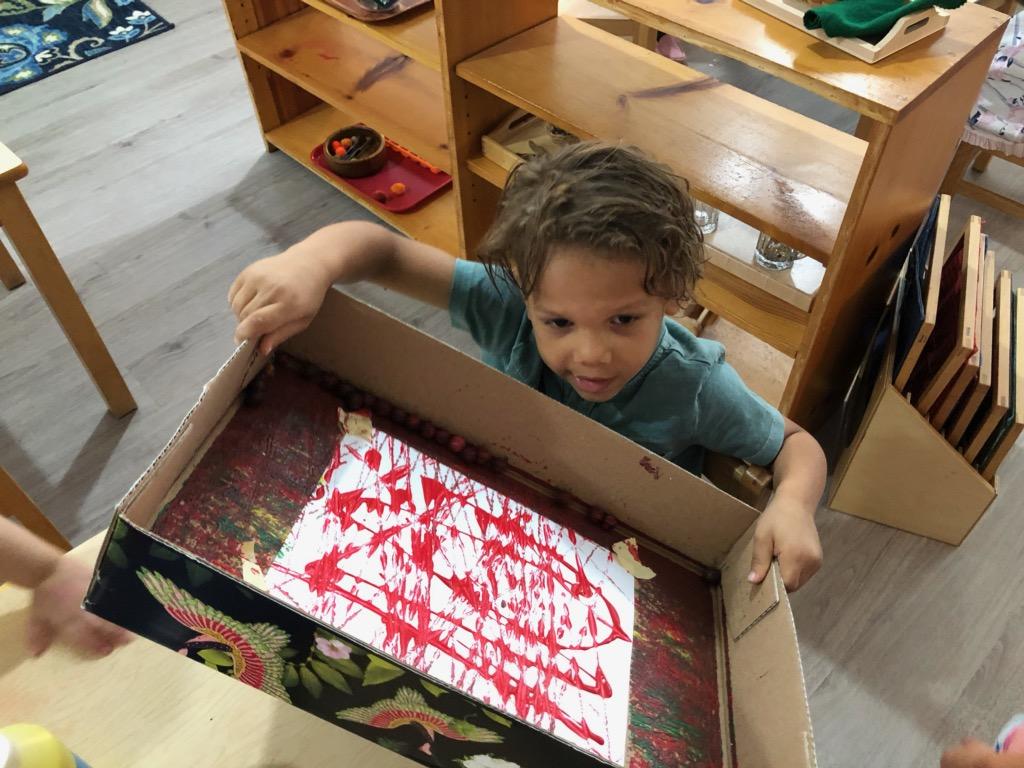
We observed the children engaging with the apple-themed works on the shelf in all areas of the classroom this week. We also did some marble painting to make our own apples and our art teacher, Mrs. Reid, shared a yarn apple project that is beautifully displayed on a branch outside our classroom. If you have a chance, make sure to stop by and check it out!
Warmly,
Mrs. Lopes and Ms. Vigue
Mrs. Hood’s Class: Apples, Apples, Apples!
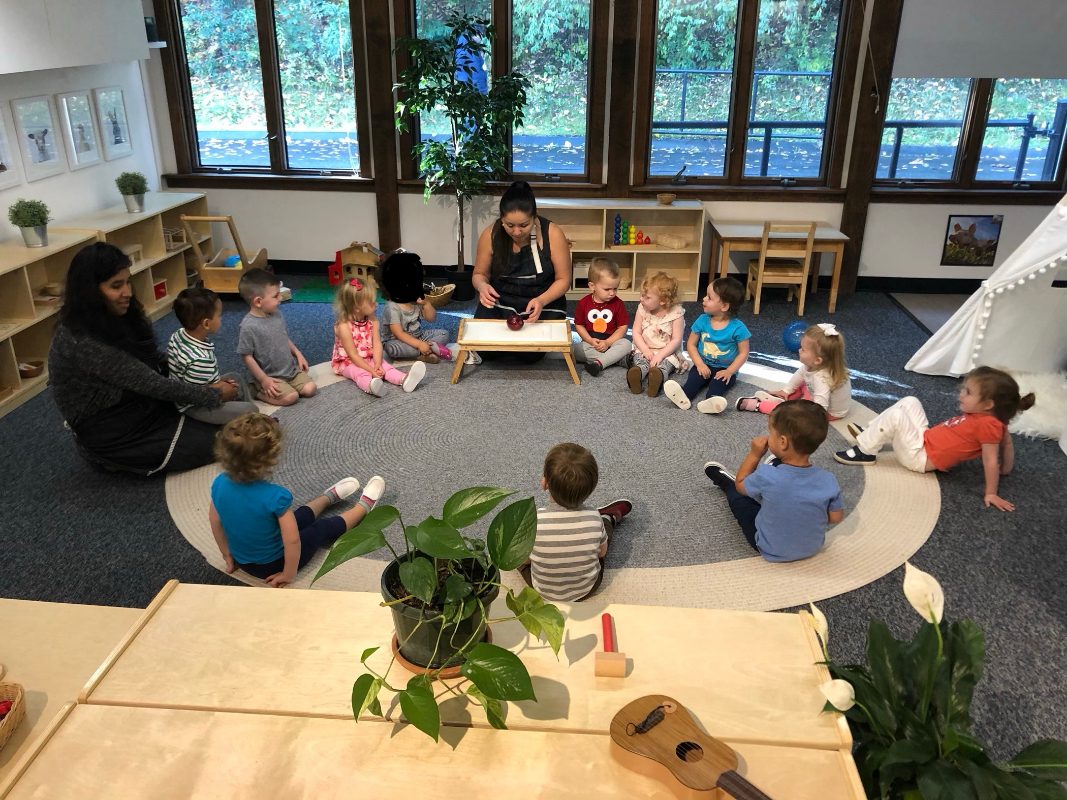
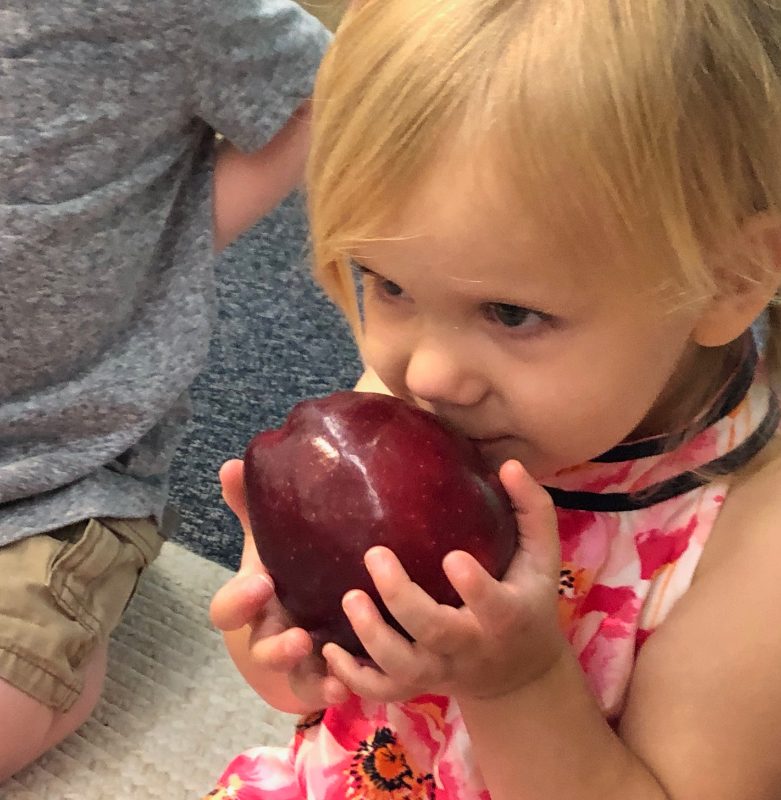
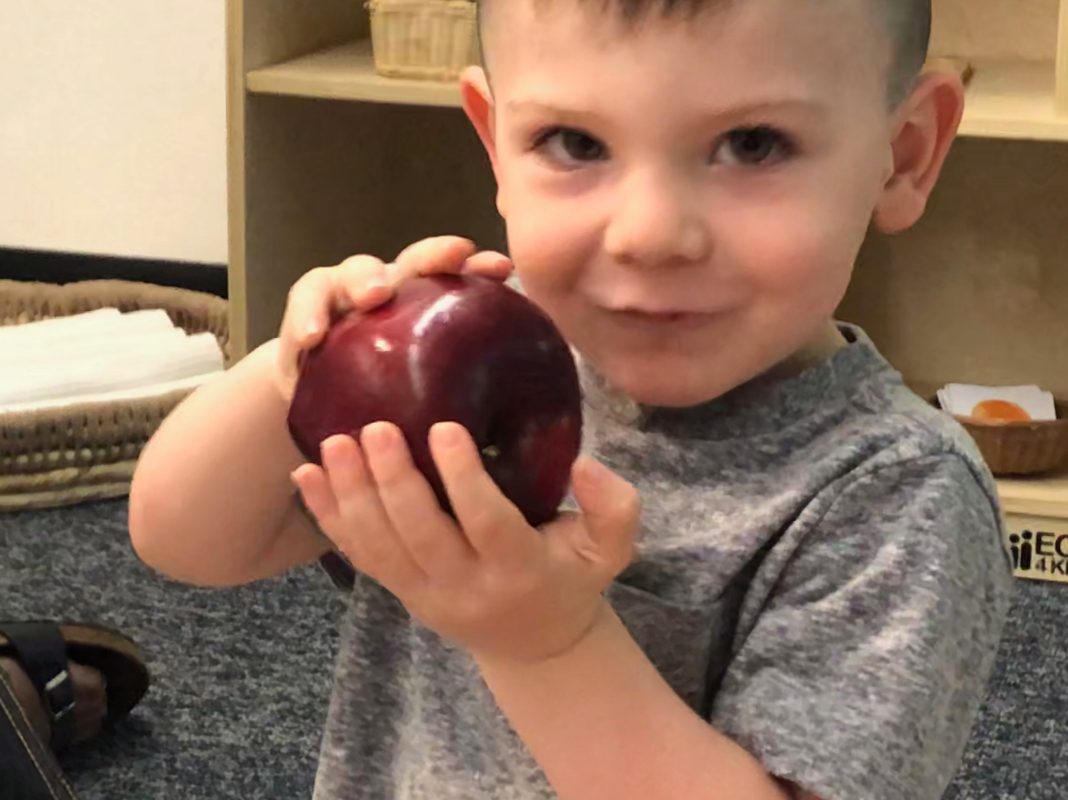

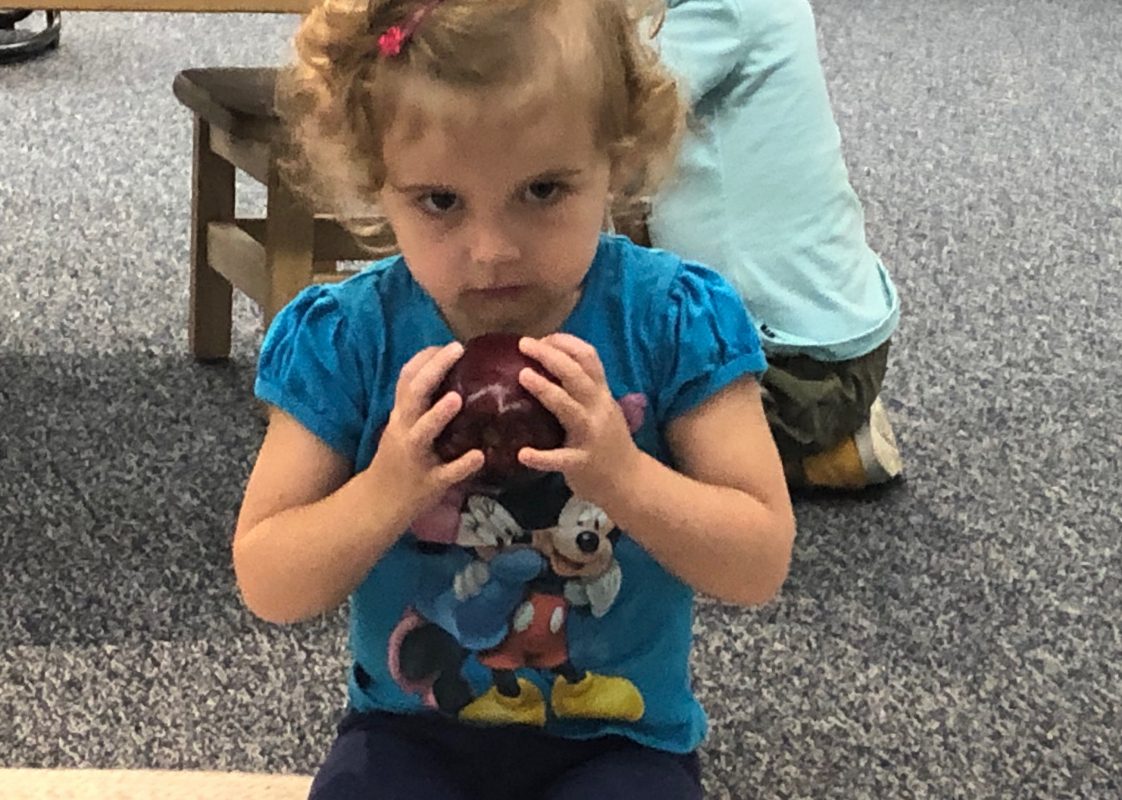
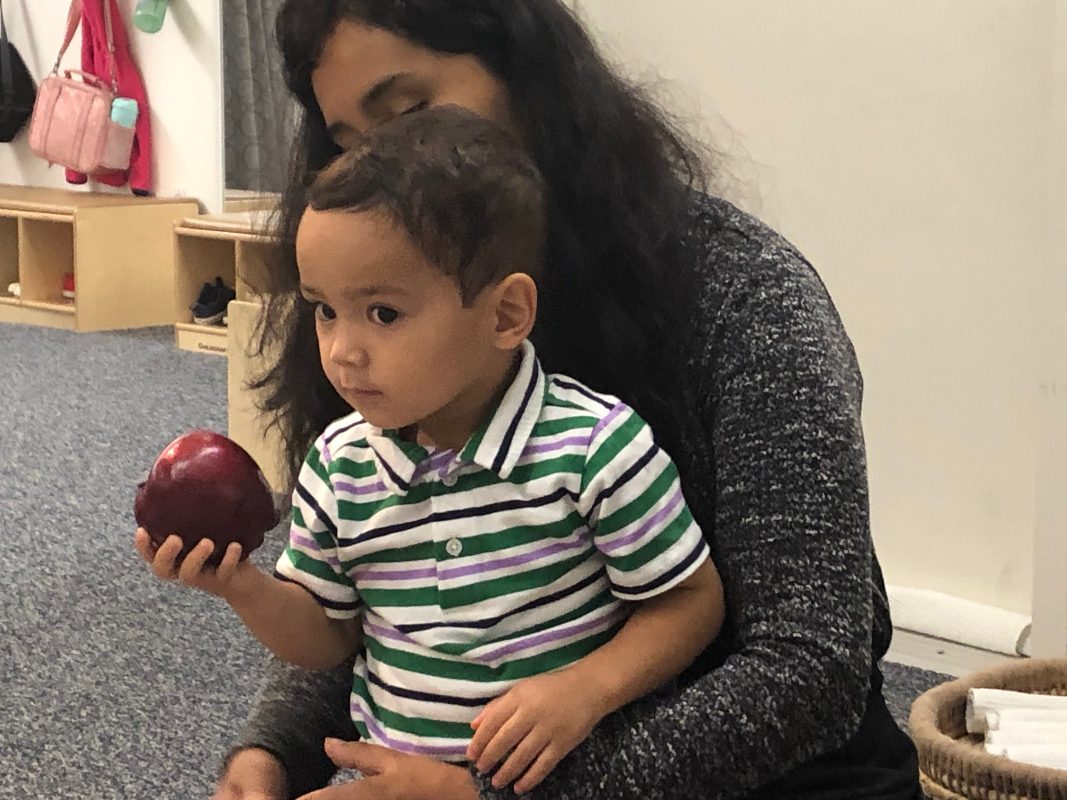

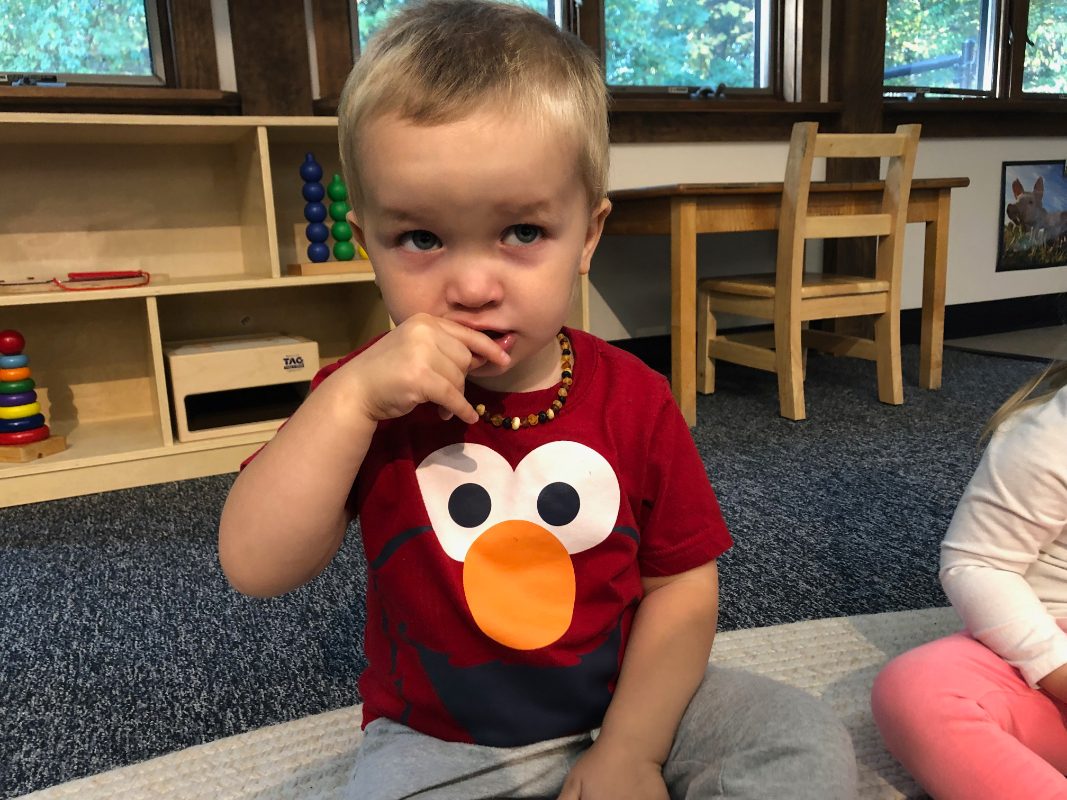
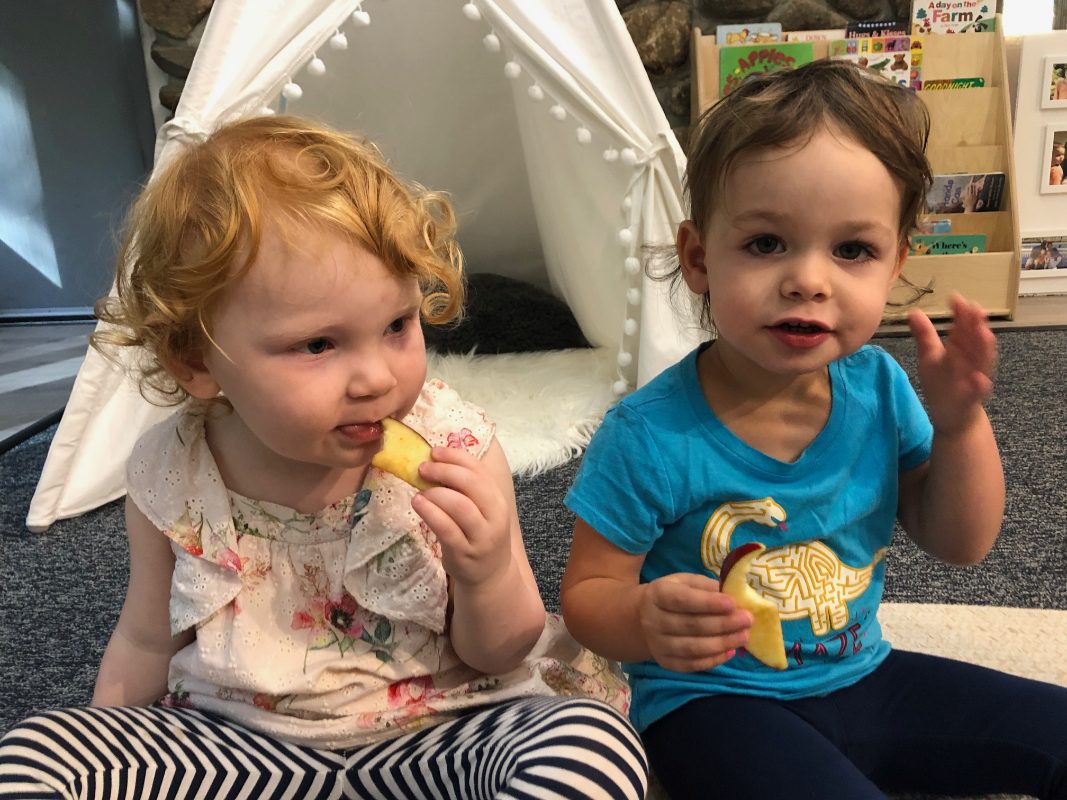

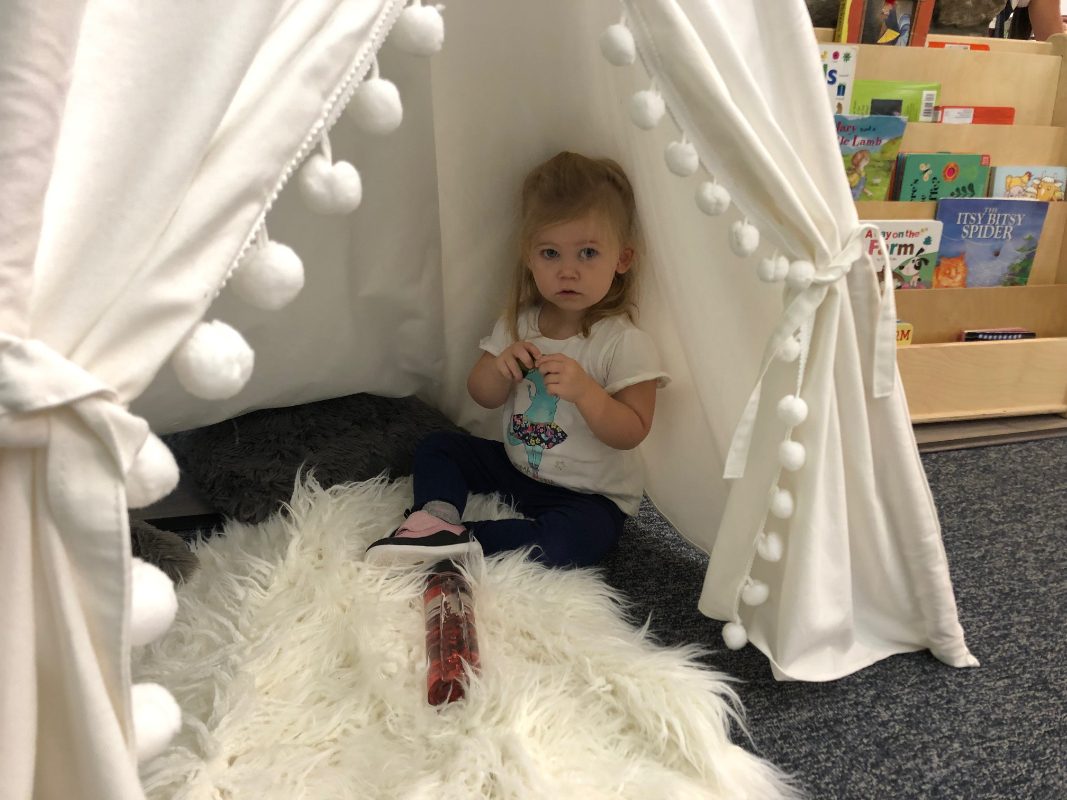
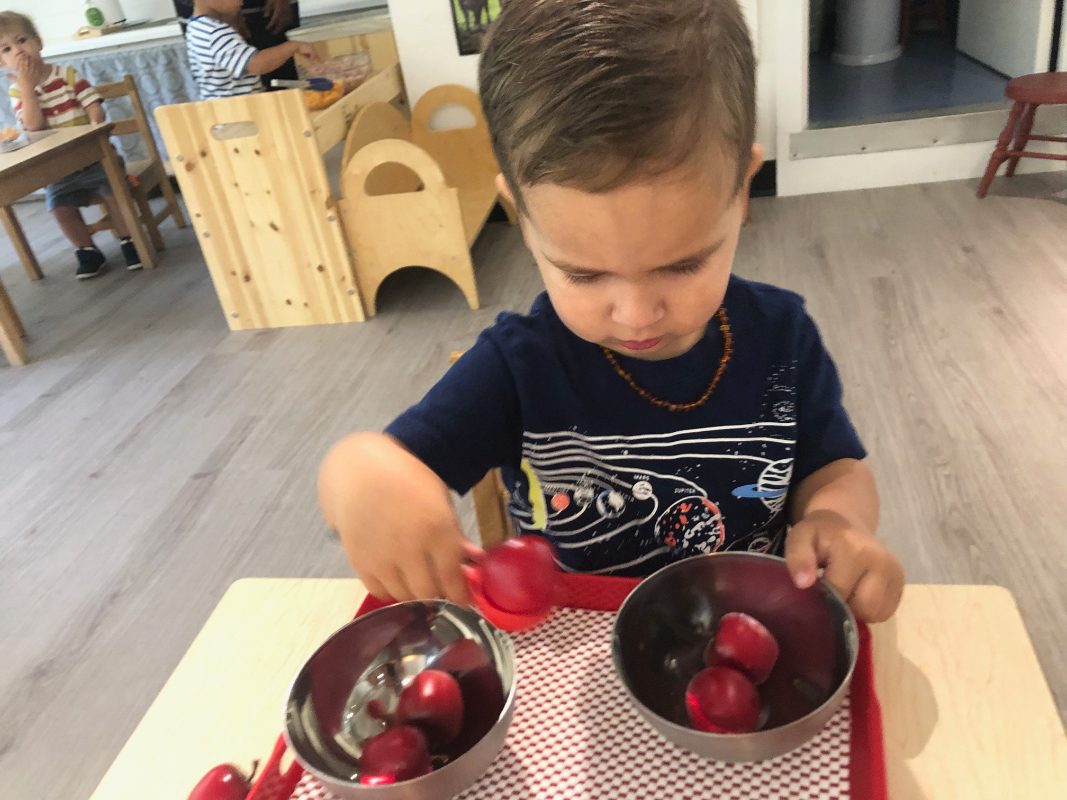
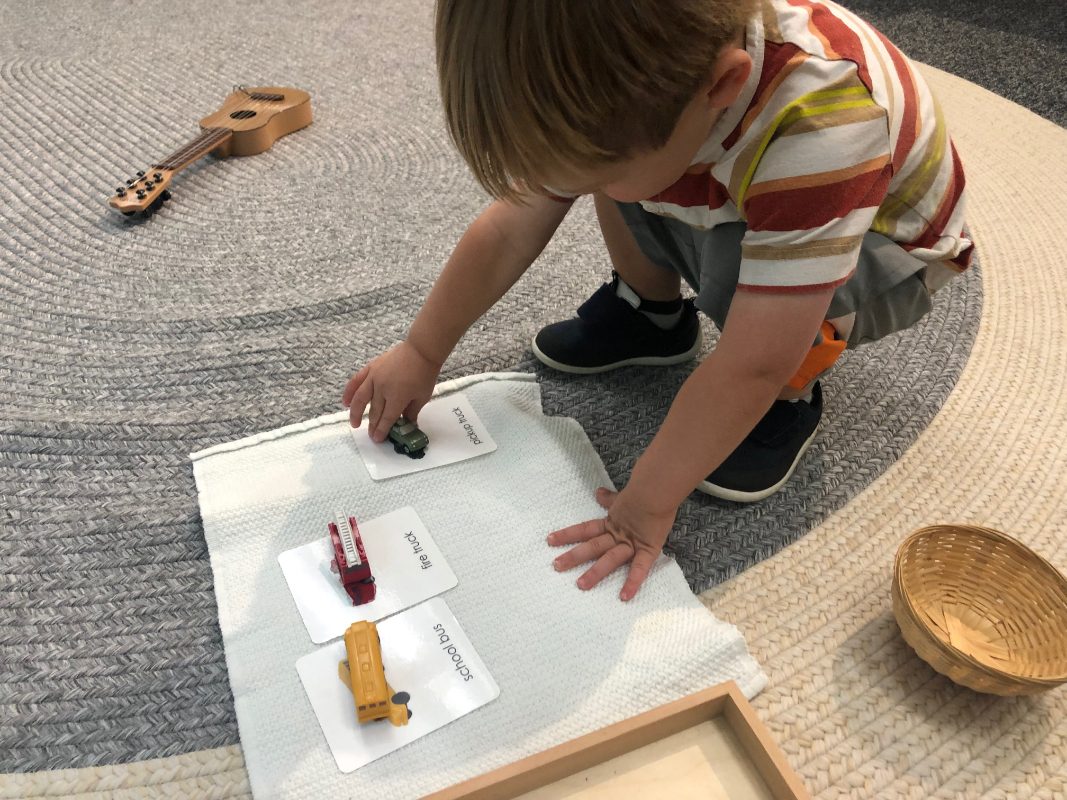
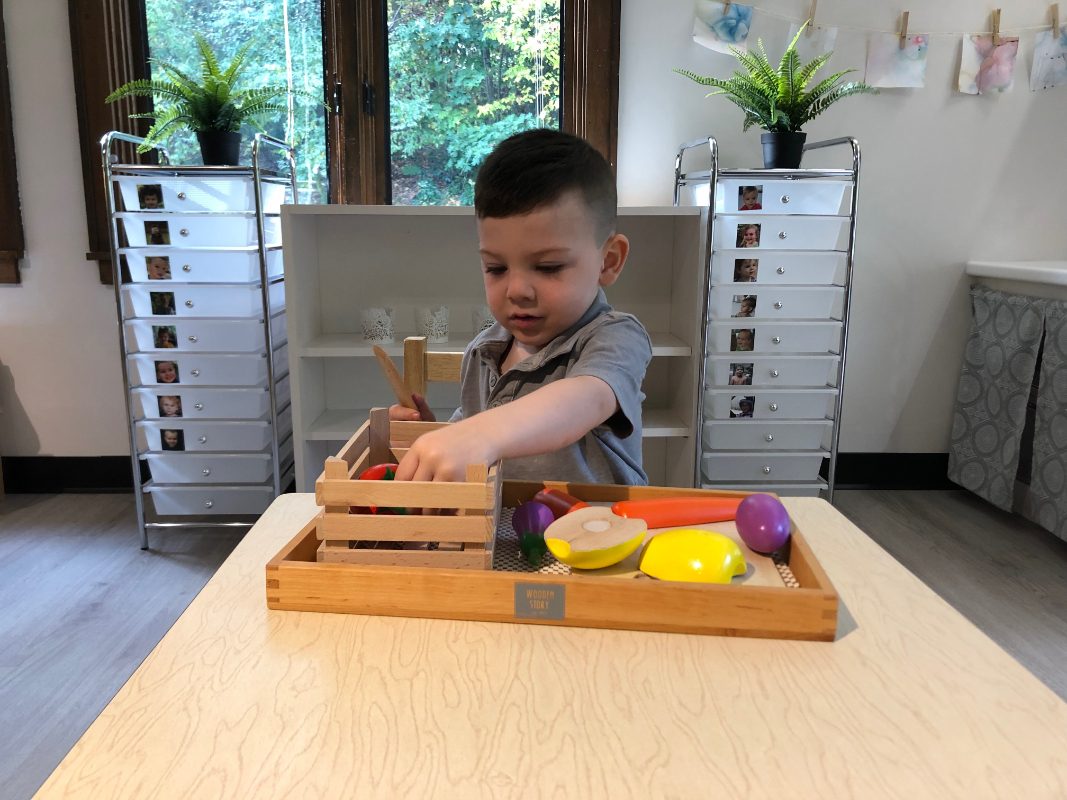

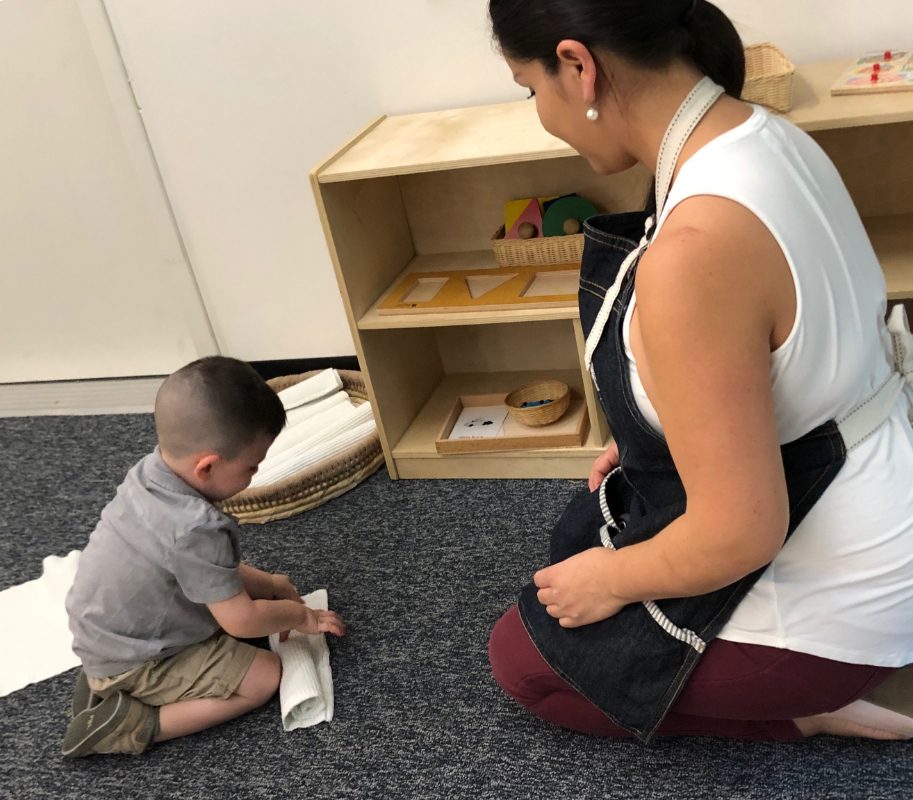
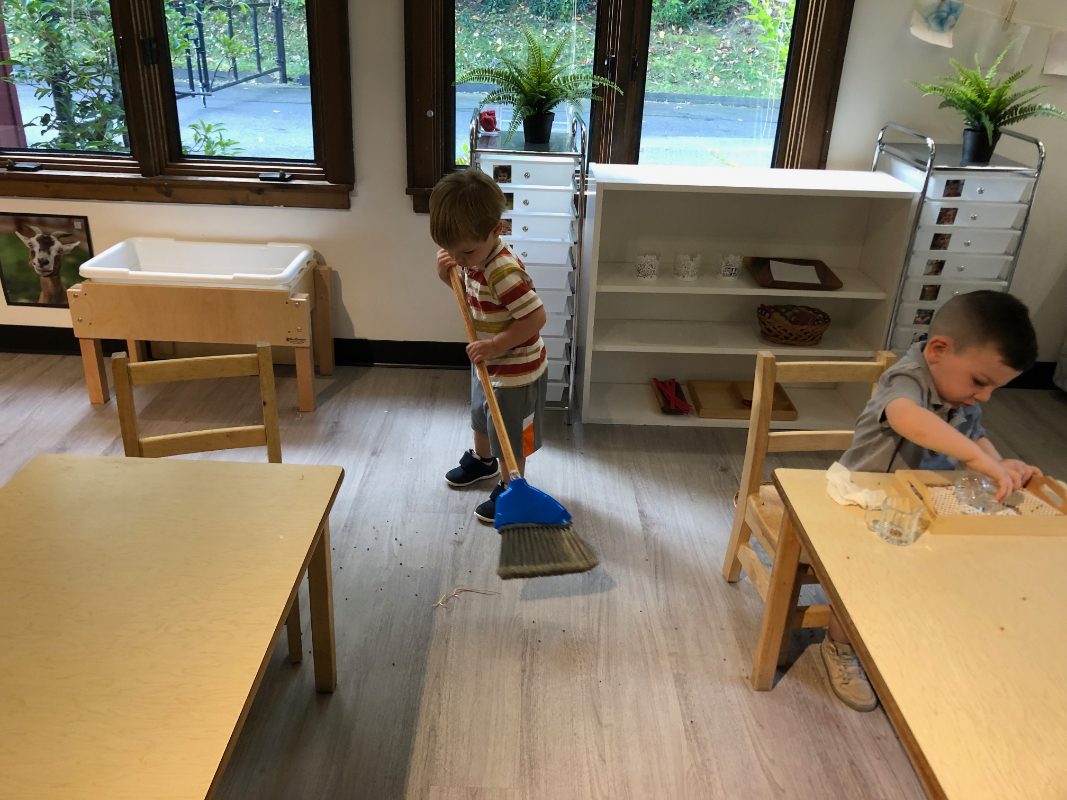
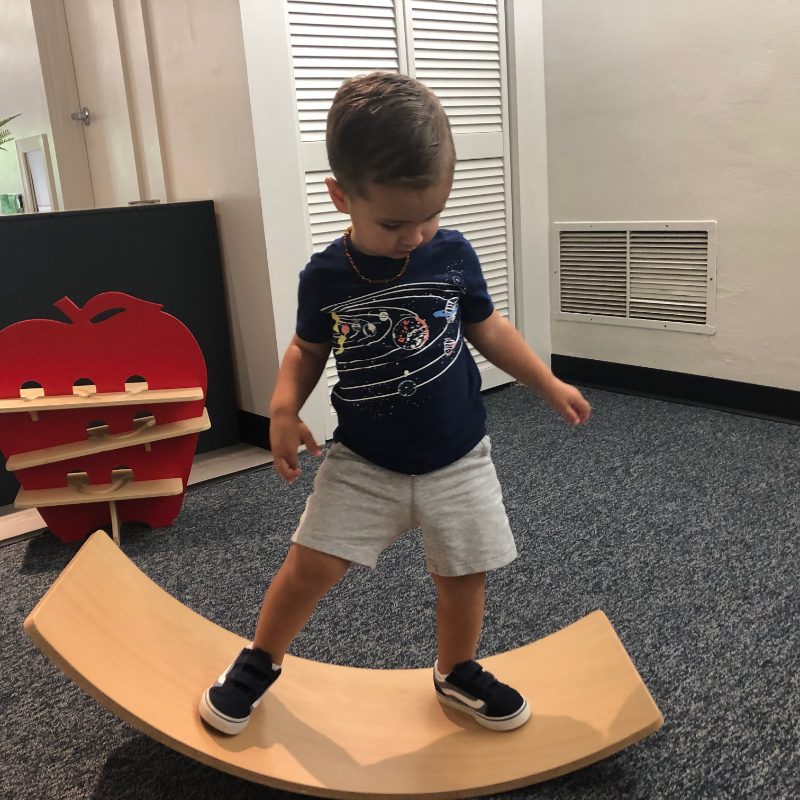
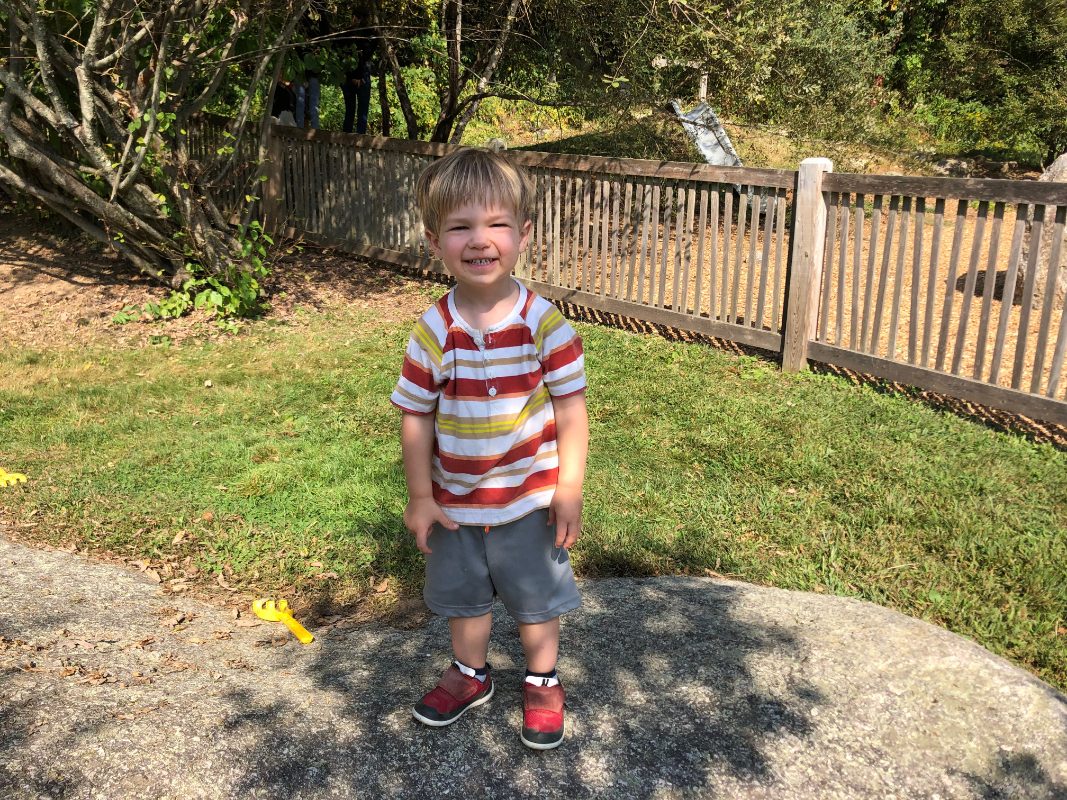
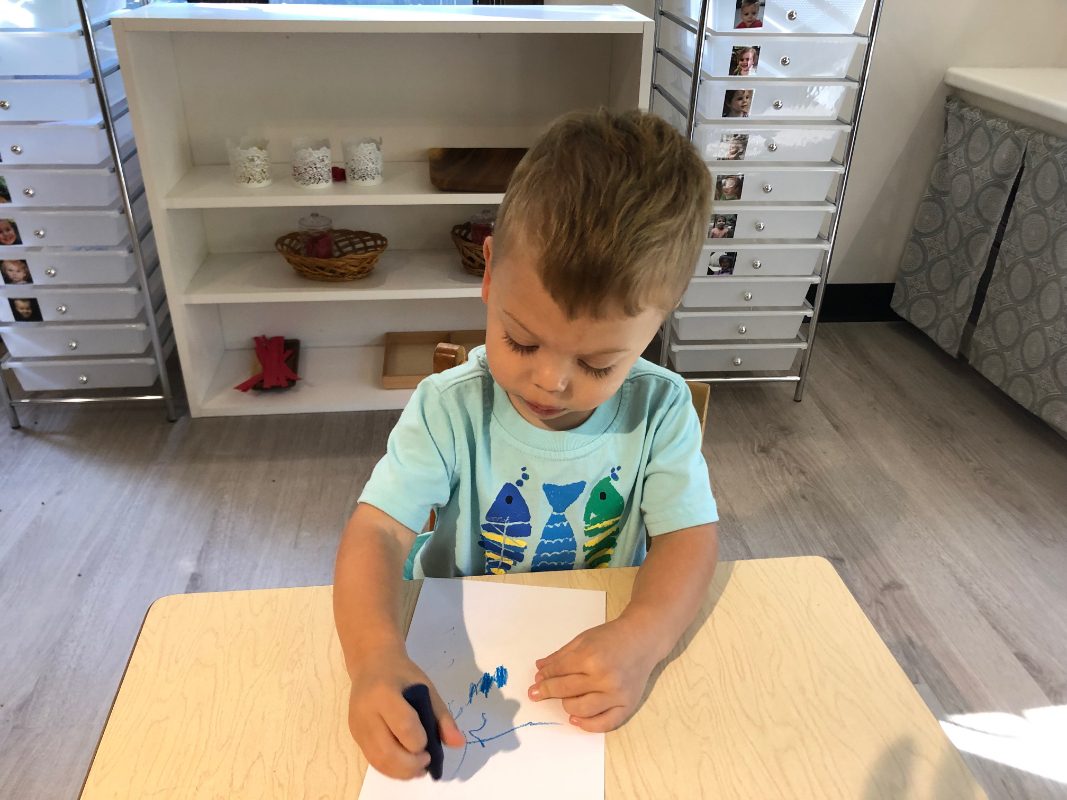
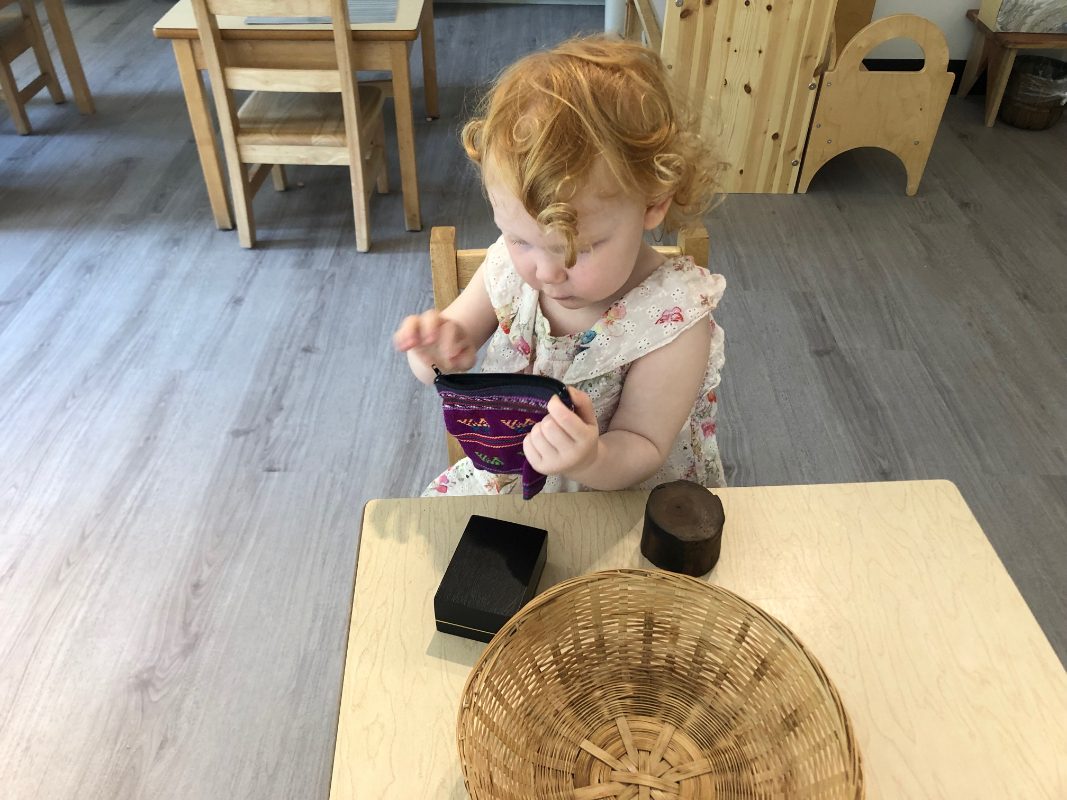
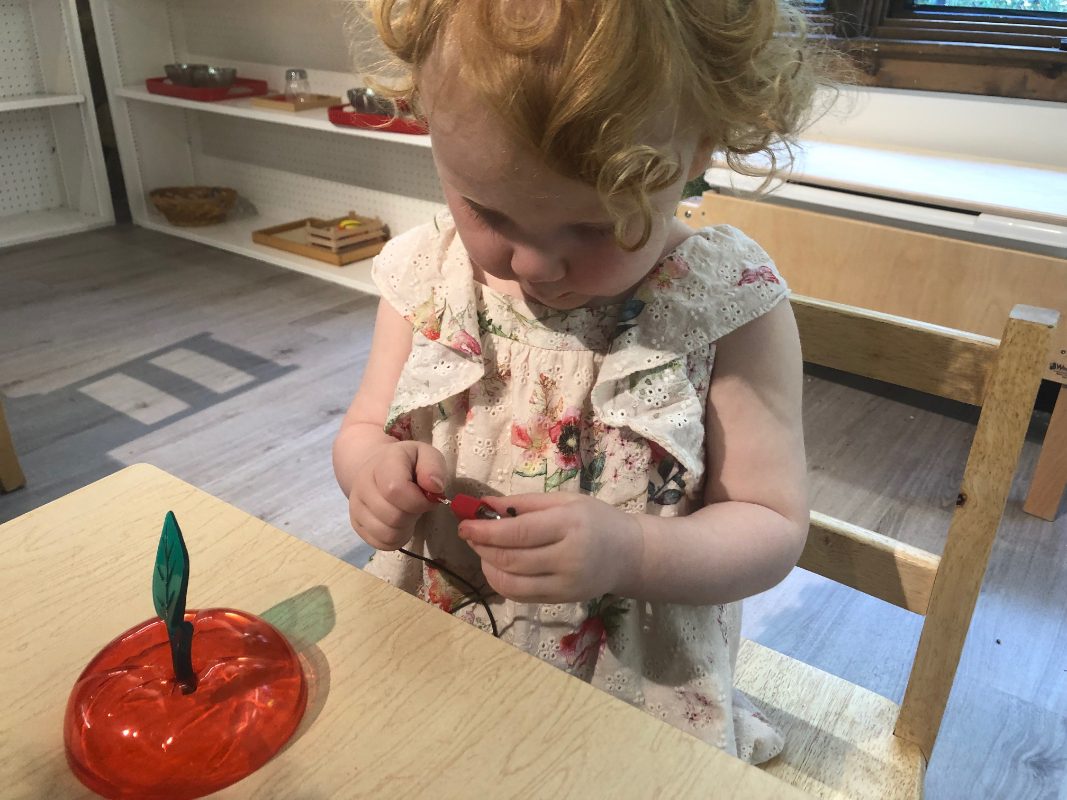
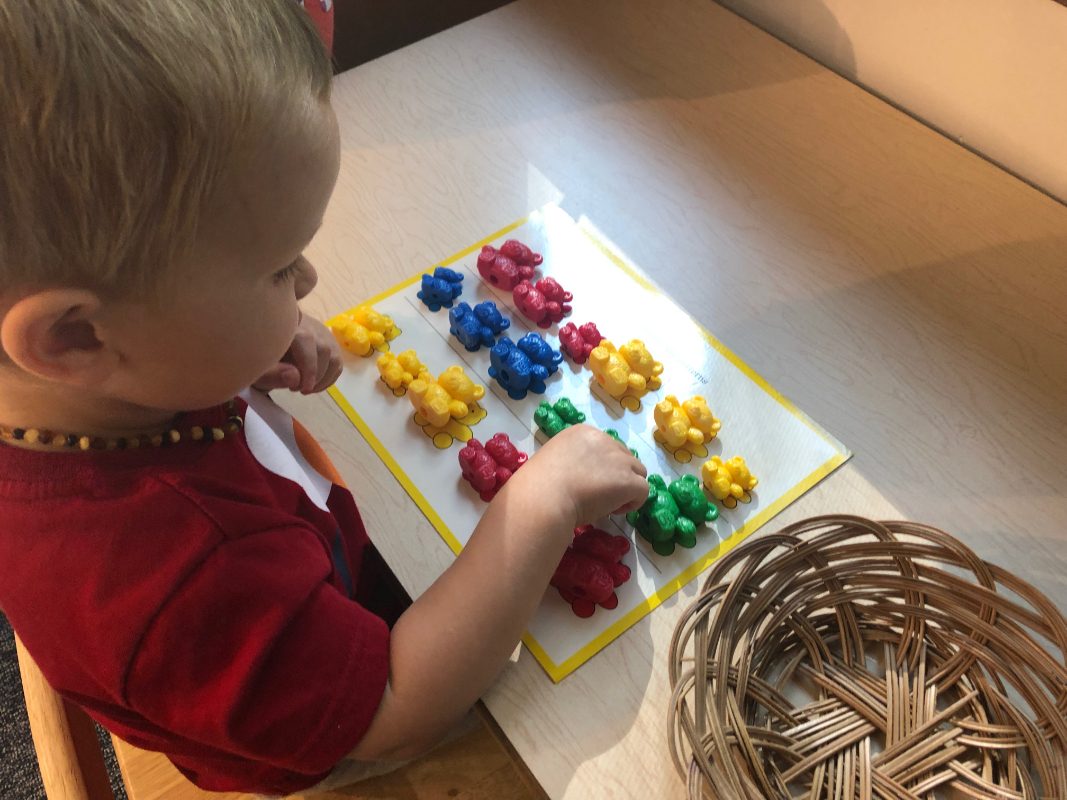
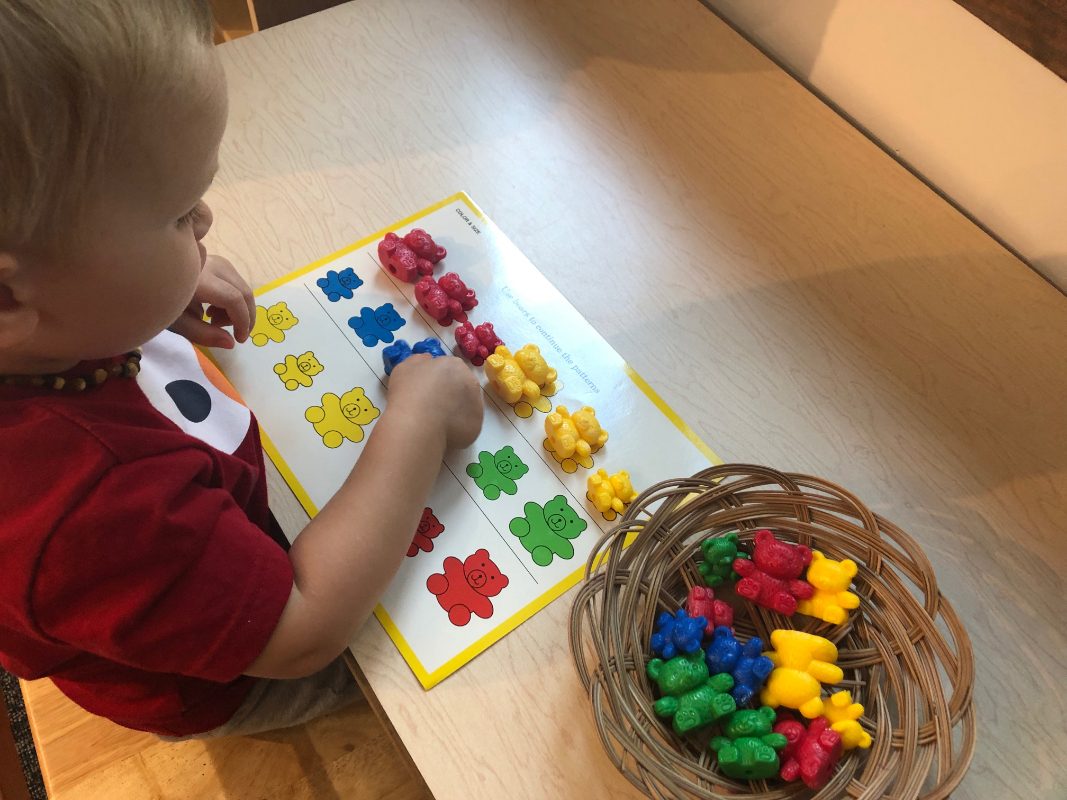
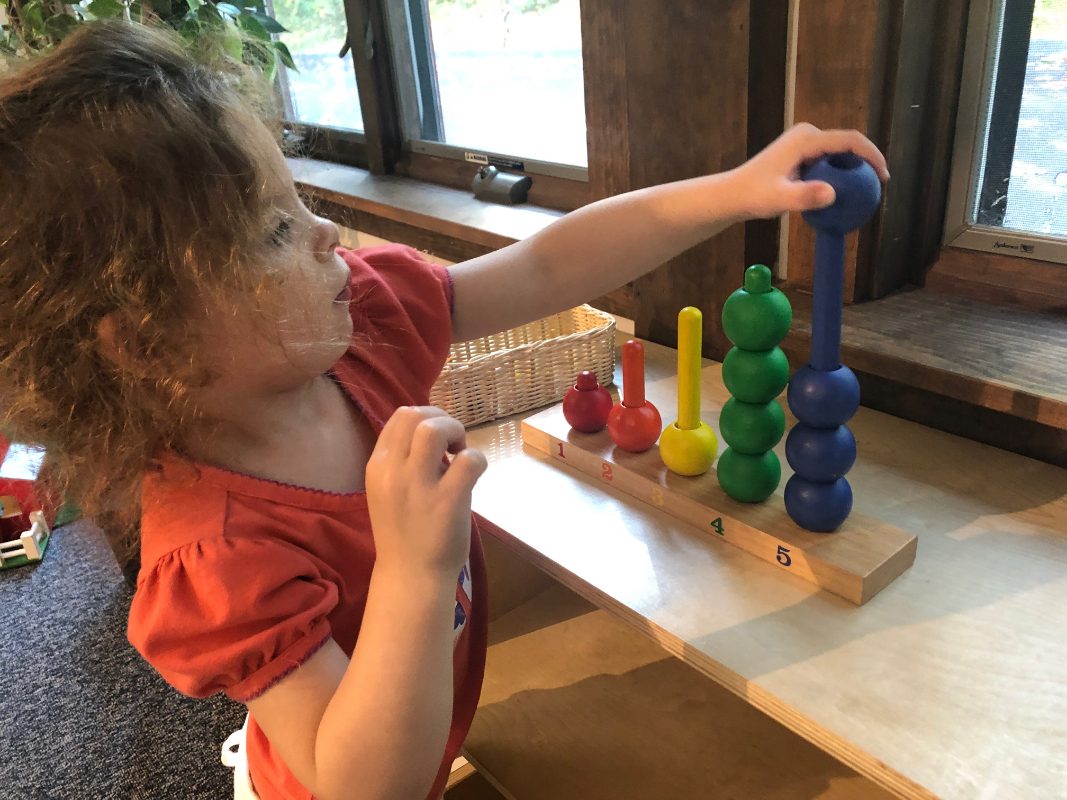
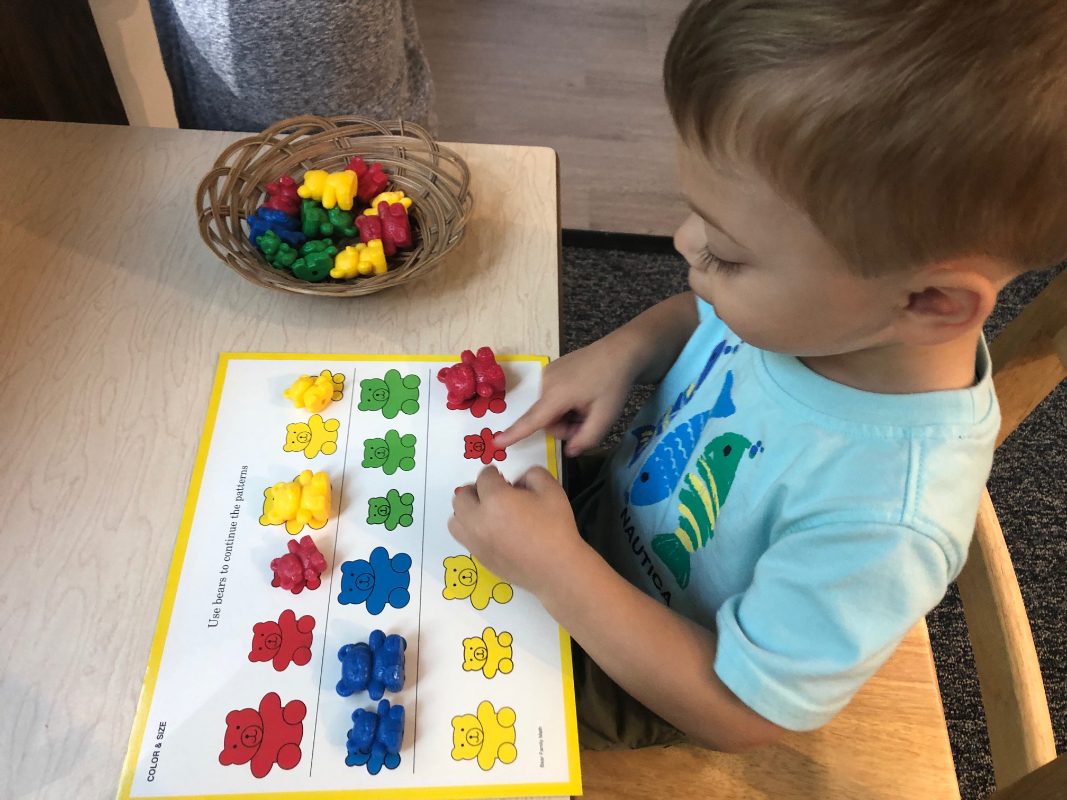
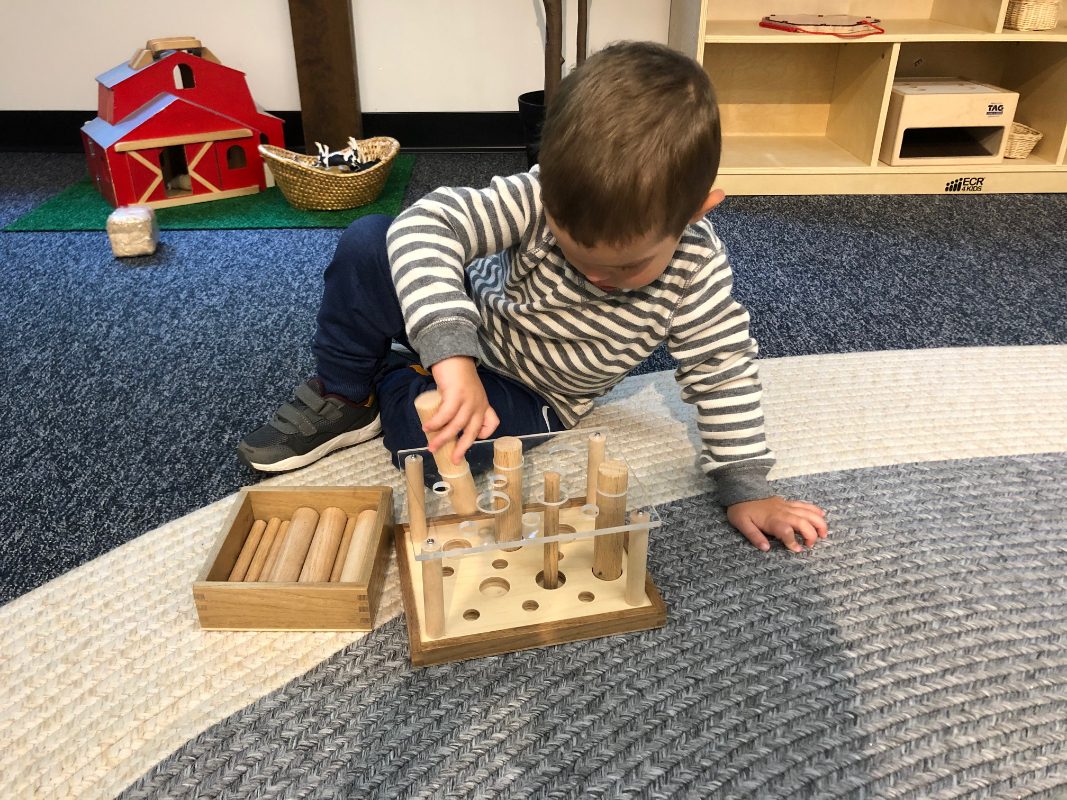
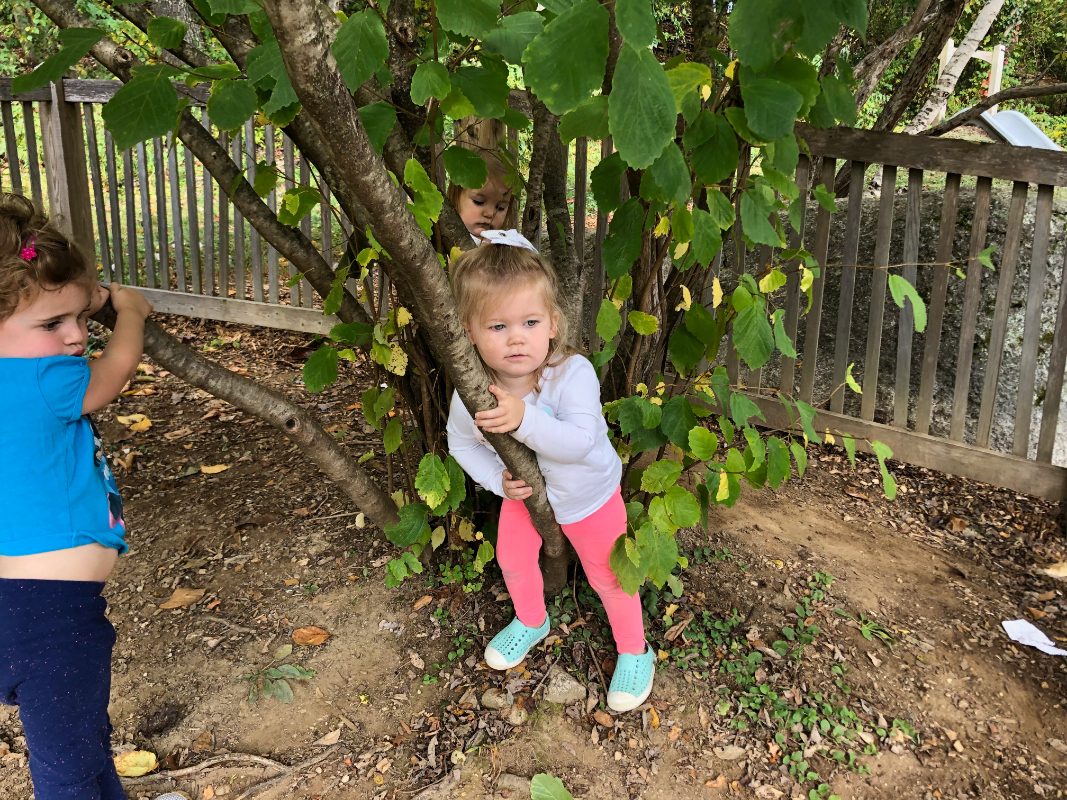
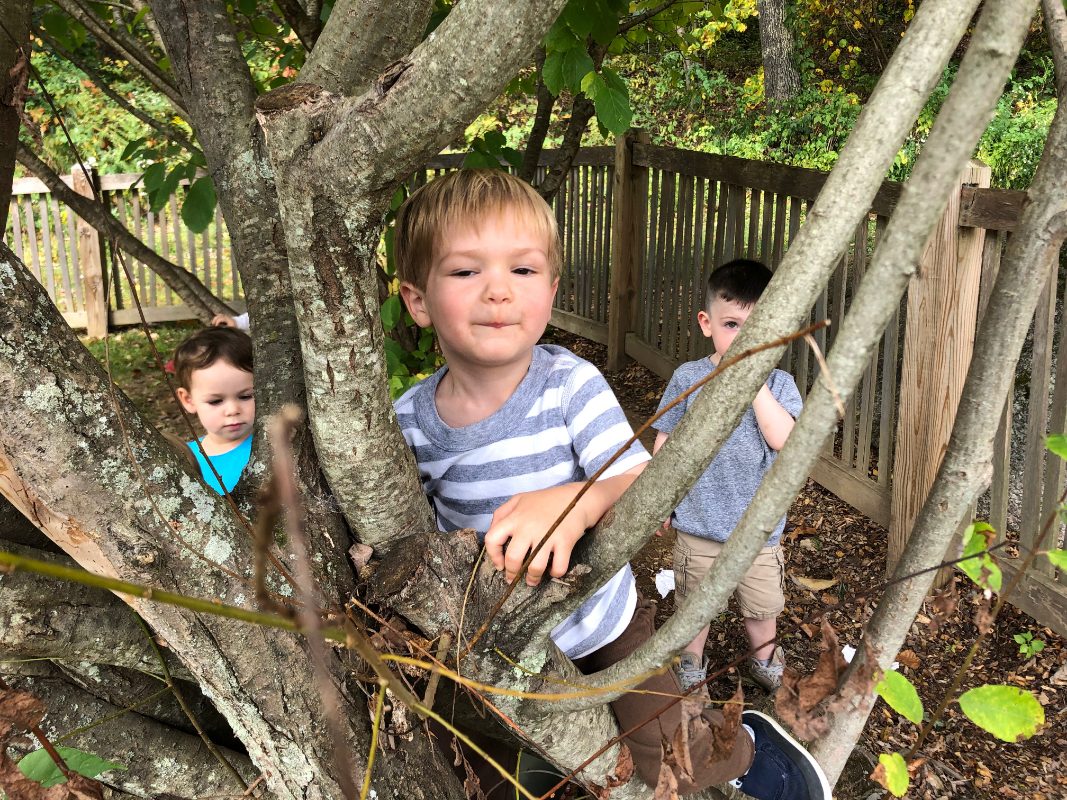


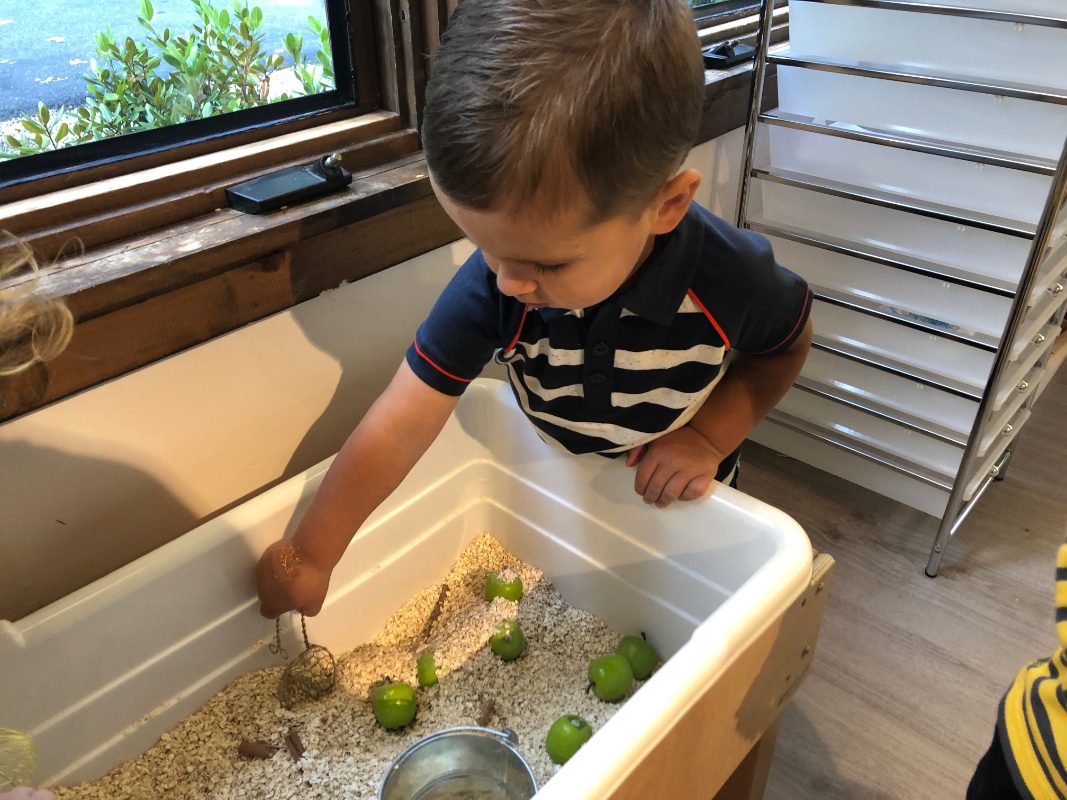
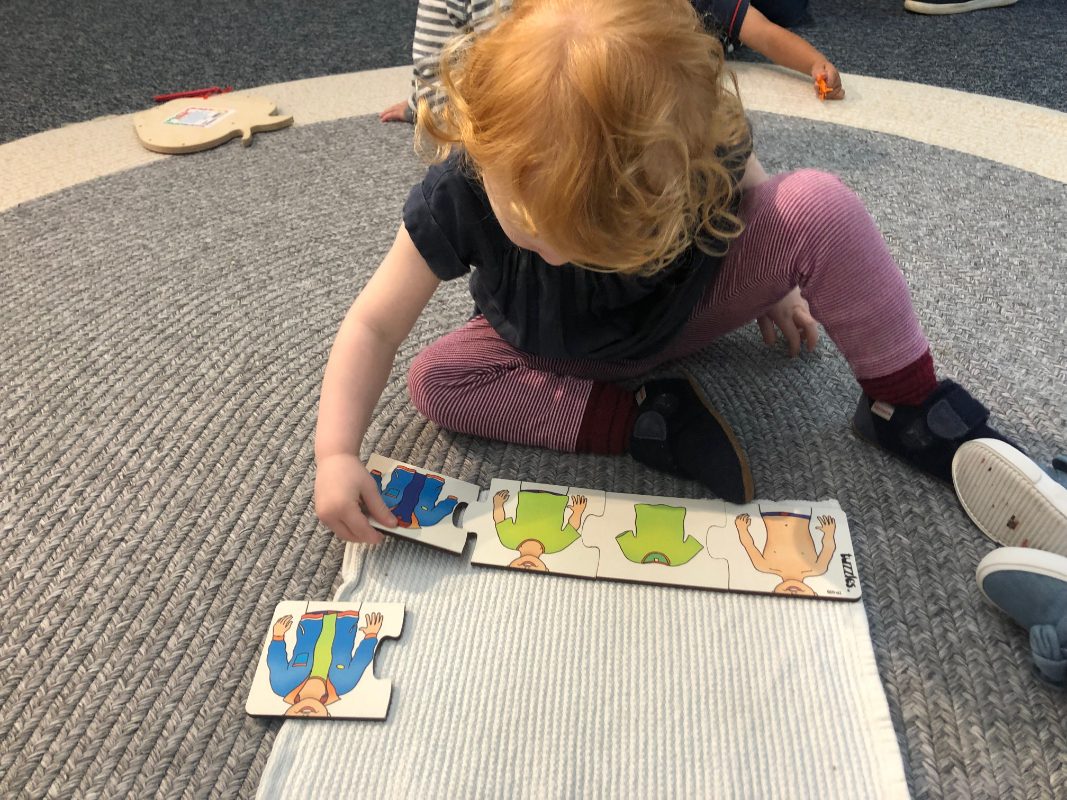


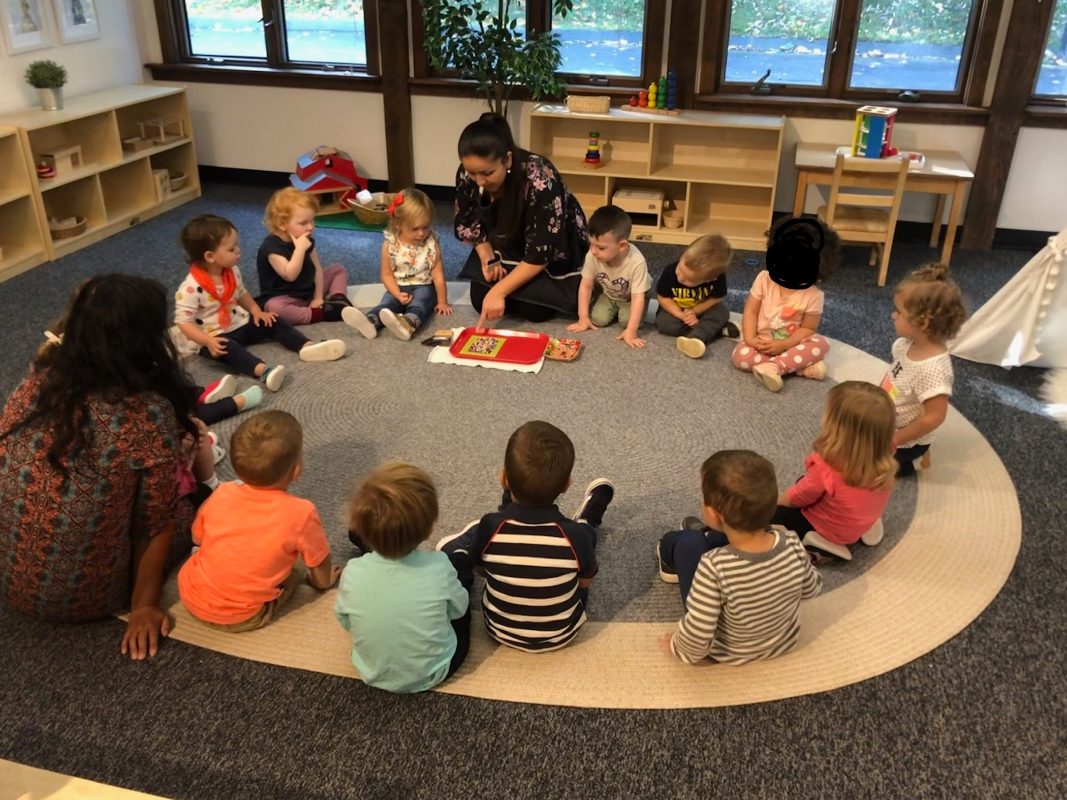
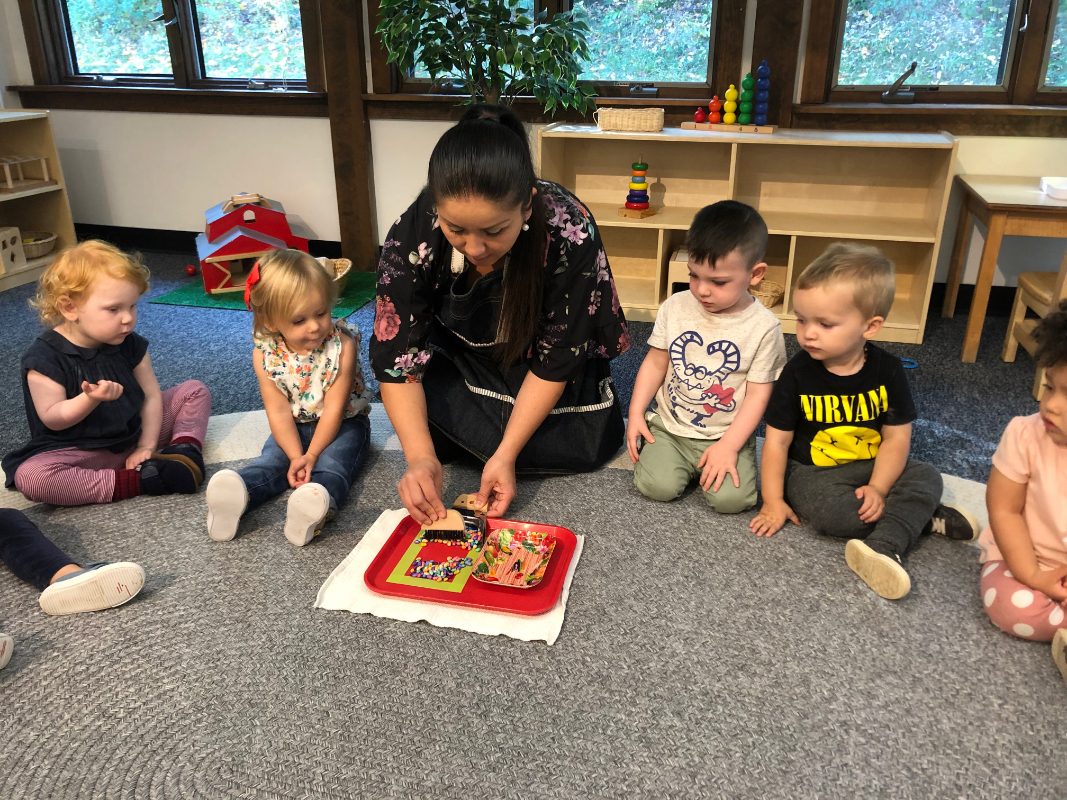
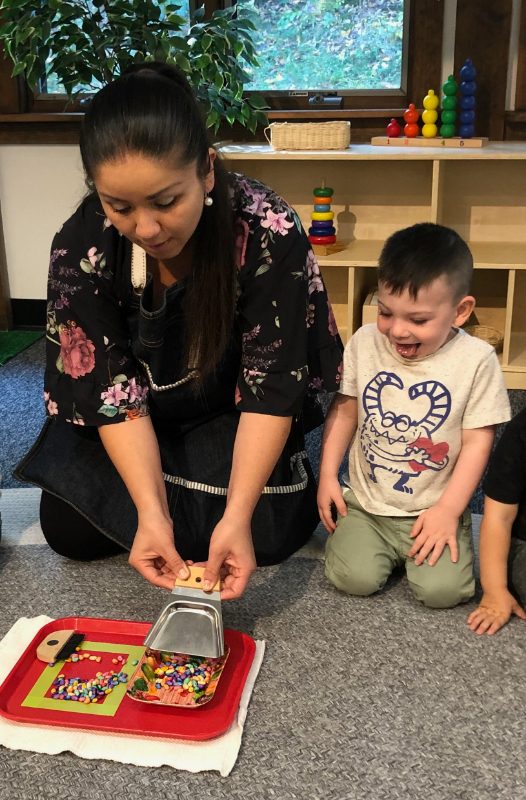

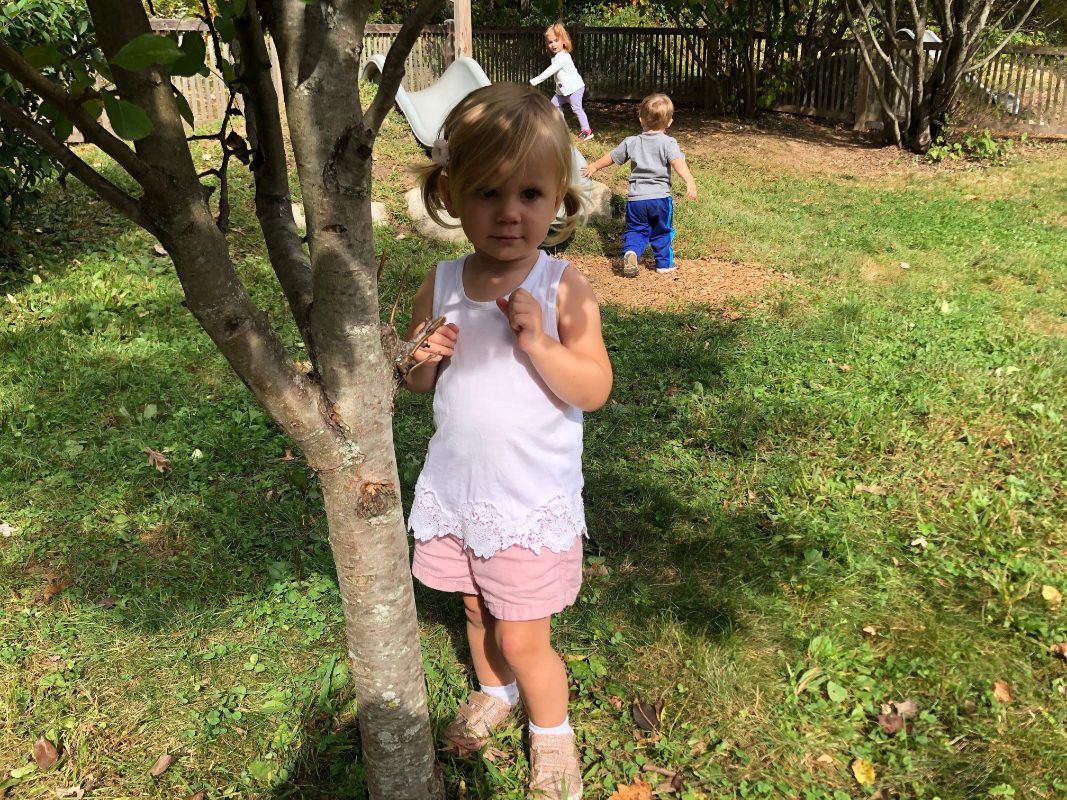

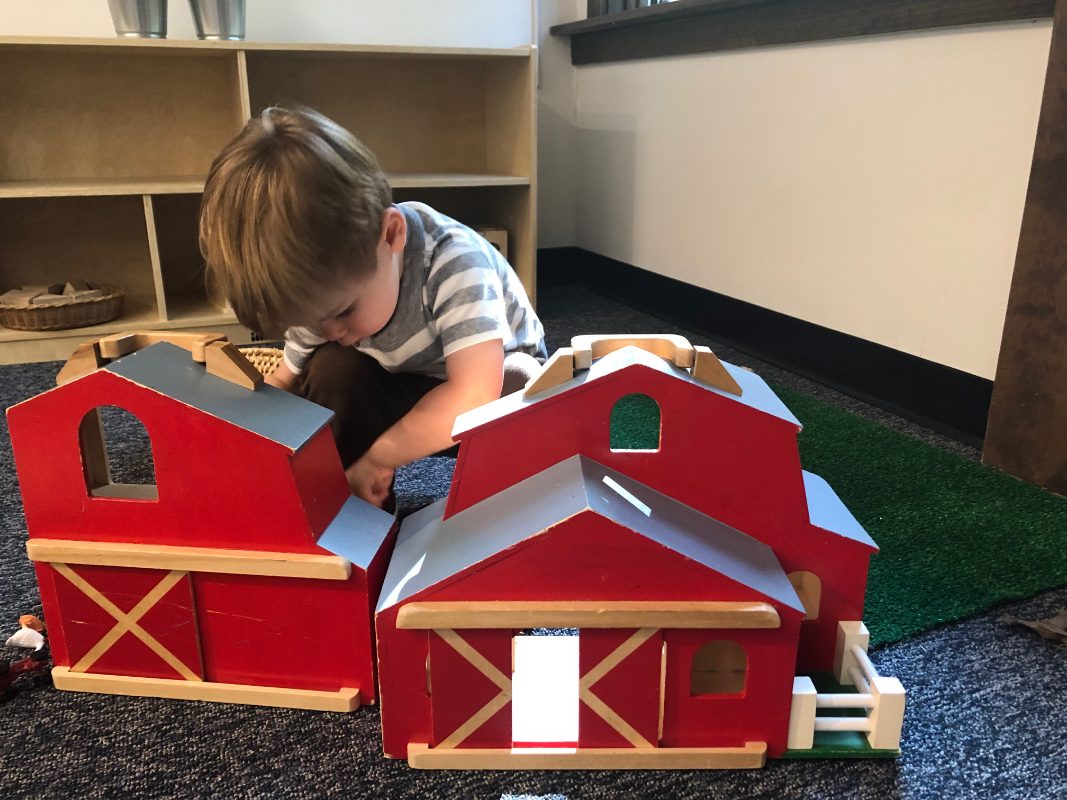
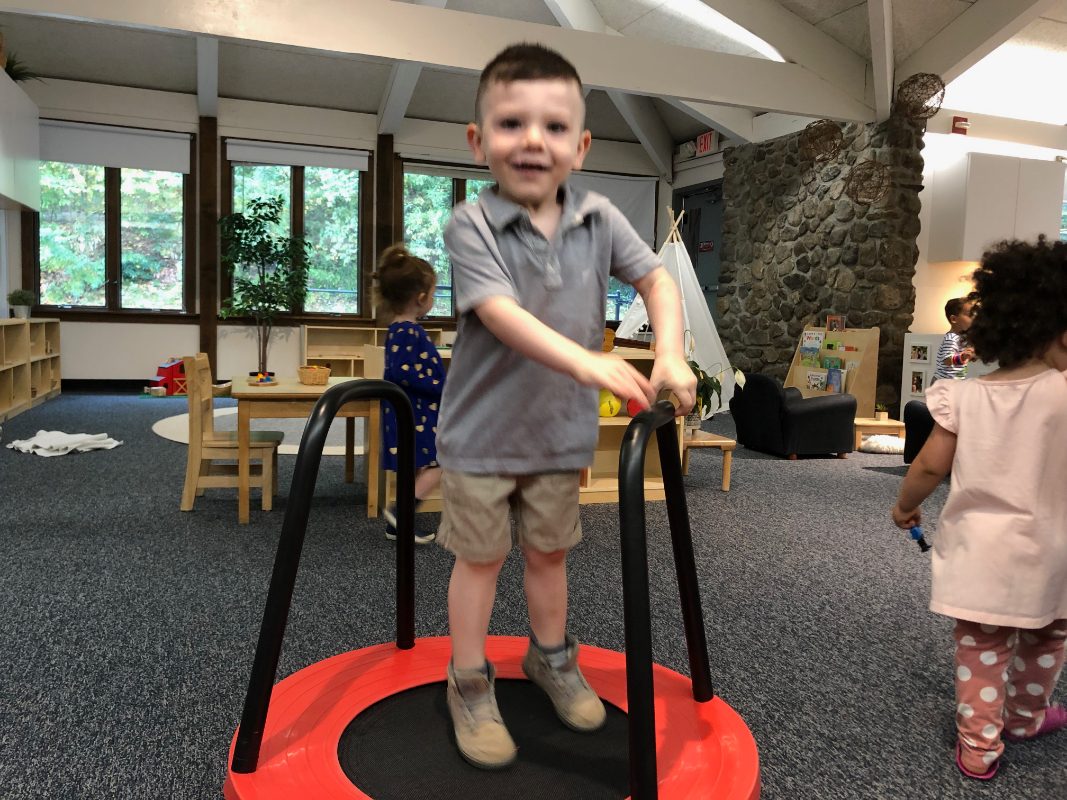

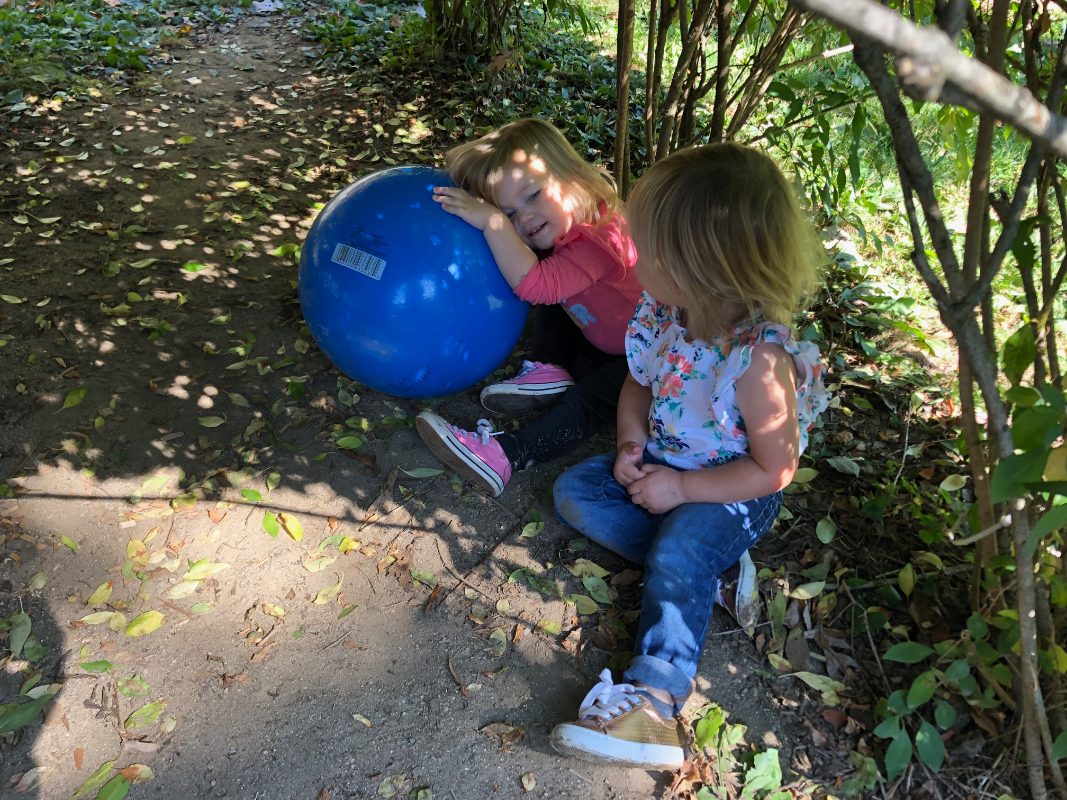
Fall is here everybody! As the season changes and temperatures start to drop slowly, we entered our unit on the exploration of one of the most delicious seasonal fruits: the apple! With great expectation, your children enjoyed the fun sensorial activity of dissecting an apple! With senses full of curiosity, children touched, observed, smelled, and tasted a delicious apple. While children observed its parts, they were exposed to new vocabulary, such as: skin, flesh, seeds, and stem. A remaining part of the dissected apple is now part of our observation tray where children can observe the different stages of decomposition.
In the language area students that showed readiness were also introduced to three period lessons using different materials. Three period lessons are a fundamental approach in our Montessori environment to introducing a new concept (not just vocabulary) to children. They are used to move the child from basic understanding to mastery. The three period lesson was developed by Edouard Seguin, a French physician who worked with special needs children in France and the United States during the late 19th century. He discovered ways to increase children’s cognitive abilities and believed in the importance of developing their self-reliance and independence. Seguin’s writings were a major inspiration to Maria Montessori and the source of many of her practical ideas. In simple terms, the three steps, or periods, are:
1. Naming (Introduction) “This is a dog.”
2. Recognizing (Identification) “Show me the dog.”
3. Remembering (Cognition) “What is this?”
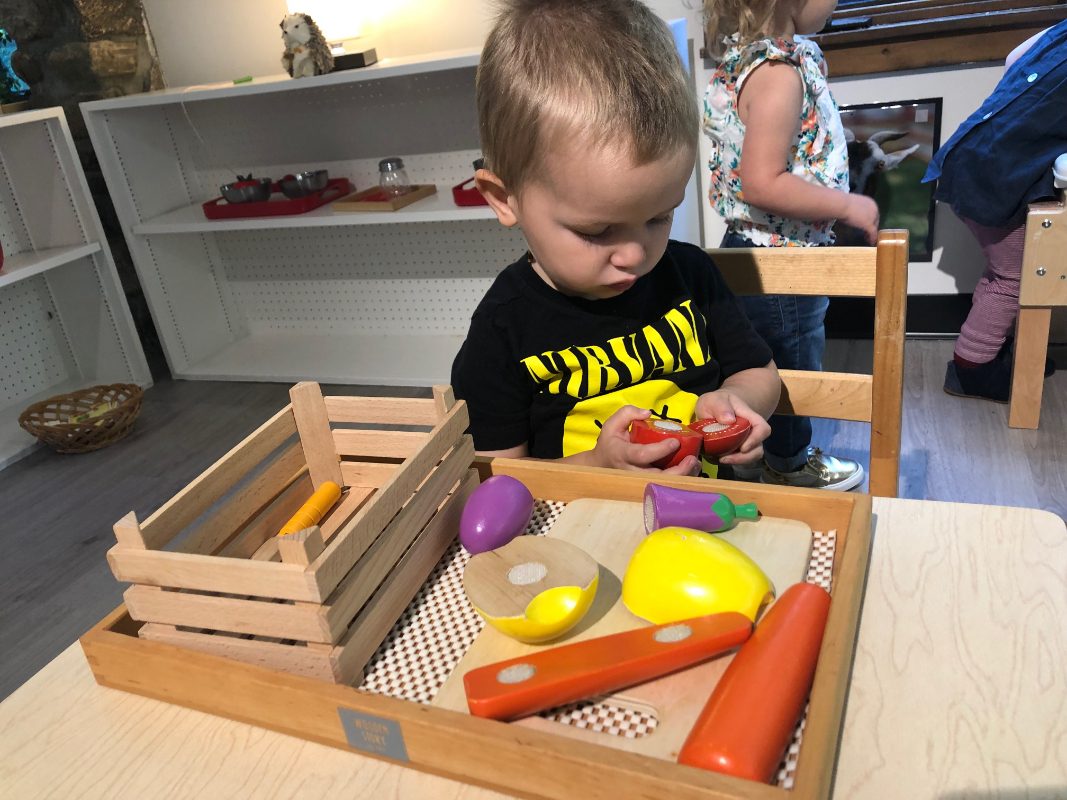
In the practical life area we focused this week on a fundamental lesson: how to clean a dry spill! As basic as it sounds, this was one of the most popular activities of the week. Practical life activities are the most important activities for toddlers! Activities for care of the environment are both fun and great for developing order, concentration, coordination, and independence.
Other highlights of the week were the introduction to our new song: “Way up High in the Apple Tree,” where children practiced the numbers one through five, and their favorite books: Ten Apples Up on Top by Dr. Seuss, Apple Countdown by Joan Hulub, and Apples, Apples, Apples by Nancy Elizabeth Wallace.
As the weekend approaches, we encourage you to enjoy the sunshine and the beautiful weather and visit an apple farm with your little one. It will be a great experience for them during the continuation of our apple studies.
Reminder:
Oktoberfest is just around the corner! (October 5th) Come and join us for an afternoon of fun activities for the whole family! We really hope to see you there and have a great time together!
Mrs. Wilson Had a Farm E,I,E,I,O
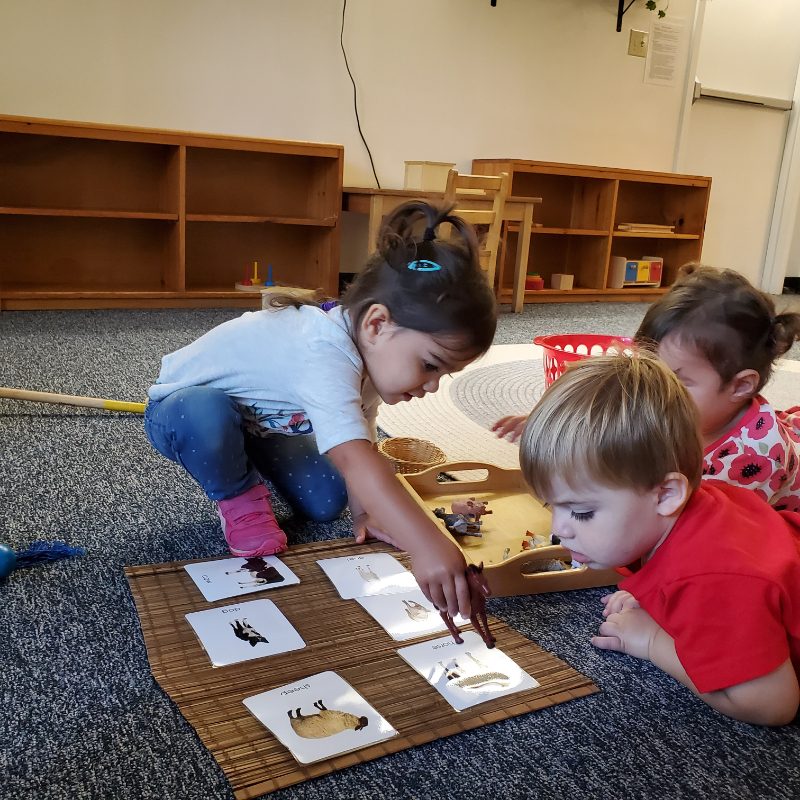

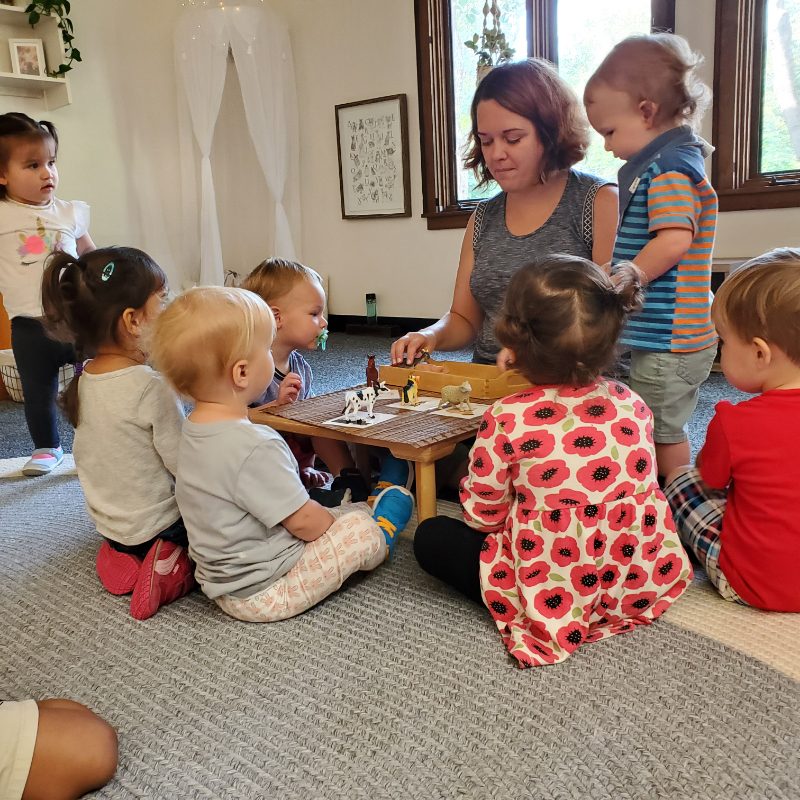
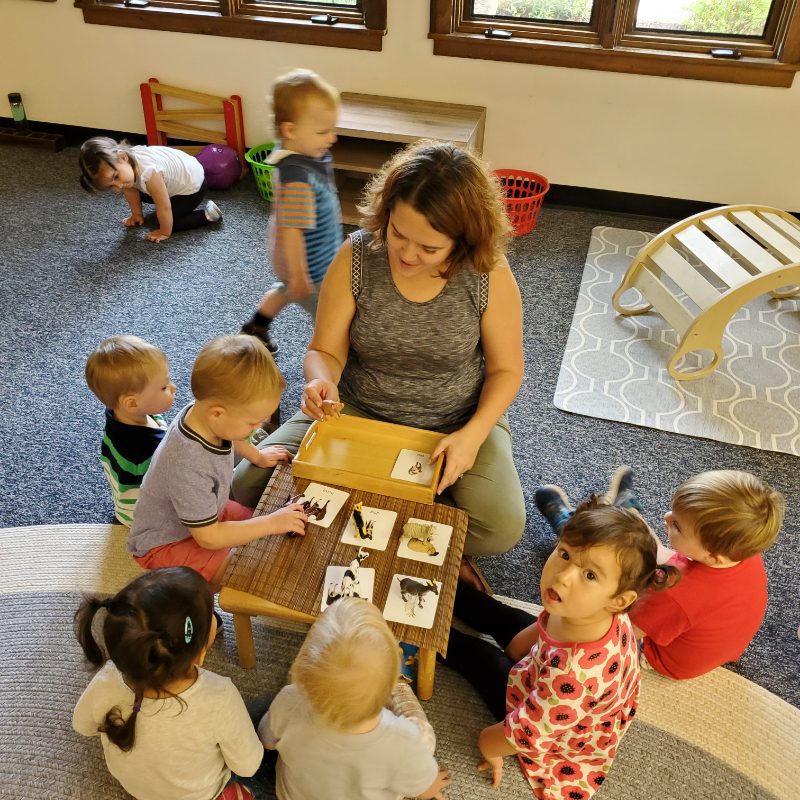
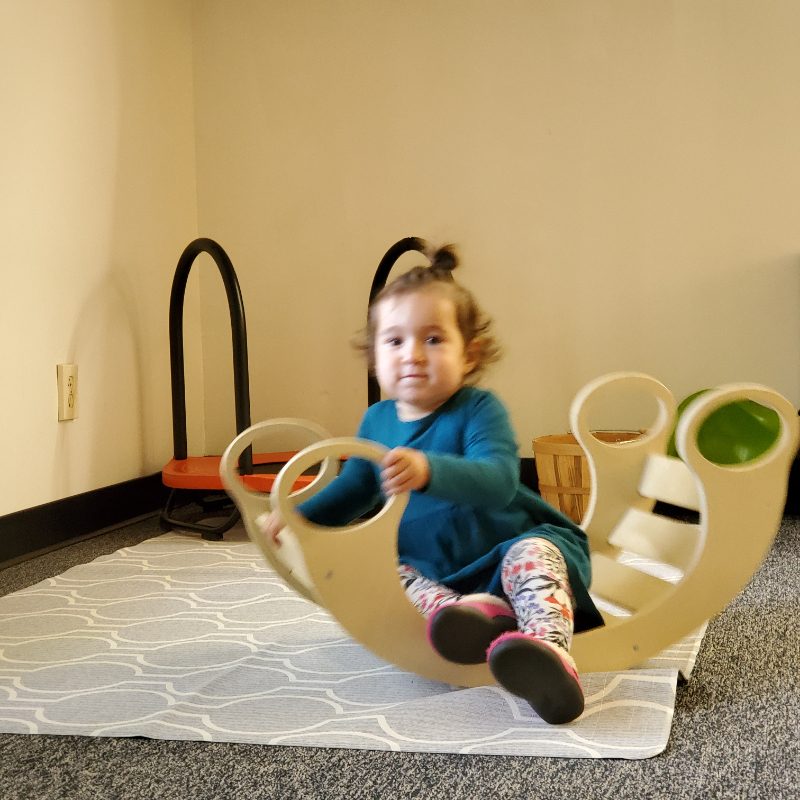
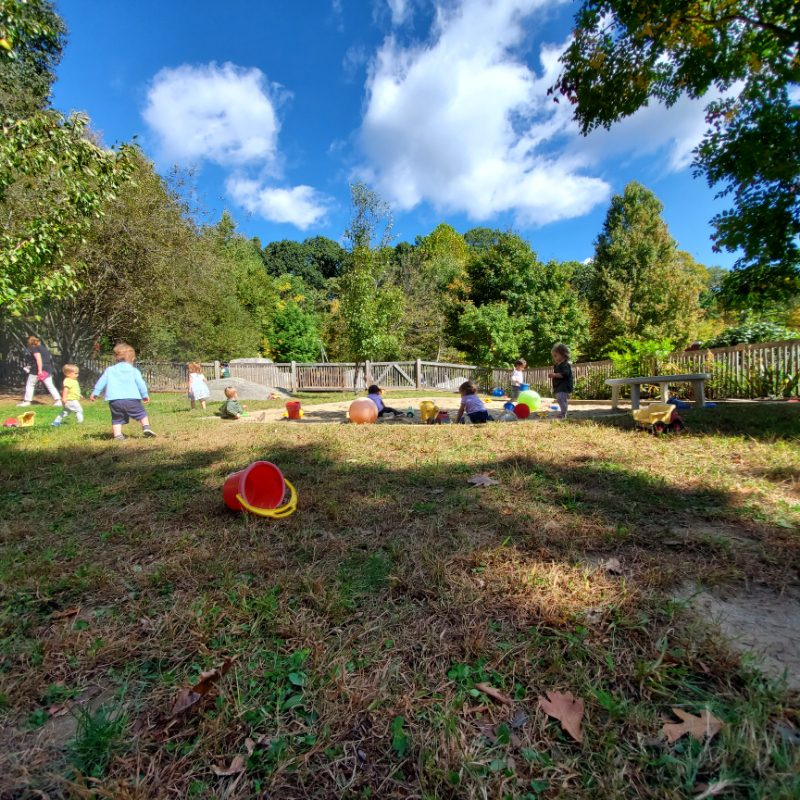
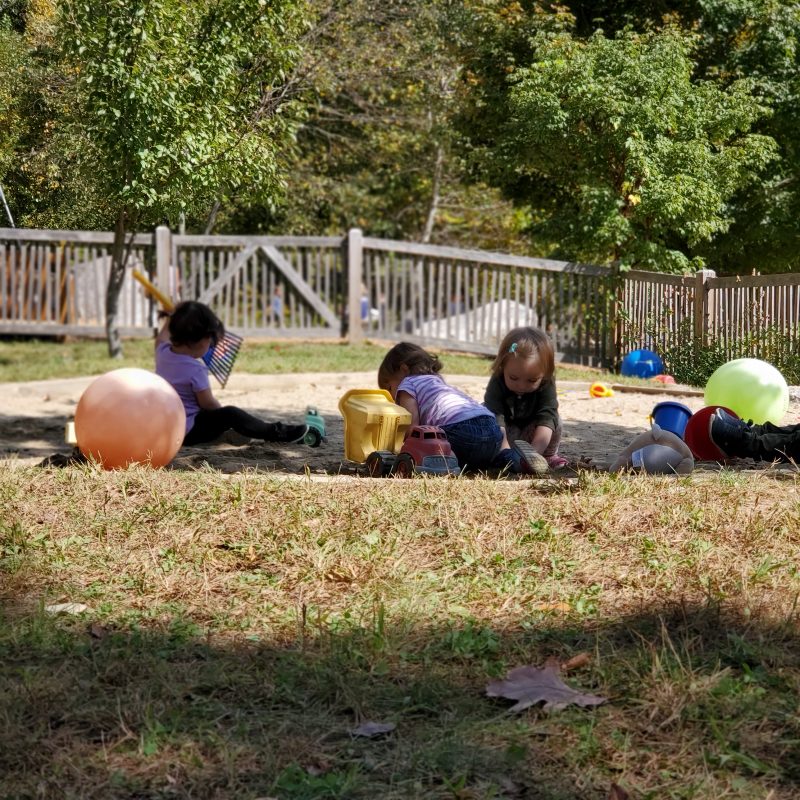
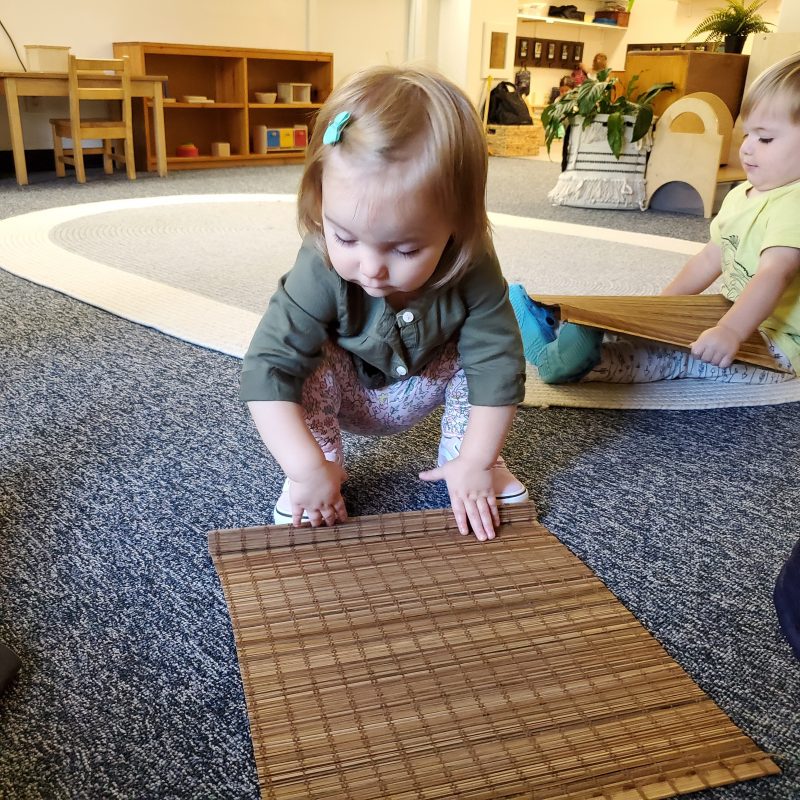
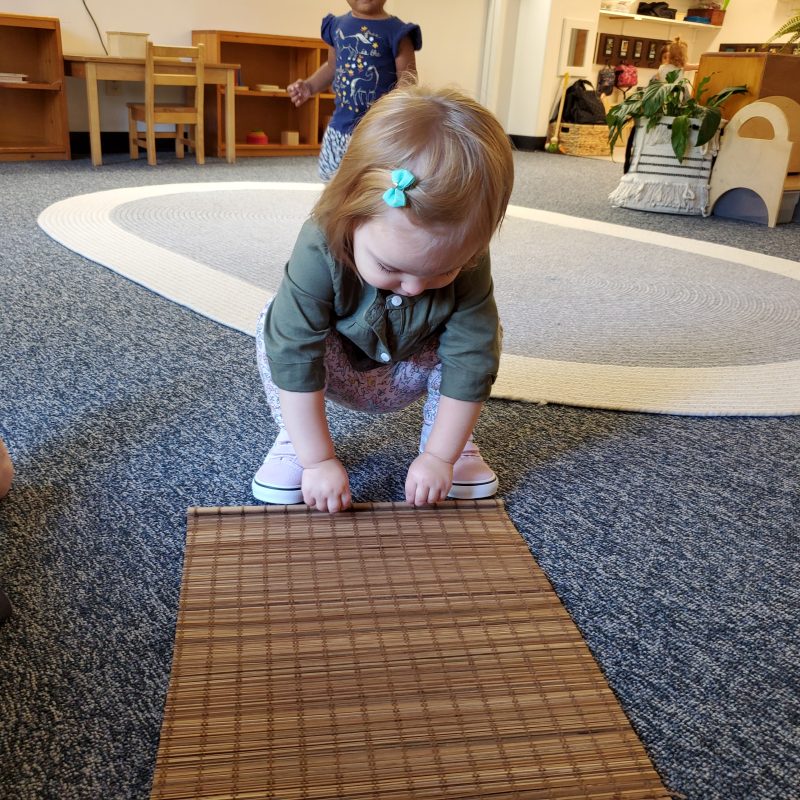
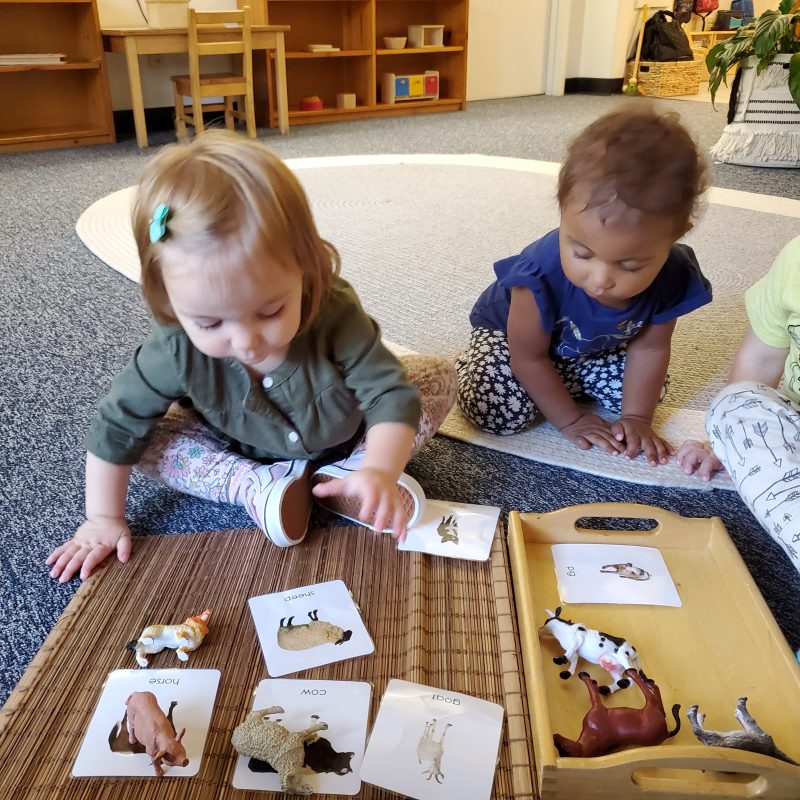
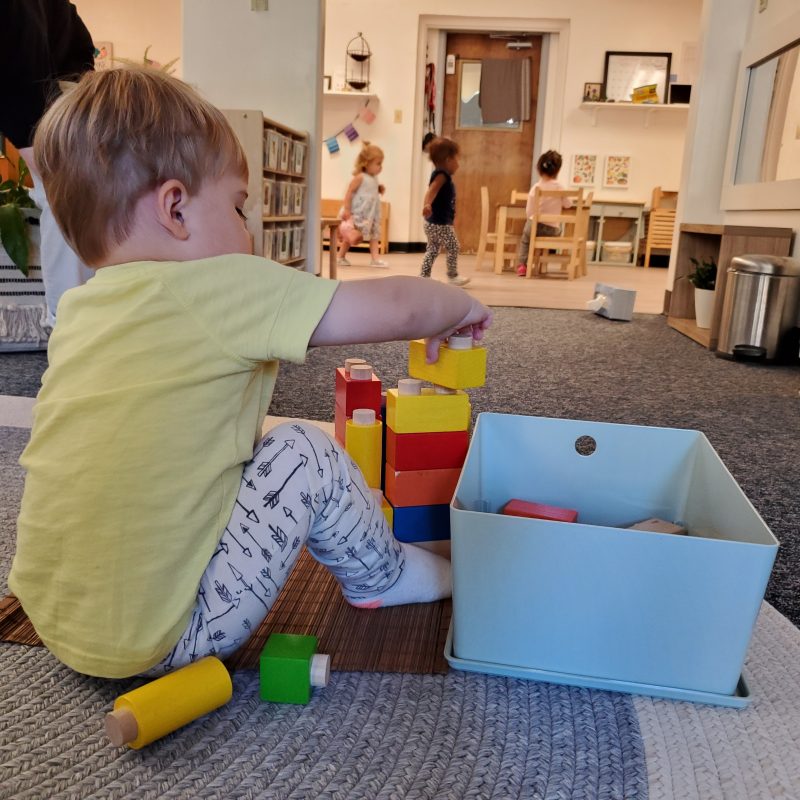
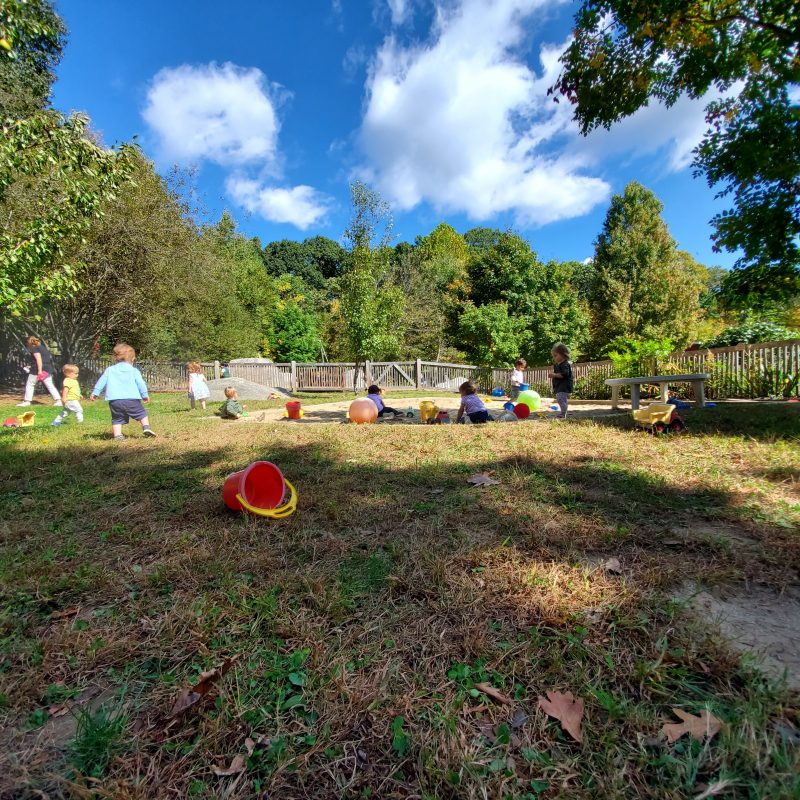
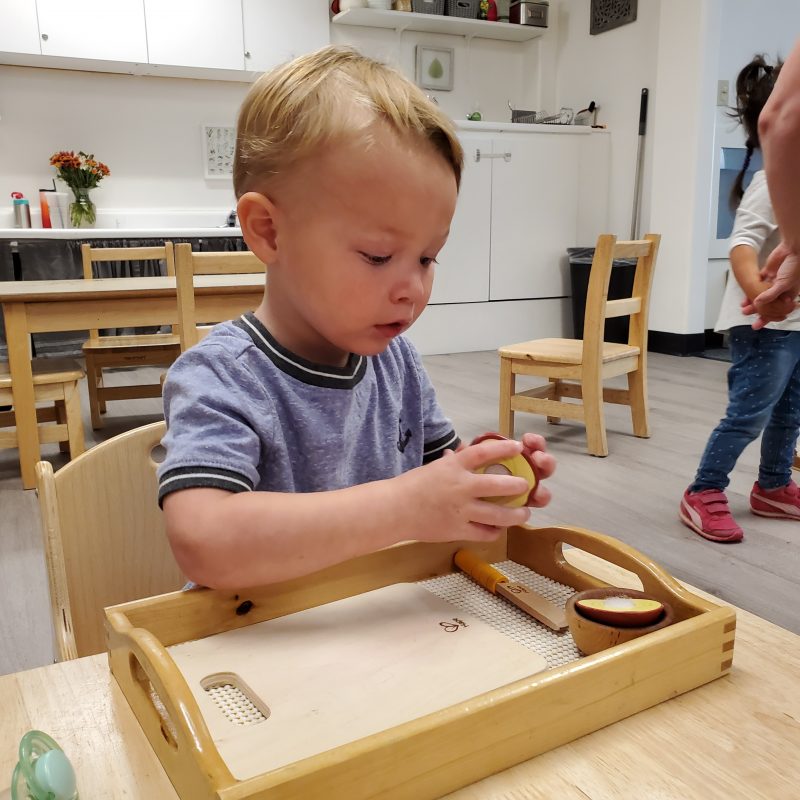
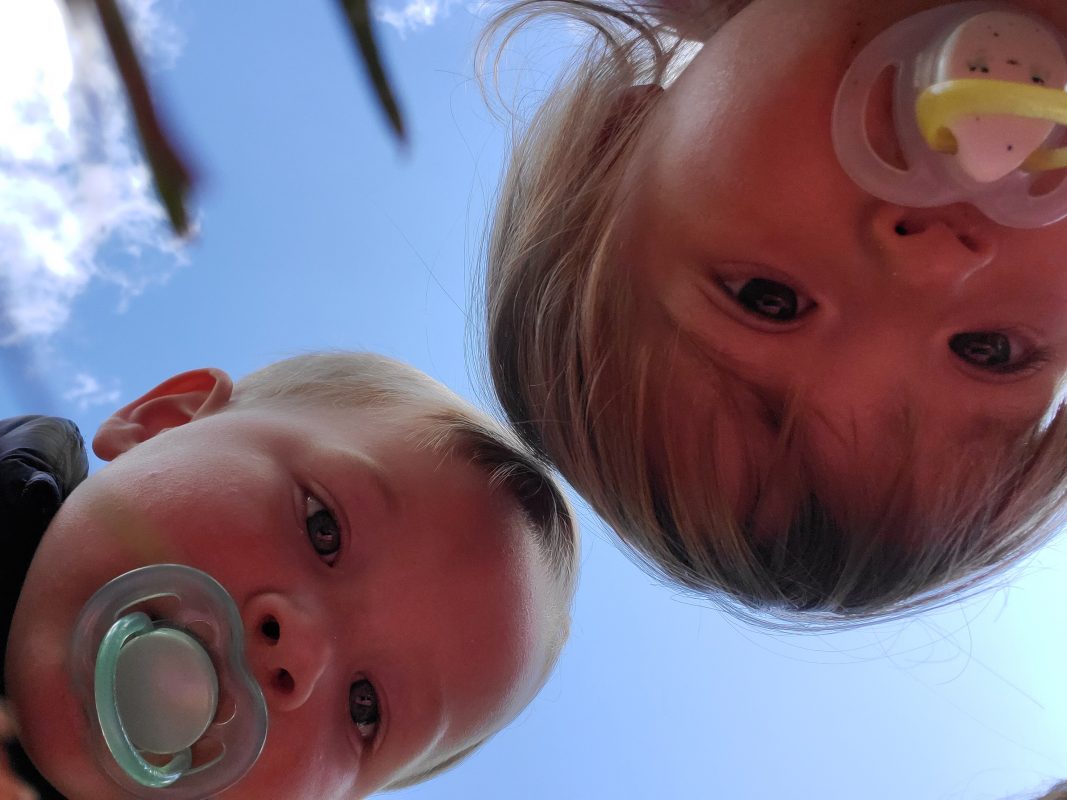
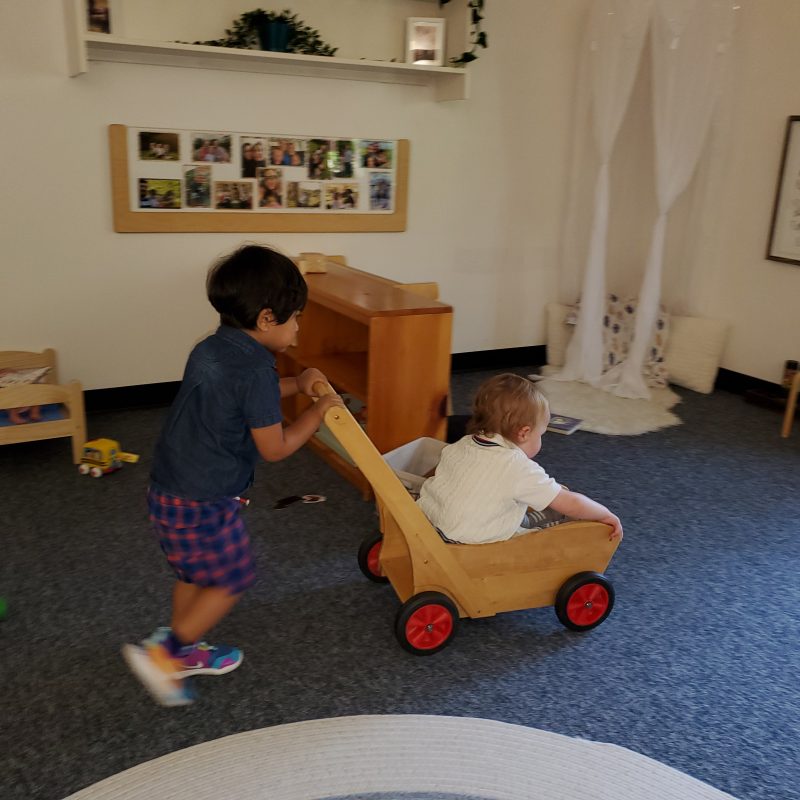
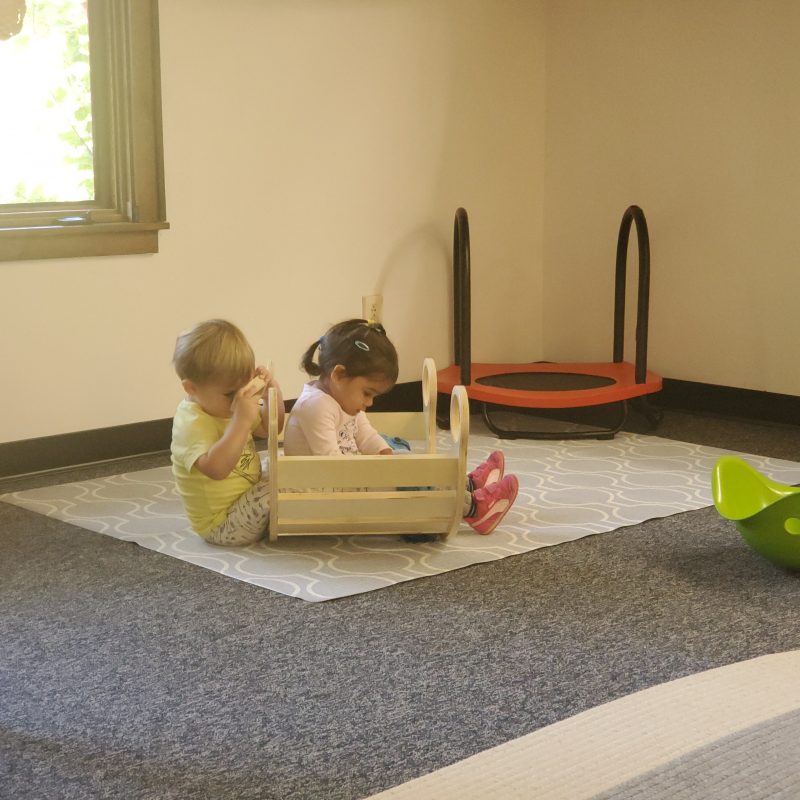

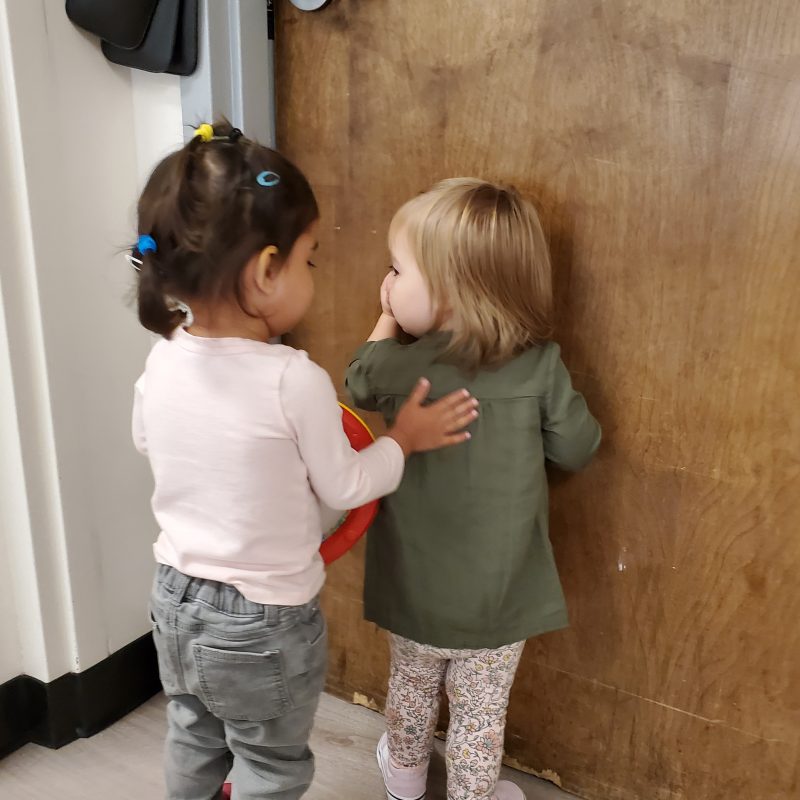

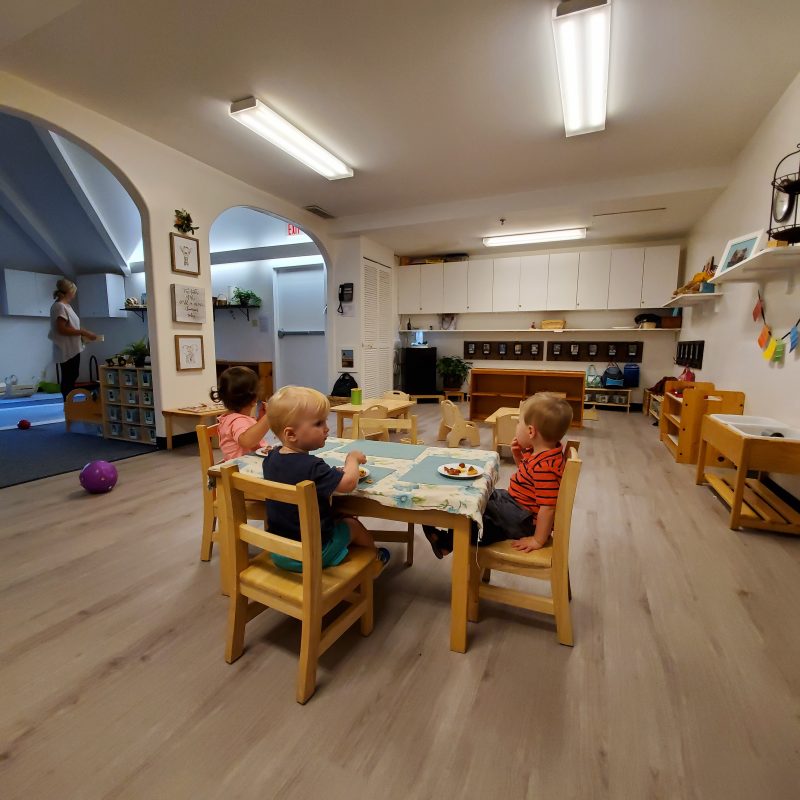

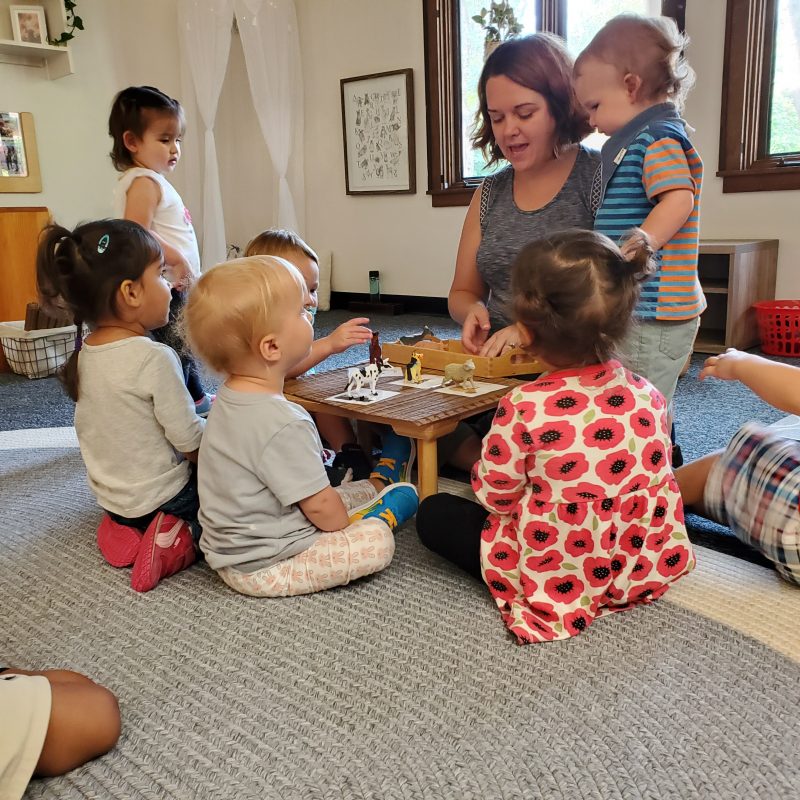
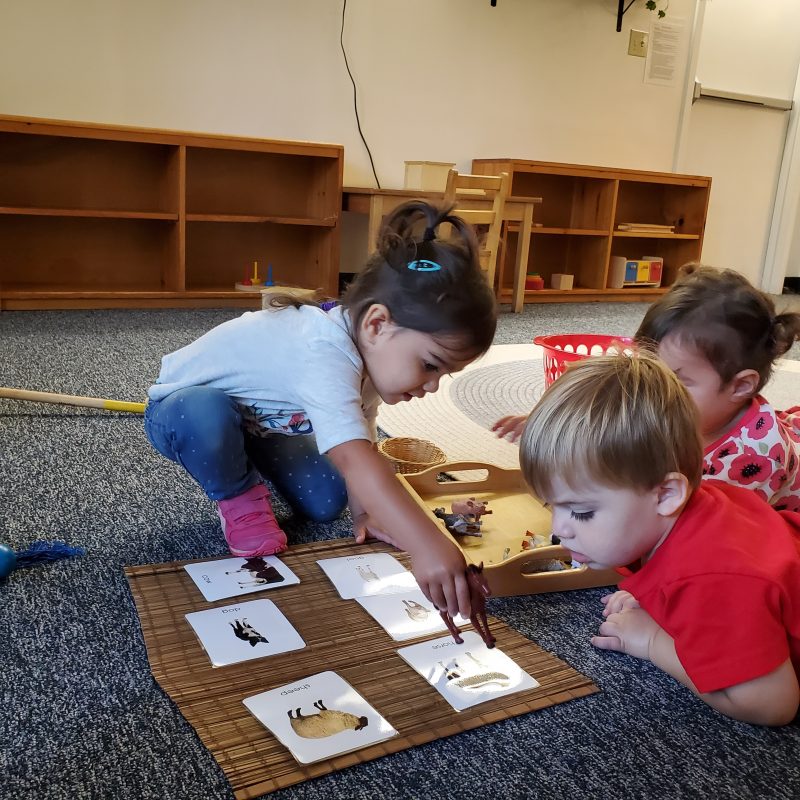
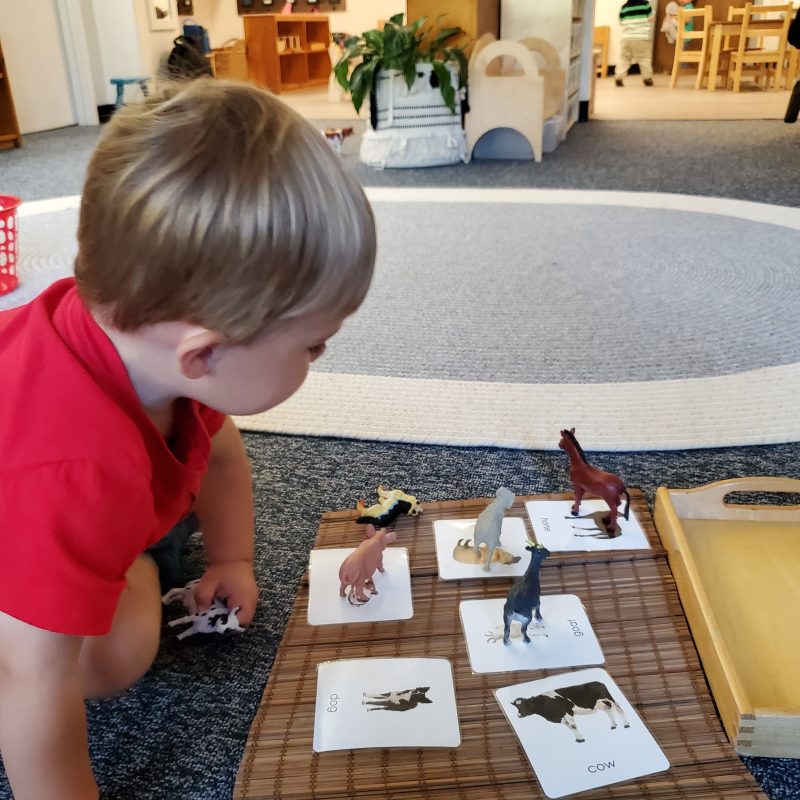
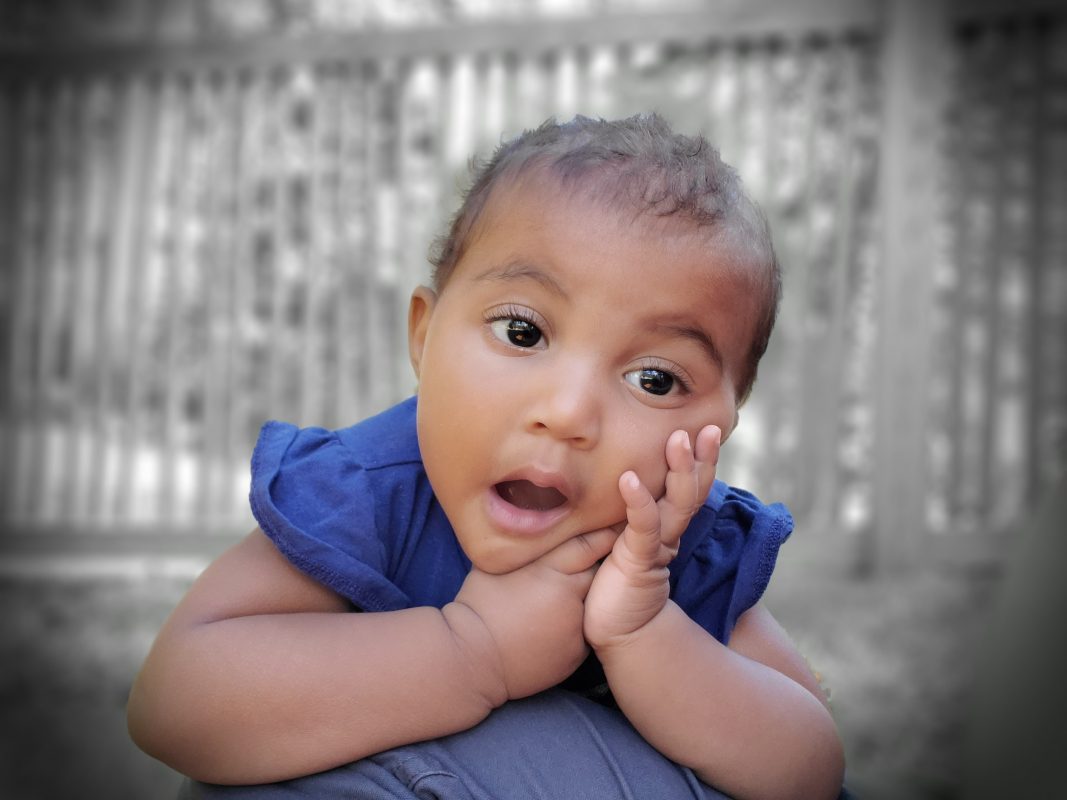
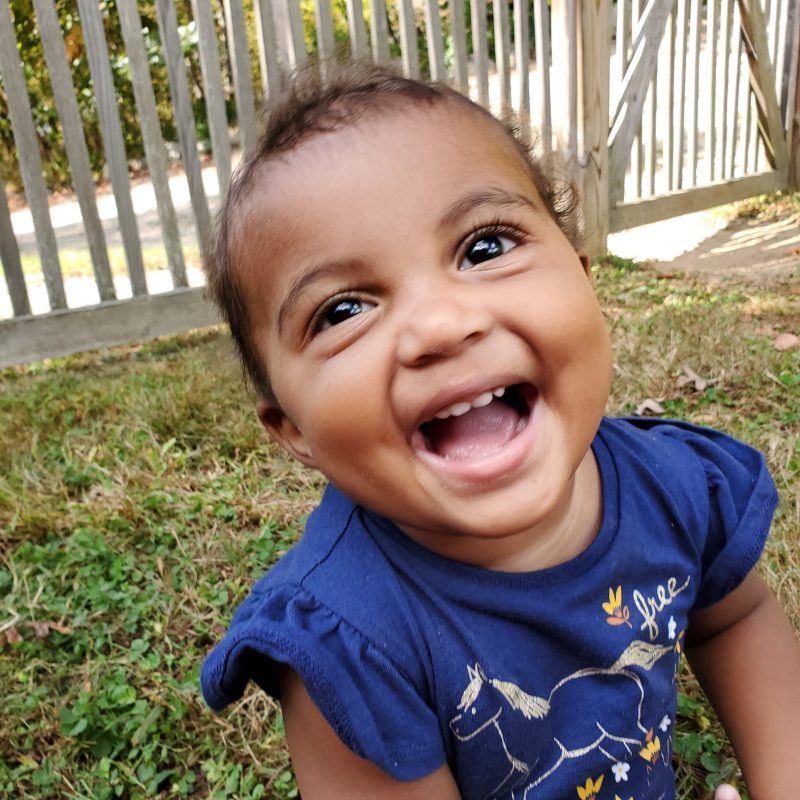
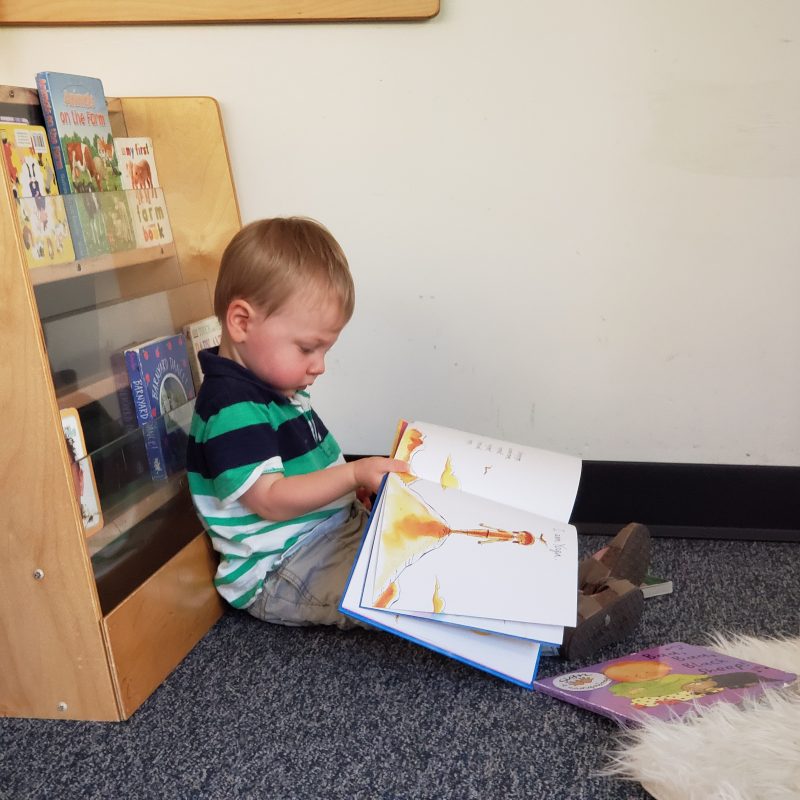
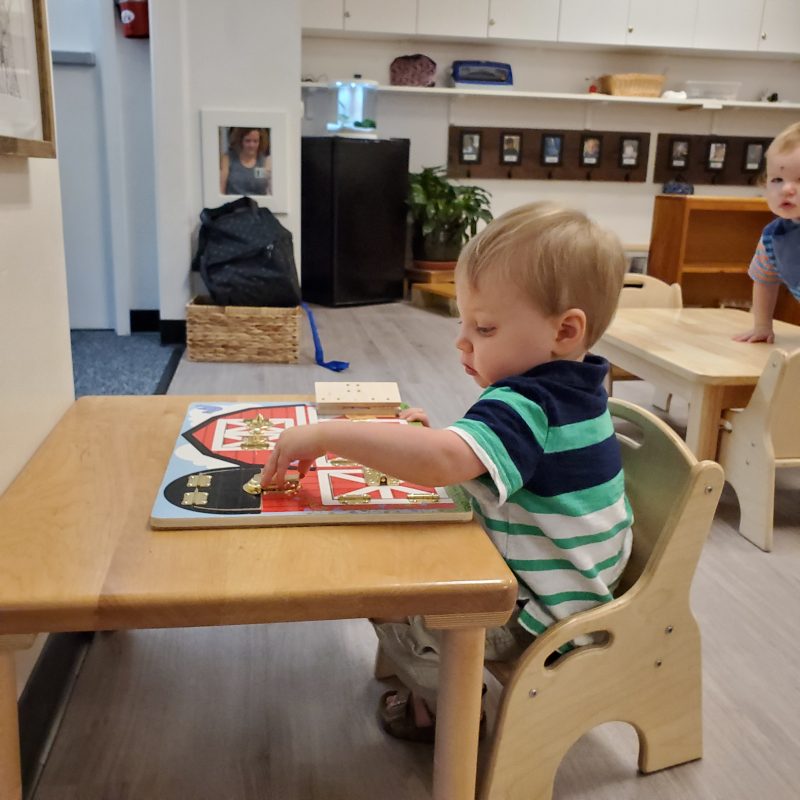
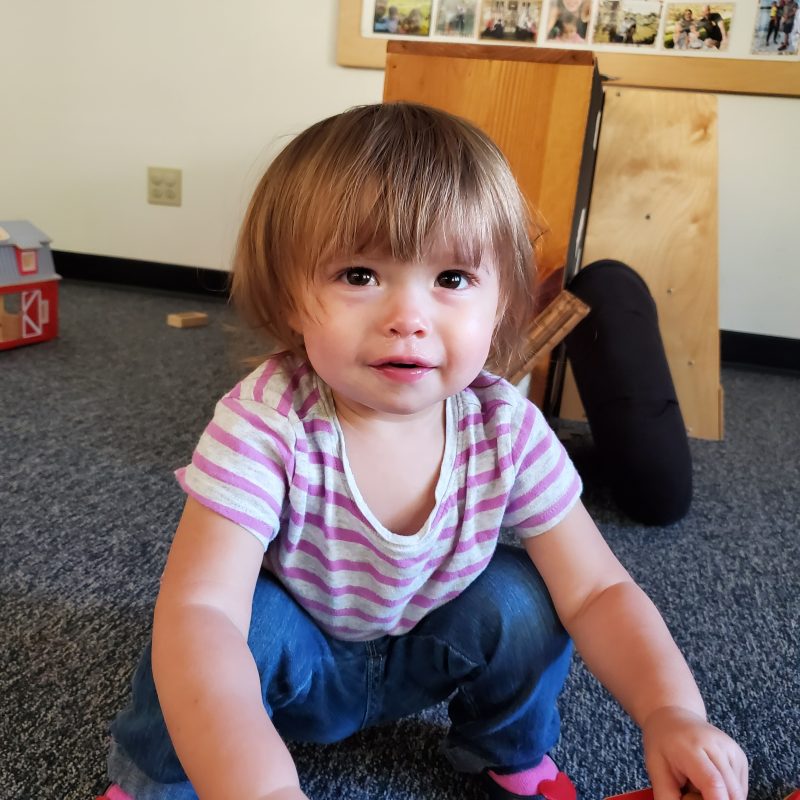
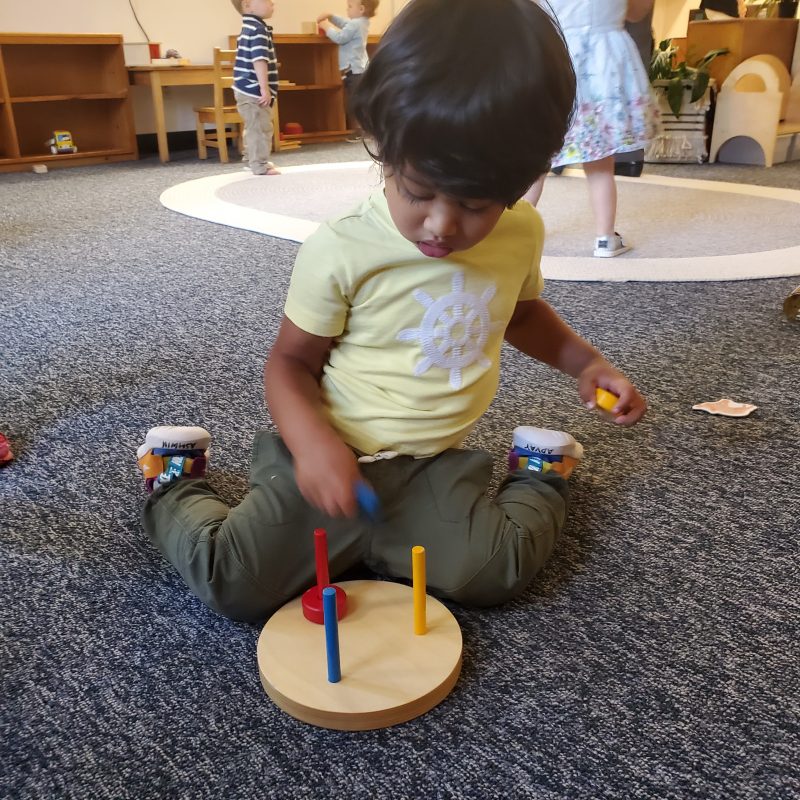
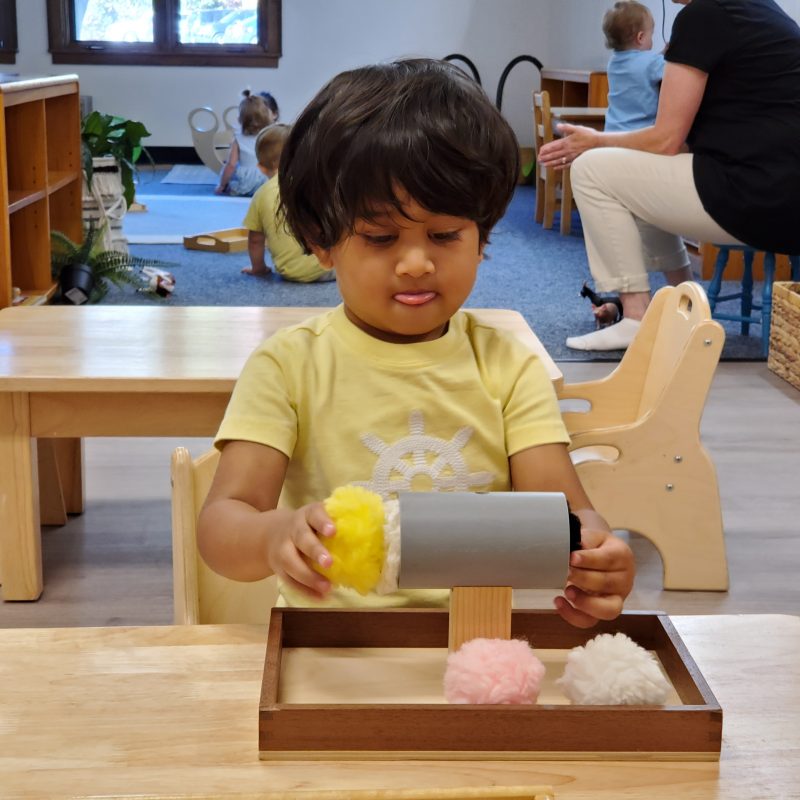
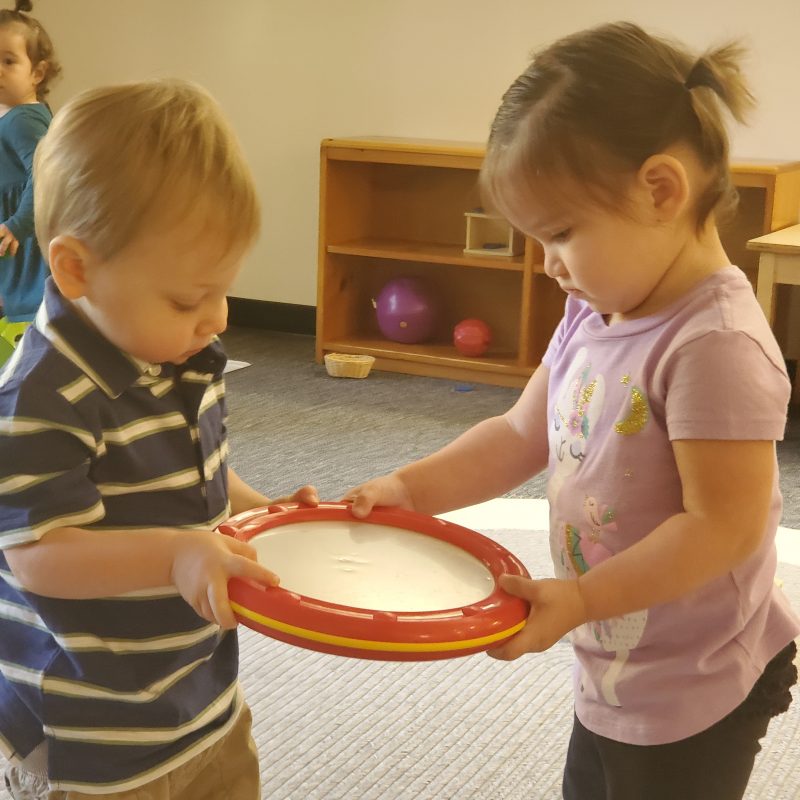
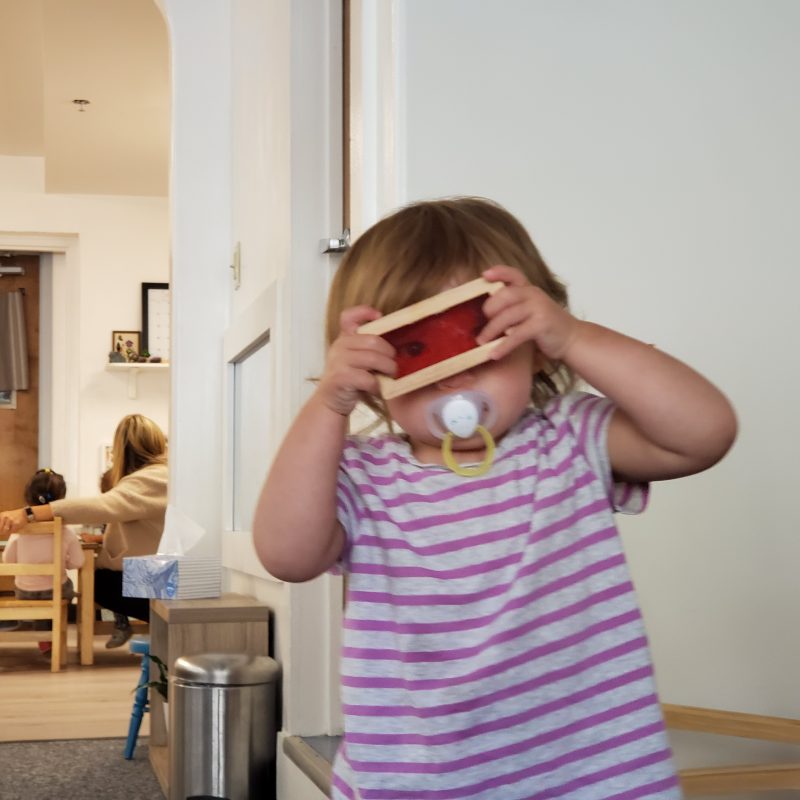
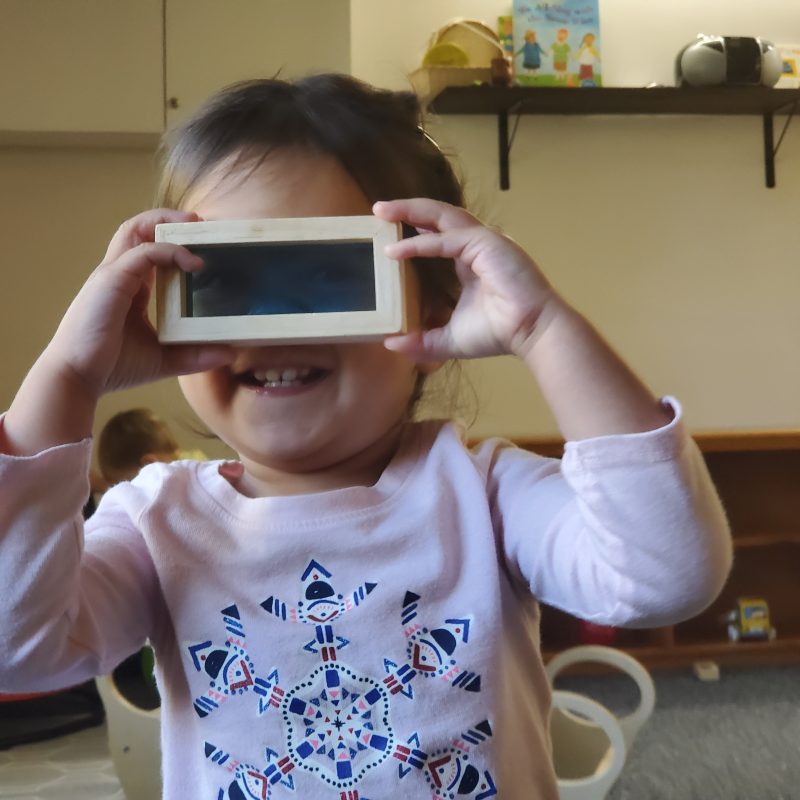
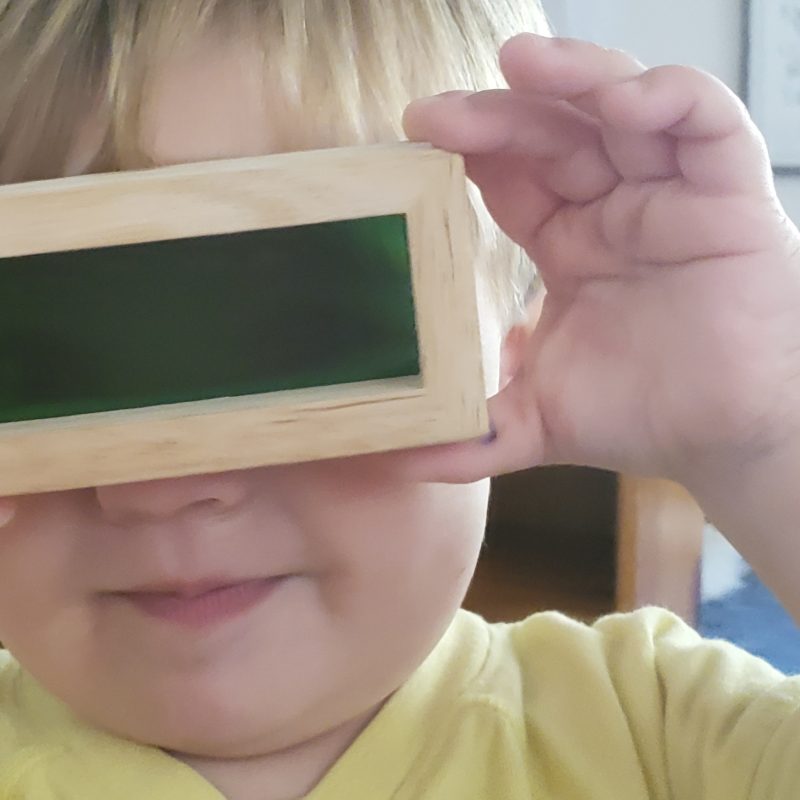
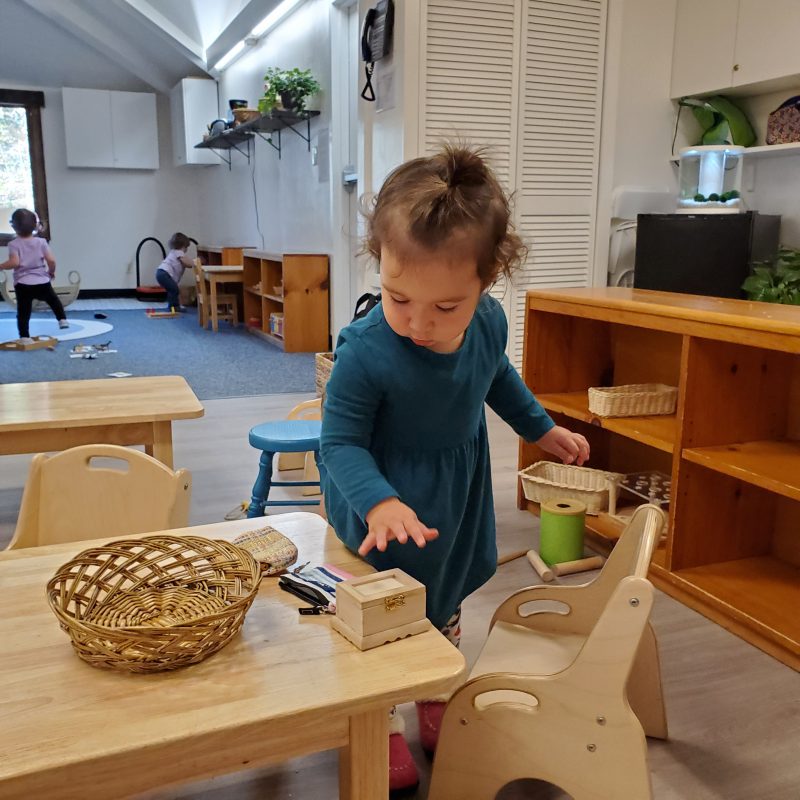
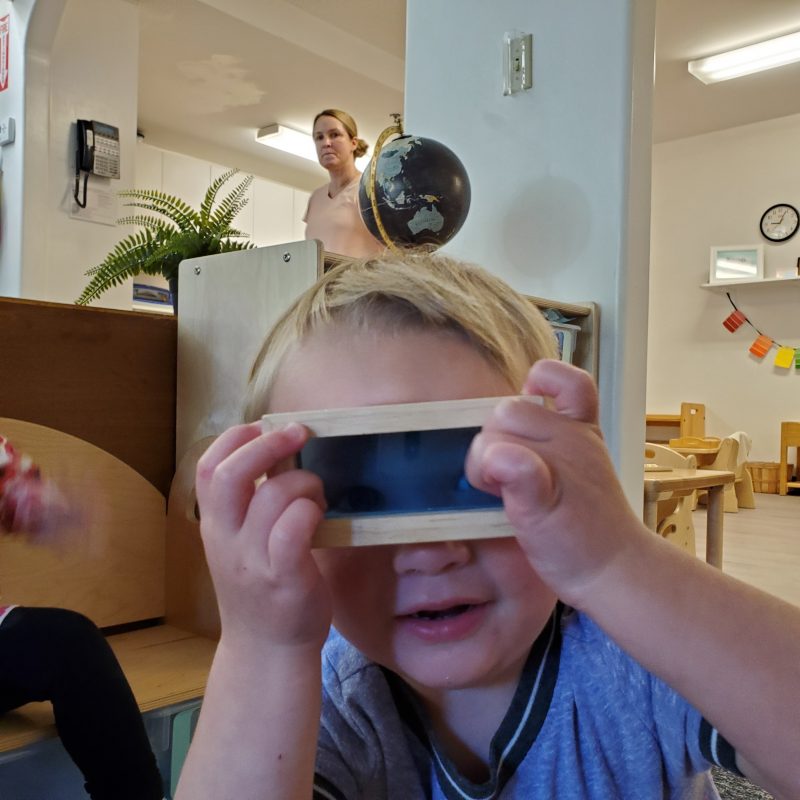
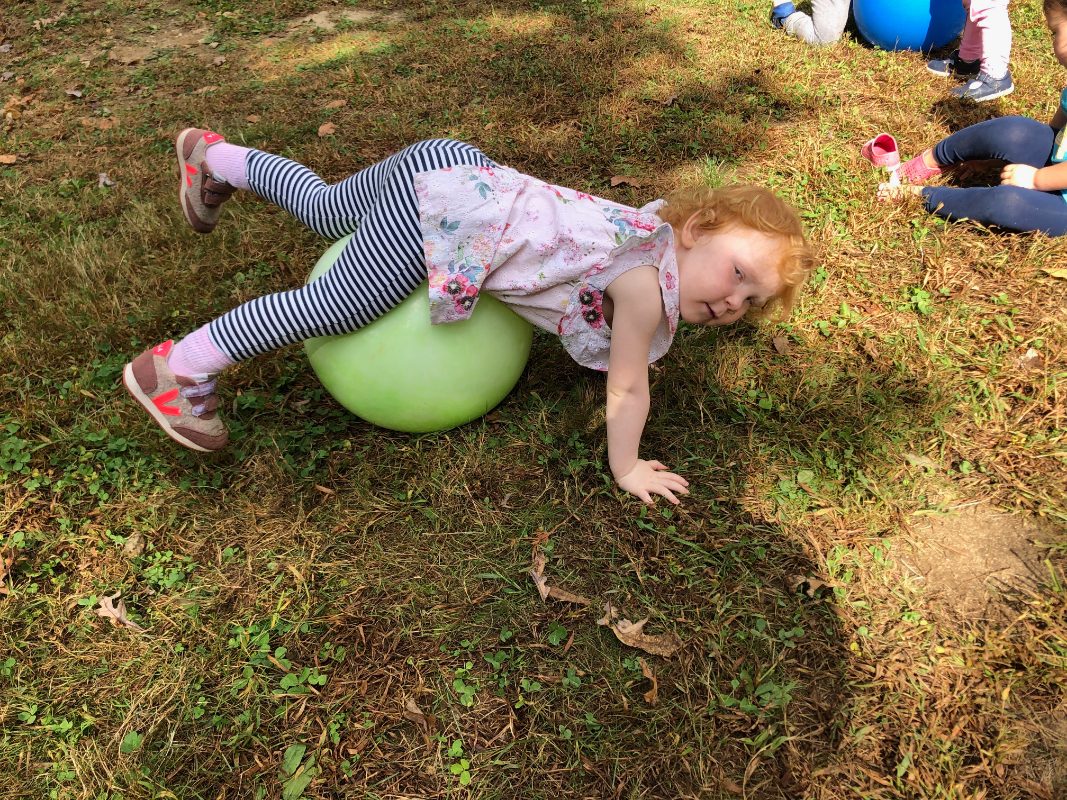
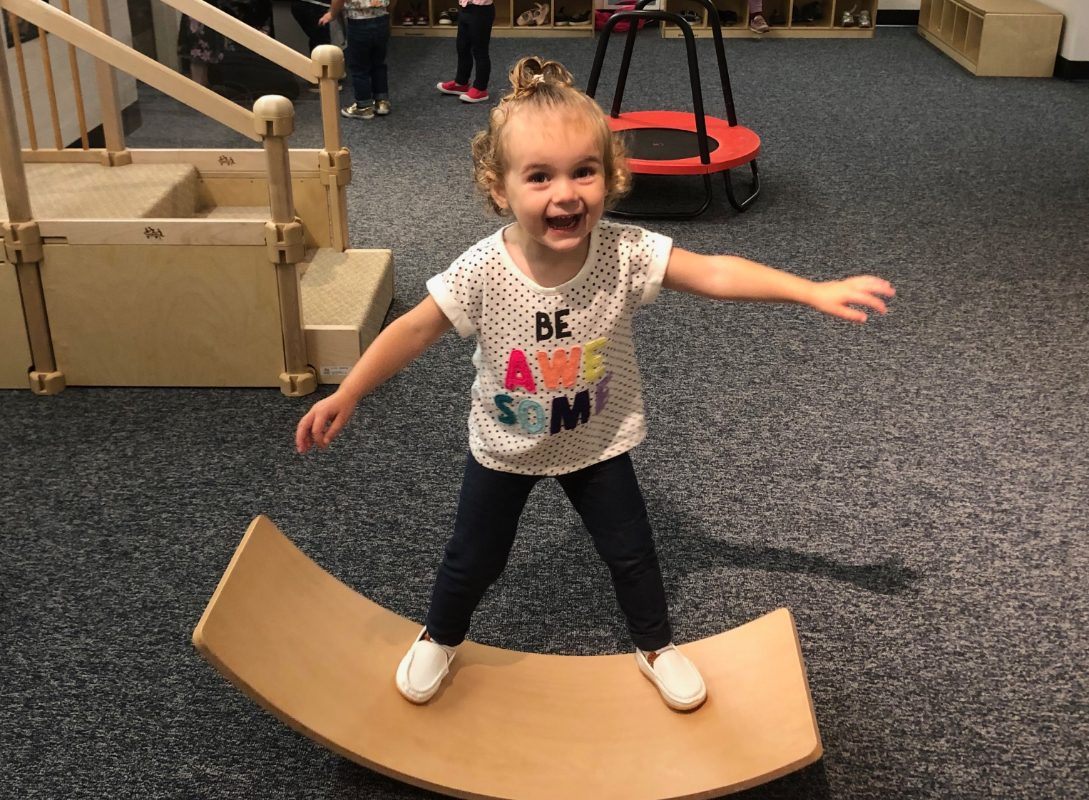
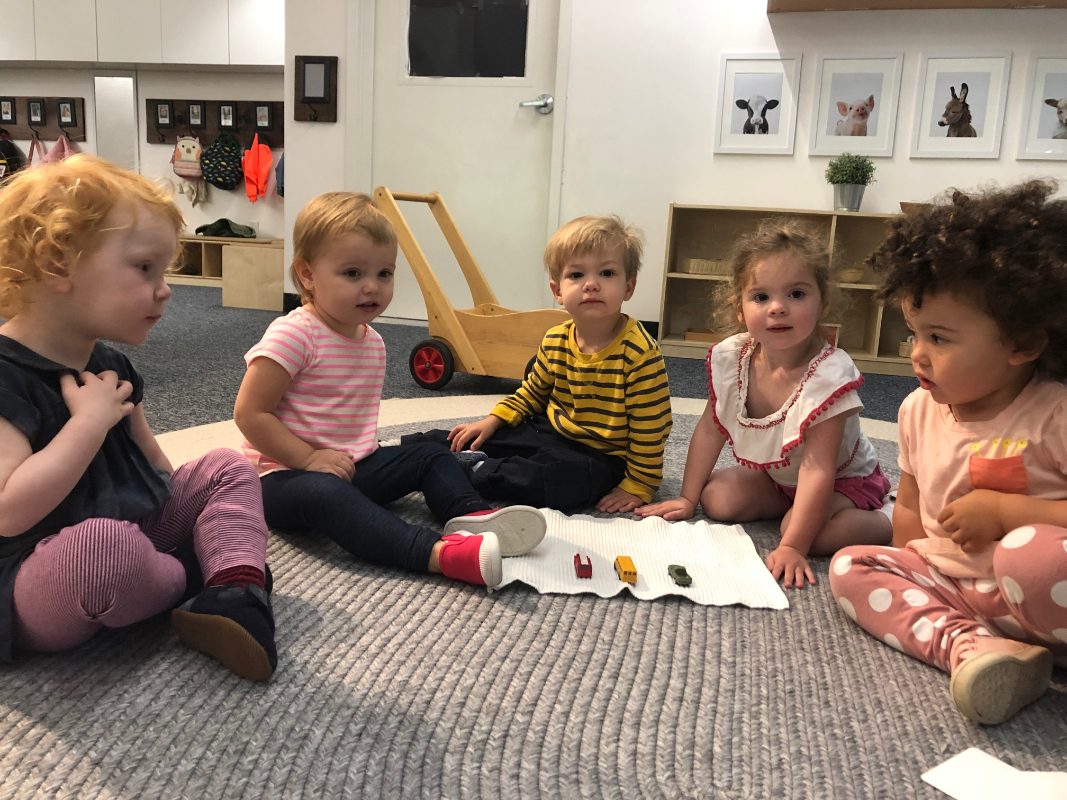
This week we have seen tremendous progress in the children during arrivals. We have seen less and less tearful faces and more smiles and giggles. As your children’s confidence and trust have increased, they have started to explore their environment more intentionally. Some have become more social and even call their peers by name. We have seen others who have shown empathy towards an upset friend by either rubbing their back or offering a hug. It is so endearing.
Children are like sponges absorbing language and the world around them. To build on their vocabulary, we started with something that was familiar to these children, farm animals. I gave a lesson to the children using our farm animal pictures and objects. To not overstimulate the children as they are trying to absorb language we use very few words. For example, I held up a cow and simply just said, “cow” and “moo.” Then I placed the cow on top of the picture of the cow and repeated just those two words. The children were engaged while watching the lesson and very eager to use it when I had finished. We also sang Old McDonald Had a Farm.
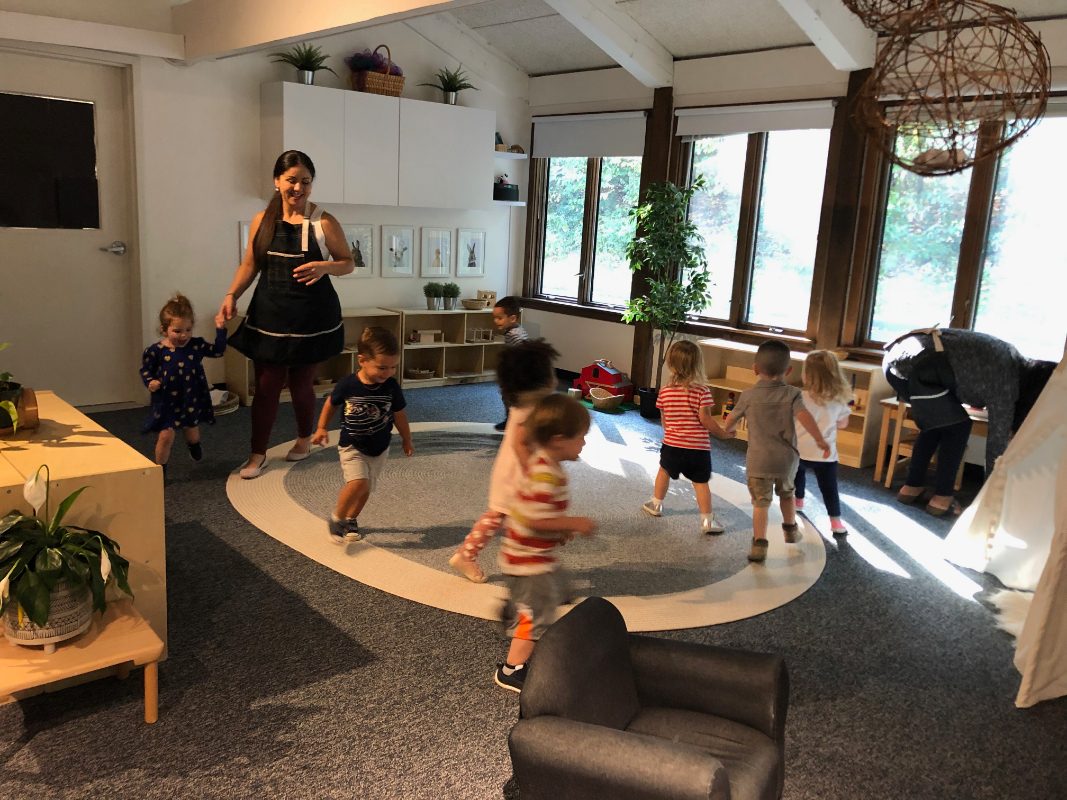
If you have noticed your child dancing or marching around in a circle that is because we dance around our oval rug to Laurie Berkner’s, We are The Dinosaurs and Baby Shark. These children really love to dance!
One of my favorite events is coming up and I hope you will all join me at Oktoberfest. It is such a great way to meet others in the FWM community!
Enjoy all the photos!
Mrs. Wilson, Miss Sara, and Miss Heather
Mrs. Doyle’s Class: Sing Peace Around the World
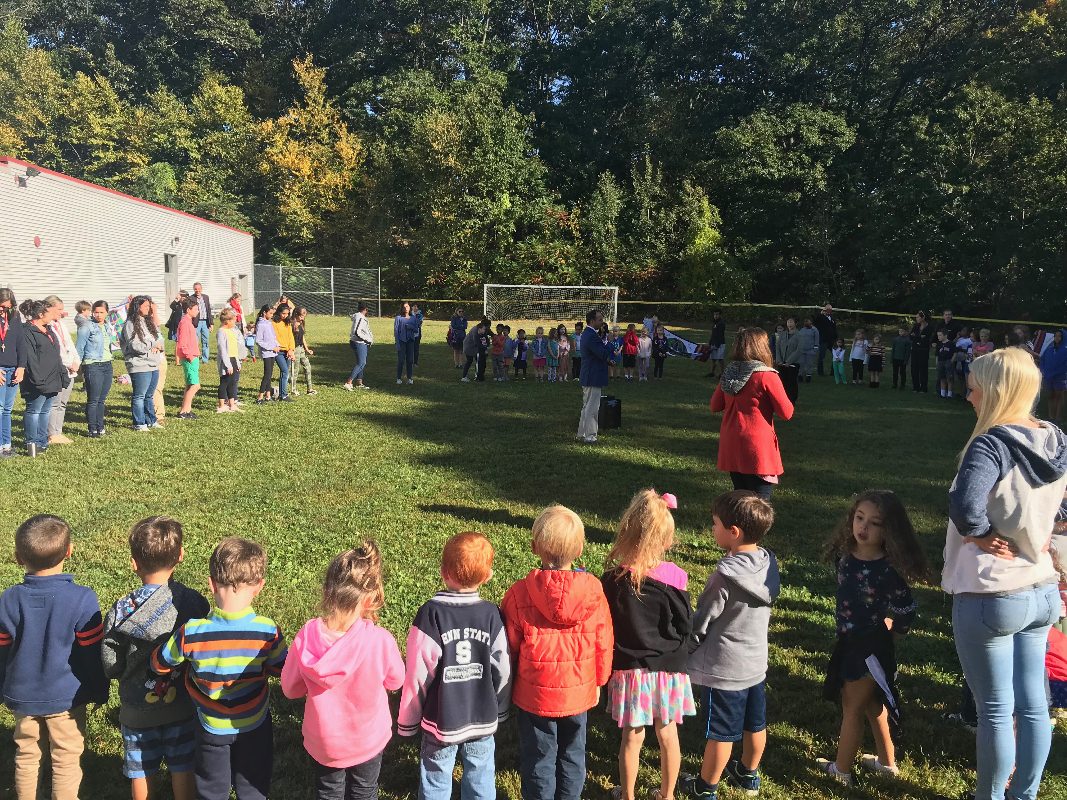
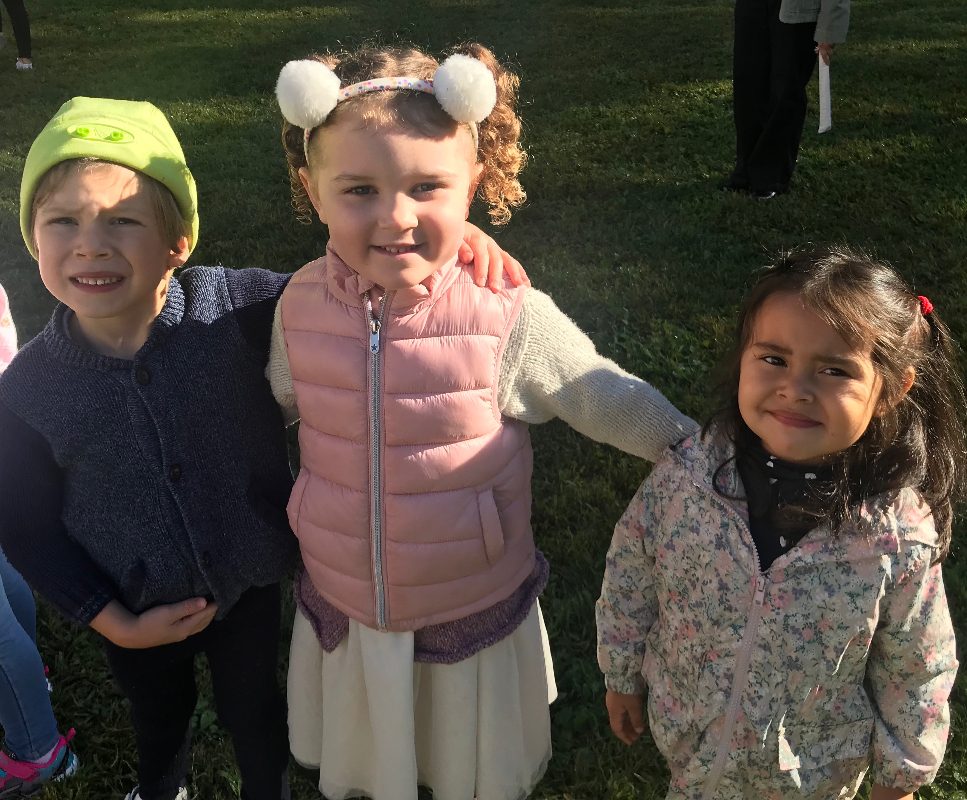
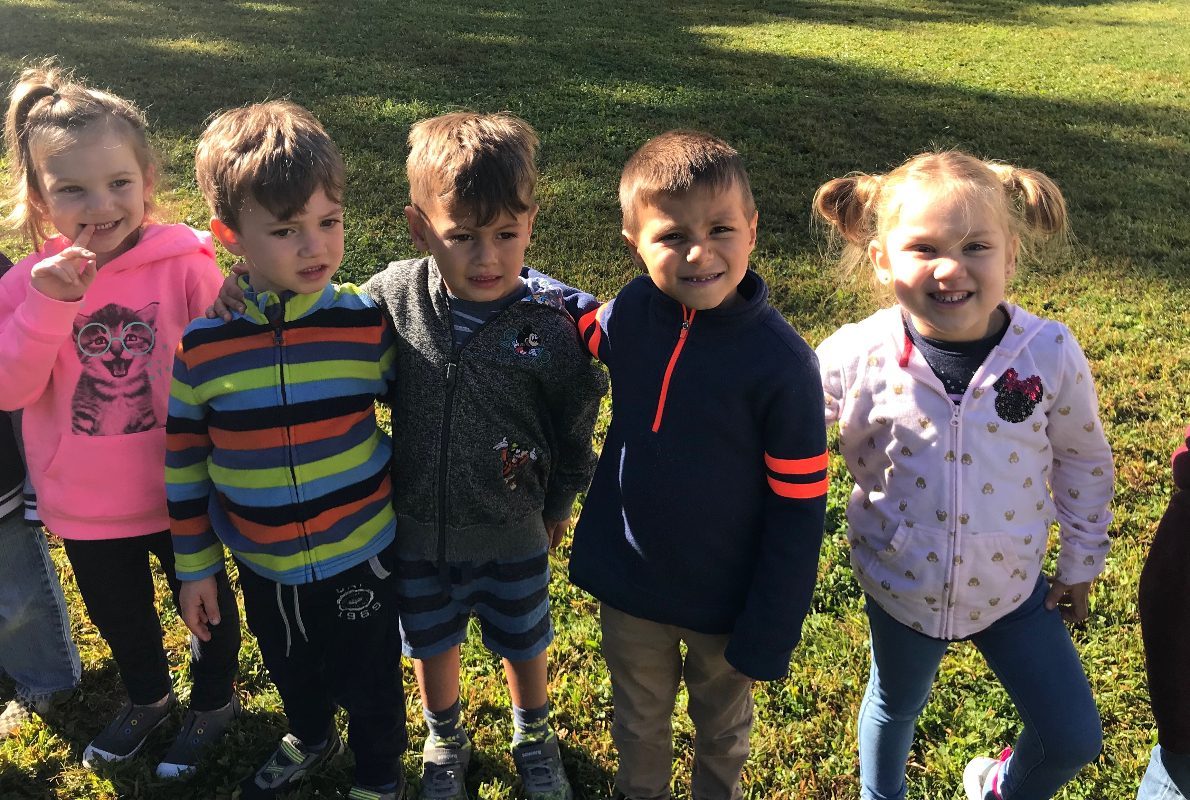
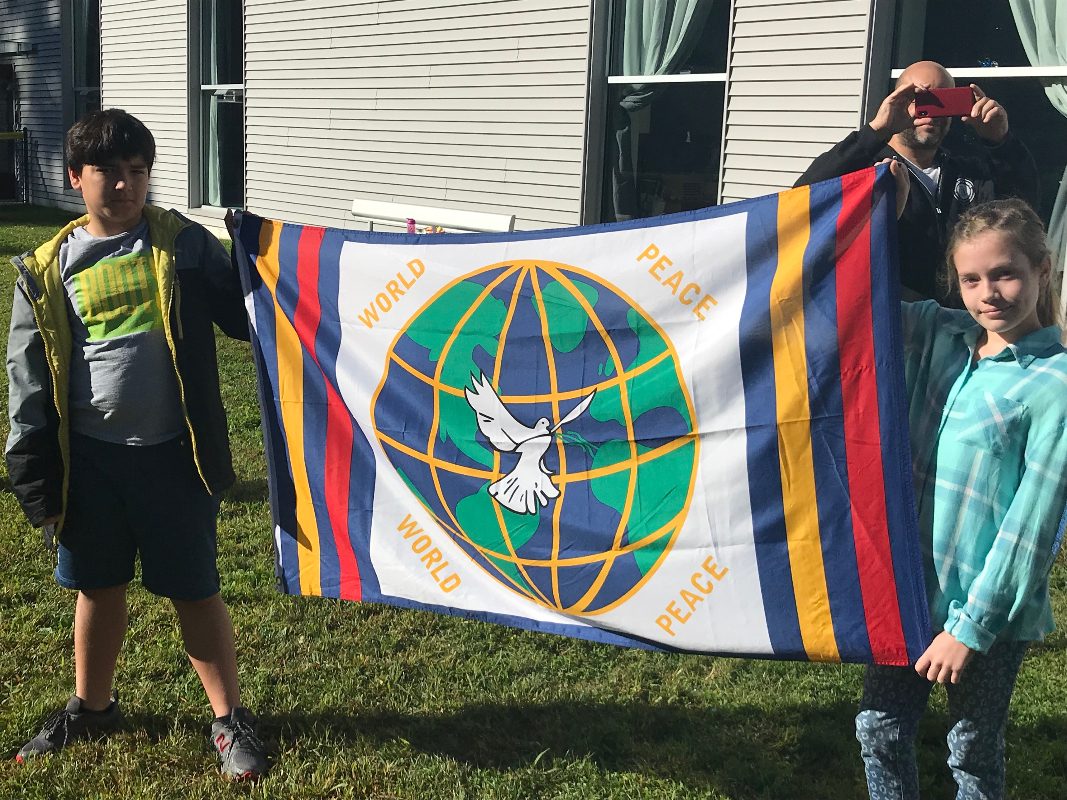
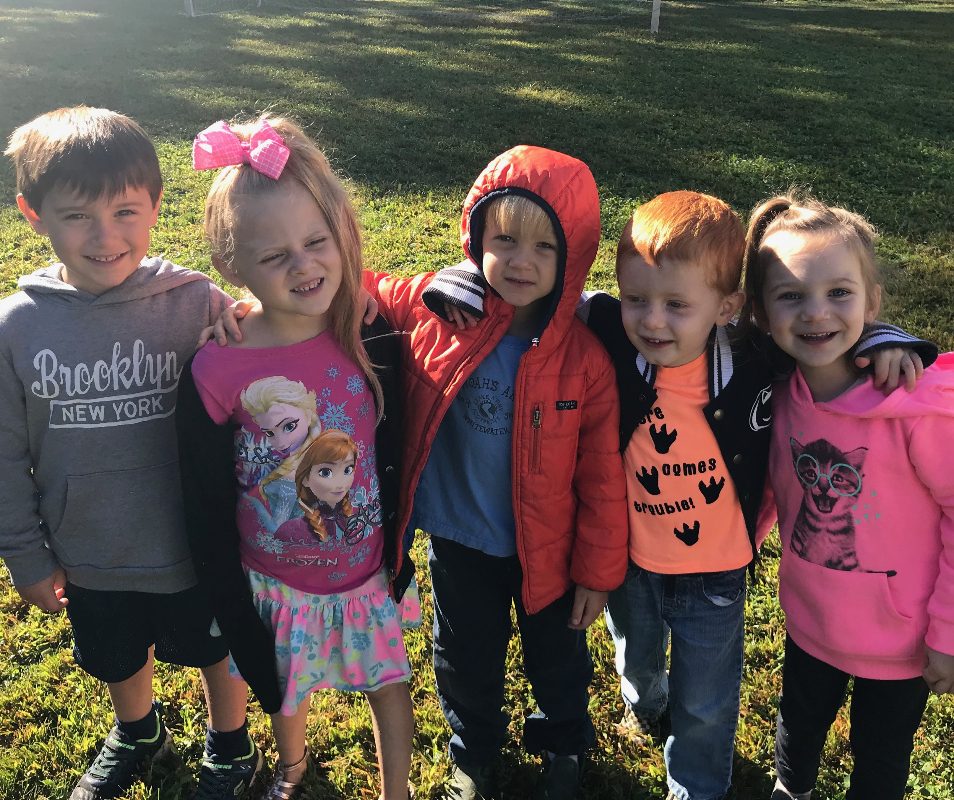
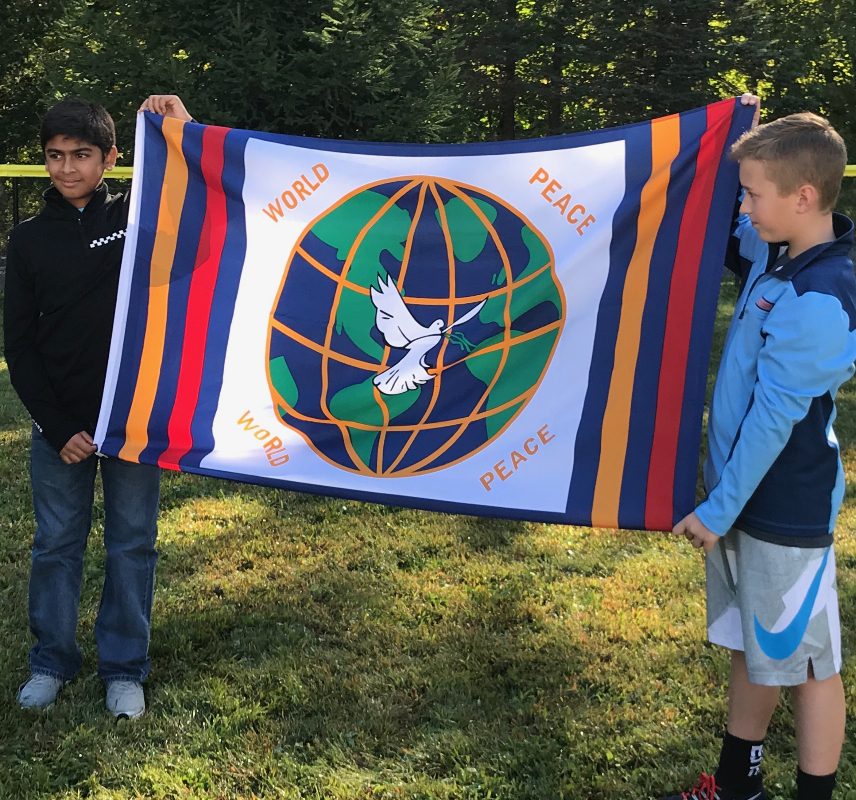
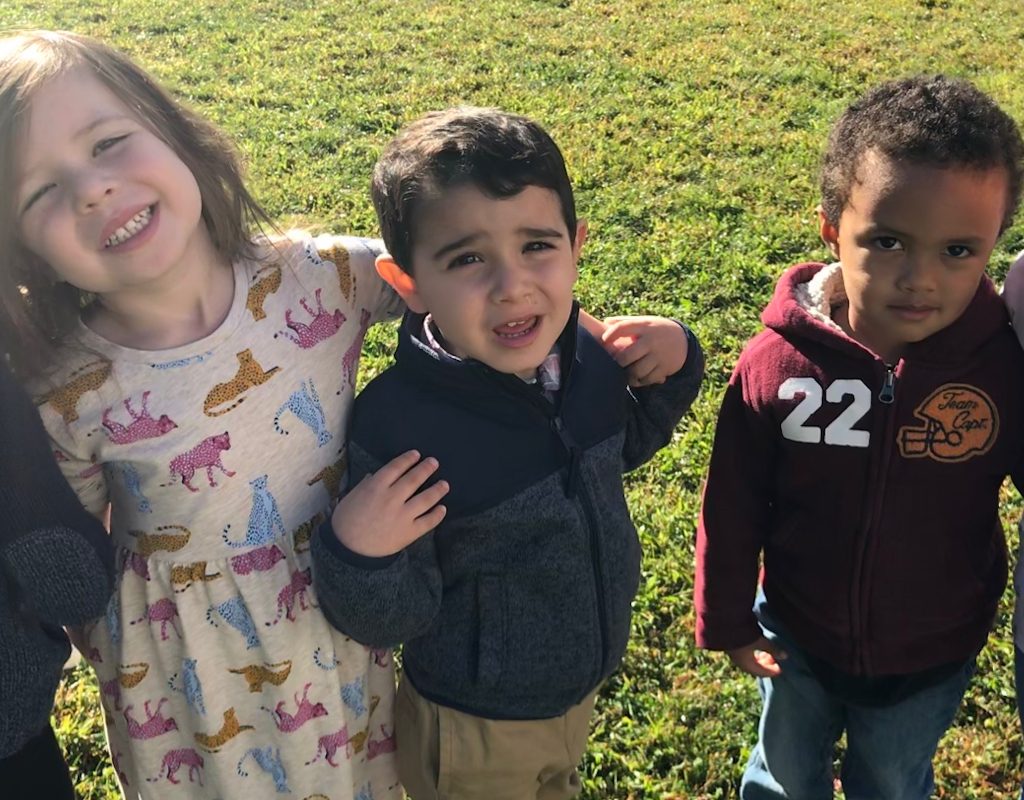
Peace education is a basic tenet of the Montessori philosophy. In the 3-6 environment, studying the seven continents, including its people and cultures, provides a global view of our world. As Montessori teachers, practicing and teaching peace, kindness, and acceptance is a natural part of our day. Dr. Maria Montessori believed we should think of education as peace, not education for peace. She also believed that young children were our hope for eliminating conflict and instilling peace throughout the world. Dr. Montessori, as always, knew that lecturing children would accomplish very little and that to truly understand peace they would need to discover it for themselves.
To celebrate the International Day of Peace, on September 20th, our school participated in “Sing Peace Around The World.” Beginning in New Zealand and ending in Hawaii, Montessori schools around the world sang “Light A Candle For Peace” for five minutes and during a specific time slot. So for 24 hours, this special song was being sung in a different part of the world by Montessori children.
We hope you enjoy this short video and pictures of our school taking part in this simple yet beautiful ceremony.
Peace is what every human being is craving for, and it can be brought about by humanity through the child.
——-Maria Montessori
Tiny Art Show!
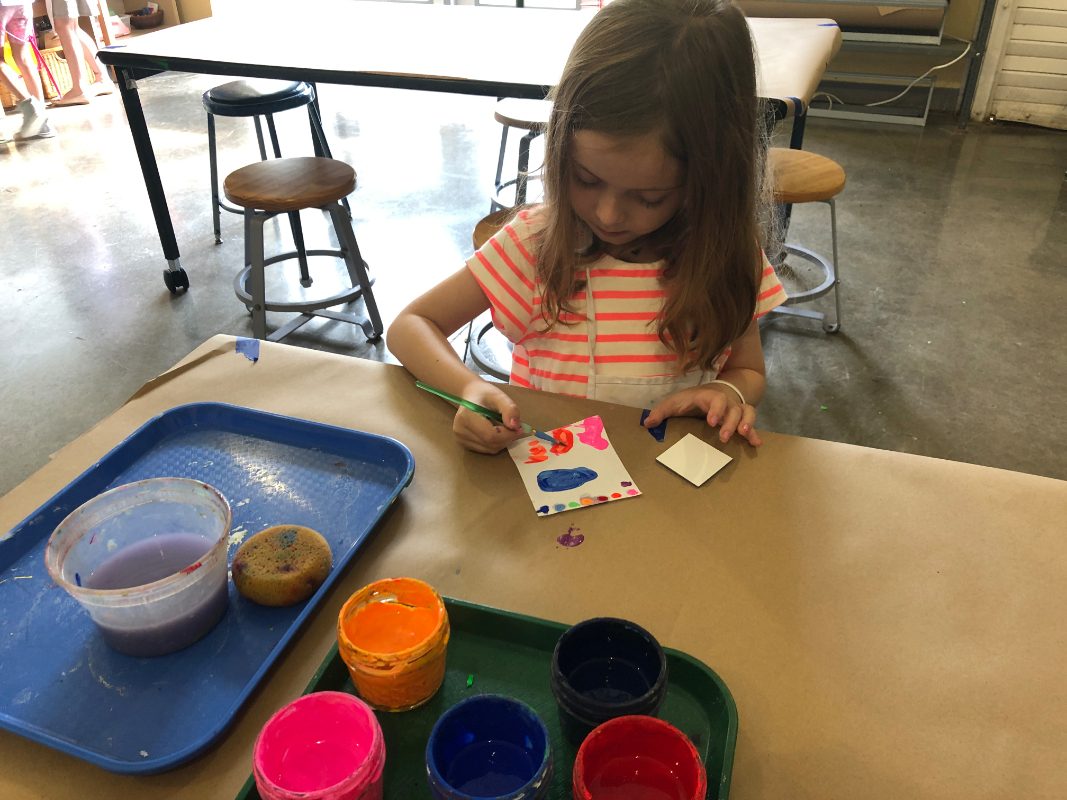
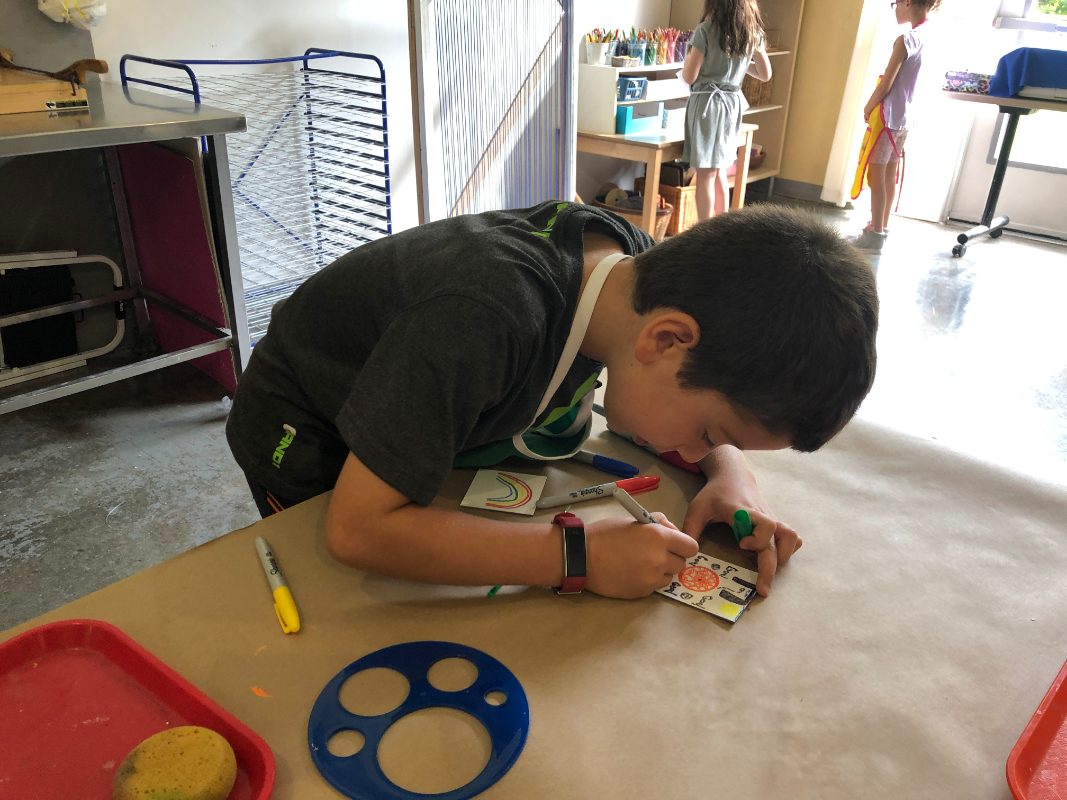
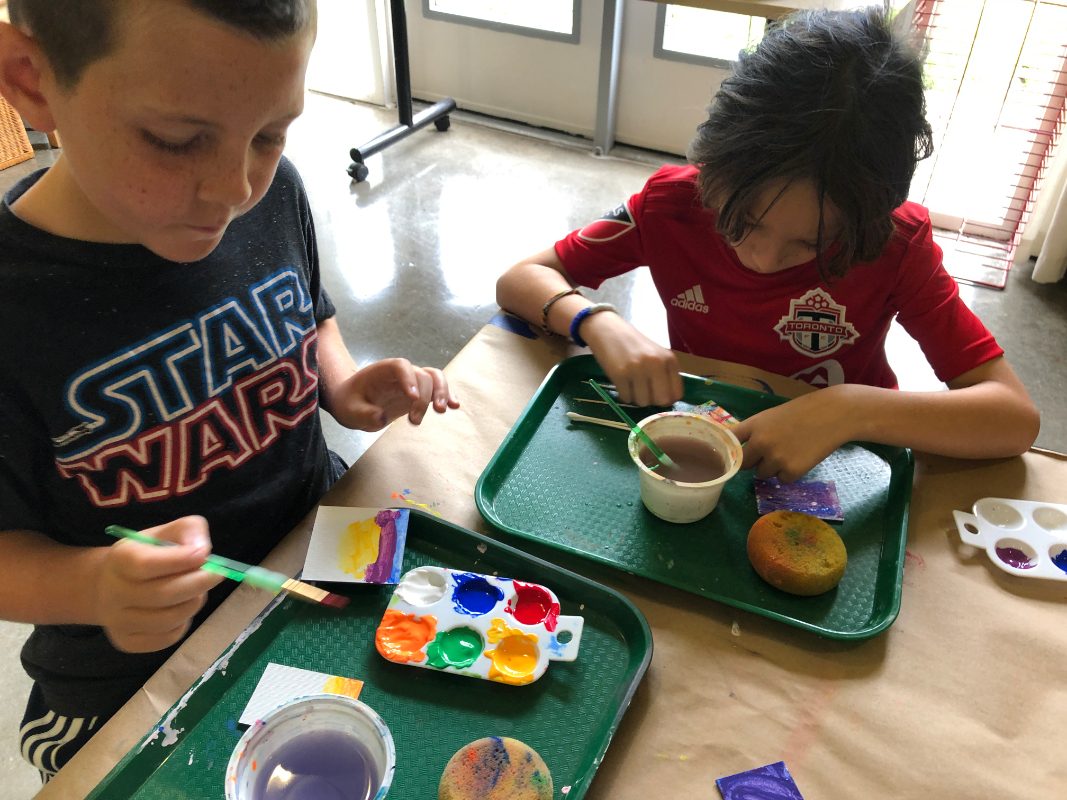
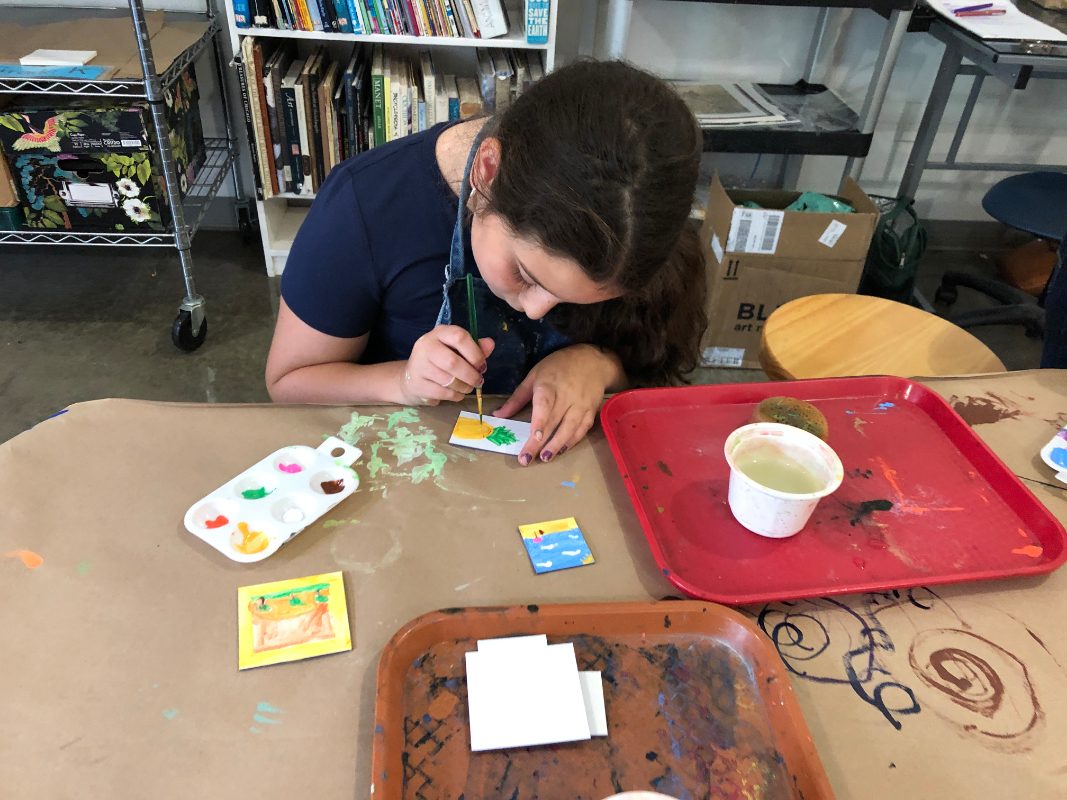
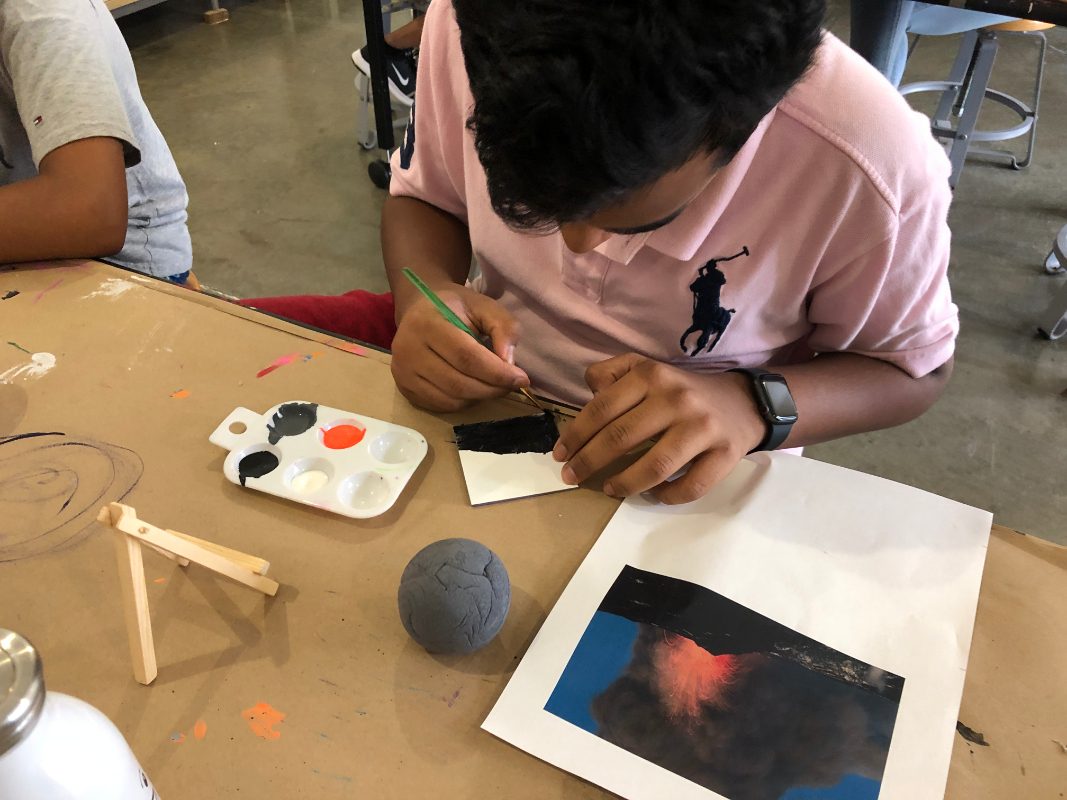
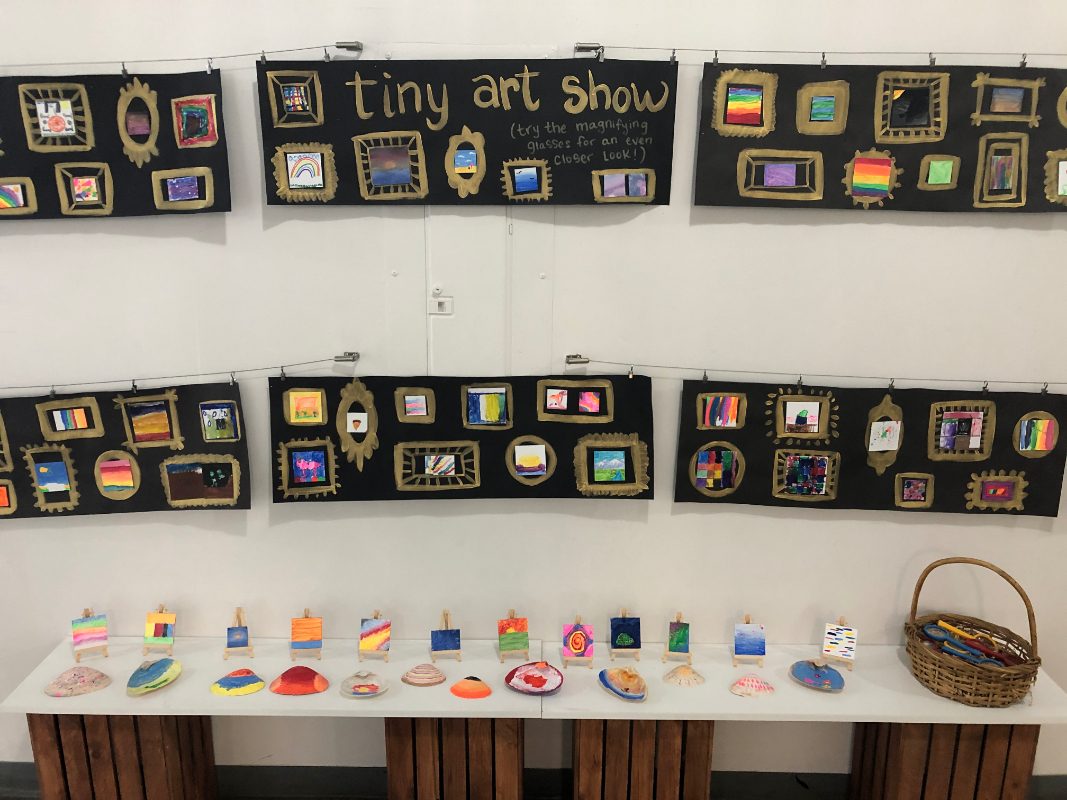
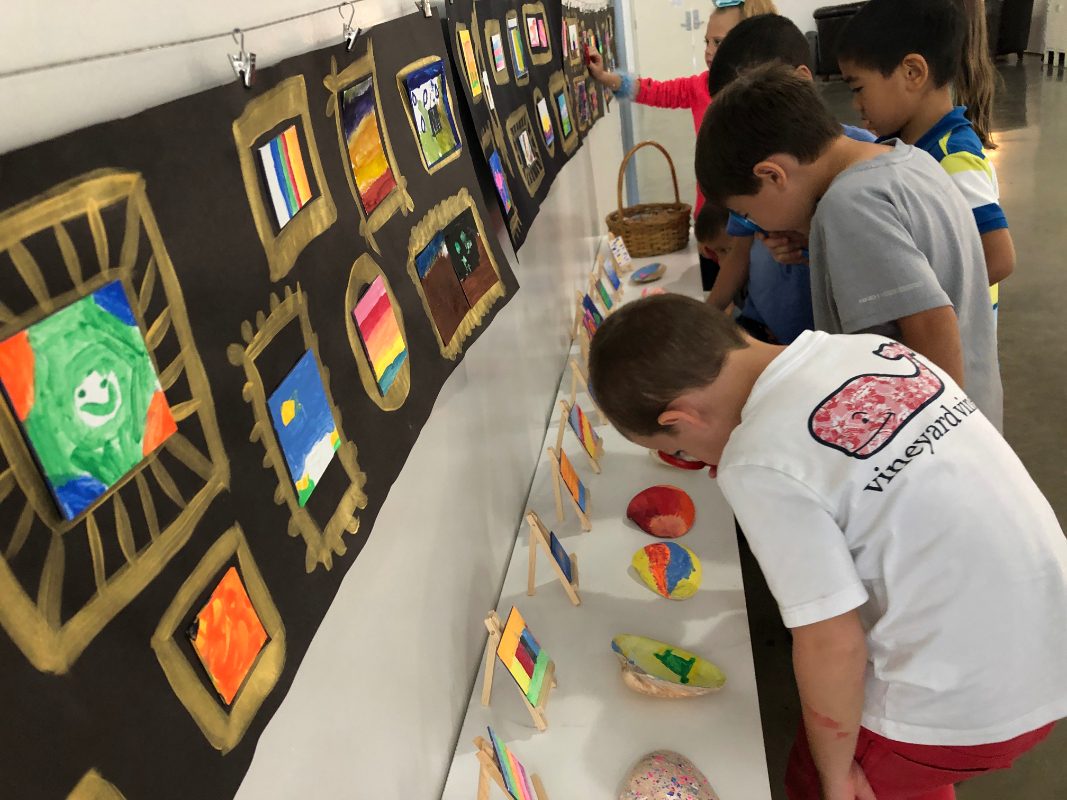
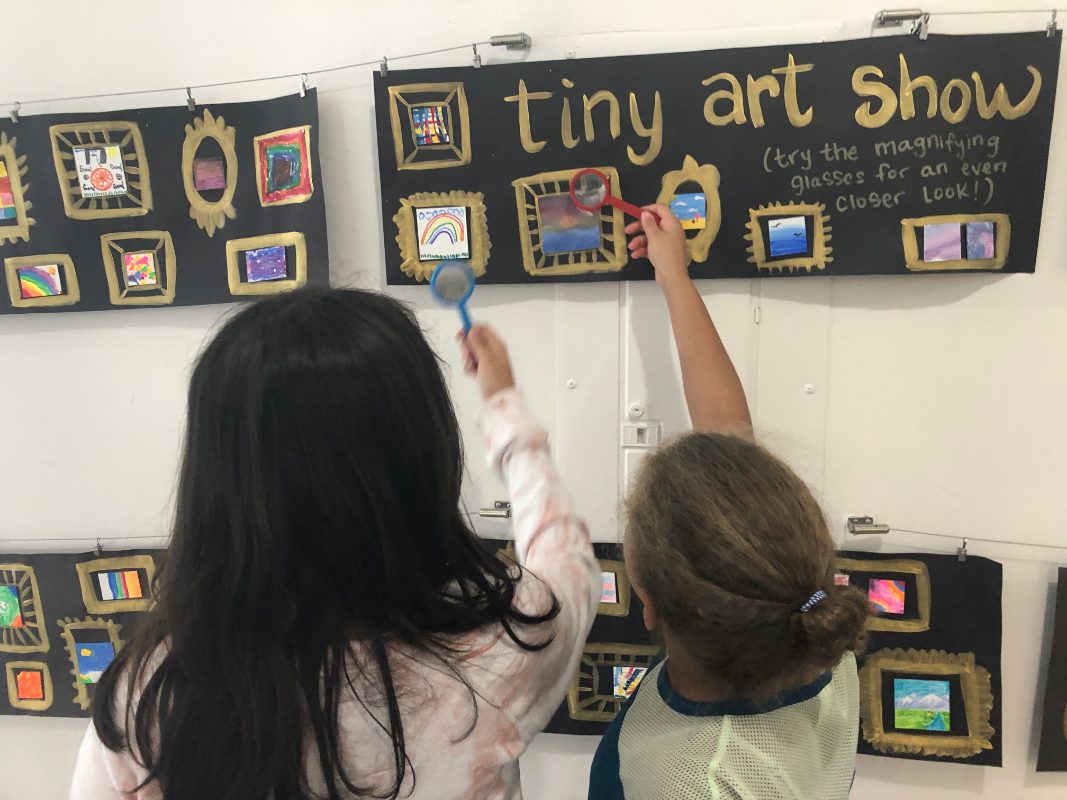
In the Art Studio, our young artists from Lower Elementary through Middle School kicked off the school year by putting on a Tiny Art Show! Each artist was given a choice between various small canvases, paper, and even shells to create their tiny artwork on. Students practiced layering art materials such as colorful sharpies and tempera paints, as well as practicing color mixing techniques. There was no specific prompt for what to paint, but rather it was an opportunity for each young artist to trust their creativity and express themselves. The challenge, however, was the small size restriction. Students had to problem solve ways in which they could fit their designs and ideas onto the tiny canvases, as well as how to carefully apply paint with small paintbrushes so as not to lose any detail. It was wonderful to see the variety of artwork created!
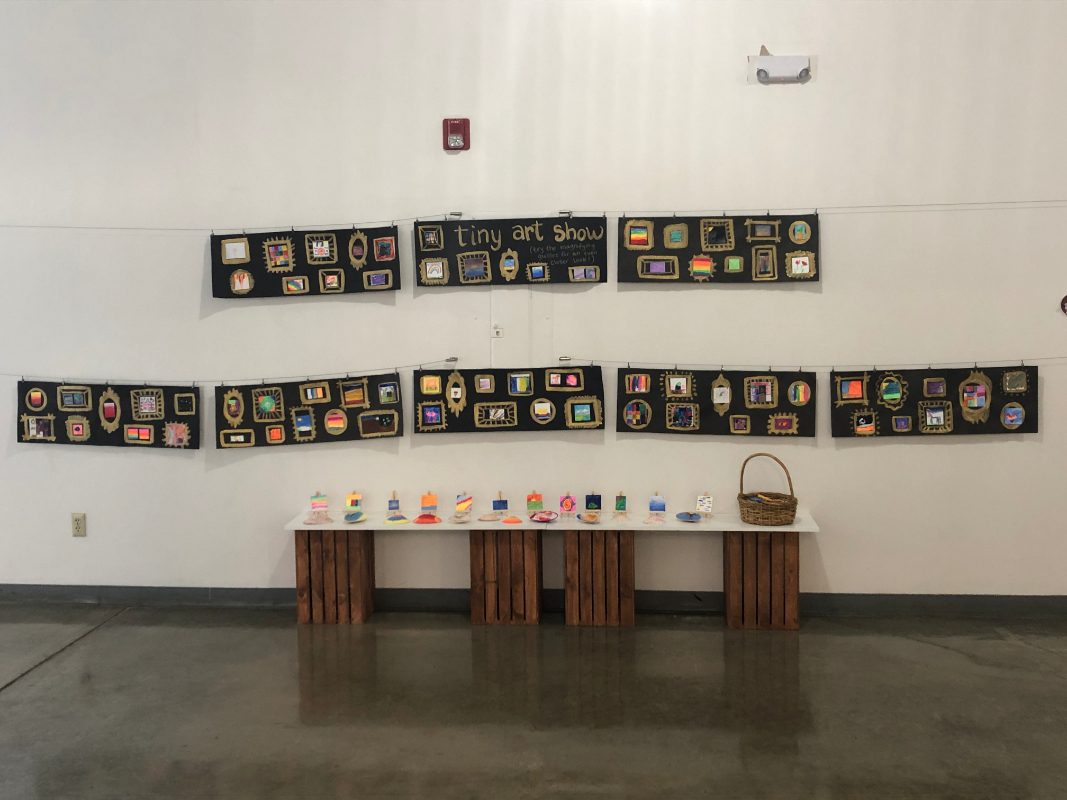
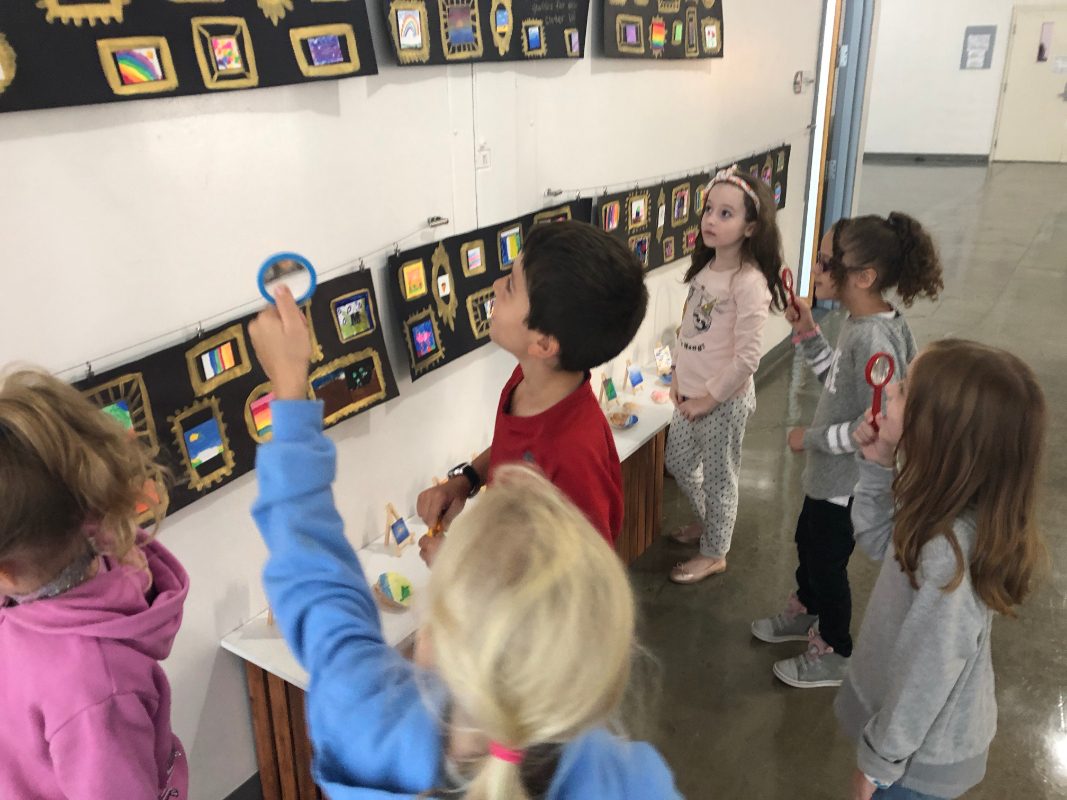
Once their tiny artwork was complete, we set up a display in the hallway for the whole school to enjoy. Magnifying glasses were set up with the display so everyone could take a closer look at all of the wonderfully unique tiny works of art!