Mrs. Lopes: The Three Period Lesson


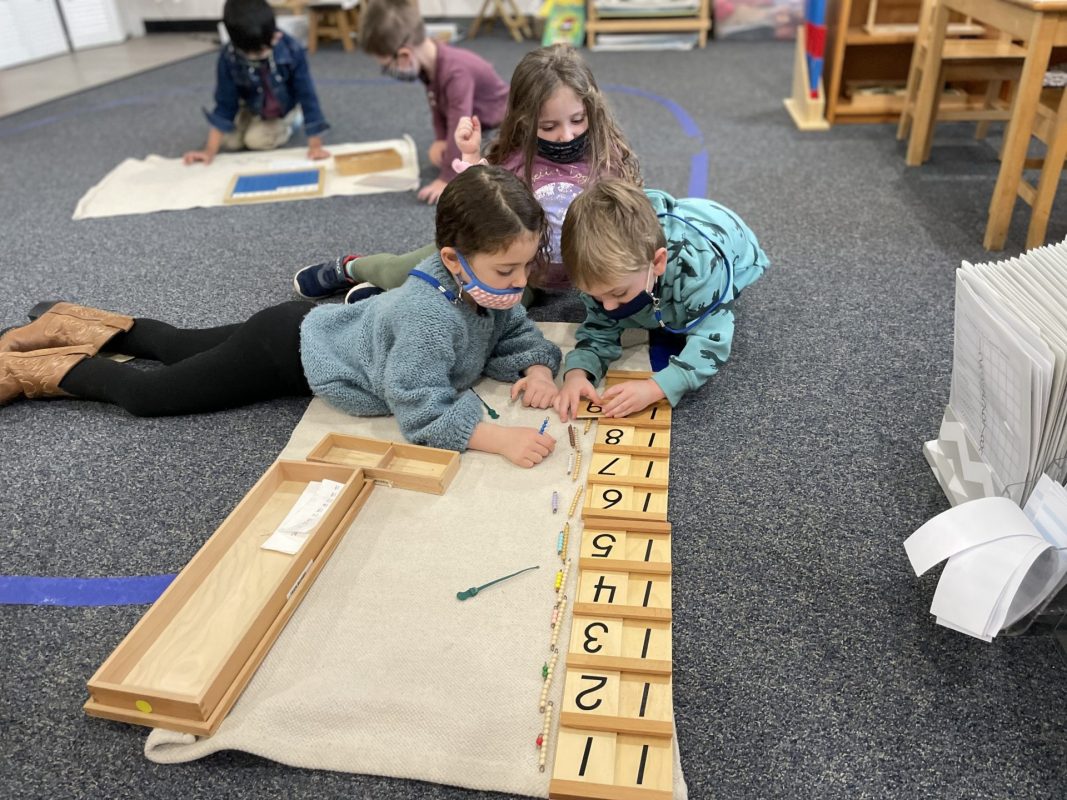
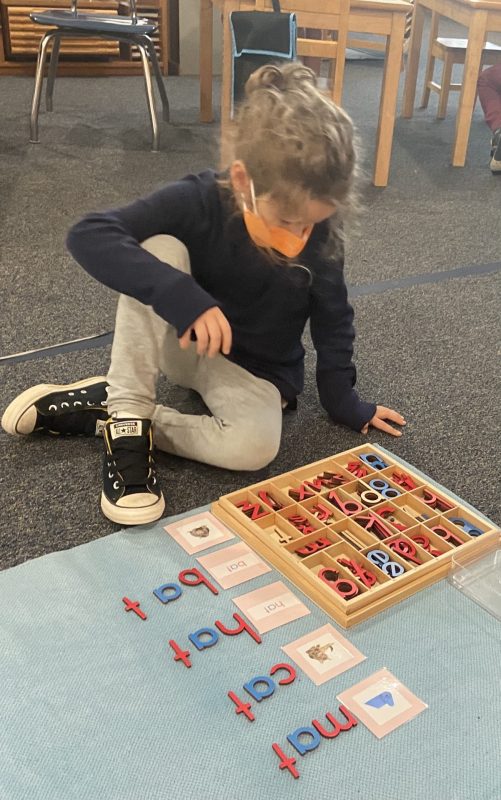
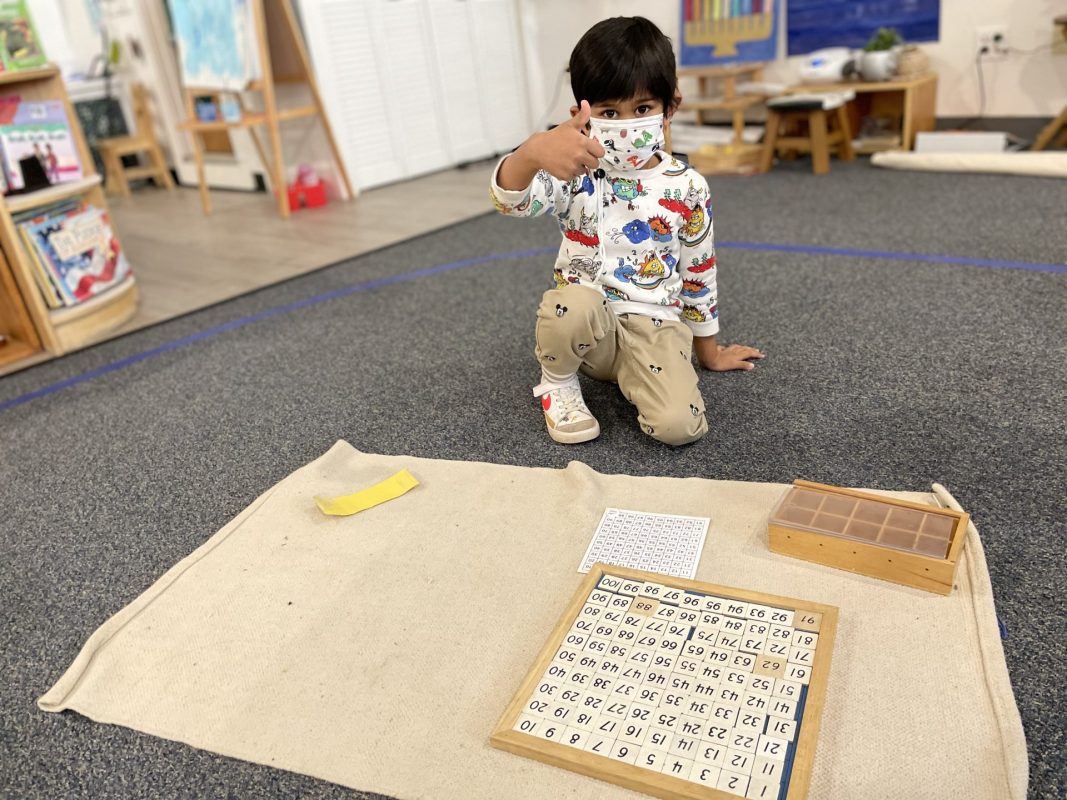
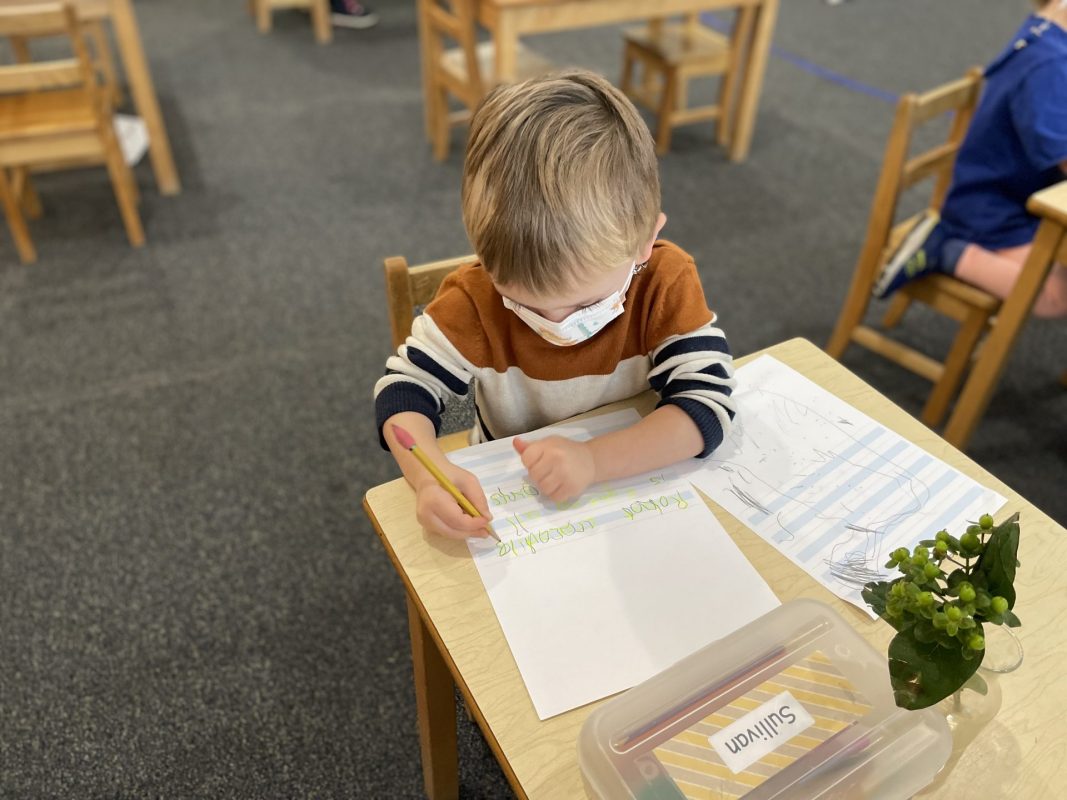
Maria Montessori described the developmental brain of the young child as the “absorbent mind” because of their ability to retain a great deal of information during the early years.  She designed the three period lesson to utilize their brain development and interests to help move children from the introduction of a concept to retention.  When we introduce new concepts or materials to the children in our classroom, we often do so using a three-period lesson.

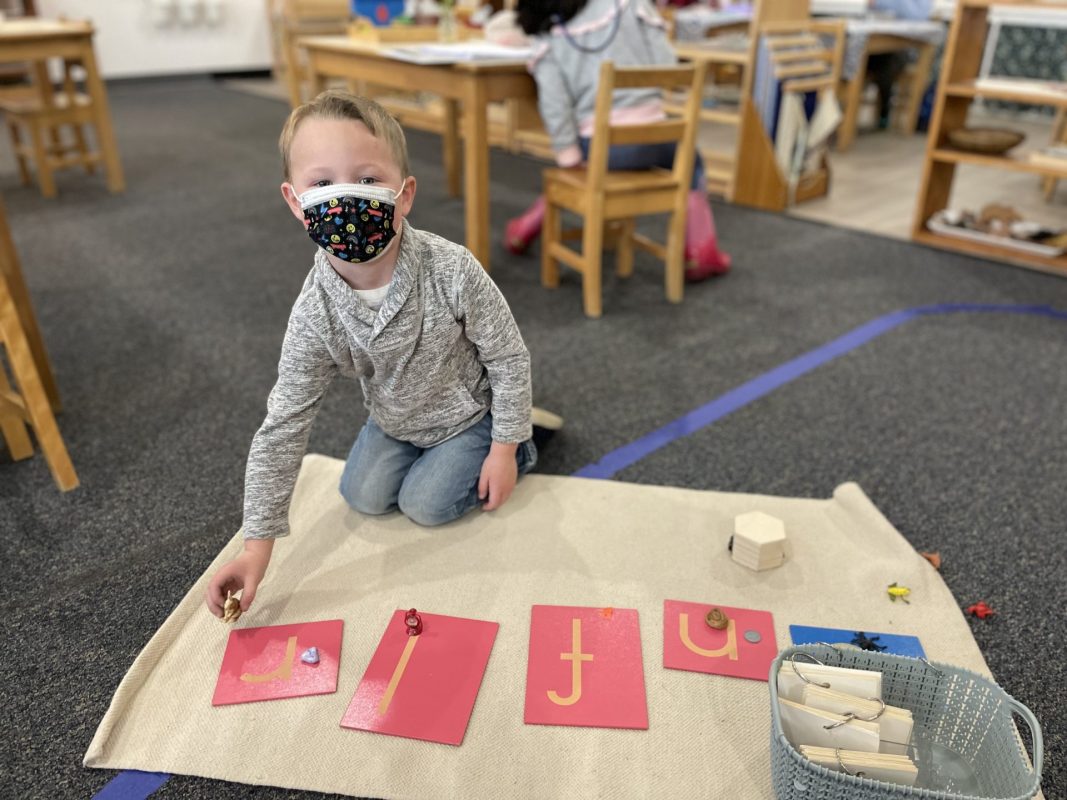
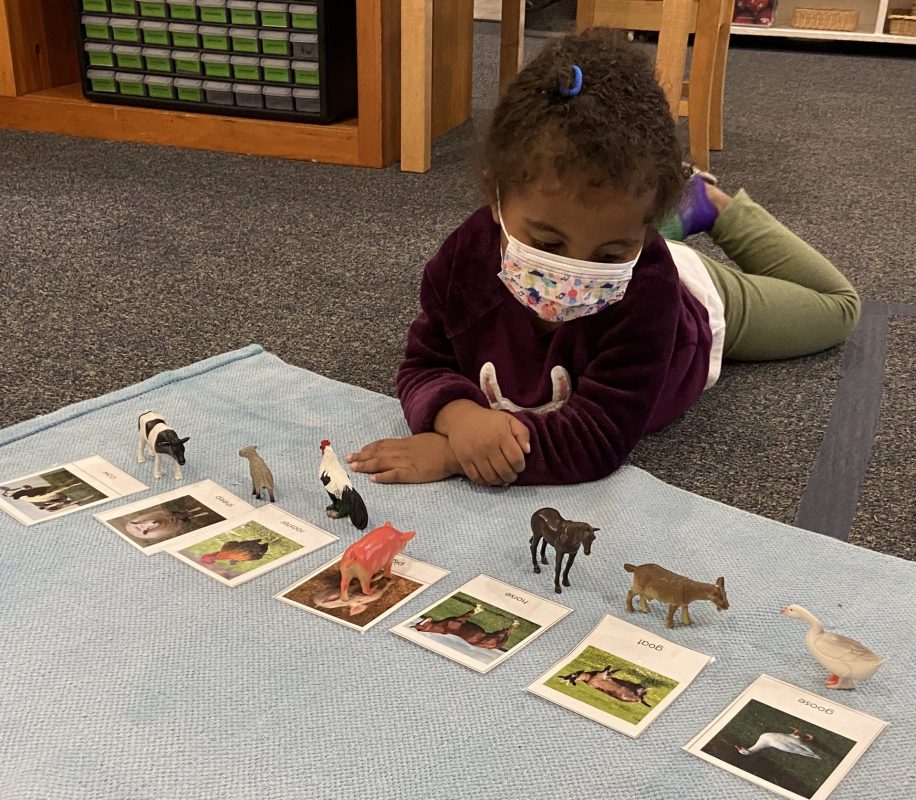
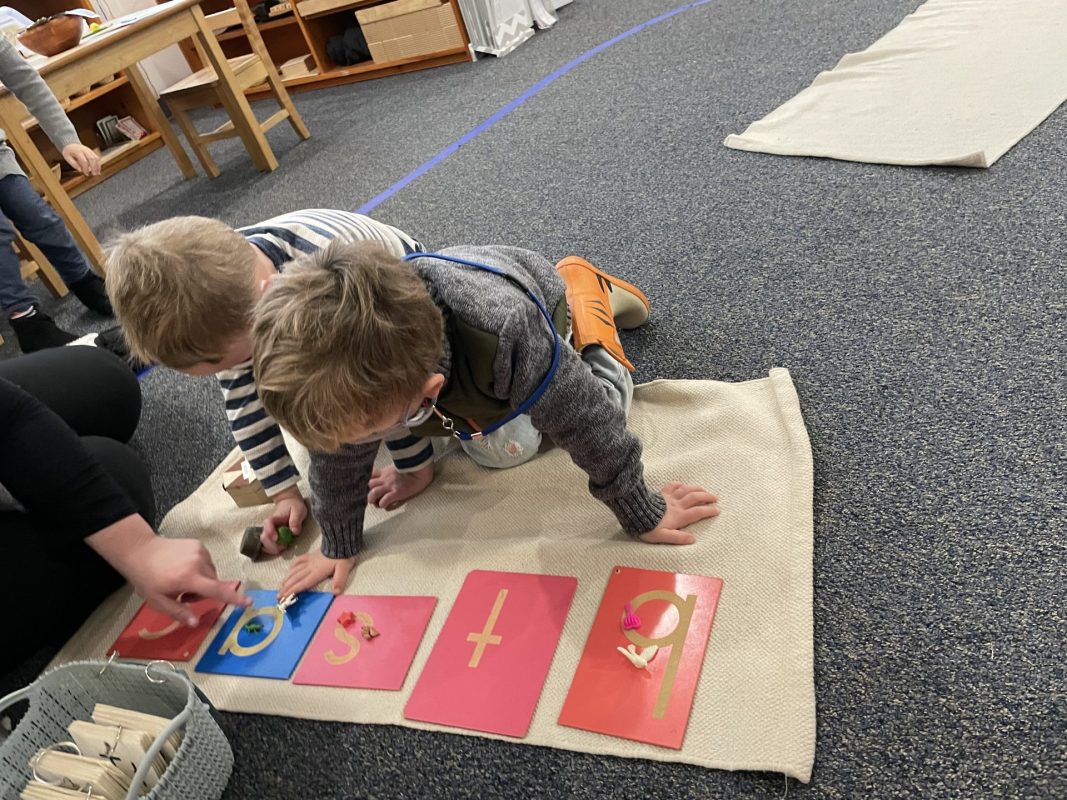
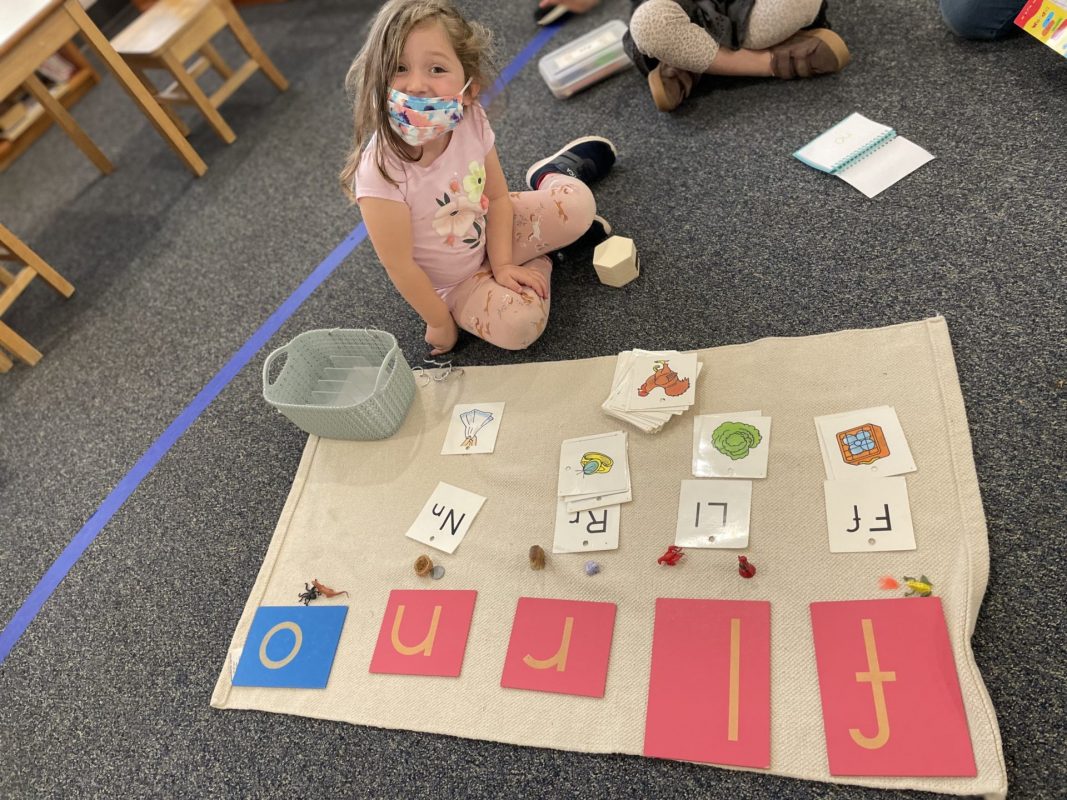
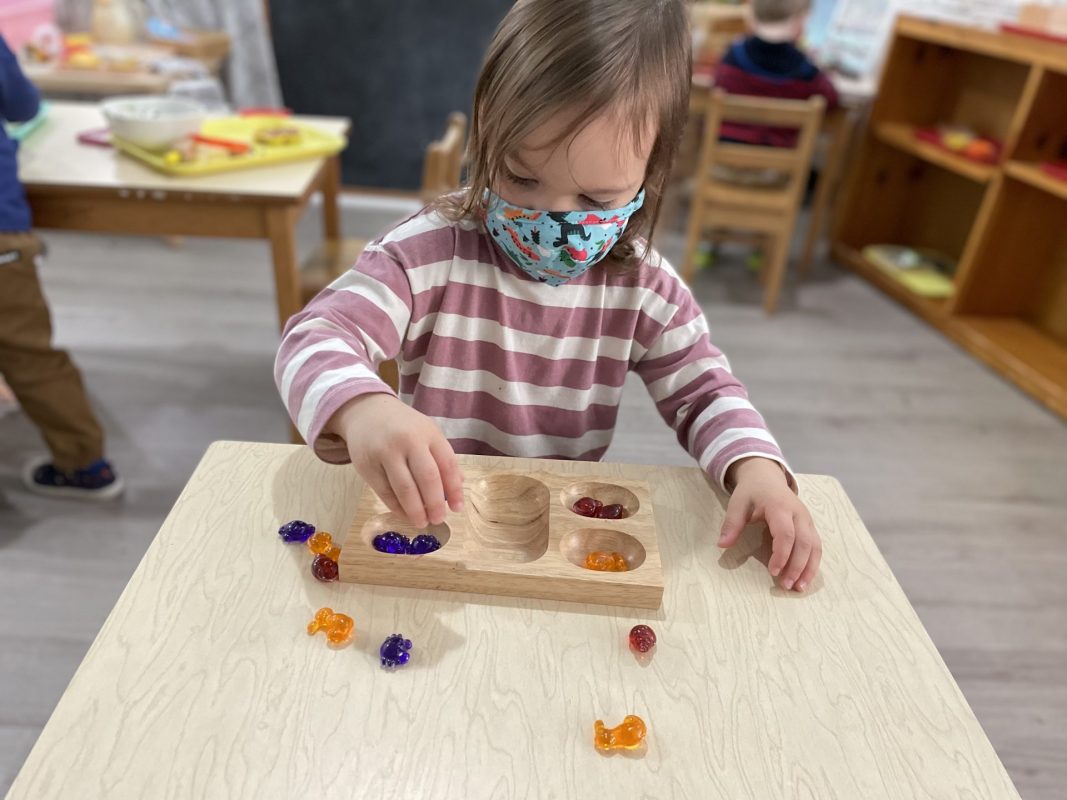
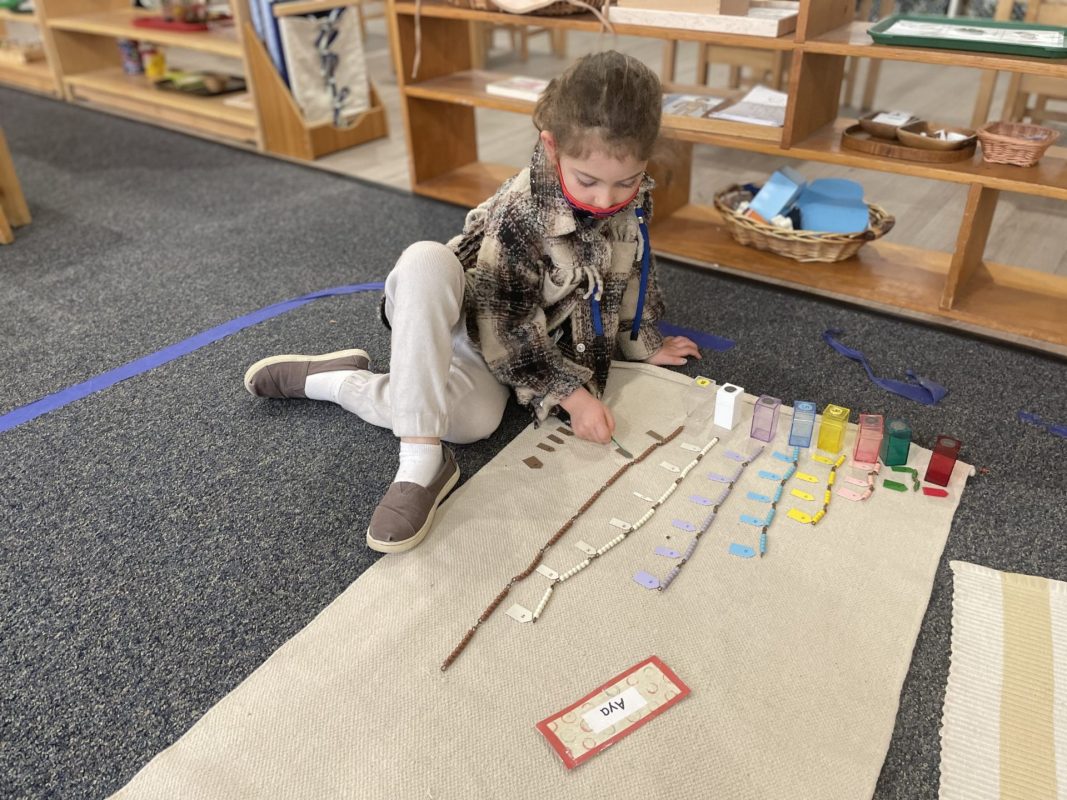
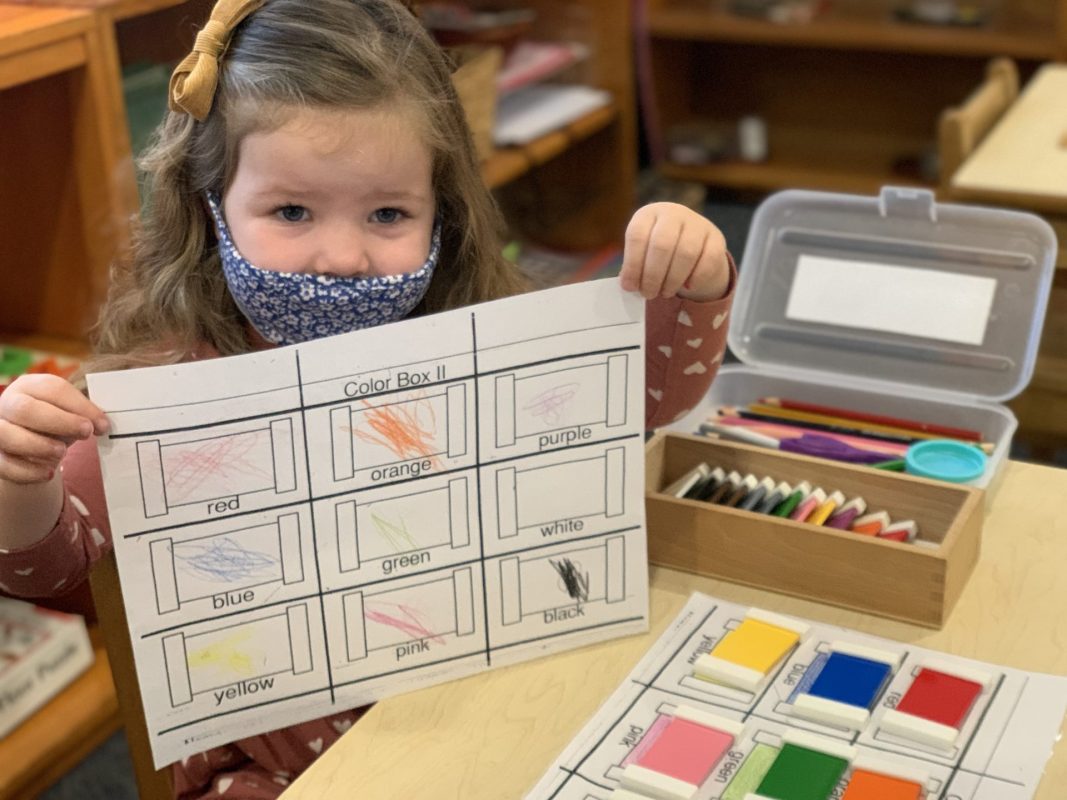
Period One is the introduction stage. In this stage we are isolating new vocabulary to the children. For example, if we are introducing the color tablets, we say, “This is blue.”  Repeating that statement and allowing the child to manipulate the blue color tablet are crucial during this stage.

Period Two is all about association and recognition. It is often a separate lesson. We do not ask the children to remember the vocabulary or recall the concept. We are simply reinforcing the concept taught in Period One. We use words such as, “Show me the blue tablet,” or, “Can you place the blue tablet on your lap?”

Period Three is the recall stage and the first time we ask the child to remember the concept independently. We ask them, “What is this?” when showing them the blue color tablet. We are careful not to begin Period Three until we know they are ready for success.

Every time a child masters a new concept it paves the way to move towards another one.

We are looking forward to meeting with you virtually on Thursday, October 28 to share all the growing and learning your children have accomplished over these last few months!  Look for an email this coming Tuesday, October 12 with the Signup Genius link to pick a time slot.

Wishing you a wonderful week,

Amanda and Heather

Mrs. Doyle: Yes, I Know The Continents


The Montessori approach to teaching Geography is unique and comprised of two components, physical geography and political geography, also known as Culture. From the beginning of the school year, we weave Geography lessons and terminology into our day as we learn about our physical world. The Geography materials are always fascinating to the children and are a springboard for wonderful discussions.

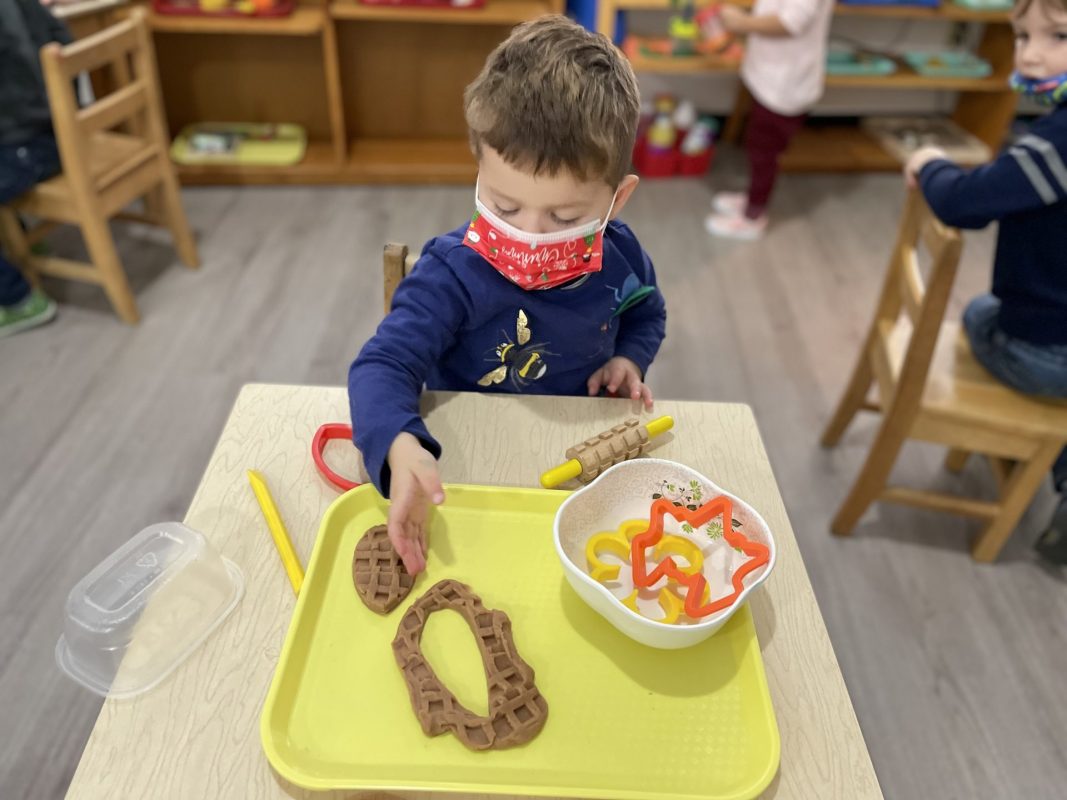
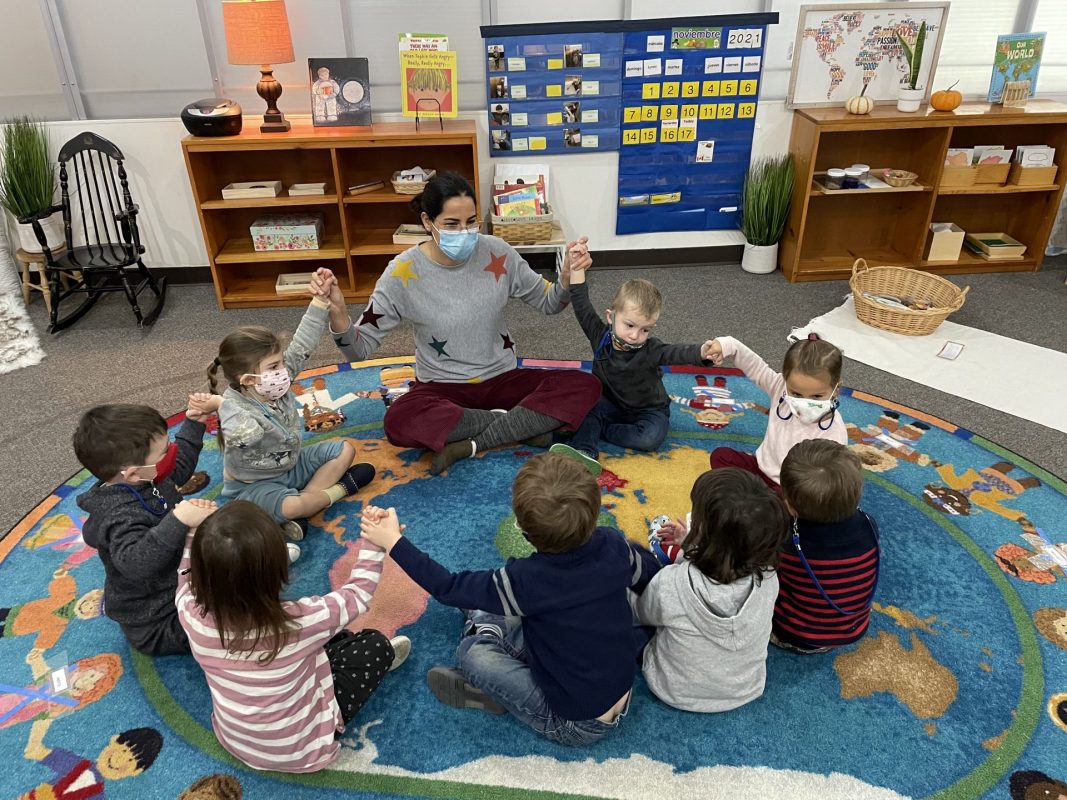
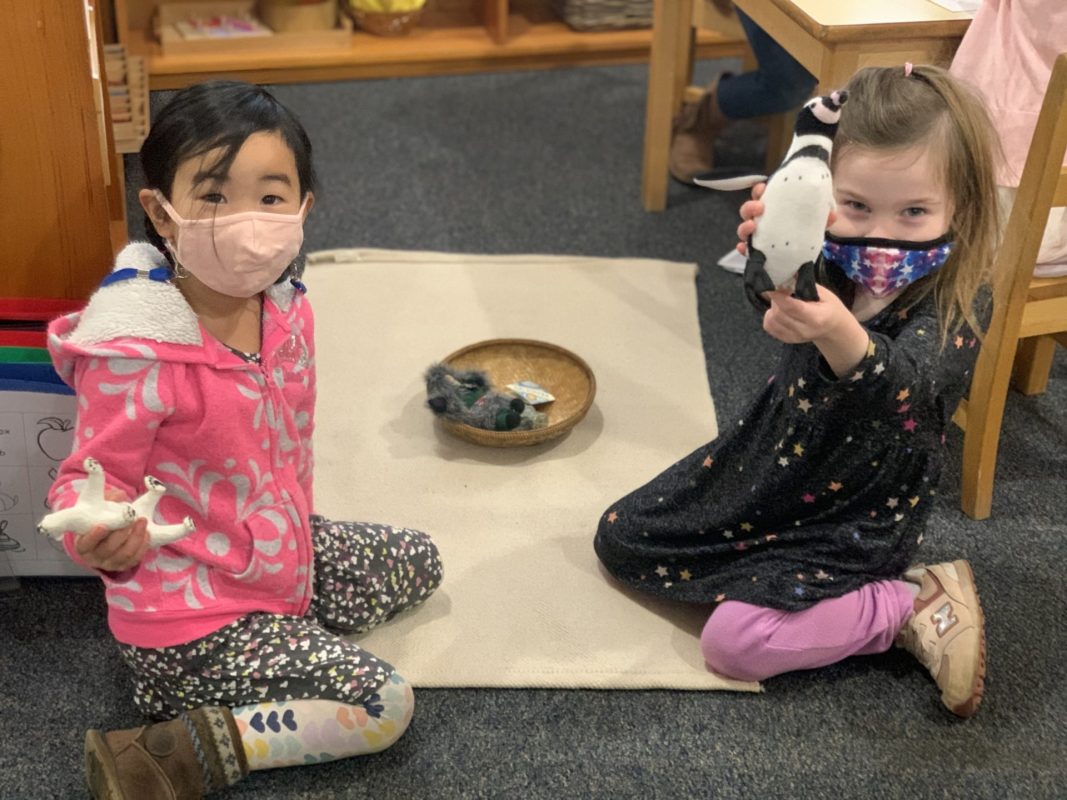
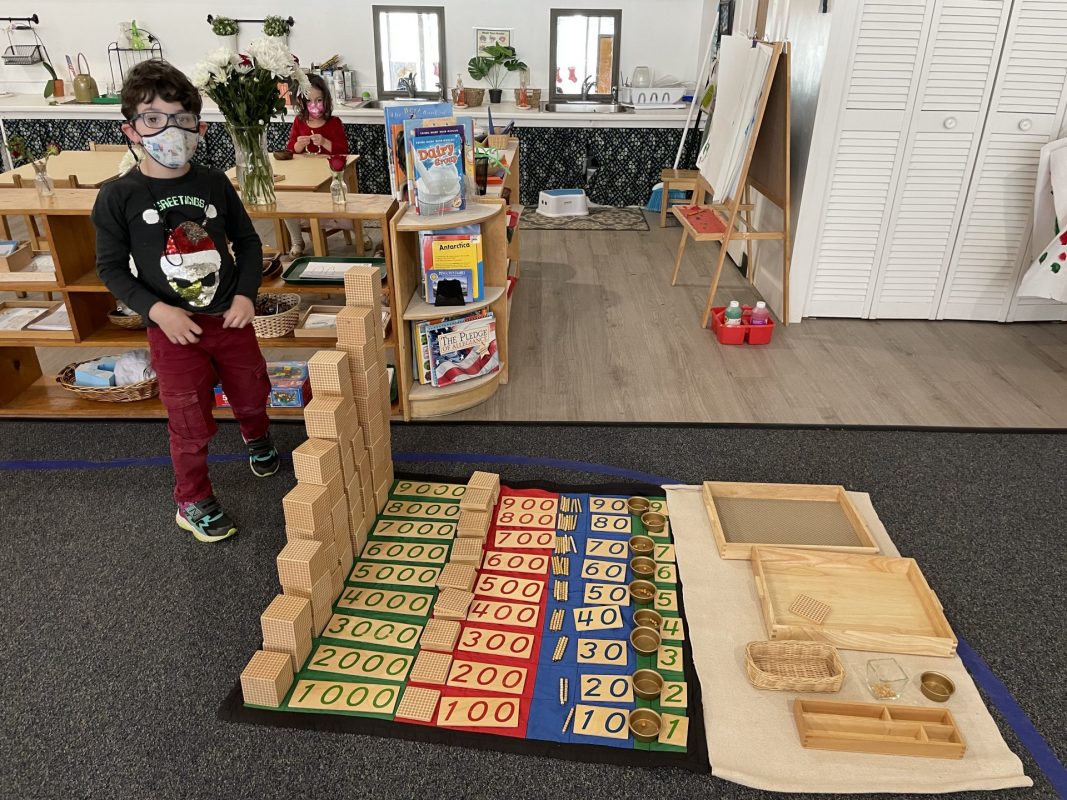
Early in our school year, we categorized the planet Earth into air, land, and water.  We then sorted what we would find in each of these different components of our world.  Next, we introduced the geometric solid known as a sphere to the children and compared it to the shape of the globe.  We start with a sandpaper globe that helps to distinguish land and water.  The colored globe comes next and we begin to teach the continent names.  We make a sphere out of play dough and cut it in half to help them visualize the concept of a hemisphere.  Simultaneously, the children are learning about land forms that introduce the concept of lake, island, bay, cape, peninsula, gulf, isthmus, strait, archipelago, and a system of lakes.  These sensory experiences help the children learn about their physical world.

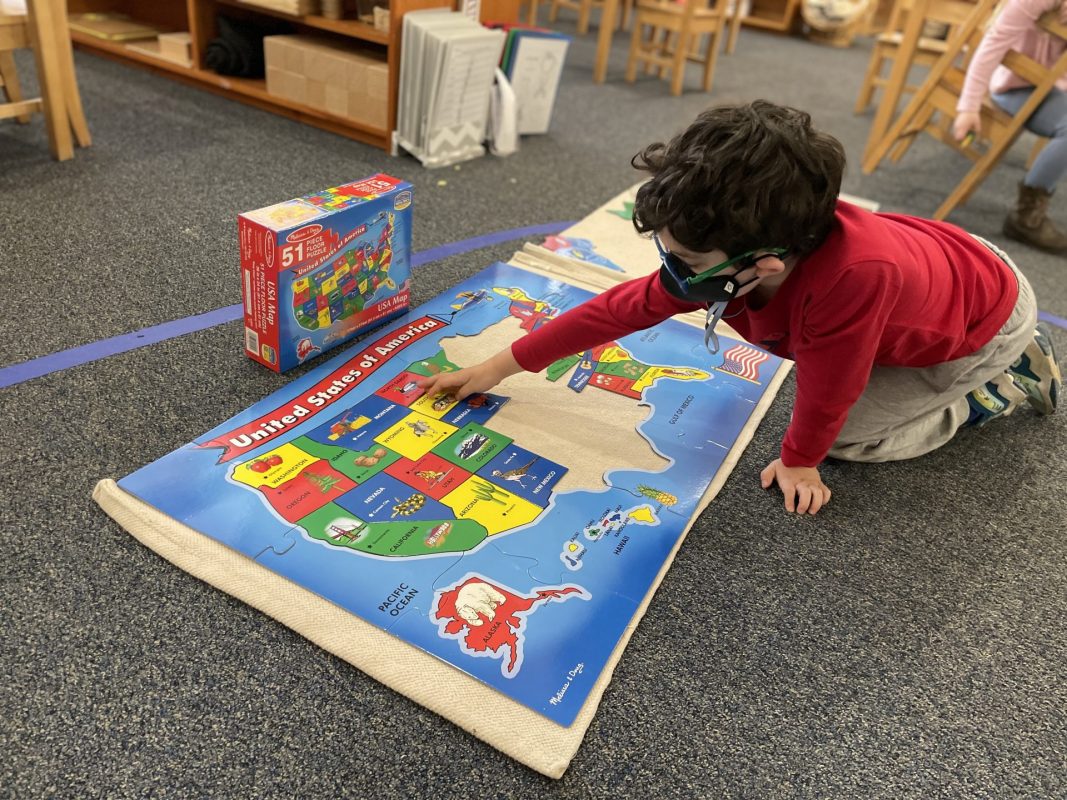
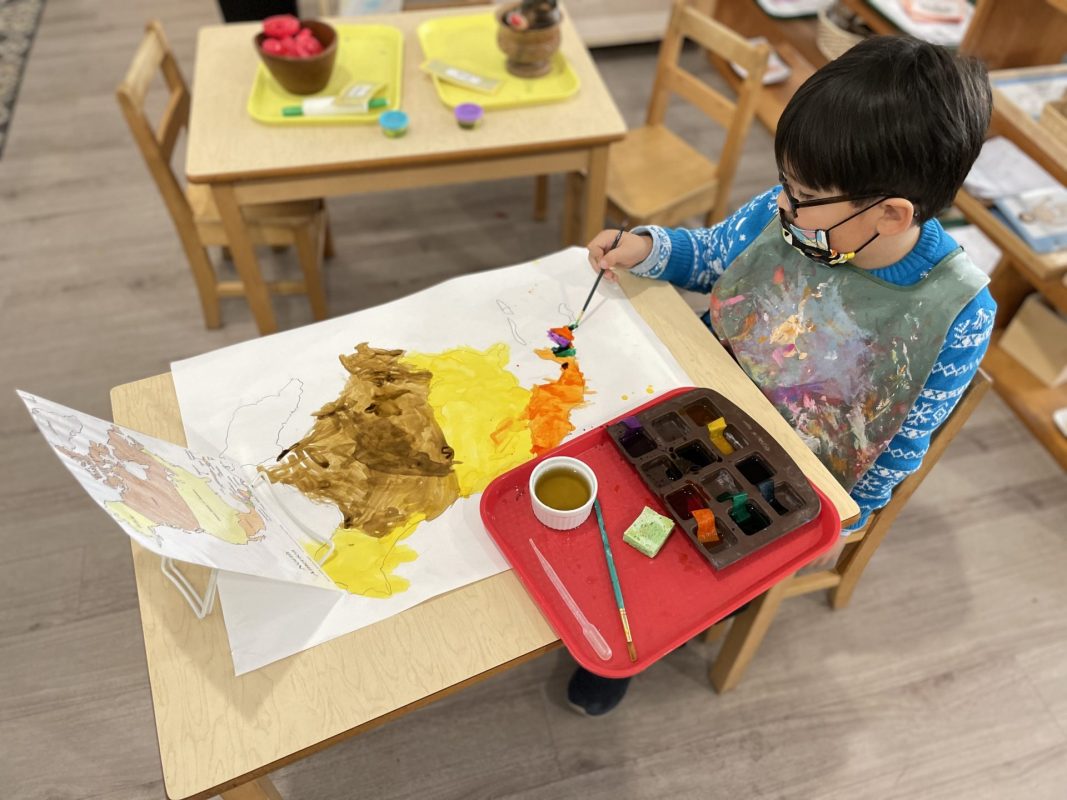
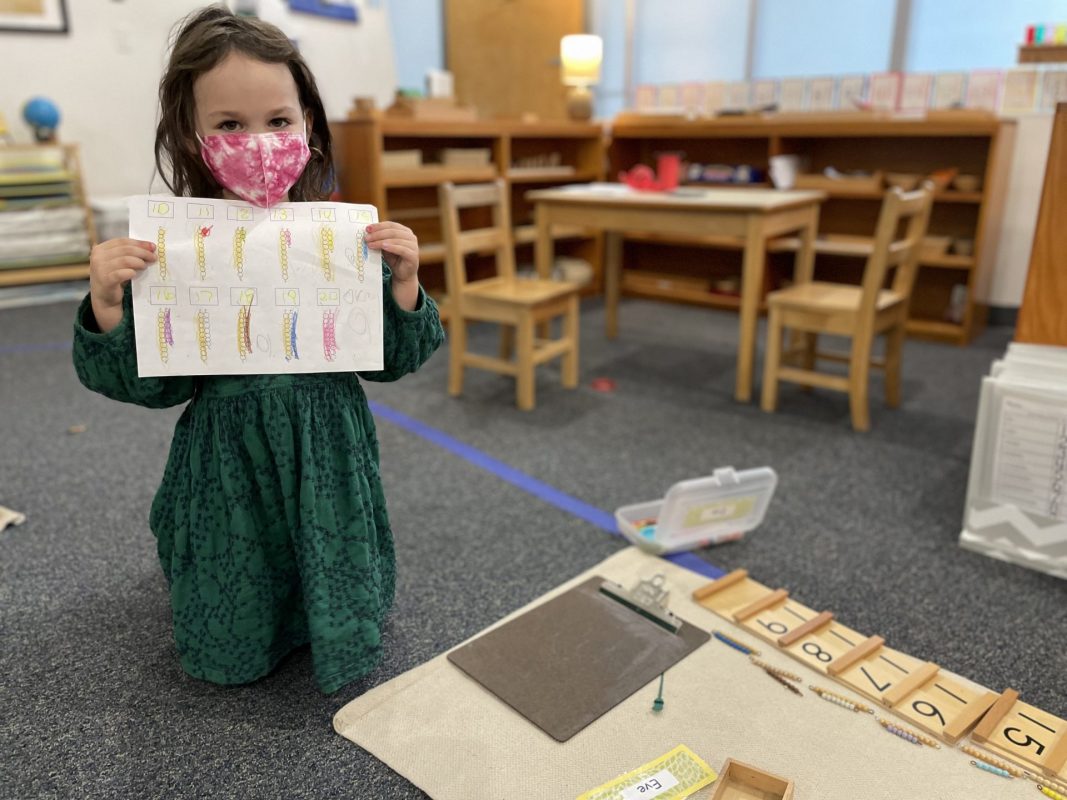
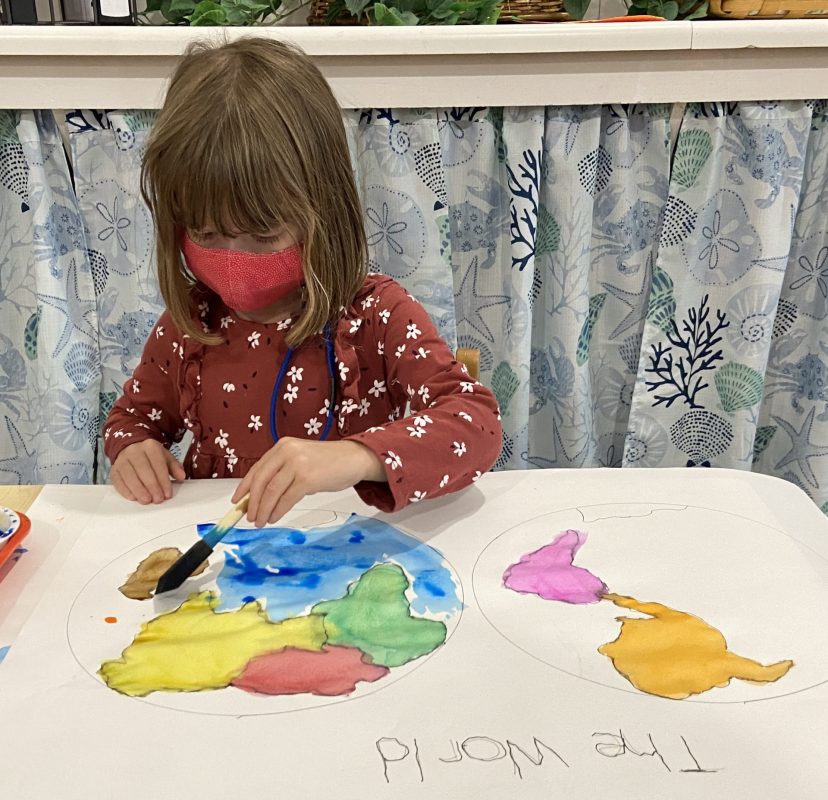
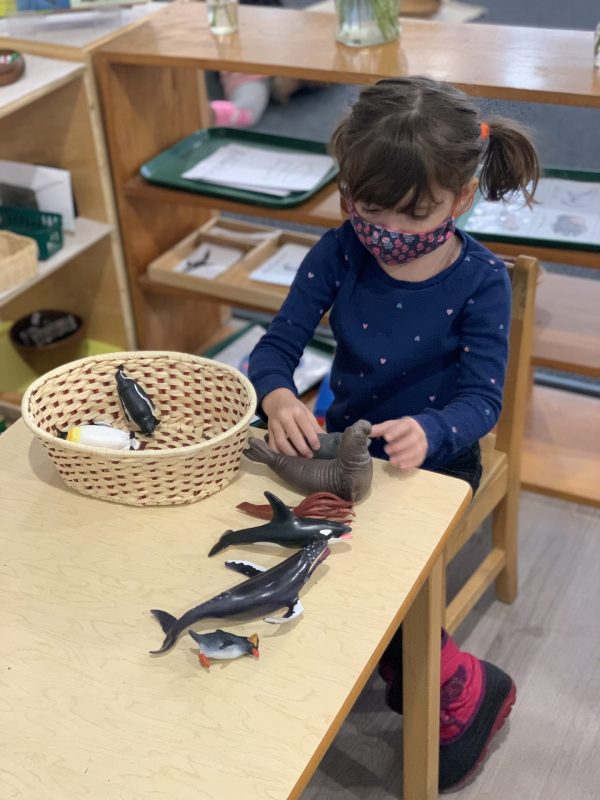
After learning the continent names, we introduce the puzzle maps for each continent, starting with North America in November. We learn that there are many countries in North America.  The older children will trace and paint each of the puzzle maps. We will learn about the animals, people, and climate often associated with each of the continents.  Our goal is to encourage the children to appreciate the beauty and wonder found in the similarities and differences around the world. In our classroom, we have a cultural shelf with artifacts from each continent.

Last week, we introduced the song “Do You Know The Continents” and we often hear the children singing it quietly to themselves as they work.

Conferences will be on Thursday, October 28th, via Zoom.  An email will go out on Tuesday with a link to sign up for a time slot.  We look forward to this opportunity to enhance parent/teacher relationships.

Wishing all of you a week filled with peace and love!

Michelle & Liset


Mrs. Doyle’s Class: Friday Folders Fun Facts

“We have to remember as adults, that we want things done, and as quickly as possible, so that they are finished and out of the way; whereas the child is interested and content in the doing, not the done.” –Margaret Stephenson, The Art of Montessori in the Home

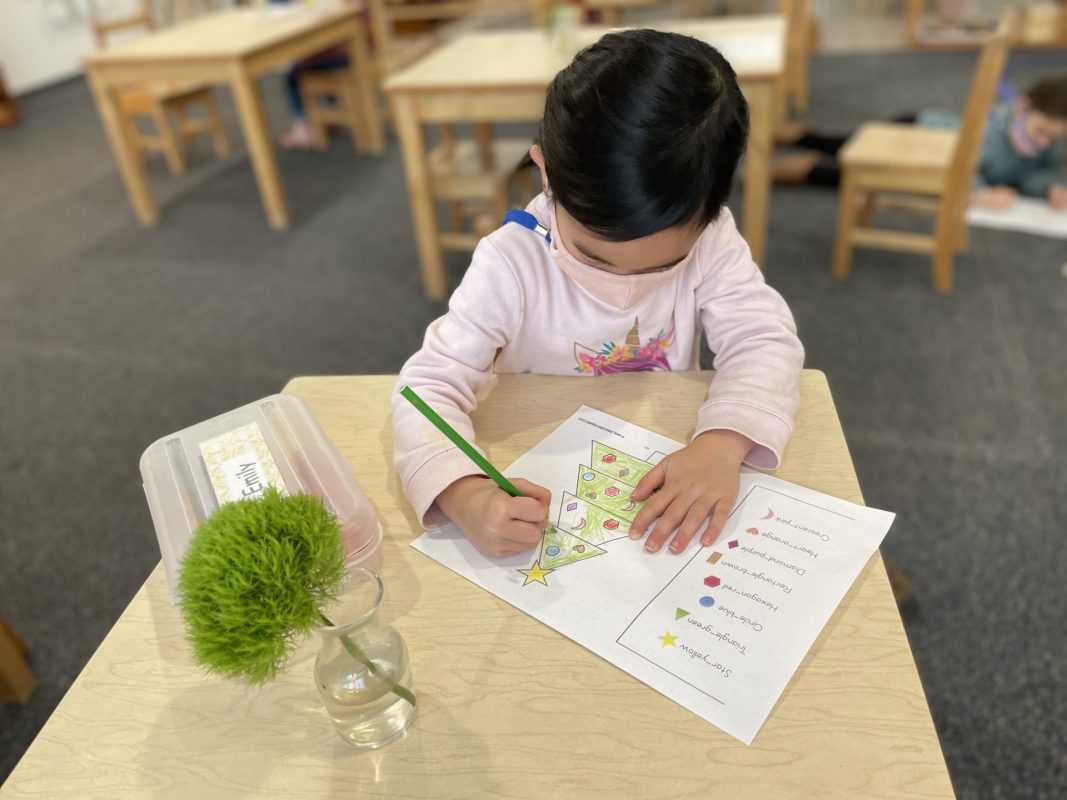
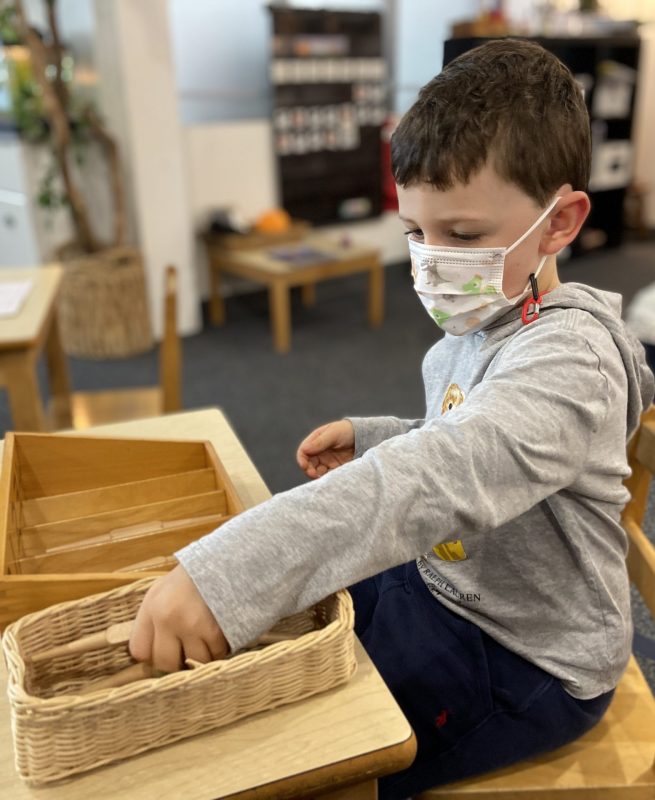
Each Friday we send home Friday Folders with the work the children have completed over the course of the past week. It is not uncommon for us to receive emails asking why there was so little work inside and what exactly are the children doing?

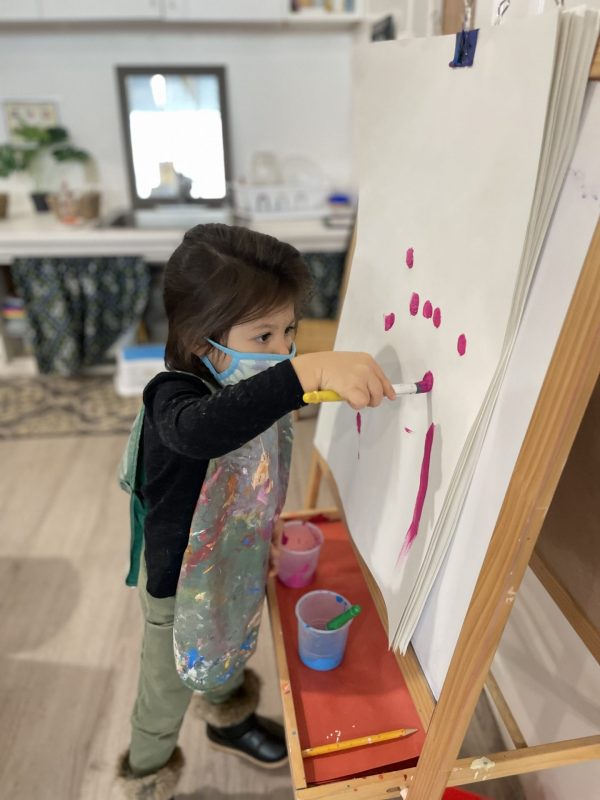
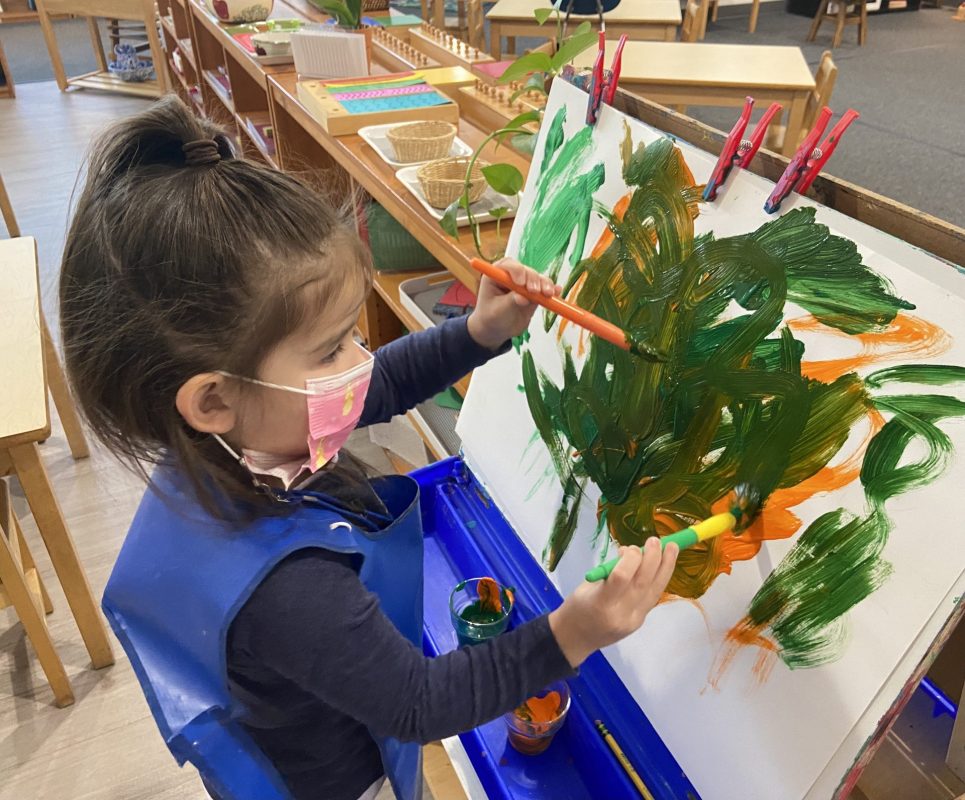
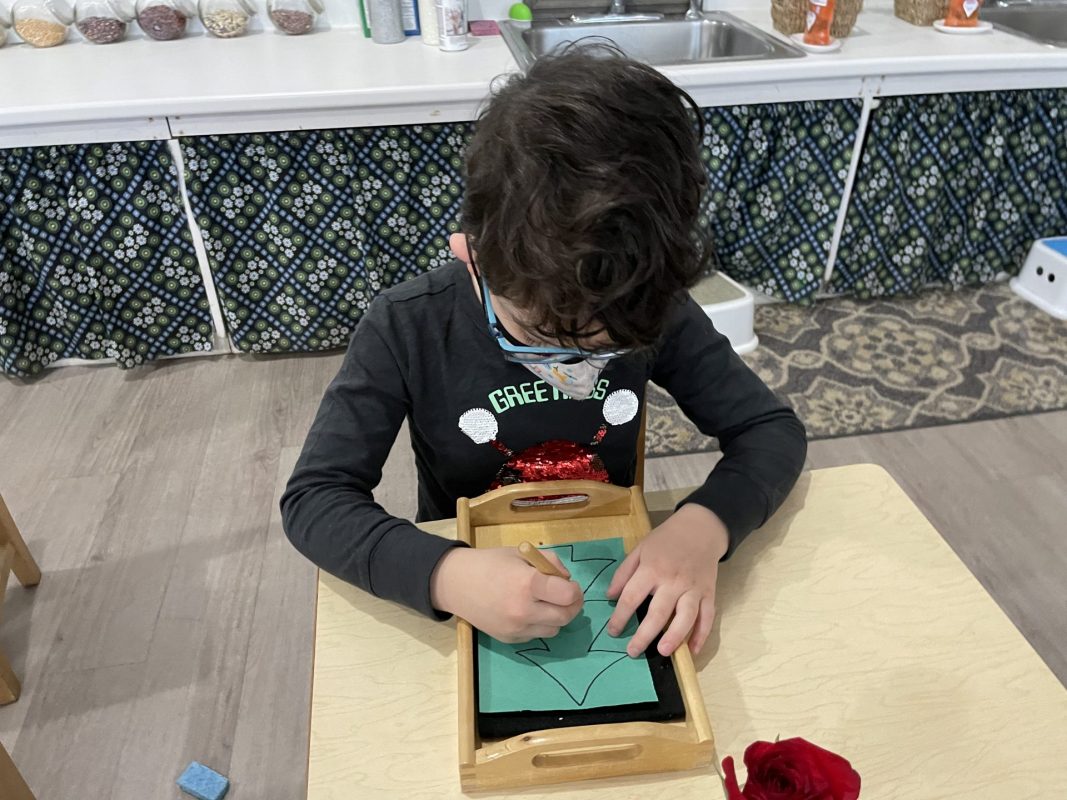
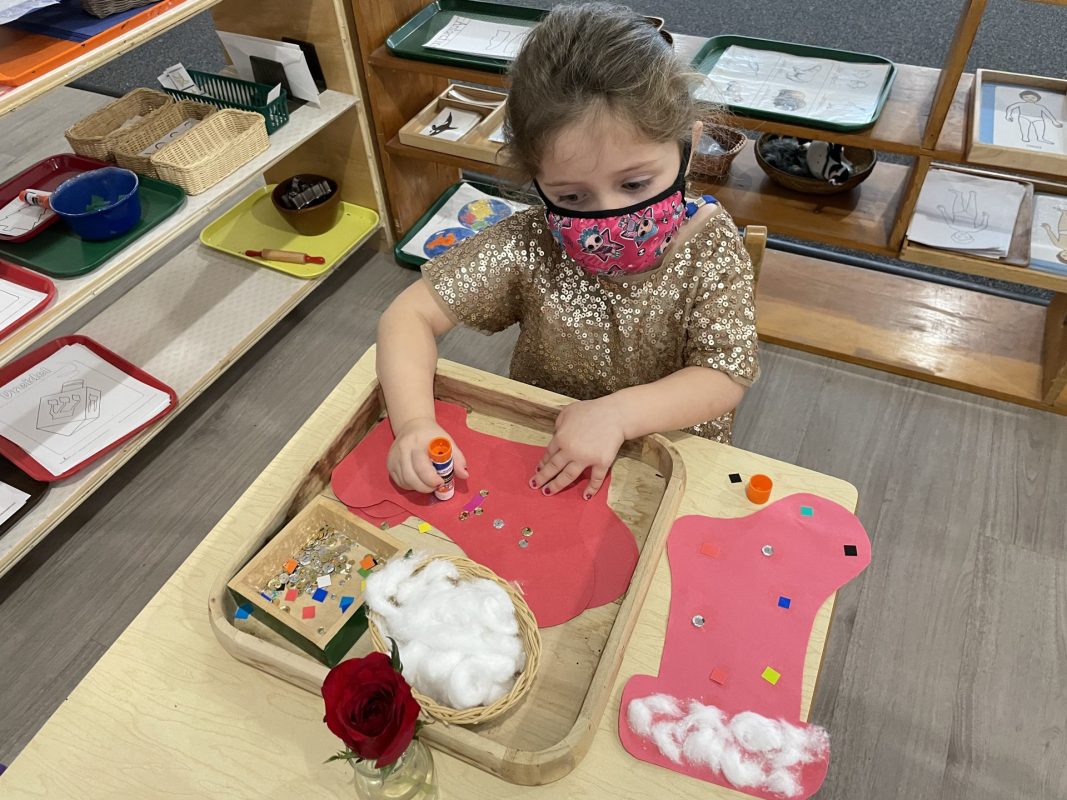
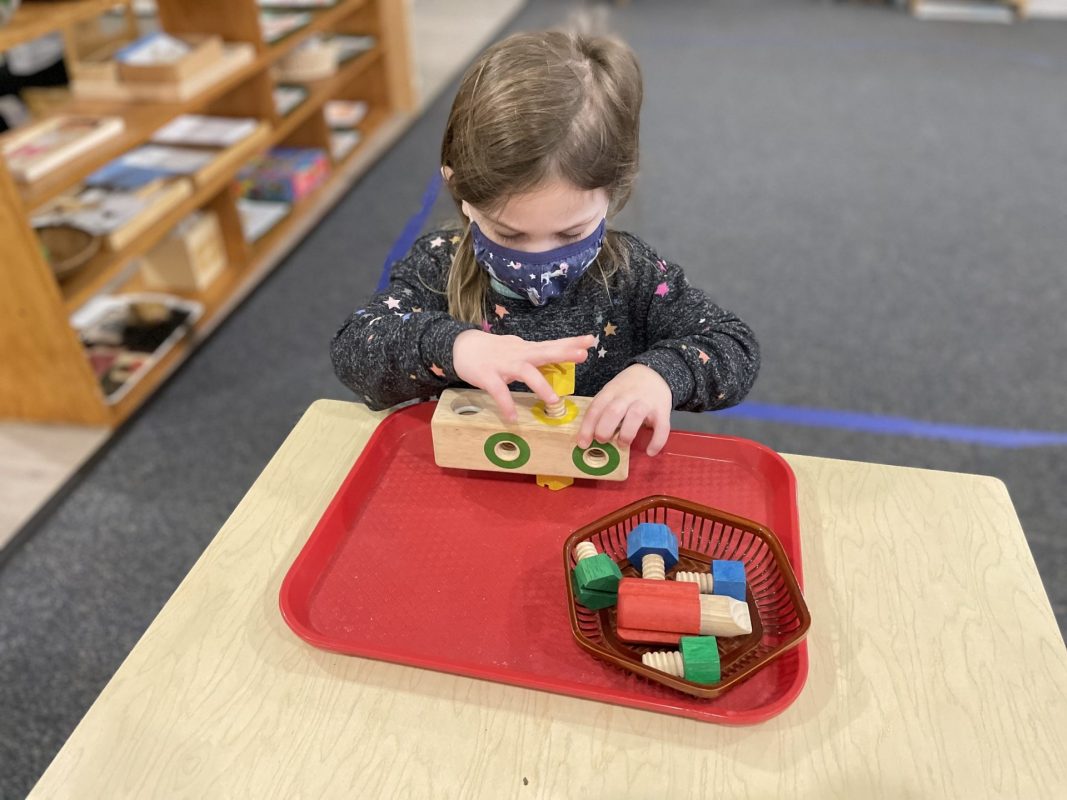
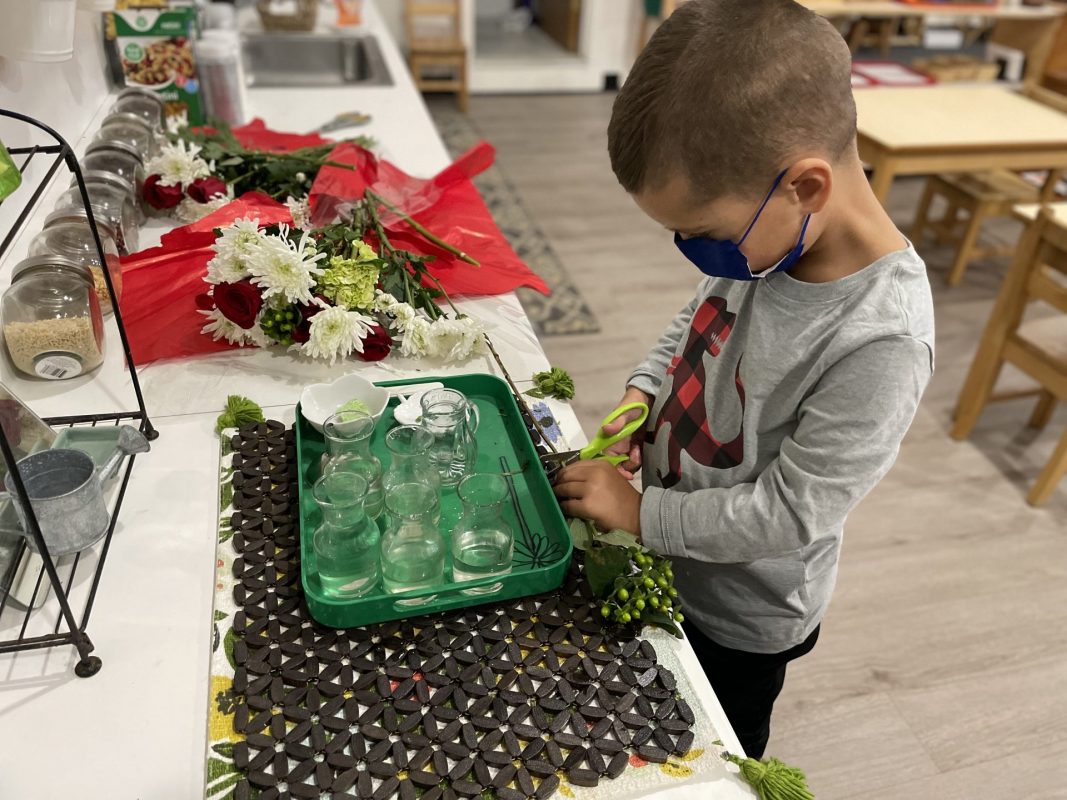
Sometimes it can be difficult to accept the idea of focusing on the process, not the product. What exactly does that mean? Many of the works in the Montessori classroom do not end with a physical product the children will bring home to share with everyone. There is often no way to visually assess what a child is learning. Overall, as a society, we are product driven and often times, base our success on this factor. The experience a child has when working with the materials is truly what is most important. However, when you hear they did “nothing” day after day, it can often be unsettling.

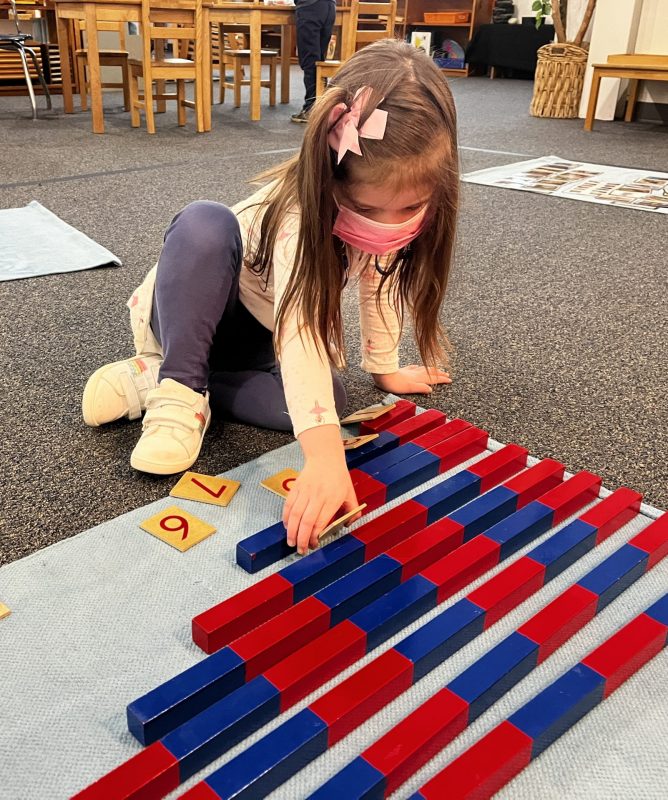
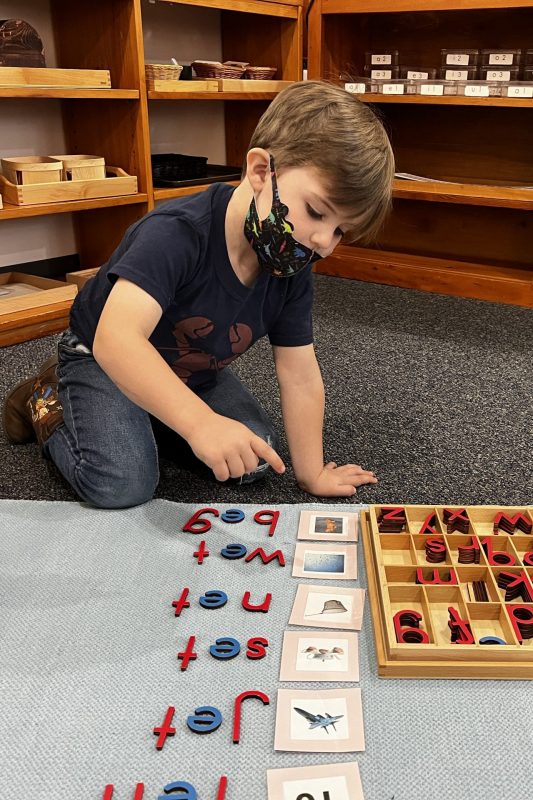
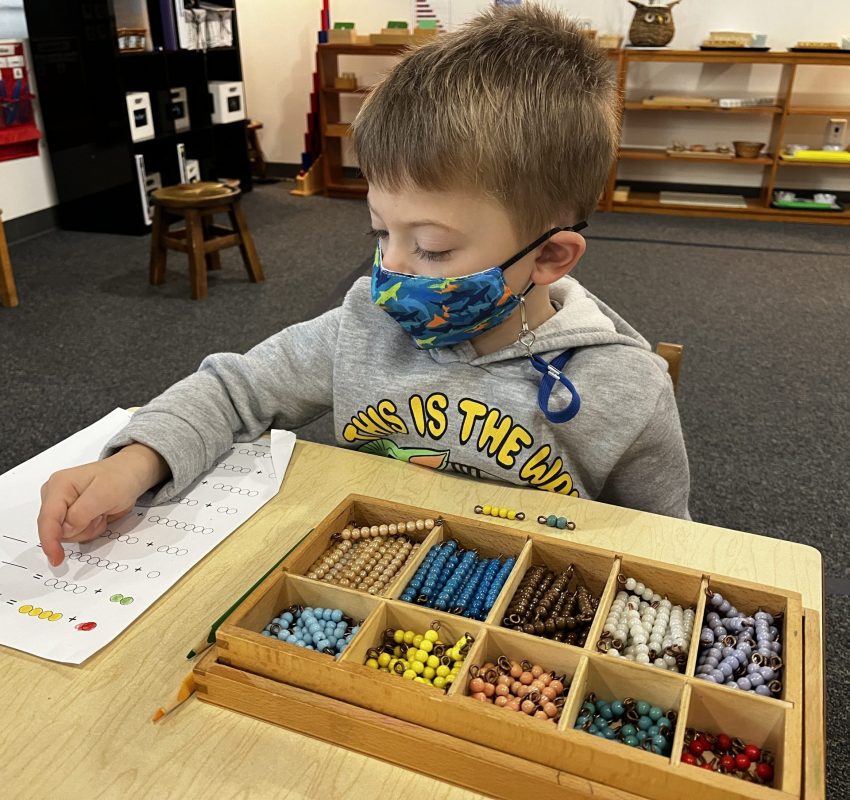
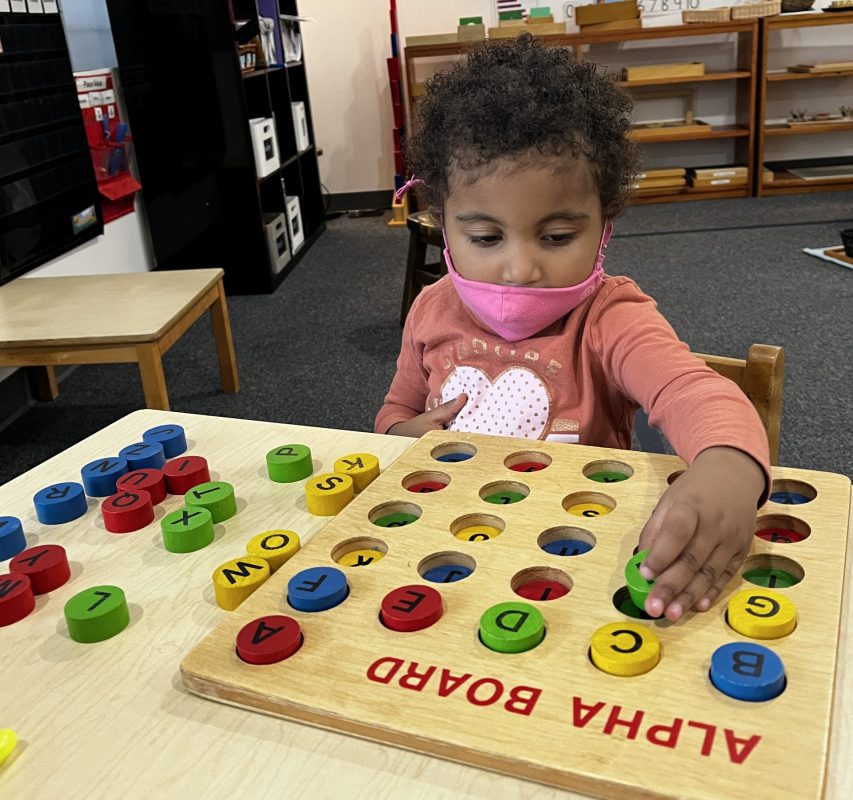
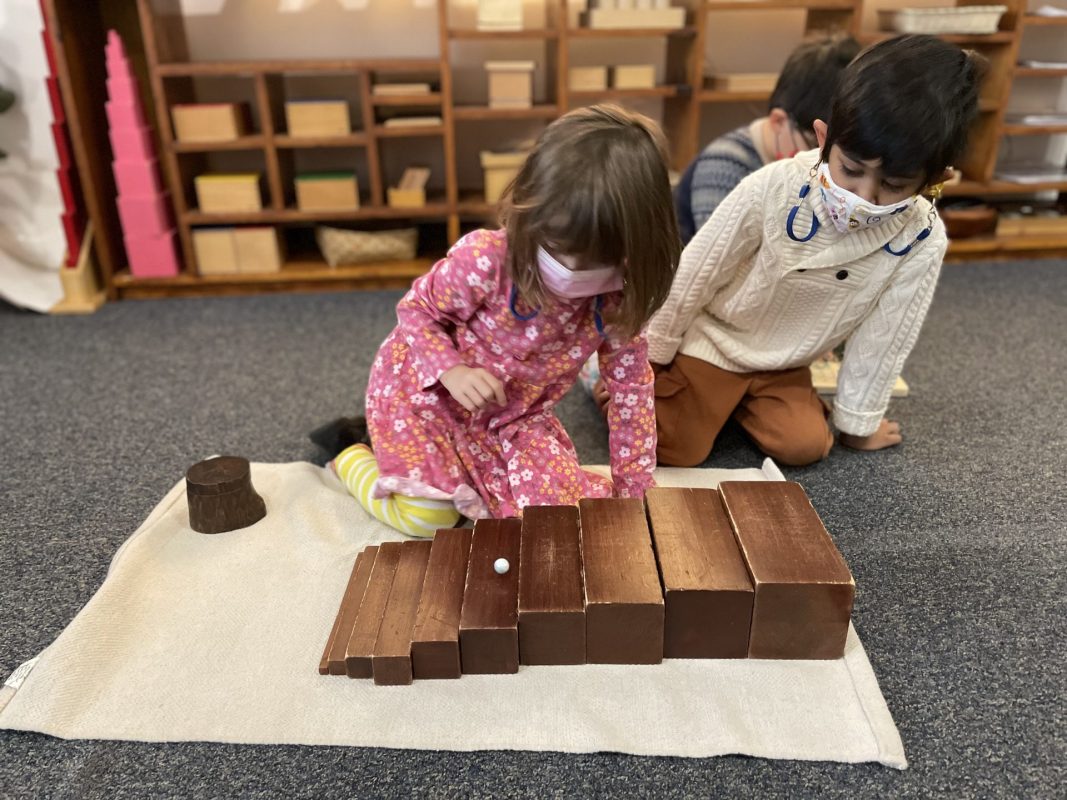
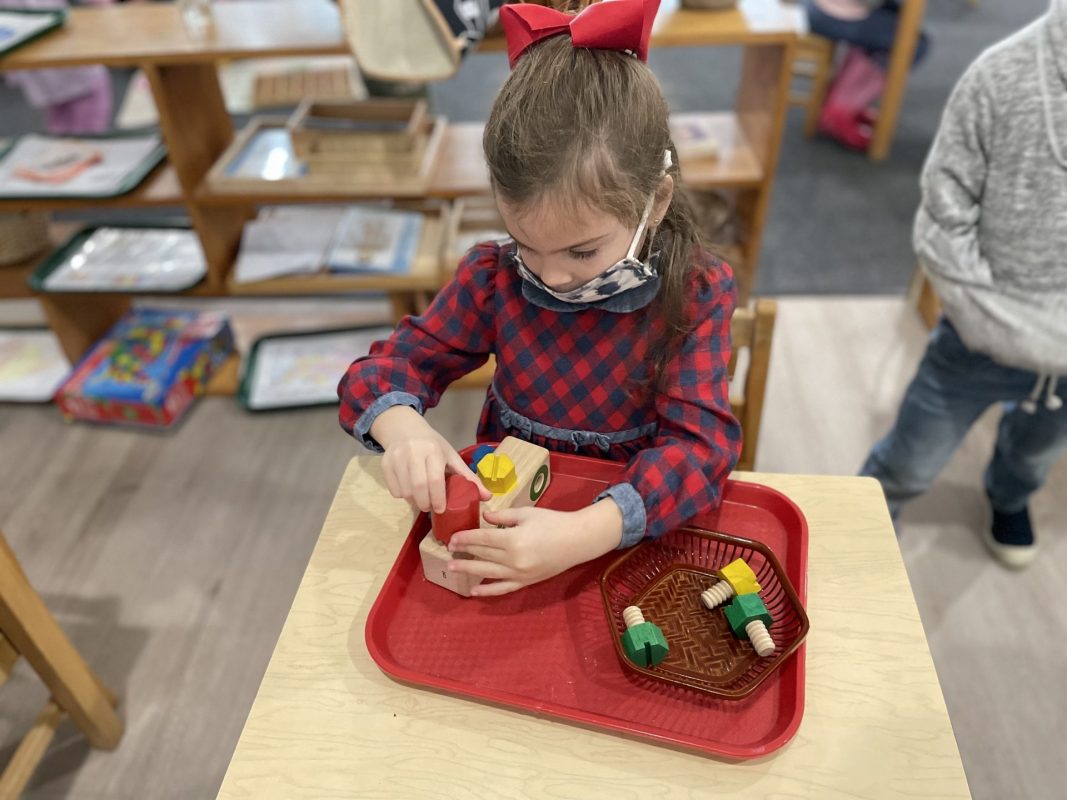
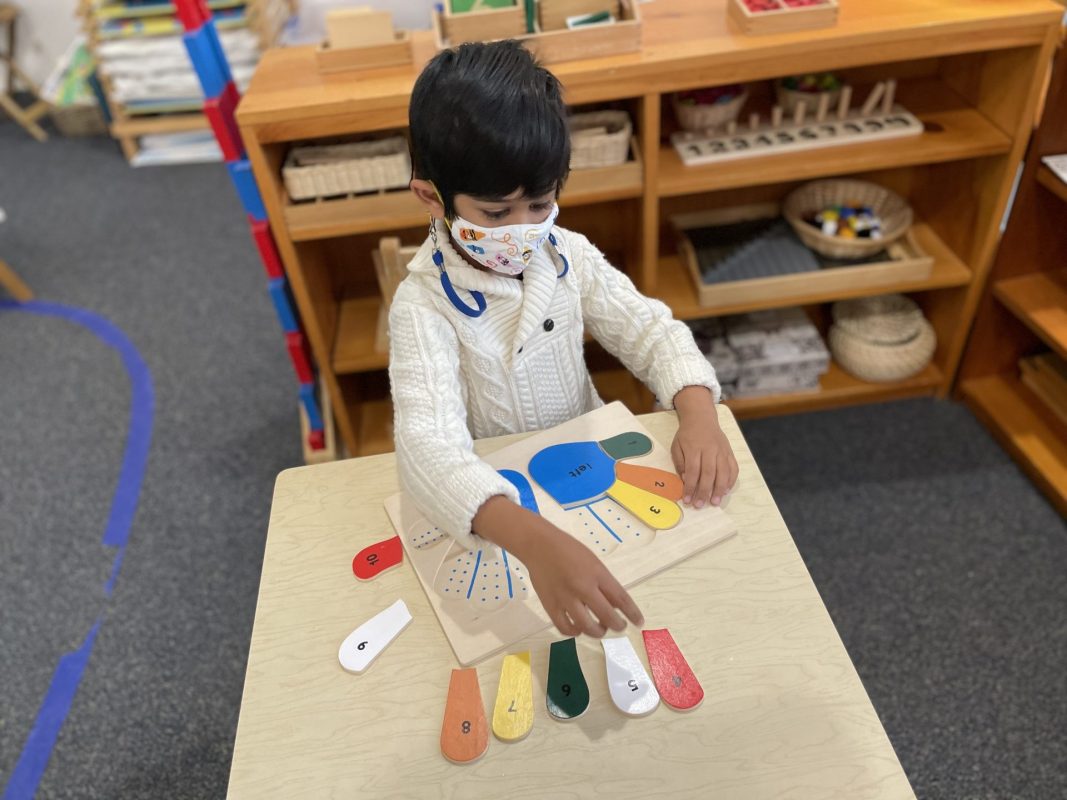
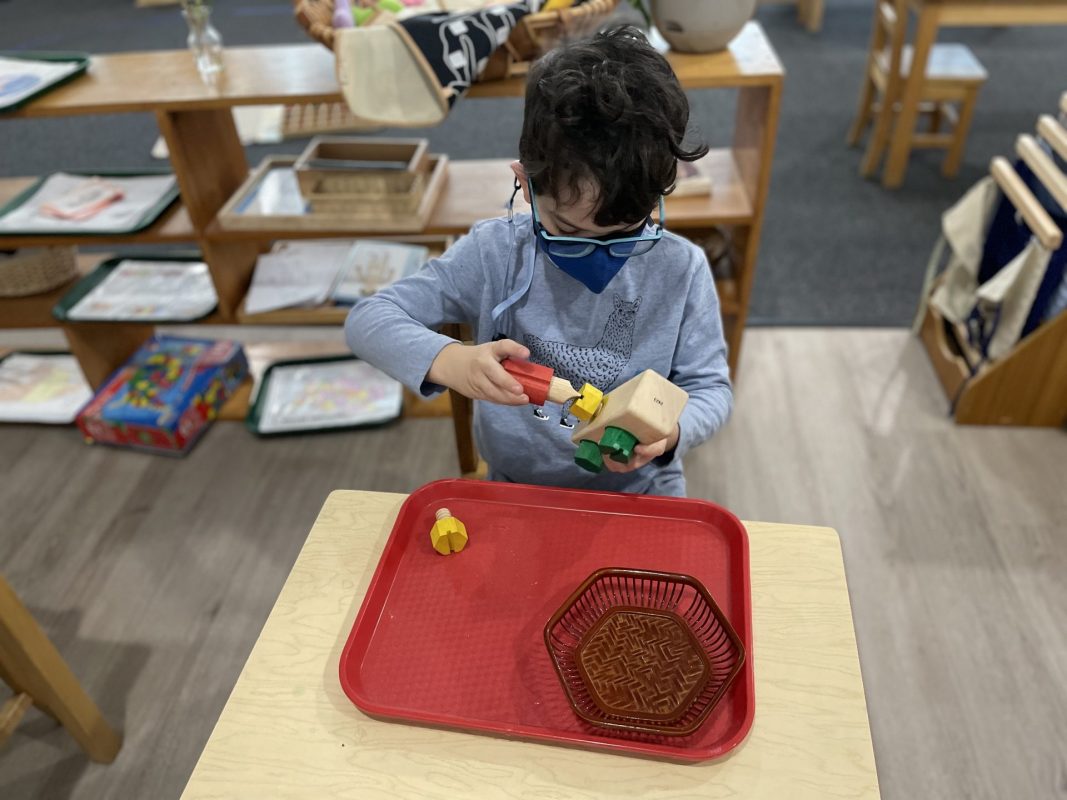
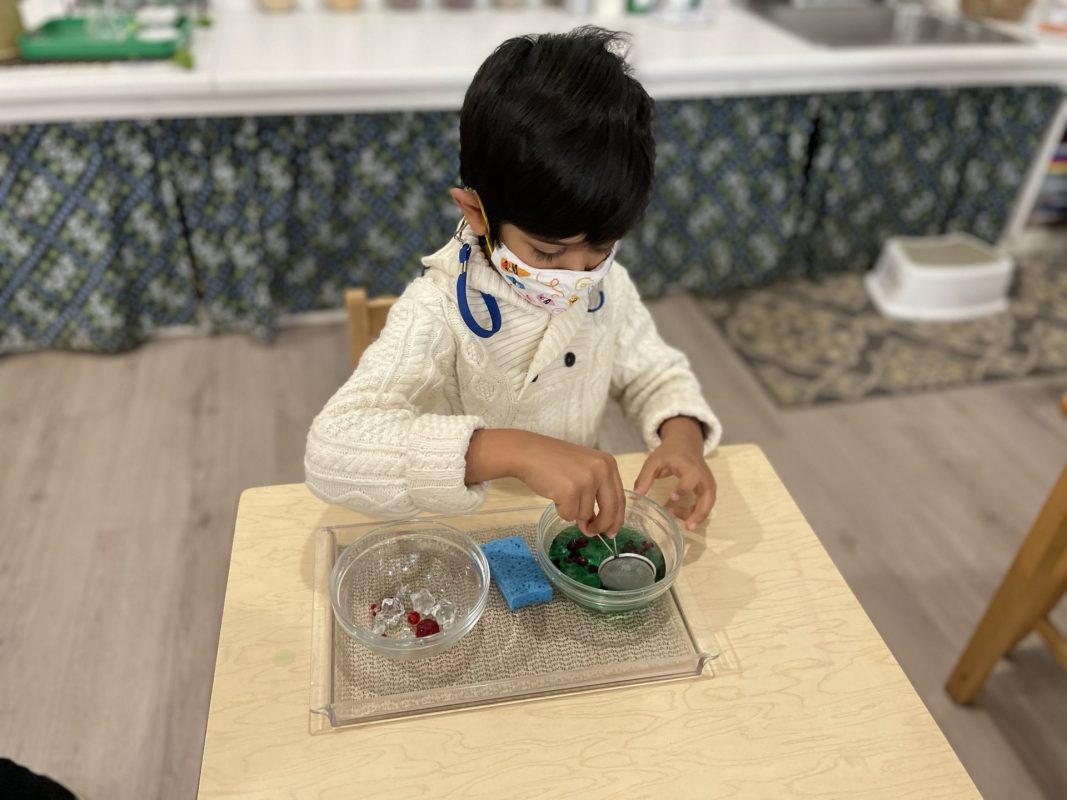
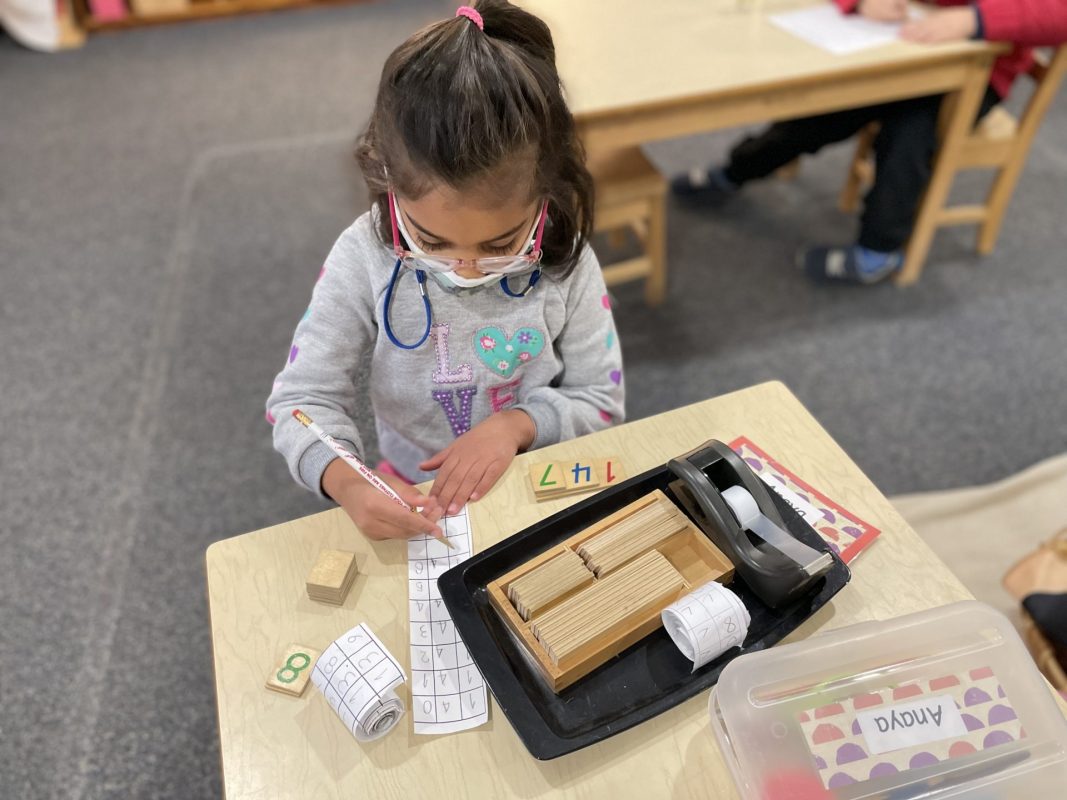
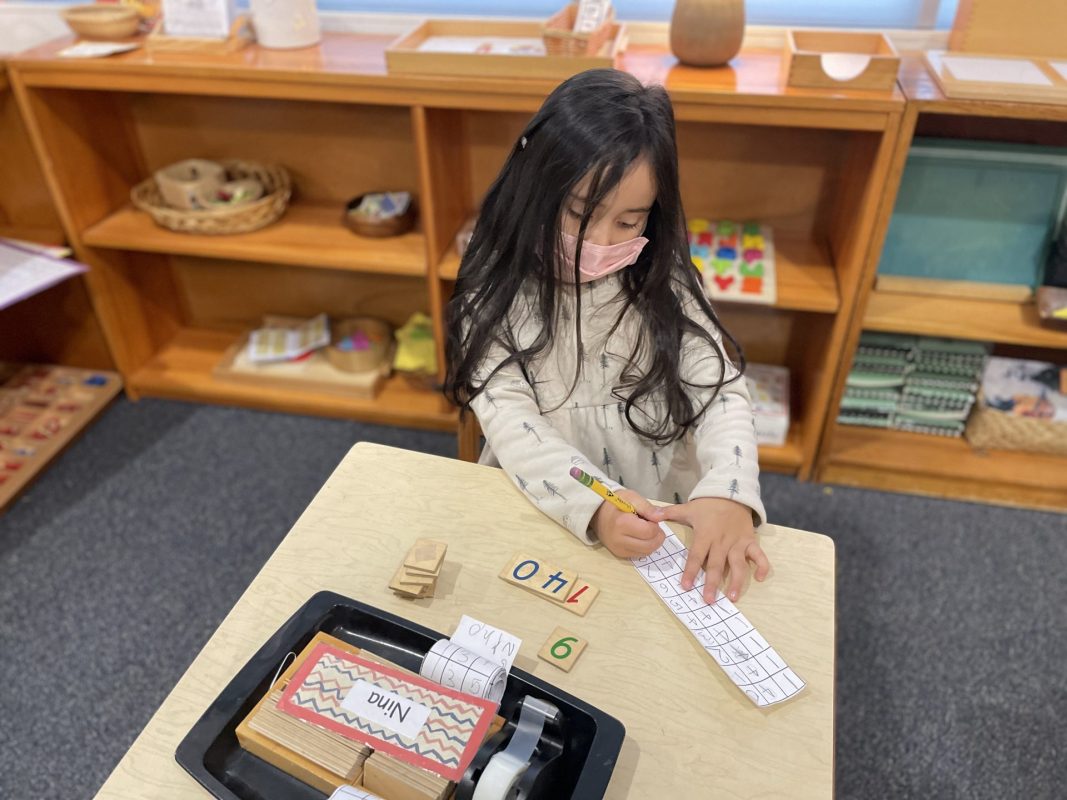
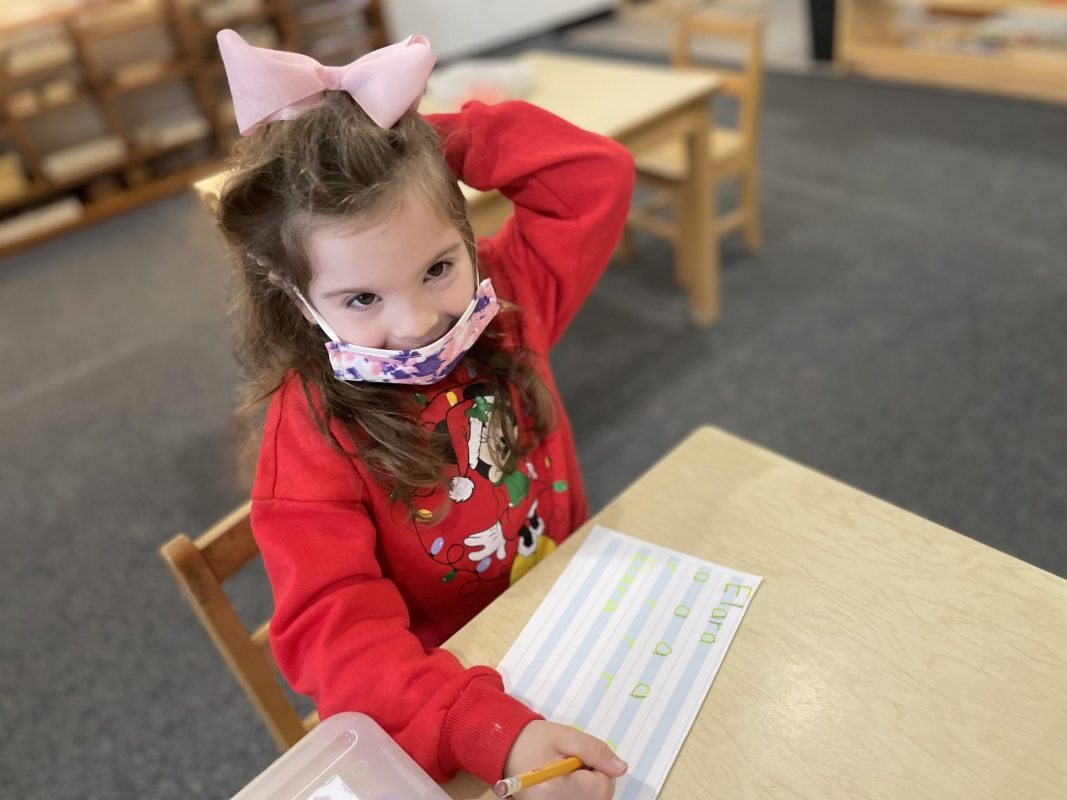
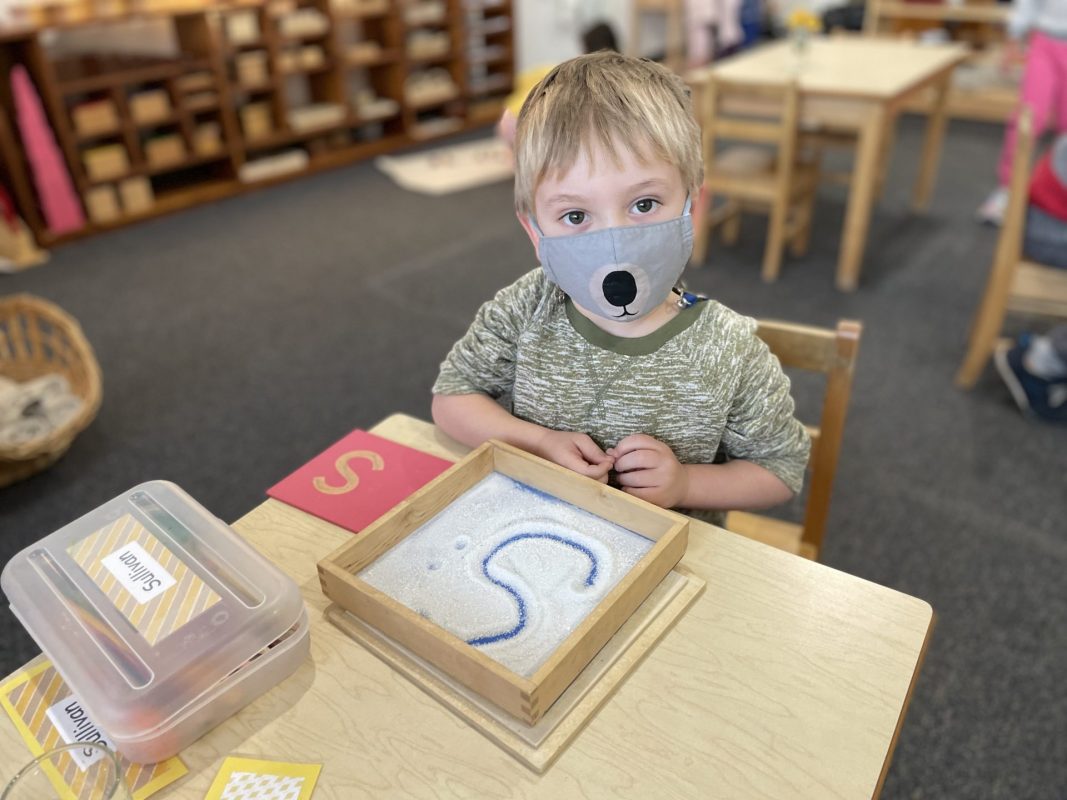
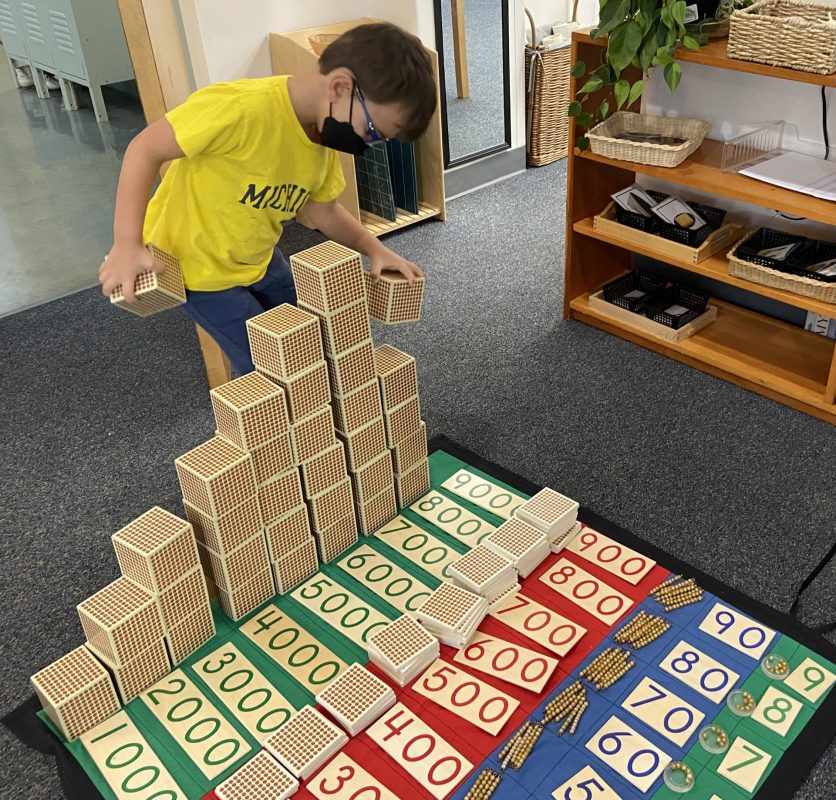
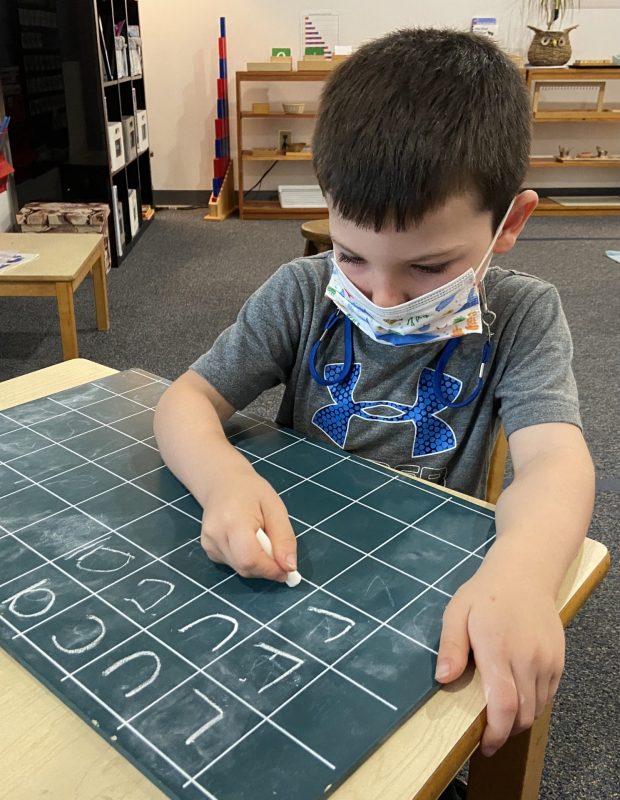
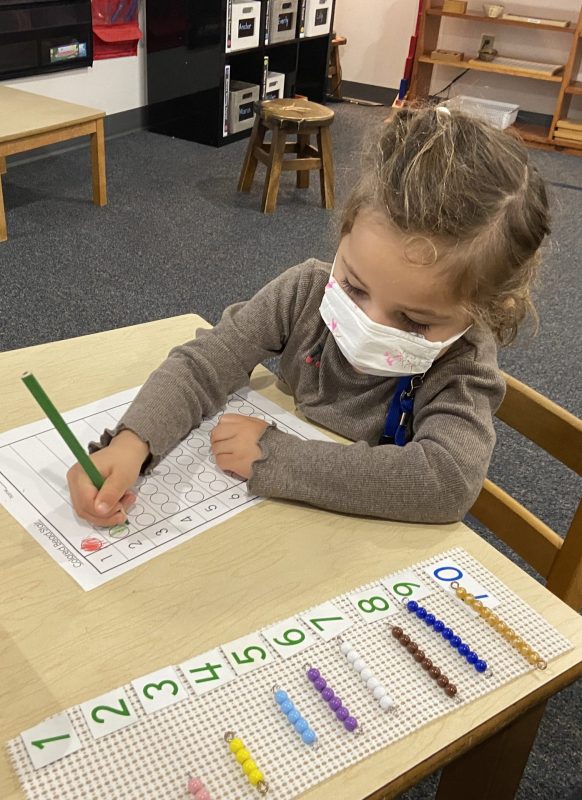
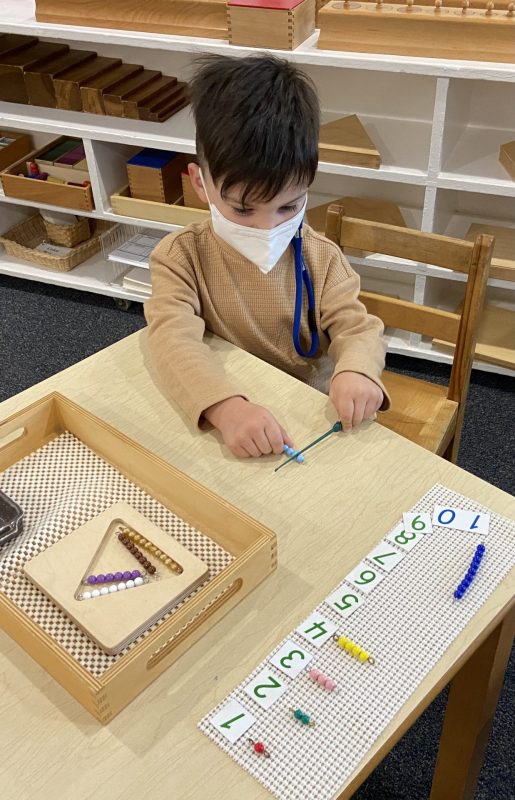
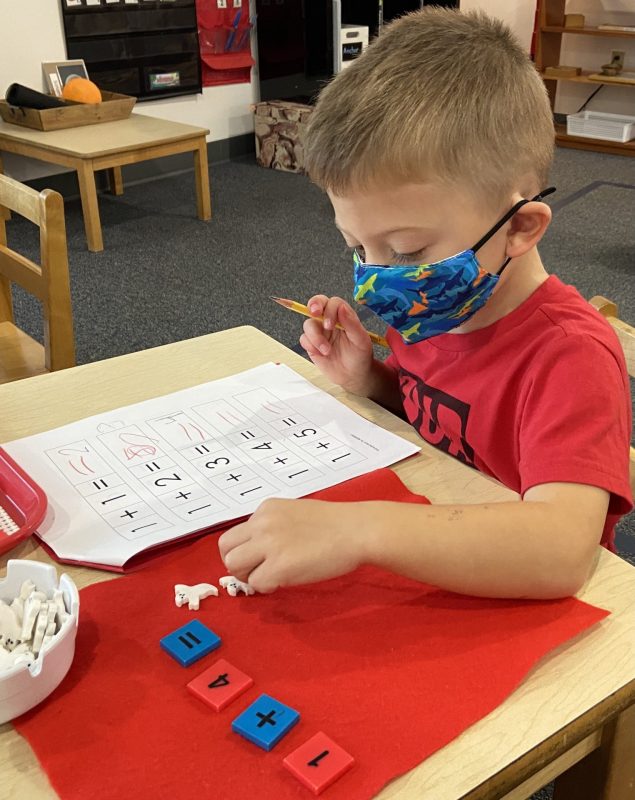
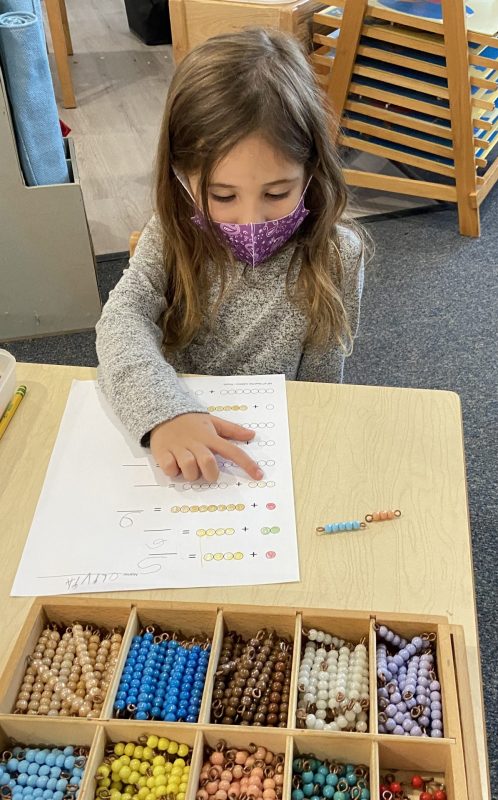
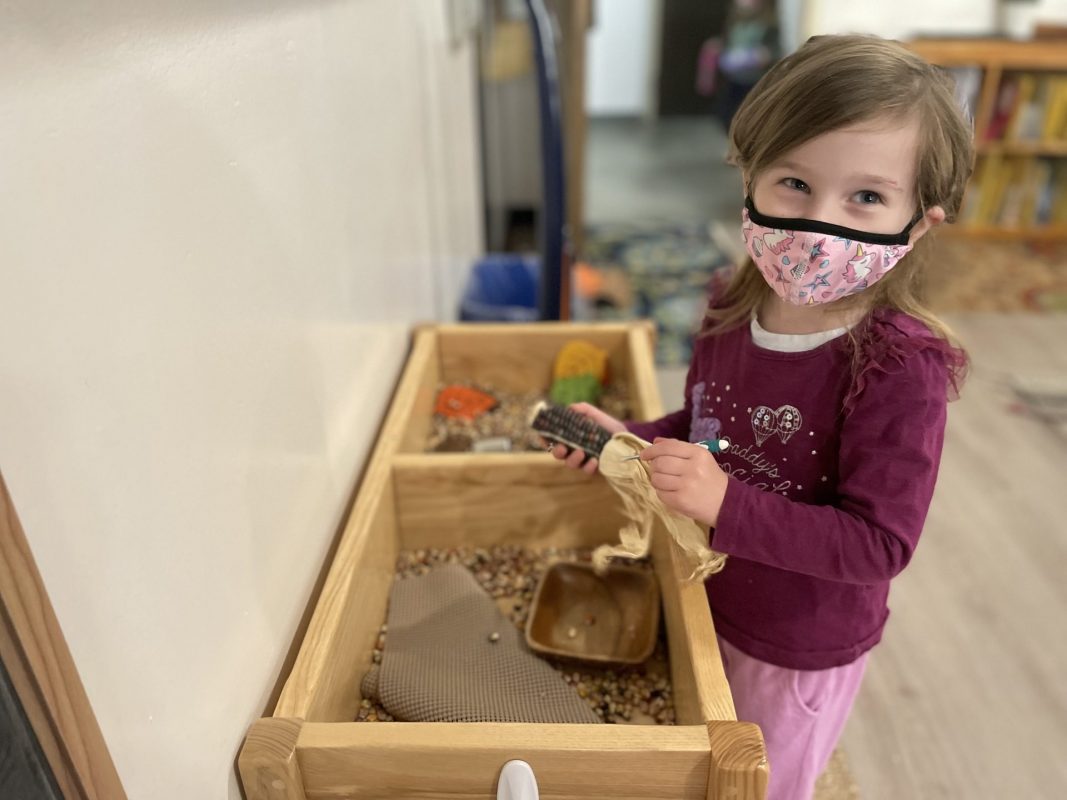
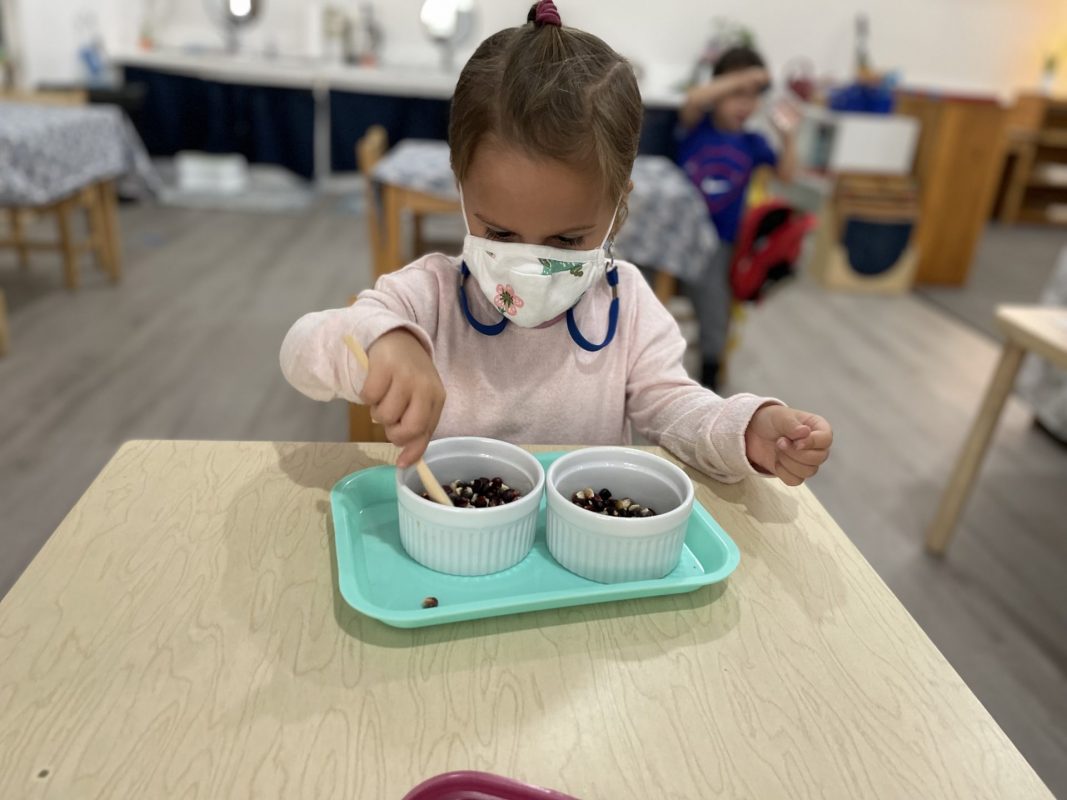
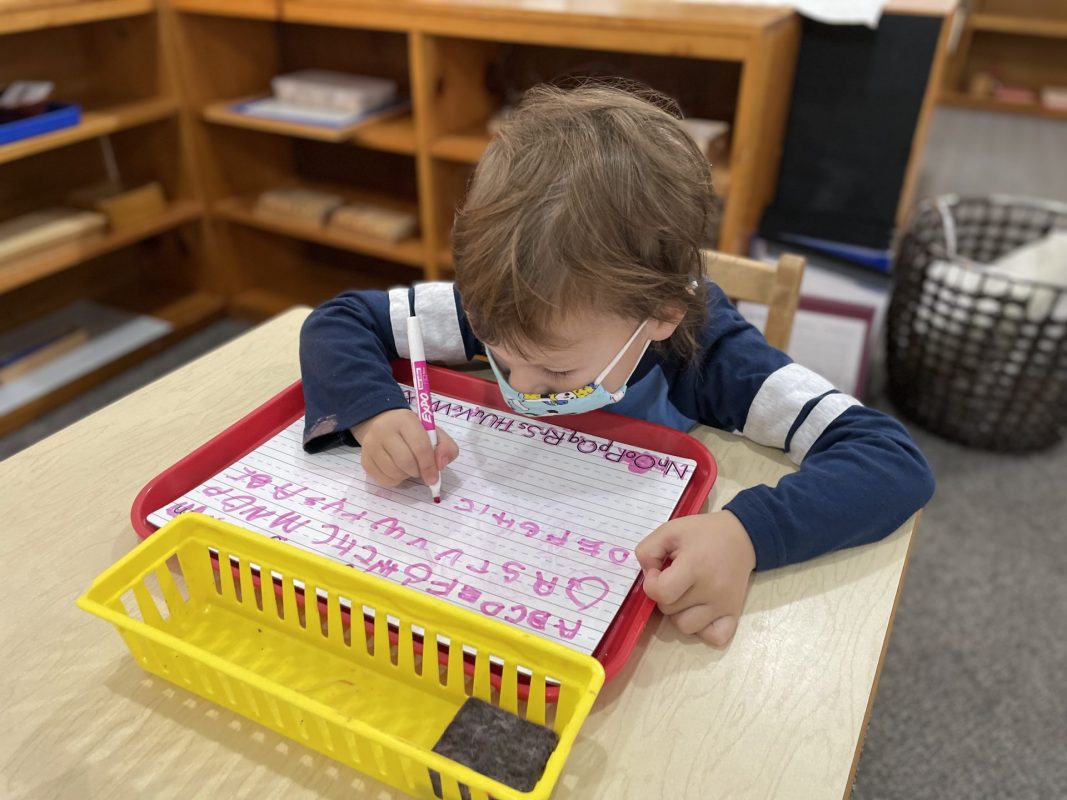
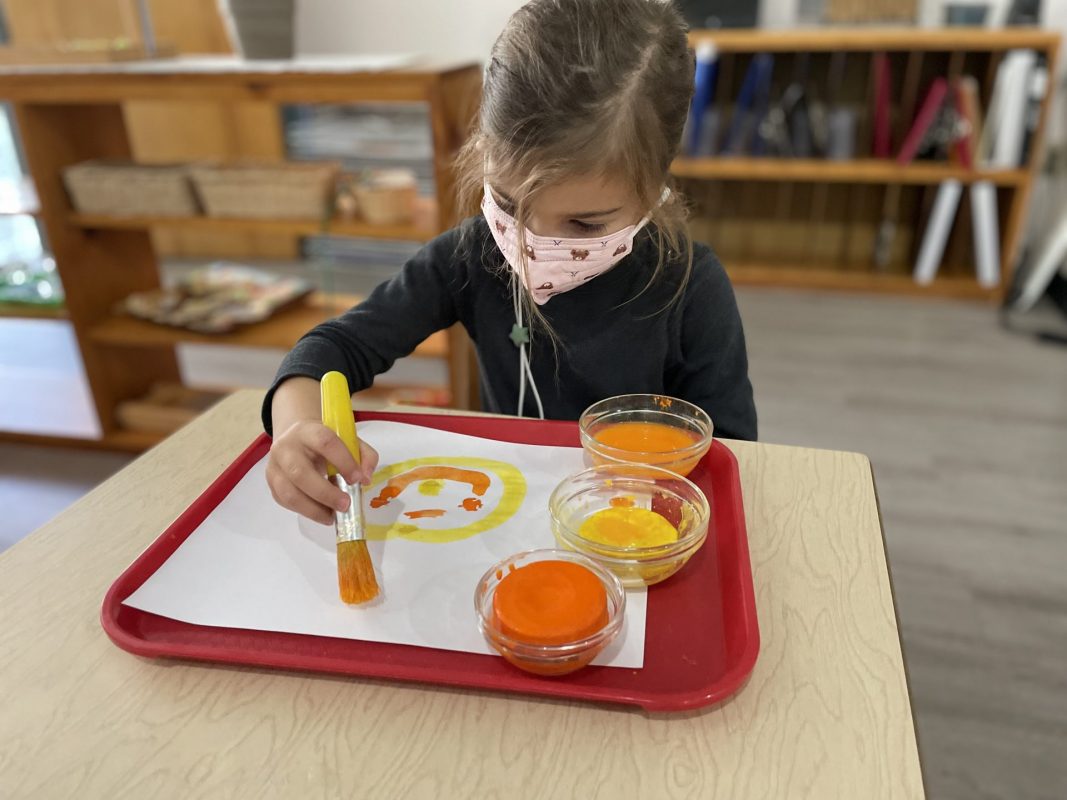
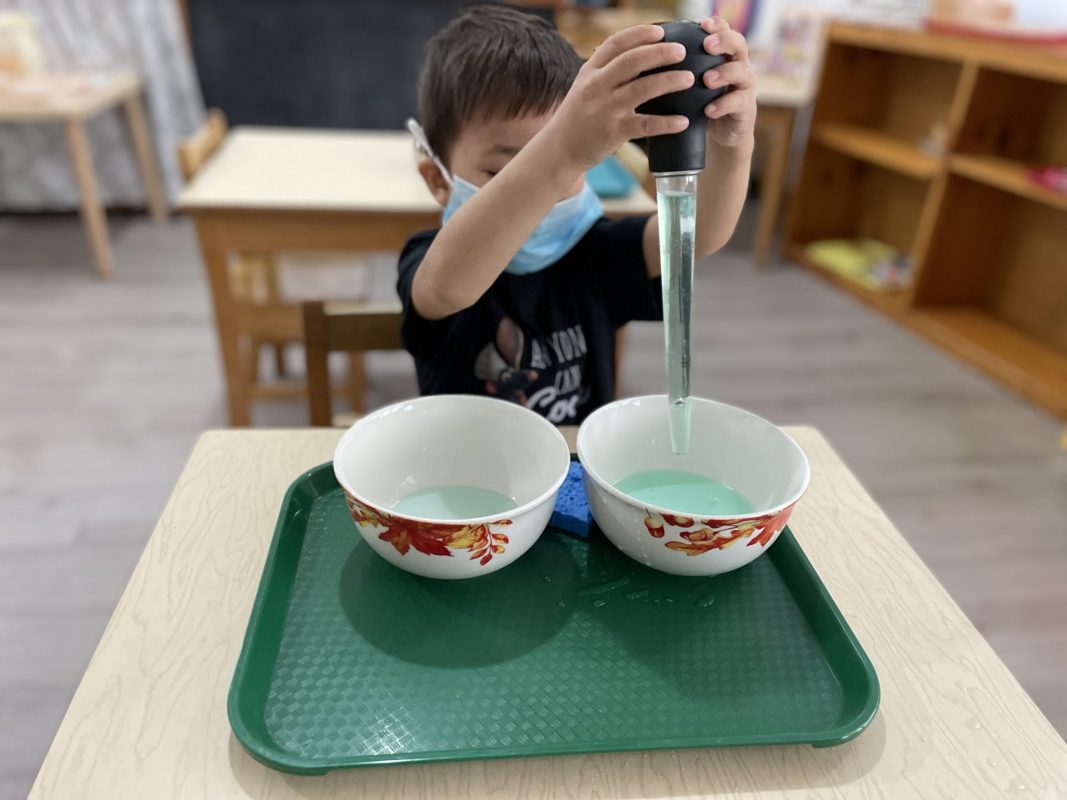
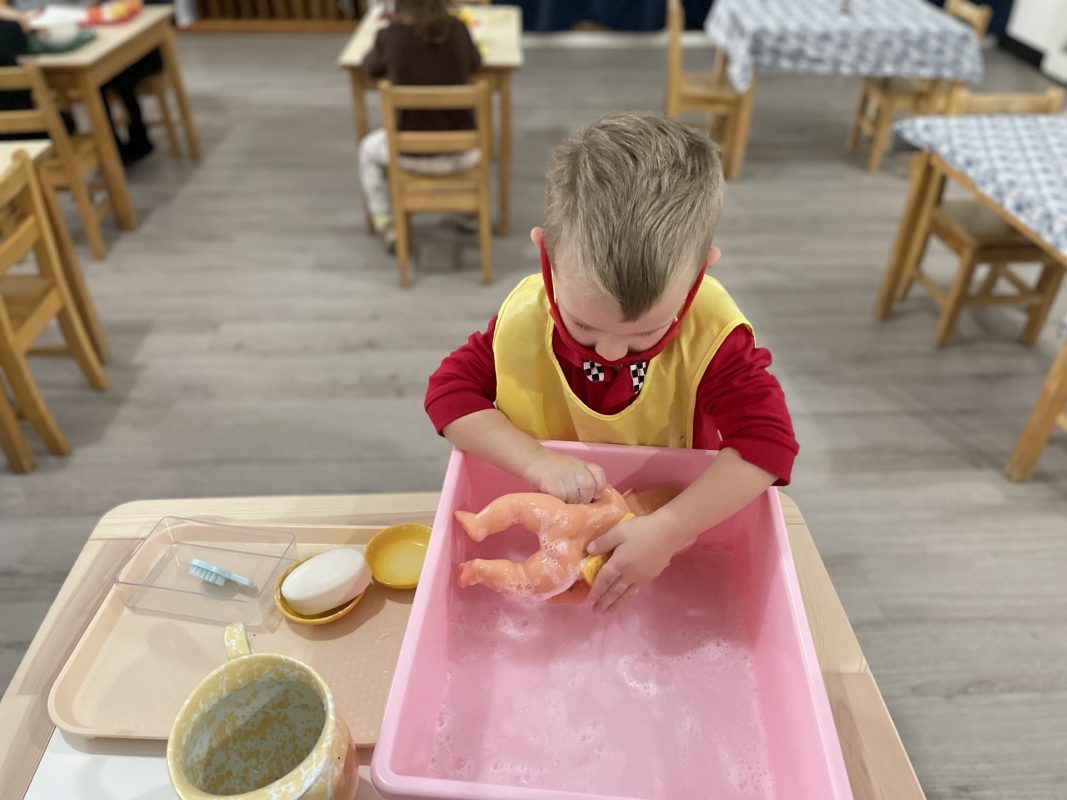
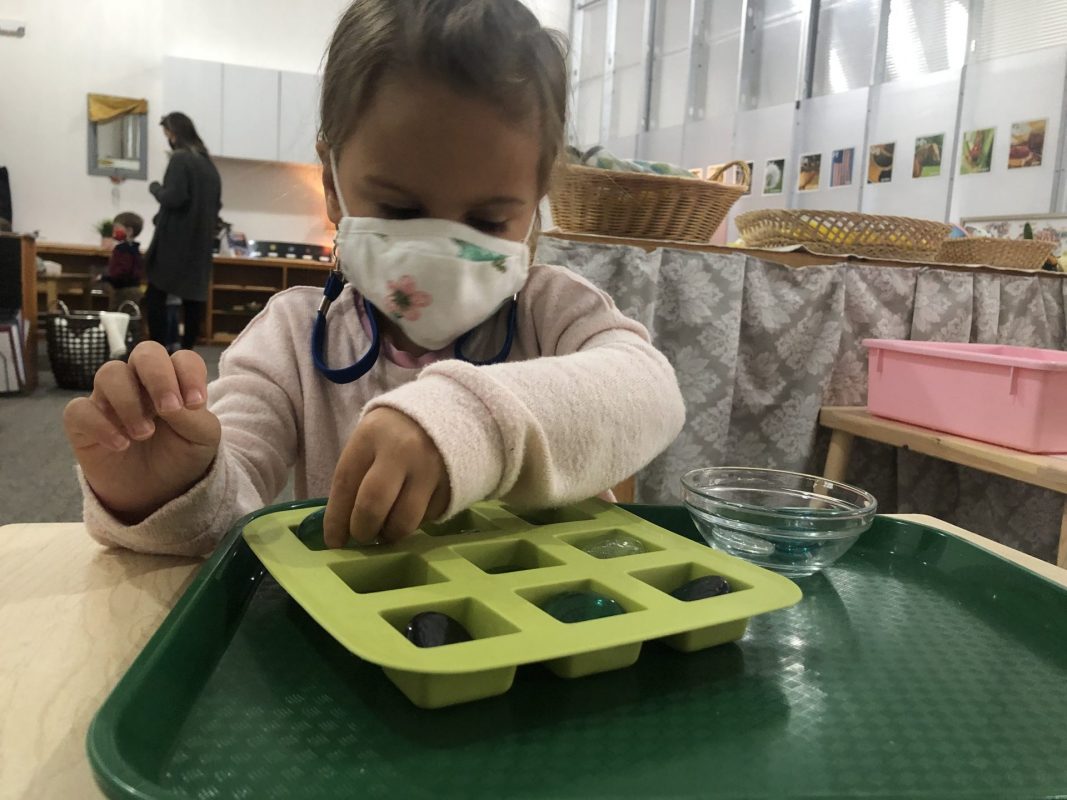
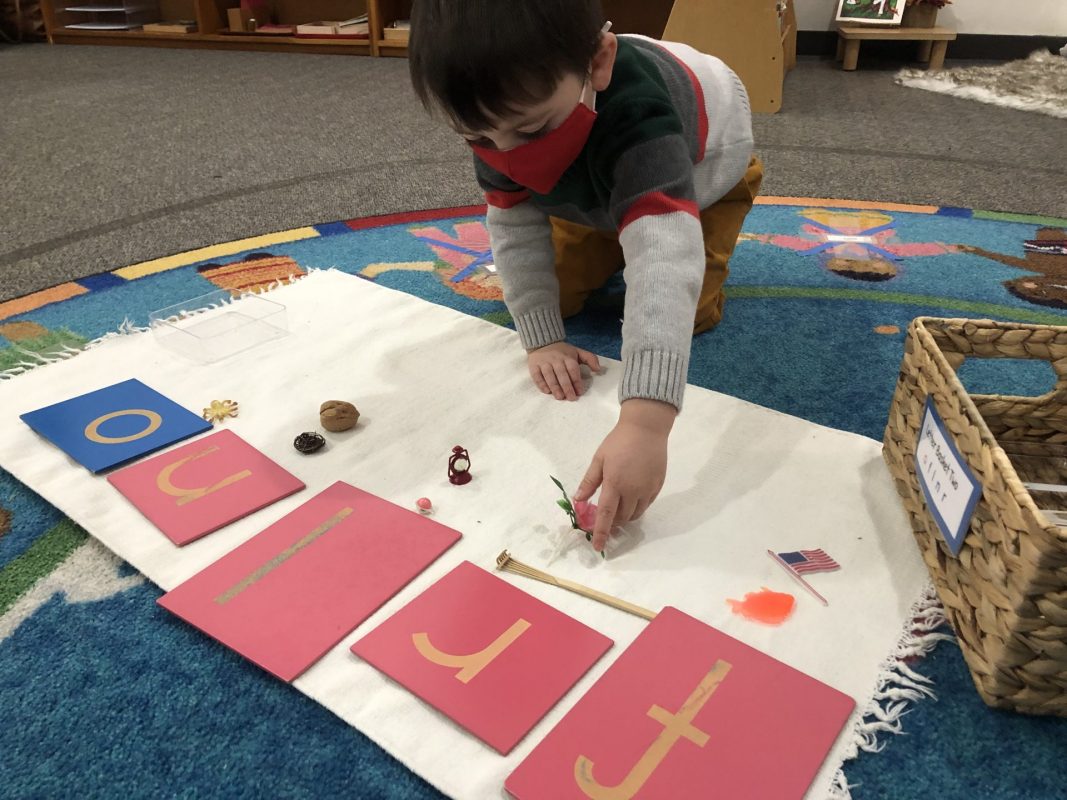
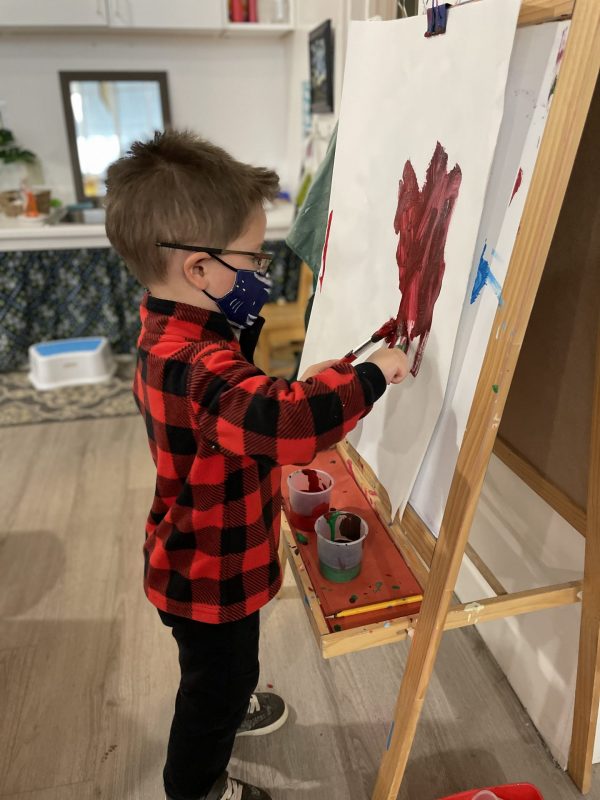
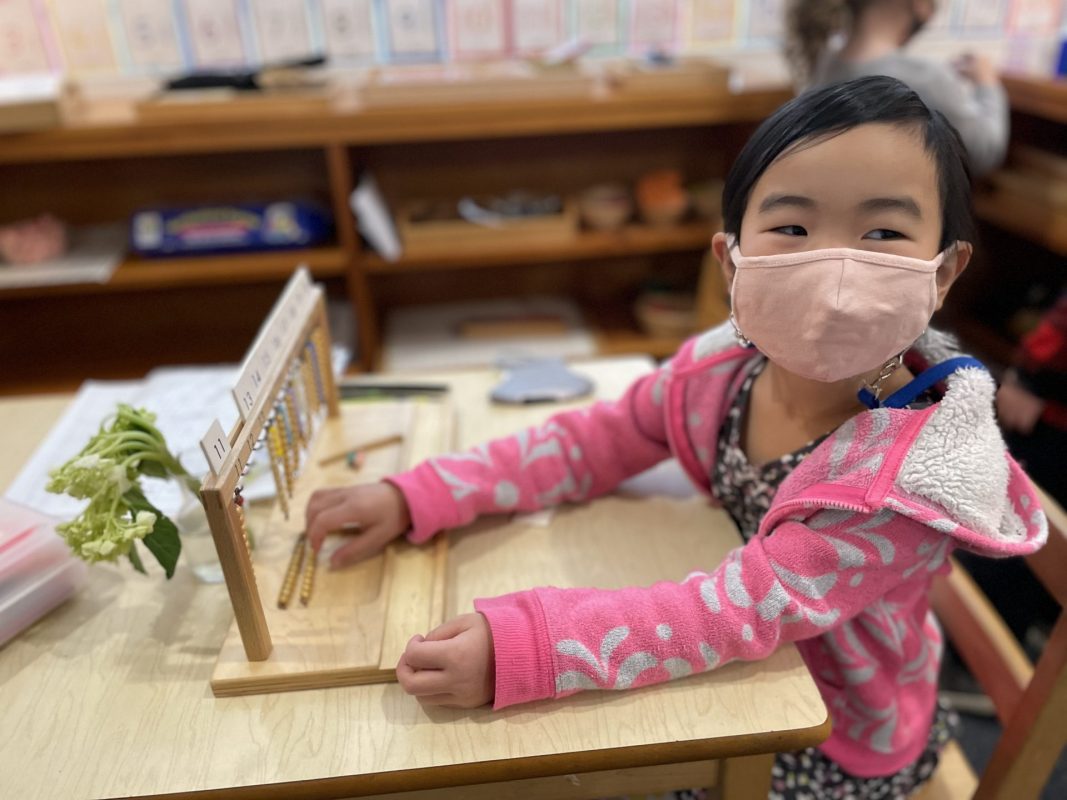
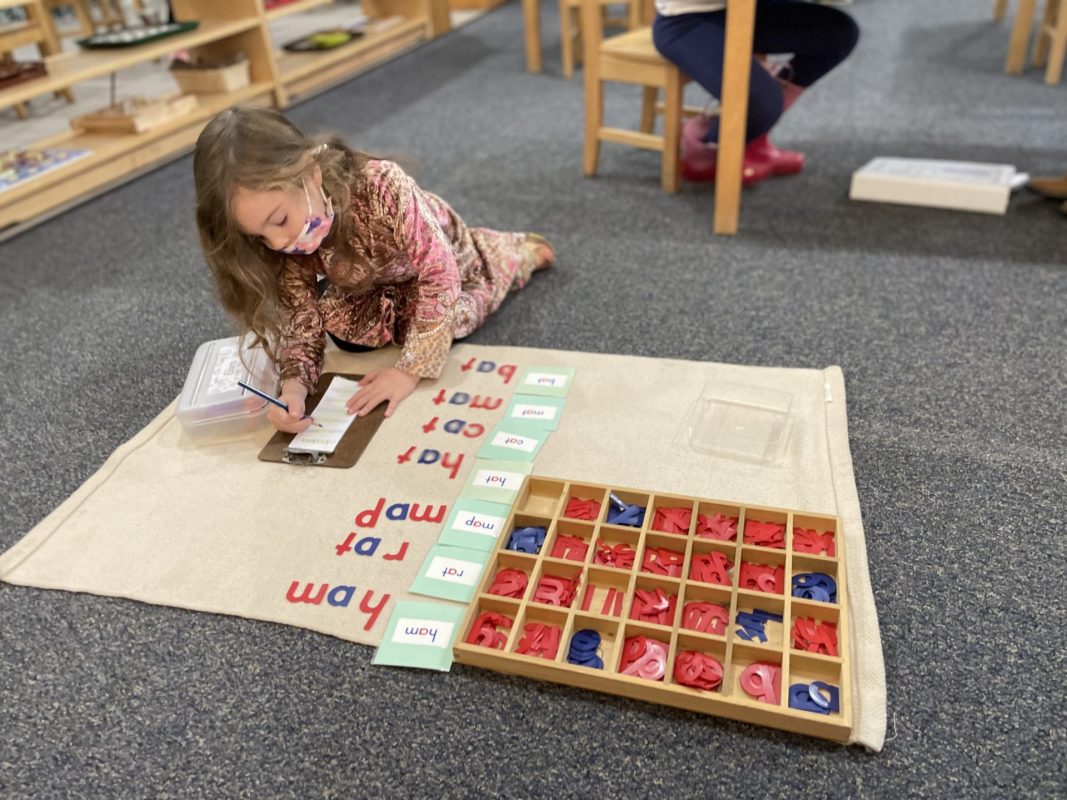
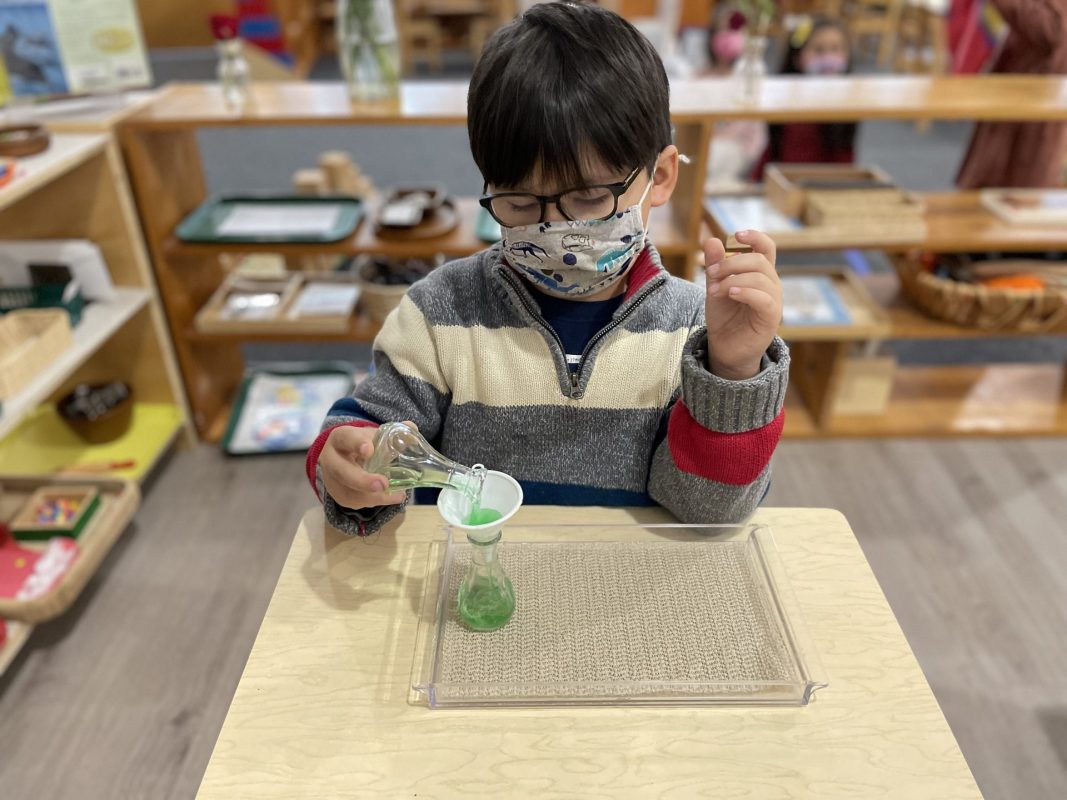
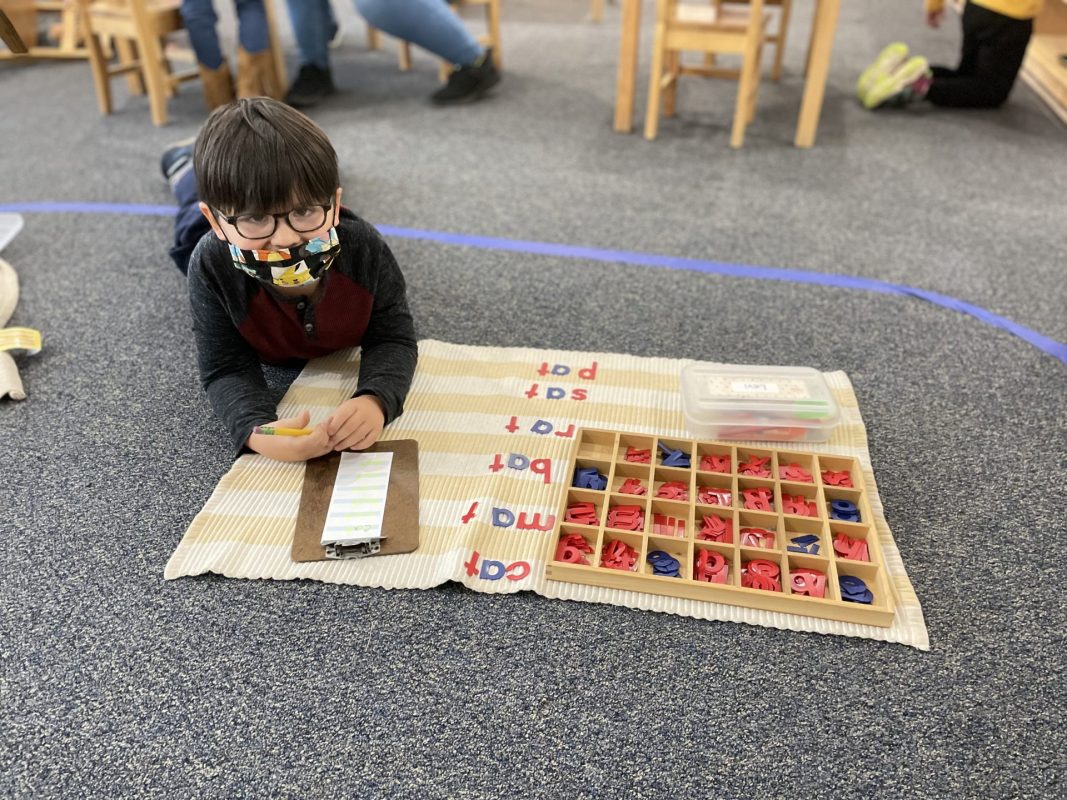
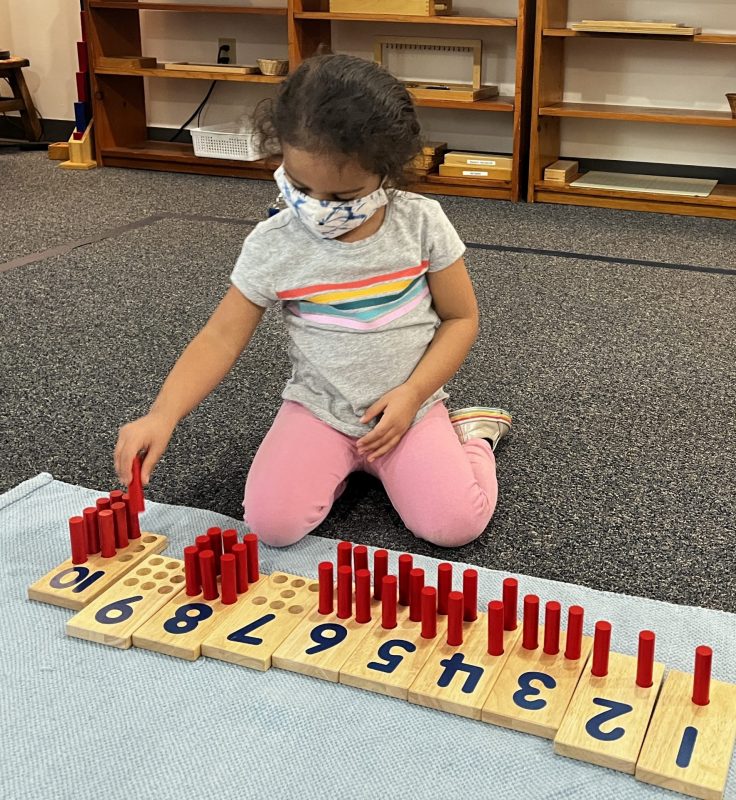
Research shows that children from ages 3-6 learn best through their hands. In order to truly understand a concept they need to explore it through touch. This is why so many of the lessons found in the Montessori environment are not based on memorization alone. Most concepts we are teaching involve tracing, manipulating, and exploring with their hands. Perhaps most importantly, focusing on the process protects the child’s intrinsic motivation to learn and understand. It is not influenced by external factors such as recognition, praise, or reward. The time and experience with the materials is what we truly value and encourage.

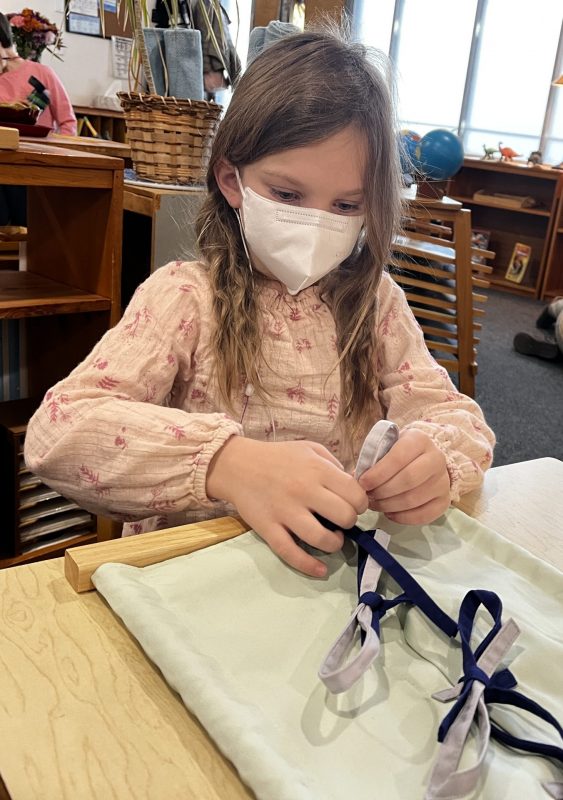
So, if your child’s folder comes home with little to no work, just know that their accomplishments can’t always ‘fit’ in that folder. Maybe after weeks and weeks of trying, they learned how to zipper their own coat or maybe they can finally carry a work without it dropping. Maybe after observing a lesson day after day,  your child tried it independently for the first time. The list of skills each child can accomplish will never be fully represented in the Friday Folder. So please enjoy the work that is in there, but know it is not a full portrayal of all that the children are accomplishing.

Warmly,

Michelle & Liset


Mrs. Lopes’ Class: Exploring Our World

Maria Montessori often referred to the study of Science and Culture as “Cosmic Education”.  The lessons in the culture/geography area of our classroom connect a child with the greater world and give them a “cosmic” view of the universe.  The activities in these areas are designed to be fun, engaging, creative, and intriguing.  They are not viewed as extra-curricular activities that take a back seat to the more “important” academic work elsewhere in the classroom, but are instead a living and central part of the environment.

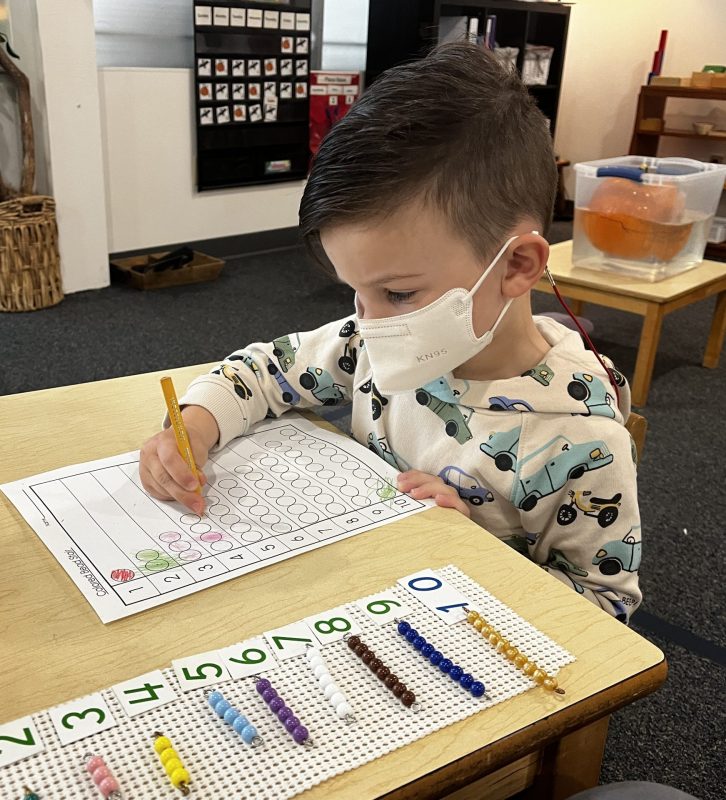
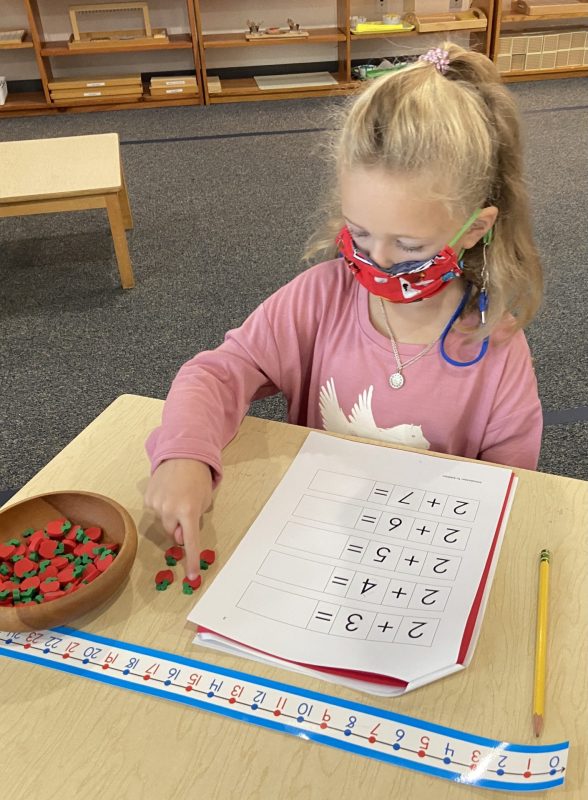
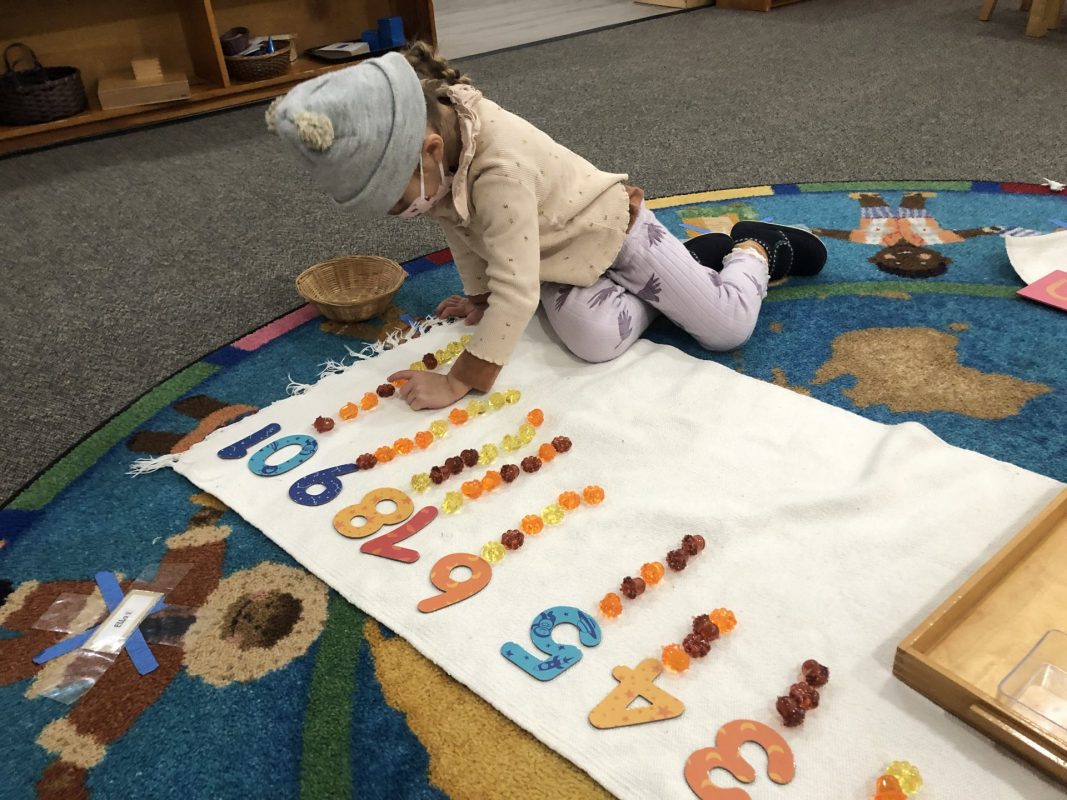
The activities on the culture/geography shelf in our classroom change monthly to coincide with the topics of study.  This month we have focused on living/nonliving, distinguishing the difference between air, land and water, the landforms lake and island, and the life cycle of an apple.  This week the children have been learning the “5 Little Apples” song.  Ask them to sing it for you!  Here are the lyrics if you would like to sing it at home:

Way up high in the apple tree,

5 little apples smiled down at me,

I shook that tree as hard as I could,

Down came an apple,

Mmmmm was it good!

(We then repeat the song with 4, 3, 2, 1 apples until there are no apples left on the tree.)


Wishing you a wonderful week,

Amanda and Heather

Mrs. Semmah: Grace and Courtesy

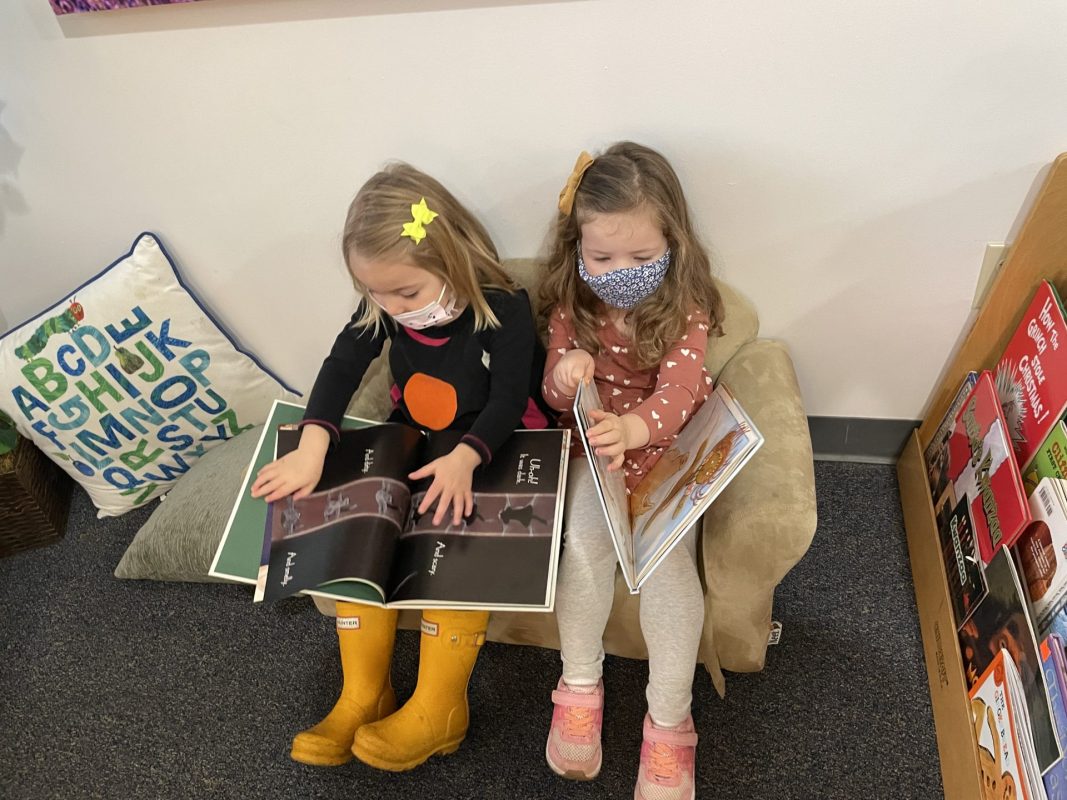
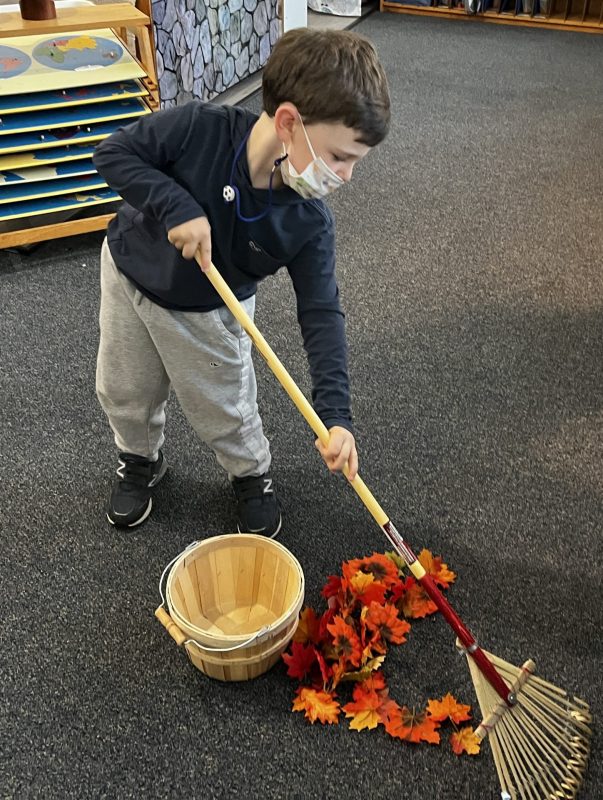
Grace and courtesy are well-known values and norms of behavior which enable children to move and work cooperatively. In the Montessori environment children may move freely, but not run or push. They may talk softly, not loudly. Grace and courtesy lessons help children understand polite social norms.

In our Montessori classroom we believe that, through daily modeling and lessons, even very young children are capable of much more than is traditionally expected of them.

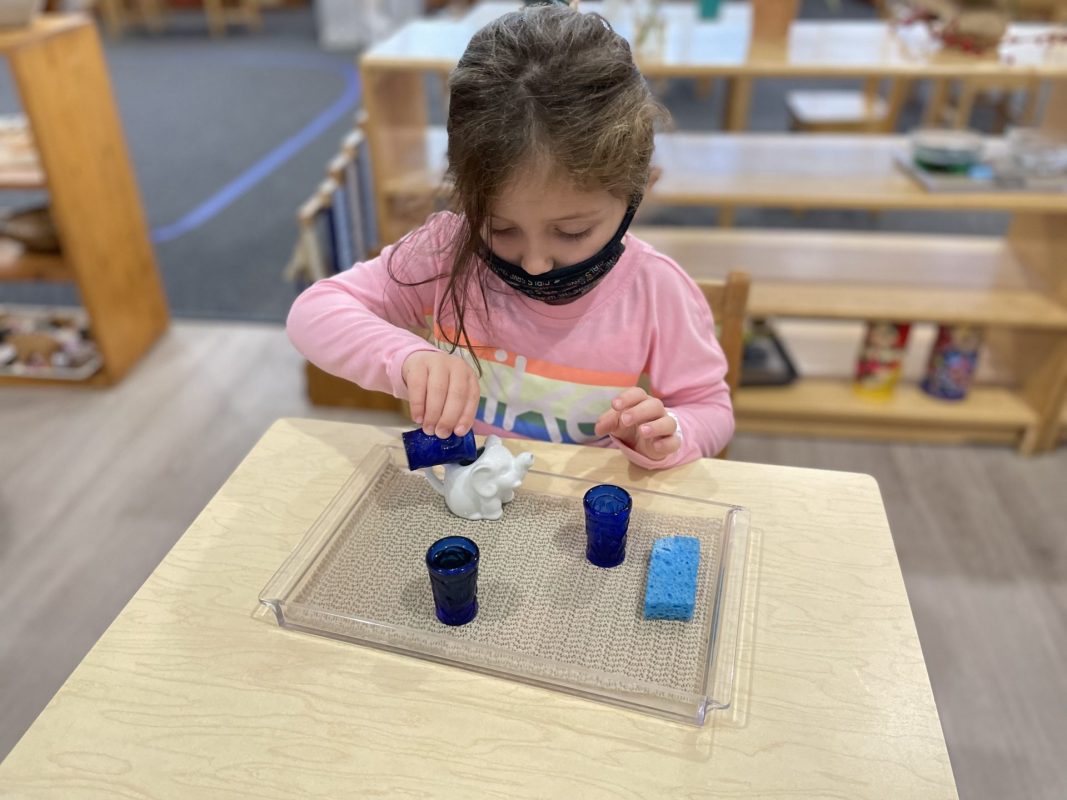
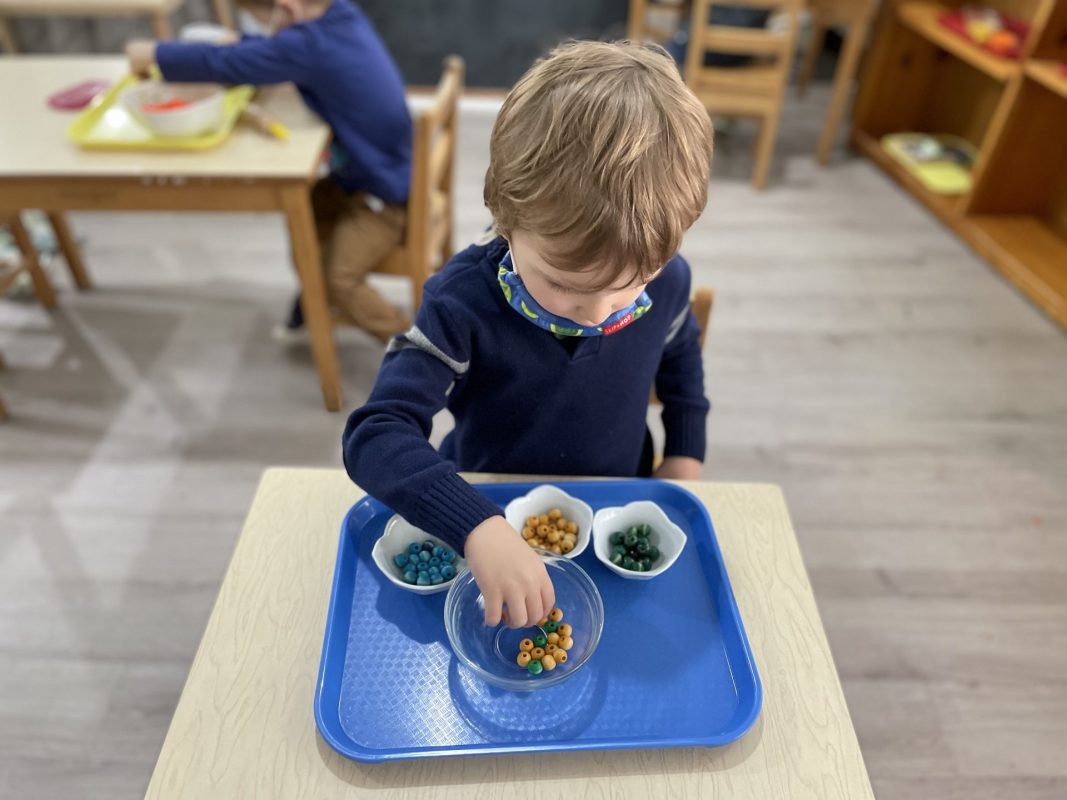
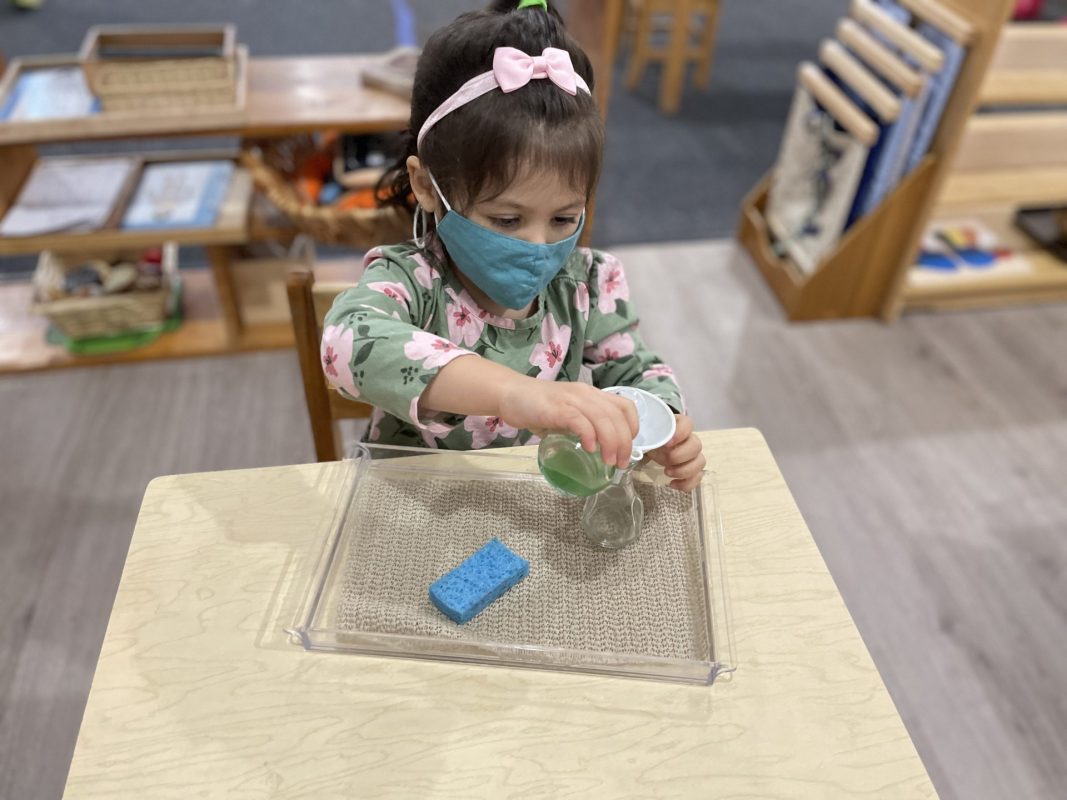
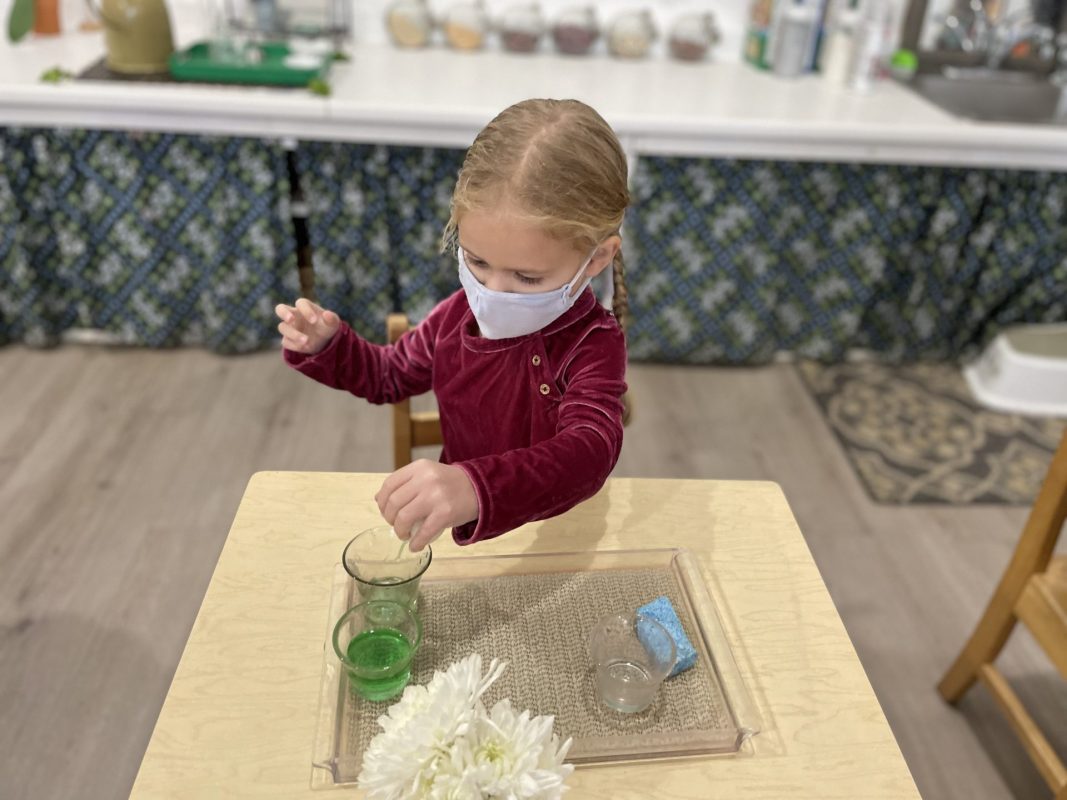
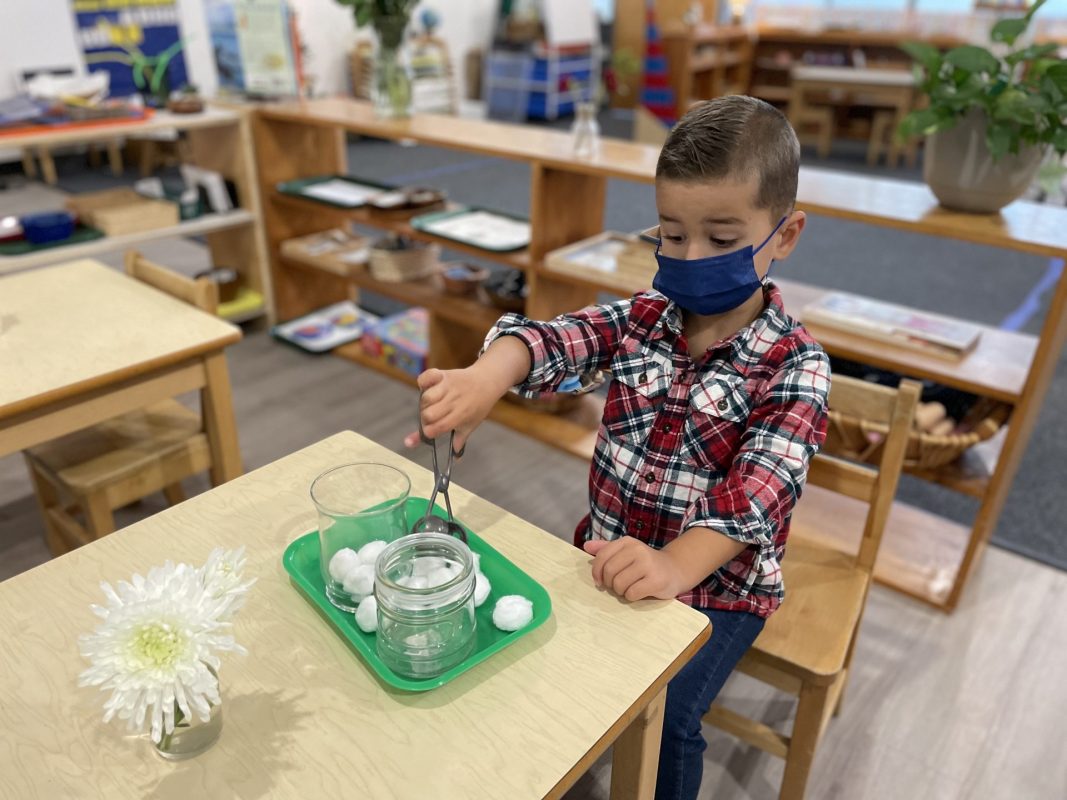
As Montessori teachers we are guides and role models for our young learners. We are very cautious about how we act in front of children when interacting with other adults at school as well as with young learners. In the classroom we model soft voices, walking feet, and carrying the tray with two hands. We also have a deep respect for the child’s concentration while they are working; we are always careful not to interrupt the child’s work. These are examples of our daily interactions with children.

Teachers introduce lessons explicitly to teach grace and courtesy. We observe and take note of any undesired behavior. We select a neutral time when everyone is calm and ready to absorb the lesson and show children step by step how a certain behavior or activity is done. The following are some of the exercises of grace and courtesy:

  • Watching others work without disturbing or interfering
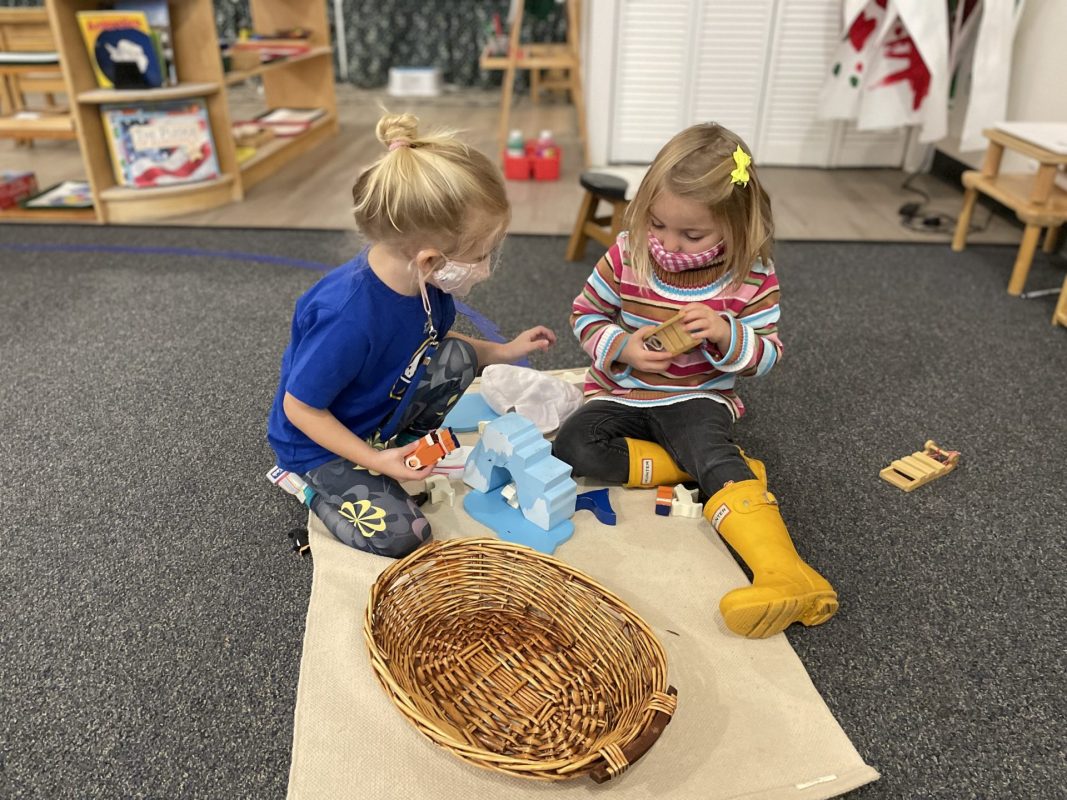
  • Waiting for turns
  • Covering a sneeze, yawn, or cough
  • Conflict resolution (how and when)

Through the adult’s daily display of acts of kindness, attention, and respect for others, the children will grow up to be caring human beings.

Mrs. Semmah and Mrs. Sara


Mrs. Semmah – Peace Begins with Respect for Others


“The child is both a hope and a promise for mankind.”

Maria Montessori, Education and Peace

Maria Montessori strongly believed in the children’s potential and capacity to attain peace on earth and for all. A Montessori classroom is a peaceful environment where children learn about the values of respect, compassion, and kindness through everyday interactions with each other and the adults in the environment.

Children are shown respect, so they learn respect. Children are shown compassion, so they learn compassion. Children are shown kindness, so they learn kindness. In the Montessori curriculum, we show an appreciation for diversity and respect for all cultures. It is possible to avoid or fear whatever we do not understand, and in the Montessori classroom, we seek to understand.

Following our yearly tradition at Fraser Woods, we celebrated the International Day of Peace on Tuesday, September 21st. We talked about the meaning of peace and ways we can promote peace in our environment. And quoting the children, peace is “being calm,” “being nice to others,” “playing together,” “sharing my toys with my sister,” and “giving a flower to Mommy.”

May children everywhere enjoy the peace and be our hope and promise for a better tomorrow.

Peace!

Mrs. Semmah and Mrs.Sara.


Mrs. Lopes’ Class: A Peaceful Classroom

” We shall walk together on this path of life, for all things are part of the universe and are connected with each other to form one whole unity.”-Maria Montessori

Peace truly begins in our homes and in our classrooms.  The basics of peace include providing day-to-day environments which operate under an understanding of respect, where our children can freely share concerns, feel safe, be productive, and enjoy one another.

As is tradition, Fraser Woods celebrated the International Day of Peace on Tuesday, September 21st.  We discussed what peace means as a class and brainstormed ways that we could spread peace.  Some examples the children came up with were “Sharing my toys with my little brother,” “Helping my Mommy with the dishes,” and “Giving someone flowers.”

The 2021 theme for the International Day of Peace is “Recovering better for an equitable and sustainable world.” We invite you to celebrate peace by spreading compassion, kindness, and hope.

May we all work together to create a world where everyone everywhere is able to enjoy and exercise their right to peace.  And may we all help our children learn how to carry on this important mission.

Wishing you all a peaceful week,

Amanda and Heather

Mrs. Doyle’s Class: Sing Peace Around the World

Peace is what every human being is craving for, and it can be brought about by humanity through the child. -Maria Montessori

Peace education is a basic tenet of the Montessori philosophy. In the 3-6 environment, studying the seven continents, including their people and cultures, provides a global view of our world. As Montessori teachers, practicing and teaching peace, kindness, and acceptance is a natural part of our day. Dr. Maria Montessori believed we should think of education as peace, not education for peace. She also believed that young children were our hope for eliminating conflict and instilling peace throughout the world. Dr. Montessori, as always, knew that lecturing children would accomplish very little and that to truly understand peace they would need to discover it for themselves.

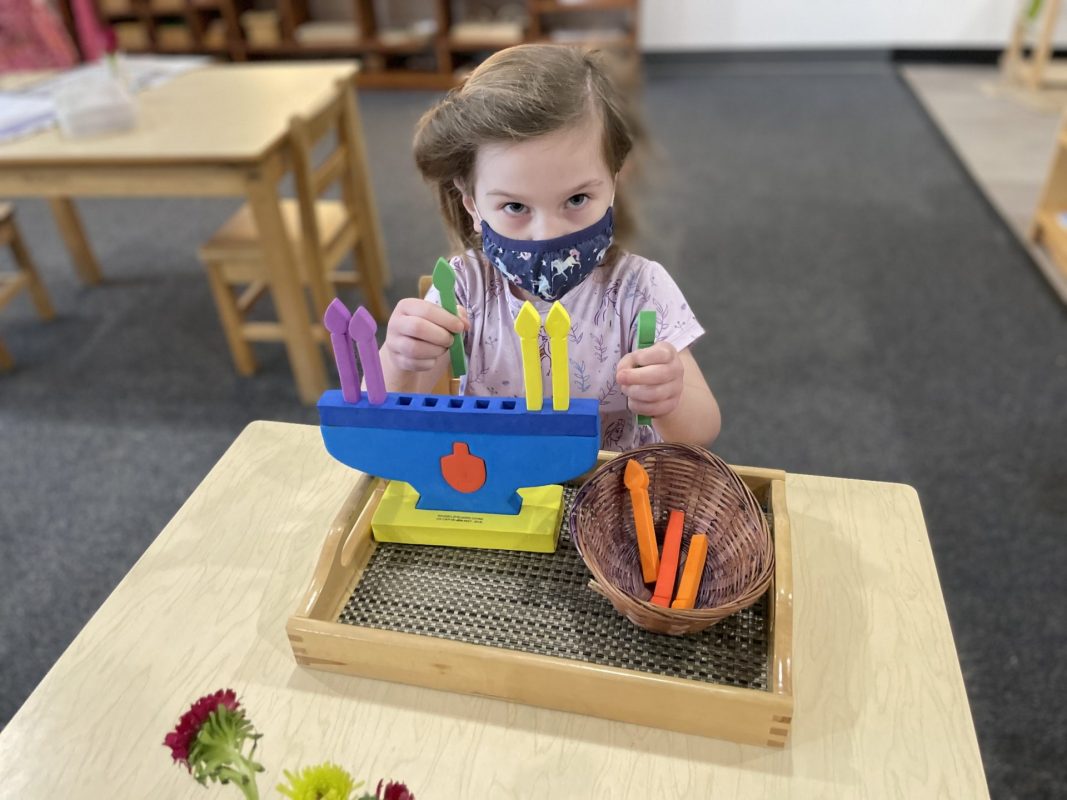
Typically to celebrate Peace Day, we participate in “Sing Peace Around The World.”  Beginning in New Zealand and ending in Hawaii, Montessori schools around the world sing “Light A Candle For Peace” for five minutes and during a specific time slot. So for 24 hours, this special song is being sung in a different part of the world by Montessori children.  As with most large gatherings, protocols have changed the way things are done. This year, our children learned the song “Light A Candle for Peace,’ during their music time. We also played the song periodically throughout the day and watched a short video of children singing it. We eagerly look forward to the time we can all gather together to take part in this simple but beautiful tradition.
Wishing everyone a peaceful week!

Michelle & Liset