Mrs. Hood: Awe, Wonder and Big Smiles!

Another vibrant week has flown by, and I can’t believe how fast time is moving! Here’s a peek into all the wonderful things we’ve been up to:

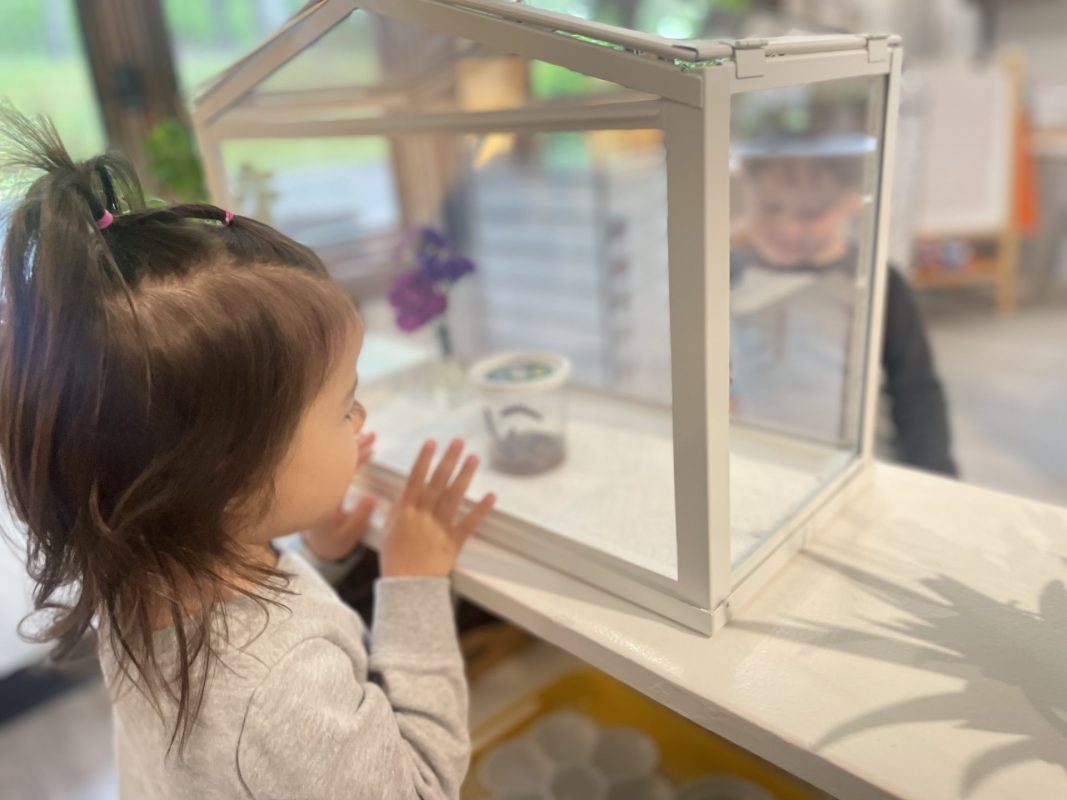
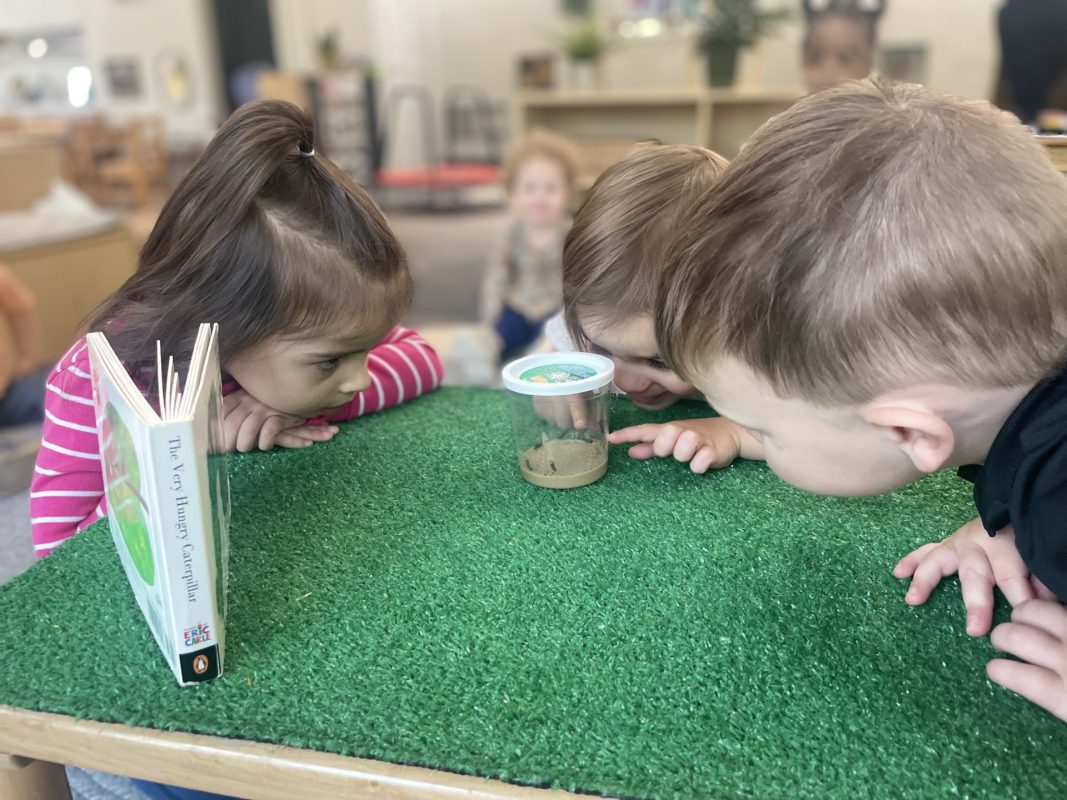
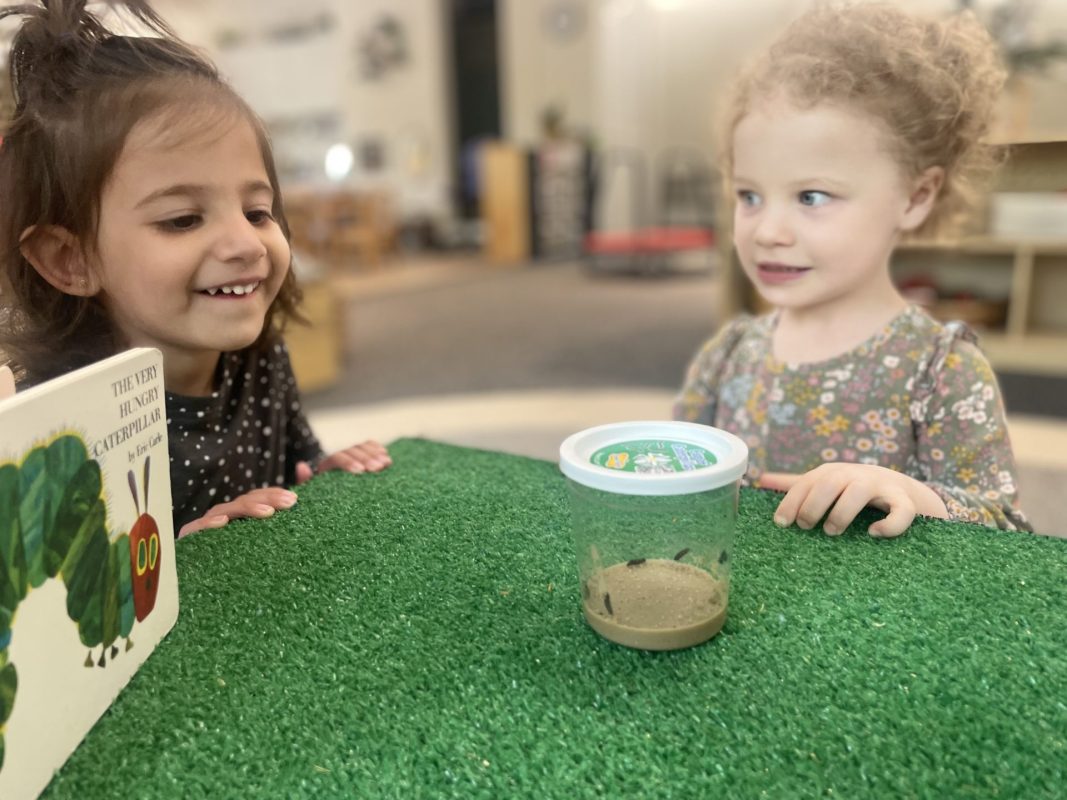
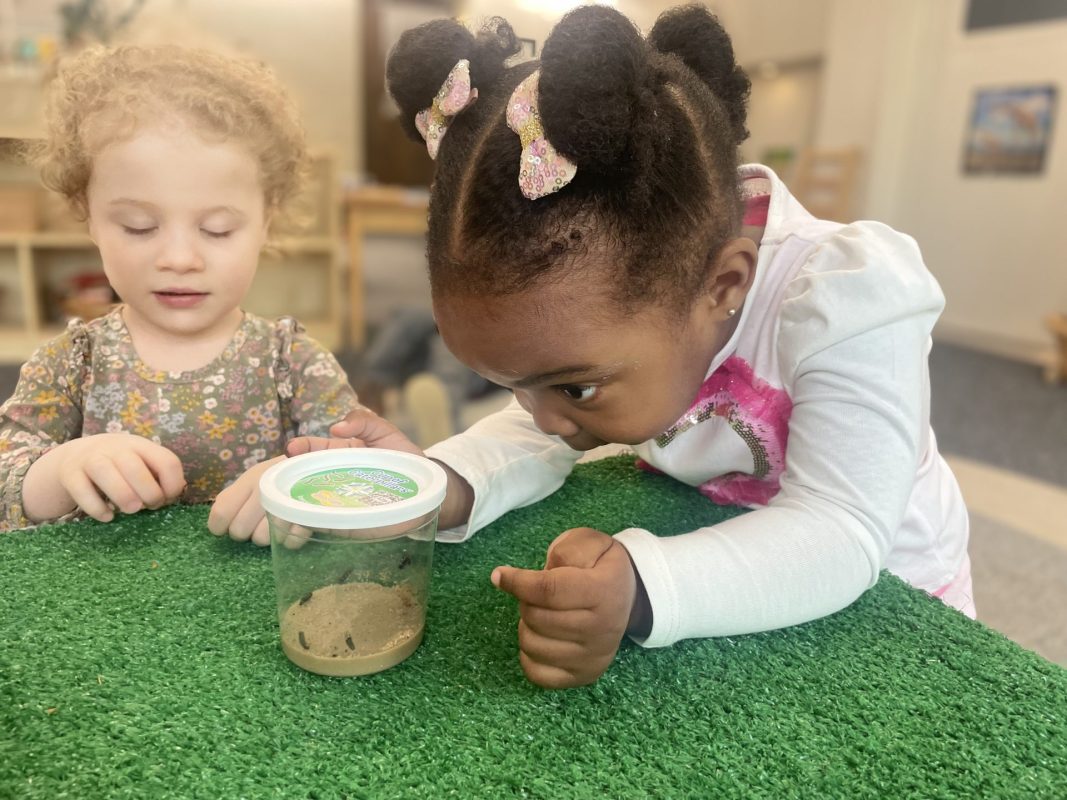
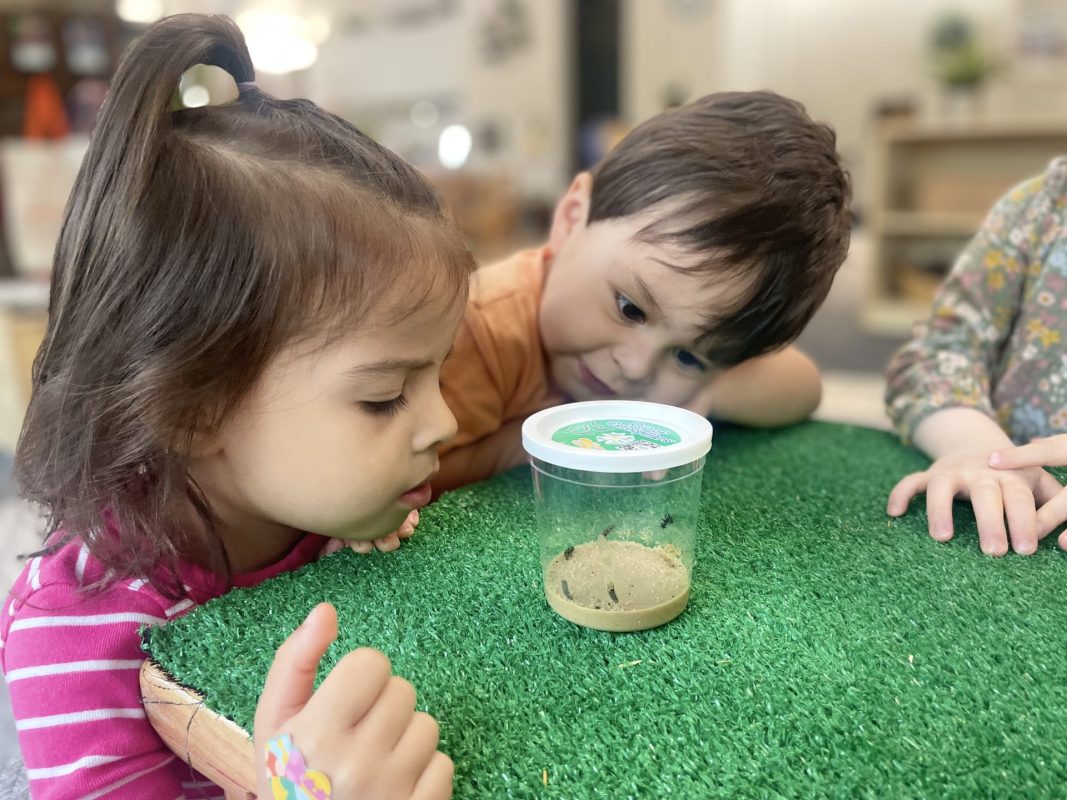
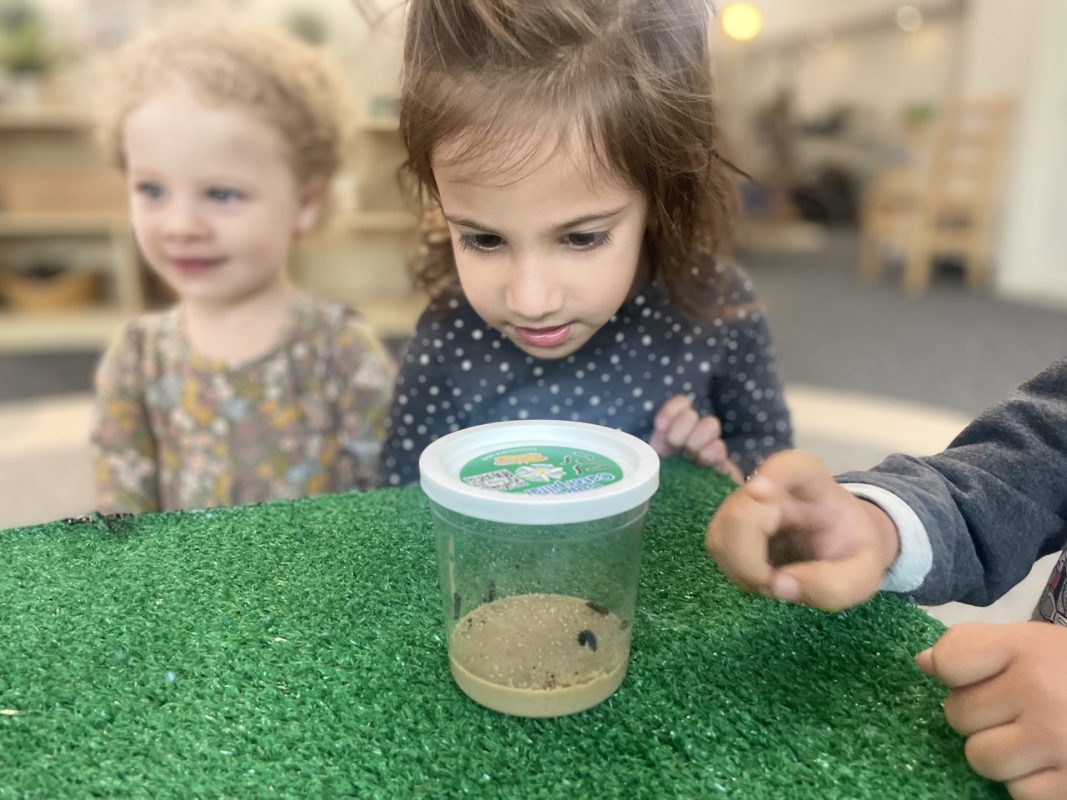
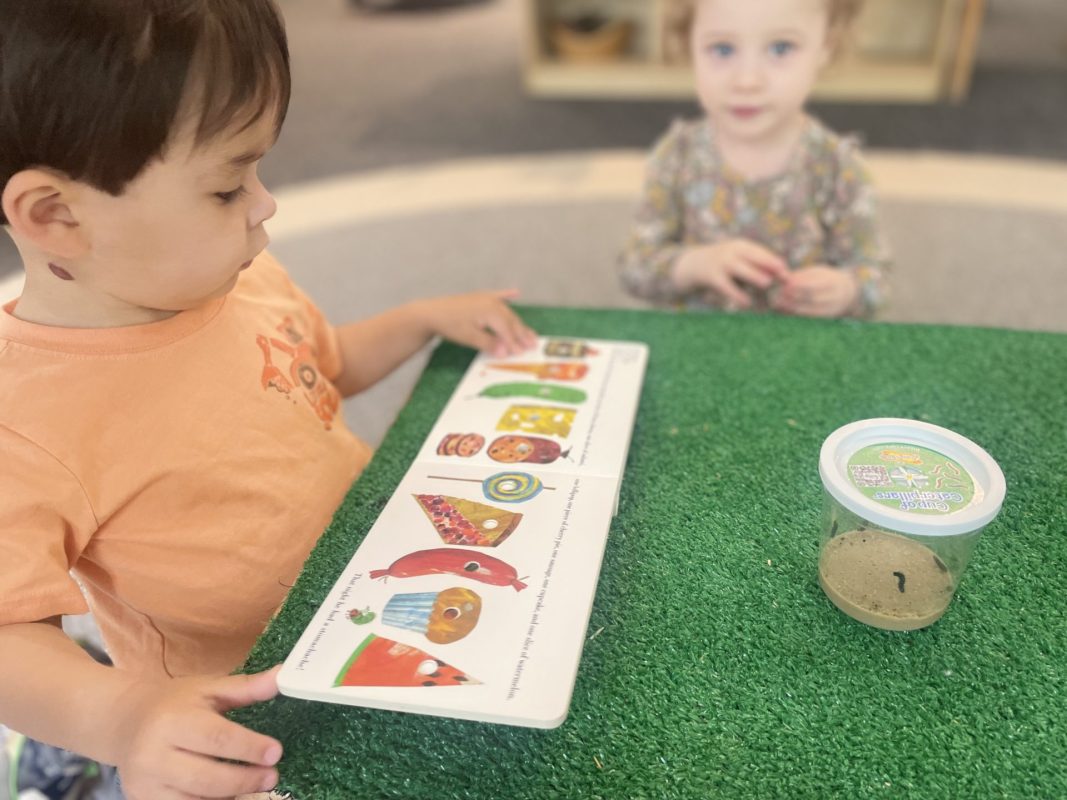
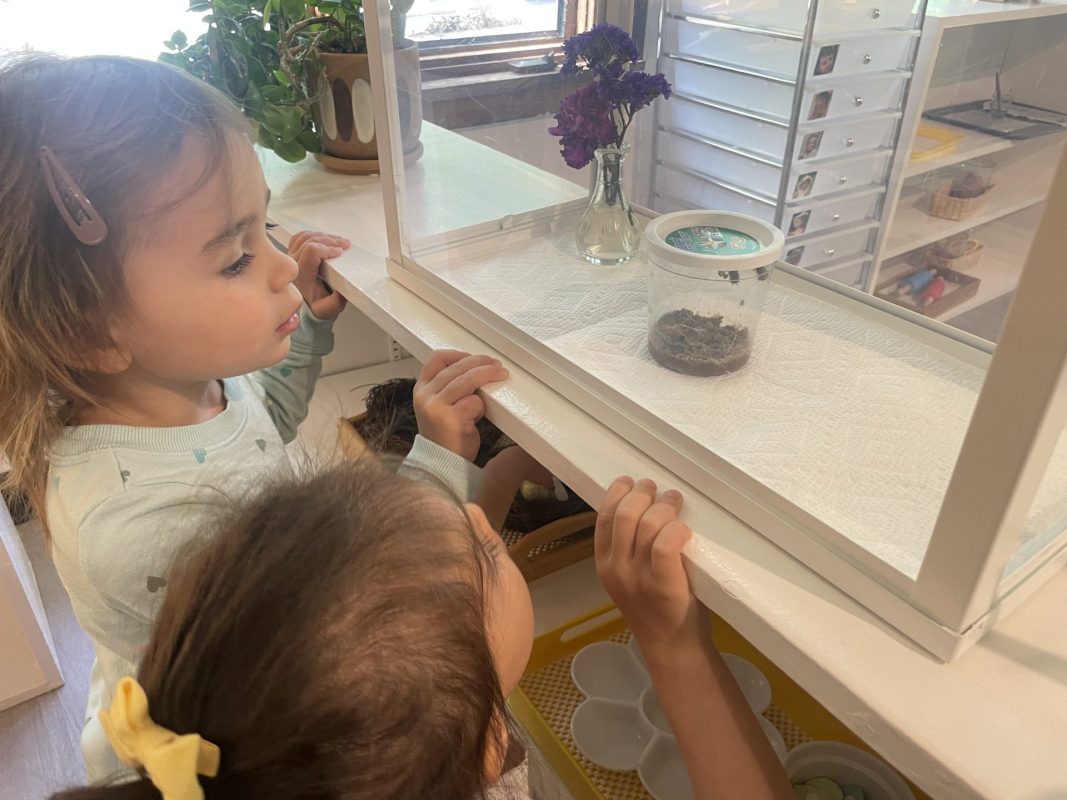
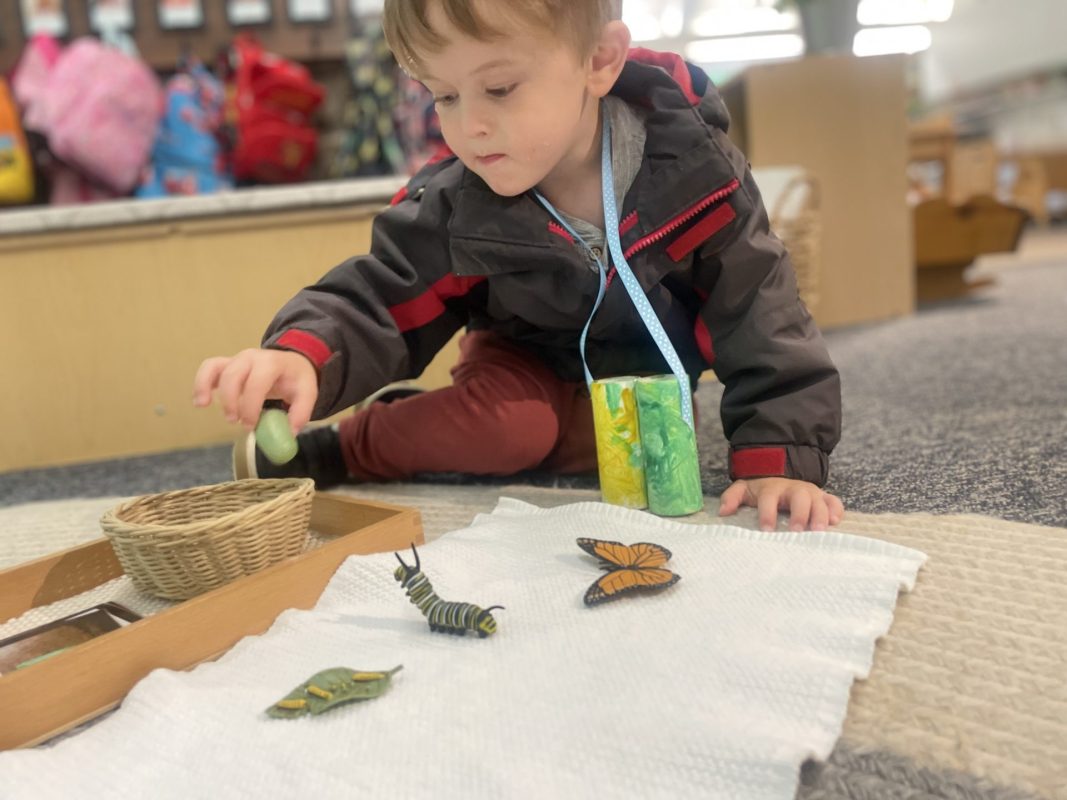
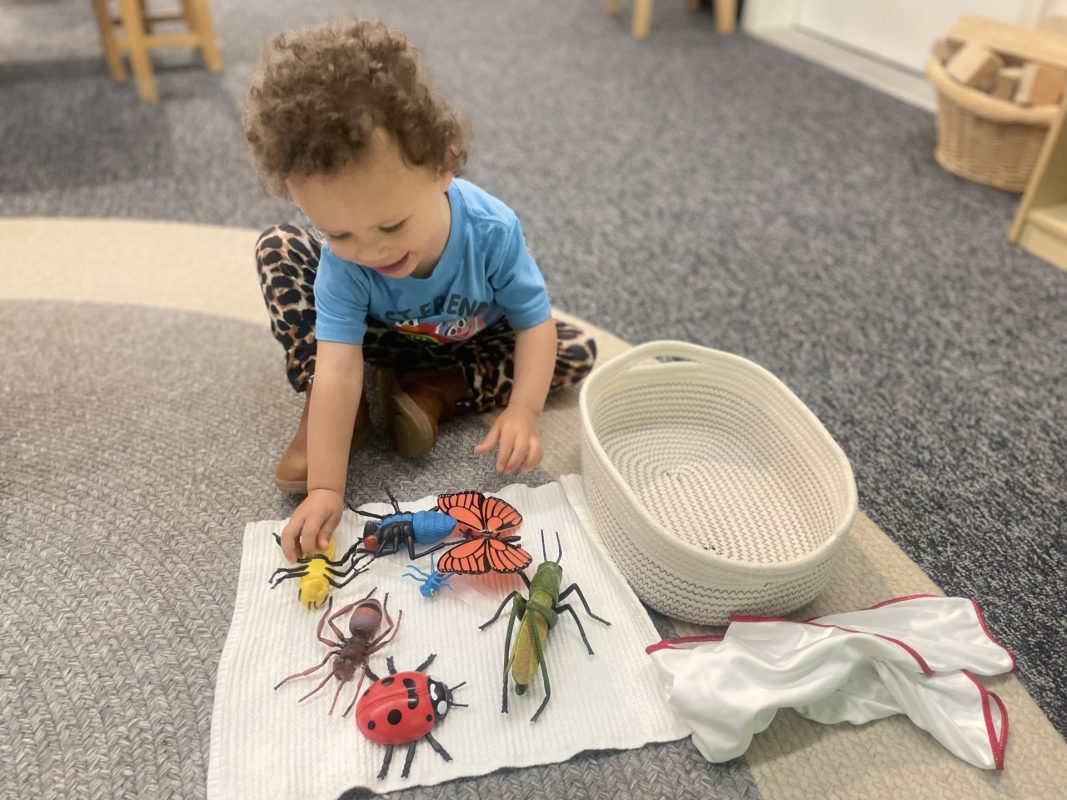
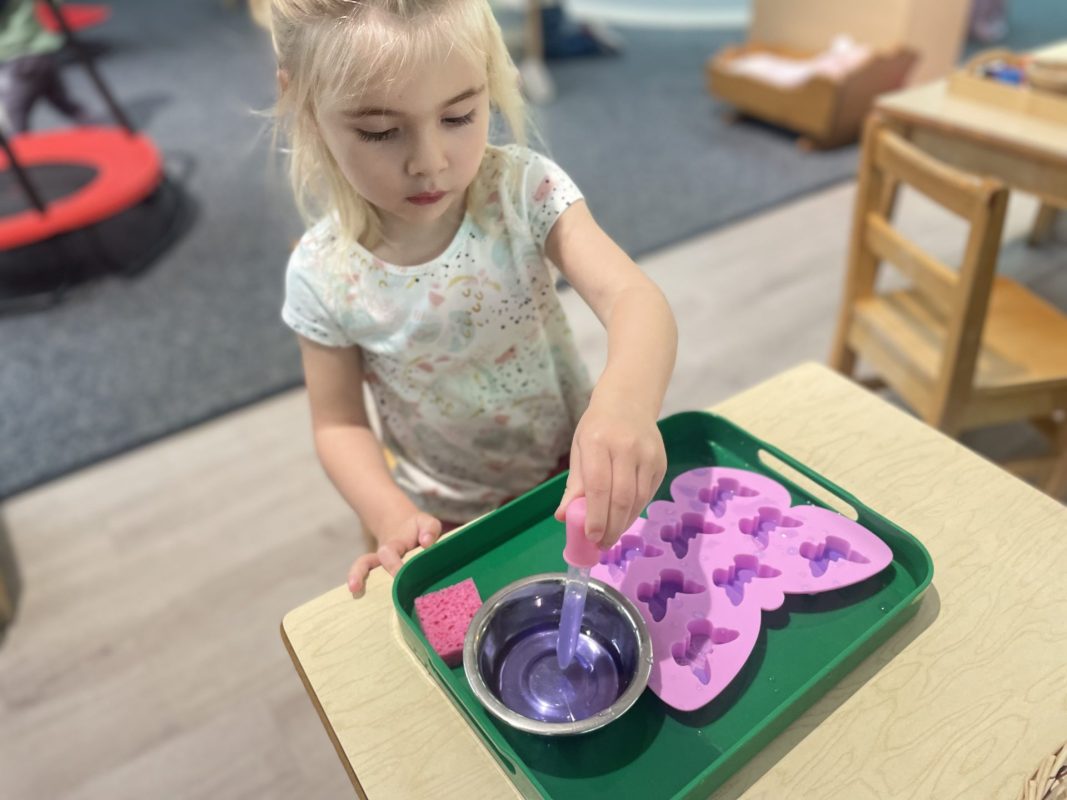
Apart from exploring new works in the environment, our little learners keep delving into the fascinating world of butterflies. With match-work cards and model objects, the children  learned about the stages of a butterfly’s life cycle. Egg, Caterpillar, Chrysalis and Butterfly are vocabulary words that we have used over and over in our environment.  We observed  our own caterpillars munching on the food and were super thrilled to watch as the caterpillars formed “J” shapes, signaling the start of their metamorphosis, then we got to watch them as they  transformed  into chrysalises! To say that our environment  has been filled with awe and wonder, is an understatement.

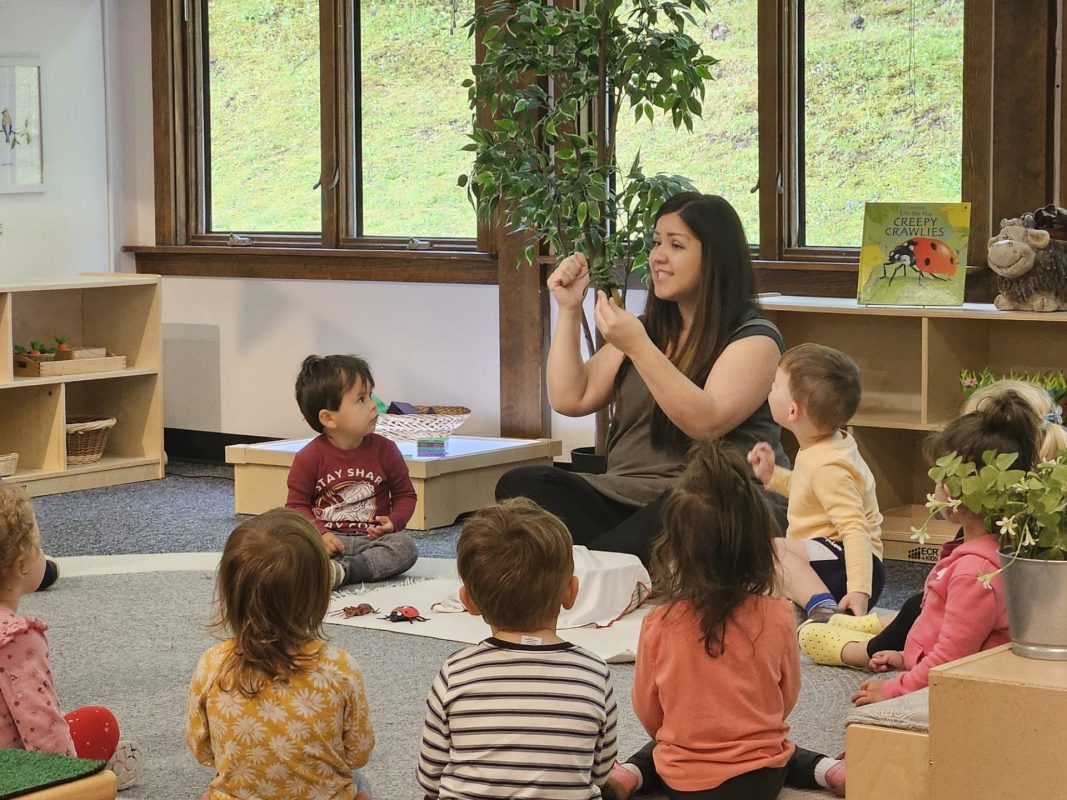
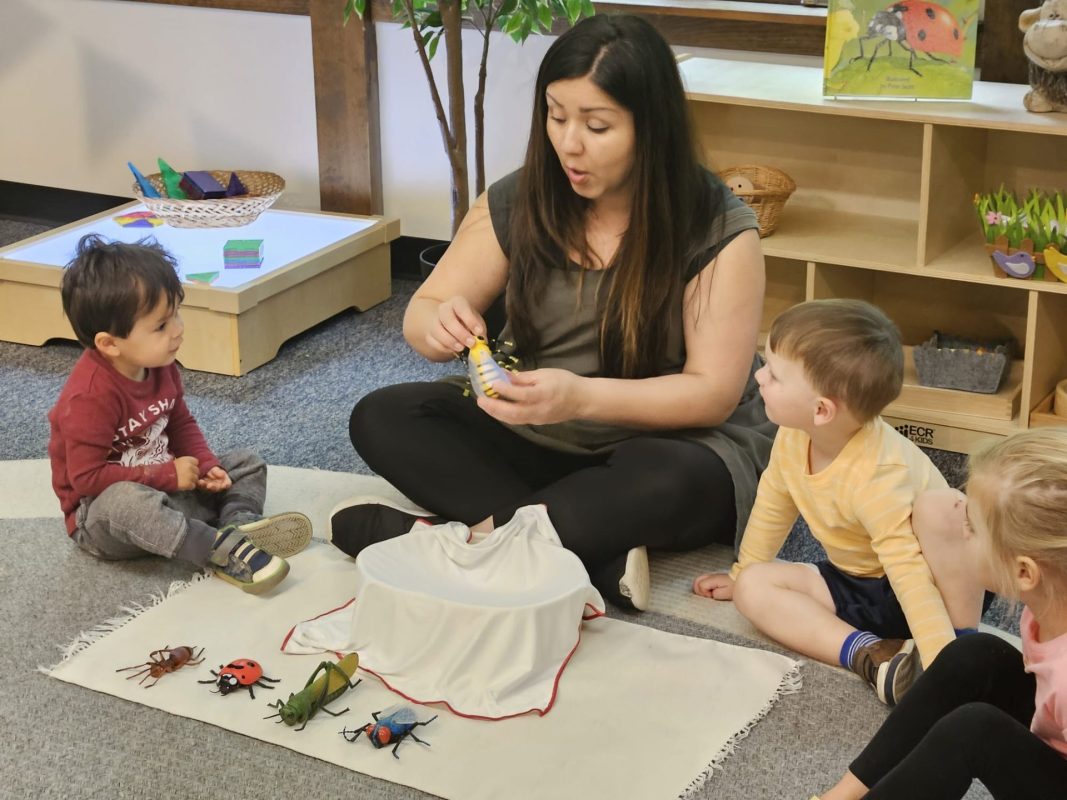
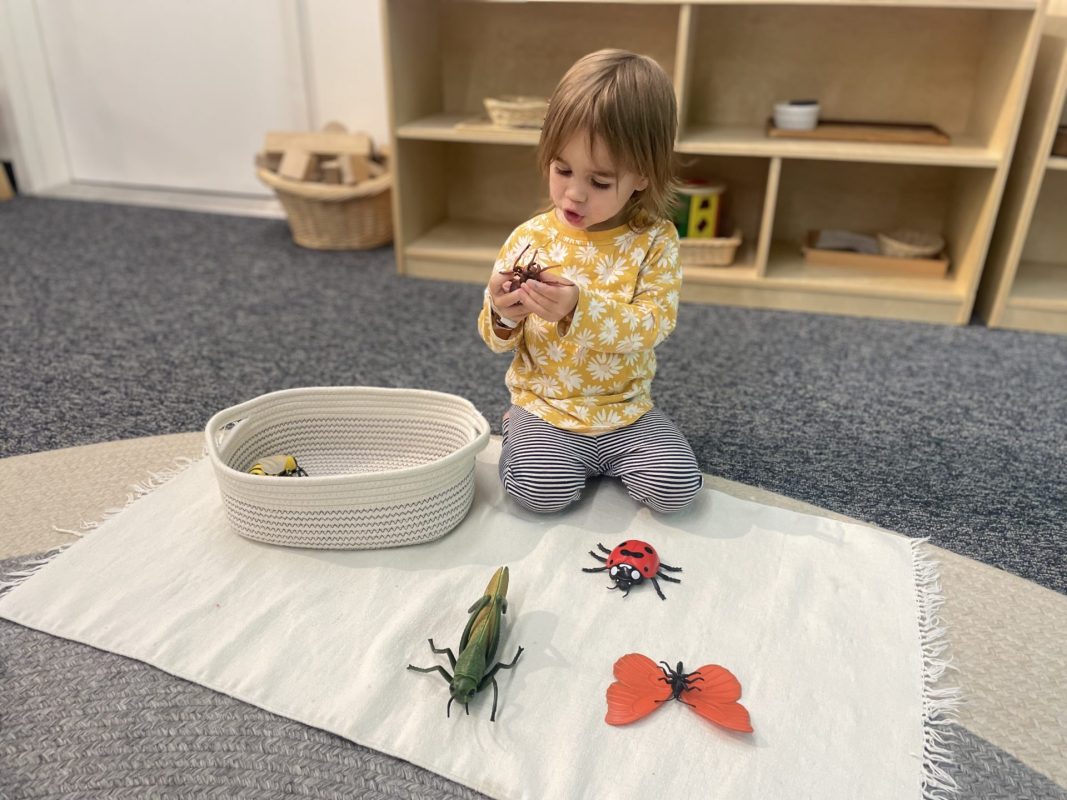
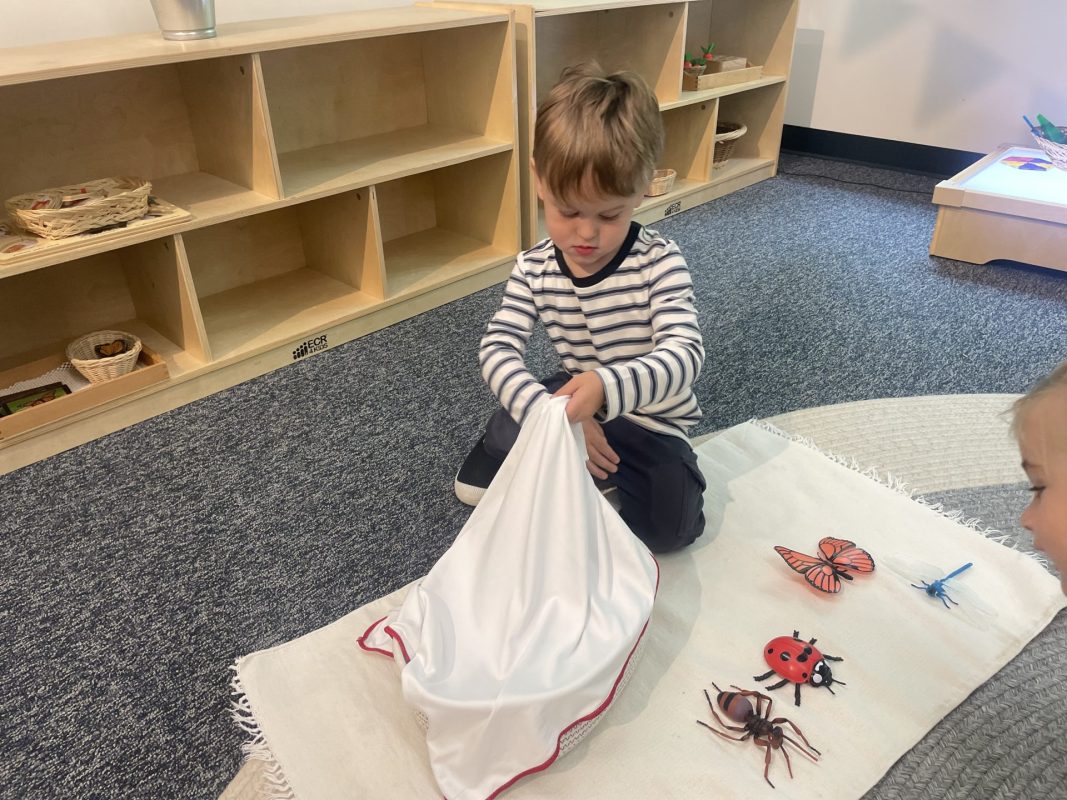
Through lively discussions, we explored the importance of butterflies in the insect family and learned about their body parts—head, thorax, abdomen, six legs, antennae, and wings. Children have also explored and learned about  grasshoppers, ladybugs, ants, dragonflies, flies and bees through object models and live insects as we find during our outdoor explorations.

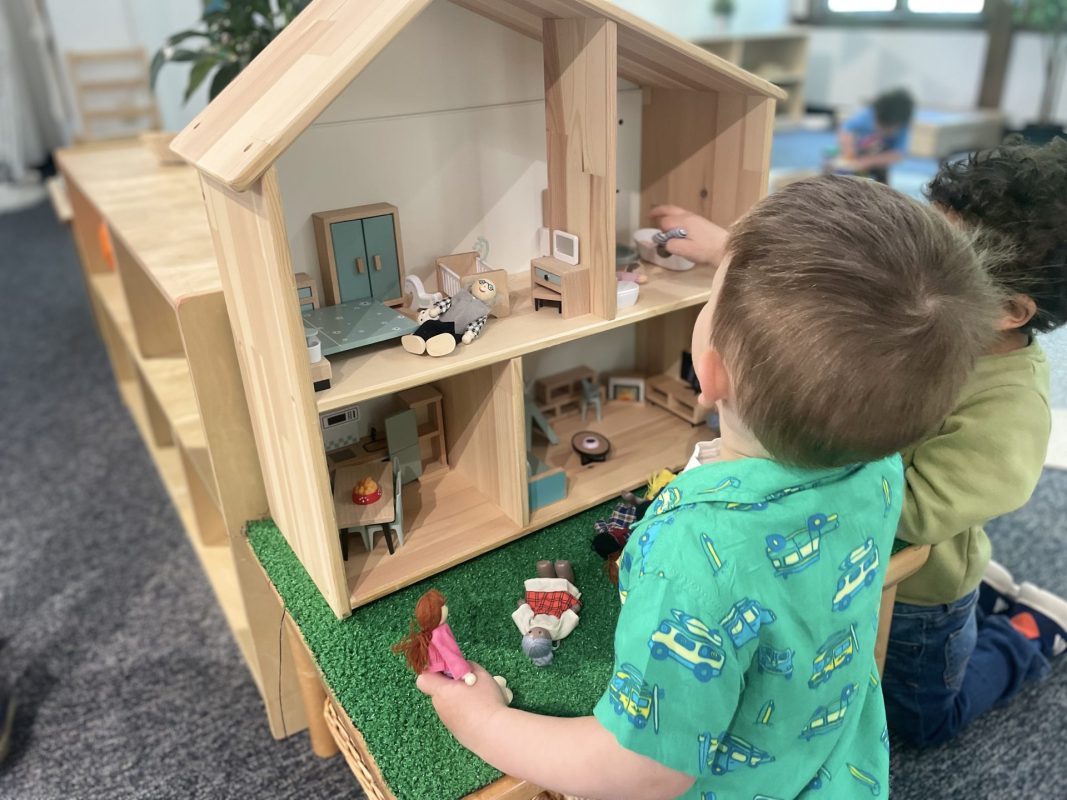
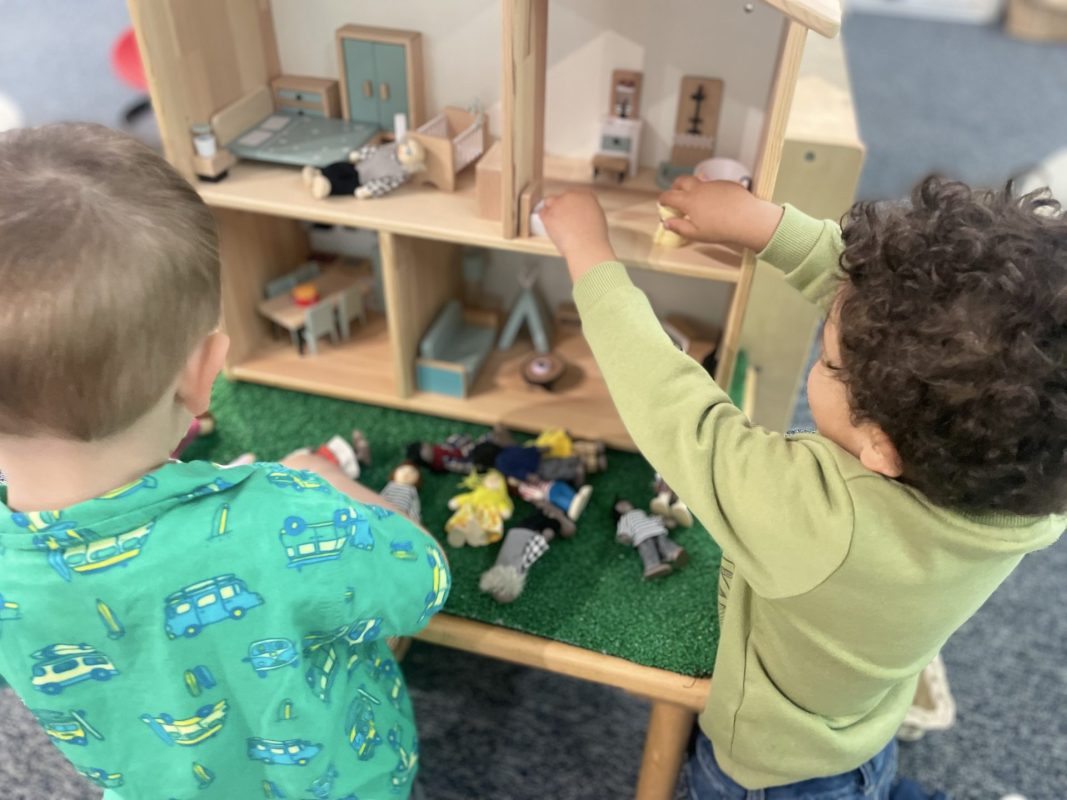
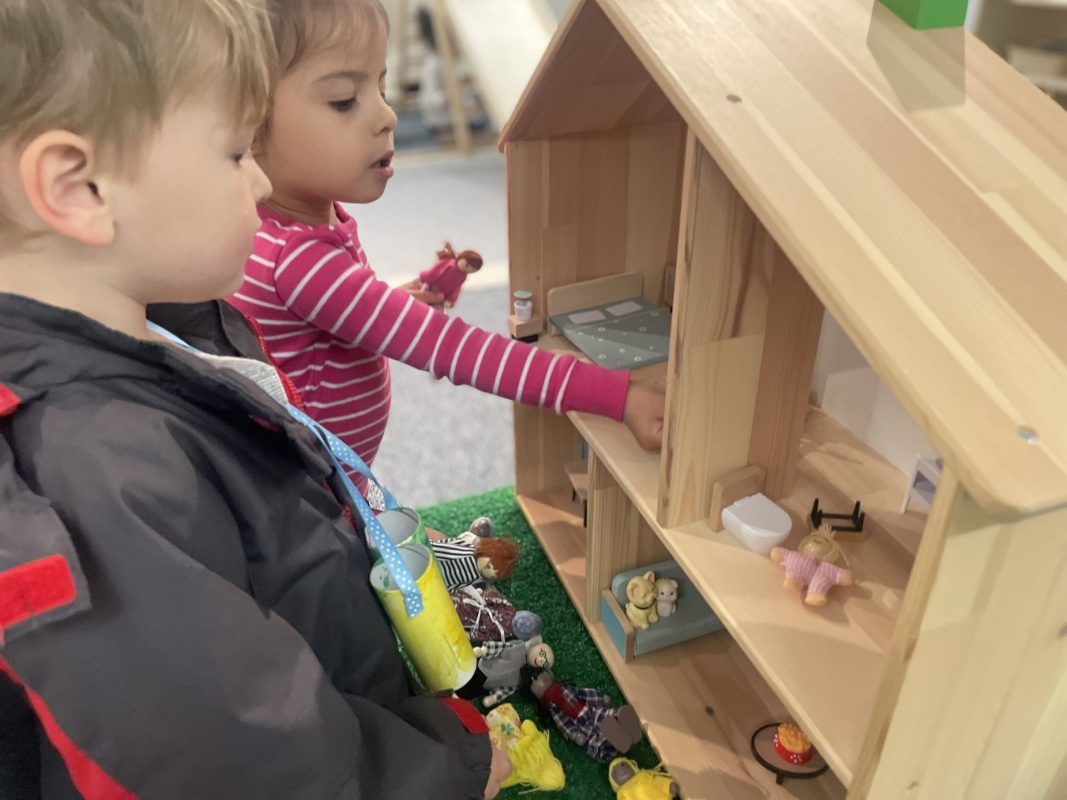
On another note, This week  we welcomed a delightful new addition to our classroom—a dollhouse! It quickly became a favorite spot for language work as the children learned about different parts of a house and the names of family members. With so much  enthusiasm, they explored each room, identified familiar objects, and interacted with the tiny family members. The dollhouse sparked creativity and imagination, becoming a beloved centerpiece of our classroom.

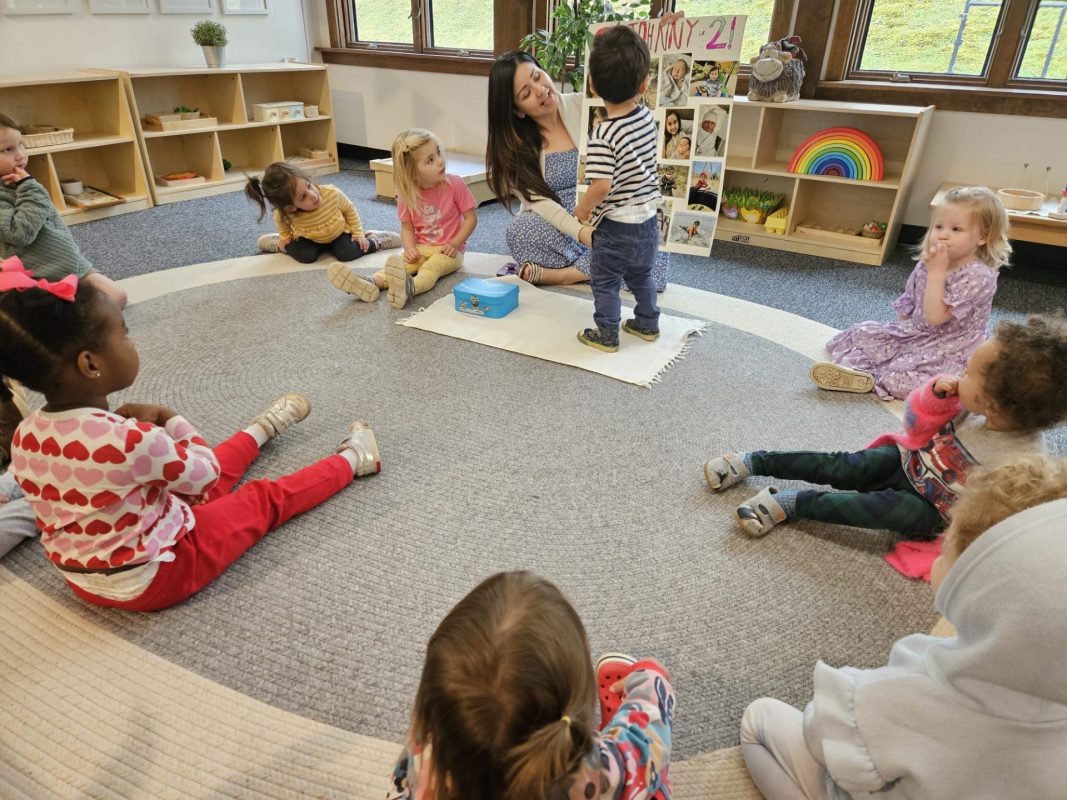
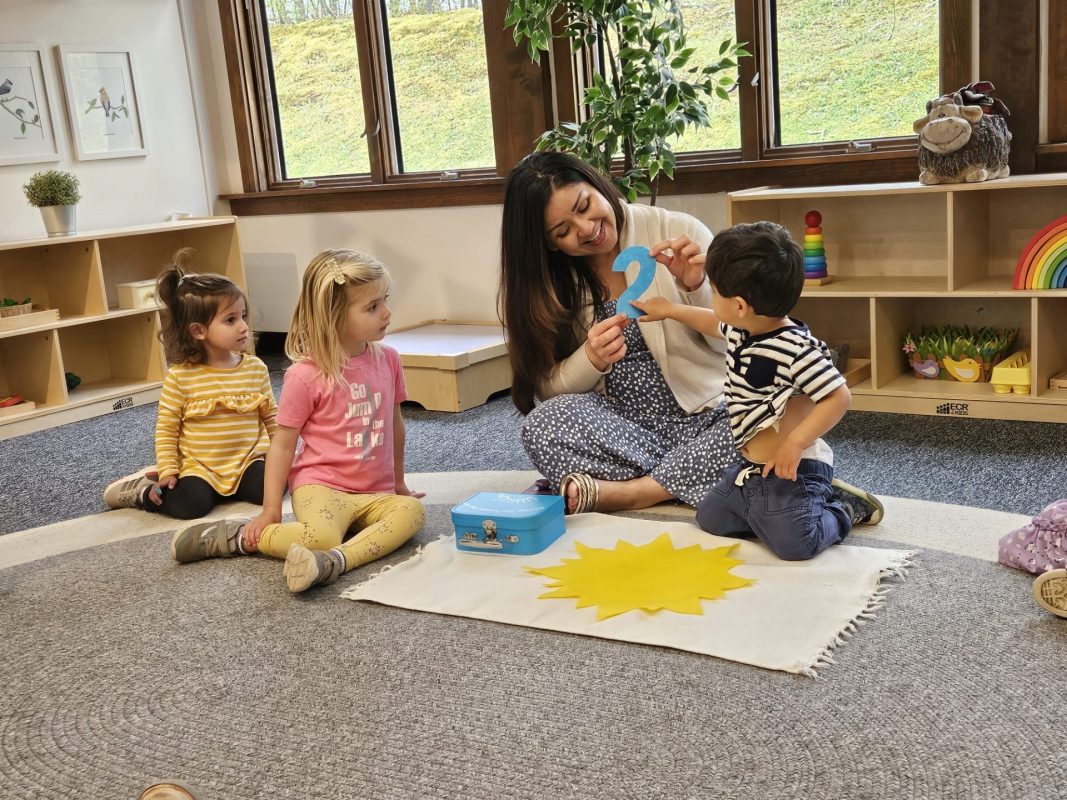
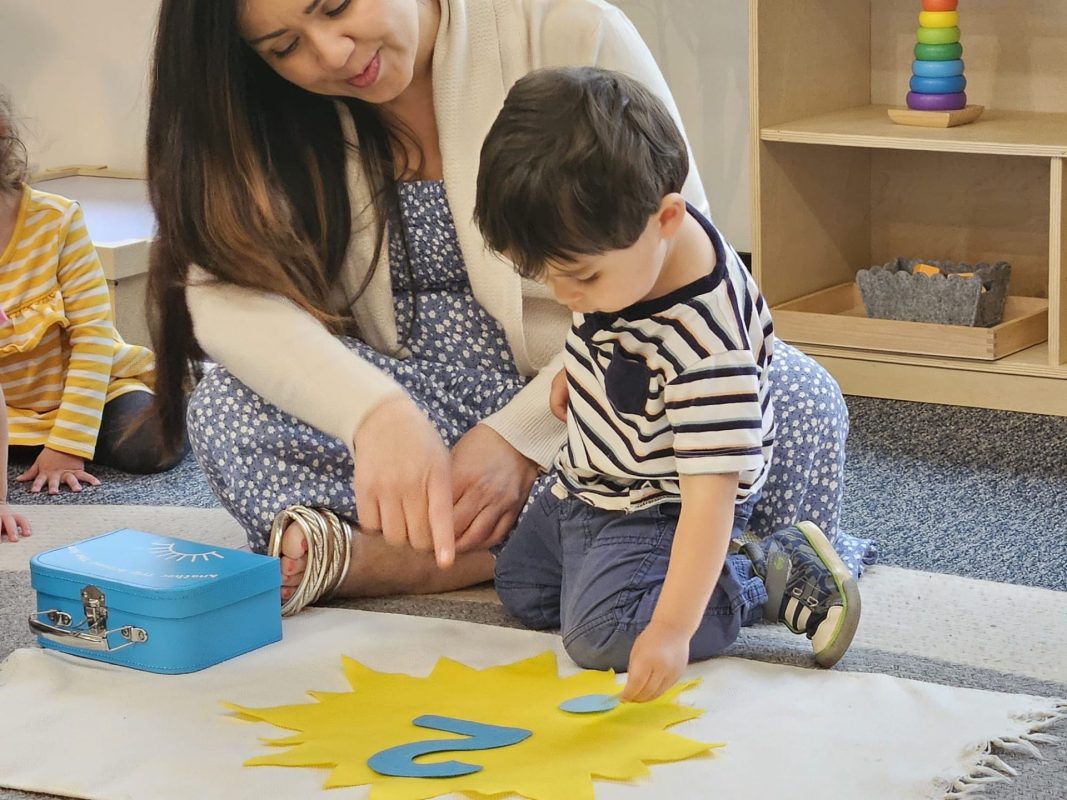
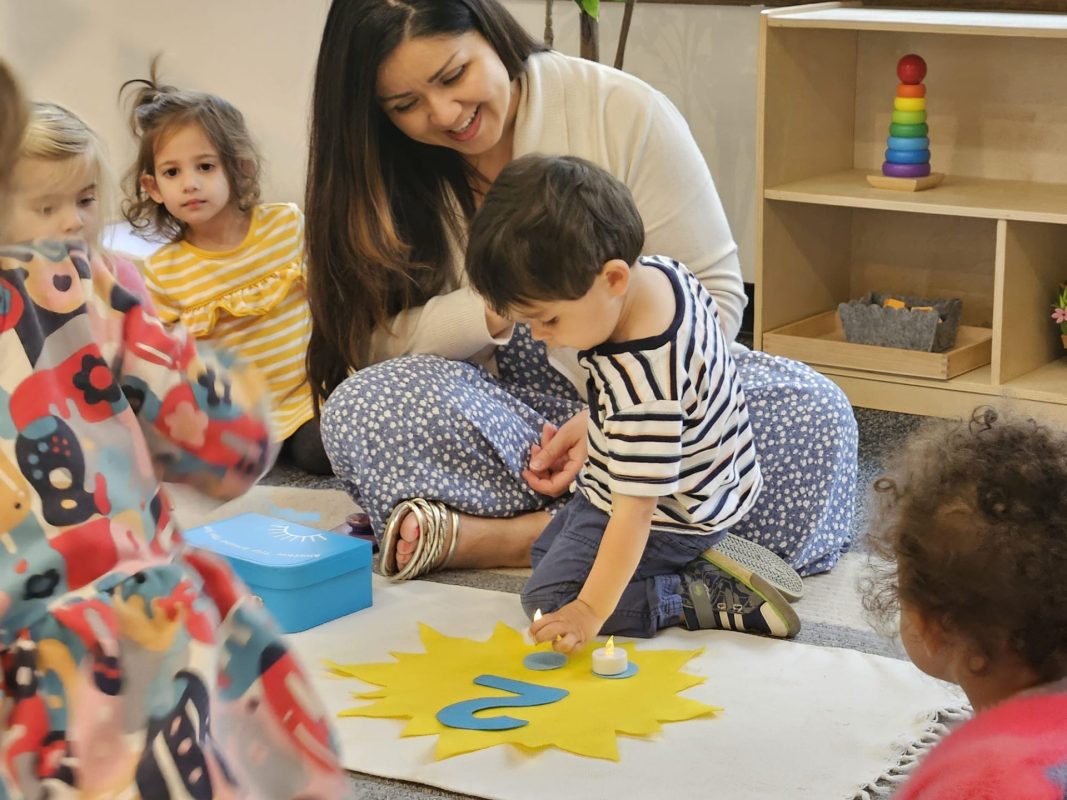
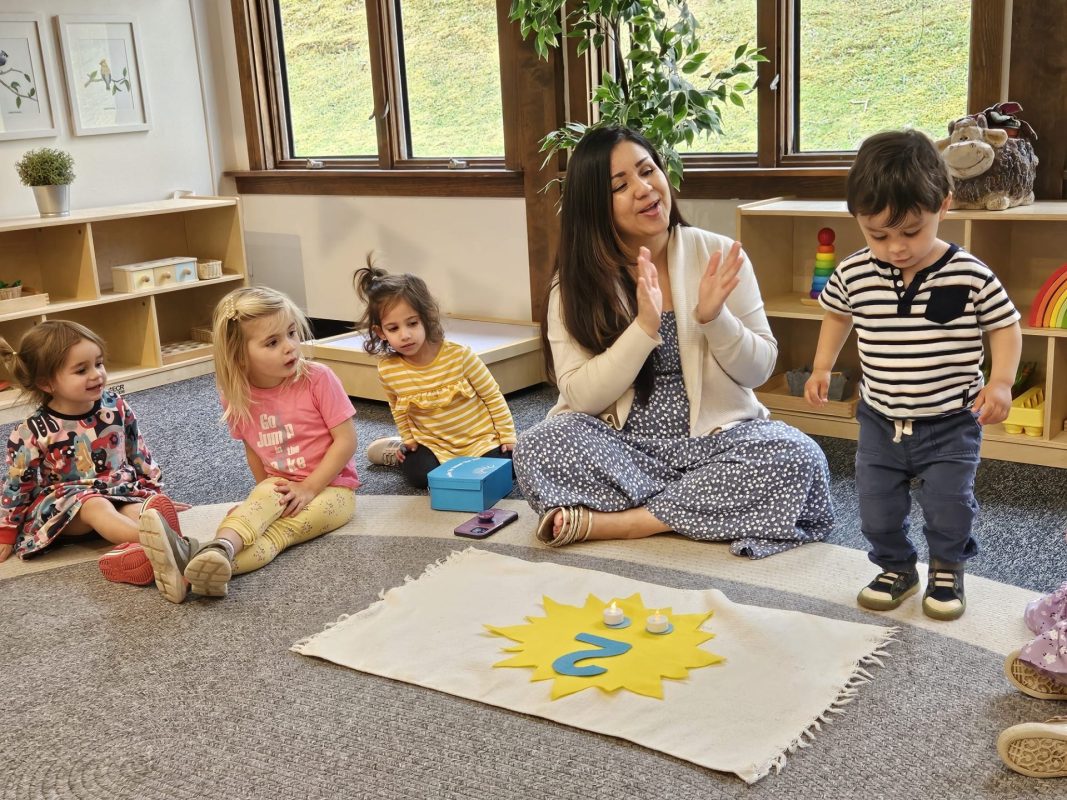
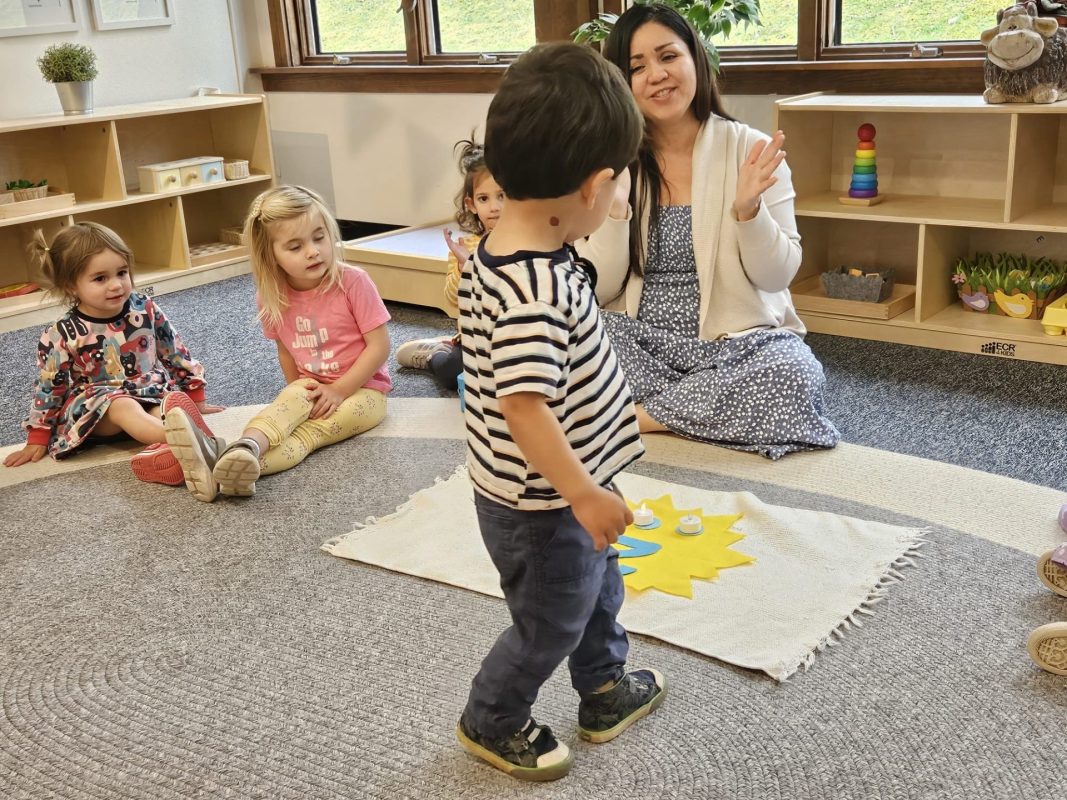
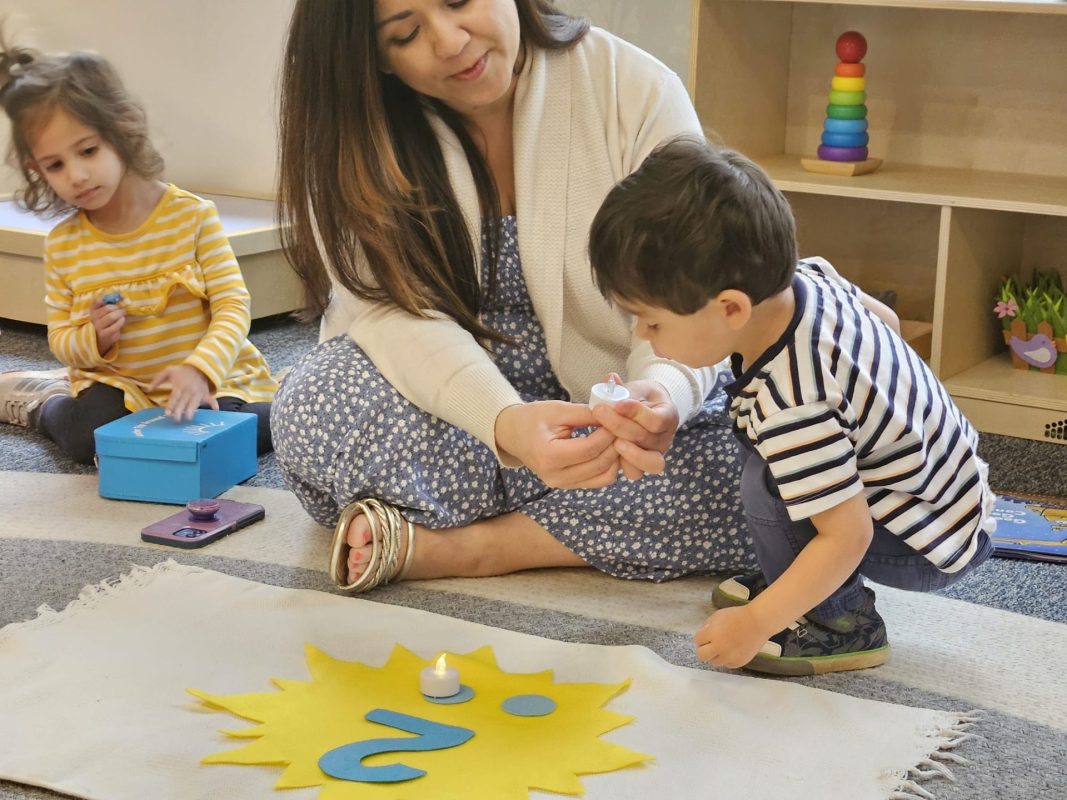
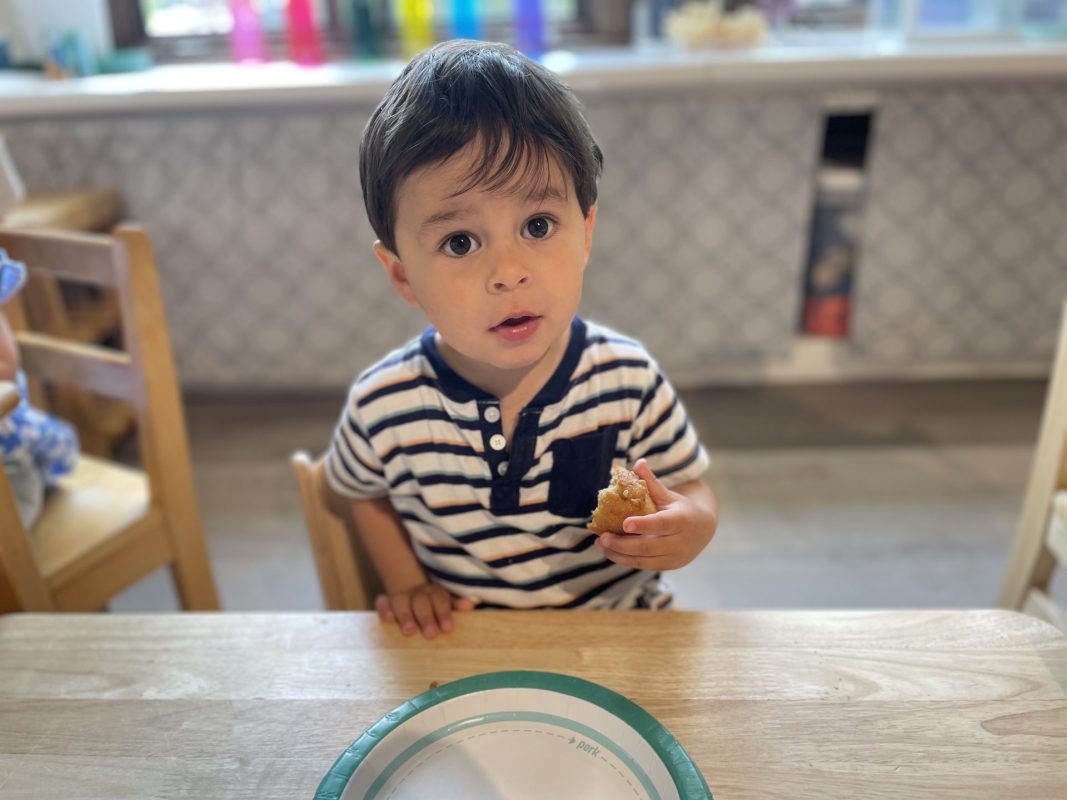
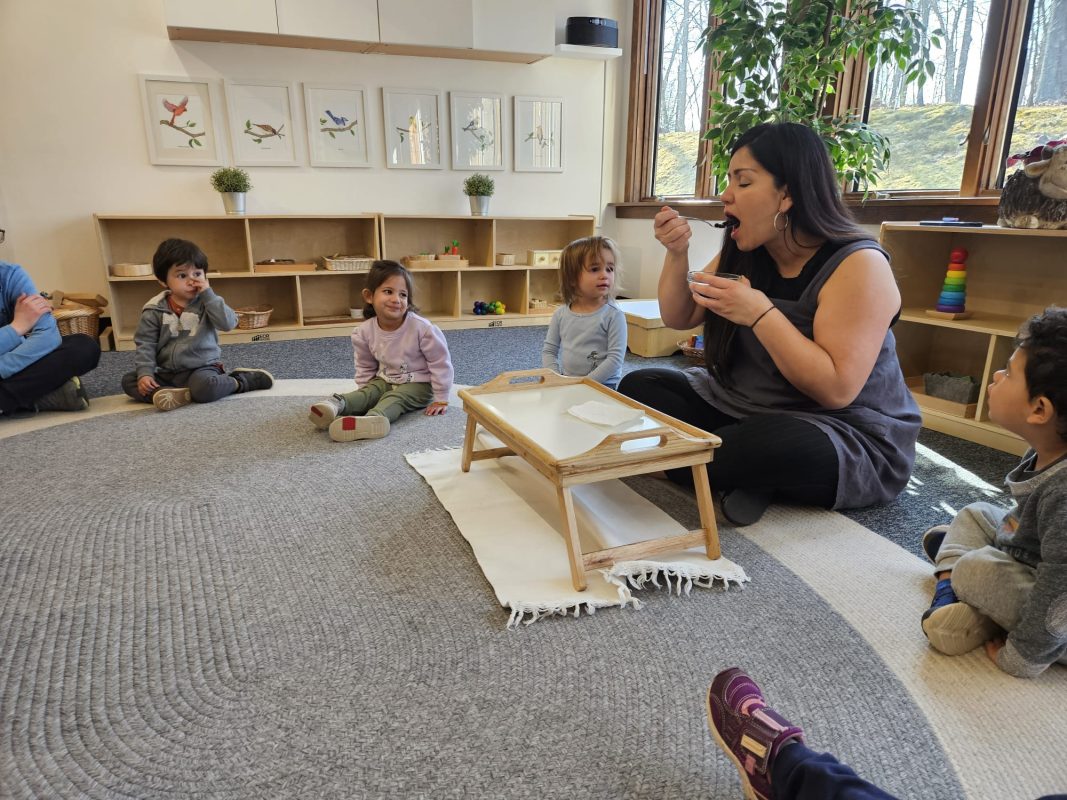
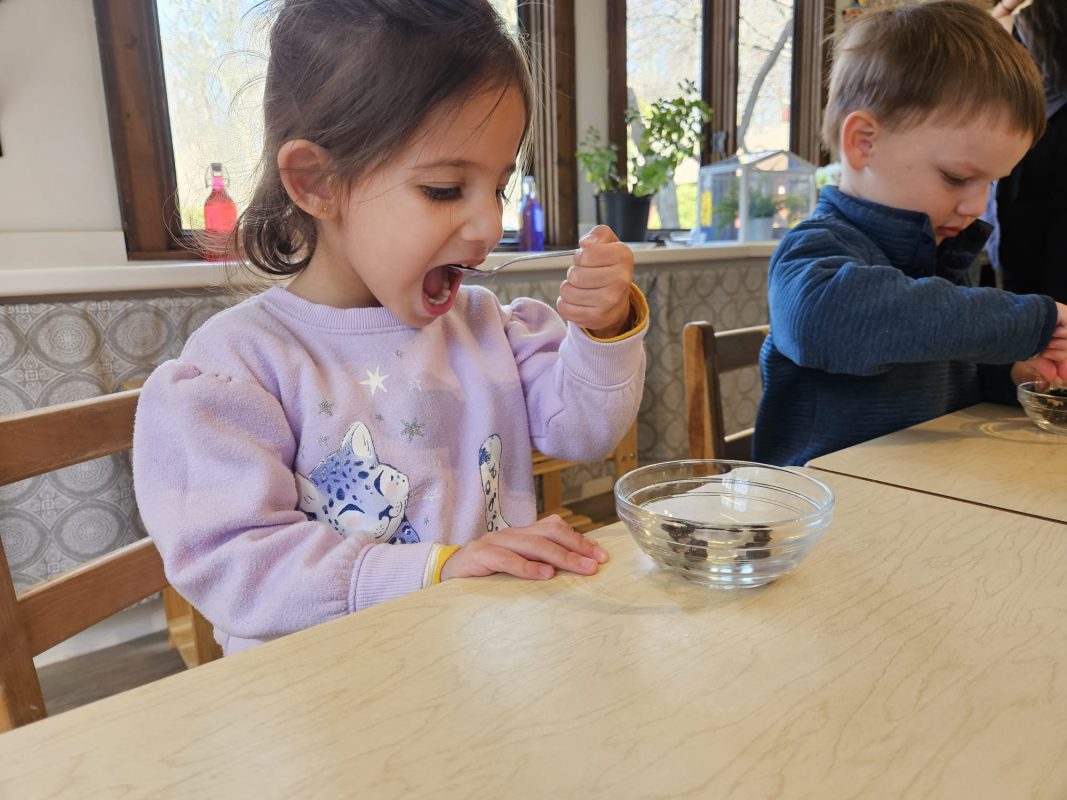
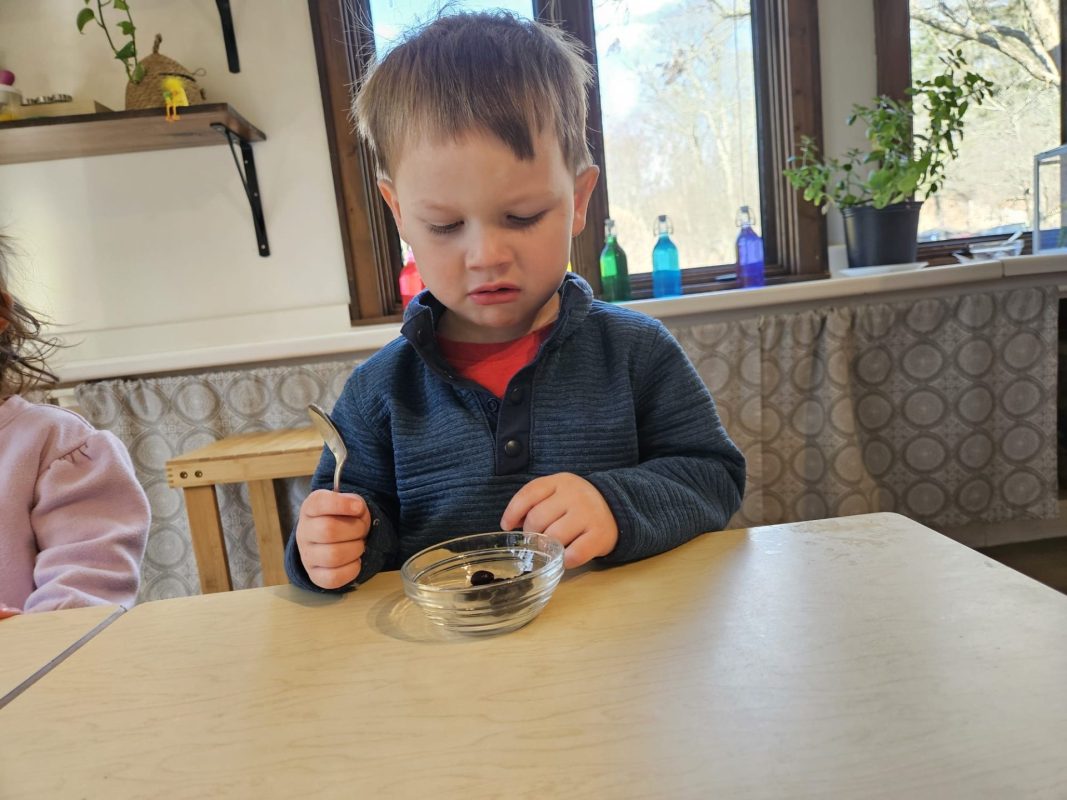
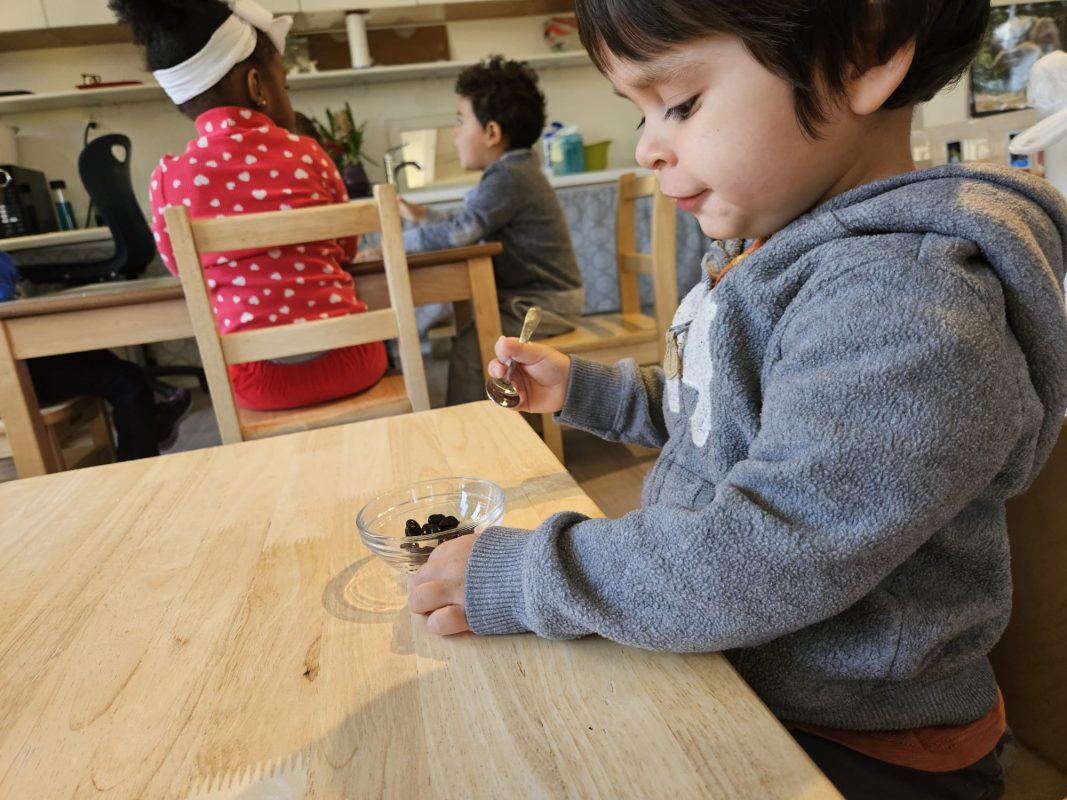
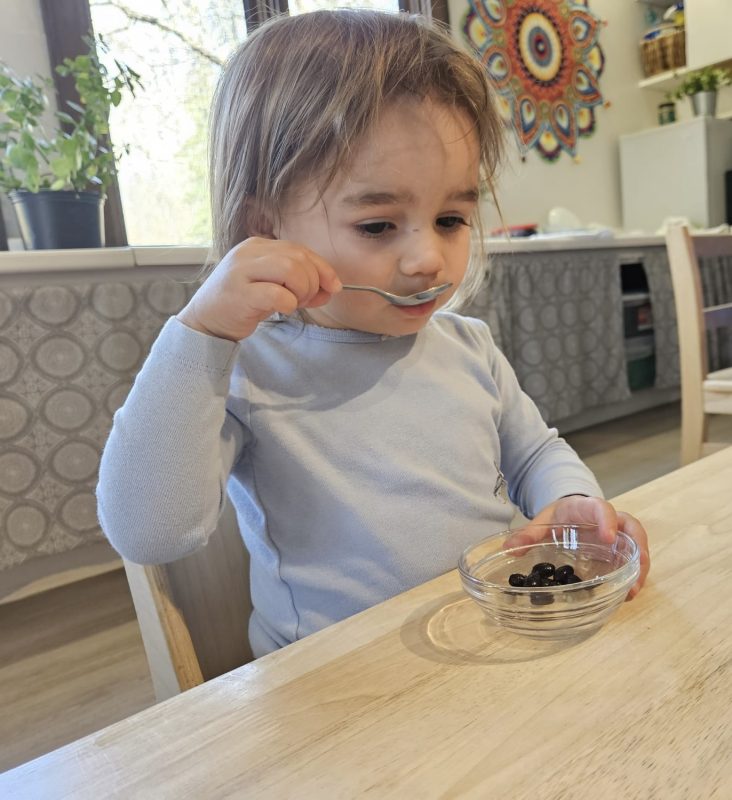
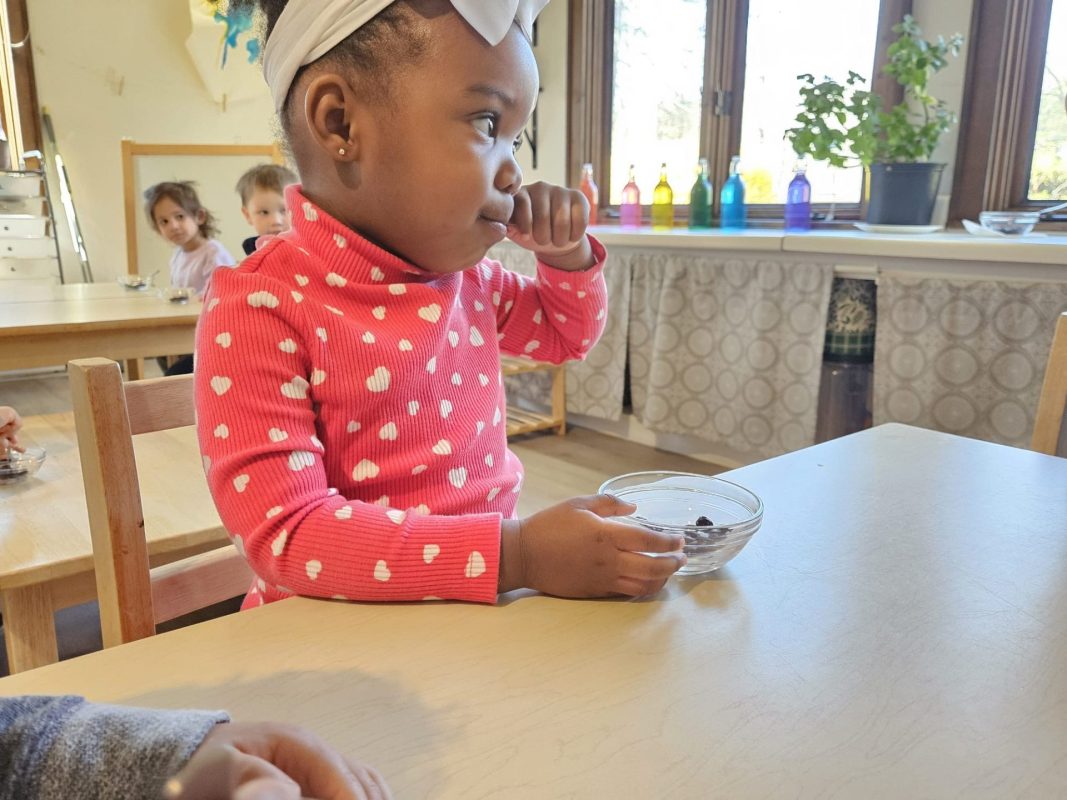
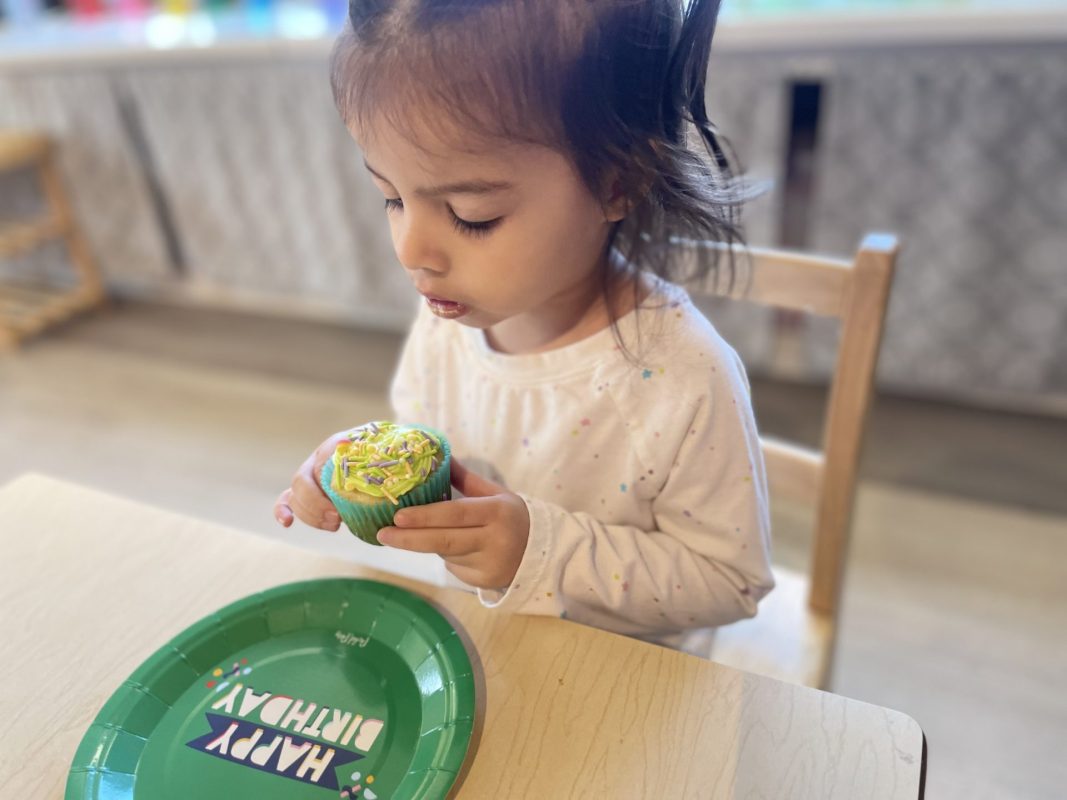
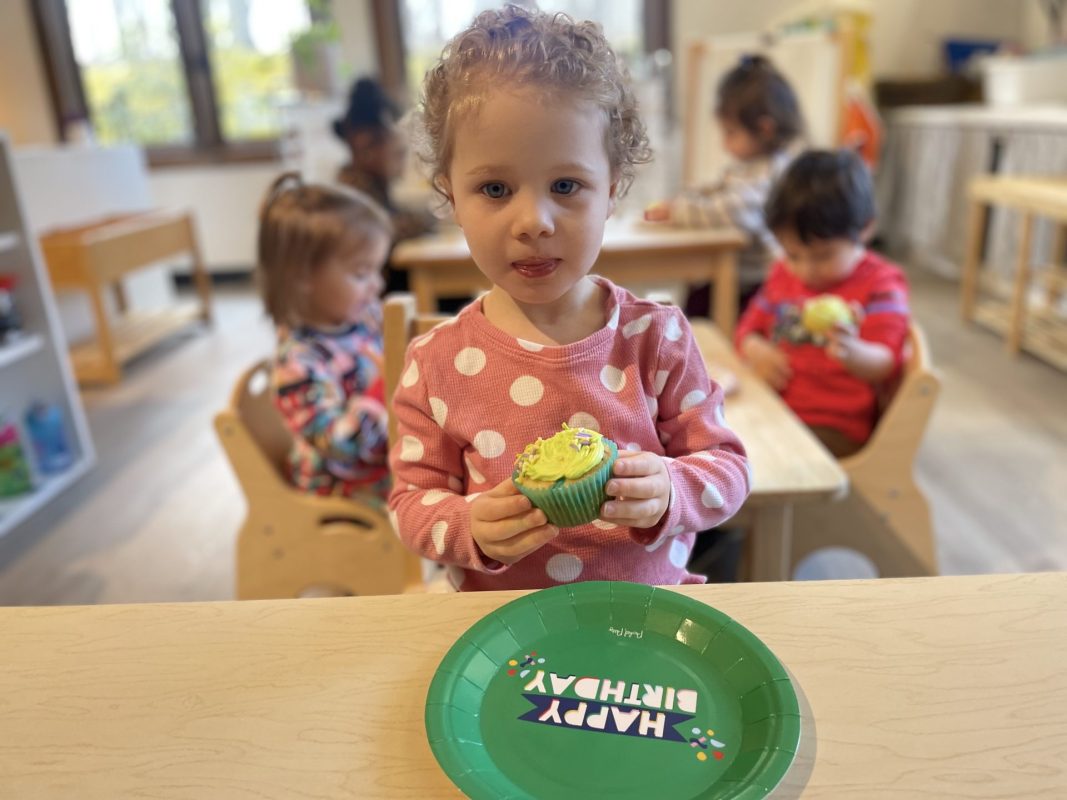
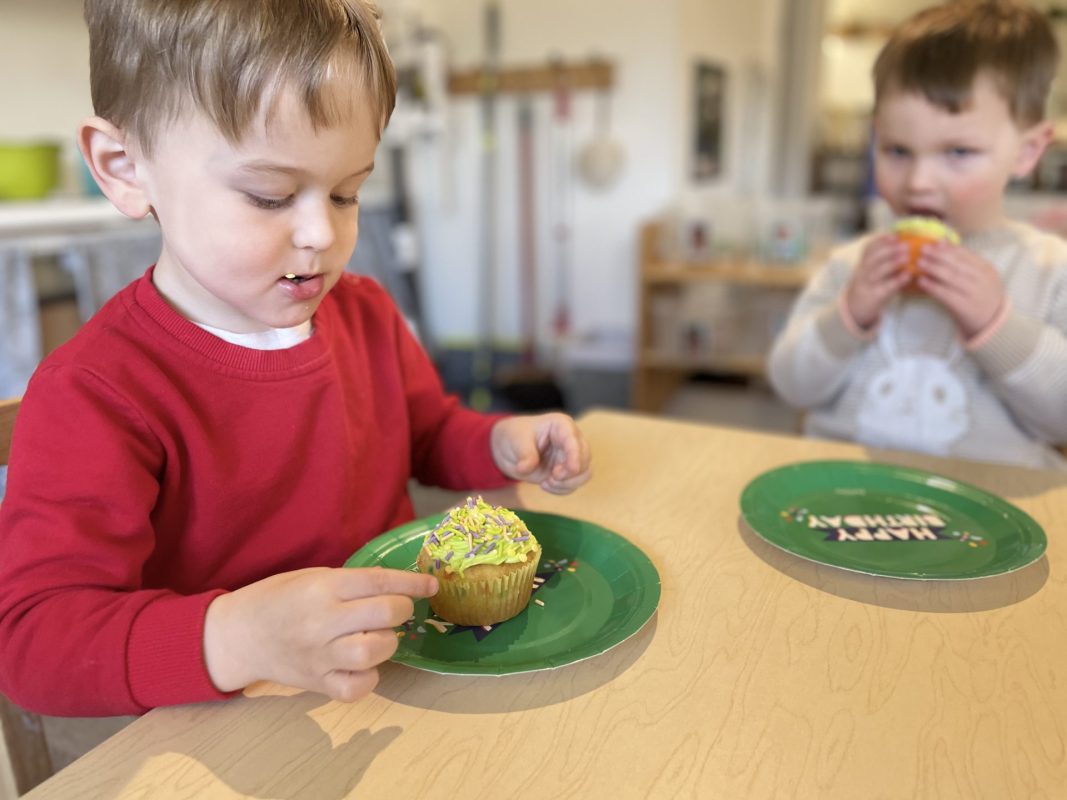
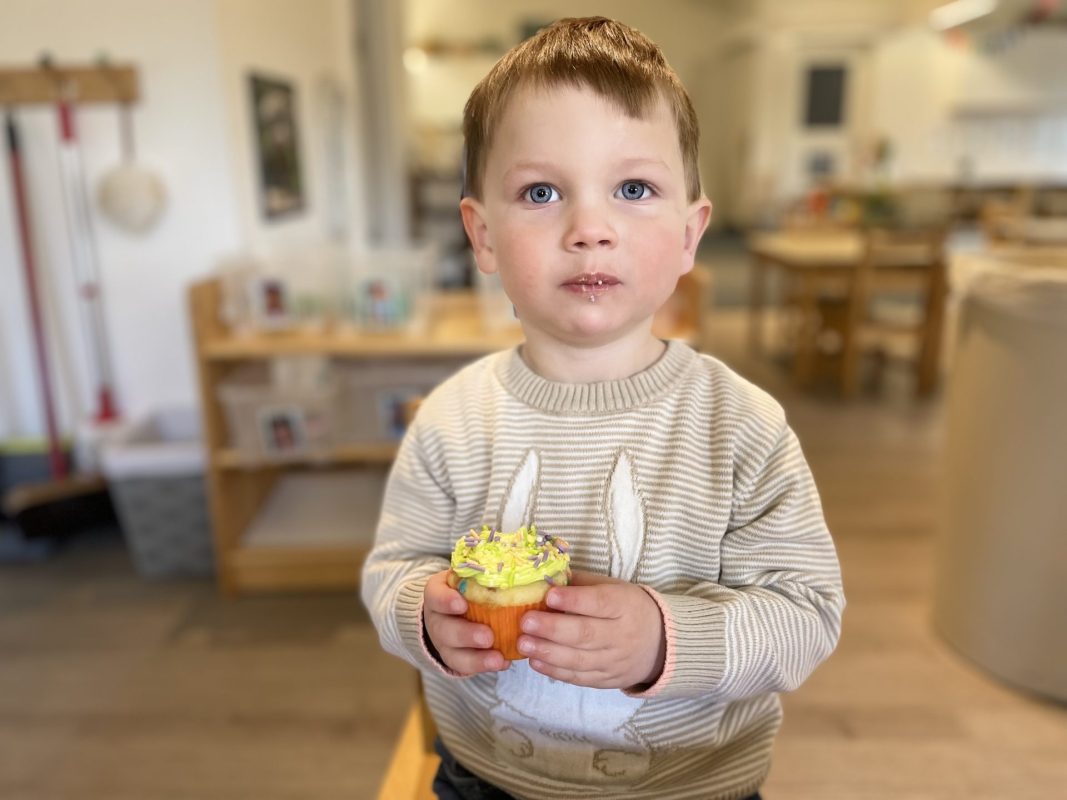
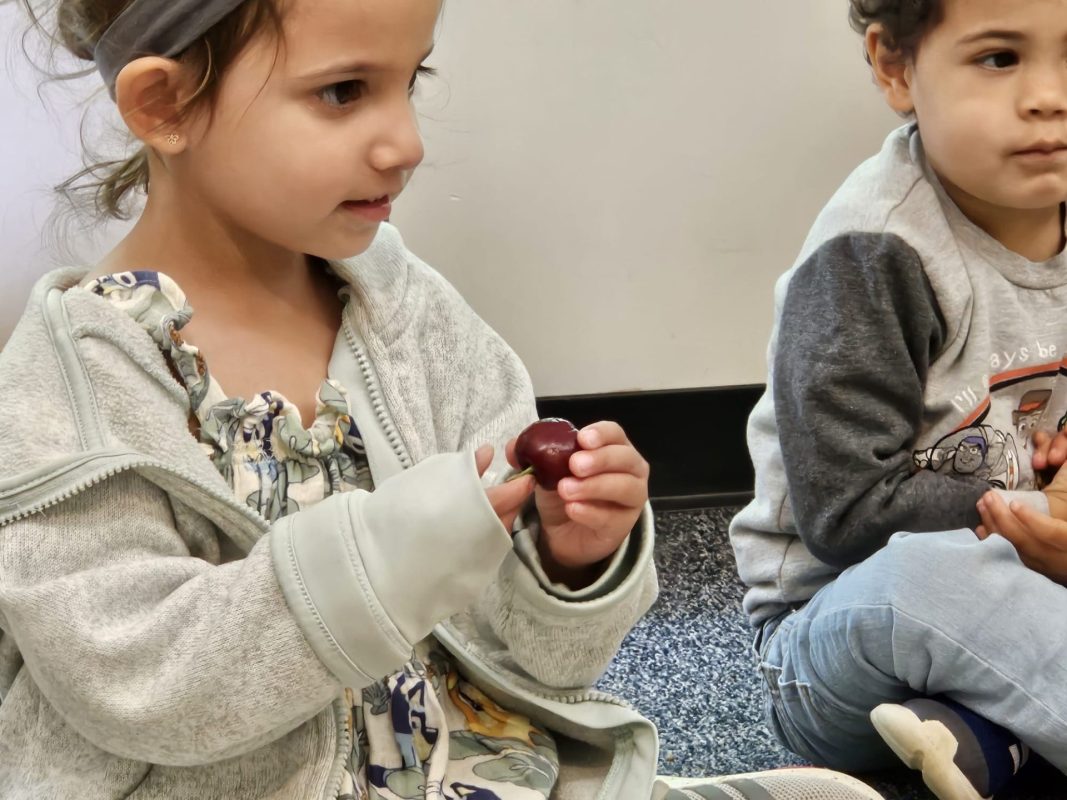
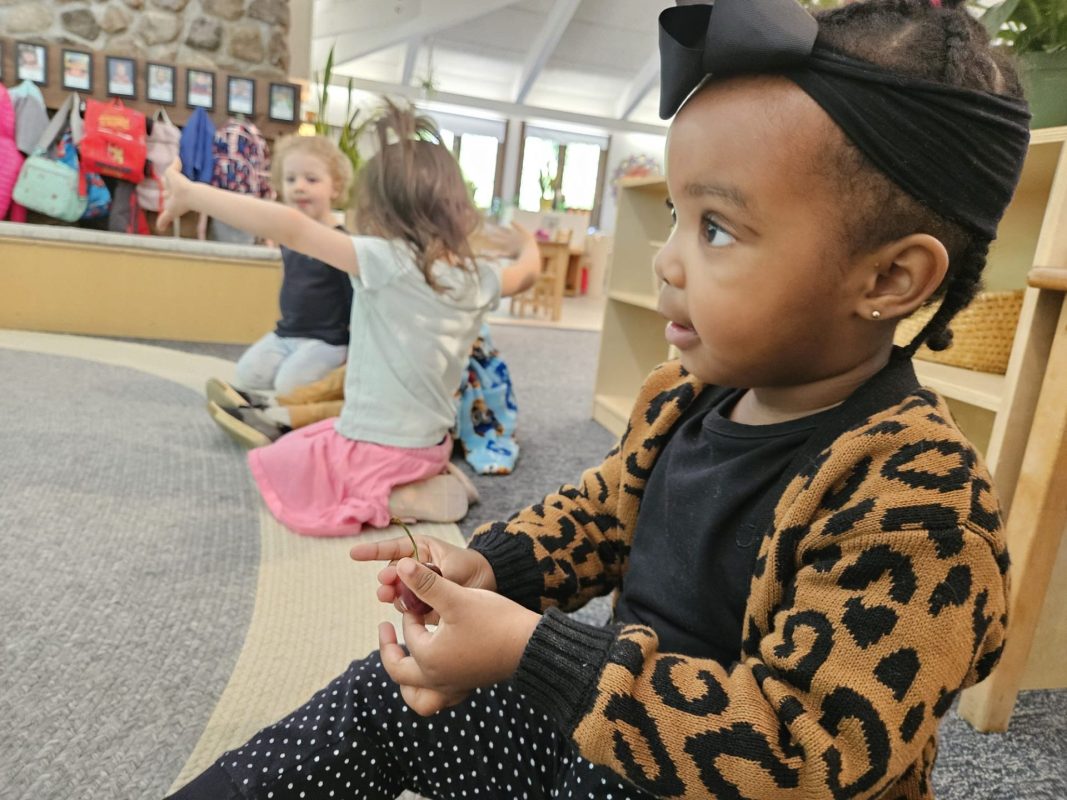
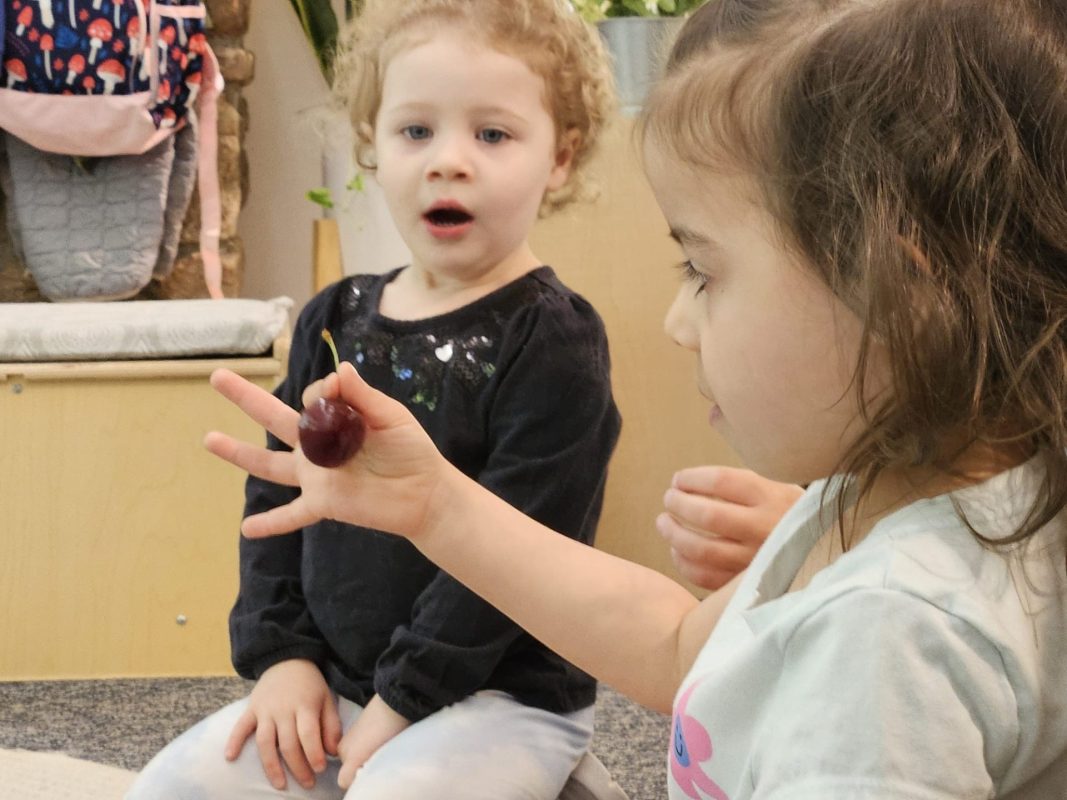
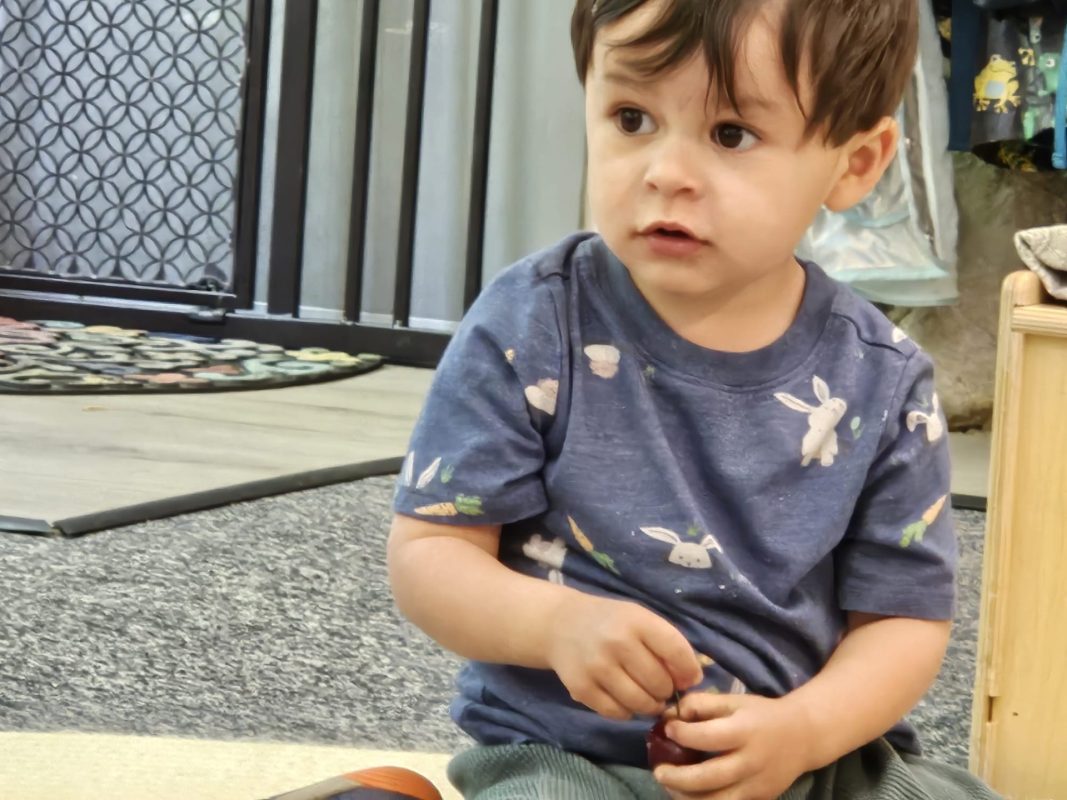
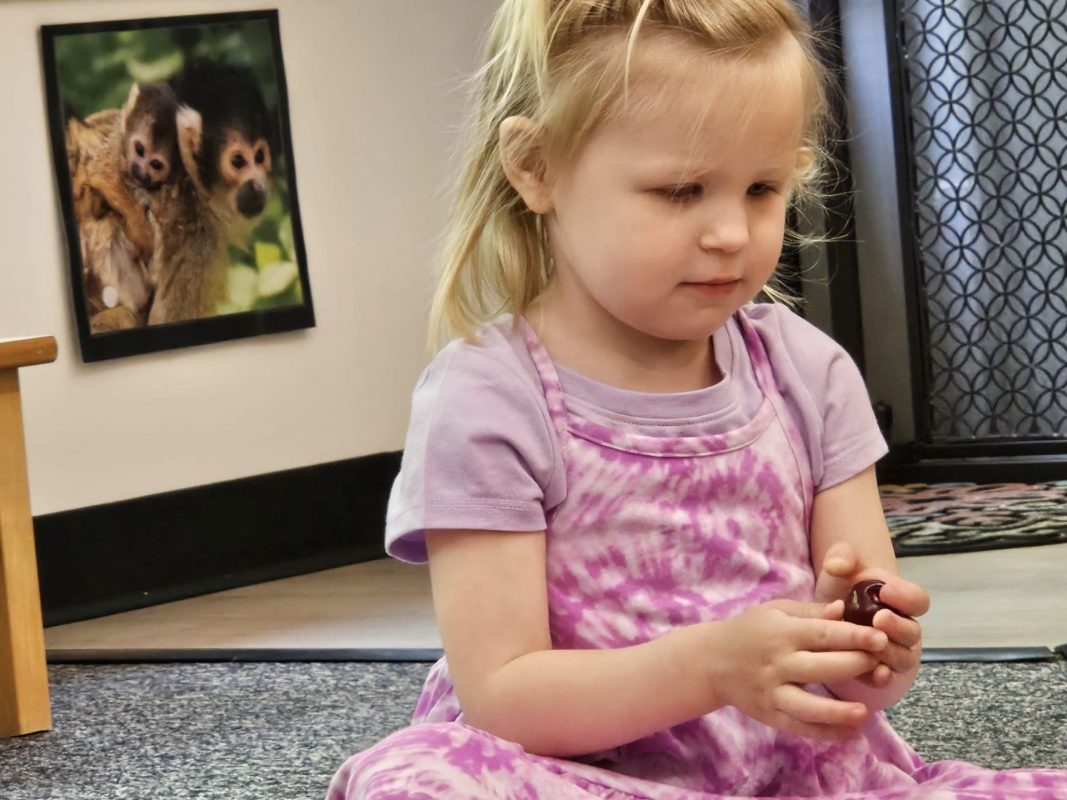
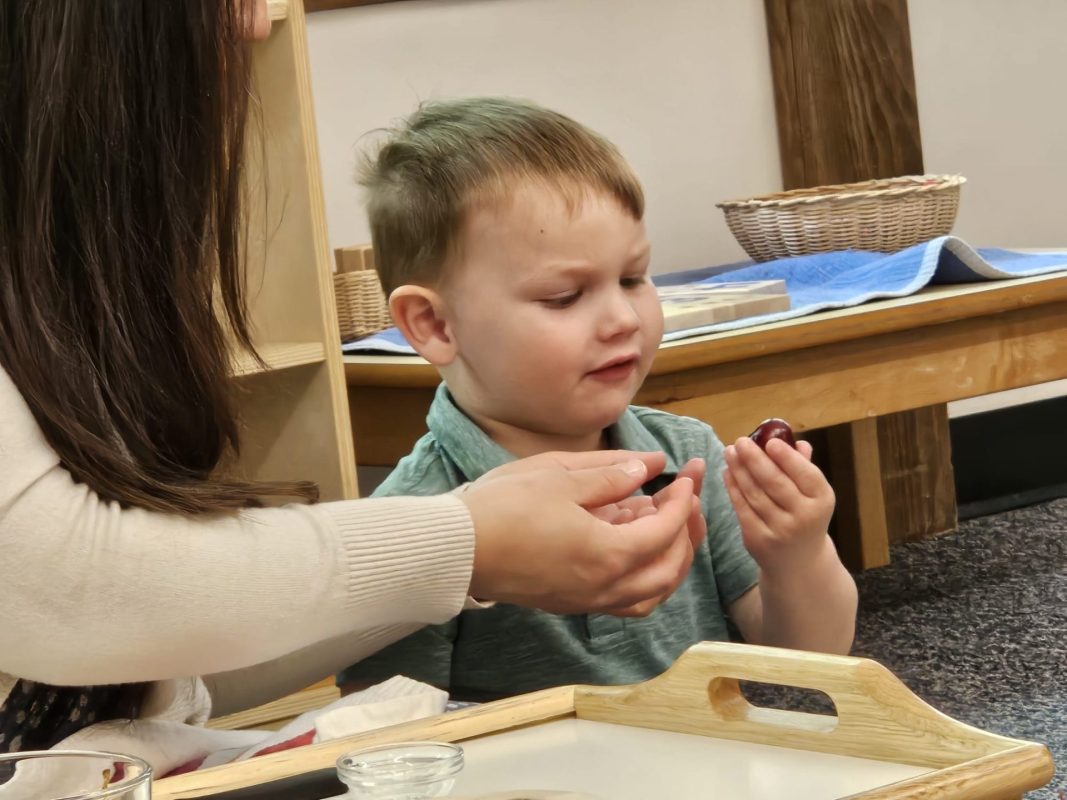
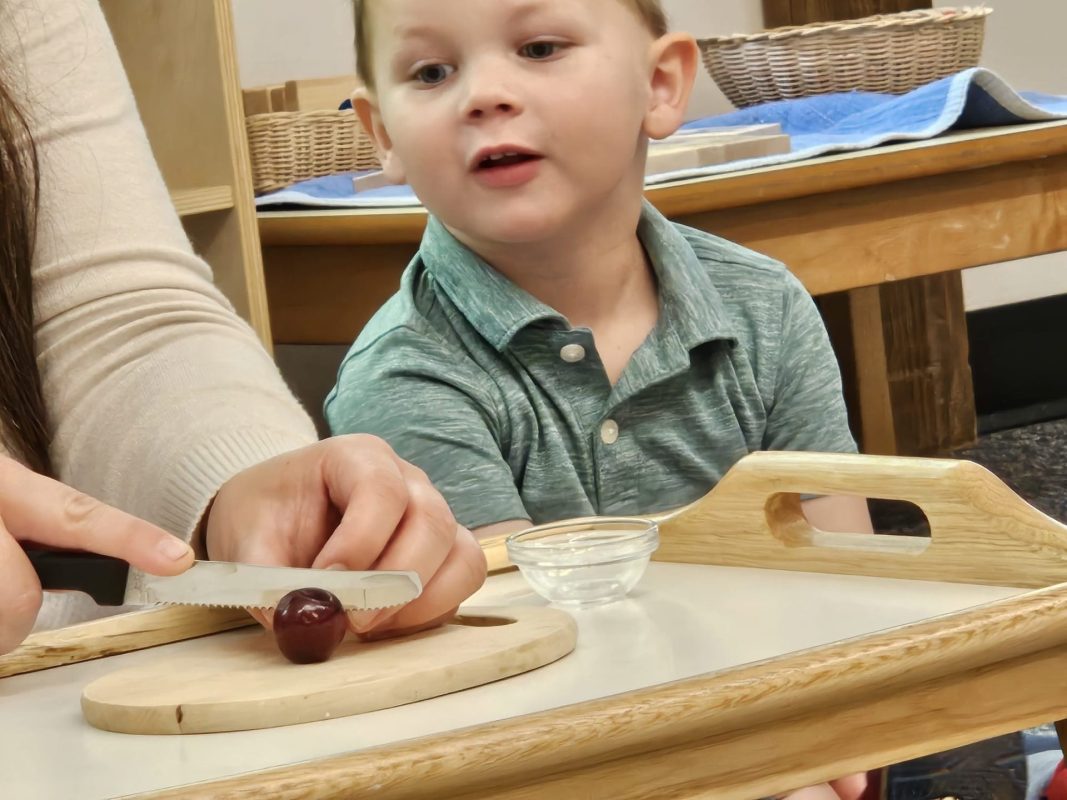
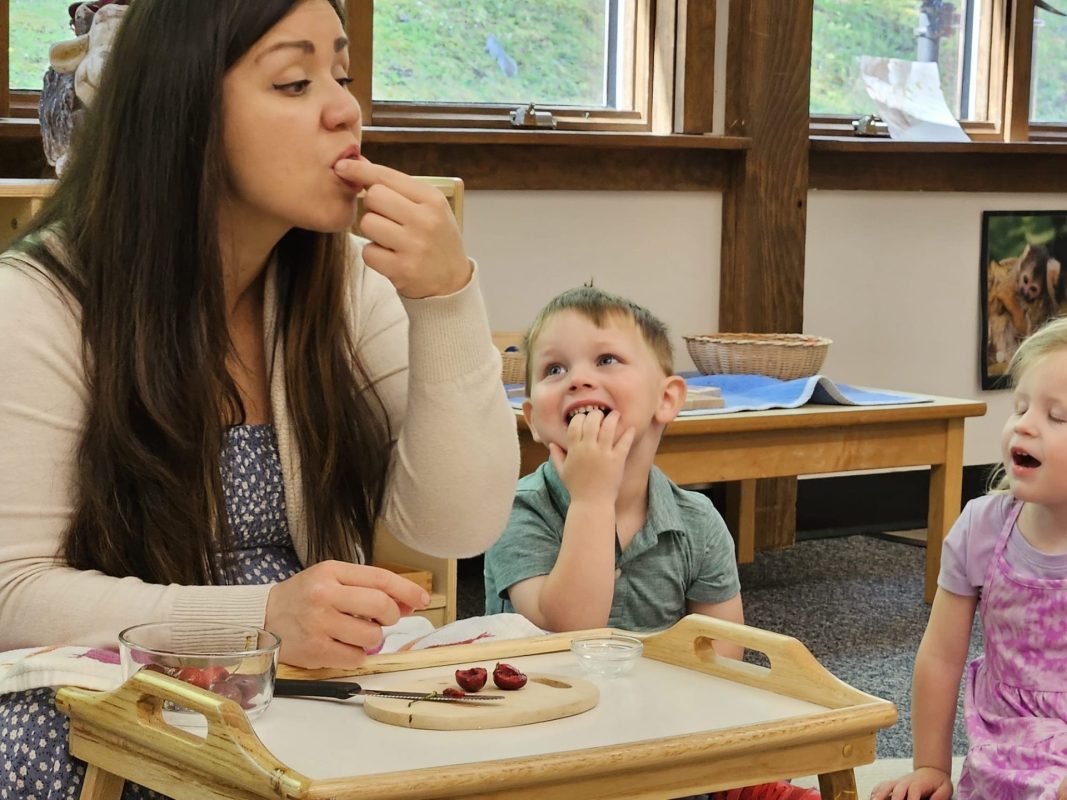
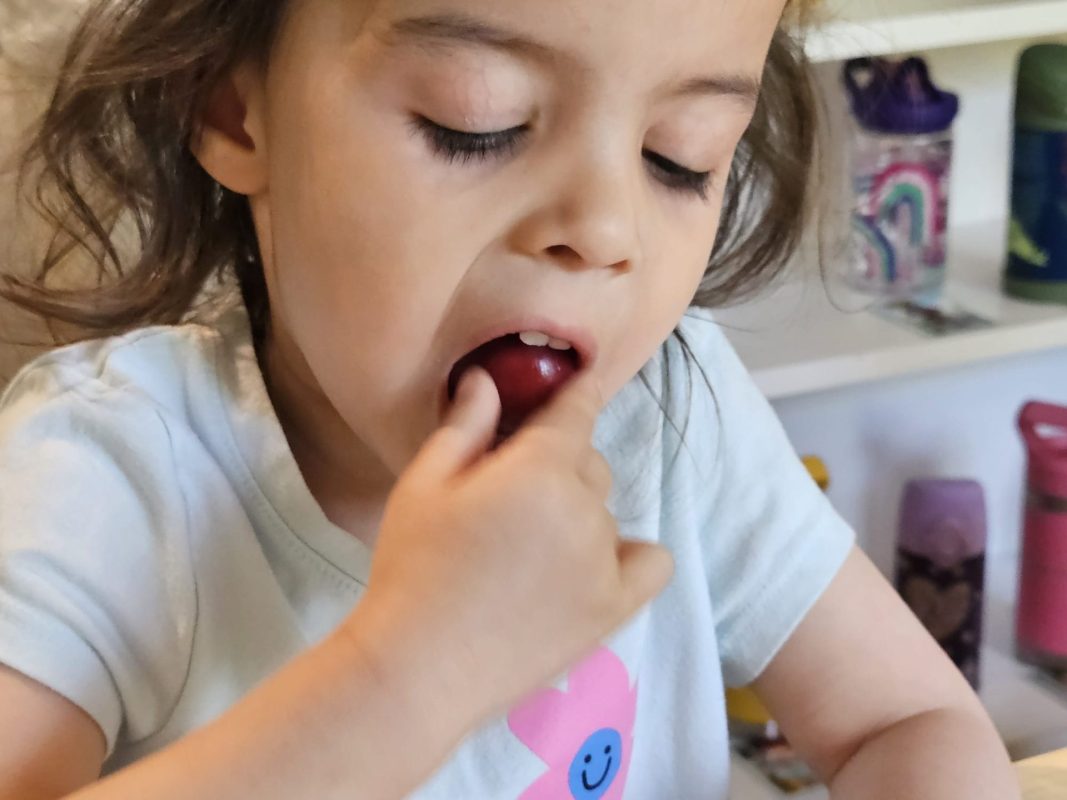
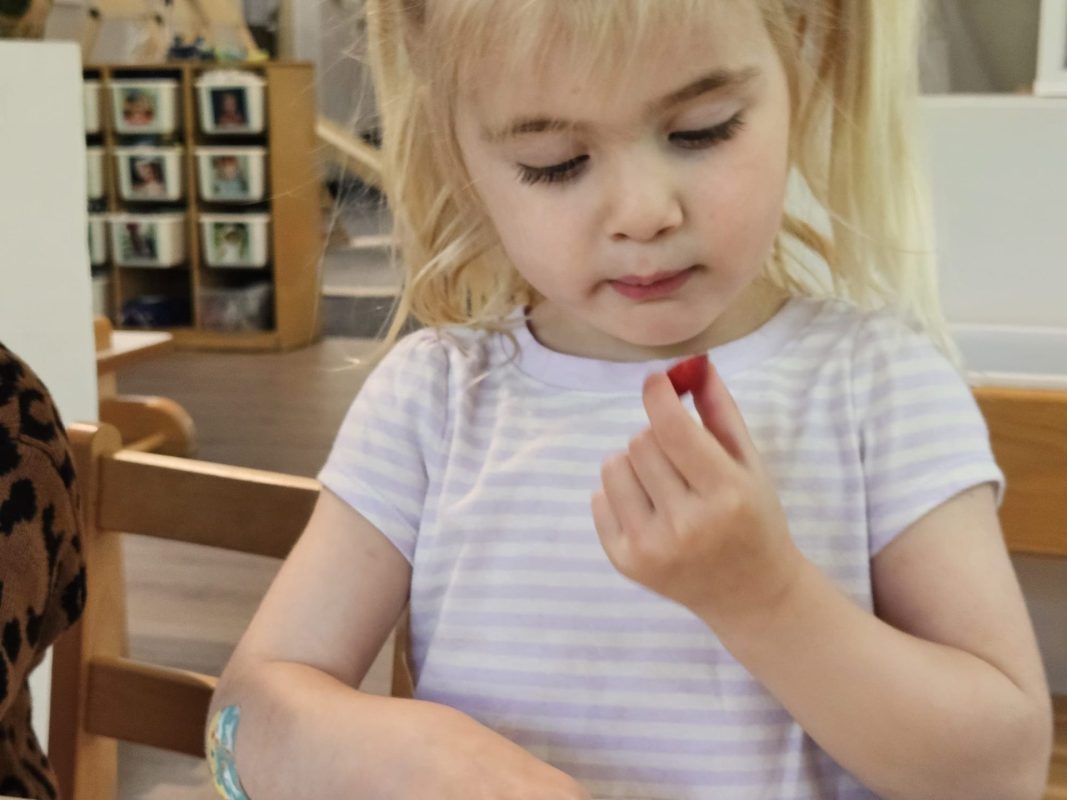
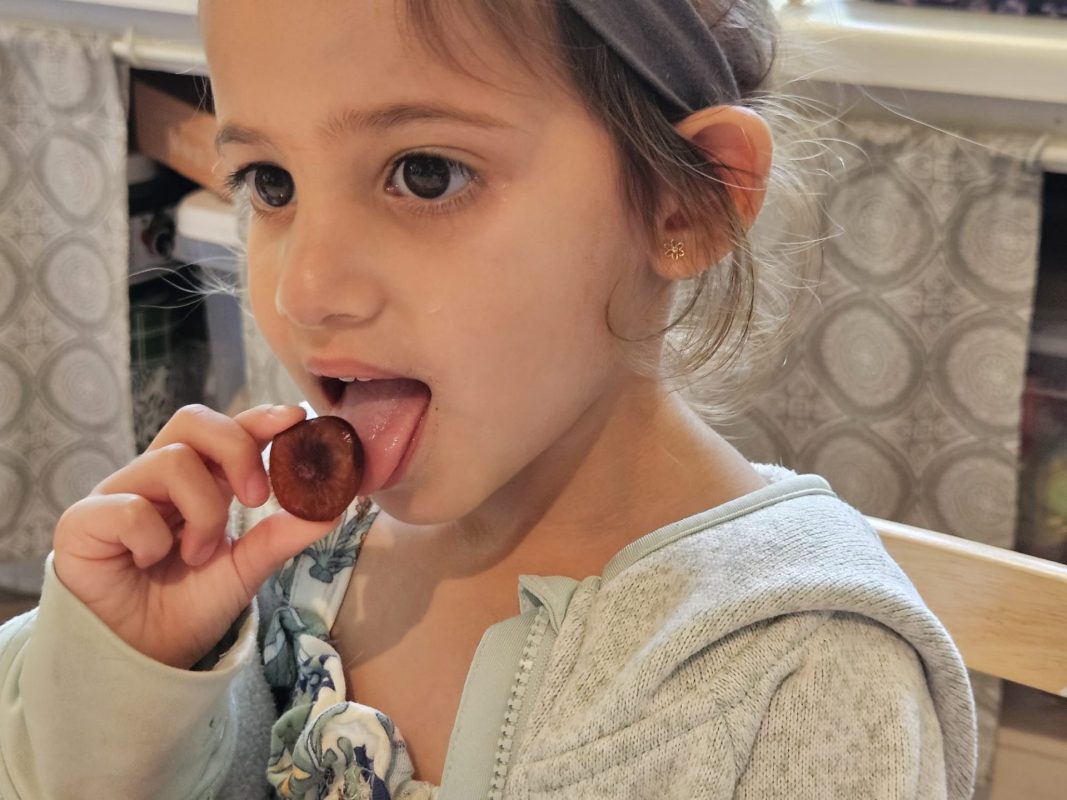
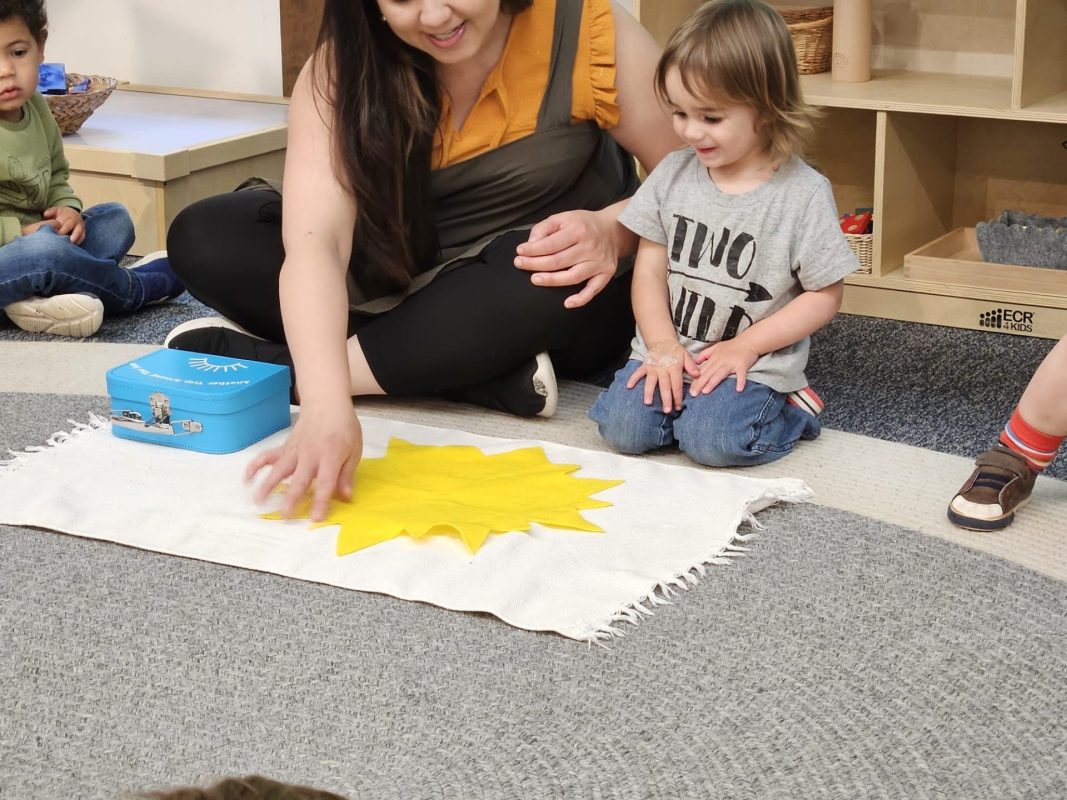
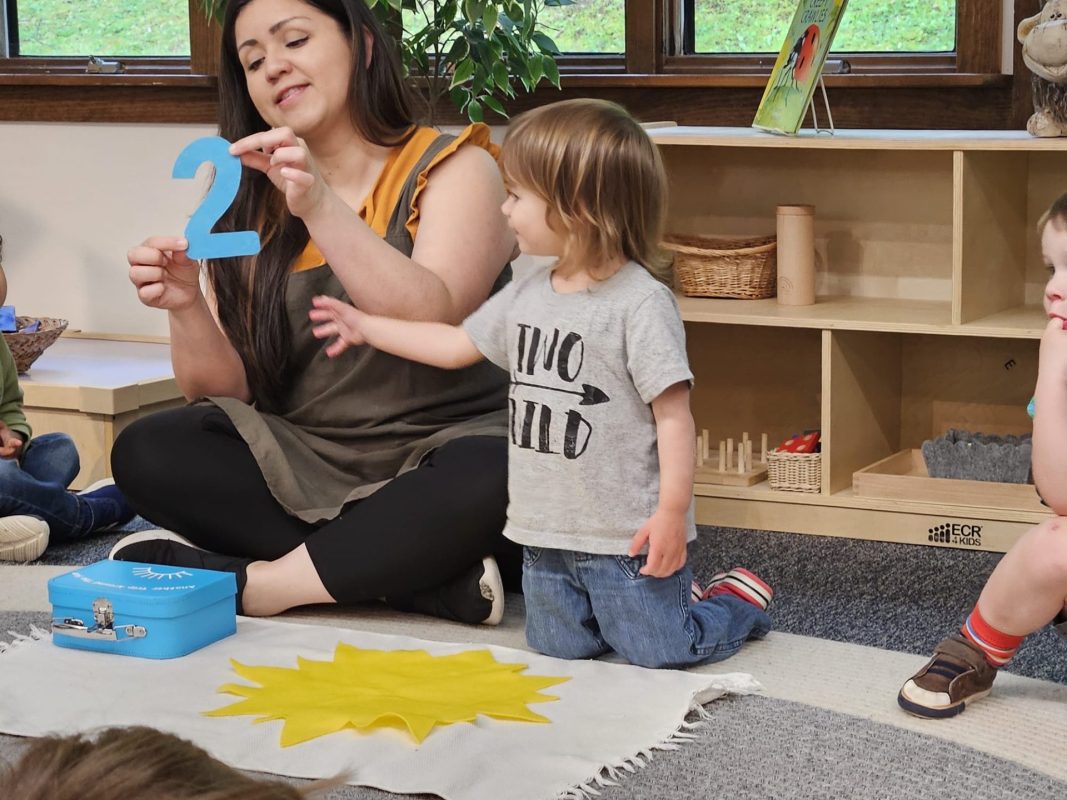
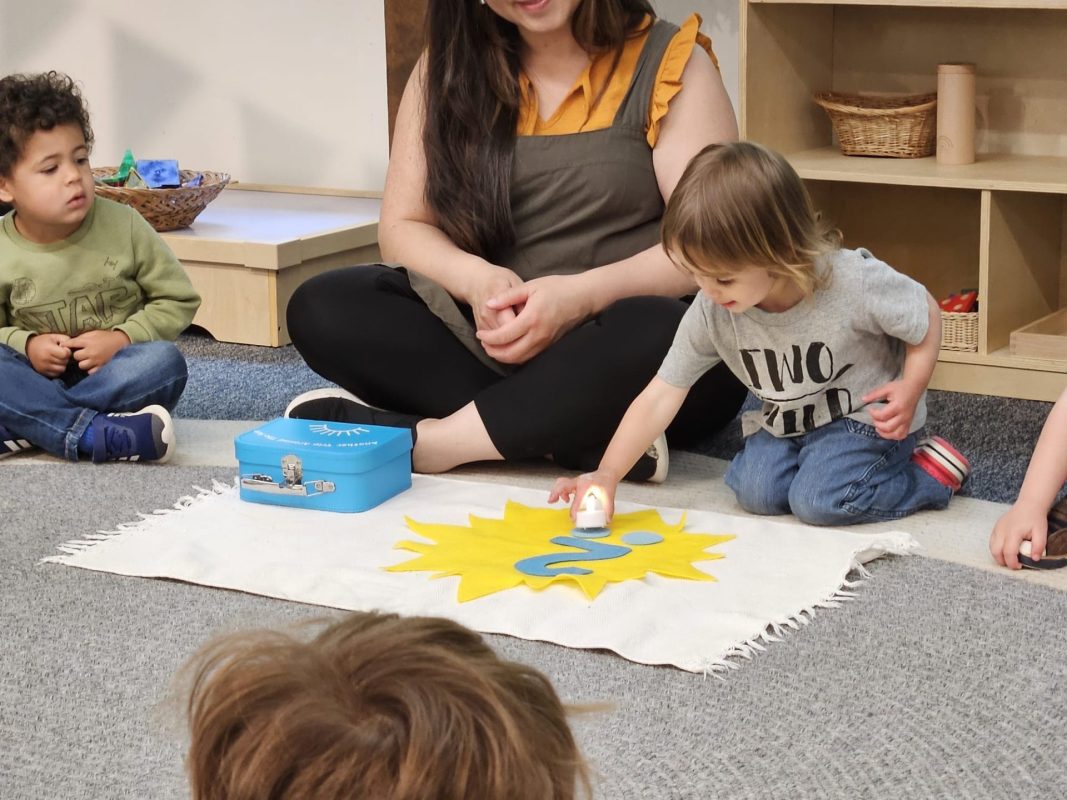
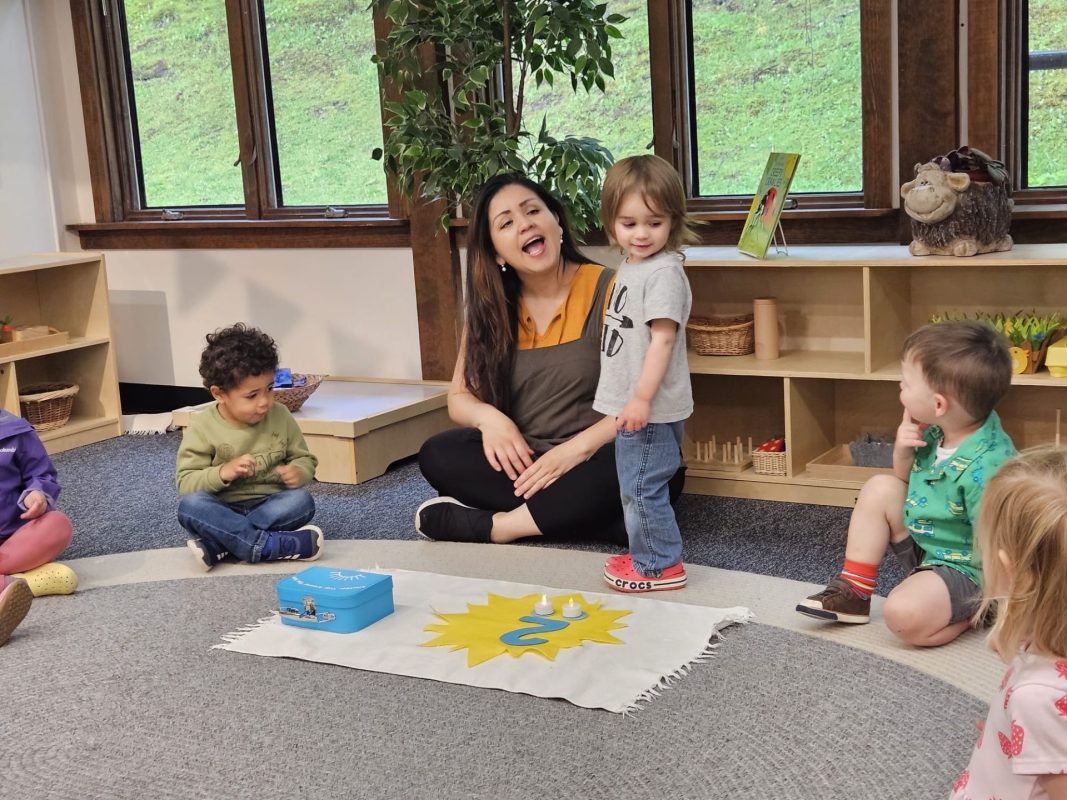
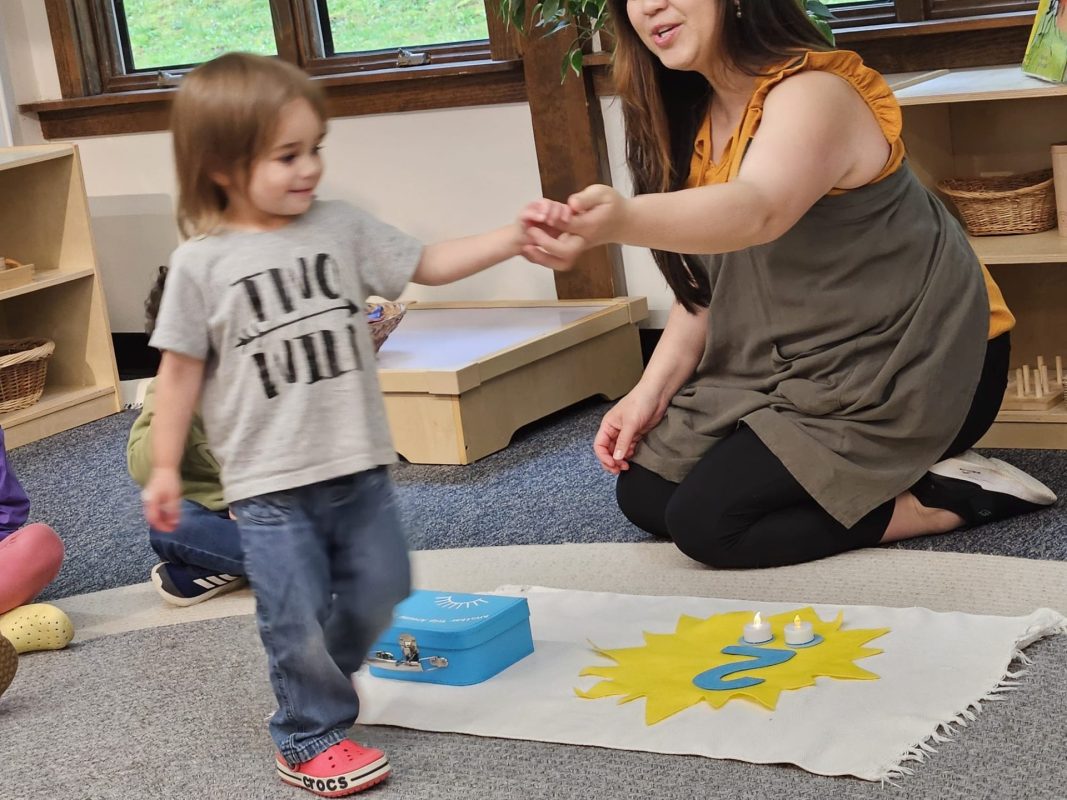
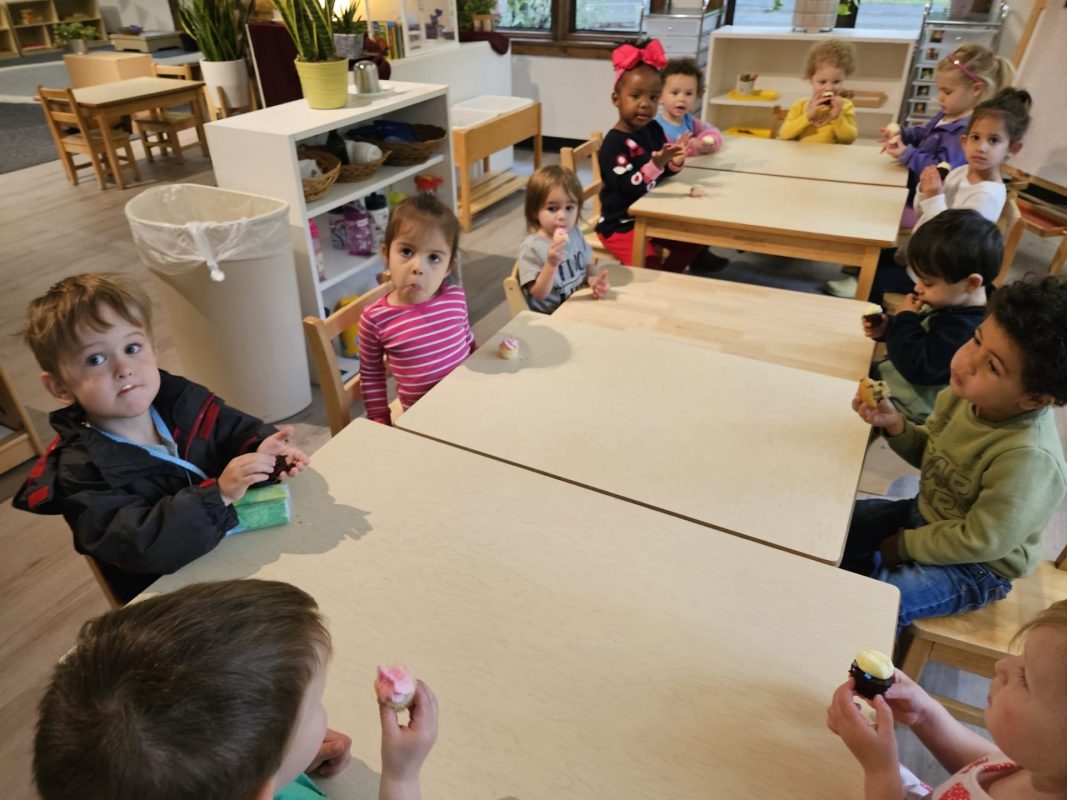
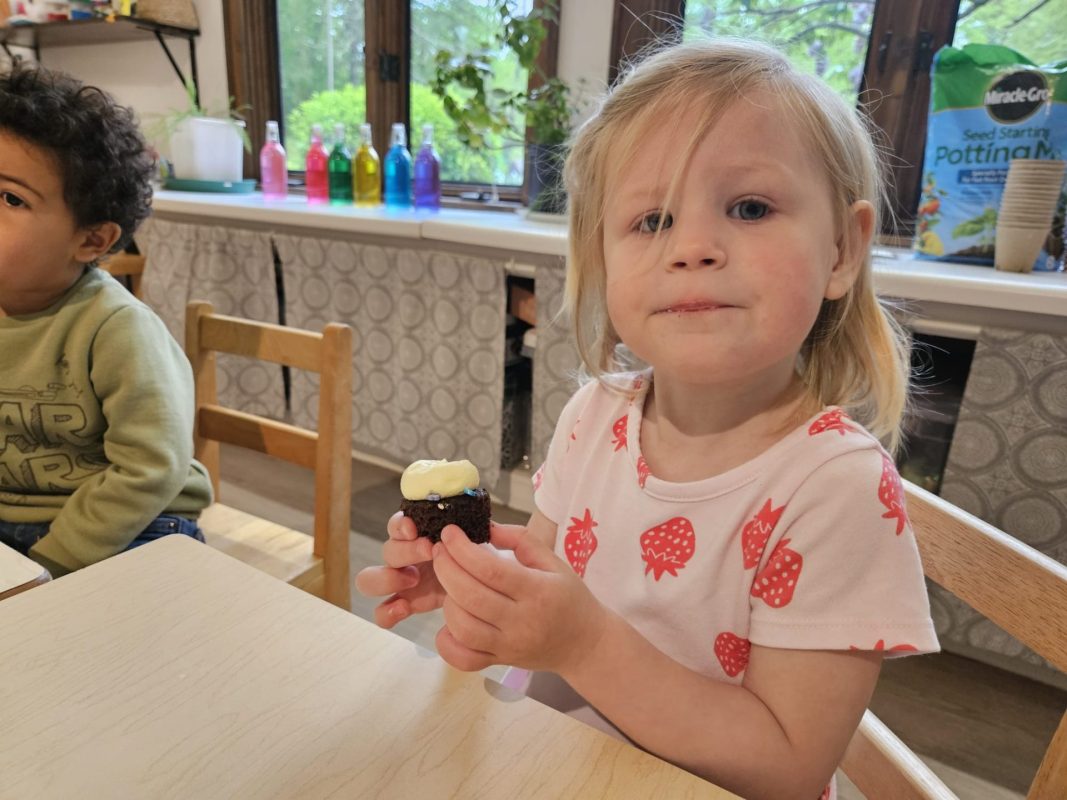
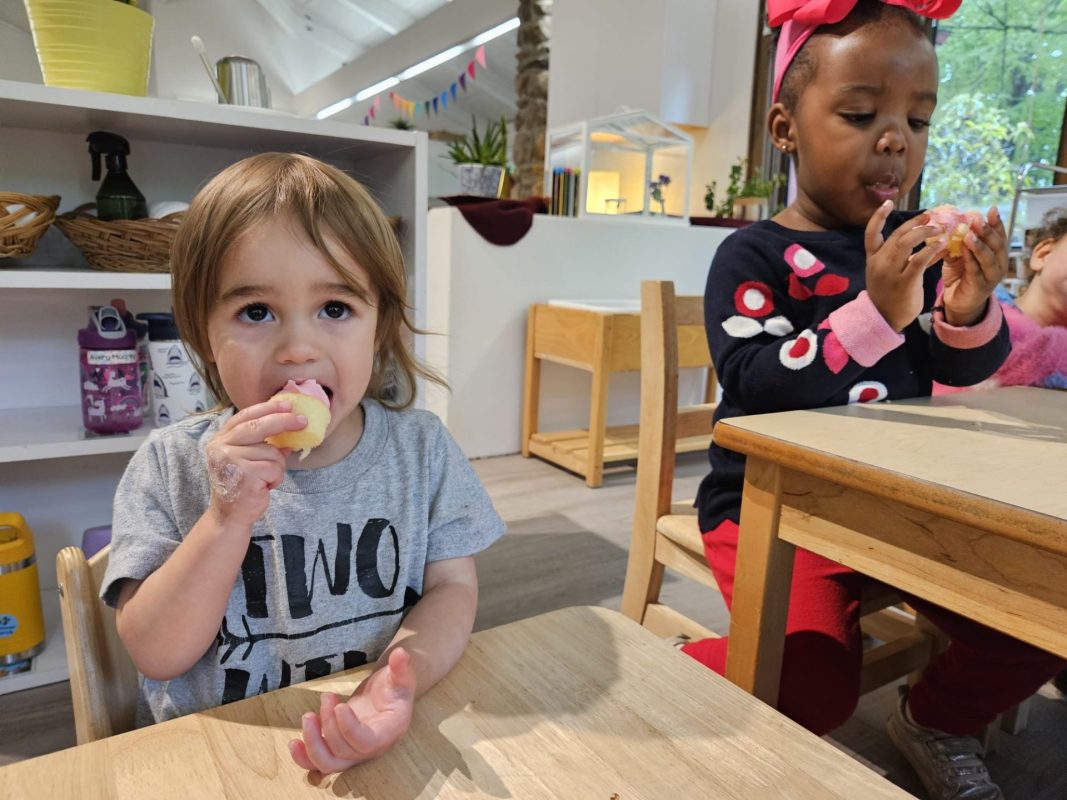
Of course, our week wouldn’t be complete without some sensory exploration and celebration. We savored the sweet delights of cherries during our food tasting lesson, and what better way to celebrate than with a special birthday? We joyously marked the milestone of our youngest student turning two years old, a reminder of how swiftly time flies when surrounded by love and learning.

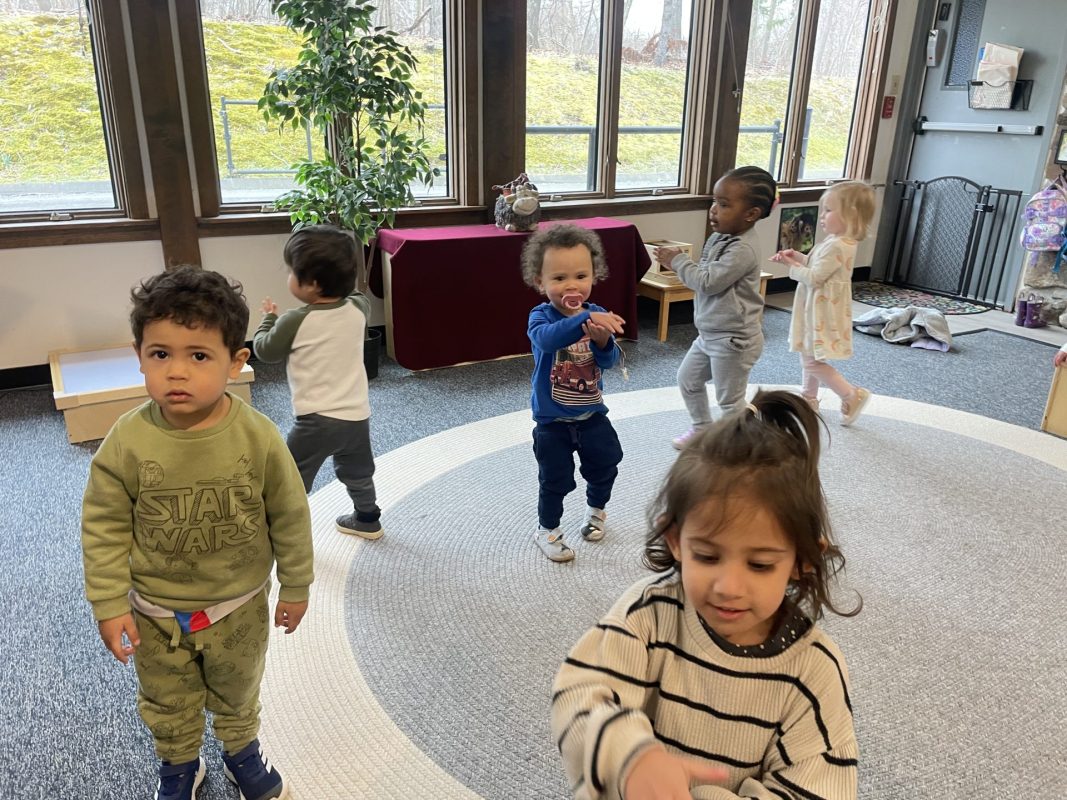
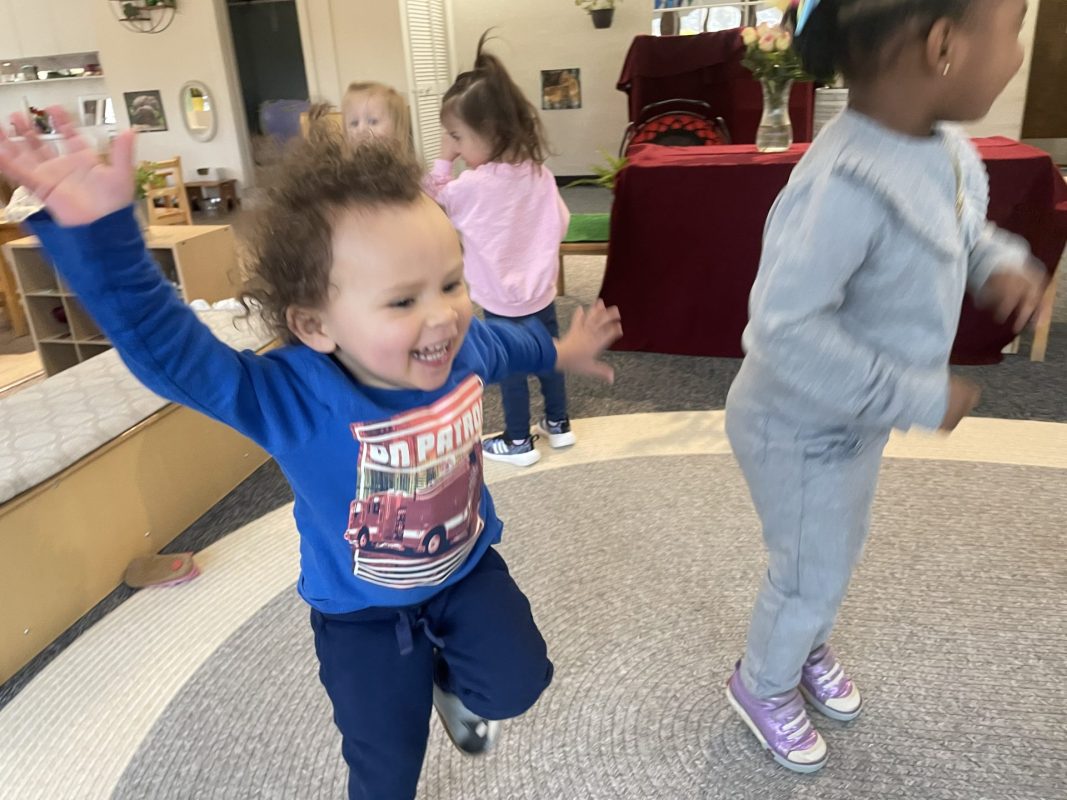
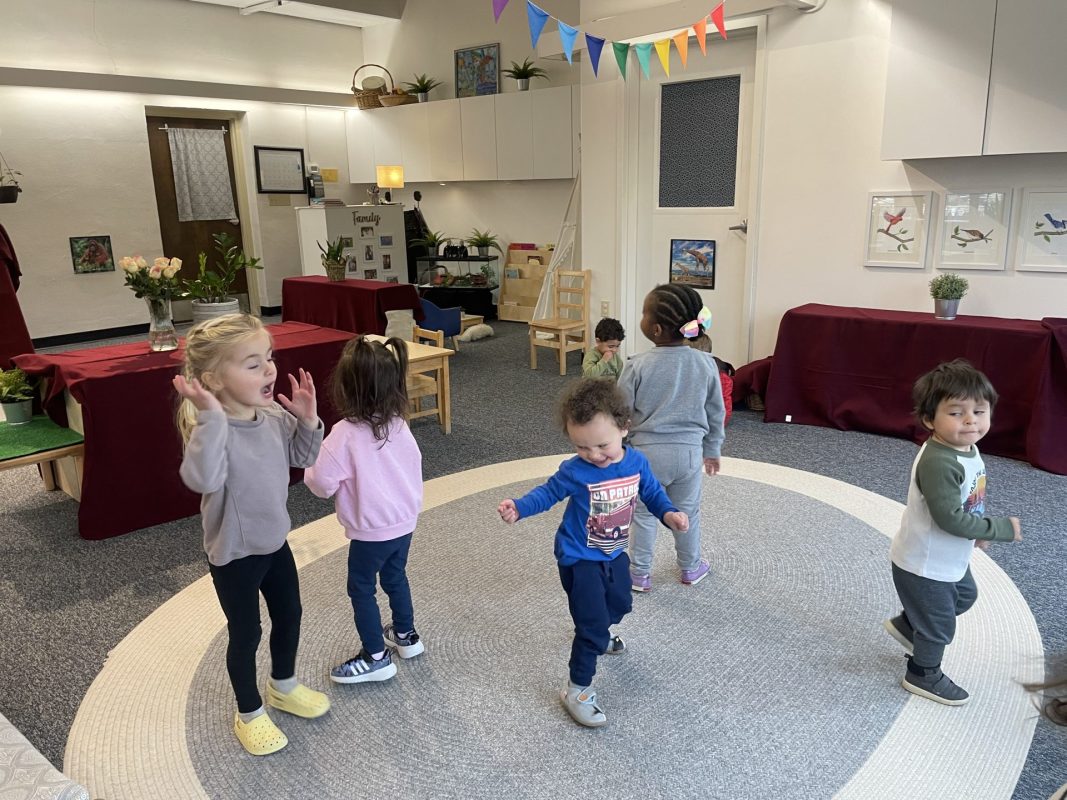
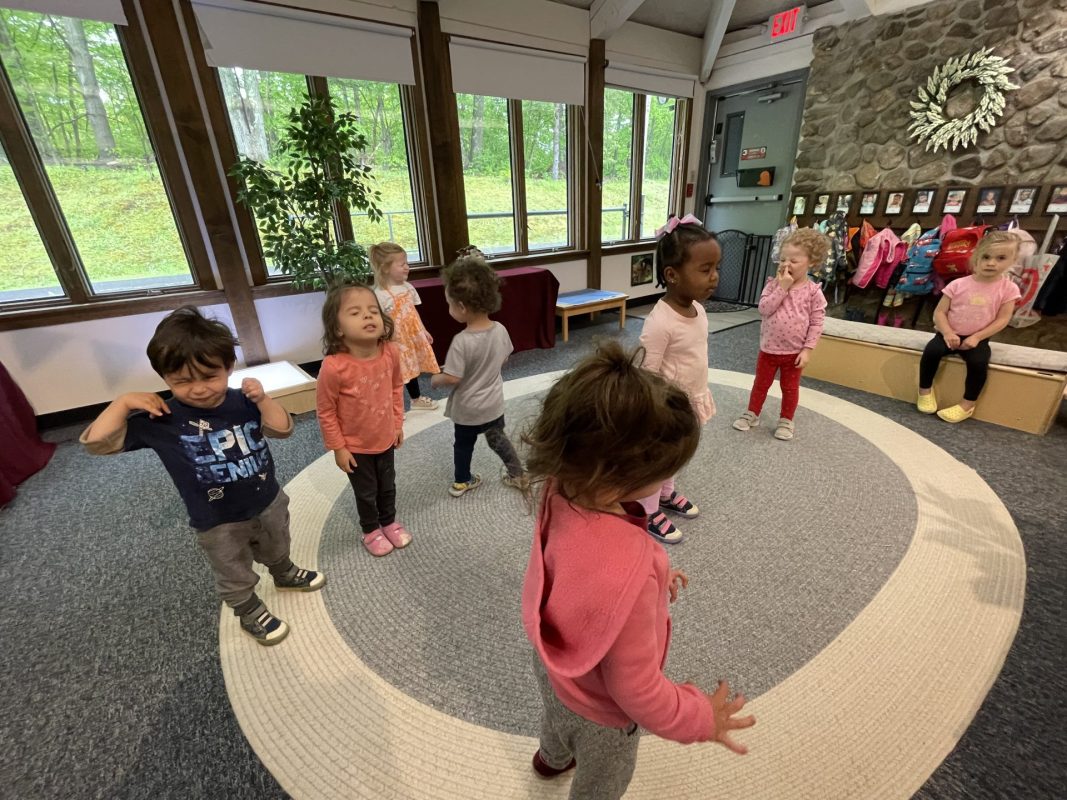
Please, find below the butterfly dance the children have been learning this week. They really enjoy the song and ask for it often. I encourage you to put the volume up as ask your children to show you the dance steps, I bet they would love that!

Enjoy the weekend,

Mrs. Hood and Mrs. Mollie

Mrs. Hood: Exploring the world around us!

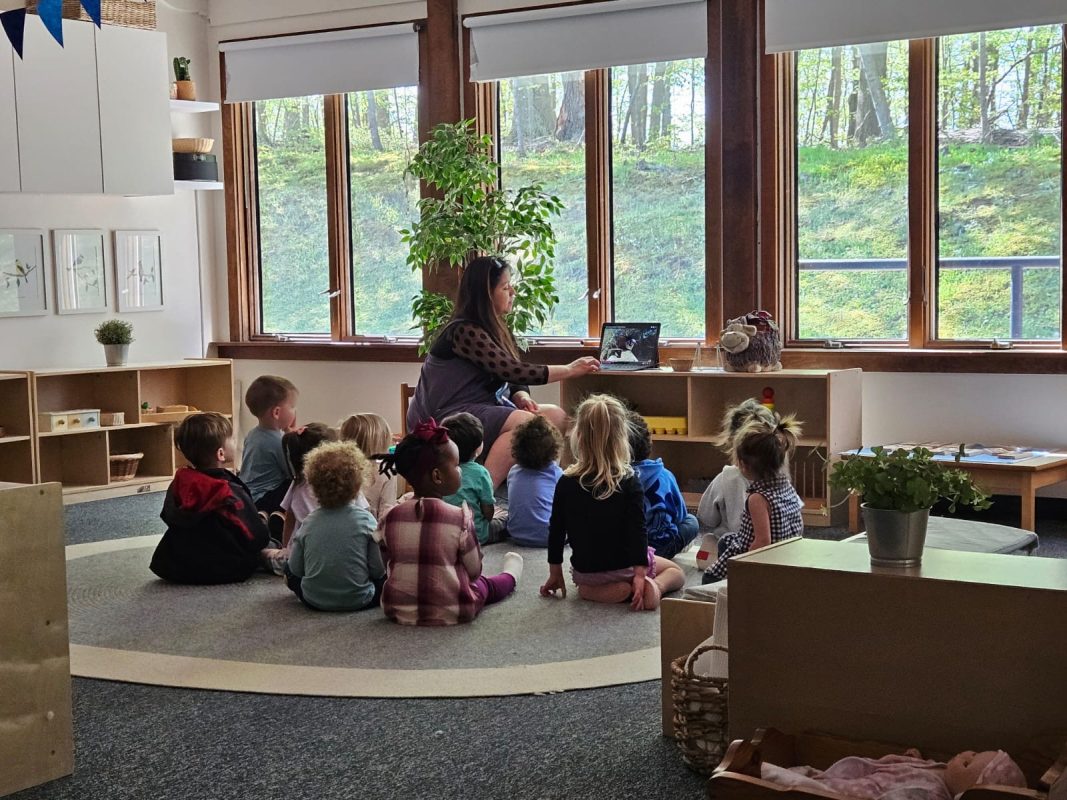
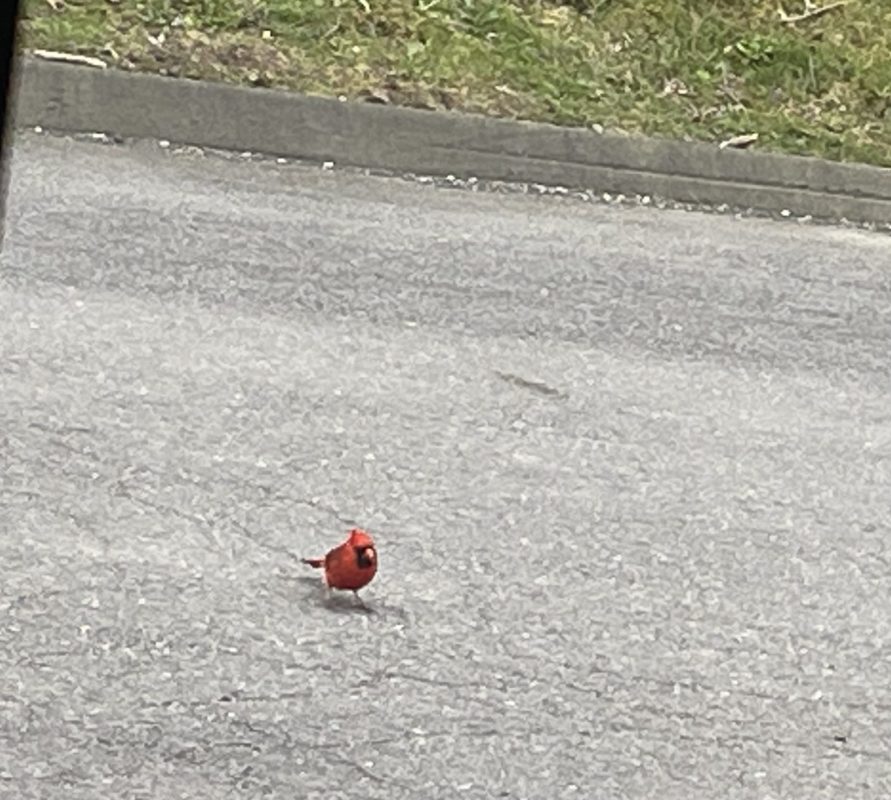
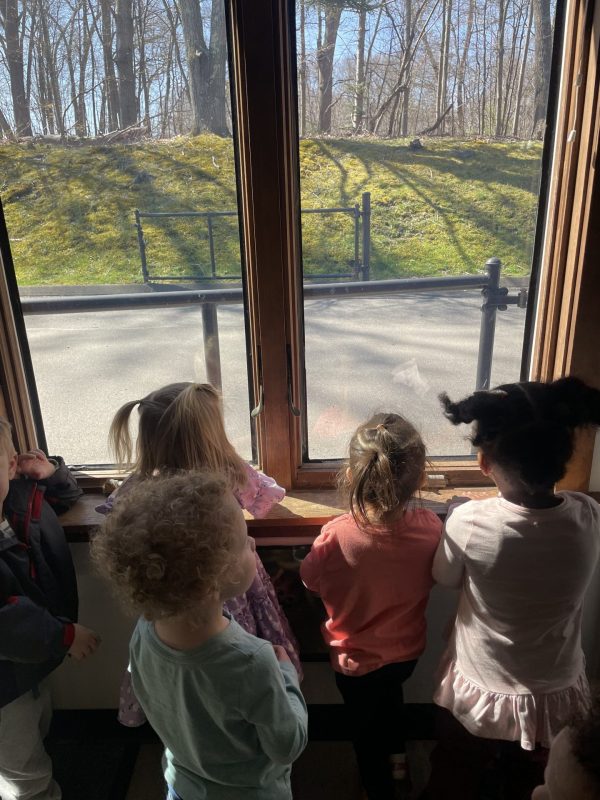
This week, we continued on our journey into the world of birds, transforming into tiny ornithologists eager to learn about the intricate details of our feathered friends. One of the highlights was our close-up observation of female and male cardinals and a blue jay feasting on seeds from a bird feeder through an educational video. We talked about the different parts of a bird’s body, including the head, beak, feathers, wings, and legs. As the birds kept leaving and coming back quickly, we made a fun game of identifying them. The children shared some laughs and had fun through this game.

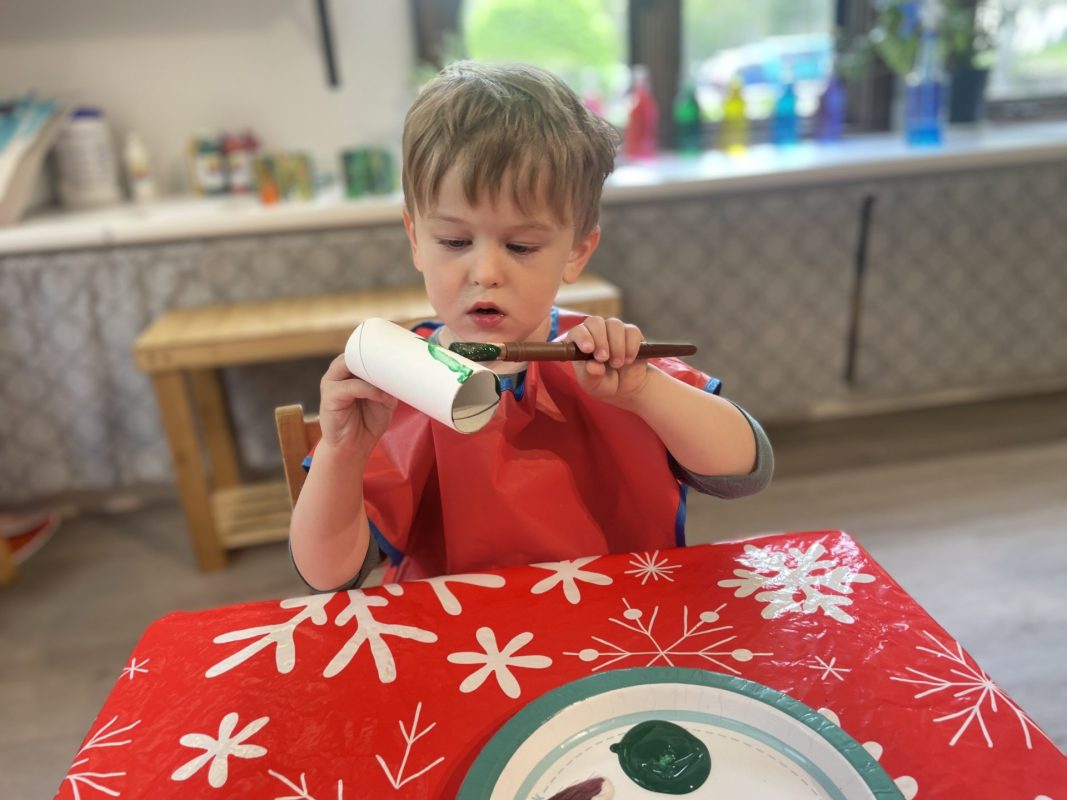
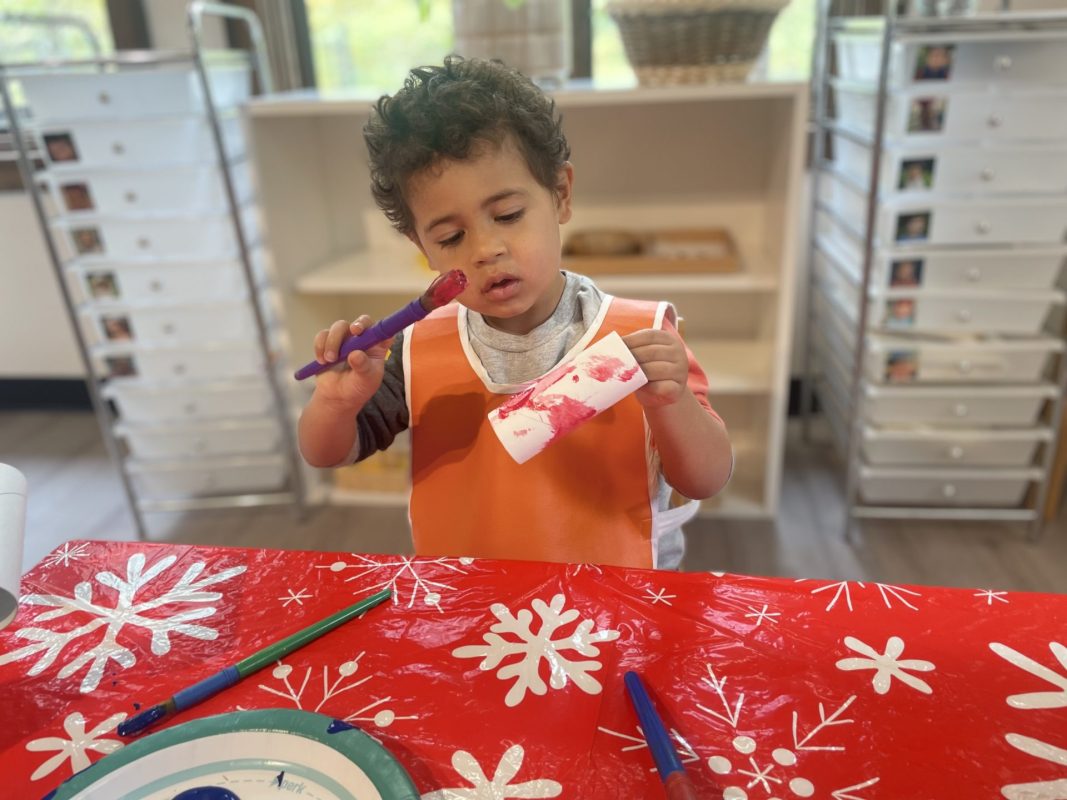
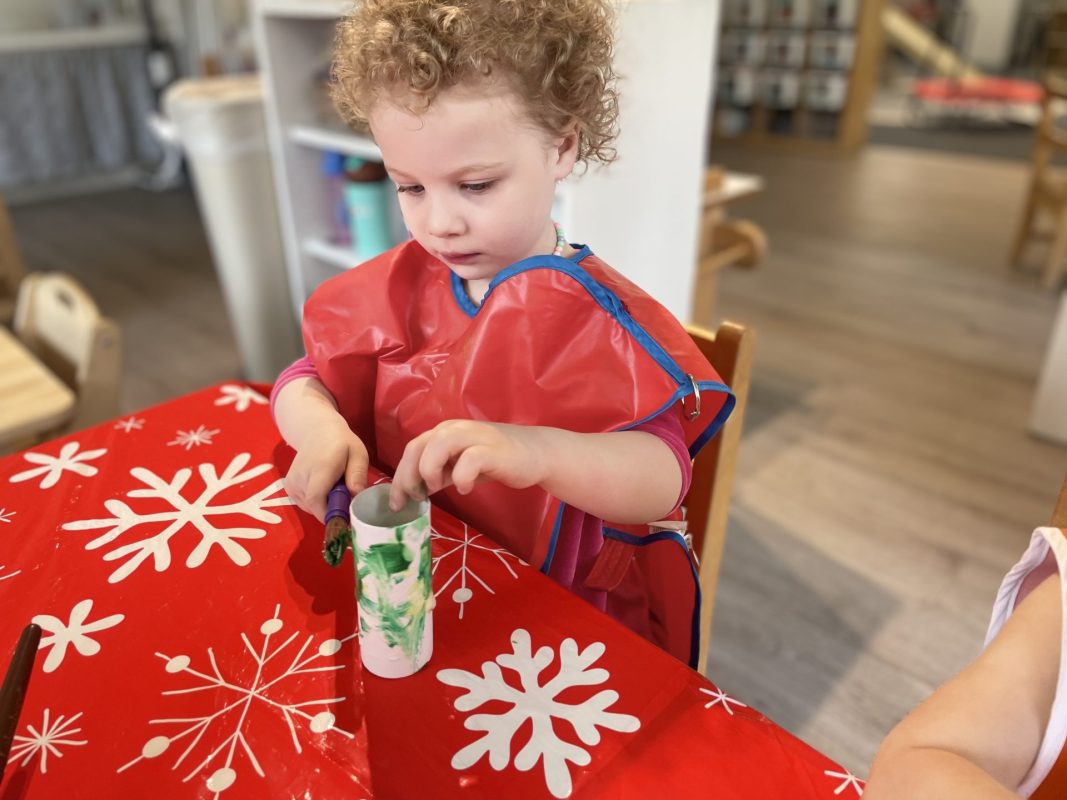
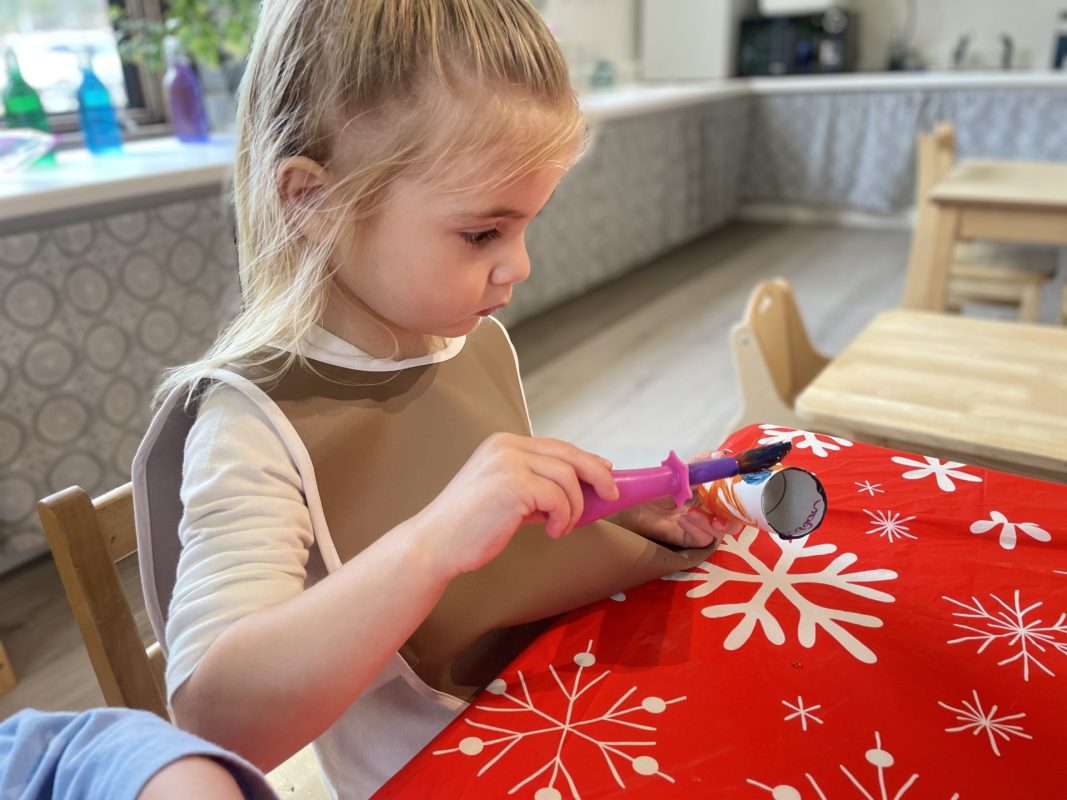
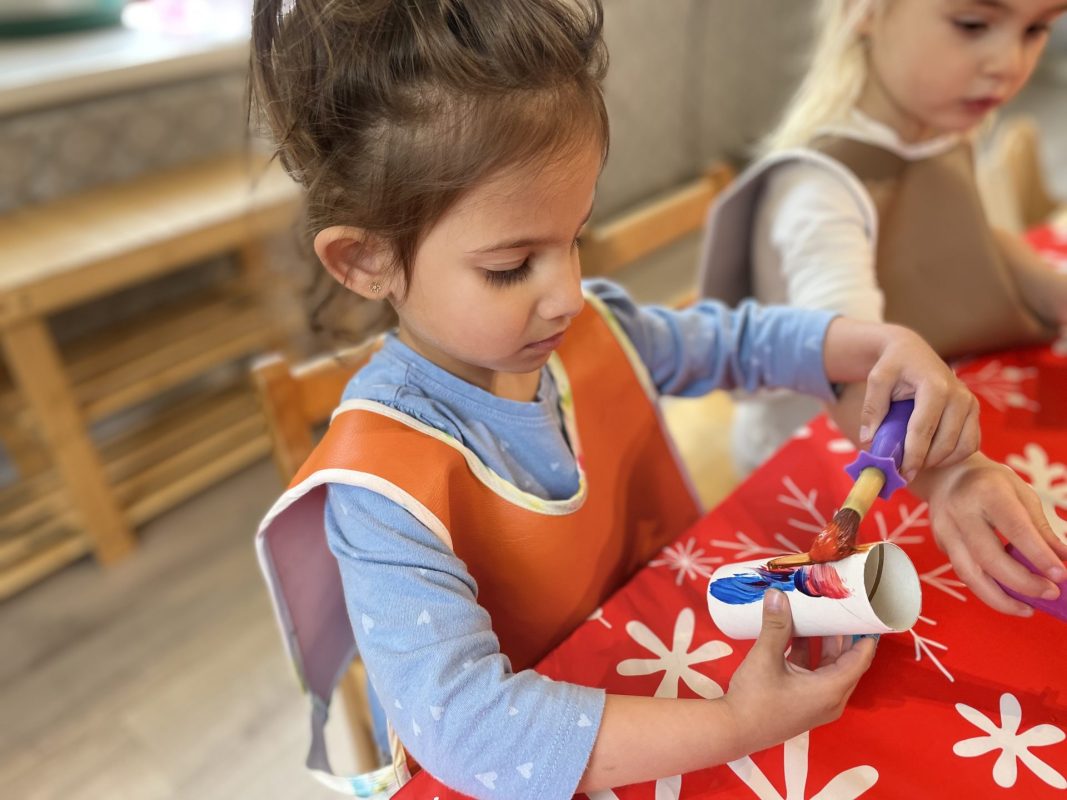
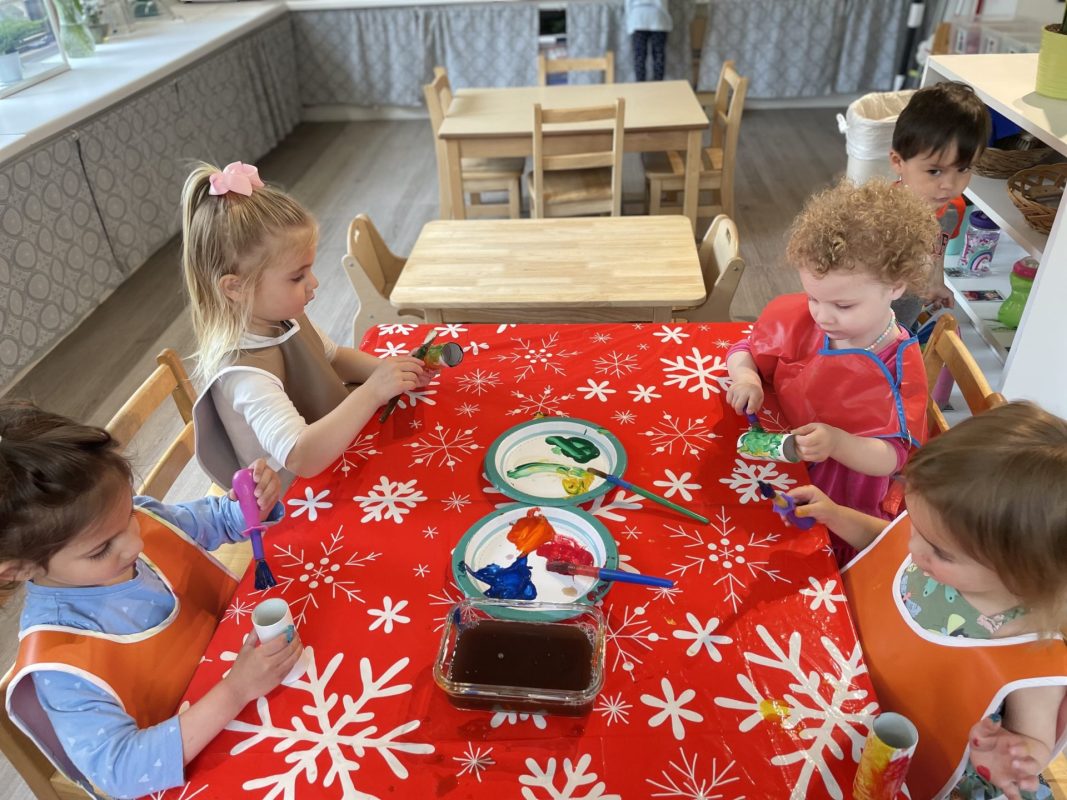
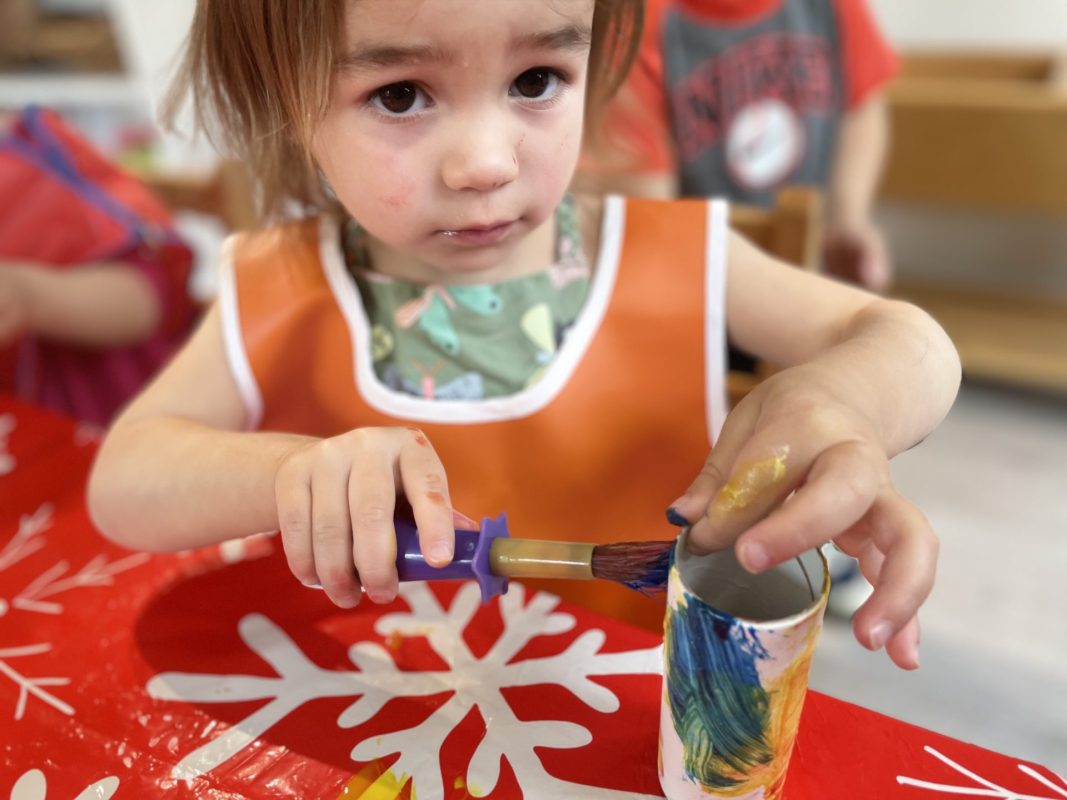
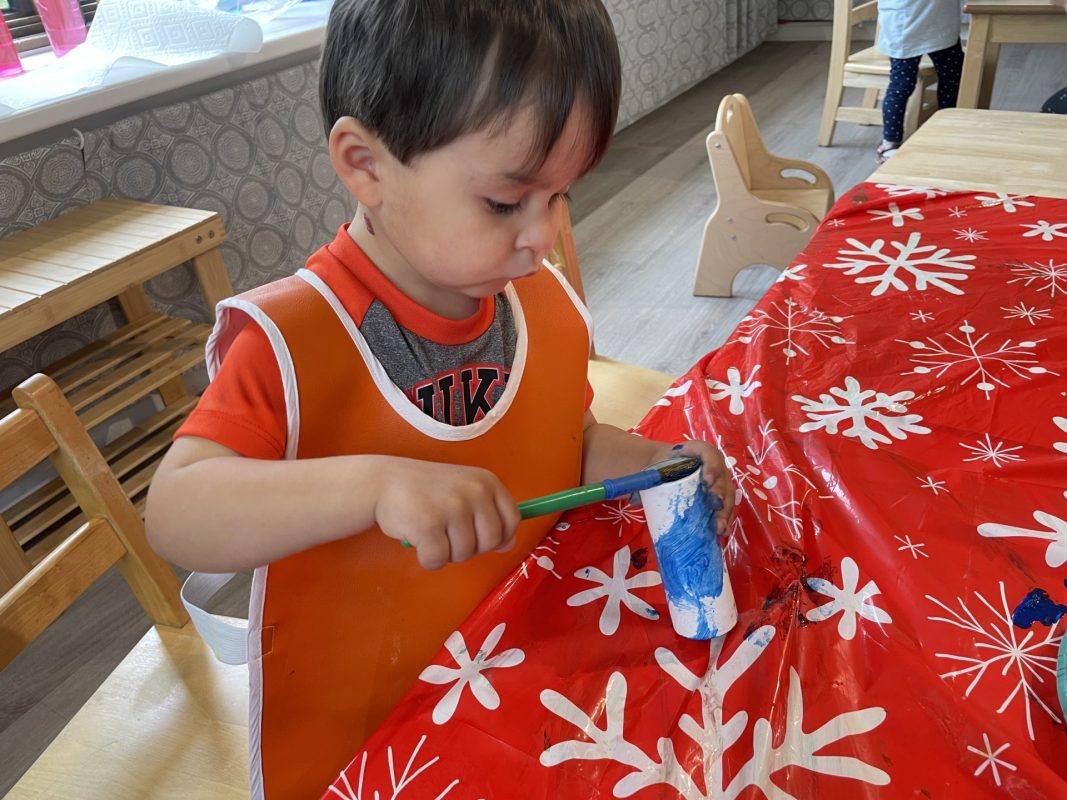
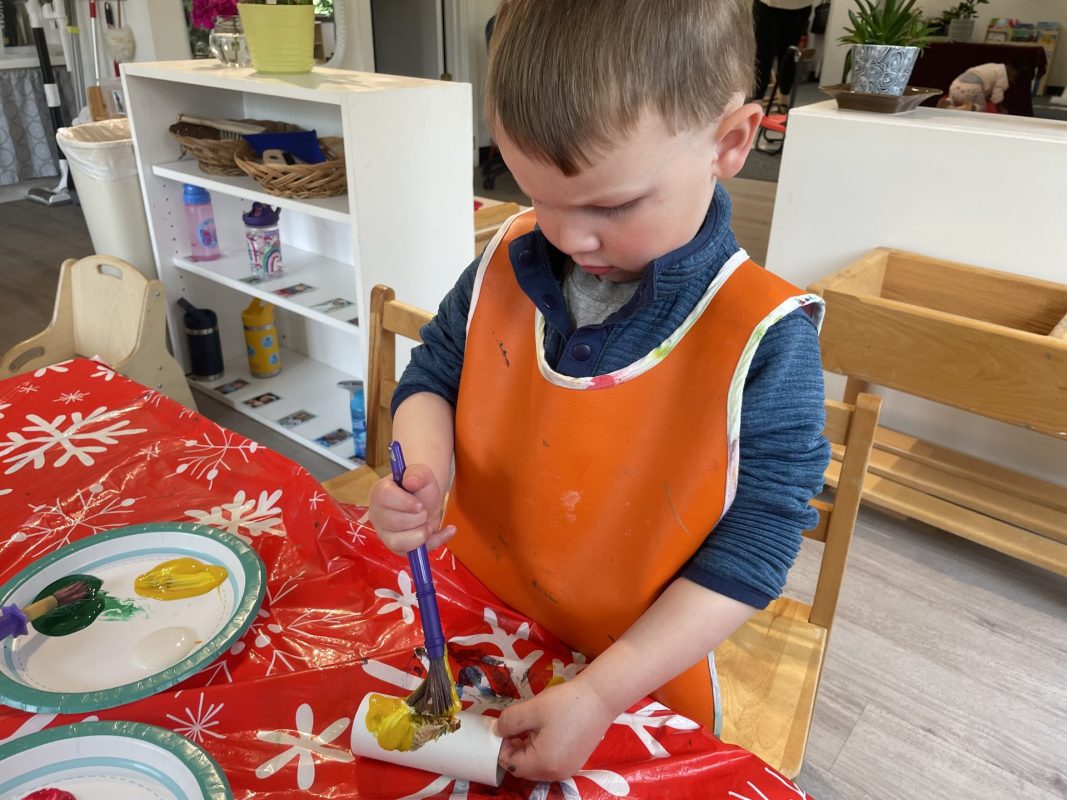
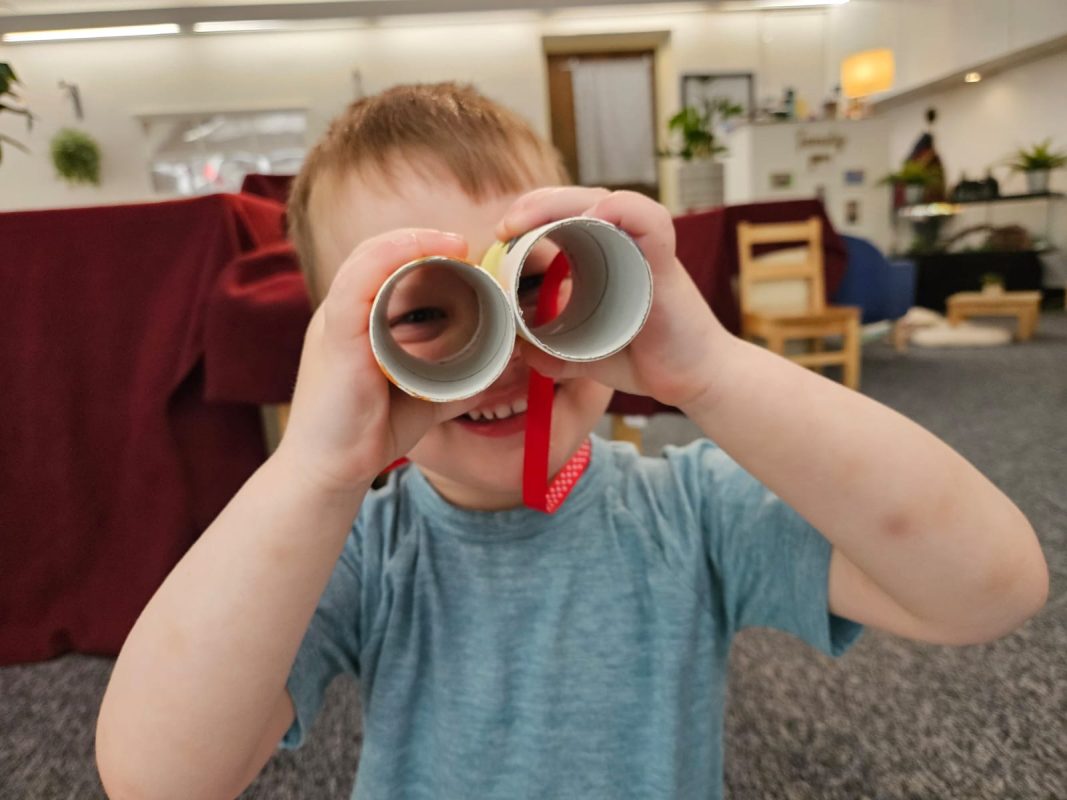
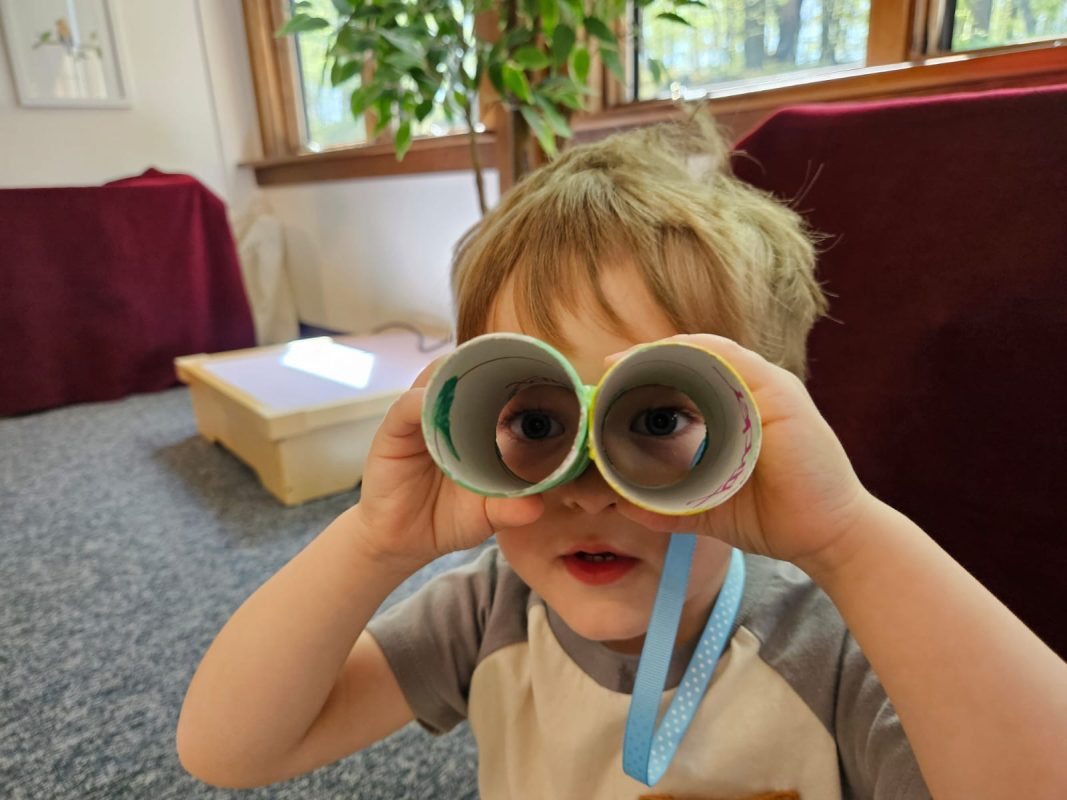
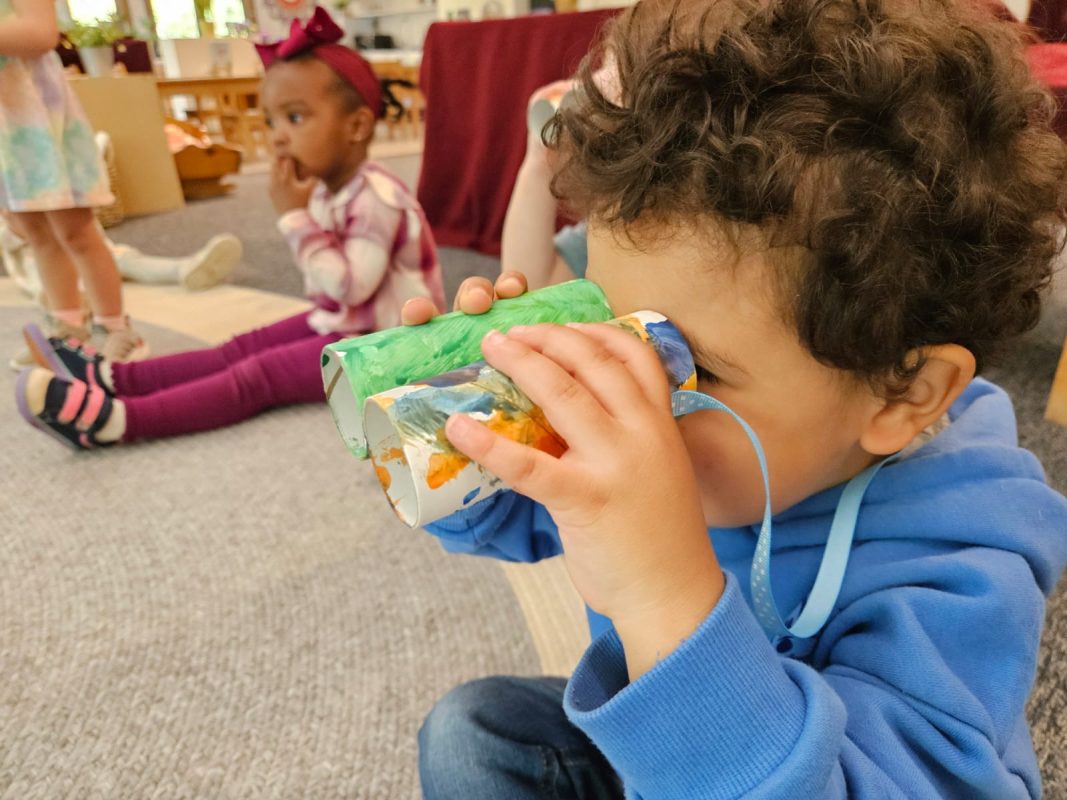
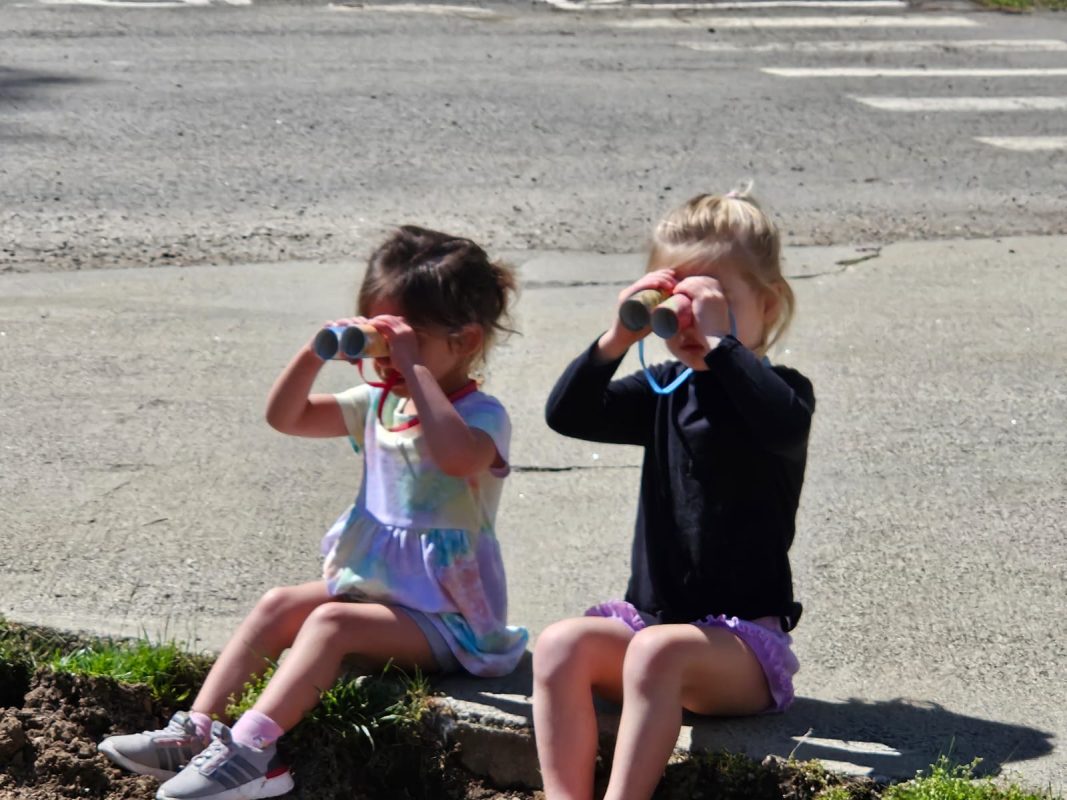
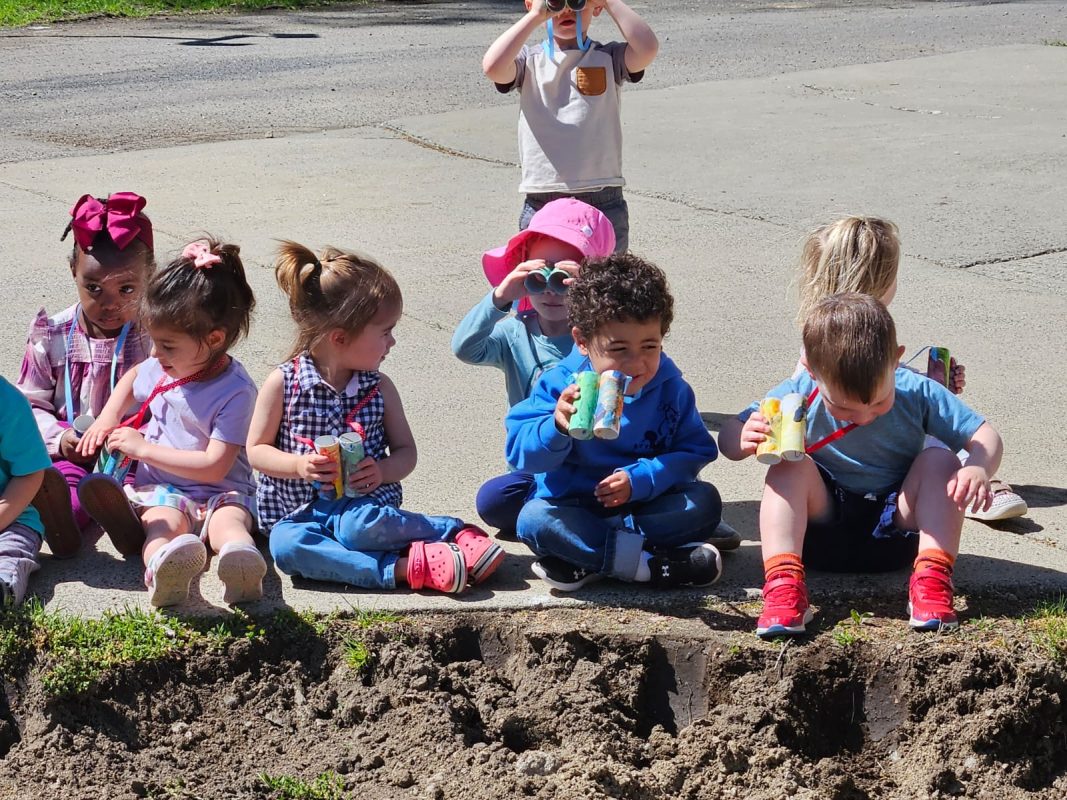
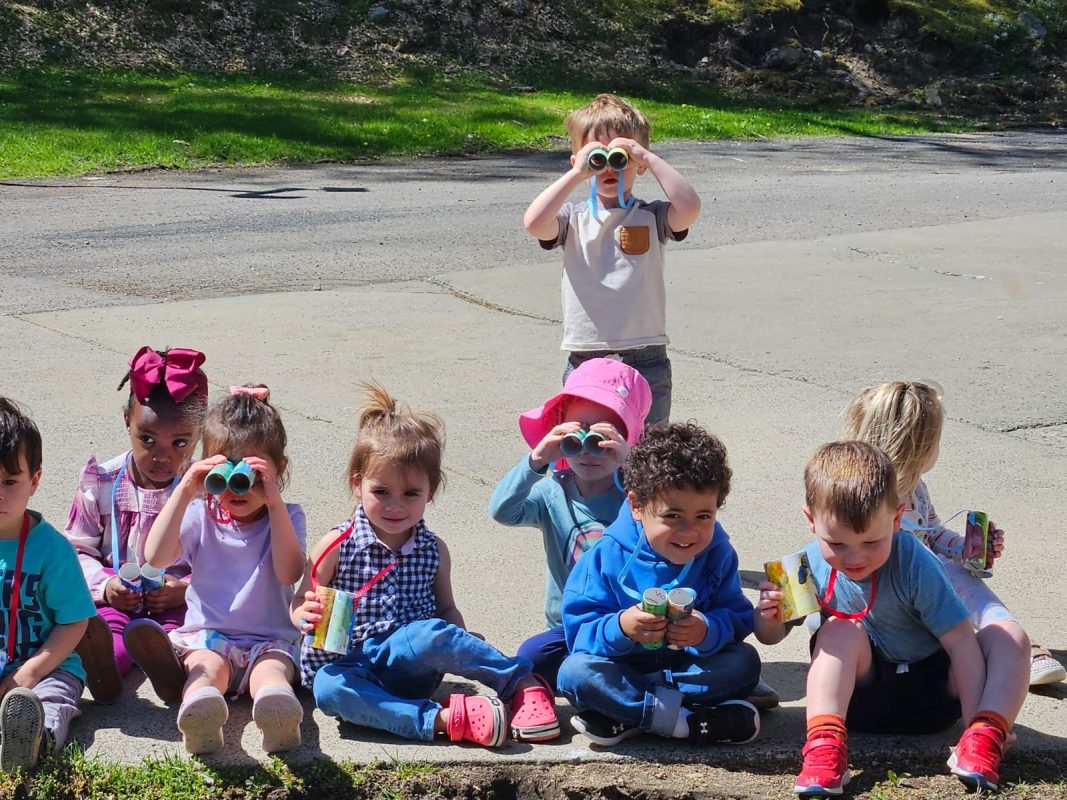
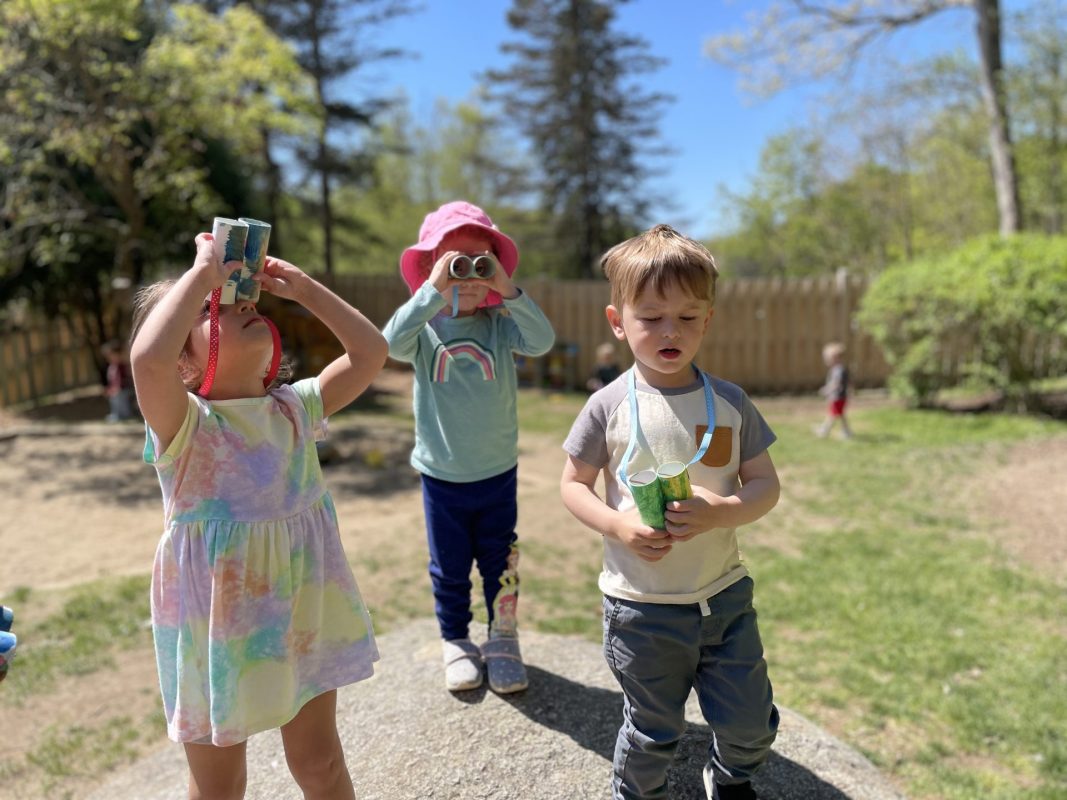
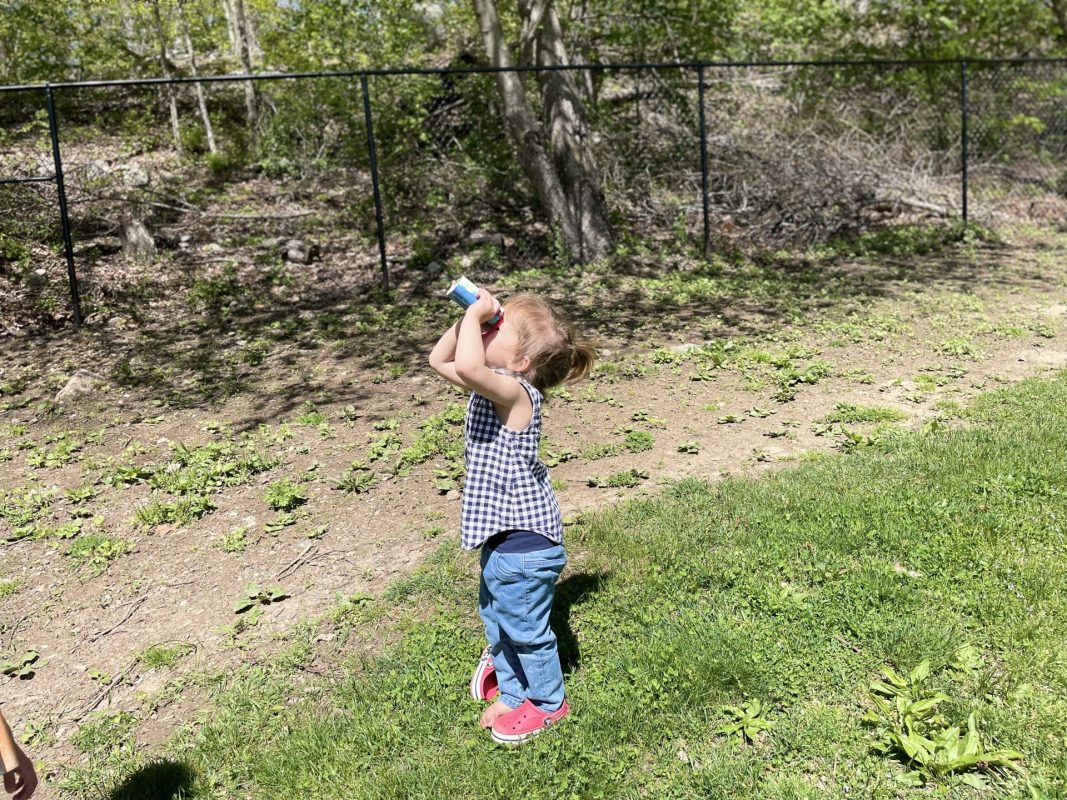
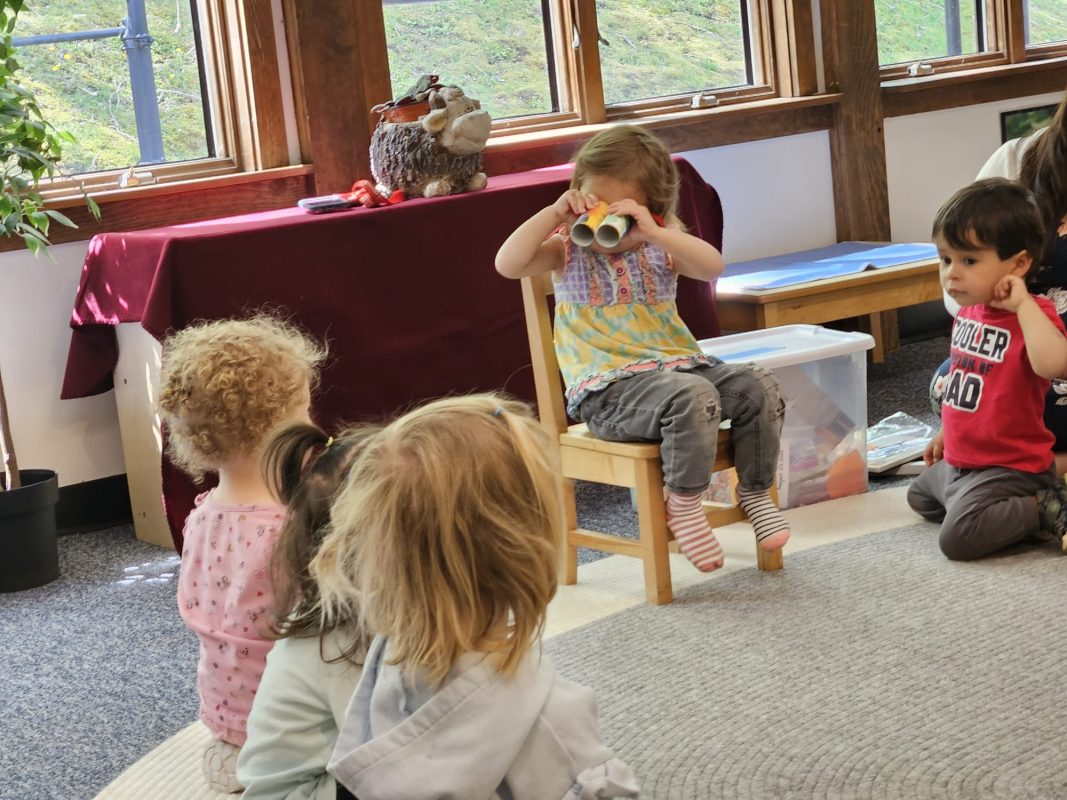
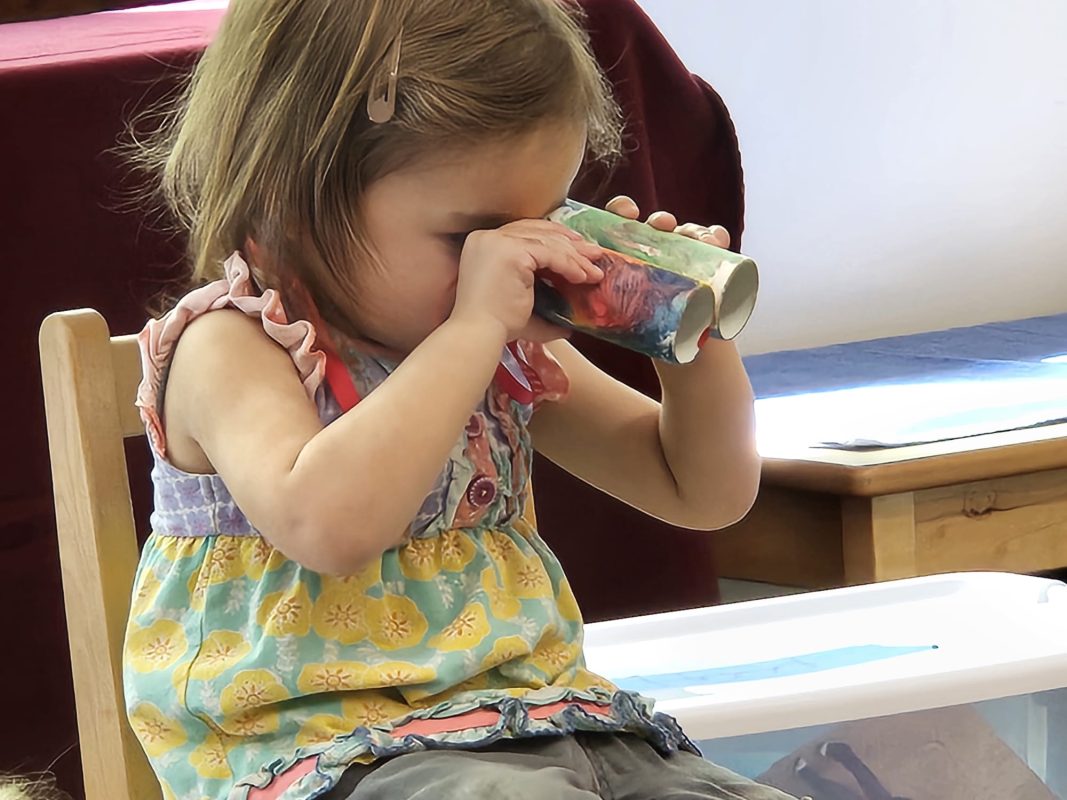
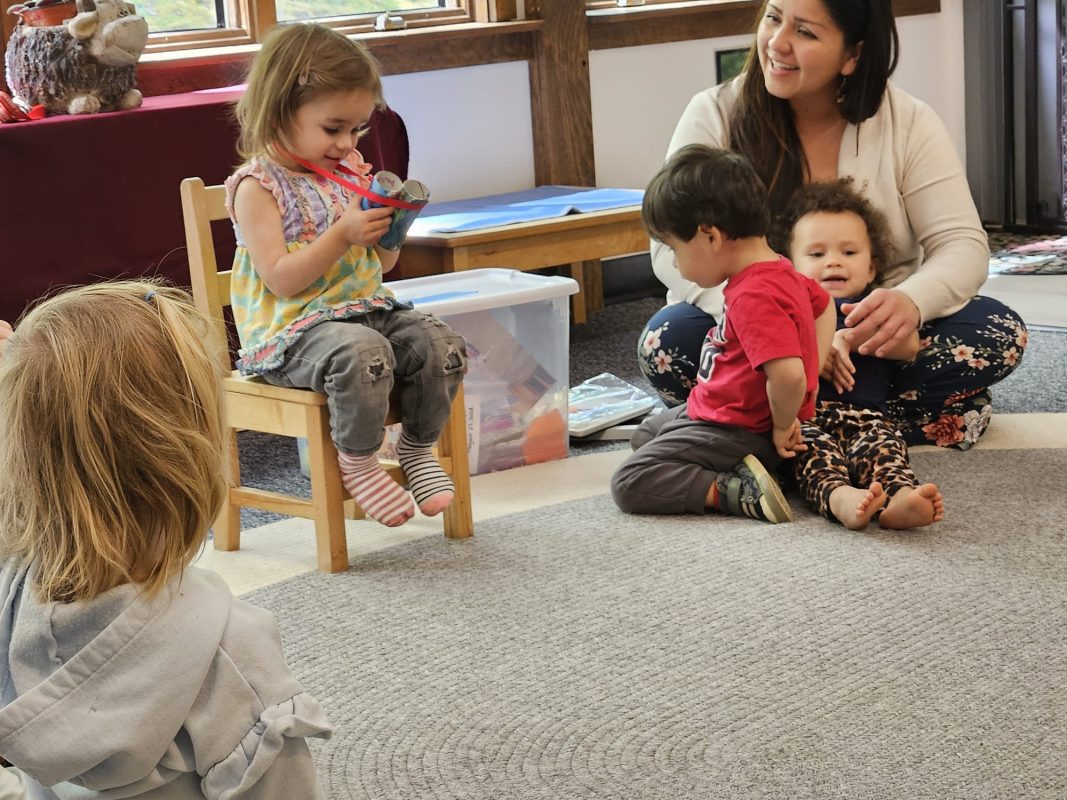
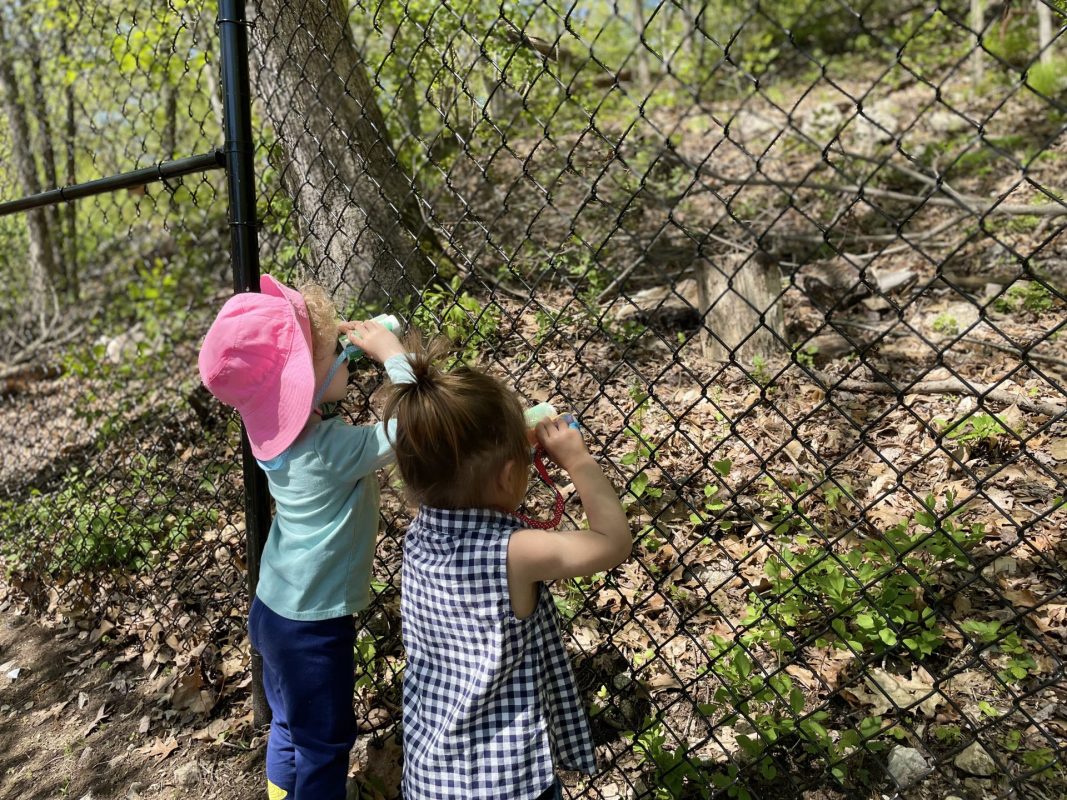
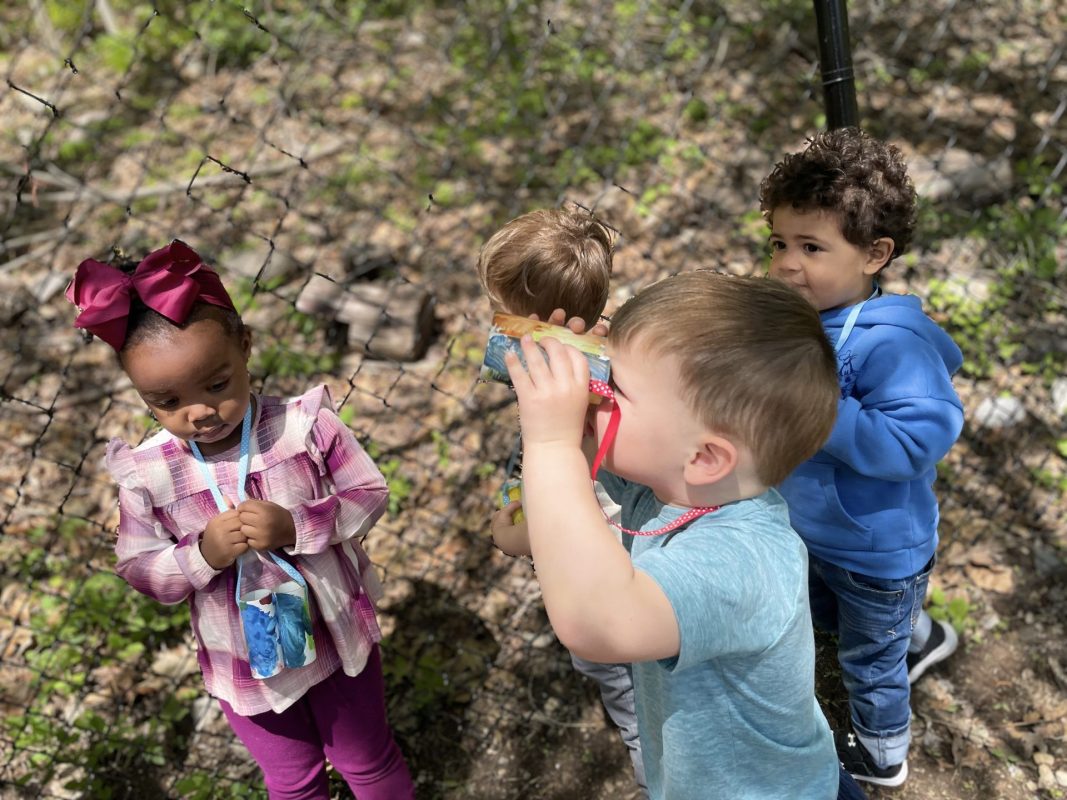
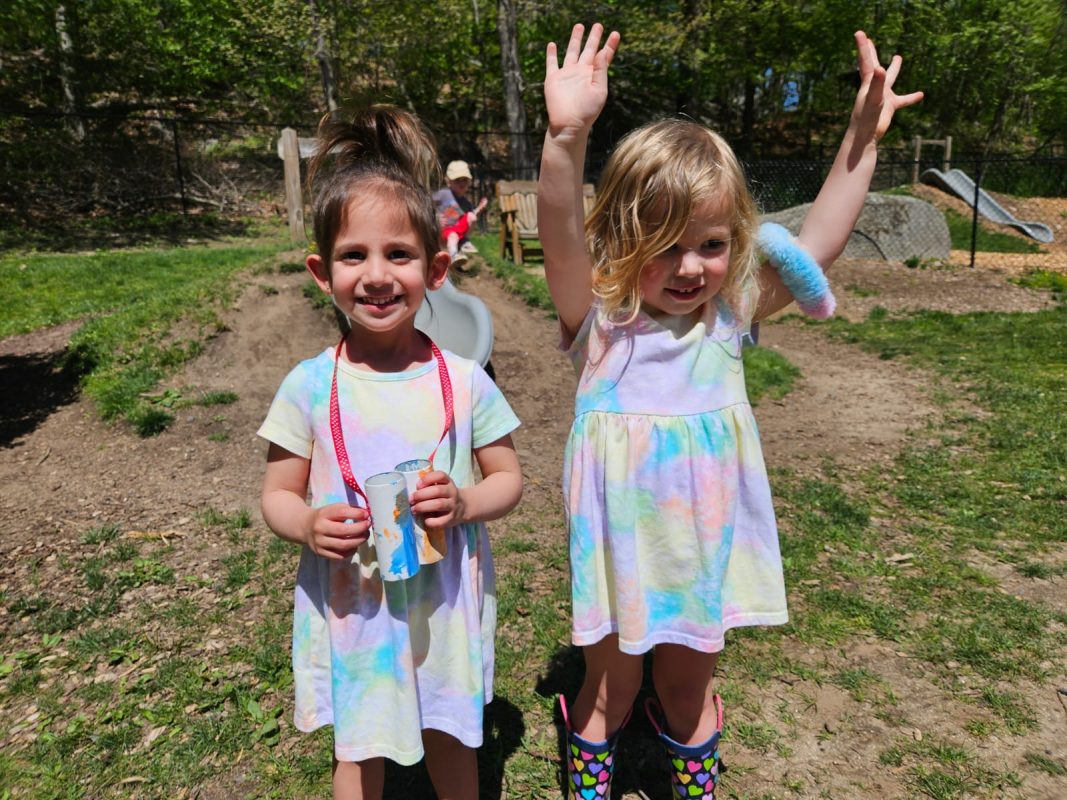
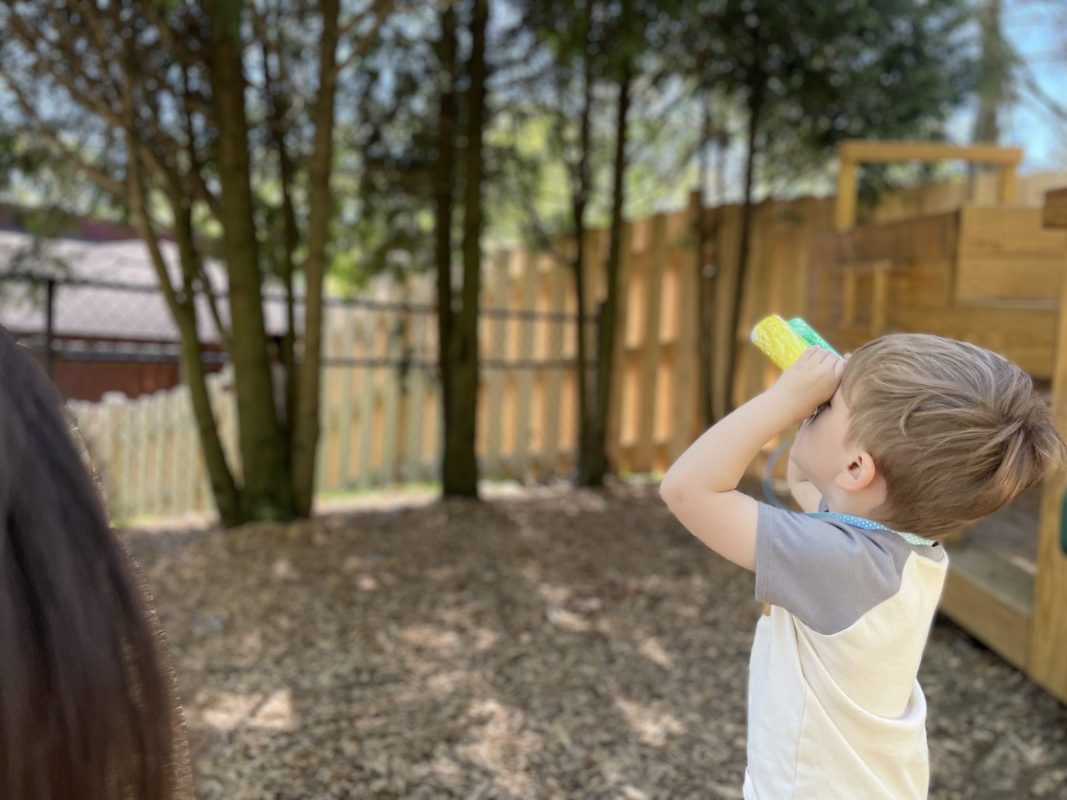
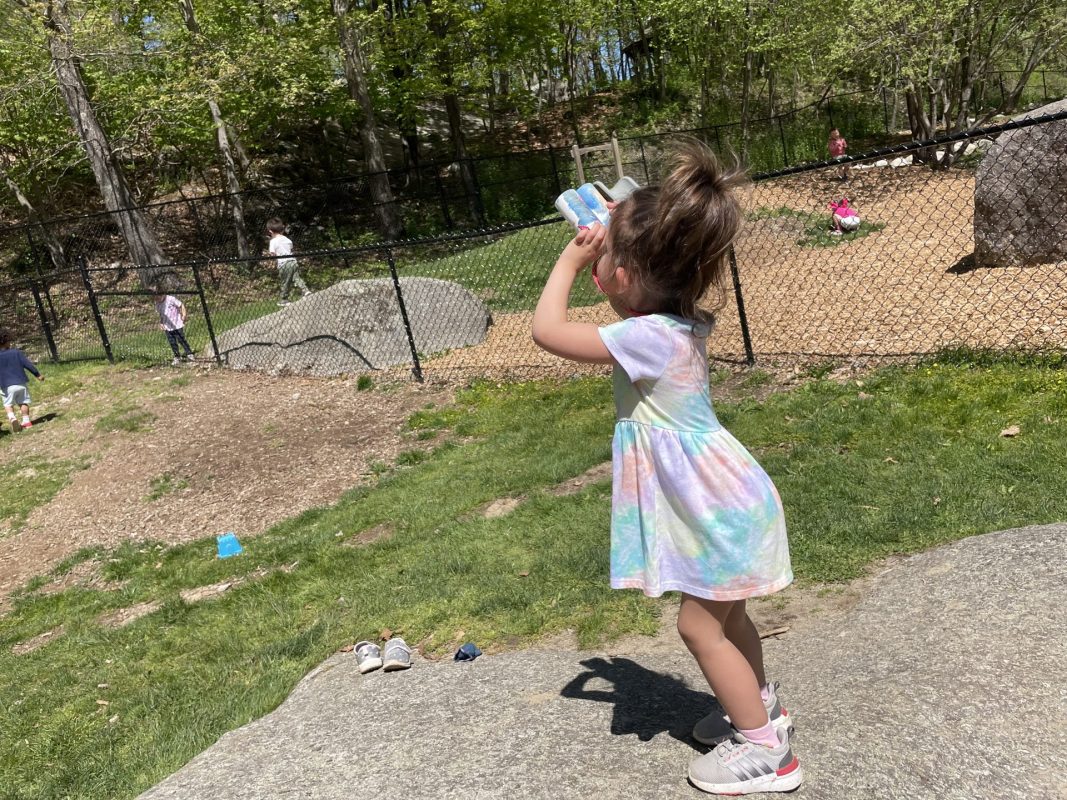
Children also engaged in an art project, painting and crafting their very own binoculars. With these homemade tools in hand, the children ventured outside, honing their observation skills as they listened for birdsongs and tried to spot our avian friends. Their perseverance and determination were truly inspiring!

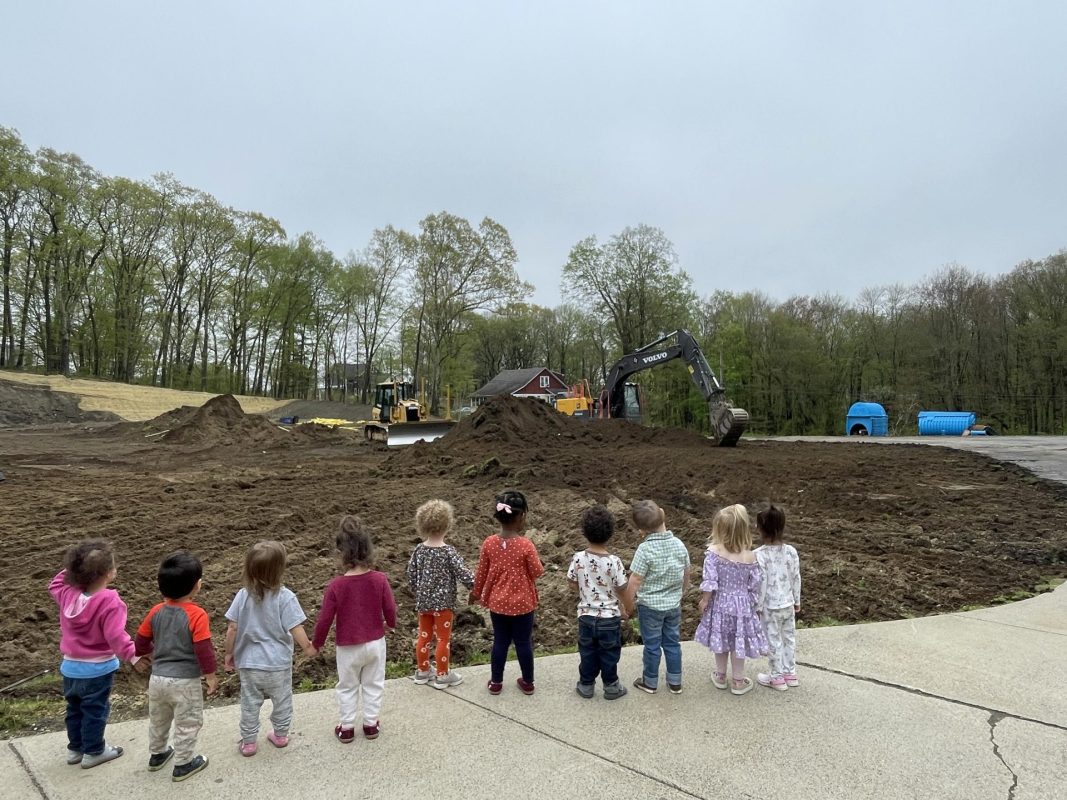
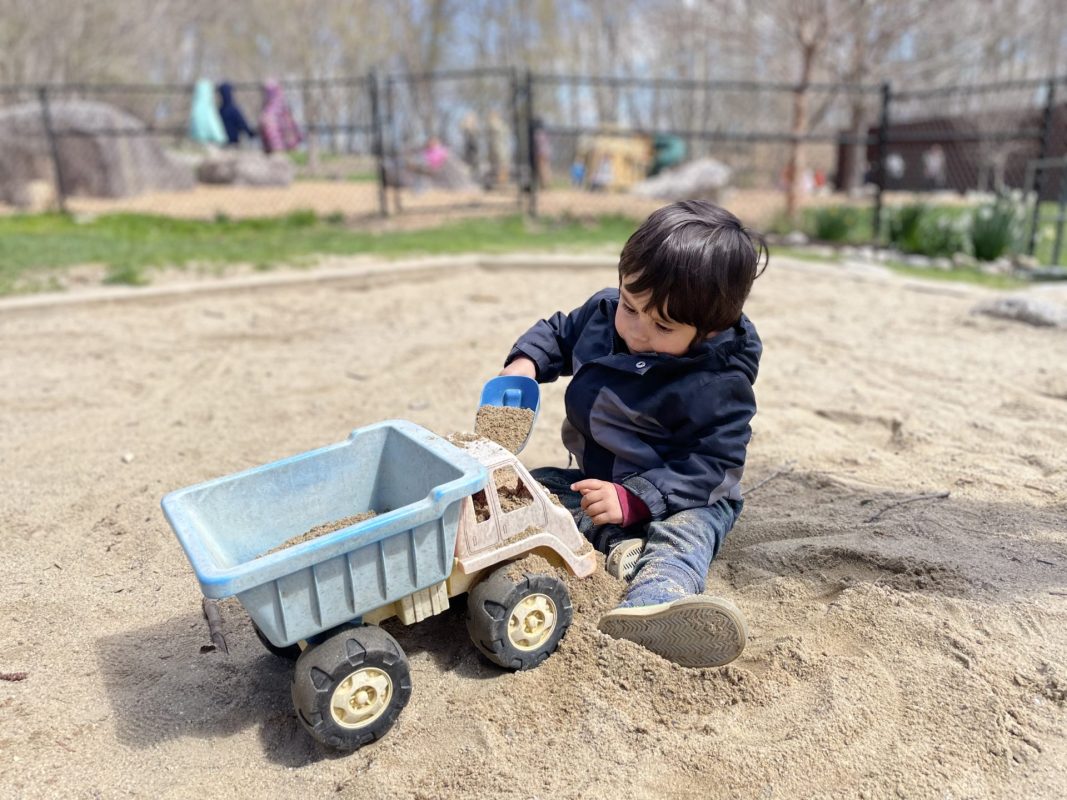
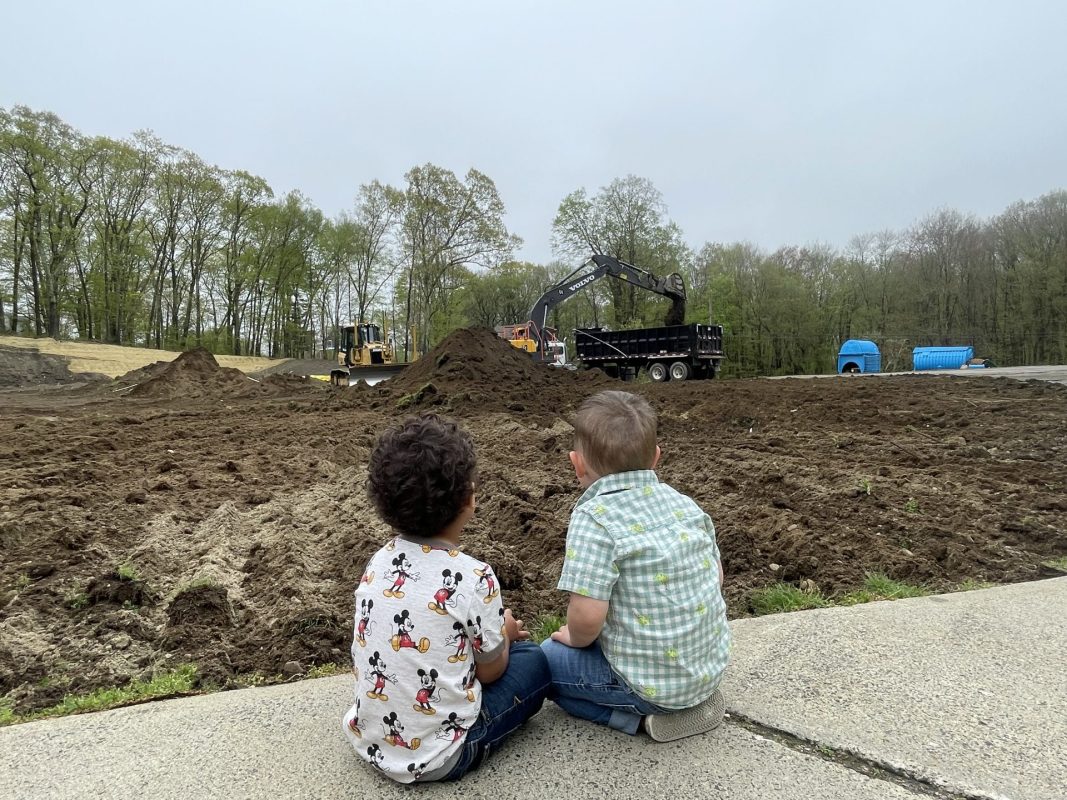
But our exploration didn’t stop there. In our outdoor adventures we also got to witness the marvel of construction vehicles at work in the soccer field. Each machine had a specific role, and the children eagerly observed and learned about the different tasks they performed. It was a hands-on lesson in engineering and teamwork!

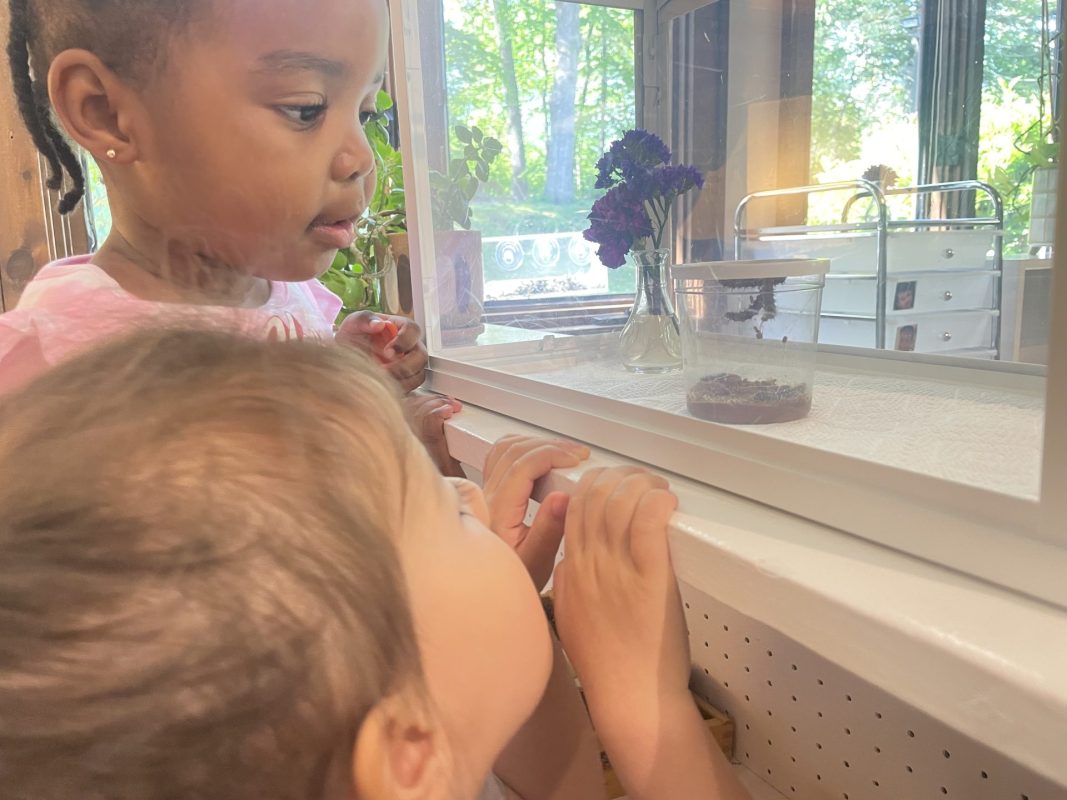
Back inside our classroom, children continue to observe the changes in our not- so-tiny-anymore caterpillars. The children have been observing their growth, marveling at the wonders of nature as they witness the miraculous transformation taking place before their eyes.

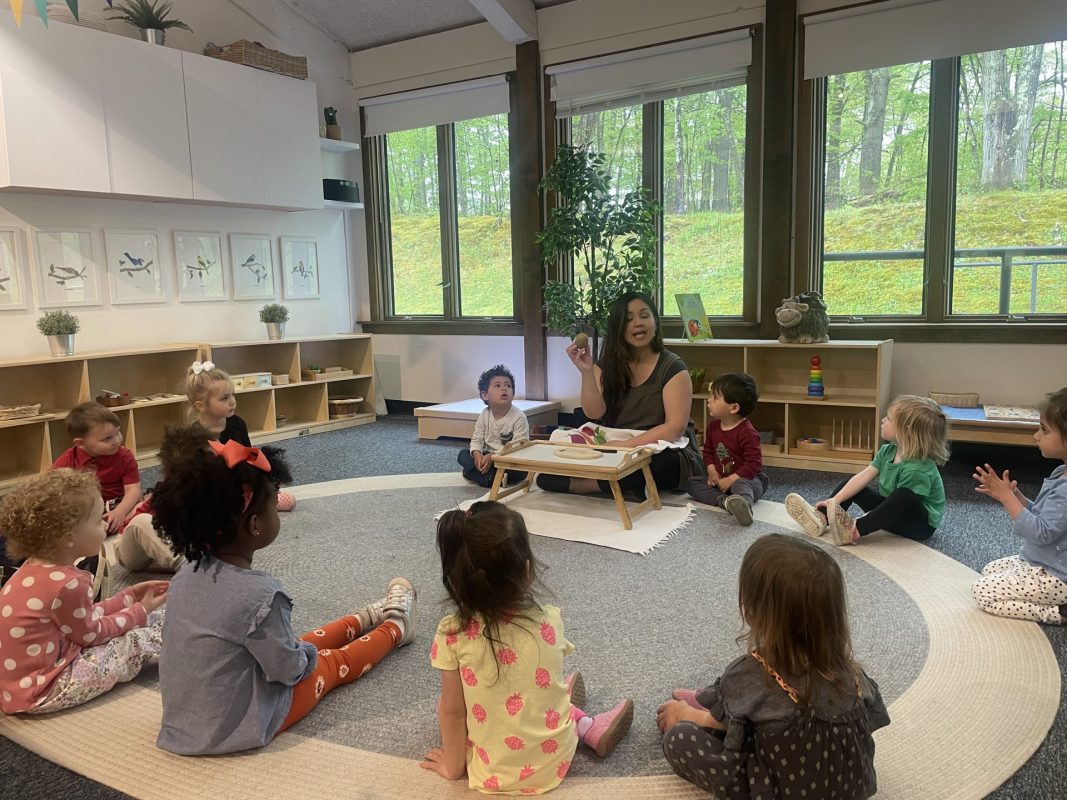
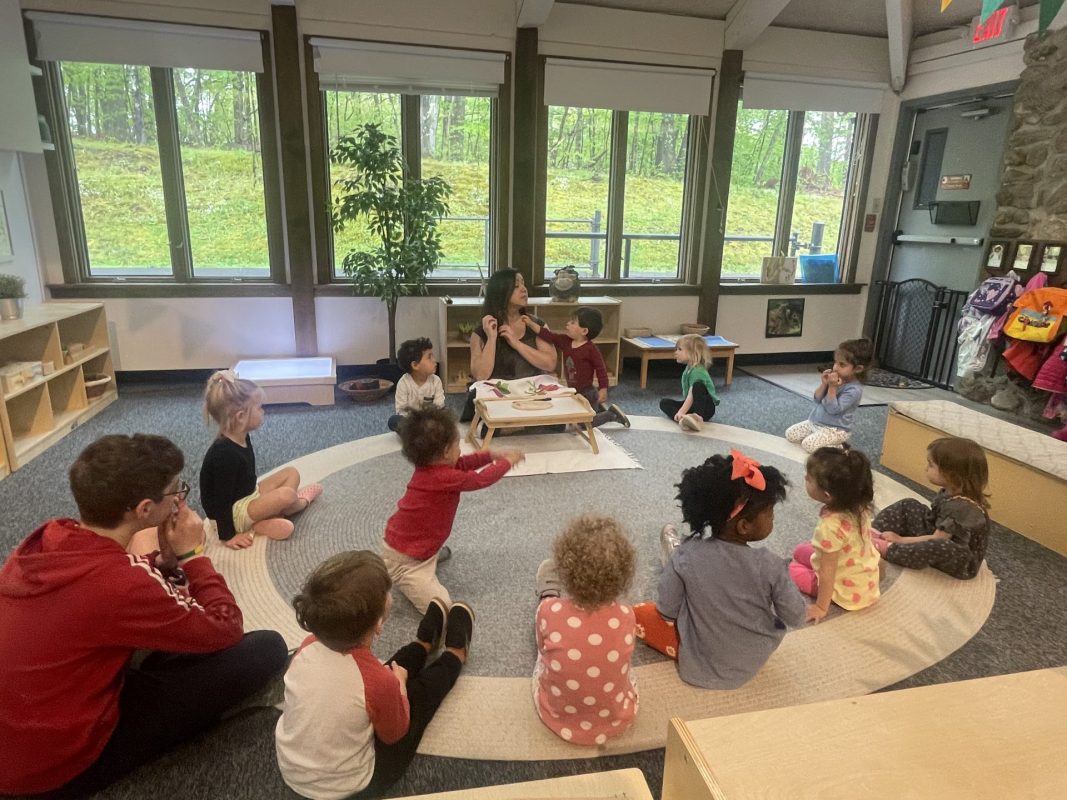
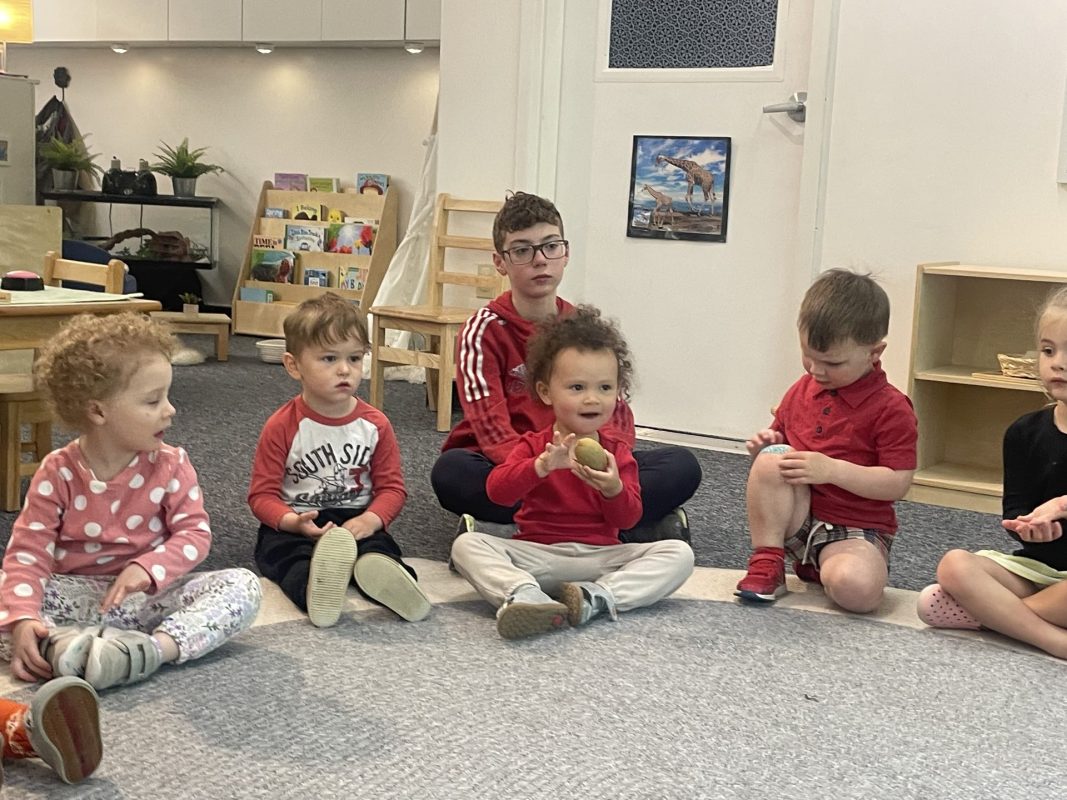
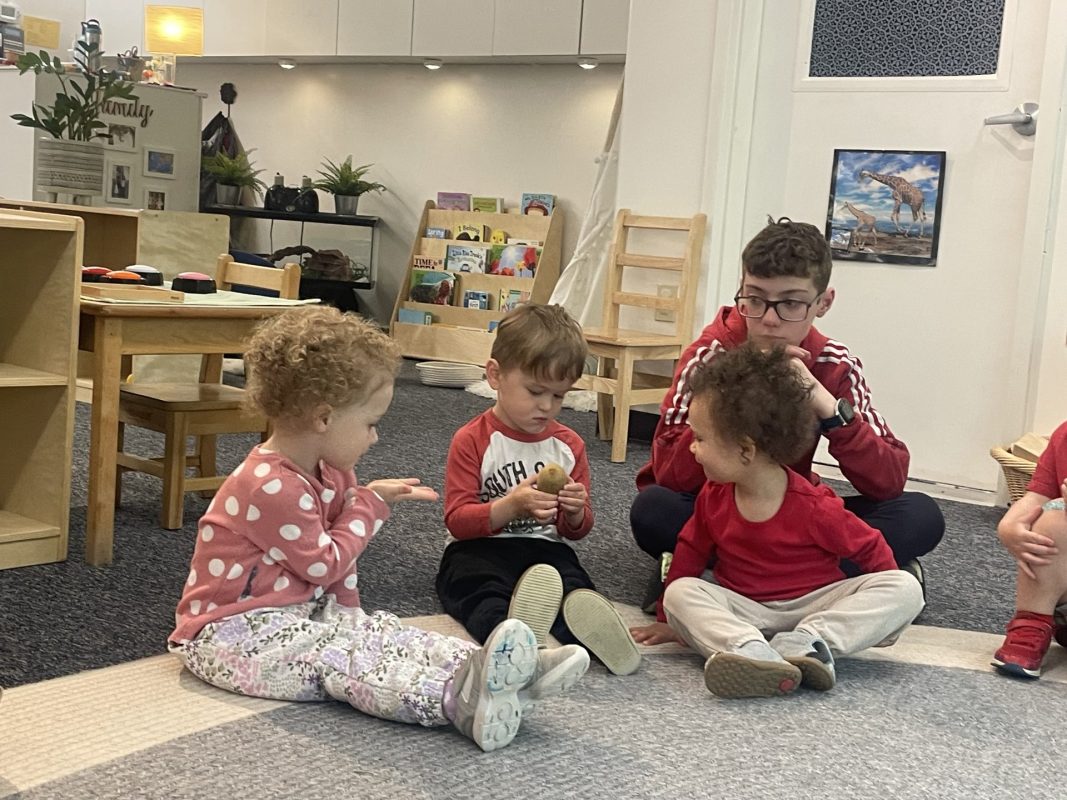
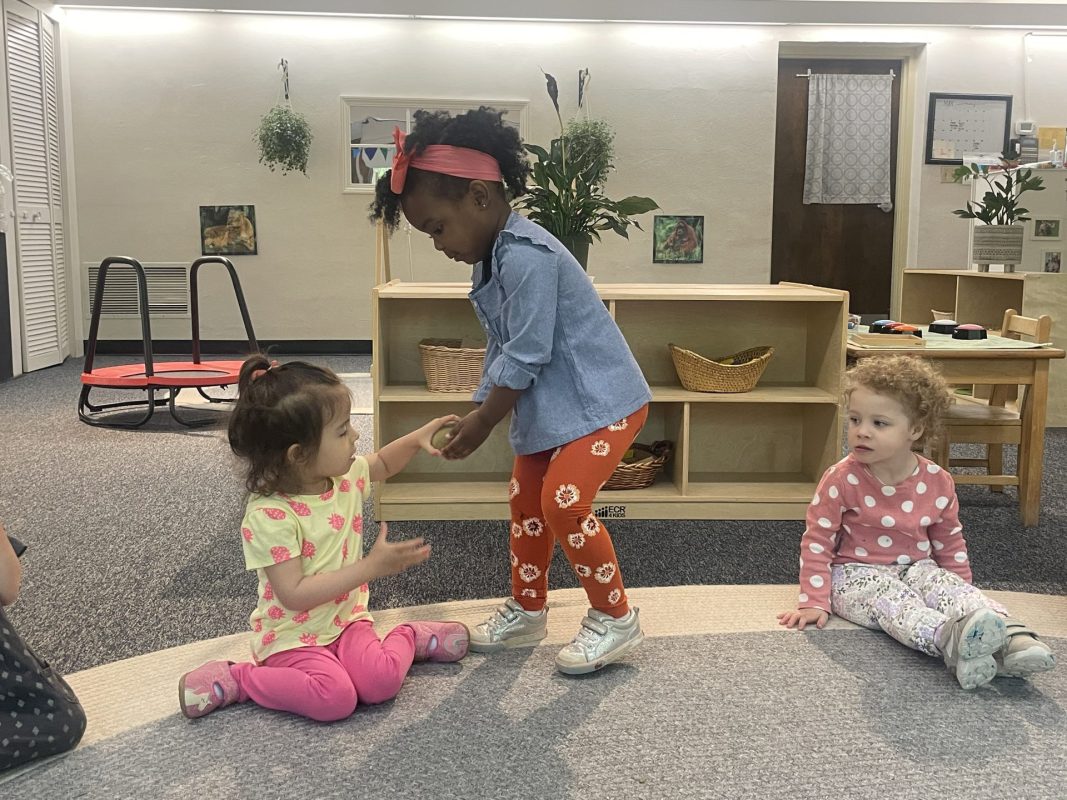
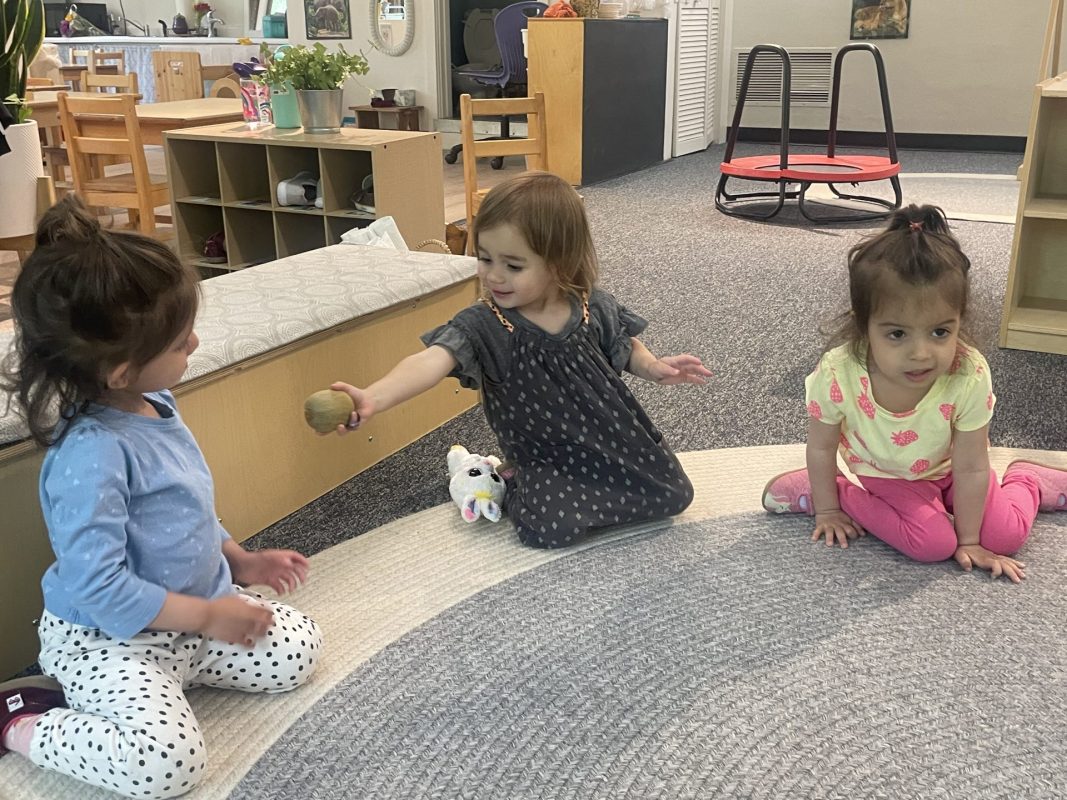
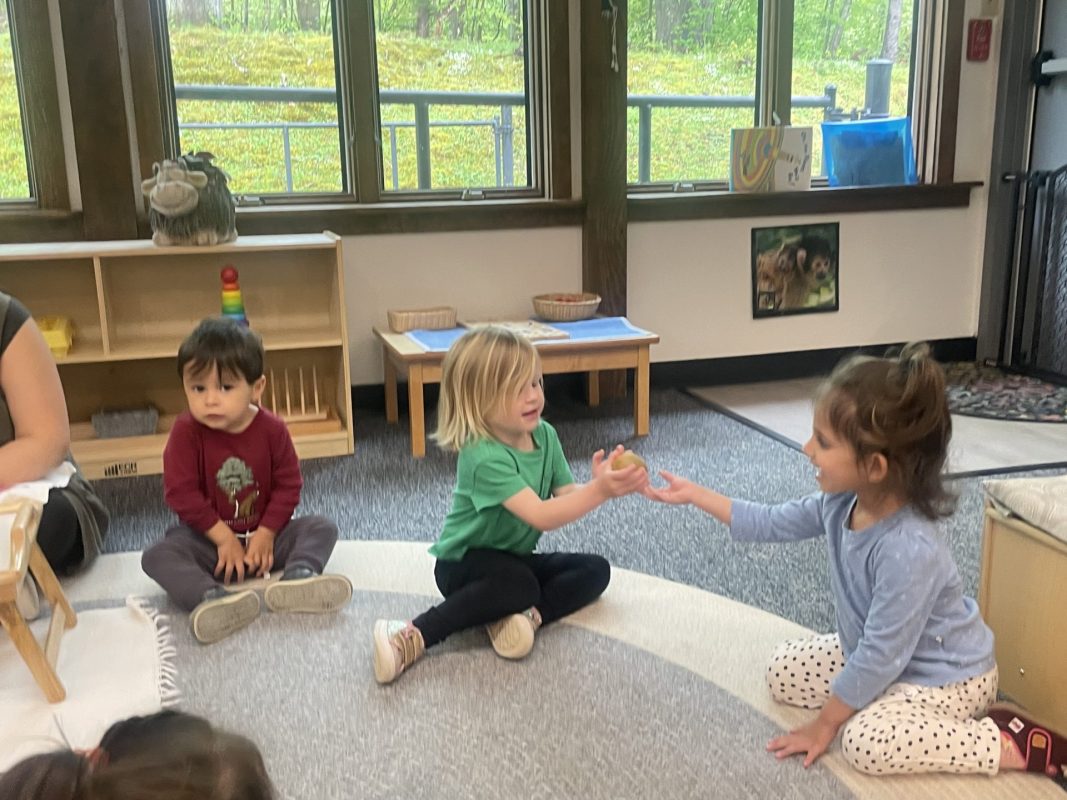
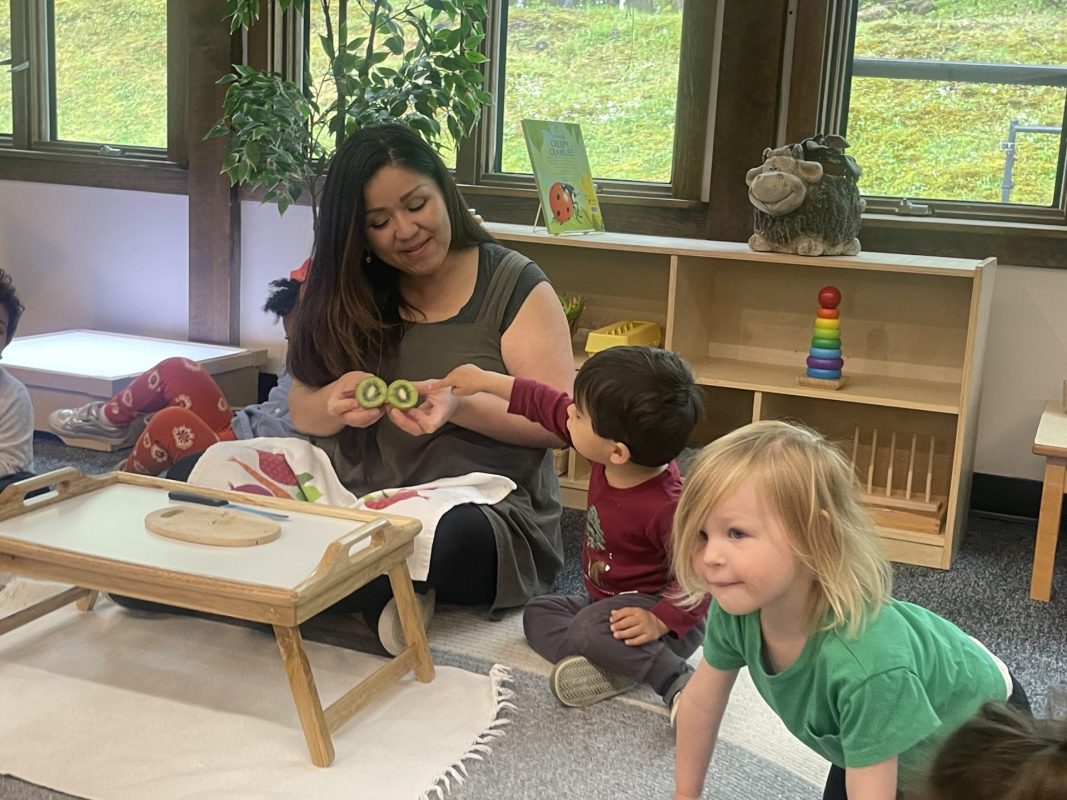
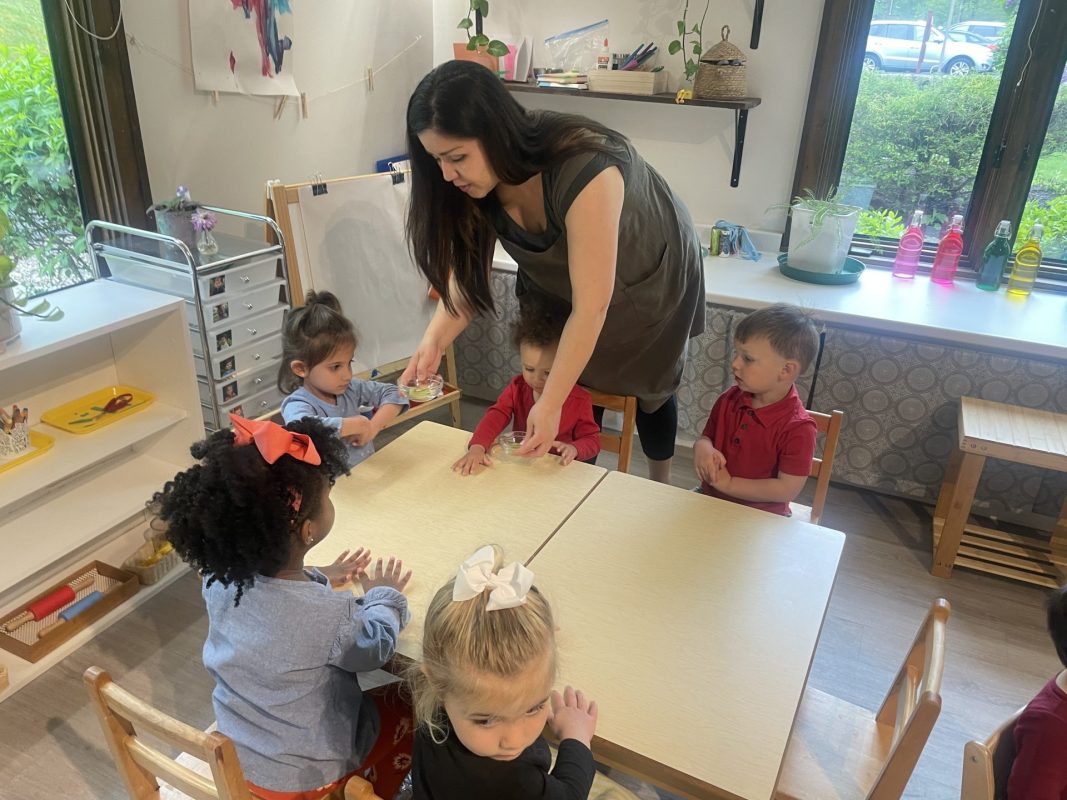
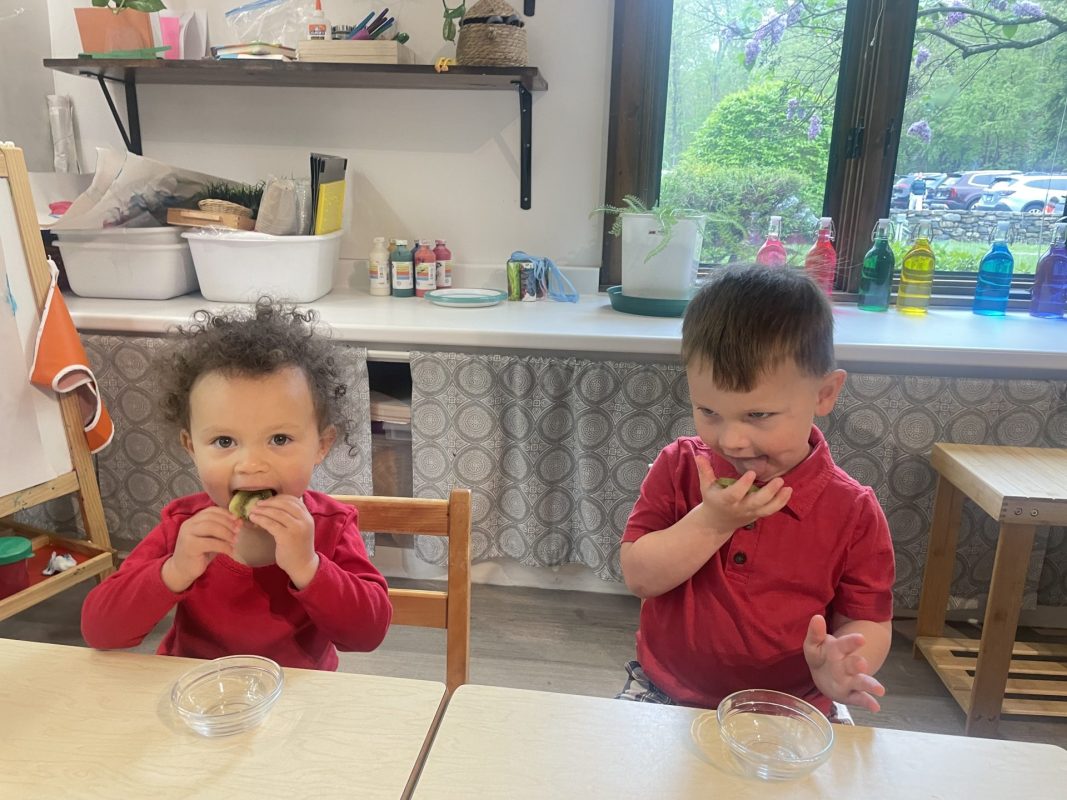
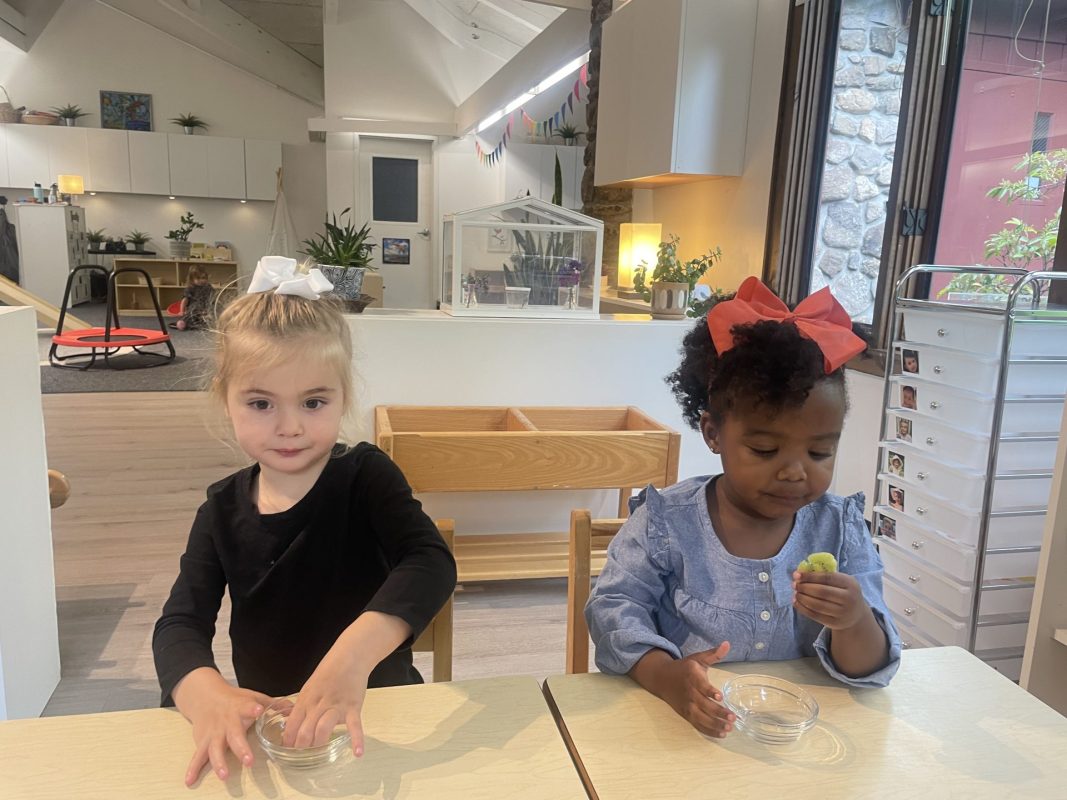
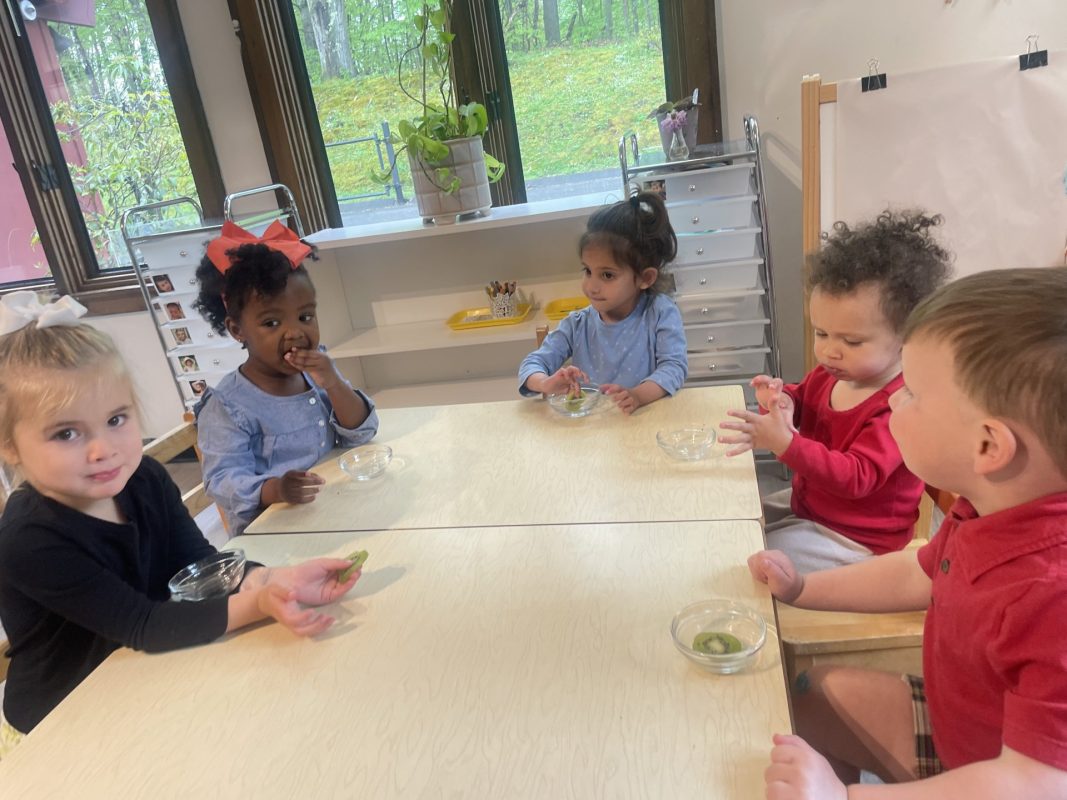
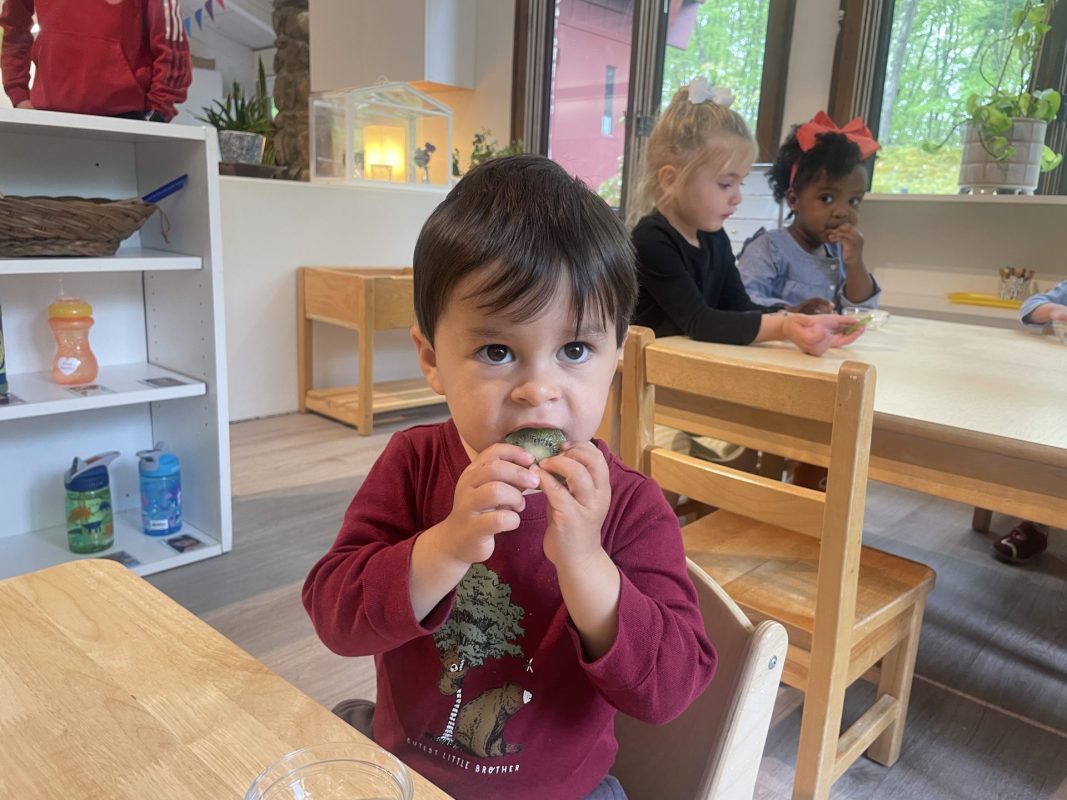
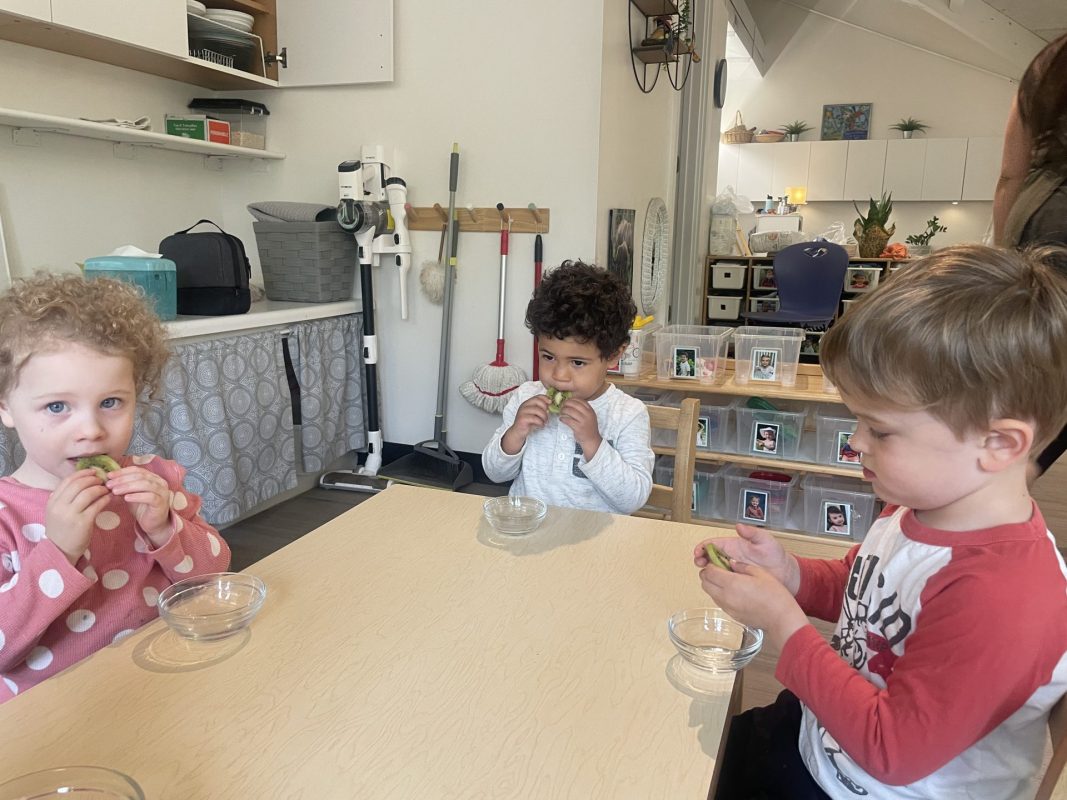
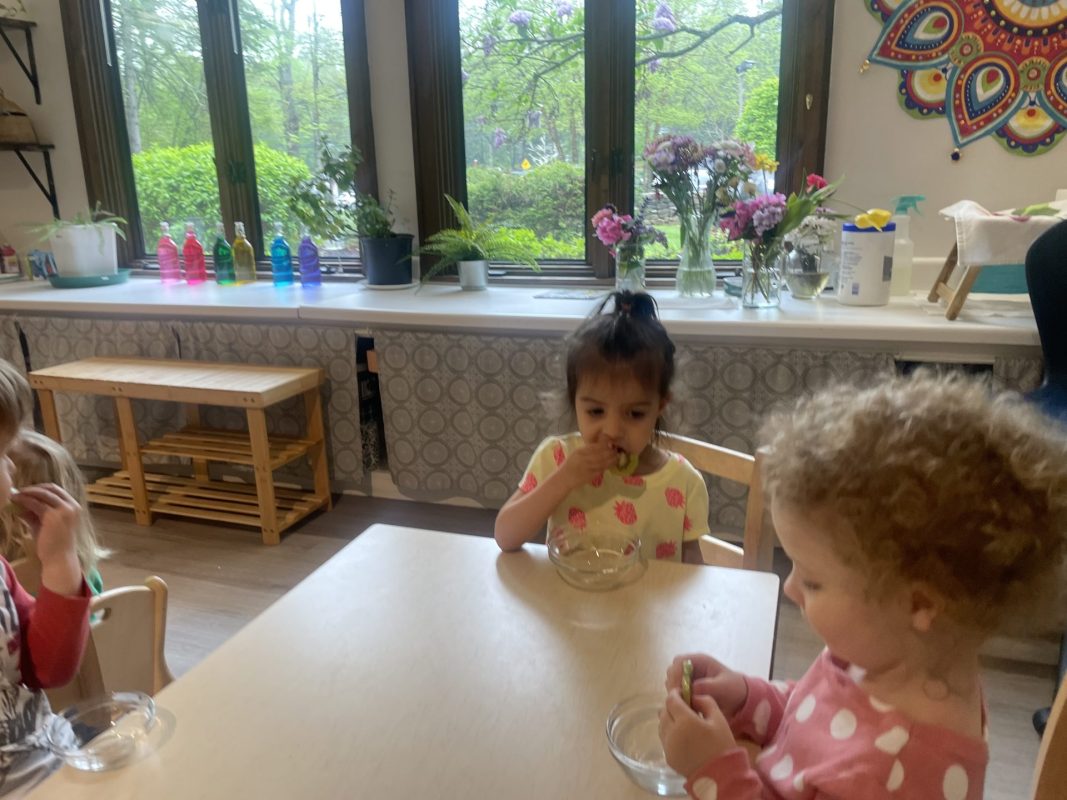
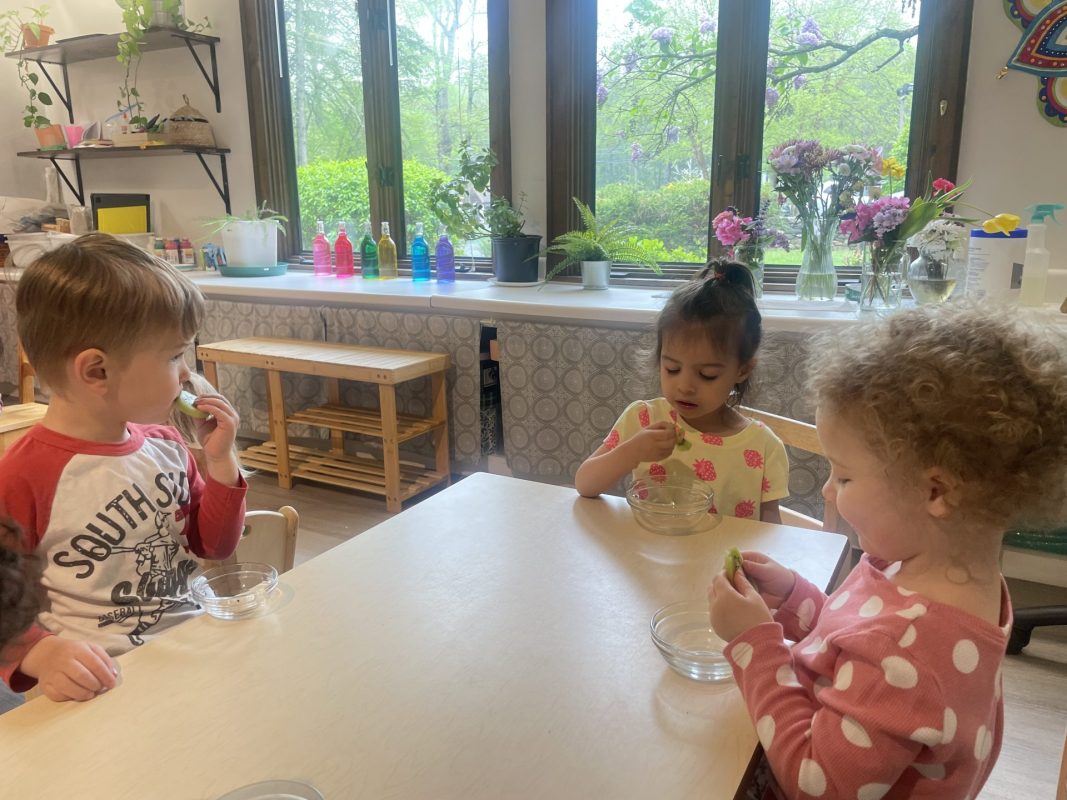
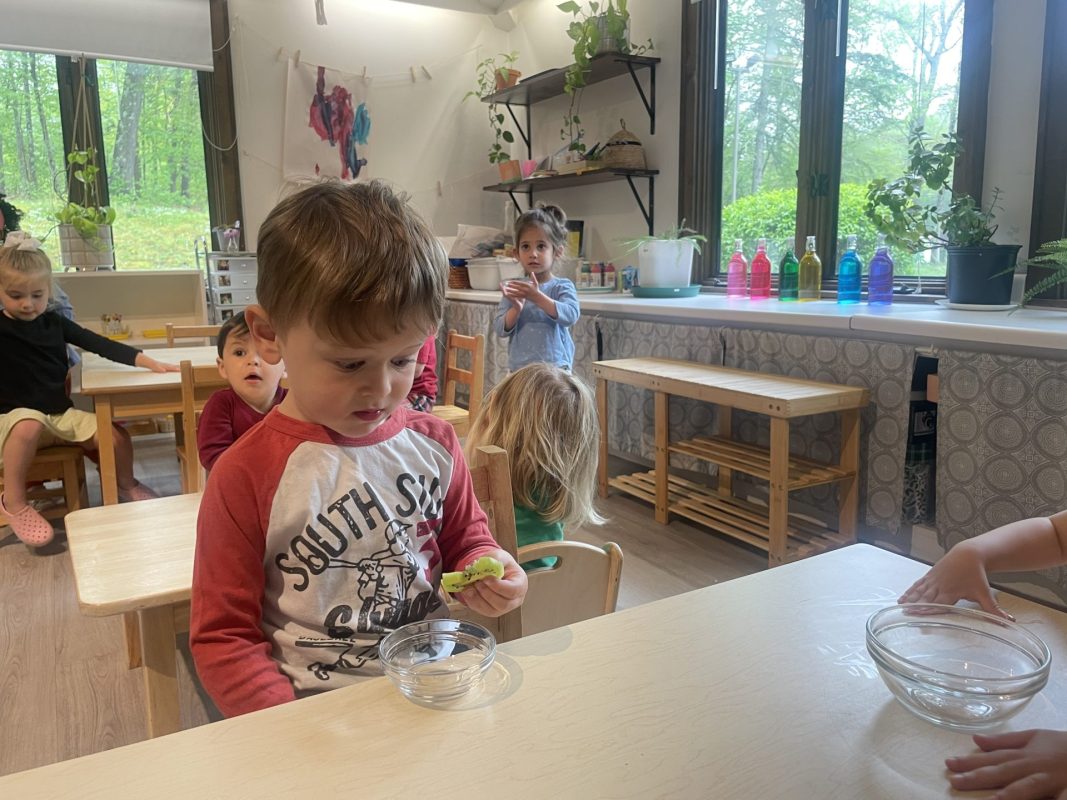
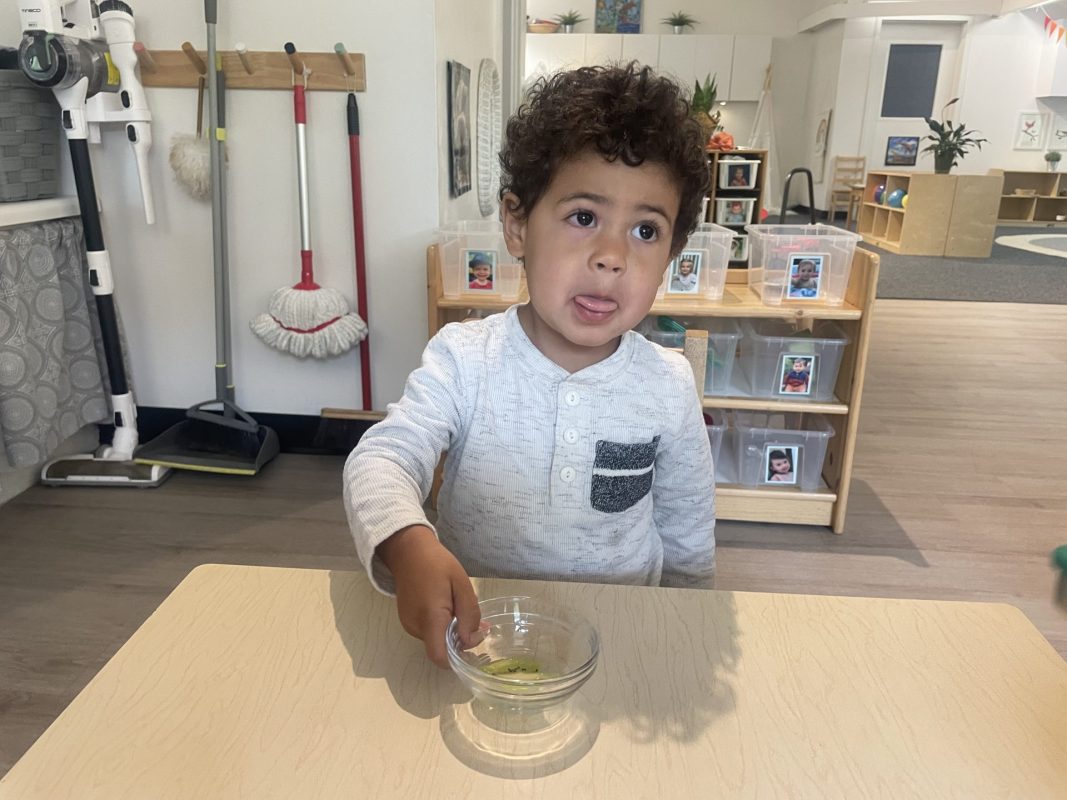
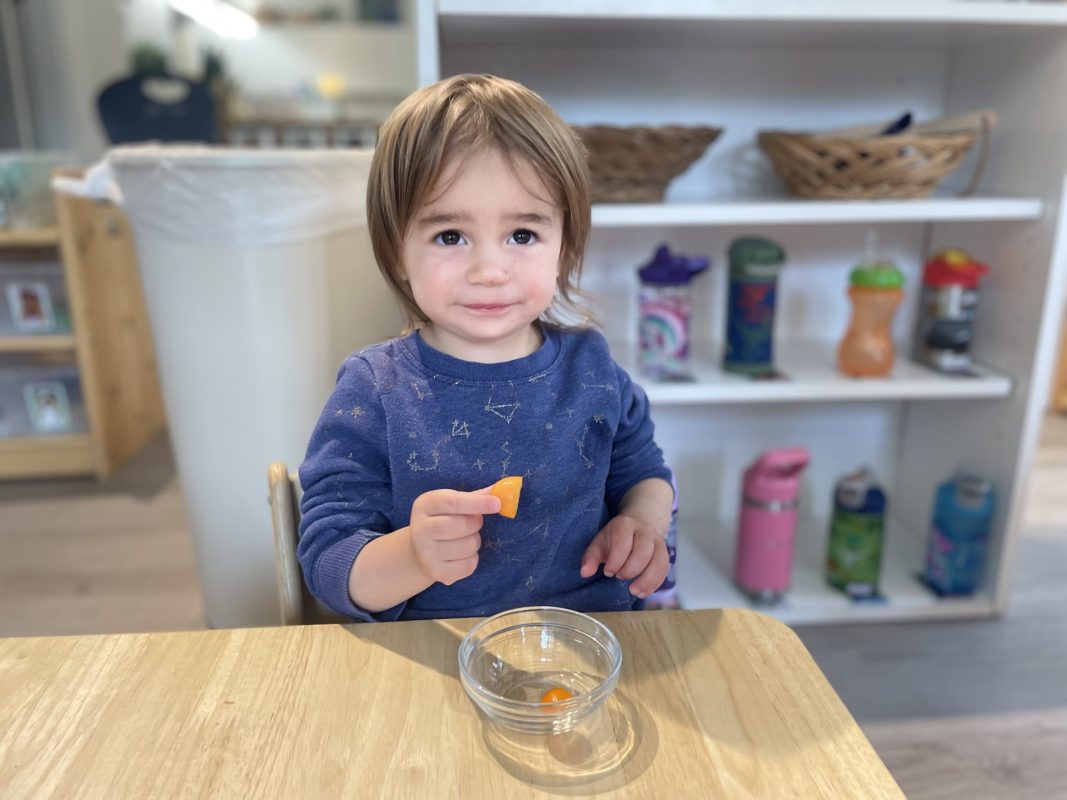
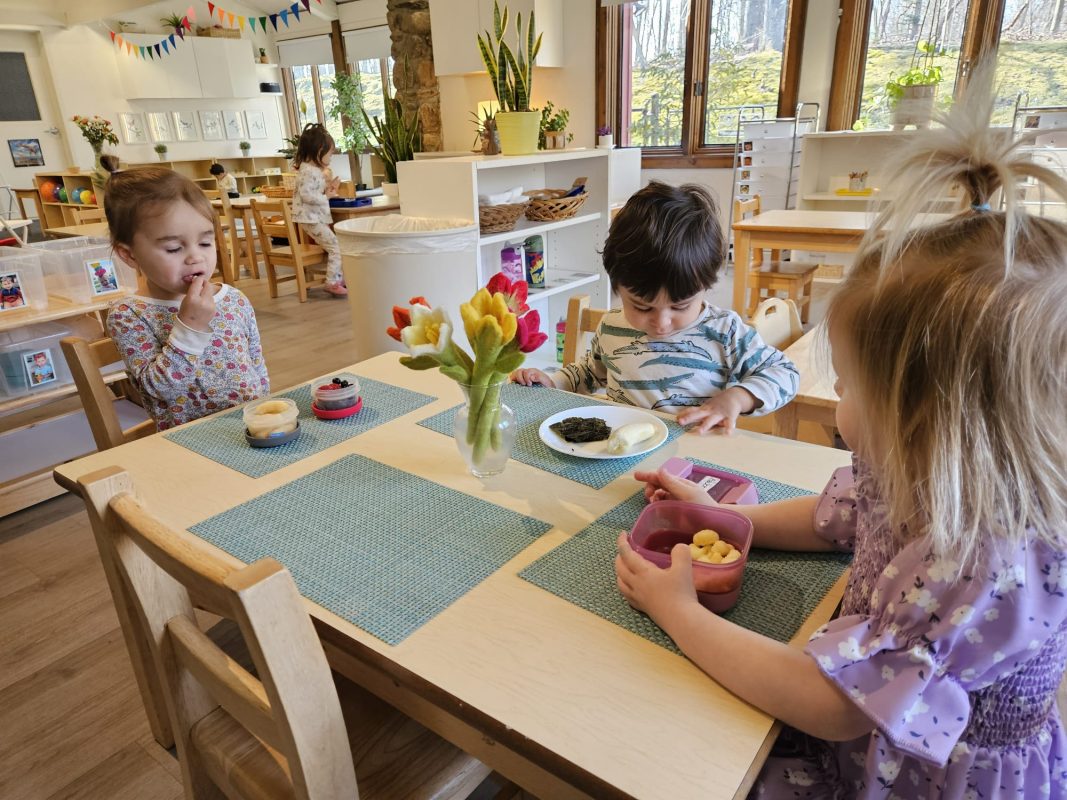
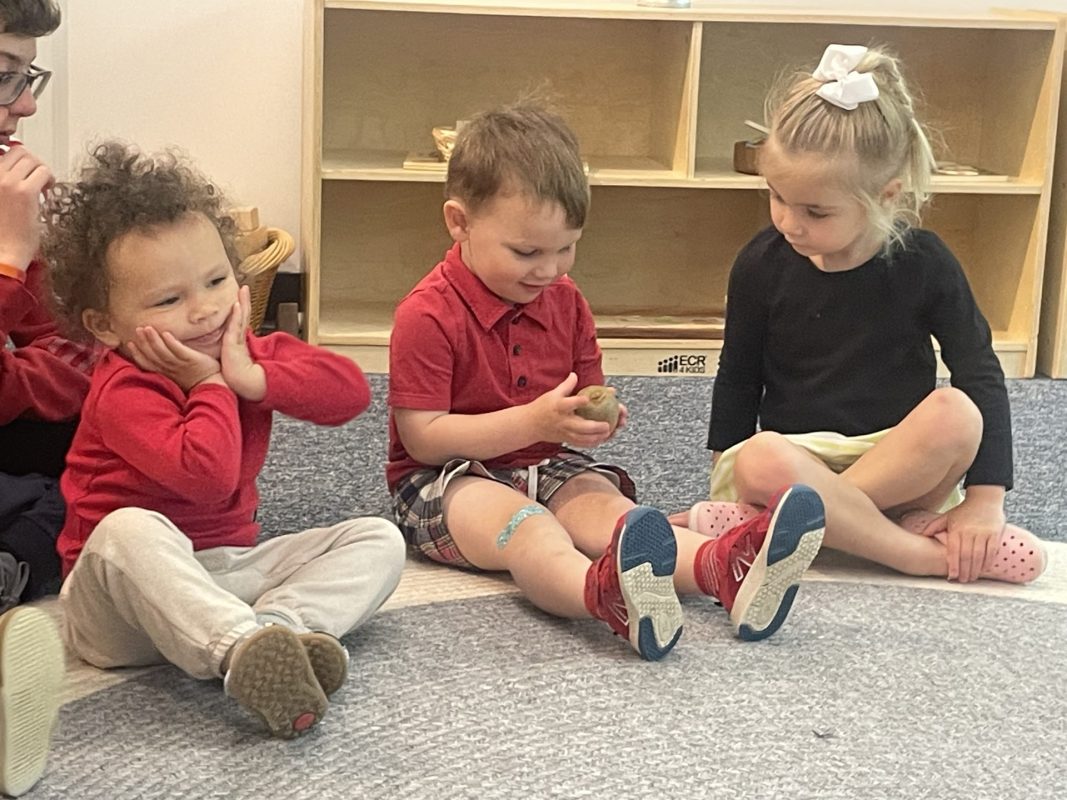
For our food-tasting lesson, we explored some delicious and fuzzy kiwis! This one was a yummy fruit for most of the children.

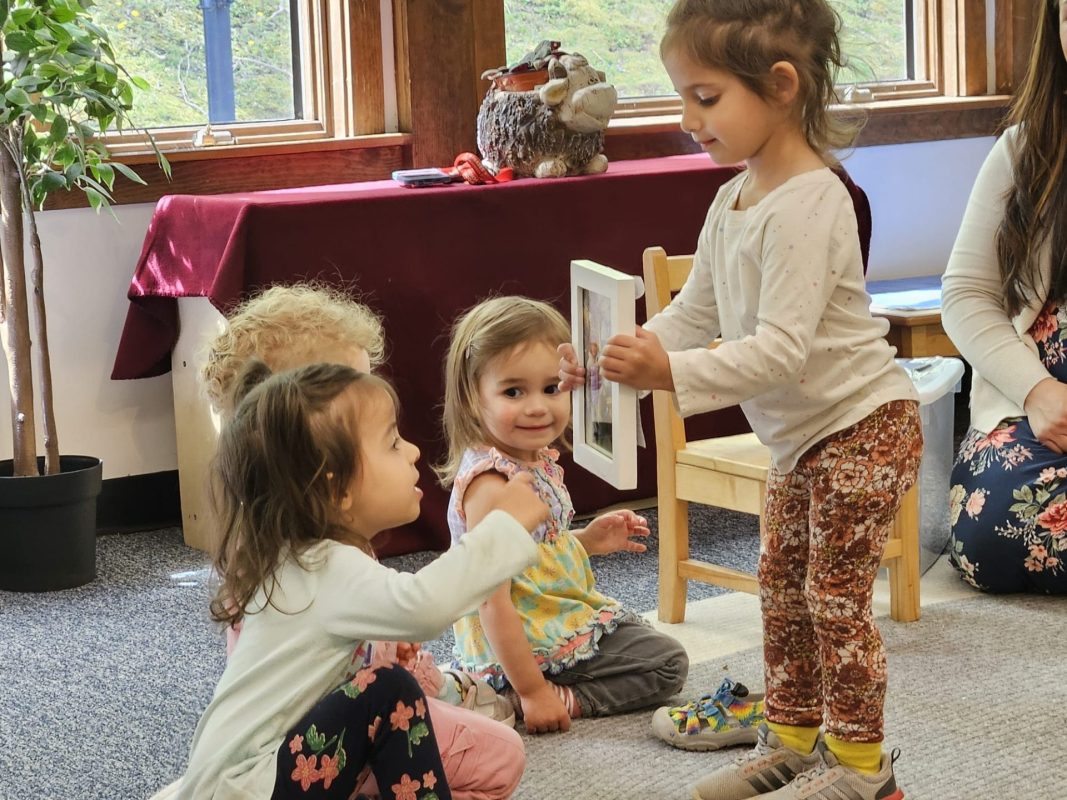
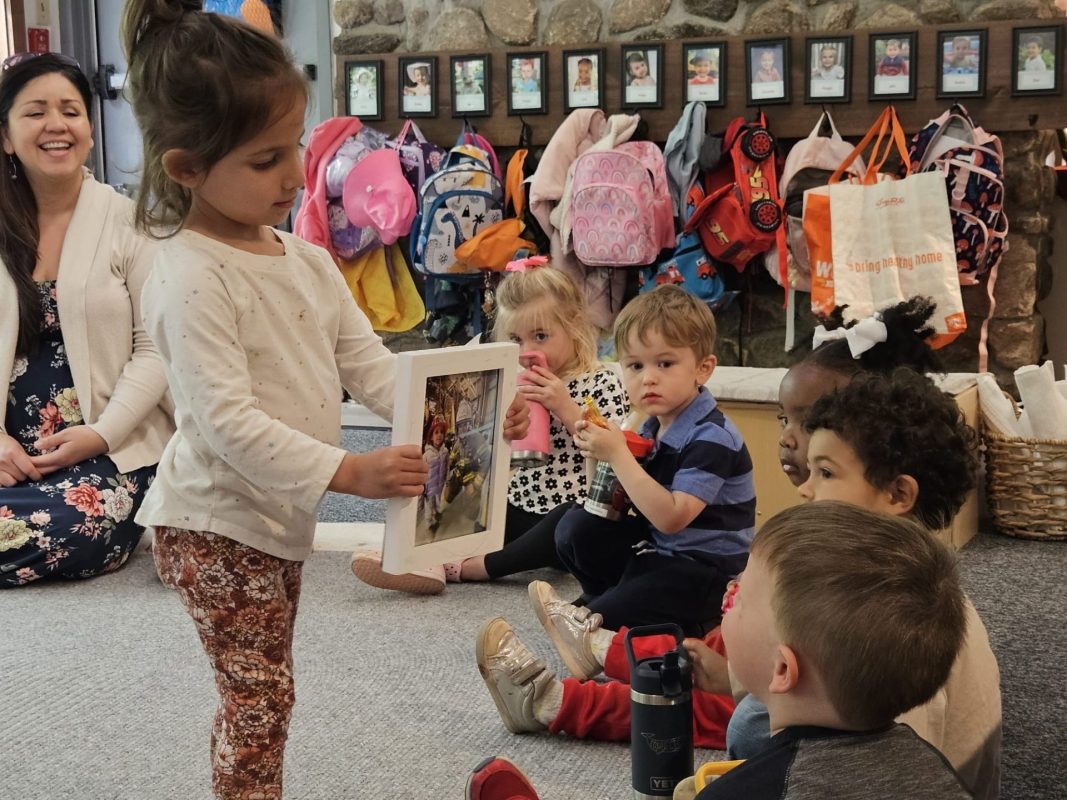
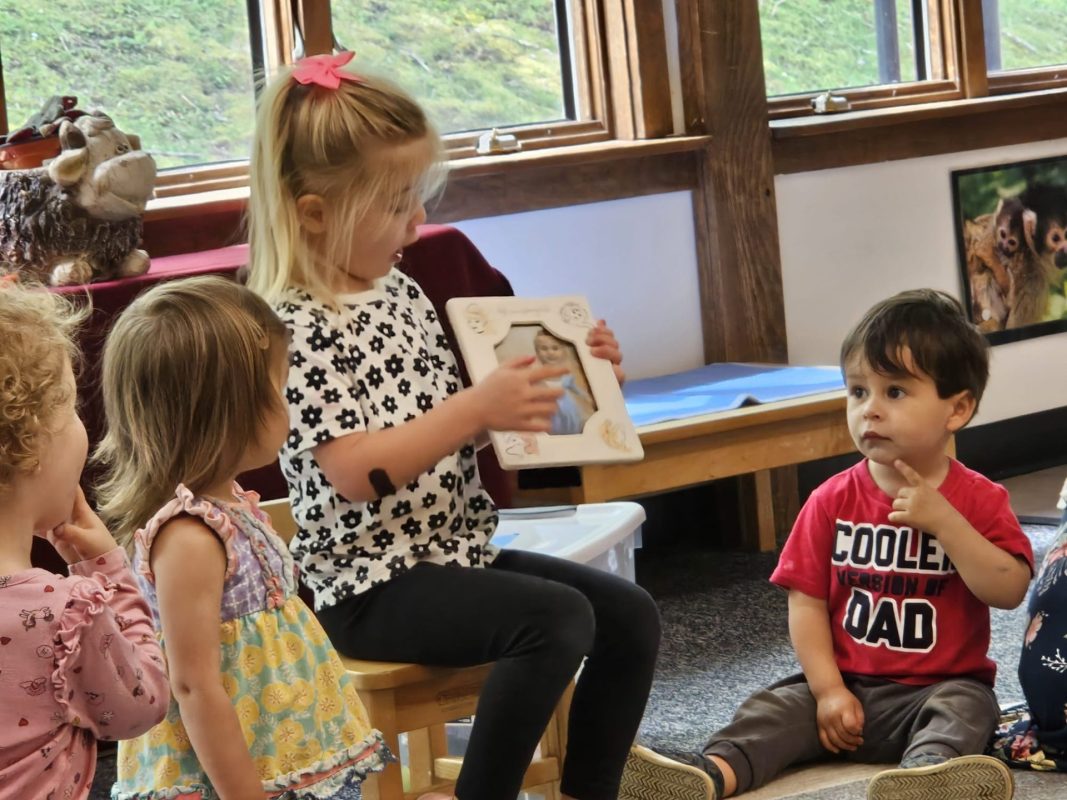
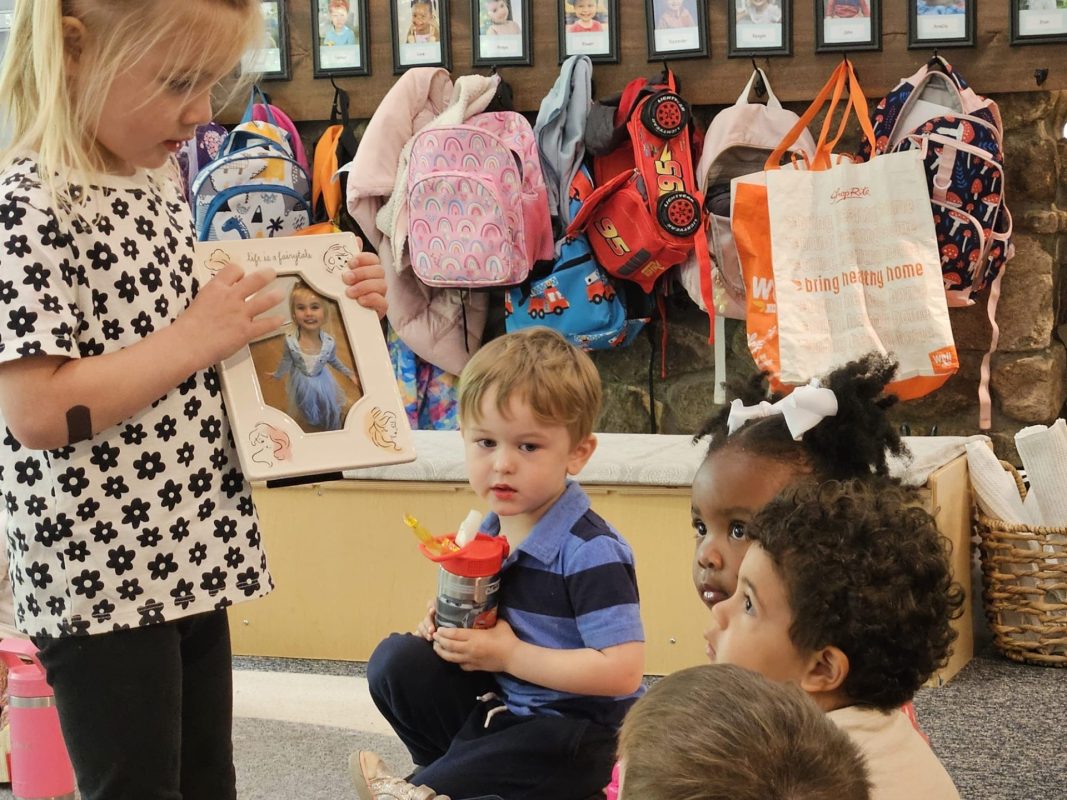
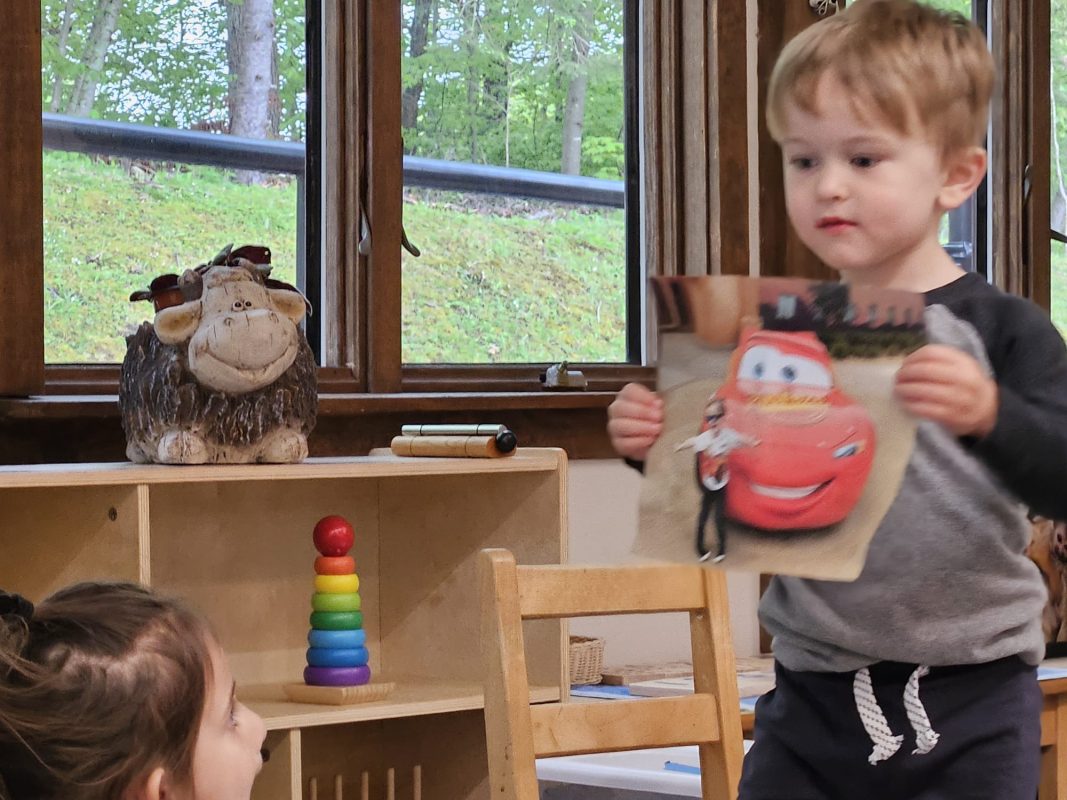
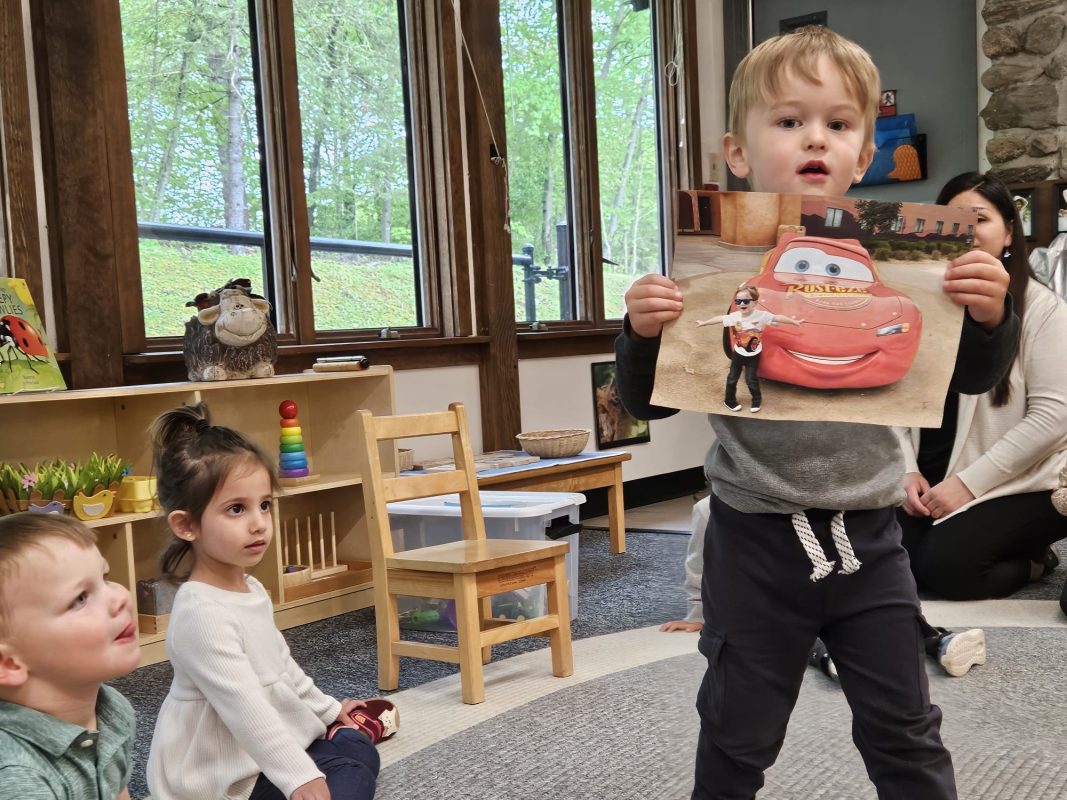
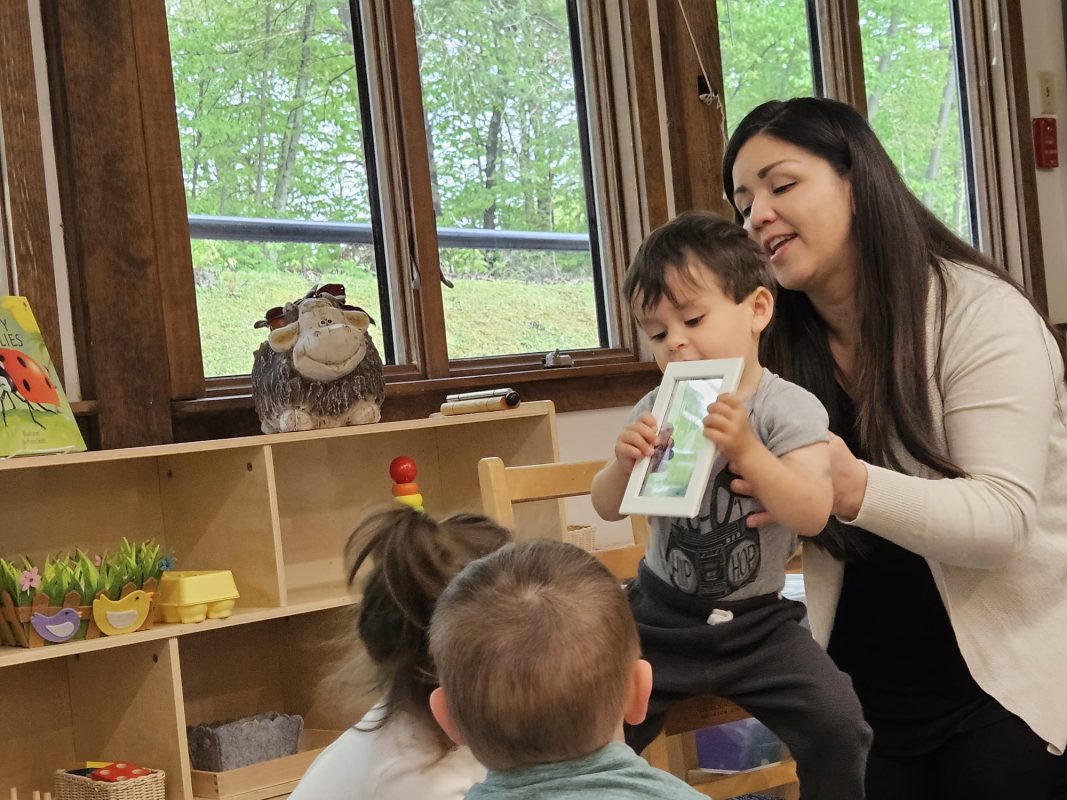
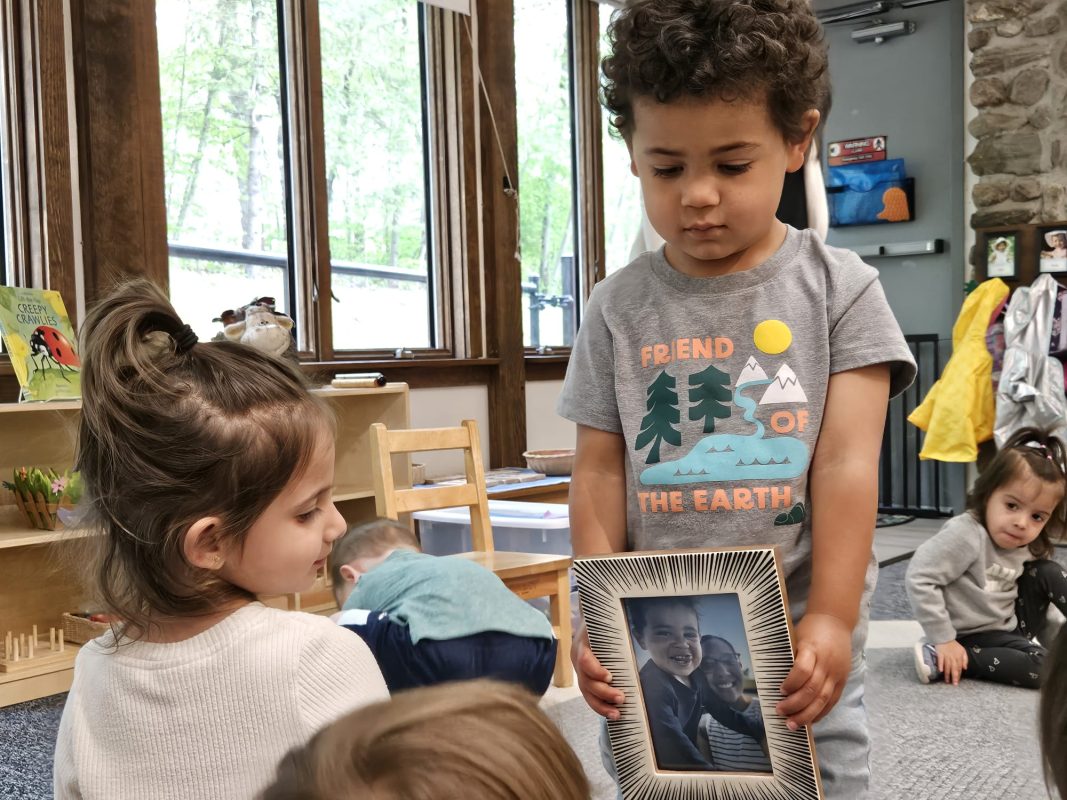
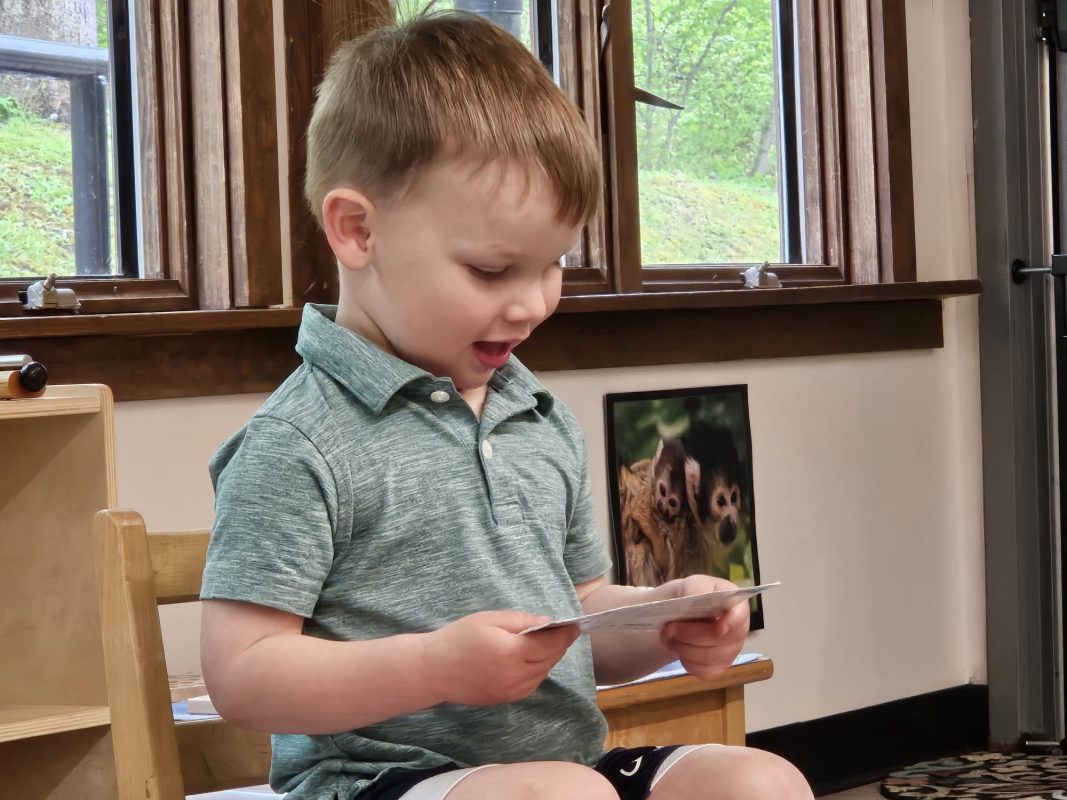
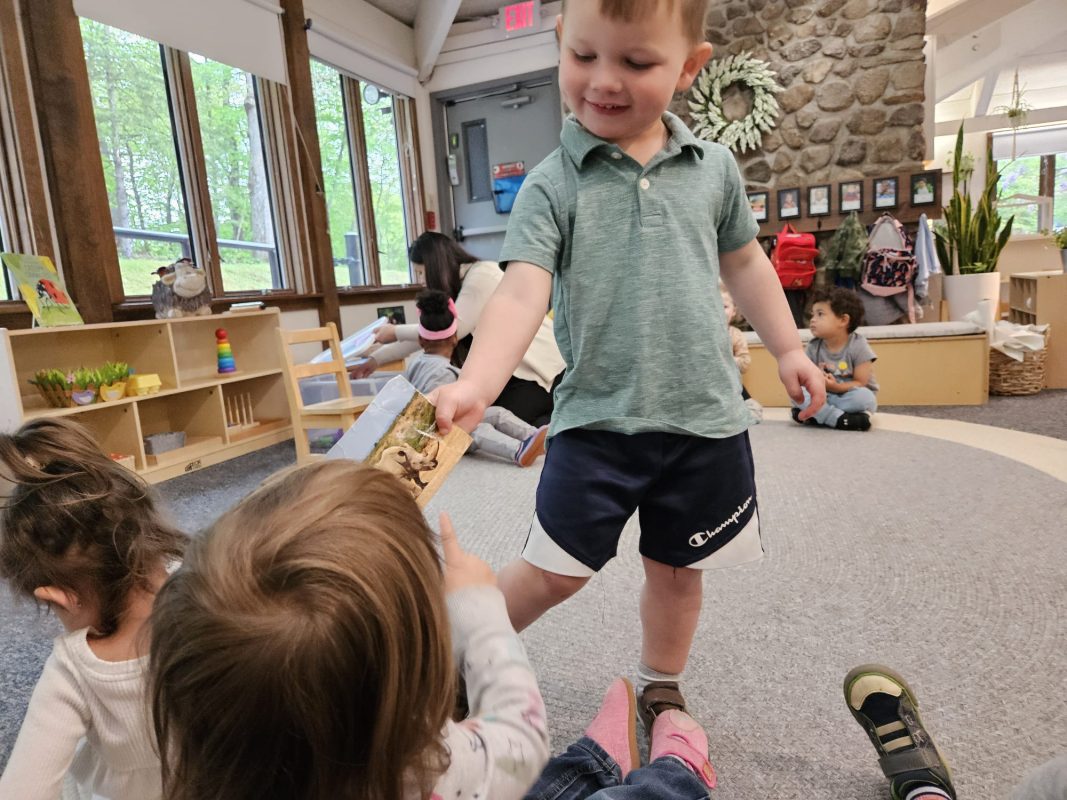
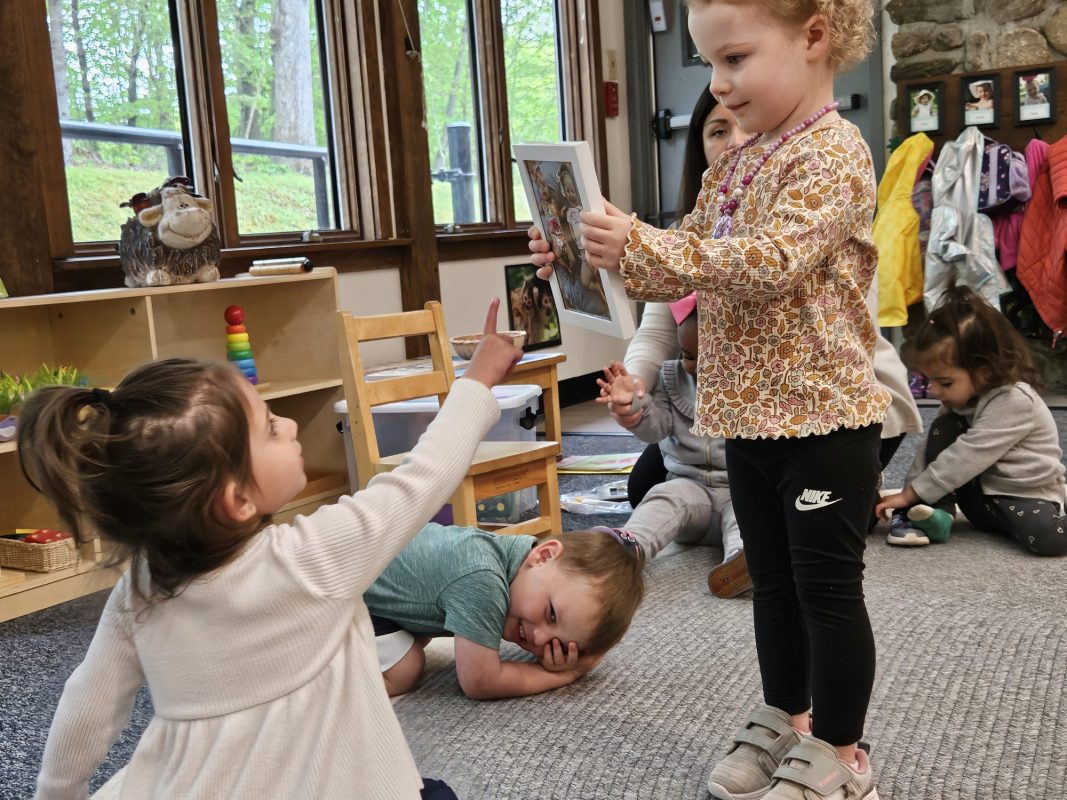
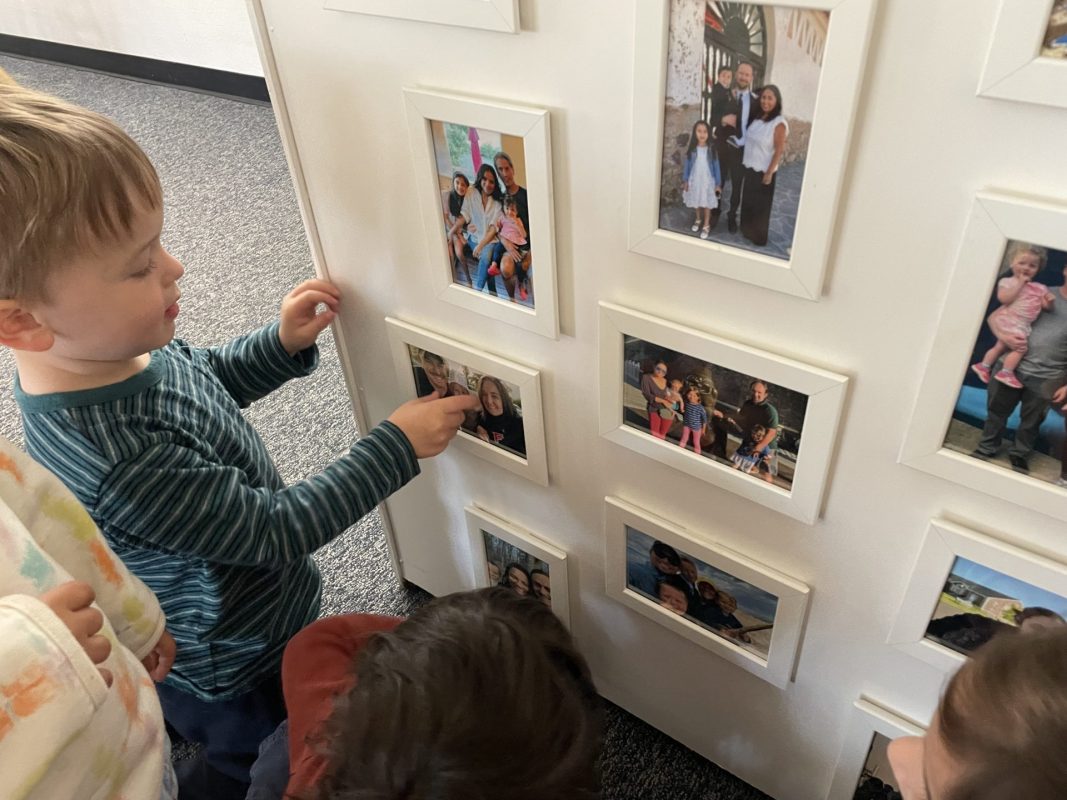
Finally, our week concluded with a heartwarming sharing time, where each child proudly shared a special picture or art piece from home. It was so beautiful to observe and to hear all that they have to verbally share about their special picture. Priceless!

As the weekend arrives, we encourage you to continue the exploration at home. Take time to listen for birdsongs in your backyard, bring some kiwis to your dining table and marvel at the wonders of nature unfolding around you. Together, we can nurture a sense of wonder and curiosity that will inspire a lifelong love of learning in our little ones.

Best,

Mrs. Hood and Ms. Mollie
p.s. A big THANK YOU for the thoughtful cards, heartfelt messages, and beautiful gifts during teacher appreciation week. It truly warmed our hearts and uplifted our spirits. Knowing that we have your unwavering support and appreciation means more to us than words can express. Your kindness serves as a constant reminder of why we are so passionate about teaching and guiding your children each day.

As we navigate through the joys and challenges of education together, please know that your encouragement fuels our determination to provide the best possible learning experience for our students. Your partnership is invaluable, and we are endlessly grateful for the opportunity to work alongside such caring and dedicated parents.


Mrs. Hood: Observing and waiting!

“We cannot create observers by saying ‘observe’, but by giving them the power and the means for this observation and the means are procured through education of the senses” – Maria Montessori 

The grass is getting greener, the birds are chirping louder, and after a long winter, we continue to happily observe how the Earth wakes up from its deep slumber. Even though we witness this season every year, it feels so magical every time!

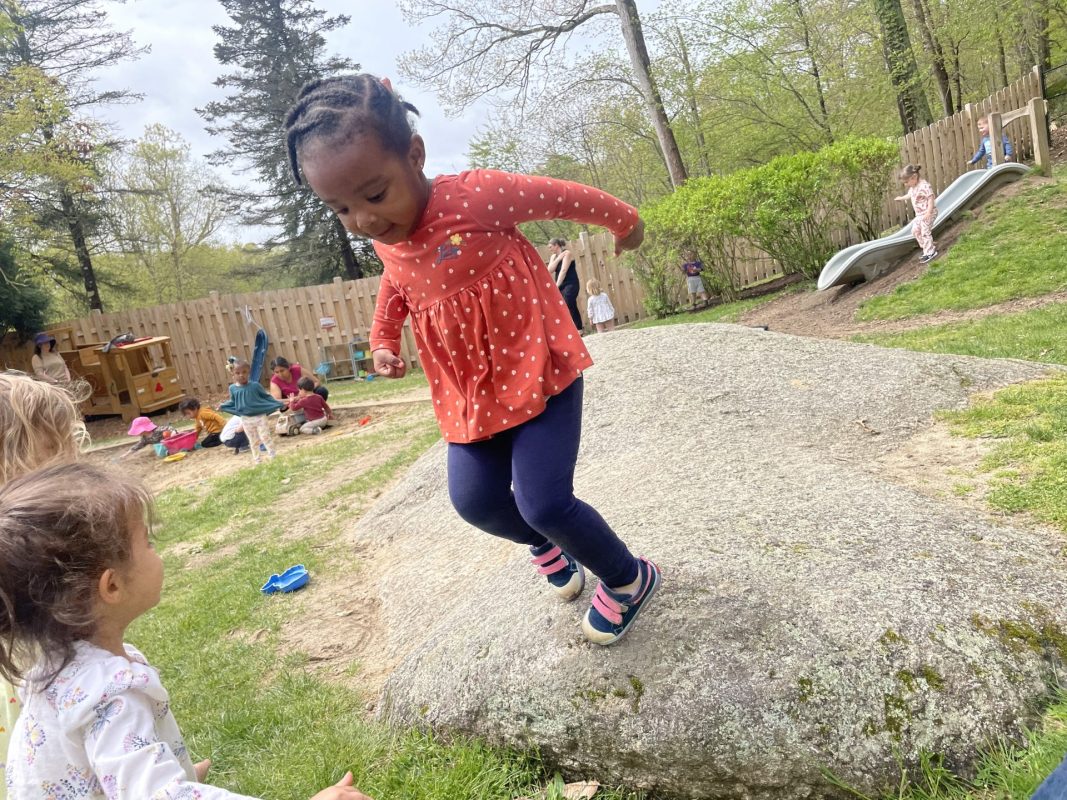
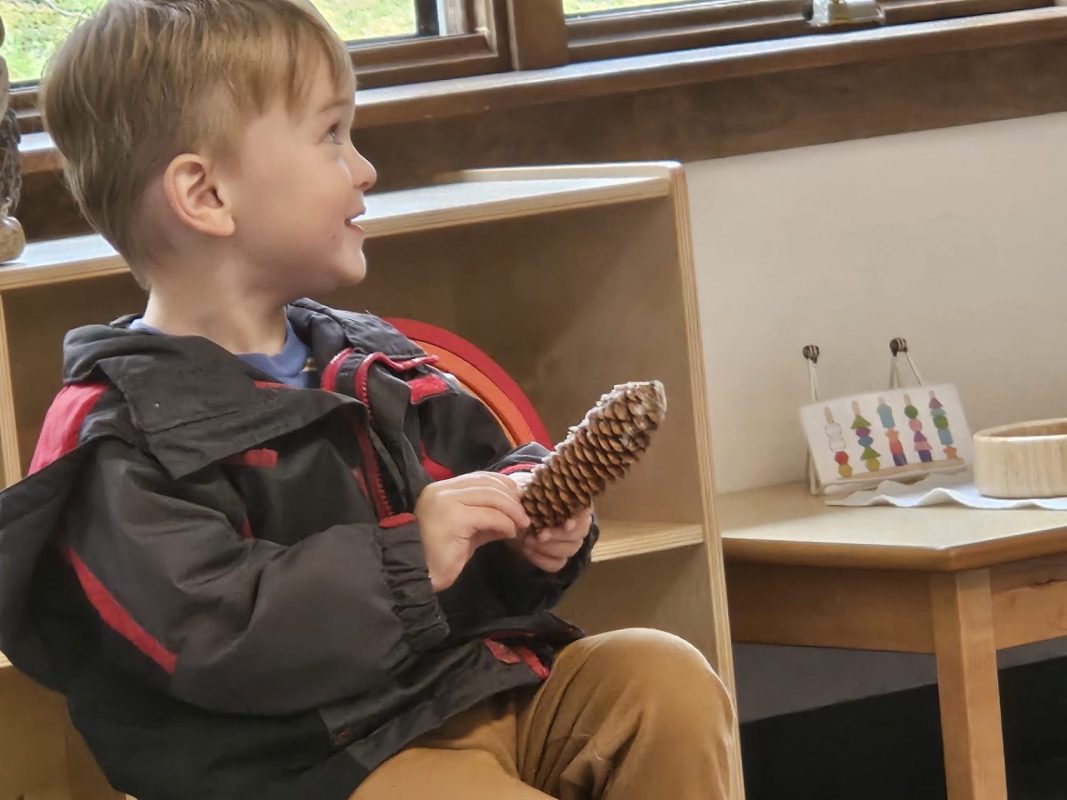
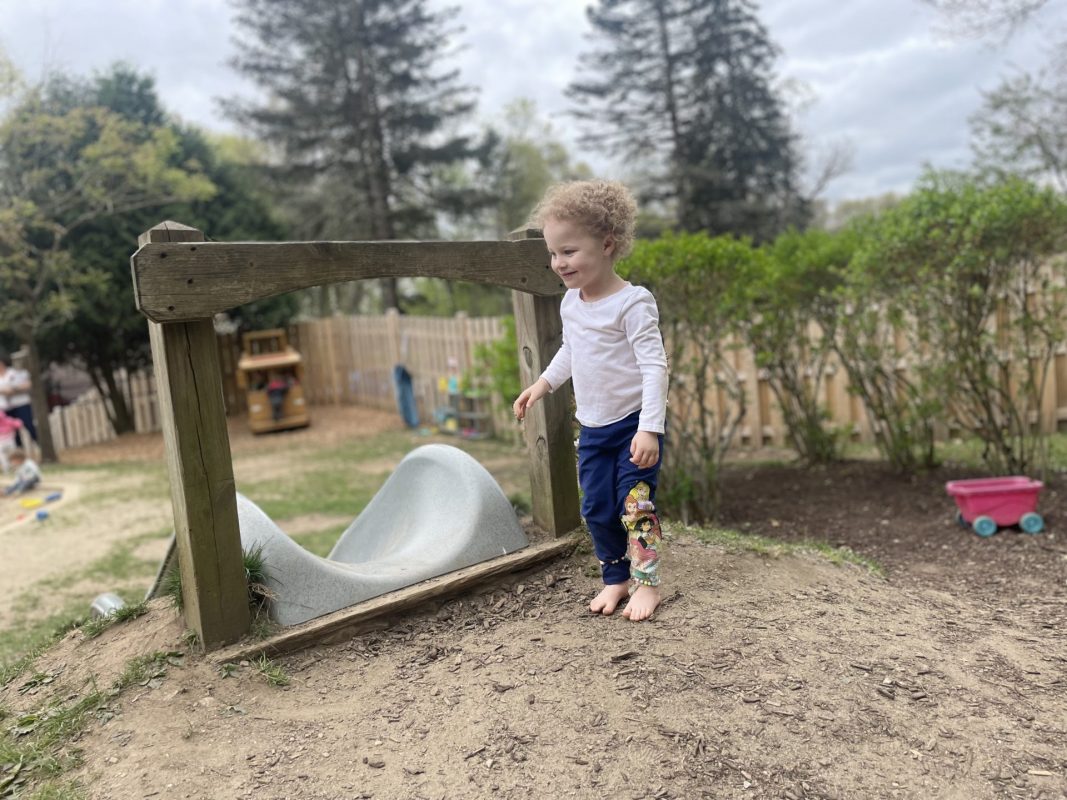
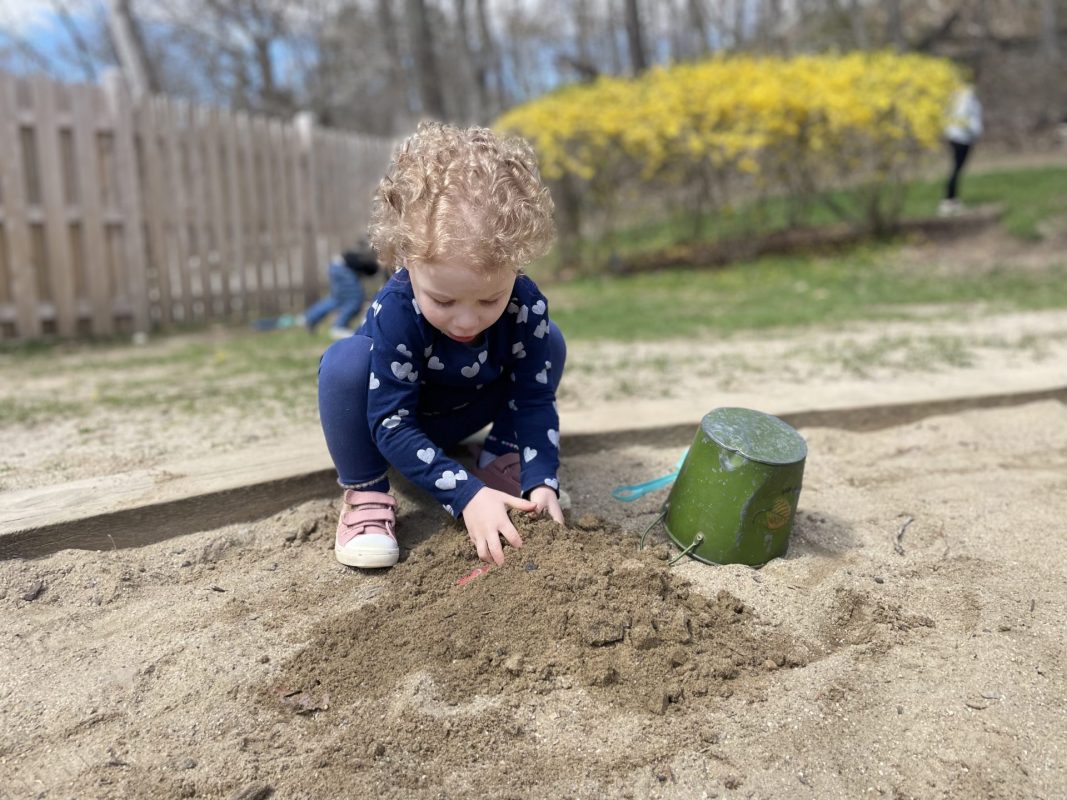
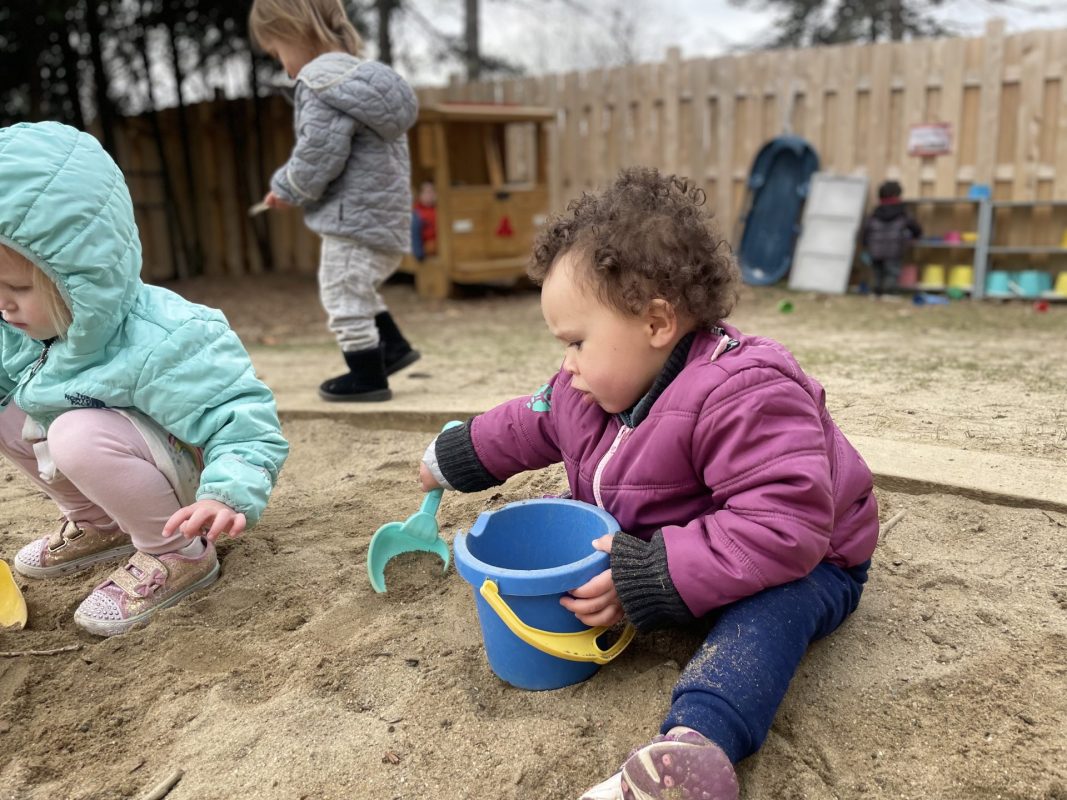
Like Dr. Maria Montessori, we believe that nature is a patient teacher and that Earth is our classroom. Corresponding to how we teach children in the Montessori tradition, nature provides us with both concrete and abstract learning for students of all ages. At our level, children have experiences that introduce them to marvelous wonders by using all five of their senses to comprehend concrete things and build a foundation for understanding the processes of natural life, plus children absolutely love the outdoors! Lately, even the shoes come off!

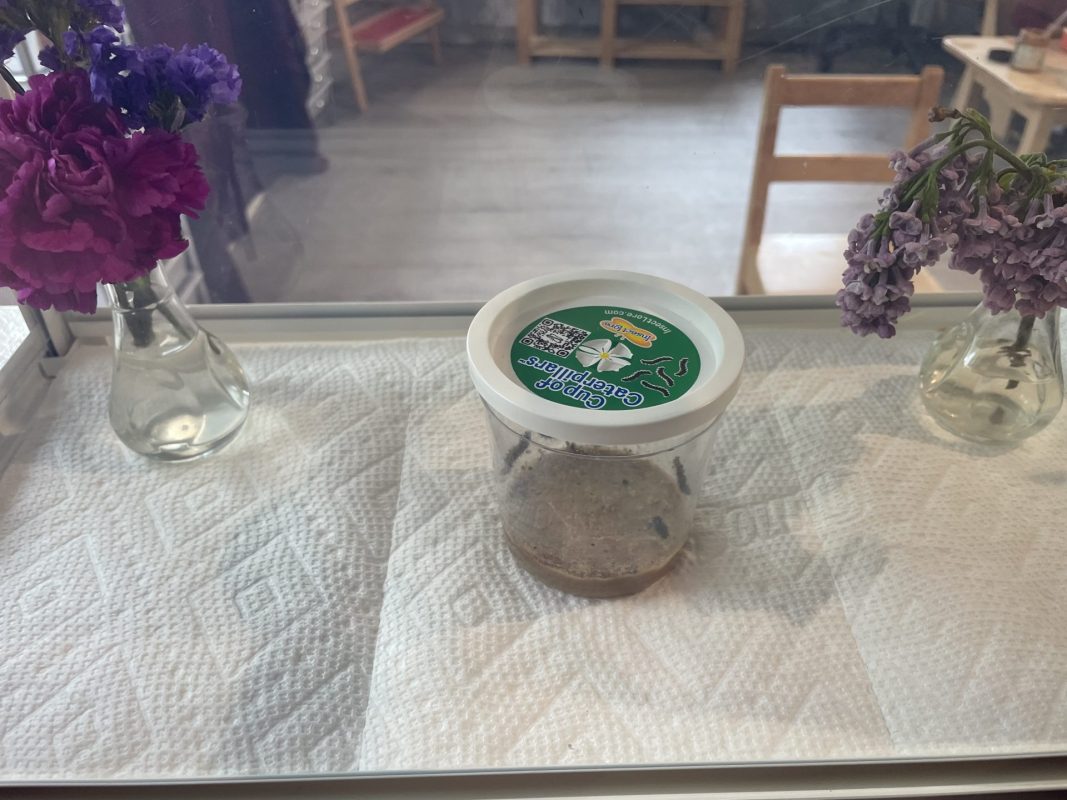
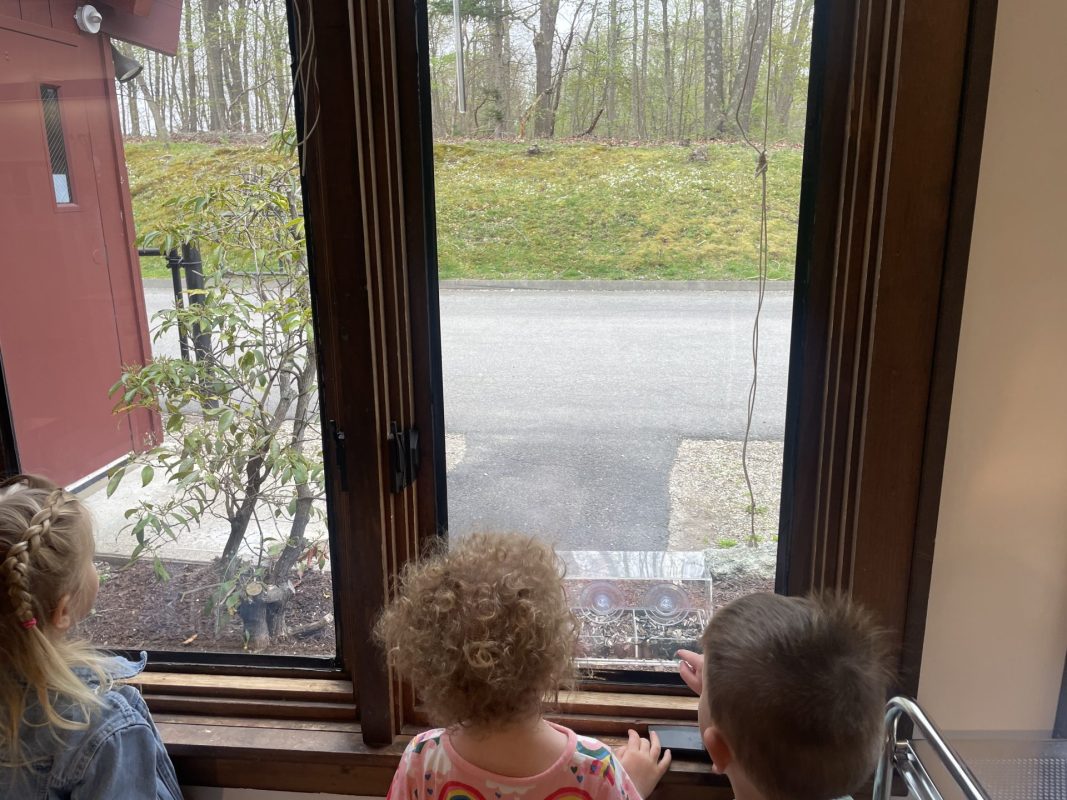
On that note, we have great news: Our very small, hungry caterpillars have arrived, and the children seem in awe!  The amazement in your children’s eyes is indescribable, but we can tell you that they seem very excited about our new visitors. For the next few days, your children will be able to observe the metamorphosis of a butterfly. Meanwhile, our bird studies have provided endless fascination as our feathered friends grace us with their presence at the window feeder, accompanied by the occasional comical squirrel.

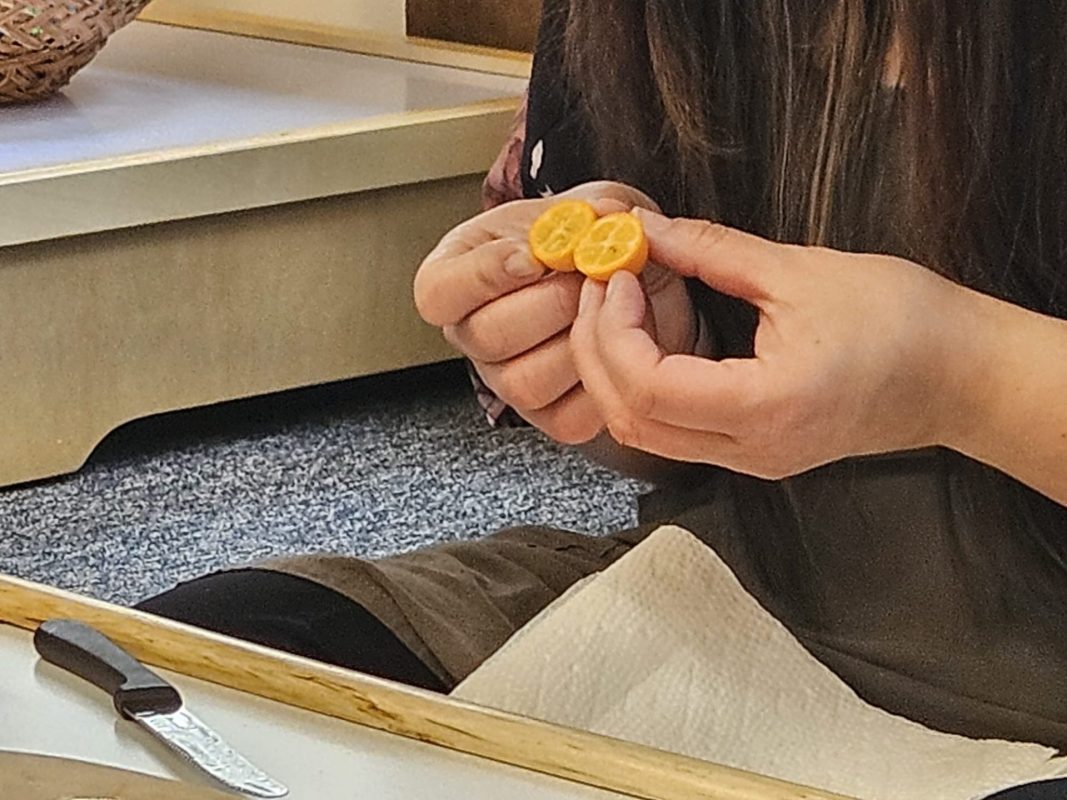
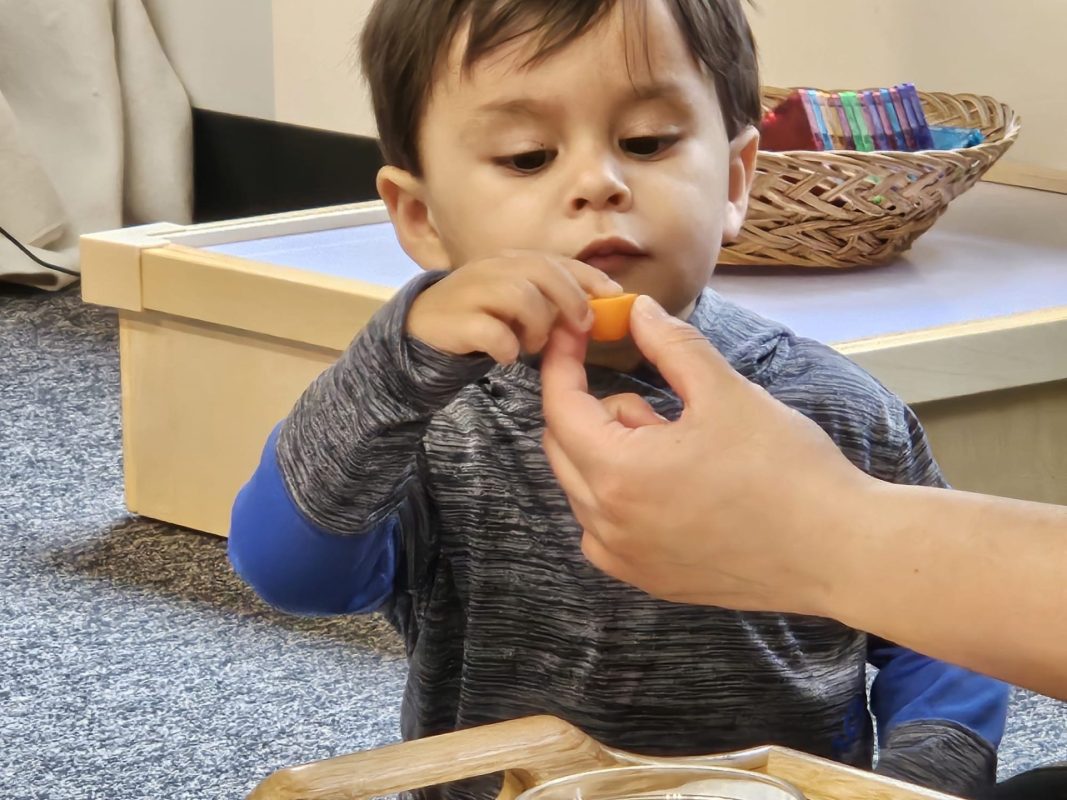
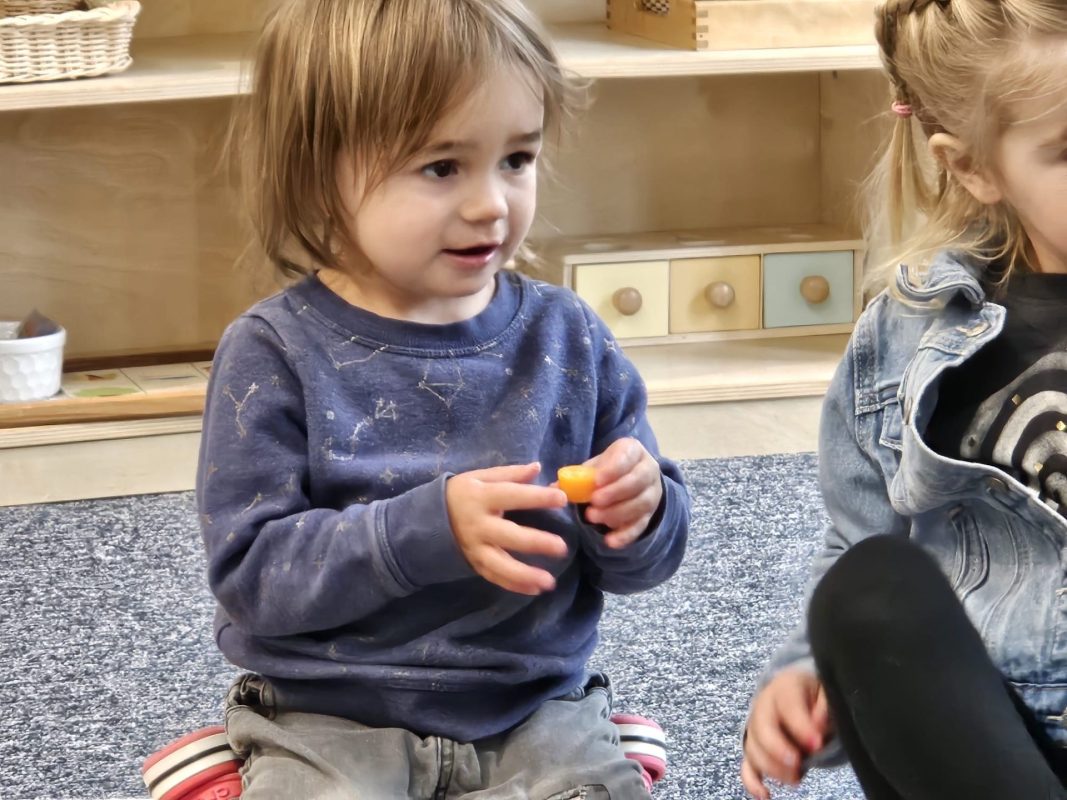
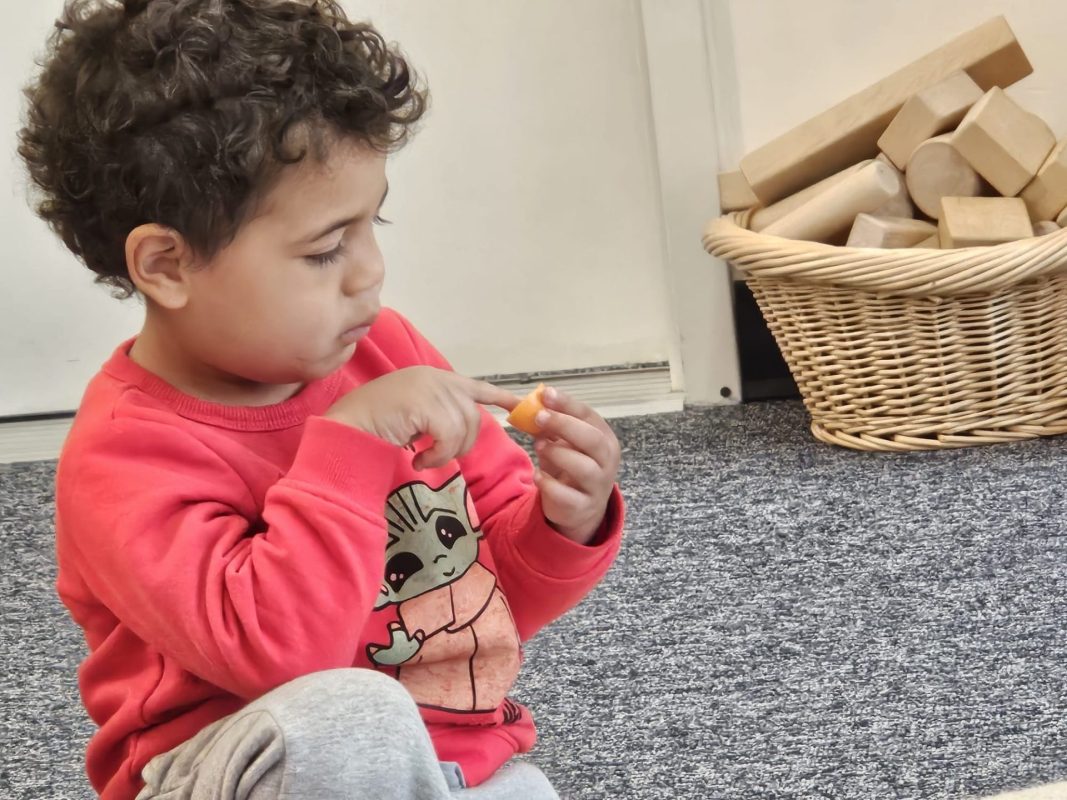
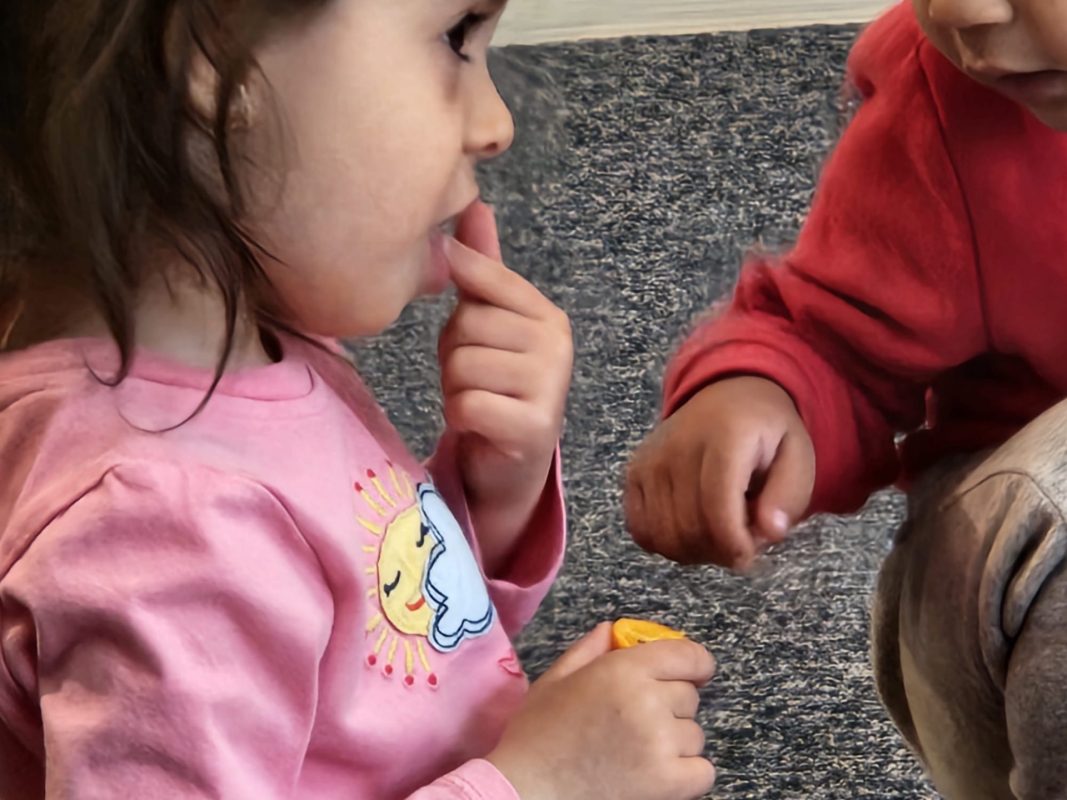
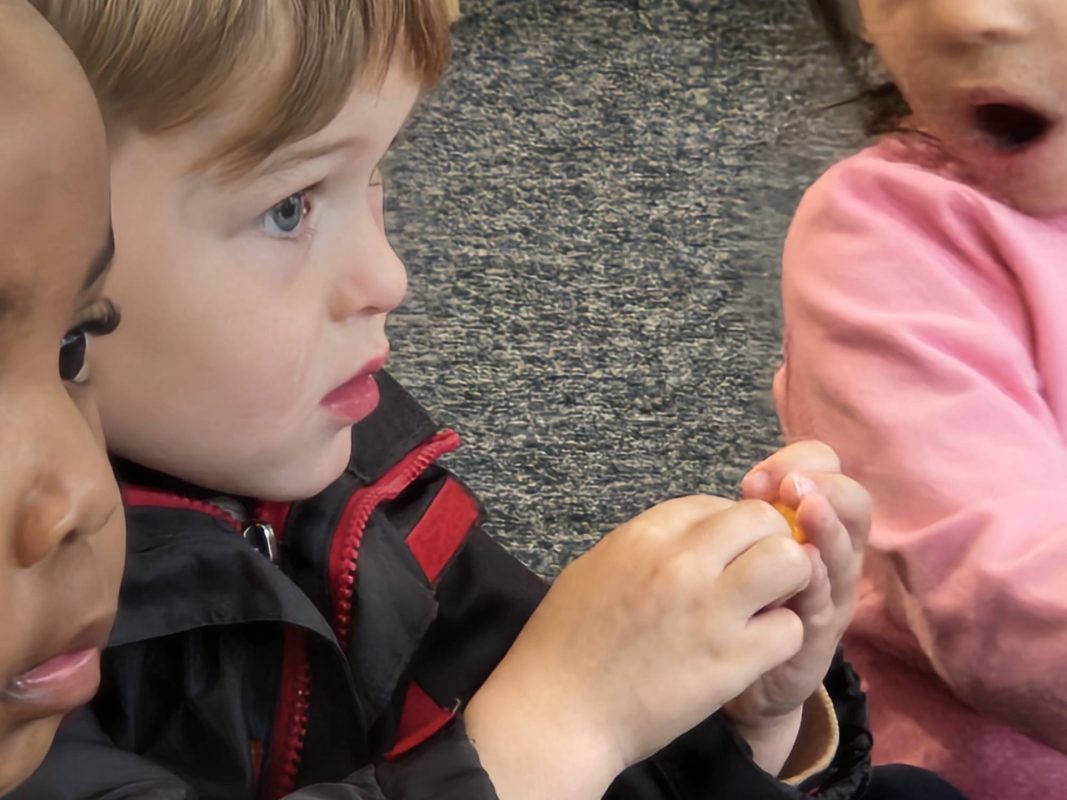
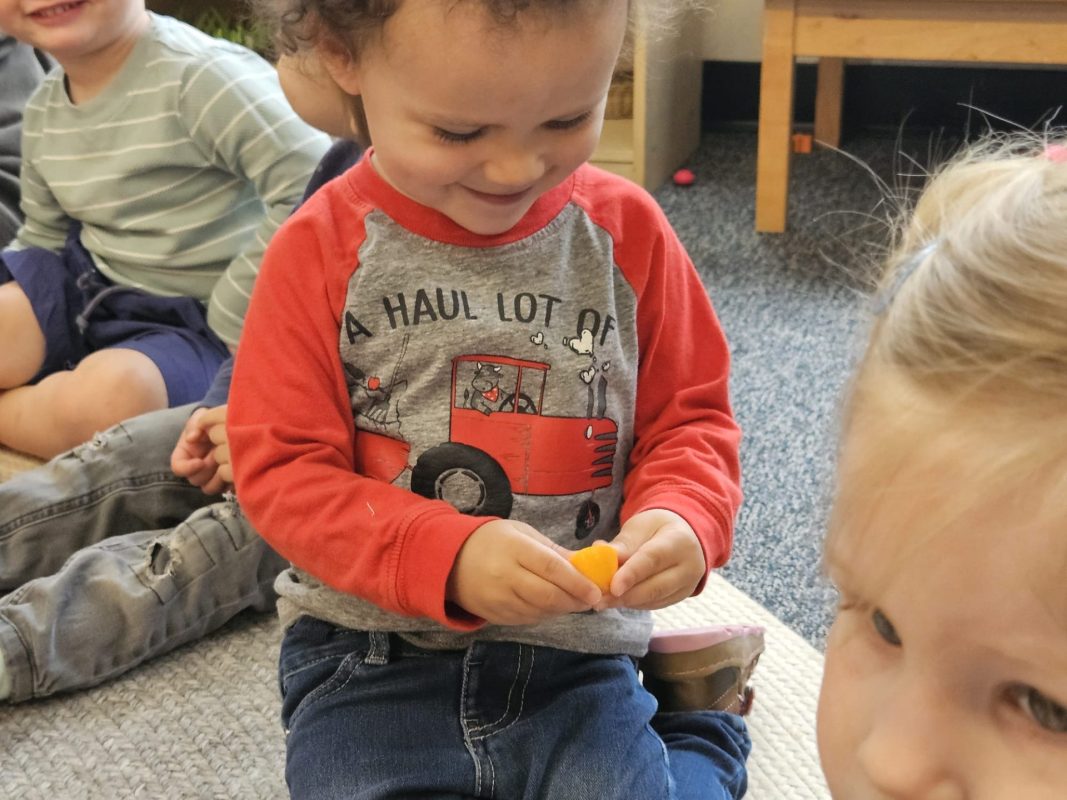
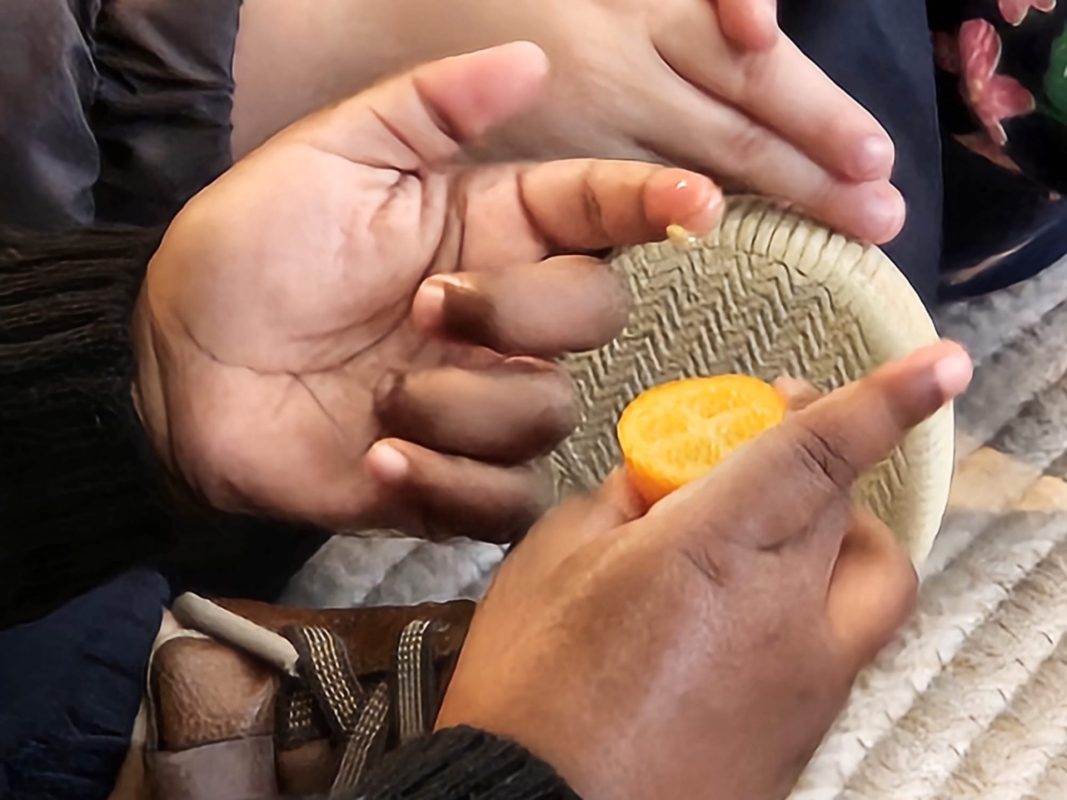
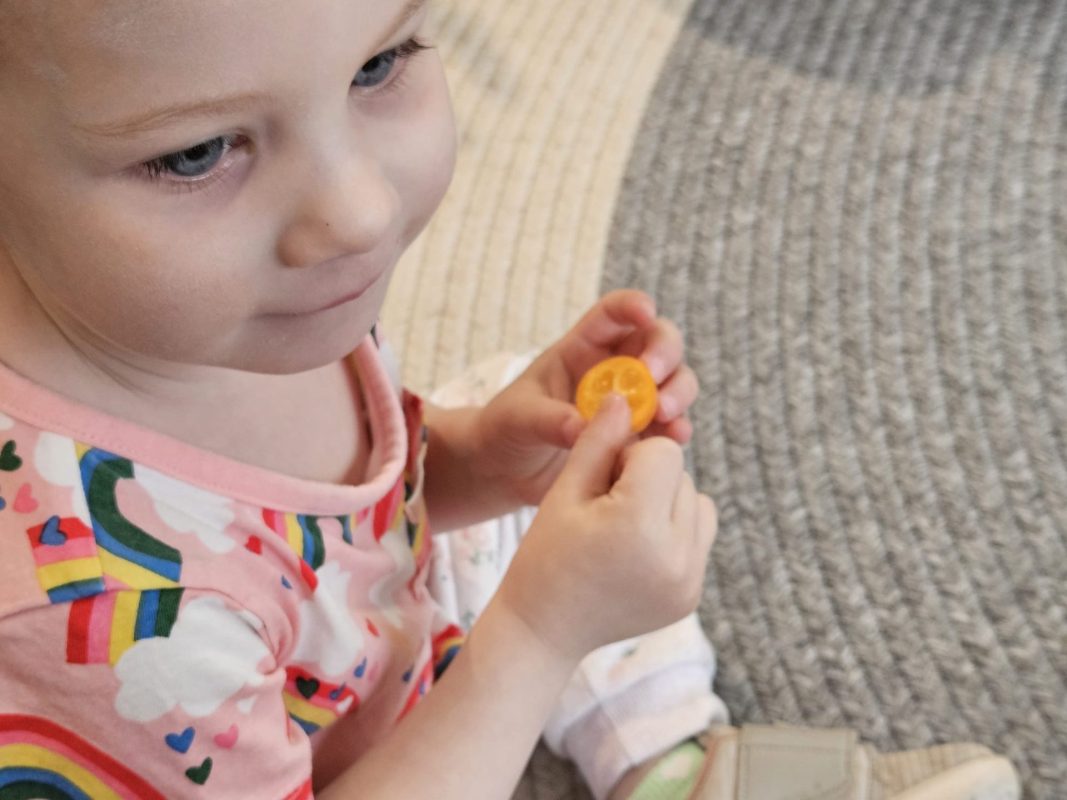
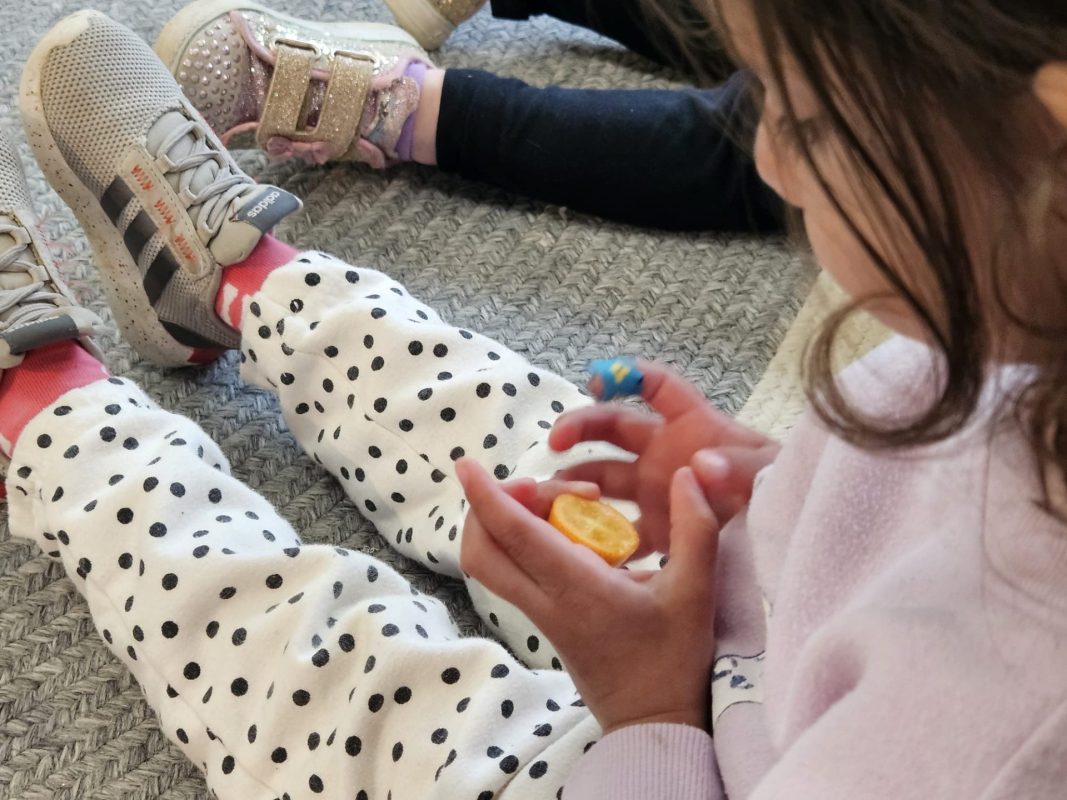
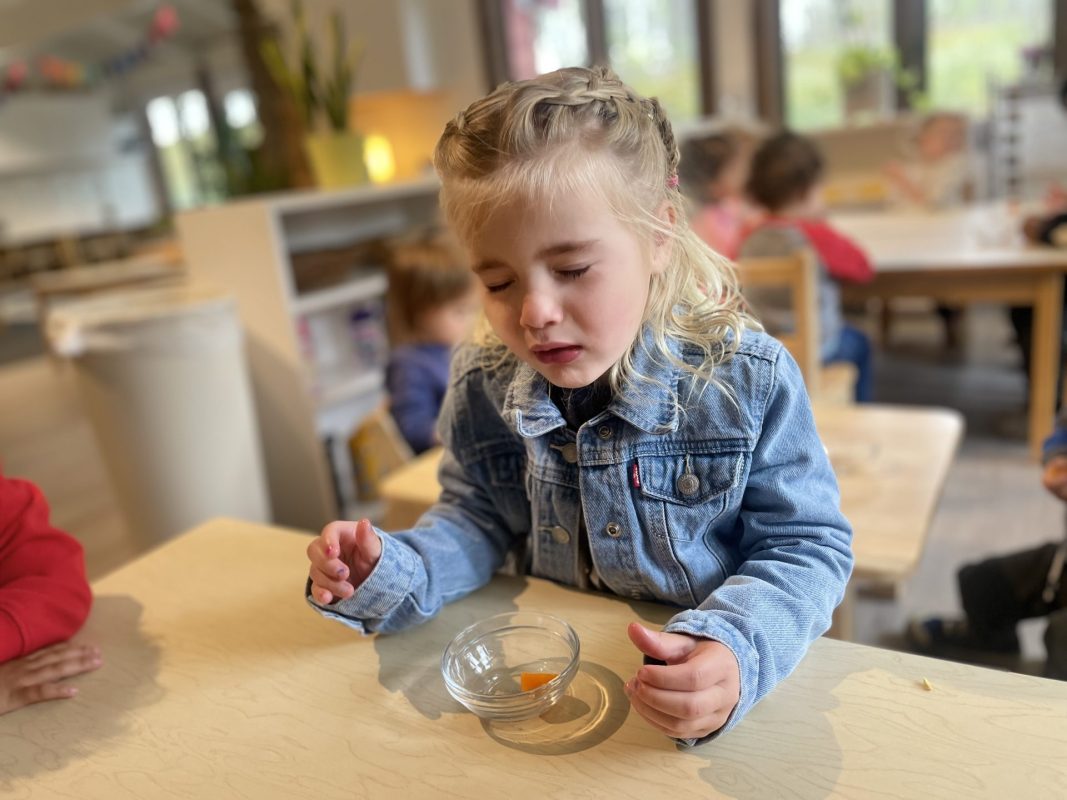
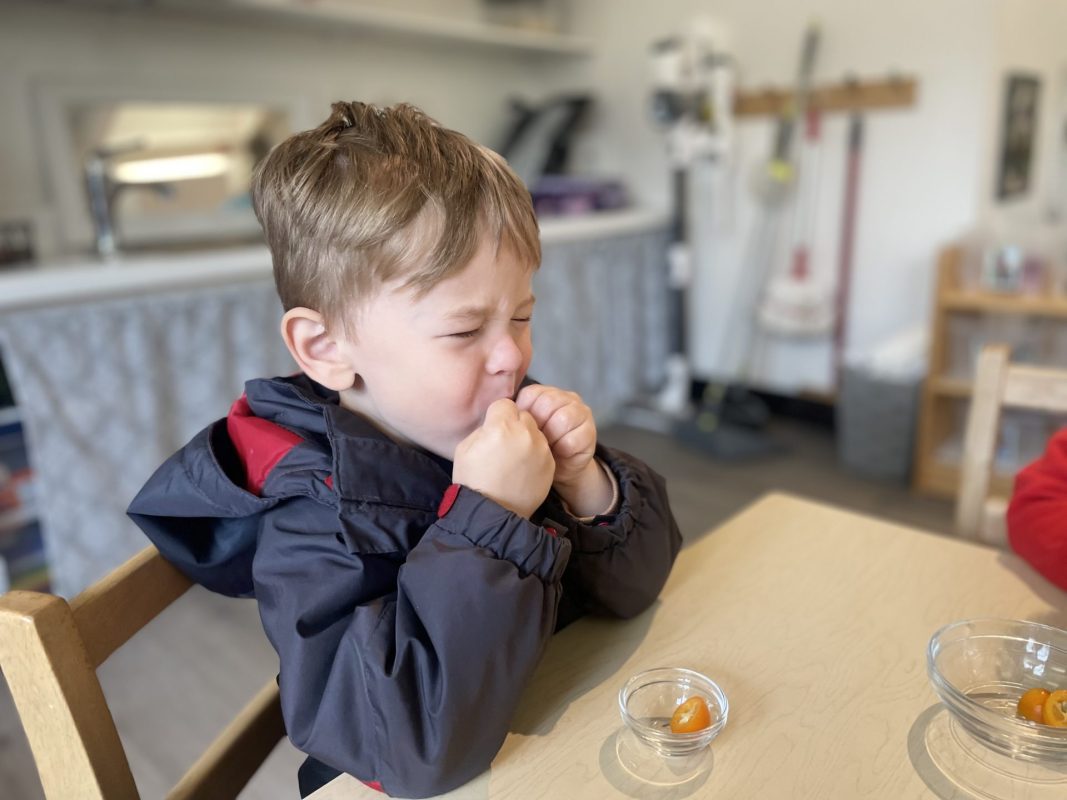
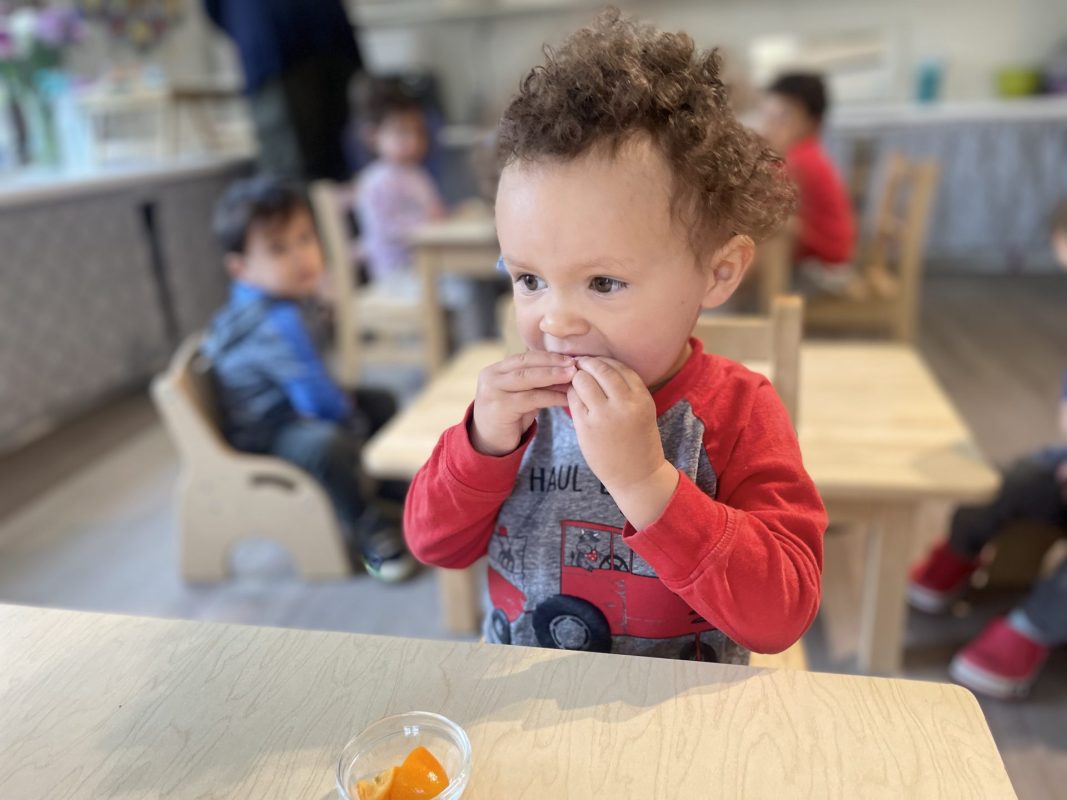
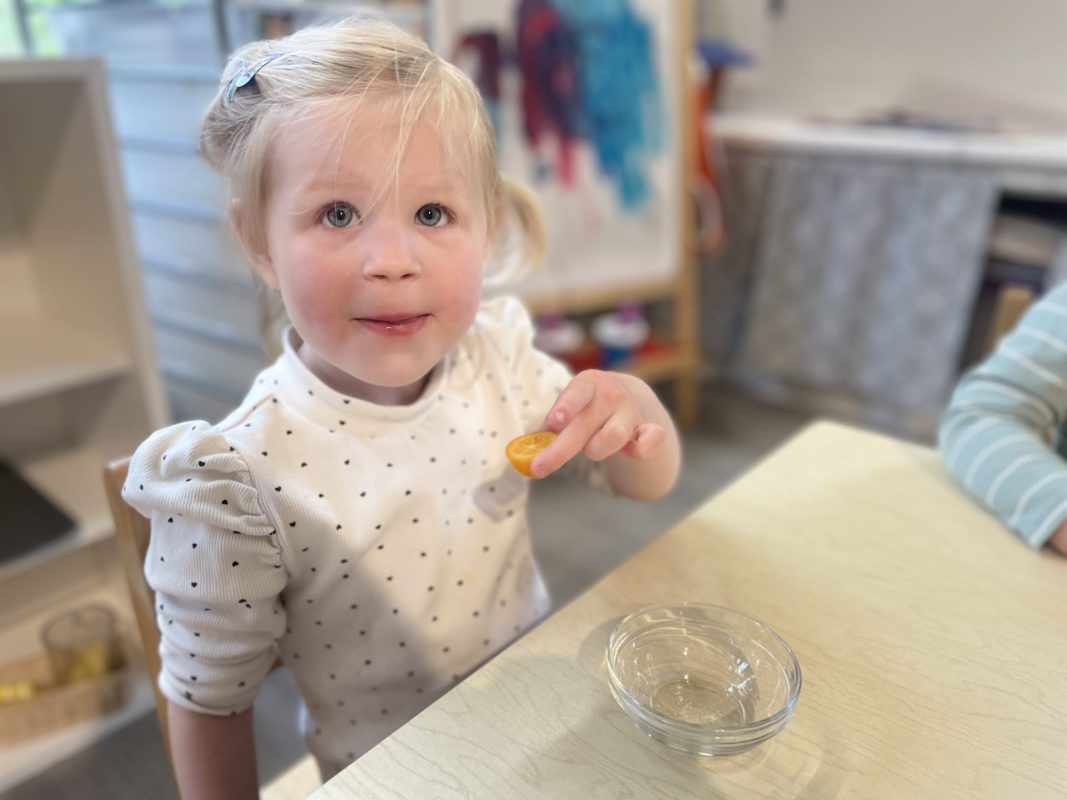
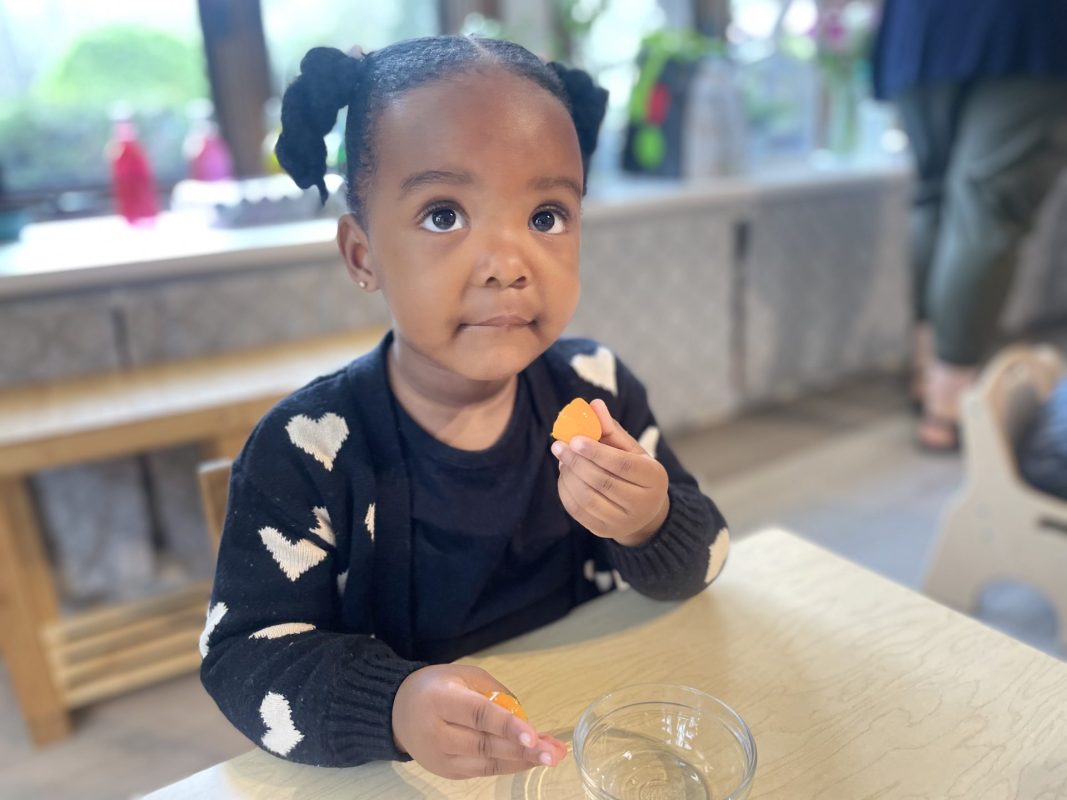
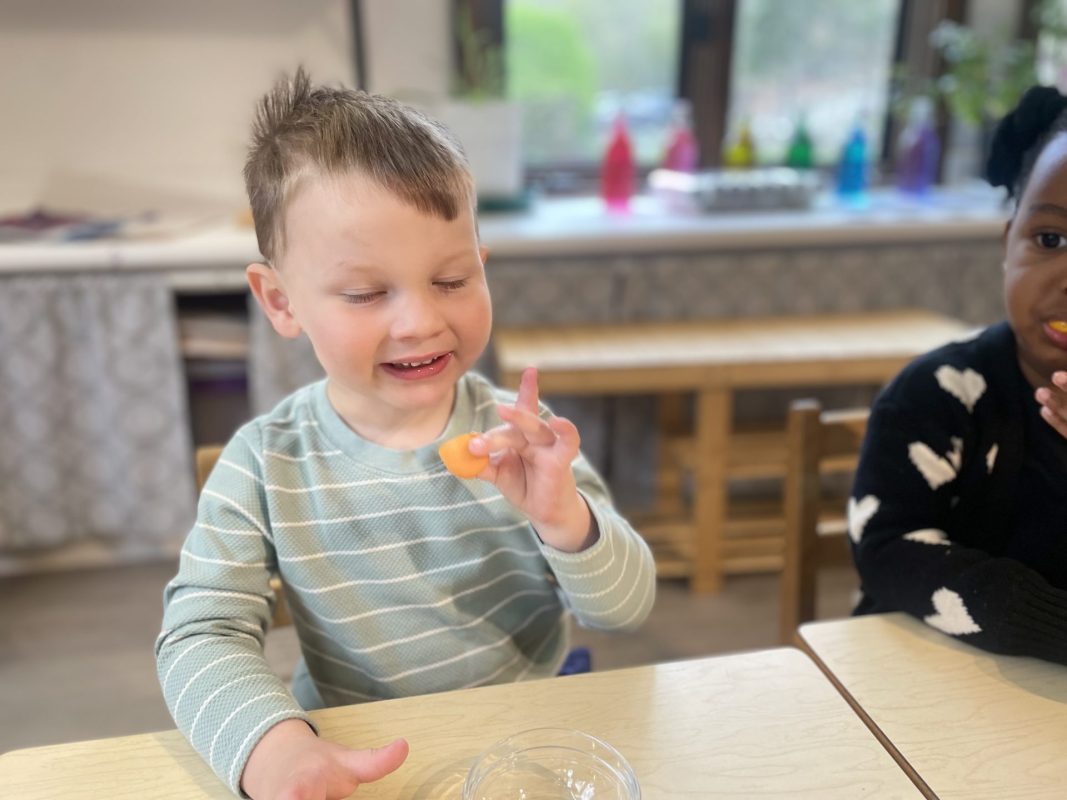
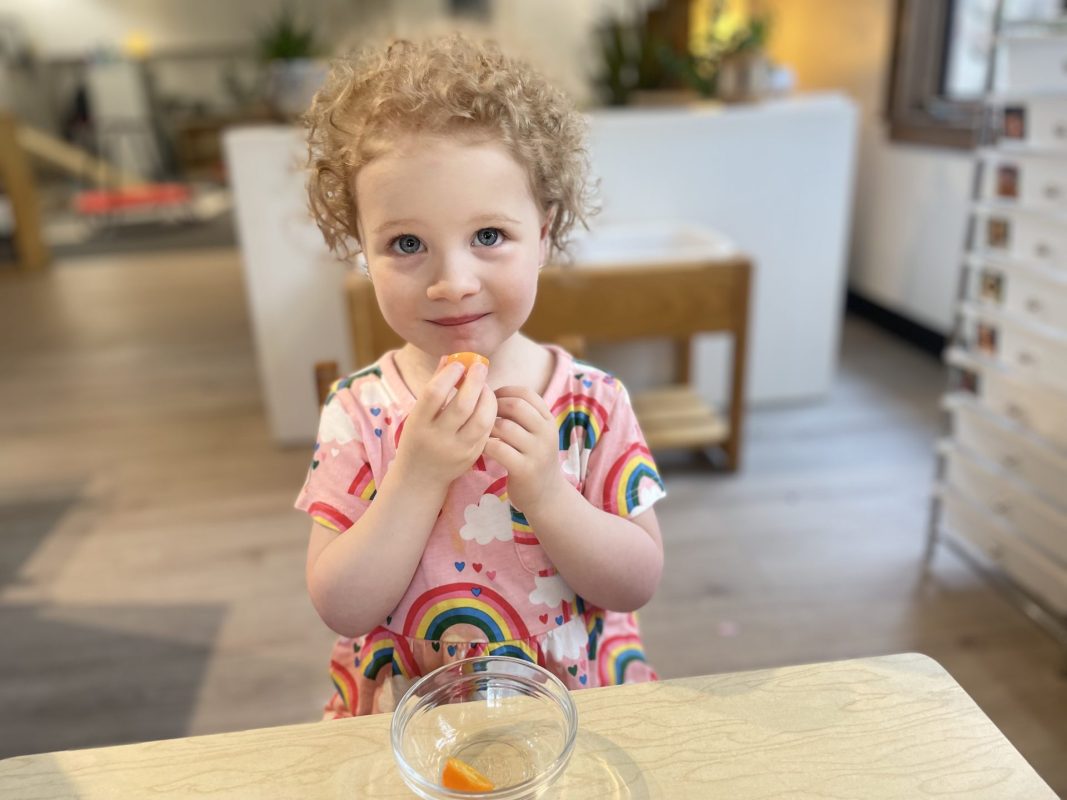
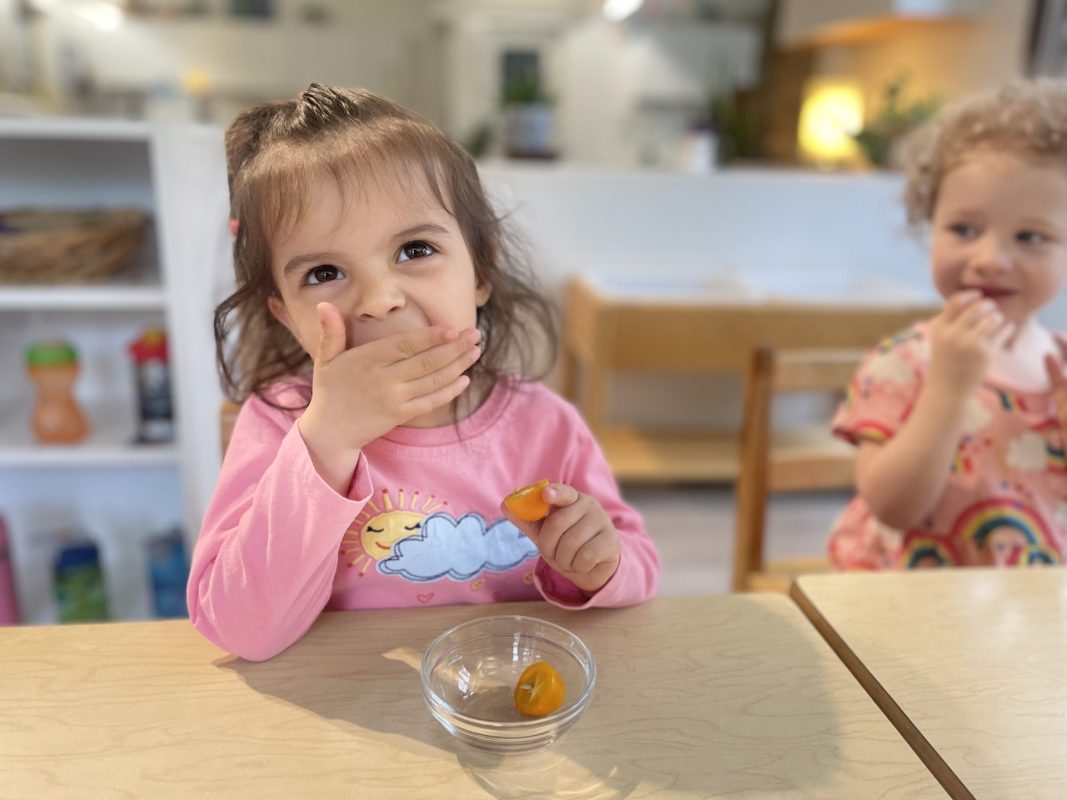
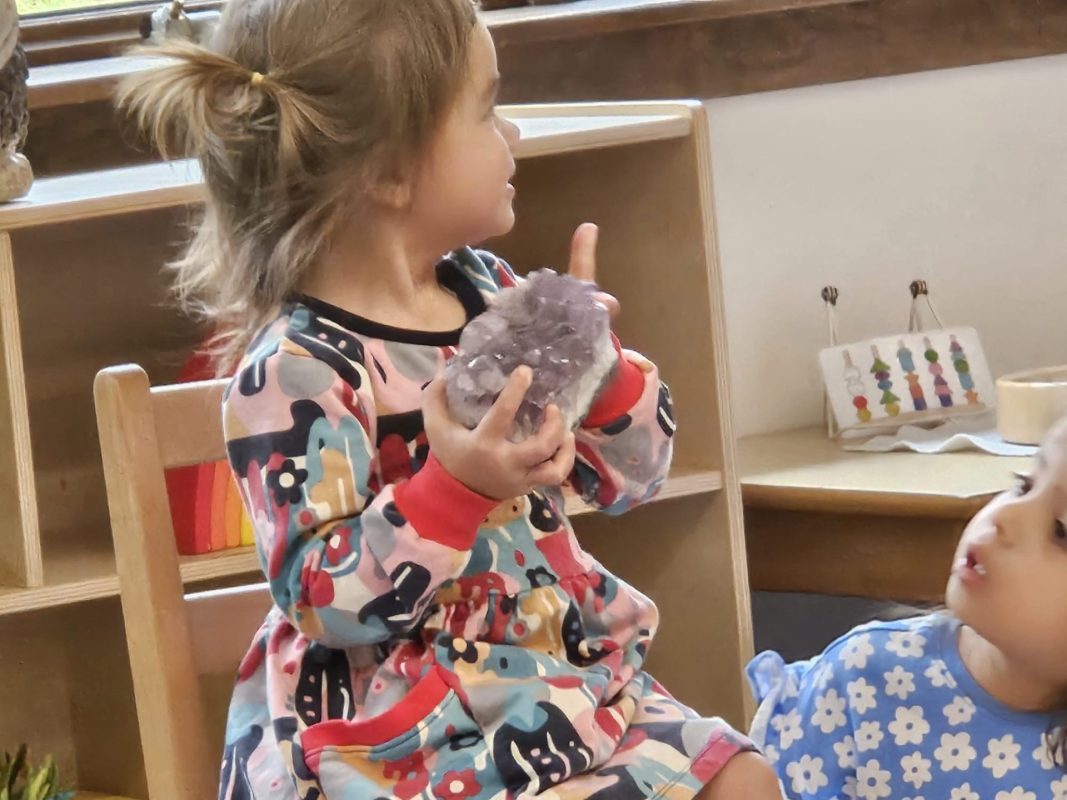
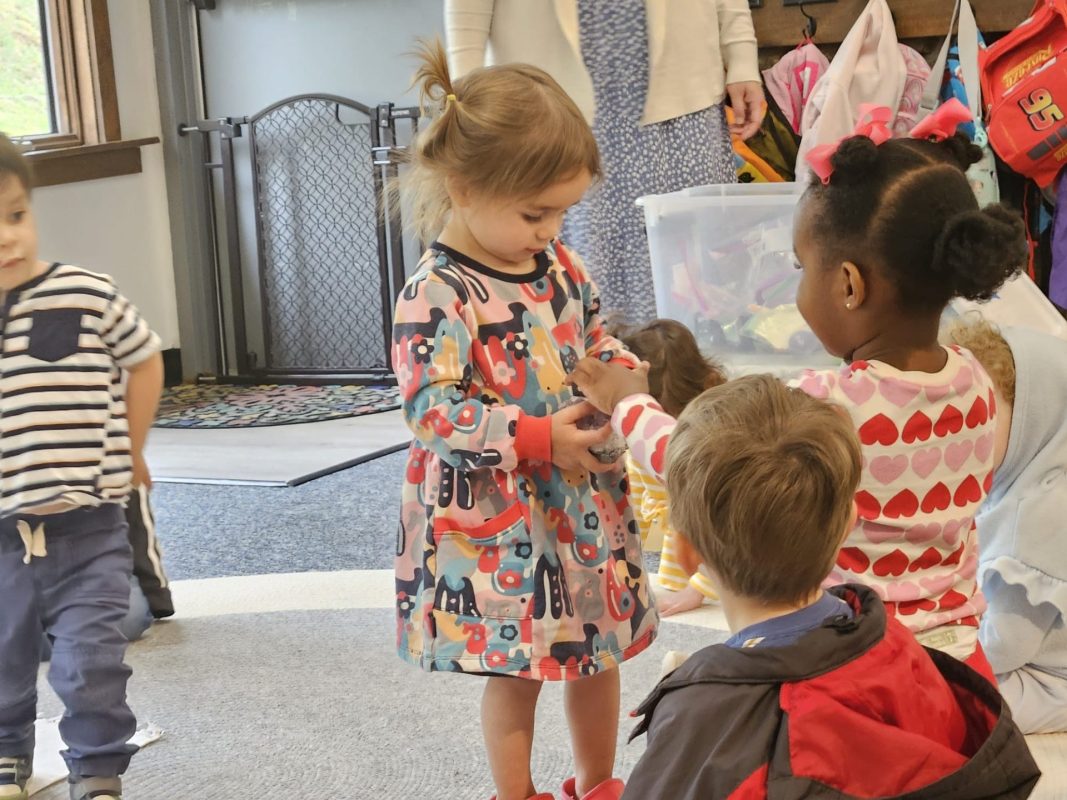
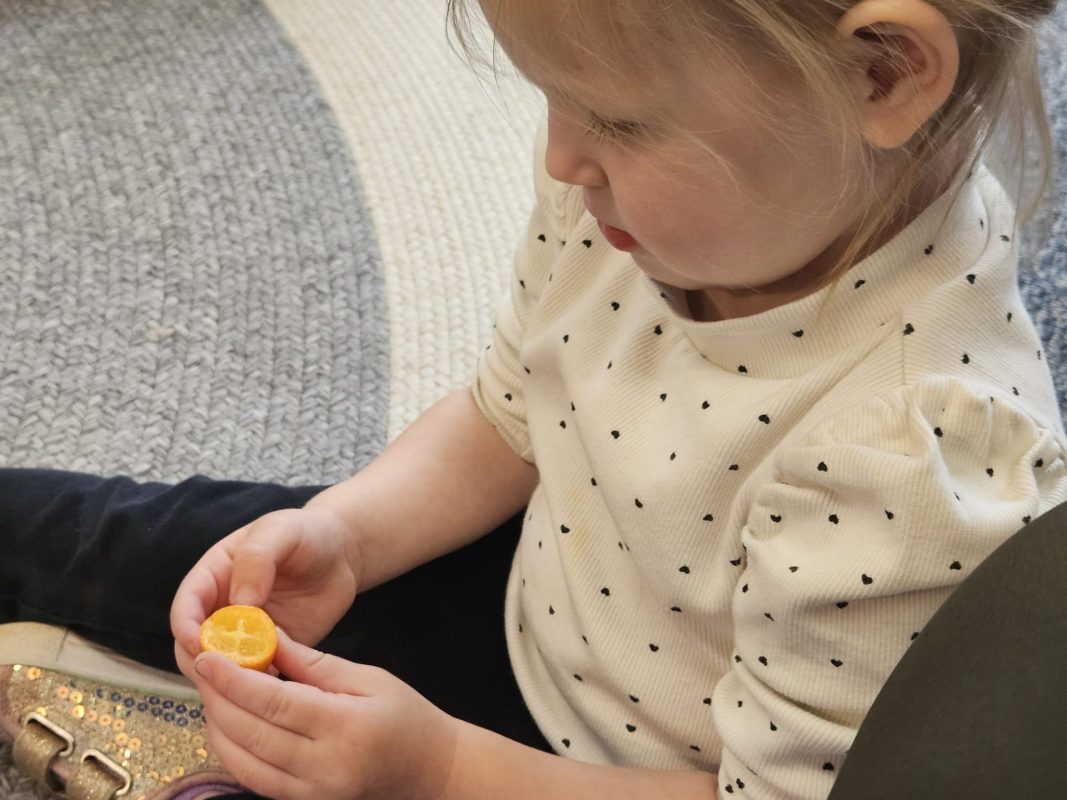
This week, as we savored the sensory delights of juicy kumquats, marveled at the treasures of nature brought from home, and came together to celebrate one of our youngest students’ second birthday, we were and are reminded of the richness of our curriculum and the sense of community that binds us all together.

In these moments of shared discovery and wonder, we hope you find as much joy and fulfillment as we do. May the magic of springtime infuse your days with warmth and wonder, and may you enjoy every precious moment with your loved ones.

Enjoy the weekend,

Mrs. Hood and Ms. Mollie

Mrs. Hood: Listen Up!

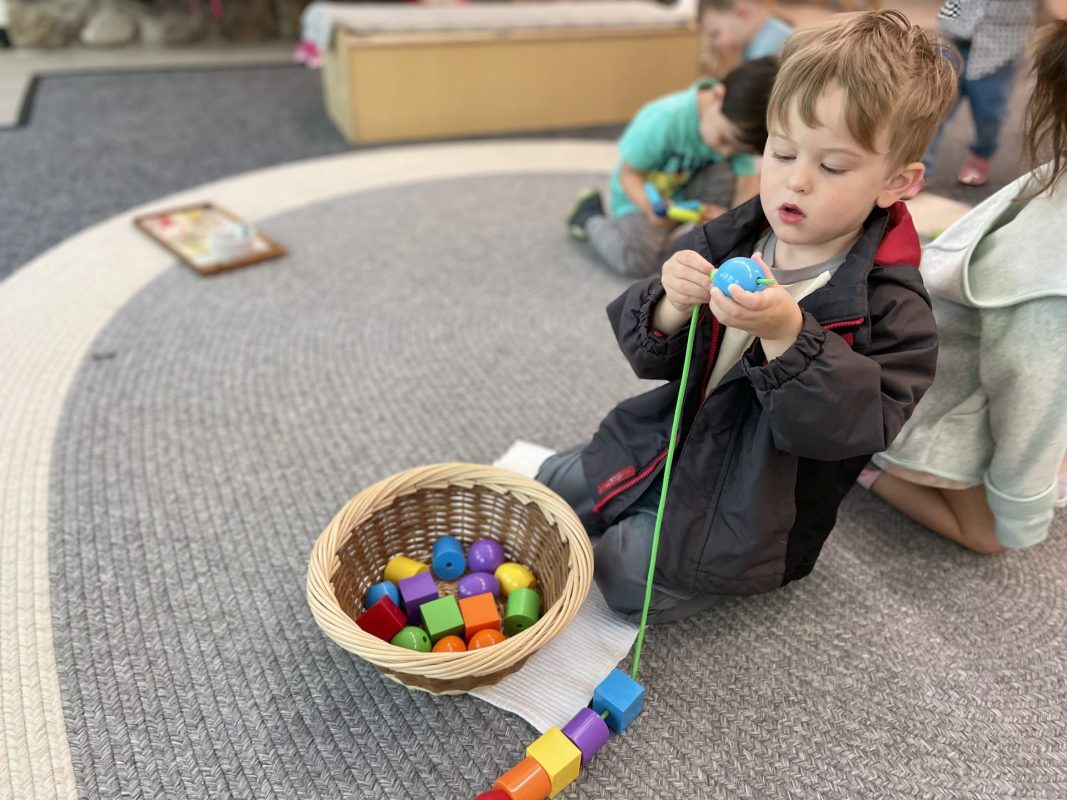
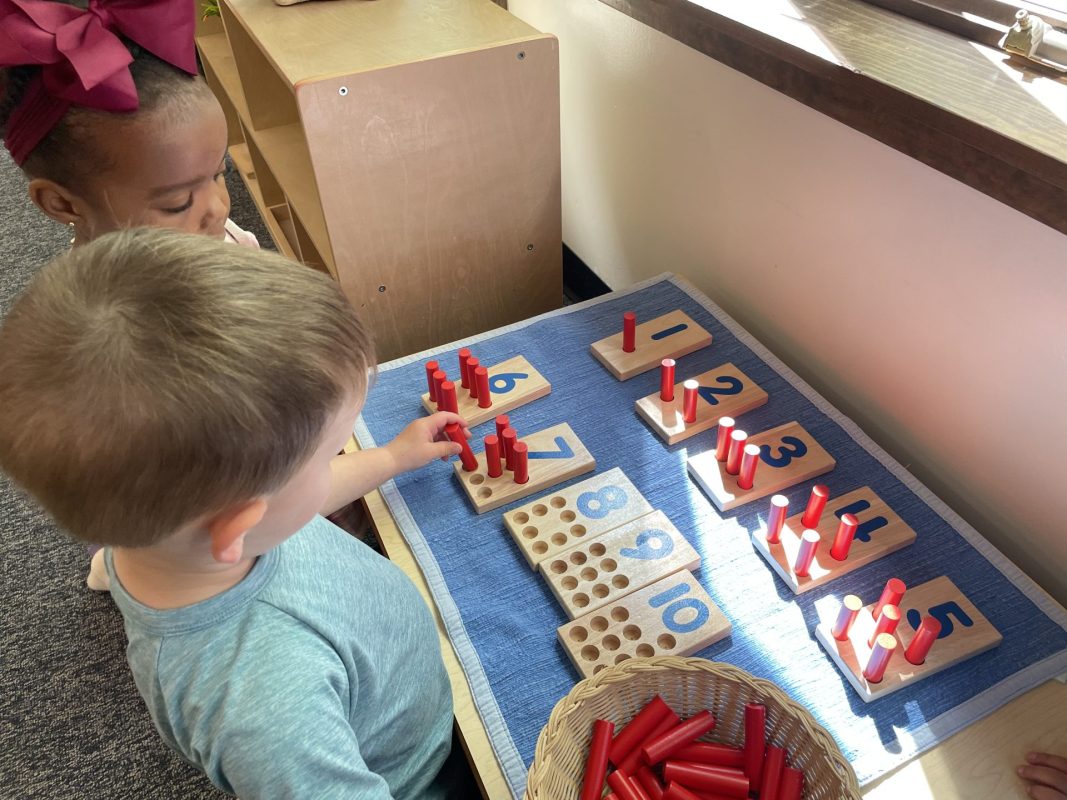
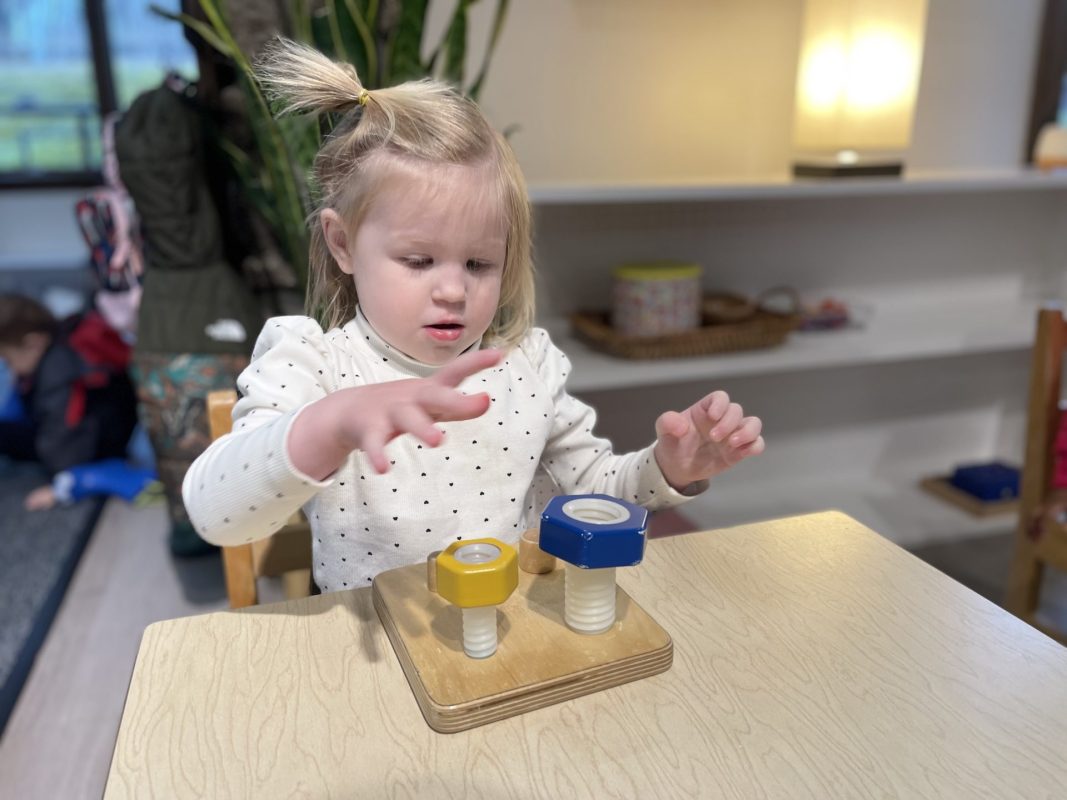
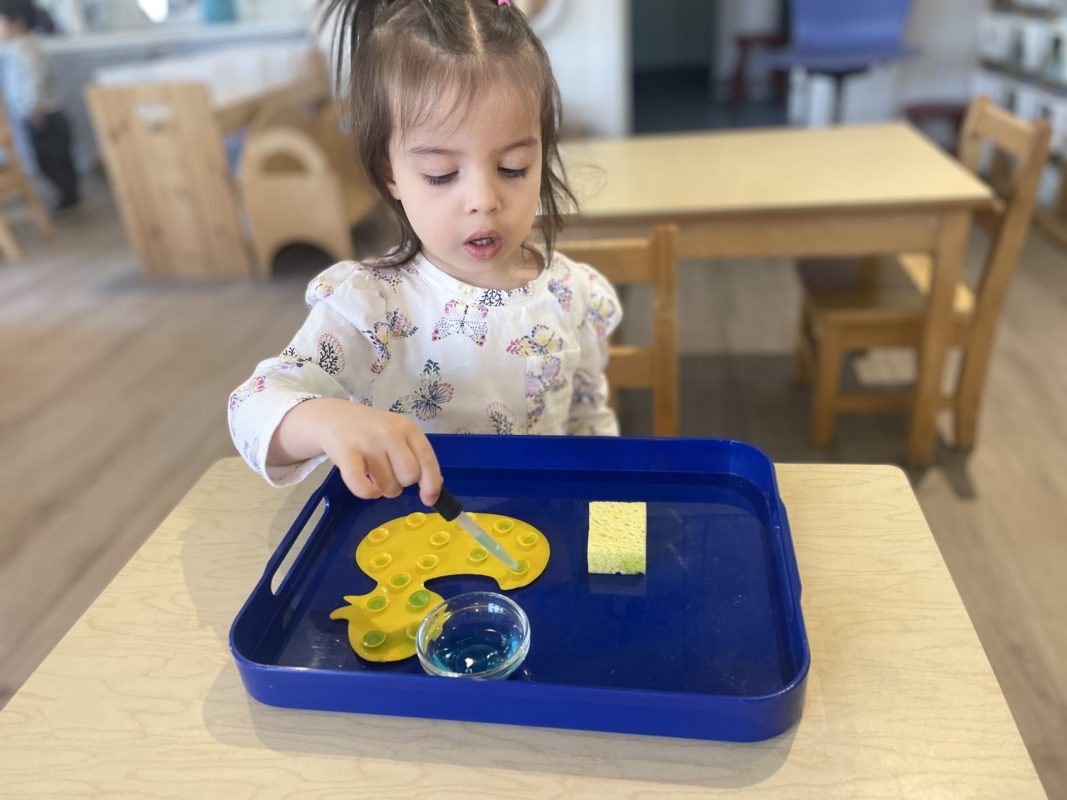
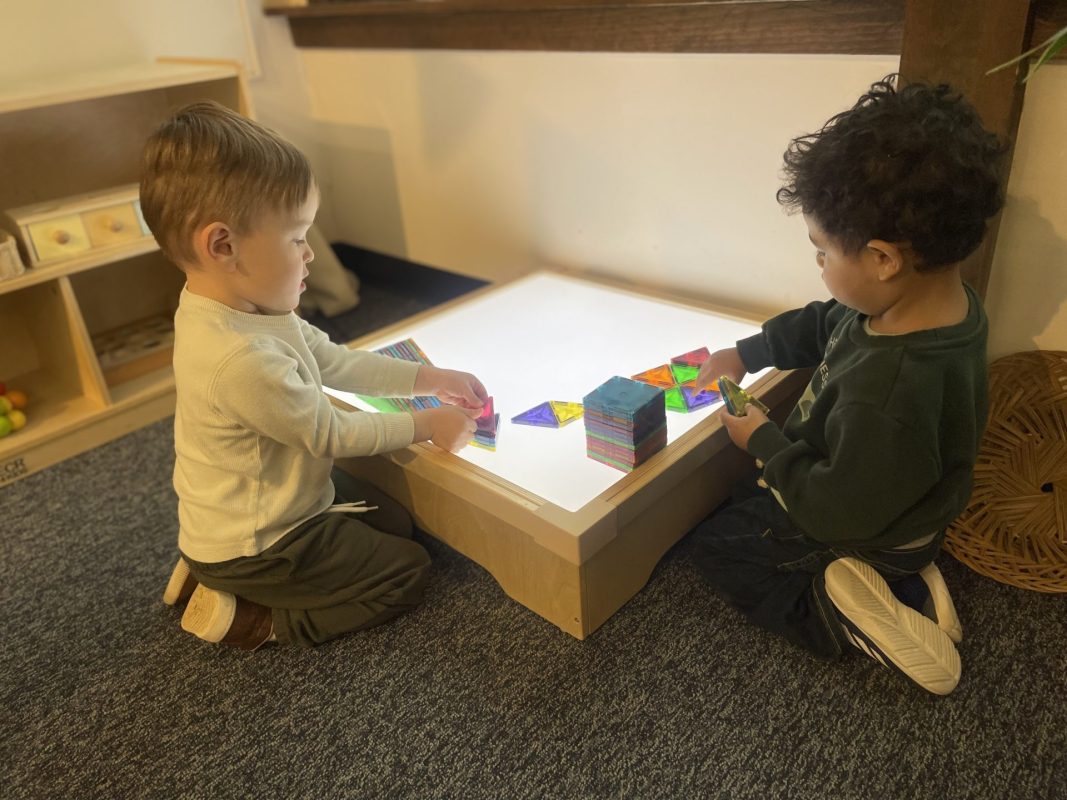
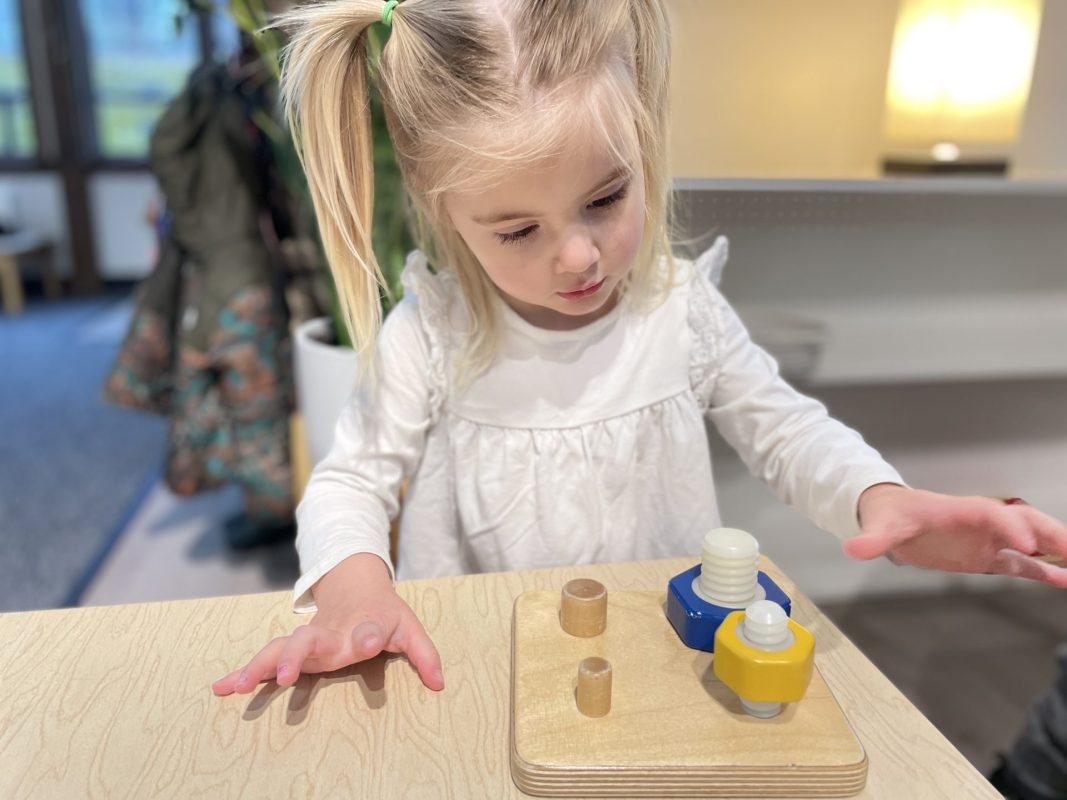
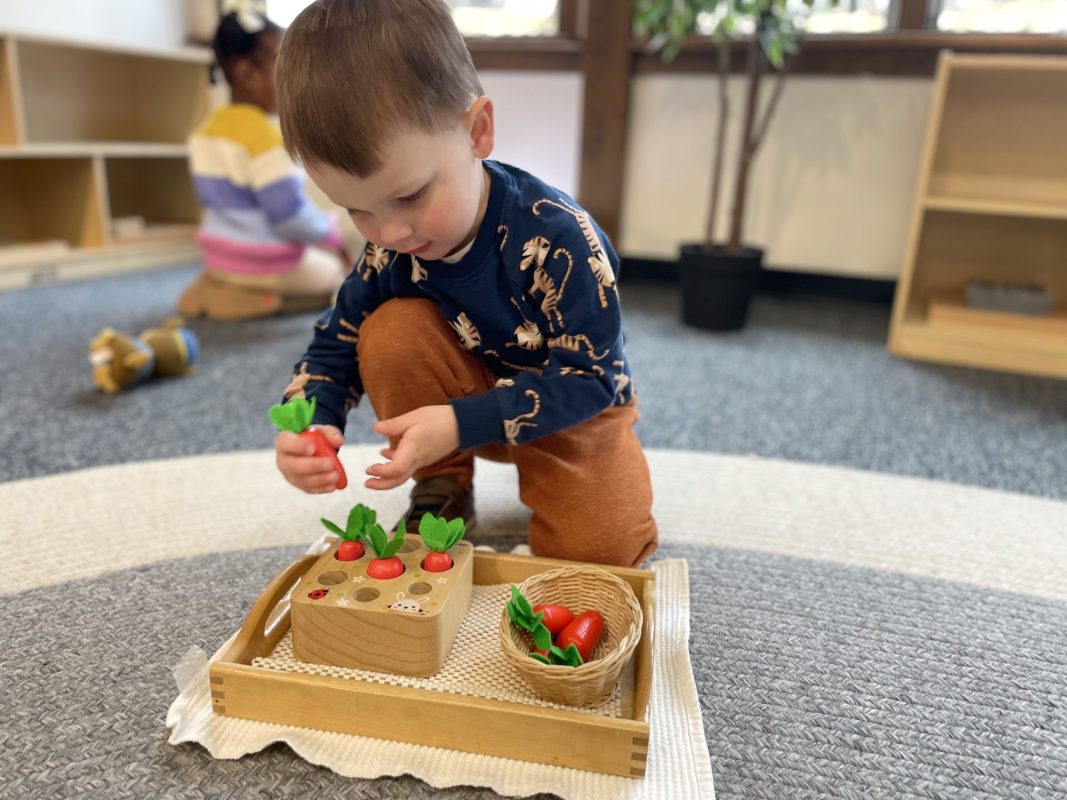
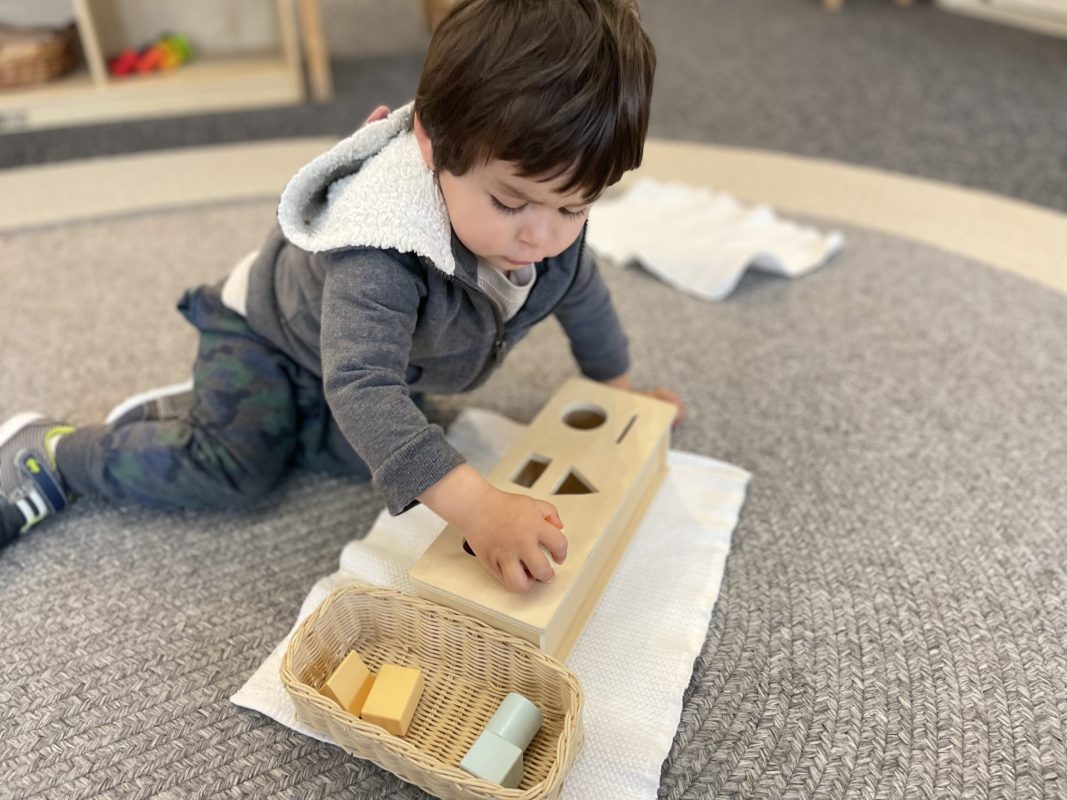
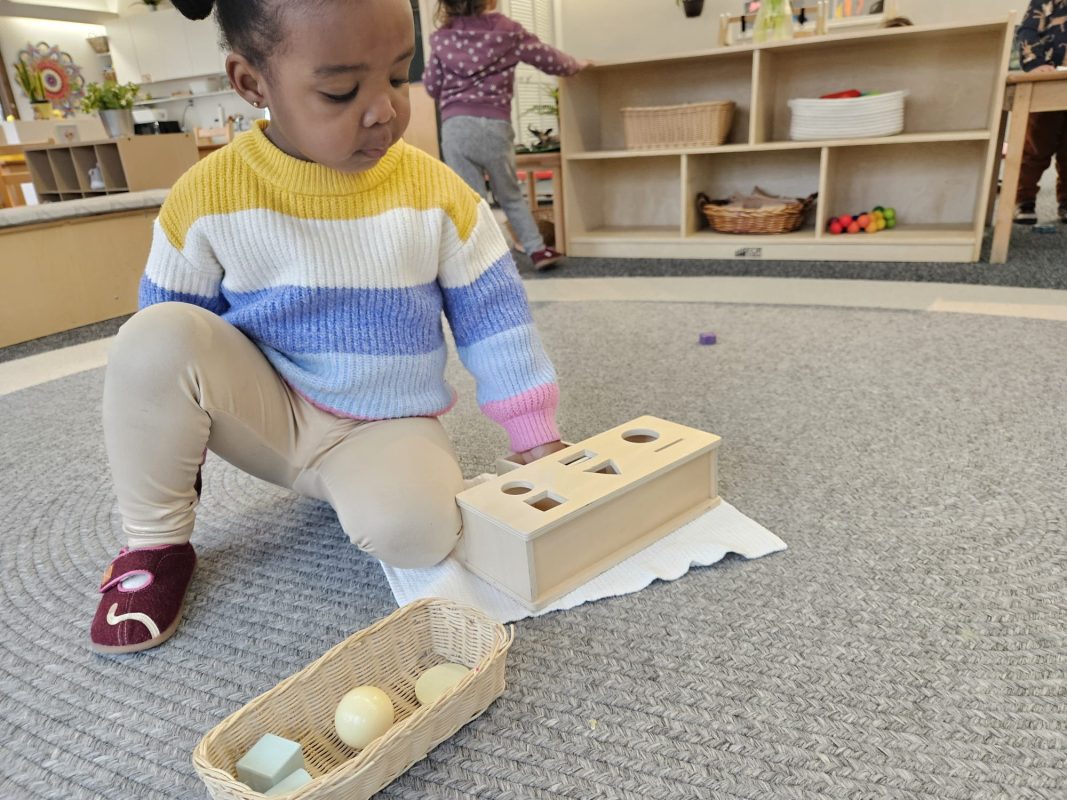
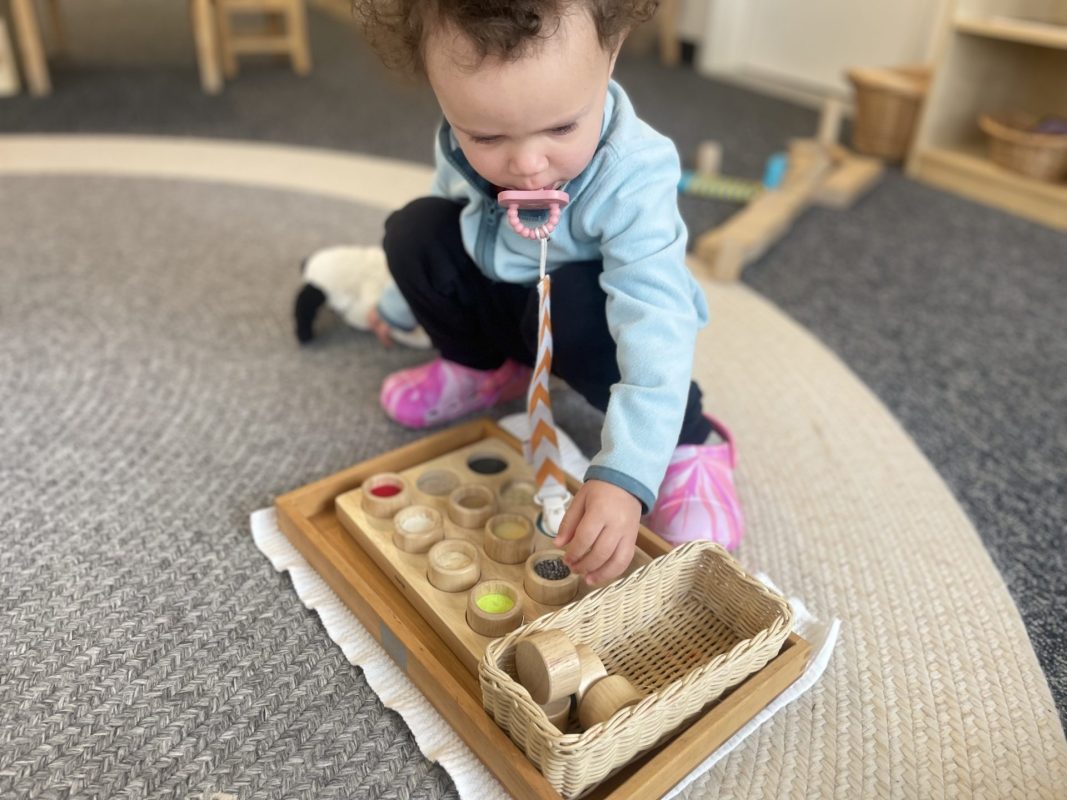
In a world filled with distractions, developing concentration and focus is becoming increasingly challenging for young children. Sensorial works in Montessori education promote the development of these essential skills. Toddlers engage in activities that require sustained attention, such as sorting objects by size or shape, arranging objects in a specific order, completing puzzles, and more. These tasks demand concentration, enabling toddlers to develop their ability to focus for extended periods, a skill that will benefit them in all areas of life.

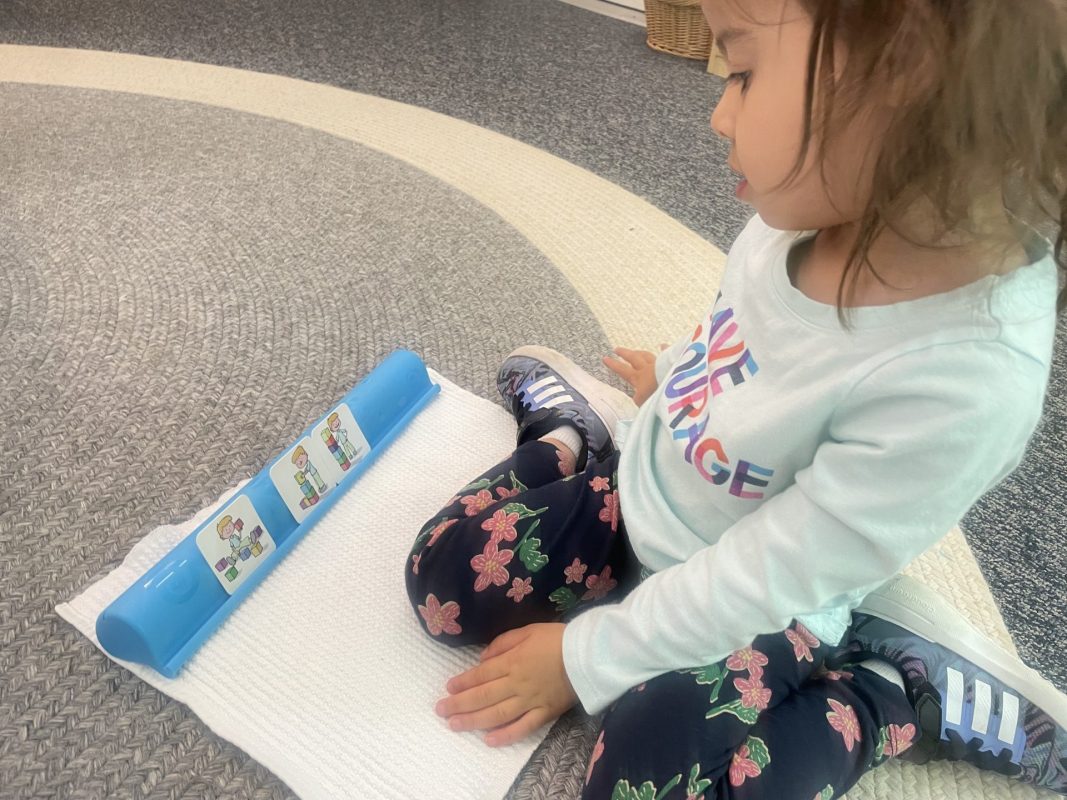
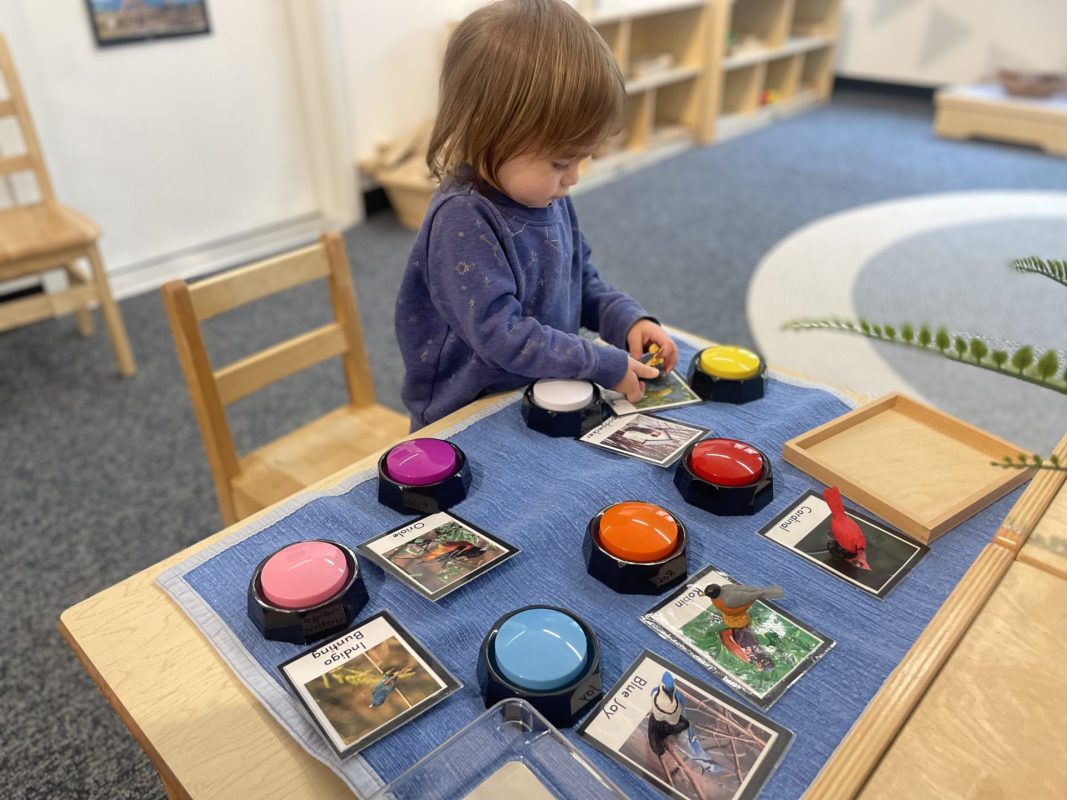
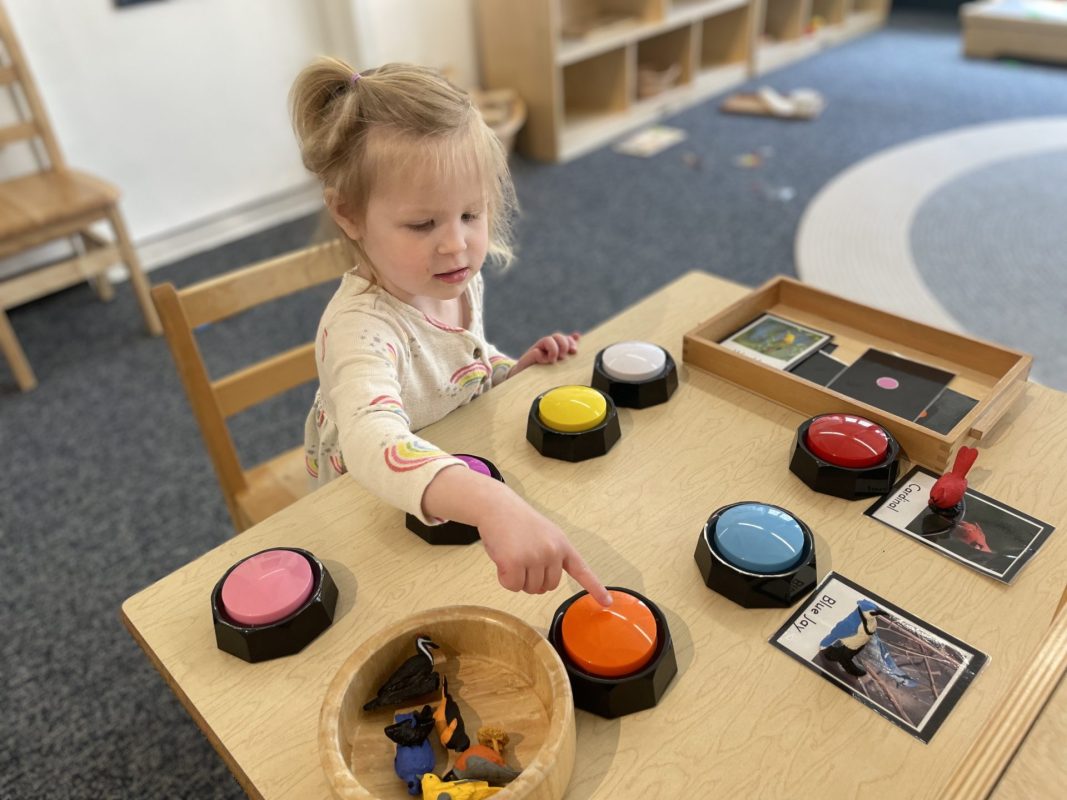
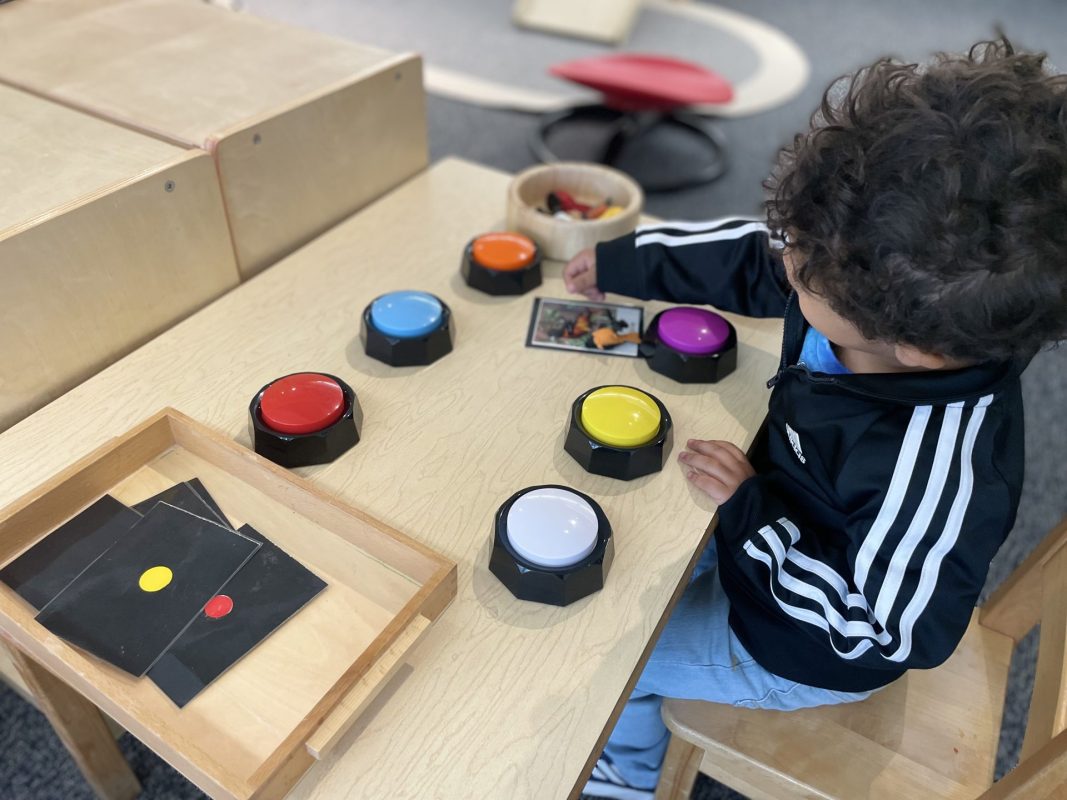
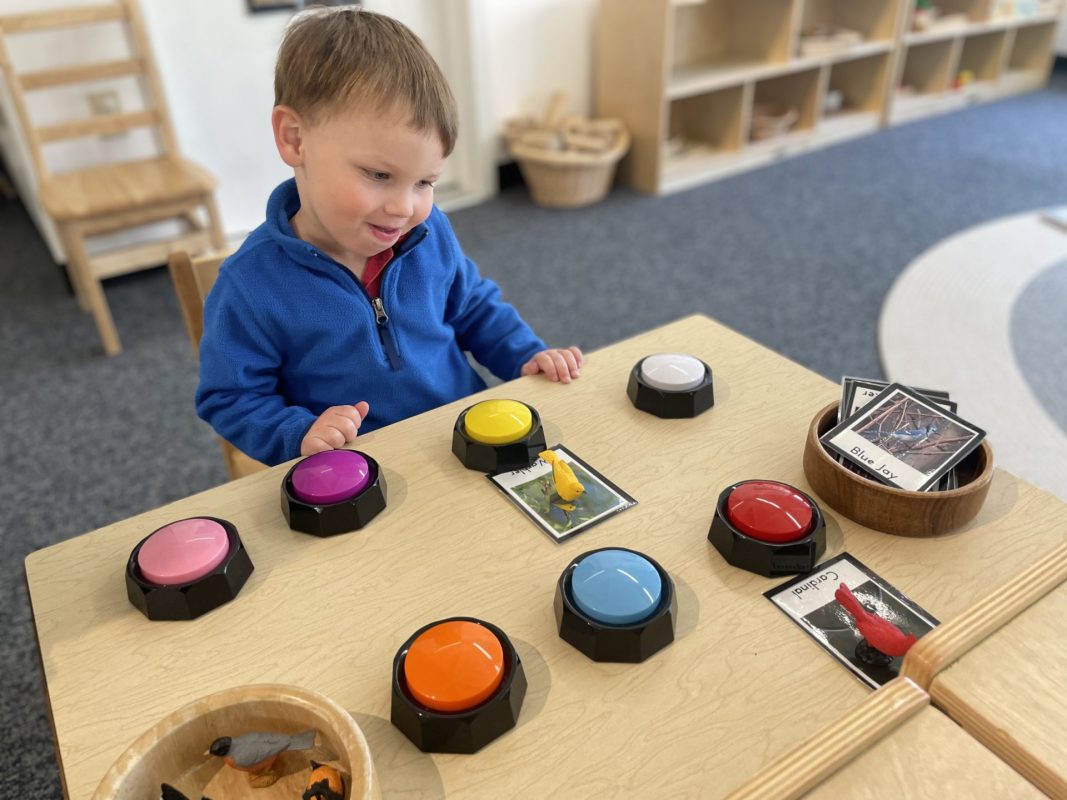
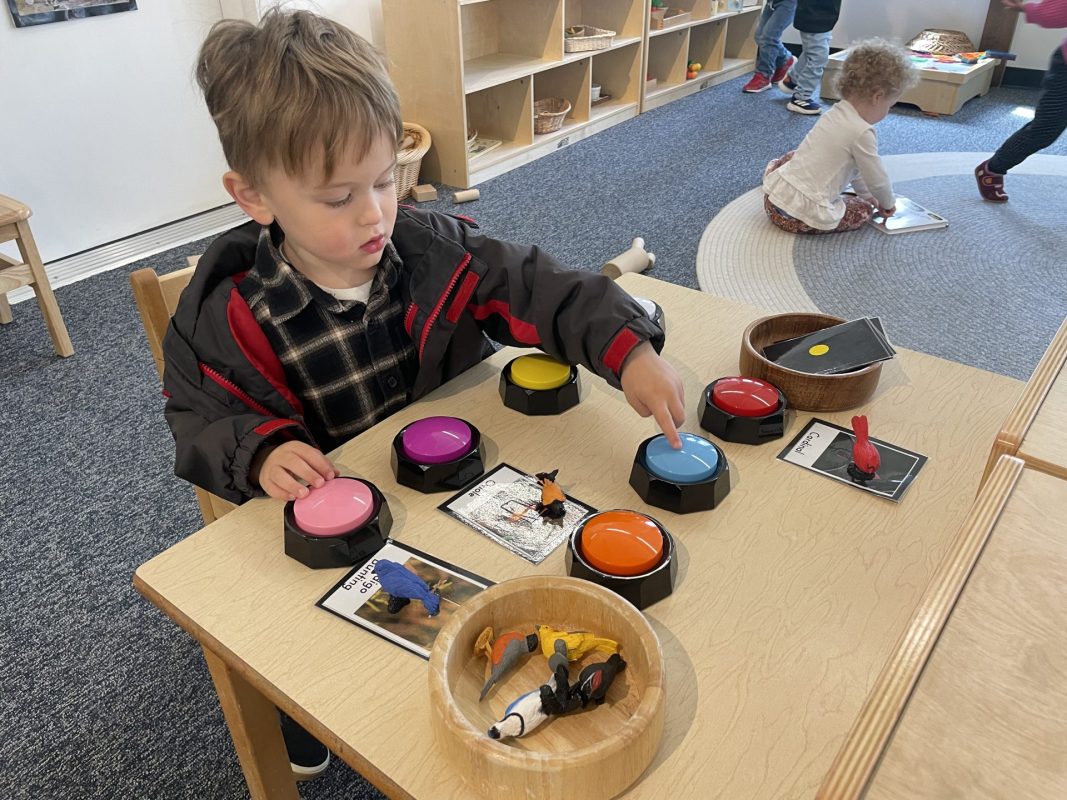
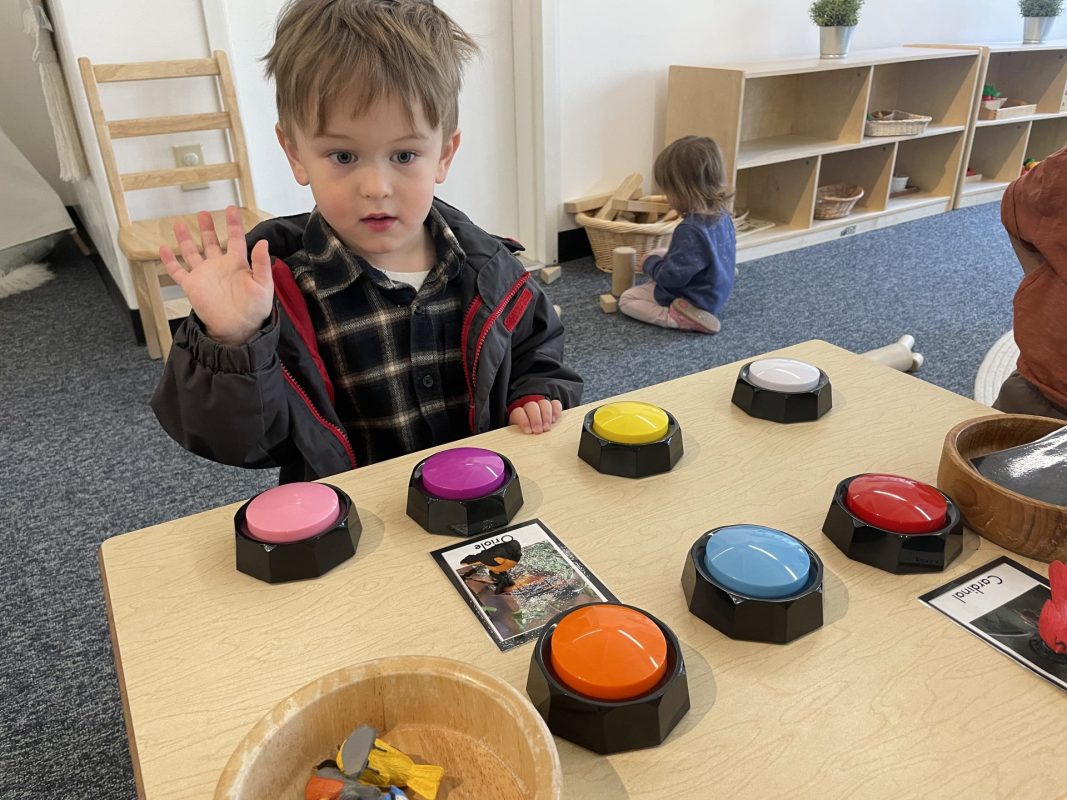
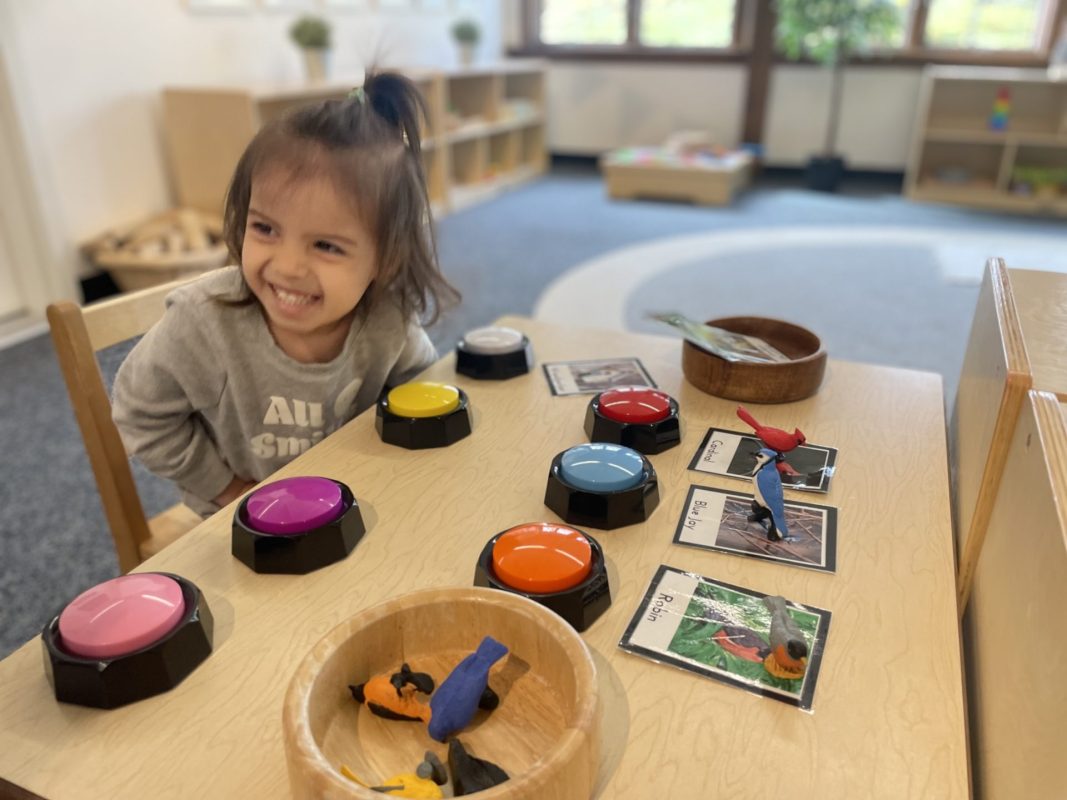
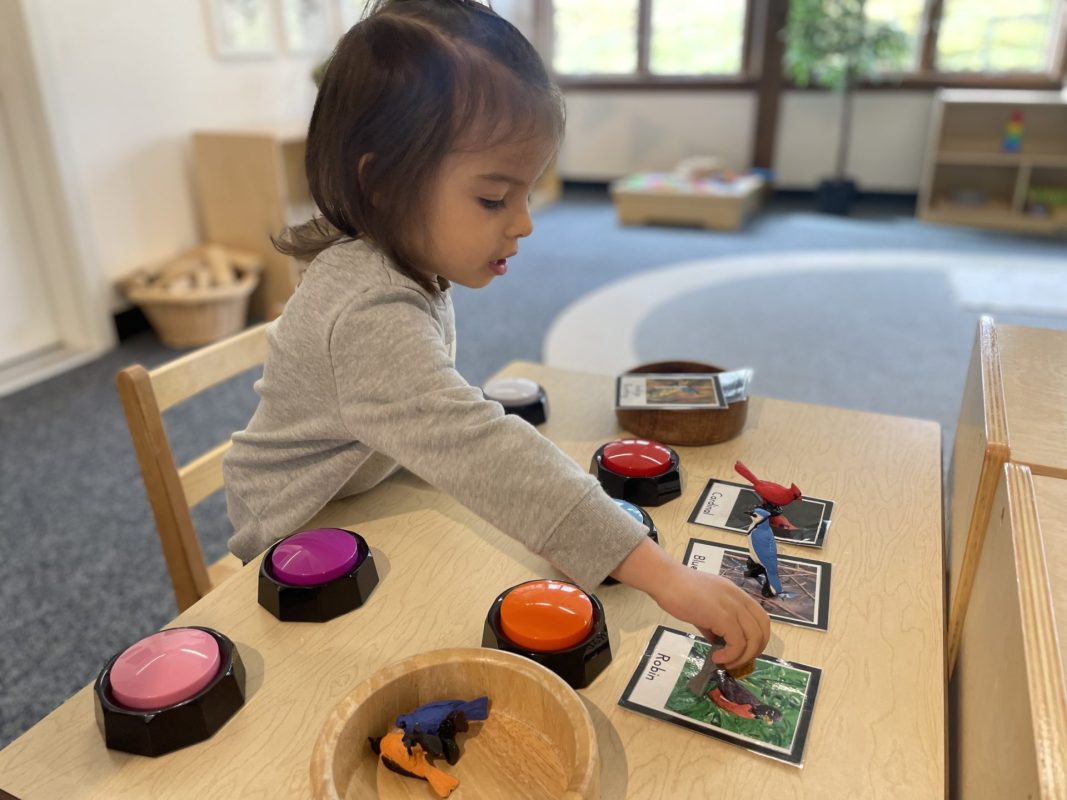
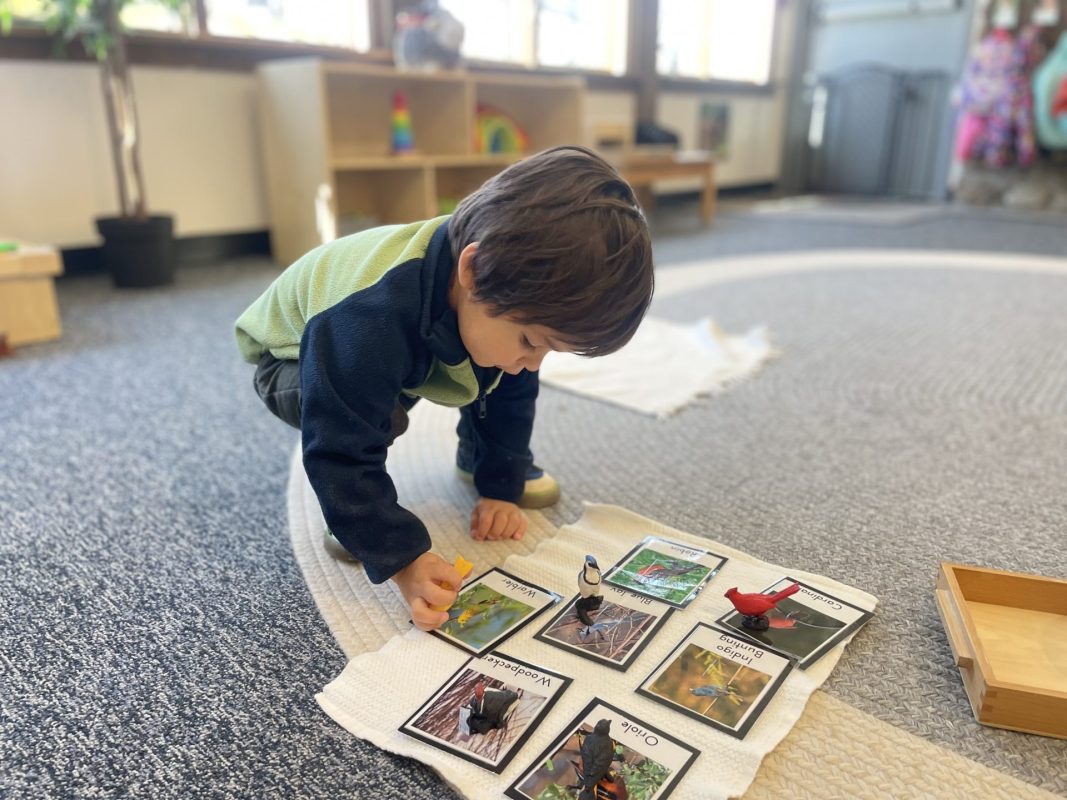
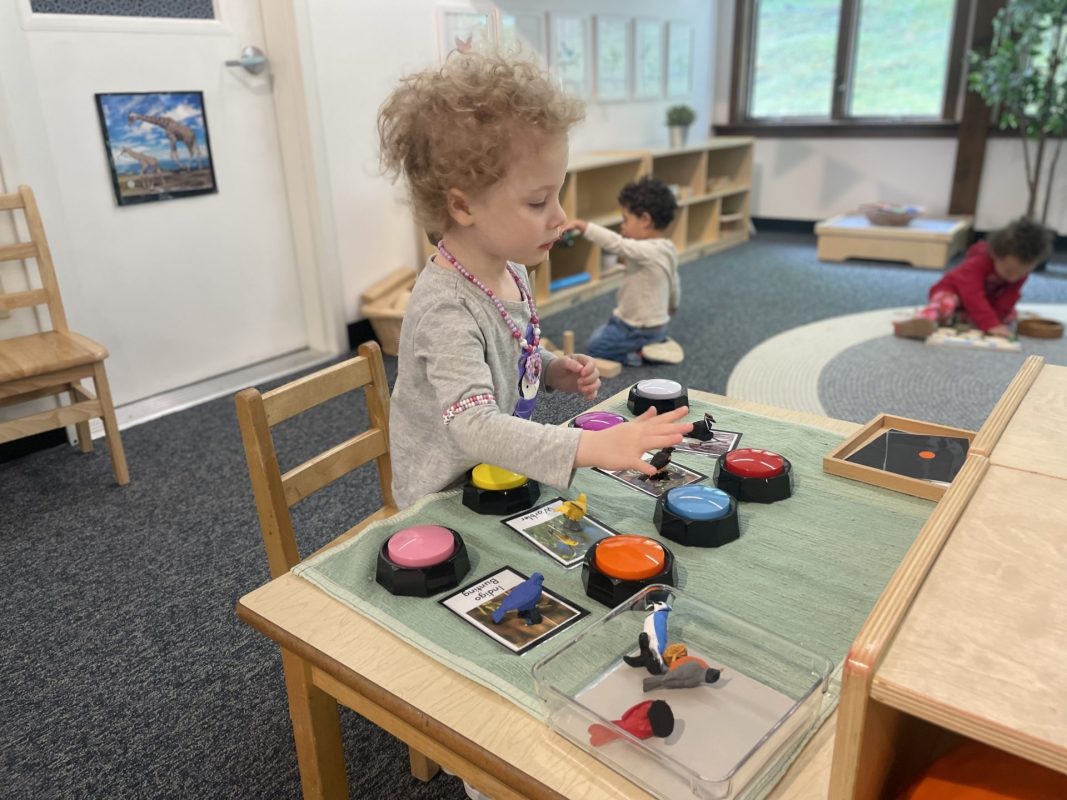
This week, we initiated our studies on birds. Cardinal, blue jay, woodpecker, robin, warbler, indigo bunting, and oriole are names you hear over and over in our environment. The children also received a lesson on the birds’ calls and songs. Children are learning to identify each bird sound through a fun work where the children press a button, hear the bird, and have to match the picture card with the sound. As every work in our environment has a control of error built within it, the child has the opportunity to self-correct by matching the color dot behind the card to the color of the button, helping the child to match the sound to the correct bird. As children practice this work, they will learn to identify the birds just by listening, and they won’t need to look at the back of the card anymore to be successful. After the children have matched the sound to the picture, they reinforce their visual skills by matching the picture to the model of the bird, learning to recognize them visually as well.  To say that this has been a big favorite work is an understatement! It has been precious observing the children taking the time to listen carefully and observe the details of the birds’ pictures. We hope you can take time with your toddler around your backyard and listen to some birds singing! Your toddler might surprise you by recognizing the name of the bird!

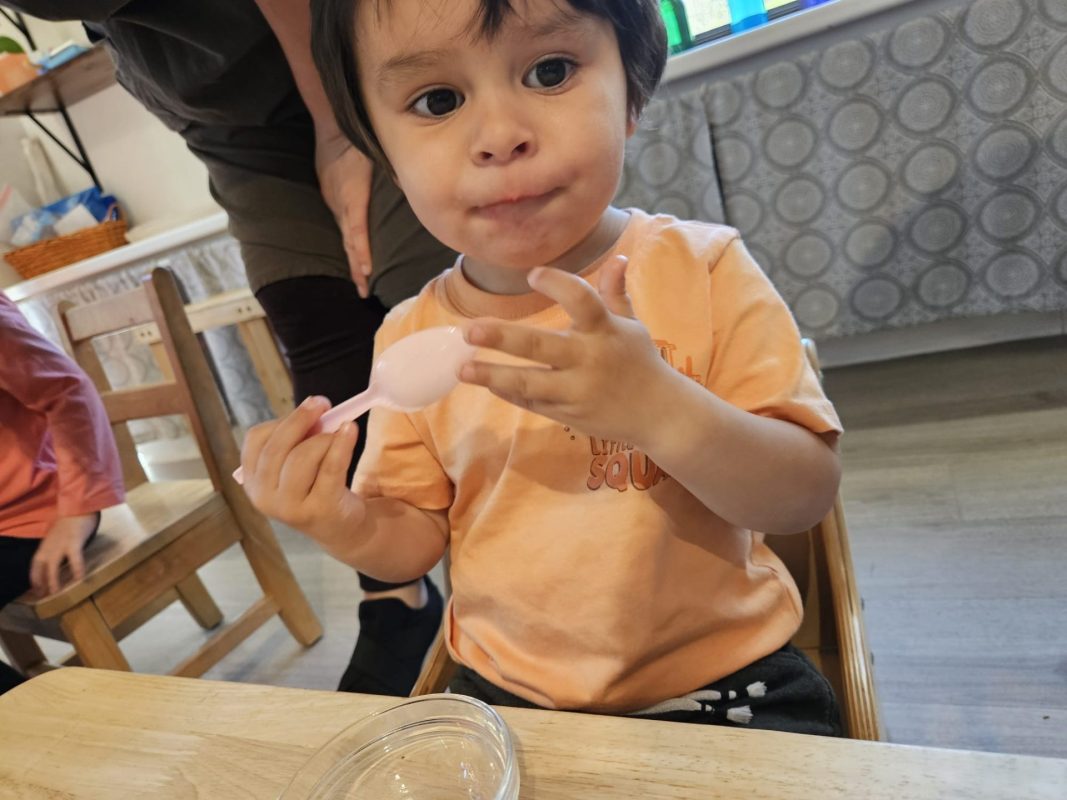
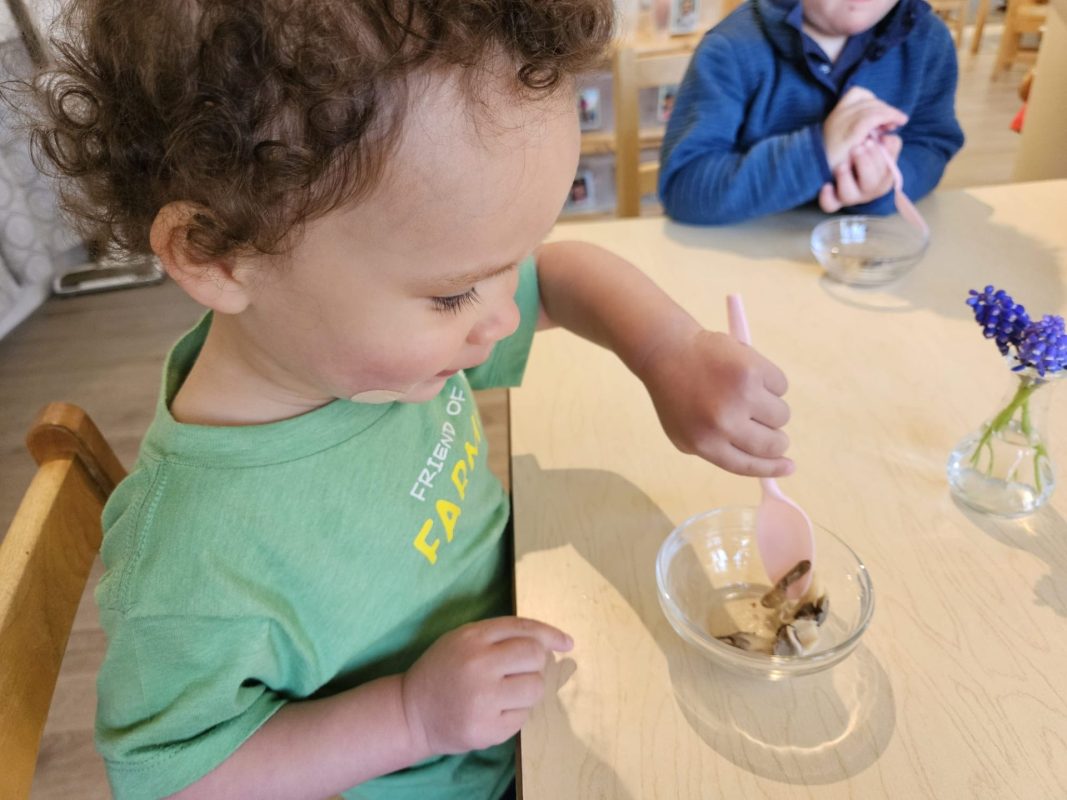
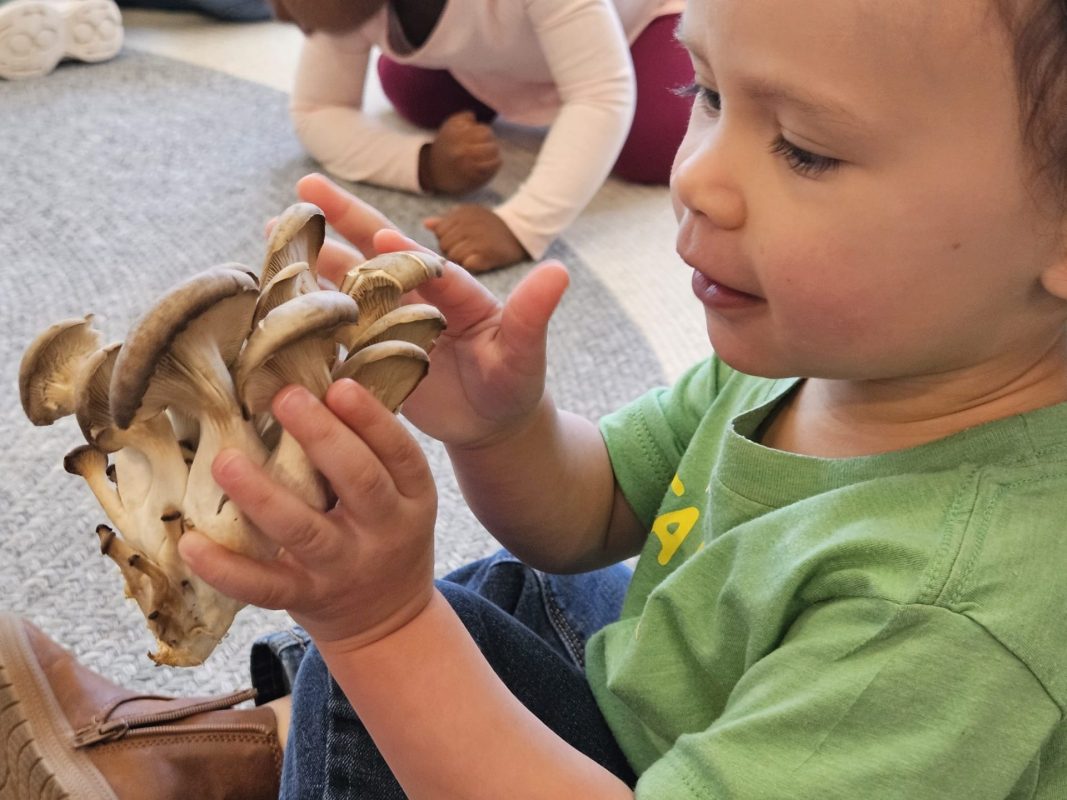
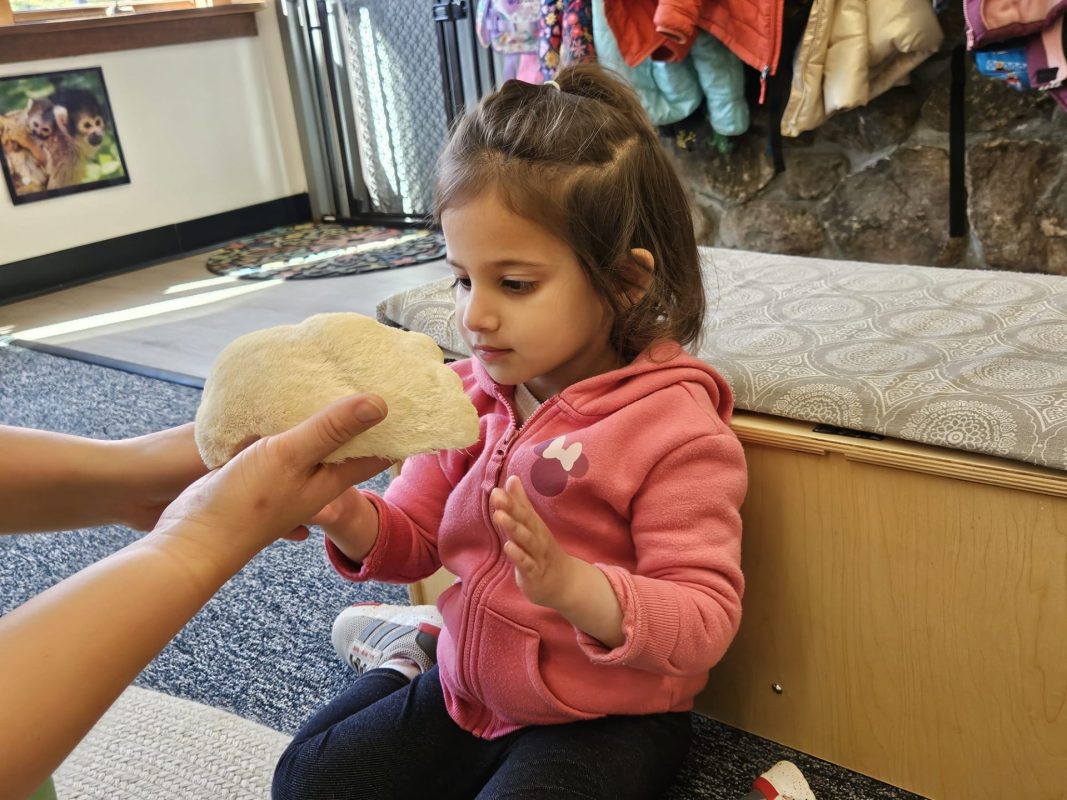
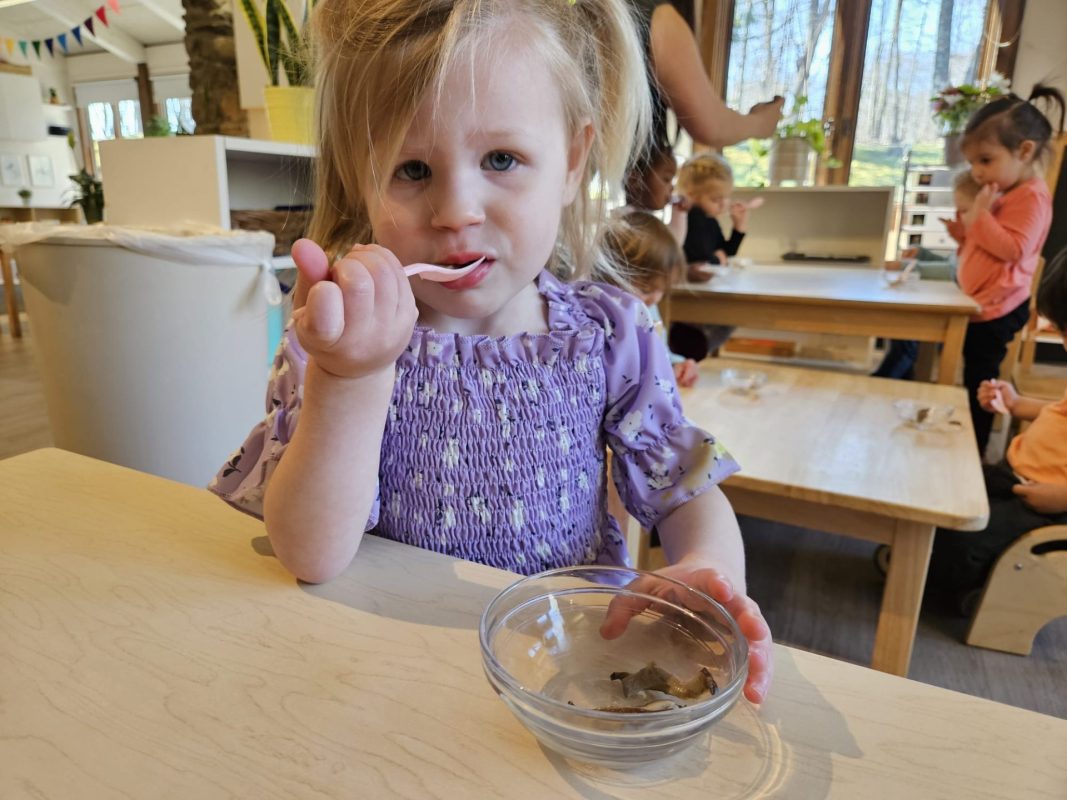
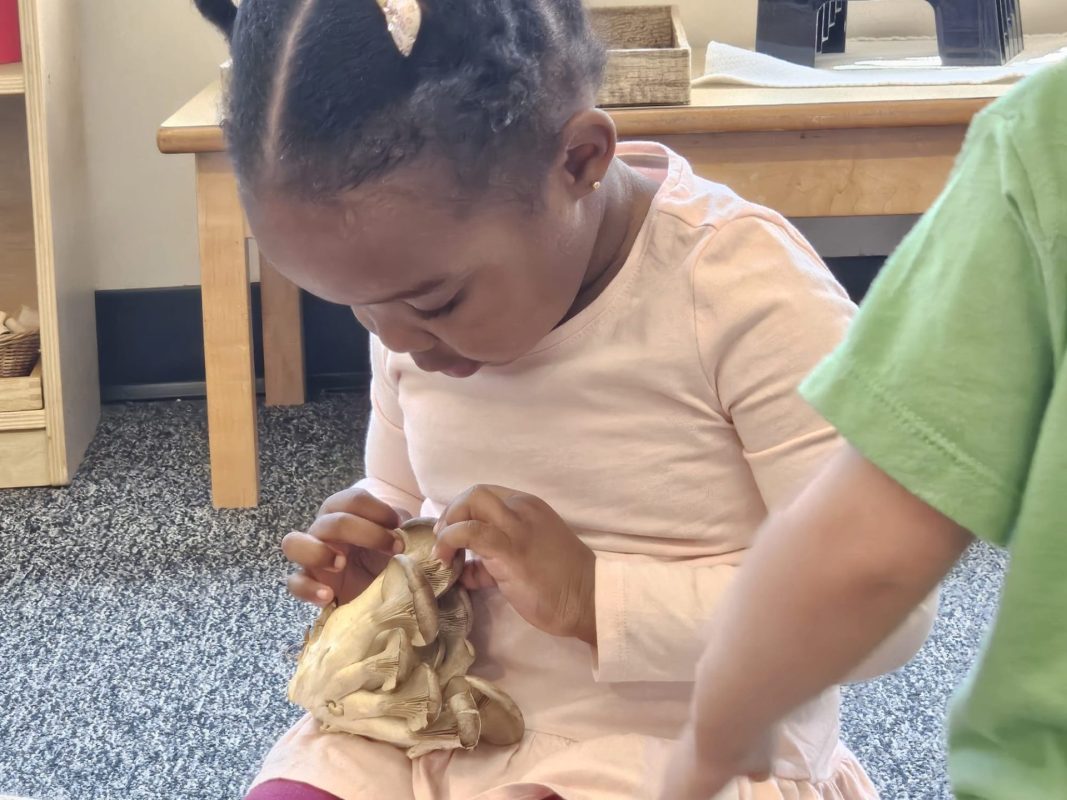
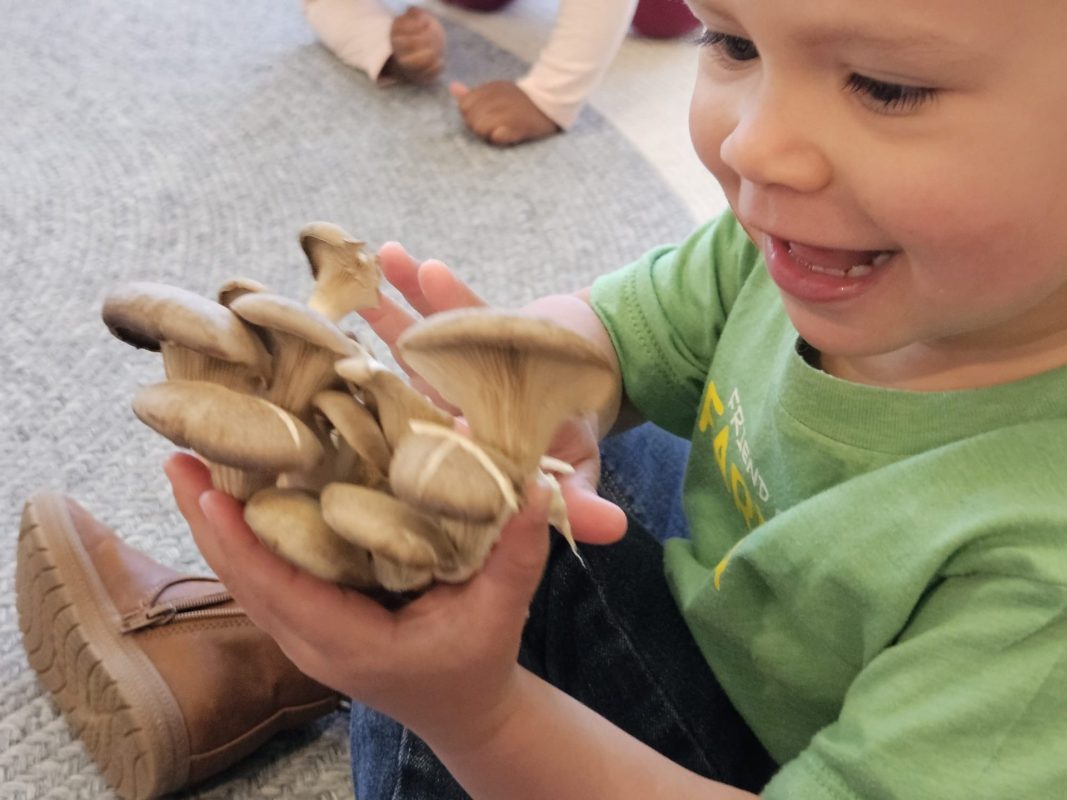
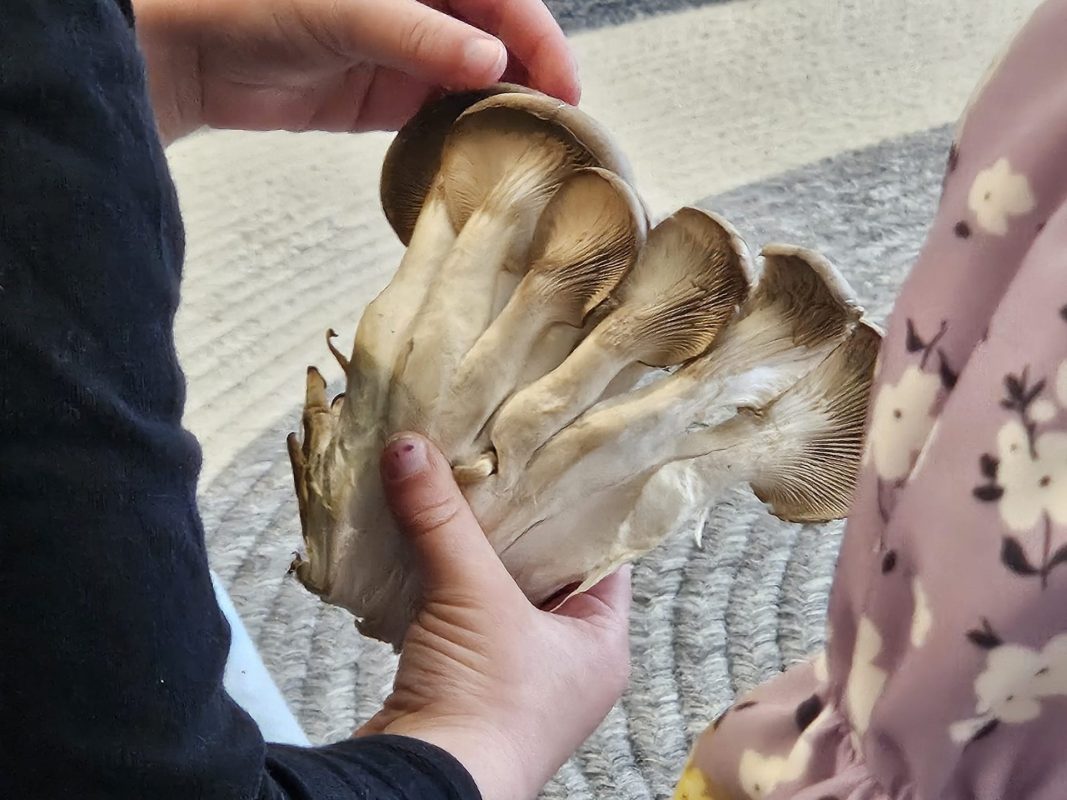
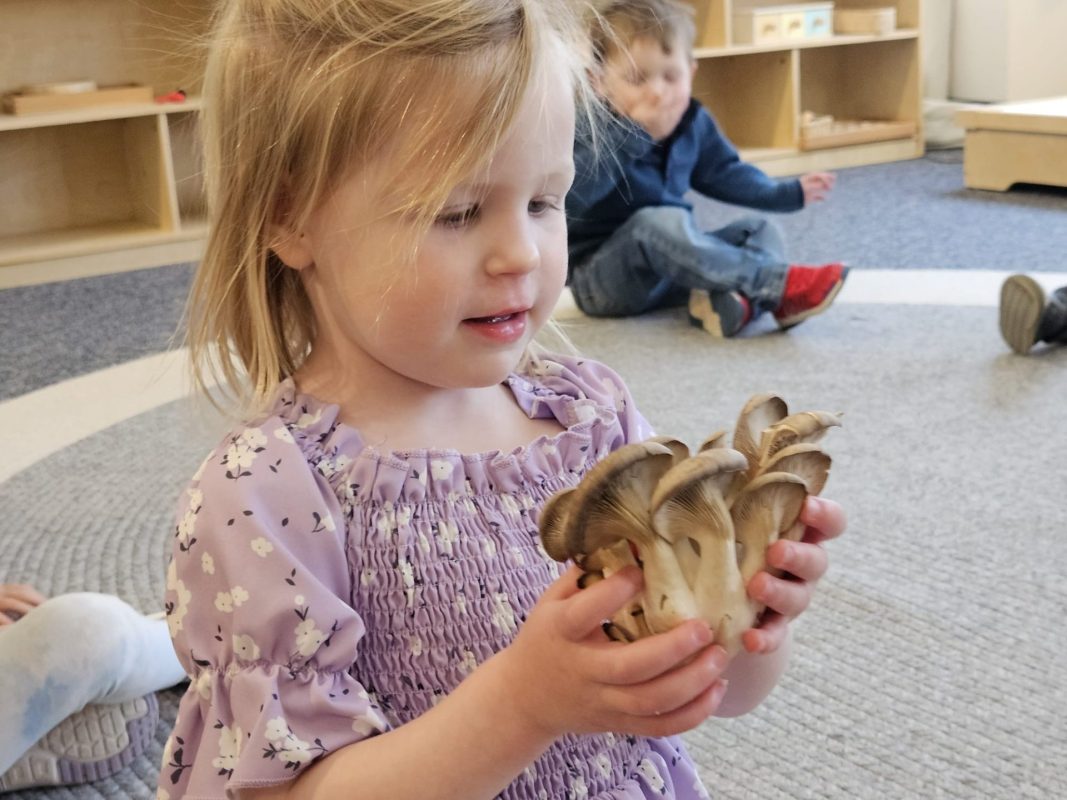
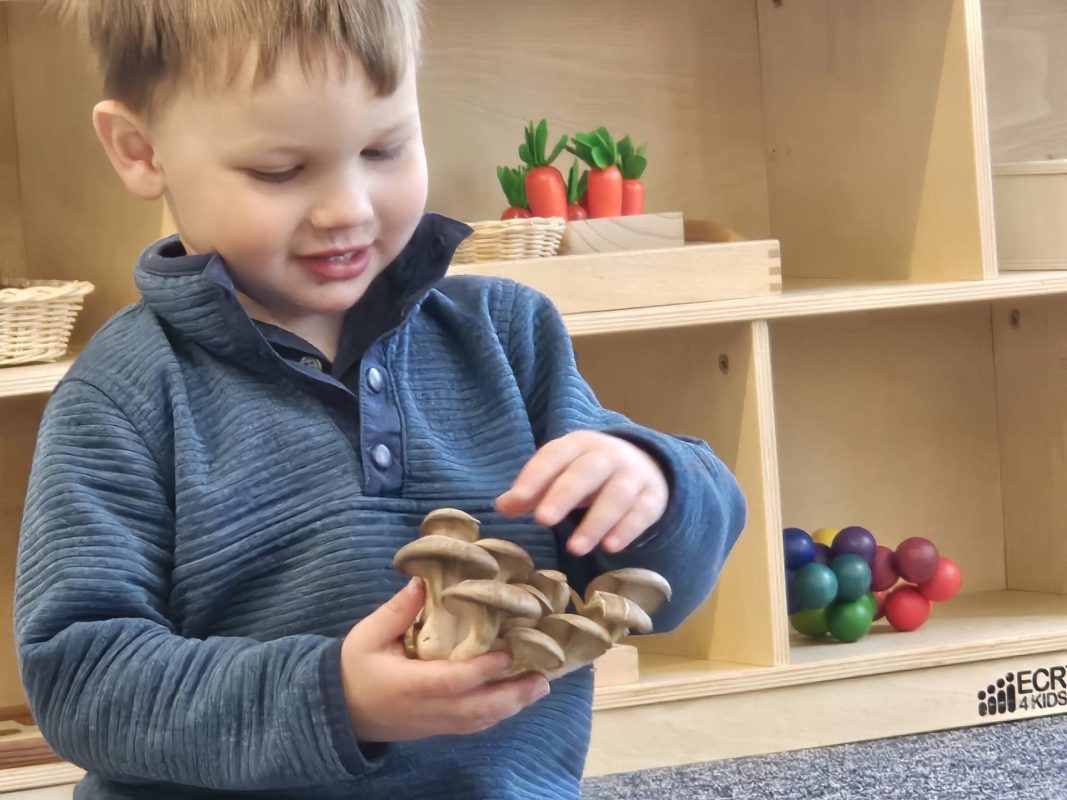
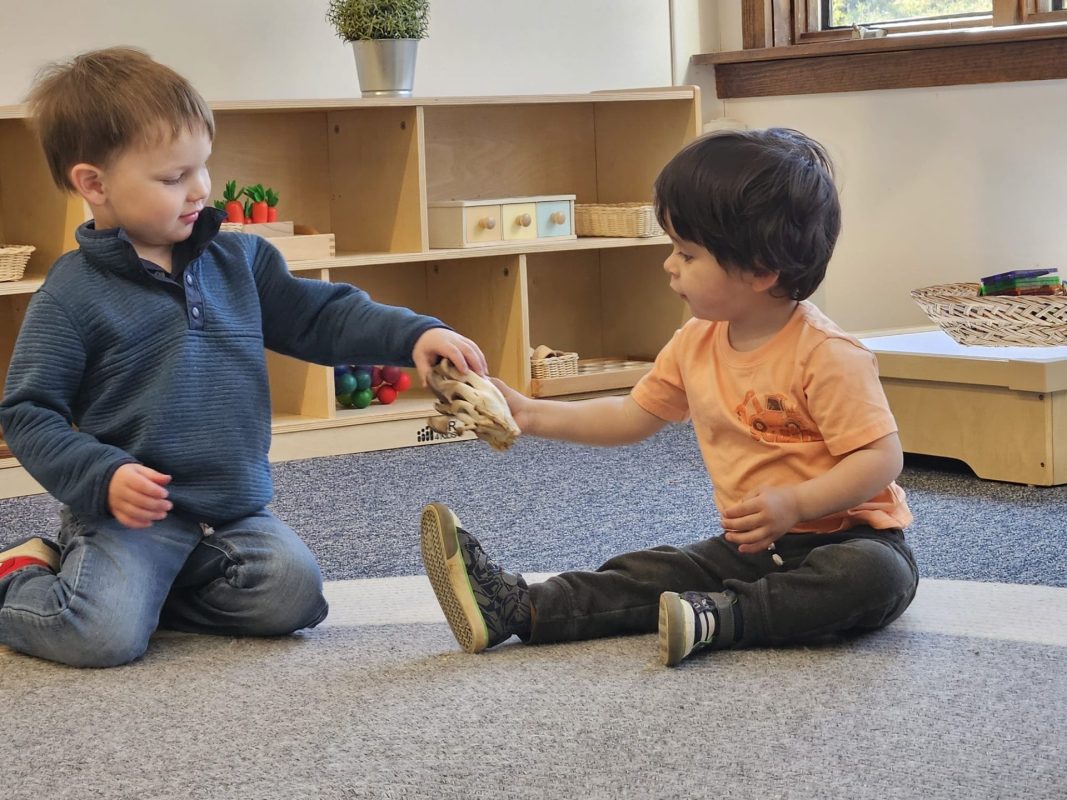
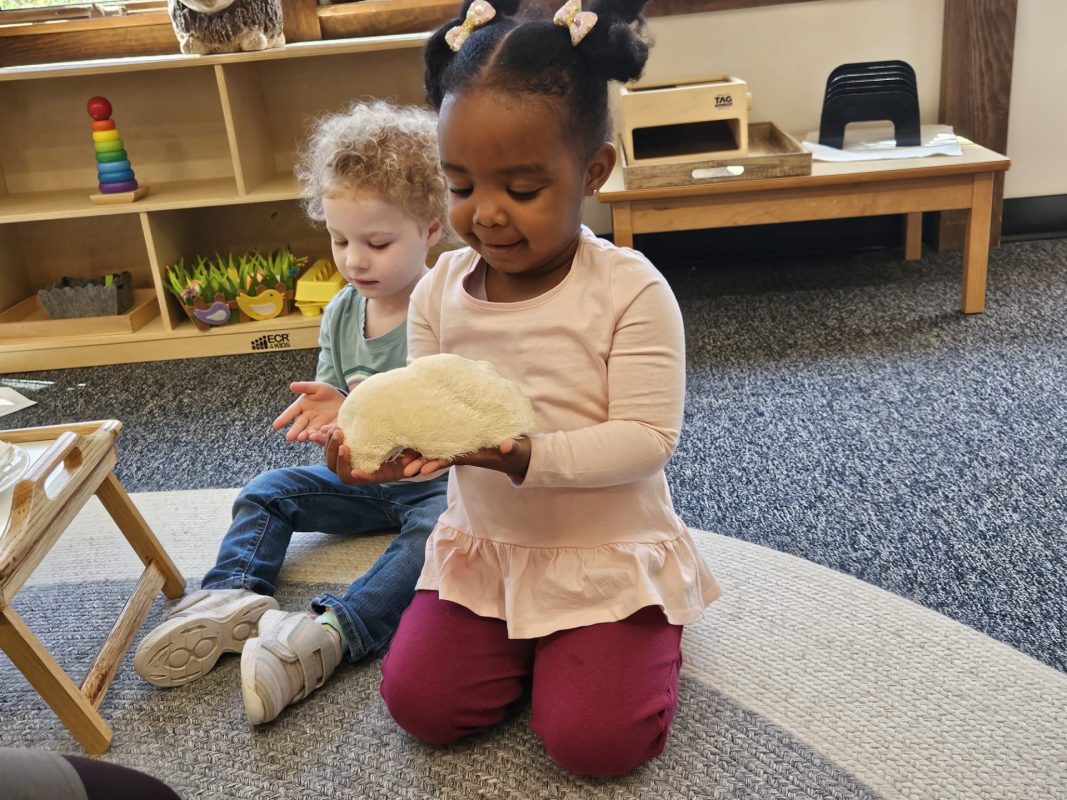
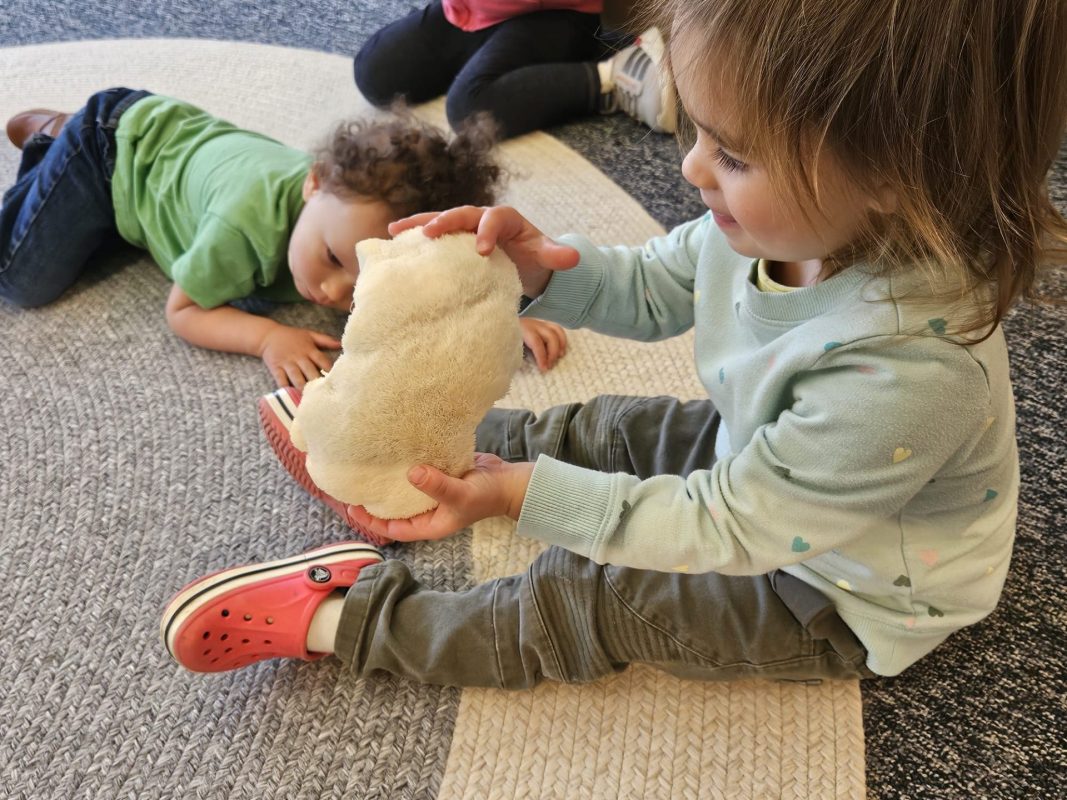
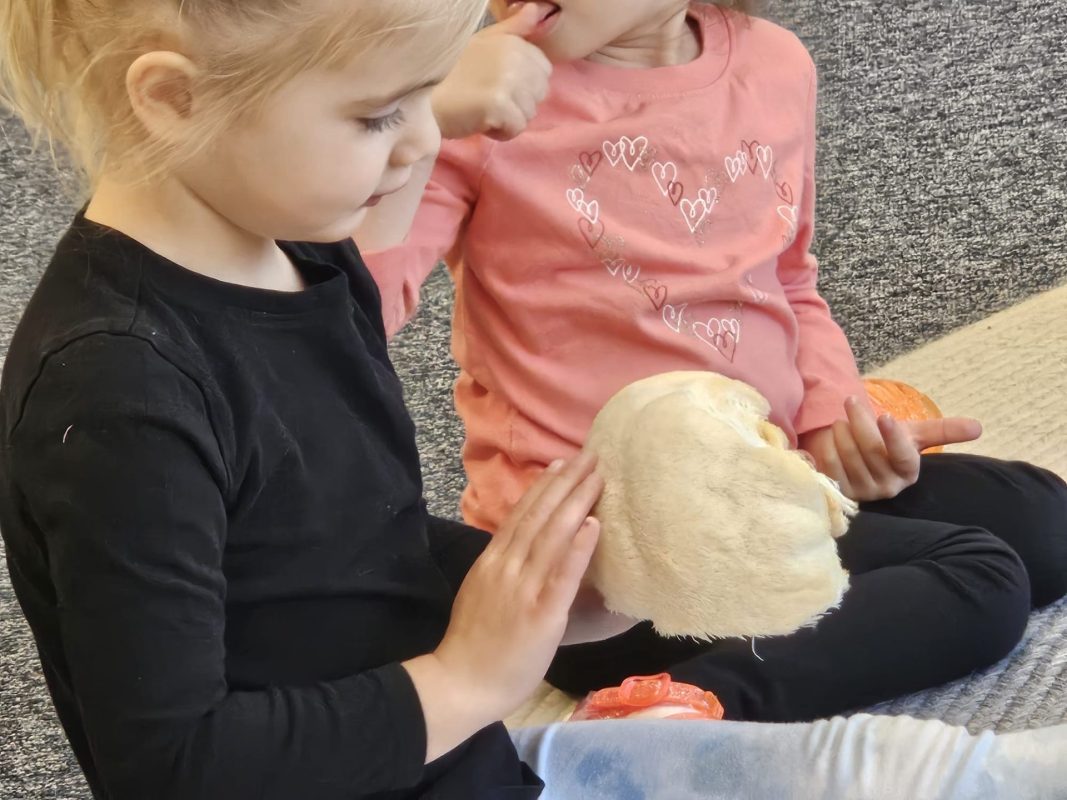
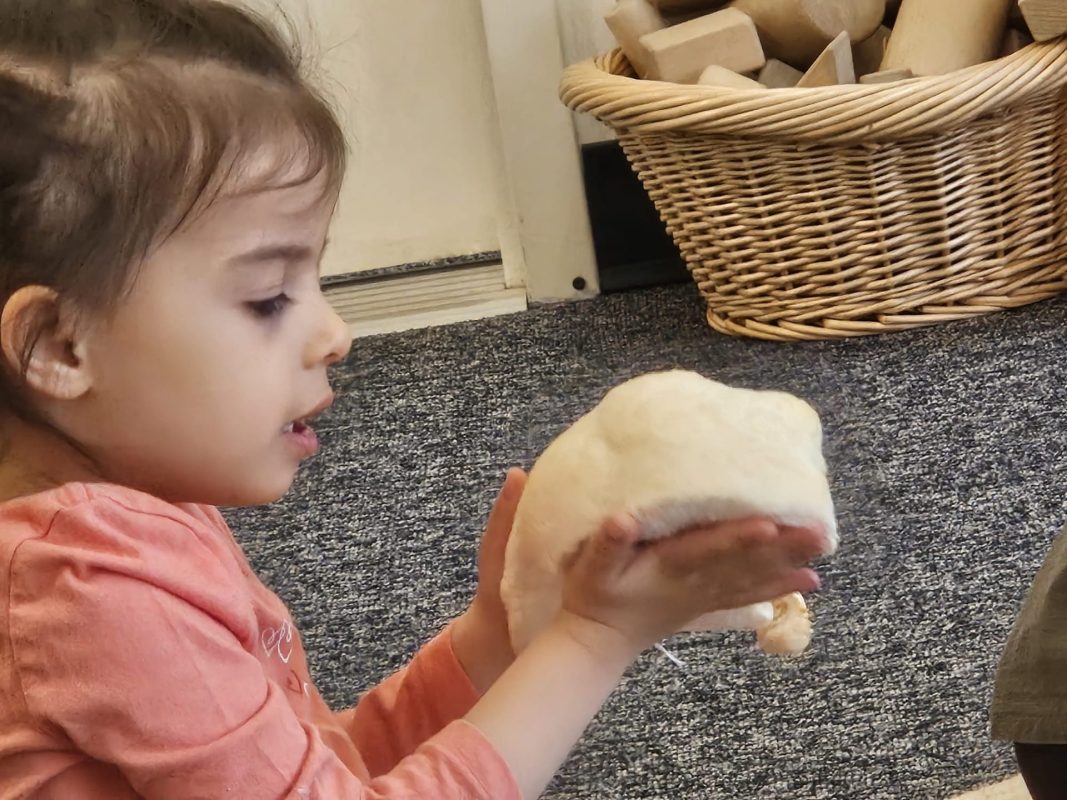
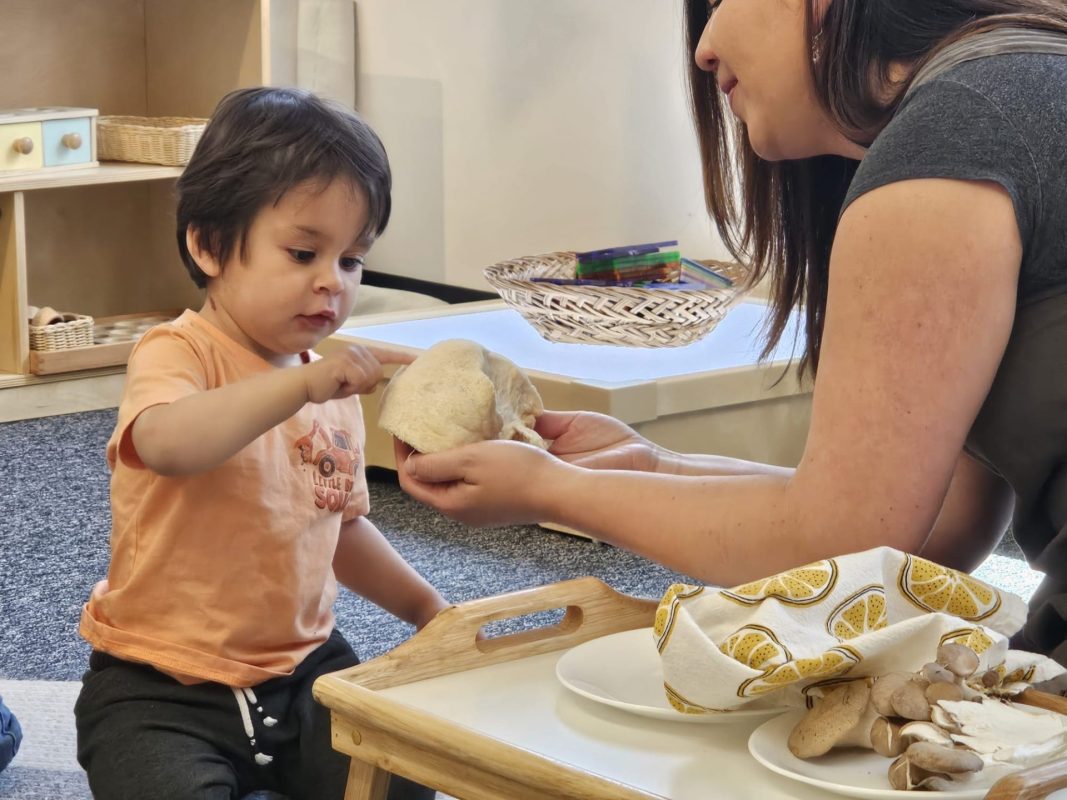
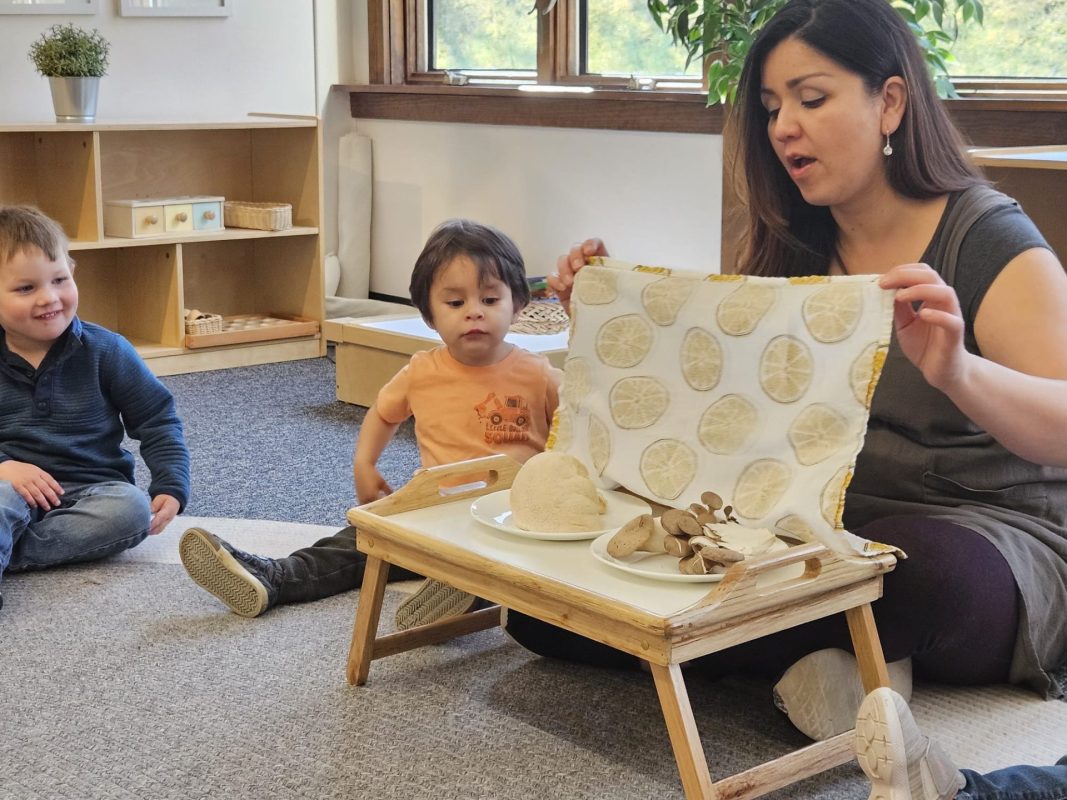
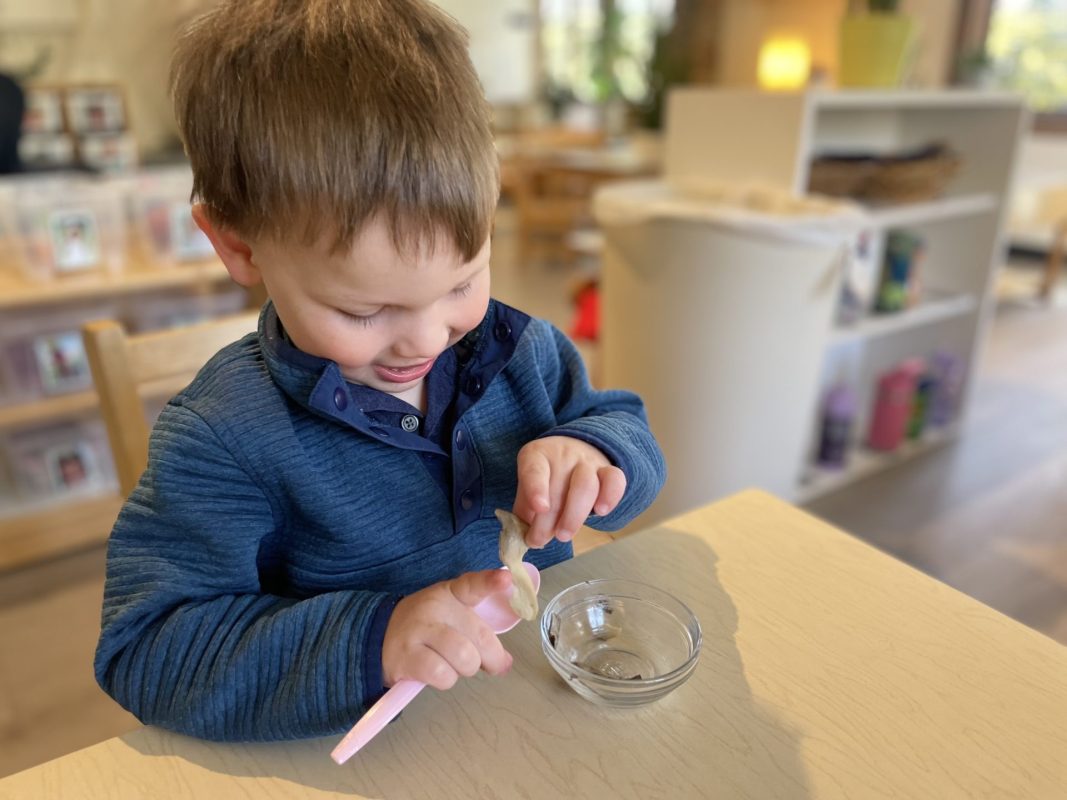
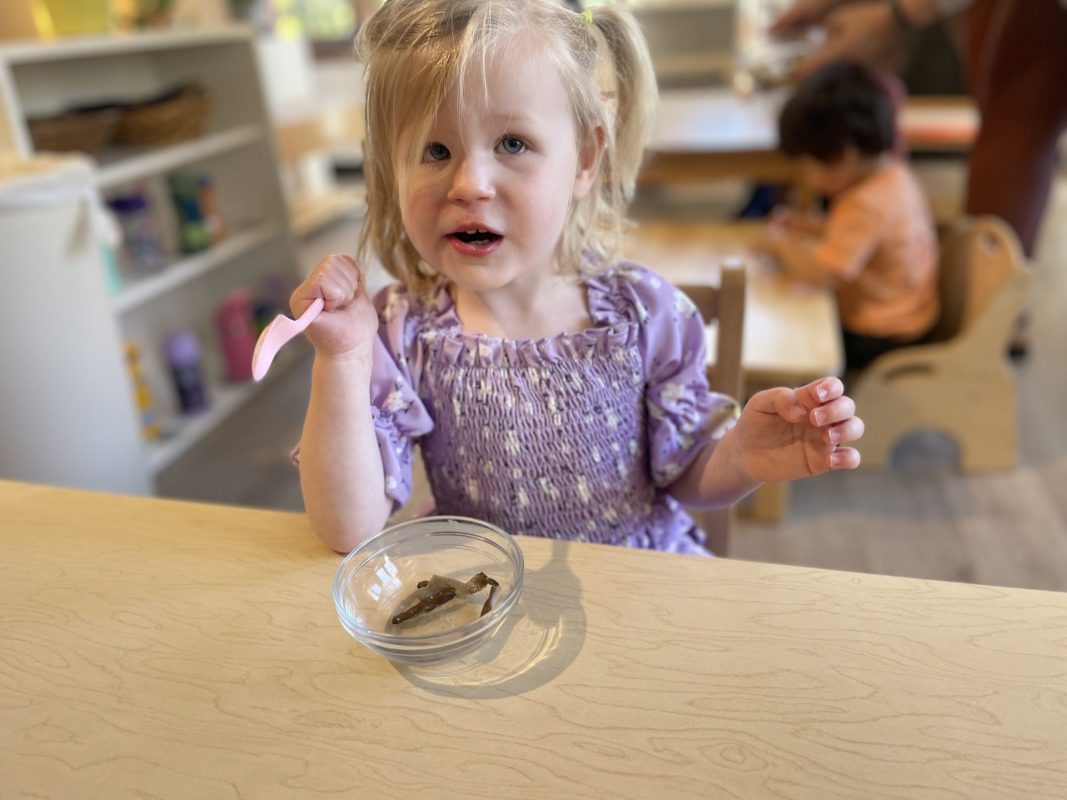
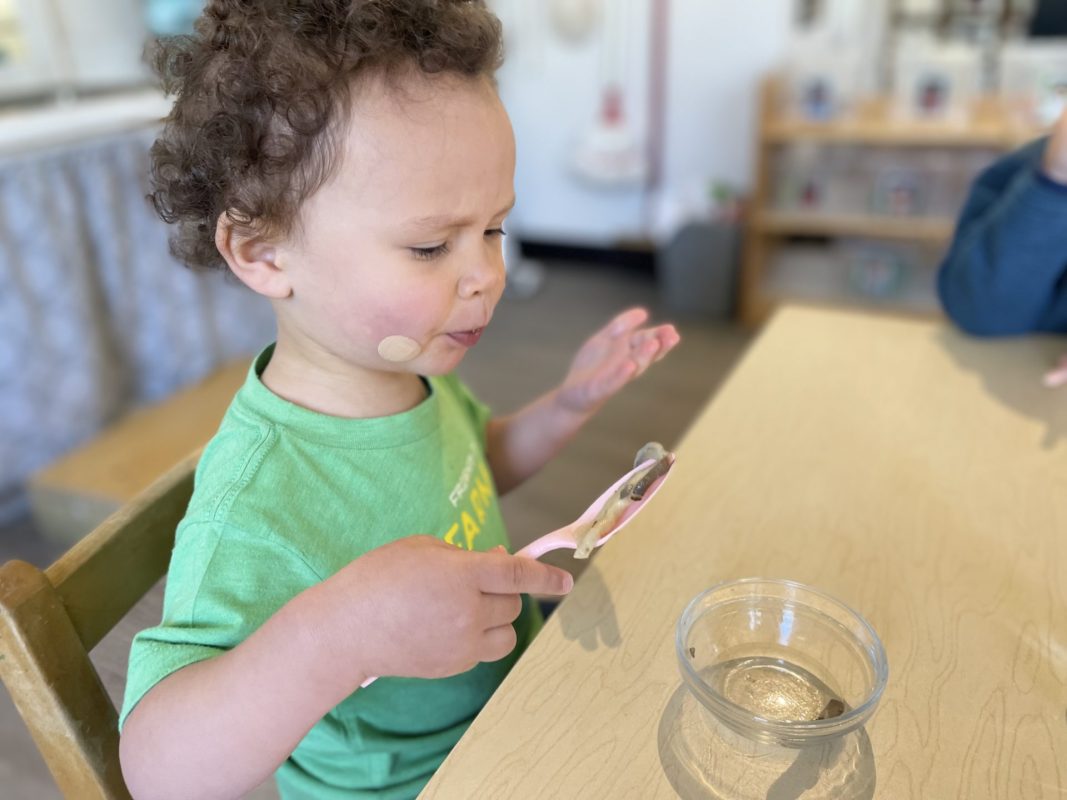
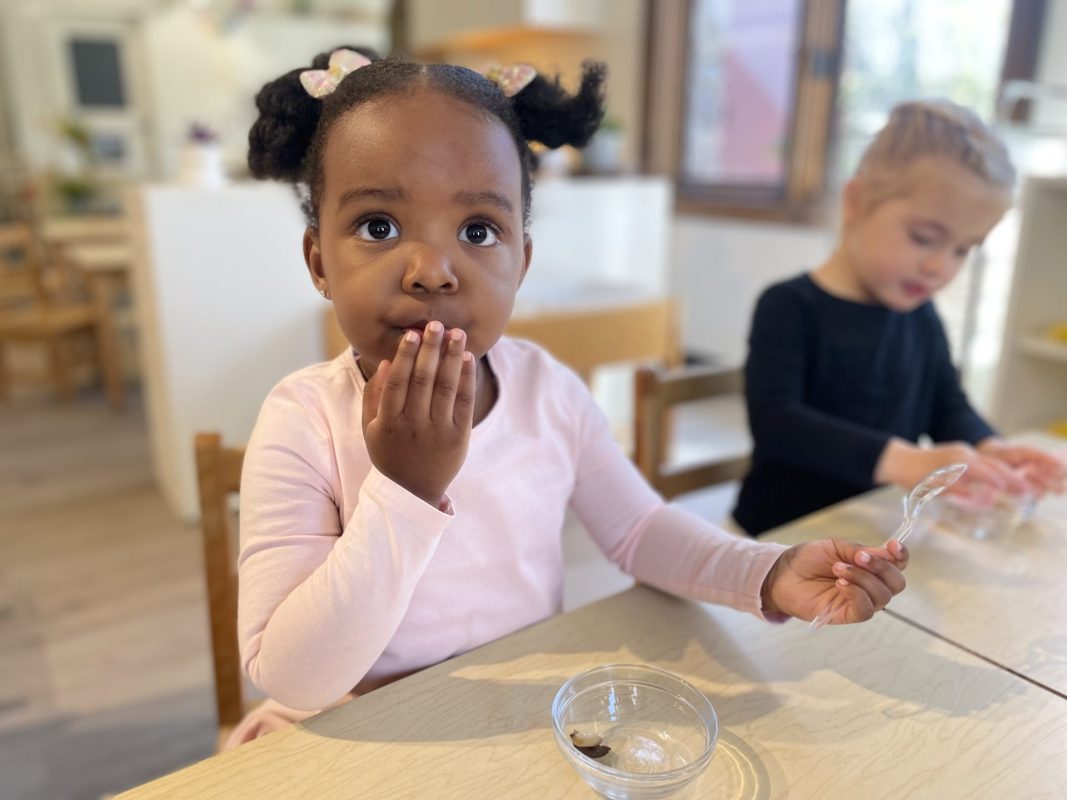
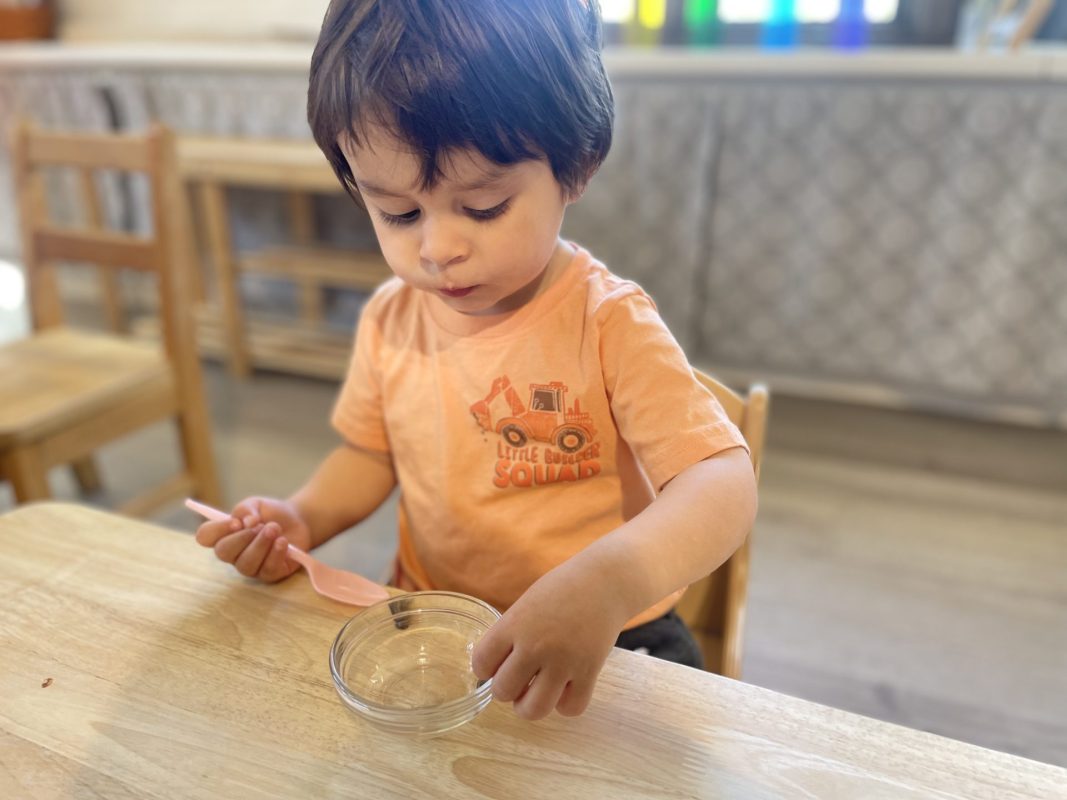
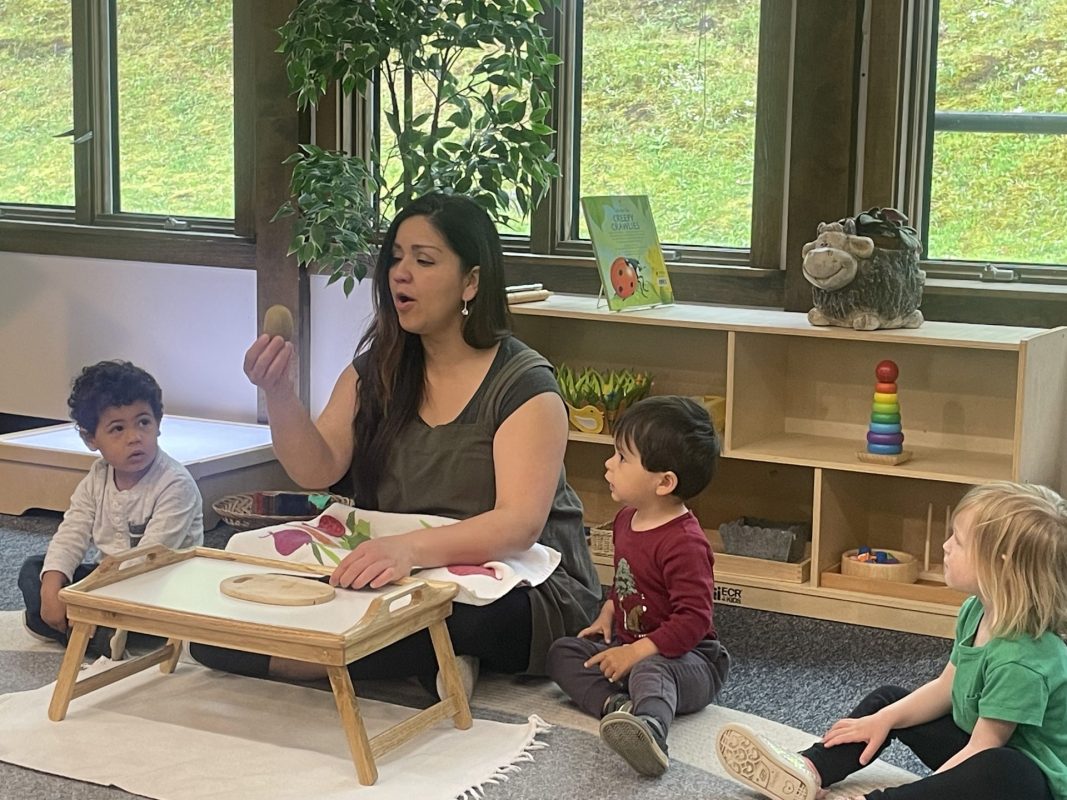
On another note, we had a super fun food-tasting lesson this week. We explored mushrooms! Thanks to the Calcagnini family, we enjoyed some special mushrooms from their mushroom farm! The children explored lion’s mane, trumpet, and oyster mushrooms. They enjoyed the tactile sensation of these different mushrooms. Some of them really enjoyed the taste and kept asking for more.

Lastly, Grandparents and Special Friends Day was a success! Thanks to all the families that participated! The children are always so excited to show off all that they can do!

Enjoy the weekend,

Mrs. Hood and Ms. Mollie

Mrs. Hood: Band time!

Maria Montessori used the scientific method to study children’s natural learning processes. She found that the child absorbs the culture they are in effortlessly and without fatigue between the ages of birth – six. Whatever the child is exposed to is internalized by the child and accepted into the child’s own being, imprinted on their soul. If a child is surrounded by music, the child will be a musical person. If a child hears their parents singing, the child will sing. If a child sees their parents dancing, the child will dance.

She called this the child’s “Absorbent Mind.”

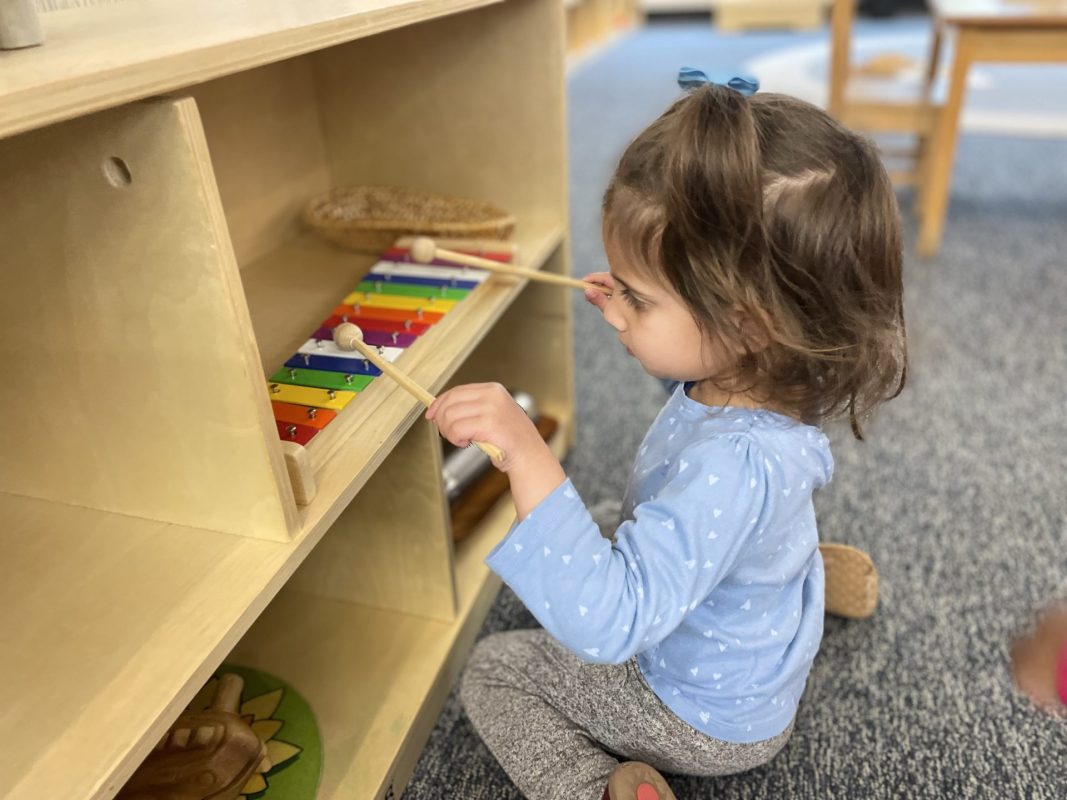
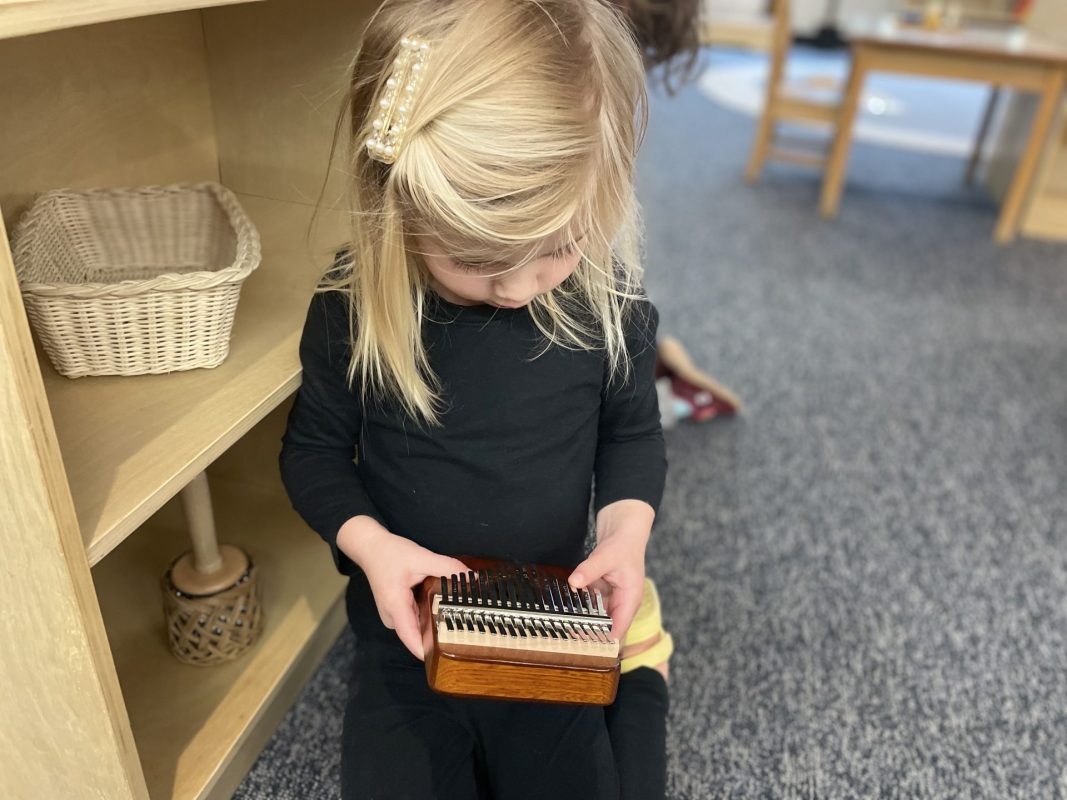
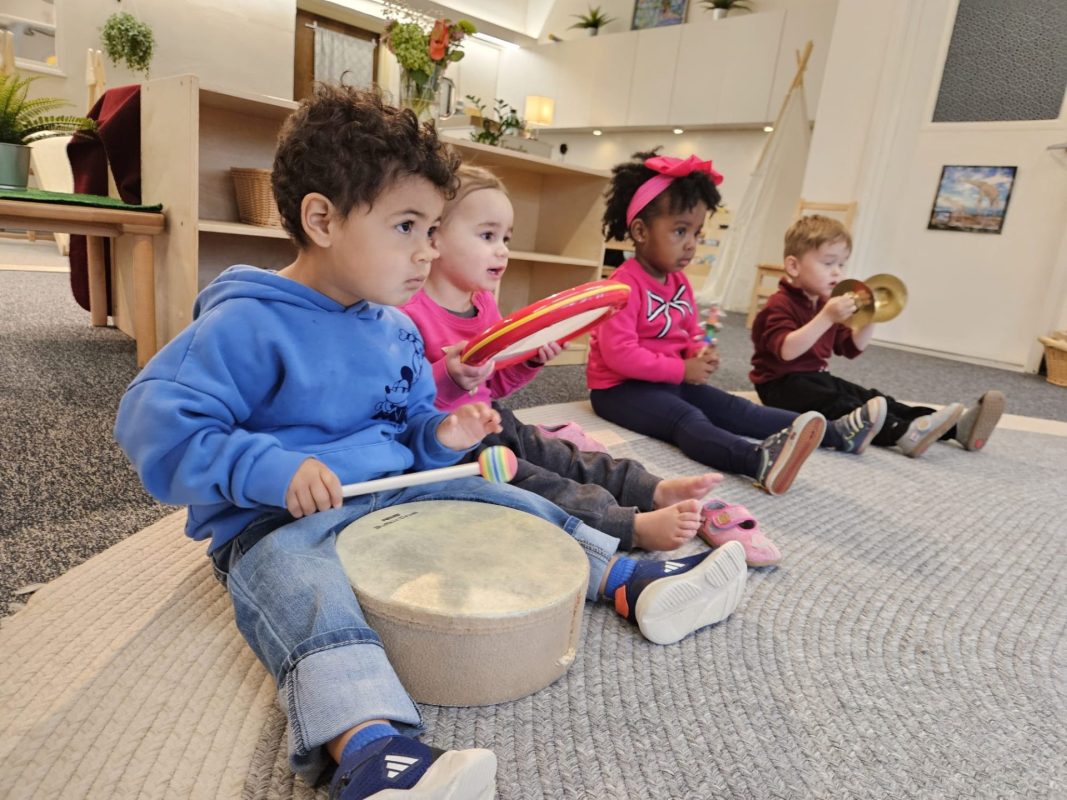
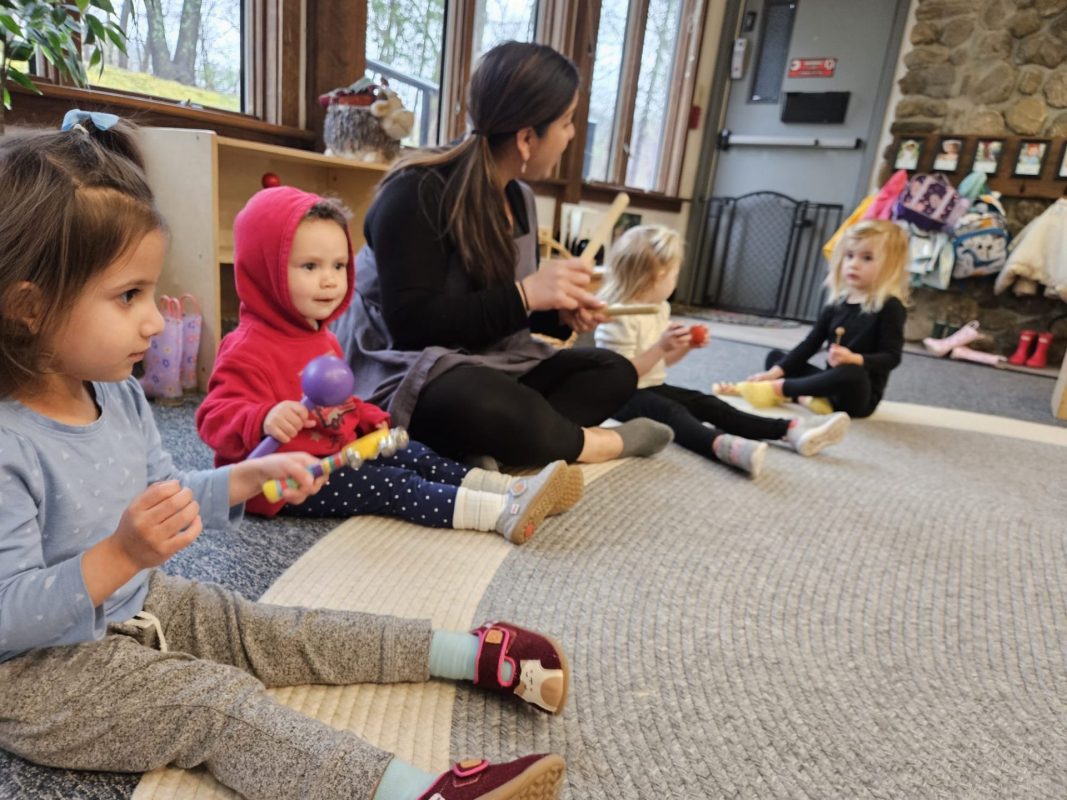
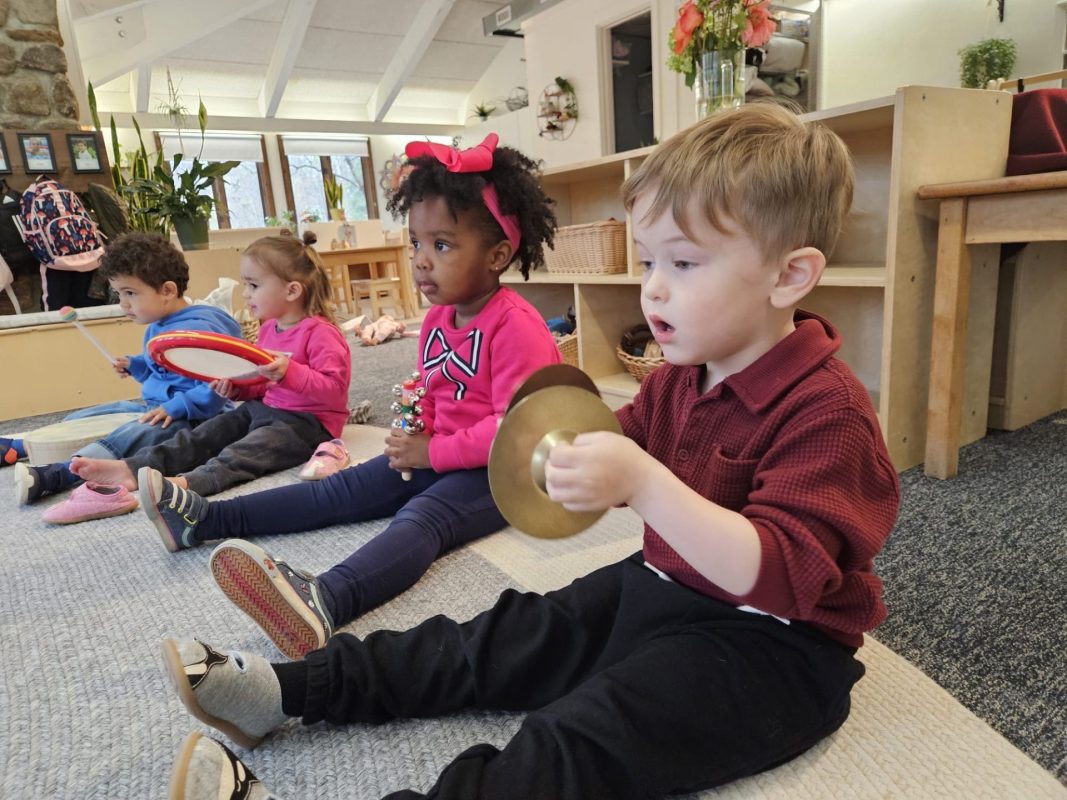
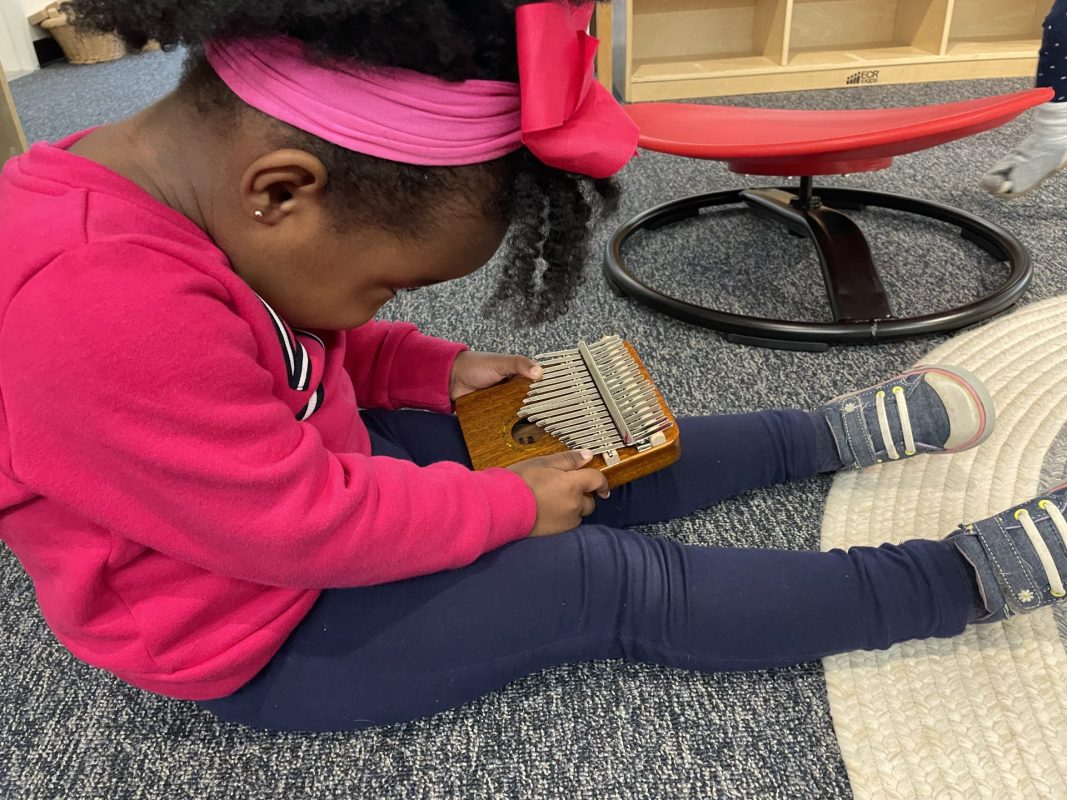
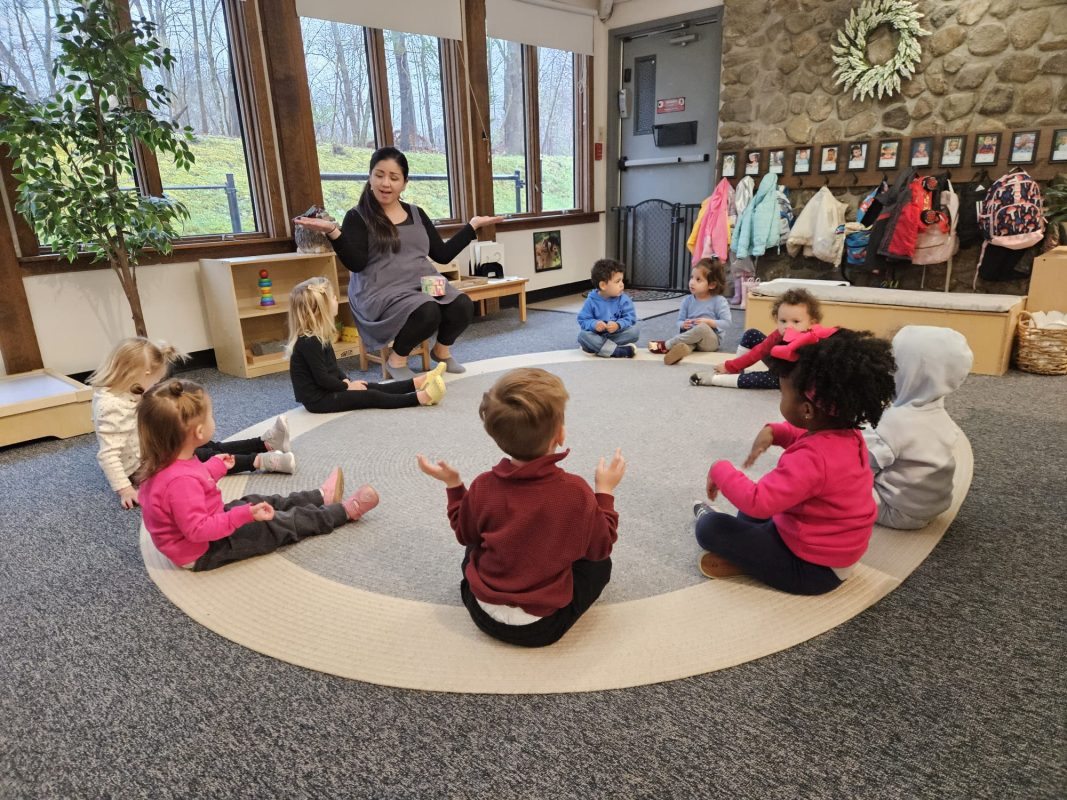
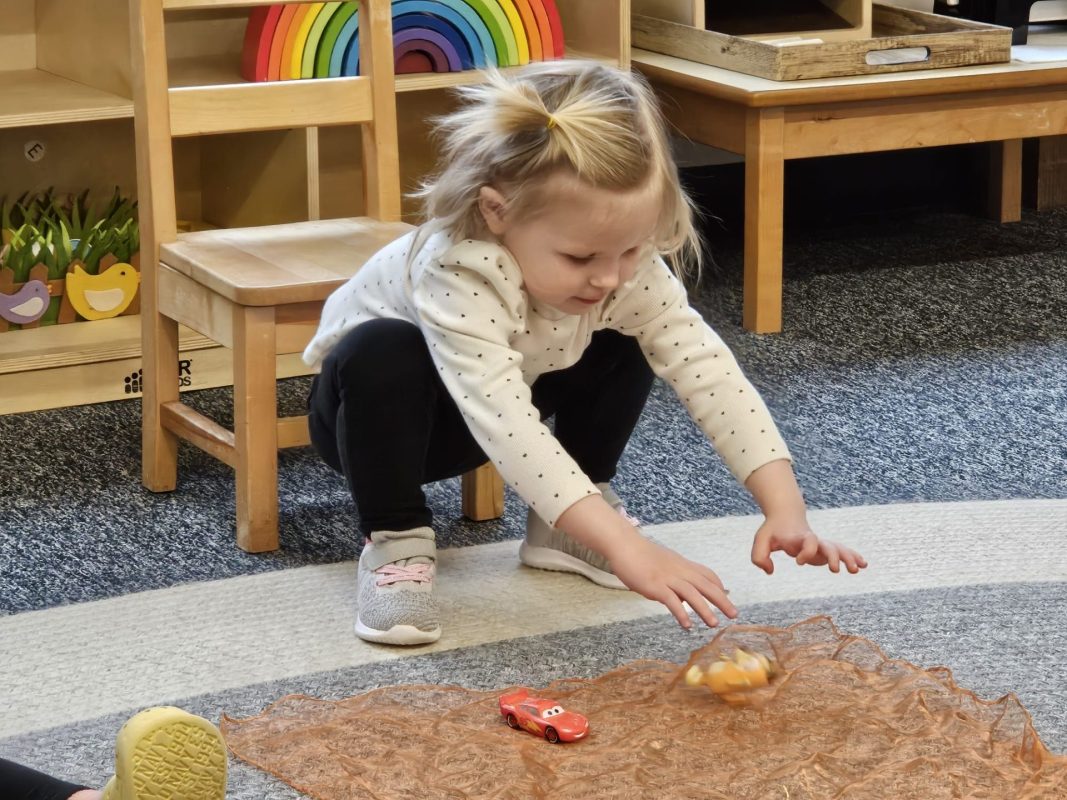
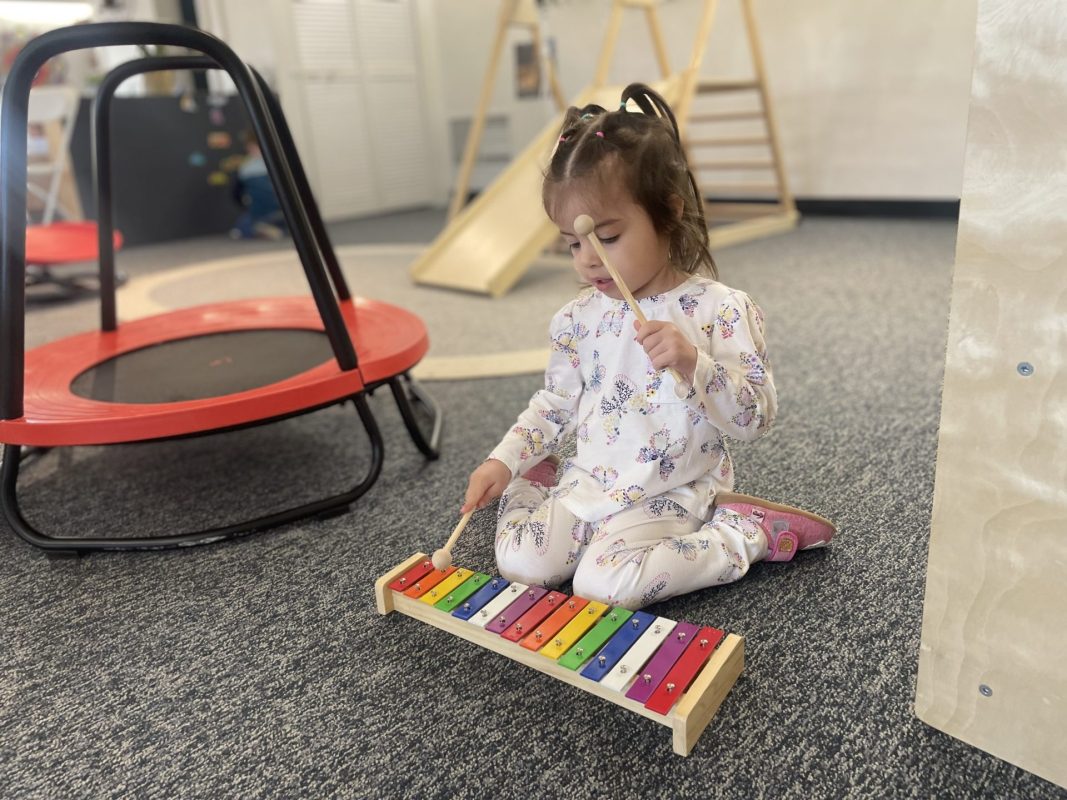
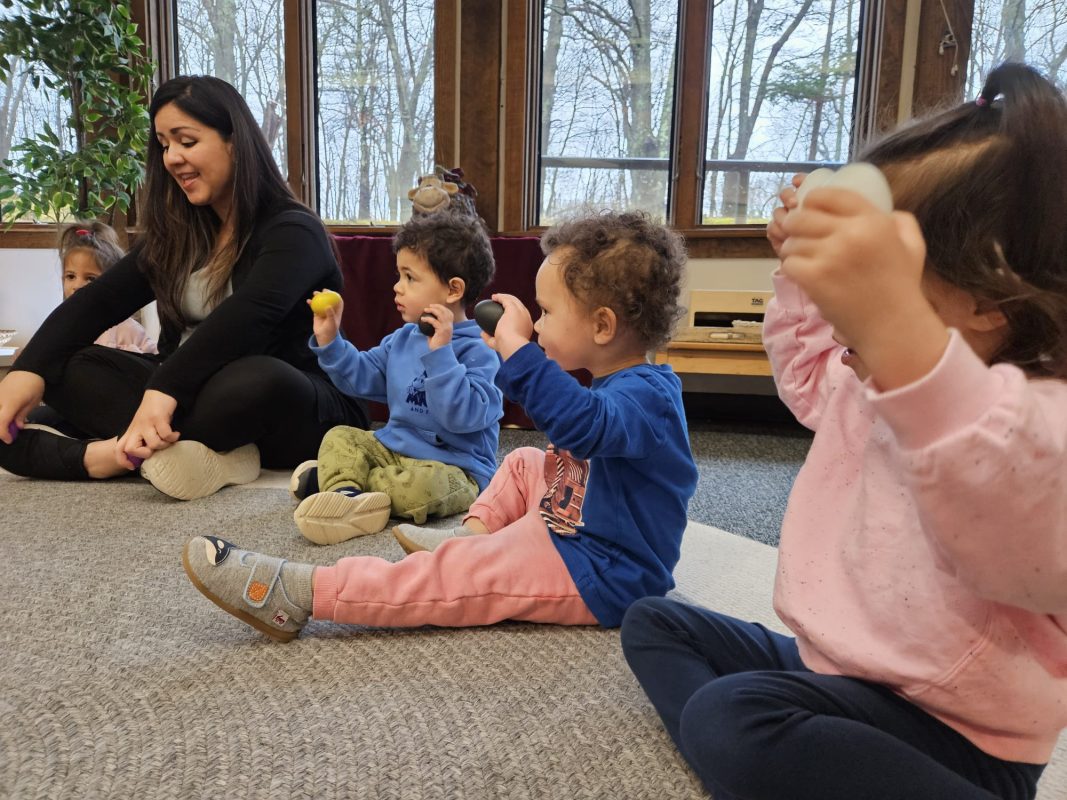
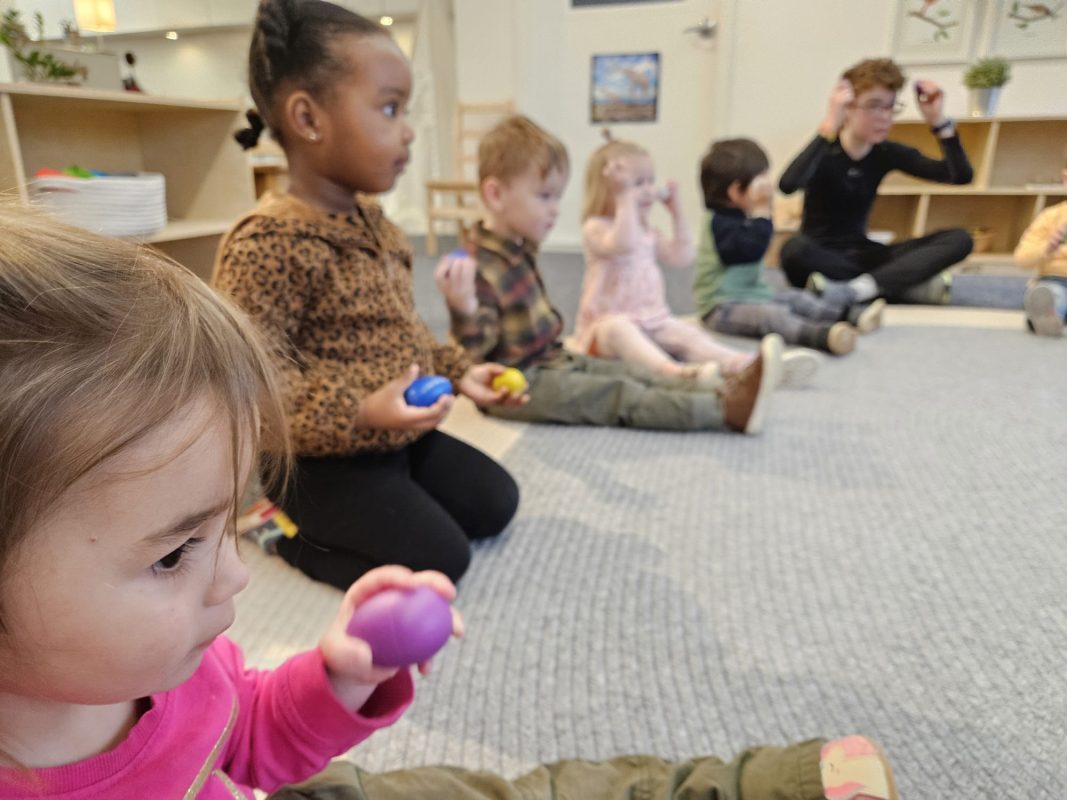
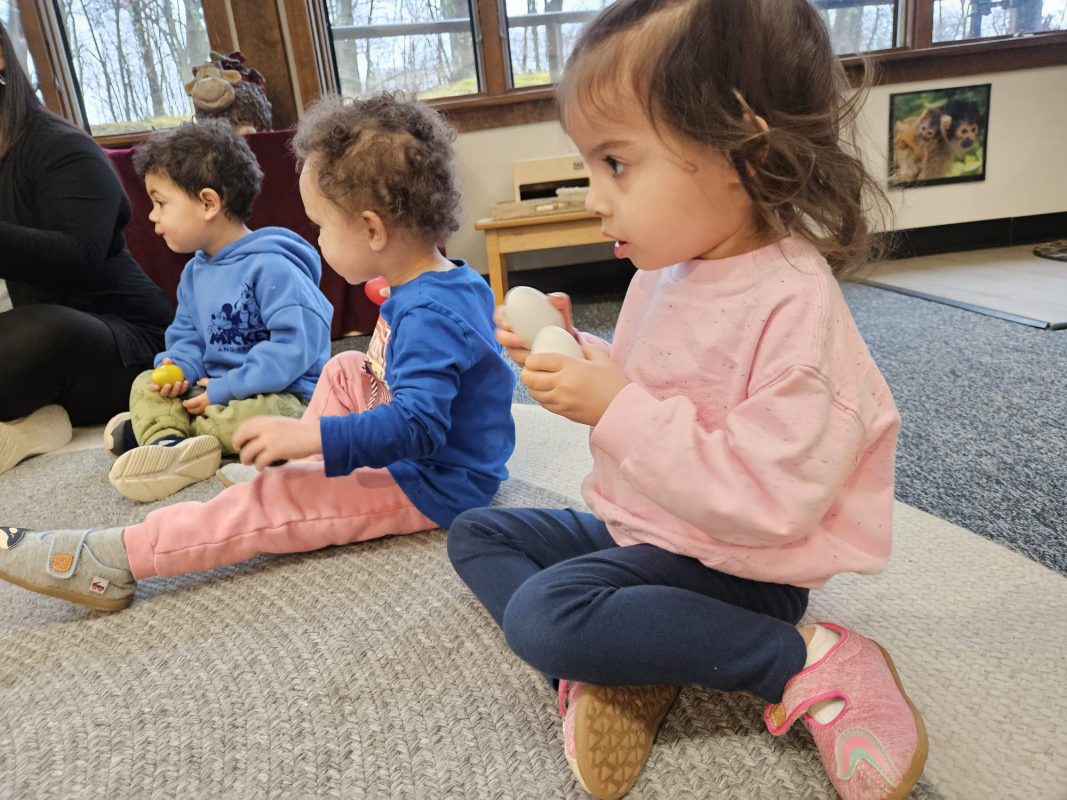
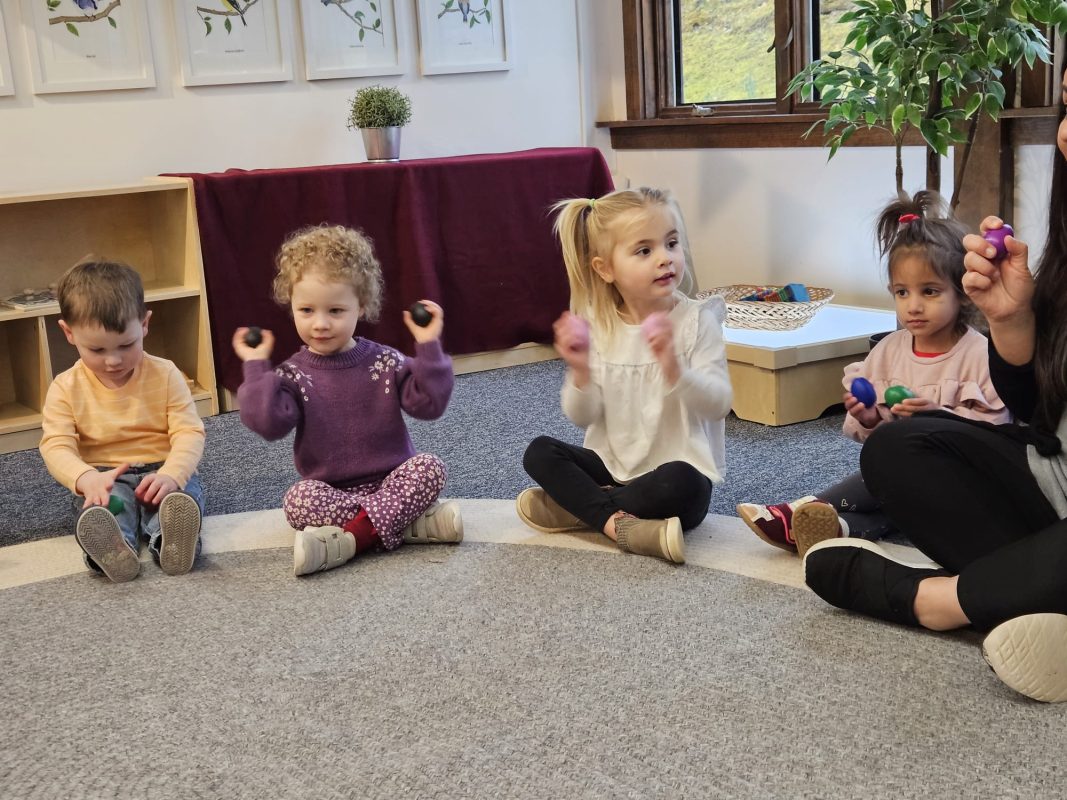
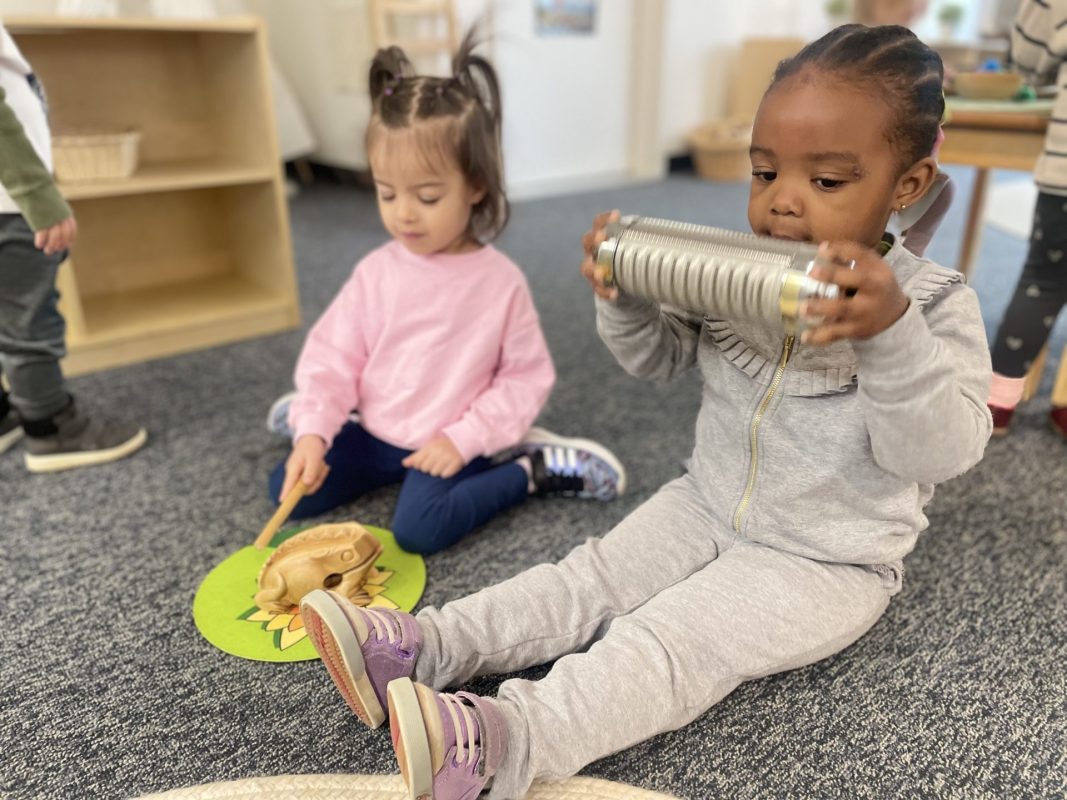
In our environment, children are exposed to meaningful music experiences every day. Whole-body movement songs, singing, finger-plays, and instrument times are always part of our morning routine. There is a shelf exclusively for musical instruments, and these get rotated during the year so children learn the names of the instruments they are playing, and they learn how to play them properly. One main part of our group music lessons includes grace and courtesy. Through this, the children learn to recognize the importance of being polite and waiting until everybody gets their instrument before selecting a song and grabbing their instrument to play! This is a great exercise, especially for toddlers who tend to be so impulsive, but we are happy to report they all are so capable at this!  Children are directed to recognize hand gestures for tempo, dynamics, and their favorite: the closing of the song. They all love to hold their fists up and watch how everybody’s instrument stops at the same time! Their smiles say it all! We call this our “band time.”

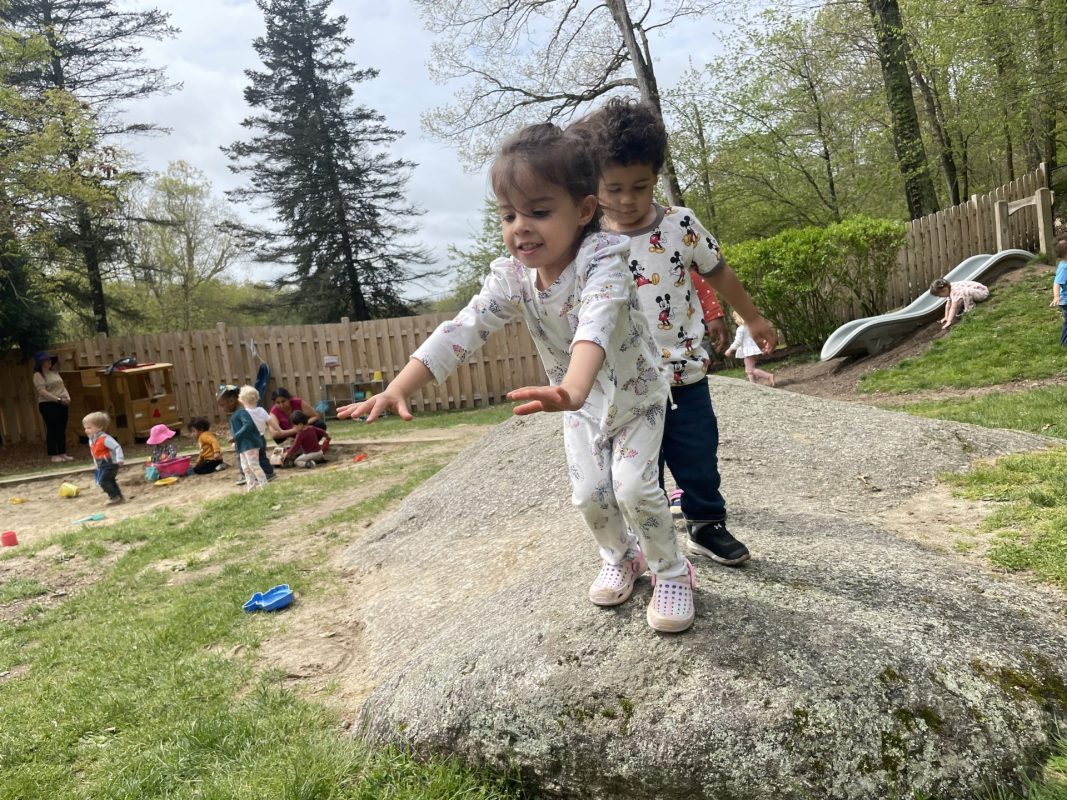
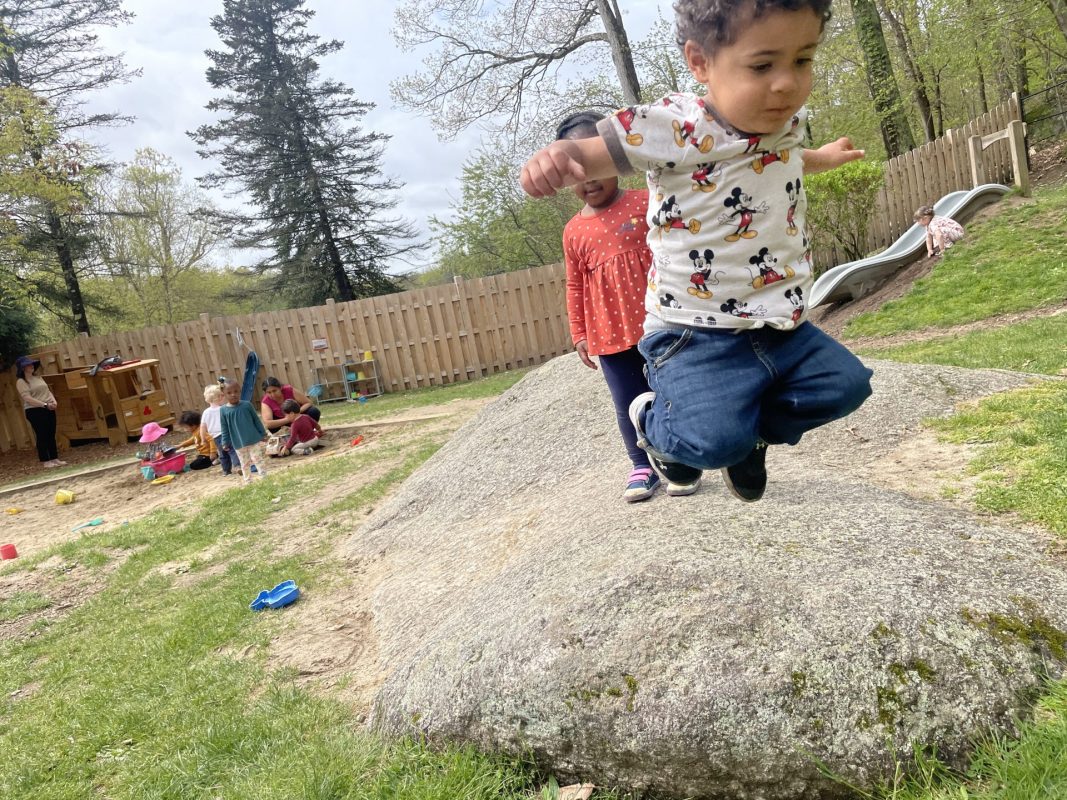
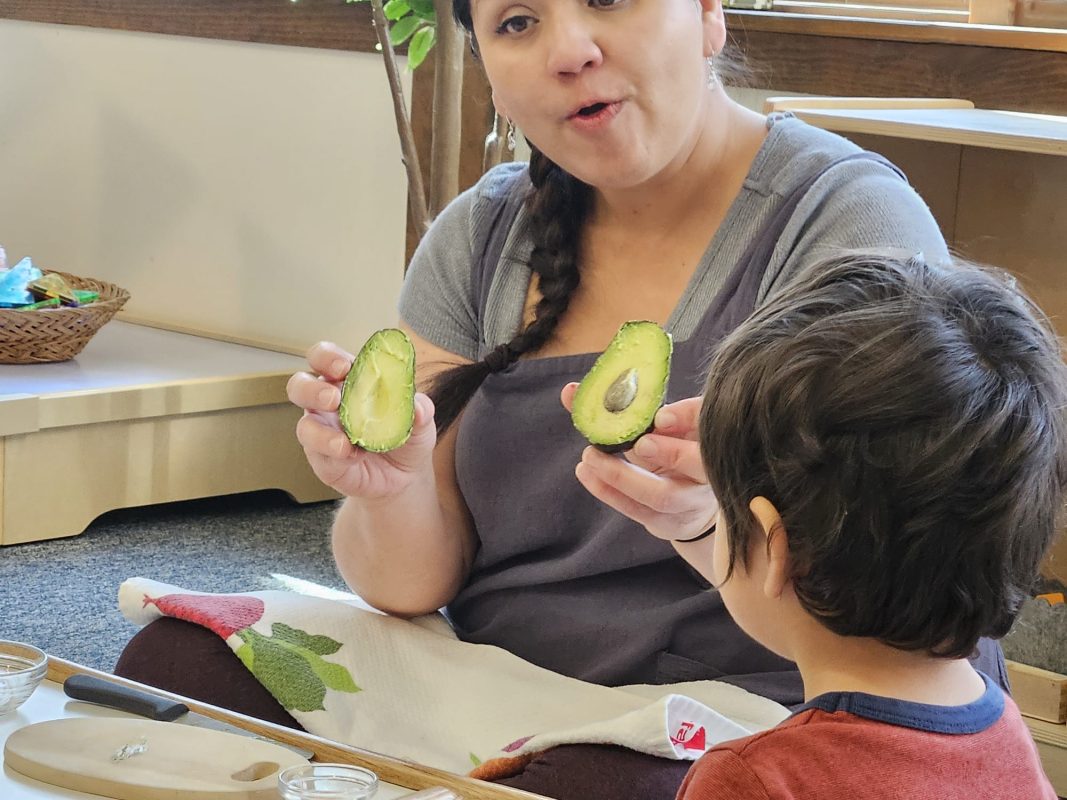
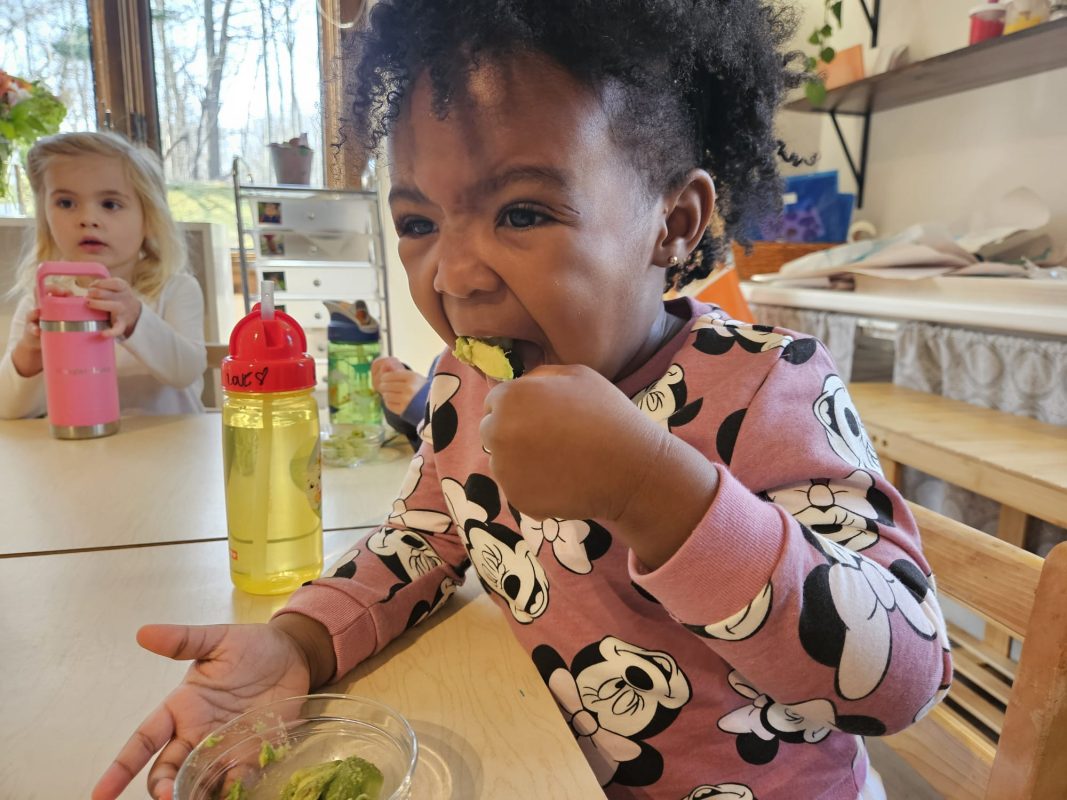
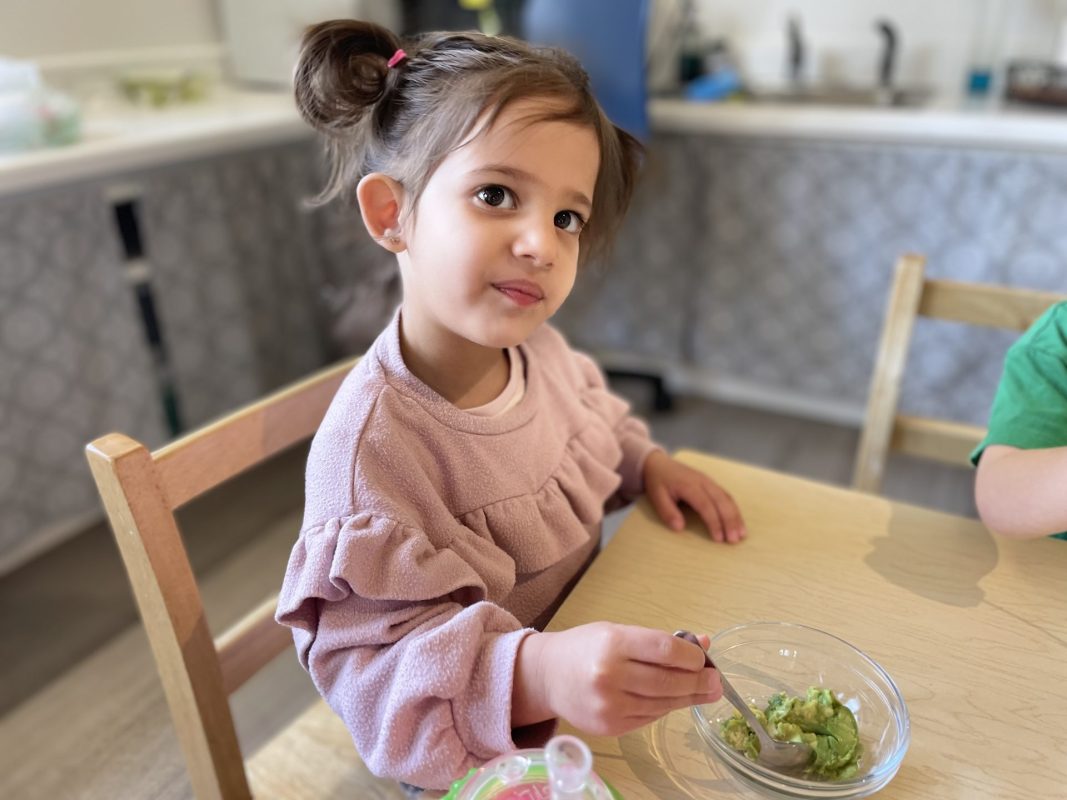
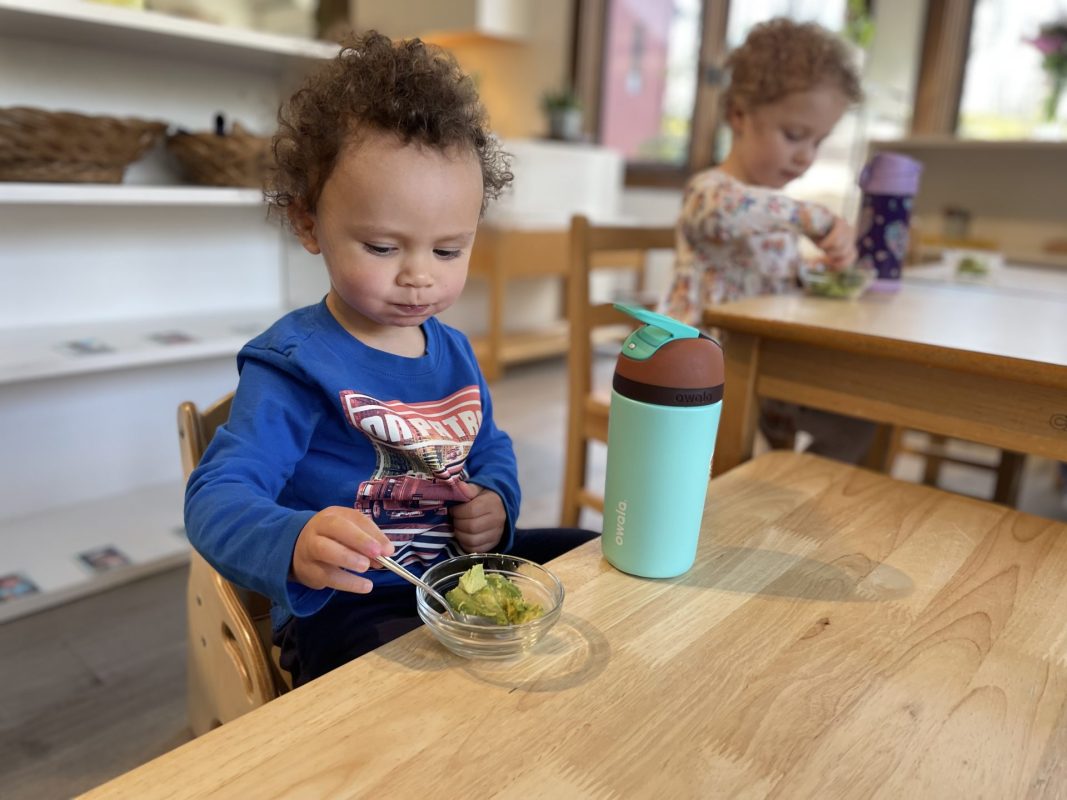
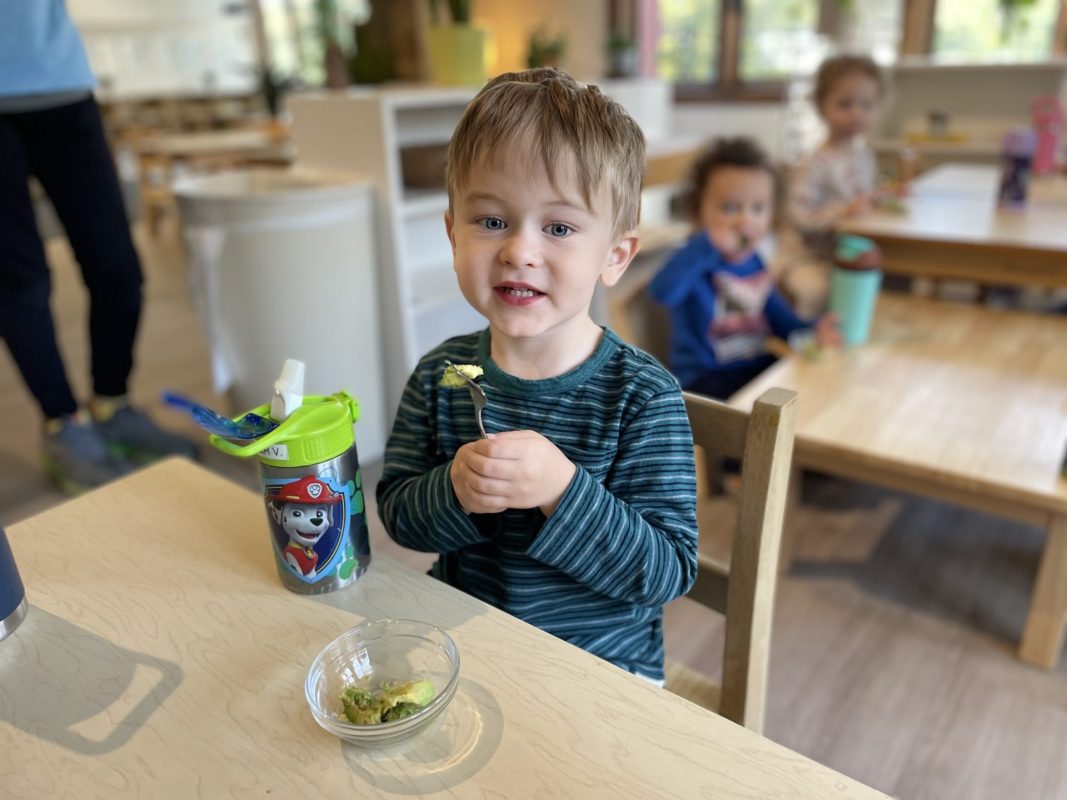
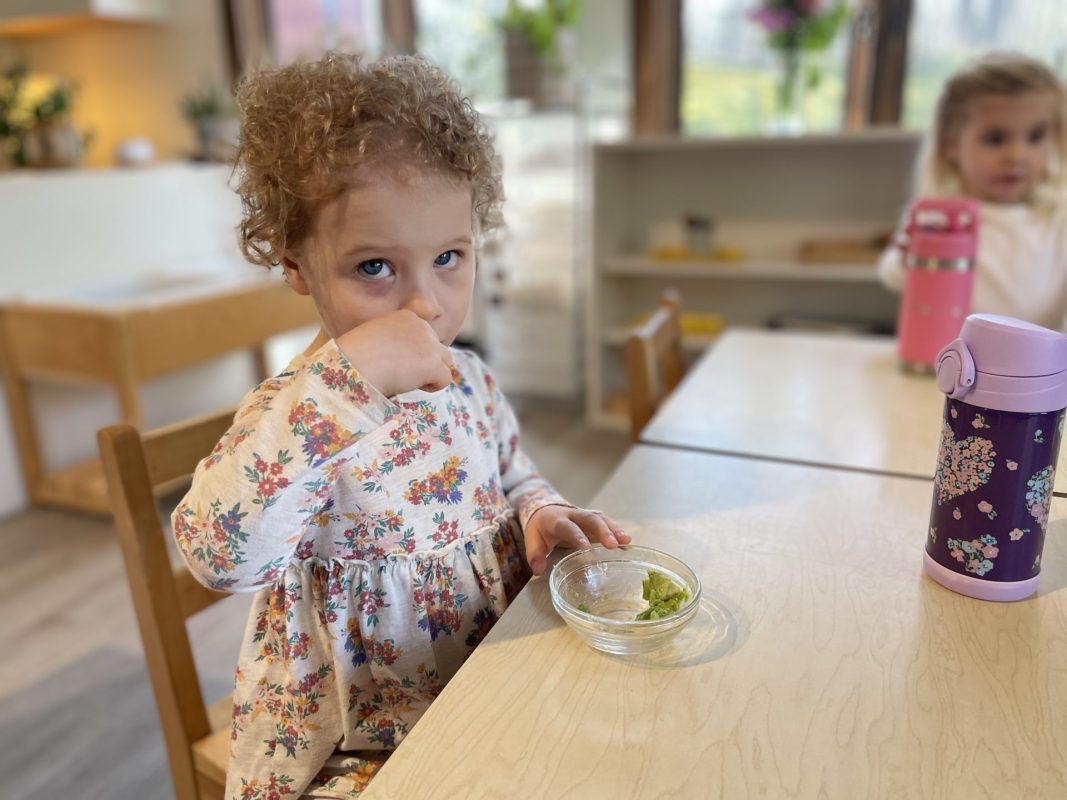
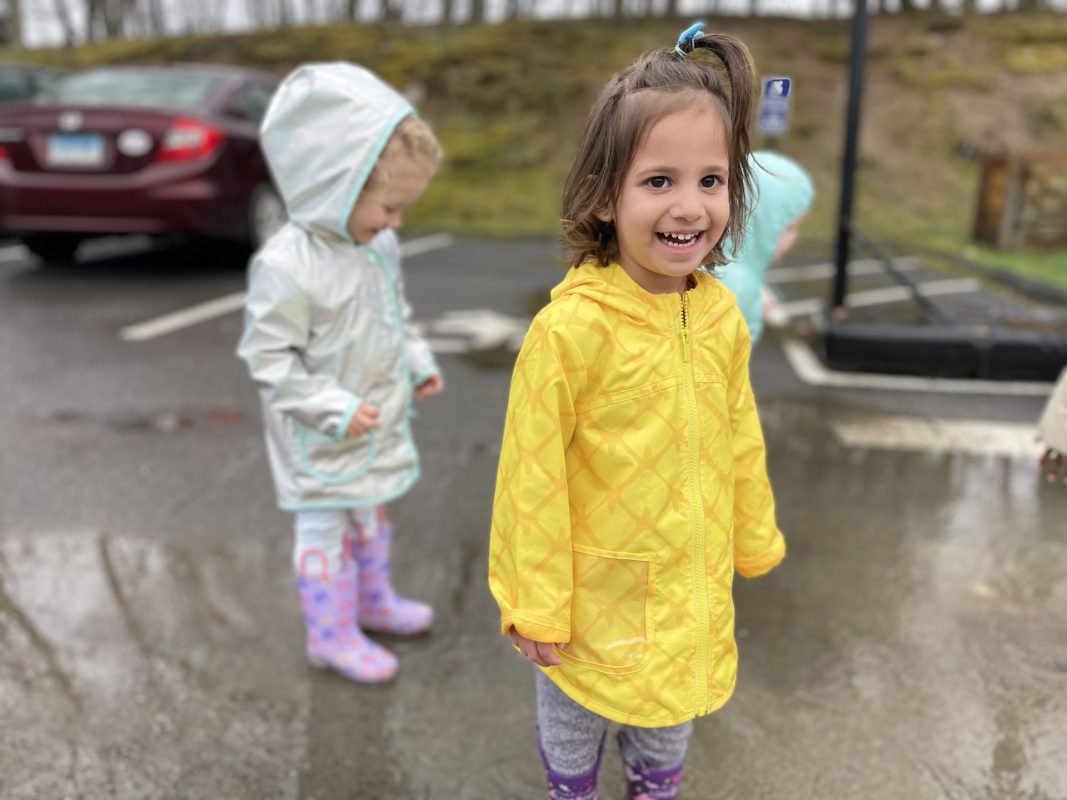
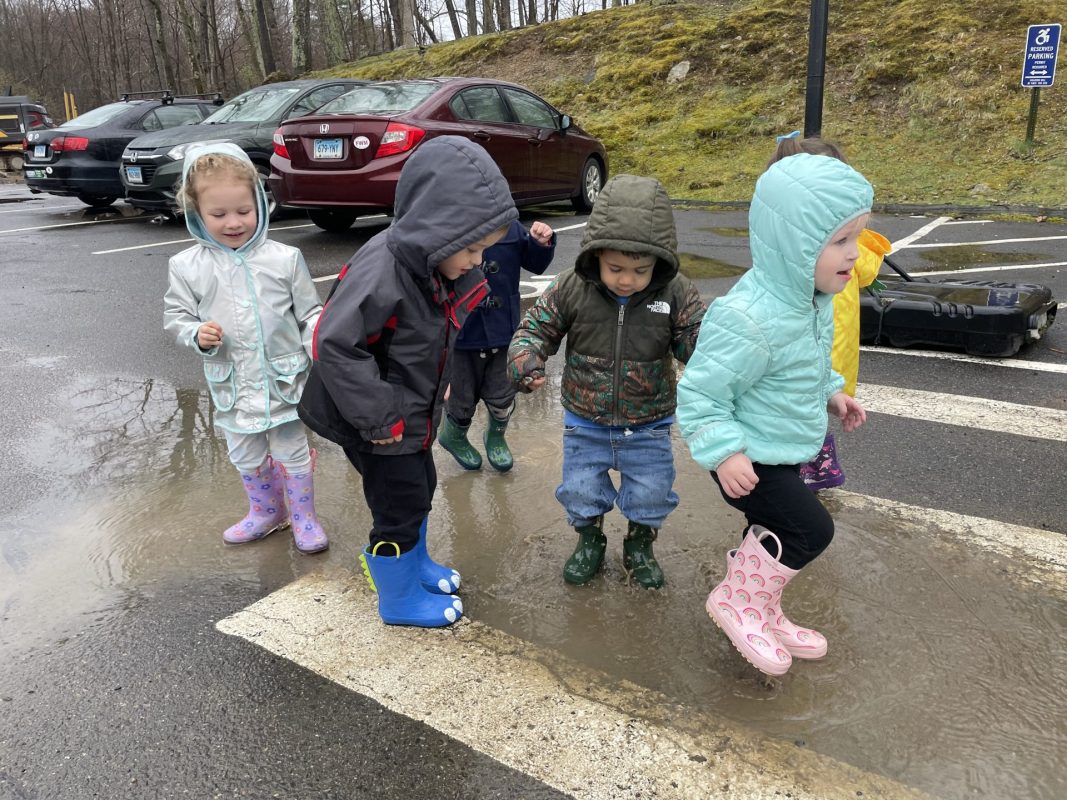
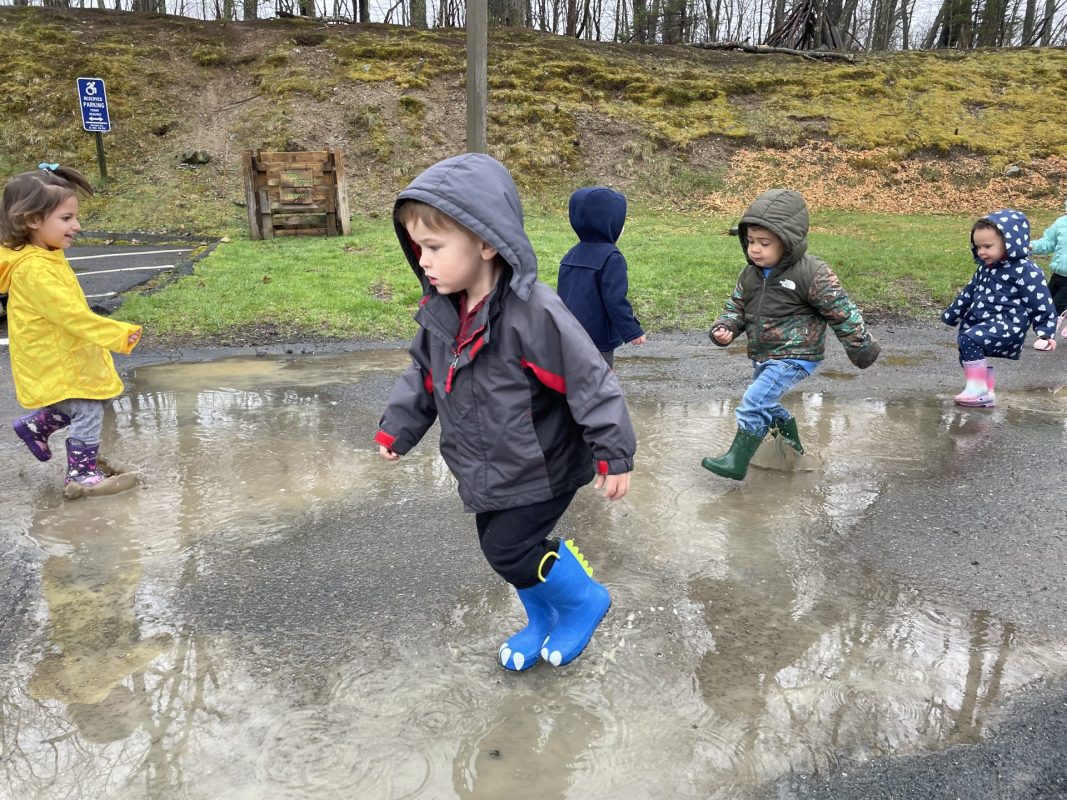
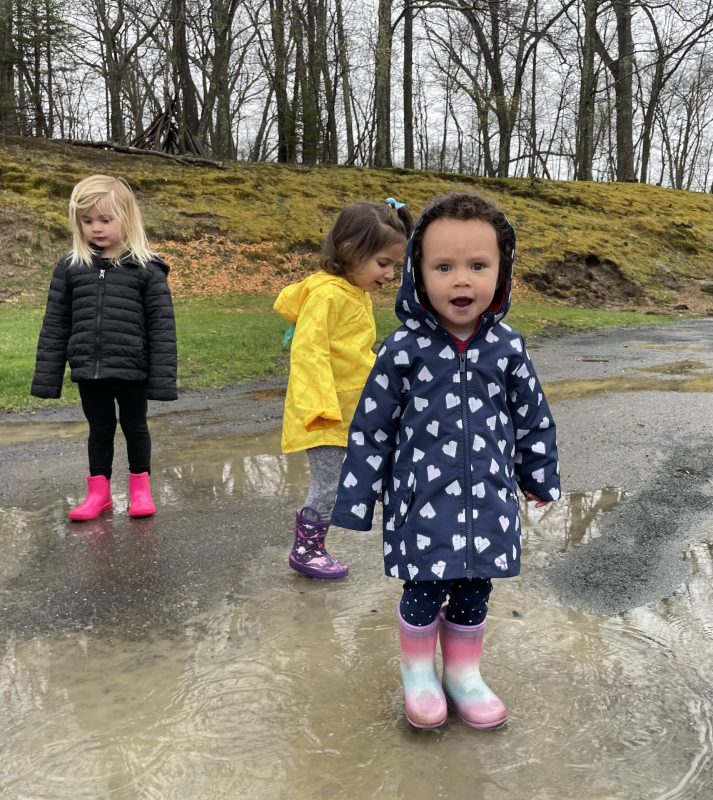
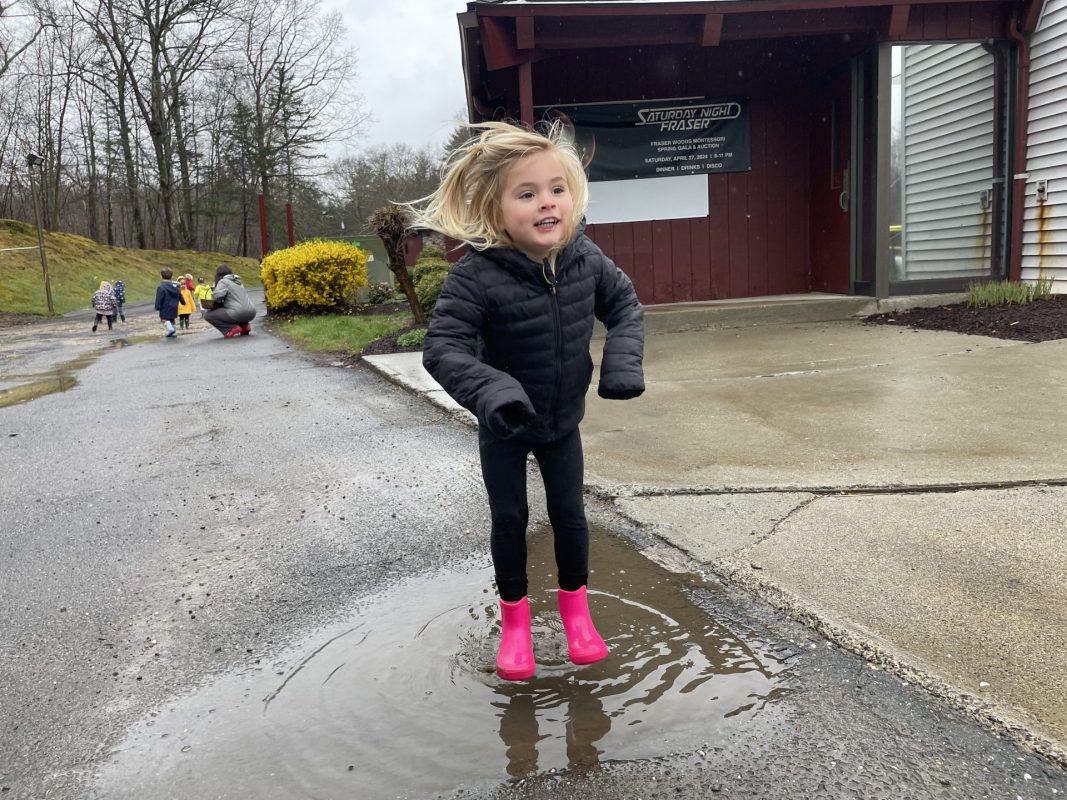
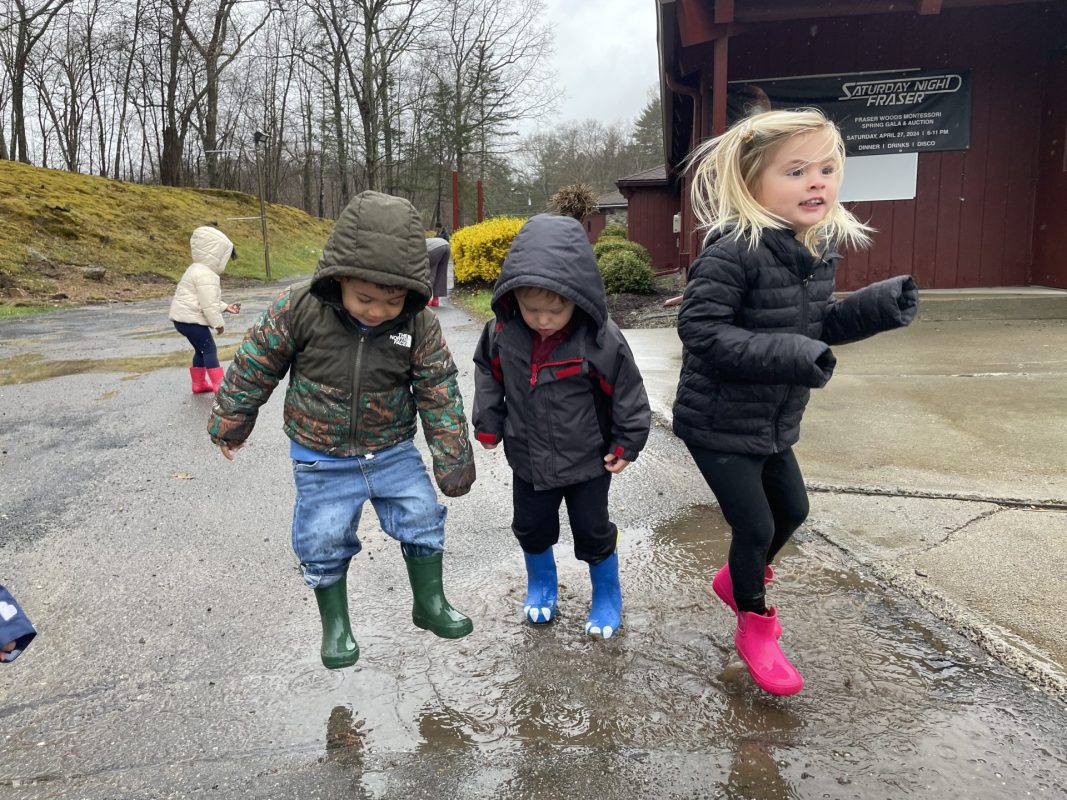
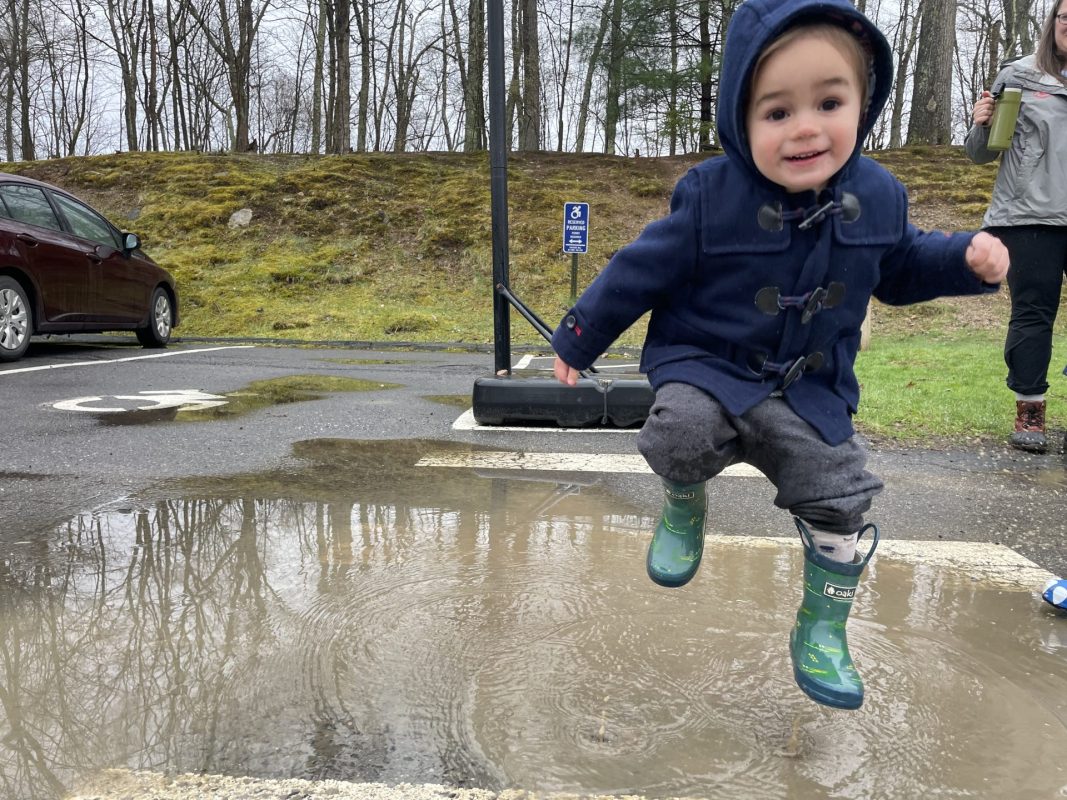
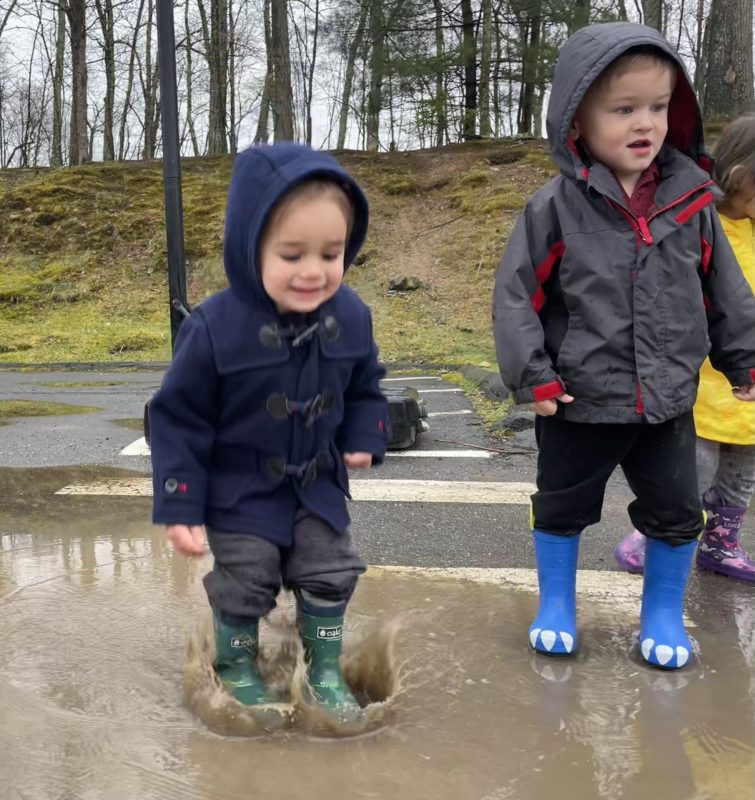
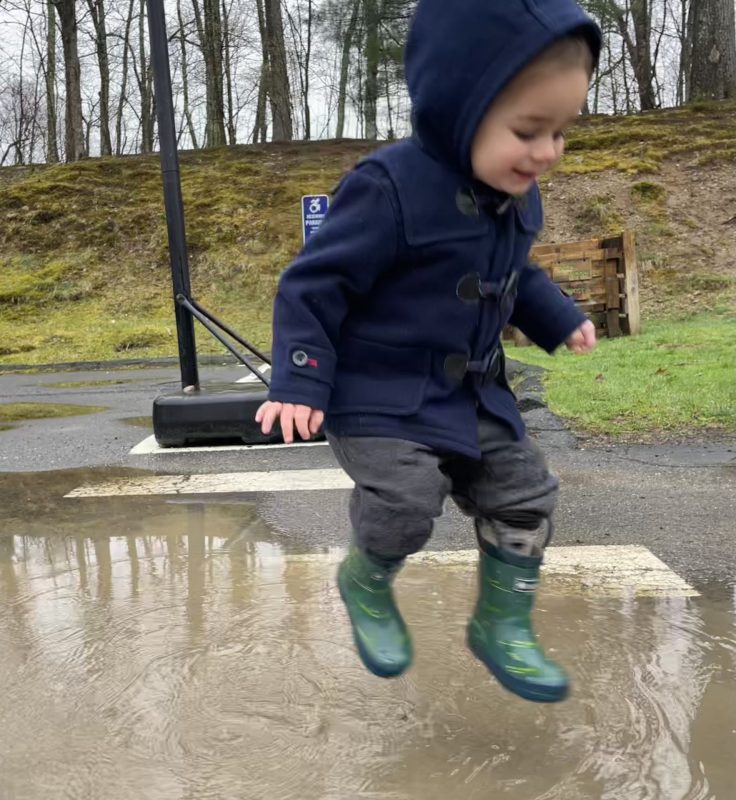
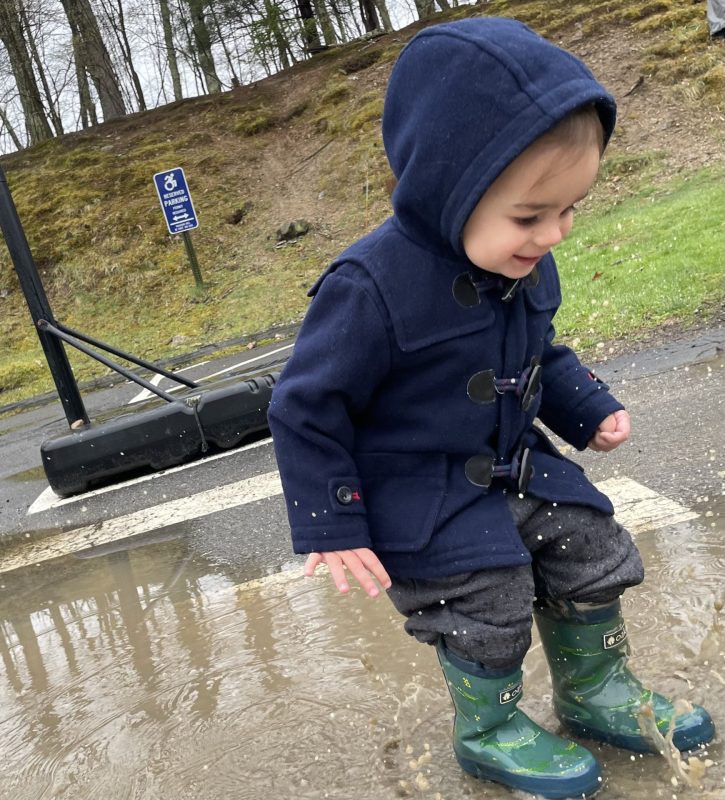
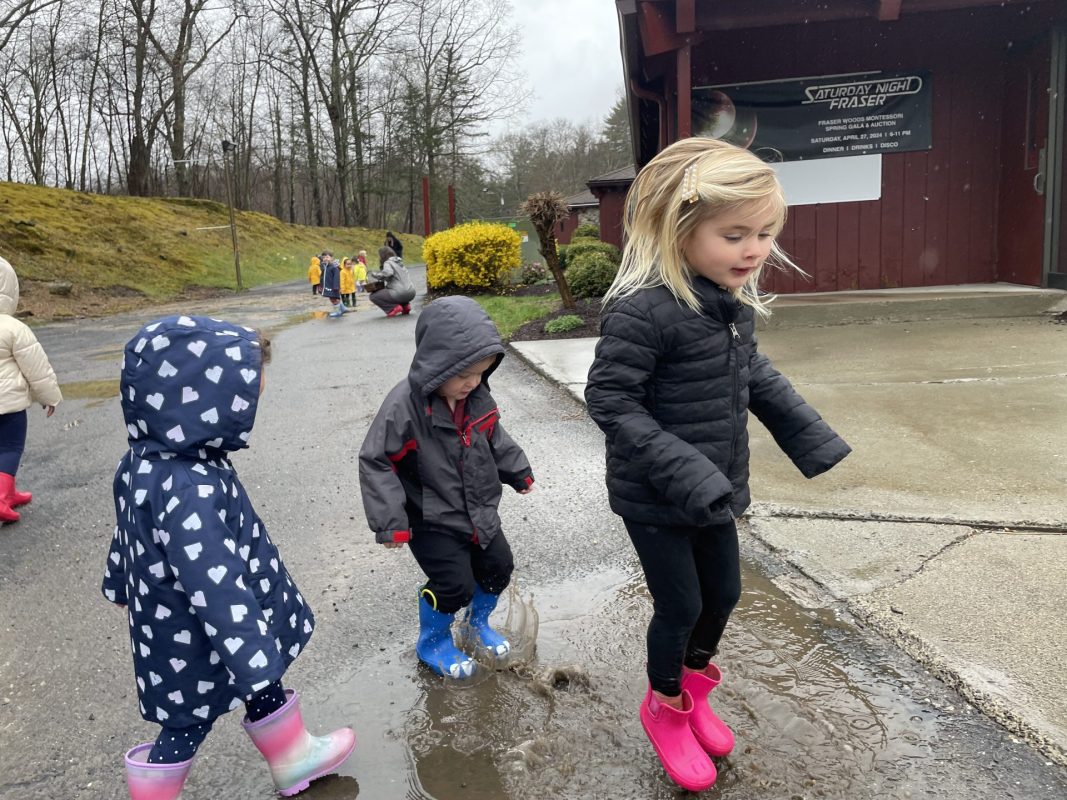
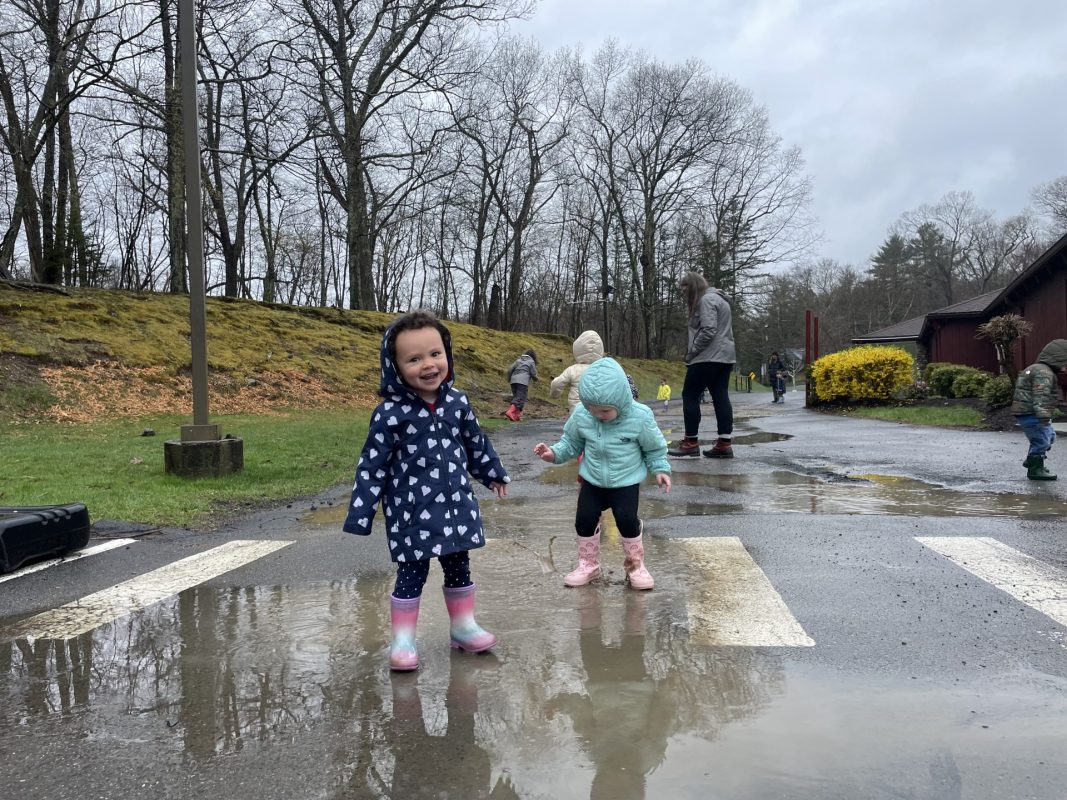
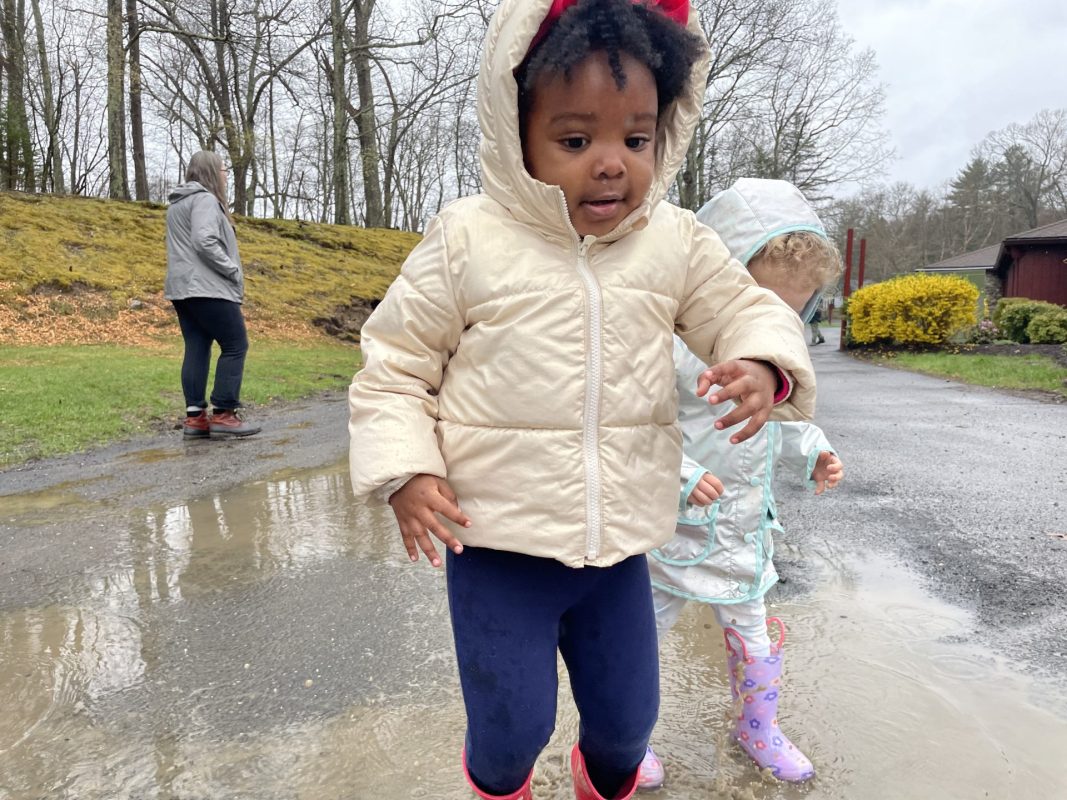
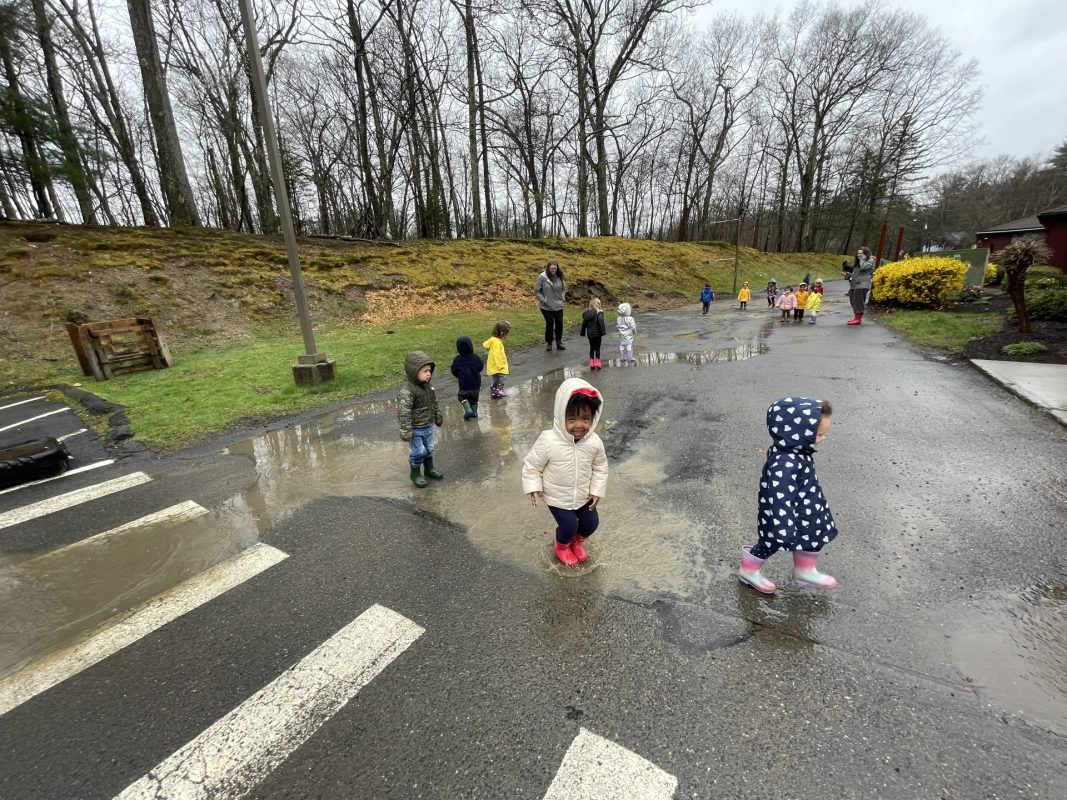
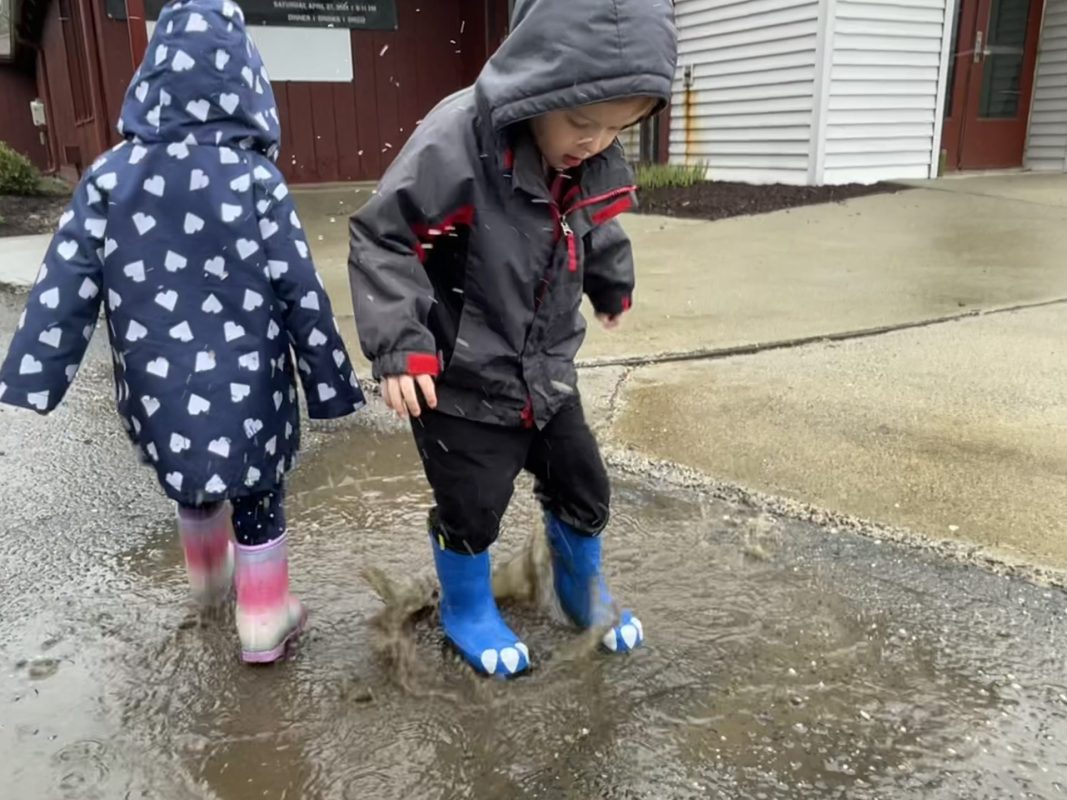
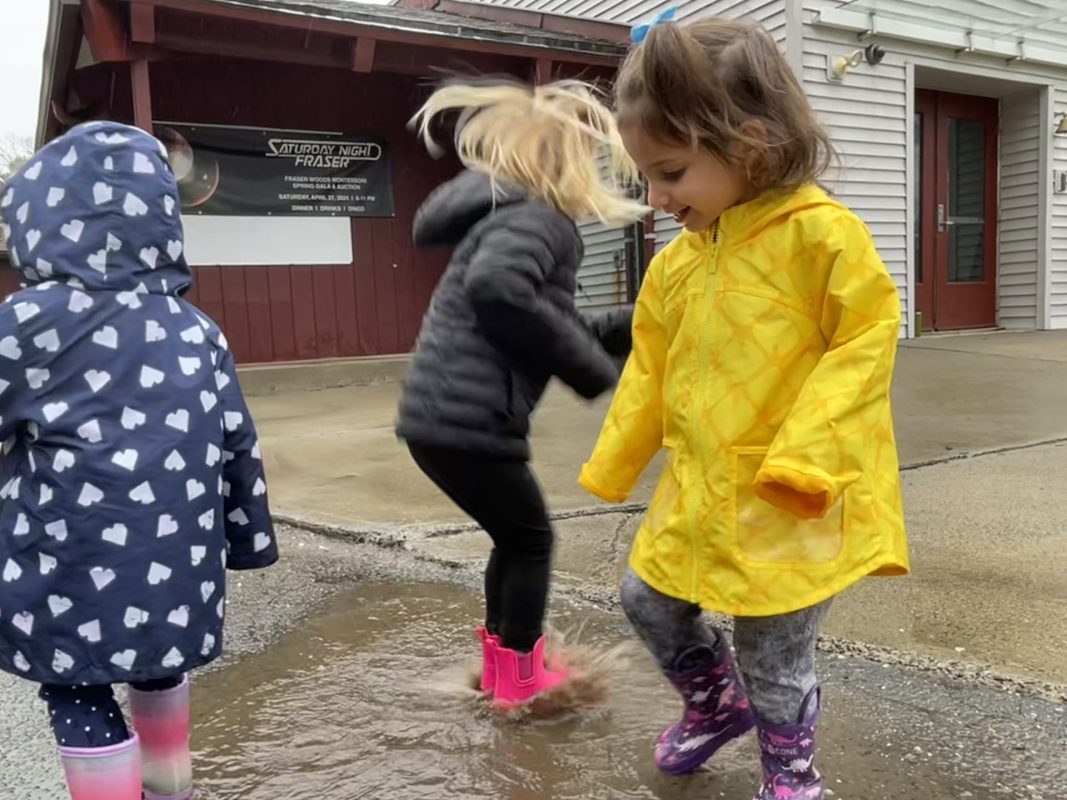
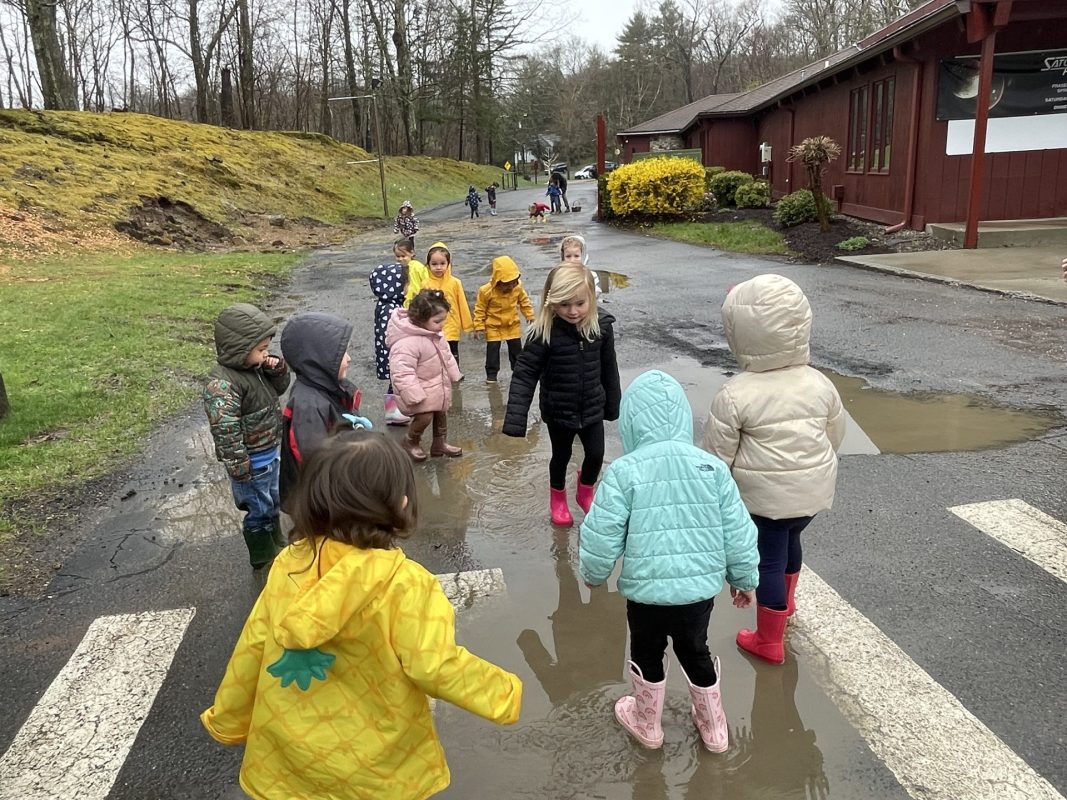
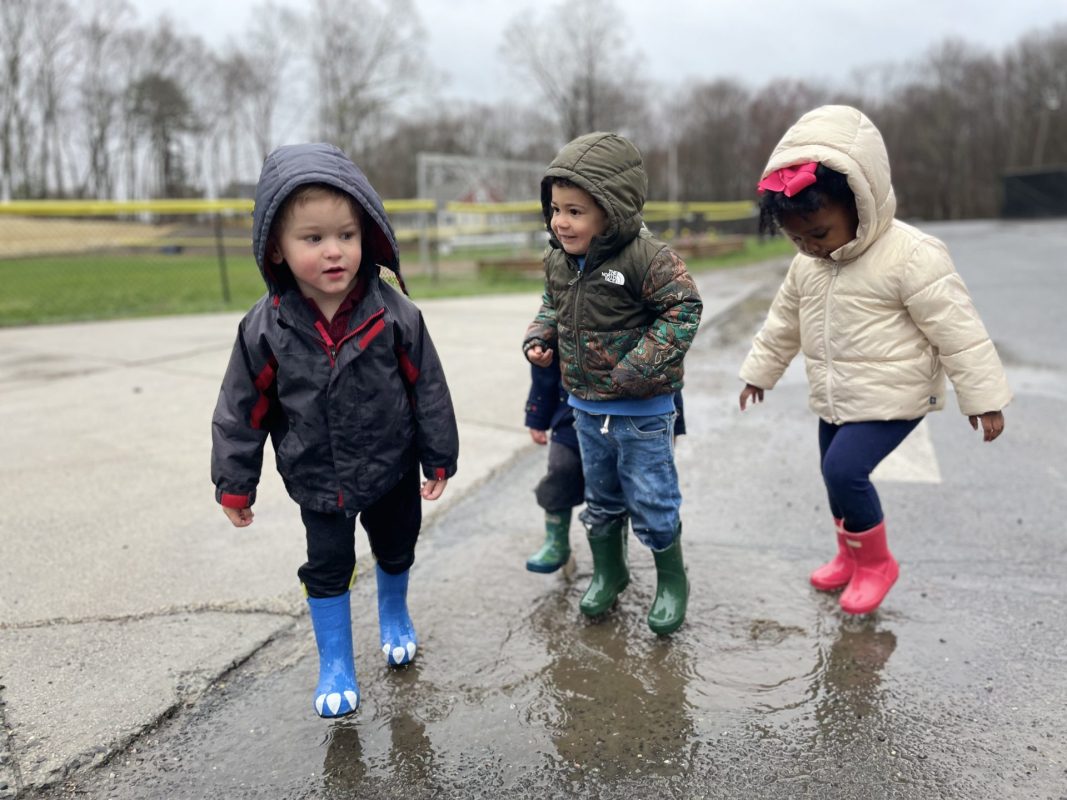
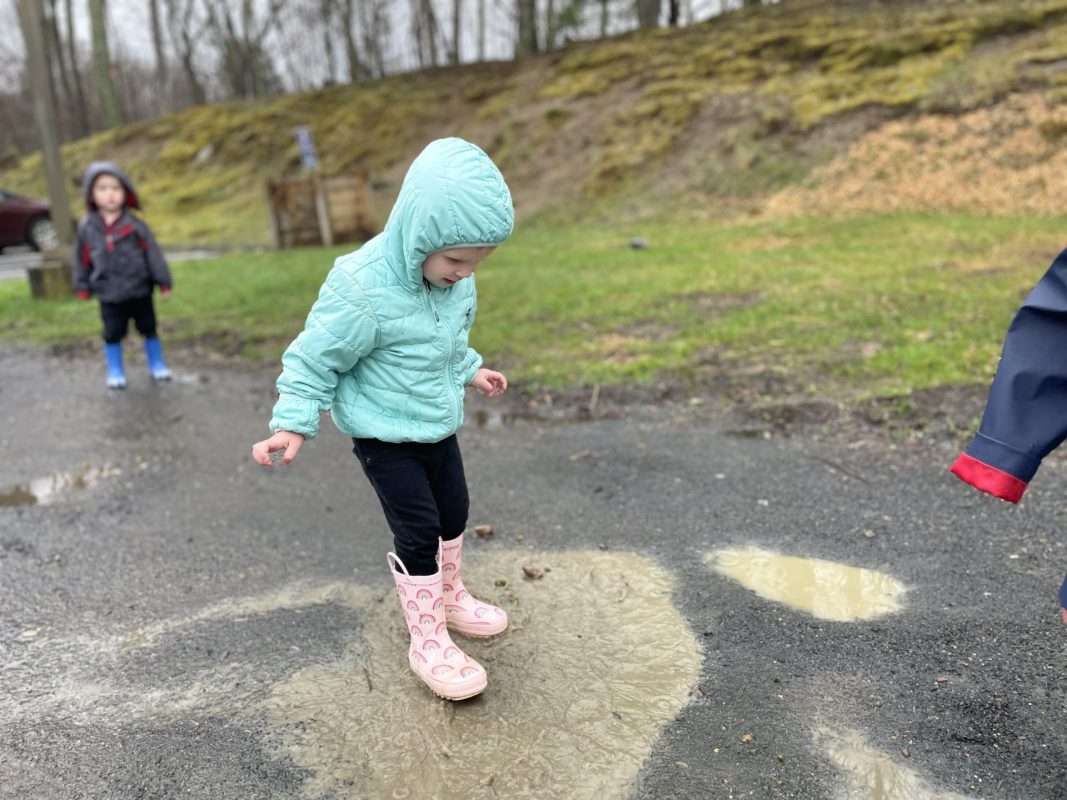
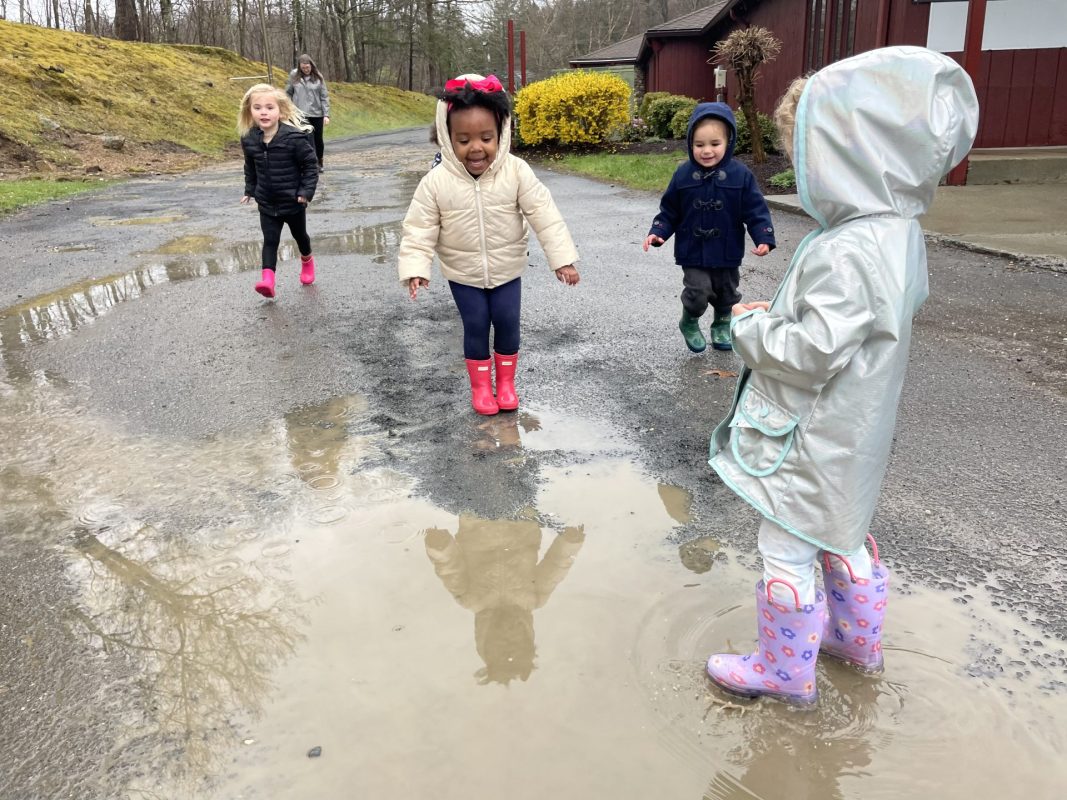
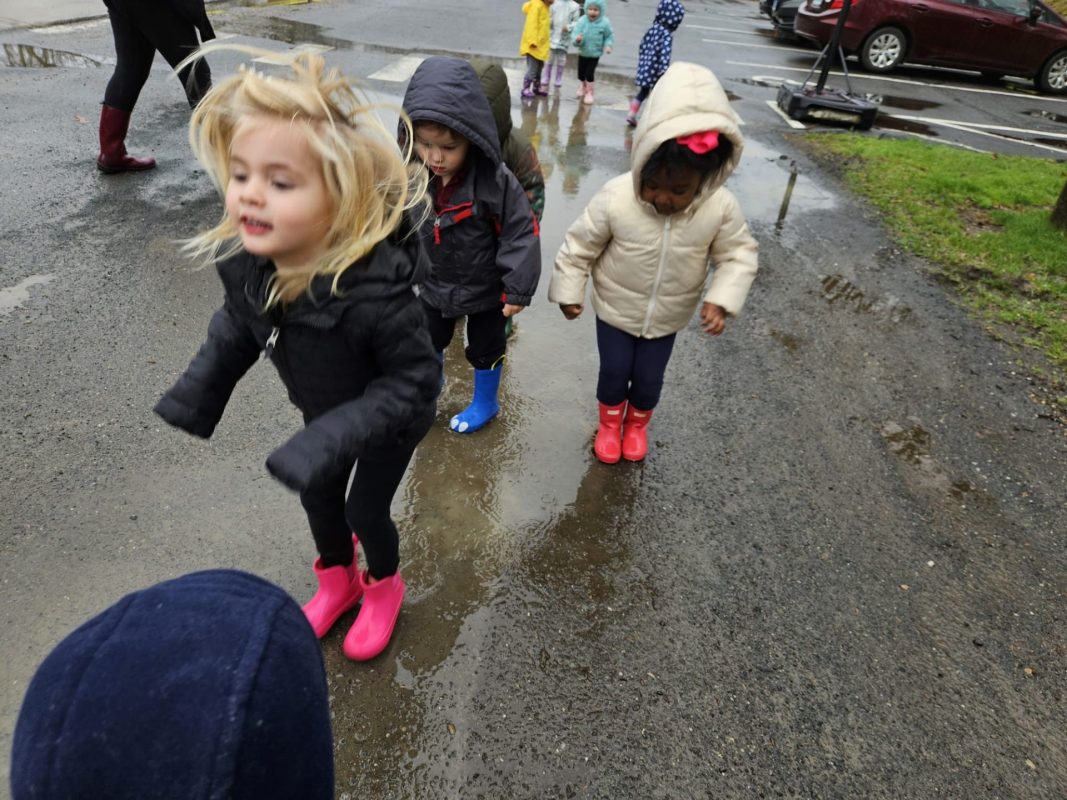
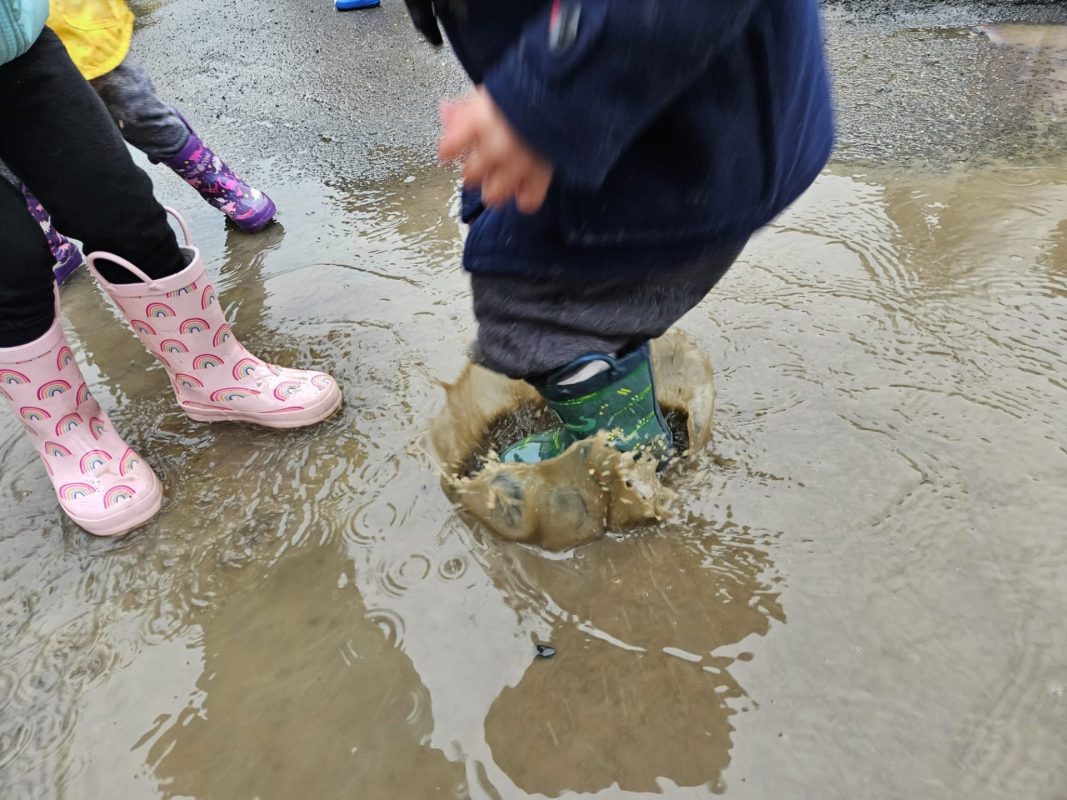
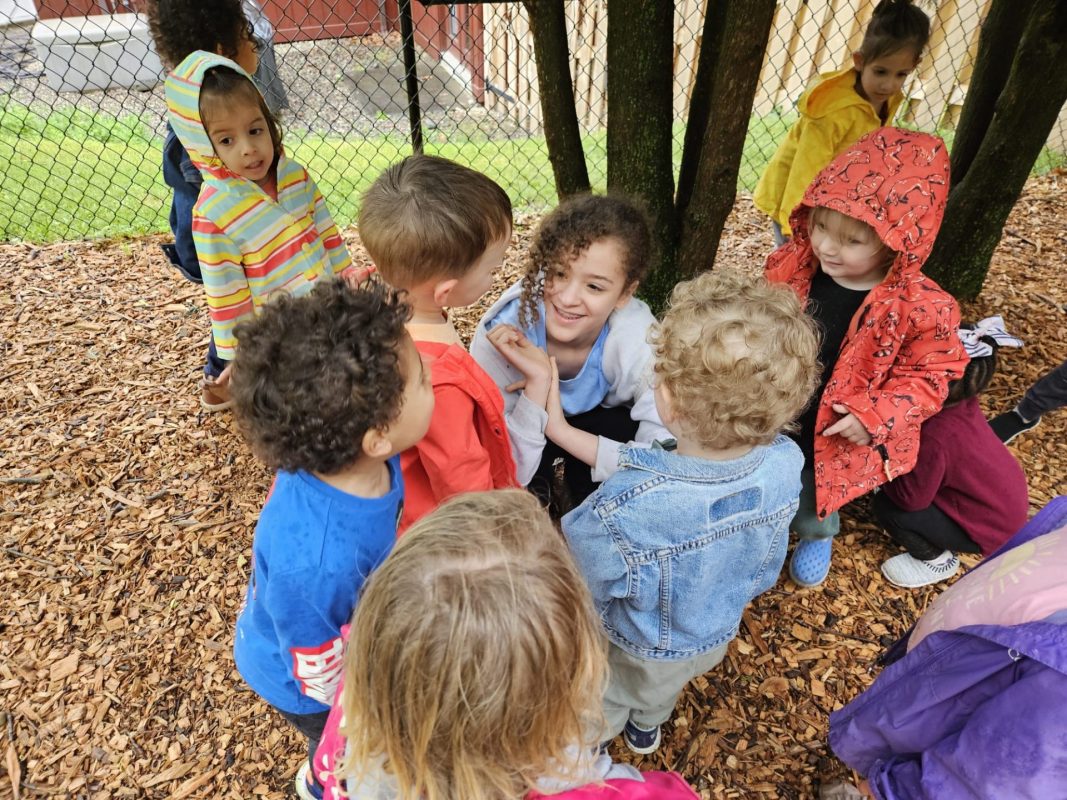
As always, we had fun exploring food, and this week, we enjoyed some delicious avocados! We also spent meaningful time outdoors enjoying this beautiful spring weather, from feeling the soft breeze and warmth of sunny days to having a blast and getting soaked while jumping in puddles under the soft rain!

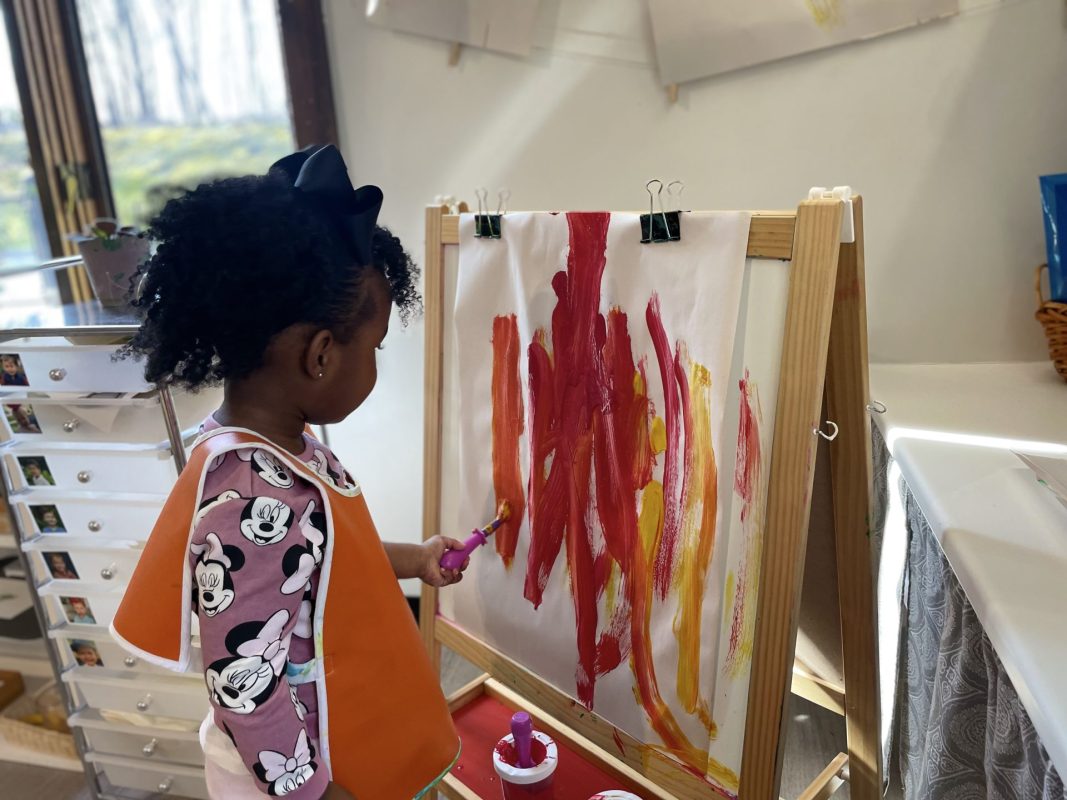
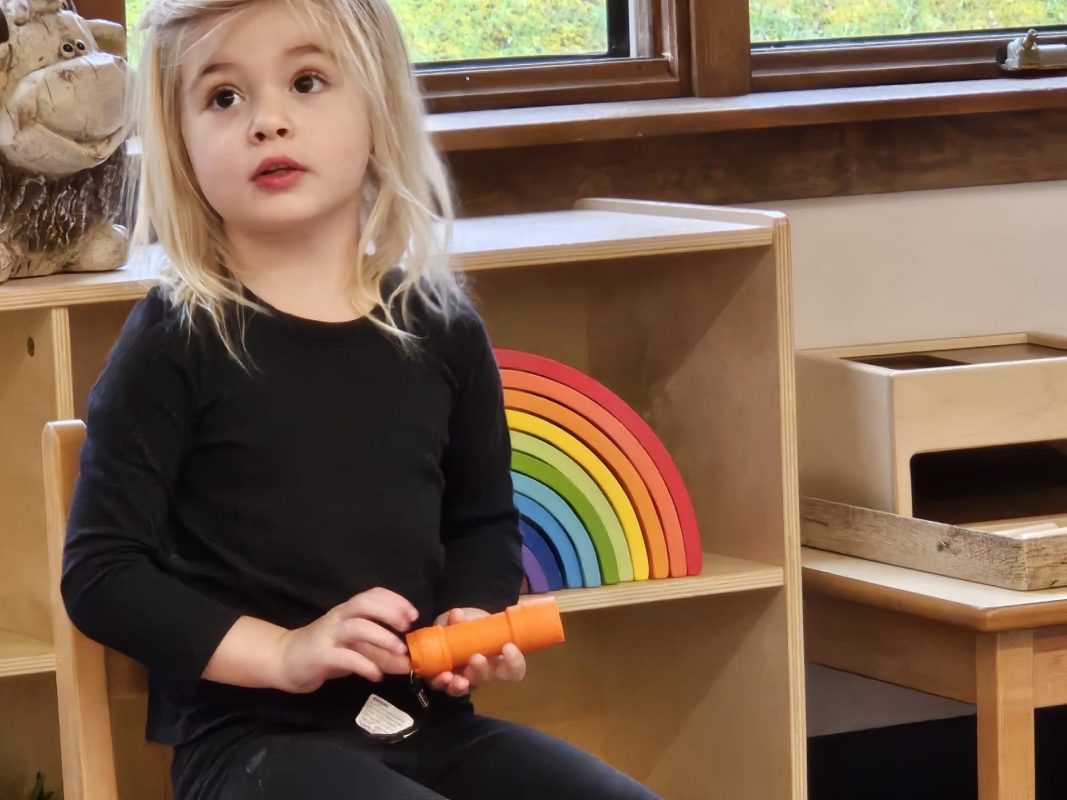
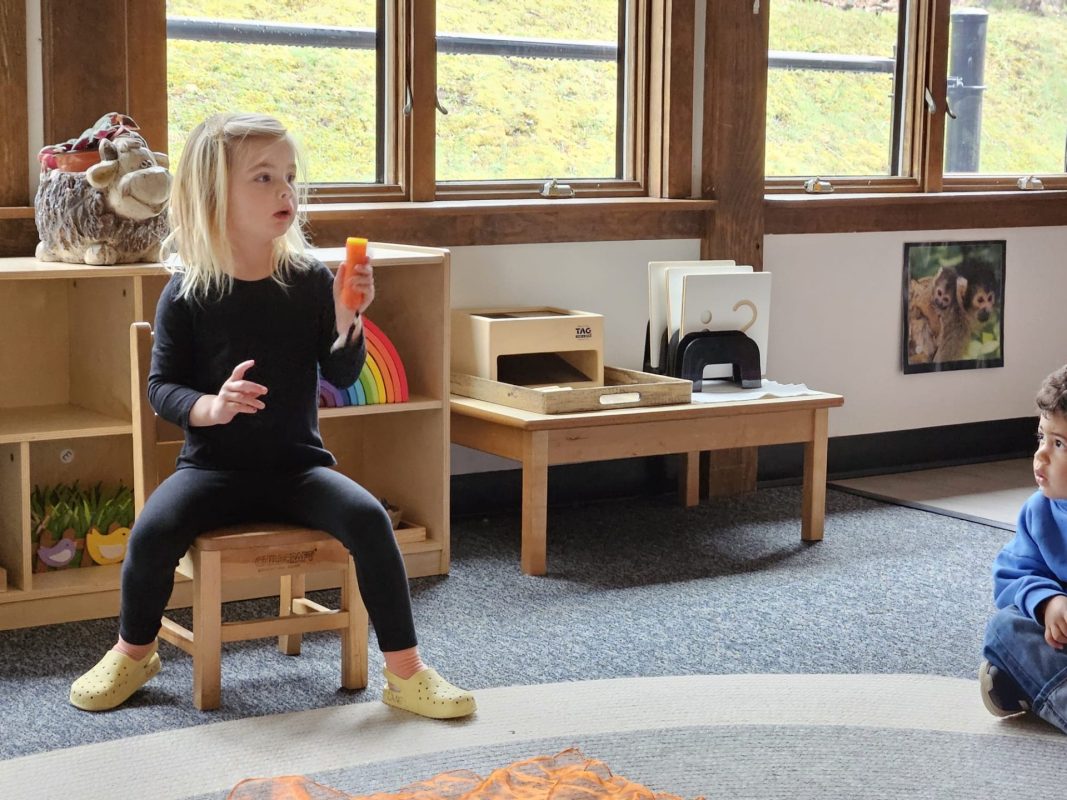
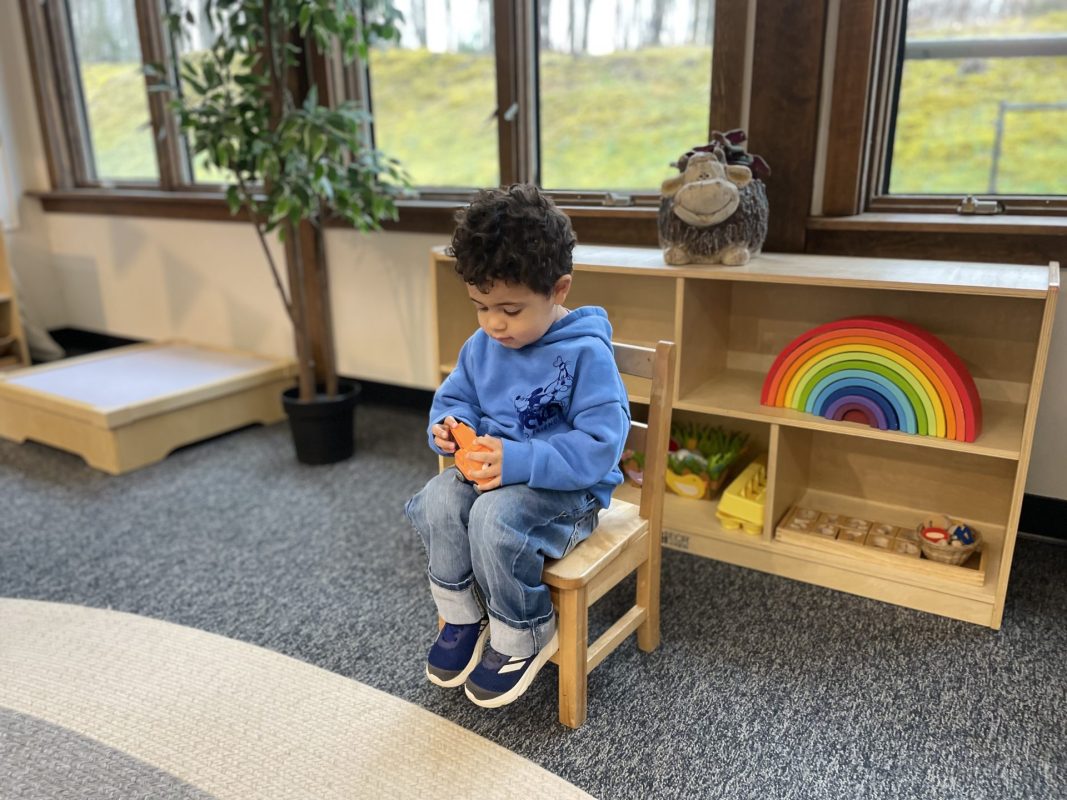
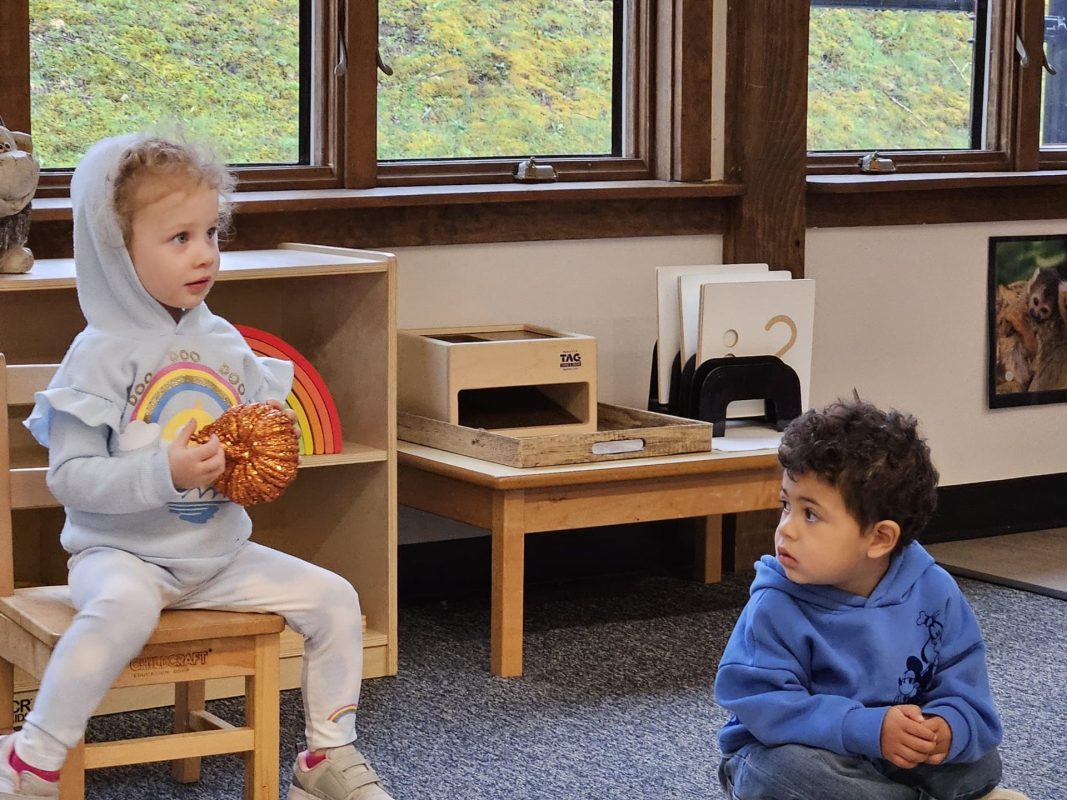
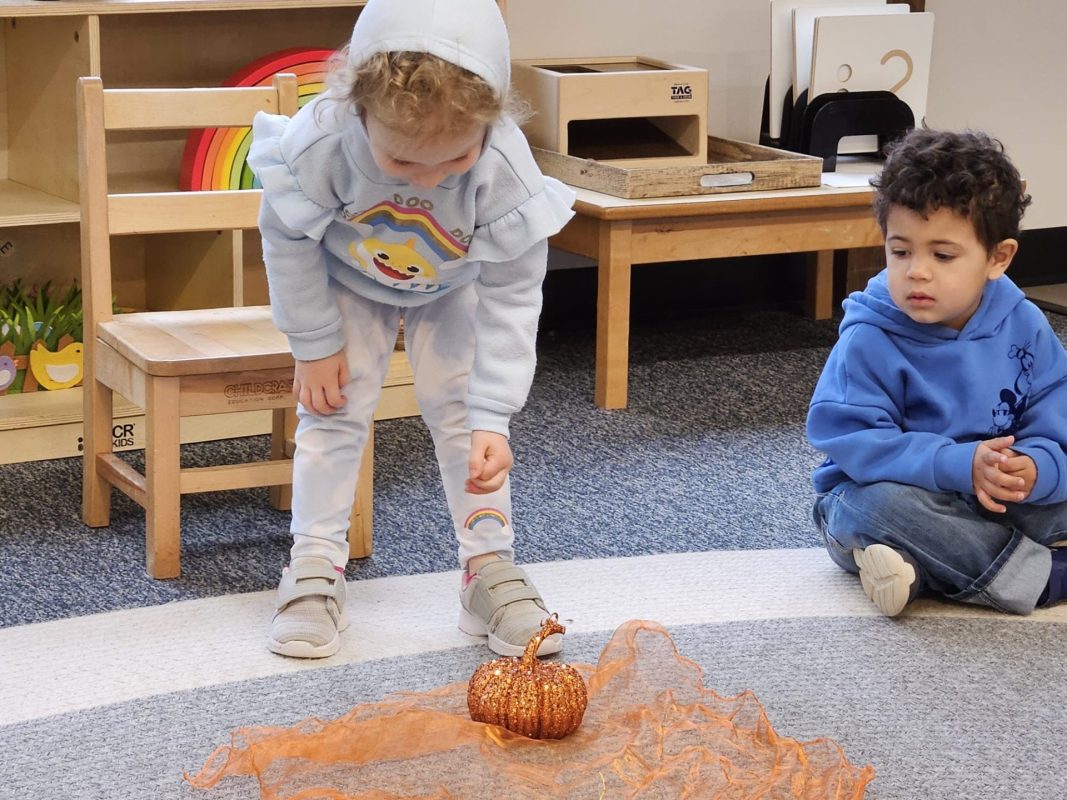
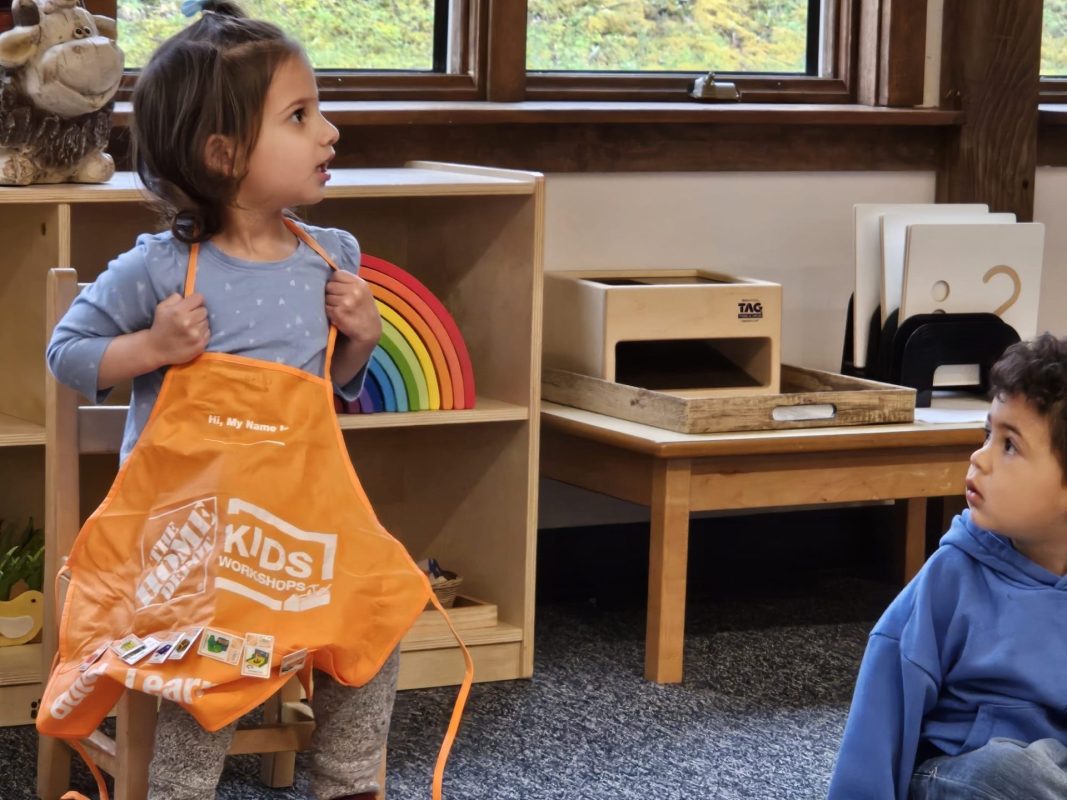
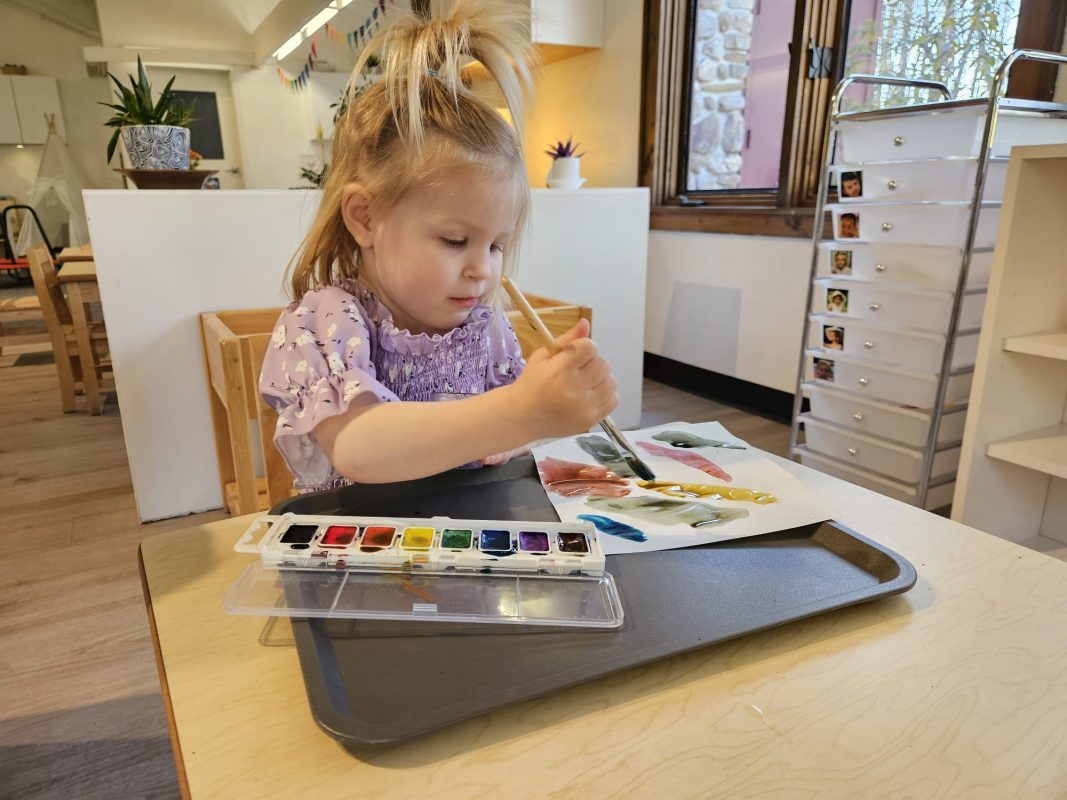
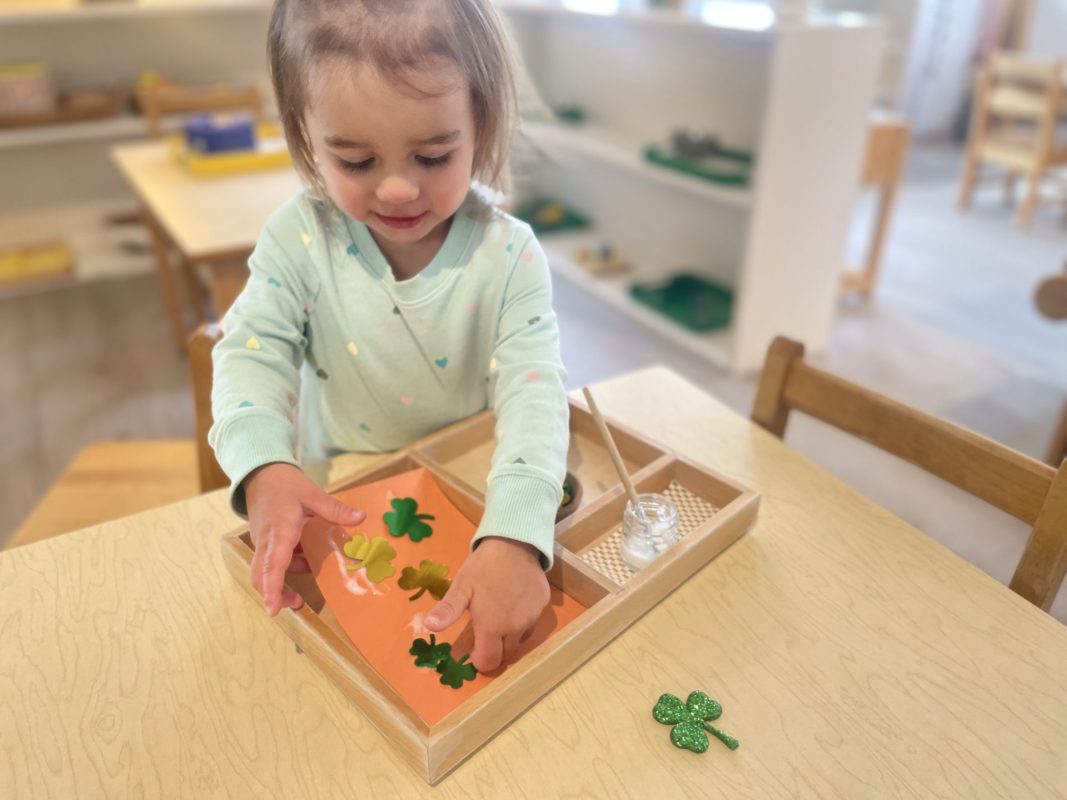
Lastly, children explored the color orange this week by mixing yellow and red paint in the easel, playing games around the classroom to look for orange objects, and talking about the different orange objects they chose to bring for Sharing Time! We had great fun!

Enjoy the  weekend,

Mrs. Andrea and Ms. Mollie

Mrs. Hood: Sharing Time!

In recent weeks, we’ve witnessed a blossoming of language in our classroom that’s been truly remarkable. Children are eagerly sharing stories, crafting narratives, posing thoughtful questions, and engaging in conversations with their peers like never before.

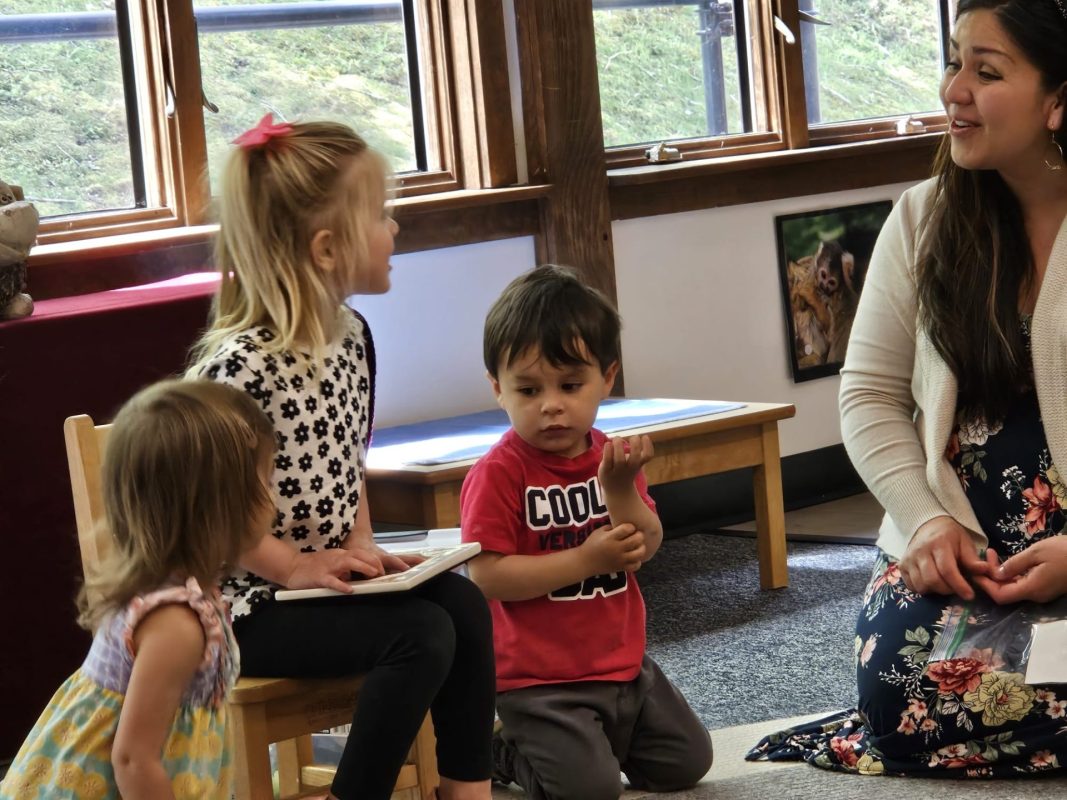
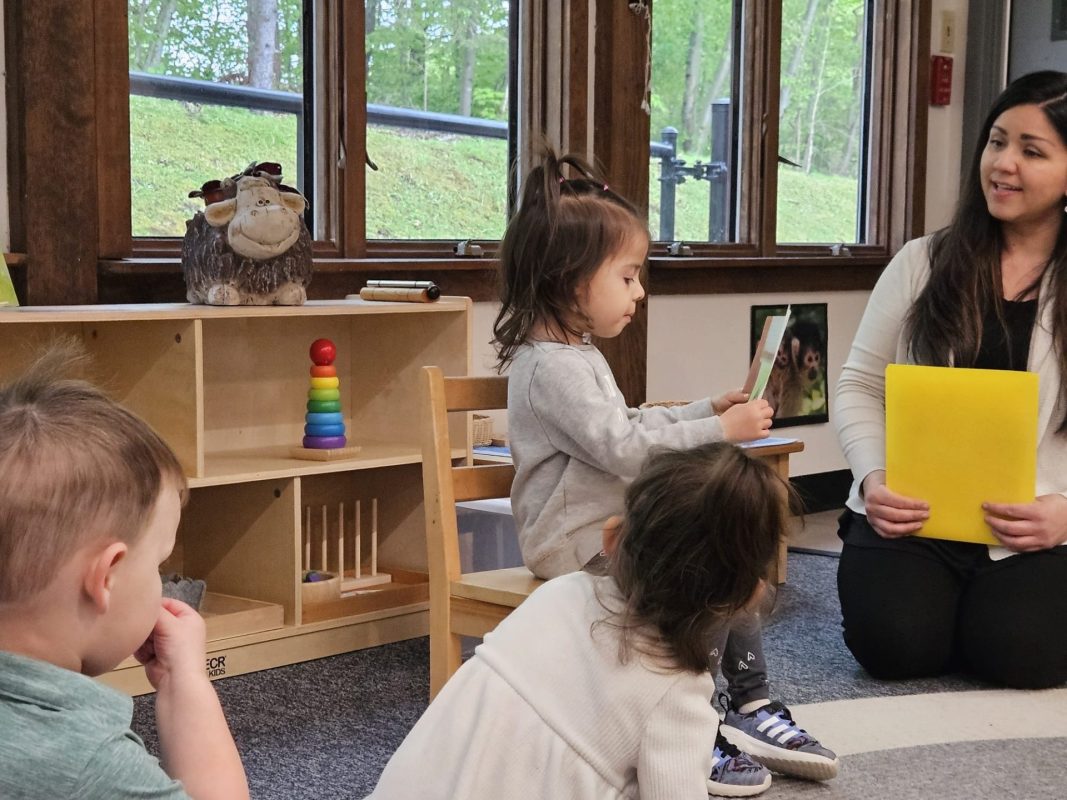
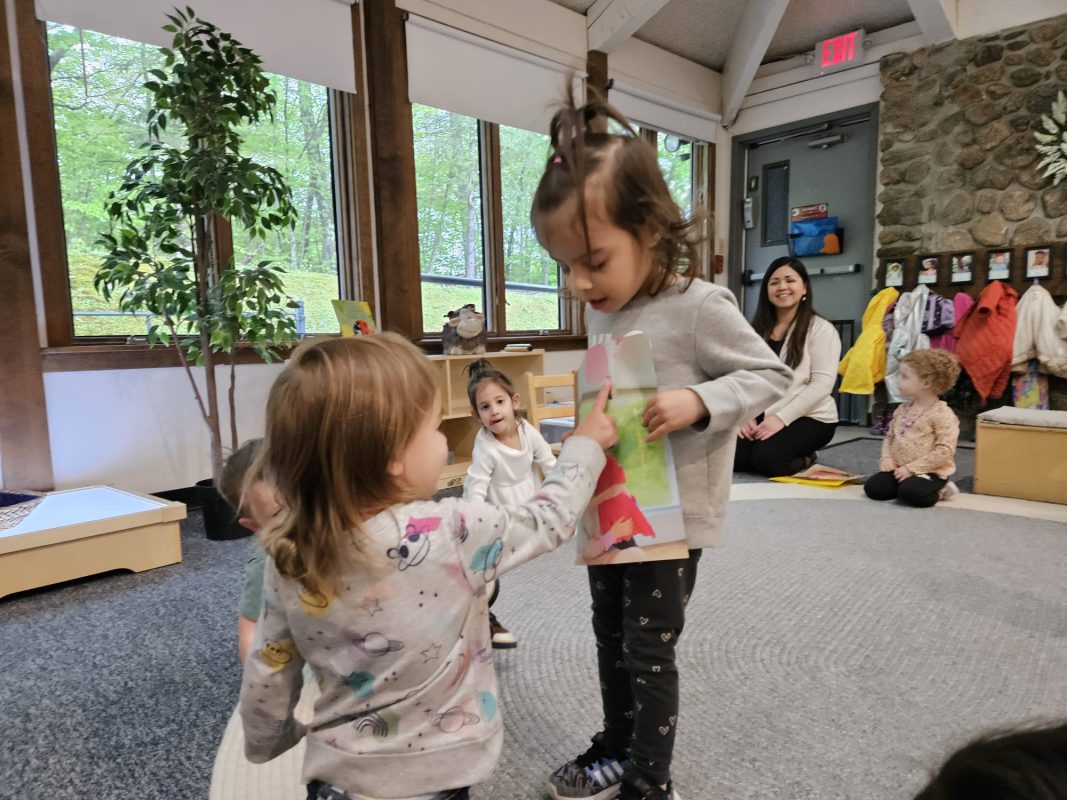
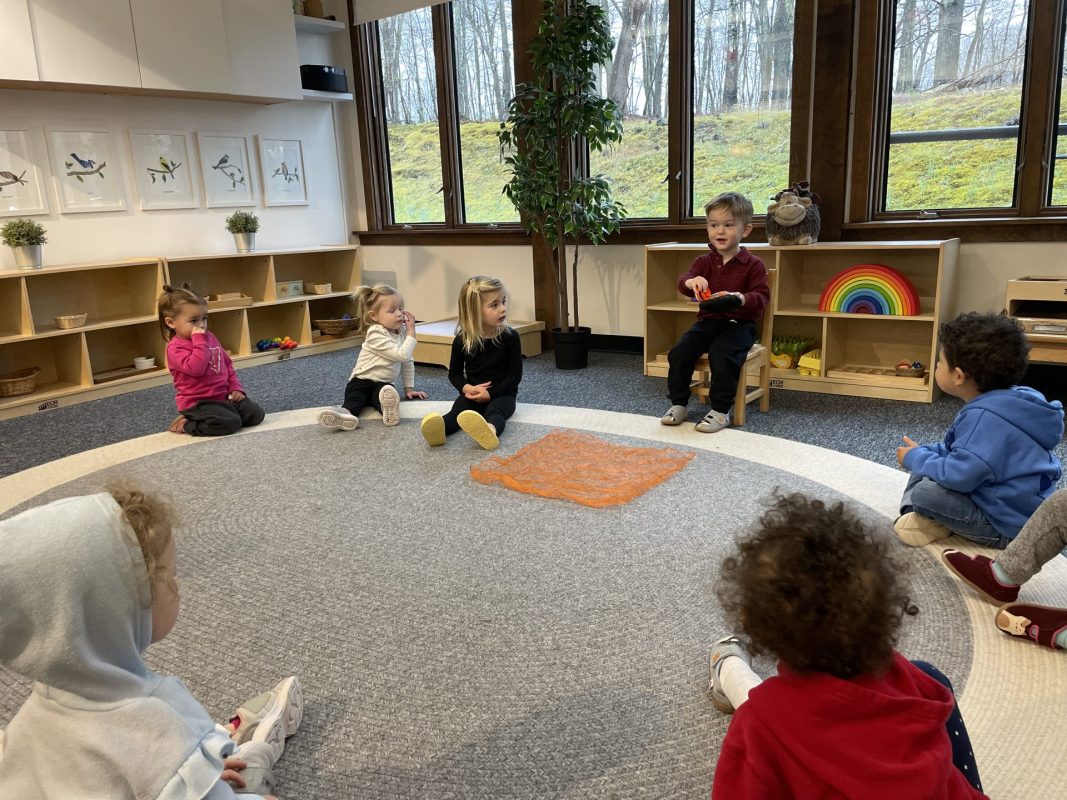
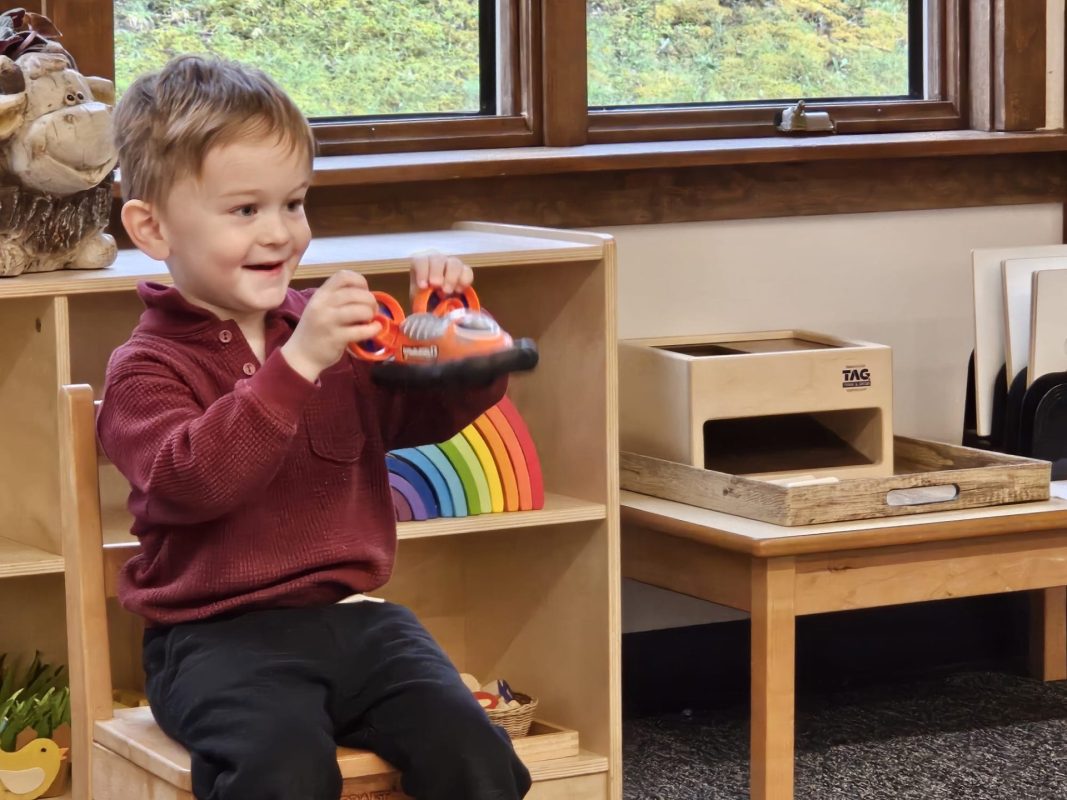
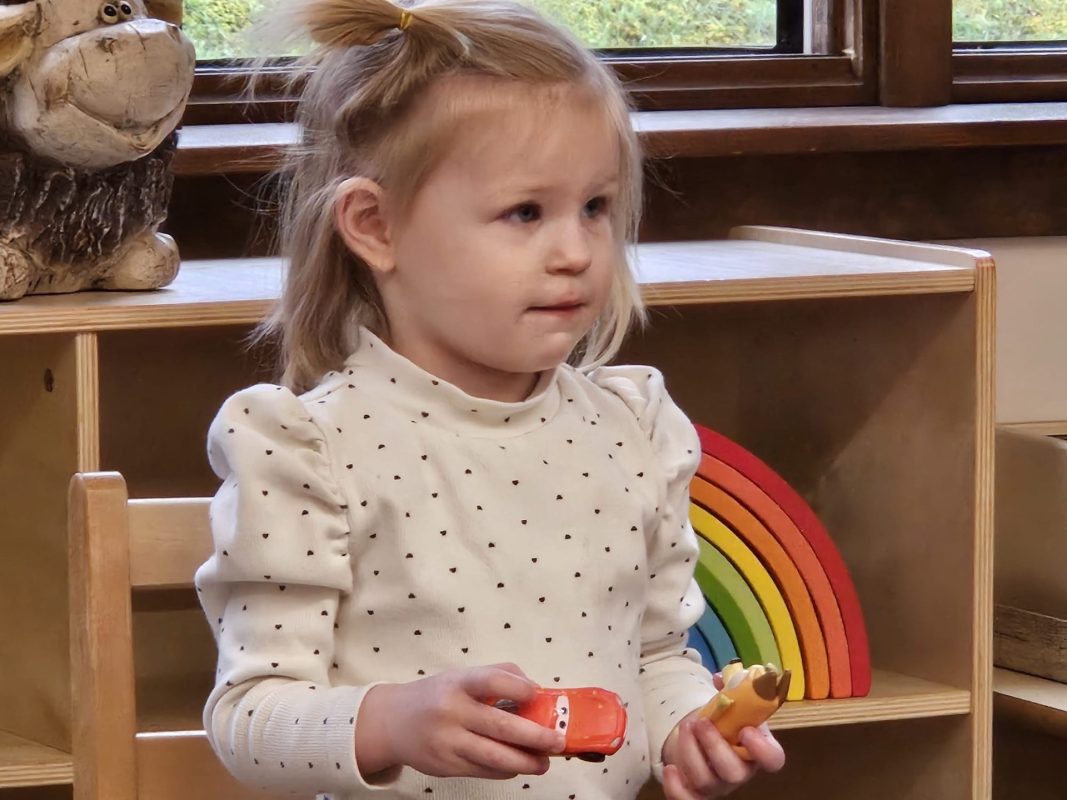
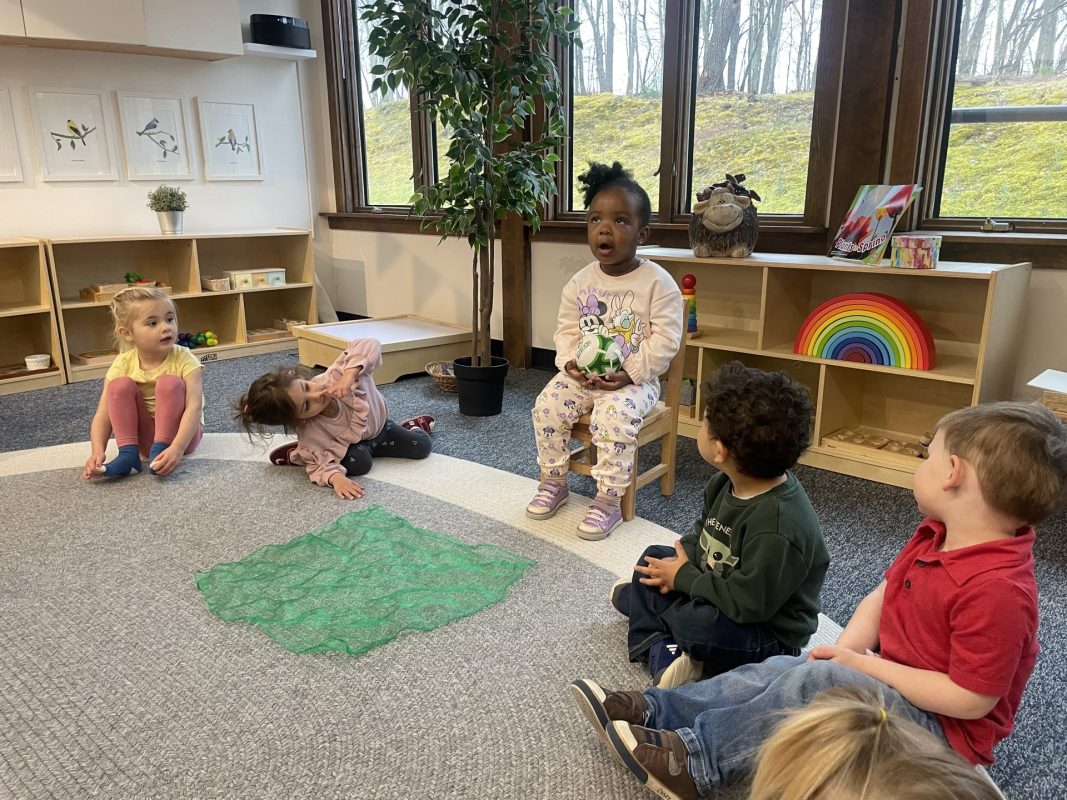
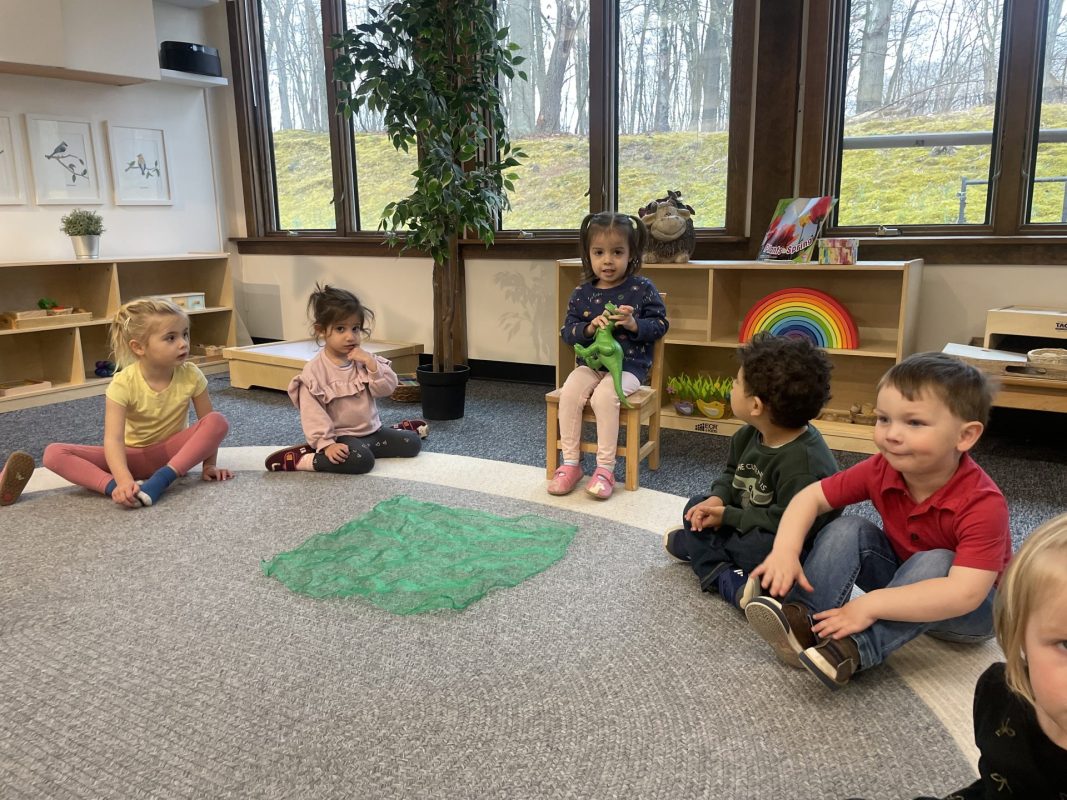
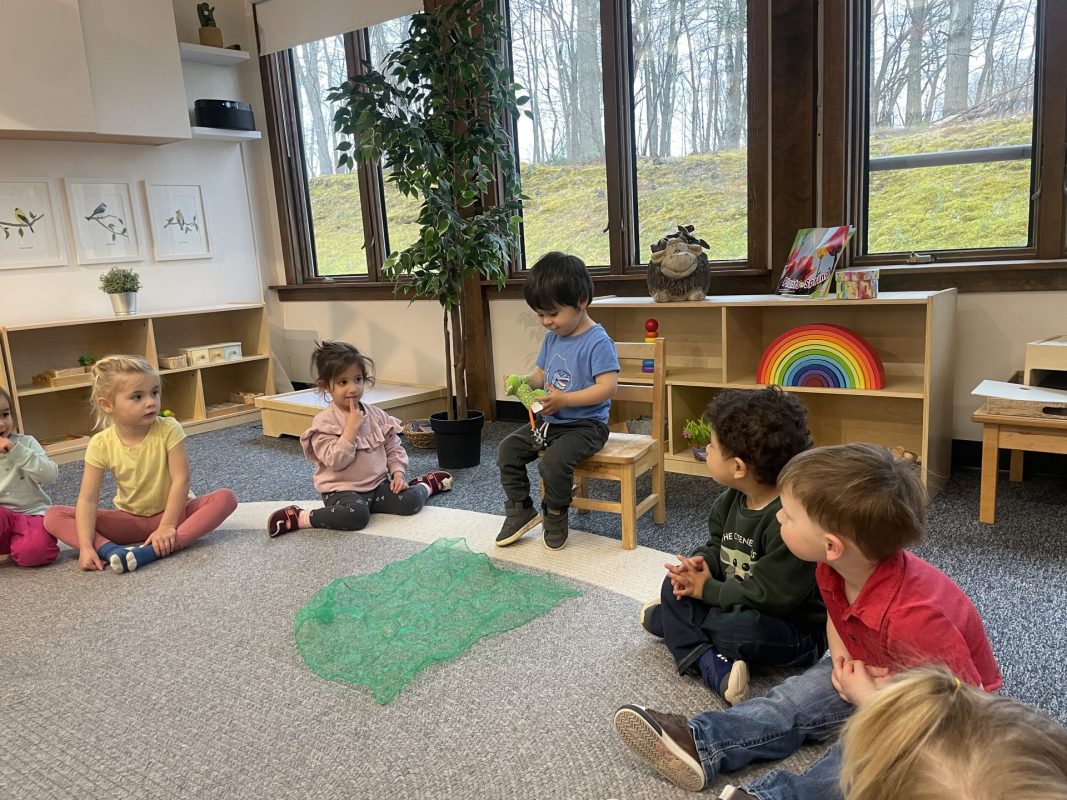
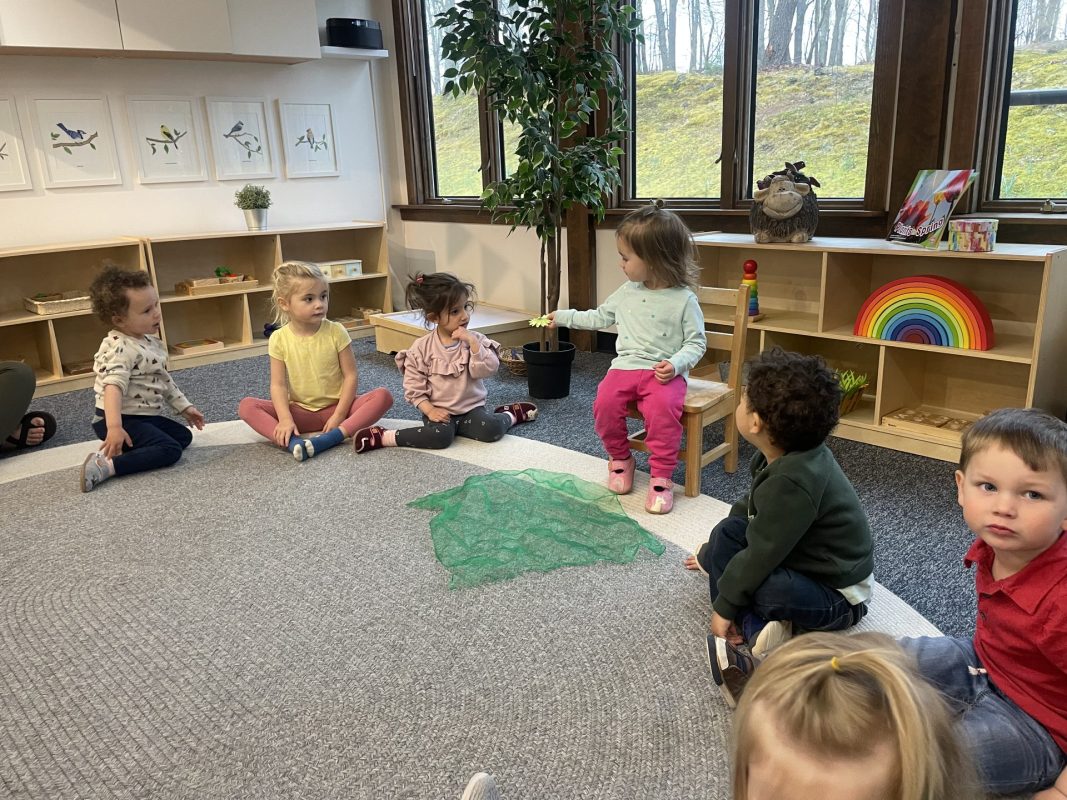
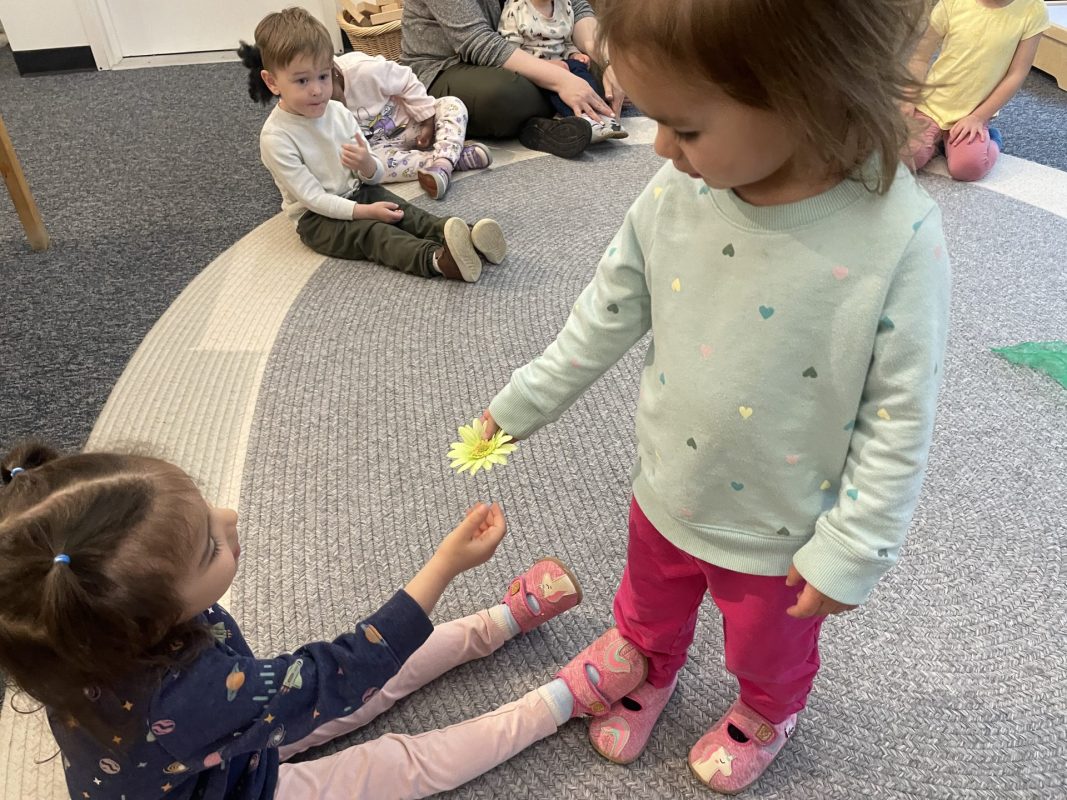
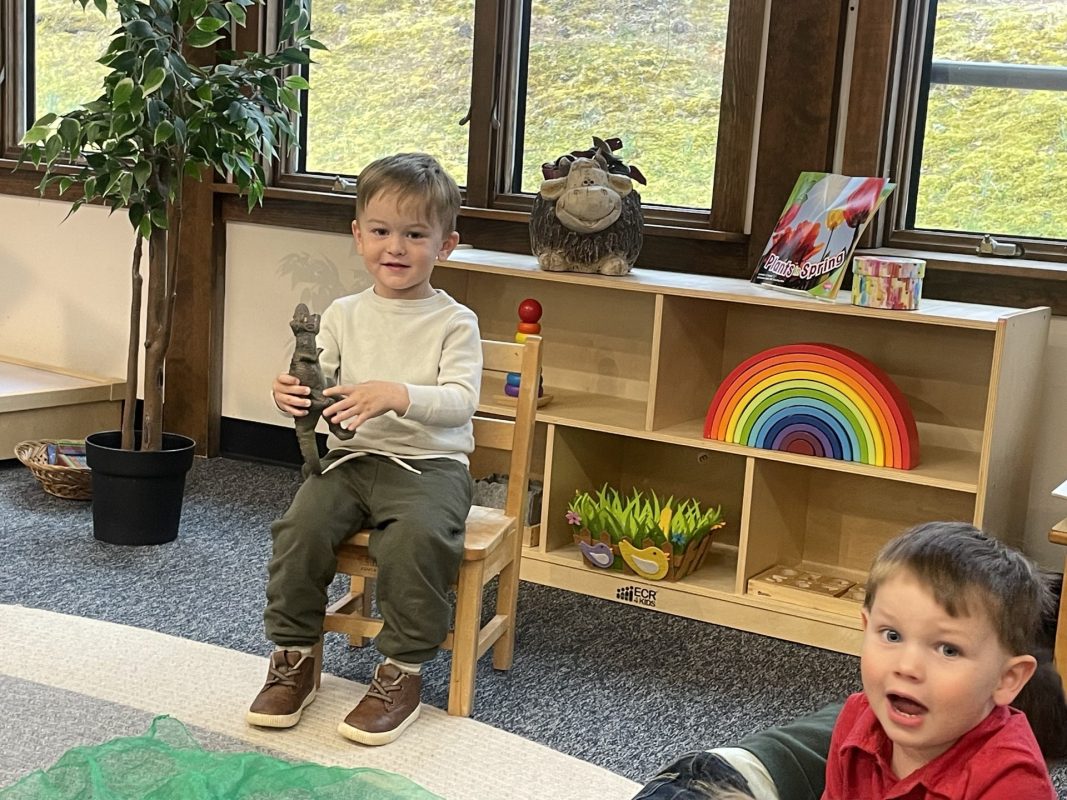
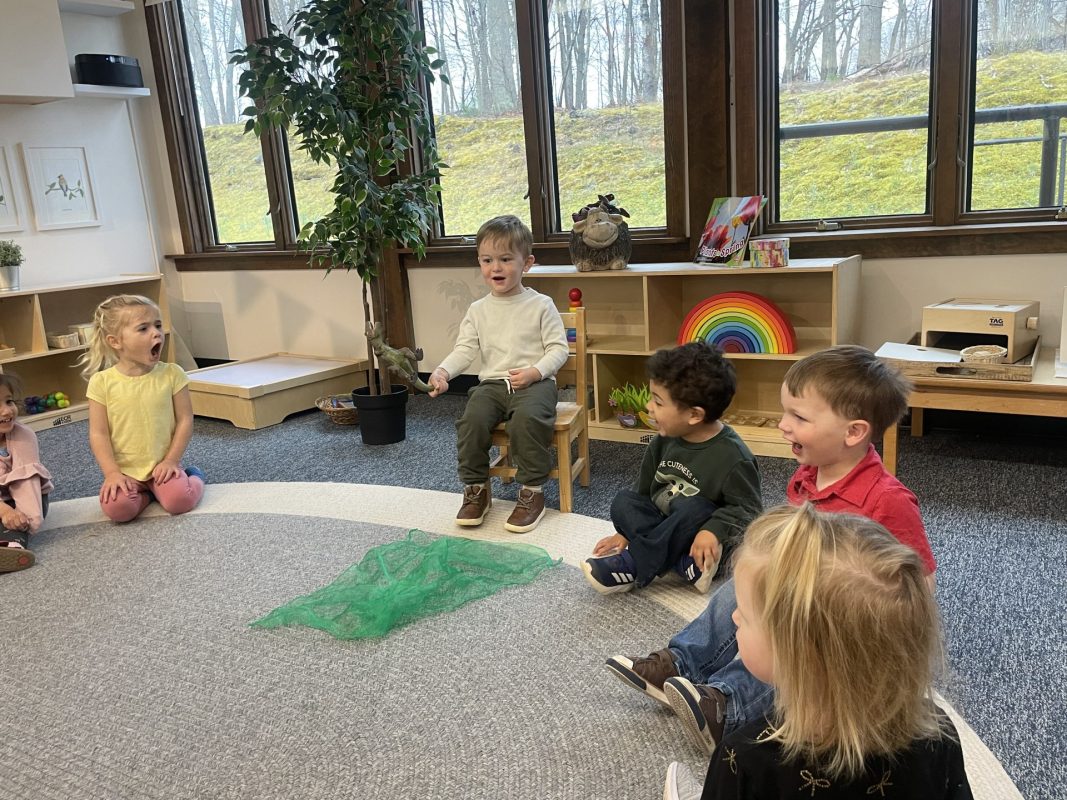
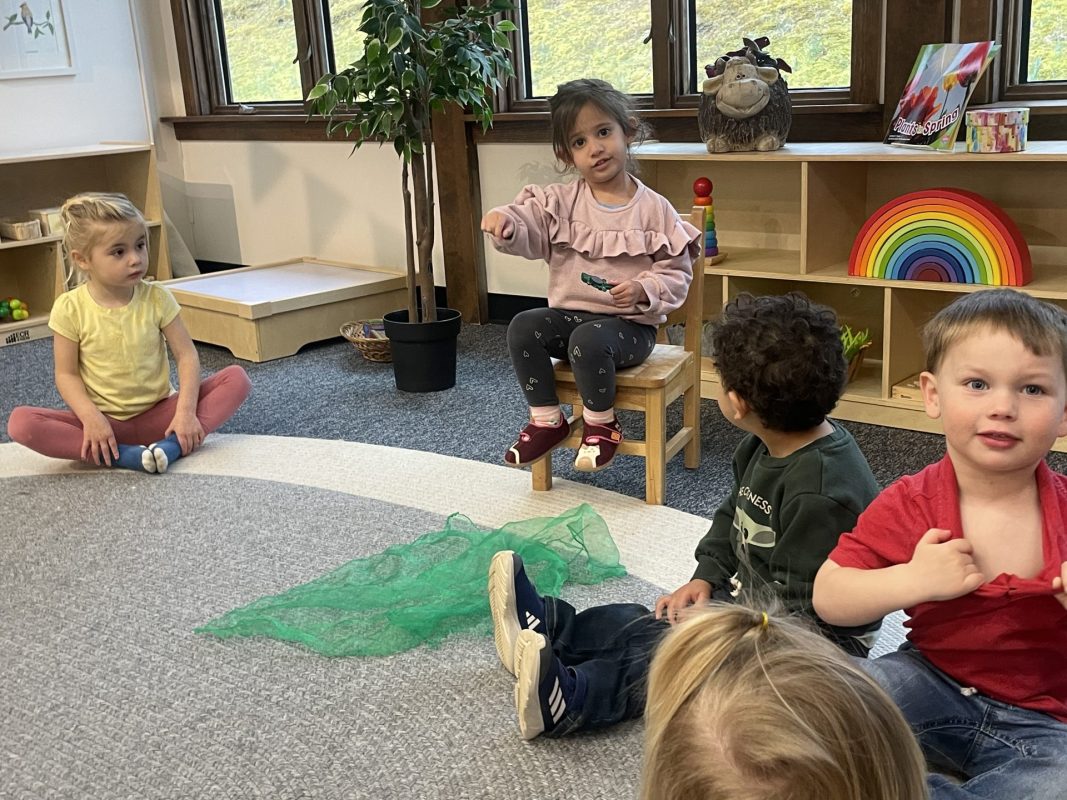
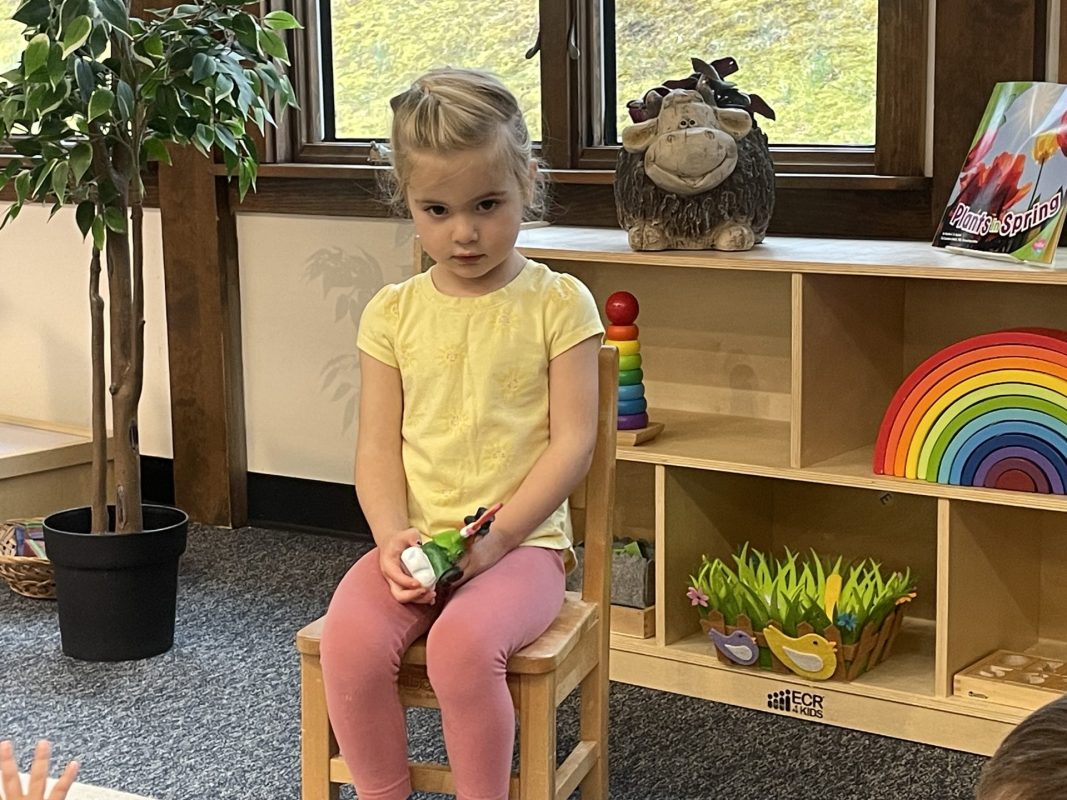
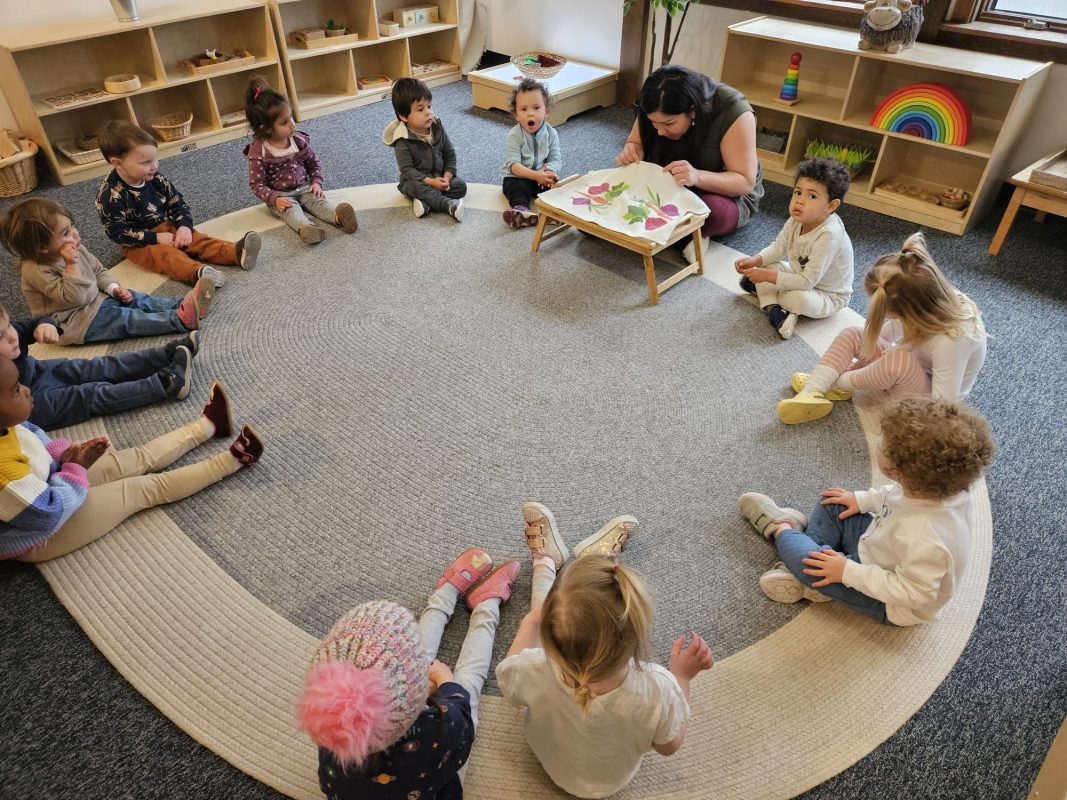
In response to this wonderful surge in vocabulary and communication skills, we introduced a cherished activity this week: Sharing Time! Personally, I adore this activity as it offers your child a platform to nurture their expressive language abilities. Through Sharing Time, they’re learning to organize their thoughts coherently, select appropriate words, and articulate their ideas clearly—an invaluable skill set they’re already mastering with such enthusiasm!

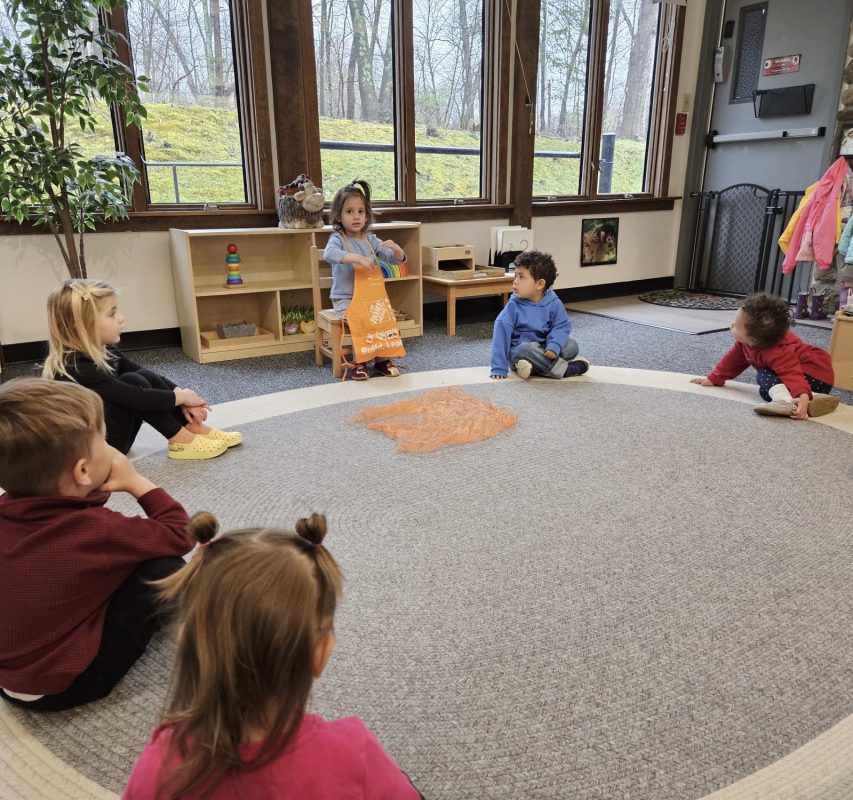
But the benefits extend far beyond language development. Sharing Time is also a powerful confidence booster. As children share snippets of their world with each other, they bask in the attention of their peers, realizing that their stories matter and that others are genuinely interested in what they have to say. Witnessing their beaming faces as they take their turn to share and seeing how proud they are is truly priceless. And let’s not forget the coveted teacher’s chair—the ultimate symbol of importance in their eyes!

Moreover, Sharing Time serves as an early foray into public speaking, fostering confidence in a nurturing and familiar setting. It’s a joy to watch as children hone their receptive language skills, attentively listening to and comprehending their friends’ words.

As Guides, we treasure Sharing Time as a window into your child’s world—a chance for us to observe and assess their speech and language skills, social interactions, emotional needs, independence levels, and self-esteem while also gaining insights into their interests and passions.

We’re grateful for your continued support and for the thoughtful notes you send along in your child’s bag. They provide invaluable prompts for meaningful conversations.

And speaking of community support, the much-anticipated FWM Gala is just around the corner! We’re eagerly anticipating the opportunity to connect with all of you, indulge in delicious food, and hit the dance floor for some fun-filled moments. If you haven’t secured your tickets yet, there’s still time—let’s make this event one to remember!

A message from Middle School: Order your 8th-grade-designed 2024 FWM sweatshirt ASAP! Orders close on April 27! Click here to order.

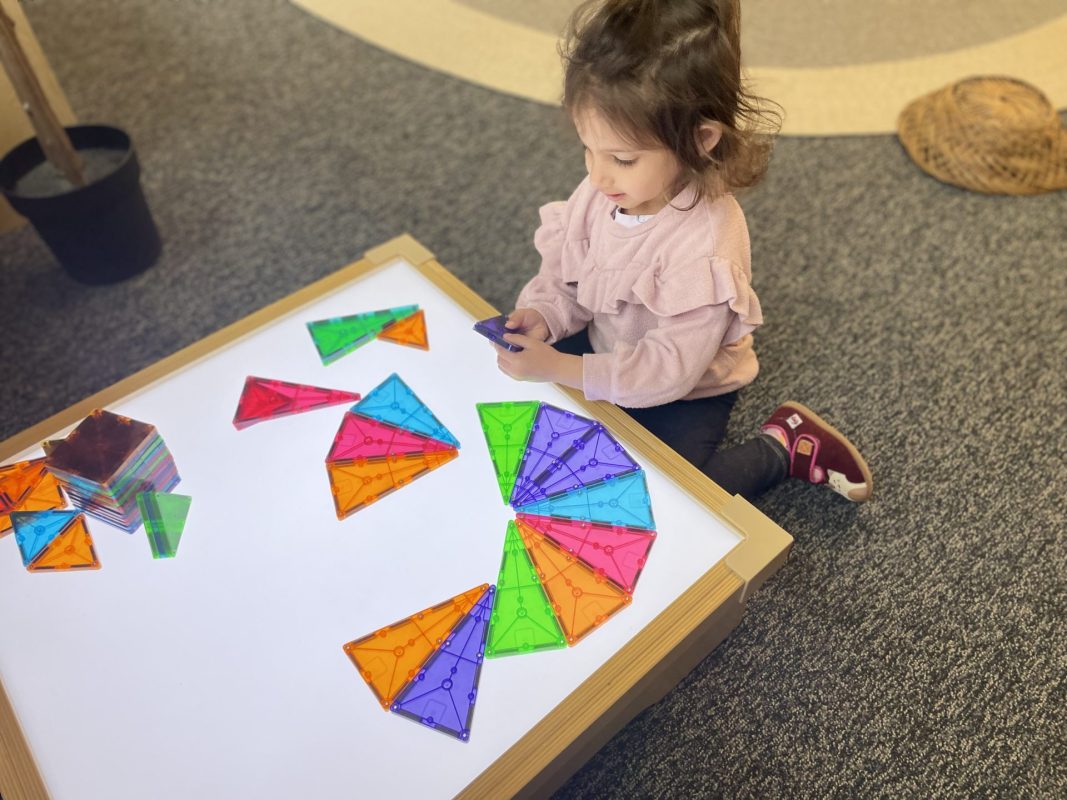
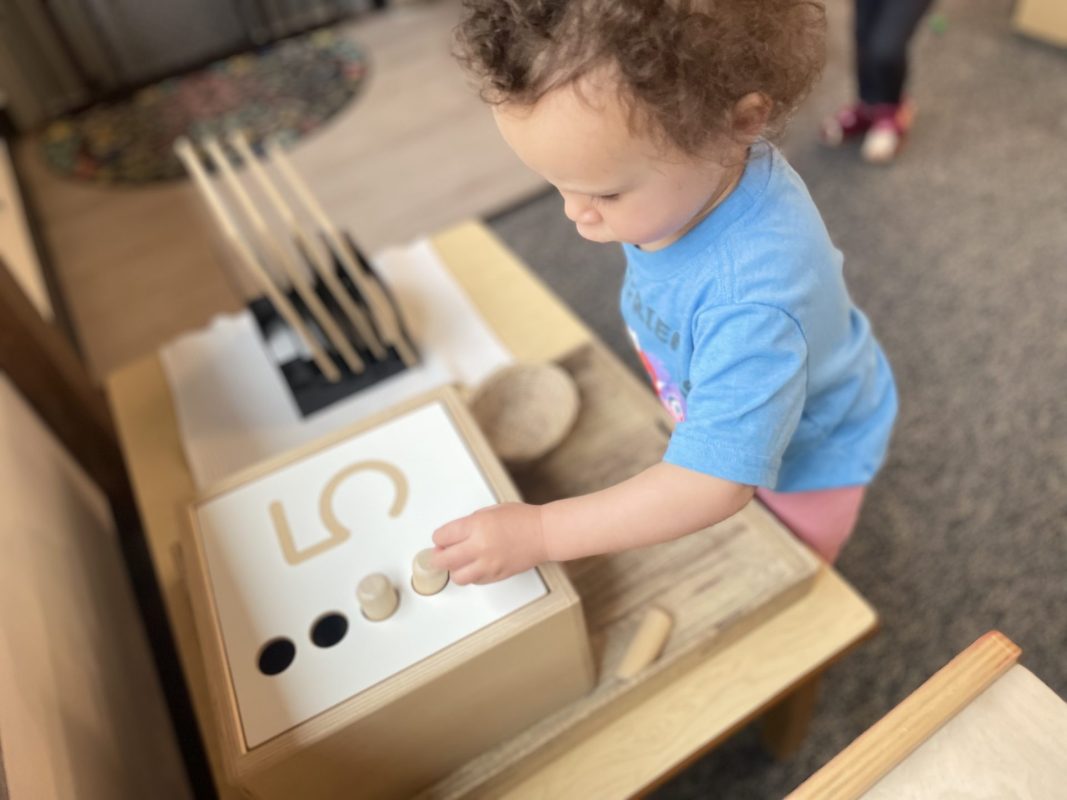
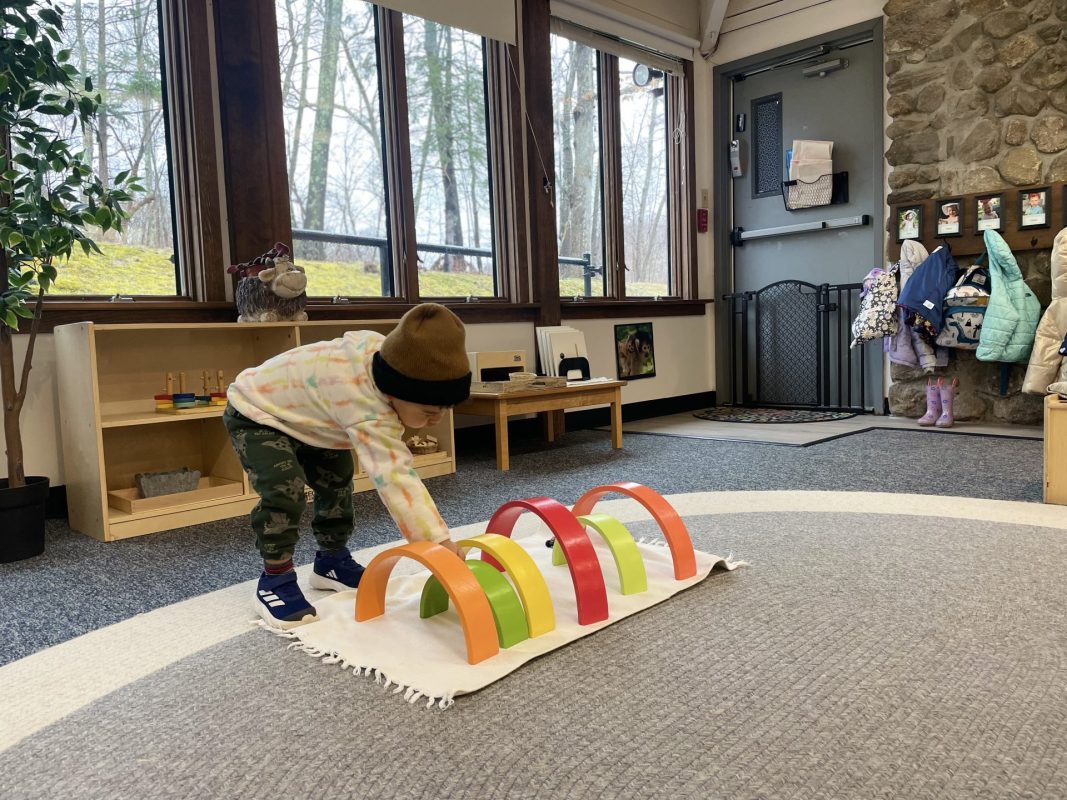
In the meantime, enjoy a glimpse of our week through some pics.

Warm regards,

Mrs. Hood and Ms. Mollie

Mrs. Hood: Los pollitos!

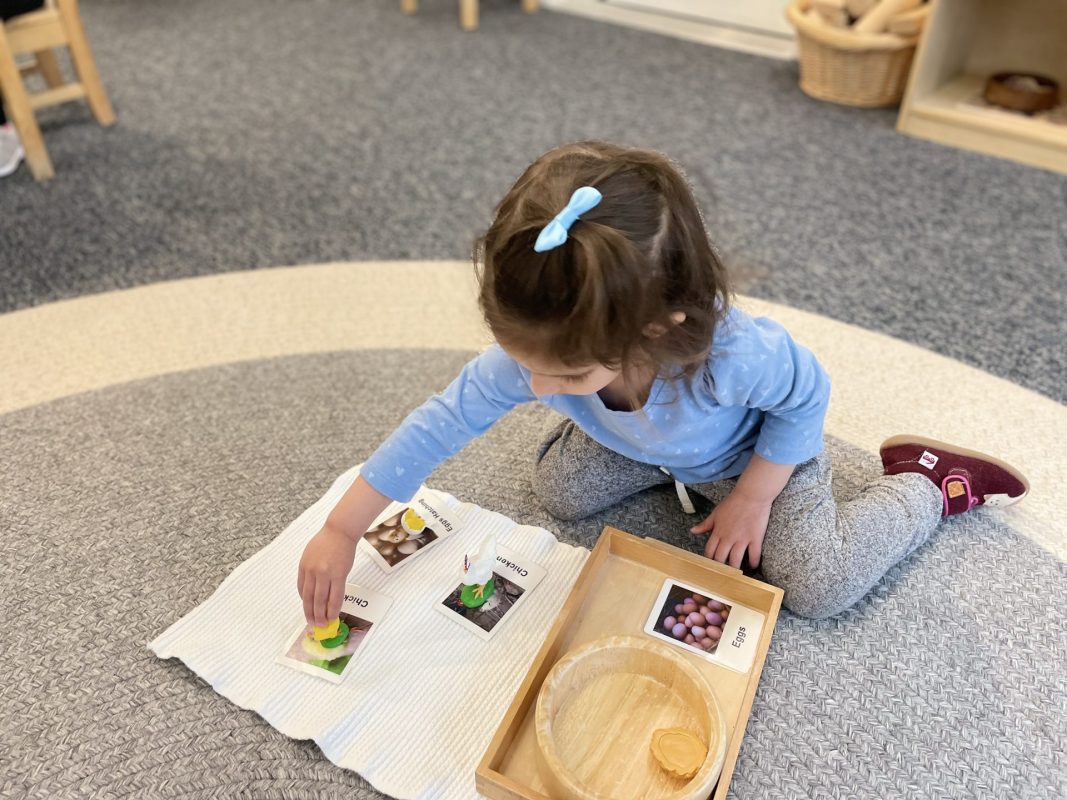
Toddlers are curious about the world around them and eager to learn new things. One educational topic that captures their imagination is the life cycle of living things! Teaching toddlers about life cycles has numerous benefits, including building scientific knowledge, fostering curiosity and wonder, enhancing vocabulary and language skills, encouraging hands-on learning, and instilling empathy and respect for nature.

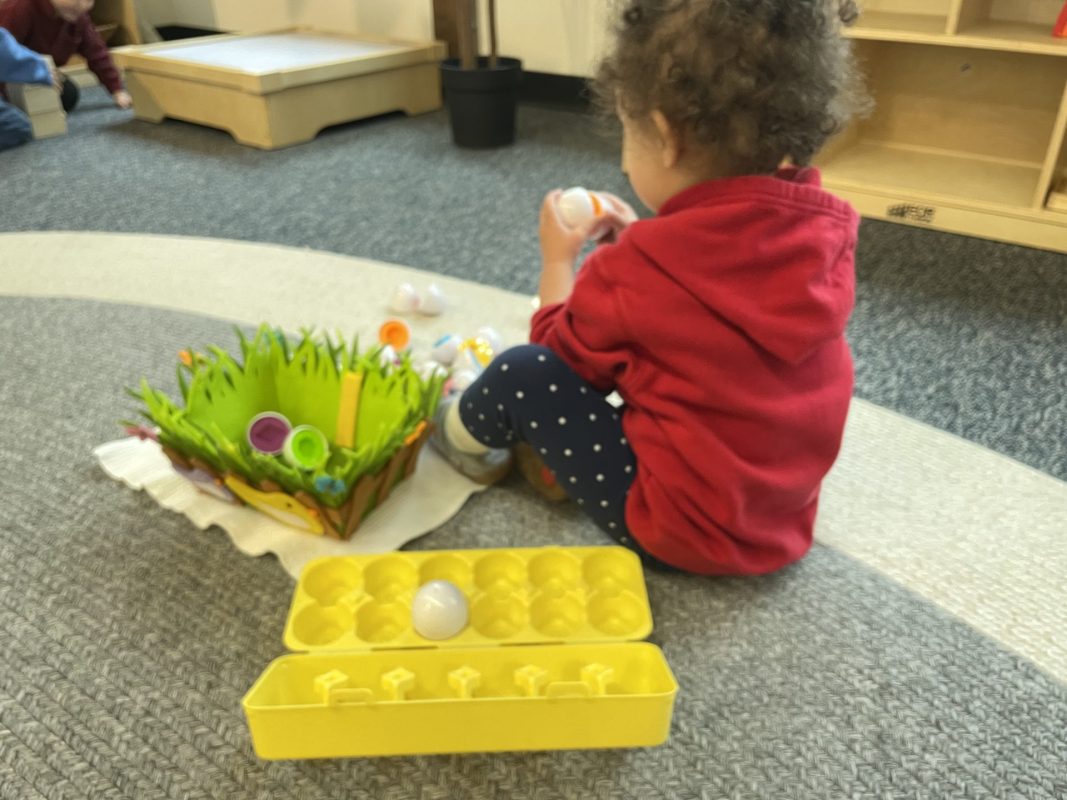
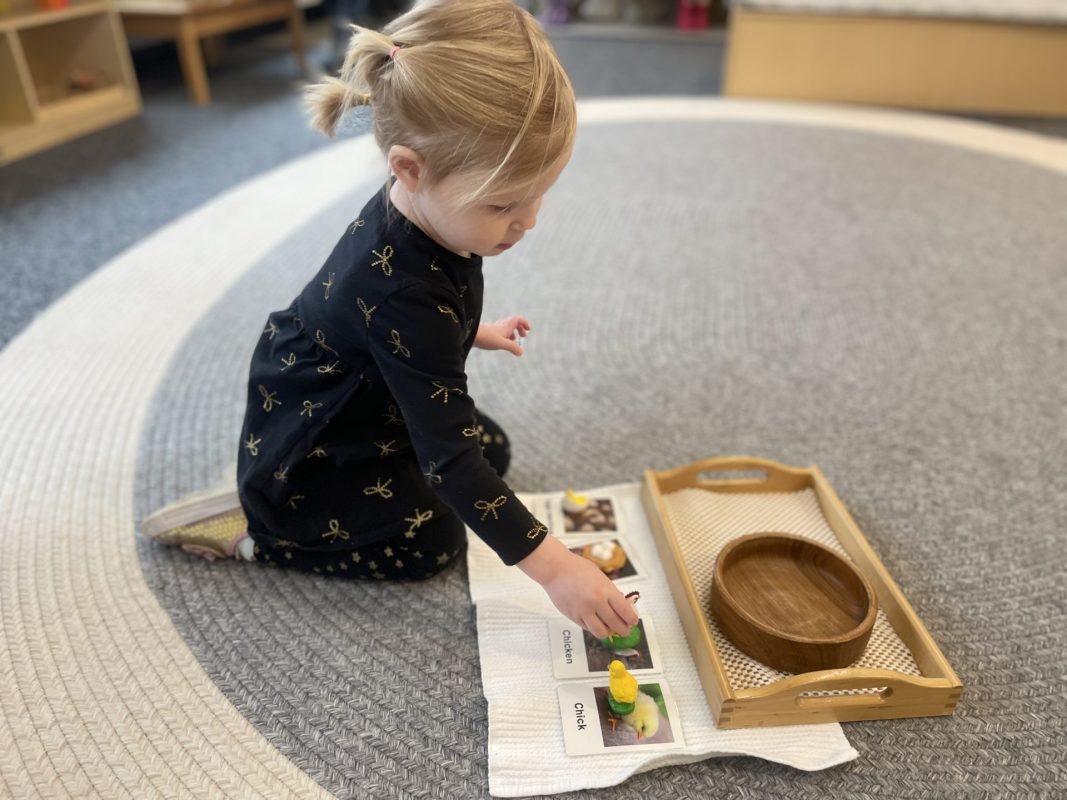
Spring is the perfect season to introduce these concepts (even though winter had a sneaky appearance, huh?)! So, this week, we started our studies on the life cycle of a chicken! From interesting eggs to fluffy chicks to clucking hens, the journey of a chicken from egg to adult is a fascinating process that toddlers always seem to enjoy!

So far, we have focused on two concepts: chickens come from eggs, and a baby chicken is called a chick. Children enjoyed some short educational videos where they could observe the hatching process. The smiles on the children’s faces were so priceless.

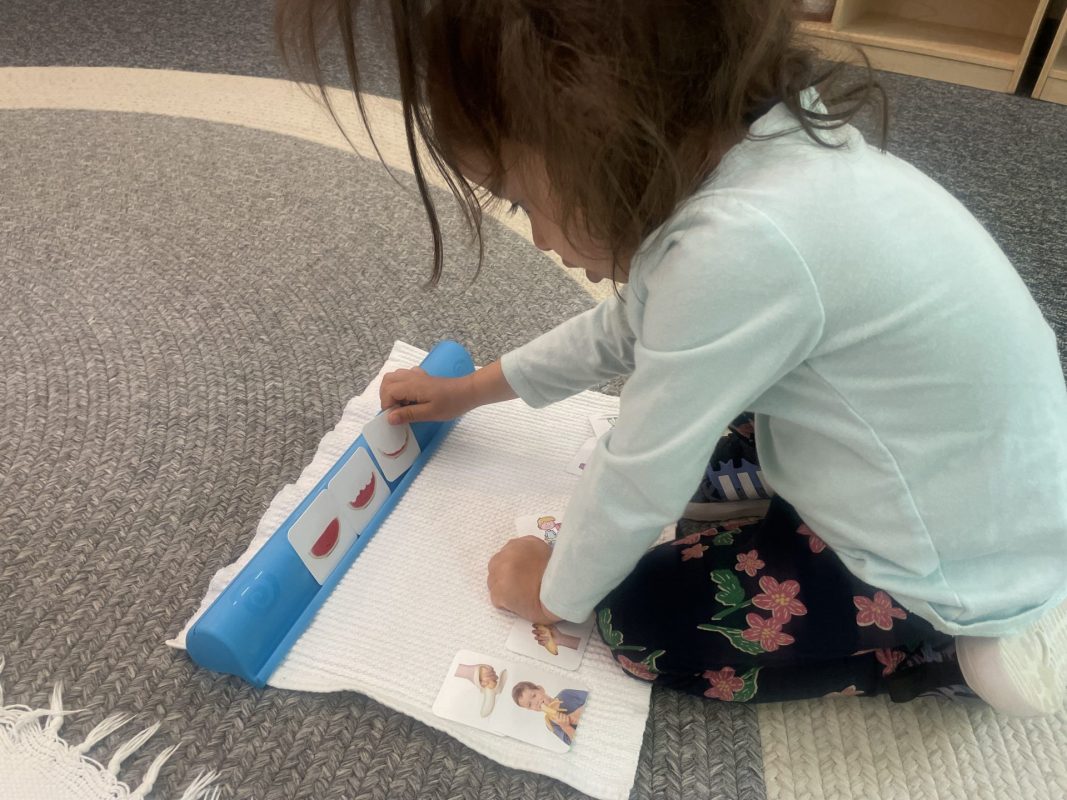
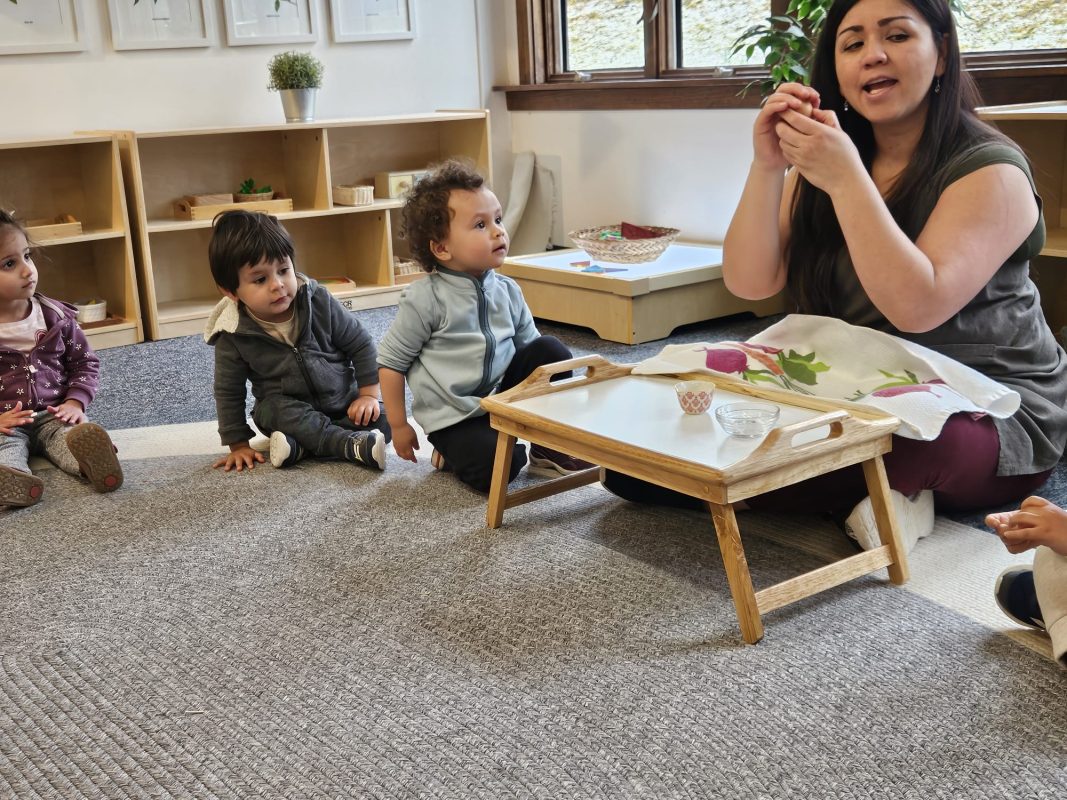
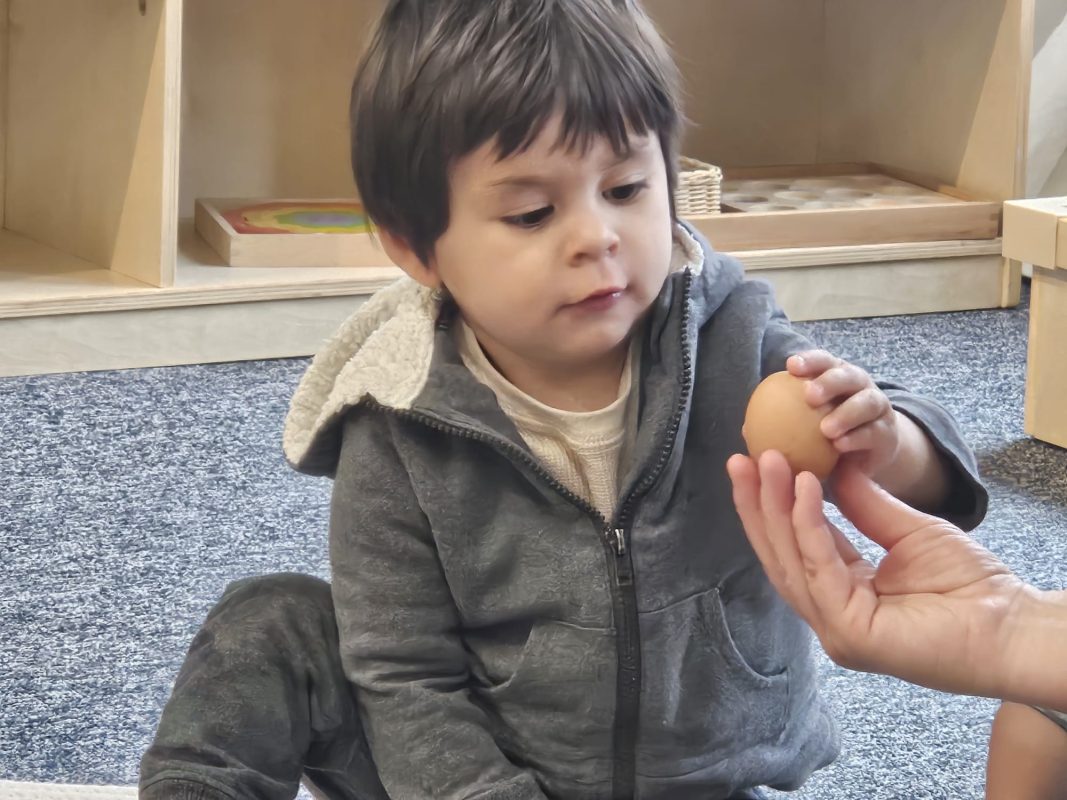
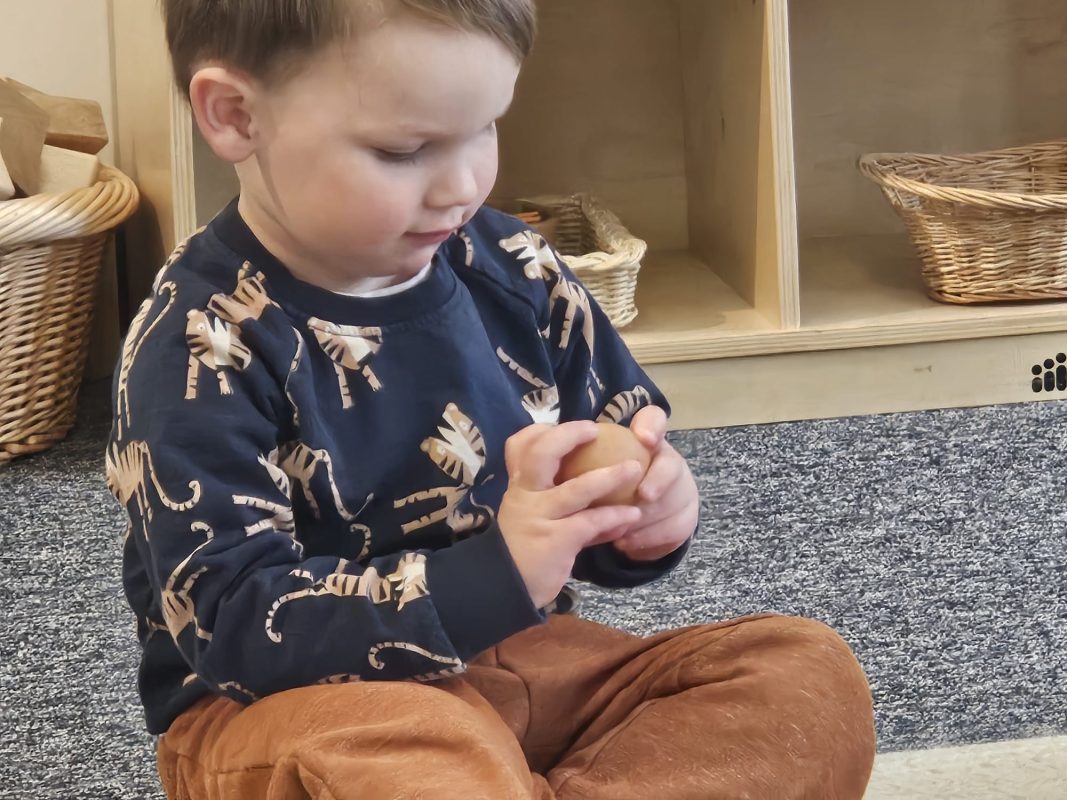
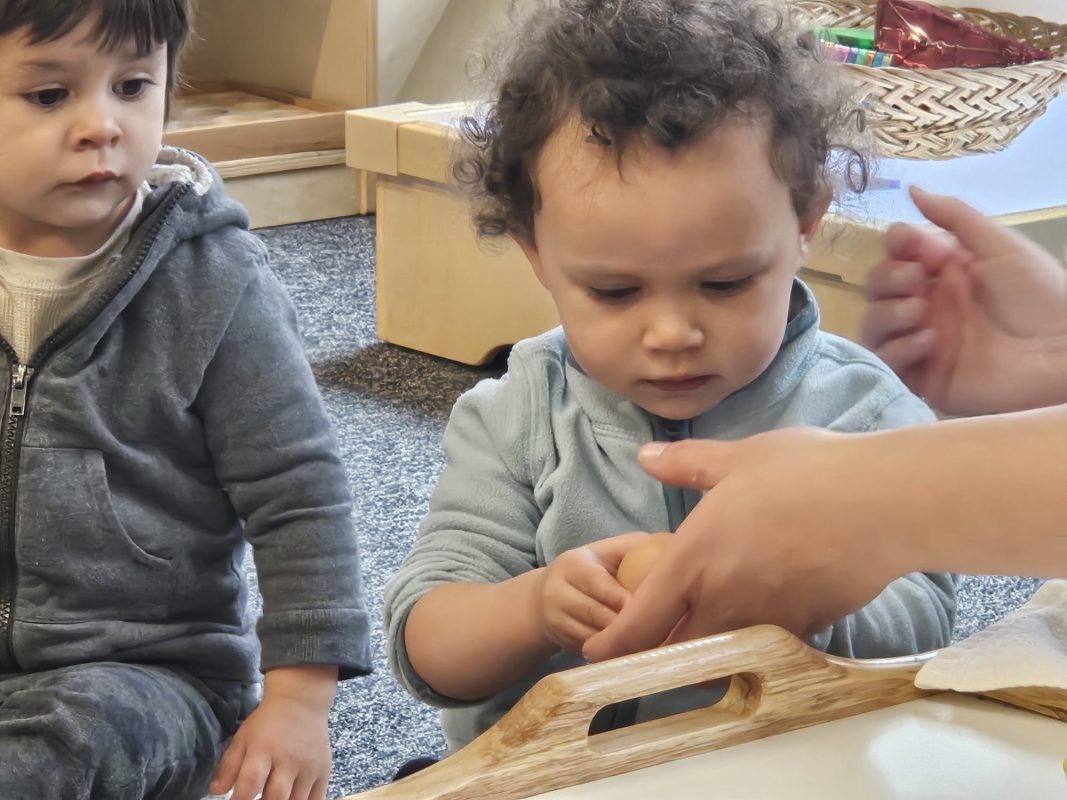
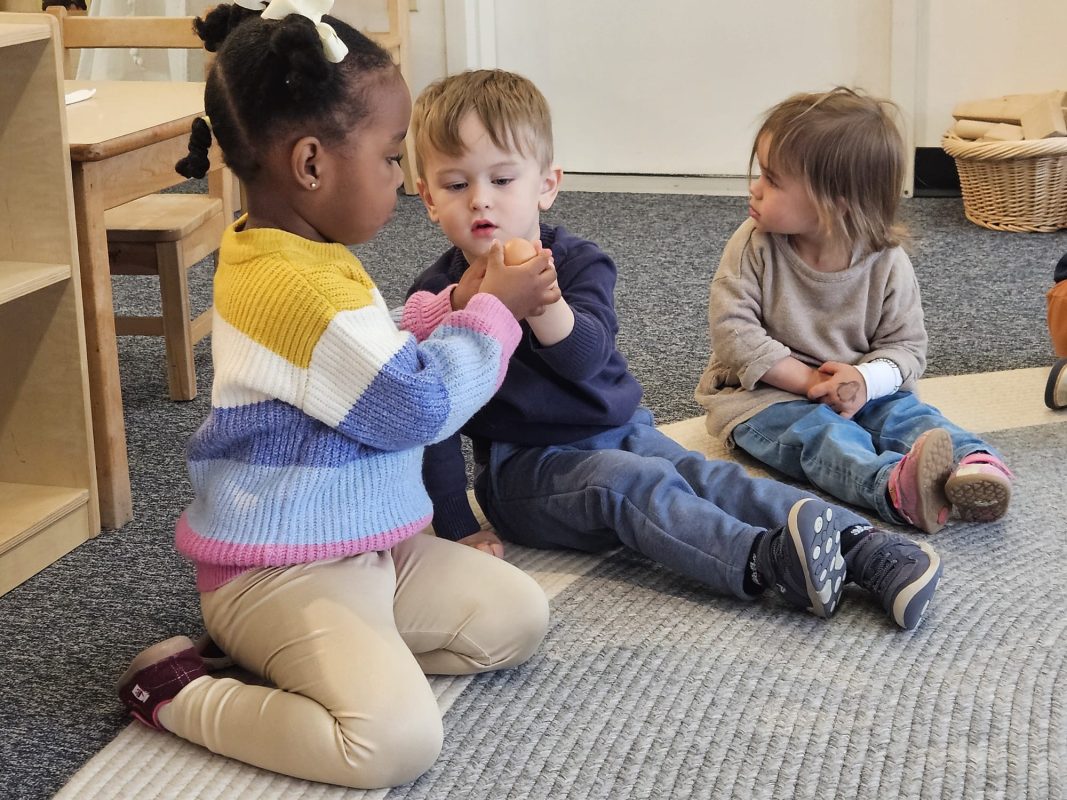
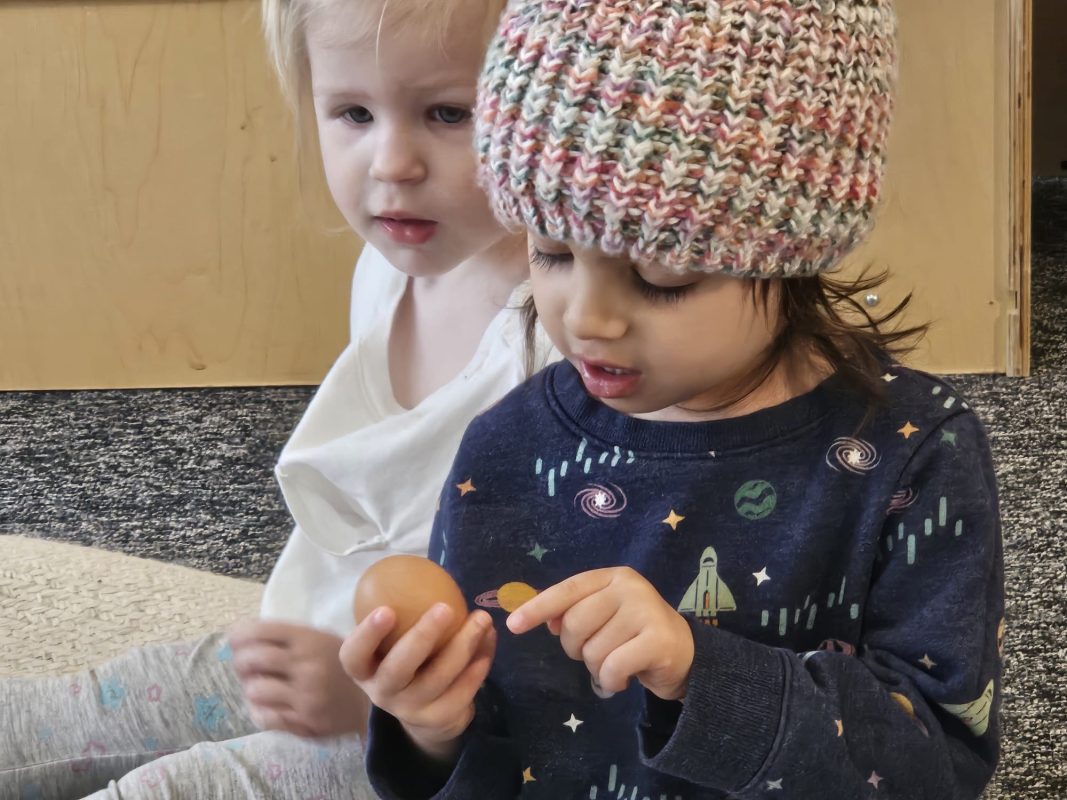
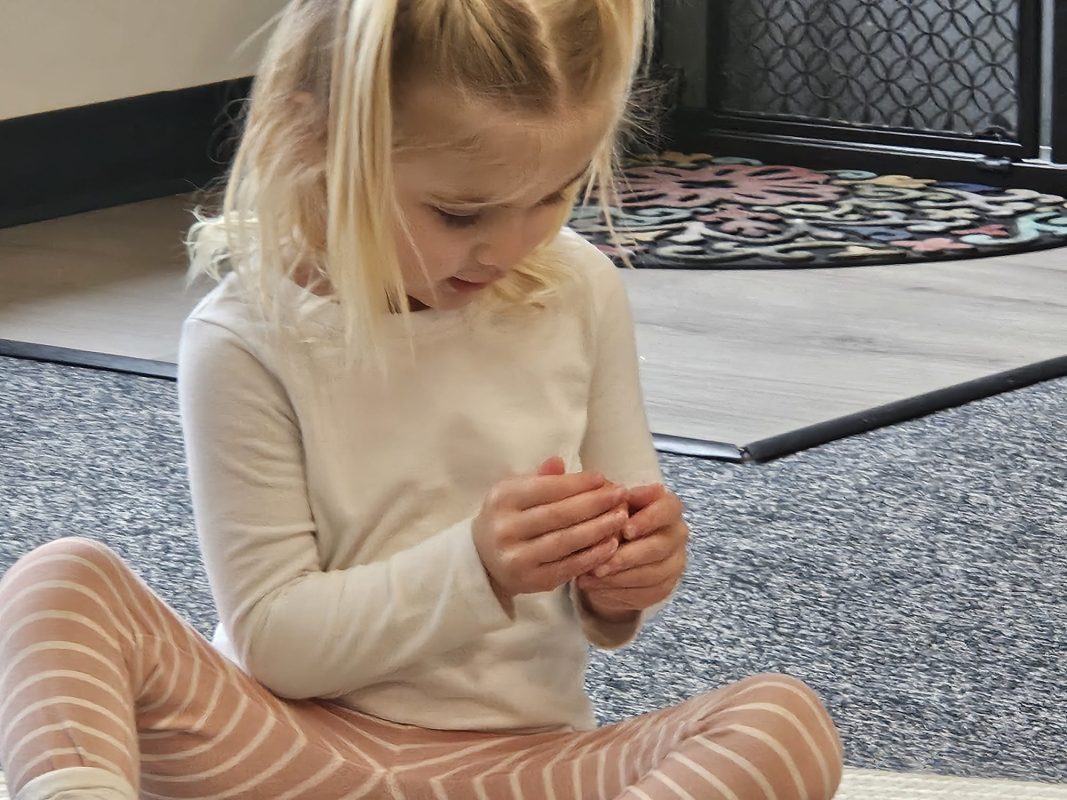
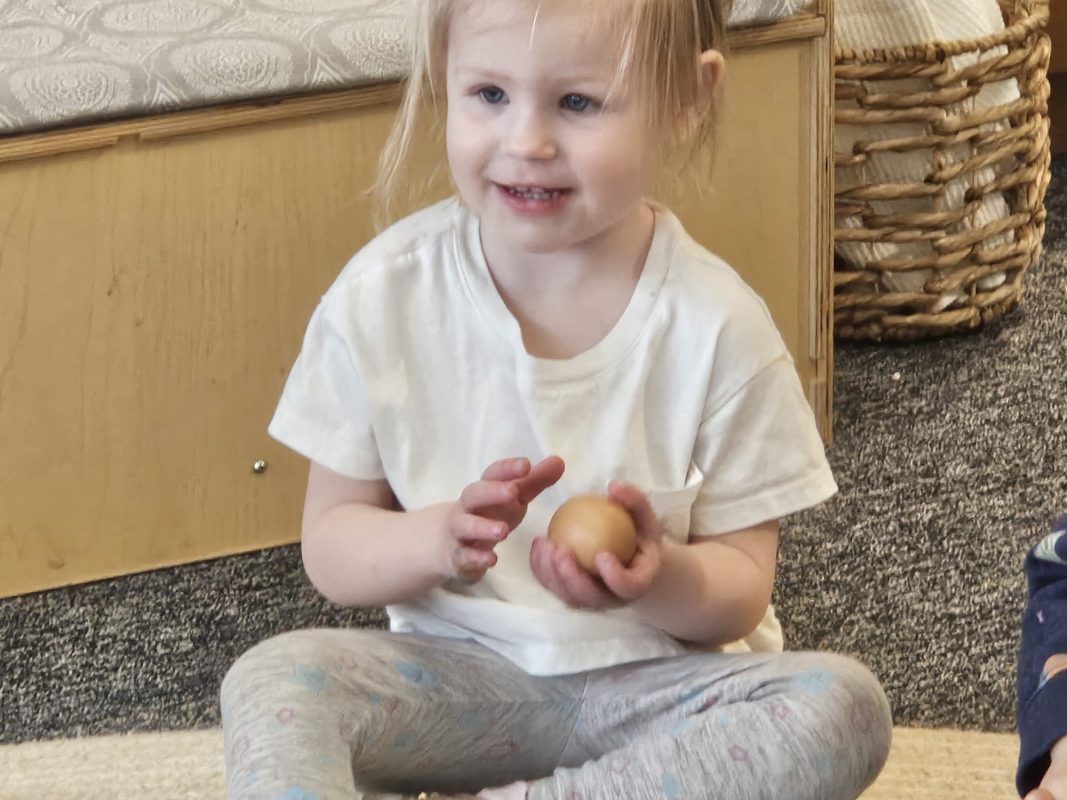
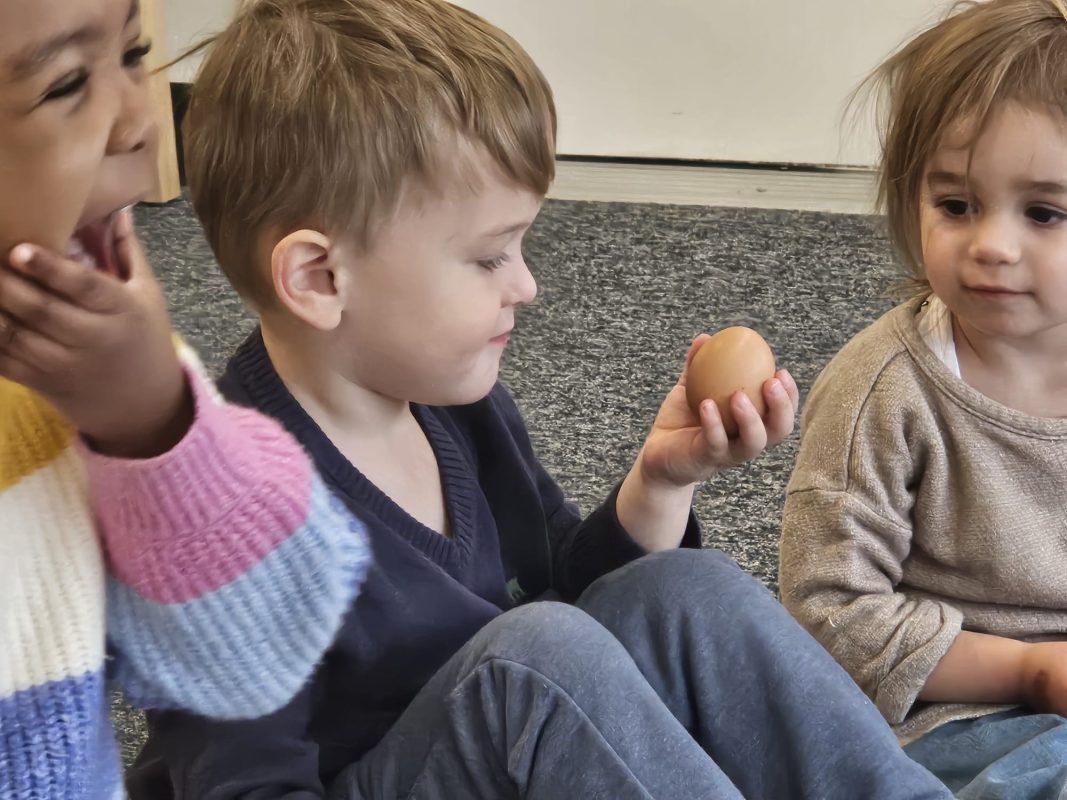
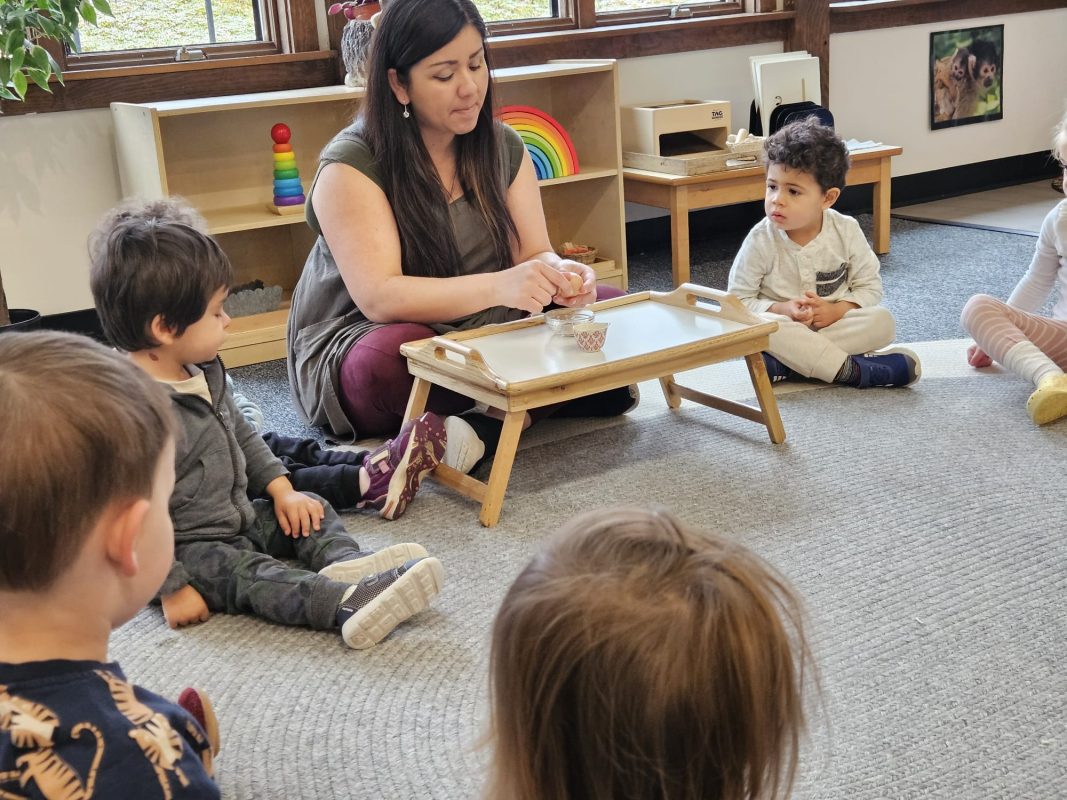
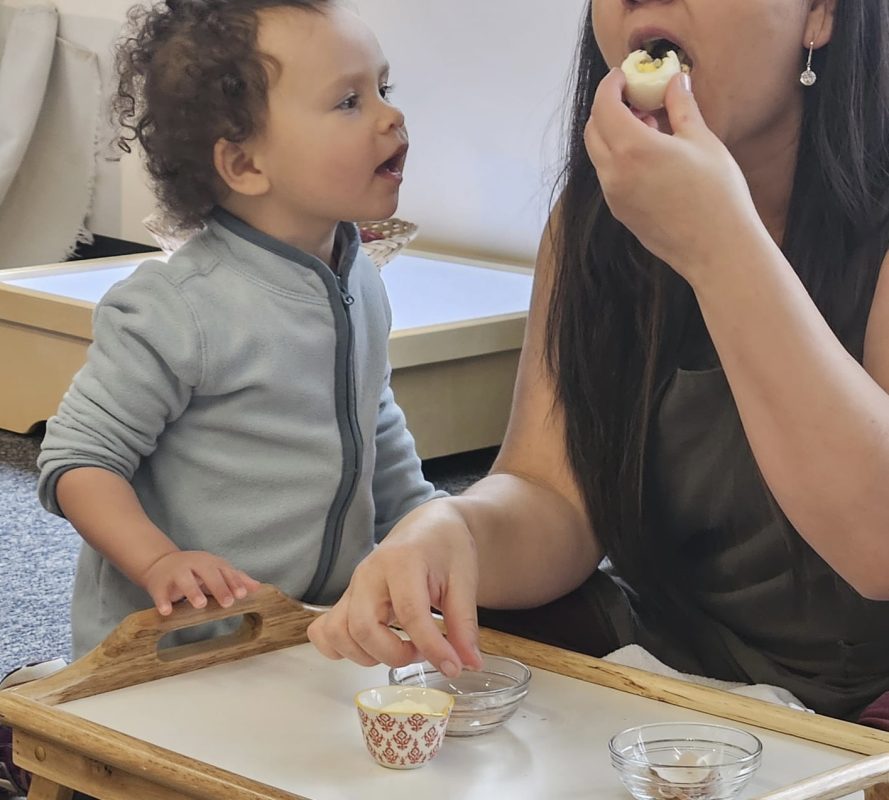
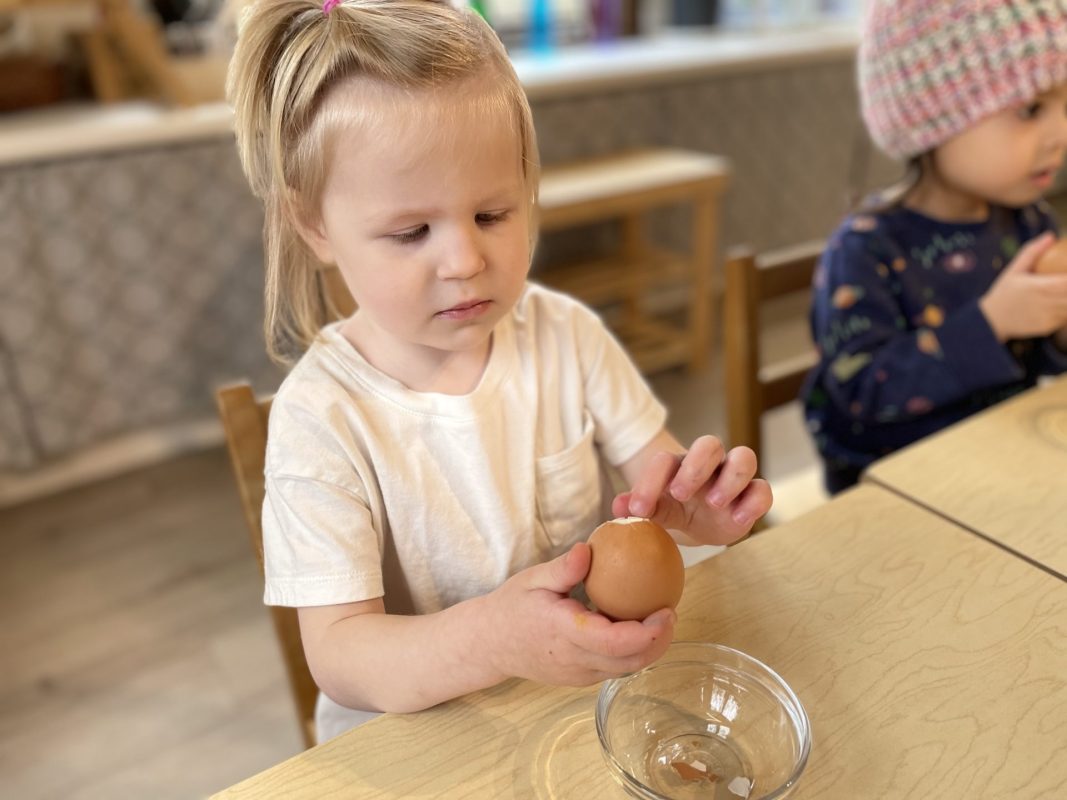
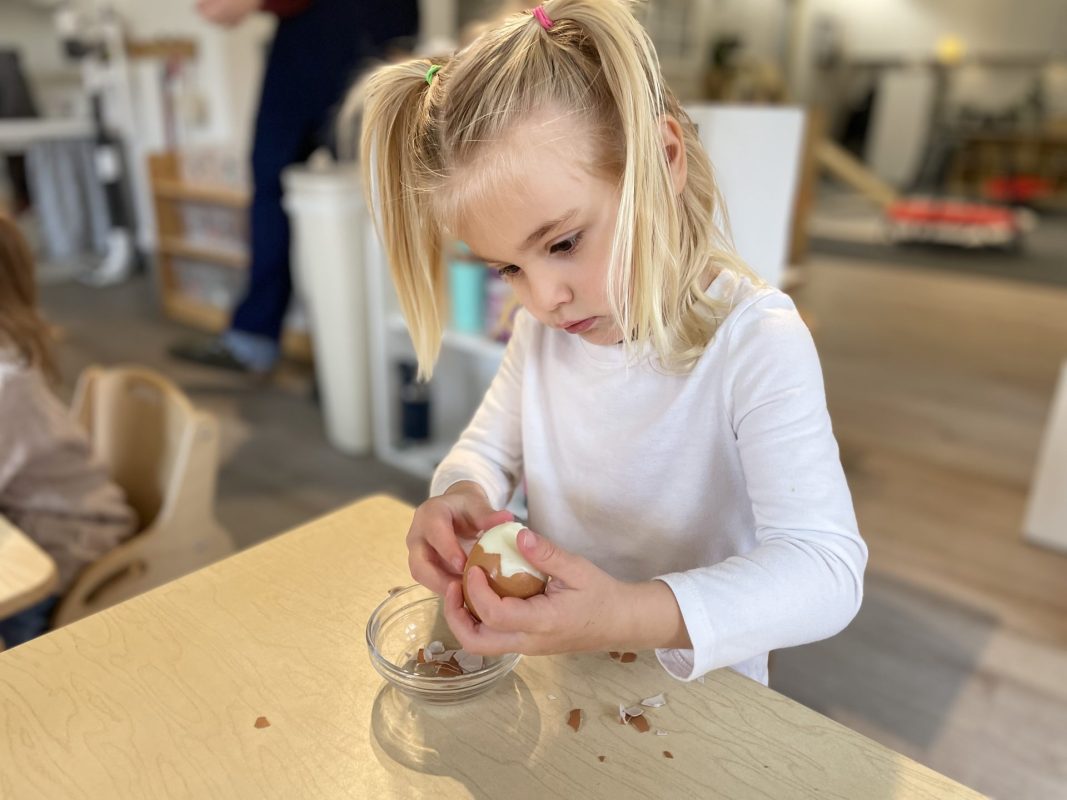
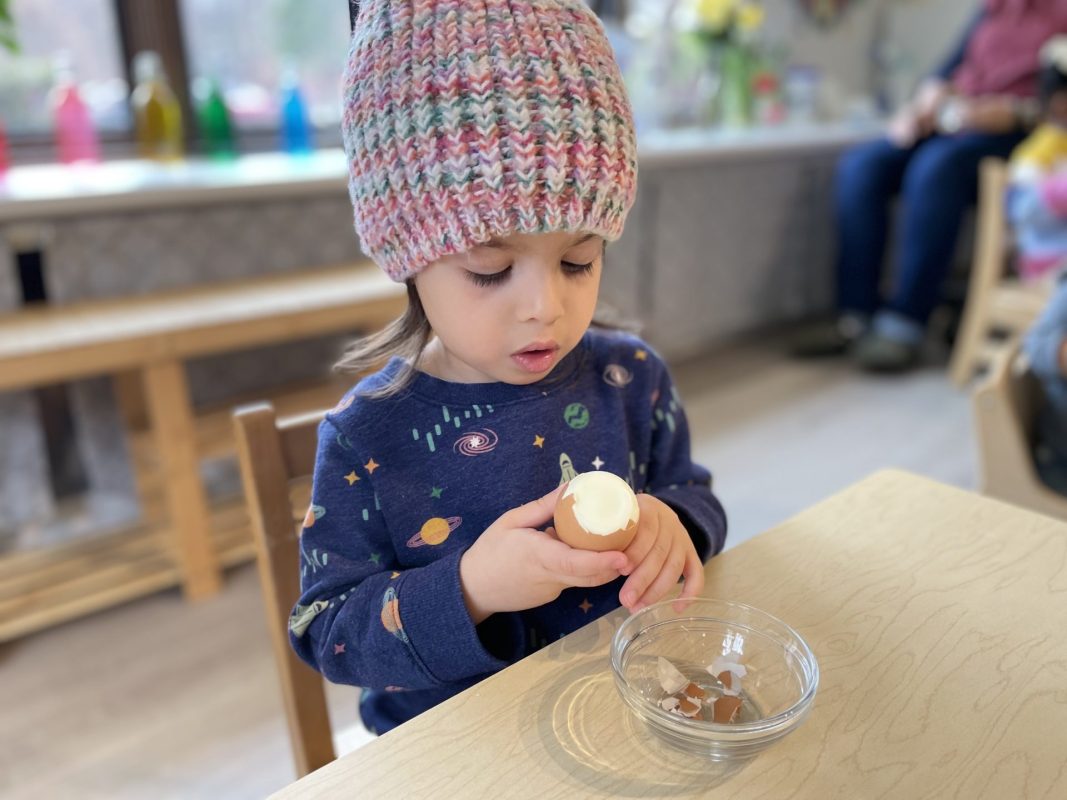
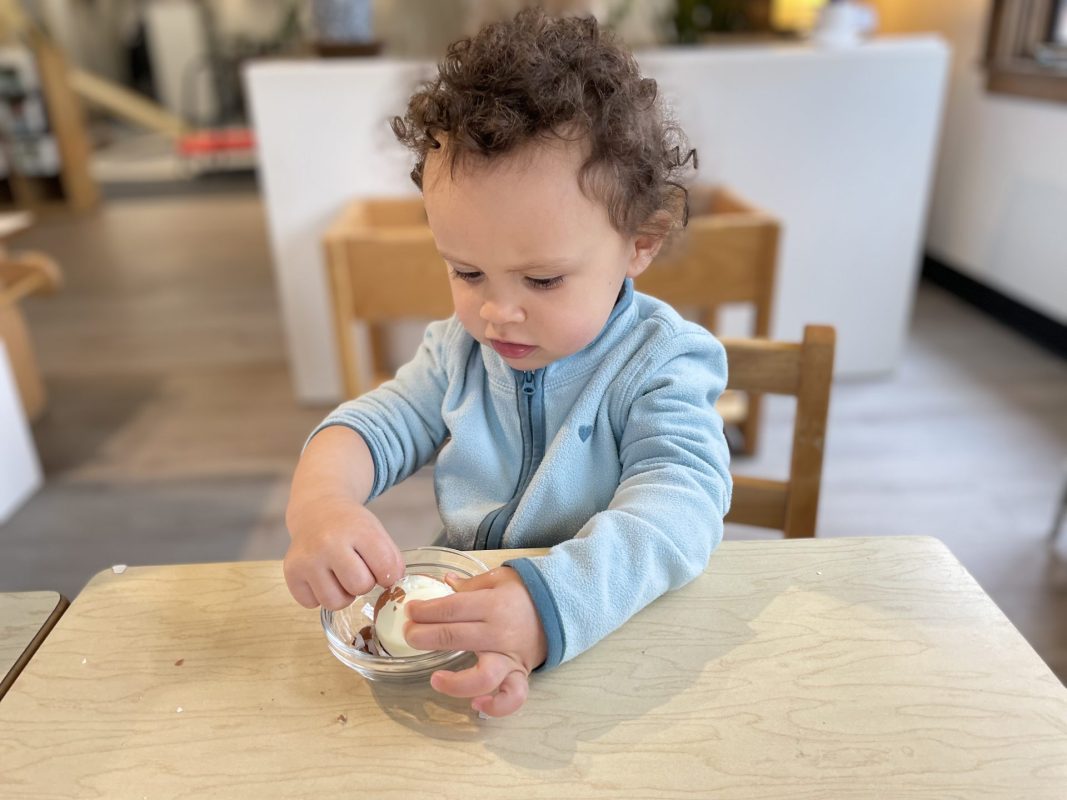
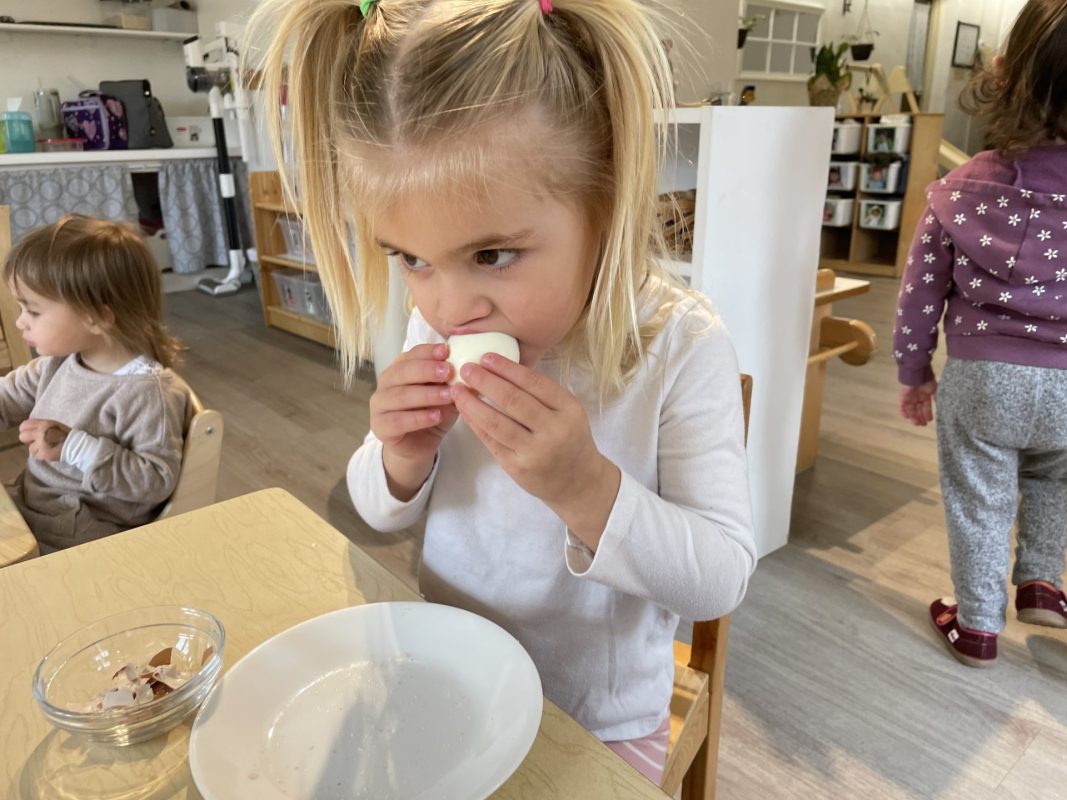
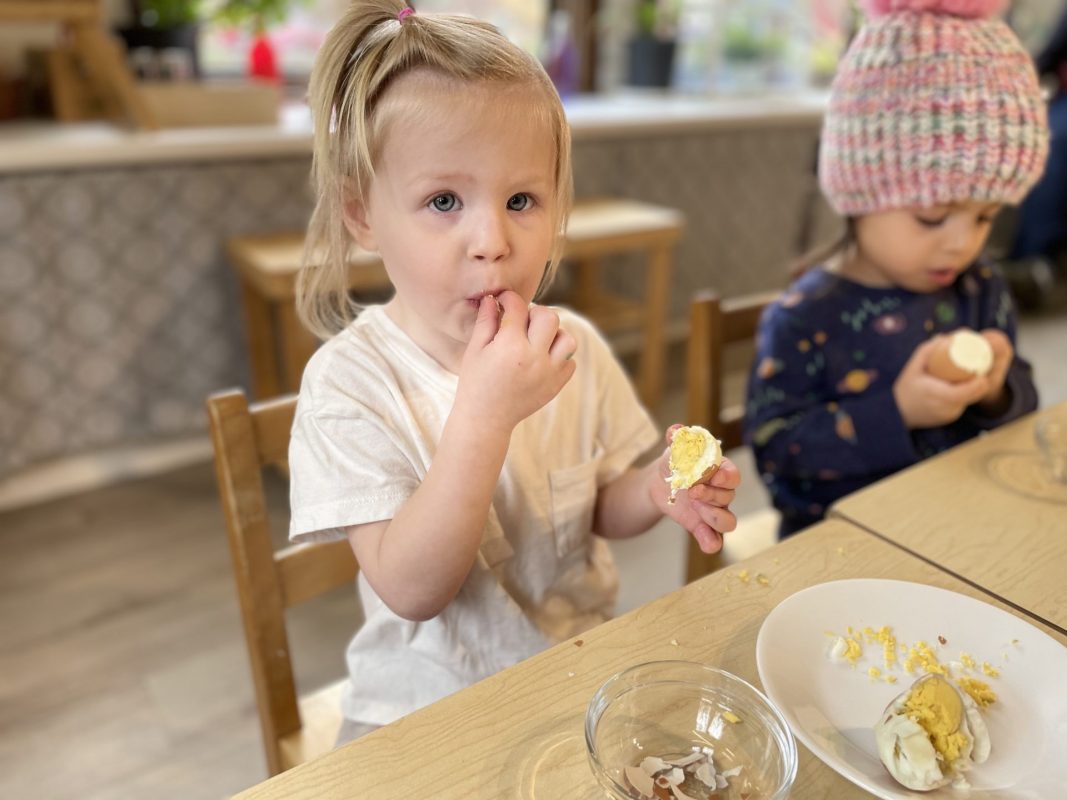
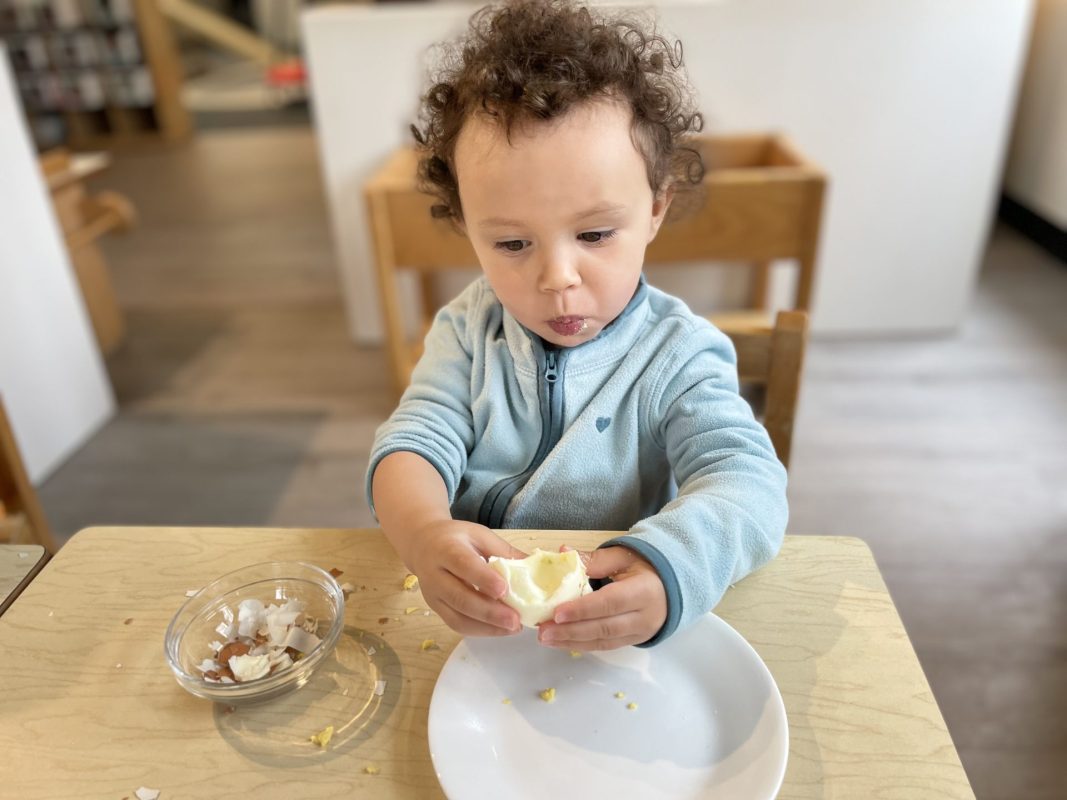
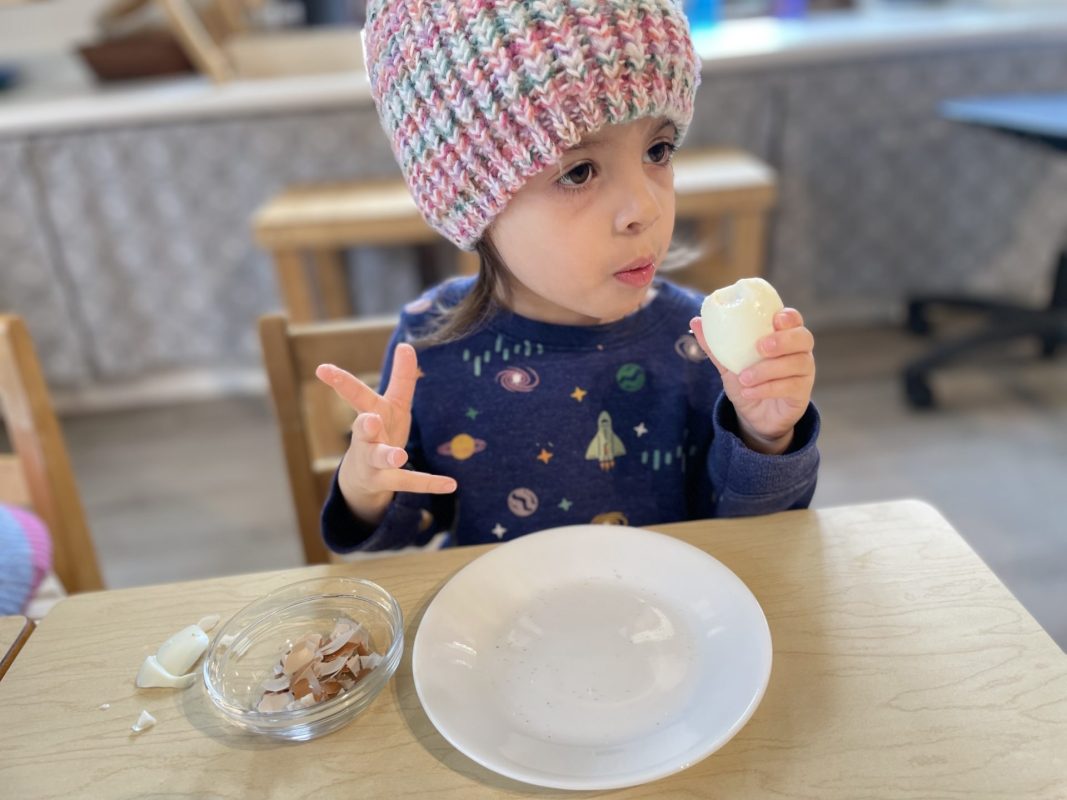
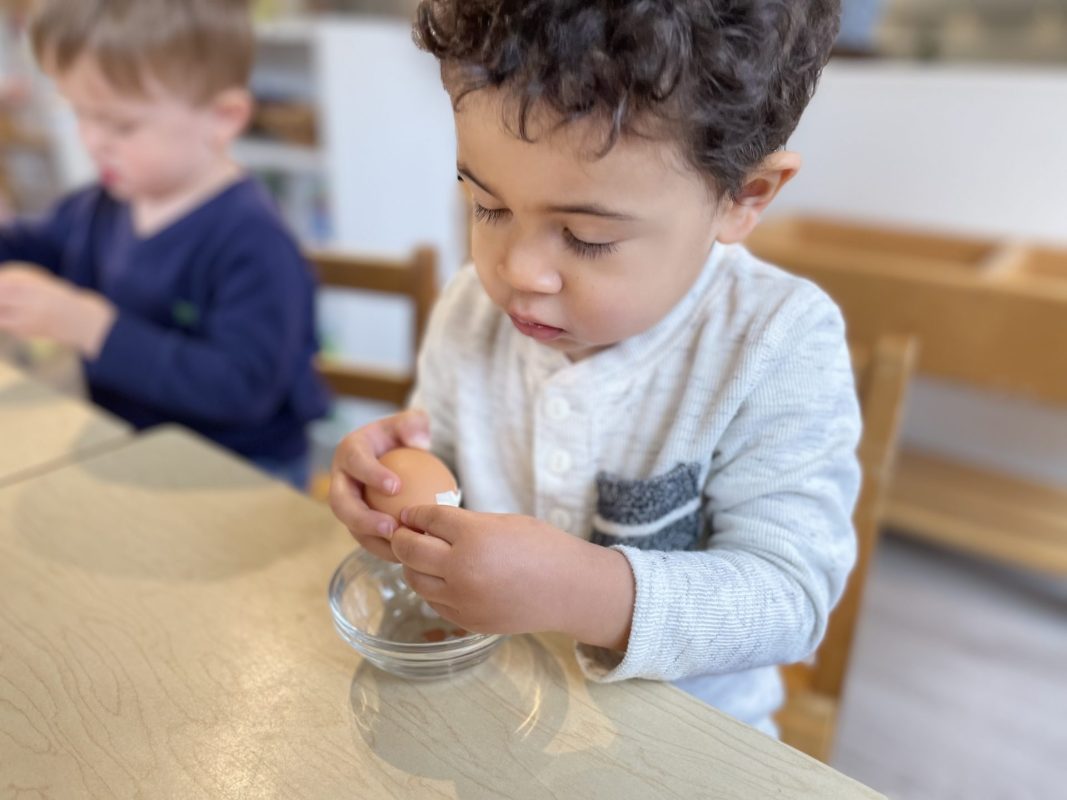
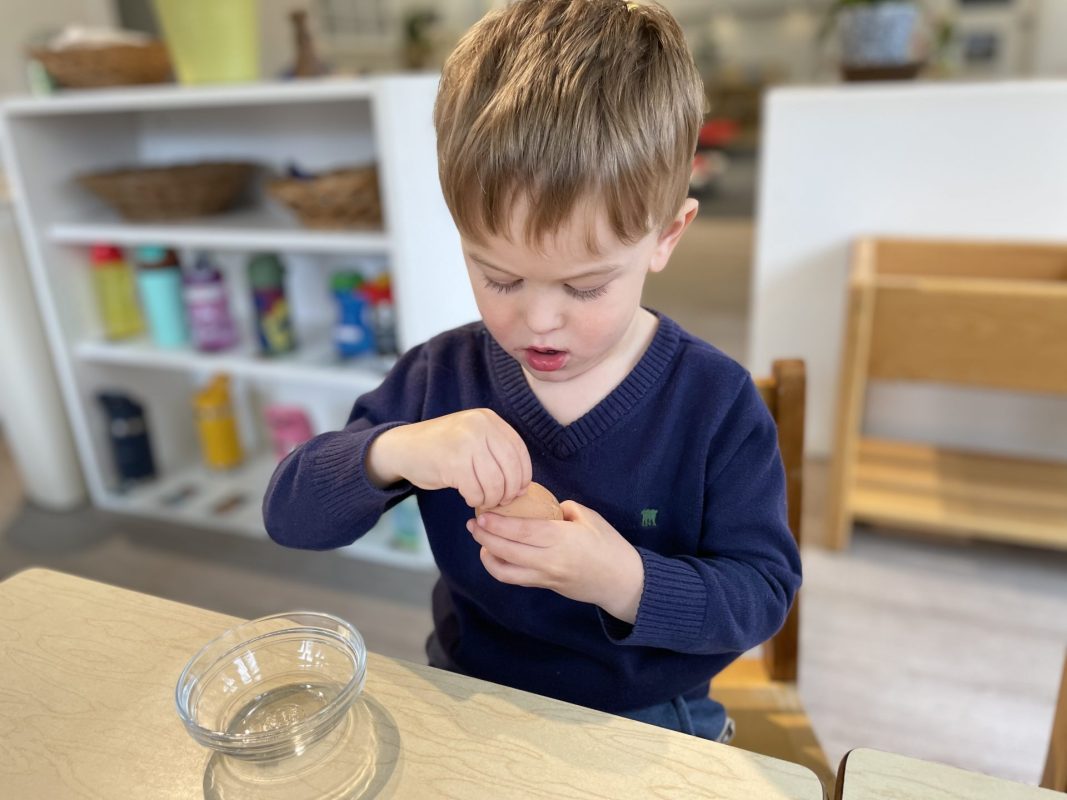
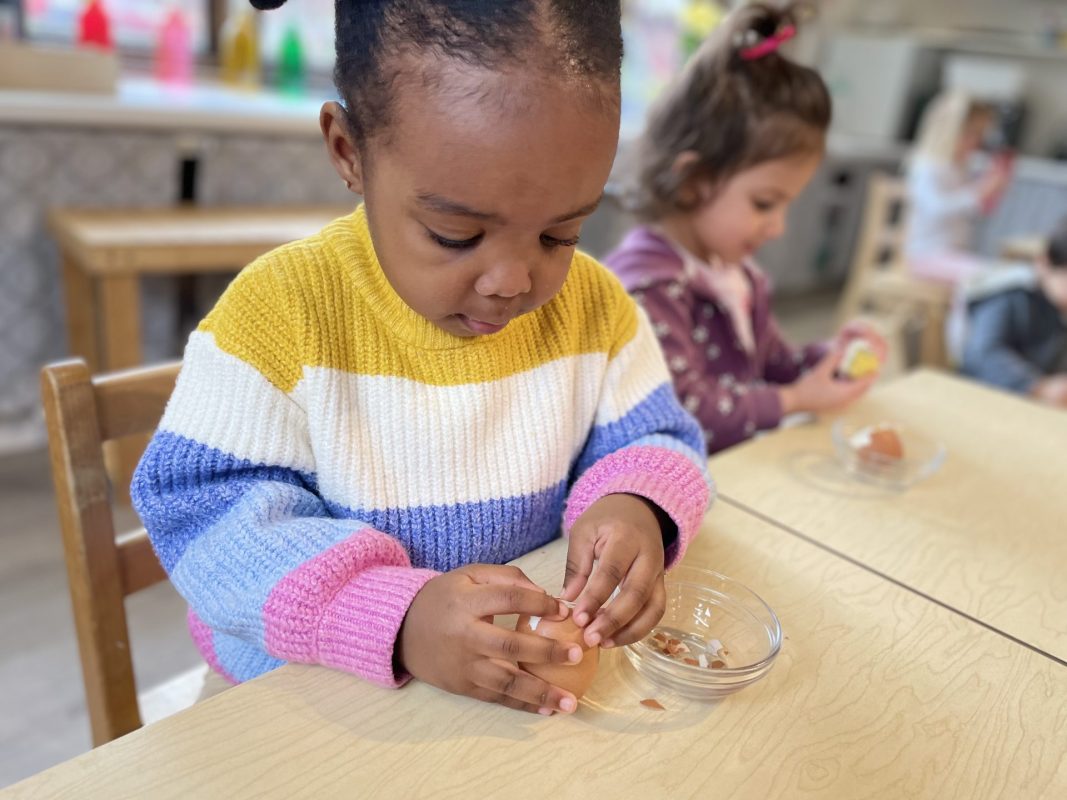
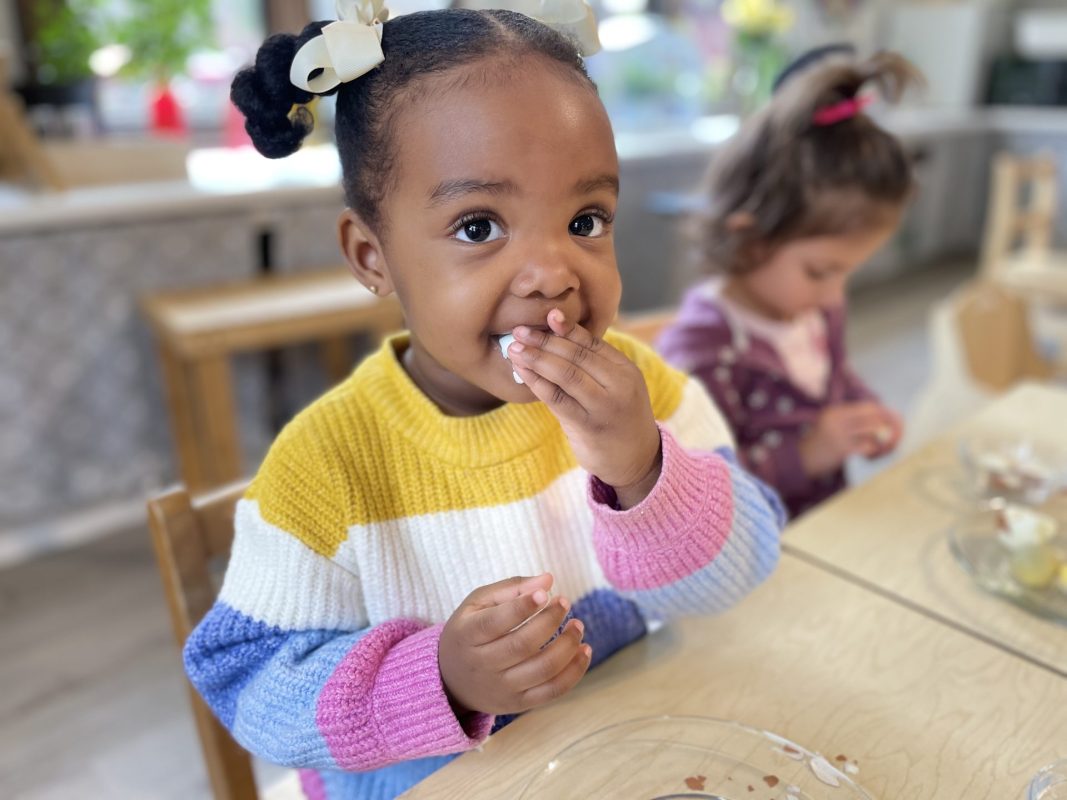
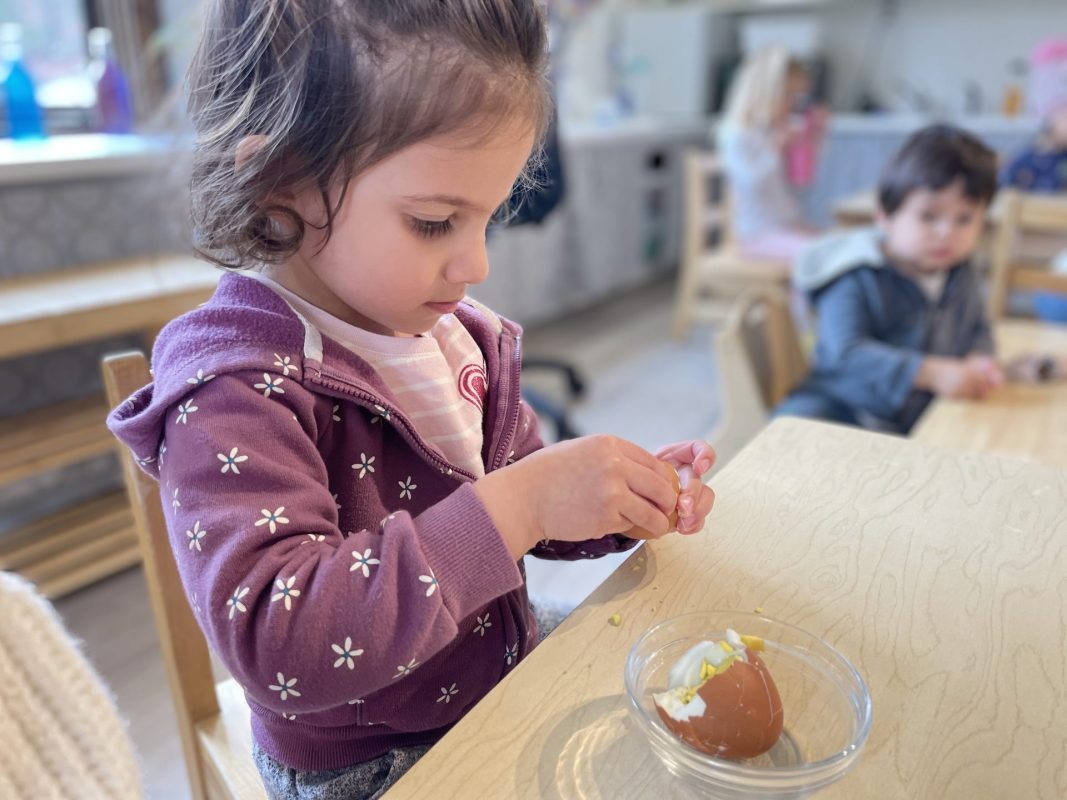
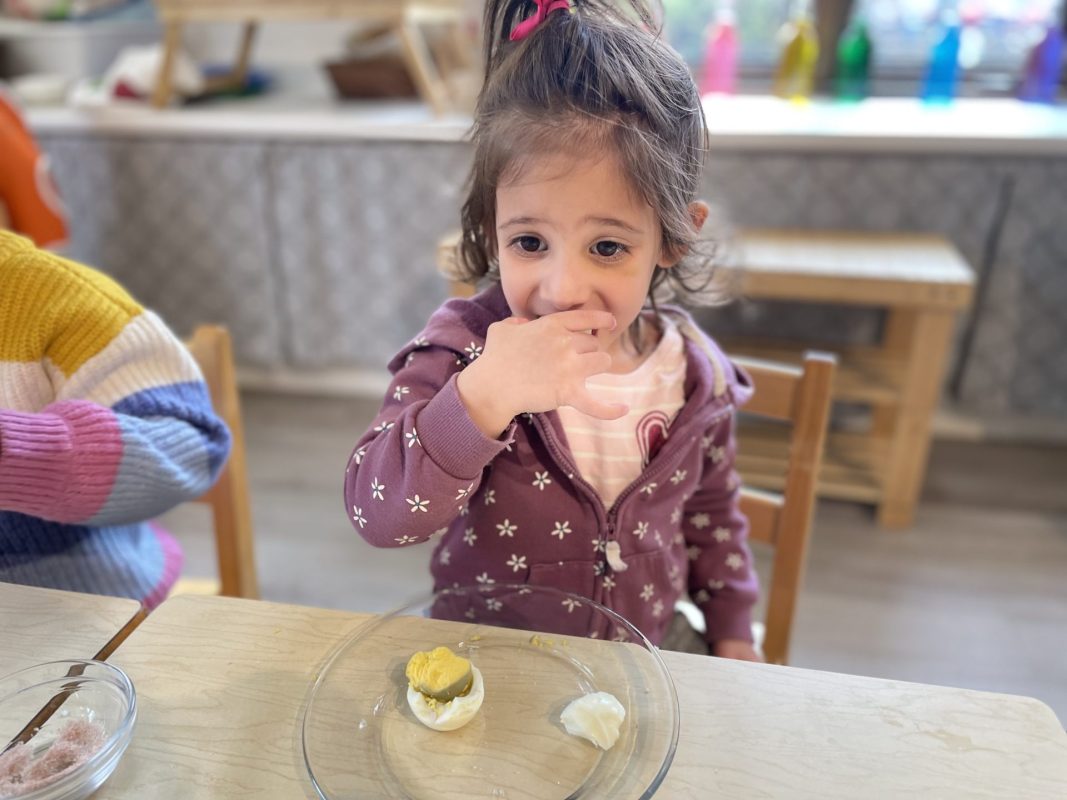
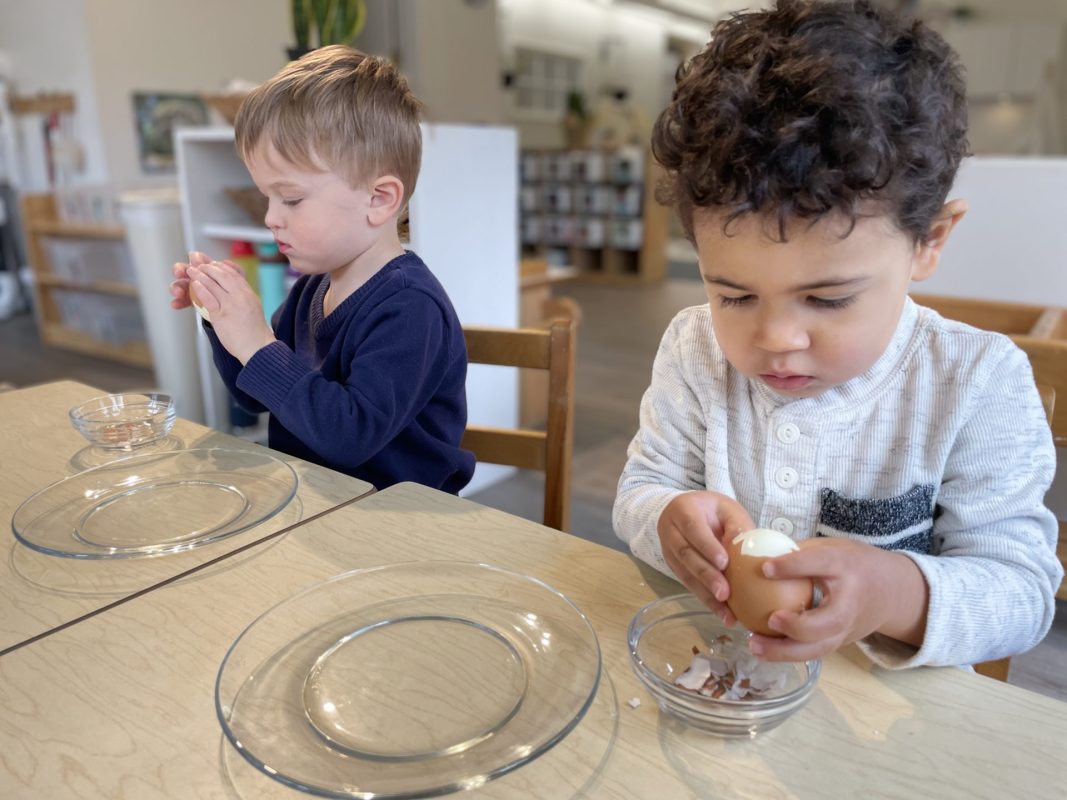
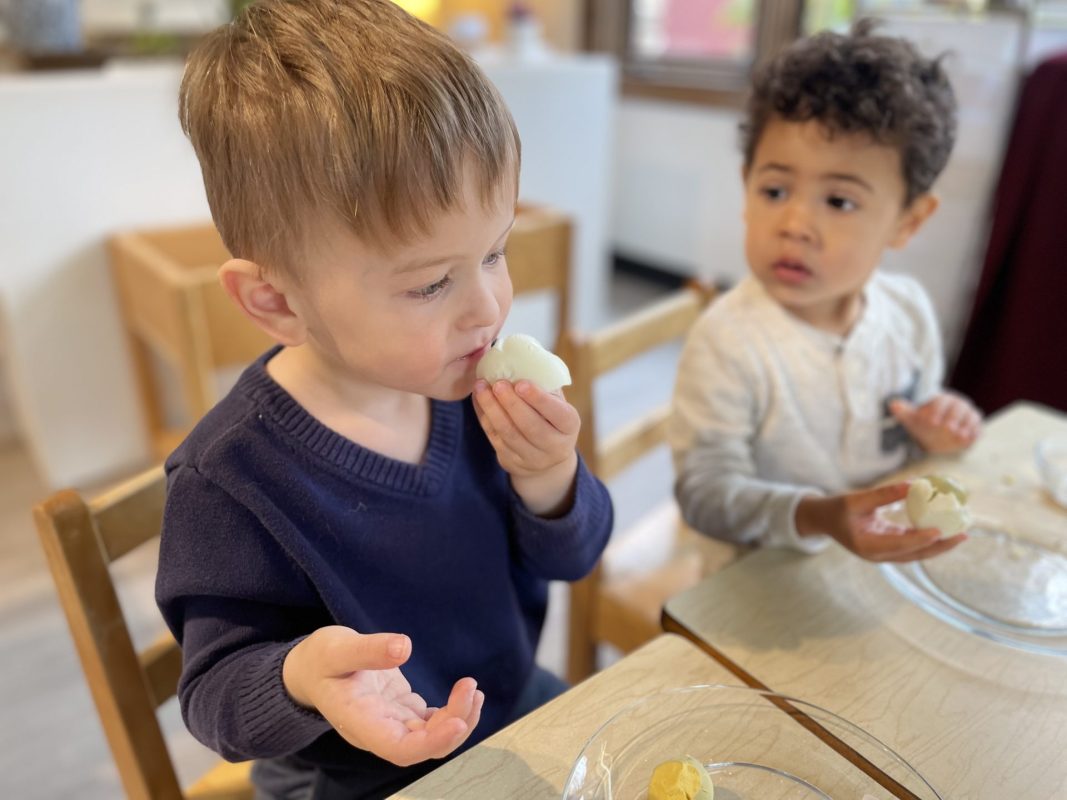
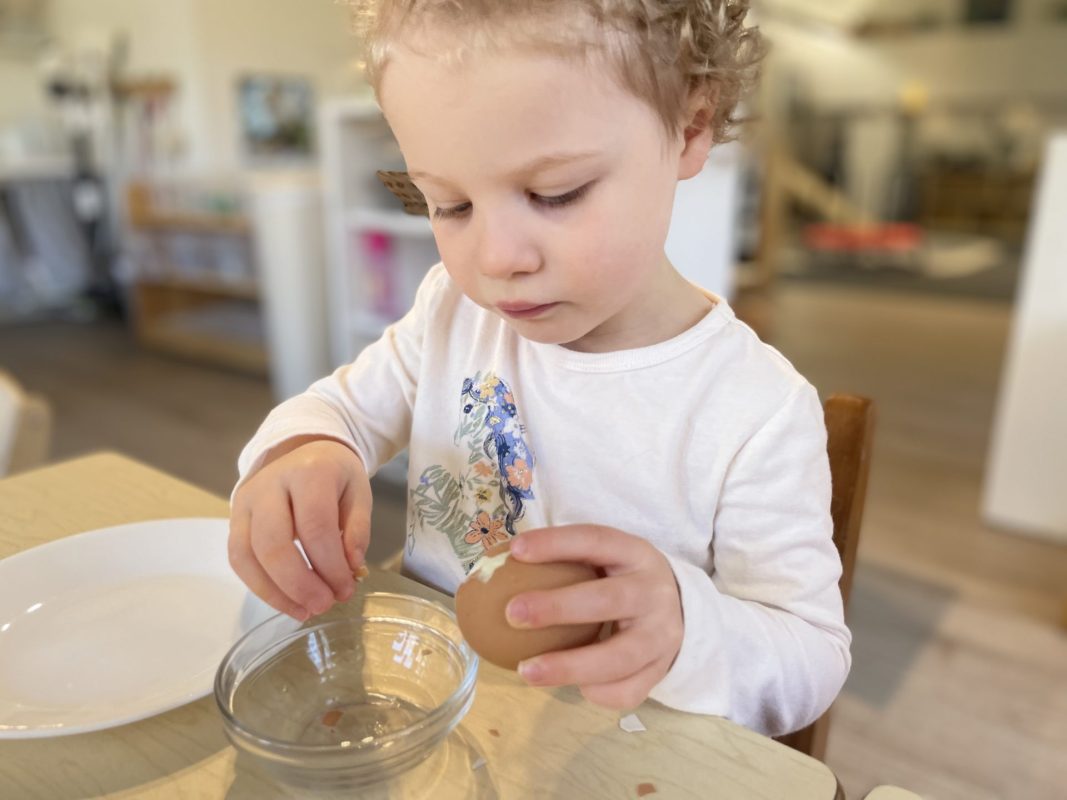
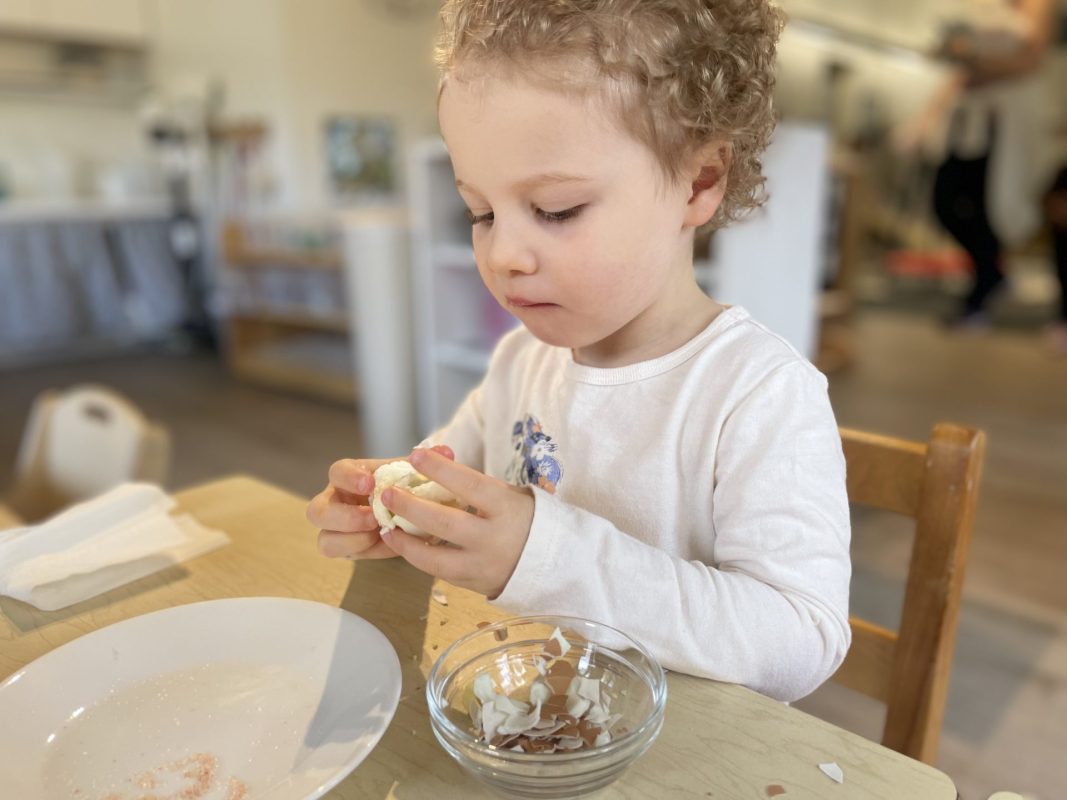
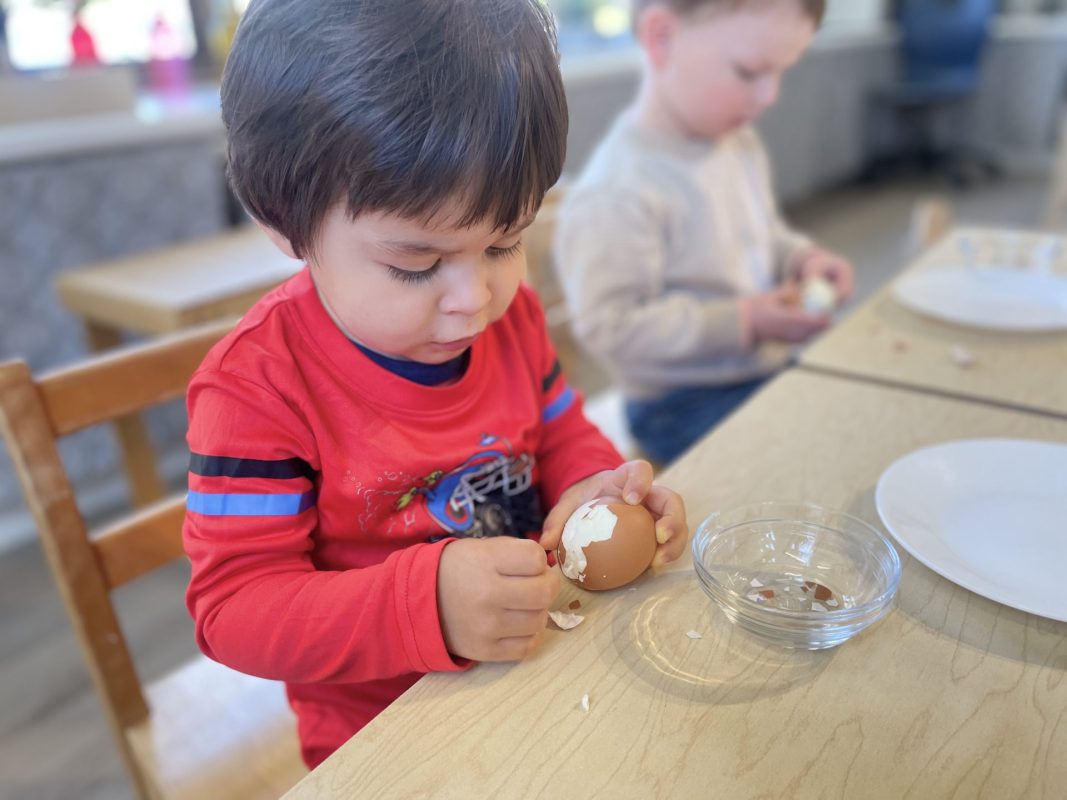
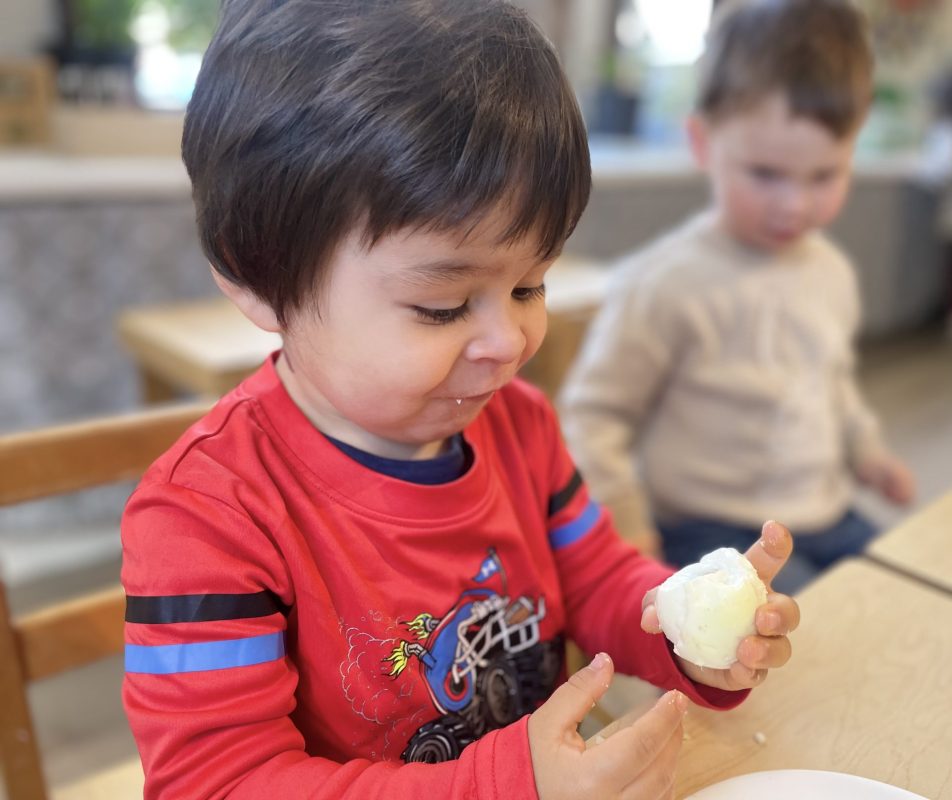
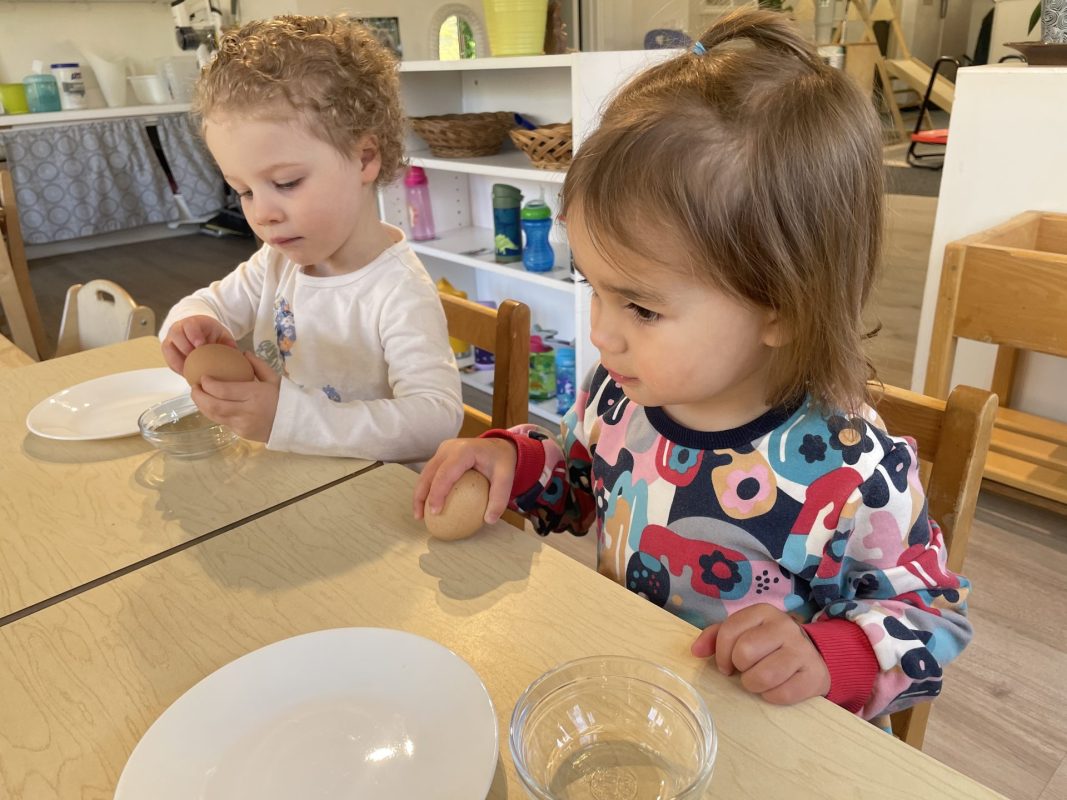
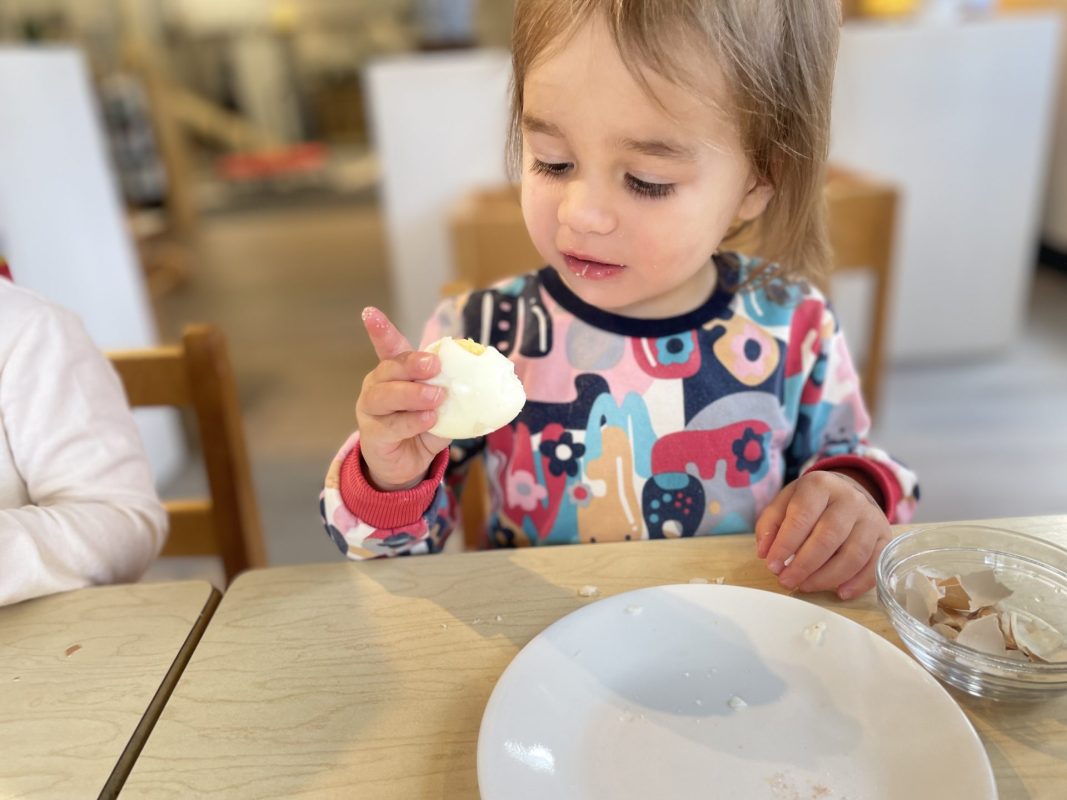
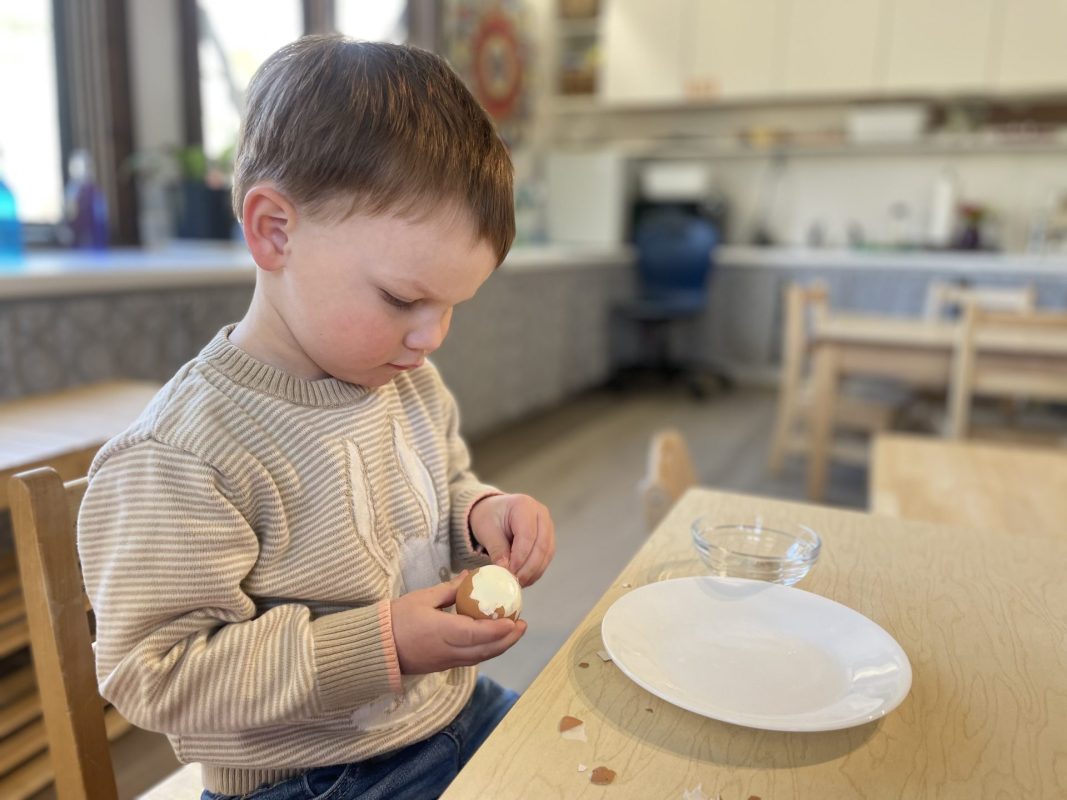
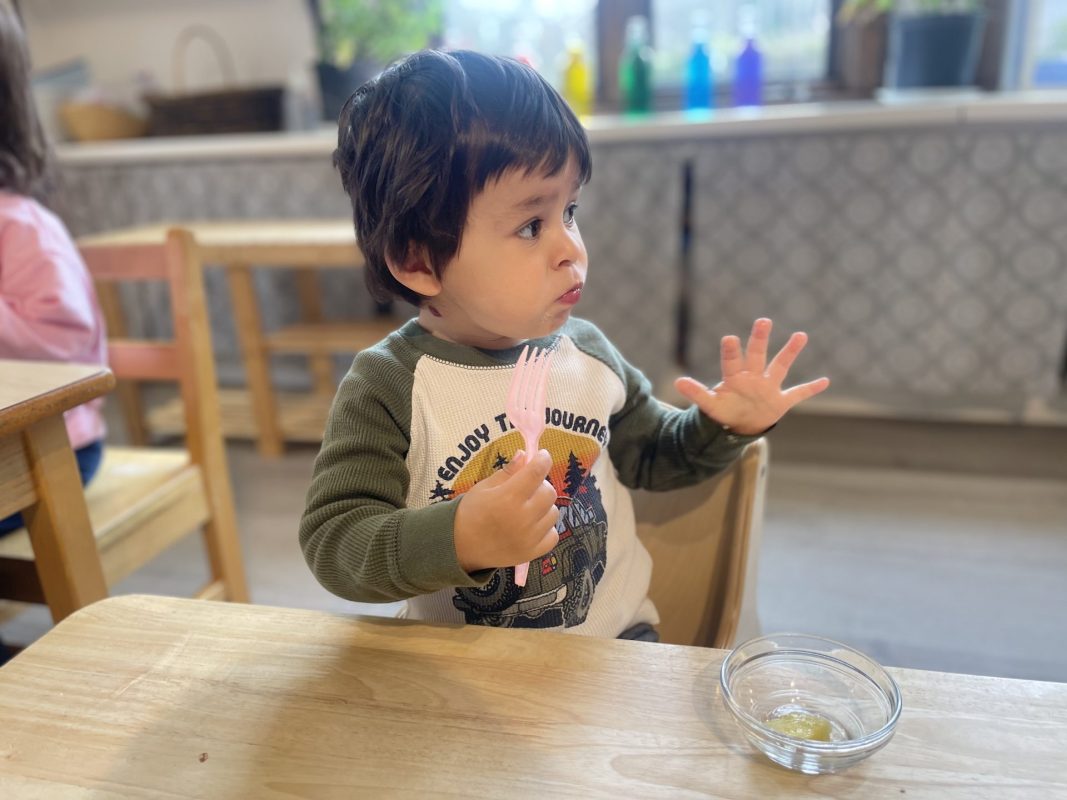
To bring a real-life experience to this topic, we explored an egg as part of our food-tasting lesson. We introduced vocabulary words like shell, egg white, and yolk. Children seemed surprised to find “a yellow ball” -as one of the children called it-  inside the egg. Children were able to take their time and strengthen their fine motor skills by learning how to peel their eggs.  They seemed to enjoy cracking the egg and carefully peeling the shell. I encourage you to allow your toddler to practice this skill at home. It’s truly a great exercise! Peeling an egg requires coordination between the fingers and thumb. This can improve dexterity and precision in hand movements, plus it helps their patience and persistence tremendously! 😀 The children seemed to feel proud of themselves.

Some of the children didn’t find the sliminess of the boiled egg very attractive and didn’t want to taste the egg, but other children kept asking to repeat the activity and taste another egg. It’s always fun to observe how the children react to these sensory experiences and how their brain seems to work hard on classifying the textures and flavors of the food items we introduce. To reinforce the Spanish language, the children were also introduced to a fun Spanish song called Los Pollitos. In Spanish, the chicks say, “pio, pio,” instead of “chirp, chirp.” Just an interesting cultural bonus sent your way :). I hope you enjoy the song at the bottom of this note and practice with your children at home if you would like.

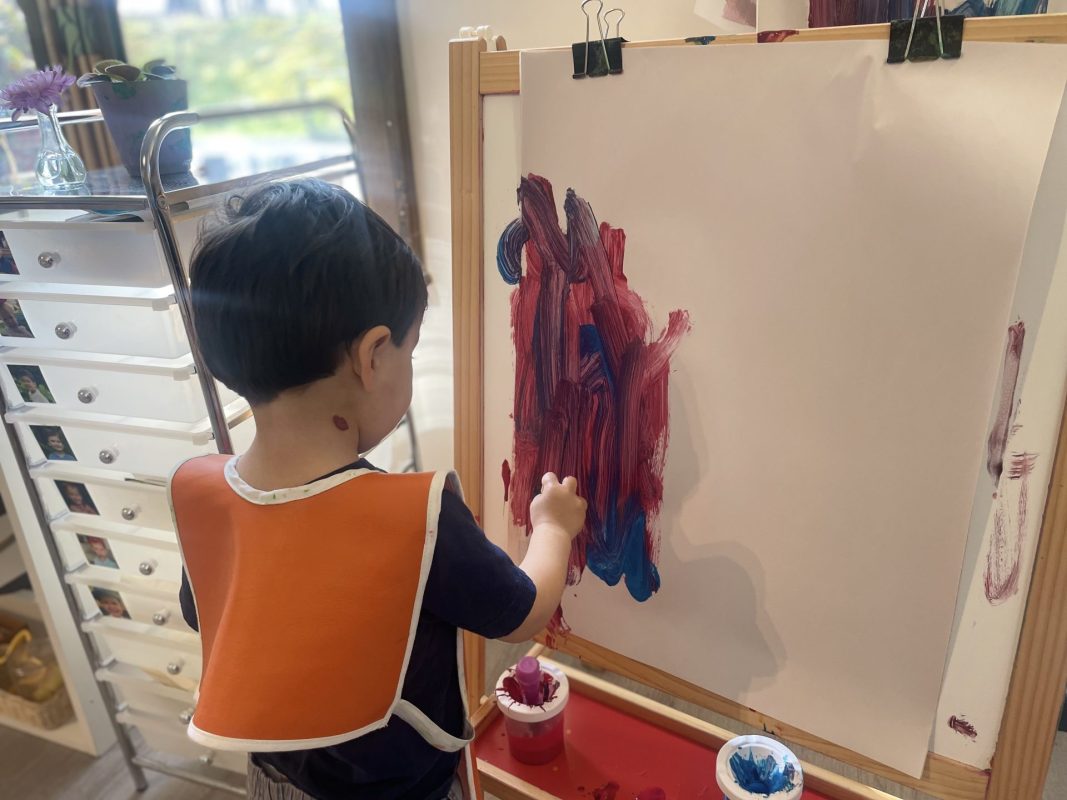
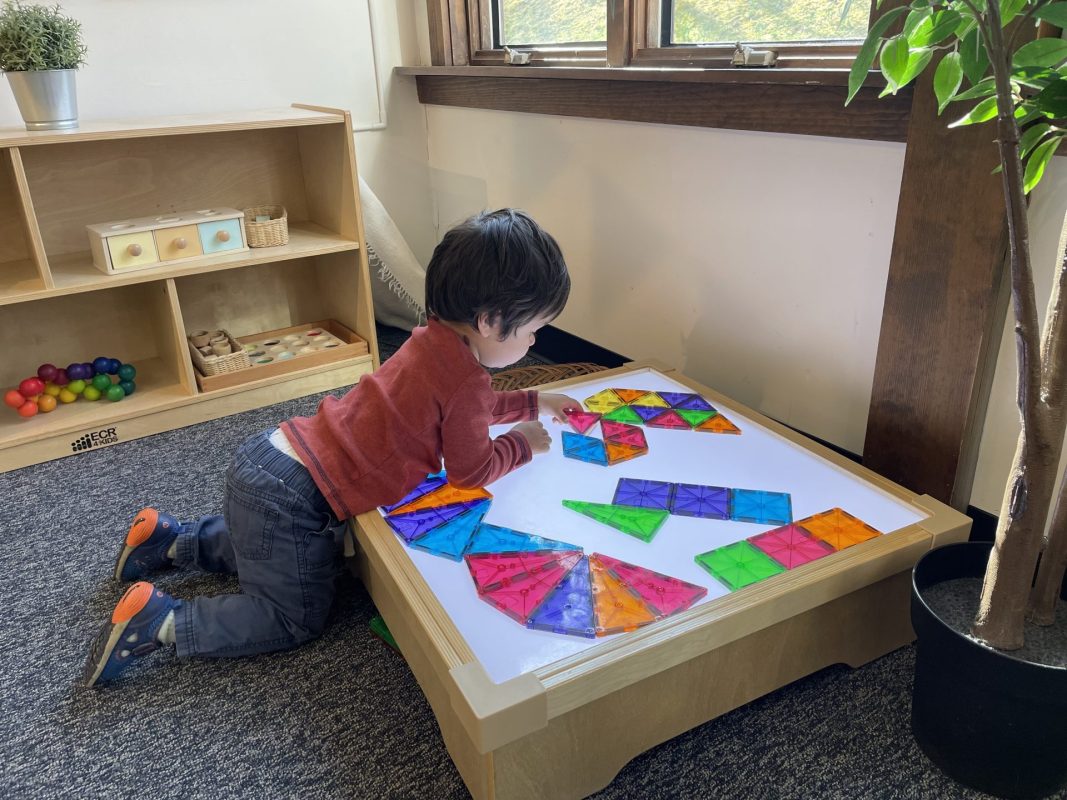
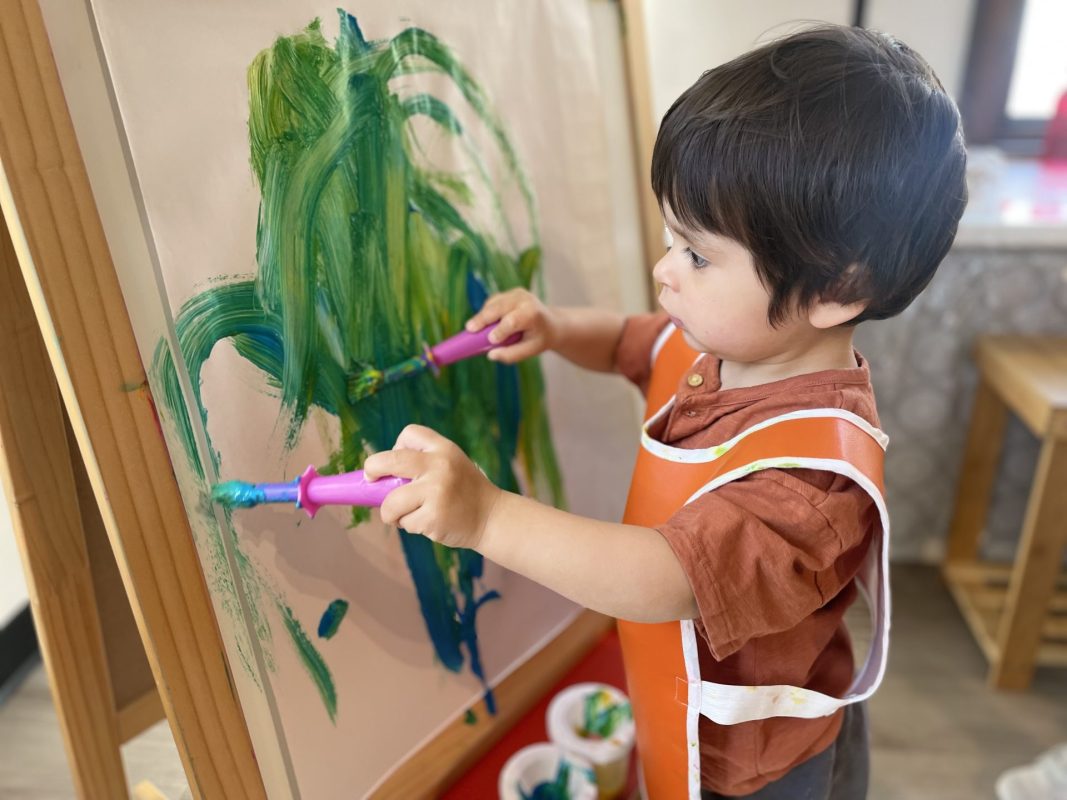
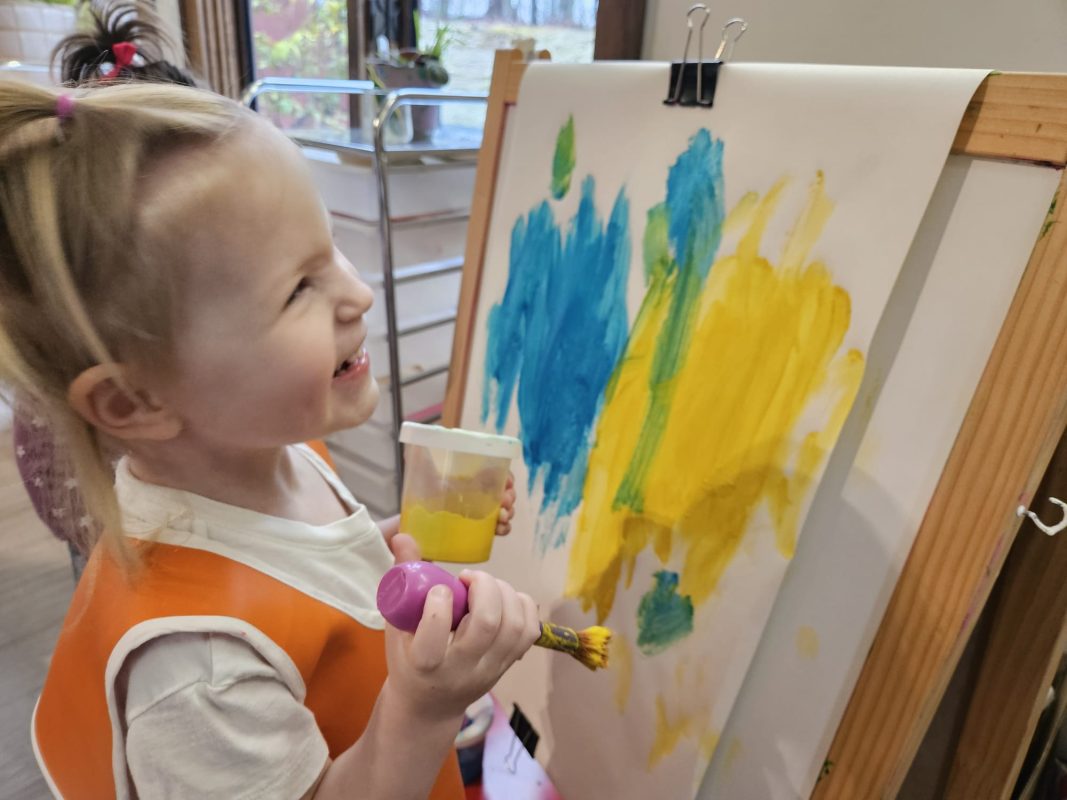
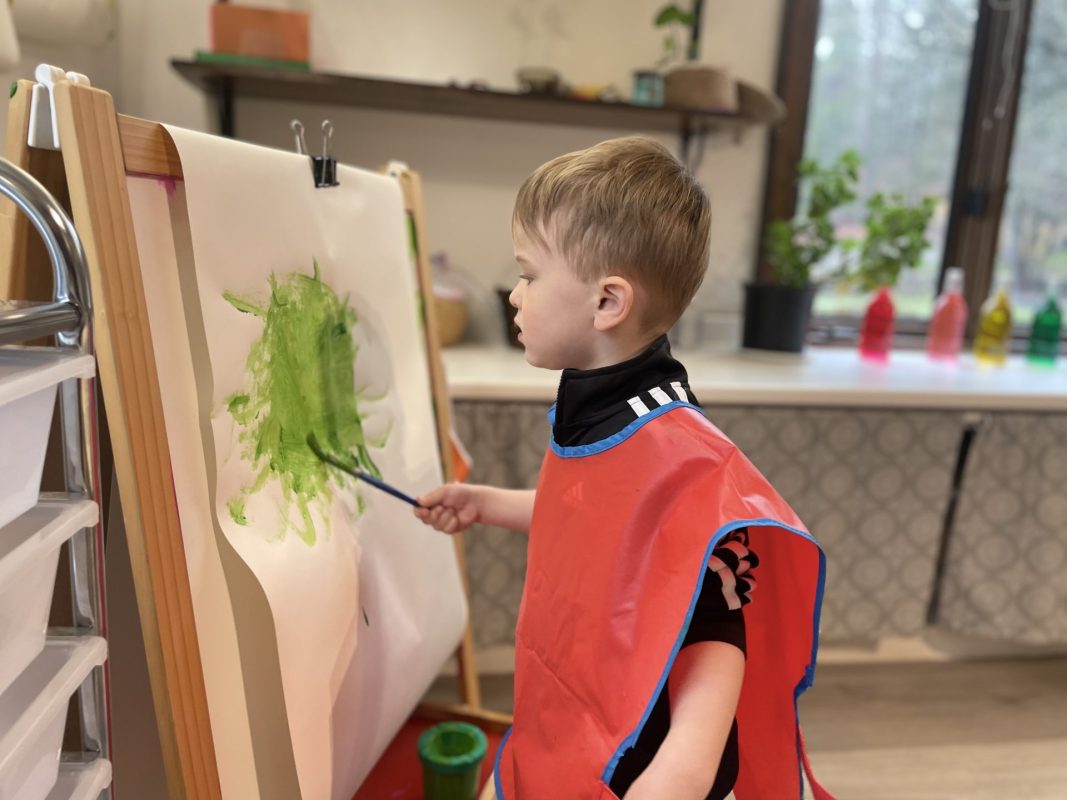
Based on our color studies, we introduced the concept of color mixing to the children this week. We gathered the children to circle and showed them what happens when you mix yellow with blue color. It was a magical moment! The children’s expressions were amazing! They couldn’t believe that we had made a new color. Their faces seemed to be in awe! Immediately, they were ready to take a turn at the easel and make the magic happen by themselves!

Lastly, we celebrated another 3-year-old birthday in our class! It’s always such a special day for all!

We hope you all have a wonderful weekend. If you are planning to visit a farm as a fun spring activity, please take the time to observe the chickens and talk with your toddler about what you see.

Best,

Mrs. Hood and Ms. Mollie 

Mrs. Hood: Springing Back into Learning!

Hello Parents! Welcome back!
As we return from our rejuvenating spring break, I am delighted to share some of the wonderful happenings in our environment this week. It’s been a joyous transition as our little ones settled back beautifully into their routines, demonstrating their ever-growing curiosity and engagement with the world around them.
Firstly, I’m thrilled to introduce a new addition to our classroom family: Rowan. Please join me in extending a warm welcome to Rowan and her parents, James and Shevon. It has been truly heartwarming to witness the kindness and empathy our students have shown in embracing Rowan, offering support and guidance as she navigates the environment, and embodying the values of compassion and inclusion that are at the core of our classroom community.

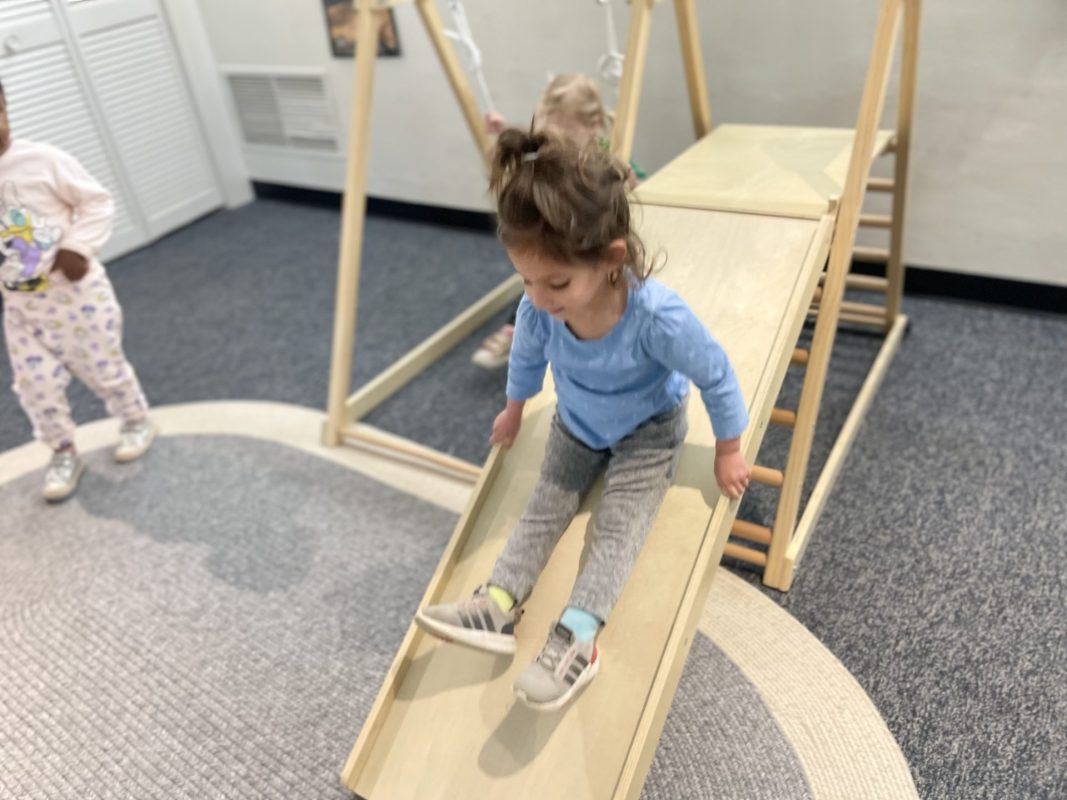
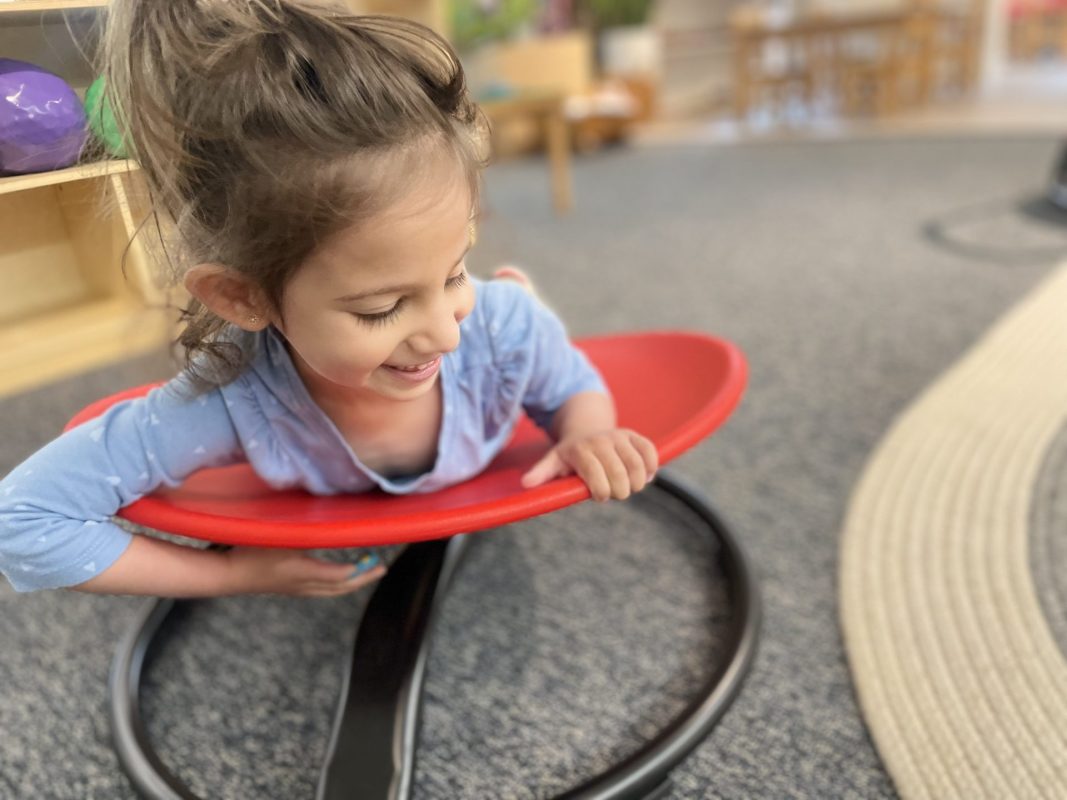
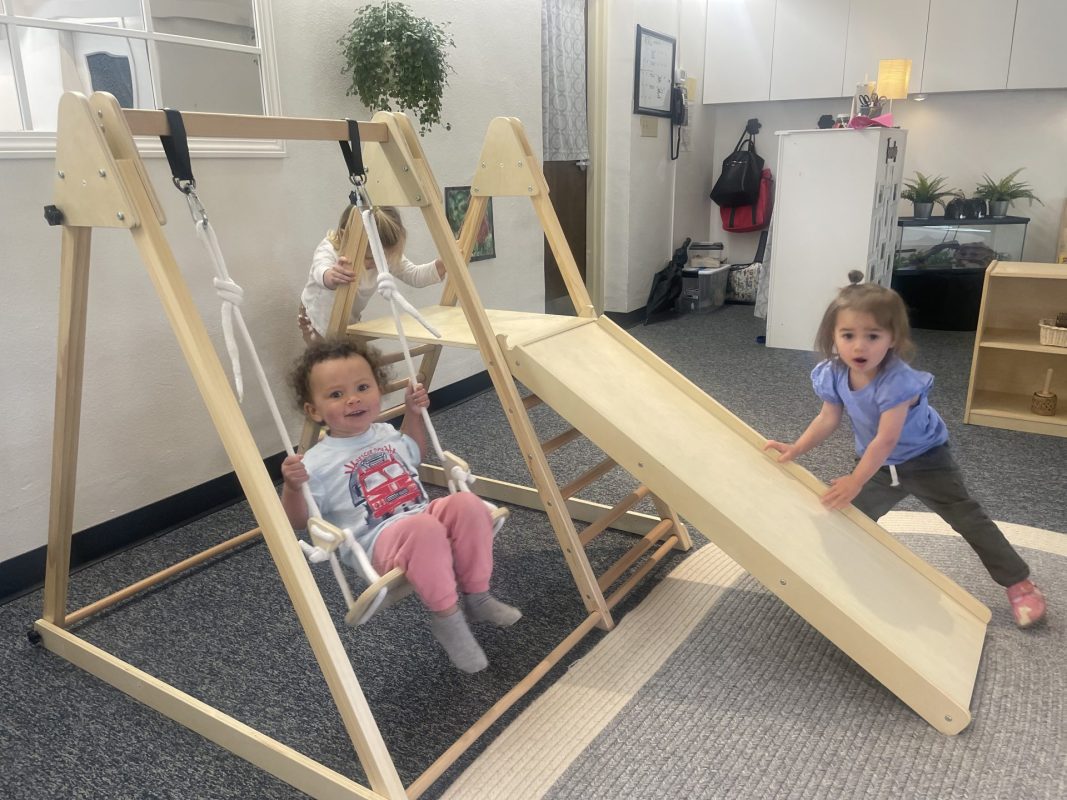
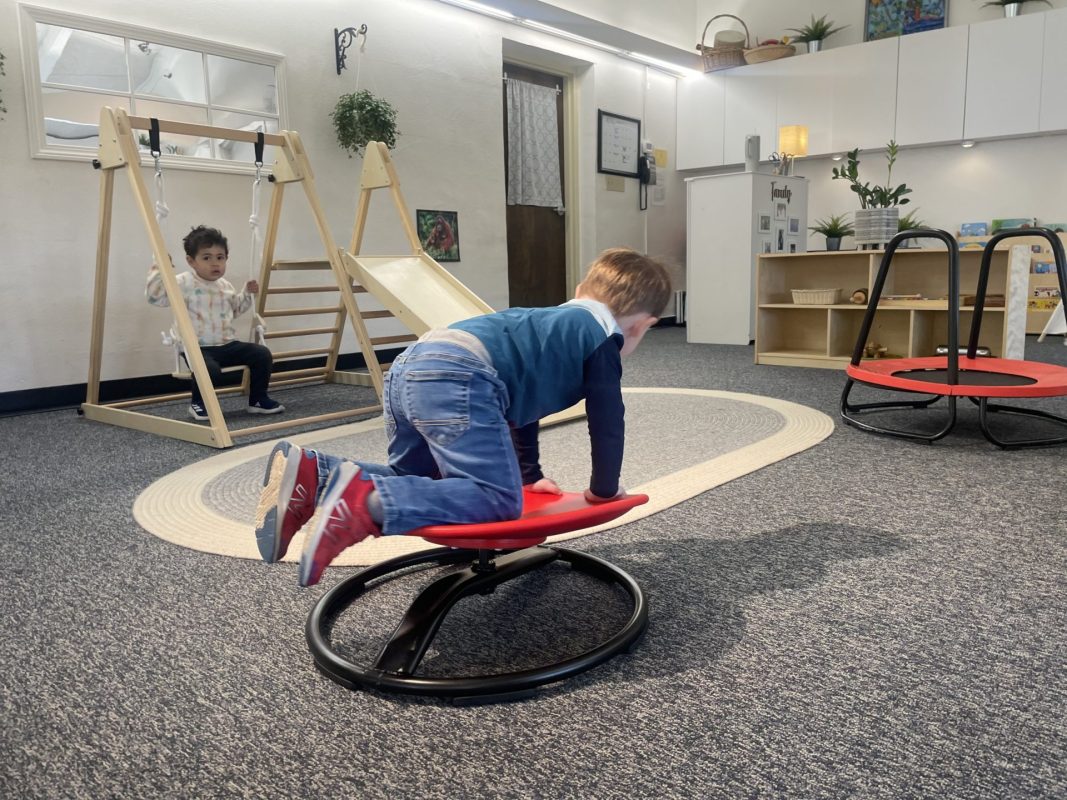
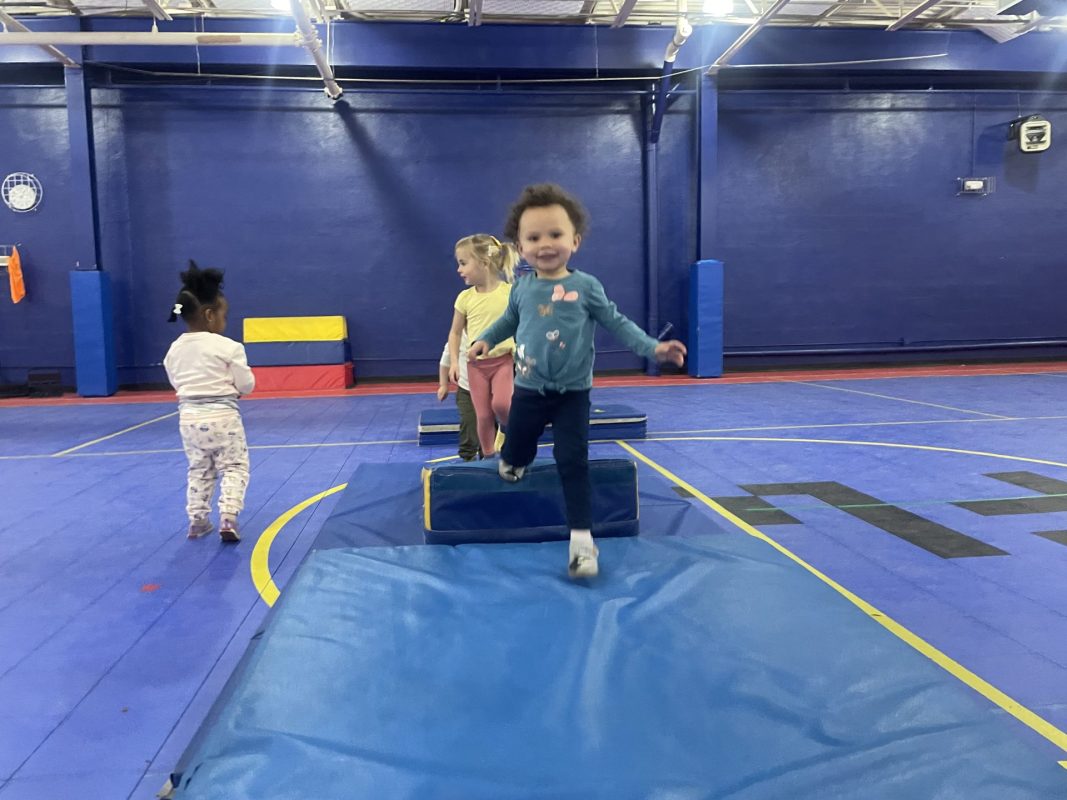
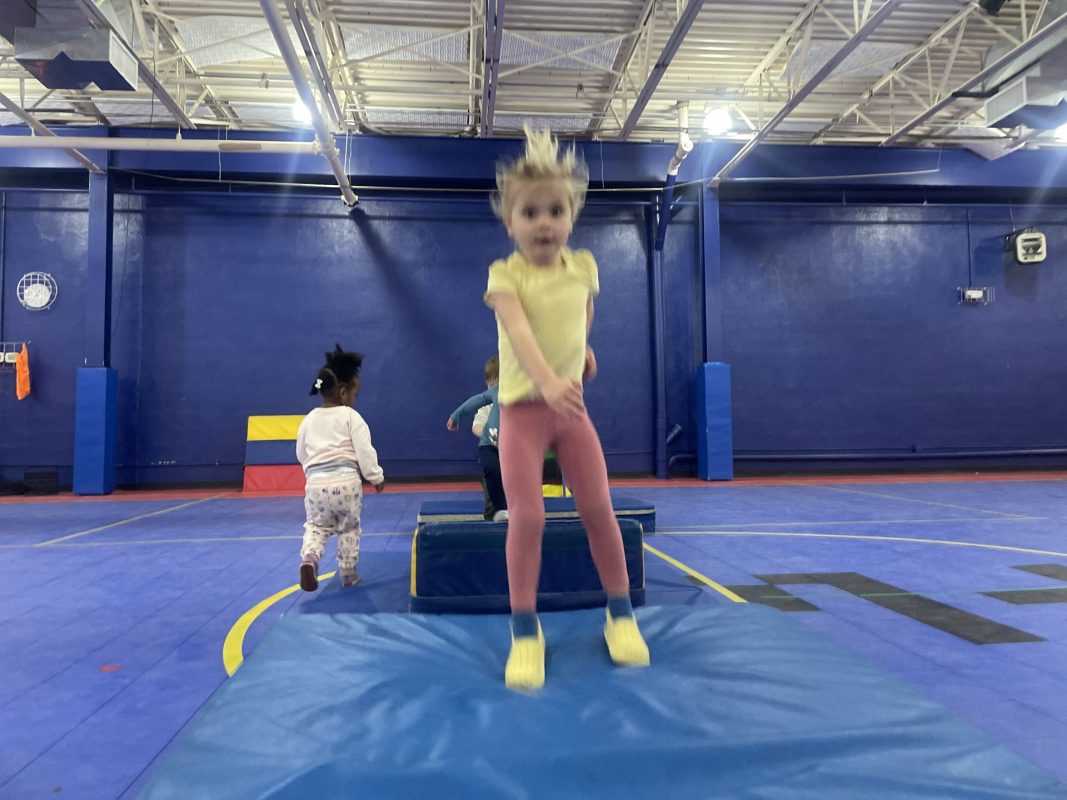
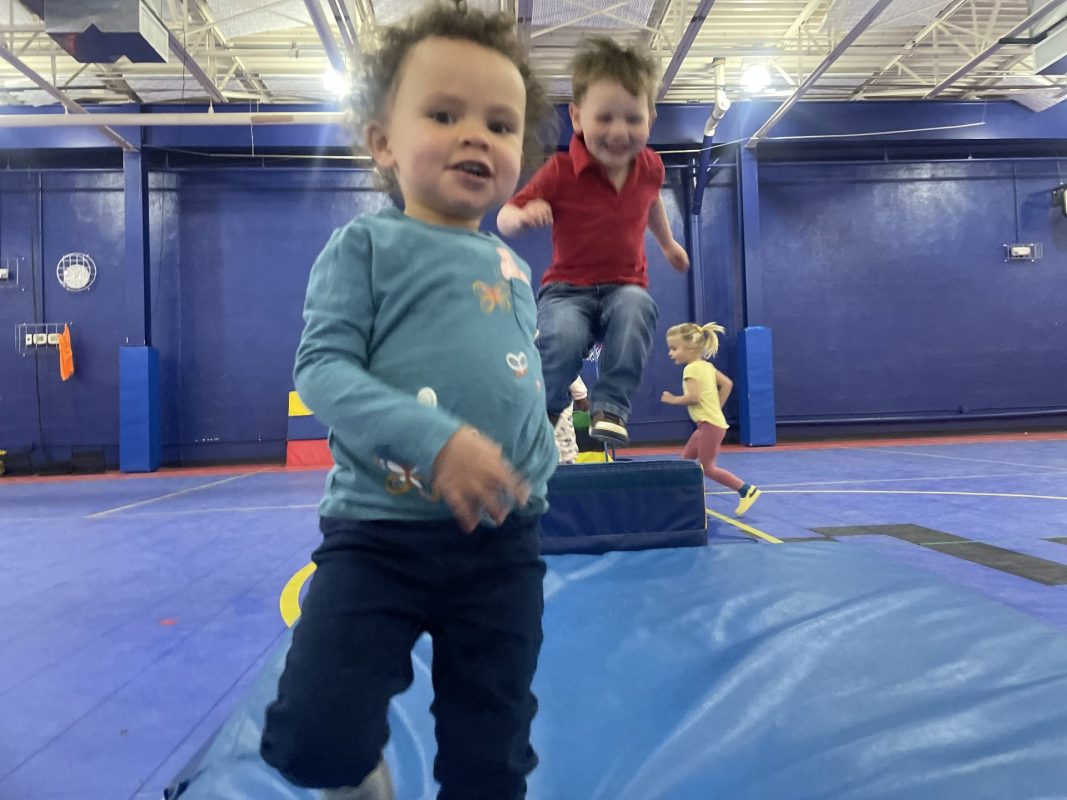
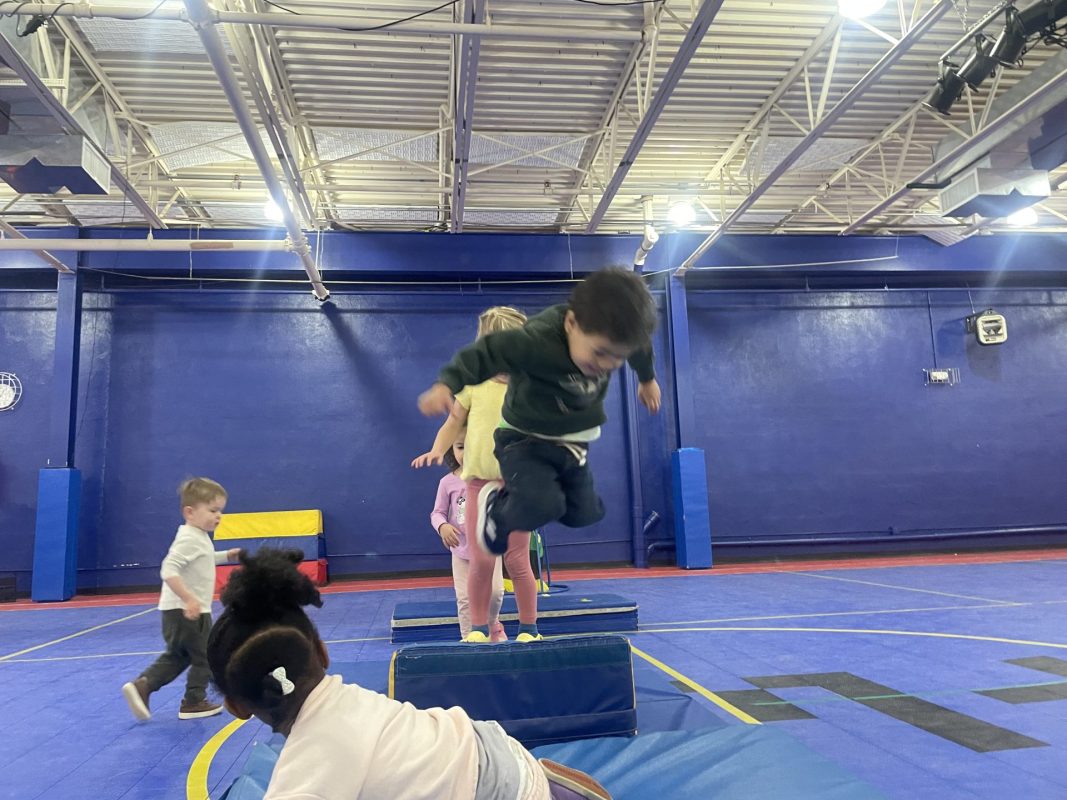
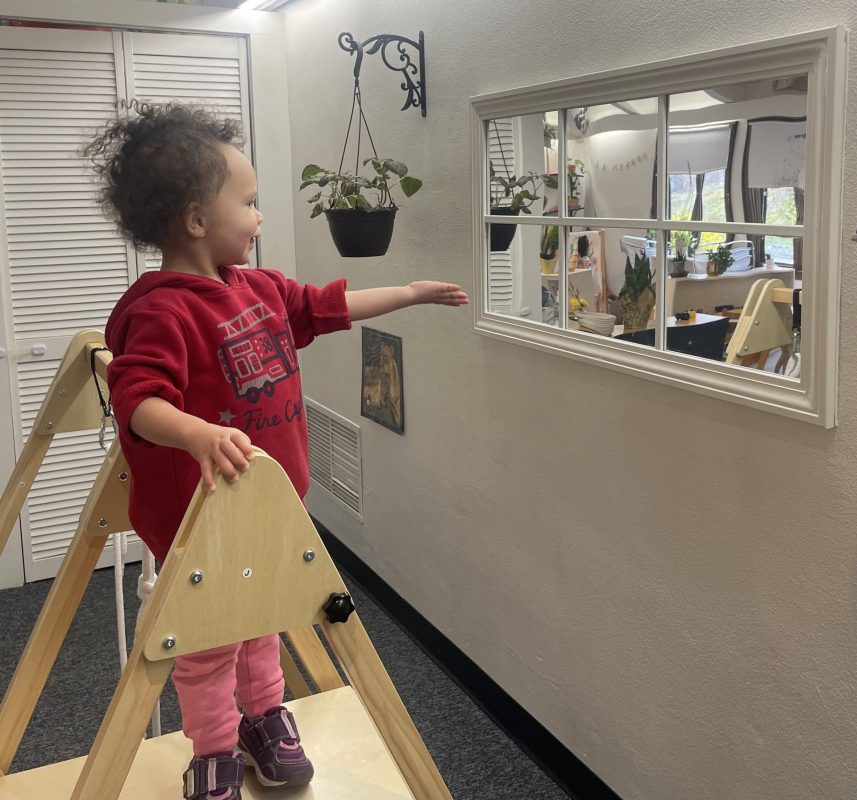
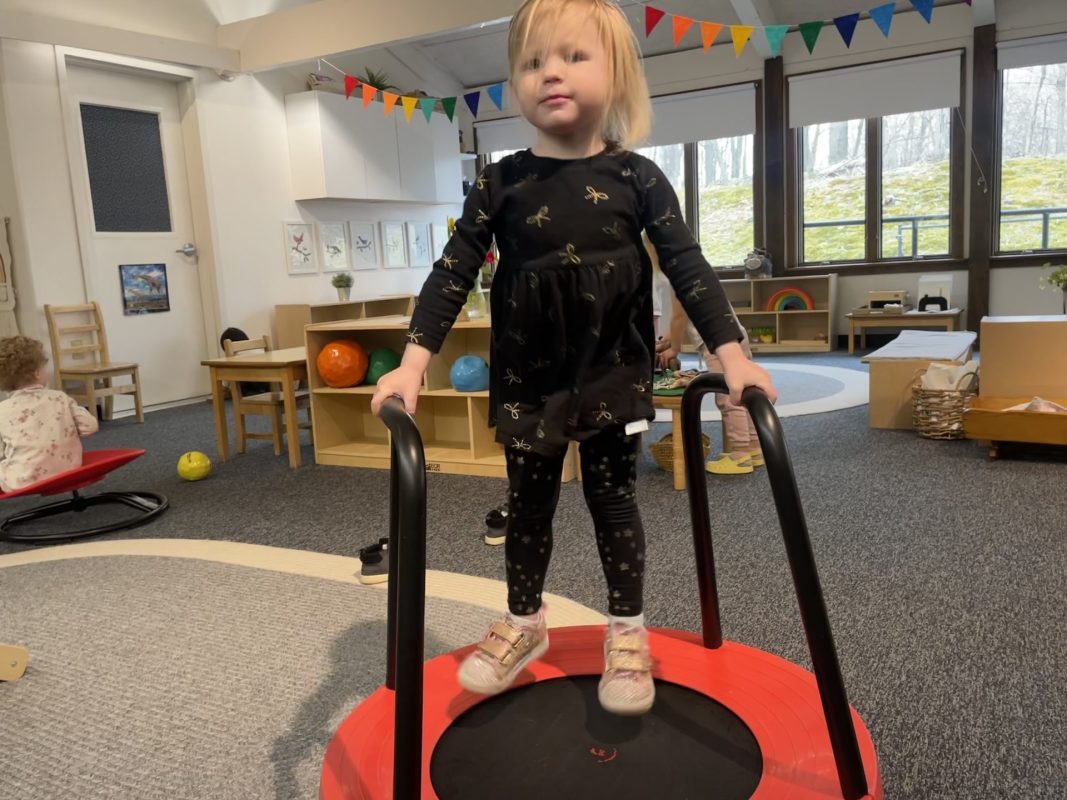
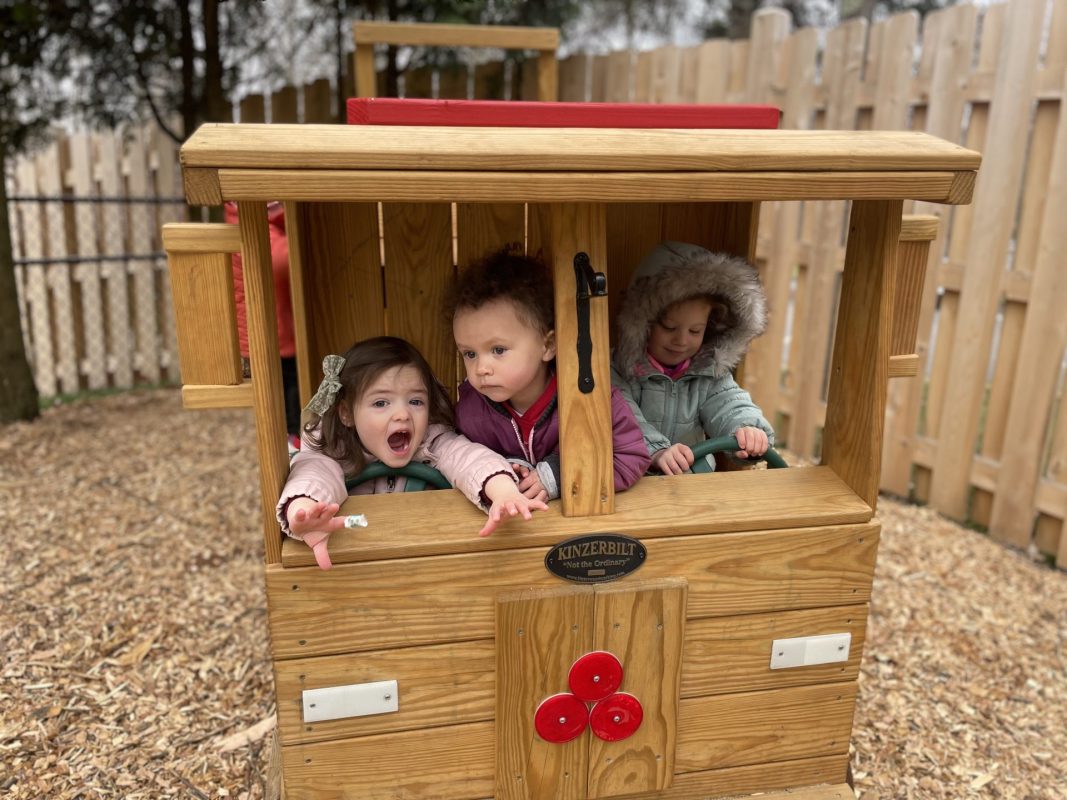
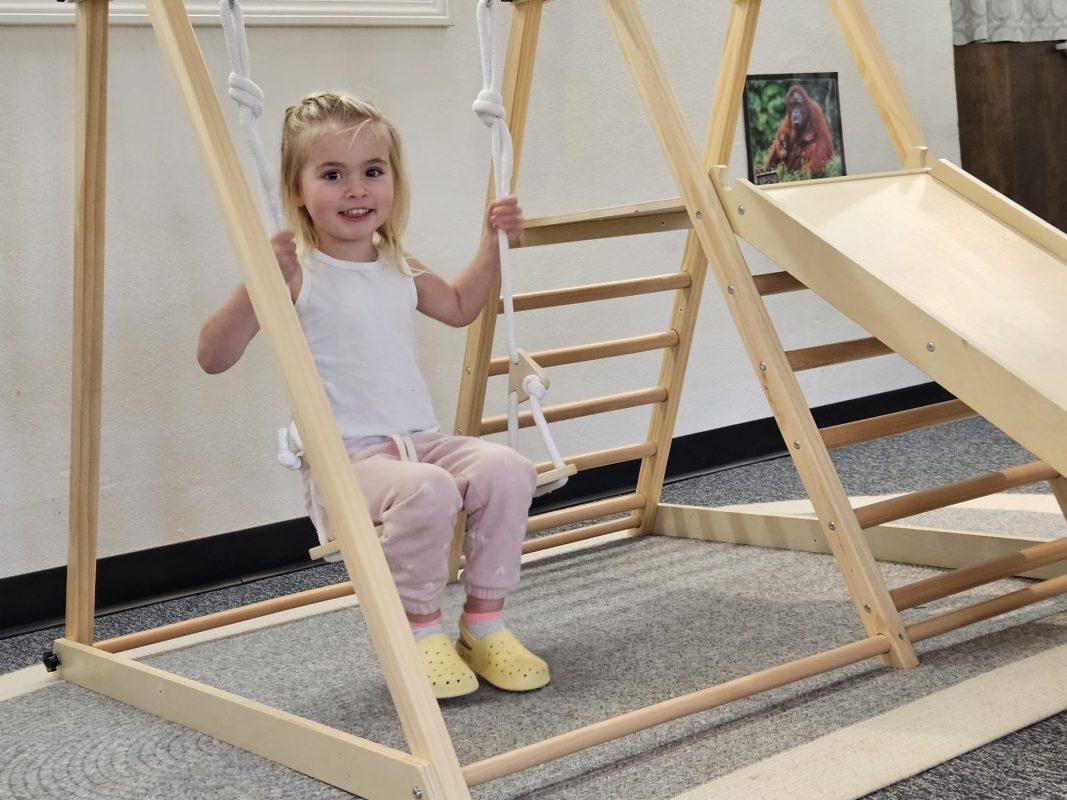
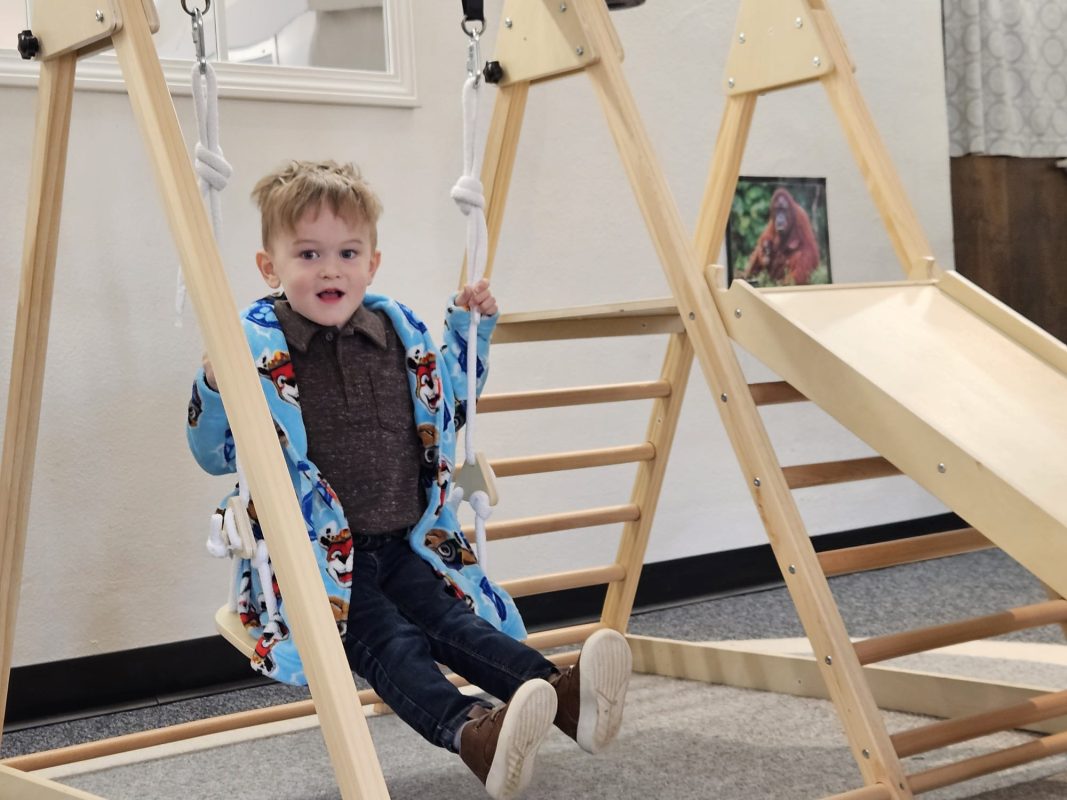
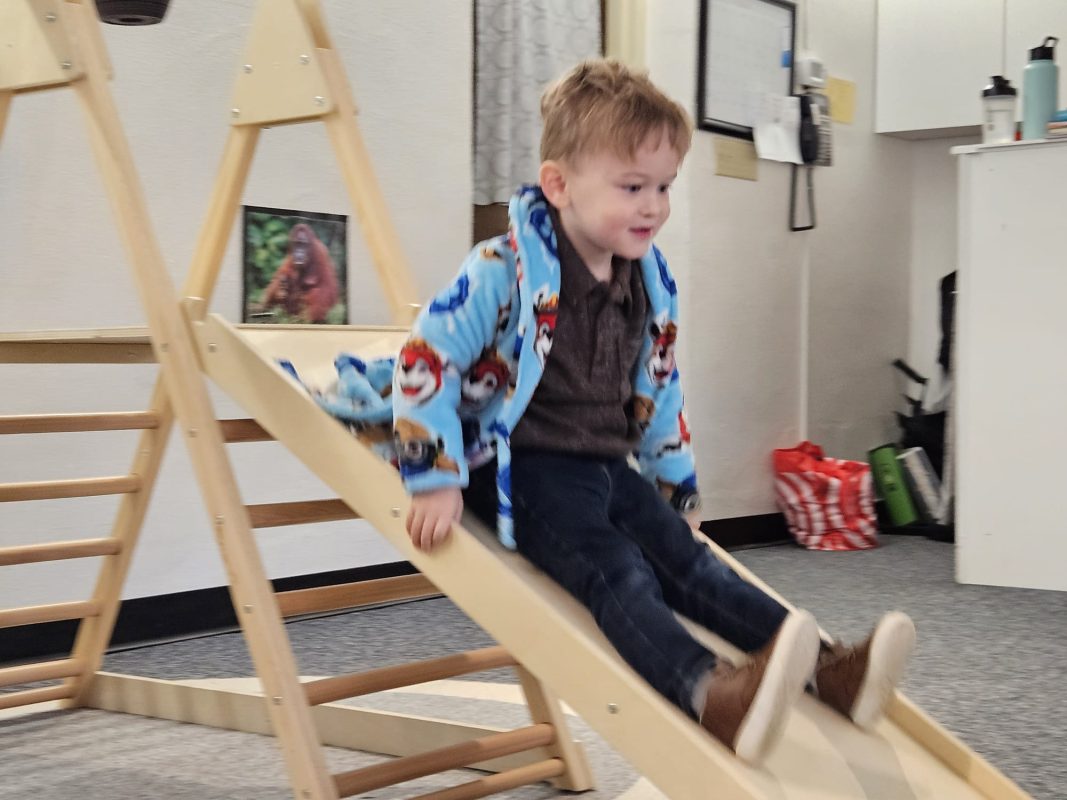
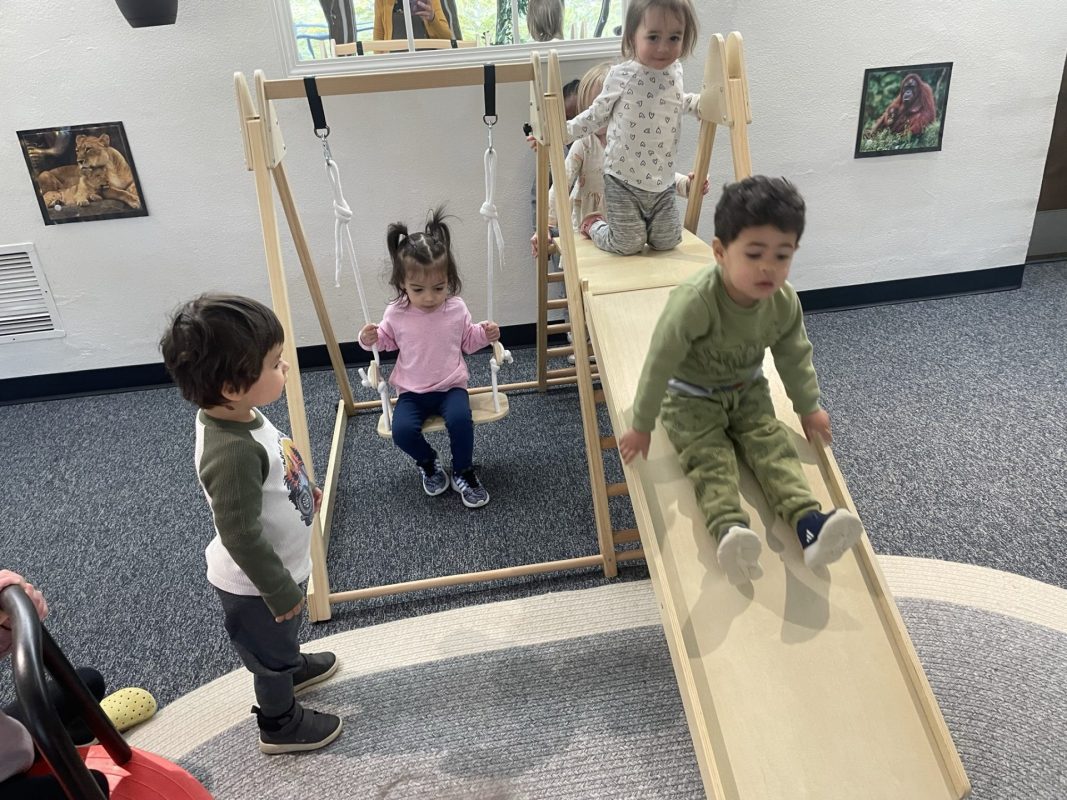
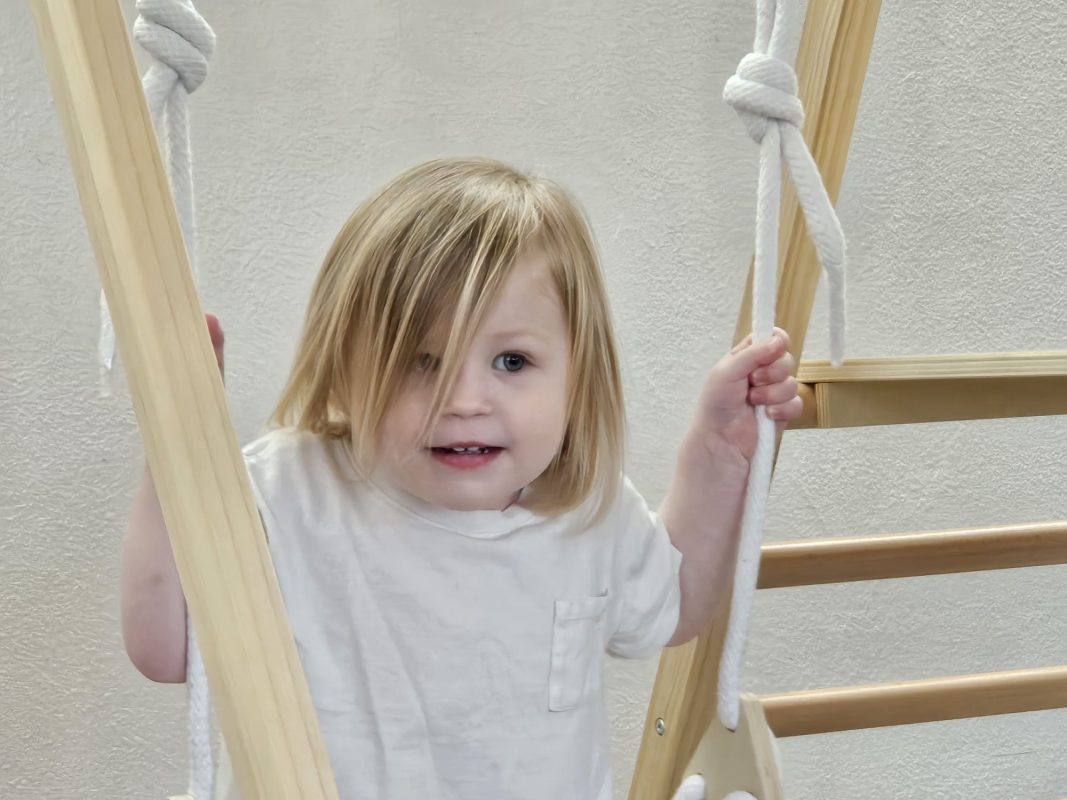
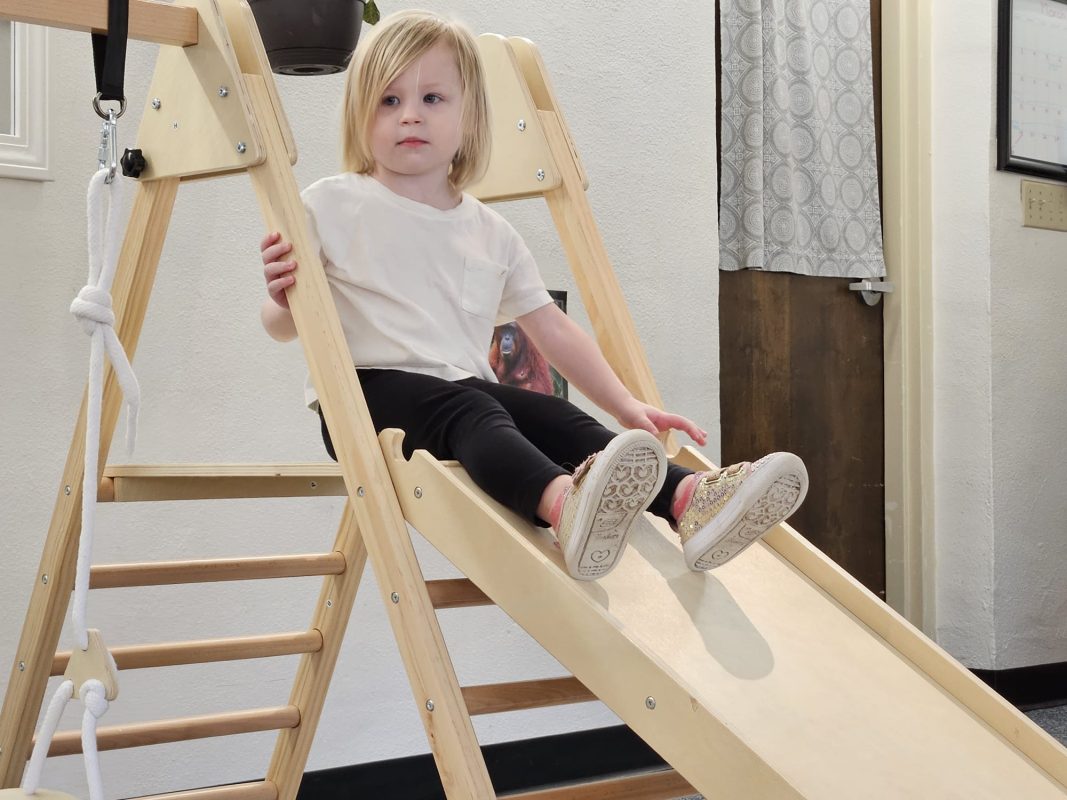
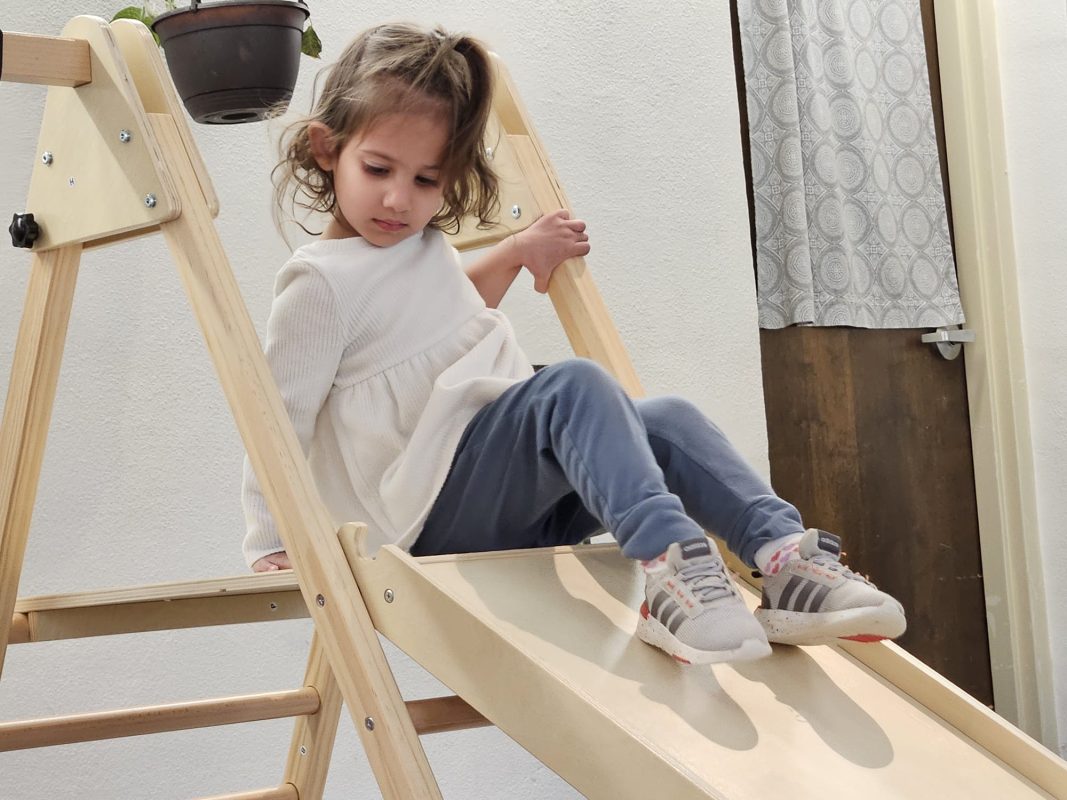
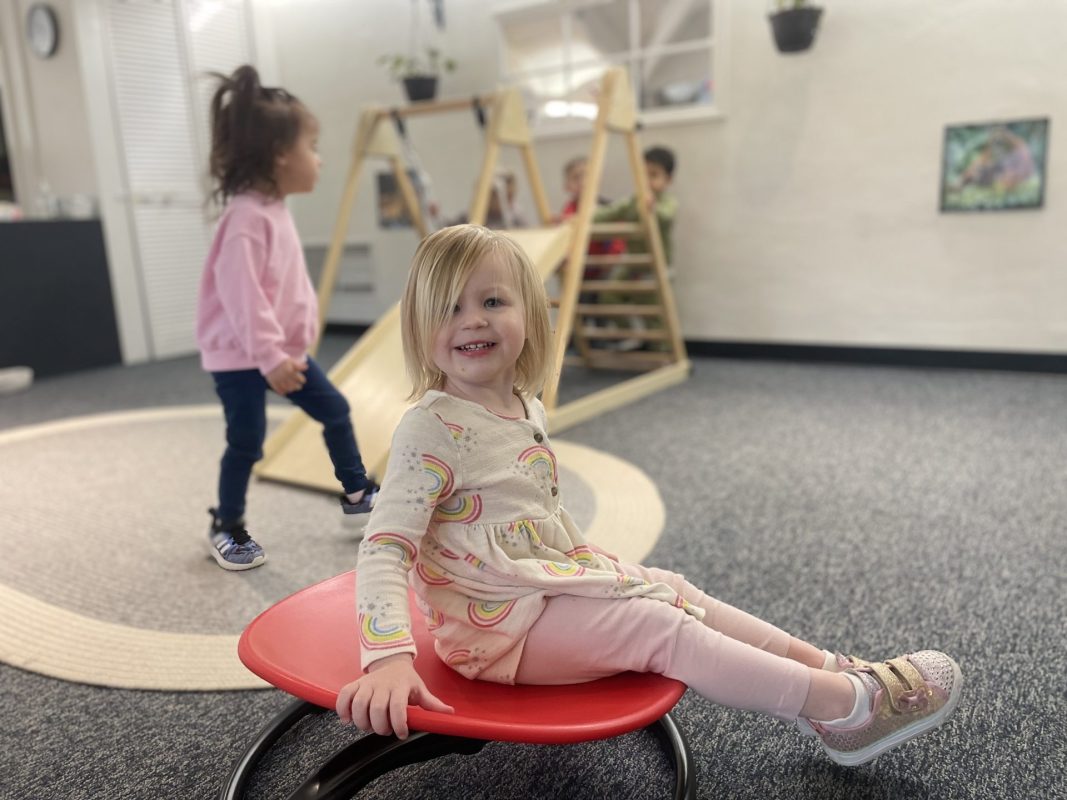
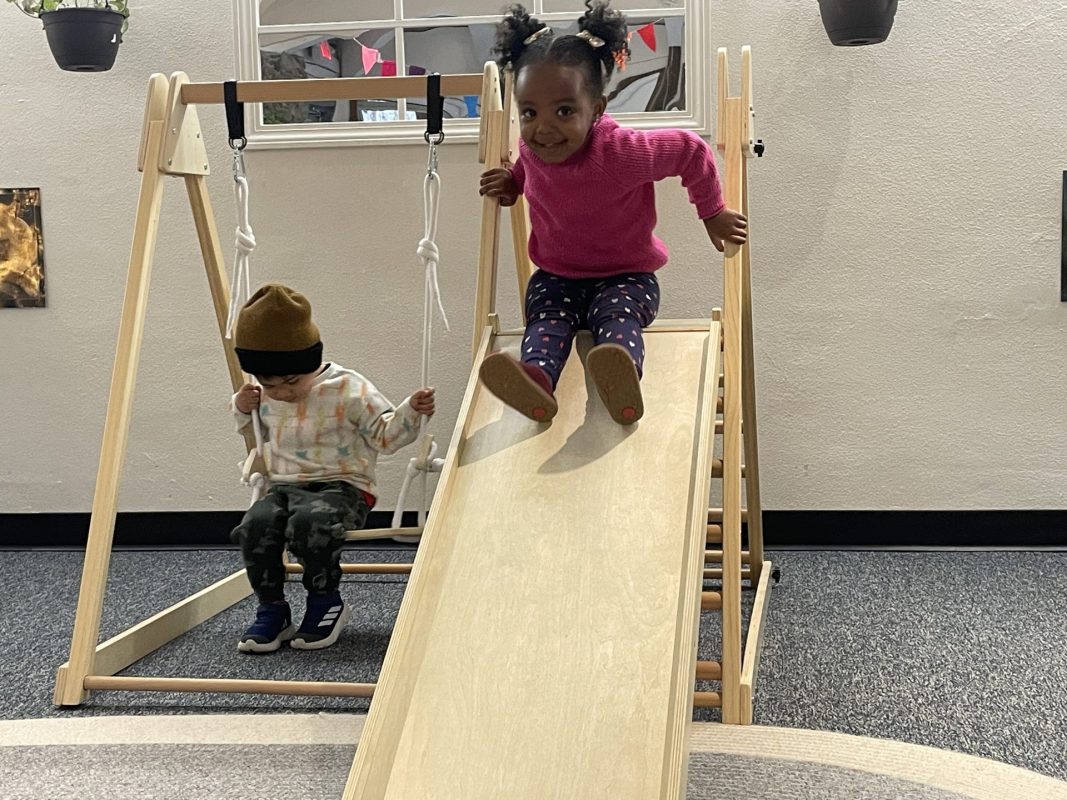
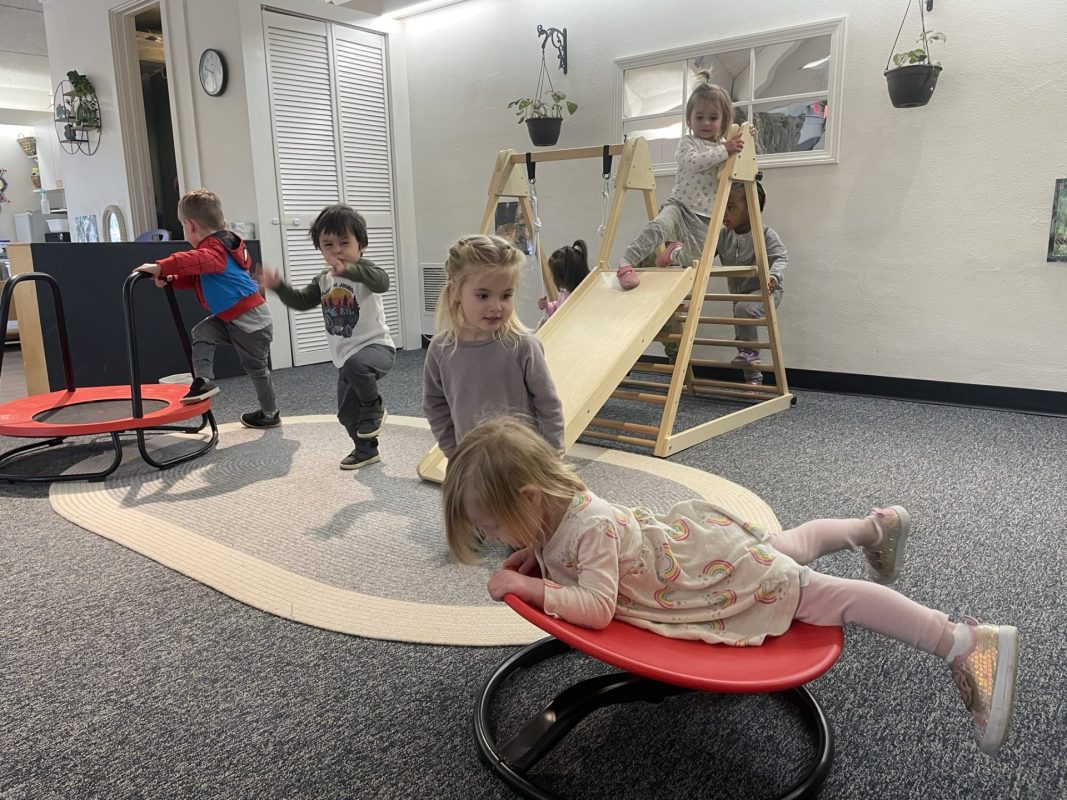
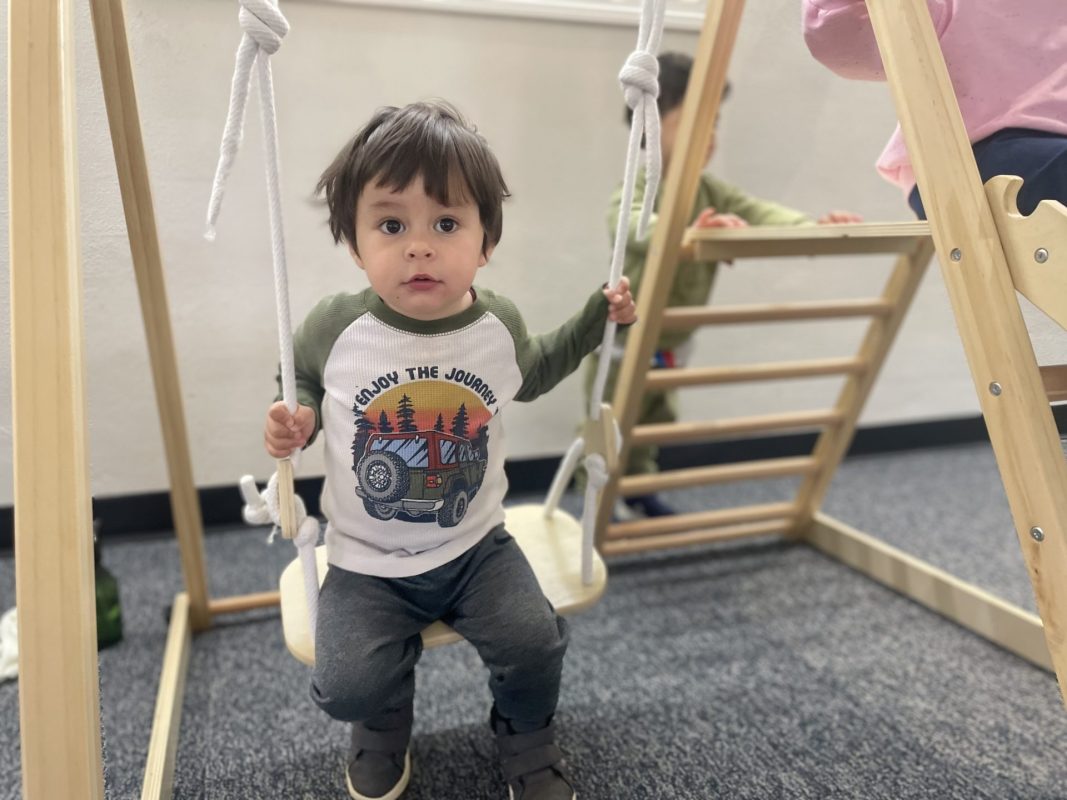
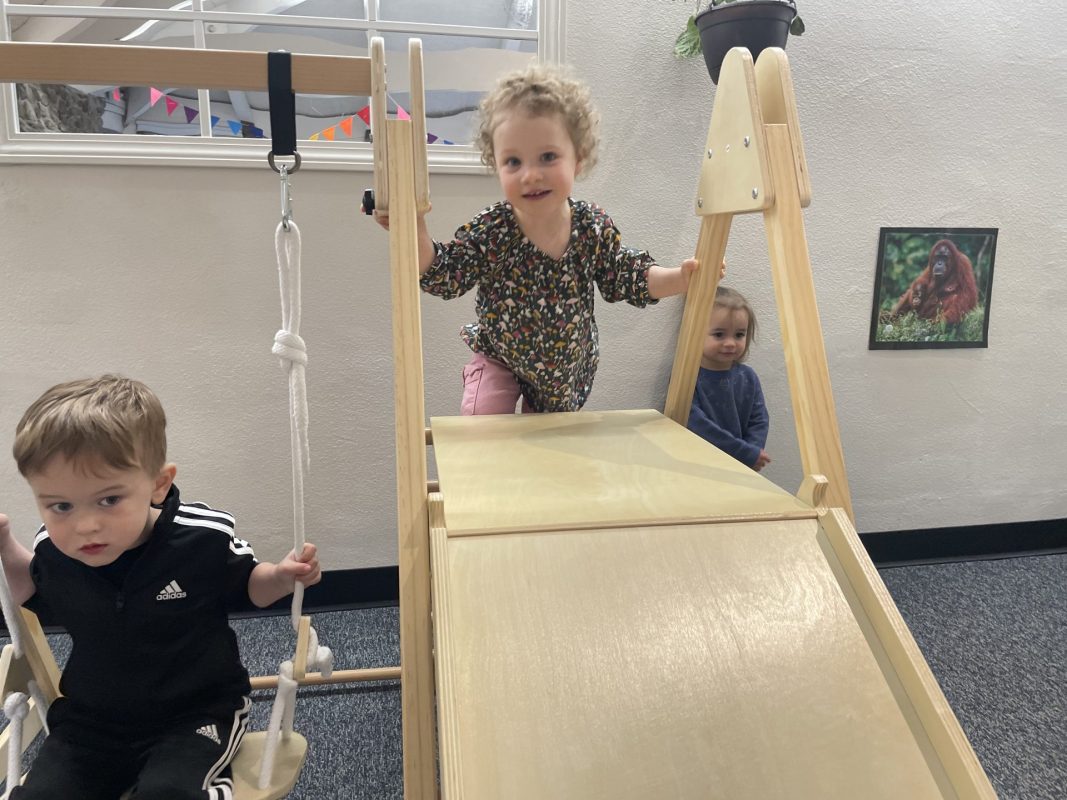
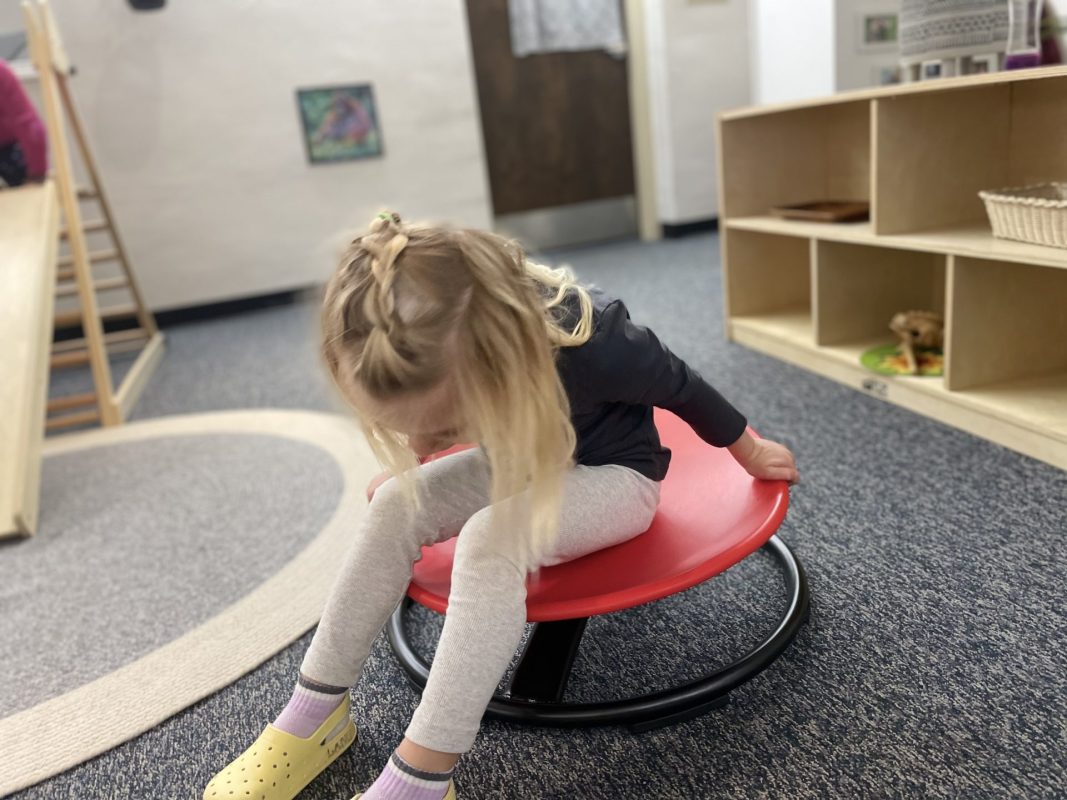
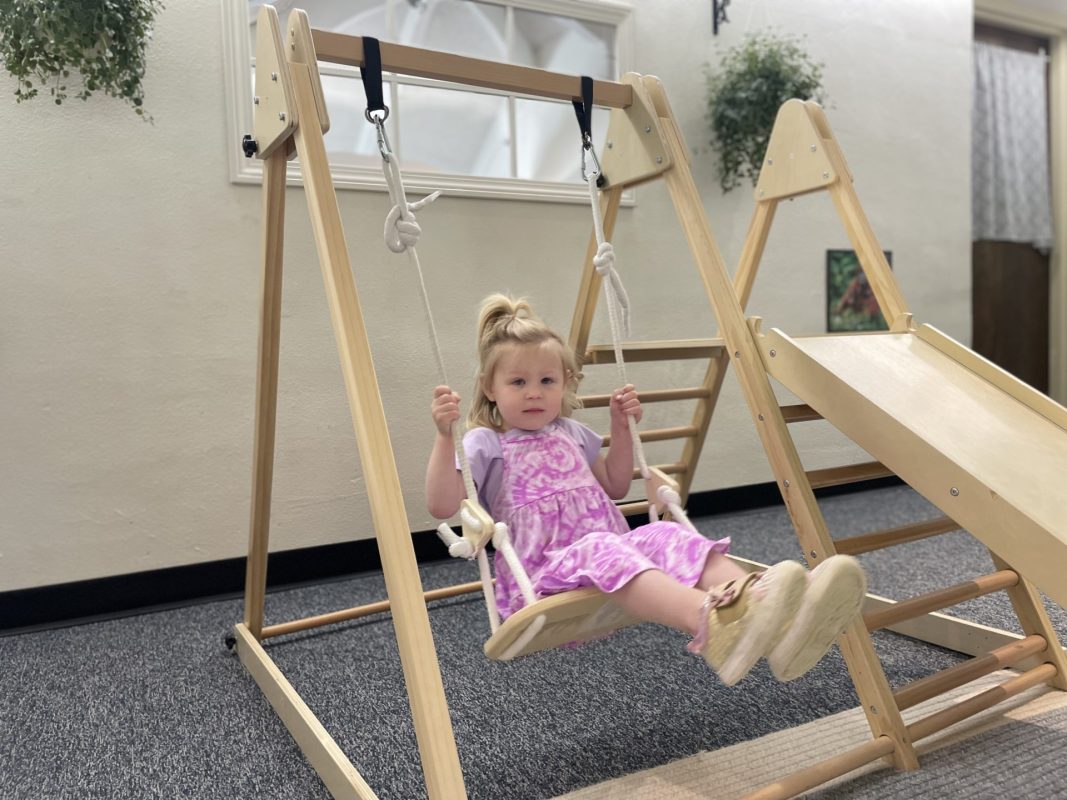
In addition to welcoming Rowan, we’ve also introduced an exciting new movement structure to our classroom—a climbing side complete with a taller slide and A SWING! I am not sure if you are familiar with the benefits of swing in a toddler’s life but this extends beyond mere amusement. Swinging not only provides physical exercise but also enhances sensory integration and balance. As children sway back and forth, they engage their vestibular system, which plays a crucial role in spatial orientation and coordination. Additionally, swinging encourages proprioceptive input, helping children develop a sense of body awareness and control. Moreover, the rhythmic motion of swinging has a calming effect, promoting relaxation and emotional regulation. Children LOVE it! They literally spent so much time in the movement area this week!

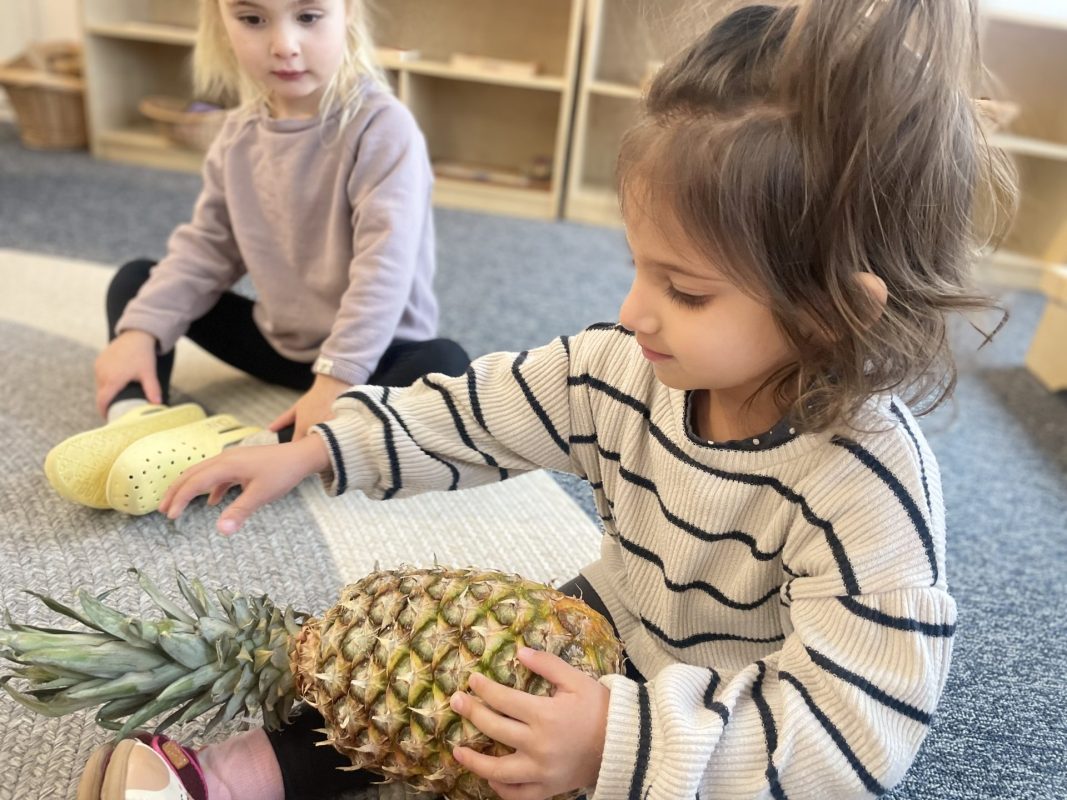
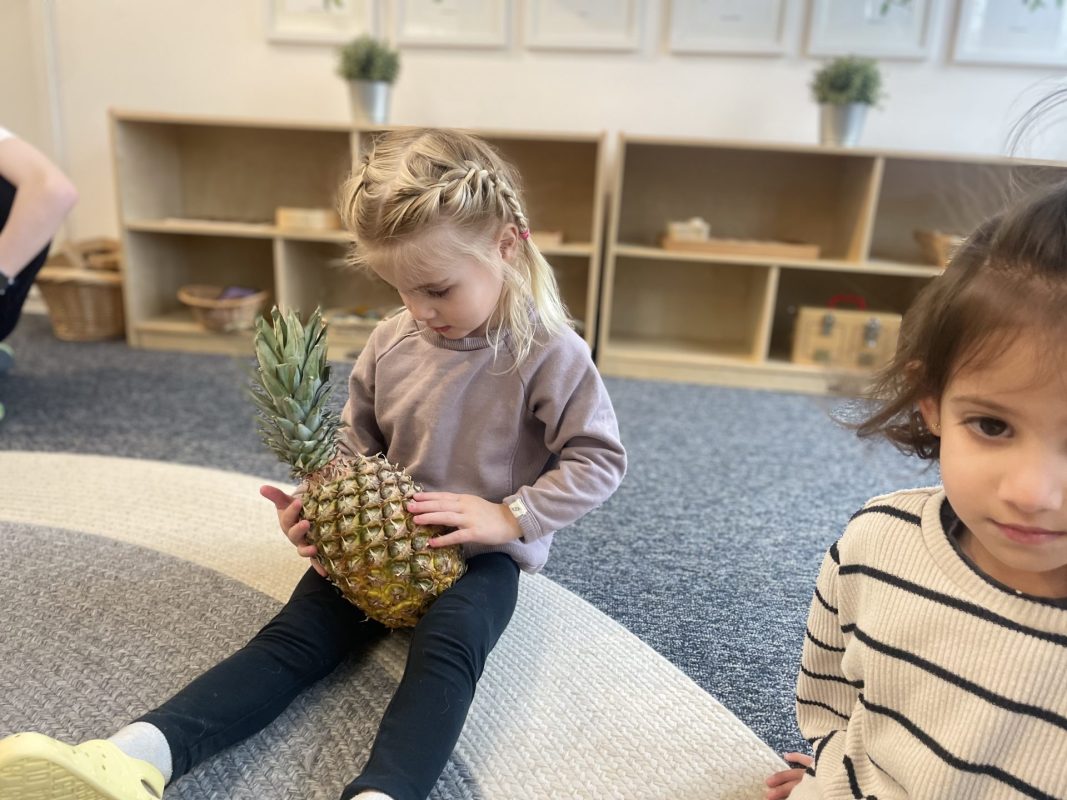
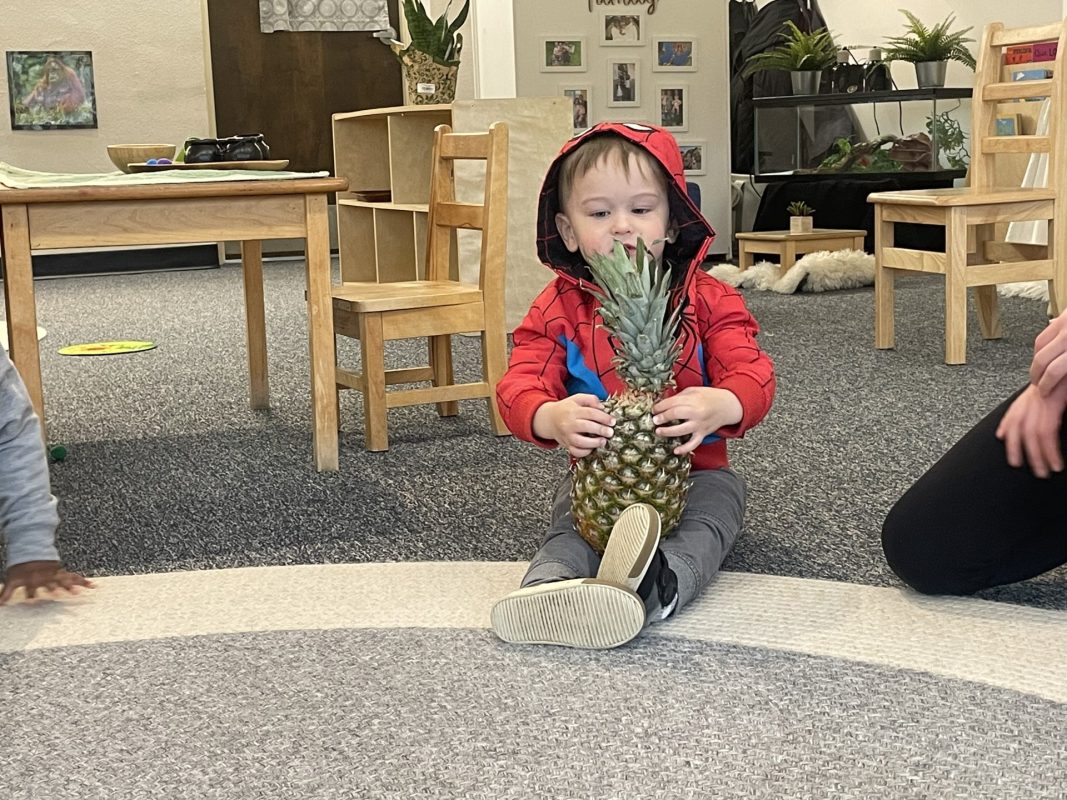
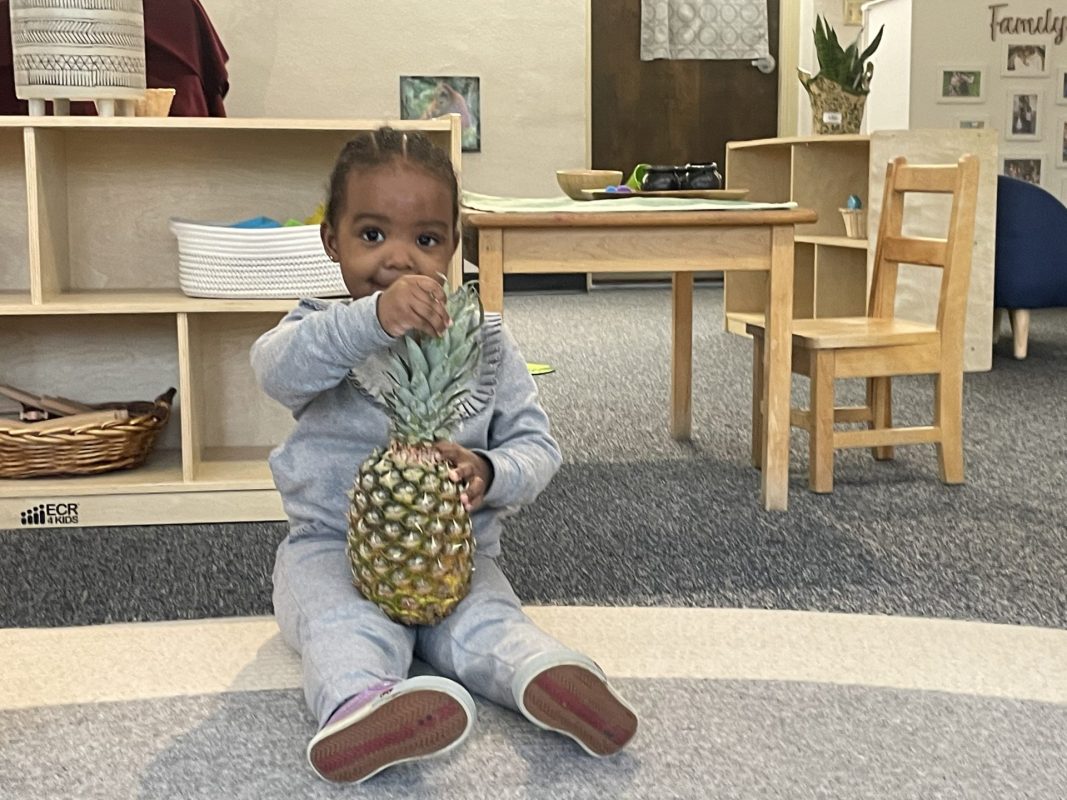
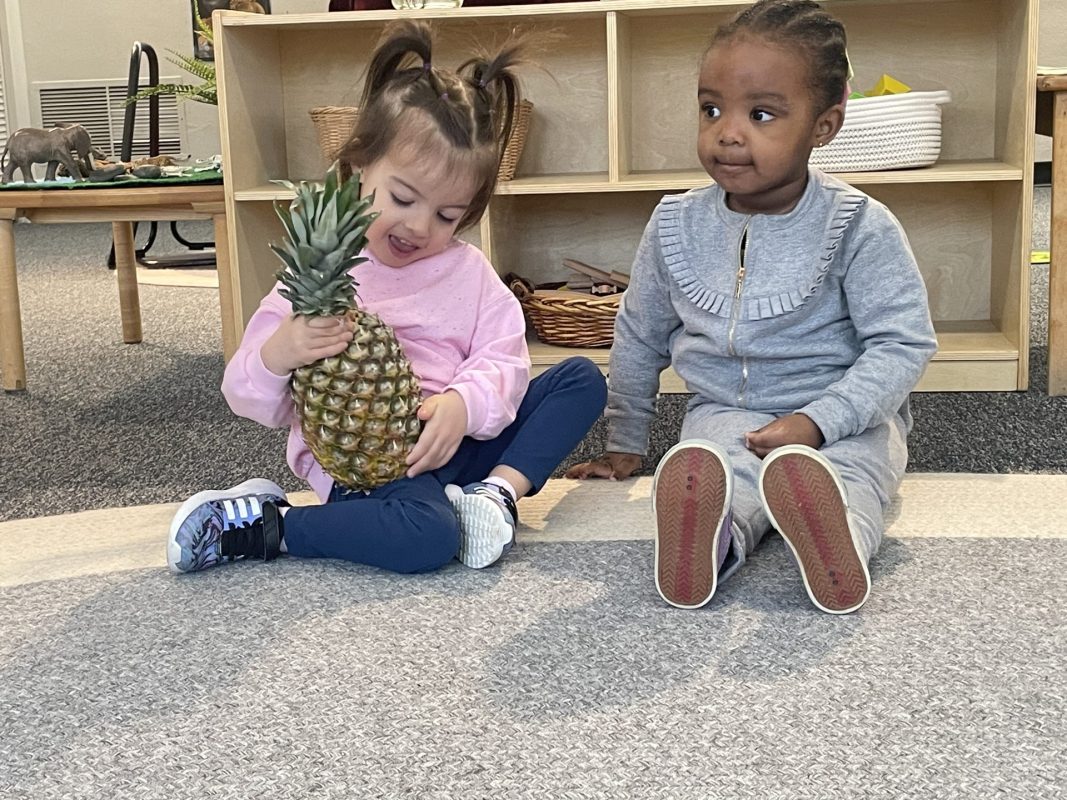
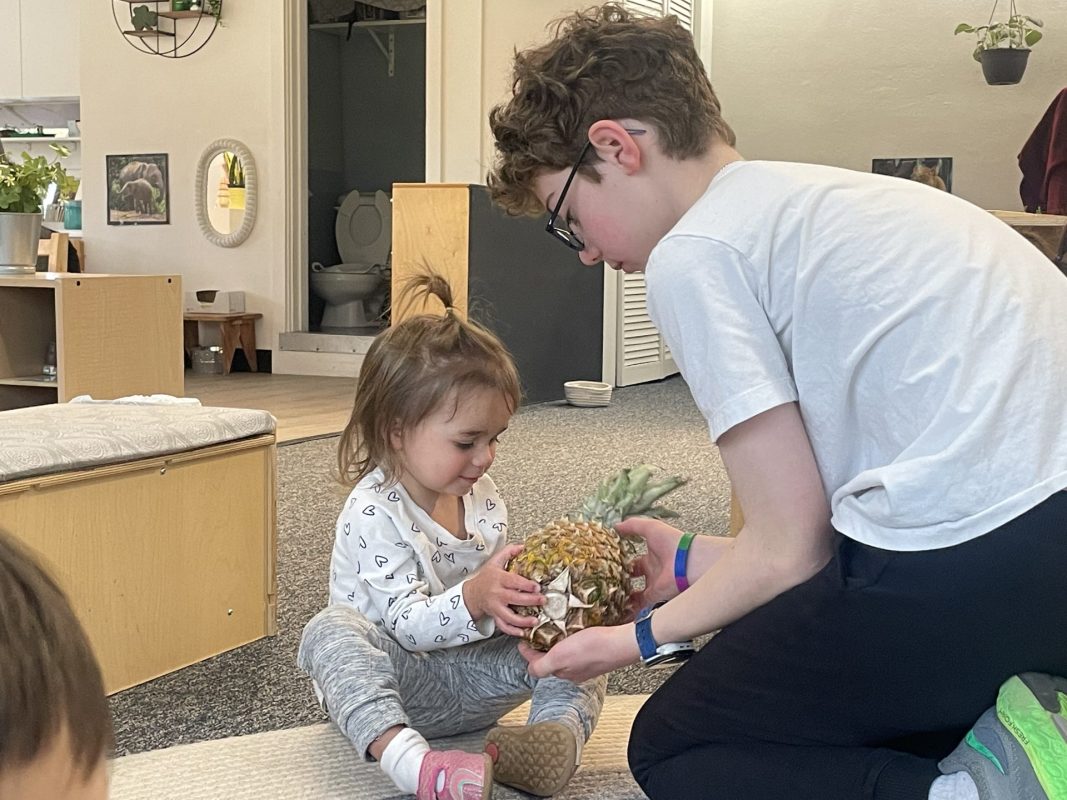
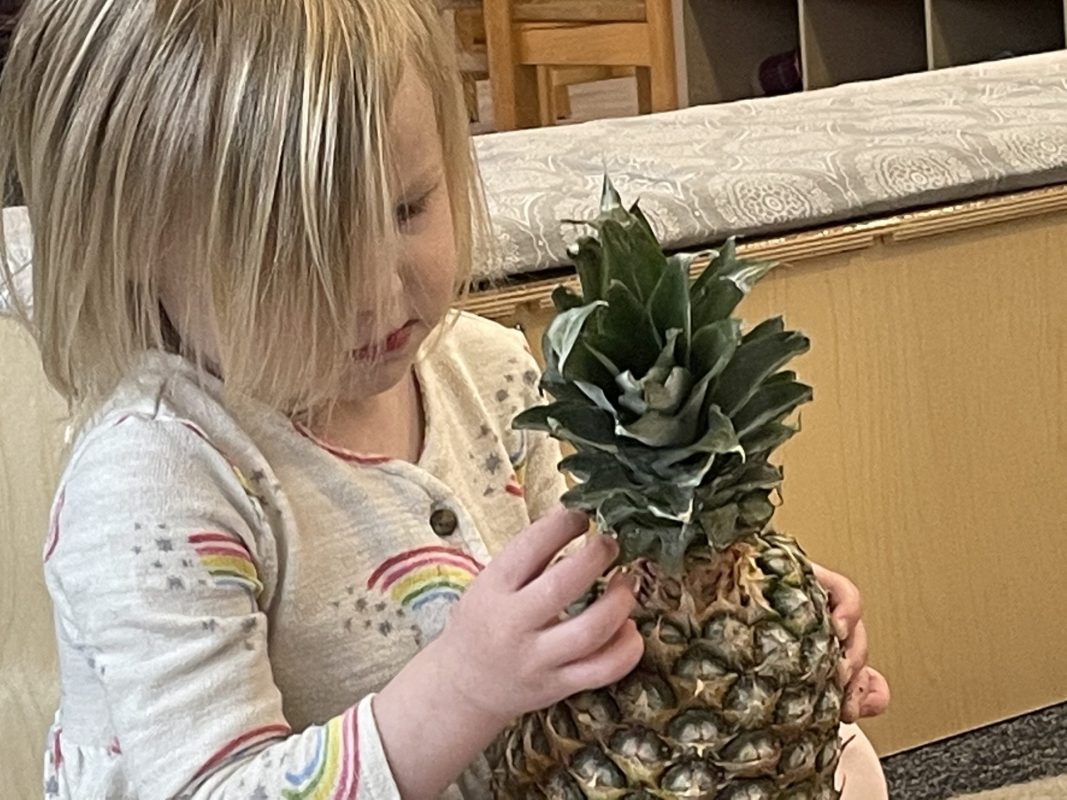
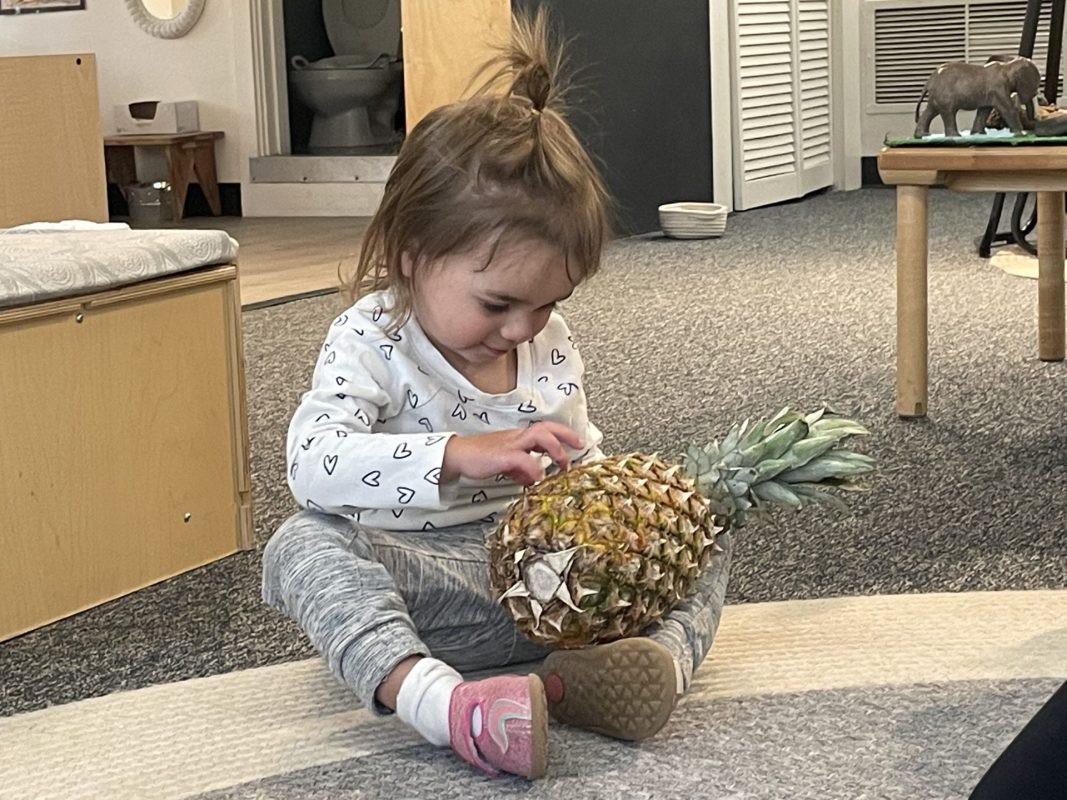
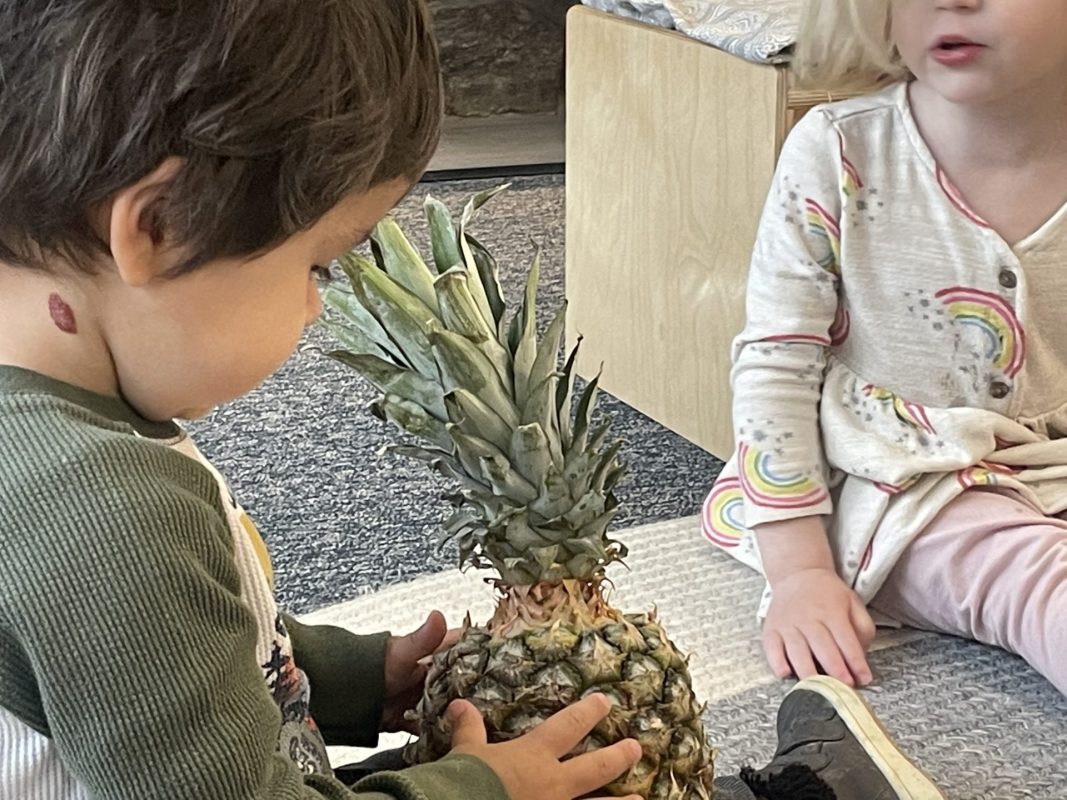
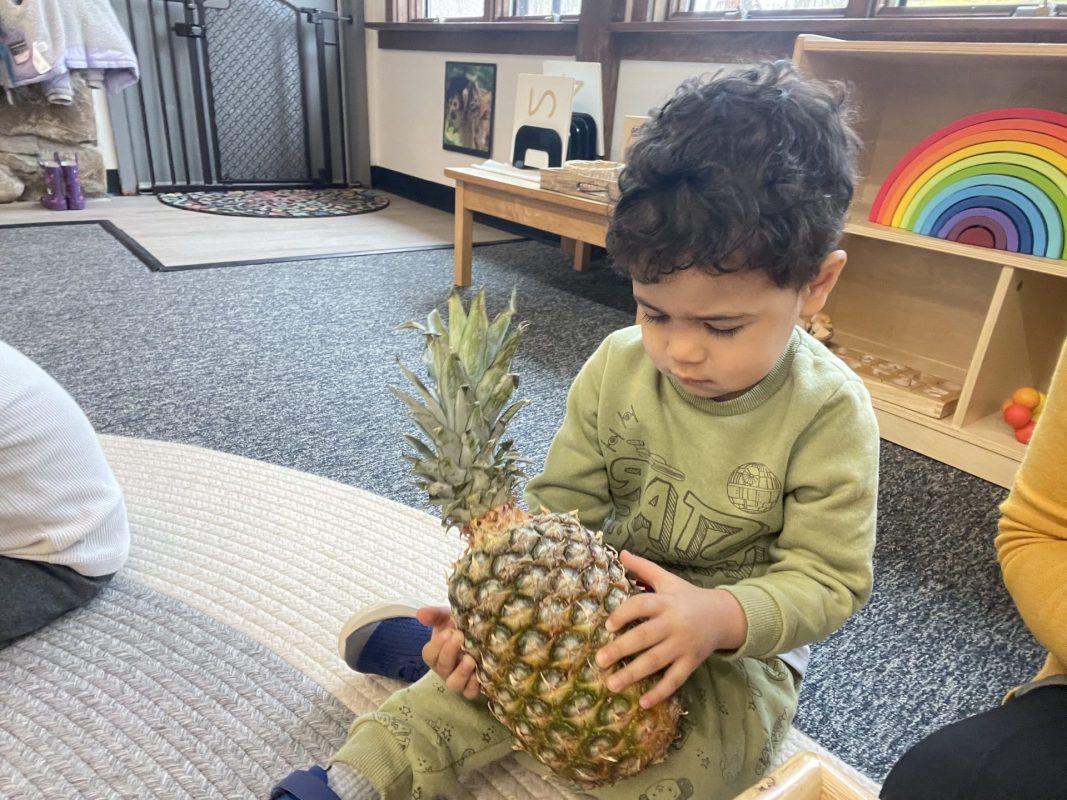
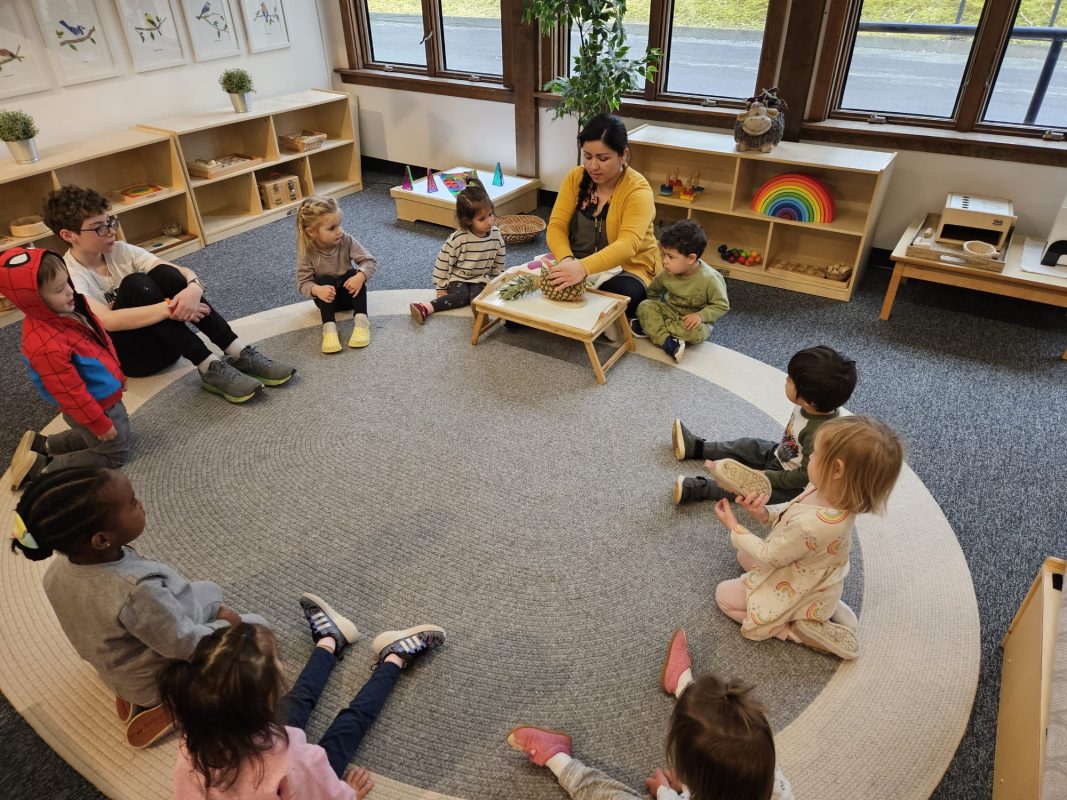
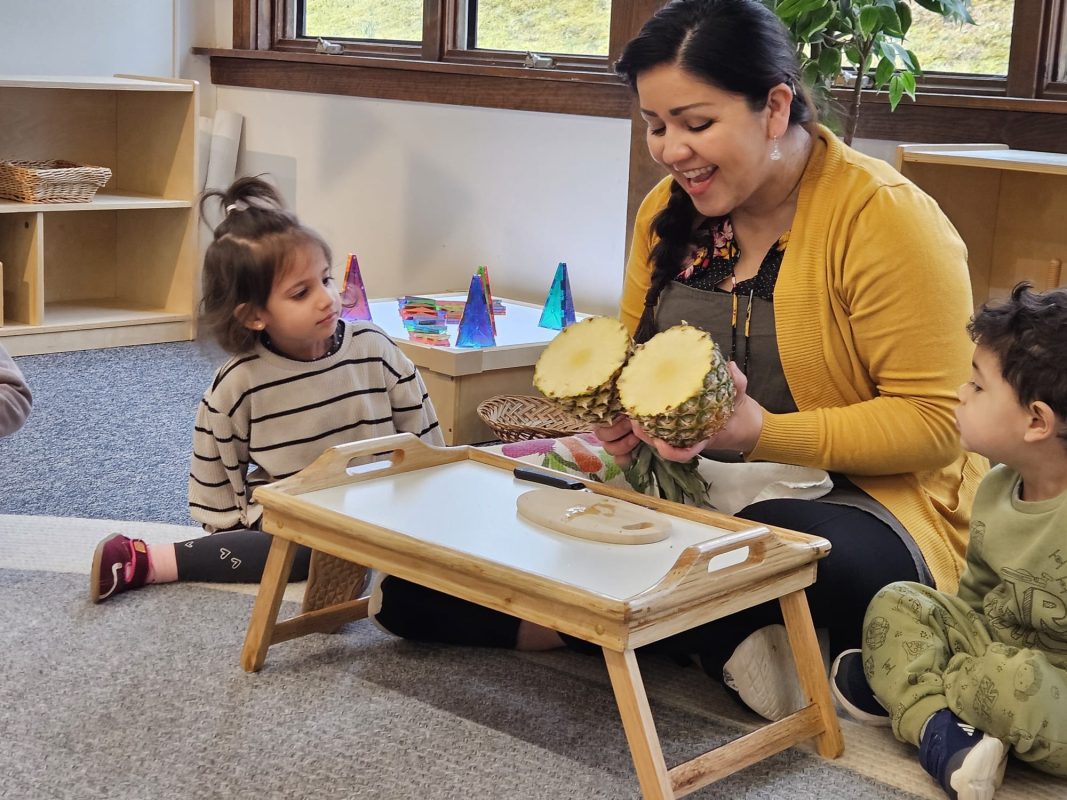
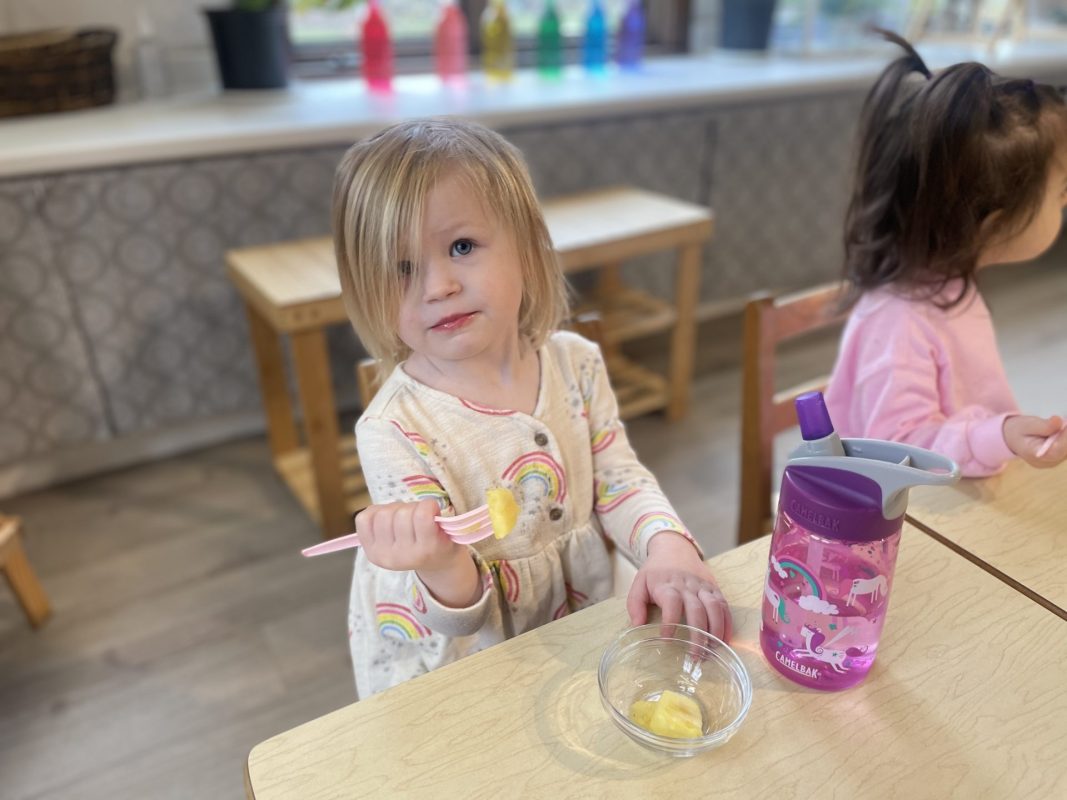
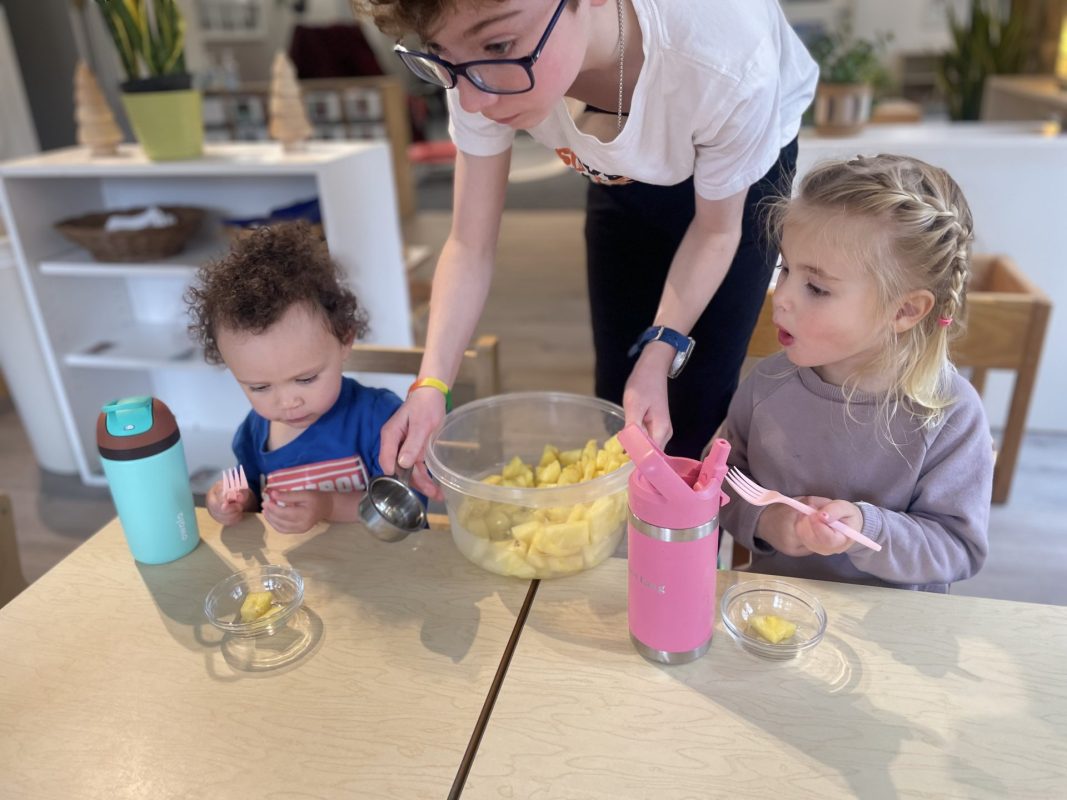
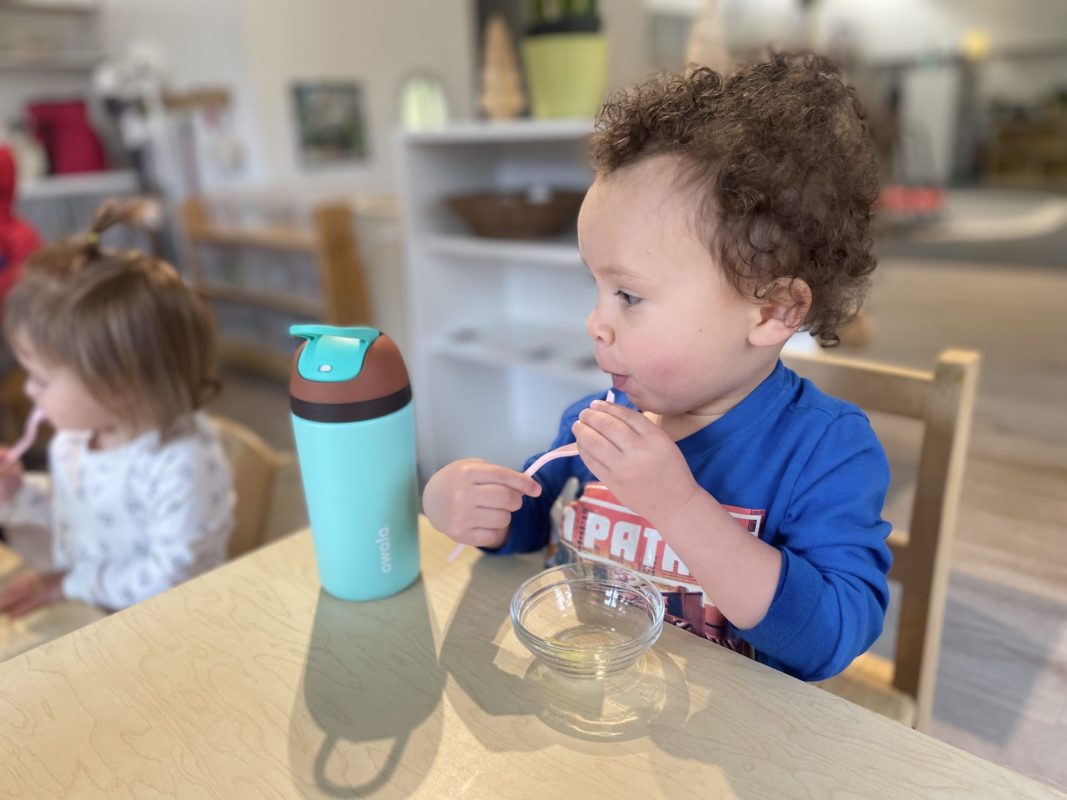
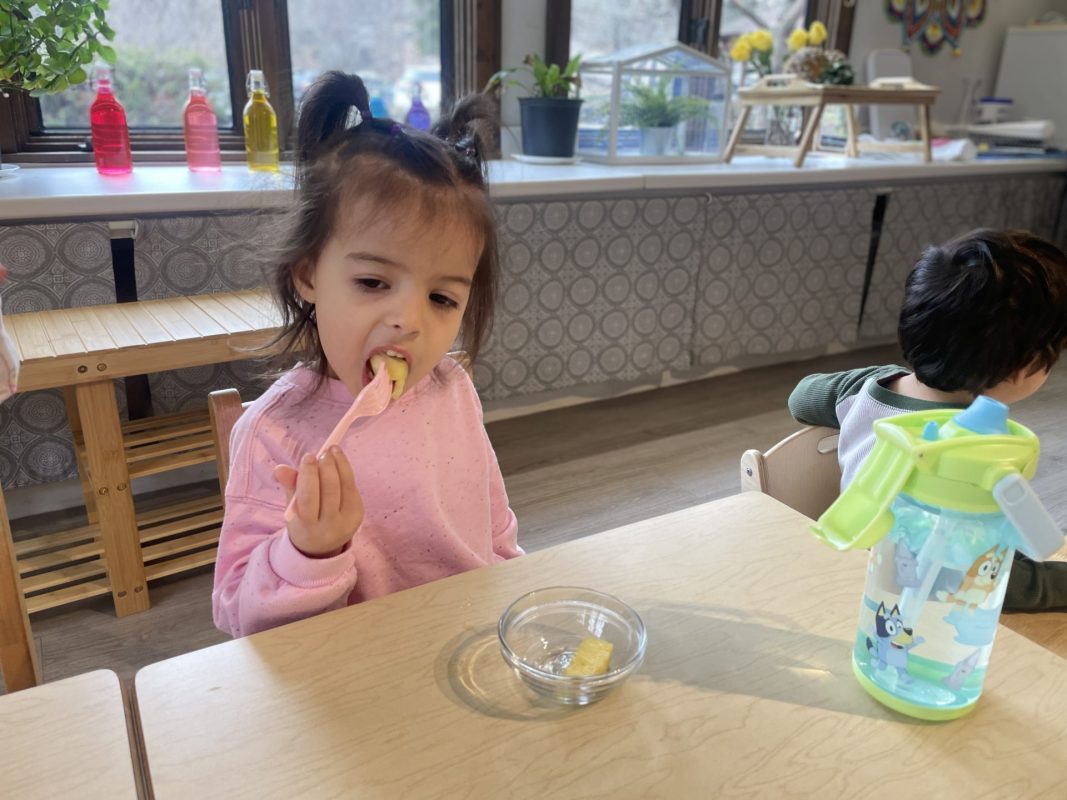
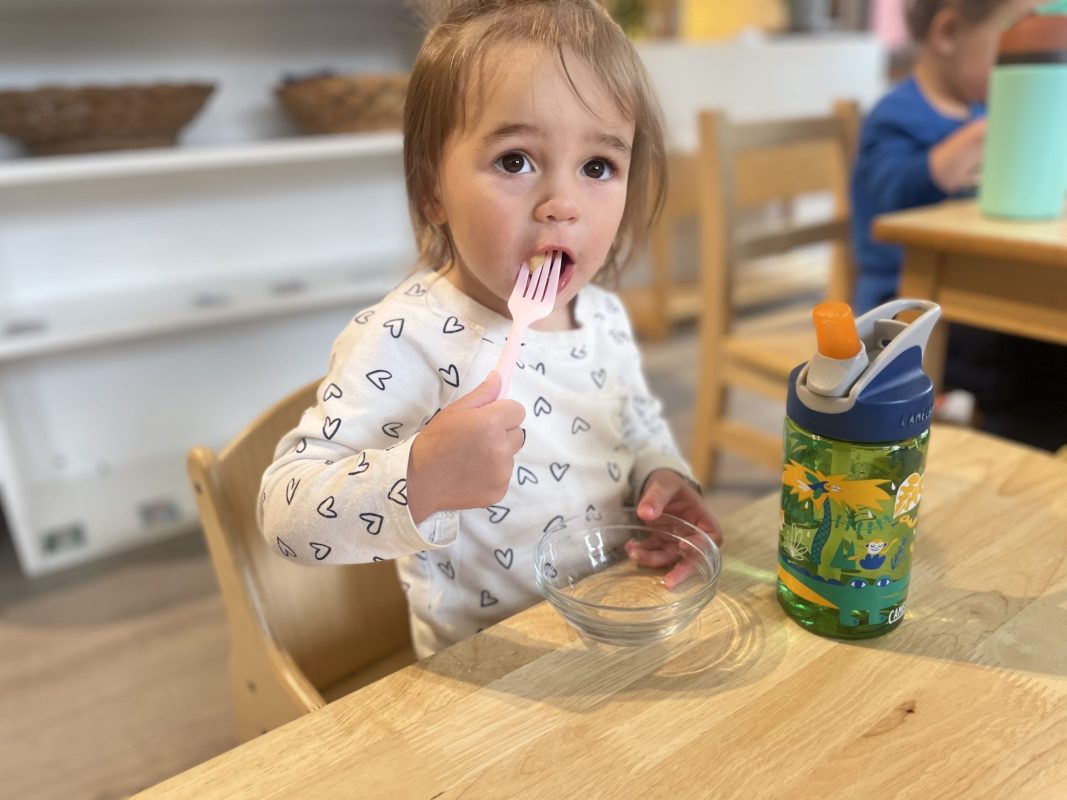
Our food-tasting lesson this week centered around exploring a large pineapple, a fruit as fascinating as it is delicious. As we dissected the pineapple, we delved into learning about its various parts, from the prickly skin to the juicy flesh and the fibrous core. The children were naturally curious about the weight and texture of the skin, fostering an appreciation for sensory exploration and the diversity of fruits in nature.

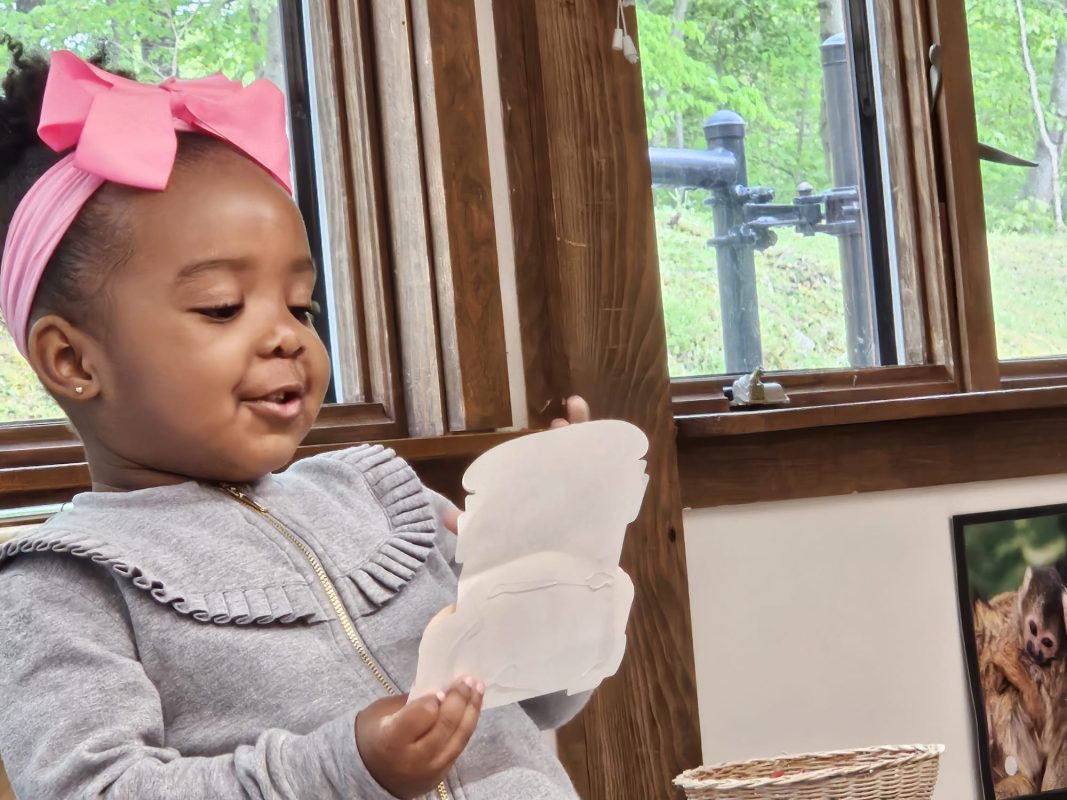
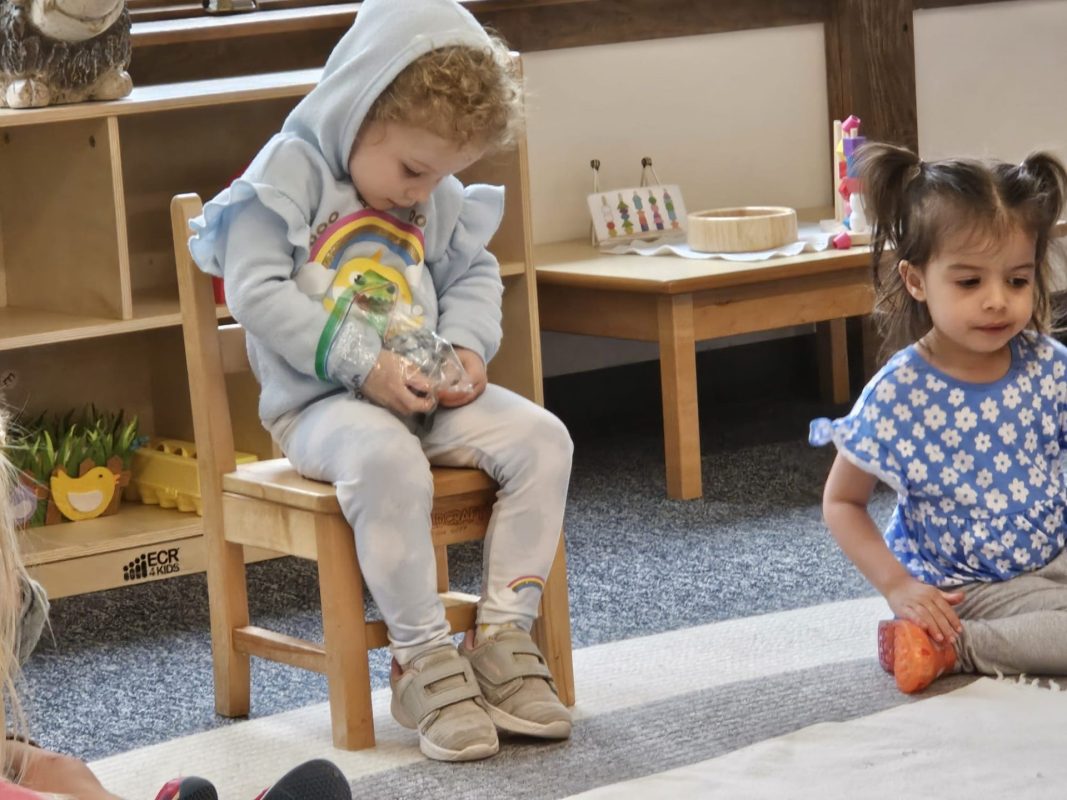
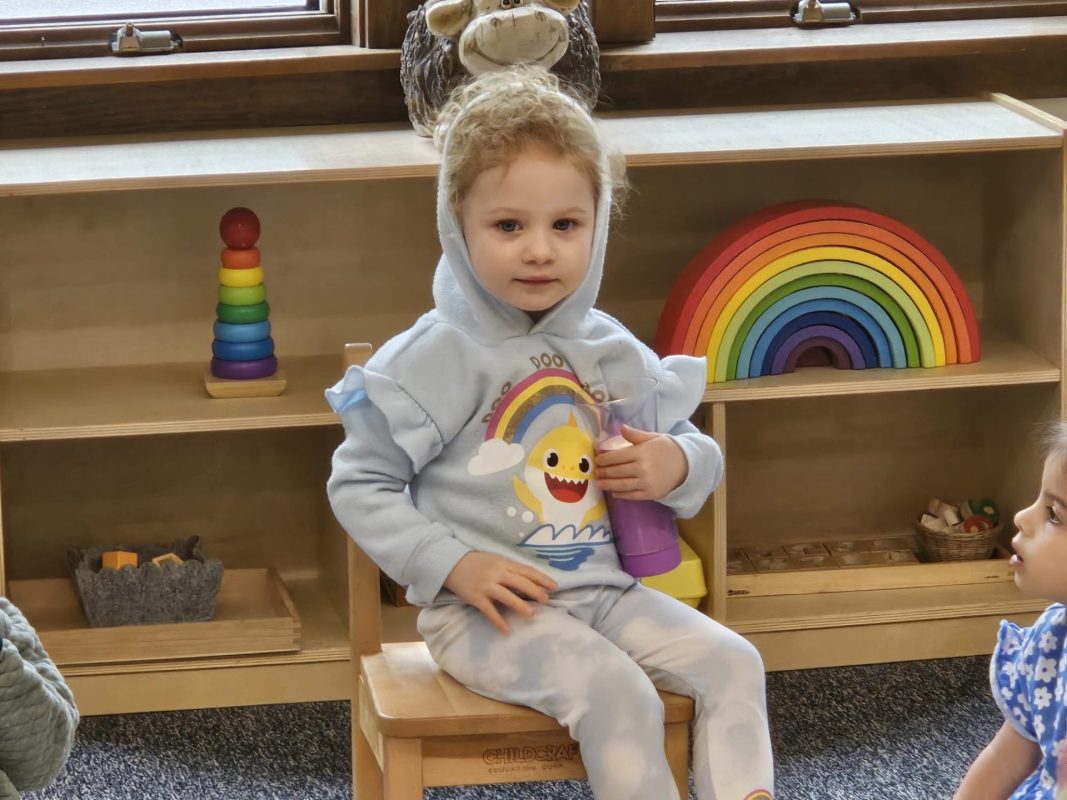
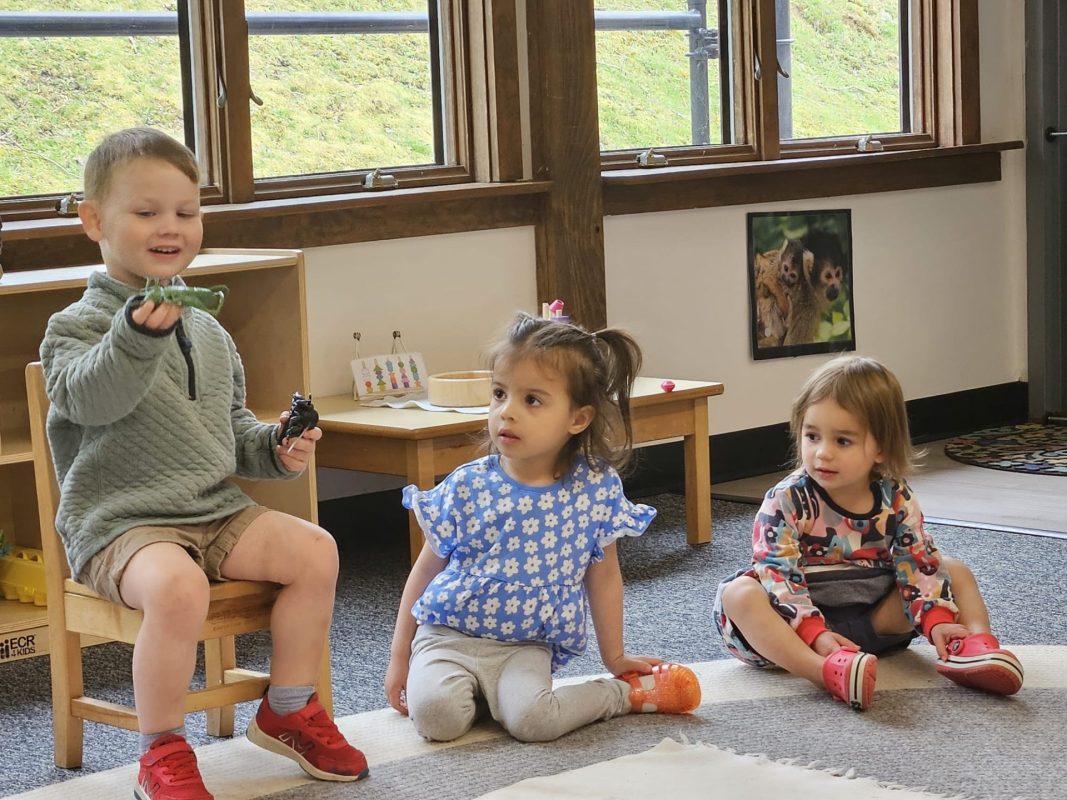
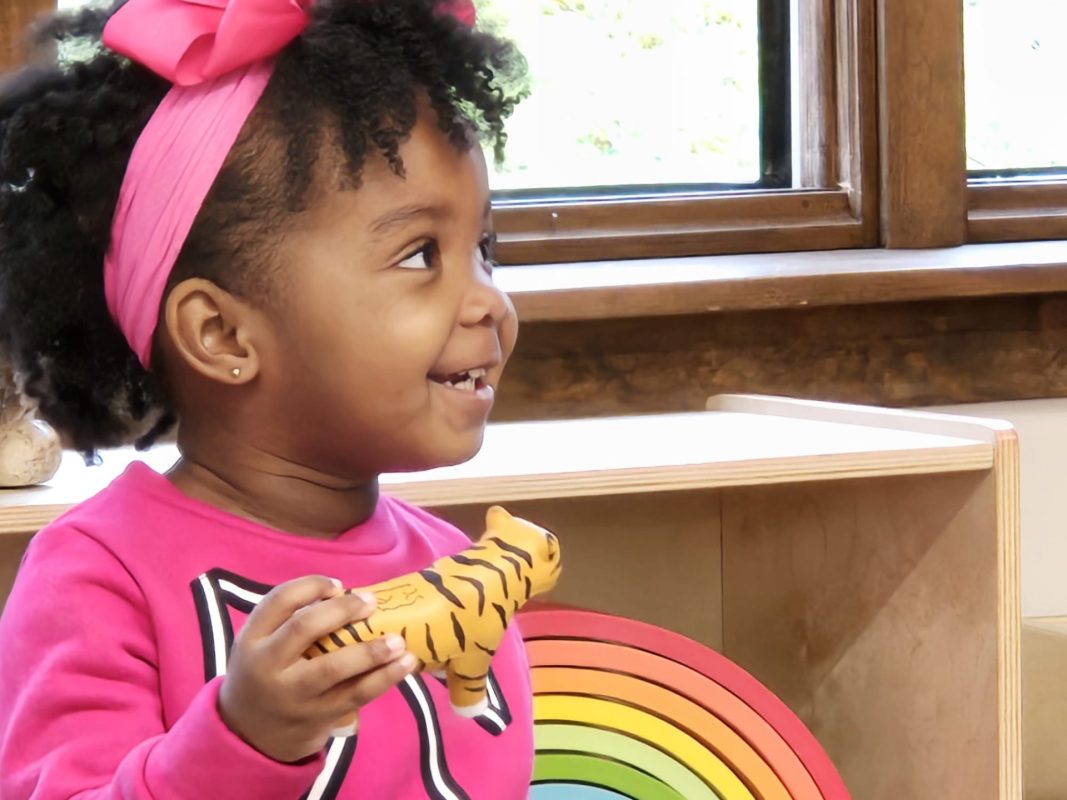
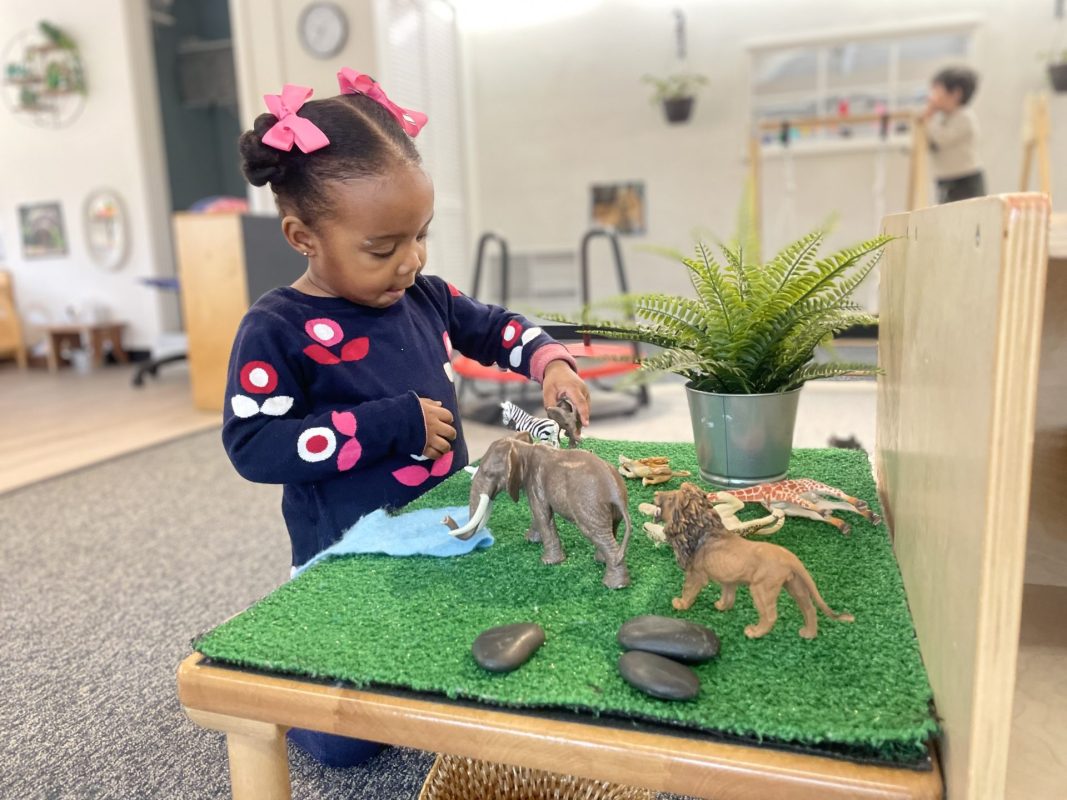
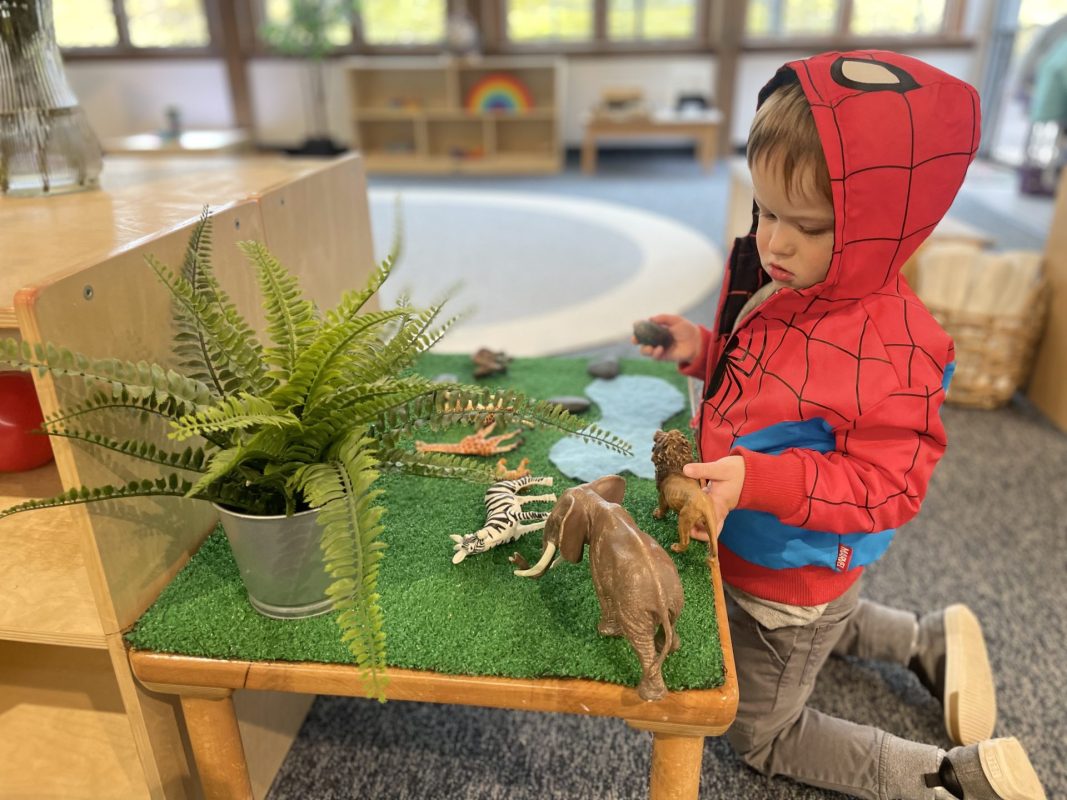
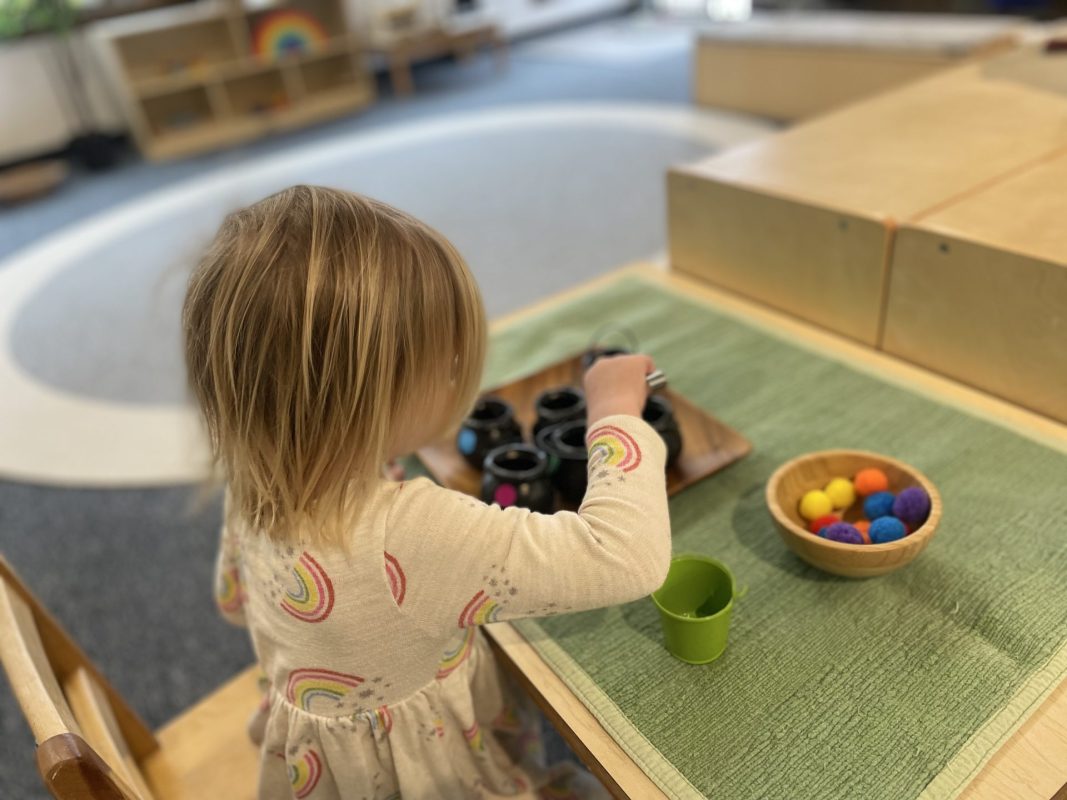
Furthermore, we have begun to delve into the fascinating world of wild animals while continuing our exploration of colors in the environment. By incorporating these themes into our curriculum, we aim to spark curiosity, encourage observation, and instill a sense of wonder and respect for the natural world.

As we navigate the remainder of the school year together, I am confident that these new additions and engaging experiences will continue to inspire and empower our toddlers to flourish and grow. Thank you for your ongoing support and partnership in nurturing the curiosity and potential of each child in our classroom.

Enjoy the pics,

Mrs. Hood and Ms. Mollie